window.__IS_SSR__=true
window.__INITIAL_STATE__={
"attachmentsReducer": {
"audio_0": {
"type": "attachments",
"id": "audio_0",
"imgSizes": {
"kqedFullSize": {
"file": "https://ww2.kqed.org/news/wp-content/themes/KQED-unified/img/audio_bgs/background0.jpg"
}
}
},
"audio_1": {
"type": "attachments",
"id": "audio_1",
"imgSizes": {
"kqedFullSize": {
"file": "https://ww2.kqed.org/news/wp-content/themes/KQED-unified/img/audio_bgs/background1.jpg"
}
}
},
"audio_2": {
"type": "attachments",
"id": "audio_2",
"imgSizes": {
"kqedFullSize": {
"file": "https://ww2.kqed.org/news/wp-content/themes/KQED-unified/img/audio_bgs/background2.jpg"
}
}
},
"audio_3": {
"type": "attachments",
"id": "audio_3",
"imgSizes": {
"kqedFullSize": {
"file": "https://ww2.kqed.org/news/wp-content/themes/KQED-unified/img/audio_bgs/background3.jpg"
}
}
},
"audio_4": {
"type": "attachments",
"id": "audio_4",
"imgSizes": {
"kqedFullSize": {
"file": "https://ww2.kqed.org/news/wp-content/themes/KQED-unified/img/audio_bgs/background4.jpg"
}
}
},
"placeholder": {
"type": "attachments",
"id": "placeholder",
"imgSizes": {
"thumbnail": {
"file": "https://cdn.kqed.org/wp-content/uploads/2024/12/KQED-Default-Image-816638274-2000x1333-1-160x107.jpg",
"width": 160,
"height": 107,
"mimeType": "image/jpeg"
},
"medium": {
"file": "https://cdn.kqed.org/wp-content/uploads/2024/12/KQED-Default-Image-816638274-2000x1333-1-800x533.jpg",
"width": 800,
"height": 533,
"mimeType": "image/jpeg"
},
"medium_large": {
"file": "https://cdn.kqed.org/wp-content/uploads/2024/12/KQED-Default-Image-816638274-2000x1333-1-768x512.jpg",
"width": 768,
"height": 512,
"mimeType": "image/jpeg"
},
"large": {
"file": "https://cdn.kqed.org/wp-content/uploads/2024/12/KQED-Default-Image-816638274-2000x1333-1-1020x680.jpg",
"width": 1020,
"height": 680,
"mimeType": "image/jpeg"
},
"1536x1536": {
"file": "https://cdn.kqed.org/wp-content/uploads/2024/12/KQED-Default-Image-816638274-2000x1333-1-1536x1024.jpg",
"width": 1536,
"height": 1024,
"mimeType": "image/jpeg"
},
"fd-lrg": {
"file": "https://cdn.kqed.org/wp-content/uploads/2024/12/KQED-Default-Image-816638274-2000x1333-1-1536x1024.jpg",
"width": 1536,
"height": 1024,
"mimeType": "image/jpeg"
},
"fd-med": {
"file": "https://cdn.kqed.org/wp-content/uploads/2024/12/KQED-Default-Image-816638274-2000x1333-1-1020x680.jpg",
"width": 1020,
"height": 680,
"mimeType": "image/jpeg"
},
"fd-sm": {
"file": "https://cdn.kqed.org/wp-content/uploads/2024/12/KQED-Default-Image-816638274-2000x1333-1-800x533.jpg",
"width": 800,
"height": 533,
"mimeType": "image/jpeg"
},
"post-thumbnail": {
"file": "https://cdn.kqed.org/wp-content/uploads/2024/12/KQED-Default-Image-816638274-2000x1333-1-672x372.jpg",
"width": 672,
"height": 372,
"mimeType": "image/jpeg"
},
"twentyfourteen-full-width": {
"file": "https://cdn.kqed.org/wp-content/uploads/2024/12/KQED-Default-Image-816638274-2000x1333-1-1038x576.jpg",
"width": 1038,
"height": 576,
"mimeType": "image/jpeg"
},
"xxsmall": {
"file": "https://cdn.kqed.org/wp-content/uploads/2024/12/KQED-Default-Image-816638274-2000x1333-1-160x107.jpg",
"width": 160,
"height": 107,
"mimeType": "image/jpeg"
},
"xsmall": {
"file": "https://cdn.kqed.org/wp-content/uploads/2024/12/KQED-Default-Image-816638274-2000x1333-1-672x372.jpg",
"width": 672,
"height": 372,
"mimeType": "image/jpeg"
},
"small": {
"file": "https://cdn.kqed.org/wp-content/uploads/2024/12/KQED-Default-Image-816638274-2000x1333-1-672x372.jpg",
"width": 672,
"height": 372,
"mimeType": "image/jpeg"
},
"xlarge": {
"file": "https://cdn.kqed.org/wp-content/uploads/2024/12/KQED-Default-Image-816638274-2000x1333-1-1020x680.jpg",
"width": 1020,
"height": 680,
"mimeType": "image/jpeg"
},
"full-width": {
"file": "https://cdn.kqed.org/wp-content/uploads/2024/12/KQED-Default-Image-816638274-2000x1333-1-1920x1280.jpg",
"width": 1920,
"height": 1280,
"mimeType": "image/jpeg"
},
"guest-author-32": {
"file": "https://cdn.kqed.org/wp-content/uploads/2025/01/KQED-Default-Image-816638274-1333x1333-1-160x160.jpg",
"width": 32,
"height": 32,
"mimeType": "image/jpeg"
},
"guest-author-50": {
"file": "https://cdn.kqed.org/wp-content/uploads/2025/01/KQED-Default-Image-816638274-1333x1333-1-160x160.jpg",
"width": 50,
"height": 50,
"mimeType": "image/jpeg"
},
"guest-author-64": {
"file": "https://cdn.kqed.org/wp-content/uploads/2025/01/KQED-Default-Image-816638274-1333x1333-1-160x160.jpg",
"width": 64,
"height": 64,
"mimeType": "image/jpeg"
},
"guest-author-96": {
"file": "https://cdn.kqed.org/wp-content/uploads/2025/01/KQED-Default-Image-816638274-1333x1333-1-160x160.jpg",
"width": 96,
"height": 96,
"mimeType": "image/jpeg"
},
"guest-author-128": {
"file": "https://cdn.kqed.org/wp-content/uploads/2025/01/KQED-Default-Image-816638274-1333x1333-1-160x160.jpg",
"width": 128,
"height": 128,
"mimeType": "image/jpeg"
},
"detail": {
"file": "https://cdn.kqed.org/wp-content/uploads/2025/01/KQED-Default-Image-816638274-1333x1333-1-160x160.jpg",
"width": 160,
"height": 160,
"mimeType": "image/jpeg"
},
"kqedFullSize": {
"file": "https://cdn.kqed.org/wp-content/uploads/2024/12/KQED-Default-Image-816638274-2000x1333-1.jpg",
"width": 2000,
"height": 1333
}
}
},
"science_1910927": {
"type": "attachments",
"id": "science_1910927",
"meta": {
"index": "attachments_1716263798",
"site": "science",
"id": "1910927",
"found": true
},
"parent": 1910886,
"imgSizes": {
"small": {
"file": "https://ww2.kqed.org/app/uploads/sites/35/2017/08/30353919862_0091e00e42_k-520x326.jpg",
"width": 520,
"mimeType": "image/jpeg",
"height": 326
},
"twentyfourteen-full-width": {
"file": "https://ww2.kqed.org/app/uploads/sites/35/2017/08/30353919862_0091e00e42_k-1038x576.jpg",
"width": 1038,
"mimeType": "image/jpeg",
"height": 576
},
"thumbnail": {
"file": "https://ww2.kqed.org/app/uploads/sites/35/2017/08/30353919862_0091e00e42_k-160x100.jpg",
"width": 160,
"mimeType": "image/jpeg",
"height": 100
},
"fd-sm": {
"file": "https://ww2.kqed.org/app/uploads/sites/35/2017/08/30353919862_0091e00e42_k-960x602.jpg",
"width": 960,
"mimeType": "image/jpeg",
"height": 602
},
"post-thumbnail": {
"file": "https://ww2.kqed.org/app/uploads/sites/35/2017/08/30353919862_0091e00e42_k-672x372.jpg",
"width": 672,
"mimeType": "image/jpeg",
"height": 372
},
"xsmall": {
"file": "https://ww2.kqed.org/app/uploads/sites/35/2017/08/30353919862_0091e00e42_k-375x235.jpg",
"width": 375,
"mimeType": "image/jpeg",
"height": 235
},
"kqedFullSize": {
"file": "https://ww2.kqed.org/app/uploads/sites/35/2017/08/30353919862_0091e00e42_k.jpg",
"width": 2048,
"height": 1285
},
"large": {
"file": "https://ww2.kqed.org/app/uploads/sites/35/2017/08/30353919862_0091e00e42_k-1020x640.jpg",
"width": 1020,
"mimeType": "image/jpeg",
"height": 640
},
"xlarge": {
"file": "https://ww2.kqed.org/app/uploads/sites/35/2017/08/30353919862_0091e00e42_k-1180x740.jpg",
"width": 1180,
"mimeType": "image/jpeg",
"height": 740
},
"guest-author-50": {
"file": "https://ww2.kqed.org/app/uploads/sites/35/2017/08/30353919862_0091e00e42_k-50x50.jpg",
"width": 50,
"mimeType": "image/jpeg",
"height": 50
},
"guest-author-96": {
"file": "https://ww2.kqed.org/app/uploads/sites/35/2017/08/30353919862_0091e00e42_k-96x96.jpg",
"width": 96,
"mimeType": "image/jpeg",
"height": 96
},
"medium": {
"file": "https://ww2.kqed.org/app/uploads/sites/35/2017/08/30353919862_0091e00e42_k-800x502.jpg",
"width": 800,
"mimeType": "image/jpeg",
"height": 502
},
"guest-author-64": {
"file": "https://ww2.kqed.org/app/uploads/sites/35/2017/08/30353919862_0091e00e42_k-64x64.jpg",
"width": 64,
"mimeType": "image/jpeg",
"height": 64
},
"guest-author-32": {
"file": "https://ww2.kqed.org/app/uploads/sites/35/2017/08/30353919862_0091e00e42_k-32x32.jpg",
"width": 32,
"mimeType": "image/jpeg",
"height": 32
},
"fd-lrg": {
"file": "https://ww2.kqed.org/app/uploads/sites/35/2017/08/30353919862_0091e00e42_k-1920x1205.jpg",
"width": 1920,
"mimeType": "image/jpeg",
"height": 1205
},
"fd-med": {
"file": "https://ww2.kqed.org/app/uploads/sites/35/2017/08/30353919862_0091e00e42_k-1180x740.jpg",
"width": 1180,
"mimeType": "image/jpeg",
"height": 740
},
"full-width": {
"file": "https://ww2.kqed.org/app/uploads/sites/35/2017/08/30353919862_0091e00e42_k-1920x1205.jpg",
"width": 1920,
"mimeType": "image/jpeg",
"height": 1205
},
"detail": {
"file": "https://ww2.kqed.org/app/uploads/sites/35/2017/08/30353919862_0091e00e42_k-150x150.jpg",
"width": 150,
"mimeType": "image/jpeg",
"height": 150
},
"medium_large": {
"file": "https://ww2.kqed.org/app/uploads/sites/35/2017/08/30353919862_0091e00e42_k-768x482.jpg",
"width": 768,
"mimeType": "image/jpeg",
"height": 482
},
"guest-author-128": {
"file": "https://ww2.kqed.org/app/uploads/sites/35/2017/08/30353919862_0091e00e42_k-128x128.jpg",
"width": 128,
"mimeType": "image/jpeg",
"height": 128
},
"xxsmall": {
"file": "https://ww2.kqed.org/app/uploads/sites/35/2017/08/30353919862_0091e00e42_k-240x151.jpg",
"width": 240,
"mimeType": "image/jpeg",
"height": 151
}
},
"publishDate": 1501626038,
"modified": 1501626094,
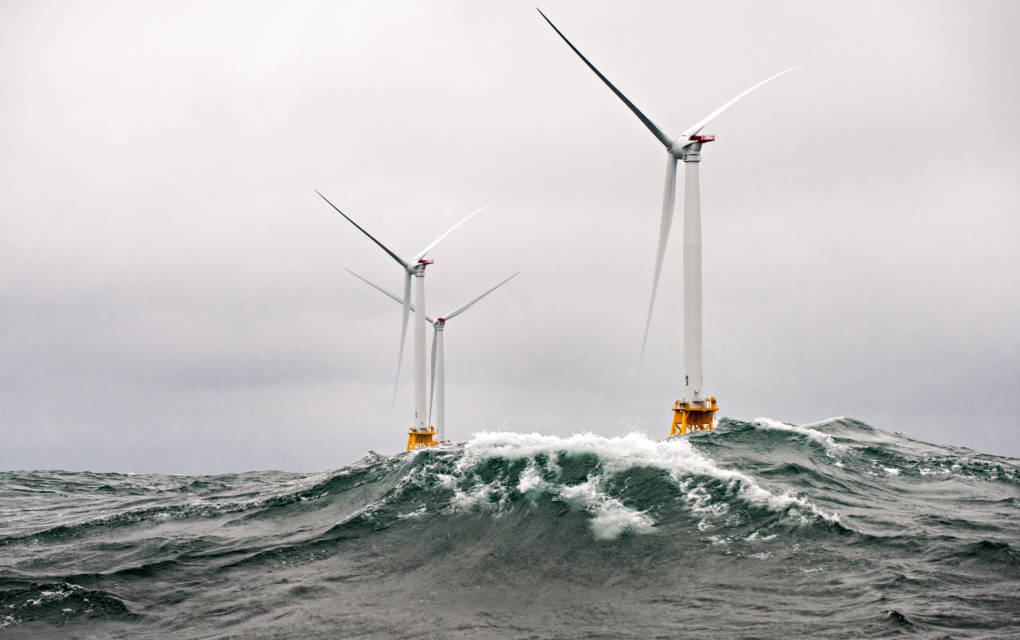
"caption": "The Block Island Wind Farm, America's first offshore wind farm, was built by Deepwater Wind and began operating in 2016.",
"description": null,
"title": "30353919862_0091e00e42_k",
"credit": "\u003ca href=\"https://www.flickr.com/photos/nrel/30353919862/in/photolist-NfgLRU-NqCGVD-NhY3ZH-ru8Ccz-NqCDhr-MsTFd5-fkdCvD-7niitk-7vsbp3-7mW9MZ-rQ1Z9-7bkKwH-75RaVy-9UHw8J-ffn7Ms-7nndF1-6EzbkB-7nfNXM-4nLdM4-2HZyo6-id9vH-ptagEB-5BoQXp-2ixwgw-hkdEBE-oxyXQ-FQEZwi-F2j4D2-FUh589-mCJEG-mCJq1-FWyTMn-FWyVVv-FQH2Ci-F2j86n-F28ht3-FQH3ED-FUeX5f-F2hwzF-F28equ-F2j2NP-F2hw9a-FWyUfB-HiBV4s-F2hwNB-FUh2NQ-FNnrts-F28i6A-FwsnC5-FQFv4K\" target=\"_blank\" rel=\"noopener noreferrer\">NREL\u003c/a>/flickr",
"status": "inherit",
"isLoading": false,
"fetchFailed": false
},
"science_1892352": {
"type": "attachments",
"id": "science_1892352",
"meta": {
"index": "attachments_1716263798",
"site": "science",
"id": "1892352",
"found": true
},
"parent": 1871155,
"imgSizes": {
"thumbnail": {
"file": "https://ww2.kqed.org/app/uploads/sites/35/2017/08/DL414-Striders-row-slow-160x90.gif",
"width": 160,
"mimeType": "image/gif",
"height": 90
},
"xsmall": {
"file": "https://ww2.kqed.org/app/uploads/sites/35/2017/08/DL414-Striders-row-slow-375x211.gif",
"width": 375,
"mimeType": "image/gif",
"height": 211
},
"kqedFullSize": {
"file": "https://ww2.kqed.org/app/uploads/sites/35/2017/08/DL414-Striders-row-slow.gif",
"width": 500,
"height": 281
},
"guest-author-50": {
"file": "https://ww2.kqed.org/app/uploads/sites/35/2017/08/DL414-Striders-row-slow-50x50.gif",
"width": 50,
"mimeType": "image/gif",
"height": 50
},
"guest-author-96": {
"file": "https://ww2.kqed.org/app/uploads/sites/35/2017/08/DL414-Striders-row-slow-96x96.gif",
"width": 96,
"mimeType": "image/gif",
"height": 96
},
"guest-author-64": {
"file": "https://ww2.kqed.org/app/uploads/sites/35/2017/08/DL414-Striders-row-slow-64x64.gif",
"width": 64,
"mimeType": "image/gif",
"height": 64
},
"detail": {
"file": "https://ww2.kqed.org/app/uploads/sites/35/2017/08/DL414-Striders-row-slow-150x150.gif",
"width": 150,
"mimeType": "image/gif",
"height": 150
},
"guest-author-32": {
"file": "https://ww2.kqed.org/app/uploads/sites/35/2017/08/DL414-Striders-row-slow-32x32.gif",
"width": 32,
"mimeType": "image/gif",
"height": 32
},
"guest-author-128": {
"file": "https://ww2.kqed.org/app/uploads/sites/35/2017/08/DL414-Striders-row-slow-128x128.gif",
"width": 128,
"mimeType": "image/gif",
"height": 128
},
"xxsmall": {
"file": "https://ww2.kqed.org/app/uploads/sites/35/2017/08/DL414-Striders-row-slow-240x135.gif",
"width": 240,
"mimeType": "image/gif",
"height": 135
}
},
"publishDate": 1501180614,
"modified": 1501180657,
"caption": "Water striders use their center pair of legs to push against dimples in the water.",
"description": null,
"title": "DL414 Striders row slow",
"credit": "Josh Cassidy/KQED",
"status": "inherit",
"isLoading": false,
"fetchFailed": false
},
"science_1906537": {
"type": "attachments",
"id": "science_1906537",
"meta": {
"index": "attachments_1716263798",
"site": "science",
"id": "1906537",
"found": true
},
"parent": 1906530,
"imgSizes": {
"small": {
"file": "https://ww2.kqed.org/app/uploads/sites/35/2017/07/gold_replica-520x390.jpg",
"width": 520,
"mimeType": "image/jpeg",
"height": 390
},
"twentyfourteen-full-width": {
"file": "https://ww2.kqed.org/app/uploads/sites/35/2017/07/gold_replica-1038x576.jpg",
"width": 1038,
"mimeType": "image/jpeg",
"height": 576
},
"thumbnail": {
"file": "https://ww2.kqed.org/app/uploads/sites/35/2017/07/gold_replica-160x120.jpg",
"width": 160,
"mimeType": "image/jpeg",
"height": 120
},
"fd-sm": {
"file": "https://ww2.kqed.org/app/uploads/sites/35/2017/07/gold_replica-960x720.jpg",
"width": 960,
"mimeType": "image/jpeg",
"height": 720
},
"post-thumbnail": {
"file": "https://ww2.kqed.org/app/uploads/sites/35/2017/07/gold_replica-672x372.jpg",
"width": 672,
"mimeType": "image/jpeg",
"height": 372
},
"xsmall": {
"file": "https://ww2.kqed.org/app/uploads/sites/35/2017/07/gold_replica-375x281.jpg",
"width": 375,
"mimeType": "image/jpeg",
"height": 281
},
"kqedFullSize": {
"file": "https://ww2.kqed.org/app/uploads/sites/35/2017/07/gold_replica.jpg",
"width": 1280,
"height": 960
},
"large": {
"file": "https://ww2.kqed.org/app/uploads/sites/35/2017/07/gold_replica-1020x765.jpg",
"width": 1020,
"mimeType": "image/jpeg",
"height": 765
},
"xlarge": {
"file": "https://ww2.kqed.org/app/uploads/sites/35/2017/07/gold_replica-1180x885.jpg",
"width": 1180,
"mimeType": "image/jpeg",
"height": 885
},
"guest-author-50": {
"file": "https://ww2.kqed.org/app/uploads/sites/35/2017/07/gold_replica-50x50.jpg",
"width": 50,
"mimeType": "image/jpeg",
"height": 50
},
"guest-author-96": {
"file": "https://ww2.kqed.org/app/uploads/sites/35/2017/07/gold_replica-96x96.jpg",
"width": 96,
"mimeType": "image/jpeg",
"height": 96
},
"medium": {
"file": "https://ww2.kqed.org/app/uploads/sites/35/2017/07/gold_replica-800x600.jpg",
"width": 800,
"mimeType": "image/jpeg",
"height": 600
},
"guest-author-64": {
"file": "https://ww2.kqed.org/app/uploads/sites/35/2017/07/gold_replica-64x64.jpg",
"width": 64,
"mimeType": "image/jpeg",
"height": 64
},
"guest-author-32": {
"file": "https://ww2.kqed.org/app/uploads/sites/35/2017/07/gold_replica-32x32.jpg",
"width": 32,
"mimeType": "image/jpeg",
"height": 32
},
"fd-med": {
"file": "https://ww2.kqed.org/app/uploads/sites/35/2017/07/gold_replica-1180x885.jpg",
"width": 1180,
"mimeType": "image/jpeg",
"height": 885
},
"detail": {
"file": "https://ww2.kqed.org/app/uploads/sites/35/2017/07/gold_replica-150x150.jpg",
"width": 150,
"mimeType": "image/jpeg",
"height": 150
},
"medium_large": {
"file": "https://ww2.kqed.org/app/uploads/sites/35/2017/07/gold_replica-768x576.jpg",
"width": 768,
"mimeType": "image/jpeg",
"height": 576
},
"guest-author-128": {
"file": "https://ww2.kqed.org/app/uploads/sites/35/2017/07/gold_replica-128x128.jpg",
"width": 128,
"mimeType": "image/jpeg",
"height": 128
},
"xxsmall": {
"file": "https://ww2.kqed.org/app/uploads/sites/35/2017/07/gold_replica-240x180.jpg",
"width": 240,
"mimeType": "image/jpeg",
"height": 180
}
},
"publishDate": 1501524802,
"modified": 1501524802,
"caption": null,
"description": null,
"title": "gold_replica",
"credit": null,
"status": "inherit",
"isLoading": false,
"fetchFailed": false
},
"science_1892622": {
"type": "attachments",
"id": "science_1892622",
"meta": {
"index": "attachments_1716263798",
"site": "science",
"id": "1892622",
"found": true
},
"parent": 1892612,
"imgSizes": {
"small": {
"file": "https://ww2.kqed.org/app/uploads/sites/35/2017/07/IMG_1726-e1501190022498-520x337.jpg",
"width": 520,
"mimeType": "image/jpeg",
"height": 337
},
"twentyfourteen-full-width": {
"file": "https://ww2.kqed.org/app/uploads/sites/35/2017/07/IMG_1726-e1501190022498-1038x576.jpg",
"width": 1038,
"mimeType": "image/jpeg",
"height": 576
},
"thumbnail": {
"file": "https://ww2.kqed.org/app/uploads/sites/35/2017/07/IMG_1726-e1501190022498-160x104.jpg",
"width": 160,
"mimeType": "image/jpeg",
"height": 104
},
"fd-sm": {
"file": "https://ww2.kqed.org/app/uploads/sites/35/2017/07/IMG_1726-e1501190022498-960x621.jpg",
"width": 960,
"mimeType": "image/jpeg",
"height": 621
},
"post-thumbnail": {
"file": "https://ww2.kqed.org/app/uploads/sites/35/2017/07/IMG_1726-e1501190022498-672x372.jpg",
"width": 672,
"mimeType": "image/jpeg",
"height": 372
},
"xsmall": {
"file": "https://ww2.kqed.org/app/uploads/sites/35/2017/07/IMG_1726-e1501190022498-375x243.jpg",
"width": 375,
"mimeType": "image/jpeg",
"height": 243
},
"kqedFullSize": {
"file": "https://ww2.kqed.org/app/uploads/sites/35/2017/07/IMG_1726-e1501190022498.jpg",
"width": 3264,
"height": 2113
},
"large": {
"file": "https://ww2.kqed.org/app/uploads/sites/35/2017/07/IMG_1726-e1501190022498-1020x660.jpg",
"width": 1020,
"mimeType": "image/jpeg",
"height": 660
},
"xlarge": {
"file": "https://ww2.kqed.org/app/uploads/sites/35/2017/07/IMG_1726-e1501190022498-1180x764.jpg",
"width": 1180,
"mimeType": "image/jpeg",
"height": 764
},
"guest-author-50": {
"file": "https://ww2.kqed.org/app/uploads/sites/35/2017/07/IMG_1726-e1501190022498-50x50.jpg",
"width": 50,
"mimeType": "image/jpeg",
"height": 50
},
"guest-author-96": {
"file": "https://ww2.kqed.org/app/uploads/sites/35/2017/07/IMG_1726-e1501190022498-96x96.jpg",
"width": 96,
"mimeType": "image/jpeg",
"height": 96
},
"medium": {
"file": "https://ww2.kqed.org/app/uploads/sites/35/2017/07/IMG_1726-e1501190022498-800x518.jpg",
"width": 800,
"mimeType": "image/jpeg",
"height": 518
},
"guest-author-64": {
"file": "https://ww2.kqed.org/app/uploads/sites/35/2017/07/IMG_1726-e1501190022498-64x64.jpg",
"width": 64,
"mimeType": "image/jpeg",
"height": 64
},
"guest-author-32": {
"file": "https://ww2.kqed.org/app/uploads/sites/35/2017/07/IMG_1726-e1501190022498-32x32.jpg",
"width": 32,
"mimeType": "image/jpeg",
"height": 32
},
"fd-lrg": {
"file": "https://ww2.kqed.org/app/uploads/sites/35/2017/07/IMG_1726-e1501190022498-1920x1243.jpg",
"width": 1920,
"mimeType": "image/jpeg",
"height": 1243
},
"fd-med": {
"file": "https://ww2.kqed.org/app/uploads/sites/35/2017/07/IMG_1726-e1501190022498-1180x764.jpg",
"width": 1180,
"mimeType": "image/jpeg",
"height": 764
},
"full-width": {
"file": "https://ww2.kqed.org/app/uploads/sites/35/2017/07/IMG_1726-e1501190022498-1920x1243.jpg",
"width": 1920,
"mimeType": "image/jpeg",
"height": 1243
},
"detail": {
"file": "https://ww2.kqed.org/app/uploads/sites/35/2017/07/IMG_1726-e1501190022498-150x150.jpg",
"width": 150,
"mimeType": "image/jpeg",
"height": 150
},
"medium_large": {
"file": "https://ww2.kqed.org/app/uploads/sites/35/2017/07/IMG_1726-e1501190022498-768x497.jpg",
"width": 768,
"mimeType": "image/jpeg",
"height": 497
},
"guest-author-128": {
"file": "https://ww2.kqed.org/app/uploads/sites/35/2017/07/IMG_1726-e1501190022498-128x128.jpg",
"width": 128,
"mimeType": "image/jpeg",
"height": 128
},
"xxsmall": {
"file": "https://ww2.kqed.org/app/uploads/sites/35/2017/07/IMG_1726-e1501190022498-240x155.jpg",
"width": 240,
"mimeType": "image/jpeg",
"height": 155
}
},
"publishDate": 1501189981,
"modified": 1501190042,
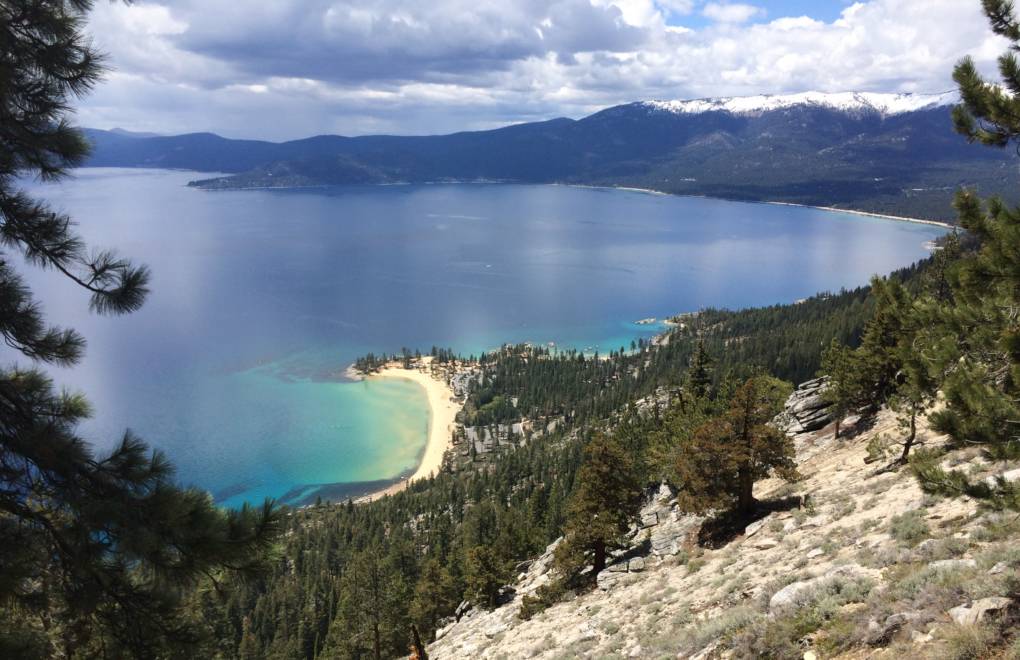
"caption": "By late July 2017, the water temperature in Lake Tahoe had reached 68 degrees--5 degrees above average water temperature for this time of year.",
"description": null,
"title": "IMG_1726",
"credit": "Lindsey Hoshaw",
"status": "inherit",
"isLoading": false,
"fetchFailed": false
},
"science_1870765": {
"type": "attachments",
"id": "science_1870765",
"meta": {
"index": "attachments_1716263798",
"site": "science",
"id": "1870765",
"found": true
},
"parent": 1866308,
"imgSizes": {
"small": {
"file": "https://ww2.kqed.org/app/uploads/sites/35/2017/07/ticks1-520x371.jpg",
"width": 520,
"mimeType": "image/jpeg",
"height": 371
},
"twentyfourteen-full-width": {
"file": "https://ww2.kqed.org/app/uploads/sites/35/2017/07/ticks1-1038x576.jpg",
"width": 1038,
"mimeType": "image/jpeg",
"height": 576
},
"thumbnail": {
"file": "https://ww2.kqed.org/app/uploads/sites/35/2017/07/ticks1-160x114.jpg",
"width": 160,
"mimeType": "image/jpeg",
"height": 114
},
"fd-sm": {
"file": "https://ww2.kqed.org/app/uploads/sites/35/2017/07/ticks1-960x686.jpg",
"width": 960,
"mimeType": "image/jpeg",
"height": 686
},
"post-thumbnail": {
"file": "https://ww2.kqed.org/app/uploads/sites/35/2017/07/ticks1-672x372.jpg",
"width": 672,
"mimeType": "image/jpeg",
"height": 372
},
"xsmall": {
"file": "https://ww2.kqed.org/app/uploads/sites/35/2017/07/ticks1-375x268.jpg",
"width": 375,
"mimeType": "image/jpeg",
"height": 268
},
"kqedFullSize": {
"file": "https://ww2.kqed.org/app/uploads/sites/35/2017/07/ticks1.jpg",
"width": 4768,
"height": 3406
},
"large": {
"file": "https://ww2.kqed.org/app/uploads/sites/35/2017/07/ticks1-1020x729.jpg",
"width": 1020,
"mimeType": "image/jpeg",
"height": 729
},
"xlarge": {
"file": "https://ww2.kqed.org/app/uploads/sites/35/2017/07/ticks1-1180x843.jpg",
"width": 1180,
"mimeType": "image/jpeg",
"height": 843
},
"guest-author-50": {
"file": "https://ww2.kqed.org/app/uploads/sites/35/2017/07/ticks1-50x50.jpg",
"width": 50,
"mimeType": "image/jpeg",
"height": 50
},
"guest-author-96": {
"file": "https://ww2.kqed.org/app/uploads/sites/35/2017/07/ticks1-96x96.jpg",
"width": 96,
"mimeType": "image/jpeg",
"height": 96
},
"medium": {
"file": "https://ww2.kqed.org/app/uploads/sites/35/2017/07/ticks1-800x571.jpg",
"width": 800,
"mimeType": "image/jpeg",
"height": 571
},
"guest-author-64": {
"file": "https://ww2.kqed.org/app/uploads/sites/35/2017/07/ticks1-64x64.jpg",
"width": 64,
"mimeType": "image/jpeg",
"height": 64
},
"guest-author-32": {
"file": "https://ww2.kqed.org/app/uploads/sites/35/2017/07/ticks1-32x32.jpg",
"width": 32,
"mimeType": "image/jpeg",
"height": 32
},
"fd-lrg": {
"file": "https://ww2.kqed.org/app/uploads/sites/35/2017/07/ticks1-1920x1372.jpg",
"width": 1920,
"mimeType": "image/jpeg",
"height": 1372
},
"fd-med": {
"file": "https://ww2.kqed.org/app/uploads/sites/35/2017/07/ticks1-1180x843.jpg",
"width": 1180,
"mimeType": "image/jpeg",
"height": 843
},
"full-width": {
"file": "https://ww2.kqed.org/app/uploads/sites/35/2017/07/ticks1-1920x1372.jpg",
"width": 1920,
"mimeType": "image/jpeg",
"height": 1372
},
"detail": {
"file": "https://ww2.kqed.org/app/uploads/sites/35/2017/07/ticks1-150x150.jpg",
"width": 150,
"mimeType": "image/jpeg",
"height": 150
},
"medium_large": {
"file": "https://ww2.kqed.org/app/uploads/sites/35/2017/07/ticks1-768x549.jpg",
"width": 768,
"mimeType": "image/jpeg",
"height": 549
},
"guest-author-128": {
"file": "https://ww2.kqed.org/app/uploads/sites/35/2017/07/ticks1-128x128.jpg",
"width": 128,
"mimeType": "image/jpeg",
"height": 128
},
"xxsmall": {
"file": "https://ww2.kqed.org/app/uploads/sites/35/2017/07/ticks1-240x171.jpg",
"width": 240,
"mimeType": "image/jpeg",
"height": 171
}
},
"publishDate": 1500677076,
"modified": 1501175152,
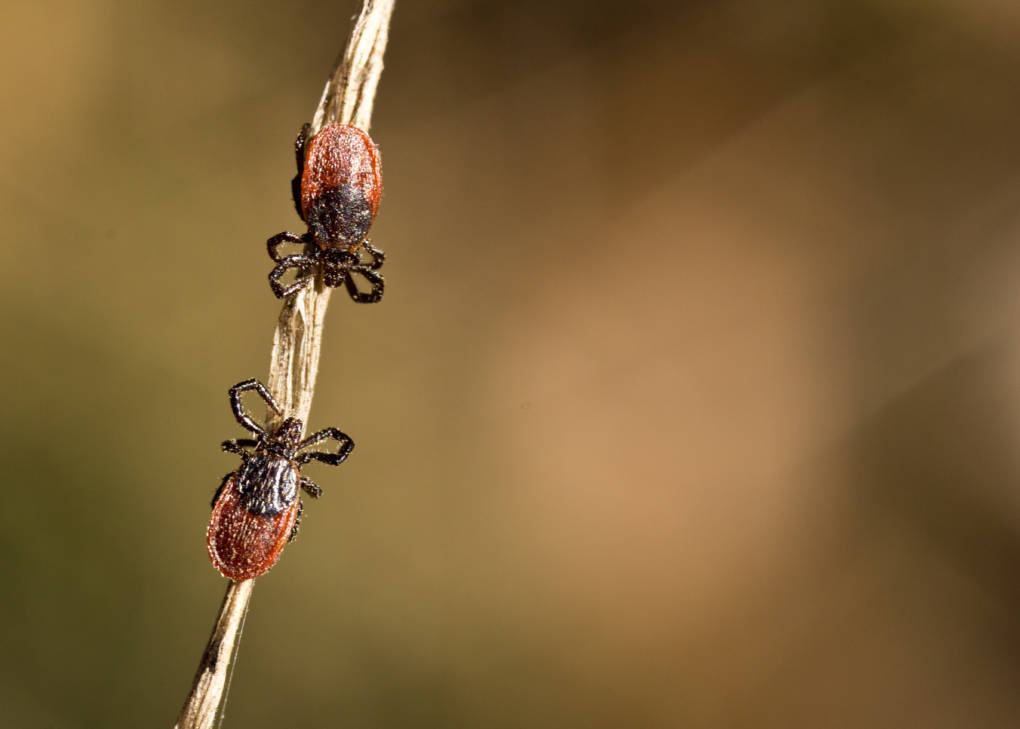
"caption": "Lyme-infected western blacklegged ticks have been found in 42 out of California's 58 counties.",
"description": null,
"title": "ticks1",
"credit": "Ervic Aquino",
"status": "inherit",
"isLoading": false,
"fetchFailed": false
},
"science_1881437": {
"type": "attachments",
"id": "science_1881437",
"meta": {
"index": "attachments_1716263798",
"site": "science",
"id": "1881437",
"found": true
},
"parent": 0,
"imgSizes": {
"small": {
"file": "https://ww2.kqed.org/app/uploads/sites/35/2017/07/Al_Gore-e1500935517339-520x382.jpg",
"width": 520,
"mimeType": "image/jpeg",
"height": 382
},
"twentyfourteen-full-width": {
"file": "https://ww2.kqed.org/app/uploads/sites/35/2017/07/Al_Gore-e1500935517339-1038x576.jpg",
"width": 1038,
"mimeType": "image/jpeg",
"height": 576
},
"thumbnail": {
"file": "https://ww2.kqed.org/app/uploads/sites/35/2017/07/Al_Gore-e1500935517339-160x117.jpg",
"width": 160,
"mimeType": "image/jpeg",
"height": 117
},
"fd-sm": {
"file": "https://ww2.kqed.org/app/uploads/sites/35/2017/07/Al_Gore-e1500935517339-960x704.jpg",
"width": 960,
"mimeType": "image/jpeg",
"height": 704
},
"post-thumbnail": {
"file": "https://ww2.kqed.org/app/uploads/sites/35/2017/07/Al_Gore-e1500935517339-672x372.jpg",
"width": 672,
"mimeType": "image/jpeg",
"height": 372
},
"xsmall": {
"file": "https://ww2.kqed.org/app/uploads/sites/35/2017/07/Al_Gore-e1500935517339-375x275.jpg",
"width": 375,
"mimeType": "image/jpeg",
"height": 275
},
"kqedFullSize": {
"file": "https://ww2.kqed.org/app/uploads/sites/35/2017/07/Al_Gore-e1500935517339.jpg",
"width": 3017,
"height": 2214
},
"large": {
"file": "https://ww2.kqed.org/app/uploads/sites/35/2017/07/Al_Gore-e1500935517339-1020x749.jpg",
"width": 1020,
"mimeType": "image/jpeg",
"height": 749
},
"xlarge": {
"file": "https://ww2.kqed.org/app/uploads/sites/35/2017/07/Al_Gore-e1500935517339-1180x866.jpg",
"width": 1180,
"mimeType": "image/jpeg",
"height": 866
},
"guest-author-50": {
"file": "https://ww2.kqed.org/app/uploads/sites/35/2017/07/Al_Gore-e1500935517339-50x50.jpg",
"width": 50,
"mimeType": "image/jpeg",
"height": 50
},
"guest-author-96": {
"file": "https://ww2.kqed.org/app/uploads/sites/35/2017/07/Al_Gore-e1500935517339-96x96.jpg",
"width": 96,
"mimeType": "image/jpeg",
"height": 96
},
"medium": {
"file": "https://ww2.kqed.org/app/uploads/sites/35/2017/07/Al_Gore-e1500935517339-800x587.jpg",
"width": 800,
"mimeType": "image/jpeg",
"height": 587
},
"guest-author-64": {
"file": "https://ww2.kqed.org/app/uploads/sites/35/2017/07/Al_Gore-e1500935517339-64x64.jpg",
"width": 64,
"mimeType": "image/jpeg",
"height": 64
},
"guest-author-32": {
"file": "https://ww2.kqed.org/app/uploads/sites/35/2017/07/Al_Gore-e1500935517339-32x32.jpg",
"width": 32,
"mimeType": "image/jpeg",
"height": 32
},
"fd-lrg": {
"file": "https://ww2.kqed.org/app/uploads/sites/35/2017/07/Al_Gore-e1500935517339-1920x1409.jpg",
"width": 1920,
"mimeType": "image/jpeg",
"height": 1409
},
"fd-med": {
"file": "https://ww2.kqed.org/app/uploads/sites/35/2017/07/Al_Gore-e1500935517339-1180x866.jpg",
"width": 1180,
"mimeType": "image/jpeg",
"height": 866
},
"full-width": {
"file": "https://ww2.kqed.org/app/uploads/sites/35/2017/07/Al_Gore-e1500935517339-1920x1409.jpg",
"width": 1920,
"mimeType": "image/jpeg",
"height": 1409
},
"detail": {
"file": "https://ww2.kqed.org/app/uploads/sites/35/2017/07/Al_Gore-e1500935517339-150x150.jpg",
"width": 150,
"mimeType": "image/jpeg",
"height": 150
},
"medium_large": {
"file": "https://ww2.kqed.org/app/uploads/sites/35/2017/07/Al_Gore-e1500935517339-768x564.jpg",
"width": 768,
"mimeType": "image/jpeg",
"height": 564
},
"guest-author-128": {
"file": "https://ww2.kqed.org/app/uploads/sites/35/2017/07/Al_Gore-e1500935517339-128x128.jpg",
"width": 128,
"mimeType": "image/jpeg",
"height": 128
},
"xxsmall": {
"file": "https://ww2.kqed.org/app/uploads/sites/35/2017/07/Al_Gore-e1500935517339-240x176.jpg",
"width": 240,
"mimeType": "image/jpeg",
"height": 176
}
},
"publishDate": 1500926291,
"modified": 1500926381,
"caption": "Al Gore promotes his new film 'An Inconvenient Sequel' during a sold out performance at San Francisco's Commonwealth Club.",
"description": null,
"title": "Al_Gore",
"credit": null,
"status": "inherit",
"isLoading": false,
"fetchFailed": false
},
"science_1866951": {
"type": "attachments",
"id": "science_1866951",
"meta": {
"index": "attachments_1716263798",
"site": "science",
"id": "1866951",
"found": true
},
"parent": 1866791,
"imgSizes": {
"small": {
"file": "https://ww2.kqed.org/app/uploads/sites/35/2017/07/EX_eclipse-520x347.jpg",
"width": 520,
"mimeType": "image/jpeg",
"height": 347
},
"twentyfourteen-full-width": {
"file": "https://ww2.kqed.org/app/uploads/sites/35/2017/07/EX_eclipse-1038x576.jpg",
"width": 1038,
"mimeType": "image/jpeg",
"height": 576
},
"thumbnail": {
"file": "https://ww2.kqed.org/app/uploads/sites/35/2017/07/EX_eclipse-160x107.jpg",
"width": 160,
"mimeType": "image/jpeg",
"height": 107
},
"fd-sm": {
"file": "https://ww2.kqed.org/app/uploads/sites/35/2017/07/EX_eclipse-960x640.jpg",
"width": 960,
"mimeType": "image/jpeg",
"height": 640
},
"post-thumbnail": {
"file": "https://ww2.kqed.org/app/uploads/sites/35/2017/07/EX_eclipse-672x372.jpg",
"width": 672,
"mimeType": "image/jpeg",
"height": 372
},
"xsmall": {
"file": "https://ww2.kqed.org/app/uploads/sites/35/2017/07/EX_eclipse-375x250.jpg",
"width": 375,
"mimeType": "image/jpeg",
"height": 250
},
"kqedFullSize": {
"file": "https://ww2.kqed.org/app/uploads/sites/35/2017/07/EX_eclipse.jpg",
"width": 5760,
"height": 3840
},
"large": {
"file": "https://ww2.kqed.org/app/uploads/sites/35/2017/07/EX_eclipse-1020x680.jpg",
"width": 1020,
"mimeType": "image/jpeg",
"height": 680
},
"xlarge": {
"file": "https://ww2.kqed.org/app/uploads/sites/35/2017/07/EX_eclipse-1180x787.jpg",
"width": 1180,
"mimeType": "image/jpeg",
"height": 787
},
"guest-author-50": {
"file": "https://ww2.kqed.org/app/uploads/sites/35/2017/07/EX_eclipse-50x50.jpg",
"width": 50,
"mimeType": "image/jpeg",
"height": 50
},
"guest-author-96": {
"file": "https://ww2.kqed.org/app/uploads/sites/35/2017/07/EX_eclipse-96x96.jpg",
"width": 96,
"mimeType": "image/jpeg",
"height": 96
},
"medium": {
"file": "https://ww2.kqed.org/app/uploads/sites/35/2017/07/EX_eclipse-800x533.jpg",
"width": 800,
"mimeType": "image/jpeg",
"height": 533
},
"guest-author-64": {
"file": "https://ww2.kqed.org/app/uploads/sites/35/2017/07/EX_eclipse-64x64.jpg",
"width": 64,
"mimeType": "image/jpeg",
"height": 64
},
"guest-author-32": {
"file": "https://ww2.kqed.org/app/uploads/sites/35/2017/07/EX_eclipse-32x32.jpg",
"width": 32,
"mimeType": "image/jpeg",
"height": 32
},
"fd-lrg": {
"file": "https://ww2.kqed.org/app/uploads/sites/35/2017/07/EX_eclipse-1920x1280.jpg",
"width": 1920,
"mimeType": "image/jpeg",
"height": 1280
},
"fd-med": {
"file": "https://ww2.kqed.org/app/uploads/sites/35/2017/07/EX_eclipse-1180x787.jpg",
"width": 1180,
"mimeType": "image/jpeg",
"height": 787
},
"full-width": {
"file": "https://ww2.kqed.org/app/uploads/sites/35/2017/07/EX_eclipse-1920x1280.jpg",
"width": 1920,
"mimeType": "image/jpeg",
"height": 1280
},
"detail": {
"file": "https://ww2.kqed.org/app/uploads/sites/35/2017/07/EX_eclipse-150x150.jpg",
"width": 150,
"mimeType": "image/jpeg",
"height": 150
},
"medium_large": {
"file": "https://ww2.kqed.org/app/uploads/sites/35/2017/07/EX_eclipse-768x512.jpg",
"width": 768,
"mimeType": "image/jpeg",
"height": 512
},
"guest-author-128": {
"file": "https://ww2.kqed.org/app/uploads/sites/35/2017/07/EX_eclipse-128x128.jpg",
"width": 128,
"mimeType": "image/jpeg",
"height": 128
},
"xxsmall": {
"file": "https://ww2.kqed.org/app/uploads/sites/35/2017/07/EX_eclipse-240x160.jpg",
"width": 240,
"mimeType": "image/jpeg",
"height": 160
}
},
"publishDate": 1500595405,
"modified": 1500595684,
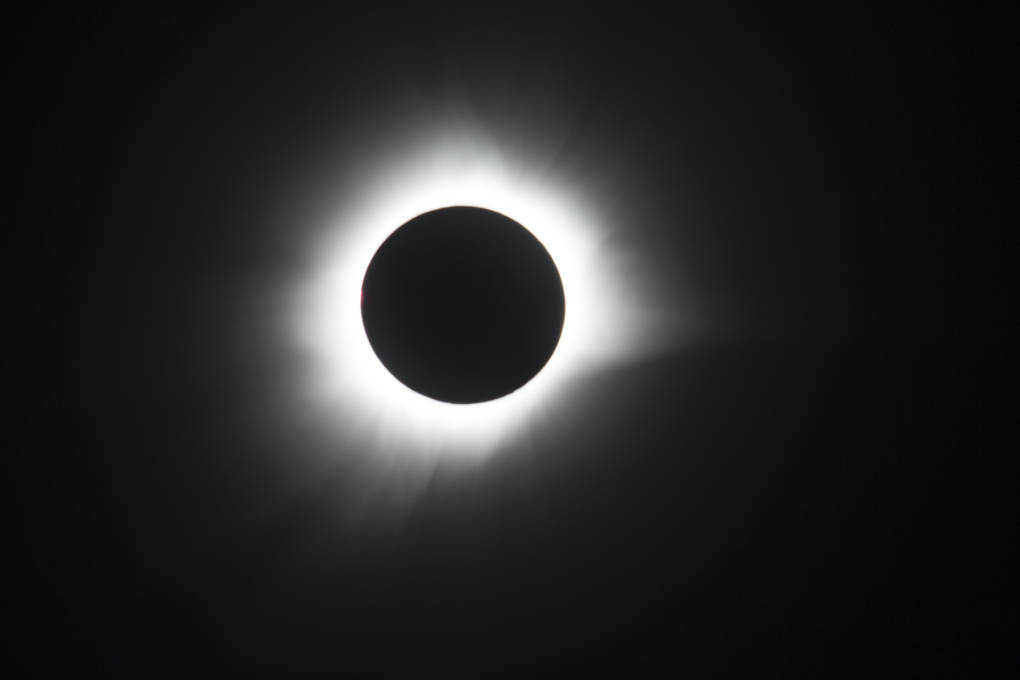
"caption": "A total solar eclipse will sweep across the United States on August 21.",
"description": "A total solar eclipse will sweep across the United States on August 21.",
"title": "eclipse tips",
"credit": "Exploratorium/Courtesy",
"status": "inherit",
"isLoading": false,
"fetchFailed": false
},
"science_561926": {
"type": "attachments",
"id": "science_561926",
"meta": {
"index": "attachments_1716263798",
"site": "science",
"id": "561926",
"found": true
},
"parent": 560344,
"imgSizes": {
"twentyfourteen-full-width": {
"file": "https://ww2.kqed.org/app/uploads/sites/35/2016/03/Sasha-testing-water-2-a-pose-before-I-realized-I-had-to-take-aerator-off-my-sink-1038x576.jpg",
"width": 1038,
"mimeType": "image/jpeg",
"height": 576
},
"thumbnail": {
"file": "https://ww2.kqed.org/app/uploads/sites/35/2016/03/Sasha-testing-water-2-a-pose-before-I-realized-I-had-to-take-aerator-off-my-sink-400x300.jpg",
"width": 400,
"mimeType": "image/jpeg",
"height": 300
},
"fd-sm": {
"file": "https://ww2.kqed.org/app/uploads/sites/35/2016/03/Sasha-testing-water-2-a-pose-before-I-realized-I-had-to-take-aerator-off-my-sink-960x720.jpg",
"width": 960,
"mimeType": "image/jpeg",
"height": 720
},
"post-thumbnail": {
"file": "https://ww2.kqed.org/app/uploads/sites/35/2016/03/Sasha-testing-water-2-a-pose-before-I-realized-I-had-to-take-aerator-off-my-sink-672x372.jpg",
"width": 672,
"mimeType": "image/jpeg",
"height": 372
},
"kqedFullSize": {
"file": "https://ww2.kqed.org/app/uploads/sites/35/2016/03/Sasha-testing-water-2-a-pose-before-I-realized-I-had-to-take-aerator-off-my-sink-e1457379142951.jpg",
"width": 1920,
"height": 1440
},
"large": {
"file": "https://ww2.kqed.org/app/uploads/sites/35/2016/03/Sasha-testing-water-2-a-pose-before-I-realized-I-had-to-take-aerator-off-my-sink-1440x1080.jpg",
"width": 1440,
"mimeType": "image/jpeg",
"height": 1080
},
"guest-author-96": {
"file": "https://ww2.kqed.org/app/uploads/sites/35/2016/03/Sasha-testing-water-2-a-pose-before-I-realized-I-had-to-take-aerator-off-my-sink-96x96.jpg",
"width": 96,
"mimeType": "image/jpeg",
"height": 96
},
"medium": {
"file": "https://ww2.kqed.org/app/uploads/sites/35/2016/03/Sasha-testing-water-2-a-pose-before-I-realized-I-had-to-take-aerator-off-my-sink-800x600.jpg",
"width": 800,
"mimeType": "image/jpeg",
"height": 600
},
"guest-author-64": {
"file": "https://ww2.kqed.org/app/uploads/sites/35/2016/03/Sasha-testing-water-2-a-pose-before-I-realized-I-had-to-take-aerator-off-my-sink-64x64.jpg",
"width": 64,
"mimeType": "image/jpeg",
"height": 64
},
"guest-author-32": {
"file": "https://ww2.kqed.org/app/uploads/sites/35/2016/03/Sasha-testing-water-2-a-pose-before-I-realized-I-had-to-take-aerator-off-my-sink-32x32.jpg",
"width": 32,
"mimeType": "image/jpeg",
"height": 32
},
"fd-lrg": {
"file": "https://ww2.kqed.org/app/uploads/sites/35/2016/03/Sasha-testing-water-2-a-pose-before-I-realized-I-had-to-take-aerator-off-my-sink-1920x1440.jpg",
"width": 1920,
"mimeType": "image/jpeg",
"height": 1440
},
"fd-med": {
"file": "https://ww2.kqed.org/app/uploads/sites/35/2016/03/Sasha-testing-water-2-a-pose-before-I-realized-I-had-to-take-aerator-off-my-sink-1180x885.jpg",
"width": 1180,
"mimeType": "image/jpeg",
"height": 885
},
"detail": {
"file": "https://ww2.kqed.org/app/uploads/sites/35/2016/03/Sasha-testing-water-2-a-pose-before-I-realized-I-had-to-take-aerator-off-my-sink-75x75.jpg",
"width": 75,
"mimeType": "image/jpeg",
"height": 75
},
"medium_large": {
"file": "https://ww2.kqed.org/app/uploads/sites/35/2016/03/Sasha-testing-water-2-a-pose-before-I-realized-I-had-to-take-aerator-off-my-sink-768x576.jpg",
"width": 768,
"mimeType": "image/jpeg",
"height": 576
},
"guest-author-128": {
"file": "https://ww2.kqed.org/app/uploads/sites/35/2016/03/Sasha-testing-water-2-a-pose-before-I-realized-I-had-to-take-aerator-off-my-sink-128x128.jpg",
"width": 128,
"mimeType": "image/jpeg",
"height": 128
}
},
"publishDate": 1457129880,
"modified": 1457130662,
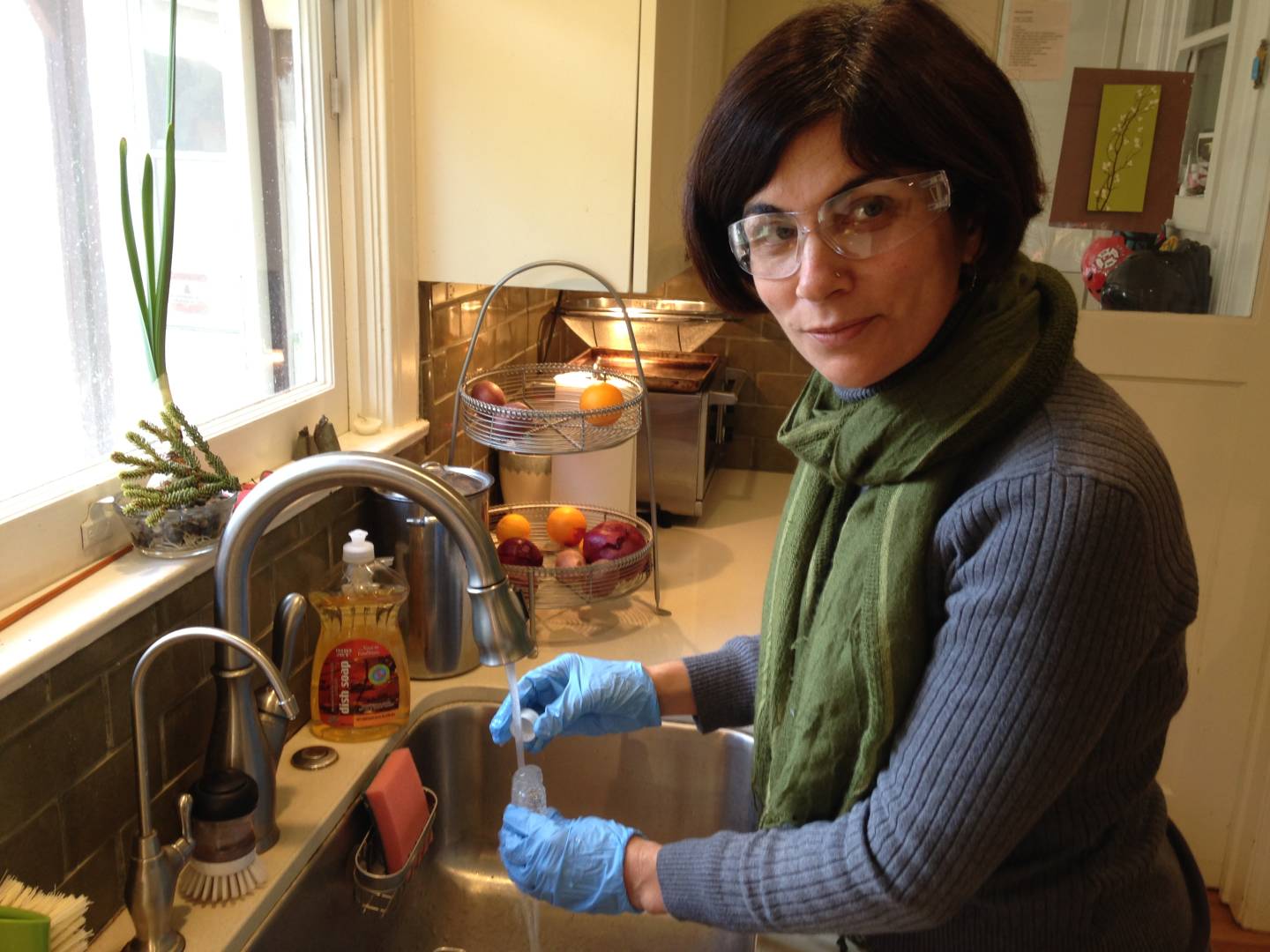
"caption": "Sasha Khokha prepares to test the water in her Fresno home for the presence of 1,2,3-TCP.",
"description": null,
"title": "Sasha testing water",
"credit": "Lisa Morehouse",
"status": "inherit",
"isLoading": false,
"fetchFailed": false
},
"science_1866945": {
"type": "attachments",
"id": "science_1866945",
"meta": {
"index": "attachments_1716263798",
"site": "science",
"id": "1866945",
"found": true
},
"parent": 1866788,
"imgSizes": {
"small": {
"file": "https://ww2.kqed.org/app/uploads/sites/35/2017/07/IMG_0436-520x293.jpg",
"width": 520,
"mimeType": "image/jpeg",
"height": 293
},
"twentyfourteen-full-width": {
"file": "https://ww2.kqed.org/app/uploads/sites/35/2017/07/IMG_0436-1038x576.jpg",
"width": 1038,
"mimeType": "image/jpeg",
"height": 576
},
"thumbnail": {
"file": "https://ww2.kqed.org/app/uploads/sites/35/2017/07/IMG_0436-160x90.jpg",
"width": 160,
"mimeType": "image/jpeg",
"height": 90
},
"fd-sm": {
"file": "https://ww2.kqed.org/app/uploads/sites/35/2017/07/IMG_0436-960x540.jpg",
"width": 960,
"mimeType": "image/jpeg",
"height": 540
},
"post-thumbnail": {
"file": "https://ww2.kqed.org/app/uploads/sites/35/2017/07/IMG_0436-672x372.jpg",
"width": 672,
"mimeType": "image/jpeg",
"height": 372
},
"xsmall": {
"file": "https://ww2.kqed.org/app/uploads/sites/35/2017/07/IMG_0436-375x211.jpg",
"width": 375,
"mimeType": "image/jpeg",
"height": 211
},
"kqedFullSize": {
"file": "https://ww2.kqed.org/app/uploads/sites/35/2017/07/IMG_0436.jpg",
"width": 2000,
"height": 1125
},
"large": {
"file": "https://ww2.kqed.org/app/uploads/sites/35/2017/07/IMG_0436-1020x574.jpg",
"width": 1020,
"mimeType": "image/jpeg",
"height": 574
},
"xlarge": {
"file": "https://ww2.kqed.org/app/uploads/sites/35/2017/07/IMG_0436-1180x664.jpg",
"width": 1180,
"mimeType": "image/jpeg",
"height": 664
},
"guest-author-50": {
"file": "https://ww2.kqed.org/app/uploads/sites/35/2017/07/IMG_0436-50x50.jpg",
"width": 50,
"mimeType": "image/jpeg",
"height": 50
},
"guest-author-96": {
"file": "https://ww2.kqed.org/app/uploads/sites/35/2017/07/IMG_0436-96x96.jpg",
"width": 96,
"mimeType": "image/jpeg",
"height": 96
},
"medium": {
"file": "https://ww2.kqed.org/app/uploads/sites/35/2017/07/IMG_0436-800x450.jpg",
"width": 800,
"mimeType": "image/jpeg",
"height": 450
},
"guest-author-64": {
"file": "https://ww2.kqed.org/app/uploads/sites/35/2017/07/IMG_0436-64x64.jpg",
"width": 64,
"mimeType": "image/jpeg",
"height": 64
},
"guest-author-32": {
"file": "https://ww2.kqed.org/app/uploads/sites/35/2017/07/IMG_0436-32x32.jpg",
"width": 32,
"mimeType": "image/jpeg",
"height": 32
},
"fd-lrg": {
"file": "https://ww2.kqed.org/app/uploads/sites/35/2017/07/IMG_0436-1920x1080.jpg",
"width": 1920,
"mimeType": "image/jpeg",
"height": 1080
},
"fd-med": {
"file": "https://ww2.kqed.org/app/uploads/sites/35/2017/07/IMG_0436-1180x664.jpg",
"width": 1180,
"mimeType": "image/jpeg",
"height": 664
},
"full-width": {
"file": "https://ww2.kqed.org/app/uploads/sites/35/2017/07/IMG_0436-1920x1080.jpg",
"width": 1920,
"mimeType": "image/jpeg",
"height": 1080
},
"detail": {
"file": "https://ww2.kqed.org/app/uploads/sites/35/2017/07/IMG_0436-150x150.jpg",
"width": 150,
"mimeType": "image/jpeg",
"height": 150
},
"medium_large": {
"file": "https://ww2.kqed.org/app/uploads/sites/35/2017/07/IMG_0436-768x432.jpg",
"width": 768,
"mimeType": "image/jpeg",
"height": 432
},
"guest-author-128": {
"file": "https://ww2.kqed.org/app/uploads/sites/35/2017/07/IMG_0436-128x128.jpg",
"width": 128,
"mimeType": "image/jpeg",
"height": 128
},
"xxsmall": {
"file": "https://ww2.kqed.org/app/uploads/sites/35/2017/07/IMG_0436-240x135.jpg",
"width": 240,
"mimeType": "image/jpeg",
"height": 135
}
},
"publishDate": 1500593688,
"modified": 1562344841,
"caption": "David Perlman at his desk at the San Francisco Chronicle, where he spent 77 years in the news business.",
"description": "In his six decades of science writing, David Perlman has seen newsrooms go from manual typewriters to social media.",
"title": "IMG_0436",
"credit": "Craig Miller/KQED",
"status": "inherit",
"isLoading": false,
"fetchFailed": false
},
"science_1866428": {
"type": "attachments",
"id": "science_1866428",
"meta": {
"index": "attachments_1716263798",
"site": "science",
"id": "1866428",
"found": true
},
"parent": 1866137,
"imgSizes": {
"small": {
"file": "https://ww2.kqed.org/app/uploads/sites/35/2017/07/IMG_5131-e1500584883367-520x416.jpg",
"width": 520,
"mimeType": "image/jpeg",
"height": 416
},
"twentyfourteen-full-width": {
"file": "https://ww2.kqed.org/app/uploads/sites/35/2017/07/IMG_5131-e1500584883367-1038x576.jpg",
"width": 1038,
"mimeType": "image/jpeg",
"height": 576
},
"thumbnail": {
"file": "https://ww2.kqed.org/app/uploads/sites/35/2017/07/IMG_5131-e1500584883367-160x128.jpg",
"width": 160,
"mimeType": "image/jpeg",
"height": 128
},
"fd-sm": {
"file": "https://ww2.kqed.org/app/uploads/sites/35/2017/07/IMG_5131-e1500584883367-960x768.jpg",
"width": 960,
"mimeType": "image/jpeg",
"height": 768
},
"post-thumbnail": {
"file": "https://ww2.kqed.org/app/uploads/sites/35/2017/07/IMG_5131-e1500584883367-672x372.jpg",
"width": 672,
"mimeType": "image/jpeg",
"height": 372
},
"xsmall": {
"file": "https://ww2.kqed.org/app/uploads/sites/35/2017/07/IMG_5131-e1500584883367-375x300.jpg",
"width": 375,
"mimeType": "image/jpeg",
"height": 300
},
"kqedFullSize": {
"file": "https://ww2.kqed.org/app/uploads/sites/35/2017/07/IMG_5131-e1500584883367.jpg",
"width": 2626,
"height": 2100
},
"large": {
"file": "https://ww2.kqed.org/app/uploads/sites/35/2017/07/IMG_5131-e1500584883367-1020x816.jpg",
"width": 1020,
"mimeType": "image/jpeg",
"height": 816
},
"xlarge": {
"file": "https://ww2.kqed.org/app/uploads/sites/35/2017/07/IMG_5131-e1500584883367-1180x944.jpg",
"width": 1180,
"mimeType": "image/jpeg",
"height": 944
},
"guest-author-50": {
"file": "https://ww2.kqed.org/app/uploads/sites/35/2017/07/IMG_5131-e1500584883367-50x50.jpg",
"width": 50,
"mimeType": "image/jpeg",
"height": 50
},
"guest-author-96": {
"file": "https://ww2.kqed.org/app/uploads/sites/35/2017/07/IMG_5131-e1500584883367-96x96.jpg",
"width": 96,
"mimeType": "image/jpeg",
"height": 96
},
"medium": {
"file": "https://ww2.kqed.org/app/uploads/sites/35/2017/07/IMG_5131-e1500584883367-800x640.jpg",
"width": 800,
"mimeType": "image/jpeg",
"height": 640
},
"guest-author-64": {
"file": "https://ww2.kqed.org/app/uploads/sites/35/2017/07/IMG_5131-e1500584883367-64x64.jpg",
"width": 64,
"mimeType": "image/jpeg",
"height": 64
},
"guest-author-32": {
"file": "https://ww2.kqed.org/app/uploads/sites/35/2017/07/IMG_5131-e1500584883367-32x32.jpg",
"width": 32,
"mimeType": "image/jpeg",
"height": 32
},
"fd-lrg": {
"file": "https://ww2.kqed.org/app/uploads/sites/35/2017/07/IMG_5131-e1500584883367-1920x1535.jpg",
"width": 1920,
"mimeType": "image/jpeg",
"height": 1535
},
"fd-med": {
"file": "https://ww2.kqed.org/app/uploads/sites/35/2017/07/IMG_5131-e1500584883367-1180x944.jpg",
"width": 1180,
"mimeType": "image/jpeg",
"height": 944
},
"full-width": {
"file": "https://ww2.kqed.org/app/uploads/sites/35/2017/07/IMG_5131-e1500584883367-1920x1535.jpg",
"width": 1920,
"mimeType": "image/jpeg",
"height": 1535
},
"detail": {
"file": "https://ww2.kqed.org/app/uploads/sites/35/2017/07/IMG_5131-e1500584883367-150x150.jpg",
"width": 150,
"mimeType": "image/jpeg",
"height": 150
},
"medium_large": {
"file": "https://ww2.kqed.org/app/uploads/sites/35/2017/07/IMG_5131-e1500584883367-768x614.jpg",
"width": 768,
"mimeType": "image/jpeg",
"height": 614
},
"guest-author-128": {
"file": "https://ww2.kqed.org/app/uploads/sites/35/2017/07/IMG_5131-e1500584883367-128x128.jpg",
"width": 128,
"mimeType": "image/jpeg",
"height": 128
},
"xxsmall": {
"file": "https://ww2.kqed.org/app/uploads/sites/35/2017/07/IMG_5131-e1500584883367-240x192.jpg",
"width": 240,
"mimeType": "image/jpeg",
"height": 192
}
},
"publishDate": 1500584383,
"modified": 1500584948,
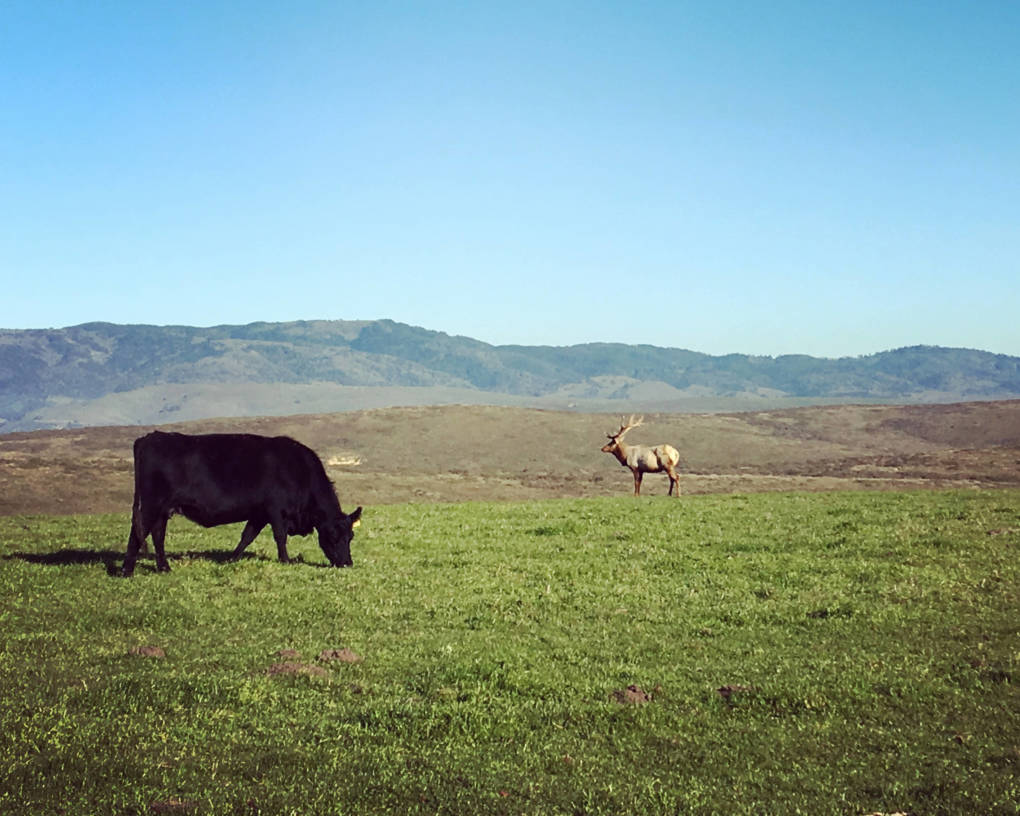
"caption": "Cattle and the Tule elk make unlikely and often problematic neighbors at Pt. Reyes National Seashore.",
"description": null,
"title": "Tule Elk and Cow",
"credit": "Laura Watt / Sonoma State University",
"status": "inherit",
"isLoading": false,
"fetchFailed": false
},
"science_1858629": {
"type": "attachments",
"id": "science_1858629",
"meta": {
"index": "attachments_1716263798",
"site": "science",
"id": "1858629",
"found": true
},
"parent": 1858486,
"imgSizes": {
"small": {
"file": "https://ww2.kqed.org/app/uploads/sites/35/2017/07/Juno_FA_NASA-JPL-Björn-Jónsson-Seán-Doran-520x293.jpg",
"width": 520,
"mimeType": "image/jpeg",
"height": 293
},
"twentyfourteen-full-width": {
"file": "https://ww2.kqed.org/app/uploads/sites/35/2017/07/Juno_FA_NASA-JPL-Björn-Jónsson-Seán-Doran-1038x576.jpg",
"width": 1038,
"mimeType": "image/jpeg",
"height": 576
},
"thumbnail": {
"file": "https://ww2.kqed.org/app/uploads/sites/35/2017/07/Juno_FA_NASA-JPL-Björn-Jónsson-Seán-Doran-160x90.jpg",
"width": 160,
"mimeType": "image/jpeg",
"height": 90
},
"fd-sm": {
"file": "https://ww2.kqed.org/app/uploads/sites/35/2017/07/Juno_FA_NASA-JPL-Björn-Jónsson-Seán-Doran-960x540.jpg",
"width": 960,
"mimeType": "image/jpeg",
"height": 540
},
"post-thumbnail": {
"file": "https://ww2.kqed.org/app/uploads/sites/35/2017/07/Juno_FA_NASA-JPL-Björn-Jónsson-Seán-Doran-672x372.jpg",
"width": 672,
"mimeType": "image/jpeg",
"height": 372
},
"xsmall": {
"file": "https://ww2.kqed.org/app/uploads/sites/35/2017/07/Juno_FA_NASA-JPL-Björn-Jónsson-Seán-Doran-375x211.jpg",
"width": 375,
"mimeType": "image/jpeg",
"height": 211
},
"kqedFullSize": {
"file": "https://ww2.kqed.org/app/uploads/sites/35/2017/07/Juno_FA_NASA-JPL-Björn-Jónsson-Seán-Doran.jpg",
"width": 1920,
"height": 1080
},
"large": {
"file": "https://ww2.kqed.org/app/uploads/sites/35/2017/07/Juno_FA_NASA-JPL-Björn-Jónsson-Seán-Doran-1020x574.jpg",
"width": 1020,
"mimeType": "image/jpeg",
"height": 574
},
"xlarge": {
"file": "https://ww2.kqed.org/app/uploads/sites/35/2017/07/Juno_FA_NASA-JPL-Björn-Jónsson-Seán-Doran-1180x664.jpg",
"width": 1180,
"mimeType": "image/jpeg",
"height": 664
},
"guest-author-50": {
"file": "https://ww2.kqed.org/app/uploads/sites/35/2017/07/Juno_FA_NASA-JPL-Björn-Jónsson-Seán-Doran-50x50.jpg",
"width": 50,
"mimeType": "image/jpeg",
"height": 50
},
"guest-author-96": {
"file": "https://ww2.kqed.org/app/uploads/sites/35/2017/07/Juno_FA_NASA-JPL-Björn-Jónsson-Seán-Doran-96x96.jpg",
"width": 96,
"mimeType": "image/jpeg",
"height": 96
},
"medium": {
"file": "https://ww2.kqed.org/app/uploads/sites/35/2017/07/Juno_FA_NASA-JPL-Björn-Jónsson-Seán-Doran-800x450.jpg",
"width": 800,
"mimeType": "image/jpeg",
"height": 450
},
"guest-author-64": {
"file": "https://ww2.kqed.org/app/uploads/sites/35/2017/07/Juno_FA_NASA-JPL-Björn-Jónsson-Seán-Doran-64x64.jpg",
"width": 64,
"mimeType": "image/jpeg",
"height": 64
},
"guest-author-32": {
"file": "https://ww2.kqed.org/app/uploads/sites/35/2017/07/Juno_FA_NASA-JPL-Björn-Jónsson-Seán-Doran-32x32.jpg",
"width": 32,
"mimeType": "image/jpeg",
"height": 32
},
"fd-lrg": {
"file": "https://ww2.kqed.org/app/uploads/sites/35/2017/07/Juno_FA_NASA-JPL-Björn-Jónsson-Seán-Doran-1920x1080.jpg",
"width": 1920,
"mimeType": "image/jpeg",
"height": 1080
},
"fd-med": {
"file": "https://ww2.kqed.org/app/uploads/sites/35/2017/07/Juno_FA_NASA-JPL-Björn-Jónsson-Seán-Doran-1180x664.jpg",
"width": 1180,
"mimeType": "image/jpeg",
"height": 664
},
"full-width": {
"file": "https://ww2.kqed.org/app/uploads/sites/35/2017/07/Juno_FA_NASA-JPL-Björn-Jónsson-Seán-Doran-1920x1080.jpg",
"width": 1920,
"mimeType": "image/jpeg",
"height": 1080
},
"detail": {
"file": "https://ww2.kqed.org/app/uploads/sites/35/2017/07/Juno_FA_NASA-JPL-Björn-Jónsson-Seán-Doran-150x150.jpg",
"width": 150,
"mimeType": "image/jpeg",
"height": 150
},
"medium_large": {
"file": "https://ww2.kqed.org/app/uploads/sites/35/2017/07/Juno_FA_NASA-JPL-Björn-Jónsson-Seán-Doran-768x432.jpg",
"width": 768,
"mimeType": "image/jpeg",
"height": 432
},
"guest-author-128": {
"file": "https://ww2.kqed.org/app/uploads/sites/35/2017/07/Juno_FA_NASA-JPL-Björn-Jónsson-Seán-Doran-128x128.jpg",
"width": 128,
"mimeType": "image/jpeg",
"height": 128
},
"xxsmall": {
"file": "https://ww2.kqed.org/app/uploads/sites/35/2017/07/Juno_FA_NASA-JPL-Björn-Jónsson-Seán-Doran-240x135.jpg",
"width": 240,
"mimeType": "image/jpeg",
"height": 135
}
},
"publishDate": 1500409176,
"modified": 1500409254,
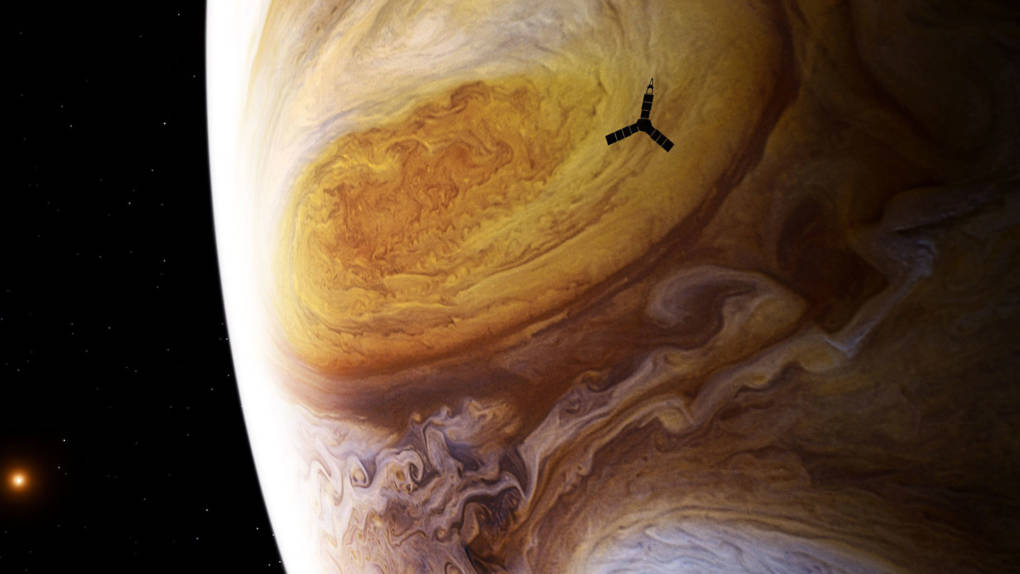
"caption": "Depiction of NASA's Juno spacecraft during its close encounter with Jupiter's famous Great Red Spot. ",
"description": "Depiction of NASA's Juno spacecraft during its close encounter with Jupiter's famous Great Red Spot. ",
"title": "Juno_FA_NASA-JPL-Björn Jónsson-Seán-Doran",
"credit": "NASA/JPL/Björn Jónsson/Seán Doran",
"status": "inherit",
"isLoading": false,
"fetchFailed": false
},
"science_1865946": {
"type": "attachments",
"id": "science_1865946",
"meta": {
"index": "attachments_1716263798",
"site": "science",
"id": "1865946",
"found": true
},
"parent": 1865833,
"imgSizes": {
"small": {
"file": "https://ww2.kqed.org/app/uploads/sites/35/2017/07/iStock-636808240-520x347.jpg",
"width": 520,
"mimeType": "image/jpeg",
"height": 347
},
"twentyfourteen-full-width": {
"file": "https://ww2.kqed.org/app/uploads/sites/35/2017/07/iStock-636808240-1038x576.jpg",
"width": 1038,
"mimeType": "image/jpeg",
"height": 576
},
"thumbnail": {
"file": "https://ww2.kqed.org/app/uploads/sites/35/2017/07/iStock-636808240-160x107.jpg",
"width": 160,
"mimeType": "image/jpeg",
"height": 107
},
"fd-sm": {
"file": "https://ww2.kqed.org/app/uploads/sites/35/2017/07/iStock-636808240-960x640.jpg",
"width": 960,
"mimeType": "image/jpeg",
"height": 640
},
"post-thumbnail": {
"file": "https://ww2.kqed.org/app/uploads/sites/35/2017/07/iStock-636808240-672x372.jpg",
"width": 672,
"mimeType": "image/jpeg",
"height": 372
},
"xsmall": {
"file": "https://ww2.kqed.org/app/uploads/sites/35/2017/07/iStock-636808240-375x250.jpg",
"width": 375,
"mimeType": "image/jpeg",
"height": 250
},
"kqedFullSize": {
"file": "https://ww2.kqed.org/app/uploads/sites/35/2017/07/iStock-636808240.jpg",
"width": 2120,
"height": 1414
},
"large": {
"file": "https://ww2.kqed.org/app/uploads/sites/35/2017/07/iStock-636808240-1020x680.jpg",
"width": 1020,
"mimeType": "image/jpeg",
"height": 680
},
"xlarge": {
"file": "https://ww2.kqed.org/app/uploads/sites/35/2017/07/iStock-636808240-1180x787.jpg",
"width": 1180,
"mimeType": "image/jpeg",
"height": 787
},
"guest-author-50": {
"file": "https://ww2.kqed.org/app/uploads/sites/35/2017/07/iStock-636808240-50x50.jpg",
"width": 50,
"mimeType": "image/jpeg",
"height": 50
},
"guest-author-96": {
"file": "https://ww2.kqed.org/app/uploads/sites/35/2017/07/iStock-636808240-96x96.jpg",
"width": 96,
"mimeType": "image/jpeg",
"height": 96
},
"medium": {
"file": "https://ww2.kqed.org/app/uploads/sites/35/2017/07/iStock-636808240-800x534.jpg",
"width": 800,
"mimeType": "image/jpeg",
"height": 534
},
"guest-author-64": {
"file": "https://ww2.kqed.org/app/uploads/sites/35/2017/07/iStock-636808240-64x64.jpg",
"width": 64,
"mimeType": "image/jpeg",
"height": 64
},
"guest-author-32": {
"file": "https://ww2.kqed.org/app/uploads/sites/35/2017/07/iStock-636808240-32x32.jpg",
"width": 32,
"mimeType": "image/jpeg",
"height": 32
},
"fd-lrg": {
"file": "https://ww2.kqed.org/app/uploads/sites/35/2017/07/iStock-636808240-1920x1281.jpg",
"width": 1920,
"mimeType": "image/jpeg",
"height": 1281
},
"fd-med": {
"file": "https://ww2.kqed.org/app/uploads/sites/35/2017/07/iStock-636808240-1180x787.jpg",
"width": 1180,
"mimeType": "image/jpeg",
"height": 787
},
"full-width": {
"file": "https://ww2.kqed.org/app/uploads/sites/35/2017/07/iStock-636808240-1920x1281.jpg",
"width": 1920,
"mimeType": "image/jpeg",
"height": 1281
},
"detail": {
"file": "https://ww2.kqed.org/app/uploads/sites/35/2017/07/iStock-636808240-150x150.jpg",
"width": 150,
"mimeType": "image/jpeg",
"height": 150
},
"medium_large": {
"file": "https://ww2.kqed.org/app/uploads/sites/35/2017/07/iStock-636808240-768x512.jpg",
"width": 768,
"mimeType": "image/jpeg",
"height": 512
},
"guest-author-128": {
"file": "https://ww2.kqed.org/app/uploads/sites/35/2017/07/iStock-636808240-128x128.jpg",
"width": 128,
"mimeType": "image/jpeg",
"height": 128
},
"xxsmall": {
"file": "https://ww2.kqed.org/app/uploads/sites/35/2017/07/iStock-636808240-240x160.jpg",
"width": 240,
"mimeType": "image/jpeg",
"height": 160
}
},
"publishDate": 1500571151,
"modified": 1531501145,
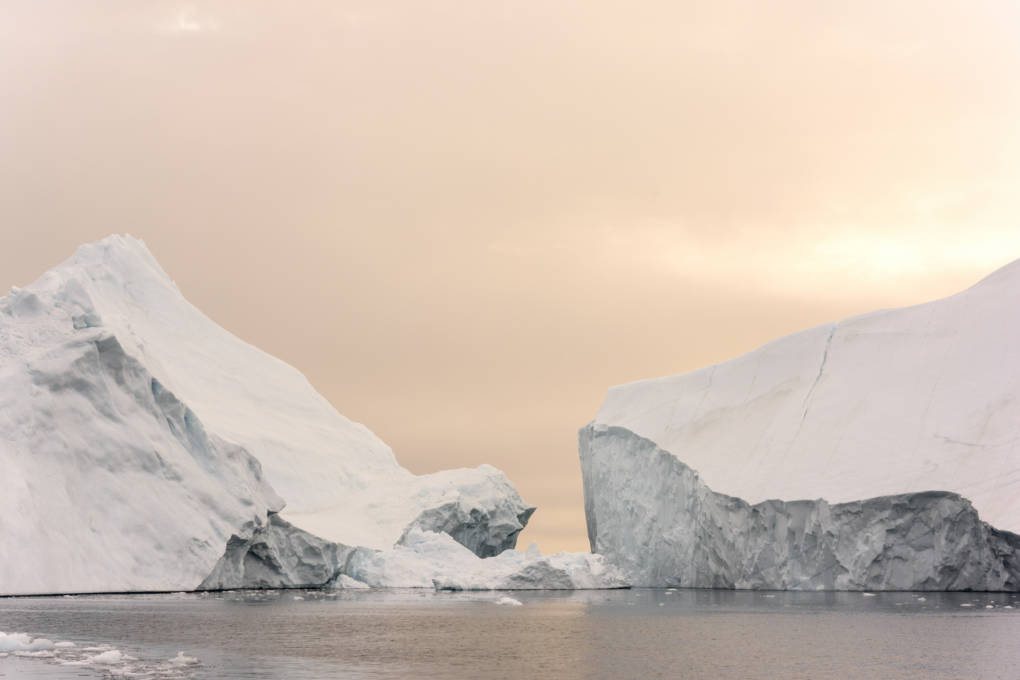
"caption": "Arctic Icebergs Greenland in the arctic sea. ",
"description": null,
"title": "Arctic Icebergs Greenland in the arctic sea.",
"credit": "iStock",
"status": "inherit",
"isLoading": false,
"fetchFailed": false
}
},
"audioPlayerReducer": {
"postId": "stream_live",
"isPaused": true,
"isPlaying": false,
"pfsActive": false,
"pledgeModalIsOpen": true,
"playerDrawerIsOpen": false,
"liveAudioPlayStartedAt": 0,
"liveAudioPlayContext": ""
},
"authorsReducer": {
"byline_science_1910886": {
"type": "authors",
"id": "byline_science_1910886",
"meta": {
"override": true
},
"slug": "byline_science_1910886",
"name": "Bobby Magill\u003c/br>Climate Central",
"isLoading": false
},
"byline_science_1906530": {
"type": "authors",
"id": "byline_science_1906530",
"meta": {
"override": true
},
"slug": "byline_science_1906530",
"name": "James Doubek\u003c/br>NPR",
"isLoading": false
},
"byline_science_1892612": {
"type": "authors",
"id": "byline_science_1892612",
"meta": {
"override": true
},
"slug": "byline_science_1892612",
"name": "Associated Press",
"isLoading": false
},
"byline_science_1865833": {
"type": "authors",
"id": "byline_science_1865833",
"meta": {
"override": true
},
"slug": "byline_science_1865833",
"name": "Nathan Rott\u003c/br>NPR",
"isLoading": false
},
"cmiller": {
"type": "authors",
"id": "221",
"meta": {
"index": "authors_1716337520",
"id": "221",
"found": true
},
"name": "Craig Miller",
"firstName": "Craig",
"lastName": "Miller",
"slug": "cmiller",
"email": "craig@voxterra.net",
"display_author_email": false,
"staff_mastheads": [
"science"
],
"title": "Editor Emeritus, Science",
"bio": "Craig is a former KQED Science editor, specializing in weather, climate, water & energy issues, with a little seismology thrown in just to shake things up. Prior to that, he launched and led the station's award-winning multimedia project, Climate Watch. Craig is also an accomplished writer/producer of television documentaries, with a focus on natural resource issues.",
"avatar": "https://secure.gravatar.com/avatar/b91661df645e001a9cafe0861fa685f9?s=600&d=blank&r=g",
"twitter": "voxterra",
"facebook": null,
"instagram": null,
"linkedin": null,
"sites": [
{
"site": "news",
"roles": [
"author"
]
},
{
"site": "futureofyou",
"roles": [
"editor"
]
},
{
"site": "stateofhealth",
"roles": [
"author"
]
},
{
"site": "science",
"roles": [
"editor"
]
},
{
"site": "quest",
"roles": [
"editor"
]
}
],
"headData": {
"title": "Craig Miller | KQED",
"description": "Editor Emeritus, Science",
"ogImgSrc": "https://secure.gravatar.com/avatar/b91661df645e001a9cafe0861fa685f9?s=600&d=blank&r=g",
"twImgSrc": "https://secure.gravatar.com/avatar/b91661df645e001a9cafe0861fa685f9?s=600&d=blank&r=g"
},
"isLoading": false,
"link": "/author/cmiller"
},
"sasha-khokha": {
"type": "authors",
"id": "254",
"meta": {
"index": "authors_1716337520",
"id": "254",
"found": true
},
"name": "Sasha Khokha",
"firstName": "Sasha",
"lastName": "Khokha",
"slug": "sasha-khokha",
"email": "skhokha@kqed.org",
"display_author_email": true,
"staff_mastheads": [
"news"
],
"title": "Host, The California Report Magazine",
"bio": "Sasha Khokha is the host of \u003cem>The California Report's \u003c/em> weekly magazine program, which takes listeners on sound-rich excursions to meet the people that make the Golden State unique -- through audio documentaries and long-form stories. As \u003cem>The California Report's\u003c/em> Central Valley Bureau Chief based in Fresno for nearly a dozen years, Sasha brought the lives and concerns of rural Californians to listeners around the state. Her reporting helped expose the hidden price immigrant women janitors and farmworkers may pay to keep their jobs: sexual assault at work. It inspired two new California laws to protect them from sexual harassment. She was a key member of the reporting team for the Frontline film \u003cem>Rape on the Night Shift, \u003c/em>which was nominated for two national Emmys. Sasha has also won a national Edward R. Murrow and a national PRNDI award for investigative reporting, as well as multiple prizes from the Society for Professional Journalists. Sasha is a proud alum of the UC Berkeley Graduate School of Journalism and Brown University and a member of the South Asian Journalists Association.",
"avatar": "https://secure.gravatar.com/avatar/e4b5e1541aaeea2aa356aa1fb2a68950?s=600&d=blank&r=g",
"twitter": "KQEDSashaKhokha",
"facebook": null,
"instagram": null,
"linkedin": null,
"sites": [
{
"site": "news",
"roles": [
"editor"
]
},
{
"site": "stateofhealth",
"roles": [
"author"
]
},
{
"site": "science",
"roles": [
"author"
]
},
{
"site": "quest",
"roles": [
"subscriber"
]
}
],
"headData": {
"title": "Sasha Khokha | KQED",
"description": "Host, The California Report Magazine",
"ogImgSrc": "https://secure.gravatar.com/avatar/e4b5e1541aaeea2aa356aa1fb2a68950?s=600&d=blank&r=g",
"twImgSrc": "https://secure.gravatar.com/avatar/e4b5e1541aaeea2aa356aa1fb2a68950?s=600&d=blank&r=g"
},
"isLoading": false,
"link": "/author/sasha-khokha"
},
"lindseyhoshaw": {
"type": "authors",
"id": "5432",
"meta": {
"index": "authors_1716337520",
"id": "5432",
"found": true
},
"name": "Lindsey Hoshaw",
"firstName": "Lindsey",
"lastName": "Hoshaw",
"slug": "lindseyhoshaw",
"email": "lhoshaw@kqed.org",
"display_author_email": false,
"staff_mastheads": [],
"title": "KQED Contributor",
"bio": "Lindsey Hoshaw is a former interactive producer for KQED Science. Before joining KQED, Lindsey was a science correspondent for The New York Times, The Boston Globe, Forbes and Scientific American. On Twitter @lindseyhoshaw",
"avatar": "https://secure.gravatar.com/avatar/274b07694c998eaa8f26cfabaa941186?s=600&d=mm&r=g",
"twitter": "lindseyhoshaw",
"facebook": "lindsey.hoshaw.9",
"instagram": null,
"linkedin": null,
"sites": [
{
"site": "arts",
"roles": [
"author"
]
},
{
"site": "news",
"roles": [
"subscriber"
]
},
{
"site": "futureofyou",
"roles": [
"editor"
]
},
{
"site": "bayareabites",
"roles": [
"contributor"
]
},
{
"site": "stateofhealth",
"roles": [
"author"
]
},
{
"site": "science",
"roles": [
"edit_theme_options",
"subscriber"
]
},
{
"site": "quest",
"roles": [
"edit_post_subscriptions",
"edit_usergroups",
"unfiltered_html",
"unfiltered_upload",
"leadcoordinator",
"editor"
]
},
{
"site": "food",
"roles": []
}
],
"headData": {
"title": "Lindsey Hoshaw | KQED",
"description": "KQED Contributor",
"ogImgSrc": "https://secure.gravatar.com/avatar/274b07694c998eaa8f26cfabaa941186?s=600&d=mm&r=g",
"twImgSrc": "https://secure.gravatar.com/avatar/274b07694c998eaa8f26cfabaa941186?s=600&d=mm&r=g"
},
"isLoading": false,
"link": "/author/lindseyhoshaw"
},
"ben-burress": {
"type": "authors",
"id": "6180",
"meta": {
"index": "authors_1716337520",
"id": "6180",
"found": true
},
"name": "Ben Burress",
"firstName": "Ben",
"lastName": "Burress",
"slug": "ben-burress",
"email": "bburress@chabotspace.org",
"display_author_email": false,
"staff_mastheads": [],
"title": null,
"bio": "\u003cstrong>Benjamin Burress\u003c/strong> has been a staff astronomer at Chabot Space & Science Center since July 1999. He graduated from Sonoma State University in 1985 with a bachelor’s degree in physics (and minor in astronomy), after which he signed on for a two-year stint in the Peace Corps, where he taught physics and mathematics in the African nation of Cameroon. From 1989-96 he served on the crew of NASA’s Kuiper Airborne Observatory at Ames Research Center in Mountain View, CA. From 1996-99, he was Head Observer at the Naval Prototype Optical Interferometer program at Lowell Observatory in Flagstaff, AZ.\r\n\r\nRead his \u003ca href=\"http://science.kqed.org/quest/author/ben-burress/\">previous contributions\u003c/a> to \u003ca href=\"http://science.kqed.org/quest/\">QUEST\u003c/a>, a project dedicated to exploring the Science of Sustainability.",
"avatar": "https://secure.gravatar.com/avatar/8263bffa345b7e4923a0b8b9f0f6a161?s=600&d=blank&r=g",
"twitter": null,
"facebook": null,
"instagram": null,
"linkedin": null,
"sites": [
{
"site": "science",
"roles": [
"editor"
]
},
{
"site": "quest",
"roles": [
"subscriber"
]
}
],
"headData": {
"title": "Ben Burress | KQED",
"description": null,
"ogImgSrc": "https://secure.gravatar.com/avatar/8263bffa345b7e4923a0b8b9f0f6a161?s=600&d=blank&r=g",
"twImgSrc": "https://secure.gravatar.com/avatar/8263bffa345b7e4923a0b8b9f0f6a161?s=600&d=blank&r=g"
},
"isLoading": false,
"link": "/author/ben-burress"
},
"joshua-cassidy": {
"type": "authors",
"id": "6219",
"meta": {
"index": "authors_1716337520",
"id": "6219",
"found": true
},
"name": "Josh Cassidy",
"firstName": "Josh",
"lastName": "Cassidy",
"slug": "joshua-cassidy",
"email": "jcassidy@kqed.org",
"display_author_email": false,
"staff_mastheads": [
"science"
],
"title": "Digital Video Producer",
"bio": "Josh is a Senior Video Producer for KQED Science, and the Lead Producer and Cinematographer for Deep Look. After receiving his BS in Wildlife Biology from Ohio University, he went on to participate in marine mammal research for NOAA, USGS and the Intersea Foundation. He also served as the president of The Pacific Cetacean Group, a nonprofit organization dedicated to teaching students K-6 about whales. Josh studied science and natural history filmmaking at San Francisco State University and Montana State University.",
"avatar": "https://secure.gravatar.com/avatar/f2582a0801a35af53b734d56bcac2bbe?s=600&d=blank&r=g",
"twitter": null,
"facebook": null,
"instagram": null,
"linkedin": null,
"sites": [
{
"site": "science",
"roles": [
"editor"
]
},
{
"site": "quest",
"roles": [
"author",
"edit_others_posts"
]
}
],
"headData": {
"title": "Josh Cassidy | KQED",
"description": "Digital Video Producer",
"ogImgSrc": "https://secure.gravatar.com/avatar/f2582a0801a35af53b734d56bcac2bbe?s=600&d=blank&r=g",
"twImgSrc": "https://secure.gravatar.com/avatar/f2582a0801a35af53b734d56bcac2bbe?s=600&d=blank&r=g"
},
"isLoading": false,
"link": "/author/joshua-cassidy"
},
"akusmer": {
"type": "authors",
"id": "11361",
"meta": {
"index": "authors_1716337520",
"id": "11361",
"found": true
},
"name": "Anna Kusmer",
"firstName": "Anna",
"lastName": "Kusmer",
"slug": "akusmer",
"email": "akusmer@kqed.org",
"display_author_email": false,
"staff_mastheads": [],
"title": "News Intern",
"bio": "Anna Kusmer was a 2018 KQED News intern. She has worked as an ecologist and a hamburger flipper. She is also a freelance writer with stories appearing in NPR and PBS.",
"avatar": "https://secure.gravatar.com/avatar/307ee2fc39d2a9dffeaad0482e616c80?s=600&d=blank&r=g",
"twitter": "askusmer",
"facebook": null,
"instagram": null,
"linkedin": null,
"sites": [
{
"site": "news",
"roles": [
"subscriber"
]
},
{
"site": "futureofyou",
"roles": [
"editor"
]
},
{
"site": "science",
"roles": []
}
],
"headData": {
"title": "Anna Kusmer | KQED",
"description": "News Intern",
"ogImgSrc": "https://secure.gravatar.com/avatar/307ee2fc39d2a9dffeaad0482e616c80?s=600&d=blank&r=g",
"twImgSrc": "https://secure.gravatar.com/avatar/307ee2fc39d2a9dffeaad0482e616c80?s=600&d=blank&r=g"
},
"isLoading": false,
"link": "/author/akusmer"
},
"ninglis": {
"type": "authors",
"id": "11376",
"meta": {
"index": "authors_1716337520",
"id": "11376",
"found": true
},
"name": "Nikki Inglis",
"firstName": "Nikki",
"lastName": "Inglis",
"slug": "ninglis",
"email": "ninglis@kqed.org",
"display_author_email": false,
"staff_mastheads": [],
"title": "KQED Contributor",
"bio": "Nikki Inglis is a graduate student in Applied Marine and Watershed Science at California State University Monterey Bay and a summer intern at KQED Science. She grew up on an organic farm in Upstate New York and received undergraduate degrees in psychology and journalism from the University of Colorado Boulder. She has worked as a reporter and editor at the Steamboat Pilot & Today and as a deckhand on fishing boats in the Sea of Cortez. When she's not studying environmental policy, she can be found mountain biking, skiing, surfing, camping and exploring California's public lands.",
"avatar": "https://secure.gravatar.com/avatar/41b70c9c9dbc7ef2de0442dda60e5f5946e1fedc255cb12782a8ef0883f14774?s=600&d=blank&r=g",
"twitter": null,
"bluesky": null,
"facebook": null,
"instagram": null,
"linkedin": null,
"sites": [
{
"site": "science",
"roles": [
"subscriber"
]
}
],
"headData": {
"title": "Nikki Inglis | KQED",
"description": "KQED Contributor",
"ogImgSrc": "https://secure.gravatar.com/avatar/41b70c9c9dbc7ef2de0442dda60e5f5946e1fedc255cb12782a8ef0883f14774?s=600&d=blank&r=g",
"twImgSrc": "https://secure.gravatar.com/avatar/41b70c9c9dbc7ef2de0442dda60e5f5946e1fedc255cb12782a8ef0883f14774?s=600&d=blank&r=g"
},
"isLoading": false,
"link": "/author/ninglis"
}
},
"pagesReducer": {
"science_category_news": {
"type": "terms",
"id": "science_40",
"meta": {
"index": "terms_1716263798",
"site": "science",
"id": "40",
"score": 10.814472
},
"featImg": null,
"name": "News",
"description": null,
"taxonomy": "category",
"headData": {
"twImgId": null,
"twTitle": null,
"ogTitle": null,
"ogImgId": null,
"twDescription": null,
"description": null,
"title": "News Archives | KQED Science",
"ogDescription": null
},
"ttid": 42,
"slug": "news",
"isLoading": false,
"title": "News",
"pageMeta": {
"site": "science",
"WpPageTemplate": "page-topic-editorial",
"currentPage": 197
},
"blocks": [
{
"blockName": "kqed/post-list",
"attrs": {
"layout": "cardArticle2",
"query": "posts/science?category=news",
"seeMore": false,
"paginated": true,
"page": 197
}
},
{
"blockName": "kqed/ad"
}
]
}
},
"pfsSessionReducer": {},
"postsReducer": {
"stream_live": {
"type": "live",
"id": "stream_live",
"audioUrl": "https://streams.kqed.org/kqedradio",
"title": "Live Stream",
"excerpt": "Live Stream information currently unavailable.",
"link": "/radio",
"featImg": "",
"label": {
"name": "KQED Live",
"link": "/"
}
},
"stream_kqedNewscast": {
"type": "posts",
"id": "stream_kqedNewscast",
"audioUrl": "https://www.kqed.org/.stream/anon/radio/RDnews/newscast.mp3?_=1",
"title": "KQED Newscast",
"featImg": "",
"label": {
"name": "88.5 FM",
"link": "/"
}
},
"science_1910886": {
"type": "posts",
"id": "science_1910886",
"meta": {
"index": "posts_1716263798",
"site": "science",
"id": "1910886",
"score": null,
"sort": [
1501627180000
]
},
"parent": 0,
"labelTerm": {},
"blocks": [],
"publishDate": 1501627180,
"format": "image",
"title": "Tesla to Ramp Up Energy Storage by Investing in Offshore Wind",
"headTitle": "Tesla to Ramp Up Energy Storage by Investing in Offshore Wind | KQED",
"content": "\u003cp>Tesla and wind farm developer \u003ca href=\"http://dwwind.com/\" target=\"_blank\" rel=\"noopener noreferrer\">Deepwater Wind\u003c/a> are planning to team up to create the largest project in the world that combines an offshore wind farm with large-scale electricity storage, the companies announced Tuesday.\u003c/p>\n\u003cp>The project, called the Revolution Wind Farm, would generate electricity about 12 miles off the shore of Martha’s Vineyard, Mass., and store some of it in large batteries built by Tesla. The project would have the capacity to generate 144 megawatts of wind power, or enough electricity to power 80,000 homes, according to Deepwater Wind.\u003c/p>\n\u003cp>If approved by the state, the wind farm would begin operating in 2023. It is expected to be built next to another wind farm proposed by Deepwater Wind called the South Fork Wind Project. That project would serve Long Island, N.Y.\u003c/p>\n\u003cp>The companies proposed Revolution Wind as part of \u003ca href=\"https://macleanenergy.files.wordpress.com/2017/03/83d-rfp-and-appendices-final.pdf\">a call in Massachusetts\u003c/a> for new sources of renewable energy across the state. The state hopes to generate more clean energy to meet its climate goals by cutting the state’s greenhouse gas emissions. Electric power plants running on coal and natural gas have historically been America’s largest source of carbon pollution contributing to climate change.\u003c/p>\n\u003caside class=\"pullquote alignright\">This is the first time Tesla will use its batteries to store wind power.\u003c/aside>\n\u003cp>Revolution Wind brings together two new industries in the U.S. — offshore wind and \u003ca href=\"http://www.climatecentral.org/news/states-batteries-cut-carbon-21573\">electricity storage\u003c/a>. The expansion and scalability of renewables depends in part on new ways to store wind and solar power, which today can only be used when the wind is blowing and the sun is shining. Big batteries are seen as a solution to that problem because they allow renewable energy to be used whenever it’s needed.\u003c/p>\n\u003cp>[ad fullwidth]\u003c/p>\n\u003cp>So far, batteries are most often used to store solar power. Tesla has \u003ca href=\"http://www.climatecentral.org/news/states-batteries-cut-carbon-21573\">teamed up with\u003c/a> electric companies in California to build batteries to help them use more solar, but it has not used the batteries for offshore wind power anywhere in the U.S.\u003c/p>\n\u003cp>Tesla has not said what kind of batteries it plans to use for Revolution Wind, but the large batteries it currently builds, including the \u003ca href=\"https://www.tesla.com/powerpack\">Tesla PowerPack\u003c/a>, are \u003ca href=\"http://www.businessinsider.com/tesla-powerpack-2-commercial-battery-facts-features-2016-11/#like-the-powerwall-the-powerpack-draws-energy-from-grid-when-utility-rates-are-low-and-can-function-as-a-backup-generator-it-can-also-store-solar-energy-2\">composed of\u003c/a> 16 pods that together weigh more than 3 tons and are 7 feet tall. The pods are daisy-chained together and provide hundreds of kilowatts of power. Tesla declined to comment.\u003c/p>\n\u003cp>If approved, the Revolution Wind Farm will be built by Deepwater Wind, which switched on America’s first offshore wind farm in Rhode Island last year. That farm \u003ca href=\"http://www.climatecentral.org/news/offshore-wind-farm-shutters-power-plant-21407\">lead to the shutdown\u003c/a> of a diesel-fired power plant on Block Island.\u003c/p>\n\u003cp>In a statement, Deepwater Wind said the offshore wind-battery storage pairing will provide clean energy during the times of highest electricity demand. The project will prevent the need for new power plants that operate only when power demand is at its daily peak.\u003c/p>\n\u003cp>A spokesperson for the Massachusetts Department of Energy Resources said he had not seen the proposal and was unable to comment.\u003c/p>\n\u003cp>\u003c/p>\n\u003cp>\u003ca href=\"http://www.climatecentral.org/\">\u003cspan style=\"font-weight: 400\">Climate Central\u003c/span>\u003c/a> \u003ci>\u003cspan style=\"font-weight: 400\">is an independent organization that researches and reports on climate change.\u003c/span>\u003c/i>\u003c/p>\n\n",
"stats": {
"hasVideo": false,
"hasChartOrMap": false,
"hasAudio": false,
"hasPolis": false,
"wordCount": 527,
"hasGoogleForm": false,
"hasGallery": false,
"hasHearkenModule": false,
"iframeSrcs": [],
"paragraphCount": 13
},
"modified": 1704928457,
"excerpt": "Tesla and Deepwater Wind plan to create the largest project in the world that combines offshore wind with large-scale electricity storage.",
"headData": {
"twImgId": "",
"twTitle": "",
"ogTitle": "",
"ogImgId": "",
"twDescription": "",
"description": "Tesla and Deepwater Wind plan to create the largest project in the world that combines offshore wind with large-scale electricity storage.",
"title": "Tesla to Ramp Up Energy Storage by Investing in Offshore Wind | KQED",
"ogDescription": "",
"schema": {
"@context": "https://schema.org",
"@type": "Article",
"headline": "Tesla to Ramp Up Energy Storage by Investing in Offshore Wind",
"datePublished": "2017-08-01T15:39:40-07:00",
"dateModified": "2024-01-10T15:14:17-08:00",
"image": "https://cdn.kqed.org/wp-content/uploads/2020/02/KQED-OG-Image@1x.png"
}
},
"guestAuthors": [],
"slug": "tesla-to-ramp-up-energy-storage-by-investing-in-offshore-wind",
"status": "publish",
"nprByline": "Bobby Magill\u003c/br>Climate Central",
"sticky": false,
"source": "Climate Central",
"path": "/science/1910886/tesla-to-ramp-up-energy-storage-by-investing-in-offshore-wind",
"audioTrackLength": null,
"parsedContent": [
{
"type": "contentString",
"content": "\u003cdiv class=\"post-body\">\u003cp>\u003cp>Tesla and wind farm developer \u003ca href=\"http://dwwind.com/\" target=\"_blank\" rel=\"noopener noreferrer\">Deepwater Wind\u003c/a> are planning to team up to create the largest project in the world that combines an offshore wind farm with large-scale electricity storage, the companies announced Tuesday.\u003c/p>\n\u003cp>The project, called the Revolution Wind Farm, would generate electricity about 12 miles off the shore of Martha’s Vineyard, Mass., and store some of it in large batteries built by Tesla. The project would have the capacity to generate 144 megawatts of wind power, or enough electricity to power 80,000 homes, according to Deepwater Wind.\u003c/p>\n\u003cp>If approved by the state, the wind farm would begin operating in 2023. It is expected to be built next to another wind farm proposed by Deepwater Wind called the South Fork Wind Project. That project would serve Long Island, N.Y.\u003c/p>\n\u003cp>The companies proposed Revolution Wind as part of \u003ca href=\"https://macleanenergy.files.wordpress.com/2017/03/83d-rfp-and-appendices-final.pdf\">a call in Massachusetts\u003c/a> for new sources of renewable energy across the state. The state hopes to generate more clean energy to meet its climate goals by cutting the state’s greenhouse gas emissions. Electric power plants running on coal and natural gas have historically been America’s largest source of carbon pollution contributing to climate change.\u003c/p>\n\u003caside class=\"pullquote alignright\">This is the first time Tesla will use its batteries to store wind power.\u003c/aside>\n\u003cp>Revolution Wind brings together two new industries in the U.S. — offshore wind and \u003ca href=\"http://www.climatecentral.org/news/states-batteries-cut-carbon-21573\">electricity storage\u003c/a>. The expansion and scalability of renewables depends in part on new ways to store wind and solar power, which today can only be used when the wind is blowing and the sun is shining. Big batteries are seen as a solution to that problem because they allow renewable energy to be used whenever it’s needed.\u003c/p>\n\u003cp>\u003c/p>\u003c/div>",
"attributes": {
"named": {},
"numeric": []
}
},
{
"type": "component",
"content": "",
"name": "ad",
"attributes": {
"named": {
"label": "fullwidth"
},
"numeric": [
"fullwidth"
]
}
},
{
"type": "contentString",
"content": "\u003cdiv class=\"post-body\">\u003cp>\u003c/p>\n\u003cp>So far, batteries are most often used to store solar power. Tesla has \u003ca href=\"http://www.climatecentral.org/news/states-batteries-cut-carbon-21573\">teamed up with\u003c/a> electric companies in California to build batteries to help them use more solar, but it has not used the batteries for offshore wind power anywhere in the U.S.\u003c/p>\n\u003cp>Tesla has not said what kind of batteries it plans to use for Revolution Wind, but the large batteries it currently builds, including the \u003ca href=\"https://www.tesla.com/powerpack\">Tesla PowerPack\u003c/a>, are \u003ca href=\"http://www.businessinsider.com/tesla-powerpack-2-commercial-battery-facts-features-2016-11/#like-the-powerwall-the-powerpack-draws-energy-from-grid-when-utility-rates-are-low-and-can-function-as-a-backup-generator-it-can-also-store-solar-energy-2\">composed of\u003c/a> 16 pods that together weigh more than 3 tons and are 7 feet tall. The pods are daisy-chained together and provide hundreds of kilowatts of power. Tesla declined to comment.\u003c/p>\n\u003cp>If approved, the Revolution Wind Farm will be built by Deepwater Wind, which switched on America’s first offshore wind farm in Rhode Island last year. That farm \u003ca href=\"http://www.climatecentral.org/news/offshore-wind-farm-shutters-power-plant-21407\">lead to the shutdown\u003c/a> of a diesel-fired power plant on Block Island.\u003c/p>\n\u003cp>In a statement, Deepwater Wind said the offshore wind-battery storage pairing will provide clean energy during the times of highest electricity demand. The project will prevent the need for new power plants that operate only when power demand is at its daily peak.\u003c/p>\n\u003cp>A spokesperson for the Massachusetts Department of Energy Resources said he had not seen the proposal and was unable to comment.\u003c/p>\n\u003cp>\u003c/p>\n\u003cp>\u003ca href=\"http://www.climatecentral.org/\">\u003cspan style=\"font-weight: 400\">Climate Central\u003c/span>\u003c/a> \u003ci>\u003cspan style=\"font-weight: 400\">is an independent organization that researches and reports on climate change.\u003c/span>\u003c/i>\u003c/p>\n\n\u003c/div>\u003c/p>",
"attributes": {
"named": {},
"numeric": []
}
}
],
"link": "/science/1910886/tesla-to-ramp-up-energy-storage-by-investing-in-offshore-wind",
"authors": [
"byline_science_1910886"
],
"categories": [
"science_31",
"science_33",
"science_89",
"science_35",
"science_40"
],
"featImg": "science_1910927",
"label": "source_science_1910886"
},
"science_1871155": {
"type": "posts",
"id": "science_1871155",
"meta": {
"index": "posts_1716263798",
"site": "science",
"id": "1871155",
"score": null,
"sort": [
1501592406000
]
},
"guestAuthors": [],
"slug": "this-is-why-water-striders-make-terrible-lifeguards",
"title": "This Is Why Water Striders Make Terrible Lifeguards",
"publishDate": 1501592406,
"format": "video",
"headTitle": "This Is Why Water Striders Make Terrible Lifeguards | KQED",
"labelTerm": {
"term": 1935,
"site": "science"
},
"content": "\u003cp>[dl_subscribe]With the drought officially over and the summer heat upon us, people all across California are heading outdoors. For many, that means a day on the river or relaxing by the lake. The wet winter means there’s plenty of habitat for one of nature’s most curious creatures.\u003c/p>\n\u003cp>Water striders, also called pond skaters, seem to defy gravity. You’ve probably seen them flittering across the water’s surface, dodging ripples as they patrol streams and quiet backwater eddies.\u003c/p>\n\u003cp>Scientists like David \u003ca href=\"http://www.hu.gatech.edu/\">Hu\u003c/a> at Georgia Institute of Technology study how water striders move and how they make their living as predators lurking on the water’s surface. It’s an amazing combination of biology and physics best understood by looking up close. Very close.\u003c/p>\n\u003cfigure id=\"attachment_1892350\" class=\"wp-caption aligncenter\" style=\"max-width: 500px\">\u003ca href=\"https://ww2.kqed.org/science/wp-content/uploads/sites/35/2017/08/DL414-Striders-wide.gif\">\u003cimg loading=\"lazy\" decoding=\"async\" class=\"size-full wp-image-1892350\" src=\"https://ww2.kqed.org/science/wp-content/uploads/sites/35/2017/08/DL414-Striders-wide.gif\" alt=\"\" width=\"500\" height=\"281\">\u003c/a>\u003cfigcaption class=\"wp-caption-text\">Water striders create circular waves when they move. The waves announce the water strider’s presences to their peers. \u003ccite>(Josh Cassidy/KQED)\u003c/cite>\u003c/figcaption>\u003c/figure>\n\u003cp>Water striders are insects with six legs. They use the front and back legs to hold themselves up and the middle pair to row.\u003c/p>\n\u003cp>“They’re basically like little rowboats,” said Hu.\u003c/p>\n\u003cp>[ad fullwidth]\u003c/p>\n\u003cp>But unlike the oars of a rowboat, water striders’ legs don’t penetrate the surface of the water.\u003c/p>\n\u003cfigure id=\"attachment_1892352\" class=\"wp-caption aligncenter\" style=\"max-width: 500px\">\u003ca href=\"https://ww2.kqed.org/science/wp-content/uploads/sites/35/2017/08/DL414-Striders-row-slow.gif\">\u003cimg loading=\"lazy\" decoding=\"async\" class=\"size-full wp-image-1892352\" src=\"https://ww2.kqed.org/science/wp-content/uploads/sites/35/2017/08/DL414-Striders-row-slow.gif\" alt=\"\" width=\"500\" height=\"281\">\u003c/a>\u003cfigcaption class=\"wp-caption-text\">Water striders use their center pair of legs to push against dimples in the water. \u003ccite>(Josh Cassidy/KQED)\u003c/cite>\u003c/figcaption>\u003c/figure>\n\u003cp>That’s because water striders are covered with tiny hairs that repel water, trapping a layer of air next to the strider’s legs and body.\u003c/p>\n\u003cp>That buoyant air keeps the legs from breaking the water’s surface and makes the striders bob back up if they get swamped by a tiny wave.\u003c/p>\n\u003cp>The weight of the strider pushing down on the water causes the surface to deform—but not so much that it breaks. Instead, the water dimples.\u003c/p>\n\u003cp>“It like standing on a trampoline for them,” said Hu. “Their legs are actually under the water line but surrounded by air.”\u003c/p>\n\u003cp>Hu has studied the way striders move by filming them in dishes of water in his lab at Georgia Tech. The researchers dyed water with food coloring to reveal how striders disturb the water as they row.\u003c/p>\n\u003cp>Hu found that striders move by pushing against the walls of the dimples of water. “They use the water to push on more water,” he said.\u003c/p>\n\u003cp>That’s how striders scramble across the nearly frictionless surface of the water. They can even leap off the water in order to dodge attacks from below.\u003c/p>\n\u003cfigure id=\"attachment_1892354\" class=\"wp-caption aligncenter\" style=\"max-width: 640px\">\u003ca href=\"https://ww2.kqed.org/science/wp-content/uploads/sites/35/2017/08/DL414-WaterStriders-furry-leg.jpg\">\u003cimg loading=\"lazy\" decoding=\"async\" class=\"size-large wp-image-1892354\" src=\"https://ww2.kqed.org/science/wp-content/uploads/sites/35/2017/08/DL414-WaterStriders-furry-leg-1020x574.jpg\" alt=\"\" width=\"640\" height=\"360\" srcset=\"https://cdn.kqed.org/wp-content/uploads/sites/35/2017/08/DL414-WaterStriders-furry-leg-1020x574.jpg 1020w, https://cdn.kqed.org/wp-content/uploads/sites/35/2017/08/DL414-WaterStriders-furry-leg-160x90.jpg 160w, https://cdn.kqed.org/wp-content/uploads/sites/35/2017/08/DL414-WaterStriders-furry-leg-800x450.jpg 800w, https://cdn.kqed.org/wp-content/uploads/sites/35/2017/08/DL414-WaterStriders-furry-leg-768x432.jpg 768w, https://cdn.kqed.org/wp-content/uploads/sites/35/2017/08/DL414-WaterStriders-furry-leg.jpg 1920w, https://cdn.kqed.org/wp-content/uploads/sites/35/2017/08/DL414-WaterStriders-furry-leg-1180x664.jpg 1180w, https://cdn.kqed.org/wp-content/uploads/sites/35/2017/08/DL414-WaterStriders-furry-leg-960x540.jpg 960w, https://cdn.kqed.org/wp-content/uploads/sites/35/2017/08/DL414-WaterStriders-furry-leg-240x135.jpg 240w, https://cdn.kqed.org/wp-content/uploads/sites/35/2017/08/DL414-WaterStriders-furry-leg-375x211.jpg 375w, https://cdn.kqed.org/wp-content/uploads/sites/35/2017/08/DL414-WaterStriders-furry-leg-520x293.jpg 520w\" sizes=\"auto, (max-width: 640px) 100vw, 640px\">\u003c/a>\u003cfigcaption class=\"wp-caption-text\">Water strider legs are covered in a layer of tiny hairs that repel water. \u003ccite>(Josh Cassidy/KQED)\u003c/cite>\u003c/figcaption>\u003c/figure>\n\u003cp>The hairs create so much buoyancy that it’s very difficult for water striders to dive. That’s important because the females protect their eggs by laying them under submerged rocks or tree branches.\u003c/p>\n\u003cfigure id=\"attachment_1907156\" class=\"wp-caption aligncenter\" style=\"max-width: 500px\">\u003ca href=\"https://ww2.kqed.org/science/wp-content/uploads/sites/35/2017/08/DL414-Striders-leaf-floating-.gif\">\u003cimg loading=\"lazy\" decoding=\"async\" class=\"size-full wp-image-1907156\" src=\"https://ww2.kqed.org/science/wp-content/uploads/sites/35/2017/08/DL414-Striders-leaf-floating-.gif\" alt=\"\" width=\"500\" height=\"281\">\u003c/a>\u003cfigcaption class=\"wp-caption-text\">The weight of a leaf deforms the surface of the water but not enough to break it. \u003ccite>(Josh Cassidy/KQED)\u003c/cite>\u003c/figcaption>\u003c/figure>\n\u003cp>This ability to “walk” on water gives striders an incredible advantage over creatures that can’t.\u003c/p>\n\u003cp>What looks like a gently babbling brook to us is a deathtrap to most insects. For something the size of a fly, water is very sticky. Those that can’t free themselves from the grip of the surface tension quickly become exhausted by the struggle.\u003c/p>\n\u003cp>That’s exactly what what water striders look for.\u003c/p>\n\u003cp>“They live in a world of waves,” said Hu. “Water striders hear by feeling vibrations in the water’s surface.”\u003c/p>\n\u003cp>And to them, the vibrations caused by a cricket or moth struggling to swim sound like a dinner bell.\u003c/p>\n\u003cp>The striders wait for their prey to float by and then bolt out from the stream’s edge to collect their prize.\u003c/p>\n\u003cp>They grab hold with their front legs and use their piercing needle-like mouth to stab into their victim and squirt in digestive enzymes that pre-digest the meal.\u003c/p>\n\u003cfigure id=\"attachment_1892356\" class=\"wp-caption aligncenter\" style=\"max-width: 500px\">\u003ca href=\"https://ww2.kqed.org/science/wp-content/uploads/sites/35/2017/08/DL414-Striders-eat-cricket2.gif\">\u003cimg loading=\"lazy\" decoding=\"async\" class=\"size-full wp-image-1892356\" src=\"https://ww2.kqed.org/science/wp-content/uploads/sites/35/2017/08/DL414-Striders-eat-cricket2.gif\" alt=\"\" width=\"500\" height=\"281\">\u003c/a>\u003cfigcaption class=\"wp-caption-text\">A water strider feeds on a young cricket. \u003ccite>(Josh Cassidy/KQED)\u003c/cite>\u003c/figcaption>\u003c/figure>\n\u003cp>Moving across the stream requires agility and effort, so striders typically hang onto the side of the riverbank to rest between meals or when they feel threatened.\u003c/p>\n\u003cp>\u003c/p>\n\u003cp>For water striders, keeping their feet dry certainly gives them the upper hand.\u003c/p>\n\n",
"blocks": [],
"excerpt": "Water striders take advantage of water's physical properties to prey upon those that can't.",
"status": "publish",
"parent": 0,
"modified": 1738875275,
"stats": {
"hasAudio": false,
"hasVideo": false,
"hasChartOrMap": false,
"iframeSrcs": [],
"hasGoogleForm": false,
"hasGallery": false,
"hasHearkenModule": false,
"hasPolis": false,
"paragraphCount": 25,
"wordCount": 727
},
"headData": {
"title": "This Is Why Water Striders Make Terrible Lifeguards | KQED",
"description": "Water striders take advantage of water's physical properties to prey upon those that can't.",
"ogTitle": "",
"ogDescription": "",
"ogImgId": "",
"twTitle": "",
"twDescription": "",
"twImgId": "",
"schema": {
"@context": "https://schema.org",
"@type": "Article",
"headline": "This Is Why Water Striders Make Terrible Lifeguards",
"datePublished": "2017-08-01T06:00:06-07:00",
"dateModified": "2025-02-06T12:54:35-08:00",
"image": "https://cdn.kqed.org/wp-content/uploads/2020/02/KQED-OG-Image@1x.png"
}
},
"videoEmbed": "https://youtu.be/E2unnSK7WTE",
"pbsMediaId": "3004004739",
"sticky": false,
"excludeFromSiteSearch": "Include",
"articleAge": "0",
"path": "/science/1871155/this-is-why-water-striders-make-terrible-lifeguards",
"audioTrackLength": null,
"parsedContent": [
{
"type": "contentString",
"content": "\u003cdiv class=\"post-body\">\u003cp>\u003cp>\u003c/p>\u003c/div>",
"attributes": {
"named": {},
"numeric": []
}
},
{
"type": "component",
"content": "",
"name": "dl_subscribe",
"attributes": {
"named": {
"label": ""
},
"numeric": []
}
},
{
"type": "contentString",
"content": "\u003cdiv class=\"post-body\">\u003cp>With the drought officially over and the summer heat upon us, people all across California are heading outdoors. For many, that means a day on the river or relaxing by the lake. The wet winter means there’s plenty of habitat for one of nature’s most curious creatures.\u003c/p>\n\u003cp>Water striders, also called pond skaters, seem to defy gravity. You’ve probably seen them flittering across the water’s surface, dodging ripples as they patrol streams and quiet backwater eddies.\u003c/p>\n\u003cp>Scientists like David \u003ca href=\"http://www.hu.gatech.edu/\">Hu\u003c/a> at Georgia Institute of Technology study how water striders move and how they make their living as predators lurking on the water’s surface. It’s an amazing combination of biology and physics best understood by looking up close. Very close.\u003c/p>\n\u003cfigure id=\"attachment_1892350\" class=\"wp-caption aligncenter\" style=\"max-width: 500px\">\u003ca href=\"https://ww2.kqed.org/science/wp-content/uploads/sites/35/2017/08/DL414-Striders-wide.gif\">\u003cimg loading=\"lazy\" decoding=\"async\" class=\"size-full wp-image-1892350\" src=\"https://ww2.kqed.org/science/wp-content/uploads/sites/35/2017/08/DL414-Striders-wide.gif\" alt=\"\" width=\"500\" height=\"281\">\u003c/a>\u003cfigcaption class=\"wp-caption-text\">Water striders create circular waves when they move. The waves announce the water strider’s presences to their peers. \u003ccite>(Josh Cassidy/KQED)\u003c/cite>\u003c/figcaption>\u003c/figure>\n\u003cp>Water striders are insects with six legs. They use the front and back legs to hold themselves up and the middle pair to row.\u003c/p>\n\u003cp>“They’re basically like little rowboats,” said Hu.\u003c/p>\n\u003cp>\u003c/p>\u003c/div>",
"attributes": {
"named": {},
"numeric": []
}
},
{
"type": "component",
"content": "",
"name": "ad",
"attributes": {
"named": {
"label": "fullwidth"
},
"numeric": [
"fullwidth"
]
}
},
{
"type": "contentString",
"content": "\u003cdiv class=\"post-body\">\u003cp>\u003c/p>\n\u003cp>But unlike the oars of a rowboat, water striders’ legs don’t penetrate the surface of the water.\u003c/p>\n\u003cfigure id=\"attachment_1892352\" class=\"wp-caption aligncenter\" style=\"max-width: 500px\">\u003ca href=\"https://ww2.kqed.org/science/wp-content/uploads/sites/35/2017/08/DL414-Striders-row-slow.gif\">\u003cimg loading=\"lazy\" decoding=\"async\" class=\"size-full wp-image-1892352\" src=\"https://ww2.kqed.org/science/wp-content/uploads/sites/35/2017/08/DL414-Striders-row-slow.gif\" alt=\"\" width=\"500\" height=\"281\">\u003c/a>\u003cfigcaption class=\"wp-caption-text\">Water striders use their center pair of legs to push against dimples in the water. \u003ccite>(Josh Cassidy/KQED)\u003c/cite>\u003c/figcaption>\u003c/figure>\n\u003cp>That’s because water striders are covered with tiny hairs that repel water, trapping a layer of air next to the strider’s legs and body.\u003c/p>\n\u003cp>That buoyant air keeps the legs from breaking the water’s surface and makes the striders bob back up if they get swamped by a tiny wave.\u003c/p>\n\u003cp>The weight of the strider pushing down on the water causes the surface to deform—but not so much that it breaks. Instead, the water dimples.\u003c/p>\n\u003cp>“It like standing on a trampoline for them,” said Hu. “Their legs are actually under the water line but surrounded by air.”\u003c/p>\n\u003cp>Hu has studied the way striders move by filming them in dishes of water in his lab at Georgia Tech. The researchers dyed water with food coloring to reveal how striders disturb the water as they row.\u003c/p>\n\u003cp>Hu found that striders move by pushing against the walls of the dimples of water. “They use the water to push on more water,” he said.\u003c/p>\n\u003cp>That’s how striders scramble across the nearly frictionless surface of the water. They can even leap off the water in order to dodge attacks from below.\u003c/p>\n\u003cfigure id=\"attachment_1892354\" class=\"wp-caption aligncenter\" style=\"max-width: 640px\">\u003ca href=\"https://ww2.kqed.org/science/wp-content/uploads/sites/35/2017/08/DL414-WaterStriders-furry-leg.jpg\">\u003cimg loading=\"lazy\" decoding=\"async\" class=\"size-large wp-image-1892354\" src=\"https://ww2.kqed.org/science/wp-content/uploads/sites/35/2017/08/DL414-WaterStriders-furry-leg-1020x574.jpg\" alt=\"\" width=\"640\" height=\"360\" srcset=\"https://cdn.kqed.org/wp-content/uploads/sites/35/2017/08/DL414-WaterStriders-furry-leg-1020x574.jpg 1020w, https://cdn.kqed.org/wp-content/uploads/sites/35/2017/08/DL414-WaterStriders-furry-leg-160x90.jpg 160w, https://cdn.kqed.org/wp-content/uploads/sites/35/2017/08/DL414-WaterStriders-furry-leg-800x450.jpg 800w, https://cdn.kqed.org/wp-content/uploads/sites/35/2017/08/DL414-WaterStriders-furry-leg-768x432.jpg 768w, https://cdn.kqed.org/wp-content/uploads/sites/35/2017/08/DL414-WaterStriders-furry-leg.jpg 1920w, https://cdn.kqed.org/wp-content/uploads/sites/35/2017/08/DL414-WaterStriders-furry-leg-1180x664.jpg 1180w, https://cdn.kqed.org/wp-content/uploads/sites/35/2017/08/DL414-WaterStriders-furry-leg-960x540.jpg 960w, https://cdn.kqed.org/wp-content/uploads/sites/35/2017/08/DL414-WaterStriders-furry-leg-240x135.jpg 240w, https://cdn.kqed.org/wp-content/uploads/sites/35/2017/08/DL414-WaterStriders-furry-leg-375x211.jpg 375w, https://cdn.kqed.org/wp-content/uploads/sites/35/2017/08/DL414-WaterStriders-furry-leg-520x293.jpg 520w\" sizes=\"auto, (max-width: 640px) 100vw, 640px\">\u003c/a>\u003cfigcaption class=\"wp-caption-text\">Water strider legs are covered in a layer of tiny hairs that repel water. \u003ccite>(Josh Cassidy/KQED)\u003c/cite>\u003c/figcaption>\u003c/figure>\n\u003cp>The hairs create so much buoyancy that it’s very difficult for water striders to dive. That’s important because the females protect their eggs by laying them under submerged rocks or tree branches.\u003c/p>\n\u003cfigure id=\"attachment_1907156\" class=\"wp-caption aligncenter\" style=\"max-width: 500px\">\u003ca href=\"https://ww2.kqed.org/science/wp-content/uploads/sites/35/2017/08/DL414-Striders-leaf-floating-.gif\">\u003cimg loading=\"lazy\" decoding=\"async\" class=\"size-full wp-image-1907156\" src=\"https://ww2.kqed.org/science/wp-content/uploads/sites/35/2017/08/DL414-Striders-leaf-floating-.gif\" alt=\"\" width=\"500\" height=\"281\">\u003c/a>\u003cfigcaption class=\"wp-caption-text\">The weight of a leaf deforms the surface of the water but not enough to break it. \u003ccite>(Josh Cassidy/KQED)\u003c/cite>\u003c/figcaption>\u003c/figure>\n\u003cp>This ability to “walk” on water gives striders an incredible advantage over creatures that can’t.\u003c/p>\n\u003cp>What looks like a gently babbling brook to us is a deathtrap to most insects. For something the size of a fly, water is very sticky. Those that can’t free themselves from the grip of the surface tension quickly become exhausted by the struggle.\u003c/p>\n\u003cp>That’s exactly what what water striders look for.\u003c/p>\n\u003cp>“They live in a world of waves,” said Hu. “Water striders hear by feeling vibrations in the water’s surface.”\u003c/p>\n\u003cp>And to them, the vibrations caused by a cricket or moth struggling to swim sound like a dinner bell.\u003c/p>\n\u003cp>The striders wait for their prey to float by and then bolt out from the stream’s edge to collect their prize.\u003c/p>\n\u003cp>They grab hold with their front legs and use their piercing needle-like mouth to stab into their victim and squirt in digestive enzymes that pre-digest the meal.\u003c/p>\n\u003cfigure id=\"attachment_1892356\" class=\"wp-caption aligncenter\" style=\"max-width: 500px\">\u003ca href=\"https://ww2.kqed.org/science/wp-content/uploads/sites/35/2017/08/DL414-Striders-eat-cricket2.gif\">\u003cimg loading=\"lazy\" decoding=\"async\" class=\"size-full wp-image-1892356\" src=\"https://ww2.kqed.org/science/wp-content/uploads/sites/35/2017/08/DL414-Striders-eat-cricket2.gif\" alt=\"\" width=\"500\" height=\"281\">\u003c/a>\u003cfigcaption class=\"wp-caption-text\">A water strider feeds on a young cricket. \u003ccite>(Josh Cassidy/KQED)\u003c/cite>\u003c/figcaption>\u003c/figure>\n\u003cp>Moving across the stream requires agility and effort, so striders typically hang onto the side of the riverbank to rest between meals or when they feel threatened.\u003c/p>\n\u003cp>\u003c/p>\n\u003cp>For water striders, keeping their feet dry certainly gives them the upper hand.\u003c/p>\n\n\u003c/div>\u003c/p>",
"attributes": {
"named": {},
"numeric": []
}
}
],
"link": "/science/1871155/this-is-why-water-striders-make-terrible-lifeguards",
"authors": [
"6219"
],
"series": [
"science_1935"
],
"categories": [
"science_2874",
"science_30",
"science_35",
"science_40",
"science_86"
],
"tags": [
"science_3370"
],
"featImg": "science_1892352",
"label": "science_1935"
},
"science_1906530": {
"type": "posts",
"id": "science_1906530",
"meta": {
"index": "posts_1716263798",
"site": "science",
"id": "1906530",
"score": null,
"sort": [
1501524859000
]
},
"parent": 0,
"labelTerm": {
"site": "science"
},
"blocks": [],
"publishDate": 1501524859,
"format": "standard",
"title": "Thieves Take Neil Armstrong's Solid Gold Lunar Module Replica",
"headTitle": "Thieves Take Neil Armstrong’s Solid Gold Lunar Module Replica | KQED",
"content": "\u003cp>Thieves made off with a solid gold replica of the first vehicle to land on the moon Friday.\u003c/p>\n\u003cp>Police in Wapakoneta, Ohio, say they found the model of the 1969 Lunar Excursion Module missing from the Armstrong Air & Space Museum after they responded to an alarm that went off at the museum late Friday night.\u003c/p>\n\u003cp>The gold replica, given to famed astronaut Neil Armstrong, is one of only three made — one for each astronaut aboard Apollo 11. Police said in a statement that “the value of such an item cannot be determined.”\u003c/p>\n\u003cp>The museum responded to the theft on its Facebook page:\u003c/p>\n\u003cblockquote>\u003cp>“The truth is that you can’t steal from a museum. Museum’s don’t ‘own’ artifacts. We are simply vessels of the public trust. Museums care for and exhibit items on behalf of you, the public. Theft from a museum is a theft from all of us. Three hundred people driving from across the country were robbed of their opportunity to experience the museum today. For every day that an item is missing, we are all robbed of an opportunity to enjoy it and our history.”\u003c/p>\u003c/blockquote>\n\u003cfigure id=\"attachment_1906531\" class=\"wp-caption alignright\" style=\"max-width: 640px\">\u003ca href=\"https://ww2.kqed.org/science/wp-content/uploads/sites/35/2017/07/gettyimages-3304172-9c8793f374a3bfdb2d1aece61b21914b3e8e8c5b.jpg\">\u003cimg loading=\"lazy\" decoding=\"async\" class=\"size-large wp-image-1906531\" src=\"https://ww2.kqed.org/science/wp-content/uploads/sites/35/2017/07/gettyimages-3304172-9c8793f374a3bfdb2d1aece61b21914b3e8e8c5b-1020x765.jpg\" alt=\"\" width=\"640\" height=\"480\" srcset=\"https://cdn.kqed.org/wp-content/uploads/sites/35/2017/07/gettyimages-3304172-9c8793f374a3bfdb2d1aece61b21914b3e8e8c5b-1020x765.jpg 1020w, https://cdn.kqed.org/wp-content/uploads/sites/35/2017/07/gettyimages-3304172-9c8793f374a3bfdb2d1aece61b21914b3e8e8c5b-160x120.jpg 160w, https://cdn.kqed.org/wp-content/uploads/sites/35/2017/07/gettyimages-3304172-9c8793f374a3bfdb2d1aece61b21914b3e8e8c5b-800x600.jpg 800w, https://cdn.kqed.org/wp-content/uploads/sites/35/2017/07/gettyimages-3304172-9c8793f374a3bfdb2d1aece61b21914b3e8e8c5b-768x576.jpg 768w, https://cdn.kqed.org/wp-content/uploads/sites/35/2017/07/gettyimages-3304172-9c8793f374a3bfdb2d1aece61b21914b3e8e8c5b-1920x1440.jpg 1920w, https://cdn.kqed.org/wp-content/uploads/sites/35/2017/07/gettyimages-3304172-9c8793f374a3bfdb2d1aece61b21914b3e8e8c5b-1180x885.jpg 1180w, https://cdn.kqed.org/wp-content/uploads/sites/35/2017/07/gettyimages-3304172-9c8793f374a3bfdb2d1aece61b21914b3e8e8c5b-960x720.jpg 960w, https://cdn.kqed.org/wp-content/uploads/sites/35/2017/07/gettyimages-3304172-9c8793f374a3bfdb2d1aece61b21914b3e8e8c5b-240x180.jpg 240w, https://cdn.kqed.org/wp-content/uploads/sites/35/2017/07/gettyimages-3304172-9c8793f374a3bfdb2d1aece61b21914b3e8e8c5b-375x281.jpg 375w, https://cdn.kqed.org/wp-content/uploads/sites/35/2017/07/gettyimages-3304172-9c8793f374a3bfdb2d1aece61b21914b3e8e8c5b-520x390.jpg 520w\" sizes=\"(max-width: 640px) 100vw, 640px\">\u003c/a>\u003cfigcaption class=\"wp-caption-text\">From left: Michael Collins, Neil Armstrong and Buzz Aldrin in Paris in 1969. Aldrin holds a lunar module model of similar size and shape to the gold one stolen Friday. \u003ccite>(Keystone/Getty Images)\u003c/cite>\u003c/figcaption>\u003c/figure>\n\u003cp>Readers of French newspaper \u003cem>Le Figaro\u003c/em> gave the 18-karat gold models to Apollo 11 astronauts Neil Armstrong, Buzz Aldrin and Michael Collins during a visit to Paris in October 1969, according to the \u003ca href=\"http://www.collectspace.com/news/news-072917a-armstrong-museum-gold-lunar-module-stolen.html\">website collectSPACE\u003c/a>. \u003cem>Le Figaro\u003c/em> commissioned French jewelry-maker Cartier to design and make the models; the newspaper asked its readers “to contribute to the cost — 10 francs, 20 francs, whatever they could afford — with two of [the readers] making the presentation,” Cartier archivist \u003ca href=\"http://www.barrons.com/articles/cartiers-archive-home-to-hidden-treasures-1425096321?mg=prod/accounts-barrons\">Violette Petit told Barron’s\u003c/a> in 2015. Inside each model was a microfilm with the names of readers who contributed.\u003c/p>\n\u003cp>[ad fullwidth]\u003c/p>\n\u003cp>The jeweler bought back Collins’ model in a 2003 auction for $56,000, according to the magazine.\u003c/p>\n\u003cp>The lunar module model is only 5 inches tall and 4.5 inches wide, Wapakoneta police say. They say they are investigating with help from the Ohio Bureau of Criminal Investigation and the FBI.\u003c/p>\n\u003cp>Wapakoneta is Armstrong’s hometown. The Armstrong Air & Space Museum \u003ca href=\"https://www.armstrongmuseum.org/about-museum\">opened there in 1972\u003c/a>, exactly three years after Armstrong became the first person to walk on the moon. Today, \u003ca href=\"https://www.armstrongmuseum.org/what-see\">you can see\u003c/a> “one-of-a-kind artifacts including the Gemini VIII spacecraft, Neil Armstrong’s Gemini and Apollo spacesuits, and an Apollo 11 moon rock” at the museum, in addition to two aircraft Armstrong flew.\u003c/p>\n\u003cp>\u003c/p>\n\u003cp>Armstrong \u003ca href=\"http://www.npr.org/sections/thetwo-way/2012/08/25/160043701/neil-armstrong-first-man-to-walk-on-the-moon-is-dead\">died in 2012\u003c/a>.\u003c/p>\n\u003cdiv class=\"fullattribution\">Copyright 2017 NPR. To see more, visit http://www.npr.org/.\u003cimg decoding=\"async\" src=\"https://www.google-analytics.com/__utm.gif?utmac=UA-5828686-4&utmdt=Thieves+Take+Neil+Armstrong%27s+Solid+Gold+Lunar+Module+Replica&utme=8(APIKey)9(MDAxOTAwOTE4MDEyMTkxMDAzNjczZDljZA004)\">\u003c/div>\n\n",
"stats": {
"hasVideo": false,
"hasChartOrMap": false,
"hasAudio": false,
"hasPolis": false,
"wordCount": 474,
"hasGoogleForm": false,
"hasGallery": false,
"hasHearkenModule": false,
"iframeSrcs": [],
"paragraphCount": 12
},
"modified": 1704928465,
"excerpt": "Police in Wapakoneta, Ohio, say the solid gold replica of the 1969 Apollo 11 Lunar Excursion Module was stolen from the Armstrong Air & Space Museum late Friday.",
"headData": {
"twImgId": "",
"twTitle": "",
"ogTitle": "",
"ogImgId": "",
"twDescription": "",
"description": "Police in Wapakoneta, Ohio, say the solid gold replica of the 1969 Apollo 11 Lunar Excursion Module was stolen from the Armstrong Air & Space Museum late Friday.",
"title": "Thieves Take Neil Armstrong's Solid Gold Lunar Module Replica | KQED",
"ogDescription": "",
"schema": {
"@context": "https://schema.org",
"@type": "Article",
"headline": "Thieves Take Neil Armstrong's Solid Gold Lunar Module Replica",
"datePublished": "2017-07-31T11:14:19-07:00",
"dateModified": "2024-01-10T15:14:25-08:00",
"image": "https://cdn.kqed.org/wp-content/uploads/2020/02/KQED-OG-Image@1x.png"
}
},
"guestAuthors": [],
"slug": "thieves-take-neil-armstrongs-solid-gold-lunar-module-replica",
"status": "publish",
"nprApiLink": "http://api.npr.org/query?id=540374111&apiKey=MDAxOTAwOTE4MDEyMTkxMDAzNjczZDljZA004",
"nprByline": "James Doubek\u003c/br>NPR",
"nprStoryDate": "Sun, 30 Jul 2017 06:44:00 -0400",
"nprLastModifiedDate": "Sun, 30 Jul 2017 08:31:47 -0400",
"sticky": false,
"nprHtmlLink": "http://www.npr.org/sections/thetwo-way/2017/07/30/540374111/thieves-take-neil-armstrongs-solid-gold-lunar-module-model?ft=nprml&f=540374111",
"nprImageAgency": "Getty Images",
"nprImageCredit": "Keystone",
"nprStoryId": "540374111",
"nprRetrievedStory": "1",
"nprPubDate": "Sun, 30 Jul 2017 08:30:00 -0400",
"path": "/science/1906530/thieves-take-neil-armstrongs-solid-gold-lunar-module-replica",
"audioTrackLength": null,
"parsedContent": [
{
"type": "contentString",
"content": "\u003cdiv class=\"post-body\">\u003cp>\u003cp>Thieves made off with a solid gold replica of the first vehicle to land on the moon Friday.\u003c/p>\n\u003cp>Police in Wapakoneta, Ohio, say they found the model of the 1969 Lunar Excursion Module missing from the Armstrong Air & Space Museum after they responded to an alarm that went off at the museum late Friday night.\u003c/p>\n\u003cp>The gold replica, given to famed astronaut Neil Armstrong, is one of only three made — one for each astronaut aboard Apollo 11. Police said in a statement that “the value of such an item cannot be determined.”\u003c/p>\n\u003cp>The museum responded to the theft on its Facebook page:\u003c/p>\n\u003cblockquote>\u003cp>“The truth is that you can’t steal from a museum. Museum’s don’t ‘own’ artifacts. We are simply vessels of the public trust. Museums care for and exhibit items on behalf of you, the public. Theft from a museum is a theft from all of us. Three hundred people driving from across the country were robbed of their opportunity to experience the museum today. For every day that an item is missing, we are all robbed of an opportunity to enjoy it and our history.”\u003c/p>\u003c/blockquote>\n\u003cfigure id=\"attachment_1906531\" class=\"wp-caption alignright\" style=\"max-width: 640px\">\u003ca href=\"https://ww2.kqed.org/science/wp-content/uploads/sites/35/2017/07/gettyimages-3304172-9c8793f374a3bfdb2d1aece61b21914b3e8e8c5b.jpg\">\u003cimg loading=\"lazy\" decoding=\"async\" class=\"size-large wp-image-1906531\" src=\"https://ww2.kqed.org/science/wp-content/uploads/sites/35/2017/07/gettyimages-3304172-9c8793f374a3bfdb2d1aece61b21914b3e8e8c5b-1020x765.jpg\" alt=\"\" width=\"640\" height=\"480\" srcset=\"https://cdn.kqed.org/wp-content/uploads/sites/35/2017/07/gettyimages-3304172-9c8793f374a3bfdb2d1aece61b21914b3e8e8c5b-1020x765.jpg 1020w, https://cdn.kqed.org/wp-content/uploads/sites/35/2017/07/gettyimages-3304172-9c8793f374a3bfdb2d1aece61b21914b3e8e8c5b-160x120.jpg 160w, https://cdn.kqed.org/wp-content/uploads/sites/35/2017/07/gettyimages-3304172-9c8793f374a3bfdb2d1aece61b21914b3e8e8c5b-800x600.jpg 800w, https://cdn.kqed.org/wp-content/uploads/sites/35/2017/07/gettyimages-3304172-9c8793f374a3bfdb2d1aece61b21914b3e8e8c5b-768x576.jpg 768w, https://cdn.kqed.org/wp-content/uploads/sites/35/2017/07/gettyimages-3304172-9c8793f374a3bfdb2d1aece61b21914b3e8e8c5b-1920x1440.jpg 1920w, https://cdn.kqed.org/wp-content/uploads/sites/35/2017/07/gettyimages-3304172-9c8793f374a3bfdb2d1aece61b21914b3e8e8c5b-1180x885.jpg 1180w, https://cdn.kqed.org/wp-content/uploads/sites/35/2017/07/gettyimages-3304172-9c8793f374a3bfdb2d1aece61b21914b3e8e8c5b-960x720.jpg 960w, https://cdn.kqed.org/wp-content/uploads/sites/35/2017/07/gettyimages-3304172-9c8793f374a3bfdb2d1aece61b21914b3e8e8c5b-240x180.jpg 240w, https://cdn.kqed.org/wp-content/uploads/sites/35/2017/07/gettyimages-3304172-9c8793f374a3bfdb2d1aece61b21914b3e8e8c5b-375x281.jpg 375w, https://cdn.kqed.org/wp-content/uploads/sites/35/2017/07/gettyimages-3304172-9c8793f374a3bfdb2d1aece61b21914b3e8e8c5b-520x390.jpg 520w\" sizes=\"(max-width: 640px) 100vw, 640px\">\u003c/a>\u003cfigcaption class=\"wp-caption-text\">From left: Michael Collins, Neil Armstrong and Buzz Aldrin in Paris in 1969. Aldrin holds a lunar module model of similar size and shape to the gold one stolen Friday. \u003ccite>(Keystone/Getty Images)\u003c/cite>\u003c/figcaption>\u003c/figure>\n\u003cp>Readers of French newspaper \u003cem>Le Figaro\u003c/em> gave the 18-karat gold models to Apollo 11 astronauts Neil Armstrong, Buzz Aldrin and Michael Collins during a visit to Paris in October 1969, according to the \u003ca href=\"http://www.collectspace.com/news/news-072917a-armstrong-museum-gold-lunar-module-stolen.html\">website collectSPACE\u003c/a>. \u003cem>Le Figaro\u003c/em> commissioned French jewelry-maker Cartier to design and make the models; the newspaper asked its readers “to contribute to the cost — 10 francs, 20 francs, whatever they could afford — with two of [the readers] making the presentation,” Cartier archivist \u003ca href=\"http://www.barrons.com/articles/cartiers-archive-home-to-hidden-treasures-1425096321?mg=prod/accounts-barrons\">Violette Petit told Barron’s\u003c/a> in 2015. Inside each model was a microfilm with the names of readers who contributed.\u003c/p>\n\u003cp>\u003c/p>\u003c/div>",
"attributes": {
"named": {},
"numeric": []
}
},
{
"type": "component",
"content": "",
"name": "ad",
"attributes": {
"named": {
"label": "fullwidth"
},
"numeric": [
"fullwidth"
]
}
},
{
"type": "contentString",
"content": "\u003cdiv class=\"post-body\">\u003cp>\u003c/p>\n\u003cp>The jeweler bought back Collins’ model in a 2003 auction for $56,000, according to the magazine.\u003c/p>\n\u003cp>The lunar module model is only 5 inches tall and 4.5 inches wide, Wapakoneta police say. They say they are investigating with help from the Ohio Bureau of Criminal Investigation and the FBI.\u003c/p>\n\u003cp>Wapakoneta is Armstrong’s hometown. The Armstrong Air & Space Museum \u003ca href=\"https://www.armstrongmuseum.org/about-museum\">opened there in 1972\u003c/a>, exactly three years after Armstrong became the first person to walk on the moon. Today, \u003ca href=\"https://www.armstrongmuseum.org/what-see\">you can see\u003c/a> “one-of-a-kind artifacts including the Gemini VIII spacecraft, Neil Armstrong’s Gemini and Apollo spacesuits, and an Apollo 11 moon rock” at the museum, in addition to two aircraft Armstrong flew.\u003c/p>\n\u003cp>\u003c/p>\n\u003cp>Armstrong \u003ca href=\"http://www.npr.org/sections/thetwo-way/2012/08/25/160043701/neil-armstrong-first-man-to-walk-on-the-moon-is-dead\">died in 2012\u003c/a>.\u003c/p>\n\u003cdiv class=\"fullattribution\">Copyright 2017 NPR. To see more, visit http://www.npr.org/.\u003cimg decoding=\"async\" src=\"https://www.google-analytics.com/__utm.gif?utmac=UA-5828686-4&utmdt=Thieves+Take+Neil+Armstrong%27s+Solid+Gold+Lunar+Module+Replica&utme=8(APIKey)9(MDAxOTAwOTE4MDEyMTkxMDAzNjczZDljZA004)\">\u003c/div>\n\n\u003c/div>\u003c/p>",
"attributes": {
"named": {},
"numeric": []
}
}
],
"link": "/science/1906530/thieves-take-neil-armstrongs-solid-gold-lunar-module-replica",
"authors": [
"byline_science_1906530"
],
"categories": [
"science_28",
"science_40"
],
"tags": [
"science_3370"
],
"featImg": "science_1906537",
"label": "science"
},
"science_1892612": {
"type": "posts",
"id": "science_1892612",
"meta": {
"index": "posts_1716263798",
"site": "science",
"id": "1892612",
"score": null,
"sort": [
1501188798000
]
},
"parent": 0,
"labelTerm": {},
"blocks": [],
"publishDate": 1501188798,
"format": "image",
"title": "Lake Tahoe is Warming at 14 Times the Normal Rate",
"headTitle": "Lake Tahoe is Warming at 14 Times the Normal Rate | KQED",
"content": "\u003cp>An annual report on Lake Tahoe says the United States’ largest alpine lake is still warming at 14 times the historic average.\u003c/p>\n\u003cp>The finding is in Thursday’s \u003ca href=\"https://www.ucdavis.edu/news/tahoe-state-lake-report-2016-released\" target=\"_blank\" rel=\"noopener noreferrer\">yearly report\u003c/a> by \u003ca href=\"https://www.ucdavis.edu/\" target=\"_blank\" rel=\"noopener noreferrer\">UC Davis\u003c/a> on the condition of Lake Tahoe, which straddles the California and Nevada borders.\u003c/p>\n\u003cp>Researchers say the giant lake is still warming by half of a degree Fahrenheit each year, continuing a four-year trend driven by climate change.\u003c/p>\n\u003cp>The yearly report cites other signs of climate change at Lake Tahoe, including a first spring snow melt at the lake that started 19 days earlier in March than it did in 1961.\u003c/p>\n\u003cp>The university researchers say climate change is contributing to the growth of algae in the lake in summer, reducing the lake’s famous clarity.\u003c/p>\n\u003cp>[ad fullwidth]\u003c/p>\u003cp>\u003c/p>\n",
"stats": {
"hasVideo": false,
"hasChartOrMap": false,
"hasAudio": false,
"hasPolis": false,
"wordCount": 133,
"hasGoogleForm": false,
"hasGallery": false,
"hasHearkenModule": false,
"iframeSrcs": [],
"paragraphCount": 7
},
"modified": 1704928471,
"excerpt": "A new study says the United States' largest alpine lake is warming at 14 times the historic average, due to climate change.",
"headData": {
"twImgId": "",
"twTitle": "",
"ogTitle": "",
"ogImgId": "",
"twDescription": "",
"description": "A new study says the United States' largest alpine lake is warming at 14 times the historic average, due to climate change.",
"title": "Lake Tahoe is Warming at 14 Times the Normal Rate | KQED",
"ogDescription": "",
"schema": {
"@context": "https://schema.org",
"@type": "Article",
"headline": "Lake Tahoe is Warming at 14 Times the Normal Rate",
"datePublished": "2017-07-27T13:53:18-07:00",
"dateModified": "2024-01-10T15:14:31-08:00",
"image": "https://cdn.kqed.org/wp-content/uploads/2020/02/KQED-OG-Image@1x.png"
}
},
"guestAuthors": [],
"slug": "lake-tahoe-is-warming-at-14-times-the-normal-rate",
"status": "publish",
"nprByline": "Associated Press",
"sticky": false,
"source": "Associated Press",
"path": "/science/1892612/lake-tahoe-is-warming-at-14-times-the-normal-rate",
"audioTrackLength": null,
"parsedContent": [
{
"type": "contentString",
"content": "\u003cdiv class=\"post-body\">\u003cp>\u003cp>An annual report on Lake Tahoe says the United States’ largest alpine lake is still warming at 14 times the historic average.\u003c/p>\n\u003cp>The finding is in Thursday’s \u003ca href=\"https://www.ucdavis.edu/news/tahoe-state-lake-report-2016-released\" target=\"_blank\" rel=\"noopener noreferrer\">yearly report\u003c/a> by \u003ca href=\"https://www.ucdavis.edu/\" target=\"_blank\" rel=\"noopener noreferrer\">UC Davis\u003c/a> on the condition of Lake Tahoe, which straddles the California and Nevada borders.\u003c/p>\n\u003cp>Researchers say the giant lake is still warming by half of a degree Fahrenheit each year, continuing a four-year trend driven by climate change.\u003c/p>\n\u003cp>The yearly report cites other signs of climate change at Lake Tahoe, including a first spring snow melt at the lake that started 19 days earlier in March than it did in 1961.\u003c/p>\n\u003cp>The university researchers say climate change is contributing to the growth of algae in the lake in summer, reducing the lake’s famous clarity.\u003c/p>\n\u003cp>\u003c/p>\u003c/div>",
"attributes": {
"named": {},
"numeric": []
}
},
{
"type": "component",
"content": "",
"name": "ad",
"attributes": {
"named": {
"label": "fullwidth"
},
"numeric": [
"fullwidth"
]
}
},
{
"type": "contentString",
"content": "\u003cdiv class=\"post-body\">\u003cp>\u003c/p>\u003cp>\u003c/p>\n\u003c/div>\u003c/p>",
"attributes": {
"named": {},
"numeric": []
}
}
],
"link": "/science/1892612/lake-tahoe-is-warming-at-14-times-the-normal-rate",
"authors": [
"byline_science_1892612"
],
"categories": [
"science_31",
"science_35",
"science_40",
"science_98"
],
"tags": [
"science_194",
"science_3370",
"science_5185"
],
"featImg": "science_1892622",
"label": "source_science_1892612"
},
"science_1866308": {
"type": "posts",
"id": "science_1866308",
"meta": {
"index": "posts_1716263798",
"site": "science",
"id": "1866308",
"score": null,
"sort": [
1501167639000
]
},
"guestAuthors": [],
"slug": "lyme-disease-in-california-sorting-fact-from-myth",
"title": "Know How to Protect Yourself From Lyme Disease on Bay Area Hikes",
"publishDate": 1501167639,
"format": "standard",
"headTitle": "Know How to Protect Yourself From Lyme Disease on Bay Area Hikes | KQED",
"labelTerm": {
"site": "science"
},
"content": "\u003cp>Northern California has many attractions, but the fact that it’s prime tick habitat isn’t one of them.\u003c/p>\n\u003cp>Adding to the angst surrounding outdoor activities is that tick hotspots are unevenly distributed on a patchy landscape.\u003c/p>\n\u003caside class=\"pullquote alignright\">‘Medicine has the tendency to want a vaccine or a clear antibiotic silver bullet, and I don’t think the Lyme system gives us that luxury.’\u003ccite>Nate Nieto, University of Northern Arizona\u003c/cite>\u003c/aside>\n\u003cp>One moment you’re strolling through redwood forests, the next through oak forests, and a couple of hours later you may come across scenic chaparral. While on this iconic hike, you probably don’t realize that you’ve moved through both high- and low-risk Lyme disease areas. The question is, do you know where you are most at risk?\u003c/p>\n\u003cp>The answer is in the oak forest where layers of rich leaf litter are a kind of Club Med for ticks.\u003c/p>\n\u003cp>\u003cstrong>It’s Always Tick Season\u003c/strong>\u003c/p>\n\u003cp>[ad fullwidth]\u003c/p>\n\u003cp>“Tick season” exists year-round in northern California. The highest risk is in the spring and early summer due to an abundance of juvenile ticks, known as nymphs (the most virulent life-stage). However, peak diagnosis time extends into July, because it can take a few weeks to realize that you have the disease.\u003c/p>\n\u003cp>Summer is also particularly dangerous for Lyme disease because that’s when people spend the most time outside, and many of the most beautiful hiking areas tend to be tick-ridden.\u003c/p>\n\u003cfigure id=\"attachment_1870758\" class=\"wp-caption aligncenter\" style=\"max-width: 800px\">\u003cimg loading=\"lazy\" decoding=\"async\" class=\"size-medium wp-image-1870758\" src=\"https://ww2.kqed.org/science/wp-content/uploads/sites/35/2017/07/Tick-on-Leaf_Shutterstock_99641744_-e1500680859219-800x533.jpg\" alt=\"\" width=\"800\" height=\"533\" srcset=\"https://cdn.kqed.org/wp-content/uploads/sites/35/2017/07/Tick-on-Leaf_Shutterstock_99641744_-e1500680859219-800x533.jpg 800w, https://cdn.kqed.org/wp-content/uploads/sites/35/2017/07/Tick-on-Leaf_Shutterstock_99641744_-e1500680859219-160x107.jpg 160w, https://cdn.kqed.org/wp-content/uploads/sites/35/2017/07/Tick-on-Leaf_Shutterstock_99641744_-e1500680859219-768x512.jpg 768w, https://cdn.kqed.org/wp-content/uploads/sites/35/2017/07/Tick-on-Leaf_Shutterstock_99641744_-e1500680859219-1020x680.jpg 1020w, https://cdn.kqed.org/wp-content/uploads/sites/35/2017/07/Tick-on-Leaf_Shutterstock_99641744_-e1500680859219-1920x1280.jpg 1920w, https://cdn.kqed.org/wp-content/uploads/sites/35/2017/07/Tick-on-Leaf_Shutterstock_99641744_-e1500680859219-1180x787.jpg 1180w, https://cdn.kqed.org/wp-content/uploads/sites/35/2017/07/Tick-on-Leaf_Shutterstock_99641744_-e1500680859219-960x640.jpg 960w, https://cdn.kqed.org/wp-content/uploads/sites/35/2017/07/Tick-on-Leaf_Shutterstock_99641744_-e1500680859219-240x160.jpg 240w, https://cdn.kqed.org/wp-content/uploads/sites/35/2017/07/Tick-on-Leaf_Shutterstock_99641744_-e1500680859219-375x250.jpg 375w, https://cdn.kqed.org/wp-content/uploads/sites/35/2017/07/Tick-on-Leaf_Shutterstock_99641744_-e1500680859219-520x347.jpg 520w\" sizes=\"(max-width: 800px) 100vw, 800px\">\u003cfigcaption class=\"wp-caption-text\">It’s always tick season in Northern California. Peak season is spring and early summer. \u003ccite>(Bay Area Lyme Foundation)\u003c/cite>\u003c/figcaption>\u003c/figure>\n\u003cp>Most people associate Lyme disease with the Northeastern U.S. and the upper Midwest, and for \u003ca href=\"https://www.cdc.gov/lyme/stats/maps.html\">good reason\u003c/a>; the vast majority of cases are reported there, due mostly to the fact that the landscape is blanketed with prime tick habitat. On the west coast, the risk is real, but it’s different.\u003c/p>\n\u003caside class=\"alignright\">\u003cstrong>How to prevent a tick bite in the first place.\u003c/strong>\n\u003cul>\n\u003cli>\u003cstrong>Dress the part\u003c/strong>: Ticks tend to like to climb upwards, so wear full-length pants, tucked into your socks, and a full length shirt, tucked into your pants\u003c/li>\n\u003cli>\u003cstrong>Pesticide options\u003c/strong>: Chemical tick-repellents or acaricides can be very effective at low dosages. Be sure to read manufacturer’s instructions carefully.\u003c/li>\n\u003cli>\u003cstrong>Clean your body and clothes\u003c/strong>: Take a shower once you get home from a hike and throw your clothes in a hot dryer for a 1-hour cycle.\u003c/li>\n\u003cli>\u003cstrong>Check your pets and yourself\u003c/strong>: Perform a thorough tick check when you get home. Ticks can travel into your house on dogs and cats.\u003c/li>\n\u003c/ul>\n\u003c/aside>\n\u003cp>“There are definitely patches in California where the risk is just as high as the East –it’s just not the same spatial extent,” says Dan Salkeld, research scientist at Colorado State University.\u003c/p>\n\u003cp>The overall abundance of Lyme ticks is relatively low on the West Coast; however, the risk is spread unevenly. Hikers can move from high-risk area to a low-risk area and never know it.\u003c/p>\n\u003cp>In California, “You can be in one valley and rates of Lyme can be as high as in upstate New York, Connecticut or Rhode Island,” says Nate Nieto, a microbiologist at Northern Arizona University in Flagstaff. “Then you go over one ridge, the habitat changes completely –and there’s nothing,”\u003c/p>\n\u003cp>Part of what puts Californians at risk is a lack of awareness — among the public and even among doctors. Much of the research and public health information is based on east coast ecology and may not apply to the West.\u003c/p>\n\u003cp>For many Californian physicians, Lyme disease is just not on the radar, even though according to the \u003ca href=\"http://www.bayarealyme.org/\">Bay Area Lyme Foundation\u003c/a>, Lyme-infected ticks have been located in 42 of California’s 58 counties (highest incidence were in Trinity, Humbolt and Mendocino as of 2014). About 100 cases of Lyme disease are reported in California each year, but according to Supervising Public Health Biologist Kerry Padgett of the state Department of Public Health, the disease is likely more widespread.\u003c/p>\n\u003cp>“There is an under-diagnosis and under-reporting of Lyme disease in California,” says Padgett.\u003c/p>\n\u003cp>\u003cstrong>How Ticks Make Us Sick\u003c/strong>\u003c/p>\n\u003cp>Lyme disease is caused by a microscopic spiral-shaped bacteria called \u003cem>borrelia burgdorferi\u003c/em>. On the west coast, these Lyme disease-causing bacteria live inside the guts of the western blacklegged tick and can travel into the blood streams of bitten animals.Ticks generally live for two or three years. They are born Lyme-free, and will contract or transmit Lyme during feeding, once during each of their three life stages.\u003c/p>\n\u003cfigure id=\"attachment_1870913\" class=\"wp-caption aligncenter\" style=\"max-width: 800px\">\u003cimg loading=\"lazy\" decoding=\"async\" class=\"size-medium wp-image-1870913\" src=\"https://ww2.kqed.org/science/wp-content/uploads/sites/35/2017/07/lizard-with-ticks-closer-up-800x572.jpg\" alt=\"\" width=\"800\" height=\"572\" srcset=\"https://cdn.kqed.org/wp-content/uploads/sites/35/2017/07/lizard-with-ticks-closer-up-800x572.jpg 800w, https://cdn.kqed.org/wp-content/uploads/sites/35/2017/07/lizard-with-ticks-closer-up-160x114.jpg 160w, https://cdn.kqed.org/wp-content/uploads/sites/35/2017/07/lizard-with-ticks-closer-up-768x549.jpg 768w, https://cdn.kqed.org/wp-content/uploads/sites/35/2017/07/lizard-with-ticks-closer-up-240x172.jpg 240w, https://cdn.kqed.org/wp-content/uploads/sites/35/2017/07/lizard-with-ticks-closer-up-375x268.jpg 375w, https://cdn.kqed.org/wp-content/uploads/sites/35/2017/07/lizard-with-ticks-closer-up-520x372.jpg 520w, https://cdn.kqed.org/wp-content/uploads/sites/35/2017/07/lizard-with-ticks-closer-up.jpg 898w\" sizes=\"(max-width: 800px) 100vw, 800px\">\u003cfigcaption class=\"wp-caption-text\">Blue-bellied lizards are our friends. Their blood actually cures infected ticks of Lyme disease. The “grapes” in this lizard’s ear are all feeding ticks. \u003ccite>(Ervic Aquino)\u003c/cite>\u003c/figcaption>\u003c/figure>\n\u003cp>When a Lyme-infected tick bites, it typically takes 36-48 hours for the bacteria to make the journey from the tick’s gut to their mouth and into the blood of their host. The process can take as little as 24 hours.\u003c/p>\n\u003cp>Only 15-20 percent of backlegged ticks contain Lyme disease during their nymph stage, and that number is much lower, 1-2 percent, in adults.\u003c/p>\n\u003cp>\u003cstrong>A Forest Full of Frenemies\u003c/strong>\u003c/p>\n\u003cp>To determine disease risk of a particular place, researchers look to some of the tick’s favorite foods.\u003c/p>\n\u003cp>The most common reservoir of Lyme disease — the species that initially infects ticks — is the western gray squirrel.\u003c/p>\n\u003cp>So avoid gray squirrel habitat and you’re safe? Not so fast.\u003c/p>\n\u003cp>Enter the blue-bellied lizard (also known as the western fence lizard), which is naturally immune to Lyme disease, and has special proteins in its blood that will cleanse infected ticks of the pathogen.\u003c/p>\n\u003caside class=\"alignright\">\n\u003ch3>What to do if you find a tick on you:\u003c/h3>\n\u003cfigure>\n\u003cfigure id=\"attachment_1870759\" class=\"wp-caption alignnone\" style=\"max-width: 800px\">\u003cimg loading=\"lazy\" decoding=\"async\" class=\"wp-image-1870759 size-medium\" src=\"https://ww2.kqed.org/science/wp-content/uploads/sites/35/2017/07/Tick-sizes_Nate_larger-1-800x515.jpg\" alt=\"\" width=\"800\" height=\"515\" srcset=\"https://cdn.kqed.org/wp-content/uploads/sites/35/2017/07/Tick-sizes_Nate_larger-1-800x515.jpg 800w, https://cdn.kqed.org/wp-content/uploads/sites/35/2017/07/Tick-sizes_Nate_larger-1-160x103.jpg 160w, https://cdn.kqed.org/wp-content/uploads/sites/35/2017/07/Tick-sizes_Nate_larger-1-768x494.jpg 768w, https://cdn.kqed.org/wp-content/uploads/sites/35/2017/07/Tick-sizes_Nate_larger-1-1020x656.jpg 1020w, https://cdn.kqed.org/wp-content/uploads/sites/35/2017/07/Tick-sizes_Nate_larger-1-1180x759.jpg 1180w, https://cdn.kqed.org/wp-content/uploads/sites/35/2017/07/Tick-sizes_Nate_larger-1-960x618.jpg 960w, https://cdn.kqed.org/wp-content/uploads/sites/35/2017/07/Tick-sizes_Nate_larger-1-240x154.jpg 240w, https://cdn.kqed.org/wp-content/uploads/sites/35/2017/07/Tick-sizes_Nate_larger-1-375x241.jpg 375w, https://cdn.kqed.org/wp-content/uploads/sites/35/2017/07/Tick-sizes_Nate_larger-1-520x335.jpg 520w, https://cdn.kqed.org/wp-content/uploads/sites/35/2017/07/Tick-sizes_Nate_larger-1.jpg 1200w\" sizes=\"(max-width: 800px) 100vw, 800px\">\u003cfigcaption class=\"wp-caption-text\">Adult (left) and nymph (right) western blacklegged ticks. \u003ccite>(Bay Area Lyme Foundation)\u003c/cite>\u003c/figcaption>\u003c/figure>\n\u003c/figure>\n\u003cp>\u003cstrong>If you find a tick on your body, don’t panic! Remove the tick and keep track of what happens.\u003c/strong>\u003c/p>\n\u003cul>\n\u003cli>Is the tick feeding? That is, is the tick embedded in the skin?\u003c/li>\n\u003cli>If the tick is embedded, slowly and steadily, with even pressure, remove the entire tick by pulling it straight out with a pair of tweezers. Do not jerk or twist the tick. Remove any mouthparts that break off during removal. Then, if possible, save the tick in a jar or plastic bag. DO NOT try to kill the tick with oil or matches while it’s feeding. (If you do, it will release the contents of its gut into you.)\u003c/li>\n\u003cli>Clean the bite area with rubbing alcohol or soap and warm water.\u003c/li>\n\u003cli>How long did it feed? If it’s less than 36 hours, there’s a high probability that you are safe.\u003c/li>\n\u003cli>Pay attention to your symptoms. If in 6-to-12 days, you have any kind of fever, go and see a doctor.\u003c/li>\n\u003cli>A bulls-eye rash around the tick bite is a sure-fire way to know if you’ve contracted Lyme, but this symptom only shows up in 50-70 percent of cases. Other symptoms include headache, fatigue, and skin rash.\u003c/li>\n\u003c/ul>\n\u003c/aside>\n\u003cp>So, a tick could feed on a squirrel and contract Lyme, which could then be neutralized when it bites a lizard.\u003c/p>\n\u003cp>“If you go into dense black oak woodland, which is prime habitat for ticks and squirrels, we find a higher proportion of infected ticks,” explains Salkeld. “However, if you move into a broken clearing with more light, you’re going to find more lizards, and the prevalence of Lyme goes down.”\u003c/p>\n\u003cp>Lyme disease involves many different species and is ecologically complex, which makes it a notoriously difficult problem to solve for researchers and public health officials.\u003c/p>\n\u003cp>“Medicine has the tendency to want a vaccine or a clear antibiotic silver bullet, and I don’t think the Lyme system gives us that luxury,” says Nieto.\u003c/p>\n\u003cp>“Lyme disease is something that we call, in the science world, a complex system, meaning that there’s a bunch going on here,” he continues. “ there’s a bunch of hosts, there’s a bunch of vectors, and there’s a bunch of pathogens, and that makes things difficult.”\u003c/p>\n\u003cp>\u003cstrong>Mapping a Pathogen\u003cbr>\n\u003c/strong>\u003c/p>\n\u003cp>California’s diverse landscape and the complex interplay among species makes predicting Lyme tricky. However, the greatest risk posed to Californians might be a lack of awareness. Doctors here are less likely to suspect Lyme when patients come in with characteristic symptoms.\u003c/p>\n\u003cp>“I have talked to physicians who say that they are not aware of Lyme disease in California,” says Salkeld.\u003c/p>\n\u003cp>Organizations, such as the Bay Area Lyme Foundation, along with researchers like Nieto and Salkeld, are working to change the narrative and build the necessary evidence to make doctors aware of the scale of the problem. The foundation has a \u003ca href=\"http://www.bayarealyme.org/blog/bay-area-lyme-foundation-offers-free-tick-testing-nationwide/\">program\u003c/a> offering free tick testing nationwide, which aims to map tick-borne diseases across the country by encouraging concerned citizens to send in samples.\u003c/p>\n\u003cp>“We’re working on gathering real empirical data to show that Lyme is in the ecosystems of the West Coast,” says Nieto, “We’re getting clinical samples, ecological [tick] samples, and wildlife host samples…so we can change the educational paradigm within the medical schools and say, ‘It’s not just the Northeast and upper Midwest’—it’s in California too.”\u003c/p>\n\u003cp>[ad floatright]\u003c/p>\n\u003cp>“I think Californians should be aware of ticks, and the risks of tick-borne diseases, but the fear of disease should not keep them from enjoying the great outdoors,” adds Padgett. “I really do feel it’s possible to stay tick-safe while recreating and spending time outside.”\u003c/p>\n\n",
"blocks": [],
"excerpt": "Some people -- even some doctors -- seem to consider California a Lyme-free zone. It's not, but you can protect yourself.",
"status": "publish",
"parent": 0,
"modified": 1721111210,
"stats": {
"hasAudio": false,
"hasVideo": false,
"hasChartOrMap": false,
"iframeSrcs": [],
"hasGoogleForm": false,
"hasGallery": false,
"hasHearkenModule": false,
"hasPolis": false,
"paragraphCount": 37,
"wordCount": 1657
},
"headData": {
"title": "Know How to Protect Yourself From Lyme Disease on Bay Area Hikes | KQED",
"description": "Some people -- even some doctors -- seem to consider California a Lyme-free zone. It's not, but you can protect yourself.",
"ogTitle": "",
"ogDescription": "",
"ogImgId": "",
"twTitle": "",
"twDescription": "",
"twImgId": "",
"schema": {
"@context": "https://schema.org",
"@type": "Article",
"headline": "Know How to Protect Yourself From Lyme Disease on Bay Area Hikes",
"datePublished": "2017-07-27T08:00:39-07:00",
"dateModified": "2024-07-15T23:26:50-07:00",
"image": "https://cdn.kqed.org/wp-content/uploads/2020/02/KQED-OG-Image@1x.png"
}
},
"sticky": false,
"path": "/science/1866308/lyme-disease-in-california-sorting-fact-from-myth",
"audioTrackLength": null,
"parsedContent": [
{
"type": "contentString",
"content": "\u003cdiv class=\"post-body\">\u003cp>\u003cp>Northern California has many attractions, but the fact that it’s prime tick habitat isn’t one of them.\u003c/p>\n\u003cp>Adding to the angst surrounding outdoor activities is that tick hotspots are unevenly distributed on a patchy landscape.\u003c/p>\n\u003caside class=\"pullquote alignright\">‘Medicine has the tendency to want a vaccine or a clear antibiotic silver bullet, and I don’t think the Lyme system gives us that luxury.’\u003ccite>Nate Nieto, University of Northern Arizona\u003c/cite>\u003c/aside>\n\u003cp>One moment you’re strolling through redwood forests, the next through oak forests, and a couple of hours later you may come across scenic chaparral. While on this iconic hike, you probably don’t realize that you’ve moved through both high- and low-risk Lyme disease areas. The question is, do you know where you are most at risk?\u003c/p>\n\u003cp>The answer is in the oak forest where layers of rich leaf litter are a kind of Club Med for ticks.\u003c/p>\n\u003cp>\u003cstrong>It’s Always Tick Season\u003c/strong>\u003c/p>\n\u003cp>\u003c/p>\u003c/div>",
"attributes": {
"named": {},
"numeric": []
}
},
{
"type": "component",
"content": "",
"name": "ad",
"attributes": {
"named": {
"label": "fullwidth"
},
"numeric": [
"fullwidth"
]
}
},
{
"type": "contentString",
"content": "\u003cdiv class=\"post-body\">\u003cp>\u003c/p>\n\u003cp>“Tick season” exists year-round in northern California. The highest risk is in the spring and early summer due to an abundance of juvenile ticks, known as nymphs (the most virulent life-stage). However, peak diagnosis time extends into July, because it can take a few weeks to realize that you have the disease.\u003c/p>\n\u003cp>Summer is also particularly dangerous for Lyme disease because that’s when people spend the most time outside, and many of the most beautiful hiking areas tend to be tick-ridden.\u003c/p>\n\u003cfigure id=\"attachment_1870758\" class=\"wp-caption aligncenter\" style=\"max-width: 800px\">\u003cimg loading=\"lazy\" decoding=\"async\" class=\"size-medium wp-image-1870758\" src=\"https://ww2.kqed.org/science/wp-content/uploads/sites/35/2017/07/Tick-on-Leaf_Shutterstock_99641744_-e1500680859219-800x533.jpg\" alt=\"\" width=\"800\" height=\"533\" srcset=\"https://cdn.kqed.org/wp-content/uploads/sites/35/2017/07/Tick-on-Leaf_Shutterstock_99641744_-e1500680859219-800x533.jpg 800w, https://cdn.kqed.org/wp-content/uploads/sites/35/2017/07/Tick-on-Leaf_Shutterstock_99641744_-e1500680859219-160x107.jpg 160w, https://cdn.kqed.org/wp-content/uploads/sites/35/2017/07/Tick-on-Leaf_Shutterstock_99641744_-e1500680859219-768x512.jpg 768w, https://cdn.kqed.org/wp-content/uploads/sites/35/2017/07/Tick-on-Leaf_Shutterstock_99641744_-e1500680859219-1020x680.jpg 1020w, https://cdn.kqed.org/wp-content/uploads/sites/35/2017/07/Tick-on-Leaf_Shutterstock_99641744_-e1500680859219-1920x1280.jpg 1920w, https://cdn.kqed.org/wp-content/uploads/sites/35/2017/07/Tick-on-Leaf_Shutterstock_99641744_-e1500680859219-1180x787.jpg 1180w, https://cdn.kqed.org/wp-content/uploads/sites/35/2017/07/Tick-on-Leaf_Shutterstock_99641744_-e1500680859219-960x640.jpg 960w, https://cdn.kqed.org/wp-content/uploads/sites/35/2017/07/Tick-on-Leaf_Shutterstock_99641744_-e1500680859219-240x160.jpg 240w, https://cdn.kqed.org/wp-content/uploads/sites/35/2017/07/Tick-on-Leaf_Shutterstock_99641744_-e1500680859219-375x250.jpg 375w, https://cdn.kqed.org/wp-content/uploads/sites/35/2017/07/Tick-on-Leaf_Shutterstock_99641744_-e1500680859219-520x347.jpg 520w\" sizes=\"(max-width: 800px) 100vw, 800px\">\u003cfigcaption class=\"wp-caption-text\">It’s always tick season in Northern California. Peak season is spring and early summer. \u003ccite>(Bay Area Lyme Foundation)\u003c/cite>\u003c/figcaption>\u003c/figure>\n\u003cp>Most people associate Lyme disease with the Northeastern U.S. and the upper Midwest, and for \u003ca href=\"https://www.cdc.gov/lyme/stats/maps.html\">good reason\u003c/a>; the vast majority of cases are reported there, due mostly to the fact that the landscape is blanketed with prime tick habitat. On the west coast, the risk is real, but it’s different.\u003c/p>\n\u003caside class=\"alignright\">\u003cstrong>How to prevent a tick bite in the first place.\u003c/strong>\n\u003cul>\n\u003cli>\u003cstrong>Dress the part\u003c/strong>: Ticks tend to like to climb upwards, so wear full-length pants, tucked into your socks, and a full length shirt, tucked into your pants\u003c/li>\n\u003cli>\u003cstrong>Pesticide options\u003c/strong>: Chemical tick-repellents or acaricides can be very effective at low dosages. Be sure to read manufacturer’s instructions carefully.\u003c/li>\n\u003cli>\u003cstrong>Clean your body and clothes\u003c/strong>: Take a shower once you get home from a hike and throw your clothes in a hot dryer for a 1-hour cycle.\u003c/li>\n\u003cli>\u003cstrong>Check your pets and yourself\u003c/strong>: Perform a thorough tick check when you get home. Ticks can travel into your house on dogs and cats.\u003c/li>\n\u003c/ul>\n\u003c/aside>\n\u003cp>“There are definitely patches in California where the risk is just as high as the East –it’s just not the same spatial extent,” says Dan Salkeld, research scientist at Colorado State University.\u003c/p>\n\u003cp>The overall abundance of Lyme ticks is relatively low on the West Coast; however, the risk is spread unevenly. Hikers can move from high-risk area to a low-risk area and never know it.\u003c/p>\n\u003cp>In California, “You can be in one valley and rates of Lyme can be as high as in upstate New York, Connecticut or Rhode Island,” says Nate Nieto, a microbiologist at Northern Arizona University in Flagstaff. “Then you go over one ridge, the habitat changes completely –and there’s nothing,”\u003c/p>\n\u003cp>Part of what puts Californians at risk is a lack of awareness — among the public and even among doctors. Much of the research and public health information is based on east coast ecology and may not apply to the West.\u003c/p>\n\u003cp>For many Californian physicians, Lyme disease is just not on the radar, even though according to the \u003ca href=\"http://www.bayarealyme.org/\">Bay Area Lyme Foundation\u003c/a>, Lyme-infected ticks have been located in 42 of California’s 58 counties (highest incidence were in Trinity, Humbolt and Mendocino as of 2014). About 100 cases of Lyme disease are reported in California each year, but according to Supervising Public Health Biologist Kerry Padgett of the state Department of Public Health, the disease is likely more widespread.\u003c/p>\n\u003cp>“There is an under-diagnosis and under-reporting of Lyme disease in California,” says Padgett.\u003c/p>\n\u003cp>\u003cstrong>How Ticks Make Us Sick\u003c/strong>\u003c/p>\n\u003cp>Lyme disease is caused by a microscopic spiral-shaped bacteria called \u003cem>borrelia burgdorferi\u003c/em>. On the west coast, these Lyme disease-causing bacteria live inside the guts of the western blacklegged tick and can travel into the blood streams of bitten animals.Ticks generally live for two or three years. They are born Lyme-free, and will contract or transmit Lyme during feeding, once during each of their three life stages.\u003c/p>\n\u003cfigure id=\"attachment_1870913\" class=\"wp-caption aligncenter\" style=\"max-width: 800px\">\u003cimg loading=\"lazy\" decoding=\"async\" class=\"size-medium wp-image-1870913\" src=\"https://ww2.kqed.org/science/wp-content/uploads/sites/35/2017/07/lizard-with-ticks-closer-up-800x572.jpg\" alt=\"\" width=\"800\" height=\"572\" srcset=\"https://cdn.kqed.org/wp-content/uploads/sites/35/2017/07/lizard-with-ticks-closer-up-800x572.jpg 800w, https://cdn.kqed.org/wp-content/uploads/sites/35/2017/07/lizard-with-ticks-closer-up-160x114.jpg 160w, https://cdn.kqed.org/wp-content/uploads/sites/35/2017/07/lizard-with-ticks-closer-up-768x549.jpg 768w, https://cdn.kqed.org/wp-content/uploads/sites/35/2017/07/lizard-with-ticks-closer-up-240x172.jpg 240w, https://cdn.kqed.org/wp-content/uploads/sites/35/2017/07/lizard-with-ticks-closer-up-375x268.jpg 375w, https://cdn.kqed.org/wp-content/uploads/sites/35/2017/07/lizard-with-ticks-closer-up-520x372.jpg 520w, https://cdn.kqed.org/wp-content/uploads/sites/35/2017/07/lizard-with-ticks-closer-up.jpg 898w\" sizes=\"(max-width: 800px) 100vw, 800px\">\u003cfigcaption class=\"wp-caption-text\">Blue-bellied lizards are our friends. Their blood actually cures infected ticks of Lyme disease. The “grapes” in this lizard’s ear are all feeding ticks. \u003ccite>(Ervic Aquino)\u003c/cite>\u003c/figcaption>\u003c/figure>\n\u003cp>When a Lyme-infected tick bites, it typically takes 36-48 hours for the bacteria to make the journey from the tick’s gut to their mouth and into the blood of their host. The process can take as little as 24 hours.\u003c/p>\n\u003cp>Only 15-20 percent of backlegged ticks contain Lyme disease during their nymph stage, and that number is much lower, 1-2 percent, in adults.\u003c/p>\n\u003cp>\u003cstrong>A Forest Full of Frenemies\u003c/strong>\u003c/p>\n\u003cp>To determine disease risk of a particular place, researchers look to some of the tick’s favorite foods.\u003c/p>\n\u003cp>The most common reservoir of Lyme disease — the species that initially infects ticks — is the western gray squirrel.\u003c/p>\n\u003cp>So avoid gray squirrel habitat and you’re safe? Not so fast.\u003c/p>\n\u003cp>Enter the blue-bellied lizard (also known as the western fence lizard), which is naturally immune to Lyme disease, and has special proteins in its blood that will cleanse infected ticks of the pathogen.\u003c/p>\n\u003caside class=\"alignright\">\n\u003ch3>What to do if you find a tick on you:\u003c/h3>\n\u003cfigure>\n\u003cfigure id=\"attachment_1870759\" class=\"wp-caption alignnone\" style=\"max-width: 800px\">\u003cimg loading=\"lazy\" decoding=\"async\" class=\"wp-image-1870759 size-medium\" src=\"https://ww2.kqed.org/science/wp-content/uploads/sites/35/2017/07/Tick-sizes_Nate_larger-1-800x515.jpg\" alt=\"\" width=\"800\" height=\"515\" srcset=\"https://cdn.kqed.org/wp-content/uploads/sites/35/2017/07/Tick-sizes_Nate_larger-1-800x515.jpg 800w, https://cdn.kqed.org/wp-content/uploads/sites/35/2017/07/Tick-sizes_Nate_larger-1-160x103.jpg 160w, https://cdn.kqed.org/wp-content/uploads/sites/35/2017/07/Tick-sizes_Nate_larger-1-768x494.jpg 768w, https://cdn.kqed.org/wp-content/uploads/sites/35/2017/07/Tick-sizes_Nate_larger-1-1020x656.jpg 1020w, https://cdn.kqed.org/wp-content/uploads/sites/35/2017/07/Tick-sizes_Nate_larger-1-1180x759.jpg 1180w, https://cdn.kqed.org/wp-content/uploads/sites/35/2017/07/Tick-sizes_Nate_larger-1-960x618.jpg 960w, https://cdn.kqed.org/wp-content/uploads/sites/35/2017/07/Tick-sizes_Nate_larger-1-240x154.jpg 240w, https://cdn.kqed.org/wp-content/uploads/sites/35/2017/07/Tick-sizes_Nate_larger-1-375x241.jpg 375w, https://cdn.kqed.org/wp-content/uploads/sites/35/2017/07/Tick-sizes_Nate_larger-1-520x335.jpg 520w, https://cdn.kqed.org/wp-content/uploads/sites/35/2017/07/Tick-sizes_Nate_larger-1.jpg 1200w\" sizes=\"(max-width: 800px) 100vw, 800px\">\u003cfigcaption class=\"wp-caption-text\">Adult (left) and nymph (right) western blacklegged ticks. \u003ccite>(Bay Area Lyme Foundation)\u003c/cite>\u003c/figcaption>\u003c/figure>\n\u003c/figure>\n\u003cp>\u003cstrong>If you find a tick on your body, don’t panic! Remove the tick and keep track of what happens.\u003c/strong>\u003c/p>\n\u003cul>\n\u003cli>Is the tick feeding? That is, is the tick embedded in the skin?\u003c/li>\n\u003cli>If the tick is embedded, slowly and steadily, with even pressure, remove the entire tick by pulling it straight out with a pair of tweezers. Do not jerk or twist the tick. Remove any mouthparts that break off during removal. Then, if possible, save the tick in a jar or plastic bag. DO NOT try to kill the tick with oil or matches while it’s feeding. (If you do, it will release the contents of its gut into you.)\u003c/li>\n\u003cli>Clean the bite area with rubbing alcohol or soap and warm water.\u003c/li>\n\u003cli>How long did it feed? If it’s less than 36 hours, there’s a high probability that you are safe.\u003c/li>\n\u003cli>Pay attention to your symptoms. If in 6-to-12 days, you have any kind of fever, go and see a doctor.\u003c/li>\n\u003cli>A bulls-eye rash around the tick bite is a sure-fire way to know if you’ve contracted Lyme, but this symptom only shows up in 50-70 percent of cases. Other symptoms include headache, fatigue, and skin rash.\u003c/li>\n\u003c/ul>\n\u003c/aside>\n\u003cp>So, a tick could feed on a squirrel and contract Lyme, which could then be neutralized when it bites a lizard.\u003c/p>\n\u003cp>“If you go into dense black oak woodland, which is prime habitat for ticks and squirrels, we find a higher proportion of infected ticks,” explains Salkeld. “However, if you move into a broken clearing with more light, you’re going to find more lizards, and the prevalence of Lyme goes down.”\u003c/p>\n\u003cp>Lyme disease involves many different species and is ecologically complex, which makes it a notoriously difficult problem to solve for researchers and public health officials.\u003c/p>\n\u003cp>“Medicine has the tendency to want a vaccine or a clear antibiotic silver bullet, and I don’t think the Lyme system gives us that luxury,” says Nieto.\u003c/p>\n\u003cp>“Lyme disease is something that we call, in the science world, a complex system, meaning that there’s a bunch going on here,” he continues. “ there’s a bunch of hosts, there’s a bunch of vectors, and there’s a bunch of pathogens, and that makes things difficult.”\u003c/p>\n\u003cp>\u003cstrong>Mapping a Pathogen\u003cbr>\n\u003c/strong>\u003c/p>\n\u003cp>California’s diverse landscape and the complex interplay among species makes predicting Lyme tricky. However, the greatest risk posed to Californians might be a lack of awareness. Doctors here are less likely to suspect Lyme when patients come in with characteristic symptoms.\u003c/p>\n\u003cp>“I have talked to physicians who say that they are not aware of Lyme disease in California,” says Salkeld.\u003c/p>\n\u003cp>Organizations, such as the Bay Area Lyme Foundation, along with researchers like Nieto and Salkeld, are working to change the narrative and build the necessary evidence to make doctors aware of the scale of the problem. The foundation has a \u003ca href=\"http://www.bayarealyme.org/blog/bay-area-lyme-foundation-offers-free-tick-testing-nationwide/\">program\u003c/a> offering free tick testing nationwide, which aims to map tick-borne diseases across the country by encouraging concerned citizens to send in samples.\u003c/p>\n\u003cp>“We’re working on gathering real empirical data to show that Lyme is in the ecosystems of the West Coast,” says Nieto, “We’re getting clinical samples, ecological [tick] samples, and wildlife host samples…so we can change the educational paradigm within the medical schools and say, ‘It’s not just the Northeast and upper Midwest’—it’s in California too.”\u003c/p>\n\u003cp>\u003c/p>\u003c/div>",
"attributes": {
"named": {},
"numeric": []
}
},
{
"type": "component",
"content": "",
"name": "ad",
"attributes": {
"named": {
"label": "floatright"
},
"numeric": [
"floatright"
]
}
},
{
"type": "contentString",
"content": "\u003cdiv class=\"post-body\">\u003cp>\u003c/p>\n\u003cp>“I think Californians should be aware of ticks, and the risks of tick-borne diseases, but the fear of disease should not keep them from enjoying the great outdoors,” adds Padgett. “I really do feel it’s possible to stay tick-safe while recreating and spending time outside.”\u003c/p>\n\n\u003c/div>\u003c/p>",
"attributes": {
"named": {},
"numeric": []
}
}
],
"link": "/science/1866308/lyme-disease-in-california-sorting-fact-from-myth",
"authors": [
"11361"
],
"categories": [
"science_30",
"science_35",
"science_39",
"science_40"
],
"tags": [
"science_856",
"science_3370",
"science_254"
],
"featImg": "science_1870765",
"label": "science"
},
"science_1867146": {
"type": "posts",
"id": "science_1867146",
"meta": {
"index": "posts_1716263798",
"site": "science",
"id": "1867146",
"score": null,
"sort": [
1500930491000
]
},
"parent": 0,
"labelTerm": {
"site": "science"
},
"blocks": [],
"publishDate": 1500930491,
"format": "standard",
"title": "Al Gore Lauds State's Climate Policies During S.F. Visit",
"headTitle": "Al Gore Lauds State’s Climate Policies During S.F. Visit | KQED",
"content": "\u003cp>The former vice president and \u003ca href=\"http://www.nobelprize.org/nobel_prizes/peace/laureates/2007/\">Nobel Peace Prize recipient\u003c/a> Al Gore greeted a boisterous San Francisco audience around midday today at the Commonwealth Club. Gore is in town to promote his new documentary “\u003ca href=\"http://www.imdb.com/title/tt6322922/\">An Inconvenient Sequel: Truth to Power.\u003c/a>”\u003c/p>\n\u003cp>The film highlights what he calls, the real energy revolution. He’s optimistic sustainable trends can help fend off the dark warnings he made a decade ago in his first film “\u003ca href=\"https://www.algore.com/library/an-inconvenient-truth-dvd\" target=\"_blank\" rel=\"noopener noreferrer\">An Inconvenient Truth\u003c/a>.”\u003c/p>\n\u003cp>As the lights dimmed on a packed crowd, the new films’ trailer opened with Gore thundering, “It is right to save humanity! It is wrong to pollute planet Earth. It is right to give hope to future generations.”\u003c/p>\n\u003caside class=\"pullquote alignright\">‘California has shown that when you show leadership on climate, it helps the economy.’\u003ccite>Former Vice President Al Gore\u003c/cite>\u003c/aside>\n\u003cp>The film follows Gore around the globe while he reports on the calamities of climate change but also illustrates places where renewable energy is taking hold. A key moment illustrates his role in convincing India to sign onto the \u003ca href=\"http://unfccc.int/paris_agreement/items/9485.php\" target=\"_blank\" rel=\"noopener noreferrer\">2016 Paris Climate Agreement\u003c/a>.\u003c/p>\n\u003cp>The film is interspersed with clips from President Donald Trump actively questioning the existence of global warming. There’s a cut of Trump on the campaign trail bellowing, “Our plan will end the EPA.”\u003c/p>\n\u003cp>[ad fullwidth]\u003c/p>\n\u003cp>The sold out crowd was delighted when Commonwealth Club emcee \u003ca href=\"https://climateone.org/people/greg-dalton\" target=\"_blank\" rel=\"noopener noreferrer\">Greg Dalton\u003c/a> stumbled over Trump’s name, Gore joked, “you almost choked on that”. The room filled with snickers.\u003c/p>\n\u003cp>When Dalton asked Gore about Trump pulling out of the Paris agreement, the former vice president lowered his eyes, “I was very worried,” Gore said. “I thought there was a chance he would come to his senses, but I was wrong. When he made his speech I was deeply concerned that other countries might use it as an excuse to pull out of the agreement.”\u003c/p>\n\u003cp>Gore said he was surprised and relieved that wasn’t the case. “It’s almost as if they [other countries] were saying ‘We’ll show you Donald Trump.'”\u003c/p>\n\u003cp>Gore praised California’s environmental efforts both at the event and this morning while speaking on KQED’s morning talk show “\u003ca href=\"https://ww2.kqed.org/forum/2017/07/21/al-gore-spotlights-new-climate-challenges-with-an-inconvenient-sequel/\" target=\"_blank\" rel=\"noopener noreferrer\">Forum\u003c/a>.” He commended California’s ‘political defiance’ under the Trump administration.\u003c/p>\n\u003cp>“California has shown that when you show leadership on climate, it helps the economy,” adding, “we’re going to win this in spite of Donald Trump.”\u003c/p>\n\u003cp>He highlighted several local examples like Jerry Brown’s extension last week on the state’s \u003ca href=\"https://www.arb.ca.gov/cc/capandtrade/capandtrade.htm\" target=\"_blank\" rel=\"noopener noreferrer\">Cap-and-Trade Program\u003c/a>, and the commitment from both Apple and Google to honor the tenets of the Paris climate agreement regardless of what’s happening at the White House.\u003c/p>\n\u003cp>“All over the world we are seeing that the sustainability revolution and the renewable energy and efficiency actually represents the brightest potential for creating tens of millions of new jobs and restoring some dynamism for sustainable growth,” said Gore.\u003c/p>\n\u003cp>The former vice president ended on a note of optimism. “We’re gonna win this,” Gore said about fighting climate change. “The question is whether we win this in time.”\u003c/p>\n\u003cp>The crowd stood and cheered as they clutched copies of the film’s companion book ‘\u003ca href=\"https://www.amazon.com/Inconvenient-Sequel-Truth-Power/dp/1635651085/ref=sr_1_1?ie=UTF8&qid=1500929325&sr=8-1&keywords=truth+to+power\" target=\"_blank\" rel=\"noopener noreferrer\">Truth to Power\u003c/a>‘ as Gore waved and walked off stage.\u003c/p>\n\u003cp>\u003c/p>\n\u003cp>\u003cem>“An Inconvenient Sequel” is showing at \u003ca href=\"https://sfjff.org/films/film-guide/an-inconvenient-sequel-truth-to-power\">7:30 tonight at the Castro theater\u003c/a> as part of the Jewish Film Festival.\u003c/em>\u003c/p>\n\n",
"stats": {
"hasVideo": false,
"hasChartOrMap": false,
"hasAudio": false,
"hasPolis": false,
"wordCount": 609,
"hasGoogleForm": false,
"hasGallery": false,
"hasHearkenModule": false,
"iframeSrcs": [],
"paragraphCount": 17
},
"modified": 1704928483,
"excerpt": "Al Gore greeted a packed house at San Francisco's Commonwealth Club Monday to promote his new documentary “An Inconvenient Sequel,” about the threats climate change poses to humanity.\r\n\r\n\r\n\r\n",
"headData": {
"twImgId": "",
"twTitle": "",
"ogTitle": "",
"ogImgId": "",
"twDescription": "",
"description": "Al Gore greeted a packed house at San Francisco's Commonwealth Club Monday to promote his new documentary “An Inconvenient Sequel,” about the threats climate change poses to humanity.\r\n\r\n\r\n\r\n",
"title": "Al Gore Lauds State's Climate Policies During S.F. Visit | KQED",
"ogDescription": "",
"schema": {
"@context": "https://schema.org",
"@type": "Article",
"headline": "Al Gore Lauds State's Climate Policies During S.F. Visit",
"datePublished": "2017-07-24T14:08:11-07:00",
"dateModified": "2024-01-10T15:14:43-08:00",
"image": "https://cdn.kqed.org/wp-content/uploads/2020/02/KQED-OG-Image@1x.png"
}
},
"guestAuthors": [],
"slug": "al-gore-lauds-states-climate-policies-during-s-f-visit",
"status": "publish",
"sticky": false,
"path": "/science/1867146/al-gore-lauds-states-climate-policies-during-s-f-visit",
"audioTrackLength": null,
"parsedContent": [
{
"type": "contentString",
"content": "\u003cdiv class=\"post-body\">\u003cp>\u003cp>The former vice president and \u003ca href=\"http://www.nobelprize.org/nobel_prizes/peace/laureates/2007/\">Nobel Peace Prize recipient\u003c/a> Al Gore greeted a boisterous San Francisco audience around midday today at the Commonwealth Club. Gore is in town to promote his new documentary “\u003ca href=\"http://www.imdb.com/title/tt6322922/\">An Inconvenient Sequel: Truth to Power.\u003c/a>”\u003c/p>\n\u003cp>The film highlights what he calls, the real energy revolution. He’s optimistic sustainable trends can help fend off the dark warnings he made a decade ago in his first film “\u003ca href=\"https://www.algore.com/library/an-inconvenient-truth-dvd\" target=\"_blank\" rel=\"noopener noreferrer\">An Inconvenient Truth\u003c/a>.”\u003c/p>\n\u003cp>As the lights dimmed on a packed crowd, the new films’ trailer opened with Gore thundering, “It is right to save humanity! It is wrong to pollute planet Earth. It is right to give hope to future generations.”\u003c/p>\n\u003caside class=\"pullquote alignright\">‘California has shown that when you show leadership on climate, it helps the economy.’\u003ccite>Former Vice President Al Gore\u003c/cite>\u003c/aside>\n\u003cp>The film follows Gore around the globe while he reports on the calamities of climate change but also illustrates places where renewable energy is taking hold. A key moment illustrates his role in convincing India to sign onto the \u003ca href=\"http://unfccc.int/paris_agreement/items/9485.php\" target=\"_blank\" rel=\"noopener noreferrer\">2016 Paris Climate Agreement\u003c/a>.\u003c/p>\n\u003cp>The film is interspersed with clips from President Donald Trump actively questioning the existence of global warming. There’s a cut of Trump on the campaign trail bellowing, “Our plan will end the EPA.”\u003c/p>\n\u003cp>\u003c/p>\u003c/div>",
"attributes": {
"named": {},
"numeric": []
}
},
{
"type": "component",
"content": "",
"name": "ad",
"attributes": {
"named": {
"label": "fullwidth"
},
"numeric": [
"fullwidth"
]
}
},
{
"type": "contentString",
"content": "\u003cdiv class=\"post-body\">\u003cp>\u003c/p>\n\u003cp>The sold out crowd was delighted when Commonwealth Club emcee \u003ca href=\"https://climateone.org/people/greg-dalton\" target=\"_blank\" rel=\"noopener noreferrer\">Greg Dalton\u003c/a> stumbled over Trump’s name, Gore joked, “you almost choked on that”. The room filled with snickers.\u003c/p>\n\u003cp>When Dalton asked Gore about Trump pulling out of the Paris agreement, the former vice president lowered his eyes, “I was very worried,” Gore said. “I thought there was a chance he would come to his senses, but I was wrong. When he made his speech I was deeply concerned that other countries might use it as an excuse to pull out of the agreement.”\u003c/p>\n\u003cp>Gore said he was surprised and relieved that wasn’t the case. “It’s almost as if they [other countries] were saying ‘We’ll show you Donald Trump.'”\u003c/p>\n\u003cp>Gore praised California’s environmental efforts both at the event and this morning while speaking on KQED’s morning talk show “\u003ca href=\"https://ww2.kqed.org/forum/2017/07/21/al-gore-spotlights-new-climate-challenges-with-an-inconvenient-sequel/\" target=\"_blank\" rel=\"noopener noreferrer\">Forum\u003c/a>.” He commended California’s ‘political defiance’ under the Trump administration.\u003c/p>\n\u003cp>“California has shown that when you show leadership on climate, it helps the economy,” adding, “we’re going to win this in spite of Donald Trump.”\u003c/p>\n\u003cp>He highlighted several local examples like Jerry Brown’s extension last week on the state’s \u003ca href=\"https://www.arb.ca.gov/cc/capandtrade/capandtrade.htm\" target=\"_blank\" rel=\"noopener noreferrer\">Cap-and-Trade Program\u003c/a>, and the commitment from both Apple and Google to honor the tenets of the Paris climate agreement regardless of what’s happening at the White House.\u003c/p>\n\u003cp>“All over the world we are seeing that the sustainability revolution and the renewable energy and efficiency actually represents the brightest potential for creating tens of millions of new jobs and restoring some dynamism for sustainable growth,” said Gore.\u003c/p>\n\u003cp>The former vice president ended on a note of optimism. “We’re gonna win this,” Gore said about fighting climate change. “The question is whether we win this in time.”\u003c/p>\n\u003cp>The crowd stood and cheered as they clutched copies of the film’s companion book ‘\u003ca href=\"https://www.amazon.com/Inconvenient-Sequel-Truth-Power/dp/1635651085/ref=sr_1_1?ie=UTF8&qid=1500929325&sr=8-1&keywords=truth+to+power\" target=\"_blank\" rel=\"noopener noreferrer\">Truth to Power\u003c/a>‘ as Gore waved and walked off stage.\u003c/p>\n\u003cp>\u003c/p>\n\u003cp>\u003cem>“An Inconvenient Sequel” is showing at \u003ca href=\"https://sfjff.org/films/film-guide/an-inconvenient-sequel-truth-to-power\">7:30 tonight at the Castro theater\u003c/a> as part of the Jewish Film Festival.\u003c/em>\u003c/p>\n\n\u003c/div>\u003c/p>",
"attributes": {
"named": {},
"numeric": []
}
}
],
"link": "/science/1867146/al-gore-lauds-states-climate-policies-during-s-f-visit",
"authors": [
"5432"
],
"categories": [
"science_31",
"science_33",
"science_35",
"science_37",
"science_40"
],
"tags": [
"science_194",
"science_134"
],
"featImg": "science_1881437",
"label": "science"
},
"science_1866791": {
"type": "posts",
"id": "science_1866791",
"meta": {
"index": "posts_1716263798",
"site": "science",
"id": "1866791",
"score": null,
"sort": [
1500922840000
]
},
"parent": 0,
"labelTerm": {
"site": "science",
"term": 3390
},
"blocks": [],
"publishDate": 1500922840,
"format": "standard",
"title": "Don't Be in the Dark: Answers To Your Burning Questions About the August Eclipse",
"headTitle": "Don’t Be in the Dark: Answers To Your Burning Questions About the August Eclipse | KQED",
"content": "\u003cp>If you sat in one place on Earth, you’d have to wait a really long time to see a total solar eclipse happen overhead.\u003c/p>\n\u003cp>“You’d wait 300 years. And that’s on average,” says planetary physicist Paul Doherty, senior scientist at San Francisco’s \u003ca href=\"https://www.exploratorium.edu/\">Exploratorium\u003c/a>. Doherty has seen nine total solar eclipses in his life. He’s traveled to the Gobi desert, floated the Zambezi River and sailed to remote atolls, all to witness a cosmic phenomenon that most people will never see in their lifetime. But this summer, some Americans will have their chance.\u003c/p>\n\u003cp>A total solar eclipse is set to sweep across the central United States on August 21. Even though California won’t get the total show, it’ll be an event pretty much everywhere. So we checked with Doherty and other local experts to find answers to your burning questions about the big day.\u003c/p>\n\u003cp>\u003ciframe loading=\"lazy\" title=\"Safe Viewing Techniques | How to View an Eclipse | Exploratorium\" width=\"500\" height=\"281\" src=\"https://www.youtube.com/embed/FWI7iH4H26M?feature=oembed\" frameborder=\"0\" allow=\"accelerometer; autoplay; clipboard-write; encrypted-media; gyroscope; picture-in-picture; web-share\" allowfullscreen>\u003c/iframe>\u003c/p>\n\u003cp>\u003cstrong>How Can I Safely Watch the Eclipse?\u003c/strong>\u003c/p>\n\u003cp>[ad fullwidth]\u003c/p>\n\u003cp>It bears repeating: do not look directly at the partially-eclipsed or un-eclipsed sun. And this part you may not know: do not look at the partially- or un-eclipsed sun through camera, telescope or binocular lenses \u003cem>with or without\u003c/em> eclipse glasses, because the concentrated rays coming through those lenses can penetrate the eclipse filter and damage your eyes.\u003c/p>\n\u003cp>But there are safe ways to watch astronomical history in action:\u003c/p>\n\u003caside class=\"alignleft\">\n\u003ch3>Know the Code: Beware of Unsafe Eclipse Glasses\u003c/h3>\n\u003cp>The FTC has \u003ca href=\"https://www.consumer.ftc.gov/blog/planning-watch-eclipse-read-first\">issued a warning\u003c/a> to protect consumers from eclipse glasses that don’t meet international safety standards.\u003c/p>\n\u003cp>The FTC warns to only use glasses that:\u003c/p>\n\u003cul>\n\u003cli>Have the manufacturer printed somewhere on them\u003c/li>\n\u003cli>Are printed with the code \u003cstrong>ISO 12312-2\u003c/strong>\u003c/li>\n\u003cli>Are made by one of \u003ca href=\"https://www.consumer.ftc.gov/blog/planning-watch-eclipse-read-first\">five companies\u003c/a>\u003c/li>\n\u003cli>Are no older than three years old\u003c/li>\n\u003c/ul>\n\u003c/aside>\n\u003cp>\u003cstrong>Eclipse glasses\u003c/strong> offer a safe barrier between the sun and your eyes for the most direct viewing. Wearing eclipse glasses — which filter out the sun’s harmful rays — will allow you to look directly at the sun as the moon passes in front of it and casts its shadow on Earth. Everyday sunglasses are nowhere near powerful enough to shield your eyes from the sun.\u003c/p>\n\u003cp>Doherty advises to use only official eclipse glasses. “Don’t make them yourself,” he says. “Your eyes are worth more than that.”\u003c/p>\n\u003cp>NASA\u003ca href=\"https://eclipse2017.nasa.gov/safety\"> advises\u003c/a> that removing eclipse glasses is okay \u003cem>only\u003c/em> during full totality. If you’re not in the path of totality (i.e. anywhere in California), it will not be safe to look at the sun during any part of the eclipse.\u003c/p>\n\u003cp>[contextly_sidebar id=”4IqeLewJSu267z6C65X6DIDF4aZ1slm8″]\u003c/p>\n\u003cp>\u003cstrong>Live stream \u003c/strong>the total solar eclipse and see stunning images beamed right to your smartphone or laptop. Those stuck inside at work, or outside the path of the total eclipse won’t have to miss a thing. The Exploratorium recently launched its free \u003ca href=\"https://www.exploratorium.edu/explore/apps/total-solar-eclipse-app\">Total Solar Eclipse App\u003c/a> for iOS and Android, which will feature two live telescope streams from the path of totality, a Spanish live stream and more on the big day.\u003c/p>\n\u003cp>“If you were not in the path but you were outside, you could look at the sun through your eclipse glasses and look at the totality on the app,” says Exploratorium Director of Moving Images Nicole Minor.\u003c/p>\n\u003cp>\u003cstrong>Make a pinhole viewer \u003c/strong>to watch a partial eclipse. That’s called projected viewing, and it can serve as a fun craft project for the whole family. Ben Burress, staff astronomer at the Chabot Space & Science Center says you can use almost anything with a small hole in it to focus sunlight onto a white surface. A kitchen colander, your interlaced fingers and even natural features can safely project little eclipses.\u003c/p>\n\u003cp>“We even have shadows of trees cast on walls, and it’s this pattern of leaves but inside it’s little crescents,” he says.\u003c/p>\n\u003cfigure id=\"attachment_1867141\" class=\"wp-caption alignnone\" style=\"max-width: 640px\">\u003cimg loading=\"lazy\" decoding=\"async\" class=\"wp-image-1867141 size-large\" src=\"https://ww2.kqed.org/science/wp-content/uploads/sites/35/2017/07/Copy-of-eclipsehandsonviewing-1020x498.png\" alt=\"Projection viewing is one safe way to watch the solar eclipse, and it can be as simple as casting small patches of sun onto a white surface. \" width=\"640\" height=\"312\" srcset=\"https://cdn.kqed.org/wp-content/uploads/sites/35/2017/07/Copy-of-eclipsehandsonviewing-1020x498.png 1020w, https://cdn.kqed.org/wp-content/uploads/sites/35/2017/07/Copy-of-eclipsehandsonviewing-160x78.png 160w, https://cdn.kqed.org/wp-content/uploads/sites/35/2017/07/Copy-of-eclipsehandsonviewing-800x390.png 800w, https://cdn.kqed.org/wp-content/uploads/sites/35/2017/07/Copy-of-eclipsehandsonviewing-768x375.png 768w, https://cdn.kqed.org/wp-content/uploads/sites/35/2017/07/Copy-of-eclipsehandsonviewing-1180x576.png 1180w, https://cdn.kqed.org/wp-content/uploads/sites/35/2017/07/Copy-of-eclipsehandsonviewing-960x468.png 960w, https://cdn.kqed.org/wp-content/uploads/sites/35/2017/07/Copy-of-eclipsehandsonviewing-240x117.png 240w, https://cdn.kqed.org/wp-content/uploads/sites/35/2017/07/Copy-of-eclipsehandsonviewing-375x183.png 375w, https://cdn.kqed.org/wp-content/uploads/sites/35/2017/07/Copy-of-eclipsehandsonviewing-520x254.png 520w, https://cdn.kqed.org/wp-content/uploads/sites/35/2017/07/Copy-of-eclipsehandsonviewing.png 1660w\" sizes=\"(max-width: 640px) 100vw, 640px\">\u003cfigcaption class=\"wp-caption-text\">Projection viewing is one safe way to watch the solar eclipse, and it can be as simple as casting small patches of sun onto a white surface. \u003ccite>(Exploratorium/Courtesy)\u003c/cite>\u003c/figcaption>\u003c/figure>\n\u003cp>You can also magnify the projection using a mirror or binoculars. On August 21, \u003ca href=\"http://www.chabotspace.org/index.htm\">Chabot Space & Science Center\u003c/a> will have on hand special telescopes for watching the eclipse, as well as solar viewers, projection viewers and other ways to safely watch the partial eclipse.\u003c/p>\n\u003cp>\u003cstrong>Can I Take a Picture of It With My Smartphone?\u003c/strong>\u003c/p>\n\u003cp>It depends. Your smartphone camera is like your eye: it can fry when pointed directly at the blazing sun for too long. Don’t risk it; use a filter. During totality it’s okay to take a picture of the eclipse with just the corona visible around its outside edges — but that image will be \u003cem>really\u003c/em> small. And there is a more important question at hand here: Do you really want to experience a once-in-a-lifetime astronomical phenomenon through a 4-inch rectangular screen?\u003c/p>\n\u003caside class=\"pullquote alignright\">‘When the sky gets dark enough you can see the planets and some bright stars come out. You’re surrounded by a 360-degree sunset glow with the light leaking in from around the edge of the eclipse.’\u003ccite>Paul Doherty, Exploratorium\u003c/cite>\u003c/aside>\n\u003cp>Doherty said his favorite way to take in an eclipse during totality is with his own two eyes.\u003c/p>\n\u003cp>“The human eye is a great instrument for looking at eclipses,” he says. “You have this wide field of view, you have a tremendous dynamic range. You can see things that are light and that are dark at the same time,” he says. “I don’t take photographs. I let the experts spend their time working hard and taking photographs. I drink in the experience with my own eyes.”\u003c/p>\n\u003cp>\u003cstrong>I’m Traveling to the Path of Totality: Where Should I Go?\u003c/strong>\u003c/p>\n\u003cp>It does matter. Moving closer toward the center of the path will maximize your time in the shadow, which could last about two-and-a-half minutes. As you move toward the outer edges of the path, the time in totality will dwindle down to just seconds. Still, the entire spectacle from partial eclipse to totality and back will take hours, according to Burress.\u003c/p>\n\u003cp>Doherty has one piece of advice for eclipse chasers: be flexible. Check the weather report and be ready to move on short notice in case the clouds move in to the forecast. The long-range outlook, he says, is promising for both locations of the Exploratorium’s live streams with a 75 percent chance of clear skies in Madras, Oregon and Casper, Wyoming.\u003c/p>\n\u003cfigure id=\"attachment_1299992\" class=\"wp-caption alignnone\" style=\"max-width: 684px\">\u003cimg loading=\"lazy\" decoding=\"async\" class=\"wp-image-1299992 size-full\" src=\"https://ww2.kqed.org/science/wp-content/uploads/sites/35/2017/01/2017_solar-eclipse.png\" alt=\"\" width=\"684\" height=\"389\" srcset=\"https://cdn.kqed.org/wp-content/uploads/sites/35/2017/01/2017_solar-eclipse.png 684w, https://cdn.kqed.org/wp-content/uploads/sites/35/2017/01/2017_solar-eclipse-160x91.png 160w, https://cdn.kqed.org/wp-content/uploads/sites/35/2017/01/2017_solar-eclipse-240x136.png 240w, https://cdn.kqed.org/wp-content/uploads/sites/35/2017/01/2017_solar-eclipse-375x213.png 375w, https://cdn.kqed.org/wp-content/uploads/sites/35/2017/01/2017_solar-eclipse-520x296.png 520w\" sizes=\"(max-width: 684px) 100vw, 684px\">\u003cfigcaption class=\"wp-caption-text\">The path of totality travels east from Oregon to South Carolina. The green marker labeled GE is the point of Greatest Eclipse. The magenta marker labeled GD is the point of Greatest Duration. \u003ccite>(NASA)\u003c/cite>\u003c/figcaption>\u003c/figure>\n\u003cp>When the moment comes and the moon fully blocks out the sun save for just the wispy white spindles of the corona, Doherty says you’re in for a profound experience.\u003c/p>\n\u003cp>“The eclipse experience itself is really out of this world,” he says. “Having the sky turn from day to night in the middle of the day — your body knows that should not be happening. You get this real excitement as the sky gets darker and darker. When the sky gets dark enough you can see the planets and some bright stars come out. You’re surrounded by a 360-degree sunset glow with the light leaking in from around the edge of the eclipse.”\u003c/p>\n\u003cp>Doherty may have seen nine total eclipses but his enthusiasm for the experience hasn’t waned.\u003c/p>\n\u003cp>“Get in the path of totality,” he says. “Sit down. Look around. Enjoy it all. Enjoy the sky. Look around the horizon and enjoy being completely surrounded by a sunset. It’s your own experience.”\u003c/p>\n\u003cp>\u003cstrong>What Can I Do to Get Ready for Aug. 21? \u003c/strong>\u003c/p>\n\u003cp>If you can’t make the trek to see the total eclipse in person, tune into one of the five live streams available on the Exploratorium app: in-depth scientific coverage in English and Spanish; two three-hour telescope streams from Oregon and Wyoming; and a live sonification of the eclipse complete with musical interpretation of the totality by the Kronos Quartet. The app also features a series of videos with insight into the science and culture behind eclipses and tips for safe viewing. And KQED Science will have reporters in the band of totality, from Idaho to Tennessee.\u003c/p>\n\u003caside class=\"pullquote alignleft\">‘It really makes you feel aware of our place in space, our little blue planet in this vast system’\u003ccite>Nicole Minor, Exploratorium\u003c/cite>\u003c/aside>\n\u003cp>Programming at the Exploratorium and Chabot will offer enhanced remote viewing and educational activities centered on the science behind the eclipse.\u003c/p>\n\u003cp>And then there’s the sky. Burress says the Bay Area will be treated to a partial eclipse with about 75 percent of the sun covered up. He says there will be notable darkening of the sky here.\u003c/p>\n\u003cp>The sun “will be a nice, bright, thick crescent,” he says. “With this kind of an eclipse you will notice the light get kind of crisper. You know how light gets in autumn as opposed to in bright summer? So you will notice something’s definitely wrong.”\u003c/p>\n\u003cp>However you choose to take in the eclipse, the experts advise to take your eyes off the sun every once in a while and take in the scene around you.\u003c/p>\n\u003cp>[ad floatright]\u003c/p>\n\u003cp>“Seeing an eclipse is a really unique and special thing,” Minor says. “There’s a communal aspect of it, the viewing, together. That’s something I would encourage people to do. Come to the Exploratorium or go outside and be with people. It really makes you feel aware of our place in space, our little blue planet in this vast system.”\u003c/p>\n\n",
"stats": {
"hasVideo": true,
"hasChartOrMap": false,
"hasAudio": false,
"hasPolis": false,
"wordCount": 1681,
"hasGoogleForm": false,
"hasGallery": false,
"hasHearkenModule": false,
"iframeSrcs": [],
"paragraphCount": 38
},
"modified": 1704928484,
"excerpt": "There are safe ways to watch astronomical history in action: eclipse glasses, live stream, and a pinhole viewer.",
"headData": {
"twImgId": "",
"twTitle": "",
"ogTitle": "",
"ogImgId": "",
"twDescription": "",
"description": "There are safe ways to watch astronomical history in action: eclipse glasses, live stream, and a pinhole viewer.",
"title": "Don't Be in the Dark: Answers To Your Burning Questions About the August Eclipse | KQED",
"ogDescription": "",
"schema": {
"@context": "https://schema.org",
"@type": "Article",
"headline": "Don't Be in the Dark: Answers To Your Burning Questions About the August Eclipse",
"datePublished": "2017-07-24T12:00:40-07:00",
"dateModified": "2024-01-10T15:14:44-08:00",
"image": "https://cdn.kqed.org/wp-content/uploads/2020/02/KQED-OG-Image@1x.png"
}
},
"guestAuthors": [],
"slug": "dont-be-in-the-dark-answers-to-your-burning-questions-about-the-august-eclipse",
"status": "publish",
"sticky": false,
"path": "/science/1866791/dont-be-in-the-dark-answers-to-your-burning-questions-about-the-august-eclipse",
"audioTrackLength": null,
"parsedContent": [
{
"type": "contentString",
"content": "\u003cdiv class=\"post-body\">\u003cp>\u003cp>If you sat in one place on Earth, you’d have to wait a really long time to see a total solar eclipse happen overhead.\u003c/p>\n\u003cp>“You’d wait 300 years. And that’s on average,” says planetary physicist Paul Doherty, senior scientist at San Francisco’s \u003ca href=\"https://www.exploratorium.edu/\">Exploratorium\u003c/a>. Doherty has seen nine total solar eclipses in his life. He’s traveled to the Gobi desert, floated the Zambezi River and sailed to remote atolls, all to witness a cosmic phenomenon that most people will never see in their lifetime. But this summer, some Americans will have their chance.\u003c/p>\n\u003cp>A total solar eclipse is set to sweep across the central United States on August 21. Even though California won’t get the total show, it’ll be an event pretty much everywhere. So we checked with Doherty and other local experts to find answers to your burning questions about the big day.\u003c/p>\n\u003cp>\u003ciframe loading=\"lazy\" title=\"Safe Viewing Techniques | How to View an Eclipse | Exploratorium\" width=\"500\" height=\"281\" src=\"https://www.youtube.com/embed/FWI7iH4H26M?feature=oembed\" frameborder=\"0\" allow=\"accelerometer; autoplay; clipboard-write; encrypted-media; gyroscope; picture-in-picture; web-share\" allowfullscreen>\u003c/iframe>\u003c/p>\n\u003cp>\u003cstrong>How Can I Safely Watch the Eclipse?\u003c/strong>\u003c/p>\n\u003cp>\u003c/p>\u003c/div>",
"attributes": {
"named": {},
"numeric": []
}
},
{
"type": "component",
"content": "",
"name": "ad",
"attributes": {
"named": {
"label": "fullwidth"
},
"numeric": [
"fullwidth"
]
}
},
{
"type": "contentString",
"content": "\u003cdiv class=\"post-body\">\u003cp>\u003c/p>\n\u003cp>It bears repeating: do not look directly at the partially-eclipsed or un-eclipsed sun. And this part you may not know: do not look at the partially- or un-eclipsed sun through camera, telescope or binocular lenses \u003cem>with or without\u003c/em> eclipse glasses, because the concentrated rays coming through those lenses can penetrate the eclipse filter and damage your eyes.\u003c/p>\n\u003cp>But there are safe ways to watch astronomical history in action:\u003c/p>\n\u003caside class=\"alignleft\">\n\u003ch3>Know the Code: Beware of Unsafe Eclipse Glasses\u003c/h3>\n\u003cp>The FTC has \u003ca href=\"https://www.consumer.ftc.gov/blog/planning-watch-eclipse-read-first\">issued a warning\u003c/a> to protect consumers from eclipse glasses that don’t meet international safety standards.\u003c/p>\n\u003cp>The FTC warns to only use glasses that:\u003c/p>\n\u003cul>\n\u003cli>Have the manufacturer printed somewhere on them\u003c/li>\n\u003cli>Are printed with the code \u003cstrong>ISO 12312-2\u003c/strong>\u003c/li>\n\u003cli>Are made by one of \u003ca href=\"https://www.consumer.ftc.gov/blog/planning-watch-eclipse-read-first\">five companies\u003c/a>\u003c/li>\n\u003cli>Are no older than three years old\u003c/li>\n\u003c/ul>\n\u003c/aside>\n\u003cp>\u003cstrong>Eclipse glasses\u003c/strong> offer a safe barrier between the sun and your eyes for the most direct viewing. Wearing eclipse glasses — which filter out the sun’s harmful rays — will allow you to look directly at the sun as the moon passes in front of it and casts its shadow on Earth. Everyday sunglasses are nowhere near powerful enough to shield your eyes from the sun.\u003c/p>\n\u003cp>Doherty advises to use only official eclipse glasses. “Don’t make them yourself,” he says. “Your eyes are worth more than that.”\u003c/p>\n\u003cp>NASA\u003ca href=\"https://eclipse2017.nasa.gov/safety\"> advises\u003c/a> that removing eclipse glasses is okay \u003cem>only\u003c/em> during full totality. If you’re not in the path of totality (i.e. anywhere in California), it will not be safe to look at the sun during any part of the eclipse.\u003c/p>\n\u003cp>\u003c/p>\u003cp>\u003c/p>\u003cp>\u003c/p>\n\u003cp>\u003cstrong>Live stream \u003c/strong>the total solar eclipse and see stunning images beamed right to your smartphone or laptop. Those stuck inside at work, or outside the path of the total eclipse won’t have to miss a thing. The Exploratorium recently launched its free \u003ca href=\"https://www.exploratorium.edu/explore/apps/total-solar-eclipse-app\">Total Solar Eclipse App\u003c/a> for iOS and Android, which will feature two live telescope streams from the path of totality, a Spanish live stream and more on the big day.\u003c/p>\n\u003cp>“If you were not in the path but you were outside, you could look at the sun through your eclipse glasses and look at the totality on the app,” says Exploratorium Director of Moving Images Nicole Minor.\u003c/p>\n\u003cp>\u003cstrong>Make a pinhole viewer \u003c/strong>to watch a partial eclipse. That’s called projected viewing, and it can serve as a fun craft project for the whole family. Ben Burress, staff astronomer at the Chabot Space & Science Center says you can use almost anything with a small hole in it to focus sunlight onto a white surface. A kitchen colander, your interlaced fingers and even natural features can safely project little eclipses.\u003c/p>\n\u003cp>“We even have shadows of trees cast on walls, and it’s this pattern of leaves but inside it’s little crescents,” he says.\u003c/p>\n\u003cfigure id=\"attachment_1867141\" class=\"wp-caption alignnone\" style=\"max-width: 640px\">\u003cimg loading=\"lazy\" decoding=\"async\" class=\"wp-image-1867141 size-large\" src=\"https://ww2.kqed.org/science/wp-content/uploads/sites/35/2017/07/Copy-of-eclipsehandsonviewing-1020x498.png\" alt=\"Projection viewing is one safe way to watch the solar eclipse, and it can be as simple as casting small patches of sun onto a white surface. \" width=\"640\" height=\"312\" srcset=\"https://cdn.kqed.org/wp-content/uploads/sites/35/2017/07/Copy-of-eclipsehandsonviewing-1020x498.png 1020w, https://cdn.kqed.org/wp-content/uploads/sites/35/2017/07/Copy-of-eclipsehandsonviewing-160x78.png 160w, https://cdn.kqed.org/wp-content/uploads/sites/35/2017/07/Copy-of-eclipsehandsonviewing-800x390.png 800w, https://cdn.kqed.org/wp-content/uploads/sites/35/2017/07/Copy-of-eclipsehandsonviewing-768x375.png 768w, https://cdn.kqed.org/wp-content/uploads/sites/35/2017/07/Copy-of-eclipsehandsonviewing-1180x576.png 1180w, https://cdn.kqed.org/wp-content/uploads/sites/35/2017/07/Copy-of-eclipsehandsonviewing-960x468.png 960w, https://cdn.kqed.org/wp-content/uploads/sites/35/2017/07/Copy-of-eclipsehandsonviewing-240x117.png 240w, https://cdn.kqed.org/wp-content/uploads/sites/35/2017/07/Copy-of-eclipsehandsonviewing-375x183.png 375w, https://cdn.kqed.org/wp-content/uploads/sites/35/2017/07/Copy-of-eclipsehandsonviewing-520x254.png 520w, https://cdn.kqed.org/wp-content/uploads/sites/35/2017/07/Copy-of-eclipsehandsonviewing.png 1660w\" sizes=\"(max-width: 640px) 100vw, 640px\">\u003cfigcaption class=\"wp-caption-text\">Projection viewing is one safe way to watch the solar eclipse, and it can be as simple as casting small patches of sun onto a white surface. \u003ccite>(Exploratorium/Courtesy)\u003c/cite>\u003c/figcaption>\u003c/figure>\n\u003cp>You can also magnify the projection using a mirror or binoculars. On August 21, \u003ca href=\"http://www.chabotspace.org/index.htm\">Chabot Space & Science Center\u003c/a> will have on hand special telescopes for watching the eclipse, as well as solar viewers, projection viewers and other ways to safely watch the partial eclipse.\u003c/p>\n\u003cp>\u003cstrong>Can I Take a Picture of It With My Smartphone?\u003c/strong>\u003c/p>\n\u003cp>It depends. Your smartphone camera is like your eye: it can fry when pointed directly at the blazing sun for too long. Don’t risk it; use a filter. During totality it’s okay to take a picture of the eclipse with just the corona visible around its outside edges — but that image will be \u003cem>really\u003c/em> small. And there is a more important question at hand here: Do you really want to experience a once-in-a-lifetime astronomical phenomenon through a 4-inch rectangular screen?\u003c/p>\n\u003caside class=\"pullquote alignright\">‘When the sky gets dark enough you can see the planets and some bright stars come out. You’re surrounded by a 360-degree sunset glow with the light leaking in from around the edge of the eclipse.’\u003ccite>Paul Doherty, Exploratorium\u003c/cite>\u003c/aside>\n\u003cp>Doherty said his favorite way to take in an eclipse during totality is with his own two eyes.\u003c/p>\n\u003cp>“The human eye is a great instrument for looking at eclipses,” he says. “You have this wide field of view, you have a tremendous dynamic range. You can see things that are light and that are dark at the same time,” he says. “I don’t take photographs. I let the experts spend their time working hard and taking photographs. I drink in the experience with my own eyes.”\u003c/p>\n\u003cp>\u003cstrong>I’m Traveling to the Path of Totality: Where Should I Go?\u003c/strong>\u003c/p>\n\u003cp>It does matter. Moving closer toward the center of the path will maximize your time in the shadow, which could last about two-and-a-half minutes. As you move toward the outer edges of the path, the time in totality will dwindle down to just seconds. Still, the entire spectacle from partial eclipse to totality and back will take hours, according to Burress.\u003c/p>\n\u003cp>Doherty has one piece of advice for eclipse chasers: be flexible. Check the weather report and be ready to move on short notice in case the clouds move in to the forecast. The long-range outlook, he says, is promising for both locations of the Exploratorium’s live streams with a 75 percent chance of clear skies in Madras, Oregon and Casper, Wyoming.\u003c/p>\n\u003cfigure id=\"attachment_1299992\" class=\"wp-caption alignnone\" style=\"max-width: 684px\">\u003cimg loading=\"lazy\" decoding=\"async\" class=\"wp-image-1299992 size-full\" src=\"https://ww2.kqed.org/science/wp-content/uploads/sites/35/2017/01/2017_solar-eclipse.png\" alt=\"\" width=\"684\" height=\"389\" srcset=\"https://cdn.kqed.org/wp-content/uploads/sites/35/2017/01/2017_solar-eclipse.png 684w, https://cdn.kqed.org/wp-content/uploads/sites/35/2017/01/2017_solar-eclipse-160x91.png 160w, https://cdn.kqed.org/wp-content/uploads/sites/35/2017/01/2017_solar-eclipse-240x136.png 240w, https://cdn.kqed.org/wp-content/uploads/sites/35/2017/01/2017_solar-eclipse-375x213.png 375w, https://cdn.kqed.org/wp-content/uploads/sites/35/2017/01/2017_solar-eclipse-520x296.png 520w\" sizes=\"(max-width: 684px) 100vw, 684px\">\u003cfigcaption class=\"wp-caption-text\">The path of totality travels east from Oregon to South Carolina. The green marker labeled GE is the point of Greatest Eclipse. The magenta marker labeled GD is the point of Greatest Duration. \u003ccite>(NASA)\u003c/cite>\u003c/figcaption>\u003c/figure>\n\u003cp>When the moment comes and the moon fully blocks out the sun save for just the wispy white spindles of the corona, Doherty says you’re in for a profound experience.\u003c/p>\n\u003cp>“The eclipse experience itself is really out of this world,” he says. “Having the sky turn from day to night in the middle of the day — your body knows that should not be happening. You get this real excitement as the sky gets darker and darker. When the sky gets dark enough you can see the planets and some bright stars come out. You’re surrounded by a 360-degree sunset glow with the light leaking in from around the edge of the eclipse.”\u003c/p>\n\u003cp>Doherty may have seen nine total eclipses but his enthusiasm for the experience hasn’t waned.\u003c/p>\n\u003cp>“Get in the path of totality,” he says. “Sit down. Look around. Enjoy it all. Enjoy the sky. Look around the horizon and enjoy being completely surrounded by a sunset. It’s your own experience.”\u003c/p>\n\u003cp>\u003cstrong>What Can I Do to Get Ready for Aug. 21? \u003c/strong>\u003c/p>\n\u003cp>If you can’t make the trek to see the total eclipse in person, tune into one of the five live streams available on the Exploratorium app: in-depth scientific coverage in English and Spanish; two three-hour telescope streams from Oregon and Wyoming; and a live sonification of the eclipse complete with musical interpretation of the totality by the Kronos Quartet. The app also features a series of videos with insight into the science and culture behind eclipses and tips for safe viewing. And KQED Science will have reporters in the band of totality, from Idaho to Tennessee.\u003c/p>\n\u003caside class=\"pullquote alignleft\">‘It really makes you feel aware of our place in space, our little blue planet in this vast system’\u003ccite>Nicole Minor, Exploratorium\u003c/cite>\u003c/aside>\n\u003cp>Programming at the Exploratorium and Chabot will offer enhanced remote viewing and educational activities centered on the science behind the eclipse.\u003c/p>\n\u003cp>And then there’s the sky. Burress says the Bay Area will be treated to a partial eclipse with about 75 percent of the sun covered up. He says there will be notable darkening of the sky here.\u003c/p>\n\u003cp>The sun “will be a nice, bright, thick crescent,” he says. “With this kind of an eclipse you will notice the light get kind of crisper. You know how light gets in autumn as opposed to in bright summer? So you will notice something’s definitely wrong.”\u003c/p>\n\u003cp>However you choose to take in the eclipse, the experts advise to take your eyes off the sun every once in a while and take in the scene around you.\u003c/p>\n\u003cp>\u003c/p>\u003c/div>",
"attributes": {
"named": {},
"numeric": []
}
},
{
"type": "component",
"content": "",
"name": "ad",
"attributes": {
"named": {
"label": "floatright"
},
"numeric": [
"floatright"
]
}
},
{
"type": "contentString",
"content": "\u003cdiv class=\"post-body\">\u003cp>\u003c/p>\n\u003cp>“Seeing an eclipse is a really unique and special thing,” Minor says. “There’s a communal aspect of it, the viewing, together. That’s something I would encourage people to do. Come to the Exploratorium or go outside and be with people. It really makes you feel aware of our place in space, our little blue planet in this vast system.”\u003c/p>\n\n\u003c/div>\u003c/p>",
"attributes": {
"named": {},
"numeric": []
}
}
],
"link": "/science/1866791/dont-be-in-the-dark-answers-to-your-burning-questions-about-the-august-eclipse",
"authors": [
"11376"
],
"series": [
"science_3390"
],
"categories": [
"science_28",
"science_40"
],
"tags": [
"science_1073",
"science_1928",
"science_309"
],
"featImg": "science_1866951",
"label": "science_3390"
},
"science_560344": {
"type": "posts",
"id": "science_560344",
"meta": {
"index": "posts_1716263798",
"site": "science",
"id": "560344",
"score": null,
"sort": [
1500676229000
]
},
"parent": 0,
"labelTerm": {
"site": "science"
},
"blocks": [],
"publishDate": 1500676229,
"format": "audio",
"title": "California Finally Begins Regulating Cancer-Causing Chemical Found in Drinking Water",
"headTitle": "California Finally Begins Regulating Cancer-Causing Chemical Found in Drinking Water | KQED",
"content": "\u003cp class=\"p1\">\u003cspan class=\"s1\">\u003cb>Update, July 18, 2017:\u003c/b>\u003c/span>\u003c/p>\n\u003cp class=\"p1\">\u003cem>\u003cspan class=\"s1\">More than 25 years after the state determined that 1,2,3-TCP causes cancer, the State Water Resources Control Board voted to approve a standard for the chemical in drinking water. They set the limit at 5 parts per trillion, a level supported by clean water and pesticide reform advocates. \u003c/span>\u003cspan class=\"s2\">The state will now start water systems to test all of their wells every month starting in January. \u003c/span>\u003c/em>\u003c/p>\n\u003cp class=\"p1\">\u003cem>\u003cspan class=\"s1\">Board chair Felicia Marcus called the vote, “a very important day for public health.” \u003c/span>\u003c/em>\u003c/p>\n\u003cp class=\"p1\">\u003cem>\u003cspan class=\"s1\">“It’s a very serious public health threat,” agreed board Vice-Chair Steven Moore. “California officially determined that this is a carcinogen. And when you look at the science and the experiments and all that was done to show it, it is disquieting how serious and insidious this chemical is.” \u003c/span>\u003c/em>\u003c/p>\n\u003cp>\u003cstrong>Update, June 20, 2017:\u003c/strong>\u003c/p>\n\u003cp>[ad fullwidth]\u003c/p>\n\u003cp>\u003cem>The state water board has proposed a standard for 1,2,3-TCP and held a \u003ca href=\"http://www.waterboards.ca.gov/drinking_water/certlic/drinkingwater/documents/123-tcp/phtcp.pdf\" target=\"_blank\" rel=\"noopener noreferrer\">hearing\u003c/a> to receive public comment. The state is proposing that the maximum contamination for 1,2,3-TCP in drinking water be set at 5 parts per trillion. The nonprofit \u003ca href=\"http://www.communitywatercenter.org/\" target=\"_blank\" rel=\"noopener noreferrer\">Community Water Center\u003c/a>, which advocates for safe, clean drinking water in the San Joaquin Valley, testified in support of the proposed standard.\u003c/em>\u003c/p>\n\u003cp>\u003cem>State water officials have not yet formally implemented the standard, but they have issued an \u003ca href=\"http://www.waterboards.ca.gov/drinking_water/certlic/drinkingwater/documents/123-tcp/123tcp_map_5ppt.pdf\" target=\"_blank\" rel=\"noopener noreferrer\">updated map\u003c/a> showing contaminated wells.\u003c/em>\u003c/p>\n\u003cp>\u003cem>The Fresno City Council \u003ca href=\"http://kvpr.org/post/fresno-takes-first-step-toward-ridding-water-toxic-123-tcp#stream/0\" target=\"_blank\" rel=\"noopener noreferrer\">has authorized\u003c/a> a study to find out how to remove 12,3-TCP from the city’s water supply. \u003c/em>\u003c/p>\n\u003cp>\u003cstrong>Update, January 2, 2017:\u003c/strong>\u003c/p>\n\u003cp>\u003cem>In January, The State Water Resources Control Board is expected to roll out the draft of a first-ever enforceable standard for 1,2,3-TCP in California drinking water.\u003c/em>\u003c/p>\n\u003cp>\u003cem>In December, the city of Clovis, in Fresno County, \u003ca href=\"http://www.fresnobee.com/news/local/article122257349.html\">won a $22 million court judgment\u003c/a> against Shell Oil Co., for TCP contamination in wells. More than 40 other cases remain open.\u003c/em>\u003c/p>\n\u003cp>\u003cstrong>Original Story, March 7, 2016:\u003c/strong>\u003c/p>\n\u003cp>I have to admit, after the water crisis in Flint, Michigan, I’m a little freaked out about what’s in my tap water. So when I opened my water bill from the city of Fresno recently, I decided to actually read the “consumer confidence report” for drinking water. And I found this footnote in tiny print:\u003c/p>\n\u003caside class=\"aligncenter\">\n\u003ch2>Consumer Confidence Report Footnote\u003c/h2>\n\u003cp>123 Trichloropropane has been detected in 29 wells in Fresno…. Some people who use water containing it over many years may have an increased risk of getting cancer, based on studies in laboratory animals.\u003c/p>\n\u003c/aside>\n\u003cp>Wait…what? I have two little kids, and my family drinks the tap water. And it might cause cancer? I decided to fork out $200 to get mine tested. And to start digging into how 1,2,3-TCP got into the water.\u003c/p>\n\u003cp>Turns out, it’s not just Fresno. According to the \u003ca href=\"http://www.waterboards.ca.gov/drinking_water/certlic/drinkingwater/123TCP.shtml\" target=\"_blank\" rel=\"noopener noreferrer\">State Water Resources Control Board\u003c/a>, 1,2,3-TCP has been found in about a hundred public water systems across California, mostly in the Central Valley but also in counties like Santa Cruz, Monterey, Sacramento, and Los Angeles.\u003c/p>\n\u003cp>But many Californians don’t know whether this stuff is in their water, because neither the state nor the federal EPA regulates 1,2,3-TCP in drinking water. So that means public utilities don’t have to test for it, filter it out, or advise their customers if it’s in the water.\u003c/p>\n\u003ch2>123-TCP IN ACTIVE COMMUNITY WELLS\u003c/h2>\n\u003ch4>Water systems where significant levels of contaminant 123-TCP have been detected.\u003c/h4>\n\u003cfigure id=\"attachment_561928\" class=\"wp-caption aligncenter\" style=\"max-width: 700px\">\u003cimg loading=\"lazy\" decoding=\"async\" class=\"wp-image-561928 size-full\" src=\"http://ww2.kqed.org/science/wp-content/uploads/sites/35/2016/03/TCP_FinalGraphic.jpg\" alt=\"TCP_FinalGraphic\" width=\"700\" height=\"780\" srcset=\"https://cdn.kqed.org/wp-content/uploads/sites/35/2016/03/TCP_FinalGraphic.jpg 700w, https://cdn.kqed.org/wp-content/uploads/sites/35/2016/03/TCP_FinalGraphic-400x446.jpg 400w\" sizes=\"(max-width: 700px) 100vw, 700px\">\u003cfigcaption class=\"wp-caption-text\">SOURCE: CALIFORNIA STATE WATER RESOURCES CONTROL BOARD, MAP: Teodros Hailye, KQED Science\u003c/figcaption>\u003c/figure>\n\u003cp>That’s even though the state determined it was a carcinogen back in 1992. And the California Office of Environmental Health Hazard Assessment (OEHHA) set a very low \u003ca href=\"http://oehha.ca.gov/water/phg/pdf/082009TCP_phg.pdf\" target=\"_blank\" rel=\"noopener noreferrer\">public health goal \u003c/a>for 1,2,3-TCP in 2009.\u003c/p>\n\u003cp>“There is no absolutely no question that is a genotoxic carcinogen,” says Robert Howd, a toxicologist who led the scientific review for OEHHA.\u003c/p>\n\u003cp>There have been no studies of 1,2,3-TCP’s effect on humans, but animal studies showed multiple tumors at multiple sites in both rats and mice.\u003c/p>\n\u003cp>“The data are very clear,” Howd says. “Virtually nobody is disputing that. There’s just no controversy about this being a DNA reactive carcinogen.”\u003c/p>\n\u003cp>Howd’s team set the public health goal at .7 parts per trillion (.0007 parts per billion) The only carcinogen with a lower state public health goal for drinking water is dioxin.\u003c/p>\n\u003cp style=\"text-align: left\">\u003cstrong>How Did It Get Into the Water? \u003c/strong>\u003c/p>\n\u003cp style=\"text-align: left\">“This whole story begins in the 1930s, the dawn of the age of chemical agriculture” says San Francisco attorney \u003ca href=\"http://rbwaterlaw.com/wp-content/uploads/2015/10/Daily-Journal-Article_8.20.12.pdf\" target=\"_blank\" rel=\"noopener noreferrer\">Todd Robins\u003c/a>. He represents about 30 communities around the state who are suing over 1,2,3-TCP contamination, and he’s spent the last decade trying to track how it leached into groundwater.\u003c/p>\n\u003caside class=\"pullquote alignright\">“Shell saw a huge opportunity to take a hazardous waste stream from their chemical plants…and start putting it in barrels, and selling it to farmers.”\u003ccite>San Francisco attorney Todd Robins\u003c/cite>\u003c/aside>\n\u003cp>“Somebody at the Pineapple Research Institute in Honolulu got ahold of this sample of what was essentially hazardous waste from a chemical production process at Shell,” he says, “and he used it in some experiments.”\u003c/p>\n\u003cp>The experiments, Robins says, were to figure out how to control nematodes, tiny microscopic worms in the soil that attack a plant’s roots.\u003c/p>\n\u003cp>“Shell saw a huge opportunity to take a hazardous waste stream from their chemical plants … and start putting it in barrels, and selling it to farmers,” says Robins. “Then Dow soon followed suit.”\u003c/p>\n\u003cp>The companies sold the product to farmers as a fumigant, which is injected into the soil.\u003c/p>\n\u003cp>Robins has compiled a huge stack of documents that show neither Dow Chemical nor Shell \u003ca href=\"https://www3.epa.gov/pesticides/chem_search/ppls/000464-00240-19741121.pdf\" target=\"_blank\" rel=\"noopener noreferrer\">listed 1,2,3-TCP\u003c/a> on their \u003ca href=\"http://www3.epa.gov/pesticides/chem_search/ppls/000201-00253-19690414.pdf\" target=\"_blank\" rel=\"noopener noreferrer\">product labels\u003c/a>, even though it was one of several ingredients. One of Dow’s own scientists \u003ca href=\"http://ww2.kqed.org/science/wp-content/uploads/sites/35/2016/03/TCP_memo.pdf\" target=\"_blank\" rel=\"noopener noreferrer\">admitted\u003c/a> that the compound had served no function killing nematodes.\u003c/p>\n\u003cp>Robins shows me a 1974 memo where Dow describes some of the fumigant components as “garbage.”\u003c/p>\n\u003cfigure id=\"attachment_562003\" class=\"wp-caption aligncenter\" style=\"max-width: 4272px\">\u003cimg loading=\"lazy\" decoding=\"async\" class=\"size-full wp-image-562003\" src=\"http://ww2.kqed.org/science/wp-content/uploads/sites/35/2016/03/ralph-gutierrez.jpg\" alt=\"Ralph Gutierrez says Shell and Dow should pay to clean 1,2,3-TCP out of Woodville's water.\" width=\"4272\" height=\"2848\" srcset=\"https://cdn.kqed.org/wp-content/uploads/sites/35/2016/03/ralph-gutierrez.jpg 4272w, https://cdn.kqed.org/wp-content/uploads/sites/35/2016/03/ralph-gutierrez-400x267.jpg 400w, https://cdn.kqed.org/wp-content/uploads/sites/35/2016/03/ralph-gutierrez-800x533.jpg 800w, https://cdn.kqed.org/wp-content/uploads/sites/35/2016/03/ralph-gutierrez-768x512.jpg 768w, https://cdn.kqed.org/wp-content/uploads/sites/35/2016/03/ralph-gutierrez-1440x960.jpg 1440w, https://cdn.kqed.org/wp-content/uploads/sites/35/2016/03/ralph-gutierrez-1920x1280.jpg 1920w, https://cdn.kqed.org/wp-content/uploads/sites/35/2016/03/ralph-gutierrez-1180x787.jpg 1180w, https://cdn.kqed.org/wp-content/uploads/sites/35/2016/03/ralph-gutierrez-960x640.jpg 960w\" sizes=\"(max-width: 4272px) 100vw, 4272px\">\u003cfigcaption class=\"wp-caption-text\">Ralph Gutierrez says Shell and Dow should pay to clean 1,2,3-TCP out of Woodville’s water. \u003ccite>(Sasha Khokha)\u003c/cite>\u003c/figcaption>\u003c/figure>\n\u003cp>“Some of the most startling information is how clearly the companies understood from a scientific perspective the amount of garbage they were putting into these products,” says Robins, “and knowingly having farmers essentially dispose of their hazardous waste for them on farm fields throughout our state.”\u003c/p>\n\u003cp>In a few cases, Dow and Shell have paid to clean up groundwater with 1,2,3-TCP. But in the more than 3 dozen cases filed against the companies over the contamination, they’ve never admitted any wrongdoing.\u003c/p>\n\u003cp>Both Dow and Shell declined my request for a taped interview. They sent me emails saying they couldn’t comment on active litigation.\u003c/p>\n\u003cp>Dow spokesman Randy Fishback wrote that fumigants with 1,2,3-TCP were part of what he called “historical, highly beneficial agricultural products” that “controlled agricultural pests that otherwise would have caused millions of dollars in annual crop losses.” He added those products have been off the market for several decades, and that “TCP is also associated with certain industrial processes in which Dow had no involvement.”\u003c/p>\n\u003cp>\u003cstrong>Tiny Communities Can’t Afford Cleanup\u003c/strong>\u003c/p>\n\u003cfigure id=\"attachment_562005\" class=\"wp-caption alignright\" style=\"max-width: 4272px\">\u003cimg loading=\"lazy\" decoding=\"async\" class=\"size-full wp-image-562005\" src=\"http://ww2.kqed.org/science/wp-content/uploads/sites/35/2016/03/woodville-3-1.jpg\" alt=\"Woodville is a small farming community in Tulare County, where the 1,2,3-TCP in the drinking water is ten times the state's public health goal. \" width=\"4272\" height=\"2848\" srcset=\"https://cdn.kqed.org/wp-content/uploads/sites/35/2016/03/woodville-3-1.jpg 4272w, https://cdn.kqed.org/wp-content/uploads/sites/35/2016/03/woodville-3-1-400x267.jpg 400w, https://cdn.kqed.org/wp-content/uploads/sites/35/2016/03/woodville-3-1-800x533.jpg 800w, https://cdn.kqed.org/wp-content/uploads/sites/35/2016/03/woodville-3-1-768x512.jpg 768w, https://cdn.kqed.org/wp-content/uploads/sites/35/2016/03/woodville-3-1-1440x960.jpg 1440w, https://cdn.kqed.org/wp-content/uploads/sites/35/2016/03/woodville-3-1-1920x1280.jpg 1920w, https://cdn.kqed.org/wp-content/uploads/sites/35/2016/03/woodville-3-1-1180x787.jpg 1180w, https://cdn.kqed.org/wp-content/uploads/sites/35/2016/03/woodville-3-1-960x640.jpg 960w\" sizes=\"(max-width: 4272px) 100vw, 4272px\">\u003cfigcaption class=\"wp-caption-text\">Woodville is a small farming community in Tulare County, where the 1,2,3-TCP in the drinking water is ten times the state’s public health goal. \u003ccite>(Sasha Khokha/KQED)\u003c/cite>\u003c/figcaption>\u003c/figure>\n\u003cp>Some of the communities suing Dow and Shell have only a few hundred households, like Woodville in rural Tulare County. Ralph Gutierrez runs the water system here.\u003c/p>\n\u003cp>“I’m the meter reader, I’m the sewer line cleaner, I do the budget,” says Gutierrez, grinning in his cowboy boots and Dodger hat.\u003c/p>\n\u003cp>He unlocks the gate to show me one of the town’s two drinking water wells, surrounded by orchards and cow pastures. These wells serve a total of 467 households, and 1,2,3-TCP has been detected in the water at 7 parts per trillion, ten times the public health goal.\u003c/p>\n\u003cp>“Dow and Shell are the ones that put this into the system,” Gutierrez says. “Obviously, they have money to attack their problems, but when you come to communities like this, they’re all farmworkers.”\u003c/p>\n\u003cp>Gutierrez says there’s no way he can raise water rates high enough to pay for expensive carbon filtration to keep the carcinogen from reaching people’s taps.\u003c/p>\n\u003cp>“I wouldn’t want my kids drinking it,” he says. “Would Dow Chemical or Shell like their people to be drinking this water? I don’t think so.”\u003c/p>\n\u003cp>\u003cstrong>Results From My Tap\u003c/strong>\u003c/p>\n\u003cp>Turns out the sample from my kitchen tap comes in at 2.2 parts per trillion. That’s three times the state public health goal for 1,2,3-TCP.\u003c/p>\n\u003caside class=\"pullquote alignright\">“It’s been a high priority for us to develop regulations.”\u003ccite>Cindy Forbes, State Water Resources Control Board \u003c/cite>\u003c/aside>\n\u003cp>OEHHA sets its goal to try to reduce the lifetime cancer risk to less than one in 1 million. So my risk is three in 1 million, over a lifetime drinking my tap water.\u003c/p>\n\u003cp>Of course, my overall risk of getting cancer from any source is much higher; it’s more like one in three. Truth is, I should probably be more worried about secondhand smoke, or Fresno’s notoriously dirty air.\u003c/p>\n\u003cp>But I’m not taking any chances with my kids. I’ve installed an undersink filter that says it takes out Volatile Organic Compounds (VOCs). But there’s no guarantee it takes out 1,2,3-TCP, because without a government standard, it’s not rated for that.\u003c/p>\n\u003cp>\u003cstrong>State Regulation On Its Way\u003c/strong>\u003c/p>\n\u003cp>Some water systems in the Central Valley have levels of 1,2,3-TCP that push the potential cancer risk to roughly one in 6,000. And a grassroots group called \u003ca href=\"http://www.communitywatercenter.org/cwc_kicks_off_2016_123tcp_campaign\" target=\"_blank\" rel=\"noopener noreferrer\">Community Water Center\u003c/a> is pressuring the state to set a maximum contaminant level for the compound. That’s an enforceable standard, unlike the public health goal.\u003c/p>\n\u003cp>Nearly 25 years after California declared 1,2,3-TCP to be a carcinogen, drinking water regulators are planning to set that level by next spring.\u003c/p>\n\u003cp>“It’s been a high priority for us to develop regulations, but we have had so many other regulations with limited resources to work on, that we haven’t been able to get it over the finish line,” says Cindy Forbes, deputy director for the water board’s drinking water program. “There are a lot of pieces to setting a new maximum contaminant level.”\u003c/p>\n\u003cp>Like conducting their own peer-reviewed science, taking public comment, and evaluating the cost of detection and cleanup — not just the health risks.\u003c/p>\n\u003cp>“It’s our number one priority,” says Forbes. “It’s my priority, it’s the board’s priority.”\u003c/p>\n\u003cp>[ad floatright]\u003c/p>\n\u003cp>\u003cem>Sasha Khokha has since moved from Fresno to the Bay Area, where she hosts KQED’s weekly edition of \u003ca href=\"http://audio.californiareport.org/\">The California Report\u003c/a>.\u003c/em>\u003c/p>\n\n",
"stats": {
"hasVideo": false,
"hasChartOrMap": false,
"hasAudio": false,
"hasPolis": false,
"wordCount": 1939,
"hasGoogleForm": false,
"hasGallery": false,
"hasHearkenModule": false,
"iframeSrcs": [],
"paragraphCount": 49
},
"modified": 1704928497,
"excerpt": "The state water board proposes a limit for a dangerous chemical affecting drinking water across California.",
"headData": {
"twImgId": "",
"twTitle": "",
"ogTitle": "",
"ogImgId": "",
"twDescription": "",
"description": "The state water board proposes a limit for a dangerous chemical affecting drinking water across California.",
"title": "California Finally Begins Regulating Cancer-Causing Chemical Found in Drinking Water | KQED",
"ogDescription": "",
"schema": {
"@context": "https://schema.org",
"@type": "Article",
"headline": "California Finally Begins Regulating Cancer-Causing Chemical Found in Drinking Water",
"datePublished": "2017-07-21T15:30:29-07:00",
"dateModified": "2024-01-10T15:14:57-08:00",
"image": "https://cdn.kqed.org/wp-content/uploads/2020/02/KQED-OG-Image@1x.png"
}
},
"guestAuthors": [],
"slug": "theres-a-cancer-causing-chemical-in-my-drinking-water-but-california-isnt-regulating-it",
"status": "publish",
"audioUrl": "http://www.kqed.org/.stream/anon/radio/science/2016/12/WEBTCPWellsKhohka170102.mp3",
"sticky": false,
"path": "/science/560344/theres-a-cancer-causing-chemical-in-my-drinking-water-but-california-isnt-regulating-it",
"audioTrackLength": null,
"parsedContent": [
{
"type": "contentString",
"content": "\u003cdiv class=\"post-body\">\u003cp>\u003cp class=\"p1\">\u003cspan class=\"s1\">\u003cb>Update, July 18, 2017:\u003c/b>\u003c/span>\u003c/p>\n\u003cp class=\"p1\">\u003cem>\u003cspan class=\"s1\">More than 25 years after the state determined that 1,2,3-TCP causes cancer, the State Water Resources Control Board voted to approve a standard for the chemical in drinking water. They set the limit at 5 parts per trillion, a level supported by clean water and pesticide reform advocates. \u003c/span>\u003cspan class=\"s2\">The state will now start water systems to test all of their wells every month starting in January. \u003c/span>\u003c/em>\u003c/p>\n\u003cp class=\"p1\">\u003cem>\u003cspan class=\"s1\">Board chair Felicia Marcus called the vote, “a very important day for public health.” \u003c/span>\u003c/em>\u003c/p>\n\u003cp class=\"p1\">\u003cem>\u003cspan class=\"s1\">“It’s a very serious public health threat,” agreed board Vice-Chair Steven Moore. “California officially determined that this is a carcinogen. And when you look at the science and the experiments and all that was done to show it, it is disquieting how serious and insidious this chemical is.” \u003c/span>\u003c/em>\u003c/p>\n\u003cp>\u003cstrong>Update, June 20, 2017:\u003c/strong>\u003c/p>\n\u003cp>\u003c/p>\u003c/div>",
"attributes": {
"named": {},
"numeric": []
}
},
{
"type": "component",
"content": "",
"name": "ad",
"attributes": {
"named": {
"label": "fullwidth"
},
"numeric": [
"fullwidth"
]
}
},
{
"type": "contentString",
"content": "\u003cdiv class=\"post-body\">\u003cp>\u003c/p>\n\u003cp>\u003cem>The state water board has proposed a standard for 1,2,3-TCP and held a \u003ca href=\"http://www.waterboards.ca.gov/drinking_water/certlic/drinkingwater/documents/123-tcp/phtcp.pdf\" target=\"_blank\" rel=\"noopener noreferrer\">hearing\u003c/a> to receive public comment. The state is proposing that the maximum contamination for 1,2,3-TCP in drinking water be set at 5 parts per trillion. The nonprofit \u003ca href=\"http://www.communitywatercenter.org/\" target=\"_blank\" rel=\"noopener noreferrer\">Community Water Center\u003c/a>, which advocates for safe, clean drinking water in the San Joaquin Valley, testified in support of the proposed standard.\u003c/em>\u003c/p>\n\u003cp>\u003cem>State water officials have not yet formally implemented the standard, but they have issued an \u003ca href=\"http://www.waterboards.ca.gov/drinking_water/certlic/drinkingwater/documents/123-tcp/123tcp_map_5ppt.pdf\" target=\"_blank\" rel=\"noopener noreferrer\">updated map\u003c/a> showing contaminated wells.\u003c/em>\u003c/p>\n\u003cp>\u003cem>The Fresno City Council \u003ca href=\"http://kvpr.org/post/fresno-takes-first-step-toward-ridding-water-toxic-123-tcp#stream/0\" target=\"_blank\" rel=\"noopener noreferrer\">has authorized\u003c/a> a study to find out how to remove 12,3-TCP from the city’s water supply. \u003c/em>\u003c/p>\n\u003cp>\u003cstrong>Update, January 2, 2017:\u003c/strong>\u003c/p>\n\u003cp>\u003cem>In January, The State Water Resources Control Board is expected to roll out the draft of a first-ever enforceable standard for 1,2,3-TCP in California drinking water.\u003c/em>\u003c/p>\n\u003cp>\u003cem>In December, the city of Clovis, in Fresno County, \u003ca href=\"http://www.fresnobee.com/news/local/article122257349.html\">won a $22 million court judgment\u003c/a> against Shell Oil Co., for TCP contamination in wells. More than 40 other cases remain open.\u003c/em>\u003c/p>\n\u003cp>\u003cstrong>Original Story, March 7, 2016:\u003c/strong>\u003c/p>\n\u003cp>I have to admit, after the water crisis in Flint, Michigan, I’m a little freaked out about what’s in my tap water. So when I opened my water bill from the city of Fresno recently, I decided to actually read the “consumer confidence report” for drinking water. And I found this footnote in tiny print:\u003c/p>\n\u003caside class=\"aligncenter\">\n\u003ch2>Consumer Confidence Report Footnote\u003c/h2>\n\u003cp>123 Trichloropropane has been detected in 29 wells in Fresno…. Some people who use water containing it over many years may have an increased risk of getting cancer, based on studies in laboratory animals.\u003c/p>\n\u003c/aside>\n\u003cp>Wait…what? I have two little kids, and my family drinks the tap water. And it might cause cancer? I decided to fork out $200 to get mine tested. And to start digging into how 1,2,3-TCP got into the water.\u003c/p>\n\u003cp>Turns out, it’s not just Fresno. According to the \u003ca href=\"http://www.waterboards.ca.gov/drinking_water/certlic/drinkingwater/123TCP.shtml\" target=\"_blank\" rel=\"noopener noreferrer\">State Water Resources Control Board\u003c/a>, 1,2,3-TCP has been found in about a hundred public water systems across California, mostly in the Central Valley but also in counties like Santa Cruz, Monterey, Sacramento, and Los Angeles.\u003c/p>\n\u003cp>But many Californians don’t know whether this stuff is in their water, because neither the state nor the federal EPA regulates 1,2,3-TCP in drinking water. So that means public utilities don’t have to test for it, filter it out, or advise their customers if it’s in the water.\u003c/p>\n\u003ch2>123-TCP IN ACTIVE COMMUNITY WELLS\u003c/h2>\n\u003ch4>Water systems where significant levels of contaminant 123-TCP have been detected.\u003c/h4>\n\u003cfigure id=\"attachment_561928\" class=\"wp-caption aligncenter\" style=\"max-width: 700px\">\u003cimg loading=\"lazy\" decoding=\"async\" class=\"wp-image-561928 size-full\" src=\"http://ww2.kqed.org/science/wp-content/uploads/sites/35/2016/03/TCP_FinalGraphic.jpg\" alt=\"TCP_FinalGraphic\" width=\"700\" height=\"780\" srcset=\"https://cdn.kqed.org/wp-content/uploads/sites/35/2016/03/TCP_FinalGraphic.jpg 700w, https://cdn.kqed.org/wp-content/uploads/sites/35/2016/03/TCP_FinalGraphic-400x446.jpg 400w\" sizes=\"(max-width: 700px) 100vw, 700px\">\u003cfigcaption class=\"wp-caption-text\">SOURCE: CALIFORNIA STATE WATER RESOURCES CONTROL BOARD, MAP: Teodros Hailye, KQED Science\u003c/figcaption>\u003c/figure>\n\u003cp>That’s even though the state determined it was a carcinogen back in 1992. And the California Office of Environmental Health Hazard Assessment (OEHHA) set a very low \u003ca href=\"http://oehha.ca.gov/water/phg/pdf/082009TCP_phg.pdf\" target=\"_blank\" rel=\"noopener noreferrer\">public health goal \u003c/a>for 1,2,3-TCP in 2009.\u003c/p>\n\u003cp>“There is no absolutely no question that is a genotoxic carcinogen,” says Robert Howd, a toxicologist who led the scientific review for OEHHA.\u003c/p>\n\u003cp>There have been no studies of 1,2,3-TCP’s effect on humans, but animal studies showed multiple tumors at multiple sites in both rats and mice.\u003c/p>\n\u003cp>“The data are very clear,” Howd says. “Virtually nobody is disputing that. There’s just no controversy about this being a DNA reactive carcinogen.”\u003c/p>\n\u003cp>Howd’s team set the public health goal at .7 parts per trillion (.0007 parts per billion) The only carcinogen with a lower state public health goal for drinking water is dioxin.\u003c/p>\n\u003cp style=\"text-align: left\">\u003cstrong>How Did It Get Into the Water? \u003c/strong>\u003c/p>\n\u003cp style=\"text-align: left\">“This whole story begins in the 1930s, the dawn of the age of chemical agriculture” says San Francisco attorney \u003ca href=\"http://rbwaterlaw.com/wp-content/uploads/2015/10/Daily-Journal-Article_8.20.12.pdf\" target=\"_blank\" rel=\"noopener noreferrer\">Todd Robins\u003c/a>. He represents about 30 communities around the state who are suing over 1,2,3-TCP contamination, and he’s spent the last decade trying to track how it leached into groundwater.\u003c/p>\n\u003caside class=\"pullquote alignright\">“Shell saw a huge opportunity to take a hazardous waste stream from their chemical plants…and start putting it in barrels, and selling it to farmers.”\u003ccite>San Francisco attorney Todd Robins\u003c/cite>\u003c/aside>\n\u003cp>“Somebody at the Pineapple Research Institute in Honolulu got ahold of this sample of what was essentially hazardous waste from a chemical production process at Shell,” he says, “and he used it in some experiments.”\u003c/p>\n\u003cp>The experiments, Robins says, were to figure out how to control nematodes, tiny microscopic worms in the soil that attack a plant’s roots.\u003c/p>\n\u003cp>“Shell saw a huge opportunity to take a hazardous waste stream from their chemical plants … and start putting it in barrels, and selling it to farmers,” says Robins. “Then Dow soon followed suit.”\u003c/p>\n\u003cp>The companies sold the product to farmers as a fumigant, which is injected into the soil.\u003c/p>\n\u003cp>Robins has compiled a huge stack of documents that show neither Dow Chemical nor Shell \u003ca href=\"https://www3.epa.gov/pesticides/chem_search/ppls/000464-00240-19741121.pdf\" target=\"_blank\" rel=\"noopener noreferrer\">listed 1,2,3-TCP\u003c/a> on their \u003ca href=\"http://www3.epa.gov/pesticides/chem_search/ppls/000201-00253-19690414.pdf\" target=\"_blank\" rel=\"noopener noreferrer\">product labels\u003c/a>, even though it was one of several ingredients. One of Dow’s own scientists \u003ca href=\"http://ww2.kqed.org/science/wp-content/uploads/sites/35/2016/03/TCP_memo.pdf\" target=\"_blank\" rel=\"noopener noreferrer\">admitted\u003c/a> that the compound had served no function killing nematodes.\u003c/p>\n\u003cp>Robins shows me a 1974 memo where Dow describes some of the fumigant components as “garbage.”\u003c/p>\n\u003cfigure id=\"attachment_562003\" class=\"wp-caption aligncenter\" style=\"max-width: 4272px\">\u003cimg loading=\"lazy\" decoding=\"async\" class=\"size-full wp-image-562003\" src=\"http://ww2.kqed.org/science/wp-content/uploads/sites/35/2016/03/ralph-gutierrez.jpg\" alt=\"Ralph Gutierrez says Shell and Dow should pay to clean 1,2,3-TCP out of Woodville's water.\" width=\"4272\" height=\"2848\" srcset=\"https://cdn.kqed.org/wp-content/uploads/sites/35/2016/03/ralph-gutierrez.jpg 4272w, https://cdn.kqed.org/wp-content/uploads/sites/35/2016/03/ralph-gutierrez-400x267.jpg 400w, https://cdn.kqed.org/wp-content/uploads/sites/35/2016/03/ralph-gutierrez-800x533.jpg 800w, https://cdn.kqed.org/wp-content/uploads/sites/35/2016/03/ralph-gutierrez-768x512.jpg 768w, https://cdn.kqed.org/wp-content/uploads/sites/35/2016/03/ralph-gutierrez-1440x960.jpg 1440w, https://cdn.kqed.org/wp-content/uploads/sites/35/2016/03/ralph-gutierrez-1920x1280.jpg 1920w, https://cdn.kqed.org/wp-content/uploads/sites/35/2016/03/ralph-gutierrez-1180x787.jpg 1180w, https://cdn.kqed.org/wp-content/uploads/sites/35/2016/03/ralph-gutierrez-960x640.jpg 960w\" sizes=\"(max-width: 4272px) 100vw, 4272px\">\u003cfigcaption class=\"wp-caption-text\">Ralph Gutierrez says Shell and Dow should pay to clean 1,2,3-TCP out of Woodville’s water. \u003ccite>(Sasha Khokha)\u003c/cite>\u003c/figcaption>\u003c/figure>\n\u003cp>“Some of the most startling information is how clearly the companies understood from a scientific perspective the amount of garbage they were putting into these products,” says Robins, “and knowingly having farmers essentially dispose of their hazardous waste for them on farm fields throughout our state.”\u003c/p>\n\u003cp>In a few cases, Dow and Shell have paid to clean up groundwater with 1,2,3-TCP. But in the more than 3 dozen cases filed against the companies over the contamination, they’ve never admitted any wrongdoing.\u003c/p>\n\u003cp>Both Dow and Shell declined my request for a taped interview. They sent me emails saying they couldn’t comment on active litigation.\u003c/p>\n\u003cp>Dow spokesman Randy Fishback wrote that fumigants with 1,2,3-TCP were part of what he called “historical, highly beneficial agricultural products” that “controlled agricultural pests that otherwise would have caused millions of dollars in annual crop losses.” He added those products have been off the market for several decades, and that “TCP is also associated with certain industrial processes in which Dow had no involvement.”\u003c/p>\n\u003cp>\u003cstrong>Tiny Communities Can’t Afford Cleanup\u003c/strong>\u003c/p>\n\u003cfigure id=\"attachment_562005\" class=\"wp-caption alignright\" style=\"max-width: 4272px\">\u003cimg loading=\"lazy\" decoding=\"async\" class=\"size-full wp-image-562005\" src=\"http://ww2.kqed.org/science/wp-content/uploads/sites/35/2016/03/woodville-3-1.jpg\" alt=\"Woodville is a small farming community in Tulare County, where the 1,2,3-TCP in the drinking water is ten times the state's public health goal. \" width=\"4272\" height=\"2848\" srcset=\"https://cdn.kqed.org/wp-content/uploads/sites/35/2016/03/woodville-3-1.jpg 4272w, https://cdn.kqed.org/wp-content/uploads/sites/35/2016/03/woodville-3-1-400x267.jpg 400w, https://cdn.kqed.org/wp-content/uploads/sites/35/2016/03/woodville-3-1-800x533.jpg 800w, https://cdn.kqed.org/wp-content/uploads/sites/35/2016/03/woodville-3-1-768x512.jpg 768w, https://cdn.kqed.org/wp-content/uploads/sites/35/2016/03/woodville-3-1-1440x960.jpg 1440w, https://cdn.kqed.org/wp-content/uploads/sites/35/2016/03/woodville-3-1-1920x1280.jpg 1920w, https://cdn.kqed.org/wp-content/uploads/sites/35/2016/03/woodville-3-1-1180x787.jpg 1180w, https://cdn.kqed.org/wp-content/uploads/sites/35/2016/03/woodville-3-1-960x640.jpg 960w\" sizes=\"(max-width: 4272px) 100vw, 4272px\">\u003cfigcaption class=\"wp-caption-text\">Woodville is a small farming community in Tulare County, where the 1,2,3-TCP in the drinking water is ten times the state’s public health goal. \u003ccite>(Sasha Khokha/KQED)\u003c/cite>\u003c/figcaption>\u003c/figure>\n\u003cp>Some of the communities suing Dow and Shell have only a few hundred households, like Woodville in rural Tulare County. Ralph Gutierrez runs the water system here.\u003c/p>\n\u003cp>“I’m the meter reader, I’m the sewer line cleaner, I do the budget,” says Gutierrez, grinning in his cowboy boots and Dodger hat.\u003c/p>\n\u003cp>He unlocks the gate to show me one of the town’s two drinking water wells, surrounded by orchards and cow pastures. These wells serve a total of 467 households, and 1,2,3-TCP has been detected in the water at 7 parts per trillion, ten times the public health goal.\u003c/p>\n\u003cp>“Dow and Shell are the ones that put this into the system,” Gutierrez says. “Obviously, they have money to attack their problems, but when you come to communities like this, they’re all farmworkers.”\u003c/p>\n\u003cp>Gutierrez says there’s no way he can raise water rates high enough to pay for expensive carbon filtration to keep the carcinogen from reaching people’s taps.\u003c/p>\n\u003cp>“I wouldn’t want my kids drinking it,” he says. “Would Dow Chemical or Shell like their people to be drinking this water? I don’t think so.”\u003c/p>\n\u003cp>\u003cstrong>Results From My Tap\u003c/strong>\u003c/p>\n\u003cp>Turns out the sample from my kitchen tap comes in at 2.2 parts per trillion. That’s three times the state public health goal for 1,2,3-TCP.\u003c/p>\n\u003caside class=\"pullquote alignright\">“It’s been a high priority for us to develop regulations.”\u003ccite>Cindy Forbes, State Water Resources Control Board \u003c/cite>\u003c/aside>\n\u003cp>OEHHA sets its goal to try to reduce the lifetime cancer risk to less than one in 1 million. So my risk is three in 1 million, over a lifetime drinking my tap water.\u003c/p>\n\u003cp>Of course, my overall risk of getting cancer from any source is much higher; it’s more like one in three. Truth is, I should probably be more worried about secondhand smoke, or Fresno’s notoriously dirty air.\u003c/p>\n\u003cp>But I’m not taking any chances with my kids. I’ve installed an undersink filter that says it takes out Volatile Organic Compounds (VOCs). But there’s no guarantee it takes out 1,2,3-TCP, because without a government standard, it’s not rated for that.\u003c/p>\n\u003cp>\u003cstrong>State Regulation On Its Way\u003c/strong>\u003c/p>\n\u003cp>Some water systems in the Central Valley have levels of 1,2,3-TCP that push the potential cancer risk to roughly one in 6,000. And a grassroots group called \u003ca href=\"http://www.communitywatercenter.org/cwc_kicks_off_2016_123tcp_campaign\" target=\"_blank\" rel=\"noopener noreferrer\">Community Water Center\u003c/a> is pressuring the state to set a maximum contaminant level for the compound. That’s an enforceable standard, unlike the public health goal.\u003c/p>\n\u003cp>Nearly 25 years after California declared 1,2,3-TCP to be a carcinogen, drinking water regulators are planning to set that level by next spring.\u003c/p>\n\u003cp>“It’s been a high priority for us to develop regulations, but we have had so many other regulations with limited resources to work on, that we haven’t been able to get it over the finish line,” says Cindy Forbes, deputy director for the water board’s drinking water program. “There are a lot of pieces to setting a new maximum contaminant level.”\u003c/p>\n\u003cp>Like conducting their own peer-reviewed science, taking public comment, and evaluating the cost of detection and cleanup — not just the health risks.\u003c/p>\n\u003cp>“It’s our number one priority,” says Forbes. “It’s my priority, it’s the board’s priority.”\u003c/p>\n\u003cp>\u003c/p>\u003c/div>",
"attributes": {
"named": {},
"numeric": []
}
},
{
"type": "component",
"content": "",
"name": "ad",
"attributes": {
"named": {
"label": "floatright"
},
"numeric": [
"floatright"
]
}
},
{
"type": "contentString",
"content": "\u003cdiv class=\"post-body\">\u003cp>\u003c/p>\n\u003cp>\u003cem>Sasha Khokha has since moved from Fresno to the Bay Area, where she hosts KQED’s weekly edition of \u003ca href=\"http://audio.californiareport.org/\">The California Report\u003c/a>.\u003c/em>\u003c/p>\n\n\u003c/div>\u003c/p>",
"attributes": {
"named": {},
"numeric": []
}
}
],
"link": "/science/560344/theres-a-cancer-causing-chemical-in-my-drinking-water-but-california-isnt-regulating-it",
"authors": [
"254"
],
"categories": [
"science_35",
"science_39",
"science_40",
"science_98"
],
"tags": [
"science_374",
"science_686"
],
"featImg": "science_561926",
"label": "science"
},
"science_1866788": {
"type": "posts",
"id": "science_1866788",
"meta": {
"index": "posts_1716263798",
"site": "science",
"id": "1866788",
"score": null,
"sort": [
1500663652000
]
},
"parent": 0,
"labelTerm": {
"site": "science"
},
"blocks": [],
"publishDate": 1500663652,
"format": "standard",
"title": "At 98, Legendary Science Writer David Perlman Takes 'Early Retirement'",
"headTitle": "At 98, Legendary Science Writer David Perlman Takes ‘Early Retirement’ | KQED",
"content": "\u003cp>\u003cem>No one thought David Perlman would ever leave his post at the San Francisco Chronicle. Or at least, that’s what we hoped. But this week word filtered out of the newsroom that Perlman had decided that 60 years or so was enough. The Chronicle says he plans to retire in early August, “around his 99th birthday.”\u003c/em>\u003c/p>\n\u003cp>\u003cem>KQED produced this profile of the ultra-marathon writer in 2014, when he was a mere pup of 95.\u003c/em>\u003c/p>\n\u003cdiv class=\"audio-wrap\">\n\u003ch2>Listen:\u003c/h2>\n\u003cp>http://www.kqed.org/.stream/anon/radio/science/2014/01/20140120science.mp3\u003c/p>\n\u003c/div>\n\u003cp>The long view is in short supply these days and the media is often found wanting in that respect. But there’s no shortage of historical perspective from one Bay Area journalist. The San Francisco Chronicle’s science editor has been on the job for more than a half-century.\u003c/p>\n\u003cp>Last month, \u003ca href=\"http://www.sfchronicle.com/author/david-perlman/\">David Perlman\u003c/a> turned 95. We’ll do the math for you. That means Perlman was born in 1918, right at the tail end of a world war — the first one. Perlman says today, young people have trouble enough envisioning the second one.\u003c/p>\n\u003cp>“When I say World War II, ‘When was that?’ That’s the kind of reaction I get.” He laughs ironically. “It’s sad because it just means that nobody’s teaching history properly.”\u003c/p>\n\u003cfigure id=\"attachment_1866944\" class=\"wp-caption aligncenter\" style=\"max-width: 2000px\">\u003cimg loading=\"lazy\" decoding=\"async\" class=\"size-full wp-image-1866944\" src=\"https://ww2.kqed.org/science/wp-content/uploads/sites/35/2017/07/IMG_0427.jpg\" alt=\"There was no mistaking Perlman's work space, piled high with research.\" width=\"2000\" height=\"1265\" srcset=\"https://cdn.kqed.org/wp-content/uploads/sites/35/2017/07/IMG_0427.jpg 2000w, https://cdn.kqed.org/wp-content/uploads/sites/35/2017/07/IMG_0427-160x101.jpg 160w, https://cdn.kqed.org/wp-content/uploads/sites/35/2017/07/IMG_0427-800x506.jpg 800w, https://cdn.kqed.org/wp-content/uploads/sites/35/2017/07/IMG_0427-768x486.jpg 768w, https://cdn.kqed.org/wp-content/uploads/sites/35/2017/07/IMG_0427-1020x645.jpg 1020w, https://cdn.kqed.org/wp-content/uploads/sites/35/2017/07/IMG_0427-1920x1214.jpg 1920w, https://cdn.kqed.org/wp-content/uploads/sites/35/2017/07/IMG_0427-1180x746.jpg 1180w, https://cdn.kqed.org/wp-content/uploads/sites/35/2017/07/IMG_0427-960x607.jpg 960w, https://cdn.kqed.org/wp-content/uploads/sites/35/2017/07/IMG_0427-240x152.jpg 240w, https://cdn.kqed.org/wp-content/uploads/sites/35/2017/07/IMG_0427-375x237.jpg 375w, https://cdn.kqed.org/wp-content/uploads/sites/35/2017/07/IMG_0427-520x329.jpg 520w\" sizes=\"(max-width: 2000px) 100vw, 2000px\">\u003cfigcaption class=\"wp-caption-text\">There was no mistaking Perlman’s work space, piled high with research. \u003ccite>(Craig Miller/KQED)\u003c/cite>\u003c/figcaption>\u003c/figure>\n\u003cp>\u003cstrong>First-Hand History\u003c/strong>\u003c/p>\n\u003cp>[ad fullwidth]\u003c/p>\n\u003cp>Perlman got some of his own history lessons first-hand. The New York native was a copy boy at the Chronicle when reports came in of an attack on Pearl Harbor. But he admits that his early inspiration to be a journalist came from a screwball comedy: a play about fast-talking, hard-nosed newspaper reporters called \u003ca href=\"http://www.youtube.com/watch?v=M9XnfQuzu7g\">The Front Page\u003c/a>. The 1931 film adaptation was loaded with rapid-fire lines like, “Hey, listen you crazy baboon, get a pencil and paper and take this down because it’s important!” Perlman can’t quote the film but he can still quote the playwright’s description of this odd breed.\u003c/p>\n\u003cfigure id=\"attachment_13317\" class=\"wp-caption alignright\" style=\"max-width: 343px\">\u003ca href=\"http://ww2.kqed.org/science/wp-content/uploads/sites/35/2014/01/Perlman_6.jpg\">\u003cimg loading=\"lazy\" decoding=\"async\" class=\" wp-image-13317 \" src=\"http://ww2.kqed.org/science/wp-content/uploads/sites/35/2014/01/Perlman_6.jpg\" alt=\"Perlman in the field in 1955. (Art Frisch/San Francisco Chronicle)\" width=\"343\" height=\"437\">\u003c/a>\u003cfigcaption class=\"wp-caption-text\">Perlman in the field in 1955. (Art Frisch/San Francisco Chronicle)\u003c/figcaption>\u003c/figure>\n\u003cp>“He called them, ‘seedy, catatonic Paul Reveres, full of strange oaths and a touch of childhood.’ I wanted to be like that,” Perlman recalls. “And as a matter of fact, I got to be like that. I think I got more than a touch of childhood.”\u003c/p>\n\u003cp>Perlman’s always retained a childlike wonder, covering the frontiers of science through five decades.\u003c/p>\n\u003cp>“Human evolution, let’s say — that’s a great topic,” Perlman offered, recalling the 1974 \u003ca title=\"Nat Geo - post\" href=\"http://news.nationalgeographic.com/news/2006/09/060920-lucy.html\">discovery of “Lucy,”\u003c/a> the skeletal remains of a female hominid from more than three million years ago. Perlman seems to have mastered the art of evolution himself, deftly negotiating the long path from manual typewriters to Twitter. (Yes, he does on occasion, tweet from \u003ca href=\"https://twitter.com/daveperlman\">@daveperlman\u003c/a>.)\u003c/p>\n\u003cp>\u003cstrong>The Final Frontier\u003c/strong>\u003c/p>\n\u003cp>Space is clearly one of his passions. “The universe and planets and stars and galaxies, and all the nature of the universe into which we are born.” It was space that launched Perlman’s career as a science writer, in the late 1950s. Hobbled by a skiing mishap, he found himself surprisingly engrossed in a book by British astronomer \u003ca title=\"Wiki - Fred Hoyle\" href=\"http://en.wikipedia.org/wiki/Fred_Hoyle\">Sir Fred Hoyle\u003c/a>, “The Nature of the Universe.”\u003c/p>\n\u003cp>“And I got kind of curious about what-all astronomers do — what’s all that about?” he wondered. That led him to \u003ca title=\"Lick Observatory - main\" href=\"http://www.ucolick.org/\">Lick Observatory\u003c/a>, outside San Jose, and the first of his own science writing, an article on the birth of stars.\u003c/p>\n\u003cp>“We didn’t have a science writer at the time, so I got to be one,” Perlman said, matter-of-factly. “And it’s been a learning experience for me ever since.”\u003c/p>\n\u003cfigure id=\"attachment_13175\" class=\"wp-caption alignleft\" style=\"max-width: 320px\">\u003ca href=\"http://ww2.kqed.org/science/wp-content/uploads/sites/35/2014/01/PerlmanScan_PCBs_1969_crop-e1389835829286.jpg\">\u003cimg loading=\"lazy\" decoding=\"async\" class=\"size-full wp-image-13175 \" src=\"http://ww2.kqed.org/science/wp-content/uploads/sites/35/2014/01/PerlmanScan_PCBs_1969_crop-e1389835829286.jpg\" alt=\"Perlman had already been covering science for a decade when he filed this 1969 piece about the newly-discovered family of toxic chemicals: PCBs. (San Francisco Chronicle)\" width=\"320\" height=\"377\">\u003c/a>\u003cfigcaption class=\"wp-caption-text\">Perlman had already been covering science for a decade when he filed this 1969 piece about an emerging family of toxic chemicals: PCBs. (San Francisco Chronicle)\u003c/figcaption>\u003c/figure>\n\u003cp>That’s a bit of an understatement. Perlman has churned out thousands of articles over the years. Not only has he won numerous science journalism awards, there are two named \u003cem>for\u003c/em> him.\u003c/p>\n\u003cp>Perlman’s life has spanned whole epochs in science: the launch of the space age, the entire unfolding of the computer age and, as the Los Angeles Times \u003ca title=\"LAT - post\" href=\"http://articles.latimes.com/2013/feb/21/local/la-me-perlman-20130222\">noted in a profile\u003c/a>, Pluto’s entire life as a planet, from its discovery in 1930, to its recent demotion to subplanet. Now he finds himself at the dawn of the “Anthropocene,” in which this planet starts to convulse from effects of the human presence.\u003c/p>\n\u003cp>“Everything that I see in scientific journals or talking to scientists, I have to say that climate change—global warming, whatever you call it—is real and dangerous and is going to deprive us of our sources of what we eat.”\u003c/p>\n\u003cp>How times have changed. He remembers the Apollo days, when it seemed like science-driven optimism had infected the whole nation.\u003c/p>\n\u003cp>“I do remember those days, and they were gripping. Everybody got excited about it,” he recalls. “And of course the President’s call for a space race, in a sense, and we were trying to beat the Soviets to the Moon.”\u003c/p>\n\u003cp>\u003cstrong>Changing Times\u003c/strong>\u003c/p>\n\u003cp>It disturbs him that some of that excitement has waned, as we’ve passed into a new era of scientific pragmatism. As we spoke, budget cuts \u003ca title=\"Merc - post\" href=\"http://www.mercurynews.com/science/ci_24734951/lick-observatorys-astronomy-research-could-end\">threatened to close Lick Observatory\u003c/a>, the birthplace of Perlman’s own science career.\u003c/p>\n\u003cp>“It is kind of absurd,” he opined. “I mean there’s a new telescope that has just been installed or developed at Lick Observatory, and it’s looking for planets far out in the Milky Way galaxy. I think it’s an extremely important telescope and why they would close the observatory just as they got a new telescope, it defeats me.”\u003c/p>\n\u003cp>Perlman’s been following closely the adventures of a remote-controlled \u003ca title=\"Quest - post\" href=\"http://science.kqed.org/quest/2012/08/24/nasas-new-mars-rover-armed-and-curious/\">rover called Curiosity\u003c/a>, which recently found a spot on Mars where conditions once could have nurtured life.\u003c/p>\n\u003cp>“That’s a great discovery.” Perlman thinks it might be a step toward the ultimate discovery. “Sooner or later on that planet or elsewhere, somebody’s gonna discover some micro-organisms: microbes that are actually alive. Just think of that. That turns me on. I hope it turns other people on.”\u003c/p>\n\u003cp>He’d like to be around to write that story. “Oh, yeah! I’d love it.”\u003c/p>\n\u003cp>As he navigates the Chronicle city room from his corner cubicle (which, itself, resembles an archeological dig), Perlman has only one job complaint: it’s too quiet. Reared on the incessant clacking of typewriters and teletypes, he says the silence drives him nuts.\u003c/p>\n\u003cp>[ad floatright]\u003c/p>\n\u003cp>So Perlman returns to his cube, and fills the silence with his signature two-fingered typing. He has no plans to stop.\u003c/p>\n\n",
"stats": {
"hasVideo": false,
"hasChartOrMap": false,
"hasAudio": true,
"hasPolis": false,
"wordCount": 1205,
"hasGoogleForm": false,
"hasGallery": false,
"hasHearkenModule": false,
"iframeSrcs": [],
"paragraphCount": 29
},
"modified": 1704928500,
"excerpt": "Perlman hasn't merely won awards for his work, he has one named for him.",
"headData": {
"twImgId": "",
"twTitle": "",
"ogTitle": "",
"ogImgId": "",
"twDescription": "",
"description": "Perlman hasn't merely won awards for his work, he has one named for him.",
"title": "At 98, Legendary Science Writer David Perlman Takes 'Early Retirement' | KQED",
"ogDescription": "",
"schema": {
"@context": "https://schema.org",
"@type": "Article",
"headline": "At 98, Legendary Science Writer David Perlman Takes 'Early Retirement'",
"datePublished": "2017-07-21T12:00:52-07:00",
"dateModified": "2024-01-10T15:15:00-08:00",
"image": "https://cdn.kqed.org/wp-content/uploads/2020/02/KQED-OG-Image@1x.png"
}
},
"guestAuthors": [],
"slug": "at-98-legendary-science-writer-david-perlman-takes-early-retirement",
"status": "publish",
"sticky": false,
"path": "/science/1866788/at-98-legendary-science-writer-david-perlman-takes-early-retirement",
"audioTrackLength": null,
"parsedContent": [
{
"type": "contentString",
"content": "\u003cdiv class=\"post-body\">\u003cp>\u003cp>\u003cem>No one thought David Perlman would ever leave his post at the San Francisco Chronicle. Or at least, that’s what we hoped. But this week word filtered out of the newsroom that Perlman had decided that 60 years or so was enough. The Chronicle says he plans to retire in early August, “around his 99th birthday.”\u003c/em>\u003c/p>\n\u003cp>\u003cem>KQED produced this profile of the ultra-marathon writer in 2014, when he was a mere pup of 95.\u003c/em>\u003c/p>\n\u003cdiv class=\"audio-wrap\">\n\u003ch2>Listen:\u003c/h2>\u003c/p>\u003c/div>",
"attributes": {
"named": {},
"numeric": []
}
},
{
"type": "component",
"content": "",
"name": "audioLink",
"attributes": {
"named": {
"src": "http://www.kqed.org/.stream/anon/radio/science/2014/01/20140120science.mp3"
},
"numeric": []
}
},
{
"type": "contentString",
"content": "\u003cdiv class=\"post-body\">\u003cp>\u003c/div>\n\u003cp>The long view is in short supply these days and the media is often found wanting in that respect. But there’s no shortage of historical perspective from one Bay Area journalist. The San Francisco Chronicle’s science editor has been on the job for more than a half-century.\u003c/p>\n\u003cp>Last month, \u003ca href=\"http://www.sfchronicle.com/author/david-perlman/\">David Perlman\u003c/a> turned 95. We’ll do the math for you. That means Perlman was born in 1918, right at the tail end of a world war — the first one. Perlman says today, young people have trouble enough envisioning the second one.\u003c/p>\n\u003cp>“When I say World War II, ‘When was that?’ That’s the kind of reaction I get.” He laughs ironically. “It’s sad because it just means that nobody’s teaching history properly.”\u003c/p>\n\u003cfigure id=\"attachment_1866944\" class=\"wp-caption aligncenter\" style=\"max-width: 2000px\">\u003cimg loading=\"lazy\" decoding=\"async\" class=\"size-full wp-image-1866944\" src=\"https://ww2.kqed.org/science/wp-content/uploads/sites/35/2017/07/IMG_0427.jpg\" alt=\"There was no mistaking Perlman's work space, piled high with research.\" width=\"2000\" height=\"1265\" srcset=\"https://cdn.kqed.org/wp-content/uploads/sites/35/2017/07/IMG_0427.jpg 2000w, https://cdn.kqed.org/wp-content/uploads/sites/35/2017/07/IMG_0427-160x101.jpg 160w, https://cdn.kqed.org/wp-content/uploads/sites/35/2017/07/IMG_0427-800x506.jpg 800w, https://cdn.kqed.org/wp-content/uploads/sites/35/2017/07/IMG_0427-768x486.jpg 768w, https://cdn.kqed.org/wp-content/uploads/sites/35/2017/07/IMG_0427-1020x645.jpg 1020w, https://cdn.kqed.org/wp-content/uploads/sites/35/2017/07/IMG_0427-1920x1214.jpg 1920w, https://cdn.kqed.org/wp-content/uploads/sites/35/2017/07/IMG_0427-1180x746.jpg 1180w, https://cdn.kqed.org/wp-content/uploads/sites/35/2017/07/IMG_0427-960x607.jpg 960w, https://cdn.kqed.org/wp-content/uploads/sites/35/2017/07/IMG_0427-240x152.jpg 240w, https://cdn.kqed.org/wp-content/uploads/sites/35/2017/07/IMG_0427-375x237.jpg 375w, https://cdn.kqed.org/wp-content/uploads/sites/35/2017/07/IMG_0427-520x329.jpg 520w\" sizes=\"(max-width: 2000px) 100vw, 2000px\">\u003cfigcaption class=\"wp-caption-text\">There was no mistaking Perlman’s work space, piled high with research. \u003ccite>(Craig Miller/KQED)\u003c/cite>\u003c/figcaption>\u003c/figure>\n\u003cp>\u003cstrong>First-Hand History\u003c/strong>\u003c/p>\n\u003cp>\u003c/p>\u003c/div>",
"attributes": {
"named": {},
"numeric": []
}
},
{
"type": "component",
"content": "",
"name": "ad",
"attributes": {
"named": {
"label": "fullwidth"
},
"numeric": [
"fullwidth"
]
}
},
{
"type": "contentString",
"content": "\u003cdiv class=\"post-body\">\u003cp>\u003c/p>\n\u003cp>Perlman got some of his own history lessons first-hand. The New York native was a copy boy at the Chronicle when reports came in of an attack on Pearl Harbor. But he admits that his early inspiration to be a journalist came from a screwball comedy: a play about fast-talking, hard-nosed newspaper reporters called \u003ca href=\"http://www.youtube.com/watch?v=M9XnfQuzu7g\">The Front Page\u003c/a>. The 1931 film adaptation was loaded with rapid-fire lines like, “Hey, listen you crazy baboon, get a pencil and paper and take this down because it’s important!” Perlman can’t quote the film but he can still quote the playwright’s description of this odd breed.\u003c/p>\n\u003cfigure id=\"attachment_13317\" class=\"wp-caption alignright\" style=\"max-width: 343px\">\u003ca href=\"http://ww2.kqed.org/science/wp-content/uploads/sites/35/2014/01/Perlman_6.jpg\">\u003cimg loading=\"lazy\" decoding=\"async\" class=\" wp-image-13317 \" src=\"http://ww2.kqed.org/science/wp-content/uploads/sites/35/2014/01/Perlman_6.jpg\" alt=\"Perlman in the field in 1955. (Art Frisch/San Francisco Chronicle)\" width=\"343\" height=\"437\">\u003c/a>\u003cfigcaption class=\"wp-caption-text\">Perlman in the field in 1955. (Art Frisch/San Francisco Chronicle)\u003c/figcaption>\u003c/figure>\n\u003cp>“He called them, ‘seedy, catatonic Paul Reveres, full of strange oaths and a touch of childhood.’ I wanted to be like that,” Perlman recalls. “And as a matter of fact, I got to be like that. I think I got more than a touch of childhood.”\u003c/p>\n\u003cp>Perlman’s always retained a childlike wonder, covering the frontiers of science through five decades.\u003c/p>\n\u003cp>“Human evolution, let’s say — that’s a great topic,” Perlman offered, recalling the 1974 \u003ca title=\"Nat Geo - post\" href=\"http://news.nationalgeographic.com/news/2006/09/060920-lucy.html\">discovery of “Lucy,”\u003c/a> the skeletal remains of a female hominid from more than three million years ago. Perlman seems to have mastered the art of evolution himself, deftly negotiating the long path from manual typewriters to Twitter. (Yes, he does on occasion, tweet from \u003ca href=\"https://twitter.com/daveperlman\">@daveperlman\u003c/a>.)\u003c/p>\n\u003cp>\u003cstrong>The Final Frontier\u003c/strong>\u003c/p>\n\u003cp>Space is clearly one of his passions. “The universe and planets and stars and galaxies, and all the nature of the universe into which we are born.” It was space that launched Perlman’s career as a science writer, in the late 1950s. Hobbled by a skiing mishap, he found himself surprisingly engrossed in a book by British astronomer \u003ca title=\"Wiki - Fred Hoyle\" href=\"http://en.wikipedia.org/wiki/Fred_Hoyle\">Sir Fred Hoyle\u003c/a>, “The Nature of the Universe.”\u003c/p>\n\u003cp>“And I got kind of curious about what-all astronomers do — what’s all that about?” he wondered. That led him to \u003ca title=\"Lick Observatory - main\" href=\"http://www.ucolick.org/\">Lick Observatory\u003c/a>, outside San Jose, and the first of his own science writing, an article on the birth of stars.\u003c/p>\n\u003cp>“We didn’t have a science writer at the time, so I got to be one,” Perlman said, matter-of-factly. “And it’s been a learning experience for me ever since.”\u003c/p>\n\u003cfigure id=\"attachment_13175\" class=\"wp-caption alignleft\" style=\"max-width: 320px\">\u003ca href=\"http://ww2.kqed.org/science/wp-content/uploads/sites/35/2014/01/PerlmanScan_PCBs_1969_crop-e1389835829286.jpg\">\u003cimg loading=\"lazy\" decoding=\"async\" class=\"size-full wp-image-13175 \" src=\"http://ww2.kqed.org/science/wp-content/uploads/sites/35/2014/01/PerlmanScan_PCBs_1969_crop-e1389835829286.jpg\" alt=\"Perlman had already been covering science for a decade when he filed this 1969 piece about the newly-discovered family of toxic chemicals: PCBs. (San Francisco Chronicle)\" width=\"320\" height=\"377\">\u003c/a>\u003cfigcaption class=\"wp-caption-text\">Perlman had already been covering science for a decade when he filed this 1969 piece about an emerging family of toxic chemicals: PCBs. (San Francisco Chronicle)\u003c/figcaption>\u003c/figure>\n\u003cp>That’s a bit of an understatement. Perlman has churned out thousands of articles over the years. Not only has he won numerous science journalism awards, there are two named \u003cem>for\u003c/em> him.\u003c/p>\n\u003cp>Perlman’s life has spanned whole epochs in science: the launch of the space age, the entire unfolding of the computer age and, as the Los Angeles Times \u003ca title=\"LAT - post\" href=\"http://articles.latimes.com/2013/feb/21/local/la-me-perlman-20130222\">noted in a profile\u003c/a>, Pluto’s entire life as a planet, from its discovery in 1930, to its recent demotion to subplanet. Now he finds himself at the dawn of the “Anthropocene,” in which this planet starts to convulse from effects of the human presence.\u003c/p>\n\u003cp>“Everything that I see in scientific journals or talking to scientists, I have to say that climate change—global warming, whatever you call it—is real and dangerous and is going to deprive us of our sources of what we eat.”\u003c/p>\n\u003cp>How times have changed. He remembers the Apollo days, when it seemed like science-driven optimism had infected the whole nation.\u003c/p>\n\u003cp>“I do remember those days, and they were gripping. Everybody got excited about it,” he recalls. “And of course the President’s call for a space race, in a sense, and we were trying to beat the Soviets to the Moon.”\u003c/p>\n\u003cp>\u003cstrong>Changing Times\u003c/strong>\u003c/p>\n\u003cp>It disturbs him that some of that excitement has waned, as we’ve passed into a new era of scientific pragmatism. As we spoke, budget cuts \u003ca title=\"Merc - post\" href=\"http://www.mercurynews.com/science/ci_24734951/lick-observatorys-astronomy-research-could-end\">threatened to close Lick Observatory\u003c/a>, the birthplace of Perlman’s own science career.\u003c/p>\n\u003cp>“It is kind of absurd,” he opined. “I mean there’s a new telescope that has just been installed or developed at Lick Observatory, and it’s looking for planets far out in the Milky Way galaxy. I think it’s an extremely important telescope and why they would close the observatory just as they got a new telescope, it defeats me.”\u003c/p>\n\u003cp>Perlman’s been following closely the adventures of a remote-controlled \u003ca title=\"Quest - post\" href=\"http://science.kqed.org/quest/2012/08/24/nasas-new-mars-rover-armed-and-curious/\">rover called Curiosity\u003c/a>, which recently found a spot on Mars where conditions once could have nurtured life.\u003c/p>\n\u003cp>“That’s a great discovery.” Perlman thinks it might be a step toward the ultimate discovery. “Sooner or later on that planet or elsewhere, somebody’s gonna discover some micro-organisms: microbes that are actually alive. Just think of that. That turns me on. I hope it turns other people on.”\u003c/p>\n\u003cp>He’d like to be around to write that story. “Oh, yeah! I’d love it.”\u003c/p>\n\u003cp>As he navigates the Chronicle city room from his corner cubicle (which, itself, resembles an archeological dig), Perlman has only one job complaint: it’s too quiet. Reared on the incessant clacking of typewriters and teletypes, he says the silence drives him nuts.\u003c/p>\n\u003cp>\u003c/p>\u003c/div>",
"attributes": {
"named": {},
"numeric": []
}
},
{
"type": "component",
"content": "",
"name": "ad",
"attributes": {
"named": {
"label": "floatright"
},
"numeric": [
"floatright"
]
}
},
{
"type": "contentString",
"content": "\u003cdiv class=\"post-body\">\u003cp>\u003c/p>\n\u003cp>So Perlman returns to his cube, and fills the silence with his signature two-fingered typing. He has no plans to stop.\u003c/p>\n\n\u003c/div>\u003c/p>",
"attributes": {
"named": {},
"numeric": []
}
}
],
"link": "/science/1866788/at-98-legendary-science-writer-david-perlman-takes-early-retirement",
"authors": [
"221"
],
"categories": [
"science_40"
],
"featImg": "science_1866945",
"label": "science"
},
"science_1866137": {
"type": "posts",
"id": "science_1866137",
"meta": {
"index": "posts_1716263798",
"site": "science",
"id": "1866137",
"score": null,
"sort": [
1500656442000
]
},
"parent": 0,
"labelTerm": {
"site": "science"
},
"blocks": [],
"publishDate": 1500656442,
"format": "standard",
"title": "A Fight for the Future of Point Reyes",
"headTitle": "A Fight for the Future of Point Reyes | KQED",
"content": "\u003cp>An uncertain future faces the beloved landscape of the Point Reyes National Seashore. Here, amid rolling hills, a quarter of the seashore’s land is used for ranching and some environmental groups want cattle erased from the picture.\u003c/p>\n\u003cp>A \u003ca href=\"https://www.westernwatersheds.org/wp-content/uploads/2017/07/Pt-Reyes-settlement-FILED.pdf\">settlement\u003c/a> reached July 12, between the National Park Service and environmental groups, requires the park to assess the impact of cattle grazing on the park’s ecosystems and halt the process of issuing long-term leases to the ranchers. Some worry it may set the gears in motion for a complete phase-out of ranching in the park.\u003c/p>\n\u003cp>The conflict highlights fundamentally opposing views over the question of the purpose of protected land: native wildlife and recreation, or should it also preserve iconic human landscapes?\u003c/p>\n\u003cfigure id=\"attachment_1866426\" class=\"wp-caption alignright\" style=\"max-width: 800px\">\u003cimg loading=\"lazy\" decoding=\"async\" class=\"size-medium wp-image-1866426\" src=\"https://ww2.kqed.org/science/wp-content/uploads/sites/35/2017/07/cowsgoinghome-Kranch-800x529.jpg\" alt=\"\" width=\"800\" height=\"529\" srcset=\"https://cdn.kqed.org/wp-content/uploads/sites/35/2017/07/cowsgoinghome-Kranch-800x529.jpg 800w, https://cdn.kqed.org/wp-content/uploads/sites/35/2017/07/cowsgoinghome-Kranch-160x106.jpg 160w, https://cdn.kqed.org/wp-content/uploads/sites/35/2017/07/cowsgoinghome-Kranch-768x508.jpg 768w, https://cdn.kqed.org/wp-content/uploads/sites/35/2017/07/cowsgoinghome-Kranch-1020x674.jpg 1020w, https://cdn.kqed.org/wp-content/uploads/sites/35/2017/07/cowsgoinghome-Kranch-1180x780.jpg 1180w, https://cdn.kqed.org/wp-content/uploads/sites/35/2017/07/cowsgoinghome-Kranch-960x634.jpg 960w, https://cdn.kqed.org/wp-content/uploads/sites/35/2017/07/cowsgoinghome-Kranch-240x159.jpg 240w, https://cdn.kqed.org/wp-content/uploads/sites/35/2017/07/cowsgoinghome-Kranch-375x248.jpg 375w, https://cdn.kqed.org/wp-content/uploads/sites/35/2017/07/cowsgoinghome-Kranch-520x344.jpg 520w, https://cdn.kqed.org/wp-content/uploads/sites/35/2017/07/cowsgoinghome-Kranch.jpg 1604w\" sizes=\"(max-width: 800px) 100vw, 800px\">\u003cfigcaption class=\"wp-caption-text\">Cows going home to J Ranch \u003ccite>(Laura Watt / Sonoma State University)\u003c/cite>\u003c/figcaption>\u003c/figure>\n\u003cp>\u003cstrong>What\u003c/strong>\u003cstrong>’s Worth Saving? \u003c/strong>\u003c/p>\n\u003cp>Erik Molvar, the Executive Director of the Western Watersheds Project, thinks the natural elements of the park should be the priority.\u003c/p>\n\u003cp>[ad fullwidth]\u003c/p>\n\u003cp>“We’d like to see the Pt. Reyes National Seashore return to the point where you have native plants and wildflowers,” he says. “Where you have the rare Tule elk thriving across the entire length and breadth of the national seashore.”\u003c/p>\n\u003cp>Others believe that the historic character of the park should also have a role and the mix of ranches and wild land is what makes Pt. Reyes so special.\u003c/p>\n\u003cp>“This is land that was being used for agricultural purposes for a long time at the time of the creation of this park,” says Nicolette Hahn Niman of BN Ranch, who raises cattle in Pt. Reyes and was a co-defendant with the National Park Service in the lawsuit, along with other ranchers. “It’s very much part of the human history of this area.”\u003c/p>\n\u003cfigure id=\"attachment_1866425\" class=\"wp-caption aligncenter\" style=\"max-width: 800px\">\u003cimg loading=\"lazy\" decoding=\"async\" class=\"size-medium wp-image-1866425\" src=\"https://ww2.kqed.org/science/wp-content/uploads/sites/35/2017/07/IMG_9818-800x800.jpg\" alt=\"\" width=\"800\" height=\"800\" srcset=\"https://cdn.kqed.org/wp-content/uploads/sites/35/2017/07/IMG_9818-800x800.jpg 800w, https://cdn.kqed.org/wp-content/uploads/sites/35/2017/07/IMG_9818-160x160.jpg 160w, https://cdn.kqed.org/wp-content/uploads/sites/35/2017/07/IMG_9818-768x768.jpg 768w, https://cdn.kqed.org/wp-content/uploads/sites/35/2017/07/IMG_9818-1020x1020.jpg 1020w, https://cdn.kqed.org/wp-content/uploads/sites/35/2017/07/IMG_9818-1920x1920.jpg 1920w, https://cdn.kqed.org/wp-content/uploads/sites/35/2017/07/IMG_9818-1180x1180.jpg 1180w, https://cdn.kqed.org/wp-content/uploads/sites/35/2017/07/IMG_9818-960x960.jpg 960w, https://cdn.kqed.org/wp-content/uploads/sites/35/2017/07/IMG_9818-240x240.jpg 240w, https://cdn.kqed.org/wp-content/uploads/sites/35/2017/07/IMG_9818-375x375.jpg 375w, https://cdn.kqed.org/wp-content/uploads/sites/35/2017/07/IMG_9818-520x520.jpg 520w, https://cdn.kqed.org/wp-content/uploads/sites/35/2017/07/IMG_9818-32x32.jpg 32w, https://cdn.kqed.org/wp-content/uploads/sites/35/2017/07/IMG_9818-50x50.jpg 50w, https://cdn.kqed.org/wp-content/uploads/sites/35/2017/07/IMG_9818-64x64.jpg 64w, https://cdn.kqed.org/wp-content/uploads/sites/35/2017/07/IMG_9818-96x96.jpg 96w, https://cdn.kqed.org/wp-content/uploads/sites/35/2017/07/IMG_9818-128x128.jpg 128w, https://cdn.kqed.org/wp-content/uploads/sites/35/2017/07/IMG_9818-150x150.jpg 150w\" sizes=\"(max-width: 800px) 100vw, 800px\">\u003cfigcaption class=\"wp-caption-text\">Looking down at Home Bay \u003ccite>(Laura Watt / Sonoma State University)\u003c/cite>\u003c/figcaption>\u003c/figure>\n\u003cp>\u003cstrong>Conflict Over the Future\u003c/strong>\u003c/p>\n\u003cp>Ranchers have grazed cattle in the area since the mid-1800s. Early European settlers found prime grazing land abundant with grasses and forbs. These coastal grasslands were most likely maintained by indigenous people, such as the Coast Miwok and their ancestors, who managed the land for thousands of years by burning, pruning and harvesting.\u003c/p>\n\u003cp>By the 1960s, a combination of unfavorable economics, competition, labor costs, environmental regulation, taxes and land values threatened to put ranchers out of business. The NPS petitioned Congress for the creation of a federally protected area, after arrangements were made to keep existing ranches in place.\u003c/p>\n\u003caside class=\"“pullquote alignright\">‘If done right, it’s going to be a huge public service — it’s going to resolve controversies.‘ \u003ccite>Jeff Miller, Center for Biological Diversity\u003c/cite>\u003c/aside>\n\u003cp>“Farming in the park takes a lot of water during drought years, which means less for wildlife, which are then producing polluted water which gets into estuaries, wetlands, and streams” says Jeff Miller, Conservation Advocate at the Center for Biological Diversity, one of the plaintiffs for the case. “There are too many animals out there and it’s having an impact.”\u003c/p>\n\u003cp>Molvar would like to see the removal of cattle from the landscape; he refers to them as an ‘invasive species.’\u003c/p>\n\u003cp>“If we take the grazing pressure down a notch, the native grasses, forbs and wildflowers have some time to recover,” he says.\u003c/p>\n\u003cp>However, it is not universally accepted that removing the cattle would be better for the land.\u003c/p>\n\u003cp>“Sometimes farming can be helpful to an ecosystem and sometimes it can be harmful,” says Laura Watt, professor of environmental history and planning at Sonoma State University and author of \u003cem>The Paradox of Preservation: Wilderness and Working Landscapes at Point Reyes National Seashore\u003c/em>. She cites ecological benefits such as keeping down tall grasses that pose a fire hazard. “To say blanketly that is it good or bad is always going to be wrong.”\u003c/p>\n\u003cfigure id=\"attachment_1866424\" class=\"wp-caption aligncenter\" style=\"max-width: 800px\">\u003cimg loading=\"lazy\" decoding=\"async\" class=\"size-medium wp-image-1866424\" src=\"https://ww2.kqed.org/science/wp-content/uploads/sites/35/2017/07/IMG_9795-e1500585369180-800x630.jpg\" alt=\"\" width=\"800\" height=\"630\" srcset=\"https://cdn.kqed.org/wp-content/uploads/sites/35/2017/07/IMG_9795-e1500585369180-800x630.jpg 800w, https://cdn.kqed.org/wp-content/uploads/sites/35/2017/07/IMG_9795-e1500585369180-160x126.jpg 160w, https://cdn.kqed.org/wp-content/uploads/sites/35/2017/07/IMG_9795-e1500585369180-768x605.jpg 768w, https://cdn.kqed.org/wp-content/uploads/sites/35/2017/07/IMG_9795-e1500585369180-1020x803.jpg 1020w, https://cdn.kqed.org/wp-content/uploads/sites/35/2017/07/IMG_9795-e1500585369180-1180x929.jpg 1180w, https://cdn.kqed.org/wp-content/uploads/sites/35/2017/07/IMG_9795-e1500585369180-960x756.jpg 960w, https://cdn.kqed.org/wp-content/uploads/sites/35/2017/07/IMG_9795-e1500585369180-240x189.jpg 240w, https://cdn.kqed.org/wp-content/uploads/sites/35/2017/07/IMG_9795-e1500585369180-375x295.jpg 375w, https://cdn.kqed.org/wp-content/uploads/sites/35/2017/07/IMG_9795-e1500585369180-520x410.jpg 520w, https://cdn.kqed.org/wp-content/uploads/sites/35/2017/07/IMG_9795-e1500585369180.jpg 1450w\" sizes=\"(max-width: 800px) 100vw, 800px\">\u003cfigcaption class=\"wp-caption-text\">Tule elk wander into a cattle pasture on the Home Ranch \u003ccite>(Laura Watt / Sonoma State University)\u003c/cite>\u003c/figcaption>\u003c/figure>\n\u003cp>There is also an aesthetic value to ranching as a hallmark aspect of the Pt. Reyes landscape, Watt says.\u003c/p>\n\u003cp>If cattle grazing were to stop all-together, the primary grazer left on the land would be the \u003ca href=\"https://www.google.com/url?sa=t&rct=j&q=&esrc=s&source=web&cd=1&cad=rja&uact=8&ved=0ahUKEwj2sMXwm5TVAhUCwFQKHfIhBrAQFggoMAA&url=https%253A%252F%252Fwww.nps.gov%252Fpore%252Flearn%252Fnature%252Ftule_elk.htm&usg=AFQjCNHpkFi0ynggHEJOlpvs9NZm37Dcpw\">Tule elk\u003c/a>. This native species went extinct from the area in the 1850s (largely because of uncontrolled hunting) and were reintroduced to the park multiple times in the past decades, once in 1978 and again in 1998. However, Tule elk compete with cattle for forage and are susceptible to the same diseases.\u003c/p>\n\u003cp>Since the latest reintroduction, the elk have made a remarkable recovery, even becoming a victim of their own success. The park’s management of the elk has been a \u003ca href=\"https://ww2.kqed.org/forum/2015/06/16/tule-elk-breed-problems-for-national-park-management/\">flashpoint\u003c/a> for controversy in recent years, sprouting much debate about how to control population size and disease.\u003c/p>\n\u003cp>\u003cstrong>Everybody Wins?\u003c/strong>\u003c/p>\n\u003cp>Both sides are hesitantly declaring the settlement a victory.\u003c/p>\n\u003cp>“Settlements by their nature are compromises, which means nobody gets what they really want,” says Molvar, “but I think that it is certainly a step forward…from an openness and public process perspective. Now everyone will get a chance to provide their input.”\u003c/p>\n\u003cp>The park has five years to conduct impact statements and create a general management plan to articulate their plan, and how ranching either fits or conflicts with those goals. The \u003ca href=\"http://www.sfnps.org/files/pdf/Mgmt_Docs/Park_Specific_Pages/PORE/PORE_1980_GMP.pdf\">previous\u003c/a> plan was created in 1980 and, according to all parties, is in desperate need of an update.\u003c/p>\n\u003cfigure id=\"attachment_1866427\" class=\"wp-caption alignright\" style=\"max-width: 800px\">\u003cimg loading=\"lazy\" decoding=\"async\" class=\"size-medium wp-image-1866427\" src=\"https://ww2.kqed.org/science/wp-content/uploads/sites/35/2017/07/drakesbeach-800x538.jpg\" alt=\"\" width=\"800\" height=\"538\" srcset=\"https://cdn.kqed.org/wp-content/uploads/sites/35/2017/07/drakesbeach-800x538.jpg 800w, https://cdn.kqed.org/wp-content/uploads/sites/35/2017/07/drakesbeach-160x108.jpg 160w, https://cdn.kqed.org/wp-content/uploads/sites/35/2017/07/drakesbeach-768x516.jpg 768w, https://cdn.kqed.org/wp-content/uploads/sites/35/2017/07/drakesbeach-1020x686.jpg 1020w, https://cdn.kqed.org/wp-content/uploads/sites/35/2017/07/drakesbeach-1180x794.jpg 1180w, https://cdn.kqed.org/wp-content/uploads/sites/35/2017/07/drakesbeach-960x646.jpg 960w, https://cdn.kqed.org/wp-content/uploads/sites/35/2017/07/drakesbeach-240x161.jpg 240w, https://cdn.kqed.org/wp-content/uploads/sites/35/2017/07/drakesbeach-375x252.jpg 375w, https://cdn.kqed.org/wp-content/uploads/sites/35/2017/07/drakesbeach-520x350.jpg 520w, https://cdn.kqed.org/wp-content/uploads/sites/35/2017/07/drakesbeach.jpg 1597w\" sizes=\"(max-width: 800px) 100vw, 800px\">\u003cfigcaption class=\"wp-caption-text\">Drake’s Beach. The National Seashore was originally founded in part to provide public beach access to urban people in the Bay Area \u003ccite>(Laura Watt / Sonoma State University)\u003c/cite>\u003c/figcaption>\u003c/figure>\n\u003cp>“It’s a good deal all around,” says Miller. “It focuses on the issues that are most contentious right now, everyone can weigh in, and the park service can decide appropriate uses under what conditions moving forward.\u003c/p>\n\u003cp>“The end goal is certainly not to maximize commercial endeavors for private parties. That’s not the highest use of National Park public land. Our end goal is to have a plan amendment that looks at these issues that is based on good science and information.”\u003c/p>\n\u003cp>Niman agrees that there are upsides to the settlement. “These are the conversations about management that are taking place more now because of this legal action,” she says. “To me that’s the silver lining of this whole process.”\u003c/p>\n\u003cp>An unusual aspect of the settlement is that it requires the NPS to assess the impact of different ranching scenarios in the park, including ending ranching completely. Some worry this could be the first steps towards phasing it out. This would follow a trend of commercial operations being booted from the seashore, such as Drakes Bay Oyster Co., which was required to \u003ca href=\"https://ww2.kqed.org/science/2014/07/31/commercial-operations-close-at-drakes-bay-oyster-company/\">end its operations\u003c/a> after legal action in 2014.\u003c/p>\n\u003cp>\u003cstrong>Looking forward\u003c/strong>\u003c/p>\n\u003cp>In the meantime, everything is going to stay the same. \u003cstrong> \u003c/strong>That was one of the things that everyone could agree to in the settlement. During this time, ranches can receive short-term five-year leases. In the next four years the park will hold numerous public hearings, in addition to a public comment period.\u003c/p>\n\u003cp>[ad floatright]\u003c/p>\n\u003cp>“If done right, it’s going to be a huge public service,” says Miller, “it’s going to resolve controversies.”\u003c/p>\n\n",
"stats": {
"hasVideo": false,
"hasChartOrMap": false,
"hasAudio": false,
"hasPolis": false,
"wordCount": 1248,
"hasGoogleForm": false,
"hasGallery": false,
"hasHearkenModule": false,
"iframeSrcs": [],
"paragraphCount": 32
},
"modified": 1704928503,
"excerpt": "Ranching has existed in Point Reyes since its creation in 1963, but a new court settlement may threaten its future.",
"headData": {
"twImgId": "",
"twTitle": "",
"ogTitle": "",
"ogImgId": "",
"twDescription": "",
"description": "Ranching has existed in Point Reyes since its creation in 1963, but a new court settlement may threaten its future.",
"title": "A Fight for the Future of Point Reyes | KQED",
"ogDescription": "",
"schema": {
"@context": "https://schema.org",
"@type": "Article",
"headline": "A Fight for the Future of Point Reyes",
"datePublished": "2017-07-21T10:00:42-07:00",
"dateModified": "2024-01-10T15:15:03-08:00",
"image": "https://cdn.kqed.org/wp-content/uploads/2020/02/KQED-OG-Image@1x.png"
}
},
"guestAuthors": [],
"slug": "a-fight-for-the-future-of-point-reyes",
"status": "publish",
"sticky": false,
"path": "/science/1866137/a-fight-for-the-future-of-point-reyes",
"audioTrackLength": null,
"parsedContent": [
{
"type": "contentString",
"content": "\u003cdiv class=\"post-body\">\u003cp>\u003cp>An uncertain future faces the beloved landscape of the Point Reyes National Seashore. Here, amid rolling hills, a quarter of the seashore’s land is used for ranching and some environmental groups want cattle erased from the picture.\u003c/p>\n\u003cp>A \u003ca href=\"https://www.westernwatersheds.org/wp-content/uploads/2017/07/Pt-Reyes-settlement-FILED.pdf\">settlement\u003c/a> reached July 12, between the National Park Service and environmental groups, requires the park to assess the impact of cattle grazing on the park’s ecosystems and halt the process of issuing long-term leases to the ranchers. Some worry it may set the gears in motion for a complete phase-out of ranching in the park.\u003c/p>\n\u003cp>The conflict highlights fundamentally opposing views over the question of the purpose of protected land: native wildlife and recreation, or should it also preserve iconic human landscapes?\u003c/p>\n\u003cfigure id=\"attachment_1866426\" class=\"wp-caption alignright\" style=\"max-width: 800px\">\u003cimg loading=\"lazy\" decoding=\"async\" class=\"size-medium wp-image-1866426\" src=\"https://ww2.kqed.org/science/wp-content/uploads/sites/35/2017/07/cowsgoinghome-Kranch-800x529.jpg\" alt=\"\" width=\"800\" height=\"529\" srcset=\"https://cdn.kqed.org/wp-content/uploads/sites/35/2017/07/cowsgoinghome-Kranch-800x529.jpg 800w, https://cdn.kqed.org/wp-content/uploads/sites/35/2017/07/cowsgoinghome-Kranch-160x106.jpg 160w, https://cdn.kqed.org/wp-content/uploads/sites/35/2017/07/cowsgoinghome-Kranch-768x508.jpg 768w, https://cdn.kqed.org/wp-content/uploads/sites/35/2017/07/cowsgoinghome-Kranch-1020x674.jpg 1020w, https://cdn.kqed.org/wp-content/uploads/sites/35/2017/07/cowsgoinghome-Kranch-1180x780.jpg 1180w, https://cdn.kqed.org/wp-content/uploads/sites/35/2017/07/cowsgoinghome-Kranch-960x634.jpg 960w, https://cdn.kqed.org/wp-content/uploads/sites/35/2017/07/cowsgoinghome-Kranch-240x159.jpg 240w, https://cdn.kqed.org/wp-content/uploads/sites/35/2017/07/cowsgoinghome-Kranch-375x248.jpg 375w, https://cdn.kqed.org/wp-content/uploads/sites/35/2017/07/cowsgoinghome-Kranch-520x344.jpg 520w, https://cdn.kqed.org/wp-content/uploads/sites/35/2017/07/cowsgoinghome-Kranch.jpg 1604w\" sizes=\"(max-width: 800px) 100vw, 800px\">\u003cfigcaption class=\"wp-caption-text\">Cows going home to J Ranch \u003ccite>(Laura Watt / Sonoma State University)\u003c/cite>\u003c/figcaption>\u003c/figure>\n\u003cp>\u003cstrong>What\u003c/strong>\u003cstrong>’s Worth Saving? \u003c/strong>\u003c/p>\n\u003cp>Erik Molvar, the Executive Director of the Western Watersheds Project, thinks the natural elements of the park should be the priority.\u003c/p>\n\u003cp>\u003c/p>\u003c/div>",
"attributes": {
"named": {},
"numeric": []
}
},
{
"type": "component",
"content": "",
"name": "ad",
"attributes": {
"named": {
"label": "fullwidth"
},
"numeric": [
"fullwidth"
]
}
},
{
"type": "contentString",
"content": "\u003cdiv class=\"post-body\">\u003cp>\u003c/p>\n\u003cp>“We’d like to see the Pt. Reyes National Seashore return to the point where you have native plants and wildflowers,” he says. “Where you have the rare Tule elk thriving across the entire length and breadth of the national seashore.”\u003c/p>\n\u003cp>Others believe that the historic character of the park should also have a role and the mix of ranches and wild land is what makes Pt. Reyes so special.\u003c/p>\n\u003cp>“This is land that was being used for agricultural purposes for a long time at the time of the creation of this park,” says Nicolette Hahn Niman of BN Ranch, who raises cattle in Pt. Reyes and was a co-defendant with the National Park Service in the lawsuit, along with other ranchers. “It’s very much part of the human history of this area.”\u003c/p>\n\u003cfigure id=\"attachment_1866425\" class=\"wp-caption aligncenter\" style=\"max-width: 800px\">\u003cimg loading=\"lazy\" decoding=\"async\" class=\"size-medium wp-image-1866425\" src=\"https://ww2.kqed.org/science/wp-content/uploads/sites/35/2017/07/IMG_9818-800x800.jpg\" alt=\"\" width=\"800\" height=\"800\" srcset=\"https://cdn.kqed.org/wp-content/uploads/sites/35/2017/07/IMG_9818-800x800.jpg 800w, https://cdn.kqed.org/wp-content/uploads/sites/35/2017/07/IMG_9818-160x160.jpg 160w, https://cdn.kqed.org/wp-content/uploads/sites/35/2017/07/IMG_9818-768x768.jpg 768w, https://cdn.kqed.org/wp-content/uploads/sites/35/2017/07/IMG_9818-1020x1020.jpg 1020w, https://cdn.kqed.org/wp-content/uploads/sites/35/2017/07/IMG_9818-1920x1920.jpg 1920w, https://cdn.kqed.org/wp-content/uploads/sites/35/2017/07/IMG_9818-1180x1180.jpg 1180w, https://cdn.kqed.org/wp-content/uploads/sites/35/2017/07/IMG_9818-960x960.jpg 960w, https://cdn.kqed.org/wp-content/uploads/sites/35/2017/07/IMG_9818-240x240.jpg 240w, https://cdn.kqed.org/wp-content/uploads/sites/35/2017/07/IMG_9818-375x375.jpg 375w, https://cdn.kqed.org/wp-content/uploads/sites/35/2017/07/IMG_9818-520x520.jpg 520w, https://cdn.kqed.org/wp-content/uploads/sites/35/2017/07/IMG_9818-32x32.jpg 32w, https://cdn.kqed.org/wp-content/uploads/sites/35/2017/07/IMG_9818-50x50.jpg 50w, https://cdn.kqed.org/wp-content/uploads/sites/35/2017/07/IMG_9818-64x64.jpg 64w, https://cdn.kqed.org/wp-content/uploads/sites/35/2017/07/IMG_9818-96x96.jpg 96w, https://cdn.kqed.org/wp-content/uploads/sites/35/2017/07/IMG_9818-128x128.jpg 128w, https://cdn.kqed.org/wp-content/uploads/sites/35/2017/07/IMG_9818-150x150.jpg 150w\" sizes=\"(max-width: 800px) 100vw, 800px\">\u003cfigcaption class=\"wp-caption-text\">Looking down at Home Bay \u003ccite>(Laura Watt / Sonoma State University)\u003c/cite>\u003c/figcaption>\u003c/figure>\n\u003cp>\u003cstrong>Conflict Over the Future\u003c/strong>\u003c/p>\n\u003cp>Ranchers have grazed cattle in the area since the mid-1800s. Early European settlers found prime grazing land abundant with grasses and forbs. These coastal grasslands were most likely maintained by indigenous people, such as the Coast Miwok and their ancestors, who managed the land for thousands of years by burning, pruning and harvesting.\u003c/p>\n\u003cp>By the 1960s, a combination of unfavorable economics, competition, labor costs, environmental regulation, taxes and land values threatened to put ranchers out of business. The NPS petitioned Congress for the creation of a federally protected area, after arrangements were made to keep existing ranches in place.\u003c/p>\n\u003caside class=\"“pullquote alignright\">‘If done right, it’s going to be a huge public service — it’s going to resolve controversies.‘ \u003ccite>Jeff Miller, Center for Biological Diversity\u003c/cite>\u003c/aside>\n\u003cp>“Farming in the park takes a lot of water during drought years, which means less for wildlife, which are then producing polluted water which gets into estuaries, wetlands, and streams” says Jeff Miller, Conservation Advocate at the Center for Biological Diversity, one of the plaintiffs for the case. “There are too many animals out there and it’s having an impact.”\u003c/p>\n\u003cp>Molvar would like to see the removal of cattle from the landscape; he refers to them as an ‘invasive species.’\u003c/p>\n\u003cp>“If we take the grazing pressure down a notch, the native grasses, forbs and wildflowers have some time to recover,” he says.\u003c/p>\n\u003cp>However, it is not universally accepted that removing the cattle would be better for the land.\u003c/p>\n\u003cp>“Sometimes farming can be helpful to an ecosystem and sometimes it can be harmful,” says Laura Watt, professor of environmental history and planning at Sonoma State University and author of \u003cem>The Paradox of Preservation: Wilderness and Working Landscapes at Point Reyes National Seashore\u003c/em>. She cites ecological benefits such as keeping down tall grasses that pose a fire hazard. “To say blanketly that is it good or bad is always going to be wrong.”\u003c/p>\n\u003cfigure id=\"attachment_1866424\" class=\"wp-caption aligncenter\" style=\"max-width: 800px\">\u003cimg loading=\"lazy\" decoding=\"async\" class=\"size-medium wp-image-1866424\" src=\"https://ww2.kqed.org/science/wp-content/uploads/sites/35/2017/07/IMG_9795-e1500585369180-800x630.jpg\" alt=\"\" width=\"800\" height=\"630\" srcset=\"https://cdn.kqed.org/wp-content/uploads/sites/35/2017/07/IMG_9795-e1500585369180-800x630.jpg 800w, https://cdn.kqed.org/wp-content/uploads/sites/35/2017/07/IMG_9795-e1500585369180-160x126.jpg 160w, https://cdn.kqed.org/wp-content/uploads/sites/35/2017/07/IMG_9795-e1500585369180-768x605.jpg 768w, https://cdn.kqed.org/wp-content/uploads/sites/35/2017/07/IMG_9795-e1500585369180-1020x803.jpg 1020w, https://cdn.kqed.org/wp-content/uploads/sites/35/2017/07/IMG_9795-e1500585369180-1180x929.jpg 1180w, https://cdn.kqed.org/wp-content/uploads/sites/35/2017/07/IMG_9795-e1500585369180-960x756.jpg 960w, https://cdn.kqed.org/wp-content/uploads/sites/35/2017/07/IMG_9795-e1500585369180-240x189.jpg 240w, https://cdn.kqed.org/wp-content/uploads/sites/35/2017/07/IMG_9795-e1500585369180-375x295.jpg 375w, https://cdn.kqed.org/wp-content/uploads/sites/35/2017/07/IMG_9795-e1500585369180-520x410.jpg 520w, https://cdn.kqed.org/wp-content/uploads/sites/35/2017/07/IMG_9795-e1500585369180.jpg 1450w\" sizes=\"(max-width: 800px) 100vw, 800px\">\u003cfigcaption class=\"wp-caption-text\">Tule elk wander into a cattle pasture on the Home Ranch \u003ccite>(Laura Watt / Sonoma State University)\u003c/cite>\u003c/figcaption>\u003c/figure>\n\u003cp>There is also an aesthetic value to ranching as a hallmark aspect of the Pt. Reyes landscape, Watt says.\u003c/p>\n\u003cp>If cattle grazing were to stop all-together, the primary grazer left on the land would be the \u003ca href=\"https://www.google.com/url?sa=t&rct=j&q=&esrc=s&source=web&cd=1&cad=rja&uact=8&ved=0ahUKEwj2sMXwm5TVAhUCwFQKHfIhBrAQFggoMAA&url=https%253A%252F%252Fwww.nps.gov%252Fpore%252Flearn%252Fnature%252Ftule_elk.htm&usg=AFQjCNHpkFi0ynggHEJOlpvs9NZm37Dcpw\">Tule elk\u003c/a>. This native species went extinct from the area in the 1850s (largely because of uncontrolled hunting) and were reintroduced to the park multiple times in the past decades, once in 1978 and again in 1998. However, Tule elk compete with cattle for forage and are susceptible to the same diseases.\u003c/p>\n\u003cp>Since the latest reintroduction, the elk have made a remarkable recovery, even becoming a victim of their own success. The park’s management of the elk has been a \u003ca href=\"https://ww2.kqed.org/forum/2015/06/16/tule-elk-breed-problems-for-national-park-management/\">flashpoint\u003c/a> for controversy in recent years, sprouting much debate about how to control population size and disease.\u003c/p>\n\u003cp>\u003cstrong>Everybody Wins?\u003c/strong>\u003c/p>\n\u003cp>Both sides are hesitantly declaring the settlement a victory.\u003c/p>\n\u003cp>“Settlements by their nature are compromises, which means nobody gets what they really want,” says Molvar, “but I think that it is certainly a step forward…from an openness and public process perspective. Now everyone will get a chance to provide their input.”\u003c/p>\n\u003cp>The park has five years to conduct impact statements and create a general management plan to articulate their plan, and how ranching either fits or conflicts with those goals. The \u003ca href=\"http://www.sfnps.org/files/pdf/Mgmt_Docs/Park_Specific_Pages/PORE/PORE_1980_GMP.pdf\">previous\u003c/a> plan was created in 1980 and, according to all parties, is in desperate need of an update.\u003c/p>\n\u003cfigure id=\"attachment_1866427\" class=\"wp-caption alignright\" style=\"max-width: 800px\">\u003cimg loading=\"lazy\" decoding=\"async\" class=\"size-medium wp-image-1866427\" src=\"https://ww2.kqed.org/science/wp-content/uploads/sites/35/2017/07/drakesbeach-800x538.jpg\" alt=\"\" width=\"800\" height=\"538\" srcset=\"https://cdn.kqed.org/wp-content/uploads/sites/35/2017/07/drakesbeach-800x538.jpg 800w, https://cdn.kqed.org/wp-content/uploads/sites/35/2017/07/drakesbeach-160x108.jpg 160w, https://cdn.kqed.org/wp-content/uploads/sites/35/2017/07/drakesbeach-768x516.jpg 768w, https://cdn.kqed.org/wp-content/uploads/sites/35/2017/07/drakesbeach-1020x686.jpg 1020w, https://cdn.kqed.org/wp-content/uploads/sites/35/2017/07/drakesbeach-1180x794.jpg 1180w, https://cdn.kqed.org/wp-content/uploads/sites/35/2017/07/drakesbeach-960x646.jpg 960w, https://cdn.kqed.org/wp-content/uploads/sites/35/2017/07/drakesbeach-240x161.jpg 240w, https://cdn.kqed.org/wp-content/uploads/sites/35/2017/07/drakesbeach-375x252.jpg 375w, https://cdn.kqed.org/wp-content/uploads/sites/35/2017/07/drakesbeach-520x350.jpg 520w, https://cdn.kqed.org/wp-content/uploads/sites/35/2017/07/drakesbeach.jpg 1597w\" sizes=\"(max-width: 800px) 100vw, 800px\">\u003cfigcaption class=\"wp-caption-text\">Drake’s Beach. The National Seashore was originally founded in part to provide public beach access to urban people in the Bay Area \u003ccite>(Laura Watt / Sonoma State University)\u003c/cite>\u003c/figcaption>\u003c/figure>\n\u003cp>“It’s a good deal all around,” says Miller. “It focuses on the issues that are most contentious right now, everyone can weigh in, and the park service can decide appropriate uses under what conditions moving forward.\u003c/p>\n\u003cp>“The end goal is certainly not to maximize commercial endeavors for private parties. That’s not the highest use of National Park public land. Our end goal is to have a plan amendment that looks at these issues that is based on good science and information.”\u003c/p>\n\u003cp>Niman agrees that there are upsides to the settlement. “These are the conversations about management that are taking place more now because of this legal action,” she says. “To me that’s the silver lining of this whole process.”\u003c/p>\n\u003cp>An unusual aspect of the settlement is that it requires the NPS to assess the impact of different ranching scenarios in the park, including ending ranching completely. Some worry this could be the first steps towards phasing it out. This would follow a trend of commercial operations being booted from the seashore, such as Drakes Bay Oyster Co., which was required to \u003ca href=\"https://ww2.kqed.org/science/2014/07/31/commercial-operations-close-at-drakes-bay-oyster-company/\">end its operations\u003c/a> after legal action in 2014.\u003c/p>\n\u003cp>\u003cstrong>Looking forward\u003c/strong>\u003c/p>\n\u003cp>In the meantime, everything is going to stay the same. \u003cstrong> \u003c/strong>That was one of the things that everyone could agree to in the settlement. During this time, ranches can receive short-term five-year leases. In the next four years the park will hold numerous public hearings, in addition to a public comment period.\u003c/p>\n\u003cp>\u003c/p>\u003c/div>",
"attributes": {
"named": {},
"numeric": []
}
},
{
"type": "component",
"content": "",
"name": "ad",
"attributes": {
"named": {
"label": "floatright"
},
"numeric": [
"floatright"
]
}
},
{
"type": "contentString",
"content": "\u003cdiv class=\"post-body\">\u003cp>\u003c/p>\n\u003cp>“If done right, it’s going to be a huge public service,” says Miller, “it’s going to resolve controversies.”\u003c/p>\n\n\u003c/div>\u003c/p>",
"attributes": {
"named": {},
"numeric": []
}
}
],
"link": "/science/1866137/a-fight-for-the-future-of-point-reyes",
"authors": [
"11361"
],
"categories": [
"science_2874",
"science_35",
"science_40"
],
"tags": [
"science_205",
"science_3370",
"science_956"
],
"featImg": "science_1866428",
"label": "science"
},
"science_1858486": {
"type": "posts",
"id": "science_1858486",
"meta": {
"index": "posts_1716263798",
"site": "science",
"id": "1858486",
"score": null,
"sort": [
1500649223000
]
},
"parent": 0,
"labelTerm": {
"site": "science"
},
"blocks": [],
"publishDate": 1500649223,
"format": "image",
"title": "NASA's Juno Spacecraft Unveils Jupiter's Deep Mysteries",
"headTitle": "NASA’s Juno Spacecraft Unveils Jupiter’s Deep Mysteries | KQED",
"content": "\u003cp>On July 10, NASA’s Juno spacecraft flew closer to Jupiter’s famous “\u003ca href=\"https://www.nasa.gov/feature/goddard/jupiter-s-great-red-spot-a-swirling-mystery\">Great Red Spot\u003c/a>” than ever before, capturing images of the ancient and gargantuan storm from only 5,600 miles away as it skimmed over the gas giant’s cloud tops.\u003c/p>\n\u003cp>This was \u003ca href=\"https://www.missionjuno.swri.edu/news/juno-spots-great-red-spot\">Juno’s first close encounter\u003c/a> with Jupiter’s most iconic feature, the 10,000-mile wide atmospheric gyre that has been raging near the planet’s equator for at least a couple of centuries—and possibly much longer.\u003c/p>\n\u003cp>In all that time, the Spot—large enough to encompass two or three planet Earths—has generated more questions than answers. Why has it lasted so long? How deep into Jupiter’s thick atmosphere and gaseous depths do its roots plunge? What causes its namesake coloration? Why has it been slowly shrinking over past decades?\u003c/p>\n\u003cp>It will take some time to analyze the flyby data collected by Juno’s eight science instruments, so answers to questions like these won’t come immediately, but the preliminary images are as tantalizing as they are stunning.\u003c/p>\n\u003cp>Since arriving at Jupiter a little over a year ago, the Juno mission has focused on other Jovian mysteries. Getting a close view of the Great Red Spot was somewhat of a bonus.\u003c/p>\n\u003cp>[ad fullwidth]\u003c/p>\n\u003cp>\u003cstrong>Surprises from Cloud Tops to the Core\u003c/strong>\u003c/p>\n\u003cp>We have long known that Jupiter is wrapped in clouds of ammonia, but microwave data from Juno has revealed an \u003ca href=\"http://www.reuters.com/article/us-space-jupiter-idUSKBN18L2I7\">unexpectedly strong concentration\u003c/a> of the stuff in a band around Jupiter’s equator—not to mention other areas of the planet that appear to have little. The equatorial band of ammonia may also run very deep, perhaps reaching a depth of around 200 miles into Jupiter’s interior—the distance between San Francisco and San Luis Obispo!\u003c/p>\n\u003cp>These findings suggest weather systems based on ammonia, which circulate and concentrate the chemical in different areas and at different altitudes and depths, maybe like how Earth’s weather systems transport and concentrate water. Imagine getting caught in a caustic rainstorm of eye-burning ammonia!\u003c/p>\n\u003cfigure id=\"attachment_1858631\" class=\"wp-caption aligncenter\" style=\"max-width: 3800px\">\u003ca href=\"https://ww2.kqed.org/science/wp-content/uploads/sites/35/2017/07/pia21773-NASA-JPL-Caltech-SwRI-MSSS-Gerald-Eichst%C3%A4dt.jpg\">\u003cimg loading=\"lazy\" decoding=\"async\" class=\"wp-image-1858631 size-full\" src=\"https://ww2.kqed.org/science/wp-content/uploads/sites/35/2017/07/pia21773-NASA-JPL-Caltech-SwRI-MSSS-Gerald-Eichst%C3%A4dt.jpg\" alt=\"\" width=\"3800\" height=\"1600\" srcset=\"https://cdn.kqed.org/wp-content/uploads/sites/35/2017/07/pia21773-NASA-JPL-Caltech-SwRI-MSSS-Gerald-Eichstädt.jpg 3800w, https://cdn.kqed.org/wp-content/uploads/sites/35/2017/07/pia21773-NASA-JPL-Caltech-SwRI-MSSS-Gerald-Eichstädt-160x67.jpg 160w, https://cdn.kqed.org/wp-content/uploads/sites/35/2017/07/pia21773-NASA-JPL-Caltech-SwRI-MSSS-Gerald-Eichstädt-800x337.jpg 800w, https://cdn.kqed.org/wp-content/uploads/sites/35/2017/07/pia21773-NASA-JPL-Caltech-SwRI-MSSS-Gerald-Eichstädt-768x323.jpg 768w, https://cdn.kqed.org/wp-content/uploads/sites/35/2017/07/pia21773-NASA-JPL-Caltech-SwRI-MSSS-Gerald-Eichstädt-1020x429.jpg 1020w, https://cdn.kqed.org/wp-content/uploads/sites/35/2017/07/pia21773-NASA-JPL-Caltech-SwRI-MSSS-Gerald-Eichstädt-1920x808.jpg 1920w, https://cdn.kqed.org/wp-content/uploads/sites/35/2017/07/pia21773-NASA-JPL-Caltech-SwRI-MSSS-Gerald-Eichstädt-1180x497.jpg 1180w, https://cdn.kqed.org/wp-content/uploads/sites/35/2017/07/pia21773-NASA-JPL-Caltech-SwRI-MSSS-Gerald-Eichstädt-960x404.jpg 960w, https://cdn.kqed.org/wp-content/uploads/sites/35/2017/07/pia21773-NASA-JPL-Caltech-SwRI-MSSS-Gerald-Eichstädt-240x101.jpg 240w, https://cdn.kqed.org/wp-content/uploads/sites/35/2017/07/pia21773-NASA-JPL-Caltech-SwRI-MSSS-Gerald-Eichstädt-375x158.jpg 375w, https://cdn.kqed.org/wp-content/uploads/sites/35/2017/07/pia21773-NASA-JPL-Caltech-SwRI-MSSS-Gerald-Eichstädt-520x219.jpg 520w\" sizes=\"(max-width: 3800px) 100vw, 3800px\">\u003c/a>\u003cfigcaption class=\"wp-caption-text\">Close-up view of Jupiter’s Great Red Spot, captured by the Juno spacecraft on July 10, 2017 during its closest encounter with the huge storm. \u003ccite>(NASA/JPL-CalTech/SwRI/MSSS/Gerald Eichstädt)\u003c/cite>\u003c/figcaption>\u003c/figure>\n\u003cp>Juno has also challenged earlier assumptions and models of the structure of Jupiter’s interior. It was previously thought that Jupiter is made up of smooth, uniform layers beneath its outer patina of cloud systems. Older textbook illustrations usually show a thin outer layer of liquid hydrogen wrapped around a deeper, thicker layer of metallic hydrogen, all enclosing a solid core at the center.\u003c/p>\n\u003cp>However, measurements of Jupiter’s gravitational field, made by detecting tiny variations in Juno’s altitude as it flies through gravitational “bumps in the road” along its orbit during close passes, have suggested that the layers within are not smooth global blankets, but are irregular—maybe warped and blobby envelopes, as opposed to smooth spherical shells.\u003c/p>\n\u003cp>The “choppy” irregularity of the internal layers suggests that the nature of \u003ca href=\"https://www.missionjuno.swri.edu/origin?show=hs_origin_story_whats-in-jupiters-core\">Jupiter’s deep core\u003c/a> may be different than previously thought. The core was assumed to be a solid sphere nested smoothly within the surrounding layers—like the yolk of a hard-boiled egg set within the egg white surrounded by the shell.\u003c/p>\n\u003cfigure id=\"attachment_1858632\" class=\"wp-caption aligncenter\" style=\"max-width: 800px\">\u003cimg loading=\"lazy\" decoding=\"async\" class=\"wp-image-1858632 size-medium\" src=\"https://ww2.kqed.org/science/wp-content/uploads/sites/35/2017/07/c-1024-800x450.jpg\" alt=\"Illustration of Jupiter's powerful magnetic field, which the Juno mission has discovered may be 50-80% stronger than predicted. \" width=\"800\" height=\"450\" srcset=\"https://cdn.kqed.org/wp-content/uploads/sites/35/2017/07/c-1024-800x450.jpg 800w, https://cdn.kqed.org/wp-content/uploads/sites/35/2017/07/c-1024-160x90.jpg 160w, https://cdn.kqed.org/wp-content/uploads/sites/35/2017/07/c-1024-768x432.jpg 768w, https://cdn.kqed.org/wp-content/uploads/sites/35/2017/07/c-1024-1020x574.jpg 1020w, https://cdn.kqed.org/wp-content/uploads/sites/35/2017/07/c-1024-960x540.jpg 960w, https://cdn.kqed.org/wp-content/uploads/sites/35/2017/07/c-1024.jpg 1024w, https://cdn.kqed.org/wp-content/uploads/sites/35/2017/07/c-1024-240x135.jpg 240w, https://cdn.kqed.org/wp-content/uploads/sites/35/2017/07/c-1024-375x211.jpg 375w, https://cdn.kqed.org/wp-content/uploads/sites/35/2017/07/c-1024-520x293.jpg 520w\" sizes=\"(max-width: 800px) 100vw, 800px\">\u003cfigcaption class=\"wp-caption-text\">Illustration of Jupiter’s powerful magnetic field, which the Juno mission has discovered may be 50 to 80 percent stronger than predicted. \u003ccite>(NASA)\u003c/cite>\u003c/figcaption>\u003c/figure>\n\u003cp>But Juno’s findings hint that the core may be “sticky,” or “fuzzy,” interacting strongly with and agitating surrounding materials as the planet and its layers rotate. Think of how the blades of a blender interact with your raspberry smoothie….\u003c/p>\n\u003cp>And we have long known that Jupiter is surrounded by a powerful magnetic field, which emerges from inside the planet and extends far into the surrounding space. Earlier models explaining this magnetic field assumed it was generated deep within Jupiter, near its core, like the dynamo that drives Earth’s magnetic field.\u003c/p>\n\u003cp>But in Juno-fashion, this idea has been turned on its head. Not only is Jupiter’s magnetic field \u003ca href=\"https://www.newscientist.com/article/2129805-first-results-from-jupiter-probe-show-huge-magnetism-and-storms/\">much stronger than predicted\u003c/a> before Juno’s arrival, its shape—variations in the field across different regions—suggest its origin is much closer to Jupiter’s surface, not deep within.\u003c/p>\n\u003cp>\u003cstrong>Mega-Cyclones\u003c/strong>\u003c/p>\n\u003cp>The Great Red Spot is famous for being a storm that could swallow two or three planet Earths—and it is the biggest atmospheric gyration on Jupiter by far.\u003c/p>\n\u003cfigure id=\"attachment_1858636\" class=\"wp-caption aligncenter\" style=\"max-width: 800px\">\u003cimg loading=\"lazy\" decoding=\"async\" class=\"size-medium wp-image-1858636\" src=\"https://ww2.kqed.org/science/wp-content/uploads/sites/35/2017/07/17-051-NASA-JPL-Caltech-SwRI-MSSS-Betsy-Asher-Hall-Gervasio-Robles-800x623.jpg\" alt=\"Jupiter's previously unexplored polar region, which the Juno spacecraft was sent to investigate. \" width=\"800\" height=\"623\" srcset=\"https://cdn.kqed.org/wp-content/uploads/sites/35/2017/07/17-051-NASA-JPL-Caltech-SwRI-MSSS-Betsy-Asher-Hall-Gervasio-Robles-800x623.jpg 800w, https://cdn.kqed.org/wp-content/uploads/sites/35/2017/07/17-051-NASA-JPL-Caltech-SwRI-MSSS-Betsy-Asher-Hall-Gervasio-Robles-160x125.jpg 160w, https://cdn.kqed.org/wp-content/uploads/sites/35/2017/07/17-051-NASA-JPL-Caltech-SwRI-MSSS-Betsy-Asher-Hall-Gervasio-Robles-768x598.jpg 768w, https://cdn.kqed.org/wp-content/uploads/sites/35/2017/07/17-051-NASA-JPL-Caltech-SwRI-MSSS-Betsy-Asher-Hall-Gervasio-Robles-1020x795.jpg 1020w, https://cdn.kqed.org/wp-content/uploads/sites/35/2017/07/17-051-NASA-JPL-Caltech-SwRI-MSSS-Betsy-Asher-Hall-Gervasio-Robles-1180x920.jpg 1180w, https://cdn.kqed.org/wp-content/uploads/sites/35/2017/07/17-051-NASA-JPL-Caltech-SwRI-MSSS-Betsy-Asher-Hall-Gervasio-Robles-960x748.jpg 960w, https://cdn.kqed.org/wp-content/uploads/sites/35/2017/07/17-051-NASA-JPL-Caltech-SwRI-MSSS-Betsy-Asher-Hall-Gervasio-Robles-240x187.jpg 240w, https://cdn.kqed.org/wp-content/uploads/sites/35/2017/07/17-051-NASA-JPL-Caltech-SwRI-MSSS-Betsy-Asher-Hall-Gervasio-Robles-375x292.jpg 375w, https://cdn.kqed.org/wp-content/uploads/sites/35/2017/07/17-051-NASA-JPL-Caltech-SwRI-MSSS-Betsy-Asher-Hall-Gervasio-Robles-520x405.jpg 520w, https://cdn.kqed.org/wp-content/uploads/sites/35/2017/07/17-051-NASA-JPL-Caltech-SwRI-MSSS-Betsy-Asher-Hall-Gervasio-Robles.jpg 1264w\" sizes=\"(max-width: 800px) 100vw, 800px\">\u003cfigcaption class=\"wp-caption-text\">Jupiter’s previously unexplored polar region, which the Juno spacecraft was sent to investigate. \u003ccite>(NASA/JPL-CalTech/SwRI/MSSS/Betsy Asher Hall/Gervasio Robles)\u003c/cite>\u003c/figcaption>\u003c/figure>\n\u003cp>But Juno has discovered many \u003ca href=\"http://www.npr.org/sections/thetwo-way/2017/05/25/530002348/juno-spacecraft-reveals-spectacular-cyclones-at-jupiters-poles\">previously unseen cyclone systems\u003c/a>—some up to the size of a single Earth, perhaps. These cyclones went unseen before Juno’s arrival because they are located in Jupiter’s polar region, which Juno specializes in.\u003c/p>\n\u003cp>\u003cstrong>Juno’s “Life Spiral”\u003c/strong>\u003c/p>\n\u003cp>\u003ca href=\"https://phys.org/news/2017-02-juno-current-orbit-jupiter.html\">Juno orbits Jupiter\u003c/a> once every 53 days, swinging along an elliptical path that carries it through a long, slow loop 5 million miles from the planet, then into a rapid plunge to within 2,600 miles of Jupiter’s polar region. The orbit was designed to allow the spacecraft to spend as little time as possible within the intense radiation belts close to Jupiter, over concerns of the radiation damaging its sensitive instruments and electronics.\u003c/p>\n\u003cp>The strategy seems to be working, for Juno appears to be in the pink of health.\u003c/p>\n\u003cfigure id=\"attachment_1858630\" class=\"wp-caption aligncenter\" style=\"max-width: 800px\">\u003cimg loading=\"lazy\" decoding=\"async\" class=\"size-medium wp-image-1858630\" src=\"https://ww2.kqed.org/science/wp-content/uploads/sites/35/2017/07/Juno_MainEngine_Firing_ViewA_NASA-JPL-CalTech-800x450.jpg\" alt=\"Illustration of the Juno spacecraft. The large solar panels are necessary to power the spacecraft at Jupiter's distance from the sun, where sunlight is about 25 times weaker than at Earth. \" width=\"800\" height=\"450\" srcset=\"https://cdn.kqed.org/wp-content/uploads/sites/35/2017/07/Juno_MainEngine_Firing_ViewA_NASA-JPL-CalTech-800x450.jpg 800w, https://cdn.kqed.org/wp-content/uploads/sites/35/2017/07/Juno_MainEngine_Firing_ViewA_NASA-JPL-CalTech-160x90.jpg 160w, https://cdn.kqed.org/wp-content/uploads/sites/35/2017/07/Juno_MainEngine_Firing_ViewA_NASA-JPL-CalTech-768x432.jpg 768w, https://cdn.kqed.org/wp-content/uploads/sites/35/2017/07/Juno_MainEngine_Firing_ViewA_NASA-JPL-CalTech-1020x574.jpg 1020w, https://cdn.kqed.org/wp-content/uploads/sites/35/2017/07/Juno_MainEngine_Firing_ViewA_NASA-JPL-CalTech.jpg 1920w, https://cdn.kqed.org/wp-content/uploads/sites/35/2017/07/Juno_MainEngine_Firing_ViewA_NASA-JPL-CalTech-1180x664.jpg 1180w, https://cdn.kqed.org/wp-content/uploads/sites/35/2017/07/Juno_MainEngine_Firing_ViewA_NASA-JPL-CalTech-960x540.jpg 960w, https://cdn.kqed.org/wp-content/uploads/sites/35/2017/07/Juno_MainEngine_Firing_ViewA_NASA-JPL-CalTech-240x135.jpg 240w, https://cdn.kqed.org/wp-content/uploads/sites/35/2017/07/Juno_MainEngine_Firing_ViewA_NASA-JPL-CalTech-375x211.jpg 375w, https://cdn.kqed.org/wp-content/uploads/sites/35/2017/07/Juno_MainEngine_Firing_ViewA_NASA-JPL-CalTech-520x293.jpg 520w\" sizes=\"(max-width: 800px) 100vw, 800px\">\u003cfigcaption class=\"wp-caption-text\">Illustration of the Juno spacecraft. The large solar panels are necessary to power the spacecraft at Jupiter’s distance from the sun, where sunlight is about 25 times weaker than at Earth. \u003ccite>(NASA/JPL-CalTech)\u003c/cite>\u003c/figcaption>\u003c/figure>\n\u003cp>Ultimately, however, Juno’s winding orbit will become a “death spiral,” and the spacecraft will steer into Jupiter’s atmosphere and burn up. This robot version of a Viking funeral has been done before. Juno’s own predecessor, \u003ca href=\"https://solarsystem.nasa.gov/missions/galileo\">Galileo\u003c/a>, met this end back in 1995, and \u003ca href=\"http://www.businessinsider.com/cassini-death-grand-finale-reason-2017-4\">Cassini \u003c/a>is slated to crash and burn in Saturn’s atmosphere this September.\u003c/p>\n\u003cp>This disposal technique is carried out to prevent the spacecraft from crashing into a possibly life-bearing moon, like Europa or Enceladus, and contaminating it with any dormant Earth microbes they might be carrying.\u003c/p>\n\u003cp>[ad floatright]\u003c/p>\n\u003cp>Juno’s demise has been scheduled for February 2018, so we still have several months left to unravel Jupiter’s mysteries—a good thing, since Jupiter has turned out to be far more mysterious than we ever thought!\u003c/p>\n\n",
"stats": {
"hasVideo": false,
"hasChartOrMap": false,
"hasAudio": false,
"hasPolis": false,
"wordCount": 1137,
"hasGoogleForm": false,
"hasGallery": false,
"hasHearkenModule": false,
"iframeSrcs": [],
"paragraphCount": 25
},
"modified": 1704928505,
"excerpt": "Jupiter's \"Great Red Spot\" has generated more questions than answers so far, but NASA's Juno spacecraft could change that.",
"headData": {
"twImgId": "",
"twTitle": "",
"ogTitle": "",
"ogImgId": "",
"twDescription": "",
"description": "Jupiter's "Great Red Spot" has generated more questions than answers so far, but NASA's Juno spacecraft could change that.",
"title": "NASA's Juno Spacecraft Unveils Jupiter's Deep Mysteries | KQED",
"ogDescription": "",
"schema": {
"@context": "https://schema.org",
"@type": "Article",
"headline": "NASA's Juno Spacecraft Unveils Jupiter's Deep Mysteries",
"datePublished": "2017-07-21T08:00:23-07:00",
"dateModified": "2024-01-10T15:15:05-08:00",
"image": "https://cdn.kqed.org/wp-content/uploads/2020/02/KQED-OG-Image@1x.png"
}
},
"guestAuthors": [],
"slug": "nasas-juno-spacecraft-unveils-jupiters-deep-mysteries",
"status": "publish",
"sticky": false,
"path": "/science/1858486/nasas-juno-spacecraft-unveils-jupiters-deep-mysteries",
"audioTrackLength": null,
"parsedContent": [
{
"type": "contentString",
"content": "\u003cdiv class=\"post-body\">\u003cp>\u003cp>On July 10, NASA’s Juno spacecraft flew closer to Jupiter’s famous “\u003ca href=\"https://www.nasa.gov/feature/goddard/jupiter-s-great-red-spot-a-swirling-mystery\">Great Red Spot\u003c/a>” than ever before, capturing images of the ancient and gargantuan storm from only 5,600 miles away as it skimmed over the gas giant’s cloud tops.\u003c/p>\n\u003cp>This was \u003ca href=\"https://www.missionjuno.swri.edu/news/juno-spots-great-red-spot\">Juno’s first close encounter\u003c/a> with Jupiter’s most iconic feature, the 10,000-mile wide atmospheric gyre that has been raging near the planet’s equator for at least a couple of centuries—and possibly much longer.\u003c/p>\n\u003cp>In all that time, the Spot—large enough to encompass two or three planet Earths—has generated more questions than answers. Why has it lasted so long? How deep into Jupiter’s thick atmosphere and gaseous depths do its roots plunge? What causes its namesake coloration? Why has it been slowly shrinking over past decades?\u003c/p>\n\u003cp>It will take some time to analyze the flyby data collected by Juno’s eight science instruments, so answers to questions like these won’t come immediately, but the preliminary images are as tantalizing as they are stunning.\u003c/p>\n\u003cp>Since arriving at Jupiter a little over a year ago, the Juno mission has focused on other Jovian mysteries. Getting a close view of the Great Red Spot was somewhat of a bonus.\u003c/p>\n\u003cp>\u003c/p>\u003c/div>",
"attributes": {
"named": {},
"numeric": []
}
},
{
"type": "component",
"content": "",
"name": "ad",
"attributes": {
"named": {
"label": "fullwidth"
},
"numeric": [
"fullwidth"
]
}
},
{
"type": "contentString",
"content": "\u003cdiv class=\"post-body\">\u003cp>\u003c/p>\n\u003cp>\u003cstrong>Surprises from Cloud Tops to the Core\u003c/strong>\u003c/p>\n\u003cp>We have long known that Jupiter is wrapped in clouds of ammonia, but microwave data from Juno has revealed an \u003ca href=\"http://www.reuters.com/article/us-space-jupiter-idUSKBN18L2I7\">unexpectedly strong concentration\u003c/a> of the stuff in a band around Jupiter’s equator—not to mention other areas of the planet that appear to have little. The equatorial band of ammonia may also run very deep, perhaps reaching a depth of around 200 miles into Jupiter’s interior—the distance between San Francisco and San Luis Obispo!\u003c/p>\n\u003cp>These findings suggest weather systems based on ammonia, which circulate and concentrate the chemical in different areas and at different altitudes and depths, maybe like how Earth’s weather systems transport and concentrate water. Imagine getting caught in a caustic rainstorm of eye-burning ammonia!\u003c/p>\n\u003cfigure id=\"attachment_1858631\" class=\"wp-caption aligncenter\" style=\"max-width: 3800px\">\u003ca href=\"https://ww2.kqed.org/science/wp-content/uploads/sites/35/2017/07/pia21773-NASA-JPL-Caltech-SwRI-MSSS-Gerald-Eichst%C3%A4dt.jpg\">\u003cimg loading=\"lazy\" decoding=\"async\" class=\"wp-image-1858631 size-full\" src=\"https://ww2.kqed.org/science/wp-content/uploads/sites/35/2017/07/pia21773-NASA-JPL-Caltech-SwRI-MSSS-Gerald-Eichst%C3%A4dt.jpg\" alt=\"\" width=\"3800\" height=\"1600\" srcset=\"https://cdn.kqed.org/wp-content/uploads/sites/35/2017/07/pia21773-NASA-JPL-Caltech-SwRI-MSSS-Gerald-Eichstädt.jpg 3800w, https://cdn.kqed.org/wp-content/uploads/sites/35/2017/07/pia21773-NASA-JPL-Caltech-SwRI-MSSS-Gerald-Eichstädt-160x67.jpg 160w, https://cdn.kqed.org/wp-content/uploads/sites/35/2017/07/pia21773-NASA-JPL-Caltech-SwRI-MSSS-Gerald-Eichstädt-800x337.jpg 800w, https://cdn.kqed.org/wp-content/uploads/sites/35/2017/07/pia21773-NASA-JPL-Caltech-SwRI-MSSS-Gerald-Eichstädt-768x323.jpg 768w, https://cdn.kqed.org/wp-content/uploads/sites/35/2017/07/pia21773-NASA-JPL-Caltech-SwRI-MSSS-Gerald-Eichstädt-1020x429.jpg 1020w, https://cdn.kqed.org/wp-content/uploads/sites/35/2017/07/pia21773-NASA-JPL-Caltech-SwRI-MSSS-Gerald-Eichstädt-1920x808.jpg 1920w, https://cdn.kqed.org/wp-content/uploads/sites/35/2017/07/pia21773-NASA-JPL-Caltech-SwRI-MSSS-Gerald-Eichstädt-1180x497.jpg 1180w, https://cdn.kqed.org/wp-content/uploads/sites/35/2017/07/pia21773-NASA-JPL-Caltech-SwRI-MSSS-Gerald-Eichstädt-960x404.jpg 960w, https://cdn.kqed.org/wp-content/uploads/sites/35/2017/07/pia21773-NASA-JPL-Caltech-SwRI-MSSS-Gerald-Eichstädt-240x101.jpg 240w, https://cdn.kqed.org/wp-content/uploads/sites/35/2017/07/pia21773-NASA-JPL-Caltech-SwRI-MSSS-Gerald-Eichstädt-375x158.jpg 375w, https://cdn.kqed.org/wp-content/uploads/sites/35/2017/07/pia21773-NASA-JPL-Caltech-SwRI-MSSS-Gerald-Eichstädt-520x219.jpg 520w\" sizes=\"(max-width: 3800px) 100vw, 3800px\">\u003c/a>\u003cfigcaption class=\"wp-caption-text\">Close-up view of Jupiter’s Great Red Spot, captured by the Juno spacecraft on July 10, 2017 during its closest encounter with the huge storm. \u003ccite>(NASA/JPL-CalTech/SwRI/MSSS/Gerald Eichstädt)\u003c/cite>\u003c/figcaption>\u003c/figure>\n\u003cp>Juno has also challenged earlier assumptions and models of the structure of Jupiter’s interior. It was previously thought that Jupiter is made up of smooth, uniform layers beneath its outer patina of cloud systems. Older textbook illustrations usually show a thin outer layer of liquid hydrogen wrapped around a deeper, thicker layer of metallic hydrogen, all enclosing a solid core at the center.\u003c/p>\n\u003cp>However, measurements of Jupiter’s gravitational field, made by detecting tiny variations in Juno’s altitude as it flies through gravitational “bumps in the road” along its orbit during close passes, have suggested that the layers within are not smooth global blankets, but are irregular—maybe warped and blobby envelopes, as opposed to smooth spherical shells.\u003c/p>\n\u003cp>The “choppy” irregularity of the internal layers suggests that the nature of \u003ca href=\"https://www.missionjuno.swri.edu/origin?show=hs_origin_story_whats-in-jupiters-core\">Jupiter’s deep core\u003c/a> may be different than previously thought. The core was assumed to be a solid sphere nested smoothly within the surrounding layers—like the yolk of a hard-boiled egg set within the egg white surrounded by the shell.\u003c/p>\n\u003cfigure id=\"attachment_1858632\" class=\"wp-caption aligncenter\" style=\"max-width: 800px\">\u003cimg loading=\"lazy\" decoding=\"async\" class=\"wp-image-1858632 size-medium\" src=\"https://ww2.kqed.org/science/wp-content/uploads/sites/35/2017/07/c-1024-800x450.jpg\" alt=\"Illustration of Jupiter's powerful magnetic field, which the Juno mission has discovered may be 50-80% stronger than predicted. \" width=\"800\" height=\"450\" srcset=\"https://cdn.kqed.org/wp-content/uploads/sites/35/2017/07/c-1024-800x450.jpg 800w, https://cdn.kqed.org/wp-content/uploads/sites/35/2017/07/c-1024-160x90.jpg 160w, https://cdn.kqed.org/wp-content/uploads/sites/35/2017/07/c-1024-768x432.jpg 768w, https://cdn.kqed.org/wp-content/uploads/sites/35/2017/07/c-1024-1020x574.jpg 1020w, https://cdn.kqed.org/wp-content/uploads/sites/35/2017/07/c-1024-960x540.jpg 960w, https://cdn.kqed.org/wp-content/uploads/sites/35/2017/07/c-1024.jpg 1024w, https://cdn.kqed.org/wp-content/uploads/sites/35/2017/07/c-1024-240x135.jpg 240w, https://cdn.kqed.org/wp-content/uploads/sites/35/2017/07/c-1024-375x211.jpg 375w, https://cdn.kqed.org/wp-content/uploads/sites/35/2017/07/c-1024-520x293.jpg 520w\" sizes=\"(max-width: 800px) 100vw, 800px\">\u003cfigcaption class=\"wp-caption-text\">Illustration of Jupiter’s powerful magnetic field, which the Juno mission has discovered may be 50 to 80 percent stronger than predicted. \u003ccite>(NASA)\u003c/cite>\u003c/figcaption>\u003c/figure>\n\u003cp>But Juno’s findings hint that the core may be “sticky,” or “fuzzy,” interacting strongly with and agitating surrounding materials as the planet and its layers rotate. Think of how the blades of a blender interact with your raspberry smoothie….\u003c/p>\n\u003cp>And we have long known that Jupiter is surrounded by a powerful magnetic field, which emerges from inside the planet and extends far into the surrounding space. Earlier models explaining this magnetic field assumed it was generated deep within Jupiter, near its core, like the dynamo that drives Earth’s magnetic field.\u003c/p>\n\u003cp>But in Juno-fashion, this idea has been turned on its head. Not only is Jupiter’s magnetic field \u003ca href=\"https://www.newscientist.com/article/2129805-first-results-from-jupiter-probe-show-huge-magnetism-and-storms/\">much stronger than predicted\u003c/a> before Juno’s arrival, its shape—variations in the field across different regions—suggest its origin is much closer to Jupiter’s surface, not deep within.\u003c/p>\n\u003cp>\u003cstrong>Mega-Cyclones\u003c/strong>\u003c/p>\n\u003cp>The Great Red Spot is famous for being a storm that could swallow two or three planet Earths—and it is the biggest atmospheric gyration on Jupiter by far.\u003c/p>\n\u003cfigure id=\"attachment_1858636\" class=\"wp-caption aligncenter\" style=\"max-width: 800px\">\u003cimg loading=\"lazy\" decoding=\"async\" class=\"size-medium wp-image-1858636\" src=\"https://ww2.kqed.org/science/wp-content/uploads/sites/35/2017/07/17-051-NASA-JPL-Caltech-SwRI-MSSS-Betsy-Asher-Hall-Gervasio-Robles-800x623.jpg\" alt=\"Jupiter's previously unexplored polar region, which the Juno spacecraft was sent to investigate. \" width=\"800\" height=\"623\" srcset=\"https://cdn.kqed.org/wp-content/uploads/sites/35/2017/07/17-051-NASA-JPL-Caltech-SwRI-MSSS-Betsy-Asher-Hall-Gervasio-Robles-800x623.jpg 800w, https://cdn.kqed.org/wp-content/uploads/sites/35/2017/07/17-051-NASA-JPL-Caltech-SwRI-MSSS-Betsy-Asher-Hall-Gervasio-Robles-160x125.jpg 160w, https://cdn.kqed.org/wp-content/uploads/sites/35/2017/07/17-051-NASA-JPL-Caltech-SwRI-MSSS-Betsy-Asher-Hall-Gervasio-Robles-768x598.jpg 768w, https://cdn.kqed.org/wp-content/uploads/sites/35/2017/07/17-051-NASA-JPL-Caltech-SwRI-MSSS-Betsy-Asher-Hall-Gervasio-Robles-1020x795.jpg 1020w, https://cdn.kqed.org/wp-content/uploads/sites/35/2017/07/17-051-NASA-JPL-Caltech-SwRI-MSSS-Betsy-Asher-Hall-Gervasio-Robles-1180x920.jpg 1180w, https://cdn.kqed.org/wp-content/uploads/sites/35/2017/07/17-051-NASA-JPL-Caltech-SwRI-MSSS-Betsy-Asher-Hall-Gervasio-Robles-960x748.jpg 960w, https://cdn.kqed.org/wp-content/uploads/sites/35/2017/07/17-051-NASA-JPL-Caltech-SwRI-MSSS-Betsy-Asher-Hall-Gervasio-Robles-240x187.jpg 240w, https://cdn.kqed.org/wp-content/uploads/sites/35/2017/07/17-051-NASA-JPL-Caltech-SwRI-MSSS-Betsy-Asher-Hall-Gervasio-Robles-375x292.jpg 375w, https://cdn.kqed.org/wp-content/uploads/sites/35/2017/07/17-051-NASA-JPL-Caltech-SwRI-MSSS-Betsy-Asher-Hall-Gervasio-Robles-520x405.jpg 520w, https://cdn.kqed.org/wp-content/uploads/sites/35/2017/07/17-051-NASA-JPL-Caltech-SwRI-MSSS-Betsy-Asher-Hall-Gervasio-Robles.jpg 1264w\" sizes=\"(max-width: 800px) 100vw, 800px\">\u003cfigcaption class=\"wp-caption-text\">Jupiter’s previously unexplored polar region, which the Juno spacecraft was sent to investigate. \u003ccite>(NASA/JPL-CalTech/SwRI/MSSS/Betsy Asher Hall/Gervasio Robles)\u003c/cite>\u003c/figcaption>\u003c/figure>\n\u003cp>But Juno has discovered many \u003ca href=\"http://www.npr.org/sections/thetwo-way/2017/05/25/530002348/juno-spacecraft-reveals-spectacular-cyclones-at-jupiters-poles\">previously unseen cyclone systems\u003c/a>—some up to the size of a single Earth, perhaps. These cyclones went unseen before Juno’s arrival because they are located in Jupiter’s polar region, which Juno specializes in.\u003c/p>\n\u003cp>\u003cstrong>Juno’s “Life Spiral”\u003c/strong>\u003c/p>\n\u003cp>\u003ca href=\"https://phys.org/news/2017-02-juno-current-orbit-jupiter.html\">Juno orbits Jupiter\u003c/a> once every 53 days, swinging along an elliptical path that carries it through a long, slow loop 5 million miles from the planet, then into a rapid plunge to within 2,600 miles of Jupiter’s polar region. The orbit was designed to allow the spacecraft to spend as little time as possible within the intense radiation belts close to Jupiter, over concerns of the radiation damaging its sensitive instruments and electronics.\u003c/p>\n\u003cp>The strategy seems to be working, for Juno appears to be in the pink of health.\u003c/p>\n\u003cfigure id=\"attachment_1858630\" class=\"wp-caption aligncenter\" style=\"max-width: 800px\">\u003cimg loading=\"lazy\" decoding=\"async\" class=\"size-medium wp-image-1858630\" src=\"https://ww2.kqed.org/science/wp-content/uploads/sites/35/2017/07/Juno_MainEngine_Firing_ViewA_NASA-JPL-CalTech-800x450.jpg\" alt=\"Illustration of the Juno spacecraft. The large solar panels are necessary to power the spacecraft at Jupiter's distance from the sun, where sunlight is about 25 times weaker than at Earth. \" width=\"800\" height=\"450\" srcset=\"https://cdn.kqed.org/wp-content/uploads/sites/35/2017/07/Juno_MainEngine_Firing_ViewA_NASA-JPL-CalTech-800x450.jpg 800w, https://cdn.kqed.org/wp-content/uploads/sites/35/2017/07/Juno_MainEngine_Firing_ViewA_NASA-JPL-CalTech-160x90.jpg 160w, https://cdn.kqed.org/wp-content/uploads/sites/35/2017/07/Juno_MainEngine_Firing_ViewA_NASA-JPL-CalTech-768x432.jpg 768w, https://cdn.kqed.org/wp-content/uploads/sites/35/2017/07/Juno_MainEngine_Firing_ViewA_NASA-JPL-CalTech-1020x574.jpg 1020w, https://cdn.kqed.org/wp-content/uploads/sites/35/2017/07/Juno_MainEngine_Firing_ViewA_NASA-JPL-CalTech.jpg 1920w, https://cdn.kqed.org/wp-content/uploads/sites/35/2017/07/Juno_MainEngine_Firing_ViewA_NASA-JPL-CalTech-1180x664.jpg 1180w, https://cdn.kqed.org/wp-content/uploads/sites/35/2017/07/Juno_MainEngine_Firing_ViewA_NASA-JPL-CalTech-960x540.jpg 960w, https://cdn.kqed.org/wp-content/uploads/sites/35/2017/07/Juno_MainEngine_Firing_ViewA_NASA-JPL-CalTech-240x135.jpg 240w, https://cdn.kqed.org/wp-content/uploads/sites/35/2017/07/Juno_MainEngine_Firing_ViewA_NASA-JPL-CalTech-375x211.jpg 375w, https://cdn.kqed.org/wp-content/uploads/sites/35/2017/07/Juno_MainEngine_Firing_ViewA_NASA-JPL-CalTech-520x293.jpg 520w\" sizes=\"(max-width: 800px) 100vw, 800px\">\u003cfigcaption class=\"wp-caption-text\">Illustration of the Juno spacecraft. The large solar panels are necessary to power the spacecraft at Jupiter’s distance from the sun, where sunlight is about 25 times weaker than at Earth. \u003ccite>(NASA/JPL-CalTech)\u003c/cite>\u003c/figcaption>\u003c/figure>\n\u003cp>Ultimately, however, Juno’s winding orbit will become a “death spiral,” and the spacecraft will steer into Jupiter’s atmosphere and burn up. This robot version of a Viking funeral has been done before. Juno’s own predecessor, \u003ca href=\"https://solarsystem.nasa.gov/missions/galileo\">Galileo\u003c/a>, met this end back in 1995, and \u003ca href=\"http://www.businessinsider.com/cassini-death-grand-finale-reason-2017-4\">Cassini \u003c/a>is slated to crash and burn in Saturn’s atmosphere this September.\u003c/p>\n\u003cp>This disposal technique is carried out to prevent the spacecraft from crashing into a possibly life-bearing moon, like Europa or Enceladus, and contaminating it with any dormant Earth microbes they might be carrying.\u003c/p>\n\u003cp>\u003c/p>\u003c/div>",
"attributes": {
"named": {},
"numeric": []
}
},
{
"type": "component",
"content": "",
"name": "ad",
"attributes": {
"named": {
"label": "floatright"
},
"numeric": [
"floatright"
]
}
},
{
"type": "contentString",
"content": "\u003cdiv class=\"post-body\">\u003cp>\u003c/p>\n\u003cp>Juno’s demise has been scheduled for February 2018, so we still have several months left to unravel Jupiter’s mysteries—a good thing, since Jupiter has turned out to be far more mysterious than we ever thought!\u003c/p>\n\n\u003c/div>\u003c/p>",
"attributes": {
"named": {},
"numeric": []
}
}
],
"link": "/science/1858486/nasas-juno-spacecraft-unveils-jupiters-deep-mysteries",
"authors": [
"6180"
],
"categories": [
"science_28",
"science_40"
],
"tags": [
"science_1073",
"science_3370",
"science_1056",
"science_5180",
"science_5175",
"science_577"
],
"featImg": "science_1858629",
"label": "science"
},
"science_1865833": {
"type": "posts",
"id": "science_1865833",
"meta": {
"index": "posts_1716263798",
"site": "science",
"id": "1865833",
"score": null,
"sort": [
1500571333000
]
},
"parent": 0,
"labelTerm": {},
"blocks": [],
"publishDate": 1500571333,
"format": "standard",
"title": "Climate Scientist Says He Was Demoted for Speaking Out on Climate Change",
"headTitle": "Climate Scientist Says He Was Demoted for Speaking Out on Climate Change | KQED",
"content": "\u003cp>A former head policy adviser at the Interior Department is accusing the Trump Administration of reassigning him to a lesser position for speaking out about the dangers of climate change.\u003c/p>\n\u003cp>Joel Clement, a scientist who was director of the Interior Department’s Office of Policy Analysis for much of the Obama Administration, was recently reassigned to work to an “accounting office,” the agency’s Office of Natural Resources and Revenue.\u003c/p>\n\u003cp>[contextly_sidebar id=”yV3FisnIYMThkAHx6DWQqxuF45oPszH1″]In an \u003ca href=\"https://www.washingtonpost.com/opinions/im-a-scientist-the-trump-administration-reassigned-me-for-speaking-up-about-climate-change/2017/07/19/389b8dce-6b12-11e7-9c15-177740635e83_story.html?utm_term=.d6ba6061ea46\">op-ed\u003c/a> published Wednesday in \u003cem>The Washington Post\u003c/em>, he wrote that he believes he was retaliated against for “speaking out publicly about the dangers that climate change poses to Alaska Native communities.” He says that he’s turning whistleblower on an administration that “chooses silence over science.”\u003c/p>\n\u003cp>In his former role, Clement advised the Obama Administration on Arctic issues. He authorized a \u003ca href=\"https://www.doi.gov/sites/doi.gov/files/migrated/ppa/upload/Managing-for-the-Future-in-a-Rapidly-Changing-Arctic-2013.pdf\">report\u003c/a> to Obama in 2013 that warned the Arctic is warming faster than any other region on Earth and that the implications of the change would include “rapid coastal erosion threatening villages and facilities, loss of wildlife habitat, ecosystem instability… and unpredictable impacts on subsistence activities and critical social needs.”\u003c/p>\n\u003cp>Clement wrote in the op-ed that in the months preceding his reassignment, he had raised the issue with White House officials, senior Interior officials and the international community.\u003c/p>\n\u003cp>[ad fullwidth]\u003c/p>\n\u003cp>“It is clear to me that the administration was so uncomfortable with this work, and my disclosures, that I was reassigned with the intent to coerce me into leaving the federal government,” he wrote.\u003c/p>\n\u003cp>Interior Secretary Ryan Zinke told lawmakers last month that he aims to reduce the workforce of his agency by \u003ca href=\"http://www.npr.org/2017/06/27/534597219/president-trump-looks-to-slash-nearly-4-000-interior-department-jobs\">4,000 employees\u003c/a> to achieve a “balanced budget.” And to achieve those cuts, he said the agency would rely on buyouts, attrition and reassignments.\u003c/p>\n\u003cp>At an earlier event, Zinke \u003ca href=\"https://www.eenews.net/eenewspm/2017/06/20/stories/1060056320\">told reporters\u003c/a> the agency was about to enter “probably the greatest reorganization in the history of the Department of the Interior.”\u003c/p>\n\u003cp>Around the same time, there were reports that a massive reshuffling of senior Interior Department officials was underway. Clement \u003ca href=\"http://www.ktoo.org/2017/06/19/interior-secretary-reassigns-top-climate-policy-adviser/\">was confirmed to be one of them\u003c/a>.\u003c/p>\n\u003cp>His op-ed appears to be his first public comment since the reassignment. In it, Clement says he’s hoping for a thorough investigation into the Interior Department’s actions. “The threat to these Alaska Native communities is not theoretical. This is not a policy debate,” he writes. “Retaliation against me for those disclosures is unlawful.”\u003c/p>\n\u003cp>The Interior Department has not responded to a request for comment.\u003c/p>\n\u003cp>The impacts of climate change are already being felt in Alaska’s coastal communities. Residents of the island community of Shishmaref, Alaska, \u003ca href=\"http://www.npr.org/sections/thetwo-way/2016/08/18/490519540/threatened-by-rising-seas-an-alaskan-village-decides-to-relocate\">voted to relocate\u003c/a> last year because of rising sea levels.\u003c/p>\n\u003cp>The tiny village of Newtok \u003ca href=\"http://www.npr.org/2017/01/10/509176361/alaskan-village-citing-climate-change-seeks-disaster-relief-in-order-to-relocate\">asked the Obama Administration\u003c/a> for disaster relief resources to help relocate their entire community, but their request was denied.\u003c/p>\n\u003cp>The Trump Administration has downplayed the effects and threat of climate change.\u003c/p>\n\u003cp>Many mentions of it have been removed from government websites. Funding for climate research has been stripped from proposed budgets. In early June, President Trump announced that the U.S. would withdraw from the Paris Climate accords.\u003c/p>\n\u003cp>\u003c/p>\n\u003cp>During his confirmation hearings, \u003ca href=\"http://www.npr.org/sections/thetwo-way/2017/01/17/510335071/trump-pick-to-head-interior-department-says-climate-change-is-not-a-hoax\">Zinke told lawmakers\u003c/a> that he believes the climate is changing and that man is an influence, but that he thinks there’s debate on “what that influence is [and] what can we do about it.”\u003c/p>\n\u003cdiv class=\"fullattribution\">Copyright 2017 NPR. To see more, visit http://www.npr.org/.\u003cimg decoding=\"async\" src=\"https://www.google-analytics.com/__utm.gif?utmac=UA-5828686-4&utmdt=Climate+Scientist+Says+He+Was+Demoted+For+Speaking+Out+On+Climate+Change&utme=8(APIKey)9(MDAxOTAwOTE4MDEyMTkxMDAzNjczZDljZA004)\">\u003c/div>\n\n",
"stats": {
"hasVideo": false,
"hasChartOrMap": false,
"hasAudio": false,
"hasPolis": false,
"wordCount": 599,
"hasGoogleForm": false,
"hasGallery": false,
"hasHearkenModule": false,
"iframeSrcs": [],
"paragraphCount": 18
},
"modified": 1704928510,
"excerpt": "Joel Clement, who was director of the Interior Department's Office of Policy Analysis during the Obama administration, says in a newspaper op-ed that he was reassigned to an \"accounting office.\"",
"headData": {
"twImgId": "",
"twTitle": "",
"ogTitle": "",
"ogImgId": "",
"twDescription": "",
"description": "Joel Clement, who was director of the Interior Department's Office of Policy Analysis during the Obama administration, says in a newspaper op-ed that he was reassigned to an "accounting office."",
"title": "Climate Scientist Says He Was Demoted for Speaking Out on Climate Change | KQED",
"ogDescription": "",
"schema": {
"@context": "https://schema.org",
"@type": "Article",
"headline": "Climate Scientist Says He Was Demoted for Speaking Out on Climate Change",
"datePublished": "2017-07-20T10:22:13-07:00",
"dateModified": "2024-01-10T15:15:10-08:00",
"image": "https://cdn.kqed.org/wp-content/uploads/2020/02/KQED-OG-Image@1x.png"
}
},
"guestAuthors": [],
"slug": "climate-scientist-says-he-was-demoted-for-speaking-out-on-climate-change",
"status": "publish",
"nprApiLink": "http://api.npr.org/query?id=538216232&apiKey=MDAxOTAwOTE4MDEyMTkxMDAzNjczZDljZA004",
"nprStoryDate": "Wed, 19 Jul 2017 23:13:00 -0400",
"nprLastModifiedDate": "Wed, 19 Jul 2017 23:14:04 -0400",
"nprHtmlLink": "http://www.npr.org/sections/thetwo-way/2017/07/19/538216232/climate-scientist-says-he-was-demoted-for-speaking-out-on-climate-change?ft=nprml&f=538216232",
"nprImageAgency": "Getty Images",
"source": "NPR",
"nprStoryId": "538216232",
"sourceUrl": "http://www.npr.org/",
"nprByline": "Nathan Rott\u003c/br>NPR",
"sticky": false,
"nprImageCredit": "Mario Tama",
"nprRetrievedStory": "1",
"nprPubDate": "Wed, 19 Jul 2017 23:13:00 -0400",
"path": "/science/1865833/climate-scientist-says-he-was-demoted-for-speaking-out-on-climate-change",
"audioTrackLength": null,
"parsedContent": [
{
"type": "contentString",
"content": "\u003cdiv class=\"post-body\">\u003cp>\u003cp>A former head policy adviser at the Interior Department is accusing the Trump Administration of reassigning him to a lesser position for speaking out about the dangers of climate change.\u003c/p>\n\u003cp>Joel Clement, a scientist who was director of the Interior Department’s Office of Policy Analysis for much of the Obama Administration, was recently reassigned to work to an “accounting office,” the agency’s Office of Natural Resources and Revenue.\u003c/p>\n\u003cp>\u003c/p>\u003cp>\u003c/p>\u003cp>In an \u003ca href=\"https://www.washingtonpost.com/opinions/im-a-scientist-the-trump-administration-reassigned-me-for-speaking-up-about-climate-change/2017/07/19/389b8dce-6b12-11e7-9c15-177740635e83_story.html?utm_term=.d6ba6061ea46\">op-ed\u003c/a> published Wednesday in \u003cem>The Washington Post\u003c/em>, he wrote that he believes he was retaliated against for “speaking out publicly about the dangers that climate change poses to Alaska Native communities.” He says that he’s turning whistleblower on an administration that “chooses silence over science.”\u003c/p>\n\u003cp>In his former role, Clement advised the Obama Administration on Arctic issues. He authorized a \u003ca href=\"https://www.doi.gov/sites/doi.gov/files/migrated/ppa/upload/Managing-for-the-Future-in-a-Rapidly-Changing-Arctic-2013.pdf\">report\u003c/a> to Obama in 2013 that warned the Arctic is warming faster than any other region on Earth and that the implications of the change would include “rapid coastal erosion threatening villages and facilities, loss of wildlife habitat, ecosystem instability… and unpredictable impacts on subsistence activities and critical social needs.”\u003c/p>\n\u003cp>Clement wrote in the op-ed that in the months preceding his reassignment, he had raised the issue with White House officials, senior Interior officials and the international community.\u003c/p>\n\u003cp>\u003c/p>\u003c/div>",
"attributes": {
"named": {},
"numeric": []
}
},
{
"type": "component",
"content": "",
"name": "ad",
"attributes": {
"named": {
"label": "fullwidth"
},
"numeric": [
"fullwidth"
]
}
},
{
"type": "contentString",
"content": "\u003cdiv class=\"post-body\">\u003cp>\u003c/p>\n\u003cp>“It is clear to me that the administration was so uncomfortable with this work, and my disclosures, that I was reassigned with the intent to coerce me into leaving the federal government,” he wrote.\u003c/p>\n\u003cp>Interior Secretary Ryan Zinke told lawmakers last month that he aims to reduce the workforce of his agency by \u003ca href=\"http://www.npr.org/2017/06/27/534597219/president-trump-looks-to-slash-nearly-4-000-interior-department-jobs\">4,000 employees\u003c/a> to achieve a “balanced budget.” And to achieve those cuts, he said the agency would rely on buyouts, attrition and reassignments.\u003c/p>\n\u003cp>At an earlier event, Zinke \u003ca href=\"https://www.eenews.net/eenewspm/2017/06/20/stories/1060056320\">told reporters\u003c/a> the agency was about to enter “probably the greatest reorganization in the history of the Department of the Interior.”\u003c/p>\n\u003cp>Around the same time, there were reports that a massive reshuffling of senior Interior Department officials was underway. Clement \u003ca href=\"http://www.ktoo.org/2017/06/19/interior-secretary-reassigns-top-climate-policy-adviser/\">was confirmed to be one of them\u003c/a>.\u003c/p>\n\u003cp>His op-ed appears to be his first public comment since the reassignment. In it, Clement says he’s hoping for a thorough investigation into the Interior Department’s actions. “The threat to these Alaska Native communities is not theoretical. This is not a policy debate,” he writes. “Retaliation against me for those disclosures is unlawful.”\u003c/p>\n\u003cp>The Interior Department has not responded to a request for comment.\u003c/p>\n\u003cp>The impacts of climate change are already being felt in Alaska’s coastal communities. Residents of the island community of Shishmaref, Alaska, \u003ca href=\"http://www.npr.org/sections/thetwo-way/2016/08/18/490519540/threatened-by-rising-seas-an-alaskan-village-decides-to-relocate\">voted to relocate\u003c/a> last year because of rising sea levels.\u003c/p>\n\u003cp>The tiny village of Newtok \u003ca href=\"http://www.npr.org/2017/01/10/509176361/alaskan-village-citing-climate-change-seeks-disaster-relief-in-order-to-relocate\">asked the Obama Administration\u003c/a> for disaster relief resources to help relocate their entire community, but their request was denied.\u003c/p>\n\u003cp>The Trump Administration has downplayed the effects and threat of climate change.\u003c/p>\n\u003cp>Many mentions of it have been removed from government websites. Funding for climate research has been stripped from proposed budgets. In early June, President Trump announced that the U.S. would withdraw from the Paris Climate accords.\u003c/p>\n\u003cp>\u003c/p>\n\u003cp>During his confirmation hearings, \u003ca href=\"http://www.npr.org/sections/thetwo-way/2017/01/17/510335071/trump-pick-to-head-interior-department-says-climate-change-is-not-a-hoax\">Zinke told lawmakers\u003c/a> that he believes the climate is changing and that man is an influence, but that he thinks there’s debate on “what that influence is [and] what can we do about it.”\u003c/p>\n\u003cdiv class=\"fullattribution\">Copyright 2017 NPR. To see more, visit http://www.npr.org/.\u003cimg decoding=\"async\" src=\"https://www.google-analytics.com/__utm.gif?utmac=UA-5828686-4&utmdt=Climate+Scientist+Says+He+Was+Demoted+For+Speaking+Out+On+Climate+Change&utme=8(APIKey)9(MDAxOTAwOTE4MDEyMTkxMDAzNjczZDljZA004)\">\u003c/div>\n\n\u003c/div>\u003c/p>",
"attributes": {
"named": {},
"numeric": []
}
}
],
"link": "/science/1865833/climate-scientist-says-he-was-demoted-for-speaking-out-on-climate-change",
"authors": [
"byline_science_1865833"
],
"categories": [
"science_31",
"science_40"
],
"tags": [
"science_194",
"science_3253",
"science_3370"
],
"featImg": "science_1865946",
"label": "source_science_1865833"
}
},
"podcastsReducer": {
"isFetching": false,
"fetchFailed": false,
"hasFetched": false,
"podcasts": {}
},
"radioProgramsReducer": {
"isFetching": false,
"fetchFailed": false,
"hasFetched": false,
"radioPrograms": {}
},
"radioSearchSegmentsReducer": {},
"programsReducer": {
"all-things-considered": {
"id": "all-things-considered",
"title": "All Things Considered",
"info": "Every weekday, \u003cem>All Things Considered\u003c/em> hosts Robert Siegel, Audie Cornish, Ari Shapiro, and Kelly McEvers present the program's trademark mix of news, interviews, commentaries, reviews, and offbeat features. Michel Martin hosts on the weekends.",
"airtime": "MON-FRI 1pm-2pm, 4:30pm-6:30pm\u003cbr />SAT-SUN 5pm-6pm",
"imageSrc": "https://cdn.kqed.org/wp-content/uploads/2024/04/All-Things-Considered-Podcast-Tile-360x360-1.jpg",
"officialWebsiteLink": "https://www.npr.org/programs/all-things-considered/",
"meta": {
"site": "news",
"source": "npr"
},
"link": "/radio/program/all-things-considered"
},
"american-suburb-podcast": {
"id": "american-suburb-podcast",
"title": "American Suburb: The Podcast",
"tagline": "The flip side of gentrification, told through one town",
"info": "Gentrification is changing cities across America, forcing people from neighborhoods they have long called home. Call them the displaced. Now those priced out of the Bay Area are looking for a better life in an unlikely place. American Suburb follows this migration to one California town along the Delta, 45 miles from San Francisco. But is this once sleepy suburb ready for them?",
"imageSrc": "https://cdn.kqed.org/wp-content/uploads/2024/04/American-Suburb-Podcast-Tile-703x703-1.jpg",
"officialWebsiteLink": "/news/series/american-suburb-podcast",
"meta": {
"site": "news",
"source": "kqed",
"order": 19
},
"link": "/news/series/american-suburb-podcast/",
"subscribe": {
"npr": "https://rpb3r.app.goo.gl/RBrW",
"apple": "https://itunes.apple.com/WebObjects/MZStore.woa/wa/viewPodcast?mt=2&id=1287748328",
"tuneIn": "https://tunein.com/radio/American-Suburb-p1086805/",
"rss": "https://ww2.kqed.org/news/series/american-suburb-podcast/feed/podcast",
"google": "https://podcasts.google.com/feed/aHR0cHM6Ly9mZWVkcy5tZWdhcGhvbmUuZm0vS1FJTkMzMDExODgxNjA5"
}
},
"baycurious": {
"id": "baycurious",
"title": "Bay Curious",
"tagline": "Exploring the Bay Area, one question at a time",
"info": "KQED’s new podcast, Bay Curious, gets to the bottom of the mysteries — both profound and peculiar — that give the Bay Area its unique identity. And we’ll do it with your help! You ask the questions. You decide what Bay Curious investigates. And you join us on the journey to find the answers.",
"imageSrc": "https://cdn.kqed.org/wp-content/uploads/2024/04/Bay-Curious-Podcast-Tile-703x703-1.jpg",
"imageAlt": "KQED Bay Curious",
"officialWebsiteLink": "/news/series/baycurious",
"meta": {
"site": "news",
"source": "kqed",
"order": 3
},
"link": "/podcasts/baycurious",
"subscribe": {
"apple": "https://podcasts.apple.com/us/podcast/bay-curious/id1172473406",
"npr": "https://www.npr.org/podcasts/500557090/bay-curious",
"rss": "https://ww2.kqed.org/news/category/bay-curious-podcast/feed/podcast",
"amazon": "https://music.amazon.com/podcasts/9a90d476-aa04-455d-9a4c-0871ed6216d4/bay-curious",
"stitcher": "https://www.stitcher.com/podcast/kqed/bay-curious",
"spotify": "https://open.spotify.com/show/6O76IdmhixfijmhTZLIJ8k"
}
},
"bbc-world-service": {
"id": "bbc-world-service",
"title": "BBC World Service",
"info": "The day's top stories from BBC News compiled twice daily in the week, once at weekends.",
"airtime": "MON-FRI 9pm-10pm, TUE-FRI 1am-2am",
"imageSrc": "https://cdn.kqed.org/wp-content/uploads/2024/04/BBC-World-Service-Podcast-Tile-360x360-1.jpg",
"officialWebsiteLink": "https://www.bbc.co.uk/sounds/play/live:bbc_world_service",
"meta": {
"site": "news",
"source": "BBC World Service"
},
"link": "/radio/program/bbc-world-service",
"subscribe": {
"apple": "https://itunes.apple.com/us/podcast/global-news-podcast/id135067274?mt=2",
"tuneIn": "https://tunein.com/radio/BBC-World-Service-p455581/",
"rss": "https://podcasts.files.bbci.co.uk/p02nq0gn.rss"
}
},
"californiareport": {
"id": "californiareport",
"title": "The California Report",
"tagline": "California, day by day",
"info": "KQED’s statewide radio news program providing daily coverage of issues, trends and public policy decisions.",
"imageSrc": "https://cdn.kqed.org/wp-content/uploads/2024/04/The-California-Report-Podcast-Tile-703x703-1.jpg",
"imageAlt": "KQED The California Report",
"officialWebsiteLink": "/californiareport",
"meta": {
"site": "news",
"source": "kqed",
"order": 8
},
"link": "/californiareport",
"subscribe": {
"apple": "https://podcasts.apple.com/us/podcast/kqeds-the-california-report/id79681292",
"amazon": "https://music.amazon.com/podcasts/26099305-72af-4542-9dde-ac1807fe36d5/kqed-s-the-california-report",
"npr": "https://www.npr.org/podcasts/432285393/the-california-report",
"stitcher": "https://www.stitcher.com/podcast/kqedfm-kqeds-the-california-report-podcast-8838",
"rss": "https://ww2.kqed.org/news/tag/tcram/feed/podcast"
}
},
"californiareportmagazine": {
"id": "californiareportmagazine",
"title": "The California Report Magazine",
"tagline": "Your state, your stories",
"info": "Every week, The California Report Magazine takes you on a road trip for the ears: to visit the places and meet the people who make California unique. The in-depth storytelling podcast from the California Report.",
"airtime": "FRI 4:30pm-5pm, 6:30pm-7pm, 11pm-11:30pm",
"imageSrc": "https://cdn.kqed.org/wp-content/uploads/2024/04/The-California-Report-Magazine-Podcast-Tile-703x703-1.jpg",
"imageAlt": "KQED The California Report Magazine",
"officialWebsiteLink": "/californiareportmagazine",
"meta": {
"site": "news",
"source": "kqed",
"order": 10
},
"link": "/californiareportmagazine",
"subscribe": {
"apple": "https://podcasts.apple.com/us/podcast/the-california-report-magazine/id1314750545",
"google": "https://podcasts.google.com/feed/aHR0cHM6Ly9mZWVkcy5tZWdhcGhvbmUuZm0vS1FJTkM3NjkwNjk1OTAz",
"npr": "https://www.npr.org/podcasts/564733126/the-california-report-magazine",
"stitcher": "https://www.stitcher.com/podcast/kqed/the-california-report-magazine",
"rss": "https://ww2.kqed.org/news/tag/tcrmag/feed/podcast"
}
},
"city-arts": {
"id": "city-arts",
"title": "City Arts & Lectures",
"info": "A one-hour radio program to hear celebrated writers, artists and thinkers address contemporary ideas and values, often discussing the creative process. Please note: tapes or transcripts are not available",
"imageSrc": "https://ww2.kqed.org/radio/wp-content/uploads/sites/50/2018/05/cityartsandlecture-300x300.jpg",
"officialWebsiteLink": "https://www.cityarts.net/",
"airtime": "SUN 1pm-2pm, TUE 10pm, WED 1am",
"meta": {
"site": "news",
"source": "City Arts & Lectures"
},
"link": "https://www.cityarts.net",
"subscribe": {
"tuneIn": "https://tunein.com/radio/City-Arts-and-Lectures-p692/",
"rss": "https://www.cityarts.net/feed/"
}
},
"closealltabs": {
"id": "closealltabs",
"title": "Close All Tabs",
"tagline": "Your irreverent guide to the trends redefining our world",
"info": "Close All Tabs breaks down how digital culture shapes our world through thoughtful insights and irreverent humor.",
"imageSrc": "https://cdn.kqed.org/wp-content/uploads/2025/02/CAT_2_Tile-scaled.jpg",
"imageAlt": "KQED Close All Tabs",
"officialWebsiteLink": "/podcasts/closealltabs",
"meta": {
"site": "news",
"source": "kqed",
"order": 1
},
"link": "/podcasts/closealltabs",
"subscribe": {
"apple": "https://podcasts.apple.com/us/podcast/close-all-tabs/id214663465",
"rss": "https://feeds.megaphone.fm/KQINC6993880386",
"amazon": "https://music.amazon.com/podcasts/92d9d4ac-67a3-4eed-b10a-fb45d45b1ef2/close-all-tabs",
"spotify": "https://open.spotify.com/show/6LAJFHnGK1pYXYzv6SIol6?si=deb0cae19813417c"
}
},
"code-switch-life-kit": {
"id": "code-switch-life-kit",
"title": "Code Switch / Life Kit",
"info": "\u003cem>Code Switch\u003c/em>, which listeners will hear in the first part of the hour, has fearless and much-needed conversations about race. Hosted by journalists of color, the show tackles the subject of race head-on, exploring how it impacts every part of society — from politics and pop culture to history, sports and more.\u003cbr />\u003cbr />\u003cem>Life Kit\u003c/em>, which will be in the second part of the hour, guides you through spaces and feelings no one prepares you for — from finances to mental health, from workplace microaggressions to imposter syndrome, from relationships to parenting. The show features experts with real world experience and shares their knowledge. Because everyone needs a little help being human.\u003cbr />\u003cbr />\u003ca href=\"https://www.npr.org/podcasts/510312/codeswitch\">\u003cem>Code Switch\u003c/em> offical site and podcast\u003c/a>\u003cbr />\u003ca href=\"https://www.npr.org/lifekit\">\u003cem>Life Kit\u003c/em> offical site and podcast\u003c/a>\u003cbr />",
"airtime": "SUN 9pm-10pm",
"imageSrc": "https://cdn.kqed.org/wp-content/uploads/2024/04/Code-Switch-Life-Kit-Podcast-Tile-360x360-1.jpg",
"meta": {
"site": "radio",
"source": "npr"
},
"link": "/radio/program/code-switch-life-kit",
"subscribe": {
"apple": "https://podcasts.apple.com/podcast/1112190608?mt=2&at=11l79Y&ct=nprdirectory",
"google": "https://podcasts.google.com/feed/aHR0cHM6Ly93d3cubnByLm9yZy9yc3MvcG9kY2FzdC5waHA_aWQ9NTEwMzEy",
"spotify": "https://open.spotify.com/show/3bExJ9JQpkwNhoHvaIIuyV",
"rss": "https://feeds.npr.org/510312/podcast.xml"
}
},
"commonwealth-club": {
"id": "commonwealth-club",
"title": "Commonwealth Club of California Podcast",
"info": "The Commonwealth Club of California is the nation's oldest and largest public affairs forum. As a non-partisan forum, The Club brings to the public airwaves diverse viewpoints on important topics. The Club's weekly radio broadcast - the oldest in the U.S., dating back to 1924 - is carried across the nation on public radio stations and is now podcasting. Our website archive features audio of our recent programs, as well as selected speeches from our long and distinguished history. This podcast feed is usually updated twice a week and is always un-edited.",
"airtime": "THU 10pm, FRI 1am",
"imageSrc": "https://cdn.kqed.org/wp-content/uploads/2024/04/Commonwealth-Club-Podcast-Tile-360x360-1.jpg",
"officialWebsiteLink": "https://www.commonwealthclub.org/podcasts",
"meta": {
"site": "news",
"source": "Commonwealth Club of California"
},
"link": "/radio/program/commonwealth-club",
"subscribe": {
"apple": "https://itunes.apple.com/us/podcast/commonwealth-club-of-california-podcast/id976334034?mt=2",
"google": "https://podcasts.google.com/feed/aHR0cDovL3d3dy5jb21tb253ZWFsdGhjbHViLm9yZy9hdWRpby9wb2RjYXN0L3dlZWtseS54bWw",
"tuneIn": "https://tunein.com/radio/Commonwealth-Club-of-California-p1060/"
}
},
"forum": {
"id": "forum",
"title": "Forum",
"tagline": "The conversation starts here",
"info": "KQED’s live call-in program discussing local, state, national and international issues, as well as in-depth interviews.",
"airtime": "MON-FRI 9am-11am, 10pm-11pm",
"imageSrc": "https://cdn.kqed.org/wp-content/uploads/2024/04/Forum-Podcast-Tile-703x703-1.jpg",
"imageAlt": "KQED Forum with Mina Kim and Alexis Madrigal",
"officialWebsiteLink": "/forum",
"meta": {
"site": "news",
"source": "kqed",
"order": 9
},
"link": "/forum",
"subscribe": {
"apple": "https://podcasts.apple.com/us/podcast/kqeds-forum/id73329719",
"google": "https://podcasts.google.com/feed/aHR0cHM6Ly9mZWVkcy5tZWdhcGhvbmUuZm0vS1FJTkM5NTU3MzgxNjMz",
"npr": "https://www.npr.org/podcasts/432307980/forum",
"stitcher": "https://www.stitcher.com/podcast/kqedfm-kqeds-forum-podcast",
"rss": "https://feeds.megaphone.fm/KQINC9557381633"
}
},
"freakonomics-radio": {
"id": "freakonomics-radio",
"title": "Freakonomics Radio",
"info": "Freakonomics Radio is a one-hour award-winning podcast and public-radio project hosted by Stephen Dubner, with co-author Steve Levitt as a regular guest. It is produced in partnership with WNYC.",
"imageSrc": "https://ww2.kqed.org/news/wp-content/uploads/sites/10/2018/05/freakonomicsRadio.png",
"officialWebsiteLink": "http://freakonomics.com/",
"airtime": "SUN 1am-2am, SAT 3pm-4pm",
"meta": {
"site": "radio",
"source": "WNYC"
},
"link": "/radio/program/freakonomics-radio",
"subscribe": {
"npr": "https://rpb3r.app.goo.gl/4s8b",
"apple": "https://itunes.apple.com/us/podcast/freakonomics-radio/id354668519",
"tuneIn": "https://tunein.com/podcasts/WNYC-Podcasts/Freakonomics-Radio-p272293/",
"rss": "https://feeds.feedburner.com/freakonomicsradio"
}
},
"fresh-air": {
"id": "fresh-air",
"title": "Fresh Air",
"info": "Hosted by Terry Gross, \u003cem>Fresh Air from WHYY\u003c/em> is the Peabody Award-winning weekday magazine of contemporary arts and issues. One of public radio's most popular programs, Fresh Air features intimate conversations with today's biggest luminaries.",
"airtime": "MON-FRI 7pm-8pm",
"imageSrc": "https://cdn.kqed.org/wp-content/uploads/2024/04/Fresh-Air-Podcast-Tile-360x360-1.jpg",
"officialWebsiteLink": "https://www.npr.org/programs/fresh-air/",
"meta": {
"site": "radio",
"source": "npr"
},
"link": "/radio/program/fresh-air",
"subscribe": {
"npr": "https://rpb3r.app.goo.gl/4s8b",
"apple": "https://itunes.apple.com/WebObjects/MZStore.woa/wa/viewPodcast?s=143441&mt=2&id=214089682&at=11l79Y&ct=nprdirectory",
"tuneIn": "https://tunein.com/radio/Fresh-Air-p17/",
"rss": "https://feeds.npr.org/381444908/podcast.xml"
}
},
"here-and-now": {
"id": "here-and-now",
"title": "Here & Now",
"info": "A live production of NPR and WBUR Boston, in collaboration with stations across the country, Here & Now reflects the fluid world of news as it's happening in the middle of the day, with timely, in-depth news, interviews and conversation. Hosted by Robin Young, Jeremy Hobson and Tonya Mosley.",
"airtime": "MON-THU 11am-12pm",
"imageSrc": "https://cdn.kqed.org/wp-content/uploads/2024/04/Here-And-Now-Podcast-Tile-360x360-1.jpg",
"officialWebsiteLink": "http://www.wbur.org/hereandnow",
"meta": {
"site": "news",
"source": "npr"
},
"link": "/radio/program/here-and-now",
"subsdcribe": {
"apple": "https://itunes.apple.com/WebObjects/MZStore.woa/wa/viewPodcast?mt=2&id=426698661",
"tuneIn": "https://tunein.com/radio/Here--Now-p211/",
"rss": "https://feeds.npr.org/510051/podcast.xml"
}
},
"hidden-brain": {
"id": "hidden-brain",
"title": "Hidden Brain",
"info": "Shankar Vedantam uses science and storytelling to reveal the unconscious patterns that drive human behavior, shape our choices and direct our relationships.",
"imageSrc": "https://ww2.kqed.org/radio/wp-content/uploads/sites/50/2018/05/hiddenbrain.jpg",
"officialWebsiteLink": "https://www.npr.org/series/423302056/hidden-brain",
"airtime": "SUN 7pm-8pm",
"meta": {
"site": "news",
"source": "NPR"
},
"link": "/radio/program/hidden-brain",
"subscribe": {
"apple": "https://itunes.apple.com/us/podcast/hidden-brain/id1028908750?mt=2",
"tuneIn": "https://tunein.com/podcasts/Science-Podcasts/Hidden-Brain-p787503/",
"rss": "https://feeds.npr.org/510308/podcast.xml"
}
},
"how-i-built-this": {
"id": "how-i-built-this",
"title": "How I Built This with Guy Raz",
"info": "Guy Raz dives into the stories behind some of the world's best known companies. How I Built This weaves a narrative journey about innovators, entrepreneurs and idealists—and the movements they built.",
"imageSrc": "https://ww2.kqed.org/news/wp-content/uploads/sites/10/2018/05/howIBuiltThis.png",
"officialWebsiteLink": "https://www.npr.org/podcasts/510313/how-i-built-this",
"airtime": "SUN 7:30pm-8pm",
"meta": {
"site": "news",
"source": "npr"
},
"link": "/radio/program/how-i-built-this",
"subscribe": {
"npr": "https://rpb3r.app.goo.gl/3zxy",
"apple": "https://itunes.apple.com/us/podcast/how-i-built-this-with-guy-raz/id1150510297?mt=2",
"tuneIn": "https://tunein.com/podcasts/Arts--Culture-Podcasts/How-I-Built-This-p910896/",
"rss": "https://feeds.npr.org/510313/podcast.xml"
}
},
"hyphenacion": {
"id": "hyphenacion",
"title": "Hyphenación",
"tagline": "Where conversation and cultura meet",
"info": "What kind of no sabo word is Hyphenación? For us, it’s about living within a hyphenation. Like being a third-gen Mexican-American from the Texas border now living that Bay Area Chicano life. Like Xorje! Each week we bring together a couple of hyphenated Latinos to talk all about personal life choices: family, careers, relationships, belonging … everything is on the table. ",
"imageSrc": "https://cdn.kqed.org/wp-content/uploads/2025/03/Hyphenacion_FinalAssets_PodcastTile.png",
"imageAlt": "KQED Hyphenación",
"officialWebsiteLink": "/podcasts/hyphenacion",
"meta": {
"site": "news",
"source": "kqed",
"order": 15
},
"link": "/podcasts/hyphenacion",
"subscribe": {
"apple": "https://podcasts.apple.com/us/podcast/hyphenaci%C3%B3n/id1191591838",
"spotify": "https://open.spotify.com/show/2p3Fifq96nw9BPcmFdIq0o?si=39209f7b25774f38",
"youtube": "https://www.youtube.com/c/kqedarts",
"amazon": "https://music.amazon.com/podcasts/6c3dd23c-93fb-4aab-97ba-1725fa6315f1/hyphenaci%C3%B3n",
"rss": "https://feeds.megaphone.fm/KQINC2275451163"
}
},
"jerrybrown": {
"id": "jerrybrown",
"title": "The Political Mind of Jerry Brown",
"tagline": "Lessons from a lifetime in politics",
"info": "The Political Mind of Jerry Brown brings listeners the wisdom of the former Governor, Mayor, and presidential candidate. Scott Shafer interviewed Brown for more than 40 hours, covering the former governor's life and half-century in the political game – and Brown has some lessons he'd like to share. ",
"imageSrc": "https://cdn.kqed.org/wp-content/uploads/2024/04/The-Political-Mind-of-Jerry-Brown-Podcast-Tile-703x703-1.jpg",
"imageAlt": "KQED The Political Mind of Jerry Brown",
"officialWebsiteLink": "/podcasts/jerrybrown",
"meta": {
"site": "news",
"source": "kqed",
"order": 18
},
"link": "/podcasts/jerrybrown",
"subscribe": {
"npr": "https://www.npr.org/podcasts/790253322/the-political-mind-of-jerry-brown",
"apple": "https://itunes.apple.com/us/podcast/id1492194549",
"rss": "https://ww2.kqed.org/news/series/jerrybrown/feed/podcast/",
"tuneIn": "http://tun.in/pjGcK",
"stitcher": "https://www.stitcher.com/podcast/kqed/the-political-mind-of-jerry-brown",
"spotify": "https://open.spotify.com/show/54C1dmuyFyKMFttY6X2j6r?si=K8SgRCoISNK6ZbjpXrX5-w",
"amazon": "https://music.amazon.com/podcasts/44420f75-3b0e-4301-ab3b-16da6b09e543/the-political-mind-of-jerry-brown"
}
},
"latino-usa": {
"id": "latino-usa",
"title": "Latino USA",
"airtime": "MON 1am-2am, SUN 6pm-7pm",
"info": "Latino USA, the radio journal of news and culture, is the only national, English-language radio program produced from a Latino perspective.",
"imageSrc": "https://ww2.kqed.org/radio/wp-content/uploads/sites/50/2018/04/latinoUsa.jpg",
"officialWebsiteLink": "http://latinousa.org/",
"meta": {
"site": "news",
"source": "npr"
},
"link": "/radio/program/latino-usa",
"subscribe": {
"npr": "https://rpb3r.app.goo.gl/xtTd",
"apple": "https://itunes.apple.com/WebObjects/MZStore.woa/wa/viewPodcast?s=143441&mt=2&id=79681317&at=11l79Y&ct=nprdirectory",
"tuneIn": "https://tunein.com/radio/Latino-USA-p621/",
"rss": "https://feeds.npr.org/510016/podcast.xml"
}
},
"marketplace": {
"id": "marketplace",
"title": "Marketplace",
"info": "Our flagship program, helmed by Kai Ryssdal, examines what the day in money delivered, through stories, conversations, newsworthy numbers and more. Updated Monday through Friday at about 3:30 p.m. PT.",
"airtime": "MON-FRI 4pm-4:30pm, MON-WED 6:30pm-7pm",
"imageSrc": "https://cdn.kqed.org/wp-content/uploads/2024/04/Marketplace-Podcast-Tile-360x360-1.jpg",
"officialWebsiteLink": "https://www.marketplace.org/",
"meta": {
"site": "news",
"source": "American Public Media"
},
"link": "/radio/program/marketplace",
"subscribe": {
"apple": "https://itunes.apple.com/WebObjects/MZStore.woa/wa/viewPodcast?s=143441&mt=2&id=201853034&at=11l79Y&ct=nprdirectory",
"tuneIn": "https://tunein.com/radio/APM-Marketplace-p88/",
"rss": "https://feeds.publicradio.org/public_feeds/marketplace-pm/rss/rss"
}
},
"masters-of-scale": {
"id": "masters-of-scale",
"title": "Masters of Scale",
"info": "Masters of Scale is an original podcast in which LinkedIn co-founder and Greylock Partner Reid Hoffman sets out to describe and prove theories that explain how great entrepreneurs take their companies from zero to a gazillion in ingenious fashion.",
"airtime": "Every other Wednesday June 12 through October 16 at 8pm (repeats Thursdays at 2am)",
"imageSrc": "https://cdn.kqed.org/wp-content/uploads/2024/04/Masters-of-Scale-Podcast-Tile-360x360-1.jpg",
"officialWebsiteLink": "https://mastersofscale.com/",
"meta": {
"site": "radio",
"source": "WaitWhat"
},
"link": "/radio/program/masters-of-scale",
"subscribe": {
"apple": "http://mastersofscale.app.link/",
"rss": "https://rss.art19.com/masters-of-scale"
}
},
"mindshift": {
"id": "mindshift",
"title": "MindShift",
"tagline": "A podcast about the future of learning and how we raise our kids",
"info": "The MindShift podcast explores the innovations in education that are shaping how kids learn. Hosts Ki Sung and Katrina Schwartz introduce listeners to educators, researchers, parents and students who are developing effective ways to improve how kids learn. We cover topics like how fed-up administrators are developing surprising tactics to deal with classroom disruptions; how listening to podcasts are helping kids develop reading skills; the consequences of overparenting; and why interdisciplinary learning can engage students on all ends of the traditional achievement spectrum. This podcast is part of the MindShift education site, a division of KQED News. KQED is an NPR/PBS member station based in San Francisco. You can also visit the MindShift website for episodes and supplemental blog posts or tweet us \u003ca href=\"https://twitter.com/MindShiftKQED\">@MindShiftKQED\u003c/a> or visit us at \u003ca href=\"/mindshift\">MindShift.KQED.org\u003c/a>",
"imageSrc": "https://cdn.kqed.org/wp-content/uploads/2024/04/Mindshift-Podcast-Tile-703x703-1.jpg",
"imageAlt": "KQED MindShift: How We Will Learn",
"officialWebsiteLink": "/mindshift/",
"meta": {
"site": "news",
"source": "kqed",
"order": 12
},
"link": "/podcasts/mindshift",
"subscribe": {
"apple": "https://podcasts.apple.com/us/podcast/mindshift-podcast/id1078765985",
"google": "https://podcasts.google.com/feed/aHR0cHM6Ly9mZWVkcy5tZWdhcGhvbmUuZm0vS1FJTkM1NzY0NjAwNDI5",
"npr": "https://www.npr.org/podcasts/464615685/mind-shift-podcast",
"stitcher": "https://www.stitcher.com/podcast/kqed/stories-teachers-share",
"spotify": "https://open.spotify.com/show/0MxSpNYZKNprFLCl7eEtyx"
}
},
"morning-edition": {
"id": "morning-edition",
"title": "Morning Edition",
"info": "\u003cem>Morning Edition\u003c/em> takes listeners around the country and the world with multi-faceted stories and commentaries every weekday. Hosts Steve Inskeep, David Greene and Rachel Martin bring you the latest breaking news and features to prepare you for the day.",
"airtime": "MON-FRI 3am-9am",
"imageSrc": "https://cdn.kqed.org/wp-content/uploads/2024/04/Morning-Edition-Podcast-Tile-360x360-1.jpg",
"officialWebsiteLink": "https://www.npr.org/programs/morning-edition/",
"meta": {
"site": "news",
"source": "npr"
},
"link": "/radio/program/morning-edition"
},
"onourwatch": {
"id": "onourwatch",
"title": "On Our Watch",
"tagline": "Deeply-reported investigative journalism",
"info": "For decades, the process for how police police themselves has been inconsistent – if not opaque. In some states, like California, these proceedings were completely hidden. After a new police transparency law unsealed scores of internal affairs files, our reporters set out to examine these cases and the shadow world of police discipline. On Our Watch brings listeners into the rooms where officers are questioned and witnesses are interrogated to find out who this system is really protecting. Is it the officers, or the public they've sworn to serve?",
"imageSrc": "https://cdn.kqed.org/wp-content/uploads/2024/04/On-Our-Watch-Podcast-Tile-703x703-1.jpg",
"imageAlt": "On Our Watch from NPR and KQED",
"officialWebsiteLink": "/podcasts/onourwatch",
"meta": {
"site": "news",
"source": "kqed",
"order": 11
},
"link": "/podcasts/onourwatch",
"subscribe": {
"apple": "https://podcasts.apple.com/podcast/id1567098962",
"google": "https://podcasts.google.com/feed/aHR0cHM6Ly9mZWVkcy5ucHIub3JnLzUxMDM2MC9wb2RjYXN0LnhtbD9zYz1nb29nbGVwb2RjYXN0cw",
"npr": "https://rpb3r.app.goo.gl/onourwatch",
"spotify": "https://open.spotify.com/show/0OLWoyizopu6tY1XiuX70x",
"tuneIn": "https://tunein.com/radio/On-Our-Watch-p1436229/",
"stitcher": "https://www.stitcher.com/show/on-our-watch",
"rss": "https://feeds.npr.org/510360/podcast.xml"
}
},
"on-the-media": {
"id": "on-the-media",
"title": "On The Media",
"info": "Our weekly podcast explores how the media 'sausage' is made, casts an incisive eye on fluctuations in the marketplace of ideas, and examines threats to the freedom of information and expression in America and abroad. For one hour a week, the show tries to lift the veil from the process of \"making media,\" especially news media, because it's through that lens that we see the world and the world sees us",
"airtime": "SUN 2pm-3pm, MON 12am-1am",
"imageSrc": "https://ww2.kqed.org/radio/wp-content/uploads/sites/50/2018/04/onTheMedia.png",
"officialWebsiteLink": "https://www.wnycstudios.org/shows/otm",
"meta": {
"site": "news",
"source": "wnyc"
},
"link": "/radio/program/on-the-media",
"subscribe": {
"apple": "https://itunes.apple.com/us/podcast/on-the-media/id73330715?mt=2",
"tuneIn": "https://tunein.com/radio/On-the-Media-p69/",
"rss": "http://feeds.wnyc.org/onthemedia"
}
},
"pbs-newshour": {
"id": "pbs-newshour",
"title": "PBS NewsHour",
"info": "Analysis, background reports and updates from the PBS NewsHour putting today's news in context.",
"airtime": "MON-FRI 3pm-4pm",
"imageSrc": "https://cdn.kqed.org/wp-content/uploads/2024/04/PBS-News-Hour-Podcast-Tile-360x360-1.jpg",
"officialWebsiteLink": "https://www.pbs.org/newshour/",
"meta": {
"site": "news",
"source": "pbs"
},
"link": "/radio/program/pbs-newshour",
"subscribe": {
"apple": "https://itunes.apple.com/us/podcast/pbs-newshour-full-show/id394432287?mt=2",
"tuneIn": "https://tunein.com/radio/PBS-NewsHour---Full-Show-p425698/",
"rss": "https://www.pbs.org/newshour/feeds/rss/podcasts/show"
}
},
"perspectives": {
"id": "perspectives",
"title": "Perspectives",
"tagline": "KQED's series of daily listener commentaries since 1991",
"info": "KQED's series of daily listener commentaries since 1991.",
"imageSrc": "https://cdn.kqed.org/wp-content/uploads/2025/01/Perspectives_Tile_Final.jpg",
"imageAlt": "KQED Perspectives",
"officialWebsiteLink": "/perspectives/",
"meta": {
"site": "radio",
"source": "kqed",
"order": 14
},
"link": "/perspectives",
"subscribe": {
"apple": "https://podcasts.apple.com/us/podcast/id73801135",
"npr": "https://www.npr.org/podcasts/432309616/perspectives",
"rss": "https://ww2.kqed.org/perspectives/category/perspectives/feed/",
"google": "https://podcasts.google.com/feed/aHR0cHM6Ly93dzIua3FlZC5vcmcvcGVyc3BlY3RpdmVzL2NhdGVnb3J5L3BlcnNwZWN0aXZlcy9mZWVkLw"
}
},
"planet-money": {
"id": "planet-money",
"title": "Planet Money",
"info": "The economy explained. Imagine you could call up a friend and say, Meet me at the bar and tell me what's going on with the economy. Now imagine that's actually a fun evening.",
"airtime": "SUN 3pm-4pm",
"imageSrc": "https://ww2.kqed.org/radio/wp-content/uploads/sites/50/2018/04/planetmoney.jpg",
"officialWebsiteLink": "https://www.npr.org/sections/money/",
"meta": {
"site": "news",
"source": "npr"
},
"link": "/radio/program/planet-money",
"subscribe": {
"npr": "https://rpb3r.app.goo.gl/M4f5",
"apple": "https://itunes.apple.com/us/podcast/planet-money/id290783428?mt=2",
"tuneIn": "https://tunein.com/podcasts/Business--Economics-Podcasts/Planet-Money-p164680/",
"rss": "https://feeds.npr.org/510289/podcast.xml"
}
},
"politicalbreakdown": {
"id": "politicalbreakdown",
"title": "Political Breakdown",
"tagline": "Politics from a personal perspective",
"info": "Political Breakdown is a new series that explores the political intersection of California and the nation. Each week hosts Scott Shafer and Marisa Lagos are joined with a new special guest to unpack politics -- with personality — and offer an insider’s glimpse at how politics happens.",
"airtime": "THU 6:30pm-7pm",
"imageSrc": "https://cdn.kqed.org/wp-content/uploads/2024/04/Political-Breakdown-2024-Podcast-Tile-703x703-1.jpg",
"imageAlt": "KQED Political Breakdown",
"officialWebsiteLink": "/podcasts/politicalbreakdown",
"meta": {
"site": "radio",
"source": "kqed",
"order": 5
},
"link": "/podcasts/politicalbreakdown",
"subscribe": {
"apple": "https://podcasts.apple.com/us/podcast/political-breakdown/id1327641087",
"amazon": "https://music.amazon.com/podcasts/e0c2d153-ad36-4c8d-901d-f1da6a724824/political-breakdown",
"npr": "https://www.npr.org/podcasts/572155894/political-breakdown",
"stitcher": "https://www.stitcher.com/podcast/kqed/political-breakdown",
"spotify": "https://open.spotify.com/show/07RVyIjIdk2WDuVehvBMoN",
"rss": "https://ww2.kqed.org/news/tag/political-breakdown/feed/podcast"
}
},
"possible": {
"id": "possible",
"title": "Possible",
"info": "Possible is hosted by entrepreneur Reid Hoffman and writer Aria Finger. Together in Possible, Hoffman and Finger lead enlightening discussions about building a brighter collective future. The show features interviews with visionary guests like Trevor Noah, Sam Altman and Janette Sadik-Khan. Possible paints an optimistic portrait of the world we can create through science, policy, business, art and our shared humanity. It asks: What if everything goes right for once? How can we get there? Each episode also includes a short fiction story generated by advanced AI GPT-4, serving as a thought-provoking springboard to speculate how humanity could leverage technology for good.",
"airtime": "SUN 2pm",
"imageSrc": "https://cdn.kqed.org/wp-content/uploads/2024/04/Possible-Podcast-Tile-360x360-1.jpg",
"officialWebsiteLink": "https://www.possible.fm/",
"meta": {
"site": "news",
"source": "Possible"
},
"link": "/radio/program/possible",
"subscribe": {
"apple": "https://podcasts.apple.com/us/podcast/possible/id1677184070",
"spotify": "https://open.spotify.com/show/730YpdUSNlMyPQwNnyjp4k"
}
},
"pri-the-world": {
"id": "pri-the-world",
"title": "PRI's The World: Latest Edition",
"info": "Each weekday, host Marco Werman and his team of producers bring you the world's most interesting stories in an hour of radio that reminds us just how small our planet really is.",
"airtime": "MON-FRI 2pm-3pm",
"imageSrc": "https://cdn.kqed.org/wp-content/uploads/2024/04/The-World-Podcast-Tile-360x360-1.jpg",
"officialWebsiteLink": "https://www.pri.org/programs/the-world",
"meta": {
"site": "news",
"source": "PRI"
},
"link": "/radio/program/pri-the-world",
"subscribe": {
"apple": "https://itunes.apple.com/us/podcast/pris-the-world-latest-edition/id278196007?mt=2",
"tuneIn": "https://tunein.com/podcasts/News--Politics-Podcasts/PRIs-The-World-p24/",
"rss": "http://feeds.feedburner.com/pri/theworld"
}
},
"radiolab": {
"id": "radiolab",
"title": "Radiolab",
"info": "A two-time Peabody Award-winner, Radiolab is an investigation told through sounds and stories, and centered around one big idea. In the Radiolab world, information sounds like music and science and culture collide. Hosted by Jad Abumrad and Robert Krulwich, the show is designed for listeners who demand skepticism, but appreciate wonder. WNYC Studios is the producer of other leading podcasts including Freakonomics Radio, Death, Sex & Money, On the Media and many more.",
"airtime": "SUN 12am-1am, SAT 2pm-3pm",
"imageSrc": "https://ww2.kqed.org/radio/wp-content/uploads/sites/50/2018/04/radiolab1400.png",
"officialWebsiteLink": "https://www.wnycstudios.org/shows/radiolab/",
"meta": {
"site": "science",
"source": "WNYC"
},
"link": "/radio/program/radiolab",
"subscribe": {
"apple": "https://itunes.apple.com/us/podcast/radiolab/id152249110?mt=2",
"tuneIn": "https://tunein.com/radio/RadioLab-p68032/",
"rss": "https://feeds.wnyc.org/radiolab"
}
},
"reveal": {
"id": "reveal",
"title": "Reveal",
"info": "Created by The Center for Investigative Reporting and PRX, Reveal is public radios first one-hour weekly radio show and podcast dedicated to investigative reporting. Credible, fact based and without a partisan agenda, Reveal combines the power and artistry of driveway moment storytelling with data-rich reporting on critically important issues. The result is stories that inform and inspire, arming our listeners with information to right injustices, hold the powerful accountable and improve lives.Reveal is hosted by Al Letson and showcases the award-winning work of CIR and newsrooms large and small across the nation. In a radio and podcast market crowded with choices, Reveal focuses on important and often surprising stories that illuminate the world for our listeners.",
"airtime": "SAT 4pm-5pm",
"imageSrc": "https://ww2.kqed.org/radio/wp-content/uploads/sites/50/2018/04/reveal300px.png",
"officialWebsiteLink": "https://www.revealnews.org/episodes/",
"meta": {
"site": "news",
"source": "npr"
},
"link": "/radio/program/reveal",
"subscribe": {
"apple": "https://itunes.apple.com/us/podcast/reveal/id886009669",
"tuneIn": "https://tunein.com/radio/Reveal-p679597/",
"rss": "http://feeds.revealradio.org/revealpodcast"
}
},
"rightnowish": {
"id": "rightnowish",
"title": "Rightnowish",
"tagline": "Art is where you find it",
"info": "Rightnowish digs into life in the Bay Area right now… ish. Journalist Pendarvis Harshaw takes us to galleries painted on the sides of liquor stores in West Oakland. We'll dance in warehouses in the Bayview, make smoothies with kids in South Berkeley, and listen to classical music in a 1984 Cutlass Supreme in Richmond. Every week, Pen talks to movers and shakers about how the Bay Area shapes what they create, and how they shape the place we call home.",
"imageSrc": "https://cdn.kqed.org/wp-content/uploads/2024/04/Rightnowish-Podcast-Tile-500x500-1.jpg",
"imageAlt": "KQED Rightnowish with Pendarvis Harshaw",
"officialWebsiteLink": "/podcasts/rightnowish",
"meta": {
"site": "arts",
"source": "kqed",
"order": 16
},
"link": "/podcasts/rightnowish",
"subscribe": {
"npr": "https://www.npr.org/podcasts/721590300/rightnowish",
"rss": "https://ww2.kqed.org/arts/programs/rightnowish/feed/podcast",
"apple": "https://podcasts.apple.com/us/podcast/rightnowish/id1482187648",
"stitcher": "https://www.stitcher.com/podcast/kqed/rightnowish",
"google": "https://podcasts.google.com/feed/aHR0cHM6Ly9mZWVkcy5tZWdhcGhvbmUuZm0vS1FJTkMxMjU5MTY3NDc4",
"spotify": "https://open.spotify.com/show/7kEJuafTzTVan7B78ttz1I"
}
},
"science-friday": {
"id": "science-friday",
"title": "Science Friday",
"info": "Science Friday is a weekly science talk show, broadcast live over public radio stations nationwide. Each week, the show focuses on science topics that are in the news and tries to bring an educated, balanced discussion to bear on the scientific issues at hand. Panels of expert guests join host Ira Flatow, a veteran science journalist, to discuss science and to take questions from listeners during the call-in portion of the program.",
"airtime": "FRI 11am-1pm",
"imageSrc": "https://cdn.kqed.org/wp-content/uploads/2024/04/Science-Friday-Podcast-Tile-360x360-1.jpg",
"officialWebsiteLink": "https://www.wnycstudios.org/shows/science-friday",
"meta": {
"site": "news",
"source": "npr"
},
"link": "/radio/program/science-friday",
"subscribe": {
"apple": "https://itunes.apple.com/WebObjects/MZStore.woa/wa/viewPodcast?s=143441&mt=2&id=73329284&at=11l79Y&ct=nprdirectory",
"tuneIn": "https://tunein.com/radio/Science-Friday-p394/",
"rss": "http://feeds.wnyc.org/science-friday"
}
},
"snap-judgment": {
"id": "snap-judgment",
"title": "Snap Judgment",
"tagline": "Real stories with killer beats",
"info": "The Snap Judgment radio show and podcast mixes real stories with killer beats to produce cinematic, dramatic radio. Snap's musical brand of storytelling dares listeners to see the world through the eyes of another. This is storytelling... with a BEAT!! Snap first aired on public radio stations nationwide in July 2010. Today, Snap Judgment airs on over 450 public radio stations and is brought to the airwaves by KQED & PRX.",
"airtime": "SAT 1pm-2pm, 9pm-10pm",
"imageSrc": "https://cdn.kqed.org/wp-content/uploads/2024/05/Snap-Judgment-Podcast-Tile-703x703-1.jpg",
"imageAlt": "KQED Snap Judgment",
"officialWebsiteLink": "https://snapjudgment.org",
"meta": {
"site": "arts",
"source": "kqed",
"order": 4
},
"link": "https://snapjudgment.org",
"subscribe": {
"apple": "https://podcasts.apple.com/us/podcast/snap-judgment/id283657561",
"npr": "https://www.npr.org/podcasts/449018144/snap-judgment",
"stitcher": "https://www.pandora.com/podcast/snap-judgment/PC:241?source=stitcher-sunset",
"spotify": "https://open.spotify.com/show/3Cct7ZWmxHNAtLgBTqjC5v",
"rss": "https://snap.feed.snapjudgment.org/"
}
},
"soldout": {
"id": "soldout",
"title": "SOLD OUT: Rethinking Housing in America",
"tagline": "A new future for housing",
"info": "Sold Out: Rethinking Housing in America",
"imageSrc": "https://cdn.kqed.org/wp-content/uploads/2024/04/Sold-Out-Podcast-Tile-703x703-1.jpg",
"imageAlt": "KQED Sold Out: Rethinking Housing in America",
"officialWebsiteLink": "/podcasts/soldout",
"meta": {
"site": "news",
"source": "kqed",
"order": 13
},
"link": "/podcasts/soldout",
"subscribe": {
"npr": "https://www.npr.org/podcasts/911586047/s-o-l-d-o-u-t-a-new-future-for-housing",
"apple": "https://podcasts.apple.com/us/podcast/introducing-sold-out-rethinking-housing-in-america/id1531354937",
"rss": "https://feeds.megaphone.fm/soldout",
"spotify": "https://open.spotify.com/show/38dTBSk2ISFoPiyYNoKn1X",
"stitcher": "https://www.stitcher.com/podcast/kqed/sold-out-rethinking-housing-in-america",
"tunein": "https://tunein.com/radio/SOLD-OUT-Rethinking-Housing-in-America-p1365871/"
}
},
"spooked": {
"id": "spooked",
"title": "Spooked",
"tagline": "True-life supernatural stories",
"info": "",
"imageSrc": "https://cdn.kqed.org/wp-content/uploads/2024/10/Spooked-Podcast-Tile-703x703-1.jpg",
"imageAlt": "KQED Spooked",
"officialWebsiteLink": "https://spookedpodcast.org/",
"meta": {
"site": "news",
"source": "kqed",
"order": 7
},
"link": "https://spookedpodcast.org/",
"subscribe": {
"apple": "https://podcasts.apple.com/us/podcast/spooked/id1279361017",
"npr": "https://www.npr.org/podcasts/549547848/snap-judgment-presents-spooked",
"spotify": "https://open.spotify.com/show/76571Rfl3m7PLJQZKQIGCT",
"rss": "https://feeds.simplecast.com/TBotaapn"
}
},
"tech-nation": {
"id": "tech-nation",
"title": "Tech Nation Radio Podcast",
"info": "Tech Nation is a weekly public radio program, hosted by Dr. Moira Gunn. Founded in 1993, it has grown from a simple interview show to a multi-faceted production, featuring conversations with noted technology and science leaders, and a weekly science and technology-related commentary.",
"airtime": "FRI 10pm",
"imageSrc": "https://cdn.kqed.org/wp-content/uploads/2024/04/Tech-Nation-Radio-Podcast-Tile-360x360-1.jpg",
"officialWebsiteLink": "http://technation.podomatic.com/",
"meta": {
"site": "science",
"source": "Tech Nation Media"
},
"link": "/radio/program/tech-nation",
"subscribe": {
"rss": "https://technation.podomatic.com/rss2.xml"
}
},
"ted-radio-hour": {
"id": "ted-radio-hour",
"title": "TED Radio Hour",
"info": "The TED Radio Hour is a journey through fascinating ideas, astonishing inventions, fresh approaches to old problems, and new ways to think and create.",
"airtime": "SUN 3pm-4pm, SAT 10pm-11pm",
"imageSrc": "https://ww2.kqed.org/radio/wp-content/uploads/sites/50/2018/04/tedRadioHour.jpg",
"officialWebsiteLink": "https://www.npr.org/programs/ted-radio-hour/?showDate=2018-06-22",
"meta": {
"site": "news",
"source": "npr"
},
"link": "/radio/program/ted-radio-hour",
"subscribe": {
"npr": "https://rpb3r.app.goo.gl/8vsS",
"apple": "https://itunes.apple.com/WebObjects/MZStore.woa/wa/viewPodcast?s=143441&mt=2&id=523121474&at=11l79Y&ct=nprdirectory",
"tuneIn": "https://tunein.com/radio/TED-Radio-Hour-p418021/",
"rss": "https://feeds.npr.org/510298/podcast.xml"
}
},
"thebay": {
"id": "thebay",
"title": "The Bay",
"tagline": "Local news to keep you rooted",
"info": "Host Devin Katayama walks you through the biggest story of the day with reporters and newsmakers.",
"imageSrc": "https://cdn.kqed.org/wp-content/uploads/2024/04/The-Bay-Podcast-Tile-703x703-1.jpg",
"imageAlt": "KQED The Bay",
"officialWebsiteLink": "/podcasts/thebay",
"meta": {
"site": "radio",
"source": "kqed",
"order": 2
},
"link": "/podcasts/thebay",
"subscribe": {
"apple": "https://podcasts.apple.com/us/podcast/the-bay/id1350043452",
"amazon": "https://music.amazon.com/podcasts/d800ea4c-7a2c-42f2-b861-edaf78a5db0b/the-bay",
"npr": "https://www.npr.org/podcasts/586725995/the-bay",
"stitcher": "https://www.stitcher.com/podcast/kqed/the-bay",
"spotify": "https://open.spotify.com/show/4BIKBKIujizLHlIlBNaAqQ",
"rss": "https://feeds.megaphone.fm/KQINC8259786327"
}
},
"thelatest": {
"id": "thelatest",
"title": "The Latest",
"tagline": "Trusted local news in real time",
"info": "",
"imageSrc": "https://cdn.kqed.org/wp-content/uploads/2025/05/The-Latest-2025-Podcast-Tile-703x703-1.jpg",
"imageAlt": "KQED The Latest",
"officialWebsiteLink": "/thelatest",
"meta": {
"site": "news",
"source": "kqed",
"order": 6
},
"link": "/thelatest",
"subscribe": {
"apple": "https://podcasts.apple.com/us/podcast/the-latest-from-kqed/id1197721799",
"npr": "https://www.npr.org/podcasts/1257949365/the-latest-from-k-q-e-d",
"spotify": "https://open.spotify.com/show/5KIIXMgM9GTi5AepwOYvIZ?si=bd3053fec7244dba",
"rss": "https://feeds.megaphone.fm/KQINC9137121918"
}
},
"theleap": {
"id": "theleap",
"title": "The Leap",
"tagline": "What if you closed your eyes, and jumped?",
"info": "Stories about people making dramatic, risky changes, told by award-winning public radio reporter Judy Campbell.",
"imageSrc": "https://cdn.kqed.org/wp-content/uploads/2024/04/The-Leap-Podcast-Tile-703x703-1.jpg",
"imageAlt": "KQED The Leap",
"officialWebsiteLink": "/podcasts/theleap",
"meta": {
"site": "news",
"source": "kqed",
"order": 17
},
"link": "/podcasts/theleap",
"subscribe": {
"apple": "https://podcasts.apple.com/us/podcast/the-leap/id1046668171",
"npr": "https://www.npr.org/podcasts/447248267/the-leap",
"stitcher": "https://www.stitcher.com/podcast/kqed/the-leap",
"spotify": "https://open.spotify.com/show/3sSlVHHzU0ytLwuGs1SD1U",
"rss": "https://ww2.kqed.org/news/programs/the-leap/feed/podcast"
}
},
"the-moth-radio-hour": {
"id": "the-moth-radio-hour",
"title": "The Moth Radio Hour",
"info": "Since its launch in 1997, The Moth has presented thousands of true stories, told live and without notes, to standing-room-only crowds worldwide. Moth storytellers stand alone, under a spotlight, with only a microphone and a roomful of strangers. The storyteller and the audience embark on a high-wire act of shared experience which is both terrifying and exhilarating. Since 2008, The Moth podcast has featured many of our favorite stories told live on Moth stages around the country. For information on all of our programs and live events, visit themoth.org.",
"airtime": "SAT 8pm-9pm and SUN 11am-12pm",
"imageSrc": "https://ww2.kqed.org/radio/wp-content/uploads/sites/50/2018/04/theMoth.jpg",
"officialWebsiteLink": "https://themoth.org/",
"meta": {
"site": "arts",
"source": "prx"
},
"link": "/radio/program/the-moth-radio-hour",
"subscribe": {
"apple": "https://itunes.apple.com/us/podcast/the-moth-podcast/id275699983?mt=2",
"tuneIn": "https://tunein.com/radio/The-Moth-p273888/",
"rss": "http://feeds.themoth.org/themothpodcast"
}
},
"the-new-yorker-radio-hour": {
"id": "the-new-yorker-radio-hour",
"title": "The New Yorker Radio Hour",
"info": "The New Yorker Radio Hour is a weekly program presented by the magazine's editor, David Remnick, and produced by WNYC Studios and The New Yorker. Each episode features a diverse mix of interviews, profiles, storytelling, and an occasional burst of humor inspired by the magazine, and shaped by its writers, artists, and editors. This isn't a radio version of a magazine, but something all its own, reflecting the rich possibilities of audio storytelling and conversation. Theme music for the show was composed and performed by Merrill Garbus of tUnE-YArDs.",
"airtime": "SAT 10am-11am",
"imageSrc": "https://cdn.kqed.org/wp-content/uploads/2024/04/The-New-Yorker-Podcast-Tile-360x360-1.jpg",
"officialWebsiteLink": "https://www.wnycstudios.org/shows/tnyradiohour",
"meta": {
"site": "arts",
"source": "WNYC"
},
"link": "/radio/program/the-new-yorker-radio-hour",
"subscribe": {
"apple": "https://itunes.apple.com/us/podcast/id1050430296",
"tuneIn": "https://tunein.com/podcasts/WNYC-Podcasts/New-Yorker-Radio-Hour-p803804/",
"rss": "https://feeds.feedburner.com/newyorkerradiohour"
}
},
"the-sam-sanders-show": {
"id": "the-sam-sanders-show",
"title": "The Sam Sanders Show",
"info": "One of public radio's most dynamic voices, Sam Sanders helped launch The NPR Politics Podcast and hosted NPR's hit show It's Been A Minute. Now, the award-winning host returns with something brand new, The Sam Sanders Show. Every week, Sam Sanders and friends dig into the culture that shapes our lives: what's driving the biggest trends, how artists really think, and even the memes you can't stop scrolling past. Sam is beloved for his way of unpacking the world and bringing you up close to fresh currents and engaging conversations. The Sam Sanders Show is smart, funny and always a good time.",
"airtime": "FRI 12-1pm AND SAT 11am-12pm",
"imageSrc": "https://cdn.kqed.org/wp-content/uploads/2025/11/The-Sam-Sanders-Show-Podcast-Tile-400x400-1.jpg",
"officialWebsiteLink": "https://www.kcrw.com/shows/the-sam-sanders-show/latest",
"meta": {
"site": "arts",
"source": "KCRW"
},
"link": "https://www.kcrw.com/shows/the-sam-sanders-show/latest",
"subscribe": {
"rss": "https://feed.cdnstream1.com/zjb/feed/download/ac/28/59/ac28594c-e1d0-4231-8728-61865cdc80e8.xml"
}
},
"the-splendid-table": {
"id": "the-splendid-table",
"title": "The Splendid Table",
"info": "\u003cem>The Splendid Table\u003c/em> hosts our nation's conversations about cooking, sustainability and food culture.",
"imageSrc": "https://cdn.kqed.org/wp-content/uploads/2024/04/The-Splendid-Table-Podcast-Tile-360x360-1.jpg",
"officialWebsiteLink": "https://www.splendidtable.org/",
"airtime": "SUN 10-11 pm",
"meta": {
"site": "radio",
"source": "npr"
},
"link": "/radio/program/the-splendid-table"
},
"this-american-life": {
"id": "this-american-life",
"title": "This American Life",
"info": "This American Life is a weekly public radio show, heard by 2.2 million people on more than 500 stations. Another 2.5 million people download the weekly podcast. It is hosted by Ira Glass, produced in collaboration with Chicago Public Media, delivered to stations by PRX The Public Radio Exchange, and has won all of the major broadcasting awards.",
"airtime": "SAT 12pm-1pm, 7pm-8pm",
"imageSrc": "https://ww2.kqed.org/radio/wp-content/uploads/sites/50/2018/04/thisAmericanLife.png",
"officialWebsiteLink": "https://www.thisamericanlife.org/",
"meta": {
"site": "news",
"source": "wbez"
},
"link": "/radio/program/this-american-life",
"subscribe": {
"apple": "https://itunes.apple.com/WebObjects/MZStore.woa/wa/viewPodcast?s=143441&mt=2&id=201671138&at=11l79Y&ct=nprdirectory",
"rss": "https://www.thisamericanlife.org/podcast/rss.xml"
}
},
"tinydeskradio": {
"id": "tinydeskradio",
"title": "Tiny Desk Radio",
"info": "We're bringing the best of Tiny Desk to the airwaves, only on public radio.",
"airtime": "SUN 8pm and SAT 9pm",
"imageSrc": "https://cdn.kqed.org/wp-content/uploads/2025/04/300x300-For-Member-Station-Logo-Tiny-Desk-Radio-@2x.png",
"officialWebsiteLink": "https://www.npr.org/series/g-s1-52030/tiny-desk-radio",
"meta": {
"site": "news",
"source": "npr"
},
"link": "/radio/program/tinydeskradio",
"subscribe": {
"rss": "https://feeds.npr.org/g-s1-52030/rss.xml"
}
},
"wait-wait-dont-tell-me": {
"id": "wait-wait-dont-tell-me",
"title": "Wait Wait... Don't Tell Me!",
"info": "Peter Sagal and Bill Kurtis host the weekly NPR News quiz show alongside some of the best and brightest news and entertainment personalities.",
"airtime": "SUN 10am-11am, SAT 11am-12pm, SAT 6pm-7pm",
"imageSrc": "https://cdn.kqed.org/wp-content/uploads/2024/04/Wait-Wait-Podcast-Tile-300x300-1.jpg",
"officialWebsiteLink": "https://www.npr.org/programs/wait-wait-dont-tell-me/",
"meta": {
"site": "news",
"source": "npr"
},
"link": "/radio/program/wait-wait-dont-tell-me",
"subscribe": {
"npr": "https://rpb3r.app.goo.gl/Xogv",
"apple": "https://itunes.apple.com/WebObjects/MZStore.woa/wa/viewPodcast?s=143441&mt=2&id=121493804&at=11l79Y&ct=nprdirectory",
"tuneIn": "https://tunein.com/radio/Wait-Wait-Dont-Tell-Me-p46/",
"rss": "https://feeds.npr.org/344098539/podcast.xml"
}
},
"weekend-edition-saturday": {
"id": "weekend-edition-saturday",
"title": "Weekend Edition Saturday",
"info": "Weekend Edition Saturday wraps up the week's news and offers a mix of analysis and features on a wide range of topics, including arts, sports, entertainment, and human interest stories. The two-hour program is hosted by NPR's Peabody Award-winning Scott Simon.",
"airtime": "SAT 5am-10am",
"imageSrc": "https://cdn.kqed.org/wp-content/uploads/2024/04/Weekend-Edition-Podcast-Tile-360x360-1.jpg",
"officialWebsiteLink": "https://www.npr.org/programs/weekend-edition-saturday/",
"meta": {
"site": "news",
"source": "npr"
},
"link": "/radio/program/weekend-edition-saturday"
},
"weekend-edition-sunday": {
"id": "weekend-edition-sunday",
"title": "Weekend Edition Sunday",
"info": "Weekend Edition Sunday features interviews with newsmakers, artists, scientists, politicians, musicians, writers, theologians and historians. The program has covered news events from Nelson Mandela's 1990 release from a South African prison to the capture of Saddam Hussein.",
"airtime": "SUN 5am-10am",
"imageSrc": "https://cdn.kqed.org/wp-content/uploads/2024/04/Weekend-Edition-Podcast-Tile-360x360-1.jpg",
"officialWebsiteLink": "https://www.npr.org/programs/weekend-edition-sunday/",
"meta": {
"site": "news",
"source": "npr"
},
"link": "/radio/program/weekend-edition-sunday"
}
},
"racesReducer": {},
"racesGenElectionReducer": {},
"racesGenElection2026Reducer": {},
"racesGenElection2026PresidentialReducer": {},
"radioSchedulesReducer": {},
"listsReducer": {
"posts/science?category=news": {
"isFetching": false,
"latestQuery": {
"from": 2352,
"size": 12
},
"vitalsOnly": false,
"totalRequested": 12,
"isLoading": false,
"isLoadingMore": true,
"total": {
"value": 3382,
"relation": "eq"
},
"items": [
"science_1910886",
"science_1871155",
"science_1906530",
"science_1892612",
"science_1866308",
"science_1867146",
"science_1866791",
"science_560344",
"science_1866788",
"science_1866137",
"science_1858486",
"science_1865833"
],
"complete": true
}
},
"recallGuideReducer": {
"intros": {},
"policy": {},
"candidates": {}
},
"savedArticleReducer": {
"articles": [],
"status": {}
},
"newslettersReducer": {
"isFetching": false,
"fetchFailed": false,
"hasFetched": false,
"newsletters": {},
"isSubscribing": false,
"isUnsubscribing": false,
"subscribedNewsletters": {}
},
"termsReducer": {
"about": {
"name": "About",
"type": "terms",
"id": "about",
"slug": "about",
"link": "/about",
"taxonomy": "site"
},
"arts": {
"name": "Arts & Culture",
"grouping": [
"arts",
"pop",
"trulyca"
],
"description": "KQED Arts provides daily in-depth coverage of the Bay Area's music, art, film, performing arts, literature and arts news, as well as cultural commentary and criticism.",
"type": "terms",
"id": "arts",
"slug": "arts",
"link": "/arts",
"taxonomy": "site"
},
"artschool": {
"name": "Art School",
"parent": "arts",
"type": "terms",
"id": "artschool",
"slug": "artschool",
"link": "/artschool",
"taxonomy": "site"
},
"bayareabites": {
"name": "KQED food",
"grouping": [
"food",
"bayareabites",
"checkplease"
],
"parent": "food",
"type": "terms",
"id": "bayareabites",
"slug": "bayareabites",
"link": "/food",
"taxonomy": "site"
},
"bayareahiphop": {
"name": "Bay Area Hiphop",
"type": "terms",
"id": "bayareahiphop",
"slug": "bayareahiphop",
"link": "/bayareahiphop",
"taxonomy": "site"
},
"campaign21": {
"name": "Campaign 21",
"type": "terms",
"id": "campaign21",
"slug": "campaign21",
"link": "/campaign21",
"taxonomy": "site"
},
"careers": {
"name": "Careers",
"type": "terms",
"id": "careers",
"slug": "careers",
"link": "/careers",
"taxonomy": "site"
},
"checkplease": {
"name": "KQED food",
"grouping": [
"food",
"bayareabites",
"checkplease"
],
"parent": "food",
"type": "terms",
"id": "checkplease",
"slug": "checkplease",
"link": "/food",
"taxonomy": "site"
},
"education": {
"name": "Education",
"grouping": [
"education"
],
"type": "terms",
"id": "education",
"slug": "education",
"link": "/education",
"taxonomy": "site"
},
"elections": {
"name": "Elections",
"type": "terms",
"id": "elections",
"slug": "elections",
"link": "/elections",
"taxonomy": "site"
},
"events": {
"name": "Events",
"type": "terms",
"id": "events",
"slug": "events",
"link": "/events",
"taxonomy": "site"
},
"event": {
"name": "Event",
"alias": "events",
"type": "terms",
"id": "event",
"slug": "event",
"link": "/event",
"taxonomy": "site"
},
"filmschoolshorts": {
"name": "Film School Shorts",
"type": "terms",
"id": "filmschoolshorts",
"slug": "filmschoolshorts",
"link": "/filmschoolshorts",
"taxonomy": "site"
},
"food": {
"name": "KQED food",
"grouping": [
"food",
"bayareabites",
"checkplease"
],
"type": "terms",
"id": "food",
"slug": "food",
"link": "/food",
"taxonomy": "site"
},
"forum": {
"name": "Forum",
"relatedContentQuery": "posts/forum?",
"parent": "news",
"type": "terms",
"id": "forum",
"slug": "forum",
"link": "/forum",
"taxonomy": "site"
},
"futureofyou": {
"name": "Future of You",
"grouping": [
"science",
"futureofyou"
],
"parent": "science",
"type": "terms",
"id": "futureofyou",
"slug": "futureofyou",
"link": "/futureofyou",
"taxonomy": "site"
},
"jpepinheart": {
"name": "KQED food",
"relatedContentQuery": "posts/food,bayareabites,checkplease",
"parent": "food",
"type": "terms",
"id": "jpepinheart",
"slug": "jpepinheart",
"link": "/food",
"taxonomy": "site"
},
"liveblog": {
"name": "Live Blog",
"type": "terms",
"id": "liveblog",
"slug": "liveblog",
"link": "/liveblog",
"taxonomy": "site"
},
"livetv": {
"name": "Live TV",
"parent": "tv",
"type": "terms",
"id": "livetv",
"slug": "livetv",
"link": "/livetv",
"taxonomy": "site"
},
"lowdown": {
"name": "The Lowdown",
"relatedContentQuery": "posts/lowdown?",
"parent": "news",
"type": "terms",
"id": "lowdown",
"slug": "lowdown",
"link": "/lowdown",
"taxonomy": "site"
},
"mindshift": {
"name": "Mindshift",
"parent": "news",
"description": "MindShift explores the future of education by highlighting the innovative – and sometimes counterintuitive – ways educators and parents are helping all children succeed.",
"type": "terms",
"id": "mindshift",
"slug": "mindshift",
"link": "/mindshift",
"taxonomy": "site"
},
"news": {
"name": "News",
"grouping": [
"news",
"forum"
],
"type": "terms",
"id": "news",
"slug": "news",
"link": "/news",
"taxonomy": "site"
},
"newsletters": {
"name": "newsletters",
"type": "terms",
"id": "newsletters",
"slug": "newsletters",
"link": "/newsletters",
"taxonomy": "site"
},
"perspectives": {
"name": "Perspectives",
"parent": "radio",
"type": "terms",
"id": "perspectives",
"slug": "perspectives",
"link": "/perspectives",
"taxonomy": "site"
},
"podcasts": {
"name": "Podcasts",
"type": "terms",
"id": "podcasts",
"slug": "podcasts",
"link": "/podcasts",
"taxonomy": "site"
},
"pop": {
"name": "Pop",
"parent": "arts",
"type": "terms",
"id": "pop",
"slug": "pop",
"link": "/pop",
"taxonomy": "site"
},
"pressroom": {
"name": "Pressroom",
"type": "terms",
"id": "pressroom",
"slug": "pressroom",
"link": "/pressroom",
"taxonomy": "site"
},
"quest": {
"name": "Quest",
"parent": "science",
"type": "terms",
"id": "quest",
"slug": "quest",
"link": "/quest",
"taxonomy": "site"
},
"radio": {
"name": "Radio",
"grouping": [
"forum",
"perspectives"
],
"description": "Listen to KQED Public Radio – home of Forum and The California Report – on 88.5 FM in San Francisco, 89.3 FM in Sacramento, 88.3 FM in Santa Rosa and 88.1 FM in Martinez.",
"type": "terms",
"id": "radio",
"slug": "radio",
"link": "/radio",
"taxonomy": "site"
},
"root": {
"name": "KQED",
"image": "https://ww2.kqed.org/app/uploads/2020/02/KQED-OG-Image@1x.png",
"imageWidth": 1200,
"imageHeight": 630,
"headData": {
"title": "KQED | News, Radio, Podcasts, TV | Public Media for Northern California",
"description": "KQED provides public radio, television, and independent reporting on issues that matter to the Bay Area. We’re the NPR and PBS member station for Northern California."
},
"type": "terms",
"id": "root",
"slug": "root",
"link": "/root",
"taxonomy": "site"
},
"science": {
"name": "Science",
"grouping": [
"science",
"futureofyou"
],
"description": "KQED Science brings you award-winning science and environment coverage from the Bay Area and beyond.",
"type": "terms",
"id": "science",
"slug": "science",
"link": "/science",
"taxonomy": "site"
},
"stateofhealth": {
"name": "State of Health",
"parent": "science",
"type": "terms",
"id": "stateofhealth",
"slug": "stateofhealth",
"link": "/stateofhealth",
"taxonomy": "site"
},
"support": {
"name": "Support",
"type": "terms",
"id": "support",
"slug": "support",
"link": "/support",
"taxonomy": "site"
},
"thedolist": {
"name": "The Do List",
"parent": "arts",
"type": "terms",
"id": "thedolist",
"slug": "thedolist",
"link": "/thedolist",
"taxonomy": "site"
},
"trulyca": {
"name": "Truly CA",
"grouping": [
"arts",
"pop",
"trulyca"
],
"parent": "arts",
"type": "terms",
"id": "trulyca",
"slug": "trulyca",
"link": "/trulyca",
"taxonomy": "site"
},
"tv": {
"name": "TV",
"type": "terms",
"id": "tv",
"slug": "tv",
"link": "/tv",
"taxonomy": "site"
},
"voterguide": {
"name": "Voter Guide",
"parent": "elections",
"alias": "elections",
"type": "terms",
"id": "voterguide",
"slug": "voterguide",
"link": "/voterguide",
"taxonomy": "site"
},
"guiaelectoral": {
"name": "Guia Electoral",
"parent": "elections",
"alias": "elections",
"type": "terms",
"id": "guiaelectoral",
"slug": "guiaelectoral",
"link": "/guiaelectoral",
"taxonomy": "site"
},
"science_category_news": {
"isLoading": true
},
"science_40": {
"type": "terms",
"id": "science_40",
"meta": {
"index": "terms_1716263798",
"site": "science",
"id": "40",
"found": true
},
"relationships": {},
"featImg": null,
"name": "News",
"description": null,
"taxonomy": "category",
"headData": {
"twImgId": null,
"twTitle": null,
"ogTitle": null,
"ogImgId": null,
"twDescription": null,
"description": null,
"title": "News Archives | KQED Science",
"ogDescription": null
},
"ttid": 42,
"slug": "news",
"isLoading": false,
"link": "/science/category/news"
},
"source_science_1910886": {
"type": "terms",
"id": "source_science_1910886",
"meta": {
"override": true
},
"name": "Climate Central",
"isLoading": false
},
"source_science_1892612": {
"type": "terms",
"id": "source_science_1892612",
"meta": {
"override": true
},
"name": "Associated Press",
"isLoading": false
},
"source_science_1865833": {
"type": "terms",
"id": "source_science_1865833",
"meta": {
"override": true
},
"name": "NPR",
"link": "http://www.npr.org/",
"isLoading": false
},
"science_31": {
"type": "terms",
"id": "science_31",
"meta": {
"index": "terms_1716263798",
"site": "science",
"id": "31",
"found": true
},
"relationships": {},
"featImg": null,
"name": "Climate",
"description": null,
"taxonomy": "category",
"headData": {
"twImgId": null,
"twTitle": null,
"ogTitle": null,
"ogImgId": null,
"twDescription": null,
"description": null,
"title": "Climate Archives | KQED Science",
"ogDescription": null
},
"ttid": 33,
"slug": "climate",
"isLoading": false,
"link": "/science/category/climate"
},
"science_33": {
"type": "terms",
"id": "science_33",
"meta": {
"index": "terms_1716263798",
"site": "science",
"id": "33",
"found": true
},
"relationships": {},
"featImg": null,
"name": "Energy",
"description": null,
"taxonomy": "category",
"headData": {
"twImgId": null,
"twTitle": null,
"ogTitle": null,
"ogImgId": null,
"twDescription": null,
"description": null,
"title": "Energy Archives | KQED Science",
"ogDescription": null
},
"ttid": 35,
"slug": "energy",
"isLoading": false,
"link": "/science/category/energy"
},
"science_89": {
"type": "terms",
"id": "science_89",
"meta": {
"index": "terms_1716263798",
"site": "science",
"id": "89",
"found": true
},
"relationships": {},
"featImg": null,
"name": "Engineering",
"description": null,
"taxonomy": "category",
"headData": {
"twImgId": null,
"twTitle": null,
"ogTitle": null,
"ogImgId": null,
"twDescription": null,
"description": null,
"title": "Engineering Archives | KQED Science",
"ogDescription": null
},
"ttid": 92,
"slug": "engineering",
"isLoading": false,
"link": "/science/category/engineering"
},
"science_35": {
"type": "terms",
"id": "science_35",
"meta": {
"index": "terms_1716263798",
"site": "science",
"id": "35",
"found": true
},
"relationships": {},
"featImg": null,
"name": "Environment",
"description": null,
"taxonomy": "category",
"headData": {
"twImgId": null,
"twTitle": null,
"ogTitle": null,
"ogImgId": null,
"twDescription": null,
"description": null,
"title": "Environment Archives | KQED Science",
"ogDescription": null
},
"ttid": 37,
"slug": "environment",
"isLoading": false,
"link": "/science/category/environment"
},
"science_1935": {
"type": "terms",
"id": "science_1935",
"meta": {
"index": "terms_1716263798",
"site": "science",
"id": "1935",
"found": true
},
"relationships": {},
"featImg": null,
"name": "Deep Look",
"description": "[youtube https://www.youtube.com/watch?v=mpAc7SyETD4?rel=0&w=640&h=360]\r\n\r\n\u003cbr/>\r\n\r\n\u003ch2>About Deep Look\u003c/h2>\r\n\r\n[dl_subscribe]\r\n\r\n\u003cp>See the unseen at the very edge of our visible world. Get a new perspective on our place in the universe and meet extraordinary new friends. Explore big scientific mysteries by going incredibly small with Deep Look, a new ultra-HD (4K) short video series created by KQED San Francisco and presented by PBS Digital Studios.\u003c/p>\r\n\r\n\u003cp>Don't miss an episode! \u003ca href=\"http://goo.gl/8NwXqt\">SUBSCRIBE to Deep Look on YouTube.\u003c/a>\u003c/p>\r\n",
"taxonomy": "series",
"headData": {
"twImgId": null,
"twTitle": null,
"ogTitle": null,
"ogImgId": null,
"twDescription": null,
"description": "[youtube https://www.youtube.com/watch?v=mpAc7SyETD4?rel=0&w=640&h=360] About Deep Look [dl_subscribe] See the unseen at the very edge of our visible world. Get a new perspective on our place in the universe and meet extraordinary new friends. Explore big scientific mysteries by going incredibly small with Deep Look, a new ultra-HD (4K) short video series created by KQED San Francisco and presented by PBS Digital Studios. Don't miss an episode! SUBSCRIBE to Deep Look on YouTube.",
"title": "Deep Look Archives | KQED Science",
"ogDescription": null
},
"ttid": 1946,
"slug": "deep-look",
"isLoading": false,
"link": "/science/series/deep-look"
},
"science_2874": {
"type": "terms",
"id": "science_2874",
"meta": {
"index": "terms_1716263798",
"site": "science",
"id": "2874",
"found": true
},
"relationships": {},
"featImg": null,
"name": "Animals",
"description": null,
"taxonomy": "category",
"headData": {
"twImgId": null,
"twTitle": null,
"ogTitle": null,
"ogImgId": null,
"twDescription": null,
"description": null,
"title": "Animals Archives | KQED Science",
"ogDescription": null
},
"ttid": 2874,
"slug": "animals",
"isLoading": false,
"link": "/science/category/animals"
},
"science_30": {
"type": "terms",
"id": "science_30",
"meta": {
"index": "terms_1716263798",
"site": "science",
"id": "30",
"found": true
},
"relationships": {},
"featImg": null,
"name": "Biology",
"description": null,
"taxonomy": "category",
"headData": {
"twImgId": null,
"twTitle": null,
"ogTitle": null,
"ogImgId": null,
"twDescription": null,
"description": null,
"title": "Biology Archives | KQED Science",
"ogDescription": null
},
"ttid": 32,
"slug": "biology",
"isLoading": false,
"link": "/science/category/biology"
},
"science_86": {
"type": "terms",
"id": "science_86",
"meta": {
"index": "terms_1716263798",
"site": "science",
"id": "86",
"found": true
},
"relationships": {},
"featImg": null,
"name": "Video",
"description": null,
"taxonomy": "category",
"headData": {
"twImgId": null,
"twTitle": null,
"ogTitle": null,
"ogImgId": null,
"twDescription": null,
"description": null,
"title": "Video Archives | KQED Science",
"ogDescription": null
},
"ttid": 89,
"slug": "video",
"isLoading": false,
"link": "/science/category/video"
},
"science_3370": {
"type": "terms",
"id": "science_3370",
"meta": {
"index": "terms_1716263798",
"site": "science",
"id": "3370",
"found": true
},
"relationships": {},
"featImg": null,
"name": "featured",
"description": null,
"taxonomy": "tag",
"headData": {
"twImgId": null,
"twTitle": null,
"ogTitle": null,
"ogImgId": null,
"twDescription": null,
"description": null,
"title": "featured Archives | KQED Science",
"ogDescription": null
},
"ttid": 3370,
"slug": "featured",
"isLoading": false,
"link": "/science/tag/featured"
},
"science_28": {
"type": "terms",
"id": "science_28",
"meta": {
"index": "terms_1716263798",
"site": "science",
"id": "28",
"found": true
},
"relationships": {},
"featImg": null,
"name": "Astronomy",
"description": "Explore the universe with KQED Science! Dive into the latest astronomy news, discover celestial events, and unravel the mysteries of outer space.",
"taxonomy": "category",
"headData": {
"twImgId": null,
"twTitle": null,
"ogTitle": null,
"ogImgId": null,
"twDescription": null,
"description": "Explore the universe with KQED Science! Dive into the latest astronomy news, discover celestial events, and unravel the mysteries of outer space.",
"title": "Astronomy Articles | KQED Science",
"ogDescription": null
},
"ttid": 30,
"slug": "astronomy",
"isLoading": false,
"link": "/science/category/astronomy"
},
"science_98": {
"type": "terms",
"id": "science_98",
"meta": {
"index": "terms_1716263798",
"site": "science",
"id": "98",
"found": true
},
"relationships": {},
"featImg": null,
"name": "Water",
"description": null,
"taxonomy": "category",
"headData": {
"twImgId": null,
"twTitle": null,
"ogTitle": null,
"ogImgId": null,
"twDescription": null,
"description": null,
"title": "Water Archives | KQED Science",
"ogDescription": null
},
"ttid": 102,
"slug": "water",
"isLoading": false,
"link": "/science/category/water"
},
"science_194": {
"type": "terms",
"id": "science_194",
"meta": {
"index": "terms_1716263798",
"site": "science",
"id": "194",
"found": true
},
"relationships": {},
"featImg": null,
"name": "climate change",
"description": null,
"taxonomy": "tag",
"headData": {
"twImgId": null,
"twTitle": null,
"ogTitle": null,
"ogImgId": null,
"twDescription": null,
"description": null,
"title": "climate change Archives | KQED Science",
"ogDescription": null
},
"ttid": 198,
"slug": "climate-change",
"isLoading": false,
"link": "/science/tag/climate-change"
},
"science_5185": {
"type": "terms",
"id": "science_5185",
"meta": {
"index": "terms_1716263798",
"site": "science",
"id": "5185",
"found": true
},
"relationships": {},
"featImg": null,
"name": "Lake Tahoe",
"description": null,
"taxonomy": "tag",
"headData": {
"twImgId": null,
"twTitle": null,
"ogTitle": null,
"ogImgId": null,
"twDescription": null,
"description": null,
"title": "Lake Tahoe Archives | KQED Science",
"ogDescription": null
},
"ttid": 5185,
"slug": "lake-tahoe",
"isLoading": false,
"link": "/science/tag/lake-tahoe"
},
"science_39": {
"type": "terms",
"id": "science_39",
"meta": {
"index": "terms_1716263798",
"site": "science",
"id": "39",
"found": true
},
"relationships": {},
"featImg": null,
"name": "Health",
"description": null,
"taxonomy": "category",
"headData": {
"twImgId": null,
"twTitle": null,
"ogTitle": null,
"ogImgId": null,
"twDescription": null,
"description": null,
"title": "Health Archives | KQED Science",
"ogDescription": null
},
"ttid": 41,
"slug": "health",
"isLoading": false,
"link": "/science/category/health"
},
"science_856": {
"type": "terms",
"id": "science_856",
"meta": {
"index": "terms_1716263798",
"site": "science",
"id": "856",
"found": true
},
"relationships": {},
"featImg": null,
"name": "bay area",
"description": null,
"taxonomy": "tag",
"headData": {
"twImgId": null,
"twTitle": null,
"ogTitle": null,
"ogImgId": null,
"twDescription": null,
"description": null,
"title": "bay area Archives | KQED Science",
"ogDescription": null
},
"ttid": 862,
"slug": "bay-area",
"isLoading": false,
"link": "/science/tag/bay-area"
},
"science_254": {
"type": "terms",
"id": "science_254",
"meta": {
"index": "terms_1716263798",
"site": "science",
"id": "254",
"found": true
},
"relationships": {},
"featImg": null,
"name": "hiking",
"description": null,
"taxonomy": "tag",
"headData": {
"twImgId": null,
"twTitle": null,
"ogTitle": null,
"ogImgId": null,
"twDescription": null,
"description": null,
"title": "hiking Archives | KQED Science",
"ogDescription": null
},
"ttid": 258,
"slug": "hiking",
"isLoading": false,
"link": "/science/tag/hiking"
},
"science_37": {
"type": "terms",
"id": "science_37",
"meta": {
"index": "terms_1716263798",
"site": "science",
"id": "37",
"found": true
},
"relationships": {},
"featImg": null,
"name": "Events",
"description": null,
"taxonomy": "category",
"headData": {
"twImgId": null,
"twTitle": null,
"ogTitle": null,
"ogImgId": null,
"twDescription": null,
"description": null,
"title": "Events Archives | KQED Science",
"ogDescription": null
},
"ttid": 39,
"slug": "events",
"isLoading": false,
"link": "/science/category/events"
},
"science_134": {
"type": "terms",
"id": "science_134",
"meta": {
"index": "terms_1716263798",
"site": "science",
"id": "134",
"found": true
},
"relationships": {},
"featImg": null,
"name": "energy",
"description": null,
"taxonomy": "tag",
"headData": {
"twImgId": null,
"twTitle": null,
"ogTitle": null,
"ogImgId": null,
"twDescription": null,
"description": null,
"title": "energy Archives | KQED Science",
"ogDescription": null
},
"ttid": 138,
"slug": "energy-2",
"isLoading": false,
"link": "/science/tag/energy-2"
},
"science_3390": {
"type": "terms",
"id": "science_3390",
"meta": {
"index": "terms_1716263798",
"site": "science",
"id": "3390",
"found": true
},
"relationships": {},
"featImg": null,
"name": "The Great American Solar Eclipse",
"description": "On Monday, August 21, Americans will celebrate the first total solar eclipse in 99 years to cross the U.S. from coast to coast. Don’t miss KQED’s live blog coverage, plus live radio reports at 6:22 AM and 8:22 AM from Oregon and Idaho, right here! ",
"taxonomy": "series",
"headData": {
"twImgId": null,
"twTitle": null,
"ogTitle": null,
"ogImgId": null,
"twDescription": null,
"description": "On Monday, August 21, Americans will celebrate the first total solar eclipse in 99 years to cross the U.S. from coast to coast. Don’t miss KQED’s live blog coverage, plus live radio reports at 6:22 AM and 8:22 AM from Oregon and Idaho, right here!",
"title": "The Great American Solar Eclipse Archives | KQED Science",
"ogDescription": null
},
"ttid": 3390,
"slug": "eclipse",
"isLoading": false,
"link": "/science/series/eclipse"
},
"science_1073": {
"type": "terms",
"id": "science_1073",
"meta": {
"index": "terms_1716263798",
"site": "science",
"id": "1073",
"found": true
},
"relationships": {},
"featImg": null,
"name": "astronomy",
"description": null,
"taxonomy": "tag",
"headData": {
"twImgId": null,
"twTitle": null,
"ogTitle": null,
"ogImgId": null,
"twDescription": null,
"description": null,
"title": "astronomy Archives | KQED Science",
"ogDescription": null
},
"ttid": 1081,
"slug": "astronomy-2",
"isLoading": false,
"link": "/science/tag/astronomy-2"
},
"science_1928": {
"type": "terms",
"id": "science_1928",
"meta": {
"index": "terms_1716263798",
"site": "science",
"id": "1928",
"found": true
},
"relationships": {},
"featImg": null,
"name": "eclipse",
"description": null,
"taxonomy": "tag",
"headData": {
"twImgId": null,
"twTitle": null,
"ogTitle": null,
"ogImgId": null,
"twDescription": null,
"description": null,
"title": "eclipse Archives | KQED Science",
"ogDescription": null
},
"ttid": 1939,
"slug": "eclipse",
"isLoading": false,
"link": "/science/tag/eclipse"
},
"science_309": {
"type": "terms",
"id": "science_309",
"meta": {
"index": "terms_1716263798",
"site": "science",
"id": "309",
"found": true
},
"relationships": {},
"featImg": null,
"name": "science",
"description": null,
"taxonomy": "tag",
"headData": {
"twImgId": null,
"twTitle": null,
"ogTitle": null,
"ogImgId": null,
"twDescription": null,
"description": null,
"title": "science Archives | KQED Science",
"ogDescription": null
},
"ttid": 314,
"slug": "science",
"isLoading": false,
"link": "/science/tag/science"
},
"science_374": {
"type": "terms",
"id": "science_374",
"meta": {
"index": "terms_1716263798",
"site": "science",
"id": "374",
"found": true
},
"relationships": {},
"featImg": null,
"name": "cancer",
"description": null,
"taxonomy": "tag",
"headData": {
"twImgId": null,
"twTitle": null,
"ogTitle": null,
"ogImgId": null,
"twDescription": null,
"description": null,
"title": "cancer Archives | KQED Science",
"ogDescription": null
},
"ttid": 380,
"slug": "cancer",
"isLoading": false,
"link": "/science/tag/cancer"
},
"science_686": {
"type": "terms",
"id": "science_686",
"meta": {
"index": "terms_1716263798",
"site": "science",
"id": "686",
"found": true
},
"relationships": {},
"featImg": null,
"name": "central valley",
"description": null,
"taxonomy": "tag",
"headData": {
"twImgId": null,
"twTitle": null,
"ogTitle": null,
"ogImgId": null,
"twDescription": null,
"description": null,
"title": "central valley Archives | KQED Science",
"ogDescription": null
},
"ttid": 693,
"slug": "central-valley",
"isLoading": false,
"link": "/science/tag/central-valley"
},
"science_205": {
"type": "terms",
"id": "science_205",
"meta": {
"index": "terms_1716263798",
"site": "science",
"id": "205",
"found": true
},
"relationships": {},
"featImg": null,
"name": "conservation",
"description": null,
"taxonomy": "tag",
"headData": {
"twImgId": null,
"twTitle": null,
"ogTitle": null,
"ogImgId": null,
"twDescription": null,
"description": null,
"title": "conservation Archives | KQED Science",
"ogDescription": null
},
"ttid": 209,
"slug": "conservation",
"isLoading": false,
"link": "/science/tag/conservation"
},
"science_956": {
"type": "terms",
"id": "science_956",
"meta": {
"index": "terms_1716263798",
"site": "science",
"id": "956",
"found": true
},
"relationships": {},
"featImg": null,
"name": "national park service",
"description": null,
"taxonomy": "tag",
"headData": {
"twImgId": null,
"twTitle": null,
"ogTitle": null,
"ogImgId": null,
"twDescription": null,
"description": null,
"title": "national park service Archives | KQED Science",
"ogDescription": null
},
"ttid": 963,
"slug": "national-park-service",
"isLoading": false,
"link": "/science/tag/national-park-service"
},
"science_1056": {
"type": "terms",
"id": "science_1056",
"meta": {
"index": "terms_1716263798",
"site": "science",
"id": "1056",
"found": true
},
"relationships": {},
"featImg": null,
"name": "juno",
"description": null,
"taxonomy": "tag",
"headData": {
"twImgId": null,
"twTitle": null,
"ogTitle": null,
"ogImgId": null,
"twDescription": null,
"description": null,
"title": "juno Archives | KQED Science",
"ogDescription": null
},
"ttid": 1064,
"slug": "juno",
"isLoading": false,
"link": "/science/tag/juno"
},
"science_5180": {
"type": "terms",
"id": "science_5180",
"meta": {
"index": "terms_1716263798",
"site": "science",
"id": "5180",
"found": true
},
"relationships": {},
"featImg": null,
"name": "Jupiter",
"description": null,
"taxonomy": "tag",
"headData": {
"twImgId": null,
"twTitle": null,
"ogTitle": null,
"ogImgId": null,
"twDescription": null,
"description": null,
"title": "Jupiter Archives | KQED Science",
"ogDescription": null
},
"ttid": 5180,
"slug": "jupiter",
"isLoading": false,
"link": "/science/tag/jupiter"
},
"science_5175": {
"type": "terms",
"id": "science_5175",
"meta": {
"index": "terms_1716263798",
"site": "science",
"id": "5175",
"found": true
},
"relationships": {},
"featImg": null,
"name": "NASA",
"description": null,
"taxonomy": "tag",
"headData": {
"twImgId": null,
"twTitle": null,
"ogTitle": null,
"ogImgId": null,
"twDescription": null,
"description": null,
"title": "NASA Archives | KQED Science",
"ogDescription": null
},
"ttid": 5175,
"slug": "nasa",
"isLoading": false,
"link": "/science/tag/nasa"
},
"science_577": {
"type": "terms",
"id": "science_577",
"meta": {
"index": "terms_1716263798",
"site": "science",
"id": "577",
"found": true
},
"relationships": {},
"featImg": null,
"name": "space",
"description": null,
"taxonomy": "tag",
"headData": {
"twImgId": null,
"twTitle": null,
"ogTitle": null,
"ogImgId": null,
"twDescription": null,
"description": null,
"title": "space Archives | KQED Science",
"ogDescription": null
},
"ttid": 583,
"slug": "space",
"isLoading": false,
"link": "/science/tag/space"
},
"science_3253": {
"type": "terms",
"id": "science_3253",
"meta": {
"index": "terms_1716263798",
"site": "science",
"id": "3253",
"found": true
},
"relationships": {},
"featImg": null,
"name": "climate science",
"description": null,
"taxonomy": "tag",
"headData": {
"twImgId": null,
"twTitle": null,
"ogTitle": null,
"ogImgId": null,
"twDescription": null,
"description": null,
"title": "climate science Archives | KQED Science",
"ogDescription": null
},
"ttid": 3253,
"slug": "climate-science",
"isLoading": false,
"link": "/science/tag/climate-science"
}
},
"userPermissionsReducer": {
"wpLoggedIn": false
},
"eventsReducer": {},
"fssReducer": {},
"tvDailyScheduleReducer": {},
"tvWeeklyScheduleReducer": {},
"tvPrimetimeScheduleReducer": {},
"tvMonthlyScheduleReducer": {},
"userAccountReducer": {
"user": {
"email": null,
"emailStatus": "EMAIL_UNVALIDATED",
"loggedStatus": "LOGGED_OUT",
"loggingChecked": false,
"articles": [],
"firstName": null,
"lastName": null,
"phoneNumber": null,
"fetchingMembership": false,
"membershipError": false,
"memberships": [
{
"id": null,
"startDate": null,
"firstName": null,
"lastName": null,
"familyNumber": null,
"memberNumber": null,
"memberSince": null,
"expirationDate": null,
"pfsEligible": false,
"isSustaining": false,
"membershipLevel": "Prospect",
"membershipStatus": "Non Member",
"lastGiftDate": null,
"renewalDate": null,
"lastDonationAmount": null
}
]
},
"authModal": {
"isOpen": false,
"view": "LANDING_VIEW"
},
"error": null
},
"youthMediaReducer": {},
"checkPleaseReducer": {
"filterData": {
"region": {
"key": "Restaurant Region",
"filters": [
"Any Region"
]
},
"cuisine": {
"key": "Restaurant Cuisine",
"filters": [
"Any Cuisine"
]
}
},
"restaurantDataById": {},
"restaurantIdsSorted": [],
"error": null
},
"userAgentReducer": {
"userAgent": "Mozilla/5.0 AppleWebKit/537.36 (KHTML, like Gecko; compatible; ClaudeBot/1.0; +claudebot@anthropic.com)",
"isBot": true
},
"requestOutcomesReducer": {
"notFound": []
}
}