window.__IS_SSR__=true
window.__INITIAL_STATE__={
"attachmentsReducer": {
"audio_0": {
"type": "attachments",
"id": "audio_0",
"imgSizes": {
"kqedFullSize": {
"file": "https://ww2.kqed.org/news/wp-content/themes/KQED-unified/img/audio_bgs/background0.jpg"
}
}
},
"audio_1": {
"type": "attachments",
"id": "audio_1",
"imgSizes": {
"kqedFullSize": {
"file": "https://ww2.kqed.org/news/wp-content/themes/KQED-unified/img/audio_bgs/background1.jpg"
}
}
},
"audio_2": {
"type": "attachments",
"id": "audio_2",
"imgSizes": {
"kqedFullSize": {
"file": "https://ww2.kqed.org/news/wp-content/themes/KQED-unified/img/audio_bgs/background2.jpg"
}
}
},
"audio_3": {
"type": "attachments",
"id": "audio_3",
"imgSizes": {
"kqedFullSize": {
"file": "https://ww2.kqed.org/news/wp-content/themes/KQED-unified/img/audio_bgs/background3.jpg"
}
}
},
"audio_4": {
"type": "attachments",
"id": "audio_4",
"imgSizes": {
"kqedFullSize": {
"file": "https://ww2.kqed.org/news/wp-content/themes/KQED-unified/img/audio_bgs/background4.jpg"
}
}
},
"placeholder": {
"type": "attachments",
"id": "placeholder",
"imgSizes": {
"thumbnail": {
"file": "https://cdn.kqed.org/wp-content/uploads/2024/12/KQED-Default-Image-816638274-2000x1333-1-160x107.jpg",
"width": 160,
"height": 107,
"mimeType": "image/jpeg"
},
"medium": {
"file": "https://cdn.kqed.org/wp-content/uploads/2024/12/KQED-Default-Image-816638274-2000x1333-1-800x533.jpg",
"width": 800,
"height": 533,
"mimeType": "image/jpeg"
},
"medium_large": {
"file": "https://cdn.kqed.org/wp-content/uploads/2024/12/KQED-Default-Image-816638274-2000x1333-1-768x512.jpg",
"width": 768,
"height": 512,
"mimeType": "image/jpeg"
},
"large": {
"file": "https://cdn.kqed.org/wp-content/uploads/2024/12/KQED-Default-Image-816638274-2000x1333-1-1020x680.jpg",
"width": 1020,
"height": 680,
"mimeType": "image/jpeg"
},
"1536x1536": {
"file": "https://cdn.kqed.org/wp-content/uploads/2024/12/KQED-Default-Image-816638274-2000x1333-1-1536x1024.jpg",
"width": 1536,
"height": 1024,
"mimeType": "image/jpeg"
},
"fd-lrg": {
"file": "https://cdn.kqed.org/wp-content/uploads/2024/12/KQED-Default-Image-816638274-2000x1333-1-1536x1024.jpg",
"width": 1536,
"height": 1024,
"mimeType": "image/jpeg"
},
"fd-med": {
"file": "https://cdn.kqed.org/wp-content/uploads/2024/12/KQED-Default-Image-816638274-2000x1333-1-1020x680.jpg",
"width": 1020,
"height": 680,
"mimeType": "image/jpeg"
},
"fd-sm": {
"file": "https://cdn.kqed.org/wp-content/uploads/2024/12/KQED-Default-Image-816638274-2000x1333-1-800x533.jpg",
"width": 800,
"height": 533,
"mimeType": "image/jpeg"
},
"post-thumbnail": {
"file": "https://cdn.kqed.org/wp-content/uploads/2024/12/KQED-Default-Image-816638274-2000x1333-1-672x372.jpg",
"width": 672,
"height": 372,
"mimeType": "image/jpeg"
},
"twentyfourteen-full-width": {
"file": "https://cdn.kqed.org/wp-content/uploads/2024/12/KQED-Default-Image-816638274-2000x1333-1-1038x576.jpg",
"width": 1038,
"height": 576,
"mimeType": "image/jpeg"
},
"xxsmall": {
"file": "https://cdn.kqed.org/wp-content/uploads/2024/12/KQED-Default-Image-816638274-2000x1333-1-160x107.jpg",
"width": 160,
"height": 107,
"mimeType": "image/jpeg"
},
"xsmall": {
"file": "https://cdn.kqed.org/wp-content/uploads/2024/12/KQED-Default-Image-816638274-2000x1333-1-672x372.jpg",
"width": 672,
"height": 372,
"mimeType": "image/jpeg"
},
"small": {
"file": "https://cdn.kqed.org/wp-content/uploads/2024/12/KQED-Default-Image-816638274-2000x1333-1-672x372.jpg",
"width": 672,
"height": 372,
"mimeType": "image/jpeg"
},
"xlarge": {
"file": "https://cdn.kqed.org/wp-content/uploads/2024/12/KQED-Default-Image-816638274-2000x1333-1-1020x680.jpg",
"width": 1020,
"height": 680,
"mimeType": "image/jpeg"
},
"full-width": {
"file": "https://cdn.kqed.org/wp-content/uploads/2024/12/KQED-Default-Image-816638274-2000x1333-1-1920x1280.jpg",
"width": 1920,
"height": 1280,
"mimeType": "image/jpeg"
},
"guest-author-32": {
"file": "https://cdn.kqed.org/wp-content/uploads/2025/01/KQED-Default-Image-816638274-1333x1333-1-160x160.jpg",
"width": 32,
"height": 32,
"mimeType": "image/jpeg"
},
"guest-author-50": {
"file": "https://cdn.kqed.org/wp-content/uploads/2025/01/KQED-Default-Image-816638274-1333x1333-1-160x160.jpg",
"width": 50,
"height": 50,
"mimeType": "image/jpeg"
},
"guest-author-64": {
"file": "https://cdn.kqed.org/wp-content/uploads/2025/01/KQED-Default-Image-816638274-1333x1333-1-160x160.jpg",
"width": 64,
"height": 64,
"mimeType": "image/jpeg"
},
"guest-author-96": {
"file": "https://cdn.kqed.org/wp-content/uploads/2025/01/KQED-Default-Image-816638274-1333x1333-1-160x160.jpg",
"width": 96,
"height": 96,
"mimeType": "image/jpeg"
},
"guest-author-128": {
"file": "https://cdn.kqed.org/wp-content/uploads/2025/01/KQED-Default-Image-816638274-1333x1333-1-160x160.jpg",
"width": 128,
"height": 128,
"mimeType": "image/jpeg"
},
"detail": {
"file": "https://cdn.kqed.org/wp-content/uploads/2025/01/KQED-Default-Image-816638274-1333x1333-1-160x160.jpg",
"width": 160,
"height": 160,
"mimeType": "image/jpeg"
},
"kqedFullSize": {
"file": "https://cdn.kqed.org/wp-content/uploads/2024/12/KQED-Default-Image-816638274-2000x1333-1.jpg",
"width": 2000,
"height": 1333
}
}
},
"science_1917843": {
"type": "attachments",
"id": "science_1917843",
"meta": {
"index": "attachments_1716263798",
"site": "science",
"id": "1917843",
"found": true
},
"parent": 1917797,
"imgSizes": {
"small": {
"file": "https://ww2.kqed.org/app/uploads/sites/35/2017/11/RBD_GoldenShoals-520x359.jpg",
"width": 520,
"mimeType": "image/jpeg",
"height": 359
},
"twentyfourteen-full-width": {
"file": "https://ww2.kqed.org/app/uploads/sites/35/2017/11/RBD_GoldenShoals-1038x576.jpg",
"width": 1038,
"mimeType": "image/jpeg",
"height": 576
},
"thumbnail": {
"file": "https://ww2.kqed.org/app/uploads/sites/35/2017/11/RBD_GoldenShoals-160x111.jpg",
"width": 160,
"mimeType": "image/jpeg",
"height": 111
},
"fd-sm": {
"file": "https://ww2.kqed.org/app/uploads/sites/35/2017/11/RBD_GoldenShoals-960x663.jpg",
"width": 960,
"mimeType": "image/jpeg",
"height": 663
},
"post-thumbnail": {
"file": "https://ww2.kqed.org/app/uploads/sites/35/2017/11/RBD_GoldenShoals-672x372.jpg",
"width": 672,
"mimeType": "image/jpeg",
"height": 372
},
"xsmall": {
"file": "https://ww2.kqed.org/app/uploads/sites/35/2017/11/RBD_GoldenShoals-375x259.jpg",
"width": 375,
"mimeType": "image/jpeg",
"height": 259
},
"kqedFullSize": {
"file": "https://ww2.kqed.org/app/uploads/sites/35/2017/11/RBD_GoldenShoals.jpg",
"width": 2000,
"height": 1382
},
"large": {
"file": "https://ww2.kqed.org/app/uploads/sites/35/2017/11/RBD_GoldenShoals-1020x705.jpg",
"width": 1020,
"mimeType": "image/jpeg",
"height": 705
},
"xlarge": {
"file": "https://ww2.kqed.org/app/uploads/sites/35/2017/11/RBD_GoldenShoals-1180x815.jpg",
"width": 1180,
"mimeType": "image/jpeg",
"height": 815
},
"guest-author-50": {
"file": "https://ww2.kqed.org/app/uploads/sites/35/2017/11/RBD_GoldenShoals-50x50.jpg",
"width": 50,
"mimeType": "image/jpeg",
"height": 50
},
"guest-author-96": {
"file": "https://ww2.kqed.org/app/uploads/sites/35/2017/11/RBD_GoldenShoals-96x96.jpg",
"width": 96,
"mimeType": "image/jpeg",
"height": 96
},
"medium": {
"file": "https://ww2.kqed.org/app/uploads/sites/35/2017/11/RBD_GoldenShoals-800x553.jpg",
"width": 800,
"mimeType": "image/jpeg",
"height": 553
},
"guest-author-64": {
"file": "https://ww2.kqed.org/app/uploads/sites/35/2017/11/RBD_GoldenShoals-64x64.jpg",
"width": 64,
"mimeType": "image/jpeg",
"height": 64
},
"guest-author-32": {
"file": "https://ww2.kqed.org/app/uploads/sites/35/2017/11/RBD_GoldenShoals-32x32.jpg",
"width": 32,
"mimeType": "image/jpeg",
"height": 32
},
"fd-lrg": {
"file": "https://ww2.kqed.org/app/uploads/sites/35/2017/11/RBD_GoldenShoals-1920x1327.jpg",
"width": 1920,
"mimeType": "image/jpeg",
"height": 1327
},
"fd-med": {
"file": "https://ww2.kqed.org/app/uploads/sites/35/2017/11/RBD_GoldenShoals-1180x815.jpg",
"width": 1180,
"mimeType": "image/jpeg",
"height": 815
},
"full-width": {
"file": "https://ww2.kqed.org/app/uploads/sites/35/2017/11/RBD_GoldenShoals-1920x1327.jpg",
"width": 1920,
"mimeType": "image/jpeg",
"height": 1327
},
"detail": {
"file": "https://ww2.kqed.org/app/uploads/sites/35/2017/11/RBD_GoldenShoals-150x150.jpg",
"width": 150,
"mimeType": "image/jpeg",
"height": 150
},
"medium_large": {
"file": "https://ww2.kqed.org/app/uploads/sites/35/2017/11/RBD_GoldenShoals-768x531.jpg",
"width": 768,
"mimeType": "image/jpeg",
"height": 531
},
"guest-author-128": {
"file": "https://ww2.kqed.org/app/uploads/sites/35/2017/11/RBD_GoldenShoals-128x128.jpg",
"width": 128,
"mimeType": "image/jpeg",
"height": 128
},
"xxsmall": {
"file": "https://ww2.kqed.org/app/uploads/sites/35/2017/11/RBD_GoldenShoals-240x166.jpg",
"width": 240,
"mimeType": "image/jpeg",
"height": 166
}
},
"publishDate": 1510868021,
"modified": 1510868094,
"caption": "A team illustration shows two views of structures that could combine recreation with resilience to rising seas.",
"description": "A team illustration shows two views of structures that could combine recreation with resilience to rising seas.",
"title": "RBD_GoldenShoals",
"credit": "BIG+ONE+Sherwood via Resilient by Design",
"status": "inherit",
"isLoading": false,
"fetchFailed": false
},
"science_1917658": {
"type": "attachments",
"id": "science_1917658",
"meta": {
"index": "attachments_1716263798",
"site": "science",
"id": "1917658",
"found": true
},
"parent": 1917469,
"imgSizes": {
"small": {
"file": "https://ww2.kqed.org/app/uploads/sites/35/2017/11/DL420-Mantis-green-female-face-MARQUEE-520x293.jpg",
"width": 520,
"mimeType": "image/jpeg",
"height": 293
},
"twentyfourteen-full-width": {
"file": "https://ww2.kqed.org/app/uploads/sites/35/2017/11/DL420-Mantis-green-female-face-MARQUEE-1038x576.jpg",
"width": 1038,
"mimeType": "image/jpeg",
"height": 576
},
"thumbnail": {
"file": "https://ww2.kqed.org/app/uploads/sites/35/2017/11/DL420-Mantis-green-female-face-MARQUEE-160x90.jpg",
"width": 160,
"mimeType": "image/jpeg",
"height": 90
},
"fd-sm": {
"file": "https://ww2.kqed.org/app/uploads/sites/35/2017/11/DL420-Mantis-green-female-face-MARQUEE-960x540.jpg",
"width": 960,
"mimeType": "image/jpeg",
"height": 540
},
"post-thumbnail": {
"file": "https://ww2.kqed.org/app/uploads/sites/35/2017/11/DL420-Mantis-green-female-face-MARQUEE-672x372.jpg",
"width": 672,
"mimeType": "image/jpeg",
"height": 372
},
"xsmall": {
"file": "https://ww2.kqed.org/app/uploads/sites/35/2017/11/DL420-Mantis-green-female-face-MARQUEE-375x211.jpg",
"width": 375,
"mimeType": "image/jpeg",
"height": 211
},
"kqedFullSize": {
"file": "https://ww2.kqed.org/app/uploads/sites/35/2017/11/DL420-Mantis-green-female-face-MARQUEE.jpg",
"width": 1920,
"height": 1080
},
"large": {
"file": "https://ww2.kqed.org/app/uploads/sites/35/2017/11/DL420-Mantis-green-female-face-MARQUEE-1020x574.jpg",
"width": 1020,
"mimeType": "image/jpeg",
"height": 574
},
"xlarge": {
"file": "https://ww2.kqed.org/app/uploads/sites/35/2017/11/DL420-Mantis-green-female-face-MARQUEE-1180x664.jpg",
"width": 1180,
"mimeType": "image/jpeg",
"height": 664
},
"guest-author-50": {
"file": "https://ww2.kqed.org/app/uploads/sites/35/2017/11/DL420-Mantis-green-female-face-MARQUEE-50x50.jpg",
"width": 50,
"mimeType": "image/jpeg",
"height": 50
},
"guest-author-96": {
"file": "https://ww2.kqed.org/app/uploads/sites/35/2017/11/DL420-Mantis-green-female-face-MARQUEE-96x96.jpg",
"width": 96,
"mimeType": "image/jpeg",
"height": 96
},
"medium": {
"file": "https://ww2.kqed.org/app/uploads/sites/35/2017/11/DL420-Mantis-green-female-face-MARQUEE-800x450.jpg",
"width": 800,
"mimeType": "image/jpeg",
"height": 450
},
"guest-author-64": {
"file": "https://ww2.kqed.org/app/uploads/sites/35/2017/11/DL420-Mantis-green-female-face-MARQUEE-64x64.jpg",
"width": 64,
"mimeType": "image/jpeg",
"height": 64
},
"guest-author-32": {
"file": "https://ww2.kqed.org/app/uploads/sites/35/2017/11/DL420-Mantis-green-female-face-MARQUEE-32x32.jpg",
"width": 32,
"mimeType": "image/jpeg",
"height": 32
},
"fd-lrg": {
"file": "https://ww2.kqed.org/app/uploads/sites/35/2017/11/DL420-Mantis-green-female-face-MARQUEE-1920x1080.jpg",
"width": 1920,
"mimeType": "image/jpeg",
"height": 1080
},
"fd-med": {
"file": "https://ww2.kqed.org/app/uploads/sites/35/2017/11/DL420-Mantis-green-female-face-MARQUEE-1180x664.jpg",
"width": 1180,
"mimeType": "image/jpeg",
"height": 664
},
"full-width": {
"file": "https://ww2.kqed.org/app/uploads/sites/35/2017/11/DL420-Mantis-green-female-face-MARQUEE-1920x1080.jpg",
"width": 1920,
"mimeType": "image/jpeg",
"height": 1080
},
"detail": {
"file": "https://ww2.kqed.org/app/uploads/sites/35/2017/11/DL420-Mantis-green-female-face-MARQUEE-150x150.jpg",
"width": 150,
"mimeType": "image/jpeg",
"height": 150
},
"medium_large": {
"file": "https://ww2.kqed.org/app/uploads/sites/35/2017/11/DL420-Mantis-green-female-face-MARQUEE-768x432.jpg",
"width": 768,
"mimeType": "image/jpeg",
"height": 432
},
"guest-author-128": {
"file": "https://ww2.kqed.org/app/uploads/sites/35/2017/11/DL420-Mantis-green-female-face-MARQUEE-128x128.jpg",
"width": 128,
"mimeType": "image/jpeg",
"height": 128
},
"xxsmall": {
"file": "https://ww2.kqed.org/app/uploads/sites/35/2017/11/DL420-Mantis-green-female-face-MARQUEE-240x135.jpg",
"width": 240,
"mimeType": "image/jpeg",
"height": 135
}
},
"publishDate": 1510268406,
"modified": 1510268488,
"caption": "Female bordered mantis during breeding season in Bishop, CA",
"description": null,
"title": "DL420 Mantis green female face MARQUEE",
"credit": "Josh Cassidy/KQED",
"status": "inherit",
"isLoading": false,
"fetchFailed": false
},
"science_1917643": {
"type": "attachments",
"id": "science_1917643",
"meta": {
"index": "attachments_1716263798",
"site": "science",
"id": "1917643",
"found": true
},
"parent": 1917641,
"imgSizes": {
"small": {
"file": "https://ww2.kqed.org/app/uploads/sites/35/2017/11/Fires1-web-520x293.jpg",
"width": 520,
"mimeType": "image/jpeg",
"height": 293
},
"twentyfourteen-full-width": {
"file": "https://ww2.kqed.org/app/uploads/sites/35/2017/11/Fires1-web-1038x576.jpg",
"width": 1038,
"mimeType": "image/jpeg",
"height": 576
},
"thumbnail": {
"file": "https://ww2.kqed.org/app/uploads/sites/35/2017/11/Fires1-web-160x90.jpg",
"width": 160,
"mimeType": "image/jpeg",
"height": 90
},
"fd-sm": {
"file": "https://ww2.kqed.org/app/uploads/sites/35/2017/11/Fires1-web-960x540.jpg",
"width": 960,
"mimeType": "image/jpeg",
"height": 540
},
"post-thumbnail": {
"file": "https://ww2.kqed.org/app/uploads/sites/35/2017/11/Fires1-web-672x372.jpg",
"width": 672,
"mimeType": "image/jpeg",
"height": 372
},
"xsmall": {
"file": "https://ww2.kqed.org/app/uploads/sites/35/2017/11/Fires1-web-375x211.jpg",
"width": 375,
"mimeType": "image/jpeg",
"height": 211
},
"kqedFullSize": {
"file": "https://ww2.kqed.org/app/uploads/sites/35/2017/11/Fires1-web.jpg",
"width": 1920,
"height": 1080
},
"large": {
"file": "https://ww2.kqed.org/app/uploads/sites/35/2017/11/Fires1-web-1020x574.jpg",
"width": 1020,
"mimeType": "image/jpeg",
"height": 574
},
"xlarge": {
"file": "https://ww2.kqed.org/app/uploads/sites/35/2017/11/Fires1-web-1180x664.jpg",
"width": 1180,
"mimeType": "image/jpeg",
"height": 664
},
"guest-author-50": {
"file": "https://ww2.kqed.org/app/uploads/sites/35/2017/11/Fires1-web-50x50.jpg",
"width": 50,
"mimeType": "image/jpeg",
"height": 50
},
"guest-author-96": {
"file": "https://ww2.kqed.org/app/uploads/sites/35/2017/11/Fires1-web-96x96.jpg",
"width": 96,
"mimeType": "image/jpeg",
"height": 96
},
"medium": {
"file": "https://ww2.kqed.org/app/uploads/sites/35/2017/11/Fires1-web-800x450.jpg",
"width": 800,
"mimeType": "image/jpeg",
"height": 450
},
"guest-author-64": {
"file": "https://ww2.kqed.org/app/uploads/sites/35/2017/11/Fires1-web-64x64.jpg",
"width": 64,
"mimeType": "image/jpeg",
"height": 64
},
"guest-author-32": {
"file": "https://ww2.kqed.org/app/uploads/sites/35/2017/11/Fires1-web-32x32.jpg",
"width": 32,
"mimeType": "image/jpeg",
"height": 32
},
"fd-lrg": {
"file": "https://ww2.kqed.org/app/uploads/sites/35/2017/11/Fires1-web-1920x1080.jpg",
"width": 1920,
"mimeType": "image/jpeg",
"height": 1080
},
"fd-med": {
"file": "https://ww2.kqed.org/app/uploads/sites/35/2017/11/Fires1-web-1180x664.jpg",
"width": 1180,
"mimeType": "image/jpeg",
"height": 664
},
"full-width": {
"file": "https://ww2.kqed.org/app/uploads/sites/35/2017/11/Fires1-web-1920x1080.jpg",
"width": 1920,
"mimeType": "image/jpeg",
"height": 1080
},
"detail": {
"file": "https://ww2.kqed.org/app/uploads/sites/35/2017/11/Fires1-web-150x150.jpg",
"width": 150,
"mimeType": "image/jpeg",
"height": 150
},
"medium_large": {
"file": "https://ww2.kqed.org/app/uploads/sites/35/2017/11/Fires1-web-768x432.jpg",
"width": 768,
"mimeType": "image/jpeg",
"height": 432
},
"guest-author-128": {
"file": "https://ww2.kqed.org/app/uploads/sites/35/2017/11/Fires1-web-128x128.jpg",
"width": 128,
"mimeType": "image/jpeg",
"height": 128
},
"xxsmall": {
"file": "https://ww2.kqed.org/app/uploads/sites/35/2017/11/Fires1-web-240x135.jpg",
"width": 240,
"mimeType": "image/jpeg",
"height": 135
}
},
"publishDate": 1510267402,
"modified": 1510268352,
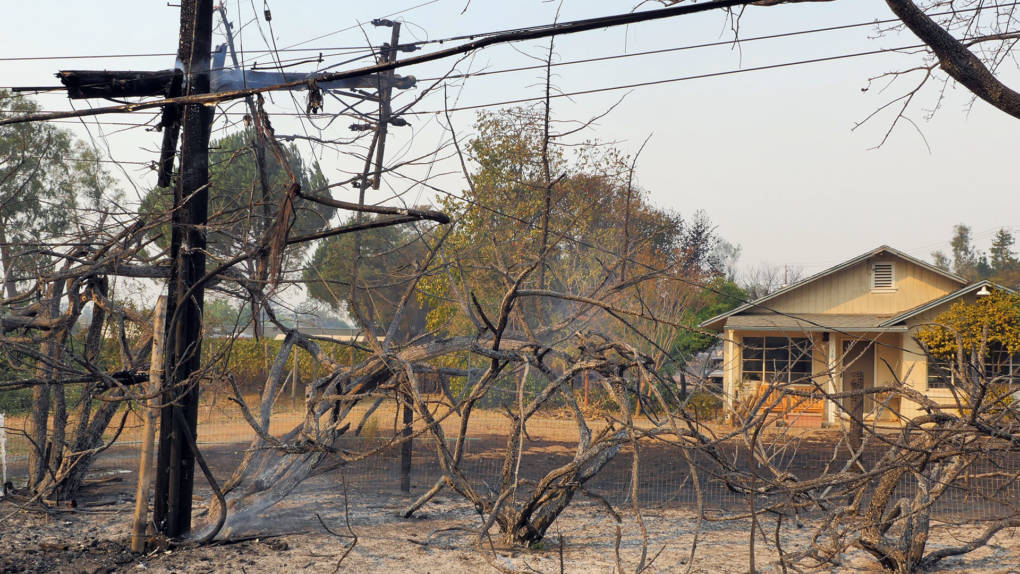
"caption": "Burned power lines off Atlas Peak Road in Napa.",
"description": null,
"title": "Fires1-web",
"credit": "Sheraz Sadiq/KQED",
"status": "inherit",
"isLoading": false,
"fetchFailed": false
},
"science_1917532": {
"type": "attachments",
"id": "science_1917532",
"meta": {
"index": "attachments_1716263798",
"site": "science",
"id": "1917532",
"found": true
},
"parent": 1917527,
"imgSizes": {
"small": {
"file": "https://ww2.kqed.org/app/uploads/sites/35/2017/11/air-pollution-13_Ed-Corn.Heidi-de-Marco-KHN-e1510093015788-520x347.jpg",
"width": 520,
"mimeType": "image/jpeg",
"height": 347
},
"twentyfourteen-full-width": {
"file": "https://ww2.kqed.org/app/uploads/sites/35/2017/11/air-pollution-13_Ed-Corn.Heidi-de-Marco-KHN-e1510093015788-1038x576.jpg",
"width": 1038,
"mimeType": "image/jpeg",
"height": 576
},
"thumbnail": {
"file": "https://ww2.kqed.org/app/uploads/sites/35/2017/11/air-pollution-13_Ed-Corn.Heidi-de-Marco-KHN-e1510093015788-160x107.jpg",
"width": 160,
"mimeType": "image/jpeg",
"height": 107
},
"fd-sm": {
"file": "https://ww2.kqed.org/app/uploads/sites/35/2017/11/air-pollution-13_Ed-Corn.Heidi-de-Marco-KHN-e1510093015788-960x641.jpg",
"width": 960,
"mimeType": "image/jpeg",
"height": 641
},
"post-thumbnail": {
"file": "https://ww2.kqed.org/app/uploads/sites/35/2017/11/air-pollution-13_Ed-Corn.Heidi-de-Marco-KHN-e1510093015788-672x372.jpg",
"width": 672,
"mimeType": "image/jpeg",
"height": 372
},
"xsmall": {
"file": "https://ww2.kqed.org/app/uploads/sites/35/2017/11/air-pollution-13_Ed-Corn.Heidi-de-Marco-KHN-e1510093015788-375x250.jpg",
"width": 375,
"mimeType": "image/jpeg",
"height": 250
},
"kqedFullSize": {
"file": "https://ww2.kqed.org/app/uploads/sites/35/2017/11/air-pollution-13_Ed-Corn.Heidi-de-Marco-KHN-e1510093015788.jpg",
"width": 1920,
"height": 1281
},
"large": {
"file": "https://ww2.kqed.org/app/uploads/sites/35/2017/11/air-pollution-13_Ed-Corn.Heidi-de-Marco-KHN-e1510093015788-1020x681.jpg",
"width": 1020,
"mimeType": "image/jpeg",
"height": 681
},
"xlarge": {
"file": "https://ww2.kqed.org/app/uploads/sites/35/2017/11/air-pollution-13_Ed-Corn.Heidi-de-Marco-KHN-e1510093015788-1180x787.jpg",
"width": 1180,
"mimeType": "image/jpeg",
"height": 787
},
"guest-author-50": {
"file": "https://ww2.kqed.org/app/uploads/sites/35/2017/11/air-pollution-13_Ed-Corn.Heidi-de-Marco-KHN-e1510093015788-50x50.jpg",
"width": 50,
"mimeType": "image/jpeg",
"height": 50
},
"guest-author-96": {
"file": "https://ww2.kqed.org/app/uploads/sites/35/2017/11/air-pollution-13_Ed-Corn.Heidi-de-Marco-KHN-e1510093015788-96x96.jpg",
"width": 96,
"mimeType": "image/jpeg",
"height": 96
},
"medium": {
"file": "https://ww2.kqed.org/app/uploads/sites/35/2017/11/air-pollution-13_Ed-Corn.Heidi-de-Marco-KHN-e1510093015788-800x534.jpg",
"width": 800,
"mimeType": "image/jpeg",
"height": 534
},
"guest-author-64": {
"file": "https://ww2.kqed.org/app/uploads/sites/35/2017/11/air-pollution-13_Ed-Corn.Heidi-de-Marco-KHN-e1510093015788-64x64.jpg",
"width": 64,
"mimeType": "image/jpeg",
"height": 64
},
"guest-author-32": {
"file": "https://ww2.kqed.org/app/uploads/sites/35/2017/11/air-pollution-13_Ed-Corn.Heidi-de-Marco-KHN-e1510093015788-32x32.jpg",
"width": 32,
"mimeType": "image/jpeg",
"height": 32
},
"fd-lrg": {
"file": "https://ww2.kqed.org/app/uploads/sites/35/2017/11/air-pollution-13_Ed-Corn.Heidi-de-Marco-KHN-e1510093015788-1920x1281.jpg",
"width": 1920,
"mimeType": "image/jpeg",
"height": 1281
},
"fd-med": {
"file": "https://ww2.kqed.org/app/uploads/sites/35/2017/11/air-pollution-13_Ed-Corn.Heidi-de-Marco-KHN-e1510093015788-1180x787.jpg",
"width": 1180,
"mimeType": "image/jpeg",
"height": 787
},
"full-width": {
"file": "https://ww2.kqed.org/app/uploads/sites/35/2017/11/air-pollution-13_Ed-Corn.Heidi-de-Marco-KHN-e1510093015788-1920x1281.jpg",
"width": 1920,
"mimeType": "image/jpeg",
"height": 1281
},
"detail": {
"file": "https://ww2.kqed.org/app/uploads/sites/35/2017/11/air-pollution-13_Ed-Corn.Heidi-de-Marco-KHN-e1510093015788-150x150.jpg",
"width": 150,
"mimeType": "image/jpeg",
"height": 150
},
"medium_large": {
"file": "https://ww2.kqed.org/app/uploads/sites/35/2017/11/air-pollution-13_Ed-Corn.Heidi-de-Marco-KHN-e1510093015788-768x512.jpg",
"width": 768,
"mimeType": "image/jpeg",
"height": 512
},
"guest-author-128": {
"file": "https://ww2.kqed.org/app/uploads/sites/35/2017/11/air-pollution-13_Ed-Corn.Heidi-de-Marco-KHN-e1510093015788-128x128.jpg",
"width": 128,
"mimeType": "image/jpeg",
"height": 128
},
"xxsmall": {
"file": "https://ww2.kqed.org/app/uploads/sites/35/2017/11/air-pollution-13_Ed-Corn.Heidi-de-Marco-KHN-e1510093015788-240x160.jpg",
"width": 240,
"mimeType": "image/jpeg",
"height": 160
}
},
"publishDate": 1510001489,
"modified": 1510001550,
"caption": "Ed Corn wears a mask as he sifts through the ashes of the home he shared with his paraplegic roommate in Santa Rosa’s Coffey Park neighborhood. “I can definitely taste the toxins in my throat and the back of my tongue,” he said.\n\n",
"description": null,
"title": "air-pollution-13_Ed- -Corn.Heidi- -de- -Marco KHN",
"credit": "Heidi de Marco/KHN",
"status": "inherit",
"isLoading": false,
"fetchFailed": false
},
"science_1917492": {
"type": "attachments",
"id": "science_1917492",
"meta": {
"index": "attachments_1716263798",
"site": "science",
"id": "1917492",
"found": true
},
"parent": 1917478,
"imgSizes": {
"small": {
"file": "https://ww2.kqed.org/app/uploads/sites/35/2017/11/IMG_8813-520x390.jpg",
"width": 520,
"mimeType": "image/jpeg",
"height": 390
},
"twentyfourteen-full-width": {
"file": "https://ww2.kqed.org/app/uploads/sites/35/2017/11/IMG_8813-1038x576.jpg",
"width": 1038,
"mimeType": "image/jpeg",
"height": 576
},
"thumbnail": {
"file": "https://ww2.kqed.org/app/uploads/sites/35/2017/11/IMG_8813-160x120.jpg",
"width": 160,
"mimeType": "image/jpeg",
"height": 120
},
"fd-sm": {
"file": "https://ww2.kqed.org/app/uploads/sites/35/2017/11/IMG_8813-960x720.jpg",
"width": 960,
"mimeType": "image/jpeg",
"height": 720
},
"post-thumbnail": {
"file": "https://ww2.kqed.org/app/uploads/sites/35/2017/11/IMG_8813-672x372.jpg",
"width": 672,
"mimeType": "image/jpeg",
"height": 372
},
"xsmall": {
"file": "https://ww2.kqed.org/app/uploads/sites/35/2017/11/IMG_8813-375x281.jpg",
"width": 375,
"mimeType": "image/jpeg",
"height": 281
},
"kqedFullSize": {
"file": "https://ww2.kqed.org/app/uploads/sites/35/2017/11/IMG_8813.jpg",
"width": 3264,
"height": 2448
},
"large": {
"file": "https://ww2.kqed.org/app/uploads/sites/35/2017/11/IMG_8813-1020x765.jpg",
"width": 1020,
"mimeType": "image/jpeg",
"height": 765
},
"xlarge": {
"file": "https://ww2.kqed.org/app/uploads/sites/35/2017/11/IMG_8813-1180x885.jpg",
"width": 1180,
"mimeType": "image/jpeg",
"height": 885
},
"guest-author-50": {
"file": "https://ww2.kqed.org/app/uploads/sites/35/2017/11/IMG_8813-50x50.jpg",
"width": 50,
"mimeType": "image/jpeg",
"height": 50
},
"guest-author-96": {
"file": "https://ww2.kqed.org/app/uploads/sites/35/2017/11/IMG_8813-96x96.jpg",
"width": 96,
"mimeType": "image/jpeg",
"height": 96
},
"medium": {
"file": "https://ww2.kqed.org/app/uploads/sites/35/2017/11/IMG_8813-800x600.jpg",
"width": 800,
"mimeType": "image/jpeg",
"height": 600
},
"guest-author-64": {
"file": "https://ww2.kqed.org/app/uploads/sites/35/2017/11/IMG_8813-64x64.jpg",
"width": 64,
"mimeType": "image/jpeg",
"height": 64
},
"guest-author-32": {
"file": "https://ww2.kqed.org/app/uploads/sites/35/2017/11/IMG_8813-32x32.jpg",
"width": 32,
"mimeType": "image/jpeg",
"height": 32
},
"fd-lrg": {
"file": "https://ww2.kqed.org/app/uploads/sites/35/2017/11/IMG_8813-1920x1440.jpg",
"width": 1920,
"mimeType": "image/jpeg",
"height": 1440
},
"fd-med": {
"file": "https://ww2.kqed.org/app/uploads/sites/35/2017/11/IMG_8813-1180x885.jpg",
"width": 1180,
"mimeType": "image/jpeg",
"height": 885
},
"full-width": {
"file": "https://ww2.kqed.org/app/uploads/sites/35/2017/11/IMG_8813-1920x1440.jpg",
"width": 1920,
"mimeType": "image/jpeg",
"height": 1440
},
"detail": {
"file": "https://ww2.kqed.org/app/uploads/sites/35/2017/11/IMG_8813-150x150.jpg",
"width": 150,
"mimeType": "image/jpeg",
"height": 150
},
"medium_large": {
"file": "https://ww2.kqed.org/app/uploads/sites/35/2017/11/IMG_8813-768x576.jpg",
"width": 768,
"mimeType": "image/jpeg",
"height": 576
},
"guest-author-128": {
"file": "https://ww2.kqed.org/app/uploads/sites/35/2017/11/IMG_8813-128x128.jpg",
"width": 128,
"mimeType": "image/jpeg",
"height": 128
},
"xxsmall": {
"file": "https://ww2.kqed.org/app/uploads/sites/35/2017/11/IMG_8813-240x180.jpg",
"width": 240,
"mimeType": "image/jpeg",
"height": 180
}
},
"publishDate": 1509748360,
"modified": 1509748487,
"caption": "The remains of 50 years of audio archives at Bernie Krause's \"Wild Sanctuary,\" destroyed in October's North Bay Fires.",
"description": "The remains of 50 years of audio archives at Bernie Krause's \"Wild Sanctuary,\" destroyed in October's North Bay Fires.",
"title": "IMG_8813",
"credit": "Craig Miller",
"status": "inherit",
"isLoading": false,
"fetchFailed": false
},
"science_1917453": {
"type": "attachments",
"id": "science_1917453",
"meta": {
"index": "attachments_1716263798",
"site": "science",
"id": "1917453",
"found": true
},
"parent": 1917448,
"imgSizes": {
"small": {
"file": "https://ww2.kqed.org/app/uploads/sites/35/2017/11/Retardant-drop.-U.S.-Air-Force-photo-520x347.jpg",
"width": 520,
"mimeType": "image/jpeg",
"height": 347
},
"twentyfourteen-full-width": {
"file": "https://ww2.kqed.org/app/uploads/sites/35/2017/11/Retardant-drop.-U.S.-Air-Force-photo-1038x576.jpg",
"width": 1038,
"mimeType": "image/jpeg",
"height": 576
},
"thumbnail": {
"file": "https://ww2.kqed.org/app/uploads/sites/35/2017/11/Retardant-drop.-U.S.-Air-Force-photo-160x107.jpg",
"width": 160,
"mimeType": "image/jpeg",
"height": 107
},
"fd-sm": {
"file": "https://ww2.kqed.org/app/uploads/sites/35/2017/11/Retardant-drop.-U.S.-Air-Force-photo-960x641.jpg",
"width": 960,
"mimeType": "image/jpeg",
"height": 641
},
"post-thumbnail": {
"file": "https://ww2.kqed.org/app/uploads/sites/35/2017/11/Retardant-drop.-U.S.-Air-Force-photo-672x372.jpg",
"width": 672,
"mimeType": "image/jpeg",
"height": 372
},
"xsmall": {
"file": "https://ww2.kqed.org/app/uploads/sites/35/2017/11/Retardant-drop.-U.S.-Air-Force-photo-375x250.jpg",
"width": 375,
"mimeType": "image/jpeg",
"height": 250
},
"kqedFullSize": {
"file": "https://ww2.kqed.org/app/uploads/sites/35/2017/11/Retardant-drop.-U.S.-Air-Force-photo.jpg",
"width": 5152,
"height": 3439
},
"large": {
"file": "https://ww2.kqed.org/app/uploads/sites/35/2017/11/Retardant-drop.-U.S.-Air-Force-photo-1020x681.jpg",
"width": 1020,
"mimeType": "image/jpeg",
"height": 681
},
"xlarge": {
"file": "https://ww2.kqed.org/app/uploads/sites/35/2017/11/Retardant-drop.-U.S.-Air-Force-photo-1180x788.jpg",
"width": 1180,
"mimeType": "image/jpeg",
"height": 788
},
"guest-author-50": {
"file": "https://ww2.kqed.org/app/uploads/sites/35/2017/11/Retardant-drop.-U.S.-Air-Force-photo-50x50.jpg",
"width": 50,
"mimeType": "image/jpeg",
"height": 50
},
"guest-author-96": {
"file": "https://ww2.kqed.org/app/uploads/sites/35/2017/11/Retardant-drop.-U.S.-Air-Force-photo-96x96.jpg",
"width": 96,
"mimeType": "image/jpeg",
"height": 96
},
"medium": {
"file": "https://ww2.kqed.org/app/uploads/sites/35/2017/11/Retardant-drop.-U.S.-Air-Force-photo-800x534.jpg",
"width": 800,
"mimeType": "image/jpeg",
"height": 534
},
"guest-author-64": {
"file": "https://ww2.kqed.org/app/uploads/sites/35/2017/11/Retardant-drop.-U.S.-Air-Force-photo-64x64.jpg",
"width": 64,
"mimeType": "image/jpeg",
"height": 64
},
"guest-author-32": {
"file": "https://ww2.kqed.org/app/uploads/sites/35/2017/11/Retardant-drop.-U.S.-Air-Force-photo-32x32.jpg",
"width": 32,
"mimeType": "image/jpeg",
"height": 32
},
"fd-lrg": {
"file": "https://ww2.kqed.org/app/uploads/sites/35/2017/11/Retardant-drop.-U.S.-Air-Force-photo-1920x1282.jpg",
"width": 1920,
"mimeType": "image/jpeg",
"height": 1282
},
"fd-med": {
"file": "https://ww2.kqed.org/app/uploads/sites/35/2017/11/Retardant-drop.-U.S.-Air-Force-photo-1180x788.jpg",
"width": 1180,
"mimeType": "image/jpeg",
"height": 788
},
"full-width": {
"file": "https://ww2.kqed.org/app/uploads/sites/35/2017/11/Retardant-drop.-U.S.-Air-Force-photo-1920x1282.jpg",
"width": 1920,
"mimeType": "image/jpeg",
"height": 1282
},
"detail": {
"file": "https://ww2.kqed.org/app/uploads/sites/35/2017/11/Retardant-drop.-U.S.-Air-Force-photo-150x150.jpg",
"width": 150,
"mimeType": "image/jpeg",
"height": 150
},
"medium_large": {
"file": "https://ww2.kqed.org/app/uploads/sites/35/2017/11/Retardant-drop.-U.S.-Air-Force-photo-768x513.jpg",
"width": 768,
"mimeType": "image/jpeg",
"height": 513
},
"guest-author-128": {
"file": "https://ww2.kqed.org/app/uploads/sites/35/2017/11/Retardant-drop.-U.S.-Air-Force-photo-128x128.jpg",
"width": 128,
"mimeType": "image/jpeg",
"height": 128
},
"xxsmall": {
"file": "https://ww2.kqed.org/app/uploads/sites/35/2017/11/Retardant-drop.-U.S.-Air-Force-photo-240x160.jpg",
"width": 240,
"mimeType": "image/jpeg",
"height": 160
}
},
"publishDate": 1509657735,
"modified": 1509657855,
"caption": "Bright red fire retardant drops onto plants to help suppress the fires. In one week, more than 2 million gallons of retardant were dropped in California—a record, according to Cal Fire, the state firefighting agency.",
"description": null,
"title": "Retardant drop. U.S. Air Force photo",
"credit": "Linda Rogers",
"status": "inherit",
"isLoading": false,
"fetchFailed": false
},
"science_1917438": {
"type": "attachments",
"id": "science_1917438",
"meta": {
"index": "attachments_1716263798",
"site": "science",
"id": "1917438",
"found": true
},
"parent": 1917437,
"imgSizes": {
"small": {
"file": "https://ww2.kqed.org/app/uploads/sites/35/2017/11/flooding-harvey-1_enl-d44bc861c0c4f18ca9b0f0be3ba951b07b055a00-520x343.jpg",
"width": 520,
"mimeType": "image/jpeg",
"height": 343
},
"twentyfourteen-full-width": {
"file": "https://ww2.kqed.org/app/uploads/sites/35/2017/11/flooding-harvey-1_enl-d44bc861c0c4f18ca9b0f0be3ba951b07b055a00-1038x576.jpg",
"width": 1038,
"mimeType": "image/jpeg",
"height": 576
},
"thumbnail": {
"file": "https://ww2.kqed.org/app/uploads/sites/35/2017/11/flooding-harvey-1_enl-d44bc861c0c4f18ca9b0f0be3ba951b07b055a00-160x106.jpg",
"width": 160,
"mimeType": "image/jpeg",
"height": 106
},
"fd-sm": {
"file": "https://ww2.kqed.org/app/uploads/sites/35/2017/11/flooding-harvey-1_enl-d44bc861c0c4f18ca9b0f0be3ba951b07b055a00-960x634.jpg",
"width": 960,
"mimeType": "image/jpeg",
"height": 634
},
"post-thumbnail": {
"file": "https://ww2.kqed.org/app/uploads/sites/35/2017/11/flooding-harvey-1_enl-d44bc861c0c4f18ca9b0f0be3ba951b07b055a00-672x372.jpg",
"width": 672,
"mimeType": "image/jpeg",
"height": 372
},
"xsmall": {
"file": "https://ww2.kqed.org/app/uploads/sites/35/2017/11/flooding-harvey-1_enl-d44bc861c0c4f18ca9b0f0be3ba951b07b055a00-375x248.jpg",
"width": 375,
"mimeType": "image/jpeg",
"height": 248
},
"kqedFullSize": {
"file": "https://ww2.kqed.org/app/uploads/sites/35/2017/11/flooding-harvey-1_enl-d44bc861c0c4f18ca9b0f0be3ba951b07b055a00.jpg",
"width": 1996,
"height": 1318
},
"large": {
"file": "https://ww2.kqed.org/app/uploads/sites/35/2017/11/flooding-harvey-1_enl-d44bc861c0c4f18ca9b0f0be3ba951b07b055a00-1020x674.jpg",
"width": 1020,
"mimeType": "image/jpeg",
"height": 674
},
"xlarge": {
"file": "https://ww2.kqed.org/app/uploads/sites/35/2017/11/flooding-harvey-1_enl-d44bc861c0c4f18ca9b0f0be3ba951b07b055a00-1180x779.jpg",
"width": 1180,
"mimeType": "image/jpeg",
"height": 779
},
"guest-author-50": {
"file": "https://ww2.kqed.org/app/uploads/sites/35/2017/11/flooding-harvey-1_enl-d44bc861c0c4f18ca9b0f0be3ba951b07b055a00-50x50.jpg",
"width": 50,
"mimeType": "image/jpeg",
"height": 50
},
"guest-author-96": {
"file": "https://ww2.kqed.org/app/uploads/sites/35/2017/11/flooding-harvey-1_enl-d44bc861c0c4f18ca9b0f0be3ba951b07b055a00-96x96.jpg",
"width": 96,
"mimeType": "image/jpeg",
"height": 96
},
"medium": {
"file": "https://ww2.kqed.org/app/uploads/sites/35/2017/11/flooding-harvey-1_enl-d44bc861c0c4f18ca9b0f0be3ba951b07b055a00-800x528.jpg",
"width": 800,
"mimeType": "image/jpeg",
"height": 528
},
"guest-author-64": {
"file": "https://ww2.kqed.org/app/uploads/sites/35/2017/11/flooding-harvey-1_enl-d44bc861c0c4f18ca9b0f0be3ba951b07b055a00-64x64.jpg",
"width": 64,
"mimeType": "image/jpeg",
"height": 64
},
"guest-author-32": {
"file": "https://ww2.kqed.org/app/uploads/sites/35/2017/11/flooding-harvey-1_enl-d44bc861c0c4f18ca9b0f0be3ba951b07b055a00-32x32.jpg",
"width": 32,
"mimeType": "image/jpeg",
"height": 32
},
"fd-lrg": {
"file": "https://ww2.kqed.org/app/uploads/sites/35/2017/11/flooding-harvey-1_enl-d44bc861c0c4f18ca9b0f0be3ba951b07b055a00-1920x1268.jpg",
"width": 1920,
"mimeType": "image/jpeg",
"height": 1268
},
"fd-med": {
"file": "https://ww2.kqed.org/app/uploads/sites/35/2017/11/flooding-harvey-1_enl-d44bc861c0c4f18ca9b0f0be3ba951b07b055a00-1180x779.jpg",
"width": 1180,
"mimeType": "image/jpeg",
"height": 779
},
"full-width": {
"file": "https://ww2.kqed.org/app/uploads/sites/35/2017/11/flooding-harvey-1_enl-d44bc861c0c4f18ca9b0f0be3ba951b07b055a00-1920x1268.jpg",
"width": 1920,
"mimeType": "image/jpeg",
"height": 1268
},
"detail": {
"file": "https://ww2.kqed.org/app/uploads/sites/35/2017/11/flooding-harvey-1_enl-d44bc861c0c4f18ca9b0f0be3ba951b07b055a00-150x150.jpg",
"width": 150,
"mimeType": "image/jpeg",
"height": 150
},
"medium_large": {
"file": "https://ww2.kqed.org/app/uploads/sites/35/2017/11/flooding-harvey-1_enl-d44bc861c0c4f18ca9b0f0be3ba951b07b055a00-768x507.jpg",
"width": 768,
"mimeType": "image/jpeg",
"height": 507
},
"guest-author-128": {
"file": "https://ww2.kqed.org/app/uploads/sites/35/2017/11/flooding-harvey-1_enl-d44bc861c0c4f18ca9b0f0be3ba951b07b055a00-128x128.jpg",
"width": 128,
"mimeType": "image/jpeg",
"height": 128
},
"xxsmall": {
"file": "https://ww2.kqed.org/app/uploads/sites/35/2017/11/flooding-harvey-1_enl-d44bc861c0c4f18ca9b0f0be3ba951b07b055a00-240x158.jpg",
"width": 240,
"mimeType": "image/jpeg",
"height": 158
}
},
"publishDate": 1509650254,
"modified": 1509651047,
"caption": "Hurricane Harvey delivered record rainfall to east Texas. Many scientists believe that climate change helped to make the storm wetter.\n",
"description": "Hurricane Harvey delivered record rainfall to east Texas. Many scientists believe that climate change helped to make the storm wetter",
"title": "Hurricane Harvey delivered record rainfall to east Texas. Many scientists believe that climate change helped to make the storm wetter.",
"credit": "Spencer Platt/Getty Images",
"status": "inherit",
"isLoading": false,
"fetchFailed": false
},
"science_1917379": {
"type": "attachments",
"id": "science_1917379",
"meta": {
"index": "attachments_1716263798",
"site": "science",
"id": "1917379",
"found": true
},
"parent": 1917374,
"imgSizes": {
"small": {
"file": "https://ww2.kqed.org/app/uploads/sites/35/2017/10/map-capture-520x293.jpg",
"width": 520,
"mimeType": "image/jpeg",
"height": 293
},
"thumbnail": {
"file": "https://ww2.kqed.org/app/uploads/sites/35/2017/10/map-capture-160x90.jpg",
"width": 160,
"mimeType": "image/jpeg",
"height": 90
},
"post-thumbnail": {
"file": "https://ww2.kqed.org/app/uploads/sites/35/2017/10/map-capture-672x372.jpg",
"width": 672,
"mimeType": "image/jpeg",
"height": 372
},
"xsmall": {
"file": "https://ww2.kqed.org/app/uploads/sites/35/2017/10/map-capture-375x211.jpg",
"width": 375,
"mimeType": "image/jpeg",
"height": 211
},
"kqedFullSize": {
"file": "https://ww2.kqed.org/app/uploads/sites/35/2017/10/map-capture.jpg",
"width": 769,
"height": 433
},
"guest-author-50": {
"file": "https://ww2.kqed.org/app/uploads/sites/35/2017/10/map-capture-50x50.jpg",
"width": 50,
"mimeType": "image/jpeg",
"height": 50
},
"guest-author-96": {
"file": "https://ww2.kqed.org/app/uploads/sites/35/2017/10/map-capture-96x96.jpg",
"width": 96,
"mimeType": "image/jpeg",
"height": 96
},
"guest-author-64": {
"file": "https://ww2.kqed.org/app/uploads/sites/35/2017/10/map-capture-64x64.jpg",
"width": 64,
"mimeType": "image/jpeg",
"height": 64
},
"guest-author-32": {
"file": "https://ww2.kqed.org/app/uploads/sites/35/2017/10/map-capture-32x32.jpg",
"width": 32,
"mimeType": "image/jpeg",
"height": 32
},
"detail": {
"file": "https://ww2.kqed.org/app/uploads/sites/35/2017/10/map-capture-150x150.jpg",
"width": 150,
"mimeType": "image/jpeg",
"height": 150
},
"medium_large": {
"file": "https://ww2.kqed.org/app/uploads/sites/35/2017/10/map-capture-768x432.jpg",
"width": 768,
"mimeType": "image/jpeg",
"height": 432
},
"guest-author-128": {
"file": "https://ww2.kqed.org/app/uploads/sites/35/2017/10/map-capture-128x128.jpg",
"width": 128,
"mimeType": "image/jpeg",
"height": 128
},
"xxsmall": {
"file": "https://ww2.kqed.org/app/uploads/sites/35/2017/10/map-capture-240x135.jpg",
"width": 240,
"mimeType": "image/jpeg",
"height": 135
}
},
"publishDate": 1509483991,
"modified": 1509483991,
"caption": null,
"description": null,
"title": "map-capture",
"credit": null,
"status": "inherit",
"isLoading": false,
"fetchFailed": false
},
"science_1917349": {
"type": "attachments",
"id": "science_1917349",
"meta": {
"index": "attachments_1716263798",
"site": "science",
"id": "1917349",
"found": true
},
"parent": 1917346,
"imgSizes": {
"small": {
"file": "https://ww2.kqed.org/app/uploads/sites/35/2017/10/WIldfire_2013_IBHS_01-web-520x293.jpg",
"width": 520,
"mimeType": "image/jpeg",
"height": 293
},
"twentyfourteen-full-width": {
"file": "https://ww2.kqed.org/app/uploads/sites/35/2017/10/WIldfire_2013_IBHS_01-web-1038x576.jpg",
"width": 1038,
"mimeType": "image/jpeg",
"height": 576
},
"thumbnail": {
"file": "https://ww2.kqed.org/app/uploads/sites/35/2017/10/WIldfire_2013_IBHS_01-web-160x90.jpg",
"width": 160,
"mimeType": "image/jpeg",
"height": 90
},
"fd-sm": {
"file": "https://ww2.kqed.org/app/uploads/sites/35/2017/10/WIldfire_2013_IBHS_01-web-960x540.jpg",
"width": 960,
"mimeType": "image/jpeg",
"height": 540
},
"post-thumbnail": {
"file": "https://ww2.kqed.org/app/uploads/sites/35/2017/10/WIldfire_2013_IBHS_01-web-672x372.jpg",
"width": 672,
"mimeType": "image/jpeg",
"height": 372
},
"xsmall": {
"file": "https://ww2.kqed.org/app/uploads/sites/35/2017/10/WIldfire_2013_IBHS_01-web-375x211.jpg",
"width": 375,
"mimeType": "image/jpeg",
"height": 211
},
"kqedFullSize": {
"file": "https://ww2.kqed.org/app/uploads/sites/35/2017/10/WIldfire_2013_IBHS_01-web.jpg",
"width": 1920,
"height": 1080
},
"large": {
"file": "https://ww2.kqed.org/app/uploads/sites/35/2017/10/WIldfire_2013_IBHS_01-web-1020x574.jpg",
"width": 1020,
"mimeType": "image/jpeg",
"height": 574
},
"xlarge": {
"file": "https://ww2.kqed.org/app/uploads/sites/35/2017/10/WIldfire_2013_IBHS_01-web-1180x664.jpg",
"width": 1180,
"mimeType": "image/jpeg",
"height": 664
},
"guest-author-50": {
"file": "https://ww2.kqed.org/app/uploads/sites/35/2017/10/WIldfire_2013_IBHS_01-web-50x50.jpg",
"width": 50,
"mimeType": "image/jpeg",
"height": 50
},
"guest-author-96": {
"file": "https://ww2.kqed.org/app/uploads/sites/35/2017/10/WIldfire_2013_IBHS_01-web-96x96.jpg",
"width": 96,
"mimeType": "image/jpeg",
"height": 96
},
"medium": {
"file": "https://ww2.kqed.org/app/uploads/sites/35/2017/10/WIldfire_2013_IBHS_01-web-800x450.jpg",
"width": 800,
"mimeType": "image/jpeg",
"height": 450
},
"guest-author-64": {
"file": "https://ww2.kqed.org/app/uploads/sites/35/2017/10/WIldfire_2013_IBHS_01-web-64x64.jpg",
"width": 64,
"mimeType": "image/jpeg",
"height": 64
},
"guest-author-32": {
"file": "https://ww2.kqed.org/app/uploads/sites/35/2017/10/WIldfire_2013_IBHS_01-web-32x32.jpg",
"width": 32,
"mimeType": "image/jpeg",
"height": 32
},
"fd-lrg": {
"file": "https://ww2.kqed.org/app/uploads/sites/35/2017/10/WIldfire_2013_IBHS_01-web-1920x1080.jpg",
"width": 1920,
"mimeType": "image/jpeg",
"height": 1080
},
"fd-med": {
"file": "https://ww2.kqed.org/app/uploads/sites/35/2017/10/WIldfire_2013_IBHS_01-web-1180x664.jpg",
"width": 1180,
"mimeType": "image/jpeg",
"height": 664
},
"full-width": {
"file": "https://ww2.kqed.org/app/uploads/sites/35/2017/10/WIldfire_2013_IBHS_01-web-1920x1080.jpg",
"width": 1920,
"mimeType": "image/jpeg",
"height": 1080
},
"detail": {
"file": "https://ww2.kqed.org/app/uploads/sites/35/2017/10/WIldfire_2013_IBHS_01-web-150x150.jpg",
"width": 150,
"mimeType": "image/jpeg",
"height": 150
},
"medium_large": {
"file": "https://ww2.kqed.org/app/uploads/sites/35/2017/10/WIldfire_2013_IBHS_01-web-768x432.jpg",
"width": 768,
"mimeType": "image/jpeg",
"height": 432
},
"guest-author-128": {
"file": "https://ww2.kqed.org/app/uploads/sites/35/2017/10/WIldfire_2013_IBHS_01-web-128x128.jpg",
"width": 128,
"mimeType": "image/jpeg",
"height": 128
},
"xxsmall": {
"file": "https://ww2.kqed.org/app/uploads/sites/35/2017/10/WIldfire_2013_IBHS_01-web-240x135.jpg",
"width": 240,
"mimeType": "image/jpeg",
"height": 135
}
},
"publishDate": 1509144310,
"modified": 1509144476,
"caption": "A house undergoes testing in the Insurance Institute for Business & Home Safety's lab. ",
"description": null,
"title": "WIldfire_2013_IBHS_01-web",
"credit": "Insurance Institute for Business & Home Safety",
"status": "inherit",
"isLoading": false,
"fetchFailed": false
},
"science_1917191": {
"type": "attachments",
"id": "science_1917191",
"meta": {
"index": "attachments_1716263798",
"site": "science",
"id": "1917191",
"found": true
},
"parent": 1917188,
"imgSizes": {
"small": {
"file": "https://ww2.kqed.org/app/uploads/sites/35/2017/10/access_mars_google_nasa-520x293.jpg",
"width": 520,
"mimeType": "image/jpeg",
"height": 293
},
"thumbnail": {
"file": "https://ww2.kqed.org/app/uploads/sites/35/2017/10/access_mars_google_nasa-160x90.jpg",
"width": 160,
"mimeType": "image/jpeg",
"height": 90
},
"post-thumbnail": {
"file": "https://ww2.kqed.org/app/uploads/sites/35/2017/10/access_mars_google_nasa-672x372.jpg",
"width": 672,
"mimeType": "image/jpeg",
"height": 372
},
"xsmall": {
"file": "https://ww2.kqed.org/app/uploads/sites/35/2017/10/access_mars_google_nasa-375x211.jpg",
"width": 375,
"mimeType": "image/jpeg",
"height": 211
},
"kqedFullSize": {
"file": "https://ww2.kqed.org/app/uploads/sites/35/2017/10/access_mars_google_nasa.jpg",
"width": 800,
"height": 450
},
"guest-author-50": {
"file": "https://ww2.kqed.org/app/uploads/sites/35/2017/10/access_mars_google_nasa-50x50.jpg",
"width": 50,
"mimeType": "image/jpeg",
"height": 50
},
"guest-author-96": {
"file": "https://ww2.kqed.org/app/uploads/sites/35/2017/10/access_mars_google_nasa-96x96.jpg",
"width": 96,
"mimeType": "image/jpeg",
"height": 96
},
"medium": {
"file": "https://ww2.kqed.org/app/uploads/sites/35/2017/10/access_mars_google_nasa-800x450.jpg",
"width": 800,
"mimeType": "image/jpeg",
"height": 450
},
"guest-author-64": {
"file": "https://ww2.kqed.org/app/uploads/sites/35/2017/10/access_mars_google_nasa-64x64.jpg",
"width": 64,
"mimeType": "image/jpeg",
"height": 64
},
"guest-author-32": {
"file": "https://ww2.kqed.org/app/uploads/sites/35/2017/10/access_mars_google_nasa-32x32.jpg",
"width": 32,
"mimeType": "image/jpeg",
"height": 32
},
"detail": {
"file": "https://ww2.kqed.org/app/uploads/sites/35/2017/10/access_mars_google_nasa-150x150.jpg",
"width": 150,
"mimeType": "image/jpeg",
"height": 150
},
"medium_large": {
"file": "https://ww2.kqed.org/app/uploads/sites/35/2017/10/access_mars_google_nasa-768x432.jpg",
"width": 768,
"mimeType": "image/jpeg",
"height": 432
},
"guest-author-128": {
"file": "https://ww2.kqed.org/app/uploads/sites/35/2017/10/access_mars_google_nasa-128x128.jpg",
"width": 128,
"mimeType": "image/jpeg",
"height": 128
},
"xxsmall": {
"file": "https://ww2.kqed.org/app/uploads/sites/35/2017/10/access_mars_google_nasa-240x135.jpg",
"width": 240,
"mimeType": "image/jpeg",
"height": 135
}
},
"publishDate": 1508869600,
"modified": 1508869676,
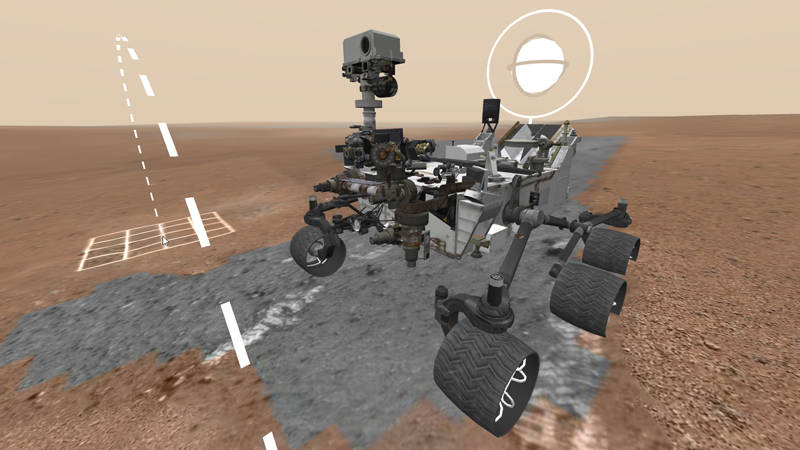
"caption": "Screen shot of the Google/NASA webVR experience, Access Mars, from the landing site of NASA's Curiosity rover. ",
"description": "Screen shot of the Google/NASA webVR experience, Access Mars, from the landing site of NASA's Curiosity rover. ",
"title": "access_mars_google_nasa",
"credit": "Google/NASA",
"status": "inherit",
"isLoading": false,
"fetchFailed": false
},
"science_1917312": {
"type": "attachments",
"id": "science_1917312",
"meta": {
"index": "attachments_1716263798",
"site": "science",
"id": "1917312",
"found": true
},
"parent": 1917302,
"imgSizes": {
"small": {
"file": "https://ww2.kqed.org/app/uploads/sites/35/2017/10/Fires2-web-520x293.jpg",
"width": 520,
"mimeType": "image/jpeg",
"height": 293
},
"twentyfourteen-full-width": {
"file": "https://ww2.kqed.org/app/uploads/sites/35/2017/10/Fires2-web-1038x576.jpg",
"width": 1038,
"mimeType": "image/jpeg",
"height": 576
},
"thumbnail": {
"file": "https://ww2.kqed.org/app/uploads/sites/35/2017/10/Fires2-web-160x90.jpg",
"width": 160,
"mimeType": "image/jpeg",
"height": 90
},
"fd-sm": {
"file": "https://ww2.kqed.org/app/uploads/sites/35/2017/10/Fires2-web-960x540.jpg",
"width": 960,
"mimeType": "image/jpeg",
"height": 540
},
"post-thumbnail": {
"file": "https://ww2.kqed.org/app/uploads/sites/35/2017/10/Fires2-web-672x372.jpg",
"width": 672,
"mimeType": "image/jpeg",
"height": 372
},
"xsmall": {
"file": "https://ww2.kqed.org/app/uploads/sites/35/2017/10/Fires2-web-375x211.jpg",
"width": 375,
"mimeType": "image/jpeg",
"height": 211
},
"kqedFullSize": {
"file": "https://ww2.kqed.org/app/uploads/sites/35/2017/10/Fires2-web.jpg",
"width": 1920,
"height": 1080
},
"large": {
"file": "https://ww2.kqed.org/app/uploads/sites/35/2017/10/Fires2-web-1020x574.jpg",
"width": 1020,
"mimeType": "image/jpeg",
"height": 574
},
"xlarge": {
"file": "https://ww2.kqed.org/app/uploads/sites/35/2017/10/Fires2-web-1180x664.jpg",
"width": 1180,
"mimeType": "image/jpeg",
"height": 664
},
"guest-author-50": {
"file": "https://ww2.kqed.org/app/uploads/sites/35/2017/10/Fires2-web-50x50.jpg",
"width": 50,
"mimeType": "image/jpeg",
"height": 50
},
"guest-author-96": {
"file": "https://ww2.kqed.org/app/uploads/sites/35/2017/10/Fires2-web-96x96.jpg",
"width": 96,
"mimeType": "image/jpeg",
"height": 96
},
"medium": {
"file": "https://ww2.kqed.org/app/uploads/sites/35/2017/10/Fires2-web-800x450.jpg",
"width": 800,
"mimeType": "image/jpeg",
"height": 450
},
"guest-author-64": {
"file": "https://ww2.kqed.org/app/uploads/sites/35/2017/10/Fires2-web-64x64.jpg",
"width": 64,
"mimeType": "image/jpeg",
"height": 64
},
"guest-author-32": {
"file": "https://ww2.kqed.org/app/uploads/sites/35/2017/10/Fires2-web-32x32.jpg",
"width": 32,
"mimeType": "image/jpeg",
"height": 32
},
"fd-lrg": {
"file": "https://ww2.kqed.org/app/uploads/sites/35/2017/10/Fires2-web-1920x1080.jpg",
"width": 1920,
"mimeType": "image/jpeg",
"height": 1080
},
"fd-med": {
"file": "https://ww2.kqed.org/app/uploads/sites/35/2017/10/Fires2-web-1180x664.jpg",
"width": 1180,
"mimeType": "image/jpeg",
"height": 664
},
"full-width": {
"file": "https://ww2.kqed.org/app/uploads/sites/35/2017/10/Fires2-web-1920x1080.jpg",
"width": 1920,
"mimeType": "image/jpeg",
"height": 1080
},
"detail": {
"file": "https://ww2.kqed.org/app/uploads/sites/35/2017/10/Fires2-web-150x150.jpg",
"width": 150,
"mimeType": "image/jpeg",
"height": 150
},
"medium_large": {
"file": "https://ww2.kqed.org/app/uploads/sites/35/2017/10/Fires2-web-768x432.jpg",
"width": 768,
"mimeType": "image/jpeg",
"height": 432
},
"guest-author-128": {
"file": "https://ww2.kqed.org/app/uploads/sites/35/2017/10/Fires2-web-128x128.jpg",
"width": 128,
"mimeType": "image/jpeg",
"height": 128
},
"xxsmall": {
"file": "https://ww2.kqed.org/app/uploads/sites/35/2017/10/Fires2-web-240x135.jpg",
"width": 240,
"mimeType": "image/jpeg",
"height": 135
}
},
"publishDate": 1509051431,
"modified": 1509051537,
"caption": "A home burning in Napa's Atlas Fire.",
"description": null,
"title": "Fires2-web",
"credit": "Sheraz Sadiq/KQED",
"status": "inherit",
"isLoading": false,
"fetchFailed": false
},
"science_1917742": {
"type": "attachments",
"id": "science_1917742",
"meta": {
"index": "attachments_1716263798",
"site": "science",
"id": "1917742",
"found": true
},
"parent": 1917206,
"imgSizes": {
"small": {
"file": "https://ww2.kqed.org/app/uploads/sites/35/2017/10/Oakland_trash_Lake_Merritt-520x347.jpg",
"width": 520,
"mimeType": "image/jpeg",
"height": 347
},
"twentyfourteen-full-width": {
"file": "https://ww2.kqed.org/app/uploads/sites/35/2017/10/Oakland_trash_Lake_Merritt-1038x576.jpg",
"width": 1038,
"mimeType": "image/jpeg",
"height": 576
},
"thumbnail": {
"file": "https://ww2.kqed.org/app/uploads/sites/35/2017/10/Oakland_trash_Lake_Merritt-160x107.jpg",
"width": 160,
"mimeType": "image/jpeg",
"height": 107
},
"fd-sm": {
"file": "https://ww2.kqed.org/app/uploads/sites/35/2017/10/Oakland_trash_Lake_Merritt-960x640.jpg",
"width": 960,
"mimeType": "image/jpeg",
"height": 640
},
"post-thumbnail": {
"file": "https://ww2.kqed.org/app/uploads/sites/35/2017/10/Oakland_trash_Lake_Merritt-672x372.jpg",
"width": 672,
"mimeType": "image/jpeg",
"height": 372
},
"xsmall": {
"file": "https://ww2.kqed.org/app/uploads/sites/35/2017/10/Oakland_trash_Lake_Merritt-375x250.jpg",
"width": 375,
"mimeType": "image/jpeg",
"height": 250
},
"kqedFullSize": {
"file": "https://ww2.kqed.org/app/uploads/sites/35/2017/10/Oakland_trash_Lake_Merritt.jpg",
"width": 1600,
"height": 1067
},
"large": {
"file": "https://ww2.kqed.org/app/uploads/sites/35/2017/10/Oakland_trash_Lake_Merritt-1020x680.jpg",
"width": 1020,
"mimeType": "image/jpeg",
"height": 680
},
"xlarge": {
"file": "https://ww2.kqed.org/app/uploads/sites/35/2017/10/Oakland_trash_Lake_Merritt-1180x787.jpg",
"width": 1180,
"mimeType": "image/jpeg",
"height": 787
},
"guest-author-50": {
"file": "https://ww2.kqed.org/app/uploads/sites/35/2017/10/Oakland_trash_Lake_Merritt-50x50.jpg",
"width": 50,
"mimeType": "image/jpeg",
"height": 50
},
"guest-author-96": {
"file": "https://ww2.kqed.org/app/uploads/sites/35/2017/10/Oakland_trash_Lake_Merritt-96x96.jpg",
"width": 96,
"mimeType": "image/jpeg",
"height": 96
},
"medium": {
"file": "https://ww2.kqed.org/app/uploads/sites/35/2017/10/Oakland_trash_Lake_Merritt-800x534.jpg",
"width": 800,
"mimeType": "image/jpeg",
"height": 534
},
"guest-author-64": {
"file": "https://ww2.kqed.org/app/uploads/sites/35/2017/10/Oakland_trash_Lake_Merritt-64x64.jpg",
"width": 64,
"mimeType": "image/jpeg",
"height": 64
},
"guest-author-32": {
"file": "https://ww2.kqed.org/app/uploads/sites/35/2017/10/Oakland_trash_Lake_Merritt-32x32.jpg",
"width": 32,
"mimeType": "image/jpeg",
"height": 32
},
"fd-med": {
"file": "https://ww2.kqed.org/app/uploads/sites/35/2017/10/Oakland_trash_Lake_Merritt-1180x787.jpg",
"width": 1180,
"mimeType": "image/jpeg",
"height": 787
},
"detail": {
"file": "https://ww2.kqed.org/app/uploads/sites/35/2017/10/Oakland_trash_Lake_Merritt-150x150.jpg",
"width": 150,
"mimeType": "image/jpeg",
"height": 150
},
"medium_large": {
"file": "https://ww2.kqed.org/app/uploads/sites/35/2017/10/Oakland_trash_Lake_Merritt-768x512.jpg",
"width": 768,
"mimeType": "image/jpeg",
"height": 512
},
"guest-author-128": {
"file": "https://ww2.kqed.org/app/uploads/sites/35/2017/10/Oakland_trash_Lake_Merritt-128x128.jpg",
"width": 128,
"mimeType": "image/jpeg",
"height": 128
},
"xxsmall": {
"file": "https://ww2.kqed.org/app/uploads/sites/35/2017/10/Oakland_trash_Lake_Merritt-240x160.jpg",
"width": 240,
"mimeType": "image/jpeg",
"height": 160
}
},
"publishDate": 1510636076,
"modified": 1510636319,
"caption": "Debris from Oakland streets that flowed into Lake Merritt after 2016's first big storm. ",
"description": null,
"title": "Oakland_trash_Lake_Merritt",
"credit": "Richard James/\u003ca href=\"https://coastodian.org/\" rel=\"noopener\" target=\"_blank\">Coastodian.org\u003c/a>",
"status": "inherit",
"isLoading": false,
"fetchFailed": false
}
},
"audioPlayerReducer": {
"postId": "stream_live",
"isPaused": true,
"isPlaying": false,
"pfsActive": false,
"pledgeModalIsOpen": true,
"playerDrawerIsOpen": false,
"liveAudioPlayStartedAt": 0,
"liveAudioPlayContext": ""
},
"authorsReducer": {
"byline_science_1917527": {
"type": "authors",
"id": "byline_science_1917527",
"meta": {
"override": true
},
"slug": "byline_science_1917527",
"name": "\u003ca href=\"http://www.climatecentral.org/what-we-do/people/john-upton\" target=\"_blank\" rel=\"noopener\">John Upton\u003c/a>, Climate Central\u003c/br>\u003ca href=\"https://californiahealthline.org/news/author/barbara-feder-ostrov/\" target=\"_blank\" rel=\"noopener\">Barbara Feder Ostrov\u003c/a>, California Healthline",
"isLoading": false
},
"byline_science_1917448": {
"type": "authors",
"id": "byline_science_1917448",
"meta": {
"override": true
},
"slug": "byline_science_1917448",
"name": "\u003ca href=\"https://calmatters.org/articles/author/julie-cart/\" target=\"_blank\" rel=\"noopener\">Julie Cart\u003c/a>,\u003c/br>\u003ca href=\"https://calmatters.org/\" target=\"_blank\" rel=\"noopener\">CALmatters\u003c/a>",
"isLoading": false
},
"byline_science_1917437": {
"type": "authors",
"id": "byline_science_1917437",
"meta": {
"override": true
},
"slug": "byline_science_1917437",
"name": "Christopher Joyce\u003c/br>NPR",
"isLoading": false
},
"cmiller": {
"type": "authors",
"id": "221",
"meta": {
"index": "authors_1716337520",
"id": "221",
"found": true
},
"name": "Craig Miller",
"firstName": "Craig",
"lastName": "Miller",
"slug": "cmiller",
"email": "craig@voxterra.net",
"display_author_email": false,
"staff_mastheads": [
"science"
],
"title": "Editor Emeritus, Science",
"bio": "Craig is a former KQED Science editor, specializing in weather, climate, water & energy issues, with a little seismology thrown in just to shake things up. Prior to that, he launched and led the station's award-winning multimedia project, Climate Watch. Craig is also an accomplished writer/producer of television documentaries, with a focus on natural resource issues.",
"avatar": "https://secure.gravatar.com/avatar/b91661df645e001a9cafe0861fa685f9?s=600&d=blank&r=g",
"twitter": "voxterra",
"facebook": null,
"instagram": null,
"linkedin": null,
"sites": [
{
"site": "news",
"roles": [
"author"
]
},
{
"site": "futureofyou",
"roles": [
"editor"
]
},
{
"site": "stateofhealth",
"roles": [
"author"
]
},
{
"site": "science",
"roles": [
"editor"
]
},
{
"site": "quest",
"roles": [
"editor"
]
}
],
"headData": {
"title": "Craig Miller | KQED",
"description": "Editor Emeritus, Science",
"ogImgSrc": "https://secure.gravatar.com/avatar/b91661df645e001a9cafe0861fa685f9?s=600&d=blank&r=g",
"twImgSrc": "https://secure.gravatar.com/avatar/b91661df645e001a9cafe0861fa685f9?s=600&d=blank&r=g"
},
"isLoading": false,
"link": "/author/cmiller"
},
"laurensommer": {
"type": "authors",
"id": "239",
"meta": {
"index": "authors_1716337520",
"id": "239",
"found": true
},
"name": "Lauren Sommer",
"firstName": "Lauren",
"lastName": "Sommer",
"slug": "laurensommer",
"email": "lsommer@kqed.org",
"display_author_email": false,
"staff_mastheads": [],
"title": "KQED Contributor",
"bio": "Lauren is a radio reporter formerly covering environment, water, and energy for KQED Science. As part of her day job, she has scaled Sierra Nevada peaks, run from charging elephant seals, and desperately tried to get her sea legs - all in pursuit of good radio. Her work has appeared on Marketplace, Living on Earth, Science Friday and NPR's Morning Edition and All Things Considered. You can find her on Twitter at \u003ca href=\"https://twitter.com/lesommer\">@lesommer\u003c/a>.",
"avatar": "https://secure.gravatar.com/avatar/33aa3772bb86c6ad45b8aca6a238bbdf?s=600&d=blank&r=g",
"twitter": null,
"facebook": null,
"instagram": null,
"linkedin": null,
"sites": [
{
"site": "news",
"roles": [
"author"
]
},
{
"site": "science",
"roles": [
"editor",
"manage_content_types",
"manage_taxonomies"
]
},
{
"site": "quest",
"roles": [
"editor"
]
}
],
"headData": {
"title": "Lauren Sommer | KQED",
"description": "KQED Contributor",
"ogImgSrc": "https://secure.gravatar.com/avatar/33aa3772bb86c6ad45b8aca6a238bbdf?s=600&d=blank&r=g",
"twImgSrc": "https://secure.gravatar.com/avatar/33aa3772bb86c6ad45b8aca6a238bbdf?s=600&d=blank&r=g"
},
"isLoading": false,
"link": "/author/laurensommer"
},
"lindseyhoshaw": {
"type": "authors",
"id": "5432",
"meta": {
"index": "authors_1716337520",
"id": "5432",
"found": true
},
"name": "Lindsey Hoshaw",
"firstName": "Lindsey",
"lastName": "Hoshaw",
"slug": "lindseyhoshaw",
"email": "lhoshaw@kqed.org",
"display_author_email": false,
"staff_mastheads": [],
"title": "KQED Contributor",
"bio": "Lindsey Hoshaw is a former interactive producer for KQED Science. Before joining KQED, Lindsey was a science correspondent for The New York Times, The Boston Globe, Forbes and Scientific American. On Twitter @lindseyhoshaw",
"avatar": "https://secure.gravatar.com/avatar/274b07694c998eaa8f26cfabaa941186?s=600&d=mm&r=g",
"twitter": "lindseyhoshaw",
"facebook": "lindsey.hoshaw.9",
"instagram": null,
"linkedin": null,
"sites": [
{
"site": "arts",
"roles": [
"author"
]
},
{
"site": "news",
"roles": [
"subscriber"
]
},
{
"site": "futureofyou",
"roles": [
"editor"
]
},
{
"site": "bayareabites",
"roles": [
"contributor"
]
},
{
"site": "stateofhealth",
"roles": [
"author"
]
},
{
"site": "science",
"roles": [
"edit_theme_options",
"subscriber"
]
},
{
"site": "quest",
"roles": [
"edit_post_subscriptions",
"edit_usergroups",
"unfiltered_html",
"unfiltered_upload",
"leadcoordinator",
"editor"
]
},
{
"site": "food",
"roles": []
}
],
"headData": {
"title": "Lindsey Hoshaw | KQED",
"description": "KQED Contributor",
"ogImgSrc": "https://secure.gravatar.com/avatar/274b07694c998eaa8f26cfabaa941186?s=600&d=mm&r=g",
"twImgSrc": "https://secure.gravatar.com/avatar/274b07694c998eaa8f26cfabaa941186?s=600&d=mm&r=g"
},
"isLoading": false,
"link": "/author/lindseyhoshaw"
},
"ben-burress": {
"type": "authors",
"id": "6180",
"meta": {
"index": "authors_1716337520",
"id": "6180",
"found": true
},
"name": "Ben Burress",
"firstName": "Ben",
"lastName": "Burress",
"slug": "ben-burress",
"email": "bburress@chabotspace.org",
"display_author_email": false,
"staff_mastheads": [],
"title": null,
"bio": "\u003cstrong>Benjamin Burress\u003c/strong> has been a staff astronomer at Chabot Space & Science Center since July 1999. He graduated from Sonoma State University in 1985 with a bachelor’s degree in physics (and minor in astronomy), after which he signed on for a two-year stint in the Peace Corps, where he taught physics and mathematics in the African nation of Cameroon. From 1989-96 he served on the crew of NASA’s Kuiper Airborne Observatory at Ames Research Center in Mountain View, CA. From 1996-99, he was Head Observer at the Naval Prototype Optical Interferometer program at Lowell Observatory in Flagstaff, AZ.\r\n\r\nRead his \u003ca href=\"http://science.kqed.org/quest/author/ben-burress/\">previous contributions\u003c/a> to \u003ca href=\"http://science.kqed.org/quest/\">QUEST\u003c/a>, a project dedicated to exploring the Science of Sustainability.",
"avatar": "https://secure.gravatar.com/avatar/8263bffa345b7e4923a0b8b9f0f6a161?s=600&d=blank&r=g",
"twitter": null,
"facebook": null,
"instagram": null,
"linkedin": null,
"sites": [
{
"site": "science",
"roles": [
"editor"
]
},
{
"site": "quest",
"roles": [
"subscriber"
]
}
],
"headData": {
"title": "Ben Burress | KQED",
"description": null,
"ogImgSrc": "https://secure.gravatar.com/avatar/8263bffa345b7e4923a0b8b9f0f6a161?s=600&d=blank&r=g",
"twImgSrc": "https://secure.gravatar.com/avatar/8263bffa345b7e4923a0b8b9f0f6a161?s=600&d=blank&r=g"
},
"isLoading": false,
"link": "/author/ben-burress"
},
"joshua-cassidy": {
"type": "authors",
"id": "6219",
"meta": {
"index": "authors_1716337520",
"id": "6219",
"found": true
},
"name": "Josh Cassidy",
"firstName": "Josh",
"lastName": "Cassidy",
"slug": "joshua-cassidy",
"email": "jcassidy@kqed.org",
"display_author_email": false,
"staff_mastheads": [
"science"
],
"title": "Digital Video Producer",
"bio": "Josh is a Senior Video Producer for KQED Science, and the Lead Producer and Cinematographer for Deep Look. After receiving his BS in Wildlife Biology from Ohio University, he went on to participate in marine mammal research for NOAA, USGS and the Intersea Foundation. He also served as the president of The Pacific Cetacean Group, a nonprofit organization dedicated to teaching students K-6 about whales. Josh studied science and natural history filmmaking at San Francisco State University and Montana State University.",
"avatar": "https://secure.gravatar.com/avatar/f2582a0801a35af53b734d56bcac2bbe?s=600&d=blank&r=g",
"twitter": null,
"facebook": null,
"instagram": null,
"linkedin": null,
"sites": [
{
"site": "science",
"roles": [
"editor"
]
},
{
"site": "quest",
"roles": [
"author",
"edit_others_posts"
]
}
],
"headData": {
"title": "Josh Cassidy | KQED",
"description": "Digital Video Producer",
"ogImgSrc": "https://secure.gravatar.com/avatar/f2582a0801a35af53b734d56bcac2bbe?s=600&d=blank&r=g",
"twImgSrc": "https://secure.gravatar.com/avatar/f2582a0801a35af53b734d56bcac2bbe?s=600&d=blank&r=g"
},
"isLoading": false,
"link": "/author/joshua-cassidy"
}
},
"pagesReducer": {
"science_category_news": {
"type": "terms",
"id": "science_40",
"meta": {
"index": "terms_1716263798",
"site": "science",
"id": "40",
"score": 10.81443
},
"featImg": null,
"name": "News",
"description": null,
"taxonomy": "category",
"headData": {
"twImgId": null,
"twTitle": null,
"ogTitle": null,
"ogImgId": null,
"twDescription": null,
"description": null,
"title": "News Archives | KQED Science",
"ogDescription": null
},
"ttid": 42,
"slug": "news",
"isLoading": false,
"title": "News",
"pageMeta": {
"site": "science",
"WpPageTemplate": "page-topic-editorial",
"currentPage": 191
},
"blocks": [
{
"blockName": "kqed/post-list",
"attrs": {
"layout": "cardArticle2",
"query": "posts/science?category=news",
"seeMore": false,
"paginated": true,
"page": 191
}
},
{
"blockName": "kqed/ad"
}
]
}
},
"pfsSessionReducer": {},
"postsReducer": {
"stream_live": {
"type": "live",
"id": "stream_live",
"audioUrl": "https://streams.kqed.org/kqedradio",
"title": "Live Stream",
"excerpt": "Live Stream information currently unavailable.",
"link": "/radio",
"featImg": "",
"label": {
"name": "KQED Live",
"link": "/"
}
},
"stream_kqedNewscast": {
"type": "posts",
"id": "stream_kqedNewscast",
"audioUrl": "https://www.kqed.org/.stream/anon/radio/RDnews/newscast.mp3?_=1",
"title": "KQED Newscast",
"featImg": "",
"label": {
"name": "88.5 FM",
"link": "/"
}
},
"science_1917797": {
"type": "posts",
"id": "science_1917797",
"meta": {
"index": "posts_1716263798",
"site": "science",
"id": "1917797",
"score": null,
"sort": [
1510862483000
]
},
"parent": 0,
"labelTerm": {
"site": "science"
},
"blocks": [],
"publishDate": 1510862483,
"format": "standard",
"title": "Racing Rising Seas in the Bay Area: Design Teams 'Float' Some Big Ideas",
"headTitle": "Racing Rising Seas in the Bay Area: Design Teams ‘Float’ Some Big Ideas | KQED",
"content": "\u003cp>After months of study, ten carefully-picked design teams are unveiling their first ideas for giving the Bay Area a makeover to cope with rising sea levels. It’s the latest phase of the \u003ca href=\"http://www.resilientbayarea.org/\" target=\"_blank\" rel=\"noopener\">Resilient by Design\u003c/a> challenge, which aims for nothing less than the remaking of waterfront communities with forward-looking design.\u003c/p>\n\u003cp>“There’s been lots of study but [now] there’s urgency and it’s time to act,” says Marcel Wilson, who represents the San Francisco-based “Bionic” design team (named for the San Francisco design firm). “It’s time for invention.”\u003c/p>\n\u003cp>Much of the invention on display this week involves reconnecting communities to the Bay, after being cut off by freeways, airports, and other infrastructure.\u003c/p>\n\u003cp>[youtube https://www.youtube.com/watch?v=iQUbrd_NgYU]\u003c/p>\n\u003cp>\u003cem>The Bionic team identified San Rafael in Marin County as one of the areas under the most immediate threat from rising waters. This video, produced by the team, illustrates the “disconnection” between residents and the Bay.\u003c/em>\u003c/p>\n\u003caside class=\"pullquote alignright\">‘Run into the flood, not away from it. That’s the future.’\u003ccite>Marcel Wilson, Bionic\u003c/cite>\u003c/aside>\n\u003cp>“Many of the wrong relationships with the Bay were set up long ago. This is the era to remake the Bay and correct those — reorganize cities so life and culture is more a part of the estuary.”\u003c/p>\n\u003cp>[ad fullwidth]\u003c/p>\n\u003cp>That would literally be the case if some of the teams’ proposals come to fruition. Rather than retreating from the Bay’s rising waters (let’s face it, where would it all go?), several visions call for floating — if not entire cities — at least parts of them on artificial islands.\u003c/p>\n\u003cfigure id=\"attachment_1917838\" class=\"wp-caption aligncenter\" style=\"max-width: 2000px\">\u003cimg loading=\"lazy\" decoding=\"async\" class=\"wp-image-1917838 size-full\" src=\"https://ww2.kqed.org/science/wp-content/uploads/sites/35/2017/11/RBD_SBayLiving.jpg\" alt=\"A poster from the BIG+ONE+Sherwood design team envisions a new type of waterfront living: floating homes and offices.\" width=\"2000\" height=\"1398\" srcset=\"https://cdn.kqed.org/wp-content/uploads/sites/35/2017/11/RBD_SBayLiving.jpg 2000w, https://cdn.kqed.org/wp-content/uploads/sites/35/2017/11/RBD_SBayLiving-160x112.jpg 160w, https://cdn.kqed.org/wp-content/uploads/sites/35/2017/11/RBD_SBayLiving-800x559.jpg 800w, https://cdn.kqed.org/wp-content/uploads/sites/35/2017/11/RBD_SBayLiving-768x537.jpg 768w, https://cdn.kqed.org/wp-content/uploads/sites/35/2017/11/RBD_SBayLiving-1020x713.jpg 1020w, https://cdn.kqed.org/wp-content/uploads/sites/35/2017/11/RBD_SBayLiving-1920x1342.jpg 1920w, https://cdn.kqed.org/wp-content/uploads/sites/35/2017/11/RBD_SBayLiving-1180x825.jpg 1180w, https://cdn.kqed.org/wp-content/uploads/sites/35/2017/11/RBD_SBayLiving-960x671.jpg 960w, https://cdn.kqed.org/wp-content/uploads/sites/35/2017/11/RBD_SBayLiving-240x168.jpg 240w, https://cdn.kqed.org/wp-content/uploads/sites/35/2017/11/RBD_SBayLiving-375x262.jpg 375w, https://cdn.kqed.org/wp-content/uploads/sites/35/2017/11/RBD_SBayLiving-520x363.jpg 520w\" sizes=\"(max-width: 2000px) 100vw, 2000px\">\u003cfigcaption class=\"wp-caption-text\">A poster from one of the Resilient by Design teams envisions a new type of waterfront living: floating homes and offices. \u003ccite>(Resilient by Design)\u003c/cite>\u003c/figcaption>\u003c/figure>\n\u003cp>“Run into the flood, not away from it,” advises Wilson. “It’s not wet and dry, it’s more about a zone between the Bay and upland, and designing and thinking about adapting and living with water, versus thinking about them separate — that’s the future.”\u003c/p>\n\u003cp>Richard Kennedy agrees. His Field Operations team wants to create an “absorptive mosaic” around the Bay.\u003c/p>\n\u003cp>Such lofty (and costly) ambitions are encouraged by the projects’ organizers. \u003ca href=\"https://www.dutchwatersector.com/news-events/news/13423-henk-ovink-appointed-first-international-water-envoy-for-the-kingdom-of-the-netherlands.html\">Henk Ovink\u003c/a>, a Dutch planning guru and advisor to the challenge, told the assembled teams, “You are not here for the low-hanging fruit. You are here for the high-hanging fruit.” In other words, wherever your imaginations take you, go for it.\u003c/p>\n\u003cp>Some were taken into the mud, literally. The team dubbed “Public Sediment” chose to focus on \u003ca href=\"https://vimeo.com/242776157/83bbd46e9f\">leveraging wetlands\u003c/a> as natural sponges to absorb encroaching waters, though team member Gena Wirth from New York cautioned that there is “no silver-bullet solution” to coping with seas that could rise a foot or more by 2050, driven by global warming. The extent of encroachment in San Francisco Bay will vary, depending on location and topography.\u003c/p>\n\u003cp>“There’s enormous risk and threat, and the level of awareness is very low.” says Wilson. So his team has printed up “floodline” stickers, which they’re handing out to people with instructions to place them anywhere that’s about nine inches above ground, indicating the anticipated bay level about a decade from now.\u003c/p>\n\u003cp>“I think a lot of people are left with the feeling of, ‘Where do you start?'” With stickers, evidently.\u003c/p>\n\u003cp>The project’s advisory board will spend a few weeks studying the proposals and then pair up teams with communities around the Bay to start discussing implementation and funding. Financing will be a hurdle.\u003c/p>\n\u003cp>“We can’t think of these places in isolation,” says Wilson. “Our economies, our ecologies are interconnected. So, this is something for the region to understand and the region to fund.”\u003c/p>\n\u003cp>\u003c/p>\n\u003cp>All of the \u003ca href=\"http://neighborland.com/resilientbay\" target=\"_blank\" rel=\"noopener\">team videos\u003c/a> and other visuals are available on the RBD website, where organizers are encouraging public comment through December 1 on the 32 “design opportunities” presented by the teams.\u003c/p>\n\n",
"stats": {
"hasVideo": true,
"hasChartOrMap": false,
"hasAudio": false,
"hasPolis": false,
"wordCount": 709,
"hasGoogleForm": false,
"hasGallery": false,
"hasHearkenModule": false,
"iframeSrcs": [],
"paragraphCount": 18
},
"modified": 1704928297,
"excerpt": "The visions are lofty -- and costly -- and the design teams want your feedback.",
"headData": {
"twImgId": "",
"twTitle": "",
"ogTitle": "",
"ogImgId": "",
"twDescription": "",
"description": "The visions are lofty -- and costly -- and the design teams want your feedback.",
"title": "Racing Rising Seas in the Bay Area: Design Teams 'Float' Some Big Ideas | KQED",
"ogDescription": "",
"schema": {
"@context": "https://schema.org",
"@type": "Article",
"headline": "Racing Rising Seas in the Bay Area: Design Teams 'Float' Some Big Ideas",
"datePublished": "2017-11-16T12:01:23-08:00",
"dateModified": "2024-01-10T15:11:37-08:00",
"image": "https://cdn.kqed.org/wp-content/uploads/2020/02/KQED-OG-Image@1x.png"
}
},
"guestAuthors": [],
"slug": "racing-rising-seas-in-the-bay-area-design-teams-roll-out-big-ideas",
"status": "publish",
"sticky": false,
"path": "/science/1917797/racing-rising-seas-in-the-bay-area-design-teams-roll-out-big-ideas",
"audioTrackLength": null,
"parsedContent": [
{
"type": "contentString",
"content": "\u003cdiv class=\"post-body\">\u003cp>\u003cp>After months of study, ten carefully-picked design teams are unveiling their first ideas for giving the Bay Area a makeover to cope with rising sea levels. It’s the latest phase of the \u003ca href=\"http://www.resilientbayarea.org/\" target=\"_blank\" rel=\"noopener\">Resilient by Design\u003c/a> challenge, which aims for nothing less than the remaking of waterfront communities with forward-looking design.\u003c/p>\n\u003cp>“There’s been lots of study but [now] there’s urgency and it’s time to act,” says Marcel Wilson, who represents the San Francisco-based “Bionic” design team (named for the San Francisco design firm). “It’s time for invention.”\u003c/p>\n\u003cp>Much of the invention on display this week involves reconnecting communities to the Bay, after being cut off by freeways, airports, and other infrastructure.\u003c/p>\n\u003cp>\u003c/p>\u003cp>\u003cspan class='utils-parseShortcode-shortcodes-__youtubeShortcode__embedYoutube'>\n \u003cspan class='utils-parseShortcode-shortcodes-__youtubeShortcode__embedYoutubeInside'>\n \u003ciframe\n loading='lazy'\n class='utils-parseShortcode-shortcodes-__youtubeShortcode__youtubePlayer'\n type='text/html'\n src='//www.youtube.com/embed/iQUbrd_NgYU'\n title='//www.youtube.com/embed/iQUbrd_NgYU'\n allowfullscreen='true'\n style='border:0;'>\u003c/iframe>\n \u003c/span>\n \u003c/span>\u003c/p>\u003cp>\u003c/p>\n\u003cp>\u003cem>The Bionic team identified San Rafael in Marin County as one of the areas under the most immediate threat from rising waters. This video, produced by the team, illustrates the “disconnection” between residents and the Bay.\u003c/em>\u003c/p>\n\u003caside class=\"pullquote alignright\">‘Run into the flood, not away from it. That’s the future.’\u003ccite>Marcel Wilson, Bionic\u003c/cite>\u003c/aside>\n\u003cp>“Many of the wrong relationships with the Bay were set up long ago. This is the era to remake the Bay and correct those — reorganize cities so life and culture is more a part of the estuary.”\u003c/p>\n\u003cp>\u003c/p>\u003c/div>",
"attributes": {
"named": {},
"numeric": []
}
},
{
"type": "component",
"content": "",
"name": "ad",
"attributes": {
"named": {
"label": "fullwidth"
},
"numeric": [
"fullwidth"
]
}
},
{
"type": "contentString",
"content": "\u003cdiv class=\"post-body\">\u003cp>\u003c/p>\n\u003cp>That would literally be the case if some of the teams’ proposals come to fruition. Rather than retreating from the Bay’s rising waters (let’s face it, where would it all go?), several visions call for floating — if not entire cities — at least parts of them on artificial islands.\u003c/p>\n\u003cfigure id=\"attachment_1917838\" class=\"wp-caption aligncenter\" style=\"max-width: 2000px\">\u003cimg loading=\"lazy\" decoding=\"async\" class=\"wp-image-1917838 size-full\" src=\"https://ww2.kqed.org/science/wp-content/uploads/sites/35/2017/11/RBD_SBayLiving.jpg\" alt=\"A poster from the BIG+ONE+Sherwood design team envisions a new type of waterfront living: floating homes and offices.\" width=\"2000\" height=\"1398\" srcset=\"https://cdn.kqed.org/wp-content/uploads/sites/35/2017/11/RBD_SBayLiving.jpg 2000w, https://cdn.kqed.org/wp-content/uploads/sites/35/2017/11/RBD_SBayLiving-160x112.jpg 160w, https://cdn.kqed.org/wp-content/uploads/sites/35/2017/11/RBD_SBayLiving-800x559.jpg 800w, https://cdn.kqed.org/wp-content/uploads/sites/35/2017/11/RBD_SBayLiving-768x537.jpg 768w, https://cdn.kqed.org/wp-content/uploads/sites/35/2017/11/RBD_SBayLiving-1020x713.jpg 1020w, https://cdn.kqed.org/wp-content/uploads/sites/35/2017/11/RBD_SBayLiving-1920x1342.jpg 1920w, https://cdn.kqed.org/wp-content/uploads/sites/35/2017/11/RBD_SBayLiving-1180x825.jpg 1180w, https://cdn.kqed.org/wp-content/uploads/sites/35/2017/11/RBD_SBayLiving-960x671.jpg 960w, https://cdn.kqed.org/wp-content/uploads/sites/35/2017/11/RBD_SBayLiving-240x168.jpg 240w, https://cdn.kqed.org/wp-content/uploads/sites/35/2017/11/RBD_SBayLiving-375x262.jpg 375w, https://cdn.kqed.org/wp-content/uploads/sites/35/2017/11/RBD_SBayLiving-520x363.jpg 520w\" sizes=\"(max-width: 2000px) 100vw, 2000px\">\u003cfigcaption class=\"wp-caption-text\">A poster from one of the Resilient by Design teams envisions a new type of waterfront living: floating homes and offices. \u003ccite>(Resilient by Design)\u003c/cite>\u003c/figcaption>\u003c/figure>\n\u003cp>“Run into the flood, not away from it,” advises Wilson. “It’s not wet and dry, it’s more about a zone between the Bay and upland, and designing and thinking about adapting and living with water, versus thinking about them separate — that’s the future.”\u003c/p>\n\u003cp>Richard Kennedy agrees. His Field Operations team wants to create an “absorptive mosaic” around the Bay.\u003c/p>\n\u003cp>Such lofty (and costly) ambitions are encouraged by the projects’ organizers. \u003ca href=\"https://www.dutchwatersector.com/news-events/news/13423-henk-ovink-appointed-first-international-water-envoy-for-the-kingdom-of-the-netherlands.html\">Henk Ovink\u003c/a>, a Dutch planning guru and advisor to the challenge, told the assembled teams, “You are not here for the low-hanging fruit. You are here for the high-hanging fruit.” In other words, wherever your imaginations take you, go for it.\u003c/p>\n\u003cp>Some were taken into the mud, literally. The team dubbed “Public Sediment” chose to focus on \u003ca href=\"https://vimeo.com/242776157/83bbd46e9f\">leveraging wetlands\u003c/a> as natural sponges to absorb encroaching waters, though team member Gena Wirth from New York cautioned that there is “no silver-bullet solution” to coping with seas that could rise a foot or more by 2050, driven by global warming. The extent of encroachment in San Francisco Bay will vary, depending on location and topography.\u003c/p>\n\u003cp>“There’s enormous risk and threat, and the level of awareness is very low.” says Wilson. So his team has printed up “floodline” stickers, which they’re handing out to people with instructions to place them anywhere that’s about nine inches above ground, indicating the anticipated bay level about a decade from now.\u003c/p>\n\u003cp>“I think a lot of people are left with the feeling of, ‘Where do you start?'” With stickers, evidently.\u003c/p>\n\u003cp>The project’s advisory board will spend a few weeks studying the proposals and then pair up teams with communities around the Bay to start discussing implementation and funding. Financing will be a hurdle.\u003c/p>\n\u003cp>“We can’t think of these places in isolation,” says Wilson. “Our economies, our ecologies are interconnected. So, this is something for the region to understand and the region to fund.”\u003c/p>\n\u003cp>\u003c/p>\n\u003cp>All of the \u003ca href=\"http://neighborland.com/resilientbay\" target=\"_blank\" rel=\"noopener\">team videos\u003c/a> and other visuals are available on the RBD website, where organizers are encouraging public comment through December 1 on the 32 “design opportunities” presented by the teams.\u003c/p>\n\n\u003c/div>\u003c/p>",
"attributes": {
"named": {},
"numeric": []
}
}
],
"link": "/science/1917797/racing-rising-seas-in-the-bay-area-design-teams-roll-out-big-ideas",
"authors": [
"221"
],
"categories": [
"science_31",
"science_89",
"science_40",
"science_2873"
],
"tags": [
"science_3370",
"science_206"
],
"featImg": "science_1917843",
"label": "science"
},
"science_1917469": {
"type": "posts",
"id": "science_1917469",
"meta": {
"index": "posts_1716263798",
"site": "science",
"id": "1917469",
"score": null,
"sort": [
1510668000000
]
},
"guestAuthors": [],
"slug": "praying-mantis-love-is-waaay-weirder-than-you-think-deep-look",
"title": "Praying Mantis Love Is Waaay Weirder Than You Think | Deep Look",
"publishDate": 1510668000,
"format": "video",
"headTitle": "Praying Mantis Love Is Waaay Weirder Than You Think | Deep Look | KQED",
"labelTerm": {
"term": 1935,
"site": "science"
},
"content": "\u003cp>[dl_subscribe]Mike Maxwell recently finished a ninth season studying the love life of the praying mantises that live around Bishop, a town in California’s Eastern Sierra.\u003c/p>\n\u003cp>Over that time, he’s seen some unsettlingly strange behaviors.\u003c/p>\n\u003cp>It’s pretty common knowledge that female mantises sometimes eat males during or after mating — a habit that biologists call “sexual cannibalism.” But among the bordered mantises that Maxwell researches, it gets weirder than that.\u003c/p>\n\u003cp>As it turns out, when a male mantis loses his head, it doesn’t mean he loses the urge to procreate.\u003c/p>\n\u003cp>You read that right. Not only can some male bordered mantises continue mating even while being attacked by their female counterparts, some males are able to mount a female and initiate mating even after getting their heads completely bitten off.\u003c/p>\n\u003cp>[ad fullwidth]\u003c/p>\n\u003cp>“It’s a really weird, strange behavior,” said Maxwell, “So what’s going on? Why do they do it?”\u003c/p>\n\u003cfigure id=\"attachment_1917713\" class=\"wp-caption aligncenter\" style=\"max-width: 640px\">\u003ca href=\"https://ww2.kqed.org/science/wp-content/uploads/sites/35/2017/11/DL420-Mantis-headless-horseman.jpg\">\u003cimg loading=\"lazy\" decoding=\"async\" class=\"size-large wp-image-1917713\" src=\"https://ww2.kqed.org/science/wp-content/uploads/sites/35/2017/11/DL420-Mantis-headless-horseman-1020x574.jpg\" alt=\"\" width=\"640\" height=\"360\" srcset=\"https://cdn.kqed.org/wp-content/uploads/sites/35/2017/11/DL420-Mantis-headless-horseman-1020x574.jpg 1020w, https://cdn.kqed.org/wp-content/uploads/sites/35/2017/11/DL420-Mantis-headless-horseman-160x90.jpg 160w, https://cdn.kqed.org/wp-content/uploads/sites/35/2017/11/DL420-Mantis-headless-horseman-800x450.jpg 800w, https://cdn.kqed.org/wp-content/uploads/sites/35/2017/11/DL420-Mantis-headless-horseman-768x432.jpg 768w, https://cdn.kqed.org/wp-content/uploads/sites/35/2017/11/DL420-Mantis-headless-horseman-1920x1080.jpg 1920w, https://cdn.kqed.org/wp-content/uploads/sites/35/2017/11/DL420-Mantis-headless-horseman-1180x664.jpg 1180w, https://cdn.kqed.org/wp-content/uploads/sites/35/2017/11/DL420-Mantis-headless-horseman-960x540.jpg 960w, https://cdn.kqed.org/wp-content/uploads/sites/35/2017/11/DL420-Mantis-headless-horseman-240x135.jpg 240w, https://cdn.kqed.org/wp-content/uploads/sites/35/2017/11/DL420-Mantis-headless-horseman-375x211.jpg 375w, https://cdn.kqed.org/wp-content/uploads/sites/35/2017/11/DL420-Mantis-headless-horseman-520x293.jpg 520w\" sizes=\"auto, (max-width: 640px) 100vw, 640px\">\u003c/a>\u003cfigcaption class=\"wp-caption-text\">He can’t rely on his eyes, but as long as this headless male mantis is close enough to use his sense of touch to find female, there’s nothing stopping him from giving it a go. \u003ccite>(Josh Cassidy/KQED)\u003c/cite>\u003c/figcaption>\u003c/figure>\n\u003cp>Both male and female mantises are ambush hunters. They typically rely on their camouflage to hide, and then they grab prey with their lightning-fast, spiky forelimbs.\u003c/p>\n\u003cp>And once they have a firm grip on their dinner, they use their powerful mandibles to munch away.\u003c/p>\n\u003cfigure id=\"attachment_1917718\" class=\"wp-caption aligncenter\" style=\"max-width: 640px\">\u003ca href=\"https://ww2.kqed.org/science/wp-content/uploads/sites/35/2017/11/DL420-Mantis-green-female-forelimbs.jpg\">\u003cimg loading=\"lazy\" decoding=\"async\" class=\"size-large wp-image-1917718\" src=\"https://ww2.kqed.org/science/wp-content/uploads/sites/35/2017/11/DL420-Mantis-green-female-forelimbs-1020x574.jpg\" alt=\"\" width=\"640\" height=\"360\" srcset=\"https://cdn.kqed.org/wp-content/uploads/sites/35/2017/11/DL420-Mantis-green-female-forelimbs-1020x574.jpg 1020w, https://cdn.kqed.org/wp-content/uploads/sites/35/2017/11/DL420-Mantis-green-female-forelimbs-160x90.jpg 160w, https://cdn.kqed.org/wp-content/uploads/sites/35/2017/11/DL420-Mantis-green-female-forelimbs-800x450.jpg 800w, https://cdn.kqed.org/wp-content/uploads/sites/35/2017/11/DL420-Mantis-green-female-forelimbs-768x432.jpg 768w, https://cdn.kqed.org/wp-content/uploads/sites/35/2017/11/DL420-Mantis-green-female-forelimbs-1920x1080.jpg 1920w, https://cdn.kqed.org/wp-content/uploads/sites/35/2017/11/DL420-Mantis-green-female-forelimbs-1180x664.jpg 1180w, https://cdn.kqed.org/wp-content/uploads/sites/35/2017/11/DL420-Mantis-green-female-forelimbs-960x540.jpg 960w, https://cdn.kqed.org/wp-content/uploads/sites/35/2017/11/DL420-Mantis-green-female-forelimbs-240x135.jpg 240w, https://cdn.kqed.org/wp-content/uploads/sites/35/2017/11/DL420-Mantis-green-female-forelimbs-375x211.jpg 375w, https://cdn.kqed.org/wp-content/uploads/sites/35/2017/11/DL420-Mantis-green-female-forelimbs-520x293.jpg 520w\" sizes=\"auto, (max-width: 640px) 100vw, 640px\">\u003c/a>\u003cfigcaption class=\"wp-caption-text\">Mantises use their raptorial forelimbs to catch and hold prey. The forelimbs are lined with sharp spikes that keep prey from slipping. \u003ccite>(Josh Cassidy/KQED)\u003c/cite>\u003c/figcaption>\u003c/figure>\n\u003cp>Biting the head off of their prey is a favorite technique for hungry mantises. So when female mantises decide to eat an approaching male mantis, they tend to use a similar technique.\u003c/p>\n\u003cp>Maxwell observed that in about a quarter of the encounters where a male approaches a female, he gets eaten. The most dangerous times for him are when he’s approaching the female and during the mating act itself. When they are done, if they survive, the males simply fall off the females or fly away.\u003c/p>\n\u003cp>You’d think that getting partially devoured would be a turnoff for a male mantis, but it’s not. About half of the males that are killed while attempting to mate are decapitated, but continue on to finish the job without their heads. Maxwell unofficially refers to these males as “headless horsemen.”\u003c/p>\n\u003cp>As a professor of biology at National University in La Jolla, California, Maxwell studies the underlying factors that cause these animals to behave the way they do. And one of them is: Cannibalism in nature is more common than people think.\u003c/p>\n\u003cfigure id=\"attachment_1917720\" class=\"wp-caption aligncenter\" style=\"max-width: 640px\">\u003ca href=\"https://ww2.kqed.org/science/wp-content/uploads/sites/35/2017/11/DL420-Mantis-BishopCA-vista.jpg\">\u003cimg loading=\"lazy\" decoding=\"async\" class=\"size-large wp-image-1917720\" src=\"https://ww2.kqed.org/science/wp-content/uploads/sites/35/2017/11/DL420-Mantis-BishopCA-vista-1020x574.jpg\" alt=\"\" width=\"640\" height=\"360\" srcset=\"https://cdn.kqed.org/wp-content/uploads/sites/35/2017/11/DL420-Mantis-BishopCA-vista-1020x574.jpg 1020w, https://cdn.kqed.org/wp-content/uploads/sites/35/2017/11/DL420-Mantis-BishopCA-vista-160x90.jpg 160w, https://cdn.kqed.org/wp-content/uploads/sites/35/2017/11/DL420-Mantis-BishopCA-vista-800x450.jpg 800w, https://cdn.kqed.org/wp-content/uploads/sites/35/2017/11/DL420-Mantis-BishopCA-vista-768x432.jpg 768w, https://cdn.kqed.org/wp-content/uploads/sites/35/2017/11/DL420-Mantis-BishopCA-vista-1920x1080.jpg 1920w, https://cdn.kqed.org/wp-content/uploads/sites/35/2017/11/DL420-Mantis-BishopCA-vista-1180x664.jpg 1180w, https://cdn.kqed.org/wp-content/uploads/sites/35/2017/11/DL420-Mantis-BishopCA-vista-960x540.jpg 960w, https://cdn.kqed.org/wp-content/uploads/sites/35/2017/11/DL420-Mantis-BishopCA-vista-240x135.jpg 240w, https://cdn.kqed.org/wp-content/uploads/sites/35/2017/11/DL420-Mantis-BishopCA-vista-375x211.jpg 375w, https://cdn.kqed.org/wp-content/uploads/sites/35/2017/11/DL420-Mantis-BishopCA-vista-520x293.jpg 520w\" sizes=\"auto, (max-width: 640px) 100vw, 640px\">\u003c/a>\u003cfigcaption class=\"wp-caption-text\">Maxwell studies a population of bordered mantises that dwell in the Owens Valley, an arid region southwest of Yosemite National Park. \u003ccite>(Josh Cassidy/KQED)\u003c/cite>\u003c/figcaption>\u003c/figure>\n\u003cp>“But usually it’s not in a sexual context,” said Maxwell. “A lot of animals in general, like sharks and salamanders, will eat their own siblings or neighbors. It usually has to do with competition for resources.”\u003c/p>\n\u003cp>But cannibalism that occurs during mating is much rarer. According to Maxwell, only a few groups of animals, including mantises, spiders and possibly scorpions, eat each other at some point during mating.\u003c/p>\n\u003cfigure id=\"attachment_1917721\" class=\"wp-caption aligncenter\" style=\"max-width: 640px\">\u003ca href=\"https://ww2.kqed.org/science/wp-content/uploads/sites/35/2017/11/DL420-Mantis-male-and-female-2.jpg\">\u003cimg loading=\"lazy\" decoding=\"async\" class=\"size-large wp-image-1917721\" src=\"https://ww2.kqed.org/science/wp-content/uploads/sites/35/2017/11/DL420-Mantis-male-and-female-2-1020x574.jpg\" alt=\"\" width=\"640\" height=\"360\" srcset=\"https://cdn.kqed.org/wp-content/uploads/sites/35/2017/11/DL420-Mantis-male-and-female-2-1020x574.jpg 1020w, https://cdn.kqed.org/wp-content/uploads/sites/35/2017/11/DL420-Mantis-male-and-female-2-160x90.jpg 160w, https://cdn.kqed.org/wp-content/uploads/sites/35/2017/11/DL420-Mantis-male-and-female-2-800x450.jpg 800w, https://cdn.kqed.org/wp-content/uploads/sites/35/2017/11/DL420-Mantis-male-and-female-2-768x432.jpg 768w, https://cdn.kqed.org/wp-content/uploads/sites/35/2017/11/DL420-Mantis-male-and-female-2-1920x1080.jpg 1920w, https://cdn.kqed.org/wp-content/uploads/sites/35/2017/11/DL420-Mantis-male-and-female-2-1180x664.jpg 1180w, https://cdn.kqed.org/wp-content/uploads/sites/35/2017/11/DL420-Mantis-male-and-female-2-960x540.jpg 960w, https://cdn.kqed.org/wp-content/uploads/sites/35/2017/11/DL420-Mantis-male-and-female-2-240x135.jpg 240w, https://cdn.kqed.org/wp-content/uploads/sites/35/2017/11/DL420-Mantis-male-and-female-2-375x211.jpg 375w, https://cdn.kqed.org/wp-content/uploads/sites/35/2017/11/DL420-Mantis-male-and-female-2-520x293.jpg 520w\" sizes=\"auto, (max-width: 640px) 100vw, 640px\">\u003c/a>\u003cfigcaption class=\"wp-caption-text\">The female bordered mantis on the left is about four to 10 times heavier and much more powerful than the male on the right. \u003ccite>(Josh Cassidy/KQED)\u003c/cite>\u003c/figcaption>\u003c/figure>\n\u003cp>Sexual cannibalism typically only occurs in animals that are predators, because they have the equipment and predatory drive necessary to kill a potential mate.\u003c/p>\n\u003cp>It’s also much more common when one of the sexes is significantly larger than the other. For mantises, the females tend to be bigger and much stronger.\u003c/p>\n\u003cp>From an evolutionary standpoint, being eaten by your mate isn’t always a bad thing. For one thing, the mother of your offspring will be more well-fed and may therefore lay more and healthier eggs. And female mantises lay about 100 eggs in a single batch, so the father is replaced many times over.\u003c/p>\n\u003cfigure id=\"attachment_1917723\" class=\"wp-caption aligncenter\" style=\"max-width: 640px\">\u003ca href=\"https://ww2.kqed.org/science/wp-content/uploads/sites/35/2017/11/DL420-Mantis-female-eating-male.jpg\">\u003cimg loading=\"lazy\" decoding=\"async\" class=\"size-large wp-image-1917723\" src=\"https://ww2.kqed.org/science/wp-content/uploads/sites/35/2017/11/DL420-Mantis-female-eating-male-1020x574.jpg\" alt=\"\" width=\"640\" height=\"360\" srcset=\"https://cdn.kqed.org/wp-content/uploads/sites/35/2017/11/DL420-Mantis-female-eating-male-1020x574.jpg 1020w, https://cdn.kqed.org/wp-content/uploads/sites/35/2017/11/DL420-Mantis-female-eating-male-160x90.jpg 160w, https://cdn.kqed.org/wp-content/uploads/sites/35/2017/11/DL420-Mantis-female-eating-male-800x450.jpg 800w, https://cdn.kqed.org/wp-content/uploads/sites/35/2017/11/DL420-Mantis-female-eating-male-768x432.jpg 768w, https://cdn.kqed.org/wp-content/uploads/sites/35/2017/11/DL420-Mantis-female-eating-male-1920x1080.jpg 1920w, https://cdn.kqed.org/wp-content/uploads/sites/35/2017/11/DL420-Mantis-female-eating-male-1180x664.jpg 1180w, https://cdn.kqed.org/wp-content/uploads/sites/35/2017/11/DL420-Mantis-female-eating-male-960x540.jpg 960w, https://cdn.kqed.org/wp-content/uploads/sites/35/2017/11/DL420-Mantis-female-eating-male-240x135.jpg 240w, https://cdn.kqed.org/wp-content/uploads/sites/35/2017/11/DL420-Mantis-female-eating-male-375x211.jpg 375w, https://cdn.kqed.org/wp-content/uploads/sites/35/2017/11/DL420-Mantis-female-eating-male-520x293.jpg 520w\" sizes=\"auto, (max-width: 640px) 100vw, 640px\">\u003c/a>\u003cfigcaption class=\"wp-caption-text\">A female bordered mantis consumes a male mantis without mating with him. \u003ccite>(Josh Cassidy/KQED)\u003c/cite>\u003c/figcaption>\u003c/figure>\n\u003cp>According to Maxwell, aside from cannibalizing their sexual partners, about a third of border mantis females also mate with multiple males throughout the breeding season.\u003c/p>\n\u003cp>The research has left Maxwell with questions.\u003c/p>\n\u003cp>“From the female’s perspective,” he wondered, “what would drive them to mate with multiple males in the first place?”\u003c/p>\n\u003cp>One possibility, he refers to as “the lottery idea.”\u003c/p>\n\u003cp>Maxwell thinks that by mating with multiple males, females may be able to create more genetic diversity among their offspring. That can be a good way for females to hedge their bets in an uncertain environment.\u003c/p>\n\u003cp>“Who knows what it will be like a year from now when her babies hatch?” Maxwell said. “At least some of the offspring might be able to thrive in the new environment better than their siblings.”\u003c/p>\n\u003cp>A big key to understanding the mantis mating strategy would be to find out which males are actually fathering the female’s eggs when she mates with more than one male.\u003c/p>\n\u003cp>To find out, Maxwell captured mantises during the mating season and set up controlled matings in which he could track which mantises mated.\u003c/p>\n\u003cfigure id=\"attachment_1917724\" class=\"wp-caption aligncenter\" style=\"max-width: 640px\">\u003ca href=\"https://ww2.kqed.org/science/wp-content/uploads/sites/35/2017/11/DL420-Mantis-ootheca-egg-case-wide.jpg\">\u003cimg loading=\"lazy\" decoding=\"async\" class=\"size-large wp-image-1917724\" src=\"https://ww2.kqed.org/science/wp-content/uploads/sites/35/2017/11/DL420-Mantis-ootheca-egg-case-wide-1020x574.jpg\" alt=\"\" width=\"640\" height=\"360\" srcset=\"https://cdn.kqed.org/wp-content/uploads/sites/35/2017/11/DL420-Mantis-ootheca-egg-case-wide-1020x574.jpg 1020w, https://cdn.kqed.org/wp-content/uploads/sites/35/2017/11/DL420-Mantis-ootheca-egg-case-wide-160x90.jpg 160w, https://cdn.kqed.org/wp-content/uploads/sites/35/2017/11/DL420-Mantis-ootheca-egg-case-wide-800x450.jpg 800w, https://cdn.kqed.org/wp-content/uploads/sites/35/2017/11/DL420-Mantis-ootheca-egg-case-wide-768x432.jpg 768w, https://cdn.kqed.org/wp-content/uploads/sites/35/2017/11/DL420-Mantis-ootheca-egg-case-wide-1920x1080.jpg 1920w, https://cdn.kqed.org/wp-content/uploads/sites/35/2017/11/DL420-Mantis-ootheca-egg-case-wide-1180x664.jpg 1180w, https://cdn.kqed.org/wp-content/uploads/sites/35/2017/11/DL420-Mantis-ootheca-egg-case-wide-960x540.jpg 960w, https://cdn.kqed.org/wp-content/uploads/sites/35/2017/11/DL420-Mantis-ootheca-egg-case-wide-240x135.jpg 240w, https://cdn.kqed.org/wp-content/uploads/sites/35/2017/11/DL420-Mantis-ootheca-egg-case-wide-375x211.jpg 375w, https://cdn.kqed.org/wp-content/uploads/sites/35/2017/11/DL420-Mantis-ootheca-egg-case-wide-520x293.jpg 520w\" sizes=\"auto, (max-width: 640px) 100vw, 640px\">\u003c/a>\u003cfigcaption class=\"wp-caption-text\">Female bordered mantises lay about 100 eggs inside a stiff foamy protective case called an ootheca. \u003ccite>(Josh Cassidy/KQED)\u003c/cite>\u003c/figcaption>\u003c/figure>\n\u003cp>About two weeks after mating, females lay their eggs in a rigid, foamy structure called an ootheca. The eggs overwinter inside the ootheca and hatch in the spring.\u003c/p>\n\u003cp>Maxwell collected the eggs that resulted from theses supervised matings and plans to study the genetics back in San Diego to figure out which males fathered the most eggs.\u003c/p>\n\u003cp>If it turns out that the eggs were fathered by both males, it could mean that female mantises mate with multiple males simply to get enough sperm to fertilize all of her eggs or to ensure variation in her offspring.\u003c/p>\n\u003cp>If Maxwell finds that most of the eggs were fertilized by the first male, that might reveal that female mantises might mate with multiple males for another reason. One possibility is that they continue to attract multiple males in order to have additional opportunities to get extra nutrition by cannibalizing the later males.\u003c/p>\n\u003cp>[ad floatright]\u003c/p>\n\u003cp>“I don’t really know why they mate with multiple males,” said Maxwell. “Right now I’m in the exploratory stage. We’ll see what studying their genetics reveals about why these mantises do what they do.”\u003c/p>\n\n",
"blocks": [],
"excerpt": "These pocket-sized predators are formidable hunters. But when it comes to hooking up, male mantises have good reason to fear commitment. ",
"status": "publish",
"parent": 0,
"modified": 1738875572,
"stats": {
"hasAudio": false,
"hasVideo": false,
"hasChartOrMap": false,
"iframeSrcs": [],
"hasGoogleForm": false,
"hasGallery": false,
"hasHearkenModule": false,
"hasPolis": false,
"paragraphCount": 32,
"wordCount": 1130
},
"headData": {
"title": "Praying Mantis Love Is Waaay Weirder Than You Think | Deep Look | KQED",
"description": "These pocket-sized predators are formidable hunters. But when it comes to hooking up, male mantises have good reason to fear commitment. ",
"ogTitle": "",
"ogDescription": "",
"ogImgId": "",
"twTitle": "",
"twDescription": "",
"twImgId": "",
"schema": {
"@context": "https://schema.org",
"@type": "Article",
"headline": "Praying Mantis Love Is Waaay Weirder Than You Think | Deep Look",
"datePublished": "2017-11-14T06:00:00-08:00",
"dateModified": "2025-02-06T12:59:32-08:00",
"image": "https://cdn.kqed.org/wp-content/uploads/2020/02/KQED-OG-Image@1x.png"
}
},
"videoEmbed": "https://youtu.be/NHf47gI8w04",
"pbsMediaId": "3015709087",
"sticky": false,
"excludeFromSiteSearch": "Include",
"articleAge": "0",
"path": "/science/1917469/praying-mantis-love-is-waaay-weirder-than-you-think-deep-look",
"audioTrackLength": null,
"parsedContent": [
{
"type": "contentString",
"content": "\u003cdiv class=\"post-body\">\u003cp>\u003cp>\u003c/p>\u003c/div>",
"attributes": {
"named": {},
"numeric": []
}
},
{
"type": "component",
"content": "",
"name": "dl_subscribe",
"attributes": {
"named": {
"label": ""
},
"numeric": []
}
},
{
"type": "contentString",
"content": "\u003cdiv class=\"post-body\">\u003cp>Mike Maxwell recently finished a ninth season studying the love life of the praying mantises that live around Bishop, a town in California’s Eastern Sierra.\u003c/p>\n\u003cp>Over that time, he’s seen some unsettlingly strange behaviors.\u003c/p>\n\u003cp>It’s pretty common knowledge that female mantises sometimes eat males during or after mating — a habit that biologists call “sexual cannibalism.” But among the bordered mantises that Maxwell researches, it gets weirder than that.\u003c/p>\n\u003cp>As it turns out, when a male mantis loses his head, it doesn’t mean he loses the urge to procreate.\u003c/p>\n\u003cp>You read that right. Not only can some male bordered mantises continue mating even while being attacked by their female counterparts, some males are able to mount a female and initiate mating even after getting their heads completely bitten off.\u003c/p>\n\u003cp>\u003c/p>\u003c/div>",
"attributes": {
"named": {},
"numeric": []
}
},
{
"type": "component",
"content": "",
"name": "ad",
"attributes": {
"named": {
"label": "fullwidth"
},
"numeric": [
"fullwidth"
]
}
},
{
"type": "contentString",
"content": "\u003cdiv class=\"post-body\">\u003cp>\u003c/p>\n\u003cp>“It’s a really weird, strange behavior,” said Maxwell, “So what’s going on? Why do they do it?”\u003c/p>\n\u003cfigure id=\"attachment_1917713\" class=\"wp-caption aligncenter\" style=\"max-width: 640px\">\u003ca href=\"https://ww2.kqed.org/science/wp-content/uploads/sites/35/2017/11/DL420-Mantis-headless-horseman.jpg\">\u003cimg loading=\"lazy\" decoding=\"async\" class=\"size-large wp-image-1917713\" src=\"https://ww2.kqed.org/science/wp-content/uploads/sites/35/2017/11/DL420-Mantis-headless-horseman-1020x574.jpg\" alt=\"\" width=\"640\" height=\"360\" srcset=\"https://cdn.kqed.org/wp-content/uploads/sites/35/2017/11/DL420-Mantis-headless-horseman-1020x574.jpg 1020w, https://cdn.kqed.org/wp-content/uploads/sites/35/2017/11/DL420-Mantis-headless-horseman-160x90.jpg 160w, https://cdn.kqed.org/wp-content/uploads/sites/35/2017/11/DL420-Mantis-headless-horseman-800x450.jpg 800w, https://cdn.kqed.org/wp-content/uploads/sites/35/2017/11/DL420-Mantis-headless-horseman-768x432.jpg 768w, https://cdn.kqed.org/wp-content/uploads/sites/35/2017/11/DL420-Mantis-headless-horseman-1920x1080.jpg 1920w, https://cdn.kqed.org/wp-content/uploads/sites/35/2017/11/DL420-Mantis-headless-horseman-1180x664.jpg 1180w, https://cdn.kqed.org/wp-content/uploads/sites/35/2017/11/DL420-Mantis-headless-horseman-960x540.jpg 960w, https://cdn.kqed.org/wp-content/uploads/sites/35/2017/11/DL420-Mantis-headless-horseman-240x135.jpg 240w, https://cdn.kqed.org/wp-content/uploads/sites/35/2017/11/DL420-Mantis-headless-horseman-375x211.jpg 375w, https://cdn.kqed.org/wp-content/uploads/sites/35/2017/11/DL420-Mantis-headless-horseman-520x293.jpg 520w\" sizes=\"auto, (max-width: 640px) 100vw, 640px\">\u003c/a>\u003cfigcaption class=\"wp-caption-text\">He can’t rely on his eyes, but as long as this headless male mantis is close enough to use his sense of touch to find female, there’s nothing stopping him from giving it a go. \u003ccite>(Josh Cassidy/KQED)\u003c/cite>\u003c/figcaption>\u003c/figure>\n\u003cp>Both male and female mantises are ambush hunters. They typically rely on their camouflage to hide, and then they grab prey with their lightning-fast, spiky forelimbs.\u003c/p>\n\u003cp>And once they have a firm grip on their dinner, they use their powerful mandibles to munch away.\u003c/p>\n\u003cfigure id=\"attachment_1917718\" class=\"wp-caption aligncenter\" style=\"max-width: 640px\">\u003ca href=\"https://ww2.kqed.org/science/wp-content/uploads/sites/35/2017/11/DL420-Mantis-green-female-forelimbs.jpg\">\u003cimg loading=\"lazy\" decoding=\"async\" class=\"size-large wp-image-1917718\" src=\"https://ww2.kqed.org/science/wp-content/uploads/sites/35/2017/11/DL420-Mantis-green-female-forelimbs-1020x574.jpg\" alt=\"\" width=\"640\" height=\"360\" srcset=\"https://cdn.kqed.org/wp-content/uploads/sites/35/2017/11/DL420-Mantis-green-female-forelimbs-1020x574.jpg 1020w, https://cdn.kqed.org/wp-content/uploads/sites/35/2017/11/DL420-Mantis-green-female-forelimbs-160x90.jpg 160w, https://cdn.kqed.org/wp-content/uploads/sites/35/2017/11/DL420-Mantis-green-female-forelimbs-800x450.jpg 800w, https://cdn.kqed.org/wp-content/uploads/sites/35/2017/11/DL420-Mantis-green-female-forelimbs-768x432.jpg 768w, https://cdn.kqed.org/wp-content/uploads/sites/35/2017/11/DL420-Mantis-green-female-forelimbs-1920x1080.jpg 1920w, https://cdn.kqed.org/wp-content/uploads/sites/35/2017/11/DL420-Mantis-green-female-forelimbs-1180x664.jpg 1180w, https://cdn.kqed.org/wp-content/uploads/sites/35/2017/11/DL420-Mantis-green-female-forelimbs-960x540.jpg 960w, https://cdn.kqed.org/wp-content/uploads/sites/35/2017/11/DL420-Mantis-green-female-forelimbs-240x135.jpg 240w, https://cdn.kqed.org/wp-content/uploads/sites/35/2017/11/DL420-Mantis-green-female-forelimbs-375x211.jpg 375w, https://cdn.kqed.org/wp-content/uploads/sites/35/2017/11/DL420-Mantis-green-female-forelimbs-520x293.jpg 520w\" sizes=\"auto, (max-width: 640px) 100vw, 640px\">\u003c/a>\u003cfigcaption class=\"wp-caption-text\">Mantises use their raptorial forelimbs to catch and hold prey. The forelimbs are lined with sharp spikes that keep prey from slipping. \u003ccite>(Josh Cassidy/KQED)\u003c/cite>\u003c/figcaption>\u003c/figure>\n\u003cp>Biting the head off of their prey is a favorite technique for hungry mantises. So when female mantises decide to eat an approaching male mantis, they tend to use a similar technique.\u003c/p>\n\u003cp>Maxwell observed that in about a quarter of the encounters where a male approaches a female, he gets eaten. The most dangerous times for him are when he’s approaching the female and during the mating act itself. When they are done, if they survive, the males simply fall off the females or fly away.\u003c/p>\n\u003cp>You’d think that getting partially devoured would be a turnoff for a male mantis, but it’s not. About half of the males that are killed while attempting to mate are decapitated, but continue on to finish the job without their heads. Maxwell unofficially refers to these males as “headless horsemen.”\u003c/p>\n\u003cp>As a professor of biology at National University in La Jolla, California, Maxwell studies the underlying factors that cause these animals to behave the way they do. And one of them is: Cannibalism in nature is more common than people think.\u003c/p>\n\u003cfigure id=\"attachment_1917720\" class=\"wp-caption aligncenter\" style=\"max-width: 640px\">\u003ca href=\"https://ww2.kqed.org/science/wp-content/uploads/sites/35/2017/11/DL420-Mantis-BishopCA-vista.jpg\">\u003cimg loading=\"lazy\" decoding=\"async\" class=\"size-large wp-image-1917720\" src=\"https://ww2.kqed.org/science/wp-content/uploads/sites/35/2017/11/DL420-Mantis-BishopCA-vista-1020x574.jpg\" alt=\"\" width=\"640\" height=\"360\" srcset=\"https://cdn.kqed.org/wp-content/uploads/sites/35/2017/11/DL420-Mantis-BishopCA-vista-1020x574.jpg 1020w, https://cdn.kqed.org/wp-content/uploads/sites/35/2017/11/DL420-Mantis-BishopCA-vista-160x90.jpg 160w, https://cdn.kqed.org/wp-content/uploads/sites/35/2017/11/DL420-Mantis-BishopCA-vista-800x450.jpg 800w, https://cdn.kqed.org/wp-content/uploads/sites/35/2017/11/DL420-Mantis-BishopCA-vista-768x432.jpg 768w, https://cdn.kqed.org/wp-content/uploads/sites/35/2017/11/DL420-Mantis-BishopCA-vista-1920x1080.jpg 1920w, https://cdn.kqed.org/wp-content/uploads/sites/35/2017/11/DL420-Mantis-BishopCA-vista-1180x664.jpg 1180w, https://cdn.kqed.org/wp-content/uploads/sites/35/2017/11/DL420-Mantis-BishopCA-vista-960x540.jpg 960w, https://cdn.kqed.org/wp-content/uploads/sites/35/2017/11/DL420-Mantis-BishopCA-vista-240x135.jpg 240w, https://cdn.kqed.org/wp-content/uploads/sites/35/2017/11/DL420-Mantis-BishopCA-vista-375x211.jpg 375w, https://cdn.kqed.org/wp-content/uploads/sites/35/2017/11/DL420-Mantis-BishopCA-vista-520x293.jpg 520w\" sizes=\"auto, (max-width: 640px) 100vw, 640px\">\u003c/a>\u003cfigcaption class=\"wp-caption-text\">Maxwell studies a population of bordered mantises that dwell in the Owens Valley, an arid region southwest of Yosemite National Park. \u003ccite>(Josh Cassidy/KQED)\u003c/cite>\u003c/figcaption>\u003c/figure>\n\u003cp>“But usually it’s not in a sexual context,” said Maxwell. “A lot of animals in general, like sharks and salamanders, will eat their own siblings or neighbors. It usually has to do with competition for resources.”\u003c/p>\n\u003cp>But cannibalism that occurs during mating is much rarer. According to Maxwell, only a few groups of animals, including mantises, spiders and possibly scorpions, eat each other at some point during mating.\u003c/p>\n\u003cfigure id=\"attachment_1917721\" class=\"wp-caption aligncenter\" style=\"max-width: 640px\">\u003ca href=\"https://ww2.kqed.org/science/wp-content/uploads/sites/35/2017/11/DL420-Mantis-male-and-female-2.jpg\">\u003cimg loading=\"lazy\" decoding=\"async\" class=\"size-large wp-image-1917721\" src=\"https://ww2.kqed.org/science/wp-content/uploads/sites/35/2017/11/DL420-Mantis-male-and-female-2-1020x574.jpg\" alt=\"\" width=\"640\" height=\"360\" srcset=\"https://cdn.kqed.org/wp-content/uploads/sites/35/2017/11/DL420-Mantis-male-and-female-2-1020x574.jpg 1020w, https://cdn.kqed.org/wp-content/uploads/sites/35/2017/11/DL420-Mantis-male-and-female-2-160x90.jpg 160w, https://cdn.kqed.org/wp-content/uploads/sites/35/2017/11/DL420-Mantis-male-and-female-2-800x450.jpg 800w, https://cdn.kqed.org/wp-content/uploads/sites/35/2017/11/DL420-Mantis-male-and-female-2-768x432.jpg 768w, https://cdn.kqed.org/wp-content/uploads/sites/35/2017/11/DL420-Mantis-male-and-female-2-1920x1080.jpg 1920w, https://cdn.kqed.org/wp-content/uploads/sites/35/2017/11/DL420-Mantis-male-and-female-2-1180x664.jpg 1180w, https://cdn.kqed.org/wp-content/uploads/sites/35/2017/11/DL420-Mantis-male-and-female-2-960x540.jpg 960w, https://cdn.kqed.org/wp-content/uploads/sites/35/2017/11/DL420-Mantis-male-and-female-2-240x135.jpg 240w, https://cdn.kqed.org/wp-content/uploads/sites/35/2017/11/DL420-Mantis-male-and-female-2-375x211.jpg 375w, https://cdn.kqed.org/wp-content/uploads/sites/35/2017/11/DL420-Mantis-male-and-female-2-520x293.jpg 520w\" sizes=\"auto, (max-width: 640px) 100vw, 640px\">\u003c/a>\u003cfigcaption class=\"wp-caption-text\">The female bordered mantis on the left is about four to 10 times heavier and much more powerful than the male on the right. \u003ccite>(Josh Cassidy/KQED)\u003c/cite>\u003c/figcaption>\u003c/figure>\n\u003cp>Sexual cannibalism typically only occurs in animals that are predators, because they have the equipment and predatory drive necessary to kill a potential mate.\u003c/p>\n\u003cp>It’s also much more common when one of the sexes is significantly larger than the other. For mantises, the females tend to be bigger and much stronger.\u003c/p>\n\u003cp>From an evolutionary standpoint, being eaten by your mate isn’t always a bad thing. For one thing, the mother of your offspring will be more well-fed and may therefore lay more and healthier eggs. And female mantises lay about 100 eggs in a single batch, so the father is replaced many times over.\u003c/p>\n\u003cfigure id=\"attachment_1917723\" class=\"wp-caption aligncenter\" style=\"max-width: 640px\">\u003ca href=\"https://ww2.kqed.org/science/wp-content/uploads/sites/35/2017/11/DL420-Mantis-female-eating-male.jpg\">\u003cimg loading=\"lazy\" decoding=\"async\" class=\"size-large wp-image-1917723\" src=\"https://ww2.kqed.org/science/wp-content/uploads/sites/35/2017/11/DL420-Mantis-female-eating-male-1020x574.jpg\" alt=\"\" width=\"640\" height=\"360\" srcset=\"https://cdn.kqed.org/wp-content/uploads/sites/35/2017/11/DL420-Mantis-female-eating-male-1020x574.jpg 1020w, https://cdn.kqed.org/wp-content/uploads/sites/35/2017/11/DL420-Mantis-female-eating-male-160x90.jpg 160w, https://cdn.kqed.org/wp-content/uploads/sites/35/2017/11/DL420-Mantis-female-eating-male-800x450.jpg 800w, https://cdn.kqed.org/wp-content/uploads/sites/35/2017/11/DL420-Mantis-female-eating-male-768x432.jpg 768w, https://cdn.kqed.org/wp-content/uploads/sites/35/2017/11/DL420-Mantis-female-eating-male-1920x1080.jpg 1920w, https://cdn.kqed.org/wp-content/uploads/sites/35/2017/11/DL420-Mantis-female-eating-male-1180x664.jpg 1180w, https://cdn.kqed.org/wp-content/uploads/sites/35/2017/11/DL420-Mantis-female-eating-male-960x540.jpg 960w, https://cdn.kqed.org/wp-content/uploads/sites/35/2017/11/DL420-Mantis-female-eating-male-240x135.jpg 240w, https://cdn.kqed.org/wp-content/uploads/sites/35/2017/11/DL420-Mantis-female-eating-male-375x211.jpg 375w, https://cdn.kqed.org/wp-content/uploads/sites/35/2017/11/DL420-Mantis-female-eating-male-520x293.jpg 520w\" sizes=\"auto, (max-width: 640px) 100vw, 640px\">\u003c/a>\u003cfigcaption class=\"wp-caption-text\">A female bordered mantis consumes a male mantis without mating with him. \u003ccite>(Josh Cassidy/KQED)\u003c/cite>\u003c/figcaption>\u003c/figure>\n\u003cp>According to Maxwell, aside from cannibalizing their sexual partners, about a third of border mantis females also mate with multiple males throughout the breeding season.\u003c/p>\n\u003cp>The research has left Maxwell with questions.\u003c/p>\n\u003cp>“From the female’s perspective,” he wondered, “what would drive them to mate with multiple males in the first place?”\u003c/p>\n\u003cp>One possibility, he refers to as “the lottery idea.”\u003c/p>\n\u003cp>Maxwell thinks that by mating with multiple males, females may be able to create more genetic diversity among their offspring. That can be a good way for females to hedge their bets in an uncertain environment.\u003c/p>\n\u003cp>“Who knows what it will be like a year from now when her babies hatch?” Maxwell said. “At least some of the offspring might be able to thrive in the new environment better than their siblings.”\u003c/p>\n\u003cp>A big key to understanding the mantis mating strategy would be to find out which males are actually fathering the female’s eggs when she mates with more than one male.\u003c/p>\n\u003cp>To find out, Maxwell captured mantises during the mating season and set up controlled matings in which he could track which mantises mated.\u003c/p>\n\u003cfigure id=\"attachment_1917724\" class=\"wp-caption aligncenter\" style=\"max-width: 640px\">\u003ca href=\"https://ww2.kqed.org/science/wp-content/uploads/sites/35/2017/11/DL420-Mantis-ootheca-egg-case-wide.jpg\">\u003cimg loading=\"lazy\" decoding=\"async\" class=\"size-large wp-image-1917724\" src=\"https://ww2.kqed.org/science/wp-content/uploads/sites/35/2017/11/DL420-Mantis-ootheca-egg-case-wide-1020x574.jpg\" alt=\"\" width=\"640\" height=\"360\" srcset=\"https://cdn.kqed.org/wp-content/uploads/sites/35/2017/11/DL420-Mantis-ootheca-egg-case-wide-1020x574.jpg 1020w, https://cdn.kqed.org/wp-content/uploads/sites/35/2017/11/DL420-Mantis-ootheca-egg-case-wide-160x90.jpg 160w, https://cdn.kqed.org/wp-content/uploads/sites/35/2017/11/DL420-Mantis-ootheca-egg-case-wide-800x450.jpg 800w, https://cdn.kqed.org/wp-content/uploads/sites/35/2017/11/DL420-Mantis-ootheca-egg-case-wide-768x432.jpg 768w, https://cdn.kqed.org/wp-content/uploads/sites/35/2017/11/DL420-Mantis-ootheca-egg-case-wide-1920x1080.jpg 1920w, https://cdn.kqed.org/wp-content/uploads/sites/35/2017/11/DL420-Mantis-ootheca-egg-case-wide-1180x664.jpg 1180w, https://cdn.kqed.org/wp-content/uploads/sites/35/2017/11/DL420-Mantis-ootheca-egg-case-wide-960x540.jpg 960w, https://cdn.kqed.org/wp-content/uploads/sites/35/2017/11/DL420-Mantis-ootheca-egg-case-wide-240x135.jpg 240w, https://cdn.kqed.org/wp-content/uploads/sites/35/2017/11/DL420-Mantis-ootheca-egg-case-wide-375x211.jpg 375w, https://cdn.kqed.org/wp-content/uploads/sites/35/2017/11/DL420-Mantis-ootheca-egg-case-wide-520x293.jpg 520w\" sizes=\"auto, (max-width: 640px) 100vw, 640px\">\u003c/a>\u003cfigcaption class=\"wp-caption-text\">Female bordered mantises lay about 100 eggs inside a stiff foamy protective case called an ootheca. \u003ccite>(Josh Cassidy/KQED)\u003c/cite>\u003c/figcaption>\u003c/figure>\n\u003cp>About two weeks after mating, females lay their eggs in a rigid, foamy structure called an ootheca. The eggs overwinter inside the ootheca and hatch in the spring.\u003c/p>\n\u003cp>Maxwell collected the eggs that resulted from theses supervised matings and plans to study the genetics back in San Diego to figure out which males fathered the most eggs.\u003c/p>\n\u003cp>If it turns out that the eggs were fathered by both males, it could mean that female mantises mate with multiple males simply to get enough sperm to fertilize all of her eggs or to ensure variation in her offspring.\u003c/p>\n\u003cp>If Maxwell finds that most of the eggs were fertilized by the first male, that might reveal that female mantises might mate with multiple males for another reason. One possibility is that they continue to attract multiple males in order to have additional opportunities to get extra nutrition by cannibalizing the later males.\u003c/p>\n\u003cp>\u003c/p>\u003c/div>",
"attributes": {
"named": {},
"numeric": []
}
},
{
"type": "component",
"content": "",
"name": "ad",
"attributes": {
"named": {
"label": "floatright"
},
"numeric": [
"floatright"
]
}
},
{
"type": "contentString",
"content": "\u003cdiv class=\"post-body\">\u003cp>\u003c/p>\n\u003cp>“I don’t really know why they mate with multiple males,” said Maxwell. “Right now I’m in the exploratory stage. We’ll see what studying their genetics reveals about why these mantises do what they do.”\u003c/p>\n\n\u003c/div>\u003c/p>",
"attributes": {
"named": {},
"numeric": []
}
}
],
"link": "/science/1917469/praying-mantis-love-is-waaay-weirder-than-you-think-deep-look",
"authors": [
"6219"
],
"series": [
"science_1935"
],
"categories": [
"science_40",
"science_86"
],
"tags": [
"science_3370"
],
"featImg": "science_1917658",
"label": "science_1935"
},
"science_1917641": {
"type": "posts",
"id": "science_1917641",
"meta": {
"index": "posts_1716263798",
"site": "science",
"id": "1917641",
"score": null,
"sort": [
1510271948000
]
},
"parent": 0,
"labelTerm": {
"site": "science"
},
"blocks": [],
"publishDate": 1510271948,
"format": "standard",
"title": "Should PG&E Shut Off Power During Windstorms to Prevent Fires?",
"headTitle": "Should PG&E Shut Off Power During Windstorms to Prevent Fires? | KQED",
"content": "\u003cp>Investigators are still sorting out what caused the North Bay fires, but \u003ca href=\"https://ww2.kqed.org/news/2017/10/31/pge-reports-electric-safety-incidents-at-time-of-north-bay-fires/\" target=\"_blank\" rel=\"noopener\">downed power lines\u003c/a> are certainly one of the possible culprits. That has some asking why Pacific Gas & Electric didn’t turn off the power grid ahead of time, as the extreme, warm winds started picking up.\u003c/p>\n\u003cp>Turns out, that’s something one California utility already routinely does.\u003c/p>\n\u003cp>In late October, a red flag warning was issued in San Diego, as the Santa Ana winds began descending. San Diego Gas & Electric (SDG&E) tracked it closely with their network of 170 weather stations mounted on power poles.\u003c/p>\n\u003caside class=\"pullquote alignright\">‘It’s certainly possible [to shut down power] with adequate communications.”\u003cbr>\n\u003ccite>Rob Manning, Electric Power Research Institute\u003c/cite>\u003c/aside>\n\u003cp>\u003cstrong>“\u003c/strong>You start seeing some of these gusts come through some of the backcountry areas that can threaten the integrity of our system,” says Allison Torres, spokesperson for SDG&E.\u003c/p>\n\u003cp>High winds have caused major fires in San Diego before. In 2007, the Witch, Guejito and Rice fires burned hundreds of homes. Investigators ruled that power lines were at fault and SDG&E hadn’t adequately maintained its facilities.\u003c/p>\n\u003cp>[ad fullwidth]\u003c/p>\n\u003cp>So in October, SDG&E shut down the power grid preemptively in the Descanso area due to high winds, high temperatures and low humidity, affecting about 87 customers.\u003c/p>\n\u003cp>“If something were to come in contact with the lines, there’s no energy flowing through them that might cause an ignition,” says Torres.\u003c/p>\n\u003cp>SDG&E says the customers were alerted with automated calls warning them about the outrage. Households with medical devices received more direct outreach.\u003c/p>\n\u003cp>“We reach out personally to make sure we make contact and they’ve made arrangements or have a backup plan,” says Torres.\u003c/p>\n\u003cp>Power outages are never popular, but Torres says the utility usually receives only a handful of complaints.\u003c/p>\n\u003cfigure id=\"attachment_1917649\" class=\"wp-caption alignright\" style=\"max-width: 800px\">\u003cimg loading=\"lazy\" decoding=\"async\" class=\"size-medium wp-image-1917649\" src=\"https://ww2.kqed.org/science/wp-content/uploads/sites/35/2017/11/pge-tubbs-web2-800x578.jpg\" alt=\"\" width=\"800\" height=\"578\" srcset=\"https://cdn.kqed.org/wp-content/uploads/sites/35/2017/11/pge-tubbs-web2-800x578.jpg 800w, https://cdn.kqed.org/wp-content/uploads/sites/35/2017/11/pge-tubbs-web2-160x116.jpg 160w, https://cdn.kqed.org/wp-content/uploads/sites/35/2017/11/pge-tubbs-web2-768x555.jpg 768w, https://cdn.kqed.org/wp-content/uploads/sites/35/2017/11/pge-tubbs-web2-1020x737.jpg 1020w, https://cdn.kqed.org/wp-content/uploads/sites/35/2017/11/pge-tubbs-web2-1180x853.jpg 1180w, https://cdn.kqed.org/wp-content/uploads/sites/35/2017/11/pge-tubbs-web2-960x694.jpg 960w, https://cdn.kqed.org/wp-content/uploads/sites/35/2017/11/pge-tubbs-web2-240x173.jpg 240w, https://cdn.kqed.org/wp-content/uploads/sites/35/2017/11/pge-tubbs-web2-375x271.jpg 375w, https://cdn.kqed.org/wp-content/uploads/sites/35/2017/11/pge-tubbs-web2-520x376.jpg 520w, https://cdn.kqed.org/wp-content/uploads/sites/35/2017/11/pge-tubbs-web2.jpg 1273w\" sizes=\"(max-width: 800px) 100vw, 800px\">\u003cfigcaption class=\"wp-caption-text\">PG&E works to restore power in Santa Rosa after the Tubbs Fire. \u003ccite>(Adam Grossberg/KQED)\u003c/cite>\u003c/figcaption>\u003c/figure>\n\u003cp>“Nobody wants to see a fire affecting their community,” she says, “so if this is going to give public safety a priority then people are pretty onboard.”\u003c/p>\n\u003cp>Since 2013, the utility has preemptively turn off the power 16 times, affect 1,000 customers in all.\u003c/p>\n\u003cp>PG&E doesn’t have a policy to proactively turn off power lines during a warm windstorm, and says doing so could pose safety risks.\u003c/p>\n\u003cp>“These actions affect first responders and the operation of critical facilities such as hospitals, schools, water pumps and other essential services needed in response to any emergency, and especially in response to wildfires,” the company said in a statement.\u003c/p>\n\u003cp>PG&E says it’s in compliance with current fire regulations from the California Public Utilities Commission and will comply with any future changes.\u003c/p>\n\u003cp>Proactively powering down is something that’s more common in hurricane-prone areas.\u003c/p>\n\u003cp>“Relatively routinely, the barrier islands around the coastal areas will power down as a hurricane comes through,” says Rob Manning, Vice President of Transmission and Distribution at the \u003ca href=\"https://www.epri.com/#/\" target=\"_blank\" rel=\"noopener\">Electric Power Research Institute\u003c/a>.\u003c/p>\n\u003cp>[contextly_sidebar id=”eMRvsE8BxgkuoxrbPYVMeWDQcnGiYpWr”]Manning says it’s a complex decision that requires adequate pre-planning.\u003c/p>\n\u003cp>“I’ve been involved with a couple of these,” he says, “and when you have a really robust and effective communications process, people generally agree.”\u003c/p>\n\u003cp>So far, SDG&E has not shut off power systems that include hospitals or schools.\u003c/p>\n\u003cp>“It’s certainly possible with adequate communications,” he says, “particularly if sensitive areas have backup generation capabilities.”\u003c/p>\n\u003cp>Powering down can also help avoid damage during a storm.\u003c/p>\n\u003cp>“Damage that occurs from an energized system that is in contact with the ground is more severe than a de-energized system,” says Manning. “It does help when you recover a system not to have to deal with the effects of additional damage.”\u003c/p>\n\u003cp>Cal Fire says during a fire, crews generally treat all power lines as if they are live and are continually in contact with utilities about areas that need powering down.\u003c/p>\n\u003cp>\u003c/p>\n\u003cp>A Cal Fire spokesman wouldn’t comment on whether proactively powering down the grid would have helped during the north Bay Area fires, because of the ongoing investigation.\u003c/p>\n\n",
"stats": {
"hasVideo": false,
"hasChartOrMap": false,
"hasAudio": false,
"hasPolis": false,
"wordCount": 730,
"hasGoogleForm": false,
"hasGallery": false,
"hasHearkenModule": false,
"iframeSrcs": [],
"paragraphCount": 27
},
"modified": 1704928300,
"excerpt": "A Southern California utility routinely powers down sections of the grid during extreme winds.",
"headData": {
"twImgId": "",
"twTitle": "",
"ogTitle": "",
"ogImgId": "",
"twDescription": "",
"description": "A Southern California utility routinely powers down sections of the grid during extreme winds.",
"title": "Should PG&E Shut Off Power During Windstorms to Prevent Fires? | KQED",
"ogDescription": "",
"schema": {
"@context": "https://schema.org",
"@type": "Article",
"headline": "Should PG&E Shut Off Power During Windstorms to Prevent Fires?",
"datePublished": "2017-11-09T15:59:08-08:00",
"dateModified": "2024-01-10T15:11:40-08:00",
"image": "https://cdn.kqed.org/wp-content/uploads/2020/02/KQED-OG-Image@1x.png"
}
},
"guestAuthors": [],
"slug": "should-pge-shut-off-power-during-windstorms-to-prevent-fires",
"status": "publish",
"sticky": false,
"path": "/science/1917641/should-pge-shut-off-power-during-windstorms-to-prevent-fires",
"audioTrackLength": null,
"parsedContent": [
{
"type": "contentString",
"content": "\u003cdiv class=\"post-body\">\u003cp>\u003cp>Investigators are still sorting out what caused the North Bay fires, but \u003ca href=\"https://ww2.kqed.org/news/2017/10/31/pge-reports-electric-safety-incidents-at-time-of-north-bay-fires/\" target=\"_blank\" rel=\"noopener\">downed power lines\u003c/a> are certainly one of the possible culprits. That has some asking why Pacific Gas & Electric didn’t turn off the power grid ahead of time, as the extreme, warm winds started picking up.\u003c/p>\n\u003cp>Turns out, that’s something one California utility already routinely does.\u003c/p>\n\u003cp>In late October, a red flag warning was issued in San Diego, as the Santa Ana winds began descending. San Diego Gas & Electric (SDG&E) tracked it closely with their network of 170 weather stations mounted on power poles.\u003c/p>\n\u003caside class=\"pullquote alignright\">‘It’s certainly possible [to shut down power] with adequate communications.”\u003cbr>\n\u003ccite>Rob Manning, Electric Power Research Institute\u003c/cite>\u003c/aside>\n\u003cp>\u003cstrong>“\u003c/strong>You start seeing some of these gusts come through some of the backcountry areas that can threaten the integrity of our system,” says Allison Torres, spokesperson for SDG&E.\u003c/p>\n\u003cp>High winds have caused major fires in San Diego before. In 2007, the Witch, Guejito and Rice fires burned hundreds of homes. Investigators ruled that power lines were at fault and SDG&E hadn’t adequately maintained its facilities.\u003c/p>\n\u003cp>\u003c/p>\u003c/div>",
"attributes": {
"named": {},
"numeric": []
}
},
{
"type": "component",
"content": "",
"name": "ad",
"attributes": {
"named": {
"label": "fullwidth"
},
"numeric": [
"fullwidth"
]
}
},
{
"type": "contentString",
"content": "\u003cdiv class=\"post-body\">\u003cp>\u003c/p>\n\u003cp>So in October, SDG&E shut down the power grid preemptively in the Descanso area due to high winds, high temperatures and low humidity, affecting about 87 customers.\u003c/p>\n\u003cp>“If something were to come in contact with the lines, there’s no energy flowing through them that might cause an ignition,” says Torres.\u003c/p>\n\u003cp>SDG&E says the customers were alerted with automated calls warning them about the outrage. Households with medical devices received more direct outreach.\u003c/p>\n\u003cp>“We reach out personally to make sure we make contact and they’ve made arrangements or have a backup plan,” says Torres.\u003c/p>\n\u003cp>Power outages are never popular, but Torres says the utility usually receives only a handful of complaints.\u003c/p>\n\u003cfigure id=\"attachment_1917649\" class=\"wp-caption alignright\" style=\"max-width: 800px\">\u003cimg loading=\"lazy\" decoding=\"async\" class=\"size-medium wp-image-1917649\" src=\"https://ww2.kqed.org/science/wp-content/uploads/sites/35/2017/11/pge-tubbs-web2-800x578.jpg\" alt=\"\" width=\"800\" height=\"578\" srcset=\"https://cdn.kqed.org/wp-content/uploads/sites/35/2017/11/pge-tubbs-web2-800x578.jpg 800w, https://cdn.kqed.org/wp-content/uploads/sites/35/2017/11/pge-tubbs-web2-160x116.jpg 160w, https://cdn.kqed.org/wp-content/uploads/sites/35/2017/11/pge-tubbs-web2-768x555.jpg 768w, https://cdn.kqed.org/wp-content/uploads/sites/35/2017/11/pge-tubbs-web2-1020x737.jpg 1020w, https://cdn.kqed.org/wp-content/uploads/sites/35/2017/11/pge-tubbs-web2-1180x853.jpg 1180w, https://cdn.kqed.org/wp-content/uploads/sites/35/2017/11/pge-tubbs-web2-960x694.jpg 960w, https://cdn.kqed.org/wp-content/uploads/sites/35/2017/11/pge-tubbs-web2-240x173.jpg 240w, https://cdn.kqed.org/wp-content/uploads/sites/35/2017/11/pge-tubbs-web2-375x271.jpg 375w, https://cdn.kqed.org/wp-content/uploads/sites/35/2017/11/pge-tubbs-web2-520x376.jpg 520w, https://cdn.kqed.org/wp-content/uploads/sites/35/2017/11/pge-tubbs-web2.jpg 1273w\" sizes=\"(max-width: 800px) 100vw, 800px\">\u003cfigcaption class=\"wp-caption-text\">PG&E works to restore power in Santa Rosa after the Tubbs Fire. \u003ccite>(Adam Grossberg/KQED)\u003c/cite>\u003c/figcaption>\u003c/figure>\n\u003cp>“Nobody wants to see a fire affecting their community,” she says, “so if this is going to give public safety a priority then people are pretty onboard.”\u003c/p>\n\u003cp>Since 2013, the utility has preemptively turn off the power 16 times, affect 1,000 customers in all.\u003c/p>\n\u003cp>PG&E doesn’t have a policy to proactively turn off power lines during a warm windstorm, and says doing so could pose safety risks.\u003c/p>\n\u003cp>“These actions affect first responders and the operation of critical facilities such as hospitals, schools, water pumps and other essential services needed in response to any emergency, and especially in response to wildfires,” the company said in a statement.\u003c/p>\n\u003cp>PG&E says it’s in compliance with current fire regulations from the California Public Utilities Commission and will comply with any future changes.\u003c/p>\n\u003cp>Proactively powering down is something that’s more common in hurricane-prone areas.\u003c/p>\n\u003cp>“Relatively routinely, the barrier islands around the coastal areas will power down as a hurricane comes through,” says Rob Manning, Vice President of Transmission and Distribution at the \u003ca href=\"https://www.epri.com/#/\" target=\"_blank\" rel=\"noopener\">Electric Power Research Institute\u003c/a>.\u003c/p>\n\u003cp>\u003c/p>\u003cp>\u003c/p>\u003cp>Manning says it’s a complex decision that requires adequate pre-planning.\u003c/p>\n\u003cp>“I’ve been involved with a couple of these,” he says, “and when you have a really robust and effective communications process, people generally agree.”\u003c/p>\n\u003cp>So far, SDG&E has not shut off power systems that include hospitals or schools.\u003c/p>\n\u003cp>“It’s certainly possible with adequate communications,” he says, “particularly if sensitive areas have backup generation capabilities.”\u003c/p>\n\u003cp>Powering down can also help avoid damage during a storm.\u003c/p>\n\u003cp>“Damage that occurs from an energized system that is in contact with the ground is more severe than a de-energized system,” says Manning. “It does help when you recover a system not to have to deal with the effects of additional damage.”\u003c/p>\n\u003cp>Cal Fire says during a fire, crews generally treat all power lines as if they are live and are continually in contact with utilities about areas that need powering down.\u003c/p>\n\u003cp>\u003c/p>\n\u003cp>A Cal Fire spokesman wouldn’t comment on whether proactively powering down the grid would have helped during the north Bay Area fires, because of the ongoing investigation.\u003c/p>\n\n\u003c/div>\u003c/p>",
"attributes": {
"named": {},
"numeric": []
}
}
],
"link": "/science/1917641/should-pge-shut-off-power-during-windstorms-to-prevent-fires",
"authors": [
"239"
],
"categories": [
"science_89",
"science_35",
"science_40"
],
"tags": [
"science_3370",
"science_112",
"science_3476",
"science_136",
"science_283"
],
"featImg": "science_1917643",
"label": "science"
},
"science_1917527": {
"type": "posts",
"id": "science_1917527",
"meta": {
"index": "posts_1716263798",
"site": "science",
"id": "1917527",
"score": null,
"sort": [
1510086246000
]
},
"parent": 0,
"labelTerm": {
"site": "science"
},
"blocks": [],
"publishDate": 1510086246,
"format": "image",
"title": "Breathing Fire: Californians' Health Is a Casualty of Climate-Fueled Blazes",
"headTitle": "Breathing Fire: Californians’ Health Is a Casualty of Climate-Fueled Blazes | KQED",
"content": "\u003cp>\u003cspan style=\"font-size: 4.6875em;float: left;line-height: 0.733em;padding: 0.05em 0.1em 0 0;font-family: times, serif, georgia\">A\u003c/span>s the deadliest fires in California history swept through leafy neighborhoods in Santa Rosa, Kathleen Sarmento fled her home in the dark, drove to an evacuation center and began setting up a medical triage unit. Patients with burns and other severe injuries were dispatched to hospitals. She set about treating many people whose symptoms resulted from exposure to polluted air and heavy smoke.\u003c/p>\n\u003cp>“People were coming in with headaches. I had one. My eyes were burning,” said Sarmento, the director of nursing at Santa Rosa Community Health, which provides health care for those who cannot afford it. But respiratory problems — coughs and shortness of breath — were among the biggest risks. “We made sure everyone had a mask.”\u003c/p>\n\u003cp>More than half of the evacuees at the shelter that October night were elderly, some from nursing homes who needed oxygen 24/7. Sarmento scrambled to find regulators for oxygen tanks that were otherwise useless. It was a chaotic night — but what came to worry her most were the weeks and months ahead.\u003c/p>\n\u003cp>[contextly_sidebar id=”Xlg0O9oyLXkaXQvm4ibSW3KwbYbGKbmz”]“It looked like it was snowing for days,” Sarmento said of the falling ash. “People really need to take the smoke seriously. You’ve got cars exploding, tires burning. There has to be some long- term effect” on people’s health.\u003c/p>\n\u003cp>From Puget Sound to Disneyland and east over the Rockies, Americans have coughed and wheezed, rushed to emergency rooms and shut themselves indoors this year as pollution from wildfires darkened skies and rained soot across the landscape. Even to healthy people, it can make breathing a miserable, chest-heaving experience. To the elderly, the young and the frail, the pollution can be disabling or deadly.\u003c/p>\n\u003cp>[ad fullwidth]\u003c/p>\n\u003cp>Even though the nation has greatly improved air quality over the last 40 years through environmental regulations and technological improvements, the increasing frequency of large wildfires now undermines that progress, releasing copious pollutants that spread far and wide through the air and linger long after the fires are extinguished.\u003c/p>\n\u003cp>Scientists say climate change, degraded ecosystems and the fickleness of the weather have been amplifying fires in forests, grasslands and neighborhoods throughout the West. Nine times more western forestland is burning in large fires each year on average now than 30 years ago, according to \u003ca href=\"http://www.pnas.org/content/113/42/11770.abstract\" target=\"_blank\" rel=\"noopener\">calculations by two leading scientists\u003c/a>.\u003c/p>\n\u003cfigure id=\"attachment_1917533\" class=\"wp-caption aligncenter\" style=\"max-width: 6068px\">\u003ca href=\"https://ww2.kqed.org/science/wp-content/uploads/sites/35/2017/11/Colette-Hatch-Santa-Rosa.Heidi-de-Marco-KHN.jpg\">\u003cimg loading=\"lazy\" decoding=\"async\" class=\"size-full wp-image-1917533\" src=\"https://ww2.kqed.org/science/wp-content/uploads/sites/35/2017/11/Colette-Hatch-Santa-Rosa.Heidi-de-Marco-KHN.jpg\" alt=\"\" width=\"6068\" height=\"4050\">\u003c/a>\u003cfigcaption class=\"wp-caption-text\">Colette Hatch has a lung disease and uses a nebulizer daily. Three weeks after the fires started, she still won’t open her windows and sleeps with an air purifier. “I still have a dry cough, a dry throat,” she says. \u003ccite>(Heidi de Marco/KHN)\u003c/cite>\u003c/figcaption>\u003c/figure>\n\u003cp>The blazes create smoke waves — pulses of pollution containing everything from charred plastic residue to soot to other small particles that lodge deep in the lungs. They can trigger short-term ailments, such as coughing; worsen chronic diseases, such as asthma; and lead to long-term damage, including cancer.\u003c/p>\n\u003cp>The effect of the fires in Northern California’s wine country, which destroyed thousands of homes and killed 43 people, went well beyond the burn zone. The smoke choked the San Francisco Bay Area, home to 7 million people in nine counties, for days.\u003c/p>\n\u003cp>Colette Hatch, 75, of Santa Rosa, who suffers from lung disease and uses a nebulizer daily, evacuated to her daughter’s home in Sunnyvale, in Silicon Valley, when the fires came. But even nearly 100 miles away, Hatch said she struggled to breathe, coughing so hard she couldn’t sleep.\u003c/p>\n\u003cp>Wafting beyond Oakland and Livermore in the East Bay, the smoke headed into California’s agricultural heartland, the Sacramento and San Joaquin valleys.\u003c/p>\n\u003cp>Known collectively as the Central Valley, it stretches for hundreds of miles roughly north to south, bracketed by mountain ranges that trap some of the dirtiest air in America. Increasingly, wildfires like the ones in Northern California’s wine country funnel smoke into the chute, significantly raising the pollution levels in places as far away as Fresno.\u003c/p>\n\u003cfigure id=\"attachment_1917547\" class=\"wp-caption alignright\" style=\"max-width: 3264px\">\u003ca href=\"https://ww2.kqed.org/science/wp-content/uploads/sites/35/2017/11/Prescribed-Burn.John-Upton.jpg\">\u003cimg loading=\"lazy\" decoding=\"async\" class=\"size-full wp-image-1917547\" src=\"https://ww2.kqed.org/science/wp-content/uploads/sites/35/2017/11/Prescribed-Burn.John-Upton.jpg\" alt=\"\" width=\"3264\" height=\"2448\" srcset=\"https://cdn.kqed.org/wp-content/uploads/sites/35/2017/11/Prescribed-Burn.John-Upton.jpg 3264w, https://cdn.kqed.org/wp-content/uploads/sites/35/2017/11/Prescribed-Burn.John-Upton-160x120.jpg 160w, https://cdn.kqed.org/wp-content/uploads/sites/35/2017/11/Prescribed-Burn.John-Upton-800x600.jpg 800w, https://cdn.kqed.org/wp-content/uploads/sites/35/2017/11/Prescribed-Burn.John-Upton-768x576.jpg 768w, https://cdn.kqed.org/wp-content/uploads/sites/35/2017/11/Prescribed-Burn.John-Upton-1020x765.jpg 1020w, https://cdn.kqed.org/wp-content/uploads/sites/35/2017/11/Prescribed-Burn.John-Upton-1920x1440.jpg 1920w, https://cdn.kqed.org/wp-content/uploads/sites/35/2017/11/Prescribed-Burn.John-Upton-1180x885.jpg 1180w, https://cdn.kqed.org/wp-content/uploads/sites/35/2017/11/Prescribed-Burn.John-Upton-960x720.jpg 960w, https://cdn.kqed.org/wp-content/uploads/sites/35/2017/11/Prescribed-Burn.John-Upton-240x180.jpg 240w, https://cdn.kqed.org/wp-content/uploads/sites/35/2017/11/Prescribed-Burn.John-Upton-375x281.jpg 375w, https://cdn.kqed.org/wp-content/uploads/sites/35/2017/11/Prescribed-Burn.John-Upton-520x390.jpg 520w\" sizes=\"(max-width: 3264px) 100vw, 3264px\">\u003c/a>\u003cfigcaption class=\"wp-caption-text\">Firefighter Josh Bien ignites the forest floor during a prescribed burn in Sierra National Park. \u003ccite>(John Upton/Climate Central)\u003c/cite>\u003c/figcaption>\u003c/figure>\n\u003cp>Climate Central, a research and journalism nonprofit, examined air district data from California’s Sacramento and San Joaquin valleys. \u003ca href=\"http://www.climatecentral.org/news/report-wildfires-undermining-air-pollution-progress-21753\" target=\"_blank\" rel=\"noopener\">The analysis\u003c/a> showed that while the number of heavily polluted days is falling overall each year on average — those days are occurring more frequently during the peak fire season. The researchers, who share their work with editorially independent journalists, say wildfire smoke is to blame.\u003c/p>\n\u003cp>Monitors in the San Joaquin Valley and San Francisco Bay Area showed levels spiked in October as the wine country fires sullied skies.\u003c/p>\n\u003cp>With large wildfires on the rise, smoke and the attendant breathing ailments seemed everywhere this year. In September, smoke from fires burning in California, the Pacific Northwest and Montana pushed as far east as Pennsylvania. Smoke triggered emergency declarations in Washington state and California. The Evergreen State was experiencing few fires of its own in July when it was hit by smoke waves that poured across the Canadian border. And smoke returned to much of the northwest in August and September as fires \u003ca href=\"http://vis.ecowest.org/interactive/wildfires.php#year=2017&firekey=waowf-000351&f=all&h=0\" target=\"_blank\" rel=\"noopener\">broke out in the Cascades\u003c/a> and \u003ca href=\"http://vis.ecowest.org/interactive/wildfires.php#year=2017&firekey=ormhf-000176&f=all&h=0\" target=\"_blank\" rel=\"noopener\">the Columbia Gorge\u003c/a>.\u003c/p>\n\u003cp>“I remember waking up one morning and the sky was orangey-red and there was ash falling out of the sky,” said \u003ca href=\"http://deohs.washington.edu/faculty/hess_jeremy\" target=\"_blank\" rel=\"noopener\">Jeremy Hess\u003c/a>, a researcher and physician at the University of Washington in Seattle. “This summer was very busy for us in the emergency department and we were often over capacity. If it wasn’t the smoke, it was the heat,” Hess said.\u003c/p>\n\u003cp>\u003cstrong>As World Warms, Environment and Health Suffer\u003c/strong>\u003c/p>\n\u003cp>The blazes came after \u003ca href=\"http://www.mercurynews.com/2017/09/01/bay-area-weather-scorching-temperatures-will-produce-hottest-days-in-a-decade/\" target=\"_blank\" rel=\"noopener\">record-breaking late summer heat\u003c/a> dried out grass that had flourished following \u003ca href=\"http://www.pressdemocrat.com/news/6861398-181/just-like-that-santa-rosa?gallery=6866230&artslide=0\" target=\"_blank\" rel=\"noopener\">record-breaking winter rains\u003c/a> — both forms of extreme weather that are worsened by global warming. In addition, a high pressure system over the Pacific fanned the flames by driving unusually hot and powerful seasonal winds into Northern California from the dry highlands of Nevada.\u003c/p>\n\u003cp>The immediate precipitant may have been sparks from power lines, although \u003ca href=\"http://www.pressdemocrat.com/news/7567756-181/north-bay-fires-a-complex?artslide=0\" target=\"_blank\" rel=\"noopener\">investigations into the causes\u003c/a> are ongoing. But a changing climate helped fuel the blazes.\u003c/p>\n\u003cfigure id=\"attachment_1917529\" class=\"wp-caption alignleft\" style=\"max-width: 451px\">\u003ca href=\"https://ww2.kqed.org/science/wp-content/uploads/sites/35/2017/11/Trees-killed-by-drought.John-Upton.jpg\">\u003cimg loading=\"lazy\" decoding=\"async\" class=\" wp-image-1917529\" src=\"https://ww2.kqed.org/science/wp-content/uploads/sites/35/2017/11/Trees-killed-by-drought.John-Upton.jpg\" alt=\"\" width=\"451\" height=\"300\" srcset=\"https://cdn.kqed.org/wp-content/uploads/sites/35/2017/11/Trees-killed-by-drought.John-Upton.jpg 5184w, https://cdn.kqed.org/wp-content/uploads/sites/35/2017/11/Trees-killed-by-drought.John-Upton-160x107.jpg 160w, https://cdn.kqed.org/wp-content/uploads/sites/35/2017/11/Trees-killed-by-drought.John-Upton-800x533.jpg 800w, https://cdn.kqed.org/wp-content/uploads/sites/35/2017/11/Trees-killed-by-drought.John-Upton-768x512.jpg 768w, https://cdn.kqed.org/wp-content/uploads/sites/35/2017/11/Trees-killed-by-drought.John-Upton-1020x680.jpg 1020w, https://cdn.kqed.org/wp-content/uploads/sites/35/2017/11/Trees-killed-by-drought.John-Upton-1920x1280.jpg 1920w, https://cdn.kqed.org/wp-content/uploads/sites/35/2017/11/Trees-killed-by-drought.John-Upton-1180x787.jpg 1180w, https://cdn.kqed.org/wp-content/uploads/sites/35/2017/11/Trees-killed-by-drought.John-Upton-960x640.jpg 960w, https://cdn.kqed.org/wp-content/uploads/sites/35/2017/11/Trees-killed-by-drought.John-Upton-240x160.jpg 240w, https://cdn.kqed.org/wp-content/uploads/sites/35/2017/11/Trees-killed-by-drought.John-Upton-375x250.jpg 375w, https://cdn.kqed.org/wp-content/uploads/sites/35/2017/11/Trees-killed-by-drought.John-Upton-520x347.jpg 520w\" sizes=\"(max-width: 451px) 100vw, 451px\">\u003c/a>\u003cfigcaption class=\"wp-caption-text\">Trees killed by the effects of drought in the Sierra National Forest. \u003ccite>(John Upton/Climate Central)\u003c/cite>\u003c/figcaption>\u003c/figure>\n\u003cp>“Climate change was not the cause but it’s definitely an ingredient,” said \u003ca href=\"http://www.ldeo.columbia.edu/user/williams\" target=\"_blank\" rel=\"noopener\">Park Williams\u003c/a>, a climate and ecology researcher at Columbia University’s Lamont-Doherty Earth Observatory. And that means worse is to come.\u003c/p>\n\u003cp>Williams said there was a clear connection between the nearly 2 degrees Fahrenheit overall increase in global temperature since the late 1800s and the severity of these and other fires. (Warming in the West has been outpacing the global average in recent decades because of natural cycles.)\u003c/p>\n\u003cp>“Fire really responds strongly to even that small of a change of temperature,” said Williams, whose assessment of global warming’s role in the wine country fires is shared by other experts.\u003c/p>\n\u003cp>Environmentally, the fires are a double whammy: They destroy trees that help to slow global warming by absorbing heat-trapping carbon dioxide as they grow. They also release carbon dioxide stored within, as well as black carbon that melts snow and ice.\u003c/p>\n\u003cp>Research \u003ca href=\"http://www.sciencedirect.com/science/article/pii/S0378112715001796\" target=\"_blank\" rel=\"noopener\">indicated in 2015 that large fires had helped turn \u003c/a>California’s forests and other lands into polluters, releasing more carbon to the atmosphere than they suck back in. The state’s wildlands released more heat-trapping pollution from 2001 through 2010 than Vermont’s entire economy. Rising temperatures aren’t the only cause — the forests are overloaded with fuel following more than a century of aggressive firefighting.\u003c/p>\n\u003cp>While public attention has tended to focus on other health risks from climate change such as heat stroke in summer and the spread of mosquito-borne diseases northward, the effects of smoke pollution have been gaining more attention following dramatic and widespread wildfires.\u003c/p>\n\u003cfigure id=\"attachment_1917553\" class=\"wp-caption aligncenter\" style=\"max-width: 1024px\">\u003ca href=\"https://ww2.kqed.org/science/wp-content/uploads/sites/35/2017/11/San-Fran-in-Smoke.Amy-Graff-SFGATE.jpg\">\u003cimg loading=\"lazy\" decoding=\"async\" class=\"size-full wp-image-1917553\" src=\"https://ww2.kqed.org/science/wp-content/uploads/sites/35/2017/11/San-Fran-in-Smoke.Amy-Graff-SFGATE.jpg\" alt=\"\" width=\"1024\" height=\"768\" srcset=\"https://cdn.kqed.org/wp-content/uploads/sites/35/2017/11/San-Fran-in-Smoke.Amy-Graff-SFGATE.jpg 1024w, https://cdn.kqed.org/wp-content/uploads/sites/35/2017/11/San-Fran-in-Smoke.Amy-Graff-SFGATE-160x120.jpg 160w, https://cdn.kqed.org/wp-content/uploads/sites/35/2017/11/San-Fran-in-Smoke.Amy-Graff-SFGATE-800x600.jpg 800w, https://cdn.kqed.org/wp-content/uploads/sites/35/2017/11/San-Fran-in-Smoke.Amy-Graff-SFGATE-768x576.jpg 768w, https://cdn.kqed.org/wp-content/uploads/sites/35/2017/11/San-Fran-in-Smoke.Amy-Graff-SFGATE-1020x765.jpg 1020w, https://cdn.kqed.org/wp-content/uploads/sites/35/2017/11/San-Fran-in-Smoke.Amy-Graff-SFGATE-960x720.jpg 960w, https://cdn.kqed.org/wp-content/uploads/sites/35/2017/11/San-Fran-in-Smoke.Amy-Graff-SFGATE-240x180.jpg 240w, https://cdn.kqed.org/wp-content/uploads/sites/35/2017/11/San-Fran-in-Smoke.Amy-Graff-SFGATE-375x281.jpg 375w, https://cdn.kqed.org/wp-content/uploads/sites/35/2017/11/San-Fran-in-Smoke.Amy-Graff-SFGATE-520x390.jpg 520w\" sizes=\"(max-width: 1024px) 100vw, 1024px\">\u003c/a>\u003cfigcaption class=\"wp-caption-text\">Smoky air in San Francisco during the North Bay fires. \u003ccite>(Amy Graff/SFGate)\u003c/cite>\u003c/figcaption>\u003c/figure>\n\u003cp>The most dangerous pollution from wildfires is fine soot — “really small particles that we know can get into the lungs,” said \u003ca href=\"https://www.colorado.edu/geography/colleen-reid-0\" target=\"_blank\" rel=\"noopener\">Colleen Reid\u003c/a>, a geographer at the University of Colorado who researches climate change and human health. It’s known as PM2.5, meaning “particulate matter” that’s less than 2.5 microns wide, only visible using microscopes.\u003c/p>\n\u003cp>It can nestle into lung tissue and pass into the bloodstream, contributing to an array of health problems including infections and, potentially, heart attacks.\u003c/p>\n\u003cp>Symptoms related to smoke waves may not be diagnosed right away, making it hard to recognize the role a fire may have played in an illness or death. Reid led an analysis \u003ca href=\"https://ehp.niehs.nih.gov/14-09277/\" target=\"_blank\" rel=\"noopener\">published a year ago\u003c/a> based on hundreds of studies into fire pollution’s health effects. The clearest links shown in the studies were between PM2.5 and asthma and other breathing problems; links to heart disease were less conclusive.\u003c/p>\n\u003cp>Researchers from leading American universities\u003ca href=\"https://www.ncbi.nlm.nih.gov/pubmed/27648592\" target=\"_blank\" rel=\"noopener\"> examined fire pollution \u003c/a>across the West, finding that two of every three counties in the region suffered at least one smoke wave from 2004 through 2009. When they correlated those findings with medical data, they found a 7 percent jump in breathing-related hospitalizations after smoke levels were most extreme.\u003c/p>\n\u003cfigure id=\"attachment_1917531\" class=\"wp-caption alignright\" style=\"max-width: 6963px\">\u003ca href=\"https://ww2.kqed.org/science/wp-content/uploads/sites/35/2017/11/air-pollution-9.-Coffey-Park-neighborhood-of-Santa-Rosa.Heidi-de-Marco-KHN.jpg\">\u003cimg loading=\"lazy\" decoding=\"async\" class=\"size-full wp-image-1917531\" src=\"https://ww2.kqed.org/science/wp-content/uploads/sites/35/2017/11/air-pollution-9.-Coffey-Park-neighborhood-of-Santa-Rosa.Heidi-de-Marco-KHN.jpg\" alt=\"\" width=\"6963\" height=\"4647\" srcset=\"https://cdn.kqed.org/wp-content/uploads/sites/35/2017/11/air-pollution-9.-Coffey-Park-neighborhood-of-Santa-Rosa.Heidi-de-Marco-KHN.jpg 6963w, https://cdn.kqed.org/wp-content/uploads/sites/35/2017/11/air-pollution-9.-Coffey-Park-neighborhood-of-Santa-Rosa.Heidi-de-Marco-KHN-160x107.jpg 160w, https://cdn.kqed.org/wp-content/uploads/sites/35/2017/11/air-pollution-9.-Coffey-Park-neighborhood-of-Santa-Rosa.Heidi-de-Marco-KHN-800x534.jpg 800w, https://cdn.kqed.org/wp-content/uploads/sites/35/2017/11/air-pollution-9.-Coffey-Park-neighborhood-of-Santa-Rosa.Heidi-de-Marco-KHN-768x513.jpg 768w, https://cdn.kqed.org/wp-content/uploads/sites/35/2017/11/air-pollution-9.-Coffey-Park-neighborhood-of-Santa-Rosa.Heidi-de-Marco-KHN-1020x681.jpg 1020w, https://cdn.kqed.org/wp-content/uploads/sites/35/2017/11/air-pollution-9.-Coffey-Park-neighborhood-of-Santa-Rosa.Heidi-de-Marco-KHN-1920x1281.jpg 1920w, https://cdn.kqed.org/wp-content/uploads/sites/35/2017/11/air-pollution-9.-Coffey-Park-neighborhood-of-Santa-Rosa.Heidi-de-Marco-KHN-1180x788.jpg 1180w, https://cdn.kqed.org/wp-content/uploads/sites/35/2017/11/air-pollution-9.-Coffey-Park-neighborhood-of-Santa-Rosa.Heidi-de-Marco-KHN-960x641.jpg 960w, https://cdn.kqed.org/wp-content/uploads/sites/35/2017/11/air-pollution-9.-Coffey-Park-neighborhood-of-Santa-Rosa.Heidi-de-Marco-KHN-240x160.jpg 240w, https://cdn.kqed.org/wp-content/uploads/sites/35/2017/11/air-pollution-9.-Coffey-Park-neighborhood-of-Santa-Rosa.Heidi-de-Marco-KHN-375x250.jpg 375w, https://cdn.kqed.org/wp-content/uploads/sites/35/2017/11/air-pollution-9.-Coffey-Park-neighborhood-of-Santa-Rosa.Heidi-de-Marco-KHN-520x347.jpg 520w\" sizes=\"(max-width: 6963px) 100vw, 6963px\">\u003c/a>\u003cfigcaption class=\"wp-caption-text\">Remnants from the fire in the Coffey Park neighborhood of Santa Rosa, Calif., on Oct. 27, 2017. \u003ccite>(Heidi de Marco/KHN)\u003c/cite>\u003c/figcaption>\u003c/figure>\n\u003cp>“An acute fire lasting, for example, days to weeks, may not show up as an immediate problem but as health problems that may occur over a time span of weeks or months,” said Loretta Mickley, a Harvard researcher who worked on the study.\u003c/p>\n\u003cp>\u003cstrong>This Summer in California\u003c/strong>\u003c/p>\n\u003cp>Elva Hernandez, 51, has lived in the San Joaquin Valley most of her life. She’s suffered from asthma since she was 10. This summer she was stuck inside her house for several weeks as smoke waves suffocated her neighborhood in the small town of Kerman, Calif., near Fresno.\u003c/p>\n\u003cp>“The smell, all the dust, the smoke, the smog, everything, it’s just — you can’t breathe,” said Hernandez, a stay-at-home mom whose husband analyzes lab samples at a hospital. “You can’t live your life normally.”\u003c/p>\n\u003cp>The San Joaquin Valley is home to 4 million people, many of them poor. One in six children suffers from asthma. Poor people often are most affected by air pollution, partly because they tend to live in more drafty housing in more polluted neighborhoods.\u003c/p>\n\u003cp>But enforcement of federal regulations dating to the Nixon administration has been reducing air pollution from fossil fuels and fertilizers in the valley, requiring cleaner engines for trucks and the replacement of outdated equipment on farms.\u003c/p>\n\u003cp>“We’ve been seeing a lot of positive trends,” said Jon Klassen, manager of the air monitoring team at the San Joaquin Valley Air Pollution Control District. At the same time, “there’s a lot more emissions coming from these fires. They’re uncontrollable. They’re very difficult to deal with.”\u003c/p>\n\u003caside class=\"pullquote alignright\">‘We’re trying to ensure that we have healthy, resilient forests that are net sinks of carbon.’\u003ccite>Russ Henly, California Natural Resources Agency\u003c/cite>\u003c/aside>\n\u003cp>Research looking at air pollution levels helps explain why people like Hernandez are suffering more during fire seasons. The Climate Central analysis of San Joaquin Valley air data showed that while the number of days each year on which levels of PM2.5 exceeded federal standards declined by about 45 percent overall from 2000 to 2016, they increased by almost a third during the peak summer fire season.\u003c/p>\n\u003cp>In the Sacramento Valley to the north, summer fire season pollution has been responsible for about 40 percent of the days when federal standards for PM2.5 pollution were exceeded in recent years. That’s up from less than a tenth of them earlier this century, the researchers found.\u003c/p>\n\u003cp>Wildfires also release toxic material and chemicals that react in the atmosphere to form ozone pollution, which can hang over neighborhoods as haze. Ozone irritates lungs and throats, triggers shortness of breath and aggravates diseases like bronchitis, emphysema, and asthma.\u003c/p>\n\u003cp>Hernandez’s asthma doctor, Praveen Buddiga, who operates his own practice in nearby Fresno, treated patients with oxygen and medicine during September fires in the Sierra Nevada mountains, which straddle California and Nevada. He did so again following the wine country fires in October. For asthmatics, the onslaughts of fire pollution are “like pouring a little salt into the wounds,” he said.\u003c/p>\n\u003cp>Buddiga suggests his patients limit their time outside, drive with windows rolled up and wear masks when smoke waves hit. Better yet, he advises them to leave the area if possible until the smoke clears.\u003c/p>\n\u003cfigure id=\"attachment_1917530\" class=\"wp-caption aligncenter\" style=\"max-width: 1150px\">\u003ca href=\"https://ww2.kqed.org/science/wp-content/uploads/sites/35/2017/11/2016.07.11-Stanislaus-National-Forrest-still-photography-014.Jason-Steinberg.jpg\">\u003cimg loading=\"lazy\" decoding=\"async\" class=\"size-full wp-image-1917530\" src=\"https://ww2.kqed.org/science/wp-content/uploads/sites/35/2017/11/2016.07.11-Stanislaus-National-Forrest-still-photography-014.Jason-Steinberg.jpg\" alt=\"\" width=\"1150\" height=\"768\" srcset=\"https://cdn.kqed.org/wp-content/uploads/sites/35/2017/11/2016.07.11-Stanislaus-National-Forrest-still-photography-014.Jason-Steinberg.jpg 1150w, https://cdn.kqed.org/wp-content/uploads/sites/35/2017/11/2016.07.11-Stanislaus-National-Forrest-still-photography-014.Jason-Steinberg-160x107.jpg 160w, https://cdn.kqed.org/wp-content/uploads/sites/35/2017/11/2016.07.11-Stanislaus-National-Forrest-still-photography-014.Jason-Steinberg-800x534.jpg 800w, https://cdn.kqed.org/wp-content/uploads/sites/35/2017/11/2016.07.11-Stanislaus-National-Forrest-still-photography-014.Jason-Steinberg-768x513.jpg 768w, https://cdn.kqed.org/wp-content/uploads/sites/35/2017/11/2016.07.11-Stanislaus-National-Forrest-still-photography-014.Jason-Steinberg-1020x681.jpg 1020w, https://cdn.kqed.org/wp-content/uploads/sites/35/2017/11/2016.07.11-Stanislaus-National-Forrest-still-photography-014.Jason-Steinberg-960x641.jpg 960w, https://cdn.kqed.org/wp-content/uploads/sites/35/2017/11/2016.07.11-Stanislaus-National-Forrest-still-photography-014.Jason-Steinberg-240x160.jpg 240w, https://cdn.kqed.org/wp-content/uploads/sites/35/2017/11/2016.07.11-Stanislaus-National-Forrest-still-photography-014.Jason-Steinberg-375x250.jpg 375w, https://cdn.kqed.org/wp-content/uploads/sites/35/2017/11/2016.07.11-Stanislaus-National-Forrest-still-photography-014.Jason-Steinberg-520x347.jpg 520w\" sizes=\"(max-width: 1150px) 100vw, 1150px\">\u003c/a>\u003cfigcaption class=\"wp-caption-text\">Stands of trees killed by the 2013 Rim Fire in Stanislaus National Forest. \u003ccite>(Jason Steinberg/Climate Central)\u003c/cite>\u003c/figcaption>\u003c/figure>\n\u003cp>But risks can be difficult to gauge for patients and experts who want to offer precautions. Scientists who sampled pollution from wildfires using a NASA jet \u003ca href=\"http://onlinelibrary.wiley.com/doi/10.1002/2016JD026315/abstract\" target=\"_blank\" rel=\"noopener\">reported in June\u003c/a> that fire pollution is being “significantly underestimated” by the federal government. While fleets of mobile air monitors are deployed near fires to help government agencies project the movement of smoke waves, the network of permanent monitors is sparse.\u003c/p>\n\u003cp>“We have no real good way of communicating to people, ‘Hey, the wildfire smoke is really bad in these spots, and this is where you take precautions,’” said Rob Carlmark, a weathercaster with ABC10 in Sacramento whose audience stretches from Bay Area cities to Lake Tahoe at the Nevada border. Absent local smoke pollution data, he tells viewers, “The best smoke detector is your nose.”\u003c/p>\n\u003cp>\u003cstrong>Lighting Up to Protect Lungs — and the Planet\u003c/strong>\u003c/p>\n\u003cp>Josh Bien wore a heavy pack and held a hoe in one hand. Using the other, the firefighter dripped a burning mixture of diesel fuel and gasoline on the forest floor from a spouted canister. Saplings and beds of pine needles sizzled and burned around him in a national forest in the Sierra Nevada, an hour’s drive east of Fresno.\u003c/p>\n\u003cp>Like smoke from suburban fires in the San Francisco Bay Area, that from large wildfires in the forest of this 600-mile mountain range can travel into the Central Valley. A spate of large fires in August and September created heavy smoke that suffocated foothills towns and drove people like Elva Hernandez indoors.\u003c/p>\n\u003cp>Devastating forest fire seasons in recent years \u003ca href=\"https://www.fs.usda.gov/treesearch/pubs/53771\" target=\"_blank\" rel=\"noopener\">have prompted research\u003c/a> pointing to the need for more prescribed burns like this one. They’re set and managed by firefighters and foresters and guided by computer models that predict the spread of fires and their smoke. They’re aimed at removing highly flammable undergrowth and spare the mature trees.\u003c/p>\n\u003caside class=\"pullquote alignright\">‘The challenge we still face is how to get out of decades of managing forests in ways that increase, rather than decrease, fire risk.’\u003ccite>Chris Field, ecology professor at Stanford University\u003c/cite>\u003c/aside>\n\u003cp>“You can either do it on your terms,” said Adam Hernandez, a prescribed fire and fuels management officer with the U.S. Forest Service, as gray smoke billowed around, “or you wait for that wildfire to come and it does it on its terms — and then you’re in a bad way.”\u003c/p>\n\u003cp>Small fires used to burn regularly through the understories of the Sierra Nevada’s forests, started by lightning and native tribes. That changed after the Native Americans were forced from the mountain range, followed by more than a century of logging and aggressive firefighting. Those activities replaced stands of large, fire-resistant trees with thickets of smaller ones, building up fuel for enormous blazes.\u003c/p>\n\u003cp>“When you have some of these extreme wildfires, you’re creating more harmful emissions,” said Jonathan Long, an ecologist with the U.S. Forest Service. Extreme fires burn larger areas and their flames jump from forest floors to incinerate canopies, producing heavy black smoke and killing mature trees. “We think taking the medicine in small doses is a lot healthier.”\u003c/p>\n\u003cp>The excessive undergrowth amplified the impact of California’s recent drought — there was too little water for so many trees. More than 100 million trees may have died across the Sierra Nevada in recent years. The dead trees can provide nesting cavities and their logs create important habitat for wildlife, but some scientists fear they may also intensify fires after they topple into desiccated piles.\u003c/p>\n\u003cp>The federal government has been striking agreements with state agencies to use more prescribed burns and take other steps to better manage forests. In January, California \u003ca href=\"http://fire.ca.gov/fcat/downloads/California%20Forest%20Carbon%20Plan%20Draft%20for%20Public%20Review_Jan17.pdf\" target=\"_blank\" rel=\"noopener\">released an ambitious draft plan\u003c/a> to restore forests over the decades to come — through a focus on prescribed burns — with the goal of reducing pollution from wildfires.\u003c/p>\n\u003cp>“We’re trying to ensure that we have healthy, resilient forests that are net sinks of carbon so that they’re storing more carbon than they’re releasing,” said Russ Henly, a California Natural Resources Agency official who helped draft the plan. By 2020, the plan seeks to double the amount of land treated using prescribed burns to 35,000 acres a year.\u003c/p>\n\u003cp>With so many local, state and federal agencies overseeing environmental rules and owning land in California, the state says coordination will be key. For example, the San Joaquin Valley Air Pollution Control District can prevent national parks and other landowners from conducting prescribed burns when pollution levels will be affected — which is most of the time.\u003c/p>\n\u003cp>Mindful of the growing danger of big blazes, the air district has become more accommodating of prescribed fires. Still, finding the money to pay for the work remains a challenge.\u003c/p>\n\u003cp>Some members of Congress have pushed logging as a way to ease forest fires, though that approach could have the opposite effect: Trees valued by loggers tend to be the largest and most fire-resistant. Troublesome small trees and dead ones have little value other than as fuel for power plants, and even then they’re generally too expensive to gather. Low natural gas prices have been forcing the closure of biomass power plants, which are fueled with wood.\u003c/p>\n\u003cp>Even if the money is found to improve forest management, climate change will likely limit the progress from improved forest management, said Christopher Field, an ecology professor at Stanford University. The fire season will continue to lengthen. Landscapes will continue to dry out. “The challenge we still face is how to get out of decades of managing forests in ways that increase, rather than decrease, fire risk,” he said.\u003c/p>\n\u003cp>Field oversaw a survey dealing with Sierra Nevada forests completed by 75 academics, government officials and nonprofit and industry employees. While most agreed that prescribed burns and other approaches can lock carbon into the mountain’s ecosystems, they warned it will be difficult to overcome the losses from wildfires as temperatures rise.\u003c/p>\n\u003cp>California doesn’t include carbon losses from forest fires when it tallies its progress toward reducing climate pollution. But amid the burning, logging and clearing of tropical forests from Indonesia to the Amazon and the Congo, destructive fires in the forestlands of a U.S. state that has some of the world’s most ambitious climate goals are contributing to the problem.\u003c/p>\n\u003cp>[ad floatright]\u003c/p>\n\u003cp>And, in the process, they are making people sick.\u003cbr>\n\u003cem>\u003cbr>\nThis story was produced through a partnership between \u003ca href=\"http://www.climatecentral.org/\" target=\"_blank\" rel=\"noopener\">Climate Central \u003c/a>and \u003ca href=\"https://khn.org/\" target=\"_blank\" rel=\"noopener\">Kaiser Health News\u003c/a> with support from the \u003ca href=\"https://west.stanford.edu/\" target=\"_blank\" rel=\"noopener\">Bill Lane Center for the American West \u003c/a>at Stanford University. \u003c/em>\u003c/p>\n\n",
"stats": {
"hasVideo": false,
"hasChartOrMap": false,
"hasAudio": false,
"hasPolis": false,
"wordCount": 3293,
"hasGoogleForm": false,
"hasGallery": false,
"hasHearkenModule": false,
"iframeSrcs": [],
"paragraphCount": 62
},
"modified": 1704928304,
"excerpt": "Large wildfires are releasing pollution that’s undermining decades of progress in cleaning the air, sickening Americans.",
"headData": {
"twImgId": "",
"twTitle": "",
"ogTitle": "",
"ogImgId": "",
"twDescription": "",
"description": "Large wildfires are releasing pollution that’s undermining decades of progress in cleaning the air, sickening Americans.",
"title": "Breathing Fire: Californians' Health Is a Casualty of Climate-Fueled Blazes | KQED",
"ogDescription": "",
"schema": {
"@context": "https://schema.org",
"@type": "Article",
"headline": "Breathing Fire: Californians' Health Is a Casualty of Climate-Fueled Blazes",
"datePublished": "2017-11-07T12:24:06-08:00",
"dateModified": "2024-01-10T15:11:44-08:00",
"image": "https://cdn.kqed.org/wp-content/uploads/2020/02/KQED-OG-Image@1x.png"
}
},
"guestAuthors": [],
"slug": "breathing-fire-californians-health-is-a-casualty-of-climate-fueled-blazes",
"status": "publish",
"nprByline": "\u003ca href=\"http://www.climatecentral.org/what-we-do/people/john-upton\" target=\"_blank\" rel=\"noopener\">John Upton\u003c/a>, Climate Central\u003c/br>\u003ca href=\"https://californiahealthline.org/news/author/barbara-feder-ostrov/\" target=\"_blank\" rel=\"noopener\">Barbara Feder Ostrov\u003c/a>, California Healthline",
"sticky": false,
"path": "/science/1917527/breathing-fire-californians-health-is-a-casualty-of-climate-fueled-blazes",
"audioTrackLength": null,
"parsedContent": [
{
"type": "contentString",
"content": "\u003cdiv class=\"post-body\">\u003cp>\u003cp>\u003cspan style=\"font-size: 4.6875em;float: left;line-height: 0.733em;padding: 0.05em 0.1em 0 0;font-family: times, serif, georgia\">A\u003c/span>s the deadliest fires in California history swept through leafy neighborhoods in Santa Rosa, Kathleen Sarmento fled her home in the dark, drove to an evacuation center and began setting up a medical triage unit. Patients with burns and other severe injuries were dispatched to hospitals. She set about treating many people whose symptoms resulted from exposure to polluted air and heavy smoke.\u003c/p>\n\u003cp>“People were coming in with headaches. I had one. My eyes were burning,” said Sarmento, the director of nursing at Santa Rosa Community Health, which provides health care for those who cannot afford it. But respiratory problems — coughs and shortness of breath — were among the biggest risks. “We made sure everyone had a mask.”\u003c/p>\n\u003cp>More than half of the evacuees at the shelter that October night were elderly, some from nursing homes who needed oxygen 24/7. Sarmento scrambled to find regulators for oxygen tanks that were otherwise useless. It was a chaotic night — but what came to worry her most were the weeks and months ahead.\u003c/p>\n\u003cp>\u003c/p>\u003cp>\u003c/p>\u003cp>“It looked like it was snowing for days,” Sarmento said of the falling ash. “People really need to take the smoke seriously. You’ve got cars exploding, tires burning. There has to be some long- term effect” on people’s health.\u003c/p>\n\u003cp>From Puget Sound to Disneyland and east over the Rockies, Americans have coughed and wheezed, rushed to emergency rooms and shut themselves indoors this year as pollution from wildfires darkened skies and rained soot across the landscape. Even to healthy people, it can make breathing a miserable, chest-heaving experience. To the elderly, the young and the frail, the pollution can be disabling or deadly.\u003c/p>\n\u003cp>\u003c/p>\u003c/div>",
"attributes": {
"named": {},
"numeric": []
}
},
{
"type": "component",
"content": "",
"name": "ad",
"attributes": {
"named": {
"label": "fullwidth"
},
"numeric": [
"fullwidth"
]
}
},
{
"type": "contentString",
"content": "\u003cdiv class=\"post-body\">\u003cp>\u003c/p>\n\u003cp>Even though the nation has greatly improved air quality over the last 40 years through environmental regulations and technological improvements, the increasing frequency of large wildfires now undermines that progress, releasing copious pollutants that spread far and wide through the air and linger long after the fires are extinguished.\u003c/p>\n\u003cp>Scientists say climate change, degraded ecosystems and the fickleness of the weather have been amplifying fires in forests, grasslands and neighborhoods throughout the West. Nine times more western forestland is burning in large fires each year on average now than 30 years ago, according to \u003ca href=\"http://www.pnas.org/content/113/42/11770.abstract\" target=\"_blank\" rel=\"noopener\">calculations by two leading scientists\u003c/a>.\u003c/p>\n\u003cfigure id=\"attachment_1917533\" class=\"wp-caption aligncenter\" style=\"max-width: 6068px\">\u003ca href=\"https://ww2.kqed.org/science/wp-content/uploads/sites/35/2017/11/Colette-Hatch-Santa-Rosa.Heidi-de-Marco-KHN.jpg\">\u003cimg loading=\"lazy\" decoding=\"async\" class=\"size-full wp-image-1917533\" src=\"https://ww2.kqed.org/science/wp-content/uploads/sites/35/2017/11/Colette-Hatch-Santa-Rosa.Heidi-de-Marco-KHN.jpg\" alt=\"\" width=\"6068\" height=\"4050\">\u003c/a>\u003cfigcaption class=\"wp-caption-text\">Colette Hatch has a lung disease and uses a nebulizer daily. Three weeks after the fires started, she still won’t open her windows and sleeps with an air purifier. “I still have a dry cough, a dry throat,” she says. \u003ccite>(Heidi de Marco/KHN)\u003c/cite>\u003c/figcaption>\u003c/figure>\n\u003cp>The blazes create smoke waves — pulses of pollution containing everything from charred plastic residue to soot to other small particles that lodge deep in the lungs. They can trigger short-term ailments, such as coughing; worsen chronic diseases, such as asthma; and lead to long-term damage, including cancer.\u003c/p>\n\u003cp>The effect of the fires in Northern California’s wine country, which destroyed thousands of homes and killed 43 people, went well beyond the burn zone. The smoke choked the San Francisco Bay Area, home to 7 million people in nine counties, for days.\u003c/p>\n\u003cp>Colette Hatch, 75, of Santa Rosa, who suffers from lung disease and uses a nebulizer daily, evacuated to her daughter’s home in Sunnyvale, in Silicon Valley, when the fires came. But even nearly 100 miles away, Hatch said she struggled to breathe, coughing so hard she couldn’t sleep.\u003c/p>\n\u003cp>Wafting beyond Oakland and Livermore in the East Bay, the smoke headed into California’s agricultural heartland, the Sacramento and San Joaquin valleys.\u003c/p>\n\u003cp>Known collectively as the Central Valley, it stretches for hundreds of miles roughly north to south, bracketed by mountain ranges that trap some of the dirtiest air in America. Increasingly, wildfires like the ones in Northern California’s wine country funnel smoke into the chute, significantly raising the pollution levels in places as far away as Fresno.\u003c/p>\n\u003cfigure id=\"attachment_1917547\" class=\"wp-caption alignright\" style=\"max-width: 3264px\">\u003ca href=\"https://ww2.kqed.org/science/wp-content/uploads/sites/35/2017/11/Prescribed-Burn.John-Upton.jpg\">\u003cimg loading=\"lazy\" decoding=\"async\" class=\"size-full wp-image-1917547\" src=\"https://ww2.kqed.org/science/wp-content/uploads/sites/35/2017/11/Prescribed-Burn.John-Upton.jpg\" alt=\"\" width=\"3264\" height=\"2448\" srcset=\"https://cdn.kqed.org/wp-content/uploads/sites/35/2017/11/Prescribed-Burn.John-Upton.jpg 3264w, https://cdn.kqed.org/wp-content/uploads/sites/35/2017/11/Prescribed-Burn.John-Upton-160x120.jpg 160w, https://cdn.kqed.org/wp-content/uploads/sites/35/2017/11/Prescribed-Burn.John-Upton-800x600.jpg 800w, https://cdn.kqed.org/wp-content/uploads/sites/35/2017/11/Prescribed-Burn.John-Upton-768x576.jpg 768w, https://cdn.kqed.org/wp-content/uploads/sites/35/2017/11/Prescribed-Burn.John-Upton-1020x765.jpg 1020w, https://cdn.kqed.org/wp-content/uploads/sites/35/2017/11/Prescribed-Burn.John-Upton-1920x1440.jpg 1920w, https://cdn.kqed.org/wp-content/uploads/sites/35/2017/11/Prescribed-Burn.John-Upton-1180x885.jpg 1180w, https://cdn.kqed.org/wp-content/uploads/sites/35/2017/11/Prescribed-Burn.John-Upton-960x720.jpg 960w, https://cdn.kqed.org/wp-content/uploads/sites/35/2017/11/Prescribed-Burn.John-Upton-240x180.jpg 240w, https://cdn.kqed.org/wp-content/uploads/sites/35/2017/11/Prescribed-Burn.John-Upton-375x281.jpg 375w, https://cdn.kqed.org/wp-content/uploads/sites/35/2017/11/Prescribed-Burn.John-Upton-520x390.jpg 520w\" sizes=\"(max-width: 3264px) 100vw, 3264px\">\u003c/a>\u003cfigcaption class=\"wp-caption-text\">Firefighter Josh Bien ignites the forest floor during a prescribed burn in Sierra National Park. \u003ccite>(John Upton/Climate Central)\u003c/cite>\u003c/figcaption>\u003c/figure>\n\u003cp>Climate Central, a research and journalism nonprofit, examined air district data from California’s Sacramento and San Joaquin valleys. \u003ca href=\"http://www.climatecentral.org/news/report-wildfires-undermining-air-pollution-progress-21753\" target=\"_blank\" rel=\"noopener\">The analysis\u003c/a> showed that while the number of heavily polluted days is falling overall each year on average — those days are occurring more frequently during the peak fire season. The researchers, who share their work with editorially independent journalists, say wildfire smoke is to blame.\u003c/p>\n\u003cp>Monitors in the San Joaquin Valley and San Francisco Bay Area showed levels spiked in October as the wine country fires sullied skies.\u003c/p>\n\u003cp>With large wildfires on the rise, smoke and the attendant breathing ailments seemed everywhere this year. In September, smoke from fires burning in California, the Pacific Northwest and Montana pushed as far east as Pennsylvania. Smoke triggered emergency declarations in Washington state and California. The Evergreen State was experiencing few fires of its own in July when it was hit by smoke waves that poured across the Canadian border. And smoke returned to much of the northwest in August and September as fires \u003ca href=\"http://vis.ecowest.org/interactive/wildfires.php#year=2017&firekey=waowf-000351&f=all&h=0\" target=\"_blank\" rel=\"noopener\">broke out in the Cascades\u003c/a> and \u003ca href=\"http://vis.ecowest.org/interactive/wildfires.php#year=2017&firekey=ormhf-000176&f=all&h=0\" target=\"_blank\" rel=\"noopener\">the Columbia Gorge\u003c/a>.\u003c/p>\n\u003cp>“I remember waking up one morning and the sky was orangey-red and there was ash falling out of the sky,” said \u003ca href=\"http://deohs.washington.edu/faculty/hess_jeremy\" target=\"_blank\" rel=\"noopener\">Jeremy Hess\u003c/a>, a researcher and physician at the University of Washington in Seattle. “This summer was very busy for us in the emergency department and we were often over capacity. If it wasn’t the smoke, it was the heat,” Hess said.\u003c/p>\n\u003cp>\u003cstrong>As World Warms, Environment and Health Suffer\u003c/strong>\u003c/p>\n\u003cp>The blazes came after \u003ca href=\"http://www.mercurynews.com/2017/09/01/bay-area-weather-scorching-temperatures-will-produce-hottest-days-in-a-decade/\" target=\"_blank\" rel=\"noopener\">record-breaking late summer heat\u003c/a> dried out grass that had flourished following \u003ca href=\"http://www.pressdemocrat.com/news/6861398-181/just-like-that-santa-rosa?gallery=6866230&artslide=0\" target=\"_blank\" rel=\"noopener\">record-breaking winter rains\u003c/a> — both forms of extreme weather that are worsened by global warming. In addition, a high pressure system over the Pacific fanned the flames by driving unusually hot and powerful seasonal winds into Northern California from the dry highlands of Nevada.\u003c/p>\n\u003cp>The immediate precipitant may have been sparks from power lines, although \u003ca href=\"http://www.pressdemocrat.com/news/7567756-181/north-bay-fires-a-complex?artslide=0\" target=\"_blank\" rel=\"noopener\">investigations into the causes\u003c/a> are ongoing. But a changing climate helped fuel the blazes.\u003c/p>\n\u003cfigure id=\"attachment_1917529\" class=\"wp-caption alignleft\" style=\"max-width: 451px\">\u003ca href=\"https://ww2.kqed.org/science/wp-content/uploads/sites/35/2017/11/Trees-killed-by-drought.John-Upton.jpg\">\u003cimg loading=\"lazy\" decoding=\"async\" class=\" wp-image-1917529\" src=\"https://ww2.kqed.org/science/wp-content/uploads/sites/35/2017/11/Trees-killed-by-drought.John-Upton.jpg\" alt=\"\" width=\"451\" height=\"300\" srcset=\"https://cdn.kqed.org/wp-content/uploads/sites/35/2017/11/Trees-killed-by-drought.John-Upton.jpg 5184w, https://cdn.kqed.org/wp-content/uploads/sites/35/2017/11/Trees-killed-by-drought.John-Upton-160x107.jpg 160w, https://cdn.kqed.org/wp-content/uploads/sites/35/2017/11/Trees-killed-by-drought.John-Upton-800x533.jpg 800w, https://cdn.kqed.org/wp-content/uploads/sites/35/2017/11/Trees-killed-by-drought.John-Upton-768x512.jpg 768w, https://cdn.kqed.org/wp-content/uploads/sites/35/2017/11/Trees-killed-by-drought.John-Upton-1020x680.jpg 1020w, https://cdn.kqed.org/wp-content/uploads/sites/35/2017/11/Trees-killed-by-drought.John-Upton-1920x1280.jpg 1920w, https://cdn.kqed.org/wp-content/uploads/sites/35/2017/11/Trees-killed-by-drought.John-Upton-1180x787.jpg 1180w, https://cdn.kqed.org/wp-content/uploads/sites/35/2017/11/Trees-killed-by-drought.John-Upton-960x640.jpg 960w, https://cdn.kqed.org/wp-content/uploads/sites/35/2017/11/Trees-killed-by-drought.John-Upton-240x160.jpg 240w, https://cdn.kqed.org/wp-content/uploads/sites/35/2017/11/Trees-killed-by-drought.John-Upton-375x250.jpg 375w, https://cdn.kqed.org/wp-content/uploads/sites/35/2017/11/Trees-killed-by-drought.John-Upton-520x347.jpg 520w\" sizes=\"(max-width: 451px) 100vw, 451px\">\u003c/a>\u003cfigcaption class=\"wp-caption-text\">Trees killed by the effects of drought in the Sierra National Forest. \u003ccite>(John Upton/Climate Central)\u003c/cite>\u003c/figcaption>\u003c/figure>\n\u003cp>“Climate change was not the cause but it’s definitely an ingredient,” said \u003ca href=\"http://www.ldeo.columbia.edu/user/williams\" target=\"_blank\" rel=\"noopener\">Park Williams\u003c/a>, a climate and ecology researcher at Columbia University’s Lamont-Doherty Earth Observatory. And that means worse is to come.\u003c/p>\n\u003cp>Williams said there was a clear connection between the nearly 2 degrees Fahrenheit overall increase in global temperature since the late 1800s and the severity of these and other fires. (Warming in the West has been outpacing the global average in recent decades because of natural cycles.)\u003c/p>\n\u003cp>“Fire really responds strongly to even that small of a change of temperature,” said Williams, whose assessment of global warming’s role in the wine country fires is shared by other experts.\u003c/p>\n\u003cp>Environmentally, the fires are a double whammy: They destroy trees that help to slow global warming by absorbing heat-trapping carbon dioxide as they grow. They also release carbon dioxide stored within, as well as black carbon that melts snow and ice.\u003c/p>\n\u003cp>Research \u003ca href=\"http://www.sciencedirect.com/science/article/pii/S0378112715001796\" target=\"_blank\" rel=\"noopener\">indicated in 2015 that large fires had helped turn \u003c/a>California’s forests and other lands into polluters, releasing more carbon to the atmosphere than they suck back in. The state’s wildlands released more heat-trapping pollution from 2001 through 2010 than Vermont’s entire economy. Rising temperatures aren’t the only cause — the forests are overloaded with fuel following more than a century of aggressive firefighting.\u003c/p>\n\u003cp>While public attention has tended to focus on other health risks from climate change such as heat stroke in summer and the spread of mosquito-borne diseases northward, the effects of smoke pollution have been gaining more attention following dramatic and widespread wildfires.\u003c/p>\n\u003cfigure id=\"attachment_1917553\" class=\"wp-caption aligncenter\" style=\"max-width: 1024px\">\u003ca href=\"https://ww2.kqed.org/science/wp-content/uploads/sites/35/2017/11/San-Fran-in-Smoke.Amy-Graff-SFGATE.jpg\">\u003cimg loading=\"lazy\" decoding=\"async\" class=\"size-full wp-image-1917553\" src=\"https://ww2.kqed.org/science/wp-content/uploads/sites/35/2017/11/San-Fran-in-Smoke.Amy-Graff-SFGATE.jpg\" alt=\"\" width=\"1024\" height=\"768\" srcset=\"https://cdn.kqed.org/wp-content/uploads/sites/35/2017/11/San-Fran-in-Smoke.Amy-Graff-SFGATE.jpg 1024w, https://cdn.kqed.org/wp-content/uploads/sites/35/2017/11/San-Fran-in-Smoke.Amy-Graff-SFGATE-160x120.jpg 160w, https://cdn.kqed.org/wp-content/uploads/sites/35/2017/11/San-Fran-in-Smoke.Amy-Graff-SFGATE-800x600.jpg 800w, https://cdn.kqed.org/wp-content/uploads/sites/35/2017/11/San-Fran-in-Smoke.Amy-Graff-SFGATE-768x576.jpg 768w, https://cdn.kqed.org/wp-content/uploads/sites/35/2017/11/San-Fran-in-Smoke.Amy-Graff-SFGATE-1020x765.jpg 1020w, https://cdn.kqed.org/wp-content/uploads/sites/35/2017/11/San-Fran-in-Smoke.Amy-Graff-SFGATE-960x720.jpg 960w, https://cdn.kqed.org/wp-content/uploads/sites/35/2017/11/San-Fran-in-Smoke.Amy-Graff-SFGATE-240x180.jpg 240w, https://cdn.kqed.org/wp-content/uploads/sites/35/2017/11/San-Fran-in-Smoke.Amy-Graff-SFGATE-375x281.jpg 375w, https://cdn.kqed.org/wp-content/uploads/sites/35/2017/11/San-Fran-in-Smoke.Amy-Graff-SFGATE-520x390.jpg 520w\" sizes=\"(max-width: 1024px) 100vw, 1024px\">\u003c/a>\u003cfigcaption class=\"wp-caption-text\">Smoky air in San Francisco during the North Bay fires. \u003ccite>(Amy Graff/SFGate)\u003c/cite>\u003c/figcaption>\u003c/figure>\n\u003cp>The most dangerous pollution from wildfires is fine soot — “really small particles that we know can get into the lungs,” said \u003ca href=\"https://www.colorado.edu/geography/colleen-reid-0\" target=\"_blank\" rel=\"noopener\">Colleen Reid\u003c/a>, a geographer at the University of Colorado who researches climate change and human health. It’s known as PM2.5, meaning “particulate matter” that’s less than 2.5 microns wide, only visible using microscopes.\u003c/p>\n\u003cp>It can nestle into lung tissue and pass into the bloodstream, contributing to an array of health problems including infections and, potentially, heart attacks.\u003c/p>\n\u003cp>Symptoms related to smoke waves may not be diagnosed right away, making it hard to recognize the role a fire may have played in an illness or death. Reid led an analysis \u003ca href=\"https://ehp.niehs.nih.gov/14-09277/\" target=\"_blank\" rel=\"noopener\">published a year ago\u003c/a> based on hundreds of studies into fire pollution’s health effects. The clearest links shown in the studies were between PM2.5 and asthma and other breathing problems; links to heart disease were less conclusive.\u003c/p>\n\u003cp>Researchers from leading American universities\u003ca href=\"https://www.ncbi.nlm.nih.gov/pubmed/27648592\" target=\"_blank\" rel=\"noopener\"> examined fire pollution \u003c/a>across the West, finding that two of every three counties in the region suffered at least one smoke wave from 2004 through 2009. When they correlated those findings with medical data, they found a 7 percent jump in breathing-related hospitalizations after smoke levels were most extreme.\u003c/p>\n\u003cfigure id=\"attachment_1917531\" class=\"wp-caption alignright\" style=\"max-width: 6963px\">\u003ca href=\"https://ww2.kqed.org/science/wp-content/uploads/sites/35/2017/11/air-pollution-9.-Coffey-Park-neighborhood-of-Santa-Rosa.Heidi-de-Marco-KHN.jpg\">\u003cimg loading=\"lazy\" decoding=\"async\" class=\"size-full wp-image-1917531\" src=\"https://ww2.kqed.org/science/wp-content/uploads/sites/35/2017/11/air-pollution-9.-Coffey-Park-neighborhood-of-Santa-Rosa.Heidi-de-Marco-KHN.jpg\" alt=\"\" width=\"6963\" height=\"4647\" srcset=\"https://cdn.kqed.org/wp-content/uploads/sites/35/2017/11/air-pollution-9.-Coffey-Park-neighborhood-of-Santa-Rosa.Heidi-de-Marco-KHN.jpg 6963w, https://cdn.kqed.org/wp-content/uploads/sites/35/2017/11/air-pollution-9.-Coffey-Park-neighborhood-of-Santa-Rosa.Heidi-de-Marco-KHN-160x107.jpg 160w, https://cdn.kqed.org/wp-content/uploads/sites/35/2017/11/air-pollution-9.-Coffey-Park-neighborhood-of-Santa-Rosa.Heidi-de-Marco-KHN-800x534.jpg 800w, https://cdn.kqed.org/wp-content/uploads/sites/35/2017/11/air-pollution-9.-Coffey-Park-neighborhood-of-Santa-Rosa.Heidi-de-Marco-KHN-768x513.jpg 768w, https://cdn.kqed.org/wp-content/uploads/sites/35/2017/11/air-pollution-9.-Coffey-Park-neighborhood-of-Santa-Rosa.Heidi-de-Marco-KHN-1020x681.jpg 1020w, https://cdn.kqed.org/wp-content/uploads/sites/35/2017/11/air-pollution-9.-Coffey-Park-neighborhood-of-Santa-Rosa.Heidi-de-Marco-KHN-1920x1281.jpg 1920w, https://cdn.kqed.org/wp-content/uploads/sites/35/2017/11/air-pollution-9.-Coffey-Park-neighborhood-of-Santa-Rosa.Heidi-de-Marco-KHN-1180x788.jpg 1180w, https://cdn.kqed.org/wp-content/uploads/sites/35/2017/11/air-pollution-9.-Coffey-Park-neighborhood-of-Santa-Rosa.Heidi-de-Marco-KHN-960x641.jpg 960w, https://cdn.kqed.org/wp-content/uploads/sites/35/2017/11/air-pollution-9.-Coffey-Park-neighborhood-of-Santa-Rosa.Heidi-de-Marco-KHN-240x160.jpg 240w, https://cdn.kqed.org/wp-content/uploads/sites/35/2017/11/air-pollution-9.-Coffey-Park-neighborhood-of-Santa-Rosa.Heidi-de-Marco-KHN-375x250.jpg 375w, https://cdn.kqed.org/wp-content/uploads/sites/35/2017/11/air-pollution-9.-Coffey-Park-neighborhood-of-Santa-Rosa.Heidi-de-Marco-KHN-520x347.jpg 520w\" sizes=\"(max-width: 6963px) 100vw, 6963px\">\u003c/a>\u003cfigcaption class=\"wp-caption-text\">Remnants from the fire in the Coffey Park neighborhood of Santa Rosa, Calif., on Oct. 27, 2017. \u003ccite>(Heidi de Marco/KHN)\u003c/cite>\u003c/figcaption>\u003c/figure>\n\u003cp>“An acute fire lasting, for example, days to weeks, may not show up as an immediate problem but as health problems that may occur over a time span of weeks or months,” said Loretta Mickley, a Harvard researcher who worked on the study.\u003c/p>\n\u003cp>\u003cstrong>This Summer in California\u003c/strong>\u003c/p>\n\u003cp>Elva Hernandez, 51, has lived in the San Joaquin Valley most of her life. She’s suffered from asthma since she was 10. This summer she was stuck inside her house for several weeks as smoke waves suffocated her neighborhood in the small town of Kerman, Calif., near Fresno.\u003c/p>\n\u003cp>“The smell, all the dust, the smoke, the smog, everything, it’s just — you can’t breathe,” said Hernandez, a stay-at-home mom whose husband analyzes lab samples at a hospital. “You can’t live your life normally.”\u003c/p>\n\u003cp>The San Joaquin Valley is home to 4 million people, many of them poor. One in six children suffers from asthma. Poor people often are most affected by air pollution, partly because they tend to live in more drafty housing in more polluted neighborhoods.\u003c/p>\n\u003cp>But enforcement of federal regulations dating to the Nixon administration has been reducing air pollution from fossil fuels and fertilizers in the valley, requiring cleaner engines for trucks and the replacement of outdated equipment on farms.\u003c/p>\n\u003cp>“We’ve been seeing a lot of positive trends,” said Jon Klassen, manager of the air monitoring team at the San Joaquin Valley Air Pollution Control District. At the same time, “there’s a lot more emissions coming from these fires. They’re uncontrollable. They’re very difficult to deal with.”\u003c/p>\n\u003caside class=\"pullquote alignright\">‘We’re trying to ensure that we have healthy, resilient forests that are net sinks of carbon.’\u003ccite>Russ Henly, California Natural Resources Agency\u003c/cite>\u003c/aside>\n\u003cp>Research looking at air pollution levels helps explain why people like Hernandez are suffering more during fire seasons. The Climate Central analysis of San Joaquin Valley air data showed that while the number of days each year on which levels of PM2.5 exceeded federal standards declined by about 45 percent overall from 2000 to 2016, they increased by almost a third during the peak summer fire season.\u003c/p>\n\u003cp>In the Sacramento Valley to the north, summer fire season pollution has been responsible for about 40 percent of the days when federal standards for PM2.5 pollution were exceeded in recent years. That’s up from less than a tenth of them earlier this century, the researchers found.\u003c/p>\n\u003cp>Wildfires also release toxic material and chemicals that react in the atmosphere to form ozone pollution, which can hang over neighborhoods as haze. Ozone irritates lungs and throats, triggers shortness of breath and aggravates diseases like bronchitis, emphysema, and asthma.\u003c/p>\n\u003cp>Hernandez’s asthma doctor, Praveen Buddiga, who operates his own practice in nearby Fresno, treated patients with oxygen and medicine during September fires in the Sierra Nevada mountains, which straddle California and Nevada. He did so again following the wine country fires in October. For asthmatics, the onslaughts of fire pollution are “like pouring a little salt into the wounds,” he said.\u003c/p>\n\u003cp>Buddiga suggests his patients limit their time outside, drive with windows rolled up and wear masks when smoke waves hit. Better yet, he advises them to leave the area if possible until the smoke clears.\u003c/p>\n\u003cfigure id=\"attachment_1917530\" class=\"wp-caption aligncenter\" style=\"max-width: 1150px\">\u003ca href=\"https://ww2.kqed.org/science/wp-content/uploads/sites/35/2017/11/2016.07.11-Stanislaus-National-Forrest-still-photography-014.Jason-Steinberg.jpg\">\u003cimg loading=\"lazy\" decoding=\"async\" class=\"size-full wp-image-1917530\" src=\"https://ww2.kqed.org/science/wp-content/uploads/sites/35/2017/11/2016.07.11-Stanislaus-National-Forrest-still-photography-014.Jason-Steinberg.jpg\" alt=\"\" width=\"1150\" height=\"768\" srcset=\"https://cdn.kqed.org/wp-content/uploads/sites/35/2017/11/2016.07.11-Stanislaus-National-Forrest-still-photography-014.Jason-Steinberg.jpg 1150w, https://cdn.kqed.org/wp-content/uploads/sites/35/2017/11/2016.07.11-Stanislaus-National-Forrest-still-photography-014.Jason-Steinberg-160x107.jpg 160w, https://cdn.kqed.org/wp-content/uploads/sites/35/2017/11/2016.07.11-Stanislaus-National-Forrest-still-photography-014.Jason-Steinberg-800x534.jpg 800w, https://cdn.kqed.org/wp-content/uploads/sites/35/2017/11/2016.07.11-Stanislaus-National-Forrest-still-photography-014.Jason-Steinberg-768x513.jpg 768w, https://cdn.kqed.org/wp-content/uploads/sites/35/2017/11/2016.07.11-Stanislaus-National-Forrest-still-photography-014.Jason-Steinberg-1020x681.jpg 1020w, https://cdn.kqed.org/wp-content/uploads/sites/35/2017/11/2016.07.11-Stanislaus-National-Forrest-still-photography-014.Jason-Steinberg-960x641.jpg 960w, https://cdn.kqed.org/wp-content/uploads/sites/35/2017/11/2016.07.11-Stanislaus-National-Forrest-still-photography-014.Jason-Steinberg-240x160.jpg 240w, https://cdn.kqed.org/wp-content/uploads/sites/35/2017/11/2016.07.11-Stanislaus-National-Forrest-still-photography-014.Jason-Steinberg-375x250.jpg 375w, https://cdn.kqed.org/wp-content/uploads/sites/35/2017/11/2016.07.11-Stanislaus-National-Forrest-still-photography-014.Jason-Steinberg-520x347.jpg 520w\" sizes=\"(max-width: 1150px) 100vw, 1150px\">\u003c/a>\u003cfigcaption class=\"wp-caption-text\">Stands of trees killed by the 2013 Rim Fire in Stanislaus National Forest. \u003ccite>(Jason Steinberg/Climate Central)\u003c/cite>\u003c/figcaption>\u003c/figure>\n\u003cp>But risks can be difficult to gauge for patients and experts who want to offer precautions. Scientists who sampled pollution from wildfires using a NASA jet \u003ca href=\"http://onlinelibrary.wiley.com/doi/10.1002/2016JD026315/abstract\" target=\"_blank\" rel=\"noopener\">reported in June\u003c/a> that fire pollution is being “significantly underestimated” by the federal government. While fleets of mobile air monitors are deployed near fires to help government agencies project the movement of smoke waves, the network of permanent monitors is sparse.\u003c/p>\n\u003cp>“We have no real good way of communicating to people, ‘Hey, the wildfire smoke is really bad in these spots, and this is where you take precautions,’” said Rob Carlmark, a weathercaster with ABC10 in Sacramento whose audience stretches from Bay Area cities to Lake Tahoe at the Nevada border. Absent local smoke pollution data, he tells viewers, “The best smoke detector is your nose.”\u003c/p>\n\u003cp>\u003cstrong>Lighting Up to Protect Lungs — and the Planet\u003c/strong>\u003c/p>\n\u003cp>Josh Bien wore a heavy pack and held a hoe in one hand. Using the other, the firefighter dripped a burning mixture of diesel fuel and gasoline on the forest floor from a spouted canister. Saplings and beds of pine needles sizzled and burned around him in a national forest in the Sierra Nevada, an hour’s drive east of Fresno.\u003c/p>\n\u003cp>Like smoke from suburban fires in the San Francisco Bay Area, that from large wildfires in the forest of this 600-mile mountain range can travel into the Central Valley. A spate of large fires in August and September created heavy smoke that suffocated foothills towns and drove people like Elva Hernandez indoors.\u003c/p>\n\u003cp>Devastating forest fire seasons in recent years \u003ca href=\"https://www.fs.usda.gov/treesearch/pubs/53771\" target=\"_blank\" rel=\"noopener\">have prompted research\u003c/a> pointing to the need for more prescribed burns like this one. They’re set and managed by firefighters and foresters and guided by computer models that predict the spread of fires and their smoke. They’re aimed at removing highly flammable undergrowth and spare the mature trees.\u003c/p>\n\u003caside class=\"pullquote alignright\">‘The challenge we still face is how to get out of decades of managing forests in ways that increase, rather than decrease, fire risk.’\u003ccite>Chris Field, ecology professor at Stanford University\u003c/cite>\u003c/aside>\n\u003cp>“You can either do it on your terms,” said Adam Hernandez, a prescribed fire and fuels management officer with the U.S. Forest Service, as gray smoke billowed around, “or you wait for that wildfire to come and it does it on its terms — and then you’re in a bad way.”\u003c/p>\n\u003cp>Small fires used to burn regularly through the understories of the Sierra Nevada’s forests, started by lightning and native tribes. That changed after the Native Americans were forced from the mountain range, followed by more than a century of logging and aggressive firefighting. Those activities replaced stands of large, fire-resistant trees with thickets of smaller ones, building up fuel for enormous blazes.\u003c/p>\n\u003cp>“When you have some of these extreme wildfires, you’re creating more harmful emissions,” said Jonathan Long, an ecologist with the U.S. Forest Service. Extreme fires burn larger areas and their flames jump from forest floors to incinerate canopies, producing heavy black smoke and killing mature trees. “We think taking the medicine in small doses is a lot healthier.”\u003c/p>\n\u003cp>The excessive undergrowth amplified the impact of California’s recent drought — there was too little water for so many trees. More than 100 million trees may have died across the Sierra Nevada in recent years. The dead trees can provide nesting cavities and their logs create important habitat for wildlife, but some scientists fear they may also intensify fires after they topple into desiccated piles.\u003c/p>\n\u003cp>The federal government has been striking agreements with state agencies to use more prescribed burns and take other steps to better manage forests. In January, California \u003ca href=\"http://fire.ca.gov/fcat/downloads/California%20Forest%20Carbon%20Plan%20Draft%20for%20Public%20Review_Jan17.pdf\" target=\"_blank\" rel=\"noopener\">released an ambitious draft plan\u003c/a> to restore forests over the decades to come — through a focus on prescribed burns — with the goal of reducing pollution from wildfires.\u003c/p>\n\u003cp>“We’re trying to ensure that we have healthy, resilient forests that are net sinks of carbon so that they’re storing more carbon than they’re releasing,” said Russ Henly, a California Natural Resources Agency official who helped draft the plan. By 2020, the plan seeks to double the amount of land treated using prescribed burns to 35,000 acres a year.\u003c/p>\n\u003cp>With so many local, state and federal agencies overseeing environmental rules and owning land in California, the state says coordination will be key. For example, the San Joaquin Valley Air Pollution Control District can prevent national parks and other landowners from conducting prescribed burns when pollution levels will be affected — which is most of the time.\u003c/p>\n\u003cp>Mindful of the growing danger of big blazes, the air district has become more accommodating of prescribed fires. Still, finding the money to pay for the work remains a challenge.\u003c/p>\n\u003cp>Some members of Congress have pushed logging as a way to ease forest fires, though that approach could have the opposite effect: Trees valued by loggers tend to be the largest and most fire-resistant. Troublesome small trees and dead ones have little value other than as fuel for power plants, and even then they’re generally too expensive to gather. Low natural gas prices have been forcing the closure of biomass power plants, which are fueled with wood.\u003c/p>\n\u003cp>Even if the money is found to improve forest management, climate change will likely limit the progress from improved forest management, said Christopher Field, an ecology professor at Stanford University. The fire season will continue to lengthen. Landscapes will continue to dry out. “The challenge we still face is how to get out of decades of managing forests in ways that increase, rather than decrease, fire risk,” he said.\u003c/p>\n\u003cp>Field oversaw a survey dealing with Sierra Nevada forests completed by 75 academics, government officials and nonprofit and industry employees. While most agreed that prescribed burns and other approaches can lock carbon into the mountain’s ecosystems, they warned it will be difficult to overcome the losses from wildfires as temperatures rise.\u003c/p>\n\u003cp>California doesn’t include carbon losses from forest fires when it tallies its progress toward reducing climate pollution. But amid the burning, logging and clearing of tropical forests from Indonesia to the Amazon and the Congo, destructive fires in the forestlands of a U.S. state that has some of the world’s most ambitious climate goals are contributing to the problem.\u003c/p>\n\u003cp>\u003c/p>\u003c/div>",
"attributes": {
"named": {},
"numeric": []
}
},
{
"type": "component",
"content": "",
"name": "ad",
"attributes": {
"named": {
"label": "floatright"
},
"numeric": [
"floatright"
]
}
},
{
"type": "contentString",
"content": "\u003cdiv class=\"post-body\">\u003cp>\u003c/p>\n\u003cp>And, in the process, they are making people sick.\u003cbr>\n\u003cem>\u003cbr>\nThis story was produced through a partnership between \u003ca href=\"http://www.climatecentral.org/\" target=\"_blank\" rel=\"noopener\">Climate Central \u003c/a>and \u003ca href=\"https://khn.org/\" target=\"_blank\" rel=\"noopener\">Kaiser Health News\u003c/a> with support from the \u003ca href=\"https://west.stanford.edu/\" target=\"_blank\" rel=\"noopener\">Bill Lane Center for the American West \u003c/a>at Stanford University. \u003c/em>\u003c/p>\n\n\u003c/div>\u003c/p>",
"attributes": {
"named": {},
"numeric": []
}
}
],
"link": "/science/1917527/breathing-fire-californians-health-is-a-casualty-of-climate-fueled-blazes",
"authors": [
"byline_science_1917527"
],
"categories": [
"science_31",
"science_35",
"science_39",
"science_40"
],
"tags": [
"science_194",
"science_3370",
"science_3476",
"science_113"
],
"featImg": "science_1917532",
"label": "science"
},
"science_1917478": {
"type": "posts",
"id": "science_1917478",
"meta": {
"index": "posts_1716263798",
"site": "science",
"id": "1917478",
"score": null,
"sort": [
1509750907000
]
},
"parent": 0,
"labelTerm": {
"site": "science"
},
"blocks": [],
"publishDate": 1509750907,
"format": "audio",
"title": "Amid the North Bay Fire Ruins: A Lost 'Sanctuary' for Nature's Music",
"headTitle": "Amid the North Bay Fire Ruins: A Lost ‘Sanctuary’ for Nature’s Music | KQED",
"content": "\u003cp>Among the casualties from last month’s North Bay fires were thousands of homes and businesses — and some cultural landmarks. One of them was the home base of legendary nature sound recordist Bernie Krause, a place he and his wife and business partner, Kat, knew as \u003ca href=\"https://www.wildsanctuary.com/\">Wild Sanctuary\u003c/a>.\u003c/p>\n\u003cp>For decades the Glen Ellen retreat was an inspiration to artists and scientists alike, yet probably unknown to most of its neighbors in Sonoma County’s Valley of the Moon.\u003c/p>\n\u003cp>Only the foot-thick earthen walls of their unique “rammed-earth” construction home remain. It’s hard to imagine that just a year ago, almost exactly, I was here interviewing Bernie about his remarkable \u003ca href=\"https://ww2.kqed.org/science/2016/11/14/how-a-sound-guru-got-from-synthesizers-to-the-music-of-nature/\">50-year career\u003c/a> in music, film, and his greatest passion: nature sound.\u003c/p>\n\u003cfigure id=\"attachment_1917490\" class=\"wp-caption aligncenter\" style=\"max-width: 2000px\">\u003cimg loading=\"lazy\" decoding=\"async\" class=\"size-full wp-image-1917490\" src=\"https://ww2.kqed.org/science/wp-content/uploads/sites/35/2017/11/IMG_8768.jpg\" alt=\"Nature sound recordist Bernie Krause examines the ruins of his home and studio in Glen Ellen.\" width=\"2000\" height=\"1500\" srcset=\"https://cdn.kqed.org/wp-content/uploads/sites/35/2017/11/IMG_8768.jpg 2000w, https://cdn.kqed.org/wp-content/uploads/sites/35/2017/11/IMG_8768-160x120.jpg 160w, https://cdn.kqed.org/wp-content/uploads/sites/35/2017/11/IMG_8768-800x600.jpg 800w, https://cdn.kqed.org/wp-content/uploads/sites/35/2017/11/IMG_8768-768x576.jpg 768w, https://cdn.kqed.org/wp-content/uploads/sites/35/2017/11/IMG_8768-1020x765.jpg 1020w, https://cdn.kqed.org/wp-content/uploads/sites/35/2017/11/IMG_8768-1920x1440.jpg 1920w, https://cdn.kqed.org/wp-content/uploads/sites/35/2017/11/IMG_8768-1180x885.jpg 1180w, https://cdn.kqed.org/wp-content/uploads/sites/35/2017/11/IMG_8768-960x720.jpg 960w, https://cdn.kqed.org/wp-content/uploads/sites/35/2017/11/IMG_8768-240x180.jpg 240w, https://cdn.kqed.org/wp-content/uploads/sites/35/2017/11/IMG_8768-375x281.jpg 375w, https://cdn.kqed.org/wp-content/uploads/sites/35/2017/11/IMG_8768-520x390.jpg 520w\" sizes=\"(max-width: 2000px) 100vw, 2000px\">\u003cfigcaption class=\"wp-caption-text\">Nature sound recordist Bernie Krause examines the ruins of his home and studio in Glen Ellen. \u003ccite>(Craig Miller)\u003c/cite>\u003c/figcaption>\u003c/figure>\n\u003cp>I was with Bernie and his wife and business partner, Kat, as they had their first chance to pick through the ruins of their home, office and studio.\u003c/p>\n\u003cp>“I’ve got 50 years worth of work here,” Bernie reflected, as he stood over the rubble in disbelief. “It’s just amazing how it can all go like that.”\u003c/p>\n\u003caside class=\"pullquote alignright\">‘There were so many lovely ideas floating around here that had to do with connecting people to the natural world, it became sort of a magical place.’\u003ccite>Kat Krause, Wild Sanctuary\u003c/cite>\u003c/aside>\n\u003cp>Bernie is a founding father in the \u003ca href=\"https://ww2.kqed.org/forum/2012/05/14/bernie-krause-and-the-great-animal-orchestra-2/\">emerging science of soundscape ecology. \u003c/a>Author of The Great Animal Orchestra and numerous other books, Bernie’s “niche hypothesis” brought attention to the important role that nature sound plays in healthy ecosystems.\u003c/p>\n\u003cp>[ad fullwidth]\u003c/p>\n\u003cp>Now, the soundscape at Wild Sanctuary itself was reduced to the crunch of our own footsteps. No birdsong, no insects — only a light breeze in the blackened oaks and an occasional faint clang of falling debris — a cymbal crash to underscore the fragility of it all.\u003c/p>\n\u003cfigure id=\"attachment_1917488\" class=\"wp-caption aligncenter\" style=\"max-width: 2000px\">\u003cimg loading=\"lazy\" decoding=\"async\" class=\"size-full wp-image-1917488\" src=\"https://ww2.kqed.org/science/wp-content/uploads/sites/35/2017/11/IMG_8777.jpg\" alt=\"Bernie Krause picks through the molten remains of his audio tape archive in Glen Ellen.\" width=\"2000\" height=\"1500\" srcset=\"https://cdn.kqed.org/wp-content/uploads/sites/35/2017/11/IMG_8777.jpg 2000w, https://cdn.kqed.org/wp-content/uploads/sites/35/2017/11/IMG_8777-160x120.jpg 160w, https://cdn.kqed.org/wp-content/uploads/sites/35/2017/11/IMG_8777-800x600.jpg 800w, https://cdn.kqed.org/wp-content/uploads/sites/35/2017/11/IMG_8777-768x576.jpg 768w, https://cdn.kqed.org/wp-content/uploads/sites/35/2017/11/IMG_8777-1020x765.jpg 1020w, https://cdn.kqed.org/wp-content/uploads/sites/35/2017/11/IMG_8777-1920x1440.jpg 1920w, https://cdn.kqed.org/wp-content/uploads/sites/35/2017/11/IMG_8777-1180x885.jpg 1180w, https://cdn.kqed.org/wp-content/uploads/sites/35/2017/11/IMG_8777-960x720.jpg 960w, https://cdn.kqed.org/wp-content/uploads/sites/35/2017/11/IMG_8777-240x180.jpg 240w, https://cdn.kqed.org/wp-content/uploads/sites/35/2017/11/IMG_8777-375x281.jpg 375w, https://cdn.kqed.org/wp-content/uploads/sites/35/2017/11/IMG_8777-520x390.jpg 520w\" sizes=\"(max-width: 2000px) 100vw, 2000px\">\u003cfigcaption class=\"wp-caption-text\">Bernie Krause picks through the molten remains of his audio tape archive in Glen Ellen. \u003ccite>(Craig Miller)\u003c/cite>\u003c/figcaption>\u003c/figure>\n\u003cp>In the office and studio, Bernie & I stood over a molten reddish-brown mound that had been his archive of reel-to-reel audio tapes.\u003c/p>\n\u003cp>“There are reels and reels of this stuff,” recalled Bernie. “I had over 500 reels of tape here — and it’s all gone, Craig.”\u003c/p>\n\u003cp>Fortunately, his irreplaceable nature sound archive — thousands of hours — was digitized and backed up off-site, but the loss of all the original media, his recording equipment and \u003ca href=\"https://ww2.kqed.org/arts/2017/10/11/bernie-krauses-equipment-decades-of-musical-memorabilia-lost-in-fires/\">decades of memorabilia\u003c/a> were reduced to ashes.\u003c/p>\n\u003cp>“It’s just all ashes, which is…I guess the way we all end up at one point or another,” he laughed, summoning his irrepressible sense of humor. “We will survive this, too.”\u003c/p>\n\u003cp>Kat Krause agrees with her husband that Wild Sanctuary will survive. Their home and studio was an incubator and collaborative space that yielded a wide range of works from scientific papers to a ballet and symphony. But it was always less a place than an idea.\u003c/p>\n\u003cp>“I think because there were so many lovely ideas floating around here that had to do with connecting people to the natural world, it became sort of a magical place,” recalled Kat.\u003c/p>\n\u003cfigure id=\"attachment_1917489\" class=\"wp-caption aligncenter\" style=\"max-width: 720px\">\u003cimg loading=\"lazy\" decoding=\"async\" class=\"size-full wp-image-1917489\" src=\"https://ww2.kqed.org/science/wp-content/uploads/sites/35/2017/11/BK-Lookup.jpg\" alt=\"In better days: Bernie in the field, recording at Sycamore Spring in Sequoia-Kings Canyon Nat'l Park.\" width=\"720\" height=\"480\" srcset=\"https://cdn.kqed.org/wp-content/uploads/sites/35/2017/11/BK-Lookup.jpg 720w, https://cdn.kqed.org/wp-content/uploads/sites/35/2017/11/BK-Lookup-160x107.jpg 160w, https://cdn.kqed.org/wp-content/uploads/sites/35/2017/11/BK-Lookup-240x160.jpg 240w, https://cdn.kqed.org/wp-content/uploads/sites/35/2017/11/BK-Lookup-375x250.jpg 375w, https://cdn.kqed.org/wp-content/uploads/sites/35/2017/11/BK-Lookup-520x347.jpg 520w\" sizes=\"(max-width: 720px) 100vw, 720px\">\u003cfigcaption class=\"wp-caption-text\">In better days: Bernie in the field, recording at Sycamore Spring in Sequoia-Kings Canyon Nat’l Park. \u003ccite>(Craig Miller)\u003c/cite>\u003c/figcaption>\u003c/figure>\n\u003cp>I first encountered that magic nearly 20 years ago, documenting Bernie’s work recording soundscapes in Sequoia-Kings Canyon, for the National Park Service — a project that was foundational to the Park Service starting a broader program to document and protect soundscapes in the parks. Alcatraz Island is among the properties where Park Service scientists have made recordings.\u003c/p>\n\u003cp>Sequoia is also where I met \u003ca href=\"http://www.jackhines.com\">Jack Hines\u003c/a>. He’s a musician and \u003ca href=\"http://www.eartothewild.com\">nature sound recordist\u003c/a> who drew inspiration for both from Wild Sanctuary.\u003c/p>\n\u003cp>“It’s not just the work that they do or that we do, it’s this bigger piece, which is truly the sanctuary of the wild,” says Hines, “And by bringing the voice of that forward into all of our ears and our consciousness, it helps to preserve a certain resource for us as people, that is extremely valuable.”\u003c/p>\n\u003cfigure id=\"attachment_1917495\" class=\"wp-caption aligncenter\" style=\"max-width: 2000px\">\u003cimg loading=\"lazy\" decoding=\"async\" class=\"size-full wp-image-1917495\" src=\"https://ww2.kqed.org/science/wp-content/uploads/sites/35/2017/11/IMG_8767.jpg\" alt=\"The former studio at Wild Sanctuary. A second-story guest cottage collapsed onto the ground floor.\" width=\"2000\" height=\"1500\" srcset=\"https://cdn.kqed.org/wp-content/uploads/sites/35/2017/11/IMG_8767.jpg 2000w, https://cdn.kqed.org/wp-content/uploads/sites/35/2017/11/IMG_8767-160x120.jpg 160w, https://cdn.kqed.org/wp-content/uploads/sites/35/2017/11/IMG_8767-800x600.jpg 800w, https://cdn.kqed.org/wp-content/uploads/sites/35/2017/11/IMG_8767-768x576.jpg 768w, https://cdn.kqed.org/wp-content/uploads/sites/35/2017/11/IMG_8767-1020x765.jpg 1020w, https://cdn.kqed.org/wp-content/uploads/sites/35/2017/11/IMG_8767-1920x1440.jpg 1920w, https://cdn.kqed.org/wp-content/uploads/sites/35/2017/11/IMG_8767-1180x885.jpg 1180w, https://cdn.kqed.org/wp-content/uploads/sites/35/2017/11/IMG_8767-960x720.jpg 960w, https://cdn.kqed.org/wp-content/uploads/sites/35/2017/11/IMG_8767-240x180.jpg 240w, https://cdn.kqed.org/wp-content/uploads/sites/35/2017/11/IMG_8767-375x281.jpg 375w, https://cdn.kqed.org/wp-content/uploads/sites/35/2017/11/IMG_8767-520x390.jpg 520w\" sizes=\"(max-width: 2000px) 100vw, 2000px\">\u003cfigcaption class=\"wp-caption-text\">The former studio at Wild Sanctuary. A second-story guest cottage collapsed onto the ground floor. \u003ccite>(Craig Miller)\u003c/cite>\u003c/figcaption>\u003c/figure>\n\u003cp>It was Jack who called and warned Kat & Bernie to get out, which they barely did, escaping in their car at the very moment that flames exploded on the hills surrounding their home.\u003c/p>\n\u003cp>“You would think with the level of emotion that I feel right now, that it’s as though we’d lost those two people,” said Jack, needing a long breath to steady himself, “But thank God we didn’t.”\u003c/p>\n\u003cp>Jack and Bernie would sometimes record together up on Surgarloaf Ridge, the state park off of Highway 12, east of Santa Rosa. Bernie chose a wooded spot near a stream up there, to document \u003ca href=\"https://ww2.kqed.org/news/2014/10/20/where-have-all-the-birds-gone-listen-as-a-california-forest-grows-quiet-over-time/\">changes in the soundscape\u003c/a> over the course of California’s 5-year drought. In those recordings, you can hear the life draining out of the place as the landscape became desiccated. There may be one more recording in the series, as much of Sugarloaf burned in the fires.\u003c/p>\n\u003cp>But Kat hopes that, like that piece of scorched earth — the spirit that inhabited Wild Sanctuary will be reborn.\u003c/p>\n\u003cp>“It really resonated with people and they found a lot of community here,” she recalled. “So that part of Wild Sanctuary we hope will be re-envisioned and maybe re-purposed for a new generation to take this work forward.”\u003c/p>\n\u003cp>\u003c/p>\n\u003cp>Kat and Bernie have taken temporary refuge in Salt Lake City, where Kat has family. Where and how they will recreate their Wild Sanctuary, they still don’t know. They’re just confident that they will.\u003c/p>\n\n",
"stats": {
"hasVideo": false,
"hasChartOrMap": false,
"hasAudio": false,
"hasPolis": false,
"wordCount": 1020,
"hasGoogleForm": false,
"hasGallery": false,
"hasHearkenModule": false,
"iframeSrcs": [],
"paragraphCount": 24
},
"modified": 1704928305,
"excerpt": "A dean of nature sound recording suffers 'loss of habitat' -- but vows his \"Wild Sanctuary\" will rise from the ashes.",
"headData": {
"twImgId": "",
"twTitle": "",
"ogTitle": "",
"ogImgId": "",
"twDescription": "",
"description": "A dean of nature sound recording suffers 'loss of habitat' -- but vows his "Wild Sanctuary" will rise from the ashes.",
"title": "Amid the North Bay Fire Ruins: A Lost 'Sanctuary' for Nature's Music | KQED",
"ogDescription": "",
"schema": {
"@context": "https://schema.org",
"@type": "Article",
"headline": "Amid the North Bay Fire Ruins: A Lost 'Sanctuary' for Nature's Music",
"datePublished": "2017-11-03T16:15:07-07:00",
"dateModified": "2024-01-10T15:11:45-08:00",
"image": "https://cdn.kqed.org/wp-content/uploads/2020/02/KQED-OG-Image@1x.png"
}
},
"guestAuthors": [],
"slug": "amid-the-north-bay-fire-ruins-a-lost-sanctuary-for-natures-music",
"status": "publish",
"audioUrl": "https://www.kqed.org/.stream/anon/radio/tcrmag/2017/11/KrauseMiller.mp3",
"sticky": false,
"path": "/science/1917478/amid-the-north-bay-fire-ruins-a-lost-sanctuary-for-natures-music",
"audioDuration": 379000,
"audioTrackLength": null,
"parsedContent": [
{
"type": "contentString",
"content": "\u003cdiv class=\"post-body\">\u003cp>\u003cp>Among the casualties from last month’s North Bay fires were thousands of homes and businesses — and some cultural landmarks. One of them was the home base of legendary nature sound recordist Bernie Krause, a place he and his wife and business partner, Kat, knew as \u003ca href=\"https://www.wildsanctuary.com/\">Wild Sanctuary\u003c/a>.\u003c/p>\n\u003cp>For decades the Glen Ellen retreat was an inspiration to artists and scientists alike, yet probably unknown to most of its neighbors in Sonoma County’s Valley of the Moon.\u003c/p>\n\u003cp>Only the foot-thick earthen walls of their unique “rammed-earth” construction home remain. It’s hard to imagine that just a year ago, almost exactly, I was here interviewing Bernie about his remarkable \u003ca href=\"https://ww2.kqed.org/science/2016/11/14/how-a-sound-guru-got-from-synthesizers-to-the-music-of-nature/\">50-year career\u003c/a> in music, film, and his greatest passion: nature sound.\u003c/p>\n\u003cfigure id=\"attachment_1917490\" class=\"wp-caption aligncenter\" style=\"max-width: 2000px\">\u003cimg loading=\"lazy\" decoding=\"async\" class=\"size-full wp-image-1917490\" src=\"https://ww2.kqed.org/science/wp-content/uploads/sites/35/2017/11/IMG_8768.jpg\" alt=\"Nature sound recordist Bernie Krause examines the ruins of his home and studio in Glen Ellen.\" width=\"2000\" height=\"1500\" srcset=\"https://cdn.kqed.org/wp-content/uploads/sites/35/2017/11/IMG_8768.jpg 2000w, https://cdn.kqed.org/wp-content/uploads/sites/35/2017/11/IMG_8768-160x120.jpg 160w, https://cdn.kqed.org/wp-content/uploads/sites/35/2017/11/IMG_8768-800x600.jpg 800w, https://cdn.kqed.org/wp-content/uploads/sites/35/2017/11/IMG_8768-768x576.jpg 768w, https://cdn.kqed.org/wp-content/uploads/sites/35/2017/11/IMG_8768-1020x765.jpg 1020w, https://cdn.kqed.org/wp-content/uploads/sites/35/2017/11/IMG_8768-1920x1440.jpg 1920w, https://cdn.kqed.org/wp-content/uploads/sites/35/2017/11/IMG_8768-1180x885.jpg 1180w, https://cdn.kqed.org/wp-content/uploads/sites/35/2017/11/IMG_8768-960x720.jpg 960w, https://cdn.kqed.org/wp-content/uploads/sites/35/2017/11/IMG_8768-240x180.jpg 240w, https://cdn.kqed.org/wp-content/uploads/sites/35/2017/11/IMG_8768-375x281.jpg 375w, https://cdn.kqed.org/wp-content/uploads/sites/35/2017/11/IMG_8768-520x390.jpg 520w\" sizes=\"(max-width: 2000px) 100vw, 2000px\">\u003cfigcaption class=\"wp-caption-text\">Nature sound recordist Bernie Krause examines the ruins of his home and studio in Glen Ellen. \u003ccite>(Craig Miller)\u003c/cite>\u003c/figcaption>\u003c/figure>\n\u003cp>I was with Bernie and his wife and business partner, Kat, as they had their first chance to pick through the ruins of their home, office and studio.\u003c/p>\n\u003cp>“I’ve got 50 years worth of work here,” Bernie reflected, as he stood over the rubble in disbelief. “It’s just amazing how it can all go like that.”\u003c/p>\n\u003caside class=\"pullquote alignright\">‘There were so many lovely ideas floating around here that had to do with connecting people to the natural world, it became sort of a magical place.’\u003ccite>Kat Krause, Wild Sanctuary\u003c/cite>\u003c/aside>\n\u003cp>Bernie is a founding father in the \u003ca href=\"https://ww2.kqed.org/forum/2012/05/14/bernie-krause-and-the-great-animal-orchestra-2/\">emerging science of soundscape ecology. \u003c/a>Author of The Great Animal Orchestra and numerous other books, Bernie’s “niche hypothesis” brought attention to the important role that nature sound plays in healthy ecosystems.\u003c/p>\n\u003cp>\u003c/p>\u003c/div>",
"attributes": {
"named": {},
"numeric": []
}
},
{
"type": "component",
"content": "",
"name": "ad",
"attributes": {
"named": {
"label": "fullwidth"
},
"numeric": [
"fullwidth"
]
}
},
{
"type": "contentString",
"content": "\u003cdiv class=\"post-body\">\u003cp>\u003c/p>\n\u003cp>Now, the soundscape at Wild Sanctuary itself was reduced to the crunch of our own footsteps. No birdsong, no insects — only a light breeze in the blackened oaks and an occasional faint clang of falling debris — a cymbal crash to underscore the fragility of it all.\u003c/p>\n\u003cfigure id=\"attachment_1917488\" class=\"wp-caption aligncenter\" style=\"max-width: 2000px\">\u003cimg loading=\"lazy\" decoding=\"async\" class=\"size-full wp-image-1917488\" src=\"https://ww2.kqed.org/science/wp-content/uploads/sites/35/2017/11/IMG_8777.jpg\" alt=\"Bernie Krause picks through the molten remains of his audio tape archive in Glen Ellen.\" width=\"2000\" height=\"1500\" srcset=\"https://cdn.kqed.org/wp-content/uploads/sites/35/2017/11/IMG_8777.jpg 2000w, https://cdn.kqed.org/wp-content/uploads/sites/35/2017/11/IMG_8777-160x120.jpg 160w, https://cdn.kqed.org/wp-content/uploads/sites/35/2017/11/IMG_8777-800x600.jpg 800w, https://cdn.kqed.org/wp-content/uploads/sites/35/2017/11/IMG_8777-768x576.jpg 768w, https://cdn.kqed.org/wp-content/uploads/sites/35/2017/11/IMG_8777-1020x765.jpg 1020w, https://cdn.kqed.org/wp-content/uploads/sites/35/2017/11/IMG_8777-1920x1440.jpg 1920w, https://cdn.kqed.org/wp-content/uploads/sites/35/2017/11/IMG_8777-1180x885.jpg 1180w, https://cdn.kqed.org/wp-content/uploads/sites/35/2017/11/IMG_8777-960x720.jpg 960w, https://cdn.kqed.org/wp-content/uploads/sites/35/2017/11/IMG_8777-240x180.jpg 240w, https://cdn.kqed.org/wp-content/uploads/sites/35/2017/11/IMG_8777-375x281.jpg 375w, https://cdn.kqed.org/wp-content/uploads/sites/35/2017/11/IMG_8777-520x390.jpg 520w\" sizes=\"(max-width: 2000px) 100vw, 2000px\">\u003cfigcaption class=\"wp-caption-text\">Bernie Krause picks through the molten remains of his audio tape archive in Glen Ellen. \u003ccite>(Craig Miller)\u003c/cite>\u003c/figcaption>\u003c/figure>\n\u003cp>In the office and studio, Bernie & I stood over a molten reddish-brown mound that had been his archive of reel-to-reel audio tapes.\u003c/p>\n\u003cp>“There are reels and reels of this stuff,” recalled Bernie. “I had over 500 reels of tape here — and it’s all gone, Craig.”\u003c/p>\n\u003cp>Fortunately, his irreplaceable nature sound archive — thousands of hours — was digitized and backed up off-site, but the loss of all the original media, his recording equipment and \u003ca href=\"https://ww2.kqed.org/arts/2017/10/11/bernie-krauses-equipment-decades-of-musical-memorabilia-lost-in-fires/\">decades of memorabilia\u003c/a> were reduced to ashes.\u003c/p>\n\u003cp>“It’s just all ashes, which is…I guess the way we all end up at one point or another,” he laughed, summoning his irrepressible sense of humor. “We will survive this, too.”\u003c/p>\n\u003cp>Kat Krause agrees with her husband that Wild Sanctuary will survive. Their home and studio was an incubator and collaborative space that yielded a wide range of works from scientific papers to a ballet and symphony. But it was always less a place than an idea.\u003c/p>\n\u003cp>“I think because there were so many lovely ideas floating around here that had to do with connecting people to the natural world, it became sort of a magical place,” recalled Kat.\u003c/p>\n\u003cfigure id=\"attachment_1917489\" class=\"wp-caption aligncenter\" style=\"max-width: 720px\">\u003cimg loading=\"lazy\" decoding=\"async\" class=\"size-full wp-image-1917489\" src=\"https://ww2.kqed.org/science/wp-content/uploads/sites/35/2017/11/BK-Lookup.jpg\" alt=\"In better days: Bernie in the field, recording at Sycamore Spring in Sequoia-Kings Canyon Nat'l Park.\" width=\"720\" height=\"480\" srcset=\"https://cdn.kqed.org/wp-content/uploads/sites/35/2017/11/BK-Lookup.jpg 720w, https://cdn.kqed.org/wp-content/uploads/sites/35/2017/11/BK-Lookup-160x107.jpg 160w, https://cdn.kqed.org/wp-content/uploads/sites/35/2017/11/BK-Lookup-240x160.jpg 240w, https://cdn.kqed.org/wp-content/uploads/sites/35/2017/11/BK-Lookup-375x250.jpg 375w, https://cdn.kqed.org/wp-content/uploads/sites/35/2017/11/BK-Lookup-520x347.jpg 520w\" sizes=\"(max-width: 720px) 100vw, 720px\">\u003cfigcaption class=\"wp-caption-text\">In better days: Bernie in the field, recording at Sycamore Spring in Sequoia-Kings Canyon Nat’l Park. \u003ccite>(Craig Miller)\u003c/cite>\u003c/figcaption>\u003c/figure>\n\u003cp>I first encountered that magic nearly 20 years ago, documenting Bernie’s work recording soundscapes in Sequoia-Kings Canyon, for the National Park Service — a project that was foundational to the Park Service starting a broader program to document and protect soundscapes in the parks. Alcatraz Island is among the properties where Park Service scientists have made recordings.\u003c/p>\n\u003cp>Sequoia is also where I met \u003ca href=\"http://www.jackhines.com\">Jack Hines\u003c/a>. He’s a musician and \u003ca href=\"http://www.eartothewild.com\">nature sound recordist\u003c/a> who drew inspiration for both from Wild Sanctuary.\u003c/p>\n\u003cp>“It’s not just the work that they do or that we do, it’s this bigger piece, which is truly the sanctuary of the wild,” says Hines, “And by bringing the voice of that forward into all of our ears and our consciousness, it helps to preserve a certain resource for us as people, that is extremely valuable.”\u003c/p>\n\u003cfigure id=\"attachment_1917495\" class=\"wp-caption aligncenter\" style=\"max-width: 2000px\">\u003cimg loading=\"lazy\" decoding=\"async\" class=\"size-full wp-image-1917495\" src=\"https://ww2.kqed.org/science/wp-content/uploads/sites/35/2017/11/IMG_8767.jpg\" alt=\"The former studio at Wild Sanctuary. A second-story guest cottage collapsed onto the ground floor.\" width=\"2000\" height=\"1500\" srcset=\"https://cdn.kqed.org/wp-content/uploads/sites/35/2017/11/IMG_8767.jpg 2000w, https://cdn.kqed.org/wp-content/uploads/sites/35/2017/11/IMG_8767-160x120.jpg 160w, https://cdn.kqed.org/wp-content/uploads/sites/35/2017/11/IMG_8767-800x600.jpg 800w, https://cdn.kqed.org/wp-content/uploads/sites/35/2017/11/IMG_8767-768x576.jpg 768w, https://cdn.kqed.org/wp-content/uploads/sites/35/2017/11/IMG_8767-1020x765.jpg 1020w, https://cdn.kqed.org/wp-content/uploads/sites/35/2017/11/IMG_8767-1920x1440.jpg 1920w, https://cdn.kqed.org/wp-content/uploads/sites/35/2017/11/IMG_8767-1180x885.jpg 1180w, https://cdn.kqed.org/wp-content/uploads/sites/35/2017/11/IMG_8767-960x720.jpg 960w, https://cdn.kqed.org/wp-content/uploads/sites/35/2017/11/IMG_8767-240x180.jpg 240w, https://cdn.kqed.org/wp-content/uploads/sites/35/2017/11/IMG_8767-375x281.jpg 375w, https://cdn.kqed.org/wp-content/uploads/sites/35/2017/11/IMG_8767-520x390.jpg 520w\" sizes=\"(max-width: 2000px) 100vw, 2000px\">\u003cfigcaption class=\"wp-caption-text\">The former studio at Wild Sanctuary. A second-story guest cottage collapsed onto the ground floor. \u003ccite>(Craig Miller)\u003c/cite>\u003c/figcaption>\u003c/figure>\n\u003cp>It was Jack who called and warned Kat & Bernie to get out, which they barely did, escaping in their car at the very moment that flames exploded on the hills surrounding their home.\u003c/p>\n\u003cp>“You would think with the level of emotion that I feel right now, that it’s as though we’d lost those two people,” said Jack, needing a long breath to steady himself, “But thank God we didn’t.”\u003c/p>\n\u003cp>Jack and Bernie would sometimes record together up on Surgarloaf Ridge, the state park off of Highway 12, east of Santa Rosa. Bernie chose a wooded spot near a stream up there, to document \u003ca href=\"https://ww2.kqed.org/news/2014/10/20/where-have-all-the-birds-gone-listen-as-a-california-forest-grows-quiet-over-time/\">changes in the soundscape\u003c/a> over the course of California’s 5-year drought. In those recordings, you can hear the life draining out of the place as the landscape became desiccated. There may be one more recording in the series, as much of Sugarloaf burned in the fires.\u003c/p>\n\u003cp>But Kat hopes that, like that piece of scorched earth — the spirit that inhabited Wild Sanctuary will be reborn.\u003c/p>\n\u003cp>“It really resonated with people and they found a lot of community here,” she recalled. “So that part of Wild Sanctuary we hope will be re-envisioned and maybe re-purposed for a new generation to take this work forward.”\u003c/p>\n\u003cp>\u003c/p>\n\u003cp>Kat and Bernie have taken temporary refuge in Salt Lake City, where Kat has family. Where and how they will recreate their Wild Sanctuary, they still don’t know. They’re just confident that they will.\u003c/p>\n\n\u003c/div>\u003c/p>",
"attributes": {
"named": {},
"numeric": []
}
}
],
"link": "/science/1917478/amid-the-north-bay-fire-ruins-a-lost-sanctuary-for-natures-music",
"authors": [
"221"
],
"categories": [
"science_2874",
"science_35",
"science_40"
],
"tags": [
"science_3370",
"science_3476"
],
"featImg": "science_1917492",
"label": "science"
},
"science_1917448": {
"type": "posts",
"id": "science_1917448",
"meta": {
"index": "posts_1716263798",
"site": "science",
"id": "1917448",
"score": null,
"sort": [
1509660923000
]
},
"parent": 0,
"labelTerm": {},
"blocks": [],
"publishDate": 1509660923,
"format": "standard",
"title": "After Wildfires, What Happens to Crops Soaked in Fire Retardant?",
"headTitle": "After Wildfires, What Happens to Crops Soaked in Fire Retardant? | KQED",
"content": "\u003cp>The full extent of the damage from the northern California wildfires that killed 43 people and destroyed 8,400 homes is still being tallied. The devastation left an obvious scar, but not all the damage is visible.\u003c/p>\n\u003cp>Among the assessments still to be made is what impact millions of gallons of fire retardant—essentially a potent fertilizer—may have on carefully tended plants and soils.\u003c/p>\n\u003cp>[contextly_sidebar id=”qlEvyStbds7PU1zqsELzXUwNdZ44g8jq”]Saved by timing, nearly 80 percent of the renowned wine region’s grapes had been harvested when the multiple fires started in early October. And for the most part, the blazes did not linger at the vineyards, which are kept free of grasses and other fire-devouring fuels.\u003c/p>\n\u003cp>But there was collateral damage: bright red slathers of fire retardant dropped from the state’s fleet of supertankers. In one week, more than 2 million gallons of retardant were dropped in California—a record, according to \u003ca href=\"http://www.fire.ca.gov/\" target=\"_blank\" rel=\"noopener\">Cal Fire\u003c/a>, the state firefighting agency.\u003c/p>\n\u003cp>“We are always mindful of where we are trying to drop aerial fire retardant,” said Chris Jurasek, the Cal Fire aviation supervisor who directed many of the drops. “It’s always in our mind to try and alleviate contacting anything other than fire.”\u003c/p>\n\u003cp>[ad fullwidth]\u003c/p>\n\u003cp>Cal Fire has the largest aerial firefighting fleet in the world. As planes become increasingly central to fighting fires in California, more and more retardant is served up.\u003c/p>\n\u003cp>\u003ca href=\"https://ww2.kqed.org/science/wp-content/uploads/sites/35/2017/11/graphic_fires.png\">\u003cimg loading=\"lazy\" decoding=\"async\" class=\"size-full wp-image-1917461 aligncenter\" src=\"https://ww2.kqed.org/science/wp-content/uploads/sites/35/2017/11/graphic_fires.png\" alt=\"\" width=\"550\" height=\"733\" srcset=\"https://cdn.kqed.org/wp-content/uploads/sites/35/2017/11/graphic_fires.png 550w, https://cdn.kqed.org/wp-content/uploads/sites/35/2017/11/graphic_fires-160x213.png 160w, https://cdn.kqed.org/wp-content/uploads/sites/35/2017/11/graphic_fires-240x320.png 240w, https://cdn.kqed.org/wp-content/uploads/sites/35/2017/11/graphic_fires-375x500.png 375w, https://cdn.kqed.org/wp-content/uploads/sites/35/2017/11/graphic_fires-520x693.png 520w\" sizes=\"(max-width: 550px) 100vw, 550px\">\u003c/a>On one day during the recent fires, Oct. 12, crews loaded nearly 700 gallons of retardant a minute from dawn to dusk to help slow the fire, according to Cal Fire.\u003c/p>\n\u003cp>By way of comparison: The state’s largest aviation facility, near Sacramento, pumped 1.7 million gallons of retardant into firefighting tankers in 2016. The base has already used more than 4 million gallons so far this year.\u003c/p>\n\u003cp>The retardant, called Phos-Chek, contains ammonium phosphate, a fertilizer. It also includes chemicals to regulate how the slurry drops, emulsifiers that render it gooey so it sticks to targets, and a coloring agent so air crews can track what they’ve dropped. For the most part, the \u003ca href=\"https://www.fs.fed.us/rm/fire/wfcs/msds.htm\" target=\"_blank\" rel=\"noopener\">ingredients\u003c/a> are disclosed to Cal Fire by the Phos-Chekmanufacturer, ICL-Performance Products, LP.\u003c/p>\n\u003cp>But the entire formula is not made public. George Matousek, an ICL chemist who helped formulate the retardant, said the precise recipe is a trade secret but “all products in Phos-Chek are food-grade or better.”\u003c/p>\n\u003cp>The chemicals are mixed with water and are generally harmless to humans and most animals, according to the company. But retardants are known to be toxic to fish, so state and national fire-fighting agencies \u003ca href=\"https://www.nifc.gov/PUBLICATIONS/redbook/2016/Chapter12.pdf\" target=\"_blank\" rel=\"noopener\">prohibit drops\u003c/a> within 300 feet of water sources.\u003c/p>\n\u003cp>But as Western wildfires increasingly move out of forests and into developed areas, firefighters have less wiggle room to target their drops.\u003c/p>\n\u003cp>When a converted 747 jetliner is lining up to release nearly 20,000 gallons of retardant, there’s no guarantee of precision. Pilots are often guided away from water sources and landscapes containing plants that are endangered or otherwise protected by law, using \u003ca href=\"https://usfs.maps.arcgis.com/apps/webappviewer/index.html?id=53c2f30ed89f429b93f2e09dc3336ad0\" target=\"_blank\" rel=\"noopener\">retardant avoidance maps\u003c/a> published by the \u003ca href=\"https://www.fs.fed.us/\" target=\"_blank\" rel=\"noopener\">U.S. Forest Service\u003c/a>.\u003c/p>\n\u003cp>It’s an issue that’s taken seriously by fire-fighting agencies. Biologists say that a sudden dump of nutrients in soils can encourage the growth of non-native or invasive plants.\u003c/p>\n\u003cp>“There is a precedent for concern about soil chemistry,” said Andy Stahl, executive director of \u003ca href=\"https://www.fseee.org/\" target=\"_blank\" rel=\"noopener\">Forest Service Employees for Environmental Ethics\u003c/a>, a watchdog group made up of Forest Service employees and others.\u003c/p>\n\u003cp>Improving soil productivity “would allow invasive plants that are better able to utilize these nutrients (to) crowd out natives.”How those interactions might play out in carefully curated vineyards is not known. Winemakers are famously fussy about soil: It’s what imparts the terroir that gives wines their unique characteristics.\u003c/p>\n\u003cp>Some vintners choose not to use fertilizers of any kind.\u003c/p>\n\u003cp>“A lot of time and effort is put into that soil,” said Andrew Walker, a geneticist at the \u003ca href=\"https://www.ucdavis.edu/\" target=\"_blank\" rel=\"noopener\">University of California, Davis\u003c/a>’ Department of \u003ca href=\"http://wineserver.ucdavis.edu/\" target=\"_blank\" rel=\"noopener\">Viticulture and Enology\u003c/a>, which is devoted to all things wine-making. Fertilizers may be altogether undesirable, he said.\u003c/p>\n\u003cp>North Coast vintners “make expensive wines. They work on quality rather than quantity. They don’t necessarily want excessive vine growth.”\u003c/p>\n\u003cp>Walker said not much is known about potential effects of retardants on commercial crops. Previous blazes have raced out of wildlands and into agricultural lands, destroying fruit and nut orchards, hay fields and, increasingly, California’s highly lucrative cannabis plantations. Farmers of such crops have specific guidelines for fertilizing their plants.\u003c/p>\n\u003cp>Academics and researchers are beginning to study the issue—a good thing, Matousek said. “It’s something that’s going to come up more often.”The Napa County Agricultural Commissioner did not return phone calls for comment.\u003c/p>\n\u003cp>\u003ca href=\"https://www.wineinstitute.org/\" target=\"_blank\" rel=\"noopener\">The Wine Institute\u003c/a>, an advocacy group for 1,000 wineries and business in California, declined to comment. A representative of a regional cannabis-growing association did not respond to a request for comment.\u003c/p>\n\u003cp>But the \u003ca href=\"http://www.countyofnapa.org/HHSA/\" target=\"_blank\" rel=\"noopener\">Napa County Health and Human Services Agency\u003c/a> posted an \u003ca href=\"http://www.countyofnapa.org/Pages/Search.aspx?keywords=retardant\" target=\"_blank\" rel=\"noopener\">online warning\u003c/a> earlier this month. It stated that although there is little danger in ingesting produce when retardant is present, it’s to be avoided.\u003c/p>\n\u003cp>“Individuals are advised against consuming fruits and vegetables from home gardens to which retardant may have been applied, or from areas in wildlands where residues are visible,” the agency said.\u003c/p>\n\u003cp>“In addition to avoiding consuming food items with visible residues, the fertilizer component of the retardants may lead to temporary increases in the nitrate content of soils in areas of application.” Walker said plants take in chemicals in soils, but they also can absorb some chemicals to no ill effect.\u003c/p>\n\u003cp>Still, Dennis Hulbert, a retired regional aviation manager for the U.S. Forest Service who oversaw firefighting action in California, said retardants are relied upon too much by overwhelmed fire managers.\u003c/p>\n\u003cp>Hulbert said he spent 39 years ordering retardant drops without knowing much about the potential long-term implications. “This is 50-year-old technology,” he said. “I’m not sure it’s a good thing.”\u003c/p>\n\u003cp>Cal Fire’s Jurasek, for his part, said the tankers and their loads of retardant were instrumental in quenching the recent fires. The wineries will recover, he said. As for the possibility of lingering problems in soils and plants, he said, “I do not have any concerns.”\u003c/p>\n\u003cp>[ad floatright]\u003c/p>\n\u003cp>\u003cem>\u003ca href=\"https://calmatters.org/\" target=\"_blank\" rel=\"noopener\">CALmatters.org \u003c/a>is a nonprofit, nonpartisan media venture explaining California policies and politics.\u003c/em>\u003c/p>\n\n",
"stats": {
"hasVideo": false,
"hasChartOrMap": false,
"hasAudio": false,
"hasPolis": false,
"wordCount": 1120,
"hasGoogleForm": false,
"hasGallery": false,
"hasHearkenModule": false,
"iframeSrcs": [],
"paragraphCount": 31
},
"modified": 1704928307,
"excerpt": "Among the assessments still to be made is what impact millions of gallons of fire retardant—essentially a potent fertilizer—may have on carefully tended plants and soils.",
"headData": {
"twImgId": "",
"twTitle": "",
"ogTitle": "",
"ogImgId": "",
"twDescription": "",
"description": "Among the assessments still to be made is what impact millions of gallons of fire retardant—essentially a potent fertilizer—may have on carefully tended plants and soils.",
"title": "After Wildfires, What Happens to Crops Soaked in Fire Retardant? | KQED",
"ogDescription": "",
"schema": {
"@context": "https://schema.org",
"@type": "Article",
"headline": "After Wildfires, What Happens to Crops Soaked in Fire Retardant?",
"datePublished": "2017-11-02T15:15:23-07:00",
"dateModified": "2024-01-10T15:11:47-08:00",
"image": "https://cdn.kqed.org/wp-content/uploads/2020/02/KQED-OG-Image@1x.png"
}
},
"guestAuthors": [],
"slug": "after-wildfires-what-happens-to-fire-retardant-soaked-crops",
"status": "publish",
"sourceUrl": "https://calmatters.org/",
"nprByline": "\u003ca href=\"https://calmatters.org/articles/author/julie-cart/\" target=\"_blank\" rel=\"noopener\">Julie Cart\u003c/a>,\u003c/br>\u003ca href=\"https://calmatters.org/\" target=\"_blank\" rel=\"noopener\">CALmatters\u003c/a>",
"sticky": false,
"source": "CALmatters",
"path": "/science/1917448/after-wildfires-what-happens-to-fire-retardant-soaked-crops",
"audioTrackLength": null,
"parsedContent": [
{
"type": "contentString",
"content": "\u003cdiv class=\"post-body\">\u003cp>\u003cp>The full extent of the damage from the northern California wildfires that killed 43 people and destroyed 8,400 homes is still being tallied. The devastation left an obvious scar, but not all the damage is visible.\u003c/p>\n\u003cp>Among the assessments still to be made is what impact millions of gallons of fire retardant—essentially a potent fertilizer—may have on carefully tended plants and soils.\u003c/p>\n\u003cp>\u003c/p>\u003cp>\u003c/p>\u003cp>Saved by timing, nearly 80 percent of the renowned wine region’s grapes had been harvested when the multiple fires started in early October. And for the most part, the blazes did not linger at the vineyards, which are kept free of grasses and other fire-devouring fuels.\u003c/p>\n\u003cp>But there was collateral damage: bright red slathers of fire retardant dropped from the state’s fleet of supertankers. In one week, more than 2 million gallons of retardant were dropped in California—a record, according to \u003ca href=\"http://www.fire.ca.gov/\" target=\"_blank\" rel=\"noopener\">Cal Fire\u003c/a>, the state firefighting agency.\u003c/p>\n\u003cp>“We are always mindful of where we are trying to drop aerial fire retardant,” said Chris Jurasek, the Cal Fire aviation supervisor who directed many of the drops. “It’s always in our mind to try and alleviate contacting anything other than fire.”\u003c/p>\n\u003cp>\u003c/p>\u003c/div>",
"attributes": {
"named": {},
"numeric": []
}
},
{
"type": "component",
"content": "",
"name": "ad",
"attributes": {
"named": {
"label": "fullwidth"
},
"numeric": [
"fullwidth"
]
}
},
{
"type": "contentString",
"content": "\u003cdiv class=\"post-body\">\u003cp>\u003c/p>\n\u003cp>Cal Fire has the largest aerial firefighting fleet in the world. As planes become increasingly central to fighting fires in California, more and more retardant is served up.\u003c/p>\n\u003cp>\u003ca href=\"https://ww2.kqed.org/science/wp-content/uploads/sites/35/2017/11/graphic_fires.png\">\u003cimg loading=\"lazy\" decoding=\"async\" class=\"size-full wp-image-1917461 aligncenter\" src=\"https://ww2.kqed.org/science/wp-content/uploads/sites/35/2017/11/graphic_fires.png\" alt=\"\" width=\"550\" height=\"733\" srcset=\"https://cdn.kqed.org/wp-content/uploads/sites/35/2017/11/graphic_fires.png 550w, https://cdn.kqed.org/wp-content/uploads/sites/35/2017/11/graphic_fires-160x213.png 160w, https://cdn.kqed.org/wp-content/uploads/sites/35/2017/11/graphic_fires-240x320.png 240w, https://cdn.kqed.org/wp-content/uploads/sites/35/2017/11/graphic_fires-375x500.png 375w, https://cdn.kqed.org/wp-content/uploads/sites/35/2017/11/graphic_fires-520x693.png 520w\" sizes=\"(max-width: 550px) 100vw, 550px\">\u003c/a>On one day during the recent fires, Oct. 12, crews loaded nearly 700 gallons of retardant a minute from dawn to dusk to help slow the fire, according to Cal Fire.\u003c/p>\n\u003cp>By way of comparison: The state’s largest aviation facility, near Sacramento, pumped 1.7 million gallons of retardant into firefighting tankers in 2016. The base has already used more than 4 million gallons so far this year.\u003c/p>\n\u003cp>The retardant, called Phos-Chek, contains ammonium phosphate, a fertilizer. It also includes chemicals to regulate how the slurry drops, emulsifiers that render it gooey so it sticks to targets, and a coloring agent so air crews can track what they’ve dropped. For the most part, the \u003ca href=\"https://www.fs.fed.us/rm/fire/wfcs/msds.htm\" target=\"_blank\" rel=\"noopener\">ingredients\u003c/a> are disclosed to Cal Fire by the Phos-Chekmanufacturer, ICL-Performance Products, LP.\u003c/p>\n\u003cp>But the entire formula is not made public. George Matousek, an ICL chemist who helped formulate the retardant, said the precise recipe is a trade secret but “all products in Phos-Chek are food-grade or better.”\u003c/p>\n\u003cp>The chemicals are mixed with water and are generally harmless to humans and most animals, according to the company. But retardants are known to be toxic to fish, so state and national fire-fighting agencies \u003ca href=\"https://www.nifc.gov/PUBLICATIONS/redbook/2016/Chapter12.pdf\" target=\"_blank\" rel=\"noopener\">prohibit drops\u003c/a> within 300 feet of water sources.\u003c/p>\n\u003cp>But as Western wildfires increasingly move out of forests and into developed areas, firefighters have less wiggle room to target their drops.\u003c/p>\n\u003cp>When a converted 747 jetliner is lining up to release nearly 20,000 gallons of retardant, there’s no guarantee of precision. Pilots are often guided away from water sources and landscapes containing plants that are endangered or otherwise protected by law, using \u003ca href=\"https://usfs.maps.arcgis.com/apps/webappviewer/index.html?id=53c2f30ed89f429b93f2e09dc3336ad0\" target=\"_blank\" rel=\"noopener\">retardant avoidance maps\u003c/a> published by the \u003ca href=\"https://www.fs.fed.us/\" target=\"_blank\" rel=\"noopener\">U.S. Forest Service\u003c/a>.\u003c/p>\n\u003cp>It’s an issue that’s taken seriously by fire-fighting agencies. Biologists say that a sudden dump of nutrients in soils can encourage the growth of non-native or invasive plants.\u003c/p>\n\u003cp>“There is a precedent for concern about soil chemistry,” said Andy Stahl, executive director of \u003ca href=\"https://www.fseee.org/\" target=\"_blank\" rel=\"noopener\">Forest Service Employees for Environmental Ethics\u003c/a>, a watchdog group made up of Forest Service employees and others.\u003c/p>\n\u003cp>Improving soil productivity “would allow invasive plants that are better able to utilize these nutrients (to) crowd out natives.”How those interactions might play out in carefully curated vineyards is not known. Winemakers are famously fussy about soil: It’s what imparts the terroir that gives wines their unique characteristics.\u003c/p>\n\u003cp>Some vintners choose not to use fertilizers of any kind.\u003c/p>\n\u003cp>“A lot of time and effort is put into that soil,” said Andrew Walker, a geneticist at the \u003ca href=\"https://www.ucdavis.edu/\" target=\"_blank\" rel=\"noopener\">University of California, Davis\u003c/a>’ Department of \u003ca href=\"http://wineserver.ucdavis.edu/\" target=\"_blank\" rel=\"noopener\">Viticulture and Enology\u003c/a>, which is devoted to all things wine-making. Fertilizers may be altogether undesirable, he said.\u003c/p>\n\u003cp>North Coast vintners “make expensive wines. They work on quality rather than quantity. They don’t necessarily want excessive vine growth.”\u003c/p>\n\u003cp>Walker said not much is known about potential effects of retardants on commercial crops. Previous blazes have raced out of wildlands and into agricultural lands, destroying fruit and nut orchards, hay fields and, increasingly, California’s highly lucrative cannabis plantations. Farmers of such crops have specific guidelines for fertilizing their plants.\u003c/p>\n\u003cp>Academics and researchers are beginning to study the issue—a good thing, Matousek said. “It’s something that’s going to come up more often.”The Napa County Agricultural Commissioner did not return phone calls for comment.\u003c/p>\n\u003cp>\u003ca href=\"https://www.wineinstitute.org/\" target=\"_blank\" rel=\"noopener\">The Wine Institute\u003c/a>, an advocacy group for 1,000 wineries and business in California, declined to comment. A representative of a regional cannabis-growing association did not respond to a request for comment.\u003c/p>\n\u003cp>But the \u003ca href=\"http://www.countyofnapa.org/HHSA/\" target=\"_blank\" rel=\"noopener\">Napa County Health and Human Services Agency\u003c/a> posted an \u003ca href=\"http://www.countyofnapa.org/Pages/Search.aspx?keywords=retardant\" target=\"_blank\" rel=\"noopener\">online warning\u003c/a> earlier this month. It stated that although there is little danger in ingesting produce when retardant is present, it’s to be avoided.\u003c/p>\n\u003cp>“Individuals are advised against consuming fruits and vegetables from home gardens to which retardant may have been applied, or from areas in wildlands where residues are visible,” the agency said.\u003c/p>\n\u003cp>“In addition to avoiding consuming food items with visible residues, the fertilizer component of the retardants may lead to temporary increases in the nitrate content of soils in areas of application.” Walker said plants take in chemicals in soils, but they also can absorb some chemicals to no ill effect.\u003c/p>\n\u003cp>Still, Dennis Hulbert, a retired regional aviation manager for the U.S. Forest Service who oversaw firefighting action in California, said retardants are relied upon too much by overwhelmed fire managers.\u003c/p>\n\u003cp>Hulbert said he spent 39 years ordering retardant drops without knowing much about the potential long-term implications. “This is 50-year-old technology,” he said. “I’m not sure it’s a good thing.”\u003c/p>\n\u003cp>Cal Fire’s Jurasek, for his part, said the tankers and their loads of retardant were instrumental in quenching the recent fires. The wineries will recover, he said. As for the possibility of lingering problems in soils and plants, he said, “I do not have any concerns.”\u003c/p>\n\u003cp>\u003c/p>\u003c/div>",
"attributes": {
"named": {},
"numeric": []
}
},
{
"type": "component",
"content": "",
"name": "ad",
"attributes": {
"named": {
"label": "floatright"
},
"numeric": [
"floatright"
]
}
},
{
"type": "contentString",
"content": "\u003cdiv class=\"post-body\">\u003cp>\u003c/p>\n\u003cp>\u003cem>\u003ca href=\"https://calmatters.org/\" target=\"_blank\" rel=\"noopener\">CALmatters.org \u003c/a>is a nonprofit, nonpartisan media venture explaining California policies and politics.\u003c/em>\u003c/p>\n\n\u003c/div>\u003c/p>",
"attributes": {
"named": {},
"numeric": []
}
}
],
"link": "/science/1917448/after-wildfires-what-happens-to-fire-retardant-soaked-crops",
"authors": [
"byline_science_1917448"
],
"categories": [
"science_35",
"science_40"
],
"tags": [
"science_3464",
"science_113"
],
"featImg": "science_1917453",
"label": "source_science_1917448"
},
"science_1917437": {
"type": "posts",
"id": "science_1917437",
"meta": {
"index": "posts_1716263798",
"site": "science",
"id": "1917437",
"score": null,
"sort": [
1509650892000
]
},
"parent": 0,
"labelTerm": {
"site": "science"
},
"blocks": [],
"publishDate": 1509650892,
"format": "standard",
"title": "U.S. Government Report Says Climate Is Warming, Humans Are the Cause",
"headTitle": "U.S. Government Report Says Climate Is Warming, Humans Are the Cause | KQED",
"content": "\u003cp>It is “extremely likely” that human activities are the “dominant cause” of global warming, according to the the most comprehensive study ever of climate science by U.S. government researchers.\u003c/p>\n\u003cp>The climate report, obtained by NPR, notes that the past 115 years are “the warmest in the history of modern civilization.” The global average temperature has increased by about 1.8 degree Fahrenheit over that period. Greenhouse gases from industry and agriculture are by far the biggest contributor to warming.\u003c/p>\n\u003cp>[contextly_sidebar id=”Sr3zcyN4lRbDPm9hRoFkxGF1M3VhvZrF”]The findings contradict statements by President Trump and many of his Cabinet members, who have openly questioned the role humans play in changing the climate.\u003c/p>\n\u003cp>“I believe that measuring with precision human activity on the climate is something very challenging to do,” EPA Administrator Scott Pruitt said \u003ca href=\"http://www.npr.org/sections/thetwo-way/2017/03/09/519425866/epa-chief-scott-pruitt-questions-basic-facts-about-climate-change\">in an interview earlier this year\u003c/a>. “There’s tremendous disagreement about the degree of impact.”\u003c/p>\n\u003cp>That is not consistent with the conclusions of the 600-plus page Climate Science Special Report, which is part of an even larger scientific review known as the fourth National Climate Assessment. The NCA4, as it’s known, is the nation’s most authoritative assessment of climate science. The report’s authors include experts from leading scientific agencies, including the National Oceanic and Atmospheric Administration, NASA and the Department of Energy, as well as academic scientists.\u003c/p>\n\u003cp>[ad fullwidth]\u003c/p>\n\u003cp>The report states that the global climate will continue to warm. How much, it says, “will depend primarily on the amount of greenhouse gases (especially carbon dioxide) emitted globally.” Without major reductions in emissions, it says, the increase in annual average global temperature could reach 9 degrees Fahrenheit. Efforts to reduce emissions, it says, would slow the rate of warming.\u003c/p>\n\u003cp>“This is good, solid climate science,” says Richard Alley, a geoscientist at Penn State University who says he made minor contributions to the report’s conclusions on sea level rise. “This has been reviewed so many times in so many ways, and it’s taking what we know from … a couple of centuries of climate science and applying it to the U.S.”\u003c/p>\n\u003cp>The assessments are required by an act of Congress; the last one was published in 2014. Alley says this year’s goes further in attributing changes in weather to the warming climate, especially weather extremes. “More heat waves and fewer cold snaps, this is very clear,” he says. The report also notes that warmer temperatures have contributed to the rise in forest fires in the West, and that the incidence of those fires is expected to keep rising.\u003c/p>\n\u003cp>Some of the clearest effects involve sea level rise. “Coastal flooding, you raise the mean level of the ocean, everything else equal you get more coastal flooding,” Alley says. The report notes that sea level has risen 7 to 8 inches since 1900, and 3 inches of that occurred since 1993. The report says that rate is faster than during any century over the past 2,800 years.\u003c/p>\n\u003cp>The report also points out that heavy rainfall is increasing in intensity and frequency across the U.S., especially in the Northeast, and that’s expected to keep increasing.\u003c/p>\n\u003cp>Other connections are harder to nail down, Alley says, such as whether a particular hurricane can be attributed to climate change.\u003c/p>\n\u003cp>“The Climate Science Special Report is like going to a doctor and being given a report on your vital signs,” says environmental scientist Rachel Licker of the Union of Concerned Scientists. She notes that the authors assessed more than 1,500 scientific studies and reports in making their conclusions.\u003c/p>\n\u003cp>Alley adds that the new report “does a better job of seeing the human fingerprint in what’s happening.” He says that while he hasn’t read all of it yet, he sees no evidence that it has been soft-pedaled or understates the certainty of the science.\u003c/p>\n\u003cp>Alley notes that “there’s a little rumbling” among climate scientists who are concerned that the Trump administration will ignore this effort. “I think the authors really are interested in seeing [the report] used wisely by policy makers to help the economy as well as the environment.”\u003c/p>\n\u003cp>\u003c/p>\n\u003cp>The report has been submitted to the Office of Science and Technology Policy at the White House. Trump has yet to choose anyone to run that office; it remains one of the last unfilled senior positions in the White House staff.\u003c/p>\n\u003cdiv class=\"fullattribution\">Copyright 2017 NPR. To see more, visit http://www.npr.org/.\u003cimg decoding=\"async\" src=\"https://www.google-analytics.com/__utm.gif?utmac=UA-5828686-4&utmdt=Massive+Government+Report+Says+Climate+Is+Warming+And+Humans+Are+The+Cause&utme=8(APIKey)9(MDAxOTAwOTE4MDEyMTkxMDAzNjczZDljZA004)\">\u003c/div>\n\n",
"stats": {
"hasVideo": false,
"hasChartOrMap": false,
"hasAudio": false,
"hasPolis": false,
"wordCount": 780,
"hasGoogleForm": false,
"hasGallery": false,
"hasHearkenModule": false,
"iframeSrcs": [],
"paragraphCount": 17
},
"modified": 1704928309,
"excerpt": "The U.S. government's most comprehensive climate report to date corrects statements made by President Trump and his Cabinet.",
"headData": {
"twImgId": "",
"twTitle": "",
"ogTitle": "",
"ogImgId": "",
"twDescription": "",
"description": "The U.S. government's most comprehensive climate report to date corrects statements made by President Trump and his Cabinet.",
"title": "U.S. Government Report Says Climate Is Warming, Humans Are the Cause | KQED",
"ogDescription": "",
"schema": {
"@context": "https://schema.org",
"@type": "Article",
"headline": "U.S. Government Report Says Climate Is Warming, Humans Are the Cause",
"datePublished": "2017-11-02T12:28:12-07:00",
"dateModified": "2024-01-10T15:11:49-08:00",
"image": "https://cdn.kqed.org/wp-content/uploads/2020/02/KQED-OG-Image@1x.png"
}
},
"guestAuthors": [],
"slug": "u-s-government-report-says-climate-is-warming-humans-are-the-cause",
"status": "publish",
"nprApiLink": "http://api.npr.org/query?id=561608576&apiKey=MDAxOTAwOTE4MDEyMTkxMDAzNjczZDljZA004",
"nprByline": "Christopher Joyce\u003c/br>NPR",
"nprStoryDate": "Thu, 02 Nov 2017 14:36:00 -0400",
"nprLastModifiedDate": "Thu, 02 Nov 2017 14:48:39 -0400",
"sticky": false,
"nprHtmlLink": "http://www.npr.org/sections/thetwo-way/2017/11/02/561608576/massive-government-report-says-climate-is-warming-and-humans-are-the-cause?ft=nprml&f=561608576",
"nprImageAgency": "Getty Images",
"nprImageCredit": "Spencer Platt",
"nprStoryId": "561608576",
"nprRetrievedStory": "1",
"nprPubDate": "Thu, 02 Nov 2017 14:48:00 -0400",
"path": "/science/1917437/u-s-government-report-says-climate-is-warming-humans-are-the-cause",
"audioTrackLength": null,
"parsedContent": [
{
"type": "contentString",
"content": "\u003cdiv class=\"post-body\">\u003cp>\u003cp>It is “extremely likely” that human activities are the “dominant cause” of global warming, according to the the most comprehensive study ever of climate science by U.S. government researchers.\u003c/p>\n\u003cp>The climate report, obtained by NPR, notes that the past 115 years are “the warmest in the history of modern civilization.” The global average temperature has increased by about 1.8 degree Fahrenheit over that period. Greenhouse gases from industry and agriculture are by far the biggest contributor to warming.\u003c/p>\n\u003cp>\u003c/p>\u003cp>\u003c/p>\u003cp>The findings contradict statements by President Trump and many of his Cabinet members, who have openly questioned the role humans play in changing the climate.\u003c/p>\n\u003cp>“I believe that measuring with precision human activity on the climate is something very challenging to do,” EPA Administrator Scott Pruitt said \u003ca href=\"http://www.npr.org/sections/thetwo-way/2017/03/09/519425866/epa-chief-scott-pruitt-questions-basic-facts-about-climate-change\">in an interview earlier this year\u003c/a>. “There’s tremendous disagreement about the degree of impact.”\u003c/p>\n\u003cp>That is not consistent with the conclusions of the 600-plus page Climate Science Special Report, which is part of an even larger scientific review known as the fourth National Climate Assessment. The NCA4, as it’s known, is the nation’s most authoritative assessment of climate science. The report’s authors include experts from leading scientific agencies, including the National Oceanic and Atmospheric Administration, NASA and the Department of Energy, as well as academic scientists.\u003c/p>\n\u003cp>\u003c/p>\u003c/div>",
"attributes": {
"named": {},
"numeric": []
}
},
{
"type": "component",
"content": "",
"name": "ad",
"attributes": {
"named": {
"label": "fullwidth"
},
"numeric": [
"fullwidth"
]
}
},
{
"type": "contentString",
"content": "\u003cdiv class=\"post-body\">\u003cp>\u003c/p>\n\u003cp>The report states that the global climate will continue to warm. How much, it says, “will depend primarily on the amount of greenhouse gases (especially carbon dioxide) emitted globally.” Without major reductions in emissions, it says, the increase in annual average global temperature could reach 9 degrees Fahrenheit. Efforts to reduce emissions, it says, would slow the rate of warming.\u003c/p>\n\u003cp>“This is good, solid climate science,” says Richard Alley, a geoscientist at Penn State University who says he made minor contributions to the report’s conclusions on sea level rise. “This has been reviewed so many times in so many ways, and it’s taking what we know from … a couple of centuries of climate science and applying it to the U.S.”\u003c/p>\n\u003cp>The assessments are required by an act of Congress; the last one was published in 2014. Alley says this year’s goes further in attributing changes in weather to the warming climate, especially weather extremes. “More heat waves and fewer cold snaps, this is very clear,” he says. The report also notes that warmer temperatures have contributed to the rise in forest fires in the West, and that the incidence of those fires is expected to keep rising.\u003c/p>\n\u003cp>Some of the clearest effects involve sea level rise. “Coastal flooding, you raise the mean level of the ocean, everything else equal you get more coastal flooding,” Alley says. The report notes that sea level has risen 7 to 8 inches since 1900, and 3 inches of that occurred since 1993. The report says that rate is faster than during any century over the past 2,800 years.\u003c/p>\n\u003cp>The report also points out that heavy rainfall is increasing in intensity and frequency across the U.S., especially in the Northeast, and that’s expected to keep increasing.\u003c/p>\n\u003cp>Other connections are harder to nail down, Alley says, such as whether a particular hurricane can be attributed to climate change.\u003c/p>\n\u003cp>“The Climate Science Special Report is like going to a doctor and being given a report on your vital signs,” says environmental scientist Rachel Licker of the Union of Concerned Scientists. She notes that the authors assessed more than 1,500 scientific studies and reports in making their conclusions.\u003c/p>\n\u003cp>Alley adds that the new report “does a better job of seeing the human fingerprint in what’s happening.” He says that while he hasn’t read all of it yet, he sees no evidence that it has been soft-pedaled or understates the certainty of the science.\u003c/p>\n\u003cp>Alley notes that “there’s a little rumbling” among climate scientists who are concerned that the Trump administration will ignore this effort. “I think the authors really are interested in seeing [the report] used wisely by policy makers to help the economy as well as the environment.”\u003c/p>\n\u003cp>\u003c/p>\n\u003cp>The report has been submitted to the Office of Science and Technology Policy at the White House. Trump has yet to choose anyone to run that office; it remains one of the last unfilled senior positions in the White House staff.\u003c/p>\n\u003cdiv class=\"fullattribution\">Copyright 2017 NPR. To see more, visit http://www.npr.org/.\u003cimg decoding=\"async\" src=\"https://www.google-analytics.com/__utm.gif?utmac=UA-5828686-4&utmdt=Massive+Government+Report+Says+Climate+Is+Warming+And+Humans+Are+The+Cause&utme=8(APIKey)9(MDAxOTAwOTE4MDEyMTkxMDAzNjczZDljZA004)\">\u003c/div>\n\n\u003c/div>\u003c/p>",
"attributes": {
"named": {},
"numeric": []
}
}
],
"link": "/science/1917437/u-s-government-report-says-climate-is-warming-humans-are-the-cause",
"authors": [
"byline_science_1917437"
],
"categories": [
"science_31",
"science_35",
"science_40"
],
"tags": [
"science_3370"
],
"featImg": "science_1917438",
"label": "science"
},
"science_1917374": {
"type": "posts",
"id": "science_1917374",
"meta": {
"index": "posts_1716263798",
"site": "science",
"id": "1917374",
"score": null,
"sort": [
1509492612000
]
},
"parent": 0,
"labelTerm": {
"site": "science"
},
"blocks": [],
"publishDate": 1509492612,
"format": "aside",
"title": "MAP: See if You Live in a High-Risk Fire Zone -- And What That Means",
"headTitle": "MAP: See if You Live in a High-Risk Fire Zone — And What That Means | KQED",
"content": "\u003cp>Wildfire risk is widespread throughout California, but it varies dramatically according to where you live.\u003c/p>\n\u003cp>So, in the hope of better preparedness, Cal Fire released a set of maps in 2007 that purport to show where the hazard is highest.\u003c/p>\n\u003cp>Some say the Bay Area’s recent Wine Country fires illustrate the shortcomings of these maps, which designate where tougher building codes are required. Many of the neighborhoods that burned to the ground were outside the hazard zones.\u003c/p>\n\u003cdiv align=\"center\">\n\u003c!-- iframe plugin v.4.3 wordpress.org/plugins/iframe/ -->\u003cbr>\n\u003ciframe loading=\"lazy\" width=\"1000\" height=\"600\" frameborder=\"0\" src=\"https://kqednews.carto.com/builder/0bf2bf17-cfab-4abf-8f4a-bb2fdbaced9c/embed\" scrolling=\"yes\" class=\"iframe-class\">\u003c/iframe>\n\u003c/div>\n\u003cdiv class=\"show-for-small-only\">\u003cem>Above: red=very high-hazard zone, orange=high, yellow=moderate.\u003c/em>\u003c/div>\n\u003cp>\u003cem>See maps for the \u003ca href=\"http://www.fire.ca.gov/fire_prevention/fire_prevention_wildland_zones_maps\" target=\"_blank\" rel=\"noopener\">entire state here.\u003c/a>\u003c/em>\u003c/p>\n\u003cp>\u003cstrong>What These Maps Show\u003c/strong>\u003c/p>\n\u003cp>[ad fullwidth]\u003c/p>\n\u003cp>The maps show the probability of wildfire in a given area by taking a number of factors into account: vegetation, fire history and topography (since steeper slopes have higher fire risk).\u003c/p>\n\u003cp>The hazard zones come in three categories: moderate, high and very high.\u003c/p>\n\u003caside class=\"pullquote alignright\">“No matter where you live in California, you are at risk for wildfires.”\u003ccite> Daniel Berlant, Cal Fire\u003c/cite>\u003c/aside>\n\u003cp>“These are big-picture maps that apply to building codes,” says Daniel Berlant, assistant deputy director of Cal Fire.\u003c/p>\n\u003cp>New construction in these zones \u003ca href=\"http://www.fire.ca.gov/fire_prevention/fire_prevention_wildland_codes\" target=\"_blank\" rel=\"noopener\">must meet tougher standards\u003c/a> for fire-resistance of roofs, attic venting, windows and decks.\u003c/p>\n\u003cp>Cal Fire officials also point out — and as the North Bay fires tragically demonstrated — that living outside of these zones doesn’t mean that you’re safe.\u003c/p>\n\u003cp>“No matter where you live in California, you are at risk for wildfires,” says Berlant.\u003c/p>\n\u003cp>\u003cstrong>What These Maps Don’t Show\u003c/strong>\u003c/p>\n\u003cp>In the North Bay, extreme winds drove much of the devastation, but the state’s fire hazard maps don’t take the most extreme weather conditions into account.\u003c/p>\n\u003cp>“That’s a big gap in their effectiveness,” says Max Moritz, a fire expert with the University of California Cooperative Extension. “The weather conditions [on which the maps are based] aren’t all that bad. So, when you do look at your own rating, you’ll miss a lot of local detail.”\u003c/p>\n\u003cp>The fires also moved quickly through dense neighborhoods where homes were tightly spaced. But the maps don’t account for granular development patterns.\u003c/p>\n\u003cp>[contextly_sidebar id=”NHO29UfvAqz5HAt5yoN185hJX7eD13LQ”]“We’re mapping hazards and but not vulnerabilities,” says Moritz.\u003c/p>\n\u003cp>Fire “hazard” is a measure of how a fire will behave, based on the physical conditions. But the risk, or how much damage a fire can do, depends on the built environment.\u003c/p>\n\u003cp>In addition, the fire hazard maps don’t show the full level of risk within cities and local jurisdictions.\u003c/p>\n\u003cp>Three risk categories are mapped within “state responsibility areas,” where Cal Fire is responsible for wildfire control.\u003c/p>\n\u003cp>But within “local responsibility areas,” where cities are in charge of zoning and firefighting, only the “very high” hazard category is mapped.\u003c/p>\n\u003cp>The other two categories, “high” and “moderate,” are not required to be mapped within city boundaries by the state legislation that created the hazard mapping program, which means the fire building codes don’t apply there. However, they can be seen on the \u003ca href=\"http://www.fire.ca.gov/fire_prevention/fire_prevention_wildland_zones_maps\" target=\"_blank\" rel=\"noopener\">draft maps for each county\u003c/a>.\u003c/p>\n\u003cp>Some cities have taken on their own risk assessment for fires or mandated stronger building codes, but state law only requires stricter building codes within the “very high” category of local jurisdictions.\u003c/p>\n\u003cp>\u003cstrong>Map Update Underway\u003c/strong>\u003c/p>\n\u003cp>Officials at Cal Fire say the fire hazard maps are in the process of being updated, now that they’re a decade old.\u003c/p>\n\u003cp>“They’re not all that current and there have been a lot of advances in fire hazard mapping,” says Moritz.\u003c/p>\n\u003cp>Cal Fire officials wouldn’t provide specific details about what the new maps will show, but say they’re looking at how to improve them.\u003c/p>\n\u003cp>\u003c/p>\n\u003cp>“After these fires, we’re going to take a good review of what we’ve done in the past and look at whether are there other factors we should take it into account,” says Berlant.\u003c/p>\n\n",
"stats": {
"hasVideo": false,
"hasChartOrMap": true,
"hasAudio": false,
"hasPolis": false,
"wordCount": 692,
"hasGoogleForm": false,
"hasGallery": false,
"hasHearkenModule": false,
"iframeSrcs": [
"https://kqednews.carto.com/builder/0bf2bf17-cfab-4abf-8f4a-bb2fdbaced9c/embed"
],
"paragraphCount": 29
},
"modified": 1704928310,
"excerpt": "After the devastation of the north Bay Area fires, some say California's fire hazard maps don't tell the full story.",
"headData": {
"twImgId": "",
"twTitle": "",
"ogTitle": "",
"ogImgId": "",
"twDescription": "",
"description": "After the devastation of the north Bay Area fires, some say California's fire hazard maps don't tell the full story.",
"title": "MAP: See if You Live in a High-Risk Fire Zone -- And What That Means | KQED",
"ogDescription": "",
"schema": {
"@context": "https://schema.org",
"@type": "Article",
"headline": "MAP: See if You Live in a High-Risk Fire Zone -- And What That Means",
"datePublished": "2017-10-31T16:30:12-07:00",
"dateModified": "2024-01-10T15:11:50-08:00",
"image": "https://cdn.kqed.org/wp-content/uploads/2020/02/KQED-OG-Image@1x.png"
}
},
"guestAuthors": [],
"slug": "map-see-if-you-live-in-a-high-risk-fire-zone-and-what-that-means",
"status": "publish",
"sticky": false,
"path": "/science/1917374/map-see-if-you-live-in-a-high-risk-fire-zone-and-what-that-means",
"audioTrackLength": null,
"parsedContent": [
{
"type": "contentString",
"content": "\u003cdiv class=\"post-body\">\u003cp>\u003cp>Wildfire risk is widespread throughout California, but it varies dramatically according to where you live.\u003c/p>\n\u003cp>So, in the hope of better preparedness, Cal Fire released a set of maps in 2007 that purport to show where the hazard is highest.\u003c/p>\n\u003cp>Some say the Bay Area’s recent Wine Country fires illustrate the shortcomings of these maps, which designate where tougher building codes are required. Many of the neighborhoods that burned to the ground were outside the hazard zones.\u003c/p>\n\u003cdiv align=\"center\">\n\u003c!-- iframe plugin v.4.3 wordpress.org/plugins/iframe/ -->\u003cbr>\n\u003ciframe loading=\"lazy\" width=\"1000\" height=\"600\" frameborder=\"0\" src=\"https://kqednews.carto.com/builder/0bf2bf17-cfab-4abf-8f4a-bb2fdbaced9c/embed\" scrolling=\"yes\" class=\"iframe-class\">\u003c/iframe>\n\u003c/div>\n\u003cdiv class=\"show-for-small-only\">\u003cem>Above: red=very high-hazard zone, orange=high, yellow=moderate.\u003c/em>\u003c/div>\n\u003cp>\u003cem>See maps for the \u003ca href=\"http://www.fire.ca.gov/fire_prevention/fire_prevention_wildland_zones_maps\" target=\"_blank\" rel=\"noopener\">entire state here.\u003c/a>\u003c/em>\u003c/p>\n\u003cp>\u003cstrong>What These Maps Show\u003c/strong>\u003c/p>\n\u003cp>\u003c/p>\u003c/div>",
"attributes": {
"named": {},
"numeric": []
}
},
{
"type": "component",
"content": "",
"name": "ad",
"attributes": {
"named": {
"label": "fullwidth"
},
"numeric": [
"fullwidth"
]
}
},
{
"type": "contentString",
"content": "\u003cdiv class=\"post-body\">\u003cp>\u003c/p>\n\u003cp>The maps show the probability of wildfire in a given area by taking a number of factors into account: vegetation, fire history and topography (since steeper slopes have higher fire risk).\u003c/p>\n\u003cp>The hazard zones come in three categories: moderate, high and very high.\u003c/p>\n\u003caside class=\"pullquote alignright\">“No matter where you live in California, you are at risk for wildfires.”\u003ccite> Daniel Berlant, Cal Fire\u003c/cite>\u003c/aside>\n\u003cp>“These are big-picture maps that apply to building codes,” says Daniel Berlant, assistant deputy director of Cal Fire.\u003c/p>\n\u003cp>New construction in these zones \u003ca href=\"http://www.fire.ca.gov/fire_prevention/fire_prevention_wildland_codes\" target=\"_blank\" rel=\"noopener\">must meet tougher standards\u003c/a> for fire-resistance of roofs, attic venting, windows and decks.\u003c/p>\n\u003cp>Cal Fire officials also point out — and as the North Bay fires tragically demonstrated — that living outside of these zones doesn’t mean that you’re safe.\u003c/p>\n\u003cp>“No matter where you live in California, you are at risk for wildfires,” says Berlant.\u003c/p>\n\u003cp>\u003cstrong>What These Maps Don’t Show\u003c/strong>\u003c/p>\n\u003cp>In the North Bay, extreme winds drove much of the devastation, but the state’s fire hazard maps don’t take the most extreme weather conditions into account.\u003c/p>\n\u003cp>“That’s a big gap in their effectiveness,” says Max Moritz, a fire expert with the University of California Cooperative Extension. “The weather conditions [on which the maps are based] aren’t all that bad. So, when you do look at your own rating, you’ll miss a lot of local detail.”\u003c/p>\n\u003cp>The fires also moved quickly through dense neighborhoods where homes were tightly spaced. But the maps don’t account for granular development patterns.\u003c/p>\n\u003cp>\u003c/p>\u003cp>\u003c/p>\u003cp>“We’re mapping hazards and but not vulnerabilities,” says Moritz.\u003c/p>\n\u003cp>Fire “hazard” is a measure of how a fire will behave, based on the physical conditions. But the risk, or how much damage a fire can do, depends on the built environment.\u003c/p>\n\u003cp>In addition, the fire hazard maps don’t show the full level of risk within cities and local jurisdictions.\u003c/p>\n\u003cp>Three risk categories are mapped within “state responsibility areas,” where Cal Fire is responsible for wildfire control.\u003c/p>\n\u003cp>But within “local responsibility areas,” where cities are in charge of zoning and firefighting, only the “very high” hazard category is mapped.\u003c/p>\n\u003cp>The other two categories, “high” and “moderate,” are not required to be mapped within city boundaries by the state legislation that created the hazard mapping program, which means the fire building codes don’t apply there. However, they can be seen on the \u003ca href=\"http://www.fire.ca.gov/fire_prevention/fire_prevention_wildland_zones_maps\" target=\"_blank\" rel=\"noopener\">draft maps for each county\u003c/a>.\u003c/p>\n\u003cp>Some cities have taken on their own risk assessment for fires or mandated stronger building codes, but state law only requires stricter building codes within the “very high” category of local jurisdictions.\u003c/p>\n\u003cp>\u003cstrong>Map Update Underway\u003c/strong>\u003c/p>\n\u003cp>Officials at Cal Fire say the fire hazard maps are in the process of being updated, now that they’re a decade old.\u003c/p>\n\u003cp>“They’re not all that current and there have been a lot of advances in fire hazard mapping,” says Moritz.\u003c/p>\n\u003cp>Cal Fire officials wouldn’t provide specific details about what the new maps will show, but say they’re looking at how to improve them.\u003c/p>\n\u003cp>\u003c/p>\n\u003cp>“After these fires, we’re going to take a good review of what we’ve done in the past and look at whether are there other factors we should take it into account,” says Berlant.\u003c/p>\n\n\u003c/div>\u003c/p>",
"attributes": {
"named": {},
"numeric": []
}
}
],
"link": "/science/1917374/map-see-if-you-live-in-a-high-risk-fire-zone-and-what-that-means",
"authors": [
"239"
],
"categories": [
"science_35",
"science_40",
"science_3730"
],
"tags": [
"science_5194",
"science_2944",
"science_112",
"science_3476",
"science_113"
],
"featImg": "science_1917379",
"label": "science"
},
"science_1917346": {
"type": "posts",
"id": "science_1917346",
"meta": {
"index": "posts_1716263798",
"site": "science",
"id": "1917346",
"score": null,
"sort": [
1509390065000
]
},
"guestAuthors": [],
"slug": "wildfires-can-attack-your-house-from-the-inside-heres-how-to-prevent-it",
"title": "Wildfires Can Attack Your House From the Inside — Here's How to Prevent It",
"publishDate": 1509390065,
"format": "standard",
"headTitle": "Wildfires Can Attack Your House From the Inside — Here’s How to Prevent It | KQED",
"labelTerm": {},
"content": "\u003cp>\u003cem>This story is no longer being updated. Please visit \u003ca href=\"https://www.kqed.org/wildfires\">kqed.org/wildfires\u003c/a> for our latest wildfire-related stories and guides.\u003c/em>\u003c/p>\n\u003cp>Millions of Californians live in fire-prone areas, and many homes were built before modern fire codes.\u003c/p>\n\u003cp>Buildings don’t have to lie directly in the path of the flames to be at risk. The larger concern comes from something much smaller.\u003c/p>\n\u003cp>‘During a wildfire, the major source of ignition is the wind-blown ember that lands on or near the house,’ says Steve Quarles of the \u003ca href=\"https://disastersafety.org/wildfire/\" target=\"_blank\" rel=\"noopener noreferrer\">Insurance Institute for Business and Home Safety\u003c/a>.\u003c/p>\n\u003cp>The wind can carry embers half a mile to a mile ahead of the fire, igniting homes far from the main burn area. But, there are some things homeowners can do to reduce the risk.\u003c/p>\n\u003cp>[ad fullwidth]\u003c/p>\n\u003ch2>1. Create Defensible Space (Need We Say It?)\u003c/h2>\n\u003cp>State fire officials recommend clearing brush and other potential fuels within \u003ca href=\"https://www.readyforwildfire.org/prepare-for-wildfire/get-ready/defensible-space/\" target=\"_blank\" rel=\"noopener noreferrer\">100 feet of a home\u003c/a>. In fact, it’s required if you live within one of the \u003ca href=\"https://www.kqed.org/news/11759209/map-do-you-live-in-a-high-risk-fire-zone\" target=\"_blank\" rel=\"noopener noreferrer\">fire hazard zones\u003c/a> designated by Cal Fire or by your city’s codes.\u003c/p>\n\u003cp>Remove piles of dead leaves and weeds and keep grasses short. Make sure trees are spaced ten feet apart and shrubs are four feet apart. If you live on a slope, those distances should be even larger.\u003c/p>\n\u003cp>The area within 30 feet of your house should be “lean, clean and green,” according to Cal Fire, with all dead or dry plants removed. Wood piles should also be at least 30 feet from your home.\u003c/p>\n\u003ch2>2. A No-Burn Zone Closest to Home\u003c/h2>\n\u003cp>Homeowners should also consider creating a “noncombustible” zone within 3-5 feet of the house.\u003c/p>\n\u003cp>“Instead of bark mulch, you’d have rock mulch in that location,” says Quarles.\u003c/p>\n\u003cp>[youtube https://www.youtube.com/watch?v=nd3p6ai_c-Q&w=720&h=405]\u003c/p>\n\u003cp>That also includes the vertical space around your house; make sure tree limbs and shrubs are trimmed back.\u003c/p>\n\u003cp>Your home’s siding also matters and there are many flame-resistant siding materials on the market. It also shouldn’t touch the ground.\u003c/p>\n\u003cp>“If your siding reaches all the way to the ground, embers can accumulate at the base of the wall and ignite the siding,” says Quarles.\u003c/p>\n\u003cp>Quarles recommends exposing 5-6 inches of concrete at the base of the wall or installing metal flashing to protect it, making sure it’s tucked under the siding so water doesn’t accumulate inside it.\u003c/p>\n\u003ch2>3. Check Your Vents\u003c/h2>\n\u003cp>Many homes actually ignite\u003cem> from the inside\u003c/em> during a wildfire when powerful winds blow embers into the home through attic, crawlspace or dryer vents.\u003c/p>\n\u003cfigure id=\"attachment_1917348\" class=\"wp-caption alignright\" style=\"max-width: 800px\">\u003cimg loading=\"lazy\" decoding=\"async\" class=\"size-medium wp-image-1917348\" src=\"https://ww2.kqed.org/science/wp-content/uploads/sites/35/2017/10/WIldfire_Vent_Report_IBHS_002-web-800x650.jpg\" alt=\"\" width=\"800\" height=\"650\" srcset=\"https://cdn.kqed.org/wp-content/uploads/sites/35/2017/10/WIldfire_Vent_Report_IBHS_002-web-800x650.jpg 800w, https://cdn.kqed.org/wp-content/uploads/sites/35/2017/10/WIldfire_Vent_Report_IBHS_002-web-160x130.jpg 160w, https://cdn.kqed.org/wp-content/uploads/sites/35/2017/10/WIldfire_Vent_Report_IBHS_002-web-768x624.jpg 768w, https://cdn.kqed.org/wp-content/uploads/sites/35/2017/10/WIldfire_Vent_Report_IBHS_002-web-1020x829.jpg 1020w, https://cdn.kqed.org/wp-content/uploads/sites/35/2017/10/WIldfire_Vent_Report_IBHS_002-web-960x780.jpg 960w, https://cdn.kqed.org/wp-content/uploads/sites/35/2017/10/WIldfire_Vent_Report_IBHS_002-web-240x195.jpg 240w, https://cdn.kqed.org/wp-content/uploads/sites/35/2017/10/WIldfire_Vent_Report_IBHS_002-web-375x305.jpg 375w, https://cdn.kqed.org/wp-content/uploads/sites/35/2017/10/WIldfire_Vent_Report_IBHS_002-web-520x423.jpg 520w, https://cdn.kqed.org/wp-content/uploads/sites/35/2017/10/WIldfire_Vent_Report_IBHS_002-web.jpg 1021w\" sizes=\"(max-width: 800px) 100vw, 800px\">\u003cfigcaption class=\"wp-caption-text\">Fire embers can often enter a home through attic vents. \u003ccite>(Insurance Institute for Business & Home Safety)\u003c/cite>\u003c/figcaption>\u003c/figure>\n\u003cp>Houses can have \u003ca href=\"http://ucanr.edu/sites/Wildfire/Vents/\" target=\"_blank\" rel=\"noopener noreferrer\">many kinds of vents\u003c/a>, but “any vent with wind blowing against it is an inlet,” says Quarles.\u003c/p>\n\u003cp>Homeowners can minimize that hazard with the right vent covering.\u003c/p>\n\u003cp>“If it’s a quarter-inch mesh, get an eighth-of-an-inch piece of screening at a minimum (meaning the gaps between wires are no more than one-eighth inch) and attach it at the inlet,” says Quarles. “You can do this from the outside or the inside, whatever is more convenient.”\u003c/p>\n\u003cp>Finer mesh can get clogged, so it may require more maintenance. Avoid plastic or fiberglass mesh, which can melt. There are also specially-designed vents available for homes in fire-prone areas.\u003c/p>\n\u003ch2>4. Look Up to Your Roof\u003c/h2>\n\u003cp>On your roof, piles of pine needles or gutters clogged with dead leaves will easily ignite from embers.\u003c/p>\n\u003cp>“It’s just a maintenance thing,” says Quarles. “Homeowners need to keep debris out of the gutter and off of the roof.”\u003c/p>\n\u003cp>Some roofing materials, like wooden shakes, are especially risky, so experts recommend re-roofing with fire-resistant materials.\u003c/p>\n\u003cp>If the leaves in your gutter do catch fire, metal drip-edge flashing can also help protect your home.\u003c/p>\n\u003cp>\u003cem>More resources: check out \u003ca href=\"http://www.readyforwildfire.org/Prepare-For-Wildfire/\" target=\"_blank\" rel=\"noopener noreferrer\">Cal Fire’s wildfire guide\u003c/a> or the \u003ca href=\"http://ucanr.edu/sites/Wildfire/\" target=\"_blank\" rel=\"noopener noreferrer\">University of California’s homeowner’s guide\u003c/a>.\u003c/em>\u003c/p>\n\u003cp>\u003c/p>\n",
"blocks": [],
"excerpt": "Windblown embers can travel up to a mile, straight into your house -- but there are things homeowners can do to prevent ignition.",
"status": "publish",
"parent": 0,
"modified": 1720732708,
"stats": {
"hasAudio": false,
"hasVideo": true,
"hasChartOrMap": false,
"iframeSrcs": [],
"hasGoogleForm": false,
"hasGallery": false,
"hasHearkenModule": false,
"hasPolis": false,
"paragraphCount": 27,
"wordCount": 705
},
"headData": {
"title": "Wildfires Can Attack Your House From the Inside — Here's How to Prevent It | KQED",
"description": "Windblown embers can travel up to a mile, straight into your house -- but there are things homeowners can do to prevent ignition.",
"ogTitle": "",
"ogDescription": "",
"ogImgId": "",
"twTitle": "",
"twDescription": "",
"twImgId": "",
"schema": {
"@context": "https://schema.org",
"@type": "Article",
"headline": "Wildfires Can Attack Your House From the Inside — Here's How to Prevent It",
"datePublished": "2017-10-30T12:01:05-07:00",
"dateModified": "2024-07-11T14:18:28-07:00",
"image": "https://cdn.kqed.org/wp-content/uploads/2020/02/KQED-OG-Image@1x.png"
}
},
"source": "Wildfires",
"sticky": false,
"excludeFromSiteSearch": "Include",
"articleAge": "0",
"path": "/science/1917346/wildfires-can-attack-your-house-from-the-inside-heres-how-to-prevent-it",
"audioTrackLength": null,
"parsedContent": [
{
"type": "contentString",
"content": "\u003cdiv class=\"post-body\">\u003cp>\u003cp>\u003cem>This story is no longer being updated. Please visit \u003ca href=\"https://www.kqed.org/wildfires\">kqed.org/wildfires\u003c/a> for our latest wildfire-related stories and guides.\u003c/em>\u003c/p>\n\u003cp>Millions of Californians live in fire-prone areas, and many homes were built before modern fire codes.\u003c/p>\n\u003cp>Buildings don’t have to lie directly in the path of the flames to be at risk. The larger concern comes from something much smaller.\u003c/p>\n\u003cp>‘During a wildfire, the major source of ignition is the wind-blown ember that lands on or near the house,’ says Steve Quarles of the \u003ca href=\"https://disastersafety.org/wildfire/\" target=\"_blank\" rel=\"noopener noreferrer\">Insurance Institute for Business and Home Safety\u003c/a>.\u003c/p>\n\u003cp>The wind can carry embers half a mile to a mile ahead of the fire, igniting homes far from the main burn area. But, there are some things homeowners can do to reduce the risk.\u003c/p>\n\u003cp>\u003c/p>\u003c/div>",
"attributes": {
"named": {},
"numeric": []
}
},
{
"type": "component",
"content": "",
"name": "ad",
"attributes": {
"named": {
"label": "fullwidth"
},
"numeric": [
"fullwidth"
]
}
},
{
"type": "contentString",
"content": "\u003cdiv class=\"post-body\">\u003cp>\u003c/p>\n\u003ch2>1. Create Defensible Space (Need We Say It?)\u003c/h2>\n\u003cp>State fire officials recommend clearing brush and other potential fuels within \u003ca href=\"https://www.readyforwildfire.org/prepare-for-wildfire/get-ready/defensible-space/\" target=\"_blank\" rel=\"noopener noreferrer\">100 feet of a home\u003c/a>. In fact, it’s required if you live within one of the \u003ca href=\"https://www.kqed.org/news/11759209/map-do-you-live-in-a-high-risk-fire-zone\" target=\"_blank\" rel=\"noopener noreferrer\">fire hazard zones\u003c/a> designated by Cal Fire or by your city’s codes.\u003c/p>\n\u003cp>Remove piles of dead leaves and weeds and keep grasses short. Make sure trees are spaced ten feet apart and shrubs are four feet apart. If you live on a slope, those distances should be even larger.\u003c/p>\n\u003cp>The area within 30 feet of your house should be “lean, clean and green,” according to Cal Fire, with all dead or dry plants removed. Wood piles should also be at least 30 feet from your home.\u003c/p>\n\u003ch2>2. A No-Burn Zone Closest to Home\u003c/h2>\n\u003cp>Homeowners should also consider creating a “noncombustible” zone within 3-5 feet of the house.\u003c/p>\n\u003cp>“Instead of bark mulch, you’d have rock mulch in that location,” says Quarles.\u003c/p>\n\u003cp>\u003c/p>\u003cp>\u003cspan class='utils-parseShortcode-shortcodes-__youtubeShortcode__embedYoutube'>\n \u003cspan class='utils-parseShortcode-shortcodes-__youtubeShortcode__embedYoutubeInside'>\n \u003ciframe\n loading='lazy'\n class='utils-parseShortcode-shortcodes-__youtubeShortcode__youtubePlayer'\n type='text/html'\n src='//www.youtube.com/embed/nd3p6ai_c-Q'\n title='//www.youtube.com/embed/nd3p6ai_c-Q'\n allowfullscreen='true'\n style='border:0;'>\u003c/iframe>\n \u003c/span>\n \u003c/span>\u003c/p>\u003cp>\u003c/p>\n\u003cp>That also includes the vertical space around your house; make sure tree limbs and shrubs are trimmed back.\u003c/p>\n\u003cp>Your home’s siding also matters and there are many flame-resistant siding materials on the market. It also shouldn’t touch the ground.\u003c/p>\n\u003cp>“If your siding reaches all the way to the ground, embers can accumulate at the base of the wall and ignite the siding,” says Quarles.\u003c/p>\n\u003cp>Quarles recommends exposing 5-6 inches of concrete at the base of the wall or installing metal flashing to protect it, making sure it’s tucked under the siding so water doesn’t accumulate inside it.\u003c/p>\n\u003ch2>3. Check Your Vents\u003c/h2>\n\u003cp>Many homes actually ignite\u003cem> from the inside\u003c/em> during a wildfire when powerful winds blow embers into the home through attic, crawlspace or dryer vents.\u003c/p>\n\u003cfigure id=\"attachment_1917348\" class=\"wp-caption alignright\" style=\"max-width: 800px\">\u003cimg loading=\"lazy\" decoding=\"async\" class=\"size-medium wp-image-1917348\" src=\"https://ww2.kqed.org/science/wp-content/uploads/sites/35/2017/10/WIldfire_Vent_Report_IBHS_002-web-800x650.jpg\" alt=\"\" width=\"800\" height=\"650\" srcset=\"https://cdn.kqed.org/wp-content/uploads/sites/35/2017/10/WIldfire_Vent_Report_IBHS_002-web-800x650.jpg 800w, https://cdn.kqed.org/wp-content/uploads/sites/35/2017/10/WIldfire_Vent_Report_IBHS_002-web-160x130.jpg 160w, https://cdn.kqed.org/wp-content/uploads/sites/35/2017/10/WIldfire_Vent_Report_IBHS_002-web-768x624.jpg 768w, https://cdn.kqed.org/wp-content/uploads/sites/35/2017/10/WIldfire_Vent_Report_IBHS_002-web-1020x829.jpg 1020w, https://cdn.kqed.org/wp-content/uploads/sites/35/2017/10/WIldfire_Vent_Report_IBHS_002-web-960x780.jpg 960w, https://cdn.kqed.org/wp-content/uploads/sites/35/2017/10/WIldfire_Vent_Report_IBHS_002-web-240x195.jpg 240w, https://cdn.kqed.org/wp-content/uploads/sites/35/2017/10/WIldfire_Vent_Report_IBHS_002-web-375x305.jpg 375w, https://cdn.kqed.org/wp-content/uploads/sites/35/2017/10/WIldfire_Vent_Report_IBHS_002-web-520x423.jpg 520w, https://cdn.kqed.org/wp-content/uploads/sites/35/2017/10/WIldfire_Vent_Report_IBHS_002-web.jpg 1021w\" sizes=\"(max-width: 800px) 100vw, 800px\">\u003cfigcaption class=\"wp-caption-text\">Fire embers can often enter a home through attic vents. \u003ccite>(Insurance Institute for Business & Home Safety)\u003c/cite>\u003c/figcaption>\u003c/figure>\n\u003cp>Houses can have \u003ca href=\"http://ucanr.edu/sites/Wildfire/Vents/\" target=\"_blank\" rel=\"noopener noreferrer\">many kinds of vents\u003c/a>, but “any vent with wind blowing against it is an inlet,” says Quarles.\u003c/p>\n\u003cp>Homeowners can minimize that hazard with the right vent covering.\u003c/p>\n\u003cp>“If it’s a quarter-inch mesh, get an eighth-of-an-inch piece of screening at a minimum (meaning the gaps between wires are no more than one-eighth inch) and attach it at the inlet,” says Quarles. “You can do this from the outside or the inside, whatever is more convenient.”\u003c/p>\n\u003cp>Finer mesh can get clogged, so it may require more maintenance. Avoid plastic or fiberglass mesh, which can melt. There are also specially-designed vents available for homes in fire-prone areas.\u003c/p>\n\u003ch2>4. Look Up to Your Roof\u003c/h2>\n\u003cp>On your roof, piles of pine needles or gutters clogged with dead leaves will easily ignite from embers.\u003c/p>\n\u003cp>“It’s just a maintenance thing,” says Quarles. “Homeowners need to keep debris out of the gutter and off of the roof.”\u003c/p>\n\u003cp>Some roofing materials, like wooden shakes, are especially risky, so experts recommend re-roofing with fire-resistant materials.\u003c/p>\n\u003cp>If the leaves in your gutter do catch fire, metal drip-edge flashing can also help protect your home.\u003c/p>\n\u003cp>\u003cem>More resources: check out \u003ca href=\"http://www.readyforwildfire.org/Prepare-For-Wildfire/\" target=\"_blank\" rel=\"noopener noreferrer\">Cal Fire’s wildfire guide\u003c/a> or the \u003ca href=\"http://ucanr.edu/sites/Wildfire/\" target=\"_blank\" rel=\"noopener noreferrer\">University of California’s homeowner’s guide\u003c/a>.\u003c/em>\u003c/p>\n\u003cp>\u003c/p>\n\u003c/div>\u003c/p>",
"attributes": {
"named": {},
"numeric": []
}
}
],
"link": "/science/1917346/wildfires-can-attack-your-house-from-the-inside-heres-how-to-prevent-it",
"authors": [
"239"
],
"categories": [
"science_89",
"science_40",
"science_3730"
],
"tags": [
"science_112",
"science_3476",
"science_113"
],
"featImg": "science_1917349",
"label": "source_science_1917346"
},
"science_1917188": {
"type": "posts",
"id": "science_1917188",
"meta": {
"index": "posts_1716263798",
"site": "science",
"id": "1917188",
"score": null,
"sort": [
1509116438000
]
},
"parent": 0,
"labelTerm": {
"site": "science"
},
"blocks": [],
"publishDate": 1509116438,
"format": "standard",
"title": "You Can Take a Virtual Stroll on Mars, Thanks to Google and NASA",
"headTitle": "You Can Take a Virtual Stroll on Mars, Thanks to Google and NASA | KQED",
"content": "\u003cp>Humans trekking around Mars just became more realistic. It’s not reality quite yet, but a new \u003cem>virtual\u003c/em> reality experience released by Google in partnership with NASA, called \u003cem>\u003ca href=\"https://accessmars.withgoogle.com/\">Access Mars\u003c/a>\u003c/em>, is a step in that direction.\u003c/p>\n\u003cp>The web-based virtual reality (VR) experience lets you explore selected locations visited by NASA’s Curiosity rover along its five-year, nearly \u003ca href=\"https://www.nasa.gov/image-feature/jpl/pia21720/mid-2017-map-of-nasas-curiosity-mars-rover-mission\">11-mile path of discovery\u003c/a>. It not only lets you move about the landscape–poking your nose into highly detailed images of whatever catches your interest–but the 3D terrain model shows relationships between geographical and geological features as no 2D snapshot can.\u003c/p>\n\u003cp>To recreate the 3D terrain of the chosen sites, data from Curiosity’s stereoscopic camera system was used to derive a topographical model of the landscape, over which the real imagery is mapped. Curiosity becomes your guide on Mars, letting you see our neighboring world almost as if you are there.\u003c/p>\n\u003cp>\u003cstrong>Walking on an Ancient Lake Bed?\u003c/strong>\u003c/p>\n\u003cp>Curiosity landed in Mars’ \u003ca href=\"https://mars.nasa.gov/msl/mission/timeline/prelaunch/landingsiteselection/galecrater2/\" target=\"_blank\" rel=\"noopener\">Gale Crater\u003c/a> in August 2012, during a mission to determine if, and to what extent, liquid water may have been present in Mars’ past. The detection of possible water-associated minerals, like hematite, by NASA’s Mars Reconnaissance Orbiter suggested that the 90-mile wide impact crater may have been a lake.\u003c/p>\n\u003cp>[ad fullwidth]\u003c/p>\n\u003cp>Not long after its arrival, Curiosity found evidence of past stream bed activity in layers of sedimentary rock made from sand and gravel not far from its landing site, \u003cem>\u003ca href=\"https://www.nasa.gov/content/yellowknife-bay-formation-on-mars\">Yellowknife Bay\u003c/a>\u003c/em>.\u003c/p>\n\u003cfigure id=\"attachment_1917192\" class=\"wp-caption aligncenter\" style=\"max-width: 800px\">\u003cimg loading=\"lazy\" decoding=\"async\" class=\"wp-image-1917192 size-medium\" src=\"https://ww2.kqed.org/science/wp-content/uploads/sites/35/2017/10/trackmap_NASA.JPL-Caltech.UnivofArizona-800x618.jpg\" alt=\"A map of the path the Curiosity rover has traversed since landing in 2012 to its present location, Vera Rubin Ridge. The track extends beyond this point, projecting the continuing uphill route NASA plans to send the rover. \" width=\"800\" height=\"618\" srcset=\"https://cdn.kqed.org/wp-content/uploads/sites/35/2017/10/trackmap_NASA.JPL-Caltech.UnivofArizona-800x618.jpg 800w, https://cdn.kqed.org/wp-content/uploads/sites/35/2017/10/trackmap_NASA.JPL-Caltech.UnivofArizona-160x124.jpg 160w, https://cdn.kqed.org/wp-content/uploads/sites/35/2017/10/trackmap_NASA.JPL-Caltech.UnivofArizona-768x593.jpg 768w, https://cdn.kqed.org/wp-content/uploads/sites/35/2017/10/trackmap_NASA.JPL-Caltech.UnivofArizona-1020x788.jpg 1020w, https://cdn.kqed.org/wp-content/uploads/sites/35/2017/10/trackmap_NASA.JPL-Caltech.UnivofArizona-1180x912.jpg 1180w, https://cdn.kqed.org/wp-content/uploads/sites/35/2017/10/trackmap_NASA.JPL-Caltech.UnivofArizona-960x742.jpg 960w, https://cdn.kqed.org/wp-content/uploads/sites/35/2017/10/trackmap_NASA.JPL-Caltech.UnivofArizona-240x185.jpg 240w, https://cdn.kqed.org/wp-content/uploads/sites/35/2017/10/trackmap_NASA.JPL-Caltech.UnivofArizona-375x290.jpg 375w, https://cdn.kqed.org/wp-content/uploads/sites/35/2017/10/trackmap_NASA.JPL-Caltech.UnivofArizona-520x402.jpg 520w, https://cdn.kqed.org/wp-content/uploads/sites/35/2017/10/trackmap_NASA.JPL-Caltech.UnivofArizona.jpg 1500w\" sizes=\"(max-width: 800px) 100vw, 800px\">\u003cfigcaption class=\"wp-caption-text\">A map of Curiosity’s path from its 2012 landing to its present location at Vera Rubin Ridge. The track will extend beyond this point as NASA continues to send the rover uphill. \u003ccite>(NASA/JPL-Caltech/University of Arizona)\u003c/cite>\u003c/figcaption>\u003c/figure>\n\u003cp>As the rover made its way along the crater floor and up the lower slopes of Mount Sharp–a 3.5-mile tall mound of layered sediments at the crater’s center–evidence of past water action mounted.\u003c/p>\n\u003cp>The \u003cem>\u003ca href=\"https://www.nasa.gov/image-feature/jpl/pia19839/strata-at-base-of-mount-sharp\">Kimberley Formation\u003c/a> \u003c/em>strata of water-deposited rock slopes downward toward the crater’s center, telling a story of water flowing into Gale Crater before the layers of Mount Sharp had built up.\u003c/p>\n\u003cp>Fine sediment layers in the \u003ca href=\"https://www.jpl.nasa.gov/news/news.php?feature=4398\">\u003cem>Murray Buttes \u003c/em>\u003c/a>were left behind after a stream delta emptied into standing waters along a shoreline, then dropped the sediment onto the lake floor.\u003c/p>\n\u003cp>As you explore \u003cem>Access Mars\u003c/em>, keep in mind that it’s not just an alien desert you’re setting your virtual footsteps upon, but a water-sculpted milieu that may have once resembled familiar Earthly aquatic scenes.\u003c/p>\n\u003cfigure id=\"attachment_1917193\" class=\"wp-caption aligncenter\" style=\"max-width: 800px\">\u003cimg loading=\"lazy\" decoding=\"async\" class=\"size-medium wp-image-1917193\" src=\"https://ww2.kqed.org/science/wp-content/uploads/sites/35/2017/10/KimberleyNASA.JPL-Caltech.MSSS_-800x367.jpg\" alt=\"The rock strata of the Kimberley Formation dips downward toward the base of Mount Sharp and the center of Gale Crater, indicating that water once flowed into the crater before the mountain had built up. \" width=\"800\" height=\"367\" srcset=\"https://cdn.kqed.org/wp-content/uploads/sites/35/2017/10/KimberleyNASA.JPL-Caltech.MSSS_-800x367.jpg 800w, https://cdn.kqed.org/wp-content/uploads/sites/35/2017/10/KimberleyNASA.JPL-Caltech.MSSS_-160x73.jpg 160w, https://cdn.kqed.org/wp-content/uploads/sites/35/2017/10/KimberleyNASA.JPL-Caltech.MSSS_-768x353.jpg 768w, https://cdn.kqed.org/wp-content/uploads/sites/35/2017/10/KimberleyNASA.JPL-Caltech.MSSS_-1020x468.jpg 1020w, https://cdn.kqed.org/wp-content/uploads/sites/35/2017/10/KimberleyNASA.JPL-Caltech.MSSS_-960x441.jpg 960w, https://cdn.kqed.org/wp-content/uploads/sites/35/2017/10/KimberleyNASA.JPL-Caltech.MSSS_-1038x478.jpg 1038w, https://cdn.kqed.org/wp-content/uploads/sites/35/2017/10/KimberleyNASA.JPL-Caltech.MSSS_-240x110.jpg 240w, https://cdn.kqed.org/wp-content/uploads/sites/35/2017/10/KimberleyNASA.JPL-Caltech.MSSS_-375x172.jpg 375w, https://cdn.kqed.org/wp-content/uploads/sites/35/2017/10/KimberleyNASA.JPL-Caltech.MSSS_-520x239.jpg 520w, https://cdn.kqed.org/wp-content/uploads/sites/35/2017/10/KimberleyNASA.JPL-Caltech.MSSS_.jpg 1041w\" sizes=\"(max-width: 800px) 100vw, 800px\">\u003cfigcaption class=\"wp-caption-text\">The rock strata of the Kimberley Formation dips downward toward the base of Mount Sharp and the center of Gale Crater, indicating that water once flowed into the crater before the mountain had built up. \u003ccite>(NASA/JPL-Caltech/MSSS)\u003c/cite>\u003c/figcaption>\u003c/figure>\n\u003cp>\u003cstrong>Curiosity Is Currently Exploring Vera Rubin Ridge\u003c/strong>\u003c/p>\n\u003cp>Curiosity is \u003ca href=\"https://mars.nasa.gov/msl/mission/mars-rover-curiosity-mission-updates/\">currently \u003c/a>exploring a rock formation called \u003ca href=\"https://www.jpl.nasa.gov/spaceimages/details.php?id=pia21849\">\u003cem>Vera Rubin Ridge\u003c/em>\u003c/a>, after reaching the ridge’s foot in September and beginning an ascent of its slopes.\u003c/p>\n\u003cp>The location is one that scientists wanted a closer look at even before Curiosity’s landing five years ago. \u003ca href=\"https://www.nasa.gov/jpl/msl/pia18781\">Orbital detection of hematite\u003c/a>, an iron oxide mineral that may have been formed in water, made Vera Rubin Ridge a priority destination in Curiosity’s itinerary.\u003c/p>\n\u003cp>From a distance, down slope, pictures of the ridge revealed repeating horizontal layers in the rock, cross-cut by veins of white material suspected to be calcium sulfate. Whether the horizontal layers of sediment were laid down by water or wind action may be determined when Curiosity gets a closer look, but the veins of calcium sulfate would have been deposited by mineral-laden water flowing through cracks in the rock.\u003c/p>\n\u003cfigure id=\"attachment_1917194\" class=\"wp-caption aligncenter\" style=\"max-width: 800px\">\u003cimg loading=\"lazy\" decoding=\"async\" class=\"size-medium wp-image-1917194\" src=\"https://ww2.kqed.org/science/wp-content/uploads/sites/35/2017/10/VRR_NASA.JPL-Caltech.CNES_.CNRS_.LANL_.IRAP_.IAS_.LPGN_-800x237.jpg\" alt=\"A close-up view of the sediments of Vera Rubin Ridge, taken through Curiosity's ChemCam instrument. The picture shows the horizontal layers of sediments laced with white mineral veins deposited by mineral water flowing through cracks. A close-up view of the sediments of Vera Rubin Ridge, taken through Curiosity's ChemCam instrument. The picture shows the horizontal layers of sediments laced with white mineral veins deposited by mineral water flowing through cracks. \" width=\"800\" height=\"237\" srcset=\"https://cdn.kqed.org/wp-content/uploads/sites/35/2017/10/VRR_NASA.JPL-Caltech.CNES_.CNRS_.LANL_.IRAP_.IAS_.LPGN_-800x237.jpg 800w, https://cdn.kqed.org/wp-content/uploads/sites/35/2017/10/VRR_NASA.JPL-Caltech.CNES_.CNRS_.LANL_.IRAP_.IAS_.LPGN_-160x47.jpg 160w, https://cdn.kqed.org/wp-content/uploads/sites/35/2017/10/VRR_NASA.JPL-Caltech.CNES_.CNRS_.LANL_.IRAP_.IAS_.LPGN_-768x228.jpg 768w, https://cdn.kqed.org/wp-content/uploads/sites/35/2017/10/VRR_NASA.JPL-Caltech.CNES_.CNRS_.LANL_.IRAP_.IAS_.LPGN_-1020x302.jpg 1020w, https://cdn.kqed.org/wp-content/uploads/sites/35/2017/10/VRR_NASA.JPL-Caltech.CNES_.CNRS_.LANL_.IRAP_.IAS_.LPGN_-1180x350.jpg 1180w, https://cdn.kqed.org/wp-content/uploads/sites/35/2017/10/VRR_NASA.JPL-Caltech.CNES_.CNRS_.LANL_.IRAP_.IAS_.LPGN_-960x284.jpg 960w, https://cdn.kqed.org/wp-content/uploads/sites/35/2017/10/VRR_NASA.JPL-Caltech.CNES_.CNRS_.LANL_.IRAP_.IAS_.LPGN_-240x71.jpg 240w, https://cdn.kqed.org/wp-content/uploads/sites/35/2017/10/VRR_NASA.JPL-Caltech.CNES_.CNRS_.LANL_.IRAP_.IAS_.LPGN_-375x111.jpg 375w, https://cdn.kqed.org/wp-content/uploads/sites/35/2017/10/VRR_NASA.JPL-Caltech.CNES_.CNRS_.LANL_.IRAP_.IAS_.LPGN_-520x154.jpg 520w, https://cdn.kqed.org/wp-content/uploads/sites/35/2017/10/VRR_NASA.JPL-Caltech.CNES_.CNRS_.LANL_.IRAP_.IAS_.LPGN_.jpg 1600w\" sizes=\"(max-width: 800px) 100vw, 800px\">\u003cfigcaption class=\"wp-caption-text\">A close-up view of the sediments of Vera Rubin Ridge, taken through Curiosity’s ChemCam instrument. The picture shows the horizontal layers of sediments laced with white mineral veins deposited by mineral water flowing through cracks. \u003ccite>(NASA/JPL-Caltech/CNES/CNRS/LANL/IRAP/IAS/LPGN)\u003c/cite>\u003c/figcaption>\u003c/figure>\n\u003cp>\u003cstrong>What Will You Find on Mars?\u003c/strong>\u003c/p>\n\u003cp>Sometimes what we find in our explorations depends on what we are looking for. When you prospect in a desert, you expect to find sand, rocks, dust, and grit—and maybe even hope to find gold. But when you hike along a dry lake bed, you may see past mere sand and rock to the watery environment that formed them.\u003c/p>\n\u003cp>\u003c/p>\n\u003cp>With lakes and streams in mind, take a walk with \u003cem>Access Mars\u003c/em>, and see what you find.\u003c/p>\n\n",
"stats": {
"hasVideo": false,
"hasChartOrMap": false,
"hasAudio": false,
"hasPolis": false,
"wordCount": 765,
"hasGoogleForm": false,
"hasGallery": false,
"hasHearkenModule": false,
"iframeSrcs": [],
"paragraphCount": 19
},
"modified": 1704928313,
"excerpt": "Come take a stroll across the dusty, rusty landscapes of Mars, with Google/NASA \"Access Mars\" webVR. ",
"headData": {
"twImgId": "",
"twTitle": "",
"ogTitle": "",
"ogImgId": "",
"twDescription": "",
"description": "Come take a stroll across the dusty, rusty landscapes of Mars, with Google/NASA "Access Mars" webVR. ",
"title": "You Can Take a Virtual Stroll on Mars, Thanks to Google and NASA | KQED",
"ogDescription": "",
"schema": {
"@context": "https://schema.org",
"@type": "Article",
"headline": "You Can Take a Virtual Stroll on Mars, Thanks to Google and NASA",
"datePublished": "2017-10-27T08:00:38-07:00",
"dateModified": "2024-01-10T15:11:53-08:00",
"image": "https://cdn.kqed.org/wp-content/uploads/2020/02/KQED-OG-Image@1x.png"
}
},
"guestAuthors": [],
"slug": "you-can-take-a-virtual-stroll-on-mars-thanks-to-google-and-nasa",
"status": "publish",
"sticky": false,
"path": "/science/1917188/you-can-take-a-virtual-stroll-on-mars-thanks-to-google-and-nasa",
"audioTrackLength": null,
"parsedContent": [
{
"type": "contentString",
"content": "\u003cdiv class=\"post-body\">\u003cp>\u003cp>Humans trekking around Mars just became more realistic. It’s not reality quite yet, but a new \u003cem>virtual\u003c/em> reality experience released by Google in partnership with NASA, called \u003cem>\u003ca href=\"https://accessmars.withgoogle.com/\">Access Mars\u003c/a>\u003c/em>, is a step in that direction.\u003c/p>\n\u003cp>The web-based virtual reality (VR) experience lets you explore selected locations visited by NASA’s Curiosity rover along its five-year, nearly \u003ca href=\"https://www.nasa.gov/image-feature/jpl/pia21720/mid-2017-map-of-nasas-curiosity-mars-rover-mission\">11-mile path of discovery\u003c/a>. It not only lets you move about the landscape–poking your nose into highly detailed images of whatever catches your interest–but the 3D terrain model shows relationships between geographical and geological features as no 2D snapshot can.\u003c/p>\n\u003cp>To recreate the 3D terrain of the chosen sites, data from Curiosity’s stereoscopic camera system was used to derive a topographical model of the landscape, over which the real imagery is mapped. Curiosity becomes your guide on Mars, letting you see our neighboring world almost as if you are there.\u003c/p>\n\u003cp>\u003cstrong>Walking on an Ancient Lake Bed?\u003c/strong>\u003c/p>\n\u003cp>Curiosity landed in Mars’ \u003ca href=\"https://mars.nasa.gov/msl/mission/timeline/prelaunch/landingsiteselection/galecrater2/\" target=\"_blank\" rel=\"noopener\">Gale Crater\u003c/a> in August 2012, during a mission to determine if, and to what extent, liquid water may have been present in Mars’ past. The detection of possible water-associated minerals, like hematite, by NASA’s Mars Reconnaissance Orbiter suggested that the 90-mile wide impact crater may have been a lake.\u003c/p>\n\u003cp>\u003c/p>\u003c/div>",
"attributes": {
"named": {},
"numeric": []
}
},
{
"type": "component",
"content": "",
"name": "ad",
"attributes": {
"named": {
"label": "fullwidth"
},
"numeric": [
"fullwidth"
]
}
},
{
"type": "contentString",
"content": "\u003cdiv class=\"post-body\">\u003cp>\u003c/p>\n\u003cp>Not long after its arrival, Curiosity found evidence of past stream bed activity in layers of sedimentary rock made from sand and gravel not far from its landing site, \u003cem>\u003ca href=\"https://www.nasa.gov/content/yellowknife-bay-formation-on-mars\">Yellowknife Bay\u003c/a>\u003c/em>.\u003c/p>\n\u003cfigure id=\"attachment_1917192\" class=\"wp-caption aligncenter\" style=\"max-width: 800px\">\u003cimg loading=\"lazy\" decoding=\"async\" class=\"wp-image-1917192 size-medium\" src=\"https://ww2.kqed.org/science/wp-content/uploads/sites/35/2017/10/trackmap_NASA.JPL-Caltech.UnivofArizona-800x618.jpg\" alt=\"A map of the path the Curiosity rover has traversed since landing in 2012 to its present location, Vera Rubin Ridge. The track extends beyond this point, projecting the continuing uphill route NASA plans to send the rover. \" width=\"800\" height=\"618\" srcset=\"https://cdn.kqed.org/wp-content/uploads/sites/35/2017/10/trackmap_NASA.JPL-Caltech.UnivofArizona-800x618.jpg 800w, https://cdn.kqed.org/wp-content/uploads/sites/35/2017/10/trackmap_NASA.JPL-Caltech.UnivofArizona-160x124.jpg 160w, https://cdn.kqed.org/wp-content/uploads/sites/35/2017/10/trackmap_NASA.JPL-Caltech.UnivofArizona-768x593.jpg 768w, https://cdn.kqed.org/wp-content/uploads/sites/35/2017/10/trackmap_NASA.JPL-Caltech.UnivofArizona-1020x788.jpg 1020w, https://cdn.kqed.org/wp-content/uploads/sites/35/2017/10/trackmap_NASA.JPL-Caltech.UnivofArizona-1180x912.jpg 1180w, https://cdn.kqed.org/wp-content/uploads/sites/35/2017/10/trackmap_NASA.JPL-Caltech.UnivofArizona-960x742.jpg 960w, https://cdn.kqed.org/wp-content/uploads/sites/35/2017/10/trackmap_NASA.JPL-Caltech.UnivofArizona-240x185.jpg 240w, https://cdn.kqed.org/wp-content/uploads/sites/35/2017/10/trackmap_NASA.JPL-Caltech.UnivofArizona-375x290.jpg 375w, https://cdn.kqed.org/wp-content/uploads/sites/35/2017/10/trackmap_NASA.JPL-Caltech.UnivofArizona-520x402.jpg 520w, https://cdn.kqed.org/wp-content/uploads/sites/35/2017/10/trackmap_NASA.JPL-Caltech.UnivofArizona.jpg 1500w\" sizes=\"(max-width: 800px) 100vw, 800px\">\u003cfigcaption class=\"wp-caption-text\">A map of Curiosity’s path from its 2012 landing to its present location at Vera Rubin Ridge. The track will extend beyond this point as NASA continues to send the rover uphill. \u003ccite>(NASA/JPL-Caltech/University of Arizona)\u003c/cite>\u003c/figcaption>\u003c/figure>\n\u003cp>As the rover made its way along the crater floor and up the lower slopes of Mount Sharp–a 3.5-mile tall mound of layered sediments at the crater’s center–evidence of past water action mounted.\u003c/p>\n\u003cp>The \u003cem>\u003ca href=\"https://www.nasa.gov/image-feature/jpl/pia19839/strata-at-base-of-mount-sharp\">Kimberley Formation\u003c/a> \u003c/em>strata of water-deposited rock slopes downward toward the crater’s center, telling a story of water flowing into Gale Crater before the layers of Mount Sharp had built up.\u003c/p>\n\u003cp>Fine sediment layers in the \u003ca href=\"https://www.jpl.nasa.gov/news/news.php?feature=4398\">\u003cem>Murray Buttes \u003c/em>\u003c/a>were left behind after a stream delta emptied into standing waters along a shoreline, then dropped the sediment onto the lake floor.\u003c/p>\n\u003cp>As you explore \u003cem>Access Mars\u003c/em>, keep in mind that it’s not just an alien desert you’re setting your virtual footsteps upon, but a water-sculpted milieu that may have once resembled familiar Earthly aquatic scenes.\u003c/p>\n\u003cfigure id=\"attachment_1917193\" class=\"wp-caption aligncenter\" style=\"max-width: 800px\">\u003cimg loading=\"lazy\" decoding=\"async\" class=\"size-medium wp-image-1917193\" src=\"https://ww2.kqed.org/science/wp-content/uploads/sites/35/2017/10/KimberleyNASA.JPL-Caltech.MSSS_-800x367.jpg\" alt=\"The rock strata of the Kimberley Formation dips downward toward the base of Mount Sharp and the center of Gale Crater, indicating that water once flowed into the crater before the mountain had built up. \" width=\"800\" height=\"367\" srcset=\"https://cdn.kqed.org/wp-content/uploads/sites/35/2017/10/KimberleyNASA.JPL-Caltech.MSSS_-800x367.jpg 800w, https://cdn.kqed.org/wp-content/uploads/sites/35/2017/10/KimberleyNASA.JPL-Caltech.MSSS_-160x73.jpg 160w, https://cdn.kqed.org/wp-content/uploads/sites/35/2017/10/KimberleyNASA.JPL-Caltech.MSSS_-768x353.jpg 768w, https://cdn.kqed.org/wp-content/uploads/sites/35/2017/10/KimberleyNASA.JPL-Caltech.MSSS_-1020x468.jpg 1020w, https://cdn.kqed.org/wp-content/uploads/sites/35/2017/10/KimberleyNASA.JPL-Caltech.MSSS_-960x441.jpg 960w, https://cdn.kqed.org/wp-content/uploads/sites/35/2017/10/KimberleyNASA.JPL-Caltech.MSSS_-1038x478.jpg 1038w, https://cdn.kqed.org/wp-content/uploads/sites/35/2017/10/KimberleyNASA.JPL-Caltech.MSSS_-240x110.jpg 240w, https://cdn.kqed.org/wp-content/uploads/sites/35/2017/10/KimberleyNASA.JPL-Caltech.MSSS_-375x172.jpg 375w, https://cdn.kqed.org/wp-content/uploads/sites/35/2017/10/KimberleyNASA.JPL-Caltech.MSSS_-520x239.jpg 520w, https://cdn.kqed.org/wp-content/uploads/sites/35/2017/10/KimberleyNASA.JPL-Caltech.MSSS_.jpg 1041w\" sizes=\"(max-width: 800px) 100vw, 800px\">\u003cfigcaption class=\"wp-caption-text\">The rock strata of the Kimberley Formation dips downward toward the base of Mount Sharp and the center of Gale Crater, indicating that water once flowed into the crater before the mountain had built up. \u003ccite>(NASA/JPL-Caltech/MSSS)\u003c/cite>\u003c/figcaption>\u003c/figure>\n\u003cp>\u003cstrong>Curiosity Is Currently Exploring Vera Rubin Ridge\u003c/strong>\u003c/p>\n\u003cp>Curiosity is \u003ca href=\"https://mars.nasa.gov/msl/mission/mars-rover-curiosity-mission-updates/\">currently \u003c/a>exploring a rock formation called \u003ca href=\"https://www.jpl.nasa.gov/spaceimages/details.php?id=pia21849\">\u003cem>Vera Rubin Ridge\u003c/em>\u003c/a>, after reaching the ridge’s foot in September and beginning an ascent of its slopes.\u003c/p>\n\u003cp>The location is one that scientists wanted a closer look at even before Curiosity’s landing five years ago. \u003ca href=\"https://www.nasa.gov/jpl/msl/pia18781\">Orbital detection of hematite\u003c/a>, an iron oxide mineral that may have been formed in water, made Vera Rubin Ridge a priority destination in Curiosity’s itinerary.\u003c/p>\n\u003cp>From a distance, down slope, pictures of the ridge revealed repeating horizontal layers in the rock, cross-cut by veins of white material suspected to be calcium sulfate. Whether the horizontal layers of sediment were laid down by water or wind action may be determined when Curiosity gets a closer look, but the veins of calcium sulfate would have been deposited by mineral-laden water flowing through cracks in the rock.\u003c/p>\n\u003cfigure id=\"attachment_1917194\" class=\"wp-caption aligncenter\" style=\"max-width: 800px\">\u003cimg loading=\"lazy\" decoding=\"async\" class=\"size-medium wp-image-1917194\" src=\"https://ww2.kqed.org/science/wp-content/uploads/sites/35/2017/10/VRR_NASA.JPL-Caltech.CNES_.CNRS_.LANL_.IRAP_.IAS_.LPGN_-800x237.jpg\" alt=\"A close-up view of the sediments of Vera Rubin Ridge, taken through Curiosity's ChemCam instrument. The picture shows the horizontal layers of sediments laced with white mineral veins deposited by mineral water flowing through cracks. A close-up view of the sediments of Vera Rubin Ridge, taken through Curiosity's ChemCam instrument. The picture shows the horizontal layers of sediments laced with white mineral veins deposited by mineral water flowing through cracks. \" width=\"800\" height=\"237\" srcset=\"https://cdn.kqed.org/wp-content/uploads/sites/35/2017/10/VRR_NASA.JPL-Caltech.CNES_.CNRS_.LANL_.IRAP_.IAS_.LPGN_-800x237.jpg 800w, https://cdn.kqed.org/wp-content/uploads/sites/35/2017/10/VRR_NASA.JPL-Caltech.CNES_.CNRS_.LANL_.IRAP_.IAS_.LPGN_-160x47.jpg 160w, https://cdn.kqed.org/wp-content/uploads/sites/35/2017/10/VRR_NASA.JPL-Caltech.CNES_.CNRS_.LANL_.IRAP_.IAS_.LPGN_-768x228.jpg 768w, https://cdn.kqed.org/wp-content/uploads/sites/35/2017/10/VRR_NASA.JPL-Caltech.CNES_.CNRS_.LANL_.IRAP_.IAS_.LPGN_-1020x302.jpg 1020w, https://cdn.kqed.org/wp-content/uploads/sites/35/2017/10/VRR_NASA.JPL-Caltech.CNES_.CNRS_.LANL_.IRAP_.IAS_.LPGN_-1180x350.jpg 1180w, https://cdn.kqed.org/wp-content/uploads/sites/35/2017/10/VRR_NASA.JPL-Caltech.CNES_.CNRS_.LANL_.IRAP_.IAS_.LPGN_-960x284.jpg 960w, https://cdn.kqed.org/wp-content/uploads/sites/35/2017/10/VRR_NASA.JPL-Caltech.CNES_.CNRS_.LANL_.IRAP_.IAS_.LPGN_-240x71.jpg 240w, https://cdn.kqed.org/wp-content/uploads/sites/35/2017/10/VRR_NASA.JPL-Caltech.CNES_.CNRS_.LANL_.IRAP_.IAS_.LPGN_-375x111.jpg 375w, https://cdn.kqed.org/wp-content/uploads/sites/35/2017/10/VRR_NASA.JPL-Caltech.CNES_.CNRS_.LANL_.IRAP_.IAS_.LPGN_-520x154.jpg 520w, https://cdn.kqed.org/wp-content/uploads/sites/35/2017/10/VRR_NASA.JPL-Caltech.CNES_.CNRS_.LANL_.IRAP_.IAS_.LPGN_.jpg 1600w\" sizes=\"(max-width: 800px) 100vw, 800px\">\u003cfigcaption class=\"wp-caption-text\">A close-up view of the sediments of Vera Rubin Ridge, taken through Curiosity’s ChemCam instrument. The picture shows the horizontal layers of sediments laced with white mineral veins deposited by mineral water flowing through cracks. \u003ccite>(NASA/JPL-Caltech/CNES/CNRS/LANL/IRAP/IAS/LPGN)\u003c/cite>\u003c/figcaption>\u003c/figure>\n\u003cp>\u003cstrong>What Will You Find on Mars?\u003c/strong>\u003c/p>\n\u003cp>Sometimes what we find in our explorations depends on what we are looking for. When you prospect in a desert, you expect to find sand, rocks, dust, and grit—and maybe even hope to find gold. But when you hike along a dry lake bed, you may see past mere sand and rock to the watery environment that formed them.\u003c/p>\n\u003cp>\u003c/p>\n\u003cp>With lakes and streams in mind, take a walk with \u003cem>Access Mars\u003c/em>, and see what you find.\u003c/p>\n\n\u003c/div>\u003c/p>",
"attributes": {
"named": {},
"numeric": []
}
}
],
"link": "/science/1917188/you-can-take-a-virtual-stroll-on-mars-thanks-to-google-and-nasa",
"authors": [
"6180"
],
"categories": [
"science_28",
"science_40"
],
"tags": [
"science_458",
"science_5179",
"science_5175",
"science_577"
],
"featImg": "science_1917191",
"label": "science"
},
"science_1917302": {
"type": "posts",
"id": "science_1917302",
"meta": {
"index": "posts_1716263798",
"site": "science",
"id": "1917302",
"score": null,
"sort": [
1509057077000
]
},
"parent": 0,
"labelTerm": {
"site": "science"
},
"blocks": [],
"publishDate": 1509057077,
"format": "audio",
"title": "Bay Area Sprawl Has Put Homes in the Path of Fires -- What Now?",
"headTitle": "Bay Area Sprawl Has Put Homes in the Path of Fires — What Now? | KQED",
"content": "\u003cp>October’s historic fires in the North Bay are a stark reminder of a growing reality across California: during fire season, millions of people live in harm’s way. That number is only expected to increase as the population grows.\u003c/p>\n\u003cp>Many Bay Area cities are trying to halt the pattern of sprawl that has put so many homes on hillsides and in the path of fires.\u003c/p>\n\u003caside class=\"pullquote alignright\">“Clearly, a lot of people are in dangerous areas.”\u003ccite>Jon Keeley, US Geological Survey\u003c/cite>\u003c/aside>\n\u003cp>“Certainly, it’s an opportunity for reflection and it is a moment where we can think about doing things a little bit differently,” says Teri Shore of the non-profit Greenbelt Alliance.\u003c/p>\n\u003cp>Shore works on land use policy, but was also one of the evacuees who fled their homes as fires roared across the Sonoma County for days on end.\u003c/p>\n\u003cp>“What became the Nuns Fire got within two miles of our home,” she says.\u003c/p>\n\u003cp>[ad fullwidth]\u003c/p>\n\u003cp>Her home was spared. Now, she’s focusing on how her community will rebuild. Even before the fires, housing was in short supply with high prices and low vacancy rates. Now, thousands of people will also need to rebuild. In Santa Rosa, fires razed fully five percent of the city’s housing stock.\u003c/p>\n\u003cfigure id=\"attachment_1917314\" class=\"wp-caption alignright\" style=\"max-width: 450px\">\u003cimg loading=\"lazy\" decoding=\"async\" class=\"size-full wp-image-1917314\" src=\"https://ww2.kqed.org/science/wp-content/uploads/sites/35/2017/10/FireHazard_V02_171024.gif\" alt=\"\" width=\"450\" height=\"801\">\u003cfigcaption class=\"wp-caption-text\">Fire maps based on 2007 assessment.\u003c/figcaption>\u003c/figure>\n\u003cp>Historically, cities expanded their boundaries as they grew.\u003c/p>\n\u003cp>“People wanted single family homes and were willing to drive for hours to have that American dream of the white picket fence and the home,” Shore says.\u003c/p>\n\u003cp>Those choices, made over decades, have put many Bay Area residents in the fire zone.\u003c/p>\n\u003cp>“Clearly, a lot of people are in dangerous areas,” says Jon Keeley, a research ecologist with the U.S. Geological Survey.\u003c/p>\n\u003cp>About a third of Californians live in the WUI, or the “\u003ca href=\"https://www.nrs.fs.fed.us/data/WUI/\" target=\"_blank\" rel=\"noopener\">wildland-urban interface\u003c/a>,” as scientists call it. \u003ca href=\"http://www.sciencedirect.com/science/article/pii/S0264837714001409?via%3Dihub\" target=\"_blank\" rel=\"noopener\">Studies show\u003c/a> that could increase by a million more homes by 2050.\u003c/p>\n\u003cp>It’s an area prone to fires whether or not people live there, because many of the ecosystems evolved with fires.\u003c/p>\n\u003cp>“They are an inevitable feature,” Keeley says. “All you need is the conditions we saw in the North Bay. So, we need to respect the fact that these are going to happen in the future and we need to have communities adapt to the fires.”\u003c/p>\n\u003cp>But for city and county governments, that often comes at the end of a much longer list of priorities.\u003c/p>\n\u003cp>“Historically, communities have by and large assumed the state and federal government will solve the fire problem and they’ve left fire issues to them,” Keely explains. “And the communities haven’t taken a real serious look.”\u003c/p>\n\u003cp>The Bay Area is expected to add more than 2 million people by 2040. And Keeley says where the housing is built will matter. Instead of sprawling outward, there are ways to reduce the fire risk.\u003c/p>\n\u003cp>“One is to take existing development areas and fill in those areas within the developments,” he says.\u003c/p>\n\u003cp>\u003cstrong>Building Inside-Out\u003c/strong>\u003c/p>\n\u003cp>Keeley is describing “infill development,” where housing is packed into the urban core, close to shops and public transit. The trend is currently on display in downtown San Jose.\u003c/p>\n\u003cp>“The question isn’t whether or not we’re going to grow,” says San Jose mayor Sam Liccardo. “The question is: how are we going to grow?”\u003c/p>\n\u003cfigure id=\"attachment_1917313\" class=\"wp-caption aligncenter\" style=\"max-width: 800px\">\u003cimg loading=\"lazy\" decoding=\"async\" class=\"size-medium wp-image-1917313\" src=\"https://ww2.kqed.org/science/wp-content/uploads/sites/35/2017/10/Fires4-web-800x450.jpg\" alt=\"\" width=\"800\" height=\"450\" srcset=\"https://cdn.kqed.org/wp-content/uploads/sites/35/2017/10/Fires4-web-800x450.jpg 800w, https://cdn.kqed.org/wp-content/uploads/sites/35/2017/10/Fires4-web-160x90.jpg 160w, https://cdn.kqed.org/wp-content/uploads/sites/35/2017/10/Fires4-web-768x432.jpg 768w, https://cdn.kqed.org/wp-content/uploads/sites/35/2017/10/Fires4-web-1020x574.jpg 1020w, https://cdn.kqed.org/wp-content/uploads/sites/35/2017/10/Fires4-web.jpg 1920w, https://cdn.kqed.org/wp-content/uploads/sites/35/2017/10/Fires4-web-1180x664.jpg 1180w, https://cdn.kqed.org/wp-content/uploads/sites/35/2017/10/Fires4-web-960x540.jpg 960w, https://cdn.kqed.org/wp-content/uploads/sites/35/2017/10/Fires4-web-240x135.jpg 240w, https://cdn.kqed.org/wp-content/uploads/sites/35/2017/10/Fires4-web-375x211.jpg 375w, https://cdn.kqed.org/wp-content/uploads/sites/35/2017/10/Fires4-web-520x293.jpg 520w\" sizes=\"(max-width: 800px) 100vw, 800px\">\u003cfigcaption class=\"wp-caption-text\">Firefighters douse embers in the Coffey Park neighborhood of Santa Rosa. \u003ccite>(Sheraz Sadiq/KQED)\u003c/cite>\u003c/figcaption>\u003c/figure>\n\u003cp>Like a lot of cities, San Jose looks a bit like a doughnut: growing on the edges but not a lot going on in the middle.\u003c/p>\n\u003cp>“We’ve got a lot of work now to revitalize that middle,” Liccardo says.\u003c/p>\n\u003cp>Google is currently negotiating with the city to build a tech campus downtown, which would bring thousands of jobs. San Jose is trying to fast-track housing development nearby, but it’s not as simple as it sounds.\u003c/p>\n\u003cp>Infill is often more expensive to build; permitting and zoning can be more complex. San Jose has changed downtown zoning to make it easier there.\u003c/p>\n\u003cp>“That enabled a tower to get a permit within 66 days,” he says. “I’m told that’s a record in the state of California.”\u003c/p>\n\u003cp>\u003cstrong>Long Road Ahead\u003c/strong>\u003c/p>\n\u003cp>But many developers are still pursuing suburban subdivisions, like a 900-home development planned for the Evergreen foothills of San Jose. City voters could see a measure to approve it on the ballot next year.\u003c/p>\n\u003cp>“We’re gonna fight like heck on this because we can’t continue this pattern of sprawl,” Liccardo says. “It’s utterly unsustainable.”\u003c/p>\n\u003cp>In the Bay Area, the hills are often where the wildfire risk is highest.\u003c/p>\n\u003cp>“The North Bay fires are illustrative of the perils of hillside development, certainly,” Liccardo says.\u003c/p>\n\u003cp>In Sonoma County, many cities have instituted “urban growth boundaries,” which rein in the expansion of development outward. But the challenge has been figuring out where to build housing within city boundaries. Denser development often faces local opposition.\u003c/p>\n\u003cp>Shore of the Greenbelt Alliance says the region has a new opportunity for infill close to the public transit system, the SMART train, which just started running a few months ago.\u003c/p>\n\u003cp>“Most of the cities along the line have station-area plans that were adopted around ten years ago,” she says. “Now we need to do it. Stop talking and planning but actually start building in the right places in the right way.”\u003c/p>\n\u003cp>Regional planning agencies are trying to encourage denser development through \u003ca href=\"https://mtc.ca.gov/our-work/plans-projects/plan-bay-area-2040/plan-bay-area\" target=\"_blank\" rel=\"noopener\">Plan Bay Area\u003c/a>, their transportation and land use plan.\u003c/p>\n\u003cp>Under that, the Metropolitan Transportation Commission has restricted some funding for transportation projects, giving it only to cities doing infill development. The commission is seeking to link even more funding to those goals set by SB 375, a state law that requires regions to cut greenhouse gas emissions by reducing the number of miles driven by cars.\u003c/p>\n\u003cp>\u003c/p>\n\u003cp>But many agree, the region has a long way to go to break the pattern that has put so many people in the path of wildfires.\u003c/p>\n\n",
"stats": {
"hasVideo": false,
"hasChartOrMap": false,
"hasAudio": false,
"hasPolis": false,
"wordCount": 1058,
"hasGoogleForm": false,
"hasGallery": false,
"hasHearkenModule": false,
"iframeSrcs": [],
"paragraphCount": 38
},
"modified": 1704928317,
"excerpt": "California's history of sprawl has put millions of homes at risk for wildfire, but some cities are trying to change that.",
"headData": {
"twImgId": "",
"twTitle": "",
"ogTitle": "",
"ogImgId": "",
"twDescription": "",
"description": "California's history of sprawl has put millions of homes at risk for wildfire, but some cities are trying to change that.",
"title": "Bay Area Sprawl Has Put Homes in the Path of Fires -- What Now? | KQED",
"ogDescription": "",
"schema": {
"@context": "https://schema.org",
"@type": "Article",
"headline": "Bay Area Sprawl Has Put Homes in the Path of Fires -- What Now?",
"datePublished": "2017-10-26T15:31:17-07:00",
"dateModified": "2024-01-10T15:11:57-08:00",
"image": "https://cdn.kqed.org/wp-content/uploads/2020/02/KQED-OG-Image@1x.png"
}
},
"guestAuthors": [],
"slug": "bay-area-sprawl-has-put-homes-in-the-path-of-fires-what-now",
"status": "publish",
"audioUrl": "https://www.kqed.org/.stream/anon/radio/science/2017/11/FireMapsSommer.mp3",
"sticky": false,
"path": "/science/1917302/bay-area-sprawl-has-put-homes-in-the-path-of-fires-what-now",
"audioDuration": 205000,
"audioTrackLength": null,
"parsedContent": [
{
"type": "contentString",
"content": "\u003cdiv class=\"post-body\">\u003cp>\u003cp>October’s historic fires in the North Bay are a stark reminder of a growing reality across California: during fire season, millions of people live in harm’s way. That number is only expected to increase as the population grows.\u003c/p>\n\u003cp>Many Bay Area cities are trying to halt the pattern of sprawl that has put so many homes on hillsides and in the path of fires.\u003c/p>\n\u003caside class=\"pullquote alignright\">“Clearly, a lot of people are in dangerous areas.”\u003ccite>Jon Keeley, US Geological Survey\u003c/cite>\u003c/aside>\n\u003cp>“Certainly, it’s an opportunity for reflection and it is a moment where we can think about doing things a little bit differently,” says Teri Shore of the non-profit Greenbelt Alliance.\u003c/p>\n\u003cp>Shore works on land use policy, but was also one of the evacuees who fled their homes as fires roared across the Sonoma County for days on end.\u003c/p>\n\u003cp>“What became the Nuns Fire got within two miles of our home,” she says.\u003c/p>\n\u003cp>\u003c/p>\u003c/div>",
"attributes": {
"named": {},
"numeric": []
}
},
{
"type": "component",
"content": "",
"name": "ad",
"attributes": {
"named": {
"label": "fullwidth"
},
"numeric": [
"fullwidth"
]
}
},
{
"type": "contentString",
"content": "\u003cdiv class=\"post-body\">\u003cp>\u003c/p>\n\u003cp>Her home was spared. Now, she’s focusing on how her community will rebuild. Even before the fires, housing was in short supply with high prices and low vacancy rates. Now, thousands of people will also need to rebuild. In Santa Rosa, fires razed fully five percent of the city’s housing stock.\u003c/p>\n\u003cfigure id=\"attachment_1917314\" class=\"wp-caption alignright\" style=\"max-width: 450px\">\u003cimg loading=\"lazy\" decoding=\"async\" class=\"size-full wp-image-1917314\" src=\"https://ww2.kqed.org/science/wp-content/uploads/sites/35/2017/10/FireHazard_V02_171024.gif\" alt=\"\" width=\"450\" height=\"801\">\u003cfigcaption class=\"wp-caption-text\">Fire maps based on 2007 assessment.\u003c/figcaption>\u003c/figure>\n\u003cp>Historically, cities expanded their boundaries as they grew.\u003c/p>\n\u003cp>“People wanted single family homes and were willing to drive for hours to have that American dream of the white picket fence and the home,” Shore says.\u003c/p>\n\u003cp>Those choices, made over decades, have put many Bay Area residents in the fire zone.\u003c/p>\n\u003cp>“Clearly, a lot of people are in dangerous areas,” says Jon Keeley, a research ecologist with the U.S. Geological Survey.\u003c/p>\n\u003cp>About a third of Californians live in the WUI, or the “\u003ca href=\"https://www.nrs.fs.fed.us/data/WUI/\" target=\"_blank\" rel=\"noopener\">wildland-urban interface\u003c/a>,” as scientists call it. \u003ca href=\"http://www.sciencedirect.com/science/article/pii/S0264837714001409?via%3Dihub\" target=\"_blank\" rel=\"noopener\">Studies show\u003c/a> that could increase by a million more homes by 2050.\u003c/p>\n\u003cp>It’s an area prone to fires whether or not people live there, because many of the ecosystems evolved with fires.\u003c/p>\n\u003cp>“They are an inevitable feature,” Keeley says. “All you need is the conditions we saw in the North Bay. So, we need to respect the fact that these are going to happen in the future and we need to have communities adapt to the fires.”\u003c/p>\n\u003cp>But for city and county governments, that often comes at the end of a much longer list of priorities.\u003c/p>\n\u003cp>“Historically, communities have by and large assumed the state and federal government will solve the fire problem and they’ve left fire issues to them,” Keely explains. “And the communities haven’t taken a real serious look.”\u003c/p>\n\u003cp>The Bay Area is expected to add more than 2 million people by 2040. And Keeley says where the housing is built will matter. Instead of sprawling outward, there are ways to reduce the fire risk.\u003c/p>\n\u003cp>“One is to take existing development areas and fill in those areas within the developments,” he says.\u003c/p>\n\u003cp>\u003cstrong>Building Inside-Out\u003c/strong>\u003c/p>\n\u003cp>Keeley is describing “infill development,” where housing is packed into the urban core, close to shops and public transit. The trend is currently on display in downtown San Jose.\u003c/p>\n\u003cp>“The question isn’t whether or not we’re going to grow,” says San Jose mayor Sam Liccardo. “The question is: how are we going to grow?”\u003c/p>\n\u003cfigure id=\"attachment_1917313\" class=\"wp-caption aligncenter\" style=\"max-width: 800px\">\u003cimg loading=\"lazy\" decoding=\"async\" class=\"size-medium wp-image-1917313\" src=\"https://ww2.kqed.org/science/wp-content/uploads/sites/35/2017/10/Fires4-web-800x450.jpg\" alt=\"\" width=\"800\" height=\"450\" srcset=\"https://cdn.kqed.org/wp-content/uploads/sites/35/2017/10/Fires4-web-800x450.jpg 800w, https://cdn.kqed.org/wp-content/uploads/sites/35/2017/10/Fires4-web-160x90.jpg 160w, https://cdn.kqed.org/wp-content/uploads/sites/35/2017/10/Fires4-web-768x432.jpg 768w, https://cdn.kqed.org/wp-content/uploads/sites/35/2017/10/Fires4-web-1020x574.jpg 1020w, https://cdn.kqed.org/wp-content/uploads/sites/35/2017/10/Fires4-web.jpg 1920w, https://cdn.kqed.org/wp-content/uploads/sites/35/2017/10/Fires4-web-1180x664.jpg 1180w, https://cdn.kqed.org/wp-content/uploads/sites/35/2017/10/Fires4-web-960x540.jpg 960w, https://cdn.kqed.org/wp-content/uploads/sites/35/2017/10/Fires4-web-240x135.jpg 240w, https://cdn.kqed.org/wp-content/uploads/sites/35/2017/10/Fires4-web-375x211.jpg 375w, https://cdn.kqed.org/wp-content/uploads/sites/35/2017/10/Fires4-web-520x293.jpg 520w\" sizes=\"(max-width: 800px) 100vw, 800px\">\u003cfigcaption class=\"wp-caption-text\">Firefighters douse embers in the Coffey Park neighborhood of Santa Rosa. \u003ccite>(Sheraz Sadiq/KQED)\u003c/cite>\u003c/figcaption>\u003c/figure>\n\u003cp>Like a lot of cities, San Jose looks a bit like a doughnut: growing on the edges but not a lot going on in the middle.\u003c/p>\n\u003cp>“We’ve got a lot of work now to revitalize that middle,” Liccardo says.\u003c/p>\n\u003cp>Google is currently negotiating with the city to build a tech campus downtown, which would bring thousands of jobs. San Jose is trying to fast-track housing development nearby, but it’s not as simple as it sounds.\u003c/p>\n\u003cp>Infill is often more expensive to build; permitting and zoning can be more complex. San Jose has changed downtown zoning to make it easier there.\u003c/p>\n\u003cp>“That enabled a tower to get a permit within 66 days,” he says. “I’m told that’s a record in the state of California.”\u003c/p>\n\u003cp>\u003cstrong>Long Road Ahead\u003c/strong>\u003c/p>\n\u003cp>But many developers are still pursuing suburban subdivisions, like a 900-home development planned for the Evergreen foothills of San Jose. City voters could see a measure to approve it on the ballot next year.\u003c/p>\n\u003cp>“We’re gonna fight like heck on this because we can’t continue this pattern of sprawl,” Liccardo says. “It’s utterly unsustainable.”\u003c/p>\n\u003cp>In the Bay Area, the hills are often where the wildfire risk is highest.\u003c/p>\n\u003cp>“The North Bay fires are illustrative of the perils of hillside development, certainly,” Liccardo says.\u003c/p>\n\u003cp>In Sonoma County, many cities have instituted “urban growth boundaries,” which rein in the expansion of development outward. But the challenge has been figuring out where to build housing within city boundaries. Denser development often faces local opposition.\u003c/p>\n\u003cp>Shore of the Greenbelt Alliance says the region has a new opportunity for infill close to the public transit system, the SMART train, which just started running a few months ago.\u003c/p>\n\u003cp>“Most of the cities along the line have station-area plans that were adopted around ten years ago,” she says. “Now we need to do it. Stop talking and planning but actually start building in the right places in the right way.”\u003c/p>\n\u003cp>Regional planning agencies are trying to encourage denser development through \u003ca href=\"https://mtc.ca.gov/our-work/plans-projects/plan-bay-area-2040/plan-bay-area\" target=\"_blank\" rel=\"noopener\">Plan Bay Area\u003c/a>, their transportation and land use plan.\u003c/p>\n\u003cp>Under that, the Metropolitan Transportation Commission has restricted some funding for transportation projects, giving it only to cities doing infill development. The commission is seeking to link even more funding to those goals set by SB 375, a state law that requires regions to cut greenhouse gas emissions by reducing the number of miles driven by cars.\u003c/p>\n\u003cp>\u003c/p>\n\u003cp>But many agree, the region has a long way to go to break the pattern that has put so many people in the path of wildfires.\u003c/p>\n\n\u003c/div>\u003c/p>",
"attributes": {
"named": {},
"numeric": []
}
}
],
"link": "/science/1917302/bay-area-sprawl-has-put-homes-in-the-path-of-fires-what-now",
"authors": [
"239"
],
"categories": [
"science_46",
"science_31",
"science_35",
"science_40"
],
"tags": [
"science_2944",
"science_3370",
"science_112",
"science_3476"
],
"featImg": "science_1917312",
"label": "science"
},
"science_1917206": {
"type": "posts",
"id": "science_1917206",
"meta": {
"index": "posts_1716263798",
"site": "science",
"id": "1917206",
"score": null,
"sort": [
1509037245000
]
},
"parent": 0,
"labelTerm": {
"site": "science"
},
"blocks": [],
"publishDate": 1509037245,
"format": "standard",
"title": "Trashy Bay: Has Oakland Really Cleaned Up Its Act?",
"headTitle": "Trashy Bay: Has Oakland Really Cleaned Up Its Act? | KQED",
"content": "\u003cp>\u003cspan style=\"font-size: 4.6875em;float: left;line-height: 0.733em;padding: 0.05em 0.1em 0 0;font-family: times, serif, georgia\">O\u003c/span>akland has one of the worst rates among Bay Area cities for garbage going into the ocean. Illegal dumping, sidewalk litter and homeless encampments all contribute to more than 300,000 pounds of trash leaving Oakland and entering the ocean each year.\u003c/p>\n\u003cp>But on Tuesday, at an Oakland \u003ca href=\"http://oakland.granicus.com/MediaPlayer.php?view_id=2&clip_id=2489&meta_id=187213\" target=\"_blank\" rel=\"noopener\">Public Works meeting\u003c/a>, the city announced that it had finally met a summer deadline for cutting down on trash that enters storm drains. The \u003ca href=\"https://www.waterboards.ca.gov/publications_forms/publications/factsheets/docs/region_brds.pdf\" target=\"_blank\" rel=\"noopener\">Regional Water Quality Control Board\u003c/a> originally ordered Oakland to cut its trash by 70 percent by July. The city missed that deadline, saying it had only reduced trash by 45 percent. But this week, watershed manager Lesley Estes says they’ve now met that goal with a plastic bag ban and better accounting.\u003c/p>\n\u003cp>“We were really under-measuring how much trash we were removing from above ground, before it actually got into the storm drainage system,” said Estes.\u003c/p>\n\u003cfigure id=\"attachment_1917255\" class=\"wp-caption alignright\" style=\"max-width: 3264px\">\u003ca href=\"https://ww2.kqed.org/science/wp-content/uploads/sites/35/2017/10/IMG_7711.jpg\">\u003cimg loading=\"lazy\" decoding=\"async\" class=\"size-full wp-image-1917255\" src=\"https://ww2.kqed.org/science/wp-content/uploads/sites/35/2017/10/IMG_7711.jpg\" alt=\"\" width=\"3264\" height=\"2448\" srcset=\"https://cdn.kqed.org/wp-content/uploads/sites/35/2017/10/IMG_7711.jpg 3264w, https://cdn.kqed.org/wp-content/uploads/sites/35/2017/10/IMG_7711-160x120.jpg 160w, https://cdn.kqed.org/wp-content/uploads/sites/35/2017/10/IMG_7711-800x600.jpg 800w, https://cdn.kqed.org/wp-content/uploads/sites/35/2017/10/IMG_7711-768x576.jpg 768w, https://cdn.kqed.org/wp-content/uploads/sites/35/2017/10/IMG_7711-1020x765.jpg 1020w, https://cdn.kqed.org/wp-content/uploads/sites/35/2017/10/IMG_7711-1920x1440.jpg 1920w, https://cdn.kqed.org/wp-content/uploads/sites/35/2017/10/IMG_7711-1180x885.jpg 1180w, https://cdn.kqed.org/wp-content/uploads/sites/35/2017/10/IMG_7711-960x720.jpg 960w, https://cdn.kqed.org/wp-content/uploads/sites/35/2017/10/IMG_7711-240x180.jpg 240w, https://cdn.kqed.org/wp-content/uploads/sites/35/2017/10/IMG_7711-375x281.jpg 375w, https://cdn.kqed.org/wp-content/uploads/sites/35/2017/10/IMG_7711-520x390.jpg 520w\" sizes=\"(max-width: 3264px) 100vw, 3264px\">\u003c/a>\u003cfigcaption class=\"wp-caption-text\">Oakland’s watershed manager Lesley Estes told the Public Works committee on Tuesday the city is now in compliance with its trash reduction goal. \u003ccite>(Lindsey Hoshaw/KQED)\u003c/cite>\u003c/figcaption>\u003c/figure>\n\u003cp>The city says it was able to meet its 70 percent reduction goal because it started keeping better track of what was on the ground before it went down storm drains. This new accounting showed the city was picking-up more than it thought, helping bump the 45 percent compliance number above 70 percent.\u003c/p>\n\u003cp>Oakland also deployed more volunteer clean-up crews in the past year, and Alameda County \u003ca href=\"http://reusablebagsac.org/\" target=\"_blank\" rel=\"noopener\">expanded its plastic bag ban\u003c/a> in May, which helped.\u003c/p>\n\u003cp>[ad fullwidth]\u003c/p>\n\u003cp>But at the Public Works meeting, City Councilmember At-Large Rebecca Kaplan said Oakland needs to do more, because its trash cans are spilling over.\u003c/p>\n\u003cp>“The street litter containers are full, they’re overflowing, they’re dropping trash… people then drop their trash on the street,” said Kaplan. “That is a problem I’ve gotten complaints about all throughout the city.”\u003c/p>\n\u003cp>Kaplan said Oakland’s watershed team must report back by April on how it plans to address overflowing trash bins and parked cars blocking access to street sweepers.\u003c/p>\n\u003cp>Unlike San Francisco, which has a combined sewer-storm-water treatment system, Oakland’s storm water drains directly into the Bay. Cigarette butts, candy bar wrappers and plastic straws rush through city pipes after big storms and eventually dump into the ocean. Once there, many plastic particles smell attractive to fish, \u003ca href=\"https://ww2.kqed.org/science/2017/08/17/why-do-fish-eat-our-trash-because-it-smells-yummy/\" target=\"_blank\" rel=\"noopener\">which eat them\u003c/a>.\u003c/p>\n\u003cp>[audio src=https://www.kqed.org/.stream/anon/radio/tcr/2017/11/TrashTalkOaklandBayHoshaw171113.mp3 program=\"Trash Talk\" title=\"Has Oakland Really Cleaned Up Its Act?\" image=\"https://ww2.kqed.org/science/wp-content/uploads/sites/35/2017/11/Oakland_trash_3-e1510613143158.jpg\"]\u003c/p>\n\u003cp>Part of the problem, says Save the Bay program manager Allison Chan, is that tallying up the trash that’s in Oakland is extremely difficult.\u003c/p>\n\u003cp>“You’re basically relying on people to go out and conduct ‘visual surveys’ and count everything they see,” says Chan.\u003c/p>\n\u003cp>“It’s crazy, it’s so impossible to come up with an actual number.”\u003c/p>\n\u003cp>City officials give an area a number value instead of actually counting all the trash. They’ll say a section of Oakland ranges from category 1 (low trash volume) to 4 (very high trash volume). And then staff can decide how to dedicate resources.\u003c/p>\n\u003cp>Incentives for the city to comply are huge.\u003c/p>\n\u003cp>After San Jose failed to address its trash and sewage problem, the environmental advocacy group \u003ca href=\"https://baykeeper.org/\" target=\"_blank\" rel=\"noopener\">San Francisco Baykeeper\u003c/a> sued the city for violating the federal \u003ca href=\"https://www.epa.gov/laws-regulations/summary-clean-water-act\">Clean Water Act\u003c/a>. The city is now paying more than $100 million to clean up tons of garbage headed into creeks and San Francisco Bay, repair leaking sewage pipes, and treat bacteria-contaminated storm-water.\u003c/p>\n\u003cp>Water quality samples taken by Baykeeper in San Jose found some of the highest levels of sewage contamination and trash accumulation in the Bay Area\u003cstrong>.\u003c/strong> The environmental group filed the lawsuit in 2015 and \u003ca href=\"http://www.mercurynews.com/2016/06/14/san-jose-agrees-to-100-million-pollution-cleanup-program-to-reduce-trash-sewage-spills/\" target=\"_blank\" rel=\"noopener\">San Jose agreed to pay\u003c/a> for clean-up without admitting wrongdoing.\u003c/p>\n\u003cfigure id=\"attachment_1917744\" class=\"wp-caption alignright\" style=\"max-width: 1600px\">\u003ca href=\"https://ww2.kqed.org/science/wp-content/uploads/sites/35/2017/10/Oakland_trash_gull.jpg\">\u003cimg loading=\"lazy\" decoding=\"async\" class=\"size-full wp-image-1917744\" src=\"https://ww2.kqed.org/science/wp-content/uploads/sites/35/2017/10/Oakland_trash_gull.jpg\" alt=\"\" width=\"1600\" height=\"1067\" srcset=\"https://cdn.kqed.org/wp-content/uploads/sites/35/2017/10/Oakland_trash_gull.jpg 1600w, https://cdn.kqed.org/wp-content/uploads/sites/35/2017/10/Oakland_trash_gull-160x107.jpg 160w, https://cdn.kqed.org/wp-content/uploads/sites/35/2017/10/Oakland_trash_gull-800x534.jpg 800w, https://cdn.kqed.org/wp-content/uploads/sites/35/2017/10/Oakland_trash_gull-768x512.jpg 768w, https://cdn.kqed.org/wp-content/uploads/sites/35/2017/10/Oakland_trash_gull-1020x680.jpg 1020w, https://cdn.kqed.org/wp-content/uploads/sites/35/2017/10/Oakland_trash_gull-1180x787.jpg 1180w, https://cdn.kqed.org/wp-content/uploads/sites/35/2017/10/Oakland_trash_gull-960x640.jpg 960w, https://cdn.kqed.org/wp-content/uploads/sites/35/2017/10/Oakland_trash_gull-240x160.jpg 240w, https://cdn.kqed.org/wp-content/uploads/sites/35/2017/10/Oakland_trash_gull-375x250.jpg 375w, https://cdn.kqed.org/wp-content/uploads/sites/35/2017/10/Oakland_trash_gull-520x347.jpg 520w\" sizes=\"(max-width: 1600px) 100vw, 1600px\">\u003c/a>\u003cfigcaption class=\"wp-caption-text\">A western gull stands next to a blue plastic pencil after an October 2016 storm flushed trash into Lake Merritt. \u003ccite>(Richard James/\u003ca href=\"https://coastodian.org/\" rel=\"noopener\" target=\"_blank\">Coastodian.org\u003c/a>)\u003c/cite>\u003c/figcaption>\u003c/figure>\n\u003cp>David Lewis, executive director of Save the Bay, another environmental group, wants people to be able to visit places like \u003ca href=\"https://localwiki.org/oakland/Damon_Slough\" target=\"_blank\" rel=\"noopener\">Damon Slough\u003c/a>, an East Bay Regional Park District tidal marshland in Oakland, and see egrets and herons instead of \u003ca href=\"https://oaklandnorth.net/2012/09/12/oaklands-damon-slough-named-one-of-areas-most-littered/\">broken toilet seats and discarded car tires\u003c/a>.\u003c/p>\n\u003cp>“If you look at those black objects that look like rocks, those are all discarded tires. One, two, three… there’s almost ten of them,” counted Lewis, on a recent visit to Damon Slough.\u003c/p>\n\u003cp>On the day he visited in August, he found a toilet seat, toothbrushes, water bottles, a tennis ball and an old mattress stuck in mud along the creekside.\u003c/p>\n\u003cp>“This is one of Oakland’s ecologically sensitive areas,” Lewis said, “and we need to protect it.”\u003c/p>\n\u003cp>The next time the city must update Public Works on its clean-up progress is in April 2018, after it has addressed over-flowing trash bins and cars blocking street sweepers. And by 2022, the city must entirely eliminate trash going into storm drains.\u003c/p>\n\u003cp>\u003c/p>\n\u003cp>\u003cem>Image underneath the audio player provided by Richard James/\u003ca href=\"https://coastodian.org/\" target=\"_blank\" rel=\"noopener\">Coastodian.org\u003c/a>.\u003c/em>\u003c/p>\n\n",
"stats": {
"hasVideo": false,
"hasChartOrMap": false,
"hasAudio": true,
"hasPolis": false,
"wordCount": 896,
"hasGoogleForm": false,
"hasGallery": false,
"hasHearkenModule": false,
"iframeSrcs": [],
"paragraphCount": 24
},
"modified": 1704928318,
"excerpt": "The city says it's finally met a summer deadline to reduce the amount of trash flowing into the Bay.",
"headData": {
"twImgId": "",
"twTitle": "",
"ogTitle": "",
"ogImgId": "",
"twDescription": "",
"description": "The city says it's finally met a summer deadline to reduce the amount of trash flowing into the Bay.",
"title": "Trashy Bay: Has Oakland Really Cleaned Up Its Act? | KQED",
"ogDescription": "",
"schema": {
"@context": "https://schema.org",
"@type": "Article",
"headline": "Trashy Bay: Has Oakland Really Cleaned Up Its Act?",
"datePublished": "2017-10-26T10:00:45-07:00",
"dateModified": "2024-01-10T15:11:58-08:00",
"image": "https://cdn.kqed.org/wp-content/uploads/2020/02/KQED-OG-Image@1x.png"
}
},
"guestAuthors": [],
"slug": "trashy-bay-has-oakland-really-cleaned-up-its-act",
"status": "publish",
"sticky": false,
"path": "/science/1917206/trashy-bay-has-oakland-really-cleaned-up-its-act",
"audioTrackLength": null,
"parsedContent": [
{
"type": "contentString",
"content": "\u003cdiv class=\"post-body\">\u003cp>\u003cp>\u003cspan style=\"font-size: 4.6875em;float: left;line-height: 0.733em;padding: 0.05em 0.1em 0 0;font-family: times, serif, georgia\">O\u003c/span>akland has one of the worst rates among Bay Area cities for garbage going into the ocean. Illegal dumping, sidewalk litter and homeless encampments all contribute to more than 300,000 pounds of trash leaving Oakland and entering the ocean each year.\u003c/p>\n\u003cp>But on Tuesday, at an Oakland \u003ca href=\"http://oakland.granicus.com/MediaPlayer.php?view_id=2&clip_id=2489&meta_id=187213\" target=\"_blank\" rel=\"noopener\">Public Works meeting\u003c/a>, the city announced that it had finally met a summer deadline for cutting down on trash that enters storm drains. The \u003ca href=\"https://www.waterboards.ca.gov/publications_forms/publications/factsheets/docs/region_brds.pdf\" target=\"_blank\" rel=\"noopener\">Regional Water Quality Control Board\u003c/a> originally ordered Oakland to cut its trash by 70 percent by July. The city missed that deadline, saying it had only reduced trash by 45 percent. But this week, watershed manager Lesley Estes says they’ve now met that goal with a plastic bag ban and better accounting.\u003c/p>\n\u003cp>“We were really under-measuring how much trash we were removing from above ground, before it actually got into the storm drainage system,” said Estes.\u003c/p>\n\u003cfigure id=\"attachment_1917255\" class=\"wp-caption alignright\" style=\"max-width: 3264px\">\u003ca href=\"https://ww2.kqed.org/science/wp-content/uploads/sites/35/2017/10/IMG_7711.jpg\">\u003cimg loading=\"lazy\" decoding=\"async\" class=\"size-full wp-image-1917255\" src=\"https://ww2.kqed.org/science/wp-content/uploads/sites/35/2017/10/IMG_7711.jpg\" alt=\"\" width=\"3264\" height=\"2448\" srcset=\"https://cdn.kqed.org/wp-content/uploads/sites/35/2017/10/IMG_7711.jpg 3264w, https://cdn.kqed.org/wp-content/uploads/sites/35/2017/10/IMG_7711-160x120.jpg 160w, https://cdn.kqed.org/wp-content/uploads/sites/35/2017/10/IMG_7711-800x600.jpg 800w, https://cdn.kqed.org/wp-content/uploads/sites/35/2017/10/IMG_7711-768x576.jpg 768w, https://cdn.kqed.org/wp-content/uploads/sites/35/2017/10/IMG_7711-1020x765.jpg 1020w, https://cdn.kqed.org/wp-content/uploads/sites/35/2017/10/IMG_7711-1920x1440.jpg 1920w, https://cdn.kqed.org/wp-content/uploads/sites/35/2017/10/IMG_7711-1180x885.jpg 1180w, https://cdn.kqed.org/wp-content/uploads/sites/35/2017/10/IMG_7711-960x720.jpg 960w, https://cdn.kqed.org/wp-content/uploads/sites/35/2017/10/IMG_7711-240x180.jpg 240w, https://cdn.kqed.org/wp-content/uploads/sites/35/2017/10/IMG_7711-375x281.jpg 375w, https://cdn.kqed.org/wp-content/uploads/sites/35/2017/10/IMG_7711-520x390.jpg 520w\" sizes=\"(max-width: 3264px) 100vw, 3264px\">\u003c/a>\u003cfigcaption class=\"wp-caption-text\">Oakland’s watershed manager Lesley Estes told the Public Works committee on Tuesday the city is now in compliance with its trash reduction goal. \u003ccite>(Lindsey Hoshaw/KQED)\u003c/cite>\u003c/figcaption>\u003c/figure>\n\u003cp>The city says it was able to meet its 70 percent reduction goal because it started keeping better track of what was on the ground before it went down storm drains. This new accounting showed the city was picking-up more than it thought, helping bump the 45 percent compliance number above 70 percent.\u003c/p>\n\u003cp>Oakland also deployed more volunteer clean-up crews in the past year, and Alameda County \u003ca href=\"http://reusablebagsac.org/\" target=\"_blank\" rel=\"noopener\">expanded its plastic bag ban\u003c/a> in May, which helped.\u003c/p>\n\u003cp>\u003c/p>\u003c/div>",
"attributes": {
"named": {},
"numeric": []
}
},
{
"type": "component",
"content": "",
"name": "ad",
"attributes": {
"named": {
"label": "fullwidth"
},
"numeric": [
"fullwidth"
]
}
},
{
"type": "contentString",
"content": "\u003cdiv class=\"post-body\">\u003cp>\u003c/p>\n\u003cp>But at the Public Works meeting, City Councilmember At-Large Rebecca Kaplan said Oakland needs to do more, because its trash cans are spilling over.\u003c/p>\n\u003cp>“The street litter containers are full, they’re overflowing, they’re dropping trash… people then drop their trash on the street,” said Kaplan. “That is a problem I’ve gotten complaints about all throughout the city.”\u003c/p>\n\u003cp>Kaplan said Oakland’s watershed team must report back by April on how it plans to address overflowing trash bins and parked cars blocking access to street sweepers.\u003c/p>\n\u003cp>Unlike San Francisco, which has a combined sewer-storm-water treatment system, Oakland’s storm water drains directly into the Bay. Cigarette butts, candy bar wrappers and plastic straws rush through city pipes after big storms and eventually dump into the ocean. Once there, many plastic particles smell attractive to fish, \u003ca href=\"https://ww2.kqed.org/science/2017/08/17/why-do-fish-eat-our-trash-because-it-smells-yummy/\" target=\"_blank\" rel=\"noopener\">which eat them\u003c/a>.\u003c/p>\n\u003cp>\u003c/p>\u003c/div>",
"attributes": {
"named": {},
"numeric": []
}
},
{
"type": "component",
"content": "",
"name": "audio",
"attributes": {
"named": {
"src": "https://www.kqed.org/.stream/anon/radio/tcr/2017/11/TrashTalkOaklandBayHoshaw171113.mp3",
"program": "Trash Talk",
"title": "Has Oakland Really Cleaned Up Its Act?",
"image": "https://ww2.kqed.org/science/wp-content/uploads/sites/35/2017/11/Oakland_trash_3-e1510613143158.jpg",
"label": ""
},
"numeric": []
}
},
{
"type": "contentString",
"content": "\u003cdiv class=\"post-body\">\u003cp>\u003c/p>\n\u003cp>Part of the problem, says Save the Bay program manager Allison Chan, is that tallying up the trash that’s in Oakland is extremely difficult.\u003c/p>\n\u003cp>“You’re basically relying on people to go out and conduct ‘visual surveys’ and count everything they see,” says Chan.\u003c/p>\n\u003cp>“It’s crazy, it’s so impossible to come up with an actual number.”\u003c/p>\n\u003cp>City officials give an area a number value instead of actually counting all the trash. They’ll say a section of Oakland ranges from category 1 (low trash volume) to 4 (very high trash volume). And then staff can decide how to dedicate resources.\u003c/p>\n\u003cp>Incentives for the city to comply are huge.\u003c/p>\n\u003cp>After San Jose failed to address its trash and sewage problem, the environmental advocacy group \u003ca href=\"https://baykeeper.org/\" target=\"_blank\" rel=\"noopener\">San Francisco Baykeeper\u003c/a> sued the city for violating the federal \u003ca href=\"https://www.epa.gov/laws-regulations/summary-clean-water-act\">Clean Water Act\u003c/a>. The city is now paying more than $100 million to clean up tons of garbage headed into creeks and San Francisco Bay, repair leaking sewage pipes, and treat bacteria-contaminated storm-water.\u003c/p>\n\u003cp>Water quality samples taken by Baykeeper in San Jose found some of the highest levels of sewage contamination and trash accumulation in the Bay Area\u003cstrong>.\u003c/strong> The environmental group filed the lawsuit in 2015 and \u003ca href=\"http://www.mercurynews.com/2016/06/14/san-jose-agrees-to-100-million-pollution-cleanup-program-to-reduce-trash-sewage-spills/\" target=\"_blank\" rel=\"noopener\">San Jose agreed to pay\u003c/a> for clean-up without admitting wrongdoing.\u003c/p>\n\u003cfigure id=\"attachment_1917744\" class=\"wp-caption alignright\" style=\"max-width: 1600px\">\u003ca href=\"https://ww2.kqed.org/science/wp-content/uploads/sites/35/2017/10/Oakland_trash_gull.jpg\">\u003cimg loading=\"lazy\" decoding=\"async\" class=\"size-full wp-image-1917744\" src=\"https://ww2.kqed.org/science/wp-content/uploads/sites/35/2017/10/Oakland_trash_gull.jpg\" alt=\"\" width=\"1600\" height=\"1067\" srcset=\"https://cdn.kqed.org/wp-content/uploads/sites/35/2017/10/Oakland_trash_gull.jpg 1600w, https://cdn.kqed.org/wp-content/uploads/sites/35/2017/10/Oakland_trash_gull-160x107.jpg 160w, https://cdn.kqed.org/wp-content/uploads/sites/35/2017/10/Oakland_trash_gull-800x534.jpg 800w, https://cdn.kqed.org/wp-content/uploads/sites/35/2017/10/Oakland_trash_gull-768x512.jpg 768w, https://cdn.kqed.org/wp-content/uploads/sites/35/2017/10/Oakland_trash_gull-1020x680.jpg 1020w, https://cdn.kqed.org/wp-content/uploads/sites/35/2017/10/Oakland_trash_gull-1180x787.jpg 1180w, https://cdn.kqed.org/wp-content/uploads/sites/35/2017/10/Oakland_trash_gull-960x640.jpg 960w, https://cdn.kqed.org/wp-content/uploads/sites/35/2017/10/Oakland_trash_gull-240x160.jpg 240w, https://cdn.kqed.org/wp-content/uploads/sites/35/2017/10/Oakland_trash_gull-375x250.jpg 375w, https://cdn.kqed.org/wp-content/uploads/sites/35/2017/10/Oakland_trash_gull-520x347.jpg 520w\" sizes=\"(max-width: 1600px) 100vw, 1600px\">\u003c/a>\u003cfigcaption class=\"wp-caption-text\">A western gull stands next to a blue plastic pencil after an October 2016 storm flushed trash into Lake Merritt. \u003ccite>(Richard James/\u003ca href=\"https://coastodian.org/\" rel=\"noopener\" target=\"_blank\">Coastodian.org\u003c/a>)\u003c/cite>\u003c/figcaption>\u003c/figure>\n\u003cp>David Lewis, executive director of Save the Bay, another environmental group, wants people to be able to visit places like \u003ca href=\"https://localwiki.org/oakland/Damon_Slough\" target=\"_blank\" rel=\"noopener\">Damon Slough\u003c/a>, an East Bay Regional Park District tidal marshland in Oakland, and see egrets and herons instead of \u003ca href=\"https://oaklandnorth.net/2012/09/12/oaklands-damon-slough-named-one-of-areas-most-littered/\">broken toilet seats and discarded car tires\u003c/a>.\u003c/p>\n\u003cp>“If you look at those black objects that look like rocks, those are all discarded tires. One, two, three… there’s almost ten of them,” counted Lewis, on a recent visit to Damon Slough.\u003c/p>\n\u003cp>On the day he visited in August, he found a toilet seat, toothbrushes, water bottles, a tennis ball and an old mattress stuck in mud along the creekside.\u003c/p>\n\u003cp>“This is one of Oakland’s ecologically sensitive areas,” Lewis said, “and we need to protect it.”\u003c/p>\n\u003cp>The next time the city must update Public Works on its clean-up progress is in April 2018, after it has addressed over-flowing trash bins and cars blocking street sweepers. And by 2022, the city must entirely eliminate trash going into storm drains.\u003c/p>\n\u003cp>\u003c/p>\n\u003cp>\u003cem>Image underneath the audio player provided by Richard James/\u003ca href=\"https://coastodian.org/\" target=\"_blank\" rel=\"noopener\">Coastodian.org\u003c/a>.\u003c/em>\u003c/p>\n\n\u003c/div>\u003c/p>",
"attributes": {
"named": {},
"numeric": []
}
}
],
"link": "/science/1917206/trashy-bay-has-oakland-really-cleaned-up-its-act",
"authors": [
"5432"
],
"categories": [
"science_35",
"science_40",
"science_98"
],
"tags": [
"science_3370"
],
"featImg": "science_1917742",
"label": "science"
}
},
"podcastsReducer": {
"isFetching": false,
"fetchFailed": false,
"hasFetched": false,
"podcasts": {}
},
"radioProgramsReducer": {
"isFetching": false,
"fetchFailed": false,
"hasFetched": false,
"radioPrograms": {}
},
"radioSearchSegmentsReducer": {},
"programsReducer": {
"all-things-considered": {
"id": "all-things-considered",
"title": "All Things Considered",
"info": "Every weekday, \u003cem>All Things Considered\u003c/em> hosts Robert Siegel, Audie Cornish, Ari Shapiro, and Kelly McEvers present the program's trademark mix of news, interviews, commentaries, reviews, and offbeat features. Michel Martin hosts on the weekends.",
"airtime": "MON-FRI 1pm-2pm, 4:30pm-6:30pm\u003cbr />SAT-SUN 5pm-6pm",
"imageSrc": "https://cdn.kqed.org/wp-content/uploads/2024/04/All-Things-Considered-Podcast-Tile-360x360-1.jpg",
"officialWebsiteLink": "https://www.npr.org/programs/all-things-considered/",
"meta": {
"site": "news",
"source": "npr"
},
"link": "/radio/program/all-things-considered"
},
"american-suburb-podcast": {
"id": "american-suburb-podcast",
"title": "American Suburb: The Podcast",
"tagline": "The flip side of gentrification, told through one town",
"info": "Gentrification is changing cities across America, forcing people from neighborhoods they have long called home. Call them the displaced. Now those priced out of the Bay Area are looking for a better life in an unlikely place. American Suburb follows this migration to one California town along the Delta, 45 miles from San Francisco. But is this once sleepy suburb ready for them?",
"imageSrc": "https://cdn.kqed.org/wp-content/uploads/2024/04/American-Suburb-Podcast-Tile-703x703-1.jpg",
"officialWebsiteLink": "/news/series/american-suburb-podcast",
"meta": {
"site": "news",
"source": "kqed",
"order": 19
},
"link": "/news/series/american-suburb-podcast/",
"subscribe": {
"npr": "https://rpb3r.app.goo.gl/RBrW",
"apple": "https://itunes.apple.com/WebObjects/MZStore.woa/wa/viewPodcast?mt=2&id=1287748328",
"tuneIn": "https://tunein.com/radio/American-Suburb-p1086805/",
"rss": "https://ww2.kqed.org/news/series/american-suburb-podcast/feed/podcast",
"google": "https://podcasts.google.com/feed/aHR0cHM6Ly9mZWVkcy5tZWdhcGhvbmUuZm0vS1FJTkMzMDExODgxNjA5"
}
},
"baycurious": {
"id": "baycurious",
"title": "Bay Curious",
"tagline": "Exploring the Bay Area, one question at a time",
"info": "KQED’s new podcast, Bay Curious, gets to the bottom of the mysteries — both profound and peculiar — that give the Bay Area its unique identity. And we’ll do it with your help! You ask the questions. You decide what Bay Curious investigates. And you join us on the journey to find the answers.",
"imageSrc": "https://cdn.kqed.org/wp-content/uploads/2024/04/Bay-Curious-Podcast-Tile-703x703-1.jpg",
"imageAlt": "KQED Bay Curious",
"officialWebsiteLink": "/news/series/baycurious",
"meta": {
"site": "news",
"source": "kqed",
"order": 3
},
"link": "/podcasts/baycurious",
"subscribe": {
"apple": "https://podcasts.apple.com/us/podcast/bay-curious/id1172473406",
"npr": "https://www.npr.org/podcasts/500557090/bay-curious",
"rss": "https://ww2.kqed.org/news/category/bay-curious-podcast/feed/podcast",
"amazon": "https://music.amazon.com/podcasts/9a90d476-aa04-455d-9a4c-0871ed6216d4/bay-curious",
"stitcher": "https://www.stitcher.com/podcast/kqed/bay-curious",
"spotify": "https://open.spotify.com/show/6O76IdmhixfijmhTZLIJ8k"
}
},
"bbc-world-service": {
"id": "bbc-world-service",
"title": "BBC World Service",
"info": "The day's top stories from BBC News compiled twice daily in the week, once at weekends.",
"airtime": "MON-FRI 9pm-10pm, TUE-FRI 1am-2am",
"imageSrc": "https://cdn.kqed.org/wp-content/uploads/2024/04/BBC-World-Service-Podcast-Tile-360x360-1.jpg",
"officialWebsiteLink": "https://www.bbc.co.uk/sounds/play/live:bbc_world_service",
"meta": {
"site": "news",
"source": "BBC World Service"
},
"link": "/radio/program/bbc-world-service",
"subscribe": {
"apple": "https://itunes.apple.com/us/podcast/global-news-podcast/id135067274?mt=2",
"tuneIn": "https://tunein.com/radio/BBC-World-Service-p455581/",
"rss": "https://podcasts.files.bbci.co.uk/p02nq0gn.rss"
}
},
"californiareport": {
"id": "californiareport",
"title": "The California Report",
"tagline": "California, day by day",
"info": "KQED’s statewide radio news program providing daily coverage of issues, trends and public policy decisions.",
"imageSrc": "https://cdn.kqed.org/wp-content/uploads/2024/04/The-California-Report-Podcast-Tile-703x703-1.jpg",
"imageAlt": "KQED The California Report",
"officialWebsiteLink": "/californiareport",
"meta": {
"site": "news",
"source": "kqed",
"order": 8
},
"link": "/californiareport",
"subscribe": {
"apple": "https://podcasts.apple.com/us/podcast/kqeds-the-california-report/id79681292",
"amazon": "https://music.amazon.com/podcasts/26099305-72af-4542-9dde-ac1807fe36d5/kqed-s-the-california-report",
"npr": "https://www.npr.org/podcasts/432285393/the-california-report",
"stitcher": "https://www.stitcher.com/podcast/kqedfm-kqeds-the-california-report-podcast-8838",
"rss": "https://ww2.kqed.org/news/tag/tcram/feed/podcast"
}
},
"californiareportmagazine": {
"id": "californiareportmagazine",
"title": "The California Report Magazine",
"tagline": "Your state, your stories",
"info": "Every week, The California Report Magazine takes you on a road trip for the ears: to visit the places and meet the people who make California unique. The in-depth storytelling podcast from the California Report.",
"airtime": "FRI 4:30pm-5pm, 6:30pm-7pm, 11pm-11:30pm",
"imageSrc": "https://cdn.kqed.org/wp-content/uploads/2024/04/The-California-Report-Magazine-Podcast-Tile-703x703-1.jpg",
"imageAlt": "KQED The California Report Magazine",
"officialWebsiteLink": "/californiareportmagazine",
"meta": {
"site": "news",
"source": "kqed",
"order": 10
},
"link": "/californiareportmagazine",
"subscribe": {
"apple": "https://podcasts.apple.com/us/podcast/the-california-report-magazine/id1314750545",
"google": "https://podcasts.google.com/feed/aHR0cHM6Ly9mZWVkcy5tZWdhcGhvbmUuZm0vS1FJTkM3NjkwNjk1OTAz",
"npr": "https://www.npr.org/podcasts/564733126/the-california-report-magazine",
"stitcher": "https://www.stitcher.com/podcast/kqed/the-california-report-magazine",
"rss": "https://ww2.kqed.org/news/tag/tcrmag/feed/podcast"
}
},
"city-arts": {
"id": "city-arts",
"title": "City Arts & Lectures",
"info": "A one-hour radio program to hear celebrated writers, artists and thinkers address contemporary ideas and values, often discussing the creative process. Please note: tapes or transcripts are not available",
"imageSrc": "https://ww2.kqed.org/radio/wp-content/uploads/sites/50/2018/05/cityartsandlecture-300x300.jpg",
"officialWebsiteLink": "https://www.cityarts.net/",
"airtime": "SUN 1pm-2pm, TUE 10pm, WED 1am",
"meta": {
"site": "news",
"source": "City Arts & Lectures"
},
"link": "https://www.cityarts.net",
"subscribe": {
"tuneIn": "https://tunein.com/radio/City-Arts-and-Lectures-p692/",
"rss": "https://www.cityarts.net/feed/"
}
},
"closealltabs": {
"id": "closealltabs",
"title": "Close All Tabs",
"tagline": "Your irreverent guide to the trends redefining our world",
"info": "Close All Tabs breaks down how digital culture shapes our world through thoughtful insights and irreverent humor.",
"imageSrc": "https://cdn.kqed.org/wp-content/uploads/2025/02/CAT_2_Tile-scaled.jpg",
"imageAlt": "KQED Close All Tabs",
"officialWebsiteLink": "/podcasts/closealltabs",
"meta": {
"site": "news",
"source": "kqed",
"order": 1
},
"link": "/podcasts/closealltabs",
"subscribe": {
"apple": "https://podcasts.apple.com/us/podcast/close-all-tabs/id214663465",
"rss": "https://feeds.megaphone.fm/KQINC6993880386",
"amazon": "https://music.amazon.com/podcasts/92d9d4ac-67a3-4eed-b10a-fb45d45b1ef2/close-all-tabs",
"spotify": "https://open.spotify.com/show/6LAJFHnGK1pYXYzv6SIol6?si=deb0cae19813417c"
}
},
"code-switch-life-kit": {
"id": "code-switch-life-kit",
"title": "Code Switch / Life Kit",
"info": "\u003cem>Code Switch\u003c/em>, which listeners will hear in the first part of the hour, has fearless and much-needed conversations about race. Hosted by journalists of color, the show tackles the subject of race head-on, exploring how it impacts every part of society — from politics and pop culture to history, sports and more.\u003cbr />\u003cbr />\u003cem>Life Kit\u003c/em>, which will be in the second part of the hour, guides you through spaces and feelings no one prepares you for — from finances to mental health, from workplace microaggressions to imposter syndrome, from relationships to parenting. The show features experts with real world experience and shares their knowledge. Because everyone needs a little help being human.\u003cbr />\u003cbr />\u003ca href=\"https://www.npr.org/podcasts/510312/codeswitch\">\u003cem>Code Switch\u003c/em> offical site and podcast\u003c/a>\u003cbr />\u003ca href=\"https://www.npr.org/lifekit\">\u003cem>Life Kit\u003c/em> offical site and podcast\u003c/a>\u003cbr />",
"airtime": "SUN 9pm-10pm",
"imageSrc": "https://cdn.kqed.org/wp-content/uploads/2024/04/Code-Switch-Life-Kit-Podcast-Tile-360x360-1.jpg",
"meta": {
"site": "radio",
"source": "npr"
},
"link": "/radio/program/code-switch-life-kit",
"subscribe": {
"apple": "https://podcasts.apple.com/podcast/1112190608?mt=2&at=11l79Y&ct=nprdirectory",
"google": "https://podcasts.google.com/feed/aHR0cHM6Ly93d3cubnByLm9yZy9yc3MvcG9kY2FzdC5waHA_aWQ9NTEwMzEy",
"spotify": "https://open.spotify.com/show/3bExJ9JQpkwNhoHvaIIuyV",
"rss": "https://feeds.npr.org/510312/podcast.xml"
}
},
"commonwealth-club": {
"id": "commonwealth-club",
"title": "Commonwealth Club of California Podcast",
"info": "The Commonwealth Club of California is the nation's oldest and largest public affairs forum. As a non-partisan forum, The Club brings to the public airwaves diverse viewpoints on important topics. The Club's weekly radio broadcast - the oldest in the U.S., dating back to 1924 - is carried across the nation on public radio stations and is now podcasting. Our website archive features audio of our recent programs, as well as selected speeches from our long and distinguished history. This podcast feed is usually updated twice a week and is always un-edited.",
"airtime": "THU 10pm, FRI 1am",
"imageSrc": "https://cdn.kqed.org/wp-content/uploads/2024/04/Commonwealth-Club-Podcast-Tile-360x360-1.jpg",
"officialWebsiteLink": "https://www.commonwealthclub.org/podcasts",
"meta": {
"site": "news",
"source": "Commonwealth Club of California"
},
"link": "/radio/program/commonwealth-club",
"subscribe": {
"apple": "https://itunes.apple.com/us/podcast/commonwealth-club-of-california-podcast/id976334034?mt=2",
"google": "https://podcasts.google.com/feed/aHR0cDovL3d3dy5jb21tb253ZWFsdGhjbHViLm9yZy9hdWRpby9wb2RjYXN0L3dlZWtseS54bWw",
"tuneIn": "https://tunein.com/radio/Commonwealth-Club-of-California-p1060/"
}
},
"forum": {
"id": "forum",
"title": "Forum",
"tagline": "The conversation starts here",
"info": "KQED’s live call-in program discussing local, state, national and international issues, as well as in-depth interviews.",
"airtime": "MON-FRI 9am-11am, 10pm-11pm",
"imageSrc": "https://cdn.kqed.org/wp-content/uploads/2024/04/Forum-Podcast-Tile-703x703-1.jpg",
"imageAlt": "KQED Forum with Mina Kim and Alexis Madrigal",
"officialWebsiteLink": "/forum",
"meta": {
"site": "news",
"source": "kqed",
"order": 9
},
"link": "/forum",
"subscribe": {
"apple": "https://podcasts.apple.com/us/podcast/kqeds-forum/id73329719",
"google": "https://podcasts.google.com/feed/aHR0cHM6Ly9mZWVkcy5tZWdhcGhvbmUuZm0vS1FJTkM5NTU3MzgxNjMz",
"npr": "https://www.npr.org/podcasts/432307980/forum",
"stitcher": "https://www.stitcher.com/podcast/kqedfm-kqeds-forum-podcast",
"rss": "https://feeds.megaphone.fm/KQINC9557381633"
}
},
"freakonomics-radio": {
"id": "freakonomics-radio",
"title": "Freakonomics Radio",
"info": "Freakonomics Radio is a one-hour award-winning podcast and public-radio project hosted by Stephen Dubner, with co-author Steve Levitt as a regular guest. It is produced in partnership with WNYC.",
"imageSrc": "https://ww2.kqed.org/news/wp-content/uploads/sites/10/2018/05/freakonomicsRadio.png",
"officialWebsiteLink": "http://freakonomics.com/",
"airtime": "SUN 1am-2am, SAT 3pm-4pm",
"meta": {
"site": "radio",
"source": "WNYC"
},
"link": "/radio/program/freakonomics-radio",
"subscribe": {
"npr": "https://rpb3r.app.goo.gl/4s8b",
"apple": "https://itunes.apple.com/us/podcast/freakonomics-radio/id354668519",
"tuneIn": "https://tunein.com/podcasts/WNYC-Podcasts/Freakonomics-Radio-p272293/",
"rss": "https://feeds.feedburner.com/freakonomicsradio"
}
},
"fresh-air": {
"id": "fresh-air",
"title": "Fresh Air",
"info": "Hosted by Terry Gross, \u003cem>Fresh Air from WHYY\u003c/em> is the Peabody Award-winning weekday magazine of contemporary arts and issues. One of public radio's most popular programs, Fresh Air features intimate conversations with today's biggest luminaries.",
"airtime": "MON-FRI 7pm-8pm",
"imageSrc": "https://cdn.kqed.org/wp-content/uploads/2024/04/Fresh-Air-Podcast-Tile-360x360-1.jpg",
"officialWebsiteLink": "https://www.npr.org/programs/fresh-air/",
"meta": {
"site": "radio",
"source": "npr"
},
"link": "/radio/program/fresh-air",
"subscribe": {
"npr": "https://rpb3r.app.goo.gl/4s8b",
"apple": "https://itunes.apple.com/WebObjects/MZStore.woa/wa/viewPodcast?s=143441&mt=2&id=214089682&at=11l79Y&ct=nprdirectory",
"tuneIn": "https://tunein.com/radio/Fresh-Air-p17/",
"rss": "https://feeds.npr.org/381444908/podcast.xml"
}
},
"here-and-now": {
"id": "here-and-now",
"title": "Here & Now",
"info": "A live production of NPR and WBUR Boston, in collaboration with stations across the country, Here & Now reflects the fluid world of news as it's happening in the middle of the day, with timely, in-depth news, interviews and conversation. Hosted by Robin Young, Jeremy Hobson and Tonya Mosley.",
"airtime": "MON-THU 11am-12pm",
"imageSrc": "https://cdn.kqed.org/wp-content/uploads/2024/04/Here-And-Now-Podcast-Tile-360x360-1.jpg",
"officialWebsiteLink": "http://www.wbur.org/hereandnow",
"meta": {
"site": "news",
"source": "npr"
},
"link": "/radio/program/here-and-now",
"subsdcribe": {
"apple": "https://itunes.apple.com/WebObjects/MZStore.woa/wa/viewPodcast?mt=2&id=426698661",
"tuneIn": "https://tunein.com/radio/Here--Now-p211/",
"rss": "https://feeds.npr.org/510051/podcast.xml"
}
},
"hidden-brain": {
"id": "hidden-brain",
"title": "Hidden Brain",
"info": "Shankar Vedantam uses science and storytelling to reveal the unconscious patterns that drive human behavior, shape our choices and direct our relationships.",
"imageSrc": "https://ww2.kqed.org/radio/wp-content/uploads/sites/50/2018/05/hiddenbrain.jpg",
"officialWebsiteLink": "https://www.npr.org/series/423302056/hidden-brain",
"airtime": "SUN 7pm-8pm",
"meta": {
"site": "news",
"source": "NPR"
},
"link": "/radio/program/hidden-brain",
"subscribe": {
"apple": "https://itunes.apple.com/us/podcast/hidden-brain/id1028908750?mt=2",
"tuneIn": "https://tunein.com/podcasts/Science-Podcasts/Hidden-Brain-p787503/",
"rss": "https://feeds.npr.org/510308/podcast.xml"
}
},
"how-i-built-this": {
"id": "how-i-built-this",
"title": "How I Built This with Guy Raz",
"info": "Guy Raz dives into the stories behind some of the world's best known companies. How I Built This weaves a narrative journey about innovators, entrepreneurs and idealists—and the movements they built.",
"imageSrc": "https://ww2.kqed.org/news/wp-content/uploads/sites/10/2018/05/howIBuiltThis.png",
"officialWebsiteLink": "https://www.npr.org/podcasts/510313/how-i-built-this",
"airtime": "SUN 7:30pm-8pm",
"meta": {
"site": "news",
"source": "npr"
},
"link": "/radio/program/how-i-built-this",
"subscribe": {
"npr": "https://rpb3r.app.goo.gl/3zxy",
"apple": "https://itunes.apple.com/us/podcast/how-i-built-this-with-guy-raz/id1150510297?mt=2",
"tuneIn": "https://tunein.com/podcasts/Arts--Culture-Podcasts/How-I-Built-This-p910896/",
"rss": "https://feeds.npr.org/510313/podcast.xml"
}
},
"hyphenacion": {
"id": "hyphenacion",
"title": "Hyphenación",
"tagline": "Where conversation and cultura meet",
"info": "What kind of no sabo word is Hyphenación? For us, it’s about living within a hyphenation. Like being a third-gen Mexican-American from the Texas border now living that Bay Area Chicano life. Like Xorje! Each week we bring together a couple of hyphenated Latinos to talk all about personal life choices: family, careers, relationships, belonging … everything is on the table. ",
"imageSrc": "https://cdn.kqed.org/wp-content/uploads/2025/03/Hyphenacion_FinalAssets_PodcastTile.png",
"imageAlt": "KQED Hyphenación",
"officialWebsiteLink": "/podcasts/hyphenacion",
"meta": {
"site": "news",
"source": "kqed",
"order": 15
},
"link": "/podcasts/hyphenacion",
"subscribe": {
"apple": "https://podcasts.apple.com/us/podcast/hyphenaci%C3%B3n/id1191591838",
"spotify": "https://open.spotify.com/show/2p3Fifq96nw9BPcmFdIq0o?si=39209f7b25774f38",
"youtube": "https://www.youtube.com/c/kqedarts",
"amazon": "https://music.amazon.com/podcasts/6c3dd23c-93fb-4aab-97ba-1725fa6315f1/hyphenaci%C3%B3n",
"rss": "https://feeds.megaphone.fm/KQINC2275451163"
}
},
"jerrybrown": {
"id": "jerrybrown",
"title": "The Political Mind of Jerry Brown",
"tagline": "Lessons from a lifetime in politics",
"info": "The Political Mind of Jerry Brown brings listeners the wisdom of the former Governor, Mayor, and presidential candidate. Scott Shafer interviewed Brown for more than 40 hours, covering the former governor's life and half-century in the political game – and Brown has some lessons he'd like to share. ",
"imageSrc": "https://cdn.kqed.org/wp-content/uploads/2024/04/The-Political-Mind-of-Jerry-Brown-Podcast-Tile-703x703-1.jpg",
"imageAlt": "KQED The Political Mind of Jerry Brown",
"officialWebsiteLink": "/podcasts/jerrybrown",
"meta": {
"site": "news",
"source": "kqed",
"order": 18
},
"link": "/podcasts/jerrybrown",
"subscribe": {
"npr": "https://www.npr.org/podcasts/790253322/the-political-mind-of-jerry-brown",
"apple": "https://itunes.apple.com/us/podcast/id1492194549",
"rss": "https://ww2.kqed.org/news/series/jerrybrown/feed/podcast/",
"tuneIn": "http://tun.in/pjGcK",
"stitcher": "https://www.stitcher.com/podcast/kqed/the-political-mind-of-jerry-brown",
"spotify": "https://open.spotify.com/show/54C1dmuyFyKMFttY6X2j6r?si=K8SgRCoISNK6ZbjpXrX5-w",
"amazon": "https://music.amazon.com/podcasts/44420f75-3b0e-4301-ab3b-16da6b09e543/the-political-mind-of-jerry-brown"
}
},
"latino-usa": {
"id": "latino-usa",
"title": "Latino USA",
"airtime": "MON 1am-2am, SUN 6pm-7pm",
"info": "Latino USA, the radio journal of news and culture, is the only national, English-language radio program produced from a Latino perspective.",
"imageSrc": "https://ww2.kqed.org/radio/wp-content/uploads/sites/50/2018/04/latinoUsa.jpg",
"officialWebsiteLink": "http://latinousa.org/",
"meta": {
"site": "news",
"source": "npr"
},
"link": "/radio/program/latino-usa",
"subscribe": {
"npr": "https://rpb3r.app.goo.gl/xtTd",
"apple": "https://itunes.apple.com/WebObjects/MZStore.woa/wa/viewPodcast?s=143441&mt=2&id=79681317&at=11l79Y&ct=nprdirectory",
"tuneIn": "https://tunein.com/radio/Latino-USA-p621/",
"rss": "https://feeds.npr.org/510016/podcast.xml"
}
},
"marketplace": {
"id": "marketplace",
"title": "Marketplace",
"info": "Our flagship program, helmed by Kai Ryssdal, examines what the day in money delivered, through stories, conversations, newsworthy numbers and more. Updated Monday through Friday at about 3:30 p.m. PT.",
"airtime": "MON-FRI 4pm-4:30pm, MON-WED 6:30pm-7pm",
"imageSrc": "https://cdn.kqed.org/wp-content/uploads/2024/04/Marketplace-Podcast-Tile-360x360-1.jpg",
"officialWebsiteLink": "https://www.marketplace.org/",
"meta": {
"site": "news",
"source": "American Public Media"
},
"link": "/radio/program/marketplace",
"subscribe": {
"apple": "https://itunes.apple.com/WebObjects/MZStore.woa/wa/viewPodcast?s=143441&mt=2&id=201853034&at=11l79Y&ct=nprdirectory",
"tuneIn": "https://tunein.com/radio/APM-Marketplace-p88/",
"rss": "https://feeds.publicradio.org/public_feeds/marketplace-pm/rss/rss"
}
},
"masters-of-scale": {
"id": "masters-of-scale",
"title": "Masters of Scale",
"info": "Masters of Scale is an original podcast in which LinkedIn co-founder and Greylock Partner Reid Hoffman sets out to describe and prove theories that explain how great entrepreneurs take their companies from zero to a gazillion in ingenious fashion.",
"airtime": "Every other Wednesday June 12 through October 16 at 8pm (repeats Thursdays at 2am)",
"imageSrc": "https://cdn.kqed.org/wp-content/uploads/2024/04/Masters-of-Scale-Podcast-Tile-360x360-1.jpg",
"officialWebsiteLink": "https://mastersofscale.com/",
"meta": {
"site": "radio",
"source": "WaitWhat"
},
"link": "/radio/program/masters-of-scale",
"subscribe": {
"apple": "http://mastersofscale.app.link/",
"rss": "https://rss.art19.com/masters-of-scale"
}
},
"mindshift": {
"id": "mindshift",
"title": "MindShift",
"tagline": "A podcast about the future of learning and how we raise our kids",
"info": "The MindShift podcast explores the innovations in education that are shaping how kids learn. Hosts Ki Sung and Katrina Schwartz introduce listeners to educators, researchers, parents and students who are developing effective ways to improve how kids learn. We cover topics like how fed-up administrators are developing surprising tactics to deal with classroom disruptions; how listening to podcasts are helping kids develop reading skills; the consequences of overparenting; and why interdisciplinary learning can engage students on all ends of the traditional achievement spectrum. This podcast is part of the MindShift education site, a division of KQED News. KQED is an NPR/PBS member station based in San Francisco. You can also visit the MindShift website for episodes and supplemental blog posts or tweet us \u003ca href=\"https://twitter.com/MindShiftKQED\">@MindShiftKQED\u003c/a> or visit us at \u003ca href=\"/mindshift\">MindShift.KQED.org\u003c/a>",
"imageSrc": "https://cdn.kqed.org/wp-content/uploads/2024/04/Mindshift-Podcast-Tile-703x703-1.jpg",
"imageAlt": "KQED MindShift: How We Will Learn",
"officialWebsiteLink": "/mindshift/",
"meta": {
"site": "news",
"source": "kqed",
"order": 12
},
"link": "/podcasts/mindshift",
"subscribe": {
"apple": "https://podcasts.apple.com/us/podcast/mindshift-podcast/id1078765985",
"google": "https://podcasts.google.com/feed/aHR0cHM6Ly9mZWVkcy5tZWdhcGhvbmUuZm0vS1FJTkM1NzY0NjAwNDI5",
"npr": "https://www.npr.org/podcasts/464615685/mind-shift-podcast",
"stitcher": "https://www.stitcher.com/podcast/kqed/stories-teachers-share",
"spotify": "https://open.spotify.com/show/0MxSpNYZKNprFLCl7eEtyx"
}
},
"morning-edition": {
"id": "morning-edition",
"title": "Morning Edition",
"info": "\u003cem>Morning Edition\u003c/em> takes listeners around the country and the world with multi-faceted stories and commentaries every weekday. Hosts Steve Inskeep, David Greene and Rachel Martin bring you the latest breaking news and features to prepare you for the day.",
"airtime": "MON-FRI 3am-9am",
"imageSrc": "https://cdn.kqed.org/wp-content/uploads/2024/04/Morning-Edition-Podcast-Tile-360x360-1.jpg",
"officialWebsiteLink": "https://www.npr.org/programs/morning-edition/",
"meta": {
"site": "news",
"source": "npr"
},
"link": "/radio/program/morning-edition"
},
"onourwatch": {
"id": "onourwatch",
"title": "On Our Watch",
"tagline": "Deeply-reported investigative journalism",
"info": "For decades, the process for how police police themselves has been inconsistent – if not opaque. In some states, like California, these proceedings were completely hidden. After a new police transparency law unsealed scores of internal affairs files, our reporters set out to examine these cases and the shadow world of police discipline. On Our Watch brings listeners into the rooms where officers are questioned and witnesses are interrogated to find out who this system is really protecting. Is it the officers, or the public they've sworn to serve?",
"imageSrc": "https://cdn.kqed.org/wp-content/uploads/2024/04/On-Our-Watch-Podcast-Tile-703x703-1.jpg",
"imageAlt": "On Our Watch from NPR and KQED",
"officialWebsiteLink": "/podcasts/onourwatch",
"meta": {
"site": "news",
"source": "kqed",
"order": 11
},
"link": "/podcasts/onourwatch",
"subscribe": {
"apple": "https://podcasts.apple.com/podcast/id1567098962",
"google": "https://podcasts.google.com/feed/aHR0cHM6Ly9mZWVkcy5ucHIub3JnLzUxMDM2MC9wb2RjYXN0LnhtbD9zYz1nb29nbGVwb2RjYXN0cw",
"npr": "https://rpb3r.app.goo.gl/onourwatch",
"spotify": "https://open.spotify.com/show/0OLWoyizopu6tY1XiuX70x",
"tuneIn": "https://tunein.com/radio/On-Our-Watch-p1436229/",
"stitcher": "https://www.stitcher.com/show/on-our-watch",
"rss": "https://feeds.npr.org/510360/podcast.xml"
}
},
"on-the-media": {
"id": "on-the-media",
"title": "On The Media",
"info": "Our weekly podcast explores how the media 'sausage' is made, casts an incisive eye on fluctuations in the marketplace of ideas, and examines threats to the freedom of information and expression in America and abroad. For one hour a week, the show tries to lift the veil from the process of \"making media,\" especially news media, because it's through that lens that we see the world and the world sees us",
"airtime": "SUN 2pm-3pm, MON 12am-1am",
"imageSrc": "https://ww2.kqed.org/radio/wp-content/uploads/sites/50/2018/04/onTheMedia.png",
"officialWebsiteLink": "https://www.wnycstudios.org/shows/otm",
"meta": {
"site": "news",
"source": "wnyc"
},
"link": "/radio/program/on-the-media",
"subscribe": {
"apple": "https://itunes.apple.com/us/podcast/on-the-media/id73330715?mt=2",
"tuneIn": "https://tunein.com/radio/On-the-Media-p69/",
"rss": "http://feeds.wnyc.org/onthemedia"
}
},
"pbs-newshour": {
"id": "pbs-newshour",
"title": "PBS NewsHour",
"info": "Analysis, background reports and updates from the PBS NewsHour putting today's news in context.",
"airtime": "MON-FRI 3pm-4pm",
"imageSrc": "https://cdn.kqed.org/wp-content/uploads/2024/04/PBS-News-Hour-Podcast-Tile-360x360-1.jpg",
"officialWebsiteLink": "https://www.pbs.org/newshour/",
"meta": {
"site": "news",
"source": "pbs"
},
"link": "/radio/program/pbs-newshour",
"subscribe": {
"apple": "https://itunes.apple.com/us/podcast/pbs-newshour-full-show/id394432287?mt=2",
"tuneIn": "https://tunein.com/radio/PBS-NewsHour---Full-Show-p425698/",
"rss": "https://www.pbs.org/newshour/feeds/rss/podcasts/show"
}
},
"perspectives": {
"id": "perspectives",
"title": "Perspectives",
"tagline": "KQED's series of daily listener commentaries since 1991",
"info": "KQED's series of daily listener commentaries since 1991.",
"imageSrc": "https://cdn.kqed.org/wp-content/uploads/2025/01/Perspectives_Tile_Final.jpg",
"imageAlt": "KQED Perspectives",
"officialWebsiteLink": "/perspectives/",
"meta": {
"site": "radio",
"source": "kqed",
"order": 14
},
"link": "/perspectives",
"subscribe": {
"apple": "https://podcasts.apple.com/us/podcast/id73801135",
"npr": "https://www.npr.org/podcasts/432309616/perspectives",
"rss": "https://ww2.kqed.org/perspectives/category/perspectives/feed/",
"google": "https://podcasts.google.com/feed/aHR0cHM6Ly93dzIua3FlZC5vcmcvcGVyc3BlY3RpdmVzL2NhdGVnb3J5L3BlcnNwZWN0aXZlcy9mZWVkLw"
}
},
"planet-money": {
"id": "planet-money",
"title": "Planet Money",
"info": "The economy explained. Imagine you could call up a friend and say, Meet me at the bar and tell me what's going on with the economy. Now imagine that's actually a fun evening.",
"airtime": "SUN 3pm-4pm",
"imageSrc": "https://ww2.kqed.org/radio/wp-content/uploads/sites/50/2018/04/planetmoney.jpg",
"officialWebsiteLink": "https://www.npr.org/sections/money/",
"meta": {
"site": "news",
"source": "npr"
},
"link": "/radio/program/planet-money",
"subscribe": {
"npr": "https://rpb3r.app.goo.gl/M4f5",
"apple": "https://itunes.apple.com/us/podcast/planet-money/id290783428?mt=2",
"tuneIn": "https://tunein.com/podcasts/Business--Economics-Podcasts/Planet-Money-p164680/",
"rss": "https://feeds.npr.org/510289/podcast.xml"
}
},
"politicalbreakdown": {
"id": "politicalbreakdown",
"title": "Political Breakdown",
"tagline": "Politics from a personal perspective",
"info": "Political Breakdown is a new series that explores the political intersection of California and the nation. Each week hosts Scott Shafer and Marisa Lagos are joined with a new special guest to unpack politics -- with personality — and offer an insider’s glimpse at how politics happens.",
"airtime": "THU 6:30pm-7pm",
"imageSrc": "https://cdn.kqed.org/wp-content/uploads/2024/04/Political-Breakdown-2024-Podcast-Tile-703x703-1.jpg",
"imageAlt": "KQED Political Breakdown",
"officialWebsiteLink": "/podcasts/politicalbreakdown",
"meta": {
"site": "radio",
"source": "kqed",
"order": 5
},
"link": "/podcasts/politicalbreakdown",
"subscribe": {
"apple": "https://podcasts.apple.com/us/podcast/political-breakdown/id1327641087",
"amazon": "https://music.amazon.com/podcasts/e0c2d153-ad36-4c8d-901d-f1da6a724824/political-breakdown",
"npr": "https://www.npr.org/podcasts/572155894/political-breakdown",
"stitcher": "https://www.stitcher.com/podcast/kqed/political-breakdown",
"spotify": "https://open.spotify.com/show/07RVyIjIdk2WDuVehvBMoN",
"rss": "https://ww2.kqed.org/news/tag/political-breakdown/feed/podcast"
}
},
"possible": {
"id": "possible",
"title": "Possible",
"info": "Possible is hosted by entrepreneur Reid Hoffman and writer Aria Finger. Together in Possible, Hoffman and Finger lead enlightening discussions about building a brighter collective future. The show features interviews with visionary guests like Trevor Noah, Sam Altman and Janette Sadik-Khan. Possible paints an optimistic portrait of the world we can create through science, policy, business, art and our shared humanity. It asks: What if everything goes right for once? How can we get there? Each episode also includes a short fiction story generated by advanced AI GPT-4, serving as a thought-provoking springboard to speculate how humanity could leverage technology for good.",
"airtime": "SUN 2pm",
"imageSrc": "https://cdn.kqed.org/wp-content/uploads/2024/04/Possible-Podcast-Tile-360x360-1.jpg",
"officialWebsiteLink": "https://www.possible.fm/",
"meta": {
"site": "news",
"source": "Possible"
},
"link": "/radio/program/possible",
"subscribe": {
"apple": "https://podcasts.apple.com/us/podcast/possible/id1677184070",
"spotify": "https://open.spotify.com/show/730YpdUSNlMyPQwNnyjp4k"
}
},
"pri-the-world": {
"id": "pri-the-world",
"title": "PRI's The World: Latest Edition",
"info": "Each weekday, host Marco Werman and his team of producers bring you the world's most interesting stories in an hour of radio that reminds us just how small our planet really is.",
"airtime": "MON-FRI 2pm-3pm",
"imageSrc": "https://cdn.kqed.org/wp-content/uploads/2024/04/The-World-Podcast-Tile-360x360-1.jpg",
"officialWebsiteLink": "https://www.pri.org/programs/the-world",
"meta": {
"site": "news",
"source": "PRI"
},
"link": "/radio/program/pri-the-world",
"subscribe": {
"apple": "https://itunes.apple.com/us/podcast/pris-the-world-latest-edition/id278196007?mt=2",
"tuneIn": "https://tunein.com/podcasts/News--Politics-Podcasts/PRIs-The-World-p24/",
"rss": "http://feeds.feedburner.com/pri/theworld"
}
},
"radiolab": {
"id": "radiolab",
"title": "Radiolab",
"info": "A two-time Peabody Award-winner, Radiolab is an investigation told through sounds and stories, and centered around one big idea. In the Radiolab world, information sounds like music and science and culture collide. Hosted by Jad Abumrad and Robert Krulwich, the show is designed for listeners who demand skepticism, but appreciate wonder. WNYC Studios is the producer of other leading podcasts including Freakonomics Radio, Death, Sex & Money, On the Media and many more.",
"airtime": "SUN 12am-1am, SAT 2pm-3pm",
"imageSrc": "https://ww2.kqed.org/radio/wp-content/uploads/sites/50/2018/04/radiolab1400.png",
"officialWebsiteLink": "https://www.wnycstudios.org/shows/radiolab/",
"meta": {
"site": "science",
"source": "WNYC"
},
"link": "/radio/program/radiolab",
"subscribe": {
"apple": "https://itunes.apple.com/us/podcast/radiolab/id152249110?mt=2",
"tuneIn": "https://tunein.com/radio/RadioLab-p68032/",
"rss": "https://feeds.wnyc.org/radiolab"
}
},
"reveal": {
"id": "reveal",
"title": "Reveal",
"info": "Created by The Center for Investigative Reporting and PRX, Reveal is public radios first one-hour weekly radio show and podcast dedicated to investigative reporting. Credible, fact based and without a partisan agenda, Reveal combines the power and artistry of driveway moment storytelling with data-rich reporting on critically important issues. The result is stories that inform and inspire, arming our listeners with information to right injustices, hold the powerful accountable and improve lives.Reveal is hosted by Al Letson and showcases the award-winning work of CIR and newsrooms large and small across the nation. In a radio and podcast market crowded with choices, Reveal focuses on important and often surprising stories that illuminate the world for our listeners.",
"airtime": "SAT 4pm-5pm",
"imageSrc": "https://ww2.kqed.org/radio/wp-content/uploads/sites/50/2018/04/reveal300px.png",
"officialWebsiteLink": "https://www.revealnews.org/episodes/",
"meta": {
"site": "news",
"source": "npr"
},
"link": "/radio/program/reveal",
"subscribe": {
"apple": "https://itunes.apple.com/us/podcast/reveal/id886009669",
"tuneIn": "https://tunein.com/radio/Reveal-p679597/",
"rss": "http://feeds.revealradio.org/revealpodcast"
}
},
"rightnowish": {
"id": "rightnowish",
"title": "Rightnowish",
"tagline": "Art is where you find it",
"info": "Rightnowish digs into life in the Bay Area right now… ish. Journalist Pendarvis Harshaw takes us to galleries painted on the sides of liquor stores in West Oakland. We'll dance in warehouses in the Bayview, make smoothies with kids in South Berkeley, and listen to classical music in a 1984 Cutlass Supreme in Richmond. Every week, Pen talks to movers and shakers about how the Bay Area shapes what they create, and how they shape the place we call home.",
"imageSrc": "https://cdn.kqed.org/wp-content/uploads/2024/04/Rightnowish-Podcast-Tile-500x500-1.jpg",
"imageAlt": "KQED Rightnowish with Pendarvis Harshaw",
"officialWebsiteLink": "/podcasts/rightnowish",
"meta": {
"site": "arts",
"source": "kqed",
"order": 16
},
"link": "/podcasts/rightnowish",
"subscribe": {
"npr": "https://www.npr.org/podcasts/721590300/rightnowish",
"rss": "https://ww2.kqed.org/arts/programs/rightnowish/feed/podcast",
"apple": "https://podcasts.apple.com/us/podcast/rightnowish/id1482187648",
"stitcher": "https://www.stitcher.com/podcast/kqed/rightnowish",
"google": "https://podcasts.google.com/feed/aHR0cHM6Ly9mZWVkcy5tZWdhcGhvbmUuZm0vS1FJTkMxMjU5MTY3NDc4",
"spotify": "https://open.spotify.com/show/7kEJuafTzTVan7B78ttz1I"
}
},
"science-friday": {
"id": "science-friday",
"title": "Science Friday",
"info": "Science Friday is a weekly science talk show, broadcast live over public radio stations nationwide. Each week, the show focuses on science topics that are in the news and tries to bring an educated, balanced discussion to bear on the scientific issues at hand. Panels of expert guests join host Ira Flatow, a veteran science journalist, to discuss science and to take questions from listeners during the call-in portion of the program.",
"airtime": "FRI 11am-1pm",
"imageSrc": "https://cdn.kqed.org/wp-content/uploads/2024/04/Science-Friday-Podcast-Tile-360x360-1.jpg",
"officialWebsiteLink": "https://www.wnycstudios.org/shows/science-friday",
"meta": {
"site": "news",
"source": "npr"
},
"link": "/radio/program/science-friday",
"subscribe": {
"apple": "https://itunes.apple.com/WebObjects/MZStore.woa/wa/viewPodcast?s=143441&mt=2&id=73329284&at=11l79Y&ct=nprdirectory",
"tuneIn": "https://tunein.com/radio/Science-Friday-p394/",
"rss": "http://feeds.wnyc.org/science-friday"
}
},
"snap-judgment": {
"id": "snap-judgment",
"title": "Snap Judgment",
"tagline": "Real stories with killer beats",
"info": "The Snap Judgment radio show and podcast mixes real stories with killer beats to produce cinematic, dramatic radio. Snap's musical brand of storytelling dares listeners to see the world through the eyes of another. This is storytelling... with a BEAT!! Snap first aired on public radio stations nationwide in July 2010. Today, Snap Judgment airs on over 450 public radio stations and is brought to the airwaves by KQED & PRX.",
"airtime": "SAT 1pm-2pm, 9pm-10pm",
"imageSrc": "https://cdn.kqed.org/wp-content/uploads/2024/05/Snap-Judgment-Podcast-Tile-703x703-1.jpg",
"imageAlt": "KQED Snap Judgment",
"officialWebsiteLink": "https://snapjudgment.org",
"meta": {
"site": "arts",
"source": "kqed",
"order": 4
},
"link": "https://snapjudgment.org",
"subscribe": {
"apple": "https://podcasts.apple.com/us/podcast/snap-judgment/id283657561",
"npr": "https://www.npr.org/podcasts/449018144/snap-judgment",
"stitcher": "https://www.pandora.com/podcast/snap-judgment/PC:241?source=stitcher-sunset",
"spotify": "https://open.spotify.com/show/3Cct7ZWmxHNAtLgBTqjC5v",
"rss": "https://snap.feed.snapjudgment.org/"
}
},
"soldout": {
"id": "soldout",
"title": "SOLD OUT: Rethinking Housing in America",
"tagline": "A new future for housing",
"info": "Sold Out: Rethinking Housing in America",
"imageSrc": "https://cdn.kqed.org/wp-content/uploads/2024/04/Sold-Out-Podcast-Tile-703x703-1.jpg",
"imageAlt": "KQED Sold Out: Rethinking Housing in America",
"officialWebsiteLink": "/podcasts/soldout",
"meta": {
"site": "news",
"source": "kqed",
"order": 13
},
"link": "/podcasts/soldout",
"subscribe": {
"npr": "https://www.npr.org/podcasts/911586047/s-o-l-d-o-u-t-a-new-future-for-housing",
"apple": "https://podcasts.apple.com/us/podcast/introducing-sold-out-rethinking-housing-in-america/id1531354937",
"rss": "https://feeds.megaphone.fm/soldout",
"spotify": "https://open.spotify.com/show/38dTBSk2ISFoPiyYNoKn1X",
"stitcher": "https://www.stitcher.com/podcast/kqed/sold-out-rethinking-housing-in-america",
"tunein": "https://tunein.com/radio/SOLD-OUT-Rethinking-Housing-in-America-p1365871/"
}
},
"spooked": {
"id": "spooked",
"title": "Spooked",
"tagline": "True-life supernatural stories",
"info": "",
"imageSrc": "https://cdn.kqed.org/wp-content/uploads/2024/10/Spooked-Podcast-Tile-703x703-1.jpg",
"imageAlt": "KQED Spooked",
"officialWebsiteLink": "https://spookedpodcast.org/",
"meta": {
"site": "news",
"source": "kqed",
"order": 7
},
"link": "https://spookedpodcast.org/",
"subscribe": {
"apple": "https://podcasts.apple.com/us/podcast/spooked/id1279361017",
"npr": "https://www.npr.org/podcasts/549547848/snap-judgment-presents-spooked",
"spotify": "https://open.spotify.com/show/76571Rfl3m7PLJQZKQIGCT",
"rss": "https://feeds.simplecast.com/TBotaapn"
}
},
"tech-nation": {
"id": "tech-nation",
"title": "Tech Nation Radio Podcast",
"info": "Tech Nation is a weekly public radio program, hosted by Dr. Moira Gunn. Founded in 1993, it has grown from a simple interview show to a multi-faceted production, featuring conversations with noted technology and science leaders, and a weekly science and technology-related commentary.",
"airtime": "FRI 10pm",
"imageSrc": "https://cdn.kqed.org/wp-content/uploads/2024/04/Tech-Nation-Radio-Podcast-Tile-360x360-1.jpg",
"officialWebsiteLink": "http://technation.podomatic.com/",
"meta": {
"site": "science",
"source": "Tech Nation Media"
},
"link": "/radio/program/tech-nation",
"subscribe": {
"rss": "https://technation.podomatic.com/rss2.xml"
}
},
"ted-radio-hour": {
"id": "ted-radio-hour",
"title": "TED Radio Hour",
"info": "The TED Radio Hour is a journey through fascinating ideas, astonishing inventions, fresh approaches to old problems, and new ways to think and create.",
"airtime": "SUN 3pm-4pm, SAT 10pm-11pm",
"imageSrc": "https://ww2.kqed.org/radio/wp-content/uploads/sites/50/2018/04/tedRadioHour.jpg",
"officialWebsiteLink": "https://www.npr.org/programs/ted-radio-hour/?showDate=2018-06-22",
"meta": {
"site": "news",
"source": "npr"
},
"link": "/radio/program/ted-radio-hour",
"subscribe": {
"npr": "https://rpb3r.app.goo.gl/8vsS",
"apple": "https://itunes.apple.com/WebObjects/MZStore.woa/wa/viewPodcast?s=143441&mt=2&id=523121474&at=11l79Y&ct=nprdirectory",
"tuneIn": "https://tunein.com/radio/TED-Radio-Hour-p418021/",
"rss": "https://feeds.npr.org/510298/podcast.xml"
}
},
"thebay": {
"id": "thebay",
"title": "The Bay",
"tagline": "Local news to keep you rooted",
"info": "Host Devin Katayama walks you through the biggest story of the day with reporters and newsmakers.",
"imageSrc": "https://cdn.kqed.org/wp-content/uploads/2024/04/The-Bay-Podcast-Tile-703x703-1.jpg",
"imageAlt": "KQED The Bay",
"officialWebsiteLink": "/podcasts/thebay",
"meta": {
"site": "radio",
"source": "kqed",
"order": 2
},
"link": "/podcasts/thebay",
"subscribe": {
"apple": "https://podcasts.apple.com/us/podcast/the-bay/id1350043452",
"amazon": "https://music.amazon.com/podcasts/d800ea4c-7a2c-42f2-b861-edaf78a5db0b/the-bay",
"npr": "https://www.npr.org/podcasts/586725995/the-bay",
"stitcher": "https://www.stitcher.com/podcast/kqed/the-bay",
"spotify": "https://open.spotify.com/show/4BIKBKIujizLHlIlBNaAqQ",
"rss": "https://feeds.megaphone.fm/KQINC8259786327"
}
},
"thelatest": {
"id": "thelatest",
"title": "The Latest",
"tagline": "Trusted local news in real time",
"info": "",
"imageSrc": "https://cdn.kqed.org/wp-content/uploads/2025/05/The-Latest-2025-Podcast-Tile-703x703-1.jpg",
"imageAlt": "KQED The Latest",
"officialWebsiteLink": "/thelatest",
"meta": {
"site": "news",
"source": "kqed",
"order": 6
},
"link": "/thelatest",
"subscribe": {
"apple": "https://podcasts.apple.com/us/podcast/the-latest-from-kqed/id1197721799",
"npr": "https://www.npr.org/podcasts/1257949365/the-latest-from-k-q-e-d",
"spotify": "https://open.spotify.com/show/5KIIXMgM9GTi5AepwOYvIZ?si=bd3053fec7244dba",
"rss": "https://feeds.megaphone.fm/KQINC9137121918"
}
},
"theleap": {
"id": "theleap",
"title": "The Leap",
"tagline": "What if you closed your eyes, and jumped?",
"info": "Stories about people making dramatic, risky changes, told by award-winning public radio reporter Judy Campbell.",
"imageSrc": "https://cdn.kqed.org/wp-content/uploads/2024/04/The-Leap-Podcast-Tile-703x703-1.jpg",
"imageAlt": "KQED The Leap",
"officialWebsiteLink": "/podcasts/theleap",
"meta": {
"site": "news",
"source": "kqed",
"order": 17
},
"link": "/podcasts/theleap",
"subscribe": {
"apple": "https://podcasts.apple.com/us/podcast/the-leap/id1046668171",
"npr": "https://www.npr.org/podcasts/447248267/the-leap",
"stitcher": "https://www.stitcher.com/podcast/kqed/the-leap",
"spotify": "https://open.spotify.com/show/3sSlVHHzU0ytLwuGs1SD1U",
"rss": "https://ww2.kqed.org/news/programs/the-leap/feed/podcast"
}
},
"the-moth-radio-hour": {
"id": "the-moth-radio-hour",
"title": "The Moth Radio Hour",
"info": "Since its launch in 1997, The Moth has presented thousands of true stories, told live and without notes, to standing-room-only crowds worldwide. Moth storytellers stand alone, under a spotlight, with only a microphone and a roomful of strangers. The storyteller and the audience embark on a high-wire act of shared experience which is both terrifying and exhilarating. Since 2008, The Moth podcast has featured many of our favorite stories told live on Moth stages around the country. For information on all of our programs and live events, visit themoth.org.",
"airtime": "SAT 8pm-9pm and SUN 11am-12pm",
"imageSrc": "https://ww2.kqed.org/radio/wp-content/uploads/sites/50/2018/04/theMoth.jpg",
"officialWebsiteLink": "https://themoth.org/",
"meta": {
"site": "arts",
"source": "prx"
},
"link": "/radio/program/the-moth-radio-hour",
"subscribe": {
"apple": "https://itunes.apple.com/us/podcast/the-moth-podcast/id275699983?mt=2",
"tuneIn": "https://tunein.com/radio/The-Moth-p273888/",
"rss": "http://feeds.themoth.org/themothpodcast"
}
},
"the-new-yorker-radio-hour": {
"id": "the-new-yorker-radio-hour",
"title": "The New Yorker Radio Hour",
"info": "The New Yorker Radio Hour is a weekly program presented by the magazine's editor, David Remnick, and produced by WNYC Studios and The New Yorker. Each episode features a diverse mix of interviews, profiles, storytelling, and an occasional burst of humor inspired by the magazine, and shaped by its writers, artists, and editors. This isn't a radio version of a magazine, but something all its own, reflecting the rich possibilities of audio storytelling and conversation. Theme music for the show was composed and performed by Merrill Garbus of tUnE-YArDs.",
"airtime": "SAT 10am-11am",
"imageSrc": "https://cdn.kqed.org/wp-content/uploads/2024/04/The-New-Yorker-Podcast-Tile-360x360-1.jpg",
"officialWebsiteLink": "https://www.wnycstudios.org/shows/tnyradiohour",
"meta": {
"site": "arts",
"source": "WNYC"
},
"link": "/radio/program/the-new-yorker-radio-hour",
"subscribe": {
"apple": "https://itunes.apple.com/us/podcast/id1050430296",
"tuneIn": "https://tunein.com/podcasts/WNYC-Podcasts/New-Yorker-Radio-Hour-p803804/",
"rss": "https://feeds.feedburner.com/newyorkerradiohour"
}
},
"the-sam-sanders-show": {
"id": "the-sam-sanders-show",
"title": "The Sam Sanders Show",
"info": "One of public radio's most dynamic voices, Sam Sanders helped launch The NPR Politics Podcast and hosted NPR's hit show It's Been A Minute. Now, the award-winning host returns with something brand new, The Sam Sanders Show. Every week, Sam Sanders and friends dig into the culture that shapes our lives: what's driving the biggest trends, how artists really think, and even the memes you can't stop scrolling past. Sam is beloved for his way of unpacking the world and bringing you up close to fresh currents and engaging conversations. The Sam Sanders Show is smart, funny and always a good time.",
"airtime": "FRI 12-1pm AND SAT 11am-12pm",
"imageSrc": "https://cdn.kqed.org/wp-content/uploads/2025/11/The-Sam-Sanders-Show-Podcast-Tile-400x400-1.jpg",
"officialWebsiteLink": "https://www.kcrw.com/shows/the-sam-sanders-show/latest",
"meta": {
"site": "arts",
"source": "KCRW"
},
"link": "https://www.kcrw.com/shows/the-sam-sanders-show/latest",
"subscribe": {
"rss": "https://feed.cdnstream1.com/zjb/feed/download/ac/28/59/ac28594c-e1d0-4231-8728-61865cdc80e8.xml"
}
},
"the-splendid-table": {
"id": "the-splendid-table",
"title": "The Splendid Table",
"info": "\u003cem>The Splendid Table\u003c/em> hosts our nation's conversations about cooking, sustainability and food culture.",
"imageSrc": "https://cdn.kqed.org/wp-content/uploads/2024/04/The-Splendid-Table-Podcast-Tile-360x360-1.jpg",
"officialWebsiteLink": "https://www.splendidtable.org/",
"airtime": "SUN 10-11 pm",
"meta": {
"site": "radio",
"source": "npr"
},
"link": "/radio/program/the-splendid-table"
},
"this-american-life": {
"id": "this-american-life",
"title": "This American Life",
"info": "This American Life is a weekly public radio show, heard by 2.2 million people on more than 500 stations. Another 2.5 million people download the weekly podcast. It is hosted by Ira Glass, produced in collaboration with Chicago Public Media, delivered to stations by PRX The Public Radio Exchange, and has won all of the major broadcasting awards.",
"airtime": "SAT 12pm-1pm, 7pm-8pm",
"imageSrc": "https://ww2.kqed.org/radio/wp-content/uploads/sites/50/2018/04/thisAmericanLife.png",
"officialWebsiteLink": "https://www.thisamericanlife.org/",
"meta": {
"site": "news",
"source": "wbez"
},
"link": "/radio/program/this-american-life",
"subscribe": {
"apple": "https://itunes.apple.com/WebObjects/MZStore.woa/wa/viewPodcast?s=143441&mt=2&id=201671138&at=11l79Y&ct=nprdirectory",
"rss": "https://www.thisamericanlife.org/podcast/rss.xml"
}
},
"tinydeskradio": {
"id": "tinydeskradio",
"title": "Tiny Desk Radio",
"info": "We're bringing the best of Tiny Desk to the airwaves, only on public radio.",
"airtime": "SUN 8pm and SAT 9pm",
"imageSrc": "https://cdn.kqed.org/wp-content/uploads/2025/04/300x300-For-Member-Station-Logo-Tiny-Desk-Radio-@2x.png",
"officialWebsiteLink": "https://www.npr.org/series/g-s1-52030/tiny-desk-radio",
"meta": {
"site": "news",
"source": "npr"
},
"link": "/radio/program/tinydeskradio",
"subscribe": {
"rss": "https://feeds.npr.org/g-s1-52030/rss.xml"
}
},
"wait-wait-dont-tell-me": {
"id": "wait-wait-dont-tell-me",
"title": "Wait Wait... Don't Tell Me!",
"info": "Peter Sagal and Bill Kurtis host the weekly NPR News quiz show alongside some of the best and brightest news and entertainment personalities.",
"airtime": "SUN 10am-11am, SAT 11am-12pm, SAT 6pm-7pm",
"imageSrc": "https://cdn.kqed.org/wp-content/uploads/2024/04/Wait-Wait-Podcast-Tile-300x300-1.jpg",
"officialWebsiteLink": "https://www.npr.org/programs/wait-wait-dont-tell-me/",
"meta": {
"site": "news",
"source": "npr"
},
"link": "/radio/program/wait-wait-dont-tell-me",
"subscribe": {
"npr": "https://rpb3r.app.goo.gl/Xogv",
"apple": "https://itunes.apple.com/WebObjects/MZStore.woa/wa/viewPodcast?s=143441&mt=2&id=121493804&at=11l79Y&ct=nprdirectory",
"tuneIn": "https://tunein.com/radio/Wait-Wait-Dont-Tell-Me-p46/",
"rss": "https://feeds.npr.org/344098539/podcast.xml"
}
},
"weekend-edition-saturday": {
"id": "weekend-edition-saturday",
"title": "Weekend Edition Saturday",
"info": "Weekend Edition Saturday wraps up the week's news and offers a mix of analysis and features on a wide range of topics, including arts, sports, entertainment, and human interest stories. The two-hour program is hosted by NPR's Peabody Award-winning Scott Simon.",
"airtime": "SAT 5am-10am",
"imageSrc": "https://cdn.kqed.org/wp-content/uploads/2024/04/Weekend-Edition-Podcast-Tile-360x360-1.jpg",
"officialWebsiteLink": "https://www.npr.org/programs/weekend-edition-saturday/",
"meta": {
"site": "news",
"source": "npr"
},
"link": "/radio/program/weekend-edition-saturday"
},
"weekend-edition-sunday": {
"id": "weekend-edition-sunday",
"title": "Weekend Edition Sunday",
"info": "Weekend Edition Sunday features interviews with newsmakers, artists, scientists, politicians, musicians, writers, theologians and historians. The program has covered news events from Nelson Mandela's 1990 release from a South African prison to the capture of Saddam Hussein.",
"airtime": "SUN 5am-10am",
"imageSrc": "https://cdn.kqed.org/wp-content/uploads/2024/04/Weekend-Edition-Podcast-Tile-360x360-1.jpg",
"officialWebsiteLink": "https://www.npr.org/programs/weekend-edition-sunday/",
"meta": {
"site": "news",
"source": "npr"
},
"link": "/radio/program/weekend-edition-sunday"
}
},
"racesReducer": {},
"racesGenElectionReducer": {},
"racesGenElection2026Reducer": {},
"racesGenElection2026PresidentialReducer": {},
"radioSchedulesReducer": {},
"listsReducer": {
"posts/science?category=news": {
"isFetching": false,
"latestQuery": {
"from": 2280,
"size": 12
},
"vitalsOnly": false,
"totalRequested": 12,
"isLoading": false,
"isLoadingMore": true,
"total": {
"value": 3382,
"relation": "eq"
},
"items": [
"science_1917797",
"science_1917469",
"science_1917641",
"science_1917527",
"science_1917478",
"science_1917448",
"science_1917437",
"science_1917374",
"science_1917346",
"science_1917188",
"science_1917302",
"science_1917206"
],
"complete": true
}
},
"recallGuideReducer": {
"intros": {},
"policy": {},
"candidates": {}
},
"savedArticleReducer": {
"articles": [],
"status": {}
},
"newslettersReducer": {
"isFetching": false,
"fetchFailed": false,
"hasFetched": false,
"newsletters": {},
"isSubscribing": false,
"isUnsubscribing": false,
"subscribedNewsletters": {}
},
"termsReducer": {
"about": {
"name": "About",
"type": "terms",
"id": "about",
"slug": "about",
"link": "/about",
"taxonomy": "site"
},
"arts": {
"name": "Arts & Culture",
"grouping": [
"arts",
"pop",
"trulyca"
],
"description": "KQED Arts provides daily in-depth coverage of the Bay Area's music, art, film, performing arts, literature and arts news, as well as cultural commentary and criticism.",
"type": "terms",
"id": "arts",
"slug": "arts",
"link": "/arts",
"taxonomy": "site"
},
"artschool": {
"name": "Art School",
"parent": "arts",
"type": "terms",
"id": "artschool",
"slug": "artschool",
"link": "/artschool",
"taxonomy": "site"
},
"bayareabites": {
"name": "KQED food",
"grouping": [
"food",
"bayareabites",
"checkplease"
],
"parent": "food",
"type": "terms",
"id": "bayareabites",
"slug": "bayareabites",
"link": "/food",
"taxonomy": "site"
},
"bayareahiphop": {
"name": "Bay Area Hiphop",
"type": "terms",
"id": "bayareahiphop",
"slug": "bayareahiphop",
"link": "/bayareahiphop",
"taxonomy": "site"
},
"campaign21": {
"name": "Campaign 21",
"type": "terms",
"id": "campaign21",
"slug": "campaign21",
"link": "/campaign21",
"taxonomy": "site"
},
"careers": {
"name": "Careers",
"type": "terms",
"id": "careers",
"slug": "careers",
"link": "/careers",
"taxonomy": "site"
},
"checkplease": {
"name": "KQED food",
"grouping": [
"food",
"bayareabites",
"checkplease"
],
"parent": "food",
"type": "terms",
"id": "checkplease",
"slug": "checkplease",
"link": "/food",
"taxonomy": "site"
},
"education": {
"name": "Education",
"grouping": [
"education"
],
"type": "terms",
"id": "education",
"slug": "education",
"link": "/education",
"taxonomy": "site"
},
"elections": {
"name": "Elections",
"type": "terms",
"id": "elections",
"slug": "elections",
"link": "/elections",
"taxonomy": "site"
},
"events": {
"name": "Events",
"type": "terms",
"id": "events",
"slug": "events",
"link": "/events",
"taxonomy": "site"
},
"event": {
"name": "Event",
"alias": "events",
"type": "terms",
"id": "event",
"slug": "event",
"link": "/event",
"taxonomy": "site"
},
"filmschoolshorts": {
"name": "Film School Shorts",
"type": "terms",
"id": "filmschoolshorts",
"slug": "filmschoolshorts",
"link": "/filmschoolshorts",
"taxonomy": "site"
},
"food": {
"name": "KQED food",
"grouping": [
"food",
"bayareabites",
"checkplease"
],
"type": "terms",
"id": "food",
"slug": "food",
"link": "/food",
"taxonomy": "site"
},
"forum": {
"name": "Forum",
"relatedContentQuery": "posts/forum?",
"parent": "news",
"type": "terms",
"id": "forum",
"slug": "forum",
"link": "/forum",
"taxonomy": "site"
},
"futureofyou": {
"name": "Future of You",
"grouping": [
"science",
"futureofyou"
],
"parent": "science",
"type": "terms",
"id": "futureofyou",
"slug": "futureofyou",
"link": "/futureofyou",
"taxonomy": "site"
},
"jpepinheart": {
"name": "KQED food",
"relatedContentQuery": "posts/food,bayareabites,checkplease",
"parent": "food",
"type": "terms",
"id": "jpepinheart",
"slug": "jpepinheart",
"link": "/food",
"taxonomy": "site"
},
"liveblog": {
"name": "Live Blog",
"type": "terms",
"id": "liveblog",
"slug": "liveblog",
"link": "/liveblog",
"taxonomy": "site"
},
"livetv": {
"name": "Live TV",
"parent": "tv",
"type": "terms",
"id": "livetv",
"slug": "livetv",
"link": "/livetv",
"taxonomy": "site"
},
"lowdown": {
"name": "The Lowdown",
"relatedContentQuery": "posts/lowdown?",
"parent": "news",
"type": "terms",
"id": "lowdown",
"slug": "lowdown",
"link": "/lowdown",
"taxonomy": "site"
},
"mindshift": {
"name": "Mindshift",
"parent": "news",
"description": "MindShift explores the future of education by highlighting the innovative – and sometimes counterintuitive – ways educators and parents are helping all children succeed.",
"type": "terms",
"id": "mindshift",
"slug": "mindshift",
"link": "/mindshift",
"taxonomy": "site"
},
"news": {
"name": "News",
"grouping": [
"news",
"forum"
],
"type": "terms",
"id": "news",
"slug": "news",
"link": "/news",
"taxonomy": "site"
},
"newsletters": {
"name": "newsletters",
"type": "terms",
"id": "newsletters",
"slug": "newsletters",
"link": "/newsletters",
"taxonomy": "site"
},
"perspectives": {
"name": "Perspectives",
"parent": "radio",
"type": "terms",
"id": "perspectives",
"slug": "perspectives",
"link": "/perspectives",
"taxonomy": "site"
},
"podcasts": {
"name": "Podcasts",
"type": "terms",
"id": "podcasts",
"slug": "podcasts",
"link": "/podcasts",
"taxonomy": "site"
},
"pop": {
"name": "Pop",
"parent": "arts",
"type": "terms",
"id": "pop",
"slug": "pop",
"link": "/pop",
"taxonomy": "site"
},
"pressroom": {
"name": "Pressroom",
"type": "terms",
"id": "pressroom",
"slug": "pressroom",
"link": "/pressroom",
"taxonomy": "site"
},
"quest": {
"name": "Quest",
"parent": "science",
"type": "terms",
"id": "quest",
"slug": "quest",
"link": "/quest",
"taxonomy": "site"
},
"radio": {
"name": "Radio",
"grouping": [
"forum",
"perspectives"
],
"description": "Listen to KQED Public Radio – home of Forum and The California Report – on 88.5 FM in San Francisco, 89.3 FM in Sacramento, 88.3 FM in Santa Rosa and 88.1 FM in Martinez.",
"type": "terms",
"id": "radio",
"slug": "radio",
"link": "/radio",
"taxonomy": "site"
},
"root": {
"name": "KQED",
"image": "https://ww2.kqed.org/app/uploads/2020/02/KQED-OG-Image@1x.png",
"imageWidth": 1200,
"imageHeight": 630,
"headData": {
"title": "KQED | News, Radio, Podcasts, TV | Public Media for Northern California",
"description": "KQED provides public radio, television, and independent reporting on issues that matter to the Bay Area. We’re the NPR and PBS member station for Northern California."
},
"type": "terms",
"id": "root",
"slug": "root",
"link": "/root",
"taxonomy": "site"
},
"science": {
"name": "Science",
"grouping": [
"science",
"futureofyou"
],
"description": "KQED Science brings you award-winning science and environment coverage from the Bay Area and beyond.",
"type": "terms",
"id": "science",
"slug": "science",
"link": "/science",
"taxonomy": "site"
},
"stateofhealth": {
"name": "State of Health",
"parent": "science",
"type": "terms",
"id": "stateofhealth",
"slug": "stateofhealth",
"link": "/stateofhealth",
"taxonomy": "site"
},
"support": {
"name": "Support",
"type": "terms",
"id": "support",
"slug": "support",
"link": "/support",
"taxonomy": "site"
},
"thedolist": {
"name": "The Do List",
"parent": "arts",
"type": "terms",
"id": "thedolist",
"slug": "thedolist",
"link": "/thedolist",
"taxonomy": "site"
},
"trulyca": {
"name": "Truly CA",
"grouping": [
"arts",
"pop",
"trulyca"
],
"parent": "arts",
"type": "terms",
"id": "trulyca",
"slug": "trulyca",
"link": "/trulyca",
"taxonomy": "site"
},
"tv": {
"name": "TV",
"type": "terms",
"id": "tv",
"slug": "tv",
"link": "/tv",
"taxonomy": "site"
},
"voterguide": {
"name": "Voter Guide",
"parent": "elections",
"alias": "elections",
"type": "terms",
"id": "voterguide",
"slug": "voterguide",
"link": "/voterguide",
"taxonomy": "site"
},
"guiaelectoral": {
"name": "Guia Electoral",
"parent": "elections",
"alias": "elections",
"type": "terms",
"id": "guiaelectoral",
"slug": "guiaelectoral",
"link": "/guiaelectoral",
"taxonomy": "site"
},
"science_category_news": {
"isLoading": true
},
"science_40": {
"type": "terms",
"id": "science_40",
"meta": {
"index": "terms_1716263798",
"site": "science",
"id": "40",
"found": true
},
"relationships": {},
"featImg": null,
"name": "News",
"description": null,
"taxonomy": "category",
"headData": {
"twImgId": null,
"twTitle": null,
"ogTitle": null,
"ogImgId": null,
"twDescription": null,
"description": null,
"title": "News Archives | KQED Science",
"ogDescription": null
},
"ttid": 42,
"slug": "news",
"isLoading": false,
"link": "/science/category/news"
},
"source_science_1917448": {
"type": "terms",
"id": "source_science_1917448",
"meta": {
"override": true
},
"name": "CALmatters",
"link": "https://calmatters.org/",
"isLoading": false
},
"source_science_1917346": {
"type": "terms",
"id": "source_science_1917346",
"meta": {
"override": true
},
"name": "Wildfires",
"isLoading": false
},
"science_31": {
"type": "terms",
"id": "science_31",
"meta": {
"index": "terms_1716263798",
"site": "science",
"id": "31",
"found": true
},
"relationships": {},
"featImg": null,
"name": "Climate",
"description": null,
"taxonomy": "category",
"headData": {
"twImgId": null,
"twTitle": null,
"ogTitle": null,
"ogImgId": null,
"twDescription": null,
"description": null,
"title": "Climate Archives | KQED Science",
"ogDescription": null
},
"ttid": 33,
"slug": "climate",
"isLoading": false,
"link": "/science/category/climate"
},
"science_89": {
"type": "terms",
"id": "science_89",
"meta": {
"index": "terms_1716263798",
"site": "science",
"id": "89",
"found": true
},
"relationships": {},
"featImg": null,
"name": "Engineering",
"description": null,
"taxonomy": "category",
"headData": {
"twImgId": null,
"twTitle": null,
"ogTitle": null,
"ogImgId": null,
"twDescription": null,
"description": null,
"title": "Engineering Archives | KQED Science",
"ogDescription": null
},
"ttid": 92,
"slug": "engineering",
"isLoading": false,
"link": "/science/category/engineering"
},
"science_2873": {
"type": "terms",
"id": "science_2873",
"meta": {
"index": "terms_1716263798",
"site": "science",
"id": "2873",
"found": true
},
"relationships": {},
"featImg": null,
"name": "Oceans",
"description": null,
"taxonomy": "category",
"headData": {
"twImgId": null,
"twTitle": null,
"ogTitle": null,
"ogImgId": null,
"twDescription": null,
"description": null,
"title": "Oceans Archives | KQED Science",
"ogDescription": null
},
"ttid": 2873,
"slug": "oceans",
"isLoading": false,
"link": "/science/category/oceans"
},
"science_3370": {
"type": "terms",
"id": "science_3370",
"meta": {
"index": "terms_1716263798",
"site": "science",
"id": "3370",
"found": true
},
"relationships": {},
"featImg": null,
"name": "featured",
"description": null,
"taxonomy": "tag",
"headData": {
"twImgId": null,
"twTitle": null,
"ogTitle": null,
"ogImgId": null,
"twDescription": null,
"description": null,
"title": "featured Archives | KQED Science",
"ogDescription": null
},
"ttid": 3370,
"slug": "featured",
"isLoading": false,
"link": "/science/tag/featured"
},
"science_206": {
"type": "terms",
"id": "science_206",
"meta": {
"index": "terms_1716263798",
"site": "science",
"id": "206",
"found": true
},
"relationships": {},
"featImg": null,
"name": "sea level rise",
"description": null,
"taxonomy": "tag",
"headData": {
"twImgId": null,
"twTitle": null,
"ogTitle": null,
"ogImgId": null,
"twDescription": null,
"description": null,
"title": "sea level rise Archives | KQED Science",
"ogDescription": null
},
"ttid": 210,
"slug": "sea-level-rise",
"isLoading": false,
"link": "/science/tag/sea-level-rise"
},
"science_1935": {
"type": "terms",
"id": "science_1935",
"meta": {
"index": "terms_1716263798",
"site": "science",
"id": "1935",
"found": true
},
"relationships": {},
"featImg": null,
"name": "Deep Look",
"description": "[youtube https://www.youtube.com/watch?v=mpAc7SyETD4?rel=0&w=640&h=360]\r\n\r\n\u003cbr/>\r\n\r\n\u003ch2>About Deep Look\u003c/h2>\r\n\r\n[dl_subscribe]\r\n\r\n\u003cp>See the unseen at the very edge of our visible world. Get a new perspective on our place in the universe and meet extraordinary new friends. Explore big scientific mysteries by going incredibly small with Deep Look, a new ultra-HD (4K) short video series created by KQED San Francisco and presented by PBS Digital Studios.\u003c/p>\r\n\r\n\u003cp>Don't miss an episode! \u003ca href=\"http://goo.gl/8NwXqt\">SUBSCRIBE to Deep Look on YouTube.\u003c/a>\u003c/p>\r\n",
"taxonomy": "series",
"headData": {
"twImgId": null,
"twTitle": null,
"ogTitle": null,
"ogImgId": null,
"twDescription": null,
"description": "[youtube https://www.youtube.com/watch?v=mpAc7SyETD4?rel=0&w=640&h=360] About Deep Look [dl_subscribe] See the unseen at the very edge of our visible world. Get a new perspective on our place in the universe and meet extraordinary new friends. Explore big scientific mysteries by going incredibly small with Deep Look, a new ultra-HD (4K) short video series created by KQED San Francisco and presented by PBS Digital Studios. Don't miss an episode! SUBSCRIBE to Deep Look on YouTube.",
"title": "Deep Look Archives | KQED Science",
"ogDescription": null
},
"ttid": 1946,
"slug": "deep-look",
"isLoading": false,
"link": "/science/series/deep-look"
},
"science_86": {
"type": "terms",
"id": "science_86",
"meta": {
"index": "terms_1716263798",
"site": "science",
"id": "86",
"found": true
},
"relationships": {},
"featImg": null,
"name": "Video",
"description": null,
"taxonomy": "category",
"headData": {
"twImgId": null,
"twTitle": null,
"ogTitle": null,
"ogImgId": null,
"twDescription": null,
"description": null,
"title": "Video Archives | KQED Science",
"ogDescription": null
},
"ttid": 89,
"slug": "video",
"isLoading": false,
"link": "/science/category/video"
},
"science_35": {
"type": "terms",
"id": "science_35",
"meta": {
"index": "terms_1716263798",
"site": "science",
"id": "35",
"found": true
},
"relationships": {},
"featImg": null,
"name": "Environment",
"description": null,
"taxonomy": "category",
"headData": {
"twImgId": null,
"twTitle": null,
"ogTitle": null,
"ogImgId": null,
"twDescription": null,
"description": null,
"title": "Environment Archives | KQED Science",
"ogDescription": null
},
"ttid": 37,
"slug": "environment",
"isLoading": false,
"link": "/science/category/environment"
},
"science_112": {
"type": "terms",
"id": "science_112",
"meta": {
"index": "terms_1716263798",
"site": "science",
"id": "112",
"found": true
},
"relationships": {},
"featImg": null,
"name": "fire",
"description": null,
"taxonomy": "tag",
"headData": {
"twImgId": null,
"twTitle": null,
"ogTitle": null,
"ogImgId": null,
"twDescription": null,
"description": null,
"title": "fire Archives | KQED Science",
"ogDescription": null
},
"ttid": 116,
"slug": "fire",
"isLoading": false,
"link": "/science/tag/fire"
},
"science_3476": {
"type": "terms",
"id": "science_3476",
"meta": {
"index": "terms_1716263798",
"site": "science",
"id": "3476",
"found": true
},
"relationships": {},
"featImg": null,
"name": "North Bay Fires",
"description": null,
"taxonomy": "tag",
"headData": {
"twImgId": null,
"twTitle": null,
"ogTitle": null,
"ogImgId": null,
"twDescription": null,
"description": null,
"title": "North Bay Fires Archives | KQED Science",
"ogDescription": null
},
"ttid": 3476,
"slug": "north-bay-fires",
"isLoading": false,
"link": "/science/tag/north-bay-fires"
},
"science_136": {
"type": "terms",
"id": "science_136",
"meta": {
"index": "terms_1716263798",
"site": "science",
"id": "136",
"found": true
},
"relationships": {},
"featImg": null,
"name": "PG&E",
"description": null,
"taxonomy": "tag",
"headData": {
"twImgId": null,
"twTitle": null,
"ogTitle": null,
"ogImgId": null,
"twDescription": null,
"description": null,
"title": "PG&E Archives | KQED Science",
"ogDescription": null
},
"ttid": 140,
"slug": "pge",
"isLoading": false,
"link": "/science/tag/pge"
},
"science_283": {
"type": "terms",
"id": "science_283",
"meta": {
"index": "terms_1716263798",
"site": "science",
"id": "283",
"found": true
},
"relationships": {},
"featImg": null,
"name": "power grid",
"description": null,
"taxonomy": "tag",
"headData": {
"twImgId": null,
"twTitle": null,
"ogTitle": null,
"ogImgId": null,
"twDescription": null,
"description": null,
"title": "power grid Archives | KQED Science",
"ogDescription": null
},
"ttid": 288,
"slug": "power-grid",
"isLoading": false,
"link": "/science/tag/power-grid"
},
"science_39": {
"type": "terms",
"id": "science_39",
"meta": {
"index": "terms_1716263798",
"site": "science",
"id": "39",
"found": true
},
"relationships": {},
"featImg": null,
"name": "Health",
"description": null,
"taxonomy": "category",
"headData": {
"twImgId": null,
"twTitle": null,
"ogTitle": null,
"ogImgId": null,
"twDescription": null,
"description": null,
"title": "Health Archives | KQED Science",
"ogDescription": null
},
"ttid": 41,
"slug": "health",
"isLoading": false,
"link": "/science/category/health"
},
"science_194": {
"type": "terms",
"id": "science_194",
"meta": {
"index": "terms_1716263798",
"site": "science",
"id": "194",
"found": true
},
"relationships": {},
"featImg": null,
"name": "climate change",
"description": null,
"taxonomy": "tag",
"headData": {
"twImgId": null,
"twTitle": null,
"ogTitle": null,
"ogImgId": null,
"twDescription": null,
"description": null,
"title": "climate change Archives | KQED Science",
"ogDescription": null
},
"ttid": 198,
"slug": "climate-change",
"isLoading": false,
"link": "/science/tag/climate-change"
},
"science_113": {
"type": "terms",
"id": "science_113",
"meta": {
"index": "terms_1716263798",
"site": "science",
"id": "113",
"found": true
},
"relationships": {},
"featImg": null,
"name": "wildfire",
"description": null,
"taxonomy": "tag",
"headData": {
"twImgId": null,
"twTitle": null,
"ogTitle": null,
"ogImgId": null,
"twDescription": null,
"description": null,
"title": "wildfire Archives | KQED Science",
"ogDescription": null
},
"ttid": 117,
"slug": "wildfire",
"isLoading": false,
"link": "/science/tag/wildfire"
},
"science_2874": {
"type": "terms",
"id": "science_2874",
"meta": {
"index": "terms_1716263798",
"site": "science",
"id": "2874",
"found": true
},
"relationships": {},
"featImg": null,
"name": "Animals",
"description": null,
"taxonomy": "category",
"headData": {
"twImgId": null,
"twTitle": null,
"ogTitle": null,
"ogImgId": null,
"twDescription": null,
"description": null,
"title": "Animals Archives | KQED Science",
"ogDescription": null
},
"ttid": 2874,
"slug": "animals",
"isLoading": false,
"link": "/science/category/animals"
},
"science_3464": {
"type": "terms",
"id": "science_3464",
"meta": {
"index": "terms_1716263798",
"site": "science",
"id": "3464",
"found": true
},
"relationships": {},
"featImg": null,
"name": "northern california wildfires",
"description": null,
"taxonomy": "tag",
"headData": {
"twImgId": null,
"twTitle": null,
"ogTitle": null,
"ogImgId": null,
"twDescription": null,
"description": null,
"title": "northern california wildfires Archives | KQED Science",
"ogDescription": null
},
"ttid": 3464,
"slug": "northern-california-wildfires",
"isLoading": false,
"link": "/science/tag/northern-california-wildfires"
},
"science_3730": {
"type": "terms",
"id": "science_3730",
"meta": {
"index": "terms_1716263798",
"site": "science",
"id": "3730",
"found": true
},
"relationships": {},
"featImg": null,
"name": "Wildfires",
"description": null,
"taxonomy": "category",
"headData": {
"twImgId": null,
"twTitle": null,
"ogTitle": null,
"ogImgId": null,
"twDescription": null,
"description": null,
"title": "Wildfires Archives | KQED Science",
"ogDescription": null
},
"ttid": 3730,
"slug": "wildfires",
"isLoading": false,
"link": "/science/category/wildfires"
},
"science_5194": {
"type": "terms",
"id": "science_5194",
"meta": {
"index": "terms_1716263798",
"site": "science",
"id": "5194",
"found": true
},
"relationships": {},
"featImg": null,
"name": "CAL FIRE",
"description": null,
"taxonomy": "tag",
"headData": {
"twImgId": null,
"twTitle": null,
"ogTitle": null,
"ogImgId": null,
"twDescription": null,
"description": null,
"title": "CAL FIRE Archives | KQED Science",
"ogDescription": null
},
"ttid": 5194,
"slug": "cal-fire",
"isLoading": false,
"link": "/science/tag/cal-fire"
},
"science_2944": {
"type": "terms",
"id": "science_2944",
"meta": {
"index": "terms_1716263798",
"site": "science",
"id": "2944",
"found": true
},
"relationships": {},
"featImg": null,
"name": "development",
"description": null,
"taxonomy": "tag",
"headData": {
"twImgId": null,
"twTitle": null,
"ogTitle": null,
"ogImgId": null,
"twDescription": null,
"description": null,
"title": "development Archives | KQED Science",
"ogDescription": null
},
"ttid": 2944,
"slug": "development",
"isLoading": false,
"link": "/science/tag/development"
},
"science_28": {
"type": "terms",
"id": "science_28",
"meta": {
"index": "terms_1716263798",
"site": "science",
"id": "28",
"found": true
},
"relationships": {},
"featImg": null,
"name": "Astronomy",
"description": "Explore the universe with KQED Science! Dive into the latest astronomy news, discover celestial events, and unravel the mysteries of outer space.",
"taxonomy": "category",
"headData": {
"twImgId": null,
"twTitle": null,
"ogTitle": null,
"ogImgId": null,
"twDescription": null,
"description": "Explore the universe with KQED Science! Dive into the latest astronomy news, discover celestial events, and unravel the mysteries of outer space.",
"title": "Astronomy Articles | KQED Science",
"ogDescription": null
},
"ttid": 30,
"slug": "astronomy",
"isLoading": false,
"link": "/science/category/astronomy"
},
"science_458": {
"type": "terms",
"id": "science_458",
"meta": {
"index": "terms_1716263798",
"site": "science",
"id": "458",
"found": true
},
"relationships": {},
"featImg": null,
"name": "google",
"description": null,
"taxonomy": "tag",
"headData": {
"twImgId": null,
"twTitle": null,
"ogTitle": null,
"ogImgId": null,
"twDescription": null,
"description": null,
"title": "google Archives | KQED Science",
"ogDescription": null
},
"ttid": 464,
"slug": "google",
"isLoading": false,
"link": "/science/tag/google"
},
"science_5179": {
"type": "terms",
"id": "science_5179",
"meta": {
"index": "terms_1716263798",
"site": "science",
"id": "5179",
"found": true
},
"relationships": {},
"featImg": null,
"name": "Mars",
"description": null,
"taxonomy": "tag",
"headData": {
"twImgId": null,
"twTitle": null,
"ogTitle": null,
"ogImgId": null,
"twDescription": null,
"description": null,
"title": "Mars Archives | KQED Science",
"ogDescription": null
},
"ttid": 5179,
"slug": "mars",
"isLoading": false,
"link": "/science/tag/mars"
},
"science_5175": {
"type": "terms",
"id": "science_5175",
"meta": {
"index": "terms_1716263798",
"site": "science",
"id": "5175",
"found": true
},
"relationships": {},
"featImg": null,
"name": "NASA",
"description": null,
"taxonomy": "tag",
"headData": {
"twImgId": null,
"twTitle": null,
"ogTitle": null,
"ogImgId": null,
"twDescription": null,
"description": null,
"title": "NASA Archives | KQED Science",
"ogDescription": null
},
"ttid": 5175,
"slug": "nasa",
"isLoading": false,
"link": "/science/tag/nasa"
},
"science_577": {
"type": "terms",
"id": "science_577",
"meta": {
"index": "terms_1716263798",
"site": "science",
"id": "577",
"found": true
},
"relationships": {},
"featImg": null,
"name": "space",
"description": null,
"taxonomy": "tag",
"headData": {
"twImgId": null,
"twTitle": null,
"ogTitle": null,
"ogImgId": null,
"twDescription": null,
"description": null,
"title": "space Archives | KQED Science",
"ogDescription": null
},
"ttid": 583,
"slug": "space",
"isLoading": false,
"link": "/science/tag/space"
},
"science_46": {
"type": "terms",
"id": "science_46",
"meta": {
"index": "terms_1716263798",
"site": "science",
"id": "46",
"found": true
},
"relationships": {},
"featImg": null,
"name": "Audio",
"description": null,
"taxonomy": "category",
"headData": {
"twImgId": null,
"twTitle": null,
"ogTitle": null,
"ogImgId": null,
"twDescription": null,
"description": null,
"title": "Audio Archives | KQED Science",
"ogDescription": null
},
"ttid": 48,
"slug": "audio",
"isLoading": false,
"link": "/science/category/audio"
},
"science_98": {
"type": "terms",
"id": "science_98",
"meta": {
"index": "terms_1716263798",
"site": "science",
"id": "98",
"found": true
},
"relationships": {},
"featImg": null,
"name": "Water",
"description": null,
"taxonomy": "category",
"headData": {
"twImgId": null,
"twTitle": null,
"ogTitle": null,
"ogImgId": null,
"twDescription": null,
"description": null,
"title": "Water Archives | KQED Science",
"ogDescription": null
},
"ttid": 102,
"slug": "water",
"isLoading": false,
"link": "/science/category/water"
}
},
"userPermissionsReducer": {
"wpLoggedIn": false
},
"eventsReducer": {},
"fssReducer": {},
"tvDailyScheduleReducer": {},
"tvWeeklyScheduleReducer": {},
"tvPrimetimeScheduleReducer": {},
"tvMonthlyScheduleReducer": {},
"userAccountReducer": {
"user": {
"email": null,
"emailStatus": "EMAIL_UNVALIDATED",
"loggedStatus": "LOGGED_OUT",
"loggingChecked": false,
"articles": [],
"firstName": null,
"lastName": null,
"phoneNumber": null,
"fetchingMembership": false,
"membershipError": false,
"memberships": [
{
"id": null,
"startDate": null,
"firstName": null,
"lastName": null,
"familyNumber": null,
"memberNumber": null,
"memberSince": null,
"expirationDate": null,
"pfsEligible": false,
"isSustaining": false,
"membershipLevel": "Prospect",
"membershipStatus": "Non Member",
"lastGiftDate": null,
"renewalDate": null,
"lastDonationAmount": null
}
]
},
"authModal": {
"isOpen": false,
"view": "LANDING_VIEW"
},
"error": null
},
"youthMediaReducer": {},
"checkPleaseReducer": {
"filterData": {
"region": {
"key": "Restaurant Region",
"filters": [
"Any Region"
]
},
"cuisine": {
"key": "Restaurant Cuisine",
"filters": [
"Any Cuisine"
]
}
},
"restaurantDataById": {},
"restaurantIdsSorted": [],
"error": null
},
"userAgentReducer": {
"userAgent": "Mozilla/5.0 AppleWebKit/537.36 (KHTML, like Gecko; compatible; ClaudeBot/1.0; +claudebot@anthropic.com)",
"isBot": true
},
"requestOutcomesReducer": {
"notFound": []
}
}