window.__IS_SSR__=true
window.__INITIAL_STATE__={
"attachmentsReducer": {
"audio_0": {
"type": "attachments",
"id": "audio_0",
"imgSizes": {
"kqedFullSize": {
"file": "https://ww2.kqed.org/news/wp-content/themes/KQED-unified/img/audio_bgs/background0.jpg"
}
}
},
"audio_1": {
"type": "attachments",
"id": "audio_1",
"imgSizes": {
"kqedFullSize": {
"file": "https://ww2.kqed.org/news/wp-content/themes/KQED-unified/img/audio_bgs/background1.jpg"
}
}
},
"audio_2": {
"type": "attachments",
"id": "audio_2",
"imgSizes": {
"kqedFullSize": {
"file": "https://ww2.kqed.org/news/wp-content/themes/KQED-unified/img/audio_bgs/background2.jpg"
}
}
},
"audio_3": {
"type": "attachments",
"id": "audio_3",
"imgSizes": {
"kqedFullSize": {
"file": "https://ww2.kqed.org/news/wp-content/themes/KQED-unified/img/audio_bgs/background3.jpg"
}
}
},
"audio_4": {
"type": "attachments",
"id": "audio_4",
"imgSizes": {
"kqedFullSize": {
"file": "https://ww2.kqed.org/news/wp-content/themes/KQED-unified/img/audio_bgs/background4.jpg"
}
}
},
"placeholder": {
"type": "attachments",
"id": "placeholder",
"imgSizes": {
"thumbnail": {
"file": "https://cdn.kqed.org/wp-content/uploads/2024/12/KQED-Default-Image-816638274-2000x1333-1-160x107.jpg",
"width": 160,
"height": 107,
"mimeType": "image/jpeg"
},
"medium": {
"file": "https://cdn.kqed.org/wp-content/uploads/2024/12/KQED-Default-Image-816638274-2000x1333-1-800x533.jpg",
"width": 800,
"height": 533,
"mimeType": "image/jpeg"
},
"medium_large": {
"file": "https://cdn.kqed.org/wp-content/uploads/2024/12/KQED-Default-Image-816638274-2000x1333-1-768x512.jpg",
"width": 768,
"height": 512,
"mimeType": "image/jpeg"
},
"large": {
"file": "https://cdn.kqed.org/wp-content/uploads/2024/12/KQED-Default-Image-816638274-2000x1333-1-1020x680.jpg",
"width": 1020,
"height": 680,
"mimeType": "image/jpeg"
},
"1536x1536": {
"file": "https://cdn.kqed.org/wp-content/uploads/2024/12/KQED-Default-Image-816638274-2000x1333-1-1536x1024.jpg",
"width": 1536,
"height": 1024,
"mimeType": "image/jpeg"
},
"fd-lrg": {
"file": "https://cdn.kqed.org/wp-content/uploads/2024/12/KQED-Default-Image-816638274-2000x1333-1-1536x1024.jpg",
"width": 1536,
"height": 1024,
"mimeType": "image/jpeg"
},
"fd-med": {
"file": "https://cdn.kqed.org/wp-content/uploads/2024/12/KQED-Default-Image-816638274-2000x1333-1-1020x680.jpg",
"width": 1020,
"height": 680,
"mimeType": "image/jpeg"
},
"fd-sm": {
"file": "https://cdn.kqed.org/wp-content/uploads/2024/12/KQED-Default-Image-816638274-2000x1333-1-800x533.jpg",
"width": 800,
"height": 533,
"mimeType": "image/jpeg"
},
"post-thumbnail": {
"file": "https://cdn.kqed.org/wp-content/uploads/2024/12/KQED-Default-Image-816638274-2000x1333-1-672x372.jpg",
"width": 672,
"height": 372,
"mimeType": "image/jpeg"
},
"twentyfourteen-full-width": {
"file": "https://cdn.kqed.org/wp-content/uploads/2024/12/KQED-Default-Image-816638274-2000x1333-1-1038x576.jpg",
"width": 1038,
"height": 576,
"mimeType": "image/jpeg"
},
"xxsmall": {
"file": "https://cdn.kqed.org/wp-content/uploads/2024/12/KQED-Default-Image-816638274-2000x1333-1-160x107.jpg",
"width": 160,
"height": 107,
"mimeType": "image/jpeg"
},
"xsmall": {
"file": "https://cdn.kqed.org/wp-content/uploads/2024/12/KQED-Default-Image-816638274-2000x1333-1-672x372.jpg",
"width": 672,
"height": 372,
"mimeType": "image/jpeg"
},
"small": {
"file": "https://cdn.kqed.org/wp-content/uploads/2024/12/KQED-Default-Image-816638274-2000x1333-1-672x372.jpg",
"width": 672,
"height": 372,
"mimeType": "image/jpeg"
},
"xlarge": {
"file": "https://cdn.kqed.org/wp-content/uploads/2024/12/KQED-Default-Image-816638274-2000x1333-1-1020x680.jpg",
"width": 1020,
"height": 680,
"mimeType": "image/jpeg"
},
"full-width": {
"file": "https://cdn.kqed.org/wp-content/uploads/2024/12/KQED-Default-Image-816638274-2000x1333-1-1920x1280.jpg",
"width": 1920,
"height": 1280,
"mimeType": "image/jpeg"
},
"guest-author-32": {
"file": "https://cdn.kqed.org/wp-content/uploads/2025/01/KQED-Default-Image-816638274-1333x1333-1-160x160.jpg",
"width": 32,
"height": 32,
"mimeType": "image/jpeg"
},
"guest-author-50": {
"file": "https://cdn.kqed.org/wp-content/uploads/2025/01/KQED-Default-Image-816638274-1333x1333-1-160x160.jpg",
"width": 50,
"height": 50,
"mimeType": "image/jpeg"
},
"guest-author-64": {
"file": "https://cdn.kqed.org/wp-content/uploads/2025/01/KQED-Default-Image-816638274-1333x1333-1-160x160.jpg",
"width": 64,
"height": 64,
"mimeType": "image/jpeg"
},
"guest-author-96": {
"file": "https://cdn.kqed.org/wp-content/uploads/2025/01/KQED-Default-Image-816638274-1333x1333-1-160x160.jpg",
"width": 96,
"height": 96,
"mimeType": "image/jpeg"
},
"guest-author-128": {
"file": "https://cdn.kqed.org/wp-content/uploads/2025/01/KQED-Default-Image-816638274-1333x1333-1-160x160.jpg",
"width": 128,
"height": 128,
"mimeType": "image/jpeg"
},
"detail": {
"file": "https://cdn.kqed.org/wp-content/uploads/2025/01/KQED-Default-Image-816638274-1333x1333-1-160x160.jpg",
"width": 160,
"height": 160,
"mimeType": "image/jpeg"
},
"kqedFullSize": {
"file": "https://cdn.kqed.org/wp-content/uploads/2024/12/KQED-Default-Image-816638274-2000x1333-1.jpg",
"width": 2000,
"height": 1333
}
}
},
"science_1942308": {
"type": "attachments",
"id": "science_1942308",
"meta": {
"index": "attachments_1716263798",
"site": "science",
"id": "1942308",
"found": true
},
"title": "Rapidly-Spreading Wildfire In California's Butte County Prompts Evacuations",
"publishDate": 1558741472,
"status": "inherit",
"parent": 1942292,
"modified": 1763418377,
"caption": "Firefighters try to contain a fire so it doesn't spread to a neighboring building as the Camp Fire moves through Paradise, California on Nov. 8, 2018. ",
"credit": "Justin Sullivan/Getty Images",
"altTag": null,
"description": null,
"imgSizes": {
"thumbnail": {
"file": "https://cdn.kqed.org/wp-content/uploads/sites/35/2019/05/RS33792_GettyImages-1059414566-qut-160x107.jpg",
"width": 160,
"height": 107,
"mimeType": "image/jpeg"
},
"medium": {
"file": "https://cdn.kqed.org/wp-content/uploads/sites/35/2019/05/RS33792_GettyImages-1059414566-qut-800x533.jpg",
"width": 800,
"height": 533,
"mimeType": "image/jpeg"
},
"medium_large": {
"file": "https://cdn.kqed.org/wp-content/uploads/sites/35/2019/05/RS33792_GettyImages-1059414566-qut-768x512.jpg",
"width": 768,
"height": 512,
"mimeType": "image/jpeg"
},
"large": {
"file": "https://cdn.kqed.org/wp-content/uploads/sites/35/2019/05/RS33792_GettyImages-1059414566-qut-1020x680.jpg",
"width": 1020,
"height": 680,
"mimeType": "image/jpeg"
},
"complete_open_graph": {
"file": "https://cdn.kqed.org/wp-content/uploads/sites/35/2019/05/RS33792_GettyImages-1059414566-qut-1200x800.jpg",
"width": 1200,
"height": 800,
"mimeType": "image/jpeg"
},
"post-thumbnail": {
"file": "https://cdn.kqed.org/wp-content/uploads/sites/35/2019/05/RS33792_GettyImages-1059414566-qut-672x372.jpg",
"width": 672,
"height": 372,
"mimeType": "image/jpeg"
},
"twentyfourteen-full-width": {
"file": "https://cdn.kqed.org/wp-content/uploads/sites/35/2019/05/RS33792_GettyImages-1059414566-qut-1038x576.jpg",
"width": 1038,
"height": 576,
"mimeType": "image/jpeg"
},
"full-width": {
"file": "https://cdn.kqed.org/wp-content/uploads/sites/35/2019/05/RS33792_GettyImages-1059414566-qut-1920x1280.jpg",
"width": 1920,
"height": 1280,
"mimeType": "image/jpeg"
},
"kqedFullSize": {
"file": "https://cdn.kqed.org/wp-content/uploads/sites/35/2019/05/RS33792_GettyImages-1059414566-qut.jpg",
"width": 1920,
"height": 1280
}
},
"isLoading": false,
"fetchFailed": false
},
"science_1945833": {
"type": "attachments",
"id": "science_1945833",
"meta": {
"index": "attachments_1716263798",
"site": "science",
"id": "1945833",
"found": true
},
"parent": 1945821,
"imgSizes": {
"twentyfourteen-full-width": {
"file": "https://ww2.kqed.org/app/uploads/sites/35/2019/07/GettyImages-1142591433-1038x576.jpg",
"width": 1038,
"mimeType": "image/jpeg",
"height": 576
},
"thumbnail": {
"file": "https://ww2.kqed.org/app/uploads/sites/35/2019/07/GettyImages-1142591433-160x107.jpg",
"width": 160,
"mimeType": "image/jpeg",
"height": 107
},
"post-thumbnail": {
"file": "https://ww2.kqed.org/app/uploads/sites/35/2019/07/GettyImages-1142591433-672x372.jpg",
"width": 672,
"mimeType": "image/jpeg",
"height": 372
},
"kqedFullSize": {
"file": "https://ww2.kqed.org/app/uploads/sites/35/2019/07/GettyImages-1142591433-e1564430842676.jpg",
"width": 1925,
"height": 1283
},
"large": {
"file": "https://ww2.kqed.org/app/uploads/sites/35/2019/07/GettyImages-1142591433-1020x680.jpg",
"width": 1020,
"mimeType": "image/jpeg",
"height": 680
},
"complete_open_graph": {
"file": "https://ww2.kqed.org/app/uploads/sites/35/2019/07/GettyImages-1142591433-1200x800.jpg",
"width": 1200,
"mimeType": "image/jpeg",
"height": 800
},
"full-width": {
"file": "https://ww2.kqed.org/app/uploads/sites/35/2019/07/GettyImages-1142591433-1920x1280.jpg",
"width": 1920,
"mimeType": "image/jpeg",
"height": 1280
},
"medium": {
"file": "https://ww2.kqed.org/app/uploads/sites/35/2019/07/GettyImages-1142591433-800x533.jpg",
"width": 800,
"mimeType": "image/jpeg",
"height": 533
},
"medium_large": {
"file": "https://ww2.kqed.org/app/uploads/sites/35/2019/07/GettyImages-1142591433-768x512.jpg",
"width": 768,
"mimeType": "image/jpeg",
"height": 512
}
},
"publishDate": 1564430660,
"modified": 1564430770,
"caption": "A Waymo self-driving car pulls into a parking lot at the Google-owned company's headquarters in Mountain View, California, on May 8, 2019. ",
"description": " Waymo",
"title": "US-IT-TRANSPORTATION-WAYMO",
"credit": "GLENN CHAPMAN/AFP/Getty Images",
"status": "inherit",
"isLoading": false,
"fetchFailed": false
},
"science_1945794": {
"type": "attachments",
"id": "science_1945794",
"meta": {
"index": "attachments_1716263798",
"site": "science",
"id": "1945794",
"found": true
},
"parent": 1945793,
"imgSizes": {
"twentyfourteen-full-width": {
"file": "https://ww2.kqed.org/app/uploads/sites/35/2019/07/sickle-cell-crispr-1x-4b2aea0fa569212eacde2653ac21b233f6fccb92-1038x576.jpg",
"width": 1038,
"mimeType": "image/jpeg",
"height": 576
},
"thumbnail": {
"file": "https://ww2.kqed.org/app/uploads/sites/35/2019/07/sickle-cell-crispr-1x-4b2aea0fa569212eacde2653ac21b233f6fccb92-160x120.jpg",
"width": 160,
"mimeType": "image/jpeg",
"height": 120
},
"post-thumbnail": {
"file": "https://ww2.kqed.org/app/uploads/sites/35/2019/07/sickle-cell-crispr-1x-4b2aea0fa569212eacde2653ac21b233f6fccb92-672x372.jpg",
"width": 672,
"mimeType": "image/jpeg",
"height": 372
},
"kqedFullSize": {
"file": "https://ww2.kqed.org/app/uploads/sites/35/2019/07/sickle-cell-crispr-1x-4b2aea0fa569212eacde2653ac21b233f6fccb92.jpg",
"width": 1325,
"height": 996
},
"large": {
"file": "https://ww2.kqed.org/app/uploads/sites/35/2019/07/sickle-cell-crispr-1x-4b2aea0fa569212eacde2653ac21b233f6fccb92-1020x767.jpg",
"width": 1020,
"mimeType": "image/jpeg",
"height": 767
},
"complete_open_graph": {
"file": "https://ww2.kqed.org/app/uploads/sites/35/2019/07/sickle-cell-crispr-1x-4b2aea0fa569212eacde2653ac21b233f6fccb92-1200x902.jpg",
"width": 1200,
"mimeType": "image/jpeg",
"height": 902
},
"medium": {
"file": "https://ww2.kqed.org/app/uploads/sites/35/2019/07/sickle-cell-crispr-1x-4b2aea0fa569212eacde2653ac21b233f6fccb92-800x601.jpg",
"width": 800,
"mimeType": "image/jpeg",
"height": 601
},
"medium_large": {
"file": "https://ww2.kqed.org/app/uploads/sites/35/2019/07/sickle-cell-crispr-1x-4b2aea0fa569212eacde2653ac21b233f6fccb92-768x577.jpg",
"width": 768,
"mimeType": "image/jpeg",
"height": 577
}
},
"publishDate": 1564419791,
"modified": 1564422419,
"caption": "Victoria Gray was diagnosed with sickle cell disease when she was an infant. She was considering a bone marrow transplant when she heard about the CRISPR study and jumped at the chance to volunteer.",
"description": null,
"title": "Gray was diagnosed with sickle cell disease when she was an infant. She was considering a bone marrow transplant when she heard about the CRISPR study and jumped at the chance to volunteer.",
"credit": "Meredith Rizzo/NPR",
"status": "inherit",
"isLoading": false,
"fetchFailed": false
},
"science_979660": {
"type": "attachments",
"id": "science_979660",
"meta": {
"index": "attachments_1716263798",
"site": "science",
"id": "979660",
"found": true
},
"parent": 0,
"imgSizes": {
"twentyfourteen-full-width": {
"file": "https://ww2.kqed.org/app/uploads/sites/35/2016/09/SF_heat-1-e1473357545921-1038x576.jpg",
"width": 1038,
"mimeType": "image/jpeg",
"height": 576
},
"thumbnail": {
"file": "https://ww2.kqed.org/app/uploads/sites/35/2016/09/SF_heat-1-e1473357545921-400x168.jpg",
"width": 400,
"mimeType": "image/jpeg",
"height": 168
},
"fd-sm": {
"file": "https://ww2.kqed.org/app/uploads/sites/35/2016/09/SF_heat-1-e1473357545921-960x404.jpg",
"width": 960,
"mimeType": "image/jpeg",
"height": 404
},
"post-thumbnail": {
"file": "https://ww2.kqed.org/app/uploads/sites/35/2016/09/SF_heat-1-e1473357545921-672x372.jpg",
"width": 672,
"mimeType": "image/jpeg",
"height": 372
},
"kqedFullSize": {
"file": "https://ww2.kqed.org/app/uploads/sites/35/2016/09/SF_heat-1-e1473357545921.jpg",
"width": 2000,
"height": 842
},
"large": {
"file": "https://ww2.kqed.org/app/uploads/sites/35/2016/09/SF_heat-1-e1473357545921-1440x606.jpg",
"width": 1440,
"mimeType": "image/jpeg",
"height": 606
},
"guest-author-50": {
"file": "https://ww2.kqed.org/app/uploads/sites/35/2016/09/SF_heat-1-e1473357545921-50x50.jpg",
"width": 50,
"mimeType": "image/jpeg",
"height": 50
},
"guest-author-96": {
"file": "https://ww2.kqed.org/app/uploads/sites/35/2016/09/SF_heat-1-e1473357545921-96x96.jpg",
"width": 96,
"mimeType": "image/jpeg",
"height": 96
},
"medium": {
"file": "https://ww2.kqed.org/app/uploads/sites/35/2016/09/SF_heat-1-e1473357545921-800x337.jpg",
"width": 800,
"mimeType": "image/jpeg",
"height": 337
},
"guest-author-64": {
"file": "https://ww2.kqed.org/app/uploads/sites/35/2016/09/SF_heat-1-e1473357545921-64x64.jpg",
"width": 64,
"mimeType": "image/jpeg",
"height": 64
},
"guest-author-32": {
"file": "https://ww2.kqed.org/app/uploads/sites/35/2016/09/SF_heat-1-e1473357545921-32x32.jpg",
"width": 32,
"mimeType": "image/jpeg",
"height": 32
},
"fd-lrg": {
"file": "https://ww2.kqed.org/app/uploads/sites/35/2016/09/SF_heat-1-e1473357545921-1920x808.jpg",
"width": 1920,
"mimeType": "image/jpeg",
"height": 808
},
"fd-med": {
"file": "https://ww2.kqed.org/app/uploads/sites/35/2016/09/SF_heat-1-e1473357545921-1180x497.jpg",
"width": 1180,
"mimeType": "image/jpeg",
"height": 497
},
"detail": {
"file": "https://ww2.kqed.org/app/uploads/sites/35/2016/09/SF_heat-1-e1473357545921-150x150.jpg",
"width": 150,
"mimeType": "image/jpeg",
"height": 150
},
"medium_large": {
"file": "https://ww2.kqed.org/app/uploads/sites/35/2016/09/SF_heat-1-e1473357545921-768x323.jpg",
"width": 768,
"mimeType": "image/jpeg",
"height": 323
},
"guest-author-128": {
"file": "https://ww2.kqed.org/app/uploads/sites/35/2016/09/SF_heat-1-e1473357545921-128x128.jpg",
"width": 128,
"mimeType": "image/jpeg",
"height": 128
}
},
"publishDate": 1473356899,
"modified": 1473357587,
"caption": "A view of San Francisco.",
"description": "A view of San Francisco.",
"title": "SF_heat-1",
"credit": "KQED",
"status": "inherit",
"isLoading": false,
"fetchFailed": false
},
"science_1945720": {
"type": "attachments",
"id": "science_1945720",
"meta": {
"index": "attachments_1716263798",
"site": "science",
"id": "1945720",
"found": true
},
"parent": 1945690,
"imgSizes": {
"twentyfourteen-full-width": {
"file": "https://ww2.kqed.org/app/uploads/sites/35/2019/07/11_Dietrich_Boneyard-1038x576.png",
"width": 1038,
"mimeType": "image/png",
"height": 576
},
"thumbnail": {
"file": "https://ww2.kqed.org/app/uploads/sites/35/2019/07/11_Dietrich_Boneyard-160x106.png",
"width": 160,
"mimeType": "image/png",
"height": 106
},
"post-thumbnail": {
"file": "https://ww2.kqed.org/app/uploads/sites/35/2019/07/11_Dietrich_Boneyard-672x372.png",
"width": 672,
"mimeType": "image/png",
"height": 372
},
"kqedFullSize": {
"file": "https://ww2.kqed.org/app/uploads/sites/35/2019/07/11_Dietrich_Boneyard-e1564180879313.png",
"width": 1925,
"height": 1281
},
"large": {
"file": "https://ww2.kqed.org/app/uploads/sites/35/2019/07/11_Dietrich_Boneyard-1020x679.png",
"width": 1020,
"mimeType": "image/png",
"height": 679
},
"complete_open_graph": {
"file": "https://ww2.kqed.org/app/uploads/sites/35/2019/07/11_Dietrich_Boneyard-1200x798.png",
"width": 1200,
"mimeType": "image/png",
"height": 798
},
"full-width": {
"file": "https://ww2.kqed.org/app/uploads/sites/35/2019/07/11_Dietrich_Boneyard-1920x1278.png",
"width": 1920,
"mimeType": "image/png",
"height": 1278
},
"medium": {
"file": "https://ww2.kqed.org/app/uploads/sites/35/2019/07/11_Dietrich_Boneyard-800x532.png",
"width": 800,
"mimeType": "image/png",
"height": 532
},
"medium_large": {
"file": "https://ww2.kqed.org/app/uploads/sites/35/2019/07/11_Dietrich_Boneyard-768x511.png",
"width": 768,
"mimeType": "image/png",
"height": 511
}
},
"publishDate": 1564180826,
"modified": 1564181056,
"caption": "Three polar bears walk by a pile of dark whale bones in Kaktovic, Alaska. ",
"description": null,
"title": "11_Dietrich_Boneyard",
"credit": "\"Boneyard Waltz\" by Daniel Dietrich",
"status": "inherit",
"isLoading": false,
"fetchFailed": false
},
"science_1941617": {
"type": "attachments",
"id": "science_1941617",
"meta": {
"index": "attachments_1716263798",
"site": "science",
"id": "1941617",
"found": true
},
"parent": 1941610,
"imgSizes": {
"twentyfourteen-full-width": {
"file": "https://ww2.kqed.org/app/uploads/sites/35/2019/05/Monsanto-verdict-1038x576.jpg",
"width": 1038,
"mimeType": "image/jpeg",
"height": 576
},
"thumbnail": {
"file": "https://ww2.kqed.org/app/uploads/sites/35/2019/05/Monsanto-verdict-160x113.jpg",
"width": 160,
"mimeType": "image/jpeg",
"height": 113
},
"post-thumbnail": {
"file": "https://ww2.kqed.org/app/uploads/sites/35/2019/05/Monsanto-verdict-672x372.jpg",
"width": 672,
"mimeType": "image/jpeg",
"height": 372
},
"kqedFullSize": {
"file": "https://ww2.kqed.org/app/uploads/sites/35/2019/05/Monsanto-verdict.jpg",
"width": 1920,
"height": 1358
},
"large": {
"file": "https://ww2.kqed.org/app/uploads/sites/35/2019/05/Monsanto-verdict-1020x721.jpg",
"width": 1020,
"mimeType": "image/jpeg",
"height": 721
},
"complete_open_graph": {
"file": "https://ww2.kqed.org/app/uploads/sites/35/2019/05/Monsanto-verdict-1200x849.jpg",
"width": 1200,
"mimeType": "image/jpeg",
"height": 849
},
"full-width": {
"file": "https://ww2.kqed.org/app/uploads/sites/35/2019/05/Monsanto-verdict-1920x1358.jpg",
"width": 1920,
"mimeType": "image/jpeg",
"height": 1358
},
"medium": {
"file": "https://ww2.kqed.org/app/uploads/sites/35/2019/05/Monsanto-verdict-800x566.jpg",
"width": 800,
"mimeType": "image/jpeg",
"height": 566
},
"medium_large": {
"file": "https://ww2.kqed.org/app/uploads/sites/35/2019/05/Monsanto-verdict-768x543.jpg",
"width": 768,
"mimeType": "image/jpeg",
"height": 543
}
},
"publishDate": 1557784651,
"modified": 1557784958,
"caption": "An Alameda County jury has awarded a Livermore couple more than $2 billion in damages after they claimed that a weedkiller sold by agribusiness giant Monsanto caused them to get cancer.",
"description": "Roundup, the glyphosate-based herbicide, sits on the shelves of Westlake's Home Depot on Friday March 22, 2019. (Lindsey Moore/KQED)",
"title": "Monsanto verdict",
"credit": "Lindsey Moore/KQED",
"status": "inherit",
"isLoading": false,
"fetchFailed": false
},
"science_1945674": {
"type": "attachments",
"id": "science_1945674",
"meta": {
"index": "attachments_1716263798",
"site": "science",
"id": "1945674",
"found": true
},
"parent": 1945664,
"imgSizes": {
"twentyfourteen-full-width": {
"file": "https://ww2.kqed.org/app/uploads/sites/35/2019/07/RS15319_473992532-qut-1038x576.jpg",
"width": 1038,
"mimeType": "image/jpeg",
"height": 576
},
"thumbnail": {
"file": "https://ww2.kqed.org/app/uploads/sites/35/2019/07/RS15319_473992532-qut-160x107.jpg",
"width": 160,
"mimeType": "image/jpeg",
"height": 107
},
"post-thumbnail": {
"file": "https://ww2.kqed.org/app/uploads/sites/35/2019/07/RS15319_473992532-qut-672x372.jpg",
"width": 672,
"mimeType": "image/jpeg",
"height": 372
},
"kqedFullSize": {
"file": "https://ww2.kqed.org/app/uploads/sites/35/2019/07/RS15319_473992532-qut.jpg",
"width": 1920,
"height": 1280
},
"large": {
"file": "https://ww2.kqed.org/app/uploads/sites/35/2019/07/RS15319_473992532-qut-1020x680.jpg",
"width": 1020,
"mimeType": "image/jpeg",
"height": 680
},
"complete_open_graph": {
"file": "https://ww2.kqed.org/app/uploads/sites/35/2019/07/RS15319_473992532-qut-1200x800.jpg",
"width": 1200,
"mimeType": "image/jpeg",
"height": 800
},
"full-width": {
"file": "https://ww2.kqed.org/app/uploads/sites/35/2019/07/RS15319_473992532-qut-1920x1280.jpg",
"width": 1920,
"mimeType": "image/jpeg",
"height": 1280
},
"medium": {
"file": "https://ww2.kqed.org/app/uploads/sites/35/2019/07/RS15319_473992532-qut-800x533.jpg",
"width": 800,
"mimeType": "image/jpeg",
"height": 533
},
"medium_large": {
"file": "https://ww2.kqed.org/app/uploads/sites/35/2019/07/RS15319_473992532-qut-768x512.jpg",
"width": 768,
"mimeType": "image/jpeg",
"height": 512
}
},
"publishDate": 1564163384,
"modified": 1564163438,
"caption": "Honeybees are seen at the J & P Apiary and Gentzel's Bees, Honey and Pollination Company on May 19, 2015 in Homestead, Florida.",
"description": null,
"title": "RS15319_473992532-qut",
"credit": "David Marks/KQED",
"status": "inherit",
"isLoading": false,
"fetchFailed": false
},
"science_1947478": {
"type": "attachments",
"id": "science_1947478",
"meta": {
"index": "attachments_1716263798",
"site": "science",
"id": "1947478",
"found": true
},
"parent": 1947465,
"imgSizes": {
"twentyfourteen-full-width": {
"file": "https://ww2.kqed.org/app/uploads/sites/35/2040/09/Trump-California-waiver-1038x576.jpg",
"width": 1038,
"mimeType": "image/jpeg",
"height": 576
},
"thumbnail": {
"file": "https://ww2.kqed.org/app/uploads/sites/35/2040/09/Trump-California-waiver-160x107.jpg",
"width": 160,
"mimeType": "image/jpeg",
"height": 107
},
"post-thumbnail": {
"file": "https://ww2.kqed.org/app/uploads/sites/35/2040/09/Trump-California-waiver-672x372.jpg",
"width": 672,
"mimeType": "image/jpeg",
"height": 372
},
"kqedFullSize": {
"file": "https://ww2.kqed.org/app/uploads/sites/35/2040/09/Trump-California-waiver.jpg",
"width": 1920,
"height": 1279
},
"large": {
"file": "https://ww2.kqed.org/app/uploads/sites/35/2040/09/Trump-California-waiver-1020x679.jpg",
"width": 1020,
"mimeType": "image/jpeg",
"height": 679
},
"complete_open_graph": {
"file": "https://ww2.kqed.org/app/uploads/sites/35/2040/09/Trump-California-waiver-1200x799.jpg",
"width": 1200,
"mimeType": "image/jpeg",
"height": 799
},
"full-width": {
"file": "https://ww2.kqed.org/app/uploads/sites/35/2040/09/Trump-California-waiver-1920x1279.jpg",
"width": 1920,
"mimeType": "image/jpeg",
"height": 1279
},
"medium": {
"file": "https://ww2.kqed.org/app/uploads/sites/35/2040/09/Trump-California-waiver-800x533.jpg",
"width": 800,
"mimeType": "image/jpeg",
"height": 533
},
"medium_large": {
"file": "https://ww2.kqed.org/app/uploads/sites/35/2040/09/Trump-California-waiver-768x512.jpg",
"width": 768,
"mimeType": "image/jpeg",
"height": 512
}
},
"publishDate": 1568749948,
"modified": 1600883180,
"caption": "FILE PHOTO: Cars sit in a miles-long traffic jam on Highway 101 in 2014. ",
"description": null,
"title": "Trump-California-waiver",
"credit": "Justin Sullivan/Getty Images",
"status": "inherit",
"isLoading": false,
"fetchFailed": false
},
"science_1945580": {
"type": "attachments",
"id": "science_1945580",
"meta": {
"index": "attachments_1716263798",
"site": "science",
"id": "1945580",
"found": true
},
"parent": 1945572,
"imgSizes": {
"thumbnail": {
"file": "https://ww2.kqed.org/app/uploads/sites/35/2019/07/RS12635_newsom20141013-160x90.jpg",
"width": 160,
"mimeType": "image/jpeg",
"height": 90
},
"post-thumbnail": {
"file": "https://ww2.kqed.org/app/uploads/sites/35/2019/07/RS12635_newsom20141013-672x372.jpg",
"width": 672,
"mimeType": "image/jpeg",
"height": 372
},
"kqedFullSize": {
"file": "https://ww2.kqed.org/app/uploads/sites/35/2019/07/RS12635_newsom20141013.jpg",
"width": 800,
"height": 450
},
"medium": {
"file": "https://ww2.kqed.org/app/uploads/sites/35/2019/07/RS12635_newsom20141013-800x450.jpg",
"width": 800,
"mimeType": "image/jpeg",
"height": 450
},
"medium_large": {
"file": "https://ww2.kqed.org/app/uploads/sites/35/2019/07/RS12635_newsom20141013-768x432.jpg",
"width": 768,
"mimeType": "image/jpeg",
"height": 432
}
},
"publishDate": 1564003722,
"modified": 1564003807,
"caption": "California Gov. Gavin Newsom speaks during a rally in San Francisco. ",
"description": null,
"title": "RS12635_newsom20141013",
"credit": "Justin Sullivan/Getty",
"status": "inherit",
"isLoading": false,
"fetchFailed": false
},
"science_1945410": {
"type": "attachments",
"id": "science_1945410",
"meta": {
"index": "attachments_1716263798",
"site": "science",
"id": "1945410",
"found": true
},
"parent": 1945408,
"imgSizes": {
"twentyfourteen-full-width": {
"file": "https://ww2.kqed.org/app/uploads/sites/35/2019/07/GettyImages-476974335-1038x576.jpg",
"width": 1038,
"mimeType": "image/jpeg",
"height": 576
},
"thumbnail": {
"file": "https://ww2.kqed.org/app/uploads/sites/35/2019/07/GettyImages-476974335-160x124.jpg",
"width": 160,
"mimeType": "image/jpeg",
"height": 124
},
"post-thumbnail": {
"file": "https://ww2.kqed.org/app/uploads/sites/35/2019/07/GettyImages-476974335-672x372.jpg",
"width": 672,
"mimeType": "image/jpeg",
"height": 372
},
"kqedFullSize": {
"file": "https://ww2.kqed.org/app/uploads/sites/35/2019/07/GettyImages-476974335-e1586303527331.jpg",
"width": 1920,
"height": 1482
},
"large": {
"file": "https://ww2.kqed.org/app/uploads/sites/35/2019/07/GettyImages-476974335-1020x788.jpg",
"width": 1020,
"mimeType": "image/jpeg",
"height": 788
},
"complete_open_graph": {
"file": "https://ww2.kqed.org/app/uploads/sites/35/2019/07/GettyImages-476974335-1200x927.jpg",
"width": 1200,
"mimeType": "image/jpeg",
"height": 927
},
"full-width": {
"file": "https://ww2.kqed.org/app/uploads/sites/35/2019/07/GettyImages-476974335-1920x1483.jpg",
"width": 1920,
"mimeType": "image/jpeg",
"height": 1483
},
"medium": {
"file": "https://ww2.kqed.org/app/uploads/sites/35/2019/07/GettyImages-476974335-800x618.jpg",
"width": 800,
"mimeType": "image/jpeg",
"height": 618
},
"medium_large": {
"file": "https://ww2.kqed.org/app/uploads/sites/35/2019/07/GettyImages-476974335-768x593.jpg",
"width": 768,
"mimeType": "image/jpeg",
"height": 593
}
},
"publishDate": 1563837119,
"modified": 1586303589,
"caption": "President Richard M. Nixon and the Apollo 11 astronauts exchange \"A-OK signs\" through the window of the Mobile Quarantine Facility 24 July 1969 aboard the USS Hornet. ",
"description": "President Nixon welcomes the Apollo 11 astronauts back to Earth through a window of the mobile quarantine facility trailer on the USS Hornet aircraft carrier. ",
"title": "US-APOLLO XI-NIXON",
"credit": "NASA/AFP/Getty Images",
"status": "inherit",
"isLoading": false,
"fetchFailed": false
},
"science_1945452": {
"type": "attachments",
"id": "science_1945452",
"meta": {
"index": "attachments_1716263798",
"site": "science",
"id": "1945452",
"found": true
},
"parent": 1945448,
"imgSizes": {
"thumbnail": {
"file": "https://ww2.kqed.org/app/uploads/sites/35/2019/07/20160920_TheMorrisons_BloomLife_195-768x512-160x107.jpg",
"width": 160,
"mimeType": "image/jpeg",
"height": 107
},
"post-thumbnail": {
"file": "https://ww2.kqed.org/app/uploads/sites/35/2019/07/20160920_TheMorrisons_BloomLife_195-768x512-672x372.jpg",
"width": 672,
"mimeType": "image/jpeg",
"height": 372
},
"kqedFullSize": {
"file": "https://ww2.kqed.org/app/uploads/sites/35/2019/07/20160920_TheMorrisons_BloomLife_195-768x512.jpg",
"width": 768,
"height": 512
},
"medium_large": {
"file": "https://ww2.kqed.org/app/uploads/sites/35/2019/07/20160920_TheMorrisons_BloomLife_195-768x512-768x512.jpg",
"width": 768,
"mimeType": "image/jpeg",
"height": 512
}
},
"publishDate": 1563900874,
"modified": 1563900883,
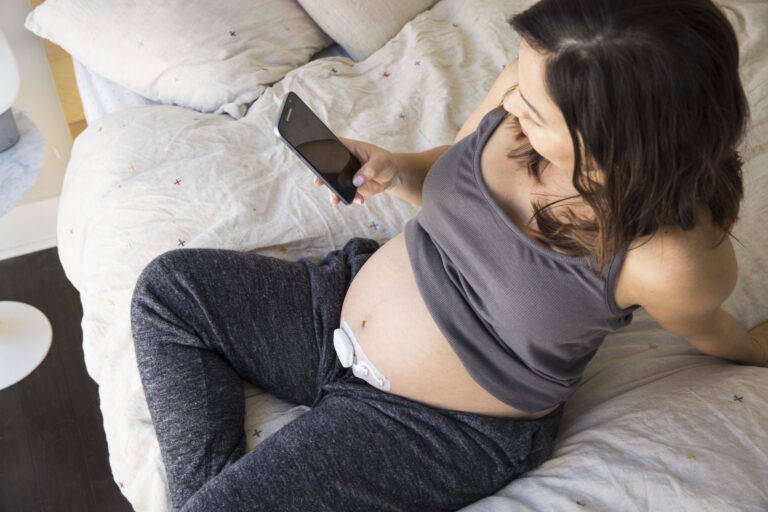
"caption": "More than 10,000 women have used Bloomlife’s “smart pregnancy tracker,” which monitors uterine activity.",
"description": null,
"title": "20160920_TheMorrisons_BloomLife_195-768x512",
"credit": "Bloomlife",
"status": "inherit",
"isLoading": false,
"fetchFailed": false
},
"science_1945384": {
"type": "attachments",
"id": "science_1945384",
"meta": {
"index": "attachments_1716263798",
"site": "science",
"id": "1945384",
"found": true
},
"parent": 1945379,
"imgSizes": {
"twentyfourteen-full-width": {
"file": "https://ww2.kqed.org/app/uploads/sites/35/2019/07/RS4476_148166024-1038x576.jpg",
"width": 1038,
"mimeType": "image/jpeg",
"height": 576
},
"thumbnail": {
"file": "https://ww2.kqed.org/app/uploads/sites/35/2019/07/RS4476_148166024-160x111.jpg",
"width": 160,
"mimeType": "image/jpeg",
"height": 111
},
"post-thumbnail": {
"file": "https://ww2.kqed.org/app/uploads/sites/35/2019/07/RS4476_148166024-672x372.jpg",
"width": 672,
"mimeType": "image/jpeg",
"height": 372
},
"kqedFullSize": {
"file": "https://ww2.kqed.org/app/uploads/sites/35/2019/07/RS4476_148166024-e1563819784225.jpg",
"width": 1925,
"height": 1338
},
"large": {
"file": "https://ww2.kqed.org/app/uploads/sites/35/2019/07/RS4476_148166024-1020x709.jpg",
"width": 1020,
"mimeType": "image/jpeg",
"height": 709
},
"complete_open_graph": {
"file": "https://ww2.kqed.org/app/uploads/sites/35/2019/07/RS4476_148166024-1200x834.jpg",
"width": 1200,
"mimeType": "image/jpeg",
"height": 834
},
"full-width": {
"file": "https://ww2.kqed.org/app/uploads/sites/35/2019/07/RS4476_148166024-1920x1335.jpg",
"width": 1920,
"mimeType": "image/jpeg",
"height": 1335
},
"medium": {
"file": "https://ww2.kqed.org/app/uploads/sites/35/2019/07/RS4476_148166024-800x556.jpg",
"width": 800,
"mimeType": "image/jpeg",
"height": 556
},
"medium_large": {
"file": "https://ww2.kqed.org/app/uploads/sites/35/2019/07/RS4476_148166024-768x534.jpg",
"width": 768,
"mimeType": "image/jpeg",
"height": 534
}
},
"publishDate": 1563819671,
"modified": 1563819760,
"caption": "Kamala Harris speaks to reporters on July 11, 2012 in San Francisco, California. ",
"description": null,
"title": "Governor Brown Signs California Homeowner Bill Of Rights",
"credit": "Photo by Justin Sullivan/Getty Images",
"status": "inherit",
"isLoading": false,
"fetchFailed": false
}
},
"audioPlayerReducer": {
"postId": "stream_live",
"isPaused": true,
"isPlaying": false,
"pfsActive": false,
"pledgeModalIsOpen": true,
"playerDrawerIsOpen": false,
"liveAudioPlayStartedAt": 0,
"liveAudioPlayContext": ""
},
"authorsReducer": {
"byline_science_1945821": {
"type": "authors",
"id": "byline_science_1945821",
"meta": {
"override": true
},
"slug": "byline_science_1945821",
"name": "Julie Cart \u003cbr/> CALMATTERS \u003cBR>",
"isLoading": false
},
"byline_science_1945793": {
"type": "authors",
"id": "byline_science_1945793",
"meta": {
"override": true
},
"slug": "byline_science_1945793",
"name": "Rob Stein \u003c/br> NPR \u003cbr>",
"isLoading": false
},
"byline_science_1945664": {
"type": "authors",
"id": "byline_science_1945664",
"meta": {
"override": true
},
"slug": "byline_science_1945664",
"name": "William Brangham and Rachel Wellford \u003cbr/> PBS Newshour \u003cbr>",
"isLoading": false
},
"byline_science_1945448": {
"type": "authors",
"id": "byline_science_1945448",
"meta": {
"override": true
},
"slug": "byline_science_1945448",
"name": "Megan Thielking \u003cbr/>STAT News \u003cbr>",
"isLoading": false
},
"byline_science_1945379": {
"type": "authors",
"id": "byline_science_1945379",
"meta": {
"override": true
},
"slug": "byline_science_1945379",
"name": "Juana Summers \u003cbr/>Associated Press \u003cbr>",
"isLoading": false
},
"dventon": {
"type": "authors",
"id": "11088",
"meta": {
"index": "authors_1716337520",
"id": "11088",
"found": true
},
"name": "Danielle Venton",
"firstName": "Danielle",
"lastName": "Venton",
"slug": "dventon",
"email": "dventon@kqed.org",
"display_author_email": true,
"staff_mastheads": [
"science"
],
"title": "Science reporter",
"bio": "Danielle Venton is a reporter for KQED Science. She covers wildfires, space and oceans (though she is prone to sea sickness).\r\n\r\nBefore joining KQED in 2015, Danielle was a staff reporter at KRCB in Sonoma County and a freelancer. She studied science communication at UC Santa Cruz and formerly worked at CERN in Geneva, Switzerland where she wrote about computing. She lives in Sonoma County and enjoys backpacking.",
"avatar": "https://secure.gravatar.com/avatar/37b292b5c40c8d93959c4f48d73b5286f41b7abd8588277e941905a3ed4c801c?s=600&d=blank&r=g",
"twitter": "DanielleVenton",
"bluesky": null,
"facebook": null,
"instagram": null,
"linkedin": null,
"sites": [
{
"site": "arts",
"roles": [
"contributor"
]
},
{
"site": "news",
"roles": [
"editor"
]
},
{
"site": "futureofyou",
"roles": [
"editor"
]
},
{
"site": "science",
"roles": [
"editor"
]
},
{
"site": "liveblog",
"roles": [
"contributor"
]
}
],
"headData": {
"title": "Danielle Venton | KQED",
"description": "Science reporter",
"ogImgSrc": "https://secure.gravatar.com/avatar/37b292b5c40c8d93959c4f48d73b5286f41b7abd8588277e941905a3ed4c801c?s=600&d=blank&r=g",
"twImgSrc": "https://secure.gravatar.com/avatar/37b292b5c40c8d93959c4f48d73b5286f41b7abd8588277e941905a3ed4c801c?s=600&d=blank&r=g"
},
"isLoading": false,
"link": "/author/dventon"
},
"mpeterson": {
"type": "authors",
"id": "11223",
"meta": {
"index": "authors_1716337520",
"id": "11223",
"found": true
},
"name": "Molly Peterson",
"firstName": "Molly",
"lastName": "Peterson",
"slug": "mpeterson",
"email": "mpeterson@kqed.org",
"display_author_email": false,
"staff_mastheads": [],
"title": null,
"bio": "Molly Peterson reports for KQED science and news on climate change, catastrophe and risk. Previously she was environment correspondent at Southern California Public Radio. Her work has also appeared at The New York Times, The Guardian, on NPR, at High Country News, on Code Switch, and other national outlets. She has been honored with awards from Public Radio News Directors Incorporated, Investigative Reporters and Editors, the Society for Professional Journalists, the Los Angeles Press Club, and RTNDA Edward R. Murrow awards, among others.",
"avatar": "https://secure.gravatar.com/avatar/7908e2807131f776cc8165c649530b05?s=600&d=blank&r=g",
"twitter": "Mollydacious",
"facebook": null,
"instagram": "https://www.instagram.com/radiomolly/",
"linkedin": null,
"sites": [
{
"site": "news",
"roles": [
"subscriber"
]
},
{
"site": "futureofyou",
"roles": [
"editor"
]
},
{
"site": "science",
"roles": [
"editor"
]
}
],
"headData": {
"title": "Molly Peterson | KQED",
"description": null,
"ogImgSrc": "https://secure.gravatar.com/avatar/7908e2807131f776cc8165c649530b05?s=600&d=blank&r=g",
"twImgSrc": "https://secure.gravatar.com/avatar/7908e2807131f776cc8165c649530b05?s=600&d=blank&r=g"
},
"isLoading": false,
"link": "/author/mpeterson"
},
"kevinstark": {
"type": "authors",
"id": "11608",
"meta": {
"index": "authors_1716337520",
"id": "11608",
"found": true
},
"name": "Kevin Stark",
"firstName": "Kevin",
"lastName": "Stark",
"slug": "kevinstark",
"email": "kstark@kqed.org",
"display_author_email": true,
"staff_mastheads": [
"science"
],
"title": "Senior Editor",
"bio": "Kevin is a senior editor for KQED Science, managing the station's health and climate desks. His journalism career began in the Pacific Northwest, and he later became a lead reporter for the San Francisco Public Press. His work has appeared in Pacific Standard magazine, the Energy News Network, the Center for Investigative Reporting's Reveal and WBEZ in Chicago. Kevin joined KQED in 2019, and has covered issues related to energy, wildfire, climate change and the environment.",
"avatar": "https://secure.gravatar.com/avatar/365aaa4b597d3a8374f67504ff0facd323d7906e8eb4be0a7efd2427408e802c?s=600&d=blank&r=g",
"twitter": "starkkev",
"bluesky": null,
"facebook": null,
"instagram": null,
"linkedin": null,
"sites": [
{
"site": "",
"roles": [
"editor"
]
},
{
"site": "news",
"roles": [
"editor"
]
},
{
"site": "science",
"roles": [
"administrator"
]
}
],
"headData": {
"title": "Kevin Stark | KQED",
"description": "Senior Editor",
"ogImgSrc": "https://secure.gravatar.com/avatar/365aaa4b597d3a8374f67504ff0facd323d7906e8eb4be0a7efd2427408e802c?s=600&d=blank&r=g",
"twImgSrc": "https://secure.gravatar.com/avatar/365aaa4b597d3a8374f67504ff0facd323d7906e8eb4be0a7efd2427408e802c?s=600&d=blank&r=g"
},
"isLoading": false,
"link": "/author/kevinstark"
},
"adicorato": {
"type": "authors",
"id": "11615",
"meta": {
"index": "authors_1716337520",
"id": "11615",
"found": true
},
"name": "Allessandra DiCorato",
"firstName": "Allessandra",
"lastName": "DiCorato",
"slug": "adicorato",
"email": "adicorato@kqed.org",
"display_author_email": false,
"staff_mastheads": [],
"title": "KQED Contributor",
"bio": "Allessandra is the 2019 AAAS Mass Media Fellow at KQED Science. She is currently a PhD candidate at Northwestern University, where she studies how nanomaterials interact with soft biological tissue in contexts ranging from sea urchins to cancer cells. Allessandra graduated from Cornell University in 2015, where she studied chemistry, creative writing, and biomedical engineering.",
"avatar": "https://secure.gravatar.com/avatar/f725f664da1ae7668ca873d0b97d5bbb?s=600&d=blank&r=g",
"twitter": null,
"facebook": null,
"instagram": null,
"linkedin": null,
"sites": [
{
"site": "science",
"roles": []
}
],
"headData": {
"title": "Allessandra DiCorato | KQED",
"description": "KQED Contributor",
"ogImgSrc": "https://secure.gravatar.com/avatar/f725f664da1ae7668ca873d0b97d5bbb?s=600&d=blank&r=g",
"twImgSrc": "https://secure.gravatar.com/avatar/f725f664da1ae7668ca873d0b97d5bbb?s=600&d=blank&r=g"
},
"isLoading": false,
"link": "/author/adicorato"
}
},
"pagesReducer": {
"science_category_news": {
"type": "terms",
"id": "science_40",
"meta": {
"index": "terms_1716263798",
"site": "science",
"id": "40",
"score": 10.814219
},
"featImg": null,
"name": "News",
"description": null,
"taxonomy": "category",
"headData": {
"twImgId": null,
"twTitle": null,
"ogTitle": null,
"ogImgId": null,
"twDescription": null,
"description": null,
"title": "News Archives | KQED Science",
"ogDescription": null
},
"ttid": 42,
"slug": "news",
"isLoading": false,
"title": "News",
"pageMeta": {
"site": "science",
"WpPageTemplate": "page-topic-editorial",
"currentPage": 130
},
"blocks": [
{
"blockName": "kqed/post-list",
"attrs": {
"layout": "cardArticle2",
"query": "posts/science?category=news",
"seeMore": false,
"paginated": true,
"page": 130
}
},
{
"blockName": "kqed/ad"
}
]
}
},
"pfsSessionReducer": {},
"postsReducer": {
"stream_live": {
"type": "live",
"id": "stream_live",
"audioUrl": "https://streams.kqed.org/kqedradio",
"title": "Live Stream",
"excerpt": "Live Stream information currently unavailable.",
"link": "/radio",
"featImg": "",
"label": {
"name": "KQED Live",
"link": "/"
}
},
"stream_kqedNewscast": {
"type": "posts",
"id": "stream_kqedNewscast",
"audioUrl": "https://www.kqed.org/.stream/anon/radio/RDnews/newscast.mp3?_=1",
"title": "KQED Newscast",
"featImg": "",
"label": {
"name": "88.5 FM",
"link": "/"
}
},
"science_1945845": {
"type": "posts",
"id": "science_1945845",
"meta": {
"index": "posts_1716263798",
"site": "science",
"id": "1945845",
"score": null,
"sort": [
1564459215000
]
},
"parent": 0,
"labelTerm": {
"site": "science"
},
"blocks": [],
"publishDate": 1564459215,
"format": "standard",
"title": "Californians' Concerns About Worsening Wildfires at Record High",
"headTitle": "Californians’ Concerns About Worsening Wildfires at Record High | KQED",
"content": "\u003cp>A new poll reveals Californians’ considerable anxiety about the effects of climate change on the state.\u003c/p>\n\u003cp>A record number of California adults, 71%, said they’re very concerned about \u003ca href=\"https://www.kqed.org/science/tag/livingwithwildfire\">wildfires\u003c/a> becoming more severe due to global warming, according to the \u003ca href=\"http://www.ppic.org/publication/ppic-statewide-survey-californians-and-the-environment-july-2019/.\">survey\u003c/a> conducted by the Public Policy Institute of California. That’s an increase of almost 10 percentage points over \u003ca href=\"https://www.ppic.org/wp-content/uploads/ppic-statewide-survey-july-2018.pdf\">last year\u003c/a>.\u003c/p>\n\u003cp>Another 15% said they’re somewhat concerned about the worsening blazes. Last November’s Camp Fire, in Butte County, was the deadliest wildfire in the U.S. in 100 years, killing 85 people and destroying the town of Paradise.\u003c/p>\n\u003cp>Released every July since 2000, the PPIC survey measures Californians’ opinions about the environment. This year, the results showed that 63% of adults believe the effects of global warming have already begun. When asked about specific impacts other than wildfires, 49% said they were very concerned about heat waves increasing in severity, and 42% expressed the same concern about rising sea levels. But last winter’s heavy rains seem to have washed away Californians’ fears about drought: Just 30% said the water supply is a big problem, a dramatic drop from last year’s 48%.\u003c/p>\n\u003cp>Katharine Mach, who studies the impacts of climate change at Stanford, calls this year’s survey results “heartening.”\u003c/p>\n\u003cp>[ad fullwidth]\u003c/p>\n\u003cp>“It seems … that Californians strongly recognize that climate change is not just about what’s happening to the average thermostat on planet Earth, but it’s really something [that] is driving up across complex hazards …” Mach said.\u003c/p>\n\u003cp>The survey showed African Americans and Latinos more concerned about global warming than other racial and ethnic groups: 73% of African Americans said that global warming was a very serious threat, compared to 66% of Latinos, 53% of Asian Americans, and 51% of whites.\u003c/p>\n\u003cp>“African Americans and Latinos… tend to have higher concerns about environmental issues,” said Mark Baldassare, president of PPIC. “It goes beyond politics to feelings of vulnerability being greater in both lower-income communities as well as in racial and ethnic groups … It’s notable and it’s important to keep in mind as policy makers think about climate resiliency.”\u003c/p>\n\u003cp>\u003cstrong>Support Strong for Climate Policies\u003c/strong>\u003c/p>\n\u003cp>The survey showed Californians continue to show strong agreement with the state’s efforts to address climate change:\u003c/p>\n\u003cul>\n\u003cli>75% support requiring automakers to further reduce greenhouse gas emissions from cars\u003c/li>\n\u003cli>74% support encouraging local government to change land use and transportation to reduce driving\u003c/li>\n\u003cli>71% support SB-100, which requires that all of the state’s electricity come from renewable sources by 2045\u003c/li>\n\u003cli>67% support the state law that requires California to reduce its greenhouse gas emissions to 40% below 1990 levels by 2030\u003c/li>\n\u003cli>64% support California making its own environmental policies to address global warming, separate from the federal government\u003c/li>\n\u003cli>57% support Gov. Gavin Newsom’s bill creating a $21 billion wildfire insurance fund to pay for future wildfire damages\u003c/li>\n\u003cli>53% support the state’s cap-and-trade system, which provides companies with incentives to reduce their greenhouse gas emissions\u003c/li>\n\u003c/ul>\n\u003cp>Also of note, 71% support Newsom’s use of cap-and-trade revenue to fund his clean water plan, a \u003ca href=\"https://www.kqed.org/science/1943578/climate-funds-for-clean-water-democrats-enviro-groups-are-split\">controversial\u003c/a> budget maneuver among some environmentalists.\u003c/p>\n\u003cp>The study also revealed that Californians consider the environment important in their political decision making: 80% of voters said they would consider the candidates’ positions on the environment either very or somewhat important in the upcoming election.\u003c/p>\n\u003cp>As for President Trump, while state residents give him an anemic 32% job approval rating, they rate him even worse on the environment, with 26% approving of his polices.\u003c/p>\n\u003cp>Overall, Californians were most in agreement on the subject of the coastline: 95% said that the condition of oceans and beaches is very or somewhat important to the state’s economy and Californians’ quality of life, with 77% rating it as very important.\u003c/p>\n\u003cp>\u003c/p>\n\u003cp>PPIC surveyed 1,706 adults for the study. The margin of error was plus or minus 3.4%.\u003c/p>\n\n",
"stats": {
"hasVideo": false,
"hasChartOrMap": false,
"hasAudio": false,
"hasPolis": false,
"wordCount": 691,
"hasGoogleForm": false,
"hasGallery": false,
"hasHearkenModule": false,
"iframeSrcs": [],
"paragraphCount": 17
},
"modified": 1704848457,
"excerpt": "The annual PPIC poll on the environment showed 71 percent of California adults are very concerned about climate change making wildfires worse. The heavy rainy season, however, seemed to wash away fears about drought.",
"headData": {
"twImgId": "",
"twTitle": "",
"ogTitle": "",
"ogImgId": "",
"twDescription": "",
"description": "The annual PPIC poll on the environment showed 71 percent of California adults are very concerned about climate change making wildfires worse. The heavy rainy season, however, seemed to wash away fears about drought.",
"title": "Californians' Concerns About Worsening Wildfires at Record High | KQED",
"ogDescription": "",
"schema": {
"@context": "https://schema.org",
"@type": "Article",
"headline": "Californians' Concerns About Worsening Wildfires at Record High",
"datePublished": "2019-07-29T21:00:15-07:00",
"dateModified": "2024-01-09T17:00:57-08:00",
"image": "https://cdn.kqed.org/wp-content/uploads/2020/02/KQED-OG-Image@1x.png"
}
},
"guestAuthors": [],
"slug": "californians-concerns-about-worsening-wildfires-at-record-high",
"status": "publish",
"sticky": false,
"path": "/science/1945845/californians-concerns-about-worsening-wildfires-at-record-high",
"audioTrackLength": null,
"parsedContent": [
{
"type": "contentString",
"content": "\u003cdiv class=\"post-body\">\u003cp>\u003cp>A new poll reveals Californians’ considerable anxiety about the effects of climate change on the state.\u003c/p>\n\u003cp>A record number of California adults, 71%, said they’re very concerned about \u003ca href=\"https://www.kqed.org/science/tag/livingwithwildfire\">wildfires\u003c/a> becoming more severe due to global warming, according to the \u003ca href=\"http://www.ppic.org/publication/ppic-statewide-survey-californians-and-the-environment-july-2019/.\">survey\u003c/a> conducted by the Public Policy Institute of California. That’s an increase of almost 10 percentage points over \u003ca href=\"https://www.ppic.org/wp-content/uploads/ppic-statewide-survey-july-2018.pdf\">last year\u003c/a>.\u003c/p>\n\u003cp>Another 15% said they’re somewhat concerned about the worsening blazes. Last November’s Camp Fire, in Butte County, was the deadliest wildfire in the U.S. in 100 years, killing 85 people and destroying the town of Paradise.\u003c/p>\n\u003cp>Released every July since 2000, the PPIC survey measures Californians’ opinions about the environment. This year, the results showed that 63% of adults believe the effects of global warming have already begun. When asked about specific impacts other than wildfires, 49% said they were very concerned about heat waves increasing in severity, and 42% expressed the same concern about rising sea levels. But last winter’s heavy rains seem to have washed away Californians’ fears about drought: Just 30% said the water supply is a big problem, a dramatic drop from last year’s 48%.\u003c/p>\n\u003cp>Katharine Mach, who studies the impacts of climate change at Stanford, calls this year’s survey results “heartening.”\u003c/p>\n\u003cp>\u003c/p>\u003c/div>",
"attributes": {
"named": {},
"numeric": []
}
},
{
"type": "component",
"content": "",
"name": "ad",
"attributes": {
"named": {
"label": "fullwidth"
},
"numeric": [
"fullwidth"
]
}
},
{
"type": "contentString",
"content": "\u003cdiv class=\"post-body\">\u003cp>\u003c/p>\n\u003cp>“It seems … that Californians strongly recognize that climate change is not just about what’s happening to the average thermostat on planet Earth, but it’s really something [that] is driving up across complex hazards …” Mach said.\u003c/p>\n\u003cp>The survey showed African Americans and Latinos more concerned about global warming than other racial and ethnic groups: 73% of African Americans said that global warming was a very serious threat, compared to 66% of Latinos, 53% of Asian Americans, and 51% of whites.\u003c/p>\n\u003cp>“African Americans and Latinos… tend to have higher concerns about environmental issues,” said Mark Baldassare, president of PPIC. “It goes beyond politics to feelings of vulnerability being greater in both lower-income communities as well as in racial and ethnic groups … It’s notable and it’s important to keep in mind as policy makers think about climate resiliency.”\u003c/p>\n\u003cp>\u003cstrong>Support Strong for Climate Policies\u003c/strong>\u003c/p>\n\u003cp>The survey showed Californians continue to show strong agreement with the state’s efforts to address climate change:\u003c/p>\n\u003cul>\n\u003cli>75% support requiring automakers to further reduce greenhouse gas emissions from cars\u003c/li>\n\u003cli>74% support encouraging local government to change land use and transportation to reduce driving\u003c/li>\n\u003cli>71% support SB-100, which requires that all of the state’s electricity come from renewable sources by 2045\u003c/li>\n\u003cli>67% support the state law that requires California to reduce its greenhouse gas emissions to 40% below 1990 levels by 2030\u003c/li>\n\u003cli>64% support California making its own environmental policies to address global warming, separate from the federal government\u003c/li>\n\u003cli>57% support Gov. Gavin Newsom’s bill creating a $21 billion wildfire insurance fund to pay for future wildfire damages\u003c/li>\n\u003cli>53% support the state’s cap-and-trade system, which provides companies with incentives to reduce their greenhouse gas emissions\u003c/li>\n\u003c/ul>\n\u003cp>Also of note, 71% support Newsom’s use of cap-and-trade revenue to fund his clean water plan, a \u003ca href=\"https://www.kqed.org/science/1943578/climate-funds-for-clean-water-democrats-enviro-groups-are-split\">controversial\u003c/a> budget maneuver among some environmentalists.\u003c/p>\n\u003cp>The study also revealed that Californians consider the environment important in their political decision making: 80% of voters said they would consider the candidates’ positions on the environment either very or somewhat important in the upcoming election.\u003c/p>\n\u003cp>As for President Trump, while state residents give him an anemic 32% job approval rating, they rate him even worse on the environment, with 26% approving of his polices.\u003c/p>\n\u003cp>Overall, Californians were most in agreement on the subject of the coastline: 95% said that the condition of oceans and beaches is very or somewhat important to the state’s economy and Californians’ quality of life, with 77% rating it as very important.\u003c/p>\n\u003cp>\u003c/p>\n\u003cp>PPIC surveyed 1,706 adults for the study. The margin of error was plus or minus 3.4%.\u003c/p>\n\n\u003c/div>\u003c/p>",
"attributes": {
"named": {},
"numeric": []
}
}
],
"link": "/science/1945845/californians-concerns-about-worsening-wildfires-at-record-high",
"authors": [
"11615"
],
"categories": [
"science_40",
"science_3730"
],
"tags": [
"science_3370",
"science_113"
],
"featImg": "science_1942308",
"label": "science"
},
"science_1945821": {
"type": "posts",
"id": "science_1945821",
"meta": {
"index": "posts_1716263798",
"site": "science",
"id": "1945821",
"score": null,
"sort": [
1564431581000
]
},
"parent": 0,
"labelTerm": {},
"blocks": [],
"publishDate": 1564431581,
"format": "standard",
"title": "California Pushes Ahead With Self-driving Vehicles",
"headTitle": "California Pushes Ahead With Self-driving Vehicles | KQED",
"content": "\u003cp>California is laying the groundwork for the next, slightly scary, phase in its push toward zero-emission transportation: self-driving cars packed with computers using finely tuned algorithms, high-definition cameras, radar and other high-tech gadgetry. What the driverless cars won’t feature: steering wheels, brake pedals and gas pedals.\u003cbr>\n\u003cspan style=\"font-weight: 400\">[pullquote align='right' citation='Daniel Sperling, UC Davis']‘It could lead to a dramatic improvement in safety, a dramatic improvement for mobility for the elderly, for physically disabled people and for low-income communities.’[/pullquote]\u003c/span>\u003c/p>\n\u003cp>Autonomous vehicles, mostly electric, are already here in a limited fashion—as a slow van, for example, to move people around a Bay Area \u003ca href=\"https://ccta.net/2018/10/16/first-autonomous-shuttle-test-on-public-roads-in-ca/\" target=\"_blank\" rel=\"noopener\">office park\u003c/a>. That kind of shuttle, and small delivery trucks, will likely be the first self-driving vehicles in wide use, employing\u003cstrong> \u003c/strong>GPS, 3-D imaging and other technology to process and respond to what their cameras see on the road: other cars, pavement markings, traffic signals, pedestrians, etc.\u003c/p>\n\u003cp>Officials say automated cars will dovetail in two ways with greenhouse-gas-cutting policies in California, where the transportation sector belches out nearly half of the state’s climate-warming emissions. They’ll be included in the fleets of ridesharing companies, reducing the number of personal cars on the road as the state transitions to electricity-powered transportation. And they’ll almost certainly operate on batteries (though some could run on zero-emission hydrogen fuel cells), helping motorists wean themselves off gasoline.\u003c/p>\n\u003cp>If properly managed, the coming driverless-car revolution\u003cstrong> \u003c/strong>could address other vexing problems as well, said Daniel Sperling, who directs the Institute of Transportation Studies at UC Davis. He cited his sister’s poor peripheral vision, which prevents her from driving.\u003c/p>\n\u003cp>“It could lead to a dramatic improvement in safety, a dramatic improvement for mobility for the elderly, for physically disabled people and for low-income communities,” he said. For many, autonomous vehicles will mean emancipation.\u003c/p>\n\u003cp>[ad fullwidth]\u003c/p>\n\u003cp>In addition, computer-driven cars are expected to reduce fatalities. They will never be afflicted with road rage, will not stop off after work for one too many and won’t nod off after endless hours on the road. And productivity could rise as motorists who now lose hundreds of hours idling in traffic each year are freed from the tyranny of paying attention and can legally text, work, answer email and even watch YouTube.\u003c/p>\n\u003cp>But it’s a significant step from allowing testing of automated cars in protected, supervised settings to unleashing them solo on the road, which experts say remains on a far horizon. There is much to be perfected: how best to turn left in traffic, for example, a maneuver that bedevils many human drivers. Multiply that by many more dicey scenarios and it makes sense that test vehicles’ current response to most obstacles is to just slow down.\u003c/p>\n\u003cp>\u003cimg loading=\"lazy\" decoding=\"async\" class=\"alignright wp-image-1945823 size-full\" src=\"https://ww2.kqed.org/science/wp-content/uploads/sites/35/2019/07/driverless-2-e1564428749657.png\" alt=\"\" width=\"300\" height=\"578\">\u003c/p>\n\u003cp>Although the National Highway Traffic Safety Administration says human errors cause 94% of serious crashes, motorists are reluctant to turn over the controls to computers, telling pollsters they prefer to drive a car, not interface with one. And the potential for hacking has led some doubters to paint a future in which bad actors “weaponize” a vehicle, taking over the controls with harmful intent.\u003c/p>\n\u003cp>Still, California is \u003ca href=\"https://calmatters.org/wp-content/uploads/sites/2/2019/07/AVSummaryGraphic-7.24.19.jpg\">pressing ahead\u003c/a>. It was among the first states to contemplate a future for autonomous cars, when the Legislature in 2012 \u003ca href=\"https://leginfo.legislature.ca.gov/faces/billTextClient.xhtml?bill_id=201120120SB1298\">authorized\u003c/a> the Department of Motor Vehicles to devise rules for them. Those regulations are now the nation’s most extensive; in April the DMV \u003ca href=\"https://www.dmv.ca.gov/portal/wcm/connect/1ba842c8-c3c9-4204-affb-698d248b8a14/avldmt_InitialStatementofReasons.pdf?MOD=AJPERES&CVID=\">proposed\u003c/a> allowing testing of autonomous lightweight delivery trucks.\u003c/p>\n\u003cp>“You have to know what you are regulating, and we had to go to manufacturers to understand the technology,” said Brian Soublet, the DMV’s chief counsel, who has been writing the regulations since 2014 and is excited about leading the way. “We had to start from scratch….My kids are tired of hearing about it, but to me it’s completely fascinating—the future of how we are getting around.”\u003c/p>\n\u003cdiv class=\"ad-wrapper -single\">\u003c/div>\n\u003cp>The Governor’s Office of Planning and Research has set out \u003ca href=\"http://opr.ca.gov/planning/transportation/automated-vehicles.html\">principles\u003c/a>, such as prioritizing emissions reduction and more car-sharing, to help guide future\u003cstrong> \u003c/strong>state\u003cstrong> \u003c/strong>policies on smart cars.\u003c/p>\n\u003cp>And California’s controversial 2017 \u003ca href=\"http://leginfo.legislature.ca.gov/faces/billNavClient.xhtml?bill_id=201720180SB1\">gas-tax increase\u003c/a> encourages the transportation department and local jurisdictions to tap road funds to build infrastructure that smart cars will require, such as traffic lights that tell them how much time remains on a green light and freeway signs that announce their messages digitally.\u003c/p>\n\u003cp>The DMV has doled out permits to more than 60 companies for testing autonomous cars—nearly 800 of them—on California streets. Those vehicles have traveled more than 3.6 million miles and have been involved in 177 collisions.\u003c/p>\n\u003cp>It’s not a free-for-all. Testing has been allowed since 2014, in nearly every case with a human “safety driver” on board, able to take over the car’s controls. And, although one company, Waymo, has a permit to conduct tests without a driver, it has yet to do so.\u003c/p>\n\u003cp>The future can be glimpsed at a former Navy base near the Bay Area city of Concord, converted to the nation’s largest autonomous-vehicle proving ground where computer-driven cars are let off their leashes and are free to roam across 2,100 acres. The facility, \u003ca href=\"https://gomentumstation.net/about/\">GoMentum Station\u003c/a>, run by the American Automobile Association, is an innovation hive where Silicon Valley marries its futuristic vision to the automobile industry’s traditional\u003cstrong> \u003c/strong>know-how.\u003c/p>\n\u003cp>California could reap economic benefits from a smart-car industry,\u003cstrong> \u003c/strong>attracting new business and jobs, officials say. Researchers \u003ca href=\"https://www.alixpartners.com/media-center/press-releases/alixpartners-global-automotive-industry-outlook-2019/?utm_source=newsletter&utm_medium=email&utm_campaign=newsletter_axiosautonomousvehicles&stream=autonomous-vehicles\">forecast\u003c/a> that investment in the technology, by traditional industry players and newcomers alike, will grow to $85 billion nationally through 2025, on top of $225 billion in spending on electric vehicles through 2023.\u003c/p>\n\u003cp>This transformation in transportation is taking place in a deceptively modest setting. The testing area has all the dusty charm of an abandoned town: shuttered buildings and empty parking lots, along with cattle, wild turkeys and coyotes wandering freely.\u003c/p>\n\u003cp>That’s perfect in the eyes of Randy Iwasaki, executive director of the Contra Costa Transportation Authority, which is a partner in the facility. He guided his electric (though not autonomous) car along some of the 20 miles of rough streets on a recent day.\u003c/p>\n\u003cp>“Look at this road, it’s cracked, you can barely see the center line it’s so worn, there are weeds growing all over,” Iwasaki said with a trace of pride. When testing first began, researchers\u003cstrong> \u003c/strong>had to mow the streets because the earliest automated vehicles perceived that they had wandered off-road. The imperfections provide excellent preparation for the vehicles to navigate California’s bumpy, clogged and often chaotic streetscape.\u003c/p>\n\u003cp>The facility also features 45 types of intersections, various railroad crossings and a warehouse full of “targets”—vinyl deer decoys, pedestrian mannequins, bicycles and traffic cones. Such accessories help the vehicles “learn” to process what they see and make decisions through artificial intelligence.\u003c/p>\n\u003cp>“The\u003cstrong> \u003c/strong>camera vision is great, but the perception is not always there,” said Huei Peng, who directs an autonomous-vehicle research program at the University of Michigan. “The vehicles can see, but they can’t always understand.”\u003c/p>\n\u003cp>Iwasaki explained this in people terms: At age 24 or 25, humans may be at the peak of their acuity, with quick reflexes and excellent vision. But drivers of that age lack a broad base of experience to make informed decisions about the safest responses in traffic. The current generation of automated vehicles, Iwasaki reckons, is still in its 20s and has much to learn from errors on the road.\u003c/p>\n\u003cp>That ignorance of some learned conventions and courtesies of driving gives many motorists pause. But they can relax: California is a long way—a decade or more—from hosting truly autonomous cars on city streets.\u003c/p>\n\u003cp>Iwaskai said most autonomous cars being tested in California are operating at very low speeds, almost crawling. That’s because their computers need time to analyze what they are seeing. “If computers got faster you could drive faster, but they are not ready to make that jump,” he said.\u003c/p>\n\u003cp>Uneasy about self-driving cars? Your vehicle is partly autonomous if it has such features as cruise control, parking assist and lane-keeping notifications. If you own a Tesla, you may have the highly advanced \u003ca href=\"https://www.tesla.com/autopilot\">Autopilot\u003c/a>, which makes decisions about steering and speed that maintain the vehicle within its lane.\u003c/p>\n\u003cp>What’s critical is the programming instructions companies feed to their computers\u003cstrong> \u003c/strong>to teach them decision-making of the sort human drivers make every day: Is it appropriate to break the law and cross a double yellow line to avoid an accident? Is it ok to drive on the shoulder to get around an obstacle?\u003c/p>\n\u003cp>Programmers use real-world experiences, like the cars get at GoMentum Station, to build databases enabling the vehicles to make split-second decisions as people do.\u003c/p>\n\u003cp>Bernard Soriano, deputy director of the state DMV, said his agency issues a driver’s license when a human exhibits a “minimum set of skills” and can be expected to improve over time. Autonomous cars will be held to the same standard, he said. At the moment, the state requires manufacturers to self-certify that their vehicles operate within the rules of the road—not exceeding the speed limit or crossing double lines, for example.\u003c/p>\n\u003cp>Autonomous vehicles are programmed to be cautious, to put safety first and to always obey the law. That typically translates into low speeds and frequent braking, trying the patience of the humans involved in the testing.\u003c/p>\n\u003cp>That makes for a sobering real-world scenario: What happens when fleets of law-abiding, speed-limit-adhering cars hit the road and mingle with California’s sometimes willful motorists, known to call their own shots?\u003c/p>\n\u003cp>“It’s an ongoing discussion,” Soriano said.\u003c/p>\n\u003cp>[ad floatright]\u003c/p>\n\u003cp>\u003ca href=\"http://calmatters.org/\">\u003cem>CALmatters\u003c/em>\u003c/a>\u003cem> is a non-profit journalism venture dedicated to exploring state policies and politics.\u003c/em>\u003c/p>\n\n",
"stats": {
"hasVideo": false,
"hasChartOrMap": false,
"hasAudio": false,
"hasPolis": false,
"wordCount": 1733,
"hasGoogleForm": false,
"hasGallery": false,
"hasHearkenModule": false,
"iframeSrcs": [],
"paragraphCount": 35
},
"modified": 1704848458,
"excerpt": "Self-driving cars will be part of ridesharing fleets, reducing the number of personal vehicles on the road and helping wean motorists off gasoline.",
"headData": {
"twImgId": "",
"twTitle": "",
"ogTitle": "",
"ogImgId": "",
"twDescription": "",
"description": "Self-driving cars will be part of ridesharing fleets, reducing the number of personal vehicles on the road and helping wean motorists off gasoline.",
"title": "California Pushes Ahead With Self-driving Vehicles | KQED",
"ogDescription": "",
"schema": {
"@context": "https://schema.org",
"@type": "Article",
"headline": "California Pushes Ahead With Self-driving Vehicles",
"datePublished": "2019-07-29T13:19:41-07:00",
"dateModified": "2024-01-09T17:00:58-08:00",
"image": "https://cdn.kqed.org/wp-content/uploads/2020/02/KQED-OG-Image@1x.png"
}
},
"guestAuthors": [],
"slug": "california-pushes-ahead-with-self-driving-vehicles",
"status": "publish",
"nprByline": "Julie Cart \u003cbr/> CALMATTERS \u003cBR>",
"sticky": false,
"source": "CALMATTERS",
"path": "/science/1945821/california-pushes-ahead-with-self-driving-vehicles",
"audioTrackLength": null,
"parsedContent": [
{
"type": "contentString",
"content": "\u003cdiv class=\"post-body\">\u003cp>\u003cp>California is laying the groundwork for the next, slightly scary, phase in its push toward zero-emission transportation: self-driving cars packed with computers using finely tuned algorithms, high-definition cameras, radar and other high-tech gadgetry. What the driverless cars won’t feature: steering wheels, brake pedals and gas pedals.\u003cbr>\n\u003cspan style=\"font-weight: 400\">\u003c/p>\u003c/div>",
"attributes": {
"named": {},
"numeric": []
}
},
{
"type": "component",
"content": "‘It could lead to a dramatic improvement in safety, a dramatic improvement for mobility for the elderly, for physically disabled people and for low-income communities.’",
"name": "pullquote",
"attributes": {
"named": {
"align": "right",
"citation": "Daniel Sperling, UC Davis",
"label": ""
},
"numeric": []
}
},
{
"type": "contentString",
"content": "\u003cdiv class=\"post-body\">\u003cp>\u003c/span>\u003c/p>\n\u003cp>Autonomous vehicles, mostly electric, are already here in a limited fashion—as a slow van, for example, to move people around a Bay Area \u003ca href=\"https://ccta.net/2018/10/16/first-autonomous-shuttle-test-on-public-roads-in-ca/\" target=\"_blank\" rel=\"noopener\">office park\u003c/a>. That kind of shuttle, and small delivery trucks, will likely be the first self-driving vehicles in wide use, employing\u003cstrong> \u003c/strong>GPS, 3-D imaging and other technology to process and respond to what their cameras see on the road: other cars, pavement markings, traffic signals, pedestrians, etc.\u003c/p>\n\u003cp>Officials say automated cars will dovetail in two ways with greenhouse-gas-cutting policies in California, where the transportation sector belches out nearly half of the state’s climate-warming emissions. They’ll be included in the fleets of ridesharing companies, reducing the number of personal cars on the road as the state transitions to electricity-powered transportation. And they’ll almost certainly operate on batteries (though some could run on zero-emission hydrogen fuel cells), helping motorists wean themselves off gasoline.\u003c/p>\n\u003cp>If properly managed, the coming driverless-car revolution\u003cstrong> \u003c/strong>could address other vexing problems as well, said Daniel Sperling, who directs the Institute of Transportation Studies at UC Davis. He cited his sister’s poor peripheral vision, which prevents her from driving.\u003c/p>\n\u003cp>“It could lead to a dramatic improvement in safety, a dramatic improvement for mobility for the elderly, for physically disabled people and for low-income communities,” he said. For many, autonomous vehicles will mean emancipation.\u003c/p>\n\u003cp>\u003c/p>\u003c/div>",
"attributes": {
"named": {},
"numeric": []
}
},
{
"type": "component",
"content": "",
"name": "ad",
"attributes": {
"named": {
"label": "fullwidth"
},
"numeric": [
"fullwidth"
]
}
},
{
"type": "contentString",
"content": "\u003cdiv class=\"post-body\">\u003cp>\u003c/p>\n\u003cp>In addition, computer-driven cars are expected to reduce fatalities. They will never be afflicted with road rage, will not stop off after work for one too many and won’t nod off after endless hours on the road. And productivity could rise as motorists who now lose hundreds of hours idling in traffic each year are freed from the tyranny of paying attention and can legally text, work, answer email and even watch YouTube.\u003c/p>\n\u003cp>But it’s a significant step from allowing testing of automated cars in protected, supervised settings to unleashing them solo on the road, which experts say remains on a far horizon. There is much to be perfected: how best to turn left in traffic, for example, a maneuver that bedevils many human drivers. Multiply that by many more dicey scenarios and it makes sense that test vehicles’ current response to most obstacles is to just slow down.\u003c/p>\n\u003cp>\u003cimg loading=\"lazy\" decoding=\"async\" class=\"alignright wp-image-1945823 size-full\" src=\"https://ww2.kqed.org/science/wp-content/uploads/sites/35/2019/07/driverless-2-e1564428749657.png\" alt=\"\" width=\"300\" height=\"578\">\u003c/p>\n\u003cp>Although the National Highway Traffic Safety Administration says human errors cause 94% of serious crashes, motorists are reluctant to turn over the controls to computers, telling pollsters they prefer to drive a car, not interface with one. And the potential for hacking has led some doubters to paint a future in which bad actors “weaponize” a vehicle, taking over the controls with harmful intent.\u003c/p>\n\u003cp>Still, California is \u003ca href=\"https://calmatters.org/wp-content/uploads/sites/2/2019/07/AVSummaryGraphic-7.24.19.jpg\">pressing ahead\u003c/a>. It was among the first states to contemplate a future for autonomous cars, when the Legislature in 2012 \u003ca href=\"https://leginfo.legislature.ca.gov/faces/billTextClient.xhtml?bill_id=201120120SB1298\">authorized\u003c/a> the Department of Motor Vehicles to devise rules for them. Those regulations are now the nation’s most extensive; in April the DMV \u003ca href=\"https://www.dmv.ca.gov/portal/wcm/connect/1ba842c8-c3c9-4204-affb-698d248b8a14/avldmt_InitialStatementofReasons.pdf?MOD=AJPERES&CVID=\">proposed\u003c/a> allowing testing of autonomous lightweight delivery trucks.\u003c/p>\n\u003cp>“You have to know what you are regulating, and we had to go to manufacturers to understand the technology,” said Brian Soublet, the DMV’s chief counsel, who has been writing the regulations since 2014 and is excited about leading the way. “We had to start from scratch….My kids are tired of hearing about it, but to me it’s completely fascinating—the future of how we are getting around.”\u003c/p>\n\u003cdiv class=\"ad-wrapper -single\">\u003c/div>\n\u003cp>The Governor’s Office of Planning and Research has set out \u003ca href=\"http://opr.ca.gov/planning/transportation/automated-vehicles.html\">principles\u003c/a>, such as prioritizing emissions reduction and more car-sharing, to help guide future\u003cstrong> \u003c/strong>state\u003cstrong> \u003c/strong>policies on smart cars.\u003c/p>\n\u003cp>And California’s controversial 2017 \u003ca href=\"http://leginfo.legislature.ca.gov/faces/billNavClient.xhtml?bill_id=201720180SB1\">gas-tax increase\u003c/a> encourages the transportation department and local jurisdictions to tap road funds to build infrastructure that smart cars will require, such as traffic lights that tell them how much time remains on a green light and freeway signs that announce their messages digitally.\u003c/p>\n\u003cp>The DMV has doled out permits to more than 60 companies for testing autonomous cars—nearly 800 of them—on California streets. Those vehicles have traveled more than 3.6 million miles and have been involved in 177 collisions.\u003c/p>\n\u003cp>It’s not a free-for-all. Testing has been allowed since 2014, in nearly every case with a human “safety driver” on board, able to take over the car’s controls. And, although one company, Waymo, has a permit to conduct tests without a driver, it has yet to do so.\u003c/p>\n\u003cp>The future can be glimpsed at a former Navy base near the Bay Area city of Concord, converted to the nation’s largest autonomous-vehicle proving ground where computer-driven cars are let off their leashes and are free to roam across 2,100 acres. The facility, \u003ca href=\"https://gomentumstation.net/about/\">GoMentum Station\u003c/a>, run by the American Automobile Association, is an innovation hive where Silicon Valley marries its futuristic vision to the automobile industry’s traditional\u003cstrong> \u003c/strong>know-how.\u003c/p>\n\u003cp>California could reap economic benefits from a smart-car industry,\u003cstrong> \u003c/strong>attracting new business and jobs, officials say. Researchers \u003ca href=\"https://www.alixpartners.com/media-center/press-releases/alixpartners-global-automotive-industry-outlook-2019/?utm_source=newsletter&utm_medium=email&utm_campaign=newsletter_axiosautonomousvehicles&stream=autonomous-vehicles\">forecast\u003c/a> that investment in the technology, by traditional industry players and newcomers alike, will grow to $85 billion nationally through 2025, on top of $225 billion in spending on electric vehicles through 2023.\u003c/p>\n\u003cp>This transformation in transportation is taking place in a deceptively modest setting. The testing area has all the dusty charm of an abandoned town: shuttered buildings and empty parking lots, along with cattle, wild turkeys and coyotes wandering freely.\u003c/p>\n\u003cp>That’s perfect in the eyes of Randy Iwasaki, executive director of the Contra Costa Transportation Authority, which is a partner in the facility. He guided his electric (though not autonomous) car along some of the 20 miles of rough streets on a recent day.\u003c/p>\n\u003cp>“Look at this road, it’s cracked, you can barely see the center line it’s so worn, there are weeds growing all over,” Iwasaki said with a trace of pride. When testing first began, researchers\u003cstrong> \u003c/strong>had to mow the streets because the earliest automated vehicles perceived that they had wandered off-road. The imperfections provide excellent preparation for the vehicles to navigate California’s bumpy, clogged and often chaotic streetscape.\u003c/p>\n\u003cp>The facility also features 45 types of intersections, various railroad crossings and a warehouse full of “targets”—vinyl deer decoys, pedestrian mannequins, bicycles and traffic cones. Such accessories help the vehicles “learn” to process what they see and make decisions through artificial intelligence.\u003c/p>\n\u003cp>“The\u003cstrong> \u003c/strong>camera vision is great, but the perception is not always there,” said Huei Peng, who directs an autonomous-vehicle research program at the University of Michigan. “The vehicles can see, but they can’t always understand.”\u003c/p>\n\u003cp>Iwasaki explained this in people terms: At age 24 or 25, humans may be at the peak of their acuity, with quick reflexes and excellent vision. But drivers of that age lack a broad base of experience to make informed decisions about the safest responses in traffic. The current generation of automated vehicles, Iwasaki reckons, is still in its 20s and has much to learn from errors on the road.\u003c/p>\n\u003cp>That ignorance of some learned conventions and courtesies of driving gives many motorists pause. But they can relax: California is a long way—a decade or more—from hosting truly autonomous cars on city streets.\u003c/p>\n\u003cp>Iwaskai said most autonomous cars being tested in California are operating at very low speeds, almost crawling. That’s because their computers need time to analyze what they are seeing. “If computers got faster you could drive faster, but they are not ready to make that jump,” he said.\u003c/p>\n\u003cp>Uneasy about self-driving cars? Your vehicle is partly autonomous if it has such features as cruise control, parking assist and lane-keeping notifications. If you own a Tesla, you may have the highly advanced \u003ca href=\"https://www.tesla.com/autopilot\">Autopilot\u003c/a>, which makes decisions about steering and speed that maintain the vehicle within its lane.\u003c/p>\n\u003cp>What’s critical is the programming instructions companies feed to their computers\u003cstrong> \u003c/strong>to teach them decision-making of the sort human drivers make every day: Is it appropriate to break the law and cross a double yellow line to avoid an accident? Is it ok to drive on the shoulder to get around an obstacle?\u003c/p>\n\u003cp>Programmers use real-world experiences, like the cars get at GoMentum Station, to build databases enabling the vehicles to make split-second decisions as people do.\u003c/p>\n\u003cp>Bernard Soriano, deputy director of the state DMV, said his agency issues a driver’s license when a human exhibits a “minimum set of skills” and can be expected to improve over time. Autonomous cars will be held to the same standard, he said. At the moment, the state requires manufacturers to self-certify that their vehicles operate within the rules of the road—not exceeding the speed limit or crossing double lines, for example.\u003c/p>\n\u003cp>Autonomous vehicles are programmed to be cautious, to put safety first and to always obey the law. That typically translates into low speeds and frequent braking, trying the patience of the humans involved in the testing.\u003c/p>\n\u003cp>That makes for a sobering real-world scenario: What happens when fleets of law-abiding, speed-limit-adhering cars hit the road and mingle with California’s sometimes willful motorists, known to call their own shots?\u003c/p>\n\u003cp>“It’s an ongoing discussion,” Soriano said.\u003c/p>\n\u003cp>\u003c/p>\u003c/div>",
"attributes": {
"named": {},
"numeric": []
}
},
{
"type": "component",
"content": "",
"name": "ad",
"attributes": {
"named": {
"label": "floatright"
},
"numeric": [
"floatright"
]
}
},
{
"type": "contentString",
"content": "\u003cdiv class=\"post-body\">\u003cp>\u003c/p>\n\u003cp>\u003ca href=\"http://calmatters.org/\">\u003cem>CALmatters\u003c/em>\u003c/a>\u003cem> is a non-profit journalism venture dedicated to exploring state policies and politics.\u003c/em>\u003c/p>\n\n\u003c/div>\u003c/p>",
"attributes": {
"named": {},
"numeric": []
}
}
],
"link": "/science/1945821/california-pushes-ahead-with-self-driving-vehicles",
"authors": [
"byline_science_1945821"
],
"categories": [
"science_31",
"science_33",
"science_35",
"science_40"
],
"tags": [
"science_3969",
"science_194",
"science_3838"
],
"featImg": "science_1945833",
"label": "source_science_1945821"
},
"science_1945793": {
"type": "posts",
"id": "science_1945793",
"meta": {
"index": "posts_1716263798",
"site": "science",
"id": "1945793",
"score": null,
"sort": [
1564423244000
]
},
"parent": 0,
"labelTerm": {},
"blocks": [],
"publishDate": 1564423244,
"format": "standard",
"title": "For This Sickle Cell Patient, CRISPR Study Gives Hope",
"headTitle": "For This Sickle Cell Patient, CRISPR Study Gives Hope | KQED",
"content": "\u003cp>\u003cspan style=\"font-weight: 400\">[aside postID=science_1943302]\u003c/span>\u003cbr>\nVictoria Gray is waiting patiently in a hospital room at the Sarah Cannon Research Institute in Nashville.\u003c/p>\n\u003cp>“It’s a good time to get healed,” she says. The 34-year-old from Forest, Miss., has struggled with \u003ca href=\"https://www.cdc.gov/ncbddd/sicklecell/facts.html\">sickle cell disease\u003c/a> throughout her life.\u003c/p>\n\u003cp>Gray is at the hospital because she volunteered for one of the most anticipated medical experiments in decades: the first attempt to use the gene-editing technique \u003ca href=\"https://www.broadinstitute.org/research-highlights-crispr\">CRISPR\u003c/a> to treat a genetic disorder in the U.S.\u003c/p>\n\u003cp>She’s the first patient ever to be publicly identified as being involved in such a study.\u003c/p>\n\u003cp>“I always had hoped that something will come along,” Gray says in an exclusive interview with NPR. “It is just amazing how far things have come. I just want to kind of help bring awareness to this disease and let other people know that there is hope.”\u003c/p>\n\u003cp>[ad fullwidth]\u003c/p>\n\u003cp>Sickle cell affects millions of people around the world. About 100,000 are in the U.S., and most of them, like Gray, are African American. A genetic defect causes bone marrow to produce a defective protein that makes blood cells that are sickle-shaped, hard and sticky. The deformed cells get stuck inside blood vessels and don’t carry oxygen normally, causing a host of debilitating and, often, eventually life-shortening complications.\u003c/p>\n\u003cp>“It’s horrible,” Gray says. “When you can’t walk or lift up a spoon to feed yourself, it gets real hard.”\u003c/p>\n\u003cp>For the study, doctors are using cells taken from patients’ own bone marrow that will be genetically modified with CRISPR to make them produce a protein that is usually only made by fetuses and by babies for a short time following birth.\u003c/p>\n\u003cp>The hope is this protein will compensate for the defective protein that causes sickle cell disease and enable patients to live normally for the rest of their lives.\u003c/p>\n\u003cp>“It’s exciting to see that we might be on the cusp of a highly effective therapy for patients with sickle cell,” says \u003ca href=\"https://www.vrtx.com/leadership/david-altshuler-md-phd\">Dr. David Altshuler\u003c/a>, executive vice president, global research and chief scientific officer at \u003ca href=\"https://www.vrtx.com/\">Vertex Pharmaceuticals\u003c/a> in Boston. Vertex is co-sponsoring the study with CRISPR Therapeutics of Cambridge, Mass.\u003c/p>\n\u003cp>“People with sickle cell disease have been waiting a long time for therapies that just let them live a normal life,” Altshuler says.\u003c/p>\n\u003cp>“This is a very big deal,” agrees \u003ca href=\"https://urldefense.proofpoint.com/v2/url?u=https-3A__tristarchildrensspecialists.com_physicians_profile_Haydar-2DAdib-2DFrangoul-2DMD&d=DwMGaQ&c=9fZnZOgPWmHmvevlab4V4DSjtBMjorSlbQYfK_MauDg&r=PZuRRy00Xeju5PmG1SquClVDEVWncsxG3_XpmKHQA_Ly8uUpeDNmv7YYm-Po6T8i&m=w9oA09oSmqKFvF-lDRpCbyyoct5HhKuaEKZ3x1gXRgc&s=EqYegb0QQM0aFFJM-0CPTm14pQJ5CIV79vOsRo3pIi8&e=\">Dr. Haydar Frangoul\u003c/a>, medical director of pediatric hematology/oncology at the institute where Gray volunteered. “This could benefit many patients.”\u003c/p>\n\u003cp>Frangoul’s center, Sarah Cannon, is conducting the study at HCA Healthcare’s TriStar Centennial Medical Center in Nashville, which is one of eight sites recruiting patients for the research in the United States, Canada and Europe. Up to 45 patients ages 18 to 35 will eventually be enrolled.\u003c/p>\n\u003cp>Other doctors, scientists and bioethicists are also encouraged.\u003c/p>\n\u003cp>“This is an exciting moment in medicine. CRISPR promises the capacity to alter the human genome and to begin to directly address genetic diseases,” says \u003ca href=\"https://divinity.uchicago.edu/laurie-zoloth\">Laurie Zoloth\u003c/a>, a bioethicist at the University of Chicago.\u003c/p>\n\u003cp>But Zoloth is also cautious. She worries that this and \u003ca href=\"https://www.npr.org/sections/health-shots/2019/04/16/712402435/first-u-s-patients-treated-with-crispr-as-gene-editing-human-trials-get-underway\">other studies\u003c/a> starting up using CRISPR haven’t gone through an extra \u003ca href=\"https://www.nejm.org/doi/full/10.1056/NEJMp1810628\">layer of scrutiny\u003c/a> by a panel of outside experts assembled by the National Institutes of Health.\u003c/p>\n\u003cp>“This a brand-new technology,” Zoloth says. “It seems to work really well in animals and really well in culture dishes. It’s completely unknown how it works in actual human beings. So there are a lot of unknowns. It might make you sicker.”\u003c/p>\n\u003cp>Frangoul acknowledges there are always risks with experimental treatments. But, he says, the research will go very slowly and carefully with close review by the Food and Drug Administration and other advisory panels.\u003c/p>\n\u003cp>“We are very cautious about how we do this trial in a very systematic way to monitor the patients carefully for any complications related to the therapy,” he says.\u003c/p>\n\u003cp>For her part, Gray says she understands there are risks. She also says that she knows the study is a first step and that other patients might only see benefits years from now.\u003c/p>\n\u003cp>“This gives me hope if it gives me nothing else,” Gray says.\u003c/p>\n\u003cp>It will probably take several months before doctors detect the first signs of whether the genetically edited cells are producing helpful levels of the protein and even longer to know whether the cells are improving patients’ health. And it will likely be take many years to know whether the benefits last a lifetime, as hoped.\u003c/p>\n\u003cp>Gray, who is married and has four children, was diagnosed with sickle cell disease when she was an infant and started crying during a bath. One major symptom is agonizing, debilitating pain.\u003c/p>\n\u003cp>Like many sickle cell patients, her symptoms have prevented her from living a full life. She couldn’t play like other children, was afraid to travel and had to give up her dreams of becoming a doctor or a nurse.\u003c/p>\n\u003cp>“Sometimes it feels like lightning strikes in my chest and real sharp pains all over,” Gray says. “Sometimes, I will be just balled up and crying, not able to do anything for myself.”\u003c/p>\n\u003cp>The defective blood cells also increase the risk for infections and damage to vital organs such as the heart. They also can cause life-threatening strokes. Many people with sickle cell disease don’t live past their 40s. Gray’s heart has already suffered damage. And that is taking an additional psychological toll.\u003c/p>\n\u003cp>“It’s scary,” she says, describing how her disease has affected her oldest son, 12-year-old Jamarius.\u003c/p>\n\u003cp>“He’s older, so he understands. So he started acting out in school. And his teacher told me, ‘I believe Jamarius is acting out because he really believes you’re going to die,’ ” Gray says, choking back tears.\u003c/p>\n\u003cp>Some patients can get bone marrow transplants, but those procedures are grueling and can be dangerous if the immune system cells produced by the transplanted bone marrow attack their bodies. And most sickle cell patients either don’t have or don’t find a suitable donor.\u003c/p>\n\u003cp>“It’s real hard,” Gray says. “It was just my religion that just kept me going.”\u003c/p>\n\u003cp>When she was considering a bone marrow transplant, she heard about the CRISPR trial and jumped at the chance to volunteer.\u003c/p>\n\u003cp>“I always knew something had to come along and that God had something important in store for me,” Gray says. “It felt like this was meant to be. It was kinda fate. That was an amazing feeling.”\u003c/p>\n\u003cp>CRISPR enables scientists to make very precise changes in DNA, raising hopes it will lead to new ways to prevent and treat many diseases.\u003c/p>\n\u003cp>“CRISPR technology has a lot of potential use in the future, not only in blood disorders,” Frangoul says.\u003c/p>\n\u003cp>Doctors have already started using it to try treat cancer, \u003ca href=\"https://www.npr.org/sections/health-shots/2018/02/21/585336506/doctors-in-china-lead-race-to-treat-cancer-by-editing-genes\">mostly in China\u003c/a>. At least two patients in the U.S. have been treated for cancer, \u003ca href=\"https://clinicaltrials.gov/ct2/show/NCT03399448?cond=crispr&draw=2&rank=3\">in a study at the University of Pennsylvania in Philadelphia\u003c/a>.\u003c/p>\n\u003cp>Later this year, doctors in Boston \u003ca href=\"https://clinicaltrials.gov/ct2/show/NCT03872479?cond=crispr&draw=2&rank=15\">are planning to use CRISPR to edit cells in patients’ retinas\u003c/a>, in hopes of restoring vision in patients with an inherited form of blindness.\u003c/p>\n\u003cp>The companies sponsoring the sickle cell study \u003ca href=\"http://ir.crisprtx.com/news-releases/news-release-details/crispr-therapeutics-and-vertex-announce-progress-clinical\">announced earlier this year\u003c/a> that they had used CRISPR to treat the first patient with a similar blood disorder, \u003ca href=\"https://ghr.nlm.nih.gov/condition/beta-thalassemia\">beta thalassemia\u003c/a>, in Germany.\u003c/p>\n\u003cp>Beta thalassemia and sickle cell disease are both caused by genetic defects that cause problems with a protein called hemoglobin. Healthy red blood cells use hemoglobin to carry oxygen throughout the body.\u003c/p>\n\u003cp>Sickle cell patients’ red blood cells carry defective hemoglobin that deform the cells and don’t transport enough oxygen. The hope is that another form of hemoglobin, known as fetal hemoglobin, will compensate for the defective protein.\u003c/p>\n\u003cp>Fetal hemoglobin is produced by fetuses in the womb to provide oxygen. In most people, fetal hemoglobin production stops shortly after birth.\u003c/p>\n\u003cp>“Once a baby is born, a switch will flip on,” Frangoul says. “It’s a gene that tells the red blood cell — the bone marrow cells that produce red cells — to stop making fetal hemoglobin.”\u003c/p>\n\u003cp>This CRISPR treatment starts with doctors extracting bone marrow cells from patients’ blood. Company scientists then use CRISPR to edit a gene in the cells to make the cells produce fetal hemoglobin.\u003c/p>\n\u003cp>“That will help the cells make more fetal hemoglobin and make them happier and healthier,” Frangoul says.\u003c/p>\n\u003cp>The patients then undergo the same kind of grueling chemotherapy administered as part of a standard bone marrow transplant. That wipes out the existing cells that are carrying the genetic defect. But instead of receiving new cells from a donor, the patients get billions of their own cells that have been edited with CRISPR.\u003c/p>\n\u003cp>The hope is that it will provide a treatment option for all patients, including those who can’t find a matched donor. The approach hopefully will be safer because the cells come from patients’ own bone marrow. So they shouldn’t attack patients’ bodies, Frangoul says.\u003c/p>\n\u003cp>“This opens the door for many patients to potentially be treated and to have their disease modified to be mild” and to avoid the “horrible, horrible long-term side effects of sickle cell disease,” he says.\u003c/p>\n\u003cp>Gray hopes it works and describes how she imagines a life without sickle cell:\u003c/p>\n\u003cp>“Being able to wake up and not be in pain. And to just be tired because I’ve done something — and not just tired for no reason. And just to be outside, and jump on the trampoline with my kids.\u003c/p>\n\u003cp>[ad floatright]\u003c/p>\n\u003cp>“And go to graduations and weddings. And see them grow up. That means the world to me.”\u003c/p>\n\u003cdiv class=\"fullattribution\">Copyright 2019 NPR. To see more, visit https://www.npr.org.\u003cimg decoding=\"async\" src=\"https://www.google-analytics.com/__utm.gif?utmac=UA-5828686-4&utmdt=Sickle+Cell+Patient+Reveals+Why+She+Is+Volunteering+For+Landmark+Gene-Editing+Study&utme=8(APIKey)9(MDAxOTAwOTE4MDEyMTkxMDAzNjczZDljZA004)\">\u003c/div>\n\n",
"stats": {
"hasVideo": false,
"hasChartOrMap": false,
"hasAudio": false,
"hasPolis": false,
"wordCount": 1713,
"hasGoogleForm": false,
"hasGallery": false,
"hasHearkenModule": false,
"iframeSrcs": [],
"paragraphCount": 51
},
"modified": 1704848460,
"excerpt": "Victoria Gray, 34, of Forest, Miss., hopes the gene-editing technique CRISPR will relieve her lifelong suffering caused by the genetic blood disorder that affects millions of people around the world.",
"headData": {
"twImgId": "",
"twTitle": "",
"ogTitle": "",
"ogImgId": "",
"twDescription": "",
"description": "Victoria Gray, 34, of Forest, Miss., hopes the gene-editing technique CRISPR will relieve her lifelong suffering caused by the genetic blood disorder that affects millions of people around the world.",
"title": "For This Sickle Cell Patient, CRISPR Study Gives Hope | KQED",
"ogDescription": "",
"schema": {
"@context": "https://schema.org",
"@type": "Article",
"headline": "For This Sickle Cell Patient, CRISPR Study Gives Hope",
"datePublished": "2019-07-29T11:00:44-07:00",
"dateModified": "2024-01-09T17:01:00-08:00",
"image": "https://cdn.kqed.org/wp-content/uploads/2020/02/KQED-OG-Image@1x.png"
}
},
"guestAuthors": [],
"slug": "for-this-sickle-cell-patient-crispr-study-gives-hope",
"status": "publish",
"nprApiLink": "http://api.npr.org/query?id=744826505&apiKey=MDAxOTAwOTE4MDEyMTkxMDAzNjczZDljZA004",
"nprStoryDate": "Mon, 29 Jul 2019 05:18:00 -0400",
"nprLastModifiedDate": "Mon, 29 Jul 2019 08:51:54 -0400",
"nprHtmlLink": "https://www.npr.org/sections/health-shots/2019/07/29/744826505/sickle-cell-patient-reveals-why-she-is-volunteering-for-landmark-gene-editing-st?ft=nprml&f=744826505",
"nprAudio": "https://ondemand.npr.org/anon.npr-mp3/npr/me/2019/07/20190729_me_sickle_cell_patient_reveals_why_she_is_volunteering_for_landmark_gene-editing_study.mp3?orgId=1&topicId=1128&d=390&p=3&story=744826505&ft=nprml&f=744826505",
"nprImageAgency": "Meredith Rizzo/NPR",
"source": "NPR",
"nprAudioM3u": "http://api.npr.org/m3u/1746158287-47bb9f.m3u?orgId=1&topicId=1128&d=390&p=3&story=744826505&ft=nprml&f=744826505",
"nprStoryId": "744826505",
"nprByline": "Rob Stein \u003c/br> NPR \u003cbr>",
"sticky": false,
"audioTrackLength": 391,
"nprRetrievedStory": "1",
"nprPubDate": "Mon, 29 Jul 2019 11:14:00 -0400",
"path": "/science/1945793/for-this-sickle-cell-patient-crispr-study-gives-hope",
"audioUrl": "https://ondemand.npr.org/anon.npr-mp3/npr/me/2019/07/20190729_me_sickle_cell_patient_reveals_why_she_is_volunteering_for_landmark_gene-editing_study.mp3?orgId=1&topicId=1128&d=390&p=3&story=744826505&ft=nprml&f=744826505",
"parsedContent": [
{
"type": "contentString",
"content": "\u003cdiv class=\"post-body\">\u003cp>\u003cp>\u003cspan style=\"font-weight: 400\">\u003c/p>\u003c/div>",
"attributes": {
"named": {},
"numeric": []
}
},
{
"type": "component",
"content": "",
"name": "aside",
"attributes": {
"named": {
"postid": "science_1943302",
"label": ""
},
"numeric": []
}
},
{
"type": "contentString",
"content": "\u003cdiv class=\"post-body\">\u003cp>\u003c/span>\u003cbr>\nVictoria Gray is waiting patiently in a hospital room at the Sarah Cannon Research Institute in Nashville.\u003c/p>\n\u003cp>“It’s a good time to get healed,” she says. The 34-year-old from Forest, Miss., has struggled with \u003ca href=\"https://www.cdc.gov/ncbddd/sicklecell/facts.html\">sickle cell disease\u003c/a> throughout her life.\u003c/p>\n\u003cp>Gray is at the hospital because she volunteered for one of the most anticipated medical experiments in decades: the first attempt to use the gene-editing technique \u003ca href=\"https://www.broadinstitute.org/research-highlights-crispr\">CRISPR\u003c/a> to treat a genetic disorder in the U.S.\u003c/p>\n\u003cp>She’s the first patient ever to be publicly identified as being involved in such a study.\u003c/p>\n\u003cp>“I always had hoped that something will come along,” Gray says in an exclusive interview with NPR. “It is just amazing how far things have come. I just want to kind of help bring awareness to this disease and let other people know that there is hope.”\u003c/p>\n\u003cp>\u003c/p>\u003c/div>",
"attributes": {
"named": {},
"numeric": []
}
},
{
"type": "component",
"content": "",
"name": "ad",
"attributes": {
"named": {
"label": "fullwidth"
},
"numeric": [
"fullwidth"
]
}
},
{
"type": "contentString",
"content": "\u003cdiv class=\"post-body\">\u003cp>\u003c/p>\n\u003cp>Sickle cell affects millions of people around the world. About 100,000 are in the U.S., and most of them, like Gray, are African American. A genetic defect causes bone marrow to produce a defective protein that makes blood cells that are sickle-shaped, hard and sticky. The deformed cells get stuck inside blood vessels and don’t carry oxygen normally, causing a host of debilitating and, often, eventually life-shortening complications.\u003c/p>\n\u003cp>“It’s horrible,” Gray says. “When you can’t walk or lift up a spoon to feed yourself, it gets real hard.”\u003c/p>\n\u003cp>For the study, doctors are using cells taken from patients’ own bone marrow that will be genetically modified with CRISPR to make them produce a protein that is usually only made by fetuses and by babies for a short time following birth.\u003c/p>\n\u003cp>The hope is this protein will compensate for the defective protein that causes sickle cell disease and enable patients to live normally for the rest of their lives.\u003c/p>\n\u003cp>“It’s exciting to see that we might be on the cusp of a highly effective therapy for patients with sickle cell,” says \u003ca href=\"https://www.vrtx.com/leadership/david-altshuler-md-phd\">Dr. David Altshuler\u003c/a>, executive vice president, global research and chief scientific officer at \u003ca href=\"https://www.vrtx.com/\">Vertex Pharmaceuticals\u003c/a> in Boston. Vertex is co-sponsoring the study with CRISPR Therapeutics of Cambridge, Mass.\u003c/p>\n\u003cp>“People with sickle cell disease have been waiting a long time for therapies that just let them live a normal life,” Altshuler says.\u003c/p>\n\u003cp>“This is a very big deal,” agrees \u003ca href=\"https://urldefense.proofpoint.com/v2/url?u=https-3A__tristarchildrensspecialists.com_physicians_profile_Haydar-2DAdib-2DFrangoul-2DMD&d=DwMGaQ&c=9fZnZOgPWmHmvevlab4V4DSjtBMjorSlbQYfK_MauDg&r=PZuRRy00Xeju5PmG1SquClVDEVWncsxG3_XpmKHQA_Ly8uUpeDNmv7YYm-Po6T8i&m=w9oA09oSmqKFvF-lDRpCbyyoct5HhKuaEKZ3x1gXRgc&s=EqYegb0QQM0aFFJM-0CPTm14pQJ5CIV79vOsRo3pIi8&e=\">Dr. Haydar Frangoul\u003c/a>, medical director of pediatric hematology/oncology at the institute where Gray volunteered. “This could benefit many patients.”\u003c/p>\n\u003cp>Frangoul’s center, Sarah Cannon, is conducting the study at HCA Healthcare’s TriStar Centennial Medical Center in Nashville, which is one of eight sites recruiting patients for the research in the United States, Canada and Europe. Up to 45 patients ages 18 to 35 will eventually be enrolled.\u003c/p>\n\u003cp>Other doctors, scientists and bioethicists are also encouraged.\u003c/p>\n\u003cp>“This is an exciting moment in medicine. CRISPR promises the capacity to alter the human genome and to begin to directly address genetic diseases,” says \u003ca href=\"https://divinity.uchicago.edu/laurie-zoloth\">Laurie Zoloth\u003c/a>, a bioethicist at the University of Chicago.\u003c/p>\n\u003cp>But Zoloth is also cautious. She worries that this and \u003ca href=\"https://www.npr.org/sections/health-shots/2019/04/16/712402435/first-u-s-patients-treated-with-crispr-as-gene-editing-human-trials-get-underway\">other studies\u003c/a> starting up using CRISPR haven’t gone through an extra \u003ca href=\"https://www.nejm.org/doi/full/10.1056/NEJMp1810628\">layer of scrutiny\u003c/a> by a panel of outside experts assembled by the National Institutes of Health.\u003c/p>\n\u003cp>“This a brand-new technology,” Zoloth says. “It seems to work really well in animals and really well in culture dishes. It’s completely unknown how it works in actual human beings. So there are a lot of unknowns. It might make you sicker.”\u003c/p>\n\u003cp>Frangoul acknowledges there are always risks with experimental treatments. But, he says, the research will go very slowly and carefully with close review by the Food and Drug Administration and other advisory panels.\u003c/p>\n\u003cp>“We are very cautious about how we do this trial in a very systematic way to monitor the patients carefully for any complications related to the therapy,” he says.\u003c/p>\n\u003cp>For her part, Gray says she understands there are risks. She also says that she knows the study is a first step and that other patients might only see benefits years from now.\u003c/p>\n\u003cp>“This gives me hope if it gives me nothing else,” Gray says.\u003c/p>\n\u003cp>It will probably take several months before doctors detect the first signs of whether the genetically edited cells are producing helpful levels of the protein and even longer to know whether the cells are improving patients’ health. And it will likely be take many years to know whether the benefits last a lifetime, as hoped.\u003c/p>\n\u003cp>Gray, who is married and has four children, was diagnosed with sickle cell disease when she was an infant and started crying during a bath. One major symptom is agonizing, debilitating pain.\u003c/p>\n\u003cp>Like many sickle cell patients, her symptoms have prevented her from living a full life. She couldn’t play like other children, was afraid to travel and had to give up her dreams of becoming a doctor or a nurse.\u003c/p>\n\u003cp>“Sometimes it feels like lightning strikes in my chest and real sharp pains all over,” Gray says. “Sometimes, I will be just balled up and crying, not able to do anything for myself.”\u003c/p>\n\u003cp>The defective blood cells also increase the risk for infections and damage to vital organs such as the heart. They also can cause life-threatening strokes. Many people with sickle cell disease don’t live past their 40s. Gray’s heart has already suffered damage. And that is taking an additional psychological toll.\u003c/p>\n\u003cp>“It’s scary,” she says, describing how her disease has affected her oldest son, 12-year-old Jamarius.\u003c/p>\n\u003cp>“He’s older, so he understands. So he started acting out in school. And his teacher told me, ‘I believe Jamarius is acting out because he really believes you’re going to die,’ ” Gray says, choking back tears.\u003c/p>\n\u003cp>Some patients can get bone marrow transplants, but those procedures are grueling and can be dangerous if the immune system cells produced by the transplanted bone marrow attack their bodies. And most sickle cell patients either don’t have or don’t find a suitable donor.\u003c/p>\n\u003cp>“It’s real hard,” Gray says. “It was just my religion that just kept me going.”\u003c/p>\n\u003cp>When she was considering a bone marrow transplant, she heard about the CRISPR trial and jumped at the chance to volunteer.\u003c/p>\n\u003cp>“I always knew something had to come along and that God had something important in store for me,” Gray says. “It felt like this was meant to be. It was kinda fate. That was an amazing feeling.”\u003c/p>\n\u003cp>CRISPR enables scientists to make very precise changes in DNA, raising hopes it will lead to new ways to prevent and treat many diseases.\u003c/p>\n\u003cp>“CRISPR technology has a lot of potential use in the future, not only in blood disorders,” Frangoul says.\u003c/p>\n\u003cp>Doctors have already started using it to try treat cancer, \u003ca href=\"https://www.npr.org/sections/health-shots/2018/02/21/585336506/doctors-in-china-lead-race-to-treat-cancer-by-editing-genes\">mostly in China\u003c/a>. At least two patients in the U.S. have been treated for cancer, \u003ca href=\"https://clinicaltrials.gov/ct2/show/NCT03399448?cond=crispr&draw=2&rank=3\">in a study at the University of Pennsylvania in Philadelphia\u003c/a>.\u003c/p>\n\u003cp>Later this year, doctors in Boston \u003ca href=\"https://clinicaltrials.gov/ct2/show/NCT03872479?cond=crispr&draw=2&rank=15\">are planning to use CRISPR to edit cells in patients’ retinas\u003c/a>, in hopes of restoring vision in patients with an inherited form of blindness.\u003c/p>\n\u003cp>The companies sponsoring the sickle cell study \u003ca href=\"http://ir.crisprtx.com/news-releases/news-release-details/crispr-therapeutics-and-vertex-announce-progress-clinical\">announced earlier this year\u003c/a> that they had used CRISPR to treat the first patient with a similar blood disorder, \u003ca href=\"https://ghr.nlm.nih.gov/condition/beta-thalassemia\">beta thalassemia\u003c/a>, in Germany.\u003c/p>\n\u003cp>Beta thalassemia and sickle cell disease are both caused by genetic defects that cause problems with a protein called hemoglobin. Healthy red blood cells use hemoglobin to carry oxygen throughout the body.\u003c/p>\n\u003cp>Sickle cell patients’ red blood cells carry defective hemoglobin that deform the cells and don’t transport enough oxygen. The hope is that another form of hemoglobin, known as fetal hemoglobin, will compensate for the defective protein.\u003c/p>\n\u003cp>Fetal hemoglobin is produced by fetuses in the womb to provide oxygen. In most people, fetal hemoglobin production stops shortly after birth.\u003c/p>\n\u003cp>“Once a baby is born, a switch will flip on,” Frangoul says. “It’s a gene that tells the red blood cell — the bone marrow cells that produce red cells — to stop making fetal hemoglobin.”\u003c/p>\n\u003cp>This CRISPR treatment starts with doctors extracting bone marrow cells from patients’ blood. Company scientists then use CRISPR to edit a gene in the cells to make the cells produce fetal hemoglobin.\u003c/p>\n\u003cp>“That will help the cells make more fetal hemoglobin and make them happier and healthier,” Frangoul says.\u003c/p>\n\u003cp>The patients then undergo the same kind of grueling chemotherapy administered as part of a standard bone marrow transplant. That wipes out the existing cells that are carrying the genetic defect. But instead of receiving new cells from a donor, the patients get billions of their own cells that have been edited with CRISPR.\u003c/p>\n\u003cp>The hope is that it will provide a treatment option for all patients, including those who can’t find a matched donor. The approach hopefully will be safer because the cells come from patients’ own bone marrow. So they shouldn’t attack patients’ bodies, Frangoul says.\u003c/p>\n\u003cp>“This opens the door for many patients to potentially be treated and to have their disease modified to be mild” and to avoid the “horrible, horrible long-term side effects of sickle cell disease,” he says.\u003c/p>\n\u003cp>Gray hopes it works and describes how she imagines a life without sickle cell:\u003c/p>\n\u003cp>“Being able to wake up and not be in pain. And to just be tired because I’ve done something — and not just tired for no reason. And just to be outside, and jump on the trampoline with my kids.\u003c/p>\n\u003cp>\u003c/p>\u003c/div>",
"attributes": {
"named": {},
"numeric": []
}
},
{
"type": "component",
"content": "",
"name": "ad",
"attributes": {
"named": {
"label": "floatright"
},
"numeric": [
"floatright"
]
}
},
{
"type": "contentString",
"content": "\u003cdiv class=\"post-body\">\u003cp>\u003c/p>\n\u003cp>“And go to graduations and weddings. And see them grow up. That means the world to me.”\u003c/p>\n\u003cdiv class=\"fullattribution\">Copyright 2019 NPR. To see more, visit https://www.npr.org.\u003cimg decoding=\"async\" src=\"https://www.google-analytics.com/__utm.gif?utmac=UA-5828686-4&utmdt=Sickle+Cell+Patient+Reveals+Why+She+Is+Volunteering+For+Landmark+Gene-Editing+Study&utme=8(APIKey)9(MDAxOTAwOTE4MDEyMTkxMDAzNjczZDljZA004)\">\u003c/div>\n\n\u003c/div>\u003c/p>",
"attributes": {
"named": {},
"numeric": []
}
}
],
"link": "/science/1945793/for-this-sickle-cell-patient-crispr-study-gives-hope",
"authors": [
"byline_science_1945793"
],
"categories": [
"science_39",
"science_40"
],
"featImg": "science_1945794",
"label": "source_science_1945793"
},
"science_1945755": {
"type": "posts",
"id": "science_1945755",
"meta": {
"index": "posts_1716263798",
"site": "science",
"id": "1945755",
"score": null,
"sort": [
1564245301000
]
},
"parent": 0,
"labelTerm": {
"site": "science"
},
"blocks": [],
"publishDate": 1564245301,
"format": "standard",
"title": "Heat Wave Descends on East Bay Hills and I-80 Corridor This Weekend",
"headTitle": "Heat Wave Descends on East Bay Hills and I-80 Corridor This Weekend | KQED",
"content": "\u003cp>After a relatively mild July, a potentially dangerous heat wave is expected to descend across a vast swath of East Bay and Central California cities and towns this weekend. The National Weather Service (NWS) has issued a heat advisory for the \u003ca href=\"https://www.weather.gov/mtr/\" target=\"_blank\" rel=\"noopener\">East Bay\u003c/a> inland hills and valleys from Concord to Livermore; the \u003ca href=\"https://www.weather.gov/sto/\" target=\"_blank\" rel=\"noopener\">I-80 corridor\u003c/a> from Vallejo out past Sacramento into El Dorado County; and for the \u003ca href=\"https://www.weather.gov\" target=\"_blank\" rel=\"noopener\">450-mile stretch\u003c/a> between Bakersfield and Redding.\u003c/p>\n\u003cp>Weather officials expect the heat to start up Saturday morning by 11, and last through 11 p.m. Sunday. With temperatures reaching 105 degrees in the East Bay and 109 degrees in the Central Valley, NWS meteorologist Spencer Tangen says people need to be ready.\u003c/p>\n\u003cp>“They’ll have to watch out for these hot temperatures,” he said, “and think about what they can do to prepare for them.”\u003c/p>\n\u003cblockquote class=\"twitter-tweet\">\n\u003cp dir=\"ltr\" lang=\"en\">Widespread 90s and 100s are forecast this afternoon across inland valleys and interior locations 🌡️. Stay safe out there, and \u003ca href=\"https://twitter.com/hashtag/BeatTheHeat?src=hash&ref_src=twsrc%5Etfw\">#BeatTheHeat\u003c/a>! \u003ca href=\"https://twitter.com/hashtag/CAwx?src=hash&ref_src=twsrc%5Etfw\">#CAwx\u003c/a> \u003ca href=\"https://twitter.com/hashtag/CAheat?src=hash&ref_src=twsrc%5Etfw\">#CAheat\u003c/a> \u003ca href=\"https://t.co/h7pRWiateN\">pic.twitter.com/h7pRWiateN\u003c/a>\u003c/p>\n\u003cp>— NWS Bay Area (@NWSBayArea) \u003ca href=\"https://twitter.com/NWSBayArea/status/1155091433789018112?ref_src=twsrc%5Etfw\">July 27, 2019\u003c/a>\u003c/p>\u003c/blockquote>\n\u003cp>Tangen says it’s important to stay hydrated, reschedule any outside work or exercise to the morning if possible, and avoid high midday temperatures.\u003c/p>\n\u003cp>People without access to air conditioning or a pool can find themselves in a dangerous situation.\u003c/p>\n\u003cp>A \u003ca href=\"https://www.kqed.org/science/1933237/investigation-finds-home-can-be-the-most-dangerous-place-in-a-heat-wave\">KQED investigation\u003c/a> of home temperatures in Antioch and other places around the Bay Area last summer found that staying inside all day and night in a home without air conditioning can be the worst thing to do in a heat wave; every home we measured stayed hotter inside than outside — as much as 15 to 20 degrees hotter. And they stayed hot well into the night, when people’s bodies need to cool off to prevent heat from building up.\u003c/p>\n\u003cp>To protect yourself, seek out public areas with air conditioning such as malls, grocery stores or libraries, and check out \u003ca href=\"https://www.kron4.com/news/bay-area/list-cooling-centers-around-the-bay-area/\">this list\u003c/a> of cooling centers near the Bay Area.\u003c/p>\n\u003cp>https://twitter.com/NWSSacramento/status/1154799593516883968\u003c/p>\n\u003cp>State public health officials also recommend checking on neighbors and vulnerable people such as the elderly, small children, those who live alone, and those with chronic illness (check out \u003ca href=\"https://www.mayoclinic.org/diseases-conditions/heat-stroke/symptoms-causes/syc-20353581\">this list\u003c/a> to learn which medications and conditions might make you especially susceptible to heat-related illnesses).\u003c/p>\n\u003cp>\u003ca href=\"https://ww2.kqed.org/science/wp-content/uploads/sites/35/2019/07/Heat_Illness.jpg\">\u003cimg loading=\"lazy\" decoding=\"async\" class=\"aligncenter wp-image-1945764\" src=\"https://ww2.kqed.org/science/wp-content/uploads/sites/35/2019/07/Heat_Illness-800x1035.jpg\" alt=\"\" width=\"442\" height=\"572\" srcset=\"https://cdn.kqed.org/wp-content/uploads/sites/35/2019/07/Heat_Illness-800x1035.jpg 800w, https://cdn.kqed.org/wp-content/uploads/sites/35/2019/07/Heat_Illness-160x207.jpg 160w, https://cdn.kqed.org/wp-content/uploads/sites/35/2019/07/Heat_Illness-768x994.jpg 768w, https://cdn.kqed.org/wp-content/uploads/sites/35/2019/07/Heat_Illness-1020x1320.jpg 1020w, https://cdn.kqed.org/wp-content/uploads/sites/35/2019/07/Heat_Illness-927x1200.jpg 927w, https://cdn.kqed.org/wp-content/uploads/sites/35/2019/07/Heat_Illness.jpg 1275w\" sizes=\"(max-width: 442px) 100vw, 442px\">\u003c/a>\u003c/p>\n\u003cp>Public health officials say everyone should know how to recognize the signs of heat exhaustion (dizziness, excessive sweating, cramps, and nausea) and the more medically threatening condition, heat stroke (headache, rapid breathing, nausea, a racing heart rate, and absence of sweating).\u003c/p>\n\u003cp>In the case of heat exhaustion, move to a cool place, air-conditioned if possible, and drink plenty of water. If you suspect heat stroke, call 9-1-1 immediately and keep yourself or the other person cool until help arrives.\u003c/p>\n\u003cp>https://twitter.com/CAPublicHealth/status/1153689725670047744\u003c/p>\n\u003cp>Meteorologist Tangen says this weekend’s heat wave is caused by an area of high pressure sweeping over the region. In contrast to \u003ca href=\"https://www.kqed.org/news/11753427/first-heat-wave-of-the-year-hits-bay-area\">June’s heat wave,\u003c/a> temperatures around San Francisco Bay will stay slightly cooler this weekend. Tangen says this is because of a weather pattern called offshore flow, in which cooling winds blow from the ocean to the land and act as “natural air conditioning.” The inland areas where temperatures are expected to climb higher do not receive the cooling effects of offshore flow.\u003c/p>\n\u003cp>The heat wave is expected to be over late Sunday night.\u003c/p>\n\u003cp>[ad fullwidth]\u003c/p>\n\u003cp>\u003c/p>\n",
"stats": {
"hasVideo": false,
"hasChartOrMap": false,
"hasAudio": false,
"hasPolis": false,
"wordCount": 580,
"hasGoogleForm": false,
"hasGallery": false,
"hasHearkenModule": false,
"iframeSrcs": [],
"paragraphCount": 16
},
"modified": 1704848463,
"excerpt": "Temperatures aren't expected to fall low enough at night for people's bodies to cool off and recover, making it all the more important to stay cool during the day.",
"headData": {
"twImgId": "",
"twTitle": "",
"ogTitle": "",
"ogImgId": "",
"twDescription": "",
"description": "Temperatures aren't expected to fall low enough at night for people's bodies to cool off and recover, making it all the more important to stay cool during the day.",
"title": "Heat Wave Descends on East Bay Hills and I-80 Corridor This Weekend | KQED",
"ogDescription": "",
"schema": {
"@context": "https://schema.org",
"@type": "Article",
"headline": "Heat Wave Descends on East Bay Hills and I-80 Corridor This Weekend",
"datePublished": "2019-07-27T09:35:01-07:00",
"dateModified": "2024-01-09T17:01:03-08:00",
"image": "https://cdn.kqed.org/wp-content/uploads/2020/02/KQED-OG-Image@1x.png"
}
},
"guestAuthors": [],
"slug": "heat-wave-descends-on-east-bay-hills-and-i-80-corridor-this-weekend",
"status": "publish",
"sticky": false,
"path": "/science/1945755/heat-wave-descends-on-east-bay-hills-and-i-80-corridor-this-weekend",
"audioTrackLength": null,
"parsedContent": [
{
"type": "contentString",
"content": "\u003cdiv class=\"post-body\">\u003cp>\u003cp>After a relatively mild July, a potentially dangerous heat wave is expected to descend across a vast swath of East Bay and Central California cities and towns this weekend. The National Weather Service (NWS) has issued a heat advisory for the \u003ca href=\"https://www.weather.gov/mtr/\" target=\"_blank\" rel=\"noopener\">East Bay\u003c/a> inland hills and valleys from Concord to Livermore; the \u003ca href=\"https://www.weather.gov/sto/\" target=\"_blank\" rel=\"noopener\">I-80 corridor\u003c/a> from Vallejo out past Sacramento into El Dorado County; and for the \u003ca href=\"https://www.weather.gov\" target=\"_blank\" rel=\"noopener\">450-mile stretch\u003c/a> between Bakersfield and Redding.\u003c/p>\n\u003cp>Weather officials expect the heat to start up Saturday morning by 11, and last through 11 p.m. Sunday. With temperatures reaching 105 degrees in the East Bay and 109 degrees in the Central Valley, NWS meteorologist Spencer Tangen says people need to be ready.\u003c/p>\n\u003cp>“They’ll have to watch out for these hot temperatures,” he said, “and think about what they can do to prepare for them.”\u003c/p>\n\u003cblockquote class=\"twitter-tweet\">\n\u003cp dir=\"ltr\" lang=\"en\">Widespread 90s and 100s are forecast this afternoon across inland valleys and interior locations 🌡️. Stay safe out there, and \u003ca href=\"https://twitter.com/hashtag/BeatTheHeat?src=hash&ref_src=twsrc%5Etfw\">#BeatTheHeat\u003c/a>! \u003ca href=\"https://twitter.com/hashtag/CAwx?src=hash&ref_src=twsrc%5Etfw\">#CAwx\u003c/a> \u003ca href=\"https://twitter.com/hashtag/CAheat?src=hash&ref_src=twsrc%5Etfw\">#CAheat\u003c/a> \u003ca href=\"https://t.co/h7pRWiateN\">pic.twitter.com/h7pRWiateN\u003c/a>\u003c/p>\n\u003cp>— NWS Bay Area (@NWSBayArea) \u003ca href=\"https://twitter.com/NWSBayArea/status/1155091433789018112?ref_src=twsrc%5Etfw\">July 27, 2019\u003c/a>\u003c/p>\u003c/blockquote>\n\u003cp>Tangen says it’s important to stay hydrated, reschedule any outside work or exercise to the morning if possible, and avoid high midday temperatures.\u003c/p>\n\u003cp>People without access to air conditioning or a pool can find themselves in a dangerous situation.\u003c/p>\n\u003cp>A \u003ca href=\"https://www.kqed.org/science/1933237/investigation-finds-home-can-be-the-most-dangerous-place-in-a-heat-wave\">KQED investigation\u003c/a> of home temperatures in Antioch and other places around the Bay Area last summer found that staying inside all day and night in a home without air conditioning can be the worst thing to do in a heat wave; every home we measured stayed hotter inside than outside — as much as 15 to 20 degrees hotter. And they stayed hot well into the night, when people’s bodies need to cool off to prevent heat from building up.\u003c/p>\n\u003cp>To protect yourself, seek out public areas with air conditioning such as malls, grocery stores or libraries, and check out \u003ca href=\"https://www.kron4.com/news/bay-area/list-cooling-centers-around-the-bay-area/\">this list\u003c/a> of cooling centers near the Bay Area.\u003c/p>\u003c/p>\u003c/div>",
"attributes": {
"named": {},
"numeric": []
}
},
{
"type": "component",
"content": "",
"name": "singleTwitterStatus",
"attributes": {
"named": {
"id": "1154799593516883968"
},
"numeric": []
}
},
{
"type": "contentString",
"content": "\u003cdiv class=\"post-body\">\u003cp>\n\u003cp>State public health officials also recommend checking on neighbors and vulnerable people such as the elderly, small children, those who live alone, and those with chronic illness (check out \u003ca href=\"https://www.mayoclinic.org/diseases-conditions/heat-stroke/symptoms-causes/syc-20353581\">this list\u003c/a> to learn which medications and conditions might make you especially susceptible to heat-related illnesses).\u003c/p>\n\u003cp>\u003ca href=\"https://ww2.kqed.org/science/wp-content/uploads/sites/35/2019/07/Heat_Illness.jpg\">\u003cimg loading=\"lazy\" decoding=\"async\" class=\"aligncenter wp-image-1945764\" src=\"https://ww2.kqed.org/science/wp-content/uploads/sites/35/2019/07/Heat_Illness-800x1035.jpg\" alt=\"\" width=\"442\" height=\"572\" srcset=\"https://cdn.kqed.org/wp-content/uploads/sites/35/2019/07/Heat_Illness-800x1035.jpg 800w, https://cdn.kqed.org/wp-content/uploads/sites/35/2019/07/Heat_Illness-160x207.jpg 160w, https://cdn.kqed.org/wp-content/uploads/sites/35/2019/07/Heat_Illness-768x994.jpg 768w, https://cdn.kqed.org/wp-content/uploads/sites/35/2019/07/Heat_Illness-1020x1320.jpg 1020w, https://cdn.kqed.org/wp-content/uploads/sites/35/2019/07/Heat_Illness-927x1200.jpg 927w, https://cdn.kqed.org/wp-content/uploads/sites/35/2019/07/Heat_Illness.jpg 1275w\" sizes=\"(max-width: 442px) 100vw, 442px\">\u003c/a>\u003c/p>\n\u003cp>Public health officials say everyone should know how to recognize the signs of heat exhaustion (dizziness, excessive sweating, cramps, and nausea) and the more medically threatening condition, heat stroke (headache, rapid breathing, nausea, a racing heart rate, and absence of sweating).\u003c/p>\n\u003cp>In the case of heat exhaustion, move to a cool place, air-conditioned if possible, and drink plenty of water. If you suspect heat stroke, call 9-1-1 immediately and keep yourself or the other person cool until help arrives.\u003c/p>\u003c/p>\u003c/div>",
"attributes": {
"named": {},
"numeric": []
}
},
{
"type": "component",
"content": "",
"name": "singleTwitterStatus",
"attributes": {
"named": {
"id": "1153689725670047744"
},
"numeric": []
}
},
{
"type": "contentString",
"content": "\u003cdiv class=\"post-body\">\u003cp>\n\u003cp>Meteorologist Tangen says this weekend’s heat wave is caused by an area of high pressure sweeping over the region. In contrast to \u003ca href=\"https://www.kqed.org/news/11753427/first-heat-wave-of-the-year-hits-bay-area\">June’s heat wave,\u003c/a> temperatures around San Francisco Bay will stay slightly cooler this weekend. Tangen says this is because of a weather pattern called offshore flow, in which cooling winds blow from the ocean to the land and act as “natural air conditioning.” The inland areas where temperatures are expected to climb higher do not receive the cooling effects of offshore flow.\u003c/p>\n\u003cp>The heat wave is expected to be over late Sunday night.\u003c/p>\n\u003cp>\u003c/p>\u003c/div>",
"attributes": {
"named": {},
"numeric": []
}
},
{
"type": "component",
"content": "",
"name": "ad",
"attributes": {
"named": {
"label": "fullwidth"
},
"numeric": [
"fullwidth"
]
}
},
{
"type": "contentString",
"content": "\u003cdiv class=\"post-body\">\u003cp>\u003c/p>\n\u003cp>\u003c/p>\n\u003c/div>\u003c/p>",
"attributes": {
"named": {},
"numeric": []
}
}
],
"link": "/science/1945755/heat-wave-descends-on-east-bay-hills-and-i-80-corridor-this-weekend",
"authors": [
"11615"
],
"categories": [
"science_31",
"science_39",
"science_40"
],
"tags": [
"science_3370",
"science_3832",
"science_383",
"science_3830",
"science_365"
],
"featImg": "science_979660",
"label": "science"
},
"science_1945690": {
"type": "posts",
"id": "science_1945690",
"meta": {
"index": "posts_1716263798",
"site": "science",
"id": "1945690",
"score": null,
"sort": [
1564188460000
]
},
"parent": 0,
"labelTerm": {},
"blocks": [],
"publishDate": 1564188460,
"format": "standard",
"title": "PHOTOS: Here Are Winning Photos From Cal Academy's New Show",
"headTitle": "PHOTOS: Here Are Winning Photos From Cal Academy’s New Show | KQED",
"content": "\u003cp>The winners of the California Academy of Sciences’ annual nature photography competition are available to see in an exhibit that opened today in San Francisco.\u003c/p>\n\u003cp>Now in its sixth year, the \u003ca class=\"offsite\" href=\"https://www.bigpicturecompetition.org/\" target=\"_blank\" rel=\"noopener\">BigPicture: Natural World Photography Competition, \u003c/a>solicits pro and amateur photography from around the world. The hope is to elevate global images of nature, wildlife, and conservation.\u003c/p>\n\u003cp>With this year’s theme of “Pushing the Limits,” the exhibit highlights the edge of nature, and adventure through remote and intense landscapes.\u003c/p>\n\u003cp>Rhonda Rubinstein, the Academy’s creative director and founder of the competition, said that this year’s show is different from other years. She sees more personality in the creatures and demonstrations of unusual behavior.\u003c/p>\n\u003cp>She pointed to “The Human Touch,” taken by James Gifford, who captured an orphaned gorilla embracing its human caretaker in Virunga National Park in Democratic Republic of the Congo.\u003c/p>\n\u003cfigure id=\"attachment_1945719\" class=\"wp-caption alignnone\" style=\"max-width: 800px\">\u003cimg loading=\"lazy\" decoding=\"async\" class=\"size-medium wp-image-1945719\" src=\"https://ww2.kqed.org/science/wp-content/uploads/sites/35/2019/07/12_Gifford_The_Human_Touch-1-800x533.png\" alt=\"\" width=\"800\" height=\"533\">\u003cfigcaption class=\"wp-caption-text\">André Bauma, the head caretaker at the Senkwekwe Center for orphaned gorillas in Virunga National Park. \u003ccite>('The Human Touch' by James Gifford)\u003c/cite>\u003c/figcaption>\u003c/figure>\n\u003cp>The show includes some ominous images like “Boneyard Waltz” (at the top of the story) by Daniel Dietrich, who photographed three polar bears, their white muzzles stained red with blood from a recent meal, walking past a dark pile of whale bones.\u003c/p>\n\u003cp>[ad fullwidth]\u003c/p>\n\u003cp>Some photos show the beauty and wonder of world’s most distinct landscapes, like Chiara Salvadori’s “Clouds of Salt,” a picture of one of the world’s largest salt pans located in northwestern Argentina.\u003c/p>\n\u003cfigure id=\"attachment_1945724\" class=\"wp-caption alignnone\" style=\"max-width: 800px\">\u003cimg loading=\"lazy\" decoding=\"async\" class=\"size-medium wp-image-1945724\" src=\"https://ww2.kqed.org/science/wp-content/uploads/sites/35/2019/07/1_Salvadori_Clouds_of_Salt-800x535.png\" alt=\"\" width=\"800\" height=\"535\" srcset=\"https://cdn.kqed.org/wp-content/uploads/sites/35/2019/07/1_Salvadori_Clouds_of_Salt-800x535.png 800w, https://cdn.kqed.org/wp-content/uploads/sites/35/2019/07/1_Salvadori_Clouds_of_Salt-160x107.png 160w, https://cdn.kqed.org/wp-content/uploads/sites/35/2019/07/1_Salvadori_Clouds_of_Salt-768x514.png 768w, https://cdn.kqed.org/wp-content/uploads/sites/35/2019/07/1_Salvadori_Clouds_of_Salt-1020x682.png 1020w, https://cdn.kqed.org/wp-content/uploads/sites/35/2019/07/1_Salvadori_Clouds_of_Salt-1200x803.png 1200w, https://cdn.kqed.org/wp-content/uploads/sites/35/2019/07/1_Salvadori_Clouds_of_Salt-1920x1284.png 1920w, https://cdn.kqed.org/wp-content/uploads/sites/35/2019/07/1_Salvadori_Clouds_of_Salt.png 2048w\" sizes=\"(max-width: 800px) 100vw, 800px\">\u003cfigcaption class=\"wp-caption-text\">Salar de Antofalla, Argentina \u003ccite>('Clouds of Salt' by Chiara Salvadori)\u003c/cite>\u003c/figcaption>\u003c/figure>\n\u003cp>Photographer Audun Rikardsen nabbed this year’s grand prize with “Taking Center Stage,” a photo of Norway’s northern coastline from the perch of a black grouse.\u003c/p>\n\u003cfigure id=\"attachment_1945706\" class=\"wp-caption alignnone\" style=\"max-width: 800px\">\u003cimg loading=\"lazy\" decoding=\"async\" class=\"size-medium wp-image-1945706\" src=\"https://ww2.kqed.org/science/wp-content/uploads/sites/35/2019/07/1_Rikardsen_Black_Grouse-800x532.png\" alt=\"\" width=\"800\" height=\"532\">\u003cfigcaption class=\"wp-caption-text\">View of Norway’s northern coastline from the perch of a male black grouse. \u003ccite>('Taking Center Stage' by Audun Rikardsen)\u003c/cite>\u003c/figcaption>\u003c/figure>\n\u003cp>“People can expect to see mind-blowing images,” Rubinstein said in her email. “Photographs that are not what you think they are, or maybe you can’t even imagine what it is. Photos taken up high from drones or up close with microscopes. Or just a paw’s length away from a brown bear.”\u003c/p>\n\u003cp>You can view more of the winning photographs \u003ca href=\"https://www.bigpicturecompetition.org/2019-winners\" target=\"_blank\" rel=\"noopener\">here\u003c/a>. The exhibit includes 50 photos.\u003c/p>\n\u003cp>Photographers representing 67 countries submitted more than 6,500 images, according to a museum release.\u003c/p>\n\u003cp>BigPicture is chaired by California-based wildlife photographer \u003ca href=\"https://www.suzieszterhas.com/index\">Suzi Eszterhas\u003c/a>.\u003c/p>\n\u003cp>The exhibit, which is free with \u003ca href=\"https://www.calacademy.org/hours-admission\" target=\"_blank\" rel=\"noopener\">admission\u003c/a>, will be open from July 26 through October 20.\u003c/p>\n\u003cp>\u003cem>These images originally appeared on \u003ca href=\"https://www.biographic.com/posts/sto/the-big-picture-2019\">bioGraphic\u003c/a>, an online magazine about science and sustainability and the official media sponsor for the California Academy of Sciences’ \u003ca href=\"https://www.bigpicturecompetition.org/\">BigPicture: Natural World Photography Competition\u003c/a>.\u003c/em>\u003c/p>\n\u003cp> \u003c/p>\n\u003cp>\u003c/p>\n\u003cp> \u003c/p>\n\n",
"stats": {
"hasVideo": false,
"hasChartOrMap": false,
"hasAudio": false,
"hasPolis": false,
"wordCount": 486,
"hasGoogleForm": false,
"hasGallery": false,
"hasHearkenModule": false,
"iframeSrcs": [],
"paragraphCount": 16
},
"modified": 1704848465,
"excerpt": "The photography exhibit will be on display from July 26 through October 20.",
"headData": {
"twImgId": "",
"twTitle": "",
"ogTitle": "",
"ogImgId": "",
"twDescription": "",
"description": "The photography exhibit will be on display from July 26 through October 20.",
"title": "PHOTOS: Here Are Winning Photos From Cal Academy's New Show | KQED",
"ogDescription": "",
"schema": {
"@context": "https://schema.org",
"@type": "Article",
"headline": "PHOTOS: Here Are Winning Photos From Cal Academy's New Show",
"datePublished": "2019-07-26T17:47:40-07:00",
"dateModified": "2024-01-09T17:01:05-08:00",
"image": "https://cdn.kqed.org/wp-content/uploads/2020/02/KQED-OG-Image@1x.png"
}
},
"guestAuthors": [],
"slug": "photos-here-are-winning-photos-from-cal-academys-new-show",
"status": "publish",
"sticky": false,
"source": "California Academy of Sciences",
"path": "/science/1945690/photos-here-are-winning-photos-from-cal-academys-new-show",
"audioTrackLength": null,
"parsedContent": [
{
"type": "contentString",
"content": "\u003cdiv class=\"post-body\">\u003cp>\u003cp>The winners of the California Academy of Sciences’ annual nature photography competition are available to see in an exhibit that opened today in San Francisco.\u003c/p>\n\u003cp>Now in its sixth year, the \u003ca class=\"offsite\" href=\"https://www.bigpicturecompetition.org/\" target=\"_blank\" rel=\"noopener\">BigPicture: Natural World Photography Competition, \u003c/a>solicits pro and amateur photography from around the world. The hope is to elevate global images of nature, wildlife, and conservation.\u003c/p>\n\u003cp>With this year’s theme of “Pushing the Limits,” the exhibit highlights the edge of nature, and adventure through remote and intense landscapes.\u003c/p>\n\u003cp>Rhonda Rubinstein, the Academy’s creative director and founder of the competition, said that this year’s show is different from other years. She sees more personality in the creatures and demonstrations of unusual behavior.\u003c/p>\n\u003cp>She pointed to “The Human Touch,” taken by James Gifford, who captured an orphaned gorilla embracing its human caretaker in Virunga National Park in Democratic Republic of the Congo.\u003c/p>\n\u003cfigure id=\"attachment_1945719\" class=\"wp-caption alignnone\" style=\"max-width: 800px\">\u003cimg loading=\"lazy\" decoding=\"async\" class=\"size-medium wp-image-1945719\" src=\"https://ww2.kqed.org/science/wp-content/uploads/sites/35/2019/07/12_Gifford_The_Human_Touch-1-800x533.png\" alt=\"\" width=\"800\" height=\"533\">\u003cfigcaption class=\"wp-caption-text\">André Bauma, the head caretaker at the Senkwekwe Center for orphaned gorillas in Virunga National Park. \u003ccite>('The Human Touch' by James Gifford)\u003c/cite>\u003c/figcaption>\u003c/figure>\n\u003cp>The show includes some ominous images like “Boneyard Waltz” (at the top of the story) by Daniel Dietrich, who photographed three polar bears, their white muzzles stained red with blood from a recent meal, walking past a dark pile of whale bones.\u003c/p>\n\u003cp>\u003c/p>\u003c/div>",
"attributes": {
"named": {},
"numeric": []
}
},
{
"type": "component",
"content": "",
"name": "ad",
"attributes": {
"named": {
"label": "fullwidth"
},
"numeric": [
"fullwidth"
]
}
},
{
"type": "contentString",
"content": "\u003cdiv class=\"post-body\">\u003cp>\u003c/p>\n\u003cp>Some photos show the beauty and wonder of world’s most distinct landscapes, like Chiara Salvadori’s “Clouds of Salt,” a picture of one of the world’s largest salt pans located in northwestern Argentina.\u003c/p>\n\u003cfigure id=\"attachment_1945724\" class=\"wp-caption alignnone\" style=\"max-width: 800px\">\u003cimg loading=\"lazy\" decoding=\"async\" class=\"size-medium wp-image-1945724\" src=\"https://ww2.kqed.org/science/wp-content/uploads/sites/35/2019/07/1_Salvadori_Clouds_of_Salt-800x535.png\" alt=\"\" width=\"800\" height=\"535\" srcset=\"https://cdn.kqed.org/wp-content/uploads/sites/35/2019/07/1_Salvadori_Clouds_of_Salt-800x535.png 800w, https://cdn.kqed.org/wp-content/uploads/sites/35/2019/07/1_Salvadori_Clouds_of_Salt-160x107.png 160w, https://cdn.kqed.org/wp-content/uploads/sites/35/2019/07/1_Salvadori_Clouds_of_Salt-768x514.png 768w, https://cdn.kqed.org/wp-content/uploads/sites/35/2019/07/1_Salvadori_Clouds_of_Salt-1020x682.png 1020w, https://cdn.kqed.org/wp-content/uploads/sites/35/2019/07/1_Salvadori_Clouds_of_Salt-1200x803.png 1200w, https://cdn.kqed.org/wp-content/uploads/sites/35/2019/07/1_Salvadori_Clouds_of_Salt-1920x1284.png 1920w, https://cdn.kqed.org/wp-content/uploads/sites/35/2019/07/1_Salvadori_Clouds_of_Salt.png 2048w\" sizes=\"(max-width: 800px) 100vw, 800px\">\u003cfigcaption class=\"wp-caption-text\">Salar de Antofalla, Argentina \u003ccite>('Clouds of Salt' by Chiara Salvadori)\u003c/cite>\u003c/figcaption>\u003c/figure>\n\u003cp>Photographer Audun Rikardsen nabbed this year’s grand prize with “Taking Center Stage,” a photo of Norway’s northern coastline from the perch of a black grouse.\u003c/p>\n\u003cfigure id=\"attachment_1945706\" class=\"wp-caption alignnone\" style=\"max-width: 800px\">\u003cimg loading=\"lazy\" decoding=\"async\" class=\"size-medium wp-image-1945706\" src=\"https://ww2.kqed.org/science/wp-content/uploads/sites/35/2019/07/1_Rikardsen_Black_Grouse-800x532.png\" alt=\"\" width=\"800\" height=\"532\">\u003cfigcaption class=\"wp-caption-text\">View of Norway’s northern coastline from the perch of a male black grouse. \u003ccite>('Taking Center Stage' by Audun Rikardsen)\u003c/cite>\u003c/figcaption>\u003c/figure>\n\u003cp>“People can expect to see mind-blowing images,” Rubinstein said in her email. “Photographs that are not what you think they are, or maybe you can’t even imagine what it is. Photos taken up high from drones or up close with microscopes. Or just a paw’s length away from a brown bear.”\u003c/p>\n\u003cp>You can view more of the winning photographs \u003ca href=\"https://www.bigpicturecompetition.org/2019-winners\" target=\"_blank\" rel=\"noopener\">here\u003c/a>. The exhibit includes 50 photos.\u003c/p>\n\u003cp>Photographers representing 67 countries submitted more than 6,500 images, according to a museum release.\u003c/p>\n\u003cp>BigPicture is chaired by California-based wildlife photographer \u003ca href=\"https://www.suzieszterhas.com/index\">Suzi Eszterhas\u003c/a>.\u003c/p>\n\u003cp>The exhibit, which is free with \u003ca href=\"https://www.calacademy.org/hours-admission\" target=\"_blank\" rel=\"noopener\">admission\u003c/a>, will be open from July 26 through October 20.\u003c/p>\n\u003cp>\u003cem>These images originally appeared on \u003ca href=\"https://www.biographic.com/posts/sto/the-big-picture-2019\">bioGraphic\u003c/a>, an online magazine about science and sustainability and the official media sponsor for the California Academy of Sciences’ \u003ca href=\"https://www.bigpicturecompetition.org/\">BigPicture: Natural World Photography Competition\u003c/a>.\u003c/em>\u003c/p>\n\u003cp> \u003c/p>\n\u003cp>\u003c/p>\n\u003cp> \u003c/p>\n\n\u003c/div>\u003c/p>",
"attributes": {
"named": {},
"numeric": []
}
}
],
"link": "/science/1945690/photos-here-are-winning-photos-from-cal-academys-new-show",
"authors": [
"11608"
],
"categories": [
"science_2874",
"science_35",
"science_40",
"science_2873",
"science_98"
],
"tags": [
"science_1120",
"science_986",
"science_633",
"science_3830"
],
"featImg": "science_1945720",
"label": "source_science_1945690"
},
"science_1941610": {
"type": "posts",
"id": "science_1941610",
"meta": {
"index": "posts_1716263798",
"site": "science",
"id": "1941610",
"score": null,
"sort": [
1564180355000
]
},
"parent": 0,
"labelTerm": {
"site": "science"
},
"blocks": [],
"publishDate": 1564180355,
"format": "standard",
"title": "Judge Cuts Monsanto Award by More Than Half",
"headTitle": "Judge Cuts Monsanto Award by More Than Half | KQED",
"content": "\u003cp>\u003cem>\u003cstrong>Update: \u003c/strong>\u003c/em>On Thur., July 25 a judge in Alameda reduced the punitive damages awarded to Alva and Alberta Pilliod from $2 billion to $ 86.7 million. The judge’s decision was based on federal and state laws limiting the maximum allowable size for punitive damages. The couple’s compensatory damages of $55 million remain the same.\u003c/p>\n\u003cp>\u003cem>\u003cstrong>Original story, published May 13, 2019: \u003c/strong>\u003c/em>An Alameda County jury has awarded a Livermore couple more than $2 billion in damages after they claimed that a weedkiller sold by agribusiness giant Monsanto caused them to develop non-Hodgkin lymphoma.\u003c/p>\n\u003cp>The verdict includes punitive damages of $1 billion each for Alva and Alberta Pilliod, ages 76 and 74. An additional $55 million was awarded to the couple in compensatory damages. The product liability case is the third in which California juries have considered scientific evidence and concluded that glyphosate, the active ingredient in Roundup, contributes to or causes cancer in people.\u003c/p>\n\u003cp>Monsanto and its parent company, Bayer, say they will appeal the verdict.\u003c/p>\n\u003cp>Last September, another Alameda County jury awarded groundskeeper Dewayne Johnson $289 million in compensatory and punitive damages, an amount later reduced by a superior court judge to a total of $78 million.\u003c/p>\n\u003cp>And in March, a federal jury awarded more than $80 million to 70-year-old Edwin Hardeman after determining that glyphosate was a “substantial factor” in his cancer diagnosis. The case, heard in a district court in San Francisco, is the lead lawsuit in multidistrict litigation involving more than 1,600 plaintiffs.\u003c/p>\n\u003cp>Bayer is appealing the Hardeman and Johnson verdicts as well as today’s jury award.\u003c/p>\n\u003cp>[ad fullwidth]\u003c/p>\n\u003cp>\u003cstrong>‘This Is Going to Continue ‘\u003c/strong>\u003c/p>\n\u003cp>The Pilliods owned four properties on which they used Roundup. They applied the weedkiller once a week for most of the year for close to three decades.\u003c/p>\n\u003cp>“We wished that Monsanto had warned us ahead of time about the dangers, and that there was something on the front of their label saying ‘danger,’ Alberta Pilliod said at a press conference after the verdict. “They weren’t giving us any choice, because from their ads we felt that it was incredibly safe to use.”\u003c/p>\n\u003cp>The Pilliods’ attorney, Brent Wisner, said the process of holding the company accountable was just beginning. “This is going to continue until Monsanto and now Bayer takes responsibility for its product. People are dying. They have the resources to pay for this case and the tens of thousands of people out there who have cancer. They just need the will to do it.”\u003c/p>\n\u003cp>In a \u003ca href=\"https://www.bayer.us/en/newsroom/press-releases/article/?id=123306\" target=\"_blank\" rel=\"noopener\">statement\u003c/a> , Bayer said it was “disappointed with the jury’s decision,” noting that it conflicts with the U.S. Environmental Protection Agency’s \u003ca href=\"https://www.kqed.org/science/1940978/epa-reaffirms-safety-of-monsantos-weedkiller\" target=\"_blank\" rel=\"noopener\">position\u003c/a> that Roundup is safe.\u003c/p>\n\u003cp>“We have great sympathy for Mr. and Mrs. Pilliod,” Bayer said, “but the evidence in this case was clear that both have long histories of illnesses known to be substantial risk factors for non-Hodgkin’s lymphoma (NHL), most NHL has no known cause, and there is not reliable scientific evidence to conclude that glyphosate-based herbicides were the ‘but for’ cause of their illnesses as the jury was required to find in this case.”\u003c/p>\n\u003cp>The International Agency for Research on Cancer, an arm of the World Health Organization, concluded in 2015 that glyphosate is probably carcinogenic for humans. Since 2017, the state of California has considered glyphosate a known carcinogen.\u003c/p>\n\u003cp>Monsanto and Bayer face tens of thousands of more cases making similar claims about Roundup’s toxicity. In April, U.S. District Court Judge Vince Chhabria ordered the lead lawyers for the plaintiffs’ group and attorneys for Monsanto to take part in confidential mediation, delaying a trial that was set to move forward this month.\u003c/p>\n\u003cp>The often-tense Pilliod trial drew packed courtrooms and celebrity attendees, including director Oliver Stone, singer Neil Young and actress Darryl Hannah, who \u003ca href=\"https://twitter.com/dhlovelife/status/1123627475311837184\" target=\"_blank\" rel=\"noopener\">tweeted\u003c/a> from the courtroom.\u003c/p>\n\u003cp>As in earlier cases, jurors in the Pilliod case heard an array of scientific experts, who testified about animal and tissue lab studies as well as epidemiological studies, in which scientists examine how, when and why diseases occur.\u003c/p>\n\u003cp>\u003cstrong>A Huge Award\u003c/strong>\u003c/p>\n\u003cp>One legal expert, at least, said Monsanto will not end up paying the $2 billion.\u003c/p>\n\u003cp>“There is zero chance it will stand,” said University of California, Hastings School of Law professor David Levine. He said the ratio between the $2 billion in punitive damages and $55 million in compensatory damages is too high. He said judges rarely allow punitive damages to exceed four times actual damages awarded.\u003c/p>\n\u003cp>The California Supreme Court ruled in 2016 that any punitive damages exceeding 10 times the compensatory damages are likely unconstitutionally high. The court didn’t propose a ratio it felt correct, but said punitive damages should almost never exceed nine times actual damages.\u003c/p>\n\u003cp>The punitive damages awarded Monday are 36 times the actual damages.\u003c/p>\n\u003cp>The lawsuits have battered Bayer’s stock since it purchased Monsanto for $63 billion last year and Bayer’s top managers are facing shareholder discontent.\u003c/p>\n\u003cp>Chairman Werner Wenning told shareholders at Bayer’s annual general meeting in Bonn last month that company leaders “very much regret” falls in its share price. At the same time, CEO Werner Baumann insisted that “the acquisition of Monsanto was and remains the right move for Bayer.”\u003c/p>\n\u003cp>Bayer’s stock price closed Monday at $15.91 a share, down 45 cents or 2.76 percent per share, in trading on the New York Stock Exchange. The verdict was announced after the trading session closed.\u003c/p>\n\u003cp>Bayer’s share price has lost half its value since it reached s 52-week high of $32.80 a share.\u003c/p>\n\u003cp>\u003cem>Paul Elias of the Associated Press contributed to this report.\u003c/em>\u003c/p>\n\u003cp>\u003c/p>\n",
"stats": {
"hasVideo": false,
"hasChartOrMap": false,
"hasAudio": false,
"hasPolis": false,
"wordCount": 990,
"hasGoogleForm": false,
"hasGallery": false,
"hasHearkenModule": false,
"iframeSrcs": [],
"paragraphCount": 29
},
"modified": 1704848467,
"excerpt": "An Alameda County jury has awarded a Livermore couple more than $2 billion in damages after they claimed that a weed killer sold by agribusiness giant Monsanto caused them to get cancer.",
"headData": {
"twImgId": "",
"twTitle": "",
"ogTitle": "",
"ogImgId": "",
"twDescription": "",
"description": "An Alameda County jury has awarded a Livermore couple more than $2 billion in damages after they claimed that a weed killer sold by agribusiness giant Monsanto caused them to get cancer.",
"title": "Judge Cuts Monsanto Award by More Than Half | KQED",
"ogDescription": "",
"schema": {
"@context": "https://schema.org",
"@type": "Article",
"headline": "Judge Cuts Monsanto Award by More Than Half",
"datePublished": "2019-07-26T15:32:35-07:00",
"dateModified": "2024-01-09T17:01:07-08:00",
"image": "https://cdn.kqed.org/wp-content/uploads/2020/02/KQED-OG-Image@1x.png"
}
},
"guestAuthors": [],
"slug": "monsanto-loses-big-again-in-third-roundup-case",
"status": "publish",
"audioUrl": "https://www.kqed.org/.stream/anon/radio/tcr/2019/05/PetersonMonsantoUpdate.mp3",
"sticky": false,
"audioTrackLength": 99,
"path": "/science/1941610/monsanto-loses-big-again-in-third-roundup-case",
"audioDuration": 98000,
"parsedContent": [
{
"type": "contentString",
"content": "\u003cdiv class=\"post-body\">\u003cp>\u003cp>\u003cem>\u003cstrong>Update: \u003c/strong>\u003c/em>On Thur., July 25 a judge in Alameda reduced the punitive damages awarded to Alva and Alberta Pilliod from $2 billion to $ 86.7 million. The judge’s decision was based on federal and state laws limiting the maximum allowable size for punitive damages. The couple’s compensatory damages of $55 million remain the same.\u003c/p>\n\u003cp>\u003cem>\u003cstrong>Original story, published May 13, 2019: \u003c/strong>\u003c/em>An Alameda County jury has awarded a Livermore couple more than $2 billion in damages after they claimed that a weedkiller sold by agribusiness giant Monsanto caused them to develop non-Hodgkin lymphoma.\u003c/p>\n\u003cp>The verdict includes punitive damages of $1 billion each for Alva and Alberta Pilliod, ages 76 and 74. An additional $55 million was awarded to the couple in compensatory damages. The product liability case is the third in which California juries have considered scientific evidence and concluded that glyphosate, the active ingredient in Roundup, contributes to or causes cancer in people.\u003c/p>\n\u003cp>Monsanto and its parent company, Bayer, say they will appeal the verdict.\u003c/p>\n\u003cp>Last September, another Alameda County jury awarded groundskeeper Dewayne Johnson $289 million in compensatory and punitive damages, an amount later reduced by a superior court judge to a total of $78 million.\u003c/p>\n\u003cp>And in March, a federal jury awarded more than $80 million to 70-year-old Edwin Hardeman after determining that glyphosate was a “substantial factor” in his cancer diagnosis. The case, heard in a district court in San Francisco, is the lead lawsuit in multidistrict litigation involving more than 1,600 plaintiffs.\u003c/p>\n\u003cp>Bayer is appealing the Hardeman and Johnson verdicts as well as today’s jury award.\u003c/p>\n\u003cp>\u003c/p>\u003c/div>",
"attributes": {
"named": {},
"numeric": []
}
},
{
"type": "component",
"content": "",
"name": "ad",
"attributes": {
"named": {
"label": "fullwidth"
},
"numeric": [
"fullwidth"
]
}
},
{
"type": "contentString",
"content": "\u003cdiv class=\"post-body\">\u003cp>\u003c/p>\n\u003cp>\u003cstrong>‘This Is Going to Continue ‘\u003c/strong>\u003c/p>\n\u003cp>The Pilliods owned four properties on which they used Roundup. They applied the weedkiller once a week for most of the year for close to three decades.\u003c/p>\n\u003cp>“We wished that Monsanto had warned us ahead of time about the dangers, and that there was something on the front of their label saying ‘danger,’ Alberta Pilliod said at a press conference after the verdict. “They weren’t giving us any choice, because from their ads we felt that it was incredibly safe to use.”\u003c/p>\n\u003cp>The Pilliods’ attorney, Brent Wisner, said the process of holding the company accountable was just beginning. “This is going to continue until Monsanto and now Bayer takes responsibility for its product. People are dying. They have the resources to pay for this case and the tens of thousands of people out there who have cancer. They just need the will to do it.”\u003c/p>\n\u003cp>In a \u003ca href=\"https://www.bayer.us/en/newsroom/press-releases/article/?id=123306\" target=\"_blank\" rel=\"noopener\">statement\u003c/a> , Bayer said it was “disappointed with the jury’s decision,” noting that it conflicts with the U.S. Environmental Protection Agency’s \u003ca href=\"https://www.kqed.org/science/1940978/epa-reaffirms-safety-of-monsantos-weedkiller\" target=\"_blank\" rel=\"noopener\">position\u003c/a> that Roundup is safe.\u003c/p>\n\u003cp>“We have great sympathy for Mr. and Mrs. Pilliod,” Bayer said, “but the evidence in this case was clear that both have long histories of illnesses known to be substantial risk factors for non-Hodgkin’s lymphoma (NHL), most NHL has no known cause, and there is not reliable scientific evidence to conclude that glyphosate-based herbicides were the ‘but for’ cause of their illnesses as the jury was required to find in this case.”\u003c/p>\n\u003cp>The International Agency for Research on Cancer, an arm of the World Health Organization, concluded in 2015 that glyphosate is probably carcinogenic for humans. Since 2017, the state of California has considered glyphosate a known carcinogen.\u003c/p>\n\u003cp>Monsanto and Bayer face tens of thousands of more cases making similar claims about Roundup’s toxicity. In April, U.S. District Court Judge Vince Chhabria ordered the lead lawyers for the plaintiffs’ group and attorneys for Monsanto to take part in confidential mediation, delaying a trial that was set to move forward this month.\u003c/p>\n\u003cp>The often-tense Pilliod trial drew packed courtrooms and celebrity attendees, including director Oliver Stone, singer Neil Young and actress Darryl Hannah, who \u003ca href=\"https://twitter.com/dhlovelife/status/1123627475311837184\" target=\"_blank\" rel=\"noopener\">tweeted\u003c/a> from the courtroom.\u003c/p>\n\u003cp>As in earlier cases, jurors in the Pilliod case heard an array of scientific experts, who testified about animal and tissue lab studies as well as epidemiological studies, in which scientists examine how, when and why diseases occur.\u003c/p>\n\u003cp>\u003cstrong>A Huge Award\u003c/strong>\u003c/p>\n\u003cp>One legal expert, at least, said Monsanto will not end up paying the $2 billion.\u003c/p>\n\u003cp>“There is zero chance it will stand,” said University of California, Hastings School of Law professor David Levine. He said the ratio between the $2 billion in punitive damages and $55 million in compensatory damages is too high. He said judges rarely allow punitive damages to exceed four times actual damages awarded.\u003c/p>\n\u003cp>The California Supreme Court ruled in 2016 that any punitive damages exceeding 10 times the compensatory damages are likely unconstitutionally high. The court didn’t propose a ratio it felt correct, but said punitive damages should almost never exceed nine times actual damages.\u003c/p>\n\u003cp>The punitive damages awarded Monday are 36 times the actual damages.\u003c/p>\n\u003cp>The lawsuits have battered Bayer’s stock since it purchased Monsanto for $63 billion last year and Bayer’s top managers are facing shareholder discontent.\u003c/p>\n\u003cp>Chairman Werner Wenning told shareholders at Bayer’s annual general meeting in Bonn last month that company leaders “very much regret” falls in its share price. At the same time, CEO Werner Baumann insisted that “the acquisition of Monsanto was and remains the right move for Bayer.”\u003c/p>\n\u003cp>Bayer’s stock price closed Monday at $15.91 a share, down 45 cents or 2.76 percent per share, in trading on the New York Stock Exchange. The verdict was announced after the trading session closed.\u003c/p>\n\u003cp>Bayer’s share price has lost half its value since it reached s 52-week high of $32.80 a share.\u003c/p>\n\u003cp>\u003cem>Paul Elias of the Associated Press contributed to this report.\u003c/em>\u003c/p>\n\u003cp>\u003c/p>\n\u003c/div>\u003c/p>",
"attributes": {
"named": {},
"numeric": []
}
}
],
"link": "/science/1941610/monsanto-loses-big-again-in-third-roundup-case",
"authors": [
"11223"
],
"categories": [
"science_35",
"science_40"
],
"tags": [
"science_3840",
"science_5198"
],
"featImg": "science_1941617",
"label": "science"
},
"science_1945664": {
"type": "posts",
"id": "science_1945664",
"meta": {
"index": "posts_1716263798",
"site": "science",
"id": "1945664",
"score": null,
"sort": [
1564171582000
]
},
"parent": 0,
"labelTerm": {},
"blocks": [],
"publishDate": 1564171582,
"format": "aside",
"title": "WATCH: Drone Pollinators May Be Headed to a Field Near You",
"headTitle": "WATCH: Drone Pollinators May Be Headed to a Field Near You | KQED",
"content": "\u003cp>[youtube https://www.youtube.com/watch?v=ky6ALcK0N_Y]\u003c/p>\n\u003cp>Humans rely heavily on pollinator bees to sustain food production globally. But for decades, the insects’ population has declined, in part because of pesticide use. If the die-off continues, it will have huge economic and public health consequences for people. William Brangham reports on groups that are working on innovative ways to save the world’s jeopardized bee population — or supplement it.\u003c/p>\n\u003cp>\u003cem>\u003ca href=\"https://www.pbs.org/newshour/show/as-bee-populations-decline-can-technology-help-fill-the-gap\">This story\u003c/a> was originally published on PBS Newshour.\u003c/em>\u003c/p>\n\u003cp>[ad fullwidth]\u003c/p>\u003cp>\u003c/p>\n",
"stats": {
"hasVideo": true,
"hasChartOrMap": false,
"hasAudio": false,
"hasPolis": false,
"wordCount": 85,
"hasGoogleForm": false,
"hasGallery": false,
"hasHearkenModule": false,
"iframeSrcs": [],
"paragraphCount": 5
},
"modified": 1704848469,
"excerpt": "Groups test ways to save the world’s jeopardized bee population -- or supplement it.",
"headData": {
"twImgId": "",
"twTitle": "",
"ogTitle": "",
"ogImgId": "",
"twDescription": "",
"description": "Groups test ways to save the world’s jeopardized bee population -- or supplement it.",
"title": "WATCH: Drone Pollinators May Be Headed to a Field Near You | KQED",
"ogDescription": "",
"schema": {
"@context": "https://schema.org",
"@type": "Article",
"headline": "WATCH: Drone Pollinators May Be Headed to a Field Near You",
"datePublished": "2019-07-26T13:06:22-07:00",
"dateModified": "2024-01-09T17:01:09-08:00",
"image": "https://cdn.kqed.org/wp-content/uploads/2020/02/KQED-OG-Image@1x.png"
}
},
"guestAuthors": [],
"slug": "watch-drone-pollinators-may-be-headed-to-a-field-near-you",
"status": "publish",
"nprByline": "William Brangham and Rachel Wellford \u003cbr/> PBS Newshour \u003cbr>",
"sticky": false,
"source": "PBS NEWSHOUR",
"path": "/science/1945664/watch-drone-pollinators-may-be-headed-to-a-field-near-you",
"audioTrackLength": null,
"parsedContent": [
{
"type": "contentString",
"content": "\u003cdiv class=\"post-body\">\u003cp>\u003cp>\u003c/p>\u003cp>\u003cspan class='utils-parseShortcode-shortcodes-__youtubeShortcode__embedYoutube'>\n \u003cspan class='utils-parseShortcode-shortcodes-__youtubeShortcode__embedYoutubeInside'>\n \u003ciframe\n loading='lazy'\n class='utils-parseShortcode-shortcodes-__youtubeShortcode__youtubePlayer'\n type='text/html'\n src='//www.youtube.com/embed/ky6ALcK0N_Y'\n title='//www.youtube.com/embed/ky6ALcK0N_Y'\n allowfullscreen='true'\n style='border:0;'>\u003c/iframe>\n \u003c/span>\n \u003c/span>\u003c/p>\u003cp>\u003c/p>\n\u003cp>Humans rely heavily on pollinator bees to sustain food production globally. But for decades, the insects’ population has declined, in part because of pesticide use. If the die-off continues, it will have huge economic and public health consequences for people. William Brangham reports on groups that are working on innovative ways to save the world’s jeopardized bee population — or supplement it.\u003c/p>\n\u003cp>\u003cem>\u003ca href=\"https://www.pbs.org/newshour/show/as-bee-populations-decline-can-technology-help-fill-the-gap\">This story\u003c/a> was originally published on PBS Newshour.\u003c/em>\u003c/p>\n\u003cp>\u003c/p>\u003c/div>",
"attributes": {
"named": {},
"numeric": []
}
},
{
"type": "component",
"content": "",
"name": "ad",
"attributes": {
"named": {
"label": "fullwidth"
},
"numeric": [
"fullwidth"
]
}
},
{
"type": "contentString",
"content": "\u003cdiv class=\"post-body\">\u003cp>\u003c/p>\u003cp>\u003c/p>\n\u003c/div>\u003c/p>",
"attributes": {
"named": {},
"numeric": []
}
}
],
"link": "/science/1945664/watch-drone-pollinators-may-be-headed-to-a-field-near-you",
"authors": [
"byline_science_1945664"
],
"categories": [
"science_2874",
"science_35",
"science_40"
],
"tags": [
"science_392",
"science_896",
"science_386",
"science_3838"
],
"featImg": "science_1945674",
"label": "source_science_1945664"
},
"science_1945609": {
"type": "posts",
"id": "science_1945609",
"meta": {
"index": "posts_1716263798",
"site": "science",
"id": "1945609",
"score": null,
"sort": [
1564067491000
]
},
"parent": 0,
"labelTerm": {},
"blocks": [],
"publishDate": 1564067491,
"format": "standard",
"title": "California and Carmakers Reach Clean Vehicle Agreement, Rebuking Trump Administration",
"headTitle": "California and Carmakers Reach Clean Vehicle Agreement, Rebuking Trump Administration | KQED",
"content": "\u003cp>California Governor Gavin Newsom and top air regulators today announced an agreement with four major automakers on tailpipe emissions. The voluntary framework agreement with Ford, Honda, BMW of North America and Volkswagen Group of America will ramp up fuel efficiency standards over time and encourage investment in electric vehicles.\u003c/p>\n\u003cp>The deal between the automakers and the California Air Resources Board is a rebuke of the Trump Administration, which is preparing to loosen emission standards for small cars and trucks, one of the key steps in his effort to roll back climate policy.\u003c/p>\n\u003cp>“Few issues are more pressing than climate change, a global threat that endangers our lives and livelihoods,” said Gov. Gavin Newsom in a statement emailed to reporters early Thursday. “I now call on the rest of the auto industry to join us, and for the Trump administration to adopt this pragmatic compromise instead of pursuing its regressive rule change. It’s the right thing for our economy, our people and our planet.”\u003c/p>\n\u003cp>The agreement continues to move manufacturers’ fleets toward greater efficiency, though on a slower track than California had intended. State regulations originally pushed for a fleet wide average fuel efficiency of 54.5 miles per gallon by 2025. The Trump administration \u003ca href=\"https://www.regulations.gov/document?D=NHTSA-2018-0067-2151\">has since sought\u003c/a> to freeze the standard at current levels, just under 37 miles per gallon.\u003c/p>\n\u003cp>Under the terms of the new deal, the four companies agree to achieve a fleet wide average fuel efficiency of 50 miles per gallon by 2026.\u003c/p>\n\u003cp>[ad fullwidth]\u003c/p>\n\u003cp>“At the end of the day, we don’t think that there is a net loss here,” said California Air Resources Board Chair Mary Nichols. “In fact, we think it’s an important signal of the momentum, willingness, and the recognition of the companies that this is the path that they that they need to be on.”\u003c/p>\n\u003cp>Last month, seventeen automakers \u003ca href=\"https://www.kqed.org/science/1943038/automakers-urge-trump-to-restart-talks-with-california-on-mileage-standards\">wrote\u003c/a> to the EPA and to Newsom to urge both sides to restart negotiations. They suggested that EPA adopt a standard halfway between California’s desired one and its proposal to freeze at current levels. “We strongly believe the best path to preserve good auto jobs and keep new vehicles affordable for more Americans is a final rule supported by all parties — including California,” the letter said.\u003c/p>\n\u003cp>Newsom said he expected other companies to sign on to the deal, but it wasn’t immediately clear that they would.\u003c/p>\n\u003cp>“We are driving toward a future of zero crashes, zero emissions, and zero congestion,” said Patrick Morrissey, a spokesman for General Motors Co. “As we have stated, the pathway includes continuously improving fuel economy and our commitment to an all-electric future. Our focus remains on working with all parties on a deal that would involve a 50-state solution and a national electric vehicle program.”\u003c/p>\n\u003cp>“We have, and continue to pursue an outcome supported by the auto industry at large, the Federal government and the State of California,” said Karen Nielsen, a spokeswoman for Toyota. “We believe a [national] approach is optimal for the consumer, regulators and the industry as it simplifies regulations and reduces complexity and cost, which are critical to ensuring future standards can be met.”\u003c/p>\n\u003cp>The deal is national for the companies participating, says Severin Borenstein, an economist at UC Berkeley’s Energy Institute at Haas Business School, \u003ca href=\"https://www.kqed.org/forum/2010101872390/california-strikes-emissions-deal-with-major-carmakers\">who appeared on KQED’s Forum\u003c/a>. But the Trump administration immediately dismissed the agreement, and federal officials said they would continue work on a national standard.\u003c/p>\n\u003cp>Federal EPA spokesman Michael Abboud \u003ca href=\"https://www.reuters.com/article/us-autos-emissions/california-four-automakers-defy-trump-agree-to-tighten-emissions-rules-idUSKCN1UK1OD\">said\u003c/a> \u003ca href=\"https://www.washingtonpost.com/business/california-signs-deal-with-4-automakers-to-raise-gas-mileage/2019/07/25/c4b8a7ee-aed9-11e9-9411-a608f9d0c2d3_story.html?utm_term=.75a232e3c2de\">several\u003c/a> \u003ca href=\"https://fortune.com/2019/07/25/automakers-trump-carbon-emissions-epa/\">times\u003c/a> on Thursday that the deal is a “PR stunt” that wouldn’t change anything or provide certainty to consumers.\u003c/p>\n\u003cp>The National Highway Traffic Safety Administration says that they are continuing to work with EPA toward a federal rule, likely after Labor Day.\u003c/p>\n\u003cp>Last year, researchers from several institutions — including University of California, Massachusetts Institute of Technology, and Yale — analyzed the federal plan and \u003ca href=\"https://science.sciencemag.org/content/362/6419/1119\">found\u003c/a> that it had “fundamental flaws and inconsistencies” and is “misleading.”\u003c/p>\n\u003cp>California is able to set its own stricter tailpipe emission standards under authority of the Clean Air Act; the federal government issued the state a waiver to do so, and over a dozen states have since followed suit. Revoking the waiver would require an act of Congress, which is unlikely.\u003c/p>\n\u003cp>“I think there is a larger goal that the Trump administration has, which is they want to eliminate California’s waiver that allows it to promulgate its own environmental standards,” Borenstein said to KQED’s Michael Krasny. “They don’t like that in any area.”\u003c/p>\n\u003cp>Simon Mui, a senior scientist with the Natural Resources Defense Council, called the deal a recognition of state authority. “If they believed the states didn’t have the authority in the first place, why would they be reaching an agreement?” he said. “This is really the automakers realizing that Trump is not going to solve their problems, and California trying to bring a bit more sanity to the regulatory chaos created by trying to roll back the rules.”\u003c/p>\n\u003cp>California officials say they will continue to enforce state regulations and challenge the Trump Administration in the courts. And Newsom says that he expects more manufacturers to sign on to the standards.\u003c/p>\n\u003cp>\u003c/p>\n\u003cp>“The fact remains these companies are committed to California’s standards,” Newsom said. “Regardless of what the EPA does, I will continue to assert that California has the right to establish them, and they will manufacture to those standards.”\u003c/p>\n\n",
"stats": {
"hasVideo": false,
"hasChartOrMap": false,
"hasAudio": false,
"hasPolis": false,
"wordCount": 964,
"hasGoogleForm": false,
"hasGallery": false,
"hasHearkenModule": false,
"iframeSrcs": [],
"paragraphCount": 21
},
"modified": 1704848470,
"excerpt": "The agreement between the automakers and the California Air Resources Board is a rebuke of the Trump Administration, which is preparing to loosen emission standards for small cars and trucks.",
"headData": {
"twImgId": "",
"twTitle": "",
"ogTitle": "",
"ogImgId": "",
"twDescription": "",
"description": "The agreement between the automakers and the California Air Resources Board is a rebuke of the Trump Administration, which is preparing to loosen emission standards for small cars and trucks.",
"title": "California and Carmakers Reach Clean Vehicle Agreement, Rebuking Trump Administration | KQED",
"ogDescription": "",
"schema": {
"@context": "https://schema.org",
"@type": "Article",
"headline": "California and Carmakers Reach Clean Vehicle Agreement, Rebuking Trump Administration",
"datePublished": "2019-07-25T08:11:31-07:00",
"dateModified": "2024-01-09T17:01:10-08:00",
"image": "https://cdn.kqed.org/wp-content/uploads/2020/02/KQED-OG-Image@1x.png"
}
},
"guestAuthors": [],
"slug": "california-and-carmakers-reach-clean-vehicle-agreement-rebuking-trump-administration",
"status": "publish",
"sticky": false,
"source": "Air Quality",
"path": "/science/1945609/california-and-carmakers-reach-clean-vehicle-agreement-rebuking-trump-administration",
"audioTrackLength": null,
"parsedContent": [
{
"type": "contentString",
"content": "\u003cdiv class=\"post-body\">\u003cp>\u003cp>California Governor Gavin Newsom and top air regulators today announced an agreement with four major automakers on tailpipe emissions. The voluntary framework agreement with Ford, Honda, BMW of North America and Volkswagen Group of America will ramp up fuel efficiency standards over time and encourage investment in electric vehicles.\u003c/p>\n\u003cp>The deal between the automakers and the California Air Resources Board is a rebuke of the Trump Administration, which is preparing to loosen emission standards for small cars and trucks, one of the key steps in his effort to roll back climate policy.\u003c/p>\n\u003cp>“Few issues are more pressing than climate change, a global threat that endangers our lives and livelihoods,” said Gov. Gavin Newsom in a statement emailed to reporters early Thursday. “I now call on the rest of the auto industry to join us, and for the Trump administration to adopt this pragmatic compromise instead of pursuing its regressive rule change. It’s the right thing for our economy, our people and our planet.”\u003c/p>\n\u003cp>The agreement continues to move manufacturers’ fleets toward greater efficiency, though on a slower track than California had intended. State regulations originally pushed for a fleet wide average fuel efficiency of 54.5 miles per gallon by 2025. The Trump administration \u003ca href=\"https://www.regulations.gov/document?D=NHTSA-2018-0067-2151\">has since sought\u003c/a> to freeze the standard at current levels, just under 37 miles per gallon.\u003c/p>\n\u003cp>Under the terms of the new deal, the four companies agree to achieve a fleet wide average fuel efficiency of 50 miles per gallon by 2026.\u003c/p>\n\u003cp>\u003c/p>\u003c/div>",
"attributes": {
"named": {},
"numeric": []
}
},
{
"type": "component",
"content": "",
"name": "ad",
"attributes": {
"named": {
"label": "fullwidth"
},
"numeric": [
"fullwidth"
]
}
},
{
"type": "contentString",
"content": "\u003cdiv class=\"post-body\">\u003cp>\u003c/p>\n\u003cp>“At the end of the day, we don’t think that there is a net loss here,” said California Air Resources Board Chair Mary Nichols. “In fact, we think it’s an important signal of the momentum, willingness, and the recognition of the companies that this is the path that they that they need to be on.”\u003c/p>\n\u003cp>Last month, seventeen automakers \u003ca href=\"https://www.kqed.org/science/1943038/automakers-urge-trump-to-restart-talks-with-california-on-mileage-standards\">wrote\u003c/a> to the EPA and to Newsom to urge both sides to restart negotiations. They suggested that EPA adopt a standard halfway between California’s desired one and its proposal to freeze at current levels. “We strongly believe the best path to preserve good auto jobs and keep new vehicles affordable for more Americans is a final rule supported by all parties — including California,” the letter said.\u003c/p>\n\u003cp>Newsom said he expected other companies to sign on to the deal, but it wasn’t immediately clear that they would.\u003c/p>\n\u003cp>“We are driving toward a future of zero crashes, zero emissions, and zero congestion,” said Patrick Morrissey, a spokesman for General Motors Co. “As we have stated, the pathway includes continuously improving fuel economy and our commitment to an all-electric future. Our focus remains on working with all parties on a deal that would involve a 50-state solution and a national electric vehicle program.”\u003c/p>\n\u003cp>“We have, and continue to pursue an outcome supported by the auto industry at large, the Federal government and the State of California,” said Karen Nielsen, a spokeswoman for Toyota. “We believe a [national] approach is optimal for the consumer, regulators and the industry as it simplifies regulations and reduces complexity and cost, which are critical to ensuring future standards can be met.”\u003c/p>\n\u003cp>The deal is national for the companies participating, says Severin Borenstein, an economist at UC Berkeley’s Energy Institute at Haas Business School, \u003ca href=\"https://www.kqed.org/forum/2010101872390/california-strikes-emissions-deal-with-major-carmakers\">who appeared on KQED’s Forum\u003c/a>. But the Trump administration immediately dismissed the agreement, and federal officials said they would continue work on a national standard.\u003c/p>\n\u003cp>Federal EPA spokesman Michael Abboud \u003ca href=\"https://www.reuters.com/article/us-autos-emissions/california-four-automakers-defy-trump-agree-to-tighten-emissions-rules-idUSKCN1UK1OD\">said\u003c/a> \u003ca href=\"https://www.washingtonpost.com/business/california-signs-deal-with-4-automakers-to-raise-gas-mileage/2019/07/25/c4b8a7ee-aed9-11e9-9411-a608f9d0c2d3_story.html?utm_term=.75a232e3c2de\">several\u003c/a> \u003ca href=\"https://fortune.com/2019/07/25/automakers-trump-carbon-emissions-epa/\">times\u003c/a> on Thursday that the deal is a “PR stunt” that wouldn’t change anything or provide certainty to consumers.\u003c/p>\n\u003cp>The National Highway Traffic Safety Administration says that they are continuing to work with EPA toward a federal rule, likely after Labor Day.\u003c/p>\n\u003cp>Last year, researchers from several institutions — including University of California, Massachusetts Institute of Technology, and Yale — analyzed the federal plan and \u003ca href=\"https://science.sciencemag.org/content/362/6419/1119\">found\u003c/a> that it had “fundamental flaws and inconsistencies” and is “misleading.”\u003c/p>\n\u003cp>California is able to set its own stricter tailpipe emission standards under authority of the Clean Air Act; the federal government issued the state a waiver to do so, and over a dozen states have since followed suit. Revoking the waiver would require an act of Congress, which is unlikely.\u003c/p>\n\u003cp>“I think there is a larger goal that the Trump administration has, which is they want to eliminate California’s waiver that allows it to promulgate its own environmental standards,” Borenstein said to KQED’s Michael Krasny. “They don’t like that in any area.”\u003c/p>\n\u003cp>Simon Mui, a senior scientist with the Natural Resources Defense Council, called the deal a recognition of state authority. “If they believed the states didn’t have the authority in the first place, why would they be reaching an agreement?” he said. “This is really the automakers realizing that Trump is not going to solve their problems, and California trying to bring a bit more sanity to the regulatory chaos created by trying to roll back the rules.”\u003c/p>\n\u003cp>California officials say they will continue to enforce state regulations and challenge the Trump Administration in the courts. And Newsom says that he expects more manufacturers to sign on to the standards.\u003c/p>\n\u003cp>\u003c/p>\n\u003cp>“The fact remains these companies are committed to California’s standards,” Newsom said. “Regardless of what the EPA does, I will continue to assert that California has the right to establish them, and they will manufacture to those standards.”\u003c/p>\n\n\u003c/div>\u003c/p>",
"attributes": {
"named": {},
"numeric": []
}
}
],
"link": "/science/1945609/california-and-carmakers-reach-clean-vehicle-agreement-rebuking-trump-administration",
"authors": [
"11608",
"11223"
],
"categories": [
"science_31",
"science_33",
"science_35",
"science_40"
],
"tags": [
"science_4203",
"science_354",
"science_3370",
"science_3833",
"science_3830",
"science_3514"
],
"featImg": "science_1947478",
"label": "source_science_1945609"
},
"science_1945572": {
"type": "posts",
"id": "science_1945572",
"meta": {
"index": "posts_1716263798",
"site": "science",
"id": "1945572",
"score": null,
"sort": [
1564011243000
]
},
"parent": 0,
"labelTerm": {},
"blocks": [],
"publishDate": 1564011243,
"format": "standard",
"title": "Gov. Newsom Signs Bill to Clean Up Drinking Water for 1 Million Californians",
"headTitle": "Gov. Newsom Signs Bill to Clean Up Drinking Water for 1 Million Californians | KQED",
"content": "\u003cp>\u003cspan style=\"font-weight: 400\">The fight ended in Carolina Garcia’s backyard in Tombstone Territory, California.\u003c/span>\u003c/p>\n\u003cp>\u003cspan style=\"background-color: transparent\">For years, Sacramento lawmakers fought over how to fund efforts to clean up dirty drinking water in small towns and communities like Tombstone across the state.\u003c/span>\u003c/p>\n\u003cp>\u003cspan style=\"font-weight: 400\">Today, flanked by lawmakers, advocates, and residents like Garcia, Gov. Gavin Newsom signed a bill that will \u003c/span>\u003cspan style=\"font-weight: 400\">carve out $130 million annually to pay for clean water projects.\u003c/span>\u003c/p>\n\u003cp>\u003cspan style=\"font-weight: 400\">“The fact that more than a million Californians can’t rely on clean water to drink or bathe in, is a moral disgrace,” said Newsom in a prepared statement. “Parents shouldn’t have to worry about their kids drinking from the water fountain at school, and families shouldn’t have to dump water over their heads to shower every day.”\u003c/span>\u003c/p>\n\u003cp>\u003cspan style=\"font-weight: 400\">Garcia says her problem is that recent tests of her domestic well show high levels of contamination from nitrate, a by-product of nitrogen fertilizer commonly used by farms outside of Tombstone. \u003c/span>\u003c/p>\n\u003cp>[ad fullwidth]\u003c/p>\n\u003cp>\u003cspan style=\"font-weight: 400\">“Not only do I have to conserve my water and make sure [my well] does not go dry, but I also am living with the fear of being exposed to nitrates,” she said in Spanish to Newsom with the aid of a translator.\u003c/span>\u003c/p>\n\u003cp>\u003cspan style=\"font-weight: 400\">Jovita Torres said that the well at her house went dry.\u003c/span>\u003c/p>\n\u003cp>\u003cspan style=\"font-weight: 400\">“It cost us $30,000,” she said, also in Spanish. “We are surrounded by agriculture. During the drought, they drilled deeper wells, which meant that our wells went dry, sooner. We have to dig deeper to have water, and that is our problem.”\u003c/span>\u003c/p>\n\u003cfigure id=\"attachment_1945576\" class=\"wp-caption alignright\" style=\"max-width: 486px\">\u003cimg loading=\"lazy\" decoding=\"async\" class=\"size-full wp-image-1945576\" src=\"https://ww2.kqed.org/science/wp-content/uploads/sites/35/2019/07/water.png\" alt=\"\" width=\"486\" height=\"375\" srcset=\"https://cdn.kqed.org/wp-content/uploads/sites/35/2019/07/water.png 486w, https://cdn.kqed.org/wp-content/uploads/sites/35/2019/07/water-160x123.png 160w\" sizes=\"(max-width: 486px) 100vw, 486px\">\u003cfigcaption class=\"wp-caption-text\">From left to right: Jovita Torres; Senator Anna Caballero; Assemblymember Richard Bloom; Gov Newson; Veronica Garibay; Senator Bill Monning; Carolina Garcia \u003ccite>(Governor Newsom's Office)\u003c/cite>\u003c/figcaption>\u003c/figure>\n\u003cp>\u003cspan style=\"font-weight: 400\">Tombstone, located in Fresno County, is a small rural community with about 40 homes that are all on domestic wells, according to the\u003c/span>\u003ca href=\"https://www.fresnobee.com/news/local/water-and-drought/article233039957.html\" target=\"_blank\" rel=\"noopener\"> \u003cspan style=\"font-weight: 400\">Fresno Bee\u003c/span>\u003c/a>\u003cspan style=\"font-weight: 400\">.\u003c/span>\u003c/p>\n\u003cp>\u003cspan style=\"font-weight: 400\">The state estimates that more than a million California residents don’t have access to clean drinking water. Lawmakers all agreed that the problem needed to be addressed — just not where the money should come from.\u003c/span>\u003c/p>\n\u003cp>\u003cspan style=\"font-weight: 400\">“My own daughter pays $200 a month for her water bill,” said civil rights icon Dolores Huerta to Newsom at one point during the signing, which is archived on the Governor’s Facebook page\u003c/span>\u003ca href=\"https://www.facebook.com/CAgovernor/videos/1245002185670910/\"> \u003cspan style=\"font-weight: 400\">online\u003c/span>\u003c/a>\u003cspan style=\"font-weight: 400\">.\u003c/span>\u003c/p>\n\u003cp>\u003cspan style=\"font-weight: 400\">“$200 a month?” Newsom said.\u003c/span>\u003c/p>\n\u003cp>\u003cspan style=\"font-weight: 400\">“And she still has to buy bottled water,” she said. \u003c/span>\u003c/p>\n\u003cp>\u003cspan style=\"font-weight: 400\">“So, she’s paying for water that she can’t drink?” Newsom said.\u003c/span>\u003c/p>\n\u003cp>\u003cspan style=\"font-weight: 400\">“Exactly… and just like her, hundreds of thousands of people are in the same situation as she is,” Huerta said. “They have to pay the water bill, and they still have to buy water.”\u003c/span>\u003c/p>\n\u003cp>\u003cspan style=\"font-weight: 400\">While she spoke, Newsom looked on with his hands pressed together.\u003c/span>\u003c/p>\n\u003cp>Huerta spent her \u003ca href=\"https://www.kqed.org/bayareabites/120851/dolores-huerta-the-civil-rights-icon-who-showed-farmworkers-si-se-puede\" target=\"_blank\" rel=\"noopener\">life\u003c/a> advocating for better working conditions for farmworkers. She co-founded the United Farm Workers of America union with Cesar Chavez.\u003c/p>\n\u003cp>\u003cspan style=\"font-weight: 400\">In addition to Huerta, Newsom was joined by state Sen. Bill Monning, D-Caramel;\u003c/span>\u003cspan style=\"font-weight: 400\"> Sen. Anna Caballero, D-Salinas; Assemblyman Richard Bloom, D-Santa Monica; and Veronica Garibay, co-founder and co-director of Leadership Counsel for Justice and Accountability, a public-interest law firm that’s advocated for cleaning up drinking water for residents in the San Joaquin Valley. \u003c/span>\u003cspan style=\"font-weight: 400\">\u003cbr>\n\u003c/span>\u003cspan style=\"font-weight: 400\">\u003cbr>\n\u003c/span>\u003cspan style=\"font-weight: 400\">“Communities throughout the San Joaquin Valley and beyond have had to deal with not having safe drinking water,” said Garibay, who translated the conversation between Newsom and the residents. “They are living with the fear of contamination, living with the fear of a well going dry, not having bottled water, not having the economic means to have bottled water in your home. The scale of the crisis is huge.” \u003c/span>\u003cspan style=\"font-weight: 400\">\u003cbr>\n\u003c/span>\u003cspan style=\"font-weight: 400\">\u003cbr>\n\u003c/span>Last January, Newsom made clear his intention to rebuild broken drinking water infrastructure with a tax on water bills, but the Legislature didn’t approve the plan, \u003cspan style=\"font-weight: 400\">with some lawmakers worried that their constituents wouldn’t accept a new monthly tax given the state’s huge budget surplus. \u003c/span>\u003cspan style=\"font-weight: 400\">\u003cbr>\n\u003c/span>\u003cstrong>\u003cbr>\n\u003c/strong>Instead, Newsom and the Legislature decided to use revenue from California’s cap-and-trade climate program, which was created to reduce greenhouse gases in the atmosphere.\u003c/p>\n\u003cp>Environmentalists and some lawmakers — most notably, State Sen. Bob Wieckowski, D-Fremont — \u003ca href=\"https://www.kqed.org/science/1943578/climate-funds-for-clean-water-democrats-enviro-groups-are-split\">balked\u003c/a> at that decision, arguing that it weakens the integrity of the climate program. They argued that, while important, the issue of clean drinking water has nothing to do with reducing greenhouse gas emissions.\u003c/p>\n\u003cp>Wieckowski was the \u003ca href=\"https://www.kqed.org/science/1944788\">only\u003c/a> state senator to vote against the plan, which passed the Senate in a 38-1 vote earlier this month.\u003c/p>\n\u003cp>Newsom didn’t say anything about the criticism, but his staff addressed it in a press release that was emailed to reporters. It asserted that the state will be more resilient to climate change by securing drinking water across California.\u003c/p>\n\u003cp>\u003c/p>\n\u003cp>California will use 5% of its cap-and-trade proceeds, up to $130 million annually, for clean water projects until 2030.\u003c/p>\n\n",
"stats": {
"hasVideo": false,
"hasChartOrMap": false,
"hasAudio": false,
"hasPolis": false,
"wordCount": 862,
"hasGoogleForm": false,
"hasGallery": false,
"hasHearkenModule": false,
"iframeSrcs": [],
"paragraphCount": 24
},
"modified": 1704848475,
"excerpt": "California will spend $130 million annually through 2030 to clean up dirty water in small communities across the state. ",
"headData": {
"twImgId": "",
"twTitle": "",
"ogTitle": "",
"ogImgId": "",
"twDescription": "",
"description": "California will spend $130 million annually through 2030 to clean up dirty water in small communities across the state. ",
"title": "Gov. Newsom Signs Bill to Clean Up Drinking Water for 1 Million Californians | KQED",
"ogDescription": "",
"schema": {
"@context": "https://schema.org",
"@type": "Article",
"headline": "Gov. Newsom Signs Bill to Clean Up Drinking Water for 1 Million Californians",
"datePublished": "2019-07-24T16:34:03-07:00",
"dateModified": "2024-01-09T17:01:15-08:00",
"image": "https://cdn.kqed.org/wp-content/uploads/2020/02/KQED-OG-Image@1x.png"
}
},
"guestAuthors": [],
"slug": "gov-newsom-signs-bill-to-clean-up-drinking-water-for-1-million-californians",
"status": "publish",
"sticky": false,
"source": "Water",
"path": "/science/1945572/gov-newsom-signs-bill-to-clean-up-drinking-water-for-1-million-californians",
"audioTrackLength": null,
"parsedContent": [
{
"type": "contentString",
"content": "\u003cdiv class=\"post-body\">\u003cp>\u003cp>\u003cspan style=\"font-weight: 400\">The fight ended in Carolina Garcia’s backyard in Tombstone Territory, California.\u003c/span>\u003c/p>\n\u003cp>\u003cspan style=\"background-color: transparent\">For years, Sacramento lawmakers fought over how to fund efforts to clean up dirty drinking water in small towns and communities like Tombstone across the state.\u003c/span>\u003c/p>\n\u003cp>\u003cspan style=\"font-weight: 400\">Today, flanked by lawmakers, advocates, and residents like Garcia, Gov. Gavin Newsom signed a bill that will \u003c/span>\u003cspan style=\"font-weight: 400\">carve out $130 million annually to pay for clean water projects.\u003c/span>\u003c/p>\n\u003cp>\u003cspan style=\"font-weight: 400\">“The fact that more than a million Californians can’t rely on clean water to drink or bathe in, is a moral disgrace,” said Newsom in a prepared statement. “Parents shouldn’t have to worry about their kids drinking from the water fountain at school, and families shouldn’t have to dump water over their heads to shower every day.”\u003c/span>\u003c/p>\n\u003cp>\u003cspan style=\"font-weight: 400\">Garcia says her problem is that recent tests of her domestic well show high levels of contamination from nitrate, a by-product of nitrogen fertilizer commonly used by farms outside of Tombstone. \u003c/span>\u003c/p>\n\u003cp>\u003c/p>\u003c/div>",
"attributes": {
"named": {},
"numeric": []
}
},
{
"type": "component",
"content": "",
"name": "ad",
"attributes": {
"named": {
"label": "fullwidth"
},
"numeric": [
"fullwidth"
]
}
},
{
"type": "contentString",
"content": "\u003cdiv class=\"post-body\">\u003cp>\u003c/p>\n\u003cp>\u003cspan style=\"font-weight: 400\">“Not only do I have to conserve my water and make sure [my well] does not go dry, but I also am living with the fear of being exposed to nitrates,” she said in Spanish to Newsom with the aid of a translator.\u003c/span>\u003c/p>\n\u003cp>\u003cspan style=\"font-weight: 400\">Jovita Torres said that the well at her house went dry.\u003c/span>\u003c/p>\n\u003cp>\u003cspan style=\"font-weight: 400\">“It cost us $30,000,” she said, also in Spanish. “We are surrounded by agriculture. During the drought, they drilled deeper wells, which meant that our wells went dry, sooner. We have to dig deeper to have water, and that is our problem.”\u003c/span>\u003c/p>\n\u003cfigure id=\"attachment_1945576\" class=\"wp-caption alignright\" style=\"max-width: 486px\">\u003cimg loading=\"lazy\" decoding=\"async\" class=\"size-full wp-image-1945576\" src=\"https://ww2.kqed.org/science/wp-content/uploads/sites/35/2019/07/water.png\" alt=\"\" width=\"486\" height=\"375\" srcset=\"https://cdn.kqed.org/wp-content/uploads/sites/35/2019/07/water.png 486w, https://cdn.kqed.org/wp-content/uploads/sites/35/2019/07/water-160x123.png 160w\" sizes=\"(max-width: 486px) 100vw, 486px\">\u003cfigcaption class=\"wp-caption-text\">From left to right: Jovita Torres; Senator Anna Caballero; Assemblymember Richard Bloom; Gov Newson; Veronica Garibay; Senator Bill Monning; Carolina Garcia \u003ccite>(Governor Newsom's Office)\u003c/cite>\u003c/figcaption>\u003c/figure>\n\u003cp>\u003cspan style=\"font-weight: 400\">Tombstone, located in Fresno County, is a small rural community with about 40 homes that are all on domestic wells, according to the\u003c/span>\u003ca href=\"https://www.fresnobee.com/news/local/water-and-drought/article233039957.html\" target=\"_blank\" rel=\"noopener\"> \u003cspan style=\"font-weight: 400\">Fresno Bee\u003c/span>\u003c/a>\u003cspan style=\"font-weight: 400\">.\u003c/span>\u003c/p>\n\u003cp>\u003cspan style=\"font-weight: 400\">The state estimates that more than a million California residents don’t have access to clean drinking water. Lawmakers all agreed that the problem needed to be addressed — just not where the money should come from.\u003c/span>\u003c/p>\n\u003cp>\u003cspan style=\"font-weight: 400\">“My own daughter pays $200 a month for her water bill,” said civil rights icon Dolores Huerta to Newsom at one point during the signing, which is archived on the Governor’s Facebook page\u003c/span>\u003ca href=\"https://www.facebook.com/CAgovernor/videos/1245002185670910/\"> \u003cspan style=\"font-weight: 400\">online\u003c/span>\u003c/a>\u003cspan style=\"font-weight: 400\">.\u003c/span>\u003c/p>\n\u003cp>\u003cspan style=\"font-weight: 400\">“$200 a month?” Newsom said.\u003c/span>\u003c/p>\n\u003cp>\u003cspan style=\"font-weight: 400\">“And she still has to buy bottled water,” she said. \u003c/span>\u003c/p>\n\u003cp>\u003cspan style=\"font-weight: 400\">“So, she’s paying for water that she can’t drink?” Newsom said.\u003c/span>\u003c/p>\n\u003cp>\u003cspan style=\"font-weight: 400\">“Exactly… and just like her, hundreds of thousands of people are in the same situation as she is,” Huerta said. “They have to pay the water bill, and they still have to buy water.”\u003c/span>\u003c/p>\n\u003cp>\u003cspan style=\"font-weight: 400\">While she spoke, Newsom looked on with his hands pressed together.\u003c/span>\u003c/p>\n\u003cp>Huerta spent her \u003ca href=\"https://www.kqed.org/bayareabites/120851/dolores-huerta-the-civil-rights-icon-who-showed-farmworkers-si-se-puede\" target=\"_blank\" rel=\"noopener\">life\u003c/a> advocating for better working conditions for farmworkers. She co-founded the United Farm Workers of America union with Cesar Chavez.\u003c/p>\n\u003cp>\u003cspan style=\"font-weight: 400\">In addition to Huerta, Newsom was joined by state Sen. Bill Monning, D-Caramel;\u003c/span>\u003cspan style=\"font-weight: 400\"> Sen. Anna Caballero, D-Salinas; Assemblyman Richard Bloom, D-Santa Monica; and Veronica Garibay, co-founder and co-director of Leadership Counsel for Justice and Accountability, a public-interest law firm that’s advocated for cleaning up drinking water for residents in the San Joaquin Valley. \u003c/span>\u003cspan style=\"font-weight: 400\">\u003cbr>\n\u003c/span>\u003cspan style=\"font-weight: 400\">\u003cbr>\n\u003c/span>\u003cspan style=\"font-weight: 400\">“Communities throughout the San Joaquin Valley and beyond have had to deal with not having safe drinking water,” said Garibay, who translated the conversation between Newsom and the residents. “They are living with the fear of contamination, living with the fear of a well going dry, not having bottled water, not having the economic means to have bottled water in your home. The scale of the crisis is huge.” \u003c/span>\u003cspan style=\"font-weight: 400\">\u003cbr>\n\u003c/span>\u003cspan style=\"font-weight: 400\">\u003cbr>\n\u003c/span>Last January, Newsom made clear his intention to rebuild broken drinking water infrastructure with a tax on water bills, but the Legislature didn’t approve the plan, \u003cspan style=\"font-weight: 400\">with some lawmakers worried that their constituents wouldn’t accept a new monthly tax given the state’s huge budget surplus. \u003c/span>\u003cspan style=\"font-weight: 400\">\u003cbr>\n\u003c/span>\u003cstrong>\u003cbr>\n\u003c/strong>Instead, Newsom and the Legislature decided to use revenue from California’s cap-and-trade climate program, which was created to reduce greenhouse gases in the atmosphere.\u003c/p>\n\u003cp>Environmentalists and some lawmakers — most notably, State Sen. Bob Wieckowski, D-Fremont — \u003ca href=\"https://www.kqed.org/science/1943578/climate-funds-for-clean-water-democrats-enviro-groups-are-split\">balked\u003c/a> at that decision, arguing that it weakens the integrity of the climate program. They argued that, while important, the issue of clean drinking water has nothing to do with reducing greenhouse gas emissions.\u003c/p>\n\u003cp>Wieckowski was the \u003ca href=\"https://www.kqed.org/science/1944788\">only\u003c/a> state senator to vote against the plan, which passed the Senate in a 38-1 vote earlier this month.\u003c/p>\n\u003cp>Newsom didn’t say anything about the criticism, but his staff addressed it in a press release that was emailed to reporters. It asserted that the state will be more resilient to climate change by securing drinking water across California.\u003c/p>\n\u003cp>\u003c/p>\n\u003cp>California will use 5% of its cap-and-trade proceeds, up to $130 million annually, for clean water projects until 2030.\u003c/p>\n\n\u003c/div>\u003c/p>",
"attributes": {
"named": {},
"numeric": []
}
}
],
"link": "/science/1945572/gov-newsom-signs-bill-to-clean-up-drinking-water-for-1-million-californians",
"authors": [
"11608"
],
"categories": [
"science_31",
"science_35",
"science_39",
"science_40"
],
"tags": [
"science_182",
"science_3832",
"science_4008",
"science_3830"
],
"featImg": "science_1945580",
"label": "source_science_1945572"
},
"science_1945408": {
"type": "posts",
"id": "science_1945408",
"meta": {
"index": "posts_1716263798",
"site": "science",
"id": "1945408",
"score": null,
"sort": [
1563910546000
]
},
"parent": 0,
"labelTerm": {},
"blocks": [],
"publishDate": 1563910546,
"format": "image",
"title": "Splashdown! The Inside Story of the Apollo 11 Recovery",
"headTitle": "Splashdown! The Inside Story of the Apollo 11 Recovery | KQED",
"content": "\u003cp>Fifty years ago, on July 24, 1969, the U.S.S. Hornet was 900 miles southwest of Hawaii, ready to recover the Apollo 11 astronauts upon their return to Earth.\u003c/p>\n\u003cp>Today, the aircraft carrier is docked in Alameda and is open to the public as a museum. It’s a time capsule back to the day when our most daring explorers took their first steps on Earth after visiting the Moon.\u003c/p>\n\u003cp>The Hornet’s role in space history is the big reason it didn’t get scrapped after being decommissioned in 1970. Though the Apollo 11 assignment was kind of a fluke.\u003c/p>\n\u003cfigure id=\"attachment_1945412\" class=\"wp-caption alignleft\" style=\"max-width: 518px\">\u003cimg loading=\"lazy\" decoding=\"async\" class=\"size-full wp-image-1945412\" src=\"https://ww2.kqed.org/science/wp-content/uploads/sites/35/2019/07/Hornetship.jpg\" alt=\"\" width=\"518\" height=\"360\" srcset=\"https://cdn.kqed.org/wp-content/uploads/sites/35/2019/07/Hornetship.jpg 518w, https://cdn.kqed.org/wp-content/uploads/sites/35/2019/07/Hornetship-160x111.jpg 160w\" sizes=\"(max-width: 518px) 100vw, 518px\">\u003cfigcaption class=\"wp-caption-text\">The aircraft carrier USS Hornet docked in Alameda. The Hornet was the only ship to serve in World War II, the Cold War, Vietnam and the Space Race. \u003ccite>(Lindsey Moore/KQED)\u003c/cite>\u003c/figcaption>\u003c/figure>\n\u003cp>“The world generally thought the Apollo 10 recovery ship, the Princeton, would [also] do Apollo 11,” says Bob Fish, author of \u003ca href=\"https://www.amazon.com/Hornet-Plus-Three-Apollo-Recovery/dp/0974961078\" target=\"_blank\" rel=\"noopener\">Hornet Plus Three\u003c/a>. He’s a former Marine, the Apollo curator for the USS Hornet Museum, and the world expert on the recovery of Apollo 11.\u003c/p>\n\u003cp>\u003cstrong>Right Place, Right Time\u003c/strong>\u003c/p>\n\u003cp>In early June 1969, Fish says, the Hornet was “the only aircraft carrier that wasn’t either going to Vietnam or being replenished or repaired was the Hornet, which had just come back from Vietnam.”\u003c/p>\n\u003cp>The crew had finished a six-month tour. Some hadn’t even left the ship yet when the new assignment came in.\u003c/p>\n\u003cp>“And then it’s like, ‘All hands back on deck, we got to go recover these guys.’ If you really sit down with a crewman and you give him a beer he’ll say, ‘Yeah I wasn’t really happy about that.'”\u003c/p>\n\u003cp>But the crew were galvanized by the realization that \u003cem>their\u003c/em> ship would soon be the center of the nation’s attention.\u003c/p>\n\u003cp>“All of a sudden the morale just changed completely,” says Fish. “[They thought:] ‘Oh my God. They actually are going to land on the moon and the President’s going to be here? Oh yeah!’ The mood flipped.”\u003c/p>\n\u003cfigure id=\"attachment_1945413\" class=\"wp-caption alignright\" style=\"max-width: 528px\">\u003cimg loading=\"lazy\" decoding=\"async\" class=\"size-full wp-image-1945413\" src=\"https://ww2.kqed.org/science/wp-content/uploads/sites/35/2019/07/McLaughlin.jpg\" alt=\"\" width=\"528\" height=\"360\" srcset=\"https://cdn.kqed.org/wp-content/uploads/sites/35/2019/07/McLaughlin.jpg 528w, https://cdn.kqed.org/wp-content/uploads/sites/35/2019/07/McLaughlin-160x109.jpg 160w\" sizes=\"(max-width: 528px) 100vw, 528px\">\u003cfigcaption class=\"wp-caption-text\">John McLaughlin, one of the Apollo 11 swimmers, stands in front of the Sikorsky Sea King aircraft which played a vital role in the the space program in recovering Gemini, Apollo and Skylab crews. \u003ccite>(Lindsey Moore/KQED)\u003c/cite>\u003c/figcaption>\u003c/figure>\n\u003cp>One of the members of the recovery team was John McLaughlin. He was a swimmer on the Underwater Demolition Team, sometimes called the “frogmen” (precursors to the Navy SEALs). If you’re wondering how someone comes to specialize in plucking newly-landed astronauts out of the ocean …\u003c/p>\n\u003cp>“Somebody just said, you’re going to do it. It was a job, but we took it very seriously and it was fun,” says McLaughlin, who also worked recovery on Apollo 8.\u003c/p>\n\u003cp>\u003cstrong>Precision Practice \u003c/strong>\u003c/p>\n\u003cp>Astronaut recovery is a high-stakes affair, with an intricate choreography. Everyone wanted to make sure Apollo 11 had a picture-perfect finish.\u003c/p>\n\u003cp>They practiced again, and again, and again — 26 times over a 10-day period. They had to jump out of helicopters, swim to a mock-up Command Module known as a “boilerplate,” and attach a sea anchor. Then, a different swimmer would affix a flotation collar that would surround the module, which the astronauts would step out on to.\u003c/p>\n\u003cfigure id=\"attachment_1945422\" class=\"wp-caption aligncenter\" style=\"max-width: 800px\">\u003cimg loading=\"lazy\" decoding=\"async\" class=\"wp-image-1945422 size-medium\" src=\"https://ww2.kqed.org/science/wp-content/uploads/sites/35/2019/07/s69-21698_medium-800x805.jpg\" alt=\"\" width=\"800\" height=\"805\" srcset=\"https://cdn.kqed.org/wp-content/uploads/sites/35/2019/07/s69-21698_medium-800x805.jpg 800w, https://cdn.kqed.org/wp-content/uploads/sites/35/2019/07/s69-21698_medium-160x161.jpg 160w, https://cdn.kqed.org/wp-content/uploads/sites/35/2019/07/s69-21698_medium-768x773.jpg 768w, https://cdn.kqed.org/wp-content/uploads/sites/35/2019/07/s69-21698_medium-1020x1026.jpg 1020w, https://cdn.kqed.org/wp-content/uploads/sites/35/2019/07/s69-21698_medium-1193x1200.jpg 1193w, https://cdn.kqed.org/wp-content/uploads/sites/35/2019/07/s69-21698_medium.jpg 1272w\" sizes=\"(max-width: 800px) 100vw, 800px\">\u003cfigcaption class=\"wp-caption-text\">The three Apollo 11 crew men await pickup by a helicopter from the USS Hornet. \u003ccite>(NASA)\u003c/cite>\u003c/figcaption>\u003c/figure>\n\u003cp>“Then there was a separate swimmer on Apollo 11 that brought the contamination suits and kind of washed them down to make sure no moon germs got around,” says McLaughlin. (The three long-distance travelers had been breathing moondust ever since Neil Armstrong and Buzz Aldrin got back to the Lunar Module.)\u003c/p>\n\u003cp>After getting sprayed and scrubbed with bleach, the astronauts would climb onto a raft, and from there into a net that functioned like a chair (known as a Billy Pugh net) to be hoisted into a helicopter hovering overhead.\u003c/p>\n\u003cp>Simulations didn’t always go as planned … they could be downright dangerous.\u003c/p>\n\u003cp>“We practiced during the day and [at] night, so one night we jumped in and we jumped into probably 30 or 50 sharks. I mean, the water was just kind of boiling,” McLaughlin remembers. “We were 25 to 50 yards from the Command Module, the boilerplate — and nothing but sharks between us. There was no place to go in the middle of the ocean. So we just swam like hell and counted our lucky stars.”\u003c/p>\n\u003cp>But the morning of the real recovery was shark-free. McLaughlin and the rest of the recovery team started off for the targeted splashdown site about an hour before sunrise.\u003c/p>\n\u003cfigure id=\"attachment_1945417\" class=\"wp-caption alignleft\" style=\"max-width: 800px\">\u003cimg loading=\"lazy\" decoding=\"async\" class=\"wp-image-1945417 size-medium\" src=\"https://ww2.kqed.org/science/wp-content/uploads/sites/35/2019/07/6901201_medium-800x1091.jpg\" alt=\"\" width=\"800\" height=\"1091\" srcset=\"https://cdn.kqed.org/wp-content/uploads/sites/35/2019/07/6901201_medium-800x1091.jpg 800w, https://cdn.kqed.org/wp-content/uploads/sites/35/2019/07/6901201_medium-160x218.jpg 160w, https://cdn.kqed.org/wp-content/uploads/sites/35/2019/07/6901201_medium-768x1047.jpg 768w, https://cdn.kqed.org/wp-content/uploads/sites/35/2019/07/6901201_medium-880x1200.jpg 880w, https://cdn.kqed.org/wp-content/uploads/sites/35/2019/07/6901201_medium.jpg 939w\" sizes=\"(max-width: 800px) 100vw, 800px\">\u003cfigcaption class=\"wp-caption-text\">The Apollo 11 astronauts exit the recovery helicopter and walk to the mobile quarantine unit aboard the USS Hornet, July 24, 1969. \u003ccite>(NASA)\u003c/cite>\u003c/figcaption>\u003c/figure>\n\u003cp>“I remember we saw the fireball. It was the Command Module re-entering,” he says. “And that was very exciting. We thought we were ready but you see that, boy, that got the heartbeat going a little faster.”\u003c/p>\n\u003cp>The swimmers’ recovery went off without a hitch. A helicopter crew hoisted them up. Then, a three minute flight back to the Hornet to be welcomed back as heroes.\u003c/p>\n\u003cp>The astronauts walked from the recovery helicopter into an Airstream trailer outfitted as a mobile quarantine facility. They took showers, changed into NASA jumpsuits and then, with a window separating them, were welcomed by President Nixon.\u003c/p>\n\u003cp>“I want you to know that I think I’m the luckiest man in the world,” said the President, “because I have the privilege of speaking for so many in welcoming you back to Earth.”\u003c/p>\n\u003cp>Then the ship set sail for Pearl Harbor. The astronauts would go on to spend three more days in the Airstream and 21 days total in quarantine. Fish has spoken extensively with Neil Armstrong, who told him they appreciated the time spent apart from the hubbub.\u003c/p>\n\u003cp>“It gave them some breathing space because they’d just been through the most incredible thing. I mean, they spent a lot of time crammed together in this little tiny aluminum can. The next thing you know, they’re down on the moon, walking around on the moon. When they come back, they needed to sort their thoughts out.”\u003c/p>\n\u003cp>And compared to their spacecraft, the Airstream trailer felt like a mansion.\u003c/p>\n\u003cfigure id=\"attachment_1945418\" class=\"wp-caption alignright\" style=\"max-width: 800px\">\u003cimg loading=\"lazy\" decoding=\"async\" class=\"wp-image-1945418 size-medium\" src=\"https://ww2.kqed.org/science/wp-content/uploads/sites/35/2019/07/6901208_medium-800x579.jpg\" alt=\"\" width=\"800\" height=\"579\" srcset=\"https://cdn.kqed.org/wp-content/uploads/sites/35/2019/07/6901208_medium-800x579.jpg 800w, https://cdn.kqed.org/wp-content/uploads/sites/35/2019/07/6901208_medium-160x116.jpg 160w, https://cdn.kqed.org/wp-content/uploads/sites/35/2019/07/6901208_medium-768x556.jpg 768w, https://cdn.kqed.org/wp-content/uploads/sites/35/2019/07/6901208_medium-1020x739.jpg 1020w, https://cdn.kqed.org/wp-content/uploads/sites/35/2019/07/6901208_medium-1200x869.jpg 1200w, https://cdn.kqed.org/wp-content/uploads/sites/35/2019/07/6901208_medium.jpg 1280w\" sizes=\"(max-width: 800px) 100vw, 800px\">\u003cfigcaption class=\"wp-caption-text\">The crew of Apollo 11 relaxes in an Airstream trailer outfitted as a quarantine unit, following their return from the moon. \u003ccite>(NASA)\u003c/cite>\u003c/figcaption>\u003c/figure>\n\u003cp>Today, the Hornet is maintained just as it was in 1969, complete with war planes and space memorabilia. The Apollo 11 exhibit boasts an Apollo Command Module (used in earlier testing), plus a “Sea King” recovery helicopter and a Mobile Quarantine Unit you can visit. It’s is one of only three in the world and the only one you can enter.\u003c/p>\n\u003cp>“That’s what’s so cool about the Hornet,” says Fish. “You actually get a visceral feeling for it. It’s not just a video on TV.”\u003c/p>\n\u003cp>Fish hopes the museum can help rekindle something he thinks we’ve lost as a society: big, crazy dreams.\u003c/p>\n\u003cp>[ad fullwidth]\u003c/p>\n\u003cp>[ad floatright]\u003c/p>\n",
"stats": {
"hasVideo": false,
"hasChartOrMap": false,
"hasAudio": false,
"hasPolis": false,
"wordCount": 1249,
"hasGoogleForm": false,
"hasGallery": false,
"hasHearkenModule": false,
"iframeSrcs": [],
"paragraphCount": 32
},
"modified": 1704848477,
"excerpt": "Shark-infested waters were just one thing U.S. Navy 'Frogmen' dealt with as they prepared to scoop the Apollo astronauts out of the Pacific and return them to shore. ",
"headData": {
"twImgId": "",
"twTitle": "",
"ogTitle": "",
"ogImgId": "",
"twDescription": "",
"description": "Shark-infested waters were just one thing U.S. Navy 'Frogmen' dealt with as they prepared to scoop the Apollo astronauts out of the Pacific and return them to shore. ",
"title": "Splashdown! The Inside Story of the Apollo 11 Recovery | KQED",
"ogDescription": "",
"schema": {
"@context": "https://schema.org",
"@type": "Article",
"headline": "Splashdown! The Inside Story of the Apollo 11 Recovery",
"datePublished": "2019-07-23T12:35:46-07:00",
"dateModified": "2024-01-09T17:01:17-08:00",
"image": "https://cdn.kqed.org/wp-content/uploads/2020/02/KQED-OG-Image@1x.png"
}
},
"guestAuthors": [],
"slug": "splashdown-the-inside-story-of-the-apollo-11-recovery",
"status": "publish",
"audioUrl": "https://www.kqed.org/.stream/anon/radio/science/2019/07/VentonApolloSplashdown.mp3",
"sticky": false,
"audioTrackLength": 293,
"source": "SPACE",
"path": "/science/1945408/splashdown-the-inside-story-of-the-apollo-11-recovery",
"parsedContent": [
{
"type": "contentString",
"content": "\u003cdiv class=\"post-body\">\u003cp>\u003cp>Fifty years ago, on July 24, 1969, the U.S.S. Hornet was 900 miles southwest of Hawaii, ready to recover the Apollo 11 astronauts upon their return to Earth.\u003c/p>\n\u003cp>Today, the aircraft carrier is docked in Alameda and is open to the public as a museum. It’s a time capsule back to the day when our most daring explorers took their first steps on Earth after visiting the Moon.\u003c/p>\n\u003cp>The Hornet’s role in space history is the big reason it didn’t get scrapped after being decommissioned in 1970. Though the Apollo 11 assignment was kind of a fluke.\u003c/p>\n\u003cfigure id=\"attachment_1945412\" class=\"wp-caption alignleft\" style=\"max-width: 518px\">\u003cimg loading=\"lazy\" decoding=\"async\" class=\"size-full wp-image-1945412\" src=\"https://ww2.kqed.org/science/wp-content/uploads/sites/35/2019/07/Hornetship.jpg\" alt=\"\" width=\"518\" height=\"360\" srcset=\"https://cdn.kqed.org/wp-content/uploads/sites/35/2019/07/Hornetship.jpg 518w, https://cdn.kqed.org/wp-content/uploads/sites/35/2019/07/Hornetship-160x111.jpg 160w\" sizes=\"(max-width: 518px) 100vw, 518px\">\u003cfigcaption class=\"wp-caption-text\">The aircraft carrier USS Hornet docked in Alameda. The Hornet was the only ship to serve in World War II, the Cold War, Vietnam and the Space Race. \u003ccite>(Lindsey Moore/KQED)\u003c/cite>\u003c/figcaption>\u003c/figure>\n\u003cp>“The world generally thought the Apollo 10 recovery ship, the Princeton, would [also] do Apollo 11,” says Bob Fish, author of \u003ca href=\"https://www.amazon.com/Hornet-Plus-Three-Apollo-Recovery/dp/0974961078\" target=\"_blank\" rel=\"noopener\">Hornet Plus Three\u003c/a>. He’s a former Marine, the Apollo curator for the USS Hornet Museum, and the world expert on the recovery of Apollo 11.\u003c/p>\n\u003cp>\u003cstrong>Right Place, Right Time\u003c/strong>\u003c/p>\n\u003cp>In early June 1969, Fish says, the Hornet was “the only aircraft carrier that wasn’t either going to Vietnam or being replenished or repaired was the Hornet, which had just come back from Vietnam.”\u003c/p>\n\u003cp>The crew had finished a six-month tour. Some hadn’t even left the ship yet when the new assignment came in.\u003c/p>\n\u003cp>“And then it’s like, ‘All hands back on deck, we got to go recover these guys.’ If you really sit down with a crewman and you give him a beer he’ll say, ‘Yeah I wasn’t really happy about that.'”\u003c/p>\n\u003cp>But the crew were galvanized by the realization that \u003cem>their\u003c/em> ship would soon be the center of the nation’s attention.\u003c/p>\n\u003cp>“All of a sudden the morale just changed completely,” says Fish. “[They thought:] ‘Oh my God. They actually are going to land on the moon and the President’s going to be here? Oh yeah!’ The mood flipped.”\u003c/p>\n\u003cfigure id=\"attachment_1945413\" class=\"wp-caption alignright\" style=\"max-width: 528px\">\u003cimg loading=\"lazy\" decoding=\"async\" class=\"size-full wp-image-1945413\" src=\"https://ww2.kqed.org/science/wp-content/uploads/sites/35/2019/07/McLaughlin.jpg\" alt=\"\" width=\"528\" height=\"360\" srcset=\"https://cdn.kqed.org/wp-content/uploads/sites/35/2019/07/McLaughlin.jpg 528w, https://cdn.kqed.org/wp-content/uploads/sites/35/2019/07/McLaughlin-160x109.jpg 160w\" sizes=\"(max-width: 528px) 100vw, 528px\">\u003cfigcaption class=\"wp-caption-text\">John McLaughlin, one of the Apollo 11 swimmers, stands in front of the Sikorsky Sea King aircraft which played a vital role in the the space program in recovering Gemini, Apollo and Skylab crews. \u003ccite>(Lindsey Moore/KQED)\u003c/cite>\u003c/figcaption>\u003c/figure>\n\u003cp>One of the members of the recovery team was John McLaughlin. He was a swimmer on the Underwater Demolition Team, sometimes called the “frogmen” (precursors to the Navy SEALs). If you’re wondering how someone comes to specialize in plucking newly-landed astronauts out of the ocean …\u003c/p>\n\u003cp>“Somebody just said, you’re going to do it. It was a job, but we took it very seriously and it was fun,” says McLaughlin, who also worked recovery on Apollo 8.\u003c/p>\n\u003cp>\u003cstrong>Precision Practice \u003c/strong>\u003c/p>\n\u003cp>Astronaut recovery is a high-stakes affair, with an intricate choreography. Everyone wanted to make sure Apollo 11 had a picture-perfect finish.\u003c/p>\n\u003cp>They practiced again, and again, and again — 26 times over a 10-day period. They had to jump out of helicopters, swim to a mock-up Command Module known as a “boilerplate,” and attach a sea anchor. Then, a different swimmer would affix a flotation collar that would surround the module, which the astronauts would step out on to.\u003c/p>\n\u003cfigure id=\"attachment_1945422\" class=\"wp-caption aligncenter\" style=\"max-width: 800px\">\u003cimg loading=\"lazy\" decoding=\"async\" class=\"wp-image-1945422 size-medium\" src=\"https://ww2.kqed.org/science/wp-content/uploads/sites/35/2019/07/s69-21698_medium-800x805.jpg\" alt=\"\" width=\"800\" height=\"805\" srcset=\"https://cdn.kqed.org/wp-content/uploads/sites/35/2019/07/s69-21698_medium-800x805.jpg 800w, https://cdn.kqed.org/wp-content/uploads/sites/35/2019/07/s69-21698_medium-160x161.jpg 160w, https://cdn.kqed.org/wp-content/uploads/sites/35/2019/07/s69-21698_medium-768x773.jpg 768w, https://cdn.kqed.org/wp-content/uploads/sites/35/2019/07/s69-21698_medium-1020x1026.jpg 1020w, https://cdn.kqed.org/wp-content/uploads/sites/35/2019/07/s69-21698_medium-1193x1200.jpg 1193w, https://cdn.kqed.org/wp-content/uploads/sites/35/2019/07/s69-21698_medium.jpg 1272w\" sizes=\"(max-width: 800px) 100vw, 800px\">\u003cfigcaption class=\"wp-caption-text\">The three Apollo 11 crew men await pickup by a helicopter from the USS Hornet. \u003ccite>(NASA)\u003c/cite>\u003c/figcaption>\u003c/figure>\n\u003cp>“Then there was a separate swimmer on Apollo 11 that brought the contamination suits and kind of washed them down to make sure no moon germs got around,” says McLaughlin. (The three long-distance travelers had been breathing moondust ever since Neil Armstrong and Buzz Aldrin got back to the Lunar Module.)\u003c/p>\n\u003cp>After getting sprayed and scrubbed with bleach, the astronauts would climb onto a raft, and from there into a net that functioned like a chair (known as a Billy Pugh net) to be hoisted into a helicopter hovering overhead.\u003c/p>\n\u003cp>Simulations didn’t always go as planned … they could be downright dangerous.\u003c/p>\n\u003cp>“We practiced during the day and [at] night, so one night we jumped in and we jumped into probably 30 or 50 sharks. I mean, the water was just kind of boiling,” McLaughlin remembers. “We were 25 to 50 yards from the Command Module, the boilerplate — and nothing but sharks between us. There was no place to go in the middle of the ocean. So we just swam like hell and counted our lucky stars.”\u003c/p>\n\u003cp>But the morning of the real recovery was shark-free. McLaughlin and the rest of the recovery team started off for the targeted splashdown site about an hour before sunrise.\u003c/p>\n\u003cfigure id=\"attachment_1945417\" class=\"wp-caption alignleft\" style=\"max-width: 800px\">\u003cimg loading=\"lazy\" decoding=\"async\" class=\"wp-image-1945417 size-medium\" src=\"https://ww2.kqed.org/science/wp-content/uploads/sites/35/2019/07/6901201_medium-800x1091.jpg\" alt=\"\" width=\"800\" height=\"1091\" srcset=\"https://cdn.kqed.org/wp-content/uploads/sites/35/2019/07/6901201_medium-800x1091.jpg 800w, https://cdn.kqed.org/wp-content/uploads/sites/35/2019/07/6901201_medium-160x218.jpg 160w, https://cdn.kqed.org/wp-content/uploads/sites/35/2019/07/6901201_medium-768x1047.jpg 768w, https://cdn.kqed.org/wp-content/uploads/sites/35/2019/07/6901201_medium-880x1200.jpg 880w, https://cdn.kqed.org/wp-content/uploads/sites/35/2019/07/6901201_medium.jpg 939w\" sizes=\"(max-width: 800px) 100vw, 800px\">\u003cfigcaption class=\"wp-caption-text\">The Apollo 11 astronauts exit the recovery helicopter and walk to the mobile quarantine unit aboard the USS Hornet, July 24, 1969. \u003ccite>(NASA)\u003c/cite>\u003c/figcaption>\u003c/figure>\n\u003cp>“I remember we saw the fireball. It was the Command Module re-entering,” he says. “And that was very exciting. We thought we were ready but you see that, boy, that got the heartbeat going a little faster.”\u003c/p>\n\u003cp>The swimmers’ recovery went off without a hitch. A helicopter crew hoisted them up. Then, a three minute flight back to the Hornet to be welcomed back as heroes.\u003c/p>\n\u003cp>The astronauts walked from the recovery helicopter into an Airstream trailer outfitted as a mobile quarantine facility. They took showers, changed into NASA jumpsuits and then, with a window separating them, were welcomed by President Nixon.\u003c/p>\n\u003cp>“I want you to know that I think I’m the luckiest man in the world,” said the President, “because I have the privilege of speaking for so many in welcoming you back to Earth.”\u003c/p>\n\u003cp>Then the ship set sail for Pearl Harbor. The astronauts would go on to spend three more days in the Airstream and 21 days total in quarantine. Fish has spoken extensively with Neil Armstrong, who told him they appreciated the time spent apart from the hubbub.\u003c/p>\n\u003cp>“It gave them some breathing space because they’d just been through the most incredible thing. I mean, they spent a lot of time crammed together in this little tiny aluminum can. The next thing you know, they’re down on the moon, walking around on the moon. When they come back, they needed to sort their thoughts out.”\u003c/p>\n\u003cp>And compared to their spacecraft, the Airstream trailer felt like a mansion.\u003c/p>\n\u003cfigure id=\"attachment_1945418\" class=\"wp-caption alignright\" style=\"max-width: 800px\">\u003cimg loading=\"lazy\" decoding=\"async\" class=\"wp-image-1945418 size-medium\" src=\"https://ww2.kqed.org/science/wp-content/uploads/sites/35/2019/07/6901208_medium-800x579.jpg\" alt=\"\" width=\"800\" height=\"579\" srcset=\"https://cdn.kqed.org/wp-content/uploads/sites/35/2019/07/6901208_medium-800x579.jpg 800w, https://cdn.kqed.org/wp-content/uploads/sites/35/2019/07/6901208_medium-160x116.jpg 160w, https://cdn.kqed.org/wp-content/uploads/sites/35/2019/07/6901208_medium-768x556.jpg 768w, https://cdn.kqed.org/wp-content/uploads/sites/35/2019/07/6901208_medium-1020x739.jpg 1020w, https://cdn.kqed.org/wp-content/uploads/sites/35/2019/07/6901208_medium-1200x869.jpg 1200w, https://cdn.kqed.org/wp-content/uploads/sites/35/2019/07/6901208_medium.jpg 1280w\" sizes=\"(max-width: 800px) 100vw, 800px\">\u003cfigcaption class=\"wp-caption-text\">The crew of Apollo 11 relaxes in an Airstream trailer outfitted as a quarantine unit, following their return from the moon. \u003ccite>(NASA)\u003c/cite>\u003c/figcaption>\u003c/figure>\n\u003cp>Today, the Hornet is maintained just as it was in 1969, complete with war planes and space memorabilia. The Apollo 11 exhibit boasts an Apollo Command Module (used in earlier testing), plus a “Sea King” recovery helicopter and a Mobile Quarantine Unit you can visit. It’s is one of only three in the world and the only one you can enter.\u003c/p>\n\u003cp>“That’s what’s so cool about the Hornet,” says Fish. “You actually get a visceral feeling for it. It’s not just a video on TV.”\u003c/p>\n\u003cp>Fish hopes the museum can help rekindle something he thinks we’ve lost as a society: big, crazy dreams.\u003c/p>\n\u003cp>\u003c/p>\u003c/div>",
"attributes": {
"named": {},
"numeric": []
}
},
{
"type": "component",
"content": "",
"name": "ad",
"attributes": {
"named": {
"label": "fullwidth"
},
"numeric": [
"fullwidth"
]
}
},
{
"type": "contentString",
"content": "\u003cdiv class=\"post-body\">\u003cp>\u003c/p>\n\u003cp>\u003c/p>\u003c/div>",
"attributes": {
"named": {},
"numeric": []
}
},
{
"type": "component",
"content": "",
"name": "ad",
"attributes": {
"named": {
"label": "floatright"
},
"numeric": [
"floatright"
]
}
},
{
"type": "contentString",
"content": "\u003cdiv class=\"post-body\">\u003cp>\u003c/p>\n\u003c/div>\u003c/p>",
"attributes": {
"named": {},
"numeric": []
}
}
],
"link": "/science/1945408/splashdown-the-inside-story-of-the-apollo-11-recovery",
"authors": [
"11088"
],
"categories": [
"science_28",
"science_40",
"science_3947"
],
"tags": [
"science_3370",
"science_3833"
],
"featImg": "science_1945410",
"label": "source_science_1945408"
},
"science_1945448": {
"type": "posts",
"id": "science_1945448",
"meta": {
"index": "posts_1716263798",
"site": "science",
"id": "1945448",
"score": null,
"sort": [
1563906027000
]
},
"parent": 0,
"labelTerm": {},
"blocks": [],
"publishDate": 1563906027,
"format": "standard",
"title": "Pregnancy Tech is Growing. But Women and Their Doctors Remain Wary",
"headTitle": "Pregnancy Tech is Growing. But Women and Their Doctors Remain Wary | KQED",
"content": "\u003cp>Pregnancy care is poised for a 21st century upgrade.\u003cbr>\n[pullquote align='right' citation='Dr. Thomas McElrath']‘Frequently people want the reassurance that it’s fine, but they haven’t thought through what happens if something isn’t fine. ‘[/pullquote]\u003c/p>\n\u003cp>Algorithms promise to detect the difference between real labor and a false alarm. Wearables give women a way to track contractions. Apps relay home blood pressure readings directly to doctors, offering a possible way to cut down on prenatal visits — and catch certain pregnancy complications before they become full-blown crises.\u003c/p>\n\u003cp>Doctors say the new technologies have the potential to transform prenatal care. But for all the promise, doctors caution that some direct-to-consumer devices might cause anxiety or unnecessary trips to the clinic — without strong evidence that they offer any real benefits to pregnant women.\u003c/p>\n\u003cp>“Prenatal care is burdensome. It requires patients to be in at minimum, once a month. People have jobs. It’s hard to get in… You could imagine some kind of virtual substitute would be very welcome,” said Dr. Thomas McElrath, an obstetrician-gynecologist at Brigham and Women’s Hospital in Boston. “But we would have to figure out and think carefully about how to do that,” he added.\u003c/p>\n\u003cp>Obstetrician-gynecologists are particularly worried about direct-to-consumer devices that aren’t woven into the fabric of prenatal care. Among their concerns: Faulty or confusing data might send women to their doctors when they don’t need to go. And for some devices, doctors say the lack of research or a true need to use them means they’re simply a waste of money.\u003c/p>\n\u003cp>[ad fullwidth]\u003c/p>\n\u003cp>“I [sometimes tell] my patients to save their money, because babies are expensive,” said Dr. LaVonne Simmons, an obstetrician-gynecologist at the University of Washington.\u003c/p>\n\u003cp>Their fears aren’t completely unfounded. Some women say they bought devices to give them more data about their pregnancy, but ultimately felt they were more of a headache than a help. Others say they raised false alarms or made them second-guess their gut instincts about what was happening in their bodies.\u003c/p>\n\u003cp>But other women say DTC devices have given them peace of mind and the feeling of more control during a time that can be biologically overwhelming. That’s fueling a growing tension: As pregnancy tech grows more popular with patients, doctors are left to figure out if and how such devices fit into a woman’s prenatal care.\u003c/p>\n\u003cp>“It’s clearly the way of the future,” said Dr. Nathaniel DeNicola, an OB-GYN at George Washington University “This is an enormously popular, highly utilized field … It’s not going away.”\u003c/p>\n\u003cp>\u003cstrong>A New Kind of Prenatal Care\u003c/strong>\u003c/p>\n\u003cp>The field of pregnancy tech has grown rapidly in recent years, from home ultrasounds that capture kicks to wearable belts that play music to the womb.\u003c/p>\n\u003cp>One popular device is Bloomlife, a sensor that’s designed to pick up uterine activity. Women stick the sensor three fingers below their belly buttons, sit still, and watch as uterine activity pops up in spiky peaks on the Bloomlife app. More than 10,000 women have rented Bloomlife’s $20-a-week “smart pregnancy tracker” to count millions of contractions since the company launched in 2014.\u003c/p>\n\u003cp>Bloomlife’s office is in downtown San Francisco, situated in a coworking space that doubles as a retail store, with space-age phone pods lined up next to vintage furniture for sale. The basement is a lab space that was repurposed from a photo processing lab once run for Ansel Adams. Now, Bloomlife is using it as home base as it tries to do for pregnancy what its Silicon Valley peers are doing in other areas of health: Give it the tech treatment.\u003c/p>\n\u003cp>“The way that we manage prenatal care fundamentally hasn’t changed in decades,” said Eric Dy, Bloomlife’s president and a biomedical engineer by training. “That’s our North Star — we believe we can define a new standard within prenatal care,” he added.\u003c/p>\n\u003cp>Because Bloomlife’s device hasn’t been approved by the FDA, the company is careful not to veer into medical advice. Many women use it simply to see what’s happening in their bodies. It’s popular among women who might live far from their providers — nearly half of users live in rural areas, according to a Bloomlife breakdown of users’ ZIP codes.\u003c/p>\n\u003cp>Going direct-to-consumer has allowed the company to collect a massive amount of data, Dy said. While the company only relays contraction data to users, the device also tracks maternal heart rate. Bloomlife now has what it says is the world’s biggest physiological data set during pregnancy, with more than 500,000 hours of data.\u003c/p>\n\u003cp>Bloomlife is using that data to train artificial intelligence algorithms to not just track contractions, but identify labor. That could have a big impact, given the high cost of hospital trips for false labor.\u003c/p>\n\u003cp>The company recently wrapped up an observational study to test the accuracy of a “digital biomarker” — specifically, data on uterine activity and heart rate variability — in 150 pregnant women who used Bloomlife’s device.\u003c/p>\n\u003cp>At a medical conference earlier this year, Bloomlife’s team presented an abstract on results from the first 50 women in the study. The company reported that it is able to detect if a woman is in labor with 80% sensitivity and 93% specificity. Bloomlife says that shows its device is as accurate as the current standard of tracking contraction patterns and conducting a pelvic exam.\u003c/p>\n\u003cp>But outside experts still have questions, starting with the results from the other 100 women in the study. McElrath, the OB-GYN in Boston, said the analytic technique used to crunch the data wasn’t as rigorous as it needs to be to prove the test is valid. He also pointed out many women don’t have contractions in a clear pattern until the end stages of preterm labor and delivery. At that point, he said, it’s likely too late for a tool like Bloomlife’s to be useful in identifying the onset of preterm labor.\u003c/p>\n\u003cp>Bloomlife says it is preparing the full results of the study for publication in a peer-reviewed journal. The company plans to apply for clearance from the FDA next year and wants to run more studies on the device’s potential use in prenatal care.\u003c/p>\n\u003cp>For now, though, the device continues to gain traction among women who say they like seeing data on their pregnancies.\u003c/p>\n\u003cp>“I thought this would be a good way to track things at home without staring at the clock,” said Christine Hall, a 32-year-old woman who lives in Fayetteville, Tennessee. Hall, who Bloomlife identified as a customer who could speak about her experience with its tracker, rented the device while pregnant with her fifth child. She started having contractions earlier than expected with previous pregnancies.\u003c/p>\n\u003cp>“For me, it really just brought peace of mind,” she said.\u003c/p>\n\u003cp>\u003cstrong>‘To a Patient, a False Positive Feels Very Real’\u003c/strong>\u003c/p>\n\u003cp>Despite the potential peace of mind, some doctors are wary about what might happen when patients are flooded with health data from devices that aren’t part of their medical care.\u003c/p>\n\u003cp>“Frequently people want the reassurance that it’s fine, but they haven’t thought through what happens if something isn’t fine,” said McElrath, the OB-GYN in Boston.\u003c/p>\n\u003cp>McElrath and other providers said they’re worried that direct-to-consumer pregnancy tech might cause unnecessary anxiety, particularly if they’re not reliable and sometimes signal something is wrong when it actually isn’t. Some devices, like home heart rate monitors or ultrasounds, are also prone to user error if a patient isn’t trained properly.\u003c/p>\n\u003cp>“The tact I take with [patients] is that this might actually increase anxiety. That’s my biggest concern with these devices,” said Simmons, the University of Washington OB-GYN.\u003c/p>\n\u003cp>Faulty results could also send women to their health care providers when they might not need to make the trip. OB-GYNs said they see patients who were using home fetal heart rate or activity monitors when they couldn’t pick up a heartbeat or saw less fetal movement than normal. The woman calls up a doctor, who isn’t sure how to interpret data she isn’t looking at from a device she isn’t familiar with. She asks the patient to come in, only to find that everything is fine.\u003c/p>\n\u003cp>“Then we’ve had a hospital visit and created an anxious patient. To a patient, a false positive feels very real. They don’t know it’s false,” said McElrath.\u003c/p>\n\u003cp>Doctors also noted that in the case of many pregnancy tech products, there’s not much data to show whether the tools can even improve health outcomes.\u003c/p>\n\u003cp>“All of this [risk] is acceptable if we know it’s for a good reason,” said McElrath. “When we’re not sure, it becomes a potential burden.”\u003c/p>\n\u003cp>That’s been the case for some women who have turned to tech while pregnant. Leah Hutson kept seeing Facebook ads for Bloomlife when pregnant with her first child. “I was like, this seems like it would be really cool. This is my first child, I want to be as informed as possible,” said Hutson, a 31-year-old who lives in San Antonio.\u003c/p>\n\u003cp>She started using the monitor in January 2018, about a month before her due date. It picked up some uterine activity she felt. But a few days before her daughter was born, Hutson started feeling uncomfortable and wasn’t sure what was going on. She put on her Bloomlife, but it didn’t pick up any contractions.\u003c/p>\n\u003cp>She bounced on a birth ball. She went to work. She took a trip to Target, hoping she could walk off the discomfort and grab some snacks for when she did go into labor. Hutson tried Bloomlife a few more times, but said she saw no activity.\u003c/p>\n\u003cp>“Turns out, during that time, I was actually in the beginning of labor,” she said. By the time she went to the hospital, Hutson was already 7 centimeters dilated.\u003c/p>\n\u003cp>“Bloomlife made me second guess myself. It wasn’t showing any contractions,” she said.\u003c/p>\n\u003cp>\u003cstrong>Tech Companies Court Providers as Customers\u003cbr>\n\u003c/strong>\u003c/p>\n\u003cp>By and large, health care providers and patients all agree on one thing: Tech does have the potential to make pregnancy care far better — if it’s done the right way.\u003c/p>\n\u003cp>“It [should be] an entry to interacting with the medical environment, rather than having patients do this on their own,” said McElrath.\u003c/p>\n\u003cp>But McElrath and other clinicians said new tools demand more research. They want evidence that at-home devices are as good as existing care or even better. Providers also say device makers need to think carefully about how new technology will fit into a woman’s overall care.\u003c/p>\n\u003cp>“We’re going to [need] more integration with clinical oversight to help make it safer to manage all this patient-generated data,” said DeNicola, the George Washington University OB-GYN. DeNicola also serves as the chair of the telehealth committee at the American College of Obstetricians and Gynecologists.\u003c/p>\n\u003cp>Several companies are developing tech tools for clinicians that they hope will one day fit seamlessly into prenatal care. Rather than being shipped right to a pregnant woman’s door, the products would be “prescribed” by providers who send women home with the tools, monitor their data remotely, and help patients interpret it.\u003c/p>\n\u003cp>DeNicola has conducted research on one such system, called Babyscripts. Women measure their blood pressure, glucose levels, and weight at home, then log that information in the Babyscripts app. The app also asks users questions about their mental health during pregnancy.\u003c/p>\n\u003cp>Providers can see that data on a dashboard and call patients anytime something seems amiss. Women can keep using the app after birth, potentially giving providers a new way to see dangerous blood pressure problems after birth. An added bonus for clinicians, per the company’s website: “By automating elements of care, you can reduce the need for routine in-office visits while capturing the same global fee.”\u003c/p>\n\u003cp>Another company, Nuvo, has developed a wearable belt that doctors send home with women to keep tabs on maternal and fetal heart rate, along with uterine activity. A woman can’t use the device to see data outside of the scheduled times and tests set by her provider, which Nuvo hopes will prevent patients from poring over data on their own.\u003c/p>\n\u003cp>“We really believe in making the mother the point of care, and having the data seamlessly travel between the doctor’s office and the home,” said Debra Bass, the chief marketing officer of Nuvo.\u003c/p>\n\u003cp>Nuvo’s customer is the provider, not the patient. The company is eyeing maternal-fetal medicine specialists who care for women with high-risk pregnancies as its first target audience. The company knows it’s critical for its success to not only score the endorsement of clinicians, but also get them to adopt the technology.\u003c/p>\n\u003cp>To win over doctors — and demonstrate its efficacy — Nuvo has applied for FDA approval for its device, called Invu. As part of its application, the company ran two studies: one to demonstrate that the device works as well as existing tools to monitor heart rate, and one to show that it’s safe and simple for patients to use at home.\u003c/p>\n\u003cp>“We could have been another gadget that launched at the [Consumer Electronics Show and started selling on our website or Buy Buy Baby,” Bass said. “It’s been harder, longer, and a lot more expensive, but we believe [running trials] is the right and responsible approach,” she added.\u003c/p>\n\u003cp>Nuvo is expecting a decision from the agency later this year. Clinicians, meanwhile, are watching with anticipation as more research unfolds and regulators begin to review the new tools that have the potential to make prenatal care easier and more effective.\u003c/p>\n\u003cp>“The whole idea is to protect against the potential hazards, so then we can take advantage of all the benefits,” DeNicola said. “This has much more promise than peril.”\u003c/p>\n\u003cp>\u003cstrong> \u003cem>This \u003ca href=\"https://www.statnews.com/2019/07/23/pregnancy-tech-help-headache/\">story\u003c/a> was originally published by \u003ca href=\"https://www.statnews.com/\">STAT\u003c/a>, an online publication of Boston Globe Media that covers health, medicine, and scientific discovery.\u003c/em>\u003c/strong>\u003c/p>\n\u003cp>[ad floatright]\u003c/p>\n\u003cp> \u003c/p>\n\n",
"stats": {
"hasVideo": false,
"hasChartOrMap": false,
"hasAudio": false,
"hasPolis": false,
"wordCount": 2510,
"hasGoogleForm": false,
"hasGallery": false,
"hasHearkenModule": false,
"iframeSrcs": [],
"paragraphCount": 55
},
"modified": 1704848479,
"excerpt": "Wearable technologies could transform prenatal care, but doctors caution that some direct-to-consumer devices may not offer any real benefits to pregnant women.",
"headData": {
"twImgId": "",
"twTitle": "",
"ogTitle": "",
"ogImgId": "",
"twDescription": "",
"description": "Wearable technologies could transform prenatal care, but doctors caution that some direct-to-consumer devices may not offer any real benefits to pregnant women.",
"title": "Pregnancy Tech is Growing. But Women and Their Doctors Remain Wary | KQED",
"ogDescription": "",
"schema": {
"@context": "https://schema.org",
"@type": "Article",
"headline": "Pregnancy Tech is Growing. But Women and Their Doctors Remain Wary",
"datePublished": "2019-07-23T11:20:27-07:00",
"dateModified": "2024-01-09T17:01:19-08:00",
"image": "https://cdn.kqed.org/wp-content/uploads/2020/02/KQED-OG-Image@1x.png"
}
},
"guestAuthors": [],
"slug": "pregnancy-tech-is-growing-but-women-and-their-doctors-remain-wary",
"status": "publish",
"nprByline": "Megan Thielking \u003cbr/>STAT News \u003cbr>",
"sticky": false,
"source": "STAT News",
"path": "/science/1945448/pregnancy-tech-is-growing-but-women-and-their-doctors-remain-wary",
"audioTrackLength": null,
"parsedContent": [
{
"type": "contentString",
"content": "\u003cdiv class=\"post-body\">\u003cp>\u003cp>Pregnancy care is poised for a 21st century upgrade.\u003cbr>\n\u003c/p>\u003c/div>",
"attributes": {
"named": {},
"numeric": []
}
},
{
"type": "component",
"content": "‘Frequently people want the reassurance that it’s fine, but they haven’t thought through what happens if something isn’t fine. ‘",
"name": "pullquote",
"attributes": {
"named": {
"align": "right",
"citation": "Dr. Thomas McElrath",
"label": ""
},
"numeric": []
}
},
{
"type": "contentString",
"content": "\u003cdiv class=\"post-body\">\u003cp>\u003c/p>\n\u003cp>Algorithms promise to detect the difference between real labor and a false alarm. Wearables give women a way to track contractions. Apps relay home blood pressure readings directly to doctors, offering a possible way to cut down on prenatal visits — and catch certain pregnancy complications before they become full-blown crises.\u003c/p>\n\u003cp>Doctors say the new technologies have the potential to transform prenatal care. But for all the promise, doctors caution that some direct-to-consumer devices might cause anxiety or unnecessary trips to the clinic — without strong evidence that they offer any real benefits to pregnant women.\u003c/p>\n\u003cp>“Prenatal care is burdensome. It requires patients to be in at minimum, once a month. People have jobs. It’s hard to get in… You could imagine some kind of virtual substitute would be very welcome,” said Dr. Thomas McElrath, an obstetrician-gynecologist at Brigham and Women’s Hospital in Boston. “But we would have to figure out and think carefully about how to do that,” he added.\u003c/p>\n\u003cp>Obstetrician-gynecologists are particularly worried about direct-to-consumer devices that aren’t woven into the fabric of prenatal care. Among their concerns: Faulty or confusing data might send women to their doctors when they don’t need to go. And for some devices, doctors say the lack of research or a true need to use them means they’re simply a waste of money.\u003c/p>\n\u003cp>\u003c/p>\u003c/div>",
"attributes": {
"named": {},
"numeric": []
}
},
{
"type": "component",
"content": "",
"name": "ad",
"attributes": {
"named": {
"label": "fullwidth"
},
"numeric": [
"fullwidth"
]
}
},
{
"type": "contentString",
"content": "\u003cdiv class=\"post-body\">\u003cp>\u003c/p>\n\u003cp>“I [sometimes tell] my patients to save their money, because babies are expensive,” said Dr. LaVonne Simmons, an obstetrician-gynecologist at the University of Washington.\u003c/p>\n\u003cp>Their fears aren’t completely unfounded. Some women say they bought devices to give them more data about their pregnancy, but ultimately felt they were more of a headache than a help. Others say they raised false alarms or made them second-guess their gut instincts about what was happening in their bodies.\u003c/p>\n\u003cp>But other women say DTC devices have given them peace of mind and the feeling of more control during a time that can be biologically overwhelming. That’s fueling a growing tension: As pregnancy tech grows more popular with patients, doctors are left to figure out if and how such devices fit into a woman’s prenatal care.\u003c/p>\n\u003cp>“It’s clearly the way of the future,” said Dr. Nathaniel DeNicola, an OB-GYN at George Washington University “This is an enormously popular, highly utilized field … It’s not going away.”\u003c/p>\n\u003cp>\u003cstrong>A New Kind of Prenatal Care\u003c/strong>\u003c/p>\n\u003cp>The field of pregnancy tech has grown rapidly in recent years, from home ultrasounds that capture kicks to wearable belts that play music to the womb.\u003c/p>\n\u003cp>One popular device is Bloomlife, a sensor that’s designed to pick up uterine activity. Women stick the sensor three fingers below their belly buttons, sit still, and watch as uterine activity pops up in spiky peaks on the Bloomlife app. More than 10,000 women have rented Bloomlife’s $20-a-week “smart pregnancy tracker” to count millions of contractions since the company launched in 2014.\u003c/p>\n\u003cp>Bloomlife’s office is in downtown San Francisco, situated in a coworking space that doubles as a retail store, with space-age phone pods lined up next to vintage furniture for sale. The basement is a lab space that was repurposed from a photo processing lab once run for Ansel Adams. Now, Bloomlife is using it as home base as it tries to do for pregnancy what its Silicon Valley peers are doing in other areas of health: Give it the tech treatment.\u003c/p>\n\u003cp>“The way that we manage prenatal care fundamentally hasn’t changed in decades,” said Eric Dy, Bloomlife’s president and a biomedical engineer by training. “That’s our North Star — we believe we can define a new standard within prenatal care,” he added.\u003c/p>\n\u003cp>Because Bloomlife’s device hasn’t been approved by the FDA, the company is careful not to veer into medical advice. Many women use it simply to see what’s happening in their bodies. It’s popular among women who might live far from their providers — nearly half of users live in rural areas, according to a Bloomlife breakdown of users’ ZIP codes.\u003c/p>\n\u003cp>Going direct-to-consumer has allowed the company to collect a massive amount of data, Dy said. While the company only relays contraction data to users, the device also tracks maternal heart rate. Bloomlife now has what it says is the world’s biggest physiological data set during pregnancy, with more than 500,000 hours of data.\u003c/p>\n\u003cp>Bloomlife is using that data to train artificial intelligence algorithms to not just track contractions, but identify labor. That could have a big impact, given the high cost of hospital trips for false labor.\u003c/p>\n\u003cp>The company recently wrapped up an observational study to test the accuracy of a “digital biomarker” — specifically, data on uterine activity and heart rate variability — in 150 pregnant women who used Bloomlife’s device.\u003c/p>\n\u003cp>At a medical conference earlier this year, Bloomlife’s team presented an abstract on results from the first 50 women in the study. The company reported that it is able to detect if a woman is in labor with 80% sensitivity and 93% specificity. Bloomlife says that shows its device is as accurate as the current standard of tracking contraction patterns and conducting a pelvic exam.\u003c/p>\n\u003cp>But outside experts still have questions, starting with the results from the other 100 women in the study. McElrath, the OB-GYN in Boston, said the analytic technique used to crunch the data wasn’t as rigorous as it needs to be to prove the test is valid. He also pointed out many women don’t have contractions in a clear pattern until the end stages of preterm labor and delivery. At that point, he said, it’s likely too late for a tool like Bloomlife’s to be useful in identifying the onset of preterm labor.\u003c/p>\n\u003cp>Bloomlife says it is preparing the full results of the study for publication in a peer-reviewed journal. The company plans to apply for clearance from the FDA next year and wants to run more studies on the device’s potential use in prenatal care.\u003c/p>\n\u003cp>For now, though, the device continues to gain traction among women who say they like seeing data on their pregnancies.\u003c/p>\n\u003cp>“I thought this would be a good way to track things at home without staring at the clock,” said Christine Hall, a 32-year-old woman who lives in Fayetteville, Tennessee. Hall, who Bloomlife identified as a customer who could speak about her experience with its tracker, rented the device while pregnant with her fifth child. She started having contractions earlier than expected with previous pregnancies.\u003c/p>\n\u003cp>“For me, it really just brought peace of mind,” she said.\u003c/p>\n\u003cp>\u003cstrong>‘To a Patient, a False Positive Feels Very Real’\u003c/strong>\u003c/p>\n\u003cp>Despite the potential peace of mind, some doctors are wary about what might happen when patients are flooded with health data from devices that aren’t part of their medical care.\u003c/p>\n\u003cp>“Frequently people want the reassurance that it’s fine, but they haven’t thought through what happens if something isn’t fine,” said McElrath, the OB-GYN in Boston.\u003c/p>\n\u003cp>McElrath and other providers said they’re worried that direct-to-consumer pregnancy tech might cause unnecessary anxiety, particularly if they’re not reliable and sometimes signal something is wrong when it actually isn’t. Some devices, like home heart rate monitors or ultrasounds, are also prone to user error if a patient isn’t trained properly.\u003c/p>\n\u003cp>“The tact I take with [patients] is that this might actually increase anxiety. That’s my biggest concern with these devices,” said Simmons, the University of Washington OB-GYN.\u003c/p>\n\u003cp>Faulty results could also send women to their health care providers when they might not need to make the trip. OB-GYNs said they see patients who were using home fetal heart rate or activity monitors when they couldn’t pick up a heartbeat or saw less fetal movement than normal. The woman calls up a doctor, who isn’t sure how to interpret data she isn’t looking at from a device she isn’t familiar with. She asks the patient to come in, only to find that everything is fine.\u003c/p>\n\u003cp>“Then we’ve had a hospital visit and created an anxious patient. To a patient, a false positive feels very real. They don’t know it’s false,” said McElrath.\u003c/p>\n\u003cp>Doctors also noted that in the case of many pregnancy tech products, there’s not much data to show whether the tools can even improve health outcomes.\u003c/p>\n\u003cp>“All of this [risk] is acceptable if we know it’s for a good reason,” said McElrath. “When we’re not sure, it becomes a potential burden.”\u003c/p>\n\u003cp>That’s been the case for some women who have turned to tech while pregnant. Leah Hutson kept seeing Facebook ads for Bloomlife when pregnant with her first child. “I was like, this seems like it would be really cool. This is my first child, I want to be as informed as possible,” said Hutson, a 31-year-old who lives in San Antonio.\u003c/p>\n\u003cp>She started using the monitor in January 2018, about a month before her due date. It picked up some uterine activity she felt. But a few days before her daughter was born, Hutson started feeling uncomfortable and wasn’t sure what was going on. She put on her Bloomlife, but it didn’t pick up any contractions.\u003c/p>\n\u003cp>She bounced on a birth ball. She went to work. She took a trip to Target, hoping she could walk off the discomfort and grab some snacks for when she did go into labor. Hutson tried Bloomlife a few more times, but said she saw no activity.\u003c/p>\n\u003cp>“Turns out, during that time, I was actually in the beginning of labor,” she said. By the time she went to the hospital, Hutson was already 7 centimeters dilated.\u003c/p>\n\u003cp>“Bloomlife made me second guess myself. It wasn’t showing any contractions,” she said.\u003c/p>\n\u003cp>\u003cstrong>Tech Companies Court Providers as Customers\u003cbr>\n\u003c/strong>\u003c/p>\n\u003cp>By and large, health care providers and patients all agree on one thing: Tech does have the potential to make pregnancy care far better — if it’s done the right way.\u003c/p>\n\u003cp>“It [should be] an entry to interacting with the medical environment, rather than having patients do this on their own,” said McElrath.\u003c/p>\n\u003cp>But McElrath and other clinicians said new tools demand more research. They want evidence that at-home devices are as good as existing care or even better. Providers also say device makers need to think carefully about how new technology will fit into a woman’s overall care.\u003c/p>\n\u003cp>“We’re going to [need] more integration with clinical oversight to help make it safer to manage all this patient-generated data,” said DeNicola, the George Washington University OB-GYN. DeNicola also serves as the chair of the telehealth committee at the American College of Obstetricians and Gynecologists.\u003c/p>\n\u003cp>Several companies are developing tech tools for clinicians that they hope will one day fit seamlessly into prenatal care. Rather than being shipped right to a pregnant woman’s door, the products would be “prescribed” by providers who send women home with the tools, monitor their data remotely, and help patients interpret it.\u003c/p>\n\u003cp>DeNicola has conducted research on one such system, called Babyscripts. Women measure their blood pressure, glucose levels, and weight at home, then log that information in the Babyscripts app. The app also asks users questions about their mental health during pregnancy.\u003c/p>\n\u003cp>Providers can see that data on a dashboard and call patients anytime something seems amiss. Women can keep using the app after birth, potentially giving providers a new way to see dangerous blood pressure problems after birth. An added bonus for clinicians, per the company’s website: “By automating elements of care, you can reduce the need for routine in-office visits while capturing the same global fee.”\u003c/p>\n\u003cp>Another company, Nuvo, has developed a wearable belt that doctors send home with women to keep tabs on maternal and fetal heart rate, along with uterine activity. A woman can’t use the device to see data outside of the scheduled times and tests set by her provider, which Nuvo hopes will prevent patients from poring over data on their own.\u003c/p>\n\u003cp>“We really believe in making the mother the point of care, and having the data seamlessly travel between the doctor’s office and the home,” said Debra Bass, the chief marketing officer of Nuvo.\u003c/p>\n\u003cp>Nuvo’s customer is the provider, not the patient. The company is eyeing maternal-fetal medicine specialists who care for women with high-risk pregnancies as its first target audience. The company knows it’s critical for its success to not only score the endorsement of clinicians, but also get them to adopt the technology.\u003c/p>\n\u003cp>To win over doctors — and demonstrate its efficacy — Nuvo has applied for FDA approval for its device, called Invu. As part of its application, the company ran two studies: one to demonstrate that the device works as well as existing tools to monitor heart rate, and one to show that it’s safe and simple for patients to use at home.\u003c/p>\n\u003cp>“We could have been another gadget that launched at the [Consumer Electronics Show and started selling on our website or Buy Buy Baby,” Bass said. “It’s been harder, longer, and a lot more expensive, but we believe [running trials] is the right and responsible approach,” she added.\u003c/p>\n\u003cp>Nuvo is expecting a decision from the agency later this year. Clinicians, meanwhile, are watching with anticipation as more research unfolds and regulators begin to review the new tools that have the potential to make prenatal care easier and more effective.\u003c/p>\n\u003cp>“The whole idea is to protect against the potential hazards, so then we can take advantage of all the benefits,” DeNicola said. “This has much more promise than peril.”\u003c/p>\n\u003cp>\u003cstrong> \u003cem>This \u003ca href=\"https://www.statnews.com/2019/07/23/pregnancy-tech-help-headache/\">story\u003c/a> was originally published by \u003ca href=\"https://www.statnews.com/\">STAT\u003c/a>, an online publication of Boston Globe Media that covers health, medicine, and scientific discovery.\u003c/em>\u003c/strong>\u003c/p>\n\u003cp>\u003c/p>\u003c/div>",
"attributes": {
"named": {},
"numeric": []
}
},
{
"type": "component",
"content": "",
"name": "ad",
"attributes": {
"named": {
"label": "floatright"
},
"numeric": [
"floatright"
]
}
},
{
"type": "contentString",
"content": "\u003cdiv class=\"post-body\">\u003cp>\u003c/p>\n\u003cp> \u003c/p>\n\n\u003c/div>\u003c/p>",
"attributes": {
"named": {},
"numeric": []
}
}
],
"link": "/science/1945448/pregnancy-tech-is-growing-but-women-and-their-doctors-remain-wary",
"authors": [
"byline_science_1945448"
],
"categories": [
"science_39",
"science_40"
],
"tags": [
"science_5181",
"science_3838",
"science_616",
"science_1504"
],
"featImg": "science_1945452",
"label": "source_science_1945448"
},
"science_1945379": {
"type": "posts",
"id": "science_1945379",
"meta": {
"index": "posts_1716263798",
"site": "science",
"id": "1945379",
"score": null,
"sort": [
1563820503000
]
},
"parent": 0,
"labelTerm": {},
"blocks": [],
"publishDate": 1563820503,
"format": "standard",
"title": "Kamala Harris Introduces $220 Billion Clean Drinking Water Bill",
"headTitle": "Kamala Harris Introduces $220 Billion Clean Drinking Water Bill | KQED",
"content": "\u003cp>Sen. Kamala Harris is introducing legislation designed to ensure all Americans, particularly those in at-risk communities, have access to safe, affordable drinking water, the latest response to burgeoning water crises across the country.\u003c/p>\n\u003cp>The California Democrat and presidential candidate’s “Water Justice Act” would invest nearly $220 billion in clean and safe drinking water programs, with priority given to high-risk communities and schools. As part of that, Harris’ plan would declare a drinking water infrastructure emergency, devoting $50 billion toward communities and schools where water is contaminated to test for contaminants and to remediate toxic infrastructure.\u003c/p>\n\u003cp>The legislation, being introduced on Monday, also would establish a $10 billion program to allow states to offset the cost of water bills in low-income communities and environmentally at-risk households. Additionally, Harris would invest $20 billion in a variety of sustainable water supply, recycling and conservation programs.\u003c/p>\n\u003cp>Harris is focusing on the issue as she and other 2020 Democratic presidential candidates turn their sights on Michigan, where the city of \u003ca href=\"https://apnews.com/FlintWater\" target=\"_blank\" rel=\"noopener\">Flint has faced a major water crisis\u003c/a> . Harris, who \u003ca href=\"https://apnews.com/1648ca2ef0fe4d9897212b8e91571f5a\" target=\"_blank\" rel=\"noopener\">launched her campaign\u003c/a> in January, is among the party’s candidates speaking at the NAACP’s national convention in Michigan this week. And \u003ca href=\"https://apnews.com/2756b13a05bb42d693e57def743d24aa\" target=\"_blank\" rel=\"noopener\">20 candidates \u003c/a>seeking their party’s nomination will take the stage for the party’s \u003ca href=\"https://apnews.com/57b80aa37bd746b9a5160ba58f958dd3\" target=\"_blank\" rel=\"noopener\">second set of presidential debates\u003c/a> in Detroit on July 30-31.\u003c/p>\n\u003cp>Harris is partnering with Michigan Reps. Dan Kildee, who represents Flint, and Brenda Lawrence. While Flint has dealt with lead that leached into some homes after officials tapped into the Flint River in 2014, the problems also are dire in Harris’ home state, where 1 million of its nearly 40 million residents don’t have access to clean drinking water because of pollution from humans or natural causes.\u003c/p>\n\u003cp>[ad fullwidth]\u003c/p>\n\u003cp>“Every American has the right to clean water, period,” Harris said. “We must take seriously the existential threat represented by future water shortages and acknowledge that communities across the country — particularly communities of color — already lack access to safe and affordable water. Achieving true justice in our nation will require us to recognize the precious nature of water and take bold action to invest in long-term, sustainable solutions to ensure it is accessible for all.”\u003c/p>\n\u003cp>\u003c/p>\n\u003cp>Harris is not the only presidential candidate to focus on the water crisis plaguing communities around the country. Among them are former Housing and Urban Development Secretary Julián Castro, who earlier this year visited Flint and released a plan to combat lead exposure, and Sens. Bernie Sanders of Vermont and Cory Booker of New Jersey, who \u003ca href=\"https://apnews.com/87184b84e9c64c92b0d64c778121db2f\" target=\"_blank\" rel=\"noopener\">traveled to Denmark, South Carolina,\u003c/a> where residents have struggled with tainted water.\u003c/p>\n\n",
"stats": {
"hasVideo": false,
"hasChartOrMap": false,
"hasAudio": false,
"hasPolis": false,
"wordCount": 469,
"hasGoogleForm": false,
"hasGallery": false,
"hasHearkenModule": false,
"iframeSrcs": [],
"paragraphCount": 9
},
"modified": 1704848485,
"excerpt": "The California Democrat and presidential candidate’s “Water Justice Act” would invest in clean and safe drinking water programs, prioritizing at-risk communities. ",
"headData": {
"twImgId": "",
"twTitle": "",
"ogTitle": "",
"ogImgId": "",
"twDescription": "",
"description": "The California Democrat and presidential candidate’s “Water Justice Act” would invest in clean and safe drinking water programs, prioritizing at-risk communities. ",
"title": "Kamala Harris Introduces $220 Billion Clean Drinking Water Bill | KQED",
"ogDescription": "",
"schema": {
"@context": "https://schema.org",
"@type": "Article",
"headline": "Kamala Harris Introduces $220 Billion Clean Drinking Water Bill",
"datePublished": "2019-07-22T11:35:03-07:00",
"dateModified": "2024-01-09T17:01:25-08:00",
"image": "https://cdn.kqed.org/wp-content/uploads/2020/02/KQED-OG-Image@1x.png"
}
},
"guestAuthors": [],
"slug": "kamala-harris-introduces-220-billion-clean-drinking-water-bill",
"status": "publish",
"nprByline": "Juana Summers \u003cbr/>Associated Press \u003cbr>",
"sticky": false,
"source": "Associated Press",
"path": "/science/1945379/kamala-harris-introduces-220-billion-clean-drinking-water-bill",
"audioTrackLength": null,
"parsedContent": [
{
"type": "contentString",
"content": "\u003cdiv class=\"post-body\">\u003cp>\u003cp>Sen. Kamala Harris is introducing legislation designed to ensure all Americans, particularly those in at-risk communities, have access to safe, affordable drinking water, the latest response to burgeoning water crises across the country.\u003c/p>\n\u003cp>The California Democrat and presidential candidate’s “Water Justice Act” would invest nearly $220 billion in clean and safe drinking water programs, with priority given to high-risk communities and schools. As part of that, Harris’ plan would declare a drinking water infrastructure emergency, devoting $50 billion toward communities and schools where water is contaminated to test for contaminants and to remediate toxic infrastructure.\u003c/p>\n\u003cp>The legislation, being introduced on Monday, also would establish a $10 billion program to allow states to offset the cost of water bills in low-income communities and environmentally at-risk households. Additionally, Harris would invest $20 billion in a variety of sustainable water supply, recycling and conservation programs.\u003c/p>\n\u003cp>Harris is focusing on the issue as she and other 2020 Democratic presidential candidates turn their sights on Michigan, where the city of \u003ca href=\"https://apnews.com/FlintWater\" target=\"_blank\" rel=\"noopener\">Flint has faced a major water crisis\u003c/a> . Harris, who \u003ca href=\"https://apnews.com/1648ca2ef0fe4d9897212b8e91571f5a\" target=\"_blank\" rel=\"noopener\">launched her campaign\u003c/a> in January, is among the party’s candidates speaking at the NAACP’s national convention in Michigan this week. And \u003ca href=\"https://apnews.com/2756b13a05bb42d693e57def743d24aa\" target=\"_blank\" rel=\"noopener\">20 candidates \u003c/a>seeking their party’s nomination will take the stage for the party’s \u003ca href=\"https://apnews.com/57b80aa37bd746b9a5160ba58f958dd3\" target=\"_blank\" rel=\"noopener\">second set of presidential debates\u003c/a> in Detroit on July 30-31.\u003c/p>\n\u003cp>Harris is partnering with Michigan Reps. Dan Kildee, who represents Flint, and Brenda Lawrence. While Flint has dealt with lead that leached into some homes after officials tapped into the Flint River in 2014, the problems also are dire in Harris’ home state, where 1 million of its nearly 40 million residents don’t have access to clean drinking water because of pollution from humans or natural causes.\u003c/p>\n\u003cp>\u003c/p>\u003c/div>",
"attributes": {
"named": {},
"numeric": []
}
},
{
"type": "component",
"content": "",
"name": "ad",
"attributes": {
"named": {
"label": "fullwidth"
},
"numeric": [
"fullwidth"
]
}
},
{
"type": "contentString",
"content": "\u003cdiv class=\"post-body\">\u003cp>\u003c/p>\n\u003cp>“Every American has the right to clean water, period,” Harris said. “We must take seriously the existential threat represented by future water shortages and acknowledge that communities across the country — particularly communities of color — already lack access to safe and affordable water. Achieving true justice in our nation will require us to recognize the precious nature of water and take bold action to invest in long-term, sustainable solutions to ensure it is accessible for all.”\u003c/p>\n\u003cp>\u003c/p>\n\u003cp>Harris is not the only presidential candidate to focus on the water crisis plaguing communities around the country. Among them are former Housing and Urban Development Secretary Julián Castro, who earlier this year visited Flint and released a plan to combat lead exposure, and Sens. Bernie Sanders of Vermont and Cory Booker of New Jersey, who \u003ca href=\"https://apnews.com/87184b84e9c64c92b0d64c778121db2f\" target=\"_blank\" rel=\"noopener\">traveled to Denmark, South Carolina,\u003c/a> where residents have struggled with tainted water.\u003c/p>\n\n\u003c/div>\u003c/p>",
"attributes": {
"named": {},
"numeric": []
}
}
],
"link": "/science/1945379/kamala-harris-introduces-220-billion-clean-drinking-water-bill",
"authors": [
"byline_science_1945379"
],
"categories": [
"science_35",
"science_39",
"science_40"
],
"tags": [
"science_4081",
"science_3838",
"science_201"
],
"featImg": "science_1945384",
"label": "source_science_1945379"
}
},
"podcastsReducer": {
"isFetching": false,
"fetchFailed": false,
"hasFetched": false,
"podcasts": {}
},
"radioProgramsReducer": {
"isFetching": false,
"fetchFailed": false,
"hasFetched": false,
"radioPrograms": {}
},
"radioSearchSegmentsReducer": {},
"programsReducer": {
"all-things-considered": {
"id": "all-things-considered",
"title": "All Things Considered",
"info": "Every weekday, \u003cem>All Things Considered\u003c/em> hosts Robert Siegel, Audie Cornish, Ari Shapiro, and Kelly McEvers present the program's trademark mix of news, interviews, commentaries, reviews, and offbeat features. Michel Martin hosts on the weekends.",
"airtime": "MON-FRI 1pm-2pm, 4:30pm-6:30pm\u003cbr />SAT-SUN 5pm-6pm",
"imageSrc": "https://cdn.kqed.org/wp-content/uploads/2024/04/All-Things-Considered-Podcast-Tile-360x360-1.jpg",
"officialWebsiteLink": "https://www.npr.org/programs/all-things-considered/",
"meta": {
"site": "news",
"source": "npr"
},
"link": "/radio/program/all-things-considered"
},
"american-suburb-podcast": {
"id": "american-suburb-podcast",
"title": "American Suburb: The Podcast",
"tagline": "The flip side of gentrification, told through one town",
"info": "Gentrification is changing cities across America, forcing people from neighborhoods they have long called home. Call them the displaced. Now those priced out of the Bay Area are looking for a better life in an unlikely place. American Suburb follows this migration to one California town along the Delta, 45 miles from San Francisco. But is this once sleepy suburb ready for them?",
"imageSrc": "https://cdn.kqed.org/wp-content/uploads/2024/04/American-Suburb-Podcast-Tile-703x703-1.jpg",
"officialWebsiteLink": "/news/series/american-suburb-podcast",
"meta": {
"site": "news",
"source": "kqed",
"order": 19
},
"link": "/news/series/american-suburb-podcast/",
"subscribe": {
"npr": "https://rpb3r.app.goo.gl/RBrW",
"apple": "https://itunes.apple.com/WebObjects/MZStore.woa/wa/viewPodcast?mt=2&id=1287748328",
"tuneIn": "https://tunein.com/radio/American-Suburb-p1086805/",
"rss": "https://ww2.kqed.org/news/series/american-suburb-podcast/feed/podcast",
"google": "https://podcasts.google.com/feed/aHR0cHM6Ly9mZWVkcy5tZWdhcGhvbmUuZm0vS1FJTkMzMDExODgxNjA5"
}
},
"baycurious": {
"id": "baycurious",
"title": "Bay Curious",
"tagline": "Exploring the Bay Area, one question at a time",
"info": "KQED’s new podcast, Bay Curious, gets to the bottom of the mysteries — both profound and peculiar — that give the Bay Area its unique identity. And we’ll do it with your help! You ask the questions. You decide what Bay Curious investigates. And you join us on the journey to find the answers.",
"imageSrc": "https://cdn.kqed.org/wp-content/uploads/2024/04/Bay-Curious-Podcast-Tile-703x703-1.jpg",
"imageAlt": "KQED Bay Curious",
"officialWebsiteLink": "/news/series/baycurious",
"meta": {
"site": "news",
"source": "kqed",
"order": 3
},
"link": "/podcasts/baycurious",
"subscribe": {
"apple": "https://podcasts.apple.com/us/podcast/bay-curious/id1172473406",
"npr": "https://www.npr.org/podcasts/500557090/bay-curious",
"rss": "https://ww2.kqed.org/news/category/bay-curious-podcast/feed/podcast",
"amazon": "https://music.amazon.com/podcasts/9a90d476-aa04-455d-9a4c-0871ed6216d4/bay-curious",
"stitcher": "https://www.stitcher.com/podcast/kqed/bay-curious",
"spotify": "https://open.spotify.com/show/6O76IdmhixfijmhTZLIJ8k"
}
},
"bbc-world-service": {
"id": "bbc-world-service",
"title": "BBC World Service",
"info": "The day's top stories from BBC News compiled twice daily in the week, once at weekends.",
"airtime": "MON-FRI 9pm-10pm, TUE-FRI 1am-2am",
"imageSrc": "https://cdn.kqed.org/wp-content/uploads/2024/04/BBC-World-Service-Podcast-Tile-360x360-1.jpg",
"officialWebsiteLink": "https://www.bbc.co.uk/sounds/play/live:bbc_world_service",
"meta": {
"site": "news",
"source": "BBC World Service"
},
"link": "/radio/program/bbc-world-service",
"subscribe": {
"apple": "https://itunes.apple.com/us/podcast/global-news-podcast/id135067274?mt=2",
"tuneIn": "https://tunein.com/radio/BBC-World-Service-p455581/",
"rss": "https://podcasts.files.bbci.co.uk/p02nq0gn.rss"
}
},
"californiareport": {
"id": "californiareport",
"title": "The California Report",
"tagline": "California, day by day",
"info": "KQED’s statewide radio news program providing daily coverage of issues, trends and public policy decisions.",
"imageSrc": "https://cdn.kqed.org/wp-content/uploads/2024/04/The-California-Report-Podcast-Tile-703x703-1.jpg",
"imageAlt": "KQED The California Report",
"officialWebsiteLink": "/californiareport",
"meta": {
"site": "news",
"source": "kqed",
"order": 8
},
"link": "/californiareport",
"subscribe": {
"apple": "https://podcasts.apple.com/us/podcast/kqeds-the-california-report/id79681292",
"amazon": "https://music.amazon.com/podcasts/26099305-72af-4542-9dde-ac1807fe36d5/kqed-s-the-california-report",
"npr": "https://www.npr.org/podcasts/432285393/the-california-report",
"stitcher": "https://www.stitcher.com/podcast/kqedfm-kqeds-the-california-report-podcast-8838",
"rss": "https://ww2.kqed.org/news/tag/tcram/feed/podcast"
}
},
"californiareportmagazine": {
"id": "californiareportmagazine",
"title": "The California Report Magazine",
"tagline": "Your state, your stories",
"info": "Every week, The California Report Magazine takes you on a road trip for the ears: to visit the places and meet the people who make California unique. The in-depth storytelling podcast from the California Report.",
"airtime": "FRI 4:30pm-5pm, 6:30pm-7pm, 11pm-11:30pm",
"imageSrc": "https://cdn.kqed.org/wp-content/uploads/2024/04/The-California-Report-Magazine-Podcast-Tile-703x703-1.jpg",
"imageAlt": "KQED The California Report Magazine",
"officialWebsiteLink": "/californiareportmagazine",
"meta": {
"site": "news",
"source": "kqed",
"order": 10
},
"link": "/californiareportmagazine",
"subscribe": {
"apple": "https://podcasts.apple.com/us/podcast/the-california-report-magazine/id1314750545",
"google": "https://podcasts.google.com/feed/aHR0cHM6Ly9mZWVkcy5tZWdhcGhvbmUuZm0vS1FJTkM3NjkwNjk1OTAz",
"npr": "https://www.npr.org/podcasts/564733126/the-california-report-magazine",
"stitcher": "https://www.stitcher.com/podcast/kqed/the-california-report-magazine",
"rss": "https://ww2.kqed.org/news/tag/tcrmag/feed/podcast"
}
},
"city-arts": {
"id": "city-arts",
"title": "City Arts & Lectures",
"info": "A one-hour radio program to hear celebrated writers, artists and thinkers address contemporary ideas and values, often discussing the creative process. Please note: tapes or transcripts are not available",
"imageSrc": "https://ww2.kqed.org/radio/wp-content/uploads/sites/50/2018/05/cityartsandlecture-300x300.jpg",
"officialWebsiteLink": "https://www.cityarts.net/",
"airtime": "SUN 1pm-2pm, TUE 10pm, WED 1am",
"meta": {
"site": "news",
"source": "City Arts & Lectures"
},
"link": "https://www.cityarts.net",
"subscribe": {
"tuneIn": "https://tunein.com/radio/City-Arts-and-Lectures-p692/",
"rss": "https://www.cityarts.net/feed/"
}
},
"closealltabs": {
"id": "closealltabs",
"title": "Close All Tabs",
"tagline": "Your irreverent guide to the trends redefining our world",
"info": "Close All Tabs breaks down how digital culture shapes our world through thoughtful insights and irreverent humor.",
"imageSrc": "https://cdn.kqed.org/wp-content/uploads/2025/02/CAT_2_Tile-scaled.jpg",
"imageAlt": "KQED Close All Tabs",
"officialWebsiteLink": "/podcasts/closealltabs",
"meta": {
"site": "news",
"source": "kqed",
"order": 1
},
"link": "/podcasts/closealltabs",
"subscribe": {
"apple": "https://podcasts.apple.com/us/podcast/close-all-tabs/id214663465",
"rss": "https://feeds.megaphone.fm/KQINC6993880386",
"amazon": "https://music.amazon.com/podcasts/92d9d4ac-67a3-4eed-b10a-fb45d45b1ef2/close-all-tabs",
"spotify": "https://open.spotify.com/show/6LAJFHnGK1pYXYzv6SIol6?si=deb0cae19813417c"
}
},
"code-switch-life-kit": {
"id": "code-switch-life-kit",
"title": "Code Switch / Life Kit",
"info": "\u003cem>Code Switch\u003c/em>, which listeners will hear in the first part of the hour, has fearless and much-needed conversations about race. Hosted by journalists of color, the show tackles the subject of race head-on, exploring how it impacts every part of society — from politics and pop culture to history, sports and more.\u003cbr />\u003cbr />\u003cem>Life Kit\u003c/em>, which will be in the second part of the hour, guides you through spaces and feelings no one prepares you for — from finances to mental health, from workplace microaggressions to imposter syndrome, from relationships to parenting. The show features experts with real world experience and shares their knowledge. Because everyone needs a little help being human.\u003cbr />\u003cbr />\u003ca href=\"https://www.npr.org/podcasts/510312/codeswitch\">\u003cem>Code Switch\u003c/em> offical site and podcast\u003c/a>\u003cbr />\u003ca href=\"https://www.npr.org/lifekit\">\u003cem>Life Kit\u003c/em> offical site and podcast\u003c/a>\u003cbr />",
"airtime": "SUN 9pm-10pm",
"imageSrc": "https://cdn.kqed.org/wp-content/uploads/2024/04/Code-Switch-Life-Kit-Podcast-Tile-360x360-1.jpg",
"meta": {
"site": "radio",
"source": "npr"
},
"link": "/radio/program/code-switch-life-kit",
"subscribe": {
"apple": "https://podcasts.apple.com/podcast/1112190608?mt=2&at=11l79Y&ct=nprdirectory",
"google": "https://podcasts.google.com/feed/aHR0cHM6Ly93d3cubnByLm9yZy9yc3MvcG9kY2FzdC5waHA_aWQ9NTEwMzEy",
"spotify": "https://open.spotify.com/show/3bExJ9JQpkwNhoHvaIIuyV",
"rss": "https://feeds.npr.org/510312/podcast.xml"
}
},
"commonwealth-club": {
"id": "commonwealth-club",
"title": "Commonwealth Club of California Podcast",
"info": "The Commonwealth Club of California is the nation's oldest and largest public affairs forum. As a non-partisan forum, The Club brings to the public airwaves diverse viewpoints on important topics. The Club's weekly radio broadcast - the oldest in the U.S., dating back to 1924 - is carried across the nation on public radio stations and is now podcasting. Our website archive features audio of our recent programs, as well as selected speeches from our long and distinguished history. This podcast feed is usually updated twice a week and is always un-edited.",
"airtime": "THU 10pm, FRI 1am",
"imageSrc": "https://cdn.kqed.org/wp-content/uploads/2024/04/Commonwealth-Club-Podcast-Tile-360x360-1.jpg",
"officialWebsiteLink": "https://www.commonwealthclub.org/podcasts",
"meta": {
"site": "news",
"source": "Commonwealth Club of California"
},
"link": "/radio/program/commonwealth-club",
"subscribe": {
"apple": "https://itunes.apple.com/us/podcast/commonwealth-club-of-california-podcast/id976334034?mt=2",
"google": "https://podcasts.google.com/feed/aHR0cDovL3d3dy5jb21tb253ZWFsdGhjbHViLm9yZy9hdWRpby9wb2RjYXN0L3dlZWtseS54bWw",
"tuneIn": "https://tunein.com/radio/Commonwealth-Club-of-California-p1060/"
}
},
"forum": {
"id": "forum",
"title": "Forum",
"tagline": "The conversation starts here",
"info": "KQED’s live call-in program discussing local, state, national and international issues, as well as in-depth interviews.",
"airtime": "MON-FRI 9am-11am, 10pm-11pm",
"imageSrc": "https://cdn.kqed.org/wp-content/uploads/2024/04/Forum-Podcast-Tile-703x703-1.jpg",
"imageAlt": "KQED Forum with Mina Kim and Alexis Madrigal",
"officialWebsiteLink": "/forum",
"meta": {
"site": "news",
"source": "kqed",
"order": 9
},
"link": "/forum",
"subscribe": {
"apple": "https://podcasts.apple.com/us/podcast/kqeds-forum/id73329719",
"google": "https://podcasts.google.com/feed/aHR0cHM6Ly9mZWVkcy5tZWdhcGhvbmUuZm0vS1FJTkM5NTU3MzgxNjMz",
"npr": "https://www.npr.org/podcasts/432307980/forum",
"stitcher": "https://www.stitcher.com/podcast/kqedfm-kqeds-forum-podcast",
"rss": "https://feeds.megaphone.fm/KQINC9557381633"
}
},
"freakonomics-radio": {
"id": "freakonomics-radio",
"title": "Freakonomics Radio",
"info": "Freakonomics Radio is a one-hour award-winning podcast and public-radio project hosted by Stephen Dubner, with co-author Steve Levitt as a regular guest. It is produced in partnership with WNYC.",
"imageSrc": "https://ww2.kqed.org/news/wp-content/uploads/sites/10/2018/05/freakonomicsRadio.png",
"officialWebsiteLink": "http://freakonomics.com/",
"airtime": "SUN 1am-2am, SAT 3pm-4pm",
"meta": {
"site": "radio",
"source": "WNYC"
},
"link": "/radio/program/freakonomics-radio",
"subscribe": {
"npr": "https://rpb3r.app.goo.gl/4s8b",
"apple": "https://itunes.apple.com/us/podcast/freakonomics-radio/id354668519",
"tuneIn": "https://tunein.com/podcasts/WNYC-Podcasts/Freakonomics-Radio-p272293/",
"rss": "https://feeds.feedburner.com/freakonomicsradio"
}
},
"fresh-air": {
"id": "fresh-air",
"title": "Fresh Air",
"info": "Hosted by Terry Gross, \u003cem>Fresh Air from WHYY\u003c/em> is the Peabody Award-winning weekday magazine of contemporary arts and issues. One of public radio's most popular programs, Fresh Air features intimate conversations with today's biggest luminaries.",
"airtime": "MON-FRI 7pm-8pm",
"imageSrc": "https://cdn.kqed.org/wp-content/uploads/2024/04/Fresh-Air-Podcast-Tile-360x360-1.jpg",
"officialWebsiteLink": "https://www.npr.org/programs/fresh-air/",
"meta": {
"site": "radio",
"source": "npr"
},
"link": "/radio/program/fresh-air",
"subscribe": {
"npr": "https://rpb3r.app.goo.gl/4s8b",
"apple": "https://itunes.apple.com/WebObjects/MZStore.woa/wa/viewPodcast?s=143441&mt=2&id=214089682&at=11l79Y&ct=nprdirectory",
"tuneIn": "https://tunein.com/radio/Fresh-Air-p17/",
"rss": "https://feeds.npr.org/381444908/podcast.xml"
}
},
"here-and-now": {
"id": "here-and-now",
"title": "Here & Now",
"info": "A live production of NPR and WBUR Boston, in collaboration with stations across the country, Here & Now reflects the fluid world of news as it's happening in the middle of the day, with timely, in-depth news, interviews and conversation. Hosted by Robin Young, Jeremy Hobson and Tonya Mosley.",
"airtime": "MON-THU 11am-12pm",
"imageSrc": "https://cdn.kqed.org/wp-content/uploads/2024/04/Here-And-Now-Podcast-Tile-360x360-1.jpg",
"officialWebsiteLink": "http://www.wbur.org/hereandnow",
"meta": {
"site": "news",
"source": "npr"
},
"link": "/radio/program/here-and-now",
"subsdcribe": {
"apple": "https://itunes.apple.com/WebObjects/MZStore.woa/wa/viewPodcast?mt=2&id=426698661",
"tuneIn": "https://tunein.com/radio/Here--Now-p211/",
"rss": "https://feeds.npr.org/510051/podcast.xml"
}
},
"hidden-brain": {
"id": "hidden-brain",
"title": "Hidden Brain",
"info": "Shankar Vedantam uses science and storytelling to reveal the unconscious patterns that drive human behavior, shape our choices and direct our relationships.",
"imageSrc": "https://ww2.kqed.org/radio/wp-content/uploads/sites/50/2018/05/hiddenbrain.jpg",
"officialWebsiteLink": "https://www.npr.org/series/423302056/hidden-brain",
"airtime": "SUN 7pm-8pm",
"meta": {
"site": "news",
"source": "NPR"
},
"link": "/radio/program/hidden-brain",
"subscribe": {
"apple": "https://itunes.apple.com/us/podcast/hidden-brain/id1028908750?mt=2",
"tuneIn": "https://tunein.com/podcasts/Science-Podcasts/Hidden-Brain-p787503/",
"rss": "https://feeds.npr.org/510308/podcast.xml"
}
},
"how-i-built-this": {
"id": "how-i-built-this",
"title": "How I Built This with Guy Raz",
"info": "Guy Raz dives into the stories behind some of the world's best known companies. How I Built This weaves a narrative journey about innovators, entrepreneurs and idealists—and the movements they built.",
"imageSrc": "https://ww2.kqed.org/news/wp-content/uploads/sites/10/2018/05/howIBuiltThis.png",
"officialWebsiteLink": "https://www.npr.org/podcasts/510313/how-i-built-this",
"airtime": "SUN 7:30pm-8pm",
"meta": {
"site": "news",
"source": "npr"
},
"link": "/radio/program/how-i-built-this",
"subscribe": {
"npr": "https://rpb3r.app.goo.gl/3zxy",
"apple": "https://itunes.apple.com/us/podcast/how-i-built-this-with-guy-raz/id1150510297?mt=2",
"tuneIn": "https://tunein.com/podcasts/Arts--Culture-Podcasts/How-I-Built-This-p910896/",
"rss": "https://feeds.npr.org/510313/podcast.xml"
}
},
"hyphenacion": {
"id": "hyphenacion",
"title": "Hyphenación",
"tagline": "Where conversation and cultura meet",
"info": "What kind of no sabo word is Hyphenación? For us, it’s about living within a hyphenation. Like being a third-gen Mexican-American from the Texas border now living that Bay Area Chicano life. Like Xorje! Each week we bring together a couple of hyphenated Latinos to talk all about personal life choices: family, careers, relationships, belonging … everything is on the table. ",
"imageSrc": "https://cdn.kqed.org/wp-content/uploads/2025/03/Hyphenacion_FinalAssets_PodcastTile.png",
"imageAlt": "KQED Hyphenación",
"officialWebsiteLink": "/podcasts/hyphenacion",
"meta": {
"site": "news",
"source": "kqed",
"order": 15
},
"link": "/podcasts/hyphenacion",
"subscribe": {
"apple": "https://podcasts.apple.com/us/podcast/hyphenaci%C3%B3n/id1191591838",
"spotify": "https://open.spotify.com/show/2p3Fifq96nw9BPcmFdIq0o?si=39209f7b25774f38",
"youtube": "https://www.youtube.com/c/kqedarts",
"amazon": "https://music.amazon.com/podcasts/6c3dd23c-93fb-4aab-97ba-1725fa6315f1/hyphenaci%C3%B3n",
"rss": "https://feeds.megaphone.fm/KQINC2275451163"
}
},
"jerrybrown": {
"id": "jerrybrown",
"title": "The Political Mind of Jerry Brown",
"tagline": "Lessons from a lifetime in politics",
"info": "The Political Mind of Jerry Brown brings listeners the wisdom of the former Governor, Mayor, and presidential candidate. Scott Shafer interviewed Brown for more than 40 hours, covering the former governor's life and half-century in the political game – and Brown has some lessons he'd like to share. ",
"imageSrc": "https://cdn.kqed.org/wp-content/uploads/2024/04/The-Political-Mind-of-Jerry-Brown-Podcast-Tile-703x703-1.jpg",
"imageAlt": "KQED The Political Mind of Jerry Brown",
"officialWebsiteLink": "/podcasts/jerrybrown",
"meta": {
"site": "news",
"source": "kqed",
"order": 18
},
"link": "/podcasts/jerrybrown",
"subscribe": {
"npr": "https://www.npr.org/podcasts/790253322/the-political-mind-of-jerry-brown",
"apple": "https://itunes.apple.com/us/podcast/id1492194549",
"rss": "https://ww2.kqed.org/news/series/jerrybrown/feed/podcast/",
"tuneIn": "http://tun.in/pjGcK",
"stitcher": "https://www.stitcher.com/podcast/kqed/the-political-mind-of-jerry-brown",
"spotify": "https://open.spotify.com/show/54C1dmuyFyKMFttY6X2j6r?si=K8SgRCoISNK6ZbjpXrX5-w",
"amazon": "https://music.amazon.com/podcasts/44420f75-3b0e-4301-ab3b-16da6b09e543/the-political-mind-of-jerry-brown"
}
},
"latino-usa": {
"id": "latino-usa",
"title": "Latino USA",
"airtime": "MON 1am-2am, SUN 6pm-7pm",
"info": "Latino USA, the radio journal of news and culture, is the only national, English-language radio program produced from a Latino perspective.",
"imageSrc": "https://ww2.kqed.org/radio/wp-content/uploads/sites/50/2018/04/latinoUsa.jpg",
"officialWebsiteLink": "http://latinousa.org/",
"meta": {
"site": "news",
"source": "npr"
},
"link": "/radio/program/latino-usa",
"subscribe": {
"npr": "https://rpb3r.app.goo.gl/xtTd",
"apple": "https://itunes.apple.com/WebObjects/MZStore.woa/wa/viewPodcast?s=143441&mt=2&id=79681317&at=11l79Y&ct=nprdirectory",
"tuneIn": "https://tunein.com/radio/Latino-USA-p621/",
"rss": "https://feeds.npr.org/510016/podcast.xml"
}
},
"marketplace": {
"id": "marketplace",
"title": "Marketplace",
"info": "Our flagship program, helmed by Kai Ryssdal, examines what the day in money delivered, through stories, conversations, newsworthy numbers and more. Updated Monday through Friday at about 3:30 p.m. PT.",
"airtime": "MON-FRI 4pm-4:30pm, MON-WED 6:30pm-7pm",
"imageSrc": "https://cdn.kqed.org/wp-content/uploads/2024/04/Marketplace-Podcast-Tile-360x360-1.jpg",
"officialWebsiteLink": "https://www.marketplace.org/",
"meta": {
"site": "news",
"source": "American Public Media"
},
"link": "/radio/program/marketplace",
"subscribe": {
"apple": "https://itunes.apple.com/WebObjects/MZStore.woa/wa/viewPodcast?s=143441&mt=2&id=201853034&at=11l79Y&ct=nprdirectory",
"tuneIn": "https://tunein.com/radio/APM-Marketplace-p88/",
"rss": "https://feeds.publicradio.org/public_feeds/marketplace-pm/rss/rss"
}
},
"masters-of-scale": {
"id": "masters-of-scale",
"title": "Masters of Scale",
"info": "Masters of Scale is an original podcast in which LinkedIn co-founder and Greylock Partner Reid Hoffman sets out to describe and prove theories that explain how great entrepreneurs take their companies from zero to a gazillion in ingenious fashion.",
"airtime": "Every other Wednesday June 12 through October 16 at 8pm (repeats Thursdays at 2am)",
"imageSrc": "https://cdn.kqed.org/wp-content/uploads/2024/04/Masters-of-Scale-Podcast-Tile-360x360-1.jpg",
"officialWebsiteLink": "https://mastersofscale.com/",
"meta": {
"site": "radio",
"source": "WaitWhat"
},
"link": "/radio/program/masters-of-scale",
"subscribe": {
"apple": "http://mastersofscale.app.link/",
"rss": "https://rss.art19.com/masters-of-scale"
}
},
"mindshift": {
"id": "mindshift",
"title": "MindShift",
"tagline": "A podcast about the future of learning and how we raise our kids",
"info": "The MindShift podcast explores the innovations in education that are shaping how kids learn. Hosts Ki Sung and Katrina Schwartz introduce listeners to educators, researchers, parents and students who are developing effective ways to improve how kids learn. We cover topics like how fed-up administrators are developing surprising tactics to deal with classroom disruptions; how listening to podcasts are helping kids develop reading skills; the consequences of overparenting; and why interdisciplinary learning can engage students on all ends of the traditional achievement spectrum. This podcast is part of the MindShift education site, a division of KQED News. KQED is an NPR/PBS member station based in San Francisco. You can also visit the MindShift website for episodes and supplemental blog posts or tweet us \u003ca href=\"https://twitter.com/MindShiftKQED\">@MindShiftKQED\u003c/a> or visit us at \u003ca href=\"/mindshift\">MindShift.KQED.org\u003c/a>",
"imageSrc": "https://cdn.kqed.org/wp-content/uploads/2024/04/Mindshift-Podcast-Tile-703x703-1.jpg",
"imageAlt": "KQED MindShift: How We Will Learn",
"officialWebsiteLink": "/mindshift/",
"meta": {
"site": "news",
"source": "kqed",
"order": 12
},
"link": "/podcasts/mindshift",
"subscribe": {
"apple": "https://podcasts.apple.com/us/podcast/mindshift-podcast/id1078765985",
"google": "https://podcasts.google.com/feed/aHR0cHM6Ly9mZWVkcy5tZWdhcGhvbmUuZm0vS1FJTkM1NzY0NjAwNDI5",
"npr": "https://www.npr.org/podcasts/464615685/mind-shift-podcast",
"stitcher": "https://www.stitcher.com/podcast/kqed/stories-teachers-share",
"spotify": "https://open.spotify.com/show/0MxSpNYZKNprFLCl7eEtyx"
}
},
"morning-edition": {
"id": "morning-edition",
"title": "Morning Edition",
"info": "\u003cem>Morning Edition\u003c/em> takes listeners around the country and the world with multi-faceted stories and commentaries every weekday. Hosts Steve Inskeep, David Greene and Rachel Martin bring you the latest breaking news and features to prepare you for the day.",
"airtime": "MON-FRI 3am-9am",
"imageSrc": "https://cdn.kqed.org/wp-content/uploads/2024/04/Morning-Edition-Podcast-Tile-360x360-1.jpg",
"officialWebsiteLink": "https://www.npr.org/programs/morning-edition/",
"meta": {
"site": "news",
"source": "npr"
},
"link": "/radio/program/morning-edition"
},
"onourwatch": {
"id": "onourwatch",
"title": "On Our Watch",
"tagline": "Deeply-reported investigative journalism",
"info": "For decades, the process for how police police themselves has been inconsistent – if not opaque. In some states, like California, these proceedings were completely hidden. After a new police transparency law unsealed scores of internal affairs files, our reporters set out to examine these cases and the shadow world of police discipline. On Our Watch brings listeners into the rooms where officers are questioned and witnesses are interrogated to find out who this system is really protecting. Is it the officers, or the public they've sworn to serve?",
"imageSrc": "https://cdn.kqed.org/wp-content/uploads/2024/04/On-Our-Watch-Podcast-Tile-703x703-1.jpg",
"imageAlt": "On Our Watch from NPR and KQED",
"officialWebsiteLink": "/podcasts/onourwatch",
"meta": {
"site": "news",
"source": "kqed",
"order": 11
},
"link": "/podcasts/onourwatch",
"subscribe": {
"apple": "https://podcasts.apple.com/podcast/id1567098962",
"google": "https://podcasts.google.com/feed/aHR0cHM6Ly9mZWVkcy5ucHIub3JnLzUxMDM2MC9wb2RjYXN0LnhtbD9zYz1nb29nbGVwb2RjYXN0cw",
"npr": "https://rpb3r.app.goo.gl/onourwatch",
"spotify": "https://open.spotify.com/show/0OLWoyizopu6tY1XiuX70x",
"tuneIn": "https://tunein.com/radio/On-Our-Watch-p1436229/",
"stitcher": "https://www.stitcher.com/show/on-our-watch",
"rss": "https://feeds.npr.org/510360/podcast.xml"
}
},
"on-the-media": {
"id": "on-the-media",
"title": "On The Media",
"info": "Our weekly podcast explores how the media 'sausage' is made, casts an incisive eye on fluctuations in the marketplace of ideas, and examines threats to the freedom of information and expression in America and abroad. For one hour a week, the show tries to lift the veil from the process of \"making media,\" especially news media, because it's through that lens that we see the world and the world sees us",
"airtime": "SUN 2pm-3pm, MON 12am-1am",
"imageSrc": "https://ww2.kqed.org/radio/wp-content/uploads/sites/50/2018/04/onTheMedia.png",
"officialWebsiteLink": "https://www.wnycstudios.org/shows/otm",
"meta": {
"site": "news",
"source": "wnyc"
},
"link": "/radio/program/on-the-media",
"subscribe": {
"apple": "https://itunes.apple.com/us/podcast/on-the-media/id73330715?mt=2",
"tuneIn": "https://tunein.com/radio/On-the-Media-p69/",
"rss": "http://feeds.wnyc.org/onthemedia"
}
},
"pbs-newshour": {
"id": "pbs-newshour",
"title": "PBS NewsHour",
"info": "Analysis, background reports and updates from the PBS NewsHour putting today's news in context.",
"airtime": "MON-FRI 3pm-4pm",
"imageSrc": "https://cdn.kqed.org/wp-content/uploads/2024/04/PBS-News-Hour-Podcast-Tile-360x360-1.jpg",
"officialWebsiteLink": "https://www.pbs.org/newshour/",
"meta": {
"site": "news",
"source": "pbs"
},
"link": "/radio/program/pbs-newshour",
"subscribe": {
"apple": "https://itunes.apple.com/us/podcast/pbs-newshour-full-show/id394432287?mt=2",
"tuneIn": "https://tunein.com/radio/PBS-NewsHour---Full-Show-p425698/",
"rss": "https://www.pbs.org/newshour/feeds/rss/podcasts/show"
}
},
"perspectives": {
"id": "perspectives",
"title": "Perspectives",
"tagline": "KQED's series of daily listener commentaries since 1991",
"info": "KQED's series of daily listener commentaries since 1991.",
"imageSrc": "https://cdn.kqed.org/wp-content/uploads/2025/01/Perspectives_Tile_Final.jpg",
"imageAlt": "KQED Perspectives",
"officialWebsiteLink": "/perspectives/",
"meta": {
"site": "radio",
"source": "kqed",
"order": 14
},
"link": "/perspectives",
"subscribe": {
"apple": "https://podcasts.apple.com/us/podcast/id73801135",
"npr": "https://www.npr.org/podcasts/432309616/perspectives",
"rss": "https://ww2.kqed.org/perspectives/category/perspectives/feed/",
"google": "https://podcasts.google.com/feed/aHR0cHM6Ly93dzIua3FlZC5vcmcvcGVyc3BlY3RpdmVzL2NhdGVnb3J5L3BlcnNwZWN0aXZlcy9mZWVkLw"
}
},
"planet-money": {
"id": "planet-money",
"title": "Planet Money",
"info": "The economy explained. Imagine you could call up a friend and say, Meet me at the bar and tell me what's going on with the economy. Now imagine that's actually a fun evening.",
"airtime": "SUN 3pm-4pm",
"imageSrc": "https://ww2.kqed.org/radio/wp-content/uploads/sites/50/2018/04/planetmoney.jpg",
"officialWebsiteLink": "https://www.npr.org/sections/money/",
"meta": {
"site": "news",
"source": "npr"
},
"link": "/radio/program/planet-money",
"subscribe": {
"npr": "https://rpb3r.app.goo.gl/M4f5",
"apple": "https://itunes.apple.com/us/podcast/planet-money/id290783428?mt=2",
"tuneIn": "https://tunein.com/podcasts/Business--Economics-Podcasts/Planet-Money-p164680/",
"rss": "https://feeds.npr.org/510289/podcast.xml"
}
},
"politicalbreakdown": {
"id": "politicalbreakdown",
"title": "Political Breakdown",
"tagline": "Politics from a personal perspective",
"info": "Political Breakdown is a new series that explores the political intersection of California and the nation. Each week hosts Scott Shafer and Marisa Lagos are joined with a new special guest to unpack politics -- with personality — and offer an insider’s glimpse at how politics happens.",
"airtime": "THU 6:30pm-7pm",
"imageSrc": "https://cdn.kqed.org/wp-content/uploads/2024/04/Political-Breakdown-2024-Podcast-Tile-703x703-1.jpg",
"imageAlt": "KQED Political Breakdown",
"officialWebsiteLink": "/podcasts/politicalbreakdown",
"meta": {
"site": "radio",
"source": "kqed",
"order": 5
},
"link": "/podcasts/politicalbreakdown",
"subscribe": {
"apple": "https://podcasts.apple.com/us/podcast/political-breakdown/id1327641087",
"amazon": "https://music.amazon.com/podcasts/e0c2d153-ad36-4c8d-901d-f1da6a724824/political-breakdown",
"npr": "https://www.npr.org/podcasts/572155894/political-breakdown",
"stitcher": "https://www.stitcher.com/podcast/kqed/political-breakdown",
"spotify": "https://open.spotify.com/show/07RVyIjIdk2WDuVehvBMoN",
"rss": "https://ww2.kqed.org/news/tag/political-breakdown/feed/podcast"
}
},
"possible": {
"id": "possible",
"title": "Possible",
"info": "Possible is hosted by entrepreneur Reid Hoffman and writer Aria Finger. Together in Possible, Hoffman and Finger lead enlightening discussions about building a brighter collective future. The show features interviews with visionary guests like Trevor Noah, Sam Altman and Janette Sadik-Khan. Possible paints an optimistic portrait of the world we can create through science, policy, business, art and our shared humanity. It asks: What if everything goes right for once? How can we get there? Each episode also includes a short fiction story generated by advanced AI GPT-4, serving as a thought-provoking springboard to speculate how humanity could leverage technology for good.",
"airtime": "SUN 2pm",
"imageSrc": "https://cdn.kqed.org/wp-content/uploads/2024/04/Possible-Podcast-Tile-360x360-1.jpg",
"officialWebsiteLink": "https://www.possible.fm/",
"meta": {
"site": "news",
"source": "Possible"
},
"link": "/radio/program/possible",
"subscribe": {
"apple": "https://podcasts.apple.com/us/podcast/possible/id1677184070",
"spotify": "https://open.spotify.com/show/730YpdUSNlMyPQwNnyjp4k"
}
},
"pri-the-world": {
"id": "pri-the-world",
"title": "PRI's The World: Latest Edition",
"info": "Each weekday, host Marco Werman and his team of producers bring you the world's most interesting stories in an hour of radio that reminds us just how small our planet really is.",
"airtime": "MON-FRI 2pm-3pm",
"imageSrc": "https://cdn.kqed.org/wp-content/uploads/2024/04/The-World-Podcast-Tile-360x360-1.jpg",
"officialWebsiteLink": "https://www.pri.org/programs/the-world",
"meta": {
"site": "news",
"source": "PRI"
},
"link": "/radio/program/pri-the-world",
"subscribe": {
"apple": "https://itunes.apple.com/us/podcast/pris-the-world-latest-edition/id278196007?mt=2",
"tuneIn": "https://tunein.com/podcasts/News--Politics-Podcasts/PRIs-The-World-p24/",
"rss": "http://feeds.feedburner.com/pri/theworld"
}
},
"radiolab": {
"id": "radiolab",
"title": "Radiolab",
"info": "A two-time Peabody Award-winner, Radiolab is an investigation told through sounds and stories, and centered around one big idea. In the Radiolab world, information sounds like music and science and culture collide. Hosted by Jad Abumrad and Robert Krulwich, the show is designed for listeners who demand skepticism, but appreciate wonder. WNYC Studios is the producer of other leading podcasts including Freakonomics Radio, Death, Sex & Money, On the Media and many more.",
"airtime": "SUN 12am-1am, SAT 2pm-3pm",
"imageSrc": "https://ww2.kqed.org/radio/wp-content/uploads/sites/50/2018/04/radiolab1400.png",
"officialWebsiteLink": "https://www.wnycstudios.org/shows/radiolab/",
"meta": {
"site": "science",
"source": "WNYC"
},
"link": "/radio/program/radiolab",
"subscribe": {
"apple": "https://itunes.apple.com/us/podcast/radiolab/id152249110?mt=2",
"tuneIn": "https://tunein.com/radio/RadioLab-p68032/",
"rss": "https://feeds.wnyc.org/radiolab"
}
},
"reveal": {
"id": "reveal",
"title": "Reveal",
"info": "Created by The Center for Investigative Reporting and PRX, Reveal is public radios first one-hour weekly radio show and podcast dedicated to investigative reporting. Credible, fact based and without a partisan agenda, Reveal combines the power and artistry of driveway moment storytelling with data-rich reporting on critically important issues. The result is stories that inform and inspire, arming our listeners with information to right injustices, hold the powerful accountable and improve lives.Reveal is hosted by Al Letson and showcases the award-winning work of CIR and newsrooms large and small across the nation. In a radio and podcast market crowded with choices, Reveal focuses on important and often surprising stories that illuminate the world for our listeners.",
"airtime": "SAT 4pm-5pm",
"imageSrc": "https://ww2.kqed.org/radio/wp-content/uploads/sites/50/2018/04/reveal300px.png",
"officialWebsiteLink": "https://www.revealnews.org/episodes/",
"meta": {
"site": "news",
"source": "npr"
},
"link": "/radio/program/reveal",
"subscribe": {
"apple": "https://itunes.apple.com/us/podcast/reveal/id886009669",
"tuneIn": "https://tunein.com/radio/Reveal-p679597/",
"rss": "http://feeds.revealradio.org/revealpodcast"
}
},
"rightnowish": {
"id": "rightnowish",
"title": "Rightnowish",
"tagline": "Art is where you find it",
"info": "Rightnowish digs into life in the Bay Area right now… ish. Journalist Pendarvis Harshaw takes us to galleries painted on the sides of liquor stores in West Oakland. We'll dance in warehouses in the Bayview, make smoothies with kids in South Berkeley, and listen to classical music in a 1984 Cutlass Supreme in Richmond. Every week, Pen talks to movers and shakers about how the Bay Area shapes what they create, and how they shape the place we call home.",
"imageSrc": "https://cdn.kqed.org/wp-content/uploads/2024/04/Rightnowish-Podcast-Tile-500x500-1.jpg",
"imageAlt": "KQED Rightnowish with Pendarvis Harshaw",
"officialWebsiteLink": "/podcasts/rightnowish",
"meta": {
"site": "arts",
"source": "kqed",
"order": 16
},
"link": "/podcasts/rightnowish",
"subscribe": {
"npr": "https://www.npr.org/podcasts/721590300/rightnowish",
"rss": "https://ww2.kqed.org/arts/programs/rightnowish/feed/podcast",
"apple": "https://podcasts.apple.com/us/podcast/rightnowish/id1482187648",
"stitcher": "https://www.stitcher.com/podcast/kqed/rightnowish",
"google": "https://podcasts.google.com/feed/aHR0cHM6Ly9mZWVkcy5tZWdhcGhvbmUuZm0vS1FJTkMxMjU5MTY3NDc4",
"spotify": "https://open.spotify.com/show/7kEJuafTzTVan7B78ttz1I"
}
},
"science-friday": {
"id": "science-friday",
"title": "Science Friday",
"info": "Science Friday is a weekly science talk show, broadcast live over public radio stations nationwide. Each week, the show focuses on science topics that are in the news and tries to bring an educated, balanced discussion to bear on the scientific issues at hand. Panels of expert guests join host Ira Flatow, a veteran science journalist, to discuss science and to take questions from listeners during the call-in portion of the program.",
"airtime": "FRI 11am-1pm",
"imageSrc": "https://cdn.kqed.org/wp-content/uploads/2024/04/Science-Friday-Podcast-Tile-360x360-1.jpg",
"officialWebsiteLink": "https://www.wnycstudios.org/shows/science-friday",
"meta": {
"site": "news",
"source": "npr"
},
"link": "/radio/program/science-friday",
"subscribe": {
"apple": "https://itunes.apple.com/WebObjects/MZStore.woa/wa/viewPodcast?s=143441&mt=2&id=73329284&at=11l79Y&ct=nprdirectory",
"tuneIn": "https://tunein.com/radio/Science-Friday-p394/",
"rss": "http://feeds.wnyc.org/science-friday"
}
},
"snap-judgment": {
"id": "snap-judgment",
"title": "Snap Judgment",
"tagline": "Real stories with killer beats",
"info": "The Snap Judgment radio show and podcast mixes real stories with killer beats to produce cinematic, dramatic radio. Snap's musical brand of storytelling dares listeners to see the world through the eyes of another. This is storytelling... with a BEAT!! Snap first aired on public radio stations nationwide in July 2010. Today, Snap Judgment airs on over 450 public radio stations and is brought to the airwaves by KQED & PRX.",
"airtime": "SAT 1pm-2pm, 9pm-10pm",
"imageSrc": "https://cdn.kqed.org/wp-content/uploads/2024/05/Snap-Judgment-Podcast-Tile-703x703-1.jpg",
"imageAlt": "KQED Snap Judgment",
"officialWebsiteLink": "https://snapjudgment.org",
"meta": {
"site": "arts",
"source": "kqed",
"order": 4
},
"link": "https://snapjudgment.org",
"subscribe": {
"apple": "https://podcasts.apple.com/us/podcast/snap-judgment/id283657561",
"npr": "https://www.npr.org/podcasts/449018144/snap-judgment",
"stitcher": "https://www.pandora.com/podcast/snap-judgment/PC:241?source=stitcher-sunset",
"spotify": "https://open.spotify.com/show/3Cct7ZWmxHNAtLgBTqjC5v",
"rss": "https://snap.feed.snapjudgment.org/"
}
},
"soldout": {
"id": "soldout",
"title": "SOLD OUT: Rethinking Housing in America",
"tagline": "A new future for housing",
"info": "Sold Out: Rethinking Housing in America",
"imageSrc": "https://cdn.kqed.org/wp-content/uploads/2024/04/Sold-Out-Podcast-Tile-703x703-1.jpg",
"imageAlt": "KQED Sold Out: Rethinking Housing in America",
"officialWebsiteLink": "/podcasts/soldout",
"meta": {
"site": "news",
"source": "kqed",
"order": 13
},
"link": "/podcasts/soldout",
"subscribe": {
"npr": "https://www.npr.org/podcasts/911586047/s-o-l-d-o-u-t-a-new-future-for-housing",
"apple": "https://podcasts.apple.com/us/podcast/introducing-sold-out-rethinking-housing-in-america/id1531354937",
"rss": "https://feeds.megaphone.fm/soldout",
"spotify": "https://open.spotify.com/show/38dTBSk2ISFoPiyYNoKn1X",
"stitcher": "https://www.stitcher.com/podcast/kqed/sold-out-rethinking-housing-in-america",
"tunein": "https://tunein.com/radio/SOLD-OUT-Rethinking-Housing-in-America-p1365871/"
}
},
"spooked": {
"id": "spooked",
"title": "Spooked",
"tagline": "True-life supernatural stories",
"info": "",
"imageSrc": "https://cdn.kqed.org/wp-content/uploads/2024/10/Spooked-Podcast-Tile-703x703-1.jpg",
"imageAlt": "KQED Spooked",
"officialWebsiteLink": "https://spookedpodcast.org/",
"meta": {
"site": "news",
"source": "kqed",
"order": 7
},
"link": "https://spookedpodcast.org/",
"subscribe": {
"apple": "https://podcasts.apple.com/us/podcast/spooked/id1279361017",
"npr": "https://www.npr.org/podcasts/549547848/snap-judgment-presents-spooked",
"spotify": "https://open.spotify.com/show/76571Rfl3m7PLJQZKQIGCT",
"rss": "https://feeds.simplecast.com/TBotaapn"
}
},
"tech-nation": {
"id": "tech-nation",
"title": "Tech Nation Radio Podcast",
"info": "Tech Nation is a weekly public radio program, hosted by Dr. Moira Gunn. Founded in 1993, it has grown from a simple interview show to a multi-faceted production, featuring conversations with noted technology and science leaders, and a weekly science and technology-related commentary.",
"airtime": "FRI 10pm",
"imageSrc": "https://cdn.kqed.org/wp-content/uploads/2024/04/Tech-Nation-Radio-Podcast-Tile-360x360-1.jpg",
"officialWebsiteLink": "http://technation.podomatic.com/",
"meta": {
"site": "science",
"source": "Tech Nation Media"
},
"link": "/radio/program/tech-nation",
"subscribe": {
"rss": "https://technation.podomatic.com/rss2.xml"
}
},
"ted-radio-hour": {
"id": "ted-radio-hour",
"title": "TED Radio Hour",
"info": "The TED Radio Hour is a journey through fascinating ideas, astonishing inventions, fresh approaches to old problems, and new ways to think and create.",
"airtime": "SUN 3pm-4pm, SAT 10pm-11pm",
"imageSrc": "https://ww2.kqed.org/radio/wp-content/uploads/sites/50/2018/04/tedRadioHour.jpg",
"officialWebsiteLink": "https://www.npr.org/programs/ted-radio-hour/?showDate=2018-06-22",
"meta": {
"site": "news",
"source": "npr"
},
"link": "/radio/program/ted-radio-hour",
"subscribe": {
"npr": "https://rpb3r.app.goo.gl/8vsS",
"apple": "https://itunes.apple.com/WebObjects/MZStore.woa/wa/viewPodcast?s=143441&mt=2&id=523121474&at=11l79Y&ct=nprdirectory",
"tuneIn": "https://tunein.com/radio/TED-Radio-Hour-p418021/",
"rss": "https://feeds.npr.org/510298/podcast.xml"
}
},
"thebay": {
"id": "thebay",
"title": "The Bay",
"tagline": "Local news to keep you rooted",
"info": "Host Devin Katayama walks you through the biggest story of the day with reporters and newsmakers.",
"imageSrc": "https://cdn.kqed.org/wp-content/uploads/2024/04/The-Bay-Podcast-Tile-703x703-1.jpg",
"imageAlt": "KQED The Bay",
"officialWebsiteLink": "/podcasts/thebay",
"meta": {
"site": "radio",
"source": "kqed",
"order": 2
},
"link": "/podcasts/thebay",
"subscribe": {
"apple": "https://podcasts.apple.com/us/podcast/the-bay/id1350043452",
"amazon": "https://music.amazon.com/podcasts/d800ea4c-7a2c-42f2-b861-edaf78a5db0b/the-bay",
"npr": "https://www.npr.org/podcasts/586725995/the-bay",
"stitcher": "https://www.stitcher.com/podcast/kqed/the-bay",
"spotify": "https://open.spotify.com/show/4BIKBKIujizLHlIlBNaAqQ",
"rss": "https://feeds.megaphone.fm/KQINC8259786327"
}
},
"thelatest": {
"id": "thelatest",
"title": "The Latest",
"tagline": "Trusted local news in real time",
"info": "",
"imageSrc": "https://cdn.kqed.org/wp-content/uploads/2025/05/The-Latest-2025-Podcast-Tile-703x703-1.jpg",
"imageAlt": "KQED The Latest",
"officialWebsiteLink": "/thelatest",
"meta": {
"site": "news",
"source": "kqed",
"order": 6
},
"link": "/thelatest",
"subscribe": {
"apple": "https://podcasts.apple.com/us/podcast/the-latest-from-kqed/id1197721799",
"npr": "https://www.npr.org/podcasts/1257949365/the-latest-from-k-q-e-d",
"spotify": "https://open.spotify.com/show/5KIIXMgM9GTi5AepwOYvIZ?si=bd3053fec7244dba",
"rss": "https://feeds.megaphone.fm/KQINC9137121918"
}
},
"theleap": {
"id": "theleap",
"title": "The Leap",
"tagline": "What if you closed your eyes, and jumped?",
"info": "Stories about people making dramatic, risky changes, told by award-winning public radio reporter Judy Campbell.",
"imageSrc": "https://cdn.kqed.org/wp-content/uploads/2024/04/The-Leap-Podcast-Tile-703x703-1.jpg",
"imageAlt": "KQED The Leap",
"officialWebsiteLink": "/podcasts/theleap",
"meta": {
"site": "news",
"source": "kqed",
"order": 17
},
"link": "/podcasts/theleap",
"subscribe": {
"apple": "https://podcasts.apple.com/us/podcast/the-leap/id1046668171",
"npr": "https://www.npr.org/podcasts/447248267/the-leap",
"stitcher": "https://www.stitcher.com/podcast/kqed/the-leap",
"spotify": "https://open.spotify.com/show/3sSlVHHzU0ytLwuGs1SD1U",
"rss": "https://ww2.kqed.org/news/programs/the-leap/feed/podcast"
}
},
"the-moth-radio-hour": {
"id": "the-moth-radio-hour",
"title": "The Moth Radio Hour",
"info": "Since its launch in 1997, The Moth has presented thousands of true stories, told live and without notes, to standing-room-only crowds worldwide. Moth storytellers stand alone, under a spotlight, with only a microphone and a roomful of strangers. The storyteller and the audience embark on a high-wire act of shared experience which is both terrifying and exhilarating. Since 2008, The Moth podcast has featured many of our favorite stories told live on Moth stages around the country. For information on all of our programs and live events, visit themoth.org.",
"airtime": "SAT 8pm-9pm and SUN 11am-12pm",
"imageSrc": "https://ww2.kqed.org/radio/wp-content/uploads/sites/50/2018/04/theMoth.jpg",
"officialWebsiteLink": "https://themoth.org/",
"meta": {
"site": "arts",
"source": "prx"
},
"link": "/radio/program/the-moth-radio-hour",
"subscribe": {
"apple": "https://itunes.apple.com/us/podcast/the-moth-podcast/id275699983?mt=2",
"tuneIn": "https://tunein.com/radio/The-Moth-p273888/",
"rss": "http://feeds.themoth.org/themothpodcast"
}
},
"the-new-yorker-radio-hour": {
"id": "the-new-yorker-radio-hour",
"title": "The New Yorker Radio Hour",
"info": "The New Yorker Radio Hour is a weekly program presented by the magazine's editor, David Remnick, and produced by WNYC Studios and The New Yorker. Each episode features a diverse mix of interviews, profiles, storytelling, and an occasional burst of humor inspired by the magazine, and shaped by its writers, artists, and editors. This isn't a radio version of a magazine, but something all its own, reflecting the rich possibilities of audio storytelling and conversation. Theme music for the show was composed and performed by Merrill Garbus of tUnE-YArDs.",
"airtime": "SAT 10am-11am",
"imageSrc": "https://cdn.kqed.org/wp-content/uploads/2024/04/The-New-Yorker-Podcast-Tile-360x360-1.jpg",
"officialWebsiteLink": "https://www.wnycstudios.org/shows/tnyradiohour",
"meta": {
"site": "arts",
"source": "WNYC"
},
"link": "/radio/program/the-new-yorker-radio-hour",
"subscribe": {
"apple": "https://itunes.apple.com/us/podcast/id1050430296",
"tuneIn": "https://tunein.com/podcasts/WNYC-Podcasts/New-Yorker-Radio-Hour-p803804/",
"rss": "https://feeds.feedburner.com/newyorkerradiohour"
}
},
"the-sam-sanders-show": {
"id": "the-sam-sanders-show",
"title": "The Sam Sanders Show",
"info": "One of public radio's most dynamic voices, Sam Sanders helped launch The NPR Politics Podcast and hosted NPR's hit show It's Been A Minute. Now, the award-winning host returns with something brand new, The Sam Sanders Show. Every week, Sam Sanders and friends dig into the culture that shapes our lives: what's driving the biggest trends, how artists really think, and even the memes you can't stop scrolling past. Sam is beloved for his way of unpacking the world and bringing you up close to fresh currents and engaging conversations. The Sam Sanders Show is smart, funny and always a good time.",
"airtime": "FRI 12-1pm AND SAT 11am-12pm",
"imageSrc": "https://cdn.kqed.org/wp-content/uploads/2025/11/The-Sam-Sanders-Show-Podcast-Tile-400x400-1.jpg",
"officialWebsiteLink": "https://www.kcrw.com/shows/the-sam-sanders-show/latest",
"meta": {
"site": "arts",
"source": "KCRW"
},
"link": "https://www.kcrw.com/shows/the-sam-sanders-show/latest",
"subscribe": {
"rss": "https://feed.cdnstream1.com/zjb/feed/download/ac/28/59/ac28594c-e1d0-4231-8728-61865cdc80e8.xml"
}
},
"the-splendid-table": {
"id": "the-splendid-table",
"title": "The Splendid Table",
"info": "\u003cem>The Splendid Table\u003c/em> hosts our nation's conversations about cooking, sustainability and food culture.",
"imageSrc": "https://cdn.kqed.org/wp-content/uploads/2024/04/The-Splendid-Table-Podcast-Tile-360x360-1.jpg",
"officialWebsiteLink": "https://www.splendidtable.org/",
"airtime": "SUN 10-11 pm",
"meta": {
"site": "radio",
"source": "npr"
},
"link": "/radio/program/the-splendid-table"
},
"this-american-life": {
"id": "this-american-life",
"title": "This American Life",
"info": "This American Life is a weekly public radio show, heard by 2.2 million people on more than 500 stations. Another 2.5 million people download the weekly podcast. It is hosted by Ira Glass, produced in collaboration with Chicago Public Media, delivered to stations by PRX The Public Radio Exchange, and has won all of the major broadcasting awards.",
"airtime": "SAT 12pm-1pm, 7pm-8pm",
"imageSrc": "https://ww2.kqed.org/radio/wp-content/uploads/sites/50/2018/04/thisAmericanLife.png",
"officialWebsiteLink": "https://www.thisamericanlife.org/",
"meta": {
"site": "news",
"source": "wbez"
},
"link": "/radio/program/this-american-life",
"subscribe": {
"apple": "https://itunes.apple.com/WebObjects/MZStore.woa/wa/viewPodcast?s=143441&mt=2&id=201671138&at=11l79Y&ct=nprdirectory",
"rss": "https://www.thisamericanlife.org/podcast/rss.xml"
}
},
"tinydeskradio": {
"id": "tinydeskradio",
"title": "Tiny Desk Radio",
"info": "We're bringing the best of Tiny Desk to the airwaves, only on public radio.",
"airtime": "SUN 8pm and SAT 9pm",
"imageSrc": "https://cdn.kqed.org/wp-content/uploads/2025/04/300x300-For-Member-Station-Logo-Tiny-Desk-Radio-@2x.png",
"officialWebsiteLink": "https://www.npr.org/series/g-s1-52030/tiny-desk-radio",
"meta": {
"site": "news",
"source": "npr"
},
"link": "/radio/program/tinydeskradio",
"subscribe": {
"rss": "https://feeds.npr.org/g-s1-52030/rss.xml"
}
},
"wait-wait-dont-tell-me": {
"id": "wait-wait-dont-tell-me",
"title": "Wait Wait... Don't Tell Me!",
"info": "Peter Sagal and Bill Kurtis host the weekly NPR News quiz show alongside some of the best and brightest news and entertainment personalities.",
"airtime": "SUN 10am-11am, SAT 11am-12pm, SAT 6pm-7pm",
"imageSrc": "https://cdn.kqed.org/wp-content/uploads/2024/04/Wait-Wait-Podcast-Tile-300x300-1.jpg",
"officialWebsiteLink": "https://www.npr.org/programs/wait-wait-dont-tell-me/",
"meta": {
"site": "news",
"source": "npr"
},
"link": "/radio/program/wait-wait-dont-tell-me",
"subscribe": {
"npr": "https://rpb3r.app.goo.gl/Xogv",
"apple": "https://itunes.apple.com/WebObjects/MZStore.woa/wa/viewPodcast?s=143441&mt=2&id=121493804&at=11l79Y&ct=nprdirectory",
"tuneIn": "https://tunein.com/radio/Wait-Wait-Dont-Tell-Me-p46/",
"rss": "https://feeds.npr.org/344098539/podcast.xml"
}
},
"weekend-edition-saturday": {
"id": "weekend-edition-saturday",
"title": "Weekend Edition Saturday",
"info": "Weekend Edition Saturday wraps up the week's news and offers a mix of analysis and features on a wide range of topics, including arts, sports, entertainment, and human interest stories. The two-hour program is hosted by NPR's Peabody Award-winning Scott Simon.",
"airtime": "SAT 5am-10am",
"imageSrc": "https://cdn.kqed.org/wp-content/uploads/2024/04/Weekend-Edition-Podcast-Tile-360x360-1.jpg",
"officialWebsiteLink": "https://www.npr.org/programs/weekend-edition-saturday/",
"meta": {
"site": "news",
"source": "npr"
},
"link": "/radio/program/weekend-edition-saturday"
},
"weekend-edition-sunday": {
"id": "weekend-edition-sunday",
"title": "Weekend Edition Sunday",
"info": "Weekend Edition Sunday features interviews with newsmakers, artists, scientists, politicians, musicians, writers, theologians and historians. The program has covered news events from Nelson Mandela's 1990 release from a South African prison to the capture of Saddam Hussein.",
"airtime": "SUN 5am-10am",
"imageSrc": "https://cdn.kqed.org/wp-content/uploads/2024/04/Weekend-Edition-Podcast-Tile-360x360-1.jpg",
"officialWebsiteLink": "https://www.npr.org/programs/weekend-edition-sunday/",
"meta": {
"site": "news",
"source": "npr"
},
"link": "/radio/program/weekend-edition-sunday"
}
},
"racesReducer": {},
"racesGenElectionReducer": {},
"racesGenElection2026Reducer": {},
"racesGenElection2026PresidentialReducer": {},
"radioSchedulesReducer": {},
"listsReducer": {
"posts/science?category=news": {
"isFetching": false,
"latestQuery": {
"from": 1548,
"size": 12
},
"vitalsOnly": false,
"totalRequested": 12,
"isLoading": false,
"isLoadingMore": true,
"total": {
"value": 3381,
"relation": "eq"
},
"items": [
"science_1945845",
"science_1945821",
"science_1945793",
"science_1945755",
"science_1945690",
"science_1941610",
"science_1945664",
"science_1945609",
"science_1945572",
"science_1945408",
"science_1945448",
"science_1945379"
],
"complete": true
}
},
"recallGuideReducer": {
"intros": {},
"policy": {},
"candidates": {}
},
"savedArticleReducer": {
"articles": [],
"status": {}
},
"newslettersReducer": {
"isFetching": false,
"fetchFailed": false,
"hasFetched": false,
"newsletters": {},
"isSubscribing": false,
"isUnsubscribing": false,
"subscribedNewsletters": {}
},
"termsReducer": {
"about": {
"name": "About",
"type": "terms",
"id": "about",
"slug": "about",
"link": "/about",
"taxonomy": "site"
},
"arts": {
"name": "Arts & Culture",
"grouping": [
"arts",
"pop",
"trulyca"
],
"description": "KQED Arts provides daily in-depth coverage of the Bay Area's music, art, film, performing arts, literature and arts news, as well as cultural commentary and criticism.",
"type": "terms",
"id": "arts",
"slug": "arts",
"link": "/arts",
"taxonomy": "site"
},
"artschool": {
"name": "Art School",
"parent": "arts",
"type": "terms",
"id": "artschool",
"slug": "artschool",
"link": "/artschool",
"taxonomy": "site"
},
"bayareabites": {
"name": "KQED food",
"grouping": [
"food",
"bayareabites",
"checkplease"
],
"parent": "food",
"type": "terms",
"id": "bayareabites",
"slug": "bayareabites",
"link": "/food",
"taxonomy": "site"
},
"bayareahiphop": {
"name": "Bay Area Hiphop",
"type": "terms",
"id": "bayareahiphop",
"slug": "bayareahiphop",
"link": "/bayareahiphop",
"taxonomy": "site"
},
"campaign21": {
"name": "Campaign 21",
"type": "terms",
"id": "campaign21",
"slug": "campaign21",
"link": "/campaign21",
"taxonomy": "site"
},
"careers": {
"name": "Careers",
"type": "terms",
"id": "careers",
"slug": "careers",
"link": "/careers",
"taxonomy": "site"
},
"checkplease": {
"name": "KQED food",
"grouping": [
"food",
"bayareabites",
"checkplease"
],
"parent": "food",
"type": "terms",
"id": "checkplease",
"slug": "checkplease",
"link": "/food",
"taxonomy": "site"
},
"education": {
"name": "Education",
"grouping": [
"education"
],
"type": "terms",
"id": "education",
"slug": "education",
"link": "/education",
"taxonomy": "site"
},
"elections": {
"name": "Elections",
"type": "terms",
"id": "elections",
"slug": "elections",
"link": "/elections",
"taxonomy": "site"
},
"events": {
"name": "Events",
"type": "terms",
"id": "events",
"slug": "events",
"link": "/events",
"taxonomy": "site"
},
"event": {
"name": "Event",
"alias": "events",
"type": "terms",
"id": "event",
"slug": "event",
"link": "/event",
"taxonomy": "site"
},
"filmschoolshorts": {
"name": "Film School Shorts",
"type": "terms",
"id": "filmschoolshorts",
"slug": "filmschoolshorts",
"link": "/filmschoolshorts",
"taxonomy": "site"
},
"food": {
"name": "KQED food",
"grouping": [
"food",
"bayareabites",
"checkplease"
],
"type": "terms",
"id": "food",
"slug": "food",
"link": "/food",
"taxonomy": "site"
},
"forum": {
"name": "Forum",
"relatedContentQuery": "posts/forum?",
"parent": "news",
"type": "terms",
"id": "forum",
"slug": "forum",
"link": "/forum",
"taxonomy": "site"
},
"futureofyou": {
"name": "Future of You",
"grouping": [
"science",
"futureofyou"
],
"parent": "science",
"type": "terms",
"id": "futureofyou",
"slug": "futureofyou",
"link": "/futureofyou",
"taxonomy": "site"
},
"jpepinheart": {
"name": "KQED food",
"relatedContentQuery": "posts/food,bayareabites,checkplease",
"parent": "food",
"type": "terms",
"id": "jpepinheart",
"slug": "jpepinheart",
"link": "/food",
"taxonomy": "site"
},
"liveblog": {
"name": "Live Blog",
"type": "terms",
"id": "liveblog",
"slug": "liveblog",
"link": "/liveblog",
"taxonomy": "site"
},
"livetv": {
"name": "Live TV",
"parent": "tv",
"type": "terms",
"id": "livetv",
"slug": "livetv",
"link": "/livetv",
"taxonomy": "site"
},
"lowdown": {
"name": "The Lowdown",
"relatedContentQuery": "posts/lowdown?",
"parent": "news",
"type": "terms",
"id": "lowdown",
"slug": "lowdown",
"link": "/lowdown",
"taxonomy": "site"
},
"mindshift": {
"name": "Mindshift",
"parent": "news",
"description": "MindShift explores the future of education by highlighting the innovative – and sometimes counterintuitive – ways educators and parents are helping all children succeed.",
"type": "terms",
"id": "mindshift",
"slug": "mindshift",
"link": "/mindshift",
"taxonomy": "site"
},
"news": {
"name": "News",
"grouping": [
"news",
"forum"
],
"type": "terms",
"id": "news",
"slug": "news",
"link": "/news",
"taxonomy": "site"
},
"newsletters": {
"name": "newsletters",
"type": "terms",
"id": "newsletters",
"slug": "newsletters",
"link": "/newsletters",
"taxonomy": "site"
},
"perspectives": {
"name": "Perspectives",
"parent": "radio",
"type": "terms",
"id": "perspectives",
"slug": "perspectives",
"link": "/perspectives",
"taxonomy": "site"
},
"podcasts": {
"name": "Podcasts",
"type": "terms",
"id": "podcasts",
"slug": "podcasts",
"link": "/podcasts",
"taxonomy": "site"
},
"pop": {
"name": "Pop",
"parent": "arts",
"type": "terms",
"id": "pop",
"slug": "pop",
"link": "/pop",
"taxonomy": "site"
},
"pressroom": {
"name": "Pressroom",
"type": "terms",
"id": "pressroom",
"slug": "pressroom",
"link": "/pressroom",
"taxonomy": "site"
},
"quest": {
"name": "Quest",
"parent": "science",
"type": "terms",
"id": "quest",
"slug": "quest",
"link": "/quest",
"taxonomy": "site"
},
"radio": {
"name": "Radio",
"grouping": [
"forum",
"perspectives"
],
"description": "Listen to KQED Public Radio – home of Forum and The California Report – on 88.5 FM in San Francisco, 89.3 FM in Sacramento, 88.3 FM in Santa Rosa and 88.1 FM in Martinez.",
"type": "terms",
"id": "radio",
"slug": "radio",
"link": "/radio",
"taxonomy": "site"
},
"root": {
"name": "KQED",
"image": "https://ww2.kqed.org/app/uploads/2020/02/KQED-OG-Image@1x.png",
"imageWidth": 1200,
"imageHeight": 630,
"headData": {
"title": "KQED | News, Radio, Podcasts, TV | Public Media for Northern California",
"description": "KQED provides public radio, television, and independent reporting on issues that matter to the Bay Area. We’re the NPR and PBS member station for Northern California."
},
"type": "terms",
"id": "root",
"slug": "root",
"link": "/root",
"taxonomy": "site"
},
"science": {
"name": "Science",
"grouping": [
"science",
"futureofyou"
],
"description": "KQED Science brings you award-winning science and environment coverage from the Bay Area and beyond.",
"type": "terms",
"id": "science",
"slug": "science",
"link": "/science",
"taxonomy": "site"
},
"stateofhealth": {
"name": "State of Health",
"parent": "science",
"type": "terms",
"id": "stateofhealth",
"slug": "stateofhealth",
"link": "/stateofhealth",
"taxonomy": "site"
},
"support": {
"name": "Support",
"type": "terms",
"id": "support",
"slug": "support",
"link": "/support",
"taxonomy": "site"
},
"thedolist": {
"name": "The Do List",
"parent": "arts",
"type": "terms",
"id": "thedolist",
"slug": "thedolist",
"link": "/thedolist",
"taxonomy": "site"
},
"trulyca": {
"name": "Truly CA",
"grouping": [
"arts",
"pop",
"trulyca"
],
"parent": "arts",
"type": "terms",
"id": "trulyca",
"slug": "trulyca",
"link": "/trulyca",
"taxonomy": "site"
},
"tv": {
"name": "TV",
"type": "terms",
"id": "tv",
"slug": "tv",
"link": "/tv",
"taxonomy": "site"
},
"voterguide": {
"name": "Voter Guide",
"parent": "elections",
"alias": "elections",
"type": "terms",
"id": "voterguide",
"slug": "voterguide",
"link": "/voterguide",
"taxonomy": "site"
},
"guiaelectoral": {
"name": "Guia Electoral",
"parent": "elections",
"alias": "elections",
"type": "terms",
"id": "guiaelectoral",
"slug": "guiaelectoral",
"link": "/guiaelectoral",
"taxonomy": "site"
},
"science_category_news": {
"isLoading": true
},
"science_40": {
"type": "terms",
"id": "science_40",
"meta": {
"index": "terms_1716263798",
"site": "science",
"id": "40",
"found": true
},
"relationships": {},
"featImg": null,
"name": "News",
"description": null,
"taxonomy": "category",
"headData": {
"twImgId": null,
"twTitle": null,
"ogTitle": null,
"ogImgId": null,
"twDescription": null,
"description": null,
"title": "News Archives | KQED Science",
"ogDescription": null
},
"ttid": 42,
"slug": "news",
"isLoading": false,
"link": "/science/category/news"
},
"source_science_1945821": {
"type": "terms",
"id": "source_science_1945821",
"meta": {
"override": true
},
"name": "CALMATTERS",
"isLoading": false
},
"source_science_1945793": {
"type": "terms",
"id": "source_science_1945793",
"meta": {
"override": true
},
"name": "NPR",
"isLoading": false
},
"source_science_1945690": {
"type": "terms",
"id": "source_science_1945690",
"meta": {
"override": true
},
"name": "California Academy of Sciences",
"isLoading": false
},
"source_science_1945664": {
"type": "terms",
"id": "source_science_1945664",
"meta": {
"override": true
},
"name": "PBS NEWSHOUR",
"isLoading": false
},
"source_science_1945609": {
"type": "terms",
"id": "source_science_1945609",
"meta": {
"override": true
},
"name": "Air Quality",
"isLoading": false
},
"source_science_1945572": {
"type": "terms",
"id": "source_science_1945572",
"meta": {
"override": true
},
"name": "Water",
"isLoading": false
},
"source_science_1945408": {
"type": "terms",
"id": "source_science_1945408",
"meta": {
"override": true
},
"name": "SPACE",
"isLoading": false
},
"source_science_1945448": {
"type": "terms",
"id": "source_science_1945448",
"meta": {
"override": true
},
"name": "STAT News",
"isLoading": false
},
"source_science_1945379": {
"type": "terms",
"id": "source_science_1945379",
"meta": {
"override": true
},
"name": "Associated Press",
"isLoading": false
},
"science_3730": {
"type": "terms",
"id": "science_3730",
"meta": {
"index": "terms_1716263798",
"site": "science",
"id": "3730",
"found": true
},
"relationships": {},
"featImg": null,
"name": "Wildfires",
"description": null,
"taxonomy": "category",
"headData": {
"twImgId": null,
"twTitle": null,
"ogTitle": null,
"ogImgId": null,
"twDescription": null,
"description": null,
"title": "Wildfires Archives | KQED Science",
"ogDescription": null
},
"ttid": 3730,
"slug": "wildfires",
"isLoading": false,
"link": "/science/category/wildfires"
},
"science_3370": {
"type": "terms",
"id": "science_3370",
"meta": {
"index": "terms_1716263798",
"site": "science",
"id": "3370",
"found": true
},
"relationships": {},
"featImg": null,
"name": "featured",
"description": null,
"taxonomy": "tag",
"headData": {
"twImgId": null,
"twTitle": null,
"ogTitle": null,
"ogImgId": null,
"twDescription": null,
"description": null,
"title": "featured Archives | KQED Science",
"ogDescription": null
},
"ttid": 3370,
"slug": "featured",
"isLoading": false,
"link": "/science/tag/featured"
},
"science_113": {
"type": "terms",
"id": "science_113",
"meta": {
"index": "terms_1716263798",
"site": "science",
"id": "113",
"found": true
},
"relationships": {},
"featImg": null,
"name": "wildfire",
"description": null,
"taxonomy": "tag",
"headData": {
"twImgId": null,
"twTitle": null,
"ogTitle": null,
"ogImgId": null,
"twDescription": null,
"description": null,
"title": "wildfire Archives | KQED Science",
"ogDescription": null
},
"ttid": 117,
"slug": "wildfire",
"isLoading": false,
"link": "/science/tag/wildfire"
},
"science_31": {
"type": "terms",
"id": "science_31",
"meta": {
"index": "terms_1716263798",
"site": "science",
"id": "31",
"found": true
},
"relationships": {},
"featImg": null,
"name": "Climate",
"description": null,
"taxonomy": "category",
"headData": {
"twImgId": null,
"twTitle": null,
"ogTitle": null,
"ogImgId": null,
"twDescription": null,
"description": null,
"title": "Climate Archives | KQED Science",
"ogDescription": null
},
"ttid": 33,
"slug": "climate",
"isLoading": false,
"link": "/science/category/climate"
},
"science_33": {
"type": "terms",
"id": "science_33",
"meta": {
"index": "terms_1716263798",
"site": "science",
"id": "33",
"found": true
},
"relationships": {},
"featImg": null,
"name": "Energy",
"description": null,
"taxonomy": "category",
"headData": {
"twImgId": null,
"twTitle": null,
"ogTitle": null,
"ogImgId": null,
"twDescription": null,
"description": null,
"title": "Energy Archives | KQED Science",
"ogDescription": null
},
"ttid": 35,
"slug": "energy",
"isLoading": false,
"link": "/science/category/energy"
},
"science_35": {
"type": "terms",
"id": "science_35",
"meta": {
"index": "terms_1716263798",
"site": "science",
"id": "35",
"found": true
},
"relationships": {},
"featImg": null,
"name": "Environment",
"description": null,
"taxonomy": "category",
"headData": {
"twImgId": null,
"twTitle": null,
"ogTitle": null,
"ogImgId": null,
"twDescription": null,
"description": null,
"title": "Environment Archives | KQED Science",
"ogDescription": null
},
"ttid": 37,
"slug": "environment",
"isLoading": false,
"link": "/science/category/environment"
},
"science_3969": {
"type": "terms",
"id": "science_3969",
"meta": {
"index": "terms_1716263798",
"site": "science",
"id": "3969",
"found": true
},
"relationships": {},
"featImg": null,
"name": "CALMATTERS",
"description": null,
"taxonomy": "tag",
"headData": {
"twImgId": null,
"twTitle": null,
"ogTitle": null,
"ogImgId": null,
"twDescription": null,
"description": null,
"title": "CALMATTERS Archives | KQED Science",
"ogDescription": null
},
"ttid": 3969,
"slug": "calmatters",
"isLoading": false,
"link": "/science/tag/calmatters"
},
"science_194": {
"type": "terms",
"id": "science_194",
"meta": {
"index": "terms_1716263798",
"site": "science",
"id": "194",
"found": true
},
"relationships": {},
"featImg": null,
"name": "climate change",
"description": null,
"taxonomy": "tag",
"headData": {
"twImgId": null,
"twTitle": null,
"ogTitle": null,
"ogImgId": null,
"twDescription": null,
"description": null,
"title": "climate change Archives | KQED Science",
"ogDescription": null
},
"ttid": 198,
"slug": "climate-change",
"isLoading": false,
"link": "/science/tag/climate-change"
},
"science_3838": {
"type": "terms",
"id": "science_3838",
"meta": {
"index": "terms_1716263798",
"site": "science",
"id": "3838",
"found": true
},
"relationships": {},
"featImg": null,
"name": "ingest",
"description": null,
"taxonomy": "tag",
"headData": {
"twImgId": null,
"twTitle": null,
"ogTitle": null,
"ogImgId": null,
"twDescription": null,
"description": null,
"title": "ingest Archives | KQED Science",
"ogDescription": null
},
"ttid": 3838,
"slug": "ingest",
"isLoading": false,
"link": "/science/tag/ingest"
},
"science_39": {
"type": "terms",
"id": "science_39",
"meta": {
"index": "terms_1716263798",
"site": "science",
"id": "39",
"found": true
},
"relationships": {},
"featImg": null,
"name": "Health",
"description": null,
"taxonomy": "category",
"headData": {
"twImgId": null,
"twTitle": null,
"ogTitle": null,
"ogImgId": null,
"twDescription": null,
"description": null,
"title": "Health Archives | KQED Science",
"ogDescription": null
},
"ttid": 41,
"slug": "health",
"isLoading": false,
"link": "/science/category/health"
},
"science_3832": {
"type": "terms",
"id": "science_3832",
"meta": {
"index": "terms_1716263798",
"site": "science",
"id": "3832",
"found": true
},
"relationships": {},
"featImg": null,
"name": "FeatureText",
"description": null,
"taxonomy": "tag",
"headData": {
"twImgId": null,
"twTitle": null,
"ogTitle": null,
"ogImgId": null,
"twDescription": null,
"description": null,
"title": "FeatureText Archives | KQED Science",
"ogDescription": null
},
"ttid": 3832,
"slug": "featuretext",
"isLoading": false,
"link": "/science/tag/featuretext"
},
"science_383": {
"type": "terms",
"id": "science_383",
"meta": {
"index": "terms_1716263798",
"site": "science",
"id": "383",
"found": true
},
"relationships": {},
"featImg": null,
"name": "heat wave",
"description": null,
"taxonomy": "tag",
"headData": {
"twImgId": null,
"twTitle": null,
"ogTitle": null,
"ogImgId": null,
"twDescription": null,
"description": null,
"title": "heat wave Archives | KQED Science",
"ogDescription": null
},
"ttid": 389,
"slug": "heat-wave",
"isLoading": false,
"link": "/science/tag/heat-wave"
},
"science_3830": {
"type": "terms",
"id": "science_3830",
"meta": {
"index": "terms_1716263798",
"site": "science",
"id": "3830",
"found": true
},
"relationships": {},
"featImg": null,
"name": "Staff",
"description": null,
"taxonomy": "tag",
"headData": {
"twImgId": null,
"twTitle": null,
"ogTitle": null,
"ogImgId": null,
"twDescription": null,
"description": null,
"title": "Staff Archives | KQED Science",
"ogDescription": null
},
"ttid": 3830,
"slug": "staff",
"isLoading": false,
"link": "/science/tag/staff"
},
"science_365": {
"type": "terms",
"id": "science_365",
"meta": {
"index": "terms_1716263798",
"site": "science",
"id": "365",
"found": true
},
"relationships": {},
"featImg": null,
"name": "weather",
"description": null,
"taxonomy": "tag",
"headData": {
"twImgId": null,
"twTitle": null,
"ogTitle": null,
"ogImgId": null,
"twDescription": null,
"description": null,
"title": "weather Archives | KQED Science",
"ogDescription": null
},
"ttid": 371,
"slug": "weather",
"isLoading": false,
"link": "/science/tag/weather"
},
"science_2874": {
"type": "terms",
"id": "science_2874",
"meta": {
"index": "terms_1716263798",
"site": "science",
"id": "2874",
"found": true
},
"relationships": {},
"featImg": null,
"name": "Animals",
"description": null,
"taxonomy": "category",
"headData": {
"twImgId": null,
"twTitle": null,
"ogTitle": null,
"ogImgId": null,
"twDescription": null,
"description": null,
"title": "Animals Archives | KQED Science",
"ogDescription": null
},
"ttid": 2874,
"slug": "animals",
"isLoading": false,
"link": "/science/category/animals"
},
"science_2873": {
"type": "terms",
"id": "science_2873",
"meta": {
"index": "terms_1716263798",
"site": "science",
"id": "2873",
"found": true
},
"relationships": {},
"featImg": null,
"name": "Oceans",
"description": null,
"taxonomy": "category",
"headData": {
"twImgId": null,
"twTitle": null,
"ogTitle": null,
"ogImgId": null,
"twDescription": null,
"description": null,
"title": "Oceans Archives | KQED Science",
"ogDescription": null
},
"ttid": 2873,
"slug": "oceans",
"isLoading": false,
"link": "/science/category/oceans"
},
"science_98": {
"type": "terms",
"id": "science_98",
"meta": {
"index": "terms_1716263798",
"site": "science",
"id": "98",
"found": true
},
"relationships": {},
"featImg": null,
"name": "Water",
"description": null,
"taxonomy": "category",
"headData": {
"twImgId": null,
"twTitle": null,
"ogTitle": null,
"ogImgId": null,
"twDescription": null,
"description": null,
"title": "Water Archives | KQED Science",
"ogDescription": null
},
"ttid": 102,
"slug": "water",
"isLoading": false,
"link": "/science/category/water"
},
"science_1120": {
"type": "terms",
"id": "science_1120",
"meta": {
"index": "terms_1716263798",
"site": "science",
"id": "1120",
"found": true
},
"relationships": {},
"featImg": null,
"name": "animals",
"description": null,
"taxonomy": "tag",
"headData": {
"twImgId": null,
"twTitle": null,
"ogTitle": null,
"ogImgId": null,
"twDescription": null,
"description": null,
"title": "animals Archives | KQED Science",
"ogDescription": null
},
"ttid": 1128,
"slug": "animals",
"isLoading": false,
"link": "/science/tag/animals"
},
"science_986": {
"type": "terms",
"id": "science_986",
"meta": {
"index": "terms_1716263798",
"site": "science",
"id": "986",
"found": true
},
"relationships": {},
"featImg": null,
"name": "california academy of sciences",
"description": null,
"taxonomy": "tag",
"headData": {
"twImgId": null,
"twTitle": null,
"ogTitle": null,
"ogImgId": null,
"twDescription": null,
"description": null,
"title": "california academy of sciences Archives | KQED Science",
"ogDescription": null
},
"ttid": 993,
"slug": "california-academy-of-sciences",
"isLoading": false,
"link": "/science/tag/california-academy-of-sciences"
},
"science_633": {
"type": "terms",
"id": "science_633",
"meta": {
"index": "terms_1716263798",
"site": "science",
"id": "633",
"found": true
},
"relationships": {},
"featImg": null,
"name": "photography",
"description": null,
"taxonomy": "tag",
"headData": {
"twImgId": null,
"twTitle": null,
"ogTitle": null,
"ogImgId": null,
"twDescription": null,
"description": null,
"title": "photography Archives | KQED Science",
"ogDescription": null
},
"ttid": 639,
"slug": "photography",
"isLoading": false,
"link": "/science/tag/photography"
},
"science_3840": {
"type": "terms",
"id": "science_3840",
"meta": {
"index": "terms_1716263798",
"site": "science",
"id": "3840",
"found": true
},
"relationships": {},
"featImg": null,
"name": "daily",
"description": null,
"taxonomy": "tag",
"headData": {
"twImgId": null,
"twTitle": null,
"ogTitle": null,
"ogImgId": null,
"twDescription": null,
"description": null,
"title": "daily Archives | KQED Science",
"ogDescription": null
},
"ttid": 3840,
"slug": "daily",
"isLoading": false,
"link": "/science/tag/daily"
},
"science_5198": {
"type": "terms",
"id": "science_5198",
"meta": {
"index": "terms_1716263798",
"site": "science",
"id": "5198",
"found": true
},
"relationships": {},
"featImg": null,
"name": "Monsanto",
"description": null,
"taxonomy": "tag",
"headData": {
"twImgId": null,
"twTitle": null,
"ogTitle": null,
"ogImgId": null,
"twDescription": null,
"description": null,
"title": "Monsanto Archives | KQED Science",
"ogDescription": null
},
"ttid": 5198,
"slug": "monsanto",
"isLoading": false,
"link": "/science/tag/monsanto"
},
"science_392": {
"type": "terms",
"id": "science_392",
"meta": {
"index": "terms_1716263798",
"site": "science",
"id": "392",
"found": true
},
"relationships": {},
"featImg": null,
"name": "agriculture",
"description": null,
"taxonomy": "tag",
"headData": {
"twImgId": null,
"twTitle": null,
"ogTitle": null,
"ogImgId": null,
"twDescription": null,
"description": null,
"title": "agriculture Archives | KQED Science",
"ogDescription": null
},
"ttid": 398,
"slug": "agriculture",
"isLoading": false,
"link": "/science/tag/agriculture"
},
"science_896": {
"type": "terms",
"id": "science_896",
"meta": {
"index": "terms_1716263798",
"site": "science",
"id": "896",
"found": true
},
"relationships": {},
"featImg": null,
"name": "Bees",
"description": null,
"taxonomy": "tag",
"headData": {
"twImgId": null,
"twTitle": null,
"ogTitle": null,
"ogImgId": null,
"twDescription": null,
"description": null,
"title": "Bees Archives | KQED Science",
"ogDescription": null
},
"ttid": 903,
"slug": "bees",
"isLoading": false,
"link": "/science/tag/bees"
},
"science_386": {
"type": "terms",
"id": "science_386",
"meta": {
"index": "terms_1716263798",
"site": "science",
"id": "386",
"found": true
},
"relationships": {},
"featImg": null,
"name": "drones",
"description": null,
"taxonomy": "tag",
"headData": {
"twImgId": null,
"twTitle": null,
"ogTitle": null,
"ogImgId": null,
"twDescription": null,
"description": null,
"title": "drones Archives | KQED Science",
"ogDescription": null
},
"ttid": 392,
"slug": "drones",
"isLoading": false,
"link": "/science/tag/drones"
},
"science_4203": {
"type": "terms",
"id": "science_4203",
"meta": {
"index": "terms_1716263798",
"site": "science",
"id": "4203",
"found": true
},
"relationships": {},
"featImg": null,
"name": "Covering Climate Now",
"description": null,
"taxonomy": "tag",
"headData": {
"twImgId": null,
"twTitle": null,
"ogTitle": null,
"ogImgId": null,
"twDescription": null,
"description": null,
"title": "Covering Climate Now Archives | KQED Science",
"ogDescription": null
},
"ttid": 4203,
"slug": "covering-climate-now",
"isLoading": false,
"link": "/science/tag/covering-climate-now"
},
"science_354": {
"type": "terms",
"id": "science_354",
"meta": {
"index": "terms_1716263798",
"site": "science",
"id": "354",
"found": true
},
"relationships": {},
"featImg": null,
"name": "emissions",
"description": null,
"taxonomy": "tag",
"headData": {
"twImgId": null,
"twTitle": null,
"ogTitle": null,
"ogImgId": null,
"twDescription": null,
"description": null,
"title": "emissions Archives | KQED Science",
"ogDescription": null
},
"ttid": 360,
"slug": "emissions",
"isLoading": false,
"link": "/science/tag/emissions"
},
"science_3833": {
"type": "terms",
"id": "science_3833",
"meta": {
"index": "terms_1716263798",
"site": "science",
"id": "3833",
"found": true
},
"relationships": {},
"featImg": null,
"name": "FeatureRadio",
"description": null,
"taxonomy": "tag",
"headData": {
"twImgId": null,
"twTitle": null,
"ogTitle": null,
"ogImgId": null,
"twDescription": null,
"description": null,
"title": "FeatureRadio Archives | KQED Science",
"ogDescription": null
},
"ttid": 3833,
"slug": "featureradio",
"isLoading": false,
"link": "/science/tag/featureradio"
},
"science_3514": {
"type": "terms",
"id": "science_3514",
"meta": {
"index": "terms_1716263798",
"site": "science",
"id": "3514",
"found": true
},
"relationships": {},
"featImg": null,
"name": "Trump Administration",
"description": null,
"taxonomy": "tag",
"headData": {
"twImgId": null,
"twTitle": null,
"ogTitle": null,
"ogImgId": null,
"twDescription": null,
"description": null,
"title": "Trump Administration Archives | KQED Science",
"ogDescription": null
},
"ttid": 3514,
"slug": "trump-administration",
"isLoading": false,
"link": "/science/tag/trump-administration"
},
"science_182": {
"type": "terms",
"id": "science_182",
"meta": {
"index": "terms_1716263798",
"site": "science",
"id": "182",
"found": true
},
"relationships": {},
"featImg": null,
"name": "climate",
"description": null,
"taxonomy": "tag",
"headData": {
"twImgId": null,
"twTitle": null,
"ogTitle": null,
"ogImgId": null,
"twDescription": null,
"description": null,
"title": "climate Archives | KQED Science",
"ogDescription": null
},
"ttid": 186,
"slug": "climate-2",
"isLoading": false,
"link": "/science/tag/climate-2"
},
"science_4008": {
"type": "terms",
"id": "science_4008",
"meta": {
"index": "terms_1716263798",
"site": "science",
"id": "4008",
"found": true
},
"relationships": {},
"featImg": null,
"name": "Gov. Gavin Newsom",
"description": null,
"taxonomy": "tag",
"headData": {
"twImgId": null,
"twTitle": null,
"ogTitle": null,
"ogImgId": null,
"twDescription": null,
"description": null,
"title": "Gov. Gavin Newsom Archives | KQED Science",
"ogDescription": null
},
"ttid": 4008,
"slug": "gov-gavin-newsom",
"isLoading": false,
"link": "/science/tag/gov-gavin-newsom"
},
"science_28": {
"type": "terms",
"id": "science_28",
"meta": {
"index": "terms_1716263798",
"site": "science",
"id": "28",
"found": true
},
"relationships": {},
"featImg": null,
"name": "Astronomy",
"description": "Explore the universe with KQED Science! Dive into the latest astronomy news, discover celestial events, and unravel the mysteries of outer space.",
"taxonomy": "category",
"headData": {
"twImgId": null,
"twTitle": null,
"ogTitle": null,
"ogImgId": null,
"twDescription": null,
"description": "Explore the universe with KQED Science! Dive into the latest astronomy news, discover celestial events, and unravel the mysteries of outer space.",
"title": "Astronomy Articles | KQED Science",
"ogDescription": null
},
"ttid": 30,
"slug": "astronomy",
"isLoading": false,
"link": "/science/category/astronomy"
},
"science_3947": {
"type": "terms",
"id": "science_3947",
"meta": {
"index": "terms_1716263798",
"site": "science",
"id": "3947",
"found": true
},
"relationships": {},
"featImg": null,
"name": "Space",
"description": null,
"taxonomy": "category",
"headData": {
"twImgId": null,
"twTitle": null,
"ogTitle": null,
"ogImgId": null,
"twDescription": null,
"description": null,
"title": "Space Archives | KQED Science",
"ogDescription": null
},
"ttid": 3947,
"slug": "space",
"isLoading": false,
"link": "/science/category/space"
},
"science_5181": {
"type": "terms",
"id": "science_5181",
"meta": {
"index": "terms_1716263798",
"site": "science",
"id": "5181",
"found": true
},
"relationships": {},
"featImg": null,
"name": "health",
"description": null,
"taxonomy": "tag",
"headData": {
"twImgId": null,
"twTitle": null,
"ogTitle": null,
"ogImgId": null,
"twDescription": null,
"description": null,
"title": "health Archives | KQED Science",
"ogDescription": null
},
"ttid": 5181,
"slug": "health",
"isLoading": false,
"link": "/science/tag/health"
},
"science_616": {
"type": "terms",
"id": "science_616",
"meta": {
"index": "terms_1716263798",
"site": "science",
"id": "616",
"found": true
},
"relationships": {},
"featImg": null,
"name": "pregnancy",
"description": null,
"taxonomy": "tag",
"headData": {
"twImgId": null,
"twTitle": null,
"ogTitle": null,
"ogImgId": null,
"twDescription": null,
"description": null,
"title": "pregnancy Archives | KQED Science",
"ogDescription": null
},
"ttid": 622,
"slug": "pregnancy",
"isLoading": false,
"link": "/science/tag/pregnancy"
},
"science_1504": {
"type": "terms",
"id": "science_1504",
"meta": {
"index": "terms_1716263798",
"site": "science",
"id": "1504",
"found": true
},
"relationships": {},
"featImg": null,
"name": "wearables",
"description": null,
"taxonomy": "tag",
"headData": {
"twImgId": null,
"twTitle": null,
"ogTitle": null,
"ogImgId": null,
"twDescription": null,
"description": null,
"title": "wearables Archives | KQED Science",
"ogDescription": null
},
"ttid": 1513,
"slug": "wearables",
"isLoading": false,
"link": "/science/tag/wearables"
},
"science_4081": {
"type": "terms",
"id": "science_4081",
"meta": {
"index": "terms_1716263798",
"site": "science",
"id": "4081",
"found": true
},
"relationships": {},
"featImg": null,
"name": "Associated Press",
"description": null,
"taxonomy": "tag",
"headData": {
"twImgId": null,
"twTitle": null,
"ogTitle": null,
"ogImgId": null,
"twDescription": null,
"description": null,
"title": "Associated Press Archives | KQED Science",
"ogDescription": null
},
"ttid": 4081,
"slug": "associated-press",
"isLoading": false,
"link": "/science/tag/associated-press"
},
"science_201": {
"type": "terms",
"id": "science_201",
"meta": {
"index": "terms_1716263798",
"site": "science",
"id": "201",
"found": true
},
"relationships": {},
"featImg": null,
"name": "water",
"description": null,
"taxonomy": "tag",
"headData": {
"twImgId": null,
"twTitle": null,
"ogTitle": null,
"ogImgId": null,
"twDescription": null,
"description": null,
"title": "water Archives | KQED Science",
"ogDescription": null
},
"ttid": 205,
"slug": "water-2",
"isLoading": false,
"link": "/science/tag/water-2"
}
},
"userPermissionsReducer": {
"wpLoggedIn": false
},
"eventsReducer": {},
"fssReducer": {},
"tvDailyScheduleReducer": {},
"tvWeeklyScheduleReducer": {},
"tvPrimetimeScheduleReducer": {},
"tvMonthlyScheduleReducer": {},
"userAccountReducer": {
"user": {
"email": null,
"emailStatus": "EMAIL_UNVALIDATED",
"loggedStatus": "LOGGED_OUT",
"loggingChecked": false,
"articles": [],
"firstName": null,
"lastName": null,
"phoneNumber": null,
"fetchingMembership": false,
"membershipError": false,
"memberships": [
{
"id": null,
"startDate": null,
"firstName": null,
"lastName": null,
"familyNumber": null,
"memberNumber": null,
"memberSince": null,
"expirationDate": null,
"pfsEligible": false,
"isSustaining": false,
"membershipLevel": "Prospect",
"membershipStatus": "Non Member",
"lastGiftDate": null,
"renewalDate": null,
"lastDonationAmount": null
}
]
},
"authModal": {
"isOpen": false,
"view": "LANDING_VIEW"
},
"error": null
},
"youthMediaReducer": {},
"checkPleaseReducer": {
"filterData": {
"region": {
"key": "Restaurant Region",
"filters": [
"Any Region"
]
},
"cuisine": {
"key": "Restaurant Cuisine",
"filters": [
"Any Cuisine"
]
}
},
"restaurantDataById": {},
"restaurantIdsSorted": [],
"error": null
},
"userAgentReducer": {
"userAgent": "Mozilla/5.0 AppleWebKit/537.36 (KHTML, like Gecko; compatible; ClaudeBot/1.0; +claudebot@anthropic.com)",
"isBot": true
},
"requestOutcomesReducer": {
"notFound": []
}
}