window.__IS_SSR__=true
window.__INITIAL_STATE__={
"attachmentsReducer": {
"audio_0": {
"type": "attachments",
"id": "audio_0",
"imgSizes": {
"kqedFullSize": {
"file": "https://ww2.kqed.org/news/wp-content/themes/KQED-unified/img/audio_bgs/background0.jpg"
}
}
},
"audio_1": {
"type": "attachments",
"id": "audio_1",
"imgSizes": {
"kqedFullSize": {
"file": "https://ww2.kqed.org/news/wp-content/themes/KQED-unified/img/audio_bgs/background1.jpg"
}
}
},
"audio_2": {
"type": "attachments",
"id": "audio_2",
"imgSizes": {
"kqedFullSize": {
"file": "https://ww2.kqed.org/news/wp-content/themes/KQED-unified/img/audio_bgs/background2.jpg"
}
}
},
"audio_3": {
"type": "attachments",
"id": "audio_3",
"imgSizes": {
"kqedFullSize": {
"file": "https://ww2.kqed.org/news/wp-content/themes/KQED-unified/img/audio_bgs/background3.jpg"
}
}
},
"audio_4": {
"type": "attachments",
"id": "audio_4",
"imgSizes": {
"kqedFullSize": {
"file": "https://ww2.kqed.org/news/wp-content/themes/KQED-unified/img/audio_bgs/background4.jpg"
}
}
},
"placeholder": {
"type": "attachments",
"id": "placeholder",
"imgSizes": {
"thumbnail": {
"file": "https://cdn.kqed.org/wp-content/uploads/2024/12/KQED-Default-Image-816638274-2000x1333-1-160x107.jpg",
"width": 160,
"height": 107,
"mimeType": "image/jpeg"
},
"medium": {
"file": "https://cdn.kqed.org/wp-content/uploads/2024/12/KQED-Default-Image-816638274-2000x1333-1-800x533.jpg",
"width": 800,
"height": 533,
"mimeType": "image/jpeg"
},
"medium_large": {
"file": "https://cdn.kqed.org/wp-content/uploads/2024/12/KQED-Default-Image-816638274-2000x1333-1-768x512.jpg",
"width": 768,
"height": 512,
"mimeType": "image/jpeg"
},
"large": {
"file": "https://cdn.kqed.org/wp-content/uploads/2024/12/KQED-Default-Image-816638274-2000x1333-1-1020x680.jpg",
"width": 1020,
"height": 680,
"mimeType": "image/jpeg"
},
"1536x1536": {
"file": "https://cdn.kqed.org/wp-content/uploads/2024/12/KQED-Default-Image-816638274-2000x1333-1-1536x1024.jpg",
"width": 1536,
"height": 1024,
"mimeType": "image/jpeg"
},
"fd-lrg": {
"file": "https://cdn.kqed.org/wp-content/uploads/2024/12/KQED-Default-Image-816638274-2000x1333-1-1536x1024.jpg",
"width": 1536,
"height": 1024,
"mimeType": "image/jpeg"
},
"fd-med": {
"file": "https://cdn.kqed.org/wp-content/uploads/2024/12/KQED-Default-Image-816638274-2000x1333-1-1020x680.jpg",
"width": 1020,
"height": 680,
"mimeType": "image/jpeg"
},
"fd-sm": {
"file": "https://cdn.kqed.org/wp-content/uploads/2024/12/KQED-Default-Image-816638274-2000x1333-1-800x533.jpg",
"width": 800,
"height": 533,
"mimeType": "image/jpeg"
},
"post-thumbnail": {
"file": "https://cdn.kqed.org/wp-content/uploads/2024/12/KQED-Default-Image-816638274-2000x1333-1-672x372.jpg",
"width": 672,
"height": 372,
"mimeType": "image/jpeg"
},
"twentyfourteen-full-width": {
"file": "https://cdn.kqed.org/wp-content/uploads/2024/12/KQED-Default-Image-816638274-2000x1333-1-1038x576.jpg",
"width": 1038,
"height": 576,
"mimeType": "image/jpeg"
},
"xxsmall": {
"file": "https://cdn.kqed.org/wp-content/uploads/2024/12/KQED-Default-Image-816638274-2000x1333-1-160x107.jpg",
"width": 160,
"height": 107,
"mimeType": "image/jpeg"
},
"xsmall": {
"file": "https://cdn.kqed.org/wp-content/uploads/2024/12/KQED-Default-Image-816638274-2000x1333-1-672x372.jpg",
"width": 672,
"height": 372,
"mimeType": "image/jpeg"
},
"small": {
"file": "https://cdn.kqed.org/wp-content/uploads/2024/12/KQED-Default-Image-816638274-2000x1333-1-672x372.jpg",
"width": 672,
"height": 372,
"mimeType": "image/jpeg"
},
"xlarge": {
"file": "https://cdn.kqed.org/wp-content/uploads/2024/12/KQED-Default-Image-816638274-2000x1333-1-1020x680.jpg",
"width": 1020,
"height": 680,
"mimeType": "image/jpeg"
},
"full-width": {
"file": "https://cdn.kqed.org/wp-content/uploads/2024/12/KQED-Default-Image-816638274-2000x1333-1-1920x1280.jpg",
"width": 1920,
"height": 1280,
"mimeType": "image/jpeg"
},
"guest-author-32": {
"file": "https://cdn.kqed.org/wp-content/uploads/2025/01/KQED-Default-Image-816638274-1333x1333-1-160x160.jpg",
"width": 32,
"height": 32,
"mimeType": "image/jpeg"
},
"guest-author-50": {
"file": "https://cdn.kqed.org/wp-content/uploads/2025/01/KQED-Default-Image-816638274-1333x1333-1-160x160.jpg",
"width": 50,
"height": 50,
"mimeType": "image/jpeg"
},
"guest-author-64": {
"file": "https://cdn.kqed.org/wp-content/uploads/2025/01/KQED-Default-Image-816638274-1333x1333-1-160x160.jpg",
"width": 64,
"height": 64,
"mimeType": "image/jpeg"
},
"guest-author-96": {
"file": "https://cdn.kqed.org/wp-content/uploads/2025/01/KQED-Default-Image-816638274-1333x1333-1-160x160.jpg",
"width": 96,
"height": 96,
"mimeType": "image/jpeg"
},
"guest-author-128": {
"file": "https://cdn.kqed.org/wp-content/uploads/2025/01/KQED-Default-Image-816638274-1333x1333-1-160x160.jpg",
"width": 128,
"height": 128,
"mimeType": "image/jpeg"
},
"detail": {
"file": "https://cdn.kqed.org/wp-content/uploads/2025/01/KQED-Default-Image-816638274-1333x1333-1-160x160.jpg",
"width": 160,
"height": 160,
"mimeType": "image/jpeg"
},
"kqedFullSize": {
"file": "https://cdn.kqed.org/wp-content/uploads/2024/12/KQED-Default-Image-816638274-2000x1333-1.jpg",
"width": 2000,
"height": 1333
}
}
},
"science_1982475": {
"type": "attachments",
"id": "science_1982475",
"meta": {
"index": "attachments_1716263798",
"site": "science",
"id": "1982475",
"found": true
},
"parent": 1982474,
"imgSizes": {
"twentyfourteen-full-width": {
"file": "https://ww2.kqed.org/app/uploads/sites/35/2023/04/RS64748_GettyImages-94155923-qut-1038x576.jpg",
"width": 1038,
"mimeType": "image/jpeg",
"height": 576
},
"thumbnail": {
"file": "https://ww2.kqed.org/app/uploads/sites/35/2023/04/RS64748_GettyImages-94155923-qut-160x107.jpg",
"width": 160,
"mimeType": "image/jpeg",
"height": 107
},
"post-thumbnail": {
"file": "https://ww2.kqed.org/app/uploads/sites/35/2023/04/RS64748_GettyImages-94155923-qut-672x372.jpg",
"width": 672,
"mimeType": "image/jpeg",
"height": 372
},
"kqedFullSize": {
"file": "https://ww2.kqed.org/app/uploads/sites/35/2023/04/RS64748_GettyImages-94155923-qut.jpg",
"width": 1920,
"height": 1280
},
"large": {
"file": "https://ww2.kqed.org/app/uploads/sites/35/2023/04/RS64748_GettyImages-94155923-qut-1020x680.jpg",
"width": 1020,
"mimeType": "image/jpeg",
"height": 680
},
"1536x1536": {
"file": "https://ww2.kqed.org/app/uploads/sites/35/2023/04/RS64748_GettyImages-94155923-qut-1536x1024.jpg",
"width": 1536,
"mimeType": "image/jpeg",
"height": 1024
},
"medium": {
"file": "https://ww2.kqed.org/app/uploads/sites/35/2023/04/RS64748_GettyImages-94155923-qut-800x533.jpg",
"width": 800,
"mimeType": "image/jpeg",
"height": 533
},
"medium_large": {
"file": "https://ww2.kqed.org/app/uploads/sites/35/2023/04/RS64748_GettyImages-94155923-qut-768x512.jpg",
"width": 768,
"mimeType": "image/jpeg",
"height": 512
}
},
"publishDate": 1682543060,
"modified": 1682552592,
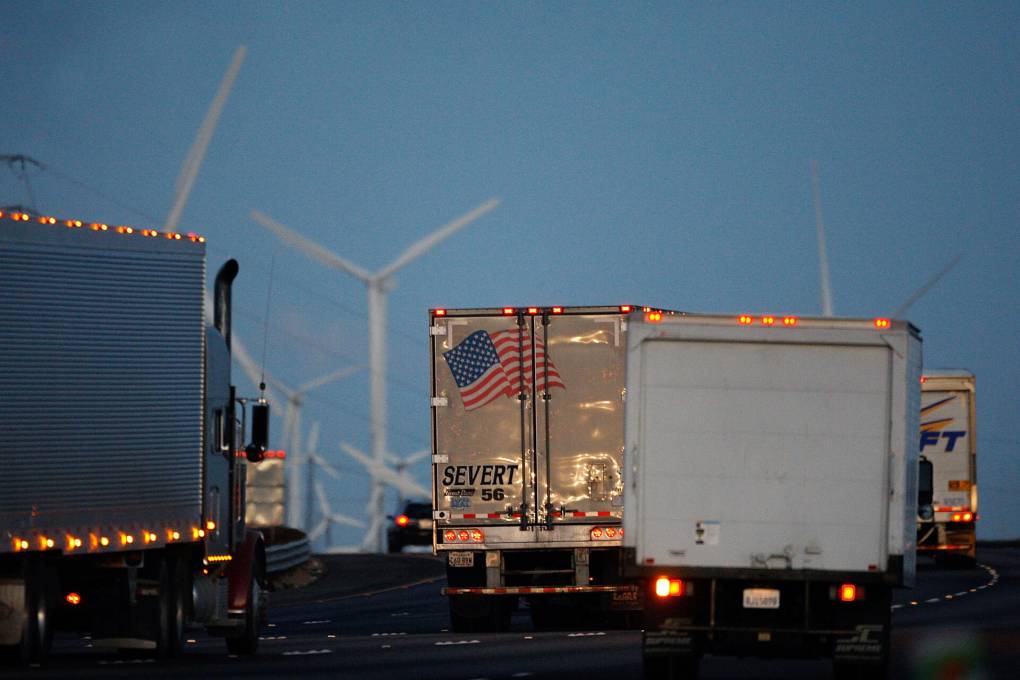
"caption": "Emissions-producing diesel trucks pass windmills along Interstate 10 on Dec. 8, 2009, near Banning.",
"description": null,
"title": "New Climate Report Names Current Decade As Warmest On Record",
"credit": "David McNew/Getty Images",
"status": "inherit",
"altTag": "White, grey and blue semi-trucks driving along the highway at twilight. Wind turbines in the background.",
"isLoading": false,
"fetchFailed": false
},
"science_1982449": {
"type": "attachments",
"id": "science_1982449",
"meta": {
"index": "attachments_1716263798",
"site": "science",
"id": "1982449",
"found": true
},
"parent": 1982448,
"imgSizes": {
"twentyfourteen-full-width": {
"file": "https://ww2.kqed.org/app/uploads/sites/35/2023/04/children-smoke_jame-tyska-digital-first-media-east-bay-times-getty-2048x1325-1-1038x576.jpg",
"width": 1038,
"mimeType": "image/jpeg",
"height": 576
},
"thumbnail": {
"file": "https://ww2.kqed.org/app/uploads/sites/35/2023/04/children-smoke_jame-tyska-digital-first-media-east-bay-times-getty-2048x1325-1-160x104.jpg",
"width": 160,
"mimeType": "image/jpeg",
"height": 104
},
"post-thumbnail": {
"file": "https://ww2.kqed.org/app/uploads/sites/35/2023/04/children-smoke_jame-tyska-digital-first-media-east-bay-times-getty-2048x1325-1-672x372.jpg",
"width": 672,
"mimeType": "image/jpeg",
"height": 372
},
"kqedFullSize": {
"file": "https://ww2.kqed.org/app/uploads/sites/35/2023/04/children-smoke_jame-tyska-digital-first-media-east-bay-times-getty-2048x1325-1.jpg",
"width": 2048,
"height": 1325
},
"large": {
"file": "https://ww2.kqed.org/app/uploads/sites/35/2023/04/children-smoke_jame-tyska-digital-first-media-east-bay-times-getty-2048x1325-1-1020x660.jpg",
"width": 1020,
"mimeType": "image/jpeg",
"height": 660
},
"1536x1536": {
"file": "https://ww2.kqed.org/app/uploads/sites/35/2023/04/children-smoke_jame-tyska-digital-first-media-east-bay-times-getty-2048x1325-1-1536x994.jpg",
"width": 1536,
"mimeType": "image/jpeg",
"height": 994
},
"full-width": {
"file": "https://ww2.kqed.org/app/uploads/sites/35/2023/04/children-smoke_jame-tyska-digital-first-media-east-bay-times-getty-2048x1325-1-1920x1242.jpg",
"width": 1920,
"mimeType": "image/jpeg",
"height": 1242
},
"medium": {
"file": "https://ww2.kqed.org/app/uploads/sites/35/2023/04/children-smoke_jame-tyska-digital-first-media-east-bay-times-getty-2048x1325-1-800x518.jpg",
"width": 800,
"mimeType": "image/jpeg",
"height": 518
},
"medium_large": {
"file": "https://ww2.kqed.org/app/uploads/sites/35/2023/04/children-smoke_jame-tyska-digital-first-media-east-bay-times-getty-2048x1325-1-768x497.jpg",
"width": 768,
"mimeType": "image/jpeg",
"height": 497
}
},
"publishDate": 1682376831,
"modified": 1682446583,
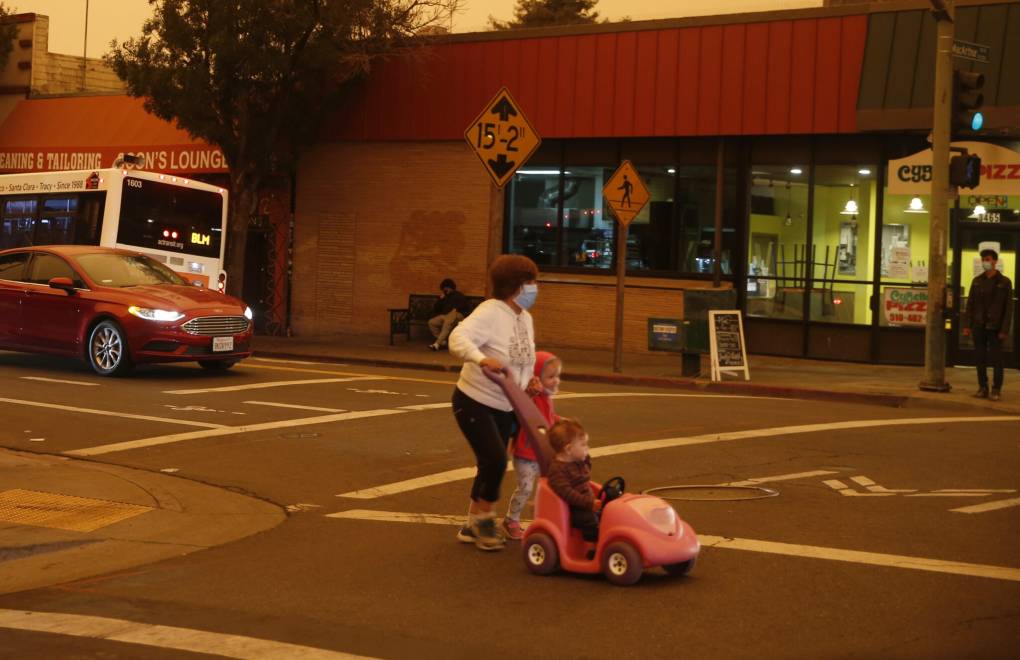
"caption": "A woman and two children cross the street at the intersection of Fruitvale Avenue and MacArthur Boulevard in the Dimond District of Oakland, on Wednesday, Sept. 9, 2020.",
"description": null,
"title": "Wildfire Smoke Orange Sky",
"credit": "Jane Tyska/Digital First Media/East Bay Times via Getty Images",
"status": "inherit",
"altTag": "A woman and children cross the street on a day with orange skies.",
"isLoading": false,
"fetchFailed": false
},
"science_1982433": {
"type": "attachments",
"id": "science_1982433",
"meta": {
"index": "attachments_1716263798",
"site": "science",
"id": "1982433",
"found": true
},
"parent": 1982407,
"imgSizes": {
"twentyfourteen-full-width": {
"file": "https://ww2.kqed.org/app/uploads/sites/35/2023/04/RS64675_GettyImages-1241524154-qut-1038x576.jpg",
"width": 1038,
"mimeType": "image/jpeg",
"height": 576
},
"thumbnail": {
"file": "https://ww2.kqed.org/app/uploads/sites/35/2023/04/RS64675_GettyImages-1241524154-qut-160x107.jpg",
"width": 160,
"mimeType": "image/jpeg",
"height": 107
},
"post-thumbnail": {
"file": "https://ww2.kqed.org/app/uploads/sites/35/2023/04/RS64675_GettyImages-1241524154-qut-672x372.jpg",
"width": 672,
"mimeType": "image/jpeg",
"height": 372
},
"kqedFullSize": {
"file": "https://ww2.kqed.org/app/uploads/sites/35/2023/04/RS64675_GettyImages-1241524154-qut.jpg",
"width": 1920,
"height": 1280
},
"large": {
"file": "https://ww2.kqed.org/app/uploads/sites/35/2023/04/RS64675_GettyImages-1241524154-qut-1020x680.jpg",
"width": 1020,
"mimeType": "image/jpeg",
"height": 680
},
"1536x1536": {
"file": "https://ww2.kqed.org/app/uploads/sites/35/2023/04/RS64675_GettyImages-1241524154-qut-1536x1024.jpg",
"width": 1536,
"mimeType": "image/jpeg",
"height": 1024
},
"medium": {
"file": "https://ww2.kqed.org/app/uploads/sites/35/2023/04/RS64675_GettyImages-1241524154-qut-800x533.jpg",
"width": 800,
"mimeType": "image/jpeg",
"height": 533
},
"medium_large": {
"file": "https://ww2.kqed.org/app/uploads/sites/35/2023/04/RS64675_GettyImages-1241524154-qut-768x512.jpg",
"width": 768,
"mimeType": "image/jpeg",
"height": 512
}
},
"publishDate": 1682124901,
"modified": 1682124978,
"caption": "Mifepristone (Mifeprex) and Misoprostol, the two drugs used in a medication abortion, are seen at the Women's Reproductive Clinic, which provides legal medication abortion services, in Santa Teresa, New Mexico, on June 17, 2022. ",
"description": null,
"title": "US-ABORTION-TEXAS-NEWMEXICO-CLINIC",
"credit": "Photo by ROBYN BECK/AFP via Getty Images",
"status": "inherit",
"altTag": "A white pill bottle next to three orange pill boxes.",
"isLoading": false,
"fetchFailed": false
},
"science_1982393": {
"type": "attachments",
"id": "science_1982393",
"meta": {
"index": "attachments_1716263798",
"site": "science",
"id": "1982393",
"found": true
},
"parent": 1982376,
"imgSizes": {
"twentyfourteen-full-width": {
"file": "https://ww2.kqed.org/app/uploads/sites/35/2023/04/RS64672_GettyImages-51093187-qut-1038x576.jpg",
"width": 1038,
"mimeType": "image/jpeg",
"height": 576
},
"thumbnail": {
"file": "https://ww2.kqed.org/app/uploads/sites/35/2023/04/RS64672_GettyImages-51093187-qut-160x115.jpg",
"width": 160,
"mimeType": "image/jpeg",
"height": 115
},
"post-thumbnail": {
"file": "https://ww2.kqed.org/app/uploads/sites/35/2023/04/RS64672_GettyImages-51093187-qut-672x372.jpg",
"width": 672,
"mimeType": "image/jpeg",
"height": 372
},
"kqedFullSize": {
"file": "https://ww2.kqed.org/app/uploads/sites/35/2023/04/RS64672_GettyImages-51093187-qut.jpg",
"width": 1920,
"height": 1378
},
"large": {
"file": "https://ww2.kqed.org/app/uploads/sites/35/2023/04/RS64672_GettyImages-51093187-qut-1020x732.jpg",
"width": 1020,
"mimeType": "image/jpeg",
"height": 732
},
"1536x1536": {
"file": "https://ww2.kqed.org/app/uploads/sites/35/2023/04/RS64672_GettyImages-51093187-qut-1536x1102.jpg",
"width": 1536,
"mimeType": "image/jpeg",
"height": 1102
},
"medium": {
"file": "https://ww2.kqed.org/app/uploads/sites/35/2023/04/RS64672_GettyImages-51093187-qut-800x574.jpg",
"width": 800,
"mimeType": "image/jpeg",
"height": 574
},
"medium_large": {
"file": "https://ww2.kqed.org/app/uploads/sites/35/2023/04/RS64672_GettyImages-51093187-qut-768x551.jpg",
"width": 768,
"mimeType": "image/jpeg",
"height": 551
}
},
"publishDate": 1682104793,
"modified": 1682116631,
"caption": "Recent research shows that black-legged ticks carrying the bacteria that causes Lyme disease are capable of thriving along the West Coast.",
"description": null,
"title": "Close Up Of An Adult Female And Nymph Tick Is Shown June 15 2001 On A Fingertip Ticks",
"credit": "Getty Images",
"status": "inherit",
"altTag": "A close up image of a white finger with a large and small black insect on it.",
"isLoading": false,
"fetchFailed": false
},
"science_1982346": {
"type": "attachments",
"id": "science_1982346",
"meta": {
"index": "attachments_1716263798",
"site": "science",
"id": "1982346",
"found": true
},
"parent": 1982342,
"imgSizes": {
"twentyfourteen-full-width": {
"file": "https://ww2.kqed.org/app/uploads/sites/35/2023/04/GettyImages-1247409353-1038x576.jpg",
"width": 1038,
"mimeType": "image/jpeg",
"height": 576
},
"thumbnail": {
"file": "https://ww2.kqed.org/app/uploads/sites/35/2023/04/GettyImages-1247409353-160x107.jpg",
"width": 160,
"mimeType": "image/jpeg",
"height": 107
},
"post-thumbnail": {
"file": "https://ww2.kqed.org/app/uploads/sites/35/2023/04/GettyImages-1247409353-672x372.jpg",
"width": 672,
"mimeType": "image/jpeg",
"height": 372
},
"kqedFullSize": {
"file": "https://ww2.kqed.org/app/uploads/sites/35/2023/04/GettyImages-1247409353-scaled.jpg",
"width": 2560,
"height": 1707
},
"2048x2048": {
"file": "https://ww2.kqed.org/app/uploads/sites/35/2023/04/GettyImages-1247409353-2048x1366.jpg",
"width": 2048,
"mimeType": "image/jpeg",
"height": 1366
},
"large": {
"file": "https://ww2.kqed.org/app/uploads/sites/35/2023/04/GettyImages-1247409353-1020x680.jpg",
"width": 1020,
"mimeType": "image/jpeg",
"height": 680
},
"1536x1536": {
"file": "https://ww2.kqed.org/app/uploads/sites/35/2023/04/GettyImages-1247409353-1536x1024.jpg",
"width": 1536,
"mimeType": "image/jpeg",
"height": 1024
},
"full-width": {
"file": "https://ww2.kqed.org/app/uploads/sites/35/2023/04/GettyImages-1247409353-1920x1281.jpg",
"width": 1920,
"mimeType": "image/jpeg",
"height": 1281
},
"medium": {
"file": "https://ww2.kqed.org/app/uploads/sites/35/2023/04/GettyImages-1247409353-800x534.jpg",
"width": 800,
"mimeType": "image/jpeg",
"height": 534
},
"medium_large": {
"file": "https://ww2.kqed.org/app/uploads/sites/35/2023/04/GettyImages-1247409353-768x512.jpg",
"width": 768,
"mimeType": "image/jpeg",
"height": 512
}
},
"publishDate": 1682012180,
"modified": 1682026819,
"caption": "This photograph taken on Feb. 23, 2023, in Paris shows the anti-diabetic medication Ozempic (semaglutide) made by Danish pharmaceutical company Novo Nordisk.",
"description": null,
"title": "This photograph taken on February 23, 2023, in Paris, shows the anti-diabetic medication \"Ozempic\" (semaglutide) made by Danish pharmaceutical company \"Novo Nordisk\".",
"credit": "Joel Saget/AFP via Getty Images",
"status": "inherit",
"altTag": "A photo of the medication called \"Ozempic.\"",
"isLoading": false,
"fetchFailed": false
},
"science_1982348": {
"type": "attachments",
"id": "science_1982348",
"meta": {
"index": "attachments_1716263798",
"site": "science",
"id": "1982348",
"found": true
},
"parent": 1982345,
"imgSizes": {
"twentyfourteen-full-width": {
"file": "https://ww2.kqed.org/app/uploads/sites/35/2023/04/RS64651_GettyImages-1481952226-qut-1038x576.jpg",
"width": 1038,
"mimeType": "image/jpeg",
"height": 576
},
"thumbnail": {
"file": "https://ww2.kqed.org/app/uploads/sites/35/2023/04/RS64651_GettyImages-1481952226-qut-160x107.jpg",
"width": 160,
"mimeType": "image/jpeg",
"height": 107
},
"post-thumbnail": {
"file": "https://ww2.kqed.org/app/uploads/sites/35/2023/04/RS64651_GettyImages-1481952226-qut-672x372.jpg",
"width": 672,
"mimeType": "image/jpeg",
"height": 372
},
"kqedFullSize": {
"file": "https://ww2.kqed.org/app/uploads/sites/35/2023/04/RS64651_GettyImages-1481952226-qut.jpg",
"width": 1920,
"height": 1280
},
"large": {
"file": "https://ww2.kqed.org/app/uploads/sites/35/2023/04/RS64651_GettyImages-1481952226-qut-1020x680.jpg",
"width": 1020,
"mimeType": "image/jpeg",
"height": 680
},
"1536x1536": {
"file": "https://ww2.kqed.org/app/uploads/sites/35/2023/04/RS64651_GettyImages-1481952226-qut-1536x1024.jpg",
"width": 1536,
"mimeType": "image/jpeg",
"height": 1024
},
"medium": {
"file": "https://ww2.kqed.org/app/uploads/sites/35/2023/04/RS64651_GettyImages-1481952226-qut-800x533.jpg",
"width": 800,
"mimeType": "image/jpeg",
"height": 533
},
"medium_large": {
"file": "https://ww2.kqed.org/app/uploads/sites/35/2023/04/RS64651_GettyImages-1481952226-qut-768x512.jpg",
"width": 768,
"mimeType": "image/jpeg",
"height": 512
}
},
"publishDate": 1682013524,
"modified": 1682014891,
"caption": "In this photo illustration, packages of mifepristone tablets are displayed at a family planning clinic on April 13, 2023, in Rockville, Maryland.",
"description": null,
"title": "Appeals Court Keeps Abortion Pill Mifepristone Available, But With Restrictions",
"credit": "Anna Moneymaker/Getty Images",
"status": "inherit",
"altTag": null,
"isLoading": false,
"fetchFailed": false
},
"science_1982219": {
"type": "attachments",
"id": "science_1982219",
"meta": {
"index": "attachments_1716263798",
"site": "science",
"id": "1982219",
"found": true
},
"parent": 1982214,
"imgSizes": {
"twentyfourteen-full-width": {
"file": "https://ww2.kqed.org/app/uploads/sites/35/2023/04/GettyImages-827808384-1024x576.jpg",
"width": 1024,
"mimeType": "image/jpeg",
"height": 576
},
"thumbnail": {
"file": "https://ww2.kqed.org/app/uploads/sites/35/2023/04/GettyImages-827808384-160x107.jpg",
"width": 160,
"mimeType": "image/jpeg",
"height": 107
},
"post-thumbnail": {
"file": "https://ww2.kqed.org/app/uploads/sites/35/2023/04/GettyImages-827808384-672x372.jpg",
"width": 672,
"mimeType": "image/jpeg",
"height": 372
},
"kqedFullSize": {
"file": "https://ww2.kqed.org/app/uploads/sites/35/2023/04/GettyImages-827808384.jpg",
"width": 1024,
"height": 683
},
"large": {
"file": "https://ww2.kqed.org/app/uploads/sites/35/2023/04/GettyImages-827808384-1020x680.jpg",
"width": 1020,
"mimeType": "image/jpeg",
"height": 680
},
"medium": {
"file": "https://ww2.kqed.org/app/uploads/sites/35/2023/04/GettyImages-827808384-800x534.jpg",
"width": 800,
"mimeType": "image/jpeg",
"height": 534
},
"medium_large": {
"file": "https://ww2.kqed.org/app/uploads/sites/35/2023/04/GettyImages-827808384-768x512.jpg",
"width": 768,
"mimeType": "image/jpeg",
"height": 512
}
},
"publishDate": 1680895066,
"modified": 1680899969,
"caption": "'Suboxone is the most effective form of treatment for opioid-use disorder, and it's critical that we get people enrolled in it as soon as possible,' said Assemblymember Matt Haney, who introduced the new bill.",
"description": null,
"title": "Students Interview Heroin Addicts In The Bronx For New Overdose Survey",
"credit": "Spencer Platt/Getty Images",
"status": "inherit",
"altTag": "The hand of someone holding a box of Suboxone between their thumb and index finger and a wallet between their index finger and middle finger",
"isLoading": false,
"fetchFailed": false
},
"science_1982200": {
"type": "attachments",
"id": "science_1982200",
"meta": {
"index": "attachments_1716263798",
"site": "science",
"id": "1982200",
"found": true
},
"parent": 1982166,
"imgSizes": {
"twentyfourteen-full-width": {
"file": "https://ww2.kqed.org/app/uploads/sites/35/2023/04/RS33811_camp-fire-traffic-0217-qut-1-1038x576.jpg",
"width": 1038,
"mimeType": "image/jpeg",
"height": 576
},
"thumbnail": {
"file": "https://ww2.kqed.org/app/uploads/sites/35/2023/04/RS33811_camp-fire-traffic-0217-qut-1-160x107.jpg",
"width": 160,
"mimeType": "image/jpeg",
"height": 107
},
"post-thumbnail": {
"file": "https://ww2.kqed.org/app/uploads/sites/35/2023/04/RS33811_camp-fire-traffic-0217-qut-1-672x372.jpg",
"width": 672,
"mimeType": "image/jpeg",
"height": 372
},
"kqedFullSize": {
"file": "https://ww2.kqed.org/app/uploads/sites/35/2023/04/RS33811_camp-fire-traffic-0217-qut-1.jpg",
"width": 1920,
"height": 1280
},
"large": {
"file": "https://ww2.kqed.org/app/uploads/sites/35/2023/04/RS33811_camp-fire-traffic-0217-qut-1-1020x680.jpg",
"width": 1020,
"mimeType": "image/jpeg",
"height": 680
},
"1536x1536": {
"file": "https://ww2.kqed.org/app/uploads/sites/35/2023/04/RS33811_camp-fire-traffic-0217-qut-1-1536x1024.jpg",
"width": 1536,
"mimeType": "image/jpeg",
"height": 1024
},
"medium": {
"file": "https://ww2.kqed.org/app/uploads/sites/35/2023/04/RS33811_camp-fire-traffic-0217-qut-1-800x533.jpg",
"width": 800,
"mimeType": "image/jpeg",
"height": 533
},
"medium_large": {
"file": "https://ww2.kqed.org/app/uploads/sites/35/2023/04/RS33811_camp-fire-traffic-0217-qut-1-768x512.jpg",
"width": 768,
"mimeType": "image/jpeg",
"height": 512
}
},
"publishDate": 1680821667,
"modified": 1680828719,
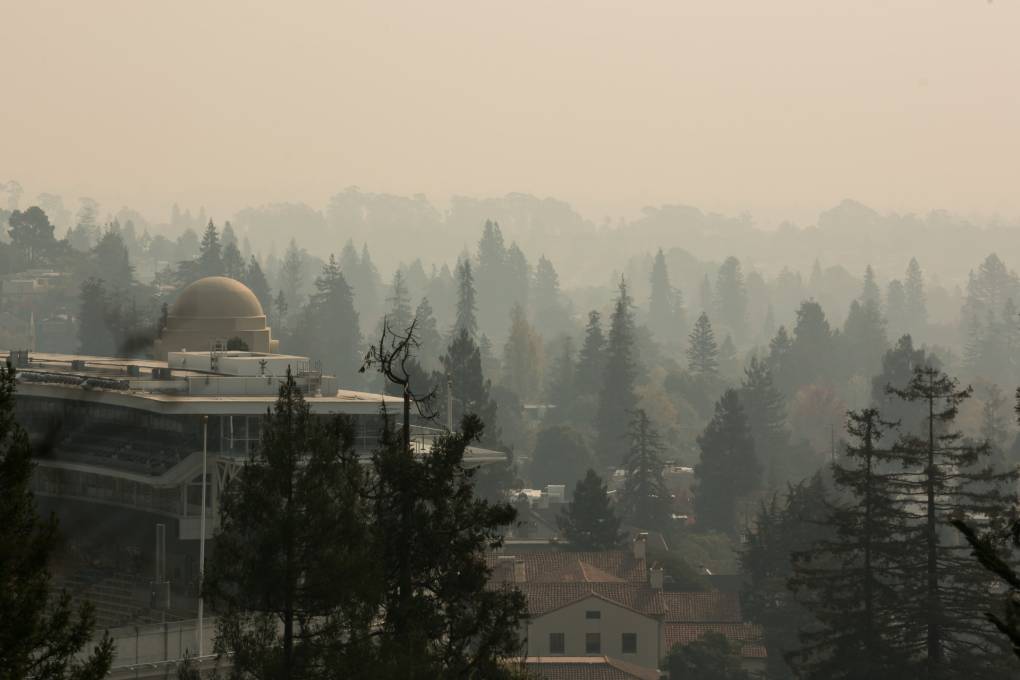
"caption": "The Berkeley Hills filled with smoke from the Butte County fire on Friday Nov. 9, 2018.",
"description": null,
"title": "RS33811_camp-fire-traffic-0217-qut (1)",
"credit": "JP Dobrin/KQED",
"status": "inherit",
"altTag": "Smokey and hazy hillside.",
"isLoading": false,
"fetchFailed": false
},
"science_1981753": {
"type": "attachments",
"id": "science_1981753",
"meta": {
"index": "attachments_1716263798",
"site": "science",
"id": "1981753",
"found": true
},
"parent": 1981630,
"imgSizes": {
"twentyfourteen-full-width": {
"file": "https://ww2.kqed.org/app/uploads/sites/35/2023/03/Mirror-Psychosis-e1677283749716-1038x576.jpg",
"width": 1038,
"mimeType": "image/jpeg",
"height": 576
},
"thumbnail": {
"file": "https://ww2.kqed.org/app/uploads/sites/35/2023/03/Mirror-Psychosis-e1677283749716-160x120.jpg",
"width": 160,
"mimeType": "image/jpeg",
"height": 120
},
"post-thumbnail": {
"file": "https://ww2.kqed.org/app/uploads/sites/35/2023/03/Mirror-Psychosis-e1677283749716-672x372.jpg",
"width": 672,
"mimeType": "image/jpeg",
"height": 372
},
"kqedFullSize": {
"file": "https://ww2.kqed.org/app/uploads/sites/35/2023/03/Mirror-Psychosis-e1677283749716.jpg",
"width": 1920,
"height": 1440
},
"2048x2048": {
"file": "https://ww2.kqed.org/app/uploads/sites/35/2023/03/Mirror-Psychosis-2048x1536.jpg",
"width": 2048,
"mimeType": "image/jpeg",
"height": 1536
},
"large": {
"file": "https://ww2.kqed.org/app/uploads/sites/35/2023/03/Mirror-Psychosis-e1677283749716-1020x765.jpg",
"width": 1020,
"mimeType": "image/jpeg",
"height": 765
},
"1536x1536": {
"file": "https://ww2.kqed.org/app/uploads/sites/35/2023/03/Mirror-Psychosis-e1677283749716-1536x1152.jpg",
"width": 1536,
"mimeType": "image/jpeg",
"height": 1152
},
"full-width": {
"file": "https://ww2.kqed.org/app/uploads/sites/35/2023/03/Mirror-Psychosis-1920x1440.jpg",
"width": 1920,
"mimeType": "image/jpeg",
"height": 1440
},
"medium": {
"file": "https://ww2.kqed.org/app/uploads/sites/35/2023/03/Mirror-Psychosis-e1677283749716-800x600.jpg",
"width": 800,
"mimeType": "image/jpeg",
"height": 600
},
"medium_large": {
"file": "https://ww2.kqed.org/app/uploads/sites/35/2023/03/Mirror-Psychosis-e1677283749716-768x576.jpg",
"width": 768,
"mimeType": "image/jpeg",
"height": 576
}
},
"publishDate": 1677283727,
"modified": 1677534963,
"caption": null,
"description": null,
"title": "Untitled Artwork",
"credit": "Illustration by Anna Vignet/KQED",
"status": "inherit",
"altTag": "A drawing of a woman with long dark hair holding her hand up to a fractured mirror.",
"isLoading": false,
"fetchFailed": false
},
"science_1981596": {
"type": "attachments",
"id": "science_1981596",
"meta": {
"index": "attachments_1716263798",
"site": "science",
"id": "1981596",
"found": true
},
"parent": 1981588,
"imgSizes": {
"twentyfourteen-full-width": {
"file": "https://ww2.kqed.org/app/uploads/sites/35/2023/02/RS42005_005_KQED_SanFrancisco_UCSF_03112020_6951-qut-1038x576.jpg",
"width": 1038,
"mimeType": "image/jpeg",
"height": 576
},
"thumbnail": {
"file": "https://ww2.kqed.org/app/uploads/sites/35/2023/02/RS42005_005_KQED_SanFrancisco_UCSF_03112020_6951-qut-160x107.jpg",
"width": 160,
"mimeType": "image/jpeg",
"height": 107
},
"post-thumbnail": {
"file": "https://ww2.kqed.org/app/uploads/sites/35/2023/02/RS42005_005_KQED_SanFrancisco_UCSF_03112020_6951-qut-672x372.jpg",
"width": 672,
"mimeType": "image/jpeg",
"height": 372
},
"kqedFullSize": {
"file": "https://ww2.kqed.org/app/uploads/sites/35/2023/02/RS42005_005_KQED_SanFrancisco_UCSF_03112020_6951-qut.jpg",
"width": 1920,
"height": 1280
},
"large": {
"file": "https://ww2.kqed.org/app/uploads/sites/35/2023/02/RS42005_005_KQED_SanFrancisco_UCSF_03112020_6951-qut-1020x680.jpg",
"width": 1020,
"mimeType": "image/jpeg",
"height": 680
},
"1536x1536": {
"file": "https://ww2.kqed.org/app/uploads/sites/35/2023/02/RS42005_005_KQED_SanFrancisco_UCSF_03112020_6951-qut-1536x1024.jpg",
"width": 1536,
"mimeType": "image/jpeg",
"height": 1024
},
"medium": {
"file": "https://ww2.kqed.org/app/uploads/sites/35/2023/02/RS42005_005_KQED_SanFrancisco_UCSF_03112020_6951-qut-800x533.jpg",
"width": 800,
"mimeType": "image/jpeg",
"height": 533
},
"medium_large": {
"file": "https://ww2.kqed.org/app/uploads/sites/35/2023/02/RS42005_005_KQED_SanFrancisco_UCSF_03112020_6951-qut-768x512.jpg",
"width": 768,
"mimeType": "image/jpeg",
"height": 512
}
},
"publishDate": 1676157024,
"modified": 1676325724,
"caption": "Tents are set up outside the UCSF Parnassus campus in San Francisco to triage patients with respiratory illness, on Wednesday, March 11, 2020.",
"description": null,
"title": "RS42005_005_KQED_SanFrancisco_UCSF_03112020_6951-qut",
"credit": "Beth LaBerge/KQED",
"status": "inherit",
"altTag": "White tents lined with blue bins sit in front of the entrance to an emergency room.",
"isLoading": false,
"fetchFailed": false
},
"science_1952361": {
"type": "attachments",
"id": "science_1952361",
"meta": {
"index": "attachments_1716263798",
"site": "science",
"id": "1952361",
"found": true
},
"parent": 1949019,
"imgSizes": {
"twentyfourteen-full-width": {
"file": "https://ww2.kqed.org/app/uploads/sites/35/2019/10/Earthquakekit_008-e1576716513646-1-1038x576.jpg",
"width": 1038,
"mimeType": "image/jpeg",
"height": 576
},
"thumbnail": {
"file": "https://ww2.kqed.org/app/uploads/sites/35/2019/10/Earthquakekit_008-e1576716513646-1-160x110.jpg",
"width": 160,
"mimeType": "image/jpeg",
"height": 110
},
"post-thumbnail": {
"file": "https://ww2.kqed.org/app/uploads/sites/35/2019/10/Earthquakekit_008-e1576716513646-1-672x372.jpg",
"width": 672,
"mimeType": "image/jpeg",
"height": 372
},
"kqedFullSize": {
"file": "https://ww2.kqed.org/app/uploads/sites/35/2019/10/Earthquakekit_008-e1576716513646-1.jpg",
"width": 1919,
"height": 1322
},
"large": {
"file": "https://ww2.kqed.org/app/uploads/sites/35/2019/10/Earthquakekit_008-e1576716513646-1-1020x703.jpg",
"width": 1020,
"mimeType": "image/jpeg",
"height": 703
},
"complete_open_graph": {
"file": "https://ww2.kqed.org/app/uploads/sites/35/2019/10/Earthquakekit_008-e1576716513646-1-1200x827.jpg",
"width": 1200,
"mimeType": "image/jpeg",
"height": 827
},
"medium": {
"file": "https://ww2.kqed.org/app/uploads/sites/35/2019/10/Earthquakekit_008-e1576716513646-1-800x551.jpg",
"width": 800,
"mimeType": "image/jpeg",
"height": 551
},
"medium_large": {
"file": "https://ww2.kqed.org/app/uploads/sites/35/2019/10/Earthquakekit_008-e1576716513646-1-768x529.jpg",
"width": 768,
"mimeType": "image/jpeg",
"height": 529
}
},
"publishDate": 1576716600,
"modified": 1666824542,
"caption": "To make his home more safe in case of an earthquake, reporter Peter Arcuni moves a large framed poster from over his couch.",
"description": null,
"title": "Earthquakekit_008-e1576716513646",
"credit": "Lindsey Moore/KQED",
"status": "inherit",
"altTag": null,
"isLoading": false,
"fetchFailed": false
},
"science_1981100": {
"type": "attachments",
"id": "science_1981100",
"meta": {
"index": "attachments_1716263798",
"site": "science",
"id": "1981100",
"found": true
},
"parent": 1981094,
"imgSizes": {
"twentyfourteen-full-width": {
"file": "https://ww2.kqed.org/app/uploads/sites/35/2022/12/RS61764_GettyImages-1447227463-qut-1024x576.jpg",
"width": 1024,
"mimeType": "image/jpeg",
"height": 576
},
"thumbnail": {
"file": "https://ww2.kqed.org/app/uploads/sites/35/2022/12/RS61764_GettyImages-1447227463-qut-160x108.jpg",
"width": 160,
"mimeType": "image/jpeg",
"height": 108
},
"post-thumbnail": {
"file": "https://ww2.kqed.org/app/uploads/sites/35/2022/12/RS61764_GettyImages-1447227463-qut-672x372.jpg",
"width": 672,
"mimeType": "image/jpeg",
"height": 372
},
"kqedFullSize": {
"file": "https://ww2.kqed.org/app/uploads/sites/35/2022/12/RS61764_GettyImages-1447227463-qut.jpg",
"width": 1024,
"height": 692
},
"large": {
"file": "https://ww2.kqed.org/app/uploads/sites/35/2022/12/RS61764_GettyImages-1447227463-qut-1020x689.jpg",
"width": 1020,
"mimeType": "image/jpeg",
"height": 689
},
"medium": {
"file": "https://ww2.kqed.org/app/uploads/sites/35/2022/12/RS61764_GettyImages-1447227463-qut-800x541.jpg",
"width": 800,
"mimeType": "image/jpeg",
"height": 541
},
"medium_large": {
"file": "https://ww2.kqed.org/app/uploads/sites/35/2022/12/RS61764_GettyImages-1447227463-qut-768x519.jpg",
"width": 768,
"mimeType": "image/jpeg",
"height": 519
}
},
"publishDate": 1671665552,
"modified": 1671673528,
"caption": "A sign reads 'We're sorry' in a children's pain and fever remedy section of a CVS pharmacy on Dec. 6, 2022, in Burbank. Southern California is being hit by a wave of three viruses — the flu, COVID-19 and RSV — with the CDC classifying the state of California as having a 'high' level of flu activity. Shortages of basic cold and flu remedies are being seen in some pharmacies in the region ahead of the holiday season.",
"description": "A sign reads 'We're sorry' in a children's pain and fever remedy section of a CVS pharmacy on December 6, 2022 in Burbank, California. Southern California is being hit by a wave of three viruses, the flu, COVID-19 and RSV, with the CDC classifying the state of California as having a ‘high’ level of flu activity. Shortages of basic cold and flu remedies are being seen in some pharmacies in the region ahead of the holiday season.",
"title": "High Number Of Flu Cases In Southern California Leads To Shortages Of Over The Counter Medicine",
"credit": "Mario Tama/Getty Images",
"status": "inherit",
"altTag": "A sign reads 'We're sorry' in a children's pain and fever remedy section of a CVS pharmacy on December 6, 2022 in Burbank, California. Southern California is being hit by a wave of three viruses, the flu, COVID-19 and RSV, with the CDC classifying the state of California as having a ‘high’ level of flu activity. Shortages of basic cold and flu remedies are being seen in some pharmacies in the region ahead of the holiday season.",
"isLoading": false,
"fetchFailed": false
}
},
"audioPlayerReducer": {
"postId": "stream_live",
"isPaused": true,
"isPlaying": false,
"pfsActive": false,
"pledgeModalIsOpen": true,
"playerDrawerIsOpen": false,
"liveAudioPlayStartedAt": 0,
"liveAudioPlayContext": ""
},
"authorsReducer": {
"byline_science_1982448": {
"type": "authors",
"id": "byline_science_1982448",
"meta": {
"override": true
},
"slug": "byline_science_1982448",
"name": "\u003ca href=\"https://insideclimatenews.org/profile/emma-foehringer-merchant/\">Emma Foehringer Merchant\u003c/a> \u003cbr>Inside Climate News \u003cbr>",
"isLoading": false
},
"byline_science_1982342": {
"type": "authors",
"id": "byline_science_1982342",
"meta": {
"override": true
},
"slug": "byline_science_1982342",
"name": "Darius Tahir and Hannah Norman \u003cbr>Kaiser Health News\u003c/br>",
"isLoading": false
},
"byline_science_1981094": {
"type": "authors",
"id": "byline_science_1981094",
"meta": {
"override": true
},
"slug": "byline_science_1981094",
"name": "Tom Murphy\u003cbr>Associated Press",
"isLoading": false
},
"adembosky": {
"type": "authors",
"id": "3205",
"meta": {
"index": "authors_1716337520",
"id": "3205",
"found": true
},
"name": "April Dembosky",
"firstName": "April",
"lastName": "Dembosky",
"slug": "adembosky",
"email": "adembosky@kqed.org",
"display_author_email": false,
"staff_mastheads": [
"news",
"science"
],
"title": "KQED Health Correspondent",
"bio": "April Dembosky is the health correspondent for KQED News and a regular contributor to NPR. She specializes in covering altered states of mind, from postpartum depression to methamphetamine-induced psychosis to the insanity defense. Her investigative series on insurance companies sidestepping mental health laws won multiple awards, including first place in beat reporting from the national Association of Health Care Journalists. She is the recipient of numerous other prizes and fellowships, including a national Edward R. Murrow award for investigative reporting, a Society of Professional Journalists award for long-form storytelling, and a Carter Center Fellowship for Mental Health Journalism.\r\n\r\nDembosky reported and produced \u003cem>Soundtrack of Silence\u003c/em>, an audio documentary about music and memory that is currently being made into a feature film by Paramount Pictures.\r\n\r\nBefore joining KQED in 2013, Dembosky covered technology and Silicon Valley for \u003cem>The Financial Times of London,\u003c/em> and contributed business and arts stories to \u003cem>Marketplace \u003c/em>and \u003cem>The New York Times.\u003c/em> She got her undergraduate degree in philosophy from Smith College and her master's in journalism from the University of California, Berkeley. She is a classically trained violinist and proud alum of the first symphony orchestra at Burning Man.",
"avatar": "https://secure.gravatar.com/avatar/ef92999be4ceb9ea60701e7dc276f813?s=600&d=blank&r=g",
"twitter": "adembosky",
"facebook": null,
"instagram": null,
"linkedin": null,
"sites": [
{
"site": "arts",
"roles": [
"author"
]
},
{
"site": "news",
"roles": [
"editor"
]
},
{
"site": "futureofyou",
"roles": [
"author"
]
},
{
"site": "stateofhealth",
"roles": [
"editor"
]
},
{
"site": "science",
"roles": [
"editor"
]
},
{
"site": "forum",
"roles": [
"editor"
]
}
],
"headData": {
"title": "April Dembosky | KQED",
"description": "KQED Health Correspondent",
"ogImgSrc": "https://secure.gravatar.com/avatar/ef92999be4ceb9ea60701e7dc276f813?s=600&d=blank&r=g",
"twImgSrc": "https://secure.gravatar.com/avatar/ef92999be4ceb9ea60701e7dc276f813?s=600&d=blank&r=g"
},
"isLoading": false,
"link": "/author/adembosky"
},
"lklivans": {
"type": "authors",
"id": "8648",
"meta": {
"index": "authors_1716337520",
"id": "8648",
"found": true
},
"name": "Laura Klivans",
"firstName": "Laura",
"lastName": "Klivans",
"slug": "lklivans",
"email": "lklivans@kqed.org",
"display_author_email": true,
"staff_mastheads": [
"news",
"science"
],
"title": "Reporter",
"bio": "Laura Klivans is an award-winning science reporter for KQED News, where she covers climate change with an eye on both groundbreaking progress and gaps in action. She is the former host of KQED's blockbuster video series about tiny, amazing animals, \u003cem>Deep Look\u003c/em>. Her work reaches national audiences through NPR, \u003cem>Here & Now, \u003c/em>PRI, and other major outlets. \r\n\r\nLaura’s won five Northern California Area Emmy Awards for Deep Look and First Place in the Greater Bay Area Journalism Awards for a podcast exploring how one Oakland neighborhood teamed up to reduce planet-heating pollution.\r\n\r\nBeyond her reporting, she hosts and moderates events. In the past, she taught audio storytelling at the UC Berkeley Graduate School of Journalism, led international education programs, worked with immigrants and refugees along the Thai-Burmese border, taught high schoolers sex ed, and was an actress. \r\n\r\nShe's a former UC Berkeley Human Rights Fellow, USC Center for Health Journalism's California Fellow and Coro Fellow in Public Affairs. Laura has a master’s in journalism from UC Berkeley, a master’s in education from Harvard, and an undergraduate degree from Northwestern University.\r\n\r\nShe loves trying to riddle the meaning out of vanity license plates.",
"avatar": "https://secure.gravatar.com/avatar/2d2ecd1550a494cc10ad4a503406965585902124739e775a9b3817eebf1d88be?s=600&d=blank&r=g",
"twitter": "lauraklivans",
"bluesky": null,
"facebook": null,
"instagram": null,
"linkedin": null,
"sites": [
{
"site": "news",
"roles": [
"editor"
]
},
{
"site": "stateofhealth",
"roles": [
"contributor",
"editor"
]
},
{
"site": "science",
"roles": [
"editor"
]
},
{
"site": "forum",
"roles": [
"editor"
]
}
],
"headData": {
"title": "Laura Klivans | KQED",
"description": "Reporter",
"ogImgSrc": "https://secure.gravatar.com/avatar/2d2ecd1550a494cc10ad4a503406965585902124739e775a9b3817eebf1d88be?s=600&d=blank&r=g",
"twImgSrc": "https://secure.gravatar.com/avatar/2d2ecd1550a494cc10ad4a503406965585902124739e775a9b3817eebf1d88be?s=600&d=blank&r=g"
},
"isLoading": false,
"link": "/author/lklivans"
},
"dventon": {
"type": "authors",
"id": "11088",
"meta": {
"index": "authors_1716337520",
"id": "11088",
"found": true
},
"name": "Danielle Venton",
"firstName": "Danielle",
"lastName": "Venton",
"slug": "dventon",
"email": "dventon@kqed.org",
"display_author_email": true,
"staff_mastheads": [
"science"
],
"title": "Science reporter",
"bio": "Danielle Venton is a reporter for KQED Science. She covers wildfires, space and oceans (though she is prone to sea sickness).\r\n\r\nBefore joining KQED in 2015, Danielle was a staff reporter at KRCB in Sonoma County and a freelancer. She studied science communication at UC Santa Cruz and formerly worked at CERN in Geneva, Switzerland where she wrote about computing. She lives in Sonoma County and enjoys backpacking.",
"avatar": "https://secure.gravatar.com/avatar/37b292b5c40c8d93959c4f48d73b5286f41b7abd8588277e941905a3ed4c801c?s=600&d=blank&r=g",
"twitter": "DanielleVenton",
"bluesky": null,
"facebook": null,
"instagram": null,
"linkedin": null,
"sites": [
{
"site": "arts",
"roles": [
"contributor"
]
},
{
"site": "news",
"roles": [
"editor"
]
},
{
"site": "futureofyou",
"roles": [
"editor"
]
},
{
"site": "science",
"roles": [
"editor"
]
},
{
"site": "liveblog",
"roles": [
"contributor"
]
}
],
"headData": {
"title": "Danielle Venton | KQED",
"description": "Science reporter",
"ogImgSrc": "https://secure.gravatar.com/avatar/37b292b5c40c8d93959c4f48d73b5286f41b7abd8588277e941905a3ed4c801c?s=600&d=blank&r=g",
"twImgSrc": "https://secure.gravatar.com/avatar/37b292b5c40c8d93959c4f48d73b5286f41b7abd8588277e941905a3ed4c801c?s=600&d=blank&r=g"
},
"isLoading": false,
"link": "/author/dventon"
},
"lesleymcclurg": {
"type": "authors",
"id": "11229",
"meta": {
"index": "authors_1716337520",
"id": "11229",
"found": true
},
"name": "Lesley McClurg",
"firstName": "Lesley",
"lastName": "McClurg",
"slug": "lesleymcclurg",
"email": "lmcclurg@KQED.org",
"display_author_email": false,
"staff_mastheads": [
"news",
"science"
],
"title": "KQED Health Correspondent",
"bio": "Lesley McClurg is a health correspondent and fill-in host whose work is regularly rebroadcast on NPR and PBS programs. She’s earned multiple regional Emmy awards, a national and a regional Edward R. Murrow award, and was named Best Beat Reporter by the Association of Health Care Journalists. The Society of Professional Journalists has recognized her work several times, and the Society of Environmental Journalists spotlighted her coverage of California’s historic drought.\r\n\r\nBefore joining KQED in 2016, Lesley covered food and sustainability for Capital Public Radio, environmental issues for Colorado Public Radio, and reported for KUOW and KCTS 9 in Seattle. Away from the newsroom, she loves skiing with her daughter, mountain biking with her partner, and playing with Ollie, the family’s goldendoodle. On deadline, she runs almost entirely on chocolate chips.\r\n\r\n ",
"avatar": "https://secure.gravatar.com/avatar/bab49e972ea10c774fe0f5e29dba1722b158f7c0d58a360923d1389d380b2978?s=600&d=blank&r=g",
"twitter": "lesleywmcclurg",
"bluesky": null,
"facebook": null,
"instagram": null,
"linkedin": null,
"sites": [
{
"site": "arts",
"roles": [
"author"
]
},
{
"site": "news",
"roles": [
"editor"
]
},
{
"site": "futureofyou",
"roles": [
"editor"
]
},
{
"site": "stateofhealth",
"roles": [
"author"
]
},
{
"site": "science",
"roles": [
"editor"
]
},
{
"site": "quest",
"roles": [
"subscriber"
]
},
{
"site": "forum",
"roles": [
"administrator"
]
},
{
"site": "liveblog",
"roles": [
"author"
]
}
],
"headData": {
"title": "Lesley McClurg | KQED",
"description": "KQED Health Correspondent",
"ogImgSrc": "https://secure.gravatar.com/avatar/bab49e972ea10c774fe0f5e29dba1722b158f7c0d58a360923d1389d380b2978?s=600&d=blank&r=g",
"twImgSrc": "https://secure.gravatar.com/avatar/bab49e972ea10c774fe0f5e29dba1722b158f7c0d58a360923d1389d380b2978?s=600&d=blank&r=g"
},
"isLoading": false,
"link": "/author/lesleymcclurg"
},
"parcuni": {
"type": "authors",
"id": "11368",
"meta": {
"index": "authors_1716337520",
"id": "11368",
"found": true
},
"name": "Peter Arcuni",
"firstName": "Peter",
"lastName": "Arcuni",
"slug": "parcuni",
"email": "parcuni@KQED.org",
"display_author_email": false,
"staff_mastheads": [
"science"
],
"title": "Reporter",
"bio": "Peter reports radio and online stories for \u003cem>KQED Science\u003c/em>. His work has also appeared on the \u003cem>The California Report\u003c/em> morning show and \u003cem>KQED News\u003c/em>. His production credits include \u003cem>The California Report, The California Report Magazine\u003c/em> and KQED's local news podcast \u003cem>The Bay\u003c/em>. Other credits include NPR's \u003cem>All Things Considered\u003c/em>, WNYC's \u003cem>Science Friday\u003c/em>, WBUR's \u003cem>Here & Now\u003c/em>, WIRED and SFGate. Peter graduated from Brown University and earned a master's degree in journalism from Stanford. He's covered everything from homelessness to wildfires, health, the environment, arts and Thanksgiving in San Quentin prison. In other lives, he played rock n roll music and studied neuroscience. You can email him at: parcuni@kqed.org",
"avatar": "https://secure.gravatar.com/avatar/d5032f6f27199d478af34ad2e1d98732?s=600&d=blank&r=g",
"twitter": "peterarcuni",
"facebook": null,
"instagram": null,
"linkedin": null,
"sites": [
{
"site": "news",
"roles": [
"editor"
]
},
{
"site": "science",
"roles": [
"editor"
]
}
],
"headData": {
"title": "Peter Arcuni | KQED",
"description": "Reporter",
"ogImgSrc": "https://secure.gravatar.com/avatar/d5032f6f27199d478af34ad2e1d98732?s=600&d=blank&r=g",
"twImgSrc": "https://secure.gravatar.com/avatar/d5032f6f27199d478af34ad2e1d98732?s=600&d=blank&r=g"
},
"isLoading": false,
"link": "/author/parcuni"
},
"kevinstark": {
"type": "authors",
"id": "11608",
"meta": {
"index": "authors_1716337520",
"id": "11608",
"found": true
},
"name": "Kevin Stark",
"firstName": "Kevin",
"lastName": "Stark",
"slug": "kevinstark",
"email": "kstark@kqed.org",
"display_author_email": true,
"staff_mastheads": [
"science"
],
"title": "Senior Editor",
"bio": "Kevin is a senior editor for KQED Science, managing the station's health and climate desks. His journalism career began in the Pacific Northwest, and he later became a lead reporter for the San Francisco Public Press. His work has appeared in Pacific Standard magazine, the Energy News Network, the Center for Investigative Reporting's Reveal and WBEZ in Chicago. Kevin joined KQED in 2019, and has covered issues related to energy, wildfire, climate change and the environment.",
"avatar": "https://secure.gravatar.com/avatar/365aaa4b597d3a8374f67504ff0facd323d7906e8eb4be0a7efd2427408e802c?s=600&d=blank&r=g",
"twitter": "starkkev",
"bluesky": null,
"facebook": null,
"instagram": null,
"linkedin": null,
"sites": [
{
"site": "",
"roles": [
"editor"
]
},
{
"site": "news",
"roles": [
"editor"
]
},
{
"site": "science",
"roles": [
"administrator"
]
}
],
"headData": {
"title": "Kevin Stark | KQED",
"description": "Senior Editor",
"ogImgSrc": "https://secure.gravatar.com/avatar/365aaa4b597d3a8374f67504ff0facd323d7906e8eb4be0a7efd2427408e802c?s=600&d=blank&r=g",
"twImgSrc": "https://secure.gravatar.com/avatar/365aaa4b597d3a8374f67504ff0facd323d7906e8eb4be0a7efd2427408e802c?s=600&d=blank&r=g"
},
"isLoading": false,
"link": "/author/kevinstark"
}
},
"pagesReducer": {
"science_category_health": {
"type": "terms",
"id": "science_39",
"meta": {
"index": "terms_1716263798",
"site": "science",
"id": "39",
"score": 10.889475
},
"featImg": null,
"name": "Health",
"description": null,
"taxonomy": "category",
"headData": {
"twImgId": null,
"twTitle": null,
"ogTitle": null,
"ogImgId": null,
"twDescription": null,
"description": null,
"title": "Health Archives | KQED Science",
"ogDescription": null
},
"ttid": 41,
"slug": "health",
"isLoading": false,
"title": "Health",
"pageMeta": {
"site": "science",
"WpPageTemplate": "page-topic-editorial",
"currentPage": 9
},
"blocks": [
{
"blockName": "kqed/post-list",
"attrs": {
"layout": "cardArticle2",
"query": "posts/science?category=health",
"seeMore": false,
"paginated": true,
"page": 9
}
},
{
"blockName": "kqed/ad"
}
]
}
},
"pfsSessionReducer": {},
"postsReducer": {
"stream_live": {
"type": "live",
"id": "stream_live",
"audioUrl": "https://streams.kqed.org/kqedradio",
"title": "Live Stream",
"excerpt": "Live Stream information currently unavailable.",
"link": "/radio",
"featImg": "",
"label": {
"name": "KQED Live",
"link": "/"
}
},
"stream_kqedNewscast": {
"type": "posts",
"id": "stream_kqedNewscast",
"audioUrl": "https://www.kqed.org/.stream/anon/radio/RDnews/newscast.mp3?_=1",
"title": "KQED Newscast",
"featImg": "",
"label": {
"name": "88.5 FM",
"link": "/"
}
},
"science_1982474": {
"type": "posts",
"id": "science_1982474",
"meta": {
"index": "posts_1716263798",
"site": "science",
"id": "1982474",
"score": null,
"sort": [
1682593244000
]
},
"parent": 0,
"labelTerm": {},
"blocks": [],
"publishDate": 1682593244,
"format": "standard",
"title": "California Poised to Phase Out Its Fleets of Diesel Trucks",
"headTitle": "California Poised to Phase Out Its Fleets of Diesel Trucks | KQED",
"content": "\u003cp>Nuñez Park in San Bernardino boasts a baseball field, swimming pool and playground where the littlest of humans climb, swing and slide. Sometimes, Ma Carmen Gonzalez, who’s lived in the community for 18 years, will stand at its corner and take in the scene.\u003c/p>\n\u003cp>What she hears, however, are the groans of diesel truck engines, laboring past.\u003c/p>\n\u003cp>On a recent day, she counted 45 big rigs rumbling by in less than 30 minutes. Those trucks, which largely run on diesel, help contribute to \u003ca href=\"https://www.lung.org/research/sota/city-rankings/states/california/san-bernardino\">San Bernardino’s failing grade for air quality\u003c/a>, according to the American Lung Association. It is some of the worst in the nation.\u003c/p>\n\u003cp>“We have a lot of problems with asthma, cancer, allergies,” said Gonzalez, who is an organizer with the People’s Collective for Environmental Justice.\u003c/p>\n\u003cp>That’s why she’s advocating for \u003ca href=\"https://ww2.arb.ca.gov/our-work/programs/advanced-clean-fleets\">proposed regulation to accelerate the transition to zero-emission medium- and heavy-duty trucks\u003c/a> in the state within the next two decades.\u003c/p>\n\u003cp>[ad fullwidth]\u003c/p>\n\u003cp>The California Air Resources Board will vote on the plan this week, which would phase out diesel truck fleets, from Amazon delivery vans to garbage trucks to big rigs, in an effort to clean up toxic air quality and fight climate change.\u003c/p>\n\u003cp>“Trucks only represent 6% of vehicles on the road, but represent a disproportionate amount of emissions,” said Sydney Vergis, who worked on the rules for CARB as a division chief. The agency estimates that the regulation, if passed, would save the state $26.5 billion in health costs.\u003c/p>\n\u003cp>The truck regulation would:\u003c/p>\n\u003cul>\n\u003cli>Require highly polluting drayage trucks, which transport shipping containers from ports and rail yards, to be 100% zero-emission by 2035.\u003c/li>\n\u003cli>Mandate that municipalities and state agencies electrify their fleets of trucks and other heavy-duty vehicles, either by having 50% of their new purchases be electric after 2024 and 100% after 2027, or by gradually increasing the percentage of electric vehicles in their fleets until they are completely zero-emission by 2042.\u003c/li>\n\u003c/ul>\n\u003cp>Also:\u003c/p>\n\u003cul>\n\u003cli>Federal and large commercial fleets (defined as comprising more than 50 trucks or generating more than $50 million in annual revenue) can choose to either buy only zero-emission vehicles after 2024 or gradually transition, reaching 100% by 2042.\u003c/li>\n\u003cli>The rules would require manufacturers to sell only zero-emission trucks by 2036.\u003c/li>\n\u003cli>The requirements would not apply to smaller companies.\u003c/li>\n\u003c/ul>\n\u003cp>California’s more than \u003ca href=\"https://protect-us.mimecast.com/s/52C8CwpkPvsR7wDyiVmCsN?domain=ucsusa.org\">1.8 million commercial trucks are responsible for more than a quarter of its greenhouse gas pollution from transportation (PDF)\u003c/a>, more than 60% of smog-forming nitrogen oxides and more than 55% of fine particulate pollution from vehicles, according to the Union of Concerned Scientists; this pollution, known as PM 2.5, harms both heart and lung health.\u003c/p>\n\u003cp>The proposal builds on the \u003ca href=\"https://ww2.arb.ca.gov/resources/fact-sheets/advanced-clean-trucks-fact-sheet\">Advanced Clean Trucks rule\u003c/a>, which requires that truck makers gradually increase the percentage of electric trucks they sell in California in the coming years. California passed that regulation in 2021.\u003c/p>\n\u003cp>Sam Wilson, senior vehicles analyst with the Union of Concerned Scientists, said passage of the proposed rule would be a win — not only for the environment, but for health.\u003c/p>\n\u003cp>Benefits would be “largely concentrated in disproportionately impacted communities, which is really where we need to be focusing our work,” Wilson said.\u003c/p>\n\u003cp>But Chris Shimoda, senior vice president of government affairs for the California Trucking Association, has concerns. He’s worried there will be insufficient charging infrastructure for electric trucks, particularly public charging stations.\u003c/p>\n\u003cp>Shimoda said he’s worked with CARB for more than 10 years on various regulations, but “I have never had a rule proposed by the Air Board that nearly 100% of our membership says cannot be accomplished.”\u003c/p>\n\u003cp>Bob Ramorino, president of Roadstar Trucking in Hayward, says he’s supportive of the goals of the regulation, but “the timeline is very, very difficult to achieve.” He’s particularly concerned there will not be enough power to meet the demand for charging.\u003c/p>\n\u003cp>\u003c/p>\n\u003cp>Gonzalez of San Bernardino would like even more and stronger regulation. “My community suffers the ravages of discrimination,” she said. “We see other very beautiful places and cities that don’t have trucks, that don’t have nearby warehouses. But we do, and this is reflected in our health.”\u003c/p>\n\n",
"stats": {
"hasVideo": false,
"hasChartOrMap": false,
"hasAudio": false,
"hasPolis": false,
"wordCount": 728,
"hasGoogleForm": false,
"hasGallery": false,
"hasHearkenModule": false,
"iframeSrcs": [],
"paragraphCount": 19
},
"modified": 1704846031,
"excerpt": "The plan would accelerate the transition to zero-emission medium- and heavy-duty trucks in the state within the next two decades.",
"headData": {
"twImgId": "",
"twTitle": "",
"ogTitle": "",
"ogImgId": "",
"twDescription": "",
"description": "The plan would accelerate the transition to zero-emission medium- and heavy-duty trucks in the state within the next two decades.",
"title": "California Poised to Phase Out Its Fleets of Diesel Trucks | KQED",
"ogDescription": "",
"schema": {
"@context": "https://schema.org",
"@type": "Article",
"headline": "California Poised to Phase Out Its Fleets of Diesel Trucks",
"datePublished": "2023-04-27T04:00:44-07:00",
"dateModified": "2024-01-09T16:20:31-08:00",
"image": "https://cdn.kqed.org/wp-content/uploads/2020/02/KQED-OG-Image@1x.png"
}
},
"guestAuthors": [],
"slug": "california-poised-to-phase-out-its-fleets-of-diesel-trucks",
"status": "publish",
"excludeFromSiteSearch": "Include",
"sticky": false,
"source": "Climate Change",
"articleAge": "0",
"path": "/science/1982474/california-poised-to-phase-out-its-fleets-of-diesel-trucks",
"audioTrackLength": null,
"parsedContent": [
{
"type": "contentString",
"content": "\u003cdiv class=\"post-body\">\u003cp>\u003cp>Nuñez Park in San Bernardino boasts a baseball field, swimming pool and playground where the littlest of humans climb, swing and slide. Sometimes, Ma Carmen Gonzalez, who’s lived in the community for 18 years, will stand at its corner and take in the scene.\u003c/p>\n\u003cp>What she hears, however, are the groans of diesel truck engines, laboring past.\u003c/p>\n\u003cp>On a recent day, she counted 45 big rigs rumbling by in less than 30 minutes. Those trucks, which largely run on diesel, help contribute to \u003ca href=\"https://www.lung.org/research/sota/city-rankings/states/california/san-bernardino\">San Bernardino’s failing grade for air quality\u003c/a>, according to the American Lung Association. It is some of the worst in the nation.\u003c/p>\n\u003cp>“We have a lot of problems with asthma, cancer, allergies,” said Gonzalez, who is an organizer with the People’s Collective for Environmental Justice.\u003c/p>\n\u003cp>That’s why she’s advocating for \u003ca href=\"https://ww2.arb.ca.gov/our-work/programs/advanced-clean-fleets\">proposed regulation to accelerate the transition to zero-emission medium- and heavy-duty trucks\u003c/a> in the state within the next two decades.\u003c/p>\n\u003cp>\u003c/p>\u003c/div>",
"attributes": {
"named": {},
"numeric": []
}
},
{
"type": "component",
"content": "",
"name": "ad",
"attributes": {
"named": {
"label": "fullwidth"
},
"numeric": [
"fullwidth"
]
}
},
{
"type": "contentString",
"content": "\u003cdiv class=\"post-body\">\u003cp>\u003c/p>\n\u003cp>The California Air Resources Board will vote on the plan this week, which would phase out diesel truck fleets, from Amazon delivery vans to garbage trucks to big rigs, in an effort to clean up toxic air quality and fight climate change.\u003c/p>\n\u003cp>“Trucks only represent 6% of vehicles on the road, but represent a disproportionate amount of emissions,” said Sydney Vergis, who worked on the rules for CARB as a division chief. The agency estimates that the regulation, if passed, would save the state $26.5 billion in health costs.\u003c/p>\n\u003cp>The truck regulation would:\u003c/p>\n\u003cul>\n\u003cli>Require highly polluting drayage trucks, which transport shipping containers from ports and rail yards, to be 100% zero-emission by 2035.\u003c/li>\n\u003cli>Mandate that municipalities and state agencies electrify their fleets of trucks and other heavy-duty vehicles, either by having 50% of their new purchases be electric after 2024 and 100% after 2027, or by gradually increasing the percentage of electric vehicles in their fleets until they are completely zero-emission by 2042.\u003c/li>\n\u003c/ul>\n\u003cp>Also:\u003c/p>\n\u003cul>\n\u003cli>Federal and large commercial fleets (defined as comprising more than 50 trucks or generating more than $50 million in annual revenue) can choose to either buy only zero-emission vehicles after 2024 or gradually transition, reaching 100% by 2042.\u003c/li>\n\u003cli>The rules would require manufacturers to sell only zero-emission trucks by 2036.\u003c/li>\n\u003cli>The requirements would not apply to smaller companies.\u003c/li>\n\u003c/ul>\n\u003cp>California’s more than \u003ca href=\"https://protect-us.mimecast.com/s/52C8CwpkPvsR7wDyiVmCsN?domain=ucsusa.org\">1.8 million commercial trucks are responsible for more than a quarter of its greenhouse gas pollution from transportation (PDF)\u003c/a>, more than 60% of smog-forming nitrogen oxides and more than 55% of fine particulate pollution from vehicles, according to the Union of Concerned Scientists; this pollution, known as PM 2.5, harms both heart and lung health.\u003c/p>\n\u003cp>The proposal builds on the \u003ca href=\"https://ww2.arb.ca.gov/resources/fact-sheets/advanced-clean-trucks-fact-sheet\">Advanced Clean Trucks rule\u003c/a>, which requires that truck makers gradually increase the percentage of electric trucks they sell in California in the coming years. California passed that regulation in 2021.\u003c/p>\n\u003cp>Sam Wilson, senior vehicles analyst with the Union of Concerned Scientists, said passage of the proposed rule would be a win — not only for the environment, but for health.\u003c/p>\n\u003cp>Benefits would be “largely concentrated in disproportionately impacted communities, which is really where we need to be focusing our work,” Wilson said.\u003c/p>\n\u003cp>But Chris Shimoda, senior vice president of government affairs for the California Trucking Association, has concerns. He’s worried there will be insufficient charging infrastructure for electric trucks, particularly public charging stations.\u003c/p>\n\u003cp>Shimoda said he’s worked with CARB for more than 10 years on various regulations, but “I have never had a rule proposed by the Air Board that nearly 100% of our membership says cannot be accomplished.”\u003c/p>\n\u003cp>Bob Ramorino, president of Roadstar Trucking in Hayward, says he’s supportive of the goals of the regulation, but “the timeline is very, very difficult to achieve.” He’s particularly concerned there will not be enough power to meet the demand for charging.\u003c/p>\n\u003cp>\u003c/p>\n\u003cp>Gonzalez of San Bernardino would like even more and stronger regulation. “My community suffers the ravages of discrimination,” she said. “We see other very beautiful places and cities that don’t have trucks, that don’t have nearby warehouses. But we do, and this is reflected in our health.”\u003c/p>\n\n\u003c/div>\u003c/p>",
"attributes": {
"named": {},
"numeric": []
}
}
],
"link": "/science/1982474/california-poised-to-phase-out-its-fleets-of-diesel-trucks",
"authors": [
"8648"
],
"categories": [
"science_31",
"science_35",
"science_39",
"science_40",
"science_4450"
],
"tags": [
"science_524",
"science_5178",
"science_4093",
"science_354",
"science_4417"
],
"featImg": "science_1982475",
"label": "source_science_1982474"
},
"science_1982448": {
"type": "posts",
"id": "science_1982448",
"meta": {
"index": "posts_1716263798",
"site": "science",
"id": "1982448",
"score": null,
"sort": [
1682446656000
]
},
"parent": 0,
"labelTerm": {},
"blocks": [],
"publishDate": 1682446656,
"format": "standard",
"title": "UC Researchers Examine How Smoke From California's Megafires Affects Pregnancy and Children",
"headTitle": "UC Researchers Examine How Smoke From California’s Megafires Affects Pregnancy and Children | KQED",
"content": "\u003cp>When wildfires spread through parts of Northern California wine country in 2017, they melted electronics, combusted cars and exploded propane tanks. The fires sent acrid smoke billowing into the sky, its footprint wafting over the state and extending for 500 miles into the Pacific Ocean.\u003c/p>\n\u003cp>At the time, Rebecca Schmidt, a molecular epidemiologist at UC Davis, was working on a study that followed families of children with autism who were expecting another child. When the fires spread, pregnant participants in the research started asking whether they should be worried about the air.\u003c/p>\n\u003cp>Schmidt and her collaborators didn’t know what to say. There wasn’t much existing research on how wildfire smoke affects pregnancy. “I would have been wondering the same thing,” she said. “We really couldn’t tell them how concerned they needed to be.”\u003c/p>\n\u003cp>She decided to try to find the answers herself. Over the last several years, Schmidt and a team of fellow scientists have collected biological samples like hair, saliva and blood from pregnant people in California to better understand the health effects of smoke exposure on babies and those who birth them.\u003c/p>\n\u003cp>The study’s timeline overlapped with numerous huge fires in the state, and researchers are still assessing the results. But the number of participants wasn’t large enough to fully understand the relationship between exposure and birth outcomes or developmental health.\u003c/p>\n\u003cp>[ad fullwidth]\u003c/p>\n\u003cp>Now, Schmidt and a team of researchers are expanding the scope, examining two decades of statewide health and birth records alongside wildfire smoke data to determine which pockets of California are bearing the brunt of the smoke and what effects that environmental exposure could be having on early life. The results could have wide-reaching implications for locations experiencing similar spikes in hazardous fires.\u003c/p>\n\u003cp>“It’s only going to get worse with climate change,” Schmidt said. “Learning about it is relevant for everybody.”\u003c/p>\n\u003cp>The team, which includes nine researchers from UC Davis and UCLA, will be led by Schmidt and Miriam Nuño, a UC Davis biostatistician who researches public health and health disparities. In addition to identifying communities where wildfire smoke may be causing harm and analyzing health impacts, the scientists will engage with community members on ways they can better protect themselves, like wearing N95 masks or installing relatively cheap indoor air filters.\u003c/p>\n\u003cp>Both Nuño and Schmidt have long studied human health. And both grew up in areas where air pollution was a part of daily life.\u003c/p>\n\u003cp>Born and raised in Iowa, Schmidt drove past agricultural fields where pesticides at times hung in the air like a “brown shroud” on her way to school. She lived in the state through graduate school, earning her Ph.D. in epidemiology at the University of Iowa. When she moved to California in 2008, the state was experiencing drought and a devastating fire year.\u003c/p>\n\u003cp>“I remember thinking, ‘Is it going to be like this every year?’” she said. “I’ve definitely had to modify my life around smoke exposure.”\u003c/p>\n\u003cp>Nuño moved to California from Guadalajara, Mexico, when she was 14, settling in Los Angeles and then the city of Riverside, about 60 miles east. In areas inland of Los Angeles, smog and pollution blow in from the west and sit there, with nearby mountains preventing dispersal. At the time, she didn’t realize poor air quality was a problem there, she said, and she didn’t expect to pursue health-related research.\u003c/p>\n\u003cp>“Those clouds of gray smoke — I never grew up realizing that was even an issue,” she said. “Often, you worry about other things, like do you have enough to eat and things like that.”\u003c/p>\n\u003cp>Nuño studied pure mathematics at UC Riverside, and planned on getting her Ph.D. in applied math and biostatistics, although she couldn’t entirely envision a future limited to studying mathematical concepts. Then, while in graduate school, she attended a lecture on math and HIV modeling. “That was really the change for me,” she said. “I want to do research that people can read about, and it can have some change.”\u003c/p>\n\u003cp>After studying math and computational biology during her Ph.D. work at Cornell University and completing fellowships in biostatistics at the Harvard School of Public Health and UCLA, Nuño increasingly focused her research on real-world health data.\u003c/p>\n\u003cp>When the COVID-19 pandemic arrived in 2020, she began working with the city of Davis to forecast infection rates. It was her “first taste,” she said, of how her skills could help focus resources, like testing and vaccination, to reduce the disproportionate health impacts in underserved communities. Mathematical modeling and statistical analysis are powerful, she said, “but if you’re not looking with the lens of equity and health equity, then you’re missing the picture.”\u003c/p>\n\u003cp>This study on wildfire smoke is Nuño’s first collaboration with Schmidt. Their work will be funded by a $1.35 million grant from the U.S. Environmental Protection Agency focused on environmental justice and climate-related health impacts on vulnerable populations and on life stages.\u003c/p>\n\u003cp>To date, only a few studies have looked at the impact of wildfire smoke on birth outcomes, such as a 2022 paper from scientists at Stanford University that \u003ca href=\"https://www.sciencedirect.com/science/article/abs/pii/S001393512101166X?via%3Dihub\">attributed nearly 7,000 preterm births from 2006 to 2012 in California to wildfire smoke exposure\u003c/a>.\u003c/p>\n\u003cp>Past research has largely focused on the years preceding California’s parade of record-breaking wildfires in the last decade. By focusing on a more recent time period that encompasses those extreme fires, the UCLA and UC Davis research may yield different findings from the earlier research, said Amy Padula, an epidemiologist at UCSF’s School of Medicine, who is using California birth records to conduct separate research on wildfire-related air pollution and birth outcomes from 2007 to 2020.\u003c/p>\n\u003cp>More research is needed, said Nuño, in part because of the size of climate-worsened fires but also because of where they’re burning. As people move into forested areas, and wildfires spread to inhabited zones, the flames are combusting not just trees and vegetation but also homes and all the objects inside them. That changes the chemical makeup of smoke and the dangers of exposure.\u003c/p>\n\u003cp>The team is currently mapping the parts of the state that are at high risk for smoke exposure. Then the group will determine where that exposure varies, and how that intersects with race, income level, exposure to pollutants and other factors. In addition to looking at birth weight and gestational age, the team will examine health data on developmental outcomes and autism diagnoses.\u003c/p>\n\u003cp>While data collected from birth records and from measuring wildfire smoke, birth outcomes and later development will guide their work, collaborators are paying close attention to communities where many people spend a lot of time outside, such as agricultural areas where many farmworkers live.\u003c/p>\n\u003cp>Communities of color and lower-income communities experience disproportionate air pollution, and the team expects the same will be true for wildfire exposure.\u003c/p>\n\u003cp>“All of this is systemic,” said Natalia Deeb-Sossa, sociologist and professor of Chicana/o studies at UC Davis, who is working on the team. “Wildfires are now every year more and more common because of climate change. I believe that is something that is affecting more and more of our more vulnerable communities and populations, and I think it’s really important that we do something about it.”\u003c/p>\n\u003cp>Past research has linked air pollution to lower birth weights and preterm births, which can have a negative impact on health later in life. The California study, which will run into 2025, could provide more clarity on the extent to which those effects also result from wildfire smoke, for those inside and outside the state.\u003c/p>\n\u003cp>“The whole world’s been impacted by wildfire smoke at this point,” Schmidt said. “It’s not easy to run from anymore.”\u003c/p>\n\u003cp>[ad floatright]\u003c/p>\n\u003cp>\u003cem>\u003ca href=\"https://insideclimatenews.org/\">Inside Climate News\u003c/a> is a nonprofit, independent news organization that covers climate, energy and the environment. \u003ca href=\"https://insideclimatenews.org/newsletter/\">Sign up for the ICN newsletter here.\u003c/a>\u003c/em>\u003c/p>\n\n",
"stats": {
"hasVideo": false,
"hasChartOrMap": false,
"hasAudio": false,
"hasPolis": false,
"wordCount": 1396,
"hasGoogleForm": false,
"hasGallery": false,
"hasHearkenModule": false,
"iframeSrcs": [],
"paragraphCount": 29
},
"modified": 1704846034,
"excerpt": "The researchers are examining decades of birth records and wildfire smoke data to understand how wildfires affect pregnancy and children’s health.",
"headData": {
"twImgId": "",
"twTitle": "",
"ogTitle": "",
"ogImgId": "",
"twDescription": "",
"description": "The researchers are examining decades of birth records and wildfire smoke data to understand how wildfires affect pregnancy and children’s health.",
"title": "UC Researchers Examine How Smoke From California's Megafires Affects Pregnancy and Children | KQED",
"ogDescription": "",
"schema": {
"@context": "https://schema.org",
"@type": "Article",
"headline": "UC Researchers Examine How Smoke From California's Megafires Affects Pregnancy and Children",
"datePublished": "2023-04-25T11:17:36-07:00",
"dateModified": "2024-01-09T16:20:34-08:00",
"image": "https://cdn.kqed.org/wp-content/uploads/2020/02/KQED-OG-Image@1x.png"
}
},
"guestAuthors": [],
"slug": "uc-researchers-examine-how-smoke-from-californias-megafires-affects-pregnancy-and-children",
"status": "publish",
"nprByline": "\u003ca href=\"https://insideclimatenews.org/profile/emma-foehringer-merchant/\">Emma Foehringer Merchant\u003c/a> \u003cbr>Inside Climate News \u003cbr>",
"excludeFromSiteSearch": "Include",
"sticky": false,
"source": "Inside Climate News",
"showOnAuthorArchivePages": "No",
"articleAge": "0",
"path": "/science/1982448/uc-researchers-examine-how-smoke-from-californias-megafires-affects-pregnancy-and-children",
"audioTrackLength": null,
"parsedContent": [
{
"type": "contentString",
"content": "\u003cdiv class=\"post-body\">\u003cp>\u003cp>When wildfires spread through parts of Northern California wine country in 2017, they melted electronics, combusted cars and exploded propane tanks. The fires sent acrid smoke billowing into the sky, its footprint wafting over the state and extending for 500 miles into the Pacific Ocean.\u003c/p>\n\u003cp>At the time, Rebecca Schmidt, a molecular epidemiologist at UC Davis, was working on a study that followed families of children with autism who were expecting another child. When the fires spread, pregnant participants in the research started asking whether they should be worried about the air.\u003c/p>\n\u003cp>Schmidt and her collaborators didn’t know what to say. There wasn’t much existing research on how wildfire smoke affects pregnancy. “I would have been wondering the same thing,” she said. “We really couldn’t tell them how concerned they needed to be.”\u003c/p>\n\u003cp>She decided to try to find the answers herself. Over the last several years, Schmidt and a team of fellow scientists have collected biological samples like hair, saliva and blood from pregnant people in California to better understand the health effects of smoke exposure on babies and those who birth them.\u003c/p>\n\u003cp>The study’s timeline overlapped with numerous huge fires in the state, and researchers are still assessing the results. But the number of participants wasn’t large enough to fully understand the relationship between exposure and birth outcomes or developmental health.\u003c/p>\n\u003cp>\u003c/p>\u003c/div>",
"attributes": {
"named": {},
"numeric": []
}
},
{
"type": "component",
"content": "",
"name": "ad",
"attributes": {
"named": {
"label": "fullwidth"
},
"numeric": [
"fullwidth"
]
}
},
{
"type": "contentString",
"content": "\u003cdiv class=\"post-body\">\u003cp>\u003c/p>\n\u003cp>Now, Schmidt and a team of researchers are expanding the scope, examining two decades of statewide health and birth records alongside wildfire smoke data to determine which pockets of California are bearing the brunt of the smoke and what effects that environmental exposure could be having on early life. The results could have wide-reaching implications for locations experiencing similar spikes in hazardous fires.\u003c/p>\n\u003cp>“It’s only going to get worse with climate change,” Schmidt said. “Learning about it is relevant for everybody.”\u003c/p>\n\u003cp>The team, which includes nine researchers from UC Davis and UCLA, will be led by Schmidt and Miriam Nuño, a UC Davis biostatistician who researches public health and health disparities. In addition to identifying communities where wildfire smoke may be causing harm and analyzing health impacts, the scientists will engage with community members on ways they can better protect themselves, like wearing N95 masks or installing relatively cheap indoor air filters.\u003c/p>\n\u003cp>Both Nuño and Schmidt have long studied human health. And both grew up in areas where air pollution was a part of daily life.\u003c/p>\n\u003cp>Born and raised in Iowa, Schmidt drove past agricultural fields where pesticides at times hung in the air like a “brown shroud” on her way to school. She lived in the state through graduate school, earning her Ph.D. in epidemiology at the University of Iowa. When she moved to California in 2008, the state was experiencing drought and a devastating fire year.\u003c/p>\n\u003cp>“I remember thinking, ‘Is it going to be like this every year?’” she said. “I’ve definitely had to modify my life around smoke exposure.”\u003c/p>\n\u003cp>Nuño moved to California from Guadalajara, Mexico, when she was 14, settling in Los Angeles and then the city of Riverside, about 60 miles east. In areas inland of Los Angeles, smog and pollution blow in from the west and sit there, with nearby mountains preventing dispersal. At the time, she didn’t realize poor air quality was a problem there, she said, and she didn’t expect to pursue health-related research.\u003c/p>\n\u003cp>“Those clouds of gray smoke — I never grew up realizing that was even an issue,” she said. “Often, you worry about other things, like do you have enough to eat and things like that.”\u003c/p>\n\u003cp>Nuño studied pure mathematics at UC Riverside, and planned on getting her Ph.D. in applied math and biostatistics, although she couldn’t entirely envision a future limited to studying mathematical concepts. Then, while in graduate school, she attended a lecture on math and HIV modeling. “That was really the change for me,” she said. “I want to do research that people can read about, and it can have some change.”\u003c/p>\n\u003cp>After studying math and computational biology during her Ph.D. work at Cornell University and completing fellowships in biostatistics at the Harvard School of Public Health and UCLA, Nuño increasingly focused her research on real-world health data.\u003c/p>\n\u003cp>When the COVID-19 pandemic arrived in 2020, she began working with the city of Davis to forecast infection rates. It was her “first taste,” she said, of how her skills could help focus resources, like testing and vaccination, to reduce the disproportionate health impacts in underserved communities. Mathematical modeling and statistical analysis are powerful, she said, “but if you’re not looking with the lens of equity and health equity, then you’re missing the picture.”\u003c/p>\n\u003cp>This study on wildfire smoke is Nuño’s first collaboration with Schmidt. Their work will be funded by a $1.35 million grant from the U.S. Environmental Protection Agency focused on environmental justice and climate-related health impacts on vulnerable populations and on life stages.\u003c/p>\n\u003cp>To date, only a few studies have looked at the impact of wildfire smoke on birth outcomes, such as a 2022 paper from scientists at Stanford University that \u003ca href=\"https://www.sciencedirect.com/science/article/abs/pii/S001393512101166X?via%3Dihub\">attributed nearly 7,000 preterm births from 2006 to 2012 in California to wildfire smoke exposure\u003c/a>.\u003c/p>\n\u003cp>Past research has largely focused on the years preceding California’s parade of record-breaking wildfires in the last decade. By focusing on a more recent time period that encompasses those extreme fires, the UCLA and UC Davis research may yield different findings from the earlier research, said Amy Padula, an epidemiologist at UCSF’s School of Medicine, who is using California birth records to conduct separate research on wildfire-related air pollution and birth outcomes from 2007 to 2020.\u003c/p>\n\u003cp>More research is needed, said Nuño, in part because of the size of climate-worsened fires but also because of where they’re burning. As people move into forested areas, and wildfires spread to inhabited zones, the flames are combusting not just trees and vegetation but also homes and all the objects inside them. That changes the chemical makeup of smoke and the dangers of exposure.\u003c/p>\n\u003cp>The team is currently mapping the parts of the state that are at high risk for smoke exposure. Then the group will determine where that exposure varies, and how that intersects with race, income level, exposure to pollutants and other factors. In addition to looking at birth weight and gestational age, the team will examine health data on developmental outcomes and autism diagnoses.\u003c/p>\n\u003cp>While data collected from birth records and from measuring wildfire smoke, birth outcomes and later development will guide their work, collaborators are paying close attention to communities where many people spend a lot of time outside, such as agricultural areas where many farmworkers live.\u003c/p>\n\u003cp>Communities of color and lower-income communities experience disproportionate air pollution, and the team expects the same will be true for wildfire exposure.\u003c/p>\n\u003cp>“All of this is systemic,” said Natalia Deeb-Sossa, sociologist and professor of Chicana/o studies at UC Davis, who is working on the team. “Wildfires are now every year more and more common because of climate change. I believe that is something that is affecting more and more of our more vulnerable communities and populations, and I think it’s really important that we do something about it.”\u003c/p>\n\u003cp>Past research has linked air pollution to lower birth weights and preterm births, which can have a negative impact on health later in life. The California study, which will run into 2025, could provide more clarity on the extent to which those effects also result from wildfire smoke, for those inside and outside the state.\u003c/p>\n\u003cp>“The whole world’s been impacted by wildfire smoke at this point,” Schmidt said. “It’s not easy to run from anymore.”\u003c/p>\n\u003cp>\u003c/p>\u003c/div>",
"attributes": {
"named": {},
"numeric": []
}
},
{
"type": "component",
"content": "",
"name": "ad",
"attributes": {
"named": {
"label": "floatright"
},
"numeric": [
"floatright"
]
}
},
{
"type": "contentString",
"content": "\u003cdiv class=\"post-body\">\u003cp>\u003c/p>\n\u003cp>\u003cem>\u003ca href=\"https://insideclimatenews.org/\">Inside Climate News\u003c/a> is a nonprofit, independent news organization that covers climate, energy and the environment. \u003ca href=\"https://insideclimatenews.org/newsletter/\">Sign up for the ICN newsletter here.\u003c/a>\u003c/em>\u003c/p>\n\n\u003c/div>\u003c/p>",
"attributes": {
"named": {},
"numeric": []
}
}
],
"link": "/science/1982448/uc-researchers-examine-how-smoke-from-californias-megafires-affects-pregnancy-and-children",
"authors": [
"byline_science_1982448"
],
"categories": [
"science_31",
"science_35",
"science_39",
"science_40",
"science_4450"
],
"tags": [
"science_512",
"science_112",
"science_5181",
"science_616",
"science_3463",
"science_113"
],
"featImg": "science_1982449",
"label": "source_science_1982448"
},
"science_1982407": {
"type": "posts",
"id": "science_1982407",
"meta": {
"index": "posts_1716263798",
"site": "science",
"id": "1982407",
"score": null,
"sort": [
1682120029000
]
},
"parent": 0,
"labelTerm": {},
"blocks": [],
"publishDate": 1682120029,
"format": "standard",
"title": "Supreme Court Rules to Keep Abortion Pill Mifepristone Widely Available for Now",
"headTitle": "Supreme Court Rules to Keep Abortion Pill Mifepristone Widely Available for Now | KQED",
"content": "\u003cp>The U.S. Supreme Court rejected a lower court restriction on mifepristone on Friday, ensuring the commonly used abortion pill will remain widely available in California for now.\u003c/p>\n\u003cp>The justices granted emergency requests from the Biden administration and New York-based Danco Laboratories, maker of the drug. They are appealing a lower court ruling that would roll back Food and Drug Administration approval of mifepristone.\u003c/p>\n\u003cp>The drug has been approved for use in the U.S. since 2000, and more than 5 million people have used it. Mifepristone is used in combination with a second drug, misoprostol, in more than half of all abortions in the U.S.\u003c/p>\n\u003cp>In recent weeks, Planned Parenthood Northern California, which operates 17 clinics from San Francisco up to Eureka, \u003ca href=\"https://www.kqed.org/science/1982345/california-clinics-promise-no-interruption-in-abortion-care-as-supreme-court-weighs-restrictions-on-mifepristone\">vowed to have no interruption in abortion care for its patients\u003c/a>.\u003c/p>\n\u003cp>Staff had been training to swiftly switch protocols for medication abortion, if they could no longer use mifepristone.\u003c/p>\n\u003cp>[ad fullwidth]\u003c/p>\n\u003cp>More than half their patients opt for medication abortion, said Gilda Gonzales, CEO of Planned Parenthood Northern California, which currently involves two medications: mifepristone first, to stop the pregnancy hormone progesterone, and then misoprostol, to cause contractions and empty the uterus.\u003c/p>\n\u003cp>If the courts had restricted access to mifepristone, the clinics would have relied solely on the second drug, misoprostol.\u003c/p>\n\u003cp>Gonzales said in a statement on Friday that her organization will continue to use mifepristone but that they would “remain vigilant in monitoring the appeals process.”\u003c/p>\n\u003cp>“The events of the past several weeks serve as a reminder that reproductive health care is under attack, and opponents will stop at nothing to deteriorate access to care and erode patients’ rights,” she said.\u003c/p>\n\u003cp>California had started to build an emergency stockpile of hundreds of thousands of abortion medication pills, and Gov. Gavin Newsom floated the idea of California manufacturing more using its generic drug label, CalRx.\u003c/p>\n\u003cp>Newsom issued a statement on Friday vowing to continue to fight to protect people’s access to abortion care and saying the Supreme Court was “right to take this action to protect access to medication abortion and put a hold on extreme judicial decisions.”\u003c/p>\n\u003cp>“For now, the Court has followed science, data, and the law rather than an extreme and out of touch political agenda,” he said.\u003c/p>\n\u003cp>Mary Ziegler, a UC Davis law professor, said the 7 to 2 majority vote signals the court is likely to preserve access to the drug in the long term.\u003c/p>\n\u003cp>“One reading of this is that the Supreme Court really doesn’t want to have anything more to do with abortion for a while, and they want to just leave things well enough alone and let each state do its own thing,” she said.\u003c/p>\n\u003cp>But, she said, another reading is that “the Supreme Court just thought this was a case that was too flawed for the court to take entirely seriously, which would mean a better attempt to further limit access to abortion in places like California might need a different response.”\u003c/p>\n\u003ch3>Lower appeals courts to take up abortion pill case\u003c/h3>\n\u003cp>The court’s action Friday almost certainly will leave access to mifepristone unchanged at least into next year as appeals play out, including a potential appeal to the high court.\u003c/p>\n\u003cp>Justices Samuel Alito, the author of last year’s decision overturning Roe v. Wade, and Clarence Thomas voted to allow restrictions to take effect. No other justices commented.\u003c/p>\n\u003cp>President Joe Biden praised the high court for keeping mifepristone available while the court fight continues.\u003c/p>\n\u003cp>“The stakes could not be higher for women across America. I will continue to fight politically-driven attacks on women’s health. But let’s be clear — the American people must continue to use their vote as their voice, and elect a Congress who will pass a law restoring the protections of Roe v. Wade,” Biden said in a statement.\u003c/p>\n\u003cp>Alliance Defending Freedom, representing abortion opponents challenging the FDA’s approval of mifepristone, downplayed the court’s action.\u003c/p>\n\u003cp>“As is common practice, the Supreme Court has decided to maintain the status quo that existed prior to our lawsuit while our challenge to the FDA’s illegal approval of chemical abortion drugs and its removal of critical safeguards for those drugs moves forward,” ADF lawyer Erik Baptist said in a statement.\u003c/p>\n\u003cp>The justices weighed arguments that allowing restrictions contained in lower court rulings to take effect would severely disrupt the availability of mifepristone.\u003c/p>\n\u003cp>The Supreme Court had initially said it would decide by Wednesday whether the restrictions could take effect while the case continues. A one-sentence order signed by Alito on Wednesday gave the justices two additional days, without explanation.\u003c/p>\n\u003ch3>First abortion case since Supreme Court overturned Roe\u003c/h3>\n\u003cp>The challenge to mifepristone, brought by abortion foes, is the first abortion controversy to reach the nation’s highest court since its conservative majority overturned Roe v. Wade 10 months ago and allowed more than a dozen states to effectively ban abortion outright.\u003c/p>\n\u003cp>In his majority opinion last June, Alito said one reason for overturning Roe was to remove federal courts from the abortion fight. “It is time to heed the Constitution and return the issue of abortion to the people’s elected representatives,” he wrote.\u003c/p>\n\u003cp>But even with their court victory, \u003ca class=\"paragraph-link\" href=\"https://apnews.com/article/supreme-court-mifepristone-abortion-drug-3855bb5d5c791e4c0465958bae94519e\">abortion opponents\u003c/a> returned to federal court with a new target: medication abortions, which make up more than half of all abortions in the United States.\u003c/p>\n\u003cp>Patients seeking to end their pregnancies in the first 10 weeks without more invasive surgical abortion can take mifepristone, along with misoprostol. The FDA has eased the terms of mifepristone’s use over the years, including allowing it to be sent through the mail in states that allow access.\u003c/p>\n\u003cp>The abortion opponents filed suit in Texas in November, asserting that the FDA’s original approval of mifepristone 23 years ago and subsequent changes were flawed.\u003c/p>\n\u003cp>They won a ruling on April 7 by U.S. District Judge Matthew Kacsmaryk, an appointee of former President Donald Trump, revoking FDA approval of mifepristone. The judge gave the Biden administration and Danco Laboratories a week to appeal and seek to keep his ruling on hold.\u003c/p>\n\u003cp>Responding to a quick appeal, two more Trump appointees on the 5th U.S. Circuit Court of Appeals said the FDA’s original approval would stand for now. But Judges Andrew Oldham and Kurt Engelhardt said most of the rest of Kacsmaryk’s ruling could take effect while the case winds through federal courts.\u003c/p>\n\u003cp>Their ruling would have effectively nullified changes made by the FDA starting in 2016, including extending from seven to 10 weeks of pregnancy the time when mifepristone can be safely used. The court also would have halted sending the drug in the mail or dispensing it as a generic drug, and patients who seek it would have had to make three in-person visits with a doctor. Patients also might have been required to take a higher dosage of the drug than the FDA says is necessary.\u003c/p>\n\u003cp>The administration and Danco have said that chaos would ensue if those restrictions were to take effect while the case proceeds. Potentially adding to the confusion, a federal judge in Washington has ordered the FDA to preserve access to mifepristone under the current rules in the 17 Democratic-led states and the District of Columbia that filed a separate lawsuit.\u003c/p>\n\u003cp>The Biden administration has said the rulings conflict and create an untenable situation for the FDA.\u003c/p>\n\u003cp>Alito questioned the argument that chaos would result, saying the administration “has not dispelled doubts that it would even obey an unfavorable order in these cases.”\u003c/p>\n\u003cp>And a new legal wrinkle threatened even more complications. GenBioPro, which makes the generic version of mifepristone, filed a lawsuit Wednesday to preemptively block the FDA from removing its drug from the market, in the event that the Supreme Court doesn’t intervene.\u003c/p>\n\u003cp>The Supreme Court was only being asked to block the lower-court rulings through the end of the legal case.\u003c/p>\n\u003cp>The appeals court has sped up its review, but there is no timetable for a ruling.\u003c/p>\n\u003cp>Any appeal to the Supreme Court would follow within three months of a ruling, but with no deadline for the justices to decide whether to review the case.\u003c/p>\n\u003cp>[ad floatright]\u003c/p>\n\u003cp>\u003cem>Associated Press writers Mark Sherman, Jessica Gresko, Geoff Mulvihill and Matthew Perrone contributed to this report.\u003c/em>\u003c/p>\n\n",
"stats": {
"hasVideo": false,
"hasChartOrMap": false,
"hasAudio": false,
"hasPolis": false,
"wordCount": 1426,
"hasGoogleForm": false,
"hasGallery": false,
"hasHearkenModule": false,
"iframeSrcs": [],
"paragraphCount": 41
},
"modified": 1704846038,
"excerpt": "The U.S. Supreme Court ruled Friday to preserve access to the abortion drug while the case is pending appeal. ",
"headData": {
"twImgId": "",
"twTitle": "",
"ogTitle": "",
"ogImgId": "",
"twDescription": "",
"description": "The U.S. Supreme Court ruled Friday to preserve access to the abortion drug while the case is pending appeal. ",
"title": "Supreme Court Rules to Keep Abortion Pill Mifepristone Widely Available for Now | KQED",
"ogDescription": "",
"schema": {
"@context": "https://schema.org",
"@type": "Article",
"headline": "Supreme Court Rules to Keep Abortion Pill Mifepristone Widely Available for Now",
"datePublished": "2023-04-21T16:33:49-07:00",
"dateModified": "2024-01-09T16:20:38-08:00",
"image": "https://cdn.kqed.org/wp-content/uploads/2020/02/KQED-OG-Image@1x.png"
}
},
"guestAuthors": [],
"slug": "supreme-court-rules-to-keep-abortion-pill-widely-available-for-now",
"status": "publish",
"excludeFromSiteSearch": "Include",
"sticky": false,
"source": "Abortion",
"articleAge": "0",
"path": "/science/1982407/supreme-court-rules-to-keep-abortion-pill-widely-available-for-now",
"audioTrackLength": null,
"parsedContent": [
{
"type": "contentString",
"content": "\u003cdiv class=\"post-body\">\u003cp>\u003cp>The U.S. Supreme Court rejected a lower court restriction on mifepristone on Friday, ensuring the commonly used abortion pill will remain widely available in California for now.\u003c/p>\n\u003cp>The justices granted emergency requests from the Biden administration and New York-based Danco Laboratories, maker of the drug. They are appealing a lower court ruling that would roll back Food and Drug Administration approval of mifepristone.\u003c/p>\n\u003cp>The drug has been approved for use in the U.S. since 2000, and more than 5 million people have used it. Mifepristone is used in combination with a second drug, misoprostol, in more than half of all abortions in the U.S.\u003c/p>\n\u003cp>In recent weeks, Planned Parenthood Northern California, which operates 17 clinics from San Francisco up to Eureka, \u003ca href=\"https://www.kqed.org/science/1982345/california-clinics-promise-no-interruption-in-abortion-care-as-supreme-court-weighs-restrictions-on-mifepristone\">vowed to have no interruption in abortion care for its patients\u003c/a>.\u003c/p>\n\u003cp>Staff had been training to swiftly switch protocols for medication abortion, if they could no longer use mifepristone.\u003c/p>\n\u003cp>\u003c/p>\u003c/div>",
"attributes": {
"named": {},
"numeric": []
}
},
{
"type": "component",
"content": "",
"name": "ad",
"attributes": {
"named": {
"label": "fullwidth"
},
"numeric": [
"fullwidth"
]
}
},
{
"type": "contentString",
"content": "\u003cdiv class=\"post-body\">\u003cp>\u003c/p>\n\u003cp>More than half their patients opt for medication abortion, said Gilda Gonzales, CEO of Planned Parenthood Northern California, which currently involves two medications: mifepristone first, to stop the pregnancy hormone progesterone, and then misoprostol, to cause contractions and empty the uterus.\u003c/p>\n\u003cp>If the courts had restricted access to mifepristone, the clinics would have relied solely on the second drug, misoprostol.\u003c/p>\n\u003cp>Gonzales said in a statement on Friday that her organization will continue to use mifepristone but that they would “remain vigilant in monitoring the appeals process.”\u003c/p>\n\u003cp>“The events of the past several weeks serve as a reminder that reproductive health care is under attack, and opponents will stop at nothing to deteriorate access to care and erode patients’ rights,” she said.\u003c/p>\n\u003cp>California had started to build an emergency stockpile of hundreds of thousands of abortion medication pills, and Gov. Gavin Newsom floated the idea of California manufacturing more using its generic drug label, CalRx.\u003c/p>\n\u003cp>Newsom issued a statement on Friday vowing to continue to fight to protect people’s access to abortion care and saying the Supreme Court was “right to take this action to protect access to medication abortion and put a hold on extreme judicial decisions.”\u003c/p>\n\u003cp>“For now, the Court has followed science, data, and the law rather than an extreme and out of touch political agenda,” he said.\u003c/p>\n\u003cp>Mary Ziegler, a UC Davis law professor, said the 7 to 2 majority vote signals the court is likely to preserve access to the drug in the long term.\u003c/p>\n\u003cp>“One reading of this is that the Supreme Court really doesn’t want to have anything more to do with abortion for a while, and they want to just leave things well enough alone and let each state do its own thing,” she said.\u003c/p>\n\u003cp>But, she said, another reading is that “the Supreme Court just thought this was a case that was too flawed for the court to take entirely seriously, which would mean a better attempt to further limit access to abortion in places like California might need a different response.”\u003c/p>\n\u003ch3>Lower appeals courts to take up abortion pill case\u003c/h3>\n\u003cp>The court’s action Friday almost certainly will leave access to mifepristone unchanged at least into next year as appeals play out, including a potential appeal to the high court.\u003c/p>\n\u003cp>Justices Samuel Alito, the author of last year’s decision overturning Roe v. Wade, and Clarence Thomas voted to allow restrictions to take effect. No other justices commented.\u003c/p>\n\u003cp>President Joe Biden praised the high court for keeping mifepristone available while the court fight continues.\u003c/p>\n\u003cp>“The stakes could not be higher for women across America. I will continue to fight politically-driven attacks on women’s health. But let’s be clear — the American people must continue to use their vote as their voice, and elect a Congress who will pass a law restoring the protections of Roe v. Wade,” Biden said in a statement.\u003c/p>\n\u003cp>Alliance Defending Freedom, representing abortion opponents challenging the FDA’s approval of mifepristone, downplayed the court’s action.\u003c/p>\n\u003cp>“As is common practice, the Supreme Court has decided to maintain the status quo that existed prior to our lawsuit while our challenge to the FDA’s illegal approval of chemical abortion drugs and its removal of critical safeguards for those drugs moves forward,” ADF lawyer Erik Baptist said in a statement.\u003c/p>\n\u003cp>The justices weighed arguments that allowing restrictions contained in lower court rulings to take effect would severely disrupt the availability of mifepristone.\u003c/p>\n\u003cp>The Supreme Court had initially said it would decide by Wednesday whether the restrictions could take effect while the case continues. A one-sentence order signed by Alito on Wednesday gave the justices two additional days, without explanation.\u003c/p>\n\u003ch3>First abortion case since Supreme Court overturned Roe\u003c/h3>\n\u003cp>The challenge to mifepristone, brought by abortion foes, is the first abortion controversy to reach the nation’s highest court since its conservative majority overturned Roe v. Wade 10 months ago and allowed more than a dozen states to effectively ban abortion outright.\u003c/p>\n\u003cp>In his majority opinion last June, Alito said one reason for overturning Roe was to remove federal courts from the abortion fight. “It is time to heed the Constitution and return the issue of abortion to the people’s elected representatives,” he wrote.\u003c/p>\n\u003cp>But even with their court victory, \u003ca class=\"paragraph-link\" href=\"https://apnews.com/article/supreme-court-mifepristone-abortion-drug-3855bb5d5c791e4c0465958bae94519e\">abortion opponents\u003c/a> returned to federal court with a new target: medication abortions, which make up more than half of all abortions in the United States.\u003c/p>\n\u003cp>Patients seeking to end their pregnancies in the first 10 weeks without more invasive surgical abortion can take mifepristone, along with misoprostol. The FDA has eased the terms of mifepristone’s use over the years, including allowing it to be sent through the mail in states that allow access.\u003c/p>\n\u003cp>The abortion opponents filed suit in Texas in November, asserting that the FDA’s original approval of mifepristone 23 years ago and subsequent changes were flawed.\u003c/p>\n\u003cp>They won a ruling on April 7 by U.S. District Judge Matthew Kacsmaryk, an appointee of former President Donald Trump, revoking FDA approval of mifepristone. The judge gave the Biden administration and Danco Laboratories a week to appeal and seek to keep his ruling on hold.\u003c/p>\n\u003cp>Responding to a quick appeal, two more Trump appointees on the 5th U.S. Circuit Court of Appeals said the FDA’s original approval would stand for now. But Judges Andrew Oldham and Kurt Engelhardt said most of the rest of Kacsmaryk’s ruling could take effect while the case winds through federal courts.\u003c/p>\n\u003cp>Their ruling would have effectively nullified changes made by the FDA starting in 2016, including extending from seven to 10 weeks of pregnancy the time when mifepristone can be safely used. The court also would have halted sending the drug in the mail or dispensing it as a generic drug, and patients who seek it would have had to make three in-person visits with a doctor. Patients also might have been required to take a higher dosage of the drug than the FDA says is necessary.\u003c/p>\n\u003cp>The administration and Danco have said that chaos would ensue if those restrictions were to take effect while the case proceeds. Potentially adding to the confusion, a federal judge in Washington has ordered the FDA to preserve access to mifepristone under the current rules in the 17 Democratic-led states and the District of Columbia that filed a separate lawsuit.\u003c/p>\n\u003cp>The Biden administration has said the rulings conflict and create an untenable situation for the FDA.\u003c/p>\n\u003cp>Alito questioned the argument that chaos would result, saying the administration “has not dispelled doubts that it would even obey an unfavorable order in these cases.”\u003c/p>\n\u003cp>And a new legal wrinkle threatened even more complications. GenBioPro, which makes the generic version of mifepristone, filed a lawsuit Wednesday to preemptively block the FDA from removing its drug from the market, in the event that the Supreme Court doesn’t intervene.\u003c/p>\n\u003cp>The Supreme Court was only being asked to block the lower-court rulings through the end of the legal case.\u003c/p>\n\u003cp>The appeals court has sped up its review, but there is no timetable for a ruling.\u003c/p>\n\u003cp>Any appeal to the Supreme Court would follow within three months of a ruling, but with no deadline for the justices to decide whether to review the case.\u003c/p>\n\u003cp>\u003c/p>\u003c/div>",
"attributes": {
"named": {},
"numeric": []
}
},
{
"type": "component",
"content": "",
"name": "ad",
"attributes": {
"named": {
"label": "floatright"
},
"numeric": [
"floatright"
]
}
},
{
"type": "contentString",
"content": "\u003cdiv class=\"post-body\">\u003cp>\u003c/p>\n\u003cp>\u003cem>Associated Press writers Mark Sherman, Jessica Gresko, Geoff Mulvihill and Matthew Perrone contributed to this report.\u003c/em>\u003c/p>\n\n\u003c/div>\u003c/p>",
"attributes": {
"named": {},
"numeric": []
}
}
],
"link": "/science/1982407/supreme-court-rules-to-keep-abortion-pill-widely-available-for-now",
"authors": [
"11608",
"3205"
],
"categories": [
"science_39",
"science_40",
"science_4450"
],
"featImg": "science_1982433",
"label": "source_science_1982407"
},
"science_1982376": {
"type": "posts",
"id": "science_1982376",
"meta": {
"index": "posts_1716263798",
"site": "science",
"id": "1982376",
"score": null,
"sort": [
1682116685000
]
},
"parent": 0,
"labelTerm": {},
"blocks": [],
"publishDate": 1682116685,
"format": "standard",
"title": "A Wet Winter Means More Ticks — and Diseases Like Lyme. Here's How to Keep Yourself (and Pets) Safer",
"headTitle": "A Wet Winter Means More Ticks — and Diseases Like Lyme. Here’s How to Keep Yourself (and Pets) Safer | KQED",
"content": "\u003cp>Ticks love moist, wet weather, which means they’re out in droves all across California this spring after historic storms saturated the state.\u003c/p>\n\u003cp>“\u003ca href=\"https://www.kqed.org/science/1982256/best-bay-area-hikes-for-spring-where-to-see-waterfalls-wildflowers-and-mushrooms-after-all-that-rain\">It’s beautiful outside\u003c/a>,” said Linda Giampa, executive director of the Bay Area Lyme Foundation. “Everyone wants to get out and hike. We just want to make sure that people understand what to do and how to be safe out there, because it is going to be a massive tick season.”\u003c/p>\n\u003cp>Giampa said early studies suggest 30% to 40% more ticks are out this year compared to dry years, and this season is likely to last much longer than usual.[aside postID=science_1982256 hero='https://ww2.kqed.org/app/uploads/sites/35/2023/04/GettyImages-1134614436-1020x681.jpg']\u003c/p>\n\u003cp>Forests in Marin, Sonoma and Mendocino counties are hot spots; China Camp State Park is a place to be especially careful. But ticks can be found all across California, including at the beach, hiding in seagrasses. Most years, ticks are found mostly in Northern California, but this year they are likely to show up further south because the entire state was drenched in soaking rain for several months.\u003c/p>\n\u003cp>Tick season is year round, but the prime time is early spring when the nymphs are out. They’re only the size of a poppy seed, but they carry more bacteria than adult ticks — so they’re more likely to transmit illnesses like Lyme disease. Tick-borne illnesses have increased on the West Coast in recent years, and the best way to stay healthy is to prevent getting bitten.\u003c/p>\n\u003cp>[ad fullwidth]\u003c/p>\n\u003cp>Ticks do not fly, and they can’t jump, so the pesky bloodsuckers “quest” by sitting on grasses and bushes stealthily waiting for a mammal to come by. They reach out their front legs and then pounce onto the ankles or legs of humans and animals who come close enough.\u003c/p>\n\u003cp>When you get back from a hike or a run, it’s a good idea to strip down and put all your clothing and shoes in a hot dryer for 20 minutes. Then jump in a hot shower and check your body carefully — especially behind the ears, legs and knees. Ticks tend to grab onto ankles and then crawl upward. If you have a dog, you want to check their armpits, eyes and ears — any area that’s moist.[aside postID=science_1981882 hero='https://ww2.kqed.org/app/uploads/sites/35/2023/03/GettyImages-1141101456-1920x1280.jpg']If you find an embedded tick, use clean tweezers to pull the tick out by its mouth parts. You want to avoid pulling the tick apart or squishing it because that’s how pathogens can potentially spread. Then, Giampa suggests, toss it in a plastic bag and send it to a place like \u003ca href=\"https://www.tickreport.com/?gclid=Cj0KCQjwxYOiBhC9ARIsANiEIfbXREIFSxV2bFdbDWa31_I6VY8IGJU7RWV62_mTFOiIr8ZLAuGPt3UaAldGEALw_wcB\">TickReport \u003c/a>or \u003ca href=\"https://www.ticknology.org/\">Ticknology\u003c/a>, which will test it for disease-causing microbes.\u003c/p>\n\u003cp>\u003c/p>\n\u003cp>Wash your hands and the bite area with soap and water after the tick is removed. Then monitor yourself for symptoms. If you develop a rash or flu-like symptoms within 30 days of a bite, you should see your doctor.\u003c/p>\n\u003ch2>A few resources:\u003c/h2>\n\u003cul>\n\u003cli>\u003ca href=\"https://www.cdph.ca.gov/Programs/CID/DCDC/CDPH%20Document%20Library/CommonCATicks.pdf\">California Department of Health wallet card for tick identification (PDF)\u003c/a>\u003c/li>\n\u003cli>\u003ca href=\"www.bayarealyme.org\">Bay Area Lyme Foundation\u003c/a>\u003c/li>\n\u003cli>\u003ca href=\"https://www.epa.gov/insect-repellents\">EPA-registered tick repellants\u003c/a>\u003c/li>\n\u003c/ul>\n\n",
"stats": {
"hasVideo": false,
"hasChartOrMap": false,
"hasAudio": false,
"hasPolis": false,
"wordCount": 550,
"hasGoogleForm": false,
"hasGallery": false,
"hasHearkenModule": false,
"iframeSrcs": [],
"paragraphCount": 10
},
"modified": 1704846040,
"excerpt": "Ticks love moist, wet weather, which means they’re out in droves all across California this spring after historic storms saturated the state.",
"headData": {
"twImgId": "",
"twTitle": "",
"ogTitle": "",
"ogImgId": "",
"twDescription": "",
"description": "Ticks love moist, wet weather, which means they’re out in droves all across California this spring after historic storms saturated the state.",
"title": "A Wet Winter Means More Ticks — and Diseases Like Lyme. Here's How to Keep Yourself (and Pets) Safer | KQED",
"ogDescription": "",
"schema": {
"@context": "https://schema.org",
"@type": "Article",
"headline": "A Wet Winter Means More Ticks — and Diseases Like Lyme. Here's How to Keep Yourself (and Pets) Safer",
"datePublished": "2023-04-21T15:38:05-07:00",
"dateModified": "2024-01-09T16:20:40-08:00",
"image": "https://cdn.kqed.org/wp-content/uploads/2020/02/KQED-OG-Image@1x.png"
}
},
"guestAuthors": [],
"slug": "after-bountiful-rains-ticks-are-out-in-force-heres-how-to-protect-yourself-bay-area",
"status": "publish",
"excludeFromSiteSearch": "Include",
"sticky": false,
"source": "Health",
"articleAge": "0",
"path": "/science/1982376/after-bountiful-rains-ticks-are-out-in-force-heres-how-to-protect-yourself-bay-area",
"audioTrackLength": null,
"parsedContent": [
{
"type": "contentString",
"content": "\u003cdiv class=\"post-body\">\u003cp>\u003cp>Ticks love moist, wet weather, which means they’re out in droves all across California this spring after historic storms saturated the state.\u003c/p>\n\u003cp>“\u003ca href=\"https://www.kqed.org/science/1982256/best-bay-area-hikes-for-spring-where-to-see-waterfalls-wildflowers-and-mushrooms-after-all-that-rain\">It’s beautiful outside\u003c/a>,” said Linda Giampa, executive director of the Bay Area Lyme Foundation. “Everyone wants to get out and hike. We just want to make sure that people understand what to do and how to be safe out there, because it is going to be a massive tick season.”\u003c/p>\n\u003cp>Giampa said early studies suggest 30% to 40% more ticks are out this year compared to dry years, and this season is likely to last much longer than usual.\u003c/p>\u003c/div>",
"attributes": {
"named": {},
"numeric": []
}
},
{
"type": "component",
"content": "",
"name": "aside",
"attributes": {
"named": {
"postid": "science_1982256",
"hero": "https://ww2.kqed.org/app/uploads/sites/35/2023/04/GettyImages-1134614436-1020x681.jpg",
"label": ""
},
"numeric": []
}
},
{
"type": "contentString",
"content": "\u003cdiv class=\"post-body\">\u003cp>\u003c/p>\n\u003cp>Forests in Marin, Sonoma and Mendocino counties are hot spots; China Camp State Park is a place to be especially careful. But ticks can be found all across California, including at the beach, hiding in seagrasses. Most years, ticks are found mostly in Northern California, but this year they are likely to show up further south because the entire state was drenched in soaking rain for several months.\u003c/p>\n\u003cp>Tick season is year round, but the prime time is early spring when the nymphs are out. They’re only the size of a poppy seed, but they carry more bacteria than adult ticks — so they’re more likely to transmit illnesses like Lyme disease. Tick-borne illnesses have increased on the West Coast in recent years, and the best way to stay healthy is to prevent getting bitten.\u003c/p>\n\u003cp>\u003c/p>\u003c/div>",
"attributes": {
"named": {},
"numeric": []
}
},
{
"type": "component",
"content": "",
"name": "ad",
"attributes": {
"named": {
"label": "fullwidth"
},
"numeric": [
"fullwidth"
]
}
},
{
"type": "contentString",
"content": "\u003cdiv class=\"post-body\">\u003cp>\u003c/p>\n\u003cp>Ticks do not fly, and they can’t jump, so the pesky bloodsuckers “quest” by sitting on grasses and bushes stealthily waiting for a mammal to come by. They reach out their front legs and then pounce onto the ankles or legs of humans and animals who come close enough.\u003c/p>\n\u003cp>When you get back from a hike or a run, it’s a good idea to strip down and put all your clothing and shoes in a hot dryer for 20 minutes. Then jump in a hot shower and check your body carefully — especially behind the ears, legs and knees. Ticks tend to grab onto ankles and then crawl upward. If you have a dog, you want to check their armpits, eyes and ears — any area that’s moist.\u003c/p>\u003c/div>",
"attributes": {
"named": {},
"numeric": []
}
},
{
"type": "component",
"content": "",
"name": "aside",
"attributes": {
"named": {
"postid": "science_1981882",
"hero": "https://ww2.kqed.org/app/uploads/sites/35/2023/03/GettyImages-1141101456-1920x1280.jpg",
"label": ""
},
"numeric": []
}
},
{
"type": "contentString",
"content": "\u003cdiv class=\"post-body\">\u003cp>If you find an embedded tick, use clean tweezers to pull the tick out by its mouth parts. You want to avoid pulling the tick apart or squishing it because that’s how pathogens can potentially spread. Then, Giampa suggests, toss it in a plastic bag and send it to a place like \u003ca href=\"https://www.tickreport.com/?gclid=Cj0KCQjwxYOiBhC9ARIsANiEIfbXREIFSxV2bFdbDWa31_I6VY8IGJU7RWV62_mTFOiIr8ZLAuGPt3UaAldGEALw_wcB\">TickReport \u003c/a>or \u003ca href=\"https://www.ticknology.org/\">Ticknology\u003c/a>, which will test it for disease-causing microbes.\u003c/p>\n\u003cp>\u003c/p>\n\u003cp>Wash your hands and the bite area with soap and water after the tick is removed. Then monitor yourself for symptoms. If you develop a rash or flu-like symptoms within 30 days of a bite, you should see your doctor.\u003c/p>\n\u003ch2>A few resources:\u003c/h2>\n\u003cul>\n\u003cli>\u003ca href=\"https://www.cdph.ca.gov/Programs/CID/DCDC/CDPH%20Document%20Library/CommonCATicks.pdf\">California Department of Health wallet card for tick identification (PDF)\u003c/a>\u003c/li>\n\u003cli>\u003ca href=\"www.bayarealyme.org\">Bay Area Lyme Foundation\u003c/a>\u003c/li>\n\u003cli>\u003ca href=\"https://www.epa.gov/insect-repellents\">EPA-registered tick repellants\u003c/a>\u003c/li>\n\u003c/ul>\n\n\u003c/div>\u003c/p>",
"attributes": {
"named": {},
"numeric": []
}
}
],
"link": "/science/1982376/after-bountiful-rains-ticks-are-out-in-force-heres-how-to-protect-yourself-bay-area",
"authors": [
"11229"
],
"categories": [
"science_2874",
"science_35",
"science_39",
"science_40",
"science_4450"
],
"featImg": "science_1982393",
"label": "source_science_1982376"
},
"science_1982342": {
"type": "posts",
"id": "science_1982342",
"meta": {
"index": "posts_1716263798",
"site": "science",
"id": "1982342",
"score": null,
"sort": [
1682026820000
]
},
"parent": 0,
"labelTerm": {},
"blocks": [],
"publishDate": 1682026820,
"format": "standard",
"title": "Social Media Is Boosting a Billion-Dollar Market for Weight Loss Drugs",
"headTitle": "Social Media Is Boosting a Billion-Dollar Market for Weight Loss Drugs | KQED",
"content": "\u003cp>Suzette Zuena is her own best advertisement for weight loss.\u003c/p>\n\u003cp>Zuena, the “founder/visionary” of LH Spa and Rejuvenation in Livingston and Madison, New Jersey, has dropped 30 pounds. Her husband has lost 42 pounds.\u003c/p>\n\u003cp>“We go out a lot,” Zuena said of the pair’s social routine. “People saw us basically shrinking.” They would ask how the couple did it. Her response: Point people to her spa and a relatively new type of medication — GLP-1 agonists, a class of drug that’s become a weight-loss phenomenon.\u003c/p>\n\u003cp>But she’s not just spreading her message in person. She’s also doing it on Instagram. And she’s not alone. A chorus of voices is singing these drugs’ praises. Last summer, investment bank Morgan Stanley found that mentions of one of these drugs on TikTok had tripled. People are streaming into doctors’ office to inquire about what they’ve heard are miracle drugs.\u003c/p>\n\u003cp>What these patients have heard, doctors said, is nonstop hype, even misinformation, from social media influencers. “I’ll catch people asking for the skinny pen, the weight loss shot or Ozempic,” said \u003ca href=\"https://nyulangone.org/doctors/1942738547/priya-jaisinghani\">Priya Jaisinghani\u003c/a>, an endocrinologist and clinical assistant professor at New York University’s Grossman School of Medicine.\u003c/p>\n\u003cp>[ad fullwidth]\u003c/p>\n\u003cp>Competition to claim a market that \u003ca href=\"https://www.cnbc.com/2022/09/09/eli-lillys-weight-treatment-looks-poised-to-become-100-billion-drug.html\">could be worth $100 billion a year\u003c/a> for drugmakers alone has triggered a wave of advertising that has provoked the concern of regulators and doctors worldwide. But their tools for curbing the ads that go too far are limited — especially when it comes to social media. Regulatory systems are most interested in pharma’s claims, not necessarily those of doctors or their enthused patients.\u003c/p>\n\u003cp>Few drugs of this type are approved by the FDA for weight loss — they include Novo Nordisk’s Wegovy. But after shortages made that treatment harder to get, patients turned to other pharmaceuticals — like Novo Nordisk’s Ozempic and Eli Lilly’s Mounjaro — which are approved only for Type 2 diabetes. Those are often used off-label — though you wouldn’t hear that from many of their online boosters.\u003c/p>\n\u003cp>The drugs have shown promising \u003ca href=\"https://www.ncbi.nlm.nih.gov/pmc/articles/PMC9063254/\">clinical results\u003c/a>, Jaisinghani and her peers emphasize. Patients can lose as much as \u003ca href=\"https://www.nejm.org/doi/full/10.1056/NEJMoa2032183\">15% of their body weight\u003c/a>. Novo Nordisk is \u003ca href=\"https://www.clinicaltrials.gov/ct2/show/NCT03574597\">sponsoring research\u003c/a> to examine whether Wegovy causes reductions in the rate of heart attacks for patients with obesity.\u003c/p>\n\u003cp>The medications, though, come at a high price. Wegovy runs patients paying cash at least $1,305 a month in the Washington, D.C., area, according to a GoodRx search in late March. Insurers only sometimes cover the cost. And patients typically regain much of their lost weight after they stop taking it.\u003c/p>\n\u003ch2>Hype is driving demand\u003c/h2>\n\u003cp>But patients are not necessarily coming to doctors’ offices now because of the science. They are citing things they saw on TikTok, like \u003ca href=\"https://www.tiktok.com/@pagesix/video/7192648715704782123\">Chelsea Handler\u003c/a> and other celebrities talking about their injections. It leads to the questions “how come she can get it” and “why can I not,” said \u003ca href=\"https://healthcare.utah.edu/find-a-doctor/juliana-s-simonetti\">Juliana Simonetti\u003c/a>, a physician and co-director of the comprehensive weight management program at the University of Utah.\u003c/p>\n\u003cp>The excitement — which doctors worry may cause some patients to use medications inappropriately — is coming also from business interests. Some are doctors promoting their venture-capital-backed start-ups. Others are spas hawking everything from wrinkle smoothing and lip plumping to, yes, weight loss benefits of semaglutide, the active ingredient in Wegovy and Ozempic; their prices, often in the hundreds of dollars, are well below what consumers would pay if picking up the prescription at a pharmacy.\u003c/p>\n\u003cp>In the U.S., the FDA has oversight over ads from the pharmaceutical industry, which must acknowledge risks and side effects of drugs. But ads from people who write prescriptions don’t necessarily have the same restrictions. FDA regulations apply if the prescriber is working on behalf of a regulated entity, like a pharmaceutical manufacturer or distributor.\u003c/p>\n\u003cp>“The FDA is also committed to working with external partners, including the Federal Trade Commission (FTC), to address concerns with prescription drug marketing practices of telehealth companies on various platforms, including social media,” agency spokesperson Jeremy Kahn emailed KFF Health News.\u003c/p>\n\u003cp>Pharma firms run campaigns to educate health care professionals or raise “awareness” that may indirectly tout drugs. Novo Nordisk has an \u003ca href=\"https://www.instagram.com/itsbiggerthan/?hl=en\">ongoing internet campaign\u003c/a> to redefine and destigmatize how Americans think of obesity — and, left unmentioned, the drugs that treat it.\u003c/p>\n\u003cp>KFF Health News also found that, beyond the industry group’s examination, at least two \u003ca href=\"https://www.facebook.com/pharmacymentor/photos/a.386940171690317/1671930236524631/?type=3\">other entities\u003c/a> were promoting Novo Nordisk products in the United Kingdom.\u003c/p>\n\u003cp>\u003ca href=\"https://www.tga.gov.au/\">Australian regulators\u003c/a> have taken down nearly 1,900 ads as of early March for improperly plugging various GLP-1 agonists, an agency spokesperson told KFF Health News. Novo Nordisk says it didn’t put up the ads, the majority of which were for their product Ozempic. The regulators are declining to say who’s involved.\u003c/p>\n\u003cp>Doctors are also sounding alarms about the publicity. They believe patients will be driven to use these medications off-label, obtain unreliable forms of these drugs, or exacerbate other health conditions, like eating disorders. The drugs act in part as an appetite suppressant, which can dramatically reduce calorie intake to a concerning degree when not paired with nutritional guidance.\u003c/p>\n\u003cp>\u003ca href=\"https://www.pathlightbh.com/clinical-leadership/elizabeth-wassenaar\">Elizabeth Wassenaar\u003c/a>, a regional medical director for the Eating Recovery Center, believes the drugs and associated advertising buildup will inadvertently trigger eating disorders. KFF Health News found ads showing thin patients measuring themselves with a tape measure and stepping on the scale, with accompanying captions goading viewers into going on GLP-1s.\u003c/p>\n\u003cp>“They’re being marketed very, very pointedly to groups that are vulnerable to experiencing body image dissatisfaction,” she said.\u003c/p>\n\u003cp>Remi Bader, a curve model and TikTok creator specializing in documenting her “realistic” clothing buys, \u003ca href=\"https://podcasts.apple.com/us/podcast/202-ozempic-boyfriend-reveal-w-remi-bader/id1444559244?i=1000593401739\">told one podcast\u003c/a> her story of coming off a “few months” on Ozempic. She said she gained twice the weight back and that her binge eating disorder got “so much worse.” One study, published in the journal Diabetes, Obesity and Metabolism, found \u003ca href=\"https://dom-pubs.onlinelibrary.wiley.com/doi/10.1111/dom.14725\">two-thirds of lost weight came back\u003c/a> after discontinuation of semaglutide.\u003c/p>\n\u003cp>But social media users and influencers — whether with white coats or as ordinary patients — are hopping on every platform to spread news of positive weight loss outcomes. There are those, for instance, who had gastric bypass surgery that didn’t work and are now turning to TikTok for guidance, support and hope as they begin taking a GLP-1. There’s even a poop-centric Facebook group in which people discuss the sometimes fraught topic of the drugs’ effect on their bowel movements.\u003c/p>\n\u003ch2>Commercialism and compounding spark excitement and concern\u003c/h2>\n\u003cp>Some have been so delighted by their medication-assisted weight loss they have become brand ambassadors. \u003ca href=\"https://www.tiktok.com/@samanthaislosingit?_t=8b6ouV4H3U6&_r=1\">Samantha Klecyngier\u003c/a> has dropped at least 58 pounds since she started on Mounjaro. She heard of the drug and her telemedicine weight loss program, \u003ca href=\"https://www.joinsequence.com/\">Sequence\u003c/a>, on TikTok. She and many others who have experienced considerable weight loss since starting the medication regimen point to its positive impact and their improved quality of life. Now she officially promotes the company on the app.\u003c/p>\n\u003cp>Though Klecyngier, a mother of two from the Chicago area, is not diabetic, she uses Mounjaro. When she was growing up, her parents had Type 2 diabetes and other chronic diseases that led them both to have open-heart surgery. Her father lost his life to complications of diabetes. She wants to avoid that fate.\u003c/p>\n\u003cp>But Klecyngier’s story — combining a personal journey with a profit-making entity — is symbolic of another trend on social media: commercialism. There’s a spate of start-ups eyeing big money matching pharmaceuticals and related support with patients. (Sequence, the company Klecyngier pitches, \u003ca href=\"https://www.globenewswire.com/news-release/2023/03/06/2621551/0/en/WeightWatchers-to-Acquire-Sequence-a-Digital-Health-Platform-for-Clinical-Weight-Management.html\">just got acquired by WW\u003c/a>, also known as WeightWatchers.)\u003c/p>\n\u003cp>Some doctors use social media to educate viewers about the drugs. \u003ca href=\"https://www.tiktok.com/@michaelalbertmd?lang=en\">Michael Albert\u003c/a>, chief medical officer of telehealth practice \u003ca href=\"https://www.accomplish.health/about\">Accomplish Health\u003c/a>, says offering information to his more than 250,000 followers has helped point patients to the medical practice. It’s received thousands of patient inquiries, more than the clinic can take on.\u003c/p>\n\u003cp>Companies like Accomplish — start-ups with well-credentialed doctors — are the glossy side of this social media boom.\u003c/p>\n\u003cp>But there are others — like many spas and weight-loss centers — that offer the drugs, sometimes without much medical support, often alongside Botox and dermal fillers. Obesity doctors worry such marketing is creating unrealistic expectations.\u003c/p>\n\u003cp>Some spas and telemedicine operators claim to have “compounded” semaglutide. But compounding — when pharmacies, rather than drug manufacturers, prepare a drug — is a risky proposition, doctors caution. “The risks are enormous,” Simonetti said, warning of potential contamination from poor compounding practices. “The risks of getting bacteria,” she warned, “the risks include death.”\u003c/p>\n\u003cp>Weight-loss clinics also frequently tout unconventional additions to semaglutide, including vitamin B12 and amino acids. Some patients incorrectly believe the former helps with nausea, Jaisinghani said; other clinics tout greater weight loss.\u003c/p>\n\u003cp>Novo Nordisk spokesperson Allison Schneider told KFF Health News in an email that the company shares doctors’ concerns about compounding and that it’s begun sending letters warning “certain Health Care Providers” about the related risks.\u003c/p>\n\u003cp>Some operations defend their use of often-cheaper compounded drugs. LH Spa and Rejuvenation, founded by Zuena, offers a compounded semaglutide formulation from \u003ca href=\"https://qrxweightloss.com/\">QRx Weight Loss\u003c/a> for $500 over four weeks. The spa learned about the regimen from a doctor. “I’m purchasing it,” Zuena said. “It comes next-day air in legitimate vials with lot numbers, expirations.” Patients’ injections and dosages are overseen by on-site medical staff.\u003c/p>\n\u003cp>Most operators in this burgeoning industry are keen to emphasize their products’ high quality or their company’s good works, as they seek money. Ro, a telehealth firm offering GLP-1s, said its marketing campaign in the New York City subway “aims to start an important, sometimes difficult, conversation focused on de-stigmatizing obesity as a condition.”\u003c/p>\n\u003cp>This widespread tactic is nothing short of maddening for pharma industry critics. “They talk about trying to destigmatize obesity at the same time they’re talking about losing weight. They’re co-opting the concept,” said Judy Butler, a research fellow at \u003ca href=\"https://sites.google.com/georgetown.edu/pharmedout/home?authuser=0\">PharmedOut\u003c/a>, a Georgetown University Medical Center project focusing on evidence-based practices for drugs. “They’re trying to sell a weight-loss drug.”\u003c/p>\n\u003cp>[ad floatright]\u003c/p>\n\u003cp>\u003cem>This story was produced by \u003ca href=\"http://khn.org/\">Kaiser Health News\u003c/a>, an editorially independent program of the \u003ca href=\"https://www.kff.org/\">Kaiser Family Foundation\u003c/a>.\u003c/em>\u003c/p>\n\n",
"stats": {
"hasVideo": false,
"hasChartOrMap": false,
"hasAudio": false,
"hasPolis": false,
"wordCount": 1819,
"hasGoogleForm": false,
"hasGallery": false,
"hasHearkenModule": false,
"iframeSrcs": [],
"paragraphCount": 36
},
"modified": 1704846042,
"excerpt": "Online platforms are overflowing with testimonials for GLP-1s. The drugs show promise for inducing weight loss, but many aren’t FDA-approved for that use.",
"headData": {
"twImgId": "",
"twTitle": "",
"ogTitle": "",
"ogImgId": "",
"twDescription": "",
"description": "Online platforms are overflowing with testimonials for GLP-1s. The drugs show promise for inducing weight loss, but many aren’t FDA-approved for that use.",
"title": "Social Media Is Boosting a Billion-Dollar Market for Weight Loss Drugs | KQED",
"ogDescription": "",
"schema": {
"@context": "https://schema.org",
"@type": "Article",
"headline": "Social Media Is Boosting a Billion-Dollar Market for Weight Loss Drugs",
"datePublished": "2023-04-20T14:40:20-07:00",
"dateModified": "2024-01-09T16:20:42-08:00",
"image": "https://cdn.kqed.org/wp-content/uploads/2020/02/KQED-OG-Image@1x.png"
}
},
"guestAuthors": [],
"slug": "social-media-is-boosting-a-billion-dollar-market-for-weight-loss-drugs",
"status": "publish",
"nprByline": "Darius Tahir and Hannah Norman \u003cbr>Kaiser Health News\u003c/br>",
"excludeFromSiteSearch": "Include",
"sticky": false,
"source": "Kaiser Health News",
"showOnAuthorArchivePages": "No",
"articleAge": "0",
"path": "/science/1982342/social-media-is-boosting-a-billion-dollar-market-for-weight-loss-drugs",
"audioTrackLength": null,
"parsedContent": [
{
"type": "contentString",
"content": "\u003cdiv class=\"post-body\">\u003cp>\u003cp>Suzette Zuena is her own best advertisement for weight loss.\u003c/p>\n\u003cp>Zuena, the “founder/visionary” of LH Spa and Rejuvenation in Livingston and Madison, New Jersey, has dropped 30 pounds. Her husband has lost 42 pounds.\u003c/p>\n\u003cp>“We go out a lot,” Zuena said of the pair’s social routine. “People saw us basically shrinking.” They would ask how the couple did it. Her response: Point people to her spa and a relatively new type of medication — GLP-1 agonists, a class of drug that’s become a weight-loss phenomenon.\u003c/p>\n\u003cp>But she’s not just spreading her message in person. She’s also doing it on Instagram. And she’s not alone. A chorus of voices is singing these drugs’ praises. Last summer, investment bank Morgan Stanley found that mentions of one of these drugs on TikTok had tripled. People are streaming into doctors’ office to inquire about what they’ve heard are miracle drugs.\u003c/p>\n\u003cp>What these patients have heard, doctors said, is nonstop hype, even misinformation, from social media influencers. “I’ll catch people asking for the skinny pen, the weight loss shot or Ozempic,” said \u003ca href=\"https://nyulangone.org/doctors/1942738547/priya-jaisinghani\">Priya Jaisinghani\u003c/a>, an endocrinologist and clinical assistant professor at New York University’s Grossman School of Medicine.\u003c/p>\n\u003cp>\u003c/p>\u003c/div>",
"attributes": {
"named": {},
"numeric": []
}
},
{
"type": "component",
"content": "",
"name": "ad",
"attributes": {
"named": {
"label": "fullwidth"
},
"numeric": [
"fullwidth"
]
}
},
{
"type": "contentString",
"content": "\u003cdiv class=\"post-body\">\u003cp>\u003c/p>\n\u003cp>Competition to claim a market that \u003ca href=\"https://www.cnbc.com/2022/09/09/eli-lillys-weight-treatment-looks-poised-to-become-100-billion-drug.html\">could be worth $100 billion a year\u003c/a> for drugmakers alone has triggered a wave of advertising that has provoked the concern of regulators and doctors worldwide. But their tools for curbing the ads that go too far are limited — especially when it comes to social media. Regulatory systems are most interested in pharma’s claims, not necessarily those of doctors or their enthused patients.\u003c/p>\n\u003cp>Few drugs of this type are approved by the FDA for weight loss — they include Novo Nordisk’s Wegovy. But after shortages made that treatment harder to get, patients turned to other pharmaceuticals — like Novo Nordisk’s Ozempic and Eli Lilly’s Mounjaro — which are approved only for Type 2 diabetes. Those are often used off-label — though you wouldn’t hear that from many of their online boosters.\u003c/p>\n\u003cp>The drugs have shown promising \u003ca href=\"https://www.ncbi.nlm.nih.gov/pmc/articles/PMC9063254/\">clinical results\u003c/a>, Jaisinghani and her peers emphasize. Patients can lose as much as \u003ca href=\"https://www.nejm.org/doi/full/10.1056/NEJMoa2032183\">15% of their body weight\u003c/a>. Novo Nordisk is \u003ca href=\"https://www.clinicaltrials.gov/ct2/show/NCT03574597\">sponsoring research\u003c/a> to examine whether Wegovy causes reductions in the rate of heart attacks for patients with obesity.\u003c/p>\n\u003cp>The medications, though, come at a high price. Wegovy runs patients paying cash at least $1,305 a month in the Washington, D.C., area, according to a GoodRx search in late March. Insurers only sometimes cover the cost. And patients typically regain much of their lost weight after they stop taking it.\u003c/p>\n\u003ch2>Hype is driving demand\u003c/h2>\n\u003cp>But patients are not necessarily coming to doctors’ offices now because of the science. They are citing things they saw on TikTok, like \u003ca href=\"https://www.tiktok.com/@pagesix/video/7192648715704782123\">Chelsea Handler\u003c/a> and other celebrities talking about their injections. It leads to the questions “how come she can get it” and “why can I not,” said \u003ca href=\"https://healthcare.utah.edu/find-a-doctor/juliana-s-simonetti\">Juliana Simonetti\u003c/a>, a physician and co-director of the comprehensive weight management program at the University of Utah.\u003c/p>\n\u003cp>The excitement — which doctors worry may cause some patients to use medications inappropriately — is coming also from business interests. Some are doctors promoting their venture-capital-backed start-ups. Others are spas hawking everything from wrinkle smoothing and lip plumping to, yes, weight loss benefits of semaglutide, the active ingredient in Wegovy and Ozempic; their prices, often in the hundreds of dollars, are well below what consumers would pay if picking up the prescription at a pharmacy.\u003c/p>\n\u003cp>In the U.S., the FDA has oversight over ads from the pharmaceutical industry, which must acknowledge risks and side effects of drugs. But ads from people who write prescriptions don’t necessarily have the same restrictions. FDA regulations apply if the prescriber is working on behalf of a regulated entity, like a pharmaceutical manufacturer or distributor.\u003c/p>\n\u003cp>“The FDA is also committed to working with external partners, including the Federal Trade Commission (FTC), to address concerns with prescription drug marketing practices of telehealth companies on various platforms, including social media,” agency spokesperson Jeremy Kahn emailed KFF Health News.\u003c/p>\n\u003cp>Pharma firms run campaigns to educate health care professionals or raise “awareness” that may indirectly tout drugs. Novo Nordisk has an \u003ca href=\"https://www.instagram.com/itsbiggerthan/?hl=en\">ongoing internet campaign\u003c/a> to redefine and destigmatize how Americans think of obesity — and, left unmentioned, the drugs that treat it.\u003c/p>\n\u003cp>KFF Health News also found that, beyond the industry group’s examination, at least two \u003ca href=\"https://www.facebook.com/pharmacymentor/photos/a.386940171690317/1671930236524631/?type=3\">other entities\u003c/a> were promoting Novo Nordisk products in the United Kingdom.\u003c/p>\n\u003cp>\u003ca href=\"https://www.tga.gov.au/\">Australian regulators\u003c/a> have taken down nearly 1,900 ads as of early March for improperly plugging various GLP-1 agonists, an agency spokesperson told KFF Health News. Novo Nordisk says it didn’t put up the ads, the majority of which were for their product Ozempic. The regulators are declining to say who’s involved.\u003c/p>\n\u003cp>Doctors are also sounding alarms about the publicity. They believe patients will be driven to use these medications off-label, obtain unreliable forms of these drugs, or exacerbate other health conditions, like eating disorders. The drugs act in part as an appetite suppressant, which can dramatically reduce calorie intake to a concerning degree when not paired with nutritional guidance.\u003c/p>\n\u003cp>\u003ca href=\"https://www.pathlightbh.com/clinical-leadership/elizabeth-wassenaar\">Elizabeth Wassenaar\u003c/a>, a regional medical director for the Eating Recovery Center, believes the drugs and associated advertising buildup will inadvertently trigger eating disorders. KFF Health News found ads showing thin patients measuring themselves with a tape measure and stepping on the scale, with accompanying captions goading viewers into going on GLP-1s.\u003c/p>\n\u003cp>“They’re being marketed very, very pointedly to groups that are vulnerable to experiencing body image dissatisfaction,” she said.\u003c/p>\n\u003cp>Remi Bader, a curve model and TikTok creator specializing in documenting her “realistic” clothing buys, \u003ca href=\"https://podcasts.apple.com/us/podcast/202-ozempic-boyfriend-reveal-w-remi-bader/id1444559244?i=1000593401739\">told one podcast\u003c/a> her story of coming off a “few months” on Ozempic. She said she gained twice the weight back and that her binge eating disorder got “so much worse.” One study, published in the journal Diabetes, Obesity and Metabolism, found \u003ca href=\"https://dom-pubs.onlinelibrary.wiley.com/doi/10.1111/dom.14725\">two-thirds of lost weight came back\u003c/a> after discontinuation of semaglutide.\u003c/p>\n\u003cp>But social media users and influencers — whether with white coats or as ordinary patients — are hopping on every platform to spread news of positive weight loss outcomes. There are those, for instance, who had gastric bypass surgery that didn’t work and are now turning to TikTok for guidance, support and hope as they begin taking a GLP-1. There’s even a poop-centric Facebook group in which people discuss the sometimes fraught topic of the drugs’ effect on their bowel movements.\u003c/p>\n\u003ch2>Commercialism and compounding spark excitement and concern\u003c/h2>\n\u003cp>Some have been so delighted by their medication-assisted weight loss they have become brand ambassadors. \u003ca href=\"https://www.tiktok.com/@samanthaislosingit?_t=8b6ouV4H3U6&_r=1\">Samantha Klecyngier\u003c/a> has dropped at least 58 pounds since she started on Mounjaro. She heard of the drug and her telemedicine weight loss program, \u003ca href=\"https://www.joinsequence.com/\">Sequence\u003c/a>, on TikTok. She and many others who have experienced considerable weight loss since starting the medication regimen point to its positive impact and their improved quality of life. Now she officially promotes the company on the app.\u003c/p>\n\u003cp>Though Klecyngier, a mother of two from the Chicago area, is not diabetic, she uses Mounjaro. When she was growing up, her parents had Type 2 diabetes and other chronic diseases that led them both to have open-heart surgery. Her father lost his life to complications of diabetes. She wants to avoid that fate.\u003c/p>\n\u003cp>But Klecyngier’s story — combining a personal journey with a profit-making entity — is symbolic of another trend on social media: commercialism. There’s a spate of start-ups eyeing big money matching pharmaceuticals and related support with patients. (Sequence, the company Klecyngier pitches, \u003ca href=\"https://www.globenewswire.com/news-release/2023/03/06/2621551/0/en/WeightWatchers-to-Acquire-Sequence-a-Digital-Health-Platform-for-Clinical-Weight-Management.html\">just got acquired by WW\u003c/a>, also known as WeightWatchers.)\u003c/p>\n\u003cp>Some doctors use social media to educate viewers about the drugs. \u003ca href=\"https://www.tiktok.com/@michaelalbertmd?lang=en\">Michael Albert\u003c/a>, chief medical officer of telehealth practice \u003ca href=\"https://www.accomplish.health/about\">Accomplish Health\u003c/a>, says offering information to his more than 250,000 followers has helped point patients to the medical practice. It’s received thousands of patient inquiries, more than the clinic can take on.\u003c/p>\n\u003cp>Companies like Accomplish — start-ups with well-credentialed doctors — are the glossy side of this social media boom.\u003c/p>\n\u003cp>But there are others — like many spas and weight-loss centers — that offer the drugs, sometimes without much medical support, often alongside Botox and dermal fillers. Obesity doctors worry such marketing is creating unrealistic expectations.\u003c/p>\n\u003cp>Some spas and telemedicine operators claim to have “compounded” semaglutide. But compounding — when pharmacies, rather than drug manufacturers, prepare a drug — is a risky proposition, doctors caution. “The risks are enormous,” Simonetti said, warning of potential contamination from poor compounding practices. “The risks of getting bacteria,” she warned, “the risks include death.”\u003c/p>\n\u003cp>Weight-loss clinics also frequently tout unconventional additions to semaglutide, including vitamin B12 and amino acids. Some patients incorrectly believe the former helps with nausea, Jaisinghani said; other clinics tout greater weight loss.\u003c/p>\n\u003cp>Novo Nordisk spokesperson Allison Schneider told KFF Health News in an email that the company shares doctors’ concerns about compounding and that it’s begun sending letters warning “certain Health Care Providers” about the related risks.\u003c/p>\n\u003cp>Some operations defend their use of often-cheaper compounded drugs. LH Spa and Rejuvenation, founded by Zuena, offers a compounded semaglutide formulation from \u003ca href=\"https://qrxweightloss.com/\">QRx Weight Loss\u003c/a> for $500 over four weeks. The spa learned about the regimen from a doctor. “I’m purchasing it,” Zuena said. “It comes next-day air in legitimate vials with lot numbers, expirations.” Patients’ injections and dosages are overseen by on-site medical staff.\u003c/p>\n\u003cp>Most operators in this burgeoning industry are keen to emphasize their products’ high quality or their company’s good works, as they seek money. Ro, a telehealth firm offering GLP-1s, said its marketing campaign in the New York City subway “aims to start an important, sometimes difficult, conversation focused on de-stigmatizing obesity as a condition.”\u003c/p>\n\u003cp>This widespread tactic is nothing short of maddening for pharma industry critics. “They talk about trying to destigmatize obesity at the same time they’re talking about losing weight. They’re co-opting the concept,” said Judy Butler, a research fellow at \u003ca href=\"https://sites.google.com/georgetown.edu/pharmedout/home?authuser=0\">PharmedOut\u003c/a>, a Georgetown University Medical Center project focusing on evidence-based practices for drugs. “They’re trying to sell a weight-loss drug.”\u003c/p>\n\u003cp>\u003c/p>\u003c/div>",
"attributes": {
"named": {},
"numeric": []
}
},
{
"type": "component",
"content": "",
"name": "ad",
"attributes": {
"named": {
"label": "floatright"
},
"numeric": [
"floatright"
]
}
},
{
"type": "contentString",
"content": "\u003cdiv class=\"post-body\">\u003cp>\u003c/p>\n\u003cp>\u003cem>This story was produced by \u003ca href=\"http://khn.org/\">Kaiser Health News\u003c/a>, an editorially independent program of the \u003ca href=\"https://www.kff.org/\">Kaiser Family Foundation\u003c/a>.\u003c/em>\u003c/p>\n\n\u003c/div>\u003c/p>",
"attributes": {
"named": {},
"numeric": []
}
}
],
"link": "/science/1982342/social-media-is-boosting-a-billion-dollar-market-for-weight-loss-drugs",
"authors": [
"byline_science_1982342"
],
"categories": [
"science_39",
"science_40",
"science_4450"
],
"tags": [
"science_3541",
"science_1050",
"science_5181",
"science_2918",
"science_697"
],
"featImg": "science_1982346",
"label": "source_science_1982342"
},
"science_1982345": {
"type": "posts",
"id": "science_1982345",
"meta": {
"index": "posts_1716263798",
"site": "science",
"id": "1982345",
"score": null,
"sort": [
1682017468000
]
},
"parent": 0,
"labelTerm": {},
"blocks": [],
"publishDate": 1682017468,
"format": "standard",
"title": "California Clinics Promise No Interruption in Abortion Care as Supreme Court Weighs Restrictions on Mifepristone",
"headTitle": "California Clinics Promise No Interruption in Abortion Care as Supreme Court Weighs Restrictions on Mifepristone | KQED",
"content": "\u003cp>Planned Parenthood Northern California is vowing to maintain stability in abortion care in the region, should the U.S. Supreme Court decide to temporarily limit or ban the abortion medication mifepristone, while it sorts through conflicting lower court rulings over the drug.\u003c/p>\n\u003cp>Amid the legal uncertainty of recent weeks, clinicians and staff at the organization’s \u003ca href=\"https://www.plannedparenthood.org/planned-parenthood-northern-california/get-care/our-health-centers\">17 clinics\u003c/a>, from San Francisco to Chico to Eureka, have been training to shift their protocol for medication abortion from a two-drug regimen, to just one drug, if needed.\u003c/p>\n\u003cp>“We know this is part of the opposition’s agenda, to create confusion and chaos,” said Gilda Gonzales, CEO of Planned Parenthood Northern California. “We’re committed to never having an interruption in the care that we provide our patients.”\u003c/p>\n\u003cp>About 55% of patients in the region opt for medication abortion, Gonzales said, which normally involves two medications: mifepristone first, to stop the pregnancy hormone progesterone; then misoprostol, to cause contractions and empty the uterus.\u003c/p>\n\u003cp>If the courts restrict access to mifepristone, the clinics will rely solely on the second drug, misoprostol. The \u003ca href=\"https://www.npr.org/sections/health-shots/2023/04/10/1168857095/misoprostol-only-medical-abortion\">one-drug protocol\u003c/a> is about 5% less effective than the two, though still roughly 90% effective overall in the first trimester, according to UCSF professor of obstetrics and gynecology Daniel Grossman, though it usually causes more side effects, like nausea, vomiting, diarrhea and longer-lasting cramping and bleeding.\u003c/p>\n\u003cp>[ad fullwidth]\u003c/p>\n\u003cp>“As an American, I’m horrified,” Gonzales said, “because if judges can make decisions about drugs that have been utilized for decades based on junk science, and they come off the market, that is a really, really horrible condition.”\u003c/p>\n\u003ch2>California’s response diverges from other liberal states\u003c/h2>\n\u003cp>The Food and Drug Administration first approved mifepristone in 2000. But last fall, a group of anti-abortion physicians called into question the drug’s safety and alleged the agency’s approval of it was wrong. A federal judge in Texas agreed and on April 7 ordered the FDA to suspend availability nationwide. At the same time, a judge in the state of Washington ordered the FDA to preserve the status quo, but that ruling only applied to the 17 Democratic-led states that signed on.\u003c/p>\n\u003cp>California, notably, was not one of them, a decision the state’s attorney general, Rob Bonta, defended on Tuesday as “intentional,” “deliberate” and “strategic.”\u003c/p>\n\u003cp>Blue states are dividing and conquering, he said, with some joining the Washington suit, and others like California, New York and Massachusetts pursuing a different path.\u003c/p>\n\u003cp>“The Washington lawsuit is a suit against the FDA. They are suing the federal government,” he said. “We believe it’s important to have some states, including California, that continue to collaborate, partner and work with the federal government. We are doing that.”\u003c/p>\n\u003cp>In the meantime, California started to build an emergency stockpile of both abortion medications, with the state receiving 250,000 pills of misoprostol last week, with the ability to obtain another 2 million if needed. Gov. Gavin Newsom even implied the state could “set up shop here” and manufacture the medications under California’s generic drug label, CalRx.\u003c/p>\n\u003cp>“And don’t think for a second we don’t have more ideas,” Newsom said Tuesday.\u003c/p>\n\u003cp>The Texas lawsuit is now before the Supreme Court, which has until Friday evening to either extend a stay that maintains availability of mifepristone while the case moves through the court system, or let it expire.\u003c/p>\n\u003cp>If the justices do tell the FDA to restrict mifepristone, the agency could use its discretion and choose not to invest time or money in enforcing the ruling.\u003c/p>\n\u003cp>“Not everybody who speeds gets pulled over. Not everybody who smokes marijuana gets arrested. So the FDA could make off-label use of mifepristone a low priority,” UC Davis law professor Mary Ziegler said. From there, “it would depend on the comfort level” of pharmacies, doctors and clinics in California, to decide whether they want to count on the FDA looking the other way or not.\u003c/p>\n\u003cp>Planned Parenthood’s Northern California clinics won’t defy court orders, Gonzales said, because of the intense political spotlight her organization is under and its continued reliance on federal funding that is routinely under threat. If there is any kind of limit put on mifepristone, for any period of time, she said, they will quickly move to a misoprostol-only protocol until the legal matters are fully resolved.\u003c/p>\n\u003cp>\u003c/p>\n\u003cp>“For us to be stewing or circling in non-clarity will not serve our patients well,” she said. “It is not a surrendering. It is a radical decision for non-interruption.”\u003c/p>\n\n",
"stats": {
"hasVideo": false,
"hasChartOrMap": false,
"hasAudio": false,
"hasPolis": false,
"wordCount": 802,
"hasGoogleForm": false,
"hasGallery": false,
"hasHearkenModule": false,
"iframeSrcs": [],
"paragraphCount": 19
},
"modified": 1704846045,
"excerpt": "Planned Parenthood Northern California is vowing to maintain stability in abortion care in the region.",
"headData": {
"twImgId": "",
"twTitle": "",
"ogTitle": "",
"ogImgId": "",
"twDescription": "",
"description": "Planned Parenthood Northern California is vowing to maintain stability in abortion care in the region.",
"title": "California Clinics Promise No Interruption in Abortion Care as Supreme Court Weighs Restrictions on Mifepristone | KQED",
"ogDescription": "",
"schema": {
"@context": "https://schema.org",
"@type": "Article",
"headline": "California Clinics Promise No Interruption in Abortion Care as Supreme Court Weighs Restrictions on Mifepristone",
"datePublished": "2023-04-20T12:04:28-07:00",
"dateModified": "2024-01-09T16:20:45-08:00",
"image": "https://cdn.kqed.org/wp-content/uploads/2020/02/KQED-OG-Image@1x.png"
}
},
"guestAuthors": [],
"slug": "california-clinics-promise-no-interruption-in-abortion-care-as-supreme-court-weighs-restrictions-on-mifepristone",
"status": "publish",
"excludeFromSiteSearch": "Include",
"sticky": false,
"source": "Abortion",
"articleAge": "0",
"path": "/science/1982345/california-clinics-promise-no-interruption-in-abortion-care-as-supreme-court-weighs-restrictions-on-mifepristone",
"audioTrackLength": null,
"parsedContent": [
{
"type": "contentString",
"content": "\u003cdiv class=\"post-body\">\u003cp>\u003cp>Planned Parenthood Northern California is vowing to maintain stability in abortion care in the region, should the U.S. Supreme Court decide to temporarily limit or ban the abortion medication mifepristone, while it sorts through conflicting lower court rulings over the drug.\u003c/p>\n\u003cp>Amid the legal uncertainty of recent weeks, clinicians and staff at the organization’s \u003ca href=\"https://www.plannedparenthood.org/planned-parenthood-northern-california/get-care/our-health-centers\">17 clinics\u003c/a>, from San Francisco to Chico to Eureka, have been training to shift their protocol for medication abortion from a two-drug regimen, to just one drug, if needed.\u003c/p>\n\u003cp>“We know this is part of the opposition’s agenda, to create confusion and chaos,” said Gilda Gonzales, CEO of Planned Parenthood Northern California. “We’re committed to never having an interruption in the care that we provide our patients.”\u003c/p>\n\u003cp>About 55% of patients in the region opt for medication abortion, Gonzales said, which normally involves two medications: mifepristone first, to stop the pregnancy hormone progesterone; then misoprostol, to cause contractions and empty the uterus.\u003c/p>\n\u003cp>If the courts restrict access to mifepristone, the clinics will rely solely on the second drug, misoprostol. The \u003ca href=\"https://www.npr.org/sections/health-shots/2023/04/10/1168857095/misoprostol-only-medical-abortion\">one-drug protocol\u003c/a> is about 5% less effective than the two, though still roughly 90% effective overall in the first trimester, according to UCSF professor of obstetrics and gynecology Daniel Grossman, though it usually causes more side effects, like nausea, vomiting, diarrhea and longer-lasting cramping and bleeding.\u003c/p>\n\u003cp>\u003c/p>\u003c/div>",
"attributes": {
"named": {},
"numeric": []
}
},
{
"type": "component",
"content": "",
"name": "ad",
"attributes": {
"named": {
"label": "fullwidth"
},
"numeric": [
"fullwidth"
]
}
},
{
"type": "contentString",
"content": "\u003cdiv class=\"post-body\">\u003cp>\u003c/p>\n\u003cp>“As an American, I’m horrified,” Gonzales said, “because if judges can make decisions about drugs that have been utilized for decades based on junk science, and they come off the market, that is a really, really horrible condition.”\u003c/p>\n\u003ch2>California’s response diverges from other liberal states\u003c/h2>\n\u003cp>The Food and Drug Administration first approved mifepristone in 2000. But last fall, a group of anti-abortion physicians called into question the drug’s safety and alleged the agency’s approval of it was wrong. A federal judge in Texas agreed and on April 7 ordered the FDA to suspend availability nationwide. At the same time, a judge in the state of Washington ordered the FDA to preserve the status quo, but that ruling only applied to the 17 Democratic-led states that signed on.\u003c/p>\n\u003cp>California, notably, was not one of them, a decision the state’s attorney general, Rob Bonta, defended on Tuesday as “intentional,” “deliberate” and “strategic.”\u003c/p>\n\u003cp>Blue states are dividing and conquering, he said, with some joining the Washington suit, and others like California, New York and Massachusetts pursuing a different path.\u003c/p>\n\u003cp>“The Washington lawsuit is a suit against the FDA. They are suing the federal government,” he said. “We believe it’s important to have some states, including California, that continue to collaborate, partner and work with the federal government. We are doing that.”\u003c/p>\n\u003cp>In the meantime, California started to build an emergency stockpile of both abortion medications, with the state receiving 250,000 pills of misoprostol last week, with the ability to obtain another 2 million if needed. Gov. Gavin Newsom even implied the state could “set up shop here” and manufacture the medications under California’s generic drug label, CalRx.\u003c/p>\n\u003cp>“And don’t think for a second we don’t have more ideas,” Newsom said Tuesday.\u003c/p>\n\u003cp>The Texas lawsuit is now before the Supreme Court, which has until Friday evening to either extend a stay that maintains availability of mifepristone while the case moves through the court system, or let it expire.\u003c/p>\n\u003cp>If the justices do tell the FDA to restrict mifepristone, the agency could use its discretion and choose not to invest time or money in enforcing the ruling.\u003c/p>\n\u003cp>“Not everybody who speeds gets pulled over. Not everybody who smokes marijuana gets arrested. So the FDA could make off-label use of mifepristone a low priority,” UC Davis law professor Mary Ziegler said. From there, “it would depend on the comfort level” of pharmacies, doctors and clinics in California, to decide whether they want to count on the FDA looking the other way or not.\u003c/p>\n\u003cp>Planned Parenthood’s Northern California clinics won’t defy court orders, Gonzales said, because of the intense political spotlight her organization is under and its continued reliance on federal funding that is routinely under threat. If there is any kind of limit put on mifepristone, for any period of time, she said, they will quickly move to a misoprostol-only protocol until the legal matters are fully resolved.\u003c/p>\n\u003cp>\u003c/p>\n\u003cp>“For us to be stewing or circling in non-clarity will not serve our patients well,” she said. “It is not a surrendering. It is a radical decision for non-interruption.”\u003c/p>\n\n\u003c/div>\u003c/p>",
"attributes": {
"named": {},
"numeric": []
}
}
],
"link": "/science/1982345/california-clinics-promise-no-interruption-in-abortion-care-as-supreme-court-weighs-restrictions-on-mifepristone",
"authors": [
"3205"
],
"categories": [
"science_39",
"science_40",
"science_4450"
],
"tags": [
"science_5178",
"science_1050"
],
"featImg": "science_1982348",
"label": "source_science_1982345"
},
"science_1982214": {
"type": "posts",
"id": "science_1982214",
"meta": {
"index": "posts_1716263798",
"site": "science",
"id": "1982214",
"score": null,
"sort": [
1680900239000
]
},
"parent": 0,
"labelTerm": {
"site": "science"
},
"blocks": [],
"publishDate": 1680900239,
"format": "standard",
"title": "New Bill Could Ease Teenagers' Access to Opioid Treatment Amid Ongoing Fentanyl Epidemic",
"headTitle": "New Bill Could Ease Teenagers’ Access to Opioid Treatment Amid Ongoing Fentanyl Epidemic | KQED",
"content": "\u003cp>Three little girls gathered around 20-year-old Charlotte Bleu at a preschool in San José, and squealed, “I like Miss Charlotte! She’s a good teacher.”\u003c/p>\n\u003cp>Bleu beamed, as she looked down at her doting students.\u003c/p>\n\u003cp>She said she’s grateful her life is back on track, just a few years after struggling with depression and numbing her pain with heroin and crystal meth.\u003c/p>\n\u003cp>“I had a plan one day to try to commit suicide, and my plan was to use fentanyl to do it,” said Bleu, recalling a moment of despair when she was just 18. “I wanted all my problems to go away.”\u003c/p>\n\u003cp>In 2021, fentanyl, which can be up to 50 times more potent than heroin, was \u003ca href=\"https://skylab.cdph.ca.gov/ODdash/?tab=CA\">responsible for roughly 20% of deaths among 15- to 24-year-olds in California\u003c/a>. That same year, the state’s \u003ca href=\"https://skylab.cdph.ca.gov/ODdash/?tab=CA\">overall fentanyl-related death toll\u003c/a> was more than six times higher than just three years earlier.[aside postID=news_11945418 hero='https://ww2.kqed.org/app/uploads/sites/10/2023/04/RS63872_012_KQED_SOMABuprenorphineDelivery_03232023-qut-1020x680.jpg']While overdose deaths among young people have skyrocketed across the country in recent years, \u003ca href=\"https://www.kff.org/other/state-indicator/opioid-overdose-deaths-by-age-group/?dataView=1¤tTimeframe=0&sortModel=%7B%22colId%22:%22Location%22,%22sort%22:%22asc%22%7D\">rates in the Golden State are even higher than the national average\u003c/a>.\u003c/p>\n\u003cp>The night Bleu smoked fentanyl for the first time, she overdosed. “I was out for 30 minutes,” she said. “It was crazy. I almost didn’t survive.”\u003c/p>\n\u003cp>Bleu’s friends eventually sprayed three doses of \u003ca href=\"https://nida.nih.gov/publications/drugfacts/naloxone\">Narcan\u003c/a>, which reverses opioid overdoses, into her nose to restore her breathing.\u003c/p>\n\u003cp>That was the beginning of her downward spiral into fentanyl addiction. It was cheap and easy to buy from street dealers in the Tenderloin neighborhood. Every time she tried to quit, withdrawal symptoms — like intense itching, nausea and cold sweats — struck with a vengeance.\u003c/p>\n\u003cp>“I remember laying in bed all day feeling like complete garbage and not knowing if I was going to make it out or not,” Bleu said. “Every few days I would just give up and smoke again because I couldn’t handle the feeling of withdrawal.”\u003c/p>\n\u003cp>She says she had to lose everything before she sought help. “I lost my car, I lost my friends, my boyfriend. I just kind of lost touch with myself,” she said.\u003c/p>\n\u003cp>Bleu was able to start getting help through a Santa Clara County drug counselor who eventually directed her to a \u003ca href=\"https://www.scvmc.org/hospitals-clinics/valley-homeless-health-care-program-vhhp\">new treatment program for youth\u003c/a>.\u003c/p>\n\u003cp>“They were there for me when no one else was,” said Bleu. “They helped me get on Suboxone to get off of the drugs, and help with the withdrawals.”[pullquote align=\"right\" size=\"medium\" citation=\"Dr. Lee Trope, pediatrician, San José\"]‘We’ve been shocked by how many teens and young adults in the community have come to us desperate for help … Some of them are using every two to three hours, like 10 fentanyl pills a day.’[/pullquote]Suboxone, the brand name of the drug \u003ca href=\"https://psychiatry.uams.edu/clinical-care/cast/buprenorphine/\">buprenorphine\u003c/a>, is available as a pill or as a film that dissolves under the tongue. It binds to opioid receptors in the brain but doesn’t activate them all the way, so patients don’t feel high, but also don’t experience withdrawal symptoms.\u003c/p>\n\u003cp>Bleu felt immediate relief when she started taking Suboxone daily, and within a month she started to slowly turn her life around. Now, two years later, she’s still clean, and when she is not teaching preschool, Bleu is in community college studying dental hygiene.\u003c/p>\n\u003cp>“We’ve been shocked by how many teens and young adults in the community have come to us desperate for help,” said Dr. Lee Trope, a pediatrician in San José. “Some of them are using every two to three hours, like 10 fentanyl pills a day.”\u003c/p>\n\u003cp>The fentanyl crisis is actually \u003ca href=\"https://www.mercurynews.com/2022/10/30/we-are-not-trying-to-scare-you-in-california-fentanyl-now-behind-1-out-every-5-youth-deaths/\">much worse in other Bay Area counties like San Francisco and Contra Costa\u003c/a>, according to data-crunching from the Mercury News.\u003c/p>\n\u003cp>But Trope says she often can’t prescribe Suboxone to many of the adolescents who need it most because California requires consent from a parent (or legal guardian) to begin what’s known as medical-assisted treatment (or MAT) for 16- to 18-year-olds.\u003c/p>\n\u003cp>“It’s not uncommon that they’re living on the street,” Trope said. “Many of them are living with grandparents or aunts or uncles because their guardians are in the grips of addiction themselves.”\u003c/p>\n\u003cp>To address that, San Francisco Democratic Assemblymember Matt Haney in February introduced a \u003ca href=\"https://leginfo.legislature.ca.gov/faces/billNavClient.xhtml?bill_id=202320240AB816\">bill\u003c/a> that would allow anyone 16 and over to start Suboxone treatment without the need for parental consent.\u003c/p>\n\u003cfigure id=\"attachment_1982217\" class=\"wp-caption alignright\" style=\"max-width: 800px\">\u003cimg loading=\"lazy\" decoding=\"async\" class=\"size-medium wp-image-1982217\" src=\"https://ww2.kqed.org/app/uploads/sites/35/2023/04/GettyImages-1353920451-800x534.jpg\" alt=\"Headshot of a lightly bearded white man with brown short-cropped hair gesticulating with his left hand and wearing a suit and tie as he speaks into a microphone.\" width=\"800\" height=\"534\" srcset=\"https://cdn.kqed.org/wp-content/uploads/sites/35/2023/04/GettyImages-1353920451-800x534.jpg 800w, https://cdn.kqed.org/wp-content/uploads/sites/35/2023/04/GettyImages-1353920451-1020x680.jpg 1020w, https://cdn.kqed.org/wp-content/uploads/sites/35/2023/04/GettyImages-1353920451-160x107.jpg 160w, https://cdn.kqed.org/wp-content/uploads/sites/35/2023/04/GettyImages-1353920451-768x512.jpg 768w, https://cdn.kqed.org/wp-content/uploads/sites/35/2023/04/GettyImages-1353920451.jpg 1024w\" sizes=\"(max-width: 800px) 100vw, 800px\">\u003cfigcaption class=\"wp-caption-text\">Former San Francisco Supervisor and current Assemblymember Matt Haney speaks during a press conference on Nov. 16, 2021, at City Hall in San Francisco. \u003ccite>(Gabrielle Lurie/The San Francisco Chronicle via Getty Images)\u003c/cite>\u003c/figcaption>\u003c/figure>\n\u003cp>“Teenagers who, for a variety of reasons, can’t talk to their parents about their addiction shouldn’t be prohibited from getting help,” Haney said. “Suboxone is the most effective form of treatment for opioid-use disorder, and it’s critical that we get people enrolled in it as soon as possible.”\u003c/p>\n\u003cp>But Assemblymember Bill Essayli, a Riverside County Republican, worries the proposed legislation will encourage kids to hide their addiction from their parents.\u003c/p>\n\u003cp>“I think it is too sweeping, it’s too broad, and it covers a bigger class of people and minors than the bill is intended to target,” he said.\u003c/p>\n\u003cp>Essayli said he would rather see much narrower legislation limited to kids who are estranged from their parents, and that focuses to a greater degree on connecting them to social services.\u003c/p>\n\u003cp>But Charlotte Bleu in San José isn’t sure she would be here today if she had needed her parents’ permission to start Suboxone treatment.\u003c/p>\n\u003cp>“My parents were very against it,” Bleu said. “They thought that it was an easy way out. They still believed that it was a drug to make me high.”\u003c/p>\n\u003cp>She tried to explain to them that Suboxone only partially activates the opioid receptors, so it does not stimulate euphoria — but she said they didn’t believe her.\u003c/p>\n\u003cp>“I’m so thankful that I did survive, because if I didn’t,” Bleu said, “I wouldn’t have been able to learn all these valuable lessons and get to the healthy point that I am today.”\u003c/p>\n\u003cp>[ad fullwidth]\u003c/p>\n\u003cp>[ad floatright]\u003c/p>\n",
"stats": {
"hasVideo": false,
"hasChartOrMap": false,
"hasAudio": false,
"hasPolis": false,
"wordCount": 1119,
"hasGoogleForm": false,
"hasGallery": false,
"hasHearkenModule": false,
"iframeSrcs": [],
"paragraphCount": 28
},
"modified": 1704846053,
"excerpt": "San Francisco Assemblymember Matt Haney introduced a bill that would allow some teenagers to receive Suboxone/buprenorphine to ease opiate withdrawals without their parents' consent, lifting what he argues is a key barrier to treatment.",
"headData": {
"twImgId": "",
"twTitle": "",
"ogTitle": "",
"ogImgId": "",
"twDescription": "",
"description": "San Francisco Assemblymember Matt Haney introduced a bill that would allow some teenagers to receive Suboxone/buprenorphine to ease opiate withdrawals without their parents' consent, lifting what he argues is a key barrier to treatment.",
"title": "New Bill Could Ease Teenagers' Access to Opioid Treatment Amid Ongoing Fentanyl Epidemic | KQED",
"ogDescription": "",
"schema": {
"@context": "https://schema.org",
"@type": "Article",
"headline": "New Bill Could Ease Teenagers' Access to Opioid Treatment Amid Ongoing Fentanyl Epidemic",
"datePublished": "2023-04-07T13:43:59-07:00",
"dateModified": "2024-01-09T16:20:53-08:00",
"image": "https://cdn.kqed.org/wp-content/uploads/2020/02/KQED-OG-Image@1x.png"
}
},
"guestAuthors": [],
"slug": "new-bill-could-ease-teenagers-access-to-opioid-treatment-amid-ongoing-fentanyl-epidemic",
"status": "publish",
"audioUrl": "https://traffic.omny.fm/d/clips/0af137ef-751e-4b19-a055-aaef00d2d578/ffca7e9f-6831-4[…]f-aaef00f5a073/86d3bb48-10d9-4ff0-a9a5-afd3012aaa68/audio.mp3",
"excludeFromSiteSearch": "Include",
"sticky": false,
"articleAge": "0",
"path": "/science/1982214/new-bill-could-ease-teenagers-access-to-opioid-treatment-amid-ongoing-fentanyl-epidemic",
"audioTrackLength": null,
"parsedContent": [
{
"type": "contentString",
"content": "\u003cdiv class=\"post-body\">\u003cp>\u003cp>Three little girls gathered around 20-year-old Charlotte Bleu at a preschool in San José, and squealed, “I like Miss Charlotte! She’s a good teacher.”\u003c/p>\n\u003cp>Bleu beamed, as she looked down at her doting students.\u003c/p>\n\u003cp>She said she’s grateful her life is back on track, just a few years after struggling with depression and numbing her pain with heroin and crystal meth.\u003c/p>\n\u003cp>“I had a plan one day to try to commit suicide, and my plan was to use fentanyl to do it,” said Bleu, recalling a moment of despair when she was just 18. “I wanted all my problems to go away.”\u003c/p>\n\u003cp>In 2021, fentanyl, which can be up to 50 times more potent than heroin, was \u003ca href=\"https://skylab.cdph.ca.gov/ODdash/?tab=CA\">responsible for roughly 20% of deaths among 15- to 24-year-olds in California\u003c/a>. That same year, the state’s \u003ca href=\"https://skylab.cdph.ca.gov/ODdash/?tab=CA\">overall fentanyl-related death toll\u003c/a> was more than six times higher than just three years earlier.\u003c/p>\u003c/div>",
"attributes": {
"named": {},
"numeric": []
}
},
{
"type": "component",
"content": "",
"name": "aside",
"attributes": {
"named": {
"postid": "news_11945418",
"hero": "https://ww2.kqed.org/app/uploads/sites/10/2023/04/RS63872_012_KQED_SOMABuprenorphineDelivery_03232023-qut-1020x680.jpg",
"label": ""
},
"numeric": []
}
},
{
"type": "contentString",
"content": "\u003cdiv class=\"post-body\">\u003cp>While overdose deaths among young people have skyrocketed across the country in recent years, \u003ca href=\"https://www.kff.org/other/state-indicator/opioid-overdose-deaths-by-age-group/?dataView=1¤tTimeframe=0&sortModel=%7B%22colId%22:%22Location%22,%22sort%22:%22asc%22%7D\">rates in the Golden State are even higher than the national average\u003c/a>.\u003c/p>\n\u003cp>The night Bleu smoked fentanyl for the first time, she overdosed. “I was out for 30 minutes,” she said. “It was crazy. I almost didn’t survive.”\u003c/p>\n\u003cp>Bleu’s friends eventually sprayed three doses of \u003ca href=\"https://nida.nih.gov/publications/drugfacts/naloxone\">Narcan\u003c/a>, which reverses opioid overdoses, into her nose to restore her breathing.\u003c/p>\n\u003cp>That was the beginning of her downward spiral into fentanyl addiction. It was cheap and easy to buy from street dealers in the Tenderloin neighborhood. Every time she tried to quit, withdrawal symptoms — like intense itching, nausea and cold sweats — struck with a vengeance.\u003c/p>\n\u003cp>“I remember laying in bed all day feeling like complete garbage and not knowing if I was going to make it out or not,” Bleu said. “Every few days I would just give up and smoke again because I couldn’t handle the feeling of withdrawal.”\u003c/p>\n\u003cp>She says she had to lose everything before she sought help. “I lost my car, I lost my friends, my boyfriend. I just kind of lost touch with myself,” she said.\u003c/p>\n\u003cp>Bleu was able to start getting help through a Santa Clara County drug counselor who eventually directed her to a \u003ca href=\"https://www.scvmc.org/hospitals-clinics/valley-homeless-health-care-program-vhhp\">new treatment program for youth\u003c/a>.\u003c/p>\n\u003cp>“They were there for me when no one else was,” said Bleu. “They helped me get on Suboxone to get off of the drugs, and help with the withdrawals.”\u003c/p>\u003c/div>",
"attributes": {
"named": {},
"numeric": []
}
},
{
"type": "component",
"content": "‘We’ve been shocked by how many teens and young adults in the community have come to us desperate for help … Some of them are using every two to three hours, like 10 fentanyl pills a day.’",
"name": "pullquote",
"attributes": {
"named": {
"align": "right",
"size": "medium",
"citation": "Dr. Lee Trope, pediatrician, San José",
"label": ""
},
"numeric": []
}
},
{
"type": "contentString",
"content": "\u003cdiv class=\"post-body\">\u003cp>Suboxone, the brand name of the drug \u003ca href=\"https://psychiatry.uams.edu/clinical-care/cast/buprenorphine/\">buprenorphine\u003c/a>, is available as a pill or as a film that dissolves under the tongue. It binds to opioid receptors in the brain but doesn’t activate them all the way, so patients don’t feel high, but also don’t experience withdrawal symptoms.\u003c/p>\n\u003cp>Bleu felt immediate relief when she started taking Suboxone daily, and within a month she started to slowly turn her life around. Now, two years later, she’s still clean, and when she is not teaching preschool, Bleu is in community college studying dental hygiene.\u003c/p>\n\u003cp>“We’ve been shocked by how many teens and young adults in the community have come to us desperate for help,” said Dr. Lee Trope, a pediatrician in San José. “Some of them are using every two to three hours, like 10 fentanyl pills a day.”\u003c/p>\n\u003cp>The fentanyl crisis is actually \u003ca href=\"https://www.mercurynews.com/2022/10/30/we-are-not-trying-to-scare-you-in-california-fentanyl-now-behind-1-out-every-5-youth-deaths/\">much worse in other Bay Area counties like San Francisco and Contra Costa\u003c/a>, according to data-crunching from the Mercury News.\u003c/p>\n\u003cp>But Trope says she often can’t prescribe Suboxone to many of the adolescents who need it most because California requires consent from a parent (or legal guardian) to begin what’s known as medical-assisted treatment (or MAT) for 16- to 18-year-olds.\u003c/p>\n\u003cp>“It’s not uncommon that they’re living on the street,” Trope said. “Many of them are living with grandparents or aunts or uncles because their guardians are in the grips of addiction themselves.”\u003c/p>\n\u003cp>To address that, San Francisco Democratic Assemblymember Matt Haney in February introduced a \u003ca href=\"https://leginfo.legislature.ca.gov/faces/billNavClient.xhtml?bill_id=202320240AB816\">bill\u003c/a> that would allow anyone 16 and over to start Suboxone treatment without the need for parental consent.\u003c/p>\n\u003cfigure id=\"attachment_1982217\" class=\"wp-caption alignright\" style=\"max-width: 800px\">\u003cimg loading=\"lazy\" decoding=\"async\" class=\"size-medium wp-image-1982217\" src=\"https://ww2.kqed.org/app/uploads/sites/35/2023/04/GettyImages-1353920451-800x534.jpg\" alt=\"Headshot of a lightly bearded white man with brown short-cropped hair gesticulating with his left hand and wearing a suit and tie as he speaks into a microphone.\" width=\"800\" height=\"534\" srcset=\"https://cdn.kqed.org/wp-content/uploads/sites/35/2023/04/GettyImages-1353920451-800x534.jpg 800w, https://cdn.kqed.org/wp-content/uploads/sites/35/2023/04/GettyImages-1353920451-1020x680.jpg 1020w, https://cdn.kqed.org/wp-content/uploads/sites/35/2023/04/GettyImages-1353920451-160x107.jpg 160w, https://cdn.kqed.org/wp-content/uploads/sites/35/2023/04/GettyImages-1353920451-768x512.jpg 768w, https://cdn.kqed.org/wp-content/uploads/sites/35/2023/04/GettyImages-1353920451.jpg 1024w\" sizes=\"(max-width: 800px) 100vw, 800px\">\u003cfigcaption class=\"wp-caption-text\">Former San Francisco Supervisor and current Assemblymember Matt Haney speaks during a press conference on Nov. 16, 2021, at City Hall in San Francisco. \u003ccite>(Gabrielle Lurie/The San Francisco Chronicle via Getty Images)\u003c/cite>\u003c/figcaption>\u003c/figure>\n\u003cp>“Teenagers who, for a variety of reasons, can’t talk to their parents about their addiction shouldn’t be prohibited from getting help,” Haney said. “Suboxone is the most effective form of treatment for opioid-use disorder, and it’s critical that we get people enrolled in it as soon as possible.”\u003c/p>\n\u003cp>But Assemblymember Bill Essayli, a Riverside County Republican, worries the proposed legislation will encourage kids to hide their addiction from their parents.\u003c/p>\n\u003cp>“I think it is too sweeping, it’s too broad, and it covers a bigger class of people and minors than the bill is intended to target,” he said.\u003c/p>\n\u003cp>Essayli said he would rather see much narrower legislation limited to kids who are estranged from their parents, and that focuses to a greater degree on connecting them to social services.\u003c/p>\n\u003cp>But Charlotte Bleu in San José isn’t sure she would be here today if she had needed her parents’ permission to start Suboxone treatment.\u003c/p>\n\u003cp>“My parents were very against it,” Bleu said. “They thought that it was an easy way out. They still believed that it was a drug to make me high.”\u003c/p>\n\u003cp>She tried to explain to them that Suboxone only partially activates the opioid receptors, so it does not stimulate euphoria — but she said they didn’t believe her.\u003c/p>\n\u003cp>“I’m so thankful that I did survive, because if I didn’t,” Bleu said, “I wouldn’t have been able to learn all these valuable lessons and get to the healthy point that I am today.”\u003c/p>\n\u003cp>\u003c/p>\u003c/div>",
"attributes": {
"named": {},
"numeric": []
}
},
{
"type": "component",
"content": "",
"name": "ad",
"attributes": {
"named": {
"label": "fullwidth"
},
"numeric": [
"fullwidth"
]
}
},
{
"type": "contentString",
"content": "\u003cdiv class=\"post-body\">\u003cp>\u003c/p>\n\u003cp>\u003c/p>\u003c/div>",
"attributes": {
"named": {},
"numeric": []
}
},
{
"type": "component",
"content": "",
"name": "ad",
"attributes": {
"named": {
"label": "floatright"
},
"numeric": [
"floatright"
]
}
},
{
"type": "contentString",
"content": "\u003cdiv class=\"post-body\">\u003cp>\u003c/p>\n\u003c/div>\u003c/p>",
"attributes": {
"named": {},
"numeric": []
}
}
],
"link": "/science/1982214/new-bill-could-ease-teenagers-access-to-opioid-treatment-amid-ongoing-fentanyl-epidemic",
"authors": [
"11229"
],
"categories": [
"science_39",
"science_4550",
"science_3890",
"science_40",
"science_4450"
],
"tags": [
"science_3072"
],
"featImg": "science_1982219",
"label": "science"
},
"science_1982166": {
"type": "posts",
"id": "science_1982166",
"meta": {
"index": "posts_1716263798",
"site": "science",
"id": "1982166",
"score": null,
"sort": [
1680872451000
]
},
"parent": 0,
"labelTerm": {
"site": "science"
},
"blocks": [],
"publishDate": 1680872451,
"format": "standard",
"title": "Here's Why Wildfire Experts Are Worried About an EPA Plan for Cleaner Air",
"headTitle": "Here’s Why Wildfire Experts Are Worried About an EPA Plan for Cleaner Air | KQED",
"content": "\u003cp>Few laws have been as successful, or saved the United States as much money, as the \u003ca href=\"https://crsreports.congress.gov/product/pdf/RL/RL30853\">Clean Air Act (PDF)\u003c/a>. First enacted in 1955, the act was a response to alarming disasters like the \u003ca href=\"https://www.ncbi.nlm.nih.gov/pmc/articles/PMC5922205/\">Donora Smog\u003c/a> of 1948 in Western Pennsylvania and 1952’s \u003ca href=\"https://www.bbc.com/news/av/uk-england-london-20615186\">Great Smog of London\u003c/a>, where thick dirty air from factories and vehicles enveloped communities for days and caused widespread deaths.\u003c/p>\n\u003cp>Congress intended for the act to be frequently reevaluated and, if necessary, updated. The Environmental Protection Agency sets legal limits for how much pollution air districts are allowed to let into the air. Currently, the EPA is proposing tightening the standard for tiny particulates floating in the air, originating from motors, engines and fires.\u003c/p>\n\u003cp>Updating and tightening the standard is very popular among public health professionals, air regulators and the environmental justice community, who point to a mountain of evidence that this pollution takes lives early.\u003c/p>\n\u003cp>California Attorney General Rob Bonta, along \u003ca href=\"https://oag.ca.gov/system/files/attachments/press-docs/2023-03-28%20AGO%20Coalition%20-%20PM%20NAAQS%20Comment%20Letter.pdf\">with 17 other attorneys general, also supports limit tightening (PDF)\u003c/a>.\u003c/p>\n\u003cp>Many in the environmental justice community, concerned about the disproportionate air pollution burden that many lower-income communities and communities of color live with, would like to see standards tightened even further. In California, that’s especially true in the San Joaquin Valley and the South Coast Air Basin.\u003c/p>\n\u003cp>[ad fullwidth]\u003c/p>\n\u003cp>“We should have had lowered standards years ago. It’s a relief to see it now being proposed,” said Genevieve Amsalem, research and policy director at the Central California Environmental Justice Network. “Any time that you lower that standard, you’re going to be saving lives.”\u003c/p>\n\u003cp>She considers bad air the region’s biggest environmental public health threat, one that especially affects communities of color.[pullquote size='medium' align='left' citation=\"Genevieve Amsalem, research and policy director, Central California Environmental Justice Network\"]‘Everyone knows a parent who has brought their baby, or their 2-year-old, into the ER because they couldn’t breathe. You know, the baby’s turning blue. It’s a story you hear across generations.’[/pullquote]“Everyone knows a parent who has brought their baby, or their 2-year-old, into the ER because they couldn’t breathe. You know, the baby’s turning blue,” Amsalem said. “It’s a story you hear across generations.”\u003c/p>\n\u003cp>Data backs up this impression: Counties in the San Joaquin Valley consistently have among the \u003ca href=\"https://californiahealthline.org/news/dirty-air-and-disasters-sending-kids-to-the-er-for-asthma/\">worst rates of childhood asthma\u003c/a> in the state.\u003c/p>\n\u003cp>But there are worries among the fire science community that the EPA’s proposed rule could have its opposite intended effect. They worry it may leave the state with ultimately worse air in the long run by stifling the use of prescribed fire. The ultimate outcome will affect everyone living in California and beyond.\u003c/p>\n\u003cp>“Wildfire is really challenging the paradigm that is at the core of the Clean Air Act — that emissions can be controlled,” said Michael Wara, an energy and climate scholar at Stanford University in \u003ca href=\"https://www.youtube.com/watch?v=uA1wg9yzGxM&t=32s\">a presentation to students and researchers\u003c/a>.\u003c/p>\n\u003cp>“Wildfire emissions are not being successfully controlled. They’re growing,” he said.\u003c/p>\n\u003cp>The Clean Air Act was written during a time when smokestack air pollution was the key problem standing in the way of healthy air, and the U.S. Forest Service could seemingly put any wildfire out by \u003ca href=\"https://foresthistory.org/research-explore/us-forest-service-history/policy-and-law/fire-u-s-forest-service/u-s-forest-service-fire-suppression/#:~:text=In%201935%2C%20the%20Forest%20Service,eliminate%20fire%20from%20the%20landscape.\">10 a.m. the next day\u003c/a>. All over the country, wildfires bent more or less easily to the will of firefighters, and the big sources of pollution could be regulated at the emission’s source. But that was a different climate reality.\u003c/p>\n\u003ch2>Clean air keeps people out of hospitals\u003c/h2>\n\u003cp>Today, with \u003ca href=\"https://crsreports.congress.gov/product/pdf/R/R44840/4\">emissions from the worst pollutants down by more than 70% (PDF)\u003c/a>, the EPA estimates \u003ca href=\"https://www.epa.gov/clean-air-act-overview/benefits-and-costs-clean-air-act-1990-2020-second-prospective-study#:~:text=In%202020%2C%20the%20Clean%20Air,reductions%20in%20ambient%20particulate%20matter\">the Clean Air Act saves 230,000 lives annually\u003c/a> and hundreds of thousands more from asthma, bronchitis and heart attacks. Public health experts estimate the benefits of all these lives saved and hospital visits avoided into the \u003ca href=\"https://www.epa.gov/clean-air-act-overview/benefits-and-costs-clean-air-act-1970-1990-study-design-and-summary-results\">many trillions of dollars\u003c/a>.\u003c/p>\n\u003cp>Wildfires are now a major producer of both carbon emissions and tiny specks of sooty pollutants known as PM 2.5. A 2022 study from the National Center for Atmospheric Research found that \u003ca href=\"https://www.nature.com/articles/s41467-022-29623-8\">wildfire pollution was beginning to reverse decades of clean air gains\u003c/a>. (Researchers at Stanford in 2020 had \u003ca href=\"https://escholarship.org/content/qt5134m9d8/qt5134m9d8.pdf?t=qpc4ro\">similar findings [PDF]\u003c/a>.)\u003c/p>\n\u003cp>The EPA’s plan would update its standard for PM 2.5.[aside label=\"Related Stories\" tag=\"air-quality\"]Shorthand for “particulate matter of 2.5 microns in size or less,” PM 2.5 is a class of pollutants based on dimensions rather than origin or chemical makeup. It would take about 30 of them lined up to cross the width of a human hair. It’s their size that’s the key problem: It allows them to get deep into the lungs and even cross into the bloodstream, causing heart and respiratory problems. In short, it’s a terrible pollutant.\u003c/p>\n\u003cp>Public comment on the proposal closed late last month, and the EPA is now deciding whether and how to implement revisions.\u003c/p>\n\u003cp>The EPA estimates \u003ca href=\"https://www.epa.gov/sciencematters/epa-researchers-contribute-american-thoracic-society-workshop-report-wildland-fire\">a third of the PM 2.5 we breathe in this country is from wildfires\u003c/a>. For those in the West during wildfire season, it can be 90%.\u003c/p>\n\u003cp>And if wildfire trends continue and worsen, as climate models suggest they will, then we’ve seen nothing yet.\u003c/p>\n\u003cp>To avoid the worst outcomes, Wara of Stanford points to the need to dramatically increase the use of prescribed fire in pyro-adapted landscapes.\u003c/p>\n\u003cp>“Some of the best hopes that we have for reducing public health impacts from wildfire and [general] impacts from wildfire have to do with substituting prescribed fire emission for high-intensity wildfire emission,” he said.\u003c/p>\n\u003ch2>The rub: Wildfire smoke vs. prescribed fire smoke\u003c/h2>\n\u003cp>The EPA enforces its clean air standards. If air districts do not achieve these clean-air goals, then the EPA can take over air permitting within a district and even impose a ban on new federal highway grants.\u003c/p>\n\u003cp>However, EPA officials recognize that sometimes air districts are out of compliance through no fault of their own. In this case, they are allowed to file for an “exceptional event.” In this bureaucratic process, the “event” is linked to the cause of pollution going over the legal limit. It is meant for events that are unforeseeable and are unlikely to occur in the same location again, like a volcanic explosion. If the link can be made, then emissions from that event can be subtracted from the total, and the air district is no longer in trouble with the EPA.\u003c/p>\n\u003cp>To use an analogy, if you couldn’t pay off your credit card bill some month because you had an unforeseen emergency expense, this would be the process by which you might convince the credit card company to waive that charge.\u003c/p>\n\u003cfigure id=\"attachment_1970817\" class=\"wp-caption aligncenter\" style=\"max-width: 2560px\">\u003cimg loading=\"lazy\" decoding=\"async\" class=\"size-full wp-image-1970817\" src=\"https://ww2.kqed.org/app/uploads/sites/35/2020/11/gettyimages-1228496051-11803c34ee7e287ff491ad1597467efb869d819a-scaled.jpg\" alt=\"An aerial view shows neighborhoods enshrouded in smoke as the Bobcat Fire advances toward foothill cities and new evacuation order go into effect on September 13, 2020 in Monrovia, California.\" width=\"2560\" height=\"1920\" srcset=\"https://cdn.kqed.org/wp-content/uploads/sites/35/2020/11/gettyimages-1228496051-11803c34ee7e287ff491ad1597467efb869d819a-scaled.jpg 2560w, https://cdn.kqed.org/wp-content/uploads/sites/35/2020/11/gettyimages-1228496051-11803c34ee7e287ff491ad1597467efb869d819a-800x600.jpg 800w, https://cdn.kqed.org/wp-content/uploads/sites/35/2020/11/gettyimages-1228496051-11803c34ee7e287ff491ad1597467efb869d819a-1020x765.jpg 1020w, https://cdn.kqed.org/wp-content/uploads/sites/35/2020/11/gettyimages-1228496051-11803c34ee7e287ff491ad1597467efb869d819a-160x120.jpg 160w, https://cdn.kqed.org/wp-content/uploads/sites/35/2020/11/gettyimages-1228496051-11803c34ee7e287ff491ad1597467efb869d819a-768x576.jpg 768w, https://cdn.kqed.org/wp-content/uploads/sites/35/2020/11/gettyimages-1228496051-11803c34ee7e287ff491ad1597467efb869d819a-1536x1152.jpg 1536w, https://cdn.kqed.org/wp-content/uploads/sites/35/2020/11/gettyimages-1228496051-11803c34ee7e287ff491ad1597467efb869d819a-2048x1536.jpg 2048w, https://cdn.kqed.org/wp-content/uploads/sites/35/2020/11/gettyimages-1228496051-11803c34ee7e287ff491ad1597467efb869d819a-1920x1440.jpg 1920w\" sizes=\"(max-width: 2560px) 100vw, 2560px\">\u003cfigcaption class=\"wp-caption-text\">An aerial view shows neighborhoods in Monrovia enshrouded in smoke from the Bobcat Fire on Sept. 13, 2020. \u003ccite>(David McNew/Getty Images)\u003c/cite>\u003c/figcaption>\u003c/figure>\n\u003cp>It is a long, technically involved process. A California Air Resources Board (CARB) \u003ca href=\"https://ww2.arb.ca.gov/sites/default/files/2021-11/2020_Northern_California_EE_Full_Demo_Final.pdf\">exceptional events filing (PDF)\u003c/a> for ozone concentrations during the Northern California wildfires of 2020 runs 228 pages.\u003c/p>\n\u003cp>The problem, as seen by many in the wildfire science community, is that while this process essentially means air districts are not on the hook for wildfire smoke, they are on the hook for prescribed fire smoke. And prescribed fire — the most affordable, effective inoculation against future wildfires — has never been used as a basis for an exceptional event in California.\u003c/p>\n\u003cp>But fire scientists and those in fire agencies worry this new rule will stifle the state and federal plans to expand the use of prescribed fire as a core strategy to stem out-of-control wildfires.\u003c/p>\n\u003cp>“We’ve got to start doing larger prescribed burns if we want to make a difference to what is actually happening on our landscape,” said Scott Stephens, fire science professor at UC Berkeley. “That just means there’s going to be more smoke.”\u003c/p>\n\u003cp>Pro-prescribed-fire groups, including the National Association of Forest Service Retirees, have \u003ca href=\"https://nafsr.org/advocacy/2023/031023%20NAFSR%20response%20to%20EPA%20PM2.5%20rule%20change.pdf\">submitted comments detailing their concern (PDF)\u003c/a> that the proposed rule “will reduce the Nation’s ability to implement strategies intended to reduce unwanted wildfire effects on communities and wildlands, including barriers to increasing the pace and scale of prescribed burning.”\u003c/p>\n\u003cfigure id=\"attachment_1976585\" class=\"wp-caption aligncenter\" style=\"max-width: 1998px\">\u003cimg loading=\"lazy\" decoding=\"async\" class=\"size-full wp-image-1976585\" src=\"https://ww2.kqed.org/app/uploads/sites/35/2021/08/winter-oak-woodland-burning-2b67dc9298069f3e95da35a79dcd1b2aa432876f.jpg\" alt=\"A firefighter lights a prescribed burn in Humboldt County to reduce the underbrush without killing trees.\" width=\"1998\" height=\"1499\" srcset=\"https://cdn.kqed.org/wp-content/uploads/sites/35/2021/08/winter-oak-woodland-burning-2b67dc9298069f3e95da35a79dcd1b2aa432876f.jpg 1998w, https://cdn.kqed.org/wp-content/uploads/sites/35/2021/08/winter-oak-woodland-burning-2b67dc9298069f3e95da35a79dcd1b2aa432876f-800x600.jpg 800w, https://cdn.kqed.org/wp-content/uploads/sites/35/2021/08/winter-oak-woodland-burning-2b67dc9298069f3e95da35a79dcd1b2aa432876f-1020x765.jpg 1020w, https://cdn.kqed.org/wp-content/uploads/sites/35/2021/08/winter-oak-woodland-burning-2b67dc9298069f3e95da35a79dcd1b2aa432876f-160x120.jpg 160w, https://cdn.kqed.org/wp-content/uploads/sites/35/2021/08/winter-oak-woodland-burning-2b67dc9298069f3e95da35a79dcd1b2aa432876f-768x576.jpg 768w, https://cdn.kqed.org/wp-content/uploads/sites/35/2021/08/winter-oak-woodland-burning-2b67dc9298069f3e95da35a79dcd1b2aa432876f-1536x1152.jpg 1536w, https://cdn.kqed.org/wp-content/uploads/sites/35/2021/08/winter-oak-woodland-burning-2b67dc9298069f3e95da35a79dcd1b2aa432876f-1920x1440.jpg 1920w\" sizes=\"(max-width: 1998px) 100vw, 1998px\">\u003cfigcaption class=\"wp-caption-text\">Prescribed burns, like this one in Humboldt County, reduce the underbrush without destroying trees. \u003ccite>(Lenya Quinn-Davidson/NPR)\u003c/cite>\u003c/figcaption>\u003c/figure>\n\u003cp>A large group of fire specialists, including professors, cultural burners and ecologists, wrote in a comment letter to the EPA that its plan “would put the EPA on the wrong side of policies and actions planned by federal, state, local and Tribal entities to address the wildfire crisis and ultimately, to reduce harmful PM2.5 emissions and impacts by reducing wildfire smoke.”\u003c/p>\n\u003cp>Smoke from prescribed fires is less intense and less damaging than smoke from wildfires. Many scientists view it as \u003ca href=\"https://www.lung.org/policy-advocacy/healthy-air-campaign/prescribed-fire-report#:~:text=Prescribed%20burns%20can%20be%20used,supporting%20ecosystem%20health%20and%20resiliency.\">a protective trade-off\u003c/a> — some pollution now in exchange for greater fire safety (and less pollution) in the future.\u003c/p>\n\u003ch2>Air districts supportive, with qualifications\u003c/h2>\n\u003cp>Both the \u003ca href=\"https://ww2.arb.ca.gov/news/carb-statement-us-epa-proposal-strengthen-health-based-standards-fine-particulate-matter\">California Air Resources Board\u003c/a> and the \u003ca href=\"https://www.baaqmd.gov/~/media/files/communications-and-outreach/publications/news-releases/2023/pmnaaqs_230105_2023_001-pdf.pdf?la=en\">Bay Area Air Quality Management District (PDF)\u003c/a> have submitted comments supporting a tightening of the PM 2.5 standard. In interviews with KQED, regulators from both organizations also expressed support for prescribed burning.\u003c/p>\n\u003cp>Charles Knoderer, meteorologist at BAAQMD, said that the air district views prescribed burning as a partner and ally in lowering the risk of wildfires.\u003c/p>\n\u003cp>“We can control when they’re doing the burning and we can minimize the amount of smoke that’s released,” he said. “Wildfires will put out a ton more smoke, and at that point there’s really no controlling it.”\u003c/p>\n\u003cp>Neither Bay Area nor California air regulators seem to share the worries of the fire community that the EPA will hamper the increased use of prescribed fire, however.[pullquote size='medium' align='left' citation=\"Charles Knoderer, meteorologist, Bay Area Air Quality Management District\"]‘We can control when they’re doing the burning and we can minimize the amount of smoke that’s released. Wildfires will put out a ton more smoke, and at that point there’s really no controlling it.’[/pullquote]Edie Chang, deputy executive officer at CARB, said her agency has heard from the prescribed-fire community and has brought up the issue in comments to the EPA.\u003c/p>\n\u003cp>“We’re trying to see how we can streamline or make suggestions for how EPA might modify their policies or their guidance to help us be able to balance the increased use of prescribed fire that we need for forest management, for managing and reducing the catastrophic wildfires that we experience in California,” said Chang.\u003c/p>\n\u003cp>She expressed hope that the rule’s implementation phase, which it now heads into, would be the time for nitty-gritty details to be worked out.\u003c/p>\n\u003cp>“Even though they can be expunged from the data, residents are still feeling [the effects of wildfire] very much so,” said Amsalem, of the Central California Environmental Justice Network. She hopes agencies will work out this issue, she said, “because we do need to do more prescribed burning to reduce the catastrophic events.”\u003c/p>\n\u003ch2>EPA’s proposed workaround leaves burners skeptical\u003c/h2>\n\u003cp>The EPA also seems aware of these concerns. In its proposed rule, it says it acknowledges stakeholder concerns about the importance of prescribed fire and intends to work with stakeholders to address these issues. It also says \u003ca href=\"https://www.epa.gov/sites/default/files/2019-08/documents/ee_prescribed_fire_final_guidance_-_august_2019.pdf\">prescribed fires have the potential to qualify for exceptional events (PDF)\u003c/a>, which could encourage their continued and expanded use.\u003c/p>\n\u003cp>However, this has environmental lawyers very concerned. Sara Clark of the law firm Shute, Mihaly and Weinberger works with nonprofit organizations and supports prescribed fire and Indigenous cultural burners. She thinks the EPA’s reasoning as written might not hold up under a judge’s evaluation.[aside label=\"More Stories\" tag=\"prescribed-burning\"]“[The EPA] does a lot of linguistic acrobatics to try and clarify how a prescribed fire is … not reasonably preventable or controllable. But it’s called a ‘controlled burn,’” said Clark. “I’m concerned about the legal underpinnings there.”\u003c/p>\n\u003cp>She also believes that the time and technical expertise needed to file for an exceptional event exemption would make air regulators wary of using it. Extensive documentation and analysis is needed to submit for an exceptional events determination from CARB or the EPA.\u003c/p>\n\u003cp>A recent Government Accountability Office report echoes these concerns. The report says \u003ca href=\"https://www.gao.gov/assets/gao-23-104723.pdf\">the EPA could do a better job working with other agencies to reduce impacts from wildfires (PDF)\u003c/a>, including making it easier to conduct prescribed fires.\u003c/p>\n\u003cp>Stakeholders interviewed by the GAO said that state and local agencies aren’t likely to use the exceptional events provision for prescribed burns because “the agencies would not likely approve prescribed burns that could cause National Ambient Air Quality Standards exceedances in the first place.” And they said that “exceptional event demonstrations are technically complicated and resource intensive.”\u003c/p>\n\u003cp>Put another way, it’s more likely that prescribed burns would never happen if air regulators thought they might have to file for an exceptional event.\u003c/p>\n\u003cp>It is also legally uncharted, or nearly uncharted, territory. \u003ca href=\"https://www.gao.gov/assets/gao-23-104723.pdf\">The EPA has received only one exceptional events demonstration for a prescribed burn (PDF)\u003c/a> — too much ozone was associated with prescribed burns in the Flint Hills of Kansas in December 2012. But since then, no tribal, state or local agency has submitted an exceptional event demonstration for a prescribed burn, according to EPA officials.\u003c/p>\n\u003ch2>Should wildfires be considered exceptional?\u003c/h2>\n\u003cp>The EPA’s proposed rule is based in part on the recommendations of the Clean Air Scientific Advisory Committee, a collection of public health experts. In their \u003ca href=\"https://www.lawandenvironment.com/wp-content/uploads/sites/5/2022/03/casac-review-of-the-epas-policy-assessment-for-the-reconsideration-of-the-national-ambient-air-quality-standards-for-particulate-matter-external-review-draft-october-2021.pdf?utm_source=mondaq&utm_medium=syndication&utm_content=inarticlelink&utm_campaign=article\">letter sent last spring to EPA administrator Michael Regan (PDF)\u003c/a>, they questioned whether even wildfires ought to be routinely considered exceptional events, considering they are the result of human-caused climate change, fire suppression and forest management policies and, often, problems with equipment.\u003c/p>\n\u003cp>“In some parts of the country, wildfires are no longer ‘exceptional’ The dramatic increase in wildfires over the last decade is not natural,” the authors write, pointing to forest management, climate change and utility power lines. “These are (in theory) at least partially controllable.”\u003c/p>\n\u003cp>In UC Berkeley’s Stephens’ view, the rule as proposed is an unacceptable passing of the buck.[pullquote size='medium' align='left' citation=\"Scott Stephens, fire science professor, UC Berkeley\"]‘If you do proactive work like prescribed burning, you have to justify it through a rule that is onerous. But if a wildfire is occurring, causing damage to people, burning down homes, no one’s accountable. I just don’t see how that can work.’[/pullquote]“If you do proactive work like prescribed burning, you have to justify it through a rule that is onerous,” he said. “But if a wildfire is occurring, causing damage to people, burning down homes, no one’s accountable. I just don’t see how that can work.”\u003c/p>\n\u003cp>Of course, for those affected by the worst air quality in the state, pollution is damaging whether it’s from a diesel engine, a prescribed fire or a catastrophic wildfire.\u003c/p>\n\u003cp>Most people interviewed for this story said they hope that as the EPA decides how to implement the rule over the course of this year, it will find a route that both protects public health from human-made sources like smokestacks and tailpipes and encourages proactive wildfire protection.\u003c/p>\n\u003cp>“The key decision is going to be what happens in the U.S. EPA, PM 2.5 rulemaking. It’s really going to set the course for what is allowed or not allowed on the part of air districts over the next five to 10 years,” said Stanford’s Wara. He hopes for a path that can support both priorities.\u003c/p>\n\u003cp>[ad floatright]\u003c/p>\n\u003cp>“But if we just act as if it’s the year 2000 or sometime in the 1990s or even 1970 and the U.S. Forest Service reigned supreme over wildfire in the West?” he said. “We are not going to get this outcome.”\u003c/p>\n\n",
"stats": {
"hasVideo": false,
"hasChartOrMap": false,
"hasAudio": false,
"hasPolis": false,
"wordCount": 2766,
"hasGoogleForm": false,
"hasGallery": false,
"hasHearkenModule": false,
"iframeSrcs": [],
"paragraphCount": 53
},
"modified": 1704846055,
"excerpt": "The EPA is planning to tighten standards within the Clean Air Act, but a difference in how wildfire and prescribed fire smoke are accounted for could lead to perverse incentives.",
"headData": {
"twImgId": "",
"twTitle": "",
"ogTitle": "",
"ogImgId": "",
"twDescription": "",
"description": "The EPA is planning to tighten standards within the Clean Air Act, but a difference in how wildfire and prescribed fire smoke are accounted for could lead to perverse incentives.",
"title": "Here's Why Wildfire Experts Are Worried About an EPA Plan for Cleaner Air | KQED",
"ogDescription": "",
"schema": {
"@context": "https://schema.org",
"@type": "Article",
"headline": "Here's Why Wildfire Experts Are Worried About an EPA Plan for Cleaner Air",
"datePublished": "2023-04-07T06:00:51-07:00",
"dateModified": "2024-01-09T16:20:55-08:00",
"image": "https://cdn.kqed.org/wp-content/uploads/2020/02/KQED-OG-Image@1x.png"
}
},
"guestAuthors": [],
"slug": "the-epa-wants-cleaner-air-but-fire-experts-worry-new-rule-risks-making-it-worse",
"status": "publish",
"excludeFromSiteSearch": "Include",
"sticky": false,
"subhead": "The EPA is planning to tighten standards within the Clean Air Act, but a difference in how wildfire and prescribed fire smoke is accounted for could lead to perverse incentives.",
"articleAge": "0",
"path": "/science/1982166/the-epa-wants-cleaner-air-but-fire-experts-worry-new-rule-risks-making-it-worse",
"audioTrackLength": null,
"parsedContent": [
{
"type": "contentString",
"content": "\u003cdiv class=\"post-body\">\u003cp>\u003cp>Few laws have been as successful, or saved the United States as much money, as the \u003ca href=\"https://crsreports.congress.gov/product/pdf/RL/RL30853\">Clean Air Act (PDF)\u003c/a>. First enacted in 1955, the act was a response to alarming disasters like the \u003ca href=\"https://www.ncbi.nlm.nih.gov/pmc/articles/PMC5922205/\">Donora Smog\u003c/a> of 1948 in Western Pennsylvania and 1952’s \u003ca href=\"https://www.bbc.com/news/av/uk-england-london-20615186\">Great Smog of London\u003c/a>, where thick dirty air from factories and vehicles enveloped communities for days and caused widespread deaths.\u003c/p>\n\u003cp>Congress intended for the act to be frequently reevaluated and, if necessary, updated. The Environmental Protection Agency sets legal limits for how much pollution air districts are allowed to let into the air. Currently, the EPA is proposing tightening the standard for tiny particulates floating in the air, originating from motors, engines and fires.\u003c/p>\n\u003cp>Updating and tightening the standard is very popular among public health professionals, air regulators and the environmental justice community, who point to a mountain of evidence that this pollution takes lives early.\u003c/p>\n\u003cp>California Attorney General Rob Bonta, along \u003ca href=\"https://oag.ca.gov/system/files/attachments/press-docs/2023-03-28%20AGO%20Coalition%20-%20PM%20NAAQS%20Comment%20Letter.pdf\">with 17 other attorneys general, also supports limit tightening (PDF)\u003c/a>.\u003c/p>\n\u003cp>Many in the environmental justice community, concerned about the disproportionate air pollution burden that many lower-income communities and communities of color live with, would like to see standards tightened even further. In California, that’s especially true in the San Joaquin Valley and the South Coast Air Basin.\u003c/p>\n\u003cp>\u003c/p>\u003c/div>",
"attributes": {
"named": {},
"numeric": []
}
},
{
"type": "component",
"content": "",
"name": "ad",
"attributes": {
"named": {
"label": "fullwidth"
},
"numeric": [
"fullwidth"
]
}
},
{
"type": "contentString",
"content": "\u003cdiv class=\"post-body\">\u003cp>\u003c/p>\n\u003cp>“We should have had lowered standards years ago. It’s a relief to see it now being proposed,” said Genevieve Amsalem, research and policy director at the Central California Environmental Justice Network. “Any time that you lower that standard, you’re going to be saving lives.”\u003c/p>\n\u003cp>She considers bad air the region’s biggest environmental public health threat, one that especially affects communities of color.\u003c/p>\u003c/div>",
"attributes": {
"named": {},
"numeric": []
}
},
{
"type": "component",
"content": "‘Everyone knows a parent who has brought their baby, or their 2-year-old, into the ER because they couldn’t breathe. You know, the baby’s turning blue. It’s a story you hear across generations.’",
"name": "pullquote",
"attributes": {
"named": {
"size": "medium",
"align": "left",
"citation": "Genevieve Amsalem, research and policy director, Central California Environmental Justice Network",
"label": ""
},
"numeric": []
}
},
{
"type": "contentString",
"content": "\u003cdiv class=\"post-body\">\u003cp>“Everyone knows a parent who has brought their baby, or their 2-year-old, into the ER because they couldn’t breathe. You know, the baby’s turning blue,” Amsalem said. “It’s a story you hear across generations.”\u003c/p>\n\u003cp>Data backs up this impression: Counties in the San Joaquin Valley consistently have among the \u003ca href=\"https://californiahealthline.org/news/dirty-air-and-disasters-sending-kids-to-the-er-for-asthma/\">worst rates of childhood asthma\u003c/a> in the state.\u003c/p>\n\u003cp>But there are worries among the fire science community that the EPA’s proposed rule could have its opposite intended effect. They worry it may leave the state with ultimately worse air in the long run by stifling the use of prescribed fire. The ultimate outcome will affect everyone living in California and beyond.\u003c/p>\n\u003cp>“Wildfire is really challenging the paradigm that is at the core of the Clean Air Act — that emissions can be controlled,” said Michael Wara, an energy and climate scholar at Stanford University in \u003ca href=\"https://www.youtube.com/watch?v=uA1wg9yzGxM&t=32s\">a presentation to students and researchers\u003c/a>.\u003c/p>\n\u003cp>“Wildfire emissions are not being successfully controlled. They’re growing,” he said.\u003c/p>\n\u003cp>The Clean Air Act was written during a time when smokestack air pollution was the key problem standing in the way of healthy air, and the U.S. Forest Service could seemingly put any wildfire out by \u003ca href=\"https://foresthistory.org/research-explore/us-forest-service-history/policy-and-law/fire-u-s-forest-service/u-s-forest-service-fire-suppression/#:~:text=In%201935%2C%20the%20Forest%20Service,eliminate%20fire%20from%20the%20landscape.\">10 a.m. the next day\u003c/a>. All over the country, wildfires bent more or less easily to the will of firefighters, and the big sources of pollution could be regulated at the emission’s source. But that was a different climate reality.\u003c/p>\n\u003ch2>Clean air keeps people out of hospitals\u003c/h2>\n\u003cp>Today, with \u003ca href=\"https://crsreports.congress.gov/product/pdf/R/R44840/4\">emissions from the worst pollutants down by more than 70% (PDF)\u003c/a>, the EPA estimates \u003ca href=\"https://www.epa.gov/clean-air-act-overview/benefits-and-costs-clean-air-act-1990-2020-second-prospective-study#:~:text=In%202020%2C%20the%20Clean%20Air,reductions%20in%20ambient%20particulate%20matter\">the Clean Air Act saves 230,000 lives annually\u003c/a> and hundreds of thousands more from asthma, bronchitis and heart attacks. Public health experts estimate the benefits of all these lives saved and hospital visits avoided into the \u003ca href=\"https://www.epa.gov/clean-air-act-overview/benefits-and-costs-clean-air-act-1970-1990-study-design-and-summary-results\">many trillions of dollars\u003c/a>.\u003c/p>\n\u003cp>Wildfires are now a major producer of both carbon emissions and tiny specks of sooty pollutants known as PM 2.5. A 2022 study from the National Center for Atmospheric Research found that \u003ca href=\"https://www.nature.com/articles/s41467-022-29623-8\">wildfire pollution was beginning to reverse decades of clean air gains\u003c/a>. (Researchers at Stanford in 2020 had \u003ca href=\"https://escholarship.org/content/qt5134m9d8/qt5134m9d8.pdf?t=qpc4ro\">similar findings [PDF]\u003c/a>.)\u003c/p>\n\u003cp>The EPA’s plan would update its standard for PM 2.5.\u003c/p>\u003c/div>",
"attributes": {
"named": {},
"numeric": []
}
},
{
"type": "component",
"content": "",
"name": "aside",
"attributes": {
"named": {
"label": "Related Stories ",
"tag": "air-quality"
},
"numeric": []
}
},
{
"type": "contentString",
"content": "\u003cdiv class=\"post-body\">\u003cp>Shorthand for “particulate matter of 2.5 microns in size or less,” PM 2.5 is a class of pollutants based on dimensions rather than origin or chemical makeup. It would take about 30 of them lined up to cross the width of a human hair. It’s their size that’s the key problem: It allows them to get deep into the lungs and even cross into the bloodstream, causing heart and respiratory problems. In short, it’s a terrible pollutant.\u003c/p>\n\u003cp>Public comment on the proposal closed late last month, and the EPA is now deciding whether and how to implement revisions.\u003c/p>\n\u003cp>The EPA estimates \u003ca href=\"https://www.epa.gov/sciencematters/epa-researchers-contribute-american-thoracic-society-workshop-report-wildland-fire\">a third of the PM 2.5 we breathe in this country is from wildfires\u003c/a>. For those in the West during wildfire season, it can be 90%.\u003c/p>\n\u003cp>And if wildfire trends continue and worsen, as climate models suggest they will, then we’ve seen nothing yet.\u003c/p>\n\u003cp>To avoid the worst outcomes, Wara of Stanford points to the need to dramatically increase the use of prescribed fire in pyro-adapted landscapes.\u003c/p>\n\u003cp>“Some of the best hopes that we have for reducing public health impacts from wildfire and [general] impacts from wildfire have to do with substituting prescribed fire emission for high-intensity wildfire emission,” he said.\u003c/p>\n\u003ch2>The rub: Wildfire smoke vs. prescribed fire smoke\u003c/h2>\n\u003cp>The EPA enforces its clean air standards. If air districts do not achieve these clean-air goals, then the EPA can take over air permitting within a district and even impose a ban on new federal highway grants.\u003c/p>\n\u003cp>However, EPA officials recognize that sometimes air districts are out of compliance through no fault of their own. In this case, they are allowed to file for an “exceptional event.” In this bureaucratic process, the “event” is linked to the cause of pollution going over the legal limit. It is meant for events that are unforeseeable and are unlikely to occur in the same location again, like a volcanic explosion. If the link can be made, then emissions from that event can be subtracted from the total, and the air district is no longer in trouble with the EPA.\u003c/p>\n\u003cp>To use an analogy, if you couldn’t pay off your credit card bill some month because you had an unforeseen emergency expense, this would be the process by which you might convince the credit card company to waive that charge.\u003c/p>\n\u003cfigure id=\"attachment_1970817\" class=\"wp-caption aligncenter\" style=\"max-width: 2560px\">\u003cimg loading=\"lazy\" decoding=\"async\" class=\"size-full wp-image-1970817\" src=\"https://ww2.kqed.org/app/uploads/sites/35/2020/11/gettyimages-1228496051-11803c34ee7e287ff491ad1597467efb869d819a-scaled.jpg\" alt=\"An aerial view shows neighborhoods enshrouded in smoke as the Bobcat Fire advances toward foothill cities and new evacuation order go into effect on September 13, 2020 in Monrovia, California.\" width=\"2560\" height=\"1920\" srcset=\"https://cdn.kqed.org/wp-content/uploads/sites/35/2020/11/gettyimages-1228496051-11803c34ee7e287ff491ad1597467efb869d819a-scaled.jpg 2560w, https://cdn.kqed.org/wp-content/uploads/sites/35/2020/11/gettyimages-1228496051-11803c34ee7e287ff491ad1597467efb869d819a-800x600.jpg 800w, https://cdn.kqed.org/wp-content/uploads/sites/35/2020/11/gettyimages-1228496051-11803c34ee7e287ff491ad1597467efb869d819a-1020x765.jpg 1020w, https://cdn.kqed.org/wp-content/uploads/sites/35/2020/11/gettyimages-1228496051-11803c34ee7e287ff491ad1597467efb869d819a-160x120.jpg 160w, https://cdn.kqed.org/wp-content/uploads/sites/35/2020/11/gettyimages-1228496051-11803c34ee7e287ff491ad1597467efb869d819a-768x576.jpg 768w, https://cdn.kqed.org/wp-content/uploads/sites/35/2020/11/gettyimages-1228496051-11803c34ee7e287ff491ad1597467efb869d819a-1536x1152.jpg 1536w, https://cdn.kqed.org/wp-content/uploads/sites/35/2020/11/gettyimages-1228496051-11803c34ee7e287ff491ad1597467efb869d819a-2048x1536.jpg 2048w, https://cdn.kqed.org/wp-content/uploads/sites/35/2020/11/gettyimages-1228496051-11803c34ee7e287ff491ad1597467efb869d819a-1920x1440.jpg 1920w\" sizes=\"(max-width: 2560px) 100vw, 2560px\">\u003cfigcaption class=\"wp-caption-text\">An aerial view shows neighborhoods in Monrovia enshrouded in smoke from the Bobcat Fire on Sept. 13, 2020. \u003ccite>(David McNew/Getty Images)\u003c/cite>\u003c/figcaption>\u003c/figure>\n\u003cp>It is a long, technically involved process. A California Air Resources Board (CARB) \u003ca href=\"https://ww2.arb.ca.gov/sites/default/files/2021-11/2020_Northern_California_EE_Full_Demo_Final.pdf\">exceptional events filing (PDF)\u003c/a> for ozone concentrations during the Northern California wildfires of 2020 runs 228 pages.\u003c/p>\n\u003cp>The problem, as seen by many in the wildfire science community, is that while this process essentially means air districts are not on the hook for wildfire smoke, they are on the hook for prescribed fire smoke. And prescribed fire — the most affordable, effective inoculation against future wildfires — has never been used as a basis for an exceptional event in California.\u003c/p>\n\u003cp>But fire scientists and those in fire agencies worry this new rule will stifle the state and federal plans to expand the use of prescribed fire as a core strategy to stem out-of-control wildfires.\u003c/p>\n\u003cp>“We’ve got to start doing larger prescribed burns if we want to make a difference to what is actually happening on our landscape,” said Scott Stephens, fire science professor at UC Berkeley. “That just means there’s going to be more smoke.”\u003c/p>\n\u003cp>Pro-prescribed-fire groups, including the National Association of Forest Service Retirees, have \u003ca href=\"https://nafsr.org/advocacy/2023/031023%20NAFSR%20response%20to%20EPA%20PM2.5%20rule%20change.pdf\">submitted comments detailing their concern (PDF)\u003c/a> that the proposed rule “will reduce the Nation’s ability to implement strategies intended to reduce unwanted wildfire effects on communities and wildlands, including barriers to increasing the pace and scale of prescribed burning.”\u003c/p>\n\u003cfigure id=\"attachment_1976585\" class=\"wp-caption aligncenter\" style=\"max-width: 1998px\">\u003cimg loading=\"lazy\" decoding=\"async\" class=\"size-full wp-image-1976585\" src=\"https://ww2.kqed.org/app/uploads/sites/35/2021/08/winter-oak-woodland-burning-2b67dc9298069f3e95da35a79dcd1b2aa432876f.jpg\" alt=\"A firefighter lights a prescribed burn in Humboldt County to reduce the underbrush without killing trees.\" width=\"1998\" height=\"1499\" srcset=\"https://cdn.kqed.org/wp-content/uploads/sites/35/2021/08/winter-oak-woodland-burning-2b67dc9298069f3e95da35a79dcd1b2aa432876f.jpg 1998w, https://cdn.kqed.org/wp-content/uploads/sites/35/2021/08/winter-oak-woodland-burning-2b67dc9298069f3e95da35a79dcd1b2aa432876f-800x600.jpg 800w, https://cdn.kqed.org/wp-content/uploads/sites/35/2021/08/winter-oak-woodland-burning-2b67dc9298069f3e95da35a79dcd1b2aa432876f-1020x765.jpg 1020w, https://cdn.kqed.org/wp-content/uploads/sites/35/2021/08/winter-oak-woodland-burning-2b67dc9298069f3e95da35a79dcd1b2aa432876f-160x120.jpg 160w, https://cdn.kqed.org/wp-content/uploads/sites/35/2021/08/winter-oak-woodland-burning-2b67dc9298069f3e95da35a79dcd1b2aa432876f-768x576.jpg 768w, https://cdn.kqed.org/wp-content/uploads/sites/35/2021/08/winter-oak-woodland-burning-2b67dc9298069f3e95da35a79dcd1b2aa432876f-1536x1152.jpg 1536w, https://cdn.kqed.org/wp-content/uploads/sites/35/2021/08/winter-oak-woodland-burning-2b67dc9298069f3e95da35a79dcd1b2aa432876f-1920x1440.jpg 1920w\" sizes=\"(max-width: 1998px) 100vw, 1998px\">\u003cfigcaption class=\"wp-caption-text\">Prescribed burns, like this one in Humboldt County, reduce the underbrush without destroying trees. \u003ccite>(Lenya Quinn-Davidson/NPR)\u003c/cite>\u003c/figcaption>\u003c/figure>\n\u003cp>A large group of fire specialists, including professors, cultural burners and ecologists, wrote in a comment letter to the EPA that its plan “would put the EPA on the wrong side of policies and actions planned by federal, state, local and Tribal entities to address the wildfire crisis and ultimately, to reduce harmful PM2.5 emissions and impacts by reducing wildfire smoke.”\u003c/p>\n\u003cp>Smoke from prescribed fires is less intense and less damaging than smoke from wildfires. Many scientists view it as \u003ca href=\"https://www.lung.org/policy-advocacy/healthy-air-campaign/prescribed-fire-report#:~:text=Prescribed%20burns%20can%20be%20used,supporting%20ecosystem%20health%20and%20resiliency.\">a protective trade-off\u003c/a> — some pollution now in exchange for greater fire safety (and less pollution) in the future.\u003c/p>\n\u003ch2>Air districts supportive, with qualifications\u003c/h2>\n\u003cp>Both the \u003ca href=\"https://ww2.arb.ca.gov/news/carb-statement-us-epa-proposal-strengthen-health-based-standards-fine-particulate-matter\">California Air Resources Board\u003c/a> and the \u003ca href=\"https://www.baaqmd.gov/~/media/files/communications-and-outreach/publications/news-releases/2023/pmnaaqs_230105_2023_001-pdf.pdf?la=en\">Bay Area Air Quality Management District (PDF)\u003c/a> have submitted comments supporting a tightening of the PM 2.5 standard. In interviews with KQED, regulators from both organizations also expressed support for prescribed burning.\u003c/p>\n\u003cp>Charles Knoderer, meteorologist at BAAQMD, said that the air district views prescribed burning as a partner and ally in lowering the risk of wildfires.\u003c/p>\n\u003cp>“We can control when they’re doing the burning and we can minimize the amount of smoke that’s released,” he said. “Wildfires will put out a ton more smoke, and at that point there’s really no controlling it.”\u003c/p>\n\u003cp>Neither Bay Area nor California air regulators seem to share the worries of the fire community that the EPA will hamper the increased use of prescribed fire, however.\u003c/p>\u003c/div>",
"attributes": {
"named": {},
"numeric": []
}
},
{
"type": "component",
"content": "‘We can control when they’re doing the burning and we can minimize the amount of smoke that’s released. Wildfires will put out a ton more smoke, and at that point there’s really no controlling it.’",
"name": "pullquote",
"attributes": {
"named": {
"size": "medium",
"align": "left",
"citation": "Charles Knoderer, meteorologist, Bay Area Air Quality Management District",
"label": ""
},
"numeric": []
}
},
{
"type": "contentString",
"content": "\u003cdiv class=\"post-body\">\u003cp>Edie Chang, deputy executive officer at CARB, said her agency has heard from the prescribed-fire community and has brought up the issue in comments to the EPA.\u003c/p>\n\u003cp>“We’re trying to see how we can streamline or make suggestions for how EPA might modify their policies or their guidance to help us be able to balance the increased use of prescribed fire that we need for forest management, for managing and reducing the catastrophic wildfires that we experience in California,” said Chang.\u003c/p>\n\u003cp>She expressed hope that the rule’s implementation phase, which it now heads into, would be the time for nitty-gritty details to be worked out.\u003c/p>\n\u003cp>“Even though they can be expunged from the data, residents are still feeling [the effects of wildfire] very much so,” said Amsalem, of the Central California Environmental Justice Network. She hopes agencies will work out this issue, she said, “because we do need to do more prescribed burning to reduce the catastrophic events.”\u003c/p>\n\u003ch2>EPA’s proposed workaround leaves burners skeptical\u003c/h2>\n\u003cp>The EPA also seems aware of these concerns. In its proposed rule, it says it acknowledges stakeholder concerns about the importance of prescribed fire and intends to work with stakeholders to address these issues. It also says \u003ca href=\"https://www.epa.gov/sites/default/files/2019-08/documents/ee_prescribed_fire_final_guidance_-_august_2019.pdf\">prescribed fires have the potential to qualify for exceptional events (PDF)\u003c/a>, which could encourage their continued and expanded use.\u003c/p>\n\u003cp>However, this has environmental lawyers very concerned. Sara Clark of the law firm Shute, Mihaly and Weinberger works with nonprofit organizations and supports prescribed fire and Indigenous cultural burners. She thinks the EPA’s reasoning as written might not hold up under a judge’s evaluation.\u003c/p>\u003c/div>",
"attributes": {
"named": {},
"numeric": []
}
},
{
"type": "component",
"content": "",
"name": "aside",
"attributes": {
"named": {
"label": "More Stories ",
"tag": "prescribed-burning"
},
"numeric": []
}
},
{
"type": "contentString",
"content": "\u003cdiv class=\"post-body\">\u003cp>“[The EPA] does a lot of linguistic acrobatics to try and clarify how a prescribed fire is … not reasonably preventable or controllable. But it’s called a ‘controlled burn,’” said Clark. “I’m concerned about the legal underpinnings there.”\u003c/p>\n\u003cp>She also believes that the time and technical expertise needed to file for an exceptional event exemption would make air regulators wary of using it. Extensive documentation and analysis is needed to submit for an exceptional events determination from CARB or the EPA.\u003c/p>\n\u003cp>A recent Government Accountability Office report echoes these concerns. The report says \u003ca href=\"https://www.gao.gov/assets/gao-23-104723.pdf\">the EPA could do a better job working with other agencies to reduce impacts from wildfires (PDF)\u003c/a>, including making it easier to conduct prescribed fires.\u003c/p>\n\u003cp>Stakeholders interviewed by the GAO said that state and local agencies aren’t likely to use the exceptional events provision for prescribed burns because “the agencies would not likely approve prescribed burns that could cause National Ambient Air Quality Standards exceedances in the first place.” And they said that “exceptional event demonstrations are technically complicated and resource intensive.”\u003c/p>\n\u003cp>Put another way, it’s more likely that prescribed burns would never happen if air regulators thought they might have to file for an exceptional event.\u003c/p>\n\u003cp>It is also legally uncharted, or nearly uncharted, territory. \u003ca href=\"https://www.gao.gov/assets/gao-23-104723.pdf\">The EPA has received only one exceptional events demonstration for a prescribed burn (PDF)\u003c/a> — too much ozone was associated with prescribed burns in the Flint Hills of Kansas in December 2012. But since then, no tribal, state or local agency has submitted an exceptional event demonstration for a prescribed burn, according to EPA officials.\u003c/p>\n\u003ch2>Should wildfires be considered exceptional?\u003c/h2>\n\u003cp>The EPA’s proposed rule is based in part on the recommendations of the Clean Air Scientific Advisory Committee, a collection of public health experts. In their \u003ca href=\"https://www.lawandenvironment.com/wp-content/uploads/sites/5/2022/03/casac-review-of-the-epas-policy-assessment-for-the-reconsideration-of-the-national-ambient-air-quality-standards-for-particulate-matter-external-review-draft-october-2021.pdf?utm_source=mondaq&utm_medium=syndication&utm_content=inarticlelink&utm_campaign=article\">letter sent last spring to EPA administrator Michael Regan (PDF)\u003c/a>, they questioned whether even wildfires ought to be routinely considered exceptional events, considering they are the result of human-caused climate change, fire suppression and forest management policies and, often, problems with equipment.\u003c/p>\n\u003cp>“In some parts of the country, wildfires are no longer ‘exceptional’ The dramatic increase in wildfires over the last decade is not natural,” the authors write, pointing to forest management, climate change and utility power lines. “These are (in theory) at least partially controllable.”\u003c/p>\n\u003cp>In UC Berkeley’s Stephens’ view, the rule as proposed is an unacceptable passing of the buck.\u003c/p>\u003c/div>",
"attributes": {
"named": {},
"numeric": []
}
},
{
"type": "component",
"content": "‘If you do proactive work like prescribed burning, you have to justify it through a rule that is onerous. But if a wildfire is occurring, causing damage to people, burning down homes, no one’s accountable. I just don’t see how that can work.’",
"name": "pullquote",
"attributes": {
"named": {
"size": "medium",
"align": "left",
"citation": "Scott Stephens, fire science professor, UC Berkeley",
"label": ""
},
"numeric": []
}
},
{
"type": "contentString",
"content": "\u003cdiv class=\"post-body\">\u003cp>“If you do proactive work like prescribed burning, you have to justify it through a rule that is onerous,” he said. “But if a wildfire is occurring, causing damage to people, burning down homes, no one’s accountable. I just don’t see how that can work.”\u003c/p>\n\u003cp>Of course, for those affected by the worst air quality in the state, pollution is damaging whether it’s from a diesel engine, a prescribed fire or a catastrophic wildfire.\u003c/p>\n\u003cp>Most people interviewed for this story said they hope that as the EPA decides how to implement the rule over the course of this year, it will find a route that both protects public health from human-made sources like smokestacks and tailpipes and encourages proactive wildfire protection.\u003c/p>\n\u003cp>“The key decision is going to be what happens in the U.S. EPA, PM 2.5 rulemaking. It’s really going to set the course for what is allowed or not allowed on the part of air districts over the next five to 10 years,” said Stanford’s Wara. He hopes for a path that can support both priorities.\u003c/p>\n\u003cp>\u003c/p>\u003c/div>",
"attributes": {
"named": {},
"numeric": []
}
},
{
"type": "component",
"content": "",
"name": "ad",
"attributes": {
"named": {
"label": "floatright"
},
"numeric": [
"floatright"
]
}
},
{
"type": "contentString",
"content": "\u003cdiv class=\"post-body\">\u003cp>\u003c/p>\n\u003cp>“But if we just act as if it’s the year 2000 or sometime in the 1990s or even 1970 and the U.S. Forest Service reigned supreme over wildfire in the West?” he said. “We are not going to get this outcome.”\u003c/p>\n\n\u003c/div>\u003c/p>",
"attributes": {
"named": {},
"numeric": []
}
}
],
"link": "/science/1982166/the-epa-wants-cleaner-air-but-fire-experts-worry-new-rule-risks-making-it-worse",
"authors": [
"11088"
],
"categories": [
"science_31",
"science_39",
"science_40",
"science_4450",
"science_3730"
],
"tags": [
"science_524",
"science_2080",
"science_4414",
"science_959",
"science_113"
],
"featImg": "science_1982200",
"label": "science"
},
"science_1981630": {
"type": "posts",
"id": "science_1981630",
"meta": {
"index": "posts_1716263798",
"site": "science",
"id": "1981630",
"score": null,
"sort": [
1677672059000
]
},
"parent": 0,
"labelTerm": {},
"blocks": [],
"publishDate": 1677672059,
"format": "standard",
"title": "Proven Schizophrenia Treatments Keep People in School, at Work and off the Street. Why Won't Insurance Companies Cover Them?",
"headTitle": "Proven Schizophrenia Treatments Keep People in School, at Work and off the Street. Why Won’t Insurance Companies Cover Them? | KQED",
"content": "\u003ch2>\u003cem>What if, instead of telling patients with schizophrenia to prepare for a lifetime of disability, we asked them what they want and worked with them toward full recovery?\u003c/em>\u003c/h2>\n\u003cp>[dropcap]W[/dropcap]hen Yvonne was walking across campus and heard someone calling her name, she stopped and looked around, but the other students flowed around her, oblivious. She continued on, then heard it again.\u003c/p>\n\u003cp>\u003cem>Yvonne?\u003c/em> Stop. Look. Nothing.\u003c/p>\n\u003cp>She was confused, but like anyone else would, Yvonne brushed it off.\u003c/p>\n\u003cp>She sat down in her anatomy class, in the middle of a big lecture hall, and when the professor began his lesson on the renal system, Yvonne started to feel funny, like he was talking about \u003cem>her\u003c/em> body.\u003c/p>\n\u003cp>“I was like, ‘Why is he talking about \u003cem>my\u003c/em> kidneys? How dare he,’” she remembered. “I got really scared and I ran out of class.”\u003c/p>\n\u003cp>[ad fullwidth]\u003c/p>\n\u003cp>She shook this off, too. As she crunched through the rust-colored leaves of an East Coast autumn, she started to hear chattering, like a radio was on in the background of her life. She ignored it as long as she could — until the voices started speaking to her in full sentences, telling her what to do: “You should jump off a bridge. Take that knife and cut yourself,” they said. “You’re worthless.”[pullquote citation='Yvonne, who has schizoaffective disorder']‘My life wasn’t my own. It was up to these voices because they told me what to do. They wouldn’t go away.’[/pullquote]Her doctor prescribed some medications, but Yvonne, 22 at the time, continued to lose perspective. Maybe the voices weren’t just her mind playing tricks on her? Maybe they were real? That’s when the aliens arrived. She heard the loud, screeching sound of their ship hovering outside her window at night.\u003c/p>\n\u003cp>“We need to remove you from this planet,” the aliens told Yvonne. Then they spoke to each other in their own gargled alien language that she couldn’t understand.\u003c/p>\n\u003cp>Yvonne had no doubt this was real. And when God started talking to her a few weeks later, that was real, too. He told her she was going to be the next Jesus and he was going to give her instructions on how to save the world. At first, this made Yvonne feel great. God had chosen her. But then she got scared, overwhelmed by the responsibility. What if she couldn’t fulfill what God wanted for her?\u003c/p>\n\u003cp>“He’s going to send me to hell and I’m a terrible person,” Yvonne said.\u003c/p>\n\u003cp>Yvonne’s mom convinced her to check herself into the hospital. But it was almost six months after she left the hospital that she got an accurate diagnosis: schizoaffective disorder — roughly, schizophrenia with bouts of mania or depression. And for another six months after that, she sat on her parents’ couch, unable to read, unable to go to school, waiting for a spot to open up in a treatment program.\u003c/p>\n\u003cp>“My life wasn’t my own,” said Yvonne, who asked that we use a family name to protect her mental health history. “It was up to these voices because they told me what to do. They wouldn’t go away and I couldn’t do anything with them. So they ruled my life.”\u003c/p>\n\u003cp>Yvonne is one of \u003ca href=\"https://portal.ct.gov/DMHAS/Initiatives/Evidence-Based/First-Episode-Psychosis#:~:text=Psychosis%20impacts%20approximately%20100%2C000%20youth,others%20may%20have%20ongoing%20symptoms.\">100,000 young adults or adolescents\u003c/a> who have a psychotic episode every year in the U.S. For most of them, it takes \u003ca href=\"https://ps.psychiatryonline.org/doi/10.1176/appi.ps.201400124\">a year and a half to get into meaningful treatment\u003c/a>, if they ever do at all. Treatment programs\u003ca href=\"https://www.hhs.gov/guidance/document/coverage-early-intervention-services-first-episode-psychosis\"> recommended by the National Institute of Mental Health \u003c/a>as the gold standard of care for early psychosis rarely have enough slots available for the people who need them, and health insurance companies typically refuse to cover the full cost of these programs, even when they are available.\u003c/p>\n\u003cfigure id=\"attachment_1981638\" class=\"wp-caption alignleft\" style=\"max-width: 800px\">\u003cimg loading=\"lazy\" decoding=\"async\" class=\"wp-image-1981638 size-medium\" src=\"https://ww2.kqed.org/app/uploads/sites/35/2023/02/Kaiser-clinician-800x600.jpeg\" alt=\"A woman with light skin, dark brown hair, glasses, and a purple knit hat holds a sign that says "Depressed? Suicidal? I'll see in you 6 weeks." She faces the camera and stands amid a crowd of people marching on a sidewalk, many of whom are, like the woman, wearing red T-shirts, and holding signs on wooden dowels that say "Kaiser Don't Deny."\" width=\"800\" height=\"600\" srcset=\"https://cdn.kqed.org/wp-content/uploads/sites/35/2023/02/Kaiser-clinician-800x600.jpeg 800w, https://cdn.kqed.org/wp-content/uploads/sites/35/2023/02/Kaiser-clinician-1020x765.jpeg 1020w, https://cdn.kqed.org/wp-content/uploads/sites/35/2023/02/Kaiser-clinician-160x120.jpeg 160w, https://cdn.kqed.org/wp-content/uploads/sites/35/2023/02/Kaiser-clinician-768x576.jpeg 768w, https://cdn.kqed.org/wp-content/uploads/sites/35/2023/02/Kaiser-clinician-1536x1152.jpeg 1536w, https://cdn.kqed.org/wp-content/uploads/sites/35/2023/02/Kaiser-clinician.jpeg 1832w\" sizes=\"(max-width: 800px) 100vw, 800px\">\u003cfigcaption class=\"wp-caption-text\">Mental health clinicians at Kaiser Permanente went on strike in December 2018 and 2019 over long patient wait times. \u003ccite>(April Dembosky/KQED)\u003c/cite>\u003c/figcaption>\u003c/figure>\n\u003cp>Instead, many young people like Yvonne inch through the country’s fragmented mental health care system, struggling to find a clinician with adequate training in psychosis. Yvonne waited \u003ca href=\"https://www.kqed.org/news/11791527/kaiser-therapists-strike-again-over-long-wait-times\">up to six weeks between therapy appointments\u003c/a> at Kaiser Permanente, and said she made little progress with a clinician who always seemed to change the subject when Yvonne wanted to talk about her voices. “She would skip over it and talk about my anxiety instead,” Yvonne said.\u003c/p>\n\u003cp>Eventually, Kaiser agreed to pay for Yvonne to go to the \u003ca href=\"https://pathprogram.ucsf.edu/\">UCSF Path Program for Early Psychosis\u003c/a>, a two-year outpatient treatment program designed specifically for young people in the earliest stages of psychotic illness. The clinic is one of about 50 in California and 340 across the country that began operating in the mid-2000s. Right away, Yvonne knew this would be different. In her first session, Yvonne’s therapist had her set goals for what she wanted to achieve.\u003c/p>\n\u003cp>“No one had ever asked me what my goals for treatment were,” Yvonne said.\u003c/p>\n\u003ch2>A revolutionary idea for treating schizophrenia\u003c/h2>\n\u003cp>Back in the ’80s and ’90s, doctors didn’t really know what to do with schizophrenia, and they \u003ca href=\"https://www.ncbi.nlm.nih.gov/pmc/articles/PMC8990328/#:~:text=The%20NIMH%20RAISE%20initiative%20aimed,costs%20associated%20with%20psychotic%20disorders.\">didn’t have many options\u003c/a>. They prescribed high doses of antipsychotic medications that sedated people into zombie-like depths. They advised patients to give up on any career ambitions and sign up for disability payments instead. Even today, some doctors still see schizophrenia as a lost cause.\u003c/p>\n\u003cp>“There’s a real failure to appreciate how much potential there is to manage the illness and symptoms,” said \u003ca href=\"https://www.ucsfhealth.org/providers/dr-daniel-mathalon\">Dr. Daniel Mathalon\u003c/a>, a psychiatrist at UCSF’s early psychosis program.\u003c/p>\n\u003cp>Around the turn of the century, a new generation of doctors started thinking, What if we ask patients what they want and actually work with them toward full recovery? “It’s not just about stabilizing you clinically. It’s about making sure we don’t lose track of your future,” said \u003ca href=\"https://health.ucdavis.edu/psychiatry/team/1290/tara-niendam---pediatric-and-transition-age-youth-mental-health-sacramento/\">Tara Niendam\u003c/a>, a child psychologist who runs \u003ca href=\"https://health.ucdavis.edu/psychiatry/specialties/edapt/\">the early psychosis clinic at UC Davis\u003c/a>. “You \u003cem>should\u003c/em> be in college. You \u003cem>should\u003c/em> be living on your own.”\u003c/p>\n\u003cp>With other conditions like diabetes or cancer, the sooner people get into care, the better they do. \u003ca href=\"https://www.nimh.nih.gov/research/research-funded-by-nimh/research-initiatives/recovery-after-an-initial-schizophrenia-episode-raise\">The same is true of psychotic illness.\u003c/a> Upwards of 80 studies from early psychosis clinics show that patients see \u003ca href=\"https://pubmed.ncbi.nlm.nih.gov/26481174/\">a greater reduction of symptoms\u003c/a>, like voices or delusions, and a greater improvement in functioning at school, at work and in their social lives, compared to people who get treatment as usual.\u003c/p>\n\u003cp>There are a few reasons why earlier treatment is more effective, Niendam said. People respond more quickly to medication and at a lower dose, so they have fewer side effects that make them want to stop taking them. Families are more involved and more supportive, and patients themselves are more curious about their psychotic experiences. “They come out of it and they’re like, ‘Whoa! What was that?’” Niendam said. “Folks are still in that questioning phase.”\u003c/p>\n\u003cp>When someone is deep in psychosis, their beliefs are rigid, intractable. They might not see themselves as being sick. But if they get help earlier, Niendam said, they’re more likely to engage in treatment.\u003c/p>\n\u003cfigure id=\"attachment_1981632\" class=\"wp-caption aligncenter\" style=\"max-width: 800px\">\u003cimg loading=\"lazy\" decoding=\"async\" class=\"wp-image-1981632 size-medium\" src=\"https://ww2.kqed.org/app/uploads/sites/35/2023/02/DrTaraNeindamSacramento_02072023-qut_action-800x533.jpg\" alt=\"A woman with gray black, short cropped hair and a purple lanier around her neck speaks to a person with blond hair. \" width=\"800\" height=\"533\" srcset=\"https://cdn.kqed.org/wp-content/uploads/sites/35/2023/02/DrTaraNeindamSacramento_02072023-qut_action-800x533.jpg 800w, https://cdn.kqed.org/wp-content/uploads/sites/35/2023/02/DrTaraNeindamSacramento_02072023-qut_action-1020x680.jpg 1020w, https://cdn.kqed.org/wp-content/uploads/sites/35/2023/02/DrTaraNeindamSacramento_02072023-qut_action-160x107.jpg 160w, https://cdn.kqed.org/wp-content/uploads/sites/35/2023/02/DrTaraNeindamSacramento_02072023-qut_action-768x512.jpg 768w, https://cdn.kqed.org/wp-content/uploads/sites/35/2023/02/DrTaraNeindamSacramento_02072023-qut_action-1536x1024.jpg 1536w, https://cdn.kqed.org/wp-content/uploads/sites/35/2023/02/DrTaraNeindamSacramento_02072023-qut_action.jpg 1920w\" sizes=\"(max-width: 800px) 100vw, 800px\">\u003cfigcaption class=\"wp-caption-text\">Clinical psychologist Tara Niendam speaks with a colleague at the UC Davis Behavioral Health Center in Sacramento on Feb. 7, 2023. \u003ccite>(Beth LaBerge/KQED)\u003c/cite>\u003c/figcaption>\u003c/figure>\n\u003cp>For Yvonne, even though she believed the alien ship outside her window was real, her doctors at UCSF started her on a new medication that shook that belief loose. Her new therapist then used targeted cognitive behavioral techniques that helped Yvonne challenge those beliefs further.\u003c/p>\n\u003cp>“So for example, I’d have a thought: ‘Aliens are going to abduct me,’” she said. “So then we do ‘evidence for’ that thought and ‘evidence against’ that thought.”\u003c/p>\n\u003cp>First, she made a list of all the evidence she had that the alien abduction plan was real: I hear the aliens. They’re talking to me. I hear their ship.\u003c/p>\n\u003cp>Then she had to list the evidence that they weren’t real. For this, the therapist had Yvonne set up a jar in her bedroom. Every morning that she woke up and had not been abducted, she would put a blue marble in the jar. If she had been abducted, she was supposed to put a white marble in the jar.\u003c/p>\n\u003cp>“And I had all blue marbles,” Yvonne said. “So that’s evidence against ‘they’re going to get me,’ cause they haven’t yet.”\u003c/p>\n\u003cp>To get control over the voices in her head, Yvonne learned to talk back to them. She would sit in the therapist’s office, in the chair on the right side of the room, and pretend to be her voices, telling her to go back to bed or not to go outside. “It’s dangerous,” she’d say.\u003c/p>\n\u003cp>Then Yvonne would go sit in the chair on the left side of the room and practice her response.\u003c/p>\n\u003cp>“Thank you, voices, for wanting to protect me and watch out for me,” she’d say back. “But I’m going to get up and be brave and go out into the world today.”\u003c/p>\n\u003cp>It took a while to get the hang of it, maybe a year, but when she did, Yvonne was able to go back to school. When the voices would start yelling at her while she was in class, calling her dumb, she was ready.\u003c/p>\n\u003cfigure id=\"attachment_1981731\" class=\"wp-caption alignright\" style=\"max-width: 640px\">\u003cimg loading=\"lazy\" decoding=\"async\" class=\"size-large wp-image-1981731\" src=\"https://ww2.kqed.org/app/uploads/sites/35/2023/03/IMG_0142-e1677283844671-1020x765.jpg\" alt=\"A drawing of a clear jar filling with round, blue marbles.\" width=\"640\" height=\"480\" srcset=\"https://cdn.kqed.org/wp-content/uploads/sites/35/2023/03/IMG_0142-e1677283844671-1020x765.jpg 1020w, https://cdn.kqed.org/wp-content/uploads/sites/35/2023/03/IMG_0142-e1677283844671-800x600.jpg 800w, https://cdn.kqed.org/wp-content/uploads/sites/35/2023/03/IMG_0142-e1677283844671-160x120.jpg 160w, https://cdn.kqed.org/wp-content/uploads/sites/35/2023/03/IMG_0142-e1677283844671-768x576.jpg 768w, https://cdn.kqed.org/wp-content/uploads/sites/35/2023/03/IMG_0142-e1677283844671-1536x1152.jpg 1536w, https://cdn.kqed.org/wp-content/uploads/sites/35/2023/03/IMG_0142-e1677283844671.jpg 1920w\" sizes=\"(max-width: 640px) 100vw, 640px\">\u003cfigcaption class=\"wp-caption-text\">(Illustration by Anna Vignet/KQED)\u003c/figcaption>\u003c/figure>\n\u003cp>“I’d be like, ‘You know what? I really don’t appreciate the way you talk to me. Let’s talk after class, let’s talk at 2 p.m.,’” she told them.\u003c/p>\n\u003cp>The voices wouldn’t go away completely, but they would fade into the background, enough where Yvonne could finish class or read a book or do her homework. “I just started to feel more in control,” said Yvonne, now 27.\u003c/p>\n\u003cp>She graduated college last spring, summa cum laude, and she’s now working a full-time job. She’s about to move into her own place. She keeps up with her broad circle of friends, going to shows in the city or having bonfires on the beach. If she thinks she hears a voice or an alien, she does a literal reality check. “Oh, did you hear that?” she’ll ask a friend or her mom. And if they don’t, she tells herself, “Okay, that’s just a voice.”\u003c/p>\n\u003cp>But mostly, Yvonne doesn’t like talking about her illness with her friends. She’d rather talk about the Kardashians instead.\u003c/p>\n\u003cp>“I just like to be normal when I’m with them,” she said.\u003c/p>\n\u003ch2>Independent, career-oriented people\u003c/h2>\n\u003cp>Even though the skills Yvonne learned from therapy at UCSF were a revelation, there was actually a whole other dimension of care that she never got. That’s because UCSF’s program only accepts private insurance, and private health insurers only cover about half of the services of early psychosis treatment.\u003c/p>\n\u003cp>People who get care under government health coverage, like Medi-Cal, can enroll in programs like the \u003ca href=\"https://felton.org/\">Felton Institute\u003c/a>‘s, which offer not just specialized therapy, like Yvonne got, but a full array of social support, as well. At Felton’s five clinic locations, they believe it takes a full team of specialists who all talk to each other, who are all looking out for every aspect of a young person’s life.\u003c/p>\n\u003cp>That includes specialists like Monet Burpee, an education and employment coach. On a typical workday, she’ll drive her clients to the local mall or downtown shopping district, charting their path according to the “Help Wanted” signs. Together, they’ll chat with store managers about open positions, then sit down and fill out the applications.\u003c/p>\n\u003cp>Burpee says helping her clients who have psychosis find work is about more than landing a job; it’s about helping them see themselves differently, as independent, career-oriented people, rather than permanent patients receiving government wage assistance.\u003c/p>\n\u003cp>“If you work, you’re going to notice a huge improvement in your self-esteem,” she tells them. “It has better long-term, positive results versus you just sitting around on SSI.”\u003c/p>\n\u003cfigure id=\"attachment_1981636\" class=\"wp-caption alignleft\" style=\"max-width: 800px\">\u003cimg loading=\"lazy\" decoding=\"async\" class=\"wp-image-1981636 size-medium\" src=\"https://ww2.kqed.org/app/uploads/sites/35/2023/02/Monet-Burpee-2_edited-800x600.jpg\" alt=\"A Black woman with a green cutoff t-shirt and beige hat speaks through a black mask to a man in a blue surgical mask inside a bright space with tables and colorful art on the wall. \" width=\"800\" height=\"600\" srcset=\"https://cdn.kqed.org/wp-content/uploads/sites/35/2023/02/Monet-Burpee-2_edited-800x600.jpg 800w, https://cdn.kqed.org/wp-content/uploads/sites/35/2023/02/Monet-Burpee-2_edited-1020x765.jpg 1020w, https://cdn.kqed.org/wp-content/uploads/sites/35/2023/02/Monet-Burpee-2_edited-160x120.jpg 160w, https://cdn.kqed.org/wp-content/uploads/sites/35/2023/02/Monet-Burpee-2_edited-768x576.jpg 768w, https://cdn.kqed.org/wp-content/uploads/sites/35/2023/02/Monet-Burpee-2_edited-1536x1152.jpg 1536w, https://cdn.kqed.org/wp-content/uploads/sites/35/2023/02/Monet-Burpee-2_edited.jpg 1920w\" sizes=\"(max-width: 800px) 100vw, 800px\">\u003cfigcaption class=\"wp-caption-text\">Monet Burpee (right) talks to the manager of a restaurant in Redwood City on one of her job-scouting expeditions in July 2022. \u003ccite>(April Dembosky/KQED)\u003c/cite>\u003c/figcaption>\u003c/figure>\n\u003cp>This is what she said to one of her clients, Sandy, after she had her first psychotic episode. Sandy was taking new medications that made her really sleepy, and she was struggling to get motivated.\u003c/p>\n\u003cp>“Since I didn’t really have anything to do, I would just take superlong naps during the day,” said Sandy, now 20, who asked that we call her by a family name so her health history doesn’t disrupt her career path.\u003c/p>\n\u003cp>For her, psychosis hit when she was working her first job after high school, at a fast-food restaurant making burgers. Her co-workers were chatting over the fryer one day when Sandy got this weird feeling, that somehow they knew what she was thinking. It was like her co-workers could read her mind and were discussing her thoughts with each other.\u003c/p>\n\u003cp>“I was like, are they talking about burgers or are they talking about me?” Sandy said.\u003c/p>\n\u003cp>There was one co-worker in particular, a guy she had a crush on, that she was pretty sure was watching her — even following her around. If she was walking down the street, or hanging out in the park, she saw him. Her mom remembers Sandy wanted to sleep with the lights on, repeatedly asking her, “Mom, is someone here?”[pullquote size='medium' citation='Sandy, who has schizophrenia']‘I was like, are they talking about burgers or are they talking about me?’[/pullquote]One day, her mom said Sandy got so scared, she locked herself in the bathroom and just screamed and screamed and screamed.\u003c/p>\n\u003cp>Her mom wanted to call for help. But she didn’t have a job at the time. This was about a year into the pandemic, and the hotel where Sandy’s mom worked had been closed since the first government lockdown. When she lost her job, her union helped her hold on to her health benefits for a while, but that extension was about to run out. “My husband was like, ‘What is that going to cost?’” her mom remembers.\u003c/p>\n\u003cp>Sandy’s mom called 911 anyway. In the hospital, Sandy was diagnosed with schizophrenia. From there, she was enrolled in the Felton Institute’s outpatient early psychosis treatment program. At this point, she and her family were covered by Medi-Cal, the state’s public insurance. They wouldn’t have to pay a dime.\u003c/p>\n\u003cp>Right away, Sandy was introduced to a team of providers who would be by her side for the next two years: a physician, a psychotherapist, an occupational therapist, an education and employment specialist, a peer specialist and a family support specialist for her mom.\u003c/p>\n\u003cp>Sandy’s mom found she needed almost as much support as her daughter did after the diagnosis. She blamed herself. She started meeting once a week with Mike Krechevsky, Felton’s family specialist. He walked her through what schizophrenia was, explained that it was no one’s fault, and helped her manage her own feelings about it so that she didn’t pass them on to Sandy. “When you express anxiety to your child, they don’t feel as though they have any capability of going out in the world, stumbling, falling, picking themselves up, learning from their mistakes and moving forward. You infantilize them,” Krechevsky said. “If you continue to do that, they’re never going to recover.”\u003c/p>\n\u003cp>When Sandy was ready to look for work, she and Burpee went to the mall on a job-scouting expedition. They filled out the applications together. “Next thing I know, I was being interviewed and I got hired,” Sandy said.\u003c/p>\n\u003cp>She started out as a cashier at a new fast-food restaurant and within three months she got promoted to a manager role. Now Burpee is coaching her on how to ask for a raise. “She has a brand-new car,” Burpee said, beaming with pride. “She’s meeting new friends.”\u003c/p>\n\u003cp>For Sandy, it was just one step in her long-term recovery plan.\u003c/p>\n\u003cp>“I want to focus on getting a degree, to get a better career,” she said.\u003c/p>\n\u003ch2>A reverse disparity\u003c/h2>\n\u003cp>In an unusual twist of the U.S.’ separate and unequal health system favoring the wealthy, the reason Sandy was able to get the best care after her psychotic episode was primarily because her mom had lost her job and her insurance.\u003c/p>\n\u003cp>[pullquote citation='Tara Niendam, UC Davis clinical psychologist']‘I can give the Rolls-Royce of care if you walk in and you have Medi-Cal. But 60% of Californians have commercial insurance. That’s 60% of kids who can’t get care, 60% of kids whose parents call me crying when I tell them they can’t access my clinic.’[/pullquote]This is because the state and federal government are the main funders of these early psychosis clinics, investing tens of millions of dollars into them every year. Officials believe it will save money in the long run, because \u003ca href=\"https://www.nimh.nih.gov/research/research-funded-by-nimh/research-initiatives/recovery-after-an-initial-schizophrenia-episode-raise\">without sufficient treatment, people with schizophrenia can deteriorate so much\u003c/a>, they end up on wage assistance, in a group home, on the street or in jail — all things the government pays for.\u003c/p>\n\u003cp>But commercial insurance companies, like Anthem or Blue Shield, don’t face those risks. They don’t have the incentive to cover full-scope psychosis treatment. For that reason, and others, they don’t.\u003c/p>\n\u003cp>This means lower-income families with public insurance like Medi-Cal can get the gold standard of care, while middle-class families with commercial plans cannot.\u003c/p>\n\u003cp>“It is a reverse disparity,” said UC Davis’ Niendam, testifying at a state Senate Committee on Health hearing last year, about the impact of this disparity at the early psychosis clinic she runs in Sacramento.\u003c/p>\n\u003cp>“I can give the Rolls-Royce of care if you walk in and you have Medi-Cal,” she said. But “60% of Californians have commercial insurance. That’s 60% of kids who can’t get care, 60% of kids whose parents call me crying when I tell them they can’t access my clinic.”\u003c/p>\n\u003cp>At the Felton Institute in the Bay Area, early psychosis director \u003ca href=\"https://felton.org/about-us/who-we-are/leadership/adriana-furuzawa/\">Adriana Furuzawa\u003c/a> said the same. For every one person who has Medi-Cal and is eligible for care at her Alameda clinic, there are another two with commercial insurance who are turned away. Last year, they turned about 100 people away.\u003c/p>\n\u003cp>“It was very difficult to think that behind each number, there is a young person, there is a family, that we’re saying no to, when we have the resources right here,” Furuzawa said.\u003c/p>\n\u003cfigure id=\"attachment_1981634\" class=\"wp-caption aligncenter\" style=\"max-width: 800px\">\u003cimg loading=\"lazy\" decoding=\"async\" class=\"wp-image-1981634 size-medium\" src=\"https://ww2.kqed.org/app/uploads/sites/35/2023/02/RS63024_005_KQED_AdrianaFuruzawaFeltonInst_02132023-qut-800x533.jpg\" alt='A woman with dark red hair and glass sits in a black office chair in a room with \"positive\" painted on the wall above a white lamp and alongside a brown door. ' width=\"800\" height=\"533\" srcset=\"https://cdn.kqed.org/wp-content/uploads/sites/35/2023/02/RS63024_005_KQED_AdrianaFuruzawaFeltonInst_02132023-qut-800x533.jpg 800w, https://cdn.kqed.org/wp-content/uploads/sites/35/2023/02/RS63024_005_KQED_AdrianaFuruzawaFeltonInst_02132023-qut-1020x680.jpg 1020w, https://cdn.kqed.org/wp-content/uploads/sites/35/2023/02/RS63024_005_KQED_AdrianaFuruzawaFeltonInst_02132023-qut-160x107.jpg 160w, https://cdn.kqed.org/wp-content/uploads/sites/35/2023/02/RS63024_005_KQED_AdrianaFuruzawaFeltonInst_02132023-qut-768x512.jpg 768w, https://cdn.kqed.org/wp-content/uploads/sites/35/2023/02/RS63024_005_KQED_AdrianaFuruzawaFeltonInst_02132023-qut-1536x1024.jpg 1536w, https://cdn.kqed.org/wp-content/uploads/sites/35/2023/02/RS63024_005_KQED_AdrianaFuruzawaFeltonInst_02132023-qut.jpg 1920w\" sizes=\"(max-width: 800px) 100vw, 800px\">\u003cfigcaption class=\"wp-caption-text\">Adriana Furuzawa, division director for early psychosis services at the Felton Institute, sits in her office in Alameda on Feb. 13, 2023. \u003ccite>(Beth LaBerge/KQED)\u003c/cite>\u003c/figcaption>\u003c/figure>\n\u003cp>So what happens to these kids? Generally, they’re on their own to find a psychiatrist and therapist who accepts their insurance. Health plans will pay for these medical services. But they won’t cover anything else: the job and education support, the peer specialist, the family coach.\u003c/p>\n\u003cp>This is discrimination, health advocates argue. If someone has cancer, insurers would never just pay for surgery and radiation, but not chemotherapy.\u003c/p>\n\u003cp>“It’s a package of services,” said David Lloyd, chief of policy at the \u003ca href=\"https://www.thekennedyforum.org/\">Kennedy Forum\u003c/a>. “So the idea that you can split apart the package of services and only reimburse for little components of it really destroys the whole evidence base of what the service is.”\u003c/p>\n\u003cp>This almost happened to Sandy. A few months into her treatment, her mom got her job back at the hotel, and the family was back on her commercial insurance plan. In most counties, this would have meant Sandy got kicked out of the program. Her mom said there would have been no way she could afford to pay for a job coach, a family coach and a peer specialist on her own.\u003c/p>\n\u003cp>“I couldn’t do it. I would definitely stop all the help,” she said, even though it was keeping Sandy alive. Maybe she would have turned to Craigslist to find other parents to talk to, she said, or looked up mental health advice on YouTube to pass on to Sandy. “I just hope and pray for the best,” she said.\u003c/p>\n\u003cp>Last year, state lawmakers wanted to help families like Sandy’s, by forcing insurance companies to cover the full spectrum of early psychosis treatment. One state has done this already — \u003ca href=\"https://www.ilga.gov/legislation/publicacts/101/101-0461.htm\">Illinois\u003c/a> — while Massachusetts and Virginia are working on a similar effort. But the proposal in California, \u003ca href=\"https://leginfo.legislature.ca.gov/faces/billNavClient.xhtml?bill_id=202120220SB1337\">Senate Bill 1337\u003c/a>, died under pressure from the insurance lobby.\u003c/p>\n\u003cp>Historically, insurers have not covered the costs of services provided by non-licensed staff, like job or family coaches. More importantly, they do not like being cornered into covering specific treatments, according to Nick Louizos, a lobbyist with the \u003ca href=\"https://www.calhealthplans.org/\">California Association of Health Plans\u003c/a>, a trade group that represents companies like Anthem, Blue Shield and Kaiser.\u003c/p>\n\u003cp>“Science evolves. Research evolves. There could be evidence-based techniques that are better in the future,” he testified at the Senate health committee hearing last year.\u003c/p>\n\u003cp>While scores of studies show \u003ca href=\"https://leginfo.legislature.ca.gov/faces/billAnalysisClient.xhtml?bill_id=202120220SB1337\">the treatment works in the short term\u003c/a> — people are more likely to stay in school, in jobs, in treatment and out of the hospital — the treatment hasn’t been around long enough for researchers to know how long the positive effects last.\u003c/p>\n\u003cp>“There is a lack of evidence of this model’s long-term effectiveness,” Louizos said.\u003c/p>\n\u003cp>Kaiser Permanente is currently running a pilot project, sending 30 of its patients to a full-scope early psychosis clinic based in Solano County. Louizos claims insurers want to see the results from that study — although they are short-term results — before the industry considers investing in the treatment as a whole.\u003c/p>\n\u003cp>\u003c!-- iframe plugin v.4.3 wordpress.org/plugins/iframe/ -->\u003cbr>\n\u003ciframe loading=\"lazy\" title=\"Early Psychosis Treatment By County\" aria-label=\"Map\" id=\"datawrapper-chart-GXdZu\" src=\"https://datawrapper.dwcdn.net/GXdZu/2/\" scrolling=\"no\" frameborder=\"0\" style=\"border: none;\" width=\"800\" height=\"845\" data-external=\"1\" class=\"iframe-class\">\u003c/iframe>\u003c/p>\n\u003ch2>Perverse incentives\u003c/h2>\n\u003cp>The insurance restrictions create a perverse incentive for middle-income families who need help now. Some parents are so desperate to give their kids the best care, they actually drop them from their health plans and enroll them in Medi-Cal so they can access county-funded clinics like Felton.\u003c/p>\n\u003cp>Some counties, including Sacramento and San Mateo, have taken an even bolder step. Health officials there said denying young people the full suite of care is unethical, enough so that they decided to use taxpayer dollars from the county’s coffers to pay for the services that private insurers refuse to cover. In the end, this is what allowed Sandy to stay in the Felton program.\u003c/p>\n\u003cp>But all of these workarounds are problematic, said the Kennedy Forum’s Lloyd. For-profit insurance companies are essentially making more profits by allowing the public to pay their bills.\u003c/p>\n\u003cp>“That’s not an appropriate role for taxpayers, to be picking up that burden,” he said, adding that insurers’ lack of investment is stifling the growth that’s needed in these programs to provide care for all the young people who need it.\u003c/p>\n\u003cp>Formal consumer protections may ultimately come from a novel 2021 California law designed to expand the kinds of mental health care insurers are required to cover. Under \u003ca href=\"https://leginfo.legislature.ca.gov/faces/billTextClient.xhtml?bill_id=201920200SB855\">SB 855\u003c/a>, health plans must make mental health coverage decisions based on expert-recognized guidelines for treatment, rather than their own internal criteria, which are often \u003ca href=\"https://www.kqed.org/stateofhealth/series/state-of-mind\">arbitrary or cost-driven\u003c/a>.\u003c/p>\n\u003cp>Multiple agencies, including the \u003ca href=\"https://www.nimh.nih.gov/research/research-funded-by-nimh/research-initiatives/recovery-after-an-initial-schizophrenia-episode-raise\">National Institute of Mental Health\u003c/a>, the \u003ca href=\"https://www.hhs.gov/guidance/document/coverage-early-intervention-services-first-episode-psychosis\">Centers for Medicare and Medicaid Services\u003c/a> and the \u003ca href=\"https://ajp.psychiatryonline.org/doi/10.1176/appi.ajp.2020.177901\">American Psychiatric Association\u003c/a>, all recommend full-scope early psychosis care for treatment of a first psychotic episode. State regulators are considering inscribing this guidance explicitly into the official rules they will use to enforce SB 855, with regulatory agencies planning to finalize draft rules this year.\u003c/p>\n\u003cp>Until that happens, psychosis patients with commercial insurance are stuck navigating the status quo of in-network providers. Finding one who understands psychosis, or \u003ca href=\"https://www.ncbi.nlm.nih.gov/pmc/articles/PMC2614988/\">who can accurately identify it\u003c/a>, can be a serious challenge.\u003c/p>\n\u003cp>[pullquote citation='Marie, who has bipolar disorder with psychotic features']‘When I had my first episode of psychosis, my therapist thought I was on drugs. She had absolutely no clue what was going on.’[/pullquote]“When I had my first episode of psychosis, my therapist thought I was on drugs. She had absolutely no clue what was going on,” said Marie, 27, who asked us to refer to her by her middle name because of the stigma she’s experienced around her illness, bipolar disorder with psychotic features.\u003c/p>\n\u003cp>When Marie was in high school, her bedroom walls started talking to her. She read a book about Buddhism and it took over her thoughts completely. For three months, she skipped school and went to the beach to meditate instead. “Because I thought I was chosen and I needed to go meditate to attain nirvana,” she said. The entire time, she was seeing a therapist.\u003c/p>\n\u003cp>“Not even close to enough training to be able to say, ‘Oh, I think you’re having psychosis. Let’s go to the hospital,’” Marie remembers. “No. Instead it took months for me to end up in the hospital.”\u003c/p>\n\u003cp>But the hospital was also horrible. There was no empathy, no respect. Marie later researched this and found that mental health providers hold the same level of \u003ca href=\"https://pubmed.ncbi.nlm.nih.gov/21954319/\">stigmatizing beliefs about mental illness\u003c/a> as the general population.\u003c/p>\n\u003cp>“I think that has a lot to do with why people hate the hospital,” she said. “It’s because the people in the hospital hate them.”\u003c/p>\n\u003cp>Marie made her own way through college, and when she got a job at a residential treatment program for people with mental illness, she was horrified to discover this thinking was baked into the way staff got trained: Marie’s supervisors warned her to watch out for clients who lied, and constantly referred to the clients as “manipulative.”\u003c/p>\n\u003cp>Marie quit, and found a different approach at the early psychosis program at UC Davis. She got hired to be their peer specialist, drawing on her own experience to counsel young people after their first psychotic episode, when they’re the most scared and confused.\u003c/p>\n\u003cp>“The people around them don’t understand it at all,” Marie said. “But I totally get it. I think that’s the point of my existence — I get it.”\u003c/p>\n\u003cp>She talks to her clients about symptoms, about how to come out to their friends. She becomes a role model to them, a living example of someone who was able to manage her symptoms and get better. Marie is now in nursing school.\u003c/p>\n\u003cp>But for her, recovery was a long and very lonely road. She said she can hardly imagine what it would have meant to her, to her self-esteem, if her insurance had covered the kind of peer support that she provides to others.\u003c/p>\n\u003cp>“I believed I wouldn’t get better,” she said. “It would have been life changing to see someone who got better say that I could.”\u003c/p>\n\u003cp>For Sandy and her family, the full-scope early psychosis care has been life changing. Sandy has struggled with some of her symptoms recently at her fast-food job. The difference is, now she knows what’s happening. She has skills to quiet the voices. She knows her mom will understand. She knows there are half a dozen providers who will pick up if she calls for help.\u003c/p>\n\u003cp>When her mom thinks about the generosity, she thinks about her own father. He was a doctor in the Philippines, and none of his patients had insurance. If they didn’t have money, he treated them anyway. “I remember people paying him with chicken and rice,” she said.\u003c/p>\n\u003cp>She thinks, maybe all the help Sandy got was because of him. The luck of landing in a county that paid for all her care — maybe it was her dad’s karma paying off. \u003c/p>\n\u003cp>[ad floatright]\u003c/p>\n\u003cp>\u003cem>\u003cspan style=\"font-weight: 400\">KQED is part of the \u003c/span>\u003ca href=\"https://publicintegrity.org/health/health-parity/mental-health-parity-collaborative/\">\u003cspan style=\"font-weight: 400\">Mental Health Parity Collaborative\u003c/span>\u003c/a>\u003cspan style=\"font-weight: 400\">, a group of newsrooms that are covering the challenges and solutions to accessing mental health care in the U.S. in partnership with The Center for Public Integrity and The Carter Center.\u003c/span>\u003c/em>\u003c/p>\n\n",
"stats": {
"hasVideo": false,
"hasChartOrMap": true,
"hasAudio": false,
"hasPolis": false,
"wordCount": 4969,
"hasGoogleForm": false,
"hasGallery": false,
"hasHearkenModule": false,
"iframeSrcs": [
"https://datawrapper.dwcdn.net/GXdZu/2/"
],
"paragraphCount": 97
},
"modified": 1704846081,
"excerpt": "What if, instead of telling patients with schizophrenia to prepare for a lifetime of disability, we asked them what they want and worked with them toward full recovery?",
"headData": {
"twImgId": "",
"twTitle": "",
"ogTitle": "",
"ogImgId": "",
"twDescription": "",
"description": "What if, instead of telling patients with schizophrenia to prepare for a lifetime of disability, we asked them what they want and worked with them toward full recovery?",
"title": "Proven Schizophrenia Treatments Keep People in School, at Work and off the Street. Why Won't Insurance Companies Cover Them? | KQED",
"ogDescription": "",
"schema": {
"@context": "https://schema.org",
"@type": "Article",
"headline": "Proven Schizophrenia Treatments Keep People in School, at Work and off the Street. Why Won't Insurance Companies Cover Them?",
"datePublished": "2023-03-01T04:00:59-08:00",
"dateModified": "2024-01-09T16:21:21-08:00",
"image": "https://cdn.kqed.org/wp-content/uploads/2020/02/KQED-OG-Image@1x.png"
}
},
"guestAuthors": [],
"slug": "proven-schizophrenia-treatments-keep-people-in-school-at-work-and-off-the-street-why-wont-insurance-companies-cover-them",
"status": "publish",
"sourceUrl": "/californiareportmagazine",
"templateType": "standard",
"audioUrl": "https://www.podtrac.com/pts/redirect.mp3/traffic.megaphone.fm/KQINC7482122370.mp3?updated=1677801512",
"excludeFromSiteSearch": "Include",
"featuredImageType": "standard",
"sticky": false,
"source": "The California Report Magazine",
"articleAge": "0",
"path": "/science/1981630/proven-schizophrenia-treatments-keep-people-in-school-at-work-and-off-the-street-why-wont-insurance-companies-cover-them",
"audioTrackLength": null,
"parsedContent": [
{
"type": "contentString",
"content": "\u003cdiv class=\"post-body\">\u003cp>\u003ch2>\u003cem>What if, instead of telling patients with schizophrenia to prepare for a lifetime of disability, we asked them what they want and worked with them toward full recovery?\u003c/em>\u003c/h2>\n\u003cp>\u003c/p>\u003cp>\u003cspan class=\"utils-parseShortcode-shortcodes-__dropcapShortcode__dropcap\">W\u003c/span>\u003c/p>\u003cp>hen Yvonne was walking across campus and heard someone calling her name, she stopped and looked around, but the other students flowed around her, oblivious. She continued on, then heard it again.\u003c/p>\n\u003cp>\u003cem>Yvonne?\u003c/em> Stop. Look. Nothing.\u003c/p>\n\u003cp>She was confused, but like anyone else would, Yvonne brushed it off.\u003c/p>\n\u003cp>She sat down in her anatomy class, in the middle of a big lecture hall, and when the professor began his lesson on the renal system, Yvonne started to feel funny, like he was talking about \u003cem>her\u003c/em> body.\u003c/p>\n\u003cp>“I was like, ‘Why is he talking about \u003cem>my\u003c/em> kidneys? How dare he,’” she remembered. “I got really scared and I ran out of class.”\u003c/p>\n\u003cp>\u003c/p>\u003c/div>",
"attributes": {
"named": {},
"numeric": []
}
},
{
"type": "component",
"content": "",
"name": "ad",
"attributes": {
"named": {
"label": "fullwidth"
},
"numeric": [
"fullwidth"
]
}
},
{
"type": "contentString",
"content": "\u003cdiv class=\"post-body\">\u003cp>\u003c/p>\n\u003cp>She shook this off, too. As she crunched through the rust-colored leaves of an East Coast autumn, she started to hear chattering, like a radio was on in the background of her life. She ignored it as long as she could — until the voices started speaking to her in full sentences, telling her what to do: “You should jump off a bridge. Take that knife and cut yourself,” they said. “You’re worthless.”\u003c/p>\u003c/div>",
"attributes": {
"named": {},
"numeric": []
}
},
{
"type": "component",
"content": "‘My life wasn’t my own. It was up to these voices because they told me what to do. They wouldn’t go away.’",
"name": "pullquote",
"attributes": {
"named": {
"citation": "Yvonne, who has schizoaffective disorder",
"label": ""
},
"numeric": []
}
},
{
"type": "contentString",
"content": "\u003cdiv class=\"post-body\">\u003cp>Her doctor prescribed some medications, but Yvonne, 22 at the time, continued to lose perspective. Maybe the voices weren’t just her mind playing tricks on her? Maybe they were real? That’s when the aliens arrived. She heard the loud, screeching sound of their ship hovering outside her window at night.\u003c/p>\n\u003cp>“We need to remove you from this planet,” the aliens told Yvonne. Then they spoke to each other in their own gargled alien language that she couldn’t understand.\u003c/p>\n\u003cp>Yvonne had no doubt this was real. And when God started talking to her a few weeks later, that was real, too. He told her she was going to be the next Jesus and he was going to give her instructions on how to save the world. At first, this made Yvonne feel great. God had chosen her. But then she got scared, overwhelmed by the responsibility. What if she couldn’t fulfill what God wanted for her?\u003c/p>\n\u003cp>“He’s going to send me to hell and I’m a terrible person,” Yvonne said.\u003c/p>\n\u003cp>Yvonne’s mom convinced her to check herself into the hospital. But it was almost six months after she left the hospital that she got an accurate diagnosis: schizoaffective disorder — roughly, schizophrenia with bouts of mania or depression. And for another six months after that, she sat on her parents’ couch, unable to read, unable to go to school, waiting for a spot to open up in a treatment program.\u003c/p>\n\u003cp>“My life wasn’t my own,” said Yvonne, who asked that we use a family name to protect her mental health history. “It was up to these voices because they told me what to do. They wouldn’t go away and I couldn’t do anything with them. So they ruled my life.”\u003c/p>\n\u003cp>Yvonne is one of \u003ca href=\"https://portal.ct.gov/DMHAS/Initiatives/Evidence-Based/First-Episode-Psychosis#:~:text=Psychosis%20impacts%20approximately%20100%2C000%20youth,others%20may%20have%20ongoing%20symptoms.\">100,000 young adults or adolescents\u003c/a> who have a psychotic episode every year in the U.S. For most of them, it takes \u003ca href=\"https://ps.psychiatryonline.org/doi/10.1176/appi.ps.201400124\">a year and a half to get into meaningful treatment\u003c/a>, if they ever do at all. Treatment programs\u003ca href=\"https://www.hhs.gov/guidance/document/coverage-early-intervention-services-first-episode-psychosis\"> recommended by the National Institute of Mental Health \u003c/a>as the gold standard of care for early psychosis rarely have enough slots available for the people who need them, and health insurance companies typically refuse to cover the full cost of these programs, even when they are available.\u003c/p>\n\u003cfigure id=\"attachment_1981638\" class=\"wp-caption alignleft\" style=\"max-width: 800px\">\u003cimg loading=\"lazy\" decoding=\"async\" class=\"wp-image-1981638 size-medium\" src=\"https://ww2.kqed.org/app/uploads/sites/35/2023/02/Kaiser-clinician-800x600.jpeg\" alt=\"A woman with light skin, dark brown hair, glasses, and a purple knit hat holds a sign that says "Depressed? Suicidal? I'll see in you 6 weeks." She faces the camera and stands amid a crowd of people marching on a sidewalk, many of whom are, like the woman, wearing red T-shirts, and holding signs on wooden dowels that say "Kaiser Don't Deny."\" width=\"800\" height=\"600\" srcset=\"https://cdn.kqed.org/wp-content/uploads/sites/35/2023/02/Kaiser-clinician-800x600.jpeg 800w, https://cdn.kqed.org/wp-content/uploads/sites/35/2023/02/Kaiser-clinician-1020x765.jpeg 1020w, https://cdn.kqed.org/wp-content/uploads/sites/35/2023/02/Kaiser-clinician-160x120.jpeg 160w, https://cdn.kqed.org/wp-content/uploads/sites/35/2023/02/Kaiser-clinician-768x576.jpeg 768w, https://cdn.kqed.org/wp-content/uploads/sites/35/2023/02/Kaiser-clinician-1536x1152.jpeg 1536w, https://cdn.kqed.org/wp-content/uploads/sites/35/2023/02/Kaiser-clinician.jpeg 1832w\" sizes=\"(max-width: 800px) 100vw, 800px\">\u003cfigcaption class=\"wp-caption-text\">Mental health clinicians at Kaiser Permanente went on strike in December 2018 and 2019 over long patient wait times. \u003ccite>(April Dembosky/KQED)\u003c/cite>\u003c/figcaption>\u003c/figure>\n\u003cp>Instead, many young people like Yvonne inch through the country’s fragmented mental health care system, struggling to find a clinician with adequate training in psychosis. Yvonne waited \u003ca href=\"https://www.kqed.org/news/11791527/kaiser-therapists-strike-again-over-long-wait-times\">up to six weeks between therapy appointments\u003c/a> at Kaiser Permanente, and said she made little progress with a clinician who always seemed to change the subject when Yvonne wanted to talk about her voices. “She would skip over it and talk about my anxiety instead,” Yvonne said.\u003c/p>\n\u003cp>Eventually, Kaiser agreed to pay for Yvonne to go to the \u003ca href=\"https://pathprogram.ucsf.edu/\">UCSF Path Program for Early Psychosis\u003c/a>, a two-year outpatient treatment program designed specifically for young people in the earliest stages of psychotic illness. The clinic is one of about 50 in California and 340 across the country that began operating in the mid-2000s. Right away, Yvonne knew this would be different. In her first session, Yvonne’s therapist had her set goals for what she wanted to achieve.\u003c/p>\n\u003cp>“No one had ever asked me what my goals for treatment were,” Yvonne said.\u003c/p>\n\u003ch2>A revolutionary idea for treating schizophrenia\u003c/h2>\n\u003cp>Back in the ’80s and ’90s, doctors didn’t really know what to do with schizophrenia, and they \u003ca href=\"https://www.ncbi.nlm.nih.gov/pmc/articles/PMC8990328/#:~:text=The%20NIMH%20RAISE%20initiative%20aimed,costs%20associated%20with%20psychotic%20disorders.\">didn’t have many options\u003c/a>. They prescribed high doses of antipsychotic medications that sedated people into zombie-like depths. They advised patients to give up on any career ambitions and sign up for disability payments instead. Even today, some doctors still see schizophrenia as a lost cause.\u003c/p>\n\u003cp>“There’s a real failure to appreciate how much potential there is to manage the illness and symptoms,” said \u003ca href=\"https://www.ucsfhealth.org/providers/dr-daniel-mathalon\">Dr. Daniel Mathalon\u003c/a>, a psychiatrist at UCSF’s early psychosis program.\u003c/p>\n\u003cp>Around the turn of the century, a new generation of doctors started thinking, What if we ask patients what they want and actually work with them toward full recovery? “It’s not just about stabilizing you clinically. It’s about making sure we don’t lose track of your future,” said \u003ca href=\"https://health.ucdavis.edu/psychiatry/team/1290/tara-niendam---pediatric-and-transition-age-youth-mental-health-sacramento/\">Tara Niendam\u003c/a>, a child psychologist who runs \u003ca href=\"https://health.ucdavis.edu/psychiatry/specialties/edapt/\">the early psychosis clinic at UC Davis\u003c/a>. “You \u003cem>should\u003c/em> be in college. You \u003cem>should\u003c/em> be living on your own.”\u003c/p>\n\u003cp>With other conditions like diabetes or cancer, the sooner people get into care, the better they do. \u003ca href=\"https://www.nimh.nih.gov/research/research-funded-by-nimh/research-initiatives/recovery-after-an-initial-schizophrenia-episode-raise\">The same is true of psychotic illness.\u003c/a> Upwards of 80 studies from early psychosis clinics show that patients see \u003ca href=\"https://pubmed.ncbi.nlm.nih.gov/26481174/\">a greater reduction of symptoms\u003c/a>, like voices or delusions, and a greater improvement in functioning at school, at work and in their social lives, compared to people who get treatment as usual.\u003c/p>\n\u003cp>There are a few reasons why earlier treatment is more effective, Niendam said. People respond more quickly to medication and at a lower dose, so they have fewer side effects that make them want to stop taking them. Families are more involved and more supportive, and patients themselves are more curious about their psychotic experiences. “They come out of it and they’re like, ‘Whoa! What was that?’” Niendam said. “Folks are still in that questioning phase.”\u003c/p>\n\u003cp>When someone is deep in psychosis, their beliefs are rigid, intractable. They might not see themselves as being sick. But if they get help earlier, Niendam said, they’re more likely to engage in treatment.\u003c/p>\n\u003cfigure id=\"attachment_1981632\" class=\"wp-caption aligncenter\" style=\"max-width: 800px\">\u003cimg loading=\"lazy\" decoding=\"async\" class=\"wp-image-1981632 size-medium\" src=\"https://ww2.kqed.org/app/uploads/sites/35/2023/02/DrTaraNeindamSacramento_02072023-qut_action-800x533.jpg\" alt=\"A woman with gray black, short cropped hair and a purple lanier around her neck speaks to a person with blond hair. \" width=\"800\" height=\"533\" srcset=\"https://cdn.kqed.org/wp-content/uploads/sites/35/2023/02/DrTaraNeindamSacramento_02072023-qut_action-800x533.jpg 800w, https://cdn.kqed.org/wp-content/uploads/sites/35/2023/02/DrTaraNeindamSacramento_02072023-qut_action-1020x680.jpg 1020w, https://cdn.kqed.org/wp-content/uploads/sites/35/2023/02/DrTaraNeindamSacramento_02072023-qut_action-160x107.jpg 160w, https://cdn.kqed.org/wp-content/uploads/sites/35/2023/02/DrTaraNeindamSacramento_02072023-qut_action-768x512.jpg 768w, https://cdn.kqed.org/wp-content/uploads/sites/35/2023/02/DrTaraNeindamSacramento_02072023-qut_action-1536x1024.jpg 1536w, https://cdn.kqed.org/wp-content/uploads/sites/35/2023/02/DrTaraNeindamSacramento_02072023-qut_action.jpg 1920w\" sizes=\"(max-width: 800px) 100vw, 800px\">\u003cfigcaption class=\"wp-caption-text\">Clinical psychologist Tara Niendam speaks with a colleague at the UC Davis Behavioral Health Center in Sacramento on Feb. 7, 2023. \u003ccite>(Beth LaBerge/KQED)\u003c/cite>\u003c/figcaption>\u003c/figure>\n\u003cp>For Yvonne, even though she believed the alien ship outside her window was real, her doctors at UCSF started her on a new medication that shook that belief loose. Her new therapist then used targeted cognitive behavioral techniques that helped Yvonne challenge those beliefs further.\u003c/p>\n\u003cp>“So for example, I’d have a thought: ‘Aliens are going to abduct me,’” she said. “So then we do ‘evidence for’ that thought and ‘evidence against’ that thought.”\u003c/p>\n\u003cp>First, she made a list of all the evidence she had that the alien abduction plan was real: I hear the aliens. They’re talking to me. I hear their ship.\u003c/p>\n\u003cp>Then she had to list the evidence that they weren’t real. For this, the therapist had Yvonne set up a jar in her bedroom. Every morning that she woke up and had not been abducted, she would put a blue marble in the jar. If she had been abducted, she was supposed to put a white marble in the jar.\u003c/p>\n\u003cp>“And I had all blue marbles,” Yvonne said. “So that’s evidence against ‘they’re going to get me,’ cause they haven’t yet.”\u003c/p>\n\u003cp>To get control over the voices in her head, Yvonne learned to talk back to them. She would sit in the therapist’s office, in the chair on the right side of the room, and pretend to be her voices, telling her to go back to bed or not to go outside. “It’s dangerous,” she’d say.\u003c/p>\n\u003cp>Then Yvonne would go sit in the chair on the left side of the room and practice her response.\u003c/p>\n\u003cp>“Thank you, voices, for wanting to protect me and watch out for me,” she’d say back. “But I’m going to get up and be brave and go out into the world today.”\u003c/p>\n\u003cp>It took a while to get the hang of it, maybe a year, but when she did, Yvonne was able to go back to school. When the voices would start yelling at her while she was in class, calling her dumb, she was ready.\u003c/p>\n\u003cfigure id=\"attachment_1981731\" class=\"wp-caption alignright\" style=\"max-width: 640px\">\u003cimg loading=\"lazy\" decoding=\"async\" class=\"size-large wp-image-1981731\" src=\"https://ww2.kqed.org/app/uploads/sites/35/2023/03/IMG_0142-e1677283844671-1020x765.jpg\" alt=\"A drawing of a clear jar filling with round, blue marbles.\" width=\"640\" height=\"480\" srcset=\"https://cdn.kqed.org/wp-content/uploads/sites/35/2023/03/IMG_0142-e1677283844671-1020x765.jpg 1020w, https://cdn.kqed.org/wp-content/uploads/sites/35/2023/03/IMG_0142-e1677283844671-800x600.jpg 800w, https://cdn.kqed.org/wp-content/uploads/sites/35/2023/03/IMG_0142-e1677283844671-160x120.jpg 160w, https://cdn.kqed.org/wp-content/uploads/sites/35/2023/03/IMG_0142-e1677283844671-768x576.jpg 768w, https://cdn.kqed.org/wp-content/uploads/sites/35/2023/03/IMG_0142-e1677283844671-1536x1152.jpg 1536w, https://cdn.kqed.org/wp-content/uploads/sites/35/2023/03/IMG_0142-e1677283844671.jpg 1920w\" sizes=\"(max-width: 640px) 100vw, 640px\">\u003cfigcaption class=\"wp-caption-text\">(Illustration by Anna Vignet/KQED)\u003c/figcaption>\u003c/figure>\n\u003cp>“I’d be like, ‘You know what? I really don’t appreciate the way you talk to me. Let’s talk after class, let’s talk at 2 p.m.,’” she told them.\u003c/p>\n\u003cp>The voices wouldn’t go away completely, but they would fade into the background, enough where Yvonne could finish class or read a book or do her homework. “I just started to feel more in control,” said Yvonne, now 27.\u003c/p>\n\u003cp>She graduated college last spring, summa cum laude, and she’s now working a full-time job. She’s about to move into her own place. She keeps up with her broad circle of friends, going to shows in the city or having bonfires on the beach. If she thinks she hears a voice or an alien, she does a literal reality check. “Oh, did you hear that?” she’ll ask a friend or her mom. And if they don’t, she tells herself, “Okay, that’s just a voice.”\u003c/p>\n\u003cp>But mostly, Yvonne doesn’t like talking about her illness with her friends. She’d rather talk about the Kardashians instead.\u003c/p>\n\u003cp>“I just like to be normal when I’m with them,” she said.\u003c/p>\n\u003ch2>Independent, career-oriented people\u003c/h2>\n\u003cp>Even though the skills Yvonne learned from therapy at UCSF were a revelation, there was actually a whole other dimension of care that she never got. That’s because UCSF’s program only accepts private insurance, and private health insurers only cover about half of the services of early psychosis treatment.\u003c/p>\n\u003cp>People who get care under government health coverage, like Medi-Cal, can enroll in programs like the \u003ca href=\"https://felton.org/\">Felton Institute\u003c/a>‘s, which offer not just specialized therapy, like Yvonne got, but a full array of social support, as well. At Felton’s five clinic locations, they believe it takes a full team of specialists who all talk to each other, who are all looking out for every aspect of a young person’s life.\u003c/p>\n\u003cp>That includes specialists like Monet Burpee, an education and employment coach. On a typical workday, she’ll drive her clients to the local mall or downtown shopping district, charting their path according to the “Help Wanted” signs. Together, they’ll chat with store managers about open positions, then sit down and fill out the applications.\u003c/p>\n\u003cp>Burpee says helping her clients who have psychosis find work is about more than landing a job; it’s about helping them see themselves differently, as independent, career-oriented people, rather than permanent patients receiving government wage assistance.\u003c/p>\n\u003cp>“If you work, you’re going to notice a huge improvement in your self-esteem,” she tells them. “It has better long-term, positive results versus you just sitting around on SSI.”\u003c/p>\n\u003cfigure id=\"attachment_1981636\" class=\"wp-caption alignleft\" style=\"max-width: 800px\">\u003cimg loading=\"lazy\" decoding=\"async\" class=\"wp-image-1981636 size-medium\" src=\"https://ww2.kqed.org/app/uploads/sites/35/2023/02/Monet-Burpee-2_edited-800x600.jpg\" alt=\"A Black woman with a green cutoff t-shirt and beige hat speaks through a black mask to a man in a blue surgical mask inside a bright space with tables and colorful art on the wall. \" width=\"800\" height=\"600\" srcset=\"https://cdn.kqed.org/wp-content/uploads/sites/35/2023/02/Monet-Burpee-2_edited-800x600.jpg 800w, https://cdn.kqed.org/wp-content/uploads/sites/35/2023/02/Monet-Burpee-2_edited-1020x765.jpg 1020w, https://cdn.kqed.org/wp-content/uploads/sites/35/2023/02/Monet-Burpee-2_edited-160x120.jpg 160w, https://cdn.kqed.org/wp-content/uploads/sites/35/2023/02/Monet-Burpee-2_edited-768x576.jpg 768w, https://cdn.kqed.org/wp-content/uploads/sites/35/2023/02/Monet-Burpee-2_edited-1536x1152.jpg 1536w, https://cdn.kqed.org/wp-content/uploads/sites/35/2023/02/Monet-Burpee-2_edited.jpg 1920w\" sizes=\"(max-width: 800px) 100vw, 800px\">\u003cfigcaption class=\"wp-caption-text\">Monet Burpee (right) talks to the manager of a restaurant in Redwood City on one of her job-scouting expeditions in July 2022. \u003ccite>(April Dembosky/KQED)\u003c/cite>\u003c/figcaption>\u003c/figure>\n\u003cp>This is what she said to one of her clients, Sandy, after she had her first psychotic episode. Sandy was taking new medications that made her really sleepy, and she was struggling to get motivated.\u003c/p>\n\u003cp>“Since I didn’t really have anything to do, I would just take superlong naps during the day,” said Sandy, now 20, who asked that we call her by a family name so her health history doesn’t disrupt her career path.\u003c/p>\n\u003cp>For her, psychosis hit when she was working her first job after high school, at a fast-food restaurant making burgers. Her co-workers were chatting over the fryer one day when Sandy got this weird feeling, that somehow they knew what she was thinking. It was like her co-workers could read her mind and were discussing her thoughts with each other.\u003c/p>\n\u003cp>“I was like, are they talking about burgers or are they talking about me?” Sandy said.\u003c/p>\n\u003cp>There was one co-worker in particular, a guy she had a crush on, that she was pretty sure was watching her — even following her around. If she was walking down the street, or hanging out in the park, she saw him. Her mom remembers Sandy wanted to sleep with the lights on, repeatedly asking her, “Mom, is someone here?”\u003c/p>\u003c/div>",
"attributes": {
"named": {},
"numeric": []
}
},
{
"type": "component",
"content": "‘I was like, are they talking about burgers or are they talking about me?’",
"name": "pullquote",
"attributes": {
"named": {
"size": "medium",
"citation": "Sandy, who has schizophrenia",
"label": ""
},
"numeric": []
}
},
{
"type": "contentString",
"content": "\u003cdiv class=\"post-body\">\u003cp>One day, her mom said Sandy got so scared, she locked herself in the bathroom and just screamed and screamed and screamed.\u003c/p>\n\u003cp>Her mom wanted to call for help. But she didn’t have a job at the time. This was about a year into the pandemic, and the hotel where Sandy’s mom worked had been closed since the first government lockdown. When she lost her job, her union helped her hold on to her health benefits for a while, but that extension was about to run out. “My husband was like, ‘What is that going to cost?’” her mom remembers.\u003c/p>\n\u003cp>Sandy’s mom called 911 anyway. In the hospital, Sandy was diagnosed with schizophrenia. From there, she was enrolled in the Felton Institute’s outpatient early psychosis treatment program. At this point, she and her family were covered by Medi-Cal, the state’s public insurance. They wouldn’t have to pay a dime.\u003c/p>\n\u003cp>Right away, Sandy was introduced to a team of providers who would be by her side for the next two years: a physician, a psychotherapist, an occupational therapist, an education and employment specialist, a peer specialist and a family support specialist for her mom.\u003c/p>\n\u003cp>Sandy’s mom found she needed almost as much support as her daughter did after the diagnosis. She blamed herself. She started meeting once a week with Mike Krechevsky, Felton’s family specialist. He walked her through what schizophrenia was, explained that it was no one’s fault, and helped her manage her own feelings about it so that she didn’t pass them on to Sandy. “When you express anxiety to your child, they don’t feel as though they have any capability of going out in the world, stumbling, falling, picking themselves up, learning from their mistakes and moving forward. You infantilize them,” Krechevsky said. “If you continue to do that, they’re never going to recover.”\u003c/p>\n\u003cp>When Sandy was ready to look for work, she and Burpee went to the mall on a job-scouting expedition. They filled out the applications together. “Next thing I know, I was being interviewed and I got hired,” Sandy said.\u003c/p>\n\u003cp>She started out as a cashier at a new fast-food restaurant and within three months she got promoted to a manager role. Now Burpee is coaching her on how to ask for a raise. “She has a brand-new car,” Burpee said, beaming with pride. “She’s meeting new friends.”\u003c/p>\n\u003cp>For Sandy, it was just one step in her long-term recovery plan.\u003c/p>\n\u003cp>“I want to focus on getting a degree, to get a better career,” she said.\u003c/p>\n\u003ch2>A reverse disparity\u003c/h2>\n\u003cp>In an unusual twist of the U.S.’ separate and unequal health system favoring the wealthy, the reason Sandy was able to get the best care after her psychotic episode was primarily because her mom had lost her job and her insurance.\u003c/p>\n\u003cp>\u003c/p>\u003c/div>",
"attributes": {
"named": {},
"numeric": []
}
},
{
"type": "component",
"content": "‘I can give the Rolls-Royce of care if you walk in and you have Medi-Cal. But 60% of Californians have commercial insurance. That’s 60% of kids who can’t get care, 60% of kids whose parents call me crying when I tell them they can’t access my clinic.’",
"name": "pullquote",
"attributes": {
"named": {
"citation": "Tara Niendam, UC Davis clinical psychologist",
"label": ""
},
"numeric": []
}
},
{
"type": "contentString",
"content": "\u003cdiv class=\"post-body\">\u003cp>This is because the state and federal government are the main funders of these early psychosis clinics, investing tens of millions of dollars into them every year. Officials believe it will save money in the long run, because \u003ca href=\"https://www.nimh.nih.gov/research/research-funded-by-nimh/research-initiatives/recovery-after-an-initial-schizophrenia-episode-raise\">without sufficient treatment, people with schizophrenia can deteriorate so much\u003c/a>, they end up on wage assistance, in a group home, on the street or in jail — all things the government pays for.\u003c/p>\n\u003cp>But commercial insurance companies, like Anthem or Blue Shield, don’t face those risks. They don’t have the incentive to cover full-scope psychosis treatment. For that reason, and others, they don’t.\u003c/p>\n\u003cp>This means lower-income families with public insurance like Medi-Cal can get the gold standard of care, while middle-class families with commercial plans cannot.\u003c/p>\n\u003cp>“It is a reverse disparity,” said UC Davis’ Niendam, testifying at a state Senate Committee on Health hearing last year, about the impact of this disparity at the early psychosis clinic she runs in Sacramento.\u003c/p>\n\u003cp>“I can give the Rolls-Royce of care if you walk in and you have Medi-Cal,” she said. But “60% of Californians have commercial insurance. That’s 60% of kids who can’t get care, 60% of kids whose parents call me crying when I tell them they can’t access my clinic.”\u003c/p>\n\u003cp>At the Felton Institute in the Bay Area, early psychosis director \u003ca href=\"https://felton.org/about-us/who-we-are/leadership/adriana-furuzawa/\">Adriana Furuzawa\u003c/a> said the same. For every one person who has Medi-Cal and is eligible for care at her Alameda clinic, there are another two with commercial insurance who are turned away. Last year, they turned about 100 people away.\u003c/p>\n\u003cp>“It was very difficult to think that behind each number, there is a young person, there is a family, that we’re saying no to, when we have the resources right here,” Furuzawa said.\u003c/p>\n\u003cfigure id=\"attachment_1981634\" class=\"wp-caption aligncenter\" style=\"max-width: 800px\">\u003cimg loading=\"lazy\" decoding=\"async\" class=\"wp-image-1981634 size-medium\" src=\"https://ww2.kqed.org/app/uploads/sites/35/2023/02/RS63024_005_KQED_AdrianaFuruzawaFeltonInst_02132023-qut-800x533.jpg\" alt='A woman with dark red hair and glass sits in a black office chair in a room with \"positive\" painted on the wall above a white lamp and alongside a brown door. ' width=\"800\" height=\"533\" srcset=\"https://cdn.kqed.org/wp-content/uploads/sites/35/2023/02/RS63024_005_KQED_AdrianaFuruzawaFeltonInst_02132023-qut-800x533.jpg 800w, https://cdn.kqed.org/wp-content/uploads/sites/35/2023/02/RS63024_005_KQED_AdrianaFuruzawaFeltonInst_02132023-qut-1020x680.jpg 1020w, https://cdn.kqed.org/wp-content/uploads/sites/35/2023/02/RS63024_005_KQED_AdrianaFuruzawaFeltonInst_02132023-qut-160x107.jpg 160w, https://cdn.kqed.org/wp-content/uploads/sites/35/2023/02/RS63024_005_KQED_AdrianaFuruzawaFeltonInst_02132023-qut-768x512.jpg 768w, https://cdn.kqed.org/wp-content/uploads/sites/35/2023/02/RS63024_005_KQED_AdrianaFuruzawaFeltonInst_02132023-qut-1536x1024.jpg 1536w, https://cdn.kqed.org/wp-content/uploads/sites/35/2023/02/RS63024_005_KQED_AdrianaFuruzawaFeltonInst_02132023-qut.jpg 1920w\" sizes=\"(max-width: 800px) 100vw, 800px\">\u003cfigcaption class=\"wp-caption-text\">Adriana Furuzawa, division director for early psychosis services at the Felton Institute, sits in her office in Alameda on Feb. 13, 2023. \u003ccite>(Beth LaBerge/KQED)\u003c/cite>\u003c/figcaption>\u003c/figure>\n\u003cp>So what happens to these kids? Generally, they’re on their own to find a psychiatrist and therapist who accepts their insurance. Health plans will pay for these medical services. But they won’t cover anything else: the job and education support, the peer specialist, the family coach.\u003c/p>\n\u003cp>This is discrimination, health advocates argue. If someone has cancer, insurers would never just pay for surgery and radiation, but not chemotherapy.\u003c/p>\n\u003cp>“It’s a package of services,” said David Lloyd, chief of policy at the \u003ca href=\"https://www.thekennedyforum.org/\">Kennedy Forum\u003c/a>. “So the idea that you can split apart the package of services and only reimburse for little components of it really destroys the whole evidence base of what the service is.”\u003c/p>\n\u003cp>This almost happened to Sandy. A few months into her treatment, her mom got her job back at the hotel, and the family was back on her commercial insurance plan. In most counties, this would have meant Sandy got kicked out of the program. Her mom said there would have been no way she could afford to pay for a job coach, a family coach and a peer specialist on her own.\u003c/p>\n\u003cp>“I couldn’t do it. I would definitely stop all the help,” she said, even though it was keeping Sandy alive. Maybe she would have turned to Craigslist to find other parents to talk to, she said, or looked up mental health advice on YouTube to pass on to Sandy. “I just hope and pray for the best,” she said.\u003c/p>\n\u003cp>Last year, state lawmakers wanted to help families like Sandy’s, by forcing insurance companies to cover the full spectrum of early psychosis treatment. One state has done this already — \u003ca href=\"https://www.ilga.gov/legislation/publicacts/101/101-0461.htm\">Illinois\u003c/a> — while Massachusetts and Virginia are working on a similar effort. But the proposal in California, \u003ca href=\"https://leginfo.legislature.ca.gov/faces/billNavClient.xhtml?bill_id=202120220SB1337\">Senate Bill 1337\u003c/a>, died under pressure from the insurance lobby.\u003c/p>\n\u003cp>Historically, insurers have not covered the costs of services provided by non-licensed staff, like job or family coaches. More importantly, they do not like being cornered into covering specific treatments, according to Nick Louizos, a lobbyist with the \u003ca href=\"https://www.calhealthplans.org/\">California Association of Health Plans\u003c/a>, a trade group that represents companies like Anthem, Blue Shield and Kaiser.\u003c/p>\n\u003cp>“Science evolves. Research evolves. There could be evidence-based techniques that are better in the future,” he testified at the Senate health committee hearing last year.\u003c/p>\n\u003cp>While scores of studies show \u003ca href=\"https://leginfo.legislature.ca.gov/faces/billAnalysisClient.xhtml?bill_id=202120220SB1337\">the treatment works in the short term\u003c/a> — people are more likely to stay in school, in jobs, in treatment and out of the hospital — the treatment hasn’t been around long enough for researchers to know how long the positive effects last.\u003c/p>\n\u003cp>“There is a lack of evidence of this model’s long-term effectiveness,” Louizos said.\u003c/p>\n\u003cp>Kaiser Permanente is currently running a pilot project, sending 30 of its patients to a full-scope early psychosis clinic based in Solano County. Louizos claims insurers want to see the results from that study — although they are short-term results — before the industry considers investing in the treatment as a whole.\u003c/p>\n\u003cp>\u003c!-- iframe plugin v.4.3 wordpress.org/plugins/iframe/ -->\u003cbr>\n\u003ciframe loading=\"lazy\" title=\"Early Psychosis Treatment By County\" aria-label=\"Map\" id=\"datawrapper-chart-GXdZu\" src=\"https://datawrapper.dwcdn.net/GXdZu/2/\" scrolling=\"no\" frameborder=\"0\" style=\"border: none;\" width=\"800\" height=\"845\" data-external=\"1\" class=\"iframe-class\">\u003c/iframe>\u003c/p>\n\u003ch2>Perverse incentives\u003c/h2>\n\u003cp>The insurance restrictions create a perverse incentive for middle-income families who need help now. Some parents are so desperate to give their kids the best care, they actually drop them from their health plans and enroll them in Medi-Cal so they can access county-funded clinics like Felton.\u003c/p>\n\u003cp>Some counties, including Sacramento and San Mateo, have taken an even bolder step. Health officials there said denying young people the full suite of care is unethical, enough so that they decided to use taxpayer dollars from the county’s coffers to pay for the services that private insurers refuse to cover. In the end, this is what allowed Sandy to stay in the Felton program.\u003c/p>\n\u003cp>But all of these workarounds are problematic, said the Kennedy Forum’s Lloyd. For-profit insurance companies are essentially making more profits by allowing the public to pay their bills.\u003c/p>\n\u003cp>“That’s not an appropriate role for taxpayers, to be picking up that burden,” he said, adding that insurers’ lack of investment is stifling the growth that’s needed in these programs to provide care for all the young people who need it.\u003c/p>\n\u003cp>Formal consumer protections may ultimately come from a novel 2021 California law designed to expand the kinds of mental health care insurers are required to cover. Under \u003ca href=\"https://leginfo.legislature.ca.gov/faces/billTextClient.xhtml?bill_id=201920200SB855\">SB 855\u003c/a>, health plans must make mental health coverage decisions based on expert-recognized guidelines for treatment, rather than their own internal criteria, which are often \u003ca href=\"https://www.kqed.org/stateofhealth/series/state-of-mind\">arbitrary or cost-driven\u003c/a>.\u003c/p>\n\u003cp>Multiple agencies, including the \u003ca href=\"https://www.nimh.nih.gov/research/research-funded-by-nimh/research-initiatives/recovery-after-an-initial-schizophrenia-episode-raise\">National Institute of Mental Health\u003c/a>, the \u003ca href=\"https://www.hhs.gov/guidance/document/coverage-early-intervention-services-first-episode-psychosis\">Centers for Medicare and Medicaid Services\u003c/a> and the \u003ca href=\"https://ajp.psychiatryonline.org/doi/10.1176/appi.ajp.2020.177901\">American Psychiatric Association\u003c/a>, all recommend full-scope early psychosis care for treatment of a first psychotic episode. State regulators are considering inscribing this guidance explicitly into the official rules they will use to enforce SB 855, with regulatory agencies planning to finalize draft rules this year.\u003c/p>\n\u003cp>Until that happens, psychosis patients with commercial insurance are stuck navigating the status quo of in-network providers. Finding one who understands psychosis, or \u003ca href=\"https://www.ncbi.nlm.nih.gov/pmc/articles/PMC2614988/\">who can accurately identify it\u003c/a>, can be a serious challenge.\u003c/p>\n\u003cp>\u003c/p>\u003c/div>",
"attributes": {
"named": {},
"numeric": []
}
},
{
"type": "component",
"content": "‘When I had my first episode of psychosis, my therapist thought I was on drugs. She had absolutely no clue what was going on.’",
"name": "pullquote",
"attributes": {
"named": {
"citation": "Marie, who has bipolar disorder with psychotic features",
"label": ""
},
"numeric": []
}
},
{
"type": "contentString",
"content": "\u003cdiv class=\"post-body\">\u003cp>“When I had my first episode of psychosis, my therapist thought I was on drugs. She had absolutely no clue what was going on,” said Marie, 27, who asked us to refer to her by her middle name because of the stigma she’s experienced around her illness, bipolar disorder with psychotic features.\u003c/p>\n\u003cp>When Marie was in high school, her bedroom walls started talking to her. She read a book about Buddhism and it took over her thoughts completely. For three months, she skipped school and went to the beach to meditate instead. “Because I thought I was chosen and I needed to go meditate to attain nirvana,” she said. The entire time, she was seeing a therapist.\u003c/p>\n\u003cp>“Not even close to enough training to be able to say, ‘Oh, I think you’re having psychosis. Let’s go to the hospital,’” Marie remembers. “No. Instead it took months for me to end up in the hospital.”\u003c/p>\n\u003cp>But the hospital was also horrible. There was no empathy, no respect. Marie later researched this and found that mental health providers hold the same level of \u003ca href=\"https://pubmed.ncbi.nlm.nih.gov/21954319/\">stigmatizing beliefs about mental illness\u003c/a> as the general population.\u003c/p>\n\u003cp>“I think that has a lot to do with why people hate the hospital,” she said. “It’s because the people in the hospital hate them.”\u003c/p>\n\u003cp>Marie made her own way through college, and when she got a job at a residential treatment program for people with mental illness, she was horrified to discover this thinking was baked into the way staff got trained: Marie’s supervisors warned her to watch out for clients who lied, and constantly referred to the clients as “manipulative.”\u003c/p>\n\u003cp>Marie quit, and found a different approach at the early psychosis program at UC Davis. She got hired to be their peer specialist, drawing on her own experience to counsel young people after their first psychotic episode, when they’re the most scared and confused.\u003c/p>\n\u003cp>“The people around them don’t understand it at all,” Marie said. “But I totally get it. I think that’s the point of my existence — I get it.”\u003c/p>\n\u003cp>She talks to her clients about symptoms, about how to come out to their friends. She becomes a role model to them, a living example of someone who was able to manage her symptoms and get better. Marie is now in nursing school.\u003c/p>\n\u003cp>But for her, recovery was a long and very lonely road. She said she can hardly imagine what it would have meant to her, to her self-esteem, if her insurance had covered the kind of peer support that she provides to others.\u003c/p>\n\u003cp>“I believed I wouldn’t get better,” she said. “It would have been life changing to see someone who got better say that I could.”\u003c/p>\n\u003cp>For Sandy and her family, the full-scope early psychosis care has been life changing. Sandy has struggled with some of her symptoms recently at her fast-food job. The difference is, now she knows what’s happening. She has skills to quiet the voices. She knows her mom will understand. She knows there are half a dozen providers who will pick up if she calls for help.\u003c/p>\n\u003cp>When her mom thinks about the generosity, she thinks about her own father. He was a doctor in the Philippines, and none of his patients had insurance. If they didn’t have money, he treated them anyway. “I remember people paying him with chicken and rice,” she said.\u003c/p>\n\u003cp>She thinks, maybe all the help Sandy got was because of him. The luck of landing in a county that paid for all her care — maybe it was her dad’s karma paying off. \u003c/p>\n\u003cp>\u003c/p>\u003c/div>",
"attributes": {
"named": {},
"numeric": []
}
},
{
"type": "component",
"content": "",
"name": "ad",
"attributes": {
"named": {
"label": "floatright"
},
"numeric": [
"floatright"
]
}
},
{
"type": "contentString",
"content": "\u003cdiv class=\"post-body\">\u003cp>\u003c/p>\n\u003cp>\u003cem>\u003cspan style=\"font-weight: 400\">KQED is part of the \u003c/span>\u003ca href=\"https://publicintegrity.org/health/health-parity/mental-health-parity-collaborative/\">\u003cspan style=\"font-weight: 400\">Mental Health Parity Collaborative\u003c/span>\u003c/a>\u003cspan style=\"font-weight: 400\">, a group of newsrooms that are covering the challenges and solutions to accessing mental health care in the U.S. in partnership with The Center for Public Integrity and The Carter Center.\u003c/span>\u003c/em>\u003c/p>\n\n\u003c/div>\u003c/p>",
"attributes": {
"named": {},
"numeric": []
}
}
],
"link": "/science/1981630/proven-schizophrenia-treatments-keep-people-in-school-at-work-and-off-the-street-why-wont-insurance-companies-cover-them",
"authors": [
"3205"
],
"programs": [
"science_4714"
],
"categories": [
"science_39",
"science_40",
"science_4450"
],
"tags": [
"science_4417",
"science_4414",
"science_249"
],
"featImg": "science_1981753",
"label": "source_science_1981630"
},
"science_1981588": {
"type": "posts",
"id": "science_1981588",
"meta": {
"index": "posts_1716263798",
"site": "science",
"id": "1981588",
"score": null,
"sort": [
1676335652000
]
},
"parent": 0,
"labelTerm": {
"site": "science"
},
"blocks": [],
"publishDate": 1676335652,
"format": "audio",
"title": "'Half of California Hospitals Are in the Red': Pandemic Troubles Pile Up for ERs",
"headTitle": "‘Half of California Hospitals Are in the Red’: Pandemic Troubles Pile Up for ERs | KQED",
"content": "\u003cp>The pandemic created a perfect financial storm for California hospitals, and some, reeling from that stress, have even gone bankrupt.\u003c/p>\n\u003cp>In Madera County near Yosemite, \u003ca href=\"https://fresnoland.org/2023/01/14/patients-are-going-to-die-the-human-cost-of-madera-county-losing-its-only-hospital/\">the area’s only general hospital closed\u003c/a> in January. That left 150,000 residents without an emergency room or specialty care, and many of the hospital’s 700 employees without a job. State lawmakers and industry officials warn many more facilities will be forced to reduce services and some will shutter.\u003c/p>\n\u003cp>The moment COVID-19 started spreading in California, hospitals started losing money.\u003c/p>\n\u003cp>First, patient volumes dropped drastically because, well, a deadly virus was spreading and people didn’t want to catch it at the hospital. Then, \u003ca href=\"https://www.kqed.org/science/1962104/thousands-of-bay-area-patients-wait-for-surgery-while-hospitals-brace-for-coronavirus-surge\">facilities postponed profitable elective procedures\u003c/a>. Shortages of ventilators, masks and gloves led to substantial cost increases. Hospitals scrambled to implement new protocols, construct specialized COVID-19 units, and build vaccine sites. During each surge in infections, a lot of hospitals depended on travel nurses — who charge upwards of $250 an hour.\u003c/p>\n\u003cp>“The net impact of that was that \u003ca href=\"https://ww2.kqed.org/app/uploads/sites/35/2023/02/KH-CHA-2021-Financial-Analysis-Ebook-final-4-18-22.pdf\">California’s hospitals during the two years of the pandemic, at its peak, lost $20 billion [PDF]\u003c/a>,” said Carmela Coyle, president and CEO of the California Hospital Association, referring to findings in a report from the consulting firm KaufmanHall. “The federal government provided $8 billion in relief. But that has left California hospitals with $12 billion in losses.”\u003c/p>\n\u003cp>[ad fullwidth]\u003c/p>\n\u003cp>Coyle argued in a \u003ca href=\"https://calhospital.org/hospital-fragility-spells-danger-for-ca-patients/\">recent blog post\u003c/a> that what “transpired in Madera County will be replicated in other parts of California” unless the hospitals receive financial assistance from the state. The hospital association has asked the state for $1.5 billion in immediate relief.\u003c/p>\n\u003cp>“While the floodwaters of the COVID pandemic may have receded,” Coyle told KQED, “the damage that was done remains widespread. We have more than half of all California hospitals are operating in the red, \u003ca href=\"https://ww2.kqed.org/app/uploads/sites/35/2023/02/KH-CHA-2021-Financial-Analysis-Ebook-final-4-18-22.pdf\">losing money on every patient that they care for (PDF)\u003c/a>.”\u003c/p>\n\u003cp>Last year \u003ca href=\"https://www.kaufmanhall.com/sites/default/files/2023-01/KH_NHFR_2023-01.pdf\">hospital margins in the Western United States were down 69% compared to 2019 (PDF)\u003c/a>. Coyle said that hospital profits being low or negative can lead to fewer nurses, X-ray technicians and behavioral health specialists, and reduced supplies like blood.\u003c/p>\n\u003cp>“These disruptions led to unexpected, unbudgeted cash shortfalls,” said Glenn Melnick, USC professor and health economist. “I think there will be more [hospitals] that just don’t have enough cash or financial reserves to weather the downturn.”\u003c/p>\n\u003cp>Even today, nearly three years after the pandemic started, many facilities are still depending on costly temporary or contract labor.\u003c/p>\n\u003cp>“The nurses all quit,” said Dr. Guy Shochat, who works in the ER at UCSF’s Parnassus campus in San Francisco. “We lost 20 nurses in the first year and a half of the pandemic. And they were senior nurses, so this was well over 200 years of institutional memory just disappearing. And it’s hurt us. Everyone’s just well and truly burnt out. And patient care suffers when staff are overwhelmed.”\u003c/p>\n\u003cp>This is especially true for emergency departments.\u003c/p>\n\u003cp>“There is no bed with which to see the patient,” said Dr. Nicole Braxley, an emergency medicine physician who worked in Sacramento during the pandemic and recently transferred to the East Coast. “And all I want to do is see the patient.”\u003c/p>\n\u003cp>She says patients all across the state and the country are waiting six, eight and sometimes 24 hours for care in the emergency department.\u003c/p>\n\u003cp>Lengthy wait times recently were driven partly by this winter’s \u003ca href=\"https://www.kqed.org/news/11935500/this-is-chaos-hospitalizations-surge-amid-mounting-winter-tripledemic\">tripledemic\u003c/a>, when respiratory syncytial virus, or RSV, influenza and a wave of COVID-19 slammed the state, all at once. The problem gets exacerbated by the fact that many Californians \u003ca href=\"https://letsgethealthy.ca.gov/goals/redesigning-the-health-system/increasing-access-to-healthcare-providers/#:~:text=2%2C000%20per%20provider.-,Access%20to%20Primary%20Care%20Providers,available%20is%2044.8%20(2018).\">do not have a primary care doctor\u003c/a>. Not a new issue, this forces people to use the ER for all their medical needs. And emergency departments often cannot transfer patients to severely short-staffed rehabilitation hospitals or long-term care facilities.\u003c/p>\n\u003cp>According to a 2021 UCSF report, \u003ca href=\"https://healthworkforce.ucsf.edu/sites/healthworkforce.ucsf.edu/files/Impact%20of%20the%20COVID-19%20Pandemic%20on%20California%E2%80%99s%20Registered%20Nurse%20Workforce%20-%20Preliminary%20Data.pdf\">the percentage of registered nurses planning to retire by 2023 more than doubled in 2020 (PDF)\u003c/a>. And that was before the pandemic fueled a severe rise in burnout. The forecast for 2022 remained bleak, with \u003ca href=\"https://www.rn.ca.gov/pdfs/forms/forecast2022.pdf\">a follow-up report (PDF)\u003c/a> in 2022 stressing the “need to rapidly develop and implement strategies to mitigate the potential harm of shortages.”\u003c/p>\n\u003cp>Increasingly, hospitals are training doctors to treat people in the lobby of the ER.\u003c/p>\n\u003cp>“We call it vertical care,” Braxley said. “We say if a patient can stay vertical and they don’t need to be horizontal on a bed, they don’t get a bed. You sit in a chair.”\u003c/p>\n\u003cp>Patients can still receive blood tests, electrocardiograms and even an IV in the waiting room. Braxley says doctors use safety pins or coat hooks to hang IV bags. She admits lobby medicine is miserable for both patients and doctors, but it’s often the only option.\u003c/p>\n\u003cp>“Patients sit for days, unbathed, not ambulated, using urinals standing in corners in view of everyone. A patient I admitted three days ago stopped me, asking, ‘Why?’ Hands reach out from gurneys as I pass asking for food, water, help to the bathroom, a blanket, or someone to simply talk to and show they care,” wrote an ER doctor in a report titled \u003ca href=\"https://www.acep.org/boarding-stories\">\u003cem>A Nation in Crisis\u003c/em>.\u003c/a> The American College of Emergency Physicians published a collection of 100 harrowing stories from practitioners all across the country on the front lines.\u003c/p>\n\u003cp>Then, inflation gets added to the mix. \u003ca href=\"https://www.kaufmanhall.com/insights/research-report/analysis-california-hospitals-endured-significant-financial-strain-2021#:~:text=Analysis%3A%20California%20Hospitals%20Endured%20Significant%20Financial%20Strain%20in%202021,-April%2019%2C%202022&text=COVID%2D19%20continued%20to%20place,more%20than%20triple%20previous%20projections\">Labor costs have increased by 19%. Pharmaceutical prices are up 40%.\u003c/a> And finally, there’s Medi-Cal reimbursements: \u003ca href=\"https://www.dhcs.ca.gov/dataandstats/statistics/Pages/RASD_Statistical_Briefs.aspx#:~:text=Data%20Symposium%20on%20High%20Utilizers,the%20nation's%20largest%20Medicaid%20program.\">A third of Californians are enrolled\u003c/a> in the state’s lower-income health plan.\u003c/p>\n\u003cp>“But the state pays only $0.74 for every dollar of care that’s provided to a Medi-Cal enrollee,” said Coyle.\u003c/p>\n\u003cp>Historically, private insurance payers typically make up Medi-Cal losses, but Coyle says that scale is beginning to tip in the wrong direction.\u003c/p>\n\u003cp>Many towns are in danger of losing critical medical services, like \u003ca href=\"https://sjvsun.com/uncategorized/as-pressure-mounts-kaweah-health-set-to-shed-200-jobs/\">Kaweah Health\u003c/a> in Tulare County, \u003ca href=\"https://www.ksbw.com/article/hazel-hawkins-receives-loan-extending-timeline-to-solve-fiscal-emergency/42477641\">Hazel Hawkins Memorial Hospital\u003c/a> in Hollister, and \u003ca href=\"https://www.ivpressonline.com/featured/el-centro-regional-medical-center-keeps-base-hospital-status-for-now/article_41fdde22-9c4d-11ed-af8c-f3d5bd41e009.html\">El Centro Regional Medical Center\u003c/a> in Imperial County.\u003c/p>\n\u003cp>“When will this implode? It’s not a matter of if, but when will this implode?” Braxley said.\u003c/p>\n\u003cp>[ad floatright]\u003c/p>\n\u003cp>[hearken id=\"10393\" src=\"https://modules.wearehearken.com/kqed/embed/10393.js\"]\u003c/p>\n\n",
"stats": {
"hasVideo": false,
"hasChartOrMap": false,
"hasAudio": false,
"hasPolis": false,
"wordCount": 1095,
"hasGoogleForm": false,
"hasGallery": false,
"hasHearkenModule": true,
"iframeSrcs": [],
"paragraphCount": 28
},
"modified": 1704846090,
"excerpt": "Pandemic expenses are weighing heavy on emergency rooms that are struggling to hold onto nurses and other essential staff.",
"headData": {
"twImgId": "",
"twTitle": "",
"ogTitle": "",
"ogImgId": "",
"twDescription": "",
"description": "Pandemic expenses are weighing heavy on emergency rooms that are struggling to hold onto nurses and other essential staff.",
"title": "'Half of California Hospitals Are in the Red': Pandemic Troubles Pile Up for ERs | KQED",
"ogDescription": "",
"schema": {
"@context": "https://schema.org",
"@type": "Article",
"headline": "'Half of California Hospitals Are in the Red': Pandemic Troubles Pile Up for ERs",
"datePublished": "2023-02-13T16:47:32-08:00",
"dateModified": "2024-01-09T16:21:30-08:00",
"image": "https://cdn.kqed.org/wp-content/uploads/2020/02/KQED-OG-Image@1x.png"
}
},
"guestAuthors": [],
"slug": "half-of-california-hospitals-are-in-the-red-pandemic-troubles-pile-up-for-ers",
"status": "publish",
"templateType": "standard",
"audioUrl": "https://traffic.omny.fm/d/clips/0af137ef-751e-4b19-a055-aaef00d2d578/ffca7e9f-6831-4[…]f-aaef00f5a073/31523607-9205-40d6-9d1e-afa3012ec521/audio.mp3",
"excludeFromSiteSearch": "Include",
"featuredImageType": "standard",
"sticky": false,
"articleAge": "0",
"path": "/science/1981588/half-of-california-hospitals-are-in-the-red-pandemic-troubles-pile-up-for-ers",
"audioTrackLength": null,
"parsedContent": [
{
"type": "contentString",
"content": "\u003cdiv class=\"post-body\">\u003cp>\u003cp>The pandemic created a perfect financial storm for California hospitals, and some, reeling from that stress, have even gone bankrupt.\u003c/p>\n\u003cp>In Madera County near Yosemite, \u003ca href=\"https://fresnoland.org/2023/01/14/patients-are-going-to-die-the-human-cost-of-madera-county-losing-its-only-hospital/\">the area’s only general hospital closed\u003c/a> in January. That left 150,000 residents without an emergency room or specialty care, and many of the hospital’s 700 employees without a job. State lawmakers and industry officials warn many more facilities will be forced to reduce services and some will shutter.\u003c/p>\n\u003cp>The moment COVID-19 started spreading in California, hospitals started losing money.\u003c/p>\n\u003cp>First, patient volumes dropped drastically because, well, a deadly virus was spreading and people didn’t want to catch it at the hospital. Then, \u003ca href=\"https://www.kqed.org/science/1962104/thousands-of-bay-area-patients-wait-for-surgery-while-hospitals-brace-for-coronavirus-surge\">facilities postponed profitable elective procedures\u003c/a>. Shortages of ventilators, masks and gloves led to substantial cost increases. Hospitals scrambled to implement new protocols, construct specialized COVID-19 units, and build vaccine sites. During each surge in infections, a lot of hospitals depended on travel nurses — who charge upwards of $250 an hour.\u003c/p>\n\u003cp>“The net impact of that was that \u003ca href=\"https://ww2.kqed.org/app/uploads/sites/35/2023/02/KH-CHA-2021-Financial-Analysis-Ebook-final-4-18-22.pdf\">California’s hospitals during the two years of the pandemic, at its peak, lost $20 billion [PDF]\u003c/a>,” said Carmela Coyle, president and CEO of the California Hospital Association, referring to findings in a report from the consulting firm KaufmanHall. “The federal government provided $8 billion in relief. But that has left California hospitals with $12 billion in losses.”\u003c/p>\n\u003cp>\u003c/p>\u003c/div>",
"attributes": {
"named": {},
"numeric": []
}
},
{
"type": "component",
"content": "",
"name": "ad",
"attributes": {
"named": {
"label": "fullwidth"
},
"numeric": [
"fullwidth"
]
}
},
{
"type": "contentString",
"content": "\u003cdiv class=\"post-body\">\u003cp>\u003c/p>\n\u003cp>Coyle argued in a \u003ca href=\"https://calhospital.org/hospital-fragility-spells-danger-for-ca-patients/\">recent blog post\u003c/a> that what “transpired in Madera County will be replicated in other parts of California” unless the hospitals receive financial assistance from the state. The hospital association has asked the state for $1.5 billion in immediate relief.\u003c/p>\n\u003cp>“While the floodwaters of the COVID pandemic may have receded,” Coyle told KQED, “the damage that was done remains widespread. We have more than half of all California hospitals are operating in the red, \u003ca href=\"https://ww2.kqed.org/app/uploads/sites/35/2023/02/KH-CHA-2021-Financial-Analysis-Ebook-final-4-18-22.pdf\">losing money on every patient that they care for (PDF)\u003c/a>.”\u003c/p>\n\u003cp>Last year \u003ca href=\"https://www.kaufmanhall.com/sites/default/files/2023-01/KH_NHFR_2023-01.pdf\">hospital margins in the Western United States were down 69% compared to 2019 (PDF)\u003c/a>. Coyle said that hospital profits being low or negative can lead to fewer nurses, X-ray technicians and behavioral health specialists, and reduced supplies like blood.\u003c/p>\n\u003cp>“These disruptions led to unexpected, unbudgeted cash shortfalls,” said Glenn Melnick, USC professor and health economist. “I think there will be more [hospitals] that just don’t have enough cash or financial reserves to weather the downturn.”\u003c/p>\n\u003cp>Even today, nearly three years after the pandemic started, many facilities are still depending on costly temporary or contract labor.\u003c/p>\n\u003cp>“The nurses all quit,” said Dr. Guy Shochat, who works in the ER at UCSF’s Parnassus campus in San Francisco. “We lost 20 nurses in the first year and a half of the pandemic. And they were senior nurses, so this was well over 200 years of institutional memory just disappearing. And it’s hurt us. Everyone’s just well and truly burnt out. And patient care suffers when staff are overwhelmed.”\u003c/p>\n\u003cp>This is especially true for emergency departments.\u003c/p>\n\u003cp>“There is no bed with which to see the patient,” said Dr. Nicole Braxley, an emergency medicine physician who worked in Sacramento during the pandemic and recently transferred to the East Coast. “And all I want to do is see the patient.”\u003c/p>\n\u003cp>She says patients all across the state and the country are waiting six, eight and sometimes 24 hours for care in the emergency department.\u003c/p>\n\u003cp>Lengthy wait times recently were driven partly by this winter’s \u003ca href=\"https://www.kqed.org/news/11935500/this-is-chaos-hospitalizations-surge-amid-mounting-winter-tripledemic\">tripledemic\u003c/a>, when respiratory syncytial virus, or RSV, influenza and a wave of COVID-19 slammed the state, all at once. The problem gets exacerbated by the fact that many Californians \u003ca href=\"https://letsgethealthy.ca.gov/goals/redesigning-the-health-system/increasing-access-to-healthcare-providers/#:~:text=2%2C000%20per%20provider.-,Access%20to%20Primary%20Care%20Providers,available%20is%2044.8%20(2018).\">do not have a primary care doctor\u003c/a>. Not a new issue, this forces people to use the ER for all their medical needs. And emergency departments often cannot transfer patients to severely short-staffed rehabilitation hospitals or long-term care facilities.\u003c/p>\n\u003cp>According to a 2021 UCSF report, \u003ca href=\"https://healthworkforce.ucsf.edu/sites/healthworkforce.ucsf.edu/files/Impact%20of%20the%20COVID-19%20Pandemic%20on%20California%E2%80%99s%20Registered%20Nurse%20Workforce%20-%20Preliminary%20Data.pdf\">the percentage of registered nurses planning to retire by 2023 more than doubled in 2020 (PDF)\u003c/a>. And that was before the pandemic fueled a severe rise in burnout. The forecast for 2022 remained bleak, with \u003ca href=\"https://www.rn.ca.gov/pdfs/forms/forecast2022.pdf\">a follow-up report (PDF)\u003c/a> in 2022 stressing the “need to rapidly develop and implement strategies to mitigate the potential harm of shortages.”\u003c/p>\n\u003cp>Increasingly, hospitals are training doctors to treat people in the lobby of the ER.\u003c/p>\n\u003cp>“We call it vertical care,” Braxley said. “We say if a patient can stay vertical and they don’t need to be horizontal on a bed, they don’t get a bed. You sit in a chair.”\u003c/p>\n\u003cp>Patients can still receive blood tests, electrocardiograms and even an IV in the waiting room. Braxley says doctors use safety pins or coat hooks to hang IV bags. She admits lobby medicine is miserable for both patients and doctors, but it’s often the only option.\u003c/p>\n\u003cp>“Patients sit for days, unbathed, not ambulated, using urinals standing in corners in view of everyone. A patient I admitted three days ago stopped me, asking, ‘Why?’ Hands reach out from gurneys as I pass asking for food, water, help to the bathroom, a blanket, or someone to simply talk to and show they care,” wrote an ER doctor in a report titled \u003ca href=\"https://www.acep.org/boarding-stories\">\u003cem>A Nation in Crisis\u003c/em>.\u003c/a> The American College of Emergency Physicians published a collection of 100 harrowing stories from practitioners all across the country on the front lines.\u003c/p>\n\u003cp>Then, inflation gets added to the mix. \u003ca href=\"https://www.kaufmanhall.com/insights/research-report/analysis-california-hospitals-endured-significant-financial-strain-2021#:~:text=Analysis%3A%20California%20Hospitals%20Endured%20Significant%20Financial%20Strain%20in%202021,-April%2019%2C%202022&text=COVID%2D19%20continued%20to%20place,more%20than%20triple%20previous%20projections\">Labor costs have increased by 19%. Pharmaceutical prices are up 40%.\u003c/a> And finally, there’s Medi-Cal reimbursements: \u003ca href=\"https://www.dhcs.ca.gov/dataandstats/statistics/Pages/RASD_Statistical_Briefs.aspx#:~:text=Data%20Symposium%20on%20High%20Utilizers,the%20nation's%20largest%20Medicaid%20program.\">A third of Californians are enrolled\u003c/a> in the state’s lower-income health plan.\u003c/p>\n\u003cp>“But the state pays only $0.74 for every dollar of care that’s provided to a Medi-Cal enrollee,” said Coyle.\u003c/p>\n\u003cp>Historically, private insurance payers typically make up Medi-Cal losses, but Coyle says that scale is beginning to tip in the wrong direction.\u003c/p>\n\u003cp>Many towns are in danger of losing critical medical services, like \u003ca href=\"https://sjvsun.com/uncategorized/as-pressure-mounts-kaweah-health-set-to-shed-200-jobs/\">Kaweah Health\u003c/a> in Tulare County, \u003ca href=\"https://www.ksbw.com/article/hazel-hawkins-receives-loan-extending-timeline-to-solve-fiscal-emergency/42477641\">Hazel Hawkins Memorial Hospital\u003c/a> in Hollister, and \u003ca href=\"https://www.ivpressonline.com/featured/el-centro-regional-medical-center-keeps-base-hospital-status-for-now/article_41fdde22-9c4d-11ed-af8c-f3d5bd41e009.html\">El Centro Regional Medical Center\u003c/a> in Imperial County.\u003c/p>\n\u003cp>“When will this implode? It’s not a matter of if, but when will this implode?” Braxley said.\u003c/p>\n\u003cp>\u003c/p>\u003c/div>",
"attributes": {
"named": {},
"numeric": []
}
},
{
"type": "component",
"content": "",
"name": "ad",
"attributes": {
"named": {
"label": "floatright"
},
"numeric": [
"floatright"
]
}
},
{
"type": "contentString",
"content": "\u003cdiv class=\"post-body\">\u003cp>\u003c/p>\n\u003cp>\u003c/p>\u003c/div>",
"attributes": {
"named": {},
"numeric": []
}
},
{
"type": "component",
"content": "",
"name": "hearken",
"attributes": {
"named": {
"id": "10393",
"src": "https://modules.wearehearken.com/kqed/embed/10393.js",
"label": ""
},
"numeric": []
}
},
{
"type": "contentString",
"content": "\u003cdiv class=\"post-body\">\u003cp>\u003c/p>\n\n\u003c/div>\u003c/p>",
"attributes": {
"named": {},
"numeric": []
}
}
],
"link": "/science/1981588/half-of-california-hospitals-are-in-the-red-pandemic-troubles-pile-up-for-ers",
"authors": [
"11229"
],
"categories": [
"science_39",
"science_3890",
"science_40",
"science_4450"
],
"tags": [
"science_5178",
"science_4368",
"science_5181"
],
"featImg": "science_1981596",
"label": "science"
},
"science_1949019": {
"type": "posts",
"id": "science_1949019",
"meta": {
"index": "posts_1716263798",
"site": "science",
"id": "1949019",
"score": null,
"sort": [
1675723511000
]
},
"guestAuthors": [],
"slug": "its-about-time-how-to-get-ready-for-the-next-emergency",
"title": "Prepping for the Next Big Quake: One Hour a Day, Four Days",
"publishDate": 1675723511,
"format": "standard",
"headTitle": "Prepping for the Next Big Quake: One Hour a Day, Four Days | KQED",
"labelTerm": {},
"content": "\u003cp>\u003ci>Are you feeling less than secure about how ready you are for a major earthquake emergency? That’s how many of us at KQED were feeling in the wake of \u003ca href=\"https://www.npr.org/2023/02/06/1154818692/turkey-earthquake-syria-rescue-disaster\">the magnitude 7.8 earthquake that struck southeastern Turkey and northern Syria early Monday\u003c/a>. The quake — which has so far killed more than 3,400 people — was followed by at least 55 aftershocks of magnitude 4.3 or greater, \u003ca href=\"https://earthquake.usgs.gov/earthquakes/map/?extent=-30.14513,-76.28906&extent=73.92247,151.34766&sort=smallest&listOnlyShown=true&baseLayer=terrain\">according to the U.S. Geological Survey\u003c/a>.\u003c/i>\u003c/p>\n\u003cp>\u003cem>Back in 2019, we asked science reporter Peter Arcuni to lead us through a four-day prep, spending one hour a day. Here’s how to get ready for the next big Bay Area temblor — the one scientists say is inevitable.\u003c/em>\u003c/p>\n\u003cp>\u003ci>Day One was all about making an emergency plan; Days Two and Three he devoted to assembling earthquake kits. For the final day, Peter took steps to make his home more earthquake safe.\u003c/i>\u003c/p>\n\u003cp>\u003cem>This story was originally published on Oct. 16, 2019. \u003c/em>\u003c/p>\n\u003ch2>Let’s get started\u003c/h2>\n\u003cp>Earlier this month, I awoke to a sound like thunder. Was it a low-flying jet? A truck zooming past? In one, raucous jolt, the mattress, with me atop it, bobbled on its frame.\u003c/p>\n\u003cp>By the time I realized what was going on, the shake, rattle and roll were over.\u003c/p>\n\u003cp>“Did you feel that?” I shouted to my wife and daughter in the other room.\u003c/p>\n\u003cp>No answer. Of course, they were fine, just too caught up in playing fairies, or trolls, or maybe fairy trolls, to notice a mere 3.6 magnitude quake. But the shock was enough for me to read the writing clear across the bedroom wall: \u003cem>It was time to make an earthquake plan\u003c/em>.\u003c/p>\n\u003cp>Yeah, right.\u003c/p>\n\u003cp>I’ve lived in the Bay Area for 16 years, and just about annually I get a brief moment of religion when it comes to quake preparedness. But even though seismic experts offer ample evidence to remind us a big earthquake is not a matter of if, but when, I \u003cem>still\u003c/em> haven’t followed through.\u003c/p>\n\u003cp>[pullquote]Resources\u003c/p>\n\u003cul>\n\u003cli>\u003ca href=\"https://www.earthquakecountry.org/library/Margin_Step_3_Infographics_Flyer.pdf\">Earthquake Country Alliance pamphlet (PDF)\u003c/a>\u003c/li>\n\u003cli>\u003ca href=\"https://www.ready.gov/plan\">FEMA Ready.gov site\u003c/a>\u003c/li>\n\u003cli>\u003ca href=\"https://www.redcross.org/get-help/how-to-prepare-for-emergencies/survival-kit-supplies.html\">American Red Cross survival kit supply list\u003c/a> and \u003ca href=\"https://www.redcross.org/content/dam/redcross/atg/PDF_s/Preparedness___Disaster_Recovery/Disaster_Preparedness/Earthquake/Earthquake.pdf\">earthquake safety checklist\u003c/a>\u003c/li>\n\u003c/ul>\n\u003cp>[/pullquote]\u003c/p>\n\u003cp>True, I’ve got plenty of excuses. In the early days, common sense collided with a misguided feeling of invincibility. Later, it was work, marriage, grad school, fatherhood. Frankly, now in my spare time, I’d simply rather be playing Candyland with my four-year-old daughter than shopping for emergency supplies.\u003c/p>\n\u003cp>In short, it’s the same old story: Life is full and busy, and preparing for disaster feels overwhelming.\u003c/p>\n\u003cp>But guess what? Now I’ve actually been \u003cem>assigned\u003c/em> earthquake preparation by my editors, in the hope we can show that it’s possible to get ready for a disaster in a reasonable amount of time, even amidst the usual perpetual commitments of work, family and daily living.\u003c/p>\n\u003cp>So here are the ground rules for this challenge. For each of four days, I’m allowed to commit just one hour to earthquake preparation, using only the free time I would normally have outside work and family life.[pullquote size=\"medium\" align=\"right\"]Yesterday, we had only a vague notion of what to do if a big earthquake hit. Today we have a solid plan we feel pretty good about.[/pullquote] Join me in finding out how ready we can be in just one hour a day, over four days. I’ll chronicle my success — or not — right here. We may not get to everything, but as I learned from the experts, doing any amount of preparation matters.\u003c/p>\n\u003cp>One thing I realized while embarking on this project: The difference between preparedness and perpetual optimism could be the difference between life and death. In 2018, KQED’s Craig Miller \u003ca href=\"https://www.kqed.org/science/1933064/map-are-you-in-the-severe-damage-zone-for-the-bay-areas-next-big-earthquake\">wrote a story about the Hayward Fault\u003c/a>, which runs 40 miles through the East Bay’s most densely populated areas and could produce the proverbial Big One at any time:\u003c/p>\n\u003cblockquote>\u003cp>The U.S. Geological Survey projects that in the aftermath of a magnitude 7.0 quake on the Hayward, 2,500 people would need immediate rescue. Serious questions remain about whether emergency responders could get to everyone’s aid, given that roads are likely to be blocked and water for fighting fires cut off in many areas — possibly for weeks or months.\u003c/p>\u003c/blockquote>\n\u003cp>“In terms of exposure of hospitals, schools, lifelines, it’s really unequaled,” said UC Berkeley seismologist Roland Burgmann.\u003c/p>\n\u003cp>So … this is a not just an assignment for a journalist, it’s an assignment for \u003cem>everybody\u003c/em>.\u003c/p>\n\u003cp>[audio src=\"https://www.kqed.org/.stream/anon/radio/science/2019/10/ArcuniEarthquakePrep.mp3\" title=\"Day One: Make a Plan\" program=\"KQED Science\" image=\"https://ww2.kqed.org/app/uploads/sites/35/2019/10/Earthquakekit_007.jpg\"]\u003c/p>\n\u003ch2>Day One: Make a plan\u003c/h2>\n\u003cp>Generally speaking, earthquake preparedness is broken into three categories:\u003c/p>\n\u003cul>\n\u003cli>Having survival supplies ready to go\u003c/li>\n\u003cli>Safety-proofing your home\u003c/li>\n\u003cli>Making an emergency plan for the earthquake and its aftermath\u003c/li>\n\u003c/ul>\n\u003cp>I decided to begin my four days of preparation by making an emergency plan.\u003c/p>\n\u003cp>Brian Ferguson, with the Governor’s Office of Emergency Services (Cal OES), says it’s one of the most important steps you can take.\u003c/p>\n\u003cp>“I think it’s a great dinner table conversation that all families should have, if there’s an emergency, here’s what we would do,” he said. “‘We would meet you at this place, we would go this way.’”\u003c/p>\n\u003cp>He told me there’s no one-size-fits-all blueprint, so you’ll need to tailor your plan to your own circumstances. But some guidelines apply to everybody, such as …\u003c/p>\n\u003cp>\u003cstrong>Doorways are out\u003c/strong>\u003c/p>\n\u003cfigure id=\"attachment_1949266\" class=\"wp-caption alignright\" style=\"max-width: 800px\">\u003cimg loading=\"lazy\" decoding=\"async\" class=\"size-medium wp-image-1949266\" src=\"https://ww2.kqed.org/science/wp-content/uploads/sites/35/2019/10/Earthquakekit_004-800x593.jpg\" alt=\"\" width=\"800\" height=\"593\" srcset=\"https://cdn.kqed.org/wp-content/uploads/sites/35/2019/10/Earthquakekit_004-800x593.jpg 800w, https://cdn.kqed.org/wp-content/uploads/sites/35/2019/10/Earthquakekit_004-160x119.jpg 160w, https://cdn.kqed.org/wp-content/uploads/sites/35/2019/10/Earthquakekit_004-768x569.jpg 768w, https://cdn.kqed.org/wp-content/uploads/sites/35/2019/10/Earthquakekit_004-1020x755.jpg 1020w, https://cdn.kqed.org/wp-content/uploads/sites/35/2019/10/Earthquakekit_004-1200x889.jpg 1200w, https://cdn.kqed.org/wp-content/uploads/sites/35/2019/10/Earthquakekit_004.jpg 1920w\" sizes=\"(max-width: 800px) 100vw, 800px\">\u003cfigcaption class=\"wp-caption-text\">Peter Arcuni, his wife, Maureen, and their daughter, Izzy, read a book after collecting all the materials for their earthquake preparedness kit. \u003ccite>(Lindsey Moore/ KQED)\u003c/cite>\u003c/figcaption>\u003c/figure>\n\u003cp>My first conversation today was with my preschooler, Izzy.\u003c/p>\n\u003cp>“Izzy, do you know what an earthquake is?”\u003c/p>\n\u003cp>“It’s when the ground shakes and you have to go hide under a table.”\u003c/p>\n\u003cp>“Hide under the table. That’s a great idea — you know more than I do!”\u003c/p>\n\u003cp>There’s a widespread \u003ca href=\"https://science.howstuffworks.com/nature/climate-weather/storms/10-pieces-of-disaster-safety-advice-you-should-ignore4.htm\">myth\u003c/a> that standing in the doorway is the most protective place to be during a major quake. But most experts say, forget it. Here’s what the U.S. Geological Survey recommends:\u003c/p>\n\u003cp>\u003cem>“DROP, COVER, AND HOLD ON. If you are indoors, when you feel strong earthquake shaking, drop to the floor, take cover under a sturdy desk or table, and hold on to it firmly until the shaking stops. If you are not near a desk or table, drop to the floor against an interior wall and protect your head and neck with your arms.”\u003c/em>\u003c/p>\n\u003cp>Got it.\u003c/p>\n\u003cp>After we tucked the little one in, my wife Maureen and I went to the couch to write out our emergency plan. For this we decided to focus on a handful of essential items from the USGS handbook:\u003c/p>\n\u003cul>\n\u003cli>Locate a safe place outside of your home for your family to meet after the shaking stops.\u003c/li>\n\u003cli>Establish an out-of-area contact person everyone in the household can call to relay information.\u003c/li>\n\u003cli>Provide all family members with a list of important contact phone numbers.\u003c/li>\n\u003cli>Determine where you can live if you can’t stay in your home after an earthquake or other disaster. In other words: Ask friends or relatives in advance if they might be willing to put you up when the Big One hits.\u003c/li>\n\u003c/ul>\n\u003cp>Sounds like a lot. But it took us just under an hour — 56 minutes — to hash most of this out. We even called my cousin in Menlo Park, who agreed to shelter us in case we need to evacuate San Francisco. Because we appeared to have woken her from a deep slumber, I’ll need to confirm she actually \u003cem>remembers\u003c/em> what she’s gotten herself into next time I see her. \u003cem>Sorry to wake you up Carin. And, thanks!\u003c/em>\u003c/p>\n\u003cp>\u003cstrong>Final thoughts: Day One\u003c/strong>\u003c/p>\n\u003cp>I admit I was feeling a bit daunted by the thought of starting this challenge. But I agreed with my wife when she said, “It was not \u003cem>so\u003c/em> bad.”\u003c/p>\n\u003cp>Yesterday, we had only a vague notion of what to do if a big earthquake hit. Today we have a solid plan we feel pretty good about. We have more to do, for sure, but this is a good start.\u003c/p>\n\u003cp>As Brian Ferguson from Cal OES put it: “People feel intimidated by it, but any amount of preparation will make you safer than no preparation.”\u003c/p>\n\u003cp>Tomorrow for our earthquake prep challenge, I’ll go shopping — fun! — for survival supplies.\u003c/p>\n\u003cp>[audio src=\"https://www.kqed.org/.stream/anon/radio/science/2019/10/ArcuniPreparingBigOne.mp3\" title=\"Day Two: Earthquake Kits, or Shopping for Survival\" program=\"KQED Science\" image=\"https://ww2.kqed.org/app/uploads/sites/35/2019/10/EarthquakePrep_001-1.jpg\"]\u003c/p>\n\u003ch2>Day Two: Earthquake kits, or shopping for survival\u003c/h2>\n\u003cp>Yesterday, while my wife, Maureen, and I were mapping out our emergency plan, we took a quick inventory of our emergency supplies. That is, we rifled through the briar patch that is our hallway closet.\u003c/p>\n\u003cp>Our key takeaways: The first aid kit was pretty depleted. Why? Because we’ve been dipping into it for everyday scrapes and burns, rendering the “emergency” in “emergency supplies” meaningless. But there were a few good items, including a hand crank AM/FM radio that triples as both a flashlight and phone charger. We also located the student survival kit purchased from my daughter’s day care.\u003c/p>\n\u003cp>All in all, while we had the \u003cem>beginnings\u003c/em> of an earthquake kit, we did not have an \u003cem>actual\u003c/em> earthquake kit. There were some glaring omissions, like food and water, for instance, and our organization was lacking. Considering that the USGS \u003ca href=\"https://www.usgs.gov/natural-hazards/science-application-risk-reduction/science/haywired-scenario?qt-science_center_objects=0#qt-science_center_objects\">forecasts\u003c/a> the displacement of 77,000 to 152,000 households from a 7.0 earthquake on the Hayward Fault, this was not good.\u003c/p>\n\u003cp>[ad fullwidth]\u003c/p>\n\u003cp>I decided to break my kit preparation into two sessions. First day, shopping; second day, assembling. I used the American Red Cross \u003ca href=\"https://www.redcross.org/get-help/how-to-prepare-for-emergencies/survival-kit-supplies.html\">list of 15 essential items\u003c/a> as a blueprint for the minimum inventory of what we needed.\u003c/p>\n\u003col>\n\u003cli>Water: one gallon per person, per day; three-day supply for evacuation, two-week supply for home\u003c/li>\n\u003cli>Food: nonperishable, easy-to-prepare items; three-day supply for evacuation, two-week supply for home\u003c/li>\n\u003cli>Flashlight\u003c/li>\n\u003cli>Battery-powered or hand-crank radio, a NOAA Weather Radio, if possible\u003c/li>\n\u003cli>Extra batteries\u003c/li>\n\u003cli>Deluxe family first aid kit\u003c/li>\n\u003cli>Medications, seven-day supply, and other necessary medical items\u003c/li>\n\u003cli>Multipurpose tool\u003c/li>\n\u003cli>Sanitation and personal hygiene items\u003c/li>\n\u003cli>Copies of personal documents: medication list and pertinent medical information, proof of address, deed/lease to home, passports, birth certificates, insurance policies\u003c/li>\n\u003cli>Cellphone with chargers\u003c/li>\n\u003cli>Family and emergency contact information\u003c/li>\n\u003cli>Extra cash\u003c/li>\n\u003cli>Emergency blanket\u003c/li>\n\u003cli>Map(s) of the area\u003c/li>\n\u003c/ol>\n\u003cp>Keep in mind the American Red Cross \u003ca href=\"https://www.redcross.org/get-help/how-to-prepare-for-emergencies/survival-kit-supplies.html\">recommends additional items\u003c/a> you should consider, like sleeping bags, work gloves and N95 masks.\u003c/p>\n\u003cfigure id=\"attachment_1949519\" class=\"wp-caption alignright\" style=\"max-width: 800px\">\u003cimg loading=\"lazy\" decoding=\"async\" class=\"size-medium wp-image-1949519\" src=\"https://ww2.kqed.org/science/wp-content/uploads/sites/35/2019/10/EarthquakePrep_001-1-800x598.jpg\" alt=\"\" width=\"800\" height=\"598\" srcset=\"https://cdn.kqed.org/wp-content/uploads/sites/35/2019/10/EarthquakePrep_001-1-800x598.jpg 800w, https://cdn.kqed.org/wp-content/uploads/sites/35/2019/10/EarthquakePrep_001-1-160x120.jpg 160w, https://cdn.kqed.org/wp-content/uploads/sites/35/2019/10/EarthquakePrep_001-1-768x574.jpg 768w, https://cdn.kqed.org/wp-content/uploads/sites/35/2019/10/EarthquakePrep_001-1-1020x763.jpg 1020w, https://cdn.kqed.org/wp-content/uploads/sites/35/2019/10/EarthquakePrep_001-1-1200x898.jpg 1200w, https://cdn.kqed.org/wp-content/uploads/sites/35/2019/10/EarthquakePrep_001-1.jpg 1920w\" sizes=\"(max-width: 800px) 100vw, 800px\">\u003cfigcaption class=\"wp-caption-text\">Reporter Peter Arcuni shops for survival supplies to put into his earthquake kit. \u003ccite>(Lindsey Moore/KQED)\u003c/cite>\u003c/figcaption>\u003c/figure>\n\u003cp>We already had some of the essentials, so we just needed to track down the remaining items, plus a few more we thought were important. Our shopping list included water, food, cash, first aid kit, flashlights, batteries, cell phone charging pack, local maps, hygienic items and the ever-popular all-purpose emergency standby, duct tape.\u003c/p>\n\u003cp>For this challenge, I headed to nearby 24th Street in Noe Valley to hit the Whole Foods, Walgreens and bank, all within a two-block radius. As on the first day, I limited myself to one hour.\u003c/p>\n\u003cp>Timer set.\u003c/p>\n\u003cp>Go.\u003c/p>\n\u003ch2>Canned goods and venison sea salt pepper bars\u003c/h2>\n\u003cp>The American Red Cross recommends you keep on hand at least one gallon of water per person per day, for three days. For me, my wife and daughter, that’s nine gallons. At $0.89 a gallon, I was able to cross that off the list for under 10 bucks. Felt like a pretty good deal.\u003c/p>\n\u003cp>For nonperishable food, I started with the canned goods aisle. I homed in on soups, refried beans and tuna fish, choosing in particular the brands that had pull-off tops so I wouldn’t need a can opener. True, I had a multi-use tool, which included a can opener (of sorts), but do I want to be attempting to poke holes through cans of refried beans during an earthquake emergency? No.\u003c/p>\n\u003cp>Next up: granola bars. Lots of options, of course, so I went for variety, making sure to accommodate my wife’s request for those that are peanut-butter flavored. The venison sea salt pepper bars looked classy, if somewhat pricey, so I decided to indulge.\u003c/p>\n\u003ch2>Small bills, please\u003c/h2>\n\u003cp>Next up was the bank for some cold, hard cash. With power and network outages likely in the event of a big earthquake or other emergency, the places where they still keep the actual money may prove to be inaccessible, and ATMs could very well go down, too. Not to mention credit card machines. So if you end up needing to pay for something, from a bottle of water to a hotel room, you are going to have to use existing cash on hand.\u003c/p>\n\u003cp>How much? That depends on the number of people in your family and where you live, according to Brian Ferguson, from the Governor’s Office of Emergency Services. Emergency experts recommend small denominations, so you won’t have to worry about getting change from stores that may not be able to give it. So I went for a mix of 20s, 10s, fives and ones. And one two-dollar bill for good luck.\u003c/p>\n\u003ch2>Drugstore\u003c/h2>\n\u003cp>I found most of my other items at the pharmacy. Medications aren’t a major issue for my family, but I picked up some extra pain reliever, antihistamine and children’s Tylenol, just in case.\u003c/p>\n\u003cp>If you do take medications, the American Red Cross recommends having a seven-day supply, as well as a list of what they are.\u003c/p>\n\u003ch2>Final thoughts: Day Two\u003c/h2>\n\u003cp>The shopping trip, when factoring in the ride to and from my house, took just about an hour and change. I was able to get most of the items on my list. Here’s where I came up short:\u003c/p>\n\u003cp>\u003cstrong>Local maps\u003c/strong>: These are good to keep on hand if you need to evacuate while cell networks are down. Neither Whole Foods nor Walgreens carried them, but you can find maps at \u003ca href=\"https://www.aaa.com/mapgallery/\">AAA\u003c/a> or order online.\u003c/p>\n\u003cp>\u003cstrong>Cellphone battery charging pack\u003c/strong>: Walgreens had one, but I wasn’t sure it was right for me. So I’m planning to do some research before buying. There are \u003ca href=\"https://www.amazon.com/s?k=emergency+phone+charger&crid=2CXQDD1XT85YG&sprefix=emergency+phone+c%2Caps%2C205&ref=nb_sb_ss_i_1_17\">several options\u003c/a> available online.\u003c/p>\n\u003cp>\u003cstrong>Forgetting to check expiration on food\u003c/strong>: One could assume — and by one, I mean me — that if food is wrapped in plastic, it is nonperishable. This is not true.\u003c/p>\n\u003cp>While evaluating my haul my wife asked if I checked the “best by” dates on the food. I had not. We found that while the canned goods would remain edible for a number of years, about half the granola bars I picked out listed dates about six months from now.\u003c/p>\n\u003cp>Me: But what does date that mean?\u003c/p>\n\u003cp>Maureen: Could we get sick?\u003c/p>\n\u003cp>Me: Maybe. I don’t think so. But …\u003c/p>\n\u003cp>In the end we removed these from the kit. Further research showed we probably would’ve been fine, even if our bars lost their flavor over time.\u003c/p>\n\u003cp>Here’s a breakdown from \u003ca href=\"https://www.consumerreports.org/food-safety/how-to-tell-whether-expired-food-is-safe-to-eat/\">Consumer Reports\u003c/a> on good rules of thumb for nonperishables.\u003c/p>\n\u003cp>But you should always check the expiration dates on your food items, and you’ll also want check your kit periodically to refresh any expired items.\u003c/p>\n\u003cp>In sum, it appears you can grab many of the basic necessities for a survival kit over the course of an hour or a little longer.\u003c/p>\n\u003cp>However, if convenience is a priority, both the \u003ca href=\"https://www.redcross.org/store/preparedness\">American Red Cross\u003c/a> and \u003ca href=\"https://www.amazon.com/s?k=earthquake+survival+kit&crid=3GMZ4T10S4KQ3&sprefix=earthquak%2Caps%2C247&ref=nb_sb_ss_i_2_9\">Amazon\u003c/a> have a variety of survival kits available for a range of prices. Consider your time and needs — this may be a good way to go.\u003c/p>\n\u003cp>Up next, I’ll organize my supplies into a proper earthquake kit!\u003c/p>\n\u003cp>[audio src=\"https://www.kqed.org/.stream/anon/radio/RDnews/2019/10/ArcuniPreparingfortheBigOne.mp3\" title=\"Day Three: Putting Together My Earthquake Kits\" program=\"KQED Science\" image=\"https://ww2.kqed.org/app/uploads/sites/35/2019/10/Earthquakekit_001.jpg\"]\u003c/p>\n\u003ch2>Day Three: Putting together my earthquake kit\u003c/h2>\n\u003cp>A quick note about fatigue: After the first few days of this challenge, I was riding high. Emergency plan, check. Trunkload of survival supplies, yup. Then … the inevitable crash. After a full day of work, making dinner, cleaning the kitchen, bathing my kid, and putting her to bed, I was spent. So I psyched myself up, mustered all the energy I could, and … watched “The Great British Bake Off” on Netflix.\u003c/p>\n\u003cp>It was delightful.\u003c/p>\n\u003cp>We’re only human. Carving out an hour on a given day may not be possible, emotionally or otherwise. So I decided to give myself credit for what I’d already accomplished and go back at it the next morning.\u003c/p>\n\u003cp>Which I did. I started by laying out my earthquake supplies on the living room floor. Satisfying as it was to look at, I still needed to put them somewhere I could find them in a true emergency.\u003c/p>\n\u003cp>\u003ci>“Organize disaster supplies in convenient locations…Keep them where you spend most of your time, so they can be reached even if your building is badly damaged.” — Earthquake Country Alliance\u003c/i>\u003c/p>\n\u003cp>The \u003ca href=\"https://pubs.usgs.gov/gip/2005/15/gip-15.pdf\">U.S. Geological Survey (PDF)\u003c/a> and \u003ca href=\"https://www.earthquakecountry.org/step3/\">EarthquakeCountry.org\u003c/a> provide an assortment of tips on preparing and storing your kits. Here are a few:\u003c/p>\n\u003cul>\n\u003cli>Use backpacks for personal survival kits because they’re easy to grab if you need to evacuate. You want one for each person in your household.\u003c/li>\n\u003cli>You can keep a larger disaster kit in a plastic bin or other waterproof container. This should contain additional food and water, first aid items and other supplies, like an emergency radio, for instance, that you would need if you have to stay put for a while. This kit should also be easy to move around the house or load into a car if necessary.\u003c/li>\n\u003c/ul>\n\u003cp>Sifting through the bedroom closet, I found what I needed: a green plastic tub with a lid and handles for my household kit, and a black backpack with compartments for my to-go bag.\u003c/p>\n\u003cp>After packing my supplies into them, I scouted for storage locations. The bin slid nicely under the bench beside our bed, and I cleared out the bottom shelf of the hallway closet for the backpack, since it’s centrally located in the house. I then stashed some extra gallon jugs of water alongside the bag.\u003c/p>\n\u003cfigure id=\"attachment_1949522\" class=\"wp-caption aligncenter\" style=\"max-width: 800px\">\u003cimg loading=\"lazy\" decoding=\"async\" class=\"size-medium wp-image-1949522\" src=\"https://ww2.kqed.org/science/wp-content/uploads/sites/35/2019/10/Earthquakekit_001-800x545.jpg\" alt=\"\" width=\"800\" height=\"545\" srcset=\"https://cdn.kqed.org/wp-content/uploads/sites/35/2019/10/Earthquakekit_001-800x545.jpg 800w, https://cdn.kqed.org/wp-content/uploads/sites/35/2019/10/Earthquakekit_001-160x109.jpg 160w, https://cdn.kqed.org/wp-content/uploads/sites/35/2019/10/Earthquakekit_001-768x523.jpg 768w, https://cdn.kqed.org/wp-content/uploads/sites/35/2019/10/Earthquakekit_001-1020x694.jpg 1020w, https://cdn.kqed.org/wp-content/uploads/sites/35/2019/10/Earthquakekit_001-1200x817.jpg 1200w, https://cdn.kqed.org/wp-content/uploads/sites/35/2019/10/Earthquakekit_001.jpg 1920w\" sizes=\"(max-width: 800px) 100vw, 800px\">\u003cfigcaption class=\"wp-caption-text\">Organizing survival supplies is an important step in readiness planning, according to emergency experts. \u003ccite>(Lindsey Moore/KQED)\u003c/cite>\u003c/figcaption>\u003c/figure>\n\u003cp>Emergency experts recommend that you also have survival kits for your car and workplace. For today, I focused mainly on the home, though I did throw water, towels and a blanket in the car. I’m considering ordering online additional prepacked kits for the car and work.\u003c/p>\n\u003ch2>Bags for shoes and stuffed animals\u003c/h2>\n\u003cp>Here’s something I hadn’t thought about: Say a big earthquake hits at two in the morning. Suddenly, I’d be in the dark with broken glass and debris all over the floor.\u003c/p>\n\u003cp>The aftermath of an earthquake is no time to wander around the house barefoot. That’s why experts recommend putting a pair of shoes or boots, plus a flashlight, in a plastic bag tied to the foot of your bed or nightstand.\u003c/p>\n\u003cp>“That ensures that you have quick access to getting something on your feet and allows you to safely get up, survey what’s happened to your home and check on your loved ones,” said Cynthia Shaw from \u003ca href=\"https://www.redcross.org/local/california/northern-california-coastal.html\">Red Cross Northern California\u003c/a>.\u003c/p>\n\u003cp>For this, I used kitchen twine.\u003c/p>\n\u003cp>For my 4-year-old daughter, I made up a special bag to add to my to-go backpack. Emergencies can be scary, and they can also involve waiting around for long stretches of time without much to do. So USGS recommends including “comfort items, such as games, crayons, writing materials, and teddy bears” for the little ones.\u003c/p>\n\u003cp>With my daughter’s help, we picked out a soft blanket with purple butterflies on it, coloring pad, storybook and one of her favorite stuffed foxes.\u003c/p>\n\u003ch2>Not just supplies — documents, too\u003c/h2>\n\u003cp>After I took inventory and shopped for supplies, I had tracked down most of the 15 essential survival items recommended by the \u003ca href=\"https://www.redcross.org/get-help/how-to-prepare-for-emergencies/survival-kit-supplies.html\">American Red Cross\u003c/a>, along with some additions, to populate my kit. I even found the Bay Area and California maps I was looking for in the glove box of my car.\u003c/p>\n\u003cp>So I’m done, right?\u003c/p>\n\u003cp>Nope.\u003c/p>\n\u003cp>When putting together survival supplies, it’s easy to obsess over gear and rations. But in emergencies, information matters too.\u003c/p>\n\u003cp>Remember these checklist items from Day Two?\u003c/p>\n\u003cp style=\"padding-left: 30px\">\u003ci>Item 10: Copies of personal documents: medication list and pertinent medical information, proof of address, deed/lease to home, passports, birth certificates, insurance policies\u003c/i>\u003c/p>\n\u003cp style=\"padding-left: 30px\">\u003ci>Item 12: Family and emergency contact information \u003c/i>\u003c/p>\n\u003cp>Well, my wife and I had written out a list of our contacts and made sure we had them in our phones. But we didn’t make a paper copy with the actual numbers, which is important in case cell service isn’t available or you can’t charge your phone.\u003c/p>\n\u003cp>FEMA has a pre-made \u003ca href=\"https://www.ready.gov/kids/make-a-plan\">emergency contact form\u003c/a> you can fill out on your computer and print for your wallet, survival kits and car.\u003c/p>\n\u003cp>As for the documents, we got as far as sorting through the file cabinet where we keep these types of things.\u003c/p>\n\u003cp>Today I decided to fire up the old all-in-one printer-scanner-copier and take care of business. But if you’re like me, nine times out of 10 your ink cartridge is empty. Today was no exception.\u003c/p>\n\u003cp>So I’ve got to get that ink, find a local copy shop or ask the kind people at KQED if it’s okay to print out a few documents for a good cause.\u003c/p>\n\u003cp>That’s was my hour for today. Tomorrow, I’ll be getting out the tool box to make a few home improvements.\u003c/p>\n\u003cp>[audio src=\"https://www.kqed.org/.stream/anon/radio/RDnews/2019/10/ArcuniPreparingBigOne4c.mp3\" title=\"Day Four: Securing the Home\" program=\"KQED Science\" image=\"https://ww2.kqed.org/app/uploads/sites/35/2019/10/Earthquakekit_008.jpg\"]\u003c/p>\n\u003ch2>Day Four: Securing the home\u003c/h2>\n\u003cp>One thing I learned while researching this challenge was that most people who got hurt during earthquakes like Loma Prieta in the Bay Area and Northridge in the Los Angeles area didn’t have buildings or structures collapse on them. Many of the injuries were caused by falling objects or furniture.\u003c/p>\n\u003cp>So for my final hour of this week’s earthquake prep, I surveyed my apartment to see what home improvements I could tackle to make it safer in the event of a big quake.\u003c/p>\n\u003cp>Earthquake Country Alliance has a \u003ca href=\"https://www.earthquakecountry.org/step1/\">thorough guide\u003c/a> to securing your space. Here’s what to look out for:\u003c/p>\n\u003cul>\n\u003cli>Heavy objects hung on the wall, like mirrors or art in glass picture frames\u003c/li>\n\u003cli>Loose objects stored on open shelves or bookcases which can fly through the air during a quake\u003c/li>\n\u003cli>Top-heavy furniture, like dressers, bookcases or TVs that could tip over\u003c/li>\n\u003c/ul>\n\u003cp>In particular, experts say to look out for these potential hazards near places where you spend a lot of time: beds, couches, desks, the kids’ favorite play spaces.\u003c/p>\n\u003cp>After a quick perusal for hazards, I detected a big problem: the large print hanging over our couch in a glass-paned metal frame. My brother got it for us in Nashville, and it really ties the room together. But, it was either gonna have to go or be moved to a safer spot away from the sofa.\u003c/p>\n\u003cp>Another danger zone: the dresser next to my bed, with a digital camera, ceramic mason jar and mementos, including a hefty amethyst stone, lying on top.\u003c/p>\n\u003cp>So I took a quick trip to San Francisco’s Glen Park Hardware, where a few helpful employees showed me some stuff I could use to lock things down.\u003c/p>\n\u003cp>One big find was a product called Museum Wax, which is putty you stick underneath an object so it’ll stay attached to a surface. This was just the ticket for objects like my amethyst.\u003c/p>\n\u003cp>The store also sold furniture safety straps, which let you attach freestanding shelves and armoires to the wall. These use hook-and-eye fixtures and industrial-strength Velcro.\u003c/p>\n\u003cp>I left with the museum wax and a heavy-duty frame hanger that had three nail anchor points for remounting the print.\u003cbr>\n[pullquote size=\"medium\" align=\"right\" citation='Brian Ferguson, Cal OES']‘Any amount of preparation will make you safer than no preparation.’[/pullquote]At home, I lifted the frame off the wall. Its weight confirmed that I’d rather not have it crash on my head under any circumstances.\u003c/p>\n\u003cp>I picked a spot on the opposite wall, across from the sofa, and hammered away. Once the frame was up, I took a breather on the sofa … with a renewed sense of calm.\u003c/p>\n\u003ch2>Final thoughts\u003c/h2>\n\u003cp>That’s it for my hour-a-day earthquake readiness prep. These four days have taught me that spending just an hour here and there can make a world of difference when it comes to getting ready for the next emergency.\u003c/p>\n\u003cp>Sometimes it wore me out. But the 4.5 magnitude quake that rumbled my sofa as I wrote Monday night, and another on Tuesday, offered the jolts of motivation I needed to persevere.\u003c/p>\n\u003cp>There’s more to do, for sure.\u003c/p>\n\u003cp>In four hours, though, I mapped out an emergency plan, prepped survival kits and made my home a safer, or at least less hazardous, place. I’ll repeat here what Brian Ferguson with Cal OES told me on the first day of this challenge:\u003c/p>\n\u003cp>“Any amount of preparation will make you safer than no preparation.”\u003c/p>\n\u003cp>While I have your ear, let’s cram in a few final bits of advice I picked up from experts along the way:\u003c/p>\n\u003cp>Your emergency readiness will depend on your own circumstances. So prepare accordingly. For example, living on landfill in the Bay Area means you may want to take extra steps to secure your home; whereas living in wildfire prone areas may require different preparations. Perhaps you have a large family or pets to consider. We have just one pet, a betta fish named Emily. What would we do with her if the Big One hits? I’ll have to think on that one.\u003c/p>\n\u003cp>No matter your priorities, readiness experts recommend signing up for emergency alerts. California has an early warning \u003ca href=\"https://www.kqed.org/science/1949333/download-californias-new-earthquake-early-warning-app\">ShakeAlert app\u003c/a>. Any amount of extra time you have could save your life.\u003c/p>\n\u003cp>And finally, make a conscious effort to put gas in your car \u003ci>before\u003c/i> the low fuel light comes on. It’ll help if you ever have to evacuate. From now on, I’m gonna try. If nothing else, it’ll make my mom happy.\u003c/p>\n\u003cp>[ad floatright]\u003c/p>\n",
"blocks": [],
"excerpt": "Science reporter Peter Arcuni prepares for an earthquake over four days, spending just an hour each day. Here's how to get ready for the next big Bay Area temblor — the one scientists say is inevitable.",
"status": "publish",
"parent": 0,
"modified": 1727135389,
"stats": {
"hasAudio": true,
"hasVideo": false,
"hasChartOrMap": false,
"iframeSrcs": [],
"hasGoogleForm": false,
"hasGallery": false,
"hasHearkenModule": false,
"hasPolis": false,
"paragraphCount": 118,
"wordCount": 4653
},
"headData": {
"title": "Prepping for the Next Big Quake: One Hour a Day, Four Days | KQED",
"description": "Science reporter Peter Arcuni prepares for an earthquake over four days, spending just an hour each day. Here's how to get ready for the next big Bay Area temblor — the one scientists say is inevitable.",
"ogTitle": "",
"ogDescription": "",
"ogImgId": "",
"twTitle": "",
"twDescription": "",
"twImgId": "",
"schema": {
"@context": "https://schema.org",
"@type": "Article",
"headline": "Prepping for the Next Big Quake: One Hour a Day, Four Days",
"datePublished": "2023-02-06T14:45:11-08:00",
"dateModified": "2024-09-23T16:49:49-07:00",
"image": "https://cdn.kqed.org/wp-content/uploads/2020/02/KQED-OG-Image@1x.png"
}
},
"source": "Earthquakes",
"audioUrl": "https://www.kqed.org/.stream/anon/radio/science/2019/10/ArcuniEarthquakePrep.mp3",
"sticky": false,
"audioTrackLength": 183,
"templateType": "standard",
"featuredImageType": "standard",
"excludeFromSiteSearch": "Include",
"articleAge": "0",
"path": "/science/1949019/its-about-time-how-to-get-ready-for-the-next-emergency",
"parsedContent": [
{
"type": "contentString",
"content": "\u003cdiv class=\"post-body\">\u003cp>\u003cp>\u003ci>Are you feeling less than secure about how ready you are for a major earthquake emergency? That’s how many of us at KQED were feeling in the wake of \u003ca href=\"https://www.npr.org/2023/02/06/1154818692/turkey-earthquake-syria-rescue-disaster\">the magnitude 7.8 earthquake that struck southeastern Turkey and northern Syria early Monday\u003c/a>. The quake — which has so far killed more than 3,400 people — was followed by at least 55 aftershocks of magnitude 4.3 or greater, \u003ca href=\"https://earthquake.usgs.gov/earthquakes/map/?extent=-30.14513,-76.28906&extent=73.92247,151.34766&sort=smallest&listOnlyShown=true&baseLayer=terrain\">according to the U.S. Geological Survey\u003c/a>.\u003c/i>\u003c/p>\n\u003cp>\u003cem>Back in 2019, we asked science reporter Peter Arcuni to lead us through a four-day prep, spending one hour a day. Here’s how to get ready for the next big Bay Area temblor — the one scientists say is inevitable.\u003c/em>\u003c/p>\n\u003cp>\u003ci>Day One was all about making an emergency plan; Days Two and Three he devoted to assembling earthquake kits. For the final day, Peter took steps to make his home more earthquake safe.\u003c/i>\u003c/p>\n\u003cp>\u003cem>This story was originally published on Oct. 16, 2019. \u003c/em>\u003c/p>\n\u003ch2>Let’s get started\u003c/h2>\n\u003cp>Earlier this month, I awoke to a sound like thunder. Was it a low-flying jet? A truck zooming past? In one, raucous jolt, the mattress, with me atop it, bobbled on its frame.\u003c/p>\n\u003cp>By the time I realized what was going on, the shake, rattle and roll were over.\u003c/p>\n\u003cp>“Did you feel that?” I shouted to my wife and daughter in the other room.\u003c/p>\n\u003cp>No answer. Of course, they were fine, just too caught up in playing fairies, or trolls, or maybe fairy trolls, to notice a mere 3.6 magnitude quake. But the shock was enough for me to read the writing clear across the bedroom wall: \u003cem>It was time to make an earthquake plan\u003c/em>.\u003c/p>\n\u003cp>Yeah, right.\u003c/p>\n\u003cp>I’ve lived in the Bay Area for 16 years, and just about annually I get a brief moment of religion when it comes to quake preparedness. But even though seismic experts offer ample evidence to remind us a big earthquake is not a matter of if, but when, I \u003cem>still\u003c/em> haven’t followed through.\u003c/p>\n\u003cp>\u003c/p>\u003c/div>",
"attributes": {
"named": {},
"numeric": []
}
},
{
"type": "component",
"content": "Resources\u003c/p>\n\u003cul>\n\u003cli>\u003ca href=\"https://www.earthquakecountry.org/library/Margin_Step_3_Infographics_Flyer.pdf\">Earthquake Country Alliance pamphlet (PDF)\u003c/a>\u003c/li>\n\u003cli>\u003ca href=\"https://www.ready.gov/plan\">FEMA Ready.gov site\u003c/a>\u003c/li>\n\u003cli>\u003ca href=\"https://www.redcross.org/get-help/how-to-prepare-for-emergencies/survival-kit-supplies.html\">American Red Cross survival kit supply list\u003c/a> and \u003ca href=\"https://www.redcross.org/content/dam/redcross/atg/PDF_s/Preparedness___Disaster_Recovery/Disaster_Preparedness/Earthquake/Earthquake.pdf\">earthquake safety checklist\u003c/a>\u003c/li>\n\u003c/ul>\n\u003cp>",
"name": "pullquote",
"attributes": {
"named": {
"label": ""
},
"numeric": []
}
},
{
"type": "contentString",
"content": "\u003cdiv class=\"post-body\">\u003cp>\u003c/p>\n\u003cp>True, I’ve got plenty of excuses. In the early days, common sense collided with a misguided feeling of invincibility. Later, it was work, marriage, grad school, fatherhood. Frankly, now in my spare time, I’d simply rather be playing Candyland with my four-year-old daughter than shopping for emergency supplies.\u003c/p>\n\u003cp>In short, it’s the same old story: Life is full and busy, and preparing for disaster feels overwhelming.\u003c/p>\n\u003cp>But guess what? Now I’ve actually been \u003cem>assigned\u003c/em> earthquake preparation by my editors, in the hope we can show that it’s possible to get ready for a disaster in a reasonable amount of time, even amidst the usual perpetual commitments of work, family and daily living.\u003c/p>\n\u003cp>So here are the ground rules for this challenge. For each of four days, I’m allowed to commit just one hour to earthquake preparation, using only the free time I would normally have outside work and family life.\u003c/p>\u003c/div>",
"attributes": {
"named": {},
"numeric": []
}
},
{
"type": "component",
"content": "Yesterday, we had only a vague notion of what to do if a big earthquake hit. Today we have a solid plan we feel pretty good about.",
"name": "pullquote",
"attributes": {
"named": {
"size": "medium",
"align": "right",
"label": ""
},
"numeric": []
}
},
{
"type": "contentString",
"content": "\u003cdiv class=\"post-body\">\u003cp> Join me in finding out how ready we can be in just one hour a day, over four days. I’ll chronicle my success — or not — right here. We may not get to everything, but as I learned from the experts, doing any amount of preparation matters.\u003c/p>\n\u003cp>One thing I realized while embarking on this project: The difference between preparedness and perpetual optimism could be the difference between life and death. In 2018, KQED’s Craig Miller \u003ca href=\"https://www.kqed.org/science/1933064/map-are-you-in-the-severe-damage-zone-for-the-bay-areas-next-big-earthquake\">wrote a story about the Hayward Fault\u003c/a>, which runs 40 miles through the East Bay’s most densely populated areas and could produce the proverbial Big One at any time:\u003c/p>\n\u003cblockquote>\u003cp>The U.S. Geological Survey projects that in the aftermath of a magnitude 7.0 quake on the Hayward, 2,500 people would need immediate rescue. Serious questions remain about whether emergency responders could get to everyone’s aid, given that roads are likely to be blocked and water for fighting fires cut off in many areas — possibly for weeks or months.\u003c/p>\u003c/blockquote>\n\u003cp>“In terms of exposure of hospitals, schools, lifelines, it’s really unequaled,” said UC Berkeley seismologist Roland Burgmann.\u003c/p>\n\u003cp>So … this is a not just an assignment for a journalist, it’s an assignment for \u003cem>everybody\u003c/em>.\u003c/p>\n\u003cp>\u003c/p>\u003c/div>",
"attributes": {
"named": {},
"numeric": []
}
},
{
"type": "component",
"content": "",
"name": "audio",
"attributes": {
"named": {
"src": "https://www.kqed.org/.stream/anon/radio/science/2019/10/ArcuniEarthquakePrep.mp3",
"title": "Day One: Make a Plan",
"program": "KQED Science",
"image": "https://ww2.kqed.org/app/uploads/sites/35/2019/10/Earthquakekit_007.jpg",
"label": ""
},
"numeric": []
}
},
{
"type": "contentString",
"content": "\u003cdiv class=\"post-body\">\u003cp>\u003c/p>\n\u003ch2>Day One: Make a plan\u003c/h2>\n\u003cp>Generally speaking, earthquake preparedness is broken into three categories:\u003c/p>\n\u003cul>\n\u003cli>Having survival supplies ready to go\u003c/li>\n\u003cli>Safety-proofing your home\u003c/li>\n\u003cli>Making an emergency plan for the earthquake and its aftermath\u003c/li>\n\u003c/ul>\n\u003cp>I decided to begin my four days of preparation by making an emergency plan.\u003c/p>\n\u003cp>Brian Ferguson, with the Governor’s Office of Emergency Services (Cal OES), says it’s one of the most important steps you can take.\u003c/p>\n\u003cp>“I think it’s a great dinner table conversation that all families should have, if there’s an emergency, here’s what we would do,” he said. “‘We would meet you at this place, we would go this way.’”\u003c/p>\n\u003cp>He told me there’s no one-size-fits-all blueprint, so you’ll need to tailor your plan to your own circumstances. But some guidelines apply to everybody, such as …\u003c/p>\n\u003cp>\u003cstrong>Doorways are out\u003c/strong>\u003c/p>\n\u003cfigure id=\"attachment_1949266\" class=\"wp-caption alignright\" style=\"max-width: 800px\">\u003cimg loading=\"lazy\" decoding=\"async\" class=\"size-medium wp-image-1949266\" src=\"https://ww2.kqed.org/science/wp-content/uploads/sites/35/2019/10/Earthquakekit_004-800x593.jpg\" alt=\"\" width=\"800\" height=\"593\" srcset=\"https://cdn.kqed.org/wp-content/uploads/sites/35/2019/10/Earthquakekit_004-800x593.jpg 800w, https://cdn.kqed.org/wp-content/uploads/sites/35/2019/10/Earthquakekit_004-160x119.jpg 160w, https://cdn.kqed.org/wp-content/uploads/sites/35/2019/10/Earthquakekit_004-768x569.jpg 768w, https://cdn.kqed.org/wp-content/uploads/sites/35/2019/10/Earthquakekit_004-1020x755.jpg 1020w, https://cdn.kqed.org/wp-content/uploads/sites/35/2019/10/Earthquakekit_004-1200x889.jpg 1200w, https://cdn.kqed.org/wp-content/uploads/sites/35/2019/10/Earthquakekit_004.jpg 1920w\" sizes=\"(max-width: 800px) 100vw, 800px\">\u003cfigcaption class=\"wp-caption-text\">Peter Arcuni, his wife, Maureen, and their daughter, Izzy, read a book after collecting all the materials for their earthquake preparedness kit. \u003ccite>(Lindsey Moore/ KQED)\u003c/cite>\u003c/figcaption>\u003c/figure>\n\u003cp>My first conversation today was with my preschooler, Izzy.\u003c/p>\n\u003cp>“Izzy, do you know what an earthquake is?”\u003c/p>\n\u003cp>“It’s when the ground shakes and you have to go hide under a table.”\u003c/p>\n\u003cp>“Hide under the table. That’s a great idea — you know more than I do!”\u003c/p>\n\u003cp>There’s a widespread \u003ca href=\"https://science.howstuffworks.com/nature/climate-weather/storms/10-pieces-of-disaster-safety-advice-you-should-ignore4.htm\">myth\u003c/a> that standing in the doorway is the most protective place to be during a major quake. But most experts say, forget it. Here’s what the U.S. Geological Survey recommends:\u003c/p>\n\u003cp>\u003cem>“DROP, COVER, AND HOLD ON. If you are indoors, when you feel strong earthquake shaking, drop to the floor, take cover under a sturdy desk or table, and hold on to it firmly until the shaking stops. If you are not near a desk or table, drop to the floor against an interior wall and protect your head and neck with your arms.”\u003c/em>\u003c/p>\n\u003cp>Got it.\u003c/p>\n\u003cp>After we tucked the little one in, my wife Maureen and I went to the couch to write out our emergency plan. For this we decided to focus on a handful of essential items from the USGS handbook:\u003c/p>\n\u003cul>\n\u003cli>Locate a safe place outside of your home for your family to meet after the shaking stops.\u003c/li>\n\u003cli>Establish an out-of-area contact person everyone in the household can call to relay information.\u003c/li>\n\u003cli>Provide all family members with a list of important contact phone numbers.\u003c/li>\n\u003cli>Determine where you can live if you can’t stay in your home after an earthquake or other disaster. In other words: Ask friends or relatives in advance if they might be willing to put you up when the Big One hits.\u003c/li>\n\u003c/ul>\n\u003cp>Sounds like a lot. But it took us just under an hour — 56 minutes — to hash most of this out. We even called my cousin in Menlo Park, who agreed to shelter us in case we need to evacuate San Francisco. Because we appeared to have woken her from a deep slumber, I’ll need to confirm she actually \u003cem>remembers\u003c/em> what she’s gotten herself into next time I see her. \u003cem>Sorry to wake you up Carin. And, thanks!\u003c/em>\u003c/p>\n\u003cp>\u003cstrong>Final thoughts: Day One\u003c/strong>\u003c/p>\n\u003cp>I admit I was feeling a bit daunted by the thought of starting this challenge. But I agreed with my wife when she said, “It was not \u003cem>so\u003c/em> bad.”\u003c/p>\n\u003cp>Yesterday, we had only a vague notion of what to do if a big earthquake hit. Today we have a solid plan we feel pretty good about. We have more to do, for sure, but this is a good start.\u003c/p>\n\u003cp>As Brian Ferguson from Cal OES put it: “People feel intimidated by it, but any amount of preparation will make you safer than no preparation.”\u003c/p>\n\u003cp>Tomorrow for our earthquake prep challenge, I’ll go shopping — fun! — for survival supplies.\u003c/p>\n\u003cp>\u003c/p>\u003c/div>",
"attributes": {
"named": {},
"numeric": []
}
},
{
"type": "component",
"content": "",
"name": "audio",
"attributes": {
"named": {
"src": "https://www.kqed.org/.stream/anon/radio/science/2019/10/ArcuniPreparingBigOne.mp3",
"title": "Day Two: Earthquake Kits, or Shopping for Survival",
"program": "KQED Science",
"image": "https://ww2.kqed.org/app/uploads/sites/35/2019/10/EarthquakePrep_001-1.jpg",
"label": ""
},
"numeric": []
}
},
{
"type": "contentString",
"content": "\u003cdiv class=\"post-body\">\u003cp>\u003c/p>\n\u003ch2>Day Two: Earthquake kits, or shopping for survival\u003c/h2>\n\u003cp>Yesterday, while my wife, Maureen, and I were mapping out our emergency plan, we took a quick inventory of our emergency supplies. That is, we rifled through the briar patch that is our hallway closet.\u003c/p>\n\u003cp>Our key takeaways: The first aid kit was pretty depleted. Why? Because we’ve been dipping into it for everyday scrapes and burns, rendering the “emergency” in “emergency supplies” meaningless. But there were a few good items, including a hand crank AM/FM radio that triples as both a flashlight and phone charger. We also located the student survival kit purchased from my daughter’s day care.\u003c/p>\n\u003cp>All in all, while we had the \u003cem>beginnings\u003c/em> of an earthquake kit, we did not have an \u003cem>actual\u003c/em> earthquake kit. There were some glaring omissions, like food and water, for instance, and our organization was lacking. Considering that the USGS \u003ca href=\"https://www.usgs.gov/natural-hazards/science-application-risk-reduction/science/haywired-scenario?qt-science_center_objects=0#qt-science_center_objects\">forecasts\u003c/a> the displacement of 77,000 to 152,000 households from a 7.0 earthquake on the Hayward Fault, this was not good.\u003c/p>\n\u003cp>\u003c/p>\u003c/div>",
"attributes": {
"named": {},
"numeric": []
}
},
{
"type": "component",
"content": "",
"name": "ad",
"attributes": {
"named": {
"label": "fullwidth"
},
"numeric": [
"fullwidth"
]
}
},
{
"type": "contentString",
"content": "\u003cdiv class=\"post-body\">\u003cp>\u003c/p>\n\u003cp>I decided to break my kit preparation into two sessions. First day, shopping; second day, assembling. I used the American Red Cross \u003ca href=\"https://www.redcross.org/get-help/how-to-prepare-for-emergencies/survival-kit-supplies.html\">list of 15 essential items\u003c/a> as a blueprint for the minimum inventory of what we needed.\u003c/p>\n\u003col>\n\u003cli>Water: one gallon per person, per day; three-day supply for evacuation, two-week supply for home\u003c/li>\n\u003cli>Food: nonperishable, easy-to-prepare items; three-day supply for evacuation, two-week supply for home\u003c/li>\n\u003cli>Flashlight\u003c/li>\n\u003cli>Battery-powered or hand-crank radio, a NOAA Weather Radio, if possible\u003c/li>\n\u003cli>Extra batteries\u003c/li>\n\u003cli>Deluxe family first aid kit\u003c/li>\n\u003cli>Medications, seven-day supply, and other necessary medical items\u003c/li>\n\u003cli>Multipurpose tool\u003c/li>\n\u003cli>Sanitation and personal hygiene items\u003c/li>\n\u003cli>Copies of personal documents: medication list and pertinent medical information, proof of address, deed/lease to home, passports, birth certificates, insurance policies\u003c/li>\n\u003cli>Cellphone with chargers\u003c/li>\n\u003cli>Family and emergency contact information\u003c/li>\n\u003cli>Extra cash\u003c/li>\n\u003cli>Emergency blanket\u003c/li>\n\u003cli>Map(s) of the area\u003c/li>\n\u003c/ol>\n\u003cp>Keep in mind the American Red Cross \u003ca href=\"https://www.redcross.org/get-help/how-to-prepare-for-emergencies/survival-kit-supplies.html\">recommends additional items\u003c/a> you should consider, like sleeping bags, work gloves and N95 masks.\u003c/p>\n\u003cfigure id=\"attachment_1949519\" class=\"wp-caption alignright\" style=\"max-width: 800px\">\u003cimg loading=\"lazy\" decoding=\"async\" class=\"size-medium wp-image-1949519\" src=\"https://ww2.kqed.org/science/wp-content/uploads/sites/35/2019/10/EarthquakePrep_001-1-800x598.jpg\" alt=\"\" width=\"800\" height=\"598\" srcset=\"https://cdn.kqed.org/wp-content/uploads/sites/35/2019/10/EarthquakePrep_001-1-800x598.jpg 800w, https://cdn.kqed.org/wp-content/uploads/sites/35/2019/10/EarthquakePrep_001-1-160x120.jpg 160w, https://cdn.kqed.org/wp-content/uploads/sites/35/2019/10/EarthquakePrep_001-1-768x574.jpg 768w, https://cdn.kqed.org/wp-content/uploads/sites/35/2019/10/EarthquakePrep_001-1-1020x763.jpg 1020w, https://cdn.kqed.org/wp-content/uploads/sites/35/2019/10/EarthquakePrep_001-1-1200x898.jpg 1200w, https://cdn.kqed.org/wp-content/uploads/sites/35/2019/10/EarthquakePrep_001-1.jpg 1920w\" sizes=\"(max-width: 800px) 100vw, 800px\">\u003cfigcaption class=\"wp-caption-text\">Reporter Peter Arcuni shops for survival supplies to put into his earthquake kit. \u003ccite>(Lindsey Moore/KQED)\u003c/cite>\u003c/figcaption>\u003c/figure>\n\u003cp>We already had some of the essentials, so we just needed to track down the remaining items, plus a few more we thought were important. Our shopping list included water, food, cash, first aid kit, flashlights, batteries, cell phone charging pack, local maps, hygienic items and the ever-popular all-purpose emergency standby, duct tape.\u003c/p>\n\u003cp>For this challenge, I headed to nearby 24th Street in Noe Valley to hit the Whole Foods, Walgreens and bank, all within a two-block radius. As on the first day, I limited myself to one hour.\u003c/p>\n\u003cp>Timer set.\u003c/p>\n\u003cp>Go.\u003c/p>\n\u003ch2>Canned goods and venison sea salt pepper bars\u003c/h2>\n\u003cp>The American Red Cross recommends you keep on hand at least one gallon of water per person per day, for three days. For me, my wife and daughter, that’s nine gallons. At $0.89 a gallon, I was able to cross that off the list for under 10 bucks. Felt like a pretty good deal.\u003c/p>\n\u003cp>For nonperishable food, I started with the canned goods aisle. I homed in on soups, refried beans and tuna fish, choosing in particular the brands that had pull-off tops so I wouldn’t need a can opener. True, I had a multi-use tool, which included a can opener (of sorts), but do I want to be attempting to poke holes through cans of refried beans during an earthquake emergency? No.\u003c/p>\n\u003cp>Next up: granola bars. Lots of options, of course, so I went for variety, making sure to accommodate my wife’s request for those that are peanut-butter flavored. The venison sea salt pepper bars looked classy, if somewhat pricey, so I decided to indulge.\u003c/p>\n\u003ch2>Small bills, please\u003c/h2>\n\u003cp>Next up was the bank for some cold, hard cash. With power and network outages likely in the event of a big earthquake or other emergency, the places where they still keep the actual money may prove to be inaccessible, and ATMs could very well go down, too. Not to mention credit card machines. So if you end up needing to pay for something, from a bottle of water to a hotel room, you are going to have to use existing cash on hand.\u003c/p>\n\u003cp>How much? That depends on the number of people in your family and where you live, according to Brian Ferguson, from the Governor’s Office of Emergency Services. Emergency experts recommend small denominations, so you won’t have to worry about getting change from stores that may not be able to give it. So I went for a mix of 20s, 10s, fives and ones. And one two-dollar bill for good luck.\u003c/p>\n\u003ch2>Drugstore\u003c/h2>\n\u003cp>I found most of my other items at the pharmacy. Medications aren’t a major issue for my family, but I picked up some extra pain reliever, antihistamine and children’s Tylenol, just in case.\u003c/p>\n\u003cp>If you do take medications, the American Red Cross recommends having a seven-day supply, as well as a list of what they are.\u003c/p>\n\u003ch2>Final thoughts: Day Two\u003c/h2>\n\u003cp>The shopping trip, when factoring in the ride to and from my house, took just about an hour and change. I was able to get most of the items on my list. Here’s where I came up short:\u003c/p>\n\u003cp>\u003cstrong>Local maps\u003c/strong>: These are good to keep on hand if you need to evacuate while cell networks are down. Neither Whole Foods nor Walgreens carried them, but you can find maps at \u003ca href=\"https://www.aaa.com/mapgallery/\">AAA\u003c/a> or order online.\u003c/p>\n\u003cp>\u003cstrong>Cellphone battery charging pack\u003c/strong>: Walgreens had one, but I wasn’t sure it was right for me. So I’m planning to do some research before buying. There are \u003ca href=\"https://www.amazon.com/s?k=emergency+phone+charger&crid=2CXQDD1XT85YG&sprefix=emergency+phone+c%2Caps%2C205&ref=nb_sb_ss_i_1_17\">several options\u003c/a> available online.\u003c/p>\n\u003cp>\u003cstrong>Forgetting to check expiration on food\u003c/strong>: One could assume — and by one, I mean me — that if food is wrapped in plastic, it is nonperishable. This is not true.\u003c/p>\n\u003cp>While evaluating my haul my wife asked if I checked the “best by” dates on the food. I had not. We found that while the canned goods would remain edible for a number of years, about half the granola bars I picked out listed dates about six months from now.\u003c/p>\n\u003cp>Me: But what does date that mean?\u003c/p>\n\u003cp>Maureen: Could we get sick?\u003c/p>\n\u003cp>Me: Maybe. I don’t think so. But …\u003c/p>\n\u003cp>In the end we removed these from the kit. Further research showed we probably would’ve been fine, even if our bars lost their flavor over time.\u003c/p>\n\u003cp>Here’s a breakdown from \u003ca href=\"https://www.consumerreports.org/food-safety/how-to-tell-whether-expired-food-is-safe-to-eat/\">Consumer Reports\u003c/a> on good rules of thumb for nonperishables.\u003c/p>\n\u003cp>But you should always check the expiration dates on your food items, and you’ll also want check your kit periodically to refresh any expired items.\u003c/p>\n\u003cp>In sum, it appears you can grab many of the basic necessities for a survival kit over the course of an hour or a little longer.\u003c/p>\n\u003cp>However, if convenience is a priority, both the \u003ca href=\"https://www.redcross.org/store/preparedness\">American Red Cross\u003c/a> and \u003ca href=\"https://www.amazon.com/s?k=earthquake+survival+kit&crid=3GMZ4T10S4KQ3&sprefix=earthquak%2Caps%2C247&ref=nb_sb_ss_i_2_9\">Amazon\u003c/a> have a variety of survival kits available for a range of prices. Consider your time and needs — this may be a good way to go.\u003c/p>\n\u003cp>Up next, I’ll organize my supplies into a proper earthquake kit!\u003c/p>\n\u003cp>\u003c/p>\u003c/div>",
"attributes": {
"named": {},
"numeric": []
}
},
{
"type": "component",
"content": "",
"name": "audio",
"attributes": {
"named": {
"src": "https://www.kqed.org/.stream/anon/radio/RDnews/2019/10/ArcuniPreparingfortheBigOne.mp3",
"title": "Day Three: Putting Together My Earthquake Kits",
"program": "KQED Science",
"image": "https://ww2.kqed.org/app/uploads/sites/35/2019/10/Earthquakekit_001.jpg",
"label": ""
},
"numeric": []
}
},
{
"type": "contentString",
"content": "\u003cdiv class=\"post-body\">\u003cp>\u003c/p>\n\u003ch2>Day Three: Putting together my earthquake kit\u003c/h2>\n\u003cp>A quick note about fatigue: After the first few days of this challenge, I was riding high. Emergency plan, check. Trunkload of survival supplies, yup. Then … the inevitable crash. After a full day of work, making dinner, cleaning the kitchen, bathing my kid, and putting her to bed, I was spent. So I psyched myself up, mustered all the energy I could, and … watched “The Great British Bake Off” on Netflix.\u003c/p>\n\u003cp>It was delightful.\u003c/p>\n\u003cp>We’re only human. Carving out an hour on a given day may not be possible, emotionally or otherwise. So I decided to give myself credit for what I’d already accomplished and go back at it the next morning.\u003c/p>\n\u003cp>Which I did. I started by laying out my earthquake supplies on the living room floor. Satisfying as it was to look at, I still needed to put them somewhere I could find them in a true emergency.\u003c/p>\n\u003cp>\u003ci>“Organize disaster supplies in convenient locations…Keep them where you spend most of your time, so they can be reached even if your building is badly damaged.” — Earthquake Country Alliance\u003c/i>\u003c/p>\n\u003cp>The \u003ca href=\"https://pubs.usgs.gov/gip/2005/15/gip-15.pdf\">U.S. Geological Survey (PDF)\u003c/a> and \u003ca href=\"https://www.earthquakecountry.org/step3/\">EarthquakeCountry.org\u003c/a> provide an assortment of tips on preparing and storing your kits. Here are a few:\u003c/p>\n\u003cul>\n\u003cli>Use backpacks for personal survival kits because they’re easy to grab if you need to evacuate. You want one for each person in your household.\u003c/li>\n\u003cli>You can keep a larger disaster kit in a plastic bin or other waterproof container. This should contain additional food and water, first aid items and other supplies, like an emergency radio, for instance, that you would need if you have to stay put for a while. This kit should also be easy to move around the house or load into a car if necessary.\u003c/li>\n\u003c/ul>\n\u003cp>Sifting through the bedroom closet, I found what I needed: a green plastic tub with a lid and handles for my household kit, and a black backpack with compartments for my to-go bag.\u003c/p>\n\u003cp>After packing my supplies into them, I scouted for storage locations. The bin slid nicely under the bench beside our bed, and I cleared out the bottom shelf of the hallway closet for the backpack, since it’s centrally located in the house. I then stashed some extra gallon jugs of water alongside the bag.\u003c/p>\n\u003cfigure id=\"attachment_1949522\" class=\"wp-caption aligncenter\" style=\"max-width: 800px\">\u003cimg loading=\"lazy\" decoding=\"async\" class=\"size-medium wp-image-1949522\" src=\"https://ww2.kqed.org/science/wp-content/uploads/sites/35/2019/10/Earthquakekit_001-800x545.jpg\" alt=\"\" width=\"800\" height=\"545\" srcset=\"https://cdn.kqed.org/wp-content/uploads/sites/35/2019/10/Earthquakekit_001-800x545.jpg 800w, https://cdn.kqed.org/wp-content/uploads/sites/35/2019/10/Earthquakekit_001-160x109.jpg 160w, https://cdn.kqed.org/wp-content/uploads/sites/35/2019/10/Earthquakekit_001-768x523.jpg 768w, https://cdn.kqed.org/wp-content/uploads/sites/35/2019/10/Earthquakekit_001-1020x694.jpg 1020w, https://cdn.kqed.org/wp-content/uploads/sites/35/2019/10/Earthquakekit_001-1200x817.jpg 1200w, https://cdn.kqed.org/wp-content/uploads/sites/35/2019/10/Earthquakekit_001.jpg 1920w\" sizes=\"(max-width: 800px) 100vw, 800px\">\u003cfigcaption class=\"wp-caption-text\">Organizing survival supplies is an important step in readiness planning, according to emergency experts. \u003ccite>(Lindsey Moore/KQED)\u003c/cite>\u003c/figcaption>\u003c/figure>\n\u003cp>Emergency experts recommend that you also have survival kits for your car and workplace. For today, I focused mainly on the home, though I did throw water, towels and a blanket in the car. I’m considering ordering online additional prepacked kits for the car and work.\u003c/p>\n\u003ch2>Bags for shoes and stuffed animals\u003c/h2>\n\u003cp>Here’s something I hadn’t thought about: Say a big earthquake hits at two in the morning. Suddenly, I’d be in the dark with broken glass and debris all over the floor.\u003c/p>\n\u003cp>The aftermath of an earthquake is no time to wander around the house barefoot. That’s why experts recommend putting a pair of shoes or boots, plus a flashlight, in a plastic bag tied to the foot of your bed or nightstand.\u003c/p>\n\u003cp>“That ensures that you have quick access to getting something on your feet and allows you to safely get up, survey what’s happened to your home and check on your loved ones,” said Cynthia Shaw from \u003ca href=\"https://www.redcross.org/local/california/northern-california-coastal.html\">Red Cross Northern California\u003c/a>.\u003c/p>\n\u003cp>For this, I used kitchen twine.\u003c/p>\n\u003cp>For my 4-year-old daughter, I made up a special bag to add to my to-go backpack. Emergencies can be scary, and they can also involve waiting around for long stretches of time without much to do. So USGS recommends including “comfort items, such as games, crayons, writing materials, and teddy bears” for the little ones.\u003c/p>\n\u003cp>With my daughter’s help, we picked out a soft blanket with purple butterflies on it, coloring pad, storybook and one of her favorite stuffed foxes.\u003c/p>\n\u003ch2>Not just supplies — documents, too\u003c/h2>\n\u003cp>After I took inventory and shopped for supplies, I had tracked down most of the 15 essential survival items recommended by the \u003ca href=\"https://www.redcross.org/get-help/how-to-prepare-for-emergencies/survival-kit-supplies.html\">American Red Cross\u003c/a>, along with some additions, to populate my kit. I even found the Bay Area and California maps I was looking for in the glove box of my car.\u003c/p>\n\u003cp>So I’m done, right?\u003c/p>\n\u003cp>Nope.\u003c/p>\n\u003cp>When putting together survival supplies, it’s easy to obsess over gear and rations. But in emergencies, information matters too.\u003c/p>\n\u003cp>Remember these checklist items from Day Two?\u003c/p>\n\u003cp style=\"padding-left: 30px\">\u003ci>Item 10: Copies of personal documents: medication list and pertinent medical information, proof of address, deed/lease to home, passports, birth certificates, insurance policies\u003c/i>\u003c/p>\n\u003cp style=\"padding-left: 30px\">\u003ci>Item 12: Family and emergency contact information \u003c/i>\u003c/p>\n\u003cp>Well, my wife and I had written out a list of our contacts and made sure we had them in our phones. But we didn’t make a paper copy with the actual numbers, which is important in case cell service isn’t available or you can’t charge your phone.\u003c/p>\n\u003cp>FEMA has a pre-made \u003ca href=\"https://www.ready.gov/kids/make-a-plan\">emergency contact form\u003c/a> you can fill out on your computer and print for your wallet, survival kits and car.\u003c/p>\n\u003cp>As for the documents, we got as far as sorting through the file cabinet where we keep these types of things.\u003c/p>\n\u003cp>Today I decided to fire up the old all-in-one printer-scanner-copier and take care of business. But if you’re like me, nine times out of 10 your ink cartridge is empty. Today was no exception.\u003c/p>\n\u003cp>So I’ve got to get that ink, find a local copy shop or ask the kind people at KQED if it’s okay to print out a few documents for a good cause.\u003c/p>\n\u003cp>That’s was my hour for today. Tomorrow, I’ll be getting out the tool box to make a few home improvements.\u003c/p>\n\u003cp>\u003c/p>\u003c/div>",
"attributes": {
"named": {},
"numeric": []
}
},
{
"type": "component",
"content": "",
"name": "audio",
"attributes": {
"named": {
"src": "https://www.kqed.org/.stream/anon/radio/RDnews/2019/10/ArcuniPreparingBigOne4c.mp3",
"title": "Day Four: Securing the Home",
"program": "KQED Science",
"image": "https://ww2.kqed.org/app/uploads/sites/35/2019/10/Earthquakekit_008.jpg",
"label": ""
},
"numeric": []
}
},
{
"type": "contentString",
"content": "\u003cdiv class=\"post-body\">\u003cp>\u003c/p>\n\u003ch2>Day Four: Securing the home\u003c/h2>\n\u003cp>One thing I learned while researching this challenge was that most people who got hurt during earthquakes like Loma Prieta in the Bay Area and Northridge in the Los Angeles area didn’t have buildings or structures collapse on them. Many of the injuries were caused by falling objects or furniture.\u003c/p>\n\u003cp>So for my final hour of this week’s earthquake prep, I surveyed my apartment to see what home improvements I could tackle to make it safer in the event of a big quake.\u003c/p>\n\u003cp>Earthquake Country Alliance has a \u003ca href=\"https://www.earthquakecountry.org/step1/\">thorough guide\u003c/a> to securing your space. Here’s what to look out for:\u003c/p>\n\u003cul>\n\u003cli>Heavy objects hung on the wall, like mirrors or art in glass picture frames\u003c/li>\n\u003cli>Loose objects stored on open shelves or bookcases which can fly through the air during a quake\u003c/li>\n\u003cli>Top-heavy furniture, like dressers, bookcases or TVs that could tip over\u003c/li>\n\u003c/ul>\n\u003cp>In particular, experts say to look out for these potential hazards near places where you spend a lot of time: beds, couches, desks, the kids’ favorite play spaces.\u003c/p>\n\u003cp>After a quick perusal for hazards, I detected a big problem: the large print hanging over our couch in a glass-paned metal frame. My brother got it for us in Nashville, and it really ties the room together. But, it was either gonna have to go or be moved to a safer spot away from the sofa.\u003c/p>\n\u003cp>Another danger zone: the dresser next to my bed, with a digital camera, ceramic mason jar and mementos, including a hefty amethyst stone, lying on top.\u003c/p>\n\u003cp>So I took a quick trip to San Francisco’s Glen Park Hardware, where a few helpful employees showed me some stuff I could use to lock things down.\u003c/p>\n\u003cp>One big find was a product called Museum Wax, which is putty you stick underneath an object so it’ll stay attached to a surface. This was just the ticket for objects like my amethyst.\u003c/p>\n\u003cp>The store also sold furniture safety straps, which let you attach freestanding shelves and armoires to the wall. These use hook-and-eye fixtures and industrial-strength Velcro.\u003c/p>\n\u003cp>I left with the museum wax and a heavy-duty frame hanger that had three nail anchor points for remounting the print.\u003cbr>\n\u003c/p>\u003c/div>",
"attributes": {
"named": {},
"numeric": []
}
},
{
"type": "component",
"content": "‘Any amount of preparation will make you safer than no preparation.’",
"name": "pullquote",
"attributes": {
"named": {
"size": "medium",
"align": "right",
"citation": "Brian Ferguson, Cal OES",
"label": ""
},
"numeric": []
}
},
{
"type": "contentString",
"content": "\u003cdiv class=\"post-body\">\u003cp>At home, I lifted the frame off the wall. Its weight confirmed that I’d rather not have it crash on my head under any circumstances.\u003c/p>\n\u003cp>I picked a spot on the opposite wall, across from the sofa, and hammered away. Once the frame was up, I took a breather on the sofa … with a renewed sense of calm.\u003c/p>\n\u003ch2>Final thoughts\u003c/h2>\n\u003cp>That’s it for my hour-a-day earthquake readiness prep. These four days have taught me that spending just an hour here and there can make a world of difference when it comes to getting ready for the next emergency.\u003c/p>\n\u003cp>Sometimes it wore me out. But the 4.5 magnitude quake that rumbled my sofa as I wrote Monday night, and another on Tuesday, offered the jolts of motivation I needed to persevere.\u003c/p>\n\u003cp>There’s more to do, for sure.\u003c/p>\n\u003cp>In four hours, though, I mapped out an emergency plan, prepped survival kits and made my home a safer, or at least less hazardous, place. I’ll repeat here what Brian Ferguson with Cal OES told me on the first day of this challenge:\u003c/p>\n\u003cp>“Any amount of preparation will make you safer than no preparation.”\u003c/p>\n\u003cp>While I have your ear, let’s cram in a few final bits of advice I picked up from experts along the way:\u003c/p>\n\u003cp>Your emergency readiness will depend on your own circumstances. So prepare accordingly. For example, living on landfill in the Bay Area means you may want to take extra steps to secure your home; whereas living in wildfire prone areas may require different preparations. Perhaps you have a large family or pets to consider. We have just one pet, a betta fish named Emily. What would we do with her if the Big One hits? I’ll have to think on that one.\u003c/p>\n\u003cp>No matter your priorities, readiness experts recommend signing up for emergency alerts. California has an early warning \u003ca href=\"https://www.kqed.org/science/1949333/download-californias-new-earthquake-early-warning-app\">ShakeAlert app\u003c/a>. Any amount of extra time you have could save your life.\u003c/p>\n\u003cp>And finally, make a conscious effort to put gas in your car \u003ci>before\u003c/i> the low fuel light comes on. It’ll help if you ever have to evacuate. From now on, I’m gonna try. If nothing else, it’ll make my mom happy.\u003c/p>\n\u003cp>\u003c/p>\u003c/div>",
"attributes": {
"named": {},
"numeric": []
}
},
{
"type": "component",
"content": "",
"name": "ad",
"attributes": {
"named": {
"label": "floatright"
},
"numeric": [
"floatright"
]
}
},
{
"type": "contentString",
"content": "\u003cdiv class=\"post-body\">\u003cp>\u003c/p>\n\u003c/div>\u003c/p>",
"attributes": {
"named": {},
"numeric": []
}
}
],
"link": "/science/1949019/its-about-time-how-to-get-ready-for-the-next-emergency",
"authors": [
"11368"
],
"programs": [
"science_5376"
],
"categories": [
"science_31",
"science_35",
"science_38",
"science_39",
"science_40",
"science_5141",
"science_4450",
"science_3423"
],
"tags": [
"science_1888",
"science_257",
"science_427",
"science_654",
"science_5181",
"science_813"
],
"featImg": "science_1952361",
"label": "source_science_1949019"
},
"science_1981094": {
"type": "posts",
"id": "science_1981094",
"meta": {
"index": "posts_1716263798",
"site": "science",
"id": "1981094",
"score": null,
"sort": [
1671670960000
]
},
"parent": 0,
"labelTerm": {},
"blocks": [],
"publishDate": 1671670960,
"format": "standard",
"title": "Can't Find Children's Medicines on the Shelves This Winter? How Parents and Caregivers Can Locate Alternatives",
"headTitle": "Can’t Find Children’s Medicines on the Shelves This Winter? How Parents and Caregivers Can Locate Alternatives | KQED",
"content": "\u003cp>Caring for sick children has become extra stressful recently for many U.S. parents due to shortages of children’s Tylenol and other medicines.\u003c/p>\n\u003cp>Doctors and other experts say the problem could persist through the winter cold-and-flu season but should not last as long as other recent shortages of baby formula or prescription drugs.\u003c/p>\n\u003cp>They also say parents have alternatives if they encounter empty store shelves.\u003c/p>\n\u003cp>Here’s a closer look:\u003c/p>\n\u003ch2>What’s happening\u003c/h2>\n\u003cp>An unusually fast start to the \u003ca href=\"https://apnews.com/article/science-health-pandemics-covid-flu-7c784678637e51d4a8508f5dde70cded\">annual U.S. flu season\u003c/a>, plus a spike in \u003ca href=\"https://apnews.com/article/science-health-covid-pandemics-072e11e5e3af77aac19fe95773a69610\">other respiratory illnesses\u003c/a>, created a surge in demand for fever relievers and other products people can buy without a prescription.\u003c/p>\n\u003cp>“There are more sick kids at this time of year than we have seen in the past couple years,” said Dr. Shannon Dillon, a pediatrician at Riley Children’s Health in Indianapolis.\u003c/p>\n\u003cp>Experts say that’s the main factor behind the shortages, which vary around the country and even within communities.\u003c/p>\n\u003cp>“At this point, it’s more like toilet paper at the beginning of the (COVID-19) pandemic,” Dillon said. “You just have to look in the right place at the right time.”\u003c/p>\n\u003cp>Drugmaker Johnson and Johnson says it is not experiencing widespread shortages of children’s Tylenol, but the product may be “less readily available” at some stores. The company said it is running its production lines around the clock.\u003c/p>\n\u003cp>In the meantime, CVS Health has placed a two-product limit on all children’s pain relief products bought through its pharmacies or online.\u003c/p>\n\u003cp>Walgreens is limiting customers online to six purchases of children’s over-the-counter fever-reducing products. That limit doesn’t apply in stores.\u003c/p>\n\u003cp>Aside from over-the-counter products, the prescription antibiotic amoxicillin also is in short supply due to increased demand, according to the Food and Drug Administration. The drug is often used to treat nose and throat infections in children.\u003c/p>\n\u003ch2>What to do\u003c/h2>\n\u003cp>Check first for alternatives in the store if some products aren’t available. Generic versions of brand-name products are “perfectly safe and often a much more affordable option,” Dillon said.\u003c/p>\n\u003cp>Other stores nearby also may have better options. Manufacturers say there are no widespread national shortages of these medications, according to the Consumer Healthcare Products Association.\u003c/p>\n\u003cp>A family doctor may know which stores have decent supplies.\u003c/p>\n\u003cp>A doctor also may be able to tell parents whether they can try alternatives, like crushing the proper dose of a pill version and mixing it with food or chocolate syrup. Doctors say parents or caregivers should not try this on their own, because determining proper doses for children can be tricky.\u003c/p>\n\u003cp>“You don’t need to experiment at home,” said Dr. Sarah Nosal, a South Bronx family physician. “Your family doctor wants to talk to you and see you.”\u003c/p>\n\u003ch2>Going without\u003c/h2>\n\u003cp>Doctors also caution that fevers don’t always have to be treated. They are a body’s natural defense against infection, and they make it hard for a virus to replicate.\u003c/p>\n\u003cp>Dillon noted, for instance, that a fever may not be intrinsically harmful to older children. However, parents should take a newborn under 2 months old to the doctor if the child has a fever of 100.4 degrees or more. And doctors say any child with a fever should be monitored for behavior changes.\u003c/p>\n\u003cp>Instead of medicine, consider giving the child a bath in lukewarm water. Cold water makes the body shiver, which can actually raise the temperature.\u003c/p>\n\u003cp>Put fans in the child’s room or set up a cool-mist humidifier to help their lungs.\u003c/p>\n\u003cp>Nosal also said two teaspoons of honey can help control coughs in children older than a year. Avoid using honey for young children because it carries a risk of infant botulism.\u003c/p>\n\u003ch2>When will supplies get better?\u003c/h2>\n\u003cp>Shortages might last in some communities until early next year.\u003c/p>\n\u003cp>Resolving them can depend on whether there are enough workers at warehouses and stores to deliver the product and stock the shelves, noted Erin Fox, who researches drug shortages and is the senior pharmacy director at University of Utah Health, which runs five hospitals.\u003c/p>\n\u003cp>Fox said there are no problems at factories or a lack of ingredients contributing to current shortages. Those obstacles can lead to long supply disruptions.\u003c/p>\n\u003cp>“I don’t expect this to last a year or more like some of our other shortages do,” she said.\u003c/p>\n\u003cp>\u003cem>AP Health Writer Matthew Perrone in Washington contributed to this story. Murphy reported from Indianapolis.\u003c/em>\u003c/p>\n\u003cp>\u003cem>This story was originally published by \u003ca href=\"https://www.statnews.com/2022/12/20/cvs-walgreens-childrens-drug-shortages/\">STAT\u003c/a>, an online publication of Boston Globe Media that covers health, medicine and scientific discovery.\u003c/em>\u003c/p>\n\u003cp>[ad fullwidth]\u003c/p>\n\u003cp>\u003c/p>\n",
"stats": {
"hasVideo": false,
"hasChartOrMap": false,
"hasAudio": false,
"hasPolis": false,
"wordCount": 803,
"hasGoogleForm": false,
"hasGallery": false,
"hasHearkenModule": false,
"iframeSrcs": [],
"paragraphCount": 30
},
"modified": 1704846126,
"excerpt": "CVS Health has placed a two-product limit on all children's pain relief products bought through its pharmacies or online.",
"headData": {
"twImgId": "",
"twTitle": "",
"ogTitle": "",
"ogImgId": "",
"twDescription": "",
"description": "CVS Health has placed a two-product limit on all children's pain relief products bought through its pharmacies or online.",
"title": "Can't Find Children's Medicines on the Shelves This Winter? How Parents and Caregivers Can Locate Alternatives | KQED",
"ogDescription": "",
"schema": {
"@context": "https://schema.org",
"@type": "Article",
"headline": "Can't Find Children's Medicines on the Shelves This Winter? How Parents and Caregivers Can Locate Alternatives",
"datePublished": "2022-12-21T17:02:40-08:00",
"dateModified": "2024-01-09T16:22:06-08:00",
"image": "https://cdn.kqed.org/wp-content/uploads/2020/02/KQED-OG-Image@1x.png"
}
},
"guestAuthors": [],
"slug": "childrens-tylenol-cvs-walgreens-shortages-fever-medicine",
"status": "publish",
"nprByline": "Tom Murphy\u003cbr>Associated Press",
"excludeFromSiteSearch": "Include",
"sticky": false,
"source": "Associated Press",
"showOnAuthorArchivePages": "No",
"articleAge": "0",
"path": "/science/1981094/childrens-tylenol-cvs-walgreens-shortages-fever-medicine",
"audioTrackLength": null,
"parsedContent": [
{
"type": "contentString",
"content": "\u003cdiv class=\"post-body\">\u003cp>\u003cp>Caring for sick children has become extra stressful recently for many U.S. parents due to shortages of children’s Tylenol and other medicines.\u003c/p>\n\u003cp>Doctors and other experts say the problem could persist through the winter cold-and-flu season but should not last as long as other recent shortages of baby formula or prescription drugs.\u003c/p>\n\u003cp>They also say parents have alternatives if they encounter empty store shelves.\u003c/p>\n\u003cp>Here’s a closer look:\u003c/p>\n\u003ch2>What’s happening\u003c/h2>\n\u003cp>An unusually fast start to the \u003ca href=\"https://apnews.com/article/science-health-pandemics-covid-flu-7c784678637e51d4a8508f5dde70cded\">annual U.S. flu season\u003c/a>, plus a spike in \u003ca href=\"https://apnews.com/article/science-health-covid-pandemics-072e11e5e3af77aac19fe95773a69610\">other respiratory illnesses\u003c/a>, created a surge in demand for fever relievers and other products people can buy without a prescription.\u003c/p>\n\u003cp>“There are more sick kids at this time of year than we have seen in the past couple years,” said Dr. Shannon Dillon, a pediatrician at Riley Children’s Health in Indianapolis.\u003c/p>\n\u003cp>Experts say that’s the main factor behind the shortages, which vary around the country and even within communities.\u003c/p>\n\u003cp>“At this point, it’s more like toilet paper at the beginning of the (COVID-19) pandemic,” Dillon said. “You just have to look in the right place at the right time.”\u003c/p>\n\u003cp>Drugmaker Johnson and Johnson says it is not experiencing widespread shortages of children’s Tylenol, but the product may be “less readily available” at some stores. The company said it is running its production lines around the clock.\u003c/p>\n\u003cp>In the meantime, CVS Health has placed a two-product limit on all children’s pain relief products bought through its pharmacies or online.\u003c/p>\n\u003cp>Walgreens is limiting customers online to six purchases of children’s over-the-counter fever-reducing products. That limit doesn’t apply in stores.\u003c/p>\n\u003cp>Aside from over-the-counter products, the prescription antibiotic amoxicillin also is in short supply due to increased demand, according to the Food and Drug Administration. The drug is often used to treat nose and throat infections in children.\u003c/p>\n\u003ch2>What to do\u003c/h2>\n\u003cp>Check first for alternatives in the store if some products aren’t available. Generic versions of brand-name products are “perfectly safe and often a much more affordable option,” Dillon said.\u003c/p>\n\u003cp>Other stores nearby also may have better options. Manufacturers say there are no widespread national shortages of these medications, according to the Consumer Healthcare Products Association.\u003c/p>\n\u003cp>A family doctor may know which stores have decent supplies.\u003c/p>\n\u003cp>A doctor also may be able to tell parents whether they can try alternatives, like crushing the proper dose of a pill version and mixing it with food or chocolate syrup. Doctors say parents or caregivers should not try this on their own, because determining proper doses for children can be tricky.\u003c/p>\n\u003cp>“You don’t need to experiment at home,” said Dr. Sarah Nosal, a South Bronx family physician. “Your family doctor wants to talk to you and see you.”\u003c/p>\n\u003ch2>Going without\u003c/h2>\n\u003cp>Doctors also caution that fevers don’t always have to be treated. They are a body’s natural defense against infection, and they make it hard for a virus to replicate.\u003c/p>\n\u003cp>Dillon noted, for instance, that a fever may not be intrinsically harmful to older children. However, parents should take a newborn under 2 months old to the doctor if the child has a fever of 100.4 degrees or more. And doctors say any child with a fever should be monitored for behavior changes.\u003c/p>\n\u003cp>Instead of medicine, consider giving the child a bath in lukewarm water. Cold water makes the body shiver, which can actually raise the temperature.\u003c/p>\n\u003cp>Put fans in the child’s room or set up a cool-mist humidifier to help their lungs.\u003c/p>\n\u003cp>Nosal also said two teaspoons of honey can help control coughs in children older than a year. Avoid using honey for young children because it carries a risk of infant botulism.\u003c/p>\n\u003ch2>When will supplies get better?\u003c/h2>\n\u003cp>Shortages might last in some communities until early next year.\u003c/p>\n\u003cp>Resolving them can depend on whether there are enough workers at warehouses and stores to deliver the product and stock the shelves, noted Erin Fox, who researches drug shortages and is the senior pharmacy director at University of Utah Health, which runs five hospitals.\u003c/p>\n\u003cp>Fox said there are no problems at factories or a lack of ingredients contributing to current shortages. Those obstacles can lead to long supply disruptions.\u003c/p>\n\u003cp>“I don’t expect this to last a year or more like some of our other shortages do,” she said.\u003c/p>\n\u003cp>\u003cem>AP Health Writer Matthew Perrone in Washington contributed to this story. Murphy reported from Indianapolis.\u003c/em>\u003c/p>\n\u003cp>\u003cem>This story was originally published by \u003ca href=\"https://www.statnews.com/2022/12/20/cvs-walgreens-childrens-drug-shortages/\">STAT\u003c/a>, an online publication of Boston Globe Media that covers health, medicine and scientific discovery.\u003c/em>\u003c/p>\n\u003cp>\u003c/p>\u003c/div>",
"attributes": {
"named": {},
"numeric": []
}
},
{
"type": "component",
"content": "",
"name": "ad",
"attributes": {
"named": {
"label": "fullwidth"
},
"numeric": [
"fullwidth"
]
}
},
{
"type": "contentString",
"content": "\u003cdiv class=\"post-body\">\u003cp>\u003c/p>\n\u003cp>\u003c/p>\n\u003c/div>\u003c/p>",
"attributes": {
"named": {},
"numeric": []
}
}
],
"link": "/science/1981094/childrens-tylenol-cvs-walgreens-shortages-fever-medicine",
"authors": [
"byline_science_1981094"
],
"categories": [
"science_39",
"science_40",
"science_4450"
],
"tags": [
"science_5181"
],
"featImg": "science_1981100",
"label": "source_science_1981094"
}
},
"podcastsReducer": {
"isFetching": false,
"fetchFailed": false,
"hasFetched": false,
"podcasts": {}
},
"radioProgramsReducer": {
"isFetching": false,
"fetchFailed": false,
"hasFetched": false,
"radioPrograms": {}
},
"radioSearchSegmentsReducer": {},
"programsReducer": {
"all-things-considered": {
"id": "all-things-considered",
"title": "All Things Considered",
"info": "Every weekday, \u003cem>All Things Considered\u003c/em> hosts Robert Siegel, Audie Cornish, Ari Shapiro, and Kelly McEvers present the program's trademark mix of news, interviews, commentaries, reviews, and offbeat features. Michel Martin hosts on the weekends.",
"airtime": "MON-FRI 1pm-2pm, 4:30pm-6:30pm\u003cbr />SAT-SUN 5pm-6pm",
"imageSrc": "https://cdn.kqed.org/wp-content/uploads/2024/04/All-Things-Considered-Podcast-Tile-360x360-1.jpg",
"officialWebsiteLink": "https://www.npr.org/programs/all-things-considered/",
"meta": {
"site": "news",
"source": "npr"
},
"link": "/radio/program/all-things-considered"
},
"american-suburb-podcast": {
"id": "american-suburb-podcast",
"title": "American Suburb: The Podcast",
"tagline": "The flip side of gentrification, told through one town",
"info": "Gentrification is changing cities across America, forcing people from neighborhoods they have long called home. Call them the displaced. Now those priced out of the Bay Area are looking for a better life in an unlikely place. American Suburb follows this migration to one California town along the Delta, 45 miles from San Francisco. But is this once sleepy suburb ready for them?",
"imageSrc": "https://cdn.kqed.org/wp-content/uploads/2024/04/American-Suburb-Podcast-Tile-703x703-1.jpg",
"officialWebsiteLink": "/news/series/american-suburb-podcast",
"meta": {
"site": "news",
"source": "kqed",
"order": 19
},
"link": "/news/series/american-suburb-podcast/",
"subscribe": {
"npr": "https://rpb3r.app.goo.gl/RBrW",
"apple": "https://itunes.apple.com/WebObjects/MZStore.woa/wa/viewPodcast?mt=2&id=1287748328",
"tuneIn": "https://tunein.com/radio/American-Suburb-p1086805/",
"rss": "https://ww2.kqed.org/news/series/american-suburb-podcast/feed/podcast",
"google": "https://podcasts.google.com/feed/aHR0cHM6Ly9mZWVkcy5tZWdhcGhvbmUuZm0vS1FJTkMzMDExODgxNjA5"
}
},
"baycurious": {
"id": "baycurious",
"title": "Bay Curious",
"tagline": "Exploring the Bay Area, one question at a time",
"info": "KQED’s new podcast, Bay Curious, gets to the bottom of the mysteries — both profound and peculiar — that give the Bay Area its unique identity. And we’ll do it with your help! You ask the questions. You decide what Bay Curious investigates. And you join us on the journey to find the answers.",
"imageSrc": "https://cdn.kqed.org/wp-content/uploads/2024/04/Bay-Curious-Podcast-Tile-703x703-1.jpg",
"imageAlt": "KQED Bay Curious",
"officialWebsiteLink": "/news/series/baycurious",
"meta": {
"site": "news",
"source": "kqed",
"order": 3
},
"link": "/podcasts/baycurious",
"subscribe": {
"apple": "https://podcasts.apple.com/us/podcast/bay-curious/id1172473406",
"npr": "https://www.npr.org/podcasts/500557090/bay-curious",
"rss": "https://ww2.kqed.org/news/category/bay-curious-podcast/feed/podcast",
"amazon": "https://music.amazon.com/podcasts/9a90d476-aa04-455d-9a4c-0871ed6216d4/bay-curious",
"stitcher": "https://www.stitcher.com/podcast/kqed/bay-curious",
"spotify": "https://open.spotify.com/show/6O76IdmhixfijmhTZLIJ8k"
}
},
"bbc-world-service": {
"id": "bbc-world-service",
"title": "BBC World Service",
"info": "The day's top stories from BBC News compiled twice daily in the week, once at weekends.",
"airtime": "MON-FRI 9pm-10pm, TUE-FRI 1am-2am",
"imageSrc": "https://cdn.kqed.org/wp-content/uploads/2024/04/BBC-World-Service-Podcast-Tile-360x360-1.jpg",
"officialWebsiteLink": "https://www.bbc.co.uk/sounds/play/live:bbc_world_service",
"meta": {
"site": "news",
"source": "BBC World Service"
},
"link": "/radio/program/bbc-world-service",
"subscribe": {
"apple": "https://itunes.apple.com/us/podcast/global-news-podcast/id135067274?mt=2",
"tuneIn": "https://tunein.com/radio/BBC-World-Service-p455581/",
"rss": "https://podcasts.files.bbci.co.uk/p02nq0gn.rss"
}
},
"californiareport": {
"id": "californiareport",
"title": "The California Report",
"tagline": "California, day by day",
"info": "KQED’s statewide radio news program providing daily coverage of issues, trends and public policy decisions.",
"imageSrc": "https://cdn.kqed.org/wp-content/uploads/2024/04/The-California-Report-Podcast-Tile-703x703-1.jpg",
"imageAlt": "KQED The California Report",
"officialWebsiteLink": "/californiareport",
"meta": {
"site": "news",
"source": "kqed",
"order": 8
},
"link": "/californiareport",
"subscribe": {
"apple": "https://podcasts.apple.com/us/podcast/kqeds-the-california-report/id79681292",
"amazon": "https://music.amazon.com/podcasts/26099305-72af-4542-9dde-ac1807fe36d5/kqed-s-the-california-report",
"npr": "https://www.npr.org/podcasts/432285393/the-california-report",
"stitcher": "https://www.stitcher.com/podcast/kqedfm-kqeds-the-california-report-podcast-8838",
"rss": "https://ww2.kqed.org/news/tag/tcram/feed/podcast"
}
},
"californiareportmagazine": {
"id": "californiareportmagazine",
"title": "The California Report Magazine",
"tagline": "Your state, your stories",
"info": "Every week, The California Report Magazine takes you on a road trip for the ears: to visit the places and meet the people who make California unique. The in-depth storytelling podcast from the California Report.",
"airtime": "FRI 4:30pm-5pm, 6:30pm-7pm, 11pm-11:30pm",
"imageSrc": "https://cdn.kqed.org/wp-content/uploads/2024/04/The-California-Report-Magazine-Podcast-Tile-703x703-1.jpg",
"imageAlt": "KQED The California Report Magazine",
"officialWebsiteLink": "/californiareportmagazine",
"meta": {
"site": "news",
"source": "kqed",
"order": 10
},
"link": "/californiareportmagazine",
"subscribe": {
"apple": "https://podcasts.apple.com/us/podcast/the-california-report-magazine/id1314750545",
"google": "https://podcasts.google.com/feed/aHR0cHM6Ly9mZWVkcy5tZWdhcGhvbmUuZm0vS1FJTkM3NjkwNjk1OTAz",
"npr": "https://www.npr.org/podcasts/564733126/the-california-report-magazine",
"stitcher": "https://www.stitcher.com/podcast/kqed/the-california-report-magazine",
"rss": "https://ww2.kqed.org/news/tag/tcrmag/feed/podcast"
}
},
"city-arts": {
"id": "city-arts",
"title": "City Arts & Lectures",
"info": "A one-hour radio program to hear celebrated writers, artists and thinkers address contemporary ideas and values, often discussing the creative process. Please note: tapes or transcripts are not available",
"imageSrc": "https://ww2.kqed.org/radio/wp-content/uploads/sites/50/2018/05/cityartsandlecture-300x300.jpg",
"officialWebsiteLink": "https://www.cityarts.net/",
"airtime": "SUN 1pm-2pm, TUE 10pm, WED 1am",
"meta": {
"site": "news",
"source": "City Arts & Lectures"
},
"link": "https://www.cityarts.net",
"subscribe": {
"tuneIn": "https://tunein.com/radio/City-Arts-and-Lectures-p692/",
"rss": "https://www.cityarts.net/feed/"
}
},
"closealltabs": {
"id": "closealltabs",
"title": "Close All Tabs",
"tagline": "Your irreverent guide to the trends redefining our world",
"info": "Close All Tabs breaks down how digital culture shapes our world through thoughtful insights and irreverent humor.",
"imageSrc": "https://cdn.kqed.org/wp-content/uploads/2025/02/CAT_2_Tile-scaled.jpg",
"imageAlt": "KQED Close All Tabs",
"officialWebsiteLink": "/podcasts/closealltabs",
"meta": {
"site": "news",
"source": "kqed",
"order": 1
},
"link": "/podcasts/closealltabs",
"subscribe": {
"apple": "https://podcasts.apple.com/us/podcast/close-all-tabs/id214663465",
"rss": "https://feeds.megaphone.fm/KQINC6993880386",
"amazon": "https://music.amazon.com/podcasts/92d9d4ac-67a3-4eed-b10a-fb45d45b1ef2/close-all-tabs",
"spotify": "https://open.spotify.com/show/6LAJFHnGK1pYXYzv6SIol6?si=deb0cae19813417c"
}
},
"code-switch-life-kit": {
"id": "code-switch-life-kit",
"title": "Code Switch / Life Kit",
"info": "\u003cem>Code Switch\u003c/em>, which listeners will hear in the first part of the hour, has fearless and much-needed conversations about race. Hosted by journalists of color, the show tackles the subject of race head-on, exploring how it impacts every part of society — from politics and pop culture to history, sports and more.\u003cbr />\u003cbr />\u003cem>Life Kit\u003c/em>, which will be in the second part of the hour, guides you through spaces and feelings no one prepares you for — from finances to mental health, from workplace microaggressions to imposter syndrome, from relationships to parenting. The show features experts with real world experience and shares their knowledge. Because everyone needs a little help being human.\u003cbr />\u003cbr />\u003ca href=\"https://www.npr.org/podcasts/510312/codeswitch\">\u003cem>Code Switch\u003c/em> offical site and podcast\u003c/a>\u003cbr />\u003ca href=\"https://www.npr.org/lifekit\">\u003cem>Life Kit\u003c/em> offical site and podcast\u003c/a>\u003cbr />",
"airtime": "SUN 9pm-10pm",
"imageSrc": "https://cdn.kqed.org/wp-content/uploads/2024/04/Code-Switch-Life-Kit-Podcast-Tile-360x360-1.jpg",
"meta": {
"site": "radio",
"source": "npr"
},
"link": "/radio/program/code-switch-life-kit",
"subscribe": {
"apple": "https://podcasts.apple.com/podcast/1112190608?mt=2&at=11l79Y&ct=nprdirectory",
"google": "https://podcasts.google.com/feed/aHR0cHM6Ly93d3cubnByLm9yZy9yc3MvcG9kY2FzdC5waHA_aWQ9NTEwMzEy",
"spotify": "https://open.spotify.com/show/3bExJ9JQpkwNhoHvaIIuyV",
"rss": "https://feeds.npr.org/510312/podcast.xml"
}
},
"commonwealth-club": {
"id": "commonwealth-club",
"title": "Commonwealth Club of California Podcast",
"info": "The Commonwealth Club of California is the nation's oldest and largest public affairs forum. As a non-partisan forum, The Club brings to the public airwaves diverse viewpoints on important topics. The Club's weekly radio broadcast - the oldest in the U.S., dating back to 1924 - is carried across the nation on public radio stations and is now podcasting. Our website archive features audio of our recent programs, as well as selected speeches from our long and distinguished history. This podcast feed is usually updated twice a week and is always un-edited.",
"airtime": "THU 10pm, FRI 1am",
"imageSrc": "https://cdn.kqed.org/wp-content/uploads/2024/04/Commonwealth-Club-Podcast-Tile-360x360-1.jpg",
"officialWebsiteLink": "https://www.commonwealthclub.org/podcasts",
"meta": {
"site": "news",
"source": "Commonwealth Club of California"
},
"link": "/radio/program/commonwealth-club",
"subscribe": {
"apple": "https://itunes.apple.com/us/podcast/commonwealth-club-of-california-podcast/id976334034?mt=2",
"google": "https://podcasts.google.com/feed/aHR0cDovL3d3dy5jb21tb253ZWFsdGhjbHViLm9yZy9hdWRpby9wb2RjYXN0L3dlZWtseS54bWw",
"tuneIn": "https://tunein.com/radio/Commonwealth-Club-of-California-p1060/"
}
},
"forum": {
"id": "forum",
"title": "Forum",
"tagline": "The conversation starts here",
"info": "KQED’s live call-in program discussing local, state, national and international issues, as well as in-depth interviews.",
"airtime": "MON-FRI 9am-11am, 10pm-11pm",
"imageSrc": "https://cdn.kqed.org/wp-content/uploads/2024/04/Forum-Podcast-Tile-703x703-1.jpg",
"imageAlt": "KQED Forum with Mina Kim and Alexis Madrigal",
"officialWebsiteLink": "/forum",
"meta": {
"site": "news",
"source": "kqed",
"order": 9
},
"link": "/forum",
"subscribe": {
"apple": "https://podcasts.apple.com/us/podcast/kqeds-forum/id73329719",
"google": "https://podcasts.google.com/feed/aHR0cHM6Ly9mZWVkcy5tZWdhcGhvbmUuZm0vS1FJTkM5NTU3MzgxNjMz",
"npr": "https://www.npr.org/podcasts/432307980/forum",
"stitcher": "https://www.stitcher.com/podcast/kqedfm-kqeds-forum-podcast",
"rss": "https://feeds.megaphone.fm/KQINC9557381633"
}
},
"freakonomics-radio": {
"id": "freakonomics-radio",
"title": "Freakonomics Radio",
"info": "Freakonomics Radio is a one-hour award-winning podcast and public-radio project hosted by Stephen Dubner, with co-author Steve Levitt as a regular guest. It is produced in partnership with WNYC.",
"imageSrc": "https://ww2.kqed.org/news/wp-content/uploads/sites/10/2018/05/freakonomicsRadio.png",
"officialWebsiteLink": "http://freakonomics.com/",
"airtime": "SUN 1am-2am, SAT 3pm-4pm",
"meta": {
"site": "radio",
"source": "WNYC"
},
"link": "/radio/program/freakonomics-radio",
"subscribe": {
"npr": "https://rpb3r.app.goo.gl/4s8b",
"apple": "https://itunes.apple.com/us/podcast/freakonomics-radio/id354668519",
"tuneIn": "https://tunein.com/podcasts/WNYC-Podcasts/Freakonomics-Radio-p272293/",
"rss": "https://feeds.feedburner.com/freakonomicsradio"
}
},
"fresh-air": {
"id": "fresh-air",
"title": "Fresh Air",
"info": "Hosted by Terry Gross, \u003cem>Fresh Air from WHYY\u003c/em> is the Peabody Award-winning weekday magazine of contemporary arts and issues. One of public radio's most popular programs, Fresh Air features intimate conversations with today's biggest luminaries.",
"airtime": "MON-FRI 7pm-8pm",
"imageSrc": "https://cdn.kqed.org/wp-content/uploads/2024/04/Fresh-Air-Podcast-Tile-360x360-1.jpg",
"officialWebsiteLink": "https://www.npr.org/programs/fresh-air/",
"meta": {
"site": "radio",
"source": "npr"
},
"link": "/radio/program/fresh-air",
"subscribe": {
"npr": "https://rpb3r.app.goo.gl/4s8b",
"apple": "https://itunes.apple.com/WebObjects/MZStore.woa/wa/viewPodcast?s=143441&mt=2&id=214089682&at=11l79Y&ct=nprdirectory",
"tuneIn": "https://tunein.com/radio/Fresh-Air-p17/",
"rss": "https://feeds.npr.org/381444908/podcast.xml"
}
},
"here-and-now": {
"id": "here-and-now",
"title": "Here & Now",
"info": "A live production of NPR and WBUR Boston, in collaboration with stations across the country, Here & Now reflects the fluid world of news as it's happening in the middle of the day, with timely, in-depth news, interviews and conversation. Hosted by Robin Young, Jeremy Hobson and Tonya Mosley.",
"airtime": "MON-THU 11am-12pm",
"imageSrc": "https://cdn.kqed.org/wp-content/uploads/2024/04/Here-And-Now-Podcast-Tile-360x360-1.jpg",
"officialWebsiteLink": "http://www.wbur.org/hereandnow",
"meta": {
"site": "news",
"source": "npr"
},
"link": "/radio/program/here-and-now",
"subsdcribe": {
"apple": "https://itunes.apple.com/WebObjects/MZStore.woa/wa/viewPodcast?mt=2&id=426698661",
"tuneIn": "https://tunein.com/radio/Here--Now-p211/",
"rss": "https://feeds.npr.org/510051/podcast.xml"
}
},
"hidden-brain": {
"id": "hidden-brain",
"title": "Hidden Brain",
"info": "Shankar Vedantam uses science and storytelling to reveal the unconscious patterns that drive human behavior, shape our choices and direct our relationships.",
"imageSrc": "https://ww2.kqed.org/radio/wp-content/uploads/sites/50/2018/05/hiddenbrain.jpg",
"officialWebsiteLink": "https://www.npr.org/series/423302056/hidden-brain",
"airtime": "SUN 7pm-8pm",
"meta": {
"site": "news",
"source": "NPR"
},
"link": "/radio/program/hidden-brain",
"subscribe": {
"apple": "https://itunes.apple.com/us/podcast/hidden-brain/id1028908750?mt=2",
"tuneIn": "https://tunein.com/podcasts/Science-Podcasts/Hidden-Brain-p787503/",
"rss": "https://feeds.npr.org/510308/podcast.xml"
}
},
"how-i-built-this": {
"id": "how-i-built-this",
"title": "How I Built This with Guy Raz",
"info": "Guy Raz dives into the stories behind some of the world's best known companies. How I Built This weaves a narrative journey about innovators, entrepreneurs and idealists—and the movements they built.",
"imageSrc": "https://ww2.kqed.org/news/wp-content/uploads/sites/10/2018/05/howIBuiltThis.png",
"officialWebsiteLink": "https://www.npr.org/podcasts/510313/how-i-built-this",
"airtime": "SUN 7:30pm-8pm",
"meta": {
"site": "news",
"source": "npr"
},
"link": "/radio/program/how-i-built-this",
"subscribe": {
"npr": "https://rpb3r.app.goo.gl/3zxy",
"apple": "https://itunes.apple.com/us/podcast/how-i-built-this-with-guy-raz/id1150510297?mt=2",
"tuneIn": "https://tunein.com/podcasts/Arts--Culture-Podcasts/How-I-Built-This-p910896/",
"rss": "https://feeds.npr.org/510313/podcast.xml"
}
},
"hyphenacion": {
"id": "hyphenacion",
"title": "Hyphenación",
"tagline": "Where conversation and cultura meet",
"info": "What kind of no sabo word is Hyphenación? For us, it’s about living within a hyphenation. Like being a third-gen Mexican-American from the Texas border now living that Bay Area Chicano life. Like Xorje! Each week we bring together a couple of hyphenated Latinos to talk all about personal life choices: family, careers, relationships, belonging … everything is on the table. ",
"imageSrc": "https://cdn.kqed.org/wp-content/uploads/2025/03/Hyphenacion_FinalAssets_PodcastTile.png",
"imageAlt": "KQED Hyphenación",
"officialWebsiteLink": "/podcasts/hyphenacion",
"meta": {
"site": "news",
"source": "kqed",
"order": 15
},
"link": "/podcasts/hyphenacion",
"subscribe": {
"apple": "https://podcasts.apple.com/us/podcast/hyphenaci%C3%B3n/id1191591838",
"spotify": "https://open.spotify.com/show/2p3Fifq96nw9BPcmFdIq0o?si=39209f7b25774f38",
"youtube": "https://www.youtube.com/c/kqedarts",
"amazon": "https://music.amazon.com/podcasts/6c3dd23c-93fb-4aab-97ba-1725fa6315f1/hyphenaci%C3%B3n",
"rss": "https://feeds.megaphone.fm/KQINC2275451163"
}
},
"jerrybrown": {
"id": "jerrybrown",
"title": "The Political Mind of Jerry Brown",
"tagline": "Lessons from a lifetime in politics",
"info": "The Political Mind of Jerry Brown brings listeners the wisdom of the former Governor, Mayor, and presidential candidate. Scott Shafer interviewed Brown for more than 40 hours, covering the former governor's life and half-century in the political game – and Brown has some lessons he'd like to share. ",
"imageSrc": "https://cdn.kqed.org/wp-content/uploads/2024/04/The-Political-Mind-of-Jerry-Brown-Podcast-Tile-703x703-1.jpg",
"imageAlt": "KQED The Political Mind of Jerry Brown",
"officialWebsiteLink": "/podcasts/jerrybrown",
"meta": {
"site": "news",
"source": "kqed",
"order": 18
},
"link": "/podcasts/jerrybrown",
"subscribe": {
"npr": "https://www.npr.org/podcasts/790253322/the-political-mind-of-jerry-brown",
"apple": "https://itunes.apple.com/us/podcast/id1492194549",
"rss": "https://ww2.kqed.org/news/series/jerrybrown/feed/podcast/",
"tuneIn": "http://tun.in/pjGcK",
"stitcher": "https://www.stitcher.com/podcast/kqed/the-political-mind-of-jerry-brown",
"spotify": "https://open.spotify.com/show/54C1dmuyFyKMFttY6X2j6r?si=K8SgRCoISNK6ZbjpXrX5-w",
"amazon": "https://music.amazon.com/podcasts/44420f75-3b0e-4301-ab3b-16da6b09e543/the-political-mind-of-jerry-brown"
}
},
"latino-usa": {
"id": "latino-usa",
"title": "Latino USA",
"airtime": "MON 1am-2am, SUN 6pm-7pm",
"info": "Latino USA, the radio journal of news and culture, is the only national, English-language radio program produced from a Latino perspective.",
"imageSrc": "https://ww2.kqed.org/radio/wp-content/uploads/sites/50/2018/04/latinoUsa.jpg",
"officialWebsiteLink": "http://latinousa.org/",
"meta": {
"site": "news",
"source": "npr"
},
"link": "/radio/program/latino-usa",
"subscribe": {
"npr": "https://rpb3r.app.goo.gl/xtTd",
"apple": "https://itunes.apple.com/WebObjects/MZStore.woa/wa/viewPodcast?s=143441&mt=2&id=79681317&at=11l79Y&ct=nprdirectory",
"tuneIn": "https://tunein.com/radio/Latino-USA-p621/",
"rss": "https://feeds.npr.org/510016/podcast.xml"
}
},
"marketplace": {
"id": "marketplace",
"title": "Marketplace",
"info": "Our flagship program, helmed by Kai Ryssdal, examines what the day in money delivered, through stories, conversations, newsworthy numbers and more. Updated Monday through Friday at about 3:30 p.m. PT.",
"airtime": "MON-FRI 4pm-4:30pm, MON-WED 6:30pm-7pm",
"imageSrc": "https://cdn.kqed.org/wp-content/uploads/2024/04/Marketplace-Podcast-Tile-360x360-1.jpg",
"officialWebsiteLink": "https://www.marketplace.org/",
"meta": {
"site": "news",
"source": "American Public Media"
},
"link": "/radio/program/marketplace",
"subscribe": {
"apple": "https://itunes.apple.com/WebObjects/MZStore.woa/wa/viewPodcast?s=143441&mt=2&id=201853034&at=11l79Y&ct=nprdirectory",
"tuneIn": "https://tunein.com/radio/APM-Marketplace-p88/",
"rss": "https://feeds.publicradio.org/public_feeds/marketplace-pm/rss/rss"
}
},
"masters-of-scale": {
"id": "masters-of-scale",
"title": "Masters of Scale",
"info": "Masters of Scale is an original podcast in which LinkedIn co-founder and Greylock Partner Reid Hoffman sets out to describe and prove theories that explain how great entrepreneurs take their companies from zero to a gazillion in ingenious fashion.",
"airtime": "Every other Wednesday June 12 through October 16 at 8pm (repeats Thursdays at 2am)",
"imageSrc": "https://cdn.kqed.org/wp-content/uploads/2024/04/Masters-of-Scale-Podcast-Tile-360x360-1.jpg",
"officialWebsiteLink": "https://mastersofscale.com/",
"meta": {
"site": "radio",
"source": "WaitWhat"
},
"link": "/radio/program/masters-of-scale",
"subscribe": {
"apple": "http://mastersofscale.app.link/",
"rss": "https://rss.art19.com/masters-of-scale"
}
},
"mindshift": {
"id": "mindshift",
"title": "MindShift",
"tagline": "A podcast about the future of learning and how we raise our kids",
"info": "The MindShift podcast explores the innovations in education that are shaping how kids learn. Hosts Ki Sung and Katrina Schwartz introduce listeners to educators, researchers, parents and students who are developing effective ways to improve how kids learn. We cover topics like how fed-up administrators are developing surprising tactics to deal with classroom disruptions; how listening to podcasts are helping kids develop reading skills; the consequences of overparenting; and why interdisciplinary learning can engage students on all ends of the traditional achievement spectrum. This podcast is part of the MindShift education site, a division of KQED News. KQED is an NPR/PBS member station based in San Francisco. You can also visit the MindShift website for episodes and supplemental blog posts or tweet us \u003ca href=\"https://twitter.com/MindShiftKQED\">@MindShiftKQED\u003c/a> or visit us at \u003ca href=\"/mindshift\">MindShift.KQED.org\u003c/a>",
"imageSrc": "https://cdn.kqed.org/wp-content/uploads/2024/04/Mindshift-Podcast-Tile-703x703-1.jpg",
"imageAlt": "KQED MindShift: How We Will Learn",
"officialWebsiteLink": "/mindshift/",
"meta": {
"site": "news",
"source": "kqed",
"order": 12
},
"link": "/podcasts/mindshift",
"subscribe": {
"apple": "https://podcasts.apple.com/us/podcast/mindshift-podcast/id1078765985",
"google": "https://podcasts.google.com/feed/aHR0cHM6Ly9mZWVkcy5tZWdhcGhvbmUuZm0vS1FJTkM1NzY0NjAwNDI5",
"npr": "https://www.npr.org/podcasts/464615685/mind-shift-podcast",
"stitcher": "https://www.stitcher.com/podcast/kqed/stories-teachers-share",
"spotify": "https://open.spotify.com/show/0MxSpNYZKNprFLCl7eEtyx"
}
},
"morning-edition": {
"id": "morning-edition",
"title": "Morning Edition",
"info": "\u003cem>Morning Edition\u003c/em> takes listeners around the country and the world with multi-faceted stories and commentaries every weekday. Hosts Steve Inskeep, David Greene and Rachel Martin bring you the latest breaking news and features to prepare you for the day.",
"airtime": "MON-FRI 3am-9am",
"imageSrc": "https://cdn.kqed.org/wp-content/uploads/2024/04/Morning-Edition-Podcast-Tile-360x360-1.jpg",
"officialWebsiteLink": "https://www.npr.org/programs/morning-edition/",
"meta": {
"site": "news",
"source": "npr"
},
"link": "/radio/program/morning-edition"
},
"onourwatch": {
"id": "onourwatch",
"title": "On Our Watch",
"tagline": "Deeply-reported investigative journalism",
"info": "For decades, the process for how police police themselves has been inconsistent – if not opaque. In some states, like California, these proceedings were completely hidden. After a new police transparency law unsealed scores of internal affairs files, our reporters set out to examine these cases and the shadow world of police discipline. On Our Watch brings listeners into the rooms where officers are questioned and witnesses are interrogated to find out who this system is really protecting. Is it the officers, or the public they've sworn to serve?",
"imageSrc": "https://cdn.kqed.org/wp-content/uploads/2024/04/On-Our-Watch-Podcast-Tile-703x703-1.jpg",
"imageAlt": "On Our Watch from NPR and KQED",
"officialWebsiteLink": "/podcasts/onourwatch",
"meta": {
"site": "news",
"source": "kqed",
"order": 11
},
"link": "/podcasts/onourwatch",
"subscribe": {
"apple": "https://podcasts.apple.com/podcast/id1567098962",
"google": "https://podcasts.google.com/feed/aHR0cHM6Ly9mZWVkcy5ucHIub3JnLzUxMDM2MC9wb2RjYXN0LnhtbD9zYz1nb29nbGVwb2RjYXN0cw",
"npr": "https://rpb3r.app.goo.gl/onourwatch",
"spotify": "https://open.spotify.com/show/0OLWoyizopu6tY1XiuX70x",
"tuneIn": "https://tunein.com/radio/On-Our-Watch-p1436229/",
"stitcher": "https://www.stitcher.com/show/on-our-watch",
"rss": "https://feeds.npr.org/510360/podcast.xml"
}
},
"on-the-media": {
"id": "on-the-media",
"title": "On The Media",
"info": "Our weekly podcast explores how the media 'sausage' is made, casts an incisive eye on fluctuations in the marketplace of ideas, and examines threats to the freedom of information and expression in America and abroad. For one hour a week, the show tries to lift the veil from the process of \"making media,\" especially news media, because it's through that lens that we see the world and the world sees us",
"airtime": "SUN 2pm-3pm, MON 12am-1am",
"imageSrc": "https://ww2.kqed.org/radio/wp-content/uploads/sites/50/2018/04/onTheMedia.png",
"officialWebsiteLink": "https://www.wnycstudios.org/shows/otm",
"meta": {
"site": "news",
"source": "wnyc"
},
"link": "/radio/program/on-the-media",
"subscribe": {
"apple": "https://itunes.apple.com/us/podcast/on-the-media/id73330715?mt=2",
"tuneIn": "https://tunein.com/radio/On-the-Media-p69/",
"rss": "http://feeds.wnyc.org/onthemedia"
}
},
"pbs-newshour": {
"id": "pbs-newshour",
"title": "PBS NewsHour",
"info": "Analysis, background reports and updates from the PBS NewsHour putting today's news in context.",
"airtime": "MON-FRI 3pm-4pm",
"imageSrc": "https://cdn.kqed.org/wp-content/uploads/2024/04/PBS-News-Hour-Podcast-Tile-360x360-1.jpg",
"officialWebsiteLink": "https://www.pbs.org/newshour/",
"meta": {
"site": "news",
"source": "pbs"
},
"link": "/radio/program/pbs-newshour",
"subscribe": {
"apple": "https://itunes.apple.com/us/podcast/pbs-newshour-full-show/id394432287?mt=2",
"tuneIn": "https://tunein.com/radio/PBS-NewsHour---Full-Show-p425698/",
"rss": "https://www.pbs.org/newshour/feeds/rss/podcasts/show"
}
},
"perspectives": {
"id": "perspectives",
"title": "Perspectives",
"tagline": "KQED's series of daily listener commentaries since 1991",
"info": "KQED's series of daily listener commentaries since 1991.",
"imageSrc": "https://cdn.kqed.org/wp-content/uploads/2025/01/Perspectives_Tile_Final.jpg",
"imageAlt": "KQED Perspectives",
"officialWebsiteLink": "/perspectives/",
"meta": {
"site": "radio",
"source": "kqed",
"order": 14
},
"link": "/perspectives",
"subscribe": {
"apple": "https://podcasts.apple.com/us/podcast/id73801135",
"npr": "https://www.npr.org/podcasts/432309616/perspectives",
"rss": "https://ww2.kqed.org/perspectives/category/perspectives/feed/",
"google": "https://podcasts.google.com/feed/aHR0cHM6Ly93dzIua3FlZC5vcmcvcGVyc3BlY3RpdmVzL2NhdGVnb3J5L3BlcnNwZWN0aXZlcy9mZWVkLw"
}
},
"planet-money": {
"id": "planet-money",
"title": "Planet Money",
"info": "The economy explained. Imagine you could call up a friend and say, Meet me at the bar and tell me what's going on with the economy. Now imagine that's actually a fun evening.",
"airtime": "SUN 3pm-4pm",
"imageSrc": "https://ww2.kqed.org/radio/wp-content/uploads/sites/50/2018/04/planetmoney.jpg",
"officialWebsiteLink": "https://www.npr.org/sections/money/",
"meta": {
"site": "news",
"source": "npr"
},
"link": "/radio/program/planet-money",
"subscribe": {
"npr": "https://rpb3r.app.goo.gl/M4f5",
"apple": "https://itunes.apple.com/us/podcast/planet-money/id290783428?mt=2",
"tuneIn": "https://tunein.com/podcasts/Business--Economics-Podcasts/Planet-Money-p164680/",
"rss": "https://feeds.npr.org/510289/podcast.xml"
}
},
"politicalbreakdown": {
"id": "politicalbreakdown",
"title": "Political Breakdown",
"tagline": "Politics from a personal perspective",
"info": "Political Breakdown is a new series that explores the political intersection of California and the nation. Each week hosts Scott Shafer and Marisa Lagos are joined with a new special guest to unpack politics -- with personality — and offer an insider’s glimpse at how politics happens.",
"airtime": "THU 6:30pm-7pm",
"imageSrc": "https://cdn.kqed.org/wp-content/uploads/2024/04/Political-Breakdown-2024-Podcast-Tile-703x703-1.jpg",
"imageAlt": "KQED Political Breakdown",
"officialWebsiteLink": "/podcasts/politicalbreakdown",
"meta": {
"site": "radio",
"source": "kqed",
"order": 5
},
"link": "/podcasts/politicalbreakdown",
"subscribe": {
"apple": "https://podcasts.apple.com/us/podcast/political-breakdown/id1327641087",
"amazon": "https://music.amazon.com/podcasts/e0c2d153-ad36-4c8d-901d-f1da6a724824/political-breakdown",
"npr": "https://www.npr.org/podcasts/572155894/political-breakdown",
"stitcher": "https://www.stitcher.com/podcast/kqed/political-breakdown",
"spotify": "https://open.spotify.com/show/07RVyIjIdk2WDuVehvBMoN",
"rss": "https://ww2.kqed.org/news/tag/political-breakdown/feed/podcast"
}
},
"possible": {
"id": "possible",
"title": "Possible",
"info": "Possible is hosted by entrepreneur Reid Hoffman and writer Aria Finger. Together in Possible, Hoffman and Finger lead enlightening discussions about building a brighter collective future. The show features interviews with visionary guests like Trevor Noah, Sam Altman and Janette Sadik-Khan. Possible paints an optimistic portrait of the world we can create through science, policy, business, art and our shared humanity. It asks: What if everything goes right for once? How can we get there? Each episode also includes a short fiction story generated by advanced AI GPT-4, serving as a thought-provoking springboard to speculate how humanity could leverage technology for good.",
"airtime": "SUN 2pm",
"imageSrc": "https://cdn.kqed.org/wp-content/uploads/2024/04/Possible-Podcast-Tile-360x360-1.jpg",
"officialWebsiteLink": "https://www.possible.fm/",
"meta": {
"site": "news",
"source": "Possible"
},
"link": "/radio/program/possible",
"subscribe": {
"apple": "https://podcasts.apple.com/us/podcast/possible/id1677184070",
"spotify": "https://open.spotify.com/show/730YpdUSNlMyPQwNnyjp4k"
}
},
"pri-the-world": {
"id": "pri-the-world",
"title": "PRI's The World: Latest Edition",
"info": "Each weekday, host Marco Werman and his team of producers bring you the world's most interesting stories in an hour of radio that reminds us just how small our planet really is.",
"airtime": "MON-FRI 2pm-3pm",
"imageSrc": "https://cdn.kqed.org/wp-content/uploads/2024/04/The-World-Podcast-Tile-360x360-1.jpg",
"officialWebsiteLink": "https://www.pri.org/programs/the-world",
"meta": {
"site": "news",
"source": "PRI"
},
"link": "/radio/program/pri-the-world",
"subscribe": {
"apple": "https://itunes.apple.com/us/podcast/pris-the-world-latest-edition/id278196007?mt=2",
"tuneIn": "https://tunein.com/podcasts/News--Politics-Podcasts/PRIs-The-World-p24/",
"rss": "http://feeds.feedburner.com/pri/theworld"
}
},
"radiolab": {
"id": "radiolab",
"title": "Radiolab",
"info": "A two-time Peabody Award-winner, Radiolab is an investigation told through sounds and stories, and centered around one big idea. In the Radiolab world, information sounds like music and science and culture collide. Hosted by Jad Abumrad and Robert Krulwich, the show is designed for listeners who demand skepticism, but appreciate wonder. WNYC Studios is the producer of other leading podcasts including Freakonomics Radio, Death, Sex & Money, On the Media and many more.",
"airtime": "SUN 12am-1am, SAT 2pm-3pm",
"imageSrc": "https://ww2.kqed.org/radio/wp-content/uploads/sites/50/2018/04/radiolab1400.png",
"officialWebsiteLink": "https://www.wnycstudios.org/shows/radiolab/",
"meta": {
"site": "science",
"source": "WNYC"
},
"link": "/radio/program/radiolab",
"subscribe": {
"apple": "https://itunes.apple.com/us/podcast/radiolab/id152249110?mt=2",
"tuneIn": "https://tunein.com/radio/RadioLab-p68032/",
"rss": "https://feeds.wnyc.org/radiolab"
}
},
"reveal": {
"id": "reveal",
"title": "Reveal",
"info": "Created by The Center for Investigative Reporting and PRX, Reveal is public radios first one-hour weekly radio show and podcast dedicated to investigative reporting. Credible, fact based and without a partisan agenda, Reveal combines the power and artistry of driveway moment storytelling with data-rich reporting on critically important issues. The result is stories that inform and inspire, arming our listeners with information to right injustices, hold the powerful accountable and improve lives.Reveal is hosted by Al Letson and showcases the award-winning work of CIR and newsrooms large and small across the nation. In a radio and podcast market crowded with choices, Reveal focuses on important and often surprising stories that illuminate the world for our listeners.",
"airtime": "SAT 4pm-5pm",
"imageSrc": "https://ww2.kqed.org/radio/wp-content/uploads/sites/50/2018/04/reveal300px.png",
"officialWebsiteLink": "https://www.revealnews.org/episodes/",
"meta": {
"site": "news",
"source": "npr"
},
"link": "/radio/program/reveal",
"subscribe": {
"apple": "https://itunes.apple.com/us/podcast/reveal/id886009669",
"tuneIn": "https://tunein.com/radio/Reveal-p679597/",
"rss": "http://feeds.revealradio.org/revealpodcast"
}
},
"rightnowish": {
"id": "rightnowish",
"title": "Rightnowish",
"tagline": "Art is where you find it",
"info": "Rightnowish digs into life in the Bay Area right now… ish. Journalist Pendarvis Harshaw takes us to galleries painted on the sides of liquor stores in West Oakland. We'll dance in warehouses in the Bayview, make smoothies with kids in South Berkeley, and listen to classical music in a 1984 Cutlass Supreme in Richmond. Every week, Pen talks to movers and shakers about how the Bay Area shapes what they create, and how they shape the place we call home.",
"imageSrc": "https://cdn.kqed.org/wp-content/uploads/2024/04/Rightnowish-Podcast-Tile-500x500-1.jpg",
"imageAlt": "KQED Rightnowish with Pendarvis Harshaw",
"officialWebsiteLink": "/podcasts/rightnowish",
"meta": {
"site": "arts",
"source": "kqed",
"order": 16
},
"link": "/podcasts/rightnowish",
"subscribe": {
"npr": "https://www.npr.org/podcasts/721590300/rightnowish",
"rss": "https://ww2.kqed.org/arts/programs/rightnowish/feed/podcast",
"apple": "https://podcasts.apple.com/us/podcast/rightnowish/id1482187648",
"stitcher": "https://www.stitcher.com/podcast/kqed/rightnowish",
"google": "https://podcasts.google.com/feed/aHR0cHM6Ly9mZWVkcy5tZWdhcGhvbmUuZm0vS1FJTkMxMjU5MTY3NDc4",
"spotify": "https://open.spotify.com/show/7kEJuafTzTVan7B78ttz1I"
}
},
"science-friday": {
"id": "science-friday",
"title": "Science Friday",
"info": "Science Friday is a weekly science talk show, broadcast live over public radio stations nationwide. Each week, the show focuses on science topics that are in the news and tries to bring an educated, balanced discussion to bear on the scientific issues at hand. Panels of expert guests join host Ira Flatow, a veteran science journalist, to discuss science and to take questions from listeners during the call-in portion of the program.",
"airtime": "FRI 11am-1pm",
"imageSrc": "https://cdn.kqed.org/wp-content/uploads/2024/04/Science-Friday-Podcast-Tile-360x360-1.jpg",
"officialWebsiteLink": "https://www.wnycstudios.org/shows/science-friday",
"meta": {
"site": "news",
"source": "npr"
},
"link": "/radio/program/science-friday",
"subscribe": {
"apple": "https://itunes.apple.com/WebObjects/MZStore.woa/wa/viewPodcast?s=143441&mt=2&id=73329284&at=11l79Y&ct=nprdirectory",
"tuneIn": "https://tunein.com/radio/Science-Friday-p394/",
"rss": "http://feeds.wnyc.org/science-friday"
}
},
"snap-judgment": {
"id": "snap-judgment",
"title": "Snap Judgment",
"tagline": "Real stories with killer beats",
"info": "The Snap Judgment radio show and podcast mixes real stories with killer beats to produce cinematic, dramatic radio. Snap's musical brand of storytelling dares listeners to see the world through the eyes of another. This is storytelling... with a BEAT!! Snap first aired on public radio stations nationwide in July 2010. Today, Snap Judgment airs on over 450 public radio stations and is brought to the airwaves by KQED & PRX.",
"airtime": "SAT 1pm-2pm, 9pm-10pm",
"imageSrc": "https://cdn.kqed.org/wp-content/uploads/2024/05/Snap-Judgment-Podcast-Tile-703x703-1.jpg",
"imageAlt": "KQED Snap Judgment",
"officialWebsiteLink": "https://snapjudgment.org",
"meta": {
"site": "arts",
"source": "kqed",
"order": 4
},
"link": "https://snapjudgment.org",
"subscribe": {
"apple": "https://podcasts.apple.com/us/podcast/snap-judgment/id283657561",
"npr": "https://www.npr.org/podcasts/449018144/snap-judgment",
"stitcher": "https://www.pandora.com/podcast/snap-judgment/PC:241?source=stitcher-sunset",
"spotify": "https://open.spotify.com/show/3Cct7ZWmxHNAtLgBTqjC5v",
"rss": "https://snap.feed.snapjudgment.org/"
}
},
"soldout": {
"id": "soldout",
"title": "SOLD OUT: Rethinking Housing in America",
"tagline": "A new future for housing",
"info": "Sold Out: Rethinking Housing in America",
"imageSrc": "https://cdn.kqed.org/wp-content/uploads/2024/04/Sold-Out-Podcast-Tile-703x703-1.jpg",
"imageAlt": "KQED Sold Out: Rethinking Housing in America",
"officialWebsiteLink": "/podcasts/soldout",
"meta": {
"site": "news",
"source": "kqed",
"order": 13
},
"link": "/podcasts/soldout",
"subscribe": {
"npr": "https://www.npr.org/podcasts/911586047/s-o-l-d-o-u-t-a-new-future-for-housing",
"apple": "https://podcasts.apple.com/us/podcast/introducing-sold-out-rethinking-housing-in-america/id1531354937",
"rss": "https://feeds.megaphone.fm/soldout",
"spotify": "https://open.spotify.com/show/38dTBSk2ISFoPiyYNoKn1X",
"stitcher": "https://www.stitcher.com/podcast/kqed/sold-out-rethinking-housing-in-america",
"tunein": "https://tunein.com/radio/SOLD-OUT-Rethinking-Housing-in-America-p1365871/"
}
},
"spooked": {
"id": "spooked",
"title": "Spooked",
"tagline": "True-life supernatural stories",
"info": "",
"imageSrc": "https://cdn.kqed.org/wp-content/uploads/2024/10/Spooked-Podcast-Tile-703x703-1.jpg",
"imageAlt": "KQED Spooked",
"officialWebsiteLink": "https://spookedpodcast.org/",
"meta": {
"site": "news",
"source": "kqed",
"order": 7
},
"link": "https://spookedpodcast.org/",
"subscribe": {
"apple": "https://podcasts.apple.com/us/podcast/spooked/id1279361017",
"npr": "https://www.npr.org/podcasts/549547848/snap-judgment-presents-spooked",
"spotify": "https://open.spotify.com/show/76571Rfl3m7PLJQZKQIGCT",
"rss": "https://feeds.simplecast.com/TBotaapn"
}
},
"tech-nation": {
"id": "tech-nation",
"title": "Tech Nation Radio Podcast",
"info": "Tech Nation is a weekly public radio program, hosted by Dr. Moira Gunn. Founded in 1993, it has grown from a simple interview show to a multi-faceted production, featuring conversations with noted technology and science leaders, and a weekly science and technology-related commentary.",
"airtime": "FRI 10pm",
"imageSrc": "https://cdn.kqed.org/wp-content/uploads/2024/04/Tech-Nation-Radio-Podcast-Tile-360x360-1.jpg",
"officialWebsiteLink": "http://technation.podomatic.com/",
"meta": {
"site": "science",
"source": "Tech Nation Media"
},
"link": "/radio/program/tech-nation",
"subscribe": {
"rss": "https://technation.podomatic.com/rss2.xml"
}
},
"ted-radio-hour": {
"id": "ted-radio-hour",
"title": "TED Radio Hour",
"info": "The TED Radio Hour is a journey through fascinating ideas, astonishing inventions, fresh approaches to old problems, and new ways to think and create.",
"airtime": "SUN 3pm-4pm, SAT 10pm-11pm",
"imageSrc": "https://ww2.kqed.org/radio/wp-content/uploads/sites/50/2018/04/tedRadioHour.jpg",
"officialWebsiteLink": "https://www.npr.org/programs/ted-radio-hour/?showDate=2018-06-22",
"meta": {
"site": "news",
"source": "npr"
},
"link": "/radio/program/ted-radio-hour",
"subscribe": {
"npr": "https://rpb3r.app.goo.gl/8vsS",
"apple": "https://itunes.apple.com/WebObjects/MZStore.woa/wa/viewPodcast?s=143441&mt=2&id=523121474&at=11l79Y&ct=nprdirectory",
"tuneIn": "https://tunein.com/radio/TED-Radio-Hour-p418021/",
"rss": "https://feeds.npr.org/510298/podcast.xml"
}
},
"thebay": {
"id": "thebay",
"title": "The Bay",
"tagline": "Local news to keep you rooted",
"info": "Host Devin Katayama walks you through the biggest story of the day with reporters and newsmakers.",
"imageSrc": "https://cdn.kqed.org/wp-content/uploads/2024/04/The-Bay-Podcast-Tile-703x703-1.jpg",
"imageAlt": "KQED The Bay",
"officialWebsiteLink": "/podcasts/thebay",
"meta": {
"site": "radio",
"source": "kqed",
"order": 2
},
"link": "/podcasts/thebay",
"subscribe": {
"apple": "https://podcasts.apple.com/us/podcast/the-bay/id1350043452",
"amazon": "https://music.amazon.com/podcasts/d800ea4c-7a2c-42f2-b861-edaf78a5db0b/the-bay",
"npr": "https://www.npr.org/podcasts/586725995/the-bay",
"stitcher": "https://www.stitcher.com/podcast/kqed/the-bay",
"spotify": "https://open.spotify.com/show/4BIKBKIujizLHlIlBNaAqQ",
"rss": "https://feeds.megaphone.fm/KQINC8259786327"
}
},
"thelatest": {
"id": "thelatest",
"title": "The Latest",
"tagline": "Trusted local news in real time",
"info": "",
"imageSrc": "https://cdn.kqed.org/wp-content/uploads/2025/05/The-Latest-2025-Podcast-Tile-703x703-1.jpg",
"imageAlt": "KQED The Latest",
"officialWebsiteLink": "/thelatest",
"meta": {
"site": "news",
"source": "kqed",
"order": 6
},
"link": "/thelatest",
"subscribe": {
"apple": "https://podcasts.apple.com/us/podcast/the-latest-from-kqed/id1197721799",
"npr": "https://www.npr.org/podcasts/1257949365/the-latest-from-k-q-e-d",
"spotify": "https://open.spotify.com/show/5KIIXMgM9GTi5AepwOYvIZ?si=bd3053fec7244dba",
"rss": "https://feeds.megaphone.fm/KQINC9137121918"
}
},
"theleap": {
"id": "theleap",
"title": "The Leap",
"tagline": "What if you closed your eyes, and jumped?",
"info": "Stories about people making dramatic, risky changes, told by award-winning public radio reporter Judy Campbell.",
"imageSrc": "https://cdn.kqed.org/wp-content/uploads/2024/04/The-Leap-Podcast-Tile-703x703-1.jpg",
"imageAlt": "KQED The Leap",
"officialWebsiteLink": "/podcasts/theleap",
"meta": {
"site": "news",
"source": "kqed",
"order": 17
},
"link": "/podcasts/theleap",
"subscribe": {
"apple": "https://podcasts.apple.com/us/podcast/the-leap/id1046668171",
"npr": "https://www.npr.org/podcasts/447248267/the-leap",
"stitcher": "https://www.stitcher.com/podcast/kqed/the-leap",
"spotify": "https://open.spotify.com/show/3sSlVHHzU0ytLwuGs1SD1U",
"rss": "https://ww2.kqed.org/news/programs/the-leap/feed/podcast"
}
},
"the-moth-radio-hour": {
"id": "the-moth-radio-hour",
"title": "The Moth Radio Hour",
"info": "Since its launch in 1997, The Moth has presented thousands of true stories, told live and without notes, to standing-room-only crowds worldwide. Moth storytellers stand alone, under a spotlight, with only a microphone and a roomful of strangers. The storyteller and the audience embark on a high-wire act of shared experience which is both terrifying and exhilarating. Since 2008, The Moth podcast has featured many of our favorite stories told live on Moth stages around the country. For information on all of our programs and live events, visit themoth.org.",
"airtime": "SAT 8pm-9pm and SUN 11am-12pm",
"imageSrc": "https://ww2.kqed.org/radio/wp-content/uploads/sites/50/2018/04/theMoth.jpg",
"officialWebsiteLink": "https://themoth.org/",
"meta": {
"site": "arts",
"source": "prx"
},
"link": "/radio/program/the-moth-radio-hour",
"subscribe": {
"apple": "https://itunes.apple.com/us/podcast/the-moth-podcast/id275699983?mt=2",
"tuneIn": "https://tunein.com/radio/The-Moth-p273888/",
"rss": "http://feeds.themoth.org/themothpodcast"
}
},
"the-new-yorker-radio-hour": {
"id": "the-new-yorker-radio-hour",
"title": "The New Yorker Radio Hour",
"info": "The New Yorker Radio Hour is a weekly program presented by the magazine's editor, David Remnick, and produced by WNYC Studios and The New Yorker. Each episode features a diverse mix of interviews, profiles, storytelling, and an occasional burst of humor inspired by the magazine, and shaped by its writers, artists, and editors. This isn't a radio version of a magazine, but something all its own, reflecting the rich possibilities of audio storytelling and conversation. Theme music for the show was composed and performed by Merrill Garbus of tUnE-YArDs.",
"airtime": "SAT 10am-11am",
"imageSrc": "https://cdn.kqed.org/wp-content/uploads/2024/04/The-New-Yorker-Podcast-Tile-360x360-1.jpg",
"officialWebsiteLink": "https://www.wnycstudios.org/shows/tnyradiohour",
"meta": {
"site": "arts",
"source": "WNYC"
},
"link": "/radio/program/the-new-yorker-radio-hour",
"subscribe": {
"apple": "https://itunes.apple.com/us/podcast/id1050430296",
"tuneIn": "https://tunein.com/podcasts/WNYC-Podcasts/New-Yorker-Radio-Hour-p803804/",
"rss": "https://feeds.feedburner.com/newyorkerradiohour"
}
},
"the-sam-sanders-show": {
"id": "the-sam-sanders-show",
"title": "The Sam Sanders Show",
"info": "One of public radio's most dynamic voices, Sam Sanders helped launch The NPR Politics Podcast and hosted NPR's hit show It's Been A Minute. Now, the award-winning host returns with something brand new, The Sam Sanders Show. Every week, Sam Sanders and friends dig into the culture that shapes our lives: what's driving the biggest trends, how artists really think, and even the memes you can't stop scrolling past. Sam is beloved for his way of unpacking the world and bringing you up close to fresh currents and engaging conversations. The Sam Sanders Show is smart, funny and always a good time.",
"airtime": "FRI 12-1pm AND SAT 11am-12pm",
"imageSrc": "https://cdn.kqed.org/wp-content/uploads/2025/11/The-Sam-Sanders-Show-Podcast-Tile-400x400-1.jpg",
"officialWebsiteLink": "https://www.kcrw.com/shows/the-sam-sanders-show/latest",
"meta": {
"site": "arts",
"source": "KCRW"
},
"link": "https://www.kcrw.com/shows/the-sam-sanders-show/latest",
"subscribe": {
"rss": "https://feed.cdnstream1.com/zjb/feed/download/ac/28/59/ac28594c-e1d0-4231-8728-61865cdc80e8.xml"
}
},
"the-splendid-table": {
"id": "the-splendid-table",
"title": "The Splendid Table",
"info": "\u003cem>The Splendid Table\u003c/em> hosts our nation's conversations about cooking, sustainability and food culture.",
"imageSrc": "https://cdn.kqed.org/wp-content/uploads/2024/04/The-Splendid-Table-Podcast-Tile-360x360-1.jpg",
"officialWebsiteLink": "https://www.splendidtable.org/",
"airtime": "SUN 10-11 pm",
"meta": {
"site": "radio",
"source": "npr"
},
"link": "/radio/program/the-splendid-table"
},
"this-american-life": {
"id": "this-american-life",
"title": "This American Life",
"info": "This American Life is a weekly public radio show, heard by 2.2 million people on more than 500 stations. Another 2.5 million people download the weekly podcast. It is hosted by Ira Glass, produced in collaboration with Chicago Public Media, delivered to stations by PRX The Public Radio Exchange, and has won all of the major broadcasting awards.",
"airtime": "SAT 12pm-1pm, 7pm-8pm",
"imageSrc": "https://ww2.kqed.org/radio/wp-content/uploads/sites/50/2018/04/thisAmericanLife.png",
"officialWebsiteLink": "https://www.thisamericanlife.org/",
"meta": {
"site": "news",
"source": "wbez"
},
"link": "/radio/program/this-american-life",
"subscribe": {
"apple": "https://itunes.apple.com/WebObjects/MZStore.woa/wa/viewPodcast?s=143441&mt=2&id=201671138&at=11l79Y&ct=nprdirectory",
"rss": "https://www.thisamericanlife.org/podcast/rss.xml"
}
},
"tinydeskradio": {
"id": "tinydeskradio",
"title": "Tiny Desk Radio",
"info": "We're bringing the best of Tiny Desk to the airwaves, only on public radio.",
"airtime": "SUN 8pm and SAT 9pm",
"imageSrc": "https://cdn.kqed.org/wp-content/uploads/2025/04/300x300-For-Member-Station-Logo-Tiny-Desk-Radio-@2x.png",
"officialWebsiteLink": "https://www.npr.org/series/g-s1-52030/tiny-desk-radio",
"meta": {
"site": "news",
"source": "npr"
},
"link": "/radio/program/tinydeskradio",
"subscribe": {
"rss": "https://feeds.npr.org/g-s1-52030/rss.xml"
}
},
"wait-wait-dont-tell-me": {
"id": "wait-wait-dont-tell-me",
"title": "Wait Wait... Don't Tell Me!",
"info": "Peter Sagal and Bill Kurtis host the weekly NPR News quiz show alongside some of the best and brightest news and entertainment personalities.",
"airtime": "SUN 10am-11am, SAT 11am-12pm, SAT 6pm-7pm",
"imageSrc": "https://cdn.kqed.org/wp-content/uploads/2024/04/Wait-Wait-Podcast-Tile-300x300-1.jpg",
"officialWebsiteLink": "https://www.npr.org/programs/wait-wait-dont-tell-me/",
"meta": {
"site": "news",
"source": "npr"
},
"link": "/radio/program/wait-wait-dont-tell-me",
"subscribe": {
"npr": "https://rpb3r.app.goo.gl/Xogv",
"apple": "https://itunes.apple.com/WebObjects/MZStore.woa/wa/viewPodcast?s=143441&mt=2&id=121493804&at=11l79Y&ct=nprdirectory",
"tuneIn": "https://tunein.com/radio/Wait-Wait-Dont-Tell-Me-p46/",
"rss": "https://feeds.npr.org/344098539/podcast.xml"
}
},
"weekend-edition-saturday": {
"id": "weekend-edition-saturday",
"title": "Weekend Edition Saturday",
"info": "Weekend Edition Saturday wraps up the week's news and offers a mix of analysis and features on a wide range of topics, including arts, sports, entertainment, and human interest stories. The two-hour program is hosted by NPR's Peabody Award-winning Scott Simon.",
"airtime": "SAT 5am-10am",
"imageSrc": "https://cdn.kqed.org/wp-content/uploads/2024/04/Weekend-Edition-Podcast-Tile-360x360-1.jpg",
"officialWebsiteLink": "https://www.npr.org/programs/weekend-edition-saturday/",
"meta": {
"site": "news",
"source": "npr"
},
"link": "/radio/program/weekend-edition-saturday"
},
"weekend-edition-sunday": {
"id": "weekend-edition-sunday",
"title": "Weekend Edition Sunday",
"info": "Weekend Edition Sunday features interviews with newsmakers, artists, scientists, politicians, musicians, writers, theologians and historians. The program has covered news events from Nelson Mandela's 1990 release from a South African prison to the capture of Saddam Hussein.",
"airtime": "SUN 5am-10am",
"imageSrc": "https://cdn.kqed.org/wp-content/uploads/2024/04/Weekend-Edition-Podcast-Tile-360x360-1.jpg",
"officialWebsiteLink": "https://www.npr.org/programs/weekend-edition-sunday/",
"meta": {
"site": "news",
"source": "npr"
},
"link": "/radio/program/weekend-edition-sunday"
}
},
"racesReducer": {},
"racesGenElectionReducer": {},
"racesGenElection2026Reducer": {},
"radioSchedulesReducer": {},
"listsReducer": {
"posts/science?category=health": {
"isFetching": false,
"latestQuery": {
"from": 96,
"size": 12
},
"vitalsOnly": false,
"totalRequested": 12,
"isLoading": false,
"isLoadingMore": true,
"total": {
"value": 1299,
"relation": "eq"
},
"items": [
"science_1982474",
"science_1982448",
"science_1982407",
"science_1982376",
"science_1982342",
"science_1982345",
"science_1982214",
"science_1982166",
"science_1981630",
"science_1981588",
"science_1949019",
"science_1981094"
],
"complete": true
}
},
"recallGuideReducer": {
"intros": {},
"policy": {},
"candidates": {}
},
"savedArticleReducer": {
"articles": [],
"status": {}
},
"newslettersReducer": {
"isFetching": false,
"fetchFailed": false,
"hasFetched": false,
"newsletters": {},
"isSubscribing": false,
"isUnsubscribing": false,
"subscribedNewsletters": {}
},
"termsReducer": {
"about": {
"name": "About",
"type": "terms",
"id": "about",
"slug": "about",
"link": "/about",
"taxonomy": "site"
},
"arts": {
"name": "Arts & Culture",
"grouping": [
"arts",
"pop",
"trulyca"
],
"description": "KQED Arts provides daily in-depth coverage of the Bay Area's music, art, film, performing arts, literature and arts news, as well as cultural commentary and criticism.",
"type": "terms",
"id": "arts",
"slug": "arts",
"link": "/arts",
"taxonomy": "site"
},
"artschool": {
"name": "Art School",
"parent": "arts",
"type": "terms",
"id": "artschool",
"slug": "artschool",
"link": "/artschool",
"taxonomy": "site"
},
"bayareabites": {
"name": "KQED food",
"grouping": [
"food",
"bayareabites",
"checkplease"
],
"parent": "food",
"type": "terms",
"id": "bayareabites",
"slug": "bayareabites",
"link": "/food",
"taxonomy": "site"
},
"bayareahiphop": {
"name": "Bay Area Hiphop",
"type": "terms",
"id": "bayareahiphop",
"slug": "bayareahiphop",
"link": "/bayareahiphop",
"taxonomy": "site"
},
"campaign21": {
"name": "Campaign 21",
"type": "terms",
"id": "campaign21",
"slug": "campaign21",
"link": "/campaign21",
"taxonomy": "site"
},
"careers": {
"name": "Careers",
"type": "terms",
"id": "careers",
"slug": "careers",
"link": "/careers",
"taxonomy": "site"
},
"checkplease": {
"name": "KQED food",
"grouping": [
"food",
"bayareabites",
"checkplease"
],
"parent": "food",
"type": "terms",
"id": "checkplease",
"slug": "checkplease",
"link": "/food",
"taxonomy": "site"
},
"education": {
"name": "Education",
"grouping": [
"education"
],
"type": "terms",
"id": "education",
"slug": "education",
"link": "/education",
"taxonomy": "site"
},
"elections": {
"name": "Elections",
"type": "terms",
"id": "elections",
"slug": "elections",
"link": "/elections",
"taxonomy": "site"
},
"events": {
"name": "Events",
"type": "terms",
"id": "events",
"slug": "events",
"link": "/events",
"taxonomy": "site"
},
"event": {
"name": "Event",
"alias": "events",
"type": "terms",
"id": "event",
"slug": "event",
"link": "/event",
"taxonomy": "site"
},
"filmschoolshorts": {
"name": "Film School Shorts",
"type": "terms",
"id": "filmschoolshorts",
"slug": "filmschoolshorts",
"link": "/filmschoolshorts",
"taxonomy": "site"
},
"food": {
"name": "KQED food",
"grouping": [
"food",
"bayareabites",
"checkplease"
],
"type": "terms",
"id": "food",
"slug": "food",
"link": "/food",
"taxonomy": "site"
},
"forum": {
"name": "Forum",
"relatedContentQuery": "posts/forum?",
"parent": "news",
"type": "terms",
"id": "forum",
"slug": "forum",
"link": "/forum",
"taxonomy": "site"
},
"futureofyou": {
"name": "Future of You",
"grouping": [
"science",
"futureofyou"
],
"parent": "science",
"type": "terms",
"id": "futureofyou",
"slug": "futureofyou",
"link": "/futureofyou",
"taxonomy": "site"
},
"jpepinheart": {
"name": "KQED food",
"relatedContentQuery": "posts/food,bayareabites,checkplease",
"parent": "food",
"type": "terms",
"id": "jpepinheart",
"slug": "jpepinheart",
"link": "/food",
"taxonomy": "site"
},
"liveblog": {
"name": "Live Blog",
"type": "terms",
"id": "liveblog",
"slug": "liveblog",
"link": "/liveblog",
"taxonomy": "site"
},
"livetv": {
"name": "Live TV",
"parent": "tv",
"type": "terms",
"id": "livetv",
"slug": "livetv",
"link": "/livetv",
"taxonomy": "site"
},
"lowdown": {
"name": "The Lowdown",
"relatedContentQuery": "posts/lowdown?",
"parent": "news",
"type": "terms",
"id": "lowdown",
"slug": "lowdown",
"link": "/lowdown",
"taxonomy": "site"
},
"mindshift": {
"name": "Mindshift",
"parent": "news",
"description": "MindShift explores the future of education by highlighting the innovative – and sometimes counterintuitive – ways educators and parents are helping all children succeed.",
"type": "terms",
"id": "mindshift",
"slug": "mindshift",
"link": "/mindshift",
"taxonomy": "site"
},
"news": {
"name": "News",
"grouping": [
"news",
"forum"
],
"type": "terms",
"id": "news",
"slug": "news",
"link": "/news",
"taxonomy": "site"
},
"newsletters": {
"name": "newsletters",
"type": "terms",
"id": "newsletters",
"slug": "newsletters",
"link": "/newsletters",
"taxonomy": "site"
},
"perspectives": {
"name": "Perspectives",
"parent": "radio",
"type": "terms",
"id": "perspectives",
"slug": "perspectives",
"link": "/perspectives",
"taxonomy": "site"
},
"podcasts": {
"name": "Podcasts",
"type": "terms",
"id": "podcasts",
"slug": "podcasts",
"link": "/podcasts",
"taxonomy": "site"
},
"pop": {
"name": "Pop",
"parent": "arts",
"type": "terms",
"id": "pop",
"slug": "pop",
"link": "/pop",
"taxonomy": "site"
},
"pressroom": {
"name": "Pressroom",
"type": "terms",
"id": "pressroom",
"slug": "pressroom",
"link": "/pressroom",
"taxonomy": "site"
},
"quest": {
"name": "Quest",
"parent": "science",
"type": "terms",
"id": "quest",
"slug": "quest",
"link": "/quest",
"taxonomy": "site"
},
"radio": {
"name": "Radio",
"grouping": [
"forum",
"perspectives"
],
"description": "Listen to KQED Public Radio – home of Forum and The California Report – on 88.5 FM in San Francisco, 89.3 FM in Sacramento, 88.3 FM in Santa Rosa and 88.1 FM in Martinez.",
"type": "terms",
"id": "radio",
"slug": "radio",
"link": "/radio",
"taxonomy": "site"
},
"root": {
"name": "KQED",
"image": "https://ww2.kqed.org/app/uploads/2020/02/KQED-OG-Image@1x.png",
"imageWidth": 1200,
"imageHeight": 630,
"headData": {
"title": "KQED | News, Radio, Podcasts, TV | Public Media for Northern California",
"description": "KQED provides public radio, television, and independent reporting on issues that matter to the Bay Area. We’re the NPR and PBS member station for Northern California."
},
"type": "terms",
"id": "root",
"slug": "root",
"link": "/root",
"taxonomy": "site"
},
"science": {
"name": "Science",
"grouping": [
"science",
"futureofyou"
],
"description": "KQED Science brings you award-winning science and environment coverage from the Bay Area and beyond.",
"type": "terms",
"id": "science",
"slug": "science",
"link": "/science",
"taxonomy": "site"
},
"stateofhealth": {
"name": "State of Health",
"parent": "science",
"type": "terms",
"id": "stateofhealth",
"slug": "stateofhealth",
"link": "/stateofhealth",
"taxonomy": "site"
},
"support": {
"name": "Support",
"type": "terms",
"id": "support",
"slug": "support",
"link": "/support",
"taxonomy": "site"
},
"thedolist": {
"name": "The Do List",
"parent": "arts",
"type": "terms",
"id": "thedolist",
"slug": "thedolist",
"link": "/thedolist",
"taxonomy": "site"
},
"trulyca": {
"name": "Truly CA",
"grouping": [
"arts",
"pop",
"trulyca"
],
"parent": "arts",
"type": "terms",
"id": "trulyca",
"slug": "trulyca",
"link": "/trulyca",
"taxonomy": "site"
},
"tv": {
"name": "TV",
"type": "terms",
"id": "tv",
"slug": "tv",
"link": "/tv",
"taxonomy": "site"
},
"voterguide": {
"name": "Voter Guide",
"parent": "elections",
"alias": "elections",
"type": "terms",
"id": "voterguide",
"slug": "voterguide",
"link": "/voterguide",
"taxonomy": "site"
},
"guiaelectoral": {
"name": "Guia Electoral",
"parent": "elections",
"alias": "elections",
"type": "terms",
"id": "guiaelectoral",
"slug": "guiaelectoral",
"link": "/guiaelectoral",
"taxonomy": "site"
},
"science_category_health": {
"isLoading": true
},
"science_39": {
"type": "terms",
"id": "science_39",
"meta": {
"index": "terms_1716263798",
"site": "science",
"id": "39",
"found": true
},
"relationships": {},
"featImg": null,
"name": "Health",
"description": null,
"taxonomy": "category",
"headData": {
"twImgId": null,
"twTitle": null,
"ogTitle": null,
"ogImgId": null,
"twDescription": null,
"description": null,
"title": "Health Archives | KQED Science",
"ogDescription": null
},
"ttid": 41,
"slug": "health",
"isLoading": false,
"link": "/science/category/health"
},
"source_science_1982474": {
"type": "terms",
"id": "source_science_1982474",
"meta": {
"override": true
},
"name": "Climate Change",
"isLoading": false
},
"source_science_1982448": {
"type": "terms",
"id": "source_science_1982448",
"meta": {
"override": true
},
"name": "Inside Climate News",
"isLoading": false
},
"source_science_1982407": {
"type": "terms",
"id": "source_science_1982407",
"meta": {
"override": true
},
"name": "Abortion",
"isLoading": false
},
"source_science_1982376": {
"type": "terms",
"id": "source_science_1982376",
"meta": {
"override": true
},
"name": "Health",
"isLoading": false
},
"source_science_1982342": {
"type": "terms",
"id": "source_science_1982342",
"meta": {
"override": true
},
"name": "Kaiser Health News",
"isLoading": false
},
"source_science_1982345": {
"type": "terms",
"id": "source_science_1982345",
"meta": {
"override": true
},
"name": "Abortion",
"isLoading": false
},
"source_science_1981630": {
"type": "terms",
"id": "source_science_1981630",
"meta": {
"override": true
},
"name": "The California Report Magazine",
"link": "/californiareportmagazine",
"isLoading": false
},
"source_science_1949019": {
"type": "terms",
"id": "source_science_1949019",
"meta": {
"override": true
},
"name": "Earthquakes",
"isLoading": false
},
"source_science_1981094": {
"type": "terms",
"id": "source_science_1981094",
"meta": {
"override": true
},
"name": "Associated Press",
"isLoading": false
},
"science_31": {
"type": "terms",
"id": "science_31",
"meta": {
"index": "terms_1716263798",
"site": "science",
"id": "31",
"found": true
},
"relationships": {},
"featImg": null,
"name": "Climate",
"description": null,
"taxonomy": "category",
"headData": {
"twImgId": null,
"twTitle": null,
"ogTitle": null,
"ogImgId": null,
"twDescription": null,
"description": null,
"title": "Climate Archives | KQED Science",
"ogDescription": null
},
"ttid": 33,
"slug": "climate",
"isLoading": false,
"link": "/science/category/climate"
},
"science_35": {
"type": "terms",
"id": "science_35",
"meta": {
"index": "terms_1716263798",
"site": "science",
"id": "35",
"found": true
},
"relationships": {},
"featImg": null,
"name": "Environment",
"description": null,
"taxonomy": "category",
"headData": {
"twImgId": null,
"twTitle": null,
"ogTitle": null,
"ogImgId": null,
"twDescription": null,
"description": null,
"title": "Environment Archives | KQED Science",
"ogDescription": null
},
"ttid": 37,
"slug": "environment",
"isLoading": false,
"link": "/science/category/environment"
},
"science_40": {
"type": "terms",
"id": "science_40",
"meta": {
"index": "terms_1716263798",
"site": "science",
"id": "40",
"found": true
},
"relationships": {},
"featImg": null,
"name": "News",
"description": null,
"taxonomy": "category",
"headData": {
"twImgId": null,
"twTitle": null,
"ogTitle": null,
"ogImgId": null,
"twDescription": null,
"description": null,
"title": "News Archives | KQED Science",
"ogDescription": null
},
"ttid": 42,
"slug": "news",
"isLoading": false,
"link": "/science/category/news"
},
"science_4450": {
"type": "terms",
"id": "science_4450",
"meta": {
"index": "terms_1716263798",
"site": "science",
"id": "4450",
"found": true
},
"relationships": {},
"featImg": null,
"name": "Science",
"description": null,
"taxonomy": "category",
"headData": {
"twImgId": null,
"twTitle": null,
"ogTitle": null,
"ogImgId": null,
"twDescription": null,
"description": null,
"title": "Science Archives | KQED Science",
"ogDescription": null
},
"ttid": 4450,
"slug": "science",
"isLoading": false,
"link": "/science/category/science"
},
"science_524": {
"type": "terms",
"id": "science_524",
"meta": {
"index": "terms_1716263798",
"site": "science",
"id": "524",
"found": true
},
"relationships": {},
"featImg": null,
"name": "air quality",
"description": null,
"taxonomy": "tag",
"headData": {
"twImgId": null,
"twTitle": null,
"ogTitle": null,
"ogImgId": null,
"twDescription": null,
"description": null,
"title": "air quality Archives | KQED Science",
"ogDescription": null
},
"ttid": 530,
"slug": "air-quality",
"isLoading": false,
"link": "/science/tag/air-quality"
},
"science_5178": {
"type": "terms",
"id": "science_5178",
"meta": {
"index": "terms_1716263798",
"site": "science",
"id": "5178",
"found": true
},
"relationships": {},
"featImg": null,
"name": "California",
"description": null,
"taxonomy": "tag",
"headData": {
"twImgId": null,
"twTitle": null,
"ogTitle": null,
"ogImgId": null,
"twDescription": null,
"description": null,
"title": "California Archives | KQED Science",
"ogDescription": null
},
"ttid": 5178,
"slug": "california",
"isLoading": false,
"link": "/science/tag/california"
},
"science_4093": {
"type": "terms",
"id": "science_4093",
"meta": {
"index": "terms_1716263798",
"site": "science",
"id": "4093",
"found": true
},
"relationships": {},
"featImg": null,
"name": "CARB",
"description": null,
"taxonomy": "tag",
"headData": {
"twImgId": null,
"twTitle": null,
"ogTitle": null,
"ogImgId": null,
"twDescription": null,
"description": null,
"title": "CARB Archives | KQED Science",
"ogDescription": null
},
"ttid": 4093,
"slug": "carb",
"isLoading": false,
"link": "/science/tag/carb"
},
"science_354": {
"type": "terms",
"id": "science_354",
"meta": {
"index": "terms_1716263798",
"site": "science",
"id": "354",
"found": true
},
"relationships": {},
"featImg": null,
"name": "emissions",
"description": null,
"taxonomy": "tag",
"headData": {
"twImgId": null,
"twTitle": null,
"ogTitle": null,
"ogImgId": null,
"twDescription": null,
"description": null,
"title": "emissions Archives | KQED Science",
"ogDescription": null
},
"ttid": 360,
"slug": "emissions",
"isLoading": false,
"link": "/science/tag/emissions"
},
"science_4417": {
"type": "terms",
"id": "science_4417",
"meta": {
"index": "terms_1716263798",
"site": "science",
"id": "4417",
"found": true
},
"relationships": {},
"featImg": null,
"name": "featured-news",
"description": null,
"taxonomy": "tag",
"headData": {
"twImgId": null,
"twTitle": null,
"ogTitle": null,
"ogImgId": null,
"twDescription": null,
"description": null,
"title": "featured-news Archives | KQED Science",
"ogDescription": null
},
"ttid": 4417,
"slug": "featured-news",
"isLoading": false,
"link": "/science/tag/featured-news"
},
"science_512": {
"type": "terms",
"id": "science_512",
"meta": {
"index": "terms_1716263798",
"site": "science",
"id": "512",
"found": true
},
"relationships": {},
"featImg": null,
"name": "children",
"description": null,
"taxonomy": "tag",
"headData": {
"twImgId": null,
"twTitle": null,
"ogTitle": null,
"ogImgId": null,
"twDescription": null,
"description": null,
"title": "children Archives | KQED Science",
"ogDescription": null
},
"ttid": 518,
"slug": "children",
"isLoading": false,
"link": "/science/tag/children"
},
"science_112": {
"type": "terms",
"id": "science_112",
"meta": {
"index": "terms_1716263798",
"site": "science",
"id": "112",
"found": true
},
"relationships": {},
"featImg": null,
"name": "fire",
"description": null,
"taxonomy": "tag",
"headData": {
"twImgId": null,
"twTitle": null,
"ogTitle": null,
"ogImgId": null,
"twDescription": null,
"description": null,
"title": "fire Archives | KQED Science",
"ogDescription": null
},
"ttid": 116,
"slug": "fire",
"isLoading": false,
"link": "/science/tag/fire"
},
"science_5181": {
"type": "terms",
"id": "science_5181",
"meta": {
"index": "terms_1716263798",
"site": "science",
"id": "5181",
"found": true
},
"relationships": {},
"featImg": null,
"name": "health",
"description": null,
"taxonomy": "tag",
"headData": {
"twImgId": null,
"twTitle": null,
"ogTitle": null,
"ogImgId": null,
"twDescription": null,
"description": null,
"title": "health Archives | KQED Science",
"ogDescription": null
},
"ttid": 5181,
"slug": "health",
"isLoading": false,
"link": "/science/tag/health"
},
"science_616": {
"type": "terms",
"id": "science_616",
"meta": {
"index": "terms_1716263798",
"site": "science",
"id": "616",
"found": true
},
"relationships": {},
"featImg": null,
"name": "pregnancy",
"description": null,
"taxonomy": "tag",
"headData": {
"twImgId": null,
"twTitle": null,
"ogTitle": null,
"ogImgId": null,
"twDescription": null,
"description": null,
"title": "pregnancy Archives | KQED Science",
"ogDescription": null
},
"ttid": 622,
"slug": "pregnancy",
"isLoading": false,
"link": "/science/tag/pregnancy"
},
"science_3463": {
"type": "terms",
"id": "science_3463",
"meta": {
"index": "terms_1716263798",
"site": "science",
"id": "3463",
"found": true
},
"relationships": {},
"featImg": null,
"name": "smoke",
"description": null,
"taxonomy": "tag",
"headData": {
"twImgId": null,
"twTitle": null,
"ogTitle": null,
"ogImgId": null,
"twDescription": null,
"description": null,
"title": "smoke Archives | KQED Science",
"ogDescription": null
},
"ttid": 3463,
"slug": "smoke",
"isLoading": false,
"link": "/science/tag/smoke"
},
"science_113": {
"type": "terms",
"id": "science_113",
"meta": {
"index": "terms_1716263798",
"site": "science",
"id": "113",
"found": true
},
"relationships": {},
"featImg": null,
"name": "wildfire",
"description": null,
"taxonomy": "tag",
"headData": {
"twImgId": null,
"twTitle": null,
"ogTitle": null,
"ogImgId": null,
"twDescription": null,
"description": null,
"title": "wildfire Archives | KQED Science",
"ogDescription": null
},
"ttid": 117,
"slug": "wildfire",
"isLoading": false,
"link": "/science/tag/wildfire"
},
"science_2874": {
"type": "terms",
"id": "science_2874",
"meta": {
"index": "terms_1716263798",
"site": "science",
"id": "2874",
"found": true
},
"relationships": {},
"featImg": null,
"name": "Animals",
"description": null,
"taxonomy": "category",
"headData": {
"twImgId": null,
"twTitle": null,
"ogTitle": null,
"ogImgId": null,
"twDescription": null,
"description": null,
"title": "Animals Archives | KQED Science",
"ogDescription": null
},
"ttid": 2874,
"slug": "animals",
"isLoading": false,
"link": "/science/category/animals"
},
"science_3541": {
"type": "terms",
"id": "science_3541",
"meta": {
"index": "terms_1716263798",
"site": "science",
"id": "3541",
"found": true
},
"relationships": {},
"featImg": null,
"name": "drugs",
"description": null,
"taxonomy": "tag",
"headData": {
"twImgId": null,
"twTitle": null,
"ogTitle": null,
"ogImgId": null,
"twDescription": null,
"description": null,
"title": "drugs Archives | KQED Science",
"ogDescription": null
},
"ttid": 3541,
"slug": "drugs",
"isLoading": false,
"link": "/science/tag/drugs"
},
"science_1050": {
"type": "terms",
"id": "science_1050",
"meta": {
"index": "terms_1716263798",
"site": "science",
"id": "1050",
"found": true
},
"relationships": {},
"featImg": null,
"name": "FDA",
"description": null,
"taxonomy": "tag",
"headData": {
"twImgId": null,
"twTitle": null,
"ogTitle": null,
"ogImgId": null,
"twDescription": null,
"description": null,
"title": "FDA Archives | KQED Science",
"ogDescription": null
},
"ttid": 1058,
"slug": "fda",
"isLoading": false,
"link": "/science/tag/fda"
},
"science_2918": {
"type": "terms",
"id": "science_2918",
"meta": {
"index": "terms_1716263798",
"site": "science",
"id": "2918",
"found": true
},
"relationships": {},
"featImg": null,
"name": "medicine",
"description": null,
"taxonomy": "tag",
"headData": {
"twImgId": null,
"twTitle": null,
"ogTitle": null,
"ogImgId": null,
"twDescription": null,
"description": null,
"title": "medicine Archives | KQED Science",
"ogDescription": null
},
"ttid": 2918,
"slug": "medicine",
"isLoading": false,
"link": "/science/tag/medicine"
},
"science_697": {
"type": "terms",
"id": "science_697",
"meta": {
"index": "terms_1716263798",
"site": "science",
"id": "697",
"found": true
},
"relationships": {},
"featImg": null,
"name": "social media",
"description": null,
"taxonomy": "tag",
"headData": {
"twImgId": null,
"twTitle": null,
"ogTitle": null,
"ogImgId": null,
"twDescription": null,
"description": null,
"title": "social media Archives | KQED Science",
"ogDescription": null
},
"ttid": 704,
"slug": "social-media",
"isLoading": false,
"link": "/science/tag/social-media"
},
"science_4550": {
"type": "terms",
"id": "science_4550",
"meta": {
"index": "terms_1716263798",
"site": "science",
"id": "4550",
"found": true
},
"relationships": {},
"featImg": null,
"name": "Local",
"description": null,
"taxonomy": "category",
"headData": {
"twImgId": null,
"twTitle": null,
"ogTitle": null,
"ogImgId": null,
"twDescription": null,
"description": null,
"title": "Local Archives | KQED Science",
"ogDescription": null
},
"ttid": 4550,
"slug": "local",
"isLoading": false,
"link": "/science/category/local"
},
"science_3890": {
"type": "terms",
"id": "science_3890",
"meta": {
"index": "terms_1716263798",
"site": "science",
"id": "3890",
"found": true
},
"relationships": {},
"featImg": null,
"name": "Medical Science",
"description": null,
"taxonomy": "category",
"headData": {
"twImgId": null,
"twTitle": null,
"ogTitle": null,
"ogImgId": null,
"twDescription": null,
"description": null,
"title": "Medical Science Archives | KQED Science",
"ogDescription": null
},
"ttid": 3890,
"slug": "medical-science",
"isLoading": false,
"link": "/science/category/medical-science"
},
"science_3072": {
"type": "terms",
"id": "science_3072",
"meta": {
"index": "terms_1716263798",
"site": "science",
"id": "3072",
"found": true
},
"relationships": {},
"featImg": null,
"name": "opioid addiction",
"description": null,
"taxonomy": "tag",
"headData": {
"twImgId": null,
"twTitle": null,
"ogTitle": null,
"ogImgId": null,
"twDescription": null,
"description": null,
"title": "opioid addiction Archives | KQED Science",
"ogDescription": null
},
"ttid": 3072,
"slug": "opioid-addiction",
"isLoading": false,
"link": "/science/tag/opioid-addiction"
},
"science_3730": {
"type": "terms",
"id": "science_3730",
"meta": {
"index": "terms_1716263798",
"site": "science",
"id": "3730",
"found": true
},
"relationships": {},
"featImg": null,
"name": "Wildfires",
"description": null,
"taxonomy": "category",
"headData": {
"twImgId": null,
"twTitle": null,
"ogTitle": null,
"ogImgId": null,
"twDescription": null,
"description": null,
"title": "Wildfires Archives | KQED Science",
"ogDescription": null
},
"ttid": 3730,
"slug": "wildfires",
"isLoading": false,
"link": "/science/category/wildfires"
},
"science_2080": {
"type": "terms",
"id": "science_2080",
"meta": {
"index": "terms_1716263798",
"site": "science",
"id": "2080",
"found": true
},
"relationships": {},
"featImg": null,
"name": "EPA",
"description": null,
"taxonomy": "tag",
"headData": {
"twImgId": null,
"twTitle": null,
"ogTitle": null,
"ogImgId": null,
"twDescription": null,
"description": null,
"title": "EPA Archives | KQED Science",
"ogDescription": null
},
"ttid": 2091,
"slug": "epa",
"isLoading": false,
"link": "/science/tag/epa"
},
"science_4414": {
"type": "terms",
"id": "science_4414",
"meta": {
"index": "terms_1716263798",
"site": "science",
"id": "4414",
"found": true
},
"relationships": {},
"featImg": null,
"name": "featured-science",
"description": null,
"taxonomy": "tag",
"headData": {
"twImgId": null,
"twTitle": null,
"ogTitle": null,
"ogImgId": null,
"twDescription": null,
"description": null,
"title": "featured-science Archives | KQED Science",
"ogDescription": null
},
"ttid": 4414,
"slug": "featured-science",
"isLoading": false,
"link": "/science/tag/featured-science"
},
"science_959": {
"type": "terms",
"id": "science_959",
"meta": {
"index": "terms_1716263798",
"site": "science",
"id": "959",
"found": true
},
"relationships": {},
"featImg": null,
"name": "prescribed burning",
"description": null,
"taxonomy": "tag",
"headData": {
"twImgId": null,
"twTitle": null,
"ogTitle": null,
"ogImgId": null,
"twDescription": null,
"description": null,
"title": "prescribed burning Archives | KQED Science",
"ogDescription": null
},
"ttid": 966,
"slug": "prescribed-burning",
"isLoading": false,
"link": "/science/tag/prescribed-burning"
},
"science_4714": {
"type": "terms",
"id": "science_4714",
"meta": {
"index": "terms_1716263798",
"site": "science",
"id": "4714",
"found": true
},
"relationships": {},
"featImg": null,
"name": "The California Report Magazine",
"description": null,
"taxonomy": "program",
"headData": {
"twImgId": null,
"twTitle": null,
"ogTitle": null,
"ogImgId": null,
"twDescription": null,
"description": null,
"title": "The California Report Magazine Archives | KQED Science",
"ogDescription": null
},
"ttid": 4714,
"slug": "the-california-report-magazine",
"isLoading": false,
"link": "/science/program/the-california-report-magazine"
},
"science_249": {
"type": "terms",
"id": "science_249",
"meta": {
"index": "terms_1716263798",
"site": "science",
"id": "249",
"found": true
},
"relationships": {},
"featImg": null,
"name": "mental health",
"description": null,
"taxonomy": "tag",
"headData": {
"twImgId": null,
"twTitle": null,
"ogTitle": null,
"ogImgId": null,
"twDescription": null,
"description": null,
"title": "mental health Archives | KQED Science",
"ogDescription": null
},
"ttid": 253,
"slug": "mental-health",
"isLoading": false,
"link": "/science/tag/mental-health"
},
"science_4368": {
"type": "terms",
"id": "science_4368",
"meta": {
"index": "terms_1716263798",
"site": "science",
"id": "4368",
"found": true
},
"relationships": {},
"featImg": null,
"name": "COVID-19",
"description": null,
"taxonomy": "tag",
"headData": {
"twImgId": null,
"twTitle": null,
"ogTitle": null,
"ogImgId": null,
"twDescription": null,
"description": null,
"title": "COVID-19 Archives | KQED Science",
"ogDescription": null
},
"ttid": 4368,
"slug": "covid-19",
"isLoading": false,
"link": "/science/tag/covid-19"
},
"science_5376": {
"type": "terms",
"id": "science_5376",
"meta": {
"index": "terms_1716263798",
"site": "science",
"id": "5376",
"found": true
},
"relationships": {},
"name": "Science Podcast",
"slug": "science-podcast",
"taxonomy": "program",
"description": null,
"featImg": null,
"headData": {
"title": "Science Podcast | KQED Science",
"description": null,
"ogTitle": null,
"ogDescription": null,
"ogImgId": null,
"twTitle": null,
"twDescription": null,
"twImgId": null
},
"ttid": 5376,
"isLoading": false,
"link": "/science/program/science-podcast"
},
"science_38": {
"type": "terms",
"id": "science_38",
"meta": {
"index": "terms_1716263798",
"site": "science",
"id": "38",
"found": true
},
"relationships": {},
"featImg": null,
"name": "Geology",
"description": null,
"taxonomy": "category",
"headData": {
"twImgId": null,
"twTitle": null,
"ogTitle": null,
"ogImgId": null,
"twDescription": null,
"description": null,
"title": "Geology Archives | KQED Science",
"ogDescription": null
},
"ttid": 40,
"slug": "geology",
"isLoading": false,
"link": "/science/category/geology"
},
"science_5141": {
"type": "terms",
"id": "science_5141",
"meta": {
"index": "terms_1716263798",
"site": "science",
"id": "5141",
"found": true
},
"relationships": {},
"featImg": null,
"name": "Podcast",
"description": null,
"taxonomy": "category",
"headData": {
"twImgId": null,
"twTitle": null,
"ogTitle": null,
"ogImgId": null,
"twDescription": null,
"description": null,
"title": "Podcast Archives | KQED Science",
"ogDescription": null
},
"ttid": 5141,
"slug": "podcast",
"isLoading": false,
"link": "/science/category/podcast"
},
"science_3423": {
"type": "terms",
"id": "science_3423",
"meta": {
"index": "terms_1716263798",
"site": "science",
"id": "3423",
"found": true
},
"relationships": {},
"featImg": null,
"name": "Science Podcast",
"description": null,
"taxonomy": "category",
"headData": {
"twImgId": null,
"twTitle": null,
"socialTitle": "Bay Area Science: Stories & Insights with KQED's Science Podcasts",
"ogTitle": null,
"ogImgId": null,
"twDescription": null,
"description": "Our captivating podcasts take you on a journey through the Bay Area's vibrant scientific landscape. Discover groundbreaking research & hear expert insights.",
"title": "Bay Area Science: Stories & Insights with KQED's Science Podcasts",
"ogDescription": null
},
"ttid": 3423,
"slug": "science-podcast",
"isLoading": false,
"link": "/science/category/science-podcast"
},
"science_1888": {
"type": "terms",
"id": "science_1888",
"meta": {
"index": "terms_1716263798",
"site": "science",
"id": "1888",
"found": true
},
"relationships": {},
"featImg": null,
"name": "disaster preparedness",
"description": null,
"taxonomy": "tag",
"headData": {
"twImgId": null,
"twTitle": null,
"ogTitle": null,
"ogImgId": null,
"twDescription": null,
"description": null,
"title": "disaster preparedness Archives | KQED Science",
"ogDescription": null
},
"ttid": 1899,
"slug": "disaster-preparedness",
"isLoading": false,
"link": "/science/tag/disaster-preparedness"
},
"science_257": {
"type": "terms",
"id": "science_257",
"meta": {
"index": "terms_1716263798",
"site": "science",
"id": "257",
"found": true
},
"relationships": {},
"featImg": null,
"name": "earthquake",
"description": null,
"taxonomy": "tag",
"headData": {
"twImgId": null,
"twTitle": null,
"ogTitle": null,
"ogImgId": null,
"twDescription": null,
"description": null,
"title": "earthquake Archives | KQED Science",
"ogDescription": null
},
"ttid": 261,
"slug": "earthquake",
"isLoading": false,
"link": "/science/tag/earthquake"
},
"science_427": {
"type": "terms",
"id": "science_427",
"meta": {
"index": "terms_1716263798",
"site": "science",
"id": "427",
"found": true
},
"relationships": {},
"featImg": null,
"name": "earthquakes",
"description": null,
"taxonomy": "tag",
"headData": {
"twImgId": null,
"twTitle": null,
"ogTitle": null,
"ogImgId": null,
"twDescription": null,
"description": null,
"title": "earthquakes Archives | KQED Science",
"ogDescription": null
},
"ttid": 433,
"slug": "earthquakes",
"isLoading": false,
"link": "/science/tag/earthquakes"
},
"science_654": {
"type": "terms",
"id": "science_654",
"meta": {
"index": "terms_1716263798",
"site": "science",
"id": "654",
"found": true
},
"relationships": {},
"featImg": null,
"name": "hayward fault",
"description": null,
"taxonomy": "tag",
"headData": {
"twImgId": null,
"twTitle": null,
"ogTitle": null,
"ogImgId": null,
"twDescription": null,
"description": null,
"title": "hayward fault Archives | KQED Science",
"ogDescription": null
},
"ttid": 660,
"slug": "hayward-fault",
"isLoading": false,
"link": "/science/tag/hayward-fault"
},
"science_813": {
"type": "terms",
"id": "science_813",
"meta": {
"index": "terms_1716263798",
"site": "science",
"id": "813",
"found": true
},
"relationships": {},
"featImg": null,
"name": "news",
"description": null,
"taxonomy": "tag",
"headData": {
"twImgId": null,
"twTitle": null,
"ogTitle": null,
"ogImgId": null,
"twDescription": null,
"description": null,
"title": "news Archives | KQED Science",
"ogDescription": null
},
"ttid": 820,
"slug": "news-2",
"isLoading": false,
"link": "/science/tag/news-2"
}
},
"userPermissionsReducer": {
"wpLoggedIn": false
},
"eventsReducer": {},
"fssReducer": {},
"tvDailyScheduleReducer": {},
"tvWeeklyScheduleReducer": {},
"tvPrimetimeScheduleReducer": {},
"tvMonthlyScheduleReducer": {},
"userAccountReducer": {
"user": {
"email": null,
"emailStatus": "EMAIL_UNVALIDATED",
"loggedStatus": "LOGGED_OUT",
"loggingChecked": false,
"articles": [],
"firstName": null,
"lastName": null,
"phoneNumber": null,
"fetchingMembership": false,
"membershipError": false,
"memberships": [
{
"id": null,
"startDate": null,
"firstName": null,
"lastName": null,
"familyNumber": null,
"memberNumber": null,
"memberSince": null,
"expirationDate": null,
"pfsEligible": false,
"isSustaining": false,
"membershipLevel": "Prospect",
"membershipStatus": "Non Member",
"lastGiftDate": null,
"renewalDate": null,
"lastDonationAmount": null
}
]
},
"authModal": {
"isOpen": false,
"view": "LANDING_VIEW"
},
"error": null
},
"youthMediaReducer": {},
"checkPleaseReducer": {
"filterData": {
"region": {
"key": "Restaurant Region",
"filters": [
"Any Region"
]
},
"cuisine": {
"key": "Restaurant Cuisine",
"filters": [
"Any Cuisine"
]
}
},
"restaurantDataById": {},
"restaurantIdsSorted": [],
"error": null
},
"userAgentReducer": {
"userAgent": "Mozilla/5.0 AppleWebKit/537.36 (KHTML, like Gecko; compatible; ClaudeBot/1.0; +claudebot@anthropic.com)",
"isBot": true
},
"requestOutcomesReducer": {
"notFound": []
}
}