window.__IS_SSR__=true
window.__INITIAL_STATE__={
"attachmentsReducer": {
"audio_0": {
"type": "attachments",
"id": "audio_0",
"imgSizes": {
"kqedFullSize": {
"file": "https://ww2.kqed.org/news/wp-content/themes/KQED-unified/img/audio_bgs/background0.jpg"
}
}
},
"audio_1": {
"type": "attachments",
"id": "audio_1",
"imgSizes": {
"kqedFullSize": {
"file": "https://ww2.kqed.org/news/wp-content/themes/KQED-unified/img/audio_bgs/background1.jpg"
}
}
},
"audio_2": {
"type": "attachments",
"id": "audio_2",
"imgSizes": {
"kqedFullSize": {
"file": "https://ww2.kqed.org/news/wp-content/themes/KQED-unified/img/audio_bgs/background2.jpg"
}
}
},
"audio_3": {
"type": "attachments",
"id": "audio_3",
"imgSizes": {
"kqedFullSize": {
"file": "https://ww2.kqed.org/news/wp-content/themes/KQED-unified/img/audio_bgs/background3.jpg"
}
}
},
"audio_4": {
"type": "attachments",
"id": "audio_4",
"imgSizes": {
"kqedFullSize": {
"file": "https://ww2.kqed.org/news/wp-content/themes/KQED-unified/img/audio_bgs/background4.jpg"
}
}
},
"placeholder": {
"type": "attachments",
"id": "placeholder",
"imgSizes": {
"thumbnail": {
"file": "https://cdn.kqed.org/wp-content/uploads/2024/12/KQED-Default-Image-816638274-2000x1333-1-160x107.jpg",
"width": 160,
"height": 107,
"mimeType": "image/jpeg"
},
"medium": {
"file": "https://cdn.kqed.org/wp-content/uploads/2024/12/KQED-Default-Image-816638274-2000x1333-1-800x533.jpg",
"width": 800,
"height": 533,
"mimeType": "image/jpeg"
},
"medium_large": {
"file": "https://cdn.kqed.org/wp-content/uploads/2024/12/KQED-Default-Image-816638274-2000x1333-1-768x512.jpg",
"width": 768,
"height": 512,
"mimeType": "image/jpeg"
},
"large": {
"file": "https://cdn.kqed.org/wp-content/uploads/2024/12/KQED-Default-Image-816638274-2000x1333-1-1020x680.jpg",
"width": 1020,
"height": 680,
"mimeType": "image/jpeg"
},
"1536x1536": {
"file": "https://cdn.kqed.org/wp-content/uploads/2024/12/KQED-Default-Image-816638274-2000x1333-1-1536x1024.jpg",
"width": 1536,
"height": 1024,
"mimeType": "image/jpeg"
},
"fd-lrg": {
"file": "https://cdn.kqed.org/wp-content/uploads/2024/12/KQED-Default-Image-816638274-2000x1333-1-1536x1024.jpg",
"width": 1536,
"height": 1024,
"mimeType": "image/jpeg"
},
"fd-med": {
"file": "https://cdn.kqed.org/wp-content/uploads/2024/12/KQED-Default-Image-816638274-2000x1333-1-1020x680.jpg",
"width": 1020,
"height": 680,
"mimeType": "image/jpeg"
},
"fd-sm": {
"file": "https://cdn.kqed.org/wp-content/uploads/2024/12/KQED-Default-Image-816638274-2000x1333-1-800x533.jpg",
"width": 800,
"height": 533,
"mimeType": "image/jpeg"
},
"post-thumbnail": {
"file": "https://cdn.kqed.org/wp-content/uploads/2024/12/KQED-Default-Image-816638274-2000x1333-1-672x372.jpg",
"width": 672,
"height": 372,
"mimeType": "image/jpeg"
},
"twentyfourteen-full-width": {
"file": "https://cdn.kqed.org/wp-content/uploads/2024/12/KQED-Default-Image-816638274-2000x1333-1-1038x576.jpg",
"width": 1038,
"height": 576,
"mimeType": "image/jpeg"
},
"xxsmall": {
"file": "https://cdn.kqed.org/wp-content/uploads/2024/12/KQED-Default-Image-816638274-2000x1333-1-160x107.jpg",
"width": 160,
"height": 107,
"mimeType": "image/jpeg"
},
"xsmall": {
"file": "https://cdn.kqed.org/wp-content/uploads/2024/12/KQED-Default-Image-816638274-2000x1333-1-672x372.jpg",
"width": 672,
"height": 372,
"mimeType": "image/jpeg"
},
"small": {
"file": "https://cdn.kqed.org/wp-content/uploads/2024/12/KQED-Default-Image-816638274-2000x1333-1-672x372.jpg",
"width": 672,
"height": 372,
"mimeType": "image/jpeg"
},
"xlarge": {
"file": "https://cdn.kqed.org/wp-content/uploads/2024/12/KQED-Default-Image-816638274-2000x1333-1-1020x680.jpg",
"width": 1020,
"height": 680,
"mimeType": "image/jpeg"
},
"full-width": {
"file": "https://cdn.kqed.org/wp-content/uploads/2024/12/KQED-Default-Image-816638274-2000x1333-1-1920x1280.jpg",
"width": 1920,
"height": 1280,
"mimeType": "image/jpeg"
},
"guest-author-32": {
"file": "https://cdn.kqed.org/wp-content/uploads/2025/01/KQED-Default-Image-816638274-1333x1333-1-160x160.jpg",
"width": 32,
"height": 32,
"mimeType": "image/jpeg"
},
"guest-author-50": {
"file": "https://cdn.kqed.org/wp-content/uploads/2025/01/KQED-Default-Image-816638274-1333x1333-1-160x160.jpg",
"width": 50,
"height": 50,
"mimeType": "image/jpeg"
},
"guest-author-64": {
"file": "https://cdn.kqed.org/wp-content/uploads/2025/01/KQED-Default-Image-816638274-1333x1333-1-160x160.jpg",
"width": 64,
"height": 64,
"mimeType": "image/jpeg"
},
"guest-author-96": {
"file": "https://cdn.kqed.org/wp-content/uploads/2025/01/KQED-Default-Image-816638274-1333x1333-1-160x160.jpg",
"width": 96,
"height": 96,
"mimeType": "image/jpeg"
},
"guest-author-128": {
"file": "https://cdn.kqed.org/wp-content/uploads/2025/01/KQED-Default-Image-816638274-1333x1333-1-160x160.jpg",
"width": 128,
"height": 128,
"mimeType": "image/jpeg"
},
"detail": {
"file": "https://cdn.kqed.org/wp-content/uploads/2025/01/KQED-Default-Image-816638274-1333x1333-1-160x160.jpg",
"width": 160,
"height": 160,
"mimeType": "image/jpeg"
},
"kqedFullSize": {
"file": "https://cdn.kqed.org/wp-content/uploads/2024/12/KQED-Default-Image-816638274-2000x1333-1.jpg",
"width": 2000,
"height": 1333
}
}
},
"futureofyou_49324": {
"type": "attachments",
"id": "futureofyou_49324",
"meta": {
"index": "attachments_1716263798",
"site": "futureofyou",
"id": "49324",
"found": true
},
"parent": 49286,
"imgSizes": {
"twentyfourteen-full-width": {
"file": "https://ww2.kqed.org/app/uploads/sites/13/2015/10/shirren-1038x576.jpg",
"width": 1038,
"mimeType": "image/jpeg",
"height": 576
},
"thumbnail": {
"file": "https://ww2.kqed.org/app/uploads/sites/13/2015/10/shirren-400x300.jpg",
"width": 400,
"mimeType": "image/jpeg",
"height": 300
},
"fd-sm": {
"file": "https://ww2.kqed.org/app/uploads/sites/13/2015/10/shirren-960x720.jpg",
"width": 960,
"mimeType": "image/jpeg",
"height": 720
},
"post-thumbnail": {
"file": "https://ww2.kqed.org/app/uploads/sites/13/2015/10/shirren-672x372.jpg",
"width": 672,
"mimeType": "image/jpeg",
"height": 372
},
"kqedFullSize": {
"file": "https://ww2.kqed.org/app/uploads/sites/13/2015/10/shirren.jpg",
"width": 3264,
"height": 2448
},
"large": {
"file": "https://ww2.kqed.org/app/uploads/sites/13/2015/10/shirren-1180x885.jpg",
"width": 1180,
"mimeType": "image/jpeg",
"height": 885
},
"guest-author-96": {
"file": "https://ww2.kqed.org/app/uploads/sites/13/2015/10/shirren-96x96.jpg",
"width": 96,
"mimeType": "image/jpeg",
"height": 96
},
"medium": {
"file": "https://ww2.kqed.org/app/uploads/sites/13/2015/10/shirren-800x600.jpg",
"width": 800,
"mimeType": "image/jpeg",
"height": 600
},
"guest-author-64": {
"file": "https://ww2.kqed.org/app/uploads/sites/13/2015/10/shirren-64x64.jpg",
"width": 64,
"mimeType": "image/jpeg",
"height": 64
},
"guest-author-32": {
"file": "https://ww2.kqed.org/app/uploads/sites/13/2015/10/shirren-32x32.jpg",
"width": 32,
"mimeType": "image/jpeg",
"height": 32
},
"fd-lrg": {
"file": "https://ww2.kqed.org/app/uploads/sites/13/2015/10/shirren-1920x1440.jpg",
"width": 1920,
"mimeType": "image/jpeg",
"height": 1440
},
"fd-med": {
"file": "https://ww2.kqed.org/app/uploads/sites/13/2015/10/shirren-1180x885.jpg",
"width": 1180,
"mimeType": "image/jpeg",
"height": 885
},
"detail": {
"file": "https://ww2.kqed.org/app/uploads/sites/13/2015/10/shirren-75x75.jpg",
"width": 75,
"mimeType": "image/jpeg",
"height": 75
},
"guest-author-128": {
"file": "https://ww2.kqed.org/app/uploads/sites/13/2015/10/shirren-128x128.jpg",
"width": 128,
"mimeType": "image/jpeg",
"height": 128
}
},
"publishDate": 1444159344,
"modified": 1444159362,
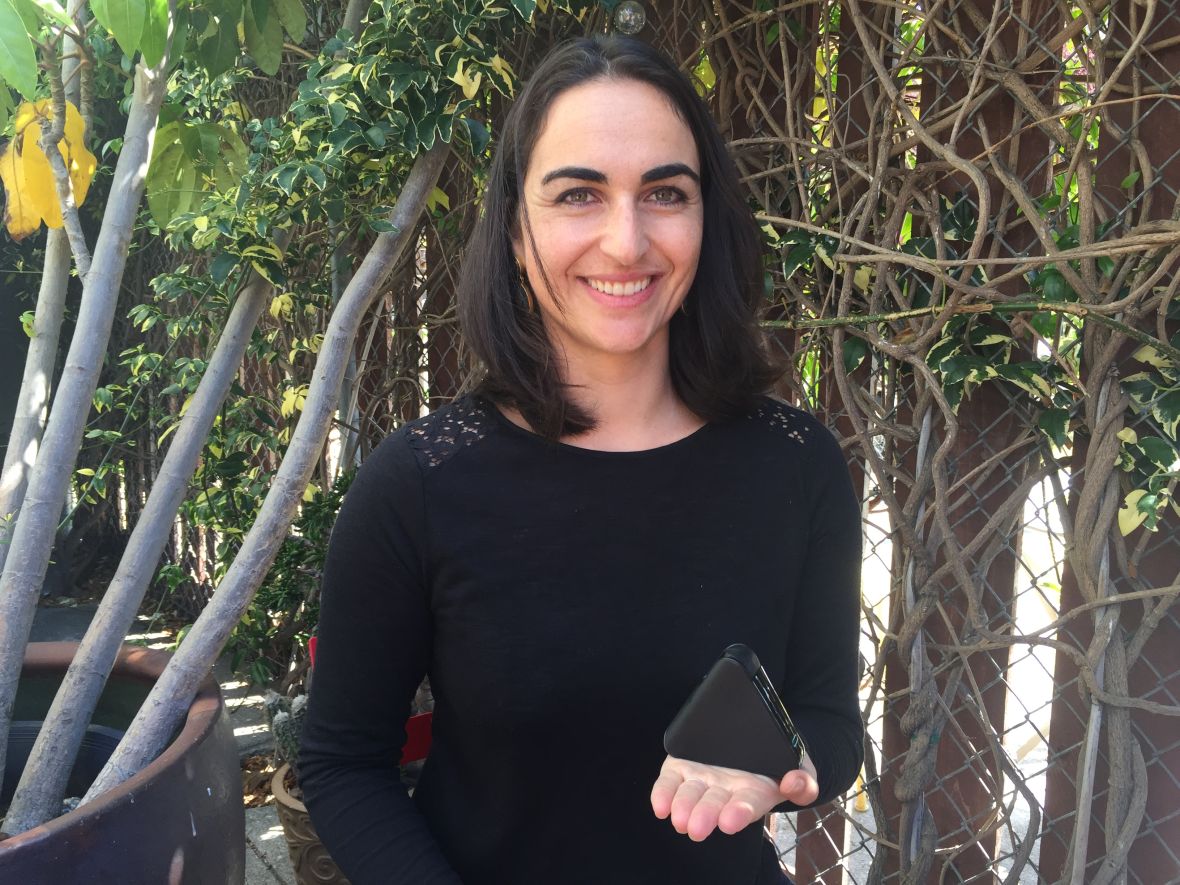
"caption": "Shireen Yates shows off Nima, a device that can detect the presence of gluten. ",
"description": null,
"title": "shirren",
"credit": "Christina Farr/KQED ",
"status": "inherit",
"isLoading": false,
"fetchFailed": false
},
"futureofyou_48818": {
"type": "attachments",
"id": "futureofyou_48818",
"meta": {
"index": "attachments_1716263798",
"site": "futureofyou",
"id": "48818",
"found": true
},
"parent": 48814,
"imgSizes": {
"twentyfourteen-full-width": {
"file": "https://ww2.kqed.org/app/uploads/sites/13/2015/10/deco-1-1038x576.jpg",
"width": 1038,
"mimeType": "image/jpeg",
"height": 576
},
"thumbnail": {
"file": "https://ww2.kqed.org/app/uploads/sites/13/2015/10/deco-1-400x267.jpg",
"width": 400,
"mimeType": "image/jpeg",
"height": 267
},
"fd-sm": {
"file": "https://ww2.kqed.org/app/uploads/sites/13/2015/10/deco-1-960x640.jpg",
"width": 960,
"mimeType": "image/jpeg",
"height": 640
},
"post-thumbnail": {
"file": "https://ww2.kqed.org/app/uploads/sites/13/2015/10/deco-1-672x372.jpg",
"width": 672,
"mimeType": "image/jpeg",
"height": 372
},
"kqedFullSize": {
"file": "https://ww2.kqed.org/app/uploads/sites/13/2015/10/deco-1.jpg",
"width": 1920,
"height": 1280
},
"large": {
"file": "https://ww2.kqed.org/app/uploads/sites/13/2015/10/deco-1-1180x787.jpg",
"width": 1180,
"mimeType": "image/jpeg",
"height": 787
},
"guest-author-96": {
"file": "https://ww2.kqed.org/app/uploads/sites/13/2015/10/deco-1-96x96.jpg",
"width": 96,
"mimeType": "image/jpeg",
"height": 96
},
"medium": {
"file": "https://ww2.kqed.org/app/uploads/sites/13/2015/10/deco-1-800x533.jpg",
"width": 800,
"mimeType": "image/jpeg",
"height": 533
},
"guest-author-64": {
"file": "https://ww2.kqed.org/app/uploads/sites/13/2015/10/deco-1-64x64.jpg",
"width": 64,
"mimeType": "image/jpeg",
"height": 64
},
"guest-author-32": {
"file": "https://ww2.kqed.org/app/uploads/sites/13/2015/10/deco-1-32x32.jpg",
"width": 32,
"mimeType": "image/jpeg",
"height": 32
},
"fd-lrg": {
"file": "https://ww2.kqed.org/app/uploads/sites/13/2015/10/deco-1-1920x1280.jpg",
"width": 1920,
"mimeType": "image/jpeg",
"height": 1280
},
"fd-med": {
"file": "https://ww2.kqed.org/app/uploads/sites/13/2015/10/deco-1-1180x787.jpg",
"width": 1180,
"mimeType": "image/jpeg",
"height": 787
},
"detail": {
"file": "https://ww2.kqed.org/app/uploads/sites/13/2015/10/deco-1-75x75.jpg",
"width": 75,
"mimeType": "image/jpeg",
"height": 75
},
"guest-author-128": {
"file": "https://ww2.kqed.org/app/uploads/sites/13/2015/10/deco-1-128x128.jpg",
"width": 128,
"mimeType": "image/jpeg",
"height": 128
}
},
"publishDate": 1444063139,
"modified": 1444063311,
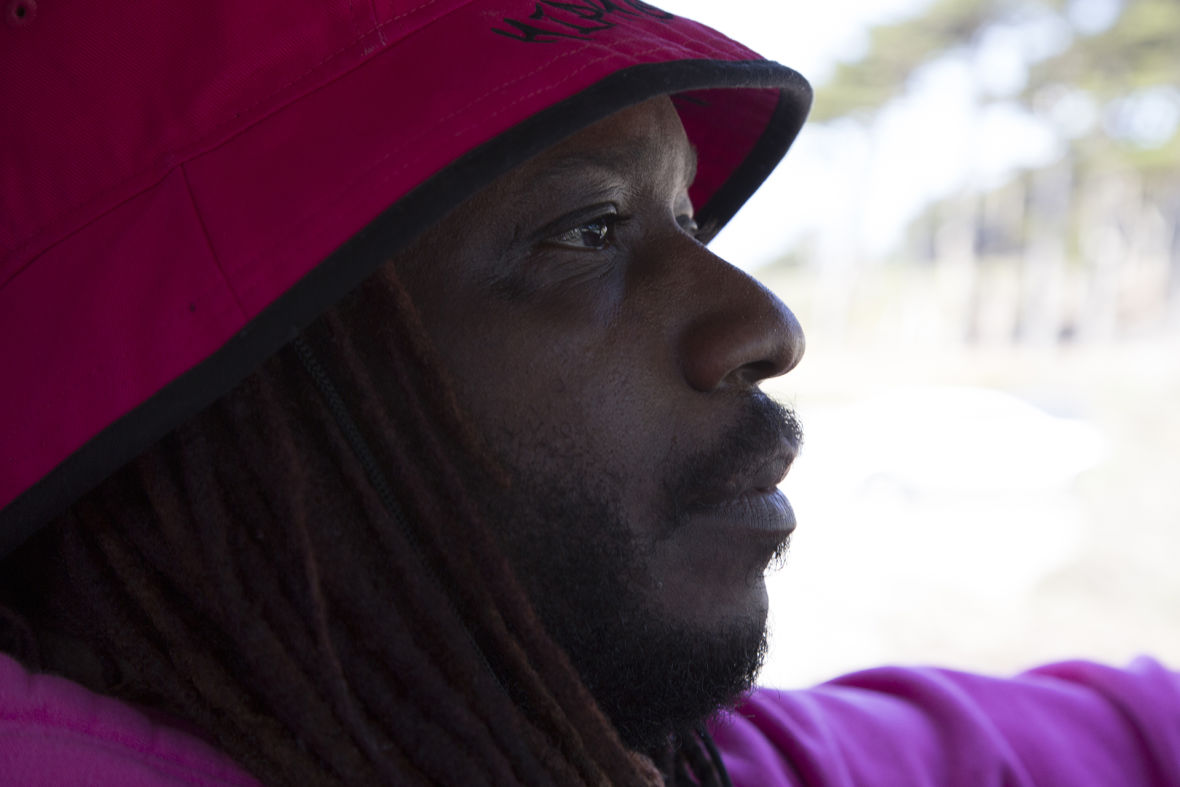
"caption": "Deco Carter works primarily for Lyft, Uber's biggest rival. He has been involved in two auto accidents, which meant he was unable to work. ",
"description": null,
"title": "deco",
"credit": "Alan Toth/KQED",
"status": "inherit",
"isLoading": false,
"fetchFailed": false
},
"futureofyou_47054": {
"type": "attachments",
"id": "futureofyou_47054",
"meta": {
"index": "attachments_1716263798",
"site": "futureofyou",
"id": "47054",
"found": true
},
"parent": 46582,
"imgSizes": {
"twentyfourteen-full-width": {
"file": "https://ww2.kqed.org/app/uploads/sites/13/2015/10/J._Craig_Venter_-_Eve_Bio_-_Next_gen_DNA_sequencing_-_21_Nov._2013-1038x576.jpg",
"width": 1038,
"mimeType": "image/jpeg",
"height": 576
},
"thumbnail": {
"file": "https://ww2.kqed.org/app/uploads/sites/13/2015/10/J._Craig_Venter_-_Eve_Bio_-_Next_gen_DNA_sequencing_-_21_Nov._2013-400x319.jpg",
"width": 400,
"mimeType": "image/jpeg",
"height": 319
},
"fd-sm": {
"file": "https://ww2.kqed.org/app/uploads/sites/13/2015/10/J._Craig_Venter_-_Eve_Bio_-_Next_gen_DNA_sequencing_-_21_Nov._2013-960x766.jpg",
"width": 960,
"mimeType": "image/jpeg",
"height": 766
},
"post-thumbnail": {
"file": "https://ww2.kqed.org/app/uploads/sites/13/2015/10/J._Craig_Venter_-_Eve_Bio_-_Next_gen_DNA_sequencing_-_21_Nov._2013-672x372.jpg",
"width": 672,
"mimeType": "image/jpeg",
"height": 372
},
"kqedFullSize": {
"file": "https://ww2.kqed.org/app/uploads/sites/13/2015/10/J._Craig_Venter_-_Eve_Bio_-_Next_gen_DNA_sequencing_-_21_Nov._2013.jpg",
"width": 2048,
"height": 1634
},
"large": {
"file": "https://ww2.kqed.org/app/uploads/sites/13/2015/10/J._Craig_Venter_-_Eve_Bio_-_Next_gen_DNA_sequencing_-_21_Nov._2013-1180x941.jpg",
"width": 1180,
"mimeType": "image/jpeg",
"height": 941
},
"guest-author-96": {
"file": "https://ww2.kqed.org/app/uploads/sites/13/2015/10/J._Craig_Venter_-_Eve_Bio_-_Next_gen_DNA_sequencing_-_21_Nov._2013-96x96.jpg",
"width": 96,
"mimeType": "image/jpeg",
"height": 96
},
"medium": {
"file": "https://ww2.kqed.org/app/uploads/sites/13/2015/10/J._Craig_Venter_-_Eve_Bio_-_Next_gen_DNA_sequencing_-_21_Nov._2013-752x600.jpg",
"width": 752,
"mimeType": "image/jpeg",
"height": 600
},
"guest-author-64": {
"file": "https://ww2.kqed.org/app/uploads/sites/13/2015/10/J._Craig_Venter_-_Eve_Bio_-_Next_gen_DNA_sequencing_-_21_Nov._2013-64x64.jpg",
"width": 64,
"mimeType": "image/jpeg",
"height": 64
},
"guest-author-32": {
"file": "https://ww2.kqed.org/app/uploads/sites/13/2015/10/J._Craig_Venter_-_Eve_Bio_-_Next_gen_DNA_sequencing_-_21_Nov._2013-32x32.jpg",
"width": 32,
"mimeType": "image/jpeg",
"height": 32
},
"fd-lrg": {
"file": "https://ww2.kqed.org/app/uploads/sites/13/2015/10/J._Craig_Venter_-_Eve_Bio_-_Next_gen_DNA_sequencing_-_21_Nov._2013-1920x1532.jpg",
"width": 1920,
"mimeType": "image/jpeg",
"height": 1532
},
"fd-med": {
"file": "https://ww2.kqed.org/app/uploads/sites/13/2015/10/J._Craig_Venter_-_Eve_Bio_-_Next_gen_DNA_sequencing_-_21_Nov._2013-1180x941.jpg",
"width": 1180,
"mimeType": "image/jpeg",
"height": 941
},
"detail": {
"file": "https://ww2.kqed.org/app/uploads/sites/13/2015/10/J._Craig_Venter_-_Eve_Bio_-_Next_gen_DNA_sequencing_-_21_Nov._2013-75x75.jpg",
"width": 75,
"mimeType": "image/jpeg",
"height": 75
},
"guest-author-128": {
"file": "https://ww2.kqed.org/app/uploads/sites/13/2015/10/J._Craig_Venter_-_Eve_Bio_-_Next_gen_DNA_sequencing_-_21_Nov._2013-128x128.jpg",
"width": 128,
"mimeType": "image/jpeg",
"height": 128
}
},
"publishDate": 1443722221,
"modified": 1443722285,
"caption": "Molecular biologist Craig Venter using a DNA sequencing machine with a group of scientists in Menlo Park, Calif. ",
"description": null,
"title": "J._Craig_Venter_-_Eve_Bio_-_Next_gen_DNA_sequencing_-_21_Nov._2013",
"credit": "Steve Jurvetson/Wikimedia Commons",
"status": "inherit",
"isLoading": false,
"fetchFailed": false
},
"stateofhealth_87051": {
"type": "attachments",
"id": "stateofhealth_87051",
"meta": {
"index": "attachments_1716263798",
"site": "stateofhealth",
"id": "87051",
"found": true
},
"parent": 87049,
"imgSizes": {
"twentyfourteen-full-width": {
"file": "https://ww2.kqed.org/app/uploads/sites/27/2015/10/RS3937_IMG_4329-1038x576.jpg",
"width": 1038,
"mimeType": "image/jpeg",
"height": 576
},
"thumbnail": {
"file": "https://ww2.kqed.org/app/uploads/sites/27/2015/10/RS3937_IMG_4329-400x300.jpg",
"width": 400,
"mimeType": "image/jpeg",
"height": 300
},
"fd-sm": {
"file": "https://ww2.kqed.org/app/uploads/sites/27/2015/10/RS3937_IMG_4329-960x720.jpg",
"width": 960,
"mimeType": "image/jpeg",
"height": 720
},
"post-thumbnail": {
"file": "https://ww2.kqed.org/app/uploads/sites/27/2015/10/RS3937_IMG_4329-672x372.jpg",
"width": 672,
"mimeType": "image/jpeg",
"height": 372
},
"kqedFullSize": {
"file": "https://ww2.kqed.org/app/uploads/sites/27/2015/10/RS3937_IMG_4329-e1443742931302.jpg",
"width": 1920,
"height": 1440
},
"large": {
"file": "https://ww2.kqed.org/app/uploads/sites/27/2015/10/RS3937_IMG_4329-1440x1080.jpg",
"width": 1440,
"mimeType": "image/jpeg",
"height": 1080
},
"guest-author-96": {
"file": "https://ww2.kqed.org/app/uploads/sites/27/2015/10/RS3937_IMG_4329-96x96.jpg",
"width": 96,
"mimeType": "image/jpeg",
"height": 96
},
"medium": {
"file": "https://ww2.kqed.org/app/uploads/sites/27/2015/10/RS3937_IMG_4329-800x600.jpg",
"width": 800,
"mimeType": "image/jpeg",
"height": 600
},
"guest-author-64": {
"file": "https://ww2.kqed.org/app/uploads/sites/27/2015/10/RS3937_IMG_4329-64x64.jpg",
"width": 64,
"mimeType": "image/jpeg",
"height": 64
},
"guest-author-32": {
"file": "https://ww2.kqed.org/app/uploads/sites/27/2015/10/RS3937_IMG_4329-32x32.jpg",
"width": 32,
"mimeType": "image/jpeg",
"height": 32
},
"jmtc-small-thumb": {
"file": "https://ww2.kqed.org/app/uploads/sites/27/2015/10/RS3937_IMG_4329-280x150.jpg",
"width": 280,
"mimeType": "image/jpeg",
"height": 150
},
"fd-lrg": {
"file": "https://ww2.kqed.org/app/uploads/sites/27/2015/10/RS3937_IMG_4329-1920x1440.jpg",
"width": 1920,
"mimeType": "image/jpeg",
"height": 1440
},
"fd-med": {
"file": "https://ww2.kqed.org/app/uploads/sites/27/2015/10/RS3937_IMG_4329-1180x885.jpg",
"width": 1180,
"mimeType": "image/jpeg",
"height": 885
},
"detail": {
"file": "https://ww2.kqed.org/app/uploads/sites/27/2015/10/RS3937_IMG_4329-75x75.jpg",
"width": 75,
"mimeType": "image/jpeg",
"height": 75
},
"guest-author-128": {
"file": "https://ww2.kqed.org/app/uploads/sites/27/2015/10/RS3937_IMG_4329-128x128.jpg",
"width": 128,
"mimeType": "image/jpeg",
"height": 128
}
},
"publishDate": 1443742902,
"modified": 1443742926,
"caption": null,
"description": null,
"title": "RS3937_IMG_4329",
"credit": "Molly Samuel/KQED, with aerial support from LightHawk",
"status": "inherit",
"isLoading": false,
"fetchFailed": false
},
"futureofyou_46244": {
"type": "attachments",
"id": "futureofyou_46244",
"meta": {
"index": "attachments_1716263798",
"site": "futureofyou",
"id": "46244",
"found": true
},
"parent": 46124,
"imgSizes": {
"thumbnail": {
"file": "https://ww2.kqed.org/app/uploads/sites/13/2015/09/CQGmPx0UAAA3Svx-400x300.jpg",
"width": 400,
"mimeType": "image/jpeg",
"height": 300
},
"post-thumbnail": {
"file": "https://ww2.kqed.org/app/uploads/sites/13/2015/09/CQGmPx0UAAA3Svx-600x372.jpg",
"width": 600,
"mimeType": "image/jpeg",
"height": 372
},
"kqedFullSize": {
"file": "https://ww2.kqed.org/app/uploads/sites/13/2015/09/CQGmPx0UAAA3Svx.jpg",
"width": 600,
"height": 450
},
"guest-author-96": {
"file": "https://ww2.kqed.org/app/uploads/sites/13/2015/09/CQGmPx0UAAA3Svx-96x96.jpg",
"width": 96,
"mimeType": "image/jpeg",
"height": 96
},
"guest-author-64": {
"file": "https://ww2.kqed.org/app/uploads/sites/13/2015/09/CQGmPx0UAAA3Svx-64x64.jpg",
"width": 64,
"mimeType": "image/jpeg",
"height": 64
},
"detail": {
"file": "https://ww2.kqed.org/app/uploads/sites/13/2015/09/CQGmPx0UAAA3Svx-75x75.jpg",
"width": 75,
"mimeType": "image/jpeg",
"height": 75
},
"guest-author-32": {
"file": "https://ww2.kqed.org/app/uploads/sites/13/2015/09/CQGmPx0UAAA3Svx-32x32.jpg",
"width": 32,
"mimeType": "image/jpeg",
"height": 32
},
"guest-author-128": {
"file": "https://ww2.kqed.org/app/uploads/sites/13/2015/09/CQGmPx0UAAA3Svx-128x128.jpg",
"width": 128,
"mimeType": "image/jpeg",
"height": 128
}
},
"publishDate": 1443569198,
"modified": 1443569226,
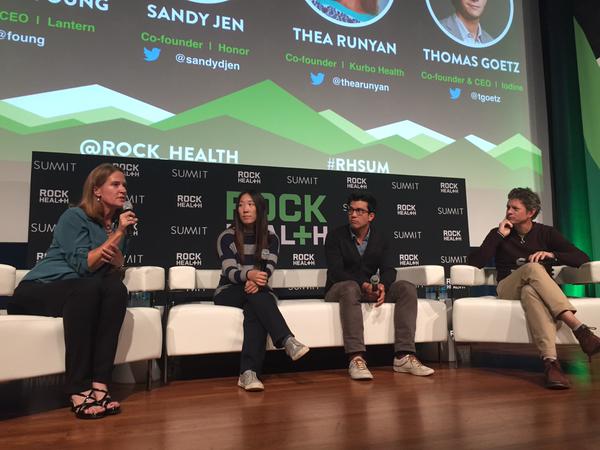
"caption": "Panelists at Rock Health's Summit in San Francisco.",
"description": "Rock Health is a startup fund for digital health care companies.",
"title": "CQGmPx0UAAA3Svx",
"credit": "Rock Health",
"status": "inherit",
"isLoading": false,
"fetchFailed": false
},
"futureofyou_45716": {
"type": "attachments",
"id": "futureofyou_45716",
"meta": {
"index": "attachments_1716263798",
"site": "futureofyou",
"id": "45716",
"found": true
},
"parent": 45677,
"imgSizes": {
"twentyfourteen-full-width": {
"file": "https://ww2.kqed.org/app/uploads/sites/13/2015/09/grand-rounds-1038x576.jpg",
"width": 1038,
"mimeType": "image/jpeg",
"height": 576
},
"thumbnail": {
"file": "https://ww2.kqed.org/app/uploads/sites/13/2015/09/grand-rounds-400x267.jpg",
"width": 400,
"mimeType": "image/jpeg",
"height": 267
},
"fd-sm": {
"file": "https://ww2.kqed.org/app/uploads/sites/13/2015/09/grand-rounds-960x640.jpg",
"width": 960,
"mimeType": "image/jpeg",
"height": 640
},
"post-thumbnail": {
"file": "https://ww2.kqed.org/app/uploads/sites/13/2015/09/grand-rounds-672x372.jpg",
"width": 672,
"mimeType": "image/jpeg",
"height": 372
},
"kqedFullSize": {
"file": "https://ww2.kqed.org/app/uploads/sites/13/2015/09/grand-rounds.jpg",
"width": 2765,
"height": 1844
},
"large": {
"file": "https://ww2.kqed.org/app/uploads/sites/13/2015/09/grand-rounds-1180x787.jpg",
"width": 1180,
"mimeType": "image/jpeg",
"height": 787
},
"guest-author-96": {
"file": "https://ww2.kqed.org/app/uploads/sites/13/2015/09/grand-rounds-96x96.jpg",
"width": 96,
"mimeType": "image/jpeg",
"height": 96
},
"medium": {
"file": "https://ww2.kqed.org/app/uploads/sites/13/2015/09/grand-rounds-800x534.jpg",
"width": 800,
"mimeType": "image/jpeg",
"height": 534
},
"guest-author-64": {
"file": "https://ww2.kqed.org/app/uploads/sites/13/2015/09/grand-rounds-64x64.jpg",
"width": 64,
"mimeType": "image/jpeg",
"height": 64
},
"guest-author-32": {
"file": "https://ww2.kqed.org/app/uploads/sites/13/2015/09/grand-rounds-32x32.jpg",
"width": 32,
"mimeType": "image/jpeg",
"height": 32
},
"fd-lrg": {
"file": "https://ww2.kqed.org/app/uploads/sites/13/2015/09/grand-rounds-1920x1280.jpg",
"width": 1920,
"mimeType": "image/jpeg",
"height": 1280
},
"fd-med": {
"file": "https://ww2.kqed.org/app/uploads/sites/13/2015/09/grand-rounds-1180x787.jpg",
"width": 1180,
"mimeType": "image/jpeg",
"height": 787
},
"detail": {
"file": "https://ww2.kqed.org/app/uploads/sites/13/2015/09/grand-rounds-75x75.jpg",
"width": 75,
"mimeType": "image/jpeg",
"height": 75
},
"guest-author-128": {
"file": "https://ww2.kqed.org/app/uploads/sites/13/2015/09/grand-rounds-128x128.jpg",
"width": 128,
"mimeType": "image/jpeg",
"height": 128
}
},
"publishDate": 1443483306,
"modified": 1443483518,
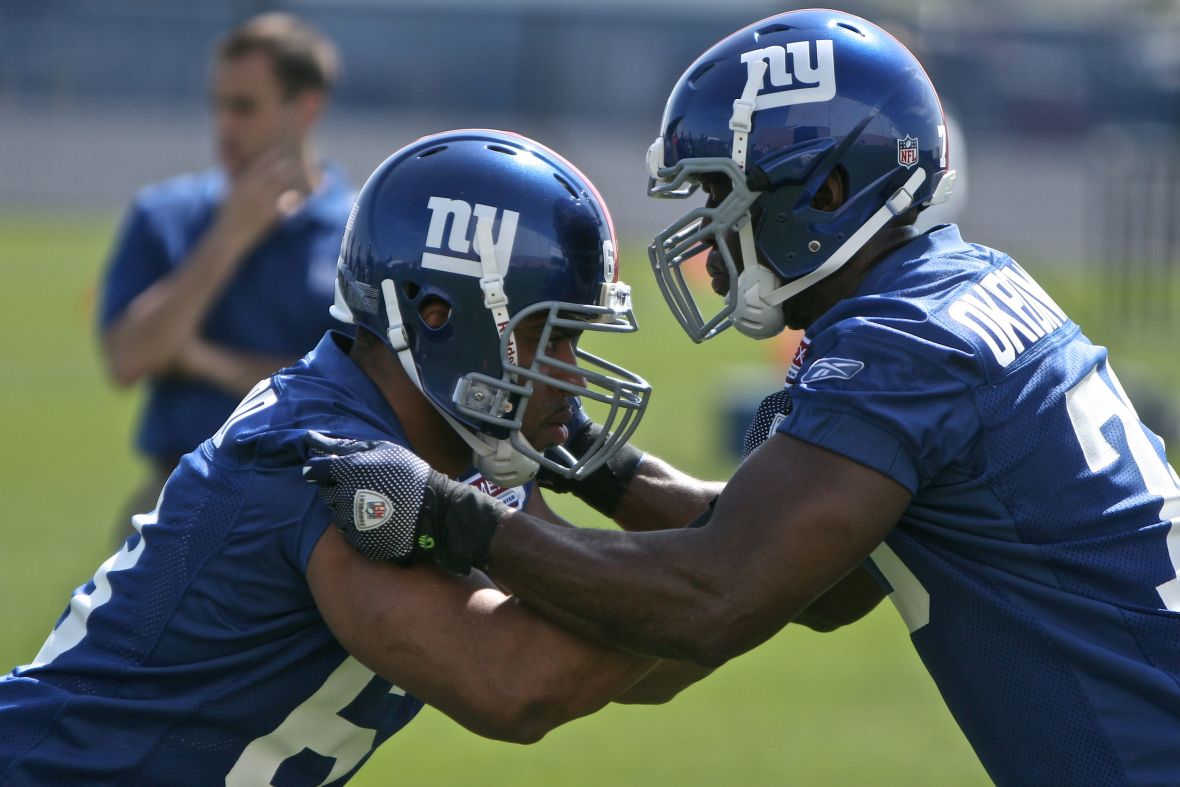
"caption": "A new program aims to treat veterans and NFL players who suffer from a range of neurological conditions. ",
"description": null,
"title": "NY Giants Rookie Mini-Camp",
"credit": "MarineCorps NewYork/Flickr",
"status": "inherit",
"isLoading": false,
"fetchFailed": false
},
"stateofhealth_85536": {
"type": "attachments",
"id": "stateofhealth_85536",
"meta": {
"index": "attachments_1716263798",
"site": "stateofhealth",
"id": "85536",
"found": true
},
"parent": 85535,
"imgSizes": {
"twentyfourteen-full-width": {
"file": "https://ww2.kqed.org/app/uploads/sites/27/2015/09/IMG_5587-2-1038x576.jpg",
"width": 1038,
"mimeType": "image/jpeg",
"height": 576
},
"thumbnail": {
"file": "https://ww2.kqed.org/app/uploads/sites/27/2015/09/IMG_5587-2-400x300.jpg",
"width": 400,
"mimeType": "image/jpeg",
"height": 300
},
"fd-sm": {
"file": "https://ww2.kqed.org/app/uploads/sites/27/2015/09/IMG_5587-2-960x720.jpg",
"width": 960,
"mimeType": "image/jpeg",
"height": 720
},
"post-thumbnail": {
"file": "https://ww2.kqed.org/app/uploads/sites/27/2015/09/IMG_5587-2-672x372.jpg",
"width": 672,
"mimeType": "image/jpeg",
"height": 372
},
"kqedFullSize": {
"file": "https://ww2.kqed.org/app/uploads/sites/27/2015/09/IMG_5587-2-e1443479782980.jpg",
"width": 1920,
"height": 1440
},
"large": {
"file": "https://ww2.kqed.org/app/uploads/sites/27/2015/09/IMG_5587-2-1440x1080.jpg",
"width": 1440,
"mimeType": "image/jpeg",
"height": 1080
},
"guest-author-96": {
"file": "https://ww2.kqed.org/app/uploads/sites/27/2015/09/IMG_5587-2-96x96.jpg",
"width": 96,
"mimeType": "image/jpeg",
"height": 96
},
"medium": {
"file": "https://ww2.kqed.org/app/uploads/sites/27/2015/09/IMG_5587-2-800x600.jpg",
"width": 800,
"mimeType": "image/jpeg",
"height": 600
},
"guest-author-64": {
"file": "https://ww2.kqed.org/app/uploads/sites/27/2015/09/IMG_5587-2-64x64.jpg",
"width": 64,
"mimeType": "image/jpeg",
"height": 64
},
"guest-author-32": {
"file": "https://ww2.kqed.org/app/uploads/sites/27/2015/09/IMG_5587-2-32x32.jpg",
"width": 32,
"mimeType": "image/jpeg",
"height": 32
},
"jmtc-small-thumb": {
"file": "https://ww2.kqed.org/app/uploads/sites/27/2015/09/IMG_5587-2-280x150.jpg",
"width": 280,
"mimeType": "image/jpeg",
"height": 150
},
"fd-lrg": {
"file": "https://ww2.kqed.org/app/uploads/sites/27/2015/09/IMG_5587-2-1920x1440.jpg",
"width": 1920,
"mimeType": "image/jpeg",
"height": 1440
},
"fd-med": {
"file": "https://ww2.kqed.org/app/uploads/sites/27/2015/09/IMG_5587-2-1180x885.jpg",
"width": 1180,
"mimeType": "image/jpeg",
"height": 885
},
"detail": {
"file": "https://ww2.kqed.org/app/uploads/sites/27/2015/09/IMG_5587-2-75x75.jpg",
"width": 75,
"mimeType": "image/jpeg",
"height": 75
},
"guest-author-128": {
"file": "https://ww2.kqed.org/app/uploads/sites/27/2015/09/IMG_5587-2-128x128.jpg",
"width": 128,
"mimeType": "image/jpeg",
"height": 128
}
},
"publishDate": 1443479767,
"modified": 1443479893,
"caption": "Opponents to SB277 staffed a booth at a Berkeley street fair earlier this month to collect signatures to place a referendum challenging the vaccine law on the ballot. ",
"description": null,
"title": "IMG_5587-2",
"credit": "Lisa Aliferis/KQED",
"status": "inherit",
"isLoading": false,
"fetchFailed": false
},
"futureofyou_43809": {
"type": "attachments",
"id": "futureofyou_43809",
"meta": {
"index": "attachments_1716263798",
"site": "futureofyou",
"id": "43809",
"found": true
},
"parent": 43784,
"imgSizes": {
"twentyfourteen-full-width": {
"file": "https://ww2.kqed.org/app/uploads/sites/13/2015/09/jerry-the-bear-1038x576.jpg",
"width": 1038,
"mimeType": "image/jpeg",
"height": 576
},
"thumbnail": {
"file": "https://ww2.kqed.org/app/uploads/sites/13/2015/09/jerry-the-bear-400x225.jpg",
"width": 400,
"mimeType": "image/jpeg",
"height": 225
},
"fd-sm": {
"file": "https://ww2.kqed.org/app/uploads/sites/13/2015/09/jerry-the-bear-960x540.jpg",
"width": 960,
"mimeType": "image/jpeg",
"height": 540
},
"post-thumbnail": {
"file": "https://ww2.kqed.org/app/uploads/sites/13/2015/09/jerry-the-bear-672x372.jpg",
"width": 672,
"mimeType": "image/jpeg",
"height": 372
},
"kqedFullSize": {
"file": "https://ww2.kqed.org/app/uploads/sites/13/2015/09/jerry-the-bear.jpg",
"width": 1600,
"height": 900
},
"large": {
"file": "https://ww2.kqed.org/app/uploads/sites/13/2015/09/jerry-the-bear-1180x664.jpg",
"width": 1180,
"mimeType": "image/jpeg",
"height": 664
},
"guest-author-96": {
"file": "https://ww2.kqed.org/app/uploads/sites/13/2015/09/jerry-the-bear-96x96.jpg",
"width": 96,
"mimeType": "image/jpeg",
"height": 96
},
"medium": {
"file": "https://ww2.kqed.org/app/uploads/sites/13/2015/09/jerry-the-bear-800x450.jpg",
"width": 800,
"mimeType": "image/jpeg",
"height": 450
},
"guest-author-64": {
"file": "https://ww2.kqed.org/app/uploads/sites/13/2015/09/jerry-the-bear-64x64.jpg",
"width": 64,
"mimeType": "image/jpeg",
"height": 64
},
"guest-author-32": {
"file": "https://ww2.kqed.org/app/uploads/sites/13/2015/09/jerry-the-bear-32x32.jpg",
"width": 32,
"mimeType": "image/jpeg",
"height": 32
},
"fd-med": {
"file": "https://ww2.kqed.org/app/uploads/sites/13/2015/09/jerry-the-bear-1180x664.jpg",
"width": 1180,
"mimeType": "image/jpeg",
"height": 664
},
"detail": {
"file": "https://ww2.kqed.org/app/uploads/sites/13/2015/09/jerry-the-bear-75x75.jpg",
"width": 75,
"mimeType": "image/jpeg",
"height": 75
},
"guest-author-128": {
"file": "https://ww2.kqed.org/app/uploads/sites/13/2015/09/jerry-the-bear-128x128.jpg",
"width": 128,
"mimeType": "image/jpeg",
"height": 128
}
},
"publishDate": 1443131346,
"modified": 1443131378,
"caption": " Jerry the Bear, a $99 interactive toy, teaches kids about mindfulness and nutrition. ",
"description": null,
"title": "jerry the bear",
"credit": "Sproutel",
"status": "inherit",
"isLoading": false,
"fetchFailed": false
},
"futureofyou_42881": {
"type": "attachments",
"id": "futureofyou_42881",
"meta": {
"index": "attachments_1716263798",
"site": "futureofyou",
"id": "42881",
"found": true
},
"parent": 42815,
"imgSizes": {
"twentyfourteen-full-width": {
"file": "https://ww2.kqed.org/app/uploads/sites/13/2015/09/ed-school-1038x576.jpg",
"width": 1038,
"mimeType": "image/jpeg",
"height": 576
},
"thumbnail": {
"file": "https://ww2.kqed.org/app/uploads/sites/13/2015/09/ed-school-400x266.jpg",
"width": 400,
"mimeType": "image/jpeg",
"height": 266
},
"fd-sm": {
"file": "https://ww2.kqed.org/app/uploads/sites/13/2015/09/ed-school-960x637.jpg",
"width": 960,
"mimeType": "image/jpeg",
"height": 637
},
"post-thumbnail": {
"file": "https://ww2.kqed.org/app/uploads/sites/13/2015/09/ed-school-672x372.jpg",
"width": 672,
"mimeType": "image/jpeg",
"height": 372
},
"kqedFullSize": {
"file": "https://ww2.kqed.org/app/uploads/sites/13/2015/09/ed-school.jpg",
"width": 1500,
"height": 996
},
"large": {
"file": "https://ww2.kqed.org/app/uploads/sites/13/2015/09/ed-school-1180x784.jpg",
"width": 1180,
"mimeType": "image/jpeg",
"height": 784
},
"guest-author-96": {
"file": "https://ww2.kqed.org/app/uploads/sites/13/2015/09/ed-school-96x96.jpg",
"width": 96,
"mimeType": "image/jpeg",
"height": 96
},
"medium": {
"file": "https://ww2.kqed.org/app/uploads/sites/13/2015/09/ed-school-800x531.jpg",
"width": 800,
"mimeType": "image/jpeg",
"height": 531
},
"guest-author-64": {
"file": "https://ww2.kqed.org/app/uploads/sites/13/2015/09/ed-school-64x64.jpg",
"width": 64,
"mimeType": "image/jpeg",
"height": 64
},
"guest-author-32": {
"file": "https://ww2.kqed.org/app/uploads/sites/13/2015/09/ed-school-32x32.jpg",
"width": 32,
"mimeType": "image/jpeg",
"height": 32
},
"fd-med": {
"file": "https://ww2.kqed.org/app/uploads/sites/13/2015/09/ed-school-1180x784.jpg",
"width": 1180,
"mimeType": "image/jpeg",
"height": 784
},
"detail": {
"file": "https://ww2.kqed.org/app/uploads/sites/13/2015/09/ed-school-75x75.jpg",
"width": 75,
"mimeType": "image/jpeg",
"height": 75
},
"guest-author-128": {
"file": "https://ww2.kqed.org/app/uploads/sites/13/2015/09/ed-school-128x128.jpg",
"width": 128,
"mimeType": "image/jpeg",
"height": 128
}
},
"publishDate": 1442967814,
"modified": 1443050201,
"caption": "In the future, medical residents will learn a different set of skills to be able to function in a tech-driven world.",
"description": null,
"title": "medical school",
"credit": "Flickr/Glenn O",
"status": "inherit",
"isLoading": false,
"fetchFailed": false
},
"futureofyou_43259": {
"type": "attachments",
"id": "futureofyou_43259",
"meta": {
"index": "attachments_1716263798",
"site": "futureofyou",
"id": "43259",
"found": true
},
"parent": 42356,
"imgSizes": {
"twentyfourteen-full-width": {
"file": "https://ww2.kqed.org/app/uploads/sites/13/2016/09/seitz-1024x576.jpg",
"width": 1024,
"mimeType": "image/jpeg",
"height": 576
},
"thumbnail": {
"file": "https://ww2.kqed.org/app/uploads/sites/13/2016/09/seitz-400x300.jpg",
"width": 400,
"mimeType": "image/jpeg",
"height": 300
},
"fd-sm": {
"file": "https://ww2.kqed.org/app/uploads/sites/13/2016/09/seitz-960x720.jpg",
"width": 960,
"mimeType": "image/jpeg",
"height": 720
},
"post-thumbnail": {
"file": "https://ww2.kqed.org/app/uploads/sites/13/2016/09/seitz-672x372.jpg",
"width": 672,
"mimeType": "image/jpeg",
"height": 372
},
"kqedFullSize": {
"file": "https://ww2.kqed.org/app/uploads/sites/13/2016/09/seitz.jpg",
"width": 1024,
"height": 768
},
"guest-author-96": {
"file": "https://ww2.kqed.org/app/uploads/sites/13/2016/09/seitz-96x96.jpg",
"width": 96,
"mimeType": "image/jpeg",
"height": 96
},
"medium": {
"file": "https://ww2.kqed.org/app/uploads/sites/13/2016/09/seitz-800x600.jpg",
"width": 800,
"mimeType": "image/jpeg",
"height": 600
},
"guest-author-64": {
"file": "https://ww2.kqed.org/app/uploads/sites/13/2016/09/seitz-64x64.jpg",
"width": 64,
"mimeType": "image/jpeg",
"height": 64
},
"detail": {
"file": "https://ww2.kqed.org/app/uploads/sites/13/2016/09/seitz-75x75.jpg",
"width": 75,
"mimeType": "image/jpeg",
"height": 75
},
"guest-author-32": {
"file": "https://ww2.kqed.org/app/uploads/sites/13/2016/09/seitz-32x32.jpg",
"width": 32,
"mimeType": "image/jpeg",
"height": 32
},
"guest-author-128": {
"file": "https://ww2.kqed.org/app/uploads/sites/13/2016/09/seitz-128x128.jpg",
"width": 128,
"mimeType": "image/jpeg",
"height": 128
}
},
"publishDate": 1443038964,
"modified": 1443038988,
"caption": "UC Riverside professor of psychology Aaron Seitz woke up one morning to a hefty fine. ",
"description": null,
"title": "seitz",
"credit": "Sanden Totten/ KPCC.org",
"status": "inherit",
"isLoading": false,
"fetchFailed": false
},
"stateofhealth_81627": {
"type": "attachments",
"id": "stateofhealth_81627",
"meta": {
"index": "attachments_1716263798",
"site": "stateofhealth",
"id": "81627",
"found": true
},
"parent": 81576,
"imgSizes": {
"twentyfourteen-full-width": {
"file": "https://ww2.kqed.org/app/uploads/sites/27/2015/09/iStock_000061831736_Large-1038x576.jpg",
"width": 1038,
"mimeType": "image/jpeg",
"height": 576
},
"thumbnail": {
"file": "https://ww2.kqed.org/app/uploads/sites/27/2015/09/iStock_000061831736_Large-400x267.jpg",
"width": 400,
"mimeType": "image/jpeg",
"height": 267
},
"fd-sm": {
"file": "https://ww2.kqed.org/app/uploads/sites/27/2015/09/iStock_000061831736_Large-960x640.jpg",
"width": 960,
"mimeType": "image/jpeg",
"height": 640
},
"post-thumbnail": {
"file": "https://ww2.kqed.org/app/uploads/sites/27/2015/09/iStock_000061831736_Large-672x372.jpg",
"width": 672,
"mimeType": "image/jpeg",
"height": 372
},
"kqedFullSize": {
"file": "https://ww2.kqed.org/app/uploads/sites/27/2015/09/iStock_000061831736_Large-e1442878368672.jpg",
"width": 1920,
"height": 1280
},
"large": {
"file": "https://ww2.kqed.org/app/uploads/sites/27/2015/09/iStock_000061831736_Large-1440x960.jpg",
"width": 1440,
"mimeType": "image/jpeg",
"height": 960
},
"guest-author-96": {
"file": "https://ww2.kqed.org/app/uploads/sites/27/2015/09/iStock_000061831736_Large-96x96.jpg",
"width": 96,
"mimeType": "image/jpeg",
"height": 96
},
"medium": {
"file": "https://ww2.kqed.org/app/uploads/sites/27/2015/09/iStock_000061831736_Large-800x533.jpg",
"width": 800,
"mimeType": "image/jpeg",
"height": 533
},
"guest-author-64": {
"file": "https://ww2.kqed.org/app/uploads/sites/27/2015/09/iStock_000061831736_Large-64x64.jpg",
"width": 64,
"mimeType": "image/jpeg",
"height": 64
},
"guest-author-32": {
"file": "https://ww2.kqed.org/app/uploads/sites/27/2015/09/iStock_000061831736_Large-32x32.jpg",
"width": 32,
"mimeType": "image/jpeg",
"height": 32
},
"jmtc-small-thumb": {
"file": "https://ww2.kqed.org/app/uploads/sites/27/2015/09/iStock_000061831736_Large-280x150.jpg",
"width": 280,
"mimeType": "image/jpeg",
"height": 150
},
"fd-lrg": {
"file": "https://ww2.kqed.org/app/uploads/sites/27/2015/09/iStock_000061831736_Large-1920x1280.jpg",
"width": 1920,
"mimeType": "image/jpeg",
"height": 1280
},
"fd-med": {
"file": "https://ww2.kqed.org/app/uploads/sites/27/2015/09/iStock_000061831736_Large-1180x787.jpg",
"width": 1180,
"mimeType": "image/jpeg",
"height": 787
},
"detail": {
"file": "https://ww2.kqed.org/app/uploads/sites/27/2015/09/iStock_000061831736_Large-75x75.jpg",
"width": 75,
"mimeType": "image/jpeg",
"height": 75
},
"guest-author-128": {
"file": "https://ww2.kqed.org/app/uploads/sites/27/2015/09/iStock_000061831736_Large-128x128.jpg",
"width": 128,
"mimeType": "image/jpeg",
"height": 128
}
},
"publishDate": 1442878356,
"modified": 1442878383,
"caption": null,
"description": null,
"title": "Doctor examining a pregnant woman",
"credit": "Getty Images",
"status": "inherit",
"isLoading": false,
"fetchFailed": false
},
"futureofyou_42259": {
"type": "attachments",
"id": "futureofyou_42259",
"meta": {
"index": "attachments_1716263798",
"site": "futureofyou",
"id": "42259",
"found": true
},
"parent": 39097,
"imgSizes": {
"twentyfourteen-full-width": {
"file": "https://ww2.kqed.org/app/uploads/sites/13/2015/09/diet-1038x576.jpg",
"width": 1038,
"mimeType": "image/jpeg",
"height": 576
},
"thumbnail": {
"file": "https://ww2.kqed.org/app/uploads/sites/13/2015/09/diet-400x243.jpg",
"width": 400,
"mimeType": "image/jpeg",
"height": 243
},
"fd-sm": {
"file": "https://ww2.kqed.org/app/uploads/sites/13/2015/09/diet-960x583.jpg",
"width": 960,
"mimeType": "image/jpeg",
"height": 583
},
"post-thumbnail": {
"file": "https://ww2.kqed.org/app/uploads/sites/13/2015/09/diet-672x372.jpg",
"width": 672,
"mimeType": "image/jpeg",
"height": 372
},
"kqedFullSize": {
"file": "https://ww2.kqed.org/app/uploads/sites/13/2015/09/diet.jpg",
"width": 2048,
"height": 1244
},
"large": {
"file": "https://ww2.kqed.org/app/uploads/sites/13/2015/09/diet-1180x717.jpg",
"width": 1180,
"mimeType": "image/jpeg",
"height": 717
},
"guest-author-96": {
"file": "https://ww2.kqed.org/app/uploads/sites/13/2015/09/diet-96x96.jpg",
"width": 96,
"mimeType": "image/jpeg",
"height": 96
},
"medium": {
"file": "https://ww2.kqed.org/app/uploads/sites/13/2015/09/diet-800x486.jpg",
"width": 800,
"mimeType": "image/jpeg",
"height": 486
},
"guest-author-64": {
"file": "https://ww2.kqed.org/app/uploads/sites/13/2015/09/diet-64x64.jpg",
"width": 64,
"mimeType": "image/jpeg",
"height": 64
},
"guest-author-32": {
"file": "https://ww2.kqed.org/app/uploads/sites/13/2015/09/diet-32x32.jpg",
"width": 32,
"mimeType": "image/jpeg",
"height": 32
},
"fd-lrg": {
"file": "https://ww2.kqed.org/app/uploads/sites/13/2015/09/diet-1920x1166.jpg",
"width": 1920,
"mimeType": "image/jpeg",
"height": 1166
},
"fd-med": {
"file": "https://ww2.kqed.org/app/uploads/sites/13/2015/09/diet-1180x717.jpg",
"width": 1180,
"mimeType": "image/jpeg",
"height": 717
},
"detail": {
"file": "https://ww2.kqed.org/app/uploads/sites/13/2015/09/diet-75x75.jpg",
"width": 75,
"mimeType": "image/jpeg",
"height": 75
},
"guest-author-128": {
"file": "https://ww2.kqed.org/app/uploads/sites/13/2015/09/diet-128x128.jpg",
"width": 128,
"mimeType": "image/jpeg",
"height": 128
}
},
"publishDate": 1442853113,
"modified": 1442853253,
"caption": "Figuring out which diet is best for you based on a genetic test is as tricky as you think it is.",
"description": null,
"title": "diet",
"credit": "Moyan Brenn/Flickr ",
"status": "inherit",
"isLoading": false,
"fetchFailed": false
}
},
"audioPlayerReducer": {
"postId": "stream_live",
"isPaused": true,
"isPlaying": false,
"pfsActive": false,
"pledgeModalIsOpen": true,
"playerDrawerIsOpen": false,
"liveAudioPlayStartedAt": 0,
"liveAudioPlayContext": ""
},
"authorsReducer": {
"byline_futureofyou_46582": {
"type": "authors",
"id": "byline_futureofyou_46582",
"meta": {
"override": true
},
"slug": "byline_futureofyou_46582",
"name": "Dr. Barry Starr and Christina Farr",
"isLoading": false
},
"byline_stateofhealth_87049": {
"type": "authors",
"id": "byline_stateofhealth_87049",
"meta": {
"override": true
},
"slug": "byline_stateofhealth_87049",
"name": "\u003cstrong>Don Thompson\u003cbr />Associated Press\u003c/strong>",
"isLoading": false
},
"byline_stateofhealth_85535": {
"type": "authors",
"id": "byline_stateofhealth_85535",
"meta": {
"override": true
},
"slug": "byline_stateofhealth_85535",
"name": "Juliet Williams",
"isLoading": false
},
"jbrooks": {
"type": "authors",
"id": "80",
"meta": {
"index": "authors_1716337520",
"id": "80",
"found": true
},
"name": "Jon Brooks",
"firstName": "Jon",
"lastName": "Brooks",
"slug": "jbrooks",
"email": "jbrooks@kqed.org",
"display_author_email": true,
"staff_mastheads": [
"science"
],
"title": "Digital Editor",
"bio": "Jon Brooks is a former Digital Editor for KQED Science. He is the former editor of KQED’s daily news blog, News Fix. In 2014, he won a California Journalism Award for his coverage of ride services like Uber and Lyft and the taxi industry. A veteran blogger, he previously worked for Yahoo! in various news writing and editing roles. Jon is also a playwright whose work has been produced in San Francisco, New York, Italy, and around the U.S. He has written about film for his own blog and studied film at Boston University.",
"avatar": "https://secure.gravatar.com/avatar/98887f7ed1c876ed414d4c915e969584?s=600&d=blank&r=g",
"twitter": "jbrooksfoy",
"facebook": null,
"instagram": null,
"linkedin": null,
"sites": [
{
"site": "arts",
"roles": [
"Contributor",
"editor"
]
},
{
"site": "news",
"roles": [
"author"
]
},
{
"site": "futureofyou",
"roles": [
"administrator"
]
},
{
"site": "mindshift",
"roles": [
"editor"
]
},
{
"site": "stateofhealth",
"roles": [
"editor"
]
},
{
"site": "science",
"roles": [
"administrator"
]
},
{
"site": "quest",
"roles": [
"editor"
]
}
],
"headData": {
"title": "Jon Brooks | KQED",
"description": "Digital Editor",
"ogImgSrc": "https://secure.gravatar.com/avatar/98887f7ed1c876ed414d4c915e969584?s=600&d=blank&r=g",
"twImgSrc": "https://secure.gravatar.com/avatar/98887f7ed1c876ed414d4c915e969584?s=600&d=blank&r=g"
},
"isLoading": false,
"link": "/author/jbrooks"
},
"lisaaliferis": {
"type": "authors",
"id": "240",
"meta": {
"index": "authors_1716337520",
"id": "240",
"found": true
},
"name": "Lisa Aliferis",
"firstName": "Lisa",
"lastName": "Aliferis",
"slug": "lisaaliferis",
"email": "laliferis@kqed.org",
"display_author_email": false,
"staff_mastheads": [],
"title": "KQED Contributor",
"bio": "Lisa Aliferis is the founding editor of KQED's \u003cem>State of Health\u003c/em> blog. Since 2011, she's been writing and editing stories for the site. Before taking up blogging, she toiled for many years (more than we can count) producing health stories for television, including\u003cem> Dateline NBC\u003c/em> and San Francisco's CBS affiliate, KPIX-TV. She also wrote up a \u003ca title=\"http://www.kqed.org/news/health/obamacare/obamacare-guide.jsp\" href=\"http://www.kqed.org/news/health/obamacare/obamacare-guide.jsp\">handy guide to the Affordable Care Act\u003c/a>, especially for Californians. Her work has been honored for many awards. Most recently she was a finalist for \"Best Topical Reporting\" from the Online News Association. You can follow her on Twitter: \u003ca title=\"https://twitter.com/laliferis\" href=\"https://twitter.com/laliferis\">@laliferis\u003c/a>",
"avatar": "https://secure.gravatar.com/avatar/86c339d5cdcb0dcd2b6cf5d7c3f5886b?s=600&d=mm&r=g",
"twitter": "laliferis",
"facebook": null,
"instagram": null,
"linkedin": null,
"sites": [
{
"site": "news",
"roles": [
"subscriber"
]
},
{
"site": "futureofyou",
"roles": [
"subscriber"
]
},
{
"site": "stateofhealth",
"roles": [
"subscriber"
]
},
{
"site": "science",
"roles": [
"subscriber"
]
},
{
"site": "food",
"roles": []
}
],
"headData": {
"title": "Lisa Aliferis | KQED",
"description": "KQED Contributor",
"ogImgSrc": "https://secure.gravatar.com/avatar/86c339d5cdcb0dcd2b6cf5d7c3f5886b?s=600&d=mm&r=g",
"twImgSrc": "https://secure.gravatar.com/avatar/86c339d5cdcb0dcd2b6cf5d7c3f5886b?s=600&d=mm&r=g"
},
"isLoading": false,
"link": "/author/lisaaliferis"
},
"cfarr": {
"type": "authors",
"id": "3252",
"meta": {
"index": "authors_1716337520",
"id": "3252",
"found": true
},
"name": "Christina Farr",
"firstName": "Christina",
"lastName": "Farr",
"slug": "cfarr",
"email": "cfarr@kqed.org",
"display_author_email": false,
"staff_mastheads": [],
"title": "KQED Contributor",
"bio": "Christina Farr (\u003ca href=\"https://twitter.com/chrissyfarr\">@chrissyfarr\u003c/a>) is the former editor and host of Future of You. She was previously with Reuters, covering digital health and Apple and before that, she reported for Venture Beat. Christina was born and raised in London and has graduate degrees from University of London and the Stanford School of Journalism. Farr’s work has appeared in a variety of publications, including the New York Times, the Daily Telegraph, the Bay Citizen and SFGate.com. She has appeared as a featured expert on NBC, ABC and Reuters TV, among others, and frequently speaks at health and technology conferences. She is also co-founder of Ladies Who Vino, a networking group for women in technology and business.",
"avatar": "https://secure.gravatar.com/avatar/22c63869a7901c61c15e204391c1261d?s=600&d=blank&r=g",
"twitter": null,
"facebook": null,
"instagram": null,
"linkedin": null,
"sites": [
{
"site": "futureofyou",
"roles": [
"administrator"
]
},
{
"site": "stateofhealth",
"roles": [
"author"
]
},
{
"site": "science",
"roles": []
}
],
"headData": {
"title": "Christina Farr | KQED",
"description": "KQED Contributor",
"ogImgSrc": "https://secure.gravatar.com/avatar/22c63869a7901c61c15e204391c1261d?s=600&d=blank&r=g",
"twImgSrc": "https://secure.gravatar.com/avatar/22c63869a7901c61c15e204391c1261d?s=600&d=blank&r=g"
},
"isLoading": false,
"link": "/author/cfarr"
},
"dr-barry-starr": {
"type": "authors",
"id": "6177",
"meta": {
"index": "authors_1716337520",
"id": "6177",
"found": true
},
"name": "Dr. Barry Starr",
"firstName": "Dr. Barry",
"lastName": "Starr",
"slug": "dr-barry-starr",
"email": "bstarr@thetech.org",
"display_author_email": false,
"staff_mastheads": [],
"title": "KQED Contributor",
"bio": "Dr. Barry Starr (\u003ca href=\"https://twitter.com/geneticsboy\">@geneticsboy\u003c/a>) is a Geneticist-in-Residence at The Tech Museum of Innovation in San Jose, CA and runs their Stanford at The Tech program. The program is part of an ongoing collaboration between the \u003ca href=\"http://genetics.stanford.edu/\">Stanford Department of Genetics\u003c/a> and \u003ca href=\"http://www.thetech.org/\">The Tech Museum of Innovation\u003c/a>. Together these two partners created the \u003ca href=\"http://www.thetech.org/exhibits/permanent/index.php?sGalKey=gtwt&galKey=lt\">Genetics: Technology with a Twist\u003c/a> exhibition.\r\n\r\nYou can also see \u003ca href=\"https://ww2.kqed.org/science/author/dr-barry-starr/\">additional posts by Barry at KQED Science\u003c/a>, and read his \u003ca href=\"http://science.kqed.org/quest/author/dr-barry-starr/\">previous contributions\u003c/a> to \u003ca href=\"http://science.kqed.org/quest/\">QUEST\u003c/a>, a project dedicated to exploring the Science of Sustainability.",
"avatar": "https://secure.gravatar.com/avatar/4a5680e4c642ea0f0f3041af16018969?s=600&d=blank&r=g",
"twitter": "geneticsboy",
"facebook": null,
"instagram": null,
"linkedin": null,
"sites": [
{
"site": "futureofyou",
"roles": []
},
{
"site": "science",
"roles": [
"author"
]
},
{
"site": "quest",
"roles": [
"subscriber"
]
}
],
"headData": {
"title": "Dr. Barry Starr | KQED",
"description": "KQED Contributor",
"ogImgSrc": "https://secure.gravatar.com/avatar/4a5680e4c642ea0f0f3041af16018969?s=600&d=blank&r=g",
"twImgSrc": "https://secure.gravatar.com/avatar/4a5680e4c642ea0f0f3041af16018969?s=600&d=blank&r=g"
},
"isLoading": false,
"link": "/author/dr-barry-starr"
}
},
"pagesReducer": {
"science_category_health": {
"type": "terms",
"id": "science_39",
"meta": {
"index": "terms_1716263798",
"site": "science",
"id": "39",
"score": 10.889561
},
"featImg": null,
"name": "Health",
"description": null,
"taxonomy": "category",
"headData": {
"twImgId": null,
"twTitle": null,
"ogTitle": null,
"ogImgId": null,
"twDescription": null,
"description": null,
"title": "Health Archives | KQED Science",
"ogDescription": null
},
"ttid": 41,
"slug": "health",
"isLoading": false,
"title": "Health",
"pageMeta": {
"site": "science",
"WpPageTemplate": "page-topic-editorial",
"currentPage": 74
},
"blocks": [
{
"blockName": "kqed/post-list",
"attrs": {
"layout": "cardArticle2",
"query": "posts/science?category=health",
"seeMore": false,
"paginated": true,
"page": 74
}
},
{
"blockName": "kqed/ad"
}
]
}
},
"pfsSessionReducer": {},
"postsReducer": {
"stream_live": {
"type": "live",
"id": "stream_live",
"audioUrl": "https://streams.kqed.org/kqedradio",
"title": "Live Stream",
"excerpt": "Live Stream information currently unavailable.",
"link": "/radio",
"featImg": "",
"label": {
"name": "KQED Live",
"link": "/"
}
},
"stream_kqedNewscast": {
"type": "posts",
"id": "stream_kqedNewscast",
"audioUrl": "https://www.kqed.org/.stream/anon/radio/RDnews/newscast.mp3?_=1",
"title": "KQED Newscast",
"featImg": "",
"label": {
"name": "88.5 FM",
"link": "/"
}
},
"futureofyou_49286": {
"type": "posts",
"id": "futureofyou_49286",
"meta": {
"index": "posts_1716263798",
"site": "futureofyou",
"id": "49286",
"score": null,
"sort": [
1444233612000
]
},
"parent": 0,
"labelTerm": {
"site": "futureofyou"
},
"blocks": [],
"publishDate": 1444233612,
"format": "standard",
"disqusTitle": "This Entrepreneur Is On The Hunt For Gluten",
"title": "This Entrepreneur Is On The Hunt For Gluten",
"headTitle": "KQED Future of You | KQED Science",
"content": "\u003cp>For the estimated \u003ca href=\"http://www.celiaccentral.org/non-celiac-gluten-sensitivity/\">18 million people in the U.S.\u003c/a> who suffer from a sensitivity to gluten, eating out is a big risk. For those who are intolerant or have full-blown Celiac disease, it's not always easy to gauge whether a meal contains a trace amount of gluten, like a sprinkling of flour.\u003c/p>\n\u003cp>I have lived with a gluten allergy for close to a decade. Some servers are hyper vigilant, while others aren't clear about what gluten is. Even more concerning, as was evident this week when General Mills recalled 1.8 million boxes of \"gluten-free\" cheerios, is that \u003ca href=\"http://www.foxbusiness.com/industries/2015/10/05/general-mills-recalls-18-million-boxes-gluten-free-cheerios/\">the information on the back of the box \u003c/a>isn't always trustworthy.\u003c/p>\n\u003cp>Shireen Yates, a former Google employee, has experienced similar challenges with dining out. Yates, who is sensitive to gluten, spent years interrogating wait-staff and bringing snack packs to weddings. But during her studies at business school, Yates started researching whether advanced sensor-based technology could help her determine which food was safe to eat.\u003c/p>\n\u003cfigure id=\"attachment_49325\" class=\"wp-caption alignright\" style=\"max-width: 391px\">\u003cimg class=\" wp-image-49325\" src=\"http://ww2.kqed.org/futureofyou/wp-content/uploads/sites/13/2015/10/nima2-800x600.jpg\" alt=\"The Nima device hunts for traces of gluten in food. \" width=\"391\" height=\"293\" srcset=\"https://ww2.kqed.org/app/uploads/sites/13/2015/10/nima2-800x600.jpg 800w, https://ww2.kqed.org/app/uploads/sites/13/2015/10/nima2-400x300.jpg 400w, https://ww2.kqed.org/app/uploads/sites/13/2015/10/nima2-1180x885.jpg 1180w, https://ww2.kqed.org/app/uploads/sites/13/2015/10/nima2-1920x1440.jpg 1920w, https://ww2.kqed.org/app/uploads/sites/13/2015/10/nima2-960x720.jpg 960w\" sizes=\"(max-width: 391px) 100vw, 391px\">\u003cfigcaption class=\"wp-caption-text\">The Nima device hunts for traces of gluten in food. \u003ccite>(Christina Farr/KQED)\u003c/cite>\u003c/figcaption>\u003c/figure>\n\u003cp>Yates recruited mechanical engineer Scott Sundvor and nanotechnology expert Dr. Jingqing Zhang to start a business dedicated to helping people with food sensitivities. The goal for their company, called \u003ca href=\"http://6sensorlabs.com/\">6SensorLabs\u003c/a>, is to develop a discreet test to determine whether gluten, peanuts or dairy is present in food.\u003c/p>\n\u003cp>The San Francisco-based team initially focused their efforts on detecting gluten. They spent several years in the lab developing a small, nondescript device called the Nima, which is available for limited pre-orders this week. The retail price is $249, which includes a reusable sensor and three test capsules, but the company is offering a discount to its early users.\u003c/p>\n\u003cfigure id=\"attachment_49328\" class=\"wp-caption alignleft\" style=\"max-width: 366px\">\u003cimg class=\" wp-image-49328\" src=\"http://ww2.kqed.org/futureofyou/wp-content/uploads/sites/13/2015/10/nima5-800x600.jpg\" alt=\"The Nima told me that my veggie burger was safe from gluten. \" width=\"366\" height=\"274\" srcset=\"https://ww2.kqed.org/app/uploads/sites/13/2015/10/nima5-800x600.jpg 800w, https://ww2.kqed.org/app/uploads/sites/13/2015/10/nima5-400x300.jpg 400w, https://ww2.kqed.org/app/uploads/sites/13/2015/10/nima5-1180x885.jpg 1180w, https://ww2.kqed.org/app/uploads/sites/13/2015/10/nima5-1920x1440.jpg 1920w, https://ww2.kqed.org/app/uploads/sites/13/2015/10/nima5-960x720.jpg 960w\" sizes=\"(max-width: 366px) 100vw, 366px\">\u003cfigcaption class=\"wp-caption-text\">The Nima told me that my bun-free veggie burger was safe from gluten. \u003ccite>(Christina Farr/KQED)\u003c/cite>\u003c/figcaption>\u003c/figure>\n\u003cp>Over lunch in San Francisco's Mission District, Yates gave me a demonstration of how Nima works by taking a sample from my veggie burger, ordered without a bun.\u003c/p>\n\u003cp>[ad fullwidth]\u003c/p>\n\u003cp>Yates pulled out the Nima from her pocket, placed a tiny bite of food in the capsule, and waited. A few minutes later, a green smiley face appeared on the device to indicate that no traces of gluten were found. Phew! I immediately felt reassured and dug in.\u003c/p>\n\u003cp>The experience of using Nima was relatively easy and painless, but it did draw attention to us from nearby tables. I wondered whether it would be considered bizarre behavior outside of hipster technology hubs, like Brooklyn or San Francisco. Yates said she's tried the device in restaurants all over the country and has received some questioning but no backlash.\u003c/p>\n\u003cp>\u003cstrong>Can You Trust Food-Scanning Technology?\u003c/strong>\u003c/p>\n\u003cp>Nima may seem like the stuff of science fiction, but it isn't even the first device of its kind to hit the market.\u003c/p>\n\u003cp>A product called the \u003ca href=\"https://www.kickstarter.com/projects/903107259/scio-your-sixth-sense-a-pocket-molecular-sensor-fo\" target=\"_blank\">SCiO\u003c/a> claims to use near-infrared spectroscopy to analyze the molecular breakdown of your food. It used a similar method as a rival product, \u003ca href=\"http://tellspec.com/\">TellSpec\u003c/a>. While these products garnered quite a bit of hype in the press last year, \u003ca href=\"http://www.cnet.com/news/kickstarter-science-beware-the-marketing-hype/\">some experts questioned the methodology and the accuracy of the results\u003c/a>.\u003c/p>\n\u003cfigure id=\"attachment_49327\" class=\"wp-caption alignright\" style=\"max-width: 317px\">\u003cimg class=\" wp-image-49327\" src=\"http://ww2.kqed.org/futureofyou/wp-content/uploads/sites/13/2015/10/nima4-450x600.jpg\" alt=\"A smiley face means that Nima has found no traces of gluten. \" width=\"317\" height=\"423\" srcset=\"https://ww2.kqed.org/app/uploads/sites/13/2015/10/nima4-450x600.jpg 450w, https://ww2.kqed.org/app/uploads/sites/13/2015/10/nima4-400x533.jpg 400w, https://ww2.kqed.org/app/uploads/sites/13/2015/10/nima4-885x1180.jpg 885w, https://ww2.kqed.org/app/uploads/sites/13/2015/10/nima4-1920x2560.jpg 1920w, https://ww2.kqed.org/app/uploads/sites/13/2015/10/nima4-1180x1573.jpg 1180w, https://ww2.kqed.org/app/uploads/sites/13/2015/10/nima4-960x1280.jpg 960w\" sizes=\"(max-width: 317px) 100vw, 317px\">\u003cfigcaption class=\"wp-caption-text\">A smiley face means that Nima has found no traces of gluten.\u003c/figcaption>\u003c/figure>\n\u003cp>As Yates explained, Nima's method is different than these competitors. Rather than using spectroscopy, 6SensorLabs relies on a chemistry-based approach. The lab spent a year developing a custom antibody, which can specifically recognize a single target -- in this case, gluten.\u003c/p>\n\u003cp>\"This is actually a tried and true technology,\" said Ryan Bethencourt, a venture partner at \u003ca href=\"http://www.indiebio.co/\">IndieBio\u003c/a>, an accelerator program for biology startups. As Bethencourt explained, antibodies from our immune system are very specific and react to certain proteins. For twenty years, labs have used similar technology to detect immune responses in the body, but not necessarily for finding proteins in food.\u003c/p>\n\u003cp>Bethencourt said the \"catch\" is that 6SensorLabs would need to develop an antibody for every specific protein. This may work well for gluten, but it's far more complex for peanuts. A person may be allergic to a specific protein within a peanut, but not know which one.\u003c/p>\n\u003cfigure id=\"attachment_49326\" class=\"wp-caption alignright\" style=\"max-width: 365px\">\u003cimg class=\" wp-image-49326\" src=\"http://ww2.kqed.org/futureofyou/wp-content/uploads/sites/13/2015/10/nima3-450x600.jpg\" alt=\"The device is about half the size of a smartphone and can fit in a pocket. \" width=\"365\" height=\"487\" srcset=\"https://ww2.kqed.org/app/uploads/sites/13/2015/10/nima3-450x600.jpg 450w, https://ww2.kqed.org/app/uploads/sites/13/2015/10/nima3-400x533.jpg 400w, https://ww2.kqed.org/app/uploads/sites/13/2015/10/nima3-885x1180.jpg 885w, https://ww2.kqed.org/app/uploads/sites/13/2015/10/nima3-1920x2560.jpg 1920w, https://ww2.kqed.org/app/uploads/sites/13/2015/10/nima3-1180x1573.jpg 1180w, https://ww2.kqed.org/app/uploads/sites/13/2015/10/nima3-960x1280.jpg 960w\" sizes=\"(max-width: 365px) 100vw, 365px\">\u003cfigcaption class=\"wp-caption-text\">The device is about half the size of a smartphone and can fit in a pocket. \u003ccite>(Christina Farr/KQED)\u003c/cite>\u003c/figcaption>\u003c/figure>\n\u003cp>Food safety expert Ben Chapman, an associate professor at North Carolina State University, told me that he is more concerned about \"false positive and false negative rates\" for these kind of food-detection tests. A person with Celiac Disease, who is highly sensitive to gluten, may be lured into a false sense of security that the food is safe.\u003c/p>\n\u003cp>\"The unit might be finicky,\" said Chapman. \"And there are so many variables that need to be controlled in a restaurant.\" One in particular is that the standard plate might contain some ingredients with gluten, and others without. The test might easily miss picking up on this, as it only tests a tiny sample.\u003c/p>\n\u003cp>Yates said her company has been \"careful with messaging\" the device. The team does not intend for it to be used as any kind of diagnostic test, which would require regulatory approval from the U.S. Food and Drug Administration. Instead, she stresses that the company is in the business of providing \"more data around food,\" which is sorely lacking.\u003c/p>\n\u003caside class=\"pullquote alignright\">“I look at Nima, and other sensing devices, as increasing my odds of having a good meal.\"\u003cbr>\n\u003ccite>Brian Frank, hardware expert and food technology investor\u003c/cite>\u003c/aside>\n\u003cp>Next year, the company plans to release an app for people to upload and share their test results. The goal is to create a database of sorts, which users can search before selecting a restaurant. 6SensorLabs is also looking into detecting the presence of certain kinds of bacteria, which may cause people to get sick, as well as pesticides.\u003c/p>\n\u003cp>Of the devices on the market, 6Sensor Labs claims to have the approach that is most sensitive. It may be the best of the bunch, but I hope it's used as a guide rather than as a definitive source of truth for people with life-threatening allergies.\u003c/p>\n\u003cp>\"I look at Nima, and other sensing devices, as increasing my odds of having a good meal and giving me more information about that restaurant or product,\" said Brian Frank, a San Francisco-based food-technology investor with a fund called Feed the World.\u003c/p>\n\u003cp>\"Once you give consumers more information, they can make more informed decisions to eat or stay away from products.\"\u003c/p>\n\u003cp>[ad floatright]\u003c/p>\n\u003cp>\u003cem>Would you use a device like this to scan your food? Share your feedback with me at cfarr@kqed.org.\u003c/em>\u003c/p>\n\n",
"disqusIdentifier": "49286 http://ww2.kqed.org/futureofyou/?p=49286",
"disqusUrl": "https://ww2.kqed.org/futureofyou/2015/10/07/this-entrepreneur-is-on-the-hunt-for-gluten/",
"stats": {
"hasVideo": false,
"hasChartOrMap": false,
"hasAudio": false,
"hasPolis": false,
"wordCount": 1163,
"hasGoogleForm": false,
"hasGallery": false,
"hasHearkenModule": false,
"iframeSrcs": [],
"paragraphCount": 24
},
"modified": 1477273915,
"excerpt": "6SensorLabs is developing a discreet test to help people determine whether gluten is present in their food.\r\n",
"headData": {
"twImgId": "",
"twTitle": "",
"ogTitle": "",
"ogImgId": "",
"twDescription": "",
"description": "6SensorLabs is developing a discreet test to help people determine whether gluten is present in their food.\r\n",
"title": "This Entrepreneur Is On The Hunt For Gluten | KQED",
"ogDescription": "",
"schema": {
"@context": "https://schema.org",
"@type": "Article",
"headline": "This Entrepreneur Is On The Hunt For Gluten",
"datePublished": "2015-10-07T09:00:12-07:00",
"dateModified": "2016-10-23T18:51:55-07:00",
"image": "https://cdn.kqed.org/wp-content/uploads/2020/02/KQED-OG-Image@1x.png"
}
},
"guestAuthors": [],
"slug": "this-entrepreneur-is-on-the-hunt-for-gluten",
"status": "publish",
"path": "/futureofyou/49286/this-entrepreneur-is-on-the-hunt-for-gluten",
"audioTrackLength": null,
"parsedContent": [
{
"type": "contentString",
"content": "\u003cdiv class=\"post-body\">\u003cp>\u003cp>For the estimated \u003ca href=\"http://www.celiaccentral.org/non-celiac-gluten-sensitivity/\">18 million people in the U.S.\u003c/a> who suffer from a sensitivity to gluten, eating out is a big risk. For those who are intolerant or have full-blown Celiac disease, it's not always easy to gauge whether a meal contains a trace amount of gluten, like a sprinkling of flour.\u003c/p>\n\u003cp>I have lived with a gluten allergy for close to a decade. Some servers are hyper vigilant, while others aren't clear about what gluten is. Even more concerning, as was evident this week when General Mills recalled 1.8 million boxes of \"gluten-free\" cheerios, is that \u003ca href=\"http://www.foxbusiness.com/industries/2015/10/05/general-mills-recalls-18-million-boxes-gluten-free-cheerios/\">the information on the back of the box \u003c/a>isn't always trustworthy.\u003c/p>\n\u003cp>Shireen Yates, a former Google employee, has experienced similar challenges with dining out. Yates, who is sensitive to gluten, spent years interrogating wait-staff and bringing snack packs to weddings. But during her studies at business school, Yates started researching whether advanced sensor-based technology could help her determine which food was safe to eat.\u003c/p>\n\u003cfigure id=\"attachment_49325\" class=\"wp-caption alignright\" style=\"max-width: 391px\">\u003cimg class=\" wp-image-49325\" src=\"http://ww2.kqed.org/futureofyou/wp-content/uploads/sites/13/2015/10/nima2-800x600.jpg\" alt=\"The Nima device hunts for traces of gluten in food. \" width=\"391\" height=\"293\" srcset=\"https://ww2.kqed.org/app/uploads/sites/13/2015/10/nima2-800x600.jpg 800w, https://ww2.kqed.org/app/uploads/sites/13/2015/10/nima2-400x300.jpg 400w, https://ww2.kqed.org/app/uploads/sites/13/2015/10/nima2-1180x885.jpg 1180w, https://ww2.kqed.org/app/uploads/sites/13/2015/10/nima2-1920x1440.jpg 1920w, https://ww2.kqed.org/app/uploads/sites/13/2015/10/nima2-960x720.jpg 960w\" sizes=\"(max-width: 391px) 100vw, 391px\">\u003cfigcaption class=\"wp-caption-text\">The Nima device hunts for traces of gluten in food. \u003ccite>(Christina Farr/KQED)\u003c/cite>\u003c/figcaption>\u003c/figure>\n\u003cp>Yates recruited mechanical engineer Scott Sundvor and nanotechnology expert Dr. Jingqing Zhang to start a business dedicated to helping people with food sensitivities. The goal for their company, called \u003ca href=\"http://6sensorlabs.com/\">6SensorLabs\u003c/a>, is to develop a discreet test to determine whether gluten, peanuts or dairy is present in food.\u003c/p>\n\u003cp>The San Francisco-based team initially focused their efforts on detecting gluten. They spent several years in the lab developing a small, nondescript device called the Nima, which is available for limited pre-orders this week. The retail price is $249, which includes a reusable sensor and three test capsules, but the company is offering a discount to its early users.\u003c/p>\n\u003cfigure id=\"attachment_49328\" class=\"wp-caption alignleft\" style=\"max-width: 366px\">\u003cimg class=\" wp-image-49328\" src=\"http://ww2.kqed.org/futureofyou/wp-content/uploads/sites/13/2015/10/nima5-800x600.jpg\" alt=\"The Nima told me that my veggie burger was safe from gluten. \" width=\"366\" height=\"274\" srcset=\"https://ww2.kqed.org/app/uploads/sites/13/2015/10/nima5-800x600.jpg 800w, https://ww2.kqed.org/app/uploads/sites/13/2015/10/nima5-400x300.jpg 400w, https://ww2.kqed.org/app/uploads/sites/13/2015/10/nima5-1180x885.jpg 1180w, https://ww2.kqed.org/app/uploads/sites/13/2015/10/nima5-1920x1440.jpg 1920w, https://ww2.kqed.org/app/uploads/sites/13/2015/10/nima5-960x720.jpg 960w\" sizes=\"(max-width: 366px) 100vw, 366px\">\u003cfigcaption class=\"wp-caption-text\">The Nima told me that my bun-free veggie burger was safe from gluten. \u003ccite>(Christina Farr/KQED)\u003c/cite>\u003c/figcaption>\u003c/figure>\n\u003cp>Over lunch in San Francisco's Mission District, Yates gave me a demonstration of how Nima works by taking a sample from my veggie burger, ordered without a bun.\u003c/p>\n\u003cp>\u003c/p>\u003c/div>",
"attributes": {
"named": {},
"numeric": []
}
},
{
"type": "component",
"content": "",
"name": "ad",
"attributes": {
"named": {
"label": "fullwidth"
},
"numeric": [
"fullwidth"
]
}
},
{
"type": "contentString",
"content": "\u003cdiv class=\"post-body\">\u003cp>\u003c/p>\n\u003cp>Yates pulled out the Nima from her pocket, placed a tiny bite of food in the capsule, and waited. A few minutes later, a green smiley face appeared on the device to indicate that no traces of gluten were found. Phew! I immediately felt reassured and dug in.\u003c/p>\n\u003cp>The experience of using Nima was relatively easy and painless, but it did draw attention to us from nearby tables. I wondered whether it would be considered bizarre behavior outside of hipster technology hubs, like Brooklyn or San Francisco. Yates said she's tried the device in restaurants all over the country and has received some questioning but no backlash.\u003c/p>\n\u003cp>\u003cstrong>Can You Trust Food-Scanning Technology?\u003c/strong>\u003c/p>\n\u003cp>Nima may seem like the stuff of science fiction, but it isn't even the first device of its kind to hit the market.\u003c/p>\n\u003cp>A product called the \u003ca href=\"https://www.kickstarter.com/projects/903107259/scio-your-sixth-sense-a-pocket-molecular-sensor-fo\" target=\"_blank\">SCiO\u003c/a> claims to use near-infrared spectroscopy to analyze the molecular breakdown of your food. It used a similar method as a rival product, \u003ca href=\"http://tellspec.com/\">TellSpec\u003c/a>. While these products garnered quite a bit of hype in the press last year, \u003ca href=\"http://www.cnet.com/news/kickstarter-science-beware-the-marketing-hype/\">some experts questioned the methodology and the accuracy of the results\u003c/a>.\u003c/p>\n\u003cfigure id=\"attachment_49327\" class=\"wp-caption alignright\" style=\"max-width: 317px\">\u003cimg class=\" wp-image-49327\" src=\"http://ww2.kqed.org/futureofyou/wp-content/uploads/sites/13/2015/10/nima4-450x600.jpg\" alt=\"A smiley face means that Nima has found no traces of gluten. \" width=\"317\" height=\"423\" srcset=\"https://ww2.kqed.org/app/uploads/sites/13/2015/10/nima4-450x600.jpg 450w, https://ww2.kqed.org/app/uploads/sites/13/2015/10/nima4-400x533.jpg 400w, https://ww2.kqed.org/app/uploads/sites/13/2015/10/nima4-885x1180.jpg 885w, https://ww2.kqed.org/app/uploads/sites/13/2015/10/nima4-1920x2560.jpg 1920w, https://ww2.kqed.org/app/uploads/sites/13/2015/10/nima4-1180x1573.jpg 1180w, https://ww2.kqed.org/app/uploads/sites/13/2015/10/nima4-960x1280.jpg 960w\" sizes=\"(max-width: 317px) 100vw, 317px\">\u003cfigcaption class=\"wp-caption-text\">A smiley face means that Nima has found no traces of gluten.\u003c/figcaption>\u003c/figure>\n\u003cp>As Yates explained, Nima's method is different than these competitors. Rather than using spectroscopy, 6SensorLabs relies on a chemistry-based approach. The lab spent a year developing a custom antibody, which can specifically recognize a single target -- in this case, gluten.\u003c/p>\n\u003cp>\"This is actually a tried and true technology,\" said Ryan Bethencourt, a venture partner at \u003ca href=\"http://www.indiebio.co/\">IndieBio\u003c/a>, an accelerator program for biology startups. As Bethencourt explained, antibodies from our immune system are very specific and react to certain proteins. For twenty years, labs have used similar technology to detect immune responses in the body, but not necessarily for finding proteins in food.\u003c/p>\n\u003cp>Bethencourt said the \"catch\" is that 6SensorLabs would need to develop an antibody for every specific protein. This may work well for gluten, but it's far more complex for peanuts. A person may be allergic to a specific protein within a peanut, but not know which one.\u003c/p>\n\u003cfigure id=\"attachment_49326\" class=\"wp-caption alignright\" style=\"max-width: 365px\">\u003cimg class=\" wp-image-49326\" src=\"http://ww2.kqed.org/futureofyou/wp-content/uploads/sites/13/2015/10/nima3-450x600.jpg\" alt=\"The device is about half the size of a smartphone and can fit in a pocket. \" width=\"365\" height=\"487\" srcset=\"https://ww2.kqed.org/app/uploads/sites/13/2015/10/nima3-450x600.jpg 450w, https://ww2.kqed.org/app/uploads/sites/13/2015/10/nima3-400x533.jpg 400w, https://ww2.kqed.org/app/uploads/sites/13/2015/10/nima3-885x1180.jpg 885w, https://ww2.kqed.org/app/uploads/sites/13/2015/10/nima3-1920x2560.jpg 1920w, https://ww2.kqed.org/app/uploads/sites/13/2015/10/nima3-1180x1573.jpg 1180w, https://ww2.kqed.org/app/uploads/sites/13/2015/10/nima3-960x1280.jpg 960w\" sizes=\"(max-width: 365px) 100vw, 365px\">\u003cfigcaption class=\"wp-caption-text\">The device is about half the size of a smartphone and can fit in a pocket. \u003ccite>(Christina Farr/KQED)\u003c/cite>\u003c/figcaption>\u003c/figure>\n\u003cp>Food safety expert Ben Chapman, an associate professor at North Carolina State University, told me that he is more concerned about \"false positive and false negative rates\" for these kind of food-detection tests. A person with Celiac Disease, who is highly sensitive to gluten, may be lured into a false sense of security that the food is safe.\u003c/p>\n\u003cp>\"The unit might be finicky,\" said Chapman. \"And there are so many variables that need to be controlled in a restaurant.\" One in particular is that the standard plate might contain some ingredients with gluten, and others without. The test might easily miss picking up on this, as it only tests a tiny sample.\u003c/p>\n\u003cp>Yates said her company has been \"careful with messaging\" the device. The team does not intend for it to be used as any kind of diagnostic test, which would require regulatory approval from the U.S. Food and Drug Administration. Instead, she stresses that the company is in the business of providing \"more data around food,\" which is sorely lacking.\u003c/p>\n\u003caside class=\"pullquote alignright\">“I look at Nima, and other sensing devices, as increasing my odds of having a good meal.\"\u003cbr>\n\u003ccite>Brian Frank, hardware expert and food technology investor\u003c/cite>\u003c/aside>\n\u003cp>Next year, the company plans to release an app for people to upload and share their test results. The goal is to create a database of sorts, which users can search before selecting a restaurant. 6SensorLabs is also looking into detecting the presence of certain kinds of bacteria, which may cause people to get sick, as well as pesticides.\u003c/p>\n\u003cp>Of the devices on the market, 6Sensor Labs claims to have the approach that is most sensitive. It may be the best of the bunch, but I hope it's used as a guide rather than as a definitive source of truth for people with life-threatening allergies.\u003c/p>\n\u003cp>\"I look at Nima, and other sensing devices, as increasing my odds of having a good meal and giving me more information about that restaurant or product,\" said Brian Frank, a San Francisco-based food-technology investor with a fund called Feed the World.\u003c/p>\n\u003cp>\"Once you give consumers more information, they can make more informed decisions to eat or stay away from products.\"\u003c/p>\n\u003cp>\u003c/p>\u003c/div>",
"attributes": {
"named": {},
"numeric": []
}
},
{
"type": "component",
"content": "",
"name": "ad",
"attributes": {
"named": {
"label": "floatright"
},
"numeric": [
"floatright"
]
}
},
{
"type": "contentString",
"content": "\u003cdiv class=\"post-body\">\u003cp>\u003c/p>\n\u003cp>\u003cem>Would you use a device like this to scan your food? Share your feedback with me at cfarr@kqed.org.\u003c/em>\u003c/p>\n\n\u003c/div>\u003c/p>",
"attributes": {
"named": {},
"numeric": []
}
}
],
"link": "/futureofyou/49286/this-entrepreneur-is-on-the-hunt-for-gluten",
"authors": [
"3252"
],
"categories": [
"futureofyou_1060"
],
"tags": [
"futureofyou_426",
"futureofyou_80",
"futureofyou_449"
],
"featImg": "futureofyou_49324",
"label": "futureofyou"
},
"futureofyou_48814": {
"type": "posts",
"id": "futureofyou_48814",
"meta": {
"index": "posts_1716263798",
"site": "futureofyou",
"id": "48814",
"score": null,
"sort": [
1444067769000
]
},
"parent": 0,
"labelTerm": {
"site": "futureofyou"
},
"blocks": [],
"publishDate": 1444067769,
"format": "standard",
"disqusTitle": "Who's Responsible for Your Uber Driver's Health Coverage?",
"title": "Who's Responsible for Your Uber Driver's Health Coverage?",
"headTitle": "KQED Future of You | KQED Science",
"content": "\u003cp>For six months, Eliza Kinrose worked about ten hours a week delivering anything from cupcakes to art supplies to strangers’ homes.\u003c/p>\n\u003cp>Shortly after quitting her steady job as a recruiter, Kinrose, 29, signed up to work for a new San Francisco-based mobile delivery service called \u003ca href=\"https://postmates.com/\">Postmates\u003c/a>. She made about $15 an hour for six months, which was just enough to scrape by until she launched a yoga business.\u003c/p>\n\u003cp>Postmates is just one of an explosion of “gig economy” or “on-demand economy” companies that connect people seeking services with sellers of those services in a few minutes’ time. Those who work for the gig economy do not receive health insurance, or any of the other social protections extended to employees. Unless they are employed elsewhere, they need to find and pay for these protections on their own.\u003c/p>\n\u003cp>But one evening, Kinrose received an email from Postmates about an intriguing free \"perk\" to help her find health insurance called \u003ca href=\"https://www.stridehealth.com/\">Stride Health.\u003c/a>\u003c/p>\n\u003cp>Stride Health is a startup health insurance broker service, which makes recommendations about health plans that are tailored to people's needs. The company offers web and mobile services to assist customers once they've purchased a health plan, including premium payment reminders and guidance on whether they qualify for subsidies. Stride Health also shows customers how much scenarios, like asthma or heart disease, would affect their out of pocket costs.\u003c/p>\n\u003cp>[ad fullwidth]\u003c/p>\n\u003cp>San Francisco-based Stride Health is one of many startups taking advantage of new opportunities created by the \u003ca href=\"http://www.hhs.gov/healthcare/rights/\">Affordable Care Act\u003c/a> and the perceived failings of the federal and state marketplaces for individuals to buy health insurance. It is unique, however, in targeting gig economy workers like Kinrose. Uber, Postmates and Taskrabbit, three of the largest gig economy companies, market Stride Health's service to their workers.\u003c/p>\n\u003cfigure id=\"attachment_48816\" class=\"wp-caption alignright\" style=\"max-width: 307px\">\u003cimg class=\" wp-image-48816\" src=\"http://ww2.kqed.org/futureofyou/wp-content/uploads/sites/13/2015/10/uber-sidecar-400x600.jpg\" alt=\"Many workers, like Rick Warren, drive for multiple companies, including Sidecar and Lyft. \" width=\"307\" height=\"461\" srcset=\"https://ww2.kqed.org/app/uploads/sites/13/2015/10/uber-sidecar-400x600.jpg 400w, https://ww2.kqed.org/app/uploads/sites/13/2015/10/uber-sidecar-787x1180.jpg 787w, https://ww2.kqed.org/app/uploads/sites/13/2015/10/uber-sidecar-1180x1770.jpg 1180w, https://ww2.kqed.org/app/uploads/sites/13/2015/10/uber-sidecar-960x1440.jpg 960w, https://ww2.kqed.org/app/uploads/sites/13/2015/10/uber-sidecar.jpg 1280w\" sizes=\"(max-width: 307px) 100vw, 307px\">\u003cfigcaption class=\"wp-caption-text\">Many workers, like Rick Warren, drive for multiple companies, including Sidecar and Lyft.\u003c/figcaption>\u003c/figure>\n\u003cp>Stride Health's involvement with the gig economy may signal a shift in attitudes and priorities. According to Stride Health CEO Noah Lang, Uber and the rest are starting to care about the needs of their workers. \"They want to make sure people don't end up in a tough spot by forgoing coverage,\" he said.\u003c/p>\n\u003cp>But critics of the gig economy say Stride Health is a bandaid solution, as workers are still on the hook to pay for their own health insurance.\u003c/p>\n\u003cp>“When we have a jobs-based social welfare system, some people get a combination of health care, disability and more,” said Ken Jacobs, chair of the Labor Center at UC Berkeley, who specializes in health care coverage and public policy. “In a world where people are operating separately from that, the safety net goes away.\"\u003c/p>\n\u003cp>\u003cstrong>How Big Is the Gig Economy, Really?\u003c/strong>\u003c/p>\n\u003cp>In cities across the United States, anyone with a smartphone can order a meal from Postmates, a ride to work via Lyft or Uber, groceries on Instacart or a home cleaning on Handy. These services are so pervasive, with billions in total sales as a group that it’s hard to believe they only sprung up in the past five years.\u003c/p>\n\u003caside class=\"pullquote alignright\">“These marketplaces care about growing and maintaining their labor pool. But at the same time, they have to minimize their risks by not stepping over any of the lines.”\u003cbr>\n\u003ccite>Noah Lang, Stride Health cofounder and CEO\u003c/cite>\u003c/aside>\n\u003cp>The on-demand economy has been hailed as the next big thing, but labor economists say it still hasn’t made much of a dent in the overall U.S. economy. The idea may be disruptive to the status quo, but the most recent data suggests that Americans are no less likely to be self-employed than a decade ago.\u003c/p>\n\u003cp>“The gig economy currently is not really even big enough to show up in the [national economic] data,” said Jacobs. “And unfortunately, we don’t yet have a good sense of how big it will be.”\u003c/p>\n\u003cp>One promising trend, according to Jacobs, is that the companies are starting to release more data on their workers. In 2014, Uber collaborated with Princeton University economist Alan Kreuger on a report that determined the company had 160,000 “driver partners” in the United States. By contrast, the Bureau of Labor Statistics estimated that there were some 230,000 taxi-drivers in the U.S. in 2012.\u003c/p>\n\u003cp>Uber may not show up in national data just yet, but it is having an outsized impact in politics and popular culture. Even the presidential candidates are taking a side: While Hilary Clinton says she wants to “crack down” on sharing economy abuses of workers, Jeb Bush was recently spotted hailing an Uber ride in San Francisco.\u003c/p>\n\u003cp>\u003cb>Independent\u003c/b>\u003cstrong> Contractors or Employees? \u003c/strong>\u003c/p>\n\u003cp>By targeting the gig economy, Stride Health has taken a central role in an ongoing debate between policymakers, investors, and litigators, about whether on-demand companies should be treating their workers as employees and paying their expenses, as well as providing health insurance and other benefits.\u003c/p>\n\u003cp>Uber, a San Francisco-based company that uses a smartphone app to link people needing car rides with drivers for hire who use their own vehicles, is currently facing a\u003ca href=\"http://ww2.kqed.org/futureofyou/2015/09/23/uc-riverside-professor-slams-feds-stands-by-his-health-app/\"> looming class action lawsuit\u003c/a>. In the suit, three Uber drivers are collectively challenging the company on whether they should be considered employees under the law – and not independent contractors, as the company now classifies them.\u003c/p>\n\u003cp>And in June, the California Labor Commission ruled against Uber in determining that an ex-driver was entitled to reimbursement for business expenses.\u003c/p>\n\u003cp>“Many drivers have included on their list of issues that they are on their own for health insurance,” said Shannon Liss-Riordan, of Boston, Mass. the lead plaintiff attorney in the class action lawsuit against Uber. Liss-Riordan is also taking aim against Uber’s main rival, Lyft, and has spoken to hundreds of people who drive for these companies. “These drivers are left in the cold,” she said.\u003c/p>\n\u003cp>How the Uber case ends up could have national implications. If the company loses its class-action lawsuit and has to reclassify its drivers from independent contractors to employees, that would force the company to pay for things like expenses, and provide benefits to full-time drivers. One recent estimate is that Uber would need to \u003ca href=\"http://recode.net/2015/07/14/uber-could-have-to-pay-an-additional-209-million-to-reclassify-its-drivers-in-california/\">pay $209 million a year\u003c/a> to reclassify its drivers to employees – and that’s just in California.\u003c/p>\n\u003cp>Not everyone believes that Uber and the rest have left anyone out in the cold.\u003c/p>\n\u003cfigure id=\"attachment_48815\" class=\"wp-caption aligncenter\" style=\"max-width: 800px\">\u003cimg class=\"size-medium wp-image-48815\" src=\"http://ww2.kqed.org/futureofyou/wp-content/uploads/sites/13/2015/10/Uber-1-800x533.jpg\" alt=\"Lyft driver Deco Carter scanning for a fare.\" width=\"800\" height=\"533\" srcset=\"https://ww2.kqed.org/app/uploads/sites/13/2015/10/Uber-1-800x533.jpg 800w, https://ww2.kqed.org/app/uploads/sites/13/2015/10/Uber-1-400x267.jpg 400w, https://ww2.kqed.org/app/uploads/sites/13/2015/10/Uber-1-1180x787.jpg 1180w, https://ww2.kqed.org/app/uploads/sites/13/2015/10/Uber-1.jpg 1920w, https://ww2.kqed.org/app/uploads/sites/13/2015/10/Uber-1-960x640.jpg 960w\" sizes=\"(max-width: 800px) 100vw, 800px\">\u003cfigcaption class=\"wp-caption-text\">Lyft driver Deco Carter scanning for a fare. \u003ccite>(Alan Toth/KQED)\u003c/cite>\u003c/figcaption>\u003c/figure>\n\u003cp>For one thing, the Affordable Care Act has relieved the burden for many drivers, as it provides subsidies for low-income people to buy health insurance independently. Uber's CEO Travis Kalanick reportedly referred to the ACA as \"huge\" for the gig economy.\u003c/p>\n\u003cp>Some policymakers envision a middle ground, where workers have some added protections but are not full employees. One idea is a new worker category called a \"dependent contractor,\" which is legal in Germany, Canada and other countries, but not in the United States.\u003c/p>\n\u003cp>U.S. Senator Mark Warner, D-Virginia, has spent more than a year researching the on-demand economy. \u003ca href=\"http://onlabor.org/2015/06/22/a-new-category-of-worker-for-the-on-demand-economy/\">He has proposed \u003c/a>numerous paths forward to broker a peace in the legal wars, including the dependent contractor model. He has also proposed similar marketplaces to the Affordable Care Act for other key benefits, including workers' compensation.\u003c/p>\n\u003cp>But Warner doesn't agree that the ACA is a silver bullet for the gig economy, as these companies do not pay into it. Uber avoids providing health insurance to drivers, which it considers contractors, as the ACA mandates that only employers extend coverage to full-time employees. That’s a loophole that saves gig economy companies a lot of money.\u003c/p>\n\u003cp>\u003cstrong>Walking the Tightrope \u003c/strong>\u003c/p>\n\u003cp>Some \u003ca href=\"http://qz.com/299655/why-your-uber-driver-hates-uber/\">critics of Uber have painted the company’s top executives as indifferent to the plight of workers\u003c/a>. But by providing services to workers, these companies risk adding fuel to the legal argument that they should be employees and not independent contractors.\u003c/p>\n\u003cp>\u003ca href=\"http://docs.procurement.ku.edu/departmental_policies/Independent_Contractor_Excerpts.pdf\">The I.R.S. has about twenty factors\u003c/a> that it takes into account when determining a worker classification. One important distinction is how much \"control\" an employer has over the work that's being done, but it's not always clear what control means.\u003c/p>\n\u003cp>“Essentially, this [partnership with Stride Health] is about how these workers can get health care without exposing Uber and the rest to liability or responsibility,” said UC Berkeley’s Jacobs.\u003c/p>\n\u003cfigure id=\"attachment_48819\" class=\"wp-caption aligncenter\" style=\"max-width: 800px\">\u003cimg class=\"size-medium wp-image-48819\" src=\"http://ww2.kqed.org/futureofyou/wp-content/uploads/sites/13/2015/10/IMG_1692-800x600.jpg\" alt=\"Stride Health's founders Noah Lang (left) and Matt Butner (right) \" width=\"800\" height=\"600\" srcset=\"https://ww2.kqed.org/app/uploads/sites/13/2015/10/IMG_1692-800x600.jpg 800w, https://ww2.kqed.org/app/uploads/sites/13/2015/10/IMG_1692-400x300.jpg 400w, https://ww2.kqed.org/app/uploads/sites/13/2015/10/IMG_1692-1180x885.jpg 1180w, https://ww2.kqed.org/app/uploads/sites/13/2015/10/IMG_1692-1920x1440.jpg 1920w, https://ww2.kqed.org/app/uploads/sites/13/2015/10/IMG_1692-960x720.jpg 960w\" sizes=\"(max-width: 800px) 100vw, 800px\">\u003cfigcaption class=\"wp-caption-text\">Stride Health's founders Noah Lang (left) and Matt Butner (right) \u003ccite>(Christina Farr/KQED)\u003c/cite>\u003c/figcaption>\u003c/figure>\n\u003cp>Lang doesn’t totally disagree, but paints the partnership in a more positive light: “These marketplaces care about growing and maintaining their labor pool,” he said. “But at the same time, they have to minimize their risks by not stepping over any of the lines.”\u003c/p>\n\u003cp>If these companies do nothing, their practices may draw fire from policymakers. An uninsured and at-risk population is likely to incur major health costs in the long-term, costs that could eventually be borne by taxpayers. According to Lang, about 40 percent of gig economy workers surveyed by Stride Health said they would \"not have gotten coverage otherwise.\"\u003c/p>\n\u003cp>Stride Health seems to be a safe solution for the gig economy companies. It is unclear how many workers are using the tool, but Uber said it is helping those who are uninsured drivers find an affordable health plan. And drivers seem to like it.\u003c/p>\n\u003cp>“Finding affordable, effective health insurance is top of mind for many drivers,\" an Uber spokesperson said in a press release. A spokesperson for Taskrabbit said the company “vetted other options” but ultimately opted to partner with Stride due to the “thoughtful approach for independent contractors.”\u003c/p>\n\u003cp>Postmates declined to comment on its reasons for partnering with Stride. \u003cspan class=\"s1\">Uber and Taskrabbit emailed statements that could not be attributed to any company official. \u003c/span>\u003c/p>\n\u003cp>\u003cstrong>Will On-Demand Companies Ever Provide Health Insurance to Workers?\u003c/strong>\u003c/p>\n\u003cp>Critics of the on-demand economy say that Uber and the rest are the latest in a long line of companies that use fancy wordplay and questionable tactics to avoid protecting workers. These legal battles go back decades, with FedEx most recently settling a lawsuit with drivers who claimed they had been misclassified.\u003c/p>\n\u003cp>“Uber tries to argue that it’s not in the car service industry; it’s a technology platform,” said Liss-Riordan in an interview. “The court rejected that.”\u003c/p>\n\u003caside class=\"pullquote alignright\">“Some folks are working part-time for other jobs. Others have not had health insurance in a long time and need extra help navigating their options.\"\u003cbr>\n\u003ccite>An Uber spokesperson\u003c/cite>\u003c/aside>\n\u003cp>Some on-demand economy companies are now taking steps to reclassify their workers as employees, including \u003ca href=\"http://www.doctorondemand.com/\">Doctor on Demand\u003c/a>, a company that connects people with doctors online in a matter of minutes, as well as mobile delivery services Instacart and Shyp.\u003c/p>\n\u003cp>But Lang is doubtful that this will trigger a shift for the on-demand economy at large. As Lang points out, Uber’s labor pool is much larger than \u003ca href=\"http://www.businessinsider.com/why-instacart-is-reclassifing-some-of-its-workers-as-employees-2015-6\">an Instarcart\u003c/a> or Shyp and its workers are not specialized like Doctor on Demand’s physicians – all they need is a drivers’ license. “I give Shyp and Instacart kudos, of course,” he said, “but it’s also opportunistic for them.”\u003c/p>\n\u003cp>A change in federal law or a landmark Supreme Court ruling might force Uber, Lyft and others to treat their workers as employees. This wouldn’t mean that every driver would receive employee-sponsored health insurance overnight.\u003c/p>\n\u003cp>Dan Diamond, executive editor for the research and consulting firm \u003ca href=\"https://www.advisory.com/\">The Advisory Board\u003c/a>, has written about how Uber would handle the health care problem if its drivers were considered employees. Diamond does not believe that workers would immediately benefit from a reclassification.\u003c/p>\n\u003cp>Uber might opt to avoid providing health insurance by paying a fee under the Affordable Care Act (a requirement if businesses do not provide health insurance to employees who work more than 30 hours per week). It might also cap workers’ at 29 hours per week to keep them part-time employees.\u003c/p>\n\u003cp>Diamond expects that Uber will use every weapon in its arsenal to avoid such an outcome. “For Uber, none of these options are ideal.”\u003c/p>\n\u003cp>Deco Carter, a Bay Area-based Lyft driver, said he “knew the risks” when he joined the growing ranks of gig economy workers. He has been involved in two auto accidents, and lacked income for several weeks until he got his car fixed.\u003c/p>\n\u003cp>\"I really didn't have anything to fall back on,\" he said. \"If it wasn't for my fiancé, I don't know what I would have done.\"\u003c/p>\n\u003cp>In the years ahead, he hopes that Lyft would consider extending benefits to drivers, particularly to those who work full-time hours. Lyft is not currently working with Stride Health, but it drivers have access to an alternative service called the eHealth marketplace. A spokesperson denied requests from KQED for an interview.\u003c/p>\n\u003cp>But while executives at these companies may want to do more to protect workers, they are also under pressure to protect their bottom line. It would be highly expensive for them to reclassify workers.\u003c/p>\n\u003cp>Most experts are watching the presidential race as an indicator of what’s to come.\u003c/p>\n\u003cp>[ad floatright]\u003c/p>\n\u003cp>“My fear is that we’ll either re-classify everyone as an employee or trust the unfettered hand of capitalism,” said Warner. “Before that happens, I’m hoping those of us who are thinking about this in a bipartisan fashion can come up with some policy ideas that might be embraced by both sides.”\u003c/p>\n\n",
"disqusIdentifier": "48814 http://ww2.kqed.org/futureofyou/?p=48814",
"disqusUrl": "https://ww2.kqed.org/futureofyou/2015/10/05/whos-responsible-for-your-uber-drivers-health-coverage/",
"stats": {
"hasVideo": false,
"hasChartOrMap": false,
"hasAudio": false,
"hasPolis": false,
"wordCount": 2368,
"hasGoogleForm": false,
"hasGallery": false,
"hasHearkenModule": false,
"iframeSrcs": [],
"paragraphCount": 52
},
"modified": 1444170047,
"excerpt": "A startup called Stride Health is working with Uber, Taskrabbit and Postmates to help their workers find affordable health insurance. Is it enough?",
"headData": {
"twImgId": "",
"twTitle": "",
"ogTitle": "",
"ogImgId": "",
"twDescription": "",
"description": "A startup called Stride Health is working with Uber, Taskrabbit and Postmates to help their workers find affordable health insurance. Is it enough?",
"title": "Who's Responsible for Your Uber Driver's Health Coverage? | KQED",
"ogDescription": "",
"schema": {
"@context": "https://schema.org",
"@type": "Article",
"headline": "Who's Responsible for Your Uber Driver's Health Coverage?",
"datePublished": "2015-10-05T10:56:09-07:00",
"dateModified": "2015-10-06T15:20:47-07:00",
"image": "https://cdn.kqed.org/wp-content/uploads/2020/02/KQED-OG-Image@1x.png"
}
},
"guestAuthors": [],
"slug": "whos-responsible-for-your-uber-drivers-health-coverage",
"status": "publish",
"path": "/futureofyou/48814/whos-responsible-for-your-uber-drivers-health-coverage",
"audioTrackLength": null,
"parsedContent": [
{
"type": "contentString",
"content": "\u003cdiv class=\"post-body\">\u003cp>\u003cp>For six months, Eliza Kinrose worked about ten hours a week delivering anything from cupcakes to art supplies to strangers’ homes.\u003c/p>\n\u003cp>Shortly after quitting her steady job as a recruiter, Kinrose, 29, signed up to work for a new San Francisco-based mobile delivery service called \u003ca href=\"https://postmates.com/\">Postmates\u003c/a>. She made about $15 an hour for six months, which was just enough to scrape by until she launched a yoga business.\u003c/p>\n\u003cp>Postmates is just one of an explosion of “gig economy” or “on-demand economy” companies that connect people seeking services with sellers of those services in a few minutes’ time. Those who work for the gig economy do not receive health insurance, or any of the other social protections extended to employees. Unless they are employed elsewhere, they need to find and pay for these protections on their own.\u003c/p>\n\u003cp>But one evening, Kinrose received an email from Postmates about an intriguing free \"perk\" to help her find health insurance called \u003ca href=\"https://www.stridehealth.com/\">Stride Health.\u003c/a>\u003c/p>\n\u003cp>Stride Health is a startup health insurance broker service, which makes recommendations about health plans that are tailored to people's needs. The company offers web and mobile services to assist customers once they've purchased a health plan, including premium payment reminders and guidance on whether they qualify for subsidies. Stride Health also shows customers how much scenarios, like asthma or heart disease, would affect their out of pocket costs.\u003c/p>\n\u003cp>\u003c/p>\u003c/div>",
"attributes": {
"named": {},
"numeric": []
}
},
{
"type": "component",
"content": "",
"name": "ad",
"attributes": {
"named": {
"label": "fullwidth"
},
"numeric": [
"fullwidth"
]
}
},
{
"type": "contentString",
"content": "\u003cdiv class=\"post-body\">\u003cp>\u003c/p>\n\u003cp>San Francisco-based Stride Health is one of many startups taking advantage of new opportunities created by the \u003ca href=\"http://www.hhs.gov/healthcare/rights/\">Affordable Care Act\u003c/a> and the perceived failings of the federal and state marketplaces for individuals to buy health insurance. It is unique, however, in targeting gig economy workers like Kinrose. Uber, Postmates and Taskrabbit, three of the largest gig economy companies, market Stride Health's service to their workers.\u003c/p>\n\u003cfigure id=\"attachment_48816\" class=\"wp-caption alignright\" style=\"max-width: 307px\">\u003cimg class=\" wp-image-48816\" src=\"http://ww2.kqed.org/futureofyou/wp-content/uploads/sites/13/2015/10/uber-sidecar-400x600.jpg\" alt=\"Many workers, like Rick Warren, drive for multiple companies, including Sidecar and Lyft. \" width=\"307\" height=\"461\" srcset=\"https://ww2.kqed.org/app/uploads/sites/13/2015/10/uber-sidecar-400x600.jpg 400w, https://ww2.kqed.org/app/uploads/sites/13/2015/10/uber-sidecar-787x1180.jpg 787w, https://ww2.kqed.org/app/uploads/sites/13/2015/10/uber-sidecar-1180x1770.jpg 1180w, https://ww2.kqed.org/app/uploads/sites/13/2015/10/uber-sidecar-960x1440.jpg 960w, https://ww2.kqed.org/app/uploads/sites/13/2015/10/uber-sidecar.jpg 1280w\" sizes=\"(max-width: 307px) 100vw, 307px\">\u003cfigcaption class=\"wp-caption-text\">Many workers, like Rick Warren, drive for multiple companies, including Sidecar and Lyft.\u003c/figcaption>\u003c/figure>\n\u003cp>Stride Health's involvement with the gig economy may signal a shift in attitudes and priorities. According to Stride Health CEO Noah Lang, Uber and the rest are starting to care about the needs of their workers. \"They want to make sure people don't end up in a tough spot by forgoing coverage,\" he said.\u003c/p>\n\u003cp>But critics of the gig economy say Stride Health is a bandaid solution, as workers are still on the hook to pay for their own health insurance.\u003c/p>\n\u003cp>“When we have a jobs-based social welfare system, some people get a combination of health care, disability and more,” said Ken Jacobs, chair of the Labor Center at UC Berkeley, who specializes in health care coverage and public policy. “In a world where people are operating separately from that, the safety net goes away.\"\u003c/p>\n\u003cp>\u003cstrong>How Big Is the Gig Economy, Really?\u003c/strong>\u003c/p>\n\u003cp>In cities across the United States, anyone with a smartphone can order a meal from Postmates, a ride to work via Lyft or Uber, groceries on Instacart or a home cleaning on Handy. These services are so pervasive, with billions in total sales as a group that it’s hard to believe they only sprung up in the past five years.\u003c/p>\n\u003caside class=\"pullquote alignright\">“These marketplaces care about growing and maintaining their labor pool. But at the same time, they have to minimize their risks by not stepping over any of the lines.”\u003cbr>\n\u003ccite>Noah Lang, Stride Health cofounder and CEO\u003c/cite>\u003c/aside>\n\u003cp>The on-demand economy has been hailed as the next big thing, but labor economists say it still hasn’t made much of a dent in the overall U.S. economy. The idea may be disruptive to the status quo, but the most recent data suggests that Americans are no less likely to be self-employed than a decade ago.\u003c/p>\n\u003cp>“The gig economy currently is not really even big enough to show up in the [national economic] data,” said Jacobs. “And unfortunately, we don’t yet have a good sense of how big it will be.”\u003c/p>\n\u003cp>One promising trend, according to Jacobs, is that the companies are starting to release more data on their workers. In 2014, Uber collaborated with Princeton University economist Alan Kreuger on a report that determined the company had 160,000 “driver partners” in the United States. By contrast, the Bureau of Labor Statistics estimated that there were some 230,000 taxi-drivers in the U.S. in 2012.\u003c/p>\n\u003cp>Uber may not show up in national data just yet, but it is having an outsized impact in politics and popular culture. Even the presidential candidates are taking a side: While Hilary Clinton says she wants to “crack down” on sharing economy abuses of workers, Jeb Bush was recently spotted hailing an Uber ride in San Francisco.\u003c/p>\n\u003cp>\u003cb>Independent\u003c/b>\u003cstrong> Contractors or Employees? \u003c/strong>\u003c/p>\n\u003cp>By targeting the gig economy, Stride Health has taken a central role in an ongoing debate between policymakers, investors, and litigators, about whether on-demand companies should be treating their workers as employees and paying their expenses, as well as providing health insurance and other benefits.\u003c/p>\n\u003cp>Uber, a San Francisco-based company that uses a smartphone app to link people needing car rides with drivers for hire who use their own vehicles, is currently facing a\u003ca href=\"http://ww2.kqed.org/futureofyou/2015/09/23/uc-riverside-professor-slams-feds-stands-by-his-health-app/\"> looming class action lawsuit\u003c/a>. In the suit, three Uber drivers are collectively challenging the company on whether they should be considered employees under the law – and not independent contractors, as the company now classifies them.\u003c/p>\n\u003cp>And in June, the California Labor Commission ruled against Uber in determining that an ex-driver was entitled to reimbursement for business expenses.\u003c/p>\n\u003cp>“Many drivers have included on their list of issues that they are on their own for health insurance,” said Shannon Liss-Riordan, of Boston, Mass. the lead plaintiff attorney in the class action lawsuit against Uber. Liss-Riordan is also taking aim against Uber’s main rival, Lyft, and has spoken to hundreds of people who drive for these companies. “These drivers are left in the cold,” she said.\u003c/p>\n\u003cp>How the Uber case ends up could have national implications. If the company loses its class-action lawsuit and has to reclassify its drivers from independent contractors to employees, that would force the company to pay for things like expenses, and provide benefits to full-time drivers. One recent estimate is that Uber would need to \u003ca href=\"http://recode.net/2015/07/14/uber-could-have-to-pay-an-additional-209-million-to-reclassify-its-drivers-in-california/\">pay $209 million a year\u003c/a> to reclassify its drivers to employees – and that’s just in California.\u003c/p>\n\u003cp>Not everyone believes that Uber and the rest have left anyone out in the cold.\u003c/p>\n\u003cfigure id=\"attachment_48815\" class=\"wp-caption aligncenter\" style=\"max-width: 800px\">\u003cimg class=\"size-medium wp-image-48815\" src=\"http://ww2.kqed.org/futureofyou/wp-content/uploads/sites/13/2015/10/Uber-1-800x533.jpg\" alt=\"Lyft driver Deco Carter scanning for a fare.\" width=\"800\" height=\"533\" srcset=\"https://ww2.kqed.org/app/uploads/sites/13/2015/10/Uber-1-800x533.jpg 800w, https://ww2.kqed.org/app/uploads/sites/13/2015/10/Uber-1-400x267.jpg 400w, https://ww2.kqed.org/app/uploads/sites/13/2015/10/Uber-1-1180x787.jpg 1180w, https://ww2.kqed.org/app/uploads/sites/13/2015/10/Uber-1.jpg 1920w, https://ww2.kqed.org/app/uploads/sites/13/2015/10/Uber-1-960x640.jpg 960w\" sizes=\"(max-width: 800px) 100vw, 800px\">\u003cfigcaption class=\"wp-caption-text\">Lyft driver Deco Carter scanning for a fare. \u003ccite>(Alan Toth/KQED)\u003c/cite>\u003c/figcaption>\u003c/figure>\n\u003cp>For one thing, the Affordable Care Act has relieved the burden for many drivers, as it provides subsidies for low-income people to buy health insurance independently. Uber's CEO Travis Kalanick reportedly referred to the ACA as \"huge\" for the gig economy.\u003c/p>\n\u003cp>Some policymakers envision a middle ground, where workers have some added protections but are not full employees. One idea is a new worker category called a \"dependent contractor,\" which is legal in Germany, Canada and other countries, but not in the United States.\u003c/p>\n\u003cp>U.S. Senator Mark Warner, D-Virginia, has spent more than a year researching the on-demand economy. \u003ca href=\"http://onlabor.org/2015/06/22/a-new-category-of-worker-for-the-on-demand-economy/\">He has proposed \u003c/a>numerous paths forward to broker a peace in the legal wars, including the dependent contractor model. He has also proposed similar marketplaces to the Affordable Care Act for other key benefits, including workers' compensation.\u003c/p>\n\u003cp>But Warner doesn't agree that the ACA is a silver bullet for the gig economy, as these companies do not pay into it. Uber avoids providing health insurance to drivers, which it considers contractors, as the ACA mandates that only employers extend coverage to full-time employees. That’s a loophole that saves gig economy companies a lot of money.\u003c/p>\n\u003cp>\u003cstrong>Walking the Tightrope \u003c/strong>\u003c/p>\n\u003cp>Some \u003ca href=\"http://qz.com/299655/why-your-uber-driver-hates-uber/\">critics of Uber have painted the company’s top executives as indifferent to the plight of workers\u003c/a>. But by providing services to workers, these companies risk adding fuel to the legal argument that they should be employees and not independent contractors.\u003c/p>\n\u003cp>\u003ca href=\"http://docs.procurement.ku.edu/departmental_policies/Independent_Contractor_Excerpts.pdf\">The I.R.S. has about twenty factors\u003c/a> that it takes into account when determining a worker classification. One important distinction is how much \"control\" an employer has over the work that's being done, but it's not always clear what control means.\u003c/p>\n\u003cp>“Essentially, this [partnership with Stride Health] is about how these workers can get health care without exposing Uber and the rest to liability or responsibility,” said UC Berkeley’s Jacobs.\u003c/p>\n\u003cfigure id=\"attachment_48819\" class=\"wp-caption aligncenter\" style=\"max-width: 800px\">\u003cimg class=\"size-medium wp-image-48819\" src=\"http://ww2.kqed.org/futureofyou/wp-content/uploads/sites/13/2015/10/IMG_1692-800x600.jpg\" alt=\"Stride Health's founders Noah Lang (left) and Matt Butner (right) \" width=\"800\" height=\"600\" srcset=\"https://ww2.kqed.org/app/uploads/sites/13/2015/10/IMG_1692-800x600.jpg 800w, https://ww2.kqed.org/app/uploads/sites/13/2015/10/IMG_1692-400x300.jpg 400w, https://ww2.kqed.org/app/uploads/sites/13/2015/10/IMG_1692-1180x885.jpg 1180w, https://ww2.kqed.org/app/uploads/sites/13/2015/10/IMG_1692-1920x1440.jpg 1920w, https://ww2.kqed.org/app/uploads/sites/13/2015/10/IMG_1692-960x720.jpg 960w\" sizes=\"(max-width: 800px) 100vw, 800px\">\u003cfigcaption class=\"wp-caption-text\">Stride Health's founders Noah Lang (left) and Matt Butner (right) \u003ccite>(Christina Farr/KQED)\u003c/cite>\u003c/figcaption>\u003c/figure>\n\u003cp>Lang doesn’t totally disagree, but paints the partnership in a more positive light: “These marketplaces care about growing and maintaining their labor pool,” he said. “But at the same time, they have to minimize their risks by not stepping over any of the lines.”\u003c/p>\n\u003cp>If these companies do nothing, their practices may draw fire from policymakers. An uninsured and at-risk population is likely to incur major health costs in the long-term, costs that could eventually be borne by taxpayers. According to Lang, about 40 percent of gig economy workers surveyed by Stride Health said they would \"not have gotten coverage otherwise.\"\u003c/p>\n\u003cp>Stride Health seems to be a safe solution for the gig economy companies. It is unclear how many workers are using the tool, but Uber said it is helping those who are uninsured drivers find an affordable health plan. And drivers seem to like it.\u003c/p>\n\u003cp>“Finding affordable, effective health insurance is top of mind for many drivers,\" an Uber spokesperson said in a press release. A spokesperson for Taskrabbit said the company “vetted other options” but ultimately opted to partner with Stride due to the “thoughtful approach for independent contractors.”\u003c/p>\n\u003cp>Postmates declined to comment on its reasons for partnering with Stride. \u003cspan class=\"s1\">Uber and Taskrabbit emailed statements that could not be attributed to any company official. \u003c/span>\u003c/p>\n\u003cp>\u003cstrong>Will On-Demand Companies Ever Provide Health Insurance to Workers?\u003c/strong>\u003c/p>\n\u003cp>Critics of the on-demand economy say that Uber and the rest are the latest in a long line of companies that use fancy wordplay and questionable tactics to avoid protecting workers. These legal battles go back decades, with FedEx most recently settling a lawsuit with drivers who claimed they had been misclassified.\u003c/p>\n\u003cp>“Uber tries to argue that it’s not in the car service industry; it’s a technology platform,” said Liss-Riordan in an interview. “The court rejected that.”\u003c/p>\n\u003caside class=\"pullquote alignright\">“Some folks are working part-time for other jobs. Others have not had health insurance in a long time and need extra help navigating their options.\"\u003cbr>\n\u003ccite>An Uber spokesperson\u003c/cite>\u003c/aside>\n\u003cp>Some on-demand economy companies are now taking steps to reclassify their workers as employees, including \u003ca href=\"http://www.doctorondemand.com/\">Doctor on Demand\u003c/a>, a company that connects people with doctors online in a matter of minutes, as well as mobile delivery services Instacart and Shyp.\u003c/p>\n\u003cp>But Lang is doubtful that this will trigger a shift for the on-demand economy at large. As Lang points out, Uber’s labor pool is much larger than \u003ca href=\"http://www.businessinsider.com/why-instacart-is-reclassifing-some-of-its-workers-as-employees-2015-6\">an Instarcart\u003c/a> or Shyp and its workers are not specialized like Doctor on Demand’s physicians – all they need is a drivers’ license. “I give Shyp and Instacart kudos, of course,” he said, “but it’s also opportunistic for them.”\u003c/p>\n\u003cp>A change in federal law or a landmark Supreme Court ruling might force Uber, Lyft and others to treat their workers as employees. This wouldn’t mean that every driver would receive employee-sponsored health insurance overnight.\u003c/p>\n\u003cp>Dan Diamond, executive editor for the research and consulting firm \u003ca href=\"https://www.advisory.com/\">The Advisory Board\u003c/a>, has written about how Uber would handle the health care problem if its drivers were considered employees. Diamond does not believe that workers would immediately benefit from a reclassification.\u003c/p>\n\u003cp>Uber might opt to avoid providing health insurance by paying a fee under the Affordable Care Act (a requirement if businesses do not provide health insurance to employees who work more than 30 hours per week). It might also cap workers’ at 29 hours per week to keep them part-time employees.\u003c/p>\n\u003cp>Diamond expects that Uber will use every weapon in its arsenal to avoid such an outcome. “For Uber, none of these options are ideal.”\u003c/p>\n\u003cp>Deco Carter, a Bay Area-based Lyft driver, said he “knew the risks” when he joined the growing ranks of gig economy workers. He has been involved in two auto accidents, and lacked income for several weeks until he got his car fixed.\u003c/p>\n\u003cp>\"I really didn't have anything to fall back on,\" he said. \"If it wasn't for my fiancé, I don't know what I would have done.\"\u003c/p>\n\u003cp>In the years ahead, he hopes that Lyft would consider extending benefits to drivers, particularly to those who work full-time hours. Lyft is not currently working with Stride Health, but it drivers have access to an alternative service called the eHealth marketplace. A spokesperson denied requests from KQED for an interview.\u003c/p>\n\u003cp>But while executives at these companies may want to do more to protect workers, they are also under pressure to protect their bottom line. It would be highly expensive for them to reclassify workers.\u003c/p>\n\u003cp>Most experts are watching the presidential race as an indicator of what’s to come.\u003c/p>\n\u003cp>\u003c/p>\u003c/div>",
"attributes": {
"named": {},
"numeric": []
}
},
{
"type": "component",
"content": "",
"name": "ad",
"attributes": {
"named": {
"label": "floatright"
},
"numeric": [
"floatright"
]
}
},
{
"type": "contentString",
"content": "\u003cdiv class=\"post-body\">\u003cp>\u003c/p>\n\u003cp>“My fear is that we’ll either re-classify everyone as an employee or trust the unfettered hand of capitalism,” said Warner. “Before that happens, I’m hoping those of us who are thinking about this in a bipartisan fashion can come up with some policy ideas that might be embraced by both sides.”\u003c/p>\n\n\u003c/div>\u003c/p>",
"attributes": {
"named": {},
"numeric": []
}
}
],
"link": "/futureofyou/48814/whos-responsible-for-your-uber-drivers-health-coverage",
"authors": [
"3252"
],
"categories": [
"futureofyou_452"
],
"tags": [
"futureofyou_419",
"futureofyou_270",
"futureofyou_80",
"futureofyou_605"
],
"featImg": "futureofyou_48818",
"label": "futureofyou"
},
"futureofyou_46582": {
"type": "posts",
"id": "futureofyou_46582",
"meta": {
"index": "posts_1716263798",
"site": "futureofyou",
"id": "46582",
"score": null,
"sort": [
1443802588000
]
},
"parent": 0,
"labelTerm": {
"site": "futureofyou"
},
"blocks": [],
"publishDate": 1443802588,
"format": "standard",
"disqusTitle": "Longevity Pioneer: It’s ‘Irresponsible’ For Humans to Live Forever",
"title": "Longevity Pioneer: It’s ‘Irresponsible’ For Humans to Live Forever",
"headTitle": "KQED Future of You | KQED Science",
"content": "\u003cp>Craig Venter was the scientist who, in competition with the \u003ca href=\"http://www.genome.gov/\">National Human Genome Research Institute\u003c/a>, sequenced the human genome over a decade ago, at a cost of $100 million. Today, he runs a La Jolla, Calif.-based company called \u003ca href=\"http://www.humanlongevity.com/\">Human Longevity Inc.\u003c/a> or HLI, which is building a massive database of genetic information in the hopes of finding links to disease.\u003c/p>\n\u003cp>Venter may have built a business around longevity, but he does not want to live forever.\u003c/p>\n\u003cp>On stage at the \u003ca href=\"http://www.rockhealthsummit.com/\">Rock Health Summit\u003c/a> in San Francisco on Wednesday, Venter said his mission is to support a “higher-quality life span,” and “predict everything we can from the genetic code,” rather than to find the elixir for eternal life.\u003c/p>\n\u003cfigure id=\"attachment_47055\" class=\"wp-caption aligncenter\" style=\"max-width: 600px\">\u003cimg class=\"size-full wp-image-47055\" src=\"http://ww2.kqed.org/futureofyou/wp-content/uploads/sites/13/2015/10/CQLlg1eVAAEwWI7.jpg\" alt=\"Craig Venter speaking at the Rock Health Summit.\" width=\"600\" height=\"450\" srcset=\"https://ww2.kqed.org/app/uploads/sites/13/2015/10/CQLlg1eVAAEwWI7.jpg 600w, https://ww2.kqed.org/app/uploads/sites/13/2015/10/CQLlg1eVAAEwWI7-400x300.jpg 400w\" sizes=\"(max-width: 600px) 100vw, 600px\">\u003cfigcaption class=\"wp-caption-text\">Craig Venter speaking at the Rock Health Summit. \u003ccite>(Rock Health)\u003c/cite>\u003c/figcaption>\u003c/figure>\n\u003cp>One example is to use cutting-edge genetics to eradicate cancer, which he predicts would add about three to four years to our life spans. In an interview with KQED after his panel, Venter said the billionaires of the world may be attracted to the idea of living significantly longer, \u003ca href=\"http://io9.com/lust-for-life-breaking-the-120-year-barrier-in-human-a-676347543\">potentially even for 120 years or more\u003c/a>, but that's “socially irresponsible” and would further deplete the world’s resources.\u003c/p>\n\u003cp>To be able to give us that higher quality lifespan, Venter's company \u003ca href=\"http://www.humanlongevity.com/\">HLI\u003c/a> is going to need a lot of people's genomes to study. And one way they plan to get a hold of all that information is the \u003ca href=\"https://www.23andme.com/\">23andMe\u003c/a> model: Cheap genetic testing in exchange for storing your genetic data.\u003c/p>\n\u003cp>[ad fullwidth]\u003c/p>\n\u003cp>\u003cstrong>The $250 Exome\u003c/strong>\u003c/p>\n\u003cfigure id=\"attachment_47056\" class=\"wp-caption alignright\" style=\"max-width: 600px\">\u003cimg class=\"size-full wp-image-47056\" src=\"http://ww2.kqed.org/futureofyou/wp-content/uploads/sites/13/2015/10/CQLthe8VAAA6QYP.jpg\" alt=\"KQED Senior Science Editor Andrea Kissack interviewing Craig Venter. \" width=\"600\" height=\"450\" srcset=\"https://ww2.kqed.org/app/uploads/sites/13/2015/10/CQLthe8VAAA6QYP.jpg 600w, https://ww2.kqed.org/app/uploads/sites/13/2015/10/CQLthe8VAAA6QYP-400x300.jpg 400w\" sizes=\"(max-width: 600px) 100vw, 600px\">\u003cfigcaption class=\"wp-caption-text\">KQED Senior Science Editor Andrea Kissack interviewing Craig Venter. \u003ccite>(Christina Farr/KQED)\u003c/cite>\u003c/figcaption>\u003c/figure>\n\u003cp>HLI is offering very cheap genetic testing compared to most of the market. For \u003ca href=\"http://www.humanlongevity.com/category/press-release/\">just $250\u003c/a> (of which only $125 is out of pocket), people in South Africa and the U.K who are insured through \u003ca href=\"https://www.discovery.co.za/portal/\">Discovery Ltd\u003c/a> can get their DNA sequenced. That's quite a drop from the $100,000 this might have cost just five years ago.\u003c/p>\n\u003cp>These customers won’t have every A, G, C, and T looked at as HLI is only offering to sequence the 2 percent of the genome that is genes (the \u003ca href=\"https://en.wikipedia.org/wiki/Exome\">exome\u003c/a>). But that is a major step forward for genetic testing. Something like \u003ca href=\"http://www.nature.com/jhg/journal/v59/n1/full/jhg2013114a.html\">85 percent of disease causing mutations\u003c/a> for simple genetic diseases are in this part of our DNA.\u003c/p>\n\u003caside class=\"pullquote alignright\">“We can predict now just one percent of what we will be able to predict in ten years time.\"\u003cbr>\n\u003ccite>Craig Venter, Molecular Biologist\u003c/cite>\u003c/aside>\n\u003cp>Those who opt in to the test will learn about what known diseases they might carry and potentially pass on to their children. Genetic counselors and health care providers will help walk them through the results.\u003c/p>\n\u003cp>In turn, HLI will get to use their DNA to research ways to help us all (or at least their paying customers) live longer, healthier lives. And some of this data \u003ca href=\"http://www.humanlongevity.com/human-longevity-inc-announces-kurt-oreshack-as-general-counsel/\">may be sold to pharmaceutical companies\u003c/a> to bolster medical research.\u003c/p>\n\u003cp>\u003cstrong>Who Owns Your DNA?\u003c/strong>\u003c/p>\n\u003cfigure id=\"attachment_46613\" class=\"wp-caption aligncenter\" style=\"max-width: 800px\">\u003ca href=\"http://ww2.kqed.org/futureofyou/wp-content/uploads/sites/13/2015/09/DNA.jpg\">\u003cimg class=\"size-full wp-image-46613\" src=\"http://ww2.kqed.org/futureofyou/wp-content/uploads/sites/13/2015/09/DNA.jpg\" alt=\"Are you willing to let a company use your DNA for profit if you get a cheaper DNA test out of it? (Pixabay)\" width=\"800\" height=\"450\" srcset=\"https://ww2.kqed.org/app/uploads/sites/13/2015/09/DNA.jpg 800w, https://ww2.kqed.org/app/uploads/sites/13/2015/09/DNA-400x225.jpg 400w\" sizes=\"(max-width: 800px) 100vw, 800px\">\u003c/a>\u003cfigcaption class=\"wp-caption-text\">Are you willing to let a company use your DNA for profit if you get a cheaper DNA test out of it? (\u003ca href=\"https://pixabay.com/en/microbiology-dna-people-structure-163521/\">Pixabay\u003c/a>)\u003c/figcaption>\u003c/figure>\n\u003cp>Leveraging a massive database of people's DNA isn’t as shady or nefarious as it may seem. Venter is a proponent of removing all personal identifiers, and keeping people's data secure. He does not advocate sharing data publicly on code repository sites like \u003ca href=\"https://github.com/\">Github\u003c/a>.\u003c/p>\n\u003cp>At the Rock Health Summit, he joked that the one lesson he would \"pass on to the young Craig Venter\" is to avoid sharing his genome on the Internet.\u003c/p>\n\u003cp>HLI's plan is that no one will know that Sam is a carrier for sickle cell anemia or that Susie has an unfortunate mutation in her BRCA1 gene. HLI and the companies they sell the data to will instead get access to the genome of an anonymous person with sickle cell anemia or a BRCA1 mutation.\u003c/p>\n\u003cp>Moreover, customers will access more detailed information than a direct to consumer service like 23andMe. Exome sequencing reveals far more DNA than a more common process called genotyping, and each exome will be linked to a patient’s medical records.\u003c/p>\n\u003cp>This kind of database should make it easier for Venter's company to find new ways to help us age more gracefully and for other companies to find new treatments for a variety of illnesses. As Venter stressed at the Rock Health conference, this kind of research can lead to \"a life without debilitating disease,\" and a subsequent reduction in health care costs.\u003c/p>\n\u003cp>\u003cstrong>But It Is My DNA!\u003c/strong>\u003c/p>\n\u003cp>A patient ordering one of these tests will see the results filtered through doctors, genetic counselors and other mediators.\u003c/p>\n\u003cp>Many people find this part a little odd. After all, a person’s DNA is by definition theirs. Why can’t they have access to the instructions for building them?\u003c/p>\n\u003cp>Part of the reason is the risks that can come from people misinterpreting their DNA results. \u003ca href=\"http://www.fda.gov/ICECI/EnforcementActions/WarningLetters/2013/ucm376296.htm\">Federal regulators are concerned \u003c/a>that people will see something in their genes involved in disease, misinterpret their result, and put further strain on the health system by ordering unnecessary tests and procedures. Nor do they want paternity issues laid bare that tear families apart.\u003c/p>\n\u003cp>Venter said we desperately need additional training for doctors to interpret genomic results for their patients. For this reason, HLI is working on an online training program geared to practicing physicians.\u003c/p>\n\u003cp>But despite these risks, Venter stressed that it's well worth shelling out a few hundred dollars for an exome sequencing test. As he points out, it can lead to valuable personal health discoveries and is cheaper than a cable television subscription. And this is just the beginning. Scientists now have at their fingertips the super-computing power to trawl through a massive amount of genetic information, and find new links to disease.\u003c/p>\n\u003cp>\u003c/p>\n\u003cp>\"We can predict now just one percent of what we can predict in ten years time,\" said Venter. \"This next decade will be the most exciting in the history of biology and medicine.\"\u003c/p>\n\n",
"disqusIdentifier": "46582 http://ww2.kqed.org/futureofyou/?p=46582",
"disqusUrl": "https://ww2.kqed.org/futureofyou/2015/10/02/longevity-pioneer-its-irresponsible-for-humans-to-live-forever/",
"stats": {
"hasVideo": false,
"hasChartOrMap": false,
"hasAudio": false,
"hasPolis": false,
"wordCount": 1061,
"hasGoogleForm": false,
"hasGallery": false,
"hasHearkenModule": false,
"iframeSrcs": [],
"paragraphCount": 25
},
"modified": 1443813544,
"excerpt": "Craig Venter was the scientist who, in competition with the National Human Genome Research Institute, sequenced the human genome over a decade ago, at a cost of $100 million.",
"headData": {
"twImgId": "",
"twTitle": "",
"ogTitle": "",
"ogImgId": "",
"twDescription": "",
"description": "Craig Venter was the scientist who, in competition with the National Human Genome Research Institute, sequenced the human genome over a decade ago, at a cost of $100 million.",
"title": "Longevity Pioneer: It’s ‘Irresponsible’ For Humans to Live Forever | KQED",
"ogDescription": "",
"schema": {
"@context": "https://schema.org",
"@type": "Article",
"headline": "Longevity Pioneer: It’s ‘Irresponsible’ For Humans to Live Forever",
"datePublished": "2015-10-02T09:16:28-07:00",
"dateModified": "2015-10-02T12:19:04-07:00",
"image": "https://cdn.kqed.org/wp-content/uploads/2020/02/KQED-OG-Image@1x.png"
}
},
"guestAuthors": [],
"slug": "longevity-pioneer-its-irresponsible-for-humans-to-live-forever",
"status": "publish",
"nprByline": "Dr. Barry Starr and Christina Farr",
"path": "/futureofyou/46582/longevity-pioneer-its-irresponsible-for-humans-to-live-forever",
"audioTrackLength": null,
"parsedContent": [
{
"type": "contentString",
"content": "\u003cdiv class=\"post-body\">\u003cp>\u003cp>Craig Venter was the scientist who, in competition with the \u003ca href=\"http://www.genome.gov/\">National Human Genome Research Institute\u003c/a>, sequenced the human genome over a decade ago, at a cost of $100 million. Today, he runs a La Jolla, Calif.-based company called \u003ca href=\"http://www.humanlongevity.com/\">Human Longevity Inc.\u003c/a> or HLI, which is building a massive database of genetic information in the hopes of finding links to disease.\u003c/p>\n\u003cp>Venter may have built a business around longevity, but he does not want to live forever.\u003c/p>\n\u003cp>On stage at the \u003ca href=\"http://www.rockhealthsummit.com/\">Rock Health Summit\u003c/a> in San Francisco on Wednesday, Venter said his mission is to support a “higher-quality life span,” and “predict everything we can from the genetic code,” rather than to find the elixir for eternal life.\u003c/p>\n\u003cfigure id=\"attachment_47055\" class=\"wp-caption aligncenter\" style=\"max-width: 600px\">\u003cimg class=\"size-full wp-image-47055\" src=\"http://ww2.kqed.org/futureofyou/wp-content/uploads/sites/13/2015/10/CQLlg1eVAAEwWI7.jpg\" alt=\"Craig Venter speaking at the Rock Health Summit.\" width=\"600\" height=\"450\" srcset=\"https://ww2.kqed.org/app/uploads/sites/13/2015/10/CQLlg1eVAAEwWI7.jpg 600w, https://ww2.kqed.org/app/uploads/sites/13/2015/10/CQLlg1eVAAEwWI7-400x300.jpg 400w\" sizes=\"(max-width: 600px) 100vw, 600px\">\u003cfigcaption class=\"wp-caption-text\">Craig Venter speaking at the Rock Health Summit. \u003ccite>(Rock Health)\u003c/cite>\u003c/figcaption>\u003c/figure>\n\u003cp>One example is to use cutting-edge genetics to eradicate cancer, which he predicts would add about three to four years to our life spans. In an interview with KQED after his panel, Venter said the billionaires of the world may be attracted to the idea of living significantly longer, \u003ca href=\"http://io9.com/lust-for-life-breaking-the-120-year-barrier-in-human-a-676347543\">potentially even for 120 years or more\u003c/a>, but that's “socially irresponsible” and would further deplete the world’s resources.\u003c/p>\n\u003cp>To be able to give us that higher quality lifespan, Venter's company \u003ca href=\"http://www.humanlongevity.com/\">HLI\u003c/a> is going to need a lot of people's genomes to study. And one way they plan to get a hold of all that information is the \u003ca href=\"https://www.23andme.com/\">23andMe\u003c/a> model: Cheap genetic testing in exchange for storing your genetic data.\u003c/p>\n\u003cp>\u003c/p>\u003c/div>",
"attributes": {
"named": {},
"numeric": []
}
},
{
"type": "component",
"content": "",
"name": "ad",
"attributes": {
"named": {
"label": "fullwidth"
},
"numeric": [
"fullwidth"
]
}
},
{
"type": "contentString",
"content": "\u003cdiv class=\"post-body\">\u003cp>\u003c/p>\n\u003cp>\u003cstrong>The $250 Exome\u003c/strong>\u003c/p>\n\u003cfigure id=\"attachment_47056\" class=\"wp-caption alignright\" style=\"max-width: 600px\">\u003cimg class=\"size-full wp-image-47056\" src=\"http://ww2.kqed.org/futureofyou/wp-content/uploads/sites/13/2015/10/CQLthe8VAAA6QYP.jpg\" alt=\"KQED Senior Science Editor Andrea Kissack interviewing Craig Venter. \" width=\"600\" height=\"450\" srcset=\"https://ww2.kqed.org/app/uploads/sites/13/2015/10/CQLthe8VAAA6QYP.jpg 600w, https://ww2.kqed.org/app/uploads/sites/13/2015/10/CQLthe8VAAA6QYP-400x300.jpg 400w\" sizes=\"(max-width: 600px) 100vw, 600px\">\u003cfigcaption class=\"wp-caption-text\">KQED Senior Science Editor Andrea Kissack interviewing Craig Venter. \u003ccite>(Christina Farr/KQED)\u003c/cite>\u003c/figcaption>\u003c/figure>\n\u003cp>HLI is offering very cheap genetic testing compared to most of the market. For \u003ca href=\"http://www.humanlongevity.com/category/press-release/\">just $250\u003c/a> (of which only $125 is out of pocket), people in South Africa and the U.K who are insured through \u003ca href=\"https://www.discovery.co.za/portal/\">Discovery Ltd\u003c/a> can get their DNA sequenced. That's quite a drop from the $100,000 this might have cost just five years ago.\u003c/p>\n\u003cp>These customers won’t have every A, G, C, and T looked at as HLI is only offering to sequence the 2 percent of the genome that is genes (the \u003ca href=\"https://en.wikipedia.org/wiki/Exome\">exome\u003c/a>). But that is a major step forward for genetic testing. Something like \u003ca href=\"http://www.nature.com/jhg/journal/v59/n1/full/jhg2013114a.html\">85 percent of disease causing mutations\u003c/a> for simple genetic diseases are in this part of our DNA.\u003c/p>\n\u003caside class=\"pullquote alignright\">“We can predict now just one percent of what we will be able to predict in ten years time.\"\u003cbr>\n\u003ccite>Craig Venter, Molecular Biologist\u003c/cite>\u003c/aside>\n\u003cp>Those who opt in to the test will learn about what known diseases they might carry and potentially pass on to their children. Genetic counselors and health care providers will help walk them through the results.\u003c/p>\n\u003cp>In turn, HLI will get to use their DNA to research ways to help us all (or at least their paying customers) live longer, healthier lives. And some of this data \u003ca href=\"http://www.humanlongevity.com/human-longevity-inc-announces-kurt-oreshack-as-general-counsel/\">may be sold to pharmaceutical companies\u003c/a> to bolster medical research.\u003c/p>\n\u003cp>\u003cstrong>Who Owns Your DNA?\u003c/strong>\u003c/p>\n\u003cfigure id=\"attachment_46613\" class=\"wp-caption aligncenter\" style=\"max-width: 800px\">\u003ca href=\"http://ww2.kqed.org/futureofyou/wp-content/uploads/sites/13/2015/09/DNA.jpg\">\u003cimg class=\"size-full wp-image-46613\" src=\"http://ww2.kqed.org/futureofyou/wp-content/uploads/sites/13/2015/09/DNA.jpg\" alt=\"Are you willing to let a company use your DNA for profit if you get a cheaper DNA test out of it? (Pixabay)\" width=\"800\" height=\"450\" srcset=\"https://ww2.kqed.org/app/uploads/sites/13/2015/09/DNA.jpg 800w, https://ww2.kqed.org/app/uploads/sites/13/2015/09/DNA-400x225.jpg 400w\" sizes=\"(max-width: 800px) 100vw, 800px\">\u003c/a>\u003cfigcaption class=\"wp-caption-text\">Are you willing to let a company use your DNA for profit if you get a cheaper DNA test out of it? (\u003ca href=\"https://pixabay.com/en/microbiology-dna-people-structure-163521/\">Pixabay\u003c/a>)\u003c/figcaption>\u003c/figure>\n\u003cp>Leveraging a massive database of people's DNA isn’t as shady or nefarious as it may seem. Venter is a proponent of removing all personal identifiers, and keeping people's data secure. He does not advocate sharing data publicly on code repository sites like \u003ca href=\"https://github.com/\">Github\u003c/a>.\u003c/p>\n\u003cp>At the Rock Health Summit, he joked that the one lesson he would \"pass on to the young Craig Venter\" is to avoid sharing his genome on the Internet.\u003c/p>\n\u003cp>HLI's plan is that no one will know that Sam is a carrier for sickle cell anemia or that Susie has an unfortunate mutation in her BRCA1 gene. HLI and the companies they sell the data to will instead get access to the genome of an anonymous person with sickle cell anemia or a BRCA1 mutation.\u003c/p>\n\u003cp>Moreover, customers will access more detailed information than a direct to consumer service like 23andMe. Exome sequencing reveals far more DNA than a more common process called genotyping, and each exome will be linked to a patient’s medical records.\u003c/p>\n\u003cp>This kind of database should make it easier for Venter's company to find new ways to help us age more gracefully and for other companies to find new treatments for a variety of illnesses. As Venter stressed at the Rock Health conference, this kind of research can lead to \"a life without debilitating disease,\" and a subsequent reduction in health care costs.\u003c/p>\n\u003cp>\u003cstrong>But It Is My DNA!\u003c/strong>\u003c/p>\n\u003cp>A patient ordering one of these tests will see the results filtered through doctors, genetic counselors and other mediators.\u003c/p>\n\u003cp>Many people find this part a little odd. After all, a person’s DNA is by definition theirs. Why can’t they have access to the instructions for building them?\u003c/p>\n\u003cp>Part of the reason is the risks that can come from people misinterpreting their DNA results. \u003ca href=\"http://www.fda.gov/ICECI/EnforcementActions/WarningLetters/2013/ucm376296.htm\">Federal regulators are concerned \u003c/a>that people will see something in their genes involved in disease, misinterpret their result, and put further strain on the health system by ordering unnecessary tests and procedures. Nor do they want paternity issues laid bare that tear families apart.\u003c/p>\n\u003cp>Venter said we desperately need additional training for doctors to interpret genomic results for their patients. For this reason, HLI is working on an online training program geared to practicing physicians.\u003c/p>\n\u003cp>But despite these risks, Venter stressed that it's well worth shelling out a few hundred dollars for an exome sequencing test. As he points out, it can lead to valuable personal health discoveries and is cheaper than a cable television subscription. And this is just the beginning. Scientists now have at their fingertips the super-computing power to trawl through a massive amount of genetic information, and find new links to disease.\u003c/p>\n\u003cp>\u003c/p>\n\u003cp>\"We can predict now just one percent of what we can predict in ten years time,\" said Venter. \"This next decade will be the most exciting in the history of biology and medicine.\"\u003c/p>\n\n\u003c/div>\u003c/p>",
"attributes": {
"named": {},
"numeric": []
}
}
],
"link": "/futureofyou/46582/longevity-pioneer-its-irresponsible-for-humans-to-live-forever",
"authors": [
"byline_futureofyou_46582"
],
"categories": [
"futureofyou_73"
],
"tags": [
"futureofyou_604",
"futureofyou_120",
"futureofyou_80"
],
"featImg": "futureofyou_47054",
"label": "futureofyou"
},
"stateofhealth_87049": {
"type": "posts",
"id": "stateofhealth_87049",
"meta": {
"index": "posts_1716263798",
"site": "stateofhealth",
"id": "87049",
"score": null,
"sort": [
1443743176000
]
},
"parent": 0,
"labelTerm": {
"site": "stateofhealth"
},
"blocks": [],
"publishDate": 1443743176,
"format": "standard",
"disqusTitle": "Dirty Cooling Towers Blamed for San Quentin Legionnaires' Outbreak",
"title": "Dirty Cooling Towers Blamed for San Quentin Legionnaires' Outbreak",
"headTitle": "State of Health | KQED News",
"content": "\u003cp>SACRAMENTO — Dirty cooling towers were to blame for an \u003ca href=\"http://ww2.kqed.org/news/2015/08/28/san-quentin-responds-to-possible-legionnaires-outbreak\" target=\"_blank\">outbreak of Legionnaires' disease\u003c/a> that has sickened dozens of inmates and at least three employees at San Quentin State Prison since late August, according to a report Thursday.\u003c/p>\n\u003cp>Tests showed two of the towers on the roof of the prison's Central Health Services Building had high concentrations of the bacterium that causes the disease, according to the federal receiver who controls inmate medical care. The report says people walking near the towers evidently inhaled contaminated mist, because no drinking water was affected.\u003c/p>\n\u003cp>Receiver J. Clark Kelso blamed a buildup of sludge in the cooling tower water pans, as well as a heat wave in the San Francisco Bay Area, for the Legionnaires' disease outbreak that sickened 81 inmates and sent 13 of them to outside hospitals. Twelve employees are still being tested.\u003c/p>\n\u003cp>The towers have since been cleaned and the 163-year-old prison north of San Francisco is back to normal.\u003c/p>\n\u003cp>In an interview with KQED, Donald Specter with the Prison Law Office, an advocacy group, says the administration handled the situation well.\u003c/p>\n\u003cp>[ad fullwidth]\u003c/p>\n\u003cp>\"They were quite transparent about the whole process. We were allowed to go into the prison and interview scores of prisoners and talk to prison officials. And they brought in the appropriate specialists to help them solve the problem.”\u003c/p>\n\u003cp>For a time, the outbreak caused the state's oldest prison to cancel visits, hot meals and showers, and haul in water and portable toilets for the more than 3,300 inmates and 1,200 employees.\u003c/p>\n\u003cp>Legionnaires' disease is considered a severe type of pneumonia that can bring high fever, chills and a cough. It occurs when contaminated water is inhaled in the form of steam, mist or moisture. A recent outbreak that sickened 128 people and killed 12 in New York City was similarly traced to a Bronx hotel's rooftop air conditioning unit.\u003c/p>\n\u003cp>The Department of Corrections and Rehabilitation said it is working with employees at prisons statewide to make sure they carefully clean danger areas.\u003c/p>\n\u003cp>Separately, Kelso reported that 88 percent of 5,420 inmates housed in Avenal and Pleasant Valley state prisons, the epicenter of California's Valley Fever outbreak, recently refused to be tested for exposure to the soil-borne fungus that causes the disease.\u003c/p>\n\u003cp>Those who were tested at the two Central Valley prisons were four times as likely to have been exposed to the fungus as inmates at other state prisons. However, the high rate of refusals raises questions about the effectiveness of the testing, which cost taxpayers $5.4 million this year, Kelso said.\u003c/p>\n\u003cp>The prison system is using the tests to decide which inmates can more safely be housed at the prisons near Fresno. An early round of tests this year forced more than 2,100 inmates to be moved from the two prisons, while more than 3,000 inmates could be moved in to take their place because they are less likely to get the disease.\u003c/p>\n\u003cp>Liz Gransee, a spokeswoman for the receiver, said the office is sending a team to talk to inmate representatives at the two prisons to find out why so many refused, and it plans an education campaign based on the results.\u003c/p>\n\u003cp>\u003c/p>\n\u003cp>\u003cem>Andrew Stelzer contributed to this report.\u003c/em>\u003c/p>\n\n",
"disqusIdentifier": "87049 http://ww2.kqed.org/stateofhealth/?p=87049",
"disqusUrl": "https://ww2.kqed.org/stateofhealth/2015/10/01/dirty-cooling-towers-blamed-for-san-quentin-legionnaires-outbreak/",
"stats": {
"hasVideo": false,
"hasChartOrMap": false,
"hasAudio": false,
"hasPolis": false,
"wordCount": 549,
"hasGoogleForm": false,
"hasGallery": false,
"hasHearkenModule": false,
"iframeSrcs": [],
"paragraphCount": 16
},
"modified": 1443744512,
"excerpt": "81 prisoners and 3 staff members were diagnosed with the disease. No one has died. ",
"headData": {
"twImgId": "",
"twTitle": "",
"ogTitle": "",
"ogImgId": "",
"twDescription": "",
"description": "81 prisoners and 3 staff members were diagnosed with the disease. No one has died. ",
"title": "Dirty Cooling Towers Blamed for San Quentin Legionnaires' Outbreak | KQED",
"ogDescription": "",
"schema": {
"@context": "https://schema.org",
"@type": "Article",
"headline": "Dirty Cooling Towers Blamed for San Quentin Legionnaires' Outbreak",
"datePublished": "2015-10-01T16:46:16-07:00",
"dateModified": "2015-10-01T17:08:32-07:00",
"image": "https://cdn.kqed.org/wp-content/uploads/2020/02/KQED-OG-Image@1x.png"
}
},
"guestAuthors": [],
"slug": "dirty-cooling-towers-blamed-for-san-quentin-legionnaires-outbreak",
"status": "publish",
"nprByline": "\u003cstrong>Don Thompson\u003cbr />Associated Press\u003c/strong>",
"path": "/stateofhealth/87049/dirty-cooling-towers-blamed-for-san-quentin-legionnaires-outbreak",
"audioTrackLength": null,
"parsedContent": [
{
"type": "contentString",
"content": "\u003cdiv class=\"post-body\">\u003cp>\u003cp>SACRAMENTO — Dirty cooling towers were to blame for an \u003ca href=\"http://ww2.kqed.org/news/2015/08/28/san-quentin-responds-to-possible-legionnaires-outbreak\" target=\"_blank\">outbreak of Legionnaires' disease\u003c/a> that has sickened dozens of inmates and at least three employees at San Quentin State Prison since late August, according to a report Thursday.\u003c/p>\n\u003cp>Tests showed two of the towers on the roof of the prison's Central Health Services Building had high concentrations of the bacterium that causes the disease, according to the federal receiver who controls inmate medical care. The report says people walking near the towers evidently inhaled contaminated mist, because no drinking water was affected.\u003c/p>\n\u003cp>Receiver J. Clark Kelso blamed a buildup of sludge in the cooling tower water pans, as well as a heat wave in the San Francisco Bay Area, for the Legionnaires' disease outbreak that sickened 81 inmates and sent 13 of them to outside hospitals. Twelve employees are still being tested.\u003c/p>\n\u003cp>The towers have since been cleaned and the 163-year-old prison north of San Francisco is back to normal.\u003c/p>\n\u003cp>In an interview with KQED, Donald Specter with the Prison Law Office, an advocacy group, says the administration handled the situation well.\u003c/p>\n\u003cp>\u003c/p>\u003c/div>",
"attributes": {
"named": {},
"numeric": []
}
},
{
"type": "component",
"content": "",
"name": "ad",
"attributes": {
"named": {
"label": "fullwidth"
},
"numeric": [
"fullwidth"
]
}
},
{
"type": "contentString",
"content": "\u003cdiv class=\"post-body\">\u003cp>\u003c/p>\n\u003cp>\"They were quite transparent about the whole process. We were allowed to go into the prison and interview scores of prisoners and talk to prison officials. And they brought in the appropriate specialists to help them solve the problem.”\u003c/p>\n\u003cp>For a time, the outbreak caused the state's oldest prison to cancel visits, hot meals and showers, and haul in water and portable toilets for the more than 3,300 inmates and 1,200 employees.\u003c/p>\n\u003cp>Legionnaires' disease is considered a severe type of pneumonia that can bring high fever, chills and a cough. It occurs when contaminated water is inhaled in the form of steam, mist or moisture. A recent outbreak that sickened 128 people and killed 12 in New York City was similarly traced to a Bronx hotel's rooftop air conditioning unit.\u003c/p>\n\u003cp>The Department of Corrections and Rehabilitation said it is working with employees at prisons statewide to make sure they carefully clean danger areas.\u003c/p>\n\u003cp>Separately, Kelso reported that 88 percent of 5,420 inmates housed in Avenal and Pleasant Valley state prisons, the epicenter of California's Valley Fever outbreak, recently refused to be tested for exposure to the soil-borne fungus that causes the disease.\u003c/p>\n\u003cp>Those who were tested at the two Central Valley prisons were four times as likely to have been exposed to the fungus as inmates at other state prisons. However, the high rate of refusals raises questions about the effectiveness of the testing, which cost taxpayers $5.4 million this year, Kelso said.\u003c/p>\n\u003cp>The prison system is using the tests to decide which inmates can more safely be housed at the prisons near Fresno. An early round of tests this year forced more than 2,100 inmates to be moved from the two prisons, while more than 3,000 inmates could be moved in to take their place because they are less likely to get the disease.\u003c/p>\n\u003cp>Liz Gransee, a spokeswoman for the receiver, said the office is sending a team to talk to inmate representatives at the two prisons to find out why so many refused, and it plans an education campaign based on the results.\u003c/p>\n\u003cp>\u003c/p>\n\u003cp>\u003cem>Andrew Stelzer contributed to this report.\u003c/em>\u003c/p>\n\n\u003c/div>\u003c/p>",
"attributes": {
"named": {},
"numeric": []
}
}
],
"link": "/stateofhealth/87049/dirty-cooling-towers-blamed-for-san-quentin-legionnaires-outbreak",
"authors": [
"byline_stateofhealth_87049"
],
"categories": [
"stateofhealth_11",
"stateofhealth_13"
],
"tags": [
"stateofhealth_2519",
"stateofhealth_461",
"stateofhealth_356"
],
"featImg": "stateofhealth_87051",
"label": "stateofhealth"
},
"futureofyou_46124": {
"type": "posts",
"id": "futureofyou_46124",
"meta": {
"index": "posts_1716263798",
"site": "futureofyou",
"id": "46124",
"score": null,
"sort": [
1443565886000
]
},
"parent": 0,
"labelTerm": {
"site": "futureofyou"
},
"blocks": [],
"publishDate": 1443565886,
"format": "standard",
"disqusTitle": "Live from the Rock Health 'Digital Health' Summit",
"title": "Live from the Rock Health 'Digital Health' Summit",
"headTitle": "KQED Future of You | KQED Science",
"content": "\u003caside class=\"alignright noborder\">[twitter-timeline id=648946367306469378 username=chrissyfarr]\u003c/aside>\n\u003cp>The \u003ca href=\"http://www.rockhealthsummit.com/\">Rock Health Summit\u003c/a> in San Francisco draws some of the biggest names in technology and health care, including geneticist Craig Venter, Chief Data Scientist at the White House DJ Patil and Fitbit CEO James Park. Rock Health is a fund for early-stage digital health startups.\u003c/p>\n\u003cp>The annual conference takes place at UCSF's Mission Bay Conference Center on Tuesday and Wednesday of this week.\u003c/p>\n\u003cp>In case you're missing it, here are some of the highlights. I'll be updating this post throughout the conference.\u003c/p>\n\u003cp>\u003cstrong>Update, 4.15pm Wednesday Sept 30 \u003c/strong>\u003c/p>\n\u003cp>Former Facebook CFO David Ebersman opened up about his experiences starting a behavioral health company called \u003ca href=\"http://www.lyrahealth.com/\">Lyra Health\u003c/a>. Ebersman admitted that the stigma around mental health is still a challenge, but he said we're seeing signs of progress. \"Not that long ago,\" he said, \"there was a stigma about cancer.\"\u003c/p>\n\u003cp>[ad fullwidth]\u003c/p>\n\u003cp>https://twitter.com/chrissyfarr/status/649362108715413504\u003c/p>\n\u003cp>I'm signing off for tonight, folks. Thanks for following!\u003c/p>\n\u003cp>\u003cstrong>Update, 3.30pm Wednesday Sept 30\u003c/strong>\u003c/p>\n\u003cp>A group of startup founders, including Collective Health's Ali Diab and Stride Health's Noah Lang, offered some salient advice to would-be health entrepreneurs.\u003c/p>\n\u003cp>Diab said he spent six months reading about the intricacies of the health sector before starting his company. \"Do your homework,\" he said. \"It's not enough to have a great idea.\" Those who want to succeed in health need to understand the landscape, including the insurance providers, employers, and the regulation.\u003c/p>\n\u003cp>https://twitter.com/chrissyfarr/status/649350507278893056\u003c/p>\n\u003cp>Lang said it's important to understand the regulation and policies underpinning health care. But he said, \"don't rely on that.\" Policy is liable to change and potentially even get repealed with each new administration.\u003c/p>\n\u003cp>\u003cstrong>Update, 2.30pm Wednesday, Sept 30 \u003c/strong>\u003c/p>\n\u003cp>Molecular-biology pioneer Craig Venter spoke about the power of technology, which is making it cheaper and easier to sequence human genes. Venter was among the first scientists to map the human genome over a decade ago.\u003c/p>\n\u003cp>He was also the first person to have his genome sequenced, and learned that he was at a high risk for melanoma. Venter had a scare a few years back, but had the melanoma removed before it had a chance to spread.\u003c/p>\n\u003cp>https://twitter.com/hmunderwood/status/649334591426162688\u003c/p>\n\u003cp>Venter is currently working on extending the human life span through his company Human Longevity Inc. Much of this work involves collecting human genetic data. \"We are trying to have the richest sources of all diseases that we can,\" he said. \u003ca href=\"http://www.technologyreview.com/news/541516/j-craig-venter-to-sell-dna-data-to-consumers/\">Read more here\u003c/a> about Venter's work.\u003c/p>\n\u003cp>For Venter, a big focus is on building a massive data-set and testing scientific assumptions about genetic associations. \"There is so much useless and wrong information about genetics in the literature,\" he said.\u003c/p>\n\u003cp>I enjoyed hearing Venter deliberate on the future of privacy and security when it comes to our genetic information. Venter implied that it would not be feasible to \"de-identify\" your genetic blueprint (his lab is looking into predicting a person's face shape from a voice recording alone). But he did say security will become more important, and that it's not a good idea to share your DNA on the Internet.\u003c/p>\n\u003cp>https://twitter.com/drnic1/status/649335057891483648\u003c/p>\n\u003cp>In an interview with KQED's Senior Science Editor Andrea Kissack, Venter urged people to get their exome sequenced, which costs about $250. \"That's less than a month of cable,\" he said.\u003c/p>\n\u003cp>https://twitter.com/chrissyfarr/status/649342458103394304\u003c/p>\n\u003cp>\u003cstrong>Update, 1.30pm Wednesday, Sept. 30\u003c/strong>\u003c/p>\n\u003cfigure id=\"attachment_46657\" class=\"wp-caption aligncenter\" style=\"max-width: 800px\">\u003cimg class=\"size-medium wp-image-46657\" src=\"http://ww2.kqed.org/futureofyou/wp-content/uploads/sites/13/2015/09/thea-runyan-800x600.jpg\" alt=\"Thea Runyan, cofounder of weight loss app Kurbo Health. \" width=\"800\" height=\"600\" srcset=\"https://ww2.kqed.org/app/uploads/sites/13/2015/09/thea-runyan-800x600.jpg 800w, https://ww2.kqed.org/app/uploads/sites/13/2015/09/thea-runyan-400x300.jpg 400w, https://ww2.kqed.org/app/uploads/sites/13/2015/09/thea-runyan-1180x885.jpg 1180w, https://ww2.kqed.org/app/uploads/sites/13/2015/09/thea-runyan-1920x1440.jpg 1920w, https://ww2.kqed.org/app/uploads/sites/13/2015/09/thea-runyan-960x720.jpg 960w\" sizes=\"(max-width: 800px) 100vw, 800px\">\u003cfigcaption class=\"wp-caption-text\">Thea Runyan, cofounder of weight loss app Kurbo Health. \u003ccite>(Christina Farr/KQED)\u003c/cite>\u003c/figcaption>\u003c/figure>\n\u003cp>I spoke with Thea Runyan, cofounder of Kurbo Health, over a nutritious lunch. Runyan's startup Kurbo Health is a coaching and weight loss app for kids.\u003c/p>\n\u003cp>Her advice for healthy eating: Unlimited fruits and vegetables, and avoid \"red light\" foods, like ice cream. She doesn't think that activity-tracking wearables for kids are the answer to the childhood obesity epidemic. \"Most end up in a drawer,\" she said.\u003c/p>\n\u003cp>\u003cstrong>Update, 11am Wednesday, Sept. 30: \u003c/strong>James Park, CEO of wearables maker \u003ca href=\"http://www.fitbit.com/\">Fitbit\u003c/a> admits that the company \"pioneered the art of shipping late hardware products.\" The company got its start in 2007, showed off a demo at TechCrunch's Disrupt conference in 2008, but didn't ship its first product until September of 2009.\u003c/p>\n\u003cfigure id=\"attachment_46603\" class=\"wp-caption aligncenter\" style=\"max-width: 600px\">\u003cimg class=\"size-full wp-image-46603\" src=\"http://ww2.kqed.org/futureofyou/wp-content/uploads/sites/13/2015/09/fitbit.jpg\" alt=\"Venture capitalist Brook Byers interviews CEO's from Evolent Health and Fitbit. \" width=\"600\" height=\"450\" srcset=\"https://ww2.kqed.org/app/uploads/sites/13/2015/09/fitbit.jpg 600w, https://ww2.kqed.org/app/uploads/sites/13/2015/09/fitbit-400x300.jpg 400w\" sizes=\"(max-width: 600px) 100vw, 600px\">\u003cfigcaption class=\"wp-caption-text\">Venture capitalist Brook Byers interviews CEO's from Evolent Health and Fitbit. \u003ccite>(Christina Farr/KQED)\u003c/cite>\u003c/figcaption>\u003c/figure>\n\u003cp>I'm expecting some exciting new products from Fitbit in the coming years. Park said the company now spends $100 million on research and development: about two-thirds for software development, and the remaining one-third for hardware.\u003c/p>\n\u003cp>Evolent Health's CEO Frank Williams offered some interesting tidbits about cultivating company culture. Williams said on the day of the company's initial public offering, or IPO, he made eggs and pancakes for employees at the San Francisco offices. He said transparency is key for a health care business: There's no shame in speaking honestly about the potential pitfalls, as well as the opportunities.\u003c/p>\n\u003cp>https://twitter.com/mparakh/status/649284662829842432\u003c/p>\n\u003cp>Fitbit's CEO offered some rare insight into the IPO, which performed better than analysts and Wall Street expected. He said he had fast food from Smashburger delivered to the corporate jet when making the rounds during the roadshow!\u003c/p>\n\u003cp>https://twitter.com/chrisseper/status/649288277304975360\u003c/p>\n\u003cfigure id=\"attachment_46251\" class=\"wp-caption alignright\" style=\"max-width: 358px\">\u003cimg class=\" wp-image-46251\" src=\"http://ww2.kqed.org/futureofyou/wp-content/uploads/sites/13/2015/09/Rock-health.jpg\" alt=\"The Information's Editor-in-chief Jessica Lessin interviews investor Chamath Palihapitiya.\" width=\"358\" height=\"268\" srcset=\"https://ww2.kqed.org/app/uploads/sites/13/2015/09/Rock-health.jpg 600w, https://ww2.kqed.org/app/uploads/sites/13/2015/09/Rock-health-400x300.jpg 400w\" sizes=\"(max-width: 358px) 100vw, 358px\">\u003cfigcaption class=\"wp-caption-text\">The Information's Editor-in-chief Jessica Lessin interviews investor Chamath Palihapitiya. \u003ccite>(Rock Health)\u003c/cite>\u003c/figcaption>\u003c/figure>\n\u003cp>\u003cstrong>Update, 5pm Tuesday, Sept. 29: \u003c/strong>Venture capitalist Chamath Palihapitiya brought the house down with a rallying cry for Silicon Valley's top investors to fund ambitious health care companies. He joked that startups that deliver brownies in the middle of the night have a better shot at procuring investment than new ventures tackling cancer and diabetes.\u003c/p>\n\u003cp>When asked about whether he saw a \"Facebook-sized opportunity\" in health care, he immediately quipped \"bigger.\" Palihapitiya previously worked at Facebook before starting a fund called Social Capital. He started investing in health care after watching numerous family members get diagnosed with diabetes.\u003c/p>\n\u003cp>I was impressed with Palihapitiya's longer-term investment vision. Unlike most investors, he's not chasing the easy wins and is willing to wait a decade or more to see a big return.\u003c/p>\n\u003cp>Rock Health cofounder Halle Tecco backstage said Palihapitiya has a unique investment thesis that doesn't mirror most of Silicon Valley. She said that Rock Health takes pains to select conference speakers who are \"big thinkers, not just focused on incremental change.\"\u003c/p>\n\u003cp>I'm signing off for tonight. Tune in to the same URL for live updates!\u003c/p>\n\u003cp>\u003cstrong>Update, 4:00 p.m. Tuesday, Sept. 29: \u003c/strong>Adam Gazzaley, cognitive neuroscientist at UCSF, spoke on-stage about the transformative potential of virtual reality goggles in health care:\u003c/p>\n\u003cp>\"Augmented reality could be the next platform in five or ten years out. The potential is really profound when it comes to the brain. As the entertainment world increases affordability, I think we'll see a globalization of this whole field.\u003c/p>\n\u003cp>https://twitter.com/ljanes/status/648999265985892352\u003c/p>\n\u003cp>He also commented on the potential of gaming for the aging population:\u003c/p>\n\u003cp>\"If you can train the brain through experience, through interactivity with gameplay, we have shown that we can reversing several of the neural and behavioral and cognitive changes associated with aging. We do look at these tools as powerful digital medicines or wellness tools.\" \u003ca href=\"http://ww2.kqed.org/futureofyou/2015/07/01/using-games-to-train-our-brains-in-conversation-with-dr-adam-gazzaley/\">I recently interviewed Gazzaley for KQED\u003c/a>. \u003ca href=\"http://ww2.kqed.org/futureofyou/2015/07/01/using-games-to-train-our-brains-in-conversation-with-dr-adam-gazzaley/\">Read more here!\u003c/a>\u003c/p>\n\u003cp>https://twitter.com/Rock_Health/status/648994710992850944\u003c/p>\n\u003cp>Mary Spio, founder and president of \u003ca href=\"http://nextgalaxycorp.com/\">Next Galaxy\u003c/a> spoke about bringing augmented reality to kids and people with disabilities:\u003c/p>\n\u003cp>\"People in wheelchairs tried [virtual reality headsets] and experienced sensations like they were flying and walking. We also see potential to bring these headsets into schools as a required part of the curriculum.\"\u003c/p>\n\u003cp>One of my favorite quotes of the afternoon comes from Sandy Jen\u003cstrong>,\u003c/strong> cofounder of Honor, \u003ca href=\"http://www.sfchronicle.com/business/article/Honor-lands-20-million-for-senior-in-home-care-6173606.php\">in-home senior care startup Honor\u003c/a>. Jen spoke about the limitations of technology in health care:\u003c/p>\n\u003cp>\"The important part of what we do is building relationships. Tech can't replace a human bond.\"\u003c/p>\n\u003cp>\u003cstrong>Update, 3:00 p.m. Tuesday, Sept. 29: \u003c/strong>\u003c/p>\n\u003cfigure id=\"attachment_46203\" class=\"wp-caption alignright\" style=\"max-width: 371px\">\u003cimg class=\" wp-image-46203\" src=\"http://ww2.kqed.org/futureofyou/wp-content/uploads/sites/13/2015/09/CQGf3EFUwAAeibE.jpg\" alt=\"Susannah Fox and DJ Patil at Rock Health's Summit \" width=\"371\" height=\"278\" srcset=\"https://ww2.kqed.org/app/uploads/sites/13/2015/09/CQGf3EFUwAAeibE.jpg 600w, https://ww2.kqed.org/app/uploads/sites/13/2015/09/CQGf3EFUwAAeibE-400x300.jpg 400w\" sizes=\"(max-width: 371px) 100vw, 371px\">\u003cfigcaption class=\"wp-caption-text\">Susannah Fox and DJ Patil at Rock Health's Summit \u003ccite>(Rock Health )\u003c/cite>\u003c/figcaption>\u003c/figure>\n\u003cp>White House CTO DJ Patil pushed for more technology experts in health care:\u003c/p>\n\u003cp>\"If we have a constitutional law professor [President Obama] who is tech-minded, we can do it for health care. The CEOs need to become technologists and we have to help them.\" Patil said Silicon Valley has a thing or two to learn from the White House, including how to hire a diverse workforce.\u003c/p>\n\u003cp>Department of Health and Human Services' (HHS) Susannah Fox on broaching conversations about Healthcare.gov, the federal website for consumers' to shop for health insurance, which was plagued with errors when it initially launched:\u003c/p>\n\u003cp>[ad floatright]\u003c/p>\n\u003cp>\"Talking about healthcare.gov at HHS is like saying 'Lord Voldemort.' I'm going to say that word. Brace yourselves.\" But Fox stressed that HHS has a slew of innovative projects in the works, \u003ca href=\"http://www.hhs.gov/idealab/\">including its IDEA Lab. \u003c/a>\u003c/p>\n\n",
"disqusIdentifier": "46124 http://ww2.kqed.org/futureofyou/?p=46124",
"disqusUrl": "https://ww2.kqed.org/futureofyou/2015/09/29/from-wearables-to-the-white-house-live-from-the-rock-health-summit/",
"stats": {
"hasVideo": false,
"hasChartOrMap": false,
"hasAudio": false,
"hasPolis": false,
"wordCount": 1552,
"hasGoogleForm": false,
"hasGallery": false,
"hasHearkenModule": false,
"iframeSrcs": [],
"paragraphCount": 44
},
"modified": 1443655145,
"excerpt": "Future of You editor Christina Farr reports from the two-day digital health conference in San Francisco.",
"headData": {
"twImgId": "",
"twTitle": "",
"ogTitle": "",
"ogImgId": "",
"twDescription": "",
"description": "Future of You editor Christina Farr reports from the two-day digital health conference in San Francisco.",
"title": "Live from the Rock Health 'Digital Health' Summit | KQED",
"ogDescription": "",
"schema": {
"@context": "https://schema.org",
"@type": "Article",
"headline": "Live from the Rock Health 'Digital Health' Summit",
"datePublished": "2015-09-29T15:31:26-07:00",
"dateModified": "2015-09-30T16:19:05-07:00",
"image": "https://cdn.kqed.org/wp-content/uploads/2020/02/KQED-OG-Image@1x.png"
}
},
"guestAuthors": [],
"slug": "from-wearables-to-the-white-house-live-from-the-rock-health-summit",
"status": "publish",
"path": "/futureofyou/46124/from-wearables-to-the-white-house-live-from-the-rock-health-summit",
"audioTrackLength": null,
"parsedContent": [
{
"type": "contentString",
"content": "\u003cdiv class=\"post-body\">\u003cp>\u003caside class=\"alignright noborder\">\u003c/p>\u003c/div>",
"attributes": {
"named": {},
"numeric": []
}
},
{
"type": "component",
"content": "",
"name": "twitter-timeline",
"attributes": {
"named": {
"id": "648946367306469378",
"username": "chrissyfarr",
"label": ""
},
"numeric": []
}
},
{
"type": "contentString",
"content": "\u003cdiv class=\"post-body\">\u003cp>\u003c/aside>\n\u003cp>The \u003ca href=\"http://www.rockhealthsummit.com/\">Rock Health Summit\u003c/a> in San Francisco draws some of the biggest names in technology and health care, including geneticist Craig Venter, Chief Data Scientist at the White House DJ Patil and Fitbit CEO James Park. Rock Health is a fund for early-stage digital health startups.\u003c/p>\n\u003cp>The annual conference takes place at UCSF's Mission Bay Conference Center on Tuesday and Wednesday of this week.\u003c/p>\n\u003cp>In case you're missing it, here are some of the highlights. I'll be updating this post throughout the conference.\u003c/p>\n\u003cp>\u003cstrong>Update, 4.15pm Wednesday Sept 30 \u003c/strong>\u003c/p>\n\u003cp>Former Facebook CFO David Ebersman opened up about his experiences starting a behavioral health company called \u003ca href=\"http://www.lyrahealth.com/\">Lyra Health\u003c/a>. Ebersman admitted that the stigma around mental health is still a challenge, but he said we're seeing signs of progress. \"Not that long ago,\" he said, \"there was a stigma about cancer.\"\u003c/p>\n\u003cp>\u003c/p>\u003c/div>",
"attributes": {
"named": {},
"numeric": []
}
},
{
"type": "component",
"content": "",
"name": "ad",
"attributes": {
"named": {
"label": "fullwidth"
},
"numeric": [
"fullwidth"
]
}
},
{
"type": "contentString",
"content": "\u003cdiv class=\"post-body\">\u003cp>\u003c/p>\u003c/p>\u003c/div>",
"attributes": {
"named": {},
"numeric": []
}
},
{
"type": "component",
"content": "",
"name": "singleTwitterStatus",
"attributes": {
"named": {
"id": "649362108715413504"
},
"numeric": []
}
},
{
"type": "contentString",
"content": "\u003cdiv class=\"post-body\">\u003cp>\n\u003cp>I'm signing off for tonight, folks. Thanks for following!\u003c/p>\n\u003cp>\u003cstrong>Update, 3.30pm Wednesday Sept 30\u003c/strong>\u003c/p>\n\u003cp>A group of startup founders, including Collective Health's Ali Diab and Stride Health's Noah Lang, offered some salient advice to would-be health entrepreneurs.\u003c/p>\n\u003cp>Diab said he spent six months reading about the intricacies of the health sector before starting his company. \"Do your homework,\" he said. \"It's not enough to have a great idea.\" Those who want to succeed in health need to understand the landscape, including the insurance providers, employers, and the regulation.\u003c/p>\u003c/p>\u003c/div>",
"attributes": {
"named": {},
"numeric": []
}
},
{
"type": "component",
"content": "",
"name": "singleTwitterStatus",
"attributes": {
"named": {
"id": "649350507278893056"
},
"numeric": []
}
},
{
"type": "contentString",
"content": "\u003cdiv class=\"post-body\">\u003cp>\n\u003cp>Lang said it's important to understand the regulation and policies underpinning health care. But he said, \"don't rely on that.\" Policy is liable to change and potentially even get repealed with each new administration.\u003c/p>\n\u003cp>\u003cstrong>Update, 2.30pm Wednesday, Sept 30 \u003c/strong>\u003c/p>\n\u003cp>Molecular-biology pioneer Craig Venter spoke about the power of technology, which is making it cheaper and easier to sequence human genes. Venter was among the first scientists to map the human genome over a decade ago.\u003c/p>\n\u003cp>He was also the first person to have his genome sequenced, and learned that he was at a high risk for melanoma. Venter had a scare a few years back, but had the melanoma removed before it had a chance to spread.\u003c/p>\u003c/p>\u003c/div>",
"attributes": {
"named": {},
"numeric": []
}
},
{
"type": "component",
"content": "",
"name": "singleTwitterStatus",
"attributes": {
"named": {
"id": "649334591426162688"
},
"numeric": []
}
},
{
"type": "contentString",
"content": "\u003cdiv class=\"post-body\">\u003cp>\n\u003cp>Venter is currently working on extending the human life span through his company Human Longevity Inc. Much of this work involves collecting human genetic data. \"We are trying to have the richest sources of all diseases that we can,\" he said. \u003ca href=\"http://www.technologyreview.com/news/541516/j-craig-venter-to-sell-dna-data-to-consumers/\">Read more here\u003c/a> about Venter's work.\u003c/p>\n\u003cp>For Venter, a big focus is on building a massive data-set and testing scientific assumptions about genetic associations. \"There is so much useless and wrong information about genetics in the literature,\" he said.\u003c/p>\n\u003cp>I enjoyed hearing Venter deliberate on the future of privacy and security when it comes to our genetic information. Venter implied that it would not be feasible to \"de-identify\" your genetic blueprint (his lab is looking into predicting a person's face shape from a voice recording alone). But he did say security will become more important, and that it's not a good idea to share your DNA on the Internet.\u003c/p>\u003c/p>\u003c/div>",
"attributes": {
"named": {},
"numeric": []
}
},
{
"type": "component",
"content": "",
"name": "singleTwitterStatus",
"attributes": {
"named": {
"id": "649335057891483648"
},
"numeric": []
}
},
{
"type": "contentString",
"content": "\u003cdiv class=\"post-body\">\u003cp>\n\u003cp>In an interview with KQED's Senior Science Editor Andrea Kissack, Venter urged people to get their exome sequenced, which costs about $250. \"That's less than a month of cable,\" he said.\u003c/p>\u003c/p>\u003c/div>",
"attributes": {
"named": {},
"numeric": []
}
},
{
"type": "component",
"content": "",
"name": "singleTwitterStatus",
"attributes": {
"named": {
"id": "649342458103394304"
},
"numeric": []
}
},
{
"type": "contentString",
"content": "\u003cdiv class=\"post-body\">\u003cp>\n\u003cp>\u003cstrong>Update, 1.30pm Wednesday, Sept. 30\u003c/strong>\u003c/p>\n\u003cfigure id=\"attachment_46657\" class=\"wp-caption aligncenter\" style=\"max-width: 800px\">\u003cimg class=\"size-medium wp-image-46657\" src=\"http://ww2.kqed.org/futureofyou/wp-content/uploads/sites/13/2015/09/thea-runyan-800x600.jpg\" alt=\"Thea Runyan, cofounder of weight loss app Kurbo Health. \" width=\"800\" height=\"600\" srcset=\"https://ww2.kqed.org/app/uploads/sites/13/2015/09/thea-runyan-800x600.jpg 800w, https://ww2.kqed.org/app/uploads/sites/13/2015/09/thea-runyan-400x300.jpg 400w, https://ww2.kqed.org/app/uploads/sites/13/2015/09/thea-runyan-1180x885.jpg 1180w, https://ww2.kqed.org/app/uploads/sites/13/2015/09/thea-runyan-1920x1440.jpg 1920w, https://ww2.kqed.org/app/uploads/sites/13/2015/09/thea-runyan-960x720.jpg 960w\" sizes=\"(max-width: 800px) 100vw, 800px\">\u003cfigcaption class=\"wp-caption-text\">Thea Runyan, cofounder of weight loss app Kurbo Health. \u003ccite>(Christina Farr/KQED)\u003c/cite>\u003c/figcaption>\u003c/figure>\n\u003cp>I spoke with Thea Runyan, cofounder of Kurbo Health, over a nutritious lunch. Runyan's startup Kurbo Health is a coaching and weight loss app for kids.\u003c/p>\n\u003cp>Her advice for healthy eating: Unlimited fruits and vegetables, and avoid \"red light\" foods, like ice cream. She doesn't think that activity-tracking wearables for kids are the answer to the childhood obesity epidemic. \"Most end up in a drawer,\" she said.\u003c/p>\n\u003cp>\u003cstrong>Update, 11am Wednesday, Sept. 30: \u003c/strong>James Park, CEO of wearables maker \u003ca href=\"http://www.fitbit.com/\">Fitbit\u003c/a> admits that the company \"pioneered the art of shipping late hardware products.\" The company got its start in 2007, showed off a demo at TechCrunch's Disrupt conference in 2008, but didn't ship its first product until September of 2009.\u003c/p>\n\u003cfigure id=\"attachment_46603\" class=\"wp-caption aligncenter\" style=\"max-width: 600px\">\u003cimg class=\"size-full wp-image-46603\" src=\"http://ww2.kqed.org/futureofyou/wp-content/uploads/sites/13/2015/09/fitbit.jpg\" alt=\"Venture capitalist Brook Byers interviews CEO's from Evolent Health and Fitbit. \" width=\"600\" height=\"450\" srcset=\"https://ww2.kqed.org/app/uploads/sites/13/2015/09/fitbit.jpg 600w, https://ww2.kqed.org/app/uploads/sites/13/2015/09/fitbit-400x300.jpg 400w\" sizes=\"(max-width: 600px) 100vw, 600px\">\u003cfigcaption class=\"wp-caption-text\">Venture capitalist Brook Byers interviews CEO's from Evolent Health and Fitbit. \u003ccite>(Christina Farr/KQED)\u003c/cite>\u003c/figcaption>\u003c/figure>\n\u003cp>I'm expecting some exciting new products from Fitbit in the coming years. Park said the company now spends $100 million on research and development: about two-thirds for software development, and the remaining one-third for hardware.\u003c/p>\n\u003cp>Evolent Health's CEO Frank Williams offered some interesting tidbits about cultivating company culture. Williams said on the day of the company's initial public offering, or IPO, he made eggs and pancakes for employees at the San Francisco offices. He said transparency is key for a health care business: There's no shame in speaking honestly about the potential pitfalls, as well as the opportunities.\u003c/p>\u003c/p>\u003c/div>",
"attributes": {
"named": {},
"numeric": []
}
},
{
"type": "component",
"content": "",
"name": "singleTwitterStatus",
"attributes": {
"named": {
"id": "649284662829842432"
},
"numeric": []
}
},
{
"type": "contentString",
"content": "\u003cdiv class=\"post-body\">\u003cp>\n\u003cp>Fitbit's CEO offered some rare insight into the IPO, which performed better than analysts and Wall Street expected. He said he had fast food from Smashburger delivered to the corporate jet when making the rounds during the roadshow!\u003c/p>\u003c/p>\u003c/div>",
"attributes": {
"named": {},
"numeric": []
}
},
{
"type": "component",
"content": "",
"name": "singleTwitterStatus",
"attributes": {
"named": {
"id": "649288277304975360"
},
"numeric": []
}
},
{
"type": "contentString",
"content": "\u003cdiv class=\"post-body\">\u003cp>\n\u003cfigure id=\"attachment_46251\" class=\"wp-caption alignright\" style=\"max-width: 358px\">\u003cimg class=\" wp-image-46251\" src=\"http://ww2.kqed.org/futureofyou/wp-content/uploads/sites/13/2015/09/Rock-health.jpg\" alt=\"The Information's Editor-in-chief Jessica Lessin interviews investor Chamath Palihapitiya.\" width=\"358\" height=\"268\" srcset=\"https://ww2.kqed.org/app/uploads/sites/13/2015/09/Rock-health.jpg 600w, https://ww2.kqed.org/app/uploads/sites/13/2015/09/Rock-health-400x300.jpg 400w\" sizes=\"(max-width: 358px) 100vw, 358px\">\u003cfigcaption class=\"wp-caption-text\">The Information's Editor-in-chief Jessica Lessin interviews investor Chamath Palihapitiya. \u003ccite>(Rock Health)\u003c/cite>\u003c/figcaption>\u003c/figure>\n\u003cp>\u003cstrong>Update, 5pm Tuesday, Sept. 29: \u003c/strong>Venture capitalist Chamath Palihapitiya brought the house down with a rallying cry for Silicon Valley's top investors to fund ambitious health care companies. He joked that startups that deliver brownies in the middle of the night have a better shot at procuring investment than new ventures tackling cancer and diabetes.\u003c/p>\n\u003cp>When asked about whether he saw a \"Facebook-sized opportunity\" in health care, he immediately quipped \"bigger.\" Palihapitiya previously worked at Facebook before starting a fund called Social Capital. He started investing in health care after watching numerous family members get diagnosed with diabetes.\u003c/p>\n\u003cp>I was impressed with Palihapitiya's longer-term investment vision. Unlike most investors, he's not chasing the easy wins and is willing to wait a decade or more to see a big return.\u003c/p>\n\u003cp>Rock Health cofounder Halle Tecco backstage said Palihapitiya has a unique investment thesis that doesn't mirror most of Silicon Valley. She said that Rock Health takes pains to select conference speakers who are \"big thinkers, not just focused on incremental change.\"\u003c/p>\n\u003cp>I'm signing off for tonight. Tune in to the same URL for live updates!\u003c/p>\n\u003cp>\u003cstrong>Update, 4:00 p.m. Tuesday, Sept. 29: \u003c/strong>Adam Gazzaley, cognitive neuroscientist at UCSF, spoke on-stage about the transformative potential of virtual reality goggles in health care:\u003c/p>\n\u003cp>\"Augmented reality could be the next platform in five or ten years out. The potential is really profound when it comes to the brain. As the entertainment world increases affordability, I think we'll see a globalization of this whole field.\u003c/p>\u003c/p>\u003c/div>",
"attributes": {
"named": {},
"numeric": []
}
},
{
"type": "component",
"content": "",
"name": "singleTwitterStatus",
"attributes": {
"named": {
"id": "648999265985892352"
},
"numeric": []
}
},
{
"type": "contentString",
"content": "\u003cdiv class=\"post-body\">\u003cp>\n\u003cp>He also commented on the potential of gaming for the aging population:\u003c/p>\n\u003cp>\"If you can train the brain through experience, through interactivity with gameplay, we have shown that we can reversing several of the neural and behavioral and cognitive changes associated with aging. We do look at these tools as powerful digital medicines or wellness tools.\" \u003ca href=\"http://ww2.kqed.org/futureofyou/2015/07/01/using-games-to-train-our-brains-in-conversation-with-dr-adam-gazzaley/\">I recently interviewed Gazzaley for KQED\u003c/a>. \u003ca href=\"http://ww2.kqed.org/futureofyou/2015/07/01/using-games-to-train-our-brains-in-conversation-with-dr-adam-gazzaley/\">Read more here!\u003c/a>\u003c/p>\u003c/p>\u003c/div>",
"attributes": {
"named": {},
"numeric": []
}
},
{
"type": "component",
"content": "",
"name": "singleTwitterStatus",
"attributes": {
"named": {
"id": "648994710992850944"
},
"numeric": []
}
},
{
"type": "contentString",
"content": "\u003cdiv class=\"post-body\">\u003cp>\n\u003cp>Mary Spio, founder and president of \u003ca href=\"http://nextgalaxycorp.com/\">Next Galaxy\u003c/a> spoke about bringing augmented reality to kids and people with disabilities:\u003c/p>\n\u003cp>\"People in wheelchairs tried [virtual reality headsets] and experienced sensations like they were flying and walking. We also see potential to bring these headsets into schools as a required part of the curriculum.\"\u003c/p>\n\u003cp>One of my favorite quotes of the afternoon comes from Sandy Jen\u003cstrong>,\u003c/strong> cofounder of Honor, \u003ca href=\"http://www.sfchronicle.com/business/article/Honor-lands-20-million-for-senior-in-home-care-6173606.php\">in-home senior care startup Honor\u003c/a>. Jen spoke about the limitations of technology in health care:\u003c/p>\n\u003cp>\"The important part of what we do is building relationships. Tech can't replace a human bond.\"\u003c/p>\n\u003cp>\u003cstrong>Update, 3:00 p.m. Tuesday, Sept. 29: \u003c/strong>\u003c/p>\n\u003cfigure id=\"attachment_46203\" class=\"wp-caption alignright\" style=\"max-width: 371px\">\u003cimg class=\" wp-image-46203\" src=\"http://ww2.kqed.org/futureofyou/wp-content/uploads/sites/13/2015/09/CQGf3EFUwAAeibE.jpg\" alt=\"Susannah Fox and DJ Patil at Rock Health's Summit \" width=\"371\" height=\"278\" srcset=\"https://ww2.kqed.org/app/uploads/sites/13/2015/09/CQGf3EFUwAAeibE.jpg 600w, https://ww2.kqed.org/app/uploads/sites/13/2015/09/CQGf3EFUwAAeibE-400x300.jpg 400w\" sizes=\"(max-width: 371px) 100vw, 371px\">\u003cfigcaption class=\"wp-caption-text\">Susannah Fox and DJ Patil at Rock Health's Summit \u003ccite>(Rock Health )\u003c/cite>\u003c/figcaption>\u003c/figure>\n\u003cp>White House CTO DJ Patil pushed for more technology experts in health care:\u003c/p>\n\u003cp>\"If we have a constitutional law professor [President Obama] who is tech-minded, we can do it for health care. The CEOs need to become technologists and we have to help them.\" Patil said Silicon Valley has a thing or two to learn from the White House, including how to hire a diverse workforce.\u003c/p>\n\u003cp>Department of Health and Human Services' (HHS) Susannah Fox on broaching conversations about Healthcare.gov, the federal website for consumers' to shop for health insurance, which was plagued with errors when it initially launched:\u003c/p>\n\u003cp>\u003c/p>\u003c/div>",
"attributes": {
"named": {},
"numeric": []
}
},
{
"type": "component",
"content": "",
"name": "ad",
"attributes": {
"named": {
"label": "floatright"
},
"numeric": [
"floatright"
]
}
},
{
"type": "contentString",
"content": "\u003cdiv class=\"post-body\">\u003cp>\u003c/p>\n\u003cp>\"Talking about healthcare.gov at HHS is like saying 'Lord Voldemort.' I'm going to say that word. Brace yourselves.\" But Fox stressed that HHS has a slew of innovative projects in the works, \u003ca href=\"http://www.hhs.gov/idealab/\">including its IDEA Lab. \u003c/a>\u003c/p>\n\n\u003c/div>\u003c/p>",
"attributes": {
"named": {},
"numeric": []
}
}
],
"link": "/futureofyou/46124/from-wearables-to-the-white-house-live-from-the-rock-health-summit",
"authors": [
"3252"
],
"categories": [
"futureofyou_1"
],
"tags": [
"futureofyou_80",
"futureofyou_602",
"futureofyou_603"
],
"featImg": "futureofyou_46244",
"label": "futureofyou"
},
"futureofyou_45677": {
"type": "posts",
"id": "futureofyou_45677",
"meta": {
"index": "posts_1716263798",
"site": "futureofyou",
"id": "45677",
"score": null,
"sort": [
1443554604000
]
},
"parent": 0,
"labelTerm": {
"site": "futureofyou"
},
"blocks": [],
"publishDate": 1443554604,
"format": "image",
"disqusTitle": "Prone to Brain Trauma, NFL Players and Military Vets Get Virtual Care",
"title": "Prone to Brain Trauma, NFL Players and Military Vets Get Virtual Care",
"headTitle": "KQED Future of You | KQED Science",
"content": "\u003cp>Like many veterans, C.J. Keller returned home with unresolved trauma after a tour of duty in Iraq. He couldn't tolerate crowded places, and he sought relief by drinking heavily and working out aggressively at the gym.\u003c/p>\n\u003cp>\"I could have been a statistic,\" said Keller, who recently relocated from Baltimore, Maryland to Moorestown, New Jersey.\u003c/p>\n\u003cp>But Keller met another U.S. Marine Corps veteran by chance, who convinced him to try yoga and get involved in occupational therapy. \"It saved my life,\" Keller said.\u003c/p>\n\u003cp>Keller had something in common with another cohort involved in stressful situations. \u003ca href=\"http://www.pbs.org/wgbh/pages/frontline/sports/concussion-watch/new-87-deceased-nfl-players-test-positive-for-brain-disease/\">Studies have shown\u003c/a> that retired professional football players and veterans suffer from a wide range of \u003ca href=\"https://www.bostonglobe.com/lifestyle/health-wellness/2012/05/16/boston-scientists-lead-team-that-pinpoints-brain-damage-vets-similar-football-injuries/cxhZosm8At1o5Er7dqjRUN/story.html\">neurological issues\u003c/a>. Both groups \u003ca href=\"http://www.latimes.com/nation/la-na-veteran-suicide-20150115-story.html\">experience high rates of suicides\u003c/a>, and many do not receive the medical attention they need.\u003c/p>\n\u003cp>(More on this via PBS' FRONTLINE: \u003ca href=\"http://www.pbs.org/wgbh/pages/frontline/sports/concussion-watch/new-87-deceased-nfl-players-test-positive-for-brain-disease/\">87 Deceased NFL Players Test Positive for Brain Disease\u003c/a>.)\u003c/p>\n\u003cp>[ad fullwidth]\u003c/p>\n\u003cp>Now, however, \u003ca href=\"http://www.marketwired.com/press-release/-2057481.htm\">a program\u003c/a> from the \u003ca href=\"https://www.urmc.rochester.edu/\">University of Rochester Medical Center \u003c/a>and the \u003ca href=\"https://www.crowdrise.com/lightitup\">Light It Up Foundation\u003c/a>, an outreach organization founded by retired NFL linebacker Keith Mitchell, aims to provide a new type of treatment to these groups. Like Keller, Mitchell \u003ca href=\"http://health.usnews.com/health-news/blogs/eat-run/2015/06/09/how-a-former-pro-football-player-found-yoga\">credits yoga\u003c/a> as a crucial part of his recovery.\u003c/p>\n\u003caside class=\"pullquote alignright\">“It's a very intense experience that puts the brain into warrior mode. But when they come home, they're not a warrior. That impacts their ability to live outside of that environment.\"\u003cbr>\n\u003ccite>Heidi Schwarz, professor of clinical neurology at the University of Rochester\u003c/cite>\u003c/aside>\n\u003cp>The first 50 patients who are selected for the program will receive free medical treatment at the University of Rochester, as well as training in yoga, nutrition, mindfulness and meditation. To make it sustainable in the long-term, the program also has a digital component, courtesy of a San Francisco-based health technology startup called \u003ca href=\"https://www.grandrounds.com/\">Grand Rounds.\u003c/a>\u003c/p>\n\u003cp>According to Grand Rounds' CEO Owen Tripp, his company will help gather patients’ medical records online and connect those being treated to a multidisciplinary group of specialists at the University of Rochester and elsewhere for ongoing virtual consultations. Grand Rounds will also digitize patients’ care plans once their doctors have agreed on an intervention and course of treatment.\u003c/p>\n\u003cp>The program kicks off the first week of October, when participants will arrive in New York for a retreat. They will immediately be seen on-site by doctors from the University of Rochester before embarking on several days of guided meditations, yoga training and other health and wellness programs.\u003c/p>\n\u003cp>Once they return home, their doctors will contact them online via Grand Rounds, and they'll be offered the option to continue their mindfulness training online for eight weeks.\u003c/p>\n\u003cp>\u003cstrong>'No Easy Cure'\u003c/strong>\u003c/p>\n\u003cfigure id=\"attachment_46101\" class=\"wp-caption aligncenter\" style=\"max-width: 800px\">\u003cimg class=\"size-medium wp-image-46101\" src=\"http://ww2.kqed.org/futureofyou/wp-content/uploads/sites/13/2015/09/mitchell-800x494.jpg\" alt=\"The program is the brainchild of former NFL player Keith Mitchell.\" width=\"800\" height=\"494\" srcset=\"https://ww2.kqed.org/app/uploads/sites/13/2015/09/mitchell-800x494.jpg 800w, https://ww2.kqed.org/app/uploads/sites/13/2015/09/mitchell-400x247.jpg 400w, https://ww2.kqed.org/app/uploads/sites/13/2015/09/mitchell-1180x729.jpg 1180w, https://ww2.kqed.org/app/uploads/sites/13/2015/09/mitchell-960x593.jpg 960w, https://ww2.kqed.org/app/uploads/sites/13/2015/09/mitchell.jpg 1435w\" sizes=\"(max-width: 800px) 100vw, 800px\">\u003cfigcaption class=\"wp-caption-text\">The program is the brainchild of former NFL player Keith Mitchell. \u003ccite>(Keith Mitchell/Amir Magal)\u003c/cite>\u003c/figcaption>\u003c/figure>\n\u003cp>\"Many of their problems do not have an easy cure,\" said Heidi Schwarz, a professor of clinical neurology at the University of Rochester. Schwarz expects some of the participants will be diagnosed with Parkinson's disease, post-traumatic stress disorder and other neurological conditions.\u003c/p>\n\u003cp>\"Medications can be helpful, but a lot of what really makes a difference is lifestyle,\" she explained.\u003c/p>\n\u003cp>Schwarz said about half of the participants are veterans, and the other half are retired football players. It may sound like a yogi's dream, but the program is specifically designed for those who have \"unmet needs that are crying out for help\" and \"not just general wellness,\" she said.\u003c/p>\n\u003cp>Many football players receive health insurance through the NFL for five years into their retirement. Symptoms of dementia typically do not manifest until much later, although some players may qualify for longer-term health benefits in the \u003ca href=\"http://www.cnn.com/2015/04/22/us/nfl-concussion-lawsuit-settlement/\">wake of a class action lawsuit and settlement\u003c/a> between the NFL and thousands of former players.\u003c/p>\n\u003cp>The experiences of veterans and athletes vary widely. But Schwarz said there may be some benefit to bringing these individuals together. \"In both cases, it's an intense experience that puts the brain into warrior mode,\" she said. \"But when they come home, they're not a warrior. That impacts their ability to live outside of that environment.\"\u003c/p>\n\u003cp>For this reason, the program is a year long with regular virtual check-ins between the doctors and patients.\u003c/p>\n\u003cp>\u003c/p>\n\u003cp>\"This isn't just about brain damage; it's about mental health too,\" Schwarz said.\u003c/p>\n\n",
"disqusIdentifier": "45677 http://ww2.kqed.org/futureofyou/?p=45677",
"disqusUrl": "https://ww2.kqed.org/futureofyou/2015/09/29/startup-uses-virtual-care-to-treat-nfl-players-and-veterans-with-brain-trauma/",
"stats": {
"hasVideo": false,
"hasChartOrMap": false,
"hasAudio": false,
"hasPolis": false,
"wordCount": 758,
"hasGoogleForm": false,
"hasGallery": false,
"hasHearkenModule": false,
"iframeSrcs": [],
"paragraphCount": 20
},
"modified": 1443554959,
"excerpt": "A new program from the University of Rochester Medical Center and the Light It Up Foundation, an outreach organization founded by retired NFL linebacker Keith Mitchell, aims to provide a new brand of treatment to these groups.",
"headData": {
"twImgId": "",
"twTitle": "",
"ogTitle": "",
"ogImgId": "",
"twDescription": "",
"description": "A new program from the University of Rochester Medical Center and the Light It Up Foundation, an outreach organization founded by retired NFL linebacker Keith Mitchell, aims to provide a new brand of treatment to these groups.",
"title": "Prone to Brain Trauma, NFL Players and Military Vets Get Virtual Care | KQED",
"ogDescription": "",
"schema": {
"@context": "https://schema.org",
"@type": "Article",
"headline": "Prone to Brain Trauma, NFL Players and Military Vets Get Virtual Care",
"datePublished": "2015-09-29T12:23:24-07:00",
"dateModified": "2015-09-29T12:29:19-07:00",
"image": "https://cdn.kqed.org/wp-content/uploads/2020/02/KQED-OG-Image@1x.png"
}
},
"guestAuthors": [],
"slug": "startup-uses-virtual-care-to-treat-nfl-players-and-veterans-with-brain-trauma",
"status": "publish",
"path": "/futureofyou/45677/startup-uses-virtual-care-to-treat-nfl-players-and-veterans-with-brain-trauma",
"audioTrackLength": null,
"parsedContent": [
{
"type": "contentString",
"content": "\u003cdiv class=\"post-body\">\u003cp>\u003cp>Like many veterans, C.J. Keller returned home with unresolved trauma after a tour of duty in Iraq. He couldn't tolerate crowded places, and he sought relief by drinking heavily and working out aggressively at the gym.\u003c/p>\n\u003cp>\"I could have been a statistic,\" said Keller, who recently relocated from Baltimore, Maryland to Moorestown, New Jersey.\u003c/p>\n\u003cp>But Keller met another U.S. Marine Corps veteran by chance, who convinced him to try yoga and get involved in occupational therapy. \"It saved my life,\" Keller said.\u003c/p>\n\u003cp>Keller had something in common with another cohort involved in stressful situations. \u003ca href=\"http://www.pbs.org/wgbh/pages/frontline/sports/concussion-watch/new-87-deceased-nfl-players-test-positive-for-brain-disease/\">Studies have shown\u003c/a> that retired professional football players and veterans suffer from a wide range of \u003ca href=\"https://www.bostonglobe.com/lifestyle/health-wellness/2012/05/16/boston-scientists-lead-team-that-pinpoints-brain-damage-vets-similar-football-injuries/cxhZosm8At1o5Er7dqjRUN/story.html\">neurological issues\u003c/a>. Both groups \u003ca href=\"http://www.latimes.com/nation/la-na-veteran-suicide-20150115-story.html\">experience high rates of suicides\u003c/a>, and many do not receive the medical attention they need.\u003c/p>\n\u003cp>(More on this via PBS' FRONTLINE: \u003ca href=\"http://www.pbs.org/wgbh/pages/frontline/sports/concussion-watch/new-87-deceased-nfl-players-test-positive-for-brain-disease/\">87 Deceased NFL Players Test Positive for Brain Disease\u003c/a>.)\u003c/p>\n\u003cp>\u003c/p>\u003c/div>",
"attributes": {
"named": {},
"numeric": []
}
},
{
"type": "component",
"content": "",
"name": "ad",
"attributes": {
"named": {
"label": "fullwidth"
},
"numeric": [
"fullwidth"
]
}
},
{
"type": "contentString",
"content": "\u003cdiv class=\"post-body\">\u003cp>\u003c/p>\n\u003cp>Now, however, \u003ca href=\"http://www.marketwired.com/press-release/-2057481.htm\">a program\u003c/a> from the \u003ca href=\"https://www.urmc.rochester.edu/\">University of Rochester Medical Center \u003c/a>and the \u003ca href=\"https://www.crowdrise.com/lightitup\">Light It Up Foundation\u003c/a>, an outreach organization founded by retired NFL linebacker Keith Mitchell, aims to provide a new type of treatment to these groups. Like Keller, Mitchell \u003ca href=\"http://health.usnews.com/health-news/blogs/eat-run/2015/06/09/how-a-former-pro-football-player-found-yoga\">credits yoga\u003c/a> as a crucial part of his recovery.\u003c/p>\n\u003caside class=\"pullquote alignright\">“It's a very intense experience that puts the brain into warrior mode. But when they come home, they're not a warrior. That impacts their ability to live outside of that environment.\"\u003cbr>\n\u003ccite>Heidi Schwarz, professor of clinical neurology at the University of Rochester\u003c/cite>\u003c/aside>\n\u003cp>The first 50 patients who are selected for the program will receive free medical treatment at the University of Rochester, as well as training in yoga, nutrition, mindfulness and meditation. To make it sustainable in the long-term, the program also has a digital component, courtesy of a San Francisco-based health technology startup called \u003ca href=\"https://www.grandrounds.com/\">Grand Rounds.\u003c/a>\u003c/p>\n\u003cp>According to Grand Rounds' CEO Owen Tripp, his company will help gather patients’ medical records online and connect those being treated to a multidisciplinary group of specialists at the University of Rochester and elsewhere for ongoing virtual consultations. Grand Rounds will also digitize patients’ care plans once their doctors have agreed on an intervention and course of treatment.\u003c/p>\n\u003cp>The program kicks off the first week of October, when participants will arrive in New York for a retreat. They will immediately be seen on-site by doctors from the University of Rochester before embarking on several days of guided meditations, yoga training and other health and wellness programs.\u003c/p>\n\u003cp>Once they return home, their doctors will contact them online via Grand Rounds, and they'll be offered the option to continue their mindfulness training online for eight weeks.\u003c/p>\n\u003cp>\u003cstrong>'No Easy Cure'\u003c/strong>\u003c/p>\n\u003cfigure id=\"attachment_46101\" class=\"wp-caption aligncenter\" style=\"max-width: 800px\">\u003cimg class=\"size-medium wp-image-46101\" src=\"http://ww2.kqed.org/futureofyou/wp-content/uploads/sites/13/2015/09/mitchell-800x494.jpg\" alt=\"The program is the brainchild of former NFL player Keith Mitchell.\" width=\"800\" height=\"494\" srcset=\"https://ww2.kqed.org/app/uploads/sites/13/2015/09/mitchell-800x494.jpg 800w, https://ww2.kqed.org/app/uploads/sites/13/2015/09/mitchell-400x247.jpg 400w, https://ww2.kqed.org/app/uploads/sites/13/2015/09/mitchell-1180x729.jpg 1180w, https://ww2.kqed.org/app/uploads/sites/13/2015/09/mitchell-960x593.jpg 960w, https://ww2.kqed.org/app/uploads/sites/13/2015/09/mitchell.jpg 1435w\" sizes=\"(max-width: 800px) 100vw, 800px\">\u003cfigcaption class=\"wp-caption-text\">The program is the brainchild of former NFL player Keith Mitchell. \u003ccite>(Keith Mitchell/Amir Magal)\u003c/cite>\u003c/figcaption>\u003c/figure>\n\u003cp>\"Many of their problems do not have an easy cure,\" said Heidi Schwarz, a professor of clinical neurology at the University of Rochester. Schwarz expects some of the participants will be diagnosed with Parkinson's disease, post-traumatic stress disorder and other neurological conditions.\u003c/p>\n\u003cp>\"Medications can be helpful, but a lot of what really makes a difference is lifestyle,\" she explained.\u003c/p>\n\u003cp>Schwarz said about half of the participants are veterans, and the other half are retired football players. It may sound like a yogi's dream, but the program is specifically designed for those who have \"unmet needs that are crying out for help\" and \"not just general wellness,\" she said.\u003c/p>\n\u003cp>Many football players receive health insurance through the NFL for five years into their retirement. Symptoms of dementia typically do not manifest until much later, although some players may qualify for longer-term health benefits in the \u003ca href=\"http://www.cnn.com/2015/04/22/us/nfl-concussion-lawsuit-settlement/\">wake of a class action lawsuit and settlement\u003c/a> between the NFL and thousands of former players.\u003c/p>\n\u003cp>The experiences of veterans and athletes vary widely. But Schwarz said there may be some benefit to bringing these individuals together. \"In both cases, it's an intense experience that puts the brain into warrior mode,\" she said. \"But when they come home, they're not a warrior. That impacts their ability to live outside of that environment.\"\u003c/p>\n\u003cp>For this reason, the program is a year long with regular virtual check-ins between the doctors and patients.\u003c/p>\n\u003cp>\u003c/p>\n\u003cp>\"This isn't just about brain damage; it's about mental health too,\" Schwarz said.\u003c/p>\n\n\u003c/div>\u003c/p>",
"attributes": {
"named": {},
"numeric": []
}
}
],
"link": "/futureofyou/45677/startup-uses-virtual-care-to-treat-nfl-players-and-veterans-with-brain-trauma",
"authors": [
"3252"
],
"categories": [
"futureofyou_452"
],
"tags": [
"futureofyou_599",
"futureofyou_600",
"futureofyou_80",
"futureofyou_598"
],
"featImg": "futureofyou_45716",
"label": "futureofyou"
},
"stateofhealth_85535": {
"type": "posts",
"id": "stateofhealth_85535",
"meta": {
"index": "posts_1716263798",
"site": "stateofhealth",
"id": "85535",
"score": null,
"sort": [
1443480015000
]
},
"parent": 0,
"labelTerm": {
"site": "stateofhealth"
},
"blocks": [],
"publishDate": 1443480015,
"format": "standard",
"disqusTitle": "California Vaccine Law Opponents File Petitions for Repeal",
"title": "California Vaccine Law Opponents File Petitions for Repeal",
"headTitle": "State of Health | KQED News",
"content": "\u003cp>SACRAMENTO, Calif. (AP) — Supporters of an effort to repeal California's new law requiring mandatory vaccines for schoolchildren faced a Monday deadline to turn in enough signatures to qualify a ballot initiative asking voters to repeal the law.\u003c/p>\n\u003cp>The group had until the end of the day to submit the needed 366,000 signatures to county clerks to ask California voters to repeal SB277, which struck down the state's personal belief exemption for immunizations, a move that requires nearly all public schoolchildren to be vaccinated.\u003c/p>\n\u003cp>Gov. Jerry Brown signed SB277 into law earlier this year amid fierce opposition from some parents rights groups who argue the state should not force their children to be vaccinated. He said the science is clear that vaccines \"dramatically protect children against a number of infectious and dangerous diseases.\"\u003c/p>\n\u003cp>It's unclear whether supporters have enough signatures to make it to the ballot and it might not be known until next week, when clerks face a deadline to report how many signatures they received. The leading proponent of the effort, former Republican Assemblyman Tim Donnelly, said in an email Monday that volunteers were coerced and threatened while collecting signatures.\u003c/p>\n\u003cp>Donnelly did not return repeated messages inquiring about the effort's chances, but said in his email that he was proud of the volunteers who worked on the campaign \"whatever the outcome is.\"\u003c/p>\n\u003cp>[ad fullwidth]\u003c/p>\n\u003cp>\"The SB277 Referendum was sabotaged from without and within by powerful forces from its very inception, but we never gave up and we never gave in,\" he wrote.\u003c/p>\n\u003cp>The bill's author, Sen. Richard Pan, D-Sacramento, told reporters Monday that he's confident voters support the vaccination requirement, whether the initiative makes the ballot or not.\u003c/p>\n\u003cp>\"I'm sure the voters of California are not interested in letting a privileged few take away the rights of all Californians to be safe from preventable disease,\" Pan said. \"If they don't have the signatures, I think it would be a direct reflection of the fact that Californians wanted to see their communities safe.\"\u003c/p>\n\u003cp>\u003c/p>\n\u003cp>California will join Mississippi and West Virginia as the only states with such strict requirements, if the law takes effect as planned next year.\u003c/p>\n\n",
"disqusIdentifier": "85535 http://ww2.kqed.org/stateofhealth/?p=85535",
"disqusUrl": "https://ww2.kqed.org/stateofhealth/2015/09/28/california-vaccine-law-opponents-file-petitions-for-repeal/",
"stats": {
"hasVideo": false,
"hasChartOrMap": false,
"hasAudio": false,
"hasPolis": false,
"wordCount": 368,
"hasGoogleForm": false,
"hasGallery": false,
"hasHearkenModule": false,
"iframeSrcs": [],
"paragraphCount": 11
},
"modified": 1445451680,
"excerpt": "The group has until the end of the day Monday to file the needed 366,000 signatures to place a referendum on the ballot. ",
"headData": {
"twImgId": "",
"twTitle": "",
"ogTitle": "",
"ogImgId": "",
"twDescription": "",
"description": "The group has until the end of the day Monday to file the needed 366,000 signatures to place a referendum on the ballot. ",
"title": "California Vaccine Law Opponents File Petitions for Repeal | KQED",
"ogDescription": "",
"schema": {
"@context": "https://schema.org",
"@type": "Article",
"headline": "California Vaccine Law Opponents File Petitions for Repeal",
"datePublished": "2015-09-28T15:40:15-07:00",
"dateModified": "2015-10-21T11:21:20-07:00",
"image": "https://cdn.kqed.org/wp-content/uploads/2020/02/KQED-OG-Image@1x.png"
}
},
"guestAuthors": [],
"slug": "california-vaccine-law-opponents-file-petitions-for-repeal",
"status": "publish",
"nprByline": "Juliet Williams",
"path": "/stateofhealth/85535/california-vaccine-law-opponents-file-petitions-for-repeal",
"audioTrackLength": null,
"parsedContent": [
{
"type": "contentString",
"content": "\u003cdiv class=\"post-body\">\u003cp>\u003cp>SACRAMENTO, Calif. (AP) — Supporters of an effort to repeal California's new law requiring mandatory vaccines for schoolchildren faced a Monday deadline to turn in enough signatures to qualify a ballot initiative asking voters to repeal the law.\u003c/p>\n\u003cp>The group had until the end of the day to submit the needed 366,000 signatures to county clerks to ask California voters to repeal SB277, which struck down the state's personal belief exemption for immunizations, a move that requires nearly all public schoolchildren to be vaccinated.\u003c/p>\n\u003cp>Gov. Jerry Brown signed SB277 into law earlier this year amid fierce opposition from some parents rights groups who argue the state should not force their children to be vaccinated. He said the science is clear that vaccines \"dramatically protect children against a number of infectious and dangerous diseases.\"\u003c/p>\n\u003cp>It's unclear whether supporters have enough signatures to make it to the ballot and it might not be known until next week, when clerks face a deadline to report how many signatures they received. The leading proponent of the effort, former Republican Assemblyman Tim Donnelly, said in an email Monday that volunteers were coerced and threatened while collecting signatures.\u003c/p>\n\u003cp>Donnelly did not return repeated messages inquiring about the effort's chances, but said in his email that he was proud of the volunteers who worked on the campaign \"whatever the outcome is.\"\u003c/p>\n\u003cp>\u003c/p>\u003c/div>",
"attributes": {
"named": {},
"numeric": []
}
},
{
"type": "component",
"content": "",
"name": "ad",
"attributes": {
"named": {
"label": "fullwidth"
},
"numeric": [
"fullwidth"
]
}
},
{
"type": "contentString",
"content": "\u003cdiv class=\"post-body\">\u003cp>\u003c/p>\n\u003cp>\"The SB277 Referendum was sabotaged from without and within by powerful forces from its very inception, but we never gave up and we never gave in,\" he wrote.\u003c/p>\n\u003cp>The bill's author, Sen. Richard Pan, D-Sacramento, told reporters Monday that he's confident voters support the vaccination requirement, whether the initiative makes the ballot or not.\u003c/p>\n\u003cp>\"I'm sure the voters of California are not interested in letting a privileged few take away the rights of all Californians to be safe from preventable disease,\" Pan said. \"If they don't have the signatures, I think it would be a direct reflection of the fact that Californians wanted to see their communities safe.\"\u003c/p>\n\u003cp>\u003c/p>\n\u003cp>California will join Mississippi and West Virginia as the only states with such strict requirements, if the law takes effect as planned next year.\u003c/p>\n\n\u003c/div>\u003c/p>",
"attributes": {
"named": {},
"numeric": []
}
}
],
"link": "/stateofhealth/85535/california-vaccine-law-opponents-file-petitions-for-repeal",
"authors": [
"byline_stateofhealth_85535"
],
"categories": [
"stateofhealth_13"
],
"tags": [
"stateofhealth_2519",
"stateofhealth_2400",
"stateofhealth_461",
"stateofhealth_31"
],
"featImg": "stateofhealth_85536",
"label": "stateofhealth"
},
"futureofyou_43784": {
"type": "posts",
"id": "futureofyou_43784",
"meta": {
"index": "posts_1716263798",
"site": "futureofyou",
"id": "43784",
"score": null,
"sort": [
1443388802000
]
},
"parent": 0,
"labelTerm": {
"site": "futureofyou"
},
"blocks": [],
"publishDate": 1443388802,
"format": "standard",
"disqusTitle": "‘Mindful’ Bear Aims to Teach Kids About Healthy Eating",
"title": "‘Mindful’ Bear Aims to Teach Kids About Healthy Eating",
"headTitle": "KQED Future of You | KQED Science",
"content": "\u003cp>For Caylin Proffitt, who was diagnosed with Type 1 diabetes at the age of five, healthy food choices aren't really -- well -- a matter of choice. But it's not just children with diabetes who should avoid too many sugary treats.\u003c/p>\n\u003cp>Several years ago, Caylin's mother Kristina learned about an interactive \u003ca href=\"http://www.jerrythebear.com/\">toy bear called \"Jerry.\"\u003c/a> Children can keep Jerry in \"optimal health\" by tracking his pretend blood sugar levels and feeding him healthy food cards, which can be swiped across the bear's mouth.\u003c/p>\n\u003cfigure id=\"attachment_43810\" class=\"wp-caption alignright\" style=\"max-width: 329px\">\u003cimg class=\"wp-image-43810\" src=\"http://ww2.kqed.org/futureofyou/wp-content/uploads/sites/13/2015/09/caylin-376x600.jpg\" alt=\"Caylin Proffitt with Jerry, her 'smart' bear and dietary consultant.\" width=\"329\" height=\"525\" srcset=\"https://ww2.kqed.org/app/uploads/sites/13/2015/09/caylin-376x600.jpg 376w, https://ww2.kqed.org/app/uploads/sites/13/2015/09/caylin-400x639.jpg 400w, https://ww2.kqed.org/app/uploads/sites/13/2015/09/caylin.jpg 593w\" sizes=\"(max-width: 329px) 100vw, 329px\">\u003cfigcaption class=\"wp-caption-text\">Caylin Proffitt with Jerry, her 'smart' bear and dietary consultant. \u003ccite>(Kristina Proffitt )\u003c/cite>\u003c/figcaption>\u003c/figure>\n\u003cp>This week, Sproutel, the company behind Jerry the Bear, released a version of the toy targeted to all children ages five to nine. While the original bear aimed to help kids with diabetes, the new bear is focused on general wellness, nutrition and \"mindful\" eating. It's also more mindful of family budgets, priced at $99, down from the original $300.\u003c/p>\n\u003cp>Parents of children with diabetes or food allergies can buy a special version for for $149, and access additional props, like an insulin pen or epinephrine pen. The new bear comes with \u003ca href=\"https://sproutel.wistia.com/medias/sl1d6sw0qr\">animated story books\u003c/a>, which provide further education to kids about nutrition and general health.\u003c/p>\n\u003cp>\"Carb counting and being mindful about their eating is difficult for kids,\" said Kristina Proffitt, who lives near Nashville, Tenn. \"But I remember my daughter giving Jerry a healthy lunch, and then deciding she would have something similar.\"\u003c/p>\n\u003cp>[ad fullwidth]\u003c/p>\n\u003cp>It remains to be seen whether the bear will appeal to children who have not been diagnosed with diabetes. Sproutel's founder and CEO Aaron Horowitz says the company uses research from the fields of gaming and behavioral science to change children's behavior in a fun and engaging way.\u003c/p>\n\u003cp>Moreover, studies have shown that teddy bears can relieve anxiety for children, \u003ca href=\"http://www.ncbi.nlm.nih.gov/pubmed/18847160\">particularly those who are chronically sick and hospitalized\u003c/a>. Sproutel's team plans to build on this research with a \u003ca href=\"http://pbn.com/Sproutel-to-receive-150K-in-federal-SBIR-funding,106341?utm_source=PBN+Master+List+-+All+Subscribers&utm_campaign=75512105cd-2015_0605_daily6_5_2015&utm_medium=email&utm_term=0_0e86591c9b-75512105cd-29912049\">$150,000 grant \u003c/a>from the National Institutes of Health. The team will use the money to conduct a small pilot study to determine whether\u003cspan class=\"s1\"> Jerry the Bear can reduce stress in the home.\u003c/span>\u003c/p>\n\u003cp>\"We've seen all kinds of studies where kids with diabetes can better manage their own disease by taking care of pets or toys,\" said Michael Chae, executive director of the Bay Area branch of the \u003ca href=\"http://www.diabetes.org/\">American Diabetes Association\u003c/a>. \"Really, we see benefits in any new, digital methods that can make it less onerous for children.\"\u003c/p>\n\u003cp>So far Jerry has found a home with about 500 families. That's about four percent of children who were diagnosed with diabetes last year. Horowitz says early data shows that kids are using Jerry the Bear for an average of one hour per week, which he takes as an indication that they are engaging with the toy.\u003c/p>\n\u003cfigure id=\"attachment_43806\" class=\"wp-caption alignleft\" style=\"max-width: 480px\">\u003cimg class=\"size-full wp-image-43806\" src=\"http://ww2.kqed.org/futureofyou/wp-content/uploads/sites/13/2015/09/jerry-the-bear-team-1.jpg\" alt=\"The Providence, RI-based team behind Jerry the Bear. \" width=\"480\" height=\"320\" srcset=\"https://ww2.kqed.org/app/uploads/sites/13/2015/09/jerry-the-bear-team-1.jpg 480w, https://ww2.kqed.org/app/uploads/sites/13/2015/09/jerry-the-bear-team-1-400x267.jpg 400w\" sizes=\"(max-width: 480px) 100vw, 480px\">\u003cfigcaption class=\"wp-caption-text\">The Providence, RI-based team behind Jerry the Bear. \u003ccite>(Sproutel )\u003c/cite>\u003c/figcaption>\u003c/figure>\n\u003cp>Horowitz came up with the idea for Jerry the Bear with his friend and co-founder, Hannah Chung, when he was an undergraduate at Northwestern University.\u003c/p>\n\u003cp>As a child, Horowitz suffered from a medical condition called Growth Hormone Deficiency, which required regular injections. He saw a need for \"smart\" toys that could help future generations of children manage chronic illnesses, including diabetes.\u003c/p>\n\u003cp>\u003c/p>\n\u003cp>\"We noticed in our early research with children with diabetes that they treated their teddy bears as if they had the disease,\" he said. \"They were role-playing everything they couldn't quite bear to do with their own bodies. That was what kicked us off.\"\u003c/p>\n\n",
"disqusIdentifier": "43784 http://ww2.kqed.org/futureofyou/?p=43784",
"disqusUrl": "https://ww2.kqed.org/futureofyou/2015/09/27/mindful-bear-aims-to-teach-kids-about-healthy-eating/",
"stats": {
"hasVideo": false,
"hasChartOrMap": false,
"hasAudio": false,
"hasPolis": false,
"wordCount": 627,
"hasGoogleForm": false,
"hasGallery": false,
"hasHearkenModule": false,
"iframeSrcs": [],
"paragraphCount": 14
},
"modified": 1477274014,
"excerpt": "Jerry the Bear, a 'smart' toy initially targeted to kids with diabetes, is looking to expand his territory. ",
"headData": {
"twImgId": "",
"twTitle": "",
"ogTitle": "",
"ogImgId": "",
"twDescription": "",
"description": "Jerry the Bear, a 'smart' toy initially targeted to kids with diabetes, is looking to expand his territory. ",
"title": "‘Mindful’ Bear Aims to Teach Kids About Healthy Eating | KQED",
"ogDescription": "",
"schema": {
"@context": "https://schema.org",
"@type": "Article",
"headline": "‘Mindful’ Bear Aims to Teach Kids About Healthy Eating",
"datePublished": "2015-09-27T14:20:02-07:00",
"dateModified": "2016-10-23T18:53:34-07:00",
"image": "https://cdn.kqed.org/wp-content/uploads/2020/02/KQED-OG-Image@1x.png"
}
},
"guestAuthors": [],
"slug": "mindful-bear-aims-to-teach-kids-about-healthy-eating",
"status": "publish",
"customPermalink": "2015/09/24/mindful-bear-aims-to-teach-kids-about-healthy-eating/",
"path": "/futureofyou/43784/mindful-bear-aims-to-teach-kids-about-healthy-eating",
"audioTrackLength": null,
"parsedContent": [
{
"type": "contentString",
"content": "\u003cdiv class=\"post-body\">\u003cp>\u003cp>For Caylin Proffitt, who was diagnosed with Type 1 diabetes at the age of five, healthy food choices aren't really -- well -- a matter of choice. But it's not just children with diabetes who should avoid too many sugary treats.\u003c/p>\n\u003cp>Several years ago, Caylin's mother Kristina learned about an interactive \u003ca href=\"http://www.jerrythebear.com/\">toy bear called \"Jerry.\"\u003c/a> Children can keep Jerry in \"optimal health\" by tracking his pretend blood sugar levels and feeding him healthy food cards, which can be swiped across the bear's mouth.\u003c/p>\n\u003cfigure id=\"attachment_43810\" class=\"wp-caption alignright\" style=\"max-width: 329px\">\u003cimg class=\"wp-image-43810\" src=\"http://ww2.kqed.org/futureofyou/wp-content/uploads/sites/13/2015/09/caylin-376x600.jpg\" alt=\"Caylin Proffitt with Jerry, her 'smart' bear and dietary consultant.\" width=\"329\" height=\"525\" srcset=\"https://ww2.kqed.org/app/uploads/sites/13/2015/09/caylin-376x600.jpg 376w, https://ww2.kqed.org/app/uploads/sites/13/2015/09/caylin-400x639.jpg 400w, https://ww2.kqed.org/app/uploads/sites/13/2015/09/caylin.jpg 593w\" sizes=\"(max-width: 329px) 100vw, 329px\">\u003cfigcaption class=\"wp-caption-text\">Caylin Proffitt with Jerry, her 'smart' bear and dietary consultant. \u003ccite>(Kristina Proffitt )\u003c/cite>\u003c/figcaption>\u003c/figure>\n\u003cp>This week, Sproutel, the company behind Jerry the Bear, released a version of the toy targeted to all children ages five to nine. While the original bear aimed to help kids with diabetes, the new bear is focused on general wellness, nutrition and \"mindful\" eating. It's also more mindful of family budgets, priced at $99, down from the original $300.\u003c/p>\n\u003cp>Parents of children with diabetes or food allergies can buy a special version for for $149, and access additional props, like an insulin pen or epinephrine pen. The new bear comes with \u003ca href=\"https://sproutel.wistia.com/medias/sl1d6sw0qr\">animated story books\u003c/a>, which provide further education to kids about nutrition and general health.\u003c/p>\n\u003cp>\"Carb counting and being mindful about their eating is difficult for kids,\" said Kristina Proffitt, who lives near Nashville, Tenn. \"But I remember my daughter giving Jerry a healthy lunch, and then deciding she would have something similar.\"\u003c/p>\n\u003cp>\u003c/p>\u003c/div>",
"attributes": {
"named": {},
"numeric": []
}
},
{
"type": "component",
"content": "",
"name": "ad",
"attributes": {
"named": {
"label": "fullwidth"
},
"numeric": [
"fullwidth"
]
}
},
{
"type": "contentString",
"content": "\u003cdiv class=\"post-body\">\u003cp>\u003c/p>\n\u003cp>It remains to be seen whether the bear will appeal to children who have not been diagnosed with diabetes. Sproutel's founder and CEO Aaron Horowitz says the company uses research from the fields of gaming and behavioral science to change children's behavior in a fun and engaging way.\u003c/p>\n\u003cp>Moreover, studies have shown that teddy bears can relieve anxiety for children, \u003ca href=\"http://www.ncbi.nlm.nih.gov/pubmed/18847160\">particularly those who are chronically sick and hospitalized\u003c/a>. Sproutel's team plans to build on this research with a \u003ca href=\"http://pbn.com/Sproutel-to-receive-150K-in-federal-SBIR-funding,106341?utm_source=PBN+Master+List+-+All+Subscribers&utm_campaign=75512105cd-2015_0605_daily6_5_2015&utm_medium=email&utm_term=0_0e86591c9b-75512105cd-29912049\">$150,000 grant \u003c/a>from the National Institutes of Health. The team will use the money to conduct a small pilot study to determine whether\u003cspan class=\"s1\"> Jerry the Bear can reduce stress in the home.\u003c/span>\u003c/p>\n\u003cp>\"We've seen all kinds of studies where kids with diabetes can better manage their own disease by taking care of pets or toys,\" said Michael Chae, executive director of the Bay Area branch of the \u003ca href=\"http://www.diabetes.org/\">American Diabetes Association\u003c/a>. \"Really, we see benefits in any new, digital methods that can make it less onerous for children.\"\u003c/p>\n\u003cp>So far Jerry has found a home with about 500 families. That's about four percent of children who were diagnosed with diabetes last year. Horowitz says early data shows that kids are using Jerry the Bear for an average of one hour per week, which he takes as an indication that they are engaging with the toy.\u003c/p>\n\u003cfigure id=\"attachment_43806\" class=\"wp-caption alignleft\" style=\"max-width: 480px\">\u003cimg class=\"size-full wp-image-43806\" src=\"http://ww2.kqed.org/futureofyou/wp-content/uploads/sites/13/2015/09/jerry-the-bear-team-1.jpg\" alt=\"The Providence, RI-based team behind Jerry the Bear. \" width=\"480\" height=\"320\" srcset=\"https://ww2.kqed.org/app/uploads/sites/13/2015/09/jerry-the-bear-team-1.jpg 480w, https://ww2.kqed.org/app/uploads/sites/13/2015/09/jerry-the-bear-team-1-400x267.jpg 400w\" sizes=\"(max-width: 480px) 100vw, 480px\">\u003cfigcaption class=\"wp-caption-text\">The Providence, RI-based team behind Jerry the Bear. \u003ccite>(Sproutel )\u003c/cite>\u003c/figcaption>\u003c/figure>\n\u003cp>Horowitz came up with the idea for Jerry the Bear with his friend and co-founder, Hannah Chung, when he was an undergraduate at Northwestern University.\u003c/p>\n\u003cp>As a child, Horowitz suffered from a medical condition called Growth Hormone Deficiency, which required regular injections. He saw a need for \"smart\" toys that could help future generations of children manage chronic illnesses, including diabetes.\u003c/p>\n\u003cp>\u003c/p>\n\u003cp>\"We noticed in our early research with children with diabetes that they treated their teddy bears as if they had the disease,\" he said. \"They were role-playing everything they couldn't quite bear to do with their own bodies. That was what kicked us off.\"\u003c/p>\n\n\u003c/div>\u003c/p>",
"attributes": {
"named": {},
"numeric": []
}
}
],
"link": "/futureofyou/43784/mindful-bear-aims-to-teach-kids-about-healthy-eating",
"authors": [
"3252"
],
"categories": [
"futureofyou_1060"
],
"tags": [
"futureofyou_309",
"futureofyou_597",
"futureofyou_61",
"futureofyou_80"
],
"featImg": "futureofyou_43809",
"label": "futureofyou"
},
"futureofyou_42815": {
"type": "posts",
"id": "futureofyou_42815",
"meta": {
"index": "posts_1716263798",
"site": "futureofyou",
"id": "42815",
"score": null,
"sort": [
1443121238000
]
},
"parent": 0,
"labelTerm": {
"site": "futureofyou"
},
"blocks": [],
"publishDate": 1443121238,
"format": "standard",
"disqusTitle": "Seven 21st-Century Skills Doctors Wish They'd Learned in Medical School",
"title": "Seven 21st-Century Skills Doctors Wish They'd Learned in Medical School",
"headTitle": "KQED Future of You | KQED Science",
"content": "\u003cp>In the past decade, the practice of medicine has transformed in a big way.\u003c/p>\n\u003cp>Today's doctors are jotting notes on an iPad, and navigating various electronic medical record systems. And payment models are shifting to reward physicians for improving patient outcomes, rather than for ordering expensive tests and procedures.\u003c/p>\n\u003cp>The top medical schools are adapting slowly to these changes. Many schools are in the process of exploring which new skills should be taught to young doctors, either through the core curriculum or as an elective, and which are better learned as part of professional development. The American Medical Association recently doled out $11 million to about a dozen schools for new programs on the \u003ca href=\"http://www.ama-assn.org/sub/accelerating-change/index.shtml\">future of medical education.\u003c/a>\u003c/p>\n\u003caside class=\"pullquote alignright\">'We need to have the emotional intelligence to understand how patients are really feeling.'\u003ccite>Alex Djuricich, University of Indiana\u003c/cite>\u003c/aside>\n\u003cp>\"We're grappling with this big question of what should be the job of the medical school in the 21st-century,\" said Lawrence Sherman, a New York-based medical educator \u003ca href=\"https://www.youtube.com/watch?v=YpSd5u_di9w\">and TED speaker\u003c/a>. \"We're still determining what the new skills should be, how they're taught and when they're taught.\"\u003c/p>\n\u003cp>KQED asked more than 20 doctors of all ages and specialties about the skill they wished they had learned (or learned about in more detail) in medical school. Some physicians wanted help understanding the new technologies; others saw benefit in focusing more on keeping their patients healthy, rather than just treating the sick. Here are their top picks:\u003c/p>\n\u003cp>[ad fullwidth]\u003c/p>\n\u003cp>\u003cstrong>Data Science and Statistics \u003c/strong>\u003c/p>\n\u003cp>A handful of physicians said they could benefit from a richer understanding of data science. It's not just businesses, but also medical practices and hospitals that are dealing with a deluge of data.\u003c/p>\n\u003cp>Top academic hospitals like Mount Sinai in New York are forging ahead with initiatives to \u003ca href=\"http://www.fastcoexist.com/3022050/futurist-forum/in-the-hospital-of-the-future-big-data-is-one-of-your-doctors\">collect data about a large patient population \u003c/a>and connect that to outcomes in order to understand disease and improve treatment.\u003c/p>\n\u003cp>\"Medicine is increasingly data-driven,\" said Michael Turken, an internal medicine resident at \u003ca href=\"https://stanfordhealthcare.org/\">Stanford Healthcare\u003c/a> and a graduate of UCSF's medical school. \"And yet, almost none of us is equipped to understand the data as fully as we should, as fully as we need to.\"\u003c/p>\n\u003cp>\u003cstrong>Nutrition and Disease Prevention \u003c/strong>\u003c/p>\n\u003cp>Do you regularly talk to your doctor about nutrition and exercise? If so, you're an anomaly. \u003ca href=\"https://www.washingtonpost.com/news/to-your-health/wp/2014/06/23/your-doctor-says-he-doesnt-know-enough-about-nutrition-or-exercise/\">According to recent polls\u003c/a>, fewer than 25 percent of doctors say they got sufficient education to give nutritional or fitness advice to a patient. In fact, the number of hours dedicated to teaching nutrition in medical school has declined in recent years.\u003c/p>\n\u003cp>\"We received two or three hours of instruction on nutrition in four years of medical school,\" said Amanda Angelotti, a UCSF medical school graduate and clinical systems designer at primary care chain \u003ca href=\"http://www.onemedical.com/\">One Medical Group\u003c/a>. \"Lifestyle diseases drive some of the biggest costs in healthcare and have some of arguably the biggest impacts on patients' lives.\"\u003c/p>\n\u003cfigure id=\"attachment_43352\" class=\"wp-caption alignleft\" style=\"max-width: 307px\">\u003ca href=\"http://ww2.kqed.org/futureofyou/wp-content/uploads/sites/13/2015/09/Screen-Shot-2015-09-23-at-4.44.01-PM.png\">\u003cimg class=\" wp-image-43352\" src=\"http://ww2.kqed.org/futureofyou/wp-content/uploads/sites/13/2015/09/Screen-Shot-2015-09-23-at-4.44.01-PM.png\" alt=\"Cardiologist Eric Topol says he would have benefited from ultrasound imaging training.\" width=\"307\" height=\"359\" srcset=\"https://ww2.kqed.org/app/uploads/sites/13/2015/09/Screen-Shot-2015-09-23-at-4.44.01-PM.png 449w, https://ww2.kqed.org/app/uploads/sites/13/2015/09/Screen-Shot-2015-09-23-at-4.44.01-PM-400x469.png 400w\" sizes=\"(max-width: 307px) 100vw, 307px\">\u003c/a>\u003cfigcaption class=\"wp-caption-text\">Cardiologist Eric Topol says he would have benefited from ultrasound imaging training. \u003ccite>(Ed Uthman/Flickr)\u003c/cite>\u003c/figcaption>\u003c/figure>\n\u003cp>\u003cstrong>Ultrasound Training\u003c/strong>\u003c/p>\n\u003cp>Ultrasound imaging is now pervasive, but many doctors said they lacked sufficient training in medical school. Instead, they learned how to leverage the technology over time and on an ad-hoc basis.\u003c/p>\n\u003cp>Eric Topol, a cardiologist and the chief academic officer for Scripps Health, said \u003ca href=\"http://www.cnet.com/news/smartphone-ultrasound-device-hits-market/\">ultrasound technology has evolved in the past decade\u003c/a> to be portable and compatible with mobile devices. These days, he said, \"exquisite\" imaging can be achieved with a probe connected to a smartphone. \"But I need remedial training.\"\u003c/p>\n\u003cp>\u003cstrong>Information Technology 101 \u003c/strong>\u003c/p>\n\u003cp>Doctors are increasingly using technology in their practices, whether it's to record notes or store patient data in an electronic medical record. Some doctors are using the newest telemedicine tools to consult with patients online.\u003c/p>\n\u003cp>Mia Finkelston, a medical director and practicing physician at \u003ca href=\"https://www.linkedin.com/company/online-care-group\">Online Care Group\u003c/a>, said she wished she'd learned basic word-processing skills, and shortcuts such as how to copy and paste in different formats. \"It would have saved me time on so many levels.\"\u003c/p>\n\u003cp>\u003cstrong>Communications and Empathy \u003c/strong>\u003c/p>\n\u003cfigure id=\"attachment_43355\" class=\"wp-caption alignright\" style=\"max-width: 347px\">\u003cimg class=\" wp-image-43355\" src=\"http://ww2.kqed.org/futureofyou/wp-content/uploads/sites/13/2015/09/afe3d43342c389a2cbf6e5de66b16704_400x400-1.jpeg\" alt=\"Continuing medical education expert Alex Djuricich said medical schools are recruiting communications experts.\" width=\"347\" height=\"347\" srcset=\"https://ww2.kqed.org/app/uploads/sites/13/2015/09/afe3d43342c389a2cbf6e5de66b16704_400x400-1.jpeg 400w, https://ww2.kqed.org/app/uploads/sites/13/2015/09/afe3d43342c389a2cbf6e5de66b16704_400x400-1-32x32.jpeg 32w, https://ww2.kqed.org/app/uploads/sites/13/2015/09/afe3d43342c389a2cbf6e5de66b16704_400x400-1-64x64.jpeg 64w, https://ww2.kqed.org/app/uploads/sites/13/2015/09/afe3d43342c389a2cbf6e5de66b16704_400x400-1-96x96.jpeg 96w, https://ww2.kqed.org/app/uploads/sites/13/2015/09/afe3d43342c389a2cbf6e5de66b16704_400x400-1-128x128.jpeg 128w, https://ww2.kqed.org/app/uploads/sites/13/2015/09/afe3d43342c389a2cbf6e5de66b16704_400x400-1-75x75.jpeg 75w\" sizes=\"(max-width: 347px) 100vw, 347px\">\u003cfigcaption class=\"wp-caption-text\">Continuing medical education expert Alex Djuricich said medical schools are recruiting communications experts. \u003ccite>(Alex Djuricich/Twitter)\u003c/cite>\u003c/figcaption>\u003c/figure>\n\u003cp>The most effective doctors understand how to communicate with patients. That doesn't mean rattling off a diagnosis and sending them home. It requires picking up on the subtle indications that a patient has not understood something, or is too upset to take in information.\u003c/p>\n\u003cp>\"[We need] ways to sustain empathy and provide reassurance to patients,\" said David Scales, a resident physician of internal medicine from the \u003ca href=\"http://www.challiance.org/Main/Home.aspx\">Cambridge Health Alliance\u003c/a> in Massachusetts and a graduate of Yale Medical School. \"And that goes beyond trying to teach doctors how to be nice people.\"\u003c/p>\n\u003cp>Some medical schools do teach communications skills, but several graduates said the instructors were often senior physicians, rather than people with training or credentials. \"That's starting to change,\" said Alex Djuricich, the associate dean for continuing medical education at the University of Indiana. \"A lot of schools are looking to bring in communications experts. We need to have the emotional intelligence to understand how patients are really feeling.\"\u003c/p>\n\u003cp>\u003cstrong>Personal Finance\u003c/strong>\u003c/p>\n\u003cp>The average doctor today graduates with a massive $166,750 in medical school debt. Meanwhile, many doctors' salaries are dropping, \u003ca href=\"http://www.cbsnews.com/news/1-million-mistake-becoming-a-doctor/\">according to recent survey\u003c/a> from personal finance tool \u003ca href=\"https://www.nerdwallet.com/\">NerdWallet\u003c/a>.\u003c/p>\n\u003cp>It's now imperative that doctors learn to manage their money, or they risk drowning in debt. Several recent medical school graduates said they could benefit from some formal education about how to use the latest web and mobile tools to manage their finances.\u003c/p>\n\u003cfigure id=\"attachment_43353\" class=\"wp-caption alignleft\" style=\"max-width: 301px\">\u003ca href=\"http://ww2.kqed.org/futureofyou/wp-content/uploads/sites/13/2015/09/Screen-Shot-2015-09-23-at-4.46.57-PM.png\">\u003cimg class=\" wp-image-43353\" src=\"http://ww2.kqed.org/futureofyou/wp-content/uploads/sites/13/2015/09/Screen-Shot-2015-09-23-at-4.46.57-PM.png\" alt=\"Connie Chen, cofounder of Vida Health, said medical students need more exposure to management training. \" width=\"301\" height=\"350\" srcset=\"https://ww2.kqed.org/app/uploads/sites/13/2015/09/Screen-Shot-2015-09-23-at-4.46.57-PM.png 426w, https://ww2.kqed.org/app/uploads/sites/13/2015/09/Screen-Shot-2015-09-23-at-4.46.57-PM-400x466.png 400w\" sizes=\"(max-width: 301px) 100vw, 301px\">\u003c/a>\u003cfigcaption class=\"wp-caption-text\">Connie Chen, cofounder of Vida Health, said medical students need more exposure to management training. \u003ccite>(Josh Cassidy/KQED)\u003c/cite>\u003c/figcaption>\u003c/figure>\n\u003cp>\u003cstrong>Management and Leadership \u003c/strong>\u003c/p>\n\u003cp>Connie Chen, a San Francisco-based physician and entrepreneur with \u003ca href=\"https://www.vida.com\">Vida Health\u003c/a>, said physicians are often placed in leadership roles early in their careers. Even in their residency years, doctors have to run teams of interns, coordinate with other physicians and nurses, and align families around shared treatment goals, she said.\u003c/p>\n\u003cp>\"And yet there is almost no training on how to succeed in the working world,\" she said.\u003c/p>\n\u003cp>Chen said she would have benefited from basic management skills, such as providing feedback and motivating others, as well as tips on how to collaborate and manage projects. Cyrus Yamin, a Harvard Medical School graduate who now works at \u003ca href=\"https://healthy.kaiserpermanente.org/html/kaiser/index.shtml\">Kaiser Permanente\u003c/a>, said medical students could use training on how to lead a room full of people with different roles, experiences and emotions, especially in the trauma bay.\u003c/p>\n\u003cp>[ad floatright]\u003c/p>\n\u003cp>[\u003cem>Editors' Note:\u003c/em> I received a fantastic response questioning the premise of the article. It's from Chris Chen, a second-year resident in internal medicine at Massachusetts General Hospital: \"We all know 20 percent of patients consume 80 percent of healthcare resources and our energy as doctors: The old, the chronically ill, the functionally limited. But in med school, we spend 80 percent of our time on 20 percent of diseases, including a litany of esoteric rare disorders that are academically illuminating but most clinicians will never see in their entire careers. I don't need to know the enzyme defect in Fabry disease. I need to know how to manage dementia; to manage pain thoughtfully; to assess patient home safety. I suspect the biggest gap in 21st century medical training is a lack of old-school skills, and not high-tech coding.\"]\u003c/p>\n\n",
"disqusIdentifier": "42815 http://ww2.kqed.org/futureofyou/?p=42815",
"disqusUrl": "https://ww2.kqed.org/futureofyou/2015/09/24/seven-21st-century-skills-doctors-wished-theyd-learned-in-medical-school/",
"stats": {
"hasVideo": false,
"hasChartOrMap": false,
"hasAudio": false,
"hasPolis": false,
"wordCount": 1268,
"hasGoogleForm": false,
"hasGallery": false,
"hasHearkenModule": false,
"iframeSrcs": [],
"paragraphCount": 32
},
"modified": 1443123278,
"excerpt": "Medical schools are rethinking education for tomorrow's doctors, in light of dramatic changes in medical practice.",
"headData": {
"twImgId": "",
"twTitle": "",
"ogTitle": "",
"ogImgId": "",
"twDescription": "",
"description": "Medical schools are rethinking education for tomorrow's doctors, in light of dramatic changes in medical practice.",
"title": "Seven 21st-Century Skills Doctors Wish They'd Learned in Medical School | KQED",
"ogDescription": "",
"schema": {
"@context": "https://schema.org",
"@type": "Article",
"headline": "Seven 21st-Century Skills Doctors Wish They'd Learned in Medical School",
"datePublished": "2015-09-24T12:00:38-07:00",
"dateModified": "2015-09-24T12:34:38-07:00",
"image": "https://cdn.kqed.org/wp-content/uploads/2020/02/KQED-OG-Image@1x.png"
}
},
"guestAuthors": [],
"slug": "seven-21st-century-skills-doctors-wished-theyd-learned-in-medical-school",
"status": "publish",
"path": "/futureofyou/42815/seven-21st-century-skills-doctors-wished-theyd-learned-in-medical-school",
"audioTrackLength": null,
"parsedContent": [
{
"type": "contentString",
"content": "\u003cdiv class=\"post-body\">\u003cp>\u003cp>In the past decade, the practice of medicine has transformed in a big way.\u003c/p>\n\u003cp>Today's doctors are jotting notes on an iPad, and navigating various electronic medical record systems. And payment models are shifting to reward physicians for improving patient outcomes, rather than for ordering expensive tests and procedures.\u003c/p>\n\u003cp>The top medical schools are adapting slowly to these changes. Many schools are in the process of exploring which new skills should be taught to young doctors, either through the core curriculum or as an elective, and which are better learned as part of professional development. The American Medical Association recently doled out $11 million to about a dozen schools for new programs on the \u003ca href=\"http://www.ama-assn.org/sub/accelerating-change/index.shtml\">future of medical education.\u003c/a>\u003c/p>\n\u003caside class=\"pullquote alignright\">'We need to have the emotional intelligence to understand how patients are really feeling.'\u003ccite>Alex Djuricich, University of Indiana\u003c/cite>\u003c/aside>\n\u003cp>\"We're grappling with this big question of what should be the job of the medical school in the 21st-century,\" said Lawrence Sherman, a New York-based medical educator \u003ca href=\"https://www.youtube.com/watch?v=YpSd5u_di9w\">and TED speaker\u003c/a>. \"We're still determining what the new skills should be, how they're taught and when they're taught.\"\u003c/p>\n\u003cp>KQED asked more than 20 doctors of all ages and specialties about the skill they wished they had learned (or learned about in more detail) in medical school. Some physicians wanted help understanding the new technologies; others saw benefit in focusing more on keeping their patients healthy, rather than just treating the sick. Here are their top picks:\u003c/p>\n\u003cp>\u003c/p>\u003c/div>",
"attributes": {
"named": {},
"numeric": []
}
},
{
"type": "component",
"content": "",
"name": "ad",
"attributes": {
"named": {
"label": "fullwidth"
},
"numeric": [
"fullwidth"
]
}
},
{
"type": "contentString",
"content": "\u003cdiv class=\"post-body\">\u003cp>\u003c/p>\n\u003cp>\u003cstrong>Data Science and Statistics \u003c/strong>\u003c/p>\n\u003cp>A handful of physicians said they could benefit from a richer understanding of data science. It's not just businesses, but also medical practices and hospitals that are dealing with a deluge of data.\u003c/p>\n\u003cp>Top academic hospitals like Mount Sinai in New York are forging ahead with initiatives to \u003ca href=\"http://www.fastcoexist.com/3022050/futurist-forum/in-the-hospital-of-the-future-big-data-is-one-of-your-doctors\">collect data about a large patient population \u003c/a>and connect that to outcomes in order to understand disease and improve treatment.\u003c/p>\n\u003cp>\"Medicine is increasingly data-driven,\" said Michael Turken, an internal medicine resident at \u003ca href=\"https://stanfordhealthcare.org/\">Stanford Healthcare\u003c/a> and a graduate of UCSF's medical school. \"And yet, almost none of us is equipped to understand the data as fully as we should, as fully as we need to.\"\u003c/p>\n\u003cp>\u003cstrong>Nutrition and Disease Prevention \u003c/strong>\u003c/p>\n\u003cp>Do you regularly talk to your doctor about nutrition and exercise? If so, you're an anomaly. \u003ca href=\"https://www.washingtonpost.com/news/to-your-health/wp/2014/06/23/your-doctor-says-he-doesnt-know-enough-about-nutrition-or-exercise/\">According to recent polls\u003c/a>, fewer than 25 percent of doctors say they got sufficient education to give nutritional or fitness advice to a patient. In fact, the number of hours dedicated to teaching nutrition in medical school has declined in recent years.\u003c/p>\n\u003cp>\"We received two or three hours of instruction on nutrition in four years of medical school,\" said Amanda Angelotti, a UCSF medical school graduate and clinical systems designer at primary care chain \u003ca href=\"http://www.onemedical.com/\">One Medical Group\u003c/a>. \"Lifestyle diseases drive some of the biggest costs in healthcare and have some of arguably the biggest impacts on patients' lives.\"\u003c/p>\n\u003cfigure id=\"attachment_43352\" class=\"wp-caption alignleft\" style=\"max-width: 307px\">\u003ca href=\"http://ww2.kqed.org/futureofyou/wp-content/uploads/sites/13/2015/09/Screen-Shot-2015-09-23-at-4.44.01-PM.png\">\u003cimg class=\" wp-image-43352\" src=\"http://ww2.kqed.org/futureofyou/wp-content/uploads/sites/13/2015/09/Screen-Shot-2015-09-23-at-4.44.01-PM.png\" alt=\"Cardiologist Eric Topol says he would have benefited from ultrasound imaging training.\" width=\"307\" height=\"359\" srcset=\"https://ww2.kqed.org/app/uploads/sites/13/2015/09/Screen-Shot-2015-09-23-at-4.44.01-PM.png 449w, https://ww2.kqed.org/app/uploads/sites/13/2015/09/Screen-Shot-2015-09-23-at-4.44.01-PM-400x469.png 400w\" sizes=\"(max-width: 307px) 100vw, 307px\">\u003c/a>\u003cfigcaption class=\"wp-caption-text\">Cardiologist Eric Topol says he would have benefited from ultrasound imaging training. \u003ccite>(Ed Uthman/Flickr)\u003c/cite>\u003c/figcaption>\u003c/figure>\n\u003cp>\u003cstrong>Ultrasound Training\u003c/strong>\u003c/p>\n\u003cp>Ultrasound imaging is now pervasive, but many doctors said they lacked sufficient training in medical school. Instead, they learned how to leverage the technology over time and on an ad-hoc basis.\u003c/p>\n\u003cp>Eric Topol, a cardiologist and the chief academic officer for Scripps Health, said \u003ca href=\"http://www.cnet.com/news/smartphone-ultrasound-device-hits-market/\">ultrasound technology has evolved in the past decade\u003c/a> to be portable and compatible with mobile devices. These days, he said, \"exquisite\" imaging can be achieved with a probe connected to a smartphone. \"But I need remedial training.\"\u003c/p>\n\u003cp>\u003cstrong>Information Technology 101 \u003c/strong>\u003c/p>\n\u003cp>Doctors are increasingly using technology in their practices, whether it's to record notes or store patient data in an electronic medical record. Some doctors are using the newest telemedicine tools to consult with patients online.\u003c/p>\n\u003cp>Mia Finkelston, a medical director and practicing physician at \u003ca href=\"https://www.linkedin.com/company/online-care-group\">Online Care Group\u003c/a>, said she wished she'd learned basic word-processing skills, and shortcuts such as how to copy and paste in different formats. \"It would have saved me time on so many levels.\"\u003c/p>\n\u003cp>\u003cstrong>Communications and Empathy \u003c/strong>\u003c/p>\n\u003cfigure id=\"attachment_43355\" class=\"wp-caption alignright\" style=\"max-width: 347px\">\u003cimg class=\" wp-image-43355\" src=\"http://ww2.kqed.org/futureofyou/wp-content/uploads/sites/13/2015/09/afe3d43342c389a2cbf6e5de66b16704_400x400-1.jpeg\" alt=\"Continuing medical education expert Alex Djuricich said medical schools are recruiting communications experts.\" width=\"347\" height=\"347\" srcset=\"https://ww2.kqed.org/app/uploads/sites/13/2015/09/afe3d43342c389a2cbf6e5de66b16704_400x400-1.jpeg 400w, https://ww2.kqed.org/app/uploads/sites/13/2015/09/afe3d43342c389a2cbf6e5de66b16704_400x400-1-32x32.jpeg 32w, https://ww2.kqed.org/app/uploads/sites/13/2015/09/afe3d43342c389a2cbf6e5de66b16704_400x400-1-64x64.jpeg 64w, https://ww2.kqed.org/app/uploads/sites/13/2015/09/afe3d43342c389a2cbf6e5de66b16704_400x400-1-96x96.jpeg 96w, https://ww2.kqed.org/app/uploads/sites/13/2015/09/afe3d43342c389a2cbf6e5de66b16704_400x400-1-128x128.jpeg 128w, https://ww2.kqed.org/app/uploads/sites/13/2015/09/afe3d43342c389a2cbf6e5de66b16704_400x400-1-75x75.jpeg 75w\" sizes=\"(max-width: 347px) 100vw, 347px\">\u003cfigcaption class=\"wp-caption-text\">Continuing medical education expert Alex Djuricich said medical schools are recruiting communications experts. \u003ccite>(Alex Djuricich/Twitter)\u003c/cite>\u003c/figcaption>\u003c/figure>\n\u003cp>The most effective doctors understand how to communicate with patients. That doesn't mean rattling off a diagnosis and sending them home. It requires picking up on the subtle indications that a patient has not understood something, or is too upset to take in information.\u003c/p>\n\u003cp>\"[We need] ways to sustain empathy and provide reassurance to patients,\" said David Scales, a resident physician of internal medicine from the \u003ca href=\"http://www.challiance.org/Main/Home.aspx\">Cambridge Health Alliance\u003c/a> in Massachusetts and a graduate of Yale Medical School. \"And that goes beyond trying to teach doctors how to be nice people.\"\u003c/p>\n\u003cp>Some medical schools do teach communications skills, but several graduates said the instructors were often senior physicians, rather than people with training or credentials. \"That's starting to change,\" said Alex Djuricich, the associate dean for continuing medical education at the University of Indiana. \"A lot of schools are looking to bring in communications experts. We need to have the emotional intelligence to understand how patients are really feeling.\"\u003c/p>\n\u003cp>\u003cstrong>Personal Finance\u003c/strong>\u003c/p>\n\u003cp>The average doctor today graduates with a massive $166,750 in medical school debt. Meanwhile, many doctors' salaries are dropping, \u003ca href=\"http://www.cbsnews.com/news/1-million-mistake-becoming-a-doctor/\">according to recent survey\u003c/a> from personal finance tool \u003ca href=\"https://www.nerdwallet.com/\">NerdWallet\u003c/a>.\u003c/p>\n\u003cp>It's now imperative that doctors learn to manage their money, or they risk drowning in debt. Several recent medical school graduates said they could benefit from some formal education about how to use the latest web and mobile tools to manage their finances.\u003c/p>\n\u003cfigure id=\"attachment_43353\" class=\"wp-caption alignleft\" style=\"max-width: 301px\">\u003ca href=\"http://ww2.kqed.org/futureofyou/wp-content/uploads/sites/13/2015/09/Screen-Shot-2015-09-23-at-4.46.57-PM.png\">\u003cimg class=\" wp-image-43353\" src=\"http://ww2.kqed.org/futureofyou/wp-content/uploads/sites/13/2015/09/Screen-Shot-2015-09-23-at-4.46.57-PM.png\" alt=\"Connie Chen, cofounder of Vida Health, said medical students need more exposure to management training. \" width=\"301\" height=\"350\" srcset=\"https://ww2.kqed.org/app/uploads/sites/13/2015/09/Screen-Shot-2015-09-23-at-4.46.57-PM.png 426w, https://ww2.kqed.org/app/uploads/sites/13/2015/09/Screen-Shot-2015-09-23-at-4.46.57-PM-400x466.png 400w\" sizes=\"(max-width: 301px) 100vw, 301px\">\u003c/a>\u003cfigcaption class=\"wp-caption-text\">Connie Chen, cofounder of Vida Health, said medical students need more exposure to management training. \u003ccite>(Josh Cassidy/KQED)\u003c/cite>\u003c/figcaption>\u003c/figure>\n\u003cp>\u003cstrong>Management and Leadership \u003c/strong>\u003c/p>\n\u003cp>Connie Chen, a San Francisco-based physician and entrepreneur with \u003ca href=\"https://www.vida.com\">Vida Health\u003c/a>, said physicians are often placed in leadership roles early in their careers. Even in their residency years, doctors have to run teams of interns, coordinate with other physicians and nurses, and align families around shared treatment goals, she said.\u003c/p>\n\u003cp>\"And yet there is almost no training on how to succeed in the working world,\" she said.\u003c/p>\n\u003cp>Chen said she would have benefited from basic management skills, such as providing feedback and motivating others, as well as tips on how to collaborate and manage projects. Cyrus Yamin, a Harvard Medical School graduate who now works at \u003ca href=\"https://healthy.kaiserpermanente.org/html/kaiser/index.shtml\">Kaiser Permanente\u003c/a>, said medical students could use training on how to lead a room full of people with different roles, experiences and emotions, especially in the trauma bay.\u003c/p>\n\u003cp>\u003c/p>\u003c/div>",
"attributes": {
"named": {},
"numeric": []
}
},
{
"type": "component",
"content": "",
"name": "ad",
"attributes": {
"named": {
"label": "floatright"
},
"numeric": [
"floatright"
]
}
},
{
"type": "contentString",
"content": "\u003cdiv class=\"post-body\">\u003cp>\u003c/p>\n\u003cp>[\u003cem>Editors' Note:\u003c/em> I received a fantastic response questioning the premise of the article. It's from Chris Chen, a second-year resident in internal medicine at Massachusetts General Hospital: \"We all know 20 percent of patients consume 80 percent of healthcare resources and our energy as doctors: The old, the chronically ill, the functionally limited. But in med school, we spend 80 percent of our time on 20 percent of diseases, including a litany of esoteric rare disorders that are academically illuminating but most clinicians will never see in their entire careers. I don't need to know the enzyme defect in Fabry disease. I need to know how to manage dementia; to manage pain thoughtfully; to assess patient home safety. I suspect the biggest gap in 21st century medical training is a lack of old-school skills, and not high-tech coding.\"]\u003c/p>\n\n\u003c/div>\u003c/p>",
"attributes": {
"named": {},
"numeric": []
}
}
],
"link": "/futureofyou/42815/seven-21st-century-skills-doctors-wished-theyd-learned-in-medical-school",
"authors": [
"3252"
],
"categories": [
"futureofyou_452"
],
"tags": [
"futureofyou_190",
"futureofyou_80",
"futureofyou_595"
],
"featImg": "futureofyou_42881",
"label": "futureofyou"
},
"futureofyou_42356": {
"type": "posts",
"id": "futureofyou_42356",
"meta": {
"index": "posts_1716263798",
"site": "futureofyou",
"id": "42356",
"score": null,
"sort": [
1443040271000
]
},
"parent": 0,
"labelTerm": {
"site": "futureofyou",
"term": 54
},
"blocks": [],
"publishDate": 1443040271,
"format": "standard",
"disqusTitle": "UC Riverside Professor Slams Feds, Stands By His Health App",
"title": "UC Riverside Professor Slams Feds, Stands By His Health App",
"headTitle": "Future of You | KQED Future of You | KQED Science",
"content": "\u003cp>UC Riverside professor of psychology Aaron Seitz had an idea for a mobile health app based on his area of research. In 2014, he launched.\u003c/p>\n\u003cp>In 2015, he was hit with a substantial fine and a firestorm of \u003ca href=\"https://www.washingtonpost.com/news/the-switch/wp/2015/09/17/apps-are-making-health-claims-but-they-may-not-have-the-science-to-back-them-up/\" target=\"_blank\">bad press\u003c/a>.\u003c/p>\n\u003cp>Seitz is the academic behind \u003ca href=\"https://ultimeyesvision.com/\" target=\"_blank\">UltimEyes\u003c/a>, the vision improvement app that \u003ca href=\"https://www.ftc.gov/news-events/press-releases/2015/09/ftc-charges-marketers-vision-improvement-app-deceptive-claims\">got dinged by the Federal Trade Commission (FTC)\u003c/a> for $150,000 last week for making deceptive claims about the app's efficacy. Seitz and his business partner, Adam Goldberg, are the co-owners and only employees of Carrot Neurotechnology, Inc., the company that sells UltimEyes. Seitz told KQED in an interview Tuesday he and Goldberg had to pony up $75,000 each.\u003c/p>\n\u003caside class=\"pullquote alignright\">“If you look at the mobile apps being promoted, it’s still the wild west out there.\"\u003ccite>Attorney Bradley Merrill Thompson\u003c/cite>\u003c/aside>\n\u003cp>As for the legal fees, he said, \"Don't ask me about that. It's crazy.\"\u003c/p>\n\u003cp>Aside from the money owed, Seitz and Goldberg \u003ca href=\"https://www.ftc.gov/system/files/documents/cases/150917carrotneuroorder.pdf\" target=\"_blank\">agreed\u003c/a> to stop making claims about the mobile app's ability to improve vision. Prior to the FTC's involvement, \u003ca href=\"https://www.ftc.gov/system/files/documents/cases/150917carrotneuroexhibits.pdf\" target=\"_blank\">promotional material and language\u003c/a> on the UltimEyes website (still available on the Apple and Google Play app stores, for $5.99) said the app was “scientifically shown\" to do just that.\u003c/p>\n\u003cp>[ad fullwidth]\u003c/p>\n\u003cp>The \u003ca href=\"https://www.ftc.gov/system/files/documents/cases/150917carrotneurocmpt.pdf\" target=\"_blank\">FTC complaint\u003c/a> against Carrot Neurotechnology lists an array of related assertions on that theme, including one that the app improved vision an average of 31 percent and two lines on the standard \u003ca href=\"http://www.nytimes.com/2013/05/26/magazine/who-made-that-eye-chart.html?_r=0\" target=\"_blank\">Stellen eye chart\u003c/a>, and another that it helps mitigate \u003ca href=\"http://www.mayoclinic.org/diseases-conditions/presbyopia/basics/definition/con-2003226\" target=\"_blank\">presbyopia\u003c/a>, the gradual loss of the ability to focus on nearby objects.\u003c/p>\n\u003cp>The FTC also reprimanded Carrot for not disclosing Seitz’s connection to the company when it cited his own research. Seitz says as soon as the FTC brought that to the company's attention, it disclosed the potential conflict of interest on its site.\u003c/p>\n\u003cp>\u003cstrong>Standing by Claims\u003c/strong>\u003c/p>\n\u003cp>Despite the agreement with the FTC, Seitz stands by the original UltimEyes claims. He called the FTC action “dangerous.”\u003c/p>\n\u003cp>“Is it a good thing that you have the FTC not just going after companies, but going after individuals when they’re trying to take the university mission of taking research and translating it to the public good?\" he said. \"Scientists should be incentivized to translate the research in the way I’m doing.”\u003c/p>\n\u003cp>Seitz has laid out his concerns in an \u003ca href=\"http://www.faculty.ucr.edu/~aseitz/OpenLetter.html\" target=\"_blank\">open letter \u003c/a>on his UC Riverside faculty page, asking friends and colleagues to post supportive \u003ca href=\"https://www.ftc.gov/policy/public-comments/initiative-625\" target=\"_blank\">comments \u003c/a>with the FTC during the public comment period. Seitz said “numerous scientists” have come to the defense of the company.\u003c/p>\n\u003cp>“The government really needs to be listening to scientists here,\" he said. \"They ignored experts we brought to testify and the scientific literature. They're using us as a way to establish some precedent so they can go after some larger companies in the industry.\"\u003c/p>\n\u003cp>The FTC said UltimEyes racked up more than $350,000 in U.S. sales from January 2012 to June 2015. Seitz acknowledges that if the app had hit it big, he would have gained financially. But, he said, “my main aim was to let the public get a hold of my research.” He said neither he nor his partner made any money from the app.\u003c/p>\n\u003cp>In its complaint, the FTC also cited \u003ca href=\"http://tune.pk/video/2448640/Brain-Training-Makes-Better-Batters\">a video that was posted on the UltimEyes site\u003c/a> featuring Seitz and others discussing a study involving the 2013 UC Riverside baseball team, which ostensibly improved its performance after going through the app's exercises. In the video, a researcher says players reported they could “see things in dimmer light conditions, being able to see the ball better, being able to hit the ball better.”\u003c/p>\n\u003cp>\u003cstrong>The Research\u003c/strong>\u003c/p>\n\u003cp>Seitz says UltimEyes is based on \u003ca href=\"https://www.google.com/search?q=perceptual+learning\" target=\"_blank\">perceptual learning\u003c/a>, which he describes as \"an improvement in a perceptual task induced by practice or experience. \" The National Institutes of Health gave him a \u003ca href=\"http://ucrtoday.ucr.edu/18771\" target=\"_blank\">$1.7 million grant\u003c/a> in 2013 to study the field.\u003c/p>\n\u003cp>Last year, \u003ca href=\"http://mashable.com/2014/05/01/ultimeyes-test-video/#nng4T.bGuqkP\">Mashable\u003c/a> tested the app out on an iPad and called it “half-game, half-eye exam.”\u003c/p>\n\u003cp>[Scroll to the bottom of this post for a video of the app in action.]\u003c/p>\n\u003cp>The UC Riverside baseball experiment was also the subject of a \u003ca href=\"http://www.cell.com/current-biology/abstract/S0960-9822(14)00005-0\">paper published in Current Biology\u003c/a>, co-authored by Seitz. (Not to mention the subject of a \u003ca href=\"http://www.scpr.org/news/2014/03/28/43098/how-neuroscience-is-helping-uc-riverside-baseball/\" target=\"_blank\">Southern California Public Radio story\u003c/a> in 2014).\u003c/p>\n\u003cp>That was one of three peer-reviewed studies, Seitz says, that prove UltimEyes does what it said. He said the FTC went after the app because the agency wants to see randomized, double blind studies to substantiate such claims. Seitz does not agree with that standard.\u003c/p>\n\u003cp>“They’re saying that if research is not done with a double blind placebo study, it doesn’t provide evidence of anything. ... But if you talk with most scientists, they say that there are tons of studies that use that methodology that are junk, and tons of studies that don’t use it that are informative.\u003c/p>\n\u003cp>“It’s a useful study design that provides information and context. It has great purpose, but there are many circumstances -- and this research is actually one of them -- where it doesn’t apply.”\u003c/p>\n\u003cp>The FTC declined to comment.\u003c/p>\n\u003cp>\u003cstrong>Federal Agencies \"Doing a Reasonable Job\" of Policing Apps\u003c/strong>\u003c/p>\n\u003cp>Dr. John Halamka, co-chair of the federal Health Information Technology Standards Committee, which advises the U.S. Department of Health and Human Services on technology and health care, does not agree with Seitz that the FTC overreached in taking action against his app. He says requiring a stringent level of proof is appropriate here.\u003c/p>\n\u003cp>\"This is not one that is just face valid, or peer review could say, ‘okay sounds reasonable.’ It needs to be proven,\" he said, adding that peer review doesn't prove \"rigorous scientific evaluation of a phenomena.\"\u003c/p>\n\u003cp>Halamka said using UltimEyes presents a certain level of risk to the public because it involves diagnosis or therapy.\u003c/p>\n\u003cp>\"In the case of apps that are making claims that may or may not be true, if this is a therapy claiming a result, I think all of our federal agencies are doing a reasonable job to ask for rigor.\"\u003c/p>\n\u003cp>\u003cstrong>More to Come?\u003c/strong>\u003c/p>\n\u003cp>Enforcement actions like the one against UltimEyes are probably going to happen more frequently, says Bradley Merrill Thompson, a lawyer at Epstein, Becker & Green who works on regulatory issues with medical device and drug companies.\u003c/p>\n\u003cp>“The agreement is the next step in a whole series of cases the FTC has brought with respect to mobile applications,\" he said. Last month, the FTC \u003ca href=\"https://www.ftc.gov/news-events/press-releases/2015/08/melanoma-detection-app-sellers-barred-making-deceptive-health\" target=\"_blank\">barred a company\u003c/a> from making claims that the“Mole Detective” line of apps could detect melanoma.\u003c/p>\n\u003cp>\"I fear that there will be a lot more cases, ” Merrill Thompson said. \"If you look at the mobile apps being promoted, it’s still the wild west out there. There’s still a lot of very small organizations operating out of their garage, making boastful claims about their technology.\"\u003c/p>\n\u003cp>\u003ca href=\"http://ww2.kqed.org/futureofyou/\">KQED Future of You\u003c/a> editor Christina Farr wrote about the \u003ca href=\"http://www.reuters.com/article/2014/06/10/us-mobilephone-healthcare-idUSKBN0EL23M20140610\" target=\"_blank\">proliferation of unproven claims\u003c/a> by health-related apps for Reuters in 2014. She reported that a recent study from the New England Center for Investigative Research revealed that of the 1,500 health apps it evaluated, 20 percent claimed to treat or cure medical problems, but only a small percentage of them had been clinically validated.\u003c/p>\n\u003cp>Farr wrote that the FDA lacks the resources to monitor all the health-related apps on the market.\u003c/p>\n\u003cp>Bradley Merrill Thompson says the FDA has been “suspiciously quiet” on the topic.\u003c/p>\n\u003cp>“One would have to be suspicious that the FDA and FTC are collaborating behind the scenes, and the FTC has agreed to be the bad cop,” said Merrill Thompson. “The FDA has been embattled over the past few years as being too heavy-handed and too burdensome in regard to mobile apps.”\u003c/p>\n\u003cp>He explained that in a case like the one against UltimEyes, the FTC is viewing the app as a medical device, which comes under the purview of both agencies.\u003c/p>\n\u003cp>“Clearly there’s overlap,” he said, and either agency could have brought an action.\u003c/p>\n\u003cp>[vimeo 90324562 w=500 h=313]\u003c/p>\n\u003cp>[ad floatright]\u003c/p>\n\u003cp>\u003cem>This post has been updated to reflect the FTC's declining to comment.\u003c/em>\u003c/p>\n\n",
"disqusIdentifier": "42356 http://ww2.kqed.org/futureofyou/?p=42356",
"disqusUrl": "https://ww2.kqed.org/futureofyou/2015/09/23/uc-riverside-professor-slams-feds-stands-by-his-health-app/",
"stats": {
"hasVideo": true,
"hasChartOrMap": false,
"hasAudio": false,
"hasPolis": false,
"wordCount": 1478,
"hasGoogleForm": false,
"hasGallery": false,
"hasHearkenModule": false,
"iframeSrcs": [],
"paragraphCount": 42
},
"modified": 1443116985,
"excerpt": "A UC Riverside psychology professor calls the FTC action against him and his business partner 'dangerous.'",
"headData": {
"twImgId": "",
"twTitle": "",
"ogTitle": "",
"ogImgId": "",
"twDescription": "",
"description": "A UC Riverside psychology professor calls the FTC action against him and his business partner 'dangerous.'",
"title": "UC Riverside Professor Slams Feds, Stands By His Health App | KQED",
"ogDescription": "",
"schema": {
"@context": "https://schema.org",
"@type": "Article",
"headline": "UC Riverside Professor Slams Feds, Stands By His Health App",
"datePublished": "2015-09-23T13:31:11-07:00",
"dateModified": "2015-09-24T10:49:45-07:00",
"image": "https://cdn.kqed.org/wp-content/uploads/2020/02/KQED-OG-Image@1x.png"
}
},
"guestAuthors": [],
"slug": "uc-riverside-professor-slams-feds-stands-by-his-health-app",
"status": "publish",
"path": "/futureofyou/42356/uc-riverside-professor-slams-feds-stands-by-his-health-app",
"audioTrackLength": null,
"parsedContent": [
{
"type": "contentString",
"content": "\u003cdiv class=\"post-body\">\u003cp>\u003cp>UC Riverside professor of psychology Aaron Seitz had an idea for a mobile health app based on his area of research. In 2014, he launched.\u003c/p>\n\u003cp>In 2015, he was hit with a substantial fine and a firestorm of \u003ca href=\"https://www.washingtonpost.com/news/the-switch/wp/2015/09/17/apps-are-making-health-claims-but-they-may-not-have-the-science-to-back-them-up/\" target=\"_blank\">bad press\u003c/a>.\u003c/p>\n\u003cp>Seitz is the academic behind \u003ca href=\"https://ultimeyesvision.com/\" target=\"_blank\">UltimEyes\u003c/a>, the vision improvement app that \u003ca href=\"https://www.ftc.gov/news-events/press-releases/2015/09/ftc-charges-marketers-vision-improvement-app-deceptive-claims\">got dinged by the Federal Trade Commission (FTC)\u003c/a> for $150,000 last week for making deceptive claims about the app's efficacy. Seitz and his business partner, Adam Goldberg, are the co-owners and only employees of Carrot Neurotechnology, Inc., the company that sells UltimEyes. Seitz told KQED in an interview Tuesday he and Goldberg had to pony up $75,000 each.\u003c/p>\n\u003caside class=\"pullquote alignright\">“If you look at the mobile apps being promoted, it’s still the wild west out there.\"\u003ccite>Attorney Bradley Merrill Thompson\u003c/cite>\u003c/aside>\n\u003cp>As for the legal fees, he said, \"Don't ask me about that. It's crazy.\"\u003c/p>\n\u003cp>Aside from the money owed, Seitz and Goldberg \u003ca href=\"https://www.ftc.gov/system/files/documents/cases/150917carrotneuroorder.pdf\" target=\"_blank\">agreed\u003c/a> to stop making claims about the mobile app's ability to improve vision. Prior to the FTC's involvement, \u003ca href=\"https://www.ftc.gov/system/files/documents/cases/150917carrotneuroexhibits.pdf\" target=\"_blank\">promotional material and language\u003c/a> on the UltimEyes website (still available on the Apple and Google Play app stores, for $5.99) said the app was “scientifically shown\" to do just that.\u003c/p>\n\u003cp>\u003c/p>\u003c/div>",
"attributes": {
"named": {},
"numeric": []
}
},
{
"type": "component",
"content": "",
"name": "ad",
"attributes": {
"named": {
"label": "fullwidth"
},
"numeric": [
"fullwidth"
]
}
},
{
"type": "contentString",
"content": "\u003cdiv class=\"post-body\">\u003cp>\u003c/p>\n\u003cp>The \u003ca href=\"https://www.ftc.gov/system/files/documents/cases/150917carrotneurocmpt.pdf\" target=\"_blank\">FTC complaint\u003c/a> against Carrot Neurotechnology lists an array of related assertions on that theme, including one that the app improved vision an average of 31 percent and two lines on the standard \u003ca href=\"http://www.nytimes.com/2013/05/26/magazine/who-made-that-eye-chart.html?_r=0\" target=\"_blank\">Stellen eye chart\u003c/a>, and another that it helps mitigate \u003ca href=\"http://www.mayoclinic.org/diseases-conditions/presbyopia/basics/definition/con-2003226\" target=\"_blank\">presbyopia\u003c/a>, the gradual loss of the ability to focus on nearby objects.\u003c/p>\n\u003cp>The FTC also reprimanded Carrot for not disclosing Seitz’s connection to the company when it cited his own research. Seitz says as soon as the FTC brought that to the company's attention, it disclosed the potential conflict of interest on its site.\u003c/p>\n\u003cp>\u003cstrong>Standing by Claims\u003c/strong>\u003c/p>\n\u003cp>Despite the agreement with the FTC, Seitz stands by the original UltimEyes claims. He called the FTC action “dangerous.”\u003c/p>\n\u003cp>“Is it a good thing that you have the FTC not just going after companies, but going after individuals when they’re trying to take the university mission of taking research and translating it to the public good?\" he said. \"Scientists should be incentivized to translate the research in the way I’m doing.”\u003c/p>\n\u003cp>Seitz has laid out his concerns in an \u003ca href=\"http://www.faculty.ucr.edu/~aseitz/OpenLetter.html\" target=\"_blank\">open letter \u003c/a>on his UC Riverside faculty page, asking friends and colleagues to post supportive \u003ca href=\"https://www.ftc.gov/policy/public-comments/initiative-625\" target=\"_blank\">comments \u003c/a>with the FTC during the public comment period. Seitz said “numerous scientists” have come to the defense of the company.\u003c/p>\n\u003cp>“The government really needs to be listening to scientists here,\" he said. \"They ignored experts we brought to testify and the scientific literature. They're using us as a way to establish some precedent so they can go after some larger companies in the industry.\"\u003c/p>\n\u003cp>The FTC said UltimEyes racked up more than $350,000 in U.S. sales from January 2012 to June 2015. Seitz acknowledges that if the app had hit it big, he would have gained financially. But, he said, “my main aim was to let the public get a hold of my research.” He said neither he nor his partner made any money from the app.\u003c/p>\n\u003cp>In its complaint, the FTC also cited \u003ca href=\"http://tune.pk/video/2448640/Brain-Training-Makes-Better-Batters\">a video that was posted on the UltimEyes site\u003c/a> featuring Seitz and others discussing a study involving the 2013 UC Riverside baseball team, which ostensibly improved its performance after going through the app's exercises. In the video, a researcher says players reported they could “see things in dimmer light conditions, being able to see the ball better, being able to hit the ball better.”\u003c/p>\n\u003cp>\u003cstrong>The Research\u003c/strong>\u003c/p>\n\u003cp>Seitz says UltimEyes is based on \u003ca href=\"https://www.google.com/search?q=perceptual+learning\" target=\"_blank\">perceptual learning\u003c/a>, which he describes as \"an improvement in a perceptual task induced by practice or experience. \" The National Institutes of Health gave him a \u003ca href=\"http://ucrtoday.ucr.edu/18771\" target=\"_blank\">$1.7 million grant\u003c/a> in 2013 to study the field.\u003c/p>\n\u003cp>Last year, \u003ca href=\"http://mashable.com/2014/05/01/ultimeyes-test-video/#nng4T.bGuqkP\">Mashable\u003c/a> tested the app out on an iPad and called it “half-game, half-eye exam.”\u003c/p>\n\u003cp>[Scroll to the bottom of this post for a video of the app in action.]\u003c/p>\n\u003cp>The UC Riverside baseball experiment was also the subject of a \u003ca href=\"http://www.cell.com/current-biology/abstract/S0960-9822(14)00005-0\">paper published in Current Biology\u003c/a>, co-authored by Seitz. (Not to mention the subject of a \u003ca href=\"http://www.scpr.org/news/2014/03/28/43098/how-neuroscience-is-helping-uc-riverside-baseball/\" target=\"_blank\">Southern California Public Radio story\u003c/a> in 2014).\u003c/p>\n\u003cp>That was one of three peer-reviewed studies, Seitz says, that prove UltimEyes does what it said. He said the FTC went after the app because the agency wants to see randomized, double blind studies to substantiate such claims. Seitz does not agree with that standard.\u003c/p>\n\u003cp>“They’re saying that if research is not done with a double blind placebo study, it doesn’t provide evidence of anything. ... But if you talk with most scientists, they say that there are tons of studies that use that methodology that are junk, and tons of studies that don’t use it that are informative.\u003c/p>\n\u003cp>“It’s a useful study design that provides information and context. It has great purpose, but there are many circumstances -- and this research is actually one of them -- where it doesn’t apply.”\u003c/p>\n\u003cp>The FTC declined to comment.\u003c/p>\n\u003cp>\u003cstrong>Federal Agencies \"Doing a Reasonable Job\" of Policing Apps\u003c/strong>\u003c/p>\n\u003cp>Dr. John Halamka, co-chair of the federal Health Information Technology Standards Committee, which advises the U.S. Department of Health and Human Services on technology and health care, does not agree with Seitz that the FTC overreached in taking action against his app. He says requiring a stringent level of proof is appropriate here.\u003c/p>\n\u003cp>\"This is not one that is just face valid, or peer review could say, ‘okay sounds reasonable.’ It needs to be proven,\" he said, adding that peer review doesn't prove \"rigorous scientific evaluation of a phenomena.\"\u003c/p>\n\u003cp>Halamka said using UltimEyes presents a certain level of risk to the public because it involves diagnosis or therapy.\u003c/p>\n\u003cp>\"In the case of apps that are making claims that may or may not be true, if this is a therapy claiming a result, I think all of our federal agencies are doing a reasonable job to ask for rigor.\"\u003c/p>\n\u003cp>\u003cstrong>More to Come?\u003c/strong>\u003c/p>\n\u003cp>Enforcement actions like the one against UltimEyes are probably going to happen more frequently, says Bradley Merrill Thompson, a lawyer at Epstein, Becker & Green who works on regulatory issues with medical device and drug companies.\u003c/p>\n\u003cp>“The agreement is the next step in a whole series of cases the FTC has brought with respect to mobile applications,\" he said. Last month, the FTC \u003ca href=\"https://www.ftc.gov/news-events/press-releases/2015/08/melanoma-detection-app-sellers-barred-making-deceptive-health\" target=\"_blank\">barred a company\u003c/a> from making claims that the“Mole Detective” line of apps could detect melanoma.\u003c/p>\n\u003cp>\"I fear that there will be a lot more cases, ” Merrill Thompson said. \"If you look at the mobile apps being promoted, it’s still the wild west out there. There’s still a lot of very small organizations operating out of their garage, making boastful claims about their technology.\"\u003c/p>\n\u003cp>\u003ca href=\"http://ww2.kqed.org/futureofyou/\">KQED Future of You\u003c/a> editor Christina Farr wrote about the \u003ca href=\"http://www.reuters.com/article/2014/06/10/us-mobilephone-healthcare-idUSKBN0EL23M20140610\" target=\"_blank\">proliferation of unproven claims\u003c/a> by health-related apps for Reuters in 2014. She reported that a recent study from the New England Center for Investigative Research revealed that of the 1,500 health apps it evaluated, 20 percent claimed to treat or cure medical problems, but only a small percentage of them had been clinically validated.\u003c/p>\n\u003cp>Farr wrote that the FDA lacks the resources to monitor all the health-related apps on the market.\u003c/p>\n\u003cp>Bradley Merrill Thompson says the FDA has been “suspiciously quiet” on the topic.\u003c/p>\n\u003cp>“One would have to be suspicious that the FDA and FTC are collaborating behind the scenes, and the FTC has agreed to be the bad cop,” said Merrill Thompson. “The FDA has been embattled over the past few years as being too heavy-handed and too burdensome in regard to mobile apps.”\u003c/p>\n\u003cp>He explained that in a case like the one against UltimEyes, the FTC is viewing the app as a medical device, which comes under the purview of both agencies.\u003c/p>\n\u003cp>“Clearly there’s overlap,” he said, and either agency could have brought an action.\u003c/p>\n\u003cp>\u003c/p>\u003c/div>",
"attributes": {
"named": {},
"numeric": []
}
},
{
"type": "component",
"content": "",
"name": "vimeo",
"attributes": {
"named": {
"w": "500",
"h": "313",
"label": "90324562"
},
"numeric": [
"90324562"
]
}
},
{
"type": "contentString",
"content": "\u003cdiv class=\"post-body\">\u003cp>\u003c/p>\n\u003cp>\u003c/p>\u003c/div>",
"attributes": {
"named": {},
"numeric": []
}
},
{
"type": "component",
"content": "",
"name": "ad",
"attributes": {
"named": {
"label": "floatright"
},
"numeric": [
"floatright"
]
}
},
{
"type": "contentString",
"content": "\u003cdiv class=\"post-body\">\u003cp>\u003c/p>\n\u003cp>\u003cem>This post has been updated to reflect the FTC's declining to comment.\u003c/em>\u003c/p>\n\n\u003c/div>\u003c/p>",
"attributes": {
"named": {},
"numeric": []
}
}
],
"link": "/futureofyou/42356/uc-riverside-professor-slams-feds-stands-by-his-health-app",
"authors": [
"80"
],
"programs": [
"futureofyou_54"
],
"categories": [
"futureofyou_452",
"futureofyou_73"
],
"tags": [
"futureofyou_596",
"futureofyou_469",
"futureofyou_453",
"futureofyou_270",
"futureofyou_80",
"futureofyou_547"
],
"featImg": "futureofyou_43259",
"label": "futureofyou_54"
},
"stateofhealth_81576": {
"type": "posts",
"id": "stateofhealth_81576",
"meta": {
"index": "posts_1716263798",
"site": "stateofhealth",
"id": "81576",
"score": null,
"sort": [
1442878481000
]
},
"parent": 0,
"labelTerm": {
"site": "stateofhealth"
},
"blocks": [],
"publishDate": 1442878481,
"format": "standard",
"disqusTitle": "Pregnancy Complications May Signal Heart Disease Risk Later in Life",
"title": "Pregnancy Complications May Signal Heart Disease Risk Later in Life",
"headTitle": "State of Health | KQED News",
"content": "\u003cp>Certain complications during pregnancy may increase a woman's risk of dying from heart disease later in life, according to a new analysis.\u003c/p>\n\u003cp>That increased risk can be dramatic, more than 7-fold, if a woman experiences combinations of problems.\u003c/p>\n\u003cp>The analysis is from Oakland's Public Health Institute and was \u003ca href=\"http://circ.ahajournals.org/content/early/2015/09/14/CIRCULATIONAHA.113.003901.abstract?sid=07de4322-6ada-4d01-9f5b-513f74251791\" target=\"_blank\">published Monday\u003c/a> in the American Heart Association journal, Circulation.\u003c/p>\n\u003cp>Heart disease is the number one killer of women in America, responsible for \u003ca href=\"http://www.cdc.gov/dhdsp/data_statistics/fact_sheets/fs_women_heart.htm\" target=\"_blank\">one in every four deaths\u003c/a> among women, according to the Centers for Disease Control.\u003c/p>\n\u003cp>While doctors have long known that pregnancy puts real stress on a woman's cardiovascular system, this study confirms and quantifies some known risks and identifies new ones.\u003c/p>\n\u003cp>[ad fullwidth]\u003c/p>\n\u003cp>The women followed and assessed were part of a unique group of more than 15,000 pregnant women who enrolled in the Oakland metropolitan area Child Health and Development Studies between 1959 and 1967. Researchers have been following these women for decades since.\u003c/p>\n\u003cp>The 7.1 times increased risk of death from heart disease happened in women who had pre-pregnancy or early-pregnancy high blood pressure in combination with a pre-term delivery of the baby.\u003c/p>\n\u003cp>If a woman had pre-existing high blood pressure and\u003ca href=\"http://www.webmd.com/baby/guide/preeclampsia-eclampsia\" target=\"_blank\"> pre-eclampsia\u003c/a>, which is characterized by high blood pressure after 20 weeks of pregnancy and protein in the urine, her risk of later heart disease death increased 5.6 times.\u003c/p>\n\u003cp>Senior author Barbara Cohn with Oakland's Public Health Institute said she was surprised by the some of the findings.\u003c/p>\n\u003cp>\"Knowing additional information about the combinations of complications ... led to higher risk of cardiovascular disease than we expected.\u003c/p>\n\u003cp>Cohn and her colleagues also identified statistically significant differences for African-American women. They made up 22 percent of the enrollees in the study, but were 1.7 times more likely to die of heart disease, if they developed high blood pressure after 20 weeks of pregnancy. Women in other ethnic groups -- Hispanic, Asian, and Caucasian -- did not appear to be at significant increased risk from this development.\u003c/p>\n\u003cp>Cohn argued that doctors could save lives simply by taking a woman's pregnancy history.\u003c/p>\n\u003cp>\"If she has had these complications, (doctors) can begin surveillance early, recommend prevention measures that the patient can take to address factors they can control,\" Cohn said. \"It's really not expensive to get this history. It doesn't require an intervention like a blood test or a special medical test.\u003c/p>\n\u003cp>UC San Francisco professor Dr. Rita Redberg, who directs women's cardiovascular services, was not involved in the study. In an interview with \u003ca href=\"http://consumer.healthday.com/cardiovascular-health-information-20/misc-stroke-related-heart-news-360/complicated-pregnancy-linked-to-later-heart-disease-703466.html\" target=\"_blank\">HealthDay \u003c/a>she said that the study reveals an opportunity to identify the at-risk population at a younger age.\u003c/p>\n\u003cp>\u003c/p>\n\u003cp>\"Obviously, we're catching women younger when we're doing it during pregnancy,\" Redberg said. \"While it's never too late, we like to start young.\"\u003c/p>\n\n",
"disqusIdentifier": "81576 http://ww2.kqed.org/stateofhealth/?p=81576",
"disqusUrl": "https://ww2.kqed.org/stateofhealth/2015/09/21/pregnancy-complications-may-signal-heart-disease-risk-later-in-life/",
"stats": {
"hasVideo": false,
"hasChartOrMap": false,
"hasAudio": false,
"hasPolis": false,
"wordCount": 476,
"hasGoogleForm": false,
"hasGallery": false,
"hasHearkenModule": false,
"iframeSrcs": [],
"paragraphCount": 17
},
"modified": 1442878570,
"excerpt": "Some combinations of complications during pregnancy put women at risk of a 7-fold increase in death from heart disease.",
"headData": {
"twImgId": "",
"twTitle": "",
"ogTitle": "",
"ogImgId": "",
"twDescription": "",
"description": "Some combinations of complications during pregnancy put women at risk of a 7-fold increase in death from heart disease.",
"title": "Pregnancy Complications May Signal Heart Disease Risk Later in Life | KQED",
"ogDescription": "",
"schema": {
"@context": "https://schema.org",
"@type": "Article",
"headline": "Pregnancy Complications May Signal Heart Disease Risk Later in Life",
"datePublished": "2015-09-21T16:34:41-07:00",
"dateModified": "2015-09-21T16:36:10-07:00",
"image": "https://cdn.kqed.org/wp-content/uploads/2020/02/KQED-OG-Image@1x.png"
}
},
"guestAuthors": [],
"slug": "pregnancy-complications-may-signal-heart-disease-risk-later-in-life",
"status": "publish",
"path": "/stateofhealth/81576/pregnancy-complications-may-signal-heart-disease-risk-later-in-life",
"audioTrackLength": null,
"parsedContent": [
{
"type": "contentString",
"content": "\u003cdiv class=\"post-body\">\u003cp>\u003cp>Certain complications during pregnancy may increase a woman's risk of dying from heart disease later in life, according to a new analysis.\u003c/p>\n\u003cp>That increased risk can be dramatic, more than 7-fold, if a woman experiences combinations of problems.\u003c/p>\n\u003cp>The analysis is from Oakland's Public Health Institute and was \u003ca href=\"http://circ.ahajournals.org/content/early/2015/09/14/CIRCULATIONAHA.113.003901.abstract?sid=07de4322-6ada-4d01-9f5b-513f74251791\" target=\"_blank\">published Monday\u003c/a> in the American Heart Association journal, Circulation.\u003c/p>\n\u003cp>Heart disease is the number one killer of women in America, responsible for \u003ca href=\"http://www.cdc.gov/dhdsp/data_statistics/fact_sheets/fs_women_heart.htm\" target=\"_blank\">one in every four deaths\u003c/a> among women, according to the Centers for Disease Control.\u003c/p>\n\u003cp>While doctors have long known that pregnancy puts real stress on a woman's cardiovascular system, this study confirms and quantifies some known risks and identifies new ones.\u003c/p>\n\u003cp>\u003c/p>\u003c/div>",
"attributes": {
"named": {},
"numeric": []
}
},
{
"type": "component",
"content": "",
"name": "ad",
"attributes": {
"named": {
"label": "fullwidth"
},
"numeric": [
"fullwidth"
]
}
},
{
"type": "contentString",
"content": "\u003cdiv class=\"post-body\">\u003cp>\u003c/p>\n\u003cp>The women followed and assessed were part of a unique group of more than 15,000 pregnant women who enrolled in the Oakland metropolitan area Child Health and Development Studies between 1959 and 1967. Researchers have been following these women for decades since.\u003c/p>\n\u003cp>The 7.1 times increased risk of death from heart disease happened in women who had pre-pregnancy or early-pregnancy high blood pressure in combination with a pre-term delivery of the baby.\u003c/p>\n\u003cp>If a woman had pre-existing high blood pressure and\u003ca href=\"http://www.webmd.com/baby/guide/preeclampsia-eclampsia\" target=\"_blank\"> pre-eclampsia\u003c/a>, which is characterized by high blood pressure after 20 weeks of pregnancy and protein in the urine, her risk of later heart disease death increased 5.6 times.\u003c/p>\n\u003cp>Senior author Barbara Cohn with Oakland's Public Health Institute said she was surprised by the some of the findings.\u003c/p>\n\u003cp>\"Knowing additional information about the combinations of complications ... led to higher risk of cardiovascular disease than we expected.\u003c/p>\n\u003cp>Cohn and her colleagues also identified statistically significant differences for African-American women. They made up 22 percent of the enrollees in the study, but were 1.7 times more likely to die of heart disease, if they developed high blood pressure after 20 weeks of pregnancy. Women in other ethnic groups -- Hispanic, Asian, and Caucasian -- did not appear to be at significant increased risk from this development.\u003c/p>\n\u003cp>Cohn argued that doctors could save lives simply by taking a woman's pregnancy history.\u003c/p>\n\u003cp>\"If she has had these complications, (doctors) can begin surveillance early, recommend prevention measures that the patient can take to address factors they can control,\" Cohn said. \"It's really not expensive to get this history. It doesn't require an intervention like a blood test or a special medical test.\u003c/p>\n\u003cp>UC San Francisco professor Dr. Rita Redberg, who directs women's cardiovascular services, was not involved in the study. In an interview with \u003ca href=\"http://consumer.healthday.com/cardiovascular-health-information-20/misc-stroke-related-heart-news-360/complicated-pregnancy-linked-to-later-heart-disease-703466.html\" target=\"_blank\">HealthDay \u003c/a>she said that the study reveals an opportunity to identify the at-risk population at a younger age.\u003c/p>\n\u003cp>\u003c/p>\n\u003cp>\"Obviously, we're catching women younger when we're doing it during pregnancy,\" Redberg said. \"While it's never too late, we like to start young.\"\u003c/p>\n\n\u003c/div>\u003c/p>",
"attributes": {
"named": {},
"numeric": []
}
}
],
"link": "/stateofhealth/81576/pregnancy-complications-may-signal-heart-disease-risk-later-in-life",
"authors": [
"240"
],
"categories": [
"stateofhealth_12",
"stateofhealth_13"
],
"tags": [
"stateofhealth_167",
"stateofhealth_349",
"stateofhealth_461",
"stateofhealth_397"
],
"featImg": "stateofhealth_81627",
"label": "stateofhealth"
},
"futureofyou_39097": {
"type": "posts",
"id": "futureofyou_39097",
"meta": {
"index": "posts_1716263798",
"site": "futureofyou",
"id": "39097",
"score": null,
"sort": [
1442853260000
]
},
"parent": 0,
"labelTerm": {
"site": "futureofyou"
},
"blocks": [],
"publishDate": 1442853260,
"format": "standard",
"disqusTitle": "A Geneticist’s Take on the New Pathway Fit Genetic Test",
"title": "A Geneticist’s Take on the New Pathway Fit Genetic Test",
"headTitle": "KQED Future of You | KQED Science",
"content": "\u003cp>The \u003ca href=\"http://connect.pathway.com/reports/pathway-fit/\">Pathway Fit\u003c/a> genetic test from San Diego based \u003ca href=\"https://www.pathway.com/\">Pathway Genomics\u003c/a> is designed to help people tailor their exercise and diet based on their DNA. So basically it claims to be able to tell you whether the Atkins or the Mediterranean diet is better for you, which vitamins you might want to take more of, which injuries to watch out for and so on.\u003c/p>\n\u003cp>For the most part, these are all pretty harmless predictions. Unlike tests that look at your risk for getting Alzheimer’s or breast cancer, if the results are wrong in this test it probably isn’t that big a deal. You’ll lose weight by cutting back on calories and doing more exercise whatever this test might say.\u003c/p>\n\u003cp>And it is probably a good thing that it is OK if all of your results don’t match up with your reality. Scientists have a very incomplete picture of what is going on genetically with lots of what this test looks at. This means some of their predictions will be off the mark.\u003c/p>\n\u003cp>This turned out to be the case for me. Some predictions it got right, some wrong, and for some it was hard to know.\u003c/p>\n\u003cp>\u003cstrong>A Personalized Health Regimen\u003c/strong>\u003c/p>\n\u003cp>[ad fullwidth]\u003c/p>\n\u003cp>The company recently offered me the chance to take their newest version of Pathway Fit, one that can be done exclusively from my smartphone. It is so easy that unlike the more complete web version of the test, I don't even have to get my doctor involved. A Pathway Genomics doctor looks over my application and checks my results before they get them back to me.\u003c/p>\n\u003cp>This app analyzes about 70 genetic markers that have been shown in at least one study to impact metabolism, diet and response to exercise. As you can see from the first page of my results, they have created a wonderfully simple app with an easy to understand interface.\u003c/p>\n\u003cp>\u003ca href=\"http://ww2.kqed.org/futureofyou/wp-content/uploads/sites/13/2015/09/Fit1.jpg\">\u003cimg class=\"aligncenter wp-image-39099\" src=\"http://ww2.kqed.org/futureofyou/wp-content/uploads/sites/13/2015/09/Fit1.jpg\" alt=\"Fit1\" width=\"302\" height=\"536\" srcset=\"https://ww2.kqed.org/app/uploads/sites/13/2015/09/Fit1.jpg 436w, https://ww2.kqed.org/app/uploads/sites/13/2015/09/Fit1-400x710.jpg 400w, https://ww2.kqed.org/app/uploads/sites/13/2015/09/Fit1-338x600.jpg 338w\" sizes=\"(max-width: 302px) 100vw, 302px\">\u003c/a>\u003c/p>\n\u003cp>Basically the 40 or so traits, the company test for, range in alphabetical order from “Achilles tendinopathy” through “Weight-Loss Regain.” On this first page there are simple recommendations/predictions based on my DNA. You can then click on a trait to get more detailed information and recommendations.\u003c/p>\n\u003cp>The idea is that I can then use these findings to tweak my diet and get the most out of any exercise I do. So from this first page I want to exercise for my blood pressure, and not worry too much about Achilles tendinopathy, alcohol, or bitter foods, and so on.\u003c/p>\n\u003cp>\u003cstrong>Enjoy that Martini and Keep Ignoring Sweets?\u003c/strong>\u003c/p>\n\u003cp>The test certainly did get some things right about me. For example, it predicts that I won’t have a bad reaction to alcohol and that I am a non-taster for certain bitter foods. These are both true.\u003c/p>\n\u003cp>But there are others they for sure got wrong. For example, both \u003ca href=\"http://www.23andme.com/\">23andMe\u003c/a> and this test predict I am lactose intolerant which I am not. There are \u003ca href=\"http://science.kqed.org/quest/2009/11/09/trick-or-trait/\">possible explanations\u003c/a> but the test is wrong on this one.\u003c/p>\n\u003cp>And then there is this one:\u003c/p>\n\u003cp>\u003ca href=\"http://ww2.kqed.org/futureofyou/wp-content/uploads/sites/13/2015/09/SweetTooth.jpg\">\u003cimg class=\"aligncenter wp-image-39105\" src=\"http://ww2.kqed.org/futureofyou/wp-content/uploads/sites/13/2015/09/SweetTooth.jpg\" alt=\"SweetTooth\" width=\"456\" height=\"398\" srcset=\"https://ww2.kqed.org/app/uploads/sites/13/2015/09/SweetTooth.jpg 683w, https://ww2.kqed.org/app/uploads/sites/13/2015/09/SweetTooth-400x350.jpg 400w\" sizes=\"(max-width: 456px) 100vw, 456px\">\u003c/a>\u003c/p>\n\u003cp>\u003cem>(This is what the information looks like when you tap a specific trait. The images are side by side because since this is a phone app, I am using screen shots.)\u003c/em>\u003c/p>\n\u003cp>I have a voracious sweet tooth and the test predicts that mine is just typical. It is not.\u003c/p>\n\u003cp>As is true for lots of traits like this, one or two genes aren’t enough to explain it. Yes many people with this result have a typical sweet tooth but I am not one of them.\u003c/p>\n\u003cp>I might have something in my genes somewhere (or a bunch of somethings) that overrides this single DNA difference and makes me crave sugar more than most. Or maybe my childhood gorging on Twinkies and Ding Dongs pushed me towards a sweet tooth. Or maybe a combination of the two.\u003c/p>\n\u003cp>For some of their other predictions I have no idea how to tell if the test is right or not. For example, it predicts I will have trouble resisting food (“increased food desire”). It may be that I do but how would I know?\u003c/p>\n\u003cp>\u003cstrong>Ease Gained, Information Lost\u003c/strong>\u003c/p>\n\u003cp>And that comes to a troublesome aspect of the smartphone app version of this test. The stripped down, mobile version lacks the supporting information of the web version that would help a consumer tell how reliable each prediction really is.\u003c/p>\n\u003cp>This was done to make this version about $300 cheaper than the web version. But the cost of lost information may not be worth it.\u003c/p>\n\u003cp>It is also important to mention that even with this information, it can still be hard to tell how reliable a prediction really is. Especially if you don’t have a strong scientific background.\u003c/p>\n\u003cp>This last point is not a problem just of the Pathway Fit test. It plagues most any \u003ca href=\"http://ghr.nlm.nih.gov/handbook/testing/directtoconsumer\">direct to consumer\u003c/a> (DTC) genetic test that tries to look at lots of complicated traits.\u003c/p>\n\u003cp>Which all points to one of the big difficulties of genetic tests like this one. Many of the traits we are most interested in are the ones we least understand.\u003c/p>\n\u003cp>So the smartphone version of Pathway Fit definitely suffers from a lack of supporting information which makes it less useful than the web version. But the web version is probably as good as any of the the other consumer tests out there. (Click \u003ca href=\"http://vibrantgene.com/2015/09/15/pathway-genomics-fit-test/\">here \u003c/a>for a detailed review of the web version by genetic counselor Kayla Sheets.)\u003c/p>\n\u003cp>\u003c/p>\n\u003cp>Keep in mind though that no matter the test you take, predictions and/or advice should be taken with a grain of salt until scientists better understand our genetics. Or perhaps a grain of sugar.\u003c/p>\n\n",
"disqusIdentifier": "39097 http://ww2.kqed.org/futureofyou/?p=39097",
"disqusUrl": "https://ww2.kqed.org/futureofyou/2015/09/21/a-geneticists-take-on-the-new-pathway-fit-genetic-test/",
"stats": {
"hasVideo": false,
"hasChartOrMap": false,
"hasAudio": false,
"hasPolis": false,
"wordCount": 971,
"hasGoogleForm": false,
"hasGallery": false,
"hasHearkenModule": false,
"iframeSrcs": [],
"paragraphCount": 30
},
"modified": 1477274117,
"excerpt": "The Pathway Fit genetic test shows that using DNA to tailor your diet and exercise is still hit and miss.",
"headData": {
"twImgId": "",
"twTitle": "",
"ogTitle": "",
"ogImgId": "",
"twDescription": "",
"description": "The Pathway Fit genetic test shows that using DNA to tailor your diet and exercise is still hit and miss.",
"title": "A Geneticist’s Take on the New Pathway Fit Genetic Test | KQED",
"ogDescription": "",
"schema": {
"@context": "https://schema.org",
"@type": "Article",
"headline": "A Geneticist’s Take on the New Pathway Fit Genetic Test",
"datePublished": "2015-09-21T09:34:20-07:00",
"dateModified": "2016-10-23T18:55:17-07:00",
"image": "https://cdn.kqed.org/wp-content/uploads/2020/02/KQED-OG-Image@1x.png"
}
},
"guestAuthors": [],
"slug": "a-geneticists-take-on-the-new-pathway-fit-genetic-test",
"status": "publish",
"path": "/futureofyou/39097/a-geneticists-take-on-the-new-pathway-fit-genetic-test",
"audioTrackLength": null,
"parsedContent": [
{
"type": "contentString",
"content": "\u003cdiv class=\"post-body\">\u003cp>\u003cp>The \u003ca href=\"http://connect.pathway.com/reports/pathway-fit/\">Pathway Fit\u003c/a> genetic test from San Diego based \u003ca href=\"https://www.pathway.com/\">Pathway Genomics\u003c/a> is designed to help people tailor their exercise and diet based on their DNA. So basically it claims to be able to tell you whether the Atkins or the Mediterranean diet is better for you, which vitamins you might want to take more of, which injuries to watch out for and so on.\u003c/p>\n\u003cp>For the most part, these are all pretty harmless predictions. Unlike tests that look at your risk for getting Alzheimer’s or breast cancer, if the results are wrong in this test it probably isn’t that big a deal. You’ll lose weight by cutting back on calories and doing more exercise whatever this test might say.\u003c/p>\n\u003cp>And it is probably a good thing that it is OK if all of your results don’t match up with your reality. Scientists have a very incomplete picture of what is going on genetically with lots of what this test looks at. This means some of their predictions will be off the mark.\u003c/p>\n\u003cp>This turned out to be the case for me. Some predictions it got right, some wrong, and for some it was hard to know.\u003c/p>\n\u003cp>\u003cstrong>A Personalized Health Regimen\u003c/strong>\u003c/p>\n\u003cp>\u003c/p>\u003c/div>",
"attributes": {
"named": {},
"numeric": []
}
},
{
"type": "component",
"content": "",
"name": "ad",
"attributes": {
"named": {
"label": "fullwidth"
},
"numeric": [
"fullwidth"
]
}
},
{
"type": "contentString",
"content": "\u003cdiv class=\"post-body\">\u003cp>\u003c/p>\n\u003cp>The company recently offered me the chance to take their newest version of Pathway Fit, one that can be done exclusively from my smartphone. It is so easy that unlike the more complete web version of the test, I don't even have to get my doctor involved. A Pathway Genomics doctor looks over my application and checks my results before they get them back to me.\u003c/p>\n\u003cp>This app analyzes about 70 genetic markers that have been shown in at least one study to impact metabolism, diet and response to exercise. As you can see from the first page of my results, they have created a wonderfully simple app with an easy to understand interface.\u003c/p>\n\u003cp>\u003ca href=\"http://ww2.kqed.org/futureofyou/wp-content/uploads/sites/13/2015/09/Fit1.jpg\">\u003cimg class=\"aligncenter wp-image-39099\" src=\"http://ww2.kqed.org/futureofyou/wp-content/uploads/sites/13/2015/09/Fit1.jpg\" alt=\"Fit1\" width=\"302\" height=\"536\" srcset=\"https://ww2.kqed.org/app/uploads/sites/13/2015/09/Fit1.jpg 436w, https://ww2.kqed.org/app/uploads/sites/13/2015/09/Fit1-400x710.jpg 400w, https://ww2.kqed.org/app/uploads/sites/13/2015/09/Fit1-338x600.jpg 338w\" sizes=\"(max-width: 302px) 100vw, 302px\">\u003c/a>\u003c/p>\n\u003cp>Basically the 40 or so traits, the company test for, range in alphabetical order from “Achilles tendinopathy” through “Weight-Loss Regain.” On this first page there are simple recommendations/predictions based on my DNA. You can then click on a trait to get more detailed information and recommendations.\u003c/p>\n\u003cp>The idea is that I can then use these findings to tweak my diet and get the most out of any exercise I do. So from this first page I want to exercise for my blood pressure, and not worry too much about Achilles tendinopathy, alcohol, or bitter foods, and so on.\u003c/p>\n\u003cp>\u003cstrong>Enjoy that Martini and Keep Ignoring Sweets?\u003c/strong>\u003c/p>\n\u003cp>The test certainly did get some things right about me. For example, it predicts that I won’t have a bad reaction to alcohol and that I am a non-taster for certain bitter foods. These are both true.\u003c/p>\n\u003cp>But there are others they for sure got wrong. For example, both \u003ca href=\"http://www.23andme.com/\">23andMe\u003c/a> and this test predict I am lactose intolerant which I am not. There are \u003ca href=\"http://science.kqed.org/quest/2009/11/09/trick-or-trait/\">possible explanations\u003c/a> but the test is wrong on this one.\u003c/p>\n\u003cp>And then there is this one:\u003c/p>\n\u003cp>\u003ca href=\"http://ww2.kqed.org/futureofyou/wp-content/uploads/sites/13/2015/09/SweetTooth.jpg\">\u003cimg class=\"aligncenter wp-image-39105\" src=\"http://ww2.kqed.org/futureofyou/wp-content/uploads/sites/13/2015/09/SweetTooth.jpg\" alt=\"SweetTooth\" width=\"456\" height=\"398\" srcset=\"https://ww2.kqed.org/app/uploads/sites/13/2015/09/SweetTooth.jpg 683w, https://ww2.kqed.org/app/uploads/sites/13/2015/09/SweetTooth-400x350.jpg 400w\" sizes=\"(max-width: 456px) 100vw, 456px\">\u003c/a>\u003c/p>\n\u003cp>\u003cem>(This is what the information looks like when you tap a specific trait. The images are side by side because since this is a phone app, I am using screen shots.)\u003c/em>\u003c/p>\n\u003cp>I have a voracious sweet tooth and the test predicts that mine is just typical. It is not.\u003c/p>\n\u003cp>As is true for lots of traits like this, one or two genes aren’t enough to explain it. Yes many people with this result have a typical sweet tooth but I am not one of them.\u003c/p>\n\u003cp>I might have something in my genes somewhere (or a bunch of somethings) that overrides this single DNA difference and makes me crave sugar more than most. Or maybe my childhood gorging on Twinkies and Ding Dongs pushed me towards a sweet tooth. Or maybe a combination of the two.\u003c/p>\n\u003cp>For some of their other predictions I have no idea how to tell if the test is right or not. For example, it predicts I will have trouble resisting food (“increased food desire”). It may be that I do but how would I know?\u003c/p>\n\u003cp>\u003cstrong>Ease Gained, Information Lost\u003c/strong>\u003c/p>\n\u003cp>And that comes to a troublesome aspect of the smartphone app version of this test. The stripped down, mobile version lacks the supporting information of the web version that would help a consumer tell how reliable each prediction really is.\u003c/p>\n\u003cp>This was done to make this version about $300 cheaper than the web version. But the cost of lost information may not be worth it.\u003c/p>\n\u003cp>It is also important to mention that even with this information, it can still be hard to tell how reliable a prediction really is. Especially if you don’t have a strong scientific background.\u003c/p>\n\u003cp>This last point is not a problem just of the Pathway Fit test. It plagues most any \u003ca href=\"http://ghr.nlm.nih.gov/handbook/testing/directtoconsumer\">direct to consumer\u003c/a> (DTC) genetic test that tries to look at lots of complicated traits.\u003c/p>\n\u003cp>Which all points to one of the big difficulties of genetic tests like this one. Many of the traits we are most interested in are the ones we least understand.\u003c/p>\n\u003cp>So the smartphone version of Pathway Fit definitely suffers from a lack of supporting information which makes it less useful than the web version. But the web version is probably as good as any of the the other consumer tests out there. (Click \u003ca href=\"http://vibrantgene.com/2015/09/15/pathway-genomics-fit-test/\">here \u003c/a>for a detailed review of the web version by genetic counselor Kayla Sheets.)\u003c/p>\n\u003cp>\u003c/p>\n\u003cp>Keep in mind though that no matter the test you take, predictions and/or advice should be taken with a grain of salt until scientists better understand our genetics. Or perhaps a grain of sugar.\u003c/p>\n\n\u003c/div>\u003c/p>",
"attributes": {
"named": {},
"numeric": []
}
}
],
"link": "/futureofyou/39097/a-geneticists-take-on-the-new-pathway-fit-genetic-test",
"authors": [
"6177"
],
"categories": [
"futureofyou_1062",
"futureofyou_1064"
],
"tags": [
"futureofyou_37",
"futureofyou_266",
"futureofyou_80",
"futureofyou_593"
],
"featImg": "futureofyou_42259",
"label": "futureofyou"
}
},
"podcastsReducer": {
"isFetching": false,
"fetchFailed": false,
"hasFetched": false,
"podcasts": {}
},
"radioProgramsReducer": {
"isFetching": false,
"fetchFailed": false,
"hasFetched": false,
"radioPrograms": {}
},
"radioSearchSegmentsReducer": {},
"programsReducer": {
"all-things-considered": {
"id": "all-things-considered",
"title": "All Things Considered",
"info": "Every weekday, \u003cem>All Things Considered\u003c/em> hosts Robert Siegel, Audie Cornish, Ari Shapiro, and Kelly McEvers present the program's trademark mix of news, interviews, commentaries, reviews, and offbeat features. Michel Martin hosts on the weekends.",
"airtime": "MON-FRI 1pm-2pm, 4:30pm-6:30pm\u003cbr />SAT-SUN 5pm-6pm",
"imageSrc": "https://cdn.kqed.org/wp-content/uploads/2024/04/All-Things-Considered-Podcast-Tile-360x360-1.jpg",
"officialWebsiteLink": "https://www.npr.org/programs/all-things-considered/",
"meta": {
"site": "news",
"source": "npr"
},
"link": "/radio/program/all-things-considered"
},
"american-suburb-podcast": {
"id": "american-suburb-podcast",
"title": "American Suburb: The Podcast",
"tagline": "The flip side of gentrification, told through one town",
"info": "Gentrification is changing cities across America, forcing people from neighborhoods they have long called home. Call them the displaced. Now those priced out of the Bay Area are looking for a better life in an unlikely place. American Suburb follows this migration to one California town along the Delta, 45 miles from San Francisco. But is this once sleepy suburb ready for them?",
"imageSrc": "https://cdn.kqed.org/wp-content/uploads/2024/04/American-Suburb-Podcast-Tile-703x703-1.jpg",
"officialWebsiteLink": "/news/series/american-suburb-podcast",
"meta": {
"site": "news",
"source": "kqed",
"order": 19
},
"link": "/news/series/american-suburb-podcast/",
"subscribe": {
"npr": "https://rpb3r.app.goo.gl/RBrW",
"apple": "https://itunes.apple.com/WebObjects/MZStore.woa/wa/viewPodcast?mt=2&id=1287748328",
"tuneIn": "https://tunein.com/radio/American-Suburb-p1086805/",
"rss": "https://ww2.kqed.org/news/series/american-suburb-podcast/feed/podcast",
"google": "https://podcasts.google.com/feed/aHR0cHM6Ly9mZWVkcy5tZWdhcGhvbmUuZm0vS1FJTkMzMDExODgxNjA5"
}
},
"baycurious": {
"id": "baycurious",
"title": "Bay Curious",
"tagline": "Exploring the Bay Area, one question at a time",
"info": "KQED’s new podcast, Bay Curious, gets to the bottom of the mysteries — both profound and peculiar — that give the Bay Area its unique identity. And we’ll do it with your help! You ask the questions. You decide what Bay Curious investigates. And you join us on the journey to find the answers.",
"imageSrc": "https://cdn.kqed.org/wp-content/uploads/2024/04/Bay-Curious-Podcast-Tile-703x703-1.jpg",
"imageAlt": "KQED Bay Curious",
"officialWebsiteLink": "/news/series/baycurious",
"meta": {
"site": "news",
"source": "kqed",
"order": 3
},
"link": "/podcasts/baycurious",
"subscribe": {
"apple": "https://podcasts.apple.com/us/podcast/bay-curious/id1172473406",
"npr": "https://www.npr.org/podcasts/500557090/bay-curious",
"rss": "https://ww2.kqed.org/news/category/bay-curious-podcast/feed/podcast",
"amazon": "https://music.amazon.com/podcasts/9a90d476-aa04-455d-9a4c-0871ed6216d4/bay-curious",
"stitcher": "https://www.stitcher.com/podcast/kqed/bay-curious",
"spotify": "https://open.spotify.com/show/6O76IdmhixfijmhTZLIJ8k"
}
},
"bbc-world-service": {
"id": "bbc-world-service",
"title": "BBC World Service",
"info": "The day's top stories from BBC News compiled twice daily in the week, once at weekends.",
"airtime": "MON-FRI 9pm-10pm, TUE-FRI 1am-2am",
"imageSrc": "https://cdn.kqed.org/wp-content/uploads/2024/04/BBC-World-Service-Podcast-Tile-360x360-1.jpg",
"officialWebsiteLink": "https://www.bbc.co.uk/sounds/play/live:bbc_world_service",
"meta": {
"site": "news",
"source": "BBC World Service"
},
"link": "/radio/program/bbc-world-service",
"subscribe": {
"apple": "https://itunes.apple.com/us/podcast/global-news-podcast/id135067274?mt=2",
"tuneIn": "https://tunein.com/radio/BBC-World-Service-p455581/",
"rss": "https://podcasts.files.bbci.co.uk/p02nq0gn.rss"
}
},
"californiareport": {
"id": "californiareport",
"title": "The California Report",
"tagline": "California, day by day",
"info": "KQED’s statewide radio news program providing daily coverage of issues, trends and public policy decisions.",
"imageSrc": "https://cdn.kqed.org/wp-content/uploads/2024/04/The-California-Report-Podcast-Tile-703x703-1.jpg",
"imageAlt": "KQED The California Report",
"officialWebsiteLink": "/californiareport",
"meta": {
"site": "news",
"source": "kqed",
"order": 8
},
"link": "/californiareport",
"subscribe": {
"apple": "https://podcasts.apple.com/us/podcast/kqeds-the-california-report/id79681292",
"amazon": "https://music.amazon.com/podcasts/26099305-72af-4542-9dde-ac1807fe36d5/kqed-s-the-california-report",
"npr": "https://www.npr.org/podcasts/432285393/the-california-report",
"stitcher": "https://www.stitcher.com/podcast/kqedfm-kqeds-the-california-report-podcast-8838",
"rss": "https://ww2.kqed.org/news/tag/tcram/feed/podcast"
}
},
"californiareportmagazine": {
"id": "californiareportmagazine",
"title": "The California Report Magazine",
"tagline": "Your state, your stories",
"info": "Every week, The California Report Magazine takes you on a road trip for the ears: to visit the places and meet the people who make California unique. The in-depth storytelling podcast from the California Report.",
"airtime": "FRI 4:30pm-5pm, 6:30pm-7pm, 11pm-11:30pm",
"imageSrc": "https://cdn.kqed.org/wp-content/uploads/2024/04/The-California-Report-Magazine-Podcast-Tile-703x703-1.jpg",
"imageAlt": "KQED The California Report Magazine",
"officialWebsiteLink": "/californiareportmagazine",
"meta": {
"site": "news",
"source": "kqed",
"order": 10
},
"link": "/californiareportmagazine",
"subscribe": {
"apple": "https://podcasts.apple.com/us/podcast/the-california-report-magazine/id1314750545",
"google": "https://podcasts.google.com/feed/aHR0cHM6Ly9mZWVkcy5tZWdhcGhvbmUuZm0vS1FJTkM3NjkwNjk1OTAz",
"npr": "https://www.npr.org/podcasts/564733126/the-california-report-magazine",
"stitcher": "https://www.stitcher.com/podcast/kqed/the-california-report-magazine",
"rss": "https://ww2.kqed.org/news/tag/tcrmag/feed/podcast"
}
},
"city-arts": {
"id": "city-arts",
"title": "City Arts & Lectures",
"info": "A one-hour radio program to hear celebrated writers, artists and thinkers address contemporary ideas and values, often discussing the creative process. Please note: tapes or transcripts are not available",
"imageSrc": "https://ww2.kqed.org/radio/wp-content/uploads/sites/50/2018/05/cityartsandlecture-300x300.jpg",
"officialWebsiteLink": "https://www.cityarts.net/",
"airtime": "SUN 1pm-2pm, TUE 10pm, WED 1am",
"meta": {
"site": "news",
"source": "City Arts & Lectures"
},
"link": "https://www.cityarts.net",
"subscribe": {
"tuneIn": "https://tunein.com/radio/City-Arts-and-Lectures-p692/",
"rss": "https://www.cityarts.net/feed/"
}
},
"closealltabs": {
"id": "closealltabs",
"title": "Close All Tabs",
"tagline": "Your irreverent guide to the trends redefining our world",
"info": "Close All Tabs breaks down how digital culture shapes our world through thoughtful insights and irreverent humor.",
"imageSrc": "https://cdn.kqed.org/wp-content/uploads/2025/02/CAT_2_Tile-scaled.jpg",
"imageAlt": "KQED Close All Tabs",
"officialWebsiteLink": "/podcasts/closealltabs",
"meta": {
"site": "news",
"source": "kqed",
"order": 1
},
"link": "/podcasts/closealltabs",
"subscribe": {
"apple": "https://podcasts.apple.com/us/podcast/close-all-tabs/id214663465",
"rss": "https://feeds.megaphone.fm/KQINC6993880386",
"amazon": "https://music.amazon.com/podcasts/92d9d4ac-67a3-4eed-b10a-fb45d45b1ef2/close-all-tabs",
"spotify": "https://open.spotify.com/show/6LAJFHnGK1pYXYzv6SIol6?si=deb0cae19813417c"
}
},
"code-switch-life-kit": {
"id": "code-switch-life-kit",
"title": "Code Switch / Life Kit",
"info": "\u003cem>Code Switch\u003c/em>, which listeners will hear in the first part of the hour, has fearless and much-needed conversations about race. Hosted by journalists of color, the show tackles the subject of race head-on, exploring how it impacts every part of society — from politics and pop culture to history, sports and more.\u003cbr />\u003cbr />\u003cem>Life Kit\u003c/em>, which will be in the second part of the hour, guides you through spaces and feelings no one prepares you for — from finances to mental health, from workplace microaggressions to imposter syndrome, from relationships to parenting. The show features experts with real world experience and shares their knowledge. Because everyone needs a little help being human.\u003cbr />\u003cbr />\u003ca href=\"https://www.npr.org/podcasts/510312/codeswitch\">\u003cem>Code Switch\u003c/em> offical site and podcast\u003c/a>\u003cbr />\u003ca href=\"https://www.npr.org/lifekit\">\u003cem>Life Kit\u003c/em> offical site and podcast\u003c/a>\u003cbr />",
"airtime": "SUN 9pm-10pm",
"imageSrc": "https://cdn.kqed.org/wp-content/uploads/2024/04/Code-Switch-Life-Kit-Podcast-Tile-360x360-1.jpg",
"meta": {
"site": "radio",
"source": "npr"
},
"link": "/radio/program/code-switch-life-kit",
"subscribe": {
"apple": "https://podcasts.apple.com/podcast/1112190608?mt=2&at=11l79Y&ct=nprdirectory",
"google": "https://podcasts.google.com/feed/aHR0cHM6Ly93d3cubnByLm9yZy9yc3MvcG9kY2FzdC5waHA_aWQ9NTEwMzEy",
"spotify": "https://open.spotify.com/show/3bExJ9JQpkwNhoHvaIIuyV",
"rss": "https://feeds.npr.org/510312/podcast.xml"
}
},
"commonwealth-club": {
"id": "commonwealth-club",
"title": "Commonwealth Club of California Podcast",
"info": "The Commonwealth Club of California is the nation's oldest and largest public affairs forum. As a non-partisan forum, The Club brings to the public airwaves diverse viewpoints on important topics. The Club's weekly radio broadcast - the oldest in the U.S., dating back to 1924 - is carried across the nation on public radio stations and is now podcasting. Our website archive features audio of our recent programs, as well as selected speeches from our long and distinguished history. This podcast feed is usually updated twice a week and is always un-edited.",
"airtime": "THU 10pm, FRI 1am",
"imageSrc": "https://cdn.kqed.org/wp-content/uploads/2024/04/Commonwealth-Club-Podcast-Tile-360x360-1.jpg",
"officialWebsiteLink": "https://www.commonwealthclub.org/podcasts",
"meta": {
"site": "news",
"source": "Commonwealth Club of California"
},
"link": "/radio/program/commonwealth-club",
"subscribe": {
"apple": "https://itunes.apple.com/us/podcast/commonwealth-club-of-california-podcast/id976334034?mt=2",
"google": "https://podcasts.google.com/feed/aHR0cDovL3d3dy5jb21tb253ZWFsdGhjbHViLm9yZy9hdWRpby9wb2RjYXN0L3dlZWtseS54bWw",
"tuneIn": "https://tunein.com/radio/Commonwealth-Club-of-California-p1060/"
}
},
"forum": {
"id": "forum",
"title": "Forum",
"tagline": "The conversation starts here",
"info": "KQED’s live call-in program discussing local, state, national and international issues, as well as in-depth interviews.",
"airtime": "MON-FRI 9am-11am, 10pm-11pm",
"imageSrc": "https://cdn.kqed.org/wp-content/uploads/2024/04/Forum-Podcast-Tile-703x703-1.jpg",
"imageAlt": "KQED Forum with Mina Kim and Alexis Madrigal",
"officialWebsiteLink": "/forum",
"meta": {
"site": "news",
"source": "kqed",
"order": 9
},
"link": "/forum",
"subscribe": {
"apple": "https://podcasts.apple.com/us/podcast/kqeds-forum/id73329719",
"google": "https://podcasts.google.com/feed/aHR0cHM6Ly9mZWVkcy5tZWdhcGhvbmUuZm0vS1FJTkM5NTU3MzgxNjMz",
"npr": "https://www.npr.org/podcasts/432307980/forum",
"stitcher": "https://www.stitcher.com/podcast/kqedfm-kqeds-forum-podcast",
"rss": "https://feeds.megaphone.fm/KQINC9557381633"
}
},
"freakonomics-radio": {
"id": "freakonomics-radio",
"title": "Freakonomics Radio",
"info": "Freakonomics Radio is a one-hour award-winning podcast and public-radio project hosted by Stephen Dubner, with co-author Steve Levitt as a regular guest. It is produced in partnership with WNYC.",
"imageSrc": "https://ww2.kqed.org/news/wp-content/uploads/sites/10/2018/05/freakonomicsRadio.png",
"officialWebsiteLink": "http://freakonomics.com/",
"airtime": "SUN 1am-2am, SAT 3pm-4pm",
"meta": {
"site": "radio",
"source": "WNYC"
},
"link": "/radio/program/freakonomics-radio",
"subscribe": {
"npr": "https://rpb3r.app.goo.gl/4s8b",
"apple": "https://itunes.apple.com/us/podcast/freakonomics-radio/id354668519",
"tuneIn": "https://tunein.com/podcasts/WNYC-Podcasts/Freakonomics-Radio-p272293/",
"rss": "https://feeds.feedburner.com/freakonomicsradio"
}
},
"fresh-air": {
"id": "fresh-air",
"title": "Fresh Air",
"info": "Hosted by Terry Gross, \u003cem>Fresh Air from WHYY\u003c/em> is the Peabody Award-winning weekday magazine of contemporary arts and issues. One of public radio's most popular programs, Fresh Air features intimate conversations with today's biggest luminaries.",
"airtime": "MON-FRI 7pm-8pm",
"imageSrc": "https://cdn.kqed.org/wp-content/uploads/2024/04/Fresh-Air-Podcast-Tile-360x360-1.jpg",
"officialWebsiteLink": "https://www.npr.org/programs/fresh-air/",
"meta": {
"site": "radio",
"source": "npr"
},
"link": "/radio/program/fresh-air",
"subscribe": {
"npr": "https://rpb3r.app.goo.gl/4s8b",
"apple": "https://itunes.apple.com/WebObjects/MZStore.woa/wa/viewPodcast?s=143441&mt=2&id=214089682&at=11l79Y&ct=nprdirectory",
"tuneIn": "https://tunein.com/radio/Fresh-Air-p17/",
"rss": "https://feeds.npr.org/381444908/podcast.xml"
}
},
"here-and-now": {
"id": "here-and-now",
"title": "Here & Now",
"info": "A live production of NPR and WBUR Boston, in collaboration with stations across the country, Here & Now reflects the fluid world of news as it's happening in the middle of the day, with timely, in-depth news, interviews and conversation. Hosted by Robin Young, Jeremy Hobson and Tonya Mosley.",
"airtime": "MON-THU 11am-12pm",
"imageSrc": "https://cdn.kqed.org/wp-content/uploads/2024/04/Here-And-Now-Podcast-Tile-360x360-1.jpg",
"officialWebsiteLink": "http://www.wbur.org/hereandnow",
"meta": {
"site": "news",
"source": "npr"
},
"link": "/radio/program/here-and-now",
"subsdcribe": {
"apple": "https://itunes.apple.com/WebObjects/MZStore.woa/wa/viewPodcast?mt=2&id=426698661",
"tuneIn": "https://tunein.com/radio/Here--Now-p211/",
"rss": "https://feeds.npr.org/510051/podcast.xml"
}
},
"hidden-brain": {
"id": "hidden-brain",
"title": "Hidden Brain",
"info": "Shankar Vedantam uses science and storytelling to reveal the unconscious patterns that drive human behavior, shape our choices and direct our relationships.",
"imageSrc": "https://ww2.kqed.org/radio/wp-content/uploads/sites/50/2018/05/hiddenbrain.jpg",
"officialWebsiteLink": "https://www.npr.org/series/423302056/hidden-brain",
"airtime": "SUN 7pm-8pm",
"meta": {
"site": "news",
"source": "NPR"
},
"link": "/radio/program/hidden-brain",
"subscribe": {
"apple": "https://itunes.apple.com/us/podcast/hidden-brain/id1028908750?mt=2",
"tuneIn": "https://tunein.com/podcasts/Science-Podcasts/Hidden-Brain-p787503/",
"rss": "https://feeds.npr.org/510308/podcast.xml"
}
},
"how-i-built-this": {
"id": "how-i-built-this",
"title": "How I Built This with Guy Raz",
"info": "Guy Raz dives into the stories behind some of the world's best known companies. How I Built This weaves a narrative journey about innovators, entrepreneurs and idealists—and the movements they built.",
"imageSrc": "https://ww2.kqed.org/news/wp-content/uploads/sites/10/2018/05/howIBuiltThis.png",
"officialWebsiteLink": "https://www.npr.org/podcasts/510313/how-i-built-this",
"airtime": "SUN 7:30pm-8pm",
"meta": {
"site": "news",
"source": "npr"
},
"link": "/radio/program/how-i-built-this",
"subscribe": {
"npr": "https://rpb3r.app.goo.gl/3zxy",
"apple": "https://itunes.apple.com/us/podcast/how-i-built-this-with-guy-raz/id1150510297?mt=2",
"tuneIn": "https://tunein.com/podcasts/Arts--Culture-Podcasts/How-I-Built-This-p910896/",
"rss": "https://feeds.npr.org/510313/podcast.xml"
}
},
"hyphenacion": {
"id": "hyphenacion",
"title": "Hyphenación",
"tagline": "Where conversation and cultura meet",
"info": "What kind of no sabo word is Hyphenación? For us, it’s about living within a hyphenation. Like being a third-gen Mexican-American from the Texas border now living that Bay Area Chicano life. Like Xorje! Each week we bring together a couple of hyphenated Latinos to talk all about personal life choices: family, careers, relationships, belonging … everything is on the table. ",
"imageSrc": "https://cdn.kqed.org/wp-content/uploads/2025/03/Hyphenacion_FinalAssets_PodcastTile.png",
"imageAlt": "KQED Hyphenación",
"officialWebsiteLink": "/podcasts/hyphenacion",
"meta": {
"site": "news",
"source": "kqed",
"order": 15
},
"link": "/podcasts/hyphenacion",
"subscribe": {
"apple": "https://podcasts.apple.com/us/podcast/hyphenaci%C3%B3n/id1191591838",
"spotify": "https://open.spotify.com/show/2p3Fifq96nw9BPcmFdIq0o?si=39209f7b25774f38",
"youtube": "https://www.youtube.com/c/kqedarts",
"amazon": "https://music.amazon.com/podcasts/6c3dd23c-93fb-4aab-97ba-1725fa6315f1/hyphenaci%C3%B3n",
"rss": "https://feeds.megaphone.fm/KQINC2275451163"
}
},
"jerrybrown": {
"id": "jerrybrown",
"title": "The Political Mind of Jerry Brown",
"tagline": "Lessons from a lifetime in politics",
"info": "The Political Mind of Jerry Brown brings listeners the wisdom of the former Governor, Mayor, and presidential candidate. Scott Shafer interviewed Brown for more than 40 hours, covering the former governor's life and half-century in the political game – and Brown has some lessons he'd like to share. ",
"imageSrc": "https://cdn.kqed.org/wp-content/uploads/2024/04/The-Political-Mind-of-Jerry-Brown-Podcast-Tile-703x703-1.jpg",
"imageAlt": "KQED The Political Mind of Jerry Brown",
"officialWebsiteLink": "/podcasts/jerrybrown",
"meta": {
"site": "news",
"source": "kqed",
"order": 18
},
"link": "/podcasts/jerrybrown",
"subscribe": {
"npr": "https://www.npr.org/podcasts/790253322/the-political-mind-of-jerry-brown",
"apple": "https://itunes.apple.com/us/podcast/id1492194549",
"rss": "https://ww2.kqed.org/news/series/jerrybrown/feed/podcast/",
"tuneIn": "http://tun.in/pjGcK",
"stitcher": "https://www.stitcher.com/podcast/kqed/the-political-mind-of-jerry-brown",
"spotify": "https://open.spotify.com/show/54C1dmuyFyKMFttY6X2j6r?si=K8SgRCoISNK6ZbjpXrX5-w",
"amazon": "https://music.amazon.com/podcasts/44420f75-3b0e-4301-ab3b-16da6b09e543/the-political-mind-of-jerry-brown"
}
},
"latino-usa": {
"id": "latino-usa",
"title": "Latino USA",
"airtime": "MON 1am-2am, SUN 6pm-7pm",
"info": "Latino USA, the radio journal of news and culture, is the only national, English-language radio program produced from a Latino perspective.",
"imageSrc": "https://ww2.kqed.org/radio/wp-content/uploads/sites/50/2018/04/latinoUsa.jpg",
"officialWebsiteLink": "http://latinousa.org/",
"meta": {
"site": "news",
"source": "npr"
},
"link": "/radio/program/latino-usa",
"subscribe": {
"npr": "https://rpb3r.app.goo.gl/xtTd",
"apple": "https://itunes.apple.com/WebObjects/MZStore.woa/wa/viewPodcast?s=143441&mt=2&id=79681317&at=11l79Y&ct=nprdirectory",
"tuneIn": "https://tunein.com/radio/Latino-USA-p621/",
"rss": "https://feeds.npr.org/510016/podcast.xml"
}
},
"marketplace": {
"id": "marketplace",
"title": "Marketplace",
"info": "Our flagship program, helmed by Kai Ryssdal, examines what the day in money delivered, through stories, conversations, newsworthy numbers and more. Updated Monday through Friday at about 3:30 p.m. PT.",
"airtime": "MON-FRI 4pm-4:30pm, MON-WED 6:30pm-7pm",
"imageSrc": "https://cdn.kqed.org/wp-content/uploads/2024/04/Marketplace-Podcast-Tile-360x360-1.jpg",
"officialWebsiteLink": "https://www.marketplace.org/",
"meta": {
"site": "news",
"source": "American Public Media"
},
"link": "/radio/program/marketplace",
"subscribe": {
"apple": "https://itunes.apple.com/WebObjects/MZStore.woa/wa/viewPodcast?s=143441&mt=2&id=201853034&at=11l79Y&ct=nprdirectory",
"tuneIn": "https://tunein.com/radio/APM-Marketplace-p88/",
"rss": "https://feeds.publicradio.org/public_feeds/marketplace-pm/rss/rss"
}
},
"masters-of-scale": {
"id": "masters-of-scale",
"title": "Masters of Scale",
"info": "Masters of Scale is an original podcast in which LinkedIn co-founder and Greylock Partner Reid Hoffman sets out to describe and prove theories that explain how great entrepreneurs take their companies from zero to a gazillion in ingenious fashion.",
"airtime": "Every other Wednesday June 12 through October 16 at 8pm (repeats Thursdays at 2am)",
"imageSrc": "https://cdn.kqed.org/wp-content/uploads/2024/04/Masters-of-Scale-Podcast-Tile-360x360-1.jpg",
"officialWebsiteLink": "https://mastersofscale.com/",
"meta": {
"site": "radio",
"source": "WaitWhat"
},
"link": "/radio/program/masters-of-scale",
"subscribe": {
"apple": "http://mastersofscale.app.link/",
"rss": "https://rss.art19.com/masters-of-scale"
}
},
"mindshift": {
"id": "mindshift",
"title": "MindShift",
"tagline": "A podcast about the future of learning and how we raise our kids",
"info": "The MindShift podcast explores the innovations in education that are shaping how kids learn. Hosts Ki Sung and Katrina Schwartz introduce listeners to educators, researchers, parents and students who are developing effective ways to improve how kids learn. We cover topics like how fed-up administrators are developing surprising tactics to deal with classroom disruptions; how listening to podcasts are helping kids develop reading skills; the consequences of overparenting; and why interdisciplinary learning can engage students on all ends of the traditional achievement spectrum. This podcast is part of the MindShift education site, a division of KQED News. KQED is an NPR/PBS member station based in San Francisco. You can also visit the MindShift website for episodes and supplemental blog posts or tweet us \u003ca href=\"https://twitter.com/MindShiftKQED\">@MindShiftKQED\u003c/a> or visit us at \u003ca href=\"/mindshift\">MindShift.KQED.org\u003c/a>",
"imageSrc": "https://cdn.kqed.org/wp-content/uploads/2024/04/Mindshift-Podcast-Tile-703x703-1.jpg",
"imageAlt": "KQED MindShift: How We Will Learn",
"officialWebsiteLink": "/mindshift/",
"meta": {
"site": "news",
"source": "kqed",
"order": 12
},
"link": "/podcasts/mindshift",
"subscribe": {
"apple": "https://podcasts.apple.com/us/podcast/mindshift-podcast/id1078765985",
"google": "https://podcasts.google.com/feed/aHR0cHM6Ly9mZWVkcy5tZWdhcGhvbmUuZm0vS1FJTkM1NzY0NjAwNDI5",
"npr": "https://www.npr.org/podcasts/464615685/mind-shift-podcast",
"stitcher": "https://www.stitcher.com/podcast/kqed/stories-teachers-share",
"spotify": "https://open.spotify.com/show/0MxSpNYZKNprFLCl7eEtyx"
}
},
"morning-edition": {
"id": "morning-edition",
"title": "Morning Edition",
"info": "\u003cem>Morning Edition\u003c/em> takes listeners around the country and the world with multi-faceted stories and commentaries every weekday. Hosts Steve Inskeep, David Greene and Rachel Martin bring you the latest breaking news and features to prepare you for the day.",
"airtime": "MON-FRI 3am-9am",
"imageSrc": "https://cdn.kqed.org/wp-content/uploads/2024/04/Morning-Edition-Podcast-Tile-360x360-1.jpg",
"officialWebsiteLink": "https://www.npr.org/programs/morning-edition/",
"meta": {
"site": "news",
"source": "npr"
},
"link": "/radio/program/morning-edition"
},
"onourwatch": {
"id": "onourwatch",
"title": "On Our Watch",
"tagline": "Deeply-reported investigative journalism",
"info": "For decades, the process for how police police themselves has been inconsistent – if not opaque. In some states, like California, these proceedings were completely hidden. After a new police transparency law unsealed scores of internal affairs files, our reporters set out to examine these cases and the shadow world of police discipline. On Our Watch brings listeners into the rooms where officers are questioned and witnesses are interrogated to find out who this system is really protecting. Is it the officers, or the public they've sworn to serve?",
"imageSrc": "https://cdn.kqed.org/wp-content/uploads/2024/04/On-Our-Watch-Podcast-Tile-703x703-1.jpg",
"imageAlt": "On Our Watch from NPR and KQED",
"officialWebsiteLink": "/podcasts/onourwatch",
"meta": {
"site": "news",
"source": "kqed",
"order": 11
},
"link": "/podcasts/onourwatch",
"subscribe": {
"apple": "https://podcasts.apple.com/podcast/id1567098962",
"google": "https://podcasts.google.com/feed/aHR0cHM6Ly9mZWVkcy5ucHIub3JnLzUxMDM2MC9wb2RjYXN0LnhtbD9zYz1nb29nbGVwb2RjYXN0cw",
"npr": "https://rpb3r.app.goo.gl/onourwatch",
"spotify": "https://open.spotify.com/show/0OLWoyizopu6tY1XiuX70x",
"tuneIn": "https://tunein.com/radio/On-Our-Watch-p1436229/",
"stitcher": "https://www.stitcher.com/show/on-our-watch",
"rss": "https://feeds.npr.org/510360/podcast.xml"
}
},
"on-the-media": {
"id": "on-the-media",
"title": "On The Media",
"info": "Our weekly podcast explores how the media 'sausage' is made, casts an incisive eye on fluctuations in the marketplace of ideas, and examines threats to the freedom of information and expression in America and abroad. For one hour a week, the show tries to lift the veil from the process of \"making media,\" especially news media, because it's through that lens that we see the world and the world sees us",
"airtime": "SUN 2pm-3pm, MON 12am-1am",
"imageSrc": "https://ww2.kqed.org/radio/wp-content/uploads/sites/50/2018/04/onTheMedia.png",
"officialWebsiteLink": "https://www.wnycstudios.org/shows/otm",
"meta": {
"site": "news",
"source": "wnyc"
},
"link": "/radio/program/on-the-media",
"subscribe": {
"apple": "https://itunes.apple.com/us/podcast/on-the-media/id73330715?mt=2",
"tuneIn": "https://tunein.com/radio/On-the-Media-p69/",
"rss": "http://feeds.wnyc.org/onthemedia"
}
},
"pbs-newshour": {
"id": "pbs-newshour",
"title": "PBS NewsHour",
"info": "Analysis, background reports and updates from the PBS NewsHour putting today's news in context.",
"airtime": "MON-FRI 3pm-4pm",
"imageSrc": "https://cdn.kqed.org/wp-content/uploads/2024/04/PBS-News-Hour-Podcast-Tile-360x360-1.jpg",
"officialWebsiteLink": "https://www.pbs.org/newshour/",
"meta": {
"site": "news",
"source": "pbs"
},
"link": "/radio/program/pbs-newshour",
"subscribe": {
"apple": "https://itunes.apple.com/us/podcast/pbs-newshour-full-show/id394432287?mt=2",
"tuneIn": "https://tunein.com/radio/PBS-NewsHour---Full-Show-p425698/",
"rss": "https://www.pbs.org/newshour/feeds/rss/podcasts/show"
}
},
"perspectives": {
"id": "perspectives",
"title": "Perspectives",
"tagline": "KQED's series of daily listener commentaries since 1991",
"info": "KQED's series of daily listener commentaries since 1991.",
"imageSrc": "https://cdn.kqed.org/wp-content/uploads/2025/01/Perspectives_Tile_Final.jpg",
"imageAlt": "KQED Perspectives",
"officialWebsiteLink": "/perspectives/",
"meta": {
"site": "radio",
"source": "kqed",
"order": 14
},
"link": "/perspectives",
"subscribe": {
"apple": "https://podcasts.apple.com/us/podcast/id73801135",
"npr": "https://www.npr.org/podcasts/432309616/perspectives",
"rss": "https://ww2.kqed.org/perspectives/category/perspectives/feed/",
"google": "https://podcasts.google.com/feed/aHR0cHM6Ly93dzIua3FlZC5vcmcvcGVyc3BlY3RpdmVzL2NhdGVnb3J5L3BlcnNwZWN0aXZlcy9mZWVkLw"
}
},
"planet-money": {
"id": "planet-money",
"title": "Planet Money",
"info": "The economy explained. Imagine you could call up a friend and say, Meet me at the bar and tell me what's going on with the economy. Now imagine that's actually a fun evening.",
"airtime": "SUN 3pm-4pm",
"imageSrc": "https://ww2.kqed.org/radio/wp-content/uploads/sites/50/2018/04/planetmoney.jpg",
"officialWebsiteLink": "https://www.npr.org/sections/money/",
"meta": {
"site": "news",
"source": "npr"
},
"link": "/radio/program/planet-money",
"subscribe": {
"npr": "https://rpb3r.app.goo.gl/M4f5",
"apple": "https://itunes.apple.com/us/podcast/planet-money/id290783428?mt=2",
"tuneIn": "https://tunein.com/podcasts/Business--Economics-Podcasts/Planet-Money-p164680/",
"rss": "https://feeds.npr.org/510289/podcast.xml"
}
},
"politicalbreakdown": {
"id": "politicalbreakdown",
"title": "Political Breakdown",
"tagline": "Politics from a personal perspective",
"info": "Political Breakdown is a new series that explores the political intersection of California and the nation. Each week hosts Scott Shafer and Marisa Lagos are joined with a new special guest to unpack politics -- with personality — and offer an insider’s glimpse at how politics happens.",
"airtime": "THU 6:30pm-7pm",
"imageSrc": "https://cdn.kqed.org/wp-content/uploads/2024/04/Political-Breakdown-2024-Podcast-Tile-703x703-1.jpg",
"imageAlt": "KQED Political Breakdown",
"officialWebsiteLink": "/podcasts/politicalbreakdown",
"meta": {
"site": "radio",
"source": "kqed",
"order": 5
},
"link": "/podcasts/politicalbreakdown",
"subscribe": {
"apple": "https://podcasts.apple.com/us/podcast/political-breakdown/id1327641087",
"amazon": "https://music.amazon.com/podcasts/e0c2d153-ad36-4c8d-901d-f1da6a724824/political-breakdown",
"npr": "https://www.npr.org/podcasts/572155894/political-breakdown",
"stitcher": "https://www.stitcher.com/podcast/kqed/political-breakdown",
"spotify": "https://open.spotify.com/show/07RVyIjIdk2WDuVehvBMoN",
"rss": "https://ww2.kqed.org/news/tag/political-breakdown/feed/podcast"
}
},
"possible": {
"id": "possible",
"title": "Possible",
"info": "Possible is hosted by entrepreneur Reid Hoffman and writer Aria Finger. Together in Possible, Hoffman and Finger lead enlightening discussions about building a brighter collective future. The show features interviews with visionary guests like Trevor Noah, Sam Altman and Janette Sadik-Khan. Possible paints an optimistic portrait of the world we can create through science, policy, business, art and our shared humanity. It asks: What if everything goes right for once? How can we get there? Each episode also includes a short fiction story generated by advanced AI GPT-4, serving as a thought-provoking springboard to speculate how humanity could leverage technology for good.",
"airtime": "SUN 2pm",
"imageSrc": "https://cdn.kqed.org/wp-content/uploads/2024/04/Possible-Podcast-Tile-360x360-1.jpg",
"officialWebsiteLink": "https://www.possible.fm/",
"meta": {
"site": "news",
"source": "Possible"
},
"link": "/radio/program/possible",
"subscribe": {
"apple": "https://podcasts.apple.com/us/podcast/possible/id1677184070",
"spotify": "https://open.spotify.com/show/730YpdUSNlMyPQwNnyjp4k"
}
},
"pri-the-world": {
"id": "pri-the-world",
"title": "PRI's The World: Latest Edition",
"info": "Each weekday, host Marco Werman and his team of producers bring you the world's most interesting stories in an hour of radio that reminds us just how small our planet really is.",
"airtime": "MON-FRI 2pm-3pm",
"imageSrc": "https://cdn.kqed.org/wp-content/uploads/2024/04/The-World-Podcast-Tile-360x360-1.jpg",
"officialWebsiteLink": "https://www.pri.org/programs/the-world",
"meta": {
"site": "news",
"source": "PRI"
},
"link": "/radio/program/pri-the-world",
"subscribe": {
"apple": "https://itunes.apple.com/us/podcast/pris-the-world-latest-edition/id278196007?mt=2",
"tuneIn": "https://tunein.com/podcasts/News--Politics-Podcasts/PRIs-The-World-p24/",
"rss": "http://feeds.feedburner.com/pri/theworld"
}
},
"radiolab": {
"id": "radiolab",
"title": "Radiolab",
"info": "A two-time Peabody Award-winner, Radiolab is an investigation told through sounds and stories, and centered around one big idea. In the Radiolab world, information sounds like music and science and culture collide. Hosted by Jad Abumrad and Robert Krulwich, the show is designed for listeners who demand skepticism, but appreciate wonder. WNYC Studios is the producer of other leading podcasts including Freakonomics Radio, Death, Sex & Money, On the Media and many more.",
"airtime": "SUN 12am-1am, SAT 2pm-3pm",
"imageSrc": "https://ww2.kqed.org/radio/wp-content/uploads/sites/50/2018/04/radiolab1400.png",
"officialWebsiteLink": "https://www.wnycstudios.org/shows/radiolab/",
"meta": {
"site": "science",
"source": "WNYC"
},
"link": "/radio/program/radiolab",
"subscribe": {
"apple": "https://itunes.apple.com/us/podcast/radiolab/id152249110?mt=2",
"tuneIn": "https://tunein.com/radio/RadioLab-p68032/",
"rss": "https://feeds.wnyc.org/radiolab"
}
},
"reveal": {
"id": "reveal",
"title": "Reveal",
"info": "Created by The Center for Investigative Reporting and PRX, Reveal is public radios first one-hour weekly radio show and podcast dedicated to investigative reporting. Credible, fact based and without a partisan agenda, Reveal combines the power and artistry of driveway moment storytelling with data-rich reporting on critically important issues. The result is stories that inform and inspire, arming our listeners with information to right injustices, hold the powerful accountable and improve lives.Reveal is hosted by Al Letson and showcases the award-winning work of CIR and newsrooms large and small across the nation. In a radio and podcast market crowded with choices, Reveal focuses on important and often surprising stories that illuminate the world for our listeners.",
"airtime": "SAT 4pm-5pm",
"imageSrc": "https://ww2.kqed.org/radio/wp-content/uploads/sites/50/2018/04/reveal300px.png",
"officialWebsiteLink": "https://www.revealnews.org/episodes/",
"meta": {
"site": "news",
"source": "npr"
},
"link": "/radio/program/reveal",
"subscribe": {
"apple": "https://itunes.apple.com/us/podcast/reveal/id886009669",
"tuneIn": "https://tunein.com/radio/Reveal-p679597/",
"rss": "http://feeds.revealradio.org/revealpodcast"
}
},
"rightnowish": {
"id": "rightnowish",
"title": "Rightnowish",
"tagline": "Art is where you find it",
"info": "Rightnowish digs into life in the Bay Area right now… ish. Journalist Pendarvis Harshaw takes us to galleries painted on the sides of liquor stores in West Oakland. We'll dance in warehouses in the Bayview, make smoothies with kids in South Berkeley, and listen to classical music in a 1984 Cutlass Supreme in Richmond. Every week, Pen talks to movers and shakers about how the Bay Area shapes what they create, and how they shape the place we call home.",
"imageSrc": "https://cdn.kqed.org/wp-content/uploads/2024/04/Rightnowish-Podcast-Tile-500x500-1.jpg",
"imageAlt": "KQED Rightnowish with Pendarvis Harshaw",
"officialWebsiteLink": "/podcasts/rightnowish",
"meta": {
"site": "arts",
"source": "kqed",
"order": 16
},
"link": "/podcasts/rightnowish",
"subscribe": {
"npr": "https://www.npr.org/podcasts/721590300/rightnowish",
"rss": "https://ww2.kqed.org/arts/programs/rightnowish/feed/podcast",
"apple": "https://podcasts.apple.com/us/podcast/rightnowish/id1482187648",
"stitcher": "https://www.stitcher.com/podcast/kqed/rightnowish",
"google": "https://podcasts.google.com/feed/aHR0cHM6Ly9mZWVkcy5tZWdhcGhvbmUuZm0vS1FJTkMxMjU5MTY3NDc4",
"spotify": "https://open.spotify.com/show/7kEJuafTzTVan7B78ttz1I"
}
},
"science-friday": {
"id": "science-friday",
"title": "Science Friday",
"info": "Science Friday is a weekly science talk show, broadcast live over public radio stations nationwide. Each week, the show focuses on science topics that are in the news and tries to bring an educated, balanced discussion to bear on the scientific issues at hand. Panels of expert guests join host Ira Flatow, a veteran science journalist, to discuss science and to take questions from listeners during the call-in portion of the program.",
"airtime": "FRI 11am-1pm",
"imageSrc": "https://cdn.kqed.org/wp-content/uploads/2024/04/Science-Friday-Podcast-Tile-360x360-1.jpg",
"officialWebsiteLink": "https://www.wnycstudios.org/shows/science-friday",
"meta": {
"site": "news",
"source": "npr"
},
"link": "/radio/program/science-friday",
"subscribe": {
"apple": "https://itunes.apple.com/WebObjects/MZStore.woa/wa/viewPodcast?s=143441&mt=2&id=73329284&at=11l79Y&ct=nprdirectory",
"tuneIn": "https://tunein.com/radio/Science-Friday-p394/",
"rss": "http://feeds.wnyc.org/science-friday"
}
},
"snap-judgment": {
"id": "snap-judgment",
"title": "Snap Judgment",
"tagline": "Real stories with killer beats",
"info": "The Snap Judgment radio show and podcast mixes real stories with killer beats to produce cinematic, dramatic radio. Snap's musical brand of storytelling dares listeners to see the world through the eyes of another. This is storytelling... with a BEAT!! Snap first aired on public radio stations nationwide in July 2010. Today, Snap Judgment airs on over 450 public radio stations and is brought to the airwaves by KQED & PRX.",
"airtime": "SAT 1pm-2pm, 9pm-10pm",
"imageSrc": "https://cdn.kqed.org/wp-content/uploads/2024/05/Snap-Judgment-Podcast-Tile-703x703-1.jpg",
"imageAlt": "KQED Snap Judgment",
"officialWebsiteLink": "https://snapjudgment.org",
"meta": {
"site": "arts",
"source": "kqed",
"order": 4
},
"link": "https://snapjudgment.org",
"subscribe": {
"apple": "https://podcasts.apple.com/us/podcast/snap-judgment/id283657561",
"npr": "https://www.npr.org/podcasts/449018144/snap-judgment",
"stitcher": "https://www.pandora.com/podcast/snap-judgment/PC:241?source=stitcher-sunset",
"spotify": "https://open.spotify.com/show/3Cct7ZWmxHNAtLgBTqjC5v",
"rss": "https://snap.feed.snapjudgment.org/"
}
},
"soldout": {
"id": "soldout",
"title": "SOLD OUT: Rethinking Housing in America",
"tagline": "A new future for housing",
"info": "Sold Out: Rethinking Housing in America",
"imageSrc": "https://cdn.kqed.org/wp-content/uploads/2024/04/Sold-Out-Podcast-Tile-703x703-1.jpg",
"imageAlt": "KQED Sold Out: Rethinking Housing in America",
"officialWebsiteLink": "/podcasts/soldout",
"meta": {
"site": "news",
"source": "kqed",
"order": 13
},
"link": "/podcasts/soldout",
"subscribe": {
"npr": "https://www.npr.org/podcasts/911586047/s-o-l-d-o-u-t-a-new-future-for-housing",
"apple": "https://podcasts.apple.com/us/podcast/introducing-sold-out-rethinking-housing-in-america/id1531354937",
"rss": "https://feeds.megaphone.fm/soldout",
"spotify": "https://open.spotify.com/show/38dTBSk2ISFoPiyYNoKn1X",
"stitcher": "https://www.stitcher.com/podcast/kqed/sold-out-rethinking-housing-in-america",
"tunein": "https://tunein.com/radio/SOLD-OUT-Rethinking-Housing-in-America-p1365871/"
}
},
"spooked": {
"id": "spooked",
"title": "Spooked",
"tagline": "True-life supernatural stories",
"info": "",
"imageSrc": "https://cdn.kqed.org/wp-content/uploads/2024/10/Spooked-Podcast-Tile-703x703-1.jpg",
"imageAlt": "KQED Spooked",
"officialWebsiteLink": "https://spookedpodcast.org/",
"meta": {
"site": "news",
"source": "kqed",
"order": 7
},
"link": "https://spookedpodcast.org/",
"subscribe": {
"apple": "https://podcasts.apple.com/us/podcast/spooked/id1279361017",
"npr": "https://www.npr.org/podcasts/549547848/snap-judgment-presents-spooked",
"spotify": "https://open.spotify.com/show/76571Rfl3m7PLJQZKQIGCT",
"rss": "https://feeds.simplecast.com/TBotaapn"
}
},
"tech-nation": {
"id": "tech-nation",
"title": "Tech Nation Radio Podcast",
"info": "Tech Nation is a weekly public radio program, hosted by Dr. Moira Gunn. Founded in 1993, it has grown from a simple interview show to a multi-faceted production, featuring conversations with noted technology and science leaders, and a weekly science and technology-related commentary.",
"airtime": "FRI 10pm",
"imageSrc": "https://cdn.kqed.org/wp-content/uploads/2024/04/Tech-Nation-Radio-Podcast-Tile-360x360-1.jpg",
"officialWebsiteLink": "http://technation.podomatic.com/",
"meta": {
"site": "science",
"source": "Tech Nation Media"
},
"link": "/radio/program/tech-nation",
"subscribe": {
"rss": "https://technation.podomatic.com/rss2.xml"
}
},
"ted-radio-hour": {
"id": "ted-radio-hour",
"title": "TED Radio Hour",
"info": "The TED Radio Hour is a journey through fascinating ideas, astonishing inventions, fresh approaches to old problems, and new ways to think and create.",
"airtime": "SUN 3pm-4pm, SAT 10pm-11pm",
"imageSrc": "https://ww2.kqed.org/radio/wp-content/uploads/sites/50/2018/04/tedRadioHour.jpg",
"officialWebsiteLink": "https://www.npr.org/programs/ted-radio-hour/?showDate=2018-06-22",
"meta": {
"site": "news",
"source": "npr"
},
"link": "/radio/program/ted-radio-hour",
"subscribe": {
"npr": "https://rpb3r.app.goo.gl/8vsS",
"apple": "https://itunes.apple.com/WebObjects/MZStore.woa/wa/viewPodcast?s=143441&mt=2&id=523121474&at=11l79Y&ct=nprdirectory",
"tuneIn": "https://tunein.com/radio/TED-Radio-Hour-p418021/",
"rss": "https://feeds.npr.org/510298/podcast.xml"
}
},
"thebay": {
"id": "thebay",
"title": "The Bay",
"tagline": "Local news to keep you rooted",
"info": "Host Devin Katayama walks you through the biggest story of the day with reporters and newsmakers.",
"imageSrc": "https://cdn.kqed.org/wp-content/uploads/2024/04/The-Bay-Podcast-Tile-703x703-1.jpg",
"imageAlt": "KQED The Bay",
"officialWebsiteLink": "/podcasts/thebay",
"meta": {
"site": "radio",
"source": "kqed",
"order": 2
},
"link": "/podcasts/thebay",
"subscribe": {
"apple": "https://podcasts.apple.com/us/podcast/the-bay/id1350043452",
"amazon": "https://music.amazon.com/podcasts/d800ea4c-7a2c-42f2-b861-edaf78a5db0b/the-bay",
"npr": "https://www.npr.org/podcasts/586725995/the-bay",
"stitcher": "https://www.stitcher.com/podcast/kqed/the-bay",
"spotify": "https://open.spotify.com/show/4BIKBKIujizLHlIlBNaAqQ",
"rss": "https://feeds.megaphone.fm/KQINC8259786327"
}
},
"thelatest": {
"id": "thelatest",
"title": "The Latest",
"tagline": "Trusted local news in real time",
"info": "",
"imageSrc": "https://cdn.kqed.org/wp-content/uploads/2025/05/The-Latest-2025-Podcast-Tile-703x703-1.jpg",
"imageAlt": "KQED The Latest",
"officialWebsiteLink": "/thelatest",
"meta": {
"site": "news",
"source": "kqed",
"order": 6
},
"link": "/thelatest",
"subscribe": {
"apple": "https://podcasts.apple.com/us/podcast/the-latest-from-kqed/id1197721799",
"npr": "https://www.npr.org/podcasts/1257949365/the-latest-from-k-q-e-d",
"spotify": "https://open.spotify.com/show/5KIIXMgM9GTi5AepwOYvIZ?si=bd3053fec7244dba",
"rss": "https://feeds.megaphone.fm/KQINC9137121918"
}
},
"theleap": {
"id": "theleap",
"title": "The Leap",
"tagline": "What if you closed your eyes, and jumped?",
"info": "Stories about people making dramatic, risky changes, told by award-winning public radio reporter Judy Campbell.",
"imageSrc": "https://cdn.kqed.org/wp-content/uploads/2024/04/The-Leap-Podcast-Tile-703x703-1.jpg",
"imageAlt": "KQED The Leap",
"officialWebsiteLink": "/podcasts/theleap",
"meta": {
"site": "news",
"source": "kqed",
"order": 17
},
"link": "/podcasts/theleap",
"subscribe": {
"apple": "https://podcasts.apple.com/us/podcast/the-leap/id1046668171",
"npr": "https://www.npr.org/podcasts/447248267/the-leap",
"stitcher": "https://www.stitcher.com/podcast/kqed/the-leap",
"spotify": "https://open.spotify.com/show/3sSlVHHzU0ytLwuGs1SD1U",
"rss": "https://ww2.kqed.org/news/programs/the-leap/feed/podcast"
}
},
"the-moth-radio-hour": {
"id": "the-moth-radio-hour",
"title": "The Moth Radio Hour",
"info": "Since its launch in 1997, The Moth has presented thousands of true stories, told live and without notes, to standing-room-only crowds worldwide. Moth storytellers stand alone, under a spotlight, with only a microphone and a roomful of strangers. The storyteller and the audience embark on a high-wire act of shared experience which is both terrifying and exhilarating. Since 2008, The Moth podcast has featured many of our favorite stories told live on Moth stages around the country. For information on all of our programs and live events, visit themoth.org.",
"airtime": "SAT 8pm-9pm and SUN 11am-12pm",
"imageSrc": "https://ww2.kqed.org/radio/wp-content/uploads/sites/50/2018/04/theMoth.jpg",
"officialWebsiteLink": "https://themoth.org/",
"meta": {
"site": "arts",
"source": "prx"
},
"link": "/radio/program/the-moth-radio-hour",
"subscribe": {
"apple": "https://itunes.apple.com/us/podcast/the-moth-podcast/id275699983?mt=2",
"tuneIn": "https://tunein.com/radio/The-Moth-p273888/",
"rss": "http://feeds.themoth.org/themothpodcast"
}
},
"the-new-yorker-radio-hour": {
"id": "the-new-yorker-radio-hour",
"title": "The New Yorker Radio Hour",
"info": "The New Yorker Radio Hour is a weekly program presented by the magazine's editor, David Remnick, and produced by WNYC Studios and The New Yorker. Each episode features a diverse mix of interviews, profiles, storytelling, and an occasional burst of humor inspired by the magazine, and shaped by its writers, artists, and editors. This isn't a radio version of a magazine, but something all its own, reflecting the rich possibilities of audio storytelling and conversation. Theme music for the show was composed and performed by Merrill Garbus of tUnE-YArDs.",
"airtime": "SAT 10am-11am",
"imageSrc": "https://cdn.kqed.org/wp-content/uploads/2024/04/The-New-Yorker-Podcast-Tile-360x360-1.jpg",
"officialWebsiteLink": "https://www.wnycstudios.org/shows/tnyradiohour",
"meta": {
"site": "arts",
"source": "WNYC"
},
"link": "/radio/program/the-new-yorker-radio-hour",
"subscribe": {
"apple": "https://itunes.apple.com/us/podcast/id1050430296",
"tuneIn": "https://tunein.com/podcasts/WNYC-Podcasts/New-Yorker-Radio-Hour-p803804/",
"rss": "https://feeds.feedburner.com/newyorkerradiohour"
}
},
"the-sam-sanders-show": {
"id": "the-sam-sanders-show",
"title": "The Sam Sanders Show",
"info": "One of public radio's most dynamic voices, Sam Sanders helped launch The NPR Politics Podcast and hosted NPR's hit show It's Been A Minute. Now, the award-winning host returns with something brand new, The Sam Sanders Show. Every week, Sam Sanders and friends dig into the culture that shapes our lives: what's driving the biggest trends, how artists really think, and even the memes you can't stop scrolling past. Sam is beloved for his way of unpacking the world and bringing you up close to fresh currents and engaging conversations. The Sam Sanders Show is smart, funny and always a good time.",
"airtime": "FRI 12-1pm AND SAT 11am-12pm",
"imageSrc": "https://cdn.kqed.org/wp-content/uploads/2025/11/The-Sam-Sanders-Show-Podcast-Tile-400x400-1.jpg",
"officialWebsiteLink": "https://www.kcrw.com/shows/the-sam-sanders-show/latest",
"meta": {
"site": "arts",
"source": "KCRW"
},
"link": "https://www.kcrw.com/shows/the-sam-sanders-show/latest",
"subscribe": {
"rss": "https://feed.cdnstream1.com/zjb/feed/download/ac/28/59/ac28594c-e1d0-4231-8728-61865cdc80e8.xml"
}
},
"the-splendid-table": {
"id": "the-splendid-table",
"title": "The Splendid Table",
"info": "\u003cem>The Splendid Table\u003c/em> hosts our nation's conversations about cooking, sustainability and food culture.",
"imageSrc": "https://cdn.kqed.org/wp-content/uploads/2024/04/The-Splendid-Table-Podcast-Tile-360x360-1.jpg",
"officialWebsiteLink": "https://www.splendidtable.org/",
"airtime": "SUN 10-11 pm",
"meta": {
"site": "radio",
"source": "npr"
},
"link": "/radio/program/the-splendid-table"
},
"this-american-life": {
"id": "this-american-life",
"title": "This American Life",
"info": "This American Life is a weekly public radio show, heard by 2.2 million people on more than 500 stations. Another 2.5 million people download the weekly podcast. It is hosted by Ira Glass, produced in collaboration with Chicago Public Media, delivered to stations by PRX The Public Radio Exchange, and has won all of the major broadcasting awards.",
"airtime": "SAT 12pm-1pm, 7pm-8pm",
"imageSrc": "https://ww2.kqed.org/radio/wp-content/uploads/sites/50/2018/04/thisAmericanLife.png",
"officialWebsiteLink": "https://www.thisamericanlife.org/",
"meta": {
"site": "news",
"source": "wbez"
},
"link": "/radio/program/this-american-life",
"subscribe": {
"apple": "https://itunes.apple.com/WebObjects/MZStore.woa/wa/viewPodcast?s=143441&mt=2&id=201671138&at=11l79Y&ct=nprdirectory",
"rss": "https://www.thisamericanlife.org/podcast/rss.xml"
}
},
"tinydeskradio": {
"id": "tinydeskradio",
"title": "Tiny Desk Radio",
"info": "We're bringing the best of Tiny Desk to the airwaves, only on public radio.",
"airtime": "SUN 8pm and SAT 9pm",
"imageSrc": "https://cdn.kqed.org/wp-content/uploads/2025/04/300x300-For-Member-Station-Logo-Tiny-Desk-Radio-@2x.png",
"officialWebsiteLink": "https://www.npr.org/series/g-s1-52030/tiny-desk-radio",
"meta": {
"site": "news",
"source": "npr"
},
"link": "/radio/program/tinydeskradio",
"subscribe": {
"rss": "https://feeds.npr.org/g-s1-52030/rss.xml"
}
},
"wait-wait-dont-tell-me": {
"id": "wait-wait-dont-tell-me",
"title": "Wait Wait... Don't Tell Me!",
"info": "Peter Sagal and Bill Kurtis host the weekly NPR News quiz show alongside some of the best and brightest news and entertainment personalities.",
"airtime": "SUN 10am-11am, SAT 11am-12pm, SAT 6pm-7pm",
"imageSrc": "https://cdn.kqed.org/wp-content/uploads/2024/04/Wait-Wait-Podcast-Tile-300x300-1.jpg",
"officialWebsiteLink": "https://www.npr.org/programs/wait-wait-dont-tell-me/",
"meta": {
"site": "news",
"source": "npr"
},
"link": "/radio/program/wait-wait-dont-tell-me",
"subscribe": {
"npr": "https://rpb3r.app.goo.gl/Xogv",
"apple": "https://itunes.apple.com/WebObjects/MZStore.woa/wa/viewPodcast?s=143441&mt=2&id=121493804&at=11l79Y&ct=nprdirectory",
"tuneIn": "https://tunein.com/radio/Wait-Wait-Dont-Tell-Me-p46/",
"rss": "https://feeds.npr.org/344098539/podcast.xml"
}
},
"weekend-edition-saturday": {
"id": "weekend-edition-saturday",
"title": "Weekend Edition Saturday",
"info": "Weekend Edition Saturday wraps up the week's news and offers a mix of analysis and features on a wide range of topics, including arts, sports, entertainment, and human interest stories. The two-hour program is hosted by NPR's Peabody Award-winning Scott Simon.",
"airtime": "SAT 5am-10am",
"imageSrc": "https://cdn.kqed.org/wp-content/uploads/2024/04/Weekend-Edition-Podcast-Tile-360x360-1.jpg",
"officialWebsiteLink": "https://www.npr.org/programs/weekend-edition-saturday/",
"meta": {
"site": "news",
"source": "npr"
},
"link": "/radio/program/weekend-edition-saturday"
},
"weekend-edition-sunday": {
"id": "weekend-edition-sunday",
"title": "Weekend Edition Sunday",
"info": "Weekend Edition Sunday features interviews with newsmakers, artists, scientists, politicians, musicians, writers, theologians and historians. The program has covered news events from Nelson Mandela's 1990 release from a South African prison to the capture of Saddam Hussein.",
"airtime": "SUN 5am-10am",
"imageSrc": "https://cdn.kqed.org/wp-content/uploads/2024/04/Weekend-Edition-Podcast-Tile-360x360-1.jpg",
"officialWebsiteLink": "https://www.npr.org/programs/weekend-edition-sunday/",
"meta": {
"site": "news",
"source": "npr"
},
"link": "/radio/program/weekend-edition-sunday"
}
},
"racesReducer": {},
"racesGenElectionReducer": {},
"racesGenElection2026Reducer": {},
"radioSchedulesReducer": {},
"listsReducer": {
"posts/science?category=health": {
"isFetching": false,
"latestQuery": {
"from": 876,
"size": 12
},
"vitalsOnly": false,
"totalRequested": 12,
"isLoading": false,
"isLoadingMore": true,
"total": {
"value": 1299,
"relation": "eq"
},
"items": [
"futureofyou_49286",
"futureofyou_48814",
"futureofyou_46582",
"stateofhealth_87049",
"futureofyou_46124",
"futureofyou_45677",
"stateofhealth_85535",
"futureofyou_43784",
"futureofyou_42815",
"futureofyou_42356",
"stateofhealth_81576",
"futureofyou_39097"
],
"complete": true
}
},
"recallGuideReducer": {
"intros": {},
"policy": {},
"candidates": {}
},
"savedArticleReducer": {
"articles": [],
"status": {}
},
"newslettersReducer": {
"isFetching": false,
"fetchFailed": false,
"hasFetched": false,
"newsletters": {},
"isSubscribing": false,
"isUnsubscribing": false,
"subscribedNewsletters": {}
},
"termsReducer": {
"about": {
"name": "About",
"type": "terms",
"id": "about",
"slug": "about",
"link": "/about",
"taxonomy": "site"
},
"arts": {
"name": "Arts & Culture",
"grouping": [
"arts",
"pop",
"trulyca"
],
"description": "KQED Arts provides daily in-depth coverage of the Bay Area's music, art, film, performing arts, literature and arts news, as well as cultural commentary and criticism.",
"type": "terms",
"id": "arts",
"slug": "arts",
"link": "/arts",
"taxonomy": "site"
},
"artschool": {
"name": "Art School",
"parent": "arts",
"type": "terms",
"id": "artschool",
"slug": "artschool",
"link": "/artschool",
"taxonomy": "site"
},
"bayareabites": {
"name": "KQED food",
"grouping": [
"food",
"bayareabites",
"checkplease"
],
"parent": "food",
"type": "terms",
"id": "bayareabites",
"slug": "bayareabites",
"link": "/food",
"taxonomy": "site"
},
"bayareahiphop": {
"name": "Bay Area Hiphop",
"type": "terms",
"id": "bayareahiphop",
"slug": "bayareahiphop",
"link": "/bayareahiphop",
"taxonomy": "site"
},
"campaign21": {
"name": "Campaign 21",
"type": "terms",
"id": "campaign21",
"slug": "campaign21",
"link": "/campaign21",
"taxonomy": "site"
},
"careers": {
"name": "Careers",
"type": "terms",
"id": "careers",
"slug": "careers",
"link": "/careers",
"taxonomy": "site"
},
"checkplease": {
"name": "KQED food",
"grouping": [
"food",
"bayareabites",
"checkplease"
],
"parent": "food",
"type": "terms",
"id": "checkplease",
"slug": "checkplease",
"link": "/food",
"taxonomy": "site"
},
"education": {
"name": "Education",
"grouping": [
"education"
],
"type": "terms",
"id": "education",
"slug": "education",
"link": "/education",
"taxonomy": "site"
},
"elections": {
"name": "Elections",
"type": "terms",
"id": "elections",
"slug": "elections",
"link": "/elections",
"taxonomy": "site"
},
"events": {
"name": "Events",
"type": "terms",
"id": "events",
"slug": "events",
"link": "/events",
"taxonomy": "site"
},
"event": {
"name": "Event",
"alias": "events",
"type": "terms",
"id": "event",
"slug": "event",
"link": "/event",
"taxonomy": "site"
},
"filmschoolshorts": {
"name": "Film School Shorts",
"type": "terms",
"id": "filmschoolshorts",
"slug": "filmschoolshorts",
"link": "/filmschoolshorts",
"taxonomy": "site"
},
"food": {
"name": "KQED food",
"grouping": [
"food",
"bayareabites",
"checkplease"
],
"type": "terms",
"id": "food",
"slug": "food",
"link": "/food",
"taxonomy": "site"
},
"forum": {
"name": "Forum",
"relatedContentQuery": "posts/forum?",
"parent": "news",
"type": "terms",
"id": "forum",
"slug": "forum",
"link": "/forum",
"taxonomy": "site"
},
"futureofyou": {
"name": "Future of You",
"grouping": [
"science",
"futureofyou"
],
"parent": "science",
"type": "terms",
"id": "futureofyou",
"slug": "futureofyou",
"link": "/futureofyou",
"taxonomy": "site"
},
"jpepinheart": {
"name": "KQED food",
"relatedContentQuery": "posts/food,bayareabites,checkplease",
"parent": "food",
"type": "terms",
"id": "jpepinheart",
"slug": "jpepinheart",
"link": "/food",
"taxonomy": "site"
},
"liveblog": {
"name": "Live Blog",
"type": "terms",
"id": "liveblog",
"slug": "liveblog",
"link": "/liveblog",
"taxonomy": "site"
},
"livetv": {
"name": "Live TV",
"parent": "tv",
"type": "terms",
"id": "livetv",
"slug": "livetv",
"link": "/livetv",
"taxonomy": "site"
},
"lowdown": {
"name": "The Lowdown",
"relatedContentQuery": "posts/lowdown?",
"parent": "news",
"type": "terms",
"id": "lowdown",
"slug": "lowdown",
"link": "/lowdown",
"taxonomy": "site"
},
"mindshift": {
"name": "Mindshift",
"parent": "news",
"description": "MindShift explores the future of education by highlighting the innovative – and sometimes counterintuitive – ways educators and parents are helping all children succeed.",
"type": "terms",
"id": "mindshift",
"slug": "mindshift",
"link": "/mindshift",
"taxonomy": "site"
},
"news": {
"name": "News",
"grouping": [
"news",
"forum"
],
"type": "terms",
"id": "news",
"slug": "news",
"link": "/news",
"taxonomy": "site"
},
"newsletters": {
"name": "newsletters",
"type": "terms",
"id": "newsletters",
"slug": "newsletters",
"link": "/newsletters",
"taxonomy": "site"
},
"perspectives": {
"name": "Perspectives",
"parent": "radio",
"type": "terms",
"id": "perspectives",
"slug": "perspectives",
"link": "/perspectives",
"taxonomy": "site"
},
"podcasts": {
"name": "Podcasts",
"type": "terms",
"id": "podcasts",
"slug": "podcasts",
"link": "/podcasts",
"taxonomy": "site"
},
"pop": {
"name": "Pop",
"parent": "arts",
"type": "terms",
"id": "pop",
"slug": "pop",
"link": "/pop",
"taxonomy": "site"
},
"pressroom": {
"name": "Pressroom",
"type": "terms",
"id": "pressroom",
"slug": "pressroom",
"link": "/pressroom",
"taxonomy": "site"
},
"quest": {
"name": "Quest",
"parent": "science",
"type": "terms",
"id": "quest",
"slug": "quest",
"link": "/quest",
"taxonomy": "site"
},
"radio": {
"name": "Radio",
"grouping": [
"forum",
"perspectives"
],
"description": "Listen to KQED Public Radio – home of Forum and The California Report – on 88.5 FM in San Francisco, 89.3 FM in Sacramento, 88.3 FM in Santa Rosa and 88.1 FM in Martinez.",
"type": "terms",
"id": "radio",
"slug": "radio",
"link": "/radio",
"taxonomy": "site"
},
"root": {
"name": "KQED",
"image": "https://ww2.kqed.org/app/uploads/2020/02/KQED-OG-Image@1x.png",
"imageWidth": 1200,
"imageHeight": 630,
"headData": {
"title": "KQED | News, Radio, Podcasts, TV | Public Media for Northern California",
"description": "KQED provides public radio, television, and independent reporting on issues that matter to the Bay Area. We’re the NPR and PBS member station for Northern California."
},
"type": "terms",
"id": "root",
"slug": "root",
"link": "/root",
"taxonomy": "site"
},
"science": {
"name": "Science",
"grouping": [
"science",
"futureofyou"
],
"description": "KQED Science brings you award-winning science and environment coverage from the Bay Area and beyond.",
"type": "terms",
"id": "science",
"slug": "science",
"link": "/science",
"taxonomy": "site"
},
"stateofhealth": {
"name": "State of Health",
"parent": "science",
"type": "terms",
"id": "stateofhealth",
"slug": "stateofhealth",
"link": "/stateofhealth",
"taxonomy": "site"
},
"support": {
"name": "Support",
"type": "terms",
"id": "support",
"slug": "support",
"link": "/support",
"taxonomy": "site"
},
"thedolist": {
"name": "The Do List",
"parent": "arts",
"type": "terms",
"id": "thedolist",
"slug": "thedolist",
"link": "/thedolist",
"taxonomy": "site"
},
"trulyca": {
"name": "Truly CA",
"grouping": [
"arts",
"pop",
"trulyca"
],
"parent": "arts",
"type": "terms",
"id": "trulyca",
"slug": "trulyca",
"link": "/trulyca",
"taxonomy": "site"
},
"tv": {
"name": "TV",
"type": "terms",
"id": "tv",
"slug": "tv",
"link": "/tv",
"taxonomy": "site"
},
"voterguide": {
"name": "Voter Guide",
"parent": "elections",
"alias": "elections",
"type": "terms",
"id": "voterguide",
"slug": "voterguide",
"link": "/voterguide",
"taxonomy": "site"
},
"guiaelectoral": {
"name": "Guia Electoral",
"parent": "elections",
"alias": "elections",
"type": "terms",
"id": "guiaelectoral",
"slug": "guiaelectoral",
"link": "/guiaelectoral",
"taxonomy": "site"
},
"science_category_health": {
"isLoading": true
},
"science_39": {
"type": "terms",
"id": "science_39",
"meta": "[Circular]",
"relationships": {},
"featImg": null,
"name": "Health",
"description": null,
"taxonomy": "category",
"headData": {
"twImgId": null,
"twTitle": null,
"ogTitle": null,
"ogImgId": null,
"twDescription": null,
"description": null,
"title": "Health Archives | KQED Science",
"ogDescription": null
},
"ttid": 41,
"slug": "health",
"isLoading": false,
"link": "/science/category/health"
},
"futureofyou_1060": {
"type": "terms",
"id": "futureofyou_1060",
"meta": {
"index": "terms_1716263798",
"site": "futureofyou",
"id": "1060",
"found": true
},
"relationships": {},
"featImg": null,
"name": "DIY Health",
"description": null,
"taxonomy": "category",
"headData": {
"twImgId": null,
"twTitle": null,
"ogTitle": null,
"ogImgId": null,
"twDescription": null,
"description": null,
"title": "DIY Health Archives | KQED Arts",
"ogDescription": null
},
"ttid": 1060,
"slug": "diy-health",
"isLoading": false,
"link": "/futureofyou/category/diy-health"
},
"futureofyou_426": {
"type": "terms",
"id": "futureofyou_426",
"meta": {
"index": "terms_1716263798",
"site": "futureofyou",
"id": "426",
"found": true
},
"relationships": {},
"featImg": null,
"name": "food",
"description": null,
"taxonomy": "tag",
"headData": {
"twImgId": null,
"twTitle": null,
"ogTitle": null,
"ogImgId": null,
"twDescription": null,
"description": null,
"title": "food Archives | KQED Arts",
"ogDescription": null
},
"ttid": 426,
"slug": "food",
"isLoading": false,
"link": "/futureofyou/tag/food"
},
"futureofyou_80": {
"type": "terms",
"id": "futureofyou_80",
"meta": {
"index": "terms_1716263798",
"site": "futureofyou",
"id": "80",
"found": true
},
"relationships": {},
"featImg": null,
"name": "kqedscience",
"description": null,
"taxonomy": "tag",
"headData": {
"twImgId": null,
"twTitle": null,
"ogTitle": null,
"ogImgId": null,
"twDescription": null,
"description": null,
"title": "kqedscience Archives | KQED Arts",
"ogDescription": null
},
"ttid": 80,
"slug": "kqedscience",
"isLoading": false,
"link": "/futureofyou/tag/kqedscience"
},
"futureofyou_449": {
"type": "terms",
"id": "futureofyou_449",
"meta": {
"index": "terms_1716263798",
"site": "futureofyou",
"id": "449",
"found": true
},
"relationships": {},
"featImg": null,
"name": "tech",
"description": null,
"taxonomy": "tag",
"headData": {
"twImgId": null,
"twTitle": null,
"ogTitle": null,
"ogImgId": null,
"twDescription": null,
"description": null,
"title": "tech Archives | KQED Arts",
"ogDescription": null
},
"ttid": 449,
"slug": "tech",
"isLoading": false,
"link": "/futureofyou/tag/tech"
},
"futureofyou_452": {
"type": "terms",
"id": "futureofyou_452",
"meta": {
"index": "terms_1716263798",
"site": "futureofyou",
"id": "452",
"found": true
},
"relationships": {},
"featImg": null,
"name": "Health Policy",
"description": null,
"taxonomy": "category",
"headData": {
"twImgId": null,
"twTitle": null,
"ogTitle": null,
"ogImgId": null,
"twDescription": null,
"description": null,
"title": "Health Policy Archives | KQED Arts",
"ogDescription": null
},
"ttid": 452,
"slug": "health-policy",
"isLoading": false,
"link": "/futureofyou/category/health-policy"
},
"futureofyou_419": {
"type": "terms",
"id": "futureofyou_419",
"meta": {
"index": "terms_1716263798",
"site": "futureofyou",
"id": "419",
"found": true
},
"relationships": {},
"featImg": null,
"name": "health insurance",
"description": null,
"taxonomy": "tag",
"headData": {
"twImgId": null,
"twTitle": null,
"ogTitle": null,
"ogImgId": null,
"twDescription": null,
"description": null,
"title": "health insurance Archives | KQED Arts",
"ogDescription": null
},
"ttid": 419,
"slug": "health-insurance",
"isLoading": false,
"link": "/futureofyou/tag/health-insurance"
},
"futureofyou_270": {
"type": "terms",
"id": "futureofyou_270",
"meta": {
"index": "terms_1716263798",
"site": "futureofyou",
"id": "270",
"found": true
},
"relationships": {},
"featImg": null,
"name": "kqednews",
"description": null,
"taxonomy": "tag",
"headData": {
"twImgId": null,
"twTitle": null,
"ogTitle": null,
"ogImgId": null,
"twDescription": null,
"description": null,
"title": "kqednews Archives | KQED Arts",
"ogDescription": null
},
"ttid": 270,
"slug": "kqednews",
"isLoading": false,
"link": "/futureofyou/tag/kqednews"
},
"futureofyou_605": {
"type": "terms",
"id": "futureofyou_605",
"meta": {
"index": "terms_1716263798",
"site": "futureofyou",
"id": "605",
"found": true
},
"relationships": {},
"featImg": null,
"name": "stride",
"description": null,
"taxonomy": "tag",
"headData": {
"twImgId": null,
"twTitle": null,
"ogTitle": null,
"ogImgId": null,
"twDescription": null,
"description": null,
"title": "stride Archives | KQED Arts",
"ogDescription": null
},
"ttid": 605,
"slug": "stride",
"isLoading": false,
"link": "/futureofyou/tag/stride"
},
"futureofyou_73": {
"type": "terms",
"id": "futureofyou_73",
"meta": {
"index": "terms_1716263798",
"site": "futureofyou",
"id": "73",
"found": true
},
"relationships": {},
"featImg": null,
"name": "KQED News",
"description": null,
"taxonomy": "category",
"headData": {
"twImgId": null,
"twTitle": null,
"ogTitle": null,
"ogImgId": null,
"twDescription": null,
"description": null,
"title": "KQED News Archives | KQED Arts",
"ogDescription": null
},
"ttid": 73,
"slug": "kqed-news",
"isLoading": false,
"link": "/futureofyou/category/kqed-news"
},
"futureofyou_604": {
"type": "terms",
"id": "futureofyou_604",
"meta": {
"index": "terms_1716263798",
"site": "futureofyou",
"id": "604",
"found": true
},
"relationships": {},
"featImg": null,
"name": "craig venter",
"description": null,
"taxonomy": "tag",
"headData": {
"twImgId": null,
"twTitle": null,
"ogTitle": null,
"ogImgId": null,
"twDescription": null,
"description": null,
"title": "craig venter Archives | KQED Arts",
"ogDescription": null
},
"ttid": 604,
"slug": "craig-venter",
"isLoading": false,
"link": "/futureofyou/tag/craig-venter"
},
"futureofyou_120": {
"type": "terms",
"id": "futureofyou_120",
"meta": {
"index": "terms_1716263798",
"site": "futureofyou",
"id": "120",
"found": true
},
"relationships": {},
"featImg": null,
"name": "genetics",
"description": null,
"taxonomy": "tag",
"headData": {
"twImgId": null,
"twTitle": null,
"ogTitle": null,
"ogImgId": null,
"twDescription": null,
"description": null,
"title": "genetics Archives | KQED Arts",
"ogDescription": null
},
"ttid": 120,
"slug": "genetics",
"isLoading": false,
"link": "/futureofyou/tag/genetics"
},
"stateofhealth_11": {
"type": "terms",
"id": "stateofhealth_11",
"meta": {
"index": "terms_1716263798",
"site": "stateofhealth",
"id": "11",
"found": true
},
"relationships": {},
"featImg": null,
"name": "Community Health",
"description": "\r\n\r\nFrom rural California to urban neighborhoods, where you live affects your health",
"taxonomy": "category",
"headData": {
"twImgId": null,
"twTitle": null,
"ogTitle": null,
"ogImgId": null,
"twDescription": null,
"description": "From rural California to urban neighborhoods, where you live affects your health",
"title": "Community Health Archives | KQED Arts",
"ogDescription": null
},
"ttid": 11,
"slug": "place-matters",
"isLoading": false,
"link": "/stateofhealth/category/place-matters"
},
"stateofhealth_13": {
"type": "terms",
"id": "stateofhealth_13",
"meta": {
"index": "terms_1716263798",
"site": "stateofhealth",
"id": "13",
"found": true
},
"relationships": {},
"featImg": null,
"name": "Tests & Treatments",
"description": "Information and new research about advances in discovering and treating diseases and conditions.",
"taxonomy": "category",
"headData": {
"twImgId": null,
"twTitle": null,
"ogTitle": null,
"ogImgId": null,
"twDescription": null,
"description": "Information and new research about advances in discovering and treating diseases and conditions.",
"title": "Tests & Treatments Archives | KQED Arts",
"ogDescription": null
},
"ttid": 13,
"slug": "tests-treatments",
"isLoading": false,
"link": "/stateofhealth/category/tests-treatments"
},
"stateofhealth_2519": {
"type": "terms",
"id": "stateofhealth_2519",
"meta": {
"index": "terms_1716263798",
"site": "stateofhealth",
"id": "2519",
"found": true
},
"relationships": {},
"featImg": null,
"name": "News",
"description": null,
"taxonomy": "tag",
"headData": {
"twImgId": null,
"twTitle": null,
"ogTitle": null,
"ogImgId": null,
"twDescription": null,
"description": null,
"title": "News Archives | KQED Arts",
"ogDescription": null
},
"ttid": 2528,
"slug": "news",
"isLoading": false,
"link": "/stateofhealth/tag/news"
},
"stateofhealth_461": {
"type": "terms",
"id": "stateofhealth_461",
"meta": {
"index": "terms_1716263798",
"site": "stateofhealth",
"id": "461",
"found": true
},
"relationships": {},
"featImg": null,
"name": "Science",
"description": null,
"taxonomy": "tag",
"headData": {
"twImgId": null,
"twTitle": null,
"ogTitle": null,
"ogImgId": null,
"twDescription": null,
"description": null,
"title": "Science Archives | KQED Arts",
"ogDescription": null
},
"ttid": 462,
"slug": "science",
"isLoading": false,
"link": "/stateofhealth/tag/science"
},
"stateofhealth_356": {
"type": "terms",
"id": "stateofhealth_356",
"meta": {
"index": "terms_1716263798",
"site": "stateofhealth",
"id": "356",
"found": true
},
"relationships": {},
"featImg": null,
"name": "Valley Fever",
"description": null,
"taxonomy": "tag",
"headData": {
"twImgId": null,
"twTitle": null,
"ogTitle": null,
"ogImgId": null,
"twDescription": null,
"description": null,
"title": "Valley Fever Archives | KQED Arts",
"ogDescription": null
},
"ttid": 357,
"slug": "valley-fever",
"isLoading": false,
"link": "/stateofhealth/tag/valley-fever"
},
"futureofyou_1": {
"type": "terms",
"id": "futureofyou_1",
"meta": {
"index": "terms_1716263798",
"site": "futureofyou",
"id": "1",
"found": true
},
"relationships": {},
"featImg": null,
"name": "KQED Future Of You",
"description": null,
"taxonomy": "category",
"headData": {
"twImgId": null,
"twTitle": null,
"ogTitle": null,
"ogImgId": null,
"twDescription": null,
"description": null,
"title": "KQED Future Of You Archives | KQED Arts",
"ogDescription": null
},
"ttid": 1,
"slug": "future-of-you",
"isLoading": false,
"link": "/futureofyou/category/future-of-you"
},
"futureofyou_602": {
"type": "terms",
"id": "futureofyou_602",
"meta": {
"index": "terms_1716263798",
"site": "futureofyou",
"id": "602",
"found": true
},
"relationships": {},
"featImg": null,
"name": "rockhealth",
"description": null,
"taxonomy": "tag",
"headData": {
"twImgId": null,
"twTitle": null,
"ogTitle": null,
"ogImgId": null,
"twDescription": null,
"description": null,
"title": "rockhealth Archives | KQED Arts",
"ogDescription": null
},
"ttid": 602,
"slug": "rockhealth",
"isLoading": false,
"link": "/futureofyou/tag/rockhealth"
},
"futureofyou_603": {
"type": "terms",
"id": "futureofyou_603",
"meta": {
"index": "terms_1716263798",
"site": "futureofyou",
"id": "603",
"found": true
},
"relationships": {},
"featImg": null,
"name": "summit",
"description": null,
"taxonomy": "tag",
"headData": {
"twImgId": null,
"twTitle": null,
"ogTitle": null,
"ogImgId": null,
"twDescription": null,
"description": null,
"title": "summit Archives | KQED Arts",
"ogDescription": null
},
"ttid": 603,
"slug": "summit",
"isLoading": false,
"link": "/futureofyou/tag/summit"
},
"futureofyou_599": {
"type": "terms",
"id": "futureofyou_599",
"meta": {
"index": "terms_1716263798",
"site": "futureofyou",
"id": "599",
"found": true
},
"relationships": {},
"featImg": null,
"name": "football",
"description": null,
"taxonomy": "tag",
"headData": {
"twImgId": null,
"twTitle": null,
"ogTitle": null,
"ogImgId": null,
"twDescription": null,
"description": null,
"title": "football Archives | KQED Arts",
"ogDescription": null
},
"ttid": 599,
"slug": "football",
"isLoading": false,
"link": "/futureofyou/tag/football"
},
"futureofyou_600": {
"type": "terms",
"id": "futureofyou_600",
"meta": {
"index": "terms_1716263798",
"site": "futureofyou",
"id": "600",
"found": true
},
"relationships": {},
"featImg": null,
"name": "keith mitchell",
"description": null,
"taxonomy": "tag",
"headData": {
"twImgId": null,
"twTitle": null,
"ogTitle": null,
"ogImgId": null,
"twDescription": null,
"description": null,
"title": "keith mitchell Archives | KQED Arts",
"ogDescription": null
},
"ttid": 600,
"slug": "keith-mitchell",
"isLoading": false,
"link": "/futureofyou/tag/keith-mitchell"
},
"futureofyou_598": {
"type": "terms",
"id": "futureofyou_598",
"meta": {
"index": "terms_1716263798",
"site": "futureofyou",
"id": "598",
"found": true
},
"relationships": {},
"featImg": null,
"name": "veterans",
"description": null,
"taxonomy": "tag",
"headData": {
"twImgId": null,
"twTitle": null,
"ogTitle": null,
"ogImgId": null,
"twDescription": null,
"description": null,
"title": "veterans Archives | KQED Arts",
"ogDescription": null
},
"ttid": 598,
"slug": "veterans",
"isLoading": false,
"link": "/futureofyou/tag/veterans"
},
"stateofhealth_2400": {
"type": "terms",
"id": "stateofhealth_2400",
"meta": {
"index": "terms_1716263798",
"site": "stateofhealth",
"id": "2400",
"found": true
},
"relationships": {},
"featImg": null,
"name": "SB277",
"description": null,
"taxonomy": "tag",
"headData": {
"twImgId": null,
"twTitle": null,
"ogTitle": null,
"ogImgId": null,
"twDescription": null,
"description": null,
"title": "SB277 Archives | KQED Arts",
"ogDescription": null
},
"ttid": 2411,
"slug": "sb277",
"isLoading": false,
"link": "/stateofhealth/tag/sb277"
},
"stateofhealth_31": {
"type": "terms",
"id": "stateofhealth_31",
"meta": {
"index": "terms_1716263798",
"site": "stateofhealth",
"id": "31",
"found": true
},
"relationships": {},
"featImg": null,
"name": "Vaccines",
"description": null,
"taxonomy": "tag",
"headData": {
"twImgId": null,
"twTitle": null,
"ogTitle": null,
"ogImgId": null,
"twDescription": null,
"description": null,
"title": "Vaccines Archives | KQED Arts",
"ogDescription": null
},
"ttid": 31,
"slug": "vaccines",
"isLoading": false,
"link": "/stateofhealth/tag/vaccines"
},
"futureofyou_309": {
"type": "terms",
"id": "futureofyou_309",
"meta": {
"index": "terms_1716263798",
"site": "futureofyou",
"id": "309",
"found": true
},
"relationships": {},
"featImg": null,
"name": "diabetes",
"description": null,
"taxonomy": "tag",
"headData": {
"twImgId": null,
"twTitle": null,
"ogTitle": null,
"ogImgId": null,
"twDescription": null,
"description": null,
"title": "diabetes Archives | KQED Arts",
"ogDescription": null
},
"ttid": 309,
"slug": "diabetes",
"isLoading": false,
"link": "/futureofyou/tag/diabetes"
},
"futureofyou_597": {
"type": "terms",
"id": "futureofyou_597",
"meta": {
"index": "terms_1716263798",
"site": "futureofyou",
"id": "597",
"found": true
},
"relationships": {},
"featImg": null,
"name": "diet",
"description": null,
"taxonomy": "tag",
"headData": {
"twImgId": null,
"twTitle": null,
"ogTitle": null,
"ogImgId": null,
"twDescription": null,
"description": null,
"title": "diet Archives | KQED Arts",
"ogDescription": null
},
"ttid": 597,
"slug": "diet",
"isLoading": false,
"link": "/futureofyou/tag/diet"
},
"futureofyou_61": {
"type": "terms",
"id": "futureofyou_61",
"meta": {
"index": "terms_1716263798",
"site": "futureofyou",
"id": "61",
"found": true
},
"relationships": {},
"featImg": null,
"name": "Health",
"description": null,
"taxonomy": "tag",
"headData": {
"twImgId": null,
"twTitle": null,
"ogTitle": null,
"ogImgId": null,
"twDescription": null,
"description": null,
"title": "Health Archives | KQED Arts",
"ogDescription": null
},
"ttid": 61,
"slug": "health",
"isLoading": false,
"link": "/futureofyou/tag/health"
},
"futureofyou_190": {
"type": "terms",
"id": "futureofyou_190",
"meta": {
"index": "terms_1716263798",
"site": "futureofyou",
"id": "190",
"found": true
},
"relationships": {},
"featImg": null,
"name": "doctors",
"description": null,
"taxonomy": "tag",
"headData": {
"twImgId": null,
"twTitle": null,
"ogTitle": null,
"ogImgId": null,
"twDescription": null,
"description": null,
"title": "doctors Archives | KQED Arts",
"ogDescription": null
},
"ttid": 190,
"slug": "doctors",
"isLoading": false,
"link": "/futureofyou/tag/doctors"
},
"futureofyou_595": {
"type": "terms",
"id": "futureofyou_595",
"meta": {
"index": "terms_1716263798",
"site": "futureofyou",
"id": "595",
"found": true
},
"relationships": {},
"featImg": null,
"name": "medical school",
"description": null,
"taxonomy": "tag",
"headData": {
"twImgId": null,
"twTitle": null,
"ogTitle": null,
"ogImgId": null,
"twDescription": null,
"description": null,
"title": "medical school Archives | KQED Arts",
"ogDescription": null
},
"ttid": 595,
"slug": "medical-school",
"isLoading": false,
"link": "/futureofyou/tag/medical-school"
},
"futureofyou_54": {
"type": "terms",
"id": "futureofyou_54",
"meta": {
"index": "terms_1716263798",
"site": "futureofyou",
"id": "54",
"found": true
},
"relationships": {},
"featImg": null,
"name": "Future of You",
"description": null,
"taxonomy": "program",
"headData": {
"twImgId": null,
"twTitle": null,
"ogTitle": null,
"ogImgId": null,
"twDescription": null,
"description": null,
"title": "Future of You Archives | KQED Arts",
"ogDescription": null
},
"ttid": 54,
"slug": "future-of-you",
"isLoading": false,
"link": "/futureofyou/program/future-of-you"
},
"futureofyou_596": {
"type": "terms",
"id": "futureofyou_596",
"meta": {
"index": "terms_1716263798",
"site": "futureofyou",
"id": "596",
"found": true
},
"relationships": {},
"featImg": null,
"name": "FTC",
"description": null,
"taxonomy": "tag",
"headData": {
"twImgId": null,
"twTitle": null,
"ogTitle": null,
"ogImgId": null,
"twDescription": null,
"description": null,
"title": "FTC Archives | KQED Arts",
"ogDescription": null
},
"ttid": 596,
"slug": "ftc",
"isLoading": false,
"link": "/futureofyou/tag/ftc"
},
"futureofyou_469": {
"type": "terms",
"id": "futureofyou_469",
"meta": {
"index": "terms_1716263798",
"site": "futureofyou",
"id": "469",
"found": true
},
"relationships": {},
"featImg": null,
"name": "health policy",
"description": null,
"taxonomy": "tag",
"headData": {
"twImgId": null,
"twTitle": null,
"ogTitle": null,
"ogImgId": null,
"twDescription": null,
"description": null,
"title": "health policy Archives | KQED Arts",
"ogDescription": null
},
"ttid": 469,
"slug": "health-policy",
"isLoading": false,
"link": "/futureofyou/tag/health-policy"
},
"futureofyou_453": {
"type": "terms",
"id": "futureofyou_453",
"meta": {
"index": "terms_1716263798",
"site": "futureofyou",
"id": "453",
"found": true
},
"relationships": {},
"featImg": null,
"name": "healthpolicy",
"description": null,
"taxonomy": "tag",
"headData": {
"twImgId": null,
"twTitle": null,
"ogTitle": null,
"ogImgId": null,
"twDescription": null,
"description": null,
"title": "healthpolicy Archives | KQED Arts",
"ogDescription": null
},
"ttid": 453,
"slug": "healthpolicy",
"isLoading": false,
"link": "/futureofyou/tag/healthpolicy"
},
"futureofyou_547": {
"type": "terms",
"id": "futureofyou_547",
"meta": {
"index": "terms_1716263798",
"site": "futureofyou",
"id": "547",
"found": true
},
"relationships": {},
"featImg": null,
"name": "mobile health",
"description": null,
"taxonomy": "tag",
"headData": {
"twImgId": null,
"twTitle": null,
"ogTitle": null,
"ogImgId": null,
"twDescription": null,
"description": null,
"title": "mobile health Archives | KQED Arts",
"ogDescription": null
},
"ttid": 547,
"slug": "mobile-health",
"isLoading": false,
"link": "/futureofyou/tag/mobile-health"
},
"stateofhealth_12": {
"type": "terms",
"id": "stateofhealth_12",
"meta": {
"index": "terms_1716263798",
"site": "stateofhealth",
"id": "12",
"found": true
},
"relationships": {},
"featImg": null,
"name": "Living Healthy",
"description": "Health is about much more than medicine. We show you what's new to help you attain and maintain a healthy life",
"taxonomy": "category",
"headData": {
"twImgId": null,
"twTitle": null,
"ogTitle": null,
"ogImgId": null,
"twDescription": null,
"description": "Health is about much more than medicine. We show you what's new to help you attain and maintain a healthy life",
"title": "Living Healthy Archives | KQED Arts",
"ogDescription": null
},
"ttid": 12,
"slug": "living-healthy",
"isLoading": false,
"link": "/stateofhealth/category/living-healthy"
},
"stateofhealth_167": {
"type": "terms",
"id": "stateofhealth_167",
"meta": {
"index": "terms_1716263798",
"site": "stateofhealth",
"id": "167",
"found": true
},
"relationships": {},
"featImg": null,
"name": "Heart Disease",
"description": null,
"taxonomy": "tag",
"headData": {
"twImgId": null,
"twTitle": null,
"ogTitle": null,
"ogImgId": null,
"twDescription": null,
"description": null,
"title": "Heart Disease Archives | KQED Arts",
"ogDescription": null
},
"ttid": 167,
"slug": "heart-disease",
"isLoading": false,
"link": "/stateofhealth/tag/heart-disease"
},
"stateofhealth_349": {
"type": "terms",
"id": "stateofhealth_349",
"meta": {
"index": "terms_1716263798",
"site": "stateofhealth",
"id": "349",
"found": true
},
"relationships": {},
"featImg": null,
"name": "Pregnancy",
"description": null,
"taxonomy": "tag",
"headData": {
"twImgId": null,
"twTitle": null,
"ogTitle": null,
"ogImgId": null,
"twDescription": null,
"description": null,
"title": "Pregnancy Archives | KQED Arts",
"ogDescription": null
},
"ttid": 350,
"slug": "pregnancy",
"isLoading": false,
"link": "/stateofhealth/tag/pregnancy"
},
"stateofhealth_397": {
"type": "terms",
"id": "stateofhealth_397",
"meta": {
"index": "terms_1716263798",
"site": "stateofhealth",
"id": "397",
"found": true
},
"relationships": {},
"featImg": null,
"name": "Women's Health",
"description": null,
"taxonomy": "tag",
"headData": {
"twImgId": null,
"twTitle": null,
"ogTitle": null,
"ogImgId": null,
"twDescription": null,
"description": null,
"title": "Women's Health Archives | KQED Arts",
"ogDescription": null
},
"ttid": 398,
"slug": "womens-health",
"isLoading": false,
"link": "/stateofhealth/tag/womens-health"
},
"futureofyou_1062": {
"type": "terms",
"id": "futureofyou_1062",
"meta": {
"index": "terms_1716263798",
"site": "futureofyou",
"id": "1062",
"found": true
},
"relationships": {},
"featImg": null,
"name": "Hope/Hype",
"description": null,
"taxonomy": "category",
"headData": {
"twImgId": null,
"twTitle": null,
"ogTitle": null,
"ogImgId": null,
"twDescription": null,
"description": null,
"title": "Hope/Hype Archives | KQED Arts",
"ogDescription": null
},
"ttid": 1062,
"slug": "hopehype",
"isLoading": false,
"link": "/futureofyou/category/hopehype"
},
"futureofyou_1064": {
"type": "terms",
"id": "futureofyou_1064",
"meta": {
"index": "terms_1716263798",
"site": "futureofyou",
"id": "1064",
"found": true
},
"relationships": {},
"featImg": null,
"name": "Your Genes",
"description": null,
"taxonomy": "category",
"headData": {
"twImgId": null,
"twTitle": null,
"ogTitle": null,
"ogImgId": null,
"twDescription": null,
"description": null,
"title": "Your Genes Archives | KQED Arts",
"ogDescription": null
},
"ttid": 1064,
"slug": "your-genes",
"isLoading": false,
"link": "/futureofyou/category/your-genes"
},
"futureofyou_37": {
"type": "terms",
"id": "futureofyou_37",
"meta": {
"index": "terms_1716263798",
"site": "futureofyou",
"id": "37",
"found": true
},
"relationships": {},
"featImg": null,
"name": "direct to consumer tests",
"description": null,
"taxonomy": "tag",
"headData": {
"twImgId": null,
"twTitle": null,
"ogTitle": null,
"ogImgId": null,
"twDescription": null,
"description": null,
"title": "direct to consumer tests Archives | KQED Arts",
"ogDescription": null
},
"ttid": 37,
"slug": "direct-to-consumer-tests",
"isLoading": false,
"link": "/futureofyou/tag/direct-to-consumer-tests"
},
"futureofyou_266": {
"type": "terms",
"id": "futureofyou_266",
"meta": {
"index": "terms_1716263798",
"site": "futureofyou",
"id": "266",
"found": true
},
"relationships": {},
"featImg": null,
"name": "genetic test",
"description": null,
"taxonomy": "tag",
"headData": {
"twImgId": null,
"twTitle": null,
"ogTitle": null,
"ogImgId": null,
"twDescription": null,
"description": null,
"title": "genetic test Archives | KQED Arts",
"ogDescription": null
},
"ttid": 266,
"slug": "genetic-test",
"isLoading": false,
"link": "/futureofyou/tag/genetic-test"
},
"futureofyou_593": {
"type": "terms",
"id": "futureofyou_593",
"meta": {
"index": "terms_1716263798",
"site": "futureofyou",
"id": "593",
"found": true
},
"relationships": {},
"featImg": null,
"name": "Pathway Genomics",
"description": null,
"taxonomy": "tag",
"headData": {
"twImgId": null,
"twTitle": null,
"ogTitle": null,
"ogImgId": null,
"twDescription": null,
"description": null,
"title": "Pathway Genomics Archives | KQED Arts",
"ogDescription": null
},
"ttid": 593,
"slug": "pathway-genomics",
"isLoading": false,
"link": "/futureofyou/tag/pathway-genomics"
}
},
"userPermissionsReducer": {
"wpLoggedIn": false
},
"eventsReducer": {},
"fssReducer": {},
"tvDailyScheduleReducer": {},
"tvWeeklyScheduleReducer": {},
"tvPrimetimeScheduleReducer": {},
"tvMonthlyScheduleReducer": {},
"userAccountReducer": {
"user": {
"email": null,
"emailStatus": "EMAIL_UNVALIDATED",
"loggedStatus": "LOGGED_OUT",
"loggingChecked": false,
"articles": [],
"firstName": null,
"lastName": null,
"phoneNumber": null,
"fetchingMembership": false,
"membershipError": false,
"memberships": [
{
"id": null,
"startDate": null,
"firstName": null,
"lastName": null,
"familyNumber": null,
"memberNumber": null,
"memberSince": null,
"expirationDate": null,
"pfsEligible": false,
"isSustaining": false,
"membershipLevel": "Prospect",
"membershipStatus": "Non Member",
"lastGiftDate": null,
"renewalDate": null,
"lastDonationAmount": null
}
]
},
"authModal": {
"isOpen": false,
"view": "LANDING_VIEW"
},
"error": null
},
"youthMediaReducer": {},
"checkPleaseReducer": {
"filterData": {
"region": {
"key": "Restaurant Region",
"filters": [
"Any Region"
]
},
"cuisine": {
"key": "Restaurant Cuisine",
"filters": [
"Any Cuisine"
]
}
},
"restaurantDataById": {},
"restaurantIdsSorted": [],
"error": null
},
"userAgentReducer": {
"userAgent": "Mozilla/5.0 AppleWebKit/537.36 (KHTML, like Gecko; compatible; ClaudeBot/1.0; +claudebot@anthropic.com)",
"isBot": true
},
"requestOutcomesReducer": {
"notFound": []
}
}