window.__IS_SSR__=true
window.__INITIAL_STATE__={
"attachmentsReducer": {
"audio_0": {
"type": "attachments",
"id": "audio_0",
"imgSizes": {
"kqedFullSize": {
"file": "https://ww2.kqed.org/news/wp-content/themes/KQED-unified/img/audio_bgs/background0.jpg"
}
}
},
"audio_1": {
"type": "attachments",
"id": "audio_1",
"imgSizes": {
"kqedFullSize": {
"file": "https://ww2.kqed.org/news/wp-content/themes/KQED-unified/img/audio_bgs/background1.jpg"
}
}
},
"audio_2": {
"type": "attachments",
"id": "audio_2",
"imgSizes": {
"kqedFullSize": {
"file": "https://ww2.kqed.org/news/wp-content/themes/KQED-unified/img/audio_bgs/background2.jpg"
}
}
},
"audio_3": {
"type": "attachments",
"id": "audio_3",
"imgSizes": {
"kqedFullSize": {
"file": "https://ww2.kqed.org/news/wp-content/themes/KQED-unified/img/audio_bgs/background3.jpg"
}
}
},
"audio_4": {
"type": "attachments",
"id": "audio_4",
"imgSizes": {
"kqedFullSize": {
"file": "https://ww2.kqed.org/news/wp-content/themes/KQED-unified/img/audio_bgs/background4.jpg"
}
}
},
"placeholder": {
"type": "attachments",
"id": "placeholder",
"imgSizes": {
"thumbnail": {
"file": "https://cdn.kqed.org/wp-content/uploads/2024/12/KQED-Default-Image-816638274-2000x1333-1-160x107.jpg",
"width": 160,
"height": 107,
"mimeType": "image/jpeg"
},
"medium": {
"file": "https://cdn.kqed.org/wp-content/uploads/2024/12/KQED-Default-Image-816638274-2000x1333-1-800x533.jpg",
"width": 800,
"height": 533,
"mimeType": "image/jpeg"
},
"medium_large": {
"file": "https://cdn.kqed.org/wp-content/uploads/2024/12/KQED-Default-Image-816638274-2000x1333-1-768x512.jpg",
"width": 768,
"height": 512,
"mimeType": "image/jpeg"
},
"large": {
"file": "https://cdn.kqed.org/wp-content/uploads/2024/12/KQED-Default-Image-816638274-2000x1333-1-1020x680.jpg",
"width": 1020,
"height": 680,
"mimeType": "image/jpeg"
},
"1536x1536": {
"file": "https://cdn.kqed.org/wp-content/uploads/2024/12/KQED-Default-Image-816638274-2000x1333-1-1536x1024.jpg",
"width": 1536,
"height": 1024,
"mimeType": "image/jpeg"
},
"fd-lrg": {
"file": "https://cdn.kqed.org/wp-content/uploads/2024/12/KQED-Default-Image-816638274-2000x1333-1-1536x1024.jpg",
"width": 1536,
"height": 1024,
"mimeType": "image/jpeg"
},
"fd-med": {
"file": "https://cdn.kqed.org/wp-content/uploads/2024/12/KQED-Default-Image-816638274-2000x1333-1-1020x680.jpg",
"width": 1020,
"height": 680,
"mimeType": "image/jpeg"
},
"fd-sm": {
"file": "https://cdn.kqed.org/wp-content/uploads/2024/12/KQED-Default-Image-816638274-2000x1333-1-800x533.jpg",
"width": 800,
"height": 533,
"mimeType": "image/jpeg"
},
"post-thumbnail": {
"file": "https://cdn.kqed.org/wp-content/uploads/2024/12/KQED-Default-Image-816638274-2000x1333-1-672x372.jpg",
"width": 672,
"height": 372,
"mimeType": "image/jpeg"
},
"twentyfourteen-full-width": {
"file": "https://cdn.kqed.org/wp-content/uploads/2024/12/KQED-Default-Image-816638274-2000x1333-1-1038x576.jpg",
"width": 1038,
"height": 576,
"mimeType": "image/jpeg"
},
"xxsmall": {
"file": "https://cdn.kqed.org/wp-content/uploads/2024/12/KQED-Default-Image-816638274-2000x1333-1-160x107.jpg",
"width": 160,
"height": 107,
"mimeType": "image/jpeg"
},
"xsmall": {
"file": "https://cdn.kqed.org/wp-content/uploads/2024/12/KQED-Default-Image-816638274-2000x1333-1-672x372.jpg",
"width": 672,
"height": 372,
"mimeType": "image/jpeg"
},
"small": {
"file": "https://cdn.kqed.org/wp-content/uploads/2024/12/KQED-Default-Image-816638274-2000x1333-1-672x372.jpg",
"width": 672,
"height": 372,
"mimeType": "image/jpeg"
},
"xlarge": {
"file": "https://cdn.kqed.org/wp-content/uploads/2024/12/KQED-Default-Image-816638274-2000x1333-1-1020x680.jpg",
"width": 1020,
"height": 680,
"mimeType": "image/jpeg"
},
"full-width": {
"file": "https://cdn.kqed.org/wp-content/uploads/2024/12/KQED-Default-Image-816638274-2000x1333-1-1920x1280.jpg",
"width": 1920,
"height": 1280,
"mimeType": "image/jpeg"
},
"guest-author-32": {
"file": "https://cdn.kqed.org/wp-content/uploads/2025/01/KQED-Default-Image-816638274-1333x1333-1-160x160.jpg",
"width": 32,
"height": 32,
"mimeType": "image/jpeg"
},
"guest-author-50": {
"file": "https://cdn.kqed.org/wp-content/uploads/2025/01/KQED-Default-Image-816638274-1333x1333-1-160x160.jpg",
"width": 50,
"height": 50,
"mimeType": "image/jpeg"
},
"guest-author-64": {
"file": "https://cdn.kqed.org/wp-content/uploads/2025/01/KQED-Default-Image-816638274-1333x1333-1-160x160.jpg",
"width": 64,
"height": 64,
"mimeType": "image/jpeg"
},
"guest-author-96": {
"file": "https://cdn.kqed.org/wp-content/uploads/2025/01/KQED-Default-Image-816638274-1333x1333-1-160x160.jpg",
"width": 96,
"height": 96,
"mimeType": "image/jpeg"
},
"guest-author-128": {
"file": "https://cdn.kqed.org/wp-content/uploads/2025/01/KQED-Default-Image-816638274-1333x1333-1-160x160.jpg",
"width": 128,
"height": 128,
"mimeType": "image/jpeg"
},
"detail": {
"file": "https://cdn.kqed.org/wp-content/uploads/2025/01/KQED-Default-Image-816638274-1333x1333-1-160x160.jpg",
"width": 160,
"height": 160,
"mimeType": "image/jpeg"
},
"kqedFullSize": {
"file": "https://cdn.kqed.org/wp-content/uploads/2024/12/KQED-Default-Image-816638274-2000x1333-1.jpg",
"width": 2000,
"height": 1333
}
}
},
"futureofyou_55245": {
"type": "attachments",
"id": "futureofyou_55245",
"meta": {
"index": "attachments_1716263798",
"site": "futureofyou",
"id": "55245",
"found": true
},
"parent": 55240,
"imgSizes": {
"twentyfourteen-full-width": {
"file": "https://ww2.kqed.org/app/uploads/sites/13/2015/10/23andme-ceo1-1038x576.png",
"width": 1038,
"mimeType": "image/png",
"height": 576
},
"thumbnail": {
"file": "https://ww2.kqed.org/app/uploads/sites/13/2015/10/23andme-ceo1-400x304.png",
"width": 400,
"mimeType": "image/png",
"height": 304
},
"fd-sm": {
"file": "https://ww2.kqed.org/app/uploads/sites/13/2015/10/23andme-ceo1-960x729.png",
"width": 960,
"mimeType": "image/png",
"height": 729
},
"post-thumbnail": {
"file": "https://ww2.kqed.org/app/uploads/sites/13/2015/10/23andme-ceo1-672x372.png",
"width": 672,
"mimeType": "image/png",
"height": 372
},
"kqedFullSize": {
"file": "https://ww2.kqed.org/app/uploads/sites/13/2015/10/23andme-ceo1.png",
"width": 1649,
"height": 1253
},
"large": {
"file": "https://ww2.kqed.org/app/uploads/sites/13/2015/10/23andme-ceo1-1180x897.png",
"width": 1180,
"mimeType": "image/png",
"height": 897
},
"guest-author-96": {
"file": "https://ww2.kqed.org/app/uploads/sites/13/2015/10/23andme-ceo1-96x96.png",
"width": 96,
"mimeType": "image/png",
"height": 96
},
"medium": {
"file": "https://ww2.kqed.org/app/uploads/sites/13/2015/10/23andme-ceo1-790x600.png",
"width": 790,
"mimeType": "image/png",
"height": 600
},
"guest-author-64": {
"file": "https://ww2.kqed.org/app/uploads/sites/13/2015/10/23andme-ceo1-64x64.png",
"width": 64,
"mimeType": "image/png",
"height": 64
},
"guest-author-32": {
"file": "https://ww2.kqed.org/app/uploads/sites/13/2015/10/23andme-ceo1-32x32.png",
"width": 32,
"mimeType": "image/png",
"height": 32
},
"fd-med": {
"file": "https://ww2.kqed.org/app/uploads/sites/13/2015/10/23andme-ceo1-1180x897.png",
"width": 1180,
"mimeType": "image/png",
"height": 897
},
"detail": {
"file": "https://ww2.kqed.org/app/uploads/sites/13/2015/10/23andme-ceo1-75x75.png",
"width": 75,
"mimeType": "image/png",
"height": 75
},
"guest-author-128": {
"file": "https://ww2.kqed.org/app/uploads/sites/13/2015/10/23andme-ceo1-128x128.png",
"width": 128,
"mimeType": "image/png",
"height": 128
}
},
"publishDate": 1445384764,
"modified": 1445384786,
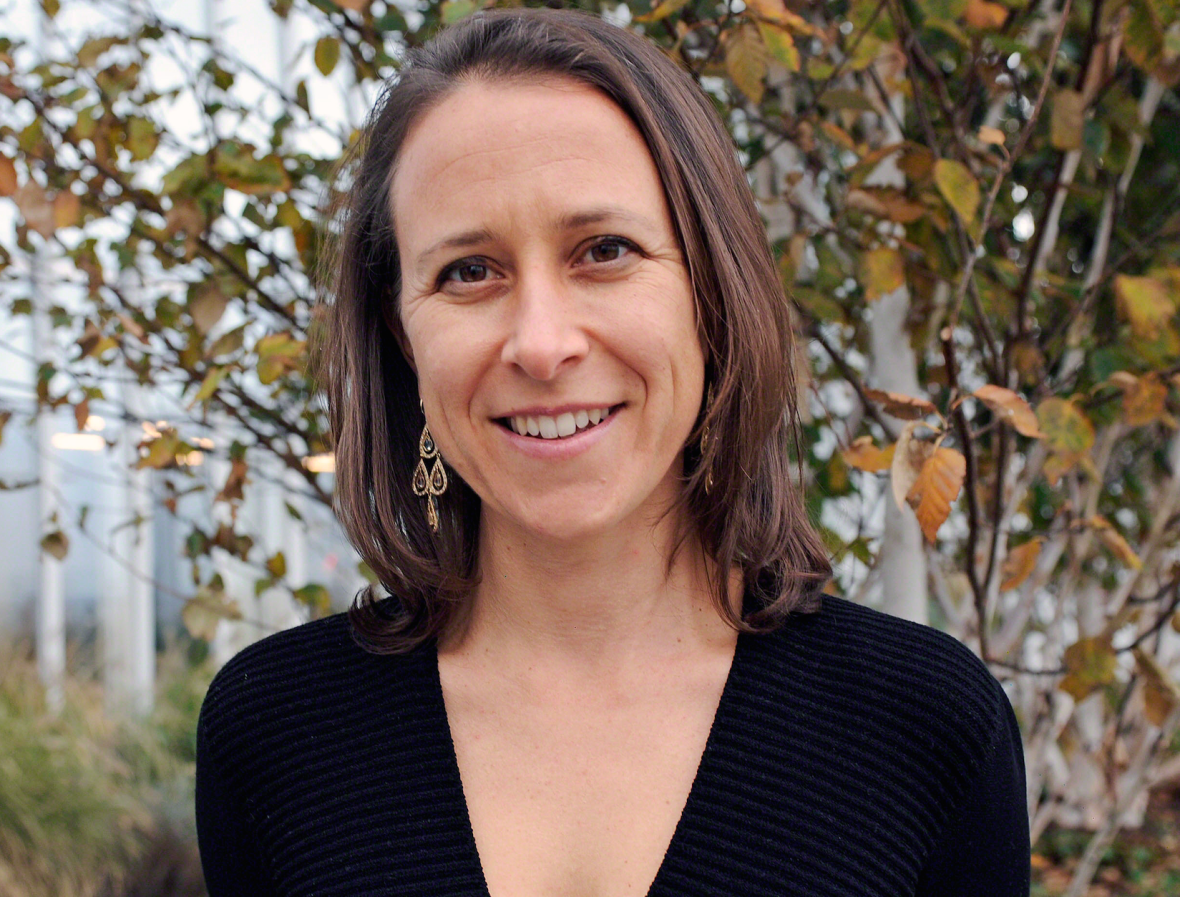
"caption": "23andMe CEO Anne Wojcicki is committed to delivering health information directly to you. ",
"description": null,
"title": "23andme ceo",
"credit": "23andMe",
"status": "inherit",
"isLoading": false,
"fetchFailed": false
},
"stateofhealth_95324": {
"type": "attachments",
"id": "stateofhealth_95324",
"meta": {
"index": "attachments_1716263798",
"site": "stateofhealth",
"id": "95324",
"found": true
},
"parent": 95297,
"imgSizes": {
"twentyfourteen-full-width": {
"file": "https://ww2.kqed.org/app/uploads/sites/27/2015/10/RS10502_86541005-1038x576.jpg",
"width": 1038,
"mimeType": "image/jpeg",
"height": 576
},
"thumbnail": {
"file": "https://ww2.kqed.org/app/uploads/sites/27/2015/10/RS10502_86541005-400x267.jpg",
"width": 400,
"mimeType": "image/jpeg",
"height": 267
},
"fd-sm": {
"file": "https://ww2.kqed.org/app/uploads/sites/27/2015/10/RS10502_86541005-960x640.jpg",
"width": 960,
"mimeType": "image/jpeg",
"height": 640
},
"post-thumbnail": {
"file": "https://ww2.kqed.org/app/uploads/sites/27/2015/10/RS10502_86541005-672x372.jpg",
"width": 672,
"mimeType": "image/jpeg",
"height": 372
},
"kqedFullSize": {
"file": "https://ww2.kqed.org/app/uploads/sites/27/2015/10/RS10502_86541005-e1445364323873.jpg",
"width": 1921,
"height": 1281
},
"large": {
"file": "https://ww2.kqed.org/app/uploads/sites/27/2015/10/RS10502_86541005-1440x960.jpg",
"width": 1440,
"mimeType": "image/jpeg",
"height": 960
},
"guest-author-96": {
"file": "https://ww2.kqed.org/app/uploads/sites/27/2015/10/RS10502_86541005-96x96.jpg",
"width": 96,
"mimeType": "image/jpeg",
"height": 96
},
"medium": {
"file": "https://ww2.kqed.org/app/uploads/sites/27/2015/10/RS10502_86541005-800x534.jpg",
"width": 800,
"mimeType": "image/jpeg",
"height": 534
},
"guest-author-64": {
"file": "https://ww2.kqed.org/app/uploads/sites/27/2015/10/RS10502_86541005-64x64.jpg",
"width": 64,
"mimeType": "image/jpeg",
"height": 64
},
"guest-author-32": {
"file": "https://ww2.kqed.org/app/uploads/sites/27/2015/10/RS10502_86541005-32x32.jpg",
"width": 32,
"mimeType": "image/jpeg",
"height": 32
},
"jmtc-small-thumb": {
"file": "https://ww2.kqed.org/app/uploads/sites/27/2015/10/RS10502_86541005-280x150.jpg",
"width": 280,
"mimeType": "image/jpeg",
"height": 150
},
"fd-lrg": {
"file": "https://ww2.kqed.org/app/uploads/sites/27/2015/10/RS10502_86541005-1920x1281.jpg",
"width": 1920,
"mimeType": "image/jpeg",
"height": 1281
},
"fd-med": {
"file": "https://ww2.kqed.org/app/uploads/sites/27/2015/10/RS10502_86541005-1180x787.jpg",
"width": 1180,
"mimeType": "image/jpeg",
"height": 787
},
"detail": {
"file": "https://ww2.kqed.org/app/uploads/sites/27/2015/10/RS10502_86541005-75x75.jpg",
"width": 75,
"mimeType": "image/jpeg",
"height": 75
},
"guest-author-128": {
"file": "https://ww2.kqed.org/app/uploads/sites/27/2015/10/RS10502_86541005-128x128.jpg",
"width": 128,
"mimeType": "image/jpeg",
"height": 128
}
},
"publishDate": 1445364312,
"modified": 1445364338,
"caption": null,
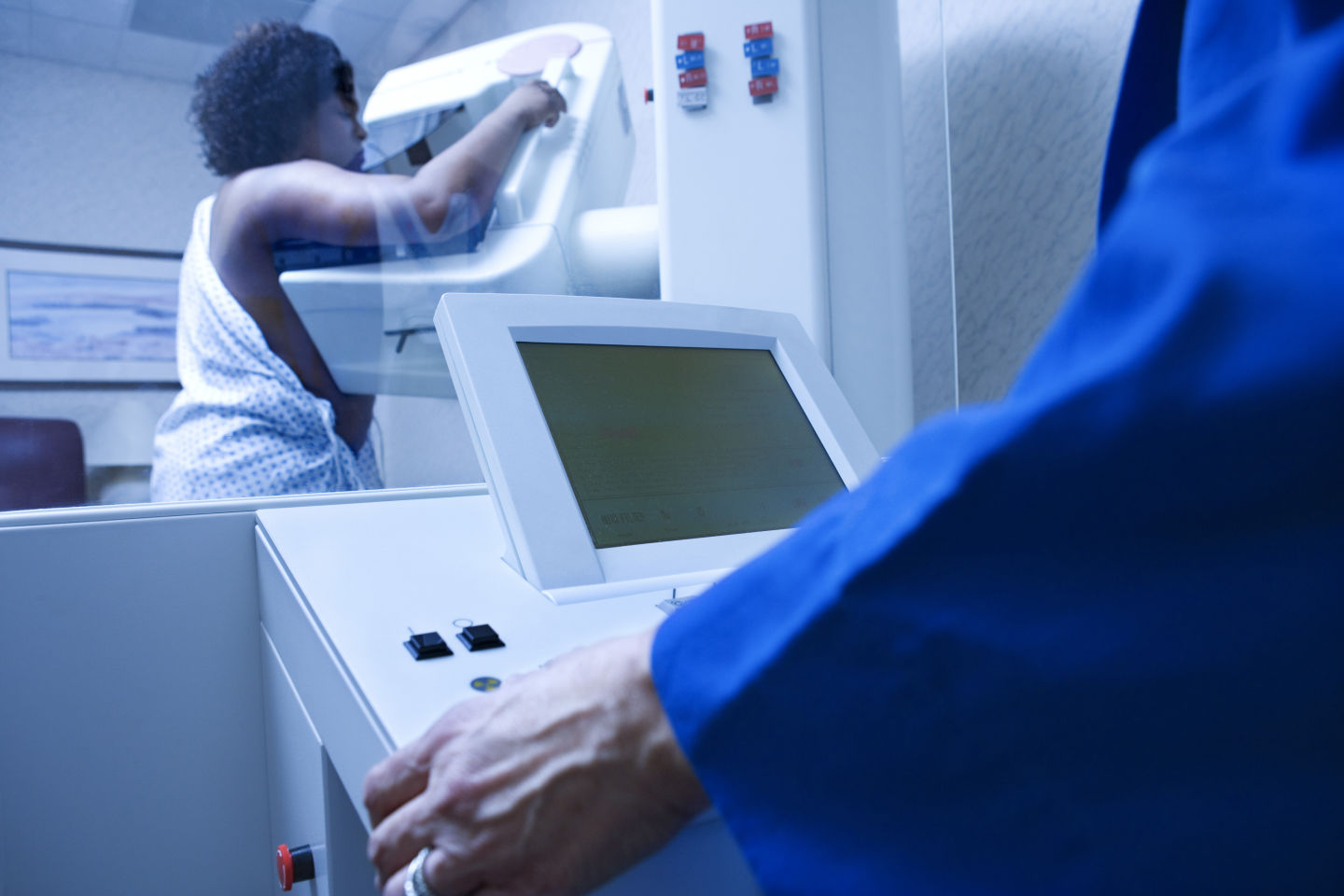
"description": "woman getting mammogram",
"title": "RS10502_86541005",
"credit": "iStockPhoto",
"status": "inherit",
"isLoading": false,
"fetchFailed": false
},
"futureofyou_51915": {
"type": "attachments",
"id": "futureofyou_51915",
"meta": {
"index": "attachments_1716263798",
"site": "futureofyou",
"id": "51915",
"found": true
},
"parent": 51913,
"imgSizes": {
"twentyfourteen-full-width": {
"file": "https://ww2.kqed.org/app/uploads/sites/13/2015/10/NursingPig-1038x576.jpg",
"width": 1038,
"mimeType": "image/jpeg",
"height": 576
},
"thumbnail": {
"file": "https://ww2.kqed.org/app/uploads/sites/13/2015/10/NursingPig-400x222.jpg",
"width": 400,
"mimeType": "image/jpeg",
"height": 222
},
"fd-sm": {
"file": "https://ww2.kqed.org/app/uploads/sites/13/2015/10/NursingPig-960x532.jpg",
"width": 960,
"mimeType": "image/jpeg",
"height": 532
},
"post-thumbnail": {
"file": "https://ww2.kqed.org/app/uploads/sites/13/2015/10/NursingPig-672x372.jpg",
"width": 672,
"mimeType": "image/jpeg",
"height": 372
},
"kqedFullSize": {
"file": "https://ww2.kqed.org/app/uploads/sites/13/2015/10/NursingPig.jpg",
"width": 1920,
"height": 1064
},
"large": {
"file": "https://ww2.kqed.org/app/uploads/sites/13/2015/10/NursingPig-1180x654.jpg",
"width": 1180,
"mimeType": "image/jpeg",
"height": 654
},
"guest-author-96": {
"file": "https://ww2.kqed.org/app/uploads/sites/13/2015/10/NursingPig-96x96.jpg",
"width": 96,
"mimeType": "image/jpeg",
"height": 96
},
"medium": {
"file": "https://ww2.kqed.org/app/uploads/sites/13/2015/10/NursingPig-800x443.jpg",
"width": 800,
"mimeType": "image/jpeg",
"height": 443
},
"guest-author-64": {
"file": "https://ww2.kqed.org/app/uploads/sites/13/2015/10/NursingPig-64x64.jpg",
"width": 64,
"mimeType": "image/jpeg",
"height": 64
},
"guest-author-32": {
"file": "https://ww2.kqed.org/app/uploads/sites/13/2015/10/NursingPig-32x32.jpg",
"width": 32,
"mimeType": "image/jpeg",
"height": 32
},
"fd-lrg": {
"file": "https://ww2.kqed.org/app/uploads/sites/13/2015/10/NursingPig-1920x1064.jpg",
"width": 1920,
"mimeType": "image/jpeg",
"height": 1064
},
"fd-med": {
"file": "https://ww2.kqed.org/app/uploads/sites/13/2015/10/NursingPig-1180x654.jpg",
"width": 1180,
"mimeType": "image/jpeg",
"height": 654
},
"detail": {
"file": "https://ww2.kqed.org/app/uploads/sites/13/2015/10/NursingPig-75x75.jpg",
"width": 75,
"mimeType": "image/jpeg",
"height": 75
},
"guest-author-128": {
"file": "https://ww2.kqed.org/app/uploads/sites/13/2015/10/NursingPig-128x128.jpg",
"width": 128,
"mimeType": "image/jpeg",
"height": 128
}
},
"publishDate": 1444838296,
"modified": 1444838348,
"caption": "In the near future, people may get the organs they need to live from genetically engineered pigs.",
"description": null,
"title": "NursingPig",
"credit": null,
"status": "inherit",
"isLoading": false,
"fetchFailed": false
},
"stateofhealth_94806": {
"type": "attachments",
"id": "stateofhealth_94806",
"meta": {
"index": "attachments_1716263798",
"site": "stateofhealth",
"id": "94806",
"found": true
},
"parent": 94797,
"imgSizes": {
"twentyfourteen-full-width": {
"file": "https://ww2.kqed.org/app/uploads/sites/27/2015/10/iStock_000011577978_Large-1038x576.jpg",
"width": 1038,
"mimeType": "image/jpeg",
"height": 576
},
"thumbnail": {
"file": "https://ww2.kqed.org/app/uploads/sites/27/2015/10/iStock_000011577978_Large-400x267.jpg",
"width": 400,
"mimeType": "image/jpeg",
"height": 267
},
"fd-sm": {
"file": "https://ww2.kqed.org/app/uploads/sites/27/2015/10/iStock_000011577978_Large-960x640.jpg",
"width": 960,
"mimeType": "image/jpeg",
"height": 640
},
"post-thumbnail": {
"file": "https://ww2.kqed.org/app/uploads/sites/27/2015/10/iStock_000011577978_Large-672x372.jpg",
"width": 672,
"mimeType": "image/jpeg",
"height": 372
},
"kqedFullSize": {
"file": "https://ww2.kqed.org/app/uploads/sites/27/2015/10/iStock_000011577978_Large-e1445277287943.jpg",
"width": 1920,
"height": 1280
},
"large": {
"file": "https://ww2.kqed.org/app/uploads/sites/27/2015/10/iStock_000011577978_Large-1440x960.jpg",
"width": 1440,
"mimeType": "image/jpeg",
"height": 960
},
"guest-author-96": {
"file": "https://ww2.kqed.org/app/uploads/sites/27/2015/10/iStock_000011577978_Large-96x96.jpg",
"width": 96,
"mimeType": "image/jpeg",
"height": 96
},
"medium": {
"file": "https://ww2.kqed.org/app/uploads/sites/27/2015/10/iStock_000011577978_Large-800x533.jpg",
"width": 800,
"mimeType": "image/jpeg",
"height": 533
},
"guest-author-64": {
"file": "https://ww2.kqed.org/app/uploads/sites/27/2015/10/iStock_000011577978_Large-64x64.jpg",
"width": 64,
"mimeType": "image/jpeg",
"height": 64
},
"guest-author-32": {
"file": "https://ww2.kqed.org/app/uploads/sites/27/2015/10/iStock_000011577978_Large-32x32.jpg",
"width": 32,
"mimeType": "image/jpeg",
"height": 32
},
"jmtc-small-thumb": {
"file": "https://ww2.kqed.org/app/uploads/sites/27/2015/10/iStock_000011577978_Large-280x150.jpg",
"width": 280,
"mimeType": "image/jpeg",
"height": 150
},
"fd-lrg": {
"file": "https://ww2.kqed.org/app/uploads/sites/27/2015/10/iStock_000011577978_Large-1920x1280.jpg",
"width": 1920,
"mimeType": "image/jpeg",
"height": 1280
},
"fd-med": {
"file": "https://ww2.kqed.org/app/uploads/sites/27/2015/10/iStock_000011577978_Large-1180x787.jpg",
"width": 1180,
"mimeType": "image/jpeg",
"height": 787
},
"detail": {
"file": "https://ww2.kqed.org/app/uploads/sites/27/2015/10/iStock_000011577978_Large-75x75.jpg",
"width": 75,
"mimeType": "image/jpeg",
"height": 75
},
"guest-author-128": {
"file": "https://ww2.kqed.org/app/uploads/sites/27/2015/10/iStock_000011577978_Large-128x128.jpg",
"width": 128,
"mimeType": "image/jpeg",
"height": 128
}
},
"publishDate": 1445277277,
"modified": 1445277302,
"caption": null,
"description": "nail polish",
"title": "painting her nails",
"credit": "iStockphoto",
"status": "inherit",
"isLoading": false,
"fetchFailed": false
},
"futureofyou_52228": {
"type": "attachments",
"id": "futureofyou_52228",
"meta": {
"index": "attachments_1716263798",
"site": "futureofyou",
"id": "52228",
"found": true
},
"parent": 50999,
"imgSizes": {
"twentyfourteen-full-width": {
"file": "https://ww2.kqed.org/app/uploads/sites/13/2015/10/WheelchairHero-e1444888337528-1038x576.jpg",
"width": 1038,
"mimeType": "image/jpeg",
"height": 576
},
"thumbnail": {
"file": "https://ww2.kqed.org/app/uploads/sites/13/2015/10/WheelchairHero-e1444888337528-400x246.jpg",
"width": 400,
"mimeType": "image/jpeg",
"height": 246
},
"fd-sm": {
"file": "https://ww2.kqed.org/app/uploads/sites/13/2015/10/WheelchairHero-e1444888337528-960x590.jpg",
"width": 960,
"mimeType": "image/jpeg",
"height": 590
},
"post-thumbnail": {
"file": "https://ww2.kqed.org/app/uploads/sites/13/2015/10/WheelchairHero-e1444888337528-672x372.jpg",
"width": 672,
"mimeType": "image/jpeg",
"height": 372
},
"kqedFullSize": {
"file": "https://ww2.kqed.org/app/uploads/sites/13/2015/10/WheelchairHero-e1444888337528.jpg",
"width": 1500,
"height": 922
},
"large": {
"file": "https://ww2.kqed.org/app/uploads/sites/13/2015/10/WheelchairHero-e1444888337528-1180x725.jpg",
"width": 1180,
"mimeType": "image/jpeg",
"height": 725
},
"guest-author-96": {
"file": "https://ww2.kqed.org/app/uploads/sites/13/2015/10/WheelchairHero-e1444888337528-96x96.jpg",
"width": 96,
"mimeType": "image/jpeg",
"height": 96
},
"medium": {
"file": "https://ww2.kqed.org/app/uploads/sites/13/2015/10/WheelchairHero-e1444888337528-800x492.jpg",
"width": 800,
"mimeType": "image/jpeg",
"height": 492
},
"guest-author-64": {
"file": "https://ww2.kqed.org/app/uploads/sites/13/2015/10/WheelchairHero-e1444888337528-64x64.jpg",
"width": 64,
"mimeType": "image/jpeg",
"height": 64
},
"guest-author-32": {
"file": "https://ww2.kqed.org/app/uploads/sites/13/2015/10/WheelchairHero-e1444888337528-32x32.jpg",
"width": 32,
"mimeType": "image/jpeg",
"height": 32
},
"fd-med": {
"file": "https://ww2.kqed.org/app/uploads/sites/13/2015/10/WheelchairHero-e1444888337528-1180x725.jpg",
"width": 1180,
"mimeType": "image/jpeg",
"height": 725
},
"detail": {
"file": "https://ww2.kqed.org/app/uploads/sites/13/2015/10/WheelchairHero-e1444888337528-75x75.jpg",
"width": 75,
"mimeType": "image/jpeg",
"height": 75
},
"guest-author-128": {
"file": "https://ww2.kqed.org/app/uploads/sites/13/2015/10/WheelchairHero-e1444888337528-128x128.jpg",
"width": 128,
"mimeType": "image/jpeg",
"height": 128
}
},
"publishDate": 1444888092,
"modified": 1444894519,
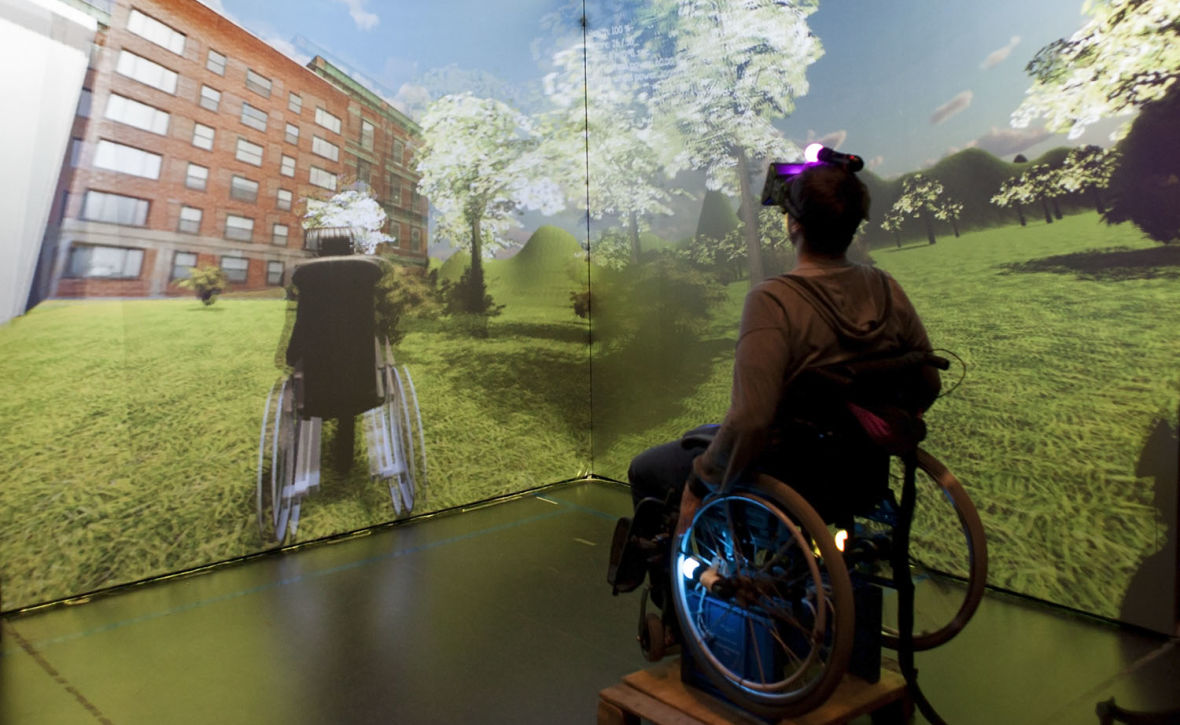
"caption": "A student in a wheelchair tests out a virtual reality experience at Aalto University in Finland.",
"description": null,
"title": "WheelchairHero",
"credit": "Tuukka Takala and Liisa Hirvisalo",
"status": "inherit",
"isLoading": false,
"fetchFailed": false
},
"futureofyou_52545": {
"type": "attachments",
"id": "futureofyou_52545",
"meta": {
"index": "attachments_1716263798",
"site": "futureofyou",
"id": "52545",
"found": true
},
"parent": 52515,
"imgSizes": {
"twentyfourteen-full-width": {
"file": "https://ww2.kqed.org/app/uploads/sites/13/2015/10/15186113882_df3717c358_b-1024x576.jpg",
"width": 1024,
"mimeType": "image/jpeg",
"height": 576
},
"thumbnail": {
"file": "https://ww2.kqed.org/app/uploads/sites/13/2015/10/15186113882_df3717c358_b-400x266.jpg",
"width": 400,
"mimeType": "image/jpeg",
"height": 266
},
"fd-sm": {
"file": "https://ww2.kqed.org/app/uploads/sites/13/2015/10/15186113882_df3717c358_b-960x638.jpg",
"width": 960,
"mimeType": "image/jpeg",
"height": 638
},
"post-thumbnail": {
"file": "https://ww2.kqed.org/app/uploads/sites/13/2015/10/15186113882_df3717c358_b-672x372.jpg",
"width": 672,
"mimeType": "image/jpeg",
"height": 372
},
"kqedFullSize": {
"file": "https://ww2.kqed.org/app/uploads/sites/13/2015/10/15186113882_df3717c358_b.jpg",
"width": 1024,
"height": 681
},
"guest-author-96": {
"file": "https://ww2.kqed.org/app/uploads/sites/13/2015/10/15186113882_df3717c358_b-96x96.jpg",
"width": 96,
"mimeType": "image/jpeg",
"height": 96
},
"medium": {
"file": "https://ww2.kqed.org/app/uploads/sites/13/2015/10/15186113882_df3717c358_b-800x532.jpg",
"width": 800,
"mimeType": "image/jpeg",
"height": 532
},
"guest-author-64": {
"file": "https://ww2.kqed.org/app/uploads/sites/13/2015/10/15186113882_df3717c358_b-64x64.jpg",
"width": 64,
"mimeType": "image/jpeg",
"height": 64
},
"detail": {
"file": "https://ww2.kqed.org/app/uploads/sites/13/2015/10/15186113882_df3717c358_b-75x75.jpg",
"width": 75,
"mimeType": "image/jpeg",
"height": 75
},
"guest-author-32": {
"file": "https://ww2.kqed.org/app/uploads/sites/13/2015/10/15186113882_df3717c358_b-32x32.jpg",
"width": 32,
"mimeType": "image/jpeg",
"height": 32
},
"guest-author-128": {
"file": "https://ww2.kqed.org/app/uploads/sites/13/2015/10/15186113882_df3717c358_b-128x128.jpg",
"width": 128,
"mimeType": "image/jpeg",
"height": 128
}
},
"publishDate": 1444933468,
"modified": 1444933481,
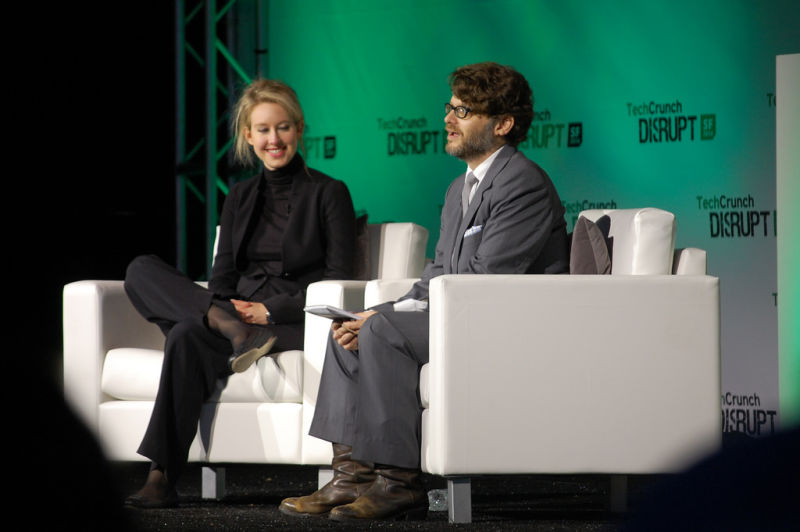
"caption": "Elizabeth Holmes of Theranos in an interview. ",
"description": null,
"title": "15186113882_df3717c358_b",
"credit": "Wikimedia Commons",
"status": "inherit",
"isLoading": false,
"fetchFailed": false
},
"futureofyou_51080": {
"type": "attachments",
"id": "futureofyou_51080",
"meta": {
"index": "attachments_1716263798",
"site": "futureofyou",
"id": "51080",
"found": true
},
"parent": 51030,
"imgSizes": {
"twentyfourteen-full-width": {
"file": "https://ww2.kqed.org/app/uploads/sites/13/2015/10/Black_Nike_FuelBand-1-1038x576.jpg",
"width": 1038,
"mimeType": "image/jpeg",
"height": 576
},
"thumbnail": {
"file": "https://ww2.kqed.org/app/uploads/sites/13/2015/10/Black_Nike_FuelBand-1-400x300.jpg",
"width": 400,
"mimeType": "image/jpeg",
"height": 300
},
"fd-sm": {
"file": "https://ww2.kqed.org/app/uploads/sites/13/2015/10/Black_Nike_FuelBand-1-960x720.jpg",
"width": 960,
"mimeType": "image/jpeg",
"height": 720
},
"post-thumbnail": {
"file": "https://ww2.kqed.org/app/uploads/sites/13/2015/10/Black_Nike_FuelBand-1-672x372.jpg",
"width": 672,
"mimeType": "image/jpeg",
"height": 372
},
"kqedFullSize": {
"file": "https://ww2.kqed.org/app/uploads/sites/13/2015/10/Black_Nike_FuelBand-1.jpg",
"width": 3264,
"height": 2448
},
"large": {
"file": "https://ww2.kqed.org/app/uploads/sites/13/2015/10/Black_Nike_FuelBand-1-1180x885.jpg",
"width": 1180,
"mimeType": "image/jpeg",
"height": 885
},
"guest-author-96": {
"file": "https://ww2.kqed.org/app/uploads/sites/13/2015/10/Black_Nike_FuelBand-1-96x96.jpg",
"width": 96,
"mimeType": "image/jpeg",
"height": 96
},
"medium": {
"file": "https://ww2.kqed.org/app/uploads/sites/13/2015/10/Black_Nike_FuelBand-1-800x600.jpg",
"width": 800,
"mimeType": "image/jpeg",
"height": 600
},
"guest-author-64": {
"file": "https://ww2.kqed.org/app/uploads/sites/13/2015/10/Black_Nike_FuelBand-1-64x64.jpg",
"width": 64,
"mimeType": "image/jpeg",
"height": 64
},
"guest-author-32": {
"file": "https://ww2.kqed.org/app/uploads/sites/13/2015/10/Black_Nike_FuelBand-1-32x32.jpg",
"width": 32,
"mimeType": "image/jpeg",
"height": 32
},
"fd-lrg": {
"file": "https://ww2.kqed.org/app/uploads/sites/13/2015/10/Black_Nike_FuelBand-1-1920x1440.jpg",
"width": 1920,
"mimeType": "image/jpeg",
"height": 1440
},
"fd-med": {
"file": "https://ww2.kqed.org/app/uploads/sites/13/2015/10/Black_Nike_FuelBand-1-1180x885.jpg",
"width": 1180,
"mimeType": "image/jpeg",
"height": 885
},
"detail": {
"file": "https://ww2.kqed.org/app/uploads/sites/13/2015/10/Black_Nike_FuelBand-1-75x75.jpg",
"width": 75,
"mimeType": "image/jpeg",
"height": 75
},
"guest-author-128": {
"file": "https://ww2.kqed.org/app/uploads/sites/13/2015/10/Black_Nike_FuelBand-1-128x128.jpg",
"width": 128,
"mimeType": "image/jpeg",
"height": 128
}
},
"publishDate": 1444689112,
"modified": 1444689143,
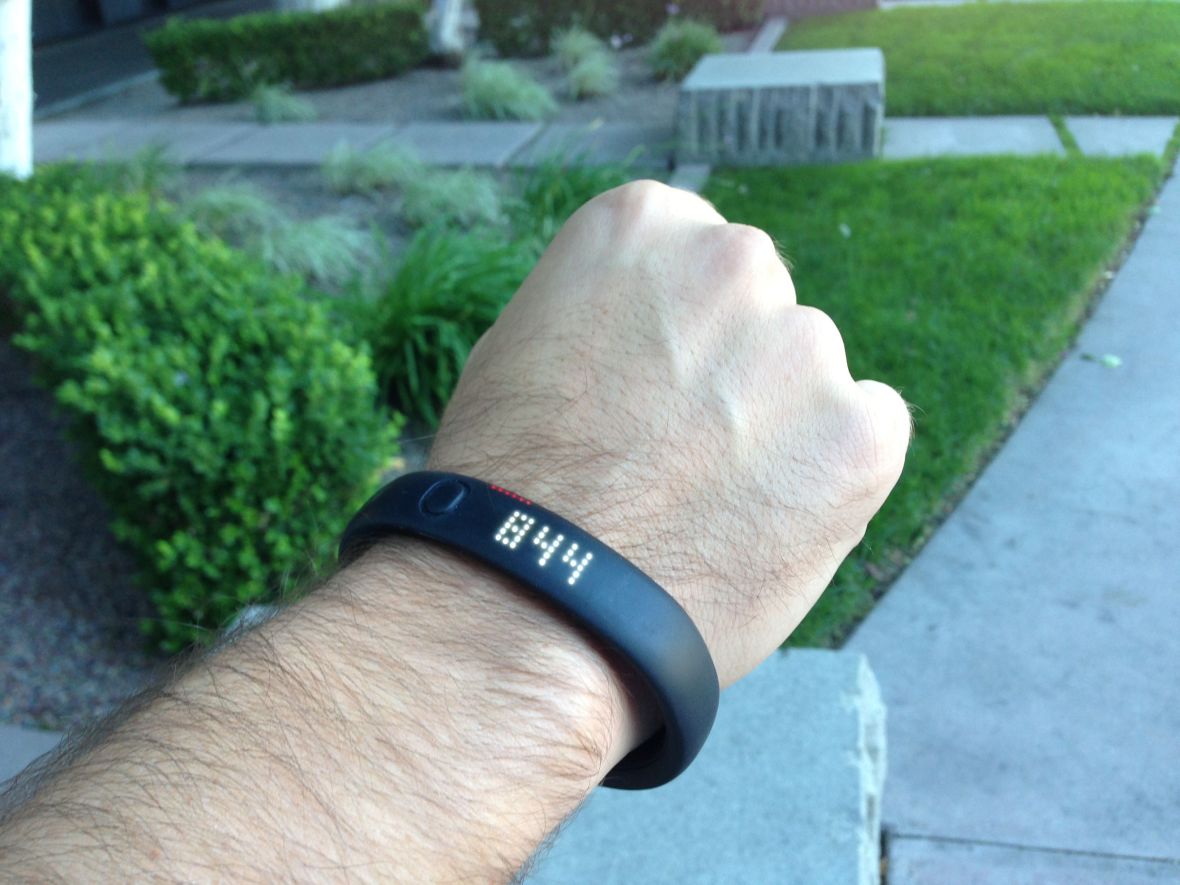
"caption": "Researchers tested the Nike Fuelband and nine other consumer trackers. ",
"description": null,
"title": "Black_Nike_FuelBand-1",
"credit": "Wikimedia Commons",
"status": "inherit",
"isLoading": false,
"fetchFailed": false
},
"futureofyou_47484": {
"type": "attachments",
"id": "futureofyou_47484",
"meta": {
"index": "attachments_1716263798",
"site": "futureofyou",
"id": "47484",
"found": true
},
"parent": 46097,
"imgSizes": {
"twentyfourteen-full-width": {
"file": "https://ww2.kqed.org/app/uploads/sites/13/2015/10/docs-1038x576.jpg",
"width": 1038,
"mimeType": "image/jpeg",
"height": 576
},
"thumbnail": {
"file": "https://ww2.kqed.org/app/uploads/sites/13/2015/10/docs-400x262.jpg",
"width": 400,
"mimeType": "image/jpeg",
"height": 262
},
"fd-sm": {
"file": "https://ww2.kqed.org/app/uploads/sites/13/2015/10/docs-960x630.jpg",
"width": 960,
"mimeType": "image/jpeg",
"height": 630
},
"post-thumbnail": {
"file": "https://ww2.kqed.org/app/uploads/sites/13/2015/10/docs-672x372.jpg",
"width": 672,
"mimeType": "image/jpeg",
"height": 372
},
"kqedFullSize": {
"file": "https://ww2.kqed.org/app/uploads/sites/13/2015/10/docs.jpg",
"width": 2000,
"height": 1312
},
"large": {
"file": "https://ww2.kqed.org/app/uploads/sites/13/2015/10/docs-1180x774.jpg",
"width": 1180,
"mimeType": "image/jpeg",
"height": 774
},
"guest-author-96": {
"file": "https://ww2.kqed.org/app/uploads/sites/13/2015/10/docs-96x96.jpg",
"width": 96,
"mimeType": "image/jpeg",
"height": 96
},
"medium": {
"file": "https://ww2.kqed.org/app/uploads/sites/13/2015/10/docs-800x525.jpg",
"width": 800,
"mimeType": "image/jpeg",
"height": 525
},
"guest-author-64": {
"file": "https://ww2.kqed.org/app/uploads/sites/13/2015/10/docs-64x64.jpg",
"width": 64,
"mimeType": "image/jpeg",
"height": 64
},
"guest-author-32": {
"file": "https://ww2.kqed.org/app/uploads/sites/13/2015/10/docs-32x32.jpg",
"width": 32,
"mimeType": "image/jpeg",
"height": 32
},
"fd-lrg": {
"file": "https://ww2.kqed.org/app/uploads/sites/13/2015/10/docs-1920x1260.jpg",
"width": 1920,
"mimeType": "image/jpeg",
"height": 1260
},
"fd-med": {
"file": "https://ww2.kqed.org/app/uploads/sites/13/2015/10/docs-1180x774.jpg",
"width": 1180,
"mimeType": "image/jpeg",
"height": 774
},
"detail": {
"file": "https://ww2.kqed.org/app/uploads/sites/13/2015/10/docs-75x75.jpg",
"width": 75,
"mimeType": "image/jpeg",
"height": 75
},
"guest-author-128": {
"file": "https://ww2.kqed.org/app/uploads/sites/13/2015/10/docs-128x128.jpg",
"width": 128,
"mimeType": "image/jpeg",
"height": 128
}
},
"publishDate": 1443804360,
"modified": 1443804431,
"caption": "What can we do to make it more attractive to doctors to continue to practice?",
"description": null,
"title": "docs",
"credit": "skeeze/Pixabay",
"status": "inherit",
"isLoading": false,
"fetchFailed": false
},
"futureofyou_50891": {
"type": "attachments",
"id": "futureofyou_50891",
"meta": {
"index": "attachments_1716263798",
"site": "futureofyou",
"id": "50891",
"found": true
},
"parent": 50869,
"imgSizes": {
"twentyfourteen-full-width": {
"file": "https://ww2.kqed.org/app/uploads/sites/13/2015/10/DNA_methylation-1038x576.jpg",
"width": 1038,
"mimeType": "image/jpeg",
"height": 576
},
"thumbnail": {
"file": "https://ww2.kqed.org/app/uploads/sites/13/2015/10/DNA_methylation-400x300.jpg",
"width": 400,
"mimeType": "image/jpeg",
"height": 300
},
"fd-sm": {
"file": "https://ww2.kqed.org/app/uploads/sites/13/2015/10/DNA_methylation-960x720.jpg",
"width": 960,
"mimeType": "image/jpeg",
"height": 720
},
"post-thumbnail": {
"file": "https://ww2.kqed.org/app/uploads/sites/13/2015/10/DNA_methylation-672x372.jpg",
"width": 672,
"mimeType": "image/jpeg",
"height": 372
},
"kqedFullSize": {
"file": "https://ww2.kqed.org/app/uploads/sites/13/2015/10/DNA_methylation.jpg",
"width": 6400,
"height": 4800
},
"large": {
"file": "https://ww2.kqed.org/app/uploads/sites/13/2015/10/DNA_methylation-1180x885.jpg",
"width": 1180,
"mimeType": "image/jpeg",
"height": 885
},
"guest-author-96": {
"file": "https://ww2.kqed.org/app/uploads/sites/13/2015/10/DNA_methylation-96x96.jpg",
"width": 96,
"mimeType": "image/jpeg",
"height": 96
},
"medium": {
"file": "https://ww2.kqed.org/app/uploads/sites/13/2015/10/DNA_methylation-800x600.jpg",
"width": 800,
"mimeType": "image/jpeg",
"height": 600
},
"guest-author-64": {
"file": "https://ww2.kqed.org/app/uploads/sites/13/2015/10/DNA_methylation-64x64.jpg",
"width": 64,
"mimeType": "image/jpeg",
"height": 64
},
"guest-author-32": {
"file": "https://ww2.kqed.org/app/uploads/sites/13/2015/10/DNA_methylation-32x32.jpg",
"width": 32,
"mimeType": "image/jpeg",
"height": 32
},
"fd-lrg": {
"file": "https://ww2.kqed.org/app/uploads/sites/13/2015/10/DNA_methylation-1920x1440.jpg",
"width": 1920,
"mimeType": "image/jpeg",
"height": 1440
},
"fd-med": {
"file": "https://ww2.kqed.org/app/uploads/sites/13/2015/10/DNA_methylation-1180x885.jpg",
"width": 1180,
"mimeType": "image/jpeg",
"height": 885
},
"detail": {
"file": "https://ww2.kqed.org/app/uploads/sites/13/2015/10/DNA_methylation-75x75.jpg",
"width": 75,
"mimeType": "image/jpeg",
"height": 75
},
"guest-author-128": {
"file": "https://ww2.kqed.org/app/uploads/sites/13/2015/10/DNA_methylation-128x128.jpg",
"width": 128,
"mimeType": "image/jpeg",
"height": 128
}
},
"publishDate": 1444433146,
"modified": 1444433172,
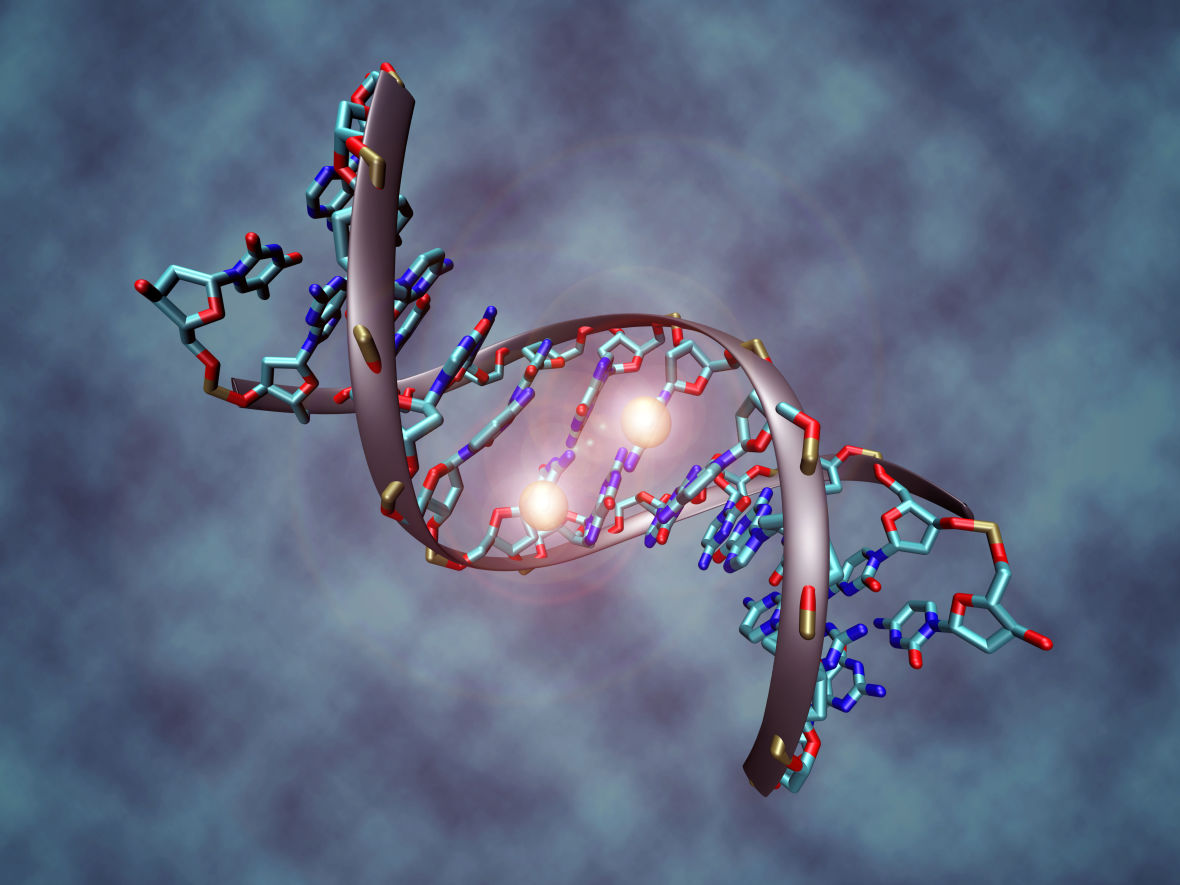
"caption": "Google Ventures is exploring ambitious bets in health care, including new technologies for gene-editing.",
"description": null,
"title": "DNA_methylation",
"credit": "Wikimedia Commons",
"status": "inherit",
"isLoading": false,
"fetchFailed": false
},
"stateofhealth_91359": {
"type": "attachments",
"id": "stateofhealth_91359",
"meta": {
"index": "attachments_1716263798",
"site": "stateofhealth",
"id": "91359",
"found": true
},
"parent": 91354,
"imgSizes": {
"twentyfourteen-full-width": {
"file": "https://ww2.kqed.org/app/uploads/sites/27/2015/10/20649929849_71b8ab2fed_k-1038x576.jpg",
"width": 1038,
"mimeType": "image/jpeg",
"height": 576
},
"thumbnail": {
"file": "https://ww2.kqed.org/app/uploads/sites/27/2015/10/20649929849_71b8ab2fed_k-400x301.jpg",
"width": 400,
"mimeType": "image/jpeg",
"height": 301
},
"fd-sm": {
"file": "https://ww2.kqed.org/app/uploads/sites/27/2015/10/20649929849_71b8ab2fed_k-960x723.jpg",
"width": 960,
"mimeType": "image/jpeg",
"height": 723
},
"post-thumbnail": {
"file": "https://ww2.kqed.org/app/uploads/sites/27/2015/10/20649929849_71b8ab2fed_k-672x372.jpg",
"width": 672,
"mimeType": "image/jpeg",
"height": 372
},
"kqedFullSize": {
"file": "https://ww2.kqed.org/app/uploads/sites/27/2015/10/20649929849_71b8ab2fed_k-e1444539997572.jpg",
"width": 1920,
"height": 1446
},
"large": {
"file": "https://ww2.kqed.org/app/uploads/sites/27/2015/10/20649929849_71b8ab2fed_k-1440x1084.jpg",
"width": 1440,
"mimeType": "image/jpeg",
"height": 1084
},
"guest-author-96": {
"file": "https://ww2.kqed.org/app/uploads/sites/27/2015/10/20649929849_71b8ab2fed_k-96x96.jpg",
"width": 96,
"mimeType": "image/jpeg",
"height": 96
},
"medium": {
"file": "https://ww2.kqed.org/app/uploads/sites/27/2015/10/20649929849_71b8ab2fed_k-800x602.jpg",
"width": 800,
"mimeType": "image/jpeg",
"height": 602
},
"guest-author-64": {
"file": "https://ww2.kqed.org/app/uploads/sites/27/2015/10/20649929849_71b8ab2fed_k-64x64.jpg",
"width": 64,
"mimeType": "image/jpeg",
"height": 64
},
"guest-author-32": {
"file": "https://ww2.kqed.org/app/uploads/sites/27/2015/10/20649929849_71b8ab2fed_k-32x32.jpg",
"width": 32,
"mimeType": "image/jpeg",
"height": 32
},
"jmtc-small-thumb": {
"file": "https://ww2.kqed.org/app/uploads/sites/27/2015/10/20649929849_71b8ab2fed_k-280x150.jpg",
"width": 280,
"mimeType": "image/jpeg",
"height": 150
},
"fd-lrg": {
"file": "https://ww2.kqed.org/app/uploads/sites/27/2015/10/20649929849_71b8ab2fed_k-1920x1446.jpg",
"width": 1920,
"mimeType": "image/jpeg",
"height": 1446
},
"fd-med": {
"file": "https://ww2.kqed.org/app/uploads/sites/27/2015/10/20649929849_71b8ab2fed_k-1180x888.jpg",
"width": 1180,
"mimeType": "image/jpeg",
"height": 888
},
"detail": {
"file": "https://ww2.kqed.org/app/uploads/sites/27/2015/10/20649929849_71b8ab2fed_k-75x75.jpg",
"width": 75,
"mimeType": "image/jpeg",
"height": 75
},
"guest-author-128": {
"file": "https://ww2.kqed.org/app/uploads/sites/27/2015/10/20649929849_71b8ab2fed_k-128x128.jpg",
"width": 128,
"mimeType": "image/jpeg",
"height": 128
}
},
"publishDate": 1444539947,
"modified": 1444540013,
"caption": null,
"description": "cow, cattle",
"title": "20649929849_71b8ab2fed_k",
"credit": "Peter O'Connor via Flickr",
"status": "inherit",
"isLoading": false,
"fetchFailed": false
},
"futureofyou_49868": {
"type": "attachments",
"id": "futureofyou_49868",
"meta": {
"index": "attachments_1716263798",
"site": "futureofyou",
"id": "49868",
"found": true
},
"parent": 49866,
"imgSizes": {
"twentyfourteen-full-width": {
"file": "https://ww2.kqed.org/app/uploads/sites/13/2015/10/Unknown-1-1038x576.jpeg",
"width": 1038,
"mimeType": "image/jpeg",
"height": 576
},
"thumbnail": {
"file": "https://ww2.kqed.org/app/uploads/sites/13/2015/10/Unknown-1-400x267.jpeg",
"width": 400,
"mimeType": "image/jpeg",
"height": 267
},
"fd-sm": {
"file": "https://ww2.kqed.org/app/uploads/sites/13/2015/10/Unknown-1-960x640.jpeg",
"width": 960,
"mimeType": "image/jpeg",
"height": 640
},
"post-thumbnail": {
"file": "https://ww2.kqed.org/app/uploads/sites/13/2015/10/Unknown-1-672x372.jpeg",
"width": 672,
"mimeType": "image/jpeg",
"height": 372
},
"kqedFullSize": {
"file": "https://ww2.kqed.org/app/uploads/sites/13/2015/10/Unknown-1.jpeg",
"width": 3500,
"height": 2333
},
"large": {
"file": "https://ww2.kqed.org/app/uploads/sites/13/2015/10/Unknown-1-1180x787.jpeg",
"width": 1180,
"mimeType": "image/jpeg",
"height": 787
},
"guest-author-96": {
"file": "https://ww2.kqed.org/app/uploads/sites/13/2015/10/Unknown-1-96x96.jpeg",
"width": 96,
"mimeType": "image/jpeg",
"height": 96
},
"medium": {
"file": "https://ww2.kqed.org/app/uploads/sites/13/2015/10/Unknown-1-800x533.jpeg",
"width": 800,
"mimeType": "image/jpeg",
"height": 533
},
"guest-author-64": {
"file": "https://ww2.kqed.org/app/uploads/sites/13/2015/10/Unknown-1-64x64.jpeg",
"width": 64,
"mimeType": "image/jpeg",
"height": 64
},
"guest-author-32": {
"file": "https://ww2.kqed.org/app/uploads/sites/13/2015/10/Unknown-1-32x32.jpeg",
"width": 32,
"mimeType": "image/jpeg",
"height": 32
},
"fd-lrg": {
"file": "https://ww2.kqed.org/app/uploads/sites/13/2015/10/Unknown-1-1920x1280.jpeg",
"width": 1920,
"mimeType": "image/jpeg",
"height": 1280
},
"fd-med": {
"file": "https://ww2.kqed.org/app/uploads/sites/13/2015/10/Unknown-1-1180x787.jpeg",
"width": 1180,
"mimeType": "image/jpeg",
"height": 787
},
"detail": {
"file": "https://ww2.kqed.org/app/uploads/sites/13/2015/10/Unknown-1-75x75.jpeg",
"width": 75,
"mimeType": "image/jpeg",
"height": 75
},
"guest-author-128": {
"file": "https://ww2.kqed.org/app/uploads/sites/13/2015/10/Unknown-1-128x128.jpeg",
"width": 128,
"mimeType": "image/jpeg",
"height": 128
}
},
"publishDate": 1444253794,
"modified": 1444253822,
"caption": "A new service offers eye exams from the comfort of your home. ",
"description": null,
"title": "Unknown-1",
"credit": "Opternative ",
"status": "inherit",
"isLoading": false,
"fetchFailed": false
},
"stateofhealth_90067": {
"type": "attachments",
"id": "stateofhealth_90067",
"meta": {
"index": "attachments_1716263798",
"site": "stateofhealth",
"id": "90067",
"found": true
},
"parent": 90042,
"imgSizes": {
"twentyfourteen-full-width": {
"file": "https://ww2.kqed.org/app/uploads/sites/27/2015/10/RS10734_IMG_0715-1038x576.jpg",
"width": 1038,
"mimeType": "image/jpeg",
"height": 576
},
"thumbnail": {
"file": "https://ww2.kqed.org/app/uploads/sites/27/2015/10/RS10734_IMG_0715-400x300.jpg",
"width": 400,
"mimeType": "image/jpeg",
"height": 300
},
"fd-sm": {
"file": "https://ww2.kqed.org/app/uploads/sites/27/2015/10/RS10734_IMG_0715-960x720.jpg",
"width": 960,
"mimeType": "image/jpeg",
"height": 720
},
"post-thumbnail": {
"file": "https://ww2.kqed.org/app/uploads/sites/27/2015/10/RS10734_IMG_0715-672x372.jpg",
"width": 672,
"mimeType": "image/jpeg",
"height": 372
},
"kqedFullSize": {
"file": "https://ww2.kqed.org/app/uploads/sites/27/2015/10/RS10734_IMG_0715.jpg",
"width": 1600,
"height": 1200
},
"large": {
"file": "https://ww2.kqed.org/app/uploads/sites/27/2015/10/RS10734_IMG_0715-1440x1080.jpg",
"width": 1440,
"mimeType": "image/jpeg",
"height": 1080
},
"guest-author-96": {
"file": "https://ww2.kqed.org/app/uploads/sites/27/2015/10/RS10734_IMG_0715-96x96.jpg",
"width": 96,
"mimeType": "image/jpeg",
"height": 96
},
"medium": {
"file": "https://ww2.kqed.org/app/uploads/sites/27/2015/10/RS10734_IMG_0715-800x600.jpg",
"width": 800,
"mimeType": "image/jpeg",
"height": 600
},
"guest-author-64": {
"file": "https://ww2.kqed.org/app/uploads/sites/27/2015/10/RS10734_IMG_0715-64x64.jpg",
"width": 64,
"mimeType": "image/jpeg",
"height": 64
},
"guest-author-32": {
"file": "https://ww2.kqed.org/app/uploads/sites/27/2015/10/RS10734_IMG_0715-32x32.jpg",
"width": 32,
"mimeType": "image/jpeg",
"height": 32
},
"jmtc-small-thumb": {
"file": "https://ww2.kqed.org/app/uploads/sites/27/2015/10/RS10734_IMG_0715-280x150.jpg",
"width": 280,
"mimeType": "image/jpeg",
"height": 150
},
"fd-med": {
"file": "https://ww2.kqed.org/app/uploads/sites/27/2015/10/RS10734_IMG_0715-1180x885.jpg",
"width": 1180,
"mimeType": "image/jpeg",
"height": 885
},
"detail": {
"file": "https://ww2.kqed.org/app/uploads/sites/27/2015/10/RS10734_IMG_0715-75x75.jpg",
"width": 75,
"mimeType": "image/jpeg",
"height": 75
},
"guest-author-128": {
"file": "https://ww2.kqed.org/app/uploads/sites/27/2015/10/RS10734_IMG_0715-128x128.jpg",
"width": 128,
"mimeType": "image/jpeg",
"height": 128
}
},
"publishDate": 1444240889,
"modified": 1444240932,
"caption": "Aerial view of the southern end of Marin County and the Golden Gate Bridge.",
"description": null,
"title": "RS10734_IMG_0715",
"credit": "Craig Miller/KQED",
"status": "inherit",
"isLoading": false,
"fetchFailed": false
}
},
"audioPlayerReducer": {
"postId": "stream_live",
"isPaused": true,
"isPlaying": false,
"pfsActive": false,
"pledgeModalIsOpen": true,
"playerDrawerIsOpen": false,
"liveAudioPlayStartedAt": 0,
"liveAudioPlayContext": ""
},
"authorsReducer": {
"byline_futureofyou_46097": {
"type": "authors",
"id": "byline_futureofyou_46097",
"meta": {
"override": true
},
"slug": "byline_futureofyou_46097",
"name": "Cosima Gretton ",
"isLoading": false
},
"byline_stateofhealth_91354": {
"type": "authors",
"id": "byline_stateofhealth_91354",
"meta": {
"override": true
},
"slug": "byline_stateofhealth_91354",
"name": "Juliet Williams, Associated Press",
"isLoading": false
},
"lisaaliferis": {
"type": "authors",
"id": "240",
"meta": {
"index": "authors_1716337520",
"id": "240",
"found": true
},
"name": "Lisa Aliferis",
"firstName": "Lisa",
"lastName": "Aliferis",
"slug": "lisaaliferis",
"email": "laliferis@kqed.org",
"display_author_email": false,
"staff_mastheads": [],
"title": "KQED Contributor",
"bio": "Lisa Aliferis is the founding editor of KQED's \u003cem>State of Health\u003c/em> blog. Since 2011, she's been writing and editing stories for the site. Before taking up blogging, she toiled for many years (more than we can count) producing health stories for television, including\u003cem> Dateline NBC\u003c/em> and San Francisco's CBS affiliate, KPIX-TV. She also wrote up a \u003ca title=\"http://www.kqed.org/news/health/obamacare/obamacare-guide.jsp\" href=\"http://www.kqed.org/news/health/obamacare/obamacare-guide.jsp\">handy guide to the Affordable Care Act\u003c/a>, especially for Californians. Her work has been honored for many awards. Most recently she was a finalist for \"Best Topical Reporting\" from the Online News Association. You can follow her on Twitter: \u003ca title=\"https://twitter.com/laliferis\" href=\"https://twitter.com/laliferis\">@laliferis\u003c/a>",
"avatar": "https://secure.gravatar.com/avatar/86c339d5cdcb0dcd2b6cf5d7c3f5886b?s=600&d=mm&r=g",
"twitter": "laliferis",
"facebook": null,
"instagram": null,
"linkedin": null,
"sites": [
{
"site": "news",
"roles": [
"subscriber"
]
},
{
"site": "futureofyou",
"roles": [
"subscriber"
]
},
{
"site": "stateofhealth",
"roles": [
"subscriber"
]
},
{
"site": "science",
"roles": [
"subscriber"
]
},
{
"site": "food",
"roles": []
}
],
"headData": {
"title": "Lisa Aliferis | KQED",
"description": "KQED Contributor",
"ogImgSrc": "https://secure.gravatar.com/avatar/86c339d5cdcb0dcd2b6cf5d7c3f5886b?s=600&d=mm&r=g",
"twImgSrc": "https://secure.gravatar.com/avatar/86c339d5cdcb0dcd2b6cf5d7c3f5886b?s=600&d=mm&r=g"
},
"isLoading": false,
"link": "/author/lisaaliferis"
},
"cfarr": {
"type": "authors",
"id": "3252",
"meta": {
"index": "authors_1716337520",
"id": "3252",
"found": true
},
"name": "Christina Farr",
"firstName": "Christina",
"lastName": "Farr",
"slug": "cfarr",
"email": "cfarr@kqed.org",
"display_author_email": false,
"staff_mastheads": [],
"title": "KQED Contributor",
"bio": "Christina Farr (\u003ca href=\"https://twitter.com/chrissyfarr\">@chrissyfarr\u003c/a>) is the former editor and host of Future of You. She was previously with Reuters, covering digital health and Apple and before that, she reported for Venture Beat. Christina was born and raised in London and has graduate degrees from University of London and the Stanford School of Journalism. Farr’s work has appeared in a variety of publications, including the New York Times, the Daily Telegraph, the Bay Citizen and SFGate.com. She has appeared as a featured expert on NBC, ABC and Reuters TV, among others, and frequently speaks at health and technology conferences. She is also co-founder of Ladies Who Vino, a networking group for women in technology and business.",
"avatar": "https://secure.gravatar.com/avatar/22c63869a7901c61c15e204391c1261d?s=600&d=blank&r=g",
"twitter": null,
"facebook": null,
"instagram": null,
"linkedin": null,
"sites": [
{
"site": "futureofyou",
"roles": [
"administrator"
]
},
{
"site": "stateofhealth",
"roles": [
"author"
]
},
{
"site": "science",
"roles": []
}
],
"headData": {
"title": "Christina Farr | KQED",
"description": "KQED Contributor",
"ogImgSrc": "https://secure.gravatar.com/avatar/22c63869a7901c61c15e204391c1261d?s=600&d=blank&r=g",
"twImgSrc": "https://secure.gravatar.com/avatar/22c63869a7901c61c15e204391c1261d?s=600&d=blank&r=g"
},
"isLoading": false,
"link": "/author/cfarr"
},
"lindseyhoshaw": {
"type": "authors",
"id": "5432",
"meta": {
"index": "authors_1716337520",
"id": "5432",
"found": true
},
"name": "Lindsey Hoshaw",
"firstName": "Lindsey",
"lastName": "Hoshaw",
"slug": "lindseyhoshaw",
"email": "lhoshaw@kqed.org",
"display_author_email": false,
"staff_mastheads": [],
"title": "KQED Contributor",
"bio": "Lindsey Hoshaw is a former interactive producer for KQED Science. Before joining KQED, Lindsey was a science correspondent for The New York Times, The Boston Globe, Forbes and Scientific American. On Twitter @lindseyhoshaw",
"avatar": "https://secure.gravatar.com/avatar/274b07694c998eaa8f26cfabaa941186?s=600&d=mm&r=g",
"twitter": "lindseyhoshaw",
"facebook": "lindsey.hoshaw.9",
"instagram": null,
"linkedin": null,
"sites": [
{
"site": "arts",
"roles": [
"author"
]
},
{
"site": "news",
"roles": [
"subscriber"
]
},
{
"site": "futureofyou",
"roles": [
"editor"
]
},
{
"site": "bayareabites",
"roles": [
"contributor"
]
},
{
"site": "stateofhealth",
"roles": [
"author"
]
},
{
"site": "science",
"roles": [
"edit_theme_options",
"subscriber"
]
},
{
"site": "quest",
"roles": [
"edit_post_subscriptions",
"edit_usergroups",
"unfiltered_html",
"unfiltered_upload",
"leadcoordinator",
"editor"
]
},
{
"site": "food",
"roles": []
}
],
"headData": {
"title": "Lindsey Hoshaw | KQED",
"description": "KQED Contributor",
"ogImgSrc": "https://secure.gravatar.com/avatar/274b07694c998eaa8f26cfabaa941186?s=600&d=mm&r=g",
"twImgSrc": "https://secure.gravatar.com/avatar/274b07694c998eaa8f26cfabaa941186?s=600&d=mm&r=g"
},
"isLoading": false,
"link": "/author/lindseyhoshaw"
},
"dr-barry-starr": {
"type": "authors",
"id": "6177",
"meta": {
"index": "authors_1716337520",
"id": "6177",
"found": true
},
"name": "Dr. Barry Starr",
"firstName": "Dr. Barry",
"lastName": "Starr",
"slug": "dr-barry-starr",
"email": "bstarr@thetech.org",
"display_author_email": false,
"staff_mastheads": [],
"title": "KQED Contributor",
"bio": "Dr. Barry Starr (\u003ca href=\"https://twitter.com/geneticsboy\">@geneticsboy\u003c/a>) is a Geneticist-in-Residence at The Tech Museum of Innovation in San Jose, CA and runs their Stanford at The Tech program. The program is part of an ongoing collaboration between the \u003ca href=\"http://genetics.stanford.edu/\">Stanford Department of Genetics\u003c/a> and \u003ca href=\"http://www.thetech.org/\">The Tech Museum of Innovation\u003c/a>. Together these two partners created the \u003ca href=\"http://www.thetech.org/exhibits/permanent/index.php?sGalKey=gtwt&galKey=lt\">Genetics: Technology with a Twist\u003c/a> exhibition.\r\n\r\nYou can also see \u003ca href=\"https://ww2.kqed.org/science/author/dr-barry-starr/\">additional posts by Barry at KQED Science\u003c/a>, and read his \u003ca href=\"http://science.kqed.org/quest/author/dr-barry-starr/\">previous contributions\u003c/a> to \u003ca href=\"http://science.kqed.org/quest/\">QUEST\u003c/a>, a project dedicated to exploring the Science of Sustainability.",
"avatar": "https://secure.gravatar.com/avatar/4a5680e4c642ea0f0f3041af16018969?s=600&d=blank&r=g",
"twitter": "geneticsboy",
"facebook": null,
"instagram": null,
"linkedin": null,
"sites": [
{
"site": "futureofyou",
"roles": []
},
{
"site": "science",
"roles": [
"author"
]
},
{
"site": "quest",
"roles": [
"subscriber"
]
}
],
"headData": {
"title": "Dr. Barry Starr | KQED",
"description": "KQED Contributor",
"ogImgSrc": "https://secure.gravatar.com/avatar/4a5680e4c642ea0f0f3041af16018969?s=600&d=blank&r=g",
"twImgSrc": "https://secure.gravatar.com/avatar/4a5680e4c642ea0f0f3041af16018969?s=600&d=blank&r=g"
},
"isLoading": false,
"link": "/author/dr-barry-starr"
},
"lizagross": {
"type": "authors",
"id": "6322",
"meta": {
"index": "authors_1716337520",
"id": "6322",
"found": true
},
"name": "Liza Gross",
"firstName": "Liza",
"lastName": "Gross",
"slug": "lizagross",
"email": "lizagross@gmail.com",
"display_author_email": false,
"staff_mastheads": [],
"title": null,
"bio": "Liza Gross, an award-winning independent journalist and senior editor at the biomedical journal PLOS Biology, writes mostly about conservation and public and environmental health. She was a 2013 recipient of the NYU Reporting Award, a 2013 Dennis Hunt Health Journalism fellow and a 2015 USC Data Journalism fellow.\r\n\r\nRead her \u003ca href=\"http://science.kqed.org/quest/author/lizagross/\">previous contributions\u003c/a> to \u003ca href=\"science.kqed.org/quest/\">QUEST\u003c/a>, a project dedicated to exploring the Science of Sustainability.",
"avatar": "https://secure.gravatar.com/avatar/1f7d36efc78088d63466cef5f10c4c7a?s=600&d=blank&r=g",
"twitter": null,
"facebook": null,
"instagram": null,
"linkedin": null,
"sites": [
{
"site": "stateofhealth",
"roles": [
"author"
]
},
{
"site": "science",
"roles": [
"author"
]
},
{
"site": "quest",
"roles": [
"subscriber"
]
}
],
"headData": {
"title": "Liza Gross | KQED",
"description": null,
"ogImgSrc": "https://secure.gravatar.com/avatar/1f7d36efc78088d63466cef5f10c4c7a?s=600&d=blank&r=g",
"twImgSrc": "https://secure.gravatar.com/avatar/1f7d36efc78088d63466cef5f10c4c7a?s=600&d=blank&r=g"
},
"isLoading": false,
"link": "/author/lizagross"
},
"dgaitan": {
"type": "authors",
"id": "8630",
"meta": {
"index": "authors_1716337520",
"id": "8630",
"found": true
},
"name": "Dan Gaitan",
"firstName": "Daniel",
"lastName": "Gaitan",
"slug": "dgaitan",
"email": "dan.m.gaitan@gmail.com",
"display_author_email": false,
"staff_mastheads": [],
"title": null,
"bio": null,
"avatar": "https://secure.gravatar.com/avatar/9169ab96dc41aa0629c4cf50567d6150?s=600&d=blank&r=g",
"twitter": null,
"facebook": null,
"instagram": null,
"linkedin": null,
"sites": [
{
"site": "futureofyou",
"roles": [
"author"
]
}
],
"headData": {
"title": "Dan Gaitan | KQED",
"description": null,
"ogImgSrc": "https://secure.gravatar.com/avatar/9169ab96dc41aa0629c4cf50567d6150?s=600&d=blank&r=g",
"twImgSrc": "https://secure.gravatar.com/avatar/9169ab96dc41aa0629c4cf50567d6150?s=600&d=blank&r=g"
},
"isLoading": false,
"link": "/author/dgaitan"
}
},
"pagesReducer": {
"science_category_health": {
"type": "terms",
"id": "science_39",
"meta": {
"index": "terms_1716263798",
"site": "science",
"id": "39",
"score": 10.889519
},
"featImg": null,
"name": "Health",
"description": null,
"taxonomy": "category",
"headData": {
"twImgId": null,
"twTitle": null,
"ogTitle": null,
"ogImgId": null,
"twDescription": null,
"description": null,
"title": "Health Archives | KQED Science",
"ogDescription": null
},
"ttid": 41,
"slug": "health",
"isLoading": false,
"title": "Health",
"pageMeta": {
"site": "science",
"WpPageTemplate": "page-topic-editorial",
"currentPage": 73
},
"blocks": [
{
"blockName": "kqed/post-list",
"attrs": {
"layout": "cardArticle2",
"query": "posts/science?category=health",
"seeMore": false,
"paginated": true,
"page": 73
}
},
{
"blockName": "kqed/ad"
}
]
}
},
"pfsSessionReducer": {},
"postsReducer": {
"stream_live": {
"type": "live",
"id": "stream_live",
"audioUrl": "https://streams.kqed.org/kqedradio",
"title": "Live Stream",
"excerpt": "Live Stream information currently unavailable.",
"link": "/radio",
"featImg": "",
"label": {
"name": "KQED Live",
"link": "/"
}
},
"stream_kqedNewscast": {
"type": "posts",
"id": "stream_kqedNewscast",
"audioUrl": "https://www.kqed.org/.stream/anon/radio/RDnews/newscast.mp3?_=1",
"title": "KQED Newscast",
"featImg": "",
"label": {
"name": "88.5 FM",
"link": "/"
}
},
"futureofyou_55240": {
"type": "posts",
"id": "futureofyou_55240",
"meta": {
"index": "posts_1716263798",
"site": "futureofyou",
"id": "55240",
"score": null,
"sort": [
1445443790000
]
},
"parent": 0,
"labelTerm": {
"site": "futureofyou"
},
"blocks": [],
"publishDate": 1445443790,
"format": "standard",
"disqusTitle": "It's Back, 23andMe Relaunches Its Consumer Gene Test",
"title": "It's Back, 23andMe Relaunches Its Consumer Gene Test",
"headTitle": "KQED Future of You | KQED Science",
"content": "\u003cp>The genetic testing service \u003ca href=\"https://www.23andme.com\">23andMe\u003c/a> has relaunched a controversial test that, using just a few drops of spit, can tell you if you're a carrier for dozens of diseases.\u003c/p>\n\u003cp>It's not as extensive as its previous service, which could screen for hundreds of health risks, but the new modified test is approved by federal regulators, clearing a major hurdle that had placed the company's future in doubt.\u003c/p>\n\u003cp>In November of 2013, the startup was hit with \u003ca href=\"http://www.fda.gov/ICECI/EnforcementActions/WarningLetters/2013/ucm376296.htm\">a warning letter \u003c/a>from the Food and Drug Administration, ordering the company to stop selling and marketing its personal genome service, which tested for risks associated with diseases like breast cancer and Parkinson's Disease. While the company pondered how to prove the accuracy of its product to the FDA's satisfaction, 23andMe stripped down its genetic test to only deliver raw genetic data and ancestry information. The sales of its testing kits dropped.\u003c/p>\n\u003cp>\"We didn't understand the implications of that letter,\" said 23andMe's president Andy Page, in an interview earlier this week. \"We needed to hire a lot of people to get us back on track.\"\u003c/p>\n\u003cp>Since then, 23andMe has worked closely with regulators to bring its full test back to market. Earlier this year\u003cspan style=\"line-height: 1.5\">, the FDA approved its \u003c/span>\u003cspan style=\"line-height: 1.5\">carrier test\u003c/span>\u003cspan style=\"line-height: 1.5\"> for Bloom Syndrome, a rare disease associated with short stature and a higher cancer risk. At the time the FDA said it would not review other such carrier screening tests, clearing the way for the company to resume offering some health information.\u003c/span>\u003c/p>\n\u003cfigure id=\"attachment_55241\" class=\"wp-caption alignright\" style=\"max-width: 370px\">\u003cimg class=\" wp-image-55241\" src=\"http://ww2.kqed.org/futureofyou/wp-content/uploads/sites/13/2015/10/qDZjMl9WskAOEMsDU6M2BTlV1t_13PWBQqqsyieIlNo-785x600.png\" alt=\"The new test offers colorful reports about your ancestry and family history.\" width=\"370\" height=\"283\" srcset=\"https://ww2.kqed.org/app/uploads/sites/13/2015/10/qDZjMl9WskAOEMsDU6M2BTlV1t_13PWBQqqsyieIlNo-785x600.png 785w, https://ww2.kqed.org/app/uploads/sites/13/2015/10/qDZjMl9WskAOEMsDU6M2BTlV1t_13PWBQqqsyieIlNo-400x306.png 400w, https://ww2.kqed.org/app/uploads/sites/13/2015/10/qDZjMl9WskAOEMsDU6M2BTlV1t_13PWBQqqsyieIlNo-960x734.png 960w, https://ww2.kqed.org/app/uploads/sites/13/2015/10/qDZjMl9WskAOEMsDU6M2BTlV1t_13PWBQqqsyieIlNo.png 1005w\" sizes=\"(max-width: 370px) 100vw, 370px\">\u003cfigcaption class=\"wp-caption-text\">The new test offers colorful reports about your ancestry and family history. \u003ccite>(23andMe)\u003c/cite>\u003c/figcaption>\u003c/figure>\n\u003cp>Earlier this week, the company walked me through its redesigned product, which is available for $199. 23andMe bills this test as a major improvement on its previous efforts, despite that its roster of health tests is limited. It still doesn't include carrier tests for hereditary breast and ovarian cancer, as well as tests for drug responses and adverse drug reactions. Prior to the regulatory crackdown, 23andMe included these tests and more.\u003c/p>\n\u003cp>[ad fullwidth]\u003c/p>\n\u003cp>That said, the new website is better-designed and easier to navigate. The team clearly spent a lot of time replacing scientific jargon with conversational language to avoid confusion. This may well be a response to the FDA's concerns that people will misinterpret their results and take drastic steps, such as an unnecessary test or procedure.\u003c/p>\n\u003cp>23andMe also includes plenty of fun facts that are perfect for dinner party conversation, like the underlying genetic reason that you might be annoyed by the sound of other people chewing. Ancestry is still a major focus for the new test: You can now share and compare your genetic variants with other family-members and access a detailed report on your ethnicity.\u003c/p>\n\u003cp>\u003cstrong>More Than Just a Test \u003c/strong>\u003c/p>\n\u003cfigure id=\"attachment_55242\" class=\"wp-caption alignright\" style=\"max-width: 437px\">\u003cimg class=\" wp-image-55242\" src=\"http://ww2.kqed.org/futureofyou/wp-content/uploads/sites/13/2015/10/jQZ8kGSufzMG_ZDy7F4jTHGgYJsxALgSdQGWdYM5NEw-800x491.png\" alt=\"23andMe informs you whether you have a variant that is associated with Cystic Fibrosis. \" width=\"437\" height=\"267\" srcset=\"https://ww2.kqed.org/app/uploads/sites/13/2015/10/jQZ8kGSufzMG_ZDy7F4jTHGgYJsxALgSdQGWdYM5NEw-800x491.png 800w, https://ww2.kqed.org/app/uploads/sites/13/2015/10/jQZ8kGSufzMG_ZDy7F4jTHGgYJsxALgSdQGWdYM5NEw-400x245.png 400w, https://ww2.kqed.org/app/uploads/sites/13/2015/10/jQZ8kGSufzMG_ZDy7F4jTHGgYJsxALgSdQGWdYM5NEw-960x589.png 960w, https://ww2.kqed.org/app/uploads/sites/13/2015/10/jQZ8kGSufzMG_ZDy7F4jTHGgYJsxALgSdQGWdYM5NEw.png 1024w\" sizes=\"(max-width: 437px) 100vw, 437px\">\u003cfigcaption class=\"wp-caption-text\">23andMe informs you whether you have a variant that is associated with Cystic Fibrosis. \u003ccite>(23andMe )\u003c/cite>\u003c/figcaption>\u003c/figure>\n\u003cp>Only time will tell whether the new product will prove as compelling as 23andMe's original test. For one thing it is more expensive: The previous price point was $99.\u003c/p>\n\u003cp>People who take the test can opt in to clinical studies and research. Those who consent will receive the occasional survey question and an offer to join a clinical trial, according to Page. In the past few years, 23andMe has inked partnerships with a variety of pharmaceutical companies including Pfizer. According to 23andMe's privacy policy, these partners can only access your health data with your consent (with the \u003ca href=\"http://fusion.net/story/215204/law-enforcement-agencies-are-asking-ancestry-com-and-23andme-for-their-customers-dna/\">possible exception \u003c/a>of law enforcement.)\u003c/p>\n\u003cp>23andMe may have made a name for itself with its DNA test, but it is doing a lot of medical research behind the scenes. Given its vast store of patient data -- 1 million customers and counting -- the company is well poised to develop new medications. Page said 23andMe plans to spend some of the \u003ca href=\"http://www.bloomberg.com/news/articles/2015-10-14/23andme-funding-said-to-value-genetics-startup-at-1-1-billion\">$115 million i\u003c/a>t recently raised on two new labs: one for the therapeutics team to experiment with new drugs, and the other to develop more sophisticated gene-sequencing techniques.\u003c/p>\n\u003cp>Page declined to comment on whether 23andMe plans to offer more sophisticated DNA sequencing in the future. At present, it offers genotyping, which looks at genetic variants but not the exact sequence of a length of DNA. Sequencing technology has drastically come down in price in the past decade -- \u003ca href=\"http://www.nature.com/news/technology-the-1-000-genome-1.14901\">you can now sequence your whole genome for $1000\u003c/a> -- but it is still far more expensive than 23andMe's genotyping test.\u003c/p>\n\u003cp>\u003cstrong>The path forward for genetic testing? \u003c/strong>\u003c/p>\n\u003cp>23andMe is just one of a growing number of tests on the market that offer genealogical, health and wellness reports. But what's unique about its test is that the genetic test results are delivered directly to you, rather than through your doctor. \u003ca href=\"https://www.counsyl.com\">Counsyl,\u003c/a> another DNA testing service that is popular with would-be parents, requires a doctor's note.\u003c/p>\n\u003cfigure id=\"attachment_55243\" class=\"wp-caption alignright\" style=\"max-width: 800px\">\u003cimg class=\"size-medium wp-image-55243\" src=\"http://ww2.kqed.org/futureofyou/wp-content/uploads/sites/13/2015/10/FeKg2hXUKZd8E-8GlffcsJ28v9yJz2_L8toiQsuvuZ0-800x521.png\" alt=\"You don't need a doctor's note to purchase 23andMe's genetic testing kit. \" width=\"800\" height=\"521\" srcset=\"https://ww2.kqed.org/app/uploads/sites/13/2015/10/FeKg2hXUKZd8E-8GlffcsJ28v9yJz2_L8toiQsuvuZ0-800x521.png 800w, https://ww2.kqed.org/app/uploads/sites/13/2015/10/FeKg2hXUKZd8E-8GlffcsJ28v9yJz2_L8toiQsuvuZ0-400x261.png 400w, https://ww2.kqed.org/app/uploads/sites/13/2015/10/FeKg2hXUKZd8E-8GlffcsJ28v9yJz2_L8toiQsuvuZ0-960x625.png 960w, https://ww2.kqed.org/app/uploads/sites/13/2015/10/FeKg2hXUKZd8E-8GlffcsJ28v9yJz2_L8toiQsuvuZ0.png 1024w\" sizes=\"(max-width: 800px) 100vw, 800px\">\u003cfigcaption class=\"wp-caption-text\">You don't need a doctor's note to purchase 23andMe's genetic testing kit. \u003ccite>(23andMe)\u003c/cite>\u003c/figcaption>\u003c/figure>\n\u003cp>The FDA targeted 23andMe for its direct to consumer approach. But the company has not bowed to pressure from its critics. 23andMe's CEO Anne Wojciki \u003ca href=\"http://ww2.kqed.org/futureofyou/2015/04/10/23andme-ceo-we-are-now-the-poster-child-for-patient-empowerment/\">told me recently\u003c/a> that she is committed to sharing health data directly with consumers, even if it means years of paperwork: \"I’ve said many times that consumers with no background in medicine can understand complicated ideas.\"\u003c/p>\n\u003cp>But some health experts harbor mixed feelings about whether this is the safest approach.\u003c/p>\n\u003cp>Bob Wachter, interim chair of the department of medicine at UCSF, said he was glad the FDA stepped in when it did. But he does believe that 23andMe's approach is the future, especially if they can find a way to work with regulators.\u003c/p>\n\u003cp>\u003c/p>\n\u003cp>\"The pressure over time will be that more health information is available directly to the consumer\" he said. \"But this needs to be tapped periodically to make sure it doesn't get ahead of itself.\"\u003c/p>\n\n",
"disqusIdentifier": "55240 http://ww2.kqed.org/futureofyou/?p=55240",
"disqusUrl": "https://ww2.kqed.org/futureofyou/2015/10/21/its-back-23andme-relaunches-its-consumer-gene-test/",
"stats": {
"hasVideo": false,
"hasChartOrMap": false,
"hasAudio": false,
"hasPolis": false,
"wordCount": 1036,
"hasGoogleForm": false,
"hasGallery": false,
"hasHearkenModule": false,
"iframeSrcs": [],
"paragraphCount": 21
},
"modified": 1477273648,
"excerpt": "23andMe has relaunched its service that can tell you if you're a carrier for dozens of diseases with just a few drops of spit. ",
"headData": {
"twImgId": "",
"twTitle": "",
"ogTitle": "",
"ogImgId": "",
"twDescription": "",
"description": "23andMe has relaunched its service that can tell you if you're a carrier for dozens of diseases with just a few drops of spit. ",
"title": "It's Back, 23andMe Relaunches Its Consumer Gene Test | KQED",
"ogDescription": "",
"schema": {
"@context": "https://schema.org",
"@type": "Article",
"headline": "It's Back, 23andMe Relaunches Its Consumer Gene Test",
"datePublished": "2015-10-21T09:09:50-07:00",
"dateModified": "2016-10-23T18:47:28-07:00",
"image": "https://cdn.kqed.org/wp-content/uploads/2020/02/KQED-OG-Image@1x.png"
}
},
"guestAuthors": [],
"slug": "its-back-23andme-relaunches-its-consumer-gene-test",
"status": "publish",
"path": "/futureofyou/55240/its-back-23andme-relaunches-its-consumer-gene-test",
"audioTrackLength": null,
"parsedContent": [
{
"type": "contentString",
"content": "\u003cdiv class=\"post-body\">\u003cp>\u003cp>The genetic testing service \u003ca href=\"https://www.23andme.com\">23andMe\u003c/a> has relaunched a controversial test that, using just a few drops of spit, can tell you if you're a carrier for dozens of diseases.\u003c/p>\n\u003cp>It's not as extensive as its previous service, which could screen for hundreds of health risks, but the new modified test is approved by federal regulators, clearing a major hurdle that had placed the company's future in doubt.\u003c/p>\n\u003cp>In November of 2013, the startup was hit with \u003ca href=\"http://www.fda.gov/ICECI/EnforcementActions/WarningLetters/2013/ucm376296.htm\">a warning letter \u003c/a>from the Food and Drug Administration, ordering the company to stop selling and marketing its personal genome service, which tested for risks associated with diseases like breast cancer and Parkinson's Disease. While the company pondered how to prove the accuracy of its product to the FDA's satisfaction, 23andMe stripped down its genetic test to only deliver raw genetic data and ancestry information. The sales of its testing kits dropped.\u003c/p>\n\u003cp>\"We didn't understand the implications of that letter,\" said 23andMe's president Andy Page, in an interview earlier this week. \"We needed to hire a lot of people to get us back on track.\"\u003c/p>\n\u003cp>Since then, 23andMe has worked closely with regulators to bring its full test back to market. Earlier this year\u003cspan style=\"line-height: 1.5\">, the FDA approved its \u003c/span>\u003cspan style=\"line-height: 1.5\">carrier test\u003c/span>\u003cspan style=\"line-height: 1.5\"> for Bloom Syndrome, a rare disease associated with short stature and a higher cancer risk. At the time the FDA said it would not review other such carrier screening tests, clearing the way for the company to resume offering some health information.\u003c/span>\u003c/p>\n\u003cfigure id=\"attachment_55241\" class=\"wp-caption alignright\" style=\"max-width: 370px\">\u003cimg class=\" wp-image-55241\" src=\"http://ww2.kqed.org/futureofyou/wp-content/uploads/sites/13/2015/10/qDZjMl9WskAOEMsDU6M2BTlV1t_13PWBQqqsyieIlNo-785x600.png\" alt=\"The new test offers colorful reports about your ancestry and family history.\" width=\"370\" height=\"283\" srcset=\"https://ww2.kqed.org/app/uploads/sites/13/2015/10/qDZjMl9WskAOEMsDU6M2BTlV1t_13PWBQqqsyieIlNo-785x600.png 785w, https://ww2.kqed.org/app/uploads/sites/13/2015/10/qDZjMl9WskAOEMsDU6M2BTlV1t_13PWBQqqsyieIlNo-400x306.png 400w, https://ww2.kqed.org/app/uploads/sites/13/2015/10/qDZjMl9WskAOEMsDU6M2BTlV1t_13PWBQqqsyieIlNo-960x734.png 960w, https://ww2.kqed.org/app/uploads/sites/13/2015/10/qDZjMl9WskAOEMsDU6M2BTlV1t_13PWBQqqsyieIlNo.png 1005w\" sizes=\"(max-width: 370px) 100vw, 370px\">\u003cfigcaption class=\"wp-caption-text\">The new test offers colorful reports about your ancestry and family history. \u003ccite>(23andMe)\u003c/cite>\u003c/figcaption>\u003c/figure>\n\u003cp>Earlier this week, the company walked me through its redesigned product, which is available for $199. 23andMe bills this test as a major improvement on its previous efforts, despite that its roster of health tests is limited. It still doesn't include carrier tests for hereditary breast and ovarian cancer, as well as tests for drug responses and adverse drug reactions. Prior to the regulatory crackdown, 23andMe included these tests and more.\u003c/p>\n\u003cp>\u003c/p>\u003c/div>",
"attributes": {
"named": {},
"numeric": []
}
},
{
"type": "component",
"content": "",
"name": "ad",
"attributes": {
"named": {
"label": "fullwidth"
},
"numeric": [
"fullwidth"
]
}
},
{
"type": "contentString",
"content": "\u003cdiv class=\"post-body\">\u003cp>\u003c/p>\n\u003cp>That said, the new website is better-designed and easier to navigate. The team clearly spent a lot of time replacing scientific jargon with conversational language to avoid confusion. This may well be a response to the FDA's concerns that people will misinterpret their results and take drastic steps, such as an unnecessary test or procedure.\u003c/p>\n\u003cp>23andMe also includes plenty of fun facts that are perfect for dinner party conversation, like the underlying genetic reason that you might be annoyed by the sound of other people chewing. Ancestry is still a major focus for the new test: You can now share and compare your genetic variants with other family-members and access a detailed report on your ethnicity.\u003c/p>\n\u003cp>\u003cstrong>More Than Just a Test \u003c/strong>\u003c/p>\n\u003cfigure id=\"attachment_55242\" class=\"wp-caption alignright\" style=\"max-width: 437px\">\u003cimg class=\" wp-image-55242\" src=\"http://ww2.kqed.org/futureofyou/wp-content/uploads/sites/13/2015/10/jQZ8kGSufzMG_ZDy7F4jTHGgYJsxALgSdQGWdYM5NEw-800x491.png\" alt=\"23andMe informs you whether you have a variant that is associated with Cystic Fibrosis. \" width=\"437\" height=\"267\" srcset=\"https://ww2.kqed.org/app/uploads/sites/13/2015/10/jQZ8kGSufzMG_ZDy7F4jTHGgYJsxALgSdQGWdYM5NEw-800x491.png 800w, https://ww2.kqed.org/app/uploads/sites/13/2015/10/jQZ8kGSufzMG_ZDy7F4jTHGgYJsxALgSdQGWdYM5NEw-400x245.png 400w, https://ww2.kqed.org/app/uploads/sites/13/2015/10/jQZ8kGSufzMG_ZDy7F4jTHGgYJsxALgSdQGWdYM5NEw-960x589.png 960w, https://ww2.kqed.org/app/uploads/sites/13/2015/10/jQZ8kGSufzMG_ZDy7F4jTHGgYJsxALgSdQGWdYM5NEw.png 1024w\" sizes=\"(max-width: 437px) 100vw, 437px\">\u003cfigcaption class=\"wp-caption-text\">23andMe informs you whether you have a variant that is associated with Cystic Fibrosis. \u003ccite>(23andMe )\u003c/cite>\u003c/figcaption>\u003c/figure>\n\u003cp>Only time will tell whether the new product will prove as compelling as 23andMe's original test. For one thing it is more expensive: The previous price point was $99.\u003c/p>\n\u003cp>People who take the test can opt in to clinical studies and research. Those who consent will receive the occasional survey question and an offer to join a clinical trial, according to Page. In the past few years, 23andMe has inked partnerships with a variety of pharmaceutical companies including Pfizer. According to 23andMe's privacy policy, these partners can only access your health data with your consent (with the \u003ca href=\"http://fusion.net/story/215204/law-enforcement-agencies-are-asking-ancestry-com-and-23andme-for-their-customers-dna/\">possible exception \u003c/a>of law enforcement.)\u003c/p>\n\u003cp>23andMe may have made a name for itself with its DNA test, but it is doing a lot of medical research behind the scenes. Given its vast store of patient data -- 1 million customers and counting -- the company is well poised to develop new medications. Page said 23andMe plans to spend some of the \u003ca href=\"http://www.bloomberg.com/news/articles/2015-10-14/23andme-funding-said-to-value-genetics-startup-at-1-1-billion\">$115 million i\u003c/a>t recently raised on two new labs: one for the therapeutics team to experiment with new drugs, and the other to develop more sophisticated gene-sequencing techniques.\u003c/p>\n\u003cp>Page declined to comment on whether 23andMe plans to offer more sophisticated DNA sequencing in the future. At present, it offers genotyping, which looks at genetic variants but not the exact sequence of a length of DNA. Sequencing technology has drastically come down in price in the past decade -- \u003ca href=\"http://www.nature.com/news/technology-the-1-000-genome-1.14901\">you can now sequence your whole genome for $1000\u003c/a> -- but it is still far more expensive than 23andMe's genotyping test.\u003c/p>\n\u003cp>\u003cstrong>The path forward for genetic testing? \u003c/strong>\u003c/p>\n\u003cp>23andMe is just one of a growing number of tests on the market that offer genealogical, health and wellness reports. But what's unique about its test is that the genetic test results are delivered directly to you, rather than through your doctor. \u003ca href=\"https://www.counsyl.com\">Counsyl,\u003c/a> another DNA testing service that is popular with would-be parents, requires a doctor's note.\u003c/p>\n\u003cfigure id=\"attachment_55243\" class=\"wp-caption alignright\" style=\"max-width: 800px\">\u003cimg class=\"size-medium wp-image-55243\" src=\"http://ww2.kqed.org/futureofyou/wp-content/uploads/sites/13/2015/10/FeKg2hXUKZd8E-8GlffcsJ28v9yJz2_L8toiQsuvuZ0-800x521.png\" alt=\"You don't need a doctor's note to purchase 23andMe's genetic testing kit. \" width=\"800\" height=\"521\" srcset=\"https://ww2.kqed.org/app/uploads/sites/13/2015/10/FeKg2hXUKZd8E-8GlffcsJ28v9yJz2_L8toiQsuvuZ0-800x521.png 800w, https://ww2.kqed.org/app/uploads/sites/13/2015/10/FeKg2hXUKZd8E-8GlffcsJ28v9yJz2_L8toiQsuvuZ0-400x261.png 400w, https://ww2.kqed.org/app/uploads/sites/13/2015/10/FeKg2hXUKZd8E-8GlffcsJ28v9yJz2_L8toiQsuvuZ0-960x625.png 960w, https://ww2.kqed.org/app/uploads/sites/13/2015/10/FeKg2hXUKZd8E-8GlffcsJ28v9yJz2_L8toiQsuvuZ0.png 1024w\" sizes=\"(max-width: 800px) 100vw, 800px\">\u003cfigcaption class=\"wp-caption-text\">You don't need a doctor's note to purchase 23andMe's genetic testing kit. \u003ccite>(23andMe)\u003c/cite>\u003c/figcaption>\u003c/figure>\n\u003cp>The FDA targeted 23andMe for its direct to consumer approach. But the company has not bowed to pressure from its critics. 23andMe's CEO Anne Wojciki \u003ca href=\"http://ww2.kqed.org/futureofyou/2015/04/10/23andme-ceo-we-are-now-the-poster-child-for-patient-empowerment/\">told me recently\u003c/a> that she is committed to sharing health data directly with consumers, even if it means years of paperwork: \"I’ve said many times that consumers with no background in medicine can understand complicated ideas.\"\u003c/p>\n\u003cp>But some health experts harbor mixed feelings about whether this is the safest approach.\u003c/p>\n\u003cp>Bob Wachter, interim chair of the department of medicine at UCSF, said he was glad the FDA stepped in when it did. But he does believe that 23andMe's approach is the future, especially if they can find a way to work with regulators.\u003c/p>\n\u003cp>\u003c/p>\n\u003cp>\"The pressure over time will be that more health information is available directly to the consumer\" he said. \"But this needs to be tapped periodically to make sure it doesn't get ahead of itself.\"\u003c/p>\n\n\u003c/div>\u003c/p>",
"attributes": {
"named": {},
"numeric": []
}
}
],
"link": "/futureofyou/55240/its-back-23andme-relaunches-its-consumer-gene-test",
"authors": [
"3252"
],
"categories": [
"futureofyou_1060",
"futureofyou_1064"
],
"tags": [
"futureofyou_15",
"futureofyou_270",
"futureofyou_80"
],
"featImg": "futureofyou_55245",
"label": "futureofyou"
},
"stateofhealth_95297": {
"type": "posts",
"id": "stateofhealth_95297",
"meta": {
"index": "posts_1716263798",
"site": "stateofhealth",
"id": "95297",
"score": null,
"sort": [
1445364406000
]
},
"parent": 0,
"labelTerm": {
"site": "stateofhealth"
},
"blocks": [],
"publishDate": 1445364406,
"format": "standard",
"disqusTitle": "You Heard It Right: American Cancer Society Now Recommends Fewer Mammograms",
"title": "You Heard It Right: American Cancer Society Now Recommends Fewer Mammograms",
"headTitle": "State of Health | KQED News",
"content": "\u003cp>In 2009, an influential panel \u003ca href=\"http://www.uspreventiveservicestaskforce.org/Page/Document/UpdateSummaryFinal/breast-cancer-screening?ds=1&s=breast%20cancer\" target=\"_blank\">updated its guidelines\u003c/a> about mammograms -- when women should start getting them and how frequently -- and ignited a firestorm. More on their recommendations below, but in short, the U.S. Preventive Services Task Force said that average-risk women in their 40s could skip screening and start every-other-year mammograms at age 50.\u003c/p>\n\u003cp>Since then, the august American Cancer Society stayed its course and kept recommending that women get annual mammograms starting at age 40.\u003c/p>\n\u003cp>Until today. Now, in updated guidelines, the American Cancer Society says that women can wait to commence mammograms until age 45 and have them every year until age 54. Starting at 55, women should have them every other year.\u003c/p>\n\u003cp>The recommendation is for women at average risk, not for women with a family history or other factors that would put them at higher risk. The new \u003ca href=\"http://jama.jamanetwork.com/article.aspx?articleid=2463262\" target=\"_blank\">guidelines were published \u003c/a>in the journal JAMA.\u003c/p>\n\u003cp>These are \"big changes\" for the American Cancer Society, writes Liz Szabo at \u003ca href=\"http://www.usatoday.com/story/news/2015/10/20/american-cancer-society-say-women-should-start-mammograms-45/74232470/?csp=breakingnews\" target=\"_blank\">USA Today\u003c/a>:\u003c/p>\n\u003cblockquote>\u003cp>As recently as 1992, the American Cancer Society recommended women get a \"baseline\" mammogram at age 35 to 39, so that doctors would have an image to which to compare their later screening results.\u003c/p>\n\u003cp>The new guidelines reflect the growing recognition that mammograms can do harm, as well as good, said Richard Wender, chief cancer control officer at the American Cancer Society.\u003c/p>\n\u003cp>\"The biggest evolution has been not in the American Cancer Society, but in the science of cancer screening and the evolution of health care in general,\" Wender said.\u003c/p>\u003c/blockquote>\n\u003cp>In another significant change, the cancer society also said doctors should no longer perform routine clinical breast exams. There's no evidence that these exams save lives.\u003c/p>\n\u003cp>[ad fullwidth]\u003c/p>\n\u003cp>While the cancer society's guidelines move closer to that of the task force that ignited a debate, the two organizations recommendations still differ:\u003c/p>\n\u003cul>\n\u003cli>American Cancer Society -- ages 45-54 annual mammograms; age 55 and for as long as a woman is healthy -- and has a life expectancy of at least 10 years -- every other year\u003c/li>\n\u003cli>U.S. Preventive Services Task Force -- mammograms every other year starting at age 50, until age 74. More research is needed, the group says, on potential benefits in women 75 and older\u003c/li>\n\u003c/ul>\n\u003cp>As the cancer society has moved toward less frequent screening, \u003ca href=\"http://www.npr.org/sections/health-shots/2015/10/20/449920789/cancer-group-now-says-most-mammograms-can-wait-till-45\" target=\"_blank\">Rob Stein at NPR reports\u003c/a> that some experts hope that it will reduce confusion in women:\u003c/p>\n\u003cblockquote>\u003cp>\"There really is not a single answer to the question: Should I have a mammogram?\" says \u003ca href=\"http://www.hcp.med.harvard.edu/faculty/core/nancy-keating-md-mph\" target=\"_blank\">Nancy Keating\u003c/a>, a professor of health care policy at Harvard Medical School and a physician at the Brigham & Women's Hospital.\u003c/p>\n\u003cp>\"It really involves looking at each patient individually,\" she says, \"thinking about their risk of developing breast cancer and thinking about the harms.\" She co-authored an \u003ca href=\"http://jama.jamanetwork.com/article.aspx?doi=10.1001/jama.2015.13086\" target=\"_blank\">editorial\u003c/a> published with the new guidelines.\u003c/p>\n\u003cp>But it doesn't look like the new guidelines will end the debate. The American College of Radiology and the Society of Breast Imaging, for example, still recommend annual mammography beginning at age 40. Later, less frequent screening could be risky, they say.\u003c/p>\n\u003cp>\"I am personally concerned as a woman and as a person heavily involved in breast cancer screening [that] there will be lives that we could save that will be lost,\" says \u003ca href=\"http://www.sw.org/Dr-Debra-L-Monticciolo\" target=\"_blank\">Dr. Debra Monticciolo\u003c/a>, a professor of radiology at Texas A&M Health Science Center College of Medicine. She chairs the radiology college's commission on breast imaging.\u003c/p>\u003c/blockquote>\n\u003cp>[contextly_sidebar id=\"rZvfCYBX7jHggiQhhG0bWHsaVear3MwO\"]While most women grasp the benefit of cancer screening, the harms of mammograms are likely less well-known to the average patient. Denise Grady at the New York Times outlined the risk of \"false positives,\" a finding on a mammogram which is suspicious, but only through additional testing, often including biopsies, can the finding be determined not to be cancer. From\u003ca href=\"http://www.nytimes.com/2015/10/21/health/breast-cancer-screening-guidelines.html?hp&action=click&pgtype=Homepage&module=first-column-region®ion=top-news&WT.nav=top-news&_r=0\" target=\"_blank\"> the Times\u003c/a>:\u003c/p>\n\u003cblockquote>\u003cp>A 2011 study cited in the article explaining the new [cancer society] guidelines found that 61 percent of women who had yearly mammograms starting at age 40 had at least one false positive by the time they were 50. Being tested every other year instead of every year can cut the false positive rate significantly, ... to about 42 percent from 61 percent.\u003c/p>\n\u003cp class=\"story-body-text story-content\">Some women consider false positives a small price to pay for the chance of identifying a cancer early. Others find being called back for more tests too nerve-racking.\u003c/p>\n\u003cp class=\"story-body-text story-content\">Another potential risk of mammography is overdiagnosis, meaning that some of the tiny cancers it finds might never progress or threaten the patient’s life. But because there is now no way to be sure which will turn dangerous, they are treated anyway.\u003c/p>\n\u003c/blockquote>\n\u003cp>The treatment can include surgery, radiation and chemotherapy.\u003c/p>\n\u003cp>\u003ca href=\"http://bcaction.org/2015/10/20/american-cancer-society-screening-guidelines-for-breast-cancer-baby-step-toward-evidence-based-recommendations/\" target=\"_blank\">In a statement,\u003c/a> the San Francisco-based Breast Cancer Action, which has long advocated for changes in screening guidelines, said it welcomed the \"long overdue step\" by the cancer society.\u003c/p>\n\u003cp>“After years of relentlessly promoting annual mammography for women age 40 and older and overstating the benefits of early detection, the ACS is finally starting to follow the evidence on the limitations of routine breast cancer screening for women at average risk,” said Karuna Jaggar, executive director of Breast Cancer Action.\u003c/p>\n\u003cp>\"The reality is tens of thousands of women each year would have been spared the harms of overtreatment if the ACS and other large cancer organizations had followed the evidence sooner,\" Jaggar said.\u003c/p>\n\u003cp>The cancer society says women ages 40-44 who wish to have mammograms should be informed of the test's risks and benefits.\u003c/p>\n\u003cp>\u003c/p>\n\u003cp>The U.S. Preventive Services Task Force is in the process of \u003ca href=\"http://www.uspreventiveservicestaskforce.org/Page/Document/RecommendationStatementDraft/breast-cancer-screening1\" target=\"_blank\">updating its guidelines\u003c/a>, especially for women in their 40s, and now says: \"The decision to start screening mammography in women prior to age 50 years should be an individual one.\"\u003c/p>\n\n",
"disqusIdentifier": "95297 http://ww2.kqed.org/stateofhealth/?p=95297",
"disqusUrl": "https://ww2.kqed.org/stateofhealth/2015/10/20/the-american-cancer-society-now-recommends-fewer-mammograms/",
"stats": {
"hasVideo": false,
"hasChartOrMap": false,
"hasAudio": false,
"hasPolis": false,
"wordCount": 981,
"hasGoogleForm": false,
"hasGallery": false,
"hasHearkenModule": false,
"iframeSrcs": [],
"paragraphCount": 25
},
"modified": 1445396414,
"excerpt": "For starters, instead of starting at age 40, the society now recommends that women should start at age 45.",
"headData": {
"twImgId": "",
"twTitle": "",
"ogTitle": "",
"ogImgId": "",
"twDescription": "",
"description": "For starters, instead of starting at age 40, the society now recommends that women should start at age 45.",
"title": "You Heard It Right: American Cancer Society Now Recommends Fewer Mammograms | KQED",
"ogDescription": "",
"schema": {
"@context": "https://schema.org",
"@type": "Article",
"headline": "You Heard It Right: American Cancer Society Now Recommends Fewer Mammograms",
"datePublished": "2015-10-20T11:06:46-07:00",
"dateModified": "2015-10-20T20:00:14-07:00",
"image": "https://cdn.kqed.org/wp-content/uploads/2020/02/KQED-OG-Image@1x.png"
}
},
"guestAuthors": [],
"slug": "the-american-cancer-society-now-recommends-fewer-mammograms",
"status": "publish",
"path": "/stateofhealth/95297/the-american-cancer-society-now-recommends-fewer-mammograms",
"audioTrackLength": null,
"parsedContent": [
{
"type": "contentString",
"content": "\u003cdiv class=\"post-body\">\u003cp>\u003cp>In 2009, an influential panel \u003ca href=\"http://www.uspreventiveservicestaskforce.org/Page/Document/UpdateSummaryFinal/breast-cancer-screening?ds=1&s=breast%20cancer\" target=\"_blank\">updated its guidelines\u003c/a> about mammograms -- when women should start getting them and how frequently -- and ignited a firestorm. More on their recommendations below, but in short, the U.S. Preventive Services Task Force said that average-risk women in their 40s could skip screening and start every-other-year mammograms at age 50.\u003c/p>\n\u003cp>Since then, the august American Cancer Society stayed its course and kept recommending that women get annual mammograms starting at age 40.\u003c/p>\n\u003cp>Until today. Now, in updated guidelines, the American Cancer Society says that women can wait to commence mammograms until age 45 and have them every year until age 54. Starting at 55, women should have them every other year.\u003c/p>\n\u003cp>The recommendation is for women at average risk, not for women with a family history or other factors that would put them at higher risk. The new \u003ca href=\"http://jama.jamanetwork.com/article.aspx?articleid=2463262\" target=\"_blank\">guidelines were published \u003c/a>in the journal JAMA.\u003c/p>\n\u003cp>These are \"big changes\" for the American Cancer Society, writes Liz Szabo at \u003ca href=\"http://www.usatoday.com/story/news/2015/10/20/american-cancer-society-say-women-should-start-mammograms-45/74232470/?csp=breakingnews\" target=\"_blank\">USA Today\u003c/a>:\u003c/p>\n\u003cblockquote>\u003cp>As recently as 1992, the American Cancer Society recommended women get a \"baseline\" mammogram at age 35 to 39, so that doctors would have an image to which to compare their later screening results.\u003c/p>\n\u003cp>The new guidelines reflect the growing recognition that mammograms can do harm, as well as good, said Richard Wender, chief cancer control officer at the American Cancer Society.\u003c/p>\n\u003cp>\"The biggest evolution has been not in the American Cancer Society, but in the science of cancer screening and the evolution of health care in general,\" Wender said.\u003c/p>\u003c/blockquote>\n\u003cp>In another significant change, the cancer society also said doctors should no longer perform routine clinical breast exams. There's no evidence that these exams save lives.\u003c/p>\n\u003cp>\u003c/p>\u003c/div>",
"attributes": {
"named": {},
"numeric": []
}
},
{
"type": "component",
"content": "",
"name": "ad",
"attributes": {
"named": {
"label": "fullwidth"
},
"numeric": [
"fullwidth"
]
}
},
{
"type": "contentString",
"content": "\u003cdiv class=\"post-body\">\u003cp>\u003c/p>\n\u003cp>While the cancer society's guidelines move closer to that of the task force that ignited a debate, the two organizations recommendations still differ:\u003c/p>\n\u003cul>\n\u003cli>American Cancer Society -- ages 45-54 annual mammograms; age 55 and for as long as a woman is healthy -- and has a life expectancy of at least 10 years -- every other year\u003c/li>\n\u003cli>U.S. Preventive Services Task Force -- mammograms every other year starting at age 50, until age 74. More research is needed, the group says, on potential benefits in women 75 and older\u003c/li>\n\u003c/ul>\n\u003cp>As the cancer society has moved toward less frequent screening, \u003ca href=\"http://www.npr.org/sections/health-shots/2015/10/20/449920789/cancer-group-now-says-most-mammograms-can-wait-till-45\" target=\"_blank\">Rob Stein at NPR reports\u003c/a> that some experts hope that it will reduce confusion in women:\u003c/p>\n\u003cblockquote>\u003cp>\"There really is not a single answer to the question: Should I have a mammogram?\" says \u003ca href=\"http://www.hcp.med.harvard.edu/faculty/core/nancy-keating-md-mph\" target=\"_blank\">Nancy Keating\u003c/a>, a professor of health care policy at Harvard Medical School and a physician at the Brigham & Women's Hospital.\u003c/p>\n\u003cp>\"It really involves looking at each patient individually,\" she says, \"thinking about their risk of developing breast cancer and thinking about the harms.\" She co-authored an \u003ca href=\"http://jama.jamanetwork.com/article.aspx?doi=10.1001/jama.2015.13086\" target=\"_blank\">editorial\u003c/a> published with the new guidelines.\u003c/p>\n\u003cp>But it doesn't look like the new guidelines will end the debate. The American College of Radiology and the Society of Breast Imaging, for example, still recommend annual mammography beginning at age 40. Later, less frequent screening could be risky, they say.\u003c/p>\n\u003cp>\"I am personally concerned as a woman and as a person heavily involved in breast cancer screening [that] there will be lives that we could save that will be lost,\" says \u003ca href=\"http://www.sw.org/Dr-Debra-L-Monticciolo\" target=\"_blank\">Dr. Debra Monticciolo\u003c/a>, a professor of radiology at Texas A&M Health Science Center College of Medicine. She chairs the radiology college's commission on breast imaging.\u003c/p>\u003c/blockquote>\n\u003cp>\u003c/p>\u003cp>\u003c/p>\u003cp>While most women grasp the benefit of cancer screening, the harms of mammograms are likely less well-known to the average patient. Denise Grady at the New York Times outlined the risk of \"false positives,\" a finding on a mammogram which is suspicious, but only through additional testing, often including biopsies, can the finding be determined not to be cancer. From\u003ca href=\"http://www.nytimes.com/2015/10/21/health/breast-cancer-screening-guidelines.html?hp&action=click&pgtype=Homepage&module=first-column-region®ion=top-news&WT.nav=top-news&_r=0\" target=\"_blank\"> the Times\u003c/a>:\u003c/p>\n\u003cblockquote>\u003cp>A 2011 study cited in the article explaining the new [cancer society] guidelines found that 61 percent of women who had yearly mammograms starting at age 40 had at least one false positive by the time they were 50. Being tested every other year instead of every year can cut the false positive rate significantly, ... to about 42 percent from 61 percent.\u003c/p>\n\u003cp class=\"story-body-text story-content\">Some women consider false positives a small price to pay for the chance of identifying a cancer early. Others find being called back for more tests too nerve-racking.\u003c/p>\n\u003cp class=\"story-body-text story-content\">Another potential risk of mammography is overdiagnosis, meaning that some of the tiny cancers it finds might never progress or threaten the patient’s life. But because there is now no way to be sure which will turn dangerous, they are treated anyway.\u003c/p>\n\u003c/blockquote>\n\u003cp>The treatment can include surgery, radiation and chemotherapy.\u003c/p>\n\u003cp>\u003ca href=\"http://bcaction.org/2015/10/20/american-cancer-society-screening-guidelines-for-breast-cancer-baby-step-toward-evidence-based-recommendations/\" target=\"_blank\">In a statement,\u003c/a> the San Francisco-based Breast Cancer Action, which has long advocated for changes in screening guidelines, said it welcomed the \"long overdue step\" by the cancer society.\u003c/p>\n\u003cp>“After years of relentlessly promoting annual mammography for women age 40 and older and overstating the benefits of early detection, the ACS is finally starting to follow the evidence on the limitations of routine breast cancer screening for women at average risk,” said Karuna Jaggar, executive director of Breast Cancer Action.\u003c/p>\n\u003cp>\"The reality is tens of thousands of women each year would have been spared the harms of overtreatment if the ACS and other large cancer organizations had followed the evidence sooner,\" Jaggar said.\u003c/p>\n\u003cp>The cancer society says women ages 40-44 who wish to have mammograms should be informed of the test's risks and benefits.\u003c/p>\n\u003cp>\u003c/p>\n\u003cp>The U.S. Preventive Services Task Force is in the process of \u003ca href=\"http://www.uspreventiveservicestaskforce.org/Page/Document/RecommendationStatementDraft/breast-cancer-screening1\" target=\"_blank\">updating its guidelines\u003c/a>, especially for women in their 40s, and now says: \"The decision to start screening mammography in women prior to age 50 years should be an individual one.\"\u003c/p>\n\n\u003c/div>\u003c/p>",
"attributes": {
"named": {},
"numeric": []
}
}
],
"link": "/stateofhealth/95297/the-american-cancer-society-now-recommends-fewer-mammograms",
"authors": [
"240"
],
"categories": [
"stateofhealth_13"
],
"tags": [
"stateofhealth_46",
"stateofhealth_176",
"stateofhealth_461",
"stateofhealth_397"
],
"featImg": "stateofhealth_95324",
"label": "stateofhealth"
},
"futureofyou_51913": {
"type": "posts",
"id": "futureofyou_51913",
"meta": {
"index": "posts_1716263798",
"site": "futureofyou",
"id": "51913",
"score": null,
"sort": [
1445358708000
]
},
"parent": 0,
"labelTerm": {
"site": "futureofyou"
},
"blocks": [],
"publishDate": 1445358708,
"format": "standard",
"disqusTitle": "Can Pigs Donate Organs to Humans?",
"title": "Can Pigs Donate Organs to Humans?",
"headTitle": "KQED Future of You | KQED Science",
"content": "\u003cp>Scientists may have finally figured out a way to save the \u003ca href=\"http://www.organdonor.gov/about/data.html\">22 people in the U.S. who die each day\u003c/a> because they couldn’t get the organ they needed for a life-saving transplant. And no, it doesn’t involve the \u003ca href=\"http://wheels.blogs.nytimes.com/2009/06/22/motorcycle-helmets-and-donor-organs/\">repeal of motorcycle helmet laws\u003c/a>. Instead, the solution may be genetically engineered pigs.\u003c/p>\n\u003cp>The idea is to tweak the DNA of pigs just enough to make their organs safe for transplanting into people. If scientists could get this kind of “\u003ca href=\"http://www.fda.gov/BiologicsBloodVaccines/Xenotransplantation/default.htm\">xenotransplantation\u003c/a>” to work, there would be enough organs for everyone.\u003c/p>\n\u003cp>And we may have just got much closer to this science fiction reality. On October 5, geneticist George Church of Harvard Medical School in Boston, Massachusetts \u003ca href=\"http://www.nature.com/news/gene-editing-record-smashed-in-pigs-1.18525?WT.mc_id=TWT_NatureNews\">announced\u003c/a> that his group may have engineered enough genetic changes into a pig embryo to make its organs safe for transplanting into people. We will need to wait until the embryos develop and grow into adult pigs to know for sure but in any event, we are definitely getting close.\u003c/p>\n\u003cp>Scientists have been trying to do this for decades with little success. What has made it possible after all this time is the availability of the super gene editing tool \u003ca href=\"http://gizmodo.com/everything-you-need-to-know-about-crispr-the-new-tool-1702114381\">CRISPR/Cas9\u003c/a>. With this tool in hand, scientists can make multiple changes at once to an animal’s DNA.\u003c/p>\n\u003cfigure id=\"attachment_51940\" class=\"wp-caption aligncenter\" style=\"max-width: 800px\">\u003ca href=\"http://ww2.kqed.org/futureofyou/wp-content/uploads/sites/13/2015/10/crispr800.jpg\">\u003cimg class=\"size-full wp-image-51940\" src=\"http://ww2.kqed.org/futureofyou/wp-content/uploads/sites/13/2015/10/crispr800.jpg\" alt=\"The genome editing tool CRISPR/Cas9 makes it possible to engineer pigs whose organs are safe for human transplantation. (Ernesto del Aguila III, NHGRI)\" width=\"800\" height=\"533\" srcset=\"https://ww2.kqed.org/app/uploads/sites/13/2015/10/crispr800.jpg 800w, https://ww2.kqed.org/app/uploads/sites/13/2015/10/crispr800-400x267.jpg 400w\" sizes=\"(max-width: 800px) 100vw, 800px\">\u003c/a>\u003cfigcaption class=\"wp-caption-text\">The genome editing tool CRISPR/Cas9 makes it possible to engineer pigs whose organs are safe for human transplantation. (\u003ca href=\"http://www.genome.gov/dmd/img.cfm?node=Photos/Graphics/Illustrations&id=97218\">Ernesto del Aguila III, NHGRI\u003c/a>) \u003ccite>(Ernesto del Aguila III, NHGRI)\u003c/cite>\u003c/figcaption>\u003c/figure>\n\u003cp>And they definitely needed this powerful tool! Church and his group made over 80 genetic changes to these pig embryos which is a record breaking number. It is over ten times what has been changed in animals thus far.\u003c/p>\n\u003cp>[ad fullwidth]\u003c/p>\n\u003cp>With CRISPR/Cas9, even if this huge number of changes isn’t enough, it is only a matter of time until he or someone else engineers suitable pigs. CRISPR/Cas9 is that simple and that powerful.\u003c/p>\n\u003cp>So it really isn’t a question of if we can do this but when. Sometime in the near future, you may be walking around with a pig heart.\u003c/p>\n\u003cp>\u003cstrong>Humanizing a Pig\u003c/strong>\u003c/p>\n\u003cp>The first big problem to overcome in using pig organs in people is rejection. Our bodies even reject mismatched human organs so you can imagine what happens with an animal organ.\u003c/p>\n\u003cp>Actually you don’t have to imagine. Back in 1984 \u003ca href=\"http://www.nytimes.com/1984/11/16/us/baby-fae-who-received-a-heart-from-baboon-dies-after-20-days.html\">a human baby was given a baboon’s heart\u003c/a>. The baby died within 20 days as her body rejected the heart.\u003c/p>\n\u003cfigure id=\"attachment_51964\" class=\"wp-caption alignright\" style=\"max-width: 500px\">\u003ca href=\"http://ww2.kqed.org/futureofyou/wp-content/uploads/sites/13/2015/10/Immunosuppressant.jpg\">\u003cimg class=\"size-full wp-image-51964\" src=\"http://ww2.kqed.org/futureofyou/wp-content/uploads/sites/13/2015/10/Immunosuppressant.jpg\" alt=\"Even people who get a well matched organ need to take drugs like the one shown here as a stick figure that suppress their immune system. (Wikimedia)\" width=\"500\" height=\"440\" srcset=\"https://ww2.kqed.org/app/uploads/sites/13/2015/10/Immunosuppressant.jpg 500w, https://ww2.kqed.org/app/uploads/sites/13/2015/10/Immunosuppressant-400x352.jpg 400w\" sizes=\"(max-width: 500px) 100vw, 500px\">\u003c/a>\u003cfigcaption class=\"wp-caption-text\">Even people who get a well matched organ need to take drugs like the one shown here as a stick figure that suppress their immune system. (\u003ca href=\"https://upload.wikimedia.org/wikipedia/commons/thumb/2/2d/Fkbp-surface-1fkj.png/546px-Fkbp-surface-1fkj.png\">Wikimedia\u003c/a>)\u003c/figcaption>\u003c/figure>\n\u003cp>One way to get around this rejection is to change key genes in an animal so that its organs look more like a human’s (at least to our immune systems). In other words, to create a humanized pig.\u003c/p>\n\u003cp>This is as tricky as it sounds. Because pigs and people are very different from one another, scientists need to make a lot of changes. Church and his group started out by changing more than 20 different pig genes in a pig embryo.\u003c/p>\n\u003cp>We will need to wait and see if these are enough changes to fool our immune systems. But even if all of this genetic engineering solves the rejection problem, these organs still won’t be safe. There is still the problem of potentially dangerous viruses lying in wait in the pig genome.\u003c/p>\n\u003cp>\u003cstrong>Getting Rid of PERVs\u003c/strong>\u003c/p>\n\u003cp>Animals have relatively harmless viruses (called \u003cu>e\u003c/u>ndogenous \u003cu>r\u003c/u>etro\u003cu>v\u003c/u>iruses or ERVs) that hang out in their DNA. Pigs have the porcine variety and so their viruses are called PERVs.\u003c/p>\n\u003cp>These viruses are for the most part inactive and are passed down safely from parents to offspring. A few, however, are still able to form infectious viruses but they are usually harmless to the host species. In the lab, one of these viruses from pigs can infect human cells.\u003c/p>\n\u003cp>What we don't know is if these viruses can infect human cells in a live person or if that would make the patient sick. Or even worse, be infectious and spread and make lots of people sick.\u003c/p>\n\u003cp>No one wants a new Ebola to come out of something like an organ transplant. This is why Church’s group used CRISPR/Cas9 to \u003ca href=\"http://www.ncbi.nlm.nih.gov/pubmed/26456528\">shut off 62 of these PERVs\u003c/a> in a pig cell.\u003c/p>\n\u003cp>This reduced the danger of infection of human cells in the lab by over 1000-fold. Hopefully that will be enough to make the procedure safe.\u003c/p>\n\u003cp>\u003cstrong>Humanized and De-PERVed\u003c/strong>\u003c/p>\n\u003cp>Right now these researchers have two separate pig cells. One has the genetic changes to deal with rejection and the other has the changes that inactivate the viruses in the pig’s DNA.\u003c/p>\n\u003cp>The next step will be to make all of the changes in a single pig embryo. This pig can then be grown and its organs tested for safety.\u003c/p>\n\u003cp>If it turns out that its organs are still rejected or are not safe, then scientists will have to keep using CRISPR/Cas9 until they get safe organs. Eventually, thousands of lives could be saved each year in the U.S., all thanks to these genetically modified pigs.\u003c/p>\n\u003cp>[youtube https://www.youtube.com/watch?v=2pp17E4E-O8&w=853&h=480]\u003c/p>\n\u003cp>\u003c/p>\n\u003cp>\u003cem>Nice explanation of how CRISPR/Cas9 works\u003c/em>\u003c/p>\n\n",
"disqusIdentifier": "51913 http://ww2.kqed.org/futureofyou/?p=51913",
"disqusUrl": "https://ww2.kqed.org/futureofyou/2015/10/20/genetically-engineering-pigs-to-be-organ-factories/",
"stats": {
"hasVideo": true,
"hasChartOrMap": false,
"hasAudio": false,
"hasPolis": false,
"wordCount": 911,
"hasGoogleForm": false,
"hasGallery": false,
"hasHearkenModule": false,
"iframeSrcs": [],
"paragraphCount": 27
},
"modified": 1445637223,
"excerpt": "Scientists may have finally figured out a way to save the 22 people in the U.S. who die each day because they couldn’t get the organ they needed for a life-saving transplant.",
"headData": {
"twImgId": "",
"twTitle": "",
"ogTitle": "",
"ogImgId": "",
"twDescription": "",
"description": "Scientists may have finally figured out a way to save the 22 people in the U.S. who die each day because they couldn’t get the organ they needed for a life-saving transplant.",
"title": "Can Pigs Donate Organs to Humans? | KQED",
"ogDescription": "",
"schema": {
"@context": "https://schema.org",
"@type": "Article",
"headline": "Can Pigs Donate Organs to Humans?",
"datePublished": "2015-10-20T09:31:48-07:00",
"dateModified": "2015-10-23T14:53:43-07:00",
"image": "https://cdn.kqed.org/wp-content/uploads/2020/02/KQED-OG-Image@1x.png"
}
},
"guestAuthors": [],
"slug": "genetically-engineering-pigs-to-be-organ-factories",
"status": "publish",
"path": "/futureofyou/51913/genetically-engineering-pigs-to-be-organ-factories",
"audioTrackLength": null,
"parsedContent": [
{
"type": "contentString",
"content": "\u003cdiv class=\"post-body\">\u003cp>\u003cp>Scientists may have finally figured out a way to save the \u003ca href=\"http://www.organdonor.gov/about/data.html\">22 people in the U.S. who die each day\u003c/a> because they couldn’t get the organ they needed for a life-saving transplant. And no, it doesn’t involve the \u003ca href=\"http://wheels.blogs.nytimes.com/2009/06/22/motorcycle-helmets-and-donor-organs/\">repeal of motorcycle helmet laws\u003c/a>. Instead, the solution may be genetically engineered pigs.\u003c/p>\n\u003cp>The idea is to tweak the DNA of pigs just enough to make their organs safe for transplanting into people. If scientists could get this kind of “\u003ca href=\"http://www.fda.gov/BiologicsBloodVaccines/Xenotransplantation/default.htm\">xenotransplantation\u003c/a>” to work, there would be enough organs for everyone.\u003c/p>\n\u003cp>And we may have just got much closer to this science fiction reality. On October 5, geneticist George Church of Harvard Medical School in Boston, Massachusetts \u003ca href=\"http://www.nature.com/news/gene-editing-record-smashed-in-pigs-1.18525?WT.mc_id=TWT_NatureNews\">announced\u003c/a> that his group may have engineered enough genetic changes into a pig embryo to make its organs safe for transplanting into people. We will need to wait until the embryos develop and grow into adult pigs to know for sure but in any event, we are definitely getting close.\u003c/p>\n\u003cp>Scientists have been trying to do this for decades with little success. What has made it possible after all this time is the availability of the super gene editing tool \u003ca href=\"http://gizmodo.com/everything-you-need-to-know-about-crispr-the-new-tool-1702114381\">CRISPR/Cas9\u003c/a>. With this tool in hand, scientists can make multiple changes at once to an animal’s DNA.\u003c/p>\n\u003cfigure id=\"attachment_51940\" class=\"wp-caption aligncenter\" style=\"max-width: 800px\">\u003ca href=\"http://ww2.kqed.org/futureofyou/wp-content/uploads/sites/13/2015/10/crispr800.jpg\">\u003cimg class=\"size-full wp-image-51940\" src=\"http://ww2.kqed.org/futureofyou/wp-content/uploads/sites/13/2015/10/crispr800.jpg\" alt=\"The genome editing tool CRISPR/Cas9 makes it possible to engineer pigs whose organs are safe for human transplantation. (Ernesto del Aguila III, NHGRI)\" width=\"800\" height=\"533\" srcset=\"https://ww2.kqed.org/app/uploads/sites/13/2015/10/crispr800.jpg 800w, https://ww2.kqed.org/app/uploads/sites/13/2015/10/crispr800-400x267.jpg 400w\" sizes=\"(max-width: 800px) 100vw, 800px\">\u003c/a>\u003cfigcaption class=\"wp-caption-text\">The genome editing tool CRISPR/Cas9 makes it possible to engineer pigs whose organs are safe for human transplantation. (\u003ca href=\"http://www.genome.gov/dmd/img.cfm?node=Photos/Graphics/Illustrations&id=97218\">Ernesto del Aguila III, NHGRI\u003c/a>) \u003ccite>(Ernesto del Aguila III, NHGRI)\u003c/cite>\u003c/figcaption>\u003c/figure>\n\u003cp>And they definitely needed this powerful tool! Church and his group made over 80 genetic changes to these pig embryos which is a record breaking number. It is over ten times what has been changed in animals thus far.\u003c/p>\n\u003cp>\u003c/p>\u003c/div>",
"attributes": {
"named": {},
"numeric": []
}
},
{
"type": "component",
"content": "",
"name": "ad",
"attributes": {
"named": {
"label": "fullwidth"
},
"numeric": [
"fullwidth"
]
}
},
{
"type": "contentString",
"content": "\u003cdiv class=\"post-body\">\u003cp>\u003c/p>\n\u003cp>With CRISPR/Cas9, even if this huge number of changes isn’t enough, it is only a matter of time until he or someone else engineers suitable pigs. CRISPR/Cas9 is that simple and that powerful.\u003c/p>\n\u003cp>So it really isn’t a question of if we can do this but when. Sometime in the near future, you may be walking around with a pig heart.\u003c/p>\n\u003cp>\u003cstrong>Humanizing a Pig\u003c/strong>\u003c/p>\n\u003cp>The first big problem to overcome in using pig organs in people is rejection. Our bodies even reject mismatched human organs so you can imagine what happens with an animal organ.\u003c/p>\n\u003cp>Actually you don’t have to imagine. Back in 1984 \u003ca href=\"http://www.nytimes.com/1984/11/16/us/baby-fae-who-received-a-heart-from-baboon-dies-after-20-days.html\">a human baby was given a baboon’s heart\u003c/a>. The baby died within 20 days as her body rejected the heart.\u003c/p>\n\u003cfigure id=\"attachment_51964\" class=\"wp-caption alignright\" style=\"max-width: 500px\">\u003ca href=\"http://ww2.kqed.org/futureofyou/wp-content/uploads/sites/13/2015/10/Immunosuppressant.jpg\">\u003cimg class=\"size-full wp-image-51964\" src=\"http://ww2.kqed.org/futureofyou/wp-content/uploads/sites/13/2015/10/Immunosuppressant.jpg\" alt=\"Even people who get a well matched organ need to take drugs like the one shown here as a stick figure that suppress their immune system. (Wikimedia)\" width=\"500\" height=\"440\" srcset=\"https://ww2.kqed.org/app/uploads/sites/13/2015/10/Immunosuppressant.jpg 500w, https://ww2.kqed.org/app/uploads/sites/13/2015/10/Immunosuppressant-400x352.jpg 400w\" sizes=\"(max-width: 500px) 100vw, 500px\">\u003c/a>\u003cfigcaption class=\"wp-caption-text\">Even people who get a well matched organ need to take drugs like the one shown here as a stick figure that suppress their immune system. (\u003ca href=\"https://upload.wikimedia.org/wikipedia/commons/thumb/2/2d/Fkbp-surface-1fkj.png/546px-Fkbp-surface-1fkj.png\">Wikimedia\u003c/a>)\u003c/figcaption>\u003c/figure>\n\u003cp>One way to get around this rejection is to change key genes in an animal so that its organs look more like a human’s (at least to our immune systems). In other words, to create a humanized pig.\u003c/p>\n\u003cp>This is as tricky as it sounds. Because pigs and people are very different from one another, scientists need to make a lot of changes. Church and his group started out by changing more than 20 different pig genes in a pig embryo.\u003c/p>\n\u003cp>We will need to wait and see if these are enough changes to fool our immune systems. But even if all of this genetic engineering solves the rejection problem, these organs still won’t be safe. There is still the problem of potentially dangerous viruses lying in wait in the pig genome.\u003c/p>\n\u003cp>\u003cstrong>Getting Rid of PERVs\u003c/strong>\u003c/p>\n\u003cp>Animals have relatively harmless viruses (called \u003cu>e\u003c/u>ndogenous \u003cu>r\u003c/u>etro\u003cu>v\u003c/u>iruses or ERVs) that hang out in their DNA. Pigs have the porcine variety and so their viruses are called PERVs.\u003c/p>\n\u003cp>These viruses are for the most part inactive and are passed down safely from parents to offspring. A few, however, are still able to form infectious viruses but they are usually harmless to the host species. In the lab, one of these viruses from pigs can infect human cells.\u003c/p>\n\u003cp>What we don't know is if these viruses can infect human cells in a live person or if that would make the patient sick. Or even worse, be infectious and spread and make lots of people sick.\u003c/p>\n\u003cp>No one wants a new Ebola to come out of something like an organ transplant. This is why Church’s group used CRISPR/Cas9 to \u003ca href=\"http://www.ncbi.nlm.nih.gov/pubmed/26456528\">shut off 62 of these PERVs\u003c/a> in a pig cell.\u003c/p>\n\u003cp>This reduced the danger of infection of human cells in the lab by over 1000-fold. Hopefully that will be enough to make the procedure safe.\u003c/p>\n\u003cp>\u003cstrong>Humanized and De-PERVed\u003c/strong>\u003c/p>\n\u003cp>Right now these researchers have two separate pig cells. One has the genetic changes to deal with rejection and the other has the changes that inactivate the viruses in the pig’s DNA.\u003c/p>\n\u003cp>The next step will be to make all of the changes in a single pig embryo. This pig can then be grown and its organs tested for safety.\u003c/p>\n\u003cp>If it turns out that its organs are still rejected or are not safe, then scientists will have to keep using CRISPR/Cas9 until they get safe organs. Eventually, thousands of lives could be saved each year in the U.S., all thanks to these genetically modified pigs.\u003c/p>\n\u003cp>\u003c/p>\u003cp>\u003cspan class='utils-parseShortcode-shortcodes-__youtubeShortcode__embedYoutube'>\n \u003cspan class='utils-parseShortcode-shortcodes-__youtubeShortcode__embedYoutubeInside'>\n \u003ciframe\n loading='lazy'\n class='utils-parseShortcode-shortcodes-__youtubeShortcode__youtubePlayer'\n type='text/html'\n src='//www.youtube.com/embed/2pp17E4E-O8'\n title='//www.youtube.com/embed/2pp17E4E-O8'\n allowfullscreen='true'\n style='border:0;'>\u003c/iframe>\n \u003c/span>\n \u003c/span>\u003c/p>\u003cp>\u003c/p>\n\u003cp>\u003c/p>\n\u003cp>\u003cem>Nice explanation of how CRISPR/Cas9 works\u003c/em>\u003c/p>\n\n\u003c/div>\u003c/p>",
"attributes": {
"named": {},
"numeric": []
}
}
],
"link": "/futureofyou/51913/genetically-engineering-pigs-to-be-organ-factories",
"authors": [
"6177"
],
"categories": [
"futureofyou_1"
],
"tags": [
"futureofyou_120",
"futureofyou_80"
],
"featImg": "futureofyou_51915",
"label": "futureofyou"
},
"stateofhealth_94797": {
"type": "posts",
"id": "stateofhealth_94797",
"meta": {
"index": "posts_1716263798",
"site": "stateofhealth",
"id": "94797",
"score": null,
"sort": [
1445278697000
]
},
"parent": 0,
"labelTerm": {
"site": "stateofhealth"
},
"blocks": [],
"publishDate": 1445278697,
"format": "standard",
"disqusTitle": "Think Before You Paint: Flame Retardants Found in Nail Polish",
"title": "Think Before You Paint: Flame Retardants Found in Nail Polish",
"headTitle": "State of Health | KQED News",
"content": "\u003cp>Fans of perfectly primped nails were forced to rethink a favorite beauty ritual earlier this year, when \u003ca href=\"http://www.nytimes.com/2015/05/10/nyregion/at-nail-salons-in-nyc-manicurists-are-underpaid-and-unprotected.html\" target=\"_blank\">The New York Times revealed\u003c/a> that the women pampering their feet and hands were likely subjected to abuse, discrimination and wage theft.\u003c/p>\n\u003cp>The $8.5 billion nail salon industry grew nearly 25 percent between 2004 and 2014, as more women embraced the affordable treat. But salons kept manicure prices low, \u003ca href=\"http://www.nytimes.com/times-insider/2015/05/07/something-rotten-in-the-state-of-nail-salons/?_r=0\" target=\"_blank\">the Times reported\u003c/a>, by exploiting their workers.\u003c/p>\n\u003cp>Making matters worse, manicurists face serious health risks from handling toxic chemicals all day.\u003c/p>\n\u003cp>But a \u003ca href=\"http://www.sciencedirect.com/science/article/pii/S0160412015300714\" target=\"_blank\">new study\u003c/a> suggests that manicurists aren’t the only ones at risk from using nail products. Women applying polish at home may also face risks from nail polish. Many brands of nail polish, it turns out, contain a chemical commonly used to make foam resist fire and plastics more durable.\u003c/p>\n\u003cp>The chemical – called triphenyl phosphate, or TPHP – appears to be seeping out of the polish into women’s bodies.\u003c/p>\n\u003cp>[ad fullwidth]\u003c/p>\n\u003cp>\u003cstrong>Emerging evidence of harm\u003c/strong>\u003c/p>\n\u003cp>Evidence of TPHP’s health effects is limited because federal regulations rarely require safety data for chemicals used in consumer products, leaving scientists scrambling to keep up with emerging chemicals of concern.\u003c/p>\n\u003cp>Recent research in lab and animal experiments suggests the chemical can disrupt hormone activity, promote obesity and cause heart damage. Human data is limited, though \u003ca href=\"http://www.ncbi.nlm.nih.gov/pubmed/20194068\" target=\"_blank\">a 2010 study published in Environmental Health Perspectives\u003c/a> found an association between TPHP in men and lower sperm counts.\u003c/p>\n\u003cp>Heather Stapleton is an associate professor of environmental sciences and policy at Duke University and led the current study.\u003c/p>\n\u003cp>“There’s a lot of attention on nail salons and what the workers are exposed to,” she said in an interview. “But we should also be thinking about all the people attending these nail salons and what they are being exposed to.”\u003c/p>\n\u003cp>In previous work, Stapleton, an expert on human exposure to flame retardants, had found TPHP’s breakdown product, DPHP, in the urine of over 90 percent of people tested. She had assumed the exposures came from treated foam and electronics, among the chemical’s primary uses. But surprisingly, the levels in women were twice as high as those in men.\u003c/p>\n\u003cp>\u003cstrong>Gender disparity in exposures \u003c/strong>\u003c/p>\n\u003cp>Stapleton was puzzled. How could women have higher levels if the exposures were coming from couches or computers? A similar pattern had been seen in a \u003ca href=\"http://www.ncbi.nlm.nih.gov/pmc/articles/PMC1241863/pdf/ehp0112-000331.pdf\" target=\"_blank\">Centers for Disease Control survey\u003c/a> of Americans’ exposure to phthalates, a chemical added to hairspray and perfume, which could explain the gender disparity.\u003c/p>\n\u003cp>Stapleton doubted that manufacturers would use a flame retardant in personal care products. But a quick Internet search revealed that TPHP – commonly used to replace the brominated and chlorinated flame retardants that were phased out due to safety concerns -- was indeed being used in nail polish.\u003c/p>\n\u003cp>So Stapleton went to the store, bought some nail polish and analyzed it in her lab. “Sure enough,” she says, “it was in there.”\u003c/p>\n\u003cp>For this new study, published in Environment International, Stapleton partnered with scientists at the Environmental Working Group, which maintains a \u003ca href=\"http://www.ewg.org/skindeep/\" target=\"_blank\">database of ingredients\u003c/a> in cosmetics. About half of over 3,000 nail products on the market the past three years list TPHP as an ingredient, according to the EWG database.\u003c/p>\n\u003cp>TPHP is likely used as a plasticizer in polish, to prevent chipping and cracking so paint and nails bend together.\u003c/p>\n\u003cp>To find out if the nail polish could explain the women’s higher TPHP exposures, Stapleton first bought 10 more bottles of polish and, using a magnifying glass to check the ingredients hidden in the tiny type, looked for TPHP. When her team analyzed the bottles, they found TPHP in eight of the samples, including two that didn’t list it. Clear nail polish had higher concentrations than colored varieties.\u003c/p>\n\u003cp>Then the team recruited 16 women, gave them a urine collection kit and a bottle of clear nail polish and asked them to collect urine before and after they painted their nails.\u003c/p>\n\u003cp>The TPHP metabolite was in most of the urine samples before women started painting their nails. But 10 to 14 hours afterward, the levels in many of the samples were nearly seven times as high.\u003c/p>\n\u003cp>\u003cstrong>Routes of exposure\u003c/strong>\u003c/p>\n\u003cp>Stapleton thought women were inhaling the chemical. To make sure, she recruited a second group of 10 women and modified the experiment. The volunteers still collected urine before and after applying nail polish, but this time they also applied polish to fake nails attached to gloves, to prevent skin contact.\u003c/p>\n\u003cp>Stapleton expected that when women painted the fake nails, TPHP levels would be about the same as when they painted their own nails. But they weren’t. They dropped substantially, looking more like the baseline levels.\u003c/p>\n\u003cp>“I was actually very shocked to see the levels drop so much,” Stapleton said. Nails are generally impervious to most substances. But clearly, the chemicals were entering the women’s bodies through the skin, probably through the cuticles, a possibility Stapleton says she still needs to test.\u003c/p>\n\u003cp>In a \u003ca href=\"http://www.ewg.org/research/nailed/nail-polish-chemical-doubles-furniture-fire-retardant\" target=\"_blank\">report accompanying the study\u003c/a>, EWG recommends consumers check the label for TPHP and search their Skin Deep database to find brands that don’t use it.\u003c/p>\n\u003cp>In a statement, Beth Lange, chief scientist for the Personal Care Products Council, said the council stands behind its products.\u003c/p>\n\u003cp class=\"\">\"Clearly, there is no substance behind these alarming claims,\" she said. \"The makers of nail polish ... take pride in providing Americans with access to a wide variety of safe high quality and innovative products they trust and enjoy.\"\u003c/p>\n\u003cp class=\"\">The council did not respond to questions about how long manufacturers have been using TPHP.\u003c/p>\n\u003cp>The 26 Duke University students and employees that participated in the study may not reflect the broader U.S. population, the researchers allow. But it’s not just a simple observational study, says Asa Bradman, an exposure assessment expert at the UC Berkeley, who was not involved in the study.\u003c/p>\n\u003cp>“They tested different exposure scenarios and over 400 urine samples,” Bradman says. “It may not be representative of the general population, but it shows that nail polish is a source of exposure and that more general studies are needed to test population exposures.”\u003c/p>\n\u003cp>San Francisco recognized that nail products carry health risks five years ago, when it passed the first legislation in the country to encourage safer practices among the city’s 250 nail salons by promoting shops that avoid the “toxic trio” -- dibutyl phthalate, toluene and formaldehyde.\u003c/p>\n\u003cp>Stapleton suspects that manufacturers are using TPHP as a replacement for dibutyl phthalate.\u003c/p>\n\u003cp>“With the flame retardants, we went from brominated to chlorinated and then TPHP,\" says Green Science Policy Institute Director Arlene Blum, who helped revise the California furniture standard so flame retardants were no longer needed in foam.\u003c/p>\n\u003cp>[ad floatright]\u003c/p>\n\u003cp>“Now most new furniture has no flame retardants,” Blum says. “It’s really ironic that we got the TPHP out of furniture only to find it in nail polish.”\u003c/p>\n\n",
"disqusIdentifier": "94797 http://ww2.kqed.org/stateofhealth/?p=94797",
"disqusUrl": "https://ww2.kqed.org/stateofhealth/2015/10/19/think-before-you-paint-flame-retardants-found-in-nail-polish/",
"stats": {
"hasVideo": false,
"hasChartOrMap": false,
"hasAudio": false,
"hasPolis": false,
"wordCount": 1192,
"hasGoogleForm": false,
"hasGallery": false,
"hasHearkenModule": false,
"iframeSrcs": [],
"paragraphCount": 34
},
"modified": 1445377872,
"excerpt": "The chemical, TPHP, is found in about half of all nail polish products on the market. A study shows it's seeping into women's bodies.",
"headData": {
"twImgId": "",
"twTitle": "",
"ogTitle": "",
"ogImgId": "",
"twDescription": "",
"description": "The chemical, TPHP, is found in about half of all nail polish products on the market. A study shows it's seeping into women's bodies.",
"title": "Think Before You Paint: Flame Retardants Found in Nail Polish | KQED",
"ogDescription": "",
"schema": {
"@context": "https://schema.org",
"@type": "Article",
"headline": "Think Before You Paint: Flame Retardants Found in Nail Polish",
"datePublished": "2015-10-19T11:18:17-07:00",
"dateModified": "2015-10-20T14:51:12-07:00",
"image": "https://cdn.kqed.org/wp-content/uploads/2020/02/KQED-OG-Image@1x.png"
}
},
"guestAuthors": [],
"slug": "think-before-you-paint-flame-retardants-found-in-nail-polish",
"status": "publish",
"path": "/stateofhealth/94797/think-before-you-paint-flame-retardants-found-in-nail-polish",
"audioTrackLength": null,
"parsedContent": [
{
"type": "contentString",
"content": "\u003cdiv class=\"post-body\">\u003cp>\u003cp>Fans of perfectly primped nails were forced to rethink a favorite beauty ritual earlier this year, when \u003ca href=\"http://www.nytimes.com/2015/05/10/nyregion/at-nail-salons-in-nyc-manicurists-are-underpaid-and-unprotected.html\" target=\"_blank\">The New York Times revealed\u003c/a> that the women pampering their feet and hands were likely subjected to abuse, discrimination and wage theft.\u003c/p>\n\u003cp>The $8.5 billion nail salon industry grew nearly 25 percent between 2004 and 2014, as more women embraced the affordable treat. But salons kept manicure prices low, \u003ca href=\"http://www.nytimes.com/times-insider/2015/05/07/something-rotten-in-the-state-of-nail-salons/?_r=0\" target=\"_blank\">the Times reported\u003c/a>, by exploiting their workers.\u003c/p>\n\u003cp>Making matters worse, manicurists face serious health risks from handling toxic chemicals all day.\u003c/p>\n\u003cp>But a \u003ca href=\"http://www.sciencedirect.com/science/article/pii/S0160412015300714\" target=\"_blank\">new study\u003c/a> suggests that manicurists aren’t the only ones at risk from using nail products. Women applying polish at home may also face risks from nail polish. Many brands of nail polish, it turns out, contain a chemical commonly used to make foam resist fire and plastics more durable.\u003c/p>\n\u003cp>The chemical – called triphenyl phosphate, or TPHP – appears to be seeping out of the polish into women’s bodies.\u003c/p>\n\u003cp>\u003c/p>\u003c/div>",
"attributes": {
"named": {},
"numeric": []
}
},
{
"type": "component",
"content": "",
"name": "ad",
"attributes": {
"named": {
"label": "fullwidth"
},
"numeric": [
"fullwidth"
]
}
},
{
"type": "contentString",
"content": "\u003cdiv class=\"post-body\">\u003cp>\u003c/p>\n\u003cp>\u003cstrong>Emerging evidence of harm\u003c/strong>\u003c/p>\n\u003cp>Evidence of TPHP’s health effects is limited because federal regulations rarely require safety data for chemicals used in consumer products, leaving scientists scrambling to keep up with emerging chemicals of concern.\u003c/p>\n\u003cp>Recent research in lab and animal experiments suggests the chemical can disrupt hormone activity, promote obesity and cause heart damage. Human data is limited, though \u003ca href=\"http://www.ncbi.nlm.nih.gov/pubmed/20194068\" target=\"_blank\">a 2010 study published in Environmental Health Perspectives\u003c/a> found an association between TPHP in men and lower sperm counts.\u003c/p>\n\u003cp>Heather Stapleton is an associate professor of environmental sciences and policy at Duke University and led the current study.\u003c/p>\n\u003cp>“There’s a lot of attention on nail salons and what the workers are exposed to,” she said in an interview. “But we should also be thinking about all the people attending these nail salons and what they are being exposed to.”\u003c/p>\n\u003cp>In previous work, Stapleton, an expert on human exposure to flame retardants, had found TPHP’s breakdown product, DPHP, in the urine of over 90 percent of people tested. She had assumed the exposures came from treated foam and electronics, among the chemical’s primary uses. But surprisingly, the levels in women were twice as high as those in men.\u003c/p>\n\u003cp>\u003cstrong>Gender disparity in exposures \u003c/strong>\u003c/p>\n\u003cp>Stapleton was puzzled. How could women have higher levels if the exposures were coming from couches or computers? A similar pattern had been seen in a \u003ca href=\"http://www.ncbi.nlm.nih.gov/pmc/articles/PMC1241863/pdf/ehp0112-000331.pdf\" target=\"_blank\">Centers for Disease Control survey\u003c/a> of Americans’ exposure to phthalates, a chemical added to hairspray and perfume, which could explain the gender disparity.\u003c/p>\n\u003cp>Stapleton doubted that manufacturers would use a flame retardant in personal care products. But a quick Internet search revealed that TPHP – commonly used to replace the brominated and chlorinated flame retardants that were phased out due to safety concerns -- was indeed being used in nail polish.\u003c/p>\n\u003cp>So Stapleton went to the store, bought some nail polish and analyzed it in her lab. “Sure enough,” she says, “it was in there.”\u003c/p>\n\u003cp>For this new study, published in Environment International, Stapleton partnered with scientists at the Environmental Working Group, which maintains a \u003ca href=\"http://www.ewg.org/skindeep/\" target=\"_blank\">database of ingredients\u003c/a> in cosmetics. About half of over 3,000 nail products on the market the past three years list TPHP as an ingredient, according to the EWG database.\u003c/p>\n\u003cp>TPHP is likely used as a plasticizer in polish, to prevent chipping and cracking so paint and nails bend together.\u003c/p>\n\u003cp>To find out if the nail polish could explain the women’s higher TPHP exposures, Stapleton first bought 10 more bottles of polish and, using a magnifying glass to check the ingredients hidden in the tiny type, looked for TPHP. When her team analyzed the bottles, they found TPHP in eight of the samples, including two that didn’t list it. Clear nail polish had higher concentrations than colored varieties.\u003c/p>\n\u003cp>Then the team recruited 16 women, gave them a urine collection kit and a bottle of clear nail polish and asked them to collect urine before and after they painted their nails.\u003c/p>\n\u003cp>The TPHP metabolite was in most of the urine samples before women started painting their nails. But 10 to 14 hours afterward, the levels in many of the samples were nearly seven times as high.\u003c/p>\n\u003cp>\u003cstrong>Routes of exposure\u003c/strong>\u003c/p>\n\u003cp>Stapleton thought women were inhaling the chemical. To make sure, she recruited a second group of 10 women and modified the experiment. The volunteers still collected urine before and after applying nail polish, but this time they also applied polish to fake nails attached to gloves, to prevent skin contact.\u003c/p>\n\u003cp>Stapleton expected that when women painted the fake nails, TPHP levels would be about the same as when they painted their own nails. But they weren’t. They dropped substantially, looking more like the baseline levels.\u003c/p>\n\u003cp>“I was actually very shocked to see the levels drop so much,” Stapleton said. Nails are generally impervious to most substances. But clearly, the chemicals were entering the women’s bodies through the skin, probably through the cuticles, a possibility Stapleton says she still needs to test.\u003c/p>\n\u003cp>In a \u003ca href=\"http://www.ewg.org/research/nailed/nail-polish-chemical-doubles-furniture-fire-retardant\" target=\"_blank\">report accompanying the study\u003c/a>, EWG recommends consumers check the label for TPHP and search their Skin Deep database to find brands that don’t use it.\u003c/p>\n\u003cp>In a statement, Beth Lange, chief scientist for the Personal Care Products Council, said the council stands behind its products.\u003c/p>\n\u003cp class=\"\">\"Clearly, there is no substance behind these alarming claims,\" she said. \"The makers of nail polish ... take pride in providing Americans with access to a wide variety of safe high quality and innovative products they trust and enjoy.\"\u003c/p>\n\u003cp class=\"\">The council did not respond to questions about how long manufacturers have been using TPHP.\u003c/p>\n\u003cp>The 26 Duke University students and employees that participated in the study may not reflect the broader U.S. population, the researchers allow. But it’s not just a simple observational study, says Asa Bradman, an exposure assessment expert at the UC Berkeley, who was not involved in the study.\u003c/p>\n\u003cp>“They tested different exposure scenarios and over 400 urine samples,” Bradman says. “It may not be representative of the general population, but it shows that nail polish is a source of exposure and that more general studies are needed to test population exposures.”\u003c/p>\n\u003cp>San Francisco recognized that nail products carry health risks five years ago, when it passed the first legislation in the country to encourage safer practices among the city’s 250 nail salons by promoting shops that avoid the “toxic trio” -- dibutyl phthalate, toluene and formaldehyde.\u003c/p>\n\u003cp>Stapleton suspects that manufacturers are using TPHP as a replacement for dibutyl phthalate.\u003c/p>\n\u003cp>“With the flame retardants, we went from brominated to chlorinated and then TPHP,\" says Green Science Policy Institute Director Arlene Blum, who helped revise the California furniture standard so flame retardants were no longer needed in foam.\u003c/p>\n\u003cp>\u003c/p>\u003c/div>",
"attributes": {
"named": {},
"numeric": []
}
},
{
"type": "component",
"content": "",
"name": "ad",
"attributes": {
"named": {
"label": "floatright"
},
"numeric": [
"floatright"
]
}
},
{
"type": "contentString",
"content": "\u003cdiv class=\"post-body\">\u003cp>\u003c/p>\n\u003cp>“Now most new furniture has no flame retardants,” Blum says. “It’s really ironic that we got the TPHP out of furniture only to find it in nail polish.”\u003c/p>\n\n\u003c/div>\u003c/p>",
"attributes": {
"named": {},
"numeric": []
}
}
],
"link": "/stateofhealth/94797/think-before-you-paint-flame-retardants-found-in-nail-polish",
"authors": [
"6322"
],
"categories": [
"stateofhealth_12"
],
"tags": [
"stateofhealth_461"
],
"featImg": "stateofhealth_94806",
"label": "stateofhealth"
},
"futureofyou_50999": {
"type": "posts",
"id": "futureofyou_50999",
"meta": {
"index": "posts_1716263798",
"site": "futureofyou",
"id": "50999",
"score": null,
"sort": [
1445274020000
]
},
"parent": 0,
"labelTerm": {},
"blocks": [],
"publishDate": 1445274020,
"format": "standard",
"disqusTitle": "How Virtual Reality Worlds Inspire People With Disabilities",
"title": "How Virtual Reality Worlds Inspire People With Disabilities",
"headTitle": "KQED Future of You | KQED Science",
"content": "\u003cp>Virtual reality's appeal as a medical tool is nothing new. It's been used to \u003ca href=\"http://www.uoflphysicians.com/virtual-reality-therapy\" target=\"_blank\">treat phobias\u003c/a>, \u003ca href=\"http://ww2.kqed.org/futureofyou/2015/05/28/how-virtual-reality-worlds-can-help-reduce-pain/\" target=\"_blank\">reduce pain\u003c/a> and even \u003ca href=\"http://web.stanford.edu/group/sailsbury_robotx/cgi-bin/salisbury_lab/?page_id=205\" target=\"_blank\">help doctors perform surgery\u003c/a>.\u003c/p>\n\u003cp>And now, it's increasingly used to help people with disabilities explore the world in ways they may never be able to in real life—at a price within reach.\u003c/p>\n\u003cp>For $10 you can buy a cardboard virtual reality \"headset,\" download a free iPhone app, slot in your phone and explore virtual worlds from a wheelchair, bed or couch.\u003c/p>\n\u003cp>\u003cstrong>'That Butterfly Happiness'\u003c/strong>\u003c/p>\n\u003cp>A couple months ago, virtual reality company \u003ca href=\"http://www.speculartheory.com/\" target=\"_blank\">Specular Theory \u003c/a>was hosting a table at Singularity University's \u003ca href=\"http://singularityhub.com/event/fovr/\" target=\"_blank\">Future of Virtual Reality\u003c/a> event, when Danny Kurtzman cruised by in his wheelchair.\u003c/p>\n\u003caside class=\"pullquote alignright\">‘This goes beyond empathy—it’s a way to inspire people with disabilities and give them new experiences, as if they are real.’\u003ccite> Ryan Pulliam, Specular Theory VR\u003c/cite>\u003c/aside>\n\u003cp>Kurtzman, who has muscular dystrophy, surfs in real life through a non-profit organization that helps people with paralysis engage in action sports. With the assistance of a 12-person team from \u003ca href=\"http://www.liferollson.org/\" target=\"_blank\">Life Rolls On\u003c/a>, Kurtzman can lie down on a board, get carried into the water, and then move into the waves.\u003c/p>\n\u003cp>[ad fullwidth]\u003c/p>\n\u003cp>The day Kurtzman stopped at the Specular Theory table, he had no idea what he'd be watching.\u003c/p>\n\u003cp>Then co-founder \u003ca href=\"https://about.me/ryanpulliam\" target=\"_blank\">Ryan Pulliam\u003c/a> handed him a virtual surfing experience.\u003c/p>\n\u003cp>\"It was such a trip because I went surfing last week but I was laying down on the board,\" Kurtzman says. \"In the headset I could actually experience surfing standing up!\"\u003c/p>\n\u003cp>The Newport Beach native says he'd never had that sensation before.\u003c/p>\n\u003cp>\"It gave me that awesome feeling —that butterfly happiness feeling,\" he says. \"It allowed me to experience something I thought I never could experience.\"\u003c/p>\n\u003cp>Pulliam and her co-founder Morris May were mesmerized watching Kurtzman test out the demo.\u003c/p>\n\u003cfigure id=\"attachment_52253\" class=\"wp-caption alignleft\" style=\"max-width: 357px\">\u003ca href=\"http://ww2.kqed.org/futureofyou/wp-content/uploads/sites/13/2015/10/Danny-Kurtzman.jpg\">\u003cimg class=\" wp-image-52253\" src=\"http://ww2.kqed.org/futureofyou/wp-content/uploads/sites/13/2015/10/Danny-Kurtzman-800x600.jpg\" alt=\"Danny Kurtzman, who has muscular distrophy, said being able to virtually surf via Specular Theory's demo gave him "goosebumps."\" width=\"357\" height=\"267\" srcset=\"https://ww2.kqed.org/app/uploads/sites/13/2015/10/Danny-Kurtzman-800x600.jpg 800w, https://ww2.kqed.org/app/uploads/sites/13/2015/10/Danny-Kurtzman-400x300.jpg 400w, https://ww2.kqed.org/app/uploads/sites/13/2015/10/Danny-Kurtzman-1180x885.jpg 1180w, https://ww2.kqed.org/app/uploads/sites/13/2015/10/Danny-Kurtzman-1920x1440.jpg 1920w, https://ww2.kqed.org/app/uploads/sites/13/2015/10/Danny-Kurtzman-960x720.jpg 960w\" sizes=\"(max-width: 357px) 100vw, 357px\">\u003c/a>\u003cfigcaption class=\"wp-caption-text\">Danny Kurtzman, who has muscular distrophy, says being able to virtually surf via Specular Theory's demo gave him \"goosebumps.\"\u003c/figcaption>\u003c/figure>\n\u003cp>“I’ll never forget looking at him, he was stoked,” Pulliam says. \"He made us realize this goes beyond empathy—it’s a way to inspire people with disabilities and give them new experiences as if they are real. It’s this powerful, magical moment.\"\u003c/p>\n\u003cp>Pulliam and her team created the virtual reality experience by using proprietary software to film professional surfers in California and Mexico. She says the video is not interactive--the user can't move his or her body in real life and see it move in the headset.\u003c/p>\n\u003cp>\"It's a cinematic experience,\" she says, \"where you can look down at the board and feel like you're barreling through a wave.\"\u003c/p>\n\u003cp>\u003cstrong>VR Lures Big Tech\u003c/strong>\u003c/p>\n\u003cp>In 2014, Facebook purchased VR company Oculus for $2 billion; analysts predict the company will sell millions of units next year, when its Oculus Rift headset hits the market.\u003c/p>\n\u003caside class=\"pullquote alignright\">'It is a pivotal moment in virtual reality, as VR migrates from the laboratory to living rooms across the world.'\u003ccite>Jeremy Bailenson,\u003cbr>\nVirtual Human Interaction Lab\u003c/cite>\u003c/aside>\n\u003cp>Google now offers \u003ca href=\"http://mashable.com/2014/12/18/street-view-virtual-reality/\" target=\"_blank\">Street View via virtual reality \u003c/a>and sells \u003ca href=\"https://www.google.com/get/cardboard/\" target=\"_blank\">inexpensive VR cardboard headsets\u003c/a> online.\u003c/p>\n\u003cp>Google's birthplace, Stanford University, launched a \u003ca href=\"https://vhil.stanford.edu/\" target=\"_blank\">Virtual Human Interaction Lab\u003c/a> in 2003 that is pioneering the development of new virtual worlds.\u003c/p>\n\u003cp>Jeremy Bailenson runs the lab and measures VR's affect on its participants. He has even studied how being disabled in a virtual world affects able-bodied users.\u003c/p>\n\u003cp>He found that people who experienced color blindness in a virtual world were more likely to \u003ca href=\"http://vhil.stanford.edu/pubs/2013/ahn-mp-embodied-experiences.pdf\" target=\"_blank\">voluntarily assist people with color blindness\u003c/a> in real life.\u003c/p>\n\u003cp>He has also created a world where users have more limbs than they would in real life. They might have three arms and need to adapt to this new body.\u003c/p>\n\u003cp>Through VR's sensory feedback, we can gain a new understanding of our bodies, Bailenson says. Through virtual experiences, we can even reshape our homunculus—a map of the body we have in the brain.\u003c/p>\n\u003cp>Since the lab started in 2003, its researchers have met with influential figures like \u003ca href=\"http://mashable.com/2014/03/26/zuckerberg-tried-stanford-vr-oculus-rift/#5OBFuHKPESq4\" target=\"_blank\">Mark Zuckerberg \u003c/a>and \u003ca href=\"http://news.stanford.edu/news/2015/february/students-meet-prez-022415.html\" target=\"_blank\">President Obama\u003c/a>.\u003c/p>\n\u003cp>Attendees at the presidential event on the Stanford University campus say Obama even joked that Congress could benefit from the lab's empathy work.\u003c/p>\n\u003cfigure id=\"attachment_53188\" class=\"wp-caption alignright\" style=\"max-width: 508px\">\u003ca href=\"http://ww2.kqed.org/futureofyou/wp-content/uploads/sites/13/2015/10/Dale-Garrett_Honor-Everywhere.jpg\">\u003cimg class=\" wp-image-53188\" src=\"http://ww2.kqed.org/futureofyou/wp-content/uploads/sites/13/2015/10/Dale-Garrett_Honor-Everywhere-800x450.jpg\" alt=\"Dale Garrett of Columbia, MO is a 96-year-old WWII Veteran that is able to virtually visit his war memorial.\" width=\"508\" height=\"286\" srcset=\"https://ww2.kqed.org/app/uploads/sites/13/2015/10/Dale-Garrett_Honor-Everywhere-800x450.jpg 800w, https://ww2.kqed.org/app/uploads/sites/13/2015/10/Dale-Garrett_Honor-Everywhere-400x225.jpg 400w, https://ww2.kqed.org/app/uploads/sites/13/2015/10/Dale-Garrett_Honor-Everywhere-1180x663.jpg 1180w, https://ww2.kqed.org/app/uploads/sites/13/2015/10/Dale-Garrett_Honor-Everywhere-1920x1079.jpg 1920w, https://ww2.kqed.org/app/uploads/sites/13/2015/10/Dale-Garrett_Honor-Everywhere-960x540.jpg 960w\" sizes=\"(max-width: 508px) 100vw, 508px\">\u003c/a>\u003cfigcaption class=\"wp-caption-text\">Dale Garrett of Columbia, MO is a 96-year-old WWII Veteran who is able to virtually visit his war memorial through virtual reality. \u003ccite>(Honor Everywhere)\u003c/cite>\u003c/figcaption>\u003c/figure>\n\u003cp>\u003cstrong>VR for Social Benefit\u003c/strong>\u003c/p>\n\u003cp>\u003ca href=\"http://honoreverywhere.com\" target=\"_blank\">Honor Everywhere\u003c/a> has created VR experiences for aging or terminally ill WWII veterans so they can virtually visit their war memorials halfway across the country.\u003c/p>\n\u003cp>For younger Americans, the University of Georgia and the Georgia Institute of Technology developed a program called \u003ca href=\"http://www.georgiabreakthru.org/\" target=\"_blank\">BreakThru\u003c/a> to help students with disabilities pursue STEM careers.\u003c/p>\n\u003cp>Through virtual reality, students solve complex problems in imagined worlds that may be applicable to their future careers. Funded by the National Science Foundation, the program has helped place 225 students in STEM careers.\u003c/p>\n\u003cp>Though virtual reality has been around for decades, the advancements we're seeing now are momentous.\u003c/p>\n\u003cp>\u003c/p>\n\u003cp>\"It is a pivotal moment in virtual reality,\" Bailenson says, \"as VR migrates from the laboratory to living rooms across the world.\"\u003c/p>\n\n",
"disqusIdentifier": "50999 http://ww2.kqed.org/futureofyou/?p=50999",
"disqusUrl": "https://ww2.kqed.org/futureofyou/2015/10/19/affordable-virtual-reality-creates-worlds-for-people-with-disabilities/",
"stats": {
"hasVideo": false,
"hasChartOrMap": false,
"hasAudio": false,
"hasPolis": false,
"wordCount": 892,
"hasGoogleForm": false,
"hasGallery": false,
"hasHearkenModule": false,
"iframeSrcs": [],
"paragraphCount": 33
},
"modified": 1445637291,
"excerpt": "Often called an empathy machine, virtual reality allows people with disabilities to have novel, life-like experiences. ",
"headData": {
"twImgId": "",
"twTitle": "",
"ogTitle": "",
"ogImgId": "",
"twDescription": "",
"description": "Often called an empathy machine, virtual reality allows people with disabilities to have novel, life-like experiences. ",
"title": "How Virtual Reality Worlds Inspire People With Disabilities | KQED",
"ogDescription": "",
"schema": {
"@context": "https://schema.org",
"@type": "Article",
"headline": "How Virtual Reality Worlds Inspire People With Disabilities",
"datePublished": "2015-10-19T10:00:20-07:00",
"dateModified": "2015-10-23T14:54:51-07:00",
"image": "https://cdn.kqed.org/wp-content/uploads/2020/02/KQED-OG-Image@1x.png"
}
},
"guestAuthors": [],
"slug": "affordable-virtual-reality-creates-worlds-for-people-with-disabilities",
"status": "publish",
"source": "Big Ideas",
"path": "/futureofyou/50999/affordable-virtual-reality-creates-worlds-for-people-with-disabilities",
"audioTrackLength": null,
"parsedContent": [
{
"type": "contentString",
"content": "\u003cdiv class=\"post-body\">\u003cp>\u003cp>Virtual reality's appeal as a medical tool is nothing new. It's been used to \u003ca href=\"http://www.uoflphysicians.com/virtual-reality-therapy\" target=\"_blank\">treat phobias\u003c/a>, \u003ca href=\"http://ww2.kqed.org/futureofyou/2015/05/28/how-virtual-reality-worlds-can-help-reduce-pain/\" target=\"_blank\">reduce pain\u003c/a> and even \u003ca href=\"http://web.stanford.edu/group/sailsbury_robotx/cgi-bin/salisbury_lab/?page_id=205\" target=\"_blank\">help doctors perform surgery\u003c/a>.\u003c/p>\n\u003cp>And now, it's increasingly used to help people with disabilities explore the world in ways they may never be able to in real life—at a price within reach.\u003c/p>\n\u003cp>For $10 you can buy a cardboard virtual reality \"headset,\" download a free iPhone app, slot in your phone and explore virtual worlds from a wheelchair, bed or couch.\u003c/p>\n\u003cp>\u003cstrong>'That Butterfly Happiness'\u003c/strong>\u003c/p>\n\u003cp>A couple months ago, virtual reality company \u003ca href=\"http://www.speculartheory.com/\" target=\"_blank\">Specular Theory \u003c/a>was hosting a table at Singularity University's \u003ca href=\"http://singularityhub.com/event/fovr/\" target=\"_blank\">Future of Virtual Reality\u003c/a> event, when Danny Kurtzman cruised by in his wheelchair.\u003c/p>\n\u003caside class=\"pullquote alignright\">‘This goes beyond empathy—it’s a way to inspire people with disabilities and give them new experiences, as if they are real.’\u003ccite> Ryan Pulliam, Specular Theory VR\u003c/cite>\u003c/aside>\n\u003cp>Kurtzman, who has muscular dystrophy, surfs in real life through a non-profit organization that helps people with paralysis engage in action sports. With the assistance of a 12-person team from \u003ca href=\"http://www.liferollson.org/\" target=\"_blank\">Life Rolls On\u003c/a>, Kurtzman can lie down on a board, get carried into the water, and then move into the waves.\u003c/p>\n\u003cp>\u003c/p>\u003c/div>",
"attributes": {
"named": {},
"numeric": []
}
},
{
"type": "component",
"content": "",
"name": "ad",
"attributes": {
"named": {
"label": "fullwidth"
},
"numeric": [
"fullwidth"
]
}
},
{
"type": "contentString",
"content": "\u003cdiv class=\"post-body\">\u003cp>\u003c/p>\n\u003cp>The day Kurtzman stopped at the Specular Theory table, he had no idea what he'd be watching.\u003c/p>\n\u003cp>Then co-founder \u003ca href=\"https://about.me/ryanpulliam\" target=\"_blank\">Ryan Pulliam\u003c/a> handed him a virtual surfing experience.\u003c/p>\n\u003cp>\"It was such a trip because I went surfing last week but I was laying down on the board,\" Kurtzman says. \"In the headset I could actually experience surfing standing up!\"\u003c/p>\n\u003cp>The Newport Beach native says he'd never had that sensation before.\u003c/p>\n\u003cp>\"It gave me that awesome feeling —that butterfly happiness feeling,\" he says. \"It allowed me to experience something I thought I never could experience.\"\u003c/p>\n\u003cp>Pulliam and her co-founder Morris May were mesmerized watching Kurtzman test out the demo.\u003c/p>\n\u003cfigure id=\"attachment_52253\" class=\"wp-caption alignleft\" style=\"max-width: 357px\">\u003ca href=\"http://ww2.kqed.org/futureofyou/wp-content/uploads/sites/13/2015/10/Danny-Kurtzman.jpg\">\u003cimg class=\" wp-image-52253\" src=\"http://ww2.kqed.org/futureofyou/wp-content/uploads/sites/13/2015/10/Danny-Kurtzman-800x600.jpg\" alt=\"Danny Kurtzman, who has muscular distrophy, said being able to virtually surf via Specular Theory's demo gave him "goosebumps."\" width=\"357\" height=\"267\" srcset=\"https://ww2.kqed.org/app/uploads/sites/13/2015/10/Danny-Kurtzman-800x600.jpg 800w, https://ww2.kqed.org/app/uploads/sites/13/2015/10/Danny-Kurtzman-400x300.jpg 400w, https://ww2.kqed.org/app/uploads/sites/13/2015/10/Danny-Kurtzman-1180x885.jpg 1180w, https://ww2.kqed.org/app/uploads/sites/13/2015/10/Danny-Kurtzman-1920x1440.jpg 1920w, https://ww2.kqed.org/app/uploads/sites/13/2015/10/Danny-Kurtzman-960x720.jpg 960w\" sizes=\"(max-width: 357px) 100vw, 357px\">\u003c/a>\u003cfigcaption class=\"wp-caption-text\">Danny Kurtzman, who has muscular distrophy, says being able to virtually surf via Specular Theory's demo gave him \"goosebumps.\"\u003c/figcaption>\u003c/figure>\n\u003cp>“I’ll never forget looking at him, he was stoked,” Pulliam says. \"He made us realize this goes beyond empathy—it’s a way to inspire people with disabilities and give them new experiences as if they are real. It’s this powerful, magical moment.\"\u003c/p>\n\u003cp>Pulliam and her team created the virtual reality experience by using proprietary software to film professional surfers in California and Mexico. She says the video is not interactive--the user can't move his or her body in real life and see it move in the headset.\u003c/p>\n\u003cp>\"It's a cinematic experience,\" she says, \"where you can look down at the board and feel like you're barreling through a wave.\"\u003c/p>\n\u003cp>\u003cstrong>VR Lures Big Tech\u003c/strong>\u003c/p>\n\u003cp>In 2014, Facebook purchased VR company Oculus for $2 billion; analysts predict the company will sell millions of units next year, when its Oculus Rift headset hits the market.\u003c/p>\n\u003caside class=\"pullquote alignright\">'It is a pivotal moment in virtual reality, as VR migrates from the laboratory to living rooms across the world.'\u003ccite>Jeremy Bailenson,\u003cbr>\nVirtual Human Interaction Lab\u003c/cite>\u003c/aside>\n\u003cp>Google now offers \u003ca href=\"http://mashable.com/2014/12/18/street-view-virtual-reality/\" target=\"_blank\">Street View via virtual reality \u003c/a>and sells \u003ca href=\"https://www.google.com/get/cardboard/\" target=\"_blank\">inexpensive VR cardboard headsets\u003c/a> online.\u003c/p>\n\u003cp>Google's birthplace, Stanford University, launched a \u003ca href=\"https://vhil.stanford.edu/\" target=\"_blank\">Virtual Human Interaction Lab\u003c/a> in 2003 that is pioneering the development of new virtual worlds.\u003c/p>\n\u003cp>Jeremy Bailenson runs the lab and measures VR's affect on its participants. He has even studied how being disabled in a virtual world affects able-bodied users.\u003c/p>\n\u003cp>He found that people who experienced color blindness in a virtual world were more likely to \u003ca href=\"http://vhil.stanford.edu/pubs/2013/ahn-mp-embodied-experiences.pdf\" target=\"_blank\">voluntarily assist people with color blindness\u003c/a> in real life.\u003c/p>\n\u003cp>He has also created a world where users have more limbs than they would in real life. They might have three arms and need to adapt to this new body.\u003c/p>\n\u003cp>Through VR's sensory feedback, we can gain a new understanding of our bodies, Bailenson says. Through virtual experiences, we can even reshape our homunculus—a map of the body we have in the brain.\u003c/p>\n\u003cp>Since the lab started in 2003, its researchers have met with influential figures like \u003ca href=\"http://mashable.com/2014/03/26/zuckerberg-tried-stanford-vr-oculus-rift/#5OBFuHKPESq4\" target=\"_blank\">Mark Zuckerberg \u003c/a>and \u003ca href=\"http://news.stanford.edu/news/2015/february/students-meet-prez-022415.html\" target=\"_blank\">President Obama\u003c/a>.\u003c/p>\n\u003cp>Attendees at the presidential event on the Stanford University campus say Obama even joked that Congress could benefit from the lab's empathy work.\u003c/p>\n\u003cfigure id=\"attachment_53188\" class=\"wp-caption alignright\" style=\"max-width: 508px\">\u003ca href=\"http://ww2.kqed.org/futureofyou/wp-content/uploads/sites/13/2015/10/Dale-Garrett_Honor-Everywhere.jpg\">\u003cimg class=\" wp-image-53188\" src=\"http://ww2.kqed.org/futureofyou/wp-content/uploads/sites/13/2015/10/Dale-Garrett_Honor-Everywhere-800x450.jpg\" alt=\"Dale Garrett of Columbia, MO is a 96-year-old WWII Veteran that is able to virtually visit his war memorial.\" width=\"508\" height=\"286\" srcset=\"https://ww2.kqed.org/app/uploads/sites/13/2015/10/Dale-Garrett_Honor-Everywhere-800x450.jpg 800w, https://ww2.kqed.org/app/uploads/sites/13/2015/10/Dale-Garrett_Honor-Everywhere-400x225.jpg 400w, https://ww2.kqed.org/app/uploads/sites/13/2015/10/Dale-Garrett_Honor-Everywhere-1180x663.jpg 1180w, https://ww2.kqed.org/app/uploads/sites/13/2015/10/Dale-Garrett_Honor-Everywhere-1920x1079.jpg 1920w, https://ww2.kqed.org/app/uploads/sites/13/2015/10/Dale-Garrett_Honor-Everywhere-960x540.jpg 960w\" sizes=\"(max-width: 508px) 100vw, 508px\">\u003c/a>\u003cfigcaption class=\"wp-caption-text\">Dale Garrett of Columbia, MO is a 96-year-old WWII Veteran who is able to virtually visit his war memorial through virtual reality. \u003ccite>(Honor Everywhere)\u003c/cite>\u003c/figcaption>\u003c/figure>\n\u003cp>\u003cstrong>VR for Social Benefit\u003c/strong>\u003c/p>\n\u003cp>\u003ca href=\"http://honoreverywhere.com\" target=\"_blank\">Honor Everywhere\u003c/a> has created VR experiences for aging or terminally ill WWII veterans so they can virtually visit their war memorials halfway across the country.\u003c/p>\n\u003cp>For younger Americans, the University of Georgia and the Georgia Institute of Technology developed a program called \u003ca href=\"http://www.georgiabreakthru.org/\" target=\"_blank\">BreakThru\u003c/a> to help students with disabilities pursue STEM careers.\u003c/p>\n\u003cp>Through virtual reality, students solve complex problems in imagined worlds that may be applicable to their future careers. Funded by the National Science Foundation, the program has helped place 225 students in STEM careers.\u003c/p>\n\u003cp>Though virtual reality has been around for decades, the advancements we're seeing now are momentous.\u003c/p>\n\u003cp>\u003c/p>\n\u003cp>\"It is a pivotal moment in virtual reality,\" Bailenson says, \"as VR migrates from the laboratory to living rooms across the world.\"\u003c/p>\n\n\u003c/div>\u003c/p>",
"attributes": {
"named": {},
"numeric": []
}
}
],
"link": "/futureofyou/50999/affordable-virtual-reality-creates-worlds-for-people-with-disabilities",
"authors": [
"5432"
],
"categories": [
"futureofyou_452",
"futureofyou_73"
],
"tags": [
"futureofyou_587",
"futureofyou_80",
"futureofyou_622",
"futureofyou_380"
],
"featImg": "futureofyou_52228",
"label": "source_futureofyou_50999"
},
"futureofyou_52515": {
"type": "posts",
"id": "futureofyou_52515",
"meta": {
"index": "posts_1716263798",
"site": "futureofyou",
"id": "52515",
"score": null,
"sort": [
1444934848000
]
},
"parent": 0,
"labelTerm": {},
"blocks": [],
"publishDate": 1444934848,
"format": "standard",
"disqusTitle": "Theranos Scales Back to All But One of Its 'Finger Stick' Tests",
"title": "Theranos Scales Back to All But One of Its 'Finger Stick' Tests",
"headTitle": "KQED Future of You | KQED Science",
"content": "\u003cp>\u003cstrong>Update, 3.38 p.m. Oct 16: \u003c/strong>Theranos\u003ca href=\"https://theranos.com/news/posts/statement-from-theranos-2\"> issued the following statement\u003c/a> this afternoon. The company said the FDA is putting its Nanotainer tube, which it uses to collect blood samples, through a rigorous review process. The statement said the use of its Nanotainer has been cleared for one test for Herpes, and implied that the process would be straightforward:\u003c/p>\n\u003cblockquote>\u003cp>Now we’re working with them on clearance of just the Nanotainer™ tubes across all tests. But it’s the same tube. We’ve already met their rigorous standards in our first submission on our systems, and we’ll continue to do so.\u003c/p>\u003c/blockquote>\n\u003cp>But attorney Bradley Merrill Thompson, who specializes in FDA law with the firm Becker Epstein & Green, said it won't necessarily be easy for Theranos to get the use of the Nanotainer approved for all of its tests.\u003c/p>\n\u003cp>\"\u003cspan class=\"s1\">The chemistry of each test is slightly different,\" he explained. \"And the type of blood impacts the test in different ways for different tests.\" \u003c/span>\u003c/p>\n\u003cp>\u003cstrong>Update, 12:23 p.m. Oct. 16:\u003c/strong> An FDA spokeswoman says the agency does not have any information to share at this time. Theranos has not responded to a request for comment.\u003c/p>\n\u003cp>\u003cstrong>Update, 9 p.m. Oct. 15:\u003c/strong> A new report from The Wall Street Journal \u003ca href=\"http://www.wsj.com/articles/hot-startup-theranos-dials-back-lab-tests-at-fdas-behest-1444961864\">claims that Theranos\u003c/a> has stopped selling all but one of its finger stick tests under pressure from federal regulators, citing an unnamed source. The source also said that federal regulators had shown up unannounced at Theranos' doorstep. \u003ca href=\"http://www.cnbc.com/2015/10/15/theranos-ceo-fires-back-at-wsj-i-was-shocked.html\">Theranos' CEO spoke on CNBC's Mad Money\u003c/a> to refute the Wall Street Journal's claims.\u003c/p>\n\u003cp>[ad fullwidth]\u003c/p>\n\u003cp>\u003cstrong>Original Story:\u003c/strong>\u003c/p>\n\u003cp>\u003ca href=\"http://www.wsj.com/articles/theranos-has-struggled-with-blood-tests-1444881901\" target=\"_blank\">The Wall Street Journal on Thursday \u003c/a>delivered an unexpected, scathing report on \u003ca href=\"https://theranos.com/\">Theranos\u003c/a>, the diagnostics startup with its charismatic, young founder Elizabeth Holmes.\u003c/p>\n\u003cp>For those who aren't familiar with Theranos, the biotech burst onto the scene in 2014, with its bold claim that it could diagnose a variety of diseases with a finger stick that takes just a few drops of blood -- as opposed to a blood draw. Theranos quickly became a media sensation, with its CEO depicted as a\u003ca href=\"http://fortune.com/2014/06/12/theranos-blood-holmes/\" target=\"_blank\"> young visionary\u003c/a> in the pages of New Yorker, Forbes and Fortune.\u003c/p>\n\u003cp>But some scientists and health writers saw past the hype months ago. They took to their personal blogs and social media to ask some \u003ca href=\"http://pathologyblawg.com/pathology-news/new-yorker-theranos-founders-description-chemistry-process-comically-vague/\" target=\"_blank\">pertinent questions about the science behind Theranos' test\u003c/a>, which largely went unanswered. Some requested that Theranos \u003ca href=\"http://www.medscape.com/viewarticle/840267\" target=\"_blank\">publish peer-reviewed studies\u003c/a> to prove the validity of its test.\u003c/p>\n\u003cp>At health conferences and gatherings, I've heard similar skepticism about Theranos' science and its multi-billion dollar valuation, as well as increasing calls for proof to back up its claims. Theranos has sought FDA approval for its tests, but it \u003ca href=\"http://www.businessinsider.com/science-of-elizabeth-holmes-theranos-2015-4\" target=\"_blank\">has evaded questions about its technology. \u003c/a>\u003c/p>\n\u003cp>As Dr. David Koch, president of the American Association for Clinical Chemistry and a professor at Emory University \u003ca href=\"http://www.businessinsider.com/science-of-elizabeth-holmes-theranos-2015-4\">told Business Insider in April\u003c/a>: \"It's impossible to comment on how good this is going to be — it may be wonderful and it may bomb, but I really can't be more definitive because there's nothing to really look at, to read, to react to.\" Theranos' \u003ca href=\"http://www.forbes.com/sites/danmunro/2015/07/13/an-inside-look-at-the-theranos-direct-to-consumer-experience/\" target=\"_blank\">blood test is available\u003c/a> in select Walgreens, including in Palo Alto, Calif. and throughout Arizona.\u003c/p>\n\u003cp>WSJ did dig up some fresh criticisms in its report, primarily from unnamed former employees. Here are some of the key points from WSJ's piece, \u003ca href=\"http://www.wsj.com/articles/theranos-has-struggled-with-blood-tests-1444881901\" target=\"_blank\">which is well worth a read\u003c/a>:\u003c/p>\n\u003cul>\n\u003cli>Rather than hundreds of tests, the article claims that Theranos can only do fifteen on its Edison machines. Theranos responded that this is false, citing \"trade secrets.\"\u003c/li>\n\u003cli>Doctors shared mixed views of Theranos' test. Some say it's convenient as the results arrive in 15 minutes. Others expressed that they couldn't trust the data.\u003c/li>\n\u003cli>Theranos doesn't need FDA approval, but it has sought it in order to be rigorous and transparent. But WSJ reporters say they reviewed \"internal emails,\" which suggest that the results may be off. Also, a chart in the article showed how a Theranos blood test result vastly differed from a \"hospital result.\" Theranos responded to say that these fluctuations are commonplace, and due to diet and other lifestyle choices.\u003c/li>\n\u003cli>A nurse and doctor interviewed by the WSJ reported abnormal test results after using Theranos' test.\u003c/li>\n\u003c/ul>\n\u003cp>In my view, Theranos' secretive approach is leaving it open to these kind of criticisms. \u003cspan style=\"line-height: 1.5\">While I appreciate the importance of trade secrets and intellectual property, Theranos says it did provide 1,000 pages of data to WSJ. How about sharing this with other media outlets and/or academics scientists, so they can form their own opinion about the test? And I'm not the only reporter who has expressed this view: \u003c/span>\u003c/p>\n\u003cp>https://twitter.com/fmanjoo/status/654711546208120832\u003c/p>\n\u003cp>As you might expect, Theranos \u003ca href=\"https://theranos.com/news/posts/statement-from-theranos\" target=\"_blank\">wrote a rebuttal to the WSJ piece\u003c/a>. Here's my summary of the key points:\u003c/p>\n\u003cul>\n\u003cli>Why didn't the Wall Street Journal publish over 1,000 pages of documents and evidence, rather than relying on disgruntled former employees?\u003c/li>\n\u003cli>Theranos' tests have proven accurate for tens of thousands of customers.\u003c/li>\n\u003cli>Theranos is working closely with the FDA to seek approval for its tests.\u003c/li>\n\u003cli>The sources that WSJ spoke to were not in a position to understand the technology and the science. WSJ declined an opportunity to try out the test for themselves.\u003c/li>\n\u003cli>Stories like these \"come along when you threaten to change things.\"\u003c/li>\n\u003c/ul>\n\u003cp>https://twitter.com/eholmes2003/status/654695247394435072?lang=en\u003c/p>\n\u003cp>I'm sympathetic to Holmes, particularly in her claim that innovators are often the subject of skepticism, but I for one would like to see greater transparency going forward.\u003c/p>\n\u003cp>\u003ca href=\"http://www.forbes.com/sites/matthewherper/2015/10/15/theranos-elizabeth-holmes-needs-to-stop-complaining-and-answer-questions/\" target=\"_blank\">As Matthew Herper from Forbes points out\u003c/a>, an FDA approval doesn't answer all the questions a patient or health professional might have about the test. Moreover, Theranos did not make available its CEO to answer the WSJ's legitimate concerns. Let's hope this conversation will result in some much-needed answers.\u003c/p>\n\u003cp>\u003c/p>\n\u003cp>\u003cem>\u003cstrong>Editor's Note:\u003c/strong> An earlier version of this story stated that the FDA had ordered Theranos to stop selling all but one of its finger-stick tests. What the Wall Street Journal story said is that Theranos withdrew all but one of its finger-stick tests \"under pressure from regulators.\"\u003c/em>\u003c/p>\n\n",
"disqusIdentifier": "52515 http://ww2.kqed.org/futureofyou/?p=52515",
"disqusUrl": "https://ww2.kqed.org/futureofyou/2015/10/15/critics-demand-theranos-lift-veil-of-secrecy-on-blood-test/",
"stats": {
"hasVideo": false,
"hasChartOrMap": false,
"hasAudio": false,
"hasPolis": false,
"wordCount": 1080,
"hasGoogleForm": false,
"hasGallery": false,
"hasHearkenModule": false,
"iframeSrcs": [],
"paragraphCount": 20
},
"modified": 1445038836,
"excerpt": "The scientific community is calling for more transparency from Theranos, the diagnostics startup that claims to test for a variety of diseases using a few drops of blood. ",
"headData": {
"twImgId": "",
"twTitle": "",
"ogTitle": "",
"ogImgId": "",
"twDescription": "",
"description": "The scientific community is calling for more transparency from Theranos, the diagnostics startup that claims to test for a variety of diseases using a few drops of blood. ",
"title": "Theranos Scales Back to All But One of Its 'Finger Stick' Tests | KQED",
"ogDescription": "",
"schema": {
"@context": "https://schema.org",
"@type": "Article",
"headline": "Theranos Scales Back to All But One of Its 'Finger Stick' Tests",
"datePublished": "2015-10-15T11:47:28-07:00",
"dateModified": "2015-10-16T16:40:36-07:00",
"image": "https://cdn.kqed.org/wp-content/uploads/2020/02/KQED-OG-Image@1x.png"
}
},
"guestAuthors": [],
"slug": "critics-demand-theranos-lift-veil-of-secrecy-on-blood-test",
"status": "publish",
"source": "Future of You",
"path": "/futureofyou/52515/critics-demand-theranos-lift-veil-of-secrecy-on-blood-test",
"audioTrackLength": null,
"parsedContent": [
{
"type": "contentString",
"content": "\u003cdiv class=\"post-body\">\u003cp>\u003cp>\u003cstrong>Update, 3.38 p.m. Oct 16: \u003c/strong>Theranos\u003ca href=\"https://theranos.com/news/posts/statement-from-theranos-2\"> issued the following statement\u003c/a> this afternoon. The company said the FDA is putting its Nanotainer tube, which it uses to collect blood samples, through a rigorous review process. The statement said the use of its Nanotainer has been cleared for one test for Herpes, and implied that the process would be straightforward:\u003c/p>\n\u003cblockquote>\u003cp>Now we’re working with them on clearance of just the Nanotainer™ tubes across all tests. But it’s the same tube. We’ve already met their rigorous standards in our first submission on our systems, and we’ll continue to do so.\u003c/p>\u003c/blockquote>\n\u003cp>But attorney Bradley Merrill Thompson, who specializes in FDA law with the firm Becker Epstein & Green, said it won't necessarily be easy for Theranos to get the use of the Nanotainer approved for all of its tests.\u003c/p>\n\u003cp>\"\u003cspan class=\"s1\">The chemistry of each test is slightly different,\" he explained. \"And the type of blood impacts the test in different ways for different tests.\" \u003c/span>\u003c/p>\n\u003cp>\u003cstrong>Update, 12:23 p.m. Oct. 16:\u003c/strong> An FDA spokeswoman says the agency does not have any information to share at this time. Theranos has not responded to a request for comment.\u003c/p>\n\u003cp>\u003cstrong>Update, 9 p.m. Oct. 15:\u003c/strong> A new report from The Wall Street Journal \u003ca href=\"http://www.wsj.com/articles/hot-startup-theranos-dials-back-lab-tests-at-fdas-behest-1444961864\">claims that Theranos\u003c/a> has stopped selling all but one of its finger stick tests under pressure from federal regulators, citing an unnamed source. The source also said that federal regulators had shown up unannounced at Theranos' doorstep. \u003ca href=\"http://www.cnbc.com/2015/10/15/theranos-ceo-fires-back-at-wsj-i-was-shocked.html\">Theranos' CEO spoke on CNBC's Mad Money\u003c/a> to refute the Wall Street Journal's claims.\u003c/p>\n\u003cp>\u003c/p>\u003c/div>",
"attributes": {
"named": {},
"numeric": []
}
},
{
"type": "component",
"content": "",
"name": "ad",
"attributes": {
"named": {
"label": "fullwidth"
},
"numeric": [
"fullwidth"
]
}
},
{
"type": "contentString",
"content": "\u003cdiv class=\"post-body\">\u003cp>\u003c/p>\n\u003cp>\u003cstrong>Original Story:\u003c/strong>\u003c/p>\n\u003cp>\u003ca href=\"http://www.wsj.com/articles/theranos-has-struggled-with-blood-tests-1444881901\" target=\"_blank\">The Wall Street Journal on Thursday \u003c/a>delivered an unexpected, scathing report on \u003ca href=\"https://theranos.com/\">Theranos\u003c/a>, the diagnostics startup with its charismatic, young founder Elizabeth Holmes.\u003c/p>\n\u003cp>For those who aren't familiar with Theranos, the biotech burst onto the scene in 2014, with its bold claim that it could diagnose a variety of diseases with a finger stick that takes just a few drops of blood -- as opposed to a blood draw. Theranos quickly became a media sensation, with its CEO depicted as a\u003ca href=\"http://fortune.com/2014/06/12/theranos-blood-holmes/\" target=\"_blank\"> young visionary\u003c/a> in the pages of New Yorker, Forbes and Fortune.\u003c/p>\n\u003cp>But some scientists and health writers saw past the hype months ago. They took to their personal blogs and social media to ask some \u003ca href=\"http://pathologyblawg.com/pathology-news/new-yorker-theranos-founders-description-chemistry-process-comically-vague/\" target=\"_blank\">pertinent questions about the science behind Theranos' test\u003c/a>, which largely went unanswered. Some requested that Theranos \u003ca href=\"http://www.medscape.com/viewarticle/840267\" target=\"_blank\">publish peer-reviewed studies\u003c/a> to prove the validity of its test.\u003c/p>\n\u003cp>At health conferences and gatherings, I've heard similar skepticism about Theranos' science and its multi-billion dollar valuation, as well as increasing calls for proof to back up its claims. Theranos has sought FDA approval for its tests, but it \u003ca href=\"http://www.businessinsider.com/science-of-elizabeth-holmes-theranos-2015-4\" target=\"_blank\">has evaded questions about its technology. \u003c/a>\u003c/p>\n\u003cp>As Dr. David Koch, president of the American Association for Clinical Chemistry and a professor at Emory University \u003ca href=\"http://www.businessinsider.com/science-of-elizabeth-holmes-theranos-2015-4\">told Business Insider in April\u003c/a>: \"It's impossible to comment on how good this is going to be — it may be wonderful and it may bomb, but I really can't be more definitive because there's nothing to really look at, to read, to react to.\" Theranos' \u003ca href=\"http://www.forbes.com/sites/danmunro/2015/07/13/an-inside-look-at-the-theranos-direct-to-consumer-experience/\" target=\"_blank\">blood test is available\u003c/a> in select Walgreens, including in Palo Alto, Calif. and throughout Arizona.\u003c/p>\n\u003cp>WSJ did dig up some fresh criticisms in its report, primarily from unnamed former employees. Here are some of the key points from WSJ's piece, \u003ca href=\"http://www.wsj.com/articles/theranos-has-struggled-with-blood-tests-1444881901\" target=\"_blank\">which is well worth a read\u003c/a>:\u003c/p>\n\u003cul>\n\u003cli>Rather than hundreds of tests, the article claims that Theranos can only do fifteen on its Edison machines. Theranos responded that this is false, citing \"trade secrets.\"\u003c/li>\n\u003cli>Doctors shared mixed views of Theranos' test. Some say it's convenient as the results arrive in 15 minutes. Others expressed that they couldn't trust the data.\u003c/li>\n\u003cli>Theranos doesn't need FDA approval, but it has sought it in order to be rigorous and transparent. But WSJ reporters say they reviewed \"internal emails,\" which suggest that the results may be off. Also, a chart in the article showed how a Theranos blood test result vastly differed from a \"hospital result.\" Theranos responded to say that these fluctuations are commonplace, and due to diet and other lifestyle choices.\u003c/li>\n\u003cli>A nurse and doctor interviewed by the WSJ reported abnormal test results after using Theranos' test.\u003c/li>\n\u003c/ul>\n\u003cp>In my view, Theranos' secretive approach is leaving it open to these kind of criticisms. \u003cspan style=\"line-height: 1.5\">While I appreciate the importance of trade secrets and intellectual property, Theranos says it did provide 1,000 pages of data to WSJ. How about sharing this with other media outlets and/or academics scientists, so they can form their own opinion about the test? And I'm not the only reporter who has expressed this view: \u003c/span>\u003c/p>\u003c/p>\u003c/div>",
"attributes": {
"named": {},
"numeric": []
}
},
{
"type": "component",
"content": "",
"name": "singleTwitterStatus",
"attributes": {
"named": {
"id": "654711546208120832"
},
"numeric": []
}
},
{
"type": "contentString",
"content": "\u003cdiv class=\"post-body\">\u003cp>\n\u003cp>As you might expect, Theranos \u003ca href=\"https://theranos.com/news/posts/statement-from-theranos\" target=\"_blank\">wrote a rebuttal to the WSJ piece\u003c/a>. Here's my summary of the key points:\u003c/p>\n\u003cul>\n\u003cli>Why didn't the Wall Street Journal publish over 1,000 pages of documents and evidence, rather than relying on disgruntled former employees?\u003c/li>\n\u003cli>Theranos' tests have proven accurate for tens of thousands of customers.\u003c/li>\n\u003cli>Theranos is working closely with the FDA to seek approval for its tests.\u003c/li>\n\u003cli>The sources that WSJ spoke to were not in a position to understand the technology and the science. WSJ declined an opportunity to try out the test for themselves.\u003c/li>\n\u003cli>Stories like these \"come along when you threaten to change things.\"\u003c/li>\n\u003c/ul>\u003c/p>\u003c/div>",
"attributes": {
"named": {},
"numeric": []
}
},
{
"type": "component",
"content": "",
"name": "singleTwitterStatus",
"attributes": {
"named": {
"id": "654695247394435072"
},
"numeric": []
}
},
{
"type": "contentString",
"content": "\u003cdiv class=\"post-body\">\u003cp>\n\u003cp>I'm sympathetic to Holmes, particularly in her claim that innovators are often the subject of skepticism, but I for one would like to see greater transparency going forward.\u003c/p>\n\u003cp>\u003ca href=\"http://www.forbes.com/sites/matthewherper/2015/10/15/theranos-elizabeth-holmes-needs-to-stop-complaining-and-answer-questions/\" target=\"_blank\">As Matthew Herper from Forbes points out\u003c/a>, an FDA approval doesn't answer all the questions a patient or health professional might have about the test. Moreover, Theranos did not make available its CEO to answer the WSJ's legitimate concerns. Let's hope this conversation will result in some much-needed answers.\u003c/p>\n\u003cp>\u003c/p>\n\u003cp>\u003cem>\u003cstrong>Editor's Note:\u003c/strong> An earlier version of this story stated that the FDA had ordered Theranos to stop selling all but one of its finger-stick tests. What the Wall Street Journal story said is that Theranos withdrew all but one of its finger-stick tests \"under pressure from regulators.\"\u003c/em>\u003c/p>\n\n\u003c/div>\u003c/p>",
"attributes": {
"named": {},
"numeric": []
}
}
],
"link": "/futureofyou/52515/critics-demand-theranos-lift-veil-of-secrecy-on-blood-test",
"authors": [
"3252"
],
"categories": [
"futureofyou_452",
"futureofyou_1",
"futureofyou_73"
],
"tags": [
"futureofyou_80",
"futureofyou_617"
],
"featImg": "futureofyou_52545",
"label": "source_futureofyou_52515"
},
"futureofyou_51030": {
"type": "posts",
"id": "futureofyou_51030",
"meta": {
"index": "posts_1716263798",
"site": "futureofyou",
"id": "51030",
"score": null,
"sort": [
1444847405000
]
},
"parent": 0,
"labelTerm": {
"site": "futureofyou"
},
"blocks": [],
"publishDate": 1444847405,
"format": "standard",
"disqusTitle": "Which Activity Trackers are the Most Reliable?",
"title": "Which Activity Trackers are the Most Reliable?",
"headTitle": "KQED Future of You | KQED Science",
"content": "\u003cp>These days, anyone can buy a basic fitness tracker for less than $100. But can you trust the device to provide accurate data about your steps?\u003c/p>\n\u003cp>According to new research published this week from a\u003ca href=\"http://bmcsportsscimedrehabil.biomedcentral.com/articles/10.1186/s13102-015-0018-5\"> group of researchers\u003c/a> at the \u003ca href=\"https://www.hanze.nl/eng\">Hanze University of Applied Sciences\u003c/a> in the Netherlands, most of the popular activity trackers will do.\u003c/p>\n\u003cfigure id=\"attachment_51084\" class=\"wp-caption alignright\" style=\"max-width: 287px\">\u003cimg class=\" wp-image-51084\" src=\"http://ww2.kqed.org/futureofyou/wp-content/uploads/sites/13/2015/10/misfit-800x600.jpg\" alt=\"Wearable maker Misfit is known for its small, jewel-like trackers.\" width=\"287\" height=\"215\" srcset=\"https://ww2.kqed.org/app/uploads/sites/13/2015/10/misfit-800x600.jpg 800w, https://ww2.kqed.org/app/uploads/sites/13/2015/10/misfit-400x300.jpg 400w, https://ww2.kqed.org/app/uploads/sites/13/2015/10/misfit-1180x885.jpg 1180w, https://ww2.kqed.org/app/uploads/sites/13/2015/10/misfit-1920x1440.jpg 1920w, https://ww2.kqed.org/app/uploads/sites/13/2015/10/misfit-960x720.jpg 960w, https://ww2.kqed.org/app/uploads/sites/13/2015/10/misfit.jpg 2048w\" sizes=\"(max-width: 287px) 100vw, 287px\">\u003cfigcaption class=\"wp-caption-text\">Wearable maker Misfit is known for its small, jewel-like trackers. \u003ccite>(Yosomono/Flickr)\u003c/cite>\u003c/figcaption>\u003c/figure>\n\u003cp>The researchers found that seven of the top ten consumer devices and smartphone apps were reliable at tracking steps, and five showed high accuracy when tested in laboratory conditions.\u003c/p>\n\u003cp>I was somewhat surprised to learn that the less expensive trackers, like the $69.99 Misfit Shine or $59.95 Fitbit Zip, weren't any less reliable than their more pricey counterparts.\u003c/p>\n\u003cp>\"The activity trackers performed better than we expected in general,\" said Martijn de Groot, \u003ca href=\"http://ww2.kqed.org/futureofyou/2015/06/19/training-the-next-generation-of-quantified-nurses/\">one of the authors of the paper.\u003c/a> De Groot is also a research director at the \u003ca href=\"http://www.qsinstitute.org/\">Quantified Institute\u003c/a>, which specializes in wearable technology. \"Only the Nike Fuelband was disappointing,\" he told me.\u003c/p>\n\u003cp>[ad fullwidth]\u003c/p>\n\u003cp>The wearables market has exploded in the past few years. \u003ca href=\"https://www.idc.com/getdoc.jsp?containerId=255356\">The research firm IDC\u003c/a> predicts that the number of trackers shipped will jump from around 20 million in 2014 to over 120 million in 2019. Some devices emphasize style and affordability; others offer far more sophisticated data than just step counts, like sleep quality and heart rate.\u003c/p>\n\u003cp>[Editors' Note: I first met de Groot at the 'Quantified Self' conference in San Francisco, where he presented on a new program to teach nurses and other health professionals about statistics..\u003ca href=\"http://ww2.kqed.org/futureofyou/2015/06/19/training-the-next-generation-of-quantified-nurses/\"> More on that here.\u003c/a>]\u003c/p>\n\u003cp>\u003cstrong>The Results?\u003c/strong>\u003c/p>\n\u003cp>The Moves app for the iPhone and Nike Fuelband were the least accurate and reliable, according to the researchers, while the Jawbone UP, Misfit Shine, Withings Pulse, Fitbit Zip and Lumoback scored high on both counts. \u003ca href=\"http://www.ijbnpa.org/content/pdf/s12966-015-0201-9.pdf\">These results echo previous studies\u003c/a>, which found that the Fitbit and Withings devices were strong performers.\u003c/p>\n\u003cp>The researchers kicked off the experiment a year ago and recruited more than 50 healthy adult volunteers. What stood out to me about the study is that it's among the first to test the fitness trackers both in the lab and in \"free living conditions,\" meaning in the participants' daily lives. A device might perform well in lab conditions for the purposes of academic studies, but not in the real world.\u003c/p>\n\u003caside class=\"pullquote alignright\">“The activity trackers performed better than we expected in general.\"\u003cbr>\n\u003ccite>Martijn de Groot, a principal investor at the \u003ca href=\"https://www.hanze.nl/eng\">Hanze University of Applied Sciences\u003c/a>\u003c/cite>\u003c/aside>\n\u003cp>For the lab portion of the research, the participants were asked to walk twice on a treadmill for 30 minutes while wearing all ten trackers and an \u003ca href=\"http://www.paltech.plus.com/products.htm\">ActivPAL\u003c/a>, an accelerometer-based monitor worn on the thigh that is commonly used by researchers as the \"gold standard.\"\u003c/p>\n\u003cp>The participants were subsequently asked to sport all of the devices during a regular workday, but to abstain from cycling, driving or any other activity that might skew the results by damaging the tracker or shifting the wearing position.\u003c/p>\n\u003cfigure id=\"attachment_51082\" class=\"wp-caption alignleft\" style=\"max-width: 290px\">\u003cimg class=\" wp-image-51082\" src=\"http://ww2.kqed.org/futureofyou/wp-content/uploads/sites/13/2015/10/Fitibit_Flex-800x573.jpg\" alt=\"Fitbit devices were among the most accurate, according to the study.\" width=\"290\" height=\"208\" srcset=\"https://ww2.kqed.org/app/uploads/sites/13/2015/10/Fitibit_Flex-800x573.jpg 800w, https://ww2.kqed.org/app/uploads/sites/13/2015/10/Fitibit_Flex-400x286.jpg 400w, https://ww2.kqed.org/app/uploads/sites/13/2015/10/Fitibit_Flex-1180x845.jpg 1180w, https://ww2.kqed.org/app/uploads/sites/13/2015/10/Fitibit_Flex-1920x1374.jpg 1920w, https://ww2.kqed.org/app/uploads/sites/13/2015/10/Fitibit_Flex-960x687.jpg 960w\" sizes=\"(max-width: 290px) 100vw, 290px\">\u003cfigcaption class=\"wp-caption-text\">Fitbit devices were among the most accurate, according to the study. \u003ccite>(Wikimedia Commons)\u003c/cite>\u003c/figcaption>\u003c/figure>\n\u003cp>By performing statistical analysis to compare the results from the trackers and the gold standard, the researchers were able to assess the validity and reliability of the devices. According to de Groot, the latter is more important for most people. If the feedback is off, but off by about the same amount every day, then it's still useful for workout purposes.\u003c/p>\n\u003cp>For patients with serious medical conditions, De Groot said he would suggest a device that is worn on the pelvis or chest, rather than on the wrist.\u003c/p>\n\u003cp>Wrist-worn activity trackers are more prone to errors when we vigorously move our arms during the day, he said. But it also depends on what you're trying to measure: To track lower-limb activity like cycling, for instance, he would suggest a device worn on the ankle.\u003c/p>\n\u003cp>In an interview, De Groot shared some of the limitations to the study. The researchers did not test for long-distance tracking or other measurements, including sleep. Moreover, they carried out the experiments one year ago. The Moves app, which is the only one that relies on the iPhone's in-built accelerometer, likely improved in the more recently-released iPhone 6 and 6 Plus.\u003c/p>\n\u003cp>\u003c/p>\n\u003cp>\u003cem>Which wearable tracker do you use? Do you use it regularly, and have you experienced any issues? Share your story with me at cfarr@kqed.org\u003c/em>\u003c/p>\n\n",
"disqusIdentifier": "51030 http://ww2.kqed.org/futureofyou/?p=51030",
"disqusUrl": "https://ww2.kqed.org/futureofyou/2015/10/14/which-activity-trackers-are-the-most-reliable/",
"stats": {
"hasVideo": false,
"hasChartOrMap": false,
"hasAudio": false,
"hasPolis": false,
"wordCount": 800,
"hasGoogleForm": false,
"hasGallery": false,
"hasHearkenModule": false,
"iframeSrcs": [],
"paragraphCount": 19
},
"modified": 1477273708,
"excerpt": "These days, anyone can buy a basic fitness tracker for less than $100. But can you trust the device to provide accurate data about your steps?",
"headData": {
"twImgId": "",
"twTitle": "",
"ogTitle": "",
"ogImgId": "",
"twDescription": "",
"description": "These days, anyone can buy a basic fitness tracker for less than $100. But can you trust the device to provide accurate data about your steps?",
"title": "Which Activity Trackers are the Most Reliable? | KQED",
"ogDescription": "",
"schema": {
"@context": "https://schema.org",
"@type": "Article",
"headline": "Which Activity Trackers are the Most Reliable?",
"datePublished": "2015-10-14T11:30:05-07:00",
"dateModified": "2016-10-23T18:48:28-07:00",
"image": "https://cdn.kqed.org/wp-content/uploads/2020/02/KQED-OG-Image@1x.png"
}
},
"guestAuthors": [],
"slug": "which-activity-trackers-are-the-most-reliable",
"status": "publish",
"path": "/futureofyou/51030/which-activity-trackers-are-the-most-reliable",
"audioTrackLength": null,
"parsedContent": [
{
"type": "contentString",
"content": "\u003cdiv class=\"post-body\">\u003cp>\u003cp>These days, anyone can buy a basic fitness tracker for less than $100. But can you trust the device to provide accurate data about your steps?\u003c/p>\n\u003cp>According to new research published this week from a\u003ca href=\"http://bmcsportsscimedrehabil.biomedcentral.com/articles/10.1186/s13102-015-0018-5\"> group of researchers\u003c/a> at the \u003ca href=\"https://www.hanze.nl/eng\">Hanze University of Applied Sciences\u003c/a> in the Netherlands, most of the popular activity trackers will do.\u003c/p>\n\u003cfigure id=\"attachment_51084\" class=\"wp-caption alignright\" style=\"max-width: 287px\">\u003cimg class=\" wp-image-51084\" src=\"http://ww2.kqed.org/futureofyou/wp-content/uploads/sites/13/2015/10/misfit-800x600.jpg\" alt=\"Wearable maker Misfit is known for its small, jewel-like trackers.\" width=\"287\" height=\"215\" srcset=\"https://ww2.kqed.org/app/uploads/sites/13/2015/10/misfit-800x600.jpg 800w, https://ww2.kqed.org/app/uploads/sites/13/2015/10/misfit-400x300.jpg 400w, https://ww2.kqed.org/app/uploads/sites/13/2015/10/misfit-1180x885.jpg 1180w, https://ww2.kqed.org/app/uploads/sites/13/2015/10/misfit-1920x1440.jpg 1920w, https://ww2.kqed.org/app/uploads/sites/13/2015/10/misfit-960x720.jpg 960w, https://ww2.kqed.org/app/uploads/sites/13/2015/10/misfit.jpg 2048w\" sizes=\"(max-width: 287px) 100vw, 287px\">\u003cfigcaption class=\"wp-caption-text\">Wearable maker Misfit is known for its small, jewel-like trackers. \u003ccite>(Yosomono/Flickr)\u003c/cite>\u003c/figcaption>\u003c/figure>\n\u003cp>The researchers found that seven of the top ten consumer devices and smartphone apps were reliable at tracking steps, and five showed high accuracy when tested in laboratory conditions.\u003c/p>\n\u003cp>I was somewhat surprised to learn that the less expensive trackers, like the $69.99 Misfit Shine or $59.95 Fitbit Zip, weren't any less reliable than their more pricey counterparts.\u003c/p>\n\u003cp>\"The activity trackers performed better than we expected in general,\" said Martijn de Groot, \u003ca href=\"http://ww2.kqed.org/futureofyou/2015/06/19/training-the-next-generation-of-quantified-nurses/\">one of the authors of the paper.\u003c/a> De Groot is also a research director at the \u003ca href=\"http://www.qsinstitute.org/\">Quantified Institute\u003c/a>, which specializes in wearable technology. \"Only the Nike Fuelband was disappointing,\" he told me.\u003c/p>\n\u003cp>\u003c/p>\u003c/div>",
"attributes": {
"named": {},
"numeric": []
}
},
{
"type": "component",
"content": "",
"name": "ad",
"attributes": {
"named": {
"label": "fullwidth"
},
"numeric": [
"fullwidth"
]
}
},
{
"type": "contentString",
"content": "\u003cdiv class=\"post-body\">\u003cp>\u003c/p>\n\u003cp>The wearables market has exploded in the past few years. \u003ca href=\"https://www.idc.com/getdoc.jsp?containerId=255356\">The research firm IDC\u003c/a> predicts that the number of trackers shipped will jump from around 20 million in 2014 to over 120 million in 2019. Some devices emphasize style and affordability; others offer far more sophisticated data than just step counts, like sleep quality and heart rate.\u003c/p>\n\u003cp>[Editors' Note: I first met de Groot at the 'Quantified Self' conference in San Francisco, where he presented on a new program to teach nurses and other health professionals about statistics..\u003ca href=\"http://ww2.kqed.org/futureofyou/2015/06/19/training-the-next-generation-of-quantified-nurses/\"> More on that here.\u003c/a>]\u003c/p>\n\u003cp>\u003cstrong>The Results?\u003c/strong>\u003c/p>\n\u003cp>The Moves app for the iPhone and Nike Fuelband were the least accurate and reliable, according to the researchers, while the Jawbone UP, Misfit Shine, Withings Pulse, Fitbit Zip and Lumoback scored high on both counts. \u003ca href=\"http://www.ijbnpa.org/content/pdf/s12966-015-0201-9.pdf\">These results echo previous studies\u003c/a>, which found that the Fitbit and Withings devices were strong performers.\u003c/p>\n\u003cp>The researchers kicked off the experiment a year ago and recruited more than 50 healthy adult volunteers. What stood out to me about the study is that it's among the first to test the fitness trackers both in the lab and in \"free living conditions,\" meaning in the participants' daily lives. A device might perform well in lab conditions for the purposes of academic studies, but not in the real world.\u003c/p>\n\u003caside class=\"pullquote alignright\">“The activity trackers performed better than we expected in general.\"\u003cbr>\n\u003ccite>Martijn de Groot, a principal investor at the \u003ca href=\"https://www.hanze.nl/eng\">Hanze University of Applied Sciences\u003c/a>\u003c/cite>\u003c/aside>\n\u003cp>For the lab portion of the research, the participants were asked to walk twice on a treadmill for 30 minutes while wearing all ten trackers and an \u003ca href=\"http://www.paltech.plus.com/products.htm\">ActivPAL\u003c/a>, an accelerometer-based monitor worn on the thigh that is commonly used by researchers as the \"gold standard.\"\u003c/p>\n\u003cp>The participants were subsequently asked to sport all of the devices during a regular workday, but to abstain from cycling, driving or any other activity that might skew the results by damaging the tracker or shifting the wearing position.\u003c/p>\n\u003cfigure id=\"attachment_51082\" class=\"wp-caption alignleft\" style=\"max-width: 290px\">\u003cimg class=\" wp-image-51082\" src=\"http://ww2.kqed.org/futureofyou/wp-content/uploads/sites/13/2015/10/Fitibit_Flex-800x573.jpg\" alt=\"Fitbit devices were among the most accurate, according to the study.\" width=\"290\" height=\"208\" srcset=\"https://ww2.kqed.org/app/uploads/sites/13/2015/10/Fitibit_Flex-800x573.jpg 800w, https://ww2.kqed.org/app/uploads/sites/13/2015/10/Fitibit_Flex-400x286.jpg 400w, https://ww2.kqed.org/app/uploads/sites/13/2015/10/Fitibit_Flex-1180x845.jpg 1180w, https://ww2.kqed.org/app/uploads/sites/13/2015/10/Fitibit_Flex-1920x1374.jpg 1920w, https://ww2.kqed.org/app/uploads/sites/13/2015/10/Fitibit_Flex-960x687.jpg 960w\" sizes=\"(max-width: 290px) 100vw, 290px\">\u003cfigcaption class=\"wp-caption-text\">Fitbit devices were among the most accurate, according to the study. \u003ccite>(Wikimedia Commons)\u003c/cite>\u003c/figcaption>\u003c/figure>\n\u003cp>By performing statistical analysis to compare the results from the trackers and the gold standard, the researchers were able to assess the validity and reliability of the devices. According to de Groot, the latter is more important for most people. If the feedback is off, but off by about the same amount every day, then it's still useful for workout purposes.\u003c/p>\n\u003cp>For patients with serious medical conditions, De Groot said he would suggest a device that is worn on the pelvis or chest, rather than on the wrist.\u003c/p>\n\u003cp>Wrist-worn activity trackers are more prone to errors when we vigorously move our arms during the day, he said. But it also depends on what you're trying to measure: To track lower-limb activity like cycling, for instance, he would suggest a device worn on the ankle.\u003c/p>\n\u003cp>In an interview, De Groot shared some of the limitations to the study. The researchers did not test for long-distance tracking or other measurements, including sleep. Moreover, they carried out the experiments one year ago. The Moves app, which is the only one that relies on the iPhone's in-built accelerometer, likely improved in the more recently-released iPhone 6 and 6 Plus.\u003c/p>\n\u003cp>\u003c/p>\n\u003cp>\u003cem>Which wearable tracker do you use? Do you use it regularly, and have you experienced any issues? Share your story with me at cfarr@kqed.org\u003c/em>\u003c/p>\n\n\u003c/div>\u003c/p>",
"attributes": {
"named": {},
"numeric": []
}
}
],
"link": "/futureofyou/51030/which-activity-trackers-are-the-most-reliable",
"authors": [
"3252"
],
"categories": [
"futureofyou_1060"
],
"tags": [
"futureofyou_614",
"futureofyou_138",
"futureofyou_469",
"futureofyou_80",
"futureofyou_25"
],
"featImg": "futureofyou_51080",
"label": "futureofyou"
},
"futureofyou_46097": {
"type": "posts",
"id": "futureofyou_46097",
"meta": {
"index": "posts_1716263798",
"site": "futureofyou",
"id": "46097",
"score": null,
"sort": [
1444667195000
]
},
"parent": 0,
"labelTerm": {
"site": "futureofyou"
},
"blocks": [],
"publishDate": 1444667195,
"format": "standard",
"disqusTitle": "This Should Be the Best Time to be a Doctor, But It's Not",
"title": "This Should Be the Best Time to be a Doctor, But It's Not",
"headTitle": "KQED Future of You | KQED Science",
"content": "\u003cp>\u003cem>This is an op-ed from Cosima Gretton, a doctor who has worked part-time at Bay Area health-technology startups.\u003c/em>\u003c/p>\n\u003cp>There’s a huge disparity going on in healthcare. The digital health hype is at an all time high. It seems like every day, I read a new article stipulating that technology is ‘revolutionizing healthcare.’\u003c/p>\n\u003cp>But inside hospitals, the story is very different.\u003c/p>\n\u003cfigure id=\"attachment_47483\" class=\"wp-caption alignright\" style=\"max-width: 329px\">\u003cimg class=\" wp-image-47483\" src=\"http://ww2.kqed.org/futureofyou/wp-content/uploads/sites/13/2015/10/Screen-Shot-2014-09-28-at-22.59.28-784x600.png\" alt=\"The author Cosima Gretton. \" width=\"329\" height=\"252\" srcset=\"https://ww2.kqed.org/app/uploads/sites/13/2015/10/Screen-Shot-2014-09-28-at-22.59.28-784x600.png 784w, https://ww2.kqed.org/app/uploads/sites/13/2015/10/Screen-Shot-2014-09-28-at-22.59.28-400x306.png 400w, https://ww2.kqed.org/app/uploads/sites/13/2015/10/Screen-Shot-2014-09-28-at-22.59.28.png 938w\" sizes=\"(max-width: 329px) 100vw, 329px\">\u003cfigcaption class=\"wp-caption-text\">The author Cosima Gretton. \u003ccite>(Cosima Gretton)\u003c/cite>\u003c/figcaption>\u003c/figure>\n\u003cp>I work as a doctor at a well-known hospital in London. Technology is changing rapidly in other sectors, but health care is having a hard time keeping up. Outdated IT systems are compounding the stress that doctors already experience in their daily lives, as well as making it more difficult to interact with patients. In the U.S., \u003ca href=\"http://www.forbes.com/sites/johngoodman/2014/09/11/why-are-doctors-so-unhappy/\">a recent survey found\u003c/a> that only six percent of doctors are satisfied with their jobs, in part due to the poorly-implemented \u003ca href=\"http://ww2.kqed.org/futureofyou/broken-medical-records\">electronic medical record systems\u003c/a>.\u003c/p>\n\u003cp>This situation may get worse before it gets better. In the U.K., where I work, there is a \u003ca href=\"http://www.theguardian.com/society/2015/sep/18/junior-doctors-new-contract-cut-pay-40-per-cent\">current row \u003c/a>over contracts that would \u003ca href=\"//www.buzzfeed.com/robertwarren/8-reasons-you-should-support-junior-doctors-going-1vc2s\">increase working hours while cutting our pay\u003c/a> by as much as 40 percent. Globally, there’s a huge lack of doctors: the U.S. alone will \u003ca href=\"https://www.aamc.org/newsroom/newsreleases/426166/20150303.html\">face a shortage\u003c/a> of between 46,000 to 90,000 physicians by 2025, according to the Association of American Medical Colleges. It's a supply and demand problem: It takes more than a decade of expensive training for doctors to care for the growing pool of aging patients.\u003c/p>\n\u003cp>[ad fullwidth]\u003c/p>\n\u003cp>Unfortunately, all this discontent impacts on patient care: \u003ca href=\"http://www.theatlantic.com/health/archive/2015/10/the-misery-of-a-doctors-first-days/408004/\">tired, unhappy people don’t make the best physicians. \u003c/a>And with more doctors \u003ca href=\"http://www.npr.org/sections/health-shots/2015/07/19/423882899/siren-song-of-tech-lures-new-doctors-away-from-medicine\">leaving the profession\u003c/a>, the workload for those that remain may become untenable. Greater workload means less time spent with each patient, or the prioritization of only the very unwell over others who may also be in need.\u003c/p>\n\u003caside class=\"pullquote alignright\">“Outdated IT systems are compounding the stress that doctors already experience in their daily lives, as well as making it more difficult to interact with patients.\"\u003cbr>\n\u003ccite>Dr. Cosima Gretton \u003c/cite>\u003c/aside>\n\u003cp>In my hospital, for example, there are 19 different software systems across the departments, few of which communicate data with each other. This quadruples the administrative work that doctors do and reduces time spent with patients.\u003c/p>\n\u003cp>Compounding the crisis is the fact that core medical education has not been upgraded for the 21st-century. As a graduate medical student, working part-time with health technology startups on both sides of the Atlantic, I was amazed to find such a disparity between my medical school curriculum and the technology for patients and doctors already on the market.\u003c/p>\n\u003cp>\u003cstrong>So What Can We Do?\u003c/strong>\u003c/p>\n\u003cp>To begin with, medication education needs a major upgrade and rebrand to attract the next generation and improve the doctor-patient relationship.\u003c/p>\n\u003cp>One potential solution lies in post-graduate education. Some recent initiatives are moving in the right direction, adapting the profession for the future and making it more attractive to young doctors.\u003c/p>\n\u003cp>At the \u003ca href=\"http://www.sibleyhub.com/about/\">John Hopkins Sibley Innovation Hub in Maryland\u003c/a>, they have trained over 200 doctors in design thinking, giving them time and skills to innovate and improve the system that they work in. Harvard Medical School recently overhauled its curriculum to \u003ca href=\"http://www.thecrimson.com/article/2015/9/2/hms-curriculum-major-revamp/\">include a new focus on health policy and regulation. \u003c/a>\u003c/p>\n\u003cfigure id=\"attachment_50939\" class=\"wp-caption alignleft\" style=\"max-width: 292px\">\u003cimg class=\" wp-image-50939\" src=\"http://ww2.kqed.org/futureofyou/wp-content/uploads/sites/13/2015/10/eric-topol-409x600.jpg\" alt=\"Dr. Eric Topol has advocated for a practice style that is more inclusive of patients. \" width=\"292\" height=\"428\" srcset=\"https://ww2.kqed.org/app/uploads/sites/13/2015/10/eric-topol-409x600.jpg 409w, https://ww2.kqed.org/app/uploads/sites/13/2015/10/eric-topol-400x587.jpg 400w, https://ww2.kqed.org/app/uploads/sites/13/2015/10/eric-topol.jpg 530w\" sizes=\"(max-width: 292px) 100vw, 292px\">\u003cfigcaption class=\"wp-caption-text\">Dr. Eric Topol has advocated for a practice style that is more inclusive of patients. \u003ccite>(Ed Uthman/Flickr)\u003c/cite>\u003c/figcaption>\u003c/figure>\n\u003cp>We also need to see a more drastic shift in consultation styles, shifting away from paternalistic medicine and more toward the patient. Consumer-facing technology giants like Apple are driving this further, putting diagnosis and management of many diseases into the patient’s hands.\u003c/p>\n\u003cp>One physician who is leading the push to a \u003ca href=\"http://ww2.kqed.org/futureofyou/2015/07/31/inside-dr-eric-topols-modern-black-bag/\">more patient-centric practice is Eric Topo\u003c/a>\u003ca href=\"http://ww2.kqed.org/futureofyou/2015/07/31/inside-dr-eric-topols-modern-black-bag/\">l\u003c/a>, a cardiologist and author of 'The Patient Will See You Now.' Topol told me that many of his patients use a smartphone-based \u003ca href=\"http://ww2.kqed.org/futureofyou/2015/05/06/can-a-smartwatch-help-prevent-a-heart-attack/\">heart monitor called the AliveCor.\u003c/a>\u003c/p>\n\u003cp>“My patients think they are having a major arrhythmia, they put their fingers on their phone sensors, realize they are OK and don’t go to the doctor,\" he told me. \"When they do, armed with their information, the doctor becomes more of a co-pilot in managing their care.”\u003c/p>\n\u003cp>\u003c/p>\n\u003cp>Finally, the potential for technology and a new era of genomic medicine to bring about a radical change in the way we deliver services is huge. It’s an exiting time to be in healthcare, but it sure is a \u003ca href=\"http://www.theguardian.com/healthcare-network/views-from-the-nhs-frontline/2015/sep/21/new-junior-doctors-contract-changes-everything-i-signed-up-for\">difficult time to be a doctor\u003c/a>. It's time we changed that.\u003c/p>\n\n",
"disqusIdentifier": "46097 http://ww2.kqed.org/futureofyou/?p=46097",
"disqusUrl": "https://ww2.kqed.org/futureofyou/2015/10/12/this-should-be-the-best-time-to-be-a-doctor-but-its-not/",
"stats": {
"hasVideo": false,
"hasChartOrMap": false,
"hasAudio": false,
"hasPolis": false,
"wordCount": 796,
"hasGoogleForm": false,
"hasGallery": false,
"hasHearkenModule": false,
"iframeSrcs": [],
"paragraphCount": 18
},
"modified": 1444667195,
"excerpt": "There’s a huge disparity going on in healthcare. The digital health hype is at an all time high. But inside hospitals, the story is very different.",
"headData": {
"twImgId": "",
"twTitle": "",
"ogTitle": "",
"ogImgId": "",
"twDescription": "",
"description": "There’s a huge disparity going on in healthcare. The digital health hype is at an all time high. But inside hospitals, the story is very different.",
"title": "This Should Be the Best Time to be a Doctor, But It's Not | KQED",
"ogDescription": "",
"schema": {
"@context": "https://schema.org",
"@type": "Article",
"headline": "This Should Be the Best Time to be a Doctor, But It's Not",
"datePublished": "2015-10-12T09:26:35-07:00",
"dateModified": "2015-10-12T09:26:35-07:00",
"image": "https://cdn.kqed.org/wp-content/uploads/2020/02/KQED-OG-Image@1x.png"
}
},
"guestAuthors": [],
"slug": "this-should-be-the-best-time-to-be-a-doctor-but-its-not",
"status": "publish",
"nprByline": "Cosima Gretton ",
"path": "/futureofyou/46097/this-should-be-the-best-time-to-be-a-doctor-but-its-not",
"audioTrackLength": null,
"parsedContent": [
{
"type": "contentString",
"content": "\u003cdiv class=\"post-body\">\u003cp>\u003cp>\u003cem>This is an op-ed from Cosima Gretton, a doctor who has worked part-time at Bay Area health-technology startups.\u003c/em>\u003c/p>\n\u003cp>There’s a huge disparity going on in healthcare. The digital health hype is at an all time high. It seems like every day, I read a new article stipulating that technology is ‘revolutionizing healthcare.’\u003c/p>\n\u003cp>But inside hospitals, the story is very different.\u003c/p>\n\u003cfigure id=\"attachment_47483\" class=\"wp-caption alignright\" style=\"max-width: 329px\">\u003cimg class=\" wp-image-47483\" src=\"http://ww2.kqed.org/futureofyou/wp-content/uploads/sites/13/2015/10/Screen-Shot-2014-09-28-at-22.59.28-784x600.png\" alt=\"The author Cosima Gretton. \" width=\"329\" height=\"252\" srcset=\"https://ww2.kqed.org/app/uploads/sites/13/2015/10/Screen-Shot-2014-09-28-at-22.59.28-784x600.png 784w, https://ww2.kqed.org/app/uploads/sites/13/2015/10/Screen-Shot-2014-09-28-at-22.59.28-400x306.png 400w, https://ww2.kqed.org/app/uploads/sites/13/2015/10/Screen-Shot-2014-09-28-at-22.59.28.png 938w\" sizes=\"(max-width: 329px) 100vw, 329px\">\u003cfigcaption class=\"wp-caption-text\">The author Cosima Gretton. \u003ccite>(Cosima Gretton)\u003c/cite>\u003c/figcaption>\u003c/figure>\n\u003cp>I work as a doctor at a well-known hospital in London. Technology is changing rapidly in other sectors, but health care is having a hard time keeping up. Outdated IT systems are compounding the stress that doctors already experience in their daily lives, as well as making it more difficult to interact with patients. In the U.S., \u003ca href=\"http://www.forbes.com/sites/johngoodman/2014/09/11/why-are-doctors-so-unhappy/\">a recent survey found\u003c/a> that only six percent of doctors are satisfied with their jobs, in part due to the poorly-implemented \u003ca href=\"http://ww2.kqed.org/futureofyou/broken-medical-records\">electronic medical record systems\u003c/a>.\u003c/p>\n\u003cp>This situation may get worse before it gets better. In the U.K., where I work, there is a \u003ca href=\"http://www.theguardian.com/society/2015/sep/18/junior-doctors-new-contract-cut-pay-40-per-cent\">current row \u003c/a>over contracts that would \u003ca href=\"//www.buzzfeed.com/robertwarren/8-reasons-you-should-support-junior-doctors-going-1vc2s\">increase working hours while cutting our pay\u003c/a> by as much as 40 percent. Globally, there’s a huge lack of doctors: the U.S. alone will \u003ca href=\"https://www.aamc.org/newsroom/newsreleases/426166/20150303.html\">face a shortage\u003c/a> of between 46,000 to 90,000 physicians by 2025, according to the Association of American Medical Colleges. It's a supply and demand problem: It takes more than a decade of expensive training for doctors to care for the growing pool of aging patients.\u003c/p>\n\u003cp>\u003c/p>\u003c/div>",
"attributes": {
"named": {},
"numeric": []
}
},
{
"type": "component",
"content": "",
"name": "ad",
"attributes": {
"named": {
"label": "fullwidth"
},
"numeric": [
"fullwidth"
]
}
},
{
"type": "contentString",
"content": "\u003cdiv class=\"post-body\">\u003cp>\u003c/p>\n\u003cp>Unfortunately, all this discontent impacts on patient care: \u003ca href=\"http://www.theatlantic.com/health/archive/2015/10/the-misery-of-a-doctors-first-days/408004/\">tired, unhappy people don’t make the best physicians. \u003c/a>And with more doctors \u003ca href=\"http://www.npr.org/sections/health-shots/2015/07/19/423882899/siren-song-of-tech-lures-new-doctors-away-from-medicine\">leaving the profession\u003c/a>, the workload for those that remain may become untenable. Greater workload means less time spent with each patient, or the prioritization of only the very unwell over others who may also be in need.\u003c/p>\n\u003caside class=\"pullquote alignright\">“Outdated IT systems are compounding the stress that doctors already experience in their daily lives, as well as making it more difficult to interact with patients.\"\u003cbr>\n\u003ccite>Dr. Cosima Gretton \u003c/cite>\u003c/aside>\n\u003cp>In my hospital, for example, there are 19 different software systems across the departments, few of which communicate data with each other. This quadruples the administrative work that doctors do and reduces time spent with patients.\u003c/p>\n\u003cp>Compounding the crisis is the fact that core medical education has not been upgraded for the 21st-century. As a graduate medical student, working part-time with health technology startups on both sides of the Atlantic, I was amazed to find such a disparity between my medical school curriculum and the technology for patients and doctors already on the market.\u003c/p>\n\u003cp>\u003cstrong>So What Can We Do?\u003c/strong>\u003c/p>\n\u003cp>To begin with, medication education needs a major upgrade and rebrand to attract the next generation and improve the doctor-patient relationship.\u003c/p>\n\u003cp>One potential solution lies in post-graduate education. Some recent initiatives are moving in the right direction, adapting the profession for the future and making it more attractive to young doctors.\u003c/p>\n\u003cp>At the \u003ca href=\"http://www.sibleyhub.com/about/\">John Hopkins Sibley Innovation Hub in Maryland\u003c/a>, they have trained over 200 doctors in design thinking, giving them time and skills to innovate and improve the system that they work in. Harvard Medical School recently overhauled its curriculum to \u003ca href=\"http://www.thecrimson.com/article/2015/9/2/hms-curriculum-major-revamp/\">include a new focus on health policy and regulation. \u003c/a>\u003c/p>\n\u003cfigure id=\"attachment_50939\" class=\"wp-caption alignleft\" style=\"max-width: 292px\">\u003cimg class=\" wp-image-50939\" src=\"http://ww2.kqed.org/futureofyou/wp-content/uploads/sites/13/2015/10/eric-topol-409x600.jpg\" alt=\"Dr. Eric Topol has advocated for a practice style that is more inclusive of patients. \" width=\"292\" height=\"428\" srcset=\"https://ww2.kqed.org/app/uploads/sites/13/2015/10/eric-topol-409x600.jpg 409w, https://ww2.kqed.org/app/uploads/sites/13/2015/10/eric-topol-400x587.jpg 400w, https://ww2.kqed.org/app/uploads/sites/13/2015/10/eric-topol.jpg 530w\" sizes=\"(max-width: 292px) 100vw, 292px\">\u003cfigcaption class=\"wp-caption-text\">Dr. Eric Topol has advocated for a practice style that is more inclusive of patients. \u003ccite>(Ed Uthman/Flickr)\u003c/cite>\u003c/figcaption>\u003c/figure>\n\u003cp>We also need to see a more drastic shift in consultation styles, shifting away from paternalistic medicine and more toward the patient. Consumer-facing technology giants like Apple are driving this further, putting diagnosis and management of many diseases into the patient’s hands.\u003c/p>\n\u003cp>One physician who is leading the push to a \u003ca href=\"http://ww2.kqed.org/futureofyou/2015/07/31/inside-dr-eric-topols-modern-black-bag/\">more patient-centric practice is Eric Topo\u003c/a>\u003ca href=\"http://ww2.kqed.org/futureofyou/2015/07/31/inside-dr-eric-topols-modern-black-bag/\">l\u003c/a>, a cardiologist and author of 'The Patient Will See You Now.' Topol told me that many of his patients use a smartphone-based \u003ca href=\"http://ww2.kqed.org/futureofyou/2015/05/06/can-a-smartwatch-help-prevent-a-heart-attack/\">heart monitor called the AliveCor.\u003c/a>\u003c/p>\n\u003cp>“My patients think they are having a major arrhythmia, they put their fingers on their phone sensors, realize they are OK and don’t go to the doctor,\" he told me. \"When they do, armed with their information, the doctor becomes more of a co-pilot in managing their care.”\u003c/p>\n\u003cp>\u003c/p>\n\u003cp>Finally, the potential for technology and a new era of genomic medicine to bring about a radical change in the way we deliver services is huge. It’s an exiting time to be in healthcare, but it sure is a \u003ca href=\"http://www.theguardian.com/healthcare-network/views-from-the-nhs-frontline/2015/sep/21/new-junior-doctors-contract-changes-everything-i-signed-up-for\">difficult time to be a doctor\u003c/a>. It's time we changed that.\u003c/p>\n\n\u003c/div>\u003c/p>",
"attributes": {
"named": {},
"numeric": []
}
}
],
"link": "/futureofyou/46097/this-should-be-the-best-time-to-be-a-doctor-but-its-not",
"authors": [
"byline_futureofyou_46097"
],
"categories": [
"futureofyou_452"
],
"tags": [
"futureofyou_190",
"futureofyou_80",
"futureofyou_613"
],
"featImg": "futureofyou_47484",
"label": "futureofyou"
},
"futureofyou_50869": {
"type": "posts",
"id": "futureofyou_50869",
"meta": {
"index": "posts_1716263798",
"site": "futureofyou",
"id": "50869",
"score": null,
"sort": [
1444665639000
]
},
"parent": 0,
"labelTerm": {
"site": "futureofyou"
},
"blocks": [],
"publishDate": 1444665639,
"format": "standard",
"disqusTitle": "Why Google Ventures is Making Moonshots in Health (Q&A)",
"title": "Why Google Ventures is Making Moonshots in Health (Q&A)",
"headTitle": "KQED Future of You | KQED Science",
"content": "\u003cp>Google Ventures' strategy for investing in health care? Bring together some of the smartest scientists and technologists in the room, and see what happens.\u003c/p>\n\u003cp>During its six-year history, Google's investment arm has poured millions of dollars into an array of startups, whether it's \u003ca href=\"https://www.hioscar.com/\">a new brand of health insurance\u003c/a> or \u003ca href=\"http://www.synapdx.com/\">a blood test to diagnose \u003c/a>people with autism earlier than ever before. In the wake of the Affordable Care Act and other reforms, \u003ca href=\"http://blogs.wsj.com/digits/2014/12/15/google-ventures-shifts-focus-to-healthcare/\">health care has become the primary focus \u003c/a>for the firm.\u003c/p>\n\u003cp>Google Ventures invests in some trendy areas, like health technology. Investors poured $4.1 billion into digital health in 2014, which is nearly equivalent to the previous three years combined, \u003ca href=\"http://rockhealth.com/reports/digital-health-funding/\">according to venture firm Rock Health\u003c/a>. But Google is also keeping a close watch on more ambitious and emerging opportunities, like gene-editing and \u003ca href=\"http://ww2.kqed.org/futureofyou/2015/05/18/tracing-your-microbiome-back-to-you/\">therapies that leverage our knowledge of the microbiome\u003c/a>, which are poised to transform medicine in the coming years.\u003c/p>\n\u003cfigure id=\"attachment_50890\" class=\"wp-caption alignleft\" style=\"max-width: 251px\">\u003cimg class=\" wp-image-50890\" src=\"http://ww2.kqed.org/futureofyou/wp-content/uploads/sites/13/2015/10/krishna2-600x600.jpg\" alt=\"Google Ventures' Dr. Krishna Yeshwant focuses on investing in emerging technologies for health care. \" width=\"251\" height=\"251\" srcset=\"https://ww2.kqed.org/app/uploads/sites/13/2015/10/krishna2-600x600.jpg 600w, https://ww2.kqed.org/app/uploads/sites/13/2015/10/krishna2-400x400.jpg 400w, https://ww2.kqed.org/app/uploads/sites/13/2015/10/krishna2-32x32.jpg 32w, https://ww2.kqed.org/app/uploads/sites/13/2015/10/krishna2-64x64.jpg 64w, https://ww2.kqed.org/app/uploads/sites/13/2015/10/krishna2-96x96.jpg 96w, https://ww2.kqed.org/app/uploads/sites/13/2015/10/krishna2-128x128.jpg 128w, https://ww2.kqed.org/app/uploads/sites/13/2015/10/krishna2-75x75.jpg 75w, https://ww2.kqed.org/app/uploads/sites/13/2015/10/krishna2.jpg 620w\" sizes=\"(max-width: 251px) 100vw, 251px\">\u003cfigcaption class=\"wp-caption-text\">Google Ventures' Dr. Krishna Yeshwant focuses on biotech and life sciences investment. \u003ccite>(Google Ventures)\u003c/cite>\u003c/figcaption>\u003c/figure>\n\u003cp>Last week, I sat down for coffee with Dr. Krishna Yeshwant, an investor at Google Ventures who specializes in health and life sciences. Yeshwant has a medical degree and he still practices part-time, which gives him a unique perspective on how technology is changing health care. This interview has been condensed and edited for brevity.\u003c/p>\n\u003cp>\u003cstrong>What's different about Google Ventures compared to all of the other venture capital firms that are investing in health care?\u003c/strong>\u003c/p>\n\u003cp>[ad fullwidth]\u003c/p>\n\u003cp>That's easy. It's all about the team, which is comprised of doctors and science Ph.D.s. Multiple investors in our group, myself included, are currently practicing medicine. We understand how the science development cycles work, the patient pain-points, and the complexity, and we don't shy away from it.\u003c/p>\n\u003cp>\u003cstrong>Do most of the entrepreneurs that you invest in have a background in technology, health care or both?\u003c/strong>\u003c/p>\n\u003cp>We can take a life sciences entrepreneur and expose them to the latest machine-learning technology, and help them tie that in to their business, and vice versa. One company we invested in that is doing that well is \u003ca href=\"http://www.flatiron.com/\">Flatiron Health\u003c/a> (an oncology tech startup) in New York City. They brought together life scientists with computer scientists. The only drawback is that it's hard to come up with a culture that supports both these types.\u003c/p>\n\u003caside class=\"pullquote alignright\">'I hope we see something as big as Google for consumer health.'\u003cbr>\n\u003ccite>Krishna Yeshwant, Google Ventures Partner \u003c/cite>\u003c/aside>\n\u003cp>\u003cstrong>Are you planning to invest more in consumer health, including wearable devices and mobile medical apps? \u003c/strong>\u003c/p>\n\u003cp>We aren't seeing a huge level of adoption in consumer health. I'd be the first on the boat, though, if I saw something that is really catching on. We really need more tools for prevention, rather than treating those who are already sick. I hope we see something as big as Google for consumer health.\u003c/p>\n\u003cp>\u003cstrong>What consumer or patient-focused startup idea would get you really excited that doesn't exist yet? \u003c/strong>\u003c/p>\n\u003cp>Gosh, there are many things that I know it's not, like \u003ca href=\"https://www.healthit.gov/providers-professionals/faqs/what-patient-portal\">patient portals.\u003c/a> I am really impressed with \u003ca href=\"http://www.onemedical.com/\">One Medical\u003c/a>, which is an actual doctor's office but also offers software for patients and doctors to communicate with each other. With most consumer health products, what's so often missing is the 'why' factor? Why would a patient open up this app? Where's the value?\u003c/p>\n\u003cp>One of the problems is that most consumer health companies aren't going through a regulatory approval process with the FDA, which would make them more valuable from a clinical perspective. But the person who is experienced with regulation and the person who knows how to build a successful consumer experience aren't typically at the same startup.\u003c/p>\n\u003cp>\u003cstrong>At a recent conference, I heard fellow venture capitalist Chamath Palihapitiya talk about all the venture firms that claim to invest in health care, but are really \"tourists.\" They look at the space for a while and then back off because health care is hard and doesn't result in quick returns. Does Google Ventures fall into this camp? \u003c/strong>\u003c/p>\n\u003cp>I wouldn't consider us tourist VCs. Bill Maris (president and CEO of Google Ventures) and Larry Page (the CEO of Google's parent company, Alphabet) have given us the ability to pull our firm into health care in a big way. We were investing back in 2009 before health care was a hot area. It panned out well. A third of our fund is now dedicated to life sciences, and everyone on the team feels strongly that the health system is broken in so many ways.\u003c/p>\n\u003cp>\u003cstrong>What are some of your more ambitious investments in health care?\u003c/strong>\u003c/p>\n\u003cp>We're looking at CRISPR (a breakthrough gene-editing technology). One startup we invested in is \u003ca href=\"http://editasmedicine.com/\">Editas Medicine\u003c/a>, which is looking to use genome editing to develop new therapies for disease. With CRISPR, we're talking about extracting immune cells, editing DNA and re-inserting them. Blood cancers are an early focus, but I could see auto-immune diseases being next.\u003c/p>\n\u003caside class=\"pullquote alignright\">“A third of our fund is now dedicated to life sciences, and everyone on the team feels strongly that the health system is broken in so many ways.\"\u003cbr>\n\u003ccite>Krisha Yeshvant, Google Ventures Partner \u003c/cite>\u003c/aside>\n\u003cp>\u003cstrong>You recently got involved with a revamp of Harvard Medical School's curriculum. What needs to change to make medical schools more relevant? \u003c/strong>\u003c/p>\n\u003cp>The special advisor to the Dean of Harvard Medical School invited me in a year ago to talk to the board about what's going right and what's going wrong with entrepreneurship. The school introduced a new curriculum a few months back, which represents a major shift to focus more on collaborative thinking. Medicine is no longer a thing we practice alone. It's me and about 15 other people, including coaches and nurses. Other new areas of focus are statistics, genetics, and the changing role of data in health care.\u003c/p>\n\u003cp>\u003cstrong>I recently \u003ca href=\"http://www.npr.org/sections/health-shots/2015/09/06/437570402/why-google-is-going-all-in-on-diabetes\">interviewed Google Life Sciences\u003c/a>, which is making headway into developing new technologies for diabetes management. Are you working with that team? \u003c/strong>\u003c/p>\n\u003cp>Google Life Sciences is their own entity. If it makes sense for us, we'll look at technology to help patients manage diabetes as it's a profoundly impactful disease. I'm particularly interested in exploring investment opportunities to help people with Type 2 diabetes.\u003c/p>\n\u003cp>As a side point, when I was studying for my medical boards, there was a table for lung cancer with six different disease types that we had to memorize. Now there are more than 60. That same pattern will pan out in other disease areas. Diabetes is a chronic disease that is already so complex, and is only set to become more so. Many genes are partially involved as opposed to one gene, and we need a software infrastructure to study that.\u003c/p>\n\u003cp>\u003cstrong>It's now trendy for scientists to research the microbiome and the gut. Is this something you're looking into from an investment standpoint? \u003c/strong>\u003c/p>\n\u003cp>[ad floatright]\u003c/p>\n\u003cp>Yes. Everyone experiences a drug or food differently because of the microbiome. How shall we modulate that in the future? This is one of the few emerging areas that will be as big as gene-editing.\u003c/p>\n\n",
"disqusIdentifier": "50869 http://ww2.kqed.org/futureofyou/?p=50869",
"disqusUrl": "https://ww2.kqed.org/futureofyou/2015/10/12/why-google-ventures-is-making-moonshots-in-health-qa/",
"stats": {
"hasVideo": false,
"hasChartOrMap": false,
"hasAudio": false,
"hasPolis": false,
"wordCount": 1254,
"hasGoogleForm": false,
"hasGallery": false,
"hasHearkenModule": false,
"iframeSrcs": [],
"paragraphCount": 26
},
"modified": 1477273852,
"excerpt": "A conversation with Dr. Krishna Yeshwant about Google's strategy for investing in health startups.",
"headData": {
"twImgId": "",
"twTitle": "",
"ogTitle": "",
"ogImgId": "",
"twDescription": "",
"description": "A conversation with Dr. Krishna Yeshwant about Google's strategy for investing in health startups.",
"title": "Why Google Ventures is Making Moonshots in Health (Q&A) | KQED",
"ogDescription": "",
"schema": {
"@context": "https://schema.org",
"@type": "Article",
"headline": "Why Google Ventures is Making Moonshots in Health (Q&A)",
"datePublished": "2015-10-12T09:00:39-07:00",
"dateModified": "2016-10-23T18:50:52-07:00",
"image": "https://cdn.kqed.org/wp-content/uploads/2020/02/KQED-OG-Image@1x.png"
}
},
"guestAuthors": [],
"slug": "why-google-ventures-is-making-moonshots-in-health-qa",
"status": "publish",
"path": "/futureofyou/50869/why-google-ventures-is-making-moonshots-in-health-qa",
"audioTrackLength": null,
"parsedContent": [
{
"type": "contentString",
"content": "\u003cdiv class=\"post-body\">\u003cp>\u003cp>Google Ventures' strategy for investing in health care? Bring together some of the smartest scientists and technologists in the room, and see what happens.\u003c/p>\n\u003cp>During its six-year history, Google's investment arm has poured millions of dollars into an array of startups, whether it's \u003ca href=\"https://www.hioscar.com/\">a new brand of health insurance\u003c/a> or \u003ca href=\"http://www.synapdx.com/\">a blood test to diagnose \u003c/a>people with autism earlier than ever before. In the wake of the Affordable Care Act and other reforms, \u003ca href=\"http://blogs.wsj.com/digits/2014/12/15/google-ventures-shifts-focus-to-healthcare/\">health care has become the primary focus \u003c/a>for the firm.\u003c/p>\n\u003cp>Google Ventures invests in some trendy areas, like health technology. Investors poured $4.1 billion into digital health in 2014, which is nearly equivalent to the previous three years combined, \u003ca href=\"http://rockhealth.com/reports/digital-health-funding/\">according to venture firm Rock Health\u003c/a>. But Google is also keeping a close watch on more ambitious and emerging opportunities, like gene-editing and \u003ca href=\"http://ww2.kqed.org/futureofyou/2015/05/18/tracing-your-microbiome-back-to-you/\">therapies that leverage our knowledge of the microbiome\u003c/a>, which are poised to transform medicine in the coming years.\u003c/p>\n\u003cfigure id=\"attachment_50890\" class=\"wp-caption alignleft\" style=\"max-width: 251px\">\u003cimg class=\" wp-image-50890\" src=\"http://ww2.kqed.org/futureofyou/wp-content/uploads/sites/13/2015/10/krishna2-600x600.jpg\" alt=\"Google Ventures' Dr. Krishna Yeshwant focuses on investing in emerging technologies for health care. \" width=\"251\" height=\"251\" srcset=\"https://ww2.kqed.org/app/uploads/sites/13/2015/10/krishna2-600x600.jpg 600w, https://ww2.kqed.org/app/uploads/sites/13/2015/10/krishna2-400x400.jpg 400w, https://ww2.kqed.org/app/uploads/sites/13/2015/10/krishna2-32x32.jpg 32w, https://ww2.kqed.org/app/uploads/sites/13/2015/10/krishna2-64x64.jpg 64w, https://ww2.kqed.org/app/uploads/sites/13/2015/10/krishna2-96x96.jpg 96w, https://ww2.kqed.org/app/uploads/sites/13/2015/10/krishna2-128x128.jpg 128w, https://ww2.kqed.org/app/uploads/sites/13/2015/10/krishna2-75x75.jpg 75w, https://ww2.kqed.org/app/uploads/sites/13/2015/10/krishna2.jpg 620w\" sizes=\"(max-width: 251px) 100vw, 251px\">\u003cfigcaption class=\"wp-caption-text\">Google Ventures' Dr. Krishna Yeshwant focuses on biotech and life sciences investment. \u003ccite>(Google Ventures)\u003c/cite>\u003c/figcaption>\u003c/figure>\n\u003cp>Last week, I sat down for coffee with Dr. Krishna Yeshwant, an investor at Google Ventures who specializes in health and life sciences. Yeshwant has a medical degree and he still practices part-time, which gives him a unique perspective on how technology is changing health care. This interview has been condensed and edited for brevity.\u003c/p>\n\u003cp>\u003cstrong>What's different about Google Ventures compared to all of the other venture capital firms that are investing in health care?\u003c/strong>\u003c/p>\n\u003cp>\u003c/p>\u003c/div>",
"attributes": {
"named": {},
"numeric": []
}
},
{
"type": "component",
"content": "",
"name": "ad",
"attributes": {
"named": {
"label": "fullwidth"
},
"numeric": [
"fullwidth"
]
}
},
{
"type": "contentString",
"content": "\u003cdiv class=\"post-body\">\u003cp>\u003c/p>\n\u003cp>That's easy. It's all about the team, which is comprised of doctors and science Ph.D.s. Multiple investors in our group, myself included, are currently practicing medicine. We understand how the science development cycles work, the patient pain-points, and the complexity, and we don't shy away from it.\u003c/p>\n\u003cp>\u003cstrong>Do most of the entrepreneurs that you invest in have a background in technology, health care or both?\u003c/strong>\u003c/p>\n\u003cp>We can take a life sciences entrepreneur and expose them to the latest machine-learning technology, and help them tie that in to their business, and vice versa. One company we invested in that is doing that well is \u003ca href=\"http://www.flatiron.com/\">Flatiron Health\u003c/a> (an oncology tech startup) in New York City. They brought together life scientists with computer scientists. The only drawback is that it's hard to come up with a culture that supports both these types.\u003c/p>\n\u003caside class=\"pullquote alignright\">'I hope we see something as big as Google for consumer health.'\u003cbr>\n\u003ccite>Krishna Yeshwant, Google Ventures Partner \u003c/cite>\u003c/aside>\n\u003cp>\u003cstrong>Are you planning to invest more in consumer health, including wearable devices and mobile medical apps? \u003c/strong>\u003c/p>\n\u003cp>We aren't seeing a huge level of adoption in consumer health. I'd be the first on the boat, though, if I saw something that is really catching on. We really need more tools for prevention, rather than treating those who are already sick. I hope we see something as big as Google for consumer health.\u003c/p>\n\u003cp>\u003cstrong>What consumer or patient-focused startup idea would get you really excited that doesn't exist yet? \u003c/strong>\u003c/p>\n\u003cp>Gosh, there are many things that I know it's not, like \u003ca href=\"https://www.healthit.gov/providers-professionals/faqs/what-patient-portal\">patient portals.\u003c/a> I am really impressed with \u003ca href=\"http://www.onemedical.com/\">One Medical\u003c/a>, which is an actual doctor's office but also offers software for patients and doctors to communicate with each other. With most consumer health products, what's so often missing is the 'why' factor? Why would a patient open up this app? Where's the value?\u003c/p>\n\u003cp>One of the problems is that most consumer health companies aren't going through a regulatory approval process with the FDA, which would make them more valuable from a clinical perspective. But the person who is experienced with regulation and the person who knows how to build a successful consumer experience aren't typically at the same startup.\u003c/p>\n\u003cp>\u003cstrong>At a recent conference, I heard fellow venture capitalist Chamath Palihapitiya talk about all the venture firms that claim to invest in health care, but are really \"tourists.\" They look at the space for a while and then back off because health care is hard and doesn't result in quick returns. Does Google Ventures fall into this camp? \u003c/strong>\u003c/p>\n\u003cp>I wouldn't consider us tourist VCs. Bill Maris (president and CEO of Google Ventures) and Larry Page (the CEO of Google's parent company, Alphabet) have given us the ability to pull our firm into health care in a big way. We were investing back in 2009 before health care was a hot area. It panned out well. A third of our fund is now dedicated to life sciences, and everyone on the team feels strongly that the health system is broken in so many ways.\u003c/p>\n\u003cp>\u003cstrong>What are some of your more ambitious investments in health care?\u003c/strong>\u003c/p>\n\u003cp>We're looking at CRISPR (a breakthrough gene-editing technology). One startup we invested in is \u003ca href=\"http://editasmedicine.com/\">Editas Medicine\u003c/a>, which is looking to use genome editing to develop new therapies for disease. With CRISPR, we're talking about extracting immune cells, editing DNA and re-inserting them. Blood cancers are an early focus, but I could see auto-immune diseases being next.\u003c/p>\n\u003caside class=\"pullquote alignright\">“A third of our fund is now dedicated to life sciences, and everyone on the team feels strongly that the health system is broken in so many ways.\"\u003cbr>\n\u003ccite>Krisha Yeshvant, Google Ventures Partner \u003c/cite>\u003c/aside>\n\u003cp>\u003cstrong>You recently got involved with a revamp of Harvard Medical School's curriculum. What needs to change to make medical schools more relevant? \u003c/strong>\u003c/p>\n\u003cp>The special advisor to the Dean of Harvard Medical School invited me in a year ago to talk to the board about what's going right and what's going wrong with entrepreneurship. The school introduced a new curriculum a few months back, which represents a major shift to focus more on collaborative thinking. Medicine is no longer a thing we practice alone. It's me and about 15 other people, including coaches and nurses. Other new areas of focus are statistics, genetics, and the changing role of data in health care.\u003c/p>\n\u003cp>\u003cstrong>I recently \u003ca href=\"http://www.npr.org/sections/health-shots/2015/09/06/437570402/why-google-is-going-all-in-on-diabetes\">interviewed Google Life Sciences\u003c/a>, which is making headway into developing new technologies for diabetes management. Are you working with that team? \u003c/strong>\u003c/p>\n\u003cp>Google Life Sciences is their own entity. If it makes sense for us, we'll look at technology to help patients manage diabetes as it's a profoundly impactful disease. I'm particularly interested in exploring investment opportunities to help people with Type 2 diabetes.\u003c/p>\n\u003cp>As a side point, when I was studying for my medical boards, there was a table for lung cancer with six different disease types that we had to memorize. Now there are more than 60. That same pattern will pan out in other disease areas. Diabetes is a chronic disease that is already so complex, and is only set to become more so. Many genes are partially involved as opposed to one gene, and we need a software infrastructure to study that.\u003c/p>\n\u003cp>\u003cstrong>It's now trendy for scientists to research the microbiome and the gut. Is this something you're looking into from an investment standpoint? \u003c/strong>\u003c/p>\n\u003cp>\u003c/p>\u003c/div>",
"attributes": {
"named": {},
"numeric": []
}
},
{
"type": "component",
"content": "",
"name": "ad",
"attributes": {
"named": {
"label": "floatright"
},
"numeric": [
"floatright"
]
}
},
{
"type": "contentString",
"content": "\u003cdiv class=\"post-body\">\u003cp>\u003c/p>\n\u003cp>Yes. Everyone experiences a drug or food differently because of the microbiome. How shall we modulate that in the future? This is one of the few emerging areas that will be as big as gene-editing.\u003c/p>\n\n\u003c/div>\u003c/p>",
"attributes": {
"named": {},
"numeric": []
}
}
],
"link": "/futureofyou/50869/why-google-ventures-is-making-moonshots-in-health-qa",
"authors": [
"3252"
],
"categories": [
"futureofyou_1060",
"futureofyou_1062"
],
"tags": [
"futureofyou_612",
"futureofyou_80",
"futureofyou_611",
"futureofyou_170"
],
"featImg": "futureofyou_50891",
"label": "futureofyou"
},
"stateofhealth_91354": {
"type": "posts",
"id": "stateofhealth_91354",
"meta": {
"index": "posts_1716263798",
"site": "stateofhealth",
"id": "91354",
"score": null,
"sort": [
1444540312000
]
},
"guestAuthors": [],
"slug": "california-now-has-strictest-limits-in-u-s-on-livestock-antibiotics",
"title": "California Now Has Strictest Limits in U.S. on Livestock Antibiotics",
"publishDate": 1444540312,
"format": "standard",
"headTitle": "California Now Has Strictest Limits in U.S. on Livestock Antibiotics | KQED",
"labelTerm": {
"site": "stateofhealth"
},
"content": "\u003cp>California has adopted the toughest limits in the nation on the use of antibiotics in healthy livestock, barring their routine use to prevent illness or promote growth.\u003c/p>\n\u003cp>Calling the overuse of antibiotics “an urgent public health problem,” Gov. Jerry Brown announced Saturday that he signed the legislation. The bill, SB 27, will curb the overuse of antibiotics in livestock, which limits the effectiveness of the medicines in both animals and people and contributes to the spread of dangerous, drug-resistant superbugs.\u003c/p>\n\u003cp>“The science is clear that the overuse of antibiotics in livestock has contributed to the spread of antibiotic resistance and the undermining of decades of life-saving advances in medicine,” Brown said in a statement.\u003c/p>\n\u003cp>[contextly_sidebar id=”IPA7Z2cNGNEWXM3RNUpN7LFKzKK8f0Ui”]The U.S. Centers for Disease Control and Prevention calls antibiotic resistance one of the world’s most pressing health problems and estimates that 23,000 Americans die annually as a result of antibiotic-resistant infections.\u003c/p>\n\u003cp>The agency has recommended phasing out their use in cases solely to promote growth in livestock. In low doses, some antibiotics can generate greater muscle development by boosting the efficiency of food that animals eat.\u003c/p>\n\u003cp>[ad fullwidth]\u003c/p>\n\u003cp>Supporters of the legislation by Sen. Jerry Hill, D-San Mateo, say the antibiotics are fed to mostly healthy animals such as cows, pigs and chickens to make them grow faster and prevent disease in crowded industrial farms.\u003c/p>\n\u003cp>Widespread use of antibiotics by humans and animals reduce their effectiveness in treating illnesses because the diseases adapt by mutating, creating superbugs. Once-treatable illnesses can become dangerous infections when antibiotics are no longer effective.\u003c/p>\n\u003cp>“The lifesaving potential of antibiotics is quickly diminishing, and people are dying because the drugs are less effective,” Hill said in a statement.\u003c/p>\n\u003cp>Opponents argued that the California legislation does not go far enough to restrict preventive or routine use of antimicrobial drugs. Groups such as the California Cattlemen’s Association remained neutral on the bill.\u003c/p>\n\u003cp>Michael Hansen, a senior scientist at Consumers Union, the policy division of Consumer Reports, said many companies have voluntarily agreed to stop using antibiotics to promote growth after guidance from the Food and Drug Administration.\u003c/p>\n\u003cp>“No state yet has been able to pass a bill that is stronger than the one in California, and the fact that California is an important ag state, that makes this an important action,” Hansen said.\u003c/p>\n\u003cp>The antibiotics are different from the growth hormones used by many food producers that have drawn criticism and that some grocery stores and food chains have phased out. Companies including McDonald’s, Chipotle and Panera also have begun promoting their chicken as raised without antibiotics.\u003c/p>\n\u003cp>Brown, a Democrat, \u003ca href=\"http://ww2.kqed.org/stateofhealth/2014/10/02/why-advocates-say-browns-veto-of-livestock-antibiotics-bill-is-a-good-thing/\" target=\"_blank\" rel=\"noopener\">vetoed a weaker version\u003c/a> of the bill last year, urging the state Department of Food and Agriculture to work with lawmakers on the issue. \u003ca href=\"http://ww2.kqed.org/stateofhealth/2015/09/16/bill-making-california-toughest-in-u-s-on-livestock-antibiotics-now-up-to-governor/\" target=\"_blank\" rel=\"noopener\">His office helped make changes\u003c/a> to this year’s measure to strengthen protections against using antibiotics to prevent disease.\u003c/p>\n\u003cp>The bill allows exemptions when a licensed veterinarian determines antimicrobial drugs are needed to treat a disease or infection, to control the spread of a disease, or in relation to surgery or a medical procedure, according to an analysis prepared for the Legislature.\u003c/p>\n\u003cp>The California Veterinary Medical Association expressed concern that veterinarians might not be able to prescribe the drugs preventively to treat diseases for which there is no test available to determine which animals are carriers.\u003c/p>\n\u003cp>\u003c/p>\n\u003cp>The law, which takes effect in 2018, also eliminates the availability of livestock antibiotics for over-the-counter sales.\u003c/p>\n\n",
"blocks": [],
"excerpt": "Gov. Brown signed the law barring routine use on antibiotics in livestock to prevent illness or promote growth.",
"status": "publish",
"parent": 0,
"modified": 1721107978,
"stats": {
"hasAudio": false,
"hasVideo": false,
"hasChartOrMap": false,
"iframeSrcs": [],
"hasGoogleForm": false,
"hasGallery": false,
"hasHearkenModule": false,
"hasPolis": false,
"paragraphCount": 18,
"wordCount": 593
},
"headData": {
"title": "California Now Has Strictest Limits in U.S. on Livestock Antibiotics",
"description": "Gov. Brown signed the law barring routine use on antibiotics in livestock to prevent illness or promote growth.",
"ogTitle": "",
"ogDescription": "",
"ogImgId": "",
"twTitle": "",
"twDescription": "",
"twImgId": "",
"schema": {
"@context": "https://schema.org",
"@type": "Article",
"headline": "California Now Has Strictest Limits in U.S. on Livestock Antibiotics",
"datePublished": "2015-10-10T22:11:52-07:00",
"dateModified": "2024-07-15T22:32:58-07:00",
"image": "https://cdn.kqed.org/wp-content/uploads/2020/02/KQED-OG-Image@1x.png"
}
},
"sticky": false,
"nprByline": "Juliet Williams, Associated Press",
"path": "/stateofhealth/91354/california-now-has-strictest-limits-in-u-s-on-livestock-antibiotics",
"audioTrackLength": null,
"parsedContent": [
{
"type": "contentString",
"content": "\u003cdiv class=\"post-body\">\u003cp>\u003cp>California has adopted the toughest limits in the nation on the use of antibiotics in healthy livestock, barring their routine use to prevent illness or promote growth.\u003c/p>\n\u003cp>Calling the overuse of antibiotics “an urgent public health problem,” Gov. Jerry Brown announced Saturday that he signed the legislation. The bill, SB 27, will curb the overuse of antibiotics in livestock, which limits the effectiveness of the medicines in both animals and people and contributes to the spread of dangerous, drug-resistant superbugs.\u003c/p>\n\u003cp>“The science is clear that the overuse of antibiotics in livestock has contributed to the spread of antibiotic resistance and the undermining of decades of life-saving advances in medicine,” Brown said in a statement.\u003c/p>\n\u003cp>\u003c/p>\u003cp>\u003c/p>\u003cp>The U.S. Centers for Disease Control and Prevention calls antibiotic resistance one of the world’s most pressing health problems and estimates that 23,000 Americans die annually as a result of antibiotic-resistant infections.\u003c/p>\n\u003cp>The agency has recommended phasing out their use in cases solely to promote growth in livestock. In low doses, some antibiotics can generate greater muscle development by boosting the efficiency of food that animals eat.\u003c/p>\n\u003cp>\u003c/p>\u003c/div>",
"attributes": {
"named": {},
"numeric": []
}
},
{
"type": "component",
"content": "",
"name": "ad",
"attributes": {
"named": {
"label": "fullwidth"
},
"numeric": [
"fullwidth"
]
}
},
{
"type": "contentString",
"content": "\u003cdiv class=\"post-body\">\u003cp>\u003c/p>\n\u003cp>Supporters of the legislation by Sen. Jerry Hill, D-San Mateo, say the antibiotics are fed to mostly healthy animals such as cows, pigs and chickens to make them grow faster and prevent disease in crowded industrial farms.\u003c/p>\n\u003cp>Widespread use of antibiotics by humans and animals reduce their effectiveness in treating illnesses because the diseases adapt by mutating, creating superbugs. Once-treatable illnesses can become dangerous infections when antibiotics are no longer effective.\u003c/p>\n\u003cp>“The lifesaving potential of antibiotics is quickly diminishing, and people are dying because the drugs are less effective,” Hill said in a statement.\u003c/p>\n\u003cp>Opponents argued that the California legislation does not go far enough to restrict preventive or routine use of antimicrobial drugs. Groups such as the California Cattlemen’s Association remained neutral on the bill.\u003c/p>\n\u003cp>Michael Hansen, a senior scientist at Consumers Union, the policy division of Consumer Reports, said many companies have voluntarily agreed to stop using antibiotics to promote growth after guidance from the Food and Drug Administration.\u003c/p>\n\u003cp>“No state yet has been able to pass a bill that is stronger than the one in California, and the fact that California is an important ag state, that makes this an important action,” Hansen said.\u003c/p>\n\u003cp>The antibiotics are different from the growth hormones used by many food producers that have drawn criticism and that some grocery stores and food chains have phased out. Companies including McDonald’s, Chipotle and Panera also have begun promoting their chicken as raised without antibiotics.\u003c/p>\n\u003cp>Brown, a Democrat, \u003ca href=\"http://ww2.kqed.org/stateofhealth/2014/10/02/why-advocates-say-browns-veto-of-livestock-antibiotics-bill-is-a-good-thing/\" target=\"_blank\" rel=\"noopener\">vetoed a weaker version\u003c/a> of the bill last year, urging the state Department of Food and Agriculture to work with lawmakers on the issue. \u003ca href=\"http://ww2.kqed.org/stateofhealth/2015/09/16/bill-making-california-toughest-in-u-s-on-livestock-antibiotics-now-up-to-governor/\" target=\"_blank\" rel=\"noopener\">His office helped make changes\u003c/a> to this year’s measure to strengthen protections against using antibiotics to prevent disease.\u003c/p>\n\u003cp>The bill allows exemptions when a licensed veterinarian determines antimicrobial drugs are needed to treat a disease or infection, to control the spread of a disease, or in relation to surgery or a medical procedure, according to an analysis prepared for the Legislature.\u003c/p>\n\u003cp>The California Veterinary Medical Association expressed concern that veterinarians might not be able to prescribe the drugs preventively to treat diseases for which there is no test available to determine which animals are carriers.\u003c/p>\n\u003cp>\u003c/p>\n\u003cp>The law, which takes effect in 2018, also eliminates the availability of livestock antibiotics for over-the-counter sales.\u003c/p>\n\n\u003c/div>\u003c/p>",
"attributes": {
"named": {},
"numeric": []
}
}
],
"link": "/stateofhealth/91354/california-now-has-strictest-limits-in-u-s-on-livestock-antibiotics",
"authors": [
"byline_stateofhealth_91354"
],
"categories": [
"stateofhealth_14"
],
"tags": [
"stateofhealth_366",
"stateofhealth_2519",
"stateofhealth_461"
],
"featImg": "stateofhealth_91359",
"label": "stateofhealth"
},
"futureofyou_49866": {
"type": "posts",
"id": "futureofyou_49866",
"meta": {
"index": "posts_1716263798",
"site": "futureofyou",
"id": "49866",
"score": null,
"sort": [
1444323421000
]
},
"parent": 0,
"labelTerm": {
"site": "futureofyou"
},
"blocks": [],
"publishDate": 1444323421,
"format": "standard",
"disqusTitle": "Online Eye Exams: Misleading or the Future of Care?",
"title": "Online Eye Exams: Misleading or the Future of Care?",
"headTitle": "KQED Future of You | KQED Science",
"content": "\u003cp>It just got easier to test your vision without a trip to the optometrist.\u003c/p>\n\u003cp>A new service called \u003ca href=\"https://www.opternative.com/\">Opternative\u003c/a> aims to provide accurate eye exams online from the comfort of your home.\u003c/p>\n\u003cp>The Chicago-based company promises the equivalent of in-person refraction eye exams for people aged 18 to 40. The exam measures prescriptions for eyeglasses or contact lenses. It's free, but costs up to $60 for a doctor to review and approve prescriptions within 24 hours.\u003c/p>\n\u003cfigure id=\"attachment_49867\" class=\"wp-caption alignright\" style=\"max-width: 280px\">\u003cimg class=\" wp-image-49867\" src=\"http://ww2.kqed.org/futureofyou/wp-content/uploads/sites/13/2015/10/Unknown-337x600.png\" alt=\"A screenshot from the Opternative application. \" width=\"280\" height=\"499\" srcset=\"https://ww2.kqed.org/app/uploads/sites/13/2015/10/Unknown-337x600.png 337w, https://ww2.kqed.org/app/uploads/sites/13/2015/10/Unknown-400x711.png 400w, https://ww2.kqed.org/app/uploads/sites/13/2015/10/Unknown-663x1180.png 663w, https://ww2.kqed.org/app/uploads/sites/13/2015/10/Unknown.png 750w\" sizes=\"(max-width: 280px) 100vw, 280px\">\u003cfigcaption class=\"wp-caption-text\">A screenshot from the Opternative application. \u003ccite>(Daniel Gaitan)\u003c/cite>\u003c/figcaption>\u003c/figure>\n\u003cp>Last week, I tried out the service myself using my laptop. I found the process relatively easy, but it did require a smartphone or computer and about 10 feet of space. Opternative’s audio and video prompt asked me to analyze pictures, colors, shapes and numbers by clicking through multiple-choice questions with a smartphone as remote control. It took about 25 minutes to complete.\u003c/p>\n\u003cp>Cofounder Aaron Dallek described the service as a \"convenient and very affordable way\" for getting a prescription. Cofounder Dr. Steven Lee, a trained optometrist, said it was \"statistically equivalent\" to the traditional eye exam.\u003c/p>\n\u003cp>[ad fullwidth]\u003c/p>\n\u003cp>Opternative is available in 32 states and more than 17,000 people have used it since it launched in July, according to the company. The founders hope to capitalize on the tens of millions of Americans who use some form of vision correction. Critics, though, fear the service may be misleading at best.\u003c/p>\n\u003cp>\u003cstrong>Not for Everyone\u003c/strong>\u003c/p>\n\u003cp>Opternative discourages seniors from taking the exam, as well as people diagnosed with certain health conditions that would put them at risk.\u003c/p>\n\u003cp>Moreover, the service is not a replacement for an eye health exam. The company will not allow you to use its prescription services more than four consecutive times within a five-year period without first receiving an eye health exam.\u003c/p>\n\u003caside class=\"pullquote alignright\">“Rather than expanding care, patients think that they’ve had care that they don’t have and so they don’t get the care that they need.”\u003cbr>\n\u003ccite>Dr. Steve Loomis, American Optometric Association President\u003c/cite>\u003c/aside>\n\u003cp>The American Optometric Association expressed concerns about possible “abuses of technology's promise and false claims that can leave patients misled, misinformed or confused.” AOA president Dr. Steve Loomis said Opternative may be problematic because clients miss some important benefits they'd receive during an eye exam.\u003c/p>\n\u003cp>“The consumer believes they’ve had an exam when they really haven’t,” Loomis said. “It misses the diagnostic parts for cataracts, or for glaucoma or for diabetes.” And a more thorough eye exam is usually quick and painless for patients.\u003c/p>\n\u003cp>“Rather than expanding care,\" he said, \"patients think that they’ve had care that they don’t have, and so they don’t get the care that they need.\"\u003c/p>\n\u003cp>\u003cstrong>Expanding Choice\u003c/strong>\u003c/p>\n\u003cp>Opternative's founders hope the service will expand choice and make it easier for millions of Americans to obtain glasses.\u003c/p>\n\u003cp>“It’s really about giving patients choice when it comes to how they get their prescription for glasses and contacts,” Dallek said, adding that some 67 million people in the U.S. have not had an eye exam in the last two years due to cost and convenience (Note: If you include the $60 fee, Opternative's test \u003ca href=\"https://www.nerdwallet.com/blog/health/2015/03/05/how-much-does-an-eye-exam-cost/\">isn't much cheaper\u003c/a> than a typical eye exam.)\u003c/p>\n\u003cp>Dr. Susan J. Taub, assistant professor of clinical ophthalmology at Northwestern University’s Feinberg School of Medicine in Chicago, said she would only recommend the service to patients seeking refractive eye exams if they understood the limits of Opternative.\u003c/p>\n\u003cp>“I think it’s very innovative technology and very user-friendly,” Taub said.\u003c/p>\n\u003cfigure id=\"attachment_49869\" class=\"wp-caption alignleft\" style=\"max-width: 364px\">\u003cimg class=\" wp-image-49869\" src=\"http://ww2.kqed.org/futureofyou/wp-content/uploads/sites/13/2015/10/Unknown-2-800x509.jpeg\" alt=\"Opternative offers eye exams for people who are considering glasses or contact lenses. \" width=\"364\" height=\"232\" srcset=\"https://ww2.kqed.org/app/uploads/sites/13/2015/10/Unknown-2-800x509.jpeg 800w, https://ww2.kqed.org/app/uploads/sites/13/2015/10/Unknown-2-400x254.jpeg 400w, https://ww2.kqed.org/app/uploads/sites/13/2015/10/Unknown-2-1180x750.jpeg 1180w, https://ww2.kqed.org/app/uploads/sites/13/2015/10/Unknown-2-1920x1221.jpeg 1920w, https://ww2.kqed.org/app/uploads/sites/13/2015/10/Unknown-2-960x610.jpeg 960w\" sizes=\"(max-width: 364px) 100vw, 364px\">\u003cfigcaption class=\"wp-caption-text\">Opternative offers eye exams for people who are considering glasses or contact lenses. \u003ccite>(Opternative)\u003c/cite>\u003c/figcaption>\u003c/figure>\n\u003cp>“If you look at it and dice it down, an examination for a pair of glasses is quite subjective,\" she explained. \"If you’re in front of a computer and the person is following the directions at the right distance and so forth, it’s the same type of binary calculation.\" Taub described the exam as \"exact as it can be\" with the patient being the variable.\u003c/p>\n\u003cp>However, she also worries that it diminishes the value of examinations by experienced practitioners. She said it's a minor part of the examination when doctors check your ability to see and assess the need for glasses, which the test claims to reproduce. But there's no replacement for a doctor checking the health of your eyes, she said.\u003c/p>\n\u003cp>\u003cstrong>Growing Technology\u003c/strong>\u003c/p>\n\u003cp>Dr. Michael X. Repka, medical director of government affairs for San-Francisco-based American Academy of Ophthalmology, said he would recommend Opternative to young people who have recently had an in-person eye exam or people who have just a mild refraction.\u003c/p>\n\u003cp>“I don’t see why you couldn’t try it,” Repka said, adding that the scientific community doesn't have a lot of published information about whether computer-based eye exams are accurate and effective. But that's to be expected, as the technology is fairly new.\u003c/p>\n\u003cp>Repka said he understands the “legitimate concerns” from other eye care professionals, and hopes people using the service remember to read the fine print.\u003c/p>\n\u003cp>\u003c/p>\n\u003cp>“I don’t think the technology is going away,” he said.\u003c/p>\n\n",
"disqusIdentifier": "49866 http://ww2.kqed.org/futureofyou/?p=49866",
"disqusUrl": "https://ww2.kqed.org/futureofyou/2015/10/08/online-eye-exams-misleading-or-the-future-of-care/",
"stats": {
"hasVideo": false,
"hasChartOrMap": false,
"hasAudio": false,
"hasPolis": false,
"wordCount": 926,
"hasGoogleForm": false,
"hasGallery": false,
"hasHearkenModule": false,
"iframeSrcs": [],
"paragraphCount": 26
},
"modified": 1477273761,
"excerpt": "Chicago-based Opternative promises the equivalent of in-person refraction eye exams for people aged 18 to 40.",
"headData": {
"twImgId": "",
"twTitle": "",
"ogTitle": "",
"ogImgId": "",
"twDescription": "",
"description": "Chicago-based Opternative promises the equivalent of in-person refraction eye exams for people aged 18 to 40.",
"title": "Online Eye Exams: Misleading or the Future of Care? | KQED",
"ogDescription": "",
"schema": {
"@context": "https://schema.org",
"@type": "Article",
"headline": "Online Eye Exams: Misleading or the Future of Care?",
"datePublished": "2015-10-08T09:57:01-07:00",
"dateModified": "2016-10-23T18:49:21-07:00",
"image": "https://cdn.kqed.org/wp-content/uploads/2020/02/KQED-OG-Image@1x.png"
}
},
"guestAuthors": [],
"slug": "online-eye-exams-misleading-or-the-future-of-care",
"status": "publish",
"path": "/futureofyou/49866/online-eye-exams-misleading-or-the-future-of-care",
"audioTrackLength": null,
"parsedContent": [
{
"type": "contentString",
"content": "\u003cdiv class=\"post-body\">\u003cp>\u003cp>It just got easier to test your vision without a trip to the optometrist.\u003c/p>\n\u003cp>A new service called \u003ca href=\"https://www.opternative.com/\">Opternative\u003c/a> aims to provide accurate eye exams online from the comfort of your home.\u003c/p>\n\u003cp>The Chicago-based company promises the equivalent of in-person refraction eye exams for people aged 18 to 40. The exam measures prescriptions for eyeglasses or contact lenses. It's free, but costs up to $60 for a doctor to review and approve prescriptions within 24 hours.\u003c/p>\n\u003cfigure id=\"attachment_49867\" class=\"wp-caption alignright\" style=\"max-width: 280px\">\u003cimg class=\" wp-image-49867\" src=\"http://ww2.kqed.org/futureofyou/wp-content/uploads/sites/13/2015/10/Unknown-337x600.png\" alt=\"A screenshot from the Opternative application. \" width=\"280\" height=\"499\" srcset=\"https://ww2.kqed.org/app/uploads/sites/13/2015/10/Unknown-337x600.png 337w, https://ww2.kqed.org/app/uploads/sites/13/2015/10/Unknown-400x711.png 400w, https://ww2.kqed.org/app/uploads/sites/13/2015/10/Unknown-663x1180.png 663w, https://ww2.kqed.org/app/uploads/sites/13/2015/10/Unknown.png 750w\" sizes=\"(max-width: 280px) 100vw, 280px\">\u003cfigcaption class=\"wp-caption-text\">A screenshot from the Opternative application. \u003ccite>(Daniel Gaitan)\u003c/cite>\u003c/figcaption>\u003c/figure>\n\u003cp>Last week, I tried out the service myself using my laptop. I found the process relatively easy, but it did require a smartphone or computer and about 10 feet of space. Opternative’s audio and video prompt asked me to analyze pictures, colors, shapes and numbers by clicking through multiple-choice questions with a smartphone as remote control. It took about 25 minutes to complete.\u003c/p>\n\u003cp>Cofounder Aaron Dallek described the service as a \"convenient and very affordable way\" for getting a prescription. Cofounder Dr. Steven Lee, a trained optometrist, said it was \"statistically equivalent\" to the traditional eye exam.\u003c/p>\n\u003cp>\u003c/p>\u003c/div>",
"attributes": {
"named": {},
"numeric": []
}
},
{
"type": "component",
"content": "",
"name": "ad",
"attributes": {
"named": {
"label": "fullwidth"
},
"numeric": [
"fullwidth"
]
}
},
{
"type": "contentString",
"content": "\u003cdiv class=\"post-body\">\u003cp>\u003c/p>\n\u003cp>Opternative is available in 32 states and more than 17,000 people have used it since it launched in July, according to the company. The founders hope to capitalize on the tens of millions of Americans who use some form of vision correction. Critics, though, fear the service may be misleading at best.\u003c/p>\n\u003cp>\u003cstrong>Not for Everyone\u003c/strong>\u003c/p>\n\u003cp>Opternative discourages seniors from taking the exam, as well as people diagnosed with certain health conditions that would put them at risk.\u003c/p>\n\u003cp>Moreover, the service is not a replacement for an eye health exam. The company will not allow you to use its prescription services more than four consecutive times within a five-year period without first receiving an eye health exam.\u003c/p>\n\u003caside class=\"pullquote alignright\">“Rather than expanding care, patients think that they’ve had care that they don’t have and so they don’t get the care that they need.”\u003cbr>\n\u003ccite>Dr. Steve Loomis, American Optometric Association President\u003c/cite>\u003c/aside>\n\u003cp>The American Optometric Association expressed concerns about possible “abuses of technology's promise and false claims that can leave patients misled, misinformed or confused.” AOA president Dr. Steve Loomis said Opternative may be problematic because clients miss some important benefits they'd receive during an eye exam.\u003c/p>\n\u003cp>“The consumer believes they’ve had an exam when they really haven’t,” Loomis said. “It misses the diagnostic parts for cataracts, or for glaucoma or for diabetes.” And a more thorough eye exam is usually quick and painless for patients.\u003c/p>\n\u003cp>“Rather than expanding care,\" he said, \"patients think that they’ve had care that they don’t have, and so they don’t get the care that they need.\"\u003c/p>\n\u003cp>\u003cstrong>Expanding Choice\u003c/strong>\u003c/p>\n\u003cp>Opternative's founders hope the service will expand choice and make it easier for millions of Americans to obtain glasses.\u003c/p>\n\u003cp>“It’s really about giving patients choice when it comes to how they get their prescription for glasses and contacts,” Dallek said, adding that some 67 million people in the U.S. have not had an eye exam in the last two years due to cost and convenience (Note: If you include the $60 fee, Opternative's test \u003ca href=\"https://www.nerdwallet.com/blog/health/2015/03/05/how-much-does-an-eye-exam-cost/\">isn't much cheaper\u003c/a> than a typical eye exam.)\u003c/p>\n\u003cp>Dr. Susan J. Taub, assistant professor of clinical ophthalmology at Northwestern University’s Feinberg School of Medicine in Chicago, said she would only recommend the service to patients seeking refractive eye exams if they understood the limits of Opternative.\u003c/p>\n\u003cp>“I think it’s very innovative technology and very user-friendly,” Taub said.\u003c/p>\n\u003cfigure id=\"attachment_49869\" class=\"wp-caption alignleft\" style=\"max-width: 364px\">\u003cimg class=\" wp-image-49869\" src=\"http://ww2.kqed.org/futureofyou/wp-content/uploads/sites/13/2015/10/Unknown-2-800x509.jpeg\" alt=\"Opternative offers eye exams for people who are considering glasses or contact lenses. \" width=\"364\" height=\"232\" srcset=\"https://ww2.kqed.org/app/uploads/sites/13/2015/10/Unknown-2-800x509.jpeg 800w, https://ww2.kqed.org/app/uploads/sites/13/2015/10/Unknown-2-400x254.jpeg 400w, https://ww2.kqed.org/app/uploads/sites/13/2015/10/Unknown-2-1180x750.jpeg 1180w, https://ww2.kqed.org/app/uploads/sites/13/2015/10/Unknown-2-1920x1221.jpeg 1920w, https://ww2.kqed.org/app/uploads/sites/13/2015/10/Unknown-2-960x610.jpeg 960w\" sizes=\"(max-width: 364px) 100vw, 364px\">\u003cfigcaption class=\"wp-caption-text\">Opternative offers eye exams for people who are considering glasses or contact lenses. \u003ccite>(Opternative)\u003c/cite>\u003c/figcaption>\u003c/figure>\n\u003cp>“If you look at it and dice it down, an examination for a pair of glasses is quite subjective,\" she explained. \"If you’re in front of a computer and the person is following the directions at the right distance and so forth, it’s the same type of binary calculation.\" Taub described the exam as \"exact as it can be\" with the patient being the variable.\u003c/p>\n\u003cp>However, she also worries that it diminishes the value of examinations by experienced practitioners. She said it's a minor part of the examination when doctors check your ability to see and assess the need for glasses, which the test claims to reproduce. But there's no replacement for a doctor checking the health of your eyes, she said.\u003c/p>\n\u003cp>\u003cstrong>Growing Technology\u003c/strong>\u003c/p>\n\u003cp>Dr. Michael X. Repka, medical director of government affairs for San-Francisco-based American Academy of Ophthalmology, said he would recommend Opternative to young people who have recently had an in-person eye exam or people who have just a mild refraction.\u003c/p>\n\u003cp>“I don’t see why you couldn’t try it,” Repka said, adding that the scientific community doesn't have a lot of published information about whether computer-based eye exams are accurate and effective. But that's to be expected, as the technology is fairly new.\u003c/p>\n\u003cp>Repka said he understands the “legitimate concerns” from other eye care professionals, and hopes people using the service remember to read the fine print.\u003c/p>\n\u003cp>\u003c/p>\n\u003cp>“I don’t think the technology is going away,” he said.\u003c/p>\n\n\u003c/div>\u003c/p>",
"attributes": {
"named": {},
"numeric": []
}
}
],
"link": "/futureofyou/49866/online-eye-exams-misleading-or-the-future-of-care",
"authors": [
"8630"
],
"categories": [
"futureofyou_1060"
],
"tags": [
"futureofyou_610",
"futureofyou_80",
"futureofyou_609"
],
"featImg": "futureofyou_49868",
"label": "futureofyou"
},
"stateofhealth_90042": {
"type": "posts",
"id": "stateofhealth_90042",
"meta": {
"index": "posts_1716263798",
"site": "stateofhealth",
"id": "90042",
"score": null,
"sort": [
1444241004000
]
},
"parent": 0,
"labelTerm": {
"site": "stateofhealth"
},
"blocks": [],
"publishDate": 1444241004,
"format": "standard",
"disqusTitle": "Marin County's Breast Cancer Rate Has Plummeted. Why?",
"title": "Marin County's Breast Cancer Rate Has Plummeted. Why?",
"headTitle": "State of Health | KQED News",
"content": "\u003cp>The breast cancer rate in Marin County -- once called the highest in the world -- is now at the lowest level since tracking started in 1988 and matches the statewide average, according to a \u003ca href=\"http://www.cpic.org/files/PDF/Cancer_Registry/Cancer_Data_and_Statistics/CPIC_Breast_Cancer_Marin_Update_2015-09-21.pdf\" target=\"_blank\">new analysis. \u003c/a>\u003c/p>\n\u003cp>The question, of course, is why.\u003c/p>\n\u003cp>\"A whole lot of people are scratching their heads over this one,\" said Tina Clarke, an epidemiologist with the Cancer Prevention Institute of California and the study's lead author.\u003c/p>\n\u003cp>To be fair, Clarke can explain part of the decline. But before we get into more detail on that, a bit of history.\u003c/p>\n\u003cp>In 1994, \u003ca href=\"http://www.zerobreastcancer.org/breast-cancer-in-marin\" target=\"_blank\">a report from CPIC \u003c/a>(then called Northern California Cancer Center) identified the high rate of breast cancer in Marin County, compared it to that of countries around the world and concluded that the Marin County rate was the highest.\u003c/p>\n\u003cp>[ad fullwidth]\u003c/p>\n\u003cp>Women in Marin, an affluent county, have \"a whole cluster of established risk factors for breast cancer,\" Clarke said. These risk factors tend to go along with being more affluent: later age of childbearing, if at all, and higher alcohol consumption. White women are at slightly higher risk of developing breast cancer than are women of other races or ethnicities.\u003c/p>\n\u003cp>Through the 1990s, breast cancer rates for non-Hispanic white women in Marin \u003ca href=\"http://www.marincounty.org/~/media/files/departments/bs/district-4/docs/faq_breast_cancer_in_marin.pdf?la=en\" target=\"_blank\">climbed 60 percent,\u003c/a> compared to 5 percent in other parts of the Bay Area. It reached its peak in 2001.\u003c/p>\n\u003cp>The rate started to fall after a \u003ca href=\"https://www.nhlbi.nih.gov/news/press-releases/2002/nhlbi-stops-trial-of-estrogen-plus-progestin-due-to-increased-breast-cancer-risk-lack-of-overall-benefit\" target=\"_blank\">major study was halted in 2002\u003c/a>, when researchers identified a link between use of hormone replacement therapy and breast cancer. Affluent women were also more likely to use hormone therapy.\u003c/p>\n\u003cp>Women abandoned the hormones in droves, and the breast cancer rate started to fall, in Marin and nationwide.\u003c/p>\n\u003cp>But Marin county's breast cancer rate still exceeded the statewide average until a second drop started in 2007. That's what researchers can't quite account for.\u003c/p>\n\u003cp>Clarke said it's likely due to a host of reasons -- perhaps women are exercising more or losing weight, two other factors that reduce risk of breast cancer. It's also possible women are consuming less alcohol, she said.\u003c/p>\n\u003cp>One factor they know is not responsible: the change in mammography screening guidelines. In 2009, a major government panel, the U.S. Preventive Services Task Force, \u003ca href=\"http://www.uspreventiveservicestaskforce.org/Page/Document/UpdateSummaryFinal/breast-cancer-screening\" target=\"_blank\">recommended women have fewer mammograms\u003c/a>. Researchers found no evidence that this recommendation has led to less breast cancer being found, in part because the incidence of ductal carcinoma in situ -- or DCIS -- is increasing.\u003c/p>\n\u003cp>\"The increased incidence of \u003cem>in situ \u003c/em>cancer suggests a decline in mammography screening likely is not a key factor contributing to the decline in invasive breast cancer in Marin County,\" Dr. Karly Kerlikowske, a UCSF epidemiologist said in a release.\u003c/p>\n\u003cp>Whatever the reason, \"We're really happy to see things trending in the right direction,\" Clarke said. \"We're obviously delighted to tell women in Marin County that the rates are similar to the rest of the state.\"\u003c/p>\n\u003cp>Since 2001, the breast cancer rate in Marin has dropped 31 percent. Mortality has also sharply declined. Since record-keeping began in 1988, the death rate from breast cancer has dropped 65 percent.\u003c/p>\n\u003cp>\u003c/p>\n\u003cp>An interesting footnote: Clarke said that monitoring incidence rates is based on county-level census data. It's highly likely, she said, that similarly affluent areas in California, like Palo Alto or West LA, might have had the same pattern of a higher rate -- fueled at least in part by hormone therapy -- and the decline that Marin has seen.\u003c/p>\n\n",
"disqusIdentifier": "90042 http://ww2.kqed.org/stateofhealth/?p=90042",
"disqusUrl": "https://ww2.kqed.org/stateofhealth/2015/10/07/marin-countys-breast-cancer-rate-has-plummeted-why/",
"stats": {
"hasVideo": false,
"hasChartOrMap": false,
"hasAudio": false,
"hasPolis": false,
"wordCount": 589,
"hasGoogleForm": false,
"hasGallery": false,
"hasHearkenModule": false,
"iframeSrcs": [],
"paragraphCount": 18
},
"modified": 1444246966,
"excerpt": "\"A whole lot of people are scratching their heads over this one,\" study author says.",
"headData": {
"twImgId": "",
"twTitle": "",
"ogTitle": "",
"ogImgId": "",
"twDescription": "",
"description": ""A whole lot of people are scratching their heads over this one," study author says.",
"title": "Marin County's Breast Cancer Rate Has Plummeted. Why? | KQED",
"ogDescription": "",
"schema": {
"@context": "https://schema.org",
"@type": "Article",
"headline": "Marin County's Breast Cancer Rate Has Plummeted. Why?",
"datePublished": "2015-10-07T11:03:24-07:00",
"dateModified": "2015-10-07T12:42:46-07:00",
"image": "https://cdn.kqed.org/wp-content/uploads/2020/02/KQED-OG-Image@1x.png"
}
},
"guestAuthors": [],
"slug": "marin-countys-breast-cancer-rate-has-plummeted-why",
"status": "publish",
"path": "/stateofhealth/90042/marin-countys-breast-cancer-rate-has-plummeted-why",
"audioTrackLength": null,
"parsedContent": [
{
"type": "contentString",
"content": "\u003cdiv class=\"post-body\">\u003cp>\u003cp>The breast cancer rate in Marin County -- once called the highest in the world -- is now at the lowest level since tracking started in 1988 and matches the statewide average, according to a \u003ca href=\"http://www.cpic.org/files/PDF/Cancer_Registry/Cancer_Data_and_Statistics/CPIC_Breast_Cancer_Marin_Update_2015-09-21.pdf\" target=\"_blank\">new analysis. \u003c/a>\u003c/p>\n\u003cp>The question, of course, is why.\u003c/p>\n\u003cp>\"A whole lot of people are scratching their heads over this one,\" said Tina Clarke, an epidemiologist with the Cancer Prevention Institute of California and the study's lead author.\u003c/p>\n\u003cp>To be fair, Clarke can explain part of the decline. But before we get into more detail on that, a bit of history.\u003c/p>\n\u003cp>In 1994, \u003ca href=\"http://www.zerobreastcancer.org/breast-cancer-in-marin\" target=\"_blank\">a report from CPIC \u003c/a>(then called Northern California Cancer Center) identified the high rate of breast cancer in Marin County, compared it to that of countries around the world and concluded that the Marin County rate was the highest.\u003c/p>\n\u003cp>\u003c/p>\u003c/div>",
"attributes": {
"named": {},
"numeric": []
}
},
{
"type": "component",
"content": "",
"name": "ad",
"attributes": {
"named": {
"label": "fullwidth"
},
"numeric": [
"fullwidth"
]
}
},
{
"type": "contentString",
"content": "\u003cdiv class=\"post-body\">\u003cp>\u003c/p>\n\u003cp>Women in Marin, an affluent county, have \"a whole cluster of established risk factors for breast cancer,\" Clarke said. These risk factors tend to go along with being more affluent: later age of childbearing, if at all, and higher alcohol consumption. White women are at slightly higher risk of developing breast cancer than are women of other races or ethnicities.\u003c/p>\n\u003cp>Through the 1990s, breast cancer rates for non-Hispanic white women in Marin \u003ca href=\"http://www.marincounty.org/~/media/files/departments/bs/district-4/docs/faq_breast_cancer_in_marin.pdf?la=en\" target=\"_blank\">climbed 60 percent,\u003c/a> compared to 5 percent in other parts of the Bay Area. It reached its peak in 2001.\u003c/p>\n\u003cp>The rate started to fall after a \u003ca href=\"https://www.nhlbi.nih.gov/news/press-releases/2002/nhlbi-stops-trial-of-estrogen-plus-progestin-due-to-increased-breast-cancer-risk-lack-of-overall-benefit\" target=\"_blank\">major study was halted in 2002\u003c/a>, when researchers identified a link between use of hormone replacement therapy and breast cancer. Affluent women were also more likely to use hormone therapy.\u003c/p>\n\u003cp>Women abandoned the hormones in droves, and the breast cancer rate started to fall, in Marin and nationwide.\u003c/p>\n\u003cp>But Marin county's breast cancer rate still exceeded the statewide average until a second drop started in 2007. That's what researchers can't quite account for.\u003c/p>\n\u003cp>Clarke said it's likely due to a host of reasons -- perhaps women are exercising more or losing weight, two other factors that reduce risk of breast cancer. It's also possible women are consuming less alcohol, she said.\u003c/p>\n\u003cp>One factor they know is not responsible: the change in mammography screening guidelines. In 2009, a major government panel, the U.S. Preventive Services Task Force, \u003ca href=\"http://www.uspreventiveservicestaskforce.org/Page/Document/UpdateSummaryFinal/breast-cancer-screening\" target=\"_blank\">recommended women have fewer mammograms\u003c/a>. Researchers found no evidence that this recommendation has led to less breast cancer being found, in part because the incidence of ductal carcinoma in situ -- or DCIS -- is increasing.\u003c/p>\n\u003cp>\"The increased incidence of \u003cem>in situ \u003c/em>cancer suggests a decline in mammography screening likely is not a key factor contributing to the decline in invasive breast cancer in Marin County,\" Dr. Karly Kerlikowske, a UCSF epidemiologist said in a release.\u003c/p>\n\u003cp>Whatever the reason, \"We're really happy to see things trending in the right direction,\" Clarke said. \"We're obviously delighted to tell women in Marin County that the rates are similar to the rest of the state.\"\u003c/p>\n\u003cp>Since 2001, the breast cancer rate in Marin has dropped 31 percent. Mortality has also sharply declined. Since record-keeping began in 1988, the death rate from breast cancer has dropped 65 percent.\u003c/p>\n\u003cp>\u003c/p>\n\u003cp>An interesting footnote: Clarke said that monitoring incidence rates is based on county-level census data. It's highly likely, she said, that similarly affluent areas in California, like Palo Alto or West LA, might have had the same pattern of a higher rate -- fueled at least in part by hormone therapy -- and the decline that Marin has seen.\u003c/p>\n\n\u003c/div>\u003c/p>",
"attributes": {
"named": {},
"numeric": []
}
}
],
"link": "/stateofhealth/90042/marin-countys-breast-cancer-rate-has-plummeted-why",
"authors": [
"240"
],
"categories": [
"stateofhealth_12"
],
"tags": [
"stateofhealth_46",
"stateofhealth_2519",
"stateofhealth_461"
],
"featImg": "stateofhealth_90067",
"label": "stateofhealth"
}
},
"podcastsReducer": {
"isFetching": false,
"fetchFailed": false,
"hasFetched": false,
"podcasts": {}
},
"radioProgramsReducer": {
"isFetching": false,
"fetchFailed": false,
"hasFetched": false,
"radioPrograms": {}
},
"radioSearchSegmentsReducer": {},
"programsReducer": {
"all-things-considered": {
"id": "all-things-considered",
"title": "All Things Considered",
"info": "Every weekday, \u003cem>All Things Considered\u003c/em> hosts Robert Siegel, Audie Cornish, Ari Shapiro, and Kelly McEvers present the program's trademark mix of news, interviews, commentaries, reviews, and offbeat features. Michel Martin hosts on the weekends.",
"airtime": "MON-FRI 1pm-2pm, 4:30pm-6:30pm\u003cbr />SAT-SUN 5pm-6pm",
"imageSrc": "https://cdn.kqed.org/wp-content/uploads/2024/04/All-Things-Considered-Podcast-Tile-360x360-1.jpg",
"officialWebsiteLink": "https://www.npr.org/programs/all-things-considered/",
"meta": {
"site": "news",
"source": "npr"
},
"link": "/radio/program/all-things-considered"
},
"american-suburb-podcast": {
"id": "american-suburb-podcast",
"title": "American Suburb: The Podcast",
"tagline": "The flip side of gentrification, told through one town",
"info": "Gentrification is changing cities across America, forcing people from neighborhoods they have long called home. Call them the displaced. Now those priced out of the Bay Area are looking for a better life in an unlikely place. American Suburb follows this migration to one California town along the Delta, 45 miles from San Francisco. But is this once sleepy suburb ready for them?",
"imageSrc": "https://cdn.kqed.org/wp-content/uploads/2024/04/American-Suburb-Podcast-Tile-703x703-1.jpg",
"officialWebsiteLink": "/news/series/american-suburb-podcast",
"meta": {
"site": "news",
"source": "kqed",
"order": 19
},
"link": "/news/series/american-suburb-podcast/",
"subscribe": {
"npr": "https://rpb3r.app.goo.gl/RBrW",
"apple": "https://itunes.apple.com/WebObjects/MZStore.woa/wa/viewPodcast?mt=2&id=1287748328",
"tuneIn": "https://tunein.com/radio/American-Suburb-p1086805/",
"rss": "https://ww2.kqed.org/news/series/american-suburb-podcast/feed/podcast",
"google": "https://podcasts.google.com/feed/aHR0cHM6Ly9mZWVkcy5tZWdhcGhvbmUuZm0vS1FJTkMzMDExODgxNjA5"
}
},
"baycurious": {
"id": "baycurious",
"title": "Bay Curious",
"tagline": "Exploring the Bay Area, one question at a time",
"info": "KQED’s new podcast, Bay Curious, gets to the bottom of the mysteries — both profound and peculiar — that give the Bay Area its unique identity. And we’ll do it with your help! You ask the questions. You decide what Bay Curious investigates. And you join us on the journey to find the answers.",
"imageSrc": "https://cdn.kqed.org/wp-content/uploads/2024/04/Bay-Curious-Podcast-Tile-703x703-1.jpg",
"imageAlt": "KQED Bay Curious",
"officialWebsiteLink": "/news/series/baycurious",
"meta": {
"site": "news",
"source": "kqed",
"order": 3
},
"link": "/podcasts/baycurious",
"subscribe": {
"apple": "https://podcasts.apple.com/us/podcast/bay-curious/id1172473406",
"npr": "https://www.npr.org/podcasts/500557090/bay-curious",
"rss": "https://ww2.kqed.org/news/category/bay-curious-podcast/feed/podcast",
"amazon": "https://music.amazon.com/podcasts/9a90d476-aa04-455d-9a4c-0871ed6216d4/bay-curious",
"stitcher": "https://www.stitcher.com/podcast/kqed/bay-curious",
"spotify": "https://open.spotify.com/show/6O76IdmhixfijmhTZLIJ8k"
}
},
"bbc-world-service": {
"id": "bbc-world-service",
"title": "BBC World Service",
"info": "The day's top stories from BBC News compiled twice daily in the week, once at weekends.",
"airtime": "MON-FRI 9pm-10pm, TUE-FRI 1am-2am",
"imageSrc": "https://cdn.kqed.org/wp-content/uploads/2024/04/BBC-World-Service-Podcast-Tile-360x360-1.jpg",
"officialWebsiteLink": "https://www.bbc.co.uk/sounds/play/live:bbc_world_service",
"meta": {
"site": "news",
"source": "BBC World Service"
},
"link": "/radio/program/bbc-world-service",
"subscribe": {
"apple": "https://itunes.apple.com/us/podcast/global-news-podcast/id135067274?mt=2",
"tuneIn": "https://tunein.com/radio/BBC-World-Service-p455581/",
"rss": "https://podcasts.files.bbci.co.uk/p02nq0gn.rss"
}
},
"californiareport": {
"id": "californiareport",
"title": "The California Report",
"tagline": "California, day by day",
"info": "KQED’s statewide radio news program providing daily coverage of issues, trends and public policy decisions.",
"imageSrc": "https://cdn.kqed.org/wp-content/uploads/2024/04/The-California-Report-Podcast-Tile-703x703-1.jpg",
"imageAlt": "KQED The California Report",
"officialWebsiteLink": "/californiareport",
"meta": {
"site": "news",
"source": "kqed",
"order": 8
},
"link": "/californiareport",
"subscribe": {
"apple": "https://podcasts.apple.com/us/podcast/kqeds-the-california-report/id79681292",
"amazon": "https://music.amazon.com/podcasts/26099305-72af-4542-9dde-ac1807fe36d5/kqed-s-the-california-report",
"npr": "https://www.npr.org/podcasts/432285393/the-california-report",
"stitcher": "https://www.stitcher.com/podcast/kqedfm-kqeds-the-california-report-podcast-8838",
"rss": "https://ww2.kqed.org/news/tag/tcram/feed/podcast"
}
},
"californiareportmagazine": {
"id": "californiareportmagazine",
"title": "The California Report Magazine",
"tagline": "Your state, your stories",
"info": "Every week, The California Report Magazine takes you on a road trip for the ears: to visit the places and meet the people who make California unique. The in-depth storytelling podcast from the California Report.",
"airtime": "FRI 4:30pm-5pm, 6:30pm-7pm, 11pm-11:30pm",
"imageSrc": "https://cdn.kqed.org/wp-content/uploads/2024/04/The-California-Report-Magazine-Podcast-Tile-703x703-1.jpg",
"imageAlt": "KQED The California Report Magazine",
"officialWebsiteLink": "/californiareportmagazine",
"meta": {
"site": "news",
"source": "kqed",
"order": 10
},
"link": "/californiareportmagazine",
"subscribe": {
"apple": "https://podcasts.apple.com/us/podcast/the-california-report-magazine/id1314750545",
"google": "https://podcasts.google.com/feed/aHR0cHM6Ly9mZWVkcy5tZWdhcGhvbmUuZm0vS1FJTkM3NjkwNjk1OTAz",
"npr": "https://www.npr.org/podcasts/564733126/the-california-report-magazine",
"stitcher": "https://www.stitcher.com/podcast/kqed/the-california-report-magazine",
"rss": "https://ww2.kqed.org/news/tag/tcrmag/feed/podcast"
}
},
"city-arts": {
"id": "city-arts",
"title": "City Arts & Lectures",
"info": "A one-hour radio program to hear celebrated writers, artists and thinkers address contemporary ideas and values, often discussing the creative process. Please note: tapes or transcripts are not available",
"imageSrc": "https://ww2.kqed.org/radio/wp-content/uploads/sites/50/2018/05/cityartsandlecture-300x300.jpg",
"officialWebsiteLink": "https://www.cityarts.net/",
"airtime": "SUN 1pm-2pm, TUE 10pm, WED 1am",
"meta": {
"site": "news",
"source": "City Arts & Lectures"
},
"link": "https://www.cityarts.net",
"subscribe": {
"tuneIn": "https://tunein.com/radio/City-Arts-and-Lectures-p692/",
"rss": "https://www.cityarts.net/feed/"
}
},
"closealltabs": {
"id": "closealltabs",
"title": "Close All Tabs",
"tagline": "Your irreverent guide to the trends redefining our world",
"info": "Close All Tabs breaks down how digital culture shapes our world through thoughtful insights and irreverent humor.",
"imageSrc": "https://cdn.kqed.org/wp-content/uploads/2025/02/CAT_2_Tile-scaled.jpg",
"imageAlt": "KQED Close All Tabs",
"officialWebsiteLink": "/podcasts/closealltabs",
"meta": {
"site": "news",
"source": "kqed",
"order": 1
},
"link": "/podcasts/closealltabs",
"subscribe": {
"apple": "https://podcasts.apple.com/us/podcast/close-all-tabs/id214663465",
"rss": "https://feeds.megaphone.fm/KQINC6993880386",
"amazon": "https://music.amazon.com/podcasts/92d9d4ac-67a3-4eed-b10a-fb45d45b1ef2/close-all-tabs",
"spotify": "https://open.spotify.com/show/6LAJFHnGK1pYXYzv6SIol6?si=deb0cae19813417c"
}
},
"code-switch-life-kit": {
"id": "code-switch-life-kit",
"title": "Code Switch / Life Kit",
"info": "\u003cem>Code Switch\u003c/em>, which listeners will hear in the first part of the hour, has fearless and much-needed conversations about race. Hosted by journalists of color, the show tackles the subject of race head-on, exploring how it impacts every part of society — from politics and pop culture to history, sports and more.\u003cbr />\u003cbr />\u003cem>Life Kit\u003c/em>, which will be in the second part of the hour, guides you through spaces and feelings no one prepares you for — from finances to mental health, from workplace microaggressions to imposter syndrome, from relationships to parenting. The show features experts with real world experience and shares their knowledge. Because everyone needs a little help being human.\u003cbr />\u003cbr />\u003ca href=\"https://www.npr.org/podcasts/510312/codeswitch\">\u003cem>Code Switch\u003c/em> offical site and podcast\u003c/a>\u003cbr />\u003ca href=\"https://www.npr.org/lifekit\">\u003cem>Life Kit\u003c/em> offical site and podcast\u003c/a>\u003cbr />",
"airtime": "SUN 9pm-10pm",
"imageSrc": "https://cdn.kqed.org/wp-content/uploads/2024/04/Code-Switch-Life-Kit-Podcast-Tile-360x360-1.jpg",
"meta": {
"site": "radio",
"source": "npr"
},
"link": "/radio/program/code-switch-life-kit",
"subscribe": {
"apple": "https://podcasts.apple.com/podcast/1112190608?mt=2&at=11l79Y&ct=nprdirectory",
"google": "https://podcasts.google.com/feed/aHR0cHM6Ly93d3cubnByLm9yZy9yc3MvcG9kY2FzdC5waHA_aWQ9NTEwMzEy",
"spotify": "https://open.spotify.com/show/3bExJ9JQpkwNhoHvaIIuyV",
"rss": "https://feeds.npr.org/510312/podcast.xml"
}
},
"commonwealth-club": {
"id": "commonwealth-club",
"title": "Commonwealth Club of California Podcast",
"info": "The Commonwealth Club of California is the nation's oldest and largest public affairs forum. As a non-partisan forum, The Club brings to the public airwaves diverse viewpoints on important topics. The Club's weekly radio broadcast - the oldest in the U.S., dating back to 1924 - is carried across the nation on public radio stations and is now podcasting. Our website archive features audio of our recent programs, as well as selected speeches from our long and distinguished history. This podcast feed is usually updated twice a week and is always un-edited.",
"airtime": "THU 10pm, FRI 1am",
"imageSrc": "https://cdn.kqed.org/wp-content/uploads/2024/04/Commonwealth-Club-Podcast-Tile-360x360-1.jpg",
"officialWebsiteLink": "https://www.commonwealthclub.org/podcasts",
"meta": {
"site": "news",
"source": "Commonwealth Club of California"
},
"link": "/radio/program/commonwealth-club",
"subscribe": {
"apple": "https://itunes.apple.com/us/podcast/commonwealth-club-of-california-podcast/id976334034?mt=2",
"google": "https://podcasts.google.com/feed/aHR0cDovL3d3dy5jb21tb253ZWFsdGhjbHViLm9yZy9hdWRpby9wb2RjYXN0L3dlZWtseS54bWw",
"tuneIn": "https://tunein.com/radio/Commonwealth-Club-of-California-p1060/"
}
},
"forum": {
"id": "forum",
"title": "Forum",
"tagline": "The conversation starts here",
"info": "KQED’s live call-in program discussing local, state, national and international issues, as well as in-depth interviews.",
"airtime": "MON-FRI 9am-11am, 10pm-11pm",
"imageSrc": "https://cdn.kqed.org/wp-content/uploads/2024/04/Forum-Podcast-Tile-703x703-1.jpg",
"imageAlt": "KQED Forum with Mina Kim and Alexis Madrigal",
"officialWebsiteLink": "/forum",
"meta": {
"site": "news",
"source": "kqed",
"order": 9
},
"link": "/forum",
"subscribe": {
"apple": "https://podcasts.apple.com/us/podcast/kqeds-forum/id73329719",
"google": "https://podcasts.google.com/feed/aHR0cHM6Ly9mZWVkcy5tZWdhcGhvbmUuZm0vS1FJTkM5NTU3MzgxNjMz",
"npr": "https://www.npr.org/podcasts/432307980/forum",
"stitcher": "https://www.stitcher.com/podcast/kqedfm-kqeds-forum-podcast",
"rss": "https://feeds.megaphone.fm/KQINC9557381633"
}
},
"freakonomics-radio": {
"id": "freakonomics-radio",
"title": "Freakonomics Radio",
"info": "Freakonomics Radio is a one-hour award-winning podcast and public-radio project hosted by Stephen Dubner, with co-author Steve Levitt as a regular guest. It is produced in partnership with WNYC.",
"imageSrc": "https://ww2.kqed.org/news/wp-content/uploads/sites/10/2018/05/freakonomicsRadio.png",
"officialWebsiteLink": "http://freakonomics.com/",
"airtime": "SUN 1am-2am, SAT 3pm-4pm",
"meta": {
"site": "radio",
"source": "WNYC"
},
"link": "/radio/program/freakonomics-radio",
"subscribe": {
"npr": "https://rpb3r.app.goo.gl/4s8b",
"apple": "https://itunes.apple.com/us/podcast/freakonomics-radio/id354668519",
"tuneIn": "https://tunein.com/podcasts/WNYC-Podcasts/Freakonomics-Radio-p272293/",
"rss": "https://feeds.feedburner.com/freakonomicsradio"
}
},
"fresh-air": {
"id": "fresh-air",
"title": "Fresh Air",
"info": "Hosted by Terry Gross, \u003cem>Fresh Air from WHYY\u003c/em> is the Peabody Award-winning weekday magazine of contemporary arts and issues. One of public radio's most popular programs, Fresh Air features intimate conversations with today's biggest luminaries.",
"airtime": "MON-FRI 7pm-8pm",
"imageSrc": "https://cdn.kqed.org/wp-content/uploads/2024/04/Fresh-Air-Podcast-Tile-360x360-1.jpg",
"officialWebsiteLink": "https://www.npr.org/programs/fresh-air/",
"meta": {
"site": "radio",
"source": "npr"
},
"link": "/radio/program/fresh-air",
"subscribe": {
"npr": "https://rpb3r.app.goo.gl/4s8b",
"apple": "https://itunes.apple.com/WebObjects/MZStore.woa/wa/viewPodcast?s=143441&mt=2&id=214089682&at=11l79Y&ct=nprdirectory",
"tuneIn": "https://tunein.com/radio/Fresh-Air-p17/",
"rss": "https://feeds.npr.org/381444908/podcast.xml"
}
},
"here-and-now": {
"id": "here-and-now",
"title": "Here & Now",
"info": "A live production of NPR and WBUR Boston, in collaboration with stations across the country, Here & Now reflects the fluid world of news as it's happening in the middle of the day, with timely, in-depth news, interviews and conversation. Hosted by Robin Young, Jeremy Hobson and Tonya Mosley.",
"airtime": "MON-THU 11am-12pm",
"imageSrc": "https://cdn.kqed.org/wp-content/uploads/2024/04/Here-And-Now-Podcast-Tile-360x360-1.jpg",
"officialWebsiteLink": "http://www.wbur.org/hereandnow",
"meta": {
"site": "news",
"source": "npr"
},
"link": "/radio/program/here-and-now",
"subsdcribe": {
"apple": "https://itunes.apple.com/WebObjects/MZStore.woa/wa/viewPodcast?mt=2&id=426698661",
"tuneIn": "https://tunein.com/radio/Here--Now-p211/",
"rss": "https://feeds.npr.org/510051/podcast.xml"
}
},
"hidden-brain": {
"id": "hidden-brain",
"title": "Hidden Brain",
"info": "Shankar Vedantam uses science and storytelling to reveal the unconscious patterns that drive human behavior, shape our choices and direct our relationships.",
"imageSrc": "https://ww2.kqed.org/radio/wp-content/uploads/sites/50/2018/05/hiddenbrain.jpg",
"officialWebsiteLink": "https://www.npr.org/series/423302056/hidden-brain",
"airtime": "SUN 7pm-8pm",
"meta": {
"site": "news",
"source": "NPR"
},
"link": "/radio/program/hidden-brain",
"subscribe": {
"apple": "https://itunes.apple.com/us/podcast/hidden-brain/id1028908750?mt=2",
"tuneIn": "https://tunein.com/podcasts/Science-Podcasts/Hidden-Brain-p787503/",
"rss": "https://feeds.npr.org/510308/podcast.xml"
}
},
"how-i-built-this": {
"id": "how-i-built-this",
"title": "How I Built This with Guy Raz",
"info": "Guy Raz dives into the stories behind some of the world's best known companies. How I Built This weaves a narrative journey about innovators, entrepreneurs and idealists—and the movements they built.",
"imageSrc": "https://ww2.kqed.org/news/wp-content/uploads/sites/10/2018/05/howIBuiltThis.png",
"officialWebsiteLink": "https://www.npr.org/podcasts/510313/how-i-built-this",
"airtime": "SUN 7:30pm-8pm",
"meta": {
"site": "news",
"source": "npr"
},
"link": "/radio/program/how-i-built-this",
"subscribe": {
"npr": "https://rpb3r.app.goo.gl/3zxy",
"apple": "https://itunes.apple.com/us/podcast/how-i-built-this-with-guy-raz/id1150510297?mt=2",
"tuneIn": "https://tunein.com/podcasts/Arts--Culture-Podcasts/How-I-Built-This-p910896/",
"rss": "https://feeds.npr.org/510313/podcast.xml"
}
},
"hyphenacion": {
"id": "hyphenacion",
"title": "Hyphenación",
"tagline": "Where conversation and cultura meet",
"info": "What kind of no sabo word is Hyphenación? For us, it’s about living within a hyphenation. Like being a third-gen Mexican-American from the Texas border now living that Bay Area Chicano life. Like Xorje! Each week we bring together a couple of hyphenated Latinos to talk all about personal life choices: family, careers, relationships, belonging … everything is on the table. ",
"imageSrc": "https://cdn.kqed.org/wp-content/uploads/2025/03/Hyphenacion_FinalAssets_PodcastTile.png",
"imageAlt": "KQED Hyphenación",
"officialWebsiteLink": "/podcasts/hyphenacion",
"meta": {
"site": "news",
"source": "kqed",
"order": 15
},
"link": "/podcasts/hyphenacion",
"subscribe": {
"apple": "https://podcasts.apple.com/us/podcast/hyphenaci%C3%B3n/id1191591838",
"spotify": "https://open.spotify.com/show/2p3Fifq96nw9BPcmFdIq0o?si=39209f7b25774f38",
"youtube": "https://www.youtube.com/c/kqedarts",
"amazon": "https://music.amazon.com/podcasts/6c3dd23c-93fb-4aab-97ba-1725fa6315f1/hyphenaci%C3%B3n",
"rss": "https://feeds.megaphone.fm/KQINC2275451163"
}
},
"jerrybrown": {
"id": "jerrybrown",
"title": "The Political Mind of Jerry Brown",
"tagline": "Lessons from a lifetime in politics",
"info": "The Political Mind of Jerry Brown brings listeners the wisdom of the former Governor, Mayor, and presidential candidate. Scott Shafer interviewed Brown for more than 40 hours, covering the former governor's life and half-century in the political game – and Brown has some lessons he'd like to share. ",
"imageSrc": "https://cdn.kqed.org/wp-content/uploads/2024/04/The-Political-Mind-of-Jerry-Brown-Podcast-Tile-703x703-1.jpg",
"imageAlt": "KQED The Political Mind of Jerry Brown",
"officialWebsiteLink": "/podcasts/jerrybrown",
"meta": {
"site": "news",
"source": "kqed",
"order": 18
},
"link": "/podcasts/jerrybrown",
"subscribe": {
"npr": "https://www.npr.org/podcasts/790253322/the-political-mind-of-jerry-brown",
"apple": "https://itunes.apple.com/us/podcast/id1492194549",
"rss": "https://ww2.kqed.org/news/series/jerrybrown/feed/podcast/",
"tuneIn": "http://tun.in/pjGcK",
"stitcher": "https://www.stitcher.com/podcast/kqed/the-political-mind-of-jerry-brown",
"spotify": "https://open.spotify.com/show/54C1dmuyFyKMFttY6X2j6r?si=K8SgRCoISNK6ZbjpXrX5-w",
"amazon": "https://music.amazon.com/podcasts/44420f75-3b0e-4301-ab3b-16da6b09e543/the-political-mind-of-jerry-brown"
}
},
"latino-usa": {
"id": "latino-usa",
"title": "Latino USA",
"airtime": "MON 1am-2am, SUN 6pm-7pm",
"info": "Latino USA, the radio journal of news and culture, is the only national, English-language radio program produced from a Latino perspective.",
"imageSrc": "https://ww2.kqed.org/radio/wp-content/uploads/sites/50/2018/04/latinoUsa.jpg",
"officialWebsiteLink": "http://latinousa.org/",
"meta": {
"site": "news",
"source": "npr"
},
"link": "/radio/program/latino-usa",
"subscribe": {
"npr": "https://rpb3r.app.goo.gl/xtTd",
"apple": "https://itunes.apple.com/WebObjects/MZStore.woa/wa/viewPodcast?s=143441&mt=2&id=79681317&at=11l79Y&ct=nprdirectory",
"tuneIn": "https://tunein.com/radio/Latino-USA-p621/",
"rss": "https://feeds.npr.org/510016/podcast.xml"
}
},
"marketplace": {
"id": "marketplace",
"title": "Marketplace",
"info": "Our flagship program, helmed by Kai Ryssdal, examines what the day in money delivered, through stories, conversations, newsworthy numbers and more. Updated Monday through Friday at about 3:30 p.m. PT.",
"airtime": "MON-FRI 4pm-4:30pm, MON-WED 6:30pm-7pm",
"imageSrc": "https://cdn.kqed.org/wp-content/uploads/2024/04/Marketplace-Podcast-Tile-360x360-1.jpg",
"officialWebsiteLink": "https://www.marketplace.org/",
"meta": {
"site": "news",
"source": "American Public Media"
},
"link": "/radio/program/marketplace",
"subscribe": {
"apple": "https://itunes.apple.com/WebObjects/MZStore.woa/wa/viewPodcast?s=143441&mt=2&id=201853034&at=11l79Y&ct=nprdirectory",
"tuneIn": "https://tunein.com/radio/APM-Marketplace-p88/",
"rss": "https://feeds.publicradio.org/public_feeds/marketplace-pm/rss/rss"
}
},
"masters-of-scale": {
"id": "masters-of-scale",
"title": "Masters of Scale",
"info": "Masters of Scale is an original podcast in which LinkedIn co-founder and Greylock Partner Reid Hoffman sets out to describe and prove theories that explain how great entrepreneurs take their companies from zero to a gazillion in ingenious fashion.",
"airtime": "Every other Wednesday June 12 through October 16 at 8pm (repeats Thursdays at 2am)",
"imageSrc": "https://cdn.kqed.org/wp-content/uploads/2024/04/Masters-of-Scale-Podcast-Tile-360x360-1.jpg",
"officialWebsiteLink": "https://mastersofscale.com/",
"meta": {
"site": "radio",
"source": "WaitWhat"
},
"link": "/radio/program/masters-of-scale",
"subscribe": {
"apple": "http://mastersofscale.app.link/",
"rss": "https://rss.art19.com/masters-of-scale"
}
},
"mindshift": {
"id": "mindshift",
"title": "MindShift",
"tagline": "A podcast about the future of learning and how we raise our kids",
"info": "The MindShift podcast explores the innovations in education that are shaping how kids learn. Hosts Ki Sung and Katrina Schwartz introduce listeners to educators, researchers, parents and students who are developing effective ways to improve how kids learn. We cover topics like how fed-up administrators are developing surprising tactics to deal with classroom disruptions; how listening to podcasts are helping kids develop reading skills; the consequences of overparenting; and why interdisciplinary learning can engage students on all ends of the traditional achievement spectrum. This podcast is part of the MindShift education site, a division of KQED News. KQED is an NPR/PBS member station based in San Francisco. You can also visit the MindShift website for episodes and supplemental blog posts or tweet us \u003ca href=\"https://twitter.com/MindShiftKQED\">@MindShiftKQED\u003c/a> or visit us at \u003ca href=\"/mindshift\">MindShift.KQED.org\u003c/a>",
"imageSrc": "https://cdn.kqed.org/wp-content/uploads/2024/04/Mindshift-Podcast-Tile-703x703-1.jpg",
"imageAlt": "KQED MindShift: How We Will Learn",
"officialWebsiteLink": "/mindshift/",
"meta": {
"site": "news",
"source": "kqed",
"order": 12
},
"link": "/podcasts/mindshift",
"subscribe": {
"apple": "https://podcasts.apple.com/us/podcast/mindshift-podcast/id1078765985",
"google": "https://podcasts.google.com/feed/aHR0cHM6Ly9mZWVkcy5tZWdhcGhvbmUuZm0vS1FJTkM1NzY0NjAwNDI5",
"npr": "https://www.npr.org/podcasts/464615685/mind-shift-podcast",
"stitcher": "https://www.stitcher.com/podcast/kqed/stories-teachers-share",
"spotify": "https://open.spotify.com/show/0MxSpNYZKNprFLCl7eEtyx"
}
},
"morning-edition": {
"id": "morning-edition",
"title": "Morning Edition",
"info": "\u003cem>Morning Edition\u003c/em> takes listeners around the country and the world with multi-faceted stories and commentaries every weekday. Hosts Steve Inskeep, David Greene and Rachel Martin bring you the latest breaking news and features to prepare you for the day.",
"airtime": "MON-FRI 3am-9am",
"imageSrc": "https://cdn.kqed.org/wp-content/uploads/2024/04/Morning-Edition-Podcast-Tile-360x360-1.jpg",
"officialWebsiteLink": "https://www.npr.org/programs/morning-edition/",
"meta": {
"site": "news",
"source": "npr"
},
"link": "/radio/program/morning-edition"
},
"onourwatch": {
"id": "onourwatch",
"title": "On Our Watch",
"tagline": "Deeply-reported investigative journalism",
"info": "For decades, the process for how police police themselves has been inconsistent – if not opaque. In some states, like California, these proceedings were completely hidden. After a new police transparency law unsealed scores of internal affairs files, our reporters set out to examine these cases and the shadow world of police discipline. On Our Watch brings listeners into the rooms where officers are questioned and witnesses are interrogated to find out who this system is really protecting. Is it the officers, or the public they've sworn to serve?",
"imageSrc": "https://cdn.kqed.org/wp-content/uploads/2024/04/On-Our-Watch-Podcast-Tile-703x703-1.jpg",
"imageAlt": "On Our Watch from NPR and KQED",
"officialWebsiteLink": "/podcasts/onourwatch",
"meta": {
"site": "news",
"source": "kqed",
"order": 11
},
"link": "/podcasts/onourwatch",
"subscribe": {
"apple": "https://podcasts.apple.com/podcast/id1567098962",
"google": "https://podcasts.google.com/feed/aHR0cHM6Ly9mZWVkcy5ucHIub3JnLzUxMDM2MC9wb2RjYXN0LnhtbD9zYz1nb29nbGVwb2RjYXN0cw",
"npr": "https://rpb3r.app.goo.gl/onourwatch",
"spotify": "https://open.spotify.com/show/0OLWoyizopu6tY1XiuX70x",
"tuneIn": "https://tunein.com/radio/On-Our-Watch-p1436229/",
"stitcher": "https://www.stitcher.com/show/on-our-watch",
"rss": "https://feeds.npr.org/510360/podcast.xml"
}
},
"on-the-media": {
"id": "on-the-media",
"title": "On The Media",
"info": "Our weekly podcast explores how the media 'sausage' is made, casts an incisive eye on fluctuations in the marketplace of ideas, and examines threats to the freedom of information and expression in America and abroad. For one hour a week, the show tries to lift the veil from the process of \"making media,\" especially news media, because it's through that lens that we see the world and the world sees us",
"airtime": "SUN 2pm-3pm, MON 12am-1am",
"imageSrc": "https://ww2.kqed.org/radio/wp-content/uploads/sites/50/2018/04/onTheMedia.png",
"officialWebsiteLink": "https://www.wnycstudios.org/shows/otm",
"meta": {
"site": "news",
"source": "wnyc"
},
"link": "/radio/program/on-the-media",
"subscribe": {
"apple": "https://itunes.apple.com/us/podcast/on-the-media/id73330715?mt=2",
"tuneIn": "https://tunein.com/radio/On-the-Media-p69/",
"rss": "http://feeds.wnyc.org/onthemedia"
}
},
"pbs-newshour": {
"id": "pbs-newshour",
"title": "PBS NewsHour",
"info": "Analysis, background reports and updates from the PBS NewsHour putting today's news in context.",
"airtime": "MON-FRI 3pm-4pm",
"imageSrc": "https://cdn.kqed.org/wp-content/uploads/2024/04/PBS-News-Hour-Podcast-Tile-360x360-1.jpg",
"officialWebsiteLink": "https://www.pbs.org/newshour/",
"meta": {
"site": "news",
"source": "pbs"
},
"link": "/radio/program/pbs-newshour",
"subscribe": {
"apple": "https://itunes.apple.com/us/podcast/pbs-newshour-full-show/id394432287?mt=2",
"tuneIn": "https://tunein.com/radio/PBS-NewsHour---Full-Show-p425698/",
"rss": "https://www.pbs.org/newshour/feeds/rss/podcasts/show"
}
},
"perspectives": {
"id": "perspectives",
"title": "Perspectives",
"tagline": "KQED's series of daily listener commentaries since 1991",
"info": "KQED's series of daily listener commentaries since 1991.",
"imageSrc": "https://cdn.kqed.org/wp-content/uploads/2025/01/Perspectives_Tile_Final.jpg",
"imageAlt": "KQED Perspectives",
"officialWebsiteLink": "/perspectives/",
"meta": {
"site": "radio",
"source": "kqed",
"order": 14
},
"link": "/perspectives",
"subscribe": {
"apple": "https://podcasts.apple.com/us/podcast/id73801135",
"npr": "https://www.npr.org/podcasts/432309616/perspectives",
"rss": "https://ww2.kqed.org/perspectives/category/perspectives/feed/",
"google": "https://podcasts.google.com/feed/aHR0cHM6Ly93dzIua3FlZC5vcmcvcGVyc3BlY3RpdmVzL2NhdGVnb3J5L3BlcnNwZWN0aXZlcy9mZWVkLw"
}
},
"planet-money": {
"id": "planet-money",
"title": "Planet Money",
"info": "The economy explained. Imagine you could call up a friend and say, Meet me at the bar and tell me what's going on with the economy. Now imagine that's actually a fun evening.",
"airtime": "SUN 3pm-4pm",
"imageSrc": "https://ww2.kqed.org/radio/wp-content/uploads/sites/50/2018/04/planetmoney.jpg",
"officialWebsiteLink": "https://www.npr.org/sections/money/",
"meta": {
"site": "news",
"source": "npr"
},
"link": "/radio/program/planet-money",
"subscribe": {
"npr": "https://rpb3r.app.goo.gl/M4f5",
"apple": "https://itunes.apple.com/us/podcast/planet-money/id290783428?mt=2",
"tuneIn": "https://tunein.com/podcasts/Business--Economics-Podcasts/Planet-Money-p164680/",
"rss": "https://feeds.npr.org/510289/podcast.xml"
}
},
"politicalbreakdown": {
"id": "politicalbreakdown",
"title": "Political Breakdown",
"tagline": "Politics from a personal perspective",
"info": "Political Breakdown is a new series that explores the political intersection of California and the nation. Each week hosts Scott Shafer and Marisa Lagos are joined with a new special guest to unpack politics -- with personality — and offer an insider’s glimpse at how politics happens.",
"airtime": "THU 6:30pm-7pm",
"imageSrc": "https://cdn.kqed.org/wp-content/uploads/2024/04/Political-Breakdown-2024-Podcast-Tile-703x703-1.jpg",
"imageAlt": "KQED Political Breakdown",
"officialWebsiteLink": "/podcasts/politicalbreakdown",
"meta": {
"site": "radio",
"source": "kqed",
"order": 5
},
"link": "/podcasts/politicalbreakdown",
"subscribe": {
"apple": "https://podcasts.apple.com/us/podcast/political-breakdown/id1327641087",
"amazon": "https://music.amazon.com/podcasts/e0c2d153-ad36-4c8d-901d-f1da6a724824/political-breakdown",
"npr": "https://www.npr.org/podcasts/572155894/political-breakdown",
"stitcher": "https://www.stitcher.com/podcast/kqed/political-breakdown",
"spotify": "https://open.spotify.com/show/07RVyIjIdk2WDuVehvBMoN",
"rss": "https://ww2.kqed.org/news/tag/political-breakdown/feed/podcast"
}
},
"possible": {
"id": "possible",
"title": "Possible",
"info": "Possible is hosted by entrepreneur Reid Hoffman and writer Aria Finger. Together in Possible, Hoffman and Finger lead enlightening discussions about building a brighter collective future. The show features interviews with visionary guests like Trevor Noah, Sam Altman and Janette Sadik-Khan. Possible paints an optimistic portrait of the world we can create through science, policy, business, art and our shared humanity. It asks: What if everything goes right for once? How can we get there? Each episode also includes a short fiction story generated by advanced AI GPT-4, serving as a thought-provoking springboard to speculate how humanity could leverage technology for good.",
"airtime": "SUN 2pm",
"imageSrc": "https://cdn.kqed.org/wp-content/uploads/2024/04/Possible-Podcast-Tile-360x360-1.jpg",
"officialWebsiteLink": "https://www.possible.fm/",
"meta": {
"site": "news",
"source": "Possible"
},
"link": "/radio/program/possible",
"subscribe": {
"apple": "https://podcasts.apple.com/us/podcast/possible/id1677184070",
"spotify": "https://open.spotify.com/show/730YpdUSNlMyPQwNnyjp4k"
}
},
"pri-the-world": {
"id": "pri-the-world",
"title": "PRI's The World: Latest Edition",
"info": "Each weekday, host Marco Werman and his team of producers bring you the world's most interesting stories in an hour of radio that reminds us just how small our planet really is.",
"airtime": "MON-FRI 2pm-3pm",
"imageSrc": "https://cdn.kqed.org/wp-content/uploads/2024/04/The-World-Podcast-Tile-360x360-1.jpg",
"officialWebsiteLink": "https://www.pri.org/programs/the-world",
"meta": {
"site": "news",
"source": "PRI"
},
"link": "/radio/program/pri-the-world",
"subscribe": {
"apple": "https://itunes.apple.com/us/podcast/pris-the-world-latest-edition/id278196007?mt=2",
"tuneIn": "https://tunein.com/podcasts/News--Politics-Podcasts/PRIs-The-World-p24/",
"rss": "http://feeds.feedburner.com/pri/theworld"
}
},
"radiolab": {
"id": "radiolab",
"title": "Radiolab",
"info": "A two-time Peabody Award-winner, Radiolab is an investigation told through sounds and stories, and centered around one big idea. In the Radiolab world, information sounds like music and science and culture collide. Hosted by Jad Abumrad and Robert Krulwich, the show is designed for listeners who demand skepticism, but appreciate wonder. WNYC Studios is the producer of other leading podcasts including Freakonomics Radio, Death, Sex & Money, On the Media and many more.",
"airtime": "SUN 12am-1am, SAT 2pm-3pm",
"imageSrc": "https://ww2.kqed.org/radio/wp-content/uploads/sites/50/2018/04/radiolab1400.png",
"officialWebsiteLink": "https://www.wnycstudios.org/shows/radiolab/",
"meta": {
"site": "science",
"source": "WNYC"
},
"link": "/radio/program/radiolab",
"subscribe": {
"apple": "https://itunes.apple.com/us/podcast/radiolab/id152249110?mt=2",
"tuneIn": "https://tunein.com/radio/RadioLab-p68032/",
"rss": "https://feeds.wnyc.org/radiolab"
}
},
"reveal": {
"id": "reveal",
"title": "Reveal",
"info": "Created by The Center for Investigative Reporting and PRX, Reveal is public radios first one-hour weekly radio show and podcast dedicated to investigative reporting. Credible, fact based and without a partisan agenda, Reveal combines the power and artistry of driveway moment storytelling with data-rich reporting on critically important issues. The result is stories that inform and inspire, arming our listeners with information to right injustices, hold the powerful accountable and improve lives.Reveal is hosted by Al Letson and showcases the award-winning work of CIR and newsrooms large and small across the nation. In a radio and podcast market crowded with choices, Reveal focuses on important and often surprising stories that illuminate the world for our listeners.",
"airtime": "SAT 4pm-5pm",
"imageSrc": "https://ww2.kqed.org/radio/wp-content/uploads/sites/50/2018/04/reveal300px.png",
"officialWebsiteLink": "https://www.revealnews.org/episodes/",
"meta": {
"site": "news",
"source": "npr"
},
"link": "/radio/program/reveal",
"subscribe": {
"apple": "https://itunes.apple.com/us/podcast/reveal/id886009669",
"tuneIn": "https://tunein.com/radio/Reveal-p679597/",
"rss": "http://feeds.revealradio.org/revealpodcast"
}
},
"rightnowish": {
"id": "rightnowish",
"title": "Rightnowish",
"tagline": "Art is where you find it",
"info": "Rightnowish digs into life in the Bay Area right now… ish. Journalist Pendarvis Harshaw takes us to galleries painted on the sides of liquor stores in West Oakland. We'll dance in warehouses in the Bayview, make smoothies with kids in South Berkeley, and listen to classical music in a 1984 Cutlass Supreme in Richmond. Every week, Pen talks to movers and shakers about how the Bay Area shapes what they create, and how they shape the place we call home.",
"imageSrc": "https://cdn.kqed.org/wp-content/uploads/2024/04/Rightnowish-Podcast-Tile-500x500-1.jpg",
"imageAlt": "KQED Rightnowish with Pendarvis Harshaw",
"officialWebsiteLink": "/podcasts/rightnowish",
"meta": {
"site": "arts",
"source": "kqed",
"order": 16
},
"link": "/podcasts/rightnowish",
"subscribe": {
"npr": "https://www.npr.org/podcasts/721590300/rightnowish",
"rss": "https://ww2.kqed.org/arts/programs/rightnowish/feed/podcast",
"apple": "https://podcasts.apple.com/us/podcast/rightnowish/id1482187648",
"stitcher": "https://www.stitcher.com/podcast/kqed/rightnowish",
"google": "https://podcasts.google.com/feed/aHR0cHM6Ly9mZWVkcy5tZWdhcGhvbmUuZm0vS1FJTkMxMjU5MTY3NDc4",
"spotify": "https://open.spotify.com/show/7kEJuafTzTVan7B78ttz1I"
}
},
"science-friday": {
"id": "science-friday",
"title": "Science Friday",
"info": "Science Friday is a weekly science talk show, broadcast live over public radio stations nationwide. Each week, the show focuses on science topics that are in the news and tries to bring an educated, balanced discussion to bear on the scientific issues at hand. Panels of expert guests join host Ira Flatow, a veteran science journalist, to discuss science and to take questions from listeners during the call-in portion of the program.",
"airtime": "FRI 11am-1pm",
"imageSrc": "https://cdn.kqed.org/wp-content/uploads/2024/04/Science-Friday-Podcast-Tile-360x360-1.jpg",
"officialWebsiteLink": "https://www.wnycstudios.org/shows/science-friday",
"meta": {
"site": "news",
"source": "npr"
},
"link": "/radio/program/science-friday",
"subscribe": {
"apple": "https://itunes.apple.com/WebObjects/MZStore.woa/wa/viewPodcast?s=143441&mt=2&id=73329284&at=11l79Y&ct=nprdirectory",
"tuneIn": "https://tunein.com/radio/Science-Friday-p394/",
"rss": "http://feeds.wnyc.org/science-friday"
}
},
"snap-judgment": {
"id": "snap-judgment",
"title": "Snap Judgment",
"tagline": "Real stories with killer beats",
"info": "The Snap Judgment radio show and podcast mixes real stories with killer beats to produce cinematic, dramatic radio. Snap's musical brand of storytelling dares listeners to see the world through the eyes of another. This is storytelling... with a BEAT!! Snap first aired on public radio stations nationwide in July 2010. Today, Snap Judgment airs on over 450 public radio stations and is brought to the airwaves by KQED & PRX.",
"airtime": "SAT 1pm-2pm, 9pm-10pm",
"imageSrc": "https://cdn.kqed.org/wp-content/uploads/2024/05/Snap-Judgment-Podcast-Tile-703x703-1.jpg",
"imageAlt": "KQED Snap Judgment",
"officialWebsiteLink": "https://snapjudgment.org",
"meta": {
"site": "arts",
"source": "kqed",
"order": 4
},
"link": "https://snapjudgment.org",
"subscribe": {
"apple": "https://podcasts.apple.com/us/podcast/snap-judgment/id283657561",
"npr": "https://www.npr.org/podcasts/449018144/snap-judgment",
"stitcher": "https://www.pandora.com/podcast/snap-judgment/PC:241?source=stitcher-sunset",
"spotify": "https://open.spotify.com/show/3Cct7ZWmxHNAtLgBTqjC5v",
"rss": "https://snap.feed.snapjudgment.org/"
}
},
"soldout": {
"id": "soldout",
"title": "SOLD OUT: Rethinking Housing in America",
"tagline": "A new future for housing",
"info": "Sold Out: Rethinking Housing in America",
"imageSrc": "https://cdn.kqed.org/wp-content/uploads/2024/04/Sold-Out-Podcast-Tile-703x703-1.jpg",
"imageAlt": "KQED Sold Out: Rethinking Housing in America",
"officialWebsiteLink": "/podcasts/soldout",
"meta": {
"site": "news",
"source": "kqed",
"order": 13
},
"link": "/podcasts/soldout",
"subscribe": {
"npr": "https://www.npr.org/podcasts/911586047/s-o-l-d-o-u-t-a-new-future-for-housing",
"apple": "https://podcasts.apple.com/us/podcast/introducing-sold-out-rethinking-housing-in-america/id1531354937",
"rss": "https://feeds.megaphone.fm/soldout",
"spotify": "https://open.spotify.com/show/38dTBSk2ISFoPiyYNoKn1X",
"stitcher": "https://www.stitcher.com/podcast/kqed/sold-out-rethinking-housing-in-america",
"tunein": "https://tunein.com/radio/SOLD-OUT-Rethinking-Housing-in-America-p1365871/"
}
},
"spooked": {
"id": "spooked",
"title": "Spooked",
"tagline": "True-life supernatural stories",
"info": "",
"imageSrc": "https://cdn.kqed.org/wp-content/uploads/2024/10/Spooked-Podcast-Tile-703x703-1.jpg",
"imageAlt": "KQED Spooked",
"officialWebsiteLink": "https://spookedpodcast.org/",
"meta": {
"site": "news",
"source": "kqed",
"order": 7
},
"link": "https://spookedpodcast.org/",
"subscribe": {
"apple": "https://podcasts.apple.com/us/podcast/spooked/id1279361017",
"npr": "https://www.npr.org/podcasts/549547848/snap-judgment-presents-spooked",
"spotify": "https://open.spotify.com/show/76571Rfl3m7PLJQZKQIGCT",
"rss": "https://feeds.simplecast.com/TBotaapn"
}
},
"tech-nation": {
"id": "tech-nation",
"title": "Tech Nation Radio Podcast",
"info": "Tech Nation is a weekly public radio program, hosted by Dr. Moira Gunn. Founded in 1993, it has grown from a simple interview show to a multi-faceted production, featuring conversations with noted technology and science leaders, and a weekly science and technology-related commentary.",
"airtime": "FRI 10pm",
"imageSrc": "https://cdn.kqed.org/wp-content/uploads/2024/04/Tech-Nation-Radio-Podcast-Tile-360x360-1.jpg",
"officialWebsiteLink": "http://technation.podomatic.com/",
"meta": {
"site": "science",
"source": "Tech Nation Media"
},
"link": "/radio/program/tech-nation",
"subscribe": {
"rss": "https://technation.podomatic.com/rss2.xml"
}
},
"ted-radio-hour": {
"id": "ted-radio-hour",
"title": "TED Radio Hour",
"info": "The TED Radio Hour is a journey through fascinating ideas, astonishing inventions, fresh approaches to old problems, and new ways to think and create.",
"airtime": "SUN 3pm-4pm, SAT 10pm-11pm",
"imageSrc": "https://ww2.kqed.org/radio/wp-content/uploads/sites/50/2018/04/tedRadioHour.jpg",
"officialWebsiteLink": "https://www.npr.org/programs/ted-radio-hour/?showDate=2018-06-22",
"meta": {
"site": "news",
"source": "npr"
},
"link": "/radio/program/ted-radio-hour",
"subscribe": {
"npr": "https://rpb3r.app.goo.gl/8vsS",
"apple": "https://itunes.apple.com/WebObjects/MZStore.woa/wa/viewPodcast?s=143441&mt=2&id=523121474&at=11l79Y&ct=nprdirectory",
"tuneIn": "https://tunein.com/radio/TED-Radio-Hour-p418021/",
"rss": "https://feeds.npr.org/510298/podcast.xml"
}
},
"thebay": {
"id": "thebay",
"title": "The Bay",
"tagline": "Local news to keep you rooted",
"info": "Host Devin Katayama walks you through the biggest story of the day with reporters and newsmakers.",
"imageSrc": "https://cdn.kqed.org/wp-content/uploads/2024/04/The-Bay-Podcast-Tile-703x703-1.jpg",
"imageAlt": "KQED The Bay",
"officialWebsiteLink": "/podcasts/thebay",
"meta": {
"site": "radio",
"source": "kqed",
"order": 2
},
"link": "/podcasts/thebay",
"subscribe": {
"apple": "https://podcasts.apple.com/us/podcast/the-bay/id1350043452",
"amazon": "https://music.amazon.com/podcasts/d800ea4c-7a2c-42f2-b861-edaf78a5db0b/the-bay",
"npr": "https://www.npr.org/podcasts/586725995/the-bay",
"stitcher": "https://www.stitcher.com/podcast/kqed/the-bay",
"spotify": "https://open.spotify.com/show/4BIKBKIujizLHlIlBNaAqQ",
"rss": "https://feeds.megaphone.fm/KQINC8259786327"
}
},
"thelatest": {
"id": "thelatest",
"title": "The Latest",
"tagline": "Trusted local news in real time",
"info": "",
"imageSrc": "https://cdn.kqed.org/wp-content/uploads/2025/05/The-Latest-2025-Podcast-Tile-703x703-1.jpg",
"imageAlt": "KQED The Latest",
"officialWebsiteLink": "/thelatest",
"meta": {
"site": "news",
"source": "kqed",
"order": 6
},
"link": "/thelatest",
"subscribe": {
"apple": "https://podcasts.apple.com/us/podcast/the-latest-from-kqed/id1197721799",
"npr": "https://www.npr.org/podcasts/1257949365/the-latest-from-k-q-e-d",
"spotify": "https://open.spotify.com/show/5KIIXMgM9GTi5AepwOYvIZ?si=bd3053fec7244dba",
"rss": "https://feeds.megaphone.fm/KQINC9137121918"
}
},
"theleap": {
"id": "theleap",
"title": "The Leap",
"tagline": "What if you closed your eyes, and jumped?",
"info": "Stories about people making dramatic, risky changes, told by award-winning public radio reporter Judy Campbell.",
"imageSrc": "https://cdn.kqed.org/wp-content/uploads/2024/04/The-Leap-Podcast-Tile-703x703-1.jpg",
"imageAlt": "KQED The Leap",
"officialWebsiteLink": "/podcasts/theleap",
"meta": {
"site": "news",
"source": "kqed",
"order": 17
},
"link": "/podcasts/theleap",
"subscribe": {
"apple": "https://podcasts.apple.com/us/podcast/the-leap/id1046668171",
"npr": "https://www.npr.org/podcasts/447248267/the-leap",
"stitcher": "https://www.stitcher.com/podcast/kqed/the-leap",
"spotify": "https://open.spotify.com/show/3sSlVHHzU0ytLwuGs1SD1U",
"rss": "https://ww2.kqed.org/news/programs/the-leap/feed/podcast"
}
},
"the-moth-radio-hour": {
"id": "the-moth-radio-hour",
"title": "The Moth Radio Hour",
"info": "Since its launch in 1997, The Moth has presented thousands of true stories, told live and without notes, to standing-room-only crowds worldwide. Moth storytellers stand alone, under a spotlight, with only a microphone and a roomful of strangers. The storyteller and the audience embark on a high-wire act of shared experience which is both terrifying and exhilarating. Since 2008, The Moth podcast has featured many of our favorite stories told live on Moth stages around the country. For information on all of our programs and live events, visit themoth.org.",
"airtime": "SAT 8pm-9pm and SUN 11am-12pm",
"imageSrc": "https://ww2.kqed.org/radio/wp-content/uploads/sites/50/2018/04/theMoth.jpg",
"officialWebsiteLink": "https://themoth.org/",
"meta": {
"site": "arts",
"source": "prx"
},
"link": "/radio/program/the-moth-radio-hour",
"subscribe": {
"apple": "https://itunes.apple.com/us/podcast/the-moth-podcast/id275699983?mt=2",
"tuneIn": "https://tunein.com/radio/The-Moth-p273888/",
"rss": "http://feeds.themoth.org/themothpodcast"
}
},
"the-new-yorker-radio-hour": {
"id": "the-new-yorker-radio-hour",
"title": "The New Yorker Radio Hour",
"info": "The New Yorker Radio Hour is a weekly program presented by the magazine's editor, David Remnick, and produced by WNYC Studios and The New Yorker. Each episode features a diverse mix of interviews, profiles, storytelling, and an occasional burst of humor inspired by the magazine, and shaped by its writers, artists, and editors. This isn't a radio version of a magazine, but something all its own, reflecting the rich possibilities of audio storytelling and conversation. Theme music for the show was composed and performed by Merrill Garbus of tUnE-YArDs.",
"airtime": "SAT 10am-11am",
"imageSrc": "https://cdn.kqed.org/wp-content/uploads/2024/04/The-New-Yorker-Podcast-Tile-360x360-1.jpg",
"officialWebsiteLink": "https://www.wnycstudios.org/shows/tnyradiohour",
"meta": {
"site": "arts",
"source": "WNYC"
},
"link": "/radio/program/the-new-yorker-radio-hour",
"subscribe": {
"apple": "https://itunes.apple.com/us/podcast/id1050430296",
"tuneIn": "https://tunein.com/podcasts/WNYC-Podcasts/New-Yorker-Radio-Hour-p803804/",
"rss": "https://feeds.feedburner.com/newyorkerradiohour"
}
},
"the-sam-sanders-show": {
"id": "the-sam-sanders-show",
"title": "The Sam Sanders Show",
"info": "One of public radio's most dynamic voices, Sam Sanders helped launch The NPR Politics Podcast and hosted NPR's hit show It's Been A Minute. Now, the award-winning host returns with something brand new, The Sam Sanders Show. Every week, Sam Sanders and friends dig into the culture that shapes our lives: what's driving the biggest trends, how artists really think, and even the memes you can't stop scrolling past. Sam is beloved for his way of unpacking the world and bringing you up close to fresh currents and engaging conversations. The Sam Sanders Show is smart, funny and always a good time.",
"airtime": "FRI 12-1pm AND SAT 11am-12pm",
"imageSrc": "https://cdn.kqed.org/wp-content/uploads/2025/11/The-Sam-Sanders-Show-Podcast-Tile-400x400-1.jpg",
"officialWebsiteLink": "https://www.kcrw.com/shows/the-sam-sanders-show/latest",
"meta": {
"site": "arts",
"source": "KCRW"
},
"link": "https://www.kcrw.com/shows/the-sam-sanders-show/latest",
"subscribe": {
"rss": "https://feed.cdnstream1.com/zjb/feed/download/ac/28/59/ac28594c-e1d0-4231-8728-61865cdc80e8.xml"
}
},
"the-splendid-table": {
"id": "the-splendid-table",
"title": "The Splendid Table",
"info": "\u003cem>The Splendid Table\u003c/em> hosts our nation's conversations about cooking, sustainability and food culture.",
"imageSrc": "https://cdn.kqed.org/wp-content/uploads/2024/04/The-Splendid-Table-Podcast-Tile-360x360-1.jpg",
"officialWebsiteLink": "https://www.splendidtable.org/",
"airtime": "SUN 10-11 pm",
"meta": {
"site": "radio",
"source": "npr"
},
"link": "/radio/program/the-splendid-table"
},
"this-american-life": {
"id": "this-american-life",
"title": "This American Life",
"info": "This American Life is a weekly public radio show, heard by 2.2 million people on more than 500 stations. Another 2.5 million people download the weekly podcast. It is hosted by Ira Glass, produced in collaboration with Chicago Public Media, delivered to stations by PRX The Public Radio Exchange, and has won all of the major broadcasting awards.",
"airtime": "SAT 12pm-1pm, 7pm-8pm",
"imageSrc": "https://ww2.kqed.org/radio/wp-content/uploads/sites/50/2018/04/thisAmericanLife.png",
"officialWebsiteLink": "https://www.thisamericanlife.org/",
"meta": {
"site": "news",
"source": "wbez"
},
"link": "/radio/program/this-american-life",
"subscribe": {
"apple": "https://itunes.apple.com/WebObjects/MZStore.woa/wa/viewPodcast?s=143441&mt=2&id=201671138&at=11l79Y&ct=nprdirectory",
"rss": "https://www.thisamericanlife.org/podcast/rss.xml"
}
},
"tinydeskradio": {
"id": "tinydeskradio",
"title": "Tiny Desk Radio",
"info": "We're bringing the best of Tiny Desk to the airwaves, only on public radio.",
"airtime": "SUN 8pm and SAT 9pm",
"imageSrc": "https://cdn.kqed.org/wp-content/uploads/2025/04/300x300-For-Member-Station-Logo-Tiny-Desk-Radio-@2x.png",
"officialWebsiteLink": "https://www.npr.org/series/g-s1-52030/tiny-desk-radio",
"meta": {
"site": "news",
"source": "npr"
},
"link": "/radio/program/tinydeskradio",
"subscribe": {
"rss": "https://feeds.npr.org/g-s1-52030/rss.xml"
}
},
"wait-wait-dont-tell-me": {
"id": "wait-wait-dont-tell-me",
"title": "Wait Wait... Don't Tell Me!",
"info": "Peter Sagal and Bill Kurtis host the weekly NPR News quiz show alongside some of the best and brightest news and entertainment personalities.",
"airtime": "SUN 10am-11am, SAT 11am-12pm, SAT 6pm-7pm",
"imageSrc": "https://cdn.kqed.org/wp-content/uploads/2024/04/Wait-Wait-Podcast-Tile-300x300-1.jpg",
"officialWebsiteLink": "https://www.npr.org/programs/wait-wait-dont-tell-me/",
"meta": {
"site": "news",
"source": "npr"
},
"link": "/radio/program/wait-wait-dont-tell-me",
"subscribe": {
"npr": "https://rpb3r.app.goo.gl/Xogv",
"apple": "https://itunes.apple.com/WebObjects/MZStore.woa/wa/viewPodcast?s=143441&mt=2&id=121493804&at=11l79Y&ct=nprdirectory",
"tuneIn": "https://tunein.com/radio/Wait-Wait-Dont-Tell-Me-p46/",
"rss": "https://feeds.npr.org/344098539/podcast.xml"
}
},
"weekend-edition-saturday": {
"id": "weekend-edition-saturday",
"title": "Weekend Edition Saturday",
"info": "Weekend Edition Saturday wraps up the week's news and offers a mix of analysis and features on a wide range of topics, including arts, sports, entertainment, and human interest stories. The two-hour program is hosted by NPR's Peabody Award-winning Scott Simon.",
"airtime": "SAT 5am-10am",
"imageSrc": "https://cdn.kqed.org/wp-content/uploads/2024/04/Weekend-Edition-Podcast-Tile-360x360-1.jpg",
"officialWebsiteLink": "https://www.npr.org/programs/weekend-edition-saturday/",
"meta": {
"site": "news",
"source": "npr"
},
"link": "/radio/program/weekend-edition-saturday"
},
"weekend-edition-sunday": {
"id": "weekend-edition-sunday",
"title": "Weekend Edition Sunday",
"info": "Weekend Edition Sunday features interviews with newsmakers, artists, scientists, politicians, musicians, writers, theologians and historians. The program has covered news events from Nelson Mandela's 1990 release from a South African prison to the capture of Saddam Hussein.",
"airtime": "SUN 5am-10am",
"imageSrc": "https://cdn.kqed.org/wp-content/uploads/2024/04/Weekend-Edition-Podcast-Tile-360x360-1.jpg",
"officialWebsiteLink": "https://www.npr.org/programs/weekend-edition-sunday/",
"meta": {
"site": "news",
"source": "npr"
},
"link": "/radio/program/weekend-edition-sunday"
}
},
"racesReducer": {},
"racesGenElectionReducer": {},
"racesGenElection2026Reducer": {},
"radioSchedulesReducer": {},
"listsReducer": {
"posts/science?category=health": {
"isFetching": false,
"latestQuery": {
"from": 864,
"size": 12
},
"vitalsOnly": false,
"totalRequested": 12,
"isLoading": false,
"isLoadingMore": true,
"total": {
"value": 1299,
"relation": "eq"
},
"items": [
"futureofyou_55240",
"stateofhealth_95297",
"futureofyou_51913",
"stateofhealth_94797",
"futureofyou_50999",
"futureofyou_52515",
"futureofyou_51030",
"futureofyou_46097",
"futureofyou_50869",
"stateofhealth_91354",
"futureofyou_49866",
"stateofhealth_90042"
],
"complete": true
}
},
"recallGuideReducer": {
"intros": {},
"policy": {},
"candidates": {}
},
"savedArticleReducer": {
"articles": [],
"status": {}
},
"newslettersReducer": {
"isFetching": false,
"fetchFailed": false,
"hasFetched": false,
"newsletters": {},
"isSubscribing": false,
"isUnsubscribing": false,
"subscribedNewsletters": {}
},
"termsReducer": {
"about": {
"name": "About",
"type": "terms",
"id": "about",
"slug": "about",
"link": "/about",
"taxonomy": "site"
},
"arts": {
"name": "Arts & Culture",
"grouping": [
"arts",
"pop",
"trulyca"
],
"description": "KQED Arts provides daily in-depth coverage of the Bay Area's music, art, film, performing arts, literature and arts news, as well as cultural commentary and criticism.",
"type": "terms",
"id": "arts",
"slug": "arts",
"link": "/arts",
"taxonomy": "site"
},
"artschool": {
"name": "Art School",
"parent": "arts",
"type": "terms",
"id": "artschool",
"slug": "artschool",
"link": "/artschool",
"taxonomy": "site"
},
"bayareabites": {
"name": "KQED food",
"grouping": [
"food",
"bayareabites",
"checkplease"
],
"parent": "food",
"type": "terms",
"id": "bayareabites",
"slug": "bayareabites",
"link": "/food",
"taxonomy": "site"
},
"bayareahiphop": {
"name": "Bay Area Hiphop",
"type": "terms",
"id": "bayareahiphop",
"slug": "bayareahiphop",
"link": "/bayareahiphop",
"taxonomy": "site"
},
"campaign21": {
"name": "Campaign 21",
"type": "terms",
"id": "campaign21",
"slug": "campaign21",
"link": "/campaign21",
"taxonomy": "site"
},
"careers": {
"name": "Careers",
"type": "terms",
"id": "careers",
"slug": "careers",
"link": "/careers",
"taxonomy": "site"
},
"checkplease": {
"name": "KQED food",
"grouping": [
"food",
"bayareabites",
"checkplease"
],
"parent": "food",
"type": "terms",
"id": "checkplease",
"slug": "checkplease",
"link": "/food",
"taxonomy": "site"
},
"education": {
"name": "Education",
"grouping": [
"education"
],
"type": "terms",
"id": "education",
"slug": "education",
"link": "/education",
"taxonomy": "site"
},
"elections": {
"name": "Elections",
"type": "terms",
"id": "elections",
"slug": "elections",
"link": "/elections",
"taxonomy": "site"
},
"events": {
"name": "Events",
"type": "terms",
"id": "events",
"slug": "events",
"link": "/events",
"taxonomy": "site"
},
"event": {
"name": "Event",
"alias": "events",
"type": "terms",
"id": "event",
"slug": "event",
"link": "/event",
"taxonomy": "site"
},
"filmschoolshorts": {
"name": "Film School Shorts",
"type": "terms",
"id": "filmschoolshorts",
"slug": "filmschoolshorts",
"link": "/filmschoolshorts",
"taxonomy": "site"
},
"food": {
"name": "KQED food",
"grouping": [
"food",
"bayareabites",
"checkplease"
],
"type": "terms",
"id": "food",
"slug": "food",
"link": "/food",
"taxonomy": "site"
},
"forum": {
"name": "Forum",
"relatedContentQuery": "posts/forum?",
"parent": "news",
"type": "terms",
"id": "forum",
"slug": "forum",
"link": "/forum",
"taxonomy": "site"
},
"futureofyou": {
"name": "Future of You",
"grouping": [
"science",
"futureofyou"
],
"parent": "science",
"type": "terms",
"id": "futureofyou",
"slug": "futureofyou",
"link": "/futureofyou",
"taxonomy": "site"
},
"jpepinheart": {
"name": "KQED food",
"relatedContentQuery": "posts/food,bayareabites,checkplease",
"parent": "food",
"type": "terms",
"id": "jpepinheart",
"slug": "jpepinheart",
"link": "/food",
"taxonomy": "site"
},
"liveblog": {
"name": "Live Blog",
"type": "terms",
"id": "liveblog",
"slug": "liveblog",
"link": "/liveblog",
"taxonomy": "site"
},
"livetv": {
"name": "Live TV",
"parent": "tv",
"type": "terms",
"id": "livetv",
"slug": "livetv",
"link": "/livetv",
"taxonomy": "site"
},
"lowdown": {
"name": "The Lowdown",
"relatedContentQuery": "posts/lowdown?",
"parent": "news",
"type": "terms",
"id": "lowdown",
"slug": "lowdown",
"link": "/lowdown",
"taxonomy": "site"
},
"mindshift": {
"name": "Mindshift",
"parent": "news",
"description": "MindShift explores the future of education by highlighting the innovative – and sometimes counterintuitive – ways educators and parents are helping all children succeed.",
"type": "terms",
"id": "mindshift",
"slug": "mindshift",
"link": "/mindshift",
"taxonomy": "site"
},
"news": {
"name": "News",
"grouping": [
"news",
"forum"
],
"type": "terms",
"id": "news",
"slug": "news",
"link": "/news",
"taxonomy": "site"
},
"newsletters": {
"name": "newsletters",
"type": "terms",
"id": "newsletters",
"slug": "newsletters",
"link": "/newsletters",
"taxonomy": "site"
},
"perspectives": {
"name": "Perspectives",
"parent": "radio",
"type": "terms",
"id": "perspectives",
"slug": "perspectives",
"link": "/perspectives",
"taxonomy": "site"
},
"podcasts": {
"name": "Podcasts",
"type": "terms",
"id": "podcasts",
"slug": "podcasts",
"link": "/podcasts",
"taxonomy": "site"
},
"pop": {
"name": "Pop",
"parent": "arts",
"type": "terms",
"id": "pop",
"slug": "pop",
"link": "/pop",
"taxonomy": "site"
},
"pressroom": {
"name": "Pressroom",
"type": "terms",
"id": "pressroom",
"slug": "pressroom",
"link": "/pressroom",
"taxonomy": "site"
},
"quest": {
"name": "Quest",
"parent": "science",
"type": "terms",
"id": "quest",
"slug": "quest",
"link": "/quest",
"taxonomy": "site"
},
"radio": {
"name": "Radio",
"grouping": [
"forum",
"perspectives"
],
"description": "Listen to KQED Public Radio – home of Forum and The California Report – on 88.5 FM in San Francisco, 89.3 FM in Sacramento, 88.3 FM in Santa Rosa and 88.1 FM in Martinez.",
"type": "terms",
"id": "radio",
"slug": "radio",
"link": "/radio",
"taxonomy": "site"
},
"root": {
"name": "KQED",
"image": "https://ww2.kqed.org/app/uploads/2020/02/KQED-OG-Image@1x.png",
"imageWidth": 1200,
"imageHeight": 630,
"headData": {
"title": "KQED | News, Radio, Podcasts, TV | Public Media for Northern California",
"description": "KQED provides public radio, television, and independent reporting on issues that matter to the Bay Area. We’re the NPR and PBS member station for Northern California."
},
"type": "terms",
"id": "root",
"slug": "root",
"link": "/root",
"taxonomy": "site"
},
"science": {
"name": "Science",
"grouping": [
"science",
"futureofyou"
],
"description": "KQED Science brings you award-winning science and environment coverage from the Bay Area and beyond.",
"type": "terms",
"id": "science",
"slug": "science",
"link": "/science",
"taxonomy": "site"
},
"stateofhealth": {
"name": "State of Health",
"parent": "science",
"type": "terms",
"id": "stateofhealth",
"slug": "stateofhealth",
"link": "/stateofhealth",
"taxonomy": "site"
},
"support": {
"name": "Support",
"type": "terms",
"id": "support",
"slug": "support",
"link": "/support",
"taxonomy": "site"
},
"thedolist": {
"name": "The Do List",
"parent": "arts",
"type": "terms",
"id": "thedolist",
"slug": "thedolist",
"link": "/thedolist",
"taxonomy": "site"
},
"trulyca": {
"name": "Truly CA",
"grouping": [
"arts",
"pop",
"trulyca"
],
"parent": "arts",
"type": "terms",
"id": "trulyca",
"slug": "trulyca",
"link": "/trulyca",
"taxonomy": "site"
},
"tv": {
"name": "TV",
"type": "terms",
"id": "tv",
"slug": "tv",
"link": "/tv",
"taxonomy": "site"
},
"voterguide": {
"name": "Voter Guide",
"parent": "elections",
"alias": "elections",
"type": "terms",
"id": "voterguide",
"slug": "voterguide",
"link": "/voterguide",
"taxonomy": "site"
},
"guiaelectoral": {
"name": "Guia Electoral",
"parent": "elections",
"alias": "elections",
"type": "terms",
"id": "guiaelectoral",
"slug": "guiaelectoral",
"link": "/guiaelectoral",
"taxonomy": "site"
},
"science_category_health": {
"isLoading": true
},
"science_39": {
"type": "terms",
"id": "science_39",
"meta": "[Circular]",
"relationships": {},
"featImg": null,
"name": "Health",
"description": null,
"taxonomy": "category",
"headData": {
"twImgId": null,
"twTitle": null,
"ogTitle": null,
"ogImgId": null,
"twDescription": null,
"description": null,
"title": "Health Archives | KQED Science",
"ogDescription": null
},
"ttid": 41,
"slug": "health",
"isLoading": false,
"link": "/science/category/health"
},
"source_futureofyou_50999": {
"type": "terms",
"id": "source_futureofyou_50999",
"meta": {
"override": true
},
"name": "Big Ideas",
"isLoading": false
},
"source_futureofyou_52515": {
"type": "terms",
"id": "source_futureofyou_52515",
"meta": {
"override": true
},
"name": "Future of You",
"isLoading": false
},
"futureofyou_1060": {
"type": "terms",
"id": "futureofyou_1060",
"meta": {
"index": "terms_1716263798",
"site": "futureofyou",
"id": "1060",
"found": true
},
"relationships": {},
"featImg": null,
"name": "DIY Health",
"description": null,
"taxonomy": "category",
"headData": {
"twImgId": null,
"twTitle": null,
"ogTitle": null,
"ogImgId": null,
"twDescription": null,
"description": null,
"title": "DIY Health Archives | KQED Arts",
"ogDescription": null
},
"ttid": 1060,
"slug": "diy-health",
"isLoading": false,
"link": "/futureofyou/category/diy-health"
},
"futureofyou_1064": {
"type": "terms",
"id": "futureofyou_1064",
"meta": {
"index": "terms_1716263798",
"site": "futureofyou",
"id": "1064",
"found": true
},
"relationships": {},
"featImg": null,
"name": "Your Genes",
"description": null,
"taxonomy": "category",
"headData": {
"twImgId": null,
"twTitle": null,
"ogTitle": null,
"ogImgId": null,
"twDescription": null,
"description": null,
"title": "Your Genes Archives | KQED Arts",
"ogDescription": null
},
"ttid": 1064,
"slug": "your-genes",
"isLoading": false,
"link": "/futureofyou/category/your-genes"
},
"futureofyou_15": {
"type": "terms",
"id": "futureofyou_15",
"meta": {
"index": "terms_1716263798",
"site": "futureofyou",
"id": "15",
"found": true
},
"relationships": {},
"featImg": null,
"name": "23andMe",
"description": null,
"taxonomy": "tag",
"headData": {
"twImgId": null,
"twTitle": null,
"ogTitle": null,
"ogImgId": null,
"twDescription": null,
"description": null,
"title": "23andMe Archives | KQED Arts",
"ogDescription": null
},
"ttid": 15,
"slug": "23andme",
"isLoading": false,
"link": "/futureofyou/tag/23andme"
},
"futureofyou_270": {
"type": "terms",
"id": "futureofyou_270",
"meta": {
"index": "terms_1716263798",
"site": "futureofyou",
"id": "270",
"found": true
},
"relationships": {},
"featImg": null,
"name": "kqednews",
"description": null,
"taxonomy": "tag",
"headData": {
"twImgId": null,
"twTitle": null,
"ogTitle": null,
"ogImgId": null,
"twDescription": null,
"description": null,
"title": "kqednews Archives | KQED Arts",
"ogDescription": null
},
"ttid": 270,
"slug": "kqednews",
"isLoading": false,
"link": "/futureofyou/tag/kqednews"
},
"futureofyou_80": {
"type": "terms",
"id": "futureofyou_80",
"meta": {
"index": "terms_1716263798",
"site": "futureofyou",
"id": "80",
"found": true
},
"relationships": {},
"featImg": null,
"name": "kqedscience",
"description": null,
"taxonomy": "tag",
"headData": {
"twImgId": null,
"twTitle": null,
"ogTitle": null,
"ogImgId": null,
"twDescription": null,
"description": null,
"title": "kqedscience Archives | KQED Arts",
"ogDescription": null
},
"ttid": 80,
"slug": "kqedscience",
"isLoading": false,
"link": "/futureofyou/tag/kqedscience"
},
"stateofhealth_13": {
"type": "terms",
"id": "stateofhealth_13",
"meta": {
"index": "terms_1716263798",
"site": "stateofhealth",
"id": "13",
"found": true
},
"relationships": {},
"featImg": null,
"name": "Tests & Treatments",
"description": "Information and new research about advances in discovering and treating diseases and conditions.",
"taxonomy": "category",
"headData": {
"twImgId": null,
"twTitle": null,
"ogTitle": null,
"ogImgId": null,
"twDescription": null,
"description": "Information and new research about advances in discovering and treating diseases and conditions.",
"title": "Tests & Treatments Archives | KQED Arts",
"ogDescription": null
},
"ttid": 13,
"slug": "tests-treatments",
"isLoading": false,
"link": "/stateofhealth/category/tests-treatments"
},
"stateofhealth_46": {
"type": "terms",
"id": "stateofhealth_46",
"meta": {
"index": "terms_1716263798",
"site": "stateofhealth",
"id": "46",
"found": true
},
"relationships": {},
"featImg": null,
"name": "Breast Cancer",
"description": null,
"taxonomy": "tag",
"headData": {
"twImgId": null,
"twTitle": null,
"ogTitle": null,
"ogImgId": null,
"twDescription": null,
"description": null,
"title": "Breast Cancer Archives | KQED Arts",
"ogDescription": null
},
"ttid": 46,
"slug": "breast-cancer",
"isLoading": false,
"link": "/stateofhealth/tag/breast-cancer"
},
"stateofhealth_176": {
"type": "terms",
"id": "stateofhealth_176",
"meta": {
"index": "terms_1716263798",
"site": "stateofhealth",
"id": "176",
"found": true
},
"relationships": {},
"featImg": null,
"name": "Mammograms",
"description": null,
"taxonomy": "tag",
"headData": {
"twImgId": null,
"twTitle": null,
"ogTitle": null,
"ogImgId": null,
"twDescription": null,
"description": null,
"title": "Mammograms Archives | KQED Arts",
"ogDescription": null
},
"ttid": 176,
"slug": "mammograms",
"isLoading": false,
"link": "/stateofhealth/tag/mammograms"
},
"stateofhealth_461": {
"type": "terms",
"id": "stateofhealth_461",
"meta": {
"index": "terms_1716263798",
"site": "stateofhealth",
"id": "461",
"found": true
},
"relationships": {},
"featImg": null,
"name": "Science",
"description": null,
"taxonomy": "tag",
"headData": {
"twImgId": null,
"twTitle": null,
"ogTitle": null,
"ogImgId": null,
"twDescription": null,
"description": null,
"title": "Science Archives | KQED Arts",
"ogDescription": null
},
"ttid": 462,
"slug": "science",
"isLoading": false,
"link": "/stateofhealth/tag/science"
},
"stateofhealth_397": {
"type": "terms",
"id": "stateofhealth_397",
"meta": {
"index": "terms_1716263798",
"site": "stateofhealth",
"id": "397",
"found": true
},
"relationships": {},
"featImg": null,
"name": "Women's Health",
"description": null,
"taxonomy": "tag",
"headData": {
"twImgId": null,
"twTitle": null,
"ogTitle": null,
"ogImgId": null,
"twDescription": null,
"description": null,
"title": "Women's Health Archives | KQED Arts",
"ogDescription": null
},
"ttid": 398,
"slug": "womens-health",
"isLoading": false,
"link": "/stateofhealth/tag/womens-health"
},
"futureofyou_1": {
"type": "terms",
"id": "futureofyou_1",
"meta": {
"index": "terms_1716263798",
"site": "futureofyou",
"id": "1",
"found": true
},
"relationships": {},
"featImg": null,
"name": "KQED Future Of You",
"description": null,
"taxonomy": "category",
"headData": {
"twImgId": null,
"twTitle": null,
"ogTitle": null,
"ogImgId": null,
"twDescription": null,
"description": null,
"title": "KQED Future Of You Archives | KQED Arts",
"ogDescription": null
},
"ttid": 1,
"slug": "future-of-you",
"isLoading": false,
"link": "/futureofyou/category/future-of-you"
},
"futureofyou_120": {
"type": "terms",
"id": "futureofyou_120",
"meta": {
"index": "terms_1716263798",
"site": "futureofyou",
"id": "120",
"found": true
},
"relationships": {},
"featImg": null,
"name": "genetics",
"description": null,
"taxonomy": "tag",
"headData": {
"twImgId": null,
"twTitle": null,
"ogTitle": null,
"ogImgId": null,
"twDescription": null,
"description": null,
"title": "genetics Archives | KQED Arts",
"ogDescription": null
},
"ttid": 120,
"slug": "genetics",
"isLoading": false,
"link": "/futureofyou/tag/genetics"
},
"stateofhealth_12": {
"type": "terms",
"id": "stateofhealth_12",
"meta": {
"index": "terms_1716263798",
"site": "stateofhealth",
"id": "12",
"found": true
},
"relationships": {},
"featImg": null,
"name": "Living Healthy",
"description": "Health is about much more than medicine. We show you what's new to help you attain and maintain a healthy life",
"taxonomy": "category",
"headData": {
"twImgId": null,
"twTitle": null,
"ogTitle": null,
"ogImgId": null,
"twDescription": null,
"description": "Health is about much more than medicine. We show you what's new to help you attain and maintain a healthy life",
"title": "Living Healthy Archives | KQED Arts",
"ogDescription": null
},
"ttid": 12,
"slug": "living-healthy",
"isLoading": false,
"link": "/stateofhealth/category/living-healthy"
},
"futureofyou_452": {
"type": "terms",
"id": "futureofyou_452",
"meta": {
"index": "terms_1716263798",
"site": "futureofyou",
"id": "452",
"found": true
},
"relationships": {},
"featImg": null,
"name": "Health Policy",
"description": null,
"taxonomy": "category",
"headData": {
"twImgId": null,
"twTitle": null,
"ogTitle": null,
"ogImgId": null,
"twDescription": null,
"description": null,
"title": "Health Policy Archives | KQED Arts",
"ogDescription": null
},
"ttid": 452,
"slug": "health-policy",
"isLoading": false,
"link": "/futureofyou/category/health-policy"
},
"futureofyou_73": {
"type": "terms",
"id": "futureofyou_73",
"meta": {
"index": "terms_1716263798",
"site": "futureofyou",
"id": "73",
"found": true
},
"relationships": {},
"featImg": null,
"name": "KQED News",
"description": null,
"taxonomy": "category",
"headData": {
"twImgId": null,
"twTitle": null,
"ogTitle": null,
"ogImgId": null,
"twDescription": null,
"description": null,
"title": "KQED News Archives | KQED Arts",
"ogDescription": null
},
"ttid": 73,
"slug": "kqed-news",
"isLoading": false,
"link": "/futureofyou/category/kqed-news"
},
"futureofyou_587": {
"type": "terms",
"id": "futureofyou_587",
"meta": {
"index": "terms_1716263798",
"site": "futureofyou",
"id": "587",
"found": true
},
"relationships": {},
"featImg": null,
"name": "disabilities",
"description": null,
"taxonomy": "tag",
"headData": {
"twImgId": null,
"twTitle": null,
"ogTitle": null,
"ogImgId": null,
"twDescription": null,
"description": null,
"title": "disabilities Archives | KQED Arts",
"ogDescription": null
},
"ttid": 587,
"slug": "disabilities",
"isLoading": false,
"link": "/futureofyou/tag/disabilities"
},
"futureofyou_622": {
"type": "terms",
"id": "futureofyou_622",
"meta": {
"index": "terms_1716263798",
"site": "futureofyou",
"id": "622",
"found": true
},
"relationships": {},
"featImg": null,
"name": "Virtual Human Interaction Lab",
"description": null,
"taxonomy": "tag",
"headData": {
"twImgId": null,
"twTitle": null,
"ogTitle": null,
"ogImgId": null,
"twDescription": null,
"description": null,
"title": "Virtual Human Interaction Lab Archives | KQED Arts",
"ogDescription": null
},
"ttid": 622,
"slug": "virtual-human-interaction-lab",
"isLoading": false,
"link": "/futureofyou/tag/virtual-human-interaction-lab"
},
"futureofyou_380": {
"type": "terms",
"id": "futureofyou_380",
"meta": {
"index": "terms_1716263798",
"site": "futureofyou",
"id": "380",
"found": true
},
"relationships": {},
"featImg": null,
"name": "virtual reality",
"description": null,
"taxonomy": "tag",
"headData": {
"twImgId": null,
"twTitle": null,
"ogTitle": null,
"ogImgId": null,
"twDescription": null,
"description": null,
"title": "virtual reality Archives | KQED Arts",
"ogDescription": null
},
"ttid": 380,
"slug": "virtual-reality",
"isLoading": false,
"link": "/futureofyou/tag/virtual-reality"
},
"futureofyou_617": {
"type": "terms",
"id": "futureofyou_617",
"meta": {
"index": "terms_1716263798",
"site": "futureofyou",
"id": "617",
"found": true
},
"relationships": {},
"featImg": null,
"name": "theranos",
"description": null,
"taxonomy": "tag",
"headData": {
"twImgId": null,
"twTitle": null,
"ogTitle": null,
"ogImgId": null,
"twDescription": null,
"description": null,
"title": "theranos Archives | KQED Arts",
"ogDescription": null
},
"ttid": 617,
"slug": "theranos",
"isLoading": false,
"link": "/futureofyou/tag/theranos"
},
"futureofyou_614": {
"type": "terms",
"id": "futureofyou_614",
"meta": {
"index": "terms_1716263798",
"site": "futureofyou",
"id": "614",
"found": true
},
"relationships": {},
"featImg": null,
"name": "accuracy",
"description": null,
"taxonomy": "tag",
"headData": {
"twImgId": null,
"twTitle": null,
"ogTitle": null,
"ogImgId": null,
"twDescription": null,
"description": null,
"title": "accuracy Archives | KQED Arts",
"ogDescription": null
},
"ttid": 614,
"slug": "accuracy",
"isLoading": false,
"link": "/futureofyou/tag/accuracy"
},
"futureofyou_138": {
"type": "terms",
"id": "futureofyou_138",
"meta": {
"index": "terms_1716263798",
"site": "futureofyou",
"id": "138",
"found": true
},
"relationships": {},
"featImg": null,
"name": "futureofyou",
"description": null,
"taxonomy": "tag",
"headData": {
"twImgId": null,
"twTitle": null,
"ogTitle": null,
"ogImgId": null,
"twDescription": null,
"description": null,
"title": "futureofyou Archives | KQED Arts",
"ogDescription": null
},
"ttid": 138,
"slug": "futureofyou",
"isLoading": false,
"link": "/futureofyou/tag/futureofyou"
},
"futureofyou_469": {
"type": "terms",
"id": "futureofyou_469",
"meta": {
"index": "terms_1716263798",
"site": "futureofyou",
"id": "469",
"found": true
},
"relationships": {},
"featImg": null,
"name": "health policy",
"description": null,
"taxonomy": "tag",
"headData": {
"twImgId": null,
"twTitle": null,
"ogTitle": null,
"ogImgId": null,
"twDescription": null,
"description": null,
"title": "health policy Archives | KQED Arts",
"ogDescription": null
},
"ttid": 469,
"slug": "health-policy",
"isLoading": false,
"link": "/futureofyou/tag/health-policy"
},
"futureofyou_25": {
"type": "terms",
"id": "futureofyou_25",
"meta": {
"index": "terms_1716263798",
"site": "futureofyou",
"id": "25",
"found": true
},
"relationships": {},
"featImg": null,
"name": "wearables",
"description": null,
"taxonomy": "tag",
"headData": {
"twImgId": null,
"twTitle": null,
"ogTitle": null,
"ogImgId": null,
"twDescription": null,
"description": null,
"title": "wearables Archives | KQED Arts",
"ogDescription": null
},
"ttid": 25,
"slug": "wearables",
"isLoading": false,
"link": "/futureofyou/tag/wearables"
},
"futureofyou_190": {
"type": "terms",
"id": "futureofyou_190",
"meta": {
"index": "terms_1716263798",
"site": "futureofyou",
"id": "190",
"found": true
},
"relationships": {},
"featImg": null,
"name": "doctors",
"description": null,
"taxonomy": "tag",
"headData": {
"twImgId": null,
"twTitle": null,
"ogTitle": null,
"ogImgId": null,
"twDescription": null,
"description": null,
"title": "doctors Archives | KQED Arts",
"ogDescription": null
},
"ttid": 190,
"slug": "doctors",
"isLoading": false,
"link": "/futureofyou/tag/doctors"
},
"futureofyou_613": {
"type": "terms",
"id": "futureofyou_613",
"meta": {
"index": "terms_1716263798",
"site": "futureofyou",
"id": "613",
"found": true
},
"relationships": {},
"featImg": null,
"name": "oped",
"description": null,
"taxonomy": "tag",
"headData": {
"twImgId": null,
"twTitle": null,
"ogTitle": null,
"ogImgId": null,
"twDescription": null,
"description": null,
"title": "oped Archives | KQED Arts",
"ogDescription": null
},
"ttid": 613,
"slug": "oped",
"isLoading": false,
"link": "/futureofyou/tag/oped"
},
"futureofyou_1062": {
"type": "terms",
"id": "futureofyou_1062",
"meta": {
"index": "terms_1716263798",
"site": "futureofyou",
"id": "1062",
"found": true
},
"relationships": {},
"featImg": null,
"name": "Hope/Hype",
"description": null,
"taxonomy": "category",
"headData": {
"twImgId": null,
"twTitle": null,
"ogTitle": null,
"ogImgId": null,
"twDescription": null,
"description": null,
"title": "Hope/Hype Archives | KQED Arts",
"ogDescription": null
},
"ttid": 1062,
"slug": "hopehype",
"isLoading": false,
"link": "/futureofyou/category/hopehype"
},
"futureofyou_612": {
"type": "terms",
"id": "futureofyou_612",
"meta": {
"index": "terms_1716263798",
"site": "futureofyou",
"id": "612",
"found": true
},
"relationships": {},
"featImg": null,
"name": "Google Ventures",
"description": null,
"taxonomy": "tag",
"headData": {
"twImgId": null,
"twTitle": null,
"ogTitle": null,
"ogImgId": null,
"twDescription": null,
"description": null,
"title": "Google Ventures Archives | KQED Arts",
"ogDescription": null
},
"ttid": 612,
"slug": "google-ventures",
"isLoading": false,
"link": "/futureofyou/tag/google-ventures"
},
"futureofyou_611": {
"type": "terms",
"id": "futureofyou_611",
"meta": {
"index": "terms_1716263798",
"site": "futureofyou",
"id": "611",
"found": true
},
"relationships": {},
"featImg": null,
"name": "krishna yeshwant",
"description": null,
"taxonomy": "tag",
"headData": {
"twImgId": null,
"twTitle": null,
"ogTitle": null,
"ogImgId": null,
"twDescription": null,
"description": null,
"title": "krishna yeshwant Archives | KQED Arts",
"ogDescription": null
},
"ttid": 611,
"slug": "krishna-yeshwant",
"isLoading": false,
"link": "/futureofyou/tag/krishna-yeshwant"
},
"futureofyou_170": {
"type": "terms",
"id": "futureofyou_170",
"meta": {
"index": "terms_1716263798",
"site": "futureofyou",
"id": "170",
"found": true
},
"relationships": {},
"featImg": null,
"name": "Q&A",
"description": null,
"taxonomy": "tag",
"headData": {
"twImgId": null,
"twTitle": null,
"ogTitle": null,
"ogImgId": null,
"twDescription": null,
"description": null,
"title": "Q&A Archives | KQED Arts",
"ogDescription": null
},
"ttid": 170,
"slug": "qa",
"isLoading": false,
"link": "/futureofyou/tag/qa"
},
"stateofhealth_14": {
"type": "terms",
"id": "stateofhealth_14",
"meta": {
"index": "terms_1716263798",
"site": "stateofhealth",
"id": "14",
"found": true
},
"relationships": {},
"featImg": null,
"name": "Policy",
"description": "Actions by people in power – lawmakers, regulators and the like – can make a difference to your health, for better or for worse. We keep you informed",
"taxonomy": "category",
"headData": {
"twImgId": null,
"twTitle": null,
"ogTitle": null,
"ogImgId": null,
"twDescription": null,
"description": "Actions by people in power – lawmakers, regulators and the like – can make a difference to your health, for better or for worse. We keep you informed",
"title": "Policy Archives | KQED Arts",
"ogDescription": null
},
"ttid": 14,
"slug": "policy",
"isLoading": false,
"link": "/stateofhealth/category/policy"
},
"stateofhealth_366": {
"type": "terms",
"id": "stateofhealth_366",
"meta": {
"index": "terms_1716263798",
"site": "stateofhealth",
"id": "366",
"found": true
},
"relationships": {},
"featImg": null,
"name": "Antibiotic Resistance",
"description": null,
"taxonomy": "tag",
"headData": {
"twImgId": null,
"twTitle": null,
"ogTitle": null,
"ogImgId": null,
"twDescription": null,
"description": null,
"title": "Antibiotic Resistance Archives | KQED Arts",
"ogDescription": null
},
"ttid": 367,
"slug": "antibiotic-resistance",
"isLoading": false,
"link": "/stateofhealth/tag/antibiotic-resistance"
},
"stateofhealth_2519": {
"type": "terms",
"id": "stateofhealth_2519",
"meta": {
"index": "terms_1716263798",
"site": "stateofhealth",
"id": "2519",
"found": true
},
"relationships": {},
"featImg": null,
"name": "News",
"description": null,
"taxonomy": "tag",
"headData": {
"twImgId": null,
"twTitle": null,
"ogTitle": null,
"ogImgId": null,
"twDescription": null,
"description": null,
"title": "News Archives | KQED Arts",
"ogDescription": null
},
"ttid": 2528,
"slug": "news",
"isLoading": false,
"link": "/stateofhealth/tag/news"
},
"futureofyou_610": {
"type": "terms",
"id": "futureofyou_610",
"meta": {
"index": "terms_1716263798",
"site": "futureofyou",
"id": "610",
"found": true
},
"relationships": {},
"featImg": null,
"name": "eye exam",
"description": null,
"taxonomy": "tag",
"headData": {
"twImgId": null,
"twTitle": null,
"ogTitle": null,
"ogImgId": null,
"twDescription": null,
"description": null,
"title": "eye exam Archives | KQED Arts",
"ogDescription": null
},
"ttid": 610,
"slug": "eye-exam",
"isLoading": false,
"link": "/futureofyou/tag/eye-exam"
},
"futureofyou_609": {
"type": "terms",
"id": "futureofyou_609",
"meta": {
"index": "terms_1716263798",
"site": "futureofyou",
"id": "609",
"found": true
},
"relationships": {},
"featImg": null,
"name": "Opternative",
"description": null,
"taxonomy": "tag",
"headData": {
"twImgId": null,
"twTitle": null,
"ogTitle": null,
"ogImgId": null,
"twDescription": null,
"description": null,
"title": "Opternative Archives | KQED Arts",
"ogDescription": null
},
"ttid": 609,
"slug": "opternative",
"isLoading": false,
"link": "/futureofyou/tag/opternative"
}
},
"userPermissionsReducer": {
"wpLoggedIn": false
},
"eventsReducer": {},
"fssReducer": {},
"tvDailyScheduleReducer": {},
"tvWeeklyScheduleReducer": {},
"tvPrimetimeScheduleReducer": {},
"tvMonthlyScheduleReducer": {},
"userAccountReducer": {
"user": {
"email": null,
"emailStatus": "EMAIL_UNVALIDATED",
"loggedStatus": "LOGGED_OUT",
"loggingChecked": false,
"articles": [],
"firstName": null,
"lastName": null,
"phoneNumber": null,
"fetchingMembership": false,
"membershipError": false,
"memberships": [
{
"id": null,
"startDate": null,
"firstName": null,
"lastName": null,
"familyNumber": null,
"memberNumber": null,
"memberSince": null,
"expirationDate": null,
"pfsEligible": false,
"isSustaining": false,
"membershipLevel": "Prospect",
"membershipStatus": "Non Member",
"lastGiftDate": null,
"renewalDate": null,
"lastDonationAmount": null
}
]
},
"authModal": {
"isOpen": false,
"view": "LANDING_VIEW"
},
"error": null
},
"youthMediaReducer": {},
"checkPleaseReducer": {
"filterData": {
"region": {
"key": "Restaurant Region",
"filters": [
"Any Region"
]
},
"cuisine": {
"key": "Restaurant Cuisine",
"filters": [
"Any Cuisine"
]
}
},
"restaurantDataById": {},
"restaurantIdsSorted": [],
"error": null
},
"userAgentReducer": {
"userAgent": "Mozilla/5.0 AppleWebKit/537.36 (KHTML, like Gecko; compatible; ClaudeBot/1.0; +claudebot@anthropic.com)",
"isBot": true
},
"requestOutcomesReducer": {
"notFound": []
}
}