window.__IS_SSR__=true
window.__INITIAL_STATE__={
"attachmentsReducer": {
"audio_0": {
"type": "attachments",
"id": "audio_0",
"imgSizes": {
"kqedFullSize": {
"file": "https://ww2.kqed.org/news/wp-content/themes/KQED-unified/img/audio_bgs/background0.jpg"
}
}
},
"audio_1": {
"type": "attachments",
"id": "audio_1",
"imgSizes": {
"kqedFullSize": {
"file": "https://ww2.kqed.org/news/wp-content/themes/KQED-unified/img/audio_bgs/background1.jpg"
}
}
},
"audio_2": {
"type": "attachments",
"id": "audio_2",
"imgSizes": {
"kqedFullSize": {
"file": "https://ww2.kqed.org/news/wp-content/themes/KQED-unified/img/audio_bgs/background2.jpg"
}
}
},
"audio_3": {
"type": "attachments",
"id": "audio_3",
"imgSizes": {
"kqedFullSize": {
"file": "https://ww2.kqed.org/news/wp-content/themes/KQED-unified/img/audio_bgs/background3.jpg"
}
}
},
"audio_4": {
"type": "attachments",
"id": "audio_4",
"imgSizes": {
"kqedFullSize": {
"file": "https://ww2.kqed.org/news/wp-content/themes/KQED-unified/img/audio_bgs/background4.jpg"
}
}
},
"placeholder": {
"type": "attachments",
"id": "placeholder",
"imgSizes": {
"thumbnail": {
"file": "https://cdn.kqed.org/wp-content/uploads/2024/12/KQED-Default-Image-816638274-2000x1333-1-160x107.jpg",
"width": 160,
"height": 107,
"mimeType": "image/jpeg"
},
"medium": {
"file": "https://cdn.kqed.org/wp-content/uploads/2024/12/KQED-Default-Image-816638274-2000x1333-1-800x533.jpg",
"width": 800,
"height": 533,
"mimeType": "image/jpeg"
},
"medium_large": {
"file": "https://cdn.kqed.org/wp-content/uploads/2024/12/KQED-Default-Image-816638274-2000x1333-1-768x512.jpg",
"width": 768,
"height": 512,
"mimeType": "image/jpeg"
},
"large": {
"file": "https://cdn.kqed.org/wp-content/uploads/2024/12/KQED-Default-Image-816638274-2000x1333-1-1020x680.jpg",
"width": 1020,
"height": 680,
"mimeType": "image/jpeg"
},
"1536x1536": {
"file": "https://cdn.kqed.org/wp-content/uploads/2024/12/KQED-Default-Image-816638274-2000x1333-1-1536x1024.jpg",
"width": 1536,
"height": 1024,
"mimeType": "image/jpeg"
},
"fd-lrg": {
"file": "https://cdn.kqed.org/wp-content/uploads/2024/12/KQED-Default-Image-816638274-2000x1333-1-1536x1024.jpg",
"width": 1536,
"height": 1024,
"mimeType": "image/jpeg"
},
"fd-med": {
"file": "https://cdn.kqed.org/wp-content/uploads/2024/12/KQED-Default-Image-816638274-2000x1333-1-1020x680.jpg",
"width": 1020,
"height": 680,
"mimeType": "image/jpeg"
},
"fd-sm": {
"file": "https://cdn.kqed.org/wp-content/uploads/2024/12/KQED-Default-Image-816638274-2000x1333-1-800x533.jpg",
"width": 800,
"height": 533,
"mimeType": "image/jpeg"
},
"post-thumbnail": {
"file": "https://cdn.kqed.org/wp-content/uploads/2024/12/KQED-Default-Image-816638274-2000x1333-1-672x372.jpg",
"width": 672,
"height": 372,
"mimeType": "image/jpeg"
},
"twentyfourteen-full-width": {
"file": "https://cdn.kqed.org/wp-content/uploads/2024/12/KQED-Default-Image-816638274-2000x1333-1-1038x576.jpg",
"width": 1038,
"height": 576,
"mimeType": "image/jpeg"
},
"xxsmall": {
"file": "https://cdn.kqed.org/wp-content/uploads/2024/12/KQED-Default-Image-816638274-2000x1333-1-160x107.jpg",
"width": 160,
"height": 107,
"mimeType": "image/jpeg"
},
"xsmall": {
"file": "https://cdn.kqed.org/wp-content/uploads/2024/12/KQED-Default-Image-816638274-2000x1333-1-672x372.jpg",
"width": 672,
"height": 372,
"mimeType": "image/jpeg"
},
"small": {
"file": "https://cdn.kqed.org/wp-content/uploads/2024/12/KQED-Default-Image-816638274-2000x1333-1-672x372.jpg",
"width": 672,
"height": 372,
"mimeType": "image/jpeg"
},
"xlarge": {
"file": "https://cdn.kqed.org/wp-content/uploads/2024/12/KQED-Default-Image-816638274-2000x1333-1-1020x680.jpg",
"width": 1020,
"height": 680,
"mimeType": "image/jpeg"
},
"full-width": {
"file": "https://cdn.kqed.org/wp-content/uploads/2024/12/KQED-Default-Image-816638274-2000x1333-1-1920x1280.jpg",
"width": 1920,
"height": 1280,
"mimeType": "image/jpeg"
},
"guest-author-32": {
"file": "https://cdn.kqed.org/wp-content/uploads/2025/01/KQED-Default-Image-816638274-1333x1333-1-160x160.jpg",
"width": 32,
"height": 32,
"mimeType": "image/jpeg"
},
"guest-author-50": {
"file": "https://cdn.kqed.org/wp-content/uploads/2025/01/KQED-Default-Image-816638274-1333x1333-1-160x160.jpg",
"width": 50,
"height": 50,
"mimeType": "image/jpeg"
},
"guest-author-64": {
"file": "https://cdn.kqed.org/wp-content/uploads/2025/01/KQED-Default-Image-816638274-1333x1333-1-160x160.jpg",
"width": 64,
"height": 64,
"mimeType": "image/jpeg"
},
"guest-author-96": {
"file": "https://cdn.kqed.org/wp-content/uploads/2025/01/KQED-Default-Image-816638274-1333x1333-1-160x160.jpg",
"width": 96,
"height": 96,
"mimeType": "image/jpeg"
},
"guest-author-128": {
"file": "https://cdn.kqed.org/wp-content/uploads/2025/01/KQED-Default-Image-816638274-1333x1333-1-160x160.jpg",
"width": 128,
"height": 128,
"mimeType": "image/jpeg"
},
"detail": {
"file": "https://cdn.kqed.org/wp-content/uploads/2025/01/KQED-Default-Image-816638274-1333x1333-1-160x160.jpg",
"width": 160,
"height": 160,
"mimeType": "image/jpeg"
},
"kqedFullSize": {
"file": "https://cdn.kqed.org/wp-content/uploads/2024/12/KQED-Default-Image-816638274-2000x1333-1.jpg",
"width": 2000,
"height": 1333
}
}
},
"futureofyou_62211": {
"type": "attachments",
"id": "futureofyou_62211",
"meta": {
"index": "attachments_1716263798",
"site": "futureofyou",
"id": "62211",
"found": true
},
"parent": 62066,
"imgSizes": {
"twentyfourteen-full-width": {
"file": "https://ww2.kqed.org/app/uploads/sites/13/2015/11/helix-1038x576.jpg",
"width": 1038,
"mimeType": "image/jpeg",
"height": 576
},
"thumbnail": {
"file": "https://ww2.kqed.org/app/uploads/sites/13/2015/11/helix-400x267.jpg",
"width": 400,
"mimeType": "image/jpeg",
"height": 267
},
"fd-sm": {
"file": "https://ww2.kqed.org/app/uploads/sites/13/2015/11/helix-960x640.jpg",
"width": 960,
"mimeType": "image/jpeg",
"height": 640
},
"post-thumbnail": {
"file": "https://ww2.kqed.org/app/uploads/sites/13/2015/11/helix-672x372.jpg",
"width": 672,
"mimeType": "image/jpeg",
"height": 372
},
"kqedFullSize": {
"file": "https://ww2.kqed.org/app/uploads/sites/13/2015/11/helix.jpg",
"width": 2000,
"height": 1333
},
"large": {
"file": "https://ww2.kqed.org/app/uploads/sites/13/2015/11/helix-1180x786.jpg",
"width": 1180,
"mimeType": "image/jpeg",
"height": 786
},
"guest-author-96": {
"file": "https://ww2.kqed.org/app/uploads/sites/13/2015/11/helix-96x96.jpg",
"width": 96,
"mimeType": "image/jpeg",
"height": 96
},
"medium": {
"file": "https://ww2.kqed.org/app/uploads/sites/13/2015/11/helix-800x533.jpg",
"width": 800,
"mimeType": "image/jpeg",
"height": 533
},
"guest-author-64": {
"file": "https://ww2.kqed.org/app/uploads/sites/13/2015/11/helix-64x64.jpg",
"width": 64,
"mimeType": "image/jpeg",
"height": 64
},
"guest-author-32": {
"file": "https://ww2.kqed.org/app/uploads/sites/13/2015/11/helix-32x32.jpg",
"width": 32,
"mimeType": "image/jpeg",
"height": 32
},
"fd-lrg": {
"file": "https://ww2.kqed.org/app/uploads/sites/13/2015/11/helix-1920x1280.jpg",
"width": 1920,
"mimeType": "image/jpeg",
"height": 1280
},
"fd-med": {
"file": "https://ww2.kqed.org/app/uploads/sites/13/2015/11/helix-1180x786.jpg",
"width": 1180,
"mimeType": "image/jpeg",
"height": 786
},
"detail": {
"file": "https://ww2.kqed.org/app/uploads/sites/13/2015/11/helix-75x75.jpg",
"width": 75,
"mimeType": "image/jpeg",
"height": 75
},
"guest-author-128": {
"file": "https://ww2.kqed.org/app/uploads/sites/13/2015/11/helix-128x128.jpg",
"width": 128,
"mimeType": "image/jpeg",
"height": 128
}
},
"publishDate": 1446595221,
"modified": 1446753040,
"caption": "The Helix studio was designed by the winners of a competition held by the Royal College of Art.",
"description": null,
"title": "helix",
"credit": "Helix ",
"status": "inherit",
"isLoading": false,
"fetchFailed": false
},
"futureofyou_61713": {
"type": "attachments",
"id": "futureofyou_61713",
"meta": {
"index": "attachments_1716263798",
"site": "futureofyou",
"id": "61713",
"found": true
},
"parent": 52604,
"imgSizes": {
"twentyfourteen-full-width": {
"file": "https://ww2.kqed.org/app/uploads/sites/13/2015/11/waiting-room-1038x576.jpg",
"width": 1038,
"mimeType": "image/jpeg",
"height": 576
},
"thumbnail": {
"file": "https://ww2.kqed.org/app/uploads/sites/13/2015/11/waiting-room-400x300.jpg",
"width": 400,
"mimeType": "image/jpeg",
"height": 300
},
"fd-sm": {
"file": "https://ww2.kqed.org/app/uploads/sites/13/2015/11/waiting-room-960x720.jpg",
"width": 960,
"mimeType": "image/jpeg",
"height": 720
},
"post-thumbnail": {
"file": "https://ww2.kqed.org/app/uploads/sites/13/2015/11/waiting-room-672x372.jpg",
"width": 672,
"mimeType": "image/jpeg",
"height": 372
},
"kqedFullSize": {
"file": "https://ww2.kqed.org/app/uploads/sites/13/2015/11/waiting-room.jpg",
"width": 1920,
"height": 1440
},
"large": {
"file": "https://ww2.kqed.org/app/uploads/sites/13/2015/11/waiting-room-1180x885.jpg",
"width": 1180,
"mimeType": "image/jpeg",
"height": 885
},
"guest-author-96": {
"file": "https://ww2.kqed.org/app/uploads/sites/13/2015/11/waiting-room-96x96.jpg",
"width": 96,
"mimeType": "image/jpeg",
"height": 96
},
"medium": {
"file": "https://ww2.kqed.org/app/uploads/sites/13/2015/11/waiting-room-800x600.jpg",
"width": 800,
"mimeType": "image/jpeg",
"height": 600
},
"guest-author-64": {
"file": "https://ww2.kqed.org/app/uploads/sites/13/2015/11/waiting-room-64x64.jpg",
"width": 64,
"mimeType": "image/jpeg",
"height": 64
},
"guest-author-32": {
"file": "https://ww2.kqed.org/app/uploads/sites/13/2015/11/waiting-room-32x32.jpg",
"width": 32,
"mimeType": "image/jpeg",
"height": 32
},
"fd-lrg": {
"file": "https://ww2.kqed.org/app/uploads/sites/13/2015/11/waiting-room-1920x1440.jpg",
"width": 1920,
"mimeType": "image/jpeg",
"height": 1440
},
"fd-med": {
"file": "https://ww2.kqed.org/app/uploads/sites/13/2015/11/waiting-room-1180x885.jpg",
"width": 1180,
"mimeType": "image/jpeg",
"height": 885
},
"detail": {
"file": "https://ww2.kqed.org/app/uploads/sites/13/2015/11/waiting-room-75x75.jpg",
"width": 75,
"mimeType": "image/jpeg",
"height": 75
},
"guest-author-128": {
"file": "https://ww2.kqed.org/app/uploads/sites/13/2015/11/waiting-room-128x128.jpg",
"width": 128,
"mimeType": "image/jpeg",
"height": 128
}
},
"publishDate": 1446510845,
"modified": 1446510885,
"caption": "I would hardly call my most recent visit to the doctor a \"patient experience revolution.\"",
"description": null,
"title": "waiting room",
"credit": "PIxabay/geralt",
"status": "inherit",
"isLoading": false,
"fetchFailed": false
},
"stateofhealth_104033": {
"type": "attachments",
"id": "stateofhealth_104033",
"meta": {
"index": "attachments_1716263798",
"site": "stateofhealth",
"id": "104033",
"found": true
},
"parent": 103255,
"imgSizes": {
"twentyfourteen-full-width": {
"file": "https://ww2.kqed.org/app/uploads/sites/27/2015/11/Screen-Shot-2015-11-05-at-10.52.21-PM-1038x576.png",
"width": 1038,
"mimeType": "image/png",
"height": 576
},
"thumbnail": {
"file": "https://ww2.kqed.org/app/uploads/sites/27/2015/11/Screen-Shot-2015-11-05-at-10.52.21-PM-400x300.png",
"width": 400,
"mimeType": "image/png",
"height": 300
},
"fd-sm": {
"file": "https://ww2.kqed.org/app/uploads/sites/27/2015/11/Screen-Shot-2015-11-05-at-10.52.21-PM-960x720.png",
"width": 960,
"mimeType": "image/png",
"height": 720
},
"post-thumbnail": {
"file": "https://ww2.kqed.org/app/uploads/sites/27/2015/11/Screen-Shot-2015-11-05-at-10.52.21-PM-672x372.png",
"width": 672,
"mimeType": "image/png",
"height": 372
},
"kqedFullSize": {
"file": "https://ww2.kqed.org/app/uploads/sites/27/2015/11/Screen-Shot-2015-11-05-at-10.52.21-PM.png",
"width": 1618,
"height": 1214
},
"large": {
"file": "https://ww2.kqed.org/app/uploads/sites/27/2015/11/Screen-Shot-2015-11-05-at-10.52.21-PM-1440x1080.png",
"width": 1440,
"mimeType": "image/png",
"height": 1080
},
"guest-author-96": {
"file": "https://ww2.kqed.org/app/uploads/sites/27/2015/11/Screen-Shot-2015-11-05-at-10.52.21-PM-96x96.png",
"width": 96,
"mimeType": "image/png",
"height": 96
},
"medium": {
"file": "https://ww2.kqed.org/app/uploads/sites/27/2015/11/Screen-Shot-2015-11-05-at-10.52.21-PM-800x600.png",
"width": 800,
"mimeType": "image/png",
"height": 600
},
"guest-author-64": {
"file": "https://ww2.kqed.org/app/uploads/sites/27/2015/11/Screen-Shot-2015-11-05-at-10.52.21-PM-64x64.png",
"width": 64,
"mimeType": "image/png",
"height": 64
},
"guest-author-32": {
"file": "https://ww2.kqed.org/app/uploads/sites/27/2015/11/Screen-Shot-2015-11-05-at-10.52.21-PM-32x32.png",
"width": 32,
"mimeType": "image/png",
"height": 32
},
"jmtc-small-thumb": {
"file": "https://ww2.kqed.org/app/uploads/sites/27/2015/11/Screen-Shot-2015-11-05-at-10.52.21-PM-280x150.png",
"width": 280,
"mimeType": "image/png",
"height": 150
},
"fd-med": {
"file": "https://ww2.kqed.org/app/uploads/sites/27/2015/11/Screen-Shot-2015-11-05-at-10.52.21-PM-1180x885.png",
"width": 1180,
"mimeType": "image/png",
"height": 885
},
"detail": {
"file": "https://ww2.kqed.org/app/uploads/sites/27/2015/11/Screen-Shot-2015-11-05-at-10.52.21-PM-75x75.png",
"width": 75,
"mimeType": "image/png",
"height": 75
},
"guest-author-128": {
"file": "https://ww2.kqed.org/app/uploads/sites/27/2015/11/Screen-Shot-2015-11-05-at-10.52.21-PM-128x128.png",
"width": 128,
"mimeType": "image/png",
"height": 128
}
},
"publishDate": 1446792851,
"modified": 1446793002,
"caption": "A pork tapeworm, Taenia solium. A larva of this species in the brain of a 26-year-old Napa man caused a life-threatening coma.",
"description": null,
"title": "Screen Shot 2015-11-05 at 10.52.21 PM",
"credit": "Wikipedia",
"status": "inherit",
"isLoading": false,
"fetchFailed": false
},
"futureofyou_62570": {
"type": "attachments",
"id": "futureofyou_62570",
"meta": {
"index": "attachments_1716263798",
"site": "futureofyou",
"id": "62570",
"found": true
},
"parent": 61717,
"imgSizes": {
"twentyfourteen-full-width": {
"file": "https://ww2.kqed.org/app/uploads/sites/13/2015/11/chow2-1038x576.jpg",
"width": 1038,
"mimeType": "image/jpeg",
"height": 576
},
"thumbnail": {
"file": "https://ww2.kqed.org/app/uploads/sites/13/2015/11/chow2-400x306.jpg",
"width": 400,
"mimeType": "image/jpeg",
"height": 306
},
"fd-sm": {
"file": "https://ww2.kqed.org/app/uploads/sites/13/2015/11/chow2-960x733.jpg",
"width": 960,
"mimeType": "image/jpeg",
"height": 733
},
"post-thumbnail": {
"file": "https://ww2.kqed.org/app/uploads/sites/13/2015/11/chow2-672x372.jpg",
"width": 672,
"mimeType": "image/jpeg",
"height": 372
},
"kqedFullSize": {
"file": "https://ww2.kqed.org/app/uploads/sites/13/2015/11/chow2.jpg",
"width": 2305,
"height": 1761
},
"large": {
"file": "https://ww2.kqed.org/app/uploads/sites/13/2015/11/chow2-1180x902.jpg",
"width": 1180,
"mimeType": "image/jpeg",
"height": 902
},
"guest-author-96": {
"file": "https://ww2.kqed.org/app/uploads/sites/13/2015/11/chow2-96x96.jpg",
"width": 96,
"mimeType": "image/jpeg",
"height": 96
},
"medium": {
"file": "https://ww2.kqed.org/app/uploads/sites/13/2015/11/chow2-785x600.jpg",
"width": 785,
"mimeType": "image/jpeg",
"height": 600
},
"guest-author-64": {
"file": "https://ww2.kqed.org/app/uploads/sites/13/2015/11/chow2-64x64.jpg",
"width": 64,
"mimeType": "image/jpeg",
"height": 64
},
"guest-author-32": {
"file": "https://ww2.kqed.org/app/uploads/sites/13/2015/11/chow2-32x32.jpg",
"width": 32,
"mimeType": "image/jpeg",
"height": 32
},
"fd-lrg": {
"file": "https://ww2.kqed.org/app/uploads/sites/13/2015/11/chow2-1920x1467.jpg",
"width": 1920,
"mimeType": "image/jpeg",
"height": 1467
},
"fd-med": {
"file": "https://ww2.kqed.org/app/uploads/sites/13/2015/11/chow2-1180x902.jpg",
"width": 1180,
"mimeType": "image/jpeg",
"height": 902
},
"detail": {
"file": "https://ww2.kqed.org/app/uploads/sites/13/2015/11/chow2-75x75.jpg",
"width": 75,
"mimeType": "image/jpeg",
"height": 75
},
"guest-author-128": {
"file": "https://ww2.kqed.org/app/uploads/sites/13/2015/11/chow2-128x128.jpg",
"width": 128,
"mimeType": "image/jpeg",
"height": 128
}
},
"publishDate": 1446660141,
"modified": 1446660151,
"caption": "Janice Chow renewed her exercise regimen after retiring. She uses a Jawbone to monitor her workouts. ",
"description": null,
"title": "chow2",
"credit": "Janice Chow",
"status": "inherit",
"isLoading": false,
"fetchFailed": false
},
"futureofyou_62040": {
"type": "attachments",
"id": "futureofyou_62040",
"meta": {
"index": "attachments_1716263798",
"site": "futureofyou",
"id": "62040",
"found": true
},
"parent": 62039,
"imgSizes": {
"thumbnail": {
"file": "https://ww2.kqed.org/app/uploads/sites/13/2015/11/nyudocs-770-400x266.jpg",
"width": 400,
"mimeType": "image/jpeg",
"height": 266
},
"post-thumbnail": {
"file": "https://ww2.kqed.org/app/uploads/sites/13/2015/11/nyudocs-770-672x372.jpg",
"width": 672,
"mimeType": "image/jpeg",
"height": 372
},
"kqedFullSize": {
"file": "https://ww2.kqed.org/app/uploads/sites/13/2015/11/nyudocs-770.jpg",
"width": 770,
"height": 513
},
"guest-author-96": {
"file": "https://ww2.kqed.org/app/uploads/sites/13/2015/11/nyudocs-770-96x96.jpg",
"width": 96,
"mimeType": "image/jpeg",
"height": 96
},
"guest-author-64": {
"file": "https://ww2.kqed.org/app/uploads/sites/13/2015/11/nyudocs-770-64x64.jpg",
"width": 64,
"mimeType": "image/jpeg",
"height": 64
},
"detail": {
"file": "https://ww2.kqed.org/app/uploads/sites/13/2015/11/nyudocs-770-75x75.jpg",
"width": 75,
"mimeType": "image/jpeg",
"height": 75
},
"guest-author-32": {
"file": "https://ww2.kqed.org/app/uploads/sites/13/2015/11/nyudocs-770-32x32.jpg",
"width": 32,
"mimeType": "image/jpeg",
"height": 32
},
"guest-author-128": {
"file": "https://ww2.kqed.org/app/uploads/sites/13/2015/11/nyudocs-770-128x128.jpg",
"width": 128,
"mimeType": "image/jpeg",
"height": 128
}
},
"publishDate": 1446570655,
"modified": 1446570740,
"caption": "NYU medical students participate in a histology/pathology lab class. Besides traditional medical teachings, 1st and 2nd year students are now required to learn and apply big data. ",
"description": null,
"title": "nyudocs-770",
"credit": " Cindy Carpien/KHN",
"status": "inherit",
"isLoading": false,
"fetchFailed": false
},
"futureofyou_60137": {
"type": "attachments",
"id": "futureofyou_60137",
"meta": {
"index": "attachments_1716263798",
"site": "futureofyou",
"id": "60137",
"found": true
},
"parent": 60135,
"imgSizes": {
"twentyfourteen-full-width": {
"file": "https://ww2.kqed.org/app/uploads/sites/13/2015/10/FatherSonOcean-1038x576.jpg",
"width": 1038,
"mimeType": "image/jpeg",
"height": 576
},
"thumbnail": {
"file": "https://ww2.kqed.org/app/uploads/sites/13/2015/10/FatherSonOcean-400x225.jpg",
"width": 400,
"mimeType": "image/jpeg",
"height": 225
},
"fd-sm": {
"file": "https://ww2.kqed.org/app/uploads/sites/13/2015/10/FatherSonOcean-960x540.jpg",
"width": 960,
"mimeType": "image/jpeg",
"height": 540
},
"post-thumbnail": {
"file": "https://ww2.kqed.org/app/uploads/sites/13/2015/10/FatherSonOcean-672x372.jpg",
"width": 672,
"mimeType": "image/jpeg",
"height": 372
},
"kqedFullSize": {
"file": "https://ww2.kqed.org/app/uploads/sites/13/2015/10/FatherSonOcean.jpg",
"width": 1920,
"height": 1080
},
"large": {
"file": "https://ww2.kqed.org/app/uploads/sites/13/2015/10/FatherSonOcean-1180x664.jpg",
"width": 1180,
"mimeType": "image/jpeg",
"height": 664
},
"guest-author-96": {
"file": "https://ww2.kqed.org/app/uploads/sites/13/2015/10/FatherSonOcean-96x96.jpg",
"width": 96,
"mimeType": "image/jpeg",
"height": 96
},
"medium": {
"file": "https://ww2.kqed.org/app/uploads/sites/13/2015/10/FatherSonOcean-800x450.jpg",
"width": 800,
"mimeType": "image/jpeg",
"height": 450
},
"guest-author-64": {
"file": "https://ww2.kqed.org/app/uploads/sites/13/2015/10/FatherSonOcean-64x64.jpg",
"width": 64,
"mimeType": "image/jpeg",
"height": 64
},
"guest-author-32": {
"file": "https://ww2.kqed.org/app/uploads/sites/13/2015/10/FatherSonOcean-32x32.jpg",
"width": 32,
"mimeType": "image/jpeg",
"height": 32
},
"fd-lrg": {
"file": "https://ww2.kqed.org/app/uploads/sites/13/2015/10/FatherSonOcean-1920x1080.jpg",
"width": 1920,
"mimeType": "image/jpeg",
"height": 1080
},
"fd-med": {
"file": "https://ww2.kqed.org/app/uploads/sites/13/2015/10/FatherSonOcean-1180x664.jpg",
"width": 1180,
"mimeType": "image/jpeg",
"height": 664
},
"detail": {
"file": "https://ww2.kqed.org/app/uploads/sites/13/2015/10/FatherSonOcean-75x75.jpg",
"width": 75,
"mimeType": "image/jpeg",
"height": 75
},
"guest-author-128": {
"file": "https://ww2.kqed.org/app/uploads/sites/13/2015/10/FatherSonOcean-128x128.jpg",
"width": 128,
"mimeType": "image/jpeg",
"height": 128
}
},
"publishDate": 1446231533,
"modified": 1446231630,
"caption": "Genetic tests are not perfect. Especially when dad is a chimera--a mix of two twins.",
"description": null,
"title": "FatherSonOcean",
"credit": null,
"status": "inherit",
"isLoading": false,
"fetchFailed": false
},
"futureofyou_58611": {
"type": "attachments",
"id": "futureofyou_58611",
"meta": {
"index": "attachments_1716263798",
"site": "futureofyou",
"id": "58611",
"found": true
},
"parent": 0,
"imgSizes": {
"thumbnail": {
"file": "https://ww2.kqed.org/app/uploads/sites/13/2015/10/theranos-e1445976010915-400x146.png",
"width": 400,
"mimeType": "image/png",
"height": 146
},
"kqedFullSize": {
"file": "https://ww2.kqed.org/app/uploads/sites/13/2015/10/theranos-e1445976010915.png",
"width": 598,
"height": 218
},
"guest-author-96": {
"file": "https://ww2.kqed.org/app/uploads/sites/13/2015/10/theranos-e1445976010915-96x96.png",
"width": 96,
"mimeType": "image/png",
"height": 96
},
"guest-author-64": {
"file": "https://ww2.kqed.org/app/uploads/sites/13/2015/10/theranos-e1445976010915-64x64.png",
"width": 64,
"mimeType": "image/png",
"height": 64
},
"detail": {
"file": "https://ww2.kqed.org/app/uploads/sites/13/2015/10/theranos-e1445976010915-75x75.png",
"width": 75,
"mimeType": "image/png",
"height": 75
},
"guest-author-32": {
"file": "https://ww2.kqed.org/app/uploads/sites/13/2015/10/theranos-e1445976010915-32x32.png",
"width": 32,
"mimeType": "image/png",
"height": 32
},
"guest-author-128": {
"file": "https://ww2.kqed.org/app/uploads/sites/13/2015/10/theranos-e1445976010915-128x128.png",
"width": 128,
"mimeType": "image/png",
"height": 128
}
},
"publishDate": 1445975846,
"modified": 1454610976,
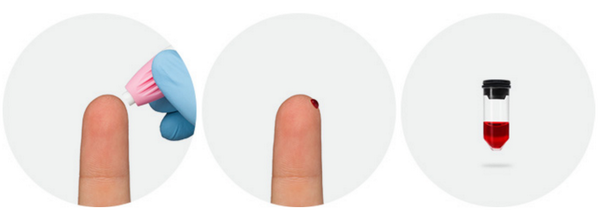
"caption": "Theranos and its finger-prick blood-testing technology has come under siege from a Wall Street Journal investigation.",
"description": "Silicon Valley-based Theranos says it can diagnose a variety of diseases with a finger stick that takes just a few drops of blood — as opposed to a blood draw.",
"title": "theranos",
"credit": "Theranos",
"status": "inherit",
"isLoading": false,
"fetchFailed": false
},
"futureofyou_56766": {
"type": "attachments",
"id": "futureofyou_56766",
"meta": {
"index": "attachments_1716263798",
"site": "futureofyou",
"id": "56766",
"found": true
},
"parent": 56765,
"imgSizes": {
"thumbnail": {
"file": "https://ww2.kqed.org/app/uploads/sites/13/2015/10/Smart-Specs-400x200.jpg",
"width": 400,
"mimeType": "image/jpeg",
"height": 200
},
"post-thumbnail": {
"file": "https://ww2.kqed.org/app/uploads/sites/13/2015/10/Smart-Specs-672x368.jpg",
"width": 672,
"mimeType": "image/jpeg",
"height": 368
},
"kqedFullSize": {
"file": "https://ww2.kqed.org/app/uploads/sites/13/2015/10/Smart-Specs.jpg",
"width": 735,
"height": 368
},
"guest-author-96": {
"file": "https://ww2.kqed.org/app/uploads/sites/13/2015/10/Smart-Specs-96x96.jpg",
"width": 96,
"mimeType": "image/jpeg",
"height": 96
},
"guest-author-64": {
"file": "https://ww2.kqed.org/app/uploads/sites/13/2015/10/Smart-Specs-64x64.jpg",
"width": 64,
"mimeType": "image/jpeg",
"height": 64
},
"detail": {
"file": "https://ww2.kqed.org/app/uploads/sites/13/2015/10/Smart-Specs-75x75.jpg",
"width": 75,
"mimeType": "image/jpeg",
"height": 75
},
"guest-author-32": {
"file": "https://ww2.kqed.org/app/uploads/sites/13/2015/10/Smart-Specs-32x32.jpg",
"width": 32,
"mimeType": "image/jpeg",
"height": 32
},
"guest-author-128": {
"file": "https://ww2.kqed.org/app/uploads/sites/13/2015/10/Smart-Specs-128x128.jpg",
"width": 128,
"mimeType": "image/jpeg",
"height": 128
}
},
"publishDate": 1445646865,
"modified": 1445646965,
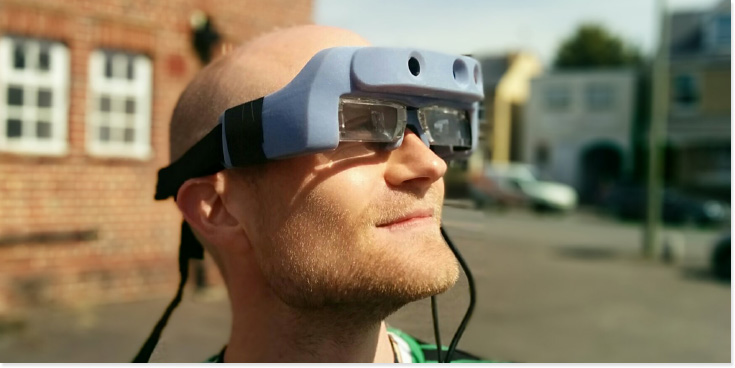
"caption": "The Smart Specs prototype was designed in collaboration with Google and the Royal National Institute of Blind People in the United Kingdom. ",
"description": "The Smart Specs prototype was designed in collaboration with Google and the Royal National Institute of Blind People in the United Kingdom. ",
"title": "blind technology",
"credit": "Va-ST ",
"status": "inherit",
"isLoading": false,
"fetchFailed": false
},
"stateofhealth_98398": {
"type": "attachments",
"id": "stateofhealth_98398",
"meta": {
"index": "attachments_1716263798",
"site": "stateofhealth",
"id": "98398",
"found": true
},
"parent": 98373,
"imgSizes": {
"twentyfourteen-full-width": {
"file": "https://ww2.kqed.org/app/uploads/sites/27/2015/10/842279505_7893995520_o-1038x576.jpg",
"width": 1038,
"mimeType": "image/jpeg",
"height": 576
},
"thumbnail": {
"file": "https://ww2.kqed.org/app/uploads/sites/27/2015/10/842279505_7893995520_o-400x300.jpg",
"width": 400,
"mimeType": "image/jpeg",
"height": 300
},
"fd-sm": {
"file": "https://ww2.kqed.org/app/uploads/sites/27/2015/10/842279505_7893995520_o-960x720.jpg",
"width": 960,
"mimeType": "image/jpeg",
"height": 720
},
"post-thumbnail": {
"file": "https://ww2.kqed.org/app/uploads/sites/27/2015/10/842279505_7893995520_o-672x372.jpg",
"width": 672,
"mimeType": "image/jpeg",
"height": 372
},
"kqedFullSize": {
"file": "https://ww2.kqed.org/app/uploads/sites/27/2015/10/842279505_7893995520_o-e1445883262939.jpg",
"width": 1920,
"height": 1440
},
"large": {
"file": "https://ww2.kqed.org/app/uploads/sites/27/2015/10/842279505_7893995520_o-1440x1080.jpg",
"width": 1440,
"mimeType": "image/jpeg",
"height": 1080
},
"guest-author-96": {
"file": "https://ww2.kqed.org/app/uploads/sites/27/2015/10/842279505_7893995520_o-96x96.jpg",
"width": 96,
"mimeType": "image/jpeg",
"height": 96
},
"medium": {
"file": "https://ww2.kqed.org/app/uploads/sites/27/2015/10/842279505_7893995520_o-800x600.jpg",
"width": 800,
"mimeType": "image/jpeg",
"height": 600
},
"guest-author-64": {
"file": "https://ww2.kqed.org/app/uploads/sites/27/2015/10/842279505_7893995520_o-64x64.jpg",
"width": 64,
"mimeType": "image/jpeg",
"height": 64
},
"guest-author-32": {
"file": "https://ww2.kqed.org/app/uploads/sites/27/2015/10/842279505_7893995520_o-32x32.jpg",
"width": 32,
"mimeType": "image/jpeg",
"height": 32
},
"jmtc-small-thumb": {
"file": "https://ww2.kqed.org/app/uploads/sites/27/2015/10/842279505_7893995520_o-280x150.jpg",
"width": 280,
"mimeType": "image/jpeg",
"height": 150
},
"fd-lrg": {
"file": "https://ww2.kqed.org/app/uploads/sites/27/2015/10/842279505_7893995520_o-1920x1440.jpg",
"width": 1920,
"mimeType": "image/jpeg",
"height": 1440
},
"fd-med": {
"file": "https://ww2.kqed.org/app/uploads/sites/27/2015/10/842279505_7893995520_o-1180x885.jpg",
"width": 1180,
"mimeType": "image/jpeg",
"height": 885
},
"detail": {
"file": "https://ww2.kqed.org/app/uploads/sites/27/2015/10/842279505_7893995520_o-75x75.jpg",
"width": 75,
"mimeType": "image/jpeg",
"height": 75
},
"guest-author-128": {
"file": "https://ww2.kqed.org/app/uploads/sites/27/2015/10/842279505_7893995520_o-128x128.jpg",
"width": 128,
"mimeType": "image/jpeg",
"height": 128
}
},
"publishDate": 1445883233,
"modified": 1445883250,
"caption": null,
"description": null,
"title": "842279505_7893995520_o",
"credit": "wEnDy via Flickr",
"status": "inherit",
"isLoading": false,
"fetchFailed": false
},
"science_321313": {
"type": "attachments",
"id": "science_321313",
"meta": {
"index": "attachments_1716263798",
"site": "science",
"id": "321313",
"found": true
},
"parent": 321312,
"imgSizes": {
"twentyfourteen-full-width": {
"file": "https://ww2.kqed.org/app/uploads/sites/35/2015/10/Mite-960x576.png",
"width": 960,
"mimeType": "image/png",
"height": 576
},
"thumbnail": {
"file": "https://ww2.kqed.org/app/uploads/sites/35/2015/10/Mite-400x267.png",
"width": 400,
"mimeType": "image/png",
"height": 267
},
"fd-sm": {
"file": "https://ww2.kqed.org/app/uploads/sites/35/2015/10/Mite-960x640.png",
"width": 960,
"mimeType": "image/png",
"height": 640
},
"post-thumbnail": {
"file": "https://ww2.kqed.org/app/uploads/sites/35/2015/10/Mite-672x372.png",
"width": 672,
"mimeType": "image/png",
"height": 372
},
"kqedFullSize": {
"file": "https://ww2.kqed.org/app/uploads/sites/35/2015/10/Mite.png",
"width": 960,
"height": 640
},
"guest-author-96": {
"file": "https://ww2.kqed.org/app/uploads/sites/35/2015/10/Mite-96x96.png",
"width": 96,
"mimeType": "image/png",
"height": 96
},
"medium": {
"file": "https://ww2.kqed.org/app/uploads/sites/35/2015/10/Mite-800x533.png",
"width": 800,
"mimeType": "image/png",
"height": 533
},
"guest-author-64": {
"file": "https://ww2.kqed.org/app/uploads/sites/35/2015/10/Mite-64x64.png",
"width": 64,
"mimeType": "image/png",
"height": 64
},
"detail": {
"file": "https://ww2.kqed.org/app/uploads/sites/35/2015/10/Mite-75x75.png",
"width": 75,
"mimeType": "image/png",
"height": 75
},
"guest-author-32": {
"file": "https://ww2.kqed.org/app/uploads/sites/35/2015/10/Mite-32x32.png",
"width": 32,
"mimeType": "image/png",
"height": 32
},
"guest-author-128": {
"file": "https://ww2.kqed.org/app/uploads/sites/35/2015/10/Mite-128x128.png",
"width": 128,
"mimeType": "image/png",
"height": 128
}
},
"publishDate": 1445627703,
"modified": 1445876354,
"caption": "Behold Demodex folliculorum, one of the two species of face mites that live in the pores of all humans.",
"description": "Behold Demodex folliculorum, one of the two species of face mites that live in the pores of all humans.",
"title": "Face Mites",
"credit": "Daniel Fergus/North Carolina Museum of Natural Sciences and NC State University",
"status": "inherit",
"isLoading": false,
"fetchFailed": false
},
"futureofyou_56634": {
"type": "attachments",
"id": "futureofyou_56634",
"meta": {
"index": "attachments_1716263798",
"site": "futureofyou",
"id": "56634",
"found": true
},
"parent": 56633,
"imgSizes": {
"twentyfourteen-full-width": {
"file": "https://ww2.kqed.org/app/uploads/sites/13/2015/10/istock_000076527969_large-8d04b8e0c69387a8e0f1b1288e51b0750d6b09e7-1038x576.jpg",
"width": 1038,
"mimeType": "image/jpeg",
"height": 576
},
"thumbnail": {
"file": "https://ww2.kqed.org/app/uploads/sites/13/2015/10/istock_000076527969_large-8d04b8e0c69387a8e0f1b1288e51b0750d6b09e7-400x300.jpg",
"width": 400,
"mimeType": "image/jpeg",
"height": 300
},
"fd-sm": {
"file": "https://ww2.kqed.org/app/uploads/sites/13/2015/10/istock_000076527969_large-8d04b8e0c69387a8e0f1b1288e51b0750d6b09e7-960x720.jpg",
"width": 960,
"mimeType": "image/jpeg",
"height": 720
},
"post-thumbnail": {
"file": "https://ww2.kqed.org/app/uploads/sites/13/2015/10/istock_000076527969_large-8d04b8e0c69387a8e0f1b1288e51b0750d6b09e7-672x372.jpg",
"width": 672,
"mimeType": "image/jpeg",
"height": 372
},
"kqedFullSize": {
"file": "https://ww2.kqed.org/app/uploads/sites/13/2015/10/istock_000076527969_large-8d04b8e0c69387a8e0f1b1288e51b0750d6b09e7.jpg",
"width": 2155,
"height": 1616
},
"large": {
"file": "https://ww2.kqed.org/app/uploads/sites/13/2015/10/istock_000076527969_large-8d04b8e0c69387a8e0f1b1288e51b0750d6b09e7-1180x885.jpg",
"width": 1180,
"mimeType": "image/jpeg",
"height": 885
},
"guest-author-96": {
"file": "https://ww2.kqed.org/app/uploads/sites/13/2015/10/istock_000076527969_large-8d04b8e0c69387a8e0f1b1288e51b0750d6b09e7-96x96.jpg",
"width": 96,
"mimeType": "image/jpeg",
"height": 96
},
"medium": {
"file": "https://ww2.kqed.org/app/uploads/sites/13/2015/10/istock_000076527969_large-8d04b8e0c69387a8e0f1b1288e51b0750d6b09e7-800x600.jpg",
"width": 800,
"mimeType": "image/jpeg",
"height": 600
},
"guest-author-64": {
"file": "https://ww2.kqed.org/app/uploads/sites/13/2015/10/istock_000076527969_large-8d04b8e0c69387a8e0f1b1288e51b0750d6b09e7-64x64.jpg",
"width": 64,
"mimeType": "image/jpeg",
"height": 64
},
"guest-author-32": {
"file": "https://ww2.kqed.org/app/uploads/sites/13/2015/10/istock_000076527969_large-8d04b8e0c69387a8e0f1b1288e51b0750d6b09e7-32x32.jpg",
"width": 32,
"mimeType": "image/jpeg",
"height": 32
},
"fd-lrg": {
"file": "https://ww2.kqed.org/app/uploads/sites/13/2015/10/istock_000076527969_large-8d04b8e0c69387a8e0f1b1288e51b0750d6b09e7-1920x1440.jpg",
"width": 1920,
"mimeType": "image/jpeg",
"height": 1440
},
"fd-med": {
"file": "https://ww2.kqed.org/app/uploads/sites/13/2015/10/istock_000076527969_large-8d04b8e0c69387a8e0f1b1288e51b0750d6b09e7-1180x885.jpg",
"width": 1180,
"mimeType": "image/jpeg",
"height": 885
},
"detail": {
"file": "https://ww2.kqed.org/app/uploads/sites/13/2015/10/istock_000076527969_large-8d04b8e0c69387a8e0f1b1288e51b0750d6b09e7-75x75.jpg",
"width": 75,
"mimeType": "image/jpeg",
"height": 75
},
"guest-author-128": {
"file": "https://ww2.kqed.org/app/uploads/sites/13/2015/10/istock_000076527969_large-8d04b8e0c69387a8e0f1b1288e51b0750d6b09e7-128x128.jpg",
"width": 128,
"mimeType": "image/jpeg",
"height": 128
}
},
"publishDate": 1445624481,
"modified": 1445624578,
"caption": "African-American patients with chronic kidney disease were half as likely to use an electronic health portal than were non-black patients.",
"description": "African-American patients with chronic kidney disease were half as likely to use an electronic health portal than were non-black patients.",
"title": "African-American patients with chronic kidney disease were half as likely to use an electronic health portal than were non-black patients.",
"credit": "iStock",
"status": "inherit",
"isLoading": false,
"fetchFailed": false
},
"futureofyou_52652": {
"type": "attachments",
"id": "futureofyou_52652",
"meta": {
"index": "attachments_1716263798",
"site": "futureofyou",
"id": "52652",
"found": true
},
"parent": 52032,
"imgSizes": {
"twentyfourteen-full-width": {
"file": "https://ww2.kqed.org/app/uploads/sites/13/2015/10/alyssa-e1445637461476-1038x576.jpg",
"width": 1038,
"mimeType": "image/jpeg",
"height": 576
},
"thumbnail": {
"file": "https://ww2.kqed.org/app/uploads/sites/13/2015/10/alyssa-e1445637461476-400x341.jpg",
"width": 400,
"mimeType": "image/jpeg",
"height": 341
},
"fd-sm": {
"file": "https://ww2.kqed.org/app/uploads/sites/13/2015/10/alyssa-e1445637461476-960x819.jpg",
"width": 960,
"mimeType": "image/jpeg",
"height": 819
},
"post-thumbnail": {
"file": "https://ww2.kqed.org/app/uploads/sites/13/2015/10/alyssa-e1445637461476-672x372.jpg",
"width": 672,
"mimeType": "image/jpeg",
"height": 372
},
"kqedFullSize": {
"file": "https://ww2.kqed.org/app/uploads/sites/13/2015/10/alyssa-e1445637461476.jpg",
"width": 1475,
"height": 1259
},
"large": {
"file": "https://ww2.kqed.org/app/uploads/sites/13/2015/10/alyssa-e1445637461476-1180x1007.jpg",
"width": 1180,
"mimeType": "image/jpeg",
"height": 1007
},
"guest-author-96": {
"file": "https://ww2.kqed.org/app/uploads/sites/13/2015/10/alyssa-e1445637461476-96x96.jpg",
"width": 96,
"mimeType": "image/jpeg",
"height": 96
},
"medium": {
"file": "https://ww2.kqed.org/app/uploads/sites/13/2015/10/alyssa-e1445637461476-703x600.jpg",
"width": 703,
"mimeType": "image/jpeg",
"height": 600
},
"guest-author-64": {
"file": "https://ww2.kqed.org/app/uploads/sites/13/2015/10/alyssa-e1445637461476-64x64.jpg",
"width": 64,
"mimeType": "image/jpeg",
"height": 64
},
"guest-author-32": {
"file": "https://ww2.kqed.org/app/uploads/sites/13/2015/10/alyssa-e1445637461476-32x32.jpg",
"width": 32,
"mimeType": "image/jpeg",
"height": 32
},
"fd-med": {
"file": "https://ww2.kqed.org/app/uploads/sites/13/2015/10/alyssa-e1445637461476-1180x1007.jpg",
"width": 1180,
"mimeType": "image/jpeg",
"height": 1007
},
"detail": {
"file": "https://ww2.kqed.org/app/uploads/sites/13/2015/10/alyssa-e1445637461476-75x75.jpg",
"width": 75,
"mimeType": "image/jpeg",
"height": 75
},
"guest-author-128": {
"file": "https://ww2.kqed.org/app/uploads/sites/13/2015/10/alyssa-e1445637461476-128x128.jpg",
"width": 128,
"mimeType": "image/jpeg",
"height": 128
}
},
"publishDate": 1444948977,
"modified": 1444949168,
"caption": "Alyssa Padron, 20, has used apps to track her period for two years. ",
"description": null,
"title": "alyssa",
"credit": "Alyssa Padron",
"status": "inherit",
"isLoading": false,
"fetchFailed": false
}
},
"audioPlayerReducer": {
"postId": "stream_live",
"isPaused": true,
"isPlaying": false,
"pfsActive": false,
"pledgeModalIsOpen": true,
"playerDrawerIsOpen": false,
"liveAudioPlayStartedAt": 0,
"liveAudioPlayContext": ""
},
"authorsReducer": {
"byline_futureofyou_61717": {
"type": "authors",
"id": "byline_futureofyou_61717",
"meta": {
"override": true
},
"slug": "byline_futureofyou_61717",
"name": "Signe Brewster ",
"isLoading": false
},
"byline_futureofyou_62039": {
"type": "authors",
"id": "byline_futureofyou_62039",
"meta": {
"override": true
},
"slug": "byline_futureofyou_62039",
"name": "Julie Rovner ",
"isLoading": false
},
"byline_futureofyou_58606": {
"type": "authors",
"id": "byline_futureofyou_58606",
"meta": {
"override": true
},
"slug": "byline_futureofyou_58606",
"name": "KQED Science",
"isLoading": false
},
"byline_stateofhealth_98373": {
"type": "authors",
"id": "byline_stateofhealth_98373",
"meta": {
"override": true
},
"slug": "byline_stateofhealth_98373",
"name": "Allison Aubrey",
"isLoading": false
},
"byline_science_321312": {
"type": "authors",
"id": "byline_science_321312",
"meta": {
"override": true
},
"slug": "byline_science_321312",
"name": "Danielle Venton",
"isLoading": false
},
"byline_futureofyou_56633": {
"type": "authors",
"id": "byline_futureofyou_56633",
"meta": {
"override": true
},
"slug": "byline_futureofyou_56633",
"name": "Lynne Shallcross",
"isLoading": false
},
"lisaaliferis": {
"type": "authors",
"id": "240",
"meta": {
"index": "authors_1716337520",
"id": "240",
"found": true
},
"name": "Lisa Aliferis",
"firstName": "Lisa",
"lastName": "Aliferis",
"slug": "lisaaliferis",
"email": "laliferis@kqed.org",
"display_author_email": false,
"staff_mastheads": [],
"title": "KQED Contributor",
"bio": "Lisa Aliferis is the founding editor of KQED's \u003cem>State of Health\u003c/em> blog. Since 2011, she's been writing and editing stories for the site. Before taking up blogging, she toiled for many years (more than we can count) producing health stories for television, including\u003cem> Dateline NBC\u003c/em> and San Francisco's CBS affiliate, KPIX-TV. She also wrote up a \u003ca title=\"http://www.kqed.org/news/health/obamacare/obamacare-guide.jsp\" href=\"http://www.kqed.org/news/health/obamacare/obamacare-guide.jsp\">handy guide to the Affordable Care Act\u003c/a>, especially for Californians. Her work has been honored for many awards. Most recently she was a finalist for \"Best Topical Reporting\" from the Online News Association. You can follow her on Twitter: \u003ca title=\"https://twitter.com/laliferis\" href=\"https://twitter.com/laliferis\">@laliferis\u003c/a>",
"avatar": "https://secure.gravatar.com/avatar/86c339d5cdcb0dcd2b6cf5d7c3f5886b?s=600&d=mm&r=g",
"twitter": "laliferis",
"facebook": null,
"instagram": null,
"linkedin": null,
"sites": [
{
"site": "news",
"roles": [
"subscriber"
]
},
{
"site": "futureofyou",
"roles": [
"subscriber"
]
},
{
"site": "stateofhealth",
"roles": [
"subscriber"
]
},
{
"site": "science",
"roles": [
"subscriber"
]
},
{
"site": "food",
"roles": []
}
],
"headData": {
"title": "Lisa Aliferis | KQED",
"description": "KQED Contributor",
"ogImgSrc": "https://secure.gravatar.com/avatar/86c339d5cdcb0dcd2b6cf5d7c3f5886b?s=600&d=mm&r=g",
"twImgSrc": "https://secure.gravatar.com/avatar/86c339d5cdcb0dcd2b6cf5d7c3f5886b?s=600&d=mm&r=g"
},
"isLoading": false,
"link": "/author/lisaaliferis"
},
"cfarr": {
"type": "authors",
"id": "3252",
"meta": {
"index": "authors_1716337520",
"id": "3252",
"found": true
},
"name": "Christina Farr",
"firstName": "Christina",
"lastName": "Farr",
"slug": "cfarr",
"email": "cfarr@kqed.org",
"display_author_email": false,
"staff_mastheads": [],
"title": "KQED Contributor",
"bio": "Christina Farr (\u003ca href=\"https://twitter.com/chrissyfarr\">@chrissyfarr\u003c/a>) is the former editor and host of Future of You. She was previously with Reuters, covering digital health and Apple and before that, she reported for Venture Beat. Christina was born and raised in London and has graduate degrees from University of London and the Stanford School of Journalism. Farr’s work has appeared in a variety of publications, including the New York Times, the Daily Telegraph, the Bay Citizen and SFGate.com. She has appeared as a featured expert on NBC, ABC and Reuters TV, among others, and frequently speaks at health and technology conferences. She is also co-founder of Ladies Who Vino, a networking group for women in technology and business.",
"avatar": "https://secure.gravatar.com/avatar/22c63869a7901c61c15e204391c1261d?s=600&d=blank&r=g",
"twitter": null,
"facebook": null,
"instagram": null,
"linkedin": null,
"sites": [
{
"site": "futureofyou",
"roles": [
"administrator"
]
},
{
"site": "stateofhealth",
"roles": [
"author"
]
},
{
"site": "science",
"roles": []
}
],
"headData": {
"title": "Christina Farr | KQED",
"description": "KQED Contributor",
"ogImgSrc": "https://secure.gravatar.com/avatar/22c63869a7901c61c15e204391c1261d?s=600&d=blank&r=g",
"twImgSrc": "https://secure.gravatar.com/avatar/22c63869a7901c61c15e204391c1261d?s=600&d=blank&r=g"
},
"isLoading": false,
"link": "/author/cfarr"
},
"dr-barry-starr": {
"type": "authors",
"id": "6177",
"meta": {
"index": "authors_1716337520",
"id": "6177",
"found": true
},
"name": "Dr. Barry Starr",
"firstName": "Dr. Barry",
"lastName": "Starr",
"slug": "dr-barry-starr",
"email": "bstarr@thetech.org",
"display_author_email": false,
"staff_mastheads": [],
"title": "KQED Contributor",
"bio": "Dr. Barry Starr (\u003ca href=\"https://twitter.com/geneticsboy\">@geneticsboy\u003c/a>) is a Geneticist-in-Residence at The Tech Museum of Innovation in San Jose, CA and runs their Stanford at The Tech program. The program is part of an ongoing collaboration between the \u003ca href=\"http://genetics.stanford.edu/\">Stanford Department of Genetics\u003c/a> and \u003ca href=\"http://www.thetech.org/\">The Tech Museum of Innovation\u003c/a>. Together these two partners created the \u003ca href=\"http://www.thetech.org/exhibits/permanent/index.php?sGalKey=gtwt&galKey=lt\">Genetics: Technology with a Twist\u003c/a> exhibition.\r\n\r\nYou can also see \u003ca href=\"https://ww2.kqed.org/science/author/dr-barry-starr/\">additional posts by Barry at KQED Science\u003c/a>, and read his \u003ca href=\"http://science.kqed.org/quest/author/dr-barry-starr/\">previous contributions\u003c/a> to \u003ca href=\"http://science.kqed.org/quest/\">QUEST\u003c/a>, a project dedicated to exploring the Science of Sustainability.",
"avatar": "https://secure.gravatar.com/avatar/4a5680e4c642ea0f0f3041af16018969?s=600&d=blank&r=g",
"twitter": "geneticsboy",
"facebook": null,
"instagram": null,
"linkedin": null,
"sites": [
{
"site": "futureofyou",
"roles": []
},
{
"site": "science",
"roles": [
"author"
]
},
{
"site": "quest",
"roles": [
"subscriber"
]
}
],
"headData": {
"title": "Dr. Barry Starr | KQED",
"description": "KQED Contributor",
"ogImgSrc": "https://secure.gravatar.com/avatar/4a5680e4c642ea0f0f3041af16018969?s=600&d=blank&r=g",
"twImgSrc": "https://secure.gravatar.com/avatar/4a5680e4c642ea0f0f3041af16018969?s=600&d=blank&r=g"
},
"isLoading": false,
"link": "/author/dr-barry-starr"
},
"rgrant": {
"type": "authors",
"id": "6620",
"meta": {
"index": "authors_1716337520",
"id": "6620",
"found": true
},
"name": "Rebecca Grant",
"firstName": "Rebecca",
"lastName": "Grant",
"slug": "rgrant",
"email": "rebeccaggrant@gmail.com",
"display_author_email": false,
"staff_mastheads": [],
"title": null,
"bio": "Rebecca Grant is a freelance journalist who has published work in The Atlantic, Fast Company, Forbes, The Daily Dot, and others. She spent 2 years as a staff writer at VentureBeat reporting on the startup scene, as well as issues relating to social innovation and diversity in the tech industry. Before Venturebeat, she served as a Peace Corps Volunteer, conducting an education project in rural Thailand. She has a B.A. from Cornell University.",
"avatar": "https://secure.gravatar.com/avatar/acf522116cc10f32fb9bc84af7f1ea28?s=600&d=blank&r=g",
"twitter": null,
"facebook": null,
"instagram": null,
"linkedin": null,
"sites": [
{
"site": "futureofyou",
"roles": [
"contributor"
]
}
],
"headData": {
"title": "Rebecca Grant | KQED",
"description": null,
"ogImgSrc": "https://secure.gravatar.com/avatar/acf522116cc10f32fb9bc84af7f1ea28?s=600&d=blank&r=g",
"twImgSrc": "https://secure.gravatar.com/avatar/acf522116cc10f32fb9bc84af7f1ea28?s=600&d=blank&r=g"
},
"isLoading": false,
"link": "/author/rgrant"
},
"jlipsky": {
"type": "authors",
"id": "11992",
"meta": {
"index": "authors_1716337520",
"id": "11992",
"found": true
},
"name": "Jessica Lipsky",
"firstName": "Jessica",
"lastName": "Lipsky",
"slug": "jlipsky",
"email": "jessica.lipsky@gmail.com",
"display_author_email": false,
"staff_mastheads": [],
"title": "KQED Contributor",
"bio": "Jessica Lipsky is a freelance writer who has contributed to the New York Times, the Washington Post, Columbia Journalism Review, NPR and more. She is the author of \u003cem>It Ain’t Retro: Daptone Records & The 21st-Century Soul Revolution\u003c/em>. Find her work \u003ca href=\"https://www.jlipsky.com/\">here\u003c/a>.",
"avatar": "https://secure.gravatar.com/avatar/07bb90ce7e446aa0abb4fe23b3437ebd?s=600&d=blank&r=g",
"twitter": null,
"facebook": null,
"instagram": null,
"linkedin": null,
"sites": [
{
"site": "arts",
"roles": [
"contributor"
]
},
{
"site": "futureofyou",
"roles": [
"contributor"
]
}
],
"headData": {
"title": "Jessica Lipsky | KQED",
"description": "KQED Contributor",
"ogImgSrc": "https://secure.gravatar.com/avatar/07bb90ce7e446aa0abb4fe23b3437ebd?s=600&d=blank&r=g",
"twImgSrc": "https://secure.gravatar.com/avatar/07bb90ce7e446aa0abb4fe23b3437ebd?s=600&d=blank&r=g"
},
"isLoading": false,
"link": "/author/jlipsky"
}
},
"pagesReducer": {
"science_category_health": {
"type": "terms",
"id": "science_39",
"meta": {
"index": "terms_1716263798",
"site": "science",
"id": "39",
"score": 10.889561
},
"featImg": null,
"name": "Health",
"description": null,
"taxonomy": "category",
"headData": {
"twImgId": null,
"twTitle": null,
"ogTitle": null,
"ogImgId": null,
"twDescription": null,
"description": null,
"title": "Health Archives | KQED Science",
"ogDescription": null
},
"ttid": 41,
"slug": "health",
"isLoading": false,
"title": "Health",
"pageMeta": {
"site": "science",
"WpPageTemplate": "page-topic-editorial",
"currentPage": 72
},
"blocks": [
{
"blockName": "kqed/post-list",
"attrs": {
"layout": "cardArticle2",
"query": "posts/science?category=health",
"seeMore": false,
"paginated": true,
"page": 72
}
},
{
"blockName": "kqed/ad"
}
]
}
},
"pfsSessionReducer": {},
"postsReducer": {
"stream_live": {
"type": "live",
"id": "stream_live",
"audioUrl": "https://streams.kqed.org/kqedradio",
"title": "Live Stream",
"excerpt": "Live Stream information currently unavailable.",
"link": "/radio",
"featImg": "",
"label": {
"name": "KQED Live",
"link": "/"
}
},
"stream_kqedNewscast": {
"type": "posts",
"id": "stream_kqedNewscast",
"audioUrl": "https://www.kqed.org/.stream/anon/radio/RDnews/newscast.mp3?_=1",
"title": "KQED Newscast",
"featImg": "",
"label": {
"name": "88.5 FM",
"link": "/"
}
},
"futureofyou_62066": {
"type": "posts",
"id": "futureofyou_62066",
"meta": {
"index": "posts_1716263798",
"site": "futureofyou",
"id": "62066",
"score": null,
"sort": [
1446829236000
]
},
"parent": 0,
"labelTerm": {
"site": "futureofyou"
},
"blocks": [],
"publishDate": 1446829236,
"format": "image",
"disqusTitle": "Why These Designers are Embedded in a Hospital",
"title": "Why These Designers are Embedded in a Hospital",
"headTitle": "KQED Future of You | KQED Science",
"content": "\u003cp>\u003ca href=\"http://www.imperial.nhs.uk/stmarys/\" target=\"_blank\">St Mary's Hospital\u003c/a> in London looks like any other large teaching hospital, with one exception. Perched on the street in front of the hospital's stately brick facade is a contemporary-looking design studio, made almost entirely of wood and glass.\u003c/p>\n\u003cp>Inside the studio, a group of eight designers and a handful of doctors brainstorm ideas for new products they hope will improve the experience for patients and, in time, lower health care costs.\u003c/p>\n\u003cp>\"We think of the hospital as our testbed for ideas,\" says Maja Kecman, one of the designers at the studio, which is called \u003ca href=\"http://www.helixcentre.com/\" target=\"_blank\">Helix\u003c/a>. \"Many health startups operate on the edges and look in, but we take a different approach.\"\u003c/p>\n\u003cp>Helix opened in 2013 with some £4 million (roughly $6 million) in grant money. What's unique about Helix is the access: The designers have a special clearance to shadow doctors and nurses at St Mary's hospital. They regularly spend an evening at the trauma center or sit in on doctor-patient consultations.\u003c/p>\n\u003cfigure id=\"attachment_62212\" class=\"wp-caption alignleft\" style=\"max-width: 500px\">\u003cimg class=\" wp-image-62212\" src=\"http://ww2.kqed.org/futureofyou/wp-content/uploads/sites/13/2015/11/Prototyping-workshop-in-middle-of-hospital-800x533.jpg\" alt=\"A prototyping workshop inside the hospital. \" width=\"500\" height=\"333\" srcset=\"https://ww2.kqed.org/app/uploads/sites/13/2015/11/Prototyping-workshop-in-middle-of-hospital-800x533.jpg 800w, https://ww2.kqed.org/app/uploads/sites/13/2015/11/Prototyping-workshop-in-middle-of-hospital-400x267.jpg 400w, https://ww2.kqed.org/app/uploads/sites/13/2015/11/Prototyping-workshop-in-middle-of-hospital-1180x787.jpg 1180w, https://ww2.kqed.org/app/uploads/sites/13/2015/11/Prototyping-workshop-in-middle-of-hospital-1920x1280.jpg 1920w, https://ww2.kqed.org/app/uploads/sites/13/2015/11/Prototyping-workshop-in-middle-of-hospital-960x640.jpg 960w\" sizes=\"(max-width: 500px) 100vw, 500px\">\u003cfigcaption class=\"wp-caption-text\">A prototyping workshop inside the hospital. \u003ccite>(Helix)\u003c/cite>\u003c/figcaption>\u003c/figure>\n\u003cp>\"At St Mary's, we see all sorts of really quite horrific injuries, which can be quite harrowing for the designers,\" says Matthew S. Prime, an orthopedic surgeon and one of the clinicians working with Helix. But he says the designers focus most of their time asking patients about their experiences, like whether they felt rushed or understood their doctor's instructions.\u003c/p>\n\u003cp>[ad fullwidth]\u003c/p>\n\u003cp>\"To get that kind of access to patients is unique,\" Prime explains. \"You almost certainly wouldn't get it at a design consultancy.\"\u003c/p>\n\u003cp>The designers' goal is to develop health products that can scale globally. Some projects in the pipeline include an end-of-life care app and a service to help patients with glaucoma take their meds.\u003c/p>\n\u003cp>Kecman says one of the biggest challenges is prioritizing one idea over another in a broken health care system. One way designers do that is by pursuing the potential solutions where they see a clear way to make money.\u003c/p>\n\u003cp>Oftentimes, they'll hear from clinicians about a problem on their ward, but find themselves uncertain whether they can solve it. One question they're currently pondering is whether they can help a nurse who recently approached Kecman to alleviate her patients' pressure ulcers.\u003c/p>\n\u003cfigure id=\"attachment_62689\" class=\"wp-caption alignright\" style=\"max-width: 800px\">\u003cimg class=\"size-medium wp-image-62689\" src=\"http://ww2.kqed.org/futureofyou/wp-content/uploads/sites/13/2015/11/bowel-screening-800x533.jpg\" alt=\"Helix is trying out a new approach to screening for bowel cancer. \" width=\"800\" height=\"533\" srcset=\"https://ww2.kqed.org/app/uploads/sites/13/2015/11/bowel-screening-800x533.jpg 800w, https://ww2.kqed.org/app/uploads/sites/13/2015/11/bowel-screening-400x267.jpg 400w, https://ww2.kqed.org/app/uploads/sites/13/2015/11/bowel-screening-1180x787.jpg 1180w, https://ww2.kqed.org/app/uploads/sites/13/2015/11/bowel-screening-1920x1280.jpg 1920w, https://ww2.kqed.org/app/uploads/sites/13/2015/11/bowel-screening-960x640.jpg 960w\" sizes=\"(max-width: 800px) 100vw, 800px\">\u003cfigcaption class=\"wp-caption-text\">Helix is trying out a new approach to screening for bowel cancer. \u003ccite>(Helix)\u003c/cite>\u003c/figcaption>\u003c/figure>\n\u003cp>Once the team homes in on an idea, they use design-thinking methods popularized by the Silicon Valley-based design firm \u003ca href=\"https://www.ideo.com/\" target=\"_blank\">IDEO\u003c/a> to develop an initial product. IDEO espouses an approach that puts human needs at the center of the design process.\u003c/p>\n\u003cp>The first product they've taken outside the hospital is a new method to screen for bowel cancer, which has already been delivered to about 7,000 patients in Wales as part of a trial. In the UK, people who turn 60 can expect a birthday card from the National Health Service (NHS) accompanied by a surprising, and somewhat uncomfortable, request for a poop sample to test them for bowel cancer. For the trial, recipients will get a new sample kit and educational resources, including an animated film that explains why it's important to get screened.\u003c/p>\n\u003cp>The average response for the NHS' current program is \u003ca href=\"http://www.bowelcanceruk.org.uk/media/100983/760_bcuk_gp_a5inserts_5-6_screening.pdf\" target=\"_blank\">about 55 percent.\u003c/a>\u003c/p>\n\u003cp>St Mary's is just one of many hospitals and clinics that are investing in design. \"I'm seeing a growing trend of designers and design teams being embedded in a clinical environment,\" says Aaron Sklar, a designer at Aetna-owned \u003ca href=\"http://www.healthagen.com/\" target=\"_blank\">Healthagen\u003c/a>.\u003c/p>\n\u003cfigure id=\"attachment_62214\" class=\"wp-caption alignleft\" style=\"max-width: 455px\">\u003cimg class=\" wp-image-62214\" src=\"http://ww2.kqed.org/futureofyou/wp-content/uploads/sites/13/2015/11/End-of-life-care-app-800x449.jpg\" alt=\"Helix is currently developing an app dedicated to end of life care. \" width=\"455\" height=\"255\" srcset=\"https://ww2.kqed.org/app/uploads/sites/13/2015/11/End-of-life-care-app-800x449.jpg 800w, https://ww2.kqed.org/app/uploads/sites/13/2015/11/End-of-life-care-app-400x225.jpg 400w, https://ww2.kqed.org/app/uploads/sites/13/2015/11/End-of-life-care-app-1180x663.jpg 1180w, https://ww2.kqed.org/app/uploads/sites/13/2015/11/End-of-life-care-app-1920x1078.jpg 1920w, https://ww2.kqed.org/app/uploads/sites/13/2015/11/End-of-life-care-app-960x539.jpg 960w\" sizes=\"(max-width: 455px) 100vw, 455px\">\u003cfigcaption class=\"wp-caption-text\">Helix is currently developing an app dedicated to end of life care. \u003ccite>(Helix)\u003c/cite>\u003c/figcaption>\u003c/figure>\n\u003cp>The Mayo Clinic has its own in-house innovation lab, called the \u003ca href=\"http://www.mayo.edu/center-for-innovation/what-we-do/design-thinking\" target=\"_blank\">Design Research Studio\u003c/a>, which focuses on improving the delivery of care. And One Medical, a U.S-based primary care group, has hired clinical systems designers to explore ways to make the experience easier for patients.\u003c/p>\n\u003cp>\"Any design intervention and innovation at the point of care has an opportunity to have an immediate and powerful impact,\" Sklar says.\u003c/p>\n\u003cp>But most hospitals will employ outside consultants, rather than hiring an internal design team. Unlike the designers at Helix, these consultants tend to focus on finding ways to cut the budget, rather than on improving how patients are treated.\u003c/p>\n\u003cp>\u003c/p>\n\u003cp>\"For years, we've been bringing in outside management consultants to the hospital,\" Prime says. \"This is different. It's far more than just number crunching.\"\u003c/p>\n\n",
"disqusIdentifier": "62066 http://ww2.kqed.org/futureofyou/?p=62066",
"disqusUrl": "https://ww2.kqed.org/futureofyou/2015/11/06/why-these-designers-are-embedded-in-a-hospital/",
"stats": {
"hasVideo": false,
"hasChartOrMap": false,
"hasAudio": false,
"hasPolis": false,
"wordCount": 771,
"hasGoogleForm": false,
"hasGallery": false,
"hasHearkenModule": false,
"iframeSrcs": [],
"paragraphCount": 19
},
"modified": 1446775735,
"excerpt": "Eight designers embedded in a hospital in London are working to improve the experience for patients. ",
"headData": {
"twImgId": "",
"twTitle": "",
"ogTitle": "",
"ogImgId": "",
"twDescription": "",
"description": "Eight designers embedded in a hospital in London are working to improve the experience for patients. ",
"title": "Why These Designers are Embedded in a Hospital | KQED",
"ogDescription": "",
"schema": {
"@context": "https://schema.org",
"@type": "Article",
"headline": "Why These Designers are Embedded in a Hospital",
"datePublished": "2015-11-06T09:00:36-08:00",
"dateModified": "2015-11-05T18:08:55-08:00",
"image": "https://cdn.kqed.org/wp-content/uploads/2020/02/KQED-OG-Image@1x.png"
}
},
"guestAuthors": [],
"slug": "why-these-designers-are-embedded-in-a-hospital",
"status": "publish",
"path": "/futureofyou/62066/why-these-designers-are-embedded-in-a-hospital",
"audioTrackLength": null,
"parsedContent": [
{
"type": "contentString",
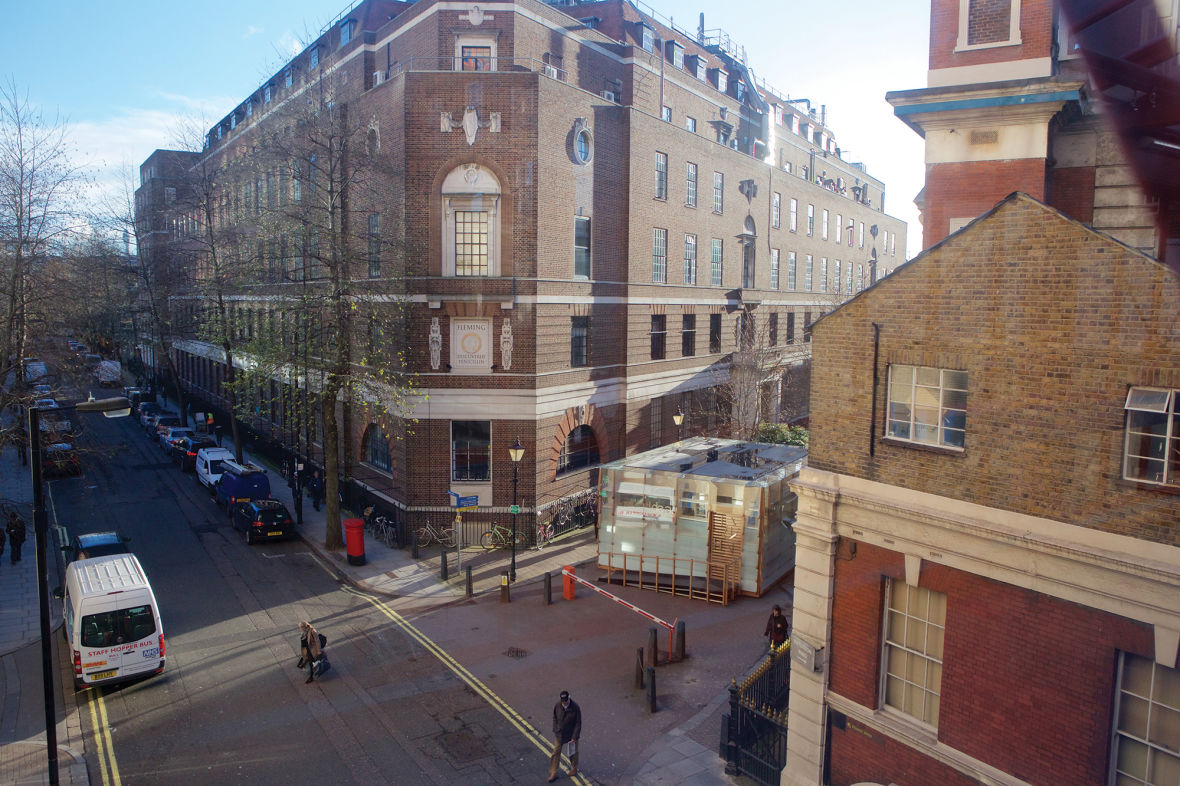
"content": "\u003cdiv class=\"post-body\">\u003cp>\u003cp>\u003ca href=\"http://www.imperial.nhs.uk/stmarys/\" target=\"_blank\">St Mary's Hospital\u003c/a> in London looks like any other large teaching hospital, with one exception. Perched on the street in front of the hospital's stately brick facade is a contemporary-looking design studio, made almost entirely of wood and glass.\u003c/p>\n\u003cp>Inside the studio, a group of eight designers and a handful of doctors brainstorm ideas for new products they hope will improve the experience for patients and, in time, lower health care costs.\u003c/p>\n\u003cp>\"We think of the hospital as our testbed for ideas,\" says Maja Kecman, one of the designers at the studio, which is called \u003ca href=\"http://www.helixcentre.com/\" target=\"_blank\">Helix\u003c/a>. \"Many health startups operate on the edges and look in, but we take a different approach.\"\u003c/p>\n\u003cp>Helix opened in 2013 with some £4 million (roughly $6 million) in grant money. What's unique about Helix is the access: The designers have a special clearance to shadow doctors and nurses at St Mary's hospital. They regularly spend an evening at the trauma center or sit in on doctor-patient consultations.\u003c/p>\n\u003cfigure id=\"attachment_62212\" class=\"wp-caption alignleft\" style=\"max-width: 500px\">\u003cimg class=\" wp-image-62212\" src=\"http://ww2.kqed.org/futureofyou/wp-content/uploads/sites/13/2015/11/Prototyping-workshop-in-middle-of-hospital-800x533.jpg\" alt=\"A prototyping workshop inside the hospital. \" width=\"500\" height=\"333\" srcset=\"https://ww2.kqed.org/app/uploads/sites/13/2015/11/Prototyping-workshop-in-middle-of-hospital-800x533.jpg 800w, https://ww2.kqed.org/app/uploads/sites/13/2015/11/Prototyping-workshop-in-middle-of-hospital-400x267.jpg 400w, https://ww2.kqed.org/app/uploads/sites/13/2015/11/Prototyping-workshop-in-middle-of-hospital-1180x787.jpg 1180w, https://ww2.kqed.org/app/uploads/sites/13/2015/11/Prototyping-workshop-in-middle-of-hospital-1920x1280.jpg 1920w, https://ww2.kqed.org/app/uploads/sites/13/2015/11/Prototyping-workshop-in-middle-of-hospital-960x640.jpg 960w\" sizes=\"(max-width: 500px) 100vw, 500px\">\u003cfigcaption class=\"wp-caption-text\">A prototyping workshop inside the hospital. \u003ccite>(Helix)\u003c/cite>\u003c/figcaption>\u003c/figure>\n\u003cp>\"At St Mary's, we see all sorts of really quite horrific injuries, which can be quite harrowing for the designers,\" says Matthew S. Prime, an orthopedic surgeon and one of the clinicians working with Helix. But he says the designers focus most of their time asking patients about their experiences, like whether they felt rushed or understood their doctor's instructions.\u003c/p>\n\u003cp>\u003c/p>\u003c/div>",
"attributes": {
"named": {},
"numeric": []
}
},
{
"type": "component",
"content": "",
"name": "ad",
"attributes": {
"named": {
"label": "fullwidth"
},
"numeric": [
"fullwidth"
]
}
},
{
"type": "contentString",
"content": "\u003cdiv class=\"post-body\">\u003cp>\u003c/p>\n\u003cp>\"To get that kind of access to patients is unique,\" Prime explains. \"You almost certainly wouldn't get it at a design consultancy.\"\u003c/p>\n\u003cp>The designers' goal is to develop health products that can scale globally. Some projects in the pipeline include an end-of-life care app and a service to help patients with glaucoma take their meds.\u003c/p>\n\u003cp>Kecman says one of the biggest challenges is prioritizing one idea over another in a broken health care system. One way designers do that is by pursuing the potential solutions where they see a clear way to make money.\u003c/p>\n\u003cp>Oftentimes, they'll hear from clinicians about a problem on their ward, but find themselves uncertain whether they can solve it. One question they're currently pondering is whether they can help a nurse who recently approached Kecman to alleviate her patients' pressure ulcers.\u003c/p>\n\u003cfigure id=\"attachment_62689\" class=\"wp-caption alignright\" style=\"max-width: 800px\">\u003cimg class=\"size-medium wp-image-62689\" src=\"http://ww2.kqed.org/futureofyou/wp-content/uploads/sites/13/2015/11/bowel-screening-800x533.jpg\" alt=\"Helix is trying out a new approach to screening for bowel cancer. \" width=\"800\" height=\"533\" srcset=\"https://ww2.kqed.org/app/uploads/sites/13/2015/11/bowel-screening-800x533.jpg 800w, https://ww2.kqed.org/app/uploads/sites/13/2015/11/bowel-screening-400x267.jpg 400w, https://ww2.kqed.org/app/uploads/sites/13/2015/11/bowel-screening-1180x787.jpg 1180w, https://ww2.kqed.org/app/uploads/sites/13/2015/11/bowel-screening-1920x1280.jpg 1920w, https://ww2.kqed.org/app/uploads/sites/13/2015/11/bowel-screening-960x640.jpg 960w\" sizes=\"(max-width: 800px) 100vw, 800px\">\u003cfigcaption class=\"wp-caption-text\">Helix is trying out a new approach to screening for bowel cancer. \u003ccite>(Helix)\u003c/cite>\u003c/figcaption>\u003c/figure>\n\u003cp>Once the team homes in on an idea, they use design-thinking methods popularized by the Silicon Valley-based design firm \u003ca href=\"https://www.ideo.com/\" target=\"_blank\">IDEO\u003c/a> to develop an initial product. IDEO espouses an approach that puts human needs at the center of the design process.\u003c/p>\n\u003cp>The first product they've taken outside the hospital is a new method to screen for bowel cancer, which has already been delivered to about 7,000 patients in Wales as part of a trial. In the UK, people who turn 60 can expect a birthday card from the National Health Service (NHS) accompanied by a surprising, and somewhat uncomfortable, request for a poop sample to test them for bowel cancer. For the trial, recipients will get a new sample kit and educational resources, including an animated film that explains why it's important to get screened.\u003c/p>\n\u003cp>The average response for the NHS' current program is \u003ca href=\"http://www.bowelcanceruk.org.uk/media/100983/760_bcuk_gp_a5inserts_5-6_screening.pdf\" target=\"_blank\">about 55 percent.\u003c/a>\u003c/p>\n\u003cp>St Mary's is just one of many hospitals and clinics that are investing in design. \"I'm seeing a growing trend of designers and design teams being embedded in a clinical environment,\" says Aaron Sklar, a designer at Aetna-owned \u003ca href=\"http://www.healthagen.com/\" target=\"_blank\">Healthagen\u003c/a>.\u003c/p>\n\u003cfigure id=\"attachment_62214\" class=\"wp-caption alignleft\" style=\"max-width: 455px\">\u003cimg class=\" wp-image-62214\" src=\"http://ww2.kqed.org/futureofyou/wp-content/uploads/sites/13/2015/11/End-of-life-care-app-800x449.jpg\" alt=\"Helix is currently developing an app dedicated to end of life care. \" width=\"455\" height=\"255\" srcset=\"https://ww2.kqed.org/app/uploads/sites/13/2015/11/End-of-life-care-app-800x449.jpg 800w, https://ww2.kqed.org/app/uploads/sites/13/2015/11/End-of-life-care-app-400x225.jpg 400w, https://ww2.kqed.org/app/uploads/sites/13/2015/11/End-of-life-care-app-1180x663.jpg 1180w, https://ww2.kqed.org/app/uploads/sites/13/2015/11/End-of-life-care-app-1920x1078.jpg 1920w, https://ww2.kqed.org/app/uploads/sites/13/2015/11/End-of-life-care-app-960x539.jpg 960w\" sizes=\"(max-width: 455px) 100vw, 455px\">\u003cfigcaption class=\"wp-caption-text\">Helix is currently developing an app dedicated to end of life care. \u003ccite>(Helix)\u003c/cite>\u003c/figcaption>\u003c/figure>\n\u003cp>The Mayo Clinic has its own in-house innovation lab, called the \u003ca href=\"http://www.mayo.edu/center-for-innovation/what-we-do/design-thinking\" target=\"_blank\">Design Research Studio\u003c/a>, which focuses on improving the delivery of care. And One Medical, a U.S-based primary care group, has hired clinical systems designers to explore ways to make the experience easier for patients.\u003c/p>\n\u003cp>\"Any design intervention and innovation at the point of care has an opportunity to have an immediate and powerful impact,\" Sklar says.\u003c/p>\n\u003cp>But most hospitals will employ outside consultants, rather than hiring an internal design team. Unlike the designers at Helix, these consultants tend to focus on finding ways to cut the budget, rather than on improving how patients are treated.\u003c/p>\n\u003cp>\u003c/p>\n\u003cp>\"For years, we've been bringing in outside management consultants to the hospital,\" Prime says. \"This is different. It's far more than just number crunching.\"\u003c/p>\n\n\u003c/div>\u003c/p>",
"attributes": {
"named": {},
"numeric": []
}
}
],
"link": "/futureofyou/62066/why-these-designers-are-embedded-in-a-hospital",
"authors": [
"3252"
],
"categories": [
"futureofyou_1"
],
"tags": [
"futureofyou_569",
"futureofyou_641",
"futureofyou_80",
"futureofyou_640"
],
"featImg": "futureofyou_62211",
"label": "futureofyou"
},
"futureofyou_52604": {
"type": "posts",
"id": "futureofyou_52604",
"meta": {
"index": "posts_1716263798",
"site": "futureofyou",
"id": "52604",
"score": null,
"sort": [
1446742827000
]
},
"parent": 0,
"labelTerm": {
"site": "futureofyou"
},
"blocks": [],
"publishDate": 1446742827,
"format": "standard",
"disqusTitle": "Are Patients Seeing A Digital Health Revolution?",
"title": "Are Patients Seeing A Digital Health Revolution?",
"headTitle": "KQED Future of You | KQED Science",
"content": "\u003cp>I devote a lot of time to writing about how technology has the potential to transform health care. But as a patient, it doesn't feel like the experience has changed much in the past five years.\u003c/p>\n\u003cp>During a recent visit to the doctor's office, I sat in a waiting room for thirty minutes filling out about 10 pages of paperwork about my family history (no changes there). I spent about ten minutes with my doctor, who stole occasional glances at me while glued to his computer screen (a worse experience, if anything).\u003c/p>\n\u003cp>But there were a few improvements: I scheduled my appointment online, and checked my lab results via a so-called \"patient portal,\" a secure, online system.\u003c/p>\n\u003cp>https://twitter.com/BHorblit/status/654407132654120960\u003c/p>\n\u003cp>Don't get me wrong, online scheduling is far more convenient than calling during work hours and leaving a voicemail. But I would hardly call these changes a \u003ca href=\"http://healthleadersmedia.com/content/SPR-311256/Creating-a-Patient-Experience-Revolution\" target=\"_blank\">\"patient experience revolution\u003c/a>,\" the buzz phrase I often hear at health care conferences.\u003c/p>\n\u003cp>[ad fullwidth]\u003c/p>\n\u003cp>But I'm in my late twenties and relatively healthy, so I posed the question to KQED readers on Twitter. Some of you said you now receive your medications via electronic refills. Others are routinely emailing and chatting with their doctor through patient portals.\u003c/p>\n\u003cp>https://twitter.com/beth_winegarner/status/654358883280928768\u003c/p>\n\u003cp>These changes may seem small and incremental. But I spoke with some experts who say that the experience of health care has actually transformed in ways that you and I might not expect.\u003c/p>\n\u003cp>\u003cstrong>What Else has Changed?\u003c/strong>\u003c/p>\n\u003cp>The team at \u003ca href=\"https://rockhealth.com/\" target=\"_blank\">Rock Health\u003c/a>, a San Francisco-based venture fund, \u003ca href=\"http://rockhealth.com/reports/digital-health-consumer-adoption-2015/\" target=\"_blank\">recently surveyed U.S. consumers\u003c/a> to find out how technology has impacted health care.\u003c/p>\n\u003cp>The survey found that 71 percent of people search for health information online. Almost half of these patients booked an appointment with a doctor with a pre-existing diagnosis in mind.\u003c/p>\n\u003cp>That's actually a major change that's giving people an opportunity to get more involved in their health, says Rock Health's managing director Malay Gandhi. It has also given rise to websites that disseminate medical information (\u003ca href=\"http://www.webmd.com/\">WebMD\u003c/a>,\u003ca href=\"https://www.healthtap.com/\"> HealthTap\u003c/a>) as well as online patient communities (\u003ca href=\"https://www.patientslikeme.com/\">PatientsLikeMe\u003c/a>, \u003ca href=\"https://www.crowdmed.com/\">CrowdMed\u003c/a>, \u003ca href=\"https://www.smartpatients.com/\">SmartPatients\u003c/a>).\u003c/p>\n\u003cp>https://twitter.com/djbressler/status/654359492151373824\u003c/p>\n\u003cp>\"People may not recognize this behavior as being directly related to their health,\" says Regina Holliday, a patient advocate from Grantsville, Maryland. \"But it's a huge shift that is changing how patients are treated -- for the better and the worse.\"\u003c/p>\n\u003cp>Holliday pointed me to a few trends that are bringing much-needed transparency to health care, such as shopping for health plans online. In the wake of the Affordable Care Act, patients are using policy recommendations sites (\u003ca href=\"https://www.getinsured.com/\">GetInsured\u003c/a>, \u003ca href=\"https://www.stridehealth.com/\">Stride Health\u003c/a>) before making a final selection on their health insurance.\u003c/p>\n\u003cp>In the next few years, Holliday sees potential for technology that helps doctors \"triage\" patients, and see those most in need first. She also hopes more doctors will join a movement to share their notes with patients. That program, known as OpenNotes,\u003ca href=\"http://www.bmj.com/content/350/bmj.g7785\" target=\"_blank\"> is rapidly spreading to hospitals and health systems \u003c/a>across the country.\u003c/p>\n\u003cp>\u003c/p>\n\u003cp>\"I think health care has massively changed,\" said Holliday. \"But we don't recognize that sometimes, as we're impatient for the changes to happen faster.\"\u003c/p>\n\n",
"disqusIdentifier": "52604 http://ww2.kqed.org/futureofyou/?p=52604",
"disqusUrl": "https://ww2.kqed.org/futureofyou/2015/11/05/are-patients-seeing-a-digital-health-revolution/",
"stats": {
"hasVideo": false,
"hasChartOrMap": false,
"hasAudio": false,
"hasPolis": false,
"wordCount": 565,
"hasGoogleForm": false,
"hasGallery": false,
"hasHearkenModule": false,
"iframeSrcs": [],
"paragraphCount": 16
},
"modified": 1446683185,
"excerpt": "How has the health care experienced changed for patients in the past five years? ",
"headData": {
"twImgId": "",
"twTitle": "",
"ogTitle": "",
"ogImgId": "",
"twDescription": "",
"description": "How has the health care experienced changed for patients in the past five years? ",
"title": "Are Patients Seeing A Digital Health Revolution? | KQED",
"ogDescription": "",
"schema": {
"@context": "https://schema.org",
"@type": "Article",
"headline": "Are Patients Seeing A Digital Health Revolution?",
"datePublished": "2015-11-05T09:00:27-08:00",
"dateModified": "2015-11-04T16:26:25-08:00",
"image": "https://cdn.kqed.org/wp-content/uploads/2020/02/KQED-OG-Image@1x.png"
}
},
"guestAuthors": [],
"slug": "are-patients-seeing-a-digital-health-revolution",
"status": "publish",
"path": "/futureofyou/52604/are-patients-seeing-a-digital-health-revolution",
"audioTrackLength": null,
"parsedContent": [
{
"type": "contentString",
"content": "\u003cdiv class=\"post-body\">\u003cp>\u003cp>I devote a lot of time to writing about how technology has the potential to transform health care. But as a patient, it doesn't feel like the experience has changed much in the past five years.\u003c/p>\n\u003cp>During a recent visit to the doctor's office, I sat in a waiting room for thirty minutes filling out about 10 pages of paperwork about my family history (no changes there). I spent about ten minutes with my doctor, who stole occasional glances at me while glued to his computer screen (a worse experience, if anything).\u003c/p>\n\u003cp>But there were a few improvements: I scheduled my appointment online, and checked my lab results via a so-called \"patient portal,\" a secure, online system.\u003c/p>\u003c/p>\u003c/div>",
"attributes": {
"named": {},
"numeric": []
}
},
{
"type": "component",
"content": "",
"name": "singleTwitterStatus",
"attributes": {
"named": {
"id": "654407132654120960"
},
"numeric": []
}
},
{
"type": "contentString",
"content": "\u003cdiv class=\"post-body\">\u003cp>\n\u003cp>Don't get me wrong, online scheduling is far more convenient than calling during work hours and leaving a voicemail. But I would hardly call these changes a \u003ca href=\"http://healthleadersmedia.com/content/SPR-311256/Creating-a-Patient-Experience-Revolution\" target=\"_blank\">\"patient experience revolution\u003c/a>,\" the buzz phrase I often hear at health care conferences.\u003c/p>\n\u003cp>\u003c/p>\u003c/div>",
"attributes": {
"named": {},
"numeric": []
}
},
{
"type": "component",
"content": "",
"name": "ad",
"attributes": {
"named": {
"label": "fullwidth"
},
"numeric": [
"fullwidth"
]
}
},
{
"type": "contentString",
"content": "\u003cdiv class=\"post-body\">\u003cp>\u003c/p>\n\u003cp>But I'm in my late twenties and relatively healthy, so I posed the question to KQED readers on Twitter. Some of you said you now receive your medications via electronic refills. Others are routinely emailing and chatting with their doctor through patient portals.\u003c/p>\u003c/p>\u003c/div>",
"attributes": {
"named": {},
"numeric": []
}
},
{
"type": "component",
"content": "",
"name": "singleTwitterStatus",
"attributes": {
"named": {
"id": "654358883280928768"
},
"numeric": []
}
},
{
"type": "contentString",
"content": "\u003cdiv class=\"post-body\">\u003cp>\n\u003cp>These changes may seem small and incremental. But I spoke with some experts who say that the experience of health care has actually transformed in ways that you and I might not expect.\u003c/p>\n\u003cp>\u003cstrong>What Else has Changed?\u003c/strong>\u003c/p>\n\u003cp>The team at \u003ca href=\"https://rockhealth.com/\" target=\"_blank\">Rock Health\u003c/a>, a San Francisco-based venture fund, \u003ca href=\"http://rockhealth.com/reports/digital-health-consumer-adoption-2015/\" target=\"_blank\">recently surveyed U.S. consumers\u003c/a> to find out how technology has impacted health care.\u003c/p>\n\u003cp>The survey found that 71 percent of people search for health information online. Almost half of these patients booked an appointment with a doctor with a pre-existing diagnosis in mind.\u003c/p>\n\u003cp>That's actually a major change that's giving people an opportunity to get more involved in their health, says Rock Health's managing director Malay Gandhi. It has also given rise to websites that disseminate medical information (\u003ca href=\"http://www.webmd.com/\">WebMD\u003c/a>,\u003ca href=\"https://www.healthtap.com/\"> HealthTap\u003c/a>) as well as online patient communities (\u003ca href=\"https://www.patientslikeme.com/\">PatientsLikeMe\u003c/a>, \u003ca href=\"https://www.crowdmed.com/\">CrowdMed\u003c/a>, \u003ca href=\"https://www.smartpatients.com/\">SmartPatients\u003c/a>).\u003c/p>\u003c/p>\u003c/div>",
"attributes": {
"named": {},
"numeric": []
}
},
{
"type": "component",
"content": "",
"name": "singleTwitterStatus",
"attributes": {
"named": {
"id": "654359492151373824"
},
"numeric": []
}
},
{
"type": "contentString",
"content": "\u003cdiv class=\"post-body\">\u003cp>\n\u003cp>\"People may not recognize this behavior as being directly related to their health,\" says Regina Holliday, a patient advocate from Grantsville, Maryland. \"But it's a huge shift that is changing how patients are treated -- for the better and the worse.\"\u003c/p>\n\u003cp>Holliday pointed me to a few trends that are bringing much-needed transparency to health care, such as shopping for health plans online. In the wake of the Affordable Care Act, patients are using policy recommendations sites (\u003ca href=\"https://www.getinsured.com/\">GetInsured\u003c/a>, \u003ca href=\"https://www.stridehealth.com/\">Stride Health\u003c/a>) before making a final selection on their health insurance.\u003c/p>\n\u003cp>In the next few years, Holliday sees potential for technology that helps doctors \"triage\" patients, and see those most in need first. She also hopes more doctors will join a movement to share their notes with patients. That program, known as OpenNotes,\u003ca href=\"http://www.bmj.com/content/350/bmj.g7785\" target=\"_blank\"> is rapidly spreading to hospitals and health systems \u003c/a>across the country.\u003c/p>\n\u003cp>\u003c/p>\n\u003cp>\"I think health care has massively changed,\" said Holliday. \"But we don't recognize that sometimes, as we're impatient for the changes to happen faster.\"\u003c/p>\n\n\u003c/div>\u003c/p>",
"attributes": {
"named": {},
"numeric": []
}
}
],
"link": "/futureofyou/52604/are-patients-seeing-a-digital-health-revolution",
"authors": [
"3252"
],
"categories": [
"futureofyou_452"
],
"tags": [
"futureofyou_648",
"futureofyou_80",
"futureofyou_613"
],
"featImg": "futureofyou_61713",
"label": "futureofyou"
},
"stateofhealth_103255": {
"type": "posts",
"id": "stateofhealth_103255",
"meta": {
"index": "posts_1716263798",
"site": "stateofhealth",
"id": "103255",
"score": null,
"sort": [
1446664271000
]
},
"parent": 0,
"labelTerm": {
"site": "stateofhealth"
},
"blocks": [],
"publishDate": 1446664271,
"format": "standard",
"disqusTitle": "Doctors Find Tapeworm Larva in Napa Man's Brain",
"title": "Doctors Find Tapeworm Larva in Napa Man's Brain",
"headTitle": "State of Health | KQED News",
"content": "\u003cp>If you've made it past the headline, you deserve to know more.\u003c/p>\n\u003cp>That's right, a 26-year-old Napa man went to the Queen of the Valley Medical Center ER with an awful headache and nausea, went into a coma and when he woke up was told there was a\u003cem> tapeworm larva \u003c/em>living in his brain. (I tend not to use italics, but it seemed like emphasis was needed in this case.)\u003c/p>\n\u003cp>The Associated Press picks up the story:\u003c/p>\n\u003cblockquote>\u003cp>College student Luis Ortiz, 26, of Napa said doctors told him he needed immediate surgery to remove it.\u003c/p>\n\u003cp>\"I was shocked,\" Ortiz said. \"I just couldn't believe something like that would happen to me. I didn't know there was a parasite in my head trying to ruin my life.\"\u003c/p>\n\u003cp>The surgery and the aftermath have greatly impacted his life, Ortiz said. He had to drop out of school, move back home and find a temporary place for his dog. He can't drive or work.\u003c/p>\n\u003cp>\"My memory is like a work in progress,\" he said. \"It gets better from therapy,\" but he has to remind himself to do his memory exercises and other daily tasks.\u003c/p>\n\u003cp>Ortiz's neurosurgeon, Dr. Soren Singel, said Ortiz was lucky he arrived at the hospital when he did.\u003c/p>\n\u003cp>The worm was forming in a cyst that was blocking the flow of water to chambers in his brain, \"like a cork in a bottle,\" Singel told the \u003ca href=\"http://bit.ly/1RQzfHc\" target=\"_blank\">Napa Valley Register\u003c/a>.\u003c/p>\n\u003cp>Another 30 minutes of that blockage, and \"he would have been dead,\" Singel said. \"It was a close call.\"\u003c/p>\n\u003cp>Ortiz said his headaches began in late August and he didn't think much of it at first.\u003c/p>\n\u003cp>\"I just ignored it,\" said Ortiz, who was attending California State University, Sacramento.\u003c/p>\n\u003cp>During the first days of September, Ortiz had been skateboarding on a warm day when the pain increased. When he arrived at his mother's house, he appeared disoriented and began to vomit. She rushed him to the hospital.\u003c/p>\u003c/blockquote>\n\u003cp>By now I'm sure you're wondering how a tapeworm larva got to Ortiz's brain in the first place.\u003c/p>\n\u003cp>Here's how he did not get it: \u003ca href=\"http://www.cdc.gov/parasites/cysticercosis/\" target=\"_blank\">He did not get it from eating undercooked pork\u003c/a>.\u003c/p>\n\u003cp>[ad fullwidth]\u003c/p>\n\u003cp>Eating undercooked pork can only give you an intestinal tapeworm, the \u003ca href=\"http://www.cdc.gov/parasites/cysticercosis/\" target=\"_blank\">Centers for Disease Control \u003c/a>says, and then only if it is also infected with tapeworm larva. The larva mature in the intestine and give you a tapeworm. The tapeworm spews eggs but they do not travel through the body. They end up in the toilet.\u003c/p>\n\u003cp>Professor Ray Kuhn at Wake Forest University is an expert on parasites. \"The only way you can get the [tapeworm] larva is for the person to actually eat the eggs of the tapeworm, and that is only found in human fecal material.\" That's how pigs get infected as well.\u003c/p>\n\u003cp>How do we get it? \"It's possible that people preparing foods will have the tapeworm and don't use good bathroom sanitation and go back to preparing food,\" Kuhn says.\u003c/p>\n\u003cp>Yet another reason why good hand-washing is so important.\u003c/p>\n\u003cp>\u003c/p>\n\u003cp>\u003cem>This post has been updated with more information about how the larvae are spread.\u003c/em>\u003c/p>\n\n",
"disqusIdentifier": "103255 http://ww2.kqed.org/stateofhealth/?p=103255",
"disqusUrl": "https://ww2.kqed.org/stateofhealth/2015/11/04/doctors-find-tapeworm-larva-in-napa-mans-brain/",
"stats": {
"hasVideo": false,
"hasChartOrMap": false,
"hasAudio": false,
"hasPolis": false,
"wordCount": 541,
"hasGoogleForm": false,
"hasGallery": false,
"hasHearkenModule": false,
"iframeSrcs": [],
"paragraphCount": 22
},
"modified": 1446793006,
"excerpt": "The 26-year-old man had been suffering from headaches. ",
"headData": {
"twImgId": "",
"twTitle": "",
"ogTitle": "",
"ogImgId": "",
"twDescription": "",
"description": "The 26-year-old man had been suffering from headaches. ",
"title": "Doctors Find Tapeworm Larva in Napa Man's Brain | KQED",
"ogDescription": "",
"schema": {
"@context": "https://schema.org",
"@type": "Article",
"headline": "Doctors Find Tapeworm Larva in Napa Man's Brain",
"datePublished": "2015-11-04T11:11:11-08:00",
"dateModified": "2015-11-05T22:56:46-08:00",
"image": "https://cdn.kqed.org/wp-content/uploads/2020/02/KQED-OG-Image@1x.png"
}
},
"guestAuthors": [],
"slug": "doctors-find-tapeworm-larva-in-napa-mans-brain",
"status": "publish",
"path": "/stateofhealth/103255/doctors-find-tapeworm-larva-in-napa-mans-brain",
"audioTrackLength": null,
"parsedContent": [
{
"type": "contentString",
"content": "\u003cdiv class=\"post-body\">\u003cp>\u003cp>If you've made it past the headline, you deserve to know more.\u003c/p>\n\u003cp>That's right, a 26-year-old Napa man went to the Queen of the Valley Medical Center ER with an awful headache and nausea, went into a coma and when he woke up was told there was a\u003cem> tapeworm larva \u003c/em>living in his brain. (I tend not to use italics, but it seemed like emphasis was needed in this case.)\u003c/p>\n\u003cp>The Associated Press picks up the story:\u003c/p>\n\u003cblockquote>\u003cp>College student Luis Ortiz, 26, of Napa said doctors told him he needed immediate surgery to remove it.\u003c/p>\n\u003cp>\"I was shocked,\" Ortiz said. \"I just couldn't believe something like that would happen to me. I didn't know there was a parasite in my head trying to ruin my life.\"\u003c/p>\n\u003cp>The surgery and the aftermath have greatly impacted his life, Ortiz said. He had to drop out of school, move back home and find a temporary place for his dog. He can't drive or work.\u003c/p>\n\u003cp>\"My memory is like a work in progress,\" he said. \"It gets better from therapy,\" but he has to remind himself to do his memory exercises and other daily tasks.\u003c/p>\n\u003cp>Ortiz's neurosurgeon, Dr. Soren Singel, said Ortiz was lucky he arrived at the hospital when he did.\u003c/p>\n\u003cp>The worm was forming in a cyst that was blocking the flow of water to chambers in his brain, \"like a cork in a bottle,\" Singel told the \u003ca href=\"http://bit.ly/1RQzfHc\" target=\"_blank\">Napa Valley Register\u003c/a>.\u003c/p>\n\u003cp>Another 30 minutes of that blockage, and \"he would have been dead,\" Singel said. \"It was a close call.\"\u003c/p>\n\u003cp>Ortiz said his headaches began in late August and he didn't think much of it at first.\u003c/p>\n\u003cp>\"I just ignored it,\" said Ortiz, who was attending California State University, Sacramento.\u003c/p>\n\u003cp>During the first days of September, Ortiz had been skateboarding on a warm day when the pain increased. When he arrived at his mother's house, he appeared disoriented and began to vomit. She rushed him to the hospital.\u003c/p>\u003c/blockquote>\n\u003cp>By now I'm sure you're wondering how a tapeworm larva got to Ortiz's brain in the first place.\u003c/p>\n\u003cp>Here's how he did not get it: \u003ca href=\"http://www.cdc.gov/parasites/cysticercosis/\" target=\"_blank\">He did not get it from eating undercooked pork\u003c/a>.\u003c/p>\n\u003cp>\u003c/p>\u003c/div>",
"attributes": {
"named": {},
"numeric": []
}
},
{
"type": "component",
"content": "",
"name": "ad",
"attributes": {
"named": {
"label": "fullwidth"
},
"numeric": [
"fullwidth"
]
}
},
{
"type": "contentString",
"content": "\u003cdiv class=\"post-body\">\u003cp>\u003c/p>\n\u003cp>Eating undercooked pork can only give you an intestinal tapeworm, the \u003ca href=\"http://www.cdc.gov/parasites/cysticercosis/\" target=\"_blank\">Centers for Disease Control \u003c/a>says, and then only if it is also infected with tapeworm larva. The larva mature in the intestine and give you a tapeworm. The tapeworm spews eggs but they do not travel through the body. They end up in the toilet.\u003c/p>\n\u003cp>Professor Ray Kuhn at Wake Forest University is an expert on parasites. \"The only way you can get the [tapeworm] larva is for the person to actually eat the eggs of the tapeworm, and that is only found in human fecal material.\" That's how pigs get infected as well.\u003c/p>\n\u003cp>How do we get it? \"It's possible that people preparing foods will have the tapeworm and don't use good bathroom sanitation and go back to preparing food,\" Kuhn says.\u003c/p>\n\u003cp>Yet another reason why good hand-washing is so important.\u003c/p>\n\u003cp>\u003c/p>\n\u003cp>\u003cem>This post has been updated with more information about how the larvae are spread.\u003c/em>\u003c/p>\n\n\u003c/div>\u003c/p>",
"attributes": {
"named": {},
"numeric": []
}
}
],
"link": "/stateofhealth/103255/doctors-find-tapeworm-larva-in-napa-mans-brain",
"authors": [
"240"
],
"categories": [
"stateofhealth_12"
],
"tags": [
"stateofhealth_2519",
"stateofhealth_461"
],
"featImg": "stateofhealth_104033",
"label": "stateofhealth"
},
"futureofyou_61717": {
"type": "posts",
"id": "futureofyou_61717",
"meta": {
"index": "posts_1716263798",
"site": "futureofyou",
"id": "61717",
"score": null,
"sort": [
1446659266000
]
},
"parent": 0,
"labelTerm": {
"site": "futureofyou"
},
"blocks": [],
"publishDate": 1446659266,
"format": "standard",
"disqusTitle": "How Seniors Are Taking Advantage of Wearable Tech",
"title": "How Seniors Are Taking Advantage of Wearable Tech",
"headTitle": "KQED Future of You | KQED Science",
"content": "\u003cp>When Elisabeth Handler, 71, of San Jose decided to commit to losing weight, she started using an activity tracker from Fitbit. Handler wears the tracker on her wrist to monitor her daily step count.\u003c/p>\n\u003cp>We rarely hear stories in the press about people who use wearable technology that aren't young, fit and generally healthy. But Handler is far from alone in finding value in apps and activity trackers later in life.\u003c/p>\n\u003cp>New research is finding that seniors are monitoring their health using wearable trackers at similar rates as their younger counterparts. A recent \u003cspan style=\"font-weight: 400\">\u003ca href=\"http://rockhealth.com/reports/digital-health-consumer-adoption-2015/\">survey\u003c/a> of \u003c/span>\u003cspan style=\"font-weight: 400\">4,017 Americans, conducted by \u003ca href=\"https://rockhealth.com/\">Rock Health\u003c/a>, found that demographic variables, like age and income, had no statistically significant effect on adoption of digital health. In other words, seniors are just as likely to use a Fitbit or Jawbone device as a millennial.\u003c/span>\u003c/p>\n\u003cfigure id=\"attachment_62089\" class=\"wp-caption alignright\" style=\"max-width: 302px\">\u003cimg class=\" wp-image-62089\" src=\"http://ww2.kqed.org/futureofyou/wp-content/uploads/sites/13/2015/11/elisabeth-588x600.jpg\" alt=\"Elisabeth Handler sports her Fitbit Flex at this year's Pinot Noir harvest in the Santa Cruz mountains. \" width=\"302\" height=\"308\" srcset=\"https://ww2.kqed.org/app/uploads/sites/13/2015/11/elisabeth-588x600.jpg 588w, https://ww2.kqed.org/app/uploads/sites/13/2015/11/elisabeth-400x409.jpg 400w, https://ww2.kqed.org/app/uploads/sites/13/2015/11/elisabeth-1155x1180.jpg 1155w, https://ww2.kqed.org/app/uploads/sites/13/2015/11/elisabeth-1180x1205.jpg 1180w, https://ww2.kqed.org/app/uploads/sites/13/2015/11/elisabeth-960x980.jpg 960w, https://ww2.kqed.org/app/uploads/sites/13/2015/11/elisabeth-32x32.jpg 32w, https://ww2.kqed.org/app/uploads/sites/13/2015/11/elisabeth-64x64.jpg 64w, https://ww2.kqed.org/app/uploads/sites/13/2015/11/elisabeth-75x75.jpg 75w, https://ww2.kqed.org/app/uploads/sites/13/2015/11/elisabeth.jpg 1363w\" sizes=\"(max-width: 302px) 100vw, 302px\">\u003cfigcaption class=\"wp-caption-text\">Elisabeth Handler sports her Fitbit Flex at this year's Pinot Noir harvest in the Santa Cruz mountains. \u003ccite>(Elisabeth Handler)\u003c/cite>\u003c/figcaption>\u003c/figure>\n\u003cp>\"We were surprised, but pleased, that age wasn't a significant factor in determining adoption, because it implies that digital health technologies are reaching the senior population,” said Rock Health's Teresa Wang, one of the researchers behind the survey.\u003c/p>\n\u003cp>\u003cstrong>How Can Seniors Benefit From Wearable Tech? \u003c/strong>\u003c/p>\n\u003cp>[ad fullwidth]\u003c/p>\n\u003cp>I spoke with several retired people over the age of 65, who said they had more time to tackle the health challenges they have been putting off for a lifetime. And wearable health trackers provided the data they needed to meet their goals.\u003c/p>\n\u003cp>“When I was working, I always said I wanted to exercise,” said Janice Chow, a 66-year-old resident of Castro Valley who uses a Jawbone Up24 tracker. “Now that I’m retired, I have time to exercise twice a day.”\u003c/p>\n\u003cp>Chow resumed regular exercise with activities she loved: Walking and hiking. She describes herself as \"technologically challenged,\" but when she received a wearable fitness tracker as a gift, she found it integrated easily into her workouts. It could tell her how many steps she had taken and how far she had hiked.\u003c/p>\n\u003cp>Her Jawbone device (and the several Fitbits she had previously lost) began inspiring her to do more. At its suggestion, she has integrated more dynamic activity into her workout regime.\u003c/p>\n\u003cp>“I take aerobics because the Jawbone would tell me, ‘Try to get your heart rate up,’” Chow said. “I’m trying to tone my muscles and be healthier. It motivates me to do more.”\u003c/p>\n\u003cp>\u003cb>'Awareness Around My Physical Life'\u003c/b>\u003c/p>\n\u003cp>Handler has been relying on technology to manage her health for years now. When she needed a new hip 11 years ago, she turned to the Internet to find a surgeon. Today, she uses an online portal to access her health records, make appointments and email doctors.\u003c/p>\n\u003cp>But her most enthusiastically-adopted piece of technology will always be her health tracker.\u003c/p>\n\u003cp>Handler said her health habits began to evolve when she retired from a traditional career in favor of working from home as a consultant. She signed up for a 30-week health program through Kaiser in 2013, during which she abided by a rigorous supervised diet and bought a treadmill desk. She quickly became frustrated with tracking her workouts on paper.\u003c/p>\n\u003cp>She had used pedometers in the past, but never felt like they were accurate enough. This time, she bought a Fitbit Flex, a thin wristband that can track factors like steps, calories burned and sleep patterns. She monitors the data it collects in an app called MyFitnessPal, which can also log her food consumption.\u003c/p>\n\u003caside class=\"pullquote alignright\">“It [my activity tracker] gave me a really tangible, un-fudgeable, un-manipulatable way of being honest about what I’m doing.\"\u003cbr>\n\u003ccite>Elisabeth Handler\u003c/cite>\u003c/aside>\n\u003cp>Handler eventually lost 50 pounds. She’s found it isn’t hard to keep active during the day if she keeps her exercise simple. During our interview, Handler admitted she was currently walking at a very slow speed on the treadmill.\u003c/p>\n\u003cp>“For me, the tracker was a very easy entry-point into kind of a whole ecosystem of awareness around my physical life,” Handler said. “It gave me a really tangible, un-fudgeable, un-manipulatable way of being honest about what I’m doing.\"\u003c/p>\n\u003cp>\u003cb>Tracking Sleep\u003c/b>\u003c/p>\n\u003cp>Both Handler and Chow said their wearables helped them improve their sleep. In Chow’s case, the reports she received on her sleeping patterns helped her improve her quality of sleep. When Handler paired her step counts with overnight reports, she realized more activity led to better sleep.\u003c/p>\n\u003cp>“If I have a high number of steps on Tuesday, Tuesday night I sleep better,” Handler said. “It’s a clear correlation. That to me was an enormous ‘aha.’”\u003c/p>\n\u003cp>The next step is, of course, to track more. Handler is eyeing an upgrade that would allow her to monitor her heart rate. Chow would like to start logging her water consumption--something the Jawbone app keeps bugging her to do. But she’s not quite sure how to do it.\u003c/p>\n\u003cp>\u003c/p>\n\u003cp>\u003cspan style=\"font-weight: 400\">“My daughter says she’ll help me figure that out,”she said. \u003c/span>\u003c/p>\n\n",
"disqusIdentifier": "61717 http://ww2.kqed.org/futureofyou/?p=61717",
"disqusUrl": "https://ww2.kqed.org/futureofyou/2015/11/04/how-seniors-are-taking-advantage-of-wearable-tech/",
"stats": {
"hasVideo": false,
"hasChartOrMap": false,
"hasAudio": false,
"hasPolis": false,
"wordCount": 898,
"hasGoogleForm": false,
"hasGallery": false,
"hasHearkenModule": false,
"iframeSrcs": [],
"paragraphCount": 24
},
"modified": 1477273402,
"excerpt": "New research is finding that seniors are monitoring their health using wearable trackers at similar rates as millennials. ",
"headData": {
"twImgId": "",
"twTitle": "",
"ogTitle": "",
"ogImgId": "",
"twDescription": "",
"description": "New research is finding that seniors are monitoring their health using wearable trackers at similar rates as millennials. ",
"title": "How Seniors Are Taking Advantage of Wearable Tech | KQED",
"ogDescription": "",
"schema": {
"@context": "https://schema.org",
"@type": "Article",
"headline": "How Seniors Are Taking Advantage of Wearable Tech",
"datePublished": "2015-11-04T09:47:46-08:00",
"dateModified": "2016-10-23T18:43:22-07:00",
"image": "https://cdn.kqed.org/wp-content/uploads/2020/02/KQED-OG-Image@1x.png"
}
},
"guestAuthors": [],
"slug": "how-seniors-are-taking-advantage-of-wearable-tech",
"status": "publish",
"nprByline": "Signe Brewster ",
"path": "/futureofyou/61717/how-seniors-are-taking-advantage-of-wearable-tech",
"audioTrackLength": null,
"parsedContent": [
{
"type": "contentString",
"content": "\u003cdiv class=\"post-body\">\u003cp>\u003cp>When Elisabeth Handler, 71, of San Jose decided to commit to losing weight, she started using an activity tracker from Fitbit. Handler wears the tracker on her wrist to monitor her daily step count.\u003c/p>\n\u003cp>We rarely hear stories in the press about people who use wearable technology that aren't young, fit and generally healthy. But Handler is far from alone in finding value in apps and activity trackers later in life.\u003c/p>\n\u003cp>New research is finding that seniors are monitoring their health using wearable trackers at similar rates as their younger counterparts. A recent \u003cspan style=\"font-weight: 400\">\u003ca href=\"http://rockhealth.com/reports/digital-health-consumer-adoption-2015/\">survey\u003c/a> of \u003c/span>\u003cspan style=\"font-weight: 400\">4,017 Americans, conducted by \u003ca href=\"https://rockhealth.com/\">Rock Health\u003c/a>, found that demographic variables, like age and income, had no statistically significant effect on adoption of digital health. In other words, seniors are just as likely to use a Fitbit or Jawbone device as a millennial.\u003c/span>\u003c/p>\n\u003cfigure id=\"attachment_62089\" class=\"wp-caption alignright\" style=\"max-width: 302px\">\u003cimg class=\" wp-image-62089\" src=\"http://ww2.kqed.org/futureofyou/wp-content/uploads/sites/13/2015/11/elisabeth-588x600.jpg\" alt=\"Elisabeth Handler sports her Fitbit Flex at this year's Pinot Noir harvest in the Santa Cruz mountains. \" width=\"302\" height=\"308\" srcset=\"https://ww2.kqed.org/app/uploads/sites/13/2015/11/elisabeth-588x600.jpg 588w, https://ww2.kqed.org/app/uploads/sites/13/2015/11/elisabeth-400x409.jpg 400w, https://ww2.kqed.org/app/uploads/sites/13/2015/11/elisabeth-1155x1180.jpg 1155w, https://ww2.kqed.org/app/uploads/sites/13/2015/11/elisabeth-1180x1205.jpg 1180w, https://ww2.kqed.org/app/uploads/sites/13/2015/11/elisabeth-960x980.jpg 960w, https://ww2.kqed.org/app/uploads/sites/13/2015/11/elisabeth-32x32.jpg 32w, https://ww2.kqed.org/app/uploads/sites/13/2015/11/elisabeth-64x64.jpg 64w, https://ww2.kqed.org/app/uploads/sites/13/2015/11/elisabeth-75x75.jpg 75w, https://ww2.kqed.org/app/uploads/sites/13/2015/11/elisabeth.jpg 1363w\" sizes=\"(max-width: 302px) 100vw, 302px\">\u003cfigcaption class=\"wp-caption-text\">Elisabeth Handler sports her Fitbit Flex at this year's Pinot Noir harvest in the Santa Cruz mountains. \u003ccite>(Elisabeth Handler)\u003c/cite>\u003c/figcaption>\u003c/figure>\n\u003cp>\"We were surprised, but pleased, that age wasn't a significant factor in determining adoption, because it implies that digital health technologies are reaching the senior population,” said Rock Health's Teresa Wang, one of the researchers behind the survey.\u003c/p>\n\u003cp>\u003cstrong>How Can Seniors Benefit From Wearable Tech? \u003c/strong>\u003c/p>\n\u003cp>\u003c/p>\u003c/div>",
"attributes": {
"named": {},
"numeric": []
}
},
{
"type": "component",
"content": "",
"name": "ad",
"attributes": {
"named": {
"label": "fullwidth"
},
"numeric": [
"fullwidth"
]
}
},
{
"type": "contentString",
"content": "\u003cdiv class=\"post-body\">\u003cp>\u003c/p>\n\u003cp>I spoke with several retired people over the age of 65, who said they had more time to tackle the health challenges they have been putting off for a lifetime. And wearable health trackers provided the data they needed to meet their goals.\u003c/p>\n\u003cp>“When I was working, I always said I wanted to exercise,” said Janice Chow, a 66-year-old resident of Castro Valley who uses a Jawbone Up24 tracker. “Now that I’m retired, I have time to exercise twice a day.”\u003c/p>\n\u003cp>Chow resumed regular exercise with activities she loved: Walking and hiking. She describes herself as \"technologically challenged,\" but when she received a wearable fitness tracker as a gift, she found it integrated easily into her workouts. It could tell her how many steps she had taken and how far she had hiked.\u003c/p>\n\u003cp>Her Jawbone device (and the several Fitbits she had previously lost) began inspiring her to do more. At its suggestion, she has integrated more dynamic activity into her workout regime.\u003c/p>\n\u003cp>“I take aerobics because the Jawbone would tell me, ‘Try to get your heart rate up,’” Chow said. “I’m trying to tone my muscles and be healthier. It motivates me to do more.”\u003c/p>\n\u003cp>\u003cb>'Awareness Around My Physical Life'\u003c/b>\u003c/p>\n\u003cp>Handler has been relying on technology to manage her health for years now. When she needed a new hip 11 years ago, she turned to the Internet to find a surgeon. Today, she uses an online portal to access her health records, make appointments and email doctors.\u003c/p>\n\u003cp>But her most enthusiastically-adopted piece of technology will always be her health tracker.\u003c/p>\n\u003cp>Handler said her health habits began to evolve when she retired from a traditional career in favor of working from home as a consultant. She signed up for a 30-week health program through Kaiser in 2013, during which she abided by a rigorous supervised diet and bought a treadmill desk. She quickly became frustrated with tracking her workouts on paper.\u003c/p>\n\u003cp>She had used pedometers in the past, but never felt like they were accurate enough. This time, she bought a Fitbit Flex, a thin wristband that can track factors like steps, calories burned and sleep patterns. She monitors the data it collects in an app called MyFitnessPal, which can also log her food consumption.\u003c/p>\n\u003caside class=\"pullquote alignright\">“It [my activity tracker] gave me a really tangible, un-fudgeable, un-manipulatable way of being honest about what I’m doing.\"\u003cbr>\n\u003ccite>Elisabeth Handler\u003c/cite>\u003c/aside>\n\u003cp>Handler eventually lost 50 pounds. She’s found it isn’t hard to keep active during the day if she keeps her exercise simple. During our interview, Handler admitted she was currently walking at a very slow speed on the treadmill.\u003c/p>\n\u003cp>“For me, the tracker was a very easy entry-point into kind of a whole ecosystem of awareness around my physical life,” Handler said. “It gave me a really tangible, un-fudgeable, un-manipulatable way of being honest about what I’m doing.\"\u003c/p>\n\u003cp>\u003cb>Tracking Sleep\u003c/b>\u003c/p>\n\u003cp>Both Handler and Chow said their wearables helped them improve their sleep. In Chow’s case, the reports she received on her sleeping patterns helped her improve her quality of sleep. When Handler paired her step counts with overnight reports, she realized more activity led to better sleep.\u003c/p>\n\u003cp>“If I have a high number of steps on Tuesday, Tuesday night I sleep better,” Handler said. “It’s a clear correlation. That to me was an enormous ‘aha.’”\u003c/p>\n\u003cp>The next step is, of course, to track more. Handler is eyeing an upgrade that would allow her to monitor her heart rate. Chow would like to start logging her water consumption--something the Jawbone app keeps bugging her to do. But she’s not quite sure how to do it.\u003c/p>\n\u003cp>\u003c/p>\n\u003cp>\u003cspan style=\"font-weight: 400\">“My daughter says she’ll help me figure that out,”she said. \u003c/span>\u003c/p>\n\n\u003c/div>\u003c/p>",
"attributes": {
"named": {},
"numeric": []
}
}
],
"link": "/futureofyou/61717/how-seniors-are-taking-advantage-of-wearable-tech",
"authors": [
"byline_futureofyou_61717"
],
"categories": [
"futureofyou_1060"
],
"tags": [
"futureofyou_469",
"futureofyou_80",
"futureofyou_643",
"futureofyou_25"
],
"featImg": "futureofyou_62570",
"label": "futureofyou"
},
"futureofyou_62039": {
"type": "posts",
"id": "futureofyou_62039",
"meta": {
"index": "posts_1716263798",
"site": "futureofyou",
"id": "62039",
"score": null,
"sort": [
1446571016000
]
},
"parent": 0,
"labelTerm": {
"site": "futureofyou"
},
"blocks": [],
"publishDate": 1446571016,
"format": "standard",
"disqusTitle": "NYU Medical Students Are Now Required to Learn 'Big Data'",
"title": "NYU Medical Students Are Now Required to Learn 'Big Data'",
"headTitle": "KQED Future of You | KQED Science",
"content": "\u003cp>Medicine, meet big data.\u003c/p>\n\u003cp>For generations, physicians have been trained in basic science and human anatomy to diagnose and treat the individual patient.\u003c/p>\n\u003cp>But now, massive stores of data about what works for which patients are literally changing the way medicine is practiced.\u003c/p>\n\u003cp>“That’s how we make decisions; we make them based on the truth and the evidence that are present in those data,” says \u003ca href=\"http://www.med.nyu.edu/biosketch/triolm01\" target=\"_blank\">Marc Triola\u003c/a>, an associate dean at New York University School of Medicine.\u003c/p>\n\u003cp>Figuring out how to access and interpret all that data is not a skill that most physicians learned in medical school. In fact, it’s not even been taught in medical school, but that’s changing.\u003c/p>\n\u003cp>[ad fullwidth]\u003c/p>\n\u003cp>“If you don’t have these skills, you could really be at a disadvantage,” says Triola, “in terms of the way you understand the quality and the efficiency of the care you’re delivering.\u003c/p>\n\u003cp>That’s why every first and second year student at NYU Medical School is required to do what’s called a \u003ca href=\"http://education.med.nyu.edu/ace\" target=\"_blank\">“health care by the numbers”\u003c/a> project. Students are given access to a database with more than 5 million anonymous records — information on every hospital patient in the state for the past two years. “ Their age, their race and ethnicity, what zip code they came from,” Triola lists, as well as their diagnosis, procedures and the bills paid on their behalf.\u003c/p>\n\u003cp>The project, funded in part by an effort of the \u003ca href=\"http://www.npr.org/sections/health-shots/2015/04/09/390440465/medical-schools-reboot-for-21st-century\" target=\"_blank\">American Medical Association\u003c/a> to update what and how medical students are taught, also includes a companion database for roughly 50,000 outpatients. It’s called the Lacidem Care Group. (Lacidem? That’s “medical,” backwards). It contains data from NYU’s own faculty practices — scrubbed to ensure that neither the patients nor the doctors can be identified.\u003c/p>\n\u003cfigure id=\"attachment_62041\" class=\"wp-caption alignright\" style=\"max-width: 570px\">\u003cimg class=\"size-full wp-image-62041\" src=\"http://ww2.kqed.org/futureofyou/wp-content/uploads/sites/13/2015/11/nyu-docs-2-570.jpg\" alt=\"(Left to right) Christine Schindler, Mary Quien and Micah Timen hold a study session. Timen worked as an accountant before medical school; his database project tracked the relative costs of a hip replacement throughout New York compared to the relative costs of a fast-food hamburger.\" width=\"570\" height=\"380\" srcset=\"https://ww2.kqed.org/app/uploads/sites/13/2015/11/nyu-docs-2-570.jpg 570w, https://ww2.kqed.org/app/uploads/sites/13/2015/11/nyu-docs-2-570-400x267.jpg 400w\" sizes=\"(max-width: 570px) 100vw, 570px\">\u003cfigcaption class=\"wp-caption-text\">(Left to right) Christine Schindler, Mary Quien and Micah Timen hold a study session. Timen worked as an accountant before medical school; his database project tracked the relative costs of a hip replacement throughout New York compared to the relative costs of a fast-food hamburger. \u003ccite>( Cindy Carpien/KHN)\u003c/cite>\u003c/figcaption>\u003c/figure>\n\u003cp>Students can use tools provided by the project to “look at quality measures for things like heart failure, diabetes, smoking, and high blood pressure,” says Triola. “And drill down and look at the performance of the practice as a whole and individual doctors.”\u003c/p>\n\u003cp>For his project, Timen wanted to know if the cost to patients of hip replacement surgery around the state vary as much as the cost of a fast-food hamburger. Timen says they tried comparing hip replacement costs using \u003cem>The Economist\u003c/em> magazine’s famous \u003ca href=\"http://www.economist.com/content/big-mac-index\" target=\"_blank\">Big Mac Index\u003c/a>, which measures purchasing power between currencies.\u003c/p>\n\u003caside class=\"pullquote alignright\">'I really have no statistical background. I don’t even know how to use Excel well.'\u003cbr>\n\u003ccite>Justin Feit, second year student at NYU's medical school \u003c/cite>\u003c/aside>\n\u003cp>“But when you call McDonald’s, they don’t give you prices over the phone,” he said. So he tried Plan B: “Burger King gave it to me.”Some students have taken to the assignment with relish. Second-year student Micah Timen is one. Timen likes numbers. A lot. A former accountant before applying to med school, he keeps a spreadsheet to track his study hours before a test. An upcoming test is on the digestive system. “\u003c/p>\n\u003cp>So I know I have 18 hours and 40 minutes left to make sure I feel comfortable walking into my exam,” he says.\u003c/p>\n\u003cp>Using his “Whopper Index” instead, Timen found, not surprisingly, that the price of a giant burger sandwich is higher in New York City than, say, Albany. So, too was the amount patients paid for their hip replacements. But the margin was much wider for health care than for hamburgers, meaning patients are paying more in some places than simple geography would suggest. Timen says he’d like to explore why that might be, “but unfortunately med school is a little bit time-consuming,” so that may have to wait.\u003c/p>\n\u003cp>Still, it turns out the classes appeal not just to data “junkies,” like Timen, but also to those who were not already steeped in crunching data.\u003c/p>\n\u003cp>“I really have no statistical background,” says Justin Feit, also a second year student. “I don’t even know how to use Excel well.”\u003c/p>\n\u003cp>So Feit was partnered with Jennifer Lynch, who already has a PhD — in physics. She says that if medicine wasn’t moving in the direction of more data interpretation, “I don’t know if I would have gone into medicine.”\u003c/p>\n\u003cp>Together Feit and Lynch looked at the rates of cesarean births around the state – and, like the cost of hip replacements, found that C-section rates varied widely. But their project will get more than just a grade. A faculty member at NYU is using it as part of a bigger research project headed for publication.\u003c/p>\n\u003cp>Triola says he hopes that will happen more and more.\u003c/p>\n\u003cp>“With literally millions of records, these in-class student projects often involved more patients than the published literature. It’s incredible,” he said.\u003c/p>\n\u003cp>\u003c/p>\n\u003cp>And the concept of having students learn to use health data is catching on quickly. Triola says NYU is offering its database and program to other medical schools; seven are already incorporating it into their curriculum.\u003c/p>\n\n",
"disqusIdentifier": "62039 http://ww2.kqed.org/futureofyou/?p=62039",
"disqusUrl": "https://ww2.kqed.org/futureofyou/2015/11/03/nyu-doctors-are-now-required-to-learn-big-data/",
"stats": {
"hasVideo": false,
"hasChartOrMap": false,
"hasAudio": false,
"hasPolis": false,
"wordCount": 933,
"hasGoogleForm": false,
"hasGallery": false,
"hasHearkenModule": false,
"iframeSrcs": [],
"paragraphCount": 22
},
"modified": 1446571082,
"excerpt": "Now, massive stores of data about what works for which patients are literally changing the way medicine is practiced.",
"headData": {
"twImgId": "",
"twTitle": "",
"ogTitle": "",
"ogImgId": "",
"twDescription": "",
"description": "Now, massive stores of data about what works for which patients are literally changing the way medicine is practiced.",
"title": "NYU Medical Students Are Now Required to Learn 'Big Data' | KQED",
"ogDescription": "",
"schema": {
"@context": "https://schema.org",
"@type": "Article",
"headline": "NYU Medical Students Are Now Required to Learn 'Big Data'",
"datePublished": "2015-11-03T09:16:56-08:00",
"dateModified": "2015-11-03T09:18:02-08:00",
"image": "https://cdn.kqed.org/wp-content/uploads/2020/02/KQED-OG-Image@1x.png"
}
},
"guestAuthors": [],
"slug": "nyu-doctors-are-now-required-to-learn-big-data",
"status": "publish",
"nprByline": "Julie Rovner ",
"path": "/futureofyou/62039/nyu-doctors-are-now-required-to-learn-big-data",
"audioTrackLength": null,
"parsedContent": [
{
"type": "contentString",
"content": "\u003cdiv class=\"post-body\">\u003cp>\u003cp>Medicine, meet big data.\u003c/p>\n\u003cp>For generations, physicians have been trained in basic science and human anatomy to diagnose and treat the individual patient.\u003c/p>\n\u003cp>But now, massive stores of data about what works for which patients are literally changing the way medicine is practiced.\u003c/p>\n\u003cp>“That’s how we make decisions; we make them based on the truth and the evidence that are present in those data,” says \u003ca href=\"http://www.med.nyu.edu/biosketch/triolm01\" target=\"_blank\">Marc Triola\u003c/a>, an associate dean at New York University School of Medicine.\u003c/p>\n\u003cp>Figuring out how to access and interpret all that data is not a skill that most physicians learned in medical school. In fact, it’s not even been taught in medical school, but that’s changing.\u003c/p>\n\u003cp>\u003c/p>\u003c/div>",
"attributes": {
"named": {},
"numeric": []
}
},
{
"type": "component",
"content": "",
"name": "ad",
"attributes": {
"named": {
"label": "fullwidth"
},
"numeric": [
"fullwidth"
]
}
},
{
"type": "contentString",
"content": "\u003cdiv class=\"post-body\">\u003cp>\u003c/p>\n\u003cp>“If you don’t have these skills, you could really be at a disadvantage,” says Triola, “in terms of the way you understand the quality and the efficiency of the care you’re delivering.\u003c/p>\n\u003cp>That’s why every first and second year student at NYU Medical School is required to do what’s called a \u003ca href=\"http://education.med.nyu.edu/ace\" target=\"_blank\">“health care by the numbers”\u003c/a> project. Students are given access to a database with more than 5 million anonymous records — information on every hospital patient in the state for the past two years. “ Their age, their race and ethnicity, what zip code they came from,” Triola lists, as well as their diagnosis, procedures and the bills paid on their behalf.\u003c/p>\n\u003cp>The project, funded in part by an effort of the \u003ca href=\"http://www.npr.org/sections/health-shots/2015/04/09/390440465/medical-schools-reboot-for-21st-century\" target=\"_blank\">American Medical Association\u003c/a> to update what and how medical students are taught, also includes a companion database for roughly 50,000 outpatients. It’s called the Lacidem Care Group. (Lacidem? That’s “medical,” backwards). It contains data from NYU’s own faculty practices — scrubbed to ensure that neither the patients nor the doctors can be identified.\u003c/p>\n\u003cfigure id=\"attachment_62041\" class=\"wp-caption alignright\" style=\"max-width: 570px\">\u003cimg class=\"size-full wp-image-62041\" src=\"http://ww2.kqed.org/futureofyou/wp-content/uploads/sites/13/2015/11/nyu-docs-2-570.jpg\" alt=\"(Left to right) Christine Schindler, Mary Quien and Micah Timen hold a study session. Timen worked as an accountant before medical school; his database project tracked the relative costs of a hip replacement throughout New York compared to the relative costs of a fast-food hamburger.\" width=\"570\" height=\"380\" srcset=\"https://ww2.kqed.org/app/uploads/sites/13/2015/11/nyu-docs-2-570.jpg 570w, https://ww2.kqed.org/app/uploads/sites/13/2015/11/nyu-docs-2-570-400x267.jpg 400w\" sizes=\"(max-width: 570px) 100vw, 570px\">\u003cfigcaption class=\"wp-caption-text\">(Left to right) Christine Schindler, Mary Quien and Micah Timen hold a study session. Timen worked as an accountant before medical school; his database project tracked the relative costs of a hip replacement throughout New York compared to the relative costs of a fast-food hamburger. \u003ccite>( Cindy Carpien/KHN)\u003c/cite>\u003c/figcaption>\u003c/figure>\n\u003cp>Students can use tools provided by the project to “look at quality measures for things like heart failure, diabetes, smoking, and high blood pressure,” says Triola. “And drill down and look at the performance of the practice as a whole and individual doctors.”\u003c/p>\n\u003cp>For his project, Timen wanted to know if the cost to patients of hip replacement surgery around the state vary as much as the cost of a fast-food hamburger. Timen says they tried comparing hip replacement costs using \u003cem>The Economist\u003c/em> magazine’s famous \u003ca href=\"http://www.economist.com/content/big-mac-index\" target=\"_blank\">Big Mac Index\u003c/a>, which measures purchasing power between currencies.\u003c/p>\n\u003caside class=\"pullquote alignright\">'I really have no statistical background. I don’t even know how to use Excel well.'\u003cbr>\n\u003ccite>Justin Feit, second year student at NYU's medical school \u003c/cite>\u003c/aside>\n\u003cp>“But when you call McDonald’s, they don’t give you prices over the phone,” he said. So he tried Plan B: “Burger King gave it to me.”Some students have taken to the assignment with relish. Second-year student Micah Timen is one. Timen likes numbers. A lot. A former accountant before applying to med school, he keeps a spreadsheet to track his study hours before a test. An upcoming test is on the digestive system. “\u003c/p>\n\u003cp>So I know I have 18 hours and 40 minutes left to make sure I feel comfortable walking into my exam,” he says.\u003c/p>\n\u003cp>Using his “Whopper Index” instead, Timen found, not surprisingly, that the price of a giant burger sandwich is higher in New York City than, say, Albany. So, too was the amount patients paid for their hip replacements. But the margin was much wider for health care than for hamburgers, meaning patients are paying more in some places than simple geography would suggest. Timen says he’d like to explore why that might be, “but unfortunately med school is a little bit time-consuming,” so that may have to wait.\u003c/p>\n\u003cp>Still, it turns out the classes appeal not just to data “junkies,” like Timen, but also to those who were not already steeped in crunching data.\u003c/p>\n\u003cp>“I really have no statistical background,” says Justin Feit, also a second year student. “I don’t even know how to use Excel well.”\u003c/p>\n\u003cp>So Feit was partnered with Jennifer Lynch, who already has a PhD — in physics. She says that if medicine wasn’t moving in the direction of more data interpretation, “I don’t know if I would have gone into medicine.”\u003c/p>\n\u003cp>Together Feit and Lynch looked at the rates of cesarean births around the state – and, like the cost of hip replacements, found that C-section rates varied widely. But their project will get more than just a grade. A faculty member at NYU is using it as part of a bigger research project headed for publication.\u003c/p>\n\u003cp>Triola says he hopes that will happen more and more.\u003c/p>\n\u003cp>“With literally millions of records, these in-class student projects often involved more patients than the published literature. It’s incredible,” he said.\u003c/p>\n\u003cp>\u003c/p>\n\u003cp>And the concept of having students learn to use health data is catching on quickly. Triola says NYU is offering its database and program to other medical schools; seven are already incorporating it into their curriculum.\u003c/p>\n\n\u003c/div>\u003c/p>",
"attributes": {
"named": {},
"numeric": []
}
}
],
"link": "/futureofyou/62039/nyu-doctors-are-now-required-to-learn-big-data",
"authors": [
"byline_futureofyou_62039"
],
"categories": [
"futureofyou_1"
],
"tags": [
"futureofyou_29",
"futureofyou_80",
"futureofyou_595"
],
"featImg": "futureofyou_62040",
"label": "futureofyou"
},
"futureofyou_60135": {
"type": "posts",
"id": "futureofyou_60135",
"meta": {
"index": "posts_1716263798",
"site": "futureofyou",
"id": "60135",
"score": null,
"sort": [
1446485430000
]
},
"parent": 0,
"labelTerm": {
"site": "futureofyou",
"term": 172
},
"blocks": [],
"publishDate": 1446485430,
"format": "standard",
"disqusTitle": "How Can a Man be Both Uncle and Father to his Child?",
"title": "How Can a Man be Both Uncle and Father to his Child?",
"headTitle": "Contributor | KQED Future of You | KQED Science",
"content": "\u003cp>Paternity tests are powerful but not perfect. They can sometimes give results that make a man look like he isn’t the father of the child even when he is.\u003c/p>\n\u003cp>For the past six months I have been working with a Washington couple trying to solve this question. They had used a fertility clinic and found through DNA testing that the child was unrelated to the dad. Since I write a column called, “\u003ca href=\"http://genetics.thetech.org/ask-a-geneticist\">Ask a Geneticist\u003c/a>”, they wrote me to get some clarification on the test results.\u003c/p>\n\u003cp>Normally this would be chalked up to a mix up at the clinic but that didn’t really seem possible in this case. This is why I had the man \u003ca href=\"http://ww2.kqed.org/science/2015/03/09/powerful-genetic-test-prevents-paternity-mix-up/\">take a second, more powerful test\u003c/a> from \u003ca href=\"https://www.23andme.com/\">23andMe\u003c/a>. The results showed that he was probably the child’s uncle.\u003c/p>\n\u003cp>This didn’t really make sense either. Which led to the idea that he might be a chimera.\u003c/p>\n\u003cfigure id=\"attachment_60139\" class=\"wp-caption alignright\" style=\"max-width: 500px\">\u003ca href=\"http://ww2.kqed.org/futureofyou/wp-content/uploads/sites/13/2015/10/Chimera500.jpg\">\u003cimg class=\"size-full wp-image-60139\" src=\"http://ww2.kqed.org/futureofyou/wp-content/uploads/sites/13/2015/10/Chimera500.jpg\" alt=\"A chimera starts out as fraternal twins. These twins then fuse together and become one person. (Brianne Kirkpatrick)\" width=\"500\" height=\"385\" srcset=\"https://ww2.kqed.org/app/uploads/sites/13/2015/10/Chimera500.jpg 500w, https://ww2.kqed.org/app/uploads/sites/13/2015/10/Chimera500-400x308.jpg 400w\" sizes=\"(max-width: 500px) 100vw, 500px\">\u003c/a>\u003cfigcaption class=\"wp-caption-text\">A chimera starts out as fraternal twins. These twins then fuse together and become one person. (\u003ca href=\"http://www.WatershedDNA.com\">Brianne Kirkpatrick\u003c/a>)\u003c/figcaption>\u003c/figure>\n\u003cp>Chimeras start out as fraternal twins. One egg is fertilized by one sperm and a second egg is fertilized by a second sperm.\u003c/p>\n\u003cp>[ad fullwidth]\u003c/p>\n\u003cp>But instead of growing separately into twins, the two embryos fuse together to form a chimera—a single person with two sets of DNA. Some of his cells have DNA from one twin and the rest have DNA from the other twin.\u003c/p>\n\u003cp>This would explain why he looked like an uncle in the test—his twin brother provided the DNA for his child. Great idea but we needed more than his DNA looking like the child’s uncle.\u003c/p>\n\u003cp>This is where genetic counselor Kayla Sheets of \u003ca href=\"http://www.vibrantgene.com\">Vibrant Gene Consulting\u003c/a> and Dr. Michael Baird of \u003ca href=\"http://www.dnacenter.com\">DNA Diagnostics Center\u003c/a> come in. Together we can now show that the father was indeed a chimera. All we had to do was look at the DNA in his sperm cells.\u003c/p>\n\u003cp>\u003cstrong>Two Sets of DNA, One Man\u003c/strong>\u003c/p>\n\u003cp>While companies like 23andMe and \u003ca href=\"http://dna.ancestry.com/\">AncestryDNA\u003c/a> offer powerful relationship testing as part of their services, they only look at the DNA in your spit. This is why we turned to the DNA Diagnostic Center to look at the DNA in this man’s sperm.\u003c/p>\n\u003cp>When we took a close look, we could see two sets of DNA there. Around 90% of the sperm cells had DNA that matched the DNA in his cheek cells. We’ll call this Twin 1.\u003c/p>\n\u003cp>The other 10% of his sperm had DNA that was clearly related to the first but different. This was Twin 2’s DNA.\u003c/p>\n\u003cp>Comparing the child’s DNA to Twin 2’s DNA showed a father/child relationship. So mom’s egg was fertilized by a sperm that had the DNA of Twin 2. In the end, the man was both father and uncle to the child!\u003c/p>\n\u003cp>To make things even more interesting, the couple also has another child who matches Twin 1. So one child was fathered by Twin 1 and the other by Twin 2. Except that Twins 1 and 2 are the same man. Is genetics cool or what?\u003c/p>\n\u003cp>\u003cstrong>He Is Not Alone\u003c/strong>\u003c/p>\n\u003cp>There are more chimeras roaming the streets than you might think.\u003c/p>\n\u003cp>For example, anyone who has had a bone marrow transplant is a chimera. Their blood cells have the DNA of the donor while the rest of their cells have their original DNA. Except it isn’t as simple as that.\u003c/p>\n\u003cfigure id=\"attachment_60162\" class=\"wp-caption alignright\" style=\"max-width: 500px\">\u003ca href=\"http://ww2.kqed.org/futureofyou/wp-content/uploads/sites/13/2015/10/BoneMarrowTransplant500.jpg\">\u003cimg class=\"size-full wp-image-60162\" src=\"http://ww2.kqed.org/futureofyou/wp-content/uploads/sites/13/2015/10/BoneMarrowTransplant500.jpg\" alt=\"People who get a bone marrow transplants are chimeras too. (Wikimedia Commons)\" width=\"500\" height=\"762\" srcset=\"https://ww2.kqed.org/app/uploads/sites/13/2015/10/BoneMarrowTransplant500.jpg 500w, https://ww2.kqed.org/app/uploads/sites/13/2015/10/BoneMarrowTransplant500-400x610.jpg 400w, https://ww2.kqed.org/app/uploads/sites/13/2015/10/BoneMarrowTransplant500-394x600.jpg 394w\" sizes=\"(max-width: 500px) 100vw, 500px\">\u003c/a>\u003cfigcaption class=\"wp-caption-text\">People who get a bone marrow transplants are chimeras too. (\u003ca href=\"https://upload.wikimedia.org/wikipedia/commons/f/fb/US_Navy_021204-N-0696M-171_Surgical_technician_Amina_Sherali_places_recently_transfused_bone_marrow_from_Aviation_Electronics_Technician_1st_Class_Michael_Griffioen_into_a_sterile_bag_in_preparation_for_transplant.jpg\">Wikimedia Commons\u003c/a>)\u003c/figcaption>\u003c/figure>\n\u003cp>Sometimes when a company does a genetic test using cheek cells, they can see the donor DNA there too. In other words, the DNA from this man-made chimera can influence genetic tests too.\u003c/p>\n\u003cp>As stem cell treatments other than bone marrow transplants become more commonplace, more and more of us will be chimeras. And sometimes this may affect a genetic test.\u003c/p>\n\u003cp>Luckily reputable DNA testing companies ask if you’ve had a bone marrow transplant before doing any testing. But that doesn’t help the “natural” chimeras out there like our dad/uncle.\u003c/p>\n\u003cp>There was no procedure that could be reported that caused it. He was just born that way!\u003c/p>\n\u003cp>We still don’t have a good idea about how many more people like him are out there. There have been around 100 or so reported cases but no one knows how many there really are.\u003c/p>\n\u003cp>All of these 100 have been found by chance—scientists just stumbled on them. There may be many, many more out there. We simply don’t know.\u003c/p>\n\u003cp>What we do know is that many pregnancies start out as twins but end up ultimately as singletons. Some people estimate that these “vanishing twin” pregnancies may make up as many as 1 in 8 pregnancies. If even a fraction result in chimeras, there are a whole lot more of them out there!\u003c/p>\n\u003cp>And they could be getting wrong DNA test results. Only with lots of DNA testing of lots of different parts of lots of people will we get a better idea about just how rare this kind of human chimerism really is.\u003c/p>\n\u003cp>\u003c/p>\n\u003cp>Imagine the results \u003ca href=\"https://youtu.be/coYY7V9AVPc\">Maury Povich\u003c/a> might get if he used a genetic test on his show that could easily identify a human chimera.\u003c/p>\n\n",
"disqusIdentifier": "60135 http://ww2.kqed.org/futureofyou/?p=60135",
"disqusUrl": "https://ww2.kqed.org/futureofyou/2015/11/02/how-can-a-man-be-both-uncle-and-father-to-his-child/",
"stats": {
"hasVideo": false,
"hasChartOrMap": false,
"hasAudio": false,
"hasPolis": false,
"wordCount": 908,
"hasGoogleForm": false,
"hasGallery": false,
"hasHearkenModule": false,
"iframeSrcs": [],
"paragraphCount": 28
},
"modified": 1477273507,
"excerpt": "A failed paternity test reveals an unusual phenomenon known as human chimera.",
"headData": {
"twImgId": "",
"twTitle": "",
"ogTitle": "",
"ogImgId": "",
"twDescription": "",
"description": "A failed paternity test reveals an unusual phenomenon known as human chimera.",
"title": "How Can a Man be Both Uncle and Father to his Child? | KQED",
"ogDescription": "",
"schema": {
"@context": "https://schema.org",
"@type": "Article",
"headline": "How Can a Man be Both Uncle and Father to his Child?",
"datePublished": "2015-11-02T09:30:30-08:00",
"dateModified": "2016-10-23T18:45:07-07:00",
"image": "https://cdn.kqed.org/wp-content/uploads/2020/02/KQED-OG-Image@1x.png"
}
},
"guestAuthors": [],
"slug": "how-can-a-man-be-both-uncle-and-father-to-his-child",
"status": "publish",
"path": "/futureofyou/60135/how-can-a-man-be-both-uncle-and-father-to-his-child",
"audioTrackLength": null,
"parsedContent": [
{
"type": "contentString",
"content": "\u003cdiv class=\"post-body\">\u003cp>\u003cp>Paternity tests are powerful but not perfect. They can sometimes give results that make a man look like he isn’t the father of the child even when he is.\u003c/p>\n\u003cp>For the past six months I have been working with a Washington couple trying to solve this question. They had used a fertility clinic and found through DNA testing that the child was unrelated to the dad. Since I write a column called, “\u003ca href=\"http://genetics.thetech.org/ask-a-geneticist\">Ask a Geneticist\u003c/a>”, they wrote me to get some clarification on the test results.\u003c/p>\n\u003cp>Normally this would be chalked up to a mix up at the clinic but that didn’t really seem possible in this case. This is why I had the man \u003ca href=\"http://ww2.kqed.org/science/2015/03/09/powerful-genetic-test-prevents-paternity-mix-up/\">take a second, more powerful test\u003c/a> from \u003ca href=\"https://www.23andme.com/\">23andMe\u003c/a>. The results showed that he was probably the child’s uncle.\u003c/p>\n\u003cp>This didn’t really make sense either. Which led to the idea that he might be a chimera.\u003c/p>\n\u003cfigure id=\"attachment_60139\" class=\"wp-caption alignright\" style=\"max-width: 500px\">\u003ca href=\"http://ww2.kqed.org/futureofyou/wp-content/uploads/sites/13/2015/10/Chimera500.jpg\">\u003cimg class=\"size-full wp-image-60139\" src=\"http://ww2.kqed.org/futureofyou/wp-content/uploads/sites/13/2015/10/Chimera500.jpg\" alt=\"A chimera starts out as fraternal twins. These twins then fuse together and become one person. (Brianne Kirkpatrick)\" width=\"500\" height=\"385\" srcset=\"https://ww2.kqed.org/app/uploads/sites/13/2015/10/Chimera500.jpg 500w, https://ww2.kqed.org/app/uploads/sites/13/2015/10/Chimera500-400x308.jpg 400w\" sizes=\"(max-width: 500px) 100vw, 500px\">\u003c/a>\u003cfigcaption class=\"wp-caption-text\">A chimera starts out as fraternal twins. These twins then fuse together and become one person. (\u003ca href=\"http://www.WatershedDNA.com\">Brianne Kirkpatrick\u003c/a>)\u003c/figcaption>\u003c/figure>\n\u003cp>Chimeras start out as fraternal twins. One egg is fertilized by one sperm and a second egg is fertilized by a second sperm.\u003c/p>\n\u003cp>\u003c/p>\u003c/div>",
"attributes": {
"named": {},
"numeric": []
}
},
{
"type": "component",
"content": "",
"name": "ad",
"attributes": {
"named": {
"label": "fullwidth"
},
"numeric": [
"fullwidth"
]
}
},
{
"type": "contentString",
"content": "\u003cdiv class=\"post-body\">\u003cp>\u003c/p>\n\u003cp>But instead of growing separately into twins, the two embryos fuse together to form a chimera—a single person with two sets of DNA. Some of his cells have DNA from one twin and the rest have DNA from the other twin.\u003c/p>\n\u003cp>This would explain why he looked like an uncle in the test—his twin brother provided the DNA for his child. Great idea but we needed more than his DNA looking like the child’s uncle.\u003c/p>\n\u003cp>This is where genetic counselor Kayla Sheets of \u003ca href=\"http://www.vibrantgene.com\">Vibrant Gene Consulting\u003c/a> and Dr. Michael Baird of \u003ca href=\"http://www.dnacenter.com\">DNA Diagnostics Center\u003c/a> come in. Together we can now show that the father was indeed a chimera. All we had to do was look at the DNA in his sperm cells.\u003c/p>\n\u003cp>\u003cstrong>Two Sets of DNA, One Man\u003c/strong>\u003c/p>\n\u003cp>While companies like 23andMe and \u003ca href=\"http://dna.ancestry.com/\">AncestryDNA\u003c/a> offer powerful relationship testing as part of their services, they only look at the DNA in your spit. This is why we turned to the DNA Diagnostic Center to look at the DNA in this man’s sperm.\u003c/p>\n\u003cp>When we took a close look, we could see two sets of DNA there. Around 90% of the sperm cells had DNA that matched the DNA in his cheek cells. We’ll call this Twin 1.\u003c/p>\n\u003cp>The other 10% of his sperm had DNA that was clearly related to the first but different. This was Twin 2’s DNA.\u003c/p>\n\u003cp>Comparing the child’s DNA to Twin 2’s DNA showed a father/child relationship. So mom’s egg was fertilized by a sperm that had the DNA of Twin 2. In the end, the man was both father and uncle to the child!\u003c/p>\n\u003cp>To make things even more interesting, the couple also has another child who matches Twin 1. So one child was fathered by Twin 1 and the other by Twin 2. Except that Twins 1 and 2 are the same man. Is genetics cool or what?\u003c/p>\n\u003cp>\u003cstrong>He Is Not Alone\u003c/strong>\u003c/p>\n\u003cp>There are more chimeras roaming the streets than you might think.\u003c/p>\n\u003cp>For example, anyone who has had a bone marrow transplant is a chimera. Their blood cells have the DNA of the donor while the rest of their cells have their original DNA. Except it isn’t as simple as that.\u003c/p>\n\u003cfigure id=\"attachment_60162\" class=\"wp-caption alignright\" style=\"max-width: 500px\">\u003ca href=\"http://ww2.kqed.org/futureofyou/wp-content/uploads/sites/13/2015/10/BoneMarrowTransplant500.jpg\">\u003cimg class=\"size-full wp-image-60162\" src=\"http://ww2.kqed.org/futureofyou/wp-content/uploads/sites/13/2015/10/BoneMarrowTransplant500.jpg\" alt=\"People who get a bone marrow transplants are chimeras too. (Wikimedia Commons)\" width=\"500\" height=\"762\" srcset=\"https://ww2.kqed.org/app/uploads/sites/13/2015/10/BoneMarrowTransplant500.jpg 500w, https://ww2.kqed.org/app/uploads/sites/13/2015/10/BoneMarrowTransplant500-400x610.jpg 400w, https://ww2.kqed.org/app/uploads/sites/13/2015/10/BoneMarrowTransplant500-394x600.jpg 394w\" sizes=\"(max-width: 500px) 100vw, 500px\">\u003c/a>\u003cfigcaption class=\"wp-caption-text\">People who get a bone marrow transplants are chimeras too. (\u003ca href=\"https://upload.wikimedia.org/wikipedia/commons/f/fb/US_Navy_021204-N-0696M-171_Surgical_technician_Amina_Sherali_places_recently_transfused_bone_marrow_from_Aviation_Electronics_Technician_1st_Class_Michael_Griffioen_into_a_sterile_bag_in_preparation_for_transplant.jpg\">Wikimedia Commons\u003c/a>)\u003c/figcaption>\u003c/figure>\n\u003cp>Sometimes when a company does a genetic test using cheek cells, they can see the donor DNA there too. In other words, the DNA from this man-made chimera can influence genetic tests too.\u003c/p>\n\u003cp>As stem cell treatments other than bone marrow transplants become more commonplace, more and more of us will be chimeras. And sometimes this may affect a genetic test.\u003c/p>\n\u003cp>Luckily reputable DNA testing companies ask if you’ve had a bone marrow transplant before doing any testing. But that doesn’t help the “natural” chimeras out there like our dad/uncle.\u003c/p>\n\u003cp>There was no procedure that could be reported that caused it. He was just born that way!\u003c/p>\n\u003cp>We still don’t have a good idea about how many more people like him are out there. There have been around 100 or so reported cases but no one knows how many there really are.\u003c/p>\n\u003cp>All of these 100 have been found by chance—scientists just stumbled on them. There may be many, many more out there. We simply don’t know.\u003c/p>\n\u003cp>What we do know is that many pregnancies start out as twins but end up ultimately as singletons. Some people estimate that these “vanishing twin” pregnancies may make up as many as 1 in 8 pregnancies. If even a fraction result in chimeras, there are a whole lot more of them out there!\u003c/p>\n\u003cp>And they could be getting wrong DNA test results. Only with lots of DNA testing of lots of different parts of lots of people will we get a better idea about just how rare this kind of human chimerism really is.\u003c/p>\n\u003cp>\u003c/p>\n\u003cp>Imagine the results \u003ca href=\"https://youtu.be/coYY7V9AVPc\">Maury Povich\u003c/a> might get if he used a genetic test on his show that could easily identify a human chimera.\u003c/p>\n\n\u003c/div>\u003c/p>",
"attributes": {
"named": {},
"numeric": []
}
}
],
"link": "/futureofyou/60135/how-can-a-man-be-both-uncle-and-father-to-his-child",
"authors": [
"6177"
],
"series": [
"futureofyou_172"
],
"categories": [
"futureofyou_1064"
],
"tags": [
"futureofyou_639",
"futureofyou_635",
"futureofyou_637",
"futureofyou_638",
"futureofyou_80",
"futureofyou_636"
],
"featImg": "futureofyou_60137",
"label": "futureofyou_172"
},
"futureofyou_58606": {
"type": "posts",
"id": "futureofyou_58606",
"meta": {
"index": "posts_1716263798",
"site": "futureofyou",
"id": "58606",
"score": null,
"sort": [
1445977826000
]
},
"parent": 0,
"labelTerm": {},
"blocks": [],
"publishDate": 1445977826,
"format": "standard",
"disqusTitle": "FDA Says Theranos Has Not Followed Federal Regulations for Medical Device",
"title": "FDA Says Theranos Has Not Followed Federal Regulations for Medical Device",
"headTitle": "KQED Future of You | KQED Science",
"content": "\u003cp>Federal regulators released inspection reports today saying Theranos has improperly classified its blood-testing device as exempt from listing and has been \"shipping this uncleared medical device in interstate commerce, between California, Arizona, and Pennsylvania.\"\u003c/p>\n\u003cp>The Food and Drug Administration documents say Theranos' blood testing device is a Class II device that must be listed for FDA review and clearance, and that the company has not listed it.\u003c/p>\n\u003cp>The FDA documents also say Theranos had inadequate procedures for reviewing complaints -- including complaints that a device may have been faulty -- and they note several other deficiencies in Theranos' procedures.\u003c/p>\n\u003cp>The documents summarize observations made during an inspection, but do not represent an official decision about whether Theranos is out of compliance with federal regulations.\u003c/p>\n\u003cp>This comes nearly two weeks after the Silicon Valley biomedical start-up stopped selling all but one of its finger-stick tests under pressure from the FDA. \u003ca href=\"http://www.wsj.com/articles/fda-inspectors-call-theranos-blood-vial-uncleared-medical-device-1445967607\">The Wall Street Journal reports\u003c/a>:\u003c/p>\n\u003cblockquote>\u003cp>The FDA inspection confirms an article published by The Wall Street Journal on Oct. 16 that said Theranos had stopped using the vials for all but one test under pressure from the agency, citing a person familiar with the inspection. After the Journal article, Theranos founder and Chief Executive Elizabeth Holmes confirmed the company had sharply curtailed its use of the vials, which it calls nanotainers, but presented it as a voluntary move.\u003c/p>\n\u003cp>Theranos didn’t immediately provide a comment Tuesday.\u003c/p>\n\u003cp>The FDA inspection, which spanned Aug. 25 to Sept. 16, also found a number of deficiencies in Theranos’s quality-assurance processes, the reports show. Among them, Theranos didn’t investigate whether the suppliers of materials it used had met the company’s quality requirements, according to one of the reports. In addition, Theranos was “unable to produce documented supplier qualifications,” the report said.\u003c/p>\n\u003cblockquote>\n\u003cul>FDA Inspection Reports:\u003c/ul>\n\u003c/blockquote>\n\u003cul>\n\u003cli>\u003ca href=\"http://www.fda.gov/ucm/groups/fdagov-public/@fdagov-afda-orgs/documents/document/ucm469395.pdf\">Report 1\u003c/a>\u003c/li>\n\u003cli>\u003ca href=\"http://www.fda.gov/ucm/groups/fdagov-public/@fdagov-afda-orgs/documents/document/ucm469396.pdf\">Report 2\u003c/a>\u003c/li>\n\u003c/ul>\n\u003c/blockquote>\n\u003cp>[ad fullwidth]\u003c/p>\u003cp>\u003c/p>\n",
"disqusIdentifier": "58606 http://ww2.kqed.org/futureofyou/?p=58606",
"disqusUrl": "https://ww2.kqed.org/futureofyou/2015/10/27/fda-says-theranos-has-not-followed-federal-regulations-for-medical-device/",
"stats": {
"hasVideo": false,
"hasChartOrMap": false,
"hasAudio": false,
"hasPolis": false,
"wordCount": 315,
"hasGoogleForm": false,
"hasGallery": false,
"hasHearkenModule": false,
"iframeSrcs": [],
"paragraphCount": 10
},
"modified": 1464400305,
"excerpt": "Federal regulators said the Silicon Valley-based company transported unapproved finger stick tests across state lines. ",
"headData": {
"twImgId": "",
"twTitle": "",
"ogTitle": "",
"ogImgId": "",
"twDescription": "",
"description": "Federal regulators said the Silicon Valley-based company transported unapproved finger stick tests across state lines. ",
"title": "FDA Says Theranos Has Not Followed Federal Regulations for Medical Device | KQED",
"ogDescription": "",
"schema": {
"@context": "https://schema.org",
"@type": "Article",
"headline": "FDA Says Theranos Has Not Followed Federal Regulations for Medical Device",
"datePublished": "2015-10-27T13:30:26-07:00",
"dateModified": "2016-05-27T18:51:45-07:00",
"image": "https://cdn.kqed.org/wp-content/uploads/2020/02/KQED-OG-Image@1x.png"
}
},
"guestAuthors": [],
"slug": "fda-says-theranos-has-not-followed-federal-regulations-for-medical-device",
"status": "publish",
"nprByline": "KQED Science",
"source": "Future of You",
"path": "/futureofyou/58606/fda-says-theranos-has-not-followed-federal-regulations-for-medical-device",
"audioTrackLength": null,
"parsedContent": [
{
"type": "contentString",
"content": "\u003cdiv class=\"post-body\">\u003cp>\u003cp>Federal regulators released inspection reports today saying Theranos has improperly classified its blood-testing device as exempt from listing and has been \"shipping this uncleared medical device in interstate commerce, between California, Arizona, and Pennsylvania.\"\u003c/p>\n\u003cp>The Food and Drug Administration documents say Theranos' blood testing device is a Class II device that must be listed for FDA review and clearance, and that the company has not listed it.\u003c/p>\n\u003cp>The FDA documents also say Theranos had inadequate procedures for reviewing complaints -- including complaints that a device may have been faulty -- and they note several other deficiencies in Theranos' procedures.\u003c/p>\n\u003cp>The documents summarize observations made during an inspection, but do not represent an official decision about whether Theranos is out of compliance with federal regulations.\u003c/p>\n\u003cp>This comes nearly two weeks after the Silicon Valley biomedical start-up stopped selling all but one of its finger-stick tests under pressure from the FDA. \u003ca href=\"http://www.wsj.com/articles/fda-inspectors-call-theranos-blood-vial-uncleared-medical-device-1445967607\">The Wall Street Journal reports\u003c/a>:\u003c/p>\n\u003cblockquote>\u003cp>The FDA inspection confirms an article published by The Wall Street Journal on Oct. 16 that said Theranos had stopped using the vials for all but one test under pressure from the agency, citing a person familiar with the inspection. After the Journal article, Theranos founder and Chief Executive Elizabeth Holmes confirmed the company had sharply curtailed its use of the vials, which it calls nanotainers, but presented it as a voluntary move.\u003c/p>\n\u003cp>Theranos didn’t immediately provide a comment Tuesday.\u003c/p>\n\u003cp>The FDA inspection, which spanned Aug. 25 to Sept. 16, also found a number of deficiencies in Theranos’s quality-assurance processes, the reports show. Among them, Theranos didn’t investigate whether the suppliers of materials it used had met the company’s quality requirements, according to one of the reports. In addition, Theranos was “unable to produce documented supplier qualifications,” the report said.\u003c/p>\n\u003cblockquote>\n\u003cul>FDA Inspection Reports:\u003c/ul>\n\u003c/blockquote>\n\u003cul>\n\u003cli>\u003ca href=\"http://www.fda.gov/ucm/groups/fdagov-public/@fdagov-afda-orgs/documents/document/ucm469395.pdf\">Report 1\u003c/a>\u003c/li>\n\u003cli>\u003ca href=\"http://www.fda.gov/ucm/groups/fdagov-public/@fdagov-afda-orgs/documents/document/ucm469396.pdf\">Report 2\u003c/a>\u003c/li>\n\u003c/ul>\n\u003c/blockquote>\n\u003cp>\u003c/p>\u003c/div>",
"attributes": {
"named": {},
"numeric": []
}
},
{
"type": "component",
"content": "",
"name": "ad",
"attributes": {
"named": {
"label": "fullwidth"
},
"numeric": [
"fullwidth"
]
}
},
{
"type": "contentString",
"content": "\u003cdiv class=\"post-body\">\u003cp>\u003c/p>\u003cp>\u003c/p>\n\u003c/div>\u003c/p>",
"attributes": {
"named": {},
"numeric": []
}
}
],
"link": "/futureofyou/58606/fda-says-theranos-has-not-followed-federal-regulations-for-medical-device",
"authors": [
"byline_futureofyou_58606"
],
"categories": [
"futureofyou_452",
"futureofyou_1",
"futureofyou_73"
],
"tags": [
"futureofyou_38",
"futureofyou_80",
"futureofyou_23",
"futureofyou_617"
],
"featImg": "futureofyou_58611",
"label": "source_futureofyou_58606"
},
"futureofyou_56765": {
"type": "posts",
"id": "futureofyou_56765",
"meta": {
"index": "posts_1716263798",
"site": "futureofyou",
"id": "56765",
"score": null,
"sort": [
1445969134000
]
},
"guestAuthors": [],
"slug": "emerging-technologies-for-the-blind-face-hurdles",
"title": "Emerging Technologies for the Blind Face Hurdles",
"publishDate": 1445969134,
"format": "standard",
"headTitle": "Emerging Technologies for the Blind Face Hurdles | KQED",
"labelTerm": {},
"content": "\u003cp>Wendy Poth has been blind most of her life. After losing her sight at age 8, Poth became the first blind person in the state of New York to graduate from a public high school. She didn’t stop there, going on to college and graduate school.\u003c/p>\n\u003cp>Now 61, Poth lives alone with the help of a few adaptive technologies — many sensor-laden devices speak to Poth and identify pills or call out temperature and weight of food when cooking. Like many visually impaired people, Poth also takes advantage of accessibility apps on her iPhone. Among her favorites are Light Detector, which tells Poth if the lights are on so guests won’t stumble in the dark, and TapTapSee, which uses voice-over to describe where things are in a room.\u003c/p>\n\u003cp>Apple offers dozens of accessibility apps designed for people with impaired vision, including screen readers that speak text from emails and websites, voice-to-text and voice-enabled GPS applications.\u003c/p>\n\u003cfigure id=\"attachment_58549\" class=\"wp-caption alignleft\" style=\"max-width: 359px\">\u003ca href=\"http://ww2.kqed.org/futureofyou/wp-content/uploads/sites/13/2015/10/Wendy-Poth.jpg\">\u003cimg loading=\"lazy\" decoding=\"async\" class=\" wp-image-58549\" src=\"http://ww2.kqed.org/futureofyou/wp-content/uploads/sites/13/2015/10/Wendy-Poth-600x600.jpg\" alt=\"Wendy Poth, at home in Wisconsin.\" width=\"359\" height=\"359\" srcset=\"https://cdn.kqed.org/wp-content/uploads/sites/13/2015/10/Wendy-Poth-600x600.jpg 600w, https://cdn.kqed.org/wp-content/uploads/sites/13/2015/10/Wendy-Poth-400x400.jpg 400w, https://cdn.kqed.org/wp-content/uploads/sites/13/2015/10/Wendy-Poth.jpg 960w, https://cdn.kqed.org/wp-content/uploads/sites/13/2015/10/Wendy-Poth-32x32.jpg 32w, https://cdn.kqed.org/wp-content/uploads/sites/13/2015/10/Wendy-Poth-64x64.jpg 64w, https://cdn.kqed.org/wp-content/uploads/sites/13/2015/10/Wendy-Poth-96x96.jpg 96w, https://cdn.kqed.org/wp-content/uploads/sites/13/2015/10/Wendy-Poth-128x128.jpg 128w, https://cdn.kqed.org/wp-content/uploads/sites/13/2015/10/Wendy-Poth-75x75.jpg 75w\" sizes=\"auto, (max-width: 359px) 100vw, 359px\">\u003c/a>\u003cfigcaption class=\"wp-caption-text\">Wendy Poth, at home in Kansas City. \u003ccite>(Courtesy of Wendy Poth)\u003c/cite>\u003c/figcaption>\u003c/figure>\n\u003cp>“Apple been such an amazing game-changer. I have my iPhone 6 in my hand half of my waking hours, at least,” Poth says, adding that old reading programs were prohibitively expensive and slow to update.\u003c/p>\n\u003cp>“Every time something was upgraded it would take six months to a year to reprogram what they needed,” she says. “Not to say that [Apple’s] new releases don’t have some glitches in how voice-over works, but there are glitches in new upgrades for both sighted and blind alike.”\u003c/p>\n\u003cp>[ad fullwidth]\u003c/p>\n\u003cp>San Francisco-based architect Chris Downey lost his vision in 2008 and says he doesn’t like to be too plugged-in. Downey, who designed the new LightHouse for the Blind building in downtown San Francisco, works with the help of a screen reader, a Braille blueprint printer and the inTACT Sketchpad. Where he previously used wax sticks to create drawings that would need to be copied, Downey can use the digitizing sketchpad to draw designs freehand.\u003c/p>\n\u003cp>“You can feel what you just drew,” says Downey. “It’s a product primarily developed and intended for children. We quickly realized its immense potential as a dynamic graphic interface for my work.”\u003c/p>\n\u003cfigure id=\"attachment_58554\" class=\"wp-caption alignright\" style=\"max-width: 464px\">\u003ca href=\"http://ww2.kqed.org/futureofyou/wp-content/uploads/sites/13/2015/10/eSight-2.jpg\">\u003cimg loading=\"lazy\" decoding=\"async\" class=\" wp-image-58554\" src=\"http://ww2.kqed.org/futureofyou/wp-content/uploads/sites/13/2015/10/eSight-2-742x600.jpg\" alt=\"Kevin, an eSight user, says the goggles replaced accommodations he previously used at school. Some eSight users want the AR goggles to read, others to see faces and shapes.\" width=\"464\" height=\"375\" srcset=\"https://cdn.kqed.org/wp-content/uploads/sites/13/2015/10/eSight-2-742x600.jpg 742w, https://cdn.kqed.org/wp-content/uploads/sites/13/2015/10/eSight-2-400x324.jpg 400w, https://cdn.kqed.org/wp-content/uploads/sites/13/2015/10/eSight-2.jpg 947w\" sizes=\"auto, (max-width: 464px) 100vw, 464px\">\u003c/a>\u003cfigcaption class=\"wp-caption-text\">Kevin, an eSight user, says the goggles replaced accommodations he previously used at school. Some eSight users want the AR goggles to read; others use them to see faces and shapes. \u003ccite>(eSight)\u003c/cite>\u003c/figcaption>\u003c/figure>\n\u003cp>Other technologies that are shaping up to play a huge role in helping the blind see are emerging wearable devices using virtual reality (VR) and augmented reality (AR). Facebook’s Oculus VR is one example.\u003c/p>\n\u003cp>Typically, virtual reality goggles are designed to immerse people in gaming. But their cameras and ultra-powerful computers can also provide exaggerated images or auditory help for the visually impaired. With augmented reality, computer-generated images add to the real world.\u003c/p>\n\u003cp>AR goggles are a great solution for the blind because they’re mobile and hands free, says Frank Jones, CTO and vice president of engineering at eSight. Using a high-definition camera, eSight’s headset magnifies whatever the wearer is looking at, in real time, and tilts to engage peripheral vision.\u003c/p>\n\u003cp>Similarly, Smart Specs from UK-based Va-ST (pronounced: “VAST”) use 3-D mapping and depth sensing to provide object and facial recognition assistance for some users who have limited vision. The result is a high-contrast black-and-white image that allows the user to more clearly see shapes and register distance.\u003c/p>\n\u003cp>“Human eye contact is clearly a very important part of human interaction,” he says. “So, we need to concern ourselves with allowing physical eye contact to take place while providing the vision system that allows users to see detail.”\u003c/p>\n\u003cfigure id=\"attachment_58558\" class=\"wp-caption alignright\" style=\"max-width: 545px\">\u003ca href=\"http://ww2.kqed.org/futureofyou/wp-content/uploads/sites/13/2015/10/meta-2.png\">\u003cimg loading=\"lazy\" decoding=\"async\" class=\" wp-image-58558\" src=\"http://ww2.kqed.org/futureofyou/wp-content/uploads/sites/13/2015/10/meta-2-800x450.png\" alt=\"This still from a Meta promo video shows how the goggles allow users to manipulate virtual objects.\" width=\"545\" height=\"307\" srcset=\"https://cdn.kqed.org/wp-content/uploads/sites/13/2015/10/meta-2-800x450.png 800w, https://cdn.kqed.org/wp-content/uploads/sites/13/2015/10/meta-2-400x225.png 400w, https://cdn.kqed.org/wp-content/uploads/sites/13/2015/10/meta-2-1180x664.png 1180w, https://cdn.kqed.org/wp-content/uploads/sites/13/2015/10/meta-2-1920x1080.png 1920w, https://cdn.kqed.org/wp-content/uploads/sites/13/2015/10/meta-2-960x540.png 960w\" sizes=\"auto, (max-width: 545px) 100vw, 545px\">\u003c/a>\u003cfigcaption class=\"wp-caption-text\">This still from a Meta promo video shows how the goggles allow users to manipulate virtual objects. \u003ccite>(Meta)\u003c/cite>\u003c/figcaption>\u003c/figure>\n\u003cp>There are several optical, mechanical, performance and software challenges to overcome before AR can reach its full potential. Jones says it’s critically important that high-definition images process extremely quickly, with no more than a few milliseconds of lag time, to combat vertigo in users. And the look of the device is also important.\u003c/p>\n\u003cp>Price is another huge factor that companies need to tackle; Va-ST hopes to sell its goggles for under $1,000 and eSight is offered for a cool $15,000. Although people who are blind tend to be early adopters of new technology, Downey notes, “the population, generally speaking, is underemployed and having to pay high prices to be able to see.”\u003c/p>\n\u003cp>However, like many emerging technologies, the price of augmented reality is all about perspective.\u003c/p>\n\u003cp>“My iPhone has replaced six other devices that I used to have, all of them more expensive than the single iPhone, each with their own power cord, interface, support mechanism – and none of it being local,” Downey says. “Maybe [AR] looks expensive but in the long run it’s more affordable.”\u003c/p>\n\u003cp>The mobile advising company Digi-Capital projects that AR will be a $120 billion business by the year 2020. There are conferences dedicated to augmented and virtual reality, and multiple forecasts expect medical wearables to represent a growing portion of the consumer electronics market.\u003c/p>\n\u003cp>Speaking from her home in Wisconsin, Poth says she is open to the idea of AR glasses. However, her most important tool is decidedly low-tech: a white cane to sweep the area in front of her while walking.\u003c/p>\n\u003cp>\u003c/p>\n\u003cp>“If somebody said you could have a cane or an iPhone, it would be a very, very hard decision. I would not want to live without either,” she says, laughing.\u003c/p>\n\n",
"blocks": [],
"excerpt": "For people who are blind, wearables using augmented reality and virtual reality can help, but still face challenges. ",
"status": "publish",
"parent": 0,
"modified": 1769542212,
"stats": {
"hasAudio": false,
"hasVideo": false,
"hasChartOrMap": false,
"iframeSrcs": [],
"hasGoogleForm": false,
"hasGallery": false,
"hasHearkenModule": false,
"hasPolis": false,
"paragraphCount": 21,
"wordCount": 972
},
"headData": {
"title": "Emerging Technologies for the Blind Face Hurdles",
"description": "For people who are blind, wearables using augmented reality and virtual reality can help, but still face challenges. ",
"ogTitle": "",
"ogDescription": "",
"ogImgId": "",
"twTitle": "",
"twDescription": "",
"twImgId": "",
"schema": {
"@context": "https://schema.org",
"@type": "Article",
"headline": "Emerging Technologies for the Blind Face Hurdles",
"datePublished": "2015-10-27T11:05:34-07:00",
"dateModified": "2026-01-27T11:30:12-08:00",
"image": "https://cdn.kqed.org/wp-content/uploads/2020/02/KQED-OG-Image@1x.png"
}
},
"primaryCategory": {
"termId": 1060,
"slug": "diy-health",
"name": "DIY Health"
},
"source": "Future of You",
"sticky": false,
"customPermalink": "emerging-technologies-for-the-blind-face-hurdles",
"templateType": "standard",
"featuredImageType": "standard",
"excludeFromSiteSearch": "Include",
"articleAge": "0",
"path": "/futureofyou/56765/emerging-technologies-for-the-blind-face-hurdles",
"audioTrackLength": null,
"parsedContent": [
{
"type": "contentString",
"content": "\u003cdiv class=\"post-body\">\u003cp>\u003cp>Wendy Poth has been blind most of her life. After losing her sight at age 8, Poth became the first blind person in the state of New York to graduate from a public high school. She didn’t stop there, going on to college and graduate school.\u003c/p>\n\u003cp>Now 61, Poth lives alone with the help of a few adaptive technologies — many sensor-laden devices speak to Poth and identify pills or call out temperature and weight of food when cooking. Like many visually impaired people, Poth also takes advantage of accessibility apps on her iPhone. Among her favorites are Light Detector, which tells Poth if the lights are on so guests won’t stumble in the dark, and TapTapSee, which uses voice-over to describe where things are in a room.\u003c/p>\n\u003cp>Apple offers dozens of accessibility apps designed for people with impaired vision, including screen readers that speak text from emails and websites, voice-to-text and voice-enabled GPS applications.\u003c/p>\n\u003cfigure id=\"attachment_58549\" class=\"wp-caption alignleft\" style=\"max-width: 359px\">\u003ca href=\"http://ww2.kqed.org/futureofyou/wp-content/uploads/sites/13/2015/10/Wendy-Poth.jpg\">\u003cimg loading=\"lazy\" decoding=\"async\" class=\" wp-image-58549\" src=\"http://ww2.kqed.org/futureofyou/wp-content/uploads/sites/13/2015/10/Wendy-Poth-600x600.jpg\" alt=\"Wendy Poth, at home in Wisconsin.\" width=\"359\" height=\"359\" srcset=\"https://cdn.kqed.org/wp-content/uploads/sites/13/2015/10/Wendy-Poth-600x600.jpg 600w, https://cdn.kqed.org/wp-content/uploads/sites/13/2015/10/Wendy-Poth-400x400.jpg 400w, https://cdn.kqed.org/wp-content/uploads/sites/13/2015/10/Wendy-Poth.jpg 960w, https://cdn.kqed.org/wp-content/uploads/sites/13/2015/10/Wendy-Poth-32x32.jpg 32w, https://cdn.kqed.org/wp-content/uploads/sites/13/2015/10/Wendy-Poth-64x64.jpg 64w, https://cdn.kqed.org/wp-content/uploads/sites/13/2015/10/Wendy-Poth-96x96.jpg 96w, https://cdn.kqed.org/wp-content/uploads/sites/13/2015/10/Wendy-Poth-128x128.jpg 128w, https://cdn.kqed.org/wp-content/uploads/sites/13/2015/10/Wendy-Poth-75x75.jpg 75w\" sizes=\"auto, (max-width: 359px) 100vw, 359px\">\u003c/a>\u003cfigcaption class=\"wp-caption-text\">Wendy Poth, at home in Kansas City. \u003ccite>(Courtesy of Wendy Poth)\u003c/cite>\u003c/figcaption>\u003c/figure>\n\u003cp>“Apple been such an amazing game-changer. I have my iPhone 6 in my hand half of my waking hours, at least,” Poth says, adding that old reading programs were prohibitively expensive and slow to update.\u003c/p>\n\u003cp>“Every time something was upgraded it would take six months to a year to reprogram what they needed,” she says. “Not to say that [Apple’s] new releases don’t have some glitches in how voice-over works, but there are glitches in new upgrades for both sighted and blind alike.”\u003c/p>\n\u003cp>\u003c/p>\u003c/div>",
"attributes": {
"named": {},
"numeric": []
}
},
{
"type": "component",
"content": "",
"name": "ad",
"attributes": {
"named": {
"label": "fullwidth"
},
"numeric": [
"fullwidth"
]
}
},
{
"type": "contentString",
"content": "\u003cdiv class=\"post-body\">\u003cp>\u003c/p>\n\u003cp>San Francisco-based architect Chris Downey lost his vision in 2008 and says he doesn’t like to be too plugged-in. Downey, who designed the new LightHouse for the Blind building in downtown San Francisco, works with the help of a screen reader, a Braille blueprint printer and the inTACT Sketchpad. Where he previously used wax sticks to create drawings that would need to be copied, Downey can use the digitizing sketchpad to draw designs freehand.\u003c/p>\n\u003cp>“You can feel what you just drew,” says Downey. “It’s a product primarily developed and intended for children. We quickly realized its immense potential as a dynamic graphic interface for my work.”\u003c/p>\n\u003cfigure id=\"attachment_58554\" class=\"wp-caption alignright\" style=\"max-width: 464px\">\u003ca href=\"http://ww2.kqed.org/futureofyou/wp-content/uploads/sites/13/2015/10/eSight-2.jpg\">\u003cimg loading=\"lazy\" decoding=\"async\" class=\" wp-image-58554\" src=\"http://ww2.kqed.org/futureofyou/wp-content/uploads/sites/13/2015/10/eSight-2-742x600.jpg\" alt=\"Kevin, an eSight user, says the goggles replaced accommodations he previously used at school. Some eSight users want the AR goggles to read, others to see faces and shapes.\" width=\"464\" height=\"375\" srcset=\"https://cdn.kqed.org/wp-content/uploads/sites/13/2015/10/eSight-2-742x600.jpg 742w, https://cdn.kqed.org/wp-content/uploads/sites/13/2015/10/eSight-2-400x324.jpg 400w, https://cdn.kqed.org/wp-content/uploads/sites/13/2015/10/eSight-2.jpg 947w\" sizes=\"auto, (max-width: 464px) 100vw, 464px\">\u003c/a>\u003cfigcaption class=\"wp-caption-text\">Kevin, an eSight user, says the goggles replaced accommodations he previously used at school. Some eSight users want the AR goggles to read; others use them to see faces and shapes. \u003ccite>(eSight)\u003c/cite>\u003c/figcaption>\u003c/figure>\n\u003cp>Other technologies that are shaping up to play a huge role in helping the blind see are emerging wearable devices using virtual reality (VR) and augmented reality (AR). Facebook’s Oculus VR is one example.\u003c/p>\n\u003cp>Typically, virtual reality goggles are designed to immerse people in gaming. But their cameras and ultra-powerful computers can also provide exaggerated images or auditory help for the visually impaired. With augmented reality, computer-generated images add to the real world.\u003c/p>\n\u003cp>AR goggles are a great solution for the blind because they’re mobile and hands free, says Frank Jones, CTO and vice president of engineering at eSight. Using a high-definition camera, eSight’s headset magnifies whatever the wearer is looking at, in real time, and tilts to engage peripheral vision.\u003c/p>\n\u003cp>Similarly, Smart Specs from UK-based Va-ST (pronounced: “VAST”) use 3-D mapping and depth sensing to provide object and facial recognition assistance for some users who have limited vision. The result is a high-contrast black-and-white image that allows the user to more clearly see shapes and register distance.\u003c/p>\n\u003cp>“Human eye contact is clearly a very important part of human interaction,” he says. “So, we need to concern ourselves with allowing physical eye contact to take place while providing the vision system that allows users to see detail.”\u003c/p>\n\u003cfigure id=\"attachment_58558\" class=\"wp-caption alignright\" style=\"max-width: 545px\">\u003ca href=\"http://ww2.kqed.org/futureofyou/wp-content/uploads/sites/13/2015/10/meta-2.png\">\u003cimg loading=\"lazy\" decoding=\"async\" class=\" wp-image-58558\" src=\"http://ww2.kqed.org/futureofyou/wp-content/uploads/sites/13/2015/10/meta-2-800x450.png\" alt=\"This still from a Meta promo video shows how the goggles allow users to manipulate virtual objects.\" width=\"545\" height=\"307\" srcset=\"https://cdn.kqed.org/wp-content/uploads/sites/13/2015/10/meta-2-800x450.png 800w, https://cdn.kqed.org/wp-content/uploads/sites/13/2015/10/meta-2-400x225.png 400w, https://cdn.kqed.org/wp-content/uploads/sites/13/2015/10/meta-2-1180x664.png 1180w, https://cdn.kqed.org/wp-content/uploads/sites/13/2015/10/meta-2-1920x1080.png 1920w, https://cdn.kqed.org/wp-content/uploads/sites/13/2015/10/meta-2-960x540.png 960w\" sizes=\"auto, (max-width: 545px) 100vw, 545px\">\u003c/a>\u003cfigcaption class=\"wp-caption-text\">This still from a Meta promo video shows how the goggles allow users to manipulate virtual objects. \u003ccite>(Meta)\u003c/cite>\u003c/figcaption>\u003c/figure>\n\u003cp>There are several optical, mechanical, performance and software challenges to overcome before AR can reach its full potential. Jones says it’s critically important that high-definition images process extremely quickly, with no more than a few milliseconds of lag time, to combat vertigo in users. And the look of the device is also important.\u003c/p>\n\u003cp>Price is another huge factor that companies need to tackle; Va-ST hopes to sell its goggles for under $1,000 and eSight is offered for a cool $15,000. Although people who are blind tend to be early adopters of new technology, Downey notes, “the population, generally speaking, is underemployed and having to pay high prices to be able to see.”\u003c/p>\n\u003cp>However, like many emerging technologies, the price of augmented reality is all about perspective.\u003c/p>\n\u003cp>“My iPhone has replaced six other devices that I used to have, all of them more expensive than the single iPhone, each with their own power cord, interface, support mechanism – and none of it being local,” Downey says. “Maybe [AR] looks expensive but in the long run it’s more affordable.”\u003c/p>\n\u003cp>The mobile advising company Digi-Capital projects that AR will be a $120 billion business by the year 2020. There are conferences dedicated to augmented and virtual reality, and multiple forecasts expect medical wearables to represent a growing portion of the consumer electronics market.\u003c/p>\n\u003cp>Speaking from her home in Wisconsin, Poth says she is open to the idea of AR glasses. However, her most important tool is decidedly low-tech: a white cane to sweep the area in front of her while walking.\u003c/p>\n\u003cp>\u003c/p>\n\u003cp>“If somebody said you could have a cane or an iPhone, it would be a very, very hard decision. I would not want to live without either,” she says, laughing.\u003c/p>\n\n\u003c/div>\u003c/p>",
"attributes": {
"named": {},
"numeric": []
}
}
],
"link": "/futureofyou/56765/emerging-technologies-for-the-blind-face-hurdles",
"authors": [
"11992"
],
"categories": [
"futureofyou_1060"
],
"tags": [
"futureofyou_627",
"futureofyou_626",
"futureofyou_80",
"futureofyou_380"
],
"featImg": "futureofyou_56766",
"label": "source_futureofyou_56765"
},
"stateofhealth_98373": {
"type": "posts",
"id": "stateofhealth_98373",
"meta": {
"index": "posts_1716263798",
"site": "stateofhealth",
"id": "98373",
"score": null,
"sort": [
1445883623000
]
},
"parent": 0,
"labelTerm": {},
"blocks": [],
"publishDate": 1445883623,
"format": "standard",
"disqusTitle": "Bad Day For Bacon: Processed Meats Cause Cancer, WHO Says",
"title": "Bad Day For Bacon: Processed Meats Cause Cancer, WHO Says",
"headTitle": "State of Health | KQED News",
"content": "\u003cp>The World Health Organization has deemed that processed meats — such as bacon, sausages and hot dogs — cause cancer.\u003c/p>\n\u003cp>In addition, the WHO says red meats including beef, pork, veal and lamb are \"probably carcinogenic\" to people.\u003c/p>\n\u003caside class=\"pullquote alignright\">World Health Organization conclusion puts processed meats in same category as tobacco smoking and asbestos ...\u003c/aside>\n\u003cp>A group of 22 scientists reviewed the evidence linking red meat and processed meat consumption to cancer, and concluded that eating processed meats regularly increases the risk of colorectal cancer. Their evidence review is explained in an \u003ca href=\"http://www.thelancet.com/journals/lanonc/article/PIIS1470-2045%2815%2900444-1/fulltext\" target=\"_blank\">article\u003c/a> published in \u003cem>The Lancet.\u003c/em>\u003c/p>\n\u003cp>The conclusion puts processed meats in the same \u003ca href=\"http://monographs.iarc.fr/ENG/Classification/ClassificationsAlphaOrder.pdf\" target=\"_blank\">category of cancer risk\u003c/a> as tobacco smoking and asbestos. This does not mean that they are equally dangerous, says the \u003ca href=\"http://www.iarc.fr/\" target=\"_blank\">International Agency for Research on Cancer\u003c/a> — the agency within the WHO that sets the classifications. And it's important to note that even things such as aloe vera are on the list of possible carcinogens.\u003c/p>\n\u003cp>In a Q & A released by the IARC, the agency says that \"eating meat has known health benefits,\" but it also points out that the cancer risk increases with the amount of meat consumed. As we've \u003ca href=\"http://www.npr.org/sections/thesalt/2012/03/12/148457233/death-by-bacon-study-finds-eating-meat-is-risky\" target=\"_blank\">reported\u003c/a>, studies show that the heaviest meat eaters tend to have the highest risk.\u003c/p>\n\u003cp>[ad fullwidth]\u003c/p>\n\u003cp>The IARC says high-temperature cooking methods (such as cooking meat in direct contact with a flame) produce more carcinogenic compounds. However, the group says there were not enough data \"to reach a conclusion about whether the way meat is cooked affects the risk of cancer.\"\u003c/p>\n\u003cp>\u003ca href=\"http://www.cancer.org/research/acsresearchers/susan-gapstur-phd-mph\">Susan Gapstur\u003c/a> of the American Cancer Society says the society recommends \"consuming a healthy diet with an emphasis on plant foods and limiting consumption of processed meat and red meat,\" she told us in a written statement.\u003c/p>\n\u003caside class=\"pullquote alignright\">... WHO also says red meats including beef, pork, veal and lamb are “probably carcinogenic” to people.\u003c/aside>\n\u003cp>The recommendation, Gapstur tells The Salt, is based on research. For instance, a systematic literature review on colorectal cancer published in 2011 by the World Cancer Research Fund found a statistically significant, 16 percent increased risk of colorectal cancer associated with each 3.5 ounces of red and processed meat consumed per day. As the ACS points out, this is an amount of meat roughly equivalent in size to a deck of cards. And according to the experts convened by IARC to make its new evaluation, eating just half that amount of processed meats daily – about 1.8 ounces per day — will increase the risk of colorectal cancer — by about 18 percent.\u003c/p>\n\u003cp>\u003cem>The Lancet\u003c/em> paper points out that red meat also contains \"high biological-value proteins and important micronutrients such as B vitamins, iron and zinc.\" And the North American Meat Institute says lots of research points to the benefits of red meat consumption.\u003c/p>\n\u003cp>\"Scientific evidence shows cancer is a complex disease not caused by single foods and that a balanced diet and healthy lifestyle choices are essential to good health,\" writes Barry Carpenter, president of the North American Meat Institute, in a \u003ca href=\"https://www.meatinstitute.org/index.php?ht=display/ReleaseDetails/i/116609\" target=\"_blank\">statement\u003c/a> on the new WHO classification.\u003c/p>\n\u003cp>\u003c/p>\n\u003cp>Carpenter says it's important to put this new classification in context. \"IARC's panel was given the basic task of looking at hazards that meat could pose at some level, under circumstance, but was not asked to consider any off-setting benefits, like the nutrition that meat delivers or the implications of drastically reducing or removing meat from the diet altogether,\" the statement concludes.\u003c/p>\n\u003cdiv class=\"fullattribution\">Copyright 2015 NPR. To see more, visit http://www.npr.org/.\u003cimg src=\"http://www.google-analytics.com/__utm.gif?utmac=UA-5828686-4&utmdt=Bad+Day+For+Bacon%3A+Processed+Meats+Cause+Cancer%2C+WHO+Says+&utme=8(APIKey)9(MDAxOTAwOTE4MDEyMTkxMDAzNjczZDljZA004)\" alt=\"\">\u003c/div>\n\n",
"disqusIdentifier": "98373 http://ww2.kqed.org/stateofhealth/?p=98373",
"disqusUrl": "https://ww2.kqed.org/stateofhealth/2015/10/26/bad-day-for-bacon-processed-meats-cause-cancer-who-says/",
"stats": {
"hasVideo": false,
"hasChartOrMap": false,
"hasAudio": false,
"hasPolis": false,
"wordCount": 592,
"hasGoogleForm": false,
"hasGallery": false,
"hasHearkenModule": false,
"iframeSrcs": [],
"paragraphCount": 13
},
"modified": 1445883803,
"excerpt": "The World Health Organization's decision puts bacon, hot dogs and sausages in the same category of cancer risk as tobacco smoking. And beef, pork, veal and lamb are \"probably carcinogenic,\" WHO says.",
"headData": {
"twImgId": "",
"twTitle": "",
"ogTitle": "",
"ogImgId": "",
"twDescription": "",
"description": "The World Health Organization's decision puts bacon, hot dogs and sausages in the same category of cancer risk as tobacco smoking. And beef, pork, veal and lamb are "probably carcinogenic," WHO says.",
"title": "Bad Day For Bacon: Processed Meats Cause Cancer, WHO Says | KQED",
"ogDescription": "",
"schema": {
"@context": "https://schema.org",
"@type": "Article",
"headline": "Bad Day For Bacon: Processed Meats Cause Cancer, WHO Says",
"datePublished": "2015-10-26T11:20:23-07:00",
"dateModified": "2015-10-26T11:23:23-07:00",
"image": "https://cdn.kqed.org/wp-content/uploads/2020/02/KQED-OG-Image@1x.png"
}
},
"guestAuthors": [],
"slug": "bad-day-for-bacon-processed-meats-cause-cancer-who-says",
"status": "publish",
"sourceUrl": "http://www.npr.org/sections/thesalt/2015/10/26/451211964/bad-day-for-bacon-processed-red-meats-cause-cancer-says-who",
"nprApiLink": "http://api.npr.org/query?id=451211964&apiKey=MDAxOTAwOTE4MDEyMTkxMDAzNjczZDljZA004",
"nprByline": "Allison Aubrey",
"nprStoryDate": "Mon, 26 Oct 2015 10:31:00 -0400",
"nprLastModifiedDate": "Mon, 26 Oct 2015 13:53:51 -0400",
"nprHtmlLink": "http://www.npr.org/sections/thesalt/2015/10/26/451211964/bad-day-for-bacon-processed-red-meats-cause-cancer-says-who?ft=nprml&f=451211964",
"source": "NPR",
"nprStoryId": "451211964",
"nprRetrievedStory": "1",
"nprPubDate": "Mon, 26 Oct 2015 13:53:00 -0400",
"path": "/stateofhealth/98373/bad-day-for-bacon-processed-meats-cause-cancer-who-says",
"audioTrackLength": null,
"parsedContent": [
{
"type": "contentString",
"content": "\u003cdiv class=\"post-body\">\u003cp>\u003cp>The World Health Organization has deemed that processed meats — such as bacon, sausages and hot dogs — cause cancer.\u003c/p>\n\u003cp>In addition, the WHO says red meats including beef, pork, veal and lamb are \"probably carcinogenic\" to people.\u003c/p>\n\u003caside class=\"pullquote alignright\">World Health Organization conclusion puts processed meats in same category as tobacco smoking and asbestos ...\u003c/aside>\n\u003cp>A group of 22 scientists reviewed the evidence linking red meat and processed meat consumption to cancer, and concluded that eating processed meats regularly increases the risk of colorectal cancer. Their evidence review is explained in an \u003ca href=\"http://www.thelancet.com/journals/lanonc/article/PIIS1470-2045%2815%2900444-1/fulltext\" target=\"_blank\">article\u003c/a> published in \u003cem>The Lancet.\u003c/em>\u003c/p>\n\u003cp>The conclusion puts processed meats in the same \u003ca href=\"http://monographs.iarc.fr/ENG/Classification/ClassificationsAlphaOrder.pdf\" target=\"_blank\">category of cancer risk\u003c/a> as tobacco smoking and asbestos. This does not mean that they are equally dangerous, says the \u003ca href=\"http://www.iarc.fr/\" target=\"_blank\">International Agency for Research on Cancer\u003c/a> — the agency within the WHO that sets the classifications. And it's important to note that even things such as aloe vera are on the list of possible carcinogens.\u003c/p>\n\u003cp>In a Q & A released by the IARC, the agency says that \"eating meat has known health benefits,\" but it also points out that the cancer risk increases with the amount of meat consumed. As we've \u003ca href=\"http://www.npr.org/sections/thesalt/2012/03/12/148457233/death-by-bacon-study-finds-eating-meat-is-risky\" target=\"_blank\">reported\u003c/a>, studies show that the heaviest meat eaters tend to have the highest risk.\u003c/p>\n\u003cp>\u003c/p>\u003c/div>",
"attributes": {
"named": {},
"numeric": []
}
},
{
"type": "component",
"content": "",
"name": "ad",
"attributes": {
"named": {
"label": "fullwidth"
},
"numeric": [
"fullwidth"
]
}
},
{
"type": "contentString",
"content": "\u003cdiv class=\"post-body\">\u003cp>\u003c/p>\n\u003cp>The IARC says high-temperature cooking methods (such as cooking meat in direct contact with a flame) produce more carcinogenic compounds. However, the group says there were not enough data \"to reach a conclusion about whether the way meat is cooked affects the risk of cancer.\"\u003c/p>\n\u003cp>\u003ca href=\"http://www.cancer.org/research/acsresearchers/susan-gapstur-phd-mph\">Susan Gapstur\u003c/a> of the American Cancer Society says the society recommends \"consuming a healthy diet with an emphasis on plant foods and limiting consumption of processed meat and red meat,\" she told us in a written statement.\u003c/p>\n\u003caside class=\"pullquote alignright\">... WHO also says red meats including beef, pork, veal and lamb are “probably carcinogenic” to people.\u003c/aside>\n\u003cp>The recommendation, Gapstur tells The Salt, is based on research. For instance, a systematic literature review on colorectal cancer published in 2011 by the World Cancer Research Fund found a statistically significant, 16 percent increased risk of colorectal cancer associated with each 3.5 ounces of red and processed meat consumed per day. As the ACS points out, this is an amount of meat roughly equivalent in size to a deck of cards. And according to the experts convened by IARC to make its new evaluation, eating just half that amount of processed meats daily – about 1.8 ounces per day — will increase the risk of colorectal cancer — by about 18 percent.\u003c/p>\n\u003cp>\u003cem>The Lancet\u003c/em> paper points out that red meat also contains \"high biological-value proteins and important micronutrients such as B vitamins, iron and zinc.\" And the North American Meat Institute says lots of research points to the benefits of red meat consumption.\u003c/p>\n\u003cp>\"Scientific evidence shows cancer is a complex disease not caused by single foods and that a balanced diet and healthy lifestyle choices are essential to good health,\" writes Barry Carpenter, president of the North American Meat Institute, in a \u003ca href=\"https://www.meatinstitute.org/index.php?ht=display/ReleaseDetails/i/116609\" target=\"_blank\">statement\u003c/a> on the new WHO classification.\u003c/p>\n\u003cp>\u003c/p>\n\u003cp>Carpenter says it's important to put this new classification in context. \"IARC's panel was given the basic task of looking at hazards that meat could pose at some level, under circumstance, but was not asked to consider any off-setting benefits, like the nutrition that meat delivers or the implications of drastically reducing or removing meat from the diet altogether,\" the statement concludes.\u003c/p>\n\u003cdiv class=\"fullattribution\">Copyright 2015 NPR. To see more, visit http://www.npr.org/.\u003cimg src=\"http://www.google-analytics.com/__utm.gif?utmac=UA-5828686-4&utmdt=Bad+Day+For+Bacon%3A+Processed+Meats+Cause+Cancer%2C+WHO+Says+&utme=8(APIKey)9(MDAxOTAwOTE4MDEyMTkxMDAzNjczZDljZA004)\" alt=\"\">\u003c/div>\n\n\u003c/div>\u003c/p>",
"attributes": {
"named": {},
"numeric": []
}
}
],
"link": "/stateofhealth/98373/bad-day-for-bacon-processed-meats-cause-cancer-who-says",
"authors": [
"byline_stateofhealth_98373"
],
"categories": [
"stateofhealth_12"
],
"tags": [
"stateofhealth_16",
"stateofhealth_2519",
"stateofhealth_461"
],
"featImg": "stateofhealth_98398",
"label": "source_stateofhealth_98373"
},
"science_321312": {
"type": "posts",
"id": "science_321312",
"meta": {
"index": "posts_1716263798",
"site": "science",
"id": "321312",
"score": null,
"sort": [
1445864447000
]
},
"parent": 0,
"labelTerm": {
"site": "science"
},
"blocks": [],
"publishDate": 1445864447,
"format": "standard",
"title": "We Need to Talk About Your Face. It's Got Mites.",
"headTitle": "We Need to Talk About Your Face. It’s Got Mites. | KQED",
"content": "\u003cp>\u003cstrong>Listen to the Story:\u003c/strong>\u003cbr>\nhttp://www.kqed.org/.stream/anon/radio//2015/10/FaceMites.mp3\u003c/p>\n\u003cp>We need to talk about something. You might want to sit down. Microscopic animals have colonized your face. No, really. Inside your pores, right in there among the dirt and oil, face mites have set up shop and they’re not going anywhere.\u003c/p>\n\u003cp>Before you shudder in horror and reach for facial scrub, pause to consider these remarkable creatures. We’ve all got them, and in all likelihood they have been our species’ steadfast companions since time immemorial.\u003c/p>\n\u003cp>“We’ve probably had them forever, even since before we were human,” says Michelle Trautwein, a curator at the California Academy of Sciences who studies the evolutionary history of these tiny arachnids. (Yep, they’re related to spiders, but don’t hold that against them.)\u003c/p>\n\u003cfigure id=\"attachment_321454\" class=\"wp-caption aligncenter\" style=\"max-width: 3300px\">\u003ca href=\"http://ww2.kqed.org/science/wp-content/uploads/sites/35/2015/10/Face_Mites_101515-1246.jpg\">\u003cimg loading=\"lazy\" decoding=\"async\" class=\"size-full wp-image-321454\" src=\"http://ww2.kqed.org/science/wp-content/uploads/sites/35/2015/10/Face_Mites_101515-1246.jpg\" alt=\"Graduate student Misha Leong preps a citizen scientist who's volunteering his face mites for the study.\" width=\"3300\" height=\"2200\" srcset=\"https://cdn.kqed.org/wp-content/uploads/sites/35/2015/10/Face_Mites_101515-1246.jpg 3300w, https://cdn.kqed.org/wp-content/uploads/sites/35/2015/10/Face_Mites_101515-1246-400x267.jpg 400w, https://cdn.kqed.org/wp-content/uploads/sites/35/2015/10/Face_Mites_101515-1246-800x533.jpg 800w, https://cdn.kqed.org/wp-content/uploads/sites/35/2015/10/Face_Mites_101515-1246-1440x960.jpg 1440w, https://cdn.kqed.org/wp-content/uploads/sites/35/2015/10/Face_Mites_101515-1246-1920x1280.jpg 1920w, https://cdn.kqed.org/wp-content/uploads/sites/35/2015/10/Face_Mites_101515-1246-1180x787.jpg 1180w, https://cdn.kqed.org/wp-content/uploads/sites/35/2015/10/Face_Mites_101515-1246-960x640.jpg 960w\" sizes=\"(max-width: 3300px) 100vw, 3300px\">\u003c/a>\u003cfigcaption class=\"wp-caption-text\">Graduate student Misha Leong preps a citizen scientist who’s volunteering his face mites for the study. \u003ccite>(Kathryn Whitney/California Academy of Sciences)\u003c/cite>\u003c/figcaption>\u003c/figure>\n\u003cp>Recently, at one of the CalAcademy’s after-hours parties, Trautwein recruited participants for her latest study. One of her more intriguing recent findings has been that face mite evolution is intimately linked to human evolution — our family trees seem to mirror each other.\u003c/p>\n\u003cp>[ad fullwidth]\u003c/p>\n\u003cp>“All humans originated in Africa,” she says, “and because of that Africa hosts most human genetic diversity, and it turns out they also host the most mite diversity.”\u003c/p>\n\u003cp>Trautwein has also found evidence for more diverse lineages of mites among East Asian and Latin populations. So when Rafael Vega, visiting from Mexico City, walks by her table at the CalAcademy, she and graduate student Misha Leong are eager to sample his mites.\u003c/p>\n\u003caside class=\"pullquote alignright\">‘What’s crazy is that we actually have mites all over our body. We have mites that live in our ears, that live on our eyebrows, versus our eyelashes, versus our genitals, versus our nipples.’\u003ccite>Michelle Trautwein\u003cbr>\nCalifornia Academy of Sciences\u003c/cite>\u003c/aside>\n\u003cp>Leong applies mineral oil around the base of his nose.\u003c/p>\n\u003cp>“It’s right in these crevices where we’ve found a lot of the face mites seem to congregate,” she explains.\u003c/p>\n\u003cp>She hands Vega a thin metal scraper and demonstrates the downward sweeping motions he can use to scrape his skin.\u003c/p>\n\u003cp>“Because we’re trying to get as much oil and dead skin cells as possible,” Leong says, “so that we can hopefully extract some face mite DNA.”\u003c/p>\n\u003cp>This is the first time Vega has ever heard about his face mites, but he’s taking the news in stride.\u003c/p>\n\u003cp>“It’s nice to know they’re there,” he says. “They’re treating me well, as far as I know. I hope they’re behaving all right.”\u003c/p>\n\u003cp>They probably are. Occasionally face mites are linked with skin ailments like rosacea (and in animals, mites are thought to cause mange) but generally the tiny, 8-legged creatures are harmless. (Although \u003cem>Demodex folliculorum\u003c/em> sure has an “Ewww!” factor in this video by Daniel Fergus, of the North Carolina Museum of Natural Sciences and North Carolina State University.)\u003c/p>\n\u003cp>https://youtu.be/PDf4CfXaQjc\u003c/p>\n\u003cp>Since it’s difficult to collect the mites and spot them under a microscope, scientists used to think that only 10 to 25 percent of people had them. But by detecting face mites through their DNA, Trautwein’s research has shown all humans host the creatures, likely inherited from our family members shortly after we are born.\u003c/p>\n\u003cp>Mites also seem to travel with us through generations. One thing Trautwein is trying to figure out is why African Americans who have been gone from Africa for decades can still host African face mites.\u003c/p>\n\u003cp>“I want a much broader sample so I can really start to tease out what that’s about,” she says. “How much African ancestry do you have to be able to host an African mite?”\u003c/p>\n\u003cp>She’s also curious about how many kinds of mites we really host. At the moment it’s clear at least two species live on our faces. Examined through a microscope, they appear morphologically different. But it’s possible, she thinks, that further research will reveal many more kinds of mites.\u003c/p>\n\u003cfigure id=\"attachment_321455\" class=\"wp-caption alignright\" style=\"max-width: 458px\">\u003ca href=\"http://ww2.kqed.org/science/wp-content/uploads/sites/35/2015/10/Face_Mites_101515-1352.jpg\">\u003cimg loading=\"lazy\" decoding=\"async\" class=\" wp-image-321455\" src=\"http://ww2.kqed.org/science/wp-content/uploads/sites/35/2015/10/Face_Mites_101515-1352-800x533.jpg\" alt=\"After volunteers scrape their faces, researcher Michelle Trautwein uses a swab stick to transfer the oil and dead skin cells to a sterile container.\" width=\"458\" height=\"305\" srcset=\"https://cdn.kqed.org/wp-content/uploads/sites/35/2015/10/Face_Mites_101515-1352-800x533.jpg 800w, https://cdn.kqed.org/wp-content/uploads/sites/35/2015/10/Face_Mites_101515-1352-400x267.jpg 400w, https://cdn.kqed.org/wp-content/uploads/sites/35/2015/10/Face_Mites_101515-1352-1440x960.jpg 1440w, https://cdn.kqed.org/wp-content/uploads/sites/35/2015/10/Face_Mites_101515-1352-1920x1280.jpg 1920w, https://cdn.kqed.org/wp-content/uploads/sites/35/2015/10/Face_Mites_101515-1352-1180x787.jpg 1180w, https://cdn.kqed.org/wp-content/uploads/sites/35/2015/10/Face_Mites_101515-1352-960x640.jpg 960w\" sizes=\"(max-width: 458px) 100vw, 458px\">\u003c/a>\u003cfigcaption class=\"wp-caption-text\">After volunteers scrape their faces, researcher Michelle Trautwein uses a swab stick to transfer the oil and dead skin cells to a sterile container. \u003ccite>(Kathryn Whitney/California Academy of Sciences)\u003c/cite>\u003c/figcaption>\u003c/figure>\n\u003cp>“What’s crazy is that we actually have mites all over our body,” she says. “We have mites that live in our ears, that live on our face, that live on our eyebrows, versus our eyelashes, versus our genitals, versus our nipples.”\u003c/p>\n\u003cp>In other words, they are all over the place, and she wouldn’t be surprised if there are many different species.\u003c/p>\n\u003cp>Trautwein hopes she will get to investigate these questions, but securing funding to scrape face mite exoskeletons from people hasn’t always been easy. Some of the National Science Foundation reviews of her grant applications have been unenthusiastic, she says, suggesting that she’s going to make people paranoid and neurotic.\u003c/p>\n\u003cp>But Trautwein says that’s not the reaction she gets.\u003c/p>\n\u003cp>“What I’ve found is that people think they’re gross,” she says, “but they still love it and they want to find out and they want to get sampled.”\u003c/p>\n\u003cp>\u003c/p>\n\u003cp>Trautwein hopes to publish her newest research on the diversity of human face mites sometime next year.\u003c/p>\n\n",
"stats": {
"hasVideo": false,
"hasChartOrMap": false,
"hasAudio": true,
"hasPolis": false,
"wordCount": 950,
"hasGoogleForm": false,
"hasGallery": false,
"hasHearkenModule": false,
"iframeSrcs": [],
"paragraphCount": 26
},
"modified": 1704931134,
"excerpt": "Face mites have been living in the pores of our skin since before we were humans.",
"headData": {
"twImgId": "",
"twTitle": "",
"ogTitle": "",
"ogImgId": "",
"twDescription": "",
"description": "Face mites have been living in the pores of our skin since before we were humans.",
"title": "We Need to Talk About Your Face. It's Got Mites. | KQED",
"ogDescription": "",
"schema": {
"@context": "https://schema.org",
"@type": "Article",
"headline": "We Need to Talk About Your Face. It's Got Mites.",
"datePublished": "2015-10-26T06:00:47-07:00",
"dateModified": "2024-01-10T15:58:54-08:00",
"image": "https://cdn.kqed.org/wp-content/uploads/2020/02/KQED-OG-Image@1x.png"
}
},
"guestAuthors": [],
"slug": "we-need-to-talk-about-your-face-its-got-mites",
"status": "publish",
"nprByline": "Danielle Venton",
"sticky": false,
"path": "/science/321312/we-need-to-talk-about-your-face-its-got-mites",
"audioUrl": "http://www.kqed.org/.stream/anon/radio//2015/10/FaceMites.mp3",
"audioDuration": null,
"audioTrackLength": null,
"parsedContent": [
{
"type": "contentString",
"content": "\u003cdiv class=\"post-body\">\u003cp>\u003cp>\u003cstrong>Listen to the Story:\u003c/strong>\u003cbr>\u003c/p>\u003c/div>",
"attributes": {
"named": {},
"numeric": []
}
},
{
"type": "component",
"content": "",
"name": "audioLink",
"attributes": {
"named": {
"src": "http://www.kqed.org/.stream/anon/radio//2015/10/FaceMites.mp3"
},
"numeric": []
}
},
{
"type": "contentString",
"content": "\u003cdiv class=\"post-body\">\u003cp>\u003cp>We need to talk about something. You might want to sit down. Microscopic animals have colonized your face. No, really. Inside your pores, right in there among the dirt and oil, face mites have set up shop and they’re not going anywhere.\u003c/p>\n\u003cp>Before you shudder in horror and reach for facial scrub, pause to consider these remarkable creatures. We’ve all got them, and in all likelihood they have been our species’ steadfast companions since time immemorial.\u003c/p>\n\u003cp>“We’ve probably had them forever, even since before we were human,” says Michelle Trautwein, a curator at the California Academy of Sciences who studies the evolutionary history of these tiny arachnids. (Yep, they’re related to spiders, but don’t hold that against them.)\u003c/p>\n\u003cfigure id=\"attachment_321454\" class=\"wp-caption aligncenter\" style=\"max-width: 3300px\">\u003ca href=\"http://ww2.kqed.org/science/wp-content/uploads/sites/35/2015/10/Face_Mites_101515-1246.jpg\">\u003cimg loading=\"lazy\" decoding=\"async\" class=\"size-full wp-image-321454\" src=\"http://ww2.kqed.org/science/wp-content/uploads/sites/35/2015/10/Face_Mites_101515-1246.jpg\" alt=\"Graduate student Misha Leong preps a citizen scientist who's volunteering his face mites for the study.\" width=\"3300\" height=\"2200\" srcset=\"https://cdn.kqed.org/wp-content/uploads/sites/35/2015/10/Face_Mites_101515-1246.jpg 3300w, https://cdn.kqed.org/wp-content/uploads/sites/35/2015/10/Face_Mites_101515-1246-400x267.jpg 400w, https://cdn.kqed.org/wp-content/uploads/sites/35/2015/10/Face_Mites_101515-1246-800x533.jpg 800w, https://cdn.kqed.org/wp-content/uploads/sites/35/2015/10/Face_Mites_101515-1246-1440x960.jpg 1440w, https://cdn.kqed.org/wp-content/uploads/sites/35/2015/10/Face_Mites_101515-1246-1920x1280.jpg 1920w, https://cdn.kqed.org/wp-content/uploads/sites/35/2015/10/Face_Mites_101515-1246-1180x787.jpg 1180w, https://cdn.kqed.org/wp-content/uploads/sites/35/2015/10/Face_Mites_101515-1246-960x640.jpg 960w\" sizes=\"(max-width: 3300px) 100vw, 3300px\">\u003c/a>\u003cfigcaption class=\"wp-caption-text\">Graduate student Misha Leong preps a citizen scientist who’s volunteering his face mites for the study. \u003ccite>(Kathryn Whitney/California Academy of Sciences)\u003c/cite>\u003c/figcaption>\u003c/figure>\n\u003cp>Recently, at one of the CalAcademy’s after-hours parties, Trautwein recruited participants for her latest study. One of her more intriguing recent findings has been that face mite evolution is intimately linked to human evolution — our family trees seem to mirror each other.\u003c/p>\n\u003cp>\u003c/p>\u003c/div>",
"attributes": {
"named": {},
"numeric": []
}
},
{
"type": "component",
"content": "",
"name": "ad",
"attributes": {
"named": {
"label": "fullwidth"
},
"numeric": [
"fullwidth"
]
}
},
{
"type": "contentString",
"content": "\u003cdiv class=\"post-body\">\u003cp>\u003c/p>\n\u003cp>“All humans originated in Africa,” she says, “and because of that Africa hosts most human genetic diversity, and it turns out they also host the most mite diversity.”\u003c/p>\n\u003cp>Trautwein has also found evidence for more diverse lineages of mites among East Asian and Latin populations. So when Rafael Vega, visiting from Mexico City, walks by her table at the CalAcademy, she and graduate student Misha Leong are eager to sample his mites.\u003c/p>\n\u003caside class=\"pullquote alignright\">‘What’s crazy is that we actually have mites all over our body. We have mites that live in our ears, that live on our eyebrows, versus our eyelashes, versus our genitals, versus our nipples.’\u003ccite>Michelle Trautwein\u003cbr>\nCalifornia Academy of Sciences\u003c/cite>\u003c/aside>\n\u003cp>Leong applies mineral oil around the base of his nose.\u003c/p>\n\u003cp>“It’s right in these crevices where we’ve found a lot of the face mites seem to congregate,” she explains.\u003c/p>\n\u003cp>She hands Vega a thin metal scraper and demonstrates the downward sweeping motions he can use to scrape his skin.\u003c/p>\n\u003cp>“Because we’re trying to get as much oil and dead skin cells as possible,” Leong says, “so that we can hopefully extract some face mite DNA.”\u003c/p>\n\u003cp>This is the first time Vega has ever heard about his face mites, but he’s taking the news in stride.\u003c/p>\n\u003cp>“It’s nice to know they’re there,” he says. “They’re treating me well, as far as I know. I hope they’re behaving all right.”\u003c/p>\n\u003cp>They probably are. Occasionally face mites are linked with skin ailments like rosacea (and in animals, mites are thought to cause mange) but generally the tiny, 8-legged creatures are harmless. (Although \u003cem>Demodex folliculorum\u003c/em> sure has an “Ewww!” factor in this video by Daniel Fergus, of the North Carolina Museum of Natural Sciences and North Carolina State University.)\u003c/p>\u003c/p>\u003cp>\u003cspan class='utils-parseShortcode-shortcodes-__youtubeShortcode__embedYoutube'>\n \u003cspan class='utils-parseShortcode-shortcodes-__youtubeShortcode__embedYoutubeInside'>\n \u003ciframe\n loading='lazy'\n class='utils-parseShortcode-shortcodes-__youtubeShortcode__youtubePlayer'\n type='text/html'\n src='//www.youtube.com/embed/PDf4CfXaQjc'\n title='//www.youtube.com/embed/PDf4CfXaQjc'\n allowfullscreen='true'\n style='border:0;'>\u003c/iframe>\n \u003c/span>\n \u003c/span>\u003c/p>\u003cp>\u003cp>Since it’s difficult to collect the mites and spot them under a microscope, scientists used to think that only 10 to 25 percent of people had them. But by detecting face mites through their DNA, Trautwein’s research has shown all humans host the creatures, likely inherited from our family members shortly after we are born.\u003c/p>\n\u003cp>Mites also seem to travel with us through generations. One thing Trautwein is trying to figure out is why African Americans who have been gone from Africa for decades can still host African face mites.\u003c/p>\n\u003cp>“I want a much broader sample so I can really start to tease out what that’s about,” she says. “How much African ancestry do you have to be able to host an African mite?”\u003c/p>\n\u003cp>She’s also curious about how many kinds of mites we really host. At the moment it’s clear at least two species live on our faces. Examined through a microscope, they appear morphologically different. But it’s possible, she thinks, that further research will reveal many more kinds of mites.\u003c/p>\n\u003cfigure id=\"attachment_321455\" class=\"wp-caption alignright\" style=\"max-width: 458px\">\u003ca href=\"http://ww2.kqed.org/science/wp-content/uploads/sites/35/2015/10/Face_Mites_101515-1352.jpg\">\u003cimg loading=\"lazy\" decoding=\"async\" class=\" wp-image-321455\" src=\"http://ww2.kqed.org/science/wp-content/uploads/sites/35/2015/10/Face_Mites_101515-1352-800x533.jpg\" alt=\"After volunteers scrape their faces, researcher Michelle Trautwein uses a swab stick to transfer the oil and dead skin cells to a sterile container.\" width=\"458\" height=\"305\" srcset=\"https://cdn.kqed.org/wp-content/uploads/sites/35/2015/10/Face_Mites_101515-1352-800x533.jpg 800w, https://cdn.kqed.org/wp-content/uploads/sites/35/2015/10/Face_Mites_101515-1352-400x267.jpg 400w, https://cdn.kqed.org/wp-content/uploads/sites/35/2015/10/Face_Mites_101515-1352-1440x960.jpg 1440w, https://cdn.kqed.org/wp-content/uploads/sites/35/2015/10/Face_Mites_101515-1352-1920x1280.jpg 1920w, https://cdn.kqed.org/wp-content/uploads/sites/35/2015/10/Face_Mites_101515-1352-1180x787.jpg 1180w, https://cdn.kqed.org/wp-content/uploads/sites/35/2015/10/Face_Mites_101515-1352-960x640.jpg 960w\" sizes=\"(max-width: 458px) 100vw, 458px\">\u003c/a>\u003cfigcaption class=\"wp-caption-text\">After volunteers scrape their faces, researcher Michelle Trautwein uses a swab stick to transfer the oil and dead skin cells to a sterile container. \u003ccite>(Kathryn Whitney/California Academy of Sciences)\u003c/cite>\u003c/figcaption>\u003c/figure>\n\u003cp>“What’s crazy is that we actually have mites all over our body,” she says. “We have mites that live in our ears, that live on our face, that live on our eyebrows, versus our eyelashes, versus our genitals, versus our nipples.”\u003c/p>\n\u003cp>In other words, they are all over the place, and she wouldn’t be surprised if there are many different species.\u003c/p>\n\u003cp>Trautwein hopes she will get to investigate these questions, but securing funding to scrape face mite exoskeletons from people hasn’t always been easy. Some of the National Science Foundation reviews of her grant applications have been unenthusiastic, she says, suggesting that she’s going to make people paranoid and neurotic.\u003c/p>\n\u003cp>But Trautwein says that’s not the reaction she gets.\u003c/p>\n\u003cp>“What I’ve found is that people think they’re gross,” she says, “but they still love it and they want to find out and they want to get sampled.”\u003c/p>\n\u003cp>\u003c/p>\n\u003cp>Trautwein hopes to publish her newest research on the diversity of human face mites sometime next year.\u003c/p>\n\n\u003c/div>\u003c/p>",
"attributes": {
"named": {},
"numeric": []
}
}
],
"link": "/science/321312/we-need-to-talk-about-your-face-its-got-mites",
"authors": [
"byline_science_321312"
],
"categories": [
"science_46",
"science_30",
"science_39",
"science_40",
"science_43"
],
"tags": [
"science_986",
"science_116"
],
"featImg": "science_321313",
"label": "science"
},
"futureofyou_56633": {
"type": "posts",
"id": "futureofyou_56633",
"meta": {
"index": "posts_1716263798",
"site": "futureofyou",
"id": "56633",
"score": null,
"sort": [
1445624713000
]
},
"parent": 0,
"labelTerm": {
"site": "futureofyou"
},
"blocks": [],
"publishDate": 1445624713,
"format": "standard",
"disqusTitle": "Do Online Health Tools Help the People That Need Them Most?",
"title": "Do Online Health Tools Help the People That Need Them Most?",
"headTitle": "KQED Future of You | KQED Science",
"content": "\u003cp>Tons of money has been poured into digital health technologies, from electronic health records to a smartphone case capable of taking an \u003ca href=\"http://www.alivecor.com/home\">electrocardiogram\u003c/a>. But not everyone may benefit, and e-health interventions may widen, not shrink, health disparities.\u003c/p>\n\u003cp>Patients who were poor, black, older, unmarried or on Medicare or Medicaid were less likely to use an electronic health record portal to manage their chronic kidney disease, according to a \u003ca href=\"http://cjasn.asnjournals.org/content/early/2015/10/22/CJN.01640215.abstract?sid=d0d0365c-03ed-4d69-bc9c-402ea923dc0b\">study\u003c/a> published Thursday in the \u003cem>Clinical Journal of the American Society of Nephrology\u003c/em>.\u003c/p>\n\u003cp>That's especially worrisome because there are already big differences along race and socioeconomic lines when it comes to chronic kidney disease, says senior author Khaled Abdel-Kader. \"When you see these disparities sort of reinforced by new technological disparities, that is a bit worrisome that we may be taking a step back,\" says Abdel-Kader, who is also an assistant professor of medicine at Vanderbilt University.\u003c/p>\n\u003cp>The study looked at roughly 2,800 patients at four university-affiliated nephrology offices in western Pennsylvania from 2010 through 2012. The online portal gave patients the ability to look at lab results, communicate with their providers, get prescription refills, review their medical information, schedule or change appointments and more.\u003c/p>\n\u003cp>Over the three-year period, almost 40 percent of the patients used the portal, but those patients were more likely to be white, married, young, on private insurance and with a higher neighborhood median household income.\u003c/p>\n\u003cp>[ad fullwidth]\u003c/p>\n\u003cp>The researchers also looked at blood pressure control, a factor that affects kidney disease and the likelihood of needing dialysis, as well as stroke and heart attack risk. They looked at whether patient use of the portal could lead to things like improved use of medication or more communication with providers, perhaps improving blood pressure as a result. While Abdel-Kader says the number of patients in the study wasn't large enough to say if there was a definite effect of use of the portal on blood pressure, there may be a modest benefit.\u003c/p>\n\u003cp>\"Despite the increasing availability of smartphones and other technologies to access the Internet, the adoption of e-health technologies does not appear to be equitable,\" Abdel-Kader says. \"As we feel we are advancing, we may actually perversely be reinforcing disparities that we had been making progress on.\"\u003c/p>\n\u003cp>Previous studies, including one looking at patients with diabetes, have found similar results, in that underserved populations are less likely to use patient portals, he says.\u003c/p>\n\u003cp>The solution, Abdel-Kader says, is to figure out why people aren't using the portals, and make sure they've got tools that work for them before things get worse.\u003c/p>\n\u003cp>While the barriers from patient to patient will vary, Abdel-Kader says in this case, obstacles might have included patients' confidence and skills in accessing health information on the web; comfort level in communicating with a provider via the portal; and worries about the security of the information and access to the Internet, whether via computer or smartphone.\u003c/p>\n\u003cp>Patients in the study could learn about the portal through fliers and pamphlets at the clinics, but they weren't given any training on how to sign up or use the portal.\u003c/p>\n\u003cp>When creating an e-health intervention, providers might consider surveying patients ahead of time to see how they access the Internet, whether they prefer to use a smartphone or a computer, or whether they might like to receive training, says \u003ca href=\"http://physiciandirectory.brighamandwomens.org/Details/12608\">Mallika Mendu\u003c/a>, an attending physician and director of quality and process improvement in the renal division at Brigham and Women's Hospital in Boston who co-authored an \u003ca href=\"http://cjasn.asnjournals.org/content/early/2015/10/22/CJN.10070915.full?sid=8c448e02-0674-48d8-910a-3a06380c033f\">accompanying editorial\u003c/a>. The key, Mendu says, is to better understand the patient population before creating the tools.\u003c/p>\n\u003cp>\"Even with all of the innovation exploding throughout the health care industry, there is a reluctance, a blind spot, to design for diversity in consumer engagement,\" says \u003ca href=\"http://www.rivetedpartners.com/about/\">Vanessa Mason\u003c/a>, founder of Riveted Partners, a digital health consultancy that advises enterprises and startups on consumer engagement and behavior change, in an email interview. \"Patient portals often export health care's one-size-fits-all mentality through technology, without considering issues such as lack of broadband internet access in the home and differences in digital literacy.\"\u003c/p>\n\u003cp>The potential for making existing health disparities even worse should be \"panic inducing,\" Mason says, given the high burden of chronic disease in vulnerable populations. But that presents an untapped opportunity as well: to design products and services tailored to those people, says Mason, who also serves on the health IT advisory board for the Transdisciplinary Collaborative Center for Health Disparities Research at Morehouse School of Medicine.\u003c/p>\n\u003cp>Like the researchers, Mason says people from underserved populations need to play a role in designing these interventions. For example, patients may think that text messaging is more convenient, she says, and is something that \"doesn't require people to spend their limited income on mobile data plans or broadband Internet at home.\"\u003c/p>\n\u003cp>\u003c/p>\n\u003cp>The field of medicine can't afford to be left behind, editorial co-author Mendu says. \"Whenever you can empower patients and help patients feel like they're really working with you as opposed to being told what to do I think there's a huge upside there.\"\u003c/p>\n\u003cdiv class=\"fullattribution\">Copyright 2015 NPR. To see more, visit http://www.npr.org/.\u003cimg src=\"http://www.google-analytics.com/__utm.gif?utmac=UA-5828686-4&utmdt=Online+Health+Tools+Might+Not+Help+The+People+Who+Need+It+Most&utme=8(APIKey)9(MDAxOTAwOTE4MDEyMTkxMDAzNjczZDljZA004)\">\u003c/div>\n\n",
"disqusIdentifier": "56633 http://ww2.kqed.org/futureofyou/?p=56633",
"disqusUrl": "https://ww2.kqed.org/futureofyou/2015/10/23/do-online-health-tools-help-the-people-that-need-them-most/",
"stats": {
"hasVideo": false,
"hasChartOrMap": false,
"hasAudio": false,
"hasPolis": false,
"wordCount": 875,
"hasGoogleForm": false,
"hasGallery": false,
"hasHearkenModule": false,
"iframeSrcs": [],
"paragraphCount": 18
},
"modified": 1477273623,
"excerpt": "An online portal to manage chronic kidney disease sounds great, but poor, older or black people were less likely to use it. That means the shift to e-health could make health disparities worse.",
"headData": {
"twImgId": "",
"twTitle": "",
"ogTitle": "",
"ogImgId": "",
"twDescription": "",
"description": "An online portal to manage chronic kidney disease sounds great, but poor, older or black people were less likely to use it. That means the shift to e-health could make health disparities worse.",
"title": "Do Online Health Tools Help the People That Need Them Most? | KQED",
"ogDescription": "",
"schema": {
"@context": "https://schema.org",
"@type": "Article",
"headline": "Do Online Health Tools Help the People That Need Them Most?",
"datePublished": "2015-10-23T11:25:13-07:00",
"dateModified": "2016-10-23T18:47:03-07:00",
"image": "https://cdn.kqed.org/wp-content/uploads/2020/02/KQED-OG-Image@1x.png"
}
},
"guestAuthors": [],
"slug": "do-online-health-tools-help-the-people-that-need-them-most",
"status": "publish",
"nprApiLink": "http://api.npr.org/query?id=450936409&apiKey=MDAxOTAwOTE4MDEyMTkxMDAzNjczZDljZA004",
"nprByline": "Lynne Shallcross",
"nprStoryDate": "Fri, 23 Oct 2015 08:56:00 -0400",
"nprLastModifiedDate": "Fri, 23 Oct 2015 13:18:33 -0400",
"nprHtmlLink": "http://www.npr.org/sections/health-shots/2015/10/23/450936409/online-health-tools-might-not-help-the-people-who-need-it-most?ft=nprml&f=450936409",
"nprStoryId": "450936409",
"nprRetrievedStory": "1",
"nprPubDate": "Fri, 23 Oct 2015 13:18:00 -0400",
"path": "/futureofyou/56633/do-online-health-tools-help-the-people-that-need-them-most",
"audioTrackLength": null,
"parsedContent": [
{
"type": "contentString",
"content": "\u003cdiv class=\"post-body\">\u003cp>\u003cp>Tons of money has been poured into digital health technologies, from electronic health records to a smartphone case capable of taking an \u003ca href=\"http://www.alivecor.com/home\">electrocardiogram\u003c/a>. But not everyone may benefit, and e-health interventions may widen, not shrink, health disparities.\u003c/p>\n\u003cp>Patients who were poor, black, older, unmarried or on Medicare or Medicaid were less likely to use an electronic health record portal to manage their chronic kidney disease, according to a \u003ca href=\"http://cjasn.asnjournals.org/content/early/2015/10/22/CJN.01640215.abstract?sid=d0d0365c-03ed-4d69-bc9c-402ea923dc0b\">study\u003c/a> published Thursday in the \u003cem>Clinical Journal of the American Society of Nephrology\u003c/em>.\u003c/p>\n\u003cp>That's especially worrisome because there are already big differences along race and socioeconomic lines when it comes to chronic kidney disease, says senior author Khaled Abdel-Kader. \"When you see these disparities sort of reinforced by new technological disparities, that is a bit worrisome that we may be taking a step back,\" says Abdel-Kader, who is also an assistant professor of medicine at Vanderbilt University.\u003c/p>\n\u003cp>The study looked at roughly 2,800 patients at four university-affiliated nephrology offices in western Pennsylvania from 2010 through 2012. The online portal gave patients the ability to look at lab results, communicate with their providers, get prescription refills, review their medical information, schedule or change appointments and more.\u003c/p>\n\u003cp>Over the three-year period, almost 40 percent of the patients used the portal, but those patients were more likely to be white, married, young, on private insurance and with a higher neighborhood median household income.\u003c/p>\n\u003cp>\u003c/p>\u003c/div>",
"attributes": {
"named": {},
"numeric": []
}
},
{
"type": "component",
"content": "",
"name": "ad",
"attributes": {
"named": {
"label": "fullwidth"
},
"numeric": [
"fullwidth"
]
}
},
{
"type": "contentString",
"content": "\u003cdiv class=\"post-body\">\u003cp>\u003c/p>\n\u003cp>The researchers also looked at blood pressure control, a factor that affects kidney disease and the likelihood of needing dialysis, as well as stroke and heart attack risk. They looked at whether patient use of the portal could lead to things like improved use of medication or more communication with providers, perhaps improving blood pressure as a result. While Abdel-Kader says the number of patients in the study wasn't large enough to say if there was a definite effect of use of the portal on blood pressure, there may be a modest benefit.\u003c/p>\n\u003cp>\"Despite the increasing availability of smartphones and other technologies to access the Internet, the adoption of e-health technologies does not appear to be equitable,\" Abdel-Kader says. \"As we feel we are advancing, we may actually perversely be reinforcing disparities that we had been making progress on.\"\u003c/p>\n\u003cp>Previous studies, including one looking at patients with diabetes, have found similar results, in that underserved populations are less likely to use patient portals, he says.\u003c/p>\n\u003cp>The solution, Abdel-Kader says, is to figure out why people aren't using the portals, and make sure they've got tools that work for them before things get worse.\u003c/p>\n\u003cp>While the barriers from patient to patient will vary, Abdel-Kader says in this case, obstacles might have included patients' confidence and skills in accessing health information on the web; comfort level in communicating with a provider via the portal; and worries about the security of the information and access to the Internet, whether via computer or smartphone.\u003c/p>\n\u003cp>Patients in the study could learn about the portal through fliers and pamphlets at the clinics, but they weren't given any training on how to sign up or use the portal.\u003c/p>\n\u003cp>When creating an e-health intervention, providers might consider surveying patients ahead of time to see how they access the Internet, whether they prefer to use a smartphone or a computer, or whether they might like to receive training, says \u003ca href=\"http://physiciandirectory.brighamandwomens.org/Details/12608\">Mallika Mendu\u003c/a>, an attending physician and director of quality and process improvement in the renal division at Brigham and Women's Hospital in Boston who co-authored an \u003ca href=\"http://cjasn.asnjournals.org/content/early/2015/10/22/CJN.10070915.full?sid=8c448e02-0674-48d8-910a-3a06380c033f\">accompanying editorial\u003c/a>. The key, Mendu says, is to better understand the patient population before creating the tools.\u003c/p>\n\u003cp>\"Even with all of the innovation exploding throughout the health care industry, there is a reluctance, a blind spot, to design for diversity in consumer engagement,\" says \u003ca href=\"http://www.rivetedpartners.com/about/\">Vanessa Mason\u003c/a>, founder of Riveted Partners, a digital health consultancy that advises enterprises and startups on consumer engagement and behavior change, in an email interview. \"Patient portals often export health care's one-size-fits-all mentality through technology, without considering issues such as lack of broadband internet access in the home and differences in digital literacy.\"\u003c/p>\n\u003cp>The potential for making existing health disparities even worse should be \"panic inducing,\" Mason says, given the high burden of chronic disease in vulnerable populations. But that presents an untapped opportunity as well: to design products and services tailored to those people, says Mason, who also serves on the health IT advisory board for the Transdisciplinary Collaborative Center for Health Disparities Research at Morehouse School of Medicine.\u003c/p>\n\u003cp>Like the researchers, Mason says people from underserved populations need to play a role in designing these interventions. For example, patients may think that text messaging is more convenient, she says, and is something that \"doesn't require people to spend their limited income on mobile data plans or broadband Internet at home.\"\u003c/p>\n\u003cp>\u003c/p>\n\u003cp>The field of medicine can't afford to be left behind, editorial co-author Mendu says. \"Whenever you can empower patients and help patients feel like they're really working with you as opposed to being told what to do I think there's a huge upside there.\"\u003c/p>\n\u003cdiv class=\"fullattribution\">Copyright 2015 NPR. To see more, visit http://www.npr.org/.\u003cimg src=\"http://www.google-analytics.com/__utm.gif?utmac=UA-5828686-4&utmdt=Online+Health+Tools+Might+Not+Help+The+People+Who+Need+It+Most&utme=8(APIKey)9(MDAxOTAwOTE4MDEyMTkxMDAzNjczZDljZA004)\">\u003c/div>\n\n\u003c/div>\u003c/p>",
"attributes": {
"named": {},
"numeric": []
}
}
],
"link": "/futureofyou/56633/do-online-health-tools-help-the-people-that-need-them-most",
"authors": [
"byline_futureofyou_56633"
],
"categories": [
"futureofyou_1060",
"futureofyou_1062"
],
"tags": [
"futureofyou_26",
"futureofyou_80",
"futureofyou_625"
],
"featImg": "futureofyou_56634",
"label": "futureofyou"
},
"futureofyou_52032": {
"type": "posts",
"id": "futureofyou_52032",
"meta": {
"index": "posts_1716263798",
"site": "futureofyou",
"id": "52032",
"score": null,
"sort": [
1445529656000
]
},
"parent": 0,
"labelTerm": {
"site": "futureofyou"
},
"blocks": [],
"publishDate": 1445529656,
"format": "standard",
"disqusTitle": "'Demystifying Womanhood with Data'",
"title": "'Demystifying Womanhood with Data'",
"headTitle": "KQED Future of You | KQED Science",
"content": "\u003cp>About \u003ca href=\"http://www.guttmacher.org/pubs/FB-ATSRH.html\" target=\"_blank\">half of all American teens\u003c/a>\u003cspan style=\"font-weight: 400\"> have had sex by the time they turn 17, according to a 2013 study, and many are woefully underprepared. \u003c/span>\u003c/p>\n\u003cp>A quarter of young women responding to a \u003ca href=\"http://www.guttmacher.org/pubs/journals/4410712.html\" target=\"_blank\">Guttmacher Institute survey\u003c/a> in 2009 had \"low\" knowledge about contraception. And \u003ca href=\"http://www.cdc.gov/mmwr/pdf/wk/mm63e0408.pdf\" target=\"_blank\">CDC data \u003c/a>for 2006 to 2010 found that 83 percent of sexually experienced teen girls reported no formal sex education until after they'd had sex for the first time.\u003c/p>\n\u003cp>These days, many young people are turning to a slew of mobile apps that aim to provide statistics, education and support. Some of these apps are teaching teens about sex and recommending birth control; others are helping young women better understand their menstrual cycle.\u003c/p>\n\u003caside class=\"pullquote alignright\">‘It’s a great place to go for sex advice. Questions range from ‘What is this discharge?’ to ‘Which dress do you like better?’’\u003ccite>Alyssa Padron\u003c/cite>\u003c/aside>\n\u003cp>Alyssa Padron, 20, starting using iPhone apps to track her period about two years ago. She dabbled with the Period Tracker Lite app, before switching to the \u003ca href=\"https://glowing.com/help/eve_by_glow\" target=\"_blank\">Eve \u003c/a>app after it launched in July. The Eve app resonated with her as it is designed for women her age who are not trying to get pregnant.\u003c/p>\n\u003cp>“I got my first period pretty late, when I was 17, and started tracking right away,” says Padron. “You obviously can’t control what your body does, but I like to feel prepared and to know what to expect.”\u003c/p>\n\u003cp>[ad fullwidth]\u003c/p>\n\u003cp>Dr. Jeanette Lager, an OB/GYN at UCSF Medical Center, says she sees a lot of young patients who track their menstrual cycles using their phones. She says it \"creates a more interactive conversation\" with patients.\u003c/p>\n\u003cp>“It makes it more efficient for doctors to take a quick glance,\" Lager says, \"and see what a patient’s cycle has been like for the past six months.\"\u003c/p>\n\u003cp>Period tracking is harmless enough, but Lager and other doctors are wary of apps that advise women on birth control options. Each patient's medical history is different, and selecting the optimal birth control method often requires an in-person discussion with a professional.\u003c/p>\n\u003cp>\u003cstrong>Logging Data and Asking Questions\u003c/strong>\u003c/p>\n\u003cp>Eve aims to teach young women like Padron about their sexual health and fertility. Beyond period tracking, it allows women to log their sexual activity, moods and symptoms. More importantly, it provides in-app communities where women can discuss sex-related topics and talk about the pros and cons of various birth control methods.\u003c/p>\n\u003cp>One in-app community is the \"sexplanations\" section, where users share their thoughts and experiences on range of topics, and are encouraged to “ask anything.”\u003c/p>\n\u003cp>“It’s a great place to go for sex advice,\" said Padron. \"Questions range from ‘what is this discharge?’ to ‘which dress do you like better?’”\u003c/p>\n\u003cfigure id=\"attachment_52651\" class=\"wp-caption alignleft\" style=\"max-width: 219px\">\u003cimg class=\" wp-image-52651\" src=\"http://ww2.kqed.org/futureofyou/wp-content/uploads/sites/13/2015/10/y7eBd8peoJgO7YbAcsZV-AaQLY8zOzXW1M930D9iZYA.png\" alt=\"A new app called Eve helps women avoid getting pregnant. \" width=\"219\" height=\"390\">\u003cfigcaption class=\"wp-caption-text\">A new app called Eve helps women avoid getting pregnant. \u003ccite>(Glow )\u003c/cite>\u003c/figcaption>\u003c/figure>\n\u003cp>Formerly known as Ruby, Eve is the latest product from a company called \u003ca href=\"https://glowing.com/\" target=\"_blank\">\u003cspan style=\"font-weight: 400\">Glow\u003c/span>\u003c/a>\u003cspan style=\"font-weight: 400\">, which was started by PayPal cofounder Max Levchin in an effort to “demystify womanhood” with data.\u003c/span>\u003c/p>\n\u003cp>Glow's latest version of Eve allows women to rate sex, and log it the morning after as opposed to the night of. They can also log exercise, indulgences like ice cream and, in an effort to make the app less \u003ca href=\"http://www.urbandictionary.com/define.php?term=Heteronormative\" target=\"_blank\">heteronormative\u003c/a>, sex with non-male partners.\u003c/p>\n\u003cp>Padron says app makers should make an effort to appeal to young audiences with an accessible tone that doesn't feel too scientific. She prefers using Eve as it asks explicitly about sex and includes \"cute little pictures that look like emojis.\"\u003c/p>\n\u003cp>The birth control section of the app was created in partnership with \u003ca href=\"https://bedsider.org/\" target=\"_blank\">Bedsider\u003c/a>, an online birth control support network, and includes information about an array of birth control options.\u003c/p>\n\u003cp>Overall, Lager is optimistic about the role mobile devices can play in educating young women about birth control and sexual health.\u003c/p>\n\u003cp>“I think the main risk or danger of an app like this,\" Lager says, \"is if someone were to go straight from the app to moving forward [with birth control], without having a discussion with a professional.\"\u003c/p>\n\u003cp>In some cases, she continued, mobile apps may prove to be a vital resource for young patients who are nervous about discussing their sexual health, or have difficulty accessing a provider.\u003c/p>\n\u003cp>\u003c/p>\n\u003cp>“Any opportunity for education is vital,\" Lager says. \"And teenage girls are on their phones all the time.\"\u003c/p>\n\n",
"disqusIdentifier": "52032 http://ww2.kqed.org/futureofyou/?p=52032",
"disqusUrl": "https://ww2.kqed.org/futureofyou/2015/10/22/young-women-use-mobile-apps-to-avoid-pregnancy/",
"stats": {
"hasVideo": false,
"hasChartOrMap": false,
"hasAudio": false,
"hasPolis": false,
"wordCount": 773,
"hasGoogleForm": false,
"hasGallery": false,
"hasHearkenModule": false,
"iframeSrcs": [],
"paragraphCount": 22
},
"modified": 1477273677,
"excerpt": "From tracking menstrual cycles to sex advice, mobile apps offer young women education and community.",
"headData": {
"twImgId": "",
"twTitle": "",
"ogTitle": "",
"ogImgId": "",
"twDescription": "",
"description": "From tracking menstrual cycles to sex advice, mobile apps offer young women education and community.",
"title": "'Demystifying Womanhood with Data' | KQED",
"ogDescription": "",
"schema": {
"@context": "https://schema.org",
"@type": "Article",
"headline": "'Demystifying Womanhood with Data'",
"datePublished": "2015-10-22T09:00:56-07:00",
"dateModified": "2016-10-23T18:47:57-07:00",
"image": "https://cdn.kqed.org/wp-content/uploads/2020/02/KQED-OG-Image@1x.png"
}
},
"guestAuthors": [],
"slug": "young-women-use-mobile-apps-to-avoid-pregnancy",
"status": "publish",
"path": "/futureofyou/52032/young-women-use-mobile-apps-to-avoid-pregnancy",
"audioTrackLength": null,
"parsedContent": [
{
"type": "contentString",
"content": "\u003cdiv class=\"post-body\">\u003cp>\u003cp>About \u003ca href=\"http://www.guttmacher.org/pubs/FB-ATSRH.html\" target=\"_blank\">half of all American teens\u003c/a>\u003cspan style=\"font-weight: 400\"> have had sex by the time they turn 17, according to a 2013 study, and many are woefully underprepared. \u003c/span>\u003c/p>\n\u003cp>A quarter of young women responding to a \u003ca href=\"http://www.guttmacher.org/pubs/journals/4410712.html\" target=\"_blank\">Guttmacher Institute survey\u003c/a> in 2009 had \"low\" knowledge about contraception. And \u003ca href=\"http://www.cdc.gov/mmwr/pdf/wk/mm63e0408.pdf\" target=\"_blank\">CDC data \u003c/a>for 2006 to 2010 found that 83 percent of sexually experienced teen girls reported no formal sex education until after they'd had sex for the first time.\u003c/p>\n\u003cp>These days, many young people are turning to a slew of mobile apps that aim to provide statistics, education and support. Some of these apps are teaching teens about sex and recommending birth control; others are helping young women better understand their menstrual cycle.\u003c/p>\n\u003caside class=\"pullquote alignright\">‘It’s a great place to go for sex advice. Questions range from ‘What is this discharge?’ to ‘Which dress do you like better?’’\u003ccite>Alyssa Padron\u003c/cite>\u003c/aside>\n\u003cp>Alyssa Padron, 20, starting using iPhone apps to track her period about two years ago. She dabbled with the Period Tracker Lite app, before switching to the \u003ca href=\"https://glowing.com/help/eve_by_glow\" target=\"_blank\">Eve \u003c/a>app after it launched in July. The Eve app resonated with her as it is designed for women her age who are not trying to get pregnant.\u003c/p>\n\u003cp>“I got my first period pretty late, when I was 17, and started tracking right away,” says Padron. “You obviously can’t control what your body does, but I like to feel prepared and to know what to expect.”\u003c/p>\n\u003cp>\u003c/p>\u003c/div>",
"attributes": {
"named": {},
"numeric": []
}
},
{
"type": "component",
"content": "",
"name": "ad",
"attributes": {
"named": {
"label": "fullwidth"
},
"numeric": [
"fullwidth"
]
}
},
{
"type": "contentString",
"content": "\u003cdiv class=\"post-body\">\u003cp>\u003c/p>\n\u003cp>Dr. Jeanette Lager, an OB/GYN at UCSF Medical Center, says she sees a lot of young patients who track their menstrual cycles using their phones. She says it \"creates a more interactive conversation\" with patients.\u003c/p>\n\u003cp>“It makes it more efficient for doctors to take a quick glance,\" Lager says, \"and see what a patient’s cycle has been like for the past six months.\"\u003c/p>\n\u003cp>Period tracking is harmless enough, but Lager and other doctors are wary of apps that advise women on birth control options. Each patient's medical history is different, and selecting the optimal birth control method often requires an in-person discussion with a professional.\u003c/p>\n\u003cp>\u003cstrong>Logging Data and Asking Questions\u003c/strong>\u003c/p>\n\u003cp>Eve aims to teach young women like Padron about their sexual health and fertility. Beyond period tracking, it allows women to log their sexual activity, moods and symptoms. More importantly, it provides in-app communities where women can discuss sex-related topics and talk about the pros and cons of various birth control methods.\u003c/p>\n\u003cp>One in-app community is the \"sexplanations\" section, where users share their thoughts and experiences on range of topics, and are encouraged to “ask anything.”\u003c/p>\n\u003cp>“It’s a great place to go for sex advice,\" said Padron. \"Questions range from ‘what is this discharge?’ to ‘which dress do you like better?’”\u003c/p>\n\u003cfigure id=\"attachment_52651\" class=\"wp-caption alignleft\" style=\"max-width: 219px\">\u003cimg class=\" wp-image-52651\" src=\"http://ww2.kqed.org/futureofyou/wp-content/uploads/sites/13/2015/10/y7eBd8peoJgO7YbAcsZV-AaQLY8zOzXW1M930D9iZYA.png\" alt=\"A new app called Eve helps women avoid getting pregnant. \" width=\"219\" height=\"390\">\u003cfigcaption class=\"wp-caption-text\">A new app called Eve helps women avoid getting pregnant. \u003ccite>(Glow )\u003c/cite>\u003c/figcaption>\u003c/figure>\n\u003cp>Formerly known as Ruby, Eve is the latest product from a company called \u003ca href=\"https://glowing.com/\" target=\"_blank\">\u003cspan style=\"font-weight: 400\">Glow\u003c/span>\u003c/a>\u003cspan style=\"font-weight: 400\">, which was started by PayPal cofounder Max Levchin in an effort to “demystify womanhood” with data.\u003c/span>\u003c/p>\n\u003cp>Glow's latest version of Eve allows women to rate sex, and log it the morning after as opposed to the night of. They can also log exercise, indulgences like ice cream and, in an effort to make the app less \u003ca href=\"http://www.urbandictionary.com/define.php?term=Heteronormative\" target=\"_blank\">heteronormative\u003c/a>, sex with non-male partners.\u003c/p>\n\u003cp>Padron says app makers should make an effort to appeal to young audiences with an accessible tone that doesn't feel too scientific. She prefers using Eve as it asks explicitly about sex and includes \"cute little pictures that look like emojis.\"\u003c/p>\n\u003cp>The birth control section of the app was created in partnership with \u003ca href=\"https://bedsider.org/\" target=\"_blank\">Bedsider\u003c/a>, an online birth control support network, and includes information about an array of birth control options.\u003c/p>\n\u003cp>Overall, Lager is optimistic about the role mobile devices can play in educating young women about birth control and sexual health.\u003c/p>\n\u003cp>“I think the main risk or danger of an app like this,\" Lager says, \"is if someone were to go straight from the app to moving forward [with birth control], without having a discussion with a professional.\"\u003c/p>\n\u003cp>In some cases, she continued, mobile apps may prove to be a vital resource for young patients who are nervous about discussing their sexual health, or have difficulty accessing a provider.\u003c/p>\n\u003cp>\u003c/p>\n\u003cp>“Any opportunity for education is vital,\" Lager says. \"And teenage girls are on their phones all the time.\"\u003c/p>\n\n\u003c/div>\u003c/p>",
"attributes": {
"named": {},
"numeric": []
}
}
],
"link": "/futureofyou/52032/young-women-use-mobile-apps-to-avoid-pregnancy",
"authors": [
"6620"
],
"categories": [
"futureofyou_1060"
],
"tags": [
"futureofyou_283",
"futureofyou_80",
"futureofyou_620",
"futureofyou_621"
],
"featImg": "futureofyou_52652",
"label": "futureofyou"
}
},
"podcastsReducer": {
"isFetching": false,
"fetchFailed": false,
"hasFetched": false,
"podcasts": {}
},
"radioProgramsReducer": {
"isFetching": false,
"fetchFailed": false,
"hasFetched": false,
"radioPrograms": {}
},
"radioSearchSegmentsReducer": {},
"programsReducer": {
"all-things-considered": {
"id": "all-things-considered",
"title": "All Things Considered",
"info": "Every weekday, \u003cem>All Things Considered\u003c/em> hosts Robert Siegel, Audie Cornish, Ari Shapiro, and Kelly McEvers present the program's trademark mix of news, interviews, commentaries, reviews, and offbeat features. Michel Martin hosts on the weekends.",
"airtime": "MON-FRI 1pm-2pm, 4:30pm-6:30pm\u003cbr />SAT-SUN 5pm-6pm",
"imageSrc": "https://cdn.kqed.org/wp-content/uploads/2024/04/All-Things-Considered-Podcast-Tile-360x360-1.jpg",
"officialWebsiteLink": "https://www.npr.org/programs/all-things-considered/",
"meta": {
"site": "news",
"source": "npr"
},
"link": "/radio/program/all-things-considered"
},
"american-suburb-podcast": {
"id": "american-suburb-podcast",
"title": "American Suburb: The Podcast",
"tagline": "The flip side of gentrification, told through one town",
"info": "Gentrification is changing cities across America, forcing people from neighborhoods they have long called home. Call them the displaced. Now those priced out of the Bay Area are looking for a better life in an unlikely place. American Suburb follows this migration to one California town along the Delta, 45 miles from San Francisco. But is this once sleepy suburb ready for them?",
"imageSrc": "https://cdn.kqed.org/wp-content/uploads/2024/04/American-Suburb-Podcast-Tile-703x703-1.jpg",
"officialWebsiteLink": "/news/series/american-suburb-podcast",
"meta": {
"site": "news",
"source": "kqed",
"order": 19
},
"link": "/news/series/american-suburb-podcast/",
"subscribe": {
"npr": "https://rpb3r.app.goo.gl/RBrW",
"apple": "https://itunes.apple.com/WebObjects/MZStore.woa/wa/viewPodcast?mt=2&id=1287748328",
"tuneIn": "https://tunein.com/radio/American-Suburb-p1086805/",
"rss": "https://ww2.kqed.org/news/series/american-suburb-podcast/feed/podcast",
"google": "https://podcasts.google.com/feed/aHR0cHM6Ly9mZWVkcy5tZWdhcGhvbmUuZm0vS1FJTkMzMDExODgxNjA5"
}
},
"baycurious": {
"id": "baycurious",
"title": "Bay Curious",
"tagline": "Exploring the Bay Area, one question at a time",
"info": "KQED’s new podcast, Bay Curious, gets to the bottom of the mysteries — both profound and peculiar — that give the Bay Area its unique identity. And we’ll do it with your help! You ask the questions. You decide what Bay Curious investigates. And you join us on the journey to find the answers.",
"imageSrc": "https://cdn.kqed.org/wp-content/uploads/2024/04/Bay-Curious-Podcast-Tile-703x703-1.jpg",
"imageAlt": "KQED Bay Curious",
"officialWebsiteLink": "/news/series/baycurious",
"meta": {
"site": "news",
"source": "kqed",
"order": 3
},
"link": "/podcasts/baycurious",
"subscribe": {
"apple": "https://podcasts.apple.com/us/podcast/bay-curious/id1172473406",
"npr": "https://www.npr.org/podcasts/500557090/bay-curious",
"rss": "https://ww2.kqed.org/news/category/bay-curious-podcast/feed/podcast",
"amazon": "https://music.amazon.com/podcasts/9a90d476-aa04-455d-9a4c-0871ed6216d4/bay-curious",
"stitcher": "https://www.stitcher.com/podcast/kqed/bay-curious",
"spotify": "https://open.spotify.com/show/6O76IdmhixfijmhTZLIJ8k"
}
},
"bbc-world-service": {
"id": "bbc-world-service",
"title": "BBC World Service",
"info": "The day's top stories from BBC News compiled twice daily in the week, once at weekends.",
"airtime": "MON-FRI 9pm-10pm, TUE-FRI 1am-2am",
"imageSrc": "https://cdn.kqed.org/wp-content/uploads/2024/04/BBC-World-Service-Podcast-Tile-360x360-1.jpg",
"officialWebsiteLink": "https://www.bbc.co.uk/sounds/play/live:bbc_world_service",
"meta": {
"site": "news",
"source": "BBC World Service"
},
"link": "/radio/program/bbc-world-service",
"subscribe": {
"apple": "https://itunes.apple.com/us/podcast/global-news-podcast/id135067274?mt=2",
"tuneIn": "https://tunein.com/radio/BBC-World-Service-p455581/",
"rss": "https://podcasts.files.bbci.co.uk/p02nq0gn.rss"
}
},
"californiareport": {
"id": "californiareport",
"title": "The California Report",
"tagline": "California, day by day",
"info": "KQED’s statewide radio news program providing daily coverage of issues, trends and public policy decisions.",
"imageSrc": "https://cdn.kqed.org/wp-content/uploads/2024/04/The-California-Report-Podcast-Tile-703x703-1.jpg",
"imageAlt": "KQED The California Report",
"officialWebsiteLink": "/californiareport",
"meta": {
"site": "news",
"source": "kqed",
"order": 8
},
"link": "/californiareport",
"subscribe": {
"apple": "https://podcasts.apple.com/us/podcast/kqeds-the-california-report/id79681292",
"amazon": "https://music.amazon.com/podcasts/26099305-72af-4542-9dde-ac1807fe36d5/kqed-s-the-california-report",
"npr": "https://www.npr.org/podcasts/432285393/the-california-report",
"stitcher": "https://www.stitcher.com/podcast/kqedfm-kqeds-the-california-report-podcast-8838",
"rss": "https://ww2.kqed.org/news/tag/tcram/feed/podcast"
}
},
"californiareportmagazine": {
"id": "californiareportmagazine",
"title": "The California Report Magazine",
"tagline": "Your state, your stories",
"info": "Every week, The California Report Magazine takes you on a road trip for the ears: to visit the places and meet the people who make California unique. The in-depth storytelling podcast from the California Report.",
"airtime": "FRI 4:30pm-5pm, 6:30pm-7pm, 11pm-11:30pm",
"imageSrc": "https://cdn.kqed.org/wp-content/uploads/2024/04/The-California-Report-Magazine-Podcast-Tile-703x703-1.jpg",
"imageAlt": "KQED The California Report Magazine",
"officialWebsiteLink": "/californiareportmagazine",
"meta": {
"site": "news",
"source": "kqed",
"order": 10
},
"link": "/californiareportmagazine",
"subscribe": {
"apple": "https://podcasts.apple.com/us/podcast/the-california-report-magazine/id1314750545",
"google": "https://podcasts.google.com/feed/aHR0cHM6Ly9mZWVkcy5tZWdhcGhvbmUuZm0vS1FJTkM3NjkwNjk1OTAz",
"npr": "https://www.npr.org/podcasts/564733126/the-california-report-magazine",
"stitcher": "https://www.stitcher.com/podcast/kqed/the-california-report-magazine",
"rss": "https://ww2.kqed.org/news/tag/tcrmag/feed/podcast"
}
},
"city-arts": {
"id": "city-arts",
"title": "City Arts & Lectures",
"info": "A one-hour radio program to hear celebrated writers, artists and thinkers address contemporary ideas and values, often discussing the creative process. Please note: tapes or transcripts are not available",
"imageSrc": "https://ww2.kqed.org/radio/wp-content/uploads/sites/50/2018/05/cityartsandlecture-300x300.jpg",
"officialWebsiteLink": "https://www.cityarts.net/",
"airtime": "SUN 1pm-2pm, TUE 10pm, WED 1am",
"meta": {
"site": "news",
"source": "City Arts & Lectures"
},
"link": "https://www.cityarts.net",
"subscribe": {
"tuneIn": "https://tunein.com/radio/City-Arts-and-Lectures-p692/",
"rss": "https://www.cityarts.net/feed/"
}
},
"closealltabs": {
"id": "closealltabs",
"title": "Close All Tabs",
"tagline": "Your irreverent guide to the trends redefining our world",
"info": "Close All Tabs breaks down how digital culture shapes our world through thoughtful insights and irreverent humor.",
"imageSrc": "https://cdn.kqed.org/wp-content/uploads/2025/02/CAT_2_Tile-scaled.jpg",
"imageAlt": "KQED Close All Tabs",
"officialWebsiteLink": "/podcasts/closealltabs",
"meta": {
"site": "news",
"source": "kqed",
"order": 1
},
"link": "/podcasts/closealltabs",
"subscribe": {
"apple": "https://podcasts.apple.com/us/podcast/close-all-tabs/id214663465",
"rss": "https://feeds.megaphone.fm/KQINC6993880386",
"amazon": "https://music.amazon.com/podcasts/92d9d4ac-67a3-4eed-b10a-fb45d45b1ef2/close-all-tabs",
"spotify": "https://open.spotify.com/show/6LAJFHnGK1pYXYzv6SIol6?si=deb0cae19813417c"
}
},
"code-switch-life-kit": {
"id": "code-switch-life-kit",
"title": "Code Switch / Life Kit",
"info": "\u003cem>Code Switch\u003c/em>, which listeners will hear in the first part of the hour, has fearless and much-needed conversations about race. Hosted by journalists of color, the show tackles the subject of race head-on, exploring how it impacts every part of society — from politics and pop culture to history, sports and more.\u003cbr />\u003cbr />\u003cem>Life Kit\u003c/em>, which will be in the second part of the hour, guides you through spaces and feelings no one prepares you for — from finances to mental health, from workplace microaggressions to imposter syndrome, from relationships to parenting. The show features experts with real world experience and shares their knowledge. Because everyone needs a little help being human.\u003cbr />\u003cbr />\u003ca href=\"https://www.npr.org/podcasts/510312/codeswitch\">\u003cem>Code Switch\u003c/em> offical site and podcast\u003c/a>\u003cbr />\u003ca href=\"https://www.npr.org/lifekit\">\u003cem>Life Kit\u003c/em> offical site and podcast\u003c/a>\u003cbr />",
"airtime": "SUN 9pm-10pm",
"imageSrc": "https://cdn.kqed.org/wp-content/uploads/2024/04/Code-Switch-Life-Kit-Podcast-Tile-360x360-1.jpg",
"meta": {
"site": "radio",
"source": "npr"
},
"link": "/radio/program/code-switch-life-kit",
"subscribe": {
"apple": "https://podcasts.apple.com/podcast/1112190608?mt=2&at=11l79Y&ct=nprdirectory",
"google": "https://podcasts.google.com/feed/aHR0cHM6Ly93d3cubnByLm9yZy9yc3MvcG9kY2FzdC5waHA_aWQ9NTEwMzEy",
"spotify": "https://open.spotify.com/show/3bExJ9JQpkwNhoHvaIIuyV",
"rss": "https://feeds.npr.org/510312/podcast.xml"
}
},
"commonwealth-club": {
"id": "commonwealth-club",
"title": "Commonwealth Club of California Podcast",
"info": "The Commonwealth Club of California is the nation's oldest and largest public affairs forum. As a non-partisan forum, The Club brings to the public airwaves diverse viewpoints on important topics. The Club's weekly radio broadcast - the oldest in the U.S., dating back to 1924 - is carried across the nation on public radio stations and is now podcasting. Our website archive features audio of our recent programs, as well as selected speeches from our long and distinguished history. This podcast feed is usually updated twice a week and is always un-edited.",
"airtime": "THU 10pm, FRI 1am",
"imageSrc": "https://cdn.kqed.org/wp-content/uploads/2024/04/Commonwealth-Club-Podcast-Tile-360x360-1.jpg",
"officialWebsiteLink": "https://www.commonwealthclub.org/podcasts",
"meta": {
"site": "news",
"source": "Commonwealth Club of California"
},
"link": "/radio/program/commonwealth-club",
"subscribe": {
"apple": "https://itunes.apple.com/us/podcast/commonwealth-club-of-california-podcast/id976334034?mt=2",
"google": "https://podcasts.google.com/feed/aHR0cDovL3d3dy5jb21tb253ZWFsdGhjbHViLm9yZy9hdWRpby9wb2RjYXN0L3dlZWtseS54bWw",
"tuneIn": "https://tunein.com/radio/Commonwealth-Club-of-California-p1060/"
}
},
"forum": {
"id": "forum",
"title": "Forum",
"tagline": "The conversation starts here",
"info": "KQED’s live call-in program discussing local, state, national and international issues, as well as in-depth interviews.",
"airtime": "MON-FRI 9am-11am, 10pm-11pm",
"imageSrc": "https://cdn.kqed.org/wp-content/uploads/2024/04/Forum-Podcast-Tile-703x703-1.jpg",
"imageAlt": "KQED Forum with Mina Kim and Alexis Madrigal",
"officialWebsiteLink": "/forum",
"meta": {
"site": "news",
"source": "kqed",
"order": 9
},
"link": "/forum",
"subscribe": {
"apple": "https://podcasts.apple.com/us/podcast/kqeds-forum/id73329719",
"google": "https://podcasts.google.com/feed/aHR0cHM6Ly9mZWVkcy5tZWdhcGhvbmUuZm0vS1FJTkM5NTU3MzgxNjMz",
"npr": "https://www.npr.org/podcasts/432307980/forum",
"stitcher": "https://www.stitcher.com/podcast/kqedfm-kqeds-forum-podcast",
"rss": "https://feeds.megaphone.fm/KQINC9557381633"
}
},
"freakonomics-radio": {
"id": "freakonomics-radio",
"title": "Freakonomics Radio",
"info": "Freakonomics Radio is a one-hour award-winning podcast and public-radio project hosted by Stephen Dubner, with co-author Steve Levitt as a regular guest. It is produced in partnership with WNYC.",
"imageSrc": "https://ww2.kqed.org/news/wp-content/uploads/sites/10/2018/05/freakonomicsRadio.png",
"officialWebsiteLink": "http://freakonomics.com/",
"airtime": "SUN 1am-2am, SAT 3pm-4pm",
"meta": {
"site": "radio",
"source": "WNYC"
},
"link": "/radio/program/freakonomics-radio",
"subscribe": {
"npr": "https://rpb3r.app.goo.gl/4s8b",
"apple": "https://itunes.apple.com/us/podcast/freakonomics-radio/id354668519",
"tuneIn": "https://tunein.com/podcasts/WNYC-Podcasts/Freakonomics-Radio-p272293/",
"rss": "https://feeds.feedburner.com/freakonomicsradio"
}
},
"fresh-air": {
"id": "fresh-air",
"title": "Fresh Air",
"info": "Hosted by Terry Gross, \u003cem>Fresh Air from WHYY\u003c/em> is the Peabody Award-winning weekday magazine of contemporary arts and issues. One of public radio's most popular programs, Fresh Air features intimate conversations with today's biggest luminaries.",
"airtime": "MON-FRI 7pm-8pm",
"imageSrc": "https://cdn.kqed.org/wp-content/uploads/2024/04/Fresh-Air-Podcast-Tile-360x360-1.jpg",
"officialWebsiteLink": "https://www.npr.org/programs/fresh-air/",
"meta": {
"site": "radio",
"source": "npr"
},
"link": "/radio/program/fresh-air",
"subscribe": {
"npr": "https://rpb3r.app.goo.gl/4s8b",
"apple": "https://itunes.apple.com/WebObjects/MZStore.woa/wa/viewPodcast?s=143441&mt=2&id=214089682&at=11l79Y&ct=nprdirectory",
"tuneIn": "https://tunein.com/radio/Fresh-Air-p17/",
"rss": "https://feeds.npr.org/381444908/podcast.xml"
}
},
"here-and-now": {
"id": "here-and-now",
"title": "Here & Now",
"info": "A live production of NPR and WBUR Boston, in collaboration with stations across the country, Here & Now reflects the fluid world of news as it's happening in the middle of the day, with timely, in-depth news, interviews and conversation. Hosted by Robin Young, Jeremy Hobson and Tonya Mosley.",
"airtime": "MON-THU 11am-12pm",
"imageSrc": "https://cdn.kqed.org/wp-content/uploads/2024/04/Here-And-Now-Podcast-Tile-360x360-1.jpg",
"officialWebsiteLink": "http://www.wbur.org/hereandnow",
"meta": {
"site": "news",
"source": "npr"
},
"link": "/radio/program/here-and-now",
"subsdcribe": {
"apple": "https://itunes.apple.com/WebObjects/MZStore.woa/wa/viewPodcast?mt=2&id=426698661",
"tuneIn": "https://tunein.com/radio/Here--Now-p211/",
"rss": "https://feeds.npr.org/510051/podcast.xml"
}
},
"hidden-brain": {
"id": "hidden-brain",
"title": "Hidden Brain",
"info": "Shankar Vedantam uses science and storytelling to reveal the unconscious patterns that drive human behavior, shape our choices and direct our relationships.",
"imageSrc": "https://ww2.kqed.org/radio/wp-content/uploads/sites/50/2018/05/hiddenbrain.jpg",
"officialWebsiteLink": "https://www.npr.org/series/423302056/hidden-brain",
"airtime": "SUN 7pm-8pm",
"meta": {
"site": "news",
"source": "NPR"
},
"link": "/radio/program/hidden-brain",
"subscribe": {
"apple": "https://itunes.apple.com/us/podcast/hidden-brain/id1028908750?mt=2",
"tuneIn": "https://tunein.com/podcasts/Science-Podcasts/Hidden-Brain-p787503/",
"rss": "https://feeds.npr.org/510308/podcast.xml"
}
},
"how-i-built-this": {
"id": "how-i-built-this",
"title": "How I Built This with Guy Raz",
"info": "Guy Raz dives into the stories behind some of the world's best known companies. How I Built This weaves a narrative journey about innovators, entrepreneurs and idealists—and the movements they built.",
"imageSrc": "https://ww2.kqed.org/news/wp-content/uploads/sites/10/2018/05/howIBuiltThis.png",
"officialWebsiteLink": "https://www.npr.org/podcasts/510313/how-i-built-this",
"airtime": "SUN 7:30pm-8pm",
"meta": {
"site": "news",
"source": "npr"
},
"link": "/radio/program/how-i-built-this",
"subscribe": {
"npr": "https://rpb3r.app.goo.gl/3zxy",
"apple": "https://itunes.apple.com/us/podcast/how-i-built-this-with-guy-raz/id1150510297?mt=2",
"tuneIn": "https://tunein.com/podcasts/Arts--Culture-Podcasts/How-I-Built-This-p910896/",
"rss": "https://feeds.npr.org/510313/podcast.xml"
}
},
"hyphenacion": {
"id": "hyphenacion",
"title": "Hyphenación",
"tagline": "Where conversation and cultura meet",
"info": "What kind of no sabo word is Hyphenación? For us, it’s about living within a hyphenation. Like being a third-gen Mexican-American from the Texas border now living that Bay Area Chicano life. Like Xorje! Each week we bring together a couple of hyphenated Latinos to talk all about personal life choices: family, careers, relationships, belonging … everything is on the table. ",
"imageSrc": "https://cdn.kqed.org/wp-content/uploads/2025/03/Hyphenacion_FinalAssets_PodcastTile.png",
"imageAlt": "KQED Hyphenación",
"officialWebsiteLink": "/podcasts/hyphenacion",
"meta": {
"site": "news",
"source": "kqed",
"order": 15
},
"link": "/podcasts/hyphenacion",
"subscribe": {
"apple": "https://podcasts.apple.com/us/podcast/hyphenaci%C3%B3n/id1191591838",
"spotify": "https://open.spotify.com/show/2p3Fifq96nw9BPcmFdIq0o?si=39209f7b25774f38",
"youtube": "https://www.youtube.com/c/kqedarts",
"amazon": "https://music.amazon.com/podcasts/6c3dd23c-93fb-4aab-97ba-1725fa6315f1/hyphenaci%C3%B3n",
"rss": "https://feeds.megaphone.fm/KQINC2275451163"
}
},
"jerrybrown": {
"id": "jerrybrown",
"title": "The Political Mind of Jerry Brown",
"tagline": "Lessons from a lifetime in politics",
"info": "The Political Mind of Jerry Brown brings listeners the wisdom of the former Governor, Mayor, and presidential candidate. Scott Shafer interviewed Brown for more than 40 hours, covering the former governor's life and half-century in the political game – and Brown has some lessons he'd like to share. ",
"imageSrc": "https://cdn.kqed.org/wp-content/uploads/2024/04/The-Political-Mind-of-Jerry-Brown-Podcast-Tile-703x703-1.jpg",
"imageAlt": "KQED The Political Mind of Jerry Brown",
"officialWebsiteLink": "/podcasts/jerrybrown",
"meta": {
"site": "news",
"source": "kqed",
"order": 18
},
"link": "/podcasts/jerrybrown",
"subscribe": {
"npr": "https://www.npr.org/podcasts/790253322/the-political-mind-of-jerry-brown",
"apple": "https://itunes.apple.com/us/podcast/id1492194549",
"rss": "https://ww2.kqed.org/news/series/jerrybrown/feed/podcast/",
"tuneIn": "http://tun.in/pjGcK",
"stitcher": "https://www.stitcher.com/podcast/kqed/the-political-mind-of-jerry-brown",
"spotify": "https://open.spotify.com/show/54C1dmuyFyKMFttY6X2j6r?si=K8SgRCoISNK6ZbjpXrX5-w",
"amazon": "https://music.amazon.com/podcasts/44420f75-3b0e-4301-ab3b-16da6b09e543/the-political-mind-of-jerry-brown"
}
},
"latino-usa": {
"id": "latino-usa",
"title": "Latino USA",
"airtime": "MON 1am-2am, SUN 6pm-7pm",
"info": "Latino USA, the radio journal of news and culture, is the only national, English-language radio program produced from a Latino perspective.",
"imageSrc": "https://ww2.kqed.org/radio/wp-content/uploads/sites/50/2018/04/latinoUsa.jpg",
"officialWebsiteLink": "http://latinousa.org/",
"meta": {
"site": "news",
"source": "npr"
},
"link": "/radio/program/latino-usa",
"subscribe": {
"npr": "https://rpb3r.app.goo.gl/xtTd",
"apple": "https://itunes.apple.com/WebObjects/MZStore.woa/wa/viewPodcast?s=143441&mt=2&id=79681317&at=11l79Y&ct=nprdirectory",
"tuneIn": "https://tunein.com/radio/Latino-USA-p621/",
"rss": "https://feeds.npr.org/510016/podcast.xml"
}
},
"marketplace": {
"id": "marketplace",
"title": "Marketplace",
"info": "Our flagship program, helmed by Kai Ryssdal, examines what the day in money delivered, through stories, conversations, newsworthy numbers and more. Updated Monday through Friday at about 3:30 p.m. PT.",
"airtime": "MON-FRI 4pm-4:30pm, MON-WED 6:30pm-7pm",
"imageSrc": "https://cdn.kqed.org/wp-content/uploads/2024/04/Marketplace-Podcast-Tile-360x360-1.jpg",
"officialWebsiteLink": "https://www.marketplace.org/",
"meta": {
"site": "news",
"source": "American Public Media"
},
"link": "/radio/program/marketplace",
"subscribe": {
"apple": "https://itunes.apple.com/WebObjects/MZStore.woa/wa/viewPodcast?s=143441&mt=2&id=201853034&at=11l79Y&ct=nprdirectory",
"tuneIn": "https://tunein.com/radio/APM-Marketplace-p88/",
"rss": "https://feeds.publicradio.org/public_feeds/marketplace-pm/rss/rss"
}
},
"masters-of-scale": {
"id": "masters-of-scale",
"title": "Masters of Scale",
"info": "Masters of Scale is an original podcast in which LinkedIn co-founder and Greylock Partner Reid Hoffman sets out to describe and prove theories that explain how great entrepreneurs take their companies from zero to a gazillion in ingenious fashion.",
"airtime": "Every other Wednesday June 12 through October 16 at 8pm (repeats Thursdays at 2am)",
"imageSrc": "https://cdn.kqed.org/wp-content/uploads/2024/04/Masters-of-Scale-Podcast-Tile-360x360-1.jpg",
"officialWebsiteLink": "https://mastersofscale.com/",
"meta": {
"site": "radio",
"source": "WaitWhat"
},
"link": "/radio/program/masters-of-scale",
"subscribe": {
"apple": "http://mastersofscale.app.link/",
"rss": "https://rss.art19.com/masters-of-scale"
}
},
"mindshift": {
"id": "mindshift",
"title": "MindShift",
"tagline": "A podcast about the future of learning and how we raise our kids",
"info": "The MindShift podcast explores the innovations in education that are shaping how kids learn. Hosts Ki Sung and Katrina Schwartz introduce listeners to educators, researchers, parents and students who are developing effective ways to improve how kids learn. We cover topics like how fed-up administrators are developing surprising tactics to deal with classroom disruptions; how listening to podcasts are helping kids develop reading skills; the consequences of overparenting; and why interdisciplinary learning can engage students on all ends of the traditional achievement spectrum. This podcast is part of the MindShift education site, a division of KQED News. KQED is an NPR/PBS member station based in San Francisco. You can also visit the MindShift website for episodes and supplemental blog posts or tweet us \u003ca href=\"https://twitter.com/MindShiftKQED\">@MindShiftKQED\u003c/a> or visit us at \u003ca href=\"/mindshift\">MindShift.KQED.org\u003c/a>",
"imageSrc": "https://cdn.kqed.org/wp-content/uploads/2024/04/Mindshift-Podcast-Tile-703x703-1.jpg",
"imageAlt": "KQED MindShift: How We Will Learn",
"officialWebsiteLink": "/mindshift/",
"meta": {
"site": "news",
"source": "kqed",
"order": 12
},
"link": "/podcasts/mindshift",
"subscribe": {
"apple": "https://podcasts.apple.com/us/podcast/mindshift-podcast/id1078765985",
"google": "https://podcasts.google.com/feed/aHR0cHM6Ly9mZWVkcy5tZWdhcGhvbmUuZm0vS1FJTkM1NzY0NjAwNDI5",
"npr": "https://www.npr.org/podcasts/464615685/mind-shift-podcast",
"stitcher": "https://www.stitcher.com/podcast/kqed/stories-teachers-share",
"spotify": "https://open.spotify.com/show/0MxSpNYZKNprFLCl7eEtyx"
}
},
"morning-edition": {
"id": "morning-edition",
"title": "Morning Edition",
"info": "\u003cem>Morning Edition\u003c/em> takes listeners around the country and the world with multi-faceted stories and commentaries every weekday. Hosts Steve Inskeep, David Greene and Rachel Martin bring you the latest breaking news and features to prepare you for the day.",
"airtime": "MON-FRI 3am-9am",
"imageSrc": "https://cdn.kqed.org/wp-content/uploads/2024/04/Morning-Edition-Podcast-Tile-360x360-1.jpg",
"officialWebsiteLink": "https://www.npr.org/programs/morning-edition/",
"meta": {
"site": "news",
"source": "npr"
},
"link": "/radio/program/morning-edition"
},
"onourwatch": {
"id": "onourwatch",
"title": "On Our Watch",
"tagline": "Deeply-reported investigative journalism",
"info": "For decades, the process for how police police themselves has been inconsistent – if not opaque. In some states, like California, these proceedings were completely hidden. After a new police transparency law unsealed scores of internal affairs files, our reporters set out to examine these cases and the shadow world of police discipline. On Our Watch brings listeners into the rooms where officers are questioned and witnesses are interrogated to find out who this system is really protecting. Is it the officers, or the public they've sworn to serve?",
"imageSrc": "https://cdn.kqed.org/wp-content/uploads/2024/04/On-Our-Watch-Podcast-Tile-703x703-1.jpg",
"imageAlt": "On Our Watch from NPR and KQED",
"officialWebsiteLink": "/podcasts/onourwatch",
"meta": {
"site": "news",
"source": "kqed",
"order": 11
},
"link": "/podcasts/onourwatch",
"subscribe": {
"apple": "https://podcasts.apple.com/podcast/id1567098962",
"google": "https://podcasts.google.com/feed/aHR0cHM6Ly9mZWVkcy5ucHIub3JnLzUxMDM2MC9wb2RjYXN0LnhtbD9zYz1nb29nbGVwb2RjYXN0cw",
"npr": "https://rpb3r.app.goo.gl/onourwatch",
"spotify": "https://open.spotify.com/show/0OLWoyizopu6tY1XiuX70x",
"tuneIn": "https://tunein.com/radio/On-Our-Watch-p1436229/",
"stitcher": "https://www.stitcher.com/show/on-our-watch",
"rss": "https://feeds.npr.org/510360/podcast.xml"
}
},
"on-the-media": {
"id": "on-the-media",
"title": "On The Media",
"info": "Our weekly podcast explores how the media 'sausage' is made, casts an incisive eye on fluctuations in the marketplace of ideas, and examines threats to the freedom of information and expression in America and abroad. For one hour a week, the show tries to lift the veil from the process of \"making media,\" especially news media, because it's through that lens that we see the world and the world sees us",
"airtime": "SUN 2pm-3pm, MON 12am-1am",
"imageSrc": "https://ww2.kqed.org/radio/wp-content/uploads/sites/50/2018/04/onTheMedia.png",
"officialWebsiteLink": "https://www.wnycstudios.org/shows/otm",
"meta": {
"site": "news",
"source": "wnyc"
},
"link": "/radio/program/on-the-media",
"subscribe": {
"apple": "https://itunes.apple.com/us/podcast/on-the-media/id73330715?mt=2",
"tuneIn": "https://tunein.com/radio/On-the-Media-p69/",
"rss": "http://feeds.wnyc.org/onthemedia"
}
},
"pbs-newshour": {
"id": "pbs-newshour",
"title": "PBS NewsHour",
"info": "Analysis, background reports and updates from the PBS NewsHour putting today's news in context.",
"airtime": "MON-FRI 3pm-4pm",
"imageSrc": "https://cdn.kqed.org/wp-content/uploads/2024/04/PBS-News-Hour-Podcast-Tile-360x360-1.jpg",
"officialWebsiteLink": "https://www.pbs.org/newshour/",
"meta": {
"site": "news",
"source": "pbs"
},
"link": "/radio/program/pbs-newshour",
"subscribe": {
"apple": "https://itunes.apple.com/us/podcast/pbs-newshour-full-show/id394432287?mt=2",
"tuneIn": "https://tunein.com/radio/PBS-NewsHour---Full-Show-p425698/",
"rss": "https://www.pbs.org/newshour/feeds/rss/podcasts/show"
}
},
"perspectives": {
"id": "perspectives",
"title": "Perspectives",
"tagline": "KQED's series of daily listener commentaries since 1991",
"info": "KQED's series of daily listener commentaries since 1991.",
"imageSrc": "https://cdn.kqed.org/wp-content/uploads/2025/01/Perspectives_Tile_Final.jpg",
"imageAlt": "KQED Perspectives",
"officialWebsiteLink": "/perspectives/",
"meta": {
"site": "radio",
"source": "kqed",
"order": 14
},
"link": "/perspectives",
"subscribe": {
"apple": "https://podcasts.apple.com/us/podcast/id73801135",
"npr": "https://www.npr.org/podcasts/432309616/perspectives",
"rss": "https://ww2.kqed.org/perspectives/category/perspectives/feed/",
"google": "https://podcasts.google.com/feed/aHR0cHM6Ly93dzIua3FlZC5vcmcvcGVyc3BlY3RpdmVzL2NhdGVnb3J5L3BlcnNwZWN0aXZlcy9mZWVkLw"
}
},
"planet-money": {
"id": "planet-money",
"title": "Planet Money",
"info": "The economy explained. Imagine you could call up a friend and say, Meet me at the bar and tell me what's going on with the economy. Now imagine that's actually a fun evening.",
"airtime": "SUN 3pm-4pm",
"imageSrc": "https://ww2.kqed.org/radio/wp-content/uploads/sites/50/2018/04/planetmoney.jpg",
"officialWebsiteLink": "https://www.npr.org/sections/money/",
"meta": {
"site": "news",
"source": "npr"
},
"link": "/radio/program/planet-money",
"subscribe": {
"npr": "https://rpb3r.app.goo.gl/M4f5",
"apple": "https://itunes.apple.com/us/podcast/planet-money/id290783428?mt=2",
"tuneIn": "https://tunein.com/podcasts/Business--Economics-Podcasts/Planet-Money-p164680/",
"rss": "https://feeds.npr.org/510289/podcast.xml"
}
},
"politicalbreakdown": {
"id": "politicalbreakdown",
"title": "Political Breakdown",
"tagline": "Politics from a personal perspective",
"info": "Political Breakdown is a new series that explores the political intersection of California and the nation. Each week hosts Scott Shafer and Marisa Lagos are joined with a new special guest to unpack politics -- with personality — and offer an insider’s glimpse at how politics happens.",
"airtime": "THU 6:30pm-7pm",
"imageSrc": "https://cdn.kqed.org/wp-content/uploads/2024/04/Political-Breakdown-2024-Podcast-Tile-703x703-1.jpg",
"imageAlt": "KQED Political Breakdown",
"officialWebsiteLink": "/podcasts/politicalbreakdown",
"meta": {
"site": "radio",
"source": "kqed",
"order": 5
},
"link": "/podcasts/politicalbreakdown",
"subscribe": {
"apple": "https://podcasts.apple.com/us/podcast/political-breakdown/id1327641087",
"amazon": "https://music.amazon.com/podcasts/e0c2d153-ad36-4c8d-901d-f1da6a724824/political-breakdown",
"npr": "https://www.npr.org/podcasts/572155894/political-breakdown",
"stitcher": "https://www.stitcher.com/podcast/kqed/political-breakdown",
"spotify": "https://open.spotify.com/show/07RVyIjIdk2WDuVehvBMoN",
"rss": "https://ww2.kqed.org/news/tag/political-breakdown/feed/podcast"
}
},
"possible": {
"id": "possible",
"title": "Possible",
"info": "Possible is hosted by entrepreneur Reid Hoffman and writer Aria Finger. Together in Possible, Hoffman and Finger lead enlightening discussions about building a brighter collective future. The show features interviews with visionary guests like Trevor Noah, Sam Altman and Janette Sadik-Khan. Possible paints an optimistic portrait of the world we can create through science, policy, business, art and our shared humanity. It asks: What if everything goes right for once? How can we get there? Each episode also includes a short fiction story generated by advanced AI GPT-4, serving as a thought-provoking springboard to speculate how humanity could leverage technology for good.",
"airtime": "SUN 2pm",
"imageSrc": "https://cdn.kqed.org/wp-content/uploads/2024/04/Possible-Podcast-Tile-360x360-1.jpg",
"officialWebsiteLink": "https://www.possible.fm/",
"meta": {
"site": "news",
"source": "Possible"
},
"link": "/radio/program/possible",
"subscribe": {
"apple": "https://podcasts.apple.com/us/podcast/possible/id1677184070",
"spotify": "https://open.spotify.com/show/730YpdUSNlMyPQwNnyjp4k"
}
},
"pri-the-world": {
"id": "pri-the-world",
"title": "PRI's The World: Latest Edition",
"info": "Each weekday, host Marco Werman and his team of producers bring you the world's most interesting stories in an hour of radio that reminds us just how small our planet really is.",
"airtime": "MON-FRI 2pm-3pm",
"imageSrc": "https://cdn.kqed.org/wp-content/uploads/2024/04/The-World-Podcast-Tile-360x360-1.jpg",
"officialWebsiteLink": "https://www.pri.org/programs/the-world",
"meta": {
"site": "news",
"source": "PRI"
},
"link": "/radio/program/pri-the-world",
"subscribe": {
"apple": "https://itunes.apple.com/us/podcast/pris-the-world-latest-edition/id278196007?mt=2",
"tuneIn": "https://tunein.com/podcasts/News--Politics-Podcasts/PRIs-The-World-p24/",
"rss": "http://feeds.feedburner.com/pri/theworld"
}
},
"radiolab": {
"id": "radiolab",
"title": "Radiolab",
"info": "A two-time Peabody Award-winner, Radiolab is an investigation told through sounds and stories, and centered around one big idea. In the Radiolab world, information sounds like music and science and culture collide. Hosted by Jad Abumrad and Robert Krulwich, the show is designed for listeners who demand skepticism, but appreciate wonder. WNYC Studios is the producer of other leading podcasts including Freakonomics Radio, Death, Sex & Money, On the Media and many more.",
"airtime": "SUN 12am-1am, SAT 2pm-3pm",
"imageSrc": "https://ww2.kqed.org/radio/wp-content/uploads/sites/50/2018/04/radiolab1400.png",
"officialWebsiteLink": "https://www.wnycstudios.org/shows/radiolab/",
"meta": {
"site": "science",
"source": "WNYC"
},
"link": "/radio/program/radiolab",
"subscribe": {
"apple": "https://itunes.apple.com/us/podcast/radiolab/id152249110?mt=2",
"tuneIn": "https://tunein.com/radio/RadioLab-p68032/",
"rss": "https://feeds.wnyc.org/radiolab"
}
},
"reveal": {
"id": "reveal",
"title": "Reveal",
"info": "Created by The Center for Investigative Reporting and PRX, Reveal is public radios first one-hour weekly radio show and podcast dedicated to investigative reporting. Credible, fact based and without a partisan agenda, Reveal combines the power and artistry of driveway moment storytelling with data-rich reporting on critically important issues. The result is stories that inform and inspire, arming our listeners with information to right injustices, hold the powerful accountable and improve lives.Reveal is hosted by Al Letson and showcases the award-winning work of CIR and newsrooms large and small across the nation. In a radio and podcast market crowded with choices, Reveal focuses on important and often surprising stories that illuminate the world for our listeners.",
"airtime": "SAT 4pm-5pm",
"imageSrc": "https://ww2.kqed.org/radio/wp-content/uploads/sites/50/2018/04/reveal300px.png",
"officialWebsiteLink": "https://www.revealnews.org/episodes/",
"meta": {
"site": "news",
"source": "npr"
},
"link": "/radio/program/reveal",
"subscribe": {
"apple": "https://itunes.apple.com/us/podcast/reveal/id886009669",
"tuneIn": "https://tunein.com/radio/Reveal-p679597/",
"rss": "http://feeds.revealradio.org/revealpodcast"
}
},
"rightnowish": {
"id": "rightnowish",
"title": "Rightnowish",
"tagline": "Art is where you find it",
"info": "Rightnowish digs into life in the Bay Area right now… ish. Journalist Pendarvis Harshaw takes us to galleries painted on the sides of liquor stores in West Oakland. We'll dance in warehouses in the Bayview, make smoothies with kids in South Berkeley, and listen to classical music in a 1984 Cutlass Supreme in Richmond. Every week, Pen talks to movers and shakers about how the Bay Area shapes what they create, and how they shape the place we call home.",
"imageSrc": "https://cdn.kqed.org/wp-content/uploads/2024/04/Rightnowish-Podcast-Tile-500x500-1.jpg",
"imageAlt": "KQED Rightnowish with Pendarvis Harshaw",
"officialWebsiteLink": "/podcasts/rightnowish",
"meta": {
"site": "arts",
"source": "kqed",
"order": 16
},
"link": "/podcasts/rightnowish",
"subscribe": {
"npr": "https://www.npr.org/podcasts/721590300/rightnowish",
"rss": "https://ww2.kqed.org/arts/programs/rightnowish/feed/podcast",
"apple": "https://podcasts.apple.com/us/podcast/rightnowish/id1482187648",
"stitcher": "https://www.stitcher.com/podcast/kqed/rightnowish",
"google": "https://podcasts.google.com/feed/aHR0cHM6Ly9mZWVkcy5tZWdhcGhvbmUuZm0vS1FJTkMxMjU5MTY3NDc4",
"spotify": "https://open.spotify.com/show/7kEJuafTzTVan7B78ttz1I"
}
},
"science-friday": {
"id": "science-friday",
"title": "Science Friday",
"info": "Science Friday is a weekly science talk show, broadcast live over public radio stations nationwide. Each week, the show focuses on science topics that are in the news and tries to bring an educated, balanced discussion to bear on the scientific issues at hand. Panels of expert guests join host Ira Flatow, a veteran science journalist, to discuss science and to take questions from listeners during the call-in portion of the program.",
"airtime": "FRI 11am-1pm",
"imageSrc": "https://cdn.kqed.org/wp-content/uploads/2024/04/Science-Friday-Podcast-Tile-360x360-1.jpg",
"officialWebsiteLink": "https://www.wnycstudios.org/shows/science-friday",
"meta": {
"site": "news",
"source": "npr"
},
"link": "/radio/program/science-friday",
"subscribe": {
"apple": "https://itunes.apple.com/WebObjects/MZStore.woa/wa/viewPodcast?s=143441&mt=2&id=73329284&at=11l79Y&ct=nprdirectory",
"tuneIn": "https://tunein.com/radio/Science-Friday-p394/",
"rss": "http://feeds.wnyc.org/science-friday"
}
},
"snap-judgment": {
"id": "snap-judgment",
"title": "Snap Judgment",
"tagline": "Real stories with killer beats",
"info": "The Snap Judgment radio show and podcast mixes real stories with killer beats to produce cinematic, dramatic radio. Snap's musical brand of storytelling dares listeners to see the world through the eyes of another. This is storytelling... with a BEAT!! Snap first aired on public radio stations nationwide in July 2010. Today, Snap Judgment airs on over 450 public radio stations and is brought to the airwaves by KQED & PRX.",
"airtime": "SAT 1pm-2pm, 9pm-10pm",
"imageSrc": "https://cdn.kqed.org/wp-content/uploads/2024/05/Snap-Judgment-Podcast-Tile-703x703-1.jpg",
"imageAlt": "KQED Snap Judgment",
"officialWebsiteLink": "https://snapjudgment.org",
"meta": {
"site": "arts",
"source": "kqed",
"order": 4
},
"link": "https://snapjudgment.org",
"subscribe": {
"apple": "https://podcasts.apple.com/us/podcast/snap-judgment/id283657561",
"npr": "https://www.npr.org/podcasts/449018144/snap-judgment",
"stitcher": "https://www.pandora.com/podcast/snap-judgment/PC:241?source=stitcher-sunset",
"spotify": "https://open.spotify.com/show/3Cct7ZWmxHNAtLgBTqjC5v",
"rss": "https://snap.feed.snapjudgment.org/"
}
},
"soldout": {
"id": "soldout",
"title": "SOLD OUT: Rethinking Housing in America",
"tagline": "A new future for housing",
"info": "Sold Out: Rethinking Housing in America",
"imageSrc": "https://cdn.kqed.org/wp-content/uploads/2024/04/Sold-Out-Podcast-Tile-703x703-1.jpg",
"imageAlt": "KQED Sold Out: Rethinking Housing in America",
"officialWebsiteLink": "/podcasts/soldout",
"meta": {
"site": "news",
"source": "kqed",
"order": 13
},
"link": "/podcasts/soldout",
"subscribe": {
"npr": "https://www.npr.org/podcasts/911586047/s-o-l-d-o-u-t-a-new-future-for-housing",
"apple": "https://podcasts.apple.com/us/podcast/introducing-sold-out-rethinking-housing-in-america/id1531354937",
"rss": "https://feeds.megaphone.fm/soldout",
"spotify": "https://open.spotify.com/show/38dTBSk2ISFoPiyYNoKn1X",
"stitcher": "https://www.stitcher.com/podcast/kqed/sold-out-rethinking-housing-in-america",
"tunein": "https://tunein.com/radio/SOLD-OUT-Rethinking-Housing-in-America-p1365871/"
}
},
"spooked": {
"id": "spooked",
"title": "Spooked",
"tagline": "True-life supernatural stories",
"info": "",
"imageSrc": "https://cdn.kqed.org/wp-content/uploads/2024/10/Spooked-Podcast-Tile-703x703-1.jpg",
"imageAlt": "KQED Spooked",
"officialWebsiteLink": "https://spookedpodcast.org/",
"meta": {
"site": "news",
"source": "kqed",
"order": 7
},
"link": "https://spookedpodcast.org/",
"subscribe": {
"apple": "https://podcasts.apple.com/us/podcast/spooked/id1279361017",
"npr": "https://www.npr.org/podcasts/549547848/snap-judgment-presents-spooked",
"spotify": "https://open.spotify.com/show/76571Rfl3m7PLJQZKQIGCT",
"rss": "https://feeds.simplecast.com/TBotaapn"
}
},
"tech-nation": {
"id": "tech-nation",
"title": "Tech Nation Radio Podcast",
"info": "Tech Nation is a weekly public radio program, hosted by Dr. Moira Gunn. Founded in 1993, it has grown from a simple interview show to a multi-faceted production, featuring conversations with noted technology and science leaders, and a weekly science and technology-related commentary.",
"airtime": "FRI 10pm",
"imageSrc": "https://cdn.kqed.org/wp-content/uploads/2024/04/Tech-Nation-Radio-Podcast-Tile-360x360-1.jpg",
"officialWebsiteLink": "http://technation.podomatic.com/",
"meta": {
"site": "science",
"source": "Tech Nation Media"
},
"link": "/radio/program/tech-nation",
"subscribe": {
"rss": "https://technation.podomatic.com/rss2.xml"
}
},
"ted-radio-hour": {
"id": "ted-radio-hour",
"title": "TED Radio Hour",
"info": "The TED Radio Hour is a journey through fascinating ideas, astonishing inventions, fresh approaches to old problems, and new ways to think and create.",
"airtime": "SUN 3pm-4pm, SAT 10pm-11pm",
"imageSrc": "https://ww2.kqed.org/radio/wp-content/uploads/sites/50/2018/04/tedRadioHour.jpg",
"officialWebsiteLink": "https://www.npr.org/programs/ted-radio-hour/?showDate=2018-06-22",
"meta": {
"site": "news",
"source": "npr"
},
"link": "/radio/program/ted-radio-hour",
"subscribe": {
"npr": "https://rpb3r.app.goo.gl/8vsS",
"apple": "https://itunes.apple.com/WebObjects/MZStore.woa/wa/viewPodcast?s=143441&mt=2&id=523121474&at=11l79Y&ct=nprdirectory",
"tuneIn": "https://tunein.com/radio/TED-Radio-Hour-p418021/",
"rss": "https://feeds.npr.org/510298/podcast.xml"
}
},
"thebay": {
"id": "thebay",
"title": "The Bay",
"tagline": "Local news to keep you rooted",
"info": "Host Devin Katayama walks you through the biggest story of the day with reporters and newsmakers.",
"imageSrc": "https://cdn.kqed.org/wp-content/uploads/2024/04/The-Bay-Podcast-Tile-703x703-1.jpg",
"imageAlt": "KQED The Bay",
"officialWebsiteLink": "/podcasts/thebay",
"meta": {
"site": "radio",
"source": "kqed",
"order": 2
},
"link": "/podcasts/thebay",
"subscribe": {
"apple": "https://podcasts.apple.com/us/podcast/the-bay/id1350043452",
"amazon": "https://music.amazon.com/podcasts/d800ea4c-7a2c-42f2-b861-edaf78a5db0b/the-bay",
"npr": "https://www.npr.org/podcasts/586725995/the-bay",
"stitcher": "https://www.stitcher.com/podcast/kqed/the-bay",
"spotify": "https://open.spotify.com/show/4BIKBKIujizLHlIlBNaAqQ",
"rss": "https://feeds.megaphone.fm/KQINC8259786327"
}
},
"thelatest": {
"id": "thelatest",
"title": "The Latest",
"tagline": "Trusted local news in real time",
"info": "",
"imageSrc": "https://cdn.kqed.org/wp-content/uploads/2025/05/The-Latest-2025-Podcast-Tile-703x703-1.jpg",
"imageAlt": "KQED The Latest",
"officialWebsiteLink": "/thelatest",
"meta": {
"site": "news",
"source": "kqed",
"order": 6
},
"link": "/thelatest",
"subscribe": {
"apple": "https://podcasts.apple.com/us/podcast/the-latest-from-kqed/id1197721799",
"npr": "https://www.npr.org/podcasts/1257949365/the-latest-from-k-q-e-d",
"spotify": "https://open.spotify.com/show/5KIIXMgM9GTi5AepwOYvIZ?si=bd3053fec7244dba",
"rss": "https://feeds.megaphone.fm/KQINC9137121918"
}
},
"theleap": {
"id": "theleap",
"title": "The Leap",
"tagline": "What if you closed your eyes, and jumped?",
"info": "Stories about people making dramatic, risky changes, told by award-winning public radio reporter Judy Campbell.",
"imageSrc": "https://cdn.kqed.org/wp-content/uploads/2024/04/The-Leap-Podcast-Tile-703x703-1.jpg",
"imageAlt": "KQED The Leap",
"officialWebsiteLink": "/podcasts/theleap",
"meta": {
"site": "news",
"source": "kqed",
"order": 17
},
"link": "/podcasts/theleap",
"subscribe": {
"apple": "https://podcasts.apple.com/us/podcast/the-leap/id1046668171",
"npr": "https://www.npr.org/podcasts/447248267/the-leap",
"stitcher": "https://www.stitcher.com/podcast/kqed/the-leap",
"spotify": "https://open.spotify.com/show/3sSlVHHzU0ytLwuGs1SD1U",
"rss": "https://ww2.kqed.org/news/programs/the-leap/feed/podcast"
}
},
"the-moth-radio-hour": {
"id": "the-moth-radio-hour",
"title": "The Moth Radio Hour",
"info": "Since its launch in 1997, The Moth has presented thousands of true stories, told live and without notes, to standing-room-only crowds worldwide. Moth storytellers stand alone, under a spotlight, with only a microphone and a roomful of strangers. The storyteller and the audience embark on a high-wire act of shared experience which is both terrifying and exhilarating. Since 2008, The Moth podcast has featured many of our favorite stories told live on Moth stages around the country. For information on all of our programs and live events, visit themoth.org.",
"airtime": "SAT 8pm-9pm and SUN 11am-12pm",
"imageSrc": "https://ww2.kqed.org/radio/wp-content/uploads/sites/50/2018/04/theMoth.jpg",
"officialWebsiteLink": "https://themoth.org/",
"meta": {
"site": "arts",
"source": "prx"
},
"link": "/radio/program/the-moth-radio-hour",
"subscribe": {
"apple": "https://itunes.apple.com/us/podcast/the-moth-podcast/id275699983?mt=2",
"tuneIn": "https://tunein.com/radio/The-Moth-p273888/",
"rss": "http://feeds.themoth.org/themothpodcast"
}
},
"the-new-yorker-radio-hour": {
"id": "the-new-yorker-radio-hour",
"title": "The New Yorker Radio Hour",
"info": "The New Yorker Radio Hour is a weekly program presented by the magazine's editor, David Remnick, and produced by WNYC Studios and The New Yorker. Each episode features a diverse mix of interviews, profiles, storytelling, and an occasional burst of humor inspired by the magazine, and shaped by its writers, artists, and editors. This isn't a radio version of a magazine, but something all its own, reflecting the rich possibilities of audio storytelling and conversation. Theme music for the show was composed and performed by Merrill Garbus of tUnE-YArDs.",
"airtime": "SAT 10am-11am",
"imageSrc": "https://cdn.kqed.org/wp-content/uploads/2024/04/The-New-Yorker-Podcast-Tile-360x360-1.jpg",
"officialWebsiteLink": "https://www.wnycstudios.org/shows/tnyradiohour",
"meta": {
"site": "arts",
"source": "WNYC"
},
"link": "/radio/program/the-new-yorker-radio-hour",
"subscribe": {
"apple": "https://itunes.apple.com/us/podcast/id1050430296",
"tuneIn": "https://tunein.com/podcasts/WNYC-Podcasts/New-Yorker-Radio-Hour-p803804/",
"rss": "https://feeds.feedburner.com/newyorkerradiohour"
}
},
"the-sam-sanders-show": {
"id": "the-sam-sanders-show",
"title": "The Sam Sanders Show",
"info": "One of public radio's most dynamic voices, Sam Sanders helped launch The NPR Politics Podcast and hosted NPR's hit show It's Been A Minute. Now, the award-winning host returns with something brand new, The Sam Sanders Show. Every week, Sam Sanders and friends dig into the culture that shapes our lives: what's driving the biggest trends, how artists really think, and even the memes you can't stop scrolling past. Sam is beloved for his way of unpacking the world and bringing you up close to fresh currents and engaging conversations. The Sam Sanders Show is smart, funny and always a good time.",
"airtime": "FRI 12-1pm AND SAT 11am-12pm",
"imageSrc": "https://cdn.kqed.org/wp-content/uploads/2025/11/The-Sam-Sanders-Show-Podcast-Tile-400x400-1.jpg",
"officialWebsiteLink": "https://www.kcrw.com/shows/the-sam-sanders-show/latest",
"meta": {
"site": "arts",
"source": "KCRW"
},
"link": "https://www.kcrw.com/shows/the-sam-sanders-show/latest",
"subscribe": {
"rss": "https://feed.cdnstream1.com/zjb/feed/download/ac/28/59/ac28594c-e1d0-4231-8728-61865cdc80e8.xml"
}
},
"the-splendid-table": {
"id": "the-splendid-table",
"title": "The Splendid Table",
"info": "\u003cem>The Splendid Table\u003c/em> hosts our nation's conversations about cooking, sustainability and food culture.",
"imageSrc": "https://cdn.kqed.org/wp-content/uploads/2024/04/The-Splendid-Table-Podcast-Tile-360x360-1.jpg",
"officialWebsiteLink": "https://www.splendidtable.org/",
"airtime": "SUN 10-11 pm",
"meta": {
"site": "radio",
"source": "npr"
},
"link": "/radio/program/the-splendid-table"
},
"this-american-life": {
"id": "this-american-life",
"title": "This American Life",
"info": "This American Life is a weekly public radio show, heard by 2.2 million people on more than 500 stations. Another 2.5 million people download the weekly podcast. It is hosted by Ira Glass, produced in collaboration with Chicago Public Media, delivered to stations by PRX The Public Radio Exchange, and has won all of the major broadcasting awards.",
"airtime": "SAT 12pm-1pm, 7pm-8pm",
"imageSrc": "https://ww2.kqed.org/radio/wp-content/uploads/sites/50/2018/04/thisAmericanLife.png",
"officialWebsiteLink": "https://www.thisamericanlife.org/",
"meta": {
"site": "news",
"source": "wbez"
},
"link": "/radio/program/this-american-life",
"subscribe": {
"apple": "https://itunes.apple.com/WebObjects/MZStore.woa/wa/viewPodcast?s=143441&mt=2&id=201671138&at=11l79Y&ct=nprdirectory",
"rss": "https://www.thisamericanlife.org/podcast/rss.xml"
}
},
"tinydeskradio": {
"id": "tinydeskradio",
"title": "Tiny Desk Radio",
"info": "We're bringing the best of Tiny Desk to the airwaves, only on public radio.",
"airtime": "SUN 8pm and SAT 9pm",
"imageSrc": "https://cdn.kqed.org/wp-content/uploads/2025/04/300x300-For-Member-Station-Logo-Tiny-Desk-Radio-@2x.png",
"officialWebsiteLink": "https://www.npr.org/series/g-s1-52030/tiny-desk-radio",
"meta": {
"site": "news",
"source": "npr"
},
"link": "/radio/program/tinydeskradio",
"subscribe": {
"rss": "https://feeds.npr.org/g-s1-52030/rss.xml"
}
},
"wait-wait-dont-tell-me": {
"id": "wait-wait-dont-tell-me",
"title": "Wait Wait... Don't Tell Me!",
"info": "Peter Sagal and Bill Kurtis host the weekly NPR News quiz show alongside some of the best and brightest news and entertainment personalities.",
"airtime": "SUN 10am-11am, SAT 11am-12pm, SAT 6pm-7pm",
"imageSrc": "https://cdn.kqed.org/wp-content/uploads/2024/04/Wait-Wait-Podcast-Tile-300x300-1.jpg",
"officialWebsiteLink": "https://www.npr.org/programs/wait-wait-dont-tell-me/",
"meta": {
"site": "news",
"source": "npr"
},
"link": "/radio/program/wait-wait-dont-tell-me",
"subscribe": {
"npr": "https://rpb3r.app.goo.gl/Xogv",
"apple": "https://itunes.apple.com/WebObjects/MZStore.woa/wa/viewPodcast?s=143441&mt=2&id=121493804&at=11l79Y&ct=nprdirectory",
"tuneIn": "https://tunein.com/radio/Wait-Wait-Dont-Tell-Me-p46/",
"rss": "https://feeds.npr.org/344098539/podcast.xml"
}
},
"weekend-edition-saturday": {
"id": "weekend-edition-saturday",
"title": "Weekend Edition Saturday",
"info": "Weekend Edition Saturday wraps up the week's news and offers a mix of analysis and features on a wide range of topics, including arts, sports, entertainment, and human interest stories. The two-hour program is hosted by NPR's Peabody Award-winning Scott Simon.",
"airtime": "SAT 5am-10am",
"imageSrc": "https://cdn.kqed.org/wp-content/uploads/2024/04/Weekend-Edition-Podcast-Tile-360x360-1.jpg",
"officialWebsiteLink": "https://www.npr.org/programs/weekend-edition-saturday/",
"meta": {
"site": "news",
"source": "npr"
},
"link": "/radio/program/weekend-edition-saturday"
},
"weekend-edition-sunday": {
"id": "weekend-edition-sunday",
"title": "Weekend Edition Sunday",
"info": "Weekend Edition Sunday features interviews with newsmakers, artists, scientists, politicians, musicians, writers, theologians and historians. The program has covered news events from Nelson Mandela's 1990 release from a South African prison to the capture of Saddam Hussein.",
"airtime": "SUN 5am-10am",
"imageSrc": "https://cdn.kqed.org/wp-content/uploads/2024/04/Weekend-Edition-Podcast-Tile-360x360-1.jpg",
"officialWebsiteLink": "https://www.npr.org/programs/weekend-edition-sunday/",
"meta": {
"site": "news",
"source": "npr"
},
"link": "/radio/program/weekend-edition-sunday"
}
},
"racesReducer": {},
"racesGenElectionReducer": {},
"racesGenElection2026Reducer": {},
"radioSchedulesReducer": {},
"listsReducer": {
"posts/science?category=health": {
"isFetching": false,
"latestQuery": {
"from": 852,
"size": 12
},
"vitalsOnly": false,
"totalRequested": 12,
"isLoading": false,
"isLoadingMore": true,
"total": {
"value": 1299,
"relation": "eq"
},
"items": [
"futureofyou_62066",
"futureofyou_52604",
"stateofhealth_103255",
"futureofyou_61717",
"futureofyou_62039",
"futureofyou_60135",
"futureofyou_58606",
"futureofyou_56765",
"stateofhealth_98373",
"science_321312",
"futureofyou_56633",
"futureofyou_52032"
],
"complete": true
}
},
"recallGuideReducer": {
"intros": {},
"policy": {},
"candidates": {}
},
"savedArticleReducer": {
"articles": [],
"status": {}
},
"newslettersReducer": {
"isFetching": false,
"fetchFailed": false,
"hasFetched": false,
"newsletters": {},
"isSubscribing": false,
"isUnsubscribing": false,
"subscribedNewsletters": {}
},
"termsReducer": {
"about": {
"name": "About",
"type": "terms",
"id": "about",
"slug": "about",
"link": "/about",
"taxonomy": "site"
},
"arts": {
"name": "Arts & Culture",
"grouping": [
"arts",
"pop",
"trulyca"
],
"description": "KQED Arts provides daily in-depth coverage of the Bay Area's music, art, film, performing arts, literature and arts news, as well as cultural commentary and criticism.",
"type": "terms",
"id": "arts",
"slug": "arts",
"link": "/arts",
"taxonomy": "site"
},
"artschool": {
"name": "Art School",
"parent": "arts",
"type": "terms",
"id": "artschool",
"slug": "artschool",
"link": "/artschool",
"taxonomy": "site"
},
"bayareabites": {
"name": "KQED food",
"grouping": [
"food",
"bayareabites",
"checkplease"
],
"parent": "food",
"type": "terms",
"id": "bayareabites",
"slug": "bayareabites",
"link": "/food",
"taxonomy": "site"
},
"bayareahiphop": {
"name": "Bay Area Hiphop",
"type": "terms",
"id": "bayareahiphop",
"slug": "bayareahiphop",
"link": "/bayareahiphop",
"taxonomy": "site"
},
"campaign21": {
"name": "Campaign 21",
"type": "terms",
"id": "campaign21",
"slug": "campaign21",
"link": "/campaign21",
"taxonomy": "site"
},
"careers": {
"name": "Careers",
"type": "terms",
"id": "careers",
"slug": "careers",
"link": "/careers",
"taxonomy": "site"
},
"checkplease": {
"name": "KQED food",
"grouping": [
"food",
"bayareabites",
"checkplease"
],
"parent": "food",
"type": "terms",
"id": "checkplease",
"slug": "checkplease",
"link": "/food",
"taxonomy": "site"
},
"education": {
"name": "Education",
"grouping": [
"education"
],
"type": "terms",
"id": "education",
"slug": "education",
"link": "/education",
"taxonomy": "site"
},
"elections": {
"name": "Elections",
"type": "terms",
"id": "elections",
"slug": "elections",
"link": "/elections",
"taxonomy": "site"
},
"events": {
"name": "Events",
"type": "terms",
"id": "events",
"slug": "events",
"link": "/events",
"taxonomy": "site"
},
"event": {
"name": "Event",
"alias": "events",
"type": "terms",
"id": "event",
"slug": "event",
"link": "/event",
"taxonomy": "site"
},
"filmschoolshorts": {
"name": "Film School Shorts",
"type": "terms",
"id": "filmschoolshorts",
"slug": "filmschoolshorts",
"link": "/filmschoolshorts",
"taxonomy": "site"
},
"food": {
"name": "KQED food",
"grouping": [
"food",
"bayareabites",
"checkplease"
],
"type": "terms",
"id": "food",
"slug": "food",
"link": "/food",
"taxonomy": "site"
},
"forum": {
"name": "Forum",
"relatedContentQuery": "posts/forum?",
"parent": "news",
"type": "terms",
"id": "forum",
"slug": "forum",
"link": "/forum",
"taxonomy": "site"
},
"futureofyou": {
"name": "Future of You",
"grouping": [
"science",
"futureofyou"
],
"parent": "science",
"type": "terms",
"id": "futureofyou",
"slug": "futureofyou",
"link": "/futureofyou",
"taxonomy": "site"
},
"jpepinheart": {
"name": "KQED food",
"relatedContentQuery": "posts/food,bayareabites,checkplease",
"parent": "food",
"type": "terms",
"id": "jpepinheart",
"slug": "jpepinheart",
"link": "/food",
"taxonomy": "site"
},
"liveblog": {
"name": "Live Blog",
"type": "terms",
"id": "liveblog",
"slug": "liveblog",
"link": "/liveblog",
"taxonomy": "site"
},
"livetv": {
"name": "Live TV",
"parent": "tv",
"type": "terms",
"id": "livetv",
"slug": "livetv",
"link": "/livetv",
"taxonomy": "site"
},
"lowdown": {
"name": "The Lowdown",
"relatedContentQuery": "posts/lowdown?",
"parent": "news",
"type": "terms",
"id": "lowdown",
"slug": "lowdown",
"link": "/lowdown",
"taxonomy": "site"
},
"mindshift": {
"name": "Mindshift",
"parent": "news",
"description": "MindShift explores the future of education by highlighting the innovative – and sometimes counterintuitive – ways educators and parents are helping all children succeed.",
"type": "terms",
"id": "mindshift",
"slug": "mindshift",
"link": "/mindshift",
"taxonomy": "site"
},
"news": {
"name": "News",
"grouping": [
"news",
"forum"
],
"type": "terms",
"id": "news",
"slug": "news",
"link": "/news",
"taxonomy": "site"
},
"newsletters": {
"name": "newsletters",
"type": "terms",
"id": "newsletters",
"slug": "newsletters",
"link": "/newsletters",
"taxonomy": "site"
},
"perspectives": {
"name": "Perspectives",
"parent": "radio",
"type": "terms",
"id": "perspectives",
"slug": "perspectives",
"link": "/perspectives",
"taxonomy": "site"
},
"podcasts": {
"name": "Podcasts",
"type": "terms",
"id": "podcasts",
"slug": "podcasts",
"link": "/podcasts",
"taxonomy": "site"
},
"pop": {
"name": "Pop",
"parent": "arts",
"type": "terms",
"id": "pop",
"slug": "pop",
"link": "/pop",
"taxonomy": "site"
},
"pressroom": {
"name": "Pressroom",
"type": "terms",
"id": "pressroom",
"slug": "pressroom",
"link": "/pressroom",
"taxonomy": "site"
},
"quest": {
"name": "Quest",
"parent": "science",
"type": "terms",
"id": "quest",
"slug": "quest",
"link": "/quest",
"taxonomy": "site"
},
"radio": {
"name": "Radio",
"grouping": [
"forum",
"perspectives"
],
"description": "Listen to KQED Public Radio – home of Forum and The California Report – on 88.5 FM in San Francisco, 89.3 FM in Sacramento, 88.3 FM in Santa Rosa and 88.1 FM in Martinez.",
"type": "terms",
"id": "radio",
"slug": "radio",
"link": "/radio",
"taxonomy": "site"
},
"root": {
"name": "KQED",
"image": "https://ww2.kqed.org/app/uploads/2020/02/KQED-OG-Image@1x.png",
"imageWidth": 1200,
"imageHeight": 630,
"headData": {
"title": "KQED | News, Radio, Podcasts, TV | Public Media for Northern California",
"description": "KQED provides public radio, television, and independent reporting on issues that matter to the Bay Area. We’re the NPR and PBS member station for Northern California."
},
"type": "terms",
"id": "root",
"slug": "root",
"link": "/root",
"taxonomy": "site"
},
"science": {
"name": "Science",
"grouping": [
"science",
"futureofyou"
],
"description": "KQED Science brings you award-winning science and environment coverage from the Bay Area and beyond.",
"type": "terms",
"id": "science",
"slug": "science",
"link": "/science",
"taxonomy": "site"
},
"stateofhealth": {
"name": "State of Health",
"parent": "science",
"type": "terms",
"id": "stateofhealth",
"slug": "stateofhealth",
"link": "/stateofhealth",
"taxonomy": "site"
},
"support": {
"name": "Support",
"type": "terms",
"id": "support",
"slug": "support",
"link": "/support",
"taxonomy": "site"
},
"thedolist": {
"name": "The Do List",
"parent": "arts",
"type": "terms",
"id": "thedolist",
"slug": "thedolist",
"link": "/thedolist",
"taxonomy": "site"
},
"trulyca": {
"name": "Truly CA",
"grouping": [
"arts",
"pop",
"trulyca"
],
"parent": "arts",
"type": "terms",
"id": "trulyca",
"slug": "trulyca",
"link": "/trulyca",
"taxonomy": "site"
},
"tv": {
"name": "TV",
"type": "terms",
"id": "tv",
"slug": "tv",
"link": "/tv",
"taxonomy": "site"
},
"voterguide": {
"name": "Voter Guide",
"parent": "elections",
"alias": "elections",
"type": "terms",
"id": "voterguide",
"slug": "voterguide",
"link": "/voterguide",
"taxonomy": "site"
},
"guiaelectoral": {
"name": "Guia Electoral",
"parent": "elections",
"alias": "elections",
"type": "terms",
"id": "guiaelectoral",
"slug": "guiaelectoral",
"link": "/guiaelectoral",
"taxonomy": "site"
},
"science_category_health": {
"isLoading": true
},
"science_39": {
"type": "terms",
"id": "science_39",
"meta": {
"index": "terms_1716263798",
"site": "science",
"id": "39",
"found": true
},
"relationships": {},
"featImg": null,
"name": "Health",
"description": null,
"taxonomy": "category",
"headData": {
"twImgId": null,
"twTitle": null,
"ogTitle": null,
"ogImgId": null,
"twDescription": null,
"description": null,
"title": "Health Archives | KQED Science",
"ogDescription": null
},
"ttid": 41,
"slug": "health",
"isLoading": false,
"link": "/science/category/health"
},
"source_futureofyou_58606": {
"type": "terms",
"id": "source_futureofyou_58606",
"meta": {
"override": true
},
"name": "Future of You",
"isLoading": false
},
"source_futureofyou_56765": {
"type": "terms",
"id": "source_futureofyou_56765",
"meta": {
"override": true
},
"name": "Future of You",
"isLoading": false
},
"source_stateofhealth_98373": {
"type": "terms",
"id": "source_stateofhealth_98373",
"meta": {
"override": true
},
"name": "NPR",
"link": "http://www.npr.org/sections/thesalt/2015/10/26/451211964/bad-day-for-bacon-processed-red-meats-cause-cancer-says-who",
"isLoading": false
},
"futureofyou_1": {
"type": "terms",
"id": "futureofyou_1",
"meta": {
"index": "terms_1716263798",
"site": "futureofyou",
"id": "1",
"found": true
},
"relationships": {},
"featImg": null,
"name": "KQED Future Of You",
"description": null,
"taxonomy": "category",
"headData": {
"twImgId": null,
"twTitle": null,
"ogTitle": null,
"ogImgId": null,
"twDescription": null,
"description": null,
"title": "KQED Future Of You Archives | KQED Arts",
"ogDescription": null
},
"ttid": 1,
"slug": "future-of-you",
"isLoading": false,
"link": "/futureofyou/category/future-of-you"
},
"futureofyou_569": {
"type": "terms",
"id": "futureofyou_569",
"meta": {
"index": "terms_1716263798",
"site": "futureofyou",
"id": "569",
"found": true
},
"relationships": {},
"featImg": null,
"name": "design",
"description": null,
"taxonomy": "tag",
"headData": {
"twImgId": null,
"twTitle": null,
"ogTitle": null,
"ogImgId": null,
"twDescription": null,
"description": null,
"title": "design Archives | KQED Arts",
"ogDescription": null
},
"ttid": 569,
"slug": "design",
"isLoading": false,
"link": "/futureofyou/tag/design"
},
"futureofyou_641": {
"type": "terms",
"id": "futureofyou_641",
"meta": {
"index": "terms_1716263798",
"site": "futureofyou",
"id": "641",
"found": true
},
"relationships": {},
"featImg": null,
"name": "helix",
"description": null,
"taxonomy": "tag",
"headData": {
"twImgId": null,
"twTitle": null,
"ogTitle": null,
"ogImgId": null,
"twDescription": null,
"description": null,
"title": "helix Archives | KQED Arts",
"ogDescription": null
},
"ttid": 641,
"slug": "helix",
"isLoading": false,
"link": "/futureofyou/tag/helix"
},
"futureofyou_80": {
"type": "terms",
"id": "futureofyou_80",
"meta": {
"index": "terms_1716263798",
"site": "futureofyou",
"id": "80",
"found": true
},
"relationships": {},
"featImg": null,
"name": "kqedscience",
"description": null,
"taxonomy": "tag",
"headData": {
"twImgId": null,
"twTitle": null,
"ogTitle": null,
"ogImgId": null,
"twDescription": null,
"description": null,
"title": "kqedscience Archives | KQED Arts",
"ogDescription": null
},
"ttid": 80,
"slug": "kqedscience",
"isLoading": false,
"link": "/futureofyou/tag/kqedscience"
},
"futureofyou_640": {
"type": "terms",
"id": "futureofyou_640",
"meta": {
"index": "terms_1716263798",
"site": "futureofyou",
"id": "640",
"found": true
},
"relationships": {},
"featImg": null,
"name": "patient experience",
"description": null,
"taxonomy": "tag",
"headData": {
"twImgId": null,
"twTitle": null,
"ogTitle": null,
"ogImgId": null,
"twDescription": null,
"description": null,
"title": "patient experience Archives | KQED Arts",
"ogDescription": null
},
"ttid": 640,
"slug": "patient-experience",
"isLoading": false,
"link": "/futureofyou/tag/patient-experience"
},
"futureofyou_452": {
"type": "terms",
"id": "futureofyou_452",
"meta": {
"index": "terms_1716263798",
"site": "futureofyou",
"id": "452",
"found": true
},
"relationships": {},
"featImg": null,
"name": "Health Policy",
"description": null,
"taxonomy": "category",
"headData": {
"twImgId": null,
"twTitle": null,
"ogTitle": null,
"ogImgId": null,
"twDescription": null,
"description": null,
"title": "Health Policy Archives | KQED Arts",
"ogDescription": null
},
"ttid": 452,
"slug": "health-policy",
"isLoading": false,
"link": "/futureofyou/category/health-policy"
},
"futureofyou_648": {
"type": "terms",
"id": "futureofyou_648",
"meta": {
"index": "terms_1716263798",
"site": "futureofyou",
"id": "648",
"found": true
},
"relationships": {},
"featImg": null,
"name": "analysis",
"description": null,
"taxonomy": "tag",
"headData": {
"twImgId": null,
"twTitle": null,
"ogTitle": null,
"ogImgId": null,
"twDescription": null,
"description": null,
"title": "analysis Archives | KQED Arts",
"ogDescription": null
},
"ttid": 648,
"slug": "analysis",
"isLoading": false,
"link": "/futureofyou/tag/analysis"
},
"futureofyou_613": {
"type": "terms",
"id": "futureofyou_613",
"meta": {
"index": "terms_1716263798",
"site": "futureofyou",
"id": "613",
"found": true
},
"relationships": {},
"featImg": null,
"name": "oped",
"description": null,
"taxonomy": "tag",
"headData": {
"twImgId": null,
"twTitle": null,
"ogTitle": null,
"ogImgId": null,
"twDescription": null,
"description": null,
"title": "oped Archives | KQED Arts",
"ogDescription": null
},
"ttid": 613,
"slug": "oped",
"isLoading": false,
"link": "/futureofyou/tag/oped"
},
"stateofhealth_12": {
"type": "terms",
"id": "stateofhealth_12",
"meta": {
"index": "terms_1716263798",
"site": "stateofhealth",
"id": "12",
"found": true
},
"relationships": {},
"featImg": null,
"name": "Living Healthy",
"description": "Health is about much more than medicine. We show you what's new to help you attain and maintain a healthy life",
"taxonomy": "category",
"headData": {
"twImgId": null,
"twTitle": null,
"ogTitle": null,
"ogImgId": null,
"twDescription": null,
"description": "Health is about much more than medicine. We show you what's new to help you attain and maintain a healthy life",
"title": "Living Healthy Archives | KQED Arts",
"ogDescription": null
},
"ttid": 12,
"slug": "living-healthy",
"isLoading": false,
"link": "/stateofhealth/category/living-healthy"
},
"stateofhealth_2519": {
"type": "terms",
"id": "stateofhealth_2519",
"meta": {
"index": "terms_1716263798",
"site": "stateofhealth",
"id": "2519",
"found": true
},
"relationships": {},
"featImg": null,
"name": "News",
"description": null,
"taxonomy": "tag",
"headData": {
"twImgId": null,
"twTitle": null,
"ogTitle": null,
"ogImgId": null,
"twDescription": null,
"description": null,
"title": "News Archives | KQED Arts",
"ogDescription": null
},
"ttid": 2528,
"slug": "news",
"isLoading": false,
"link": "/stateofhealth/tag/news"
},
"stateofhealth_461": {
"type": "terms",
"id": "stateofhealth_461",
"meta": {
"index": "terms_1716263798",
"site": "stateofhealth",
"id": "461",
"found": true
},
"relationships": {},
"featImg": null,
"name": "Science",
"description": null,
"taxonomy": "tag",
"headData": {
"twImgId": null,
"twTitle": null,
"ogTitle": null,
"ogImgId": null,
"twDescription": null,
"description": null,
"title": "Science Archives | KQED Arts",
"ogDescription": null
},
"ttid": 462,
"slug": "science",
"isLoading": false,
"link": "/stateofhealth/tag/science"
},
"futureofyou_1060": {
"type": "terms",
"id": "futureofyou_1060",
"meta": {
"index": "terms_1716263798",
"site": "futureofyou",
"id": "1060",
"found": true
},
"relationships": {},
"featImg": null,
"name": "DIY Health",
"description": null,
"taxonomy": "category",
"headData": {
"twImgId": null,
"twTitle": null,
"ogTitle": null,
"ogImgId": null,
"twDescription": null,
"description": null,
"title": "DIY Health Archives | KQED Arts",
"ogDescription": null
},
"ttid": 1060,
"slug": "diy-health",
"isLoading": false,
"link": "/futureofyou/category/diy-health"
},
"futureofyou_469": {
"type": "terms",
"id": "futureofyou_469",
"meta": {
"index": "terms_1716263798",
"site": "futureofyou",
"id": "469",
"found": true
},
"relationships": {},
"featImg": null,
"name": "health policy",
"description": null,
"taxonomy": "tag",
"headData": {
"twImgId": null,
"twTitle": null,
"ogTitle": null,
"ogImgId": null,
"twDescription": null,
"description": null,
"title": "health policy Archives | KQED Arts",
"ogDescription": null
},
"ttid": 469,
"slug": "health-policy",
"isLoading": false,
"link": "/futureofyou/tag/health-policy"
},
"futureofyou_643": {
"type": "terms",
"id": "futureofyou_643",
"meta": {
"index": "terms_1716263798",
"site": "futureofyou",
"id": "643",
"found": true
},
"relationships": {},
"featImg": null,
"name": "seniors",
"description": null,
"taxonomy": "tag",
"headData": {
"twImgId": null,
"twTitle": null,
"ogTitle": null,
"ogImgId": null,
"twDescription": null,
"description": null,
"title": "seniors Archives | KQED Arts",
"ogDescription": null
},
"ttid": 643,
"slug": "seniors",
"isLoading": false,
"link": "/futureofyou/tag/seniors"
},
"futureofyou_25": {
"type": "terms",
"id": "futureofyou_25",
"meta": {
"index": "terms_1716263798",
"site": "futureofyou",
"id": "25",
"found": true
},
"relationships": {},
"featImg": null,
"name": "wearables",
"description": null,
"taxonomy": "tag",
"headData": {
"twImgId": null,
"twTitle": null,
"ogTitle": null,
"ogImgId": null,
"twDescription": null,
"description": null,
"title": "wearables Archives | KQED Arts",
"ogDescription": null
},
"ttid": 25,
"slug": "wearables",
"isLoading": false,
"link": "/futureofyou/tag/wearables"
},
"futureofyou_29": {
"type": "terms",
"id": "futureofyou_29",
"meta": {
"index": "terms_1716263798",
"site": "futureofyou",
"id": "29",
"found": true
},
"relationships": {},
"featImg": null,
"name": "Big Data",
"description": null,
"taxonomy": "tag",
"headData": {
"twImgId": null,
"twTitle": null,
"ogTitle": null,
"ogImgId": null,
"twDescription": null,
"description": null,
"title": "Big Data Archives | KQED Arts",
"ogDescription": null
},
"ttid": 29,
"slug": "big-data",
"isLoading": false,
"link": "/futureofyou/tag/big-data"
},
"futureofyou_595": {
"type": "terms",
"id": "futureofyou_595",
"meta": {
"index": "terms_1716263798",
"site": "futureofyou",
"id": "595",
"found": true
},
"relationships": {},
"featImg": null,
"name": "medical school",
"description": null,
"taxonomy": "tag",
"headData": {
"twImgId": null,
"twTitle": null,
"ogTitle": null,
"ogImgId": null,
"twDescription": null,
"description": null,
"title": "medical school Archives | KQED Arts",
"ogDescription": null
},
"ttid": 595,
"slug": "medical-school",
"isLoading": false,
"link": "/futureofyou/tag/medical-school"
},
"futureofyou_172": {
"type": "terms",
"id": "futureofyou_172",
"meta": {
"index": "terms_1716263798",
"site": "futureofyou",
"id": "172",
"found": true
},
"relationships": {},
"featImg": null,
"name": "Contributor",
"description": null,
"taxonomy": "series",
"headData": {
"twImgId": null,
"twTitle": null,
"ogTitle": null,
"ogImgId": null,
"twDescription": null,
"description": null,
"title": "Contributor Archives | KQED Arts",
"ogDescription": null
},
"ttid": 172,
"slug": "contributor",
"isLoading": false,
"link": "/futureofyou/series/contributor"
},
"futureofyou_1064": {
"type": "terms",
"id": "futureofyou_1064",
"meta": {
"index": "terms_1716263798",
"site": "futureofyou",
"id": "1064",
"found": true
},
"relationships": {},
"featImg": null,
"name": "Your Genes",
"description": null,
"taxonomy": "category",
"headData": {
"twImgId": null,
"twTitle": null,
"ogTitle": null,
"ogImgId": null,
"twDescription": null,
"description": null,
"title": "Your Genes Archives | KQED Arts",
"ogDescription": null
},
"ttid": 1064,
"slug": "your-genes",
"isLoading": false,
"link": "/futureofyou/category/your-genes"
},
"futureofyou_639": {
"type": "terms",
"id": "futureofyou_639",
"meta": {
"index": "terms_1716263798",
"site": "futureofyou",
"id": "639",
"found": true
},
"relationships": {},
"featImg": null,
"name": "bone marrow transplant",
"description": null,
"taxonomy": "tag",
"headData": {
"twImgId": null,
"twTitle": null,
"ogTitle": null,
"ogImgId": null,
"twDescription": null,
"description": null,
"title": "bone marrow transplant Archives | KQED Arts",
"ogDescription": null
},
"ttid": 639,
"slug": "bone-marrow-transplant",
"isLoading": false,
"link": "/futureofyou/tag/bone-marrow-transplant"
},
"futureofyou_635": {
"type": "terms",
"id": "futureofyou_635",
"meta": {
"index": "terms_1716263798",
"site": "futureofyou",
"id": "635",
"found": true
},
"relationships": {},
"featImg": null,
"name": "chimera",
"description": null,
"taxonomy": "tag",
"headData": {
"twImgId": null,
"twTitle": null,
"ogTitle": null,
"ogImgId": null,
"twDescription": null,
"description": null,
"title": "chimera Archives | KQED Arts",
"ogDescription": null
},
"ttid": 635,
"slug": "chimera",
"isLoading": false,
"link": "/futureofyou/tag/chimera"
},
"futureofyou_637": {
"type": "terms",
"id": "futureofyou_637",
"meta": {
"index": "terms_1716263798",
"site": "futureofyou",
"id": "637",
"found": true
},
"relationships": {},
"featImg": null,
"name": "DNA test",
"description": null,
"taxonomy": "tag",
"headData": {
"twImgId": null,
"twTitle": null,
"ogTitle": null,
"ogImgId": null,
"twDescription": null,
"description": null,
"title": "DNA test Archives | KQED Arts",
"ogDescription": null
},
"ttid": 637,
"slug": "dna-test",
"isLoading": false,
"link": "/futureofyou/tag/dna-test"
},
"futureofyou_638": {
"type": "terms",
"id": "futureofyou_638",
"meta": {
"index": "terms_1716263798",
"site": "futureofyou",
"id": "638",
"found": true
},
"relationships": {},
"featImg": null,
"name": "fraternal twins",
"description": null,
"taxonomy": "tag",
"headData": {
"twImgId": null,
"twTitle": null,
"ogTitle": null,
"ogImgId": null,
"twDescription": null,
"description": null,
"title": "fraternal twins Archives | KQED Arts",
"ogDescription": null
},
"ttid": 638,
"slug": "fraternal-twins",
"isLoading": false,
"link": "/futureofyou/tag/fraternal-twins"
},
"futureofyou_636": {
"type": "terms",
"id": "futureofyou_636",
"meta": {
"index": "terms_1716263798",
"site": "futureofyou",
"id": "636",
"found": true
},
"relationships": {},
"featImg": null,
"name": "paternity",
"description": null,
"taxonomy": "tag",
"headData": {
"twImgId": null,
"twTitle": null,
"ogTitle": null,
"ogImgId": null,
"twDescription": null,
"description": null,
"title": "paternity Archives | KQED Arts",
"ogDescription": null
},
"ttid": 636,
"slug": "paternity",
"isLoading": false,
"link": "/futureofyou/tag/paternity"
},
"futureofyou_73": {
"type": "terms",
"id": "futureofyou_73",
"meta": {
"index": "terms_1716263798",
"site": "futureofyou",
"id": "73",
"found": true
},
"relationships": {},
"featImg": null,
"name": "KQED News",
"description": null,
"taxonomy": "category",
"headData": {
"twImgId": null,
"twTitle": null,
"ogTitle": null,
"ogImgId": null,
"twDescription": null,
"description": null,
"title": "KQED News Archives | KQED Arts",
"ogDescription": null
},
"ttid": 73,
"slug": "kqed-news",
"isLoading": false,
"link": "/futureofyou/category/kqed-news"
},
"futureofyou_38": {
"type": "terms",
"id": "futureofyou_38",
"meta": {
"index": "terms_1716263798",
"site": "futureofyou",
"id": "38",
"found": true
},
"relationships": {},
"featImg": null,
"name": "FDA",
"description": null,
"taxonomy": "tag",
"headData": {
"twImgId": null,
"twTitle": null,
"ogTitle": null,
"ogImgId": null,
"twDescription": null,
"description": null,
"title": "FDA Archives | KQED Arts",
"ogDescription": null
},
"ttid": 38,
"slug": "fda",
"isLoading": false,
"link": "/futureofyou/tag/fda"
},
"futureofyou_23": {
"type": "terms",
"id": "futureofyou_23",
"meta": {
"index": "terms_1716263798",
"site": "futureofyou",
"id": "23",
"found": true
},
"relationships": {},
"featImg": null,
"name": "news",
"description": null,
"taxonomy": "tag",
"headData": {
"twImgId": null,
"twTitle": null,
"ogTitle": null,
"ogImgId": null,
"twDescription": null,
"description": null,
"title": "news Archives | KQED Arts",
"ogDescription": null
},
"ttid": 23,
"slug": "news",
"isLoading": false,
"link": "/futureofyou/tag/news"
},
"futureofyou_617": {
"type": "terms",
"id": "futureofyou_617",
"meta": {
"index": "terms_1716263798",
"site": "futureofyou",
"id": "617",
"found": true
},
"relationships": {},
"featImg": null,
"name": "theranos",
"description": null,
"taxonomy": "tag",
"headData": {
"twImgId": null,
"twTitle": null,
"ogTitle": null,
"ogImgId": null,
"twDescription": null,
"description": null,
"title": "theranos Archives | KQED Arts",
"ogDescription": null
},
"ttid": 617,
"slug": "theranos",
"isLoading": false,
"link": "/futureofyou/tag/theranos"
},
"futureofyou_627": {
"type": "terms",
"id": "futureofyou_627",
"meta": {
"index": "terms_1716263798",
"site": "futureofyou",
"id": "627",
"found": true
},
"relationships": {},
"featImg": null,
"name": "augmented reality",
"description": null,
"taxonomy": "tag",
"headData": {
"twImgId": null,
"twTitle": null,
"ogTitle": null,
"ogImgId": null,
"twDescription": null,
"description": null,
"title": "augmented reality Archives | KQED Arts",
"ogDescription": null
},
"ttid": 627,
"slug": "augmented-reality",
"isLoading": false,
"link": "/futureofyou/tag/augmented-reality"
},
"futureofyou_626": {
"type": "terms",
"id": "futureofyou_626",
"meta": {
"index": "terms_1716263798",
"site": "futureofyou",
"id": "626",
"found": true
},
"relationships": {},
"featImg": null,
"name": "blind",
"description": null,
"taxonomy": "tag",
"headData": {
"twImgId": null,
"twTitle": null,
"ogTitle": null,
"ogImgId": null,
"twDescription": null,
"description": null,
"title": "blind Archives | KQED Arts",
"ogDescription": null
},
"ttid": 626,
"slug": "blind",
"isLoading": false,
"link": "/futureofyou/tag/blind"
},
"futureofyou_380": {
"type": "terms",
"id": "futureofyou_380",
"meta": {
"index": "terms_1716263798",
"site": "futureofyou",
"id": "380",
"found": true
},
"relationships": {},
"featImg": null,
"name": "virtual reality",
"description": null,
"taxonomy": "tag",
"headData": {
"twImgId": null,
"twTitle": null,
"ogTitle": null,
"ogImgId": null,
"twDescription": null,
"description": null,
"title": "virtual reality Archives | KQED Arts",
"ogDescription": null
},
"ttid": 380,
"slug": "virtual-reality",
"isLoading": false,
"link": "/futureofyou/tag/virtual-reality"
},
"stateofhealth_16": {
"type": "terms",
"id": "stateofhealth_16",
"meta": {
"index": "terms_1716263798",
"site": "stateofhealth",
"id": "16",
"found": true
},
"relationships": {},
"featImg": null,
"name": "cancer",
"description": null,
"taxonomy": "tag",
"headData": {
"twImgId": null,
"twTitle": null,
"ogTitle": null,
"ogImgId": null,
"twDescription": null,
"description": null,
"title": "cancer Archives | KQED Arts",
"ogDescription": null
},
"ttid": 16,
"slug": "cancer",
"isLoading": false,
"link": "/stateofhealth/tag/cancer"
},
"science_46": {
"type": "terms",
"id": "science_46",
"meta": {
"index": "terms_1716263798",
"site": "science",
"id": "46",
"found": true
},
"relationships": {},
"featImg": null,
"name": "Audio",
"description": null,
"taxonomy": "category",
"headData": {
"twImgId": null,
"twTitle": null,
"ogTitle": null,
"ogImgId": null,
"twDescription": null,
"description": null,
"title": "Audio Archives | KQED Science",
"ogDescription": null
},
"ttid": 48,
"slug": "audio",
"isLoading": false,
"link": "/science/category/audio"
},
"science_30": {
"type": "terms",
"id": "science_30",
"meta": {
"index": "terms_1716263798",
"site": "science",
"id": "30",
"found": true
},
"relationships": {},
"featImg": null,
"name": "Biology",
"description": null,
"taxonomy": "category",
"headData": {
"twImgId": null,
"twTitle": null,
"ogTitle": null,
"ogImgId": null,
"twDescription": null,
"description": null,
"title": "Biology Archives | KQED Science",
"ogDescription": null
},
"ttid": 32,
"slug": "biology",
"isLoading": false,
"link": "/science/category/biology"
},
"science_40": {
"type": "terms",
"id": "science_40",
"meta": {
"index": "terms_1716263798",
"site": "science",
"id": "40",
"found": true
},
"relationships": {},
"featImg": null,
"name": "News",
"description": null,
"taxonomy": "category",
"headData": {
"twImgId": null,
"twTitle": null,
"ogTitle": null,
"ogImgId": null,
"twDescription": null,
"description": null,
"title": "News Archives | KQED Science",
"ogDescription": null
},
"ttid": 42,
"slug": "news",
"isLoading": false,
"link": "/science/category/news"
},
"science_43": {
"type": "terms",
"id": "science_43",
"meta": {
"index": "terms_1716263798",
"site": "science",
"id": "43",
"found": true
},
"relationships": {},
"featImg": null,
"name": "Radio",
"description": null,
"taxonomy": "category",
"headData": {
"twImgId": null,
"twTitle": null,
"ogTitle": null,
"ogImgId": null,
"twDescription": null,
"description": null,
"title": "Radio Archives | KQED Science",
"ogDescription": null
},
"ttid": 45,
"slug": "radio",
"isLoading": false,
"link": "/science/category/radio"
},
"science_986": {
"type": "terms",
"id": "science_986",
"meta": {
"index": "terms_1716263798",
"site": "science",
"id": "986",
"found": true
},
"relationships": {},
"featImg": null,
"name": "california academy of sciences",
"description": null,
"taxonomy": "tag",
"headData": {
"twImgId": null,
"twTitle": null,
"ogTitle": null,
"ogImgId": null,
"twDescription": null,
"description": null,
"title": "california academy of sciences Archives | KQED Science",
"ogDescription": null
},
"ttid": 993,
"slug": "california-academy-of-sciences",
"isLoading": false,
"link": "/science/tag/california-academy-of-sciences"
},
"science_116": {
"type": "terms",
"id": "science_116",
"meta": {
"index": "terms_1716263798",
"site": "science",
"id": "116",
"found": true
},
"relationships": {},
"featImg": null,
"name": "evolution",
"description": null,
"taxonomy": "tag",
"headData": {
"twImgId": null,
"twTitle": null,
"ogTitle": null,
"ogImgId": null,
"twDescription": null,
"description": null,
"title": "evolution Archives | KQED Science",
"ogDescription": null
},
"ttid": 120,
"slug": "evolution",
"isLoading": false,
"link": "/science/tag/evolution"
},
"futureofyou_1062": {
"type": "terms",
"id": "futureofyou_1062",
"meta": {
"index": "terms_1716263798",
"site": "futureofyou",
"id": "1062",
"found": true
},
"relationships": {},
"featImg": null,
"name": "Hope/Hype",
"description": null,
"taxonomy": "category",
"headData": {
"twImgId": null,
"twTitle": null,
"ogTitle": null,
"ogImgId": null,
"twDescription": null,
"description": null,
"title": "Hope/Hype Archives | KQED Arts",
"ogDescription": null
},
"ttid": 1062,
"slug": "hopehype",
"isLoading": false,
"link": "/futureofyou/category/hopehype"
},
"futureofyou_26": {
"type": "terms",
"id": "futureofyou_26",
"meta": {
"index": "terms_1716263798",
"site": "futureofyou",
"id": "26",
"found": true
},
"relationships": {},
"featImg": null,
"name": "digital health",
"description": null,
"taxonomy": "tag",
"headData": {
"twImgId": null,
"twTitle": null,
"ogTitle": null,
"ogImgId": null,
"twDescription": null,
"description": null,
"title": "digital health Archives | KQED Arts",
"ogDescription": null
},
"ttid": 26,
"slug": "digital-health",
"isLoading": false,
"link": "/futureofyou/tag/digital-health"
},
"futureofyou_625": {
"type": "terms",
"id": "futureofyou_625",
"meta": {
"index": "terms_1716263798",
"site": "futureofyou",
"id": "625",
"found": true
},
"relationships": {},
"featImg": null,
"name": "online tools",
"description": null,
"taxonomy": "tag",
"headData": {
"twImgId": null,
"twTitle": null,
"ogTitle": null,
"ogImgId": null,
"twDescription": null,
"description": null,
"title": "online tools Archives | KQED Arts",
"ogDescription": null
},
"ttid": 625,
"slug": "online-tools",
"isLoading": false,
"link": "/futureofyou/tag/online-tools"
},
"futureofyou_283": {
"type": "terms",
"id": "futureofyou_283",
"meta": {
"index": "terms_1716263798",
"site": "futureofyou",
"id": "283",
"found": true
},
"relationships": {},
"featImg": null,
"name": "fertility",
"description": null,
"taxonomy": "tag",
"headData": {
"twImgId": null,
"twTitle": null,
"ogTitle": null,
"ogImgId": null,
"twDescription": null,
"description": null,
"title": "fertility Archives | KQED Arts",
"ogDescription": null
},
"ttid": 283,
"slug": "fertility",
"isLoading": false,
"link": "/futureofyou/tag/fertility"
},
"futureofyou_620": {
"type": "terms",
"id": "futureofyou_620",
"meta": {
"index": "terms_1716263798",
"site": "futureofyou",
"id": "620",
"found": true
},
"relationships": {},
"featImg": null,
"name": "menstruation",
"description": null,
"taxonomy": "tag",
"headData": {
"twImgId": null,
"twTitle": null,
"ogTitle": null,
"ogImgId": null,
"twDescription": null,
"description": null,
"title": "menstruation Archives | KQED Arts",
"ogDescription": null
},
"ttid": 620,
"slug": "menstruation",
"isLoading": false,
"link": "/futureofyou/tag/menstruation"
},
"futureofyou_621": {
"type": "terms",
"id": "futureofyou_621",
"meta": {
"index": "terms_1716263798",
"site": "futureofyou",
"id": "621",
"found": true
},
"relationships": {},
"featImg": null,
"name": "period-tracker",
"description": null,
"taxonomy": "tag",
"headData": {
"twImgId": null,
"twTitle": null,
"ogTitle": null,
"ogImgId": null,
"twDescription": null,
"description": null,
"title": "period-tracker Archives | KQED Arts",
"ogDescription": null
},
"ttid": 621,
"slug": "period-tracker",
"isLoading": false,
"link": "/futureofyou/tag/period-tracker"
}
},
"userPermissionsReducer": {
"wpLoggedIn": false
},
"eventsReducer": {},
"fssReducer": {},
"tvDailyScheduleReducer": {},
"tvWeeklyScheduleReducer": {},
"tvPrimetimeScheduleReducer": {},
"tvMonthlyScheduleReducer": {},
"userAccountReducer": {
"user": {
"email": null,
"emailStatus": "EMAIL_UNVALIDATED",
"loggedStatus": "LOGGED_OUT",
"loggingChecked": false,
"articles": [],
"firstName": null,
"lastName": null,
"phoneNumber": null,
"fetchingMembership": false,
"membershipError": false,
"memberships": [
{
"id": null,
"startDate": null,
"firstName": null,
"lastName": null,
"familyNumber": null,
"memberNumber": null,
"memberSince": null,
"expirationDate": null,
"pfsEligible": false,
"isSustaining": false,
"membershipLevel": "Prospect",
"membershipStatus": "Non Member",
"lastGiftDate": null,
"renewalDate": null,
"lastDonationAmount": null
}
]
},
"authModal": {
"isOpen": false,
"view": "LANDING_VIEW"
},
"error": null
},
"youthMediaReducer": {},
"checkPleaseReducer": {
"filterData": {
"region": {
"key": "Restaurant Region",
"filters": [
"Any Region"
]
},
"cuisine": {
"key": "Restaurant Cuisine",
"filters": [
"Any Cuisine"
]
}
},
"restaurantDataById": {},
"restaurantIdsSorted": [],
"error": null
},
"userAgentReducer": {
"userAgent": "Mozilla/5.0 AppleWebKit/537.36 (KHTML, like Gecko; compatible; ClaudeBot/1.0; +claudebot@anthropic.com)",
"isBot": true
},
"requestOutcomesReducer": {
"notFound": []
}
}