window.__IS_SSR__=true
window.__INITIAL_STATE__={
"attachmentsReducer": {
"audio_0": {
"type": "attachments",
"id": "audio_0",
"imgSizes": {
"kqedFullSize": {
"file": "https://ww2.kqed.org/news/wp-content/themes/KQED-unified/img/audio_bgs/background0.jpg"
}
}
},
"audio_1": {
"type": "attachments",
"id": "audio_1",
"imgSizes": {
"kqedFullSize": {
"file": "https://ww2.kqed.org/news/wp-content/themes/KQED-unified/img/audio_bgs/background1.jpg"
}
}
},
"audio_2": {
"type": "attachments",
"id": "audio_2",
"imgSizes": {
"kqedFullSize": {
"file": "https://ww2.kqed.org/news/wp-content/themes/KQED-unified/img/audio_bgs/background2.jpg"
}
}
},
"audio_3": {
"type": "attachments",
"id": "audio_3",
"imgSizes": {
"kqedFullSize": {
"file": "https://ww2.kqed.org/news/wp-content/themes/KQED-unified/img/audio_bgs/background3.jpg"
}
}
},
"audio_4": {
"type": "attachments",
"id": "audio_4",
"imgSizes": {
"kqedFullSize": {
"file": "https://ww2.kqed.org/news/wp-content/themes/KQED-unified/img/audio_bgs/background4.jpg"
}
}
},
"placeholder": {
"type": "attachments",
"id": "placeholder",
"imgSizes": {
"thumbnail": {
"file": "https://cdn.kqed.org/wp-content/uploads/2024/12/KQED-Default-Image-816638274-2000x1333-1-160x107.jpg",
"width": 160,
"height": 107,
"mimeType": "image/jpeg"
},
"medium": {
"file": "https://cdn.kqed.org/wp-content/uploads/2024/12/KQED-Default-Image-816638274-2000x1333-1-800x533.jpg",
"width": 800,
"height": 533,
"mimeType": "image/jpeg"
},
"medium_large": {
"file": "https://cdn.kqed.org/wp-content/uploads/2024/12/KQED-Default-Image-816638274-2000x1333-1-768x512.jpg",
"width": 768,
"height": 512,
"mimeType": "image/jpeg"
},
"large": {
"file": "https://cdn.kqed.org/wp-content/uploads/2024/12/KQED-Default-Image-816638274-2000x1333-1-1020x680.jpg",
"width": 1020,
"height": 680,
"mimeType": "image/jpeg"
},
"1536x1536": {
"file": "https://cdn.kqed.org/wp-content/uploads/2024/12/KQED-Default-Image-816638274-2000x1333-1-1536x1024.jpg",
"width": 1536,
"height": 1024,
"mimeType": "image/jpeg"
},
"fd-lrg": {
"file": "https://cdn.kqed.org/wp-content/uploads/2024/12/KQED-Default-Image-816638274-2000x1333-1-1536x1024.jpg",
"width": 1536,
"height": 1024,
"mimeType": "image/jpeg"
},
"fd-med": {
"file": "https://cdn.kqed.org/wp-content/uploads/2024/12/KQED-Default-Image-816638274-2000x1333-1-1020x680.jpg",
"width": 1020,
"height": 680,
"mimeType": "image/jpeg"
},
"fd-sm": {
"file": "https://cdn.kqed.org/wp-content/uploads/2024/12/KQED-Default-Image-816638274-2000x1333-1-800x533.jpg",
"width": 800,
"height": 533,
"mimeType": "image/jpeg"
},
"post-thumbnail": {
"file": "https://cdn.kqed.org/wp-content/uploads/2024/12/KQED-Default-Image-816638274-2000x1333-1-672x372.jpg",
"width": 672,
"height": 372,
"mimeType": "image/jpeg"
},
"twentyfourteen-full-width": {
"file": "https://cdn.kqed.org/wp-content/uploads/2024/12/KQED-Default-Image-816638274-2000x1333-1-1038x576.jpg",
"width": 1038,
"height": 576,
"mimeType": "image/jpeg"
},
"xxsmall": {
"file": "https://cdn.kqed.org/wp-content/uploads/2024/12/KQED-Default-Image-816638274-2000x1333-1-160x107.jpg",
"width": 160,
"height": 107,
"mimeType": "image/jpeg"
},
"xsmall": {
"file": "https://cdn.kqed.org/wp-content/uploads/2024/12/KQED-Default-Image-816638274-2000x1333-1-672x372.jpg",
"width": 672,
"height": 372,
"mimeType": "image/jpeg"
},
"small": {
"file": "https://cdn.kqed.org/wp-content/uploads/2024/12/KQED-Default-Image-816638274-2000x1333-1-672x372.jpg",
"width": 672,
"height": 372,
"mimeType": "image/jpeg"
},
"xlarge": {
"file": "https://cdn.kqed.org/wp-content/uploads/2024/12/KQED-Default-Image-816638274-2000x1333-1-1020x680.jpg",
"width": 1020,
"height": 680,
"mimeType": "image/jpeg"
},
"full-width": {
"file": "https://cdn.kqed.org/wp-content/uploads/2024/12/KQED-Default-Image-816638274-2000x1333-1-1920x1280.jpg",
"width": 1920,
"height": 1280,
"mimeType": "image/jpeg"
},
"guest-author-32": {
"file": "https://cdn.kqed.org/wp-content/uploads/2025/01/KQED-Default-Image-816638274-1333x1333-1-160x160.jpg",
"width": 32,
"height": 32,
"mimeType": "image/jpeg"
},
"guest-author-50": {
"file": "https://cdn.kqed.org/wp-content/uploads/2025/01/KQED-Default-Image-816638274-1333x1333-1-160x160.jpg",
"width": 50,
"height": 50,
"mimeType": "image/jpeg"
},
"guest-author-64": {
"file": "https://cdn.kqed.org/wp-content/uploads/2025/01/KQED-Default-Image-816638274-1333x1333-1-160x160.jpg",
"width": 64,
"height": 64,
"mimeType": "image/jpeg"
},
"guest-author-96": {
"file": "https://cdn.kqed.org/wp-content/uploads/2025/01/KQED-Default-Image-816638274-1333x1333-1-160x160.jpg",
"width": 96,
"height": 96,
"mimeType": "image/jpeg"
},
"guest-author-128": {
"file": "https://cdn.kqed.org/wp-content/uploads/2025/01/KQED-Default-Image-816638274-1333x1333-1-160x160.jpg",
"width": 128,
"height": 128,
"mimeType": "image/jpeg"
},
"detail": {
"file": "https://cdn.kqed.org/wp-content/uploads/2025/01/KQED-Default-Image-816638274-1333x1333-1-160x160.jpg",
"width": 160,
"height": 160,
"mimeType": "image/jpeg"
},
"kqedFullSize": {
"file": "https://cdn.kqed.org/wp-content/uploads/2024/12/KQED-Default-Image-816638274-2000x1333-1.jpg",
"width": 2000,
"height": 1333
}
}
},
"science_619601": {
"type": "attachments",
"id": "science_619601",
"meta": {
"index": "attachments_1716263798",
"site": "science",
"id": "619601",
"found": true
},
"parent": 619596,
"imgSizes": {
"twentyfourteen-full-width": {
"file": "https://ww2.kqed.org/app/uploads/sites/35/2016/04/RS949_DoctorandPatient20110204-1038x576.jpg",
"width": 1038,
"mimeType": "image/jpeg",
"height": 576
},
"thumbnail": {
"file": "https://ww2.kqed.org/app/uploads/sites/35/2016/04/RS949_DoctorandPatient20110204-400x267.jpg",
"width": 400,
"mimeType": "image/jpeg",
"height": 267
},
"fd-sm": {
"file": "https://ww2.kqed.org/app/uploads/sites/35/2016/04/RS949_DoctorandPatient20110204-960x640.jpg",
"width": 960,
"mimeType": "image/jpeg",
"height": 640
},
"post-thumbnail": {
"file": "https://ww2.kqed.org/app/uploads/sites/35/2016/04/RS949_DoctorandPatient20110204-672x372.jpg",
"width": 672,
"mimeType": "image/jpeg",
"height": 372
},
"kqedFullSize": {
"file": "https://ww2.kqed.org/app/uploads/sites/35/2016/04/RS949_DoctorandPatient20110204.jpg",
"width": 3000,
"height": 2000
},
"large": {
"file": "https://ww2.kqed.org/app/uploads/sites/35/2016/04/RS949_DoctorandPatient20110204-1440x960.jpg",
"width": 1440,
"mimeType": "image/jpeg",
"height": 960
},
"guest-author-96": {
"file": "https://ww2.kqed.org/app/uploads/sites/35/2016/04/RS949_DoctorandPatient20110204-96x96.jpg",
"width": 96,
"mimeType": "image/jpeg",
"height": 96
},
"medium": {
"file": "https://ww2.kqed.org/app/uploads/sites/35/2016/04/RS949_DoctorandPatient20110204-800x533.jpg",
"width": 800,
"mimeType": "image/jpeg",
"height": 533
},
"guest-author-64": {
"file": "https://ww2.kqed.org/app/uploads/sites/35/2016/04/RS949_DoctorandPatient20110204-64x64.jpg",
"width": 64,
"mimeType": "image/jpeg",
"height": 64
},
"guest-author-32": {
"file": "https://ww2.kqed.org/app/uploads/sites/35/2016/04/RS949_DoctorandPatient20110204-32x32.jpg",
"width": 32,
"mimeType": "image/jpeg",
"height": 32
},
"fd-lrg": {
"file": "https://ww2.kqed.org/app/uploads/sites/35/2016/04/RS949_DoctorandPatient20110204-1920x1280.jpg",
"width": 1920,
"mimeType": "image/jpeg",
"height": 1280
},
"fd-med": {
"file": "https://ww2.kqed.org/app/uploads/sites/35/2016/04/RS949_DoctorandPatient20110204-1180x787.jpg",
"width": 1180,
"mimeType": "image/jpeg",
"height": 787
},
"detail": {
"file": "https://ww2.kqed.org/app/uploads/sites/35/2016/04/RS949_DoctorandPatient20110204-75x75.jpg",
"width": 75,
"mimeType": "image/jpeg",
"height": 75
},
"medium_large": {
"file": "https://ww2.kqed.org/app/uploads/sites/35/2016/04/RS949_DoctorandPatient20110204-768x512.jpg",
"width": 768,
"mimeType": "image/jpeg",
"height": 512
},
"guest-author-128": {
"file": "https://ww2.kqed.org/app/uploads/sites/35/2016/04/RS949_DoctorandPatient20110204-128x128.jpg",
"width": 128,
"mimeType": "image/jpeg",
"height": 128
}
},
"publishDate": 1459878126,
"modified": 1459878220,
"caption": "Emlyn Louis, MD speaks with Julia Herrera at the Broward Community & Family Health Center in Pompano Beach, Florida. ",
"description": null,
"title": "Government Recovery Act Funds South Florida Low-Income Health Clinics",
"credit": "Joe Raedle/Getty Images",
"status": "inherit",
"isLoading": false,
"fetchFailed": false
},
"science_609675": {
"type": "attachments",
"id": "science_609675",
"meta": {
"index": "attachments_1716263798",
"site": "science",
"id": "609675",
"found": true
},
"parent": 607105,
"imgSizes": {
"twentyfourteen-full-width": {
"file": "https://ww2.kqed.org/app/uploads/sites/35/2016/04/dust-mites-YTmarquee1920-1038x576.jpg",
"width": 1038,
"mimeType": "image/jpeg",
"height": 576
},
"thumbnail": {
"file": "https://ww2.kqed.org/app/uploads/sites/35/2016/04/dust-mites-YTmarquee1920-400x225.jpg",
"width": 400,
"mimeType": "image/jpeg",
"height": 225
},
"fd-sm": {
"file": "https://ww2.kqed.org/app/uploads/sites/35/2016/04/dust-mites-YTmarquee1920-960x540.jpg",
"width": 960,
"mimeType": "image/jpeg",
"height": 540
},
"post-thumbnail": {
"file": "https://ww2.kqed.org/app/uploads/sites/35/2016/04/dust-mites-YTmarquee1920-672x372.jpg",
"width": 672,
"mimeType": "image/jpeg",
"height": 372
},
"kqedFullSize": {
"file": "https://ww2.kqed.org/app/uploads/sites/35/2016/04/dust-mites-YTmarquee1920.jpg",
"width": 1920,
"height": 1080
},
"large": {
"file": "https://ww2.kqed.org/app/uploads/sites/35/2016/04/dust-mites-YTmarquee1920-1440x810.jpg",
"width": 1440,
"mimeType": "image/jpeg",
"height": 810
},
"guest-author-96": {
"file": "https://ww2.kqed.org/app/uploads/sites/35/2016/04/dust-mites-YTmarquee1920-96x96.jpg",
"width": 96,
"mimeType": "image/jpeg",
"height": 96
},
"medium": {
"file": "https://ww2.kqed.org/app/uploads/sites/35/2016/04/dust-mites-YTmarquee1920-800x450.jpg",
"width": 800,
"mimeType": "image/jpeg",
"height": 450
},
"guest-author-64": {
"file": "https://ww2.kqed.org/app/uploads/sites/35/2016/04/dust-mites-YTmarquee1920-64x64.jpg",
"width": 64,
"mimeType": "image/jpeg",
"height": 64
},
"guest-author-32": {
"file": "https://ww2.kqed.org/app/uploads/sites/35/2016/04/dust-mites-YTmarquee1920-32x32.jpg",
"width": 32,
"mimeType": "image/jpeg",
"height": 32
},
"fd-lrg": {
"file": "https://ww2.kqed.org/app/uploads/sites/35/2016/04/dust-mites-YTmarquee1920-1920x1080.jpg",
"width": 1920,
"mimeType": "image/jpeg",
"height": 1080
},
"fd-med": {
"file": "https://ww2.kqed.org/app/uploads/sites/35/2016/04/dust-mites-YTmarquee1920-1180x664.jpg",
"width": 1180,
"mimeType": "image/jpeg",
"height": 664
},
"detail": {
"file": "https://ww2.kqed.org/app/uploads/sites/35/2016/04/dust-mites-YTmarquee1920-75x75.jpg",
"width": 75,
"mimeType": "image/jpeg",
"height": 75
},
"medium_large": {
"file": "https://ww2.kqed.org/app/uploads/sites/35/2016/04/dust-mites-YTmarquee1920-768x432.jpg",
"width": 768,
"mimeType": "image/jpeg",
"height": 432
},
"guest-author-128": {
"file": "https://ww2.kqed.org/app/uploads/sites/35/2016/04/dust-mites-YTmarquee1920-128x128.jpg",
"width": 128,
"mimeType": "image/jpeg",
"height": 128
}
},
"publishDate": 1459474582,
"modified": 1459474582,
"caption": null,
"description": null,
"title": "dust-mites-YTmarquee1920",
"credit": null,
"status": "inherit",
"isLoading": false,
"fetchFailed": false
},
"science_611443": {
"type": "attachments",
"id": "science_611443",
"meta": {
"index": "attachments_1716263798",
"site": "science",
"id": "611443",
"found": true
},
"parent": 609762,
"imgSizes": {
"twentyfourteen-full-width": {
"file": "https://ww2.kqed.org/app/uploads/sites/35/2016/04/P1110332-1038x576.jpg",
"width": 1038,
"mimeType": "image/jpeg",
"height": 576
},
"thumbnail": {
"file": "https://ww2.kqed.org/app/uploads/sites/35/2016/04/P1110332-400x300.jpg",
"width": 400,
"mimeType": "image/jpeg",
"height": 300
},
"fd-sm": {
"file": "https://ww2.kqed.org/app/uploads/sites/35/2016/04/P1110332-960x720.jpg",
"width": 960,
"mimeType": "image/jpeg",
"height": 720
},
"post-thumbnail": {
"file": "https://ww2.kqed.org/app/uploads/sites/35/2016/04/P1110332-672x372.jpg",
"width": 672,
"mimeType": "image/jpeg",
"height": 372
},
"kqedFullSize": {
"file": "https://ww2.kqed.org/app/uploads/sites/35/2016/04/P1110332.jpg",
"width": 4000,
"height": 3000
},
"large": {
"file": "https://ww2.kqed.org/app/uploads/sites/35/2016/04/P1110332-1440x1080.jpg",
"width": 1440,
"mimeType": "image/jpeg",
"height": 1080
},
"guest-author-96": {
"file": "https://ww2.kqed.org/app/uploads/sites/35/2016/04/P1110332-96x96.jpg",
"width": 96,
"mimeType": "image/jpeg",
"height": 96
},
"medium": {
"file": "https://ww2.kqed.org/app/uploads/sites/35/2016/04/P1110332-800x600.jpg",
"width": 800,
"mimeType": "image/jpeg",
"height": 600
},
"guest-author-64": {
"file": "https://ww2.kqed.org/app/uploads/sites/35/2016/04/P1110332-64x64.jpg",
"width": 64,
"mimeType": "image/jpeg",
"height": 64
},
"guest-author-32": {
"file": "https://ww2.kqed.org/app/uploads/sites/35/2016/04/P1110332-32x32.jpg",
"width": 32,
"mimeType": "image/jpeg",
"height": 32
},
"fd-lrg": {
"file": "https://ww2.kqed.org/app/uploads/sites/35/2016/04/P1110332-1920x1440.jpg",
"width": 1920,
"mimeType": "image/jpeg",
"height": 1440
},
"fd-med": {
"file": "https://ww2.kqed.org/app/uploads/sites/35/2016/04/P1110332-1180x885.jpg",
"width": 1180,
"mimeType": "image/jpeg",
"height": 885
},
"detail": {
"file": "https://ww2.kqed.org/app/uploads/sites/35/2016/04/P1110332-75x75.jpg",
"width": 75,
"mimeType": "image/jpeg",
"height": 75
},
"medium_large": {
"file": "https://ww2.kqed.org/app/uploads/sites/35/2016/04/P1110332-768x576.jpg",
"width": 768,
"mimeType": "image/jpeg",
"height": 576
},
"guest-author-128": {
"file": "https://ww2.kqed.org/app/uploads/sites/35/2016/04/P1110332-128x128.jpg",
"width": 128,
"mimeType": "image/jpeg",
"height": 128
}
},
"publishDate": 1459546259,
"modified": 1459546295,
"caption": "Participants do group laughter exercises at the Laughter Yoga Class at the Osher Center for Integrative medicine in San Francisco.",
"description": null,
"title": "laughter yoga",
"credit": "Lisa Marie Potter/KQED",
"status": "inherit",
"isLoading": false,
"fetchFailed": false
},
"futureofyou_134902": {
"type": "attachments",
"id": "futureofyou_134902",
"meta": {
"index": "attachments_1716263798",
"site": "futureofyou",
"id": "134902",
"found": true
},
"parent": 134669,
"imgSizes": {
"twentyfourteen-full-width": {
"file": "https://ww2.kqed.org/app/uploads/sites/13/2016/03/truvada-1038x576.jpg",
"width": 1038,
"mimeType": "image/jpeg",
"height": 576
},
"thumbnail": {
"file": "https://ww2.kqed.org/app/uploads/sites/13/2016/03/truvada-400x259.jpg",
"width": 400,
"mimeType": "image/jpeg",
"height": 259
},
"fd-sm": {
"file": "https://ww2.kqed.org/app/uploads/sites/13/2016/03/truvada-960x622.jpg",
"width": 960,
"mimeType": "image/jpeg",
"height": 622
},
"post-thumbnail": {
"file": "https://ww2.kqed.org/app/uploads/sites/13/2016/03/truvada-672x372.jpg",
"width": 672,
"mimeType": "image/jpeg",
"height": 372
},
"kqedFullSize": {
"file": "https://ww2.kqed.org/app/uploads/sites/13/2016/03/truvada.jpg",
"width": 1920,
"height": 1244
},
"large": {
"file": "https://ww2.kqed.org/app/uploads/sites/13/2016/03/truvada-1180x765.jpg",
"width": 1180,
"mimeType": "image/jpeg",
"height": 765
},
"guest-author-96": {
"file": "https://ww2.kqed.org/app/uploads/sites/13/2016/03/truvada-96x96.jpg",
"width": 96,
"mimeType": "image/jpeg",
"height": 96
},
"medium": {
"file": "https://ww2.kqed.org/app/uploads/sites/13/2016/03/truvada-800x518.jpg",
"width": 800,
"mimeType": "image/jpeg",
"height": 518
},
"guest-author-64": {
"file": "https://ww2.kqed.org/app/uploads/sites/13/2016/03/truvada-64x64.jpg",
"width": 64,
"mimeType": "image/jpeg",
"height": 64
},
"guest-author-32": {
"file": "https://ww2.kqed.org/app/uploads/sites/13/2016/03/truvada-32x32.jpg",
"width": 32,
"mimeType": "image/jpeg",
"height": 32
},
"fd-lrg": {
"file": "https://ww2.kqed.org/app/uploads/sites/13/2016/03/truvada-1920x1244.jpg",
"width": 1920,
"mimeType": "image/jpeg",
"height": 1244
},
"fd-med": {
"file": "https://ww2.kqed.org/app/uploads/sites/13/2016/03/truvada-1180x765.jpg",
"width": 1180,
"mimeType": "image/jpeg",
"height": 765
},
"detail": {
"file": "https://ww2.kqed.org/app/uploads/sites/13/2016/03/truvada-75x75.jpg",
"width": 75,
"mimeType": "image/jpeg",
"height": 75
},
"medium_large": {
"file": "https://ww2.kqed.org/app/uploads/sites/13/2016/03/truvada-768x498.jpg",
"width": 768,
"mimeType": "image/jpeg",
"height": 498
},
"guest-author-128": {
"file": "https://ww2.kqed.org/app/uploads/sites/13/2016/03/truvada-128x128.jpg",
"width": 128,
"mimeType": "image/jpeg",
"height": 128
}
},
"publishDate": 1458962971,
"modified": 1494865151,
"caption": "Bottles of antiretroviral drug Truvada, used to treat HIV, are displayed at Jack's Pharmacy on November 23, 2010 in San Anselmo, California.",
"description": "The antiretroviral drug Truvada, currently the only drug approved by the FDA for HIV preexposure prophylaxis. ",
"title": "Daily Antiretroviral Pill Found To Protect Healthy From AIDS Transmission",
"credit": "Justin Sullivan/Getty Images",
"status": "inherit",
"isLoading": false,
"fetchFailed": false
},
"futureofyou_132978": {
"type": "attachments",
"id": "futureofyou_132978",
"meta": {
"index": "attachments_1716263798",
"site": "futureofyou",
"id": "132978",
"found": true
},
"parent": 132976,
"imgSizes": {
"twentyfourteen-full-width": {
"file": "https://ww2.kqed.org/app/uploads/sites/13/2016/03/Mammogram-1038x576.jpg",
"width": 1038,
"mimeType": "image/jpeg",
"height": 576
},
"thumbnail": {
"file": "https://ww2.kqed.org/app/uploads/sites/13/2016/03/Mammogram-400x290.jpg",
"width": 400,
"mimeType": "image/jpeg",
"height": 290
},
"fd-sm": {
"file": "https://ww2.kqed.org/app/uploads/sites/13/2016/03/Mammogram-960x697.jpg",
"width": 960,
"mimeType": "image/jpeg",
"height": 697
},
"post-thumbnail": {
"file": "https://ww2.kqed.org/app/uploads/sites/13/2016/03/Mammogram-672x372.jpg",
"width": 672,
"mimeType": "image/jpeg",
"height": 372
},
"kqedFullSize": {
"file": "https://ww2.kqed.org/app/uploads/sites/13/2016/03/Mammogram.jpg",
"width": 1920,
"height": 1393
},
"large": {
"file": "https://ww2.kqed.org/app/uploads/sites/13/2016/03/Mammogram-1180x856.jpg",
"width": 1180,
"mimeType": "image/jpeg",
"height": 856
},
"guest-author-96": {
"file": "https://ww2.kqed.org/app/uploads/sites/13/2016/03/Mammogram-96x96.jpg",
"width": 96,
"mimeType": "image/jpeg",
"height": 96
},
"medium": {
"file": "https://ww2.kqed.org/app/uploads/sites/13/2016/03/Mammogram-800x580.jpg",
"width": 800,
"mimeType": "image/jpeg",
"height": 580
},
"guest-author-64": {
"file": "https://ww2.kqed.org/app/uploads/sites/13/2016/03/Mammogram-64x64.jpg",
"width": 64,
"mimeType": "image/jpeg",
"height": 64
},
"guest-author-32": {
"file": "https://ww2.kqed.org/app/uploads/sites/13/2016/03/Mammogram-32x32.jpg",
"width": 32,
"mimeType": "image/jpeg",
"height": 32
},
"fd-lrg": {
"file": "https://ww2.kqed.org/app/uploads/sites/13/2016/03/Mammogram-1920x1393.jpg",
"width": 1920,
"mimeType": "image/jpeg",
"height": 1393
},
"fd-med": {
"file": "https://ww2.kqed.org/app/uploads/sites/13/2016/03/Mammogram-1180x856.jpg",
"width": 1180,
"mimeType": "image/jpeg",
"height": 856
},
"detail": {
"file": "https://ww2.kqed.org/app/uploads/sites/13/2016/03/Mammogram-75x75.jpg",
"width": 75,
"mimeType": "image/jpeg",
"height": 75
},
"medium_large": {
"file": "https://ww2.kqed.org/app/uploads/sites/13/2016/03/Mammogram-768x557.jpg",
"width": 768,
"mimeType": "image/jpeg",
"height": 557
},
"guest-author-128": {
"file": "https://ww2.kqed.org/app/uploads/sites/13/2016/03/Mammogram-128x128.jpg",
"width": 128,
"mimeType": "image/jpeg",
"height": 128
}
},
"publishDate": 1458672659,
"modified": 1458672767,
"caption": "A new study identifies a gene that may help doctors diagnose breast cancer.",
"description": null,
"title": "Mammogram",
"credit": "Wikimedia Commons",
"status": "inherit",
"isLoading": false,
"fetchFailed": false
},
"stateofhealth_163794": {
"type": "attachments",
"id": "stateofhealth_163794",
"meta": {
"index": "attachments_1716263798",
"site": "stateofhealth",
"id": "163794",
"found": true
},
"parent": 163392,
"imgSizes": {
"twentyfourteen-full-width": {
"file": "https://ww2.kqed.org/app/uploads/sites/27/2016/03/iStock_000074645831_Large-1038x576.jpg",
"width": 1038,
"mimeType": "image/jpeg",
"height": 576
},
"thumbnail": {
"file": "https://ww2.kqed.org/app/uploads/sites/27/2016/03/iStock_000074645831_Large-400x267.jpg",
"width": 400,
"mimeType": "image/jpeg",
"height": 267
},
"fd-sm": {
"file": "https://ww2.kqed.org/app/uploads/sites/27/2016/03/iStock_000074645831_Large-960x640.jpg",
"width": 960,
"mimeType": "image/jpeg",
"height": 640
},
"post-thumbnail": {
"file": "https://ww2.kqed.org/app/uploads/sites/27/2016/03/iStock_000074645831_Large-672x372.jpg",
"width": 672,
"mimeType": "image/jpeg",
"height": 372
},
"kqedFullSize": {
"file": "https://ww2.kqed.org/app/uploads/sites/27/2016/03/iStock_000074645831_Large-e1458780403348.jpg",
"width": 1921,
"height": 1280
},
"large": {
"file": "https://ww2.kqed.org/app/uploads/sites/27/2016/03/iStock_000074645831_Large-1440x960.jpg",
"width": 1440,
"mimeType": "image/jpeg",
"height": 960
},
"guest-author-96": {
"file": "https://ww2.kqed.org/app/uploads/sites/27/2016/03/iStock_000074645831_Large-96x96.jpg",
"width": 96,
"mimeType": "image/jpeg",
"height": 96
},
"medium": {
"file": "https://ww2.kqed.org/app/uploads/sites/27/2016/03/iStock_000074645831_Large-800x533.jpg",
"width": 800,
"mimeType": "image/jpeg",
"height": 533
},
"guest-author-64": {
"file": "https://ww2.kqed.org/app/uploads/sites/27/2016/03/iStock_000074645831_Large-64x64.jpg",
"width": 64,
"mimeType": "image/jpeg",
"height": 64
},
"guest-author-32": {
"file": "https://ww2.kqed.org/app/uploads/sites/27/2016/03/iStock_000074645831_Large-32x32.jpg",
"width": 32,
"mimeType": "image/jpeg",
"height": 32
},
"jmtc-small-thumb": {
"file": "https://ww2.kqed.org/app/uploads/sites/27/2016/03/iStock_000074645831_Large-280x150.jpg",
"width": 280,
"mimeType": "image/jpeg",
"height": 150
},
"fd-lrg": {
"file": "https://ww2.kqed.org/app/uploads/sites/27/2016/03/iStock_000074645831_Large-1920x1280.jpg",
"width": 1920,
"mimeType": "image/jpeg",
"height": 1280
},
"fd-med": {
"file": "https://ww2.kqed.org/app/uploads/sites/27/2016/03/iStock_000074645831_Large-1180x786.jpg",
"width": 1180,
"mimeType": "image/jpeg",
"height": 786
},
"detail": {
"file": "https://ww2.kqed.org/app/uploads/sites/27/2016/03/iStock_000074645831_Large-75x75.jpg",
"width": 75,
"mimeType": "image/jpeg",
"height": 75
},
"medium_large": {
"file": "https://ww2.kqed.org/app/uploads/sites/27/2016/03/iStock_000074645831_Large-768x512.jpg",
"width": 768,
"mimeType": "image/jpeg",
"height": 512
},
"guest-author-128": {
"file": "https://ww2.kqed.org/app/uploads/sites/27/2016/03/iStock_000074645831_Large-128x128.jpg",
"width": 128,
"mimeType": "image/jpeg",
"height": 128
}
},
"publishDate": 1458780382,
"modified": 1458780414,
"caption": null,
"description": "marijuana",
"title": "iStock_000074645831_Large",
"credit": "iStockphoto",
"status": "inherit",
"isLoading": false,
"fetchFailed": false
},
"futureofyou_133082": {
"type": "attachments",
"id": "futureofyou_133082",
"meta": {
"index": "attachments_1716263798",
"site": "futureofyou",
"id": "133082",
"found": true
},
"parent": 132435,
"imgSizes": {
"thumbnail": {
"file": "https://ww2.kqed.org/app/uploads/sites/13/2016/03/OConnor-400x296.jpg",
"width": 400,
"mimeType": "image/jpeg",
"height": 296
},
"post-thumbnail": {
"file": "https://ww2.kqed.org/app/uploads/sites/13/2016/03/OConnor-606x372.jpg",
"width": 606,
"mimeType": "image/jpeg",
"height": 372
},
"kqedFullSize": {
"file": "https://ww2.kqed.org/app/uploads/sites/13/2016/03/OConnor.jpg",
"width": 606,
"height": 448
},
"guest-author-96": {
"file": "https://ww2.kqed.org/app/uploads/sites/13/2016/03/OConnor-96x96.jpg",
"width": 96,
"mimeType": "image/jpeg",
"height": 96
},
"guest-author-64": {
"file": "https://ww2.kqed.org/app/uploads/sites/13/2016/03/OConnor-64x64.jpg",
"width": 64,
"mimeType": "image/jpeg",
"height": 64
},
"detail": {
"file": "https://ww2.kqed.org/app/uploads/sites/13/2016/03/OConnor-75x75.jpg",
"width": 75,
"mimeType": "image/jpeg",
"height": 75
},
"guest-author-32": {
"file": "https://ww2.kqed.org/app/uploads/sites/13/2016/03/OConnor-32x32.jpg",
"width": 32,
"mimeType": "image/jpeg",
"height": 32
},
"guest-author-128": {
"file": "https://ww2.kqed.org/app/uploads/sites/13/2016/03/OConnor-128x128.jpg",
"width": 128,
"mimeType": "image/jpeg",
"height": 128
}
},
"publishDate": 1458686754,
"modified": 1458687311,
"caption": "University of Madison, Wisconsin researcher Dave O'Connor.",
"description": null,
"title": "OConnor",
"credit": "University of Wisconsin, Madison",
"status": "inherit",
"isLoading": false,
"fetchFailed": false
},
"futureofyou_130839": {
"type": "attachments",
"id": "futureofyou_130839",
"meta": {
"index": "attachments_1716263798",
"site": "futureofyou",
"id": "130839",
"found": true
},
"parent": 130812,
"imgSizes": {
"twentyfourteen-full-width": {
"file": "https://ww2.kqed.org/app/uploads/sites/13/2017/03/beauty-1038x576.jpg",
"width": 1038,
"mimeType": "image/jpeg",
"height": 576
},
"thumbnail": {
"file": "https://ww2.kqed.org/app/uploads/sites/13/2017/03/beauty-400x305.jpg",
"width": 400,
"mimeType": "image/jpeg",
"height": 305
},
"fd-sm": {
"file": "https://ww2.kqed.org/app/uploads/sites/13/2017/03/beauty-960x733.jpg",
"width": 960,
"mimeType": "image/jpeg",
"height": 733
},
"post-thumbnail": {
"file": "https://ww2.kqed.org/app/uploads/sites/13/2017/03/beauty-672x372.jpg",
"width": 672,
"mimeType": "image/jpeg",
"height": 372
},
"kqedFullSize": {
"file": "https://ww2.kqed.org/app/uploads/sites/13/2017/03/beauty-e1458339787446.jpg",
"width": 1920,
"height": 1466
},
"large": {
"file": "https://ww2.kqed.org/app/uploads/sites/13/2017/03/beauty-1180x901.jpg",
"width": 1180,
"mimeType": "image/jpeg",
"height": 901
},
"guest-author-96": {
"file": "https://ww2.kqed.org/app/uploads/sites/13/2017/03/beauty-96x96.jpg",
"width": 96,
"mimeType": "image/jpeg",
"height": 96
},
"medium": {
"file": "https://ww2.kqed.org/app/uploads/sites/13/2017/03/beauty-786x600.jpg",
"width": 786,
"mimeType": "image/jpeg",
"height": 600
},
"guest-author-64": {
"file": "https://ww2.kqed.org/app/uploads/sites/13/2017/03/beauty-64x64.jpg",
"width": 64,
"mimeType": "image/jpeg",
"height": 64
},
"guest-author-32": {
"file": "https://ww2.kqed.org/app/uploads/sites/13/2017/03/beauty-32x32.jpg",
"width": 32,
"mimeType": "image/jpeg",
"height": 32
},
"fd-lrg": {
"file": "https://ww2.kqed.org/app/uploads/sites/13/2017/03/beauty-1920x1466.jpg",
"width": 1920,
"mimeType": "image/jpeg",
"height": 1466
},
"fd-med": {
"file": "https://ww2.kqed.org/app/uploads/sites/13/2017/03/beauty-1180x901.jpg",
"width": 1180,
"mimeType": "image/jpeg",
"height": 901
},
"detail": {
"file": "https://ww2.kqed.org/app/uploads/sites/13/2017/03/beauty-75x75.jpg",
"width": 75,
"mimeType": "image/jpeg",
"height": 75
},
"medium_large": {
"file": "https://ww2.kqed.org/app/uploads/sites/13/2017/03/beauty-768x586.jpg",
"width": 768,
"mimeType": "image/jpeg",
"height": 586
},
"guest-author-128": {
"file": "https://ww2.kqed.org/app/uploads/sites/13/2017/03/beauty-128x128.jpg",
"width": 128,
"mimeType": "image/jpeg",
"height": 128
}
},
"publishDate": 1458339767,
"modified": 1458339811,
"caption": null,
"description": null,
"title": "Beauty portrait of concerned young woman checking facial skin",
"credit": "IStock",
"status": "inherit",
"isLoading": false,
"fetchFailed": false
},
"futureofyou_132347": {
"type": "attachments",
"id": "futureofyou_132347",
"meta": {
"index": "attachments_1716263798",
"site": "futureofyou",
"id": "132347",
"found": true
},
"parent": 132346,
"imgSizes": {
"twentyfourteen-full-width": {
"file": "https://ww2.kqed.org/app/uploads/sites/13/2016/03/aerd_wide-9b9ffed9fc37c431eed11806c058279c655f1daf-1038x576.jpg",
"width": 1038,
"mimeType": "image/jpeg",
"height": 576
},
"thumbnail": {
"file": "https://ww2.kqed.org/app/uploads/sites/13/2016/03/aerd_wide-9b9ffed9fc37c431eed11806c058279c655f1daf-400x225.jpg",
"width": 400,
"mimeType": "image/jpeg",
"height": 225
},
"fd-sm": {
"file": "https://ww2.kqed.org/app/uploads/sites/13/2016/03/aerd_wide-9b9ffed9fc37c431eed11806c058279c655f1daf-960x540.jpg",
"width": 960,
"mimeType": "image/jpeg",
"height": 540
},
"post-thumbnail": {
"file": "https://ww2.kqed.org/app/uploads/sites/13/2016/03/aerd_wide-9b9ffed9fc37c431eed11806c058279c655f1daf-672x372.jpg",
"width": 672,
"mimeType": "image/jpeg",
"height": 372
},
"kqedFullSize": {
"file": "https://ww2.kqed.org/app/uploads/sites/13/2016/03/aerd_wide-9b9ffed9fc37c431eed11806c058279c655f1daf.jpg",
"width": 1996,
"height": 1123
},
"large": {
"file": "https://ww2.kqed.org/app/uploads/sites/13/2016/03/aerd_wide-9b9ffed9fc37c431eed11806c058279c655f1daf-1180x664.jpg",
"width": 1180,
"mimeType": "image/jpeg",
"height": 664
},
"guest-author-96": {
"file": "https://ww2.kqed.org/app/uploads/sites/13/2016/03/aerd_wide-9b9ffed9fc37c431eed11806c058279c655f1daf-96x96.jpg",
"width": 96,
"mimeType": "image/jpeg",
"height": 96
},
"medium": {
"file": "https://ww2.kqed.org/app/uploads/sites/13/2016/03/aerd_wide-9b9ffed9fc37c431eed11806c058279c655f1daf-800x450.jpg",
"width": 800,
"mimeType": "image/jpeg",
"height": 450
},
"guest-author-64": {
"file": "https://ww2.kqed.org/app/uploads/sites/13/2016/03/aerd_wide-9b9ffed9fc37c431eed11806c058279c655f1daf-64x64.jpg",
"width": 64,
"mimeType": "image/jpeg",
"height": 64
},
"guest-author-32": {
"file": "https://ww2.kqed.org/app/uploads/sites/13/2016/03/aerd_wide-9b9ffed9fc37c431eed11806c058279c655f1daf-32x32.jpg",
"width": 32,
"mimeType": "image/jpeg",
"height": 32
},
"fd-lrg": {
"file": "https://ww2.kqed.org/app/uploads/sites/13/2016/03/aerd_wide-9b9ffed9fc37c431eed11806c058279c655f1daf-1920x1080.jpg",
"width": 1920,
"mimeType": "image/jpeg",
"height": 1080
},
"fd-med": {
"file": "https://ww2.kqed.org/app/uploads/sites/13/2016/03/aerd_wide-9b9ffed9fc37c431eed11806c058279c655f1daf-1180x664.jpg",
"width": 1180,
"mimeType": "image/jpeg",
"height": 664
},
"detail": {
"file": "https://ww2.kqed.org/app/uploads/sites/13/2016/03/aerd_wide-9b9ffed9fc37c431eed11806c058279c655f1daf-75x75.jpg",
"width": 75,
"mimeType": "image/jpeg",
"height": 75
},
"medium_large": {
"file": "https://ww2.kqed.org/app/uploads/sites/13/2016/03/aerd_wide-9b9ffed9fc37c431eed11806c058279c655f1daf-768x432.jpg",
"width": 768,
"mimeType": "image/jpeg",
"height": 432
},
"guest-author-128": {
"file": "https://ww2.kqed.org/app/uploads/sites/13/2016/03/aerd_wide-9b9ffed9fc37c431eed11806c058279c655f1daf-128x128.jpg",
"width": 128,
"mimeType": "image/jpeg",
"height": 128
}
},
"publishDate": 1458579158,
"modified": 1458579158,
"caption": null,
"description": "Lorenzo Gritti for NPR",
"title": "Lorenzo Gritti for NPR",
"credit": null,
"status": "inherit",
"isLoading": false,
"fetchFailed": false
},
"science_583926": {
"type": "attachments",
"id": "science_583926",
"meta": {
"index": "attachments_1716263798",
"site": "science",
"id": "583926",
"found": true
},
"parent": 582262,
"imgSizes": {
"twentyfourteen-full-width": {
"file": "https://ww2.kqed.org/app/uploads/sites/35/2016/03/RS18817_iStock_000085321295_Large-qut-1038x576.jpg",
"width": 1038,
"mimeType": "image/jpeg",
"height": 576
},
"thumbnail": {
"file": "https://ww2.kqed.org/app/uploads/sites/35/2016/03/RS18817_iStock_000085321295_Large-qut-400x282.jpg",
"width": 400,
"mimeType": "image/jpeg",
"height": 282
},
"fd-sm": {
"file": "https://ww2.kqed.org/app/uploads/sites/35/2016/03/RS18817_iStock_000085321295_Large-qut-960x678.jpg",
"width": 960,
"mimeType": "image/jpeg",
"height": 678
},
"post-thumbnail": {
"file": "https://ww2.kqed.org/app/uploads/sites/35/2016/03/RS18817_iStock_000085321295_Large-qut-672x372.jpg",
"width": 672,
"mimeType": "image/jpeg",
"height": 372
},
"kqedFullSize": {
"file": "https://ww2.kqed.org/app/uploads/sites/35/2016/03/RS18817_iStock_000085321295_Large-qut.jpg",
"width": 1920,
"height": 1355
},
"large": {
"file": "https://ww2.kqed.org/app/uploads/sites/35/2016/03/RS18817_iStock_000085321295_Large-qut-1440x1016.jpg",
"width": 1440,
"mimeType": "image/jpeg",
"height": 1016
},
"guest-author-96": {
"file": "https://ww2.kqed.org/app/uploads/sites/35/2016/03/RS18817_iStock_000085321295_Large-qut-96x96.jpg",
"width": 96,
"mimeType": "image/jpeg",
"height": 96
},
"medium": {
"file": "https://ww2.kqed.org/app/uploads/sites/35/2016/03/RS18817_iStock_000085321295_Large-qut-800x565.jpg",
"width": 800,
"mimeType": "image/jpeg",
"height": 565
},
"guest-author-64": {
"file": "https://ww2.kqed.org/app/uploads/sites/35/2016/03/RS18817_iStock_000085321295_Large-qut-64x64.jpg",
"width": 64,
"mimeType": "image/jpeg",
"height": 64
},
"guest-author-32": {
"file": "https://ww2.kqed.org/app/uploads/sites/35/2016/03/RS18817_iStock_000085321295_Large-qut-32x32.jpg",
"width": 32,
"mimeType": "image/jpeg",
"height": 32
},
"fd-lrg": {
"file": "https://ww2.kqed.org/app/uploads/sites/35/2016/03/RS18817_iStock_000085321295_Large-qut-1920x1355.jpg",
"width": 1920,
"mimeType": "image/jpeg",
"height": 1355
},
"fd-med": {
"file": "https://ww2.kqed.org/app/uploads/sites/35/2016/03/RS18817_iStock_000085321295_Large-qut-1180x833.jpg",
"width": 1180,
"mimeType": "image/jpeg",
"height": 833
},
"detail": {
"file": "https://ww2.kqed.org/app/uploads/sites/35/2016/03/RS18817_iStock_000085321295_Large-qut-75x75.jpg",
"width": 75,
"mimeType": "image/jpeg",
"height": 75
},
"medium_large": {
"file": "https://ww2.kqed.org/app/uploads/sites/35/2016/03/RS18817_iStock_000085321295_Large-qut-768x542.jpg",
"width": 768,
"mimeType": "image/jpeg",
"height": 542
},
"guest-author-128": {
"file": "https://ww2.kqed.org/app/uploads/sites/35/2016/03/RS18817_iStock_000085321295_Large-qut-128x128.jpg",
"width": 128,
"mimeType": "image/jpeg",
"height": 128
}
},
"publishDate": 1458256166,
"modified": 1458323923,
"caption": null,
"description": null,
"title": "RS18817_iStock_000085321295_Large-qut",
"credit": "iStock",
"status": "inherit",
"isLoading": false,
"fetchFailed": false
},
"futureofyou_130258": {
"type": "attachments",
"id": "futureofyou_130258",
"meta": {
"index": "attachments_1716263798",
"site": "futureofyou",
"id": "130258",
"found": true
},
"parent": 130094,
"imgSizes": {
"twentyfourteen-full-width": {
"file": "https://ww2.kqed.org/app/uploads/sites/13/2016/03/cardio-600x576.jpg",
"width": 600,
"mimeType": "image/jpeg",
"height": 576
},
"thumbnail": {
"file": "https://ww2.kqed.org/app/uploads/sites/13/2016/03/cardio-400x533.jpg",
"width": 400,
"mimeType": "image/jpeg",
"height": 533
},
"post-thumbnail": {
"file": "https://ww2.kqed.org/app/uploads/sites/13/2016/03/cardio-600x372.jpg",
"width": 600,
"mimeType": "image/jpeg",
"height": 372
},
"kqedFullSize": {
"file": "https://ww2.kqed.org/app/uploads/sites/13/2016/03/cardio.jpg",
"width": 600,
"height": 800
},
"guest-author-96": {
"file": "https://ww2.kqed.org/app/uploads/sites/13/2016/03/cardio-96x96.jpg",
"width": 96,
"mimeType": "image/jpeg",
"height": 96
},
"medium": {
"file": "https://ww2.kqed.org/app/uploads/sites/13/2016/03/cardio-450x600.jpg",
"width": 450,
"mimeType": "image/jpeg",
"height": 600
},
"guest-author-64": {
"file": "https://ww2.kqed.org/app/uploads/sites/13/2016/03/cardio-64x64.jpg",
"width": 64,
"mimeType": "image/jpeg",
"height": 64
},
"detail": {
"file": "https://ww2.kqed.org/app/uploads/sites/13/2016/03/cardio-75x75.jpg",
"width": 75,
"mimeType": "image/jpeg",
"height": 75
},
"guest-author-32": {
"file": "https://ww2.kqed.org/app/uploads/sites/13/2016/03/cardio-32x32.jpg",
"width": 32,
"mimeType": "image/jpeg",
"height": 32
},
"guest-author-128": {
"file": "https://ww2.kqed.org/app/uploads/sites/13/2016/03/cardio-128x128.jpg",
"width": 128,
"mimeType": "image/jpeg",
"height": 128
}
},
"publishDate": 1458258239,
"modified": 1458258257,
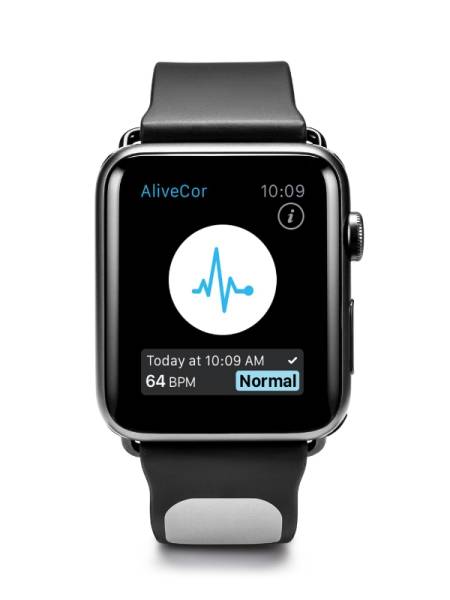
"caption": "Kardia Band for Apple Watch ",
"description": null,
"title": "Kardia Band for Apple Watch",
"credit": "PRNewsFoto/AliveCor, Inc.",
"status": "inherit",
"isLoading": false,
"fetchFailed": false
},
"futureofyou_130091": {
"type": "attachments",
"id": "futureofyou_130091",
"meta": {
"index": "attachments_1716263798",
"site": "futureofyou",
"id": "130091",
"found": true
},
"parent": 130065,
"imgSizes": {
"twentyfourteen-full-width": {
"file": "https://ww2.kqed.org/app/uploads/sites/13/2016/03/applesamsung-1920x1277-1-1038x576.jpg",
"width": 1038,
"mimeType": "image/jpeg",
"height": 576
},
"thumbnail": {
"file": "https://ww2.kqed.org/app/uploads/sites/13/2016/03/applesamsung-1920x1277-1-400x266.jpg",
"width": 400,
"mimeType": "image/jpeg",
"height": 266
},
"fd-sm": {
"file": "https://ww2.kqed.org/app/uploads/sites/13/2016/03/applesamsung-1920x1277-1-960x639.jpg",
"width": 960,
"mimeType": "image/jpeg",
"height": 639
},
"post-thumbnail": {
"file": "https://ww2.kqed.org/app/uploads/sites/13/2016/03/applesamsung-1920x1277-1-672x372.jpg",
"width": 672,
"mimeType": "image/jpeg",
"height": 372
},
"kqedFullSize": {
"file": "https://ww2.kqed.org/app/uploads/sites/13/2016/03/applesamsung-1920x1277-1.jpg",
"width": 1920,
"height": 1277
},
"large": {
"file": "https://ww2.kqed.org/app/uploads/sites/13/2016/03/applesamsung-1920x1277-1-1180x785.jpg",
"width": 1180,
"mimeType": "image/jpeg",
"height": 785
},
"guest-author-96": {
"file": "https://ww2.kqed.org/app/uploads/sites/13/2016/03/applesamsung-1920x1277-1-96x96.jpg",
"width": 96,
"mimeType": "image/jpeg",
"height": 96
},
"medium": {
"file": "https://ww2.kqed.org/app/uploads/sites/13/2016/03/applesamsung-1920x1277-1-800x532.jpg",
"width": 800,
"mimeType": "image/jpeg",
"height": 532
},
"guest-author-64": {
"file": "https://ww2.kqed.org/app/uploads/sites/13/2016/03/applesamsung-1920x1277-1-64x64.jpg",
"width": 64,
"mimeType": "image/jpeg",
"height": 64
},
"guest-author-32": {
"file": "https://ww2.kqed.org/app/uploads/sites/13/2016/03/applesamsung-1920x1277-1-32x32.jpg",
"width": 32,
"mimeType": "image/jpeg",
"height": 32
},
"fd-lrg": {
"file": "https://ww2.kqed.org/app/uploads/sites/13/2016/03/applesamsung-1920x1277-1-1920x1277.jpg",
"width": 1920,
"mimeType": "image/jpeg",
"height": 1277
},
"fd-med": {
"file": "https://ww2.kqed.org/app/uploads/sites/13/2016/03/applesamsung-1920x1277-1-1180x785.jpg",
"width": 1180,
"mimeType": "image/jpeg",
"height": 785
},
"detail": {
"file": "https://ww2.kqed.org/app/uploads/sites/13/2016/03/applesamsung-1920x1277-1-75x75.jpg",
"width": 75,
"mimeType": "image/jpeg",
"height": 75
},
"medium_large": {
"file": "https://ww2.kqed.org/app/uploads/sites/13/2016/03/applesamsung-1920x1277-1-768x511.jpg",
"width": 768,
"mimeType": "image/jpeg",
"height": 511
},
"guest-author-128": {
"file": "https://ww2.kqed.org/app/uploads/sites/13/2016/03/applesamsung-1920x1277-1-128x128.jpg",
"width": 128,
"mimeType": "image/jpeg",
"height": 128
}
},
"publishDate": 1458235387,
"modified": 1458235387,
"caption": "A picture taken on October 12, 2011 in the French western city of Rennes shows a Samsung phone (R) and an Iphone 4. AFP PHOTO / DAMIEN MEYER (Photo credit should read DAMIEN MEYER/AFP/Getty Images)",
"description": null,
"title": "A picture taken on October 12, 2011 in t",
"credit": null,
"status": "inherit",
"isLoading": false,
"fetchFailed": false
}
},
"audioPlayerReducer": {
"postId": "stream_live",
"isPaused": true,
"isPlaying": false,
"pfsActive": false,
"pledgeModalIsOpen": true,
"playerDrawerIsOpen": false,
"liveAudioPlayStartedAt": 0,
"liveAudioPlayContext": ""
},
"authorsReducer": {
"byline_science_619596": {
"type": "authors",
"id": "byline_science_619596",
"meta": {
"override": true
},
"slug": "byline_science_619596",
"name": "\u003ca href=\"http://bigstory.ap.org/content/seth-borenstein\" target=\"_blank\">Seth Borenstein\u003c/a>,\u003c/br> \u003ca href=\"http://bigstory.ap.org/\" target=\"_blank\">Associated Press\u003c/a>",
"isLoading": false
},
"byline_science_609762": {
"type": "authors",
"id": "byline_science_609762",
"meta": {
"override": true
},
"slug": "byline_science_609762",
"name": "\u003cstrong>Lisa Marie Potter\u003c/strong>",
"isLoading": false
},
"byline_futureofyou_132346": {
"type": "authors",
"id": "byline_futureofyou_132346",
"meta": {
"override": true
},
"slug": "byline_futureofyou_132346",
"name": "Angus Chen\u003cbr />NPR Shots",
"isLoading": false
},
"jbrooks": {
"type": "authors",
"id": "80",
"meta": {
"index": "authors_1716337520",
"id": "80",
"found": true
},
"name": "Jon Brooks",
"firstName": "Jon",
"lastName": "Brooks",
"slug": "jbrooks",
"email": "jbrooks@kqed.org",
"display_author_email": true,
"staff_mastheads": [
"science"
],
"title": "Digital Editor",
"bio": "Jon Brooks is a former Digital Editor for KQED Science. He is the former editor of KQED’s daily news blog, News Fix. In 2014, he won a California Journalism Award for his coverage of ride services like Uber and Lyft and the taxi industry. A veteran blogger, he previously worked for Yahoo! in various news writing and editing roles. Jon is also a playwright whose work has been produced in San Francisco, New York, Italy, and around the U.S. He has written about film for his own blog and studied film at Boston University.",
"avatar": "https://secure.gravatar.com/avatar/98887f7ed1c876ed414d4c915e969584?s=600&d=blank&r=g",
"twitter": "jbrooksfoy",
"facebook": null,
"instagram": null,
"linkedin": null,
"sites": [
{
"site": "arts",
"roles": [
"Contributor",
"editor"
]
},
{
"site": "news",
"roles": [
"author"
]
},
{
"site": "futureofyou",
"roles": [
"administrator"
]
},
{
"site": "mindshift",
"roles": [
"editor"
]
},
{
"site": "stateofhealth",
"roles": [
"editor"
]
},
{
"site": "science",
"roles": [
"administrator"
]
},
{
"site": "quest",
"roles": [
"editor"
]
}
],
"headData": {
"title": "Jon Brooks | KQED",
"description": "Digital Editor",
"ogImgSrc": "https://secure.gravatar.com/avatar/98887f7ed1c876ed414d4c915e969584?s=600&d=blank&r=g",
"twImgSrc": "https://secure.gravatar.com/avatar/98887f7ed1c876ed414d4c915e969584?s=600&d=blank&r=g"
},
"isLoading": false,
"link": "/author/jbrooks"
},
"lisaaliferis": {
"type": "authors",
"id": "240",
"meta": {
"index": "authors_1716337520",
"id": "240",
"found": true
},
"name": "Lisa Aliferis",
"firstName": "Lisa",
"lastName": "Aliferis",
"slug": "lisaaliferis",
"email": "laliferis@kqed.org",
"display_author_email": false,
"staff_mastheads": [],
"title": "KQED Contributor",
"bio": "Lisa Aliferis is the founding editor of KQED's \u003cem>State of Health\u003c/em> blog. Since 2011, she's been writing and editing stories for the site. Before taking up blogging, she toiled for many years (more than we can count) producing health stories for television, including\u003cem> Dateline NBC\u003c/em> and San Francisco's CBS affiliate, KPIX-TV. She also wrote up a \u003ca title=\"http://www.kqed.org/news/health/obamacare/obamacare-guide.jsp\" href=\"http://www.kqed.org/news/health/obamacare/obamacare-guide.jsp\">handy guide to the Affordable Care Act\u003c/a>, especially for Californians. Her work has been honored for many awards. Most recently she was a finalist for \"Best Topical Reporting\" from the Online News Association. You can follow her on Twitter: \u003ca title=\"https://twitter.com/laliferis\" href=\"https://twitter.com/laliferis\">@laliferis\u003c/a>",
"avatar": "https://secure.gravatar.com/avatar/86c339d5cdcb0dcd2b6cf5d7c3f5886b?s=600&d=mm&r=g",
"twitter": "laliferis",
"facebook": null,
"instagram": null,
"linkedin": null,
"sites": [
{
"site": "news",
"roles": [
"subscriber"
]
},
{
"site": "futureofyou",
"roles": [
"subscriber"
]
},
{
"site": "stateofhealth",
"roles": [
"subscriber"
]
},
{
"site": "science",
"roles": [
"subscriber"
]
},
{
"site": "food",
"roles": []
}
],
"headData": {
"title": "Lisa Aliferis | KQED",
"description": "KQED Contributor",
"ogImgSrc": "https://secure.gravatar.com/avatar/86c339d5cdcb0dcd2b6cf5d7c3f5886b?s=600&d=mm&r=g",
"twImgSrc": "https://secure.gravatar.com/avatar/86c339d5cdcb0dcd2b6cf5d7c3f5886b?s=600&d=mm&r=g"
},
"isLoading": false,
"link": "/author/lisaaliferis"
},
"dr-barry-starr": {
"type": "authors",
"id": "6177",
"meta": {
"index": "authors_1716337520",
"id": "6177",
"found": true
},
"name": "Dr. Barry Starr",
"firstName": "Dr. Barry",
"lastName": "Starr",
"slug": "dr-barry-starr",
"email": "bstarr@thetech.org",
"display_author_email": false,
"staff_mastheads": [],
"title": "KQED Contributor",
"bio": "Dr. Barry Starr (\u003ca href=\"https://twitter.com/geneticsboy\">@geneticsboy\u003c/a>) is a Geneticist-in-Residence at The Tech Museum of Innovation in San Jose, CA and runs their Stanford at The Tech program. The program is part of an ongoing collaboration between the \u003ca href=\"http://genetics.stanford.edu/\">Stanford Department of Genetics\u003c/a> and \u003ca href=\"http://www.thetech.org/\">The Tech Museum of Innovation\u003c/a>. Together these two partners created the \u003ca href=\"http://www.thetech.org/exhibits/permanent/index.php?sGalKey=gtwt&galKey=lt\">Genetics: Technology with a Twist\u003c/a> exhibition.\r\n\r\nYou can also see \u003ca href=\"https://ww2.kqed.org/science/author/dr-barry-starr/\">additional posts by Barry at KQED Science\u003c/a>, and read his \u003ca href=\"http://science.kqed.org/quest/author/dr-barry-starr/\">previous contributions\u003c/a> to \u003ca href=\"http://science.kqed.org/quest/\">QUEST\u003c/a>, a project dedicated to exploring the Science of Sustainability.",
"avatar": "https://secure.gravatar.com/avatar/4a5680e4c642ea0f0f3041af16018969?s=600&d=blank&r=g",
"twitter": "geneticsboy",
"facebook": null,
"instagram": null,
"linkedin": null,
"sites": [
{
"site": "futureofyou",
"roles": []
},
{
"site": "science",
"roles": [
"author"
]
},
{
"site": "quest",
"roles": [
"subscriber"
]
}
],
"headData": {
"title": "Dr. Barry Starr | KQED",
"description": "KQED Contributor",
"ogImgSrc": "https://secure.gravatar.com/avatar/4a5680e4c642ea0f0f3041af16018969?s=600&d=blank&r=g",
"twImgSrc": "https://secure.gravatar.com/avatar/4a5680e4c642ea0f0f3041af16018969?s=600&d=blank&r=g"
},
"isLoading": false,
"link": "/author/dr-barry-starr"
},
"joshua-cassidy": {
"type": "authors",
"id": "6219",
"meta": {
"index": "authors_1716337520",
"id": "6219",
"found": true
},
"name": "Josh Cassidy",
"firstName": "Josh",
"lastName": "Cassidy",
"slug": "joshua-cassidy",
"email": "jcassidy@kqed.org",
"display_author_email": false,
"staff_mastheads": [
"science"
],
"title": "Digital Video Producer",
"bio": "Josh is a Senior Video Producer for KQED Science, and the Lead Producer and Cinematographer for Deep Look. After receiving his BS in Wildlife Biology from Ohio University, he went on to participate in marine mammal research for NOAA, USGS and the Intersea Foundation. He also served as the president of The Pacific Cetacean Group, a nonprofit organization dedicated to teaching students K-6 about whales. Josh studied science and natural history filmmaking at San Francisco State University and Montana State University.",
"avatar": "https://secure.gravatar.com/avatar/f2582a0801a35af53b734d56bcac2bbe?s=600&d=blank&r=g",
"twitter": null,
"facebook": null,
"instagram": null,
"linkedin": null,
"sites": [
{
"site": "science",
"roles": [
"editor"
]
},
{
"site": "quest",
"roles": [
"author",
"edit_others_posts"
]
}
],
"headData": {
"title": "Josh Cassidy | KQED",
"description": "Digital Video Producer",
"ogImgSrc": "https://secure.gravatar.com/avatar/f2582a0801a35af53b734d56bcac2bbe?s=600&d=blank&r=g",
"twImgSrc": "https://secure.gravatar.com/avatar/f2582a0801a35af53b734d56bcac2bbe?s=600&d=blank&r=g"
},
"isLoading": false,
"link": "/author/joshua-cassidy"
},
"lesleymcclurg": {
"type": "authors",
"id": "11229",
"meta": {
"index": "authors_1716337520",
"id": "11229",
"found": true
},
"name": "Lesley McClurg",
"firstName": "Lesley",
"lastName": "McClurg",
"slug": "lesleymcclurg",
"email": "lmcclurg@KQED.org",
"display_author_email": false,
"staff_mastheads": [
"news",
"science"
],
"title": "KQED Health Correspondent",
"bio": "Lesley McClurg is a health correspondent and fill-in host whose work is regularly rebroadcast on NPR and PBS programs. She’s earned multiple regional Emmy awards, a national and a regional Edward R. Murrow award, and was named Best Beat Reporter by the Association of Health Care Journalists. The Society of Professional Journalists has recognized her work several times, and the Society of Environmental Journalists spotlighted her coverage of California’s historic drought.\r\n\r\nBefore joining KQED in 2016, Lesley covered food and sustainability for Capital Public Radio, environmental issues for Colorado Public Radio, and reported for KUOW and KCTS 9 in Seattle. Away from the newsroom, she loves skiing with her daughter, mountain biking with her partner, and playing with Ollie, the family’s goldendoodle. On deadline, she runs almost entirely on chocolate chips.\r\n\r\n ",
"avatar": "https://secure.gravatar.com/avatar/bab49e972ea10c774fe0f5e29dba1722b158f7c0d58a360923d1389d380b2978?s=600&d=blank&r=g",
"twitter": "lesleywmcclurg",
"bluesky": null,
"facebook": null,
"instagram": null,
"linkedin": null,
"sites": [
{
"site": "arts",
"roles": [
"author"
]
},
{
"site": "news",
"roles": [
"editor"
]
},
{
"site": "futureofyou",
"roles": [
"editor"
]
},
{
"site": "stateofhealth",
"roles": [
"author"
]
},
{
"site": "science",
"roles": [
"editor"
]
},
{
"site": "quest",
"roles": [
"subscriber"
]
},
{
"site": "forum",
"roles": [
"administrator"
]
},
{
"site": "liveblog",
"roles": [
"author"
]
}
],
"headData": {
"title": "Lesley McClurg | KQED",
"description": "KQED Health Correspondent",
"ogImgSrc": "https://secure.gravatar.com/avatar/bab49e972ea10c774fe0f5e29dba1722b158f7c0d58a360923d1389d380b2978?s=600&d=blank&r=g",
"twImgSrc": "https://secure.gravatar.com/avatar/bab49e972ea10c774fe0f5e29dba1722b158f7c0d58a360923d1389d380b2978?s=600&d=blank&r=g"
},
"isLoading": false,
"link": "/author/lesleymcclurg"
}
},
"pagesReducer": {
"science_category_health": {
"type": "terms",
"id": "science_39",
"meta": {
"index": "terms_1716263798",
"site": "science",
"id": "39",
"score": 10.889561
},
"featImg": null,
"name": "Health",
"description": null,
"taxonomy": "category",
"headData": {
"twImgId": null,
"twTitle": null,
"ogTitle": null,
"ogImgId": null,
"twDescription": null,
"description": null,
"title": "Health Archives | KQED Science",
"ogDescription": null
},
"ttid": 41,
"slug": "health",
"isLoading": false,
"title": "Health",
"pageMeta": {
"site": "science",
"WpPageTemplate": "page-topic-editorial",
"currentPage": 63
},
"blocks": [
{
"blockName": "kqed/post-list",
"attrs": {
"layout": "cardArticle2",
"query": "posts/science?category=health",
"seeMore": false,
"paginated": true,
"page": 63
}
},
{
"blockName": "kqed/ad"
}
]
}
},
"pfsSessionReducer": {},
"postsReducer": {
"stream_live": {
"type": "live",
"id": "stream_live",
"audioUrl": "https://streams.kqed.org/kqedradio",
"title": "Live Stream",
"excerpt": "Live Stream information currently unavailable.",
"link": "/radio",
"featImg": "",
"label": {
"name": "KQED Live",
"link": "/"
}
},
"stream_kqedNewscast": {
"type": "posts",
"id": "stream_kqedNewscast",
"audioUrl": "https://www.kqed.org/.stream/anon/radio/RDnews/newscast.mp3?_=1",
"title": "KQED Newscast",
"featImg": "",
"label": {
"name": "88.5 FM",
"link": "/"
}
},
"science_619596": {
"type": "posts",
"id": "science_619596",
"meta": {
"index": "posts_1716263798",
"site": "science",
"id": "619596",
"score": null,
"sort": [
1459878881000
]
},
"parent": 0,
"labelTerm": {},
"blocks": [],
"publishDate": 1459878881,
"format": "standard",
"title": "Federal Report Says Global Warming Is Making US Sick",
"headTitle": "Federal Report Says Global Warming Is Making US Sick | KQED",
"content": "\u003cp>Man-made global warming is making America sicker, and it’s only going to get worse, according to a new \u003ca href=\"https://health2016.globalchange.gov/\">federal government report\u003c/a>.\u003c/p>\n\u003cp>The 332-page report issued Monday by the Obama administration said global warming will make the air dirtier, water more contaminated and food more tainted. It warned of diseases, such as those spread by ticks and mosquitoes, longer allergy seasons, and thousands of heat wave deaths.\u003c/p>\n\u003cp>\u003ca href=\"https://www3.epa.gov/\" target=\"_blank\" rel=\"noopener\">Environmental Protection Agency\u003c/a> chief Gina McCarthy said if that’s not enough, climate change affects people’s mental health, too.\u003c/p>\n\u003cp>“It’s not just about polar bears and melting ice caps. It’s about our families. It’s about our future,” McCarthy said at a White House event unveiling the report.\u003c/p>\n\u003cp>Climate change affects more people in more ways than anything doctors have seen in the past, said Surgeon General Vivek Murthy. He said the report allows doctors to better quantify “the sheer number of pathways through which climate affects health.”\u003c/p>\n\u003cp>[ad fullwidth]\u003c/p>\n\u003cp>That includes air pollution worsened from power plants, pollen and even wildfires, he said.\u003c/p>\n\u003cp>“Not being able to breathe is one of the most frightening experience” for people, Murthy said. “We’re talking about scary moments for parents and children.”\u003c/p>\n\u003cp>Asthma is already the No. 1 cause of children going to the hospital and “now we’re seeing it worsening because of the heat, the allergens,” and air pollution, said Lynn Goldman, dean of the George Washington University’s public health school.\u003c/p>\n\u003cp>White House science adviser John Holdren highlighted heat waves, saying that even with some reduction in emissions of heat-trapping gases globally, “we can see thousands to tens of thousands of heat-related deaths in the United States each summer.”\u003c/p>\n\u003cp>Centers of Disease Control and Prevention computer simulations of 209 cities show that extra summer heat deaths will outweigh fewer winter cold deaths from climate change, said CDC’s Shubhayu Saha, a study lead author.\u003c/p>\n\u003cp>Holdren said the report is based on more than 1,800 published scientific studies and new federal research, and was reviewed by the National Academies of Sciences.\u003c/p>\n\u003cp>“The report clearly establishes that climate change is a major threat to public health in the United States,” said Howard Frumkin, dean of the University of Washington’s public health school, who wasn’t part of the report. He said the government isn’t doing enough. “There is a vast disconnect between the magnitude of the problem, as outlined by this report, and the response of government health agencies.”\u003c/p>\n\u003cp>\u003c/p>\n\u003cp>\u003cem>Josh Lederman contributed to this report.\u003c/em>\u003c/p>\n\n",
"stats": {
"hasVideo": false,
"hasChartOrMap": false,
"hasAudio": false,
"hasPolis": false,
"wordCount": 450,
"hasGoogleForm": false,
"hasGallery": false,
"hasHearkenModule": false,
"iframeSrcs": [],
"paragraphCount": 15
},
"modified": 1704930401,
"excerpt": "Global warming is making America sicker, and will only get worse, according to a report issued by the Obama administration.",
"headData": {
"twImgId": "",
"twTitle": "",
"ogTitle": "",
"ogImgId": "",
"twDescription": "",
"description": "Global warming is making America sicker, and will only get worse, according to a report issued by the Obama administration.",
"title": "Federal Report Says Global Warming Is Making US Sick | KQED",
"ogDescription": "",
"schema": {
"@context": "https://schema.org",
"@type": "Article",
"headline": "Federal Report Says Global Warming Is Making US Sick",
"datePublished": "2016-04-05T10:54:41-07:00",
"dateModified": "2024-01-10T15:46:41-08:00",
"image": "https://cdn.kqed.org/wp-content/uploads/2020/02/KQED-OG-Image@1x.png"
}
},
"guestAuthors": [],
"slug": "federal-report-says-global-warming-is-making-us-sick",
"status": "publish",
"nprByline": "\u003ca href=\"http://bigstory.ap.org/content/seth-borenstein\" target=\"_blank\">Seth Borenstein\u003c/a>,\u003c/br> \u003ca href=\"http://bigstory.ap.org/\" target=\"_blank\">Associated Press\u003c/a>",
"sticky": false,
"source": "\u003ca href=\"http://bigstory.ap.org/\" target=\"_blank\">Associated Press\u003c/a>",
"path": "/science/619596/federal-report-says-global-warming-is-making-us-sick",
"audioTrackLength": null,
"parsedContent": [
{
"type": "contentString",
"content": "\u003cdiv class=\"post-body\">\u003cp>\u003cp>Man-made global warming is making America sicker, and it’s only going to get worse, according to a new \u003ca href=\"https://health2016.globalchange.gov/\">federal government report\u003c/a>.\u003c/p>\n\u003cp>The 332-page report issued Monday by the Obama administration said global warming will make the air dirtier, water more contaminated and food more tainted. It warned of diseases, such as those spread by ticks and mosquitoes, longer allergy seasons, and thousands of heat wave deaths.\u003c/p>\n\u003cp>\u003ca href=\"https://www3.epa.gov/\" target=\"_blank\" rel=\"noopener\">Environmental Protection Agency\u003c/a> chief Gina McCarthy said if that’s not enough, climate change affects people’s mental health, too.\u003c/p>\n\u003cp>“It’s not just about polar bears and melting ice caps. It’s about our families. It’s about our future,” McCarthy said at a White House event unveiling the report.\u003c/p>\n\u003cp>Climate change affects more people in more ways than anything doctors have seen in the past, said Surgeon General Vivek Murthy. He said the report allows doctors to better quantify “the sheer number of pathways through which climate affects health.”\u003c/p>\n\u003cp>\u003c/p>\u003c/div>",
"attributes": {
"named": {},
"numeric": []
}
},
{
"type": "component",
"content": "",
"name": "ad",
"attributes": {
"named": {
"label": "fullwidth"
},
"numeric": [
"fullwidth"
]
}
},
{
"type": "contentString",
"content": "\u003cdiv class=\"post-body\">\u003cp>\u003c/p>\n\u003cp>That includes air pollution worsened from power plants, pollen and even wildfires, he said.\u003c/p>\n\u003cp>“Not being able to breathe is one of the most frightening experience” for people, Murthy said. “We’re talking about scary moments for parents and children.”\u003c/p>\n\u003cp>Asthma is already the No. 1 cause of children going to the hospital and “now we’re seeing it worsening because of the heat, the allergens,” and air pollution, said Lynn Goldman, dean of the George Washington University’s public health school.\u003c/p>\n\u003cp>White House science adviser John Holdren highlighted heat waves, saying that even with some reduction in emissions of heat-trapping gases globally, “we can see thousands to tens of thousands of heat-related deaths in the United States each summer.”\u003c/p>\n\u003cp>Centers of Disease Control and Prevention computer simulations of 209 cities show that extra summer heat deaths will outweigh fewer winter cold deaths from climate change, said CDC’s Shubhayu Saha, a study lead author.\u003c/p>\n\u003cp>Holdren said the report is based on more than 1,800 published scientific studies and new federal research, and was reviewed by the National Academies of Sciences.\u003c/p>\n\u003cp>“The report clearly establishes that climate change is a major threat to public health in the United States,” said Howard Frumkin, dean of the University of Washington’s public health school, who wasn’t part of the report. He said the government isn’t doing enough. “There is a vast disconnect between the magnitude of the problem, as outlined by this report, and the response of government health agencies.”\u003c/p>\n\u003cp>\u003c/p>\n\u003cp>\u003cem>Josh Lederman contributed to this report.\u003c/em>\u003c/p>\n\n\u003c/div>\u003c/p>",
"attributes": {
"named": {},
"numeric": []
}
}
],
"link": "/science/619596/federal-report-says-global-warming-is-making-us-sick",
"authors": [
"byline_science_619596"
],
"categories": [
"science_31",
"science_35",
"science_39",
"science_40"
],
"tags": [
"science_194",
"science_192",
"science_5181"
],
"featImg": "science_619601",
"label": "source_science_619596"
},
"science_607105": {
"type": "posts",
"id": "science_607105",
"meta": {
"index": "posts_1716263798",
"site": "science",
"id": "607105",
"score": null,
"sort": [
1459861227000
]
},
"guestAuthors": [],
"slug": "meet-the-dust-mites-tiny-roommates-that-feast-on-your-skin",
"title": "Meet the Dust Mites, Tiny Roommates That Feast on Your Skin",
"publishDate": 1459861227,
"format": "video",
"headTitle": "Meet the Dust Mites, Tiny Roommates That Feast on Your Skin | KQED",
"labelTerm": {
"term": 1935,
"site": "science"
},
"content": "\u003cp>[dl_subscribe]With the warming weather it’s the season for spring cleaning. But before you reach for the broom and mop, take a moment to look at who else is sharing your home with you. The number of uninvited guests you find in your dustpan may surprise you.\u003c/p>\n\u003cp>A recent study published in the journal \u003ca href=\"https://peerj.com/articles/1582/\">PeerJ\u003c/a> took up the challenge of cataloging the large numbers of tiny animals that live in human dwellings. The researchers found that the average home contains roughly 100 different species of arthropods, including familiar types like flies, spiders and ants, but also some kinds that are less well known like gall wasps and book lice. And no matter how much human residents may clean, there will always be a considerable number of mini-roommates.\u003c/p>\n\u003cfigure id=\"attachment_607106\" class=\"wp-caption aligncenter\" style=\"max-width: 640px\">\u003ca href=\"http://ww2.kqed.org/science/wp-content/uploads/sites/35/2016/03/DL306-Predatory-Mite.jpg\" rel=\"attachment wp-att-607106\">\u003cimg loading=\"lazy\" decoding=\"async\" class=\"size-large wp-image-607106\" src=\"http://ww2.kqed.org/science/wp-content/uploads/sites/35/2016/03/DL306-Predatory-Mite-1440x810.jpg\" alt=\"A Cheyletid mite searches for prey in the weave of a carpet\" width=\"640\" height=\"360\" srcset=\"https://cdn.kqed.org/wp-content/uploads/sites/35/2016/03/DL306-Predatory-Mite-1440x810.jpg 1440w, https://cdn.kqed.org/wp-content/uploads/sites/35/2016/03/DL306-Predatory-Mite-400x225.jpg 400w, https://cdn.kqed.org/wp-content/uploads/sites/35/2016/03/DL306-Predatory-Mite-800x450.jpg 800w, https://cdn.kqed.org/wp-content/uploads/sites/35/2016/03/DL306-Predatory-Mite-768x432.jpg 768w, https://cdn.kqed.org/wp-content/uploads/sites/35/2016/03/DL306-Predatory-Mite.jpg 1920w, https://cdn.kqed.org/wp-content/uploads/sites/35/2016/03/DL306-Predatory-Mite-1180x664.jpg 1180w, https://cdn.kqed.org/wp-content/uploads/sites/35/2016/03/DL306-Predatory-Mite-960x540.jpg 960w\" sizes=\"auto, (max-width: 640px) 100vw, 640px\">\u003c/a>\u003cfigcaption class=\"wp-caption-text\">A Cheyletid mite searches for prey in the weave of a carpet \u003ccite>(Josh Cassidy/ KQED)\u003c/cite>\u003c/figcaption>\u003c/figure>\n\u003cp>“Even as entomologists we were really surprised. We live in our houses all the time, so we thought we’d be more familiar with the kind of things we’d come across. There was a surprising level of biodiversity,” said Michelle Trautwein, assistant curator of entomology at the California Academy of Sciences in San Francisco.\u003c/p>\n\u003cfigure id=\"attachment_607110\" class=\"wp-caption aligncenter\" style=\"max-width: 640px\">\u003ca href=\"http://ww2.kqed.org/science/wp-content/uploads/sites/35/2016/03/DL306-dead-fly.jpg\" rel=\"attachment wp-att-607110\">\u003cimg loading=\"lazy\" decoding=\"async\" class=\"size-large wp-image-607110\" src=\"http://ww2.kqed.org/science/wp-content/uploads/sites/35/2016/03/DL306-dead-fly-1440x810.jpg\" alt=\"Flies (Diptera) made up about 25% of the types of arthropods found in the homes sampled\" width=\"640\" height=\"360\" srcset=\"https://cdn.kqed.org/wp-content/uploads/sites/35/2016/03/DL306-dead-fly-1440x810.jpg 1440w, https://cdn.kqed.org/wp-content/uploads/sites/35/2016/03/DL306-dead-fly-400x225.jpg 400w, https://cdn.kqed.org/wp-content/uploads/sites/35/2016/03/DL306-dead-fly-800x450.jpg 800w, https://cdn.kqed.org/wp-content/uploads/sites/35/2016/03/DL306-dead-fly-768x432.jpg 768w, https://cdn.kqed.org/wp-content/uploads/sites/35/2016/03/DL306-dead-fly.jpg 1920w, https://cdn.kqed.org/wp-content/uploads/sites/35/2016/03/DL306-dead-fly-1180x664.jpg 1180w, https://cdn.kqed.org/wp-content/uploads/sites/35/2016/03/DL306-dead-fly-960x540.jpg 960w\" sizes=\"auto, (max-width: 640px) 100vw, 640px\">\u003c/a>\u003cfigcaption class=\"wp-caption-text\">Flies (Diptera) made up about 25% of the types of arthropods found in the homes sampled \u003ccite>(Josh Cassidy/KQED)\u003c/cite>\u003c/figcaption>\u003c/figure>\n\u003cp>Trautwein lead the research team that donned headlamps and knee pads and unsheathed forceps before scouring residences in North Carolina for arthropods — creatures that have exoskeletons, multiple appendages and segmented bodies. The researchers collected dust from corners, flies from windowsills and spiders from under sinks. They also sampled the dust in people’s carpets and rugs using a handheld vacuum cleaner.\u003c/p>\n\u003cfigure id=\"attachment_607111\" class=\"wp-caption aligncenter\" style=\"max-width: 640px\">\u003ca href=\"http://ww2.kqed.org/science/wp-content/uploads/sites/35/2016/03/DL306-Michelle-Trautwein.jpg\" rel=\"attachment wp-att-607111\">\u003cimg loading=\"lazy\" decoding=\"async\" class=\"size-large wp-image-607111\" src=\"http://ww2.kqed.org/science/wp-content/uploads/sites/35/2016/03/DL306-Michelle-Trautwein-1440x810.jpg\" alt=\"Michelle Trautwein searches a kitchen windowsill, a common location to find arthropods that filtered in from the surrounding environment.\" width=\"640\" height=\"360\" srcset=\"https://cdn.kqed.org/wp-content/uploads/sites/35/2016/03/DL306-Michelle-Trautwein-1440x810.jpg 1440w, https://cdn.kqed.org/wp-content/uploads/sites/35/2016/03/DL306-Michelle-Trautwein-400x225.jpg 400w, https://cdn.kqed.org/wp-content/uploads/sites/35/2016/03/DL306-Michelle-Trautwein-800x450.jpg 800w, https://cdn.kqed.org/wp-content/uploads/sites/35/2016/03/DL306-Michelle-Trautwein-768x432.jpg 768w, https://cdn.kqed.org/wp-content/uploads/sites/35/2016/03/DL306-Michelle-Trautwein.jpg 1920w, https://cdn.kqed.org/wp-content/uploads/sites/35/2016/03/DL306-Michelle-Trautwein-1180x664.jpg 1180w, https://cdn.kqed.org/wp-content/uploads/sites/35/2016/03/DL306-Michelle-Trautwein-960x540.jpg 960w\" sizes=\"auto, (max-width: 640px) 100vw, 640px\">\u003c/a>\u003cfigcaption class=\"wp-caption-text\">Michelle Trautwein searches a kitchen windowsill, a common location to find arthropods that filtered in from the surrounding environment. \u003ccite>(Josh Cassidy/KQED)\u003c/cite>\u003c/figcaption>\u003c/figure>\n\u003cp>The samples were painstaking analyzed by a team of entomologists using both genetic analysis and traditional visual microscope identification.\u003c/p>\n\u003cp>[ad fullwidth]\u003c/p>\n\u003cp>The study found that homes with kids and pets had a greater number of different types of these diminutive lodgers. They also found that there are more species on lower floors of a building than higher floors. Common rooms, carpeted rooms and rooms with more windows and doors to the outside also had a greater diversity of guests.\u003c/p>\n\u003cp>Many of the animals found were not pests but simply creatures that filtered in from outside.\u003c/p>\n\u003cp>“The vast majority of things we found don’t bite or sting or feed on our food. Most of them have no effect on our daily lives,” said Trautwein.\u003c/p>\n\u003cfigure id=\"attachment_607114\" class=\"wp-caption aligncenter\" style=\"max-width: 640px\">\u003ca href=\"http://ww2.kqed.org/science/wp-content/uploads/sites/35/2016/03/DL306-book-louse-on-rice.jpg\" rel=\"attachment wp-att-607114\">\u003cimg loading=\"lazy\" decoding=\"async\" class=\"size-large wp-image-607114\" src=\"http://ww2.kqed.org/science/wp-content/uploads/sites/35/2016/03/DL306-book-louse-on-rice-1440x810.jpg\" alt=\"A book louse crawls among grains of uncooked rice. Book lice are nearly ubiquitous in human homes where they largely go unnoticed.\" width=\"640\" height=\"360\" srcset=\"https://cdn.kqed.org/wp-content/uploads/sites/35/2016/03/DL306-book-louse-on-rice-1440x810.jpg 1440w, https://cdn.kqed.org/wp-content/uploads/sites/35/2016/03/DL306-book-louse-on-rice-400x225.jpg 400w, https://cdn.kqed.org/wp-content/uploads/sites/35/2016/03/DL306-book-louse-on-rice-800x450.jpg 800w, https://cdn.kqed.org/wp-content/uploads/sites/35/2016/03/DL306-book-louse-on-rice-768x432.jpg 768w, https://cdn.kqed.org/wp-content/uploads/sites/35/2016/03/DL306-book-louse-on-rice.jpg 1920w, https://cdn.kqed.org/wp-content/uploads/sites/35/2016/03/DL306-book-louse-on-rice-1180x664.jpg 1180w, https://cdn.kqed.org/wp-content/uploads/sites/35/2016/03/DL306-book-louse-on-rice-960x540.jpg 960w\" sizes=\"auto, (max-width: 640px) 100vw, 640px\">\u003c/a>\u003cfigcaption class=\"wp-caption-text\">A book louse crawls among grains of uncooked rice. Book lice are nearly ubiquitous in human homes where they largely go unnoticed. \u003ccite>(Josh Cassidy/KQED)\u003c/cite>\u003c/figcaption>\u003c/figure>\n\u003cp>It was the advent of agriculture that resulted in humans creating permanent housing which presented a new ecosystem for other animals as well. Many of those roommates live in house dust, a collection of dirt, lint, pollen, hair and pet fur. A large amount of house dust is actually comprised of dead skin that constantly rains down as it’s shed by humans and pets. That skin is a constant source of food for one of the most common tiny bugs found in our homes — house dust mites.\u003c/p>\n\u003cfigure id=\"attachment_607194\" class=\"wp-caption aligncenter\" style=\"max-width: 640px\">\u003ca href=\"http://ww2.kqed.org/science/wp-content/uploads/sites/35/2016/03/DL306-dust-mite-in-sand.jpg\" rel=\"attachment wp-att-607194\">\u003cimg loading=\"lazy\" decoding=\"async\" class=\"size-large wp-image-607194\" src=\"http://ww2.kqed.org/science/wp-content/uploads/sites/35/2016/03/DL306-dust-mite-in-sand-1440x810.jpg\" alt=\"Smaller than a grain of sand, this house dust mite (Pyroglyphidae) is barely visible without the use of magnification.\" width=\"640\" height=\"360\" srcset=\"https://cdn.kqed.org/wp-content/uploads/sites/35/2016/03/DL306-dust-mite-in-sand-1440x810.jpg 1440w, https://cdn.kqed.org/wp-content/uploads/sites/35/2016/03/DL306-dust-mite-in-sand-400x225.jpg 400w, https://cdn.kqed.org/wp-content/uploads/sites/35/2016/03/DL306-dust-mite-in-sand-800x450.jpg 800w, https://cdn.kqed.org/wp-content/uploads/sites/35/2016/03/DL306-dust-mite-in-sand-768x432.jpg 768w, https://cdn.kqed.org/wp-content/uploads/sites/35/2016/03/DL306-dust-mite-in-sand.jpg 1920w, https://cdn.kqed.org/wp-content/uploads/sites/35/2016/03/DL306-dust-mite-in-sand-1180x664.jpg 1180w, https://cdn.kqed.org/wp-content/uploads/sites/35/2016/03/DL306-dust-mite-in-sand-960x540.jpg 960w\" sizes=\"auto, (max-width: 640px) 100vw, 640px\">\u003c/a>\u003cfigcaption class=\"wp-caption-text\">Smaller than a grain of sand, this house dust mite (Pyroglyphidae) is barely visible without the use of magnification. \u003ccite>(Josh Cassidy/KQED)\u003c/cite>\u003c/figcaption>\u003c/figure>\n\u003cp>Dust mites are arachnids, relatives of spiders. They’re tiny. Five can fit in 1 millimeter on a ruler. They are barely visible by the naked eye. They look like little translucent jelly beans with legs that they use to crawl around among the dust. They don’t hunt, instead munching on the dead skin flakes that we unknowingly feed them every day.\u003c/p>\n\u003cp>Dead skin is mainly composed of keratin, a tough structural protein that also gives shape to nails and hair. It’s not a particularly nutritious food, but it is abundant. Dust mites use powerful enzymes to break it down and digest it. After that dust mites produce waste pellets at a prodigious rate. In addition to feces, dust mites shed their exoskeletons as they grow. These two appealing materials contribute to the overall bulk of dust in our homes.\u003c/p>\n\u003cfigure id=\"attachment_607195\" class=\"wp-caption aligncenter\" style=\"max-width: 640px\">\u003ca href=\"http://ww2.kqed.org/science/wp-content/uploads/sites/35/2016/03/DL306-skin-flake.jpg\" rel=\"attachment wp-att-607195\">\u003cimg loading=\"lazy\" decoding=\"async\" class=\"size-large wp-image-607195\" src=\"http://ww2.kqed.org/science/wp-content/uploads/sites/35/2016/03/DL306-skin-flake-1440x810.jpg\" alt=\"Humans constantly shed skin flakes like this which feeds a hidden indoor ecosystem. \" width=\"640\" height=\"360\" srcset=\"https://cdn.kqed.org/wp-content/uploads/sites/35/2016/03/DL306-skin-flake-1440x810.jpg 1440w, https://cdn.kqed.org/wp-content/uploads/sites/35/2016/03/DL306-skin-flake-400x225.jpg 400w, https://cdn.kqed.org/wp-content/uploads/sites/35/2016/03/DL306-skin-flake-800x450.jpg 800w, https://cdn.kqed.org/wp-content/uploads/sites/35/2016/03/DL306-skin-flake-768x432.jpg 768w, https://cdn.kqed.org/wp-content/uploads/sites/35/2016/03/DL306-skin-flake.jpg 1920w, https://cdn.kqed.org/wp-content/uploads/sites/35/2016/03/DL306-skin-flake-1180x664.jpg 1180w, https://cdn.kqed.org/wp-content/uploads/sites/35/2016/03/DL306-skin-flake-960x540.jpg 960w\" sizes=\"auto, (max-width: 640px) 100vw, 640px\">\u003c/a>\u003cfigcaption class=\"wp-caption-text\">Humans constantly shed skin flakes like this which feeds a hidden indoor ecosystem. \u003ccite>(Josh Cassidy/KQED)\u003c/cite>\u003c/figcaption>\u003c/figure>\n\u003cp>Some of this has effects on people. When dust gets kicked up, people breath in the droppings and the enzymes within them can cause an allergic reaction in the lungs. Those enzymes that are left over in the dust mite’s droppings have been found to be a major causes of allergic reactions and are associated with \u003ca href=\"http://www.ncbi.nlm.nih.gov/pubmed/8542107\">childhood asthma\u003c/a>.\u003c/p>\n\u003cp>But dust mites didn’t always live in our homes. Researchers at the \u003ca href=\"http://www.ns.umich.edu/new/releases/21279-genetic-study-of-house-dust-mites-demonstrates-reversible-evolution\">University of Michigan\u003c/a> found evidence that the ancestors one type of dust mite that can be found in human homes once made its living as a parasite that lived on birds. At some point, the mite spread to also live in bird’s nests and found the conditions there quite acceptable. Nests are kept warm and humid by birds and dander and feathers from molting nestlings provide nourishment. They’re an unusual animal because dust mites were able to go from free roaming to parasitic before returning to the free living lifestyle they have today, an example of reversible evolution.\u003c/p>\n\u003cp>For those who are less welcoming of these unexpected guests, you can ditch the wall-to-wall carpets, vacuum and mop often and reduce humidity, because dust mites are not usually found in dry climates. Regardless, it’s practically impossible to rid a home of all of arthropod visitors.\u003c/p>\n\u003cp>\u003c/p>\n\u003cp>“We are very much a part of the natural world and even our homes that may seem more sterile are not exempt from that, ” said Trautwein. “When we think about wild areas, it’s exciting to think that even our homes are still these unexplored areas waiting for more discoveries to be made.”\u003c/p>\n\n",
"blocks": [],
"excerpt": "You may think that you've got the house to yourself, but chances are you have about 100 different types of animals living with you.",
"status": "publish",
"parent": 0,
"modified": 1738716035,
"stats": {
"hasAudio": false,
"hasVideo": false,
"hasChartOrMap": false,
"iframeSrcs": [],
"hasGoogleForm": false,
"hasGallery": false,
"hasHearkenModule": false,
"hasPolis": false,
"paragraphCount": 17,
"wordCount": 1017
},
"headData": {
"title": "Meet the Dust Mites, Tiny Roommates That Feast on Your Skin | KQED",
"description": "You may think that you've got the house to yourself, but chances are you have about 100 different types of animals living with you.",
"ogTitle": "",
"ogDescription": "",
"ogImgId": "",
"twTitle": "",
"twDescription": "",
"twImgId": "",
"schema": {
"@context": "https://schema.org",
"@type": "Article",
"headline": "Meet the Dust Mites, Tiny Roommates That Feast on Your Skin",
"datePublished": "2016-04-05T06:00:27-07:00",
"dateModified": "2025-02-04T16:40:35-08:00",
"image": "https://cdn.kqed.org/wp-content/uploads/2020/02/KQED-OG-Image@1x.png"
}
},
"videoEmbed": "https://youtu.be/ACrLMtPyRM0",
"pbsMediaId": "2365819421",
"sticky": false,
"excludeFromSiteSearch": "Include",
"articleAge": "0",
"path": "/science/607105/meet-the-dust-mites-tiny-roommates-that-feast-on-your-skin",
"audioTrackLength": null,
"parsedContent": [
{
"type": "contentString",
"content": "\u003cdiv class=\"post-body\">\u003cp>\u003cp>\u003c/p>\u003c/div>",
"attributes": {
"named": {},
"numeric": []
}
},
{
"type": "component",
"content": "",
"name": "dl_subscribe",
"attributes": {
"named": {
"label": ""
},
"numeric": []
}
},
{
"type": "contentString",
"content": "\u003cdiv class=\"post-body\">\u003cp>With the warming weather it’s the season for spring cleaning. But before you reach for the broom and mop, take a moment to look at who else is sharing your home with you. The number of uninvited guests you find in your dustpan may surprise you.\u003c/p>\n\u003cp>A recent study published in the journal \u003ca href=\"https://peerj.com/articles/1582/\">PeerJ\u003c/a> took up the challenge of cataloging the large numbers of tiny animals that live in human dwellings. The researchers found that the average home contains roughly 100 different species of arthropods, including familiar types like flies, spiders and ants, but also some kinds that are less well known like gall wasps and book lice. And no matter how much human residents may clean, there will always be a considerable number of mini-roommates.\u003c/p>\n\u003cfigure id=\"attachment_607106\" class=\"wp-caption aligncenter\" style=\"max-width: 640px\">\u003ca href=\"http://ww2.kqed.org/science/wp-content/uploads/sites/35/2016/03/DL306-Predatory-Mite.jpg\" rel=\"attachment wp-att-607106\">\u003cimg loading=\"lazy\" decoding=\"async\" class=\"size-large wp-image-607106\" src=\"http://ww2.kqed.org/science/wp-content/uploads/sites/35/2016/03/DL306-Predatory-Mite-1440x810.jpg\" alt=\"A Cheyletid mite searches for prey in the weave of a carpet\" width=\"640\" height=\"360\" srcset=\"https://cdn.kqed.org/wp-content/uploads/sites/35/2016/03/DL306-Predatory-Mite-1440x810.jpg 1440w, https://cdn.kqed.org/wp-content/uploads/sites/35/2016/03/DL306-Predatory-Mite-400x225.jpg 400w, https://cdn.kqed.org/wp-content/uploads/sites/35/2016/03/DL306-Predatory-Mite-800x450.jpg 800w, https://cdn.kqed.org/wp-content/uploads/sites/35/2016/03/DL306-Predatory-Mite-768x432.jpg 768w, https://cdn.kqed.org/wp-content/uploads/sites/35/2016/03/DL306-Predatory-Mite.jpg 1920w, https://cdn.kqed.org/wp-content/uploads/sites/35/2016/03/DL306-Predatory-Mite-1180x664.jpg 1180w, https://cdn.kqed.org/wp-content/uploads/sites/35/2016/03/DL306-Predatory-Mite-960x540.jpg 960w\" sizes=\"auto, (max-width: 640px) 100vw, 640px\">\u003c/a>\u003cfigcaption class=\"wp-caption-text\">A Cheyletid mite searches for prey in the weave of a carpet \u003ccite>(Josh Cassidy/ KQED)\u003c/cite>\u003c/figcaption>\u003c/figure>\n\u003cp>“Even as entomologists we were really surprised. We live in our houses all the time, so we thought we’d be more familiar with the kind of things we’d come across. There was a surprising level of biodiversity,” said Michelle Trautwein, assistant curator of entomology at the California Academy of Sciences in San Francisco.\u003c/p>\n\u003cfigure id=\"attachment_607110\" class=\"wp-caption aligncenter\" style=\"max-width: 640px\">\u003ca href=\"http://ww2.kqed.org/science/wp-content/uploads/sites/35/2016/03/DL306-dead-fly.jpg\" rel=\"attachment wp-att-607110\">\u003cimg loading=\"lazy\" decoding=\"async\" class=\"size-large wp-image-607110\" src=\"http://ww2.kqed.org/science/wp-content/uploads/sites/35/2016/03/DL306-dead-fly-1440x810.jpg\" alt=\"Flies (Diptera) made up about 25% of the types of arthropods found in the homes sampled\" width=\"640\" height=\"360\" srcset=\"https://cdn.kqed.org/wp-content/uploads/sites/35/2016/03/DL306-dead-fly-1440x810.jpg 1440w, https://cdn.kqed.org/wp-content/uploads/sites/35/2016/03/DL306-dead-fly-400x225.jpg 400w, https://cdn.kqed.org/wp-content/uploads/sites/35/2016/03/DL306-dead-fly-800x450.jpg 800w, https://cdn.kqed.org/wp-content/uploads/sites/35/2016/03/DL306-dead-fly-768x432.jpg 768w, https://cdn.kqed.org/wp-content/uploads/sites/35/2016/03/DL306-dead-fly.jpg 1920w, https://cdn.kqed.org/wp-content/uploads/sites/35/2016/03/DL306-dead-fly-1180x664.jpg 1180w, https://cdn.kqed.org/wp-content/uploads/sites/35/2016/03/DL306-dead-fly-960x540.jpg 960w\" sizes=\"auto, (max-width: 640px) 100vw, 640px\">\u003c/a>\u003cfigcaption class=\"wp-caption-text\">Flies (Diptera) made up about 25% of the types of arthropods found in the homes sampled \u003ccite>(Josh Cassidy/KQED)\u003c/cite>\u003c/figcaption>\u003c/figure>\n\u003cp>Trautwein lead the research team that donned headlamps and knee pads and unsheathed forceps before scouring residences in North Carolina for arthropods — creatures that have exoskeletons, multiple appendages and segmented bodies. The researchers collected dust from corners, flies from windowsills and spiders from under sinks. They also sampled the dust in people’s carpets and rugs using a handheld vacuum cleaner.\u003c/p>\n\u003cfigure id=\"attachment_607111\" class=\"wp-caption aligncenter\" style=\"max-width: 640px\">\u003ca href=\"http://ww2.kqed.org/science/wp-content/uploads/sites/35/2016/03/DL306-Michelle-Trautwein.jpg\" rel=\"attachment wp-att-607111\">\u003cimg loading=\"lazy\" decoding=\"async\" class=\"size-large wp-image-607111\" src=\"http://ww2.kqed.org/science/wp-content/uploads/sites/35/2016/03/DL306-Michelle-Trautwein-1440x810.jpg\" alt=\"Michelle Trautwein searches a kitchen windowsill, a common location to find arthropods that filtered in from the surrounding environment.\" width=\"640\" height=\"360\" srcset=\"https://cdn.kqed.org/wp-content/uploads/sites/35/2016/03/DL306-Michelle-Trautwein-1440x810.jpg 1440w, https://cdn.kqed.org/wp-content/uploads/sites/35/2016/03/DL306-Michelle-Trautwein-400x225.jpg 400w, https://cdn.kqed.org/wp-content/uploads/sites/35/2016/03/DL306-Michelle-Trautwein-800x450.jpg 800w, https://cdn.kqed.org/wp-content/uploads/sites/35/2016/03/DL306-Michelle-Trautwein-768x432.jpg 768w, https://cdn.kqed.org/wp-content/uploads/sites/35/2016/03/DL306-Michelle-Trautwein.jpg 1920w, https://cdn.kqed.org/wp-content/uploads/sites/35/2016/03/DL306-Michelle-Trautwein-1180x664.jpg 1180w, https://cdn.kqed.org/wp-content/uploads/sites/35/2016/03/DL306-Michelle-Trautwein-960x540.jpg 960w\" sizes=\"auto, (max-width: 640px) 100vw, 640px\">\u003c/a>\u003cfigcaption class=\"wp-caption-text\">Michelle Trautwein searches a kitchen windowsill, a common location to find arthropods that filtered in from the surrounding environment. \u003ccite>(Josh Cassidy/KQED)\u003c/cite>\u003c/figcaption>\u003c/figure>\n\u003cp>The samples were painstaking analyzed by a team of entomologists using both genetic analysis and traditional visual microscope identification.\u003c/p>\n\u003cp>\u003c/p>\u003c/div>",
"attributes": {
"named": {},
"numeric": []
}
},
{
"type": "component",
"content": "",
"name": "ad",
"attributes": {
"named": {
"label": "fullwidth"
},
"numeric": [
"fullwidth"
]
}
},
{
"type": "contentString",
"content": "\u003cdiv class=\"post-body\">\u003cp>\u003c/p>\n\u003cp>The study found that homes with kids and pets had a greater number of different types of these diminutive lodgers. They also found that there are more species on lower floors of a building than higher floors. Common rooms, carpeted rooms and rooms with more windows and doors to the outside also had a greater diversity of guests.\u003c/p>\n\u003cp>Many of the animals found were not pests but simply creatures that filtered in from outside.\u003c/p>\n\u003cp>“The vast majority of things we found don’t bite or sting or feed on our food. Most of them have no effect on our daily lives,” said Trautwein.\u003c/p>\n\u003cfigure id=\"attachment_607114\" class=\"wp-caption aligncenter\" style=\"max-width: 640px\">\u003ca href=\"http://ww2.kqed.org/science/wp-content/uploads/sites/35/2016/03/DL306-book-louse-on-rice.jpg\" rel=\"attachment wp-att-607114\">\u003cimg loading=\"lazy\" decoding=\"async\" class=\"size-large wp-image-607114\" src=\"http://ww2.kqed.org/science/wp-content/uploads/sites/35/2016/03/DL306-book-louse-on-rice-1440x810.jpg\" alt=\"A book louse crawls among grains of uncooked rice. Book lice are nearly ubiquitous in human homes where they largely go unnoticed.\" width=\"640\" height=\"360\" srcset=\"https://cdn.kqed.org/wp-content/uploads/sites/35/2016/03/DL306-book-louse-on-rice-1440x810.jpg 1440w, https://cdn.kqed.org/wp-content/uploads/sites/35/2016/03/DL306-book-louse-on-rice-400x225.jpg 400w, https://cdn.kqed.org/wp-content/uploads/sites/35/2016/03/DL306-book-louse-on-rice-800x450.jpg 800w, https://cdn.kqed.org/wp-content/uploads/sites/35/2016/03/DL306-book-louse-on-rice-768x432.jpg 768w, https://cdn.kqed.org/wp-content/uploads/sites/35/2016/03/DL306-book-louse-on-rice.jpg 1920w, https://cdn.kqed.org/wp-content/uploads/sites/35/2016/03/DL306-book-louse-on-rice-1180x664.jpg 1180w, https://cdn.kqed.org/wp-content/uploads/sites/35/2016/03/DL306-book-louse-on-rice-960x540.jpg 960w\" sizes=\"auto, (max-width: 640px) 100vw, 640px\">\u003c/a>\u003cfigcaption class=\"wp-caption-text\">A book louse crawls among grains of uncooked rice. Book lice are nearly ubiquitous in human homes where they largely go unnoticed. \u003ccite>(Josh Cassidy/KQED)\u003c/cite>\u003c/figcaption>\u003c/figure>\n\u003cp>It was the advent of agriculture that resulted in humans creating permanent housing which presented a new ecosystem for other animals as well. Many of those roommates live in house dust, a collection of dirt, lint, pollen, hair and pet fur. A large amount of house dust is actually comprised of dead skin that constantly rains down as it’s shed by humans and pets. That skin is a constant source of food for one of the most common tiny bugs found in our homes — house dust mites.\u003c/p>\n\u003cfigure id=\"attachment_607194\" class=\"wp-caption aligncenter\" style=\"max-width: 640px\">\u003ca href=\"http://ww2.kqed.org/science/wp-content/uploads/sites/35/2016/03/DL306-dust-mite-in-sand.jpg\" rel=\"attachment wp-att-607194\">\u003cimg loading=\"lazy\" decoding=\"async\" class=\"size-large wp-image-607194\" src=\"http://ww2.kqed.org/science/wp-content/uploads/sites/35/2016/03/DL306-dust-mite-in-sand-1440x810.jpg\" alt=\"Smaller than a grain of sand, this house dust mite (Pyroglyphidae) is barely visible without the use of magnification.\" width=\"640\" height=\"360\" srcset=\"https://cdn.kqed.org/wp-content/uploads/sites/35/2016/03/DL306-dust-mite-in-sand-1440x810.jpg 1440w, https://cdn.kqed.org/wp-content/uploads/sites/35/2016/03/DL306-dust-mite-in-sand-400x225.jpg 400w, https://cdn.kqed.org/wp-content/uploads/sites/35/2016/03/DL306-dust-mite-in-sand-800x450.jpg 800w, https://cdn.kqed.org/wp-content/uploads/sites/35/2016/03/DL306-dust-mite-in-sand-768x432.jpg 768w, https://cdn.kqed.org/wp-content/uploads/sites/35/2016/03/DL306-dust-mite-in-sand.jpg 1920w, https://cdn.kqed.org/wp-content/uploads/sites/35/2016/03/DL306-dust-mite-in-sand-1180x664.jpg 1180w, https://cdn.kqed.org/wp-content/uploads/sites/35/2016/03/DL306-dust-mite-in-sand-960x540.jpg 960w\" sizes=\"auto, (max-width: 640px) 100vw, 640px\">\u003c/a>\u003cfigcaption class=\"wp-caption-text\">Smaller than a grain of sand, this house dust mite (Pyroglyphidae) is barely visible without the use of magnification. \u003ccite>(Josh Cassidy/KQED)\u003c/cite>\u003c/figcaption>\u003c/figure>\n\u003cp>Dust mites are arachnids, relatives of spiders. They’re tiny. Five can fit in 1 millimeter on a ruler. They are barely visible by the naked eye. They look like little translucent jelly beans with legs that they use to crawl around among the dust. They don’t hunt, instead munching on the dead skin flakes that we unknowingly feed them every day.\u003c/p>\n\u003cp>Dead skin is mainly composed of keratin, a tough structural protein that also gives shape to nails and hair. It’s not a particularly nutritious food, but it is abundant. Dust mites use powerful enzymes to break it down and digest it. After that dust mites produce waste pellets at a prodigious rate. In addition to feces, dust mites shed their exoskeletons as they grow. These two appealing materials contribute to the overall bulk of dust in our homes.\u003c/p>\n\u003cfigure id=\"attachment_607195\" class=\"wp-caption aligncenter\" style=\"max-width: 640px\">\u003ca href=\"http://ww2.kqed.org/science/wp-content/uploads/sites/35/2016/03/DL306-skin-flake.jpg\" rel=\"attachment wp-att-607195\">\u003cimg loading=\"lazy\" decoding=\"async\" class=\"size-large wp-image-607195\" src=\"http://ww2.kqed.org/science/wp-content/uploads/sites/35/2016/03/DL306-skin-flake-1440x810.jpg\" alt=\"Humans constantly shed skin flakes like this which feeds a hidden indoor ecosystem. \" width=\"640\" height=\"360\" srcset=\"https://cdn.kqed.org/wp-content/uploads/sites/35/2016/03/DL306-skin-flake-1440x810.jpg 1440w, https://cdn.kqed.org/wp-content/uploads/sites/35/2016/03/DL306-skin-flake-400x225.jpg 400w, https://cdn.kqed.org/wp-content/uploads/sites/35/2016/03/DL306-skin-flake-800x450.jpg 800w, https://cdn.kqed.org/wp-content/uploads/sites/35/2016/03/DL306-skin-flake-768x432.jpg 768w, https://cdn.kqed.org/wp-content/uploads/sites/35/2016/03/DL306-skin-flake.jpg 1920w, https://cdn.kqed.org/wp-content/uploads/sites/35/2016/03/DL306-skin-flake-1180x664.jpg 1180w, https://cdn.kqed.org/wp-content/uploads/sites/35/2016/03/DL306-skin-flake-960x540.jpg 960w\" sizes=\"auto, (max-width: 640px) 100vw, 640px\">\u003c/a>\u003cfigcaption class=\"wp-caption-text\">Humans constantly shed skin flakes like this which feeds a hidden indoor ecosystem. \u003ccite>(Josh Cassidy/KQED)\u003c/cite>\u003c/figcaption>\u003c/figure>\n\u003cp>Some of this has effects on people. When dust gets kicked up, people breath in the droppings and the enzymes within them can cause an allergic reaction in the lungs. Those enzymes that are left over in the dust mite’s droppings have been found to be a major causes of allergic reactions and are associated with \u003ca href=\"http://www.ncbi.nlm.nih.gov/pubmed/8542107\">childhood asthma\u003c/a>.\u003c/p>\n\u003cp>But dust mites didn’t always live in our homes. Researchers at the \u003ca href=\"http://www.ns.umich.edu/new/releases/21279-genetic-study-of-house-dust-mites-demonstrates-reversible-evolution\">University of Michigan\u003c/a> found evidence that the ancestors one type of dust mite that can be found in human homes once made its living as a parasite that lived on birds. At some point, the mite spread to also live in bird’s nests and found the conditions there quite acceptable. Nests are kept warm and humid by birds and dander and feathers from molting nestlings provide nourishment. They’re an unusual animal because dust mites were able to go from free roaming to parasitic before returning to the free living lifestyle they have today, an example of reversible evolution.\u003c/p>\n\u003cp>For those who are less welcoming of these unexpected guests, you can ditch the wall-to-wall carpets, vacuum and mop often and reduce humidity, because dust mites are not usually found in dry climates. Regardless, it’s practically impossible to rid a home of all of arthropod visitors.\u003c/p>\n\u003cp>\u003c/p>\n\u003cp>“We are very much a part of the natural world and even our homes that may seem more sterile are not exempt from that, ” said Trautwein. “When we think about wild areas, it’s exciting to think that even our homes are still these unexplored areas waiting for more discoveries to be made.”\u003c/p>\n\n\u003c/div>\u003c/p>",
"attributes": {
"named": {},
"numeric": []
}
}
],
"link": "/science/607105/meet-the-dust-mites-tiny-roommates-that-feast-on-your-skin",
"authors": [
"6219"
],
"series": [
"science_1935"
],
"categories": [
"science_2874",
"science_30",
"science_39",
"science_86"
],
"tags": [
"science_986",
"science_1970",
"science_116"
],
"featImg": "science_609675",
"label": "science_1935"
},
"science_609762": {
"type": "posts",
"id": "science_609762",
"meta": {
"index": "posts_1716263798",
"site": "science",
"id": "609762",
"score": null,
"sort": [
1459550929000
]
},
"parent": 0,
"labelTerm": {
"site": "science"
},
"blocks": [],
"publishDate": 1459550929,
"format": "standard",
"title": "Laughter Isn't Just for Fools",
"headTitle": "Laughter Isn’t Just for Fools | KQED",
"content": "\u003cp>Teresa Corrigan scans the dozen or so people attending her Laughter Yoga session in San Francisco. She tells us it’s time to warm up.\u003c/p>\n\u003cp>“Everybody say, ‘Ha-Ha-Ha. Ho-Ho-Ho,” she demonstrates, and begins to laugh.\u003c/p>\n\u003cp>Corrigan is a registered nurse and certified \u003ca href=\"http://www.laughterourbestmedicine.com/\" target=\"_blank\" rel=\"noopener\">Laughter Yoga\u003c/a> teacher at the UCSF \u003ca href=\"http://www.osher.ucsf.edu/\" target=\"_blank\" rel=\"noopener\">Osher Center for Integrative Medicine\u003c/a>. She leads this free session twice a month.\u003c/p>\n\u003caside class=\"pullquote alignright\">‘You ask people to laugh with you and they say, ‘You’re out of your mind!’ That’s exactly it. We are out — of our minds.’\u003ccite>Teresa Corrigan,\u003cbr>\nOsher Center for Integrative Medicine\u003c/cite>\u003c/aside>\n\u003cp>I put on a fake smile and force out something I hope sounds like a chuckle. This is ridiculous, I think, glancing at the woman sitting next to me. We make eye contact and she meets my “hee-hees” with some “ha-has.” The corners of my mouth began to twitch. The laughter from the dozen other participants echoes through the large room. Suddenly, I couldn’t help myself; my giggles got the better of me and I began to howl.\u003c/p>\n\u003cp>Laughter yoga promotes self-induced laughter, a “fake it ‘til you make it” strategy that’s meant to mimic real, deep belly laughs. Corrigan tells us to place our hands on our stomachs to make sure the ha-ha comes from the diaphragm, not the chest.\u003c/p>\n\u003cp>[ad fullwidth]\u003c/p>\n\u003cp>“You ask people to laugh with you and they say, ‘You’re out of your mind!’” Corrigan managed to say between bursts of genuine laughter. “That’s exactly it. We are out of our minds.” She taps her index finger to her temple.\u003c/p>\n\u003cp>Corrigan has been leading Laughter Yoga at the Osher Center for more than seven years. The free sessions combine breathing, stretching and group laughter exercises to help UCSF patients and the public cope with stress, deal with pain and improve their physical health.\u003c/p>\n\u003cp>“Laughter is a way to connect,” Corrigan tells me after class. “It’s a sign that we’re safe. You’re OK with me. We had it before language.”\u003c/p>\n\u003cp>The idea’s not an April Fool’s Day prank; \u003ca href=\"http://www.ncbi.nlm.nih.gov/pmc/articles/PMC2249748/\" target=\"_blank\" rel=\"noopener\">research shows\u003c/a> vigorous \u003ca href=\"http://www.mayoclinic.org/healthy-lifestyle/stress-management/in-depth/stress-relief/art-20044456\" target=\"_blank\" rel=\"noopener\">laughter is associated with\u003c/a> relaxed muscles, enhanced circulation, and improved respiration. It may even boost the immune system.\u003c/p>\n\u003cp>\u003cstrong>What Is Laughter, Anyway?\u003c/strong>\u003c/p>\n\u003cp>Our brains are wired to communicate via cackling. Laughter played important role in human evolution, a way to create and maintain social bonds.\u003c/p>\n\u003cfigure id=\"attachment_611550\" class=\"wp-caption alignright\" style=\"max-width: 800px\">\u003ca href=\"http://ww2.kqed.org/science/wp-content/uploads/sites/35/2016/04/laughter-e1459549506965.jpg\" rel=\"attachment wp-att-611550\">\u003cimg loading=\"lazy\" decoding=\"async\" src=\"http://ww2.kqed.org/science/wp-content/uploads/sites/35/2016/04/laughter-e1459549506965-800x764.jpg\" alt=\"Laughter Yoga adopts a fake-it-till-you-make-it attitude, and a lot of people seem to make it.\" width=\"800\" height=\"764\" class=\"size-medium wp-image-611550\" srcset=\"https://cdn.kqed.org/wp-content/uploads/sites/35/2016/04/laughter-e1459549506965-800x764.jpg 800w, https://cdn.kqed.org/wp-content/uploads/sites/35/2016/04/laughter-e1459549506965-400x382.jpg 400w, https://cdn.kqed.org/wp-content/uploads/sites/35/2016/04/laughter-e1459549506965-768x734.jpg 768w, https://cdn.kqed.org/wp-content/uploads/sites/35/2016/04/laughter-e1459549506965-32x32.jpg 32w, https://cdn.kqed.org/wp-content/uploads/sites/35/2016/04/laughter-e1459549506965.jpg 920w\" sizes=\"(max-width: 800px) 100vw, 800px\">\u003c/a>\u003cfigcaption class=\"wp-caption-text\">Laughter Yoga adopts a fake-it-till-you-make-it attitude, and a lot of people seem to make it. \u003ccite>(Lisa Marie Potter/KQED)\u003c/cite>\u003c/figcaption>\u003c/figure>\n\u003cp>No one taught us how to laugh—children begin laughing around 4 months old, long before they start telling you knock-knock jokes. Other species communicate with laughter, too. Gorillas, rats, chimpanzees—even dogs—make laugh-like sounds during play to signal that it’s all in fun; it’s not an attack.\u003c/p>\n\u003cp>“Chimps make this sound when you tickle them,” says neuroscientist Robert Provine, demonstrating by mimicking a dog pant. “Laughter is the sound of the labored breathing of rough-and-tumble play.”\u003c/p>\n\u003cp>Provine, a professor of psychology at the University of Maryland, Baltimore says this distinctive in-and-out breathing pattern evolved into the familiar human chuckle.\u003c/p>\n\u003cp>“The ancestral pant became the modern ‘Ha ha,’” he says.\u003c/p>\n\u003cp>It was that very association with the unrefined part of our nature that caused Plato to \u003ca href=\"http://plato.stanford.edu/entries/humor/\" target=\"_blank\" rel=\"noopener\">criticize laughter\u003c/a>.\u003c/p>\n\u003cp>“He was warning against the dangers of laughter because it was the unrestrained expression of our animal self,” said Provine.\u003c/p>\n\u003cp>All cultures in the world have laughter and despite some differences, Provine says, humans can always recognize when it’s happening. That’s because it has an underlying structure: a single short burst of ‘Ha,’ that lasts about a fifteenth of a second and repeats every fifth of a second.\u003c/p>\n\u003cp>\u003ca href=\"http://plato.stanford.edu/entries/humor/\" target=\"_blank\" rel=\"noopener\">Research\u003c/a> has shown we can even distinguish a fake laugh from a real laugh. Try laughing on command—it’s tough.\u003c/p>\n\u003cp>\u003cstrong>The Science of the Laugh\u003c/strong>\u003c/p>\n\u003cp>When you really get that gasping, knee-slapping, stumbling guffaw, your whole body is laughing. First, the muscles around your rib cage contract, squeezing air out of your lungs. It rushes through your windpipe and vibrates your vocal chords; thus the honking, the cackles that tumble helplessly out of your mouth.\u003c/p>\n\u003cp>Exhaling more than you inhale, an alarm bell rings: low oxygen alert! The heart rate and blood pressure speed up temporarily to deliver the blood you need, then drop back down. They may even go lower than before you started laughing.\u003c/p>\n\u003cp>\u003c!-- iframe plugin v.4.3 wordpress.org/plugins/iframe/ -->\u003cbr>\n\u003ciframe loading=\"lazy\" src=\"https://embed-ssl.ted.com/talks/sophie_scott_why_we_laugh.html\" width=\"640\" height=\"360\" frameborder=\"0\" scrolling=\"no\" class=\"iframe-class\">\u003c/iframe>\u003c/p>\n\u003cp>In your face, the muscles around the eyes and mouth twitch uncontrollably. Incidentally, these facial movements can also cue others to mimic with their own face, which is why some laughter can be contagious. \u003ca href=\"http://www.livescience.com/9430-study-laughter-contagious.html\" target=\"_blank\" rel=\"noopener\">Research\u003c/a> has shown that just hearing laughter lights up the part of the brain that prepares the face muscles to get moving, indicating that we’re wired to share our laughs with others.\u003c/p>\n\u003cp>With the face tensing up, the rest of the muscles can relax. Have you ever stumbled around laughing, as if you were drunk?\u003c/p>\n\u003cp>Though research shows associations to health benefits, there’s no direct evidence that the laughter itself is responsible, Provine says. Future studies need to do more to isolate the other factors, like being in a social group, to nail down what role laughing plays in health.\u003c/p>\n\u003cp>Corrigan conducts informal questionnaires that ask participants to report their stress and pain levels before and after the class. In just one hour, people report having up to 50% reduction in stress. It’s not rigorously scientific, but it’s enough to continue to get funding every year.\u003c/p>\n\u003cp>\u003cstrong>Laugh for Laughter’s Sake. It Feels Good.\u003c/strong>\u003c/p>\n\u003cp>Laughter Yoga is an import from Mumbai, India, developed in 1995 by physician Madan Kataria and his wife Madhuri, a yoga instructor. The Katarias launched \u003ca href=\"http://www.laughteryoga.org/english/home\" target=\"_blank\" rel=\"noopener\">Laughter Yoga International\u003c/a> and train instructors to start their own laughter clubs—that’s one of the places where Corrigan studied. Kataria says today, there are more than 16,000 laughter clubs in 105 countries – about 500 of which are in the United States.\u003c/p>\n\u003cp>Corrigan discovered laughter yoga at a friend’s party years ago, and something clicked. “I was suffering from terminal seriousness. Life got really hard for a while,” she said. She knew it could be a powerful tool for patients at the Osher Center, and recently began doing one-on-one visits to people at the UCSF Medical Center to sit with them and laugh.\u003c/p>\n\u003cp>[ad floatright]\u003c/p>\n\u003cp>“I’ve never seen anything so powerful. Some people will start crying and say, ‘I haven’t laughed like that in years,’” she told me, her own tears brimming.\u003c/p>\n\n",
"stats": {
"hasVideo": false,
"hasChartOrMap": true,
"hasAudio": false,
"hasPolis": false,
"wordCount": 1181,
"hasGoogleForm": false,
"hasGallery": false,
"hasHearkenModule": false,
"iframeSrcs": [
"https://embed-ssl.ted.com/talks/sophie_scott_why_we_laugh.html"
],
"paragraphCount": 33
},
"modified": 1704930411,
"excerpt": "Laughter is getting a lot of attention these days for helping people relax and relieve stress. Try it if someone pranks you today. ",
"headData": {
"twImgId": "",
"twTitle": "",
"ogTitle": "",
"ogImgId": "",
"twDescription": "",
"description": "Laughter is getting a lot of attention these days for helping people relax and relieve stress. Try it if someone pranks you today. ",
"title": "Laughter Isn't Just for Fools | KQED",
"ogDescription": "",
"schema": {
"@context": "https://schema.org",
"@type": "Article",
"headline": "Laughter Isn't Just for Fools",
"datePublished": "2016-04-01T15:48:49-07:00",
"dateModified": "2024-01-10T15:46:51-08:00",
"image": "https://cdn.kqed.org/wp-content/uploads/2020/02/KQED-OG-Image@1x.png"
}
},
"guestAuthors": [],
"slug": "laughter-isnt-just-for-fools",
"status": "publish",
"nprByline": "\u003cstrong>Lisa Marie Potter\u003c/strong>",
"sticky": false,
"path": "/science/609762/laughter-isnt-just-for-fools",
"audioTrackLength": null,
"parsedContent": [
{
"type": "contentString",
"content": "\u003cdiv class=\"post-body\">\u003cp>\u003cp>Teresa Corrigan scans the dozen or so people attending her Laughter Yoga session in San Francisco. She tells us it’s time to warm up.\u003c/p>\n\u003cp>“Everybody say, ‘Ha-Ha-Ha. Ho-Ho-Ho,” she demonstrates, and begins to laugh.\u003c/p>\n\u003cp>Corrigan is a registered nurse and certified \u003ca href=\"http://www.laughterourbestmedicine.com/\" target=\"_blank\" rel=\"noopener\">Laughter Yoga\u003c/a> teacher at the UCSF \u003ca href=\"http://www.osher.ucsf.edu/\" target=\"_blank\" rel=\"noopener\">Osher Center for Integrative Medicine\u003c/a>. She leads this free session twice a month.\u003c/p>\n\u003caside class=\"pullquote alignright\">‘You ask people to laugh with you and they say, ‘You’re out of your mind!’ That’s exactly it. We are out — of our minds.’\u003ccite>Teresa Corrigan,\u003cbr>\nOsher Center for Integrative Medicine\u003c/cite>\u003c/aside>\n\u003cp>I put on a fake smile and force out something I hope sounds like a chuckle. This is ridiculous, I think, glancing at the woman sitting next to me. We make eye contact and she meets my “hee-hees” with some “ha-has.” The corners of my mouth began to twitch. The laughter from the dozen other participants echoes through the large room. Suddenly, I couldn’t help myself; my giggles got the better of me and I began to howl.\u003c/p>\n\u003cp>Laughter yoga promotes self-induced laughter, a “fake it ‘til you make it” strategy that’s meant to mimic real, deep belly laughs. Corrigan tells us to place our hands on our stomachs to make sure the ha-ha comes from the diaphragm, not the chest.\u003c/p>\n\u003cp>\u003c/p>\u003c/div>",
"attributes": {
"named": {},
"numeric": []
}
},
{
"type": "component",
"content": "",
"name": "ad",
"attributes": {
"named": {
"label": "fullwidth"
},
"numeric": [
"fullwidth"
]
}
},
{
"type": "contentString",
"content": "\u003cdiv class=\"post-body\">\u003cp>\u003c/p>\n\u003cp>“You ask people to laugh with you and they say, ‘You’re out of your mind!’” Corrigan managed to say between bursts of genuine laughter. “That’s exactly it. We are out of our minds.” She taps her index finger to her temple.\u003c/p>\n\u003cp>Corrigan has been leading Laughter Yoga at the Osher Center for more than seven years. The free sessions combine breathing, stretching and group laughter exercises to help UCSF patients and the public cope with stress, deal with pain and improve their physical health.\u003c/p>\n\u003cp>“Laughter is a way to connect,” Corrigan tells me after class. “It’s a sign that we’re safe. You’re OK with me. We had it before language.”\u003c/p>\n\u003cp>The idea’s not an April Fool’s Day prank; \u003ca href=\"http://www.ncbi.nlm.nih.gov/pmc/articles/PMC2249748/\" target=\"_blank\" rel=\"noopener\">research shows\u003c/a> vigorous \u003ca href=\"http://www.mayoclinic.org/healthy-lifestyle/stress-management/in-depth/stress-relief/art-20044456\" target=\"_blank\" rel=\"noopener\">laughter is associated with\u003c/a> relaxed muscles, enhanced circulation, and improved respiration. It may even boost the immune system.\u003c/p>\n\u003cp>\u003cstrong>What Is Laughter, Anyway?\u003c/strong>\u003c/p>\n\u003cp>Our brains are wired to communicate via cackling. Laughter played important role in human evolution, a way to create and maintain social bonds.\u003c/p>\n\u003cfigure id=\"attachment_611550\" class=\"wp-caption alignright\" style=\"max-width: 800px\">\u003ca href=\"http://ww2.kqed.org/science/wp-content/uploads/sites/35/2016/04/laughter-e1459549506965.jpg\" rel=\"attachment wp-att-611550\">\u003cimg loading=\"lazy\" decoding=\"async\" src=\"http://ww2.kqed.org/science/wp-content/uploads/sites/35/2016/04/laughter-e1459549506965-800x764.jpg\" alt=\"Laughter Yoga adopts a fake-it-till-you-make-it attitude, and a lot of people seem to make it.\" width=\"800\" height=\"764\" class=\"size-medium wp-image-611550\" srcset=\"https://cdn.kqed.org/wp-content/uploads/sites/35/2016/04/laughter-e1459549506965-800x764.jpg 800w, https://cdn.kqed.org/wp-content/uploads/sites/35/2016/04/laughter-e1459549506965-400x382.jpg 400w, https://cdn.kqed.org/wp-content/uploads/sites/35/2016/04/laughter-e1459549506965-768x734.jpg 768w, https://cdn.kqed.org/wp-content/uploads/sites/35/2016/04/laughter-e1459549506965-32x32.jpg 32w, https://cdn.kqed.org/wp-content/uploads/sites/35/2016/04/laughter-e1459549506965.jpg 920w\" sizes=\"(max-width: 800px) 100vw, 800px\">\u003c/a>\u003cfigcaption class=\"wp-caption-text\">Laughter Yoga adopts a fake-it-till-you-make-it attitude, and a lot of people seem to make it. \u003ccite>(Lisa Marie Potter/KQED)\u003c/cite>\u003c/figcaption>\u003c/figure>\n\u003cp>No one taught us how to laugh—children begin laughing around 4 months old, long before they start telling you knock-knock jokes. Other species communicate with laughter, too. Gorillas, rats, chimpanzees—even dogs—make laugh-like sounds during play to signal that it’s all in fun; it’s not an attack.\u003c/p>\n\u003cp>“Chimps make this sound when you tickle them,” says neuroscientist Robert Provine, demonstrating by mimicking a dog pant. “Laughter is the sound of the labored breathing of rough-and-tumble play.”\u003c/p>\n\u003cp>Provine, a professor of psychology at the University of Maryland, Baltimore says this distinctive in-and-out breathing pattern evolved into the familiar human chuckle.\u003c/p>\n\u003cp>“The ancestral pant became the modern ‘Ha ha,’” he says.\u003c/p>\n\u003cp>It was that very association with the unrefined part of our nature that caused Plato to \u003ca href=\"http://plato.stanford.edu/entries/humor/\" target=\"_blank\" rel=\"noopener\">criticize laughter\u003c/a>.\u003c/p>\n\u003cp>“He was warning against the dangers of laughter because it was the unrestrained expression of our animal self,” said Provine.\u003c/p>\n\u003cp>All cultures in the world have laughter and despite some differences, Provine says, humans can always recognize when it’s happening. That’s because it has an underlying structure: a single short burst of ‘Ha,’ that lasts about a fifteenth of a second and repeats every fifth of a second.\u003c/p>\n\u003cp>\u003ca href=\"http://plato.stanford.edu/entries/humor/\" target=\"_blank\" rel=\"noopener\">Research\u003c/a> has shown we can even distinguish a fake laugh from a real laugh. Try laughing on command—it’s tough.\u003c/p>\n\u003cp>\u003cstrong>The Science of the Laugh\u003c/strong>\u003c/p>\n\u003cp>When you really get that gasping, knee-slapping, stumbling guffaw, your whole body is laughing. First, the muscles around your rib cage contract, squeezing air out of your lungs. It rushes through your windpipe and vibrates your vocal chords; thus the honking, the cackles that tumble helplessly out of your mouth.\u003c/p>\n\u003cp>Exhaling more than you inhale, an alarm bell rings: low oxygen alert! The heart rate and blood pressure speed up temporarily to deliver the blood you need, then drop back down. They may even go lower than before you started laughing.\u003c/p>\n\u003cp>\u003c!-- iframe plugin v.4.3 wordpress.org/plugins/iframe/ -->\u003cbr>\n\u003ciframe loading=\"lazy\" src=\"https://embed-ssl.ted.com/talks/sophie_scott_why_we_laugh.html\" width=\"640\" height=\"360\" frameborder=\"0\" scrolling=\"no\" class=\"iframe-class\">\u003c/iframe>\u003c/p>\n\u003cp>In your face, the muscles around the eyes and mouth twitch uncontrollably. Incidentally, these facial movements can also cue others to mimic with their own face, which is why some laughter can be contagious. \u003ca href=\"http://www.livescience.com/9430-study-laughter-contagious.html\" target=\"_blank\" rel=\"noopener\">Research\u003c/a> has shown that just hearing laughter lights up the part of the brain that prepares the face muscles to get moving, indicating that we’re wired to share our laughs with others.\u003c/p>\n\u003cp>With the face tensing up, the rest of the muscles can relax. Have you ever stumbled around laughing, as if you were drunk?\u003c/p>\n\u003cp>Though research shows associations to health benefits, there’s no direct evidence that the laughter itself is responsible, Provine says. Future studies need to do more to isolate the other factors, like being in a social group, to nail down what role laughing plays in health.\u003c/p>\n\u003cp>Corrigan conducts informal questionnaires that ask participants to report their stress and pain levels before and after the class. In just one hour, people report having up to 50% reduction in stress. It’s not rigorously scientific, but it’s enough to continue to get funding every year.\u003c/p>\n\u003cp>\u003cstrong>Laugh for Laughter’s Sake. It Feels Good.\u003c/strong>\u003c/p>\n\u003cp>Laughter Yoga is an import from Mumbai, India, developed in 1995 by physician Madan Kataria and his wife Madhuri, a yoga instructor. The Katarias launched \u003ca href=\"http://www.laughteryoga.org/english/home\" target=\"_blank\" rel=\"noopener\">Laughter Yoga International\u003c/a> and train instructors to start their own laughter clubs—that’s one of the places where Corrigan studied. Kataria says today, there are more than 16,000 laughter clubs in 105 countries – about 500 of which are in the United States.\u003c/p>\n\u003cp>Corrigan discovered laughter yoga at a friend’s party years ago, and something clicked. “I was suffering from terminal seriousness. Life got really hard for a while,” she said. She knew it could be a powerful tool for patients at the Osher Center, and recently began doing one-on-one visits to people at the UCSF Medical Center to sit with them and laugh.\u003c/p>\n\u003cp>\u003c/p>\u003c/div>",
"attributes": {
"named": {},
"numeric": []
}
},
{
"type": "component",
"content": "",
"name": "ad",
"attributes": {
"named": {
"label": "floatright"
},
"numeric": [
"floatright"
]
}
},
{
"type": "contentString",
"content": "\u003cdiv class=\"post-body\">\u003cp>\u003c/p>\n\u003cp>“I’ve never seen anything so powerful. Some people will start crying and say, ‘I haven’t laughed like that in years,’” she told me, her own tears brimming.\u003c/p>\n\n\u003c/div>\u003c/p>",
"attributes": {
"named": {},
"numeric": []
}
}
],
"link": "/science/609762/laughter-isnt-just-for-fools",
"authors": [
"byline_science_609762"
],
"categories": [
"science_39"
],
"featImg": "science_611443",
"label": "science"
},
"futureofyou_134669": {
"type": "posts",
"id": "futureofyou_134669",
"meta": {
"index": "posts_1716263798",
"site": "futureofyou",
"id": "134669",
"score": null,
"sort": [
1459207219000
]
},
"parent": 0,
"labelTerm": {
"site": "futureofyou",
"term": 54
},
"blocks": [],
"publishDate": 1459207219,
"format": "standard",
"disqusTitle": "Truvada, the Miracle HIV Drug Few People Take, Suffers Another Setback",
"title": "Truvada, the Miracle HIV Drug Few People Take, Suffers Another Setback",
"headTitle": "Future of You | KQED Future of You | KQED Science",
"content": "\u003cp>The first documented case of HIV infection by someone adhering to the prescribed regimen for the preventive HIV drug Truvada was reported at a medical conference last month.\u003c/p>\n\u003cp>Dr. David Knox, an HIV primary care physician at Toronto's Maple Leaf Medical Clinic, reported the case at the \u003ca href=\"http://www.croiconference.org/sessions/hiv-1-infection-multiclass-resistance-despite-preexposure-prophylaxis-prep\" target=\"_blank\" rel=\"nofollow\">Conference on Retroviruses and Opportunistic Infections in Boston\u003c/a>. (You can listen to his full presentation \u003ca href=\"http://streamst3.capitalreach.com/c/croi/2016croi/29737.mp3?isMobileView=false&detectedMobile=false\" target=\"_blank\">here\u003c/a>.)\u003c/p>\n\u003cp>Truvada, called PrEP for \"pre-exposure prophylaxis\" when used as a prophylactic, is an FDA-approved combination of two drugs that is also used to treat HIV. Since 2012, it's also been prescribed to HIV-negative individuals in high-risk populations who want to prevent infection.\u003c/p>\n\u003cp>The patient who represents the first PrEP failure was a 43-year-old man who had taken Truvada for approximately two years, Knox said in an email. Before his infection, the man had multiple encounters in which he engaged in high-risk sexual behavior.\u003c/p>\n\u003cp>Knox said his patient had \"a very resistant strain of virus\" and that the failure of PrEP was probably rare.\u003c/p>\n\u003cp>[ad fullwidth]\u003c/p>\n\u003cp>Just last September, an analysis by researchers at Kaiser San Francisco \u003ca href=\"http://ww2.kqed.org/stateofhealth/2015/09/02/no-new-infections-in-hundreds-taking-pill-to-prevent-hiv/\" target=\"_blank\">found no new HIV infections \u003c/a>in over a two-and-a-half-year period among patients who took PrEP.\u003c/p>\n\u003cp>Ryan McKeel, a spokesman for Gilead Sciences, Truvada's manufacturer, said in an email that \"no single intervention is 100 percent effective in preventing HIV. In this case, the individual contracted HIV while taking PrEP due to exposure to a rare strain of HIV that is resistant to both of the drugs included in Truvada.\"\u003c/p>\n\u003cp>\u003cb>Truvada: The Miracle Drug No One's Taking\u003c/b>\u003c/p>\n\u003cp>Before the FDA approval of PrEP, in 2011, I \u003ca href=\"http://ww2.kqed.org/news/2011/07/15/interview-new-studies-show-anti-hiv-drug-prevents-transmission\" target=\"_blank\">interviewed the seminal AIDS researcher Dr. Paul Volberding\u003c/a> about studies showing Truvada's effectiveness in preventing HIV transmission. He was tremendously excited about the possibilities of a prophylactic drug. \"This is the kind of effect we might expect from a very good vaccine,\" he said.\u003c/p>\n\u003cp>That enthusiasm has spread to both the Centers for Disease Control and the World Health Organization. CDC now says\u003ca href=\"https://www.washingtonpost.com/news/to-your-health/wp/2015/11/24/cdc-on-hiv-prevention-pill-how-to-tell-whether-you-should-be-taking-the-medication/\" target=\"_blank\"> about 1.2 million people \u003c/a>should at least consider PrEP, and four months ago the World Health Organization broadened its recommendation of who should take the medication, from men who have sex with men to \"all population groups at substantial risk of HIV infection.\"\u003c/p>\n\u003cp>Yet, what some have called a \"\u003ca href=\"https://www.washingtonpost.com/opinions/the-miracle-aids-drug-that-people-refust-to-take/2016/01/29/ba2b9460-b88a-11e5-b682-4bb4dd403c7d_story.html\" target=\"_blank\">miracle drug\u003c/a>\" that \u003ca href=\"http://www.nytimes.com/2014/07/17/upshot/is-truvada-the-pill-to-prevent-hiv-99-percent-effective-dont-be-so-sure.html?_r=0\" target=\"_blank\">works better\u003c/a> than \u003ca href=\"http://www.aidsmap.com/Consistent-condom-use-in-anal-sex-stops-70-of-HIV-infections-study-finds-but-intermittent-use-has-no-effect/page/2586976/\" target=\"_blank\">condoms\u003c/a> has been a bust in terms of adoption by the public.\u003c/p>\n\u003cp>\"\u003ca href=\"http://www.newyorker.com/tech/elements/why-is-no-one-on-the-first-treatment-to-prevent-h-i-v\" target=\"_blank\">Why Is No One On the First Treatment To Prevent H.I.V.?\u003c/a>\" The New Yorker asked in 2013.\u003c/p>\n\u003cp>\"Why have \u003ca href=\"http://www.natap.org/2013/ICAAC/ICAAC_04.htm\" target=\"_blank\">only 1,774 people\u003c/a>—half of whom are women—filled Truvada prescriptions over the last two years?\" \u003ca href=\"http://www.slate.com/blogs/outward/2014/01/06/truvada_prep_hiv_gay_men_should_take_pre_exposure_prophylaxis.html\" target=\"_blank\">Slate\u003c/a> asked in 2014.\u003c/p>\n\u003cp>\"Gilead’s Pill Can Stop HIV. So Why Does Almost Nobody Take It?\" \u003ca href=\"http://www.bloomberg.com/news/articles/2015-02-18/gilead-s-pill-can-stop-hiv-so-why-does-almost-nobody-take-it-\" target=\"_blank\">Bloomberg asked\u003c/a> in 2015.\u003c/p>\n\u003cp>\"\u003ca href=\"https://www.washingtonpost.com/opinions/the-miracle-aids-drug-that-people-refust-to-take/2016/01/29/ba2b9460-b88a-11e5-b682-4bb4dd403c7d_story.html\" target=\"_blank\">The miracle AIDS drug that people refuse to take,\u003c/a>\" an op-ed headline in The Washington Post read just two months ago.\u003c/p>\n\u003cp>\"Truvada’s been a financial success, bringing Gilead $1.79 billion in the U.S last year,\" Bloomberg reported in July. But that is due to its use by HIV-positive patients, not in those taking it for prevention. The report cited a \u003ca href=\"http://www.jiasociety.org/index.php/jias/article/view/19730/html\" target=\"_blank\">study\u003c/a> published in the November 2014 Journal of the International AIDS Society that found an unbelievably low 3,253 people, in the U.S., had used Truvada for PrEP between January 2012 and March 2014 -- only about 1,900 of those men.\u003c/p>\n\u003cp>The CDC says that figure is now about 21,000. According to an October 2015 \u003ca href=\"http://www.iapac.org/tasp_prep/presentations/TPSparis15-Panel-Grant.pdf\" target=\"_blank\">presentation\u003c/a> by Dr. Robert Grant, the protocol chair for a \u003ca href=\"https://www.google.com/search?q=iprex+study\" target=\"_blank\">multinational study on PrEP\u003c/a>, the number of U.S. users is about 22,000, and use of the drug \"has reached a tipping point.\"\u003c/p>\n\u003cp>Not according to Michael Weinstein, president of AIDS Healthcare Foundation, a global HIV/AIDS organization. Weinstein has been \u003ca href=\"https://www.frontiersmedia.com/frontiers-blog/2016/01/07/aids-healthcare-foundation-continues-to-wage-war-against-prep-reignites-party-drug-rhetoric/\" target=\"_blank\">outspoken\u003c/a> against mass adoption of Truvada, arguing it's a poor public health solution and drawing the wrath of some in the HIV health community. (The New York Times' Upshot \u003ca href=\"http://www.nytimes.com/2014/11/17/upshot/aids-group-wages-lonely-fight-against-pill-to-prevent-hiv.html\" target=\"_blank\">column\u003c/a> called him \"the most hated man in the AIDS business\" in 2014.)\u003c/p>\n\u003cp>Weinstein is well aware that the number of people taking Truvada is trivial.\u003c/p>\n\u003cp>\"The bottom line is we are now almost four years since the approval of this, and the last report from the CDC was that 21,000 people were taking it. Really, it's an insignificant number.\"\u003c/p>\n\u003cp>He said he thought the recent report about the Truvada failure out of Toronto \"will give some people pause\" about the drug. And he thinks the focus on Truvada is wrongheaded:\u003c/p>\n\u003cp>\"The messaging coming out is all about Truvada and PrEP, and not about condoms,\" he said. \"So we're seeing this huge s\u003ca href=\"http://www.cdc.gov/nchhstp/newsroom/2015/std-surveillance-report-press-release.html\" target=\"_blank\">pike in STDs\u003c/a> across the country. And I think it's because the CDC has really taken their foot off the gas and they're not saying anything about safer sex.\"\u003c/p>\n\u003cp>Dana Van Gorder is the executive director of Project Inform, which advocates for new HIV and hepatitis C treatments. He agrees that reduced condom use is a big factor in the rise of STDs. But he says PrEP use is so minimal, it can't be the culprit. Plus PrEP is better.\u003c/p>\n\u003cp>\"Condoms have been a great device, but on a statistical level, they're not as effective as PrEP can be in preventing infections, and the reality is just that not everyone is going to use them, for a variety of different reasons. So it feels unethical to us to not provide people with another option.\u003c/p>\n\u003cp>\"We can't just wish that people are going to use condoms more than they are.\"\u003c/p>\n\u003cp>Van Gorder said those who support Truvada were \"disappointed\" over the news it had failed for someone. But, he said, \"We'll continue to encourage PrEP use and stress it is highly effective but not necessarily 100 percent effective.\"\u003c/p>\n\u003cp>\u003cstrong>What, Exactly, is the Problem?\u003c/strong>\u003c/p>\n\u003cp>The reasons for PrEP's failure to catch on are manifold, Van Gorder said: Lack of effective education campaigns among \u003ca href=\"http://ww2.kqed.org/stateofhealth/2015/08/01/why-latinos-arent-taking-the-anti-hiv-pill-and-why-they-should-consider-it/\" target=\"_blank\">people of color\u003c/a> and injection drug users, for one; the need for follow-up appontments and testing, for another.\u003c/p>\n\u003cp>Also, he said, health care providers are not talking enough about PrEP to their patients. Some \"are actually hostile to it,\" he said.\u003c/p>\n\u003cp>Finally, Van Gorder said, PrEP is expensive. \"Covering its cost is not a small matter. While many insurers if not most are covering it, people often have high cost of sharing with deductibles and copays. Not everyone is in a position to [use] it.\"\u003c/p>\n\u003cp>But as Lisa Aliferis reported in KQED's \u003ca href=\"http://ww2.kqed.org/stateofhealth/2015/09/02/no-new-infections-in-hundreds-taking-pill-to-prevent-hiv/\" target=\"_blank\">State of Health blog\u003c/a> last September, there's another reason PrEP has failed to take off:\u003c/p>\n\u003cp>\"Despite the success of PrEP as a preventive, stigma remains,\" Aliferis wrote. \"People who take PrEP are sometimes viewed as promiscuous, [A PrEP patient] told me. “People say, ‘Why are you not just using condoms?’ … Sometimes people say, ‘You must be a slut.’\u003c/p>\n\u003cp>In fact, the term \"\u003ca href=\"http://www.advocate.com/health/2014/08/11/truvada-whore-stigma-endures-among-doctors-and-lgbts\" target=\"_blank\">Truvada whore\u003c/a>\" has often been used to describe PrEP users ... and not in a nice way, either. (The term has been\u003ca href=\"http://www.out.com/entertainment/popnography/2014/05/20/why-i-am-truvada-whore\" target=\"_blank\"> co-opted\u003c/a> by some Truvada fans.)\u003c/p>\n\u003cp>\u003cstrong>The Patient Speaks\u003c/strong>\u003c/p>\n\u003cp>Earlier this month, POZ, a magazine for people who are HIV-positive, published an \u003ca href=\"https://www.poz.com/article/meet-man-got-hiv-daily-prep\" target=\"_blank\">anonymous-yet-candid interview\u003c/a> with the Canadian PrEP user who still became infected.\u003c/p>\n\u003cp>When asked if PrEP altered his sexual behavior or attitudes, he answered:\u003c/p>\n\u003cp>\"Yes. I became more sexually liberated. It took away the fear. I mean, that’s really one of the reasons why people behave themselves [sexually]. It’s not because of morals or religion or society; it’s just the fear of getting sick—especially the fear of HIV. But once you’re on PrEP you’re more comfortable. You feel safer.\"\u003c/p>\n\u003cp>\u003cspan style=\"line-height: 1.5\">He said he's still a fan of the drug, despite its failure.\u003c/span>\u003c/p>\n\u003cp>\"PrEP’s a calculated risk,\" he said. \"It’s important for people to know that there is the possibility as opposed to the fantasy that there have been no recorded infections on PrEP. At least now there is one, so it makes it more real.\"\u003c/p>\n\u003cp>[ad floatright]\u003c/p>\n\u003cp> \u003c/p>\n\n",
"disqusIdentifier": "134669 http://ww2.kqed.org/futureofyou/?p=134669",
"disqusUrl": "https://ww2.kqed.org/futureofyou/2016/03/28/truvada-the-miracle-hiv-drug-few-people-take-suffers-another-setback/",
"stats": {
"hasVideo": false,
"hasChartOrMap": false,
"hasAudio": false,
"hasPolis": false,
"wordCount": 1442,
"hasGoogleForm": false,
"hasGallery": false,
"hasHearkenModule": false,
"iframeSrcs": [],
"paragraphCount": 41
},
"modified": 1459277166,
"excerpt": "Truvada, or PrEP, prevents HIV infection in healthy people. It's been foolproof, until now. ",
"headData": {
"twImgId": "",
"twTitle": "",
"ogTitle": "",
"ogImgId": "",
"twDescription": "",
"description": "Truvada, or PrEP, prevents HIV infection in healthy people. It's been foolproof, until now. ",
"title": "Truvada, the Miracle HIV Drug Few People Take, Suffers Another Setback | KQED",
"ogDescription": "",
"schema": {
"@context": "https://schema.org",
"@type": "Article",
"headline": "Truvada, the Miracle HIV Drug Few People Take, Suffers Another Setback",
"datePublished": "2016-03-28T16:20:19-07:00",
"dateModified": "2016-03-29T11:46:06-07:00",
"image": "https://cdn.kqed.org/wp-content/uploads/2020/02/KQED-OG-Image@1x.png"
}
},
"guestAuthors": [],
"slug": "truvada-the-miracle-hiv-drug-few-people-take-suffers-another-setback",
"status": "publish",
"path": "/futureofyou/134669/truvada-the-miracle-hiv-drug-few-people-take-suffers-another-setback",
"audioUrl": "http://streamst3.capitalreach.com/c/croi/2016croi/29737.mp3?isMobileView=false&",
"audioDuration": null,
"audioTrackLength": null,
"parsedContent": [
{
"type": "contentString",
"content": "\u003cdiv class=\"post-body\">\u003cp>\u003cp>The first documented case of HIV infection by someone adhering to the prescribed regimen for the preventive HIV drug Truvada was reported at a medical conference last month.\u003c/p>\n\u003cp>Dr. David Knox, an HIV primary care physician at Toronto's Maple Leaf Medical Clinic, reported the case at the \u003ca href=\"http://www.croiconference.org/sessions/hiv-1-infection-multiclass-resistance-despite-preexposure-prophylaxis-prep\" target=\"_blank\" rel=\"nofollow\">Conference on Retroviruses and Opportunistic Infections in Boston\u003c/a>. (You can listen to his full presentation \u003ca href=\"http://streamst3.capitalreach.com/c/croi/2016croi/29737.mp3?isMobileView=false&detectedMobile=false\" target=\"_blank\">here\u003c/a>.)\u003c/p>\n\u003cp>Truvada, called PrEP for \"pre-exposure prophylaxis\" when used as a prophylactic, is an FDA-approved combination of two drugs that is also used to treat HIV. Since 2012, it's also been prescribed to HIV-negative individuals in high-risk populations who want to prevent infection.\u003c/p>\n\u003cp>The patient who represents the first PrEP failure was a 43-year-old man who had taken Truvada for approximately two years, Knox said in an email. Before his infection, the man had multiple encounters in which he engaged in high-risk sexual behavior.\u003c/p>\n\u003cp>Knox said his patient had \"a very resistant strain of virus\" and that the failure of PrEP was probably rare.\u003c/p>\n\u003cp>\u003c/p>\u003c/div>",
"attributes": {
"named": {},
"numeric": []
}
},
{
"type": "component",
"content": "",
"name": "ad",
"attributes": {
"named": {
"label": "fullwidth"
},
"numeric": [
"fullwidth"
]
}
},
{
"type": "contentString",
"content": "\u003cdiv class=\"post-body\">\u003cp>\u003c/p>\n\u003cp>Just last September, an analysis by researchers at Kaiser San Francisco \u003ca href=\"http://ww2.kqed.org/stateofhealth/2015/09/02/no-new-infections-in-hundreds-taking-pill-to-prevent-hiv/\" target=\"_blank\">found no new HIV infections \u003c/a>in over a two-and-a-half-year period among patients who took PrEP.\u003c/p>\n\u003cp>Ryan McKeel, a spokesman for Gilead Sciences, Truvada's manufacturer, said in an email that \"no single intervention is 100 percent effective in preventing HIV. In this case, the individual contracted HIV while taking PrEP due to exposure to a rare strain of HIV that is resistant to both of the drugs included in Truvada.\"\u003c/p>\n\u003cp>\u003cb>Truvada: The Miracle Drug No One's Taking\u003c/b>\u003c/p>\n\u003cp>Before the FDA approval of PrEP, in 2011, I \u003ca href=\"http://ww2.kqed.org/news/2011/07/15/interview-new-studies-show-anti-hiv-drug-prevents-transmission\" target=\"_blank\">interviewed the seminal AIDS researcher Dr. Paul Volberding\u003c/a> about studies showing Truvada's effectiveness in preventing HIV transmission. He was tremendously excited about the possibilities of a prophylactic drug. \"This is the kind of effect we might expect from a very good vaccine,\" he said.\u003c/p>\n\u003cp>That enthusiasm has spread to both the Centers for Disease Control and the World Health Organization. CDC now says\u003ca href=\"https://www.washingtonpost.com/news/to-your-health/wp/2015/11/24/cdc-on-hiv-prevention-pill-how-to-tell-whether-you-should-be-taking-the-medication/\" target=\"_blank\"> about 1.2 million people \u003c/a>should at least consider PrEP, and four months ago the World Health Organization broadened its recommendation of who should take the medication, from men who have sex with men to \"all population groups at substantial risk of HIV infection.\"\u003c/p>\n\u003cp>Yet, what some have called a \"\u003ca href=\"https://www.washingtonpost.com/opinions/the-miracle-aids-drug-that-people-refust-to-take/2016/01/29/ba2b9460-b88a-11e5-b682-4bb4dd403c7d_story.html\" target=\"_blank\">miracle drug\u003c/a>\" that \u003ca href=\"http://www.nytimes.com/2014/07/17/upshot/is-truvada-the-pill-to-prevent-hiv-99-percent-effective-dont-be-so-sure.html?_r=0\" target=\"_blank\">works better\u003c/a> than \u003ca href=\"http://www.aidsmap.com/Consistent-condom-use-in-anal-sex-stops-70-of-HIV-infections-study-finds-but-intermittent-use-has-no-effect/page/2586976/\" target=\"_blank\">condoms\u003c/a> has been a bust in terms of adoption by the public.\u003c/p>\n\u003cp>\"\u003ca href=\"http://www.newyorker.com/tech/elements/why-is-no-one-on-the-first-treatment-to-prevent-h-i-v\" target=\"_blank\">Why Is No One On the First Treatment To Prevent H.I.V.?\u003c/a>\" The New Yorker asked in 2013.\u003c/p>\n\u003cp>\"Why have \u003ca href=\"http://www.natap.org/2013/ICAAC/ICAAC_04.htm\" target=\"_blank\">only 1,774 people\u003c/a>—half of whom are women—filled Truvada prescriptions over the last two years?\" \u003ca href=\"http://www.slate.com/blogs/outward/2014/01/06/truvada_prep_hiv_gay_men_should_take_pre_exposure_prophylaxis.html\" target=\"_blank\">Slate\u003c/a> asked in 2014.\u003c/p>\n\u003cp>\"Gilead’s Pill Can Stop HIV. So Why Does Almost Nobody Take It?\" \u003ca href=\"http://www.bloomberg.com/news/articles/2015-02-18/gilead-s-pill-can-stop-hiv-so-why-does-almost-nobody-take-it-\" target=\"_blank\">Bloomberg asked\u003c/a> in 2015.\u003c/p>\n\u003cp>\"\u003ca href=\"https://www.washingtonpost.com/opinions/the-miracle-aids-drug-that-people-refust-to-take/2016/01/29/ba2b9460-b88a-11e5-b682-4bb4dd403c7d_story.html\" target=\"_blank\">The miracle AIDS drug that people refuse to take,\u003c/a>\" an op-ed headline in The Washington Post read just two months ago.\u003c/p>\n\u003cp>\"Truvada’s been a financial success, bringing Gilead $1.79 billion in the U.S last year,\" Bloomberg reported in July. But that is due to its use by HIV-positive patients, not in those taking it for prevention. The report cited a \u003ca href=\"http://www.jiasociety.org/index.php/jias/article/view/19730/html\" target=\"_blank\">study\u003c/a> published in the November 2014 Journal of the International AIDS Society that found an unbelievably low 3,253 people, in the U.S., had used Truvada for PrEP between January 2012 and March 2014 -- only about 1,900 of those men.\u003c/p>\n\u003cp>The CDC says that figure is now about 21,000. According to an October 2015 \u003ca href=\"http://www.iapac.org/tasp_prep/presentations/TPSparis15-Panel-Grant.pdf\" target=\"_blank\">presentation\u003c/a> by Dr. Robert Grant, the protocol chair for a \u003ca href=\"https://www.google.com/search?q=iprex+study\" target=\"_blank\">multinational study on PrEP\u003c/a>, the number of U.S. users is about 22,000, and use of the drug \"has reached a tipping point.\"\u003c/p>\n\u003cp>Not according to Michael Weinstein, president of AIDS Healthcare Foundation, a global HIV/AIDS organization. Weinstein has been \u003ca href=\"https://www.frontiersmedia.com/frontiers-blog/2016/01/07/aids-healthcare-foundation-continues-to-wage-war-against-prep-reignites-party-drug-rhetoric/\" target=\"_blank\">outspoken\u003c/a> against mass adoption of Truvada, arguing it's a poor public health solution and drawing the wrath of some in the HIV health community. (The New York Times' Upshot \u003ca href=\"http://www.nytimes.com/2014/11/17/upshot/aids-group-wages-lonely-fight-against-pill-to-prevent-hiv.html\" target=\"_blank\">column\u003c/a> called him \"the most hated man in the AIDS business\" in 2014.)\u003c/p>\n\u003cp>Weinstein is well aware that the number of people taking Truvada is trivial.\u003c/p>\n\u003cp>\"The bottom line is we are now almost four years since the approval of this, and the last report from the CDC was that 21,000 people were taking it. Really, it's an insignificant number.\"\u003c/p>\n\u003cp>He said he thought the recent report about the Truvada failure out of Toronto \"will give some people pause\" about the drug. And he thinks the focus on Truvada is wrongheaded:\u003c/p>\n\u003cp>\"The messaging coming out is all about Truvada and PrEP, and not about condoms,\" he said. \"So we're seeing this huge s\u003ca href=\"http://www.cdc.gov/nchhstp/newsroom/2015/std-surveillance-report-press-release.html\" target=\"_blank\">pike in STDs\u003c/a> across the country. And I think it's because the CDC has really taken their foot off the gas and they're not saying anything about safer sex.\"\u003c/p>\n\u003cp>Dana Van Gorder is the executive director of Project Inform, which advocates for new HIV and hepatitis C treatments. He agrees that reduced condom use is a big factor in the rise of STDs. But he says PrEP use is so minimal, it can't be the culprit. Plus PrEP is better.\u003c/p>\n\u003cp>\"Condoms have been a great device, but on a statistical level, they're not as effective as PrEP can be in preventing infections, and the reality is just that not everyone is going to use them, for a variety of different reasons. So it feels unethical to us to not provide people with another option.\u003c/p>\n\u003cp>\"We can't just wish that people are going to use condoms more than they are.\"\u003c/p>\n\u003cp>Van Gorder said those who support Truvada were \"disappointed\" over the news it had failed for someone. But, he said, \"We'll continue to encourage PrEP use and stress it is highly effective but not necessarily 100 percent effective.\"\u003c/p>\n\u003cp>\u003cstrong>What, Exactly, is the Problem?\u003c/strong>\u003c/p>\n\u003cp>The reasons for PrEP's failure to catch on are manifold, Van Gorder said: Lack of effective education campaigns among \u003ca href=\"http://ww2.kqed.org/stateofhealth/2015/08/01/why-latinos-arent-taking-the-anti-hiv-pill-and-why-they-should-consider-it/\" target=\"_blank\">people of color\u003c/a> and injection drug users, for one; the need for follow-up appontments and testing, for another.\u003c/p>\n\u003cp>Also, he said, health care providers are not talking enough about PrEP to their patients. Some \"are actually hostile to it,\" he said.\u003c/p>\n\u003cp>Finally, Van Gorder said, PrEP is expensive. \"Covering its cost is not a small matter. While many insurers if not most are covering it, people often have high cost of sharing with deductibles and copays. Not everyone is in a position to [use] it.\"\u003c/p>\n\u003cp>But as Lisa Aliferis reported in KQED's \u003ca href=\"http://ww2.kqed.org/stateofhealth/2015/09/02/no-new-infections-in-hundreds-taking-pill-to-prevent-hiv/\" target=\"_blank\">State of Health blog\u003c/a> last September, there's another reason PrEP has failed to take off:\u003c/p>\n\u003cp>\"Despite the success of PrEP as a preventive, stigma remains,\" Aliferis wrote. \"People who take PrEP are sometimes viewed as promiscuous, [A PrEP patient] told me. “People say, ‘Why are you not just using condoms?’ … Sometimes people say, ‘You must be a slut.’\u003c/p>\n\u003cp>In fact, the term \"\u003ca href=\"http://www.advocate.com/health/2014/08/11/truvada-whore-stigma-endures-among-doctors-and-lgbts\" target=\"_blank\">Truvada whore\u003c/a>\" has often been used to describe PrEP users ... and not in a nice way, either. (The term has been\u003ca href=\"http://www.out.com/entertainment/popnography/2014/05/20/why-i-am-truvada-whore\" target=\"_blank\"> co-opted\u003c/a> by some Truvada fans.)\u003c/p>\n\u003cp>\u003cstrong>The Patient Speaks\u003c/strong>\u003c/p>\n\u003cp>Earlier this month, POZ, a magazine for people who are HIV-positive, published an \u003ca href=\"https://www.poz.com/article/meet-man-got-hiv-daily-prep\" target=\"_blank\">anonymous-yet-candid interview\u003c/a> with the Canadian PrEP user who still became infected.\u003c/p>\n\u003cp>When asked if PrEP altered his sexual behavior or attitudes, he answered:\u003c/p>\n\u003cp>\"Yes. I became more sexually liberated. It took away the fear. I mean, that’s really one of the reasons why people behave themselves [sexually]. It’s not because of morals or religion or society; it’s just the fear of getting sick—especially the fear of HIV. But once you’re on PrEP you’re more comfortable. You feel safer.\"\u003c/p>\n\u003cp>\u003cspan style=\"line-height: 1.5\">He said he's still a fan of the drug, despite its failure.\u003c/span>\u003c/p>\n\u003cp>\"PrEP’s a calculated risk,\" he said. \"It’s important for people to know that there is the possibility as opposed to the fantasy that there have been no recorded infections on PrEP. At least now there is one, so it makes it more real.\"\u003c/p>\n\u003cp>\u003c/p>\u003c/div>",
"attributes": {
"named": {},
"numeric": []
}
},
{
"type": "component",
"content": "",
"name": "ad",
"attributes": {
"named": {
"label": "floatright"
},
"numeric": [
"floatright"
]
}
},
{
"type": "contentString",
"content": "\u003cdiv class=\"post-body\">\u003cp>\u003c/p>\n\u003cp> \u003c/p>\n\n\u003c/div>\u003c/p>",
"attributes": {
"named": {},
"numeric": []
}
}
],
"link": "/futureofyou/134669/truvada-the-miracle-hiv-drug-few-people-take-suffers-another-setback",
"authors": [
"80"
],
"programs": [
"futureofyou_54"
],
"categories": [
"futureofyou_452",
"futureofyou_1",
"futureofyou_73"
],
"tags": [
"futureofyou_650",
"futureofyou_651",
"futureofyou_80",
"futureofyou_835",
"futureofyou_834"
],
"featImg": "futureofyou_134902",
"label": "futureofyou_54"
},
"futureofyou_132976": {
"type": "posts",
"id": "futureofyou_132976",
"meta": {
"index": "posts_1716263798",
"site": "futureofyou",
"id": "132976",
"score": null,
"sort": [
1458835213000
]
},
"parent": 0,
"labelTerm": {
"site": "futureofyou",
"term": 219
},
"blocks": [],
"publishDate": 1458835213,
"format": "standard",
"disqusTitle": "Discovery May Lead to Earlier Diagnosis for Breast Cancer",
"title": "Discovery May Lead to Earlier Diagnosis for Breast Cancer",
"headTitle": "Women’s Health | KQED Future of You | KQED Science",
"content": "\u003cp>Doctors and patients know the earlier someone gets a cancer diagnosis, the better the chance that treatment will work. So anything that helps catch cancer at an earlier stage could help save lives.\u003c/p>\n\u003cp>Most cancers happen because of mistakes or mutations in the DNA of key genes. When any key gene is damaged, the chances the cell will grow uncontrollably go up. And cells growing uncontrollably is the very definition of cancer.\u003c/p>\n\u003caside class=\"pullquote alignright\">Most women are not born with a mutation in this gene. Instead, over a lifetime, they develop the mutations in their breast cells that can induce tumors.\u003c/aside>\n\u003cp>In a new \u003ca href=\"http://ajp.amjpathol.org/article/S0002-9440(16)00087-0/abstract\" target=\"_blank\">study\u003c/a> out this week researchers at the \u003ca href=\"http://www.augusta.edu/mcg/\" target=\"_blank\">Medical College of Georgia at Augusta University\u003c/a> have \u003ca href=\"http://jagwire.augusta.edu/archives/31680\" target=\"_blank\">found a gene\u003c/a> that may make it easier for doctors to find certain breast and possibly ovarian cancers at an earlier stage. Results from this study in the \u003ca href=\"http://ajp.amjpathol.org/\" target=\"_blank\">American Journal of Pathology\u003c/a> may even point to new treatments.\u003c/p>\n\u003cp>The researchers looked at 249 breast cancer samples and found that in more than 70 percent of them, a gene that is normally turned off in adults has mutated and turned on. And because the mutated gene is harder to detect in some of the later stage cancers the researchers looked at, it could be even more common than this.\u003c/p>\n\u003cp>The identified gene, GT198, has been associated with breast and ovarian cancer in the past but it is in this study where the researchers determined at least one way the mutated gene can cause a tumor to grow.\u003c/p>\n\u003cp>[ad fullwidth]\u003c/p>\n\u003cp>When GT198 is mutated, it can turn on other genes that encourage tumor growth.\u003c/p>\n\u003cp>\u003cstrong>How Might This Change Diagnosis or Treatment?\u003cbr>\n\u003c/strong>\u003cbr>\nThis finding suggests that doctors who find something suspicious in a breast exam could look for signs of a mutated GT198. The doctor would remove some tissue from the breast to see if the GT198 gene is on in a set of cells called stromal cells. If it is, a red flag would go up and the doctor could do some additional testing in order to discern whether there's a young tumor, leading to early treatment that could perhaps nip the breast cancer in the bud.\u003c/p>\n\u003caside class=\"pullquote alignright\">If the results hold up, a diagnostic test to find out whether the gene has mutated should be pretty straightforward to design.\u003c/aside>\n\u003cp>In the more distant future, scientists may design new treatments based on this mutated gene. For example, they might look for how to goose a patient’s immune system to attack only the cells where the gene is turned on. If we had \u003ca href=\"http://www.cancer.org/treatment/treatmentsandsideeffects/treatmenttypes/immunotherapy/immunotherapy-toc\" target=\"_blank\">immunotherapy\u003c/a> that killed only cancer cells, there might be fewer side effects than with current treatments like radiation and chemotherapy.\u003c/p>\n\u003cp>Another avenue for treatment based on this work would be to go after the protein that the GT198 gene \u003ca href=\"https://en.wikipedia.org/wiki/Genetic_code\" target=\"_blank\">helps build\u003c/a>. As is usually the case, it is the protein and not the gene itself that is doing the dirty work and causing the cancer. So perhaps researchers could find some small molecule that stops the protein from turning on tumor-encouraging genes. Ideally, this would at least slow down tumor growth.\u003c/p>\n\u003cp>The results will need to be confirmed at least in part by analyzing additional breast cancer samples. If the results hold up, then the diagnostic test to find out whether GT198 is turned on should be pretty straightforward to design. Treatments based on these findings would not be. They may not be available for quite a while.\u003c/p>\n\u003cp>\u003cstrong>Inherited or Spontaneous\u003c/strong>\u003c/p>\n\u003cp>Cancer happens when key genes are damaged. The DNA can be damaged from things in the environment like cigarette smoke or the ultraviolet light from the sun, or a cell can simply make a mistake when copying its DNA.\u003c/p>\n\u003cfigure id=\"attachment_132980\" class=\"wp-caption aligncenter\" style=\"max-width: 620px\">\u003cimg class=\"size-full wp-image-132980\" src=\"http://ww2.kqed.org/futureofyou/wp-content/uploads/sites/13/2016/03/DNAmutUV.jpg\" alt=\"Most cancers happen when key DNA is damaged or is copied incorrectly. (Wikimedia Commons)\" width=\"620\" height=\"364\" srcset=\"https://ww2.kqed.org/app/uploads/sites/13/2016/03/DNAmutUV.jpg 620w, https://ww2.kqed.org/app/uploads/sites/13/2016/03/DNAmutUV-400x235.jpg 400w\" sizes=\"(max-width: 620px) 100vw, 620px\">\u003cfigcaption class=\"wp-caption-text\">Most cancers happen when key DNA is damaged or is copied incorrectly. (\u003ca href=\"https://upload.wikimedia.org/wikipedia/commons/thumb/f/fd/DNA_UV_mutation.svg/2000px-DNA_UV_mutation.svg.png\">Wikimedia Commons\u003c/a>)\u003c/figcaption>\u003c/figure>\n\u003cp>Some people inherit mutated genes that make it more likely they'll develop cancer. \u003ca href=\"http://ww5.komen.org/BreastCancer/BRCA1andBRCA2.html\" target=\"_blank\">BRCA1\u003c/a>, the gene made famous by Angelina Jolie, is one of these. She inherited a mutated BRCA1 gene that raised her risk of developing breast (and ovarian) cancer later in life.\u003c/p>\n\u003cp>The authors of this study estimated from previous work that 4% of breast cancers that run in the family may have the mutated GT198 gene. But in the study, more than 70 percent of the breast cancers had a mutated GT198 gene, so it's clear many women had not inherited the mutation.\u003c/p>\n\u003cp>It turns out most women are not born with a mutated GT198 gene, but develop mutations in this gene in their breast cells over their lifetime.\u003c/p>\n\u003cp>This is how the vast majority of cancers develop. Mutations happen in our DNA as we live our lives.\u003c/p>\n\u003cp>\u003c/p>\n\u003cp>Still, researchers are working on a genetic test that looks for people born with a mutated GT198 gene. Like the test for mutant BRCA1/2 genes, it would help people find out if they're at a higher risk for developing breast cancer.\u003c/p>\n\n",
"disqusIdentifier": "132976 http://ww2.kqed.org/futureofyou/?p=132976",
"disqusUrl": "https://ww2.kqed.org/futureofyou/2016/03/24/discovery-may-lead-to-earlier-diagnosis-for-breast-cancer/",
"stats": {
"hasVideo": false,
"hasChartOrMap": false,
"hasAudio": false,
"hasPolis": false,
"wordCount": 821,
"hasGoogleForm": false,
"hasGallery": false,
"hasHearkenModule": false,
"iframeSrcs": [],
"paragraphCount": 19
},
"modified": 1476933910,
"excerpt": "Researchers have discovered a new gene that was mutated in more than 70 percent of breast cancers studied. ",
"headData": {
"twImgId": "",
"twTitle": "",
"ogTitle": "",
"ogImgId": "",
"twDescription": "",
"description": "Researchers have discovered a new gene that was mutated in more than 70 percent of breast cancers studied. ",
"title": "Discovery May Lead to Earlier Diagnosis for Breast Cancer | KQED",
"ogDescription": "",
"schema": {
"@context": "https://schema.org",
"@type": "Article",
"headline": "Discovery May Lead to Earlier Diagnosis for Breast Cancer",
"datePublished": "2016-03-24T09:00:13-07:00",
"dateModified": "2016-10-19T20:25:10-07:00",
"image": "https://cdn.kqed.org/wp-content/uploads/2020/02/KQED-OG-Image@1x.png"
}
},
"guestAuthors": [],
"slug": "discovery-may-lead-to-earlier-diagnosis-for-breast-cancer",
"status": "publish",
"path": "/futureofyou/132976/discovery-may-lead-to-earlier-diagnosis-for-breast-cancer",
"audioTrackLength": null,
"parsedContent": [
{
"type": "contentString",
"content": "\u003cdiv class=\"post-body\">\u003cp>\u003cp>Doctors and patients know the earlier someone gets a cancer diagnosis, the better the chance that treatment will work. So anything that helps catch cancer at an earlier stage could help save lives.\u003c/p>\n\u003cp>Most cancers happen because of mistakes or mutations in the DNA of key genes. When any key gene is damaged, the chances the cell will grow uncontrollably go up. And cells growing uncontrollably is the very definition of cancer.\u003c/p>\n\u003caside class=\"pullquote alignright\">Most women are not born with a mutation in this gene. Instead, over a lifetime, they develop the mutations in their breast cells that can induce tumors.\u003c/aside>\n\u003cp>In a new \u003ca href=\"http://ajp.amjpathol.org/article/S0002-9440(16)00087-0/abstract\" target=\"_blank\">study\u003c/a> out this week researchers at the \u003ca href=\"http://www.augusta.edu/mcg/\" target=\"_blank\">Medical College of Georgia at Augusta University\u003c/a> have \u003ca href=\"http://jagwire.augusta.edu/archives/31680\" target=\"_blank\">found a gene\u003c/a> that may make it easier for doctors to find certain breast and possibly ovarian cancers at an earlier stage. Results from this study in the \u003ca href=\"http://ajp.amjpathol.org/\" target=\"_blank\">American Journal of Pathology\u003c/a> may even point to new treatments.\u003c/p>\n\u003cp>The researchers looked at 249 breast cancer samples and found that in more than 70 percent of them, a gene that is normally turned off in adults has mutated and turned on. And because the mutated gene is harder to detect in some of the later stage cancers the researchers looked at, it could be even more common than this.\u003c/p>\n\u003cp>The identified gene, GT198, has been associated with breast and ovarian cancer in the past but it is in this study where the researchers determined at least one way the mutated gene can cause a tumor to grow.\u003c/p>\n\u003cp>\u003c/p>\u003c/div>",
"attributes": {
"named": {},
"numeric": []
}
},
{
"type": "component",
"content": "",
"name": "ad",
"attributes": {
"named": {
"label": "fullwidth"
},
"numeric": [
"fullwidth"
]
}
},
{
"type": "contentString",
"content": "\u003cdiv class=\"post-body\">\u003cp>\u003c/p>\n\u003cp>When GT198 is mutated, it can turn on other genes that encourage tumor growth.\u003c/p>\n\u003cp>\u003cstrong>How Might This Change Diagnosis or Treatment?\u003cbr>\n\u003c/strong>\u003cbr>\nThis finding suggests that doctors who find something suspicious in a breast exam could look for signs of a mutated GT198. The doctor would remove some tissue from the breast to see if the GT198 gene is on in a set of cells called stromal cells. If it is, a red flag would go up and the doctor could do some additional testing in order to discern whether there's a young tumor, leading to early treatment that could perhaps nip the breast cancer in the bud.\u003c/p>\n\u003caside class=\"pullquote alignright\">If the results hold up, a diagnostic test to find out whether the gene has mutated should be pretty straightforward to design.\u003c/aside>\n\u003cp>In the more distant future, scientists may design new treatments based on this mutated gene. For example, they might look for how to goose a patient’s immune system to attack only the cells where the gene is turned on. If we had \u003ca href=\"http://www.cancer.org/treatment/treatmentsandsideeffects/treatmenttypes/immunotherapy/immunotherapy-toc\" target=\"_blank\">immunotherapy\u003c/a> that killed only cancer cells, there might be fewer side effects than with current treatments like radiation and chemotherapy.\u003c/p>\n\u003cp>Another avenue for treatment based on this work would be to go after the protein that the GT198 gene \u003ca href=\"https://en.wikipedia.org/wiki/Genetic_code\" target=\"_blank\">helps build\u003c/a>. As is usually the case, it is the protein and not the gene itself that is doing the dirty work and causing the cancer. So perhaps researchers could find some small molecule that stops the protein from turning on tumor-encouraging genes. Ideally, this would at least slow down tumor growth.\u003c/p>\n\u003cp>The results will need to be confirmed at least in part by analyzing additional breast cancer samples. If the results hold up, then the diagnostic test to find out whether GT198 is turned on should be pretty straightforward to design. Treatments based on these findings would not be. They may not be available for quite a while.\u003c/p>\n\u003cp>\u003cstrong>Inherited or Spontaneous\u003c/strong>\u003c/p>\n\u003cp>Cancer happens when key genes are damaged. The DNA can be damaged from things in the environment like cigarette smoke or the ultraviolet light from the sun, or a cell can simply make a mistake when copying its DNA.\u003c/p>\n\u003cfigure id=\"attachment_132980\" class=\"wp-caption aligncenter\" style=\"max-width: 620px\">\u003cimg class=\"size-full wp-image-132980\" src=\"http://ww2.kqed.org/futureofyou/wp-content/uploads/sites/13/2016/03/DNAmutUV.jpg\" alt=\"Most cancers happen when key DNA is damaged or is copied incorrectly. (Wikimedia Commons)\" width=\"620\" height=\"364\" srcset=\"https://ww2.kqed.org/app/uploads/sites/13/2016/03/DNAmutUV.jpg 620w, https://ww2.kqed.org/app/uploads/sites/13/2016/03/DNAmutUV-400x235.jpg 400w\" sizes=\"(max-width: 620px) 100vw, 620px\">\u003cfigcaption class=\"wp-caption-text\">Most cancers happen when key DNA is damaged or is copied incorrectly. (\u003ca href=\"https://upload.wikimedia.org/wikipedia/commons/thumb/f/fd/DNA_UV_mutation.svg/2000px-DNA_UV_mutation.svg.png\">Wikimedia Commons\u003c/a>)\u003c/figcaption>\u003c/figure>\n\u003cp>Some people inherit mutated genes that make it more likely they'll develop cancer. \u003ca href=\"http://ww5.komen.org/BreastCancer/BRCA1andBRCA2.html\" target=\"_blank\">BRCA1\u003c/a>, the gene made famous by Angelina Jolie, is one of these. She inherited a mutated BRCA1 gene that raised her risk of developing breast (and ovarian) cancer later in life.\u003c/p>\n\u003cp>The authors of this study estimated from previous work that 4% of breast cancers that run in the family may have the mutated GT198 gene. But in the study, more than 70 percent of the breast cancers had a mutated GT198 gene, so it's clear many women had not inherited the mutation.\u003c/p>\n\u003cp>It turns out most women are not born with a mutated GT198 gene, but develop mutations in this gene in their breast cells over their lifetime.\u003c/p>\n\u003cp>This is how the vast majority of cancers develop. Mutations happen in our DNA as we live our lives.\u003c/p>\n\u003cp>\u003c/p>\n\u003cp>Still, researchers are working on a genetic test that looks for people born with a mutated GT198 gene. Like the test for mutant BRCA1/2 genes, it would help people find out if they're at a higher risk for developing breast cancer.\u003c/p>\n\n\u003c/div>\u003c/p>",
"attributes": {
"named": {},
"numeric": []
}
}
],
"link": "/futureofyou/132976/discovery-may-lead-to-earlier-diagnosis-for-breast-cancer",
"authors": [
"6177"
],
"series": [
"futureofyou_219"
],
"categories": [
"futureofyou_1062",
"futureofyou_1064"
],
"tags": [
"futureofyou_264",
"futureofyou_830",
"futureofyou_831",
"futureofyou_80"
],
"featImg": "futureofyou_132978",
"label": "futureofyou_219"
},
"stateofhealth_163392": {
"type": "posts",
"id": "stateofhealth_163392",
"meta": {
"index": "posts_1716263798",
"site": "stateofhealth",
"id": "163392",
"score": null,
"sort": [
1458780673000
]
},
"parent": 0,
"labelTerm": {
"site": "stateofhealth"
},
"blocks": [],
"publishDate": 1458780673,
"format": "standard",
"disqusTitle": "Like Alcohol, Heavy Pot Use Linked to Economic, Social Problems",
"title": "Like Alcohol, Heavy Pot Use Linked to Economic, Social Problems",
"headTitle": "State of Health | KQED News",
"content": "\u003cp>Persistent, heavy use of marijuana is associated with economic and social problems in adults, according to an international study led by researchers at UC Davis.\u003c/p>\n\u003cp>The analysis was done on a group of more than 900 people whom researchers have followed since they were born almost 40 years ago.\u003c/p>\n\u003cp>In the study, the people who smoked marijuana four or more times per week over many years were much more likely to end up in a lower social class than their parents.\u003c/p>\n\u003cp>\"By that we mean they ended up in jobs that were lower paying, they were less prestigious and they required less skills than jobs that their parents have,\" said lead author \u003ca href=\"https://www.ucdmc.ucdavis.edu/emergency/ourteam/faculty/cerda.html\" target=\"_blank\">Magdalena Cerda\u003c/a>, an associate professor of emergency medicine at UC Davis.\u003c/p>\n\u003cp>Cerda and other co-authors interviewed stressed that their study was observational and could not prove that marijuana use caused these problems, but the researchers took into account many factors that could skew results, including any history of criminal conviction for marijuana use, history of antisocial behavior during adolescence, impulsivity problems, and lower IQ.\u003c/p>\n\u003cp>[ad fullwidth]\u003c/p>\n\u003cp>\u003ca href=\"http://psychandneuro.duke.edu/people?Gurl=&Uil=6568&subpage=profile\" target=\"_blank\">Terrie Moffitt\u003c/a>, a professor in the department of psychology and neuroscience at Duke University, was a co-author of the study, published in the journal \u003ca href=\"http://www.psychologicalscience.org/index.php/publications/journals/clinical\" target=\"_blank\">Clinical Psychological Science\u003c/a>. She said that in the group, the longer people used marijuana, the more their credit ratings fell. \"So they were at the point in their late 30s where they wouldn't be able to get a mortgage or borrow money to start a small business,\" she said. \"So this is a pretty crippling level of financial difficulties.\"\u003c/p>\n\u003cp>The team also looked closely at people's job performance and relationship issues. Those who were long term, persistent users of marijuana, were more likely to have problems with coworkers and productivity problems, like calling in sick when they weren't actually sick, Moffitt said.\u003c/p>\n\u003cp>In short, long-term, persistent marijuana use was \"not safe\" for the users in their study, Cerda said. Problems were comparable to those seen in people who are dependent on alcohol.\u003c/p>\n\u003cp>[soundcloud url=\"https://api.soundcloud.com/tracks/254670305\" params=\"color=ff5500&auto_play=false&hide_related=false&show_comments=true&show_user=true&show_reposts=false\" width=\"100%\" height=\"166\" iframe=\"true\" /]\"We found that in the case of economic and social harms, cannabis was not safer than alcohol and, in fact, in the case of financial difficulties, cannabis was more harmful than alcohol.\"\u003c/p>\n\u003cp>Cerda said she was surprised when they saw that heavy pot users also reported more domestic violence than those who were not heavy users. \"We found that it was comparable to the effect of alcohol dependence on abuse,\" she said.\u003c/p>\n\u003cp>The people followed are part of the \u003ca href=\"http://dunedinstudy.otago.ac.nz\" target=\"_blank\">Dunedin Longitudinal Study\u003c/a>. Every child born in Dunedin, a city in New Zealand, between April, 1972 and March 1973 was enrolled and has been followed in three to six year intervals since. More than 1,000 papers have been published in the 40 years of follow up about everything from asthma to experience in the workforce. The group is mostly white, but of varying socio-economic levels that is similar to the general population of the U.S., Cerda said.\u003c/p>\n\u003cp>But critics say the study is inherently flawed, because all current recreational pot smokers in New Zealand -- and in much of the U.S. -- are people who are willing to break the law.\u003c/p>\n\u003cp>\"It's really not a good indicator of marijuana's effects itself,\" said Mason Tvert, communications director for the Marijuana Policy Project in Washington, D.C., \"but more of who's more likely to break the law and use marijuana.\"\u003c/p>\n\u003cp>Magdalena Cerda was on KQED Forum Wednesday morning talking about the study, and at least one caller had the same reaction as Tvert. (Others had stronger reactions, \u003ca href=\"http://www.kqed.org/a/forum/R201603230900\" target=\"_blank\">you can listen\u003c/a> if you want to hear more.)\u003c/p>\n\u003cp>But journalist David Downs, who writes \u003ca href=\"http://legalization%20nation%20east%20bay%20express\" target=\"_blank\">Legalization Nation\u003c/a> for the East Bay Express and described himself as supportive of updating both medicinal and recreational marijuana use laws, said he found the study \"super fascinating.\"\u003c/p>\n\u003cp>He said the study suggested a common sense approach.\u003c/p>\n\u003cp>\"If you drink a lot, if you smoke a lot, if you do any mind-altering activity heavily every day, I imagine it’s going to alter a lot of people’s life courses,\" Down said. \"I don’t hear anybody saying, 'Smoke pot every day, it’s going to turn out great.' \"\u003c/p>\n\u003cp>(Several people who called or emailed Forum said they were daily users and their lives were fine.)\u003c/p>\n\u003cp>Professor Wayne Hall directs the Centre for Youth Substance Abuse Research at Australia's University of Queensland. He was not involved with the study, but he said the findings about economic and social problems were consistent with other studies, including in \u003ca href=\"http://onlinelibrary.wiley.com/doi/10.1111/j.1468-0084.2007.00480.x/abstract\" target=\"_blank\">the Netherlands\u003c/a> where marijuana is \"defecto legal.\"\u003c/p>\n\u003cp>\"It's an important study,\" he said and seemed especially interested by the comparison with alcohol use.\u003c/p>\n\u003cp>\"It's telling us what people don't want to hear,\" he said. \"There are patterns with marijuana use that can provide the same social outcomes as patterns we see with drinking.\"\u003c/p>\n\u003cp>To be clear, this study did not look at health effects, which the authors agreed are far worse for alcohol than for marijuana. And because alcohol is more widely used it is \"still a bigger problem,\" UC Davis' Cerda said.\u003c/p>\n\u003cp>But the study comes as it's widely expected that a ballot measure to approve adult use of marijuana will be before California voters in November.\u003c/p>\n\u003cp>The study authors said they took no position on whether recreational marijuana should be legal. Moffitt said that among the study authors, some used marijuana and some did not. But the study highlights the importance of investing in programs to prevent regular marijuana use and to treat addiction early.\u003c/p>\n\u003cp>\u003c/p>\n\u003cp>\"What we don't know with legalization is if cannabis abuse will start to become more prevalent like alcohol abuse is,\" said Moffitt. \"That's the $64 million question.\"\u003c/p>\n\n",
"disqusIdentifier": "163392 http://ww2.kqed.org/stateofhealth/?p=163392",
"disqusUrl": "https://ww2.kqed.org/stateofhealth/2016/03/23/like-alcohol-heavy-pot-use-linked-to-economic-social-problems/",
"stats": {
"hasVideo": false,
"hasChartOrMap": false,
"hasAudio": false,
"hasPolis": false,
"wordCount": 1007,
"hasGoogleForm": false,
"hasGallery": false,
"hasHearkenModule": false,
"iframeSrcs": [],
"paragraphCount": 27
},
"modified": 1458922912,
"excerpt": "Heavy pot use not \"safer\" than heavy alcohol use, researchers find.",
"headData": {
"twImgId": "",
"twTitle": "",
"ogTitle": "",
"ogImgId": "",
"twDescription": "",
"description": "Heavy pot use not "safer" than heavy alcohol use, researchers find.",
"title": "Like Alcohol, Heavy Pot Use Linked to Economic, Social Problems | KQED",
"ogDescription": "",
"schema": {
"@context": "https://schema.org",
"@type": "Article",
"headline": "Like Alcohol, Heavy Pot Use Linked to Economic, Social Problems",
"datePublished": "2016-03-23T17:51:13-07:00",
"dateModified": "2016-03-25T09:21:52-07:00",
"image": "https://cdn.kqed.org/wp-content/uploads/2020/02/KQED-OG-Image@1x.png"
}
},
"guestAuthors": [],
"slug": "like-alcohol-heavy-pot-use-linked-to-economic-social-problems",
"status": "publish",
"path": "/stateofhealth/163392/like-alcohol-heavy-pot-use-linked-to-economic-social-problems",
"audioTrackLength": null,
"parsedContent": [
{
"type": "contentString",
"content": "\u003cdiv class=\"post-body\">\u003cp>\u003cp>Persistent, heavy use of marijuana is associated with economic and social problems in adults, according to an international study led by researchers at UC Davis.\u003c/p>\n\u003cp>The analysis was done on a group of more than 900 people whom researchers have followed since they were born almost 40 years ago.\u003c/p>\n\u003cp>In the study, the people who smoked marijuana four or more times per week over many years were much more likely to end up in a lower social class than their parents.\u003c/p>\n\u003cp>\"By that we mean they ended up in jobs that were lower paying, they were less prestigious and they required less skills than jobs that their parents have,\" said lead author \u003ca href=\"https://www.ucdmc.ucdavis.edu/emergency/ourteam/faculty/cerda.html\" target=\"_blank\">Magdalena Cerda\u003c/a>, an associate professor of emergency medicine at UC Davis.\u003c/p>\n\u003cp>Cerda and other co-authors interviewed stressed that their study was observational and could not prove that marijuana use caused these problems, but the researchers took into account many factors that could skew results, including any history of criminal conviction for marijuana use, history of antisocial behavior during adolescence, impulsivity problems, and lower IQ.\u003c/p>\n\u003cp>\u003c/p>\u003c/div>",
"attributes": {
"named": {},
"numeric": []
}
},
{
"type": "component",
"content": "",
"name": "ad",
"attributes": {
"named": {
"label": "fullwidth"
},
"numeric": [
"fullwidth"
]
}
},
{
"type": "contentString",
"content": "\u003cdiv class=\"post-body\">\u003cp>\u003c/p>\n\u003cp>\u003ca href=\"http://psychandneuro.duke.edu/people?Gurl=&Uil=6568&subpage=profile\" target=\"_blank\">Terrie Moffitt\u003c/a>, a professor in the department of psychology and neuroscience at Duke University, was a co-author of the study, published in the journal \u003ca href=\"http://www.psychologicalscience.org/index.php/publications/journals/clinical\" target=\"_blank\">Clinical Psychological Science\u003c/a>. She said that in the group, the longer people used marijuana, the more their credit ratings fell. \"So they were at the point in their late 30s where they wouldn't be able to get a mortgage or borrow money to start a small business,\" she said. \"So this is a pretty crippling level of financial difficulties.\"\u003c/p>\n\u003cp>The team also looked closely at people's job performance and relationship issues. Those who were long term, persistent users of marijuana, were more likely to have problems with coworkers and productivity problems, like calling in sick when they weren't actually sick, Moffitt said.\u003c/p>\n\u003cp>In short, long-term, persistent marijuana use was \"not safe\" for the users in their study, Cerda said. Problems were comparable to those seen in people who are dependent on alcohol.\u003c/p>\n\u003cp>\u003c/p>\u003cp>\u003cdiv class='utils-parseShortcode-shortcodes-__shortcodes__shortcodeWrapper'>\n \u003ciframe width='100%' height='166'\n scrolling='no' frameborder='no'\n src='https://w.soundcloud.com/player/?url=https://api.soundcloud.com/tracks/254670305&visual=true&color=ff5500&auto_play=false&hide_related=false&show_comments=true&show_user=true&show_reposts=false'\n title='https://api.soundcloud.com/tracks/254670305'>\n \u003c/iframe>\n \u003c/div>\u003c/p>\u003cp>\"We found that in the case of economic and social harms, cannabis was not safer than alcohol and, in fact, in the case of financial difficulties, cannabis was more harmful than alcohol.\"\u003c/p>\n\u003cp>Cerda said she was surprised when they saw that heavy pot users also reported more domestic violence than those who were not heavy users. \"We found that it was comparable to the effect of alcohol dependence on abuse,\" she said.\u003c/p>\n\u003cp>The people followed are part of the \u003ca href=\"http://dunedinstudy.otago.ac.nz\" target=\"_blank\">Dunedin Longitudinal Study\u003c/a>. Every child born in Dunedin, a city in New Zealand, between April, 1972 and March 1973 was enrolled and has been followed in three to six year intervals since. More than 1,000 papers have been published in the 40 years of follow up about everything from asthma to experience in the workforce. The group is mostly white, but of varying socio-economic levels that is similar to the general population of the U.S., Cerda said.\u003c/p>\n\u003cp>But critics say the study is inherently flawed, because all current recreational pot smokers in New Zealand -- and in much of the U.S. -- are people who are willing to break the law.\u003c/p>\n\u003cp>\"It's really not a good indicator of marijuana's effects itself,\" said Mason Tvert, communications director for the Marijuana Policy Project in Washington, D.C., \"but more of who's more likely to break the law and use marijuana.\"\u003c/p>\n\u003cp>Magdalena Cerda was on KQED Forum Wednesday morning talking about the study, and at least one caller had the same reaction as Tvert. (Others had stronger reactions, \u003ca href=\"http://www.kqed.org/a/forum/R201603230900\" target=\"_blank\">you can listen\u003c/a> if you want to hear more.)\u003c/p>\n\u003cp>But journalist David Downs, who writes \u003ca href=\"http://legalization%20nation%20east%20bay%20express\" target=\"_blank\">Legalization Nation\u003c/a> for the East Bay Express and described himself as supportive of updating both medicinal and recreational marijuana use laws, said he found the study \"super fascinating.\"\u003c/p>\n\u003cp>He said the study suggested a common sense approach.\u003c/p>\n\u003cp>\"If you drink a lot, if you smoke a lot, if you do any mind-altering activity heavily every day, I imagine it’s going to alter a lot of people’s life courses,\" Down said. \"I don’t hear anybody saying, 'Smoke pot every day, it’s going to turn out great.' \"\u003c/p>\n\u003cp>(Several people who called or emailed Forum said they were daily users and their lives were fine.)\u003c/p>\n\u003cp>Professor Wayne Hall directs the Centre for Youth Substance Abuse Research at Australia's University of Queensland. He was not involved with the study, but he said the findings about economic and social problems were consistent with other studies, including in \u003ca href=\"http://onlinelibrary.wiley.com/doi/10.1111/j.1468-0084.2007.00480.x/abstract\" target=\"_blank\">the Netherlands\u003c/a> where marijuana is \"defecto legal.\"\u003c/p>\n\u003cp>\"It's an important study,\" he said and seemed especially interested by the comparison with alcohol use.\u003c/p>\n\u003cp>\"It's telling us what people don't want to hear,\" he said. \"There are patterns with marijuana use that can provide the same social outcomes as patterns we see with drinking.\"\u003c/p>\n\u003cp>To be clear, this study did not look at health effects, which the authors agreed are far worse for alcohol than for marijuana. And because alcohol is more widely used it is \"still a bigger problem,\" UC Davis' Cerda said.\u003c/p>\n\u003cp>But the study comes as it's widely expected that a ballot measure to approve adult use of marijuana will be before California voters in November.\u003c/p>\n\u003cp>The study authors said they took no position on whether recreational marijuana should be legal. Moffitt said that among the study authors, some used marijuana and some did not. But the study highlights the importance of investing in programs to prevent regular marijuana use and to treat addiction early.\u003c/p>\n\u003cp>\u003c/p>\n\u003cp>\"What we don't know with legalization is if cannabis abuse will start to become more prevalent like alcohol abuse is,\" said Moffitt. \"That's the $64 million question.\"\u003c/p>\n\n\u003c/div>\u003c/p>",
"attributes": {
"named": {},
"numeric": []
}
}
],
"link": "/stateofhealth/163392/like-alcohol-heavy-pot-use-linked-to-economic-social-problems",
"authors": [
"240"
],
"categories": [
"stateofhealth_11"
],
"tags": [
"stateofhealth_2622",
"stateofhealth_2519",
"stateofhealth_461"
],
"featImg": "stateofhealth_163794",
"label": "stateofhealth"
},
"futureofyou_132435": {
"type": "posts",
"id": "futureofyou_132435",
"meta": {
"index": "posts_1716263798",
"site": "futureofyou",
"id": "132435",
"score": null,
"sort": [
1458692019000
]
},
"parent": 0,
"labelTerm": {
"site": "futureofyou",
"term": 54
},
"blocks": [],
"publishDate": 1458692019,
"format": "standard",
"disqusTitle": "After Infecting Pregnant Monkey With Zika, Scientists Wait for Backlash",
"title": "After Infecting Pregnant Monkey With Zika, Scientists Wait for Backlash",
"headTitle": "Future of You | KQED Future of You | KQED Science",
"content": "\u003cp>We've all seen the \u003ca href=\"https://www.google.com/search?q=zika+microcephaly\" target=\"_blank\">media coverage\u003c/a> about the Zika virus' potentially \u003ca href=\"http://news.yahoo.com/brazil-says-confirmed-suspected-microcephaly-cases-rise-5-135759702.html\" target=\"_blank\">destructive effect\u003c/a> on newborns. The virus has sowed fear and loathing in parts of Latin America and the Caribbean, and now Puerto Rico is \u003ca href=\"http://www.nytimes.com/2016/03/20/health/zika-virus-puerto-rico.html?_r=0\" target=\"_blank\">preparing for a nasty epidemic\u003c/a> that may result in hundreds of thousands of infections. The CDC has \u003ca href=\"http://wwwnc.cdc.gov/travel/notices/alert/zika-virus-puerto-rico\" target=\"_blank\">advised pregnant women\u003c/a> to avoid traveling to the island.\u003c/p>\n\u003cp>Two researchers who are working diligently to learn more about Zika are Dave O'Connor and Tom Friedrich. They are currently studying the virus' transmission from mother to fetus, in hopes of informing the public health response.\u003c/p>\n\u003caside class=\"pullquote alignright\">\"The idea of making data from nonhuman primates available to the public is basically an invitation to disaster.\"\u003ccite>Researcher Dave O'Connor\u003c/cite>\u003c/aside>\n\u003cp>And yet, O'Connor and Friedrich have prepared themselves for the possibility, if not the probability, that some will not exactly view them as doing God’s own work.\u003c/p>\n\u003cp>Why? Because they are using rhesus monkeys in their research. Two weeks ago, they deliberately infected a pregnant mother with the virus in order to observe its effect on the fetus.\u003c/p>\n\u003cp>\u003cstrong>Posting Data in Real Time\u003c/strong>\u003c/p>\n\u003cp>[ad fullwidth]\u003c/p>\n\u003cp>O'Connor and Friedrich hope to answer important unknowns about the virus, including how long it's present after infection, where in the body besides the blood it exists, and what the likelihood is that an infected mother will pass it on to her offspring. They are also deviating from the ordinary method for disseminating research — publishing in a peer-reviewed journal — by \u003ca href=\"https://zika.labkey.com/project/OConnor/ZIKV-003/begin.view\" target=\"_blank\">posting their data\u003c/a> for both their colleagues and the public to see as soon as it comes in.\u003c/p>\n\u003cp>That could be a problem.\u003c/p>\n\u003cp>\"I am aware that sharing \u003ca href=\"https://dholk.primate.wisc.edu/_webdav/dho/public/Zika/public/%40files/ultrasounds/827577/Placenta%20disk%202%20d0.jpg\" target=\"_blank\">ultrasound imagery\u003c/a> of developing macaques can elicit stronger emotions than looking at relatively sterile charts and tables. It certainly did for me and our staff who saw the first ultrasound today,\" \u003ca href=\"https://zika.labkey.com/announcements/OConnor/ZIKV-003/thread.view?rowId=32\" target=\"_blank\">O'Connor logged\u003c/a> on the lab's website.\u003c/p>\n\u003cp>\"I want to thank those who have viewed our data so far and have chosen not to use it out of context to further arguments against using animals in research.\"\u003c/p>\n\u003cfigure id=\"attachment_133119\" class=\"wp-caption aligncenter\" style=\"max-width: 800px\">\u003ca href=\"http://ww2.kqed.org/futureofyou/wp-content/uploads/sites/13/2016/03/Monkey-ultrasound.jpg\" rel=\"attachment wp-att-133119\">\u003cimg class=\"size-medium wp-image-133119\" src=\"http://ww2.kqed.org/futureofyou/wp-content/uploads/sites/13/2016/03/Monkey-ultrasound-800x598.jpg\" alt=\"This ultrasound shows the rhesus monkey fetus before the mother was injected with Zika two weeks ago. Researchers say ultrasounds show the fetus still appears healthy.\" width=\"800\" height=\"598\" srcset=\"https://ww2.kqed.org/app/uploads/sites/13/2016/03/Monkey-ultrasound-800x598.jpg 800w, https://ww2.kqed.org/app/uploads/sites/13/2016/03/Monkey-ultrasound-400x299.jpg 400w, https://ww2.kqed.org/app/uploads/sites/13/2016/03/Monkey-ultrasound-768x574.jpg 768w, https://ww2.kqed.org/app/uploads/sites/13/2016/03/Monkey-ultrasound-960x718.jpg 960w, https://ww2.kqed.org/app/uploads/sites/13/2016/03/Monkey-ultrasound.jpg 1158w\" sizes=\"(max-width: 800px) 100vw, 800px\">\u003c/a>\u003cfigcaption class=\"wp-caption-text\">This ultrasound shows the rhesus monkey fetus before the mother was injected with Zika two weeks ago. Researchers say ultrasounds show the fetus still appears healthy. \u003ccite>(University of Wisconsin, Madison)\u003c/cite>\u003c/figcaption>\u003c/figure>\n\u003cp>Last Thursday I asked him what he meant by \"taking data out of context.\"\u003c/p>\n\u003caside class=\"pullquote alignright\">‘The sad reality is that most of the research we conduct on animals never gets into the biomedical literature … That kind of retention of data fails to redeem the suffering and the sacrifice of animals in experiments.’\u003ccite>Biomedical ethicist Jonathan Kimmelman\u003c/cite>\u003c/aside>\n\u003cp>\"The idea of making data from nonhuman primates available to the public is basically an invitation to disaster,\" he said, referring to the possibility that those who oppose animal research will use it in a propagandistic way. \"Just like if you were to take patient data out of the hospital and show images of surgeries or ultrasounds ... without the full context of how you ended up in that position. It can be visceral, it can be grotesque.\"\u003c/p>\n\u003cp>O'Connor said that both he and Friedrich have had run-ins over the years with animal welfare activists.\u003c/p>\n\u003cp>\"Madison is a very progressive city,\" he said. \"We have a lot of people here who have very strong viewpoints, including a community of people who are pretty strongly against research on nonhuman primates in most contexts.\"\u003c/p>\n\u003cp>The issue of animal welfare has been a \u003ca href=\"https://www.google.com/search?q=animal+rights+university+of+wisconsin\" target=\"_blank\">flashpoint\u003c/a> at the university because of its status as a hub for animal research, and because it operates \u003ca href=\"https://www.primate.wisc.edu/\" target=\"_blank\">one \u003c/a>of seven \u003ca href=\"http://nprcresearch.org/primate/contact.php\" target=\"_blank\">national primate research centers\u003c/a>. In 2014, the school was \u003ca href=\"http://host.madison.com/wsj/news/local/education/on_campus/on-campus-uw-madison-fined-for-violations-of-animals-in/article_e6a3b4f5-31eb-5049-a105-4a97bc17ee4a.html\" target=\"_blank\">fined $35,000\u003c/a> by the U.S. Department of Agriculture for violations of the federal Animal Research Act.\u003c/p>\n\u003cp>The two scientists' experiences researching AIDS/HIV have colored their opinions about using animals.\u003c/p>\n\u003caside class=\"pullquote alignright\">'While we support effective and humane research in the search for vaccines and treatments for Zika virus, we have serious concerns regarding the use of monkeys and other animals for this purpose.'\u003ccite>Katy Taylor, Cruelty Free International\u003c/cite>\u003c/aside>\n\u003cp>\"I like to remind people that, even though you don't hear about it as much today, there’s still about 6,000 people who get HIV every day around the world,\" O'Connor says. \"In the entire history of my lab and Tom’s lab and probably every other lab at this university ... we’re not going to use 6,000 monkeys in our entire scientific careers. So the idea that a small number of animals could have a profound effect on the health of a lot of people with HIV is something we came to terms with a long time ago.\"\u003c/p>\n\u003cp>Still, he said, injecting a pregnant monkey with the Zika virus was \"profound.\"\u003c/p>\n\u003cp>\"As parents ourselves we are sensitive to the implications of studying mothers during pregnancy,\" he says.\u003c/p>\n\u003cp>Friedrich said his first experiment as a Ph.D. student involved injecting monkeys with the simian immune deficiency virus, a retrovirus similar to HIV. \"I went back with the veterinarians to assist with the process. I wanted to take ownership of it and see what it was going to mean for those animals, and it was a hard thing to do.\"\u003c/p>\n\u003cp>\u003cstrong>Animal Welfare Group Opposed\u003c/strong>\u003c/p>\n\u003cp>Last month, Cruelty Free International, a London-based, anti-animal experimentation organization with roots going back to 1898, \u003ca href=\"https://www.crueltyfreeinternational.org/blog/pregnant-monkeys-be-infected-zika-virus-cruel-research\" target=\"_blank\">came out against\u003c/a> the experiments.\u003c/p>\n\u003caside class=\"pullquote alignright\">'While we support effective and humane research in the search for vaccines and treatments for Zika virus, we have serious concerns regarding the use of monkeys and other animals for this purpose.'\u003ccite>Katy Taylor, Cruelty Free International\u003c/cite>\u003c/aside>\n\u003cp>“While we support effective and humane research in the search for vaccines and treatments for Zika virus, we have serious concerns regarding the use of monkeys and other animals for this purpose,\" said Katy Taylor, the organization's director of science. \"The poor relevance of using monkeys to study human disease and the greater relevance of human-based approaches, means that it is scientifically and morally indefensible to deliberately infect monkeys with Zika virus and/or to test therapies and vaccines on them.”\u003c/p>\n\u003cp>Friedrich said using animals is the best way to get the most relevant data quickly, and that human trials would cause significant delay.\u003c/p>\n\u003cp>\"It will take a long time to enroll the number of people that would be required ... to conclude that it was statistically sound data that allows us to draw conclusions applicable to most infected people,\" he says.\u003c/p>\n\u003cp>He says taking the necessary samples from a monkey wouldn't be feasible or ethical in humans. \"We might sample amniotic fluid from the infected [monkey] on a frequent basis and ask whether the virus gets into the amniotic fluid, and that’s just not something you can do in pregnant humans.\"\u003c/p>\n\u003cp>Jonathan Kimmelman, an associate professor in the biomedical ethics unit of McGill University, says it's \"silly\" to dismiss research results gleaned from animals as irrelevant to humans.\u003c/p>\n\u003cp>\"There are some animal experiments that are reasonably predictive of scenarios that will play out in human beings and some [that] aren’t.\"\u003c/p>\n\u003cp>Friedrich points to trials in monkeys that found pre-exposure prophylaxis drugs (PrEP) are effective in preventing infection in people who are later exposed to HIV.\u003c/p>\n\u003cp>\"This result paved the way for clinical trials of PrEP in humans that were also extremely effective,\" he said in an email. The result: \u003ca href=\"http://cid.oxfordjournals.org/content/61/10/1604.full\" target=\"_blank\">Truvada\u003c/a>, approved by the FDA in 2012 as the first drug to prevent people from acquiring HIV.\u003c/p>\n\u003cp>\u003cstrong>No Backlash -- Yet\u003c/strong>\u003c/p>\n\u003cp>As of last week, the lab had yet to experience a significant backlash for their experiment.\u003c/p>\n\u003cp>But, O'Connor said, \"I’m under no illusion that's going to continue indefinitely.\"\u003c/p>\n\u003cp>In the meantime, at least one online criticism has emerged, on a website called \"\u003ca href=\"http://primateresearch.blogspot.com/2016/03/dave-oconnor-sad-and-heartbroken.html\" target=\"_blank\">Primate Freedom\u003c/a>,\" which attacks O'Connor for \"using and killing monkeys.\"\u003c/p>\n\u003cp>\"His career rests squarely on their corpses,\" the post says.\u003c/p>\n\u003cp>Kimmelman, the bioethicist, says the researchers' public dissemination of their data is a strong mitigating factor in justifying these experiments.\u003c/p>\n\u003cp>\"The sad reality is that most of the research we conduct on animals never gets into the biomedical literature. The results are almost completely inaccessible,\" he says. \"That kind of retention of data fails to redeem the suffering and the sacrifice of animals in experiments.\"\u003c/p>\n\u003cp>The real-time data-sharing aspect of their research has so far been a big success, says Friedrich, with other scientists using their posted data and replicating the results, or collaborating on certain tests.\u003c/p>\n\u003cp>[ad floatright]\u003c/p>\n\u003cp>\"We aren’t the only ones who have good ideas,\" he says. \"The more people who are thinking about this, especially in the context of an emergent public health crisis, the better.\"\u003c/p>\n\n",
"disqusIdentifier": "132435 http://ww2.kqed.org/futureofyou/?p=132435",
"disqusUrl": "https://ww2.kqed.org/futureofyou/2016/03/22/after-infecting-pregnant-monkey-with-zika-scientists-wait-for-backlash/",
"stats": {
"hasVideo": false,
"hasChartOrMap": false,
"hasAudio": false,
"hasPolis": false,
"wordCount": 1525,
"hasGoogleForm": false,
"hasGallery": false,
"hasHearkenModule": false,
"iframeSrcs": [],
"paragraphCount": 40
},
"modified": 1476934088,
"excerpt": "Dave O'Connor and Tom Friedrich discuss their decision to use animal experimentation in their quest to find answers about Zika virus.",
"headData": {
"twImgId": "",
"twTitle": "",
"ogTitle": "",
"ogImgId": "",
"twDescription": "",
"description": "Dave O'Connor and Tom Friedrich discuss their decision to use animal experimentation in their quest to find answers about Zika virus.",
"title": "After Infecting Pregnant Monkey With Zika, Scientists Wait for Backlash | KQED",
"ogDescription": "",
"schema": {
"@context": "https://schema.org",
"@type": "Article",
"headline": "After Infecting Pregnant Monkey With Zika, Scientists Wait for Backlash",
"datePublished": "2016-03-22T17:13:39-07:00",
"dateModified": "2016-10-19T20:28:08-07:00",
"image": "https://cdn.kqed.org/wp-content/uploads/2020/02/KQED-OG-Image@1x.png"
}
},
"guestAuthors": [],
"slug": "after-infecting-pregnant-monkey-with-zika-scientists-wait-for-backlash",
"status": "publish",
"path": "/futureofyou/132435/after-infecting-pregnant-monkey-with-zika-scientists-wait-for-backlash",
"audioTrackLength": null,
"parsedContent": [
{
"type": "contentString",
"content": "\u003cdiv class=\"post-body\">\u003cp>\u003cp>We've all seen the \u003ca href=\"https://www.google.com/search?q=zika+microcephaly\" target=\"_blank\">media coverage\u003c/a> about the Zika virus' potentially \u003ca href=\"http://news.yahoo.com/brazil-says-confirmed-suspected-microcephaly-cases-rise-5-135759702.html\" target=\"_blank\">destructive effect\u003c/a> on newborns. The virus has sowed fear and loathing in parts of Latin America and the Caribbean, and now Puerto Rico is \u003ca href=\"http://www.nytimes.com/2016/03/20/health/zika-virus-puerto-rico.html?_r=0\" target=\"_blank\">preparing for a nasty epidemic\u003c/a> that may result in hundreds of thousands of infections. The CDC has \u003ca href=\"http://wwwnc.cdc.gov/travel/notices/alert/zika-virus-puerto-rico\" target=\"_blank\">advised pregnant women\u003c/a> to avoid traveling to the island.\u003c/p>\n\u003cp>Two researchers who are working diligently to learn more about Zika are Dave O'Connor and Tom Friedrich. They are currently studying the virus' transmission from mother to fetus, in hopes of informing the public health response.\u003c/p>\n\u003caside class=\"pullquote alignright\">\"The idea of making data from nonhuman primates available to the public is basically an invitation to disaster.\"\u003ccite>Researcher Dave O'Connor\u003c/cite>\u003c/aside>\n\u003cp>And yet, O'Connor and Friedrich have prepared themselves for the possibility, if not the probability, that some will not exactly view them as doing God’s own work.\u003c/p>\n\u003cp>Why? Because they are using rhesus monkeys in their research. Two weeks ago, they deliberately infected a pregnant mother with the virus in order to observe its effect on the fetus.\u003c/p>\n\u003cp>\u003cstrong>Posting Data in Real Time\u003c/strong>\u003c/p>\n\u003cp>\u003c/p>\u003c/div>",
"attributes": {
"named": {},
"numeric": []
}
},
{
"type": "component",
"content": "",
"name": "ad",
"attributes": {
"named": {
"label": "fullwidth"
},
"numeric": [
"fullwidth"
]
}
},
{
"type": "contentString",
"content": "\u003cdiv class=\"post-body\">\u003cp>\u003c/p>\n\u003cp>O'Connor and Friedrich hope to answer important unknowns about the virus, including how long it's present after infection, where in the body besides the blood it exists, and what the likelihood is that an infected mother will pass it on to her offspring. They are also deviating from the ordinary method for disseminating research — publishing in a peer-reviewed journal — by \u003ca href=\"https://zika.labkey.com/project/OConnor/ZIKV-003/begin.view\" target=\"_blank\">posting their data\u003c/a> for both their colleagues and the public to see as soon as it comes in.\u003c/p>\n\u003cp>That could be a problem.\u003c/p>\n\u003cp>\"I am aware that sharing \u003ca href=\"https://dholk.primate.wisc.edu/_webdav/dho/public/Zika/public/%40files/ultrasounds/827577/Placenta%20disk%202%20d0.jpg\" target=\"_blank\">ultrasound imagery\u003c/a> of developing macaques can elicit stronger emotions than looking at relatively sterile charts and tables. It certainly did for me and our staff who saw the first ultrasound today,\" \u003ca href=\"https://zika.labkey.com/announcements/OConnor/ZIKV-003/thread.view?rowId=32\" target=\"_blank\">O'Connor logged\u003c/a> on the lab's website.\u003c/p>\n\u003cp>\"I want to thank those who have viewed our data so far and have chosen not to use it out of context to further arguments against using animals in research.\"\u003c/p>\n\u003cfigure id=\"attachment_133119\" class=\"wp-caption aligncenter\" style=\"max-width: 800px\">\u003ca href=\"http://ww2.kqed.org/futureofyou/wp-content/uploads/sites/13/2016/03/Monkey-ultrasound.jpg\" rel=\"attachment wp-att-133119\">\u003cimg class=\"size-medium wp-image-133119\" src=\"http://ww2.kqed.org/futureofyou/wp-content/uploads/sites/13/2016/03/Monkey-ultrasound-800x598.jpg\" alt=\"This ultrasound shows the rhesus monkey fetus before the mother was injected with Zika two weeks ago. Researchers say ultrasounds show the fetus still appears healthy.\" width=\"800\" height=\"598\" srcset=\"https://ww2.kqed.org/app/uploads/sites/13/2016/03/Monkey-ultrasound-800x598.jpg 800w, https://ww2.kqed.org/app/uploads/sites/13/2016/03/Monkey-ultrasound-400x299.jpg 400w, https://ww2.kqed.org/app/uploads/sites/13/2016/03/Monkey-ultrasound-768x574.jpg 768w, https://ww2.kqed.org/app/uploads/sites/13/2016/03/Monkey-ultrasound-960x718.jpg 960w, https://ww2.kqed.org/app/uploads/sites/13/2016/03/Monkey-ultrasound.jpg 1158w\" sizes=\"(max-width: 800px) 100vw, 800px\">\u003c/a>\u003cfigcaption class=\"wp-caption-text\">This ultrasound shows the rhesus monkey fetus before the mother was injected with Zika two weeks ago. Researchers say ultrasounds show the fetus still appears healthy. \u003ccite>(University of Wisconsin, Madison)\u003c/cite>\u003c/figcaption>\u003c/figure>\n\u003cp>Last Thursday I asked him what he meant by \"taking data out of context.\"\u003c/p>\n\u003caside class=\"pullquote alignright\">‘The sad reality is that most of the research we conduct on animals never gets into the biomedical literature … That kind of retention of data fails to redeem the suffering and the sacrifice of animals in experiments.’\u003ccite>Biomedical ethicist Jonathan Kimmelman\u003c/cite>\u003c/aside>\n\u003cp>\"The idea of making data from nonhuman primates available to the public is basically an invitation to disaster,\" he said, referring to the possibility that those who oppose animal research will use it in a propagandistic way. \"Just like if you were to take patient data out of the hospital and show images of surgeries or ultrasounds ... without the full context of how you ended up in that position. It can be visceral, it can be grotesque.\"\u003c/p>\n\u003cp>O'Connor said that both he and Friedrich have had run-ins over the years with animal welfare activists.\u003c/p>\n\u003cp>\"Madison is a very progressive city,\" he said. \"We have a lot of people here who have very strong viewpoints, including a community of people who are pretty strongly against research on nonhuman primates in most contexts.\"\u003c/p>\n\u003cp>The issue of animal welfare has been a \u003ca href=\"https://www.google.com/search?q=animal+rights+university+of+wisconsin\" target=\"_blank\">flashpoint\u003c/a> at the university because of its status as a hub for animal research, and because it operates \u003ca href=\"https://www.primate.wisc.edu/\" target=\"_blank\">one \u003c/a>of seven \u003ca href=\"http://nprcresearch.org/primate/contact.php\" target=\"_blank\">national primate research centers\u003c/a>. In 2014, the school was \u003ca href=\"http://host.madison.com/wsj/news/local/education/on_campus/on-campus-uw-madison-fined-for-violations-of-animals-in/article_e6a3b4f5-31eb-5049-a105-4a97bc17ee4a.html\" target=\"_blank\">fined $35,000\u003c/a> by the U.S. Department of Agriculture for violations of the federal Animal Research Act.\u003c/p>\n\u003cp>The two scientists' experiences researching AIDS/HIV have colored their opinions about using animals.\u003c/p>\n\u003caside class=\"pullquote alignright\">'While we support effective and humane research in the search for vaccines and treatments for Zika virus, we have serious concerns regarding the use of monkeys and other animals for this purpose.'\u003ccite>Katy Taylor, Cruelty Free International\u003c/cite>\u003c/aside>\n\u003cp>\"I like to remind people that, even though you don't hear about it as much today, there’s still about 6,000 people who get HIV every day around the world,\" O'Connor says. \"In the entire history of my lab and Tom’s lab and probably every other lab at this university ... we’re not going to use 6,000 monkeys in our entire scientific careers. So the idea that a small number of animals could have a profound effect on the health of a lot of people with HIV is something we came to terms with a long time ago.\"\u003c/p>\n\u003cp>Still, he said, injecting a pregnant monkey with the Zika virus was \"profound.\"\u003c/p>\n\u003cp>\"As parents ourselves we are sensitive to the implications of studying mothers during pregnancy,\" he says.\u003c/p>\n\u003cp>Friedrich said his first experiment as a Ph.D. student involved injecting monkeys with the simian immune deficiency virus, a retrovirus similar to HIV. \"I went back with the veterinarians to assist with the process. I wanted to take ownership of it and see what it was going to mean for those animals, and it was a hard thing to do.\"\u003c/p>\n\u003cp>\u003cstrong>Animal Welfare Group Opposed\u003c/strong>\u003c/p>\n\u003cp>Last month, Cruelty Free International, a London-based, anti-animal experimentation organization with roots going back to 1898, \u003ca href=\"https://www.crueltyfreeinternational.org/blog/pregnant-monkeys-be-infected-zika-virus-cruel-research\" target=\"_blank\">came out against\u003c/a> the experiments.\u003c/p>\n\u003caside class=\"pullquote alignright\">'While we support effective and humane research in the search for vaccines and treatments for Zika virus, we have serious concerns regarding the use of monkeys and other animals for this purpose.'\u003ccite>Katy Taylor, Cruelty Free International\u003c/cite>\u003c/aside>\n\u003cp>“While we support effective and humane research in the search for vaccines and treatments for Zika virus, we have serious concerns regarding the use of monkeys and other animals for this purpose,\" said Katy Taylor, the organization's director of science. \"The poor relevance of using monkeys to study human disease and the greater relevance of human-based approaches, means that it is scientifically and morally indefensible to deliberately infect monkeys with Zika virus and/or to test therapies and vaccines on them.”\u003c/p>\n\u003cp>Friedrich said using animals is the best way to get the most relevant data quickly, and that human trials would cause significant delay.\u003c/p>\n\u003cp>\"It will take a long time to enroll the number of people that would be required ... to conclude that it was statistically sound data that allows us to draw conclusions applicable to most infected people,\" he says.\u003c/p>\n\u003cp>He says taking the necessary samples from a monkey wouldn't be feasible or ethical in humans. \"We might sample amniotic fluid from the infected [monkey] on a frequent basis and ask whether the virus gets into the amniotic fluid, and that’s just not something you can do in pregnant humans.\"\u003c/p>\n\u003cp>Jonathan Kimmelman, an associate professor in the biomedical ethics unit of McGill University, says it's \"silly\" to dismiss research results gleaned from animals as irrelevant to humans.\u003c/p>\n\u003cp>\"There are some animal experiments that are reasonably predictive of scenarios that will play out in human beings and some [that] aren’t.\"\u003c/p>\n\u003cp>Friedrich points to trials in monkeys that found pre-exposure prophylaxis drugs (PrEP) are effective in preventing infection in people who are later exposed to HIV.\u003c/p>\n\u003cp>\"This result paved the way for clinical trials of PrEP in humans that were also extremely effective,\" he said in an email. The result: \u003ca href=\"http://cid.oxfordjournals.org/content/61/10/1604.full\" target=\"_blank\">Truvada\u003c/a>, approved by the FDA in 2012 as the first drug to prevent people from acquiring HIV.\u003c/p>\n\u003cp>\u003cstrong>No Backlash -- Yet\u003c/strong>\u003c/p>\n\u003cp>As of last week, the lab had yet to experience a significant backlash for their experiment.\u003c/p>\n\u003cp>But, O'Connor said, \"I’m under no illusion that's going to continue indefinitely.\"\u003c/p>\n\u003cp>In the meantime, at least one online criticism has emerged, on a website called \"\u003ca href=\"http://primateresearch.blogspot.com/2016/03/dave-oconnor-sad-and-heartbroken.html\" target=\"_blank\">Primate Freedom\u003c/a>,\" which attacks O'Connor for \"using and killing monkeys.\"\u003c/p>\n\u003cp>\"His career rests squarely on their corpses,\" the post says.\u003c/p>\n\u003cp>Kimmelman, the bioethicist, says the researchers' public dissemination of their data is a strong mitigating factor in justifying these experiments.\u003c/p>\n\u003cp>\"The sad reality is that most of the research we conduct on animals never gets into the biomedical literature. The results are almost completely inaccessible,\" he says. \"That kind of retention of data fails to redeem the suffering and the sacrifice of animals in experiments.\"\u003c/p>\n\u003cp>The real-time data-sharing aspect of their research has so far been a big success, says Friedrich, with other scientists using their posted data and replicating the results, or collaborating on certain tests.\u003c/p>\n\u003cp>\u003c/p>\u003c/div>",
"attributes": {
"named": {},
"numeric": []
}
},
{
"type": "component",
"content": "",
"name": "ad",
"attributes": {
"named": {
"label": "floatright"
},
"numeric": [
"floatright"
]
}
},
{
"type": "contentString",
"content": "\u003cdiv class=\"post-body\">\u003cp>\u003c/p>\n\u003cp>\"We aren’t the only ones who have good ideas,\" he says. \"The more people who are thinking about this, especially in the context of an emergent public health crisis, the better.\"\u003c/p>\n\n\u003c/div>\u003c/p>",
"attributes": {
"named": {},
"numeric": []
}
}
],
"link": "/futureofyou/132435/after-infecting-pregnant-monkey-with-zika-scientists-wait-for-backlash",
"authors": [
"80"
],
"programs": [
"futureofyou_54"
],
"categories": [
"futureofyou_1062"
],
"tags": [
"futureofyou_827",
"futureofyou_826",
"futureofyou_80",
"futureofyou_825",
"futureofyou_753"
],
"featImg": "futureofyou_133082",
"label": "futureofyou_54"
},
"futureofyou_130812": {
"type": "posts",
"id": "futureofyou_130812",
"meta": {
"index": "posts_1716263798",
"site": "futureofyou",
"id": "130812",
"score": null,
"sort": [
1458594646000
]
},
"parent": 0,
"labelTerm": {
"site": "futureofyou",
"term": 54
},
"blocks": [],
"publishDate": 1458594646,
"format": "standard",
"disqusTitle": "Plant Extracts May Slow Aging Process, Study Says",
"title": "Plant Extracts May Slow Aging Process, Study Says",
"headTitle": "Future of You | KQED Future of You | KQED Science",
"content": "\u003cp>It's embarrassing to admit (given that I'm a reporter covering science and health), but my bathroom drawers are bulging with products promising to turn back the clock by removing fine lines around my eyes or creases on my forehead.\u003c/p>\n\u003cp>Nostalgia for my teenage skin helps me ignore the evidence -- or \u003ca href=\"https://www.researchgate.net/publication/47814245_Botanical_Extracts_as_Anti-Aging_Preparations_for_the_Skin\" target=\"_blank\">lack of it\u003c/a> -- surrounding anti-aging products, containing ingredients like green tea extract or maca root.\u003c/p>\n\u003caside class=\"alignright\">Celery root, valerian root, passionflower, ginkgo biloba, black cohosh and white willow bark were all found to slow aging in yeast. But don't run out and by these yet.\u003c/aside>\n\u003cp>That's why when a \u003ca href=\"http://www.impactjournals.com/oncotarget/index.php?journal=oncotarget&page=article&op=view&path%5B%5D=7665&author-preview=5wx\">study \u003c/a>gets published in the journal \u003ca href=\"http://www.impactjournals.com/oncotarget/index.php?journal=oncotarget\">\u003ci>Oncotarget\u003c/i>\u003c/a> claiming researchers have discovered revolutionary anti-aging molecules, well, color me interested.\u003c/p>\n\u003cp>The research team, from Concordia and the Quebec-based biotech company\u003ca href=\"http://idunntechnologies.com/\"> Idunn Technologies\u003c/a>, conducted more than 10,000 trials to screen for plant extracts with anti-aging properties. What they found is that six groups of molecules in specific doses successfully slowed down aging in yeast. The plant extracts included celery root, valerian root, passionflower, ginkgo biloba, black cohosh and white willow bark.\u003c/p>\n\u003cp>Okay, great. But \u003cem>yeast?\u003c/em>\u003c/p>\n\u003cp>[ad fullwidth]\u003c/p>\n\u003cp>“Cellularly speaking, aging progresses similarly in both yeast and humans,” says \u003ca href=\"http://www.concordia.ca/artsci/biology/faculty.html.html?fpid=vladimir-titorenko\">Vladimir Titorenko\u003c/a>, the study’s senior author and a biologist at Concordia. “It’s the best cellular model to understand how the anti-aging process takes place.”\u003c/p>\n\u003cp>For the initial trials, yeast was also attractive because the researchers could get results much faster than by using a small animal, Titorenko says. For example, a mouse’s lifespan is two to three years, so testing whether the chemicals slowed aging would take at least that long to know if they were effective.\u003c/p>\n\u003cp>Titorenko says trials on worms and then mice are next. What about humans? He hesitated to predict when those might begin.\u003c/p>\n\u003cp>The most successful anti-aging molecule cited by the study was willow bark, which dates back to the \u003ca href=\"http://umm.edu/health/medical/altmed/herb/willow-bark\" target=\"_blank\">time of Hippocrates\u003c/a> in 400 B.C., when it was used for its medicinal properties. (It has a high concentration of salicin, a chemical that mimics the effects of aspirin.)\u003c/p>\n\u003cp>The study showed that willow bark extract increased the average and maximum chronological lifespan of yeast by 475 percent and 369 percent, respectively. Titorenko says that’s at least five times better than \u003ca href=\"https://www.sciencedaily.com/releases/2013/07/130725141715.htm\" target=\"_blank\">rapamycin \u003c/a>or \u003ca href=\"http://www.telegraph.co.uk/news/science/science-news/12017112/Worlds-first-anti-ageing-drug-could-see-humans-live-to-120.html\" target=\"_blank\">metformin\u003c/a>, two drugs known for extending lifespan.\u003c/p>\n\u003cp>Idunn Technologies plans to create commercial products based on the study.\u003c/p>\n\u003cp>“The goal is to a have a healthy life, and increasing the quality of life can happen by reducing the rate of disease and aging,” says Éric Simard, the company’s founder.\u003c/p>\n\u003cp>\u003cstrong>Negative Effects Possible\u003c/strong>\u003c/p>\n\u003cp>But before you race to your nearest natural foods store and stock up on willow bark (yes, I’m tempted), it's best to wait for more data.\u003c/p>\n\u003cp>“Exceeding a specific beneficial dose of willow bark can cause negative effects and even be dangerous,\" Simard says. \"The concentrations are very delicate and I would not recommend rushing out and taking the plant extracts until more research has been done.”\u003c/p>\n\u003cp>Dena Dubal, a neuroscientist at University of California San Francisco who studies aging, strongly agrees.\u003c/p>\n\u003cp>“It’s an intriguing start, but the research needs to be replicated in other labs,” says Dubal. “One thing I would caution is that these are very specific doses in very specific conditions on a very simple organism. Right now it’s an isolated finding. This is in no way ready for testing on ourselves.”\u003c/p>\n\u003cp>Dubal says human trials are likely at least a decade away. She emphasizes that plant extracts are not regulated by the FDA, and they can be unsafe.\u003c/p>\n\u003cp>\"Remember some of the most toxic compounds come from plants, like cyanide,\" she says. \"We don’t know what we are buying off the shelf. It may be that these compounds have a future in healthy aging, but we are not at the point of knowing that yet.”\u003c/p>\n\u003cp>In the meantime, Dubal offers some simple advice.\u003c/p>\n\u003cp>“When it comes to the science of longevity, we should stick with the science that has matured to the human level, like diet, brain stimulation, and socializing,” she says. “Take a walk, learn a new language, share a good meal with friends. And, then stay tuned for what’s being done in laboratories.”\u003c/p>\n\u003cp>As I was interviewing Dubal, I started feeling guilty about my bloated bathroom drawers.\u003c/p>\n\u003cp>\u003c/p>\n\u003cp>Maybe it's time for a spring cleaning.\u003c/p>\n\n",
"disqusIdentifier": "130812 http://ww2.kqed.org/futureofyou/?p=130812",
"disqusUrl": "https://ww2.kqed.org/futureofyou/2016/03/21/plant-extracts-may-slow-aging-process-study-says/",
"stats": {
"hasVideo": false,
"hasChartOrMap": false,
"hasAudio": false,
"hasPolis": false,
"wordCount": 780,
"hasGoogleForm": false,
"hasGallery": false,
"hasHearkenModule": false,
"iframeSrcs": [],
"paragraphCount": 25
},
"modified": 1476934165,
"excerpt": "Some plant extract molecules were found to successfully slow down aging in yeast, a process that progresses similarly in humans.",
"headData": {
"twImgId": "",
"twTitle": "",
"ogTitle": "",
"ogImgId": "",
"twDescription": "",
"description": "Some plant extract molecules were found to successfully slow down aging in yeast, a process that progresses similarly in humans.",
"title": "Plant Extracts May Slow Aging Process, Study Says | KQED",
"ogDescription": "",
"schema": {
"@context": "https://schema.org",
"@type": "Article",
"headline": "Plant Extracts May Slow Aging Process, Study Says",
"datePublished": "2016-03-21T14:10:46-07:00",
"dateModified": "2016-10-19T20:29:25-07:00",
"image": "https://cdn.kqed.org/wp-content/uploads/2020/02/KQED-OG-Image@1x.png"
}
},
"guestAuthors": [],
"slug": "plant-extracts-may-slow-aging-process-study-says",
"status": "publish",
"path": "/futureofyou/130812/plant-extracts-may-slow-aging-process-study-says",
"audioTrackLength": null,
"parsedContent": [
{
"type": "contentString",
"content": "\u003cdiv class=\"post-body\">\u003cp>\u003cp>It's embarrassing to admit (given that I'm a reporter covering science and health), but my bathroom drawers are bulging with products promising to turn back the clock by removing fine lines around my eyes or creases on my forehead.\u003c/p>\n\u003cp>Nostalgia for my teenage skin helps me ignore the evidence -- or \u003ca href=\"https://www.researchgate.net/publication/47814245_Botanical_Extracts_as_Anti-Aging_Preparations_for_the_Skin\" target=\"_blank\">lack of it\u003c/a> -- surrounding anti-aging products, containing ingredients like green tea extract or maca root.\u003c/p>\n\u003caside class=\"alignright\">Celery root, valerian root, passionflower, ginkgo biloba, black cohosh and white willow bark were all found to slow aging in yeast. But don't run out and by these yet.\u003c/aside>\n\u003cp>That's why when a \u003ca href=\"http://www.impactjournals.com/oncotarget/index.php?journal=oncotarget&page=article&op=view&path%5B%5D=7665&author-preview=5wx\">study \u003c/a>gets published in the journal \u003ca href=\"http://www.impactjournals.com/oncotarget/index.php?journal=oncotarget\">\u003ci>Oncotarget\u003c/i>\u003c/a> claiming researchers have discovered revolutionary anti-aging molecules, well, color me interested.\u003c/p>\n\u003cp>The research team, from Concordia and the Quebec-based biotech company\u003ca href=\"http://idunntechnologies.com/\"> Idunn Technologies\u003c/a>, conducted more than 10,000 trials to screen for plant extracts with anti-aging properties. What they found is that six groups of molecules in specific doses successfully slowed down aging in yeast. The plant extracts included celery root, valerian root, passionflower, ginkgo biloba, black cohosh and white willow bark.\u003c/p>\n\u003cp>Okay, great. But \u003cem>yeast?\u003c/em>\u003c/p>\n\u003cp>\u003c/p>\u003c/div>",
"attributes": {
"named": {},
"numeric": []
}
},
{
"type": "component",
"content": "",
"name": "ad",
"attributes": {
"named": {
"label": "fullwidth"
},
"numeric": [
"fullwidth"
]
}
},
{
"type": "contentString",
"content": "\u003cdiv class=\"post-body\">\u003cp>\u003c/p>\n\u003cp>“Cellularly speaking, aging progresses similarly in both yeast and humans,” says \u003ca href=\"http://www.concordia.ca/artsci/biology/faculty.html.html?fpid=vladimir-titorenko\">Vladimir Titorenko\u003c/a>, the study’s senior author and a biologist at Concordia. “It’s the best cellular model to understand how the anti-aging process takes place.”\u003c/p>\n\u003cp>For the initial trials, yeast was also attractive because the researchers could get results much faster than by using a small animal, Titorenko says. For example, a mouse’s lifespan is two to three years, so testing whether the chemicals slowed aging would take at least that long to know if they were effective.\u003c/p>\n\u003cp>Titorenko says trials on worms and then mice are next. What about humans? He hesitated to predict when those might begin.\u003c/p>\n\u003cp>The most successful anti-aging molecule cited by the study was willow bark, which dates back to the \u003ca href=\"http://umm.edu/health/medical/altmed/herb/willow-bark\" target=\"_blank\">time of Hippocrates\u003c/a> in 400 B.C., when it was used for its medicinal properties. (It has a high concentration of salicin, a chemical that mimics the effects of aspirin.)\u003c/p>\n\u003cp>The study showed that willow bark extract increased the average and maximum chronological lifespan of yeast by 475 percent and 369 percent, respectively. Titorenko says that’s at least five times better than \u003ca href=\"https://www.sciencedaily.com/releases/2013/07/130725141715.htm\" target=\"_blank\">rapamycin \u003c/a>or \u003ca href=\"http://www.telegraph.co.uk/news/science/science-news/12017112/Worlds-first-anti-ageing-drug-could-see-humans-live-to-120.html\" target=\"_blank\">metformin\u003c/a>, two drugs known for extending lifespan.\u003c/p>\n\u003cp>Idunn Technologies plans to create commercial products based on the study.\u003c/p>\n\u003cp>“The goal is to a have a healthy life, and increasing the quality of life can happen by reducing the rate of disease and aging,” says Éric Simard, the company’s founder.\u003c/p>\n\u003cp>\u003cstrong>Negative Effects Possible\u003c/strong>\u003c/p>\n\u003cp>But before you race to your nearest natural foods store and stock up on willow bark (yes, I’m tempted), it's best to wait for more data.\u003c/p>\n\u003cp>“Exceeding a specific beneficial dose of willow bark can cause negative effects and even be dangerous,\" Simard says. \"The concentrations are very delicate and I would not recommend rushing out and taking the plant extracts until more research has been done.”\u003c/p>\n\u003cp>Dena Dubal, a neuroscientist at University of California San Francisco who studies aging, strongly agrees.\u003c/p>\n\u003cp>“It’s an intriguing start, but the research needs to be replicated in other labs,” says Dubal. “One thing I would caution is that these are very specific doses in very specific conditions on a very simple organism. Right now it’s an isolated finding. This is in no way ready for testing on ourselves.”\u003c/p>\n\u003cp>Dubal says human trials are likely at least a decade away. She emphasizes that plant extracts are not regulated by the FDA, and they can be unsafe.\u003c/p>\n\u003cp>\"Remember some of the most toxic compounds come from plants, like cyanide,\" she says. \"We don’t know what we are buying off the shelf. It may be that these compounds have a future in healthy aging, but we are not at the point of knowing that yet.”\u003c/p>\n\u003cp>In the meantime, Dubal offers some simple advice.\u003c/p>\n\u003cp>“When it comes to the science of longevity, we should stick with the science that has matured to the human level, like diet, brain stimulation, and socializing,” she says. “Take a walk, learn a new language, share a good meal with friends. And, then stay tuned for what’s being done in laboratories.”\u003c/p>\n\u003cp>As I was interviewing Dubal, I started feeling guilty about my bloated bathroom drawers.\u003c/p>\n\u003cp>\u003c/p>\n\u003cp>Maybe it's time for a spring cleaning.\u003c/p>\n\n\u003c/div>\u003c/p>",
"attributes": {
"named": {},
"numeric": []
}
}
],
"link": "/futureofyou/130812/plant-extracts-may-slow-aging-process-study-says",
"authors": [
"11229"
],
"programs": [
"futureofyou_54"
],
"categories": [
"futureofyou_1062"
],
"tags": [
"futureofyou_80",
"futureofyou_822"
],
"featImg": "futureofyou_130839",
"label": "futureofyou_54"
},
"futureofyou_132346": {
"type": "posts",
"id": "futureofyou_132346",
"meta": {
"index": "posts_1716263798",
"site": "futureofyou",
"id": "132346",
"score": null,
"sort": [
1458580505000
]
},
"parent": 0,
"labelTerm": {
"site": "futureofyou",
"term": 54
},
"blocks": [],
"publishDate": 1458580505,
"format": "standard",
"disqusTitle": "Disease Suffered by 1 Million Americans Often Goes Undiagnosed",
"title": "Disease Suffered by 1 Million Americans Often Goes Undiagnosed",
"headTitle": "Future of You | KQED Future of You | KQED Science",
"content": "\u003cp>When Allison Fite was 16, she couldn't stop falling asleep in class. Doctors told her it was from a severe sinus infection, but it never really went away. For the next decade she struggled with infection after infection, taking antibiotics and decongestants. \"Having these sinus problems and not being able to breathe was debilitating,\" she says.\u003c/p>\n\u003caside class=\"pullquote alignright\">Aspirin-exacerbated respiratory disease, or AERD, is often missed by clinicians.\u003c/aside>\n\u003cp>Fite, now 27, couldn't figure out why this kept happening. Neither could any of her doctors. They told her she had allergies, but \"then the tests would come back and they'd be like, 'Huh. You don't have allergies,' \" she says.\u003c/p>\n\u003cp>But a few unusual symptoms helped Fite eventually figure out that she had a little-known disease shared by 1 million to 1.5 million Americans. She has asthma, a loss of smell and taste, and a strong, adverse reaction to alcohol. \"Before I could finish [a drink], I started to get these really bad headaches,\" she says. \"I really am allergic to fun.\"\u003c/p>\n\u003cp>And she had \u003ca href=\"https://www.nlm.nih.gov/medlineplus/ency/article/001641.htm\">nasal polyps\u003c/a>, which are benign growths in the sinus cavities. When she was 20, she had them surgically removed for the first time. At age 25, she flew back from where she was living in Thailand to the U.S. for a second operation. But this time the polyps reappeared even faster, a mere eight weeks after the surgery.\u003c/p>\n\u003cp>\"I was seeing a doctor in Bangkok at this point,\" she says. \"He was like, 'This is not normal.' \" But the doctor mentioned that aspirin can cause nasal polyps. This was Fite's first real clue about her illness. It's called aspirin-exacerbated respiratory disease, or \u003ca href=\"http://www.ncbi.nlm.nih.gov/pmc/articles/PMC3005316/\">AERD\u003c/a>.\u003c/p>\n\u003cp>[ad fullwidth]\u003c/p>\n\u003cp>It was first described in the early 1900s, says \u003ca href=\"http://physiciandirectory.brighamandwomens.org/details/1894\">Dr. Tanya Laidlaw\u003c/a>, an immunologist at Brigham and Women's Hospital in Boston who studies the disease. It's seen in \"patients who had this triad of asthma, nasal polyps and these rather idiosyncratic reactions to medications like aspirin,\" Laidlaw says.\u003c/p>\n\u003cp>Things started clicking into place. Fite's mother found one of Laidlaw's presentations on the illness online and sent it to her daughter. Fite knew she had nasal polyps and asthma, but she didn't know if she had the third symptom — a potentially life-threatening reaction to painkillers like aspirin or ibuprofen. So her doctor in Thailand decided to test her. He gave her a fifth of a pill of aspirin, just to see what would happen.\u003c/p>\n\u003cp>\"Forty-five minutes later,\" Fite says, \"I'm sitting in this hospital waiting room coughing, sweating, and my blood pressure spiked. And they're like 'OK, stop. Give her medicine; she has the disease.' \"\u003c/p>\n\u003cp>After years of seeing doctor after doctor, trying to understand why she was always sick, she finally knew the reason. \"It felt so good\" to have the diagnosis, Fite says. \"I started tearing up in this doctor's office, mid-horrible reaction,\" Fite says.\u003c/p>\n\u003cp>But there was one problem. Fite needed a treatment called \u003ca href=\"http://www.ncbi.nlm.nih.gov/pubmedhealth/PMH0058767/\">aspirin desensitization\u003c/a>. That's when a doctor overloads a patient with a large dose of aspirin. And Fite's doctor had never done it before.\u003c/p>\n\u003cp>\"He was like, 'I don't feel comfortable doing it, and I don't think you'll find a doctor in Asia that is,' \" Fite says.\u003c/p>\n\u003cp>So Fite left Thailand again and went to Tanya Laidlaw's clinic in Boston to get the procedure. Laidlaw says nobody knows why the treatment works, but it desensitizes the patient to aspirin and helps alleviate the symptoms.\u003c/p>\n\u003cp>Laidlaw says she's frustrated by the lack of awareness of AERD. She estimates at least 20 percent of people who have it go undiagnosed. \"It's really frustrating,\" she says.\u003c/p>\n\u003cp>It probably gets missed a lot by clinicians, particularly primary care providers who don't specialize in immunology or ear, nose and throat medicine, says \u003ca href=\"http://www.childrenshospital.org/doctors/ana-broyles\">Dr. Ana Broyles\u003c/a>, an immunologist at Boston Children's Hospital.\u003c/p>\n\u003cp>And there's a severe lack of science around the illness. When Laidlaw began studying it 10 years ago, she says, barely any basic research had been done in the last century.\u003c/p>\n\u003cp>It's not an allergy. There's no geographic pattern to suggest an environmental link like a toxin. Family history doesn't seem to factor, either, so it doesn't seem to be genetic. One theory suggests that AERD might begin with an infection, Laidlaw says. The body turns on an immune response to fight the illness, but then somehow never turns it back off. The person is left with an army of misplaced white blood cells that can inflame the airway and cut off smell receptors.\u003c/p>\n\u003cp>Also, AERD patients overproduce inflammatory molecules called leukotrienes, and Laidlaw thinks that causes many of the symptoms. That has led to some useful advice for patients — like avoiding certain substances, such as alcohol, that make the symptoms worse.\u003c/p>\n\u003cp>Fite has been doing a lot better since her desensitization procedure. Over the past year, she's only had one sinus infection. \"It's amazing,\" she says. \"Prior to that, I had one once a month.\"\u003c/p>\n\u003cp>Fite still has her worries, though. She has to be on aspirin for the rest of her life to maintain the desensitization. \"Say I get in an accident, and I bleed too much because of the aspirin,\" she says. The symptoms aren't totally gone, and she still can't drink alcohol without becoming really ill. Plus, she says, it's just unnerving taking aspirin every day when she knows it should kill her.\u003c/p>\n\u003cp>\u003c/p>\n\u003cp>But there aren't many alternatives, so until there's a better solution, she'll stay on the aspirin.\u003c/p>\n\u003cdiv class=\"fullattribution\">Copyright 2016 NPR. To see more, visit http://www.npr.org/.\u003cimg src=\"http://www.google-analytics.com/__utm.gif?utmac=UA-5828686-4&utmdt=Aspirin+Both+Triggers+And+Treats+An+Often-Missed+Disease&utme=8(APIKey)9(MDAxOTAwOTE4MDEyMTkxMDAzNjczZDljZA004)\" alt=\"\">\u003c/div>\n\n",
"disqusIdentifier": "132346 http://ww2.kqed.org/futureofyou/?p=132346",
"disqusUrl": "https://ww2.kqed.org/futureofyou/2016/03/21/disease-suffered-by-1-million-americans-often-goes-undiagnosed/",
"stats": {
"hasVideo": false,
"hasChartOrMap": false,
"hasAudio": false,
"hasPolis": false,
"wordCount": 958,
"hasGoogleForm": false,
"hasGallery": false,
"hasHearkenModule": false,
"iframeSrcs": [],
"paragraphCount": 22
},
"modified": 1458587383,
"excerpt": "Some people struggle for years with asthma and sinus infections, unaware that they have a disease called aspirin-exacerbated respiratory disease. ",
"headData": {
"twImgId": "",
"twTitle": "",
"ogTitle": "",
"ogImgId": "",
"twDescription": "",
"description": "Some people struggle for years with asthma and sinus infections, unaware that they have a disease called aspirin-exacerbated respiratory disease. ",
"title": "Disease Suffered by 1 Million Americans Often Goes Undiagnosed | KQED",
"ogDescription": "",
"schema": {
"@context": "https://schema.org",
"@type": "Article",
"headline": "Disease Suffered by 1 Million Americans Often Goes Undiagnosed",
"datePublished": "2016-03-21T10:15:05-07:00",
"dateModified": "2016-03-21T12:09:43-07:00",
"image": "https://cdn.kqed.org/wp-content/uploads/2020/02/KQED-OG-Image@1x.png"
}
},
"guestAuthors": [],
"slug": "disease-suffered-by-1-million-americans-often-goes-undiagnosed",
"status": "publish",
"nprApiLink": "http://api.npr.org/query?id=470900315&apiKey=MDAxOTAwOTE4MDEyMTkxMDAzNjczZDljZA004",
"nprByline": "Angus Chen\u003cbr />NPR Shots",
"nprStoryDate": "Mon, 21 Mar 2016 05:04:00 -0400",
"nprLastModifiedDate": "Mon, 21 Mar 2016 07:52:52 -0400",
"nprHtmlLink": "http://www.npr.org/sections/health-shots/2016/03/21/470900315/aspirin-both-triggers-and-treats-an-often-missed-disease?ft=nprml&f=470900315",
"nprAudio": "http://pd.npr.org/anon.npr-mp3/npr/me/2016/03/20160321_me_aspirin_both_triggers_and_treats_an_often-missed_disease.mp3?orgId=1&topicId=1066&d=302&p=3&story=470900315&t=progseg&e=471233381&seg=11&ft=nprml&f=470900315",
"nprImageAgency": "Lorenzo Gritti for NPR",
"nprAudioM3u": "http://api.npr.org/m3u/1471233449-acad67.m3u?orgId=1&topicId=1066&d=302&p=3&story=470900315&t=progseg&e=471233381&seg=11&ft=nprml&f=470900315",
"nprStoryId": "470900315",
"nprRetrievedStory": "1",
"nprPubDate": "Mon, 21 Mar 2016 07:52:00 -0400",
"path": "/futureofyou/132346/disease-suffered-by-1-million-americans-often-goes-undiagnosed",
"audioUrl": "http://pd.npr.org/anon.npr-mp3/npr/me/2016/03/20160321_me_aspirin_both_triggers_and_treats_an_often-missed_disease.mp3?orgId=1&topicId=1066&d=302&p=3&story=470900315&t=progseg&e=471233381&seg=11&ft=nprml&f=470900315",
"audioTrackLength": null,
"parsedContent": [
{
"type": "contentString",
"content": "\u003cdiv class=\"post-body\">\u003cp>\u003cp>When Allison Fite was 16, she couldn't stop falling asleep in class. Doctors told her it was from a severe sinus infection, but it never really went away. For the next decade she struggled with infection after infection, taking antibiotics and decongestants. \"Having these sinus problems and not being able to breathe was debilitating,\" she says.\u003c/p>\n\u003caside class=\"pullquote alignright\">Aspirin-exacerbated respiratory disease, or AERD, is often missed by clinicians.\u003c/aside>\n\u003cp>Fite, now 27, couldn't figure out why this kept happening. Neither could any of her doctors. They told her she had allergies, but \"then the tests would come back and they'd be like, 'Huh. You don't have allergies,' \" she says.\u003c/p>\n\u003cp>But a few unusual symptoms helped Fite eventually figure out that she had a little-known disease shared by 1 million to 1.5 million Americans. She has asthma, a loss of smell and taste, and a strong, adverse reaction to alcohol. \"Before I could finish [a drink], I started to get these really bad headaches,\" she says. \"I really am allergic to fun.\"\u003c/p>\n\u003cp>And she had \u003ca href=\"https://www.nlm.nih.gov/medlineplus/ency/article/001641.htm\">nasal polyps\u003c/a>, which are benign growths in the sinus cavities. When she was 20, she had them surgically removed for the first time. At age 25, she flew back from where she was living in Thailand to the U.S. for a second operation. But this time the polyps reappeared even faster, a mere eight weeks after the surgery.\u003c/p>\n\u003cp>\"I was seeing a doctor in Bangkok at this point,\" she says. \"He was like, 'This is not normal.' \" But the doctor mentioned that aspirin can cause nasal polyps. This was Fite's first real clue about her illness. It's called aspirin-exacerbated respiratory disease, or \u003ca href=\"http://www.ncbi.nlm.nih.gov/pmc/articles/PMC3005316/\">AERD\u003c/a>.\u003c/p>\n\u003cp>\u003c/p>\u003c/div>",
"attributes": {
"named": {},
"numeric": []
}
},
{
"type": "component",
"content": "",
"name": "ad",
"attributes": {
"named": {
"label": "fullwidth"
},
"numeric": [
"fullwidth"
]
}
},
{
"type": "contentString",
"content": "\u003cdiv class=\"post-body\">\u003cp>\u003c/p>\n\u003cp>It was first described in the early 1900s, says \u003ca href=\"http://physiciandirectory.brighamandwomens.org/details/1894\">Dr. Tanya Laidlaw\u003c/a>, an immunologist at Brigham and Women's Hospital in Boston who studies the disease. It's seen in \"patients who had this triad of asthma, nasal polyps and these rather idiosyncratic reactions to medications like aspirin,\" Laidlaw says.\u003c/p>\n\u003cp>Things started clicking into place. Fite's mother found one of Laidlaw's presentations on the illness online and sent it to her daughter. Fite knew she had nasal polyps and asthma, but she didn't know if she had the third symptom — a potentially life-threatening reaction to painkillers like aspirin or ibuprofen. So her doctor in Thailand decided to test her. He gave her a fifth of a pill of aspirin, just to see what would happen.\u003c/p>\n\u003cp>\"Forty-five minutes later,\" Fite says, \"I'm sitting in this hospital waiting room coughing, sweating, and my blood pressure spiked. And they're like 'OK, stop. Give her medicine; she has the disease.' \"\u003c/p>\n\u003cp>After years of seeing doctor after doctor, trying to understand why she was always sick, she finally knew the reason. \"It felt so good\" to have the diagnosis, Fite says. \"I started tearing up in this doctor's office, mid-horrible reaction,\" Fite says.\u003c/p>\n\u003cp>But there was one problem. Fite needed a treatment called \u003ca href=\"http://www.ncbi.nlm.nih.gov/pubmedhealth/PMH0058767/\">aspirin desensitization\u003c/a>. That's when a doctor overloads a patient with a large dose of aspirin. And Fite's doctor had never done it before.\u003c/p>\n\u003cp>\"He was like, 'I don't feel comfortable doing it, and I don't think you'll find a doctor in Asia that is,' \" Fite says.\u003c/p>\n\u003cp>So Fite left Thailand again and went to Tanya Laidlaw's clinic in Boston to get the procedure. Laidlaw says nobody knows why the treatment works, but it desensitizes the patient to aspirin and helps alleviate the symptoms.\u003c/p>\n\u003cp>Laidlaw says she's frustrated by the lack of awareness of AERD. She estimates at least 20 percent of people who have it go undiagnosed. \"It's really frustrating,\" she says.\u003c/p>\n\u003cp>It probably gets missed a lot by clinicians, particularly primary care providers who don't specialize in immunology or ear, nose and throat medicine, says \u003ca href=\"http://www.childrenshospital.org/doctors/ana-broyles\">Dr. Ana Broyles\u003c/a>, an immunologist at Boston Children's Hospital.\u003c/p>\n\u003cp>And there's a severe lack of science around the illness. When Laidlaw began studying it 10 years ago, she says, barely any basic research had been done in the last century.\u003c/p>\n\u003cp>It's not an allergy. There's no geographic pattern to suggest an environmental link like a toxin. Family history doesn't seem to factor, either, so it doesn't seem to be genetic. One theory suggests that AERD might begin with an infection, Laidlaw says. The body turns on an immune response to fight the illness, but then somehow never turns it back off. The person is left with an army of misplaced white blood cells that can inflame the airway and cut off smell receptors.\u003c/p>\n\u003cp>Also, AERD patients overproduce inflammatory molecules called leukotrienes, and Laidlaw thinks that causes many of the symptoms. That has led to some useful advice for patients — like avoiding certain substances, such as alcohol, that make the symptoms worse.\u003c/p>\n\u003cp>Fite has been doing a lot better since her desensitization procedure. Over the past year, she's only had one sinus infection. \"It's amazing,\" she says. \"Prior to that, I had one once a month.\"\u003c/p>\n\u003cp>Fite still has her worries, though. She has to be on aspirin for the rest of her life to maintain the desensitization. \"Say I get in an accident, and I bleed too much because of the aspirin,\" she says. The symptoms aren't totally gone, and she still can't drink alcohol without becoming really ill. Plus, she says, it's just unnerving taking aspirin every day when she knows it should kill her.\u003c/p>\n\u003cp>\u003c/p>\n\u003cp>But there aren't many alternatives, so until there's a better solution, she'll stay on the aspirin.\u003c/p>\n\u003cdiv class=\"fullattribution\">Copyright 2016 NPR. To see more, visit http://www.npr.org/.\u003cimg src=\"http://www.google-analytics.com/__utm.gif?utmac=UA-5828686-4&utmdt=Aspirin+Both+Triggers+And+Treats+An+Often-Missed+Disease&utme=8(APIKey)9(MDAxOTAwOTE4MDEyMTkxMDAzNjczZDljZA004)\" alt=\"\">\u003c/div>\n\n\u003c/div>\u003c/p>",
"attributes": {
"named": {},
"numeric": []
}
}
],
"link": "/futureofyou/132346/disease-suffered-by-1-million-americans-often-goes-undiagnosed",
"authors": [
"byline_futureofyou_132346"
],
"programs": [
"futureofyou_54"
],
"categories": [
"futureofyou_452",
"futureofyou_1"
],
"tags": [
"futureofyou_824",
"futureofyou_823",
"futureofyou_80"
],
"featImg": "futureofyou_132347",
"label": "futureofyou_54"
},
"science_582262": {
"type": "posts",
"id": "science_582262",
"meta": {
"index": "posts_1716263798",
"site": "science",
"id": "582262",
"score": null,
"sort": [
1458543703000
]
},
"parent": 0,
"labelTerm": {},
"blocks": [],
"publishDate": 1458543703,
"format": "audio",
"title": "What Californians Need to Know About Zika Virus",
"headTitle": "What Californians Need to Know About Zika Virus | KQED",
"content": "\u003cp>You’ve seen a burst of headlines in Bay Area news since January about Zika virus in California. This year, state health officials \u003ca href=\"https://www.cdph.ca.gov/HealthInfo/discond/Pages/Zika.aspx\" target=\"_blank\" rel=\"noopener\">have confirmed\u003c/a> 11 cases, three of them recently in the Bay Area. The good news is, all of those people contracted the bug while traveling abroad. The question now is whether that could change.\u003c/p>\n\u003caside class=\"pullquote alignright\">‘Zika virus presents a pregnant woman’s worst possible nightmare.’\u003ccite>Kirsten Salmeen, UCSF\u003c/cite>\u003c/aside>\n\u003cp>Not likely, say most public health officials.\u003c/p>\n\u003cp>“I think the headline could be: Here in California, we are privileged that we don’t have the conditions for transmission of Zika,” says UCSF epidemiologist Jaime Sepulveda, who spoke recently at a Zika symposium hosted by the university.\u003c/p>\n\u003cp>Before we elaborate on why he says you don’t need to worry about the disease, let’s review a few basics.\u003c/p>\n\u003cp>\u003cstrong>What’s Zika?\u003cbr>\n\u003c/strong>\u003c/p>\n\u003cp>[ad fullwidth]\u003c/p>\n\u003cp>Zika was discovered in 1947, and until now human outbreaks were contained and infrequent. It’s found in the same family as yellow fever, chikungunya, and dengue and is now spreading rapidly in Central and South America and the Caribbean.\u003c/p>\n\u003cfigure id=\"attachment_585629\" class=\"wp-caption alignright\" style=\"max-width: 451px\">\u003ca href=\"http://ww2.kqed.org/science/wp-content/uploads/sites/35/2016/03/ZikaFinalGraphic.jpg\" rel=\"attachment wp-att-585629\">\u003cimg loading=\"lazy\" decoding=\"async\" class=\" wp-image-585629\" src=\"http://ww2.kqed.org/science/wp-content/uploads/sites/35/2016/03/ZikaFinalGraphic.jpg\" alt=\"SOURCE: CENTERS FOR DISEASE CONTROL AND PREVENTION \" width=\"451\" height=\"803\" srcset=\"https://cdn.kqed.org/wp-content/uploads/sites/35/2016/03/ZikaFinalGraphic.jpg 750w, https://cdn.kqed.org/wp-content/uploads/sites/35/2016/03/ZikaFinalGraphic-400x711.jpg 400w\" sizes=\"(max-width: 451px) 100vw, 451px\">\u003c/a>\u003cfigcaption class=\"wp-caption-text\">SOURCE: CENTERS FOR DISEASE CONTROL AND PREVENTION \u003ccite>(Graphics by Teodros Hailye/KQED Science)\u003c/cite>\u003c/figcaption>\u003c/figure>\n\u003cp>Until last fall, Zika was thought to be a mild tropical disease that caused flu-like symptoms like a rash or red eyes, maybe a fever. It’s generally so mild people often don’t know they have it; 80 percent of Zika patients don’t have any symptoms.\u003c/p>\n\u003cp>\u003cstrong>How Does It Spread?\u003c/strong>\u003c/p>\n\u003cp>The disease is spread primarily by \u003ci>Aedes aegypti\u003c/i> or \u003ci>Aedes albopictus \u003c/i>mosquitoes, when one bites an infected human and then bites another human.\u003c/p>\n\u003cp>The federal \u003ca href=\"http://www.cdc.gov/zika/transmission/index.html\" target=\"_blank\" rel=\"noopener\">Centers for Disease Control and Prevention says\u003c/a> there are three secondary ways people can get Zika: it can be transmitted by a blood transfusion, a man can pass it along during sex, or a woman can pass it to her fetus. You can’t get Zika through smooching or casual touch such as shaking hands.\u003c/p>\n\u003cp>\u003cstrong>Why Are We Having an Outbreak Now?\u003cbr>\n\u003c/strong>\u003c/p>\n\u003cp>Last fall, an unusual number of babies in Brazil and other countries were born with a neurological condition called microcephaly, a rare disease causing an infant’s head to be abnormally small.\u003c/p>\n\u003cp>The link between microcephaly and Zika is not scientifically proven yet, but the \u003ca href=\"http://www.cell.com/cell-stem-cell/fulltext/S1934-5909%2816%2900106-5\" target=\"_blank\" rel=\"noopener\">evidence\u003c/a> is mounting. The rate of babies born with the condition is 30 times higher right now in Brazil than previous years.\u003c/p>\n\u003cp>On February 1, the World Health Organization declared Zika virus a public health emergency.\u003c/p>\n\u003cp>“Zika virus presents a pregnant woman’s worst possible nightmare,” says Kirsten Salmeen, a perinatologist at UCSF medical center. “She might not know if she was infected. She might not be able to avoid infection. And, if there is an impact on her fetus it might not be diagnosed until the late third trimester.”\u003c/p>\n\u003cp>Public health officials are warning pregnant women to avoid traveling to more than three dozen \u003ca href=\"http://wwwnc.cdc.gov/travel/page/zika-information\" target=\"_blank\" rel=\"noopener\">countries\u003c/a>, and if they \u003cem>do\u003c/em> visit, the recommended protocol is to lather on bug spray and wear long sleeves. There’s no vaccine for Zika virus.\u003c/p>\n\u003cp>Scientists also recently discovered Zika in the blood of 42 people suffering from \u003ca href=\"http://www.ninds.nih.gov/disorders/gbs/detail_gbs.htm\" target=\"_blank\" rel=\"noopener\">Guillain-Barré syndrome\u003c/a> — an autoimmune disorder that causes nerve damage and often severe, if impermanent, paralysis.\u003cbr>\n\u003cstrong>\u003cbr>\nHere’s Where Zika Mosquitoes Are Likely Found in California\u003c/strong>\u003c/p>\n\u003cp>\u003c!-- iframe plugin v.4.3 wordpress.org/plugins/iframe/ -->\u003cbr>\n\u003ciframe loading=\"lazy\" width=\"100%\" height=\"520\" frameborder=\"0\" src=\"https://kqednews.cartodb.com/viz/a482a6ba-39a1-11e6-8dd6-0e674067d321/embed_map\" scrolling=\"yes\" class=\"iframe-class\">\u003c/iframe>\u003c/p>\n\u003cp>\u003cem>Map from\u003ca href=\"http://ww2.kqed.org/stateofhealth/2016/06/30/map-where-zika-mosquitoes-are-likely-found-in-california/\" target=\"_blank\" rel=\"noopener\"> KQED State of Health\u003c/a>.\u003c/em>\u003c/p>\n\u003cp>\u003cstrong>Zika Mosquitoes Are Different\u003c/strong>\u003c/p>\n\u003cp>The non-native insects look different from California mosquitoes, and don’t behave the same way. The Zika carriers bite people during the day, and they don’t travel; they’ll stay within about a quarter mile of where they’re born. They might spend their whole life behind your bedroom curtain, or in your closet, if they were able to get there in the first place.\u003c/p>\n\u003cp>“They really need to be spread by human activity,” says Megan Caldwell, spokesperson for the \u003ca href=\"http://www.smcmvcd.org/\" target=\"_blank\" rel=\"noopener\">San Mateo County Mosquito Vector Control District\u003c/a>\u003cb>.\u003ci>\u003cbr>\n\u003c/i>\u003c/b>\u003c/p>\n\u003cp>Experts think the Zika mosquitoes hitched a ride to California on a shipping container from Asia in 2011. They thrive in tropical weather, and have spread mostly in southern California. But, there are a few isolated pockets in the Bay Area.\u003c/p>\n\u003cfigure id=\"attachment_583928\" class=\"wp-caption aligncenter\" style=\"max-width: 800px\">\u003cimg loading=\"lazy\" decoding=\"async\" class=\"size-medium wp-image-583928\" src=\"http://ww2.kqed.org/science/wp-content/uploads/sites/35/2016/03/RS18808_IMG_0032.JPG-qut-800x600.jpg\" alt=\"Entomologist Nayer Zahiri points to mosquito larvae under a microscope at the San Mateo County Mosquito and Vector Control District's lab. \" width=\"800\" height=\"600\" srcset=\"https://cdn.kqed.org/wp-content/uploads/sites/35/2016/03/RS18808_IMG_0032.JPG-qut-800x600.jpg 800w, https://cdn.kqed.org/wp-content/uploads/sites/35/2016/03/RS18808_IMG_0032.JPG-qut-400x300.jpg 400w, https://cdn.kqed.org/wp-content/uploads/sites/35/2016/03/RS18808_IMG_0032.JPG-qut-768x576.jpg 768w, https://cdn.kqed.org/wp-content/uploads/sites/35/2016/03/RS18808_IMG_0032.JPG-qut-1440x1080.jpg 1440w, https://cdn.kqed.org/wp-content/uploads/sites/35/2016/03/RS18808_IMG_0032.JPG-qut.jpg 1920w, https://cdn.kqed.org/wp-content/uploads/sites/35/2016/03/RS18808_IMG_0032.JPG-qut-1180x885.jpg 1180w, https://cdn.kqed.org/wp-content/uploads/sites/35/2016/03/RS18808_IMG_0032.JPG-qut-960x720.jpg 960w\" sizes=\"(max-width: 800px) 100vw, 800px\">\u003cfigcaption class=\"wp-caption-text\">Entomologist Nayer Zahiri points to mosquito larvae under a microscope at the San Mateo County Mosquito and Vector Control District’s lab. \u003ccite>(Lesley McClurg/KQED)\u003c/cite>\u003c/figcaption>\u003c/figure>\n\u003cp>“To date it’s only been found in San Mateo county in a small area of Menlo Park and Atherton,” Caldwell says.\u003c/p>\n\u003cp>But she emphasizes that eradication efforts are working. The county hasn’t found an \u003ci>Aedes aegypti\u003c/i> or \u003ci>Aedes albopictus\u003c/i> since May of 2015. Vector Control District officials will consider the mosquito eradicated in the county if they go a full two years without spotting one.\u003c/p>\n\u003cp>\u003cstrong>How to Keep the Pests Away\u003c/strong>\u003c/p>\n\u003cp>Vector ecologists advise homeowners to remove all standing water from their yards. Every drop of it. The Zika mosquito can develop in as little as a millimeter of water.\u003c/p>\n\u003cp>In other words, scrub \u003cem>and dry\u003c/em> buckets every week, tighten screens on rain barrels, and check for leaky faucets. Don’t let water stand in plant saucers.\u003c/p>\n\u003cp>\u003cstrong>What Officials Are Doing\u003c/strong>\u003c/p>\n\u003cp>Eradication programs include house-to-house inspections, mosquito population surveillance, and elimination of standing water where mosquitoes may breed. Officials are setting traps anywhere Zika mosquitoes have been found. The traps can be as simple as a wooden tongue depressor wrapped in a coffee filter and then placed in a cup filled with water.\u003c/p>\n\u003cfigure id=\"attachment_583929\" class=\"wp-caption aligncenter\" style=\"max-width: 800px\">\u003cimg loading=\"lazy\" decoding=\"async\" class=\"size-medium wp-image-583929\" src=\"http://ww2.kqed.org/science/wp-content/uploads/sites/35/2016/03/RS18812_IMG_0055.JPG-qut-800x600.jpg\" alt=\"A simple trap to attract mosquitoes. The lure is a tongue depressor wrapped in a coffee filter. \" width=\"800\" height=\"600\" srcset=\"https://cdn.kqed.org/wp-content/uploads/sites/35/2016/03/RS18812_IMG_0055.JPG-qut-800x600.jpg 800w, https://cdn.kqed.org/wp-content/uploads/sites/35/2016/03/RS18812_IMG_0055.JPG-qut-400x300.jpg 400w, https://cdn.kqed.org/wp-content/uploads/sites/35/2016/03/RS18812_IMG_0055.JPG-qut-768x576.jpg 768w, https://cdn.kqed.org/wp-content/uploads/sites/35/2016/03/RS18812_IMG_0055.JPG-qut-1440x1080.jpg 1440w, https://cdn.kqed.org/wp-content/uploads/sites/35/2016/03/RS18812_IMG_0055.JPG-qut.jpg 1920w, https://cdn.kqed.org/wp-content/uploads/sites/35/2016/03/RS18812_IMG_0055.JPG-qut-1180x885.jpg 1180w, https://cdn.kqed.org/wp-content/uploads/sites/35/2016/03/RS18812_IMG_0055.JPG-qut-960x720.jpg 960w\" sizes=\"(max-width: 800px) 100vw, 800px\">\u003cfigcaption class=\"wp-caption-text\">A simple trap to attract mosquitoes. The lure is a tongue depressor wrapped in a coffee filter. \u003ccite>(Lesley McClurg/KQED)\u003c/cite>\u003c/figcaption>\u003c/figure>\n\u003cp>\u003cstrong>Will Zika Spread Here?\u003cbr>\n\u003c/strong>\u003c/p>\n\u003cp>California winters ordinarily get cold enough to kill off the non-native insects, but the last few years have been unusually warm. Health officials warn hotter weather could bring more mosquito-borne diseases to California. But scientists add that many factors influence whether and when diseases like Zika could break out here.\u003c/p>\n\u003cp>“I think globalization and the movement of people and the movement of cargo is probably more of the story,” says Chris Barker, an entomologist at UC Davis. “So any effects of climate change are going to be very difficult to tease out.”\u003c/p>\n\u003cp>[ad floatright]\u003c/p>\n\u003cp>Barker says even if this summer is unusually hot he doesn’t predict a large mosquito-triggered outbreak in California because most people have either window screens or air conditioning. Plus, he says the state’s pest control is one of the best in the country.\u003c/p>\n\u003cfigure id=\"attachment_583562\" class=\"wp-caption aligncenter\" style=\"max-width: 800px\">\u003cimg loading=\"lazy\" decoding=\"async\" class=\"size-medium wp-image-583562\" src=\"http://ww2.kqed.org/science/wp-content/uploads/sites/35/2016/03/zika_riskmap_US_ncar_ucar2016_1500-800x530.png\" alt=\"Many U.S. cities face potential risk in summer of low, moderate, or high populations of the mosquito species that transmits Zika virus (colored circles). The mosquito has been observed in parts of the United States (shaded portion of map) and can establish populations in additional cities because of favorable summertime meteorological conditions. In addition, Zika risk may be elevated in cities with more air travelers arriving from Latin America and the Caribbean (larger circles).\" width=\"800\" height=\"530\" srcset=\"https://cdn.kqed.org/wp-content/uploads/sites/35/2016/03/zika_riskmap_US_ncar_ucar2016_1500-800x530.png 800w, https://cdn.kqed.org/wp-content/uploads/sites/35/2016/03/zika_riskmap_US_ncar_ucar2016_1500-400x265.png 400w, https://cdn.kqed.org/wp-content/uploads/sites/35/2016/03/zika_riskmap_US_ncar_ucar2016_1500-768x508.png 768w, https://cdn.kqed.org/wp-content/uploads/sites/35/2016/03/zika_riskmap_US_ncar_ucar2016_1500-1440x953.png 1440w, https://cdn.kqed.org/wp-content/uploads/sites/35/2016/03/zika_riskmap_US_ncar_ucar2016_1500-1180x781.png 1180w, https://cdn.kqed.org/wp-content/uploads/sites/35/2016/03/zika_riskmap_US_ncar_ucar2016_1500-960x636.png 960w, https://cdn.kqed.org/wp-content/uploads/sites/35/2016/03/zika_riskmap_US_ncar_ucar2016_1500.png 1500w\" sizes=\"(max-width: 800px) 100vw, 800px\">\u003cfigcaption class=\"wp-caption-text\">Many U.S. cities face potential risk in summer of low, moderate, or high populations of the mosquito species that transmits Zika virus (colored circles). The mosquito has been observed in parts of the United States (shaded portion of map) and can establish populations in additional cities because of favorable summertime meteorological conditions. In addition, Zika risk may be elevated in cities with more air travelers arriving from Latin America and the Caribbean (larger circles). \u003ccite>(Image based on data mapped by Olga Wilhelmi, NCAR GIS program)\u003c/cite>\u003c/figcaption>\u003c/figure>\n\n",
"stats": {
"hasVideo": false,
"hasChartOrMap": true,
"hasAudio": false,
"hasPolis": false,
"wordCount": 1203,
"hasGoogleForm": false,
"hasGallery": false,
"hasHearkenModule": false,
"iframeSrcs": [
"https://kqednews.cartodb.com/viz/a482a6ba-39a1-11e6-8dd6-0e674067d321/embed_map"
],
"paragraphCount": 36
},
"modified": 1704930458,
"excerpt": "Californians have gotten Zika only while traveling abroad, say public health officials, but there's plenty else to know about prevention.",
"headData": {
"twImgId": "",
"twTitle": "",
"ogTitle": "",
"ogImgId": "",
"twDescription": "",
"description": "Californians have gotten Zika only while traveling abroad, say public health officials, but there's plenty else to know about prevention.",
"title": "What Californians Need to Know About Zika Virus | KQED",
"ogDescription": "",
"schema": {
"@context": "https://schema.org",
"@type": "Article",
"headline": "What Californians Need to Know About Zika Virus",
"datePublished": "2016-03-21T00:01:43-07:00",
"dateModified": "2024-01-10T15:47:38-08:00",
"image": "https://cdn.kqed.org/wp-content/uploads/2020/02/KQED-OG-Image@1x.png"
}
},
"guestAuthors": [],
"slug": "what-californians-need-to-know-about-zika-virus",
"status": "publish",
"audioUrl": "http://www.kqed.org/.stream/anon/radio/RDnews/2016/03/WEBZikaMcClurg.mp3",
"sticky": false,
"source": "Health",
"path": "/science/582262/what-californians-need-to-know-about-zika-virus",
"audioTrackLength": null,
"parsedContent": [
{
"type": "contentString",
"content": "\u003cdiv class=\"post-body\">\u003cp>\u003cp>You’ve seen a burst of headlines in Bay Area news since January about Zika virus in California. This year, state health officials \u003ca href=\"https://www.cdph.ca.gov/HealthInfo/discond/Pages/Zika.aspx\" target=\"_blank\" rel=\"noopener\">have confirmed\u003c/a> 11 cases, three of them recently in the Bay Area. The good news is, all of those people contracted the bug while traveling abroad. The question now is whether that could change.\u003c/p>\n\u003caside class=\"pullquote alignright\">‘Zika virus presents a pregnant woman’s worst possible nightmare.’\u003ccite>Kirsten Salmeen, UCSF\u003c/cite>\u003c/aside>\n\u003cp>Not likely, say most public health officials.\u003c/p>\n\u003cp>“I think the headline could be: Here in California, we are privileged that we don’t have the conditions for transmission of Zika,” says UCSF epidemiologist Jaime Sepulveda, who spoke recently at a Zika symposium hosted by the university.\u003c/p>\n\u003cp>Before we elaborate on why he says you don’t need to worry about the disease, let’s review a few basics.\u003c/p>\n\u003cp>\u003cstrong>What’s Zika?\u003cbr>\n\u003c/strong>\u003c/p>\n\u003cp>\u003c/p>\u003c/div>",
"attributes": {
"named": {},
"numeric": []
}
},
{
"type": "component",
"content": "",
"name": "ad",
"attributes": {
"named": {
"label": "fullwidth"
},
"numeric": [
"fullwidth"
]
}
},
{
"type": "contentString",
"content": "\u003cdiv class=\"post-body\">\u003cp>\u003c/p>\n\u003cp>Zika was discovered in 1947, and until now human outbreaks were contained and infrequent. It’s found in the same family as yellow fever, chikungunya, and dengue and is now spreading rapidly in Central and South America and the Caribbean.\u003c/p>\n\u003cfigure id=\"attachment_585629\" class=\"wp-caption alignright\" style=\"max-width: 451px\">\u003ca href=\"http://ww2.kqed.org/science/wp-content/uploads/sites/35/2016/03/ZikaFinalGraphic.jpg\" rel=\"attachment wp-att-585629\">\u003cimg loading=\"lazy\" decoding=\"async\" class=\" wp-image-585629\" src=\"http://ww2.kqed.org/science/wp-content/uploads/sites/35/2016/03/ZikaFinalGraphic.jpg\" alt=\"SOURCE: CENTERS FOR DISEASE CONTROL AND PREVENTION \" width=\"451\" height=\"803\" srcset=\"https://cdn.kqed.org/wp-content/uploads/sites/35/2016/03/ZikaFinalGraphic.jpg 750w, https://cdn.kqed.org/wp-content/uploads/sites/35/2016/03/ZikaFinalGraphic-400x711.jpg 400w\" sizes=\"(max-width: 451px) 100vw, 451px\">\u003c/a>\u003cfigcaption class=\"wp-caption-text\">SOURCE: CENTERS FOR DISEASE CONTROL AND PREVENTION \u003ccite>(Graphics by Teodros Hailye/KQED Science)\u003c/cite>\u003c/figcaption>\u003c/figure>\n\u003cp>Until last fall, Zika was thought to be a mild tropical disease that caused flu-like symptoms like a rash or red eyes, maybe a fever. It’s generally so mild people often don’t know they have it; 80 percent of Zika patients don’t have any symptoms.\u003c/p>\n\u003cp>\u003cstrong>How Does It Spread?\u003c/strong>\u003c/p>\n\u003cp>The disease is spread primarily by \u003ci>Aedes aegypti\u003c/i> or \u003ci>Aedes albopictus \u003c/i>mosquitoes, when one bites an infected human and then bites another human.\u003c/p>\n\u003cp>The federal \u003ca href=\"http://www.cdc.gov/zika/transmission/index.html\" target=\"_blank\" rel=\"noopener\">Centers for Disease Control and Prevention says\u003c/a> there are three secondary ways people can get Zika: it can be transmitted by a blood transfusion, a man can pass it along during sex, or a woman can pass it to her fetus. You can’t get Zika through smooching or casual touch such as shaking hands.\u003c/p>\n\u003cp>\u003cstrong>Why Are We Having an Outbreak Now?\u003cbr>\n\u003c/strong>\u003c/p>\n\u003cp>Last fall, an unusual number of babies in Brazil and other countries were born with a neurological condition called microcephaly, a rare disease causing an infant’s head to be abnormally small.\u003c/p>\n\u003cp>The link between microcephaly and Zika is not scientifically proven yet, but the \u003ca href=\"http://www.cell.com/cell-stem-cell/fulltext/S1934-5909%2816%2900106-5\" target=\"_blank\" rel=\"noopener\">evidence\u003c/a> is mounting. The rate of babies born with the condition is 30 times higher right now in Brazil than previous years.\u003c/p>\n\u003cp>On February 1, the World Health Organization declared Zika virus a public health emergency.\u003c/p>\n\u003cp>“Zika virus presents a pregnant woman’s worst possible nightmare,” says Kirsten Salmeen, a perinatologist at UCSF medical center. “She might not know if she was infected. She might not be able to avoid infection. And, if there is an impact on her fetus it might not be diagnosed until the late third trimester.”\u003c/p>\n\u003cp>Public health officials are warning pregnant women to avoid traveling to more than three dozen \u003ca href=\"http://wwwnc.cdc.gov/travel/page/zika-information\" target=\"_blank\" rel=\"noopener\">countries\u003c/a>, and if they \u003cem>do\u003c/em> visit, the recommended protocol is to lather on bug spray and wear long sleeves. There’s no vaccine for Zika virus.\u003c/p>\n\u003cp>Scientists also recently discovered Zika in the blood of 42 people suffering from \u003ca href=\"http://www.ninds.nih.gov/disorders/gbs/detail_gbs.htm\" target=\"_blank\" rel=\"noopener\">Guillain-Barré syndrome\u003c/a> — an autoimmune disorder that causes nerve damage and often severe, if impermanent, paralysis.\u003cbr>\n\u003cstrong>\u003cbr>\nHere’s Where Zika Mosquitoes Are Likely Found in California\u003c/strong>\u003c/p>\n\u003cp>\u003c!-- iframe plugin v.4.3 wordpress.org/plugins/iframe/ -->\u003cbr>\n\u003ciframe loading=\"lazy\" width=\"100%\" height=\"520\" frameborder=\"0\" src=\"https://kqednews.cartodb.com/viz/a482a6ba-39a1-11e6-8dd6-0e674067d321/embed_map\" scrolling=\"yes\" class=\"iframe-class\">\u003c/iframe>\u003c/p>\n\u003cp>\u003cem>Map from\u003ca href=\"http://ww2.kqed.org/stateofhealth/2016/06/30/map-where-zika-mosquitoes-are-likely-found-in-california/\" target=\"_blank\" rel=\"noopener\"> KQED State of Health\u003c/a>.\u003c/em>\u003c/p>\n\u003cp>\u003cstrong>Zika Mosquitoes Are Different\u003c/strong>\u003c/p>\n\u003cp>The non-native insects look different from California mosquitoes, and don’t behave the same way. The Zika carriers bite people during the day, and they don’t travel; they’ll stay within about a quarter mile of where they’re born. They might spend their whole life behind your bedroom curtain, or in your closet, if they were able to get there in the first place.\u003c/p>\n\u003cp>“They really need to be spread by human activity,” says Megan Caldwell, spokesperson for the \u003ca href=\"http://www.smcmvcd.org/\" target=\"_blank\" rel=\"noopener\">San Mateo County Mosquito Vector Control District\u003c/a>\u003cb>.\u003ci>\u003cbr>\n\u003c/i>\u003c/b>\u003c/p>\n\u003cp>Experts think the Zika mosquitoes hitched a ride to California on a shipping container from Asia in 2011. They thrive in tropical weather, and have spread mostly in southern California. But, there are a few isolated pockets in the Bay Area.\u003c/p>\n\u003cfigure id=\"attachment_583928\" class=\"wp-caption aligncenter\" style=\"max-width: 800px\">\u003cimg loading=\"lazy\" decoding=\"async\" class=\"size-medium wp-image-583928\" src=\"http://ww2.kqed.org/science/wp-content/uploads/sites/35/2016/03/RS18808_IMG_0032.JPG-qut-800x600.jpg\" alt=\"Entomologist Nayer Zahiri points to mosquito larvae under a microscope at the San Mateo County Mosquito and Vector Control District's lab. \" width=\"800\" height=\"600\" srcset=\"https://cdn.kqed.org/wp-content/uploads/sites/35/2016/03/RS18808_IMG_0032.JPG-qut-800x600.jpg 800w, https://cdn.kqed.org/wp-content/uploads/sites/35/2016/03/RS18808_IMG_0032.JPG-qut-400x300.jpg 400w, https://cdn.kqed.org/wp-content/uploads/sites/35/2016/03/RS18808_IMG_0032.JPG-qut-768x576.jpg 768w, https://cdn.kqed.org/wp-content/uploads/sites/35/2016/03/RS18808_IMG_0032.JPG-qut-1440x1080.jpg 1440w, https://cdn.kqed.org/wp-content/uploads/sites/35/2016/03/RS18808_IMG_0032.JPG-qut.jpg 1920w, https://cdn.kqed.org/wp-content/uploads/sites/35/2016/03/RS18808_IMG_0032.JPG-qut-1180x885.jpg 1180w, https://cdn.kqed.org/wp-content/uploads/sites/35/2016/03/RS18808_IMG_0032.JPG-qut-960x720.jpg 960w\" sizes=\"(max-width: 800px) 100vw, 800px\">\u003cfigcaption class=\"wp-caption-text\">Entomologist Nayer Zahiri points to mosquito larvae under a microscope at the San Mateo County Mosquito and Vector Control District’s lab. \u003ccite>(Lesley McClurg/KQED)\u003c/cite>\u003c/figcaption>\u003c/figure>\n\u003cp>“To date it’s only been found in San Mateo county in a small area of Menlo Park and Atherton,” Caldwell says.\u003c/p>\n\u003cp>But she emphasizes that eradication efforts are working. The county hasn’t found an \u003ci>Aedes aegypti\u003c/i> or \u003ci>Aedes albopictus\u003c/i> since May of 2015. Vector Control District officials will consider the mosquito eradicated in the county if they go a full two years without spotting one.\u003c/p>\n\u003cp>\u003cstrong>How to Keep the Pests Away\u003c/strong>\u003c/p>\n\u003cp>Vector ecologists advise homeowners to remove all standing water from their yards. Every drop of it. The Zika mosquito can develop in as little as a millimeter of water.\u003c/p>\n\u003cp>In other words, scrub \u003cem>and dry\u003c/em> buckets every week, tighten screens on rain barrels, and check for leaky faucets. Don’t let water stand in plant saucers.\u003c/p>\n\u003cp>\u003cstrong>What Officials Are Doing\u003c/strong>\u003c/p>\n\u003cp>Eradication programs include house-to-house inspections, mosquito population surveillance, and elimination of standing water where mosquitoes may breed. Officials are setting traps anywhere Zika mosquitoes have been found. The traps can be as simple as a wooden tongue depressor wrapped in a coffee filter and then placed in a cup filled with water.\u003c/p>\n\u003cfigure id=\"attachment_583929\" class=\"wp-caption aligncenter\" style=\"max-width: 800px\">\u003cimg loading=\"lazy\" decoding=\"async\" class=\"size-medium wp-image-583929\" src=\"http://ww2.kqed.org/science/wp-content/uploads/sites/35/2016/03/RS18812_IMG_0055.JPG-qut-800x600.jpg\" alt=\"A simple trap to attract mosquitoes. The lure is a tongue depressor wrapped in a coffee filter. \" width=\"800\" height=\"600\" srcset=\"https://cdn.kqed.org/wp-content/uploads/sites/35/2016/03/RS18812_IMG_0055.JPG-qut-800x600.jpg 800w, https://cdn.kqed.org/wp-content/uploads/sites/35/2016/03/RS18812_IMG_0055.JPG-qut-400x300.jpg 400w, https://cdn.kqed.org/wp-content/uploads/sites/35/2016/03/RS18812_IMG_0055.JPG-qut-768x576.jpg 768w, https://cdn.kqed.org/wp-content/uploads/sites/35/2016/03/RS18812_IMG_0055.JPG-qut-1440x1080.jpg 1440w, https://cdn.kqed.org/wp-content/uploads/sites/35/2016/03/RS18812_IMG_0055.JPG-qut.jpg 1920w, https://cdn.kqed.org/wp-content/uploads/sites/35/2016/03/RS18812_IMG_0055.JPG-qut-1180x885.jpg 1180w, https://cdn.kqed.org/wp-content/uploads/sites/35/2016/03/RS18812_IMG_0055.JPG-qut-960x720.jpg 960w\" sizes=\"(max-width: 800px) 100vw, 800px\">\u003cfigcaption class=\"wp-caption-text\">A simple trap to attract mosquitoes. The lure is a tongue depressor wrapped in a coffee filter. \u003ccite>(Lesley McClurg/KQED)\u003c/cite>\u003c/figcaption>\u003c/figure>\n\u003cp>\u003cstrong>Will Zika Spread Here?\u003cbr>\n\u003c/strong>\u003c/p>\n\u003cp>California winters ordinarily get cold enough to kill off the non-native insects, but the last few years have been unusually warm. Health officials warn hotter weather could bring more mosquito-borne diseases to California. But scientists add that many factors influence whether and when diseases like Zika could break out here.\u003c/p>\n\u003cp>“I think globalization and the movement of people and the movement of cargo is probably more of the story,” says Chris Barker, an entomologist at UC Davis. “So any effects of climate change are going to be very difficult to tease out.”\u003c/p>\n\u003cp>\u003c/p>\u003c/div>",
"attributes": {
"named": {},
"numeric": []
}
},
{
"type": "component",
"content": "",
"name": "ad",
"attributes": {
"named": {
"label": "floatright"
},
"numeric": [
"floatright"
]
}
},
{
"type": "contentString",
"content": "\u003cdiv class=\"post-body\">\u003cp>\u003c/p>\n\u003cp>Barker says even if this summer is unusually hot he doesn’t predict a large mosquito-triggered outbreak in California because most people have either window screens or air conditioning. Plus, he says the state’s pest control is one of the best in the country.\u003c/p>\n\u003cfigure id=\"attachment_583562\" class=\"wp-caption aligncenter\" style=\"max-width: 800px\">\u003cimg loading=\"lazy\" decoding=\"async\" class=\"size-medium wp-image-583562\" src=\"http://ww2.kqed.org/science/wp-content/uploads/sites/35/2016/03/zika_riskmap_US_ncar_ucar2016_1500-800x530.png\" alt=\"Many U.S. cities face potential risk in summer of low, moderate, or high populations of the mosquito species that transmits Zika virus (colored circles). The mosquito has been observed in parts of the United States (shaded portion of map) and can establish populations in additional cities because of favorable summertime meteorological conditions. In addition, Zika risk may be elevated in cities with more air travelers arriving from Latin America and the Caribbean (larger circles).\" width=\"800\" height=\"530\" srcset=\"https://cdn.kqed.org/wp-content/uploads/sites/35/2016/03/zika_riskmap_US_ncar_ucar2016_1500-800x530.png 800w, https://cdn.kqed.org/wp-content/uploads/sites/35/2016/03/zika_riskmap_US_ncar_ucar2016_1500-400x265.png 400w, https://cdn.kqed.org/wp-content/uploads/sites/35/2016/03/zika_riskmap_US_ncar_ucar2016_1500-768x508.png 768w, https://cdn.kqed.org/wp-content/uploads/sites/35/2016/03/zika_riskmap_US_ncar_ucar2016_1500-1440x953.png 1440w, https://cdn.kqed.org/wp-content/uploads/sites/35/2016/03/zika_riskmap_US_ncar_ucar2016_1500-1180x781.png 1180w, https://cdn.kqed.org/wp-content/uploads/sites/35/2016/03/zika_riskmap_US_ncar_ucar2016_1500-960x636.png 960w, https://cdn.kqed.org/wp-content/uploads/sites/35/2016/03/zika_riskmap_US_ncar_ucar2016_1500.png 1500w\" sizes=\"(max-width: 800px) 100vw, 800px\">\u003cfigcaption class=\"wp-caption-text\">Many U.S. cities face potential risk in summer of low, moderate, or high populations of the mosquito species that transmits Zika virus (colored circles). The mosquito has been observed in parts of the United States (shaded portion of map) and can establish populations in additional cities because of favorable summertime meteorological conditions. In addition, Zika risk may be elevated in cities with more air travelers arriving from Latin America and the Caribbean (larger circles). \u003ccite>(Image based on data mapped by Olga Wilhelmi, NCAR GIS program)\u003c/cite>\u003c/figcaption>\u003c/figure>\n\n\u003c/div>\u003c/p>",
"attributes": {
"named": {},
"numeric": []
}
}
],
"link": "/science/582262/what-californians-need-to-know-about-zika-virus",
"authors": [
"11229"
],
"categories": [
"science_46",
"science_30",
"science_31",
"science_39",
"science_40",
"science_43"
],
"featImg": "science_583926",
"label": "source_science_582262"
},
"futureofyou_130094": {
"type": "posts",
"id": "futureofyou_130094",
"meta": {
"index": "posts_1716263798",
"site": "futureofyou",
"id": "130094",
"score": null,
"sort": [
1458262031000
]
},
"parent": 0,
"labelTerm": {
"site": "futureofyou",
"term": 54
},
"blocks": [],
"publishDate": 1458262031,
"format": "standard",
"disqusTitle": "AliveCor Mobile EKGs Expand to Apple Watch",
"title": "AliveCor Mobile EKGs Expand to Apple Watch",
"headTitle": "Future of You | KQED Future of You | KQED Science",
"content": "\u003cp>On Wednesday, \u003ca href=\"http://www.alivecor.com/\" target=\"_blank\">AliveCor\u003c/a> announced the coming release of a product it's calling the \u003ca href=\"http://www.alivecor.com/\" target=\"_blank\">Kardia Band\u003c/a>, an extension of its popular mobile electrocardiogram, or EKG.\u003c/p>\n\u003cp>Designed primarily to work with the Apple Watch, the new device will enable users to record an EKG by touching a sensor on a wrist band, which the company says will result in an EKG in about 30 seconds. The app will tell users if their heart rhythm is normal or alert them if atrial fibrillation has been detected.\u003c/p>\n\u003cp>The company said the device could be available in the spring, pending an \u003ca href=\"http://www.fda.gov/MedicalDevices/ProductsandMedicalProcedures/DeviceApprovalsandClearances/510kClearances/\" target=\"_blank\">FDA 510(k) clearance\u003c/a>. AliveCor also announced it's rebranding its debut product -- the device formerly known as AliveCor Mobile EKG -- as Kardia Mobile.\u003c/p>\n\u003cp>If you want to see how the new, Kardia Band will work, here's the company's promotional video. (Hey, turn off the volume if you hate advertising.)\u003c/p>\n\u003cp>https://www.youtube.com/watch?v=958dfGnTvK8\u003c/p>\n\u003cp>[ad fullwidth]\u003c/p>\n\u003cp>\u003cstrong>\"A Very Useful Device\"\u003c/strong>\u003c/p>\n\u003cp>When you work the digital health beat you get used to coming across stuff that \u003ca href=\"http://ww2.kqed.org/futureofyou/2016/01/21/lumosity-ceo-admits-brain-training-games-may-produce-no-direct-benefits/\" target=\"_blank\">doesn't work\u003c/a> as \u003ca href=\"https://www.ftc.gov/news-events/press-releases/2015/09/ftc-charges-marketers-vision-improvement-app-deceptive-claims\" target=\"_blank\">advertised\u003c/a>. Kardia Mobile, the company's original portable EKG, doesn't seem to be one of those products. That standalone device, as well as the company's algorithm for detecting \u003ca href=\"http://www.heart.org/HEARTORG/Conditions/Arrhythmia/AboutArrhythmia/What-is-Atrial-Fibrillation-AFib-or-AF_UCM_423748_Article.jsp#.VusMvOIrKUk\" target=\"_blank\">atrial fibrillation\u003c/a> (AFib), are both FDA-approved.\u003c/p>\n\u003cp>AFib is the most common type of \u003ca href=\"http://www.heart.org/HEARTORG/Conditions/Arrhythmia/Arrhythmia_UCM_002013_SubHomePage.jsp\" target=\"_blank\">arrhythmia\u003c/a>\u003ci>. \u003c/i> Associated with stroke and heart failure, it affects 2.2 million people in the U.S., according to the National Stroke Association.\u003c/p>\n\u003cp>Dr. Gregory Marcus, the director of clinical research for UC San Francisco's Division of Cardiology, calls Kardia Mobile \"a very useful device.\"\u003c/p>\n\u003cp>\"It actually provides a real electrocardiogram,\" he says, \"so it's not simply relying on one's pulse [which] can be inaccurate or not provide as much information.\"\u003c/p>\n\u003cp>An electrocardiogram records your heart's electrical activity, the electrical impulses that trigger a heartbeat.\u003c/p>\n\u003cp>Dr. Satish Misra, a cardiology fellow at Johns Hopkins University who also writes clinician-oriented reviews for the website \u003ca href=\"http://www.imedicalapps.com/\" target=\"_blank\">iMedicalApps\u003c/a>, thought the new Apple Watch product represented an incremental step in mobile EKG development. Kardia Mobile fits over your phone like a case. The coming Kardia Band, he says, \"removes the step of taking [a device] out of your pocket,\" (You can read his\u003ca href=\"http://www.imedicalapps.com/2016/03/apple-watch-ekg-kardia-band/\" target=\"_blank\"> write-up on yesterday's announcement here\u003c/a>.)\u003c/p>\n\u003cp>\u003cstrong>Mobile EKGs Not Right For All Patients\u003c/strong>\u003c/p>\n\u003cp>Both Misra and Marcus like Kardia in part because it solves what Marcus called a common conundrum -- patients making an appointment between arrhythmia episodes.\u003c/p>\n\u003cp>\"Someone often comes in and says, 'Every two or three days my heart feels like it's racing for 15 minutes. But it's not, right now,\" Misra said, adding that he often recommends AliveCor's mobile EKG. \"It's probably less than your copay is going to be for the devices we normally prescribe. Just take it out and record when you're having symptoms.\"\u003c/p>\n\u003cp>But it's not right for every patient, he cautioned.\u003c/p>\n\u003cp>\"You have to pick the patient right. It can't be somebody who takes out their phone and it takes them 10 minutes to figure out how to open an app. And it can't be somebody who's so symptomatic when they're having [an episode] that they're not going to be able to navigate using the phone to capture an [EKG].\"\u003c/p>\n\u003cp>Marcus also said the device has limitations, especially its inability to monitor continuously, which is necessary for some patients. Many patients have asymptomatic arrhythmia, he said, so relying on intermittent checks can cause you to miss an episode.\u003c/p>\n\u003cp>\"I'm reluctant to recommend it for laypeople without any sort of physician oversight,\" he said, \"because some rhythms could still be missed and others could be interpreted as being present when they're not if there's a lot of \u003ca href=\"http://www.wikidoc.org/index.php/EKG_artifacts\" target=\"_blank\">artifacts\u003c/a>.\"\u003c/p>\n\u003cp>Marcus cautions there's still a lot of research to be done to determine the best way to use the device and to understand exactly what its limitations are.\u003c/p>\n\u003cp>\u003c/p>\n\u003cp>But, he says of AliveCor's first mobile EKG, \"it's a nice advance that is convenient to use.\"\u003c/p>\n\n",
"disqusIdentifier": "130094 http://ww2.kqed.org/futureofyou/?p=130094",
"disqusUrl": "https://ww2.kqed.org/futureofyou/2016/03/17/mobile-ekg-on-a-watchband-is-useful-for-some-say-docs/",
"stats": {
"hasVideo": true,
"hasChartOrMap": false,
"hasAudio": false,
"hasPolis": false,
"wordCount": 722,
"hasGoogleForm": false,
"hasGallery": false,
"hasHearkenModule": false,
"iframeSrcs": [],
"paragraphCount": 22
},
"modified": 1476934453,
"excerpt": "Users will be able to record an EKG by touching a wrist band sensor.",
"headData": {
"twImgId": "",
"twTitle": "",
"ogTitle": "",
"ogImgId": "",
"twDescription": "",
"description": "Users will be able to record an EKG by touching a wrist band sensor.",
"title": "AliveCor Mobile EKGs Expand to Apple Watch | KQED",
"ogDescription": "",
"schema": {
"@context": "https://schema.org",
"@type": "Article",
"headline": "AliveCor Mobile EKGs Expand to Apple Watch",
"datePublished": "2016-03-17T17:47:11-07:00",
"dateModified": "2016-10-19T20:34:13-07:00",
"image": "https://cdn.kqed.org/wp-content/uploads/2020/02/KQED-OG-Image@1x.png"
}
},
"guestAuthors": [],
"slug": "mobile-ekg-on-a-watchband-is-useful-for-some-say-docs",
"status": "publish",
"path": "/futureofyou/130094/mobile-ekg-on-a-watchband-is-useful-for-some-say-docs",
"audioTrackLength": null,
"parsedContent": [
{
"type": "contentString",
"content": "\u003cdiv class=\"post-body\">\u003cp>\u003cp>On Wednesday, \u003ca href=\"http://www.alivecor.com/\" target=\"_blank\">AliveCor\u003c/a> announced the coming release of a product it's calling the \u003ca href=\"http://www.alivecor.com/\" target=\"_blank\">Kardia Band\u003c/a>, an extension of its popular mobile electrocardiogram, or EKG.\u003c/p>\n\u003cp>Designed primarily to work with the Apple Watch, the new device will enable users to record an EKG by touching a sensor on a wrist band, which the company says will result in an EKG in about 30 seconds. The app will tell users if their heart rhythm is normal or alert them if atrial fibrillation has been detected.\u003c/p>\n\u003cp>The company said the device could be available in the spring, pending an \u003ca href=\"http://www.fda.gov/MedicalDevices/ProductsandMedicalProcedures/DeviceApprovalsandClearances/510kClearances/\" target=\"_blank\">FDA 510(k) clearance\u003c/a>. AliveCor also announced it's rebranding its debut product -- the device formerly known as AliveCor Mobile EKG -- as Kardia Mobile.\u003c/p>\n\u003cp>If you want to see how the new, Kardia Band will work, here's the company's promotional video. (Hey, turn off the volume if you hate advertising.)\u003c/p>\u003c/p>\u003cp>\u003cspan class='utils-parseShortcode-shortcodes-__youtubeShortcode__embedYoutube'>\n \u003cspan class='utils-parseShortcode-shortcodes-__youtubeShortcode__embedYoutubeInside'>\n \u003ciframe\n loading='lazy'\n class='utils-parseShortcode-shortcodes-__youtubeShortcode__youtubePlayer'\n type='text/html'\n src='//www.youtube.com/embed/958dfGnTvK8'\n title='//www.youtube.com/embed/958dfGnTvK8'\n allowfullscreen='true'\n style='border:0;'>\u003c/iframe>\n \u003c/span>\n \u003c/span>\u003c/p>\u003cp>\u003cp>\u003c/p>\u003c/div>",
"attributes": {
"named": {},
"numeric": []
}
},
{
"type": "component",
"content": "",
"name": "ad",
"attributes": {
"named": {
"label": "fullwidth"
},
"numeric": [
"fullwidth"
]
}
},
{
"type": "contentString",
"content": "\u003cdiv class=\"post-body\">\u003cp>\u003c/p>\n\u003cp>\u003cstrong>\"A Very Useful Device\"\u003c/strong>\u003c/p>\n\u003cp>When you work the digital health beat you get used to coming across stuff that \u003ca href=\"http://ww2.kqed.org/futureofyou/2016/01/21/lumosity-ceo-admits-brain-training-games-may-produce-no-direct-benefits/\" target=\"_blank\">doesn't work\u003c/a> as \u003ca href=\"https://www.ftc.gov/news-events/press-releases/2015/09/ftc-charges-marketers-vision-improvement-app-deceptive-claims\" target=\"_blank\">advertised\u003c/a>. Kardia Mobile, the company's original portable EKG, doesn't seem to be one of those products. That standalone device, as well as the company's algorithm for detecting \u003ca href=\"http://www.heart.org/HEARTORG/Conditions/Arrhythmia/AboutArrhythmia/What-is-Atrial-Fibrillation-AFib-or-AF_UCM_423748_Article.jsp#.VusMvOIrKUk\" target=\"_blank\">atrial fibrillation\u003c/a> (AFib), are both FDA-approved.\u003c/p>\n\u003cp>AFib is the most common type of \u003ca href=\"http://www.heart.org/HEARTORG/Conditions/Arrhythmia/Arrhythmia_UCM_002013_SubHomePage.jsp\" target=\"_blank\">arrhythmia\u003c/a>\u003ci>. \u003c/i> Associated with stroke and heart failure, it affects 2.2 million people in the U.S., according to the National Stroke Association.\u003c/p>\n\u003cp>Dr. Gregory Marcus, the director of clinical research for UC San Francisco's Division of Cardiology, calls Kardia Mobile \"a very useful device.\"\u003c/p>\n\u003cp>\"It actually provides a real electrocardiogram,\" he says, \"so it's not simply relying on one's pulse [which] can be inaccurate or not provide as much information.\"\u003c/p>\n\u003cp>An electrocardiogram records your heart's electrical activity, the electrical impulses that trigger a heartbeat.\u003c/p>\n\u003cp>Dr. Satish Misra, a cardiology fellow at Johns Hopkins University who also writes clinician-oriented reviews for the website \u003ca href=\"http://www.imedicalapps.com/\" target=\"_blank\">iMedicalApps\u003c/a>, thought the new Apple Watch product represented an incremental step in mobile EKG development. Kardia Mobile fits over your phone like a case. The coming Kardia Band, he says, \"removes the step of taking [a device] out of your pocket,\" (You can read his\u003ca href=\"http://www.imedicalapps.com/2016/03/apple-watch-ekg-kardia-band/\" target=\"_blank\"> write-up on yesterday's announcement here\u003c/a>.)\u003c/p>\n\u003cp>\u003cstrong>Mobile EKGs Not Right For All Patients\u003c/strong>\u003c/p>\n\u003cp>Both Misra and Marcus like Kardia in part because it solves what Marcus called a common conundrum -- patients making an appointment between arrhythmia episodes.\u003c/p>\n\u003cp>\"Someone often comes in and says, 'Every two or three days my heart feels like it's racing for 15 minutes. But it's not, right now,\" Misra said, adding that he often recommends AliveCor's mobile EKG. \"It's probably less than your copay is going to be for the devices we normally prescribe. Just take it out and record when you're having symptoms.\"\u003c/p>\n\u003cp>But it's not right for every patient, he cautioned.\u003c/p>\n\u003cp>\"You have to pick the patient right. It can't be somebody who takes out their phone and it takes them 10 minutes to figure out how to open an app. And it can't be somebody who's so symptomatic when they're having [an episode] that they're not going to be able to navigate using the phone to capture an [EKG].\"\u003c/p>\n\u003cp>Marcus also said the device has limitations, especially its inability to monitor continuously, which is necessary for some patients. Many patients have asymptomatic arrhythmia, he said, so relying on intermittent checks can cause you to miss an episode.\u003c/p>\n\u003cp>\"I'm reluctant to recommend it for laypeople without any sort of physician oversight,\" he said, \"because some rhythms could still be missed and others could be interpreted as being present when they're not if there's a lot of \u003ca href=\"http://www.wikidoc.org/index.php/EKG_artifacts\" target=\"_blank\">artifacts\u003c/a>.\"\u003c/p>\n\u003cp>Marcus cautions there's still a lot of research to be done to determine the best way to use the device and to understand exactly what its limitations are.\u003c/p>\n\u003cp>\u003c/p>\n\u003cp>But, he says of AliveCor's first mobile EKG, \"it's a nice advance that is convenient to use.\"\u003c/p>\n\n\u003c/div>\u003c/p>",
"attributes": {
"named": {},
"numeric": []
}
}
],
"link": "/futureofyou/130094/mobile-ekg-on-a-watchband-is-useful-for-some-say-docs",
"authors": [
"80"
],
"programs": [
"futureofyou_54"
],
"categories": [
"futureofyou_1060"
],
"tags": [
"futureofyou_820",
"futureofyou_236",
"futureofyou_819",
"futureofyou_80"
],
"featImg": "futureofyou_130258",
"label": "futureofyou_54"
},
"futureofyou_130065": {
"type": "posts",
"id": "futureofyou_130065",
"meta": {
"index": "posts_1716263798",
"site": "futureofyou",
"id": "130065",
"score": null,
"sort": [
1458238890000
]
},
"parent": 0,
"labelTerm": {
"site": "futureofyou",
"term": 54
},
"blocks": [],
"publishDate": 1458238890,
"format": "aside",
"disqusTitle": "Analysis: That Siri Study Was Just Tip of Iceberg When it Comes to Male-Designed Tech",
"title": "Analysis: That Siri Study Was Just Tip of Iceberg When it Comes to Male-Designed Tech",
"headTitle": "Future of You | KQED Future of You | KQED Science",
"content": "\u003cp>Earlier this week, a study about how \u003ca href=\"http://ww2.kqed.org/futureofyou/2016/03/15/whos-more-sympathetic-when-youre-depressed-siri-or-google/\" target=\"_blank\">Siri and other talking phone helpers\u003c/a> responded to people in crisis drew a lot of media attention. One of the discoveries by researchers was that nearly all of the tested systems failed to provide any customized responses when people tell their phones they've been raped or hurt by domestic violence.\u003c/p>\n\u003cp>Is there a female elephant in the room here concerning what technology \u003ca href=\"http://www.cnet.com/news/women-in-tech-the-numbers-dont-add-up/\" target=\"_blank\">created primarily by males\u003c/a> does and doesn't address?\u003c/p>\n\u003cp>Soraya Chemaly confronts the issue head-on in this piece in Quartz.\u003c/p>\n\u003cp>http://qz.com/640302/why-is-so-much-of-our-new-technology-designed-primarily-for-men/\u003c/p>\n\u003cp>[ad fullwidth]\u003c/p>\u003cp>\u003c/p>\n",
"disqusIdentifier": "130065 http://ww2.kqed.org/futureofyou/?p=130065",
"disqusUrl": "https://ww2.kqed.org/futureofyou/2016/03/17/analysis-that-siri-study-was-just-tip-of-iceberg-when-it-comes-to-male-designed-tech/",
"stats": {
"hasVideo": false,
"hasChartOrMap": false,
"hasAudio": false,
"hasPolis": false,
"wordCount": 112,
"hasGoogleForm": false,
"hasGallery": false,
"hasHearkenModule": false,
"iframeSrcs": [],
"paragraphCount": 5
},
"modified": 1458238890,
"excerpt": "Article in Quartz addresses the elephant in the room concerning the discovery that Siri and other talking phone helpers don't acknowledge statements about rape and domestic violence.",
"headData": {
"twImgId": "",
"twTitle": "",
"ogTitle": "",
"ogImgId": "",
"twDescription": "",
"description": "Article in Quartz addresses the elephant in the room concerning the discovery that Siri and other talking phone helpers don't acknowledge statements about rape and domestic violence.",
"title": "Analysis: That Siri Study Was Just Tip of Iceberg When it Comes to Male-Designed Tech | KQED",
"ogDescription": "",
"schema": {
"@context": "https://schema.org",
"@type": "Article",
"headline": "Analysis: That Siri Study Was Just Tip of Iceberg When it Comes to Male-Designed Tech",
"datePublished": "2016-03-17T11:21:30-07:00",
"dateModified": "2016-03-17T11:21:30-07:00",
"image": "https://cdn.kqed.org/wp-content/uploads/2020/02/KQED-OG-Image@1x.png"
}
},
"guestAuthors": [],
"slug": "analysis-that-siri-study-was-just-tip-of-iceberg-when-it-comes-to-male-designed-tech",
"status": "publish",
"path": "/futureofyou/130065/analysis-that-siri-study-was-just-tip-of-iceberg-when-it-comes-to-male-designed-tech",
"audioTrackLength": null,
"parsedContent": [
{
"type": "contentString",
"content": "\u003cdiv class=\"post-body\">\u003cp>\u003cp>Earlier this week, a study about how \u003ca href=\"http://ww2.kqed.org/futureofyou/2016/03/15/whos-more-sympathetic-when-youre-depressed-siri-or-google/\" target=\"_blank\">Siri and other talking phone helpers\u003c/a> responded to people in crisis drew a lot of media attention. One of the discoveries by researchers was that nearly all of the tested systems failed to provide any customized responses when people tell their phones they've been raped or hurt by domestic violence.\u003c/p>\n\u003cp>Is there a female elephant in the room here concerning what technology \u003ca href=\"http://www.cnet.com/news/women-in-tech-the-numbers-dont-add-up/\" target=\"_blank\">created primarily by males\u003c/a> does and doesn't address?\u003c/p>\n\u003cp>Soraya Chemaly confronts the issue head-on in this piece in Quartz.\u003c/p>\n\u003cp>http://qz.com/640302/why-is-so-much-of-our-new-technology-designed-primarily-for-men/\u003c/p>\n\u003cp>\u003c/p>\u003c/div>",
"attributes": {
"named": {},
"numeric": []
}
},
{
"type": "component",
"content": "",
"name": "ad",
"attributes": {
"named": {
"label": "fullwidth"
},
"numeric": [
"fullwidth"
]
}
},
{
"type": "contentString",
"content": "\u003cdiv class=\"post-body\">\u003cp>\u003c/p>\u003cp>\u003c/p>\n\u003c/div>\u003c/p>",
"attributes": {
"named": {},
"numeric": []
}
}
],
"link": "/futureofyou/130065/analysis-that-siri-study-was-just-tip-of-iceberg-when-it-comes-to-male-designed-tech",
"authors": [
"80"
],
"programs": [
"futureofyou_54"
],
"categories": [
"futureofyou_1"
],
"tags": [
"futureofyou_817",
"futureofyou_80",
"futureofyou_818",
"futureofyou_805"
],
"featImg": "futureofyou_130091",
"label": "futureofyou_54"
}
},
"podcastsReducer": {
"isFetching": false,
"fetchFailed": false,
"hasFetched": false,
"podcasts": {}
},
"radioProgramsReducer": {
"isFetching": false,
"fetchFailed": false,
"hasFetched": false,
"radioPrograms": {}
},
"radioSearchSegmentsReducer": {},
"programsReducer": {
"all-things-considered": {
"id": "all-things-considered",
"title": "All Things Considered",
"info": "Every weekday, \u003cem>All Things Considered\u003c/em> hosts Robert Siegel, Audie Cornish, Ari Shapiro, and Kelly McEvers present the program's trademark mix of news, interviews, commentaries, reviews, and offbeat features. Michel Martin hosts on the weekends.",
"airtime": "MON-FRI 1pm-2pm, 4:30pm-6:30pm\u003cbr />SAT-SUN 5pm-6pm",
"imageSrc": "https://cdn.kqed.org/wp-content/uploads/2024/04/All-Things-Considered-Podcast-Tile-360x360-1.jpg",
"officialWebsiteLink": "https://www.npr.org/programs/all-things-considered/",
"meta": {
"site": "news",
"source": "npr"
},
"link": "/radio/program/all-things-considered"
},
"american-suburb-podcast": {
"id": "american-suburb-podcast",
"title": "American Suburb: The Podcast",
"tagline": "The flip side of gentrification, told through one town",
"info": "Gentrification is changing cities across America, forcing people from neighborhoods they have long called home. Call them the displaced. Now those priced out of the Bay Area are looking for a better life in an unlikely place. American Suburb follows this migration to one California town along the Delta, 45 miles from San Francisco. But is this once sleepy suburb ready for them?",
"imageSrc": "https://cdn.kqed.org/wp-content/uploads/2024/04/American-Suburb-Podcast-Tile-703x703-1.jpg",
"officialWebsiteLink": "/news/series/american-suburb-podcast",
"meta": {
"site": "news",
"source": "kqed",
"order": 19
},
"link": "/news/series/american-suburb-podcast/",
"subscribe": {
"npr": "https://rpb3r.app.goo.gl/RBrW",
"apple": "https://itunes.apple.com/WebObjects/MZStore.woa/wa/viewPodcast?mt=2&id=1287748328",
"tuneIn": "https://tunein.com/radio/American-Suburb-p1086805/",
"rss": "https://ww2.kqed.org/news/series/american-suburb-podcast/feed/podcast",
"google": "https://podcasts.google.com/feed/aHR0cHM6Ly9mZWVkcy5tZWdhcGhvbmUuZm0vS1FJTkMzMDExODgxNjA5"
}
},
"baycurious": {
"id": "baycurious",
"title": "Bay Curious",
"tagline": "Exploring the Bay Area, one question at a time",
"info": "KQED’s new podcast, Bay Curious, gets to the bottom of the mysteries — both profound and peculiar — that give the Bay Area its unique identity. And we’ll do it with your help! You ask the questions. You decide what Bay Curious investigates. And you join us on the journey to find the answers.",
"imageSrc": "https://cdn.kqed.org/wp-content/uploads/2024/04/Bay-Curious-Podcast-Tile-703x703-1.jpg",
"imageAlt": "KQED Bay Curious",
"officialWebsiteLink": "/news/series/baycurious",
"meta": {
"site": "news",
"source": "kqed",
"order": 3
},
"link": "/podcasts/baycurious",
"subscribe": {
"apple": "https://podcasts.apple.com/us/podcast/bay-curious/id1172473406",
"npr": "https://www.npr.org/podcasts/500557090/bay-curious",
"rss": "https://ww2.kqed.org/news/category/bay-curious-podcast/feed/podcast",
"amazon": "https://music.amazon.com/podcasts/9a90d476-aa04-455d-9a4c-0871ed6216d4/bay-curious",
"stitcher": "https://www.stitcher.com/podcast/kqed/bay-curious",
"spotify": "https://open.spotify.com/show/6O76IdmhixfijmhTZLIJ8k"
}
},
"bbc-world-service": {
"id": "bbc-world-service",
"title": "BBC World Service",
"info": "The day's top stories from BBC News compiled twice daily in the week, once at weekends.",
"airtime": "MON-FRI 9pm-10pm, TUE-FRI 1am-2am",
"imageSrc": "https://cdn.kqed.org/wp-content/uploads/2024/04/BBC-World-Service-Podcast-Tile-360x360-1.jpg",
"officialWebsiteLink": "https://www.bbc.co.uk/sounds/play/live:bbc_world_service",
"meta": {
"site": "news",
"source": "BBC World Service"
},
"link": "/radio/program/bbc-world-service",
"subscribe": {
"apple": "https://itunes.apple.com/us/podcast/global-news-podcast/id135067274?mt=2",
"tuneIn": "https://tunein.com/radio/BBC-World-Service-p455581/",
"rss": "https://podcasts.files.bbci.co.uk/p02nq0gn.rss"
}
},
"californiareport": {
"id": "californiareport",
"title": "The California Report",
"tagline": "California, day by day",
"info": "KQED’s statewide radio news program providing daily coverage of issues, trends and public policy decisions.",
"imageSrc": "https://cdn.kqed.org/wp-content/uploads/2024/04/The-California-Report-Podcast-Tile-703x703-1.jpg",
"imageAlt": "KQED The California Report",
"officialWebsiteLink": "/californiareport",
"meta": {
"site": "news",
"source": "kqed",
"order": 8
},
"link": "/californiareport",
"subscribe": {
"apple": "https://podcasts.apple.com/us/podcast/kqeds-the-california-report/id79681292",
"amazon": "https://music.amazon.com/podcasts/26099305-72af-4542-9dde-ac1807fe36d5/kqed-s-the-california-report",
"npr": "https://www.npr.org/podcasts/432285393/the-california-report",
"stitcher": "https://www.stitcher.com/podcast/kqedfm-kqeds-the-california-report-podcast-8838",
"rss": "https://ww2.kqed.org/news/tag/tcram/feed/podcast"
}
},
"californiareportmagazine": {
"id": "californiareportmagazine",
"title": "The California Report Magazine",
"tagline": "Your state, your stories",
"info": "Every week, The California Report Magazine takes you on a road trip for the ears: to visit the places and meet the people who make California unique. The in-depth storytelling podcast from the California Report.",
"airtime": "FRI 4:30pm-5pm, 6:30pm-7pm, 11pm-11:30pm",
"imageSrc": "https://cdn.kqed.org/wp-content/uploads/2024/04/The-California-Report-Magazine-Podcast-Tile-703x703-1.jpg",
"imageAlt": "KQED The California Report Magazine",
"officialWebsiteLink": "/californiareportmagazine",
"meta": {
"site": "news",
"source": "kqed",
"order": 10
},
"link": "/californiareportmagazine",
"subscribe": {
"apple": "https://podcasts.apple.com/us/podcast/the-california-report-magazine/id1314750545",
"google": "https://podcasts.google.com/feed/aHR0cHM6Ly9mZWVkcy5tZWdhcGhvbmUuZm0vS1FJTkM3NjkwNjk1OTAz",
"npr": "https://www.npr.org/podcasts/564733126/the-california-report-magazine",
"stitcher": "https://www.stitcher.com/podcast/kqed/the-california-report-magazine",
"rss": "https://ww2.kqed.org/news/tag/tcrmag/feed/podcast"
}
},
"city-arts": {
"id": "city-arts",
"title": "City Arts & Lectures",
"info": "A one-hour radio program to hear celebrated writers, artists and thinkers address contemporary ideas and values, often discussing the creative process. Please note: tapes or transcripts are not available",
"imageSrc": "https://ww2.kqed.org/radio/wp-content/uploads/sites/50/2018/05/cityartsandlecture-300x300.jpg",
"officialWebsiteLink": "https://www.cityarts.net/",
"airtime": "SUN 1pm-2pm, TUE 10pm, WED 1am",
"meta": {
"site": "news",
"source": "City Arts & Lectures"
},
"link": "https://www.cityarts.net",
"subscribe": {
"tuneIn": "https://tunein.com/radio/City-Arts-and-Lectures-p692/",
"rss": "https://www.cityarts.net/feed/"
}
},
"closealltabs": {
"id": "closealltabs",
"title": "Close All Tabs",
"tagline": "Your irreverent guide to the trends redefining our world",
"info": "Close All Tabs breaks down how digital culture shapes our world through thoughtful insights and irreverent humor.",
"imageSrc": "https://cdn.kqed.org/wp-content/uploads/2025/02/CAT_2_Tile-scaled.jpg",
"imageAlt": "KQED Close All Tabs",
"officialWebsiteLink": "/podcasts/closealltabs",
"meta": {
"site": "news",
"source": "kqed",
"order": 1
},
"link": "/podcasts/closealltabs",
"subscribe": {
"apple": "https://podcasts.apple.com/us/podcast/close-all-tabs/id214663465",
"rss": "https://feeds.megaphone.fm/KQINC6993880386",
"amazon": "https://music.amazon.com/podcasts/92d9d4ac-67a3-4eed-b10a-fb45d45b1ef2/close-all-tabs",
"spotify": "https://open.spotify.com/show/6LAJFHnGK1pYXYzv6SIol6?si=deb0cae19813417c"
}
},
"code-switch-life-kit": {
"id": "code-switch-life-kit",
"title": "Code Switch / Life Kit",
"info": "\u003cem>Code Switch\u003c/em>, which listeners will hear in the first part of the hour, has fearless and much-needed conversations about race. Hosted by journalists of color, the show tackles the subject of race head-on, exploring how it impacts every part of society — from politics and pop culture to history, sports and more.\u003cbr />\u003cbr />\u003cem>Life Kit\u003c/em>, which will be in the second part of the hour, guides you through spaces and feelings no one prepares you for — from finances to mental health, from workplace microaggressions to imposter syndrome, from relationships to parenting. The show features experts with real world experience and shares their knowledge. Because everyone needs a little help being human.\u003cbr />\u003cbr />\u003ca href=\"https://www.npr.org/podcasts/510312/codeswitch\">\u003cem>Code Switch\u003c/em> offical site and podcast\u003c/a>\u003cbr />\u003ca href=\"https://www.npr.org/lifekit\">\u003cem>Life Kit\u003c/em> offical site and podcast\u003c/a>\u003cbr />",
"airtime": "SUN 9pm-10pm",
"imageSrc": "https://cdn.kqed.org/wp-content/uploads/2024/04/Code-Switch-Life-Kit-Podcast-Tile-360x360-1.jpg",
"meta": {
"site": "radio",
"source": "npr"
},
"link": "/radio/program/code-switch-life-kit",
"subscribe": {
"apple": "https://podcasts.apple.com/podcast/1112190608?mt=2&at=11l79Y&ct=nprdirectory",
"google": "https://podcasts.google.com/feed/aHR0cHM6Ly93d3cubnByLm9yZy9yc3MvcG9kY2FzdC5waHA_aWQ9NTEwMzEy",
"spotify": "https://open.spotify.com/show/3bExJ9JQpkwNhoHvaIIuyV",
"rss": "https://feeds.npr.org/510312/podcast.xml"
}
},
"commonwealth-club": {
"id": "commonwealth-club",
"title": "Commonwealth Club of California Podcast",
"info": "The Commonwealth Club of California is the nation's oldest and largest public affairs forum. As a non-partisan forum, The Club brings to the public airwaves diverse viewpoints on important topics. The Club's weekly radio broadcast - the oldest in the U.S., dating back to 1924 - is carried across the nation on public radio stations and is now podcasting. Our website archive features audio of our recent programs, as well as selected speeches from our long and distinguished history. This podcast feed is usually updated twice a week and is always un-edited.",
"airtime": "THU 10pm, FRI 1am",
"imageSrc": "https://cdn.kqed.org/wp-content/uploads/2024/04/Commonwealth-Club-Podcast-Tile-360x360-1.jpg",
"officialWebsiteLink": "https://www.commonwealthclub.org/podcasts",
"meta": {
"site": "news",
"source": "Commonwealth Club of California"
},
"link": "/radio/program/commonwealth-club",
"subscribe": {
"apple": "https://itunes.apple.com/us/podcast/commonwealth-club-of-california-podcast/id976334034?mt=2",
"google": "https://podcasts.google.com/feed/aHR0cDovL3d3dy5jb21tb253ZWFsdGhjbHViLm9yZy9hdWRpby9wb2RjYXN0L3dlZWtseS54bWw",
"tuneIn": "https://tunein.com/radio/Commonwealth-Club-of-California-p1060/"
}
},
"forum": {
"id": "forum",
"title": "Forum",
"tagline": "The conversation starts here",
"info": "KQED’s live call-in program discussing local, state, national and international issues, as well as in-depth interviews.",
"airtime": "MON-FRI 9am-11am, 10pm-11pm",
"imageSrc": "https://cdn.kqed.org/wp-content/uploads/2024/04/Forum-Podcast-Tile-703x703-1.jpg",
"imageAlt": "KQED Forum with Mina Kim and Alexis Madrigal",
"officialWebsiteLink": "/forum",
"meta": {
"site": "news",
"source": "kqed",
"order": 9
},
"link": "/forum",
"subscribe": {
"apple": "https://podcasts.apple.com/us/podcast/kqeds-forum/id73329719",
"google": "https://podcasts.google.com/feed/aHR0cHM6Ly9mZWVkcy5tZWdhcGhvbmUuZm0vS1FJTkM5NTU3MzgxNjMz",
"npr": "https://www.npr.org/podcasts/432307980/forum",
"stitcher": "https://www.stitcher.com/podcast/kqedfm-kqeds-forum-podcast",
"rss": "https://feeds.megaphone.fm/KQINC9557381633"
}
},
"freakonomics-radio": {
"id": "freakonomics-radio",
"title": "Freakonomics Radio",
"info": "Freakonomics Radio is a one-hour award-winning podcast and public-radio project hosted by Stephen Dubner, with co-author Steve Levitt as a regular guest. It is produced in partnership with WNYC.",
"imageSrc": "https://ww2.kqed.org/news/wp-content/uploads/sites/10/2018/05/freakonomicsRadio.png",
"officialWebsiteLink": "http://freakonomics.com/",
"airtime": "SUN 1am-2am, SAT 3pm-4pm",
"meta": {
"site": "radio",
"source": "WNYC"
},
"link": "/radio/program/freakonomics-radio",
"subscribe": {
"npr": "https://rpb3r.app.goo.gl/4s8b",
"apple": "https://itunes.apple.com/us/podcast/freakonomics-radio/id354668519",
"tuneIn": "https://tunein.com/podcasts/WNYC-Podcasts/Freakonomics-Radio-p272293/",
"rss": "https://feeds.feedburner.com/freakonomicsradio"
}
},
"fresh-air": {
"id": "fresh-air",
"title": "Fresh Air",
"info": "Hosted by Terry Gross, \u003cem>Fresh Air from WHYY\u003c/em> is the Peabody Award-winning weekday magazine of contemporary arts and issues. One of public radio's most popular programs, Fresh Air features intimate conversations with today's biggest luminaries.",
"airtime": "MON-FRI 7pm-8pm",
"imageSrc": "https://cdn.kqed.org/wp-content/uploads/2024/04/Fresh-Air-Podcast-Tile-360x360-1.jpg",
"officialWebsiteLink": "https://www.npr.org/programs/fresh-air/",
"meta": {
"site": "radio",
"source": "npr"
},
"link": "/radio/program/fresh-air",
"subscribe": {
"npr": "https://rpb3r.app.goo.gl/4s8b",
"apple": "https://itunes.apple.com/WebObjects/MZStore.woa/wa/viewPodcast?s=143441&mt=2&id=214089682&at=11l79Y&ct=nprdirectory",
"tuneIn": "https://tunein.com/radio/Fresh-Air-p17/",
"rss": "https://feeds.npr.org/381444908/podcast.xml"
}
},
"here-and-now": {
"id": "here-and-now",
"title": "Here & Now",
"info": "A live production of NPR and WBUR Boston, in collaboration with stations across the country, Here & Now reflects the fluid world of news as it's happening in the middle of the day, with timely, in-depth news, interviews and conversation. Hosted by Robin Young, Jeremy Hobson and Tonya Mosley.",
"airtime": "MON-THU 11am-12pm",
"imageSrc": "https://cdn.kqed.org/wp-content/uploads/2024/04/Here-And-Now-Podcast-Tile-360x360-1.jpg",
"officialWebsiteLink": "http://www.wbur.org/hereandnow",
"meta": {
"site": "news",
"source": "npr"
},
"link": "/radio/program/here-and-now",
"subsdcribe": {
"apple": "https://itunes.apple.com/WebObjects/MZStore.woa/wa/viewPodcast?mt=2&id=426698661",
"tuneIn": "https://tunein.com/radio/Here--Now-p211/",
"rss": "https://feeds.npr.org/510051/podcast.xml"
}
},
"hidden-brain": {
"id": "hidden-brain",
"title": "Hidden Brain",
"info": "Shankar Vedantam uses science and storytelling to reveal the unconscious patterns that drive human behavior, shape our choices and direct our relationships.",
"imageSrc": "https://ww2.kqed.org/radio/wp-content/uploads/sites/50/2018/05/hiddenbrain.jpg",
"officialWebsiteLink": "https://www.npr.org/series/423302056/hidden-brain",
"airtime": "SUN 7pm-8pm",
"meta": {
"site": "news",
"source": "NPR"
},
"link": "/radio/program/hidden-brain",
"subscribe": {
"apple": "https://itunes.apple.com/us/podcast/hidden-brain/id1028908750?mt=2",
"tuneIn": "https://tunein.com/podcasts/Science-Podcasts/Hidden-Brain-p787503/",
"rss": "https://feeds.npr.org/510308/podcast.xml"
}
},
"how-i-built-this": {
"id": "how-i-built-this",
"title": "How I Built This with Guy Raz",
"info": "Guy Raz dives into the stories behind some of the world's best known companies. How I Built This weaves a narrative journey about innovators, entrepreneurs and idealists—and the movements they built.",
"imageSrc": "https://ww2.kqed.org/news/wp-content/uploads/sites/10/2018/05/howIBuiltThis.png",
"officialWebsiteLink": "https://www.npr.org/podcasts/510313/how-i-built-this",
"airtime": "SUN 7:30pm-8pm",
"meta": {
"site": "news",
"source": "npr"
},
"link": "/radio/program/how-i-built-this",
"subscribe": {
"npr": "https://rpb3r.app.goo.gl/3zxy",
"apple": "https://itunes.apple.com/us/podcast/how-i-built-this-with-guy-raz/id1150510297?mt=2",
"tuneIn": "https://tunein.com/podcasts/Arts--Culture-Podcasts/How-I-Built-This-p910896/",
"rss": "https://feeds.npr.org/510313/podcast.xml"
}
},
"hyphenacion": {
"id": "hyphenacion",
"title": "Hyphenación",
"tagline": "Where conversation and cultura meet",
"info": "What kind of no sabo word is Hyphenación? For us, it’s about living within a hyphenation. Like being a third-gen Mexican-American from the Texas border now living that Bay Area Chicano life. Like Xorje! Each week we bring together a couple of hyphenated Latinos to talk all about personal life choices: family, careers, relationships, belonging … everything is on the table. ",
"imageSrc": "https://cdn.kqed.org/wp-content/uploads/2025/03/Hyphenacion_FinalAssets_PodcastTile.png",
"imageAlt": "KQED Hyphenación",
"officialWebsiteLink": "/podcasts/hyphenacion",
"meta": {
"site": "news",
"source": "kqed",
"order": 15
},
"link": "/podcasts/hyphenacion",
"subscribe": {
"apple": "https://podcasts.apple.com/us/podcast/hyphenaci%C3%B3n/id1191591838",
"spotify": "https://open.spotify.com/show/2p3Fifq96nw9BPcmFdIq0o?si=39209f7b25774f38",
"youtube": "https://www.youtube.com/c/kqedarts",
"amazon": "https://music.amazon.com/podcasts/6c3dd23c-93fb-4aab-97ba-1725fa6315f1/hyphenaci%C3%B3n",
"rss": "https://feeds.megaphone.fm/KQINC2275451163"
}
},
"jerrybrown": {
"id": "jerrybrown",
"title": "The Political Mind of Jerry Brown",
"tagline": "Lessons from a lifetime in politics",
"info": "The Political Mind of Jerry Brown brings listeners the wisdom of the former Governor, Mayor, and presidential candidate. Scott Shafer interviewed Brown for more than 40 hours, covering the former governor's life and half-century in the political game – and Brown has some lessons he'd like to share. ",
"imageSrc": "https://cdn.kqed.org/wp-content/uploads/2024/04/The-Political-Mind-of-Jerry-Brown-Podcast-Tile-703x703-1.jpg",
"imageAlt": "KQED The Political Mind of Jerry Brown",
"officialWebsiteLink": "/podcasts/jerrybrown",
"meta": {
"site": "news",
"source": "kqed",
"order": 18
},
"link": "/podcasts/jerrybrown",
"subscribe": {
"npr": "https://www.npr.org/podcasts/790253322/the-political-mind-of-jerry-brown",
"apple": "https://itunes.apple.com/us/podcast/id1492194549",
"rss": "https://ww2.kqed.org/news/series/jerrybrown/feed/podcast/",
"tuneIn": "http://tun.in/pjGcK",
"stitcher": "https://www.stitcher.com/podcast/kqed/the-political-mind-of-jerry-brown",
"spotify": "https://open.spotify.com/show/54C1dmuyFyKMFttY6X2j6r?si=K8SgRCoISNK6ZbjpXrX5-w",
"amazon": "https://music.amazon.com/podcasts/44420f75-3b0e-4301-ab3b-16da6b09e543/the-political-mind-of-jerry-brown"
}
},
"latino-usa": {
"id": "latino-usa",
"title": "Latino USA",
"airtime": "MON 1am-2am, SUN 6pm-7pm",
"info": "Latino USA, the radio journal of news and culture, is the only national, English-language radio program produced from a Latino perspective.",
"imageSrc": "https://ww2.kqed.org/radio/wp-content/uploads/sites/50/2018/04/latinoUsa.jpg",
"officialWebsiteLink": "http://latinousa.org/",
"meta": {
"site": "news",
"source": "npr"
},
"link": "/radio/program/latino-usa",
"subscribe": {
"npr": "https://rpb3r.app.goo.gl/xtTd",
"apple": "https://itunes.apple.com/WebObjects/MZStore.woa/wa/viewPodcast?s=143441&mt=2&id=79681317&at=11l79Y&ct=nprdirectory",
"tuneIn": "https://tunein.com/radio/Latino-USA-p621/",
"rss": "https://feeds.npr.org/510016/podcast.xml"
}
},
"marketplace": {
"id": "marketplace",
"title": "Marketplace",
"info": "Our flagship program, helmed by Kai Ryssdal, examines what the day in money delivered, through stories, conversations, newsworthy numbers and more. Updated Monday through Friday at about 3:30 p.m. PT.",
"airtime": "MON-FRI 4pm-4:30pm, MON-WED 6:30pm-7pm",
"imageSrc": "https://cdn.kqed.org/wp-content/uploads/2024/04/Marketplace-Podcast-Tile-360x360-1.jpg",
"officialWebsiteLink": "https://www.marketplace.org/",
"meta": {
"site": "news",
"source": "American Public Media"
},
"link": "/radio/program/marketplace",
"subscribe": {
"apple": "https://itunes.apple.com/WebObjects/MZStore.woa/wa/viewPodcast?s=143441&mt=2&id=201853034&at=11l79Y&ct=nprdirectory",
"tuneIn": "https://tunein.com/radio/APM-Marketplace-p88/",
"rss": "https://feeds.publicradio.org/public_feeds/marketplace-pm/rss/rss"
}
},
"masters-of-scale": {
"id": "masters-of-scale",
"title": "Masters of Scale",
"info": "Masters of Scale is an original podcast in which LinkedIn co-founder and Greylock Partner Reid Hoffman sets out to describe and prove theories that explain how great entrepreneurs take their companies from zero to a gazillion in ingenious fashion.",
"airtime": "Every other Wednesday June 12 through October 16 at 8pm (repeats Thursdays at 2am)",
"imageSrc": "https://cdn.kqed.org/wp-content/uploads/2024/04/Masters-of-Scale-Podcast-Tile-360x360-1.jpg",
"officialWebsiteLink": "https://mastersofscale.com/",
"meta": {
"site": "radio",
"source": "WaitWhat"
},
"link": "/radio/program/masters-of-scale",
"subscribe": {
"apple": "http://mastersofscale.app.link/",
"rss": "https://rss.art19.com/masters-of-scale"
}
},
"mindshift": {
"id": "mindshift",
"title": "MindShift",
"tagline": "A podcast about the future of learning and how we raise our kids",
"info": "The MindShift podcast explores the innovations in education that are shaping how kids learn. Hosts Ki Sung and Katrina Schwartz introduce listeners to educators, researchers, parents and students who are developing effective ways to improve how kids learn. We cover topics like how fed-up administrators are developing surprising tactics to deal with classroom disruptions; how listening to podcasts are helping kids develop reading skills; the consequences of overparenting; and why interdisciplinary learning can engage students on all ends of the traditional achievement spectrum. This podcast is part of the MindShift education site, a division of KQED News. KQED is an NPR/PBS member station based in San Francisco. You can also visit the MindShift website for episodes and supplemental blog posts or tweet us \u003ca href=\"https://twitter.com/MindShiftKQED\">@MindShiftKQED\u003c/a> or visit us at \u003ca href=\"/mindshift\">MindShift.KQED.org\u003c/a>",
"imageSrc": "https://cdn.kqed.org/wp-content/uploads/2024/04/Mindshift-Podcast-Tile-703x703-1.jpg",
"imageAlt": "KQED MindShift: How We Will Learn",
"officialWebsiteLink": "/mindshift/",
"meta": {
"site": "news",
"source": "kqed",
"order": 12
},
"link": "/podcasts/mindshift",
"subscribe": {
"apple": "https://podcasts.apple.com/us/podcast/mindshift-podcast/id1078765985",
"google": "https://podcasts.google.com/feed/aHR0cHM6Ly9mZWVkcy5tZWdhcGhvbmUuZm0vS1FJTkM1NzY0NjAwNDI5",
"npr": "https://www.npr.org/podcasts/464615685/mind-shift-podcast",
"stitcher": "https://www.stitcher.com/podcast/kqed/stories-teachers-share",
"spotify": "https://open.spotify.com/show/0MxSpNYZKNprFLCl7eEtyx"
}
},
"morning-edition": {
"id": "morning-edition",
"title": "Morning Edition",
"info": "\u003cem>Morning Edition\u003c/em> takes listeners around the country and the world with multi-faceted stories and commentaries every weekday. Hosts Steve Inskeep, David Greene and Rachel Martin bring you the latest breaking news and features to prepare you for the day.",
"airtime": "MON-FRI 3am-9am",
"imageSrc": "https://cdn.kqed.org/wp-content/uploads/2024/04/Morning-Edition-Podcast-Tile-360x360-1.jpg",
"officialWebsiteLink": "https://www.npr.org/programs/morning-edition/",
"meta": {
"site": "news",
"source": "npr"
},
"link": "/radio/program/morning-edition"
},
"onourwatch": {
"id": "onourwatch",
"title": "On Our Watch",
"tagline": "Deeply-reported investigative journalism",
"info": "For decades, the process for how police police themselves has been inconsistent – if not opaque. In some states, like California, these proceedings were completely hidden. After a new police transparency law unsealed scores of internal affairs files, our reporters set out to examine these cases and the shadow world of police discipline. On Our Watch brings listeners into the rooms where officers are questioned and witnesses are interrogated to find out who this system is really protecting. Is it the officers, or the public they've sworn to serve?",
"imageSrc": "https://cdn.kqed.org/wp-content/uploads/2024/04/On-Our-Watch-Podcast-Tile-703x703-1.jpg",
"imageAlt": "On Our Watch from NPR and KQED",
"officialWebsiteLink": "/podcasts/onourwatch",
"meta": {
"site": "news",
"source": "kqed",
"order": 11
},
"link": "/podcasts/onourwatch",
"subscribe": {
"apple": "https://podcasts.apple.com/podcast/id1567098962",
"google": "https://podcasts.google.com/feed/aHR0cHM6Ly9mZWVkcy5ucHIub3JnLzUxMDM2MC9wb2RjYXN0LnhtbD9zYz1nb29nbGVwb2RjYXN0cw",
"npr": "https://rpb3r.app.goo.gl/onourwatch",
"spotify": "https://open.spotify.com/show/0OLWoyizopu6tY1XiuX70x",
"tuneIn": "https://tunein.com/radio/On-Our-Watch-p1436229/",
"stitcher": "https://www.stitcher.com/show/on-our-watch",
"rss": "https://feeds.npr.org/510360/podcast.xml"
}
},
"on-the-media": {
"id": "on-the-media",
"title": "On The Media",
"info": "Our weekly podcast explores how the media 'sausage' is made, casts an incisive eye on fluctuations in the marketplace of ideas, and examines threats to the freedom of information and expression in America and abroad. For one hour a week, the show tries to lift the veil from the process of \"making media,\" especially news media, because it's through that lens that we see the world and the world sees us",
"airtime": "SUN 2pm-3pm, MON 12am-1am",
"imageSrc": "https://ww2.kqed.org/radio/wp-content/uploads/sites/50/2018/04/onTheMedia.png",
"officialWebsiteLink": "https://www.wnycstudios.org/shows/otm",
"meta": {
"site": "news",
"source": "wnyc"
},
"link": "/radio/program/on-the-media",
"subscribe": {
"apple": "https://itunes.apple.com/us/podcast/on-the-media/id73330715?mt=2",
"tuneIn": "https://tunein.com/radio/On-the-Media-p69/",
"rss": "http://feeds.wnyc.org/onthemedia"
}
},
"pbs-newshour": {
"id": "pbs-newshour",
"title": "PBS NewsHour",
"info": "Analysis, background reports and updates from the PBS NewsHour putting today's news in context.",
"airtime": "MON-FRI 3pm-4pm",
"imageSrc": "https://cdn.kqed.org/wp-content/uploads/2024/04/PBS-News-Hour-Podcast-Tile-360x360-1.jpg",
"officialWebsiteLink": "https://www.pbs.org/newshour/",
"meta": {
"site": "news",
"source": "pbs"
},
"link": "/radio/program/pbs-newshour",
"subscribe": {
"apple": "https://itunes.apple.com/us/podcast/pbs-newshour-full-show/id394432287?mt=2",
"tuneIn": "https://tunein.com/radio/PBS-NewsHour---Full-Show-p425698/",
"rss": "https://www.pbs.org/newshour/feeds/rss/podcasts/show"
}
},
"perspectives": {
"id": "perspectives",
"title": "Perspectives",
"tagline": "KQED's series of daily listener commentaries since 1991",
"info": "KQED's series of daily listener commentaries since 1991.",
"imageSrc": "https://cdn.kqed.org/wp-content/uploads/2025/01/Perspectives_Tile_Final.jpg",
"imageAlt": "KQED Perspectives",
"officialWebsiteLink": "/perspectives/",
"meta": {
"site": "radio",
"source": "kqed",
"order": 14
},
"link": "/perspectives",
"subscribe": {
"apple": "https://podcasts.apple.com/us/podcast/id73801135",
"npr": "https://www.npr.org/podcasts/432309616/perspectives",
"rss": "https://ww2.kqed.org/perspectives/category/perspectives/feed/",
"google": "https://podcasts.google.com/feed/aHR0cHM6Ly93dzIua3FlZC5vcmcvcGVyc3BlY3RpdmVzL2NhdGVnb3J5L3BlcnNwZWN0aXZlcy9mZWVkLw"
}
},
"planet-money": {
"id": "planet-money",
"title": "Planet Money",
"info": "The economy explained. Imagine you could call up a friend and say, Meet me at the bar and tell me what's going on with the economy. Now imagine that's actually a fun evening.",
"airtime": "SUN 3pm-4pm",
"imageSrc": "https://ww2.kqed.org/radio/wp-content/uploads/sites/50/2018/04/planetmoney.jpg",
"officialWebsiteLink": "https://www.npr.org/sections/money/",
"meta": {
"site": "news",
"source": "npr"
},
"link": "/radio/program/planet-money",
"subscribe": {
"npr": "https://rpb3r.app.goo.gl/M4f5",
"apple": "https://itunes.apple.com/us/podcast/planet-money/id290783428?mt=2",
"tuneIn": "https://tunein.com/podcasts/Business--Economics-Podcasts/Planet-Money-p164680/",
"rss": "https://feeds.npr.org/510289/podcast.xml"
}
},
"politicalbreakdown": {
"id": "politicalbreakdown",
"title": "Political Breakdown",
"tagline": "Politics from a personal perspective",
"info": "Political Breakdown is a new series that explores the political intersection of California and the nation. Each week hosts Scott Shafer and Marisa Lagos are joined with a new special guest to unpack politics -- with personality — and offer an insider’s glimpse at how politics happens.",
"airtime": "THU 6:30pm-7pm",
"imageSrc": "https://cdn.kqed.org/wp-content/uploads/2024/04/Political-Breakdown-2024-Podcast-Tile-703x703-1.jpg",
"imageAlt": "KQED Political Breakdown",
"officialWebsiteLink": "/podcasts/politicalbreakdown",
"meta": {
"site": "radio",
"source": "kqed",
"order": 5
},
"link": "/podcasts/politicalbreakdown",
"subscribe": {
"apple": "https://podcasts.apple.com/us/podcast/political-breakdown/id1327641087",
"amazon": "https://music.amazon.com/podcasts/e0c2d153-ad36-4c8d-901d-f1da6a724824/political-breakdown",
"npr": "https://www.npr.org/podcasts/572155894/political-breakdown",
"stitcher": "https://www.stitcher.com/podcast/kqed/political-breakdown",
"spotify": "https://open.spotify.com/show/07RVyIjIdk2WDuVehvBMoN",
"rss": "https://ww2.kqed.org/news/tag/political-breakdown/feed/podcast"
}
},
"possible": {
"id": "possible",
"title": "Possible",
"info": "Possible is hosted by entrepreneur Reid Hoffman and writer Aria Finger. Together in Possible, Hoffman and Finger lead enlightening discussions about building a brighter collective future. The show features interviews with visionary guests like Trevor Noah, Sam Altman and Janette Sadik-Khan. Possible paints an optimistic portrait of the world we can create through science, policy, business, art and our shared humanity. It asks: What if everything goes right for once? How can we get there? Each episode also includes a short fiction story generated by advanced AI GPT-4, serving as a thought-provoking springboard to speculate how humanity could leverage technology for good.",
"airtime": "SUN 2pm",
"imageSrc": "https://cdn.kqed.org/wp-content/uploads/2024/04/Possible-Podcast-Tile-360x360-1.jpg",
"officialWebsiteLink": "https://www.possible.fm/",
"meta": {
"site": "news",
"source": "Possible"
},
"link": "/radio/program/possible",
"subscribe": {
"apple": "https://podcasts.apple.com/us/podcast/possible/id1677184070",
"spotify": "https://open.spotify.com/show/730YpdUSNlMyPQwNnyjp4k"
}
},
"pri-the-world": {
"id": "pri-the-world",
"title": "PRI's The World: Latest Edition",
"info": "Each weekday, host Marco Werman and his team of producers bring you the world's most interesting stories in an hour of radio that reminds us just how small our planet really is.",
"airtime": "MON-FRI 2pm-3pm",
"imageSrc": "https://cdn.kqed.org/wp-content/uploads/2024/04/The-World-Podcast-Tile-360x360-1.jpg",
"officialWebsiteLink": "https://www.pri.org/programs/the-world",
"meta": {
"site": "news",
"source": "PRI"
},
"link": "/radio/program/pri-the-world",
"subscribe": {
"apple": "https://itunes.apple.com/us/podcast/pris-the-world-latest-edition/id278196007?mt=2",
"tuneIn": "https://tunein.com/podcasts/News--Politics-Podcasts/PRIs-The-World-p24/",
"rss": "http://feeds.feedburner.com/pri/theworld"
}
},
"radiolab": {
"id": "radiolab",
"title": "Radiolab",
"info": "A two-time Peabody Award-winner, Radiolab is an investigation told through sounds and stories, and centered around one big idea. In the Radiolab world, information sounds like music and science and culture collide. Hosted by Jad Abumrad and Robert Krulwich, the show is designed for listeners who demand skepticism, but appreciate wonder. WNYC Studios is the producer of other leading podcasts including Freakonomics Radio, Death, Sex & Money, On the Media and many more.",
"airtime": "SUN 12am-1am, SAT 2pm-3pm",
"imageSrc": "https://ww2.kqed.org/radio/wp-content/uploads/sites/50/2018/04/radiolab1400.png",
"officialWebsiteLink": "https://www.wnycstudios.org/shows/radiolab/",
"meta": {
"site": "science",
"source": "WNYC"
},
"link": "/radio/program/radiolab",
"subscribe": {
"apple": "https://itunes.apple.com/us/podcast/radiolab/id152249110?mt=2",
"tuneIn": "https://tunein.com/radio/RadioLab-p68032/",
"rss": "https://feeds.wnyc.org/radiolab"
}
},
"reveal": {
"id": "reveal",
"title": "Reveal",
"info": "Created by The Center for Investigative Reporting and PRX, Reveal is public radios first one-hour weekly radio show and podcast dedicated to investigative reporting. Credible, fact based and without a partisan agenda, Reveal combines the power and artistry of driveway moment storytelling with data-rich reporting on critically important issues. The result is stories that inform and inspire, arming our listeners with information to right injustices, hold the powerful accountable and improve lives.Reveal is hosted by Al Letson and showcases the award-winning work of CIR and newsrooms large and small across the nation. In a radio and podcast market crowded with choices, Reveal focuses on important and often surprising stories that illuminate the world for our listeners.",
"airtime": "SAT 4pm-5pm",
"imageSrc": "https://ww2.kqed.org/radio/wp-content/uploads/sites/50/2018/04/reveal300px.png",
"officialWebsiteLink": "https://www.revealnews.org/episodes/",
"meta": {
"site": "news",
"source": "npr"
},
"link": "/radio/program/reveal",
"subscribe": {
"apple": "https://itunes.apple.com/us/podcast/reveal/id886009669",
"tuneIn": "https://tunein.com/radio/Reveal-p679597/",
"rss": "http://feeds.revealradio.org/revealpodcast"
}
},
"rightnowish": {
"id": "rightnowish",
"title": "Rightnowish",
"tagline": "Art is where you find it",
"info": "Rightnowish digs into life in the Bay Area right now… ish. Journalist Pendarvis Harshaw takes us to galleries painted on the sides of liquor stores in West Oakland. We'll dance in warehouses in the Bayview, make smoothies with kids in South Berkeley, and listen to classical music in a 1984 Cutlass Supreme in Richmond. Every week, Pen talks to movers and shakers about how the Bay Area shapes what they create, and how they shape the place we call home.",
"imageSrc": "https://cdn.kqed.org/wp-content/uploads/2024/04/Rightnowish-Podcast-Tile-500x500-1.jpg",
"imageAlt": "KQED Rightnowish with Pendarvis Harshaw",
"officialWebsiteLink": "/podcasts/rightnowish",
"meta": {
"site": "arts",
"source": "kqed",
"order": 16
},
"link": "/podcasts/rightnowish",
"subscribe": {
"npr": "https://www.npr.org/podcasts/721590300/rightnowish",
"rss": "https://ww2.kqed.org/arts/programs/rightnowish/feed/podcast",
"apple": "https://podcasts.apple.com/us/podcast/rightnowish/id1482187648",
"stitcher": "https://www.stitcher.com/podcast/kqed/rightnowish",
"google": "https://podcasts.google.com/feed/aHR0cHM6Ly9mZWVkcy5tZWdhcGhvbmUuZm0vS1FJTkMxMjU5MTY3NDc4",
"spotify": "https://open.spotify.com/show/7kEJuafTzTVan7B78ttz1I"
}
},
"science-friday": {
"id": "science-friday",
"title": "Science Friday",
"info": "Science Friday is a weekly science talk show, broadcast live over public radio stations nationwide. Each week, the show focuses on science topics that are in the news and tries to bring an educated, balanced discussion to bear on the scientific issues at hand. Panels of expert guests join host Ira Flatow, a veteran science journalist, to discuss science and to take questions from listeners during the call-in portion of the program.",
"airtime": "FRI 11am-1pm",
"imageSrc": "https://cdn.kqed.org/wp-content/uploads/2024/04/Science-Friday-Podcast-Tile-360x360-1.jpg",
"officialWebsiteLink": "https://www.wnycstudios.org/shows/science-friday",
"meta": {
"site": "news",
"source": "npr"
},
"link": "/radio/program/science-friday",
"subscribe": {
"apple": "https://itunes.apple.com/WebObjects/MZStore.woa/wa/viewPodcast?s=143441&mt=2&id=73329284&at=11l79Y&ct=nprdirectory",
"tuneIn": "https://tunein.com/radio/Science-Friday-p394/",
"rss": "http://feeds.wnyc.org/science-friday"
}
},
"snap-judgment": {
"id": "snap-judgment",
"title": "Snap Judgment",
"tagline": "Real stories with killer beats",
"info": "The Snap Judgment radio show and podcast mixes real stories with killer beats to produce cinematic, dramatic radio. Snap's musical brand of storytelling dares listeners to see the world through the eyes of another. This is storytelling... with a BEAT!! Snap first aired on public radio stations nationwide in July 2010. Today, Snap Judgment airs on over 450 public radio stations and is brought to the airwaves by KQED & PRX.",
"airtime": "SAT 1pm-2pm, 9pm-10pm",
"imageSrc": "https://cdn.kqed.org/wp-content/uploads/2024/05/Snap-Judgment-Podcast-Tile-703x703-1.jpg",
"imageAlt": "KQED Snap Judgment",
"officialWebsiteLink": "https://snapjudgment.org",
"meta": {
"site": "arts",
"source": "kqed",
"order": 4
},
"link": "https://snapjudgment.org",
"subscribe": {
"apple": "https://podcasts.apple.com/us/podcast/snap-judgment/id283657561",
"npr": "https://www.npr.org/podcasts/449018144/snap-judgment",
"stitcher": "https://www.pandora.com/podcast/snap-judgment/PC:241?source=stitcher-sunset",
"spotify": "https://open.spotify.com/show/3Cct7ZWmxHNAtLgBTqjC5v",
"rss": "https://snap.feed.snapjudgment.org/"
}
},
"soldout": {
"id": "soldout",
"title": "SOLD OUT: Rethinking Housing in America",
"tagline": "A new future for housing",
"info": "Sold Out: Rethinking Housing in America",
"imageSrc": "https://cdn.kqed.org/wp-content/uploads/2024/04/Sold-Out-Podcast-Tile-703x703-1.jpg",
"imageAlt": "KQED Sold Out: Rethinking Housing in America",
"officialWebsiteLink": "/podcasts/soldout",
"meta": {
"site": "news",
"source": "kqed",
"order": 13
},
"link": "/podcasts/soldout",
"subscribe": {
"npr": "https://www.npr.org/podcasts/911586047/s-o-l-d-o-u-t-a-new-future-for-housing",
"apple": "https://podcasts.apple.com/us/podcast/introducing-sold-out-rethinking-housing-in-america/id1531354937",
"rss": "https://feeds.megaphone.fm/soldout",
"spotify": "https://open.spotify.com/show/38dTBSk2ISFoPiyYNoKn1X",
"stitcher": "https://www.stitcher.com/podcast/kqed/sold-out-rethinking-housing-in-america",
"tunein": "https://tunein.com/radio/SOLD-OUT-Rethinking-Housing-in-America-p1365871/"
}
},
"spooked": {
"id": "spooked",
"title": "Spooked",
"tagline": "True-life supernatural stories",
"info": "",
"imageSrc": "https://cdn.kqed.org/wp-content/uploads/2024/10/Spooked-Podcast-Tile-703x703-1.jpg",
"imageAlt": "KQED Spooked",
"officialWebsiteLink": "https://spookedpodcast.org/",
"meta": {
"site": "news",
"source": "kqed",
"order": 7
},
"link": "https://spookedpodcast.org/",
"subscribe": {
"apple": "https://podcasts.apple.com/us/podcast/spooked/id1279361017",
"npr": "https://www.npr.org/podcasts/549547848/snap-judgment-presents-spooked",
"spotify": "https://open.spotify.com/show/76571Rfl3m7PLJQZKQIGCT",
"rss": "https://feeds.simplecast.com/TBotaapn"
}
},
"tech-nation": {
"id": "tech-nation",
"title": "Tech Nation Radio Podcast",
"info": "Tech Nation is a weekly public radio program, hosted by Dr. Moira Gunn. Founded in 1993, it has grown from a simple interview show to a multi-faceted production, featuring conversations with noted technology and science leaders, and a weekly science and technology-related commentary.",
"airtime": "FRI 10pm",
"imageSrc": "https://cdn.kqed.org/wp-content/uploads/2024/04/Tech-Nation-Radio-Podcast-Tile-360x360-1.jpg",
"officialWebsiteLink": "http://technation.podomatic.com/",
"meta": {
"site": "science",
"source": "Tech Nation Media"
},
"link": "/radio/program/tech-nation",
"subscribe": {
"rss": "https://technation.podomatic.com/rss2.xml"
}
},
"ted-radio-hour": {
"id": "ted-radio-hour",
"title": "TED Radio Hour",
"info": "The TED Radio Hour is a journey through fascinating ideas, astonishing inventions, fresh approaches to old problems, and new ways to think and create.",
"airtime": "SUN 3pm-4pm, SAT 10pm-11pm",
"imageSrc": "https://ww2.kqed.org/radio/wp-content/uploads/sites/50/2018/04/tedRadioHour.jpg",
"officialWebsiteLink": "https://www.npr.org/programs/ted-radio-hour/?showDate=2018-06-22",
"meta": {
"site": "news",
"source": "npr"
},
"link": "/radio/program/ted-radio-hour",
"subscribe": {
"npr": "https://rpb3r.app.goo.gl/8vsS",
"apple": "https://itunes.apple.com/WebObjects/MZStore.woa/wa/viewPodcast?s=143441&mt=2&id=523121474&at=11l79Y&ct=nprdirectory",
"tuneIn": "https://tunein.com/radio/TED-Radio-Hour-p418021/",
"rss": "https://feeds.npr.org/510298/podcast.xml"
}
},
"thebay": {
"id": "thebay",
"title": "The Bay",
"tagline": "Local news to keep you rooted",
"info": "Host Devin Katayama walks you through the biggest story of the day with reporters and newsmakers.",
"imageSrc": "https://cdn.kqed.org/wp-content/uploads/2024/04/The-Bay-Podcast-Tile-703x703-1.jpg",
"imageAlt": "KQED The Bay",
"officialWebsiteLink": "/podcasts/thebay",
"meta": {
"site": "radio",
"source": "kqed",
"order": 2
},
"link": "/podcasts/thebay",
"subscribe": {
"apple": "https://podcasts.apple.com/us/podcast/the-bay/id1350043452",
"amazon": "https://music.amazon.com/podcasts/d800ea4c-7a2c-42f2-b861-edaf78a5db0b/the-bay",
"npr": "https://www.npr.org/podcasts/586725995/the-bay",
"stitcher": "https://www.stitcher.com/podcast/kqed/the-bay",
"spotify": "https://open.spotify.com/show/4BIKBKIujizLHlIlBNaAqQ",
"rss": "https://feeds.megaphone.fm/KQINC8259786327"
}
},
"thelatest": {
"id": "thelatest",
"title": "The Latest",
"tagline": "Trusted local news in real time",
"info": "",
"imageSrc": "https://cdn.kqed.org/wp-content/uploads/2025/05/The-Latest-2025-Podcast-Tile-703x703-1.jpg",
"imageAlt": "KQED The Latest",
"officialWebsiteLink": "/thelatest",
"meta": {
"site": "news",
"source": "kqed",
"order": 6
},
"link": "/thelatest",
"subscribe": {
"apple": "https://podcasts.apple.com/us/podcast/the-latest-from-kqed/id1197721799",
"npr": "https://www.npr.org/podcasts/1257949365/the-latest-from-k-q-e-d",
"spotify": "https://open.spotify.com/show/5KIIXMgM9GTi5AepwOYvIZ?si=bd3053fec7244dba",
"rss": "https://feeds.megaphone.fm/KQINC9137121918"
}
},
"theleap": {
"id": "theleap",
"title": "The Leap",
"tagline": "What if you closed your eyes, and jumped?",
"info": "Stories about people making dramatic, risky changes, told by award-winning public radio reporter Judy Campbell.",
"imageSrc": "https://cdn.kqed.org/wp-content/uploads/2024/04/The-Leap-Podcast-Tile-703x703-1.jpg",
"imageAlt": "KQED The Leap",
"officialWebsiteLink": "/podcasts/theleap",
"meta": {
"site": "news",
"source": "kqed",
"order": 17
},
"link": "/podcasts/theleap",
"subscribe": {
"apple": "https://podcasts.apple.com/us/podcast/the-leap/id1046668171",
"npr": "https://www.npr.org/podcasts/447248267/the-leap",
"stitcher": "https://www.stitcher.com/podcast/kqed/the-leap",
"spotify": "https://open.spotify.com/show/3sSlVHHzU0ytLwuGs1SD1U",
"rss": "https://ww2.kqed.org/news/programs/the-leap/feed/podcast"
}
},
"the-moth-radio-hour": {
"id": "the-moth-radio-hour",
"title": "The Moth Radio Hour",
"info": "Since its launch in 1997, The Moth has presented thousands of true stories, told live and without notes, to standing-room-only crowds worldwide. Moth storytellers stand alone, under a spotlight, with only a microphone and a roomful of strangers. The storyteller and the audience embark on a high-wire act of shared experience which is both terrifying and exhilarating. Since 2008, The Moth podcast has featured many of our favorite stories told live on Moth stages around the country. For information on all of our programs and live events, visit themoth.org.",
"airtime": "SAT 8pm-9pm and SUN 11am-12pm",
"imageSrc": "https://ww2.kqed.org/radio/wp-content/uploads/sites/50/2018/04/theMoth.jpg",
"officialWebsiteLink": "https://themoth.org/",
"meta": {
"site": "arts",
"source": "prx"
},
"link": "/radio/program/the-moth-radio-hour",
"subscribe": {
"apple": "https://itunes.apple.com/us/podcast/the-moth-podcast/id275699983?mt=2",
"tuneIn": "https://tunein.com/radio/The-Moth-p273888/",
"rss": "http://feeds.themoth.org/themothpodcast"
}
},
"the-new-yorker-radio-hour": {
"id": "the-new-yorker-radio-hour",
"title": "The New Yorker Radio Hour",
"info": "The New Yorker Radio Hour is a weekly program presented by the magazine's editor, David Remnick, and produced by WNYC Studios and The New Yorker. Each episode features a diverse mix of interviews, profiles, storytelling, and an occasional burst of humor inspired by the magazine, and shaped by its writers, artists, and editors. This isn't a radio version of a magazine, but something all its own, reflecting the rich possibilities of audio storytelling and conversation. Theme music for the show was composed and performed by Merrill Garbus of tUnE-YArDs.",
"airtime": "SAT 10am-11am",
"imageSrc": "https://cdn.kqed.org/wp-content/uploads/2024/04/The-New-Yorker-Podcast-Tile-360x360-1.jpg",
"officialWebsiteLink": "https://www.wnycstudios.org/shows/tnyradiohour",
"meta": {
"site": "arts",
"source": "WNYC"
},
"link": "/radio/program/the-new-yorker-radio-hour",
"subscribe": {
"apple": "https://itunes.apple.com/us/podcast/id1050430296",
"tuneIn": "https://tunein.com/podcasts/WNYC-Podcasts/New-Yorker-Radio-Hour-p803804/",
"rss": "https://feeds.feedburner.com/newyorkerradiohour"
}
},
"the-sam-sanders-show": {
"id": "the-sam-sanders-show",
"title": "The Sam Sanders Show",
"info": "One of public radio's most dynamic voices, Sam Sanders helped launch The NPR Politics Podcast and hosted NPR's hit show It's Been A Minute. Now, the award-winning host returns with something brand new, The Sam Sanders Show. Every week, Sam Sanders and friends dig into the culture that shapes our lives: what's driving the biggest trends, how artists really think, and even the memes you can't stop scrolling past. Sam is beloved for his way of unpacking the world and bringing you up close to fresh currents and engaging conversations. The Sam Sanders Show is smart, funny and always a good time.",
"airtime": "FRI 12-1pm AND SAT 11am-12pm",
"imageSrc": "https://cdn.kqed.org/wp-content/uploads/2025/11/The-Sam-Sanders-Show-Podcast-Tile-400x400-1.jpg",
"officialWebsiteLink": "https://www.kcrw.com/shows/the-sam-sanders-show/latest",
"meta": {
"site": "arts",
"source": "KCRW"
},
"link": "https://www.kcrw.com/shows/the-sam-sanders-show/latest",
"subscribe": {
"rss": "https://feed.cdnstream1.com/zjb/feed/download/ac/28/59/ac28594c-e1d0-4231-8728-61865cdc80e8.xml"
}
},
"the-splendid-table": {
"id": "the-splendid-table",
"title": "The Splendid Table",
"info": "\u003cem>The Splendid Table\u003c/em> hosts our nation's conversations about cooking, sustainability and food culture.",
"imageSrc": "https://cdn.kqed.org/wp-content/uploads/2024/04/The-Splendid-Table-Podcast-Tile-360x360-1.jpg",
"officialWebsiteLink": "https://www.splendidtable.org/",
"airtime": "SUN 10-11 pm",
"meta": {
"site": "radio",
"source": "npr"
},
"link": "/radio/program/the-splendid-table"
},
"this-american-life": {
"id": "this-american-life",
"title": "This American Life",
"info": "This American Life is a weekly public radio show, heard by 2.2 million people on more than 500 stations. Another 2.5 million people download the weekly podcast. It is hosted by Ira Glass, produced in collaboration with Chicago Public Media, delivered to stations by PRX The Public Radio Exchange, and has won all of the major broadcasting awards.",
"airtime": "SAT 12pm-1pm, 7pm-8pm",
"imageSrc": "https://ww2.kqed.org/radio/wp-content/uploads/sites/50/2018/04/thisAmericanLife.png",
"officialWebsiteLink": "https://www.thisamericanlife.org/",
"meta": {
"site": "news",
"source": "wbez"
},
"link": "/radio/program/this-american-life",
"subscribe": {
"apple": "https://itunes.apple.com/WebObjects/MZStore.woa/wa/viewPodcast?s=143441&mt=2&id=201671138&at=11l79Y&ct=nprdirectory",
"rss": "https://www.thisamericanlife.org/podcast/rss.xml"
}
},
"tinydeskradio": {
"id": "tinydeskradio",
"title": "Tiny Desk Radio",
"info": "We're bringing the best of Tiny Desk to the airwaves, only on public radio.",
"airtime": "SUN 8pm and SAT 9pm",
"imageSrc": "https://cdn.kqed.org/wp-content/uploads/2025/04/300x300-For-Member-Station-Logo-Tiny-Desk-Radio-@2x.png",
"officialWebsiteLink": "https://www.npr.org/series/g-s1-52030/tiny-desk-radio",
"meta": {
"site": "news",
"source": "npr"
},
"link": "/radio/program/tinydeskradio",
"subscribe": {
"rss": "https://feeds.npr.org/g-s1-52030/rss.xml"
}
},
"wait-wait-dont-tell-me": {
"id": "wait-wait-dont-tell-me",
"title": "Wait Wait... Don't Tell Me!",
"info": "Peter Sagal and Bill Kurtis host the weekly NPR News quiz show alongside some of the best and brightest news and entertainment personalities.",
"airtime": "SUN 10am-11am, SAT 11am-12pm, SAT 6pm-7pm",
"imageSrc": "https://cdn.kqed.org/wp-content/uploads/2024/04/Wait-Wait-Podcast-Tile-300x300-1.jpg",
"officialWebsiteLink": "https://www.npr.org/programs/wait-wait-dont-tell-me/",
"meta": {
"site": "news",
"source": "npr"
},
"link": "/radio/program/wait-wait-dont-tell-me",
"subscribe": {
"npr": "https://rpb3r.app.goo.gl/Xogv",
"apple": "https://itunes.apple.com/WebObjects/MZStore.woa/wa/viewPodcast?s=143441&mt=2&id=121493804&at=11l79Y&ct=nprdirectory",
"tuneIn": "https://tunein.com/radio/Wait-Wait-Dont-Tell-Me-p46/",
"rss": "https://feeds.npr.org/344098539/podcast.xml"
}
},
"weekend-edition-saturday": {
"id": "weekend-edition-saturday",
"title": "Weekend Edition Saturday",
"info": "Weekend Edition Saturday wraps up the week's news and offers a mix of analysis and features on a wide range of topics, including arts, sports, entertainment, and human interest stories. The two-hour program is hosted by NPR's Peabody Award-winning Scott Simon.",
"airtime": "SAT 5am-10am",
"imageSrc": "https://cdn.kqed.org/wp-content/uploads/2024/04/Weekend-Edition-Podcast-Tile-360x360-1.jpg",
"officialWebsiteLink": "https://www.npr.org/programs/weekend-edition-saturday/",
"meta": {
"site": "news",
"source": "npr"
},
"link": "/radio/program/weekend-edition-saturday"
},
"weekend-edition-sunday": {
"id": "weekend-edition-sunday",
"title": "Weekend Edition Sunday",
"info": "Weekend Edition Sunday features interviews with newsmakers, artists, scientists, politicians, musicians, writers, theologians and historians. The program has covered news events from Nelson Mandela's 1990 release from a South African prison to the capture of Saddam Hussein.",
"airtime": "SUN 5am-10am",
"imageSrc": "https://cdn.kqed.org/wp-content/uploads/2024/04/Weekend-Edition-Podcast-Tile-360x360-1.jpg",
"officialWebsiteLink": "https://www.npr.org/programs/weekend-edition-sunday/",
"meta": {
"site": "news",
"source": "npr"
},
"link": "/radio/program/weekend-edition-sunday"
}
},
"racesReducer": {},
"racesGenElectionReducer": {},
"racesGenElection2026Reducer": {},
"radioSchedulesReducer": {},
"listsReducer": {
"posts/science?category=health": {
"isFetching": false,
"latestQuery": {
"from": 744,
"size": 12
},
"vitalsOnly": false,
"totalRequested": 12,
"isLoading": false,
"isLoadingMore": true,
"total": {
"value": 1299,
"relation": "eq"
},
"items": [
"science_619596",
"science_607105",
"science_609762",
"futureofyou_134669",
"futureofyou_132976",
"stateofhealth_163392",
"futureofyou_132435",
"futureofyou_130812",
"futureofyou_132346",
"science_582262",
"futureofyou_130094",
"futureofyou_130065"
],
"complete": true
}
},
"recallGuideReducer": {
"intros": {},
"policy": {},
"candidates": {}
},
"savedArticleReducer": {
"articles": [],
"status": {}
},
"newslettersReducer": {
"isFetching": false,
"fetchFailed": false,
"hasFetched": false,
"newsletters": {},
"isSubscribing": false,
"isUnsubscribing": false,
"subscribedNewsletters": {}
},
"termsReducer": {
"about": {
"name": "About",
"type": "terms",
"id": "about",
"slug": "about",
"link": "/about",
"taxonomy": "site"
},
"arts": {
"name": "Arts & Culture",
"grouping": [
"arts",
"pop",
"trulyca"
],
"description": "KQED Arts provides daily in-depth coverage of the Bay Area's music, art, film, performing arts, literature and arts news, as well as cultural commentary and criticism.",
"type": "terms",
"id": "arts",
"slug": "arts",
"link": "/arts",
"taxonomy": "site"
},
"artschool": {
"name": "Art School",
"parent": "arts",
"type": "terms",
"id": "artschool",
"slug": "artschool",
"link": "/artschool",
"taxonomy": "site"
},
"bayareabites": {
"name": "KQED food",
"grouping": [
"food",
"bayareabites",
"checkplease"
],
"parent": "food",
"type": "terms",
"id": "bayareabites",
"slug": "bayareabites",
"link": "/food",
"taxonomy": "site"
},
"bayareahiphop": {
"name": "Bay Area Hiphop",
"type": "terms",
"id": "bayareahiphop",
"slug": "bayareahiphop",
"link": "/bayareahiphop",
"taxonomy": "site"
},
"campaign21": {
"name": "Campaign 21",
"type": "terms",
"id": "campaign21",
"slug": "campaign21",
"link": "/campaign21",
"taxonomy": "site"
},
"careers": {
"name": "Careers",
"type": "terms",
"id": "careers",
"slug": "careers",
"link": "/careers",
"taxonomy": "site"
},
"checkplease": {
"name": "KQED food",
"grouping": [
"food",
"bayareabites",
"checkplease"
],
"parent": "food",
"type": "terms",
"id": "checkplease",
"slug": "checkplease",
"link": "/food",
"taxonomy": "site"
},
"education": {
"name": "Education",
"grouping": [
"education"
],
"type": "terms",
"id": "education",
"slug": "education",
"link": "/education",
"taxonomy": "site"
},
"elections": {
"name": "Elections",
"type": "terms",
"id": "elections",
"slug": "elections",
"link": "/elections",
"taxonomy": "site"
},
"events": {
"name": "Events",
"type": "terms",
"id": "events",
"slug": "events",
"link": "/events",
"taxonomy": "site"
},
"event": {
"name": "Event",
"alias": "events",
"type": "terms",
"id": "event",
"slug": "event",
"link": "/event",
"taxonomy": "site"
},
"filmschoolshorts": {
"name": "Film School Shorts",
"type": "terms",
"id": "filmschoolshorts",
"slug": "filmschoolshorts",
"link": "/filmschoolshorts",
"taxonomy": "site"
},
"food": {
"name": "KQED food",
"grouping": [
"food",
"bayareabites",
"checkplease"
],
"type": "terms",
"id": "food",
"slug": "food",
"link": "/food",
"taxonomy": "site"
},
"forum": {
"name": "Forum",
"relatedContentQuery": "posts/forum?",
"parent": "news",
"type": "terms",
"id": "forum",
"slug": "forum",
"link": "/forum",
"taxonomy": "site"
},
"futureofyou": {
"name": "Future of You",
"grouping": [
"science",
"futureofyou"
],
"parent": "science",
"type": "terms",
"id": "futureofyou",
"slug": "futureofyou",
"link": "/futureofyou",
"taxonomy": "site"
},
"jpepinheart": {
"name": "KQED food",
"relatedContentQuery": "posts/food,bayareabites,checkplease",
"parent": "food",
"type": "terms",
"id": "jpepinheart",
"slug": "jpepinheart",
"link": "/food",
"taxonomy": "site"
},
"liveblog": {
"name": "Live Blog",
"type": "terms",
"id": "liveblog",
"slug": "liveblog",
"link": "/liveblog",
"taxonomy": "site"
},
"livetv": {
"name": "Live TV",
"parent": "tv",
"type": "terms",
"id": "livetv",
"slug": "livetv",
"link": "/livetv",
"taxonomy": "site"
},
"lowdown": {
"name": "The Lowdown",
"relatedContentQuery": "posts/lowdown?",
"parent": "news",
"type": "terms",
"id": "lowdown",
"slug": "lowdown",
"link": "/lowdown",
"taxonomy": "site"
},
"mindshift": {
"name": "Mindshift",
"parent": "news",
"description": "MindShift explores the future of education by highlighting the innovative – and sometimes counterintuitive – ways educators and parents are helping all children succeed.",
"type": "terms",
"id": "mindshift",
"slug": "mindshift",
"link": "/mindshift",
"taxonomy": "site"
},
"news": {
"name": "News",
"grouping": [
"news",
"forum"
],
"type": "terms",
"id": "news",
"slug": "news",
"link": "/news",
"taxonomy": "site"
},
"newsletters": {
"name": "newsletters",
"type": "terms",
"id": "newsletters",
"slug": "newsletters",
"link": "/newsletters",
"taxonomy": "site"
},
"perspectives": {
"name": "Perspectives",
"parent": "radio",
"type": "terms",
"id": "perspectives",
"slug": "perspectives",
"link": "/perspectives",
"taxonomy": "site"
},
"podcasts": {
"name": "Podcasts",
"type": "terms",
"id": "podcasts",
"slug": "podcasts",
"link": "/podcasts",
"taxonomy": "site"
},
"pop": {
"name": "Pop",
"parent": "arts",
"type": "terms",
"id": "pop",
"slug": "pop",
"link": "/pop",
"taxonomy": "site"
},
"pressroom": {
"name": "Pressroom",
"type": "terms",
"id": "pressroom",
"slug": "pressroom",
"link": "/pressroom",
"taxonomy": "site"
},
"quest": {
"name": "Quest",
"parent": "science",
"type": "terms",
"id": "quest",
"slug": "quest",
"link": "/quest",
"taxonomy": "site"
},
"radio": {
"name": "Radio",
"grouping": [
"forum",
"perspectives"
],
"description": "Listen to KQED Public Radio – home of Forum and The California Report – on 88.5 FM in San Francisco, 89.3 FM in Sacramento, 88.3 FM in Santa Rosa and 88.1 FM in Martinez.",
"type": "terms",
"id": "radio",
"slug": "radio",
"link": "/radio",
"taxonomy": "site"
},
"root": {
"name": "KQED",
"image": "https://ww2.kqed.org/app/uploads/2020/02/KQED-OG-Image@1x.png",
"imageWidth": 1200,
"imageHeight": 630,
"headData": {
"title": "KQED | News, Radio, Podcasts, TV | Public Media for Northern California",
"description": "KQED provides public radio, television, and independent reporting on issues that matter to the Bay Area. We’re the NPR and PBS member station for Northern California."
},
"type": "terms",
"id": "root",
"slug": "root",
"link": "/root",
"taxonomy": "site"
},
"science": {
"name": "Science",
"grouping": [
"science",
"futureofyou"
],
"description": "KQED Science brings you award-winning science and environment coverage from the Bay Area and beyond.",
"type": "terms",
"id": "science",
"slug": "science",
"link": "/science",
"taxonomy": "site"
},
"stateofhealth": {
"name": "State of Health",
"parent": "science",
"type": "terms",
"id": "stateofhealth",
"slug": "stateofhealth",
"link": "/stateofhealth",
"taxonomy": "site"
},
"support": {
"name": "Support",
"type": "terms",
"id": "support",
"slug": "support",
"link": "/support",
"taxonomy": "site"
},
"thedolist": {
"name": "The Do List",
"parent": "arts",
"type": "terms",
"id": "thedolist",
"slug": "thedolist",
"link": "/thedolist",
"taxonomy": "site"
},
"trulyca": {
"name": "Truly CA",
"grouping": [
"arts",
"pop",
"trulyca"
],
"parent": "arts",
"type": "terms",
"id": "trulyca",
"slug": "trulyca",
"link": "/trulyca",
"taxonomy": "site"
},
"tv": {
"name": "TV",
"type": "terms",
"id": "tv",
"slug": "tv",
"link": "/tv",
"taxonomy": "site"
},
"voterguide": {
"name": "Voter Guide",
"parent": "elections",
"alias": "elections",
"type": "terms",
"id": "voterguide",
"slug": "voterguide",
"link": "/voterguide",
"taxonomy": "site"
},
"guiaelectoral": {
"name": "Guia Electoral",
"parent": "elections",
"alias": "elections",
"type": "terms",
"id": "guiaelectoral",
"slug": "guiaelectoral",
"link": "/guiaelectoral",
"taxonomy": "site"
},
"science_category_health": {
"isLoading": true
},
"science_39": {
"type": "terms",
"id": "science_39",
"meta": {
"index": "terms_1716263798",
"site": "science",
"id": "39",
"found": true
},
"relationships": {},
"featImg": null,
"name": "Health",
"description": null,
"taxonomy": "category",
"headData": {
"twImgId": null,
"twTitle": null,
"ogTitle": null,
"ogImgId": null,
"twDescription": null,
"description": null,
"title": "Health Archives | KQED Science",
"ogDescription": null
},
"ttid": 41,
"slug": "health",
"isLoading": false,
"link": "/science/category/health"
},
"source_science_619596": {
"type": "terms",
"id": "source_science_619596",
"meta": {
"override": true
},
"name": "\u003ca href=\"http://bigstory.ap.org/\" target=\"_blank\">Associated Press\u003c/a>",
"isLoading": false
},
"source_science_582262": {
"type": "terms",
"id": "source_science_582262",
"meta": {
"override": true
},
"name": "Health",
"isLoading": false
},
"science_31": {
"type": "terms",
"id": "science_31",
"meta": {
"index": "terms_1716263798",
"site": "science",
"id": "31",
"found": true
},
"relationships": {},
"featImg": null,
"name": "Climate",
"description": null,
"taxonomy": "category",
"headData": {
"twImgId": null,
"twTitle": null,
"ogTitle": null,
"ogImgId": null,
"twDescription": null,
"description": null,
"title": "Climate Archives | KQED Science",
"ogDescription": null
},
"ttid": 33,
"slug": "climate",
"isLoading": false,
"link": "/science/category/climate"
},
"science_35": {
"type": "terms",
"id": "science_35",
"meta": {
"index": "terms_1716263798",
"site": "science",
"id": "35",
"found": true
},
"relationships": {},
"featImg": null,
"name": "Environment",
"description": null,
"taxonomy": "category",
"headData": {
"twImgId": null,
"twTitle": null,
"ogTitle": null,
"ogImgId": null,
"twDescription": null,
"description": null,
"title": "Environment Archives | KQED Science",
"ogDescription": null
},
"ttid": 37,
"slug": "environment",
"isLoading": false,
"link": "/science/category/environment"
},
"science_40": {
"type": "terms",
"id": "science_40",
"meta": {
"index": "terms_1716263798",
"site": "science",
"id": "40",
"found": true
},
"relationships": {},
"featImg": null,
"name": "News",
"description": null,
"taxonomy": "category",
"headData": {
"twImgId": null,
"twTitle": null,
"ogTitle": null,
"ogImgId": null,
"twDescription": null,
"description": null,
"title": "News Archives | KQED Science",
"ogDescription": null
},
"ttid": 42,
"slug": "news",
"isLoading": false,
"link": "/science/category/news"
},
"science_194": {
"type": "terms",
"id": "science_194",
"meta": {
"index": "terms_1716263798",
"site": "science",
"id": "194",
"found": true
},
"relationships": {},
"featImg": null,
"name": "climate change",
"description": null,
"taxonomy": "tag",
"headData": {
"twImgId": null,
"twTitle": null,
"ogTitle": null,
"ogImgId": null,
"twDescription": null,
"description": null,
"title": "climate change Archives | KQED Science",
"ogDescription": null
},
"ttid": 198,
"slug": "climate-change",
"isLoading": false,
"link": "/science/tag/climate-change"
},
"science_192": {
"type": "terms",
"id": "science_192",
"meta": {
"index": "terms_1716263798",
"site": "science",
"id": "192",
"found": true
},
"relationships": {},
"featImg": null,
"name": "environment",
"description": null,
"taxonomy": "tag",
"headData": {
"twImgId": null,
"twTitle": null,
"ogTitle": null,
"ogImgId": null,
"twDescription": null,
"description": null,
"title": "environment Archives | KQED Science",
"ogDescription": null
},
"ttid": 196,
"slug": "environment-2",
"isLoading": false,
"link": "/science/tag/environment-2"
},
"science_5181": {
"type": "terms",
"id": "science_5181",
"meta": {
"index": "terms_1716263798",
"site": "science",
"id": "5181",
"found": true
},
"relationships": {},
"featImg": null,
"name": "health",
"description": null,
"taxonomy": "tag",
"headData": {
"twImgId": null,
"twTitle": null,
"ogTitle": null,
"ogImgId": null,
"twDescription": null,
"description": null,
"title": "health Archives | KQED Science",
"ogDescription": null
},
"ttid": 5181,
"slug": "health",
"isLoading": false,
"link": "/science/tag/health"
},
"science_1935": {
"type": "terms",
"id": "science_1935",
"meta": {
"index": "terms_1716263798",
"site": "science",
"id": "1935",
"found": true
},
"relationships": {},
"featImg": null,
"name": "Deep Look",
"description": "[youtube https://www.youtube.com/watch?v=mpAc7SyETD4?rel=0&w=640&h=360]\r\n\r\n\u003cbr/>\r\n\r\n\u003ch2>About Deep Look\u003c/h2>\r\n\r\n[dl_subscribe]\r\n\r\n\u003cp>See the unseen at the very edge of our visible world. Get a new perspective on our place in the universe and meet extraordinary new friends. Explore big scientific mysteries by going incredibly small with Deep Look, a new ultra-HD (4K) short video series created by KQED San Francisco and presented by PBS Digital Studios.\u003c/p>\r\n\r\n\u003cp>Don't miss an episode! \u003ca href=\"http://goo.gl/8NwXqt\">SUBSCRIBE to Deep Look on YouTube.\u003c/a>\u003c/p>\r\n",
"taxonomy": "series",
"headData": {
"twImgId": null,
"twTitle": null,
"ogTitle": null,
"ogImgId": null,
"twDescription": null,
"description": "[youtube https://www.youtube.com/watch?v=mpAc7SyETD4?rel=0&w=640&h=360] About Deep Look [dl_subscribe] See the unseen at the very edge of our visible world. Get a new perspective on our place in the universe and meet extraordinary new friends. Explore big scientific mysteries by going incredibly small with Deep Look, a new ultra-HD (4K) short video series created by KQED San Francisco and presented by PBS Digital Studios. Don't miss an episode! SUBSCRIBE to Deep Look on YouTube.",
"title": "Deep Look Archives | KQED Science",
"ogDescription": null
},
"ttid": 1946,
"slug": "deep-look",
"isLoading": false,
"link": "/science/series/deep-look"
},
"science_2874": {
"type": "terms",
"id": "science_2874",
"meta": {
"index": "terms_1716263798",
"site": "science",
"id": "2874",
"found": true
},
"relationships": {},
"featImg": null,
"name": "Animals",
"description": null,
"taxonomy": "category",
"headData": {
"twImgId": null,
"twTitle": null,
"ogTitle": null,
"ogImgId": null,
"twDescription": null,
"description": null,
"title": "Animals Archives | KQED Science",
"ogDescription": null
},
"ttid": 2874,
"slug": "animals",
"isLoading": false,
"link": "/science/category/animals"
},
"science_30": {
"type": "terms",
"id": "science_30",
"meta": {
"index": "terms_1716263798",
"site": "science",
"id": "30",
"found": true
},
"relationships": {},
"featImg": null,
"name": "Biology",
"description": null,
"taxonomy": "category",
"headData": {
"twImgId": null,
"twTitle": null,
"ogTitle": null,
"ogImgId": null,
"twDescription": null,
"description": null,
"title": "Biology Archives | KQED Science",
"ogDescription": null
},
"ttid": 32,
"slug": "biology",
"isLoading": false,
"link": "/science/category/biology"
},
"science_86": {
"type": "terms",
"id": "science_86",
"meta": {
"index": "terms_1716263798",
"site": "science",
"id": "86",
"found": true
},
"relationships": {},
"featImg": null,
"name": "Video",
"description": null,
"taxonomy": "category",
"headData": {
"twImgId": null,
"twTitle": null,
"ogTitle": null,
"ogImgId": null,
"twDescription": null,
"description": null,
"title": "Video Archives | KQED Science",
"ogDescription": null
},
"ttid": 89,
"slug": "video",
"isLoading": false,
"link": "/science/category/video"
},
"science_986": {
"type": "terms",
"id": "science_986",
"meta": {
"index": "terms_1716263798",
"site": "science",
"id": "986",
"found": true
},
"relationships": {},
"featImg": null,
"name": "california academy of sciences",
"description": null,
"taxonomy": "tag",
"headData": {
"twImgId": null,
"twTitle": null,
"ogTitle": null,
"ogImgId": null,
"twDescription": null,
"description": null,
"title": "california academy of sciences Archives | KQED Science",
"ogDescription": null
},
"ttid": 993,
"slug": "california-academy-of-sciences",
"isLoading": false,
"link": "/science/tag/california-academy-of-sciences"
},
"science_1970": {
"type": "terms",
"id": "science_1970",
"meta": {
"index": "terms_1716263798",
"site": "science",
"id": "1970",
"found": true
},
"relationships": {},
"featImg": null,
"name": "deep look",
"description": null,
"taxonomy": "tag",
"headData": {
"twImgId": null,
"twTitle": null,
"ogTitle": null,
"ogImgId": null,
"twDescription": null,
"description": null,
"title": "deep look Archives | KQED Science",
"ogDescription": null
},
"ttid": 1981,
"slug": "deep-look-2",
"isLoading": false,
"link": "/science/tag/deep-look-2"
},
"science_116": {
"type": "terms",
"id": "science_116",
"meta": {
"index": "terms_1716263798",
"site": "science",
"id": "116",
"found": true
},
"relationships": {},
"featImg": null,
"name": "evolution",
"description": null,
"taxonomy": "tag",
"headData": {
"twImgId": null,
"twTitle": null,
"ogTitle": null,
"ogImgId": null,
"twDescription": null,
"description": null,
"title": "evolution Archives | KQED Science",
"ogDescription": null
},
"ttid": 120,
"slug": "evolution",
"isLoading": false,
"link": "/science/tag/evolution"
},
"futureofyou_54": {
"type": "terms",
"id": "futureofyou_54",
"meta": {
"index": "terms_1716263798",
"site": "futureofyou",
"id": "54",
"found": true
},
"relationships": {},
"featImg": null,
"name": "Future of You",
"description": null,
"taxonomy": "program",
"headData": {
"twImgId": null,
"twTitle": null,
"ogTitle": null,
"ogImgId": null,
"twDescription": null,
"description": null,
"title": "Future of You Archives | KQED Arts",
"ogDescription": null
},
"ttid": 54,
"slug": "future-of-you",
"isLoading": false,
"link": "/futureofyou/program/future-of-you"
},
"futureofyou_452": {
"type": "terms",
"id": "futureofyou_452",
"meta": {
"index": "terms_1716263798",
"site": "futureofyou",
"id": "452",
"found": true
},
"relationships": {},
"featImg": null,
"name": "Health Policy",
"description": null,
"taxonomy": "category",
"headData": {
"twImgId": null,
"twTitle": null,
"ogTitle": null,
"ogImgId": null,
"twDescription": null,
"description": null,
"title": "Health Policy Archives | KQED Arts",
"ogDescription": null
},
"ttid": 452,
"slug": "health-policy",
"isLoading": false,
"link": "/futureofyou/category/health-policy"
},
"futureofyou_1": {
"type": "terms",
"id": "futureofyou_1",
"meta": {
"index": "terms_1716263798",
"site": "futureofyou",
"id": "1",
"found": true
},
"relationships": {},
"featImg": null,
"name": "KQED Future Of You",
"description": null,
"taxonomy": "category",
"headData": {
"twImgId": null,
"twTitle": null,
"ogTitle": null,
"ogImgId": null,
"twDescription": null,
"description": null,
"title": "KQED Future Of You Archives | KQED Arts",
"ogDescription": null
},
"ttid": 1,
"slug": "future-of-you",
"isLoading": false,
"link": "/futureofyou/category/future-of-you"
},
"futureofyou_73": {
"type": "terms",
"id": "futureofyou_73",
"meta": {
"index": "terms_1716263798",
"site": "futureofyou",
"id": "73",
"found": true
},
"relationships": {},
"featImg": null,
"name": "KQED News",
"description": null,
"taxonomy": "category",
"headData": {
"twImgId": null,
"twTitle": null,
"ogTitle": null,
"ogImgId": null,
"twDescription": null,
"description": null,
"title": "KQED News Archives | KQED Arts",
"ogDescription": null
},
"ttid": 73,
"slug": "kqed-news",
"isLoading": false,
"link": "/futureofyou/category/kqed-news"
},
"futureofyou_650": {
"type": "terms",
"id": "futureofyou_650",
"meta": {
"index": "terms_1716263798",
"site": "futureofyou",
"id": "650",
"found": true
},
"relationships": {},
"featImg": null,
"name": "AIDS",
"description": null,
"taxonomy": "tag",
"headData": {
"twImgId": null,
"twTitle": null,
"ogTitle": null,
"ogImgId": null,
"twDescription": null,
"description": null,
"title": "AIDS Archives | KQED Arts",
"ogDescription": null
},
"ttid": 650,
"slug": "aids",
"isLoading": false,
"link": "/futureofyou/tag/aids"
},
"futureofyou_651": {
"type": "terms",
"id": "futureofyou_651",
"meta": {
"index": "terms_1716263798",
"site": "futureofyou",
"id": "651",
"found": true
},
"relationships": {},
"featImg": null,
"name": "HIV",
"description": null,
"taxonomy": "tag",
"headData": {
"twImgId": null,
"twTitle": null,
"ogTitle": null,
"ogImgId": null,
"twDescription": null,
"description": null,
"title": "HIV Archives | KQED Arts",
"ogDescription": null
},
"ttid": 651,
"slug": "hiv",
"isLoading": false,
"link": "/futureofyou/tag/hiv"
},
"futureofyou_80": {
"type": "terms",
"id": "futureofyou_80",
"meta": {
"index": "terms_1716263798",
"site": "futureofyou",
"id": "80",
"found": true
},
"relationships": {},
"featImg": null,
"name": "kqedscience",
"description": null,
"taxonomy": "tag",
"headData": {
"twImgId": null,
"twTitle": null,
"ogTitle": null,
"ogImgId": null,
"twDescription": null,
"description": null,
"title": "kqedscience Archives | KQED Arts",
"ogDescription": null
},
"ttid": 80,
"slug": "kqedscience",
"isLoading": false,
"link": "/futureofyou/tag/kqedscience"
},
"futureofyou_835": {
"type": "terms",
"id": "futureofyou_835",
"meta": {
"index": "terms_1716263798",
"site": "futureofyou",
"id": "835",
"found": true
},
"relationships": {},
"featImg": null,
"name": "PrEP",
"description": null,
"taxonomy": "tag",
"headData": {
"twImgId": null,
"twTitle": null,
"ogTitle": null,
"ogImgId": null,
"twDescription": null,
"description": null,
"title": "PrEP Archives | KQED Arts",
"ogDescription": null
},
"ttid": 835,
"slug": "prep",
"isLoading": false,
"link": "/futureofyou/tag/prep"
},
"futureofyou_834": {
"type": "terms",
"id": "futureofyou_834",
"meta": {
"index": "terms_1716263798",
"site": "futureofyou",
"id": "834",
"found": true
},
"relationships": {},
"featImg": null,
"name": "Truvada",
"description": null,
"taxonomy": "tag",
"headData": {
"twImgId": null,
"twTitle": null,
"ogTitle": null,
"ogImgId": null,
"twDescription": null,
"description": null,
"title": "Truvada Archives | KQED Arts",
"ogDescription": null
},
"ttid": 834,
"slug": "truvada",
"isLoading": false,
"link": "/futureofyou/tag/truvada"
},
"futureofyou_219": {
"type": "terms",
"id": "futureofyou_219",
"meta": {
"index": "terms_1716263798",
"site": "futureofyou",
"id": "219",
"found": true
},
"relationships": {},
"featImg": null,
"name": "Women's Health",
"description": null,
"taxonomy": "series",
"headData": {
"twImgId": null,
"twTitle": null,
"ogTitle": null,
"ogImgId": null,
"twDescription": null,
"description": null,
"title": "Women's Health Archives | KQED Arts",
"ogDescription": null
},
"ttid": 219,
"slug": "womens-health",
"isLoading": false,
"link": "/futureofyou/series/womens-health"
},
"futureofyou_1062": {
"type": "terms",
"id": "futureofyou_1062",
"meta": {
"index": "terms_1716263798",
"site": "futureofyou",
"id": "1062",
"found": true
},
"relationships": {},
"featImg": null,
"name": "Hope/Hype",
"description": null,
"taxonomy": "category",
"headData": {
"twImgId": null,
"twTitle": null,
"ogTitle": null,
"ogImgId": null,
"twDescription": null,
"description": null,
"title": "Hope/Hype Archives | KQED Arts",
"ogDescription": null
},
"ttid": 1062,
"slug": "hopehype",
"isLoading": false,
"link": "/futureofyou/category/hopehype"
},
"futureofyou_1064": {
"type": "terms",
"id": "futureofyou_1064",
"meta": {
"index": "terms_1716263798",
"site": "futureofyou",
"id": "1064",
"found": true
},
"relationships": {},
"featImg": null,
"name": "Your Genes",
"description": null,
"taxonomy": "category",
"headData": {
"twImgId": null,
"twTitle": null,
"ogTitle": null,
"ogImgId": null,
"twDescription": null,
"description": null,
"title": "Your Genes Archives | KQED Arts",
"ogDescription": null
},
"ttid": 1064,
"slug": "your-genes",
"isLoading": false,
"link": "/futureofyou/category/your-genes"
},
"futureofyou_264": {
"type": "terms",
"id": "futureofyou_264",
"meta": {
"index": "terms_1716263798",
"site": "futureofyou",
"id": "264",
"found": true
},
"relationships": {},
"featImg": null,
"name": "breast cancer",
"description": null,
"taxonomy": "tag",
"headData": {
"twImgId": null,
"twTitle": null,
"ogTitle": null,
"ogImgId": null,
"twDescription": null,
"description": null,
"title": "breast cancer Archives | KQED Arts",
"ogDescription": null
},
"ttid": 264,
"slug": "breast-cancer",
"isLoading": false,
"link": "/futureofyou/tag/breast-cancer"
},
"futureofyou_830": {
"type": "terms",
"id": "futureofyou_830",
"meta": {
"index": "terms_1716263798",
"site": "futureofyou",
"id": "830",
"found": true
},
"relationships": {},
"featImg": null,
"name": "gene",
"description": null,
"taxonomy": "tag",
"headData": {
"twImgId": null,
"twTitle": null,
"ogTitle": null,
"ogImgId": null,
"twDescription": null,
"description": null,
"title": "gene Archives | KQED Arts",
"ogDescription": null
},
"ttid": 830,
"slug": "gene",
"isLoading": false,
"link": "/futureofyou/tag/gene"
},
"futureofyou_831": {
"type": "terms",
"id": "futureofyou_831",
"meta": {
"index": "terms_1716263798",
"site": "futureofyou",
"id": "831",
"found": true
},
"relationships": {},
"featImg": null,
"name": "GT198",
"description": null,
"taxonomy": "tag",
"headData": {
"twImgId": null,
"twTitle": null,
"ogTitle": null,
"ogImgId": null,
"twDescription": null,
"description": null,
"title": "GT198 Archives | KQED Arts",
"ogDescription": null
},
"ttid": 831,
"slug": "gt198",
"isLoading": false,
"link": "/futureofyou/tag/gt198"
},
"stateofhealth_11": {
"type": "terms",
"id": "stateofhealth_11",
"meta": {
"index": "terms_1716263798",
"site": "stateofhealth",
"id": "11",
"found": true
},
"relationships": {},
"featImg": null,
"name": "Community Health",
"description": "\r\n\r\nFrom rural California to urban neighborhoods, where you live affects your health",
"taxonomy": "category",
"headData": {
"twImgId": null,
"twTitle": null,
"ogTitle": null,
"ogImgId": null,
"twDescription": null,
"description": "From rural California to urban neighborhoods, where you live affects your health",
"title": "Community Health Archives | KQED Arts",
"ogDescription": null
},
"ttid": 11,
"slug": "place-matters",
"isLoading": false,
"link": "/stateofhealth/category/place-matters"
},
"stateofhealth_2622": {
"type": "terms",
"id": "stateofhealth_2622",
"meta": {
"index": "terms_1716263798",
"site": "stateofhealth",
"id": "2622",
"found": true
},
"relationships": {},
"featImg": null,
"name": "Marijuana",
"description": null,
"taxonomy": "tag",
"headData": {
"twImgId": null,
"twTitle": null,
"ogTitle": null,
"ogImgId": null,
"twDescription": null,
"description": null,
"title": "Marijuana Archives | KQED Arts",
"ogDescription": null
},
"ttid": 2631,
"slug": "marijuana",
"isLoading": false,
"link": "/stateofhealth/tag/marijuana"
},
"stateofhealth_2519": {
"type": "terms",
"id": "stateofhealth_2519",
"meta": {
"index": "terms_1716263798",
"site": "stateofhealth",
"id": "2519",
"found": true
},
"relationships": {},
"featImg": null,
"name": "News",
"description": null,
"taxonomy": "tag",
"headData": {
"twImgId": null,
"twTitle": null,
"ogTitle": null,
"ogImgId": null,
"twDescription": null,
"description": null,
"title": "News Archives | KQED Arts",
"ogDescription": null
},
"ttid": 2528,
"slug": "news",
"isLoading": false,
"link": "/stateofhealth/tag/news"
},
"stateofhealth_461": {
"type": "terms",
"id": "stateofhealth_461",
"meta": {
"index": "terms_1716263798",
"site": "stateofhealth",
"id": "461",
"found": true
},
"relationships": {},
"featImg": null,
"name": "Science",
"description": null,
"taxonomy": "tag",
"headData": {
"twImgId": null,
"twTitle": null,
"ogTitle": null,
"ogImgId": null,
"twDescription": null,
"description": null,
"title": "Science Archives | KQED Arts",
"ogDescription": null
},
"ttid": 462,
"slug": "science",
"isLoading": false,
"link": "/stateofhealth/tag/science"
},
"futureofyou_827": {
"type": "terms",
"id": "futureofyou_827",
"meta": {
"index": "terms_1716263798",
"site": "futureofyou",
"id": "827",
"found": true
},
"relationships": {},
"featImg": null,
"name": "animal research",
"description": null,
"taxonomy": "tag",
"headData": {
"twImgId": null,
"twTitle": null,
"ogTitle": null,
"ogImgId": null,
"twDescription": null,
"description": null,
"title": "animal research Archives | KQED Arts",
"ogDescription": null
},
"ttid": 827,
"slug": "animal-research",
"isLoading": false,
"link": "/futureofyou/tag/animal-research"
},
"futureofyou_826": {
"type": "terms",
"id": "futureofyou_826",
"meta": {
"index": "terms_1716263798",
"site": "futureofyou",
"id": "826",
"found": true
},
"relationships": {},
"featImg": null,
"name": "animal rights",
"description": null,
"taxonomy": "tag",
"headData": {
"twImgId": null,
"twTitle": null,
"ogTitle": null,
"ogImgId": null,
"twDescription": null,
"description": null,
"title": "animal rights Archives | KQED Arts",
"ogDescription": null
},
"ttid": 826,
"slug": "animal-rights",
"isLoading": false,
"link": "/futureofyou/tag/animal-rights"
},
"futureofyou_825": {
"type": "terms",
"id": "futureofyou_825",
"meta": {
"index": "terms_1716263798",
"site": "futureofyou",
"id": "825",
"found": true
},
"relationships": {},
"featImg": null,
"name": "rhesus macaque",
"description": null,
"taxonomy": "tag",
"headData": {
"twImgId": null,
"twTitle": null,
"ogTitle": null,
"ogImgId": null,
"twDescription": null,
"description": null,
"title": "rhesus macaque Archives | KQED Arts",
"ogDescription": null
},
"ttid": 825,
"slug": "rhesus-macaque",
"isLoading": false,
"link": "/futureofyou/tag/rhesus-macaque"
},
"futureofyou_753": {
"type": "terms",
"id": "futureofyou_753",
"meta": {
"index": "terms_1716263798",
"site": "futureofyou",
"id": "753",
"found": true
},
"relationships": {},
"featImg": null,
"name": "Zika virus",
"description": null,
"taxonomy": "tag",
"headData": {
"twImgId": null,
"twTitle": null,
"ogTitle": null,
"ogImgId": null,
"twDescription": null,
"description": null,
"title": "Zika virus Archives | KQED Arts",
"ogDescription": null
},
"ttid": 753,
"slug": "zika-virus",
"isLoading": false,
"link": "/futureofyou/tag/zika-virus"
},
"futureofyou_822": {
"type": "terms",
"id": "futureofyou_822",
"meta": {
"index": "terms_1716263798",
"site": "futureofyou",
"id": "822",
"found": true
},
"relationships": {},
"featImg": null,
"name": "willow bark",
"description": null,
"taxonomy": "tag",
"headData": {
"twImgId": null,
"twTitle": null,
"ogTitle": null,
"ogImgId": null,
"twDescription": null,
"description": null,
"title": "willow bark Archives | KQED Arts",
"ogDescription": null
},
"ttid": 822,
"slug": "willow-bark",
"isLoading": false,
"link": "/futureofyou/tag/willow-bark"
},
"futureofyou_824": {
"type": "terms",
"id": "futureofyou_824",
"meta": {
"index": "terms_1716263798",
"site": "futureofyou",
"id": "824",
"found": true
},
"relationships": {},
"featImg": null,
"name": "AERD",
"description": null,
"taxonomy": "tag",
"headData": {
"twImgId": null,
"twTitle": null,
"ogTitle": null,
"ogImgId": null,
"twDescription": null,
"description": null,
"title": "AERD Archives | KQED Arts",
"ogDescription": null
},
"ttid": 824,
"slug": "aerd",
"isLoading": false,
"link": "/futureofyou/tag/aerd"
},
"futureofyou_823": {
"type": "terms",
"id": "futureofyou_823",
"meta": {
"index": "terms_1716263798",
"site": "futureofyou",
"id": "823",
"found": true
},
"relationships": {},
"featImg": null,
"name": "aspirin",
"description": null,
"taxonomy": "tag",
"headData": {
"twImgId": null,
"twTitle": null,
"ogTitle": null,
"ogImgId": null,
"twDescription": null,
"description": null,
"title": "aspirin Archives | KQED Arts",
"ogDescription": null
},
"ttid": 823,
"slug": "aspirin",
"isLoading": false,
"link": "/futureofyou/tag/aspirin"
},
"science_46": {
"type": "terms",
"id": "science_46",
"meta": {
"index": "terms_1716263798",
"site": "science",
"id": "46",
"found": true
},
"relationships": {},
"featImg": null,
"name": "Audio",
"description": null,
"taxonomy": "category",
"headData": {
"twImgId": null,
"twTitle": null,
"ogTitle": null,
"ogImgId": null,
"twDescription": null,
"description": null,
"title": "Audio Archives | KQED Science",
"ogDescription": null
},
"ttid": 48,
"slug": "audio",
"isLoading": false,
"link": "/science/category/audio"
},
"science_43": {
"type": "terms",
"id": "science_43",
"meta": {
"index": "terms_1716263798",
"site": "science",
"id": "43",
"found": true
},
"relationships": {},
"featImg": null,
"name": "Radio",
"description": null,
"taxonomy": "category",
"headData": {
"twImgId": null,
"twTitle": null,
"ogTitle": null,
"ogImgId": null,
"twDescription": null,
"description": null,
"title": "Radio Archives | KQED Science",
"ogDescription": null
},
"ttid": 45,
"slug": "radio",
"isLoading": false,
"link": "/science/category/radio"
},
"futureofyou_1060": {
"type": "terms",
"id": "futureofyou_1060",
"meta": {
"index": "terms_1716263798",
"site": "futureofyou",
"id": "1060",
"found": true
},
"relationships": {},
"featImg": null,
"name": "DIY Health",
"description": null,
"taxonomy": "category",
"headData": {
"twImgId": null,
"twTitle": null,
"ogTitle": null,
"ogImgId": null,
"twDescription": null,
"description": null,
"title": "DIY Health Archives | KQED Arts",
"ogDescription": null
},
"ttid": 1060,
"slug": "diy-health",
"isLoading": false,
"link": "/futureofyou/category/diy-health"
},
"futureofyou_820": {
"type": "terms",
"id": "futureofyou_820",
"meta": {
"index": "terms_1716263798",
"site": "futureofyou",
"id": "820",
"found": true
},
"relationships": {},
"featImg": null,
"name": "AliveCor",
"description": null,
"taxonomy": "tag",
"headData": {
"twImgId": null,
"twTitle": null,
"ogTitle": null,
"ogImgId": null,
"twDescription": null,
"description": null,
"title": "AliveCor Archives | KQED Arts",
"ogDescription": null
},
"ttid": 820,
"slug": "alivecor",
"isLoading": false,
"link": "/futureofyou/tag/alivecor"
},
"futureofyou_236": {
"type": "terms",
"id": "futureofyou_236",
"meta": {
"index": "terms_1716263798",
"site": "futureofyou",
"id": "236",
"found": true
},
"relationships": {},
"featImg": null,
"name": "Apple Watch",
"description": null,
"taxonomy": "tag",
"headData": {
"twImgId": null,
"twTitle": null,
"ogTitle": null,
"ogImgId": null,
"twDescription": null,
"description": null,
"title": "Apple Watch Archives | KQED Arts",
"ogDescription": null
},
"ttid": 236,
"slug": "apple-watch",
"isLoading": false,
"link": "/futureofyou/tag/apple-watch"
},
"futureofyou_819": {
"type": "terms",
"id": "futureofyou_819",
"meta": {
"index": "terms_1716263798",
"site": "futureofyou",
"id": "819",
"found": true
},
"relationships": {},
"featImg": null,
"name": "EKG",
"description": null,
"taxonomy": "tag",
"headData": {
"twImgId": null,
"twTitle": null,
"ogTitle": null,
"ogImgId": null,
"twDescription": null,
"description": null,
"title": "EKG Archives | KQED Arts",
"ogDescription": null
},
"ttid": 819,
"slug": "ekg",
"isLoading": false,
"link": "/futureofyou/tag/ekg"
},
"futureofyou_817": {
"type": "terms",
"id": "futureofyou_817",
"meta": {
"index": "terms_1716263798",
"site": "futureofyou",
"id": "817",
"found": true
},
"relationships": {},
"featImg": null,
"name": "domestic violence",
"description": null,
"taxonomy": "tag",
"headData": {
"twImgId": null,
"twTitle": null,
"ogTitle": null,
"ogImgId": null,
"twDescription": null,
"description": null,
"title": "domestic violence Archives | KQED Arts",
"ogDescription": null
},
"ttid": 817,
"slug": "domestic-violence",
"isLoading": false,
"link": "/futureofyou/tag/domestic-violence"
},
"futureofyou_818": {
"type": "terms",
"id": "futureofyou_818",
"meta": {
"index": "terms_1716263798",
"site": "futureofyou",
"id": "818",
"found": true
},
"relationships": {},
"featImg": null,
"name": "rape",
"description": null,
"taxonomy": "tag",
"headData": {
"twImgId": null,
"twTitle": null,
"ogTitle": null,
"ogImgId": null,
"twDescription": null,
"description": null,
"title": "rape Archives | KQED Arts",
"ogDescription": null
},
"ttid": 818,
"slug": "rape",
"isLoading": false,
"link": "/futureofyou/tag/rape"
},
"futureofyou_805": {
"type": "terms",
"id": "futureofyou_805",
"meta": {
"index": "terms_1716263798",
"site": "futureofyou",
"id": "805",
"found": true
},
"relationships": {},
"featImg": null,
"name": "Siri",
"description": null,
"taxonomy": "tag",
"headData": {
"twImgId": null,
"twTitle": null,
"ogTitle": null,
"ogImgId": null,
"twDescription": null,
"description": null,
"title": "Siri Archives | KQED Arts",
"ogDescription": null
},
"ttid": 805,
"slug": "siri",
"isLoading": false,
"link": "/futureofyou/tag/siri"
}
},
"userPermissionsReducer": {
"wpLoggedIn": false
},
"eventsReducer": {},
"fssReducer": {},
"tvDailyScheduleReducer": {},
"tvWeeklyScheduleReducer": {},
"tvPrimetimeScheduleReducer": {},
"tvMonthlyScheduleReducer": {},
"userAccountReducer": {
"user": {
"email": null,
"emailStatus": "EMAIL_UNVALIDATED",
"loggedStatus": "LOGGED_OUT",
"loggingChecked": false,
"articles": [],
"firstName": null,
"lastName": null,
"phoneNumber": null,
"fetchingMembership": false,
"membershipError": false,
"memberships": [
{
"id": null,
"startDate": null,
"firstName": null,
"lastName": null,
"familyNumber": null,
"memberNumber": null,
"memberSince": null,
"expirationDate": null,
"pfsEligible": false,
"isSustaining": false,
"membershipLevel": "Prospect",
"membershipStatus": "Non Member",
"lastGiftDate": null,
"renewalDate": null,
"lastDonationAmount": null
}
]
},
"authModal": {
"isOpen": false,
"view": "LANDING_VIEW"
},
"error": null
},
"youthMediaReducer": {},
"checkPleaseReducer": {
"filterData": {
"region": {
"key": "Restaurant Region",
"filters": [
"Any Region"
]
},
"cuisine": {
"key": "Restaurant Cuisine",
"filters": [
"Any Cuisine"
]
}
},
"restaurantDataById": {},
"restaurantIdsSorted": [],
"error": null
},
"userAgentReducer": {
"userAgent": "Mozilla/5.0 AppleWebKit/537.36 (KHTML, like Gecko; compatible; ClaudeBot/1.0; +claudebot@anthropic.com)",
"isBot": true
},
"requestOutcomesReducer": {
"notFound": []
}
}