window.__IS_SSR__=true
window.__INITIAL_STATE__={
"attachmentsReducer": {
"audio_0": {
"type": "attachments",
"id": "audio_0",
"imgSizes": {
"kqedFullSize": {
"file": "https://ww2.kqed.org/news/wp-content/themes/KQED-unified/img/audio_bgs/background0.jpg"
}
}
},
"audio_1": {
"type": "attachments",
"id": "audio_1",
"imgSizes": {
"kqedFullSize": {
"file": "https://ww2.kqed.org/news/wp-content/themes/KQED-unified/img/audio_bgs/background1.jpg"
}
}
},
"audio_2": {
"type": "attachments",
"id": "audio_2",
"imgSizes": {
"kqedFullSize": {
"file": "https://ww2.kqed.org/news/wp-content/themes/KQED-unified/img/audio_bgs/background2.jpg"
}
}
},
"audio_3": {
"type": "attachments",
"id": "audio_3",
"imgSizes": {
"kqedFullSize": {
"file": "https://ww2.kqed.org/news/wp-content/themes/KQED-unified/img/audio_bgs/background3.jpg"
}
}
},
"audio_4": {
"type": "attachments",
"id": "audio_4",
"imgSizes": {
"kqedFullSize": {
"file": "https://ww2.kqed.org/news/wp-content/themes/KQED-unified/img/audio_bgs/background4.jpg"
}
}
},
"placeholder": {
"type": "attachments",
"id": "placeholder",
"imgSizes": {
"thumbnail": {
"file": "https://cdn.kqed.org/wp-content/uploads/2024/12/KQED-Default-Image-816638274-2000x1333-1-160x107.jpg",
"width": 160,
"height": 107,
"mimeType": "image/jpeg"
},
"medium": {
"file": "https://cdn.kqed.org/wp-content/uploads/2024/12/KQED-Default-Image-816638274-2000x1333-1-800x533.jpg",
"width": 800,
"height": 533,
"mimeType": "image/jpeg"
},
"medium_large": {
"file": "https://cdn.kqed.org/wp-content/uploads/2024/12/KQED-Default-Image-816638274-2000x1333-1-768x512.jpg",
"width": 768,
"height": 512,
"mimeType": "image/jpeg"
},
"large": {
"file": "https://cdn.kqed.org/wp-content/uploads/2024/12/KQED-Default-Image-816638274-2000x1333-1-1020x680.jpg",
"width": 1020,
"height": 680,
"mimeType": "image/jpeg"
},
"1536x1536": {
"file": "https://cdn.kqed.org/wp-content/uploads/2024/12/KQED-Default-Image-816638274-2000x1333-1-1536x1024.jpg",
"width": 1536,
"height": 1024,
"mimeType": "image/jpeg"
},
"fd-lrg": {
"file": "https://cdn.kqed.org/wp-content/uploads/2024/12/KQED-Default-Image-816638274-2000x1333-1-1536x1024.jpg",
"width": 1536,
"height": 1024,
"mimeType": "image/jpeg"
},
"fd-med": {
"file": "https://cdn.kqed.org/wp-content/uploads/2024/12/KQED-Default-Image-816638274-2000x1333-1-1020x680.jpg",
"width": 1020,
"height": 680,
"mimeType": "image/jpeg"
},
"fd-sm": {
"file": "https://cdn.kqed.org/wp-content/uploads/2024/12/KQED-Default-Image-816638274-2000x1333-1-800x533.jpg",
"width": 800,
"height": 533,
"mimeType": "image/jpeg"
},
"post-thumbnail": {
"file": "https://cdn.kqed.org/wp-content/uploads/2024/12/KQED-Default-Image-816638274-2000x1333-1-672x372.jpg",
"width": 672,
"height": 372,
"mimeType": "image/jpeg"
},
"twentyfourteen-full-width": {
"file": "https://cdn.kqed.org/wp-content/uploads/2024/12/KQED-Default-Image-816638274-2000x1333-1-1038x576.jpg",
"width": 1038,
"height": 576,
"mimeType": "image/jpeg"
},
"xxsmall": {
"file": "https://cdn.kqed.org/wp-content/uploads/2024/12/KQED-Default-Image-816638274-2000x1333-1-160x107.jpg",
"width": 160,
"height": 107,
"mimeType": "image/jpeg"
},
"xsmall": {
"file": "https://cdn.kqed.org/wp-content/uploads/2024/12/KQED-Default-Image-816638274-2000x1333-1-672x372.jpg",
"width": 672,
"height": 372,
"mimeType": "image/jpeg"
},
"small": {
"file": "https://cdn.kqed.org/wp-content/uploads/2024/12/KQED-Default-Image-816638274-2000x1333-1-672x372.jpg",
"width": 672,
"height": 372,
"mimeType": "image/jpeg"
},
"xlarge": {
"file": "https://cdn.kqed.org/wp-content/uploads/2024/12/KQED-Default-Image-816638274-2000x1333-1-1020x680.jpg",
"width": 1020,
"height": 680,
"mimeType": "image/jpeg"
},
"full-width": {
"file": "https://cdn.kqed.org/wp-content/uploads/2024/12/KQED-Default-Image-816638274-2000x1333-1-1920x1280.jpg",
"width": 1920,
"height": 1280,
"mimeType": "image/jpeg"
},
"guest-author-32": {
"file": "https://cdn.kqed.org/wp-content/uploads/2025/01/KQED-Default-Image-816638274-1333x1333-1-160x160.jpg",
"width": 32,
"height": 32,
"mimeType": "image/jpeg"
},
"guest-author-50": {
"file": "https://cdn.kqed.org/wp-content/uploads/2025/01/KQED-Default-Image-816638274-1333x1333-1-160x160.jpg",
"width": 50,
"height": 50,
"mimeType": "image/jpeg"
},
"guest-author-64": {
"file": "https://cdn.kqed.org/wp-content/uploads/2025/01/KQED-Default-Image-816638274-1333x1333-1-160x160.jpg",
"width": 64,
"height": 64,
"mimeType": "image/jpeg"
},
"guest-author-96": {
"file": "https://cdn.kqed.org/wp-content/uploads/2025/01/KQED-Default-Image-816638274-1333x1333-1-160x160.jpg",
"width": 96,
"height": 96,
"mimeType": "image/jpeg"
},
"guest-author-128": {
"file": "https://cdn.kqed.org/wp-content/uploads/2025/01/KQED-Default-Image-816638274-1333x1333-1-160x160.jpg",
"width": 128,
"height": 128,
"mimeType": "image/jpeg"
},
"detail": {
"file": "https://cdn.kqed.org/wp-content/uploads/2025/01/KQED-Default-Image-816638274-1333x1333-1-160x160.jpg",
"width": 160,
"height": 160,
"mimeType": "image/jpeg"
},
"kqedFullSize": {
"file": "https://cdn.kqed.org/wp-content/uploads/2024/12/KQED-Default-Image-816638274-2000x1333-1.jpg",
"width": 2000,
"height": 1333
}
}
},
"science_1376337": {
"type": "attachments",
"id": "science_1376337",
"meta": {
"index": "attachments_1716263798",
"site": "science",
"id": "1376337",
"found": true
},
"parent": 1376336,
"imgSizes": {
"small": {
"file": "https://ww2.kqed.org/app/uploads/sites/35/2017/02/1376336-thumb-520x326.jpg",
"width": 520,
"mimeType": "image/jpeg",
"height": 326
},
"thumbnail": {
"file": "https://ww2.kqed.org/app/uploads/sites/35/2017/02/1376336-thumb-160x100.jpg",
"width": 160,
"mimeType": "image/jpeg",
"height": 100
},
"post-thumbnail": {
"file": "https://ww2.kqed.org/app/uploads/sites/35/2017/02/1376336-thumb-672x372.jpg",
"width": 672,
"mimeType": "image/jpeg",
"height": 372
},
"xsmall": {
"file": "https://ww2.kqed.org/app/uploads/sites/35/2017/02/1376336-thumb-375x235.jpg",
"width": 375,
"mimeType": "image/jpeg",
"height": 235
},
"kqedFullSize": {
"file": "https://ww2.kqed.org/app/uploads/sites/35/2017/02/1376336-thumb.jpg",
"width": 800,
"height": 501
},
"guest-author-50": {
"file": "https://ww2.kqed.org/app/uploads/sites/35/2017/02/1376336-thumb-50x50.jpg",
"width": 50,
"mimeType": "image/jpeg",
"height": 50
},
"guest-author-96": {
"file": "https://ww2.kqed.org/app/uploads/sites/35/2017/02/1376336-thumb-96x96.jpg",
"width": 96,
"mimeType": "image/jpeg",
"height": 96
},
"medium": {
"file": "https://ww2.kqed.org/app/uploads/sites/35/2017/02/1376336-thumb-800x501.jpg",
"width": 800,
"mimeType": "image/jpeg",
"height": 501
},
"guest-author-64": {
"file": "https://ww2.kqed.org/app/uploads/sites/35/2017/02/1376336-thumb-64x64.jpg",
"width": 64,
"mimeType": "image/jpeg",
"height": 64
},
"guest-author-32": {
"file": "https://ww2.kqed.org/app/uploads/sites/35/2017/02/1376336-thumb-32x32.jpg",
"width": 32,
"mimeType": "image/jpeg",
"height": 32
},
"detail": {
"file": "https://ww2.kqed.org/app/uploads/sites/35/2017/02/1376336-thumb-150x150.jpg",
"width": 150,
"mimeType": "image/jpeg",
"height": 150
},
"medium_large": {
"file": "https://ww2.kqed.org/app/uploads/sites/35/2017/02/1376336-thumb-768x481.jpg",
"width": 768,
"mimeType": "image/jpeg",
"height": 481
},
"guest-author-128": {
"file": "https://ww2.kqed.org/app/uploads/sites/35/2017/02/1376336-thumb-128x128.jpg",
"width": 128,
"mimeType": "image/jpeg",
"height": 128
},
"xxsmall": {
"file": "https://ww2.kqed.org/app/uploads/sites/35/2017/02/1376336-thumb-240x150.jpg",
"width": 240,
"mimeType": "image/jpeg",
"height": 150
}
},
"publishDate": 1486168476,
"modified": 1486168476,
"caption": null,
"description": null,
"title": "Thumbnail for 1376336",
"credit": null,
"status": "inherit",
"isLoading": false,
"fetchFailed": false
},
"futureofyou_325433": {
"type": "attachments",
"id": "futureofyou_325433",
"meta": {
"index": "attachments_1716263798",
"site": "futureofyou",
"id": "325433",
"found": true
},
"parent": 325407,
"imgSizes": {
"small": {
"file": "https://ww2.kqed.org/app/uploads/sites/13/2017/01/DNAmouse-520x299.jpg",
"width": 520,
"mimeType": "image/jpeg",
"height": 299
},
"twentyfourteen-full-width": {
"file": "https://ww2.kqed.org/app/uploads/sites/13/2017/01/DNAmouse-1038x576.jpg",
"width": 1038,
"mimeType": "image/jpeg",
"height": 576
},
"thumbnail": {
"file": "https://ww2.kqed.org/app/uploads/sites/13/2017/01/DNAmouse-160x92.jpg",
"width": 160,
"mimeType": "image/jpeg",
"height": 92
},
"fd-sm": {
"file": "https://ww2.kqed.org/app/uploads/sites/13/2017/01/DNAmouse-960x553.jpg",
"width": 960,
"mimeType": "image/jpeg",
"height": 553
},
"post-thumbnail": {
"file": "https://ww2.kqed.org/app/uploads/sites/13/2017/01/DNAmouse-672x372.jpg",
"width": 672,
"mimeType": "image/jpeg",
"height": 372
},
"xsmall": {
"file": "https://ww2.kqed.org/app/uploads/sites/13/2017/01/DNAmouse-375x216.jpg",
"width": 375,
"mimeType": "image/jpeg",
"height": 216
},
"kqedFullSize": {
"file": "https://ww2.kqed.org/app/uploads/sites/13/2017/01/DNAmouse.jpg",
"width": 1920,
"height": 1105
},
"large": {
"file": "https://ww2.kqed.org/app/uploads/sites/13/2017/01/DNAmouse-1020x587.jpg",
"width": 1020,
"mimeType": "image/jpeg",
"height": 587
},
"xlarge": {
"file": "https://ww2.kqed.org/app/uploads/sites/13/2017/01/DNAmouse-1180x679.jpg",
"width": 1180,
"mimeType": "image/jpeg",
"height": 679
},
"guest-author-50": {
"file": "https://ww2.kqed.org/app/uploads/sites/13/2017/01/DNAmouse-50x50.jpg",
"width": 50,
"mimeType": "image/jpeg",
"height": 50
},
"guest-author-96": {
"file": "https://ww2.kqed.org/app/uploads/sites/13/2017/01/DNAmouse-96x96.jpg",
"width": 96,
"mimeType": "image/jpeg",
"height": 96
},
"medium": {
"file": "https://ww2.kqed.org/app/uploads/sites/13/2017/01/DNAmouse-800x460.jpg",
"width": 800,
"mimeType": "image/jpeg",
"height": 460
},
"guest-author-64": {
"file": "https://ww2.kqed.org/app/uploads/sites/13/2017/01/DNAmouse-64x64.jpg",
"width": 64,
"mimeType": "image/jpeg",
"height": 64
},
"guest-author-32": {
"file": "https://ww2.kqed.org/app/uploads/sites/13/2017/01/DNAmouse-32x32.jpg",
"width": 32,
"mimeType": "image/jpeg",
"height": 32
},
"fd-lrg": {
"file": "https://ww2.kqed.org/app/uploads/sites/13/2017/01/DNAmouse-1920x1105.jpg",
"width": 1920,
"mimeType": "image/jpeg",
"height": 1105
},
"fd-med": {
"file": "https://ww2.kqed.org/app/uploads/sites/13/2017/01/DNAmouse-1180x679.jpg",
"width": 1180,
"mimeType": "image/jpeg",
"height": 679
},
"full-width": {
"file": "https://ww2.kqed.org/app/uploads/sites/13/2017/01/DNAmouse-1920x1105.jpg",
"width": 1920,
"mimeType": "image/jpeg",
"height": 1105
},
"detail": {
"file": "https://ww2.kqed.org/app/uploads/sites/13/2017/01/DNAmouse-150x150.jpg",
"width": 150,
"mimeType": "image/jpeg",
"height": 150
},
"medium_large": {
"file": "https://ww2.kqed.org/app/uploads/sites/13/2017/01/DNAmouse-768x442.jpg",
"width": 768,
"mimeType": "image/jpeg",
"height": 442
},
"guest-author-128": {
"file": "https://ww2.kqed.org/app/uploads/sites/13/2017/01/DNAmouse-128x128.jpg",
"width": 128,
"mimeType": "image/jpeg",
"height": 128
},
"xxsmall": {
"file": "https://ww2.kqed.org/app/uploads/sites/13/2017/01/DNAmouse-240x138.jpg",
"width": 240,
"mimeType": "image/jpeg",
"height": 138
}
},
"publishDate": 1485303756,
"modified": 1485384706,
"caption": "Until 2014 every living thing on the planet had four bases in its DNA, just like this mouse. Now, some bacteria have six instead.",
"description": null,
"title": "DNAmouse",
"credit": "NHGRI",
"status": "inherit",
"isLoading": false,
"fetchFailed": false
},
"futureofyou_188656": {
"type": "attachments",
"id": "futureofyou_188656",
"meta": {
"index": "attachments_1716263798",
"site": "futureofyou",
"id": "188656",
"found": true
},
"parent": 187778,
"imgSizes": {
"twentyfourteen-full-width": {
"file": "https://ww2.kqed.org/app/uploads/sites/13/2016/06/StemCells-1038x576.jpg",
"width": 1038,
"mimeType": "image/jpeg",
"height": 576
},
"thumbnail": {
"file": "https://ww2.kqed.org/app/uploads/sites/13/2016/06/StemCells-400x267.jpg",
"width": 400,
"mimeType": "image/jpeg",
"height": 267
},
"fd-sm": {
"file": "https://ww2.kqed.org/app/uploads/sites/13/2016/06/StemCells-960x641.jpg",
"width": 960,
"mimeType": "image/jpeg",
"height": 641
},
"post-thumbnail": {
"file": "https://ww2.kqed.org/app/uploads/sites/13/2016/06/StemCells-672x372.jpg",
"width": 672,
"mimeType": "image/jpeg",
"height": 372
},
"kqedFullSize": {
"file": "https://ww2.kqed.org/app/uploads/sites/13/2016/06/StemCells-e1466538458286.jpg",
"width": 1920,
"height": 1282
},
"large": {
"file": "https://ww2.kqed.org/app/uploads/sites/13/2016/06/StemCells-1180x788.jpg",
"width": 1180,
"mimeType": "image/jpeg",
"height": 788
},
"guest-author-50": {
"file": "https://ww2.kqed.org/app/uploads/sites/13/2016/06/StemCells-50x50.jpg",
"width": 50,
"mimeType": "image/jpeg",
"height": 50
},
"guest-author-96": {
"file": "https://ww2.kqed.org/app/uploads/sites/13/2016/06/StemCells-96x96.jpg",
"width": 96,
"mimeType": "image/jpeg",
"height": 96
},
"medium": {
"file": "https://ww2.kqed.org/app/uploads/sites/13/2016/06/StemCells-800x534.jpg",
"width": 800,
"mimeType": "image/jpeg",
"height": 534
},
"guest-author-64": {
"file": "https://ww2.kqed.org/app/uploads/sites/13/2016/06/StemCells-64x64.jpg",
"width": 64,
"mimeType": "image/jpeg",
"height": 64
},
"guest-author-32": {
"file": "https://ww2.kqed.org/app/uploads/sites/13/2016/06/StemCells-32x32.jpg",
"width": 32,
"mimeType": "image/jpeg",
"height": 32
},
"fd-lrg": {
"file": "https://ww2.kqed.org/app/uploads/sites/13/2016/06/StemCells-1920x1282.jpg",
"width": 1920,
"mimeType": "image/jpeg",
"height": 1282
},
"fd-med": {
"file": "https://ww2.kqed.org/app/uploads/sites/13/2016/06/StemCells-1180x788.jpg",
"width": 1180,
"mimeType": "image/jpeg",
"height": 788
},
"detail": {
"file": "https://ww2.kqed.org/app/uploads/sites/13/2016/06/StemCells-150x150.jpg",
"width": 150,
"mimeType": "image/jpeg",
"height": 150
},
"medium_large": {
"file": "https://ww2.kqed.org/app/uploads/sites/13/2016/06/StemCells-768x513.jpg",
"width": 768,
"mimeType": "image/jpeg",
"height": 513
},
"guest-author-128": {
"file": "https://ww2.kqed.org/app/uploads/sites/13/2016/06/StemCells-128x128.jpg",
"width": 128,
"mimeType": "image/jpeg",
"height": 128
}
},
"publishDate": 1466538329,
"modified": 1515539971,
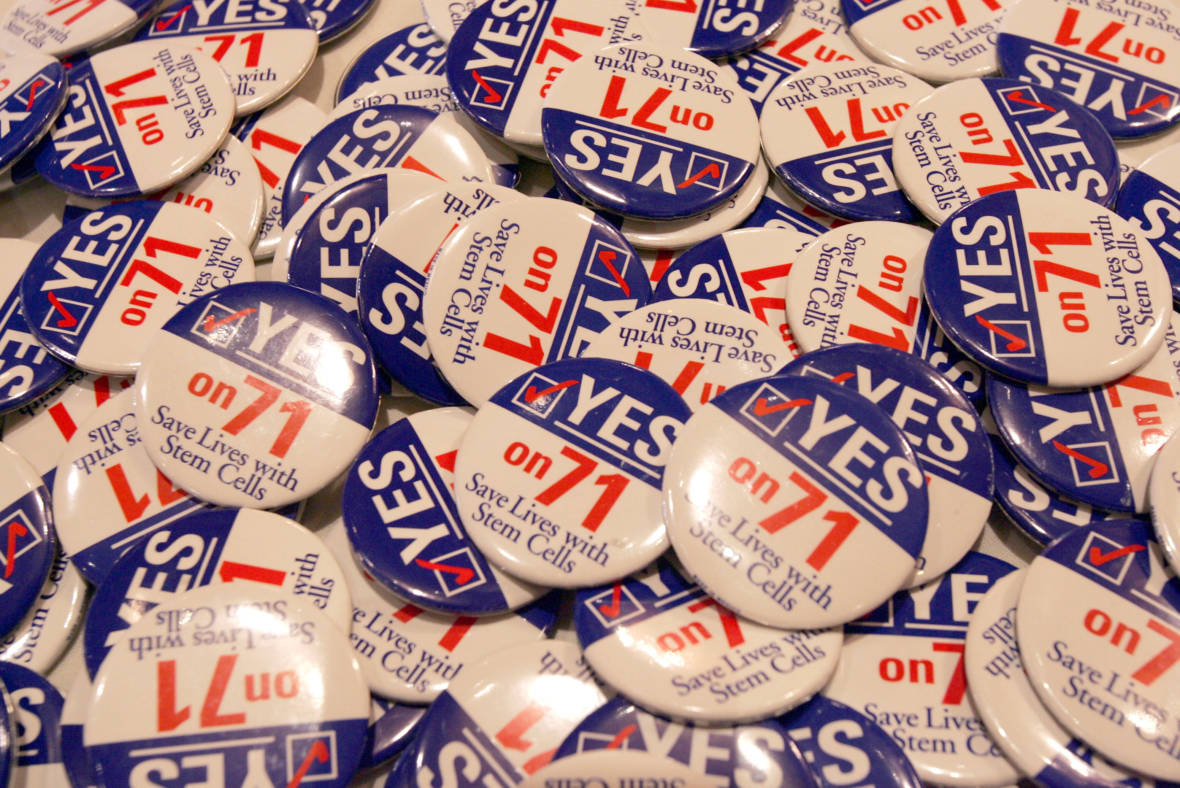
"caption": "Buttons with the slogan 'Save Lives With Stem Cells,' in support of Prop. 71 at the Stem Cell Research Proposition Party at the Biltmore Hotel Nov. 2, 2004 in Los Angeles, California.",
"description": "Buttons with the slogan 'Save Lives With Stem Cells,' in support of Prop. 71 at the Stem Cell Research Proposition Party at the Biltmore Hotel Nov. 2, 2004 in Los Angeles, California.",
"title": "Stem Cell Research Proposition Party",
"credit": "Frazer Harrison/Getty Images",
"status": "inherit",
"isLoading": false,
"fetchFailed": false
},
"futureofyou_319194": {
"type": "attachments",
"id": "futureofyou_319194",
"meta": {
"index": "attachments_1716263798",
"site": "futureofyou",
"id": "319194",
"found": true
},
"parent": 319192,
"imgSizes": {
"small": {
"file": "https://ww2.kqed.org/app/uploads/sites/13/2017/01/wearable-520x346.jpg",
"width": 520,
"mimeType": "image/jpeg",
"height": 346
},
"thumbnail": {
"file": "https://ww2.kqed.org/app/uploads/sites/13/2017/01/wearable-160x107.jpg",
"width": 160,
"mimeType": "image/jpeg",
"height": 107
},
"post-thumbnail": {
"file": "https://ww2.kqed.org/app/uploads/sites/13/2017/01/wearable-620x372.jpg",
"width": 620,
"mimeType": "image/jpeg",
"height": 372
},
"xsmall": {
"file": "https://ww2.kqed.org/app/uploads/sites/13/2017/01/wearable-375x250.jpg",
"width": 375,
"mimeType": "image/jpeg",
"height": 250
},
"kqedFullSize": {
"file": "https://ww2.kqed.org/app/uploads/sites/13/2017/01/wearable.jpg",
"width": 620,
"height": 413
},
"guest-author-50": {
"file": "https://ww2.kqed.org/app/uploads/sites/13/2017/01/wearable-50x50.jpg",
"width": 50,
"mimeType": "image/jpeg",
"height": 50
},
"guest-author-96": {
"file": "https://ww2.kqed.org/app/uploads/sites/13/2017/01/wearable-96x96.jpg",
"width": 96,
"mimeType": "image/jpeg",
"height": 96
},
"guest-author-64": {
"file": "https://ww2.kqed.org/app/uploads/sites/13/2017/01/wearable-64x64.jpg",
"width": 64,
"mimeType": "image/jpeg",
"height": 64
},
"detail": {
"file": "https://ww2.kqed.org/app/uploads/sites/13/2017/01/wearable-150x150.jpg",
"width": 150,
"mimeType": "image/jpeg",
"height": 150
},
"guest-author-32": {
"file": "https://ww2.kqed.org/app/uploads/sites/13/2017/01/wearable-32x32.jpg",
"width": 32,
"mimeType": "image/jpeg",
"height": 32
},
"guest-author-128": {
"file": "https://ww2.kqed.org/app/uploads/sites/13/2017/01/wearable-128x128.jpg",
"width": 128,
"mimeType": "image/jpeg",
"height": 128
},
"xxsmall": {
"file": "https://ww2.kqed.org/app/uploads/sites/13/2017/01/wearable-240x160.jpg",
"width": 240,
"mimeType": "image/jpeg",
"height": 160
}
},
"publishDate": 1484328187,
"modified": 1484328205,
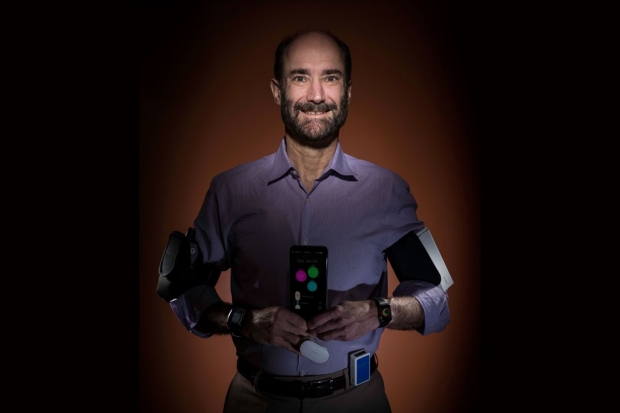
"caption": "Geneticist Michael Snyder was wearing seven biosensors collecting data about his health when he noticed changes in his heart rate and oxygen level during a flight. When he later developed a fever, he suspected he had been infected with Lyme disease. Subsequent tests confirmed his suspicion.",
"description": null,
"title": "wearable",
"credit": "Steve Fisch/Stanford",
"status": "inherit",
"isLoading": false,
"fetchFailed": false
},
"futureofyou_106921": {
"type": "attachments",
"id": "futureofyou_106921",
"meta": {
"index": "attachments_1716263798",
"site": "futureofyou",
"id": "106921",
"found": true
},
"parent": 106919,
"imgSizes": {
"twentyfourteen-full-width": {
"file": "https://ww2.kqed.org/app/uploads/sites/13/2016/02/Biden-1038x576.jpg",
"width": 1038,
"mimeType": "image/jpeg",
"height": 576
},
"thumbnail": {
"file": "https://ww2.kqed.org/app/uploads/sites/13/2016/02/Biden-400x267.jpg",
"width": 400,
"mimeType": "image/jpeg",
"height": 267
},
"fd-sm": {
"file": "https://ww2.kqed.org/app/uploads/sites/13/2016/02/Biden-960x640.jpg",
"width": 960,
"mimeType": "image/jpeg",
"height": 640
},
"post-thumbnail": {
"file": "https://ww2.kqed.org/app/uploads/sites/13/2016/02/Biden-672x372.jpg",
"width": 672,
"mimeType": "image/jpeg",
"height": 372
},
"kqedFullSize": {
"file": "https://ww2.kqed.org/app/uploads/sites/13/2016/02/Biden.jpg",
"width": 1920,
"height": 1280
},
"large": {
"file": "https://ww2.kqed.org/app/uploads/sites/13/2016/02/Biden-1180x787.jpg",
"width": 1180,
"mimeType": "image/jpeg",
"height": 787
},
"guest-author-96": {
"file": "https://ww2.kqed.org/app/uploads/sites/13/2016/02/Biden-96x96.jpg",
"width": 96,
"mimeType": "image/jpeg",
"height": 96
},
"medium": {
"file": "https://ww2.kqed.org/app/uploads/sites/13/2016/02/Biden-800x533.jpg",
"width": 800,
"mimeType": "image/jpeg",
"height": 533
},
"guest-author-64": {
"file": "https://ww2.kqed.org/app/uploads/sites/13/2016/02/Biden-64x64.jpg",
"width": 64,
"mimeType": "image/jpeg",
"height": 64
},
"guest-author-32": {
"file": "https://ww2.kqed.org/app/uploads/sites/13/2016/02/Biden-32x32.jpg",
"width": 32,
"mimeType": "image/jpeg",
"height": 32
},
"fd-lrg": {
"file": "https://ww2.kqed.org/app/uploads/sites/13/2016/02/Biden-1920x1280.jpg",
"width": 1920,
"mimeType": "image/jpeg",
"height": 1280
},
"fd-med": {
"file": "https://ww2.kqed.org/app/uploads/sites/13/2016/02/Biden-1180x787.jpg",
"width": 1180,
"mimeType": "image/jpeg",
"height": 787
},
"detail": {
"file": "https://ww2.kqed.org/app/uploads/sites/13/2016/02/Biden-75x75.jpg",
"width": 75,
"mimeType": "image/jpeg",
"height": 75
},
"medium_large": {
"file": "https://ww2.kqed.org/app/uploads/sites/13/2016/02/Biden-768x512.jpg",
"width": 768,
"mimeType": "image/jpeg",
"height": 512
},
"guest-author-128": {
"file": "https://ww2.kqed.org/app/uploads/sites/13/2016/02/Biden-128x128.jpg",
"width": 128,
"mimeType": "image/jpeg",
"height": 128
}
},
"publishDate": 1454434183,
"modified": 1484070407,
"caption": "US Vice President Joe Biden takes part in a session on the theme \"Cancer Mooshot: A Call to action\" during the World Economic Forum annual meeting in Davos, on Jan. 19, 2016.\n",
"description": null,
"title": "SWITZERLAND-DAVOS-ECONOMY-POLITICS-MEET-WEF",
"credit": "Fabrice Coffrini/AFP/Getty Images",
"status": "inherit",
"isLoading": false,
"fetchFailed": false
},
"science_2089": {
"type": "attachments",
"id": "science_2089",
"meta": {
"index": "attachments_1716263798",
"site": "science",
"id": "2089",
"found": true
},
"parent": 280,
"imgSizes": {
"kqedFullSize": {
"file": "https://ww2.kqed.org/app/uploads/sites/35/2013/04/science_marquee_about_us_news.jpg",
"width": 640,
"height": 360
}
},
"publishDate": 1368049223,
"modified": 1368049223,
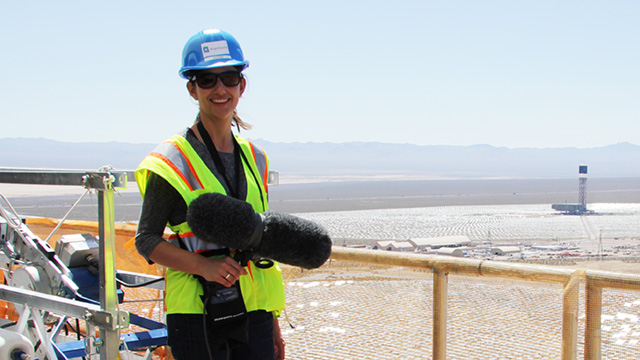
"caption": "KQED Science radio reporter Lauren Sommer reporting on the Ivanpah solar project. More than 170,000 mirrors will focus the sun’s heat on three towers where it will turn water into steam.",
"description": null,
"title": "science_marquee_about_us_news",
"credit": null,
"status": "inherit",
"isLoading": false,
"fetchFailed": false
},
"science_1275006": {
"type": "attachments",
"id": "science_1275006",
"meta": {
"index": "attachments_1716263798",
"site": "science",
"id": "1275006",
"found": true
},
"parent": 1274894,
"imgSizes": {
"small": {
"file": "https://ww2.kqed.org/app/uploads/sites/35/2016/12/alzheimer1-520x358.jpg",
"width": 520,
"mimeType": "image/jpeg",
"height": 358
},
"thumbnail": {
"file": "https://ww2.kqed.org/app/uploads/sites/35/2016/12/alzheimer1-160x110.jpg",
"width": 160,
"mimeType": "image/jpeg",
"height": 110
},
"post-thumbnail": {
"file": "https://ww2.kqed.org/app/uploads/sites/35/2016/12/alzheimer1-672x372.jpg",
"width": 672,
"mimeType": "image/jpeg",
"height": 372
},
"xsmall": {
"file": "https://ww2.kqed.org/app/uploads/sites/35/2016/12/alzheimer1-375x258.jpg",
"width": 375,
"mimeType": "image/jpeg",
"height": 258
},
"kqedFullSize": {
"file": "https://ww2.kqed.org/app/uploads/sites/35/2016/12/alzheimer1.jpg",
"width": 800,
"height": 550
},
"guest-author-50": {
"file": "https://ww2.kqed.org/app/uploads/sites/35/2016/12/alzheimer1-50x50.jpg",
"width": 50,
"mimeType": "image/jpeg",
"height": 50
},
"guest-author-96": {
"file": "https://ww2.kqed.org/app/uploads/sites/35/2016/12/alzheimer1-96x96.jpg",
"width": 96,
"mimeType": "image/jpeg",
"height": 96
},
"medium": {
"file": "https://ww2.kqed.org/app/uploads/sites/35/2016/12/alzheimer1-800x550.jpg",
"width": 800,
"mimeType": "image/jpeg",
"height": 550
},
"guest-author-64": {
"file": "https://ww2.kqed.org/app/uploads/sites/35/2016/12/alzheimer1-64x64.jpg",
"width": 64,
"mimeType": "image/jpeg",
"height": 64
},
"guest-author-32": {
"file": "https://ww2.kqed.org/app/uploads/sites/35/2016/12/alzheimer1-32x32.jpg",
"width": 32,
"mimeType": "image/jpeg",
"height": 32
},
"detail": {
"file": "https://ww2.kqed.org/app/uploads/sites/35/2016/12/alzheimer1-150x150.jpg",
"width": 150,
"mimeType": "image/jpeg",
"height": 150
},
"medium_large": {
"file": "https://ww2.kqed.org/app/uploads/sites/35/2016/12/alzheimer1-768x528.jpg",
"width": 768,
"mimeType": "image/jpeg",
"height": 528
},
"guest-author-128": {
"file": "https://ww2.kqed.org/app/uploads/sites/35/2016/12/alzheimer1-128x128.jpg",
"width": 128,
"mimeType": "image/jpeg",
"height": 128
},
"xxsmall": {
"file": "https://ww2.kqed.org/app/uploads/sites/35/2016/12/alzheimer1-240x165.jpg",
"width": 240,
"mimeType": "image/jpeg",
"height": 165
}
},
"publishDate": 1482863608,
"modified": 1482867141,
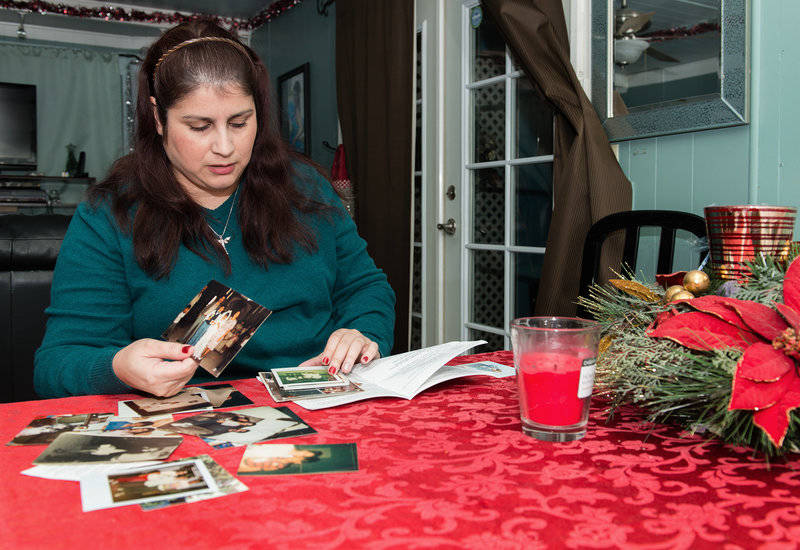
"caption": "Rosemary Navarro, 40, looks through old childhood photographs at her home in La Habra, Calif. Her mother, Rosa Maria Navarro, passed away in 2009 from Alzheimer's. ",
"description": "Rosemary Navarro, 40, looks through old childhood photographs at her home in La Habra, Calif. Her mother, Rosa Maria Navarro, passed away in 2009 from Alzheimer's. ",
"title": "alzheimer1",
"credit": "Heidi de Marco/Kaiser Health News",
"status": "inherit",
"isLoading": false,
"fetchFailed": false
},
"futureofyou_313474": {
"type": "attachments",
"id": "futureofyou_313474",
"meta": {
"index": "attachments_1716263798",
"site": "futureofyou",
"id": "313474",
"found": true
},
"parent": 304635,
"imgSizes": {
"small": {
"file": "https://ww2.kqed.org/app/uploads/sites/13/2016/12/amyloid-beta-520x275.jpg",
"width": 520,
"mimeType": "image/jpeg",
"height": 275
},
"twentyfourteen-full-width": {
"file": "https://ww2.kqed.org/app/uploads/sites/13/2016/12/amyloid-beta-1038x576.jpg",
"width": 1038,
"mimeType": "image/jpeg",
"height": 576
},
"thumbnail": {
"file": "https://ww2.kqed.org/app/uploads/sites/13/2016/12/amyloid-beta-160x85.jpg",
"width": 160,
"mimeType": "image/jpeg",
"height": 85
},
"fd-sm": {
"file": "https://ww2.kqed.org/app/uploads/sites/13/2016/12/amyloid-beta-960x508.jpg",
"width": 960,
"mimeType": "image/jpeg",
"height": 508
},
"post-thumbnail": {
"file": "https://ww2.kqed.org/app/uploads/sites/13/2016/12/amyloid-beta-672x372.jpg",
"width": 672,
"mimeType": "image/jpeg",
"height": 372
},
"xsmall": {
"file": "https://ww2.kqed.org/app/uploads/sites/13/2016/12/amyloid-beta-375x198.jpg",
"width": 375,
"mimeType": "image/jpeg",
"height": 198
},
"kqedFullSize": {
"file": "https://ww2.kqed.org/app/uploads/sites/13/2016/12/amyloid-beta.jpg",
"width": 1272,
"height": 673
},
"large": {
"file": "https://ww2.kqed.org/app/uploads/sites/13/2016/12/amyloid-beta-1020x540.jpg",
"width": 1020,
"mimeType": "image/jpeg",
"height": 540
},
"xlarge": {
"file": "https://ww2.kqed.org/app/uploads/sites/13/2016/12/amyloid-beta-1180x624.jpg",
"width": 1180,
"mimeType": "image/jpeg",
"height": 624
},
"guest-author-50": {
"file": "https://ww2.kqed.org/app/uploads/sites/13/2016/12/amyloid-beta-50x50.jpg",
"width": 50,
"mimeType": "image/jpeg",
"height": 50
},
"guest-author-96": {
"file": "https://ww2.kqed.org/app/uploads/sites/13/2016/12/amyloid-beta-96x96.jpg",
"width": 96,
"mimeType": "image/jpeg",
"height": 96
},
"medium": {
"file": "https://ww2.kqed.org/app/uploads/sites/13/2016/12/amyloid-beta-800x423.jpg",
"width": 800,
"mimeType": "image/jpeg",
"height": 423
},
"guest-author-64": {
"file": "https://ww2.kqed.org/app/uploads/sites/13/2016/12/amyloid-beta-64x64.jpg",
"width": 64,
"mimeType": "image/jpeg",
"height": 64
},
"guest-author-32": {
"file": "https://ww2.kqed.org/app/uploads/sites/13/2016/12/amyloid-beta-32x32.jpg",
"width": 32,
"mimeType": "image/jpeg",
"height": 32
},
"fd-med": {
"file": "https://ww2.kqed.org/app/uploads/sites/13/2016/12/amyloid-beta-1180x624.jpg",
"width": 1180,
"mimeType": "image/jpeg",
"height": 624
},
"detail": {
"file": "https://ww2.kqed.org/app/uploads/sites/13/2016/12/amyloid-beta-150x150.jpg",
"width": 150,
"mimeType": "image/jpeg",
"height": 150
},
"medium_large": {
"file": "https://ww2.kqed.org/app/uploads/sites/13/2016/12/amyloid-beta-768x406.jpg",
"width": 768,
"mimeType": "image/jpeg",
"height": 406
},
"guest-author-128": {
"file": "https://ww2.kqed.org/app/uploads/sites/13/2016/12/amyloid-beta-128x128.jpg",
"width": 128,
"mimeType": "image/jpeg",
"height": 128
},
"xxsmall": {
"file": "https://ww2.kqed.org/app/uploads/sites/13/2016/12/amyloid-beta-240x127.jpg",
"width": 240,
"mimeType": "image/jpeg",
"height": 127
}
},
"publishDate": 1483476545,
"modified": 1483476805,
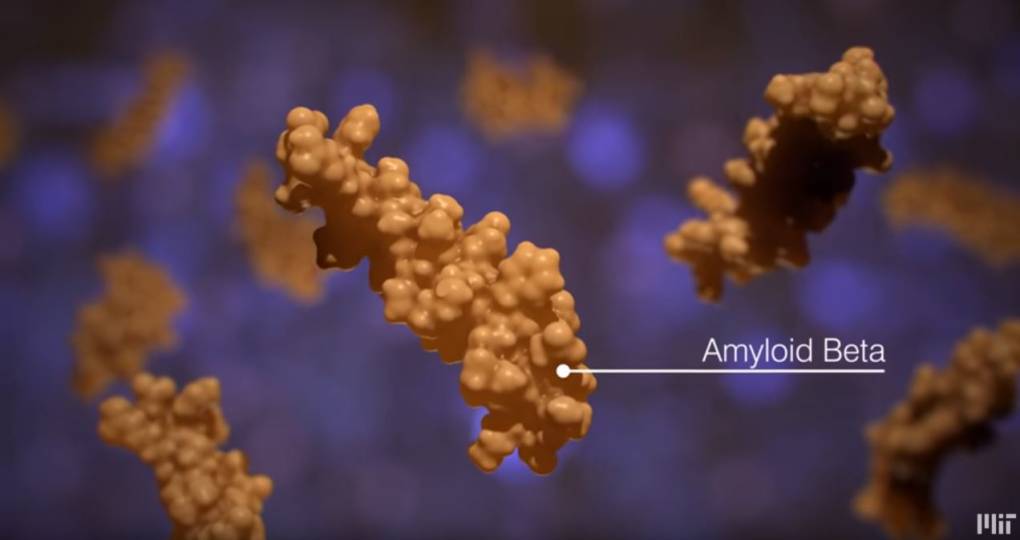
"caption": "A toxic accumulation of the protein amyloid beta, pictured in this animation, is thought to contribute to Alzheimer's disease.",
"description": null,
"title": "amyloid-beta",
"credit": "MIT",
"status": "inherit",
"isLoading": false,
"fetchFailed": false
},
"futureofyou_302164": {
"type": "attachments",
"id": "futureofyou_302164",
"meta": {
"index": "attachments_1716263798",
"site": "futureofyou",
"id": "302164",
"found": true
},
"parent": 300937,
"imgSizes": {
"small": {
"file": "https://ww2.kqed.org/app/uploads/sites/13/2016/12/elizabethian-520x411.png",
"width": 520,
"mimeType": "image/png",
"height": 411
},
"twentyfourteen-full-width": {
"file": "https://ww2.kqed.org/app/uploads/sites/13/2016/12/elizabethian-1038x576.png",
"width": 1038,
"mimeType": "image/png",
"height": 576
},
"thumbnail": {
"file": "https://ww2.kqed.org/app/uploads/sites/13/2016/12/elizabethian-160x126.png",
"width": 160,
"mimeType": "image/png",
"height": 126
},
"fd-sm": {
"file": "https://ww2.kqed.org/app/uploads/sites/13/2016/12/elizabethian-960x759.png",
"width": 960,
"mimeType": "image/png",
"height": 759
},
"post-thumbnail": {
"file": "https://ww2.kqed.org/app/uploads/sites/13/2016/12/elizabethian-672x372.png",
"width": 672,
"mimeType": "image/png",
"height": 372
},
"xsmall": {
"file": "https://ww2.kqed.org/app/uploads/sites/13/2016/12/elizabethian-375x296.png",
"width": 375,
"mimeType": "image/png",
"height": 296
},
"kqedFullSize": {
"file": "https://ww2.kqed.org/app/uploads/sites/13/2016/12/elizabethian-e1481924158160.png",
"width": 800,
"height": 632
},
"large": {
"file": "https://ww2.kqed.org/app/uploads/sites/13/2016/12/elizabethian-1020x806.png",
"width": 1020,
"mimeType": "image/png",
"height": 806
},
"xlarge": {
"file": "https://ww2.kqed.org/app/uploads/sites/13/2016/12/elizabethian-1180x932.png",
"width": 1180,
"mimeType": "image/png",
"height": 932
},
"guest-author-50": {
"file": "https://ww2.kqed.org/app/uploads/sites/13/2016/12/elizabethian-50x50.png",
"width": 50,
"mimeType": "image/png",
"height": 50
},
"guest-author-96": {
"file": "https://ww2.kqed.org/app/uploads/sites/13/2016/12/elizabethian-96x96.png",
"width": 96,
"mimeType": "image/png",
"height": 96
},
"medium": {
"file": "https://ww2.kqed.org/app/uploads/sites/13/2016/12/elizabethian-800x632.png",
"width": 800,
"mimeType": "image/png",
"height": 632
},
"guest-author-64": {
"file": "https://ww2.kqed.org/app/uploads/sites/13/2016/12/elizabethian-64x64.png",
"width": 64,
"mimeType": "image/png",
"height": 64
},
"guest-author-32": {
"file": "https://ww2.kqed.org/app/uploads/sites/13/2016/12/elizabethian-32x32.png",
"width": 32,
"mimeType": "image/png",
"height": 32
},
"fd-med": {
"file": "https://ww2.kqed.org/app/uploads/sites/13/2016/12/elizabethian-1180x932.png",
"width": 1180,
"mimeType": "image/png",
"height": 932
},
"detail": {
"file": "https://ww2.kqed.org/app/uploads/sites/13/2016/12/elizabethian-150x150.png",
"width": 150,
"mimeType": "image/png",
"height": 150
},
"medium_large": {
"file": "https://ww2.kqed.org/app/uploads/sites/13/2016/12/elizabethian-768x607.png",
"width": 768,
"mimeType": "image/png",
"height": 607
},
"guest-author-128": {
"file": "https://ww2.kqed.org/app/uploads/sites/13/2016/12/elizabethian-128x128.png",
"width": 128,
"mimeType": "image/png",
"height": 128
},
"xxsmall": {
"file": "https://ww2.kqed.org/app/uploads/sites/13/2016/12/elizabethian-240x190.png",
"width": 240,
"mimeType": "image/png",
"height": 190
}
},
"publishDate": 1481923023,
"modified": 1482244679,
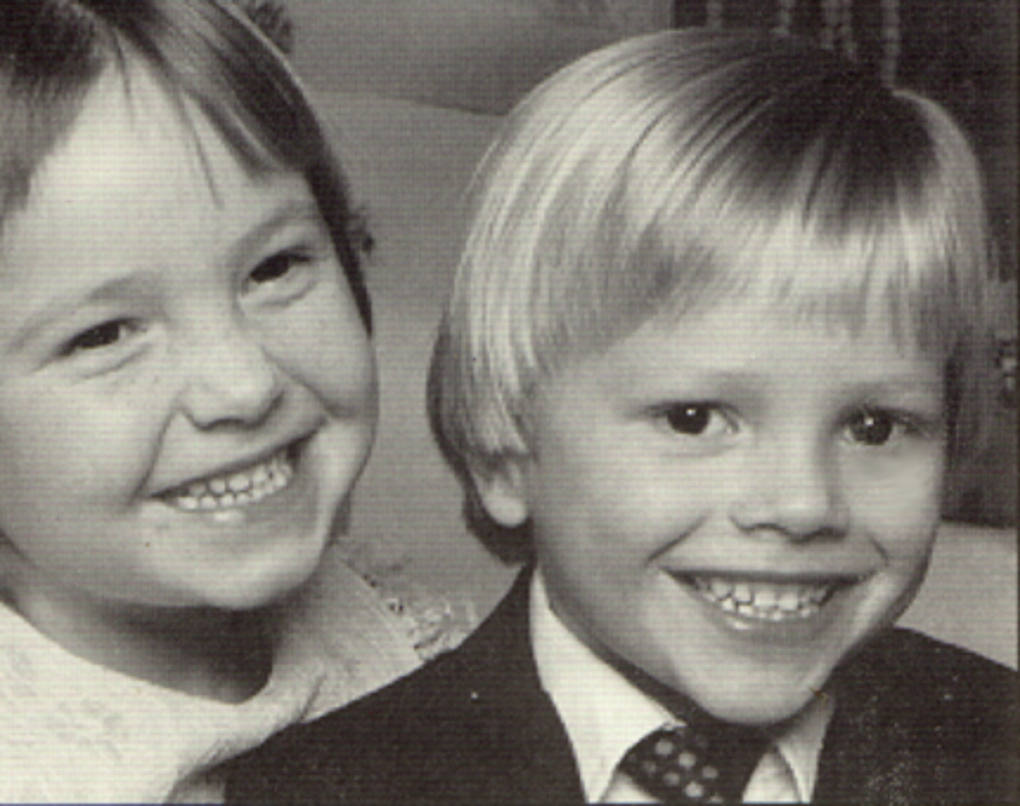
"caption": "Sister and brother Elizabeth and Ian Terry when they were diagnosed with PXE in 1994. ",
"description": null,
"title": "elizabethian",
"credit": "Sharon Terry",
"status": "inherit",
"isLoading": false,
"fetchFailed": false
},
"futureofyou_300972": {
"type": "attachments",
"id": "futureofyou_300972",
"meta": {
"index": "attachments_1716263798",
"site": "futureofyou",
"id": "300972",
"found": true
},
"parent": 300317,
"imgSizes": {
"kqedFullSize": {
"file": "https://ww2.kqed.org/app/uploads/sites/13/2016/12/charles-chiu-e1481765861608.jpg",
"width": 2000,
"height": 1333
}
},
"publishDate": 1481765736,
"modified": 1481766936,
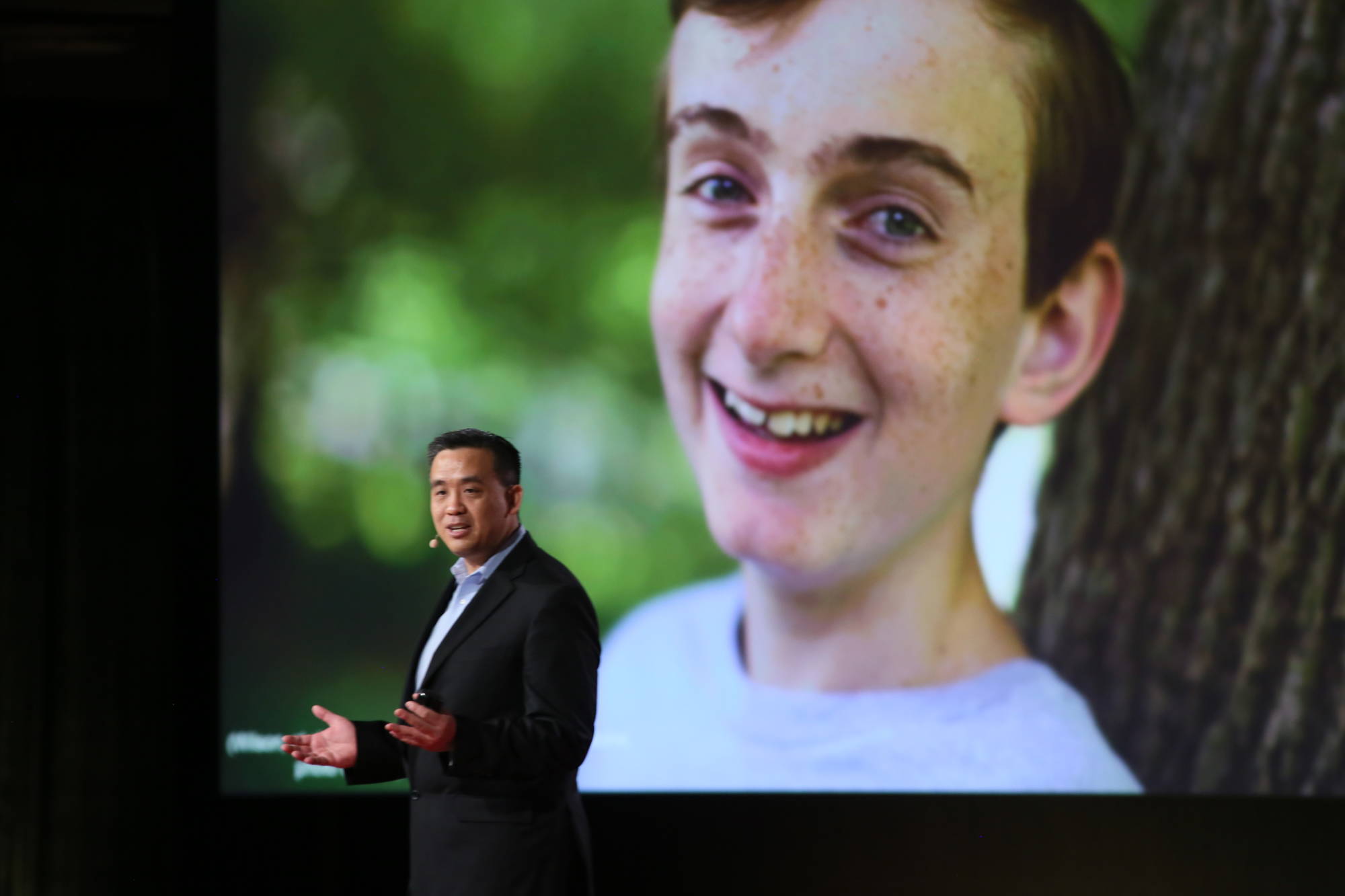
"caption": "UCSF microbiologist Charles Chiu discusses how new diagnostic tools could save young lives. ",
"description": null,
"title": "charles-chiu",
"credit": "TEDMED",
"status": "inherit",
"isLoading": false,
"fetchFailed": false
},
"science_1238731": {
"type": "attachments",
"id": "science_1238731",
"meta": {
"index": "attachments_1716263798",
"site": "science",
"id": "1238731",
"found": true
},
"parent": 1238730,
"imgSizes": {
"small": {
"file": "https://ww2.kqed.org/app/uploads/sites/35/2016/12/1238730-thumb-520x347.jpg",
"width": 520,
"mimeType": "image/jpeg",
"height": 347
},
"twentyfourteen-full-width": {
"file": "https://ww2.kqed.org/app/uploads/sites/35/2016/12/1238730-thumb-1038x576.jpg",
"width": 1038,
"mimeType": "image/jpeg",
"height": 576
},
"thumbnail": {
"file": "https://ww2.kqed.org/app/uploads/sites/35/2016/12/1238730-thumb-160x107.jpg",
"width": 160,
"mimeType": "image/jpeg",
"height": 107
},
"fd-sm": {
"file": "https://ww2.kqed.org/app/uploads/sites/35/2016/12/1238730-thumb-960x640.jpg",
"width": 960,
"mimeType": "image/jpeg",
"height": 640
},
"post-thumbnail": {
"file": "https://ww2.kqed.org/app/uploads/sites/35/2016/12/1238730-thumb-672x372.jpg",
"width": 672,
"mimeType": "image/jpeg",
"height": 372
},
"xsmall": {
"file": "https://ww2.kqed.org/app/uploads/sites/35/2016/12/1238730-thumb-375x250.jpg",
"width": 375,
"mimeType": "image/jpeg",
"height": 250
},
"kqedFullSize": {
"file": "https://ww2.kqed.org/app/uploads/sites/35/2016/12/1238730-thumb.jpg",
"width": 1920,
"height": 1280
},
"large": {
"file": "https://ww2.kqed.org/app/uploads/sites/35/2016/12/1238730-thumb-1020x680.jpg",
"width": 1020,
"mimeType": "image/jpeg",
"height": 680
},
"xlarge": {
"file": "https://ww2.kqed.org/app/uploads/sites/35/2016/12/1238730-thumb-1180x787.jpg",
"width": 1180,
"mimeType": "image/jpeg",
"height": 787
},
"guest-author-50": {
"file": "https://ww2.kqed.org/app/uploads/sites/35/2016/12/1238730-thumb-50x50.jpg",
"width": 50,
"mimeType": "image/jpeg",
"height": 50
},
"guest-author-96": {
"file": "https://ww2.kqed.org/app/uploads/sites/35/2016/12/1238730-thumb-96x96.jpg",
"width": 96,
"mimeType": "image/jpeg",
"height": 96
},
"medium": {
"file": "https://ww2.kqed.org/app/uploads/sites/35/2016/12/1238730-thumb-800x533.jpg",
"width": 800,
"mimeType": "image/jpeg",
"height": 533
},
"guest-author-64": {
"file": "https://ww2.kqed.org/app/uploads/sites/35/2016/12/1238730-thumb-64x64.jpg",
"width": 64,
"mimeType": "image/jpeg",
"height": 64
},
"guest-author-32": {
"file": "https://ww2.kqed.org/app/uploads/sites/35/2016/12/1238730-thumb-32x32.jpg",
"width": 32,
"mimeType": "image/jpeg",
"height": 32
},
"fd-lrg": {
"file": "https://ww2.kqed.org/app/uploads/sites/35/2016/12/1238730-thumb-1920x1280.jpg",
"width": 1920,
"mimeType": "image/jpeg",
"height": 1280
},
"fd-med": {
"file": "https://ww2.kqed.org/app/uploads/sites/35/2016/12/1238730-thumb-1180x787.jpg",
"width": 1180,
"mimeType": "image/jpeg",
"height": 787
},
"full-width": {
"file": "https://ww2.kqed.org/app/uploads/sites/35/2016/12/1238730-thumb-1920x1280.jpg",
"width": 1920,
"mimeType": "image/jpeg",
"height": 1280
},
"detail": {
"file": "https://ww2.kqed.org/app/uploads/sites/35/2016/12/1238730-thumb-150x150.jpg",
"width": 150,
"mimeType": "image/jpeg",
"height": 150
},
"medium_large": {
"file": "https://ww2.kqed.org/app/uploads/sites/35/2016/12/1238730-thumb-768x512.jpg",
"width": 768,
"mimeType": "image/jpeg",
"height": 512
},
"guest-author-128": {
"file": "https://ww2.kqed.org/app/uploads/sites/35/2016/12/1238730-thumb-128x128.jpg",
"width": 128,
"mimeType": "image/jpeg",
"height": 128
},
"xxsmall": {
"file": "https://ww2.kqed.org/app/uploads/sites/35/2016/12/1238730-thumb-240x160.jpg",
"width": 240,
"mimeType": "image/jpeg",
"height": 160
}
},
"publishDate": 1481656771,
"modified": 1481656771,
"caption": null,
"description": null,
"title": "Thumbnail for 1238730",
"credit": null,
"status": "inherit",
"isLoading": false,
"fetchFailed": false
}
},
"audioPlayerReducer": {
"postId": "stream_live",
"isPaused": true,
"isPlaying": false,
"pfsActive": false,
"pledgeModalIsOpen": true,
"playerDrawerIsOpen": false,
"liveAudioPlayStartedAt": 0,
"liveAudioPlayContext": ""
},
"authorsReducer": {
"byline_futureofyou_325407": {
"type": "authors",
"id": "byline_futureofyou_325407",
"meta": {
"override": true
},
"slug": "byline_futureofyou_325407",
"name": "Barry Starr",
"isLoading": false
},
"byline_futureofyou_322634": {
"type": "authors",
"id": "byline_futureofyou_322634",
"meta": {
"override": true
},
"slug": "byline_futureofyou_322634",
"name": "Charles Piller\u003cbr />\u003cA HREF=\"https://www.statnews.com/\">STAT\u003c/A>",
"isLoading": false
},
"byline_futureofyou_319192": {
"type": "authors",
"id": "byline_futureofyou_319192",
"meta": {
"override": true
},
"slug": "byline_futureofyou_319192",
"name": "Lauran Neergard\u003cbr />Associated Press",
"isLoading": false
},
"byline_futureofyou_317468": {
"type": "authors",
"id": "byline_futureofyou_317468",
"meta": {
"override": true
},
"slug": "byline_futureofyou_317468",
"name": "Associated Press and KQED",
"isLoading": false
},
"byline_science_1274894": {
"type": "authors",
"id": "byline_science_1274894",
"meta": {
"override": true
},
"slug": "byline_science_1274894",
"name": "Anna Gorman \u003c/br> Kaiser Health News",
"isLoading": false
},
"jbrooks": {
"type": "authors",
"id": "80",
"meta": {
"index": "authors_1716337520",
"id": "80",
"found": true
},
"name": "Jon Brooks",
"firstName": "Jon",
"lastName": "Brooks",
"slug": "jbrooks",
"email": "jbrooks@kqed.org",
"display_author_email": true,
"staff_mastheads": [
"science"
],
"title": "Digital Editor",
"bio": "Jon Brooks is a former Digital Editor for KQED Science. He is the former editor of KQED’s daily news blog, News Fix. In 2014, he won a California Journalism Award for his coverage of ride services like Uber and Lyft and the taxi industry. A veteran blogger, he previously worked for Yahoo! in various news writing and editing roles. Jon is also a playwright whose work has been produced in San Francisco, New York, Italy, and around the U.S. He has written about film for his own blog and studied film at Boston University.",
"avatar": "https://secure.gravatar.com/avatar/98887f7ed1c876ed414d4c915e969584?s=600&d=blank&r=g",
"twitter": "jbrooksfoy",
"facebook": null,
"instagram": null,
"linkedin": null,
"sites": [
{
"site": "arts",
"roles": [
"Contributor",
"editor"
]
},
{
"site": "news",
"roles": [
"author"
]
},
{
"site": "futureofyou",
"roles": [
"administrator"
]
},
{
"site": "mindshift",
"roles": [
"editor"
]
},
{
"site": "stateofhealth",
"roles": [
"editor"
]
},
{
"site": "science",
"roles": [
"administrator"
]
},
{
"site": "quest",
"roles": [
"editor"
]
}
],
"headData": {
"title": "Jon Brooks | KQED",
"description": "Digital Editor",
"ogImgSrc": "https://secure.gravatar.com/avatar/98887f7ed1c876ed414d4c915e969584?s=600&d=blank&r=g",
"twImgSrc": "https://secure.gravatar.com/avatar/98887f7ed1c876ed414d4c915e969584?s=600&d=blank&r=g"
},
"isLoading": false,
"link": "/author/jbrooks"
},
"kqedscience": {
"type": "authors",
"id": "6387",
"meta": {
"index": "authors_1716337520",
"id": "6387",
"found": true
},
"name": "KQED Science",
"firstName": "KQED",
"lastName": "Science",
"slug": "kqedscience",
"email": "kqedscience@gmail.com",
"display_author_email": false,
"staff_mastheads": [],
"title": null,
"bio": "KQED Science brings you award-winning science and environment coverage from the Bay Area and beyond by the flagship Northern California PBS and NPR affiliate.",
"avatar": "https://secure.gravatar.com/avatar/5a295ff49cf82a8c0f30937d3f788b2f?s=600&d=blank&r=g",
"twitter": null,
"facebook": null,
"instagram": null,
"linkedin": null,
"sites": [
{
"site": "science",
"roles": [
"contributor"
]
},
{
"site": "quest",
"roles": [
"editor"
]
},
{
"site": "food",
"roles": [
"contributor"
]
}
],
"headData": {
"title": "KQED Science | KQED",
"description": null,
"ogImgSrc": "https://secure.gravatar.com/avatar/5a295ff49cf82a8c0f30937d3f788b2f?s=600&d=blank&r=g",
"twImgSrc": "https://secure.gravatar.com/avatar/5a295ff49cf82a8c0f30937d3f788b2f?s=600&d=blank&r=g"
},
"isLoading": false,
"link": "/author/kqedscience"
},
"ecruzguevarra": {
"type": "authors",
"id": "8654",
"meta": {
"index": "authors_1716337520",
"id": "8654",
"found": true
},
"name": "Ericka Cruz Guevarra",
"firstName": "Ericka",
"lastName": "Cruz Guevarra",
"slug": "ecruzguevarra",
"email": "ecruzguevarra@kqed.org",
"display_author_email": true,
"staff_mastheads": [
"news"
],
"title": "Producer, The Bay Podcast",
"bio": "Ericka Cruz Guevarra is host of \u003ca href=\"https://www.kqed.org/podcasts/thebay\">\u003cem>The Bay\u003c/em>\u003c/a> podcast at KQED. Before host, she was the show’s producer. Her work in that capacity includes a three-part reported series on policing in Vallejo, which won a 2020 excellence in journalism award from the Society of Professional Journalists. Ericka has worked as a breaking news reporter at Oregon Public Broadcasting, helped produce the Code Switch podcast, and was KQED’s inaugural Raul Ramirez Diversity Fund intern. She’s also an alumna of NPR’s Next Generation Radio program. Send her an email if you have strong feelings about whether Fairfield and Suisun City are the Bay. Ericka is represented by SAG-AFTRA.",
"avatar": "https://secure.gravatar.com/avatar/accefc1de4bafc7e234b69bcb9b6f6536c130fd84709bc3069ef11a78787e1bb?s=600&d=blank&r=g",
"twitter": "NotoriousECG",
"bluesky": null,
"facebook": null,
"instagram": null,
"linkedin": null,
"sites": [
{
"site": "arts",
"roles": [
"subscriber"
]
},
{
"site": "news",
"roles": [
"editor",
"manage_categories"
]
},
{
"site": "futureofyou",
"roles": [
"subscriber"
]
},
{
"site": "stateofhealth",
"roles": [
"subscriber"
]
},
{
"site": "science",
"roles": [
"editor"
]
},
{
"site": "forum",
"roles": [
"subscriber"
]
}
],
"headData": {
"title": "Ericka Cruz Guevarra | KQED",
"description": "Producer, The Bay Podcast",
"ogImgSrc": "https://secure.gravatar.com/avatar/accefc1de4bafc7e234b69bcb9b6f6536c130fd84709bc3069ef11a78787e1bb?s=600&d=blank&r=g",
"twImgSrc": "https://secure.gravatar.com/avatar/accefc1de4bafc7e234b69bcb9b6f6536c130fd84709bc3069ef11a78787e1bb?s=600&d=blank&r=g"
},
"isLoading": false,
"link": "/author/ecruzguevarra"
},
"lesleymcclurg": {
"type": "authors",
"id": "11229",
"meta": {
"index": "authors_1716337520",
"id": "11229",
"found": true
},
"name": "Lesley McClurg",
"firstName": "Lesley",
"lastName": "McClurg",
"slug": "lesleymcclurg",
"email": "lmcclurg@KQED.org",
"display_author_email": false,
"staff_mastheads": [
"news",
"science"
],
"title": "KQED Health Correspondent",
"bio": "Lesley McClurg is a health correspondent and fill-in host whose work is regularly rebroadcast on NPR and PBS programs. She’s earned multiple regional Emmy awards, a national and a regional Edward R. Murrow award, and was named Best Beat Reporter by the Association of Health Care Journalists. The Society of Professional Journalists has recognized her work several times, and the Society of Environmental Journalists spotlighted her coverage of California’s historic drought.\r\n\r\nBefore joining KQED in 2016, Lesley covered food and sustainability for Capital Public Radio, environmental issues for Colorado Public Radio, and reported for KUOW and KCTS 9 in Seattle. Away from the newsroom, she loves skiing with her daughter, mountain biking with her partner, and playing with Ollie, the family’s goldendoodle. On deadline, she runs almost entirely on chocolate chips.\r\n\r\n ",
"avatar": "https://secure.gravatar.com/avatar/bab49e972ea10c774fe0f5e29dba1722b158f7c0d58a360923d1389d380b2978?s=600&d=blank&r=g",
"twitter": "lesleywmcclurg",
"bluesky": null,
"facebook": null,
"instagram": null,
"linkedin": null,
"sites": [
{
"site": "arts",
"roles": [
"author"
]
},
{
"site": "news",
"roles": [
"editor"
]
},
{
"site": "futureofyou",
"roles": [
"editor"
]
},
{
"site": "stateofhealth",
"roles": [
"author"
]
},
{
"site": "science",
"roles": [
"editor"
]
},
{
"site": "quest",
"roles": [
"subscriber"
]
},
{
"site": "forum",
"roles": [
"administrator"
]
},
{
"site": "liveblog",
"roles": [
"author"
]
}
],
"headData": {
"title": "Lesley McClurg | KQED",
"description": "KQED Health Correspondent",
"ogImgSrc": "https://secure.gravatar.com/avatar/bab49e972ea10c774fe0f5e29dba1722b158f7c0d58a360923d1389d380b2978?s=600&d=blank&r=g",
"twImgSrc": "https://secure.gravatar.com/avatar/bab49e972ea10c774fe0f5e29dba1722b158f7c0d58a360923d1389d380b2978?s=600&d=blank&r=g"
},
"isLoading": false,
"link": "/author/lesleymcclurg"
}
},
"pagesReducer": {
"science_category_health": {
"type": "terms",
"id": "science_39",
"meta": {
"index": "terms_1716263798",
"site": "science",
"id": "39",
"score": 10.889561
},
"featImg": null,
"name": "Health",
"description": null,
"taxonomy": "category",
"headData": {
"twImgId": null,
"twTitle": null,
"ogTitle": null,
"ogImgId": null,
"twDescription": null,
"description": null,
"title": "Health Archives | KQED Science",
"ogDescription": null
},
"ttid": 41,
"slug": "health",
"isLoading": false,
"title": "Health",
"pageMeta": {
"site": "science",
"WpPageTemplate": "page-topic-editorial",
"currentPage": 54
},
"blocks": [
{
"blockName": "kqed/post-list",
"attrs": {
"layout": "cardArticle2",
"query": "posts/science?category=health",
"seeMore": false,
"paginated": true,
"page": 54
}
},
{
"blockName": "kqed/ad"
}
]
}
},
"pfsSessionReducer": {},
"postsReducer": {
"stream_live": {
"type": "live",
"id": "stream_live",
"audioUrl": "https://streams.kqed.org/kqedradio",
"title": "Live Stream",
"excerpt": "Live Stream information currently unavailable.",
"link": "/radio",
"featImg": "",
"label": {
"name": "KQED Live",
"link": "/"
}
},
"stream_kqedNewscast": {
"type": "posts",
"id": "stream_kqedNewscast",
"audioUrl": "https://www.kqed.org/.stream/anon/radio/RDnews/newscast.mp3?_=1",
"title": "KQED Newscast",
"featImg": "",
"label": {
"name": "88.5 FM",
"link": "/"
}
},
"science_1376336": {
"type": "posts",
"id": "science_1376336",
"meta": {
"index": "posts_1716263798",
"site": "science",
"id": "1376336",
"score": null,
"sort": [
1486167896000
]
},
"parent": 0,
"labelTerm": {
"site": "futureofyou"
},
"blocks": [],
"publishDate": 1486167896,
"format": "standard",
"title": "Trump Executive Order Has Biomed Scientists Worried",
"headTitle": "Trump Executive Order Has Biomed Scientists Worried | KQED",
"content": "\u003cp>\u003cspan>T\u003c/span>he Iranian scientist was a catch: a prize-winning young pharmacologist with \u003ca target=\"_self\" rel=\"nofollow noopener\" href=\"https://www.researchgate.net/profile/Seyed_Soheil_Saeedi_Saravi\">over 40\u003c/a> publications to his name.\u003c/p>\n\u003cp>“He is exactly the kind of person we would like to bring to the United States,” said Dr. Thomas Michel, who hired Seyed Soheil Saeedi Saravi as a postdoctoral fellow in his \u003ca href=\"https://ww2.kqed.org/futureofyou/2017/02/03/Trump_executive_order/\" target=\"_self\" rel=\"nofollow noopener\" id=\"rssmi_more\">Read More …\u003c/a> \u003c/p>\n\u003cp>Source:: \u003ca href=\"https://ww2.kqed.org/futureofyou/2017/02/03/Trump_executive_order/\" target=\"_self\" title=\"Trump Executive Order Has Biomed Scientists Worried\" rel=\"nofollow noopener\">Future of You – tagged “kqedscience”\u003c/a>\u003c/p>\n\u003cp>[ad fullwidth]\u003c/p>\u003cp>\u003c/p>\n",
"stats": {
"hasVideo": false,
"hasChartOrMap": false,
"hasAudio": false,
"hasPolis": false,
"wordCount": 66,
"hasGoogleForm": false,
"hasGallery": false,
"hasHearkenModule": false,
"iframeSrcs": [],
"paragraphCount": 5
},
"modified": 1704929115,
"excerpt": null,
"headData": {
"twImgId": "",
"twTitle": "",
"ogTitle": "",
"ogImgId": "",
"twDescription": "",
"description": "The Iranian scientist was a catch: a prize-winning young pharmacologist with over 40 publications to his name. “He is exactly the kind of person we would like to bring to the United States,” said Dr. Thomas Michel, who hired Seyed Soheil Saeedi Saravi as a postdoctoral fellow in his Read More ... Source:: Future of",
"title": "Trump Executive Order Has Biomed Scientists Worried | KQED",
"ogDescription": "",
"schema": {
"@context": "https://schema.org",
"@type": "Article",
"headline": "Trump Executive Order Has Biomed Scientists Worried",
"datePublished": "2017-02-03T16:24:56-08:00",
"dateModified": "2024-01-10T15:25:15-08:00",
"image": "https://cdn.kqed.org/wp-content/uploads/2020/02/KQED-OG-Image@1x.png"
}
},
"guestAuthors": [],
"slug": "trump-executive-order-has-biomed-scientists-worried",
"status": "publish",
"redirect": {
"type": "external",
"url": "https://ww2.kqed.org/futureofyou/2017/02/03/Trump_executive_order/"
},
"rssmiSourceLink": "https://ww2.kqed.org/futureofyou/2017/02/03/Trump_executive_order/",
"sticky": false,
"path": "/science/1376336/trump-executive-order-has-biomed-scientists-worried",
"audioTrackLength": null,
"parsedContent": [
{
"type": "contentString",
"content": "\u003cdiv class=\"post-body\">\u003cp>\u003cp>\u003cspan>T\u003c/span>he Iranian scientist was a catch: a prize-winning young pharmacologist with \u003ca target=\"_self\" rel=\"nofollow noopener\" href=\"https://www.researchgate.net/profile/Seyed_Soheil_Saeedi_Saravi\">over 40\u003c/a> publications to his name.\u003c/p>\n\u003cp>“He is exactly the kind of person we would like to bring to the United States,” said Dr. Thomas Michel, who hired Seyed Soheil Saeedi Saravi as a postdoctoral fellow in his \u003ca href=\"https://ww2.kqed.org/futureofyou/2017/02/03/Trump_executive_order/\" target=\"_self\" rel=\"nofollow noopener\" id=\"rssmi_more\">Read More …\u003c/a> \u003c/p>\n\u003cp>Source:: \u003ca href=\"https://ww2.kqed.org/futureofyou/2017/02/03/Trump_executive_order/\" target=\"_self\" title=\"Trump Executive Order Has Biomed Scientists Worried\" rel=\"nofollow noopener\">Future of You – tagged “kqedscience”\u003c/a>\u003c/p>\n\u003cp>\u003c/p>\u003c/div>",
"attributes": {
"named": {},
"numeric": []
}
},
{
"type": "component",
"content": "",
"name": "ad",
"attributes": {
"named": {
"label": "fullwidth"
},
"numeric": [
"fullwidth"
]
}
},
{
"type": "contentString",
"content": "\u003cdiv class=\"post-body\">\u003cp>\u003c/p>\u003cp>\u003c/p>\n\u003c/div>\u003c/p>",
"attributes": {
"named": {},
"numeric": []
}
}
],
"link": "https://ww2.kqed.org/futureofyou/2017/02/03/Trump_executive_order/",
"authors": [
"6387"
],
"categories": [
"science_39"
],
"featImg": "science_1376337",
"label": "science"
},
"futureofyou_325407": {
"type": "posts",
"id": "futureofyou_325407",
"meta": {
"index": "posts_1716263798",
"site": "futureofyou",
"id": "325407",
"score": null,
"sort": [
1485384092000
]
},
"parent": 0,
"labelTerm": {
"site": "futureofyou"
},
"blocks": [],
"publishDate": 1485384092,
"format": "standard",
"disqusTitle": "Synthetic DNA Added to Bacteria Creates New Organism",
"title": "Synthetic DNA Added to Bacteria Creates New Organism",
"headTitle": "KQED Future of You | KQED Science",
"content": "\u003cp>Scientists have created a stable organism containing DNA most likely never seen before on Earth\u003cb>.\u003c/b>\u003c/p>\n\u003cp>The intention was to create \"organisms with wholly unnatural attributes and traits not found elsewhere in nature,” as one of the researchers put it. With more advances, these organisms could potentially be used in the creation of medicines and industrial biologicals.\u003c/p>\n\u003cp>The development is described in a \u003ca href=\"http://www.pnas.org/content/early/2017/01/17/1616443114\" target=\"_blank\">new study\u003c/a> published in Proceedings of the National Academy of Sciences.\u003c/p>\n\u003cp>\u003cstrong>Synthetic DNA\u003c/strong>\u003c/p>\n\u003cp>The building blocks of DNA, and thus of all life on Earth, are represented by a four-letter \"alphabet.\" Each letter represents one of the compounds that form DNA. The letters—A, T, C and G—are used in different combinations to encode the instructions that govern the development and traits of living organisms.\u003c/p>\n\u003caside class=\"pullquote alignright\">'We can now get the light of life to stay on. That suggests that all of life's processes can be subject to manipulation.'\u003c/aside>\n\u003cp>Just as scrawled graffiti, a Harlequin romance and a Shakespeare play are written using the same alphabet, so too are a virus, a pig and a human being written with the same set of four bases.\u003c/p>\n\u003cp>[ad fullwidth]\u003c/p>\n\u003cp>That started to change \u003ca href=\"https://ww2.kqed.org/science/2014/05/19/dna-adding-two-letters-to-lifes-alphabet/\" target=\"_blank\">back in 2014\u003c/a>, when a group of researchers at The Scripps Research Institute synthesized two new letters, then managed to coax E.coli bacteria into accepting them\u003cstrong>. \u003c/strong>While that was a significant achievement, the bacteria was not ideal and suffered from multiple problems including a tendency not to pass the new letters on to the next generation. Since the artificial bases were not stable in the DNA, they were lost over time.\u003c/p>\n\u003cp>\u003cstrong>Back to the Beginning for CRISPR\u003c/strong>\u003c/p>\n\u003cfigure id=\"attachment_325792\" class=\"wp-caption aligncenter\" style=\"max-width: 800px\">\u003cimg class=\"size-medium wp-image-325792\" src=\"https://ww2.kqed.org/futureofyou/wp-content/uploads/sites/13/2017/01/CRISPR800a-800x533.jpg\" alt=\"Back to basics for CRISPR/Cas9.\" width=\"800\" height=\"533\" srcset=\"https://ww2.kqed.org/app/uploads/sites/13/2017/01/CRISPR800a.jpg 800w, https://ww2.kqed.org/app/uploads/sites/13/2017/01/CRISPR800a-160x107.jpg 160w, https://ww2.kqed.org/app/uploads/sites/13/2017/01/CRISPR800a-768x512.jpg 768w, https://ww2.kqed.org/app/uploads/sites/13/2017/01/CRISPR800a-240x160.jpg 240w, https://ww2.kqed.org/app/uploads/sites/13/2017/01/CRISPR800a-375x250.jpg 375w, https://ww2.kqed.org/app/uploads/sites/13/2017/01/CRISPR800a-520x346.jpg 520w\" sizes=\"(max-width: 800px) 100vw, 800px\">\u003cfigcaption class=\"wp-caption-text\">Back to basics for CRISPR/Cas9. \u003ccite>(Wikipedia)\u003c/cite>\u003c/figcaption>\u003c/figure>\n\u003cp>One of the ways these researchers managed to get the bacteria to hold on to these new letters was by using one of the biggest things to hit biology in the last few years—the \u003ca href=\"http://genetics.thetech.org/ask-a-geneticist/why-crispr-revolutionary-and-how-it-works\">gene-editing system CRISPR/Cas9\u003c/a>. This tool provides a way to precisely change the DNA of a living thing. It has already revolutionized science in the lab and may one day revolutionize human health as well.\u003c/p>\n\u003cp>CRISPR/Cas9 has a very humble origin—it works as an immune system for bacteria. It essentially looks for a certain set of bases found in an invading virus's DNA and cuts the viral DNA at that spot. This destroys the virus.\u003c/p>\n\u003cp>In creating their new organism, the researchers have taken CRISPR/Cas9 back to its original use. But instead of cutting the DNA of invading viruses, CRISPR/Cas9 now cuts the bacterial DNA, which kills the bacteria. Sounds self-defeating, except that it only does this if the bacteria has lost its new letters.\u003c/p>\n\u003cp>That means the bacteria that pass on the new letters thrive and continue to divide, while the letter-losing bacteria are wiped out. Now, generation after generation, only bacteria with the new bases are produced.\u003c/p>\n\u003cp>Of course this wouldn’t be all that efficient if the majority of bacteria lost the artificial bases and so died--there wouldn't be enough bacteria to do anything with.\u003c/p>\n\u003cfigure id=\"attachment_325790\" class=\"wp-caption alignright\" style=\"max-width: 400px\">\u003cimg class=\"size-full wp-image-325790\" src=\"https://ww2.kqed.org/futureofyou/wp-content/uploads/sites/13/2017/01/DNaM-skeletal.png\" alt=\"Say hello to dNaM, one of DNA's first new letters in 3.5 billion years or so. \" width=\"400\" height=\"436\" srcset=\"https://ww2.kqed.org/app/uploads/sites/13/2017/01/DNaM-skeletal.png 400w, https://ww2.kqed.org/app/uploads/sites/13/2017/01/DNaM-skeletal-160x174.png 160w, https://ww2.kqed.org/app/uploads/sites/13/2017/01/DNaM-skeletal-240x262.png 240w, https://ww2.kqed.org/app/uploads/sites/13/2017/01/DNaM-skeletal-375x409.png 375w\" sizes=\"(max-width: 400px) 100vw, 400px\">\u003cfigcaption class=\"wp-caption-text\">Say hello to dNaM, one of DNA's first new letters in 3.5 billion years or so. \u003ccite>(Wikipedia)\u003c/cite>\u003c/figcaption>\u003c/figure>\n\u003cp>To make it more likely that the bacteria hold onto their new bases, these researchers also chemically modified one of the bases to something the bacteria liked better. Now the bacteria are more likely to keep these bases, but if they do lose them, they are eliminated from the population. Such an elegant solution!\u003c/p>\n\u003cp>Though the bacteria has successfully incorporated the new letters, it is not actually using them, because the cellular machinery can’t decipher what the letters mean.\u003c/p>\n\u003cp>Scientists hope that won't always be the case. They intend on tweaking the bacteria so they can make sense of the new letters. Then the new organisms could be crafted into something useful. Down the line, researchers could also figure out how to expand the alphabet of more complex organisms.\u003c/p>\n\u003cp>Even if the bacteria the researchers experimented on isn’t yet ready for primetime, it is very cool in that it probably does things that life on Earth has never done before. Which is still a marvel for all science lovers out there.\u003c/p>\n\u003cp>Said one of the scientists, in a statement:\u003c/p>\n\u003cp>\u003c/p>\n\u003cp>\"We can now get the light of life to stay on. That suggests that all of life's processes can be subject to manipulation.\"\u003c/p>\n\n",
"disqusIdentifier": "325407 https://ww2.kqed.org/futureofyou/?p=325407",
"disqusUrl": "https://ww2.kqed.org/futureofyou/2017/01/25/synthetic-dna-added-to-bacteria-creates-new-life-form/",
"stats": {
"hasVideo": false,
"hasChartOrMap": false,
"hasAudio": false,
"hasPolis": false,
"wordCount": 786,
"hasGoogleForm": false,
"hasGallery": false,
"hasHearkenModule": false,
"iframeSrcs": [],
"paragraphCount": 21
},
"modified": 1485469594,
"excerpt": "Scientists have created a never before seen form of life by adding two artificial bases to the DNA of bacteria.",
"headData": {
"twImgId": "",
"twTitle": "",
"ogTitle": "",
"ogImgId": "",
"twDescription": "",
"description": "Scientists have created a never before seen form of life by adding two artificial bases to the DNA of bacteria.",
"title": "Synthetic DNA Added to Bacteria Creates New Organism | KQED",
"ogDescription": "",
"schema": {
"@context": "https://schema.org",
"@type": "Article",
"headline": "Synthetic DNA Added to Bacteria Creates New Organism",
"datePublished": "2017-01-25T14:41:32-08:00",
"dateModified": "2017-01-26T14:26:34-08:00",
"image": "https://cdn.kqed.org/wp-content/uploads/2020/02/KQED-OG-Image@1x.png"
}
},
"guestAuthors": [],
"slug": "synthetic-dna-added-to-bacteria-creates-new-life-form",
"status": "publish",
"nprByline": "Barry Starr",
"path": "/futureofyou/325407/synthetic-dna-added-to-bacteria-creates-new-life-form",
"audioTrackLength": null,
"parsedContent": [
{
"type": "contentString",
"content": "\u003cdiv class=\"post-body\">\u003cp>\u003cp>Scientists have created a stable organism containing DNA most likely never seen before on Earth\u003cb>.\u003c/b>\u003c/p>\n\u003cp>The intention was to create \"organisms with wholly unnatural attributes and traits not found elsewhere in nature,” as one of the researchers put it. With more advances, these organisms could potentially be used in the creation of medicines and industrial biologicals.\u003c/p>\n\u003cp>The development is described in a \u003ca href=\"http://www.pnas.org/content/early/2017/01/17/1616443114\" target=\"_blank\">new study\u003c/a> published in Proceedings of the National Academy of Sciences.\u003c/p>\n\u003cp>\u003cstrong>Synthetic DNA\u003c/strong>\u003c/p>\n\u003cp>The building blocks of DNA, and thus of all life on Earth, are represented by a four-letter \"alphabet.\" Each letter represents one of the compounds that form DNA. The letters—A, T, C and G—are used in different combinations to encode the instructions that govern the development and traits of living organisms.\u003c/p>\n\u003caside class=\"pullquote alignright\">'We can now get the light of life to stay on. That suggests that all of life's processes can be subject to manipulation.'\u003c/aside>\n\u003cp>Just as scrawled graffiti, a Harlequin romance and a Shakespeare play are written using the same alphabet, so too are a virus, a pig and a human being written with the same set of four bases.\u003c/p>\n\u003cp>\u003c/p>\u003c/div>",
"attributes": {
"named": {},
"numeric": []
}
},
{
"type": "component",
"content": "",
"name": "ad",
"attributes": {
"named": {
"label": "fullwidth"
},
"numeric": [
"fullwidth"
]
}
},
{
"type": "contentString",
"content": "\u003cdiv class=\"post-body\">\u003cp>\u003c/p>\n\u003cp>That started to change \u003ca href=\"https://ww2.kqed.org/science/2014/05/19/dna-adding-two-letters-to-lifes-alphabet/\" target=\"_blank\">back in 2014\u003c/a>, when a group of researchers at The Scripps Research Institute synthesized two new letters, then managed to coax E.coli bacteria into accepting them\u003cstrong>. \u003c/strong>While that was a significant achievement, the bacteria was not ideal and suffered from multiple problems including a tendency not to pass the new letters on to the next generation. Since the artificial bases were not stable in the DNA, they were lost over time.\u003c/p>\n\u003cp>\u003cstrong>Back to the Beginning for CRISPR\u003c/strong>\u003c/p>\n\u003cfigure id=\"attachment_325792\" class=\"wp-caption aligncenter\" style=\"max-width: 800px\">\u003cimg class=\"size-medium wp-image-325792\" src=\"https://ww2.kqed.org/futureofyou/wp-content/uploads/sites/13/2017/01/CRISPR800a-800x533.jpg\" alt=\"Back to basics for CRISPR/Cas9.\" width=\"800\" height=\"533\" srcset=\"https://ww2.kqed.org/app/uploads/sites/13/2017/01/CRISPR800a.jpg 800w, https://ww2.kqed.org/app/uploads/sites/13/2017/01/CRISPR800a-160x107.jpg 160w, https://ww2.kqed.org/app/uploads/sites/13/2017/01/CRISPR800a-768x512.jpg 768w, https://ww2.kqed.org/app/uploads/sites/13/2017/01/CRISPR800a-240x160.jpg 240w, https://ww2.kqed.org/app/uploads/sites/13/2017/01/CRISPR800a-375x250.jpg 375w, https://ww2.kqed.org/app/uploads/sites/13/2017/01/CRISPR800a-520x346.jpg 520w\" sizes=\"(max-width: 800px) 100vw, 800px\">\u003cfigcaption class=\"wp-caption-text\">Back to basics for CRISPR/Cas9. \u003ccite>(Wikipedia)\u003c/cite>\u003c/figcaption>\u003c/figure>\n\u003cp>One of the ways these researchers managed to get the bacteria to hold on to these new letters was by using one of the biggest things to hit biology in the last few years—the \u003ca href=\"http://genetics.thetech.org/ask-a-geneticist/why-crispr-revolutionary-and-how-it-works\">gene-editing system CRISPR/Cas9\u003c/a>. This tool provides a way to precisely change the DNA of a living thing. It has already revolutionized science in the lab and may one day revolutionize human health as well.\u003c/p>\n\u003cp>CRISPR/Cas9 has a very humble origin—it works as an immune system for bacteria. It essentially looks for a certain set of bases found in an invading virus's DNA and cuts the viral DNA at that spot. This destroys the virus.\u003c/p>\n\u003cp>In creating their new organism, the researchers have taken CRISPR/Cas9 back to its original use. But instead of cutting the DNA of invading viruses, CRISPR/Cas9 now cuts the bacterial DNA, which kills the bacteria. Sounds self-defeating, except that it only does this if the bacteria has lost its new letters.\u003c/p>\n\u003cp>That means the bacteria that pass on the new letters thrive and continue to divide, while the letter-losing bacteria are wiped out. Now, generation after generation, only bacteria with the new bases are produced.\u003c/p>\n\u003cp>Of course this wouldn’t be all that efficient if the majority of bacteria lost the artificial bases and so died--there wouldn't be enough bacteria to do anything with.\u003c/p>\n\u003cfigure id=\"attachment_325790\" class=\"wp-caption alignright\" style=\"max-width: 400px\">\u003cimg class=\"size-full wp-image-325790\" src=\"https://ww2.kqed.org/futureofyou/wp-content/uploads/sites/13/2017/01/DNaM-skeletal.png\" alt=\"Say hello to dNaM, one of DNA's first new letters in 3.5 billion years or so. \" width=\"400\" height=\"436\" srcset=\"https://ww2.kqed.org/app/uploads/sites/13/2017/01/DNaM-skeletal.png 400w, https://ww2.kqed.org/app/uploads/sites/13/2017/01/DNaM-skeletal-160x174.png 160w, https://ww2.kqed.org/app/uploads/sites/13/2017/01/DNaM-skeletal-240x262.png 240w, https://ww2.kqed.org/app/uploads/sites/13/2017/01/DNaM-skeletal-375x409.png 375w\" sizes=\"(max-width: 400px) 100vw, 400px\">\u003cfigcaption class=\"wp-caption-text\">Say hello to dNaM, one of DNA's first new letters in 3.5 billion years or so. \u003ccite>(Wikipedia)\u003c/cite>\u003c/figcaption>\u003c/figure>\n\u003cp>To make it more likely that the bacteria hold onto their new bases, these researchers also chemically modified one of the bases to something the bacteria liked better. Now the bacteria are more likely to keep these bases, but if they do lose them, they are eliminated from the population. Such an elegant solution!\u003c/p>\n\u003cp>Though the bacteria has successfully incorporated the new letters, it is not actually using them, because the cellular machinery can’t decipher what the letters mean.\u003c/p>\n\u003cp>Scientists hope that won't always be the case. They intend on tweaking the bacteria so they can make sense of the new letters. Then the new organisms could be crafted into something useful. Down the line, researchers could also figure out how to expand the alphabet of more complex organisms.\u003c/p>\n\u003cp>Even if the bacteria the researchers experimented on isn’t yet ready for primetime, it is very cool in that it probably does things that life on Earth has never done before. Which is still a marvel for all science lovers out there.\u003c/p>\n\u003cp>Said one of the scientists, in a statement:\u003c/p>\n\u003cp>\u003c/p>\n\u003cp>\"We can now get the light of life to stay on. That suggests that all of life's processes can be subject to manipulation.\"\u003c/p>\n\n\u003c/div>\u003c/p>",
"attributes": {
"named": {},
"numeric": []
}
}
],
"link": "/futureofyou/325407/synthetic-dna-added-to-bacteria-creates-new-life-form",
"authors": [
"byline_futureofyou_325407"
],
"categories": [
"futureofyou_452",
"futureofyou_1"
],
"tags": [
"futureofyou_17",
"futureofyou_80"
],
"featImg": "futureofyou_325433",
"label": "futureofyou"
},
"futureofyou_322634": {
"type": "posts",
"id": "futureofyou_322634",
"meta": {
"index": "posts_1716263798",
"site": "futureofyou",
"id": "322634",
"score": null,
"sort": [
1484930860000
]
},
"parent": 0,
"labelTerm": {},
"blocks": [],
"publishDate": 1484930860,
"format": "standard",
"disqusTitle": "Time Running Out, California Stem Cell Agency Yet to Produce Big Results",
"title": "Time Running Out, California Stem Cell Agency Yet to Produce Big Results",
"headTitle": "KQED Future of You | KQED Science",
"content": "\u003cp>It’s been more than a decade since California launched an unprecedented experiment in medical research by direct democracy, when voters created a $3 billion fund to kick-start the hunt for stem cell therapies.\u003c/p>\n\u003cp>The bold plan, a response to federal funding limits for embryonic stem cell research, was sold with a simple pitch: The money would rapidly yield cures for devastating human diseases such as Parkinson’s and ALS.\u003c/p>\n\u003cp>That hasn’t happened.\u003c/p>\n\u003cp>[contextly_sidebar id=\"wiA2OMIATARmkALimTVF9L5bJoRR3eQd\"]A major reason, a STAT examination found, is that the \u003ca href=\"https://www.cirm.ca.gov/\" target=\"_blank\">California Institute for Regenerative Medicine\u003c/a> has been slow to move promising experimental therapies into clinical trials. The National Institutes of Health has supported three and a half times as many human trials of stem cell therapies, dollar for dollar, as the California agency has funded since it started making grants in 2006. Just two of its clinical trials have been completed.\u003c/p>\n\u003cp>“I am floored by the disparity,” said Jim Lott, a health care consultant and member of the state board that monitors the agency, known as CIRM. If the numbers are correct, he told STAT, “that doesn’t settle well with me as a voter. That doesn’t settle well with me as a taxpayer. That doesn’t settle well with me as a member of the oversight committee.”\u003c/p>\n\u003cp>[ad fullwidth]\u003c/p>\n\u003cp>CIRM has used most of the $2.2 billion in grants it has distributed so far to build labs and pay for basic research at public and private universities, such as Stanford and the University of Southern California, and private companies.\u003c/p>\n\u003cp>It has given more than $300 million to 27 projects that include clinical trials — though much of that funding also supported preclinical work. Meanwhile, the agency has committed about $540 million to new labs and buildings.\u003c/p>\n\u003cp>In part, that’s because its directors chose to focus on infrastructure early on, as well as bench experiments and animal studies given that the biology of embryonic stem cells was not well-understood and there are formidable roadblocks to moving into human studies. Much more is known about the bone marrow stem cells that are the focus of many NIH-funded clinical trials.\u003c/p>\n\u003cp>But critics have noted that many top grantees come from institutions that hold seats on CIRM’s governing board. The respected Institute of Medicine, in a 2013 \u003ca href=\"https://www.nap.edu/catalog/13523/the-california-institute-for-regenerative-medicine-science-governance-and-the\" target=\"_blank\">review\u003c/a>, said institutionalized conflicts of interest have raised questions about “the integrity and independence of some of CIRM’s decisions.” CIRM later enacted reforms that barred board members from voting directly on grants for their institutions. But the changes didn’t prevent other financial \u003ca href=\"http://www.latimes.com/business/hiltzik/la-fi-hiltzik-20140720-column.html\" target=\"_blank\">conflicts\u003c/a> involving \u003ca href=\"http://californiastemcellreport.blogspot.com/2016/09/alan-trounson-former-ceo-of-california.html\" target=\"_blank\">CIRM officers and grantees\u003c/a>, and the flow of funds to board members’ institutions continued unabated.\u003c/p>\n\u003cfigure id=\"attachment_322983\" class=\"wp-caption aligncenter\" style=\"max-width: 979px\">\u003ca href=\"https://ww2.kqed.org/futureofyou/wp-content/uploads/sites/13/2017/01/CIRM.jpg\">\u003cimg class=\"wp-image-322983 size-full\" src=\"https://ww2.kqed.org/futureofyou/wp-content/uploads/sites/13/2017/01/CIRM.jpg\" alt=\"CIRM\" width=\"979\" height=\"462\" srcset=\"https://ww2.kqed.org/app/uploads/sites/13/2017/01/CIRM.jpg 979w, https://ww2.kqed.org/app/uploads/sites/13/2017/01/CIRM-160x76.jpg 160w, https://ww2.kqed.org/app/uploads/sites/13/2017/01/CIRM-800x378.jpg 800w, https://ww2.kqed.org/app/uploads/sites/13/2017/01/CIRM-768x362.jpg 768w, https://ww2.kqed.org/app/uploads/sites/13/2017/01/CIRM-960x453.jpg 960w, https://ww2.kqed.org/app/uploads/sites/13/2017/01/CIRM-240x113.jpg 240w, https://ww2.kqed.org/app/uploads/sites/13/2017/01/CIRM-375x177.jpg 375w, https://ww2.kqed.org/app/uploads/sites/13/2017/01/CIRM-520x245.jpg 520w\" sizes=\"(max-width: 979px) 100vw, 979px\">\u003c/a>\u003cfigcaption class=\"wp-caption-text\">Sources: California Institute for Regenerative Medicine, National Institutes of Health. \u003cspan class=\"media-source\">*Several CIRM trials included here were announced shortly after Sept. 30, 2016, the cut-off for the NIH data. **NIH spending for 2006 and 2007 is estimated because exact figures were unavailable.\u003c/span>NATALIA BRONSHTEIN/STAT\u003c/figcaption>\u003c/figure>\n\u003cp>“You could make an argument that California taxpayer money should go to build new facilities on state university campuses,” said Marcy Darnovsky, who directs the Berkeley-based Center for Genetics and Society, a public affairs nonprofit. “But I don’t see an argument for Stanford getting fancy new buildings from California taxpayer money.”\u003c/p>\n\u003cp>Stanford, whose endowment is among the top five nationally, and USC have received more than $70\u003cstrong> \u003c/strong>million for major building projects, and hundreds of millions more for labs and research. Stanford alone has been favored with $1 out of every $7 CIRM has approved.\u003c/p>\n\u003cp>But scientists outside California said CIRM’s record is a strong one. CIRM-funded researchers have published nearly 2,000 scholarly papers. That output has helped vault California into the top ranks of stem cell science, said Dr. George Daley, the new dean of Harvard Medical School and a leading stem cell scientist who describes himself as an informal adviser and cheerleader for CIRM. “When I look at the progress my colleagues have made in California, I am duly awed,” he said.\u003c/p>\n\u003cp>The institute announced a year ago that it would reinvent itself to emphasize clinical research until it runs out of money in 2020 — unless voters grant a new infusion of cash. CIRM plans to fund 50 new trials with its remaining $692 million, of which 10 were announced in 2016. Just 17 trials were funded in its first decade of grants.\u003c/p>\n\u003cp>C. Randal Mills, CIRM’s CEO since 2014 and architect of its new strategy, said he welcomed comparisons that help benchmark CIRM’s progress. Mills, former head of Osiris Therapeutics, the first company to commercialize an approved stem cell treatment, declined to comment on STAT’s specific findings, but defended the initial emphasis on labs and basic science as underpinning future clinical work.\u003c/p>\n\u003cp>“We’re running our own race. … What we have to do is just continually get better” to benefit patients, Mills said in an interview. “If we’re behind [NIH], we’re going to get better.”\u003c/p>\n\u003cp>Lott’s teenage daughter was paralyzed in an automobile crash and he hopes for a stem cell cure. He supports the goals of CIRM and applauds much of its work, but he now has second thoughts about the governance structure, which allows board members’ institutions to benefit from CIRM grants, as well as its financing. The ballot question that created CIRM, Proposition 71, authorized bond sales to pay for the agency’s budget, raising the total cost for taxpayers to $6 billion including interest. Financial experts, however, said that relatively low interest rates paid on long-term bonds can offer advantages over funding so large a venture directly from state coffers.\u003c/p>\n\u003cp>Asked whether he would support a similar ballot measure today, Lott said, “We were all caught up in the time, and the events were different when we first looked at this. But not today. Not at all.”\u003c/p>\n\u003cp>\u003cstrong>'Lives Will Be Saved'\u003c/strong>\u003c/p>\n\u003cp>Californians emphatically supported CIRM, creating the stem cell colossus with 59 percent of the vote in 2004. Many were upset that President George W. Bush had sharply limited federal funding for work with embryonic stem cells, which are derived from early human embryos and able to develop into any type of tissue or organ.\u003c/p>\n\u003cp>But Proposition 71 also won because it was shamelessly oversold, consumer advocates and science policy experts said. Desperate patients, Nobel laureates, and A-list celebrities such as \u003ca href=\"https://www.statnews.com/2016/08/30/parkinsons-study-fox-foundation-feud/\" target=\"_blank\">Michael J. Fox\u003c/a> — the Hollywood star and Parkinson’s sufferer — predicted “cures” that would “save millions of lives.”\u003c/p>\n\u003cp>“There are more Americans than … we can count who are sick now, or are going to be sick in the future, whose lives will be saved by Prop 71,” patient advocate Joan Samuelson said in another ad. The sponsors of the measure also predicted that CIRM-generated cures would drastically reduce health care spending. No one made specific promises for the 10-year timeframe initially planned for CIRM’s work, but miracles seemed just around the corner.\u003c/p>\n\u003cp>“You can support embryonic stem cell research, which we do and did, and still be pretty appalled by what was going down,” said Darnovsky. “The airwaves were swamped with guys in white coats who were identified with their academic affiliation even though they were principals of private companies (some of which later got CIRM grants), and basically saying, ‘We’re going to have cures by Christmas.’”\u003c/p>\n\u003cp>Mills, who was not involved at the agency’s genesis, called the idea sold to voters — impending, sweeping breakthroughs — “naïve.” Radical medical change usually takes decades from idea to cure.\u003c/p>\n\u003cp>“But here we are,” he said. “My sole mission is to create as much value for the resources we have left, for the people of California, that I can.”\u003c/p>\n\u003cp>\u003cstrong>California vs. NIH\u003c/strong>\u003c/p>\n\u003cp>Even under Bush-era restrictions — rescinded after President Barack Obama took office — the NIH continued to support substantial stem cell research.\u003c/p>\n\u003cp>Since 2006, it has spent $13.4 billion on stem cell science, six times CIRM’s budget during that period. But NIH fully or partly funded 571 clinical trials, according to STAT’s review — more than 20 times the number backed by California.\u003c/p>\n\u003cp>While NIH in that period funded 50 Phase 3 clinical trials of stem cell therapies — generally the last step before seeking approval to market a product — CIRM has supported just three.\u003c/p>\n\u003cp>One, the study of a treatment for skin cancer involving immune system cells, was terminated by Caladrius Biosciences, the grantee, when it determined that existing treatments had overtaken its approach. The others — testing altered immune cells to treat brain cancer and bioengineered veins to manage vascular problems — show promise, but are still recruiting patients and will not be completed for several years, according to the NIH website, ClinicalTrials.gov.\u003c/p>\n\u003cp>Daley called the NIH comparison “a little unfair,” because that agency emphasized hematopoietic stem cells — blood-forming cells from bone marrow, which had been studied for decades — unlike CIRM’s sharper focus on cutting-edge embryonic stem cells. A little more than half of CIRM’s awards have gone to support research on embryonic or induced pluripotent stem cells, which are created by modifying adult stem cells to act like embryonic ones. It gave about a quarter of its awards to support adult stem cell work, and the rest for other research areas.\u003c/p>\n\u003cp>“In the early days of CIRM, the feeling was that the field needed deep and direct investments in the … fundamental foundation of stem cell biology, because the translational opportunities were not yet mature, certainly not using embryonic or induced pluripotent stem cells,” Daley said.\u003c/p>\n\u003cp>\u003ca href=\"https://www.statnews.com/2016/01/30/paul-knoepfler/\" target=\"_blank\">Paul Knoepfler\u003c/a>, a University of California, Davis, researcher and CIRM grantee who writes a popular \u003ca href=\"http://www.ipscell.com/\" target=\"_blank\">stem cell blog\u003c/a>, agreed. “One almost had to invent a system for figuring out what would be a safe way to proceed with embryonic stem cell clinical trials because those cells are really much more powerful and also have different kinds of risks,” he said.\u003c/p>\n\u003cp>Knoepfler said he expected the basic science to spark clinical breakthroughs in time, citing, for example, promising early work on reversing paralysis from Asterias Biotherapeutics, located in Fremont, southeast of San Francisco. Jake Javier, a patient in a CIRM-supported Asterias trial, lost almost all use of his limbs in an accident diving into a swimming pool. He recently received an injection of a type of cell derived from embryonic stem cells that can help protect nerve cells damaged in spinal cord injuries. Javier has since regained some\u003cstrong> \u003c/strong>use of his arms — one of five patients in early trials who have shown improvement that CIRM and the researchers attribute to the treatment. The results have not yet been published in a peer-reviewed journal.\u003c/p>\n\u003cp>In addition, Mills noted that grants for new labs included provisions that required grantees to raise other funds — to “leverage” economic benefits to taxpayers — and to assist future trials. The institute, for example, gave $30 million to the contract research firm Quintiles to create facilities that will conduct preclinical research, manage regulatory issues, and provide clinical support for CIRM-supported stem cell trials, all at a steep discount.\u003c/p>\n\u003cp>“There is no iPhone 4 without an iPhone 3 or a 2 or a 1,” Mills said. But in a world where technology advances rapidly — Apple is already selling the iPhone 7, after all — voters are still waiting for the promised cures.\u003c/p>\n\u003cfigure id=\"attachment_322991\" class=\"wp-caption alignright\" style=\"max-width: 384px\">\u003ca href=\"https://ww2.kqed.org/futureofyou/wp-content/uploads/sites/13/2017/01/evangelina.jpg\">\u003cimg class=\"size-full wp-image-322991\" src=\"https://ww2.kqed.org/futureofyou/wp-content/uploads/sites/13/2017/01/evangelina.jpg\" alt=\"Evangelina Padilla Vaccaro in November 2016.\" width=\"384\" height=\"576\" srcset=\"https://ww2.kqed.org/app/uploads/sites/13/2017/01/evangelina.jpg 384w, https://ww2.kqed.org/app/uploads/sites/13/2017/01/evangelina-160x240.jpg 160w, https://ww2.kqed.org/app/uploads/sites/13/2017/01/evangelina-240x360.jpg 240w, https://ww2.kqed.org/app/uploads/sites/13/2017/01/evangelina-375x563.jpg 375w\" sizes=\"(max-width: 384px) 100vw, 384px\">\u003c/a>\u003cfigcaption class=\"wp-caption-text\">Evangelina Padilla Vaccaro in November 2016. \u003ccite>(Nancy Ramos)\u003c/cite>\u003c/figcaption>\u003c/figure>\n\u003cp>So far, CIRM has one literal poster child to show it can deliver. Four-year-old Evangelina Padilla Vaccaro, featured on the cover of CIRM’s recent \u003ca href=\"https://www.cirm.ca.gov/about-cirm/2016-annual-report\" target=\"_blank\">annual report\u003c/a>, was born with severe combined immunodeficiency. She had no operating immune system. Some such children have been kept alive in sterile isolation tents for a time — hence the term, “bubble baby” — but most have died from infections within a few years. A lucky few who received matching bone-marrow transplants survived.\u003c/p>\n\u003cp>UCLA’s Dr. Donald Kohn, supported by CIRM, cured Evangelina by extracting some of her blood stem cells, altering them to correct the genetic defect, and returning them to her body. She’s now thriving with a robust immune system.\u003c/p>\n\u003cp>That little girl, and 29 children like her, “are getting immunizations, they’re going to school, they’re swimming in public swimming pools, they’re eating dirt, they’re doing all the things that little kids are supposed to do,” said Steven Peckman, associate director of UCLA’s Broad Center of Regenerative Medicine and Stem Cell Research. “They get sick and their own bodies attack those viruses and bacteria. And they survive. If there’s going to be something that’s called a cure, this is it.”\u003c/p>\n\u003cp>That inspiring triumph was partly funded by CIRM, but Kohn’s work took three decades, was well underway long before CIRM existed, and didn’t involve embryonic stem cells — the key gap CIRM was founded to fill. Evangelina was saved by hematopoietic stem cells, the type that NIH has been more focused on.\u003c/p>\n\u003cp>\u003cstrong>Racing the Clock\u003c/strong>\u003c/p>\n\u003cp>As much as Mills defends the old CIRM, last year he announced “CIRM 2.0” — a drastic shift to speed up clinical trials before the organization’s clock runs out.\u003c/p>\n\u003cp>Asked whether Californians are getting good value for their money from CIRM, Mills cited economic gains to the state, then added: “I focus a lot more on the return in relief of human suffering. We’re just starting to lift off the ground on that. I hope in history, in time, the record shows CIRM was a great deal.”\u003c/p>\n\u003cp>To that end, CIRM has said it will focus in 2017 primarily on clinical trials and work it hopes will lay the foundation for such studies.\u003c/p>\n\u003cp>If the studies show clear results, Mills said, “I think it will be self-evident that CIRM should be continued” with new funding.\u003c/p>\n\u003cp>Lott, the state overseer, called CIRM 2.0 long overdue. “They needed to at least create something a little more tangible, more specifically measurable, for the billions of dollars that they’ve allocated,” he said. “But it may be a little too late,” he added, to convince taxpayers that CIRM should get a new infusion of funds, given its governance structure.\u003c/p>\n\u003cp>Even Daley — unbridled in his enthusiasm for CIRM’s work — hesitated when asked if it was a model to emulate, though for a different reason. “I reluctantly endorse it,” he said, “in part because I think it’s another argument that allows the federal government and the NIH to abdicate its responsibility for investments in biomedical research, which benefits us all.”\u003c/p>\n\u003cp>Yet, just as President Bush’s policy on stem cells led to CIRM’s creation, the incoming Trump administration might bail out the institute just in time. The president-elect has not weighed in on federal funding, but Representative Tom Price, his nominee for Health and Human Services secretary, has long opposed federal funding of embryonic stem cell research — a view shared by Vice President-elect Mike Pence.\u003c/p>\n\u003cp>“If the Trump administration takes a hostile mind toward embryonic stem cell research, and perhaps some kinds of important fetal research are restricted as well, it may give another source of energy to CIRM,” said Knoepfler. “I don’t think Californians like to be told what we can or cannot do, research-wise.”\u003c/p>\n\u003cp>[ad floatright]\u003c/p>\n\u003cp>\u003cem>This \u003ca href=\"https://www.statnews.com/2017/01/19/california-stem-cell-agency-cirm/\" target=\"_blank\">story\u003c/a> was originally published by STAT, an online publication of Boston Globe Media that covers health, medicine and scientific discovery.\u003c/em>\u003c/p>\n\n",
"disqusIdentifier": "322634 https://ww2.kqed.org/futureofyou/?p=322634",
"disqusUrl": "https://ww2.kqed.org/futureofyou/2017/01/20/time-running-out-california-stem-cell-agency-yet-to-produce-big-results/",
"stats": {
"hasVideo": false,
"hasChartOrMap": false,
"hasAudio": false,
"hasPolis": false,
"wordCount": 2723,
"hasGoogleForm": false,
"hasGallery": false,
"hasHearkenModule": false,
"iframeSrcs": [],
"paragraphCount": 51
},
"modified": 1484950180,
"excerpt": "California's $3 billion stem cell initiative was sold to voters with the pitch that the investment would rapidly yield cures for devastating diseases like Parkinson’s and ALS. That hasn’t happened.",
"headData": {
"twImgId": "",
"twTitle": "",
"ogTitle": "",
"ogImgId": "",
"twDescription": "",
"description": "California's $3 billion stem cell initiative was sold to voters with the pitch that the investment would rapidly yield cures for devastating diseases like Parkinson’s and ALS. That hasn’t happened.",
"title": "Time Running Out, California Stem Cell Agency Yet to Produce Big Results | KQED",
"ogDescription": "",
"schema": {
"@context": "https://schema.org",
"@type": "Article",
"headline": "Time Running Out, California Stem Cell Agency Yet to Produce Big Results",
"datePublished": "2017-01-20T08:47:40-08:00",
"dateModified": "2017-01-20T14:09:40-08:00",
"image": "https://cdn.kqed.org/wp-content/uploads/2020/02/KQED-OG-Image@1x.png"
}
},
"guestAuthors": [],
"slug": "time-running-out-california-stem-cell-agency-yet-to-produce-big-results",
"status": "publish",
"nprByline": "Charles Piller\u003cbr />\u003cA HREF=\"https://www.statnews.com/\">STAT\u003c/A>",
"source": "\u003ca href=\"https://www.statnews.com/2017/01/19/california-stem-cell-agency-cirm/\">STAT\u003c/a>",
"path": "/futureofyou/322634/time-running-out-california-stem-cell-agency-yet-to-produce-big-results",
"audioTrackLength": null,
"parsedContent": [
{
"type": "contentString",
"content": "\u003cdiv class=\"post-body\">\u003cp>\u003cp>It’s been more than a decade since California launched an unprecedented experiment in medical research by direct democracy, when voters created a $3 billion fund to kick-start the hunt for stem cell therapies.\u003c/p>\n\u003cp>The bold plan, a response to federal funding limits for embryonic stem cell research, was sold with a simple pitch: The money would rapidly yield cures for devastating human diseases such as Parkinson’s and ALS.\u003c/p>\n\u003cp>That hasn’t happened.\u003c/p>\n\u003cp>\u003c/p>\u003cp>\u003c/p>\u003cp>A major reason, a STAT examination found, is that the \u003ca href=\"https://www.cirm.ca.gov/\" target=\"_blank\">California Institute for Regenerative Medicine\u003c/a> has been slow to move promising experimental therapies into clinical trials. The National Institutes of Health has supported three and a half times as many human trials of stem cell therapies, dollar for dollar, as the California agency has funded since it started making grants in 2006. Just two of its clinical trials have been completed.\u003c/p>\n\u003cp>“I am floored by the disparity,” said Jim Lott, a health care consultant and member of the state board that monitors the agency, known as CIRM. If the numbers are correct, he told STAT, “that doesn’t settle well with me as a voter. That doesn’t settle well with me as a taxpayer. That doesn’t settle well with me as a member of the oversight committee.”\u003c/p>\n\u003cp>\u003c/p>\u003c/div>",
"attributes": {
"named": {},
"numeric": []
}
},
{
"type": "component",
"content": "",
"name": "ad",
"attributes": {
"named": {
"label": "fullwidth"
},
"numeric": [
"fullwidth"
]
}
},
{
"type": "contentString",
"content": "\u003cdiv class=\"post-body\">\u003cp>\u003c/p>\n\u003cp>CIRM has used most of the $2.2 billion in grants it has distributed so far to build labs and pay for basic research at public and private universities, such as Stanford and the University of Southern California, and private companies.\u003c/p>\n\u003cp>It has given more than $300 million to 27 projects that include clinical trials — though much of that funding also supported preclinical work. Meanwhile, the agency has committed about $540 million to new labs and buildings.\u003c/p>\n\u003cp>In part, that’s because its directors chose to focus on infrastructure early on, as well as bench experiments and animal studies given that the biology of embryonic stem cells was not well-understood and there are formidable roadblocks to moving into human studies. Much more is known about the bone marrow stem cells that are the focus of many NIH-funded clinical trials.\u003c/p>\n\u003cp>But critics have noted that many top grantees come from institutions that hold seats on CIRM’s governing board. The respected Institute of Medicine, in a 2013 \u003ca href=\"https://www.nap.edu/catalog/13523/the-california-institute-for-regenerative-medicine-science-governance-and-the\" target=\"_blank\">review\u003c/a>, said institutionalized conflicts of interest have raised questions about “the integrity and independence of some of CIRM’s decisions.” CIRM later enacted reforms that barred board members from voting directly on grants for their institutions. But the changes didn’t prevent other financial \u003ca href=\"http://www.latimes.com/business/hiltzik/la-fi-hiltzik-20140720-column.html\" target=\"_blank\">conflicts\u003c/a> involving \u003ca href=\"http://californiastemcellreport.blogspot.com/2016/09/alan-trounson-former-ceo-of-california.html\" target=\"_blank\">CIRM officers and grantees\u003c/a>, and the flow of funds to board members’ institutions continued unabated.\u003c/p>\n\u003cfigure id=\"attachment_322983\" class=\"wp-caption aligncenter\" style=\"max-width: 979px\">\u003ca href=\"https://ww2.kqed.org/futureofyou/wp-content/uploads/sites/13/2017/01/CIRM.jpg\">\u003cimg class=\"wp-image-322983 size-full\" src=\"https://ww2.kqed.org/futureofyou/wp-content/uploads/sites/13/2017/01/CIRM.jpg\" alt=\"CIRM\" width=\"979\" height=\"462\" srcset=\"https://ww2.kqed.org/app/uploads/sites/13/2017/01/CIRM.jpg 979w, https://ww2.kqed.org/app/uploads/sites/13/2017/01/CIRM-160x76.jpg 160w, https://ww2.kqed.org/app/uploads/sites/13/2017/01/CIRM-800x378.jpg 800w, https://ww2.kqed.org/app/uploads/sites/13/2017/01/CIRM-768x362.jpg 768w, https://ww2.kqed.org/app/uploads/sites/13/2017/01/CIRM-960x453.jpg 960w, https://ww2.kqed.org/app/uploads/sites/13/2017/01/CIRM-240x113.jpg 240w, https://ww2.kqed.org/app/uploads/sites/13/2017/01/CIRM-375x177.jpg 375w, https://ww2.kqed.org/app/uploads/sites/13/2017/01/CIRM-520x245.jpg 520w\" sizes=\"(max-width: 979px) 100vw, 979px\">\u003c/a>\u003cfigcaption class=\"wp-caption-text\">Sources: California Institute for Regenerative Medicine, National Institutes of Health. \u003cspan class=\"media-source\">*Several CIRM trials included here were announced shortly after Sept. 30, 2016, the cut-off for the NIH data. **NIH spending for 2006 and 2007 is estimated because exact figures were unavailable.\u003c/span>NATALIA BRONSHTEIN/STAT\u003c/figcaption>\u003c/figure>\n\u003cp>“You could make an argument that California taxpayer money should go to build new facilities on state university campuses,” said Marcy Darnovsky, who directs the Berkeley-based Center for Genetics and Society, a public affairs nonprofit. “But I don’t see an argument for Stanford getting fancy new buildings from California taxpayer money.”\u003c/p>\n\u003cp>Stanford, whose endowment is among the top five nationally, and USC have received more than $70\u003cstrong> \u003c/strong>million for major building projects, and hundreds of millions more for labs and research. Stanford alone has been favored with $1 out of every $7 CIRM has approved.\u003c/p>\n\u003cp>But scientists outside California said CIRM’s record is a strong one. CIRM-funded researchers have published nearly 2,000 scholarly papers. That output has helped vault California into the top ranks of stem cell science, said Dr. George Daley, the new dean of Harvard Medical School and a leading stem cell scientist who describes himself as an informal adviser and cheerleader for CIRM. “When I look at the progress my colleagues have made in California, I am duly awed,” he said.\u003c/p>\n\u003cp>The institute announced a year ago that it would reinvent itself to emphasize clinical research until it runs out of money in 2020 — unless voters grant a new infusion of cash. CIRM plans to fund 50 new trials with its remaining $692 million, of which 10 were announced in 2016. Just 17 trials were funded in its first decade of grants.\u003c/p>\n\u003cp>C. Randal Mills, CIRM’s CEO since 2014 and architect of its new strategy, said he welcomed comparisons that help benchmark CIRM’s progress. Mills, former head of Osiris Therapeutics, the first company to commercialize an approved stem cell treatment, declined to comment on STAT’s specific findings, but defended the initial emphasis on labs and basic science as underpinning future clinical work.\u003c/p>\n\u003cp>“We’re running our own race. … What we have to do is just continually get better” to benefit patients, Mills said in an interview. “If we’re behind [NIH], we’re going to get better.”\u003c/p>\n\u003cp>Lott’s teenage daughter was paralyzed in an automobile crash and he hopes for a stem cell cure. He supports the goals of CIRM and applauds much of its work, but he now has second thoughts about the governance structure, which allows board members’ institutions to benefit from CIRM grants, as well as its financing. The ballot question that created CIRM, Proposition 71, authorized bond sales to pay for the agency’s budget, raising the total cost for taxpayers to $6 billion including interest. Financial experts, however, said that relatively low interest rates paid on long-term bonds can offer advantages over funding so large a venture directly from state coffers.\u003c/p>\n\u003cp>Asked whether he would support a similar ballot measure today, Lott said, “We were all caught up in the time, and the events were different when we first looked at this. But not today. Not at all.”\u003c/p>\n\u003cp>\u003cstrong>'Lives Will Be Saved'\u003c/strong>\u003c/p>\n\u003cp>Californians emphatically supported CIRM, creating the stem cell colossus with 59 percent of the vote in 2004. Many were upset that President George W. Bush had sharply limited federal funding for work with embryonic stem cells, which are derived from early human embryos and able to develop into any type of tissue or organ.\u003c/p>\n\u003cp>But Proposition 71 also won because it was shamelessly oversold, consumer advocates and science policy experts said. Desperate patients, Nobel laureates, and A-list celebrities such as \u003ca href=\"https://www.statnews.com/2016/08/30/parkinsons-study-fox-foundation-feud/\" target=\"_blank\">Michael J. Fox\u003c/a> — the Hollywood star and Parkinson’s sufferer — predicted “cures” that would “save millions of lives.”\u003c/p>\n\u003cp>“There are more Americans than … we can count who are sick now, or are going to be sick in the future, whose lives will be saved by Prop 71,” patient advocate Joan Samuelson said in another ad. The sponsors of the measure also predicted that CIRM-generated cures would drastically reduce health care spending. No one made specific promises for the 10-year timeframe initially planned for CIRM’s work, but miracles seemed just around the corner.\u003c/p>\n\u003cp>“You can support embryonic stem cell research, which we do and did, and still be pretty appalled by what was going down,” said Darnovsky. “The airwaves were swamped with guys in white coats who were identified with their academic affiliation even though they were principals of private companies (some of which later got CIRM grants), and basically saying, ‘We’re going to have cures by Christmas.’”\u003c/p>\n\u003cp>Mills, who was not involved at the agency’s genesis, called the idea sold to voters — impending, sweeping breakthroughs — “naïve.” Radical medical change usually takes decades from idea to cure.\u003c/p>\n\u003cp>“But here we are,” he said. “My sole mission is to create as much value for the resources we have left, for the people of California, that I can.”\u003c/p>\n\u003cp>\u003cstrong>California vs. NIH\u003c/strong>\u003c/p>\n\u003cp>Even under Bush-era restrictions — rescinded after President Barack Obama took office — the NIH continued to support substantial stem cell research.\u003c/p>\n\u003cp>Since 2006, it has spent $13.4 billion on stem cell science, six times CIRM’s budget during that period. But NIH fully or partly funded 571 clinical trials, according to STAT’s review — more than 20 times the number backed by California.\u003c/p>\n\u003cp>While NIH in that period funded 50 Phase 3 clinical trials of stem cell therapies — generally the last step before seeking approval to market a product — CIRM has supported just three.\u003c/p>\n\u003cp>One, the study of a treatment for skin cancer involving immune system cells, was terminated by Caladrius Biosciences, the grantee, when it determined that existing treatments had overtaken its approach. The others — testing altered immune cells to treat brain cancer and bioengineered veins to manage vascular problems — show promise, but are still recruiting patients and will not be completed for several years, according to the NIH website, ClinicalTrials.gov.\u003c/p>\n\u003cp>Daley called the NIH comparison “a little unfair,” because that agency emphasized hematopoietic stem cells — blood-forming cells from bone marrow, which had been studied for decades — unlike CIRM’s sharper focus on cutting-edge embryonic stem cells. A little more than half of CIRM’s awards have gone to support research on embryonic or induced pluripotent stem cells, which are created by modifying adult stem cells to act like embryonic ones. It gave about a quarter of its awards to support adult stem cell work, and the rest for other research areas.\u003c/p>\n\u003cp>“In the early days of CIRM, the feeling was that the field needed deep and direct investments in the … fundamental foundation of stem cell biology, because the translational opportunities were not yet mature, certainly not using embryonic or induced pluripotent stem cells,” Daley said.\u003c/p>\n\u003cp>\u003ca href=\"https://www.statnews.com/2016/01/30/paul-knoepfler/\" target=\"_blank\">Paul Knoepfler\u003c/a>, a University of California, Davis, researcher and CIRM grantee who writes a popular \u003ca href=\"http://www.ipscell.com/\" target=\"_blank\">stem cell blog\u003c/a>, agreed. “One almost had to invent a system for figuring out what would be a safe way to proceed with embryonic stem cell clinical trials because those cells are really much more powerful and also have different kinds of risks,” he said.\u003c/p>\n\u003cp>Knoepfler said he expected the basic science to spark clinical breakthroughs in time, citing, for example, promising early work on reversing paralysis from Asterias Biotherapeutics, located in Fremont, southeast of San Francisco. Jake Javier, a patient in a CIRM-supported Asterias trial, lost almost all use of his limbs in an accident diving into a swimming pool. He recently received an injection of a type of cell derived from embryonic stem cells that can help protect nerve cells damaged in spinal cord injuries. Javier has since regained some\u003cstrong> \u003c/strong>use of his arms — one of five patients in early trials who have shown improvement that CIRM and the researchers attribute to the treatment. The results have not yet been published in a peer-reviewed journal.\u003c/p>\n\u003cp>In addition, Mills noted that grants for new labs included provisions that required grantees to raise other funds — to “leverage” economic benefits to taxpayers — and to assist future trials. The institute, for example, gave $30 million to the contract research firm Quintiles to create facilities that will conduct preclinical research, manage regulatory issues, and provide clinical support for CIRM-supported stem cell trials, all at a steep discount.\u003c/p>\n\u003cp>“There is no iPhone 4 without an iPhone 3 or a 2 or a 1,” Mills said. But in a world where technology advances rapidly — Apple is already selling the iPhone 7, after all — voters are still waiting for the promised cures.\u003c/p>\n\u003cfigure id=\"attachment_322991\" class=\"wp-caption alignright\" style=\"max-width: 384px\">\u003ca href=\"https://ww2.kqed.org/futureofyou/wp-content/uploads/sites/13/2017/01/evangelina.jpg\">\u003cimg class=\"size-full wp-image-322991\" src=\"https://ww2.kqed.org/futureofyou/wp-content/uploads/sites/13/2017/01/evangelina.jpg\" alt=\"Evangelina Padilla Vaccaro in November 2016.\" width=\"384\" height=\"576\" srcset=\"https://ww2.kqed.org/app/uploads/sites/13/2017/01/evangelina.jpg 384w, https://ww2.kqed.org/app/uploads/sites/13/2017/01/evangelina-160x240.jpg 160w, https://ww2.kqed.org/app/uploads/sites/13/2017/01/evangelina-240x360.jpg 240w, https://ww2.kqed.org/app/uploads/sites/13/2017/01/evangelina-375x563.jpg 375w\" sizes=\"(max-width: 384px) 100vw, 384px\">\u003c/a>\u003cfigcaption class=\"wp-caption-text\">Evangelina Padilla Vaccaro in November 2016. \u003ccite>(Nancy Ramos)\u003c/cite>\u003c/figcaption>\u003c/figure>\n\u003cp>So far, CIRM has one literal poster child to show it can deliver. Four-year-old Evangelina Padilla Vaccaro, featured on the cover of CIRM’s recent \u003ca href=\"https://www.cirm.ca.gov/about-cirm/2016-annual-report\" target=\"_blank\">annual report\u003c/a>, was born with severe combined immunodeficiency. She had no operating immune system. Some such children have been kept alive in sterile isolation tents for a time — hence the term, “bubble baby” — but most have died from infections within a few years. A lucky few who received matching bone-marrow transplants survived.\u003c/p>\n\u003cp>UCLA’s Dr. Donald Kohn, supported by CIRM, cured Evangelina by extracting some of her blood stem cells, altering them to correct the genetic defect, and returning them to her body. She’s now thriving with a robust immune system.\u003c/p>\n\u003cp>That little girl, and 29 children like her, “are getting immunizations, they’re going to school, they’re swimming in public swimming pools, they’re eating dirt, they’re doing all the things that little kids are supposed to do,” said Steven Peckman, associate director of UCLA’s Broad Center of Regenerative Medicine and Stem Cell Research. “They get sick and their own bodies attack those viruses and bacteria. And they survive. If there’s going to be something that’s called a cure, this is it.”\u003c/p>\n\u003cp>That inspiring triumph was partly funded by CIRM, but Kohn’s work took three decades, was well underway long before CIRM existed, and didn’t involve embryonic stem cells — the key gap CIRM was founded to fill. Evangelina was saved by hematopoietic stem cells, the type that NIH has been more focused on.\u003c/p>\n\u003cp>\u003cstrong>Racing the Clock\u003c/strong>\u003c/p>\n\u003cp>As much as Mills defends the old CIRM, last year he announced “CIRM 2.0” — a drastic shift to speed up clinical trials before the organization’s clock runs out.\u003c/p>\n\u003cp>Asked whether Californians are getting good value for their money from CIRM, Mills cited economic gains to the state, then added: “I focus a lot more on the return in relief of human suffering. We’re just starting to lift off the ground on that. I hope in history, in time, the record shows CIRM was a great deal.”\u003c/p>\n\u003cp>To that end, CIRM has said it will focus in 2017 primarily on clinical trials and work it hopes will lay the foundation for such studies.\u003c/p>\n\u003cp>If the studies show clear results, Mills said, “I think it will be self-evident that CIRM should be continued” with new funding.\u003c/p>\n\u003cp>Lott, the state overseer, called CIRM 2.0 long overdue. “They needed to at least create something a little more tangible, more specifically measurable, for the billions of dollars that they’ve allocated,” he said. “But it may be a little too late,” he added, to convince taxpayers that CIRM should get a new infusion of funds, given its governance structure.\u003c/p>\n\u003cp>Even Daley — unbridled in his enthusiasm for CIRM’s work — hesitated when asked if it was a model to emulate, though for a different reason. “I reluctantly endorse it,” he said, “in part because I think it’s another argument that allows the federal government and the NIH to abdicate its responsibility for investments in biomedical research, which benefits us all.”\u003c/p>\n\u003cp>Yet, just as President Bush’s policy on stem cells led to CIRM’s creation, the incoming Trump administration might bail out the institute just in time. The president-elect has not weighed in on federal funding, but Representative Tom Price, his nominee for Health and Human Services secretary, has long opposed federal funding of embryonic stem cell research — a view shared by Vice President-elect Mike Pence.\u003c/p>\n\u003cp>“If the Trump administration takes a hostile mind toward embryonic stem cell research, and perhaps some kinds of important fetal research are restricted as well, it may give another source of energy to CIRM,” said Knoepfler. “I don’t think Californians like to be told what we can or cannot do, research-wise.”\u003c/p>\n\u003cp>\u003c/p>\u003c/div>",
"attributes": {
"named": {},
"numeric": []
}
},
{
"type": "component",
"content": "",
"name": "ad",
"attributes": {
"named": {
"label": "floatright"
},
"numeric": [
"floatright"
]
}
},
{
"type": "contentString",
"content": "\u003cdiv class=\"post-body\">\u003cp>\u003c/p>\n\u003cp>\u003cem>This \u003ca href=\"https://www.statnews.com/2017/01/19/california-stem-cell-agency-cirm/\" target=\"_blank\">story\u003c/a> was originally published by STAT, an online publication of Boston Globe Media that covers health, medicine and scientific discovery.\u003c/em>\u003c/p>\n\n\u003c/div>\u003c/p>",
"attributes": {
"named": {},
"numeric": []
}
}
],
"link": "/futureofyou/322634/time-running-out-california-stem-cell-agency-yet-to-produce-big-results",
"authors": [
"byline_futureofyou_322634"
],
"categories": [
"futureofyou_1062",
"futureofyou_1",
"futureofyou_73"
],
"tags": [
"futureofyou_961",
"futureofyou_80",
"futureofyou_680"
],
"featImg": "futureofyou_188656",
"label": "source_futureofyou_322634"
},
"futureofyou_319192": {
"type": "posts",
"id": "futureofyou_319192",
"meta": {
"index": "posts_1716263798",
"site": "futureofyou",
"id": "319192",
"score": null,
"sort": [
1484329014000
]
},
"parent": 0,
"labelTerm": {},
"blocks": [],
"publishDate": 1484329014,
"format": "standard",
"disqusTitle": "Wearable Sensors Help Diagnose Lyme Disease in Stanford Study",
"title": "Wearable Sensors Help Diagnose Lyme Disease in Stanford Study",
"headTitle": "KQED Future of You | KQED Science",
"content": "\u003cp>A next step for smart watches and fitness trackers? Wearable gadgets gave a Stanford University professor an early warning that he was getting sick before he ever felt any symptoms of Lyme disease.\u003c/p>\n\u003cp>Geneticist Michael Snyder never had Lyme's characteristic bulls-eye rash. But a smart watch and other sensors charted changes in Snyder's heart rate and oxygen levels during a family vacation. Eventually a fever struck that led to his diagnosis.\u003c/p>\n\u003cp>Say \"wearables,\" and step-counting fitness trackers spring to mind. It's not clear if they really make a difference in users' health. Now Snyder's team at Stanford is starting to find out, tracking the everyday lives of several dozen volunteers wearing devices that monitor more than mere activity.\u003c/p>\n\u003cp>He envisions one day having wearables that act as a sort of \"check engine\" light indicating it's time to see the doctor.\u003c/p>\n\u003cp>\"One way to look at this is, these are the equivalent of oral thermometers but you're measuring yourself all the time,\" said Snyder, senior author of a report released Thursday on the project.\u003c/p>\n\u003cp>[ad fullwidth]\u003c/p>\n\u003cp>Among the earliest hints: Changes in people's day-to-day physiology may flag when certain ailments are brewing, from colds to Lyme to Type 2 diabetes, researchers reported in the journal PLOS Biology.\u003c/p>\n\u003cp>Interest in wearable sensors is growing along with efforts to personalize medicine, as scientists learn how to tailor treatments and preventive care to people's genes, environment and lifestyle. The sensors are expected to be a part of the National Institutes of Health's huge \"precision medicine\" study, planned to begin later this year.\u003c/p>\n\u003cp>But a first step is learning what's normal for different people under different conditions.\u003c/p>\n\u003cp>The Stanford team is collecting reams of data — as many as 250,000 daily measurements — from volunteers who wear up to eight activity monitors or other sensors of varying sizes that measure heart rate, blood oxygen, skin temperature, sleep, calories expended, exercise and even exposure to radiation. That's paired with occasional laboratory tests to measure blood chemistry and some genetic information.\u003c/p>\n\u003cp>An initial finding: Blood oxygen levels decrease with rising altitudes during plane flights, in turn triggering fatigue. But toward the end of long flights, oxygen begins rising again, possibly as bodies adapt, the researchers reported.\u003c/p>\n\u003cp>It was that phenomenon that alerted Snyder, the longest-tested participant, \"that something wasn't quite right\" on one of his frequent long flights.\u003c/p>\n\u003cp>Landing in Norway for a family vacation, Snyder noticed his oxygen levels didn't return to normal like they always had before. Plus his heart rate was much higher than normal, which sometimes signals infection.\u003c/p>\n\u003cp>Sure enough, soon a low-grade fever left him dragging. He feared Lyme because two weeks before going abroad, Snyder had helped his brother build a fence in a tick-infested rural area in Massachusetts. He persuaded a Norwegian doctor to prescribe the appropriate antibiotic, and post-vacation testing back home confirmed the diagnosis.\u003c/p>\n\u003cp>Also during the study's first two years, Snyder and several other volunteers had minor cold-like illnesses that began with higher-than-normal readings for heart rate and skin temperature — and correlated with blood tests showing inflammation was on the rise before any sniffling.\u003c/p>\n\u003cp>In addition, the Stanford team detected variations in heart rate patterns that could tell the difference between study participants with what's called insulin resistance — a risk factor for Type 2 diabetes — and healthy people.\u003c/p>\n\u003cp>No, don't try to self-diagnose with your fitness tracker any time soon. The findings in Thursday's report are intriguing but the study is highly experimental, cautioned medical technology specialist Dr. Atul Butte of the University of California, San Francisco, who wasn't involved with the research.\u003c/p>\n\u003cp>\u003c/p>\n\u003cp>\"This kind of approach is going to help science more than the general public\" until there's better data about what's normal or not, Butte said. \"Remember, the baseline is always in motion. We're always getting older. We're always exposed to things. Just because there's a deviation doesn't mean it's abnormal.\"\u003c/p>\n\n",
"disqusIdentifier": "319192 http://ww2.kqed.org/futureofyou/?p=319192",
"disqusUrl": "https://ww2.kqed.org/futureofyou/2017/01/13/wearable-sensors-help-diagnose-lyme-disease-in-stanford-study/",
"stats": {
"hasVideo": false,
"hasChartOrMap": false,
"hasAudio": false,
"hasPolis": false,
"wordCount": 687,
"hasGoogleForm": false,
"hasGallery": false,
"hasHearkenModule": false,
"iframeSrcs": [],
"paragraphCount": 19
},
"modified": 1517014364,
"excerpt": "A Stanford team is collecting as many as 250,000 daily measurements from volunteers who wear up to eight activity monitors or other sensors. One set of measurements helped diagnose Lyme disease. ",
"headData": {
"twImgId": "",
"twTitle": "",
"ogTitle": "",
"ogImgId": "",
"twDescription": "",
"description": "A Stanford team is collecting as many as 250,000 daily measurements from volunteers who wear up to eight activity monitors or other sensors. One set of measurements helped diagnose Lyme disease. ",
"title": "Wearable Sensors Help Diagnose Lyme Disease in Stanford Study | KQED",
"ogDescription": "",
"schema": {
"@context": "https://schema.org",
"@type": "Article",
"headline": "Wearable Sensors Help Diagnose Lyme Disease in Stanford Study",
"datePublished": "2017-01-13T09:36:54-08:00",
"dateModified": "2018-01-26T16:52:44-08:00",
"image": "https://cdn.kqed.org/wp-content/uploads/2020/02/KQED-OG-Image@1x.png"
}
},
"guestAuthors": [],
"slug": "wearable-sensors-help-diagnose-lyme-disease-in-stanford-study",
"status": "publish",
"nprByline": "Lauran Neergard\u003cbr />Associated Press",
"source": "KQED Future of You",
"path": "/futureofyou/319192/wearable-sensors-help-diagnose-lyme-disease-in-stanford-study",
"audioTrackLength": null,
"parsedContent": [
{
"type": "contentString",
"content": "\u003cdiv class=\"post-body\">\u003cp>\u003cp>A next step for smart watches and fitness trackers? Wearable gadgets gave a Stanford University professor an early warning that he was getting sick before he ever felt any symptoms of Lyme disease.\u003c/p>\n\u003cp>Geneticist Michael Snyder never had Lyme's characteristic bulls-eye rash. But a smart watch and other sensors charted changes in Snyder's heart rate and oxygen levels during a family vacation. Eventually a fever struck that led to his diagnosis.\u003c/p>\n\u003cp>Say \"wearables,\" and step-counting fitness trackers spring to mind. It's not clear if they really make a difference in users' health. Now Snyder's team at Stanford is starting to find out, tracking the everyday lives of several dozen volunteers wearing devices that monitor more than mere activity.\u003c/p>\n\u003cp>He envisions one day having wearables that act as a sort of \"check engine\" light indicating it's time to see the doctor.\u003c/p>\n\u003cp>\"One way to look at this is, these are the equivalent of oral thermometers but you're measuring yourself all the time,\" said Snyder, senior author of a report released Thursday on the project.\u003c/p>\n\u003cp>\u003c/p>\u003c/div>",
"attributes": {
"named": {},
"numeric": []
}
},
{
"type": "component",
"content": "",
"name": "ad",
"attributes": {
"named": {
"label": "fullwidth"
},
"numeric": [
"fullwidth"
]
}
},
{
"type": "contentString",
"content": "\u003cdiv class=\"post-body\">\u003cp>\u003c/p>\n\u003cp>Among the earliest hints: Changes in people's day-to-day physiology may flag when certain ailments are brewing, from colds to Lyme to Type 2 diabetes, researchers reported in the journal PLOS Biology.\u003c/p>\n\u003cp>Interest in wearable sensors is growing along with efforts to personalize medicine, as scientists learn how to tailor treatments and preventive care to people's genes, environment and lifestyle. The sensors are expected to be a part of the National Institutes of Health's huge \"precision medicine\" study, planned to begin later this year.\u003c/p>\n\u003cp>But a first step is learning what's normal for different people under different conditions.\u003c/p>\n\u003cp>The Stanford team is collecting reams of data — as many as 250,000 daily measurements — from volunteers who wear up to eight activity monitors or other sensors of varying sizes that measure heart rate, blood oxygen, skin temperature, sleep, calories expended, exercise and even exposure to radiation. That's paired with occasional laboratory tests to measure blood chemistry and some genetic information.\u003c/p>\n\u003cp>An initial finding: Blood oxygen levels decrease with rising altitudes during plane flights, in turn triggering fatigue. But toward the end of long flights, oxygen begins rising again, possibly as bodies adapt, the researchers reported.\u003c/p>\n\u003cp>It was that phenomenon that alerted Snyder, the longest-tested participant, \"that something wasn't quite right\" on one of his frequent long flights.\u003c/p>\n\u003cp>Landing in Norway for a family vacation, Snyder noticed his oxygen levels didn't return to normal like they always had before. Plus his heart rate was much higher than normal, which sometimes signals infection.\u003c/p>\n\u003cp>Sure enough, soon a low-grade fever left him dragging. He feared Lyme because two weeks before going abroad, Snyder had helped his brother build a fence in a tick-infested rural area in Massachusetts. He persuaded a Norwegian doctor to prescribe the appropriate antibiotic, and post-vacation testing back home confirmed the diagnosis.\u003c/p>\n\u003cp>Also during the study's first two years, Snyder and several other volunteers had minor cold-like illnesses that began with higher-than-normal readings for heart rate and skin temperature — and correlated with blood tests showing inflammation was on the rise before any sniffling.\u003c/p>\n\u003cp>In addition, the Stanford team detected variations in heart rate patterns that could tell the difference between study participants with what's called insulin resistance — a risk factor for Type 2 diabetes — and healthy people.\u003c/p>\n\u003cp>No, don't try to self-diagnose with your fitness tracker any time soon. The findings in Thursday's report are intriguing but the study is highly experimental, cautioned medical technology specialist Dr. Atul Butte of the University of California, San Francisco, who wasn't involved with the research.\u003c/p>\n\u003cp>\u003c/p>\n\u003cp>\"This kind of approach is going to help science more than the general public\" until there's better data about what's normal or not, Butte said. \"Remember, the baseline is always in motion. We're always getting older. We're always exposed to things. Just because there's a deviation doesn't mean it's abnormal.\"\u003c/p>\n\n\u003c/div>\u003c/p>",
"attributes": {
"named": {},
"numeric": []
}
}
],
"link": "/futureofyou/319192/wearable-sensors-help-diagnose-lyme-disease-in-stanford-study",
"authors": [
"byline_futureofyou_319192"
],
"categories": [
"futureofyou_1060",
"futureofyou_452",
"futureofyou_73"
],
"tags": [
"futureofyou_80",
"futureofyou_759",
"futureofyou_145",
"futureofyou_25"
],
"featImg": "futureofyou_319194",
"label": "source_futureofyou_319192"
},
"futureofyou_317468": {
"type": "posts",
"id": "futureofyou_317468",
"meta": {
"index": "posts_1716263798",
"site": "futureofyou",
"id": "317468",
"score": null,
"sort": [
1484070365000
]
},
"parent": 0,
"labelTerm": {},
"blocks": [],
"publishDate": 1484070365,
"format": "standard",
"disqusTitle": "Biden Says He Will Start His Own Cancer Initiative",
"title": "Biden Says He Will Start His Own Cancer Initiative",
"headTitle": "KQED Future of You | KQED Science",
"content": "\u003cp>Vice President Joe Biden is outlining how he intends to pursue his \"cancer moonshot\" agenda after he leaves office next week.\u003c/p>\n\u003cp>[contextly_sidebar id=\"fXg9Yi3NNbgCtbEglpi4NJfWUuSjRQHo\"]The vice president, speaking at the J.P. Morgan Healthcare Conference in San Francisco, Monday, said cancer is a bipartisan issue, and he offered to help the next administration carry on his mission to end the deadly disease. But he said he will also create an organization called the Biden Cancer Initiative; the primary focus will be collaboration between scientists so that research will be widely shared across specialties.\u003c/p>\n\u003cp>“Virologists, geneticists, chemical and biological engineers -- they weren’t all working in unison, but today we’ve reached an inflection point ... and the promise is enormous,\" Biden said.\u003c/p>\n\u003cp>Biden said the initiative will also concentrate on improving data standards to help researchers, work with community care organizations to improve access, and push pharmaceutical companies, insurance providers and biotech companies to make sure patients can afford treatments.\u003c/p>\n\u003cp>The subject hits home for the vice president, whose son, former Delaware Attorney General Beau Biden, died of brain cancer in May 2015.\u003c/p>\n\u003cp>[ad fullwidth]\u003c/p>\u003cp>\u003c/p>\n",
"disqusIdentifier": "317468 http://ww2.kqed.org/futureofyou/?p=317468",
"disqusUrl": "https://ww2.kqed.org/futureofyou/2017/01/10/biden-says-he-will-start-his-own-cancer-initiative/",
"stats": {
"hasVideo": false,
"hasChartOrMap": false,
"hasAudio": false,
"hasPolis": false,
"wordCount": 196,
"hasGoogleForm": false,
"hasGallery": false,
"hasHearkenModule": false,
"iframeSrcs": [],
"paragraphCount": 7
},
"modified": 1484083437,
"excerpt": "The Biden Cancer Initiative's primary focus will be collaboration between scientists so that research will be shared widely across specialties, the vice president said.",
"headData": {
"twImgId": "",
"twTitle": "",
"ogTitle": "",
"ogImgId": "",
"twDescription": "",
"description": "The Biden Cancer Initiative's primary focus will be collaboration between scientists so that research will be shared widely across specialties, the vice president said.",
"title": "Biden Says He Will Start His Own Cancer Initiative | KQED",
"ogDescription": "",
"schema": {
"@context": "https://schema.org",
"@type": "Article",
"headline": "Biden Says He Will Start His Own Cancer Initiative",
"datePublished": "2017-01-10T09:46:05-08:00",
"dateModified": "2017-01-10T13:23:57-08:00",
"image": "https://cdn.kqed.org/wp-content/uploads/2020/02/KQED-OG-Image@1x.png"
}
},
"guestAuthors": [],
"slug": "biden-says-he-will-start-his-own-cancer-initiative",
"status": "publish",
"nprByline": "Associated Press and KQED",
"source": "KQED Future of You",
"path": "/futureofyou/317468/biden-says-he-will-start-his-own-cancer-initiative",
"audioTrackLength": null,
"parsedContent": [
{
"type": "contentString",
"content": "\u003cdiv class=\"post-body\">\u003cp>\u003cp>Vice President Joe Biden is outlining how he intends to pursue his \"cancer moonshot\" agenda after he leaves office next week.\u003c/p>\n\u003cp>\u003c/p>\u003cp>\u003c/p>\u003cp>The vice president, speaking at the J.P. Morgan Healthcare Conference in San Francisco, Monday, said cancer is a bipartisan issue, and he offered to help the next administration carry on his mission to end the deadly disease. But he said he will also create an organization called the Biden Cancer Initiative; the primary focus will be collaboration between scientists so that research will be widely shared across specialties.\u003c/p>\n\u003cp>“Virologists, geneticists, chemical and biological engineers -- they weren’t all working in unison, but today we’ve reached an inflection point ... and the promise is enormous,\" Biden said.\u003c/p>\n\u003cp>Biden said the initiative will also concentrate on improving data standards to help researchers, work with community care organizations to improve access, and push pharmaceutical companies, insurance providers and biotech companies to make sure patients can afford treatments.\u003c/p>\n\u003cp>The subject hits home for the vice president, whose son, former Delaware Attorney General Beau Biden, died of brain cancer in May 2015.\u003c/p>\n\u003cp>\u003c/p>\u003c/div>",
"attributes": {
"named": {},
"numeric": []
}
},
{
"type": "component",
"content": "",
"name": "ad",
"attributes": {
"named": {
"label": "fullwidth"
},
"numeric": [
"fullwidth"
]
}
},
{
"type": "contentString",
"content": "\u003cdiv class=\"post-body\">\u003cp>\u003c/p>\u003cp>\u003c/p>\n\u003c/div>\u003c/p>",
"attributes": {
"named": {},
"numeric": []
}
}
],
"link": "/futureofyou/317468/biden-says-he-will-start-his-own-cancer-initiative",
"authors": [
"byline_futureofyou_317468"
],
"categories": [
"futureofyou_452",
"futureofyou_1062",
"futureofyou_1",
"futureofyou_73"
],
"tags": [
"futureofyou_713",
"futureofyou_712",
"futureofyou_80"
],
"featImg": "futureofyou_106921",
"label": "source_futureofyou_317468"
},
"science_1262041": {
"type": "posts",
"id": "science_1262041",
"meta": {
"index": "posts_1716263798",
"site": "science",
"id": "1262041",
"score": null,
"sort": [
1483131645000
]
},
"parent": 0,
"labelTerm": {
"site": "science"
},
"blocks": [],
"publishDate": 1483131645,
"format": "standard",
"title": "Reporters' Choice: The 2016 Science Stories You Don't Want To Miss",
"headTitle": "Reporters’ Choice: The 2016 Science Stories You Don’t Want To Miss | KQED",
"content": "\u003cp>This year, we asked our reporters to choose stories from 2016 they thought you shouldn’t miss. Perhaps it’s because the story is so thoroughly unbelievable, or it’s that the hype doesn’t bear much resemblance to the reality, or maybe it’s a meaningful story that’s largely unknown.\u003c/p>\n\u003cp>For those reasons and more, here are the stories KQED Science reporters think you’ll be glad you know about, as you watch the stories continue to unfold in 2017.\u003c/p>\n\u003cp>\u003cstrong>Lauren Sommer: What To Do With Too Much Solar Power?\u003c/strong>\u003c/p>\n\u003cp>2016 is likely to end as a banner year for solar energy in California; the state is steaming toward a goal of 33 percent renewable energy by 2020.\u003c/p>\n\u003cp>But the influx of solar power has created a surprising problem: on some days, \u003ca href=\"https://ww2.kqed.org/science/2016/04/04/what-will-california-do-with-too-much-solar/\" target=\"_blank\" rel=\"noopener\">there’s simply too much\u003c/a>.\u003c/p>\n\u003cp>[ad fullwidth]\u003c/p>\n\u003cp>\u003ca href=\"http://ww2.kqed.org/science/wp-content/uploads/sites/35/2016/04/Solar_Desktop.jpg\">\u003cimg loading=\"lazy\" decoding=\"async\" class=\"aligncenter size-full wp-image-616162\" src=\"http://ww2.kqed.org/science/wp-content/uploads/sites/35/2016/04/Solar_Desktop.jpg\" alt=\"Solar_Desktop\" width=\"1730\" height=\"1000\" srcset=\"https://cdn.kqed.org/wp-content/uploads/sites/35/2016/04/Solar_Desktop.jpg 1730w, https://cdn.kqed.org/wp-content/uploads/sites/35/2016/04/Solar_Desktop-400x231.jpg 400w, https://cdn.kqed.org/wp-content/uploads/sites/35/2016/04/Solar_Desktop-800x462.jpg 800w, https://cdn.kqed.org/wp-content/uploads/sites/35/2016/04/Solar_Desktop-768x444.jpg 768w, https://cdn.kqed.org/wp-content/uploads/sites/35/2016/04/Solar_Desktop-1440x832.jpg 1440w, https://cdn.kqed.org/wp-content/uploads/sites/35/2016/04/Solar_Desktop-1180x682.jpg 1180w, https://cdn.kqed.org/wp-content/uploads/sites/35/2016/04/Solar_Desktop-960x555.jpg 960w\" sizes=\"(max-width: 1730px) 100vw, 1730px\">\u003c/a>It happens on spring days, when Californians aren’t using much air conditioning and demand for power is low. The surge of midday power, when the sun is at its peak, is more than the grid needs.\u003c/p>\n\u003cp>Governor Brown’s administration has proposed a controversial solution to help with this: \u003ca href=\"https://ww2.kqed.org/science/2016/04/04/what-will-california-do-with-too-much-solar/\" target=\"_blank\" rel=\"noopener\">joining California’s grid\u003c/a> with other Western states.\u003c/p>\n\u003cp>In August, Governor Brown’s plan \u003ca href=\"http://www.latimes.com/politics/la-pol-sac-jerry-brown-regional-electricity-grid-20160808-snap-story.html\" target=\"_blank\" rel=\"noopener\">hit a roadblock\u003c/a> in the state legislature, and he’s vowed to bring it back in the new year. The shifting political winds accompanying president-elect Trump could also \u003ca href=\"http://www.politico.com/states/california/story/2016/12/one-climate-change-initiative-on-which-trump-could-cause-california-to-retrench-108052\" target=\"_blank\" rel=\"noopener\">spell its demise\u003c/a>.\u003c/p>\n\u003cp>\u003cstrong>Jon Brooks: Theranos’ Terrible, Horrible, No Good, Very Bad Year\u003c/strong>\u003c/p>\n\u003cp>Theranos started 2016 facing the fallout from a devastating \u003ca href=\"https://ww2.kqed.org/futureofyou/2016/01/26/for-theranos-the-bad-news-keeps-coming/\" target=\"_blank\" rel=\"noopener\">Wall Street Journal investigation\u003c/a>. The reports alleged a bevy of improprieties and inaccuracies related to the company’s secret technology, which Theranos claimed could perform dozens of remarkably inexpensive blood tests using just a few drops of blood from a finger prick. That breakthrough innovation, Theranos founder and college dropout Elizabeth Holmes had claimed, would upend a $55 billion industry–a claim that enticed investors, the media, and pharmacy giant Walgreens to get in on the action.\u003c/p>\n\u003cfigure id=\"attachment_1262387\" class=\"wp-caption alignright\" style=\"max-width: 482px\">\u003ca href=\"http://ww2.kqed.org/science/wp-content/uploads/sites/35/2016/12/clintonholmes.jpg\">\u003cimg loading=\"lazy\" decoding=\"async\" class=\" wp-image-1262387\" src=\"http://ww2.kqed.org/science/wp-content/uploads/sites/35/2016/12/clintonholmes.jpg\" alt=\"Bill Clinton and Theranos CEO Elizabeth Holmes during closing session of Clinton Global Initiative on Sept. 29, 2015 in New York City. Not long after, it all went wrong for Holmes and her company.\" width=\"482\" height=\"321\" srcset=\"https://cdn.kqed.org/wp-content/uploads/sites/35/2016/12/clintonholmes.jpg 3000w, https://cdn.kqed.org/wp-content/uploads/sites/35/2016/12/clintonholmes-160x107.jpg 160w, https://cdn.kqed.org/wp-content/uploads/sites/35/2016/12/clintonholmes-800x533.jpg 800w, https://cdn.kqed.org/wp-content/uploads/sites/35/2016/12/clintonholmes-768x512.jpg 768w, https://cdn.kqed.org/wp-content/uploads/sites/35/2016/12/clintonholmes-1020x680.jpg 1020w, https://cdn.kqed.org/wp-content/uploads/sites/35/2016/12/clintonholmes-1920x1280.jpg 1920w, https://cdn.kqed.org/wp-content/uploads/sites/35/2016/12/clintonholmes-1180x787.jpg 1180w, https://cdn.kqed.org/wp-content/uploads/sites/35/2016/12/clintonholmes-960x640.jpg 960w, https://cdn.kqed.org/wp-content/uploads/sites/35/2016/12/clintonholmes-240x160.jpg 240w, https://cdn.kqed.org/wp-content/uploads/sites/35/2016/12/clintonholmes-375x250.jpg 375w, https://cdn.kqed.org/wp-content/uploads/sites/35/2016/12/clintonholmes-520x347.jpg 520w\" sizes=\"(max-width: 482px) 100vw, 482px\">\u003c/a>\u003cfigcaption class=\"wp-caption-text\">Bill Clinton and Theranos CEO Elizabeth Holmes during closing session of Clinton Global Initiative on Sept. 29, 2015 in New York City. Not long after, it all went wrong for Holmes and her company. \u003ccite>(JP Yim/Getty Images)\u003c/cite>\u003c/figcaption>\u003c/figure>\n\u003cp>The Journal stories, however, were only a prelude. By mid-year, the name Theranos had become shorthand for Silicon Valley hubris. The company even \u003ca href=\"http://www.businessinsider.com/hbo-silicon-valley-takes-shot-at-theranos-2016-6\" target=\"_blank\" rel=\"noopener\">earned mention\u003c/a> as a fraud on the cult HBO hit “Silicon Valley.” The unraveling was as relentless as it was spellbinding: A damning, federal lab inspection resulted in unprecedented, crippling sanctions — inaccurate tests had potentially put patients’ lives at risk, the government found, and the company later invalidated tens of thousands of test results. Federal investigations brewed, \u003ca href=\"https://ww2.kqed.org/futureofyou/2016/06/12/walgreens-shutting-down-theranos-centers-immediately-as-it-ends-partnership/\">Walgreens bailed\u003c/a>, lawsuits proliferated, and an attempted reboot at an annual meeting of lab scientists was deemed by some to be little more than an attempt at distraction.\u003c/p>\n\u003cp>In October, the once-confrontational company cried “uncle,” shutting down its consumer testing business and laying off 40 percent of its workforce. But a last 2016 indignity remained: In December, The Wall Street Journal revealed the identities of a coterie of Theranos’ previously anonymous investors. It seems someone at Theranos had failed to use the :bcc function on a mass email. “\u003ca href=\"http://gizmodo.com/theranos-cant-even-send-a-goddamn-email-right-1789713944\">Theranos Can’t Even Send a Goddamn Email Right\u003c/a>” said the website Gizmodo.\u003c/p>\n\u003cp>Still to come for Holmes: \u003ca href=\"http://deadline.com/2016/06/adam-mckay-jennifer-lawrence-theranos-elizabeth-holmes-movie-rights-auction-1201774846/\" target=\"_blank\" rel=\"noopener\">Hollywood rubs it in\u003c/a>.\u003c/p>\n\u003cp>\u003cstrong>Lesley McClurg: So … Are We Supposed to Worry About Zika?\u003c/strong>\u003c/p>\n\u003cp>There have been nearly \u003ca href=\"https://www.cdph.ca.gov/HealthInfo/discond/Documents/TravelAssociatedCasesofZikaVirusinCA.pdf\" target=\"_blank\" rel=\"noopener\">450 cases \u003c/a>of Californians diagnosed with Zika virus. Not one person contracted Zika in California; all of them returned with the disease after visiting Zika-infested countries such as Brazil and Colombia.\u003c/p>\n\u003cp>It was hard to tell from the media panic in early 2016 that California residents don’t have much to worry about.\u003c/p>\n\u003cp>California counties, public health officials \u003ca href=\"https://ww2.kqed.org/science/2016/03/21/what-californians-need-to-know-about-zika-virus/\" target=\"_blank\" rel=\"noopener\">don’t predict\u003c/a> a large local outbreak. The state has generally mild temperatures and desert air. The mosquitoes that carry Zika thrive in hot, humid weather.\u003c/p>\n\u003cp>Zika broke into the news in 2015 after an unusual number of babies in Brazil were born with a neurological condition called microcephaly, a rare disease causing an infant’s head to be abnormally small.\u003cspan lang=\"EN\"> There’s also an association between Zika and \u003ca href=\"https://www.cdph.ca.gov/HealthInfo/discond/Pages/GBS.aspx\">\u003cspan lang=\"EN\">Guillain-Barré Syndrome\u003c/span>\u003c/a>\u003cspan lang=\"EN\">, a disease affecting the nervous system.\u003c/span>\u003c/span>\u003c/p>\n\u003cp>Public health officials warn pregnant women to avoid traveling to more than \u003ca href=\"http://wwwnc.cdc.gov/travel/page/zika-information\" target=\"_blank\" rel=\"noopener\">sixty countries\u003c/a>, and if they \u003cem>do\u003c/em> visit, the recommended protocol is to lather on bug spray and wear long sleeves.\u003c/p>\n\u003cp>\u003cstrong>Brooks: The Fat Disorder Millions Have But No One Has Heard Of\u003c/strong>\u003c/p>\n\u003cp>The most \u003ca href=\"http://ww2.kqed.org/futureofyou/2016/09/19/lipedema-the-fat-disorder-that-millions-have-but-no-one-has-heard-of/\" target=\"_blank\" rel=\"noopener\">popular post\u003c/a> by far last year on KQED Science’s \u003ca href=\"http://ww2.kqed.org/futureofyou/\" target=\"_blank\" rel=\"noopener\">Future of You\u003c/a> website was about a lymphatic disease thought to affect up to 17 million Americans — most of them women. Lipedema causes subcutaneous fat to keep accumulating, mostly in the lower body.\u003c/p>\n\u003cfigure id=\"attachment_1262382\" class=\"wp-caption alignright\" style=\"max-width: 800px\">\u003ca href=\"http://ww2.kqed.org/science/wp-content/uploads/sites/35/2016/12/lipedemia-1_custom-11278cb1927b55f723dfdf998b93b3d25d232b60-s800-c85.jpg\">\u003cimg loading=\"lazy\" decoding=\"async\" class=\"size-full wp-image-1262382\" src=\"http://ww2.kqed.org/science/wp-content/uploads/sites/35/2016/12/lipedemia-1_custom-11278cb1927b55f723dfdf998b93b3d25d232b60-s800-c85.jpg\" alt=\"Marlene Simpson of Sacramento, Calif., wears compression bandages daily to help reduce the swelling in her legs. She is getting fitted for compression bandages for her arms to prevent swelling there.\" width=\"800\" height=\"738\" srcset=\"https://cdn.kqed.org/wp-content/uploads/sites/35/2016/12/lipedemia-1_custom-11278cb1927b55f723dfdf998b93b3d25d232b60-s800-c85.jpg 800w, https://cdn.kqed.org/wp-content/uploads/sites/35/2016/12/lipedemia-1_custom-11278cb1927b55f723dfdf998b93b3d25d232b60-s800-c85-160x148.jpg 160w, https://cdn.kqed.org/wp-content/uploads/sites/35/2016/12/lipedemia-1_custom-11278cb1927b55f723dfdf998b93b3d25d232b60-s800-c85-768x708.jpg 768w, https://cdn.kqed.org/wp-content/uploads/sites/35/2016/12/lipedemia-1_custom-11278cb1927b55f723dfdf998b93b3d25d232b60-s800-c85-240x221.jpg 240w, https://cdn.kqed.org/wp-content/uploads/sites/35/2016/12/lipedemia-1_custom-11278cb1927b55f723dfdf998b93b3d25d232b60-s800-c85-375x346.jpg 375w, https://cdn.kqed.org/wp-content/uploads/sites/35/2016/12/lipedemia-1_custom-11278cb1927b55f723dfdf998b93b3d25d232b60-s800-c85-520x480.jpg 520w\" sizes=\"(max-width: 800px) 100vw, 800px\">\u003c/a>\u003cfigcaption class=\"wp-caption-text\">Marlene Simpson of Sacramento, Calif., wears compression bandages daily to help reduce the swelling in her legs. She is getting fitted for compression bandages for her arms to prevent swelling there. \u003ccite>(Lesley McClurg/KQED)\u003c/cite>\u003c/figcaption>\u003c/figure>\n\u003cp>The signature characteristics of a lipedema patient are tree-trunk-like legs and a slim upper body. No matter how much a woman diets or exercises, the fat never goes away.\u003c/p>\n\u003cp>Many patients are unaware they have the disease, and undertake fruitless attempts to lose weight. Their physicians don’t know they have it, either, and often assume patients are simply obese.\u003c/p>\n\u003cp>“I was like, ‘Whoa!’ “Judy Maggiore said. “I’ve never heard that before. They have a name for it and it’s not my fault!”\u003c/p>\n\u003cp>The only long-term treatment is liposuction.\u003c/p>\n\u003cp>\u003cstrong>McClurg: California’s Toxic Algae Was Worse Than Ever\u003c/strong>\u003c/p>\n\u003cfigure id=\"attachment_929572\" class=\"wp-caption alignleft\" style=\"max-width: 800px\">\u003cimg loading=\"lazy\" decoding=\"async\" class=\"size-medium wp-image-929572\" src=\"http://ww2.kqed.org/science/wp-content/uploads/sites/35/2016/08/IMG_0790-800x600.jpg\" alt=\"The docks behind homes at Discovery Bay are quieter than usual due to fears of blue green algae toxins. \" width=\"800\" height=\"600\" srcset=\"https://cdn.kqed.org/wp-content/uploads/sites/35/2016/08/IMG_0790-800x600.jpg 800w, https://cdn.kqed.org/wp-content/uploads/sites/35/2016/08/IMG_0790-400x300.jpg 400w, https://cdn.kqed.org/wp-content/uploads/sites/35/2016/08/IMG_0790-768x576.jpg 768w, https://cdn.kqed.org/wp-content/uploads/sites/35/2016/08/IMG_0790-1440x1080.jpg 1440w, https://cdn.kqed.org/wp-content/uploads/sites/35/2016/08/IMG_0790-1920x1440.jpg 1920w, https://cdn.kqed.org/wp-content/uploads/sites/35/2016/08/IMG_0790-1180x885.jpg 1180w, https://cdn.kqed.org/wp-content/uploads/sites/35/2016/08/IMG_0790-960x720.jpg 960w\" sizes=\"(max-width: 800px) 100vw, 800px\">\u003cfigcaption class=\"wp-caption-text\">The docks behind homes at Discovery Bay are quieter than usual due to fears of blue green algae toxins. \u003ccite>(Lesley McClurg/KQED)\u003c/cite>\u003c/figcaption>\u003c/figure>\n\u003cp>Algae blooms are a natural feature of summer, but in 2016, public health officials tallied record levels of \u003ca href=\"http://www.ecy.wa.gov/programs/wq/plants/algae/publichealth/GeneralCyanobacteria.html\" target=\"_blank\" rel=\"noopener\">cyanobacteria, \u003c/a>or blue-green algae.\u003c/p>\n\u003cp>In some parts of the state, it looked like someone poured a giant can of green paint into the water. And the smell was often rank. When a bloom dies it reeks of rotten eggs.\u003c/p>\n\u003cp>Unusually hot temperatures, the ongoing drought and fertilizer runoff are the primarily culprits leading to \u003ca href=\"https://ww2.kqed.org/science/2016/08/22/toxic-muck-californias-algae-problem-is-worse-than-ever/\" target=\"_blank\" rel=\"noopener\">toxic muck\u003c/a> and ‘no swimming’ signs in more than three dozen freshwater lakes and reservoirs.\u003c/p>\n\u003cp>Health officials detected levels of a toxin called microcystin that were 7,000 times higher than the level that would trigger a warning. Microcystin is one of several toxins produced by algae. Common symptoms are dizziness, rashes, fever and vomiting. It can be lethal to dogs and livestock, since the animals are more likely to drink the water or lick the slime off their fur.\u003c/p>\n\u003cp>Worst of all, scientists are just starting to understand a problem they expect to escalate. They’re finding blue-green algae in surprising places like pristine mountain lakes and alpine streams. Scientists are scrambling for solutions. Algaecides can help temporarily, but the chemicals can also backfire by promoting other toxins.\u003c/p>\n\u003cp> \u003c/p>\n\u003cp>[ad floatright]\u003c/p>\n\u003cp>\u003cem>Editor’s Note: Among the stories we didn’t choose was one of the most obvious–the cosmic discovery of \u003ca href=\"http://www.npr.org/sections/thetwo-way/2016/02/11/466286219/in-milestone-scientists-detect-waves-in-space-time-as-black-holes-collide\" target=\"_blank\" rel=\"noopener\">gravitational waves\u003c/a> by a team of scientists at the California Institute of Technology and around the world. One of our most unusual stories didn’t make the list–\u003ca href=\"https://ww2.kqed.org/science/2016/06/13/the-nuclear-canal-when-scientists-thought-h-bombs-would-make-awesome-earthmovers/\" target=\"_blank\" rel=\"noopener\">a history\u003c/a> of physicist Edward Teller’s notion of blowing open a new Panama Canal using atom bombs. And last, a story that burst on the scene at the end of the year: a \u003ca href=\"https://ww2.kqed.org/science/2016/08/19/the-biggest-california-water-decision-youve-never-heard-of/\" target=\"_blank\" rel=\"noopener\">looming battle\u003c/a> over water in the San Joaquin River.\u003c/em>\u003c/p>\n\n",
"stats": {
"hasVideo": false,
"hasChartOrMap": false,
"hasAudio": false,
"hasPolis": false,
"wordCount": 1355,
"hasGoogleForm": false,
"hasGallery": false,
"hasHearkenModule": false,
"iframeSrcs": [],
"paragraphCount": 34
},
"modified": 1704929250,
"excerpt": "From the unbelievable to the unknown, here are the stories you want to know about; watch them unfold in 2017.",
"headData": {
"twImgId": "",
"twTitle": "",
"ogTitle": "",
"ogImgId": "",
"twDescription": "",
"description": "From the unbelievable to the unknown, here are the stories you want to know about; watch them unfold in 2017.",
"title": "Reporters' Choice: The 2016 Science Stories You Don't Want To Miss | KQED",
"ogDescription": "",
"schema": {
"@context": "https://schema.org",
"@type": "Article",
"headline": "Reporters' Choice: The 2016 Science Stories You Don't Want To Miss",
"datePublished": "2016-12-30T13:00:45-08:00",
"dateModified": "2024-01-10T15:27:30-08:00",
"image": "https://cdn.kqed.org/wp-content/uploads/2020/02/KQED-OG-Image@1x.png"
}
},
"guestAuthors": [],
"slug": "reporters-choice-the-2016-science-stories-you-dont-want-to-miss",
"status": "publish",
"sticky": false,
"path": "/science/1262041/reporters-choice-the-2016-science-stories-you-dont-want-to-miss",
"audioTrackLength": null,
"parsedContent": [
{
"type": "contentString",
"content": "\u003cdiv class=\"post-body\">\u003cp>\u003cp>This year, we asked our reporters to choose stories from 2016 they thought you shouldn’t miss. Perhaps it’s because the story is so thoroughly unbelievable, or it’s that the hype doesn’t bear much resemblance to the reality, or maybe it’s a meaningful story that’s largely unknown.\u003c/p>\n\u003cp>For those reasons and more, here are the stories KQED Science reporters think you’ll be glad you know about, as you watch the stories continue to unfold in 2017.\u003c/p>\n\u003cp>\u003cstrong>Lauren Sommer: What To Do With Too Much Solar Power?\u003c/strong>\u003c/p>\n\u003cp>2016 is likely to end as a banner year for solar energy in California; the state is steaming toward a goal of 33 percent renewable energy by 2020.\u003c/p>\n\u003cp>But the influx of solar power has created a surprising problem: on some days, \u003ca href=\"https://ww2.kqed.org/science/2016/04/04/what-will-california-do-with-too-much-solar/\" target=\"_blank\" rel=\"noopener\">there’s simply too much\u003c/a>.\u003c/p>\n\u003cp>\u003c/p>\u003c/div>",
"attributes": {
"named": {},
"numeric": []
}
},
{
"type": "component",
"content": "",
"name": "ad",
"attributes": {
"named": {
"label": "fullwidth"
},
"numeric": [
"fullwidth"
]
}
},
{
"type": "contentString",
"content": "\u003cdiv class=\"post-body\">\u003cp>\u003c/p>\n\u003cp>\u003ca href=\"http://ww2.kqed.org/science/wp-content/uploads/sites/35/2016/04/Solar_Desktop.jpg\">\u003cimg loading=\"lazy\" decoding=\"async\" class=\"aligncenter size-full wp-image-616162\" src=\"http://ww2.kqed.org/science/wp-content/uploads/sites/35/2016/04/Solar_Desktop.jpg\" alt=\"Solar_Desktop\" width=\"1730\" height=\"1000\" srcset=\"https://cdn.kqed.org/wp-content/uploads/sites/35/2016/04/Solar_Desktop.jpg 1730w, https://cdn.kqed.org/wp-content/uploads/sites/35/2016/04/Solar_Desktop-400x231.jpg 400w, https://cdn.kqed.org/wp-content/uploads/sites/35/2016/04/Solar_Desktop-800x462.jpg 800w, https://cdn.kqed.org/wp-content/uploads/sites/35/2016/04/Solar_Desktop-768x444.jpg 768w, https://cdn.kqed.org/wp-content/uploads/sites/35/2016/04/Solar_Desktop-1440x832.jpg 1440w, https://cdn.kqed.org/wp-content/uploads/sites/35/2016/04/Solar_Desktop-1180x682.jpg 1180w, https://cdn.kqed.org/wp-content/uploads/sites/35/2016/04/Solar_Desktop-960x555.jpg 960w\" sizes=\"(max-width: 1730px) 100vw, 1730px\">\u003c/a>It happens on spring days, when Californians aren’t using much air conditioning and demand for power is low. The surge of midday power, when the sun is at its peak, is more than the grid needs.\u003c/p>\n\u003cp>Governor Brown’s administration has proposed a controversial solution to help with this: \u003ca href=\"https://ww2.kqed.org/science/2016/04/04/what-will-california-do-with-too-much-solar/\" target=\"_blank\" rel=\"noopener\">joining California’s grid\u003c/a> with other Western states.\u003c/p>\n\u003cp>In August, Governor Brown’s plan \u003ca href=\"http://www.latimes.com/politics/la-pol-sac-jerry-brown-regional-electricity-grid-20160808-snap-story.html\" target=\"_blank\" rel=\"noopener\">hit a roadblock\u003c/a> in the state legislature, and he’s vowed to bring it back in the new year. The shifting political winds accompanying president-elect Trump could also \u003ca href=\"http://www.politico.com/states/california/story/2016/12/one-climate-change-initiative-on-which-trump-could-cause-california-to-retrench-108052\" target=\"_blank\" rel=\"noopener\">spell its demise\u003c/a>.\u003c/p>\n\u003cp>\u003cstrong>Jon Brooks: Theranos’ Terrible, Horrible, No Good, Very Bad Year\u003c/strong>\u003c/p>\n\u003cp>Theranos started 2016 facing the fallout from a devastating \u003ca href=\"https://ww2.kqed.org/futureofyou/2016/01/26/for-theranos-the-bad-news-keeps-coming/\" target=\"_blank\" rel=\"noopener\">Wall Street Journal investigation\u003c/a>. The reports alleged a bevy of improprieties and inaccuracies related to the company’s secret technology, which Theranos claimed could perform dozens of remarkably inexpensive blood tests using just a few drops of blood from a finger prick. That breakthrough innovation, Theranos founder and college dropout Elizabeth Holmes had claimed, would upend a $55 billion industry–a claim that enticed investors, the media, and pharmacy giant Walgreens to get in on the action.\u003c/p>\n\u003cfigure id=\"attachment_1262387\" class=\"wp-caption alignright\" style=\"max-width: 482px\">\u003ca href=\"http://ww2.kqed.org/science/wp-content/uploads/sites/35/2016/12/clintonholmes.jpg\">\u003cimg loading=\"lazy\" decoding=\"async\" class=\" wp-image-1262387\" src=\"http://ww2.kqed.org/science/wp-content/uploads/sites/35/2016/12/clintonholmes.jpg\" alt=\"Bill Clinton and Theranos CEO Elizabeth Holmes during closing session of Clinton Global Initiative on Sept. 29, 2015 in New York City. Not long after, it all went wrong for Holmes and her company.\" width=\"482\" height=\"321\" srcset=\"https://cdn.kqed.org/wp-content/uploads/sites/35/2016/12/clintonholmes.jpg 3000w, https://cdn.kqed.org/wp-content/uploads/sites/35/2016/12/clintonholmes-160x107.jpg 160w, https://cdn.kqed.org/wp-content/uploads/sites/35/2016/12/clintonholmes-800x533.jpg 800w, https://cdn.kqed.org/wp-content/uploads/sites/35/2016/12/clintonholmes-768x512.jpg 768w, https://cdn.kqed.org/wp-content/uploads/sites/35/2016/12/clintonholmes-1020x680.jpg 1020w, https://cdn.kqed.org/wp-content/uploads/sites/35/2016/12/clintonholmes-1920x1280.jpg 1920w, https://cdn.kqed.org/wp-content/uploads/sites/35/2016/12/clintonholmes-1180x787.jpg 1180w, https://cdn.kqed.org/wp-content/uploads/sites/35/2016/12/clintonholmes-960x640.jpg 960w, https://cdn.kqed.org/wp-content/uploads/sites/35/2016/12/clintonholmes-240x160.jpg 240w, https://cdn.kqed.org/wp-content/uploads/sites/35/2016/12/clintonholmes-375x250.jpg 375w, https://cdn.kqed.org/wp-content/uploads/sites/35/2016/12/clintonholmes-520x347.jpg 520w\" sizes=\"(max-width: 482px) 100vw, 482px\">\u003c/a>\u003cfigcaption class=\"wp-caption-text\">Bill Clinton and Theranos CEO Elizabeth Holmes during closing session of Clinton Global Initiative on Sept. 29, 2015 in New York City. Not long after, it all went wrong for Holmes and her company. \u003ccite>(JP Yim/Getty Images)\u003c/cite>\u003c/figcaption>\u003c/figure>\n\u003cp>The Journal stories, however, were only a prelude. By mid-year, the name Theranos had become shorthand for Silicon Valley hubris. The company even \u003ca href=\"http://www.businessinsider.com/hbo-silicon-valley-takes-shot-at-theranos-2016-6\" target=\"_blank\" rel=\"noopener\">earned mention\u003c/a> as a fraud on the cult HBO hit “Silicon Valley.” The unraveling was as relentless as it was spellbinding: A damning, federal lab inspection resulted in unprecedented, crippling sanctions — inaccurate tests had potentially put patients’ lives at risk, the government found, and the company later invalidated tens of thousands of test results. Federal investigations brewed, \u003ca href=\"https://ww2.kqed.org/futureofyou/2016/06/12/walgreens-shutting-down-theranos-centers-immediately-as-it-ends-partnership/\">Walgreens bailed\u003c/a>, lawsuits proliferated, and an attempted reboot at an annual meeting of lab scientists was deemed by some to be little more than an attempt at distraction.\u003c/p>\n\u003cp>In October, the once-confrontational company cried “uncle,” shutting down its consumer testing business and laying off 40 percent of its workforce. But a last 2016 indignity remained: In December, The Wall Street Journal revealed the identities of a coterie of Theranos’ previously anonymous investors. It seems someone at Theranos had failed to use the :bcc function on a mass email. “\u003ca href=\"http://gizmodo.com/theranos-cant-even-send-a-goddamn-email-right-1789713944\">Theranos Can’t Even Send a Goddamn Email Right\u003c/a>” said the website Gizmodo.\u003c/p>\n\u003cp>Still to come for Holmes: \u003ca href=\"http://deadline.com/2016/06/adam-mckay-jennifer-lawrence-theranos-elizabeth-holmes-movie-rights-auction-1201774846/\" target=\"_blank\" rel=\"noopener\">Hollywood rubs it in\u003c/a>.\u003c/p>\n\u003cp>\u003cstrong>Lesley McClurg: So … Are We Supposed to Worry About Zika?\u003c/strong>\u003c/p>\n\u003cp>There have been nearly \u003ca href=\"https://www.cdph.ca.gov/HealthInfo/discond/Documents/TravelAssociatedCasesofZikaVirusinCA.pdf\" target=\"_blank\" rel=\"noopener\">450 cases \u003c/a>of Californians diagnosed with Zika virus. Not one person contracted Zika in California; all of them returned with the disease after visiting Zika-infested countries such as Brazil and Colombia.\u003c/p>\n\u003cp>It was hard to tell from the media panic in early 2016 that California residents don’t have much to worry about.\u003c/p>\n\u003cp>California counties, public health officials \u003ca href=\"https://ww2.kqed.org/science/2016/03/21/what-californians-need-to-know-about-zika-virus/\" target=\"_blank\" rel=\"noopener\">don’t predict\u003c/a> a large local outbreak. The state has generally mild temperatures and desert air. The mosquitoes that carry Zika thrive in hot, humid weather.\u003c/p>\n\u003cp>Zika broke into the news in 2015 after an unusual number of babies in Brazil were born with a neurological condition called microcephaly, a rare disease causing an infant’s head to be abnormally small.\u003cspan lang=\"EN\"> There’s also an association between Zika and \u003ca href=\"https://www.cdph.ca.gov/HealthInfo/discond/Pages/GBS.aspx\">\u003cspan lang=\"EN\">Guillain-Barré Syndrome\u003c/span>\u003c/a>\u003cspan lang=\"EN\">, a disease affecting the nervous system.\u003c/span>\u003c/span>\u003c/p>\n\u003cp>Public health officials warn pregnant women to avoid traveling to more than \u003ca href=\"http://wwwnc.cdc.gov/travel/page/zika-information\" target=\"_blank\" rel=\"noopener\">sixty countries\u003c/a>, and if they \u003cem>do\u003c/em> visit, the recommended protocol is to lather on bug spray and wear long sleeves.\u003c/p>\n\u003cp>\u003cstrong>Brooks: The Fat Disorder Millions Have But No One Has Heard Of\u003c/strong>\u003c/p>\n\u003cp>The most \u003ca href=\"http://ww2.kqed.org/futureofyou/2016/09/19/lipedema-the-fat-disorder-that-millions-have-but-no-one-has-heard-of/\" target=\"_blank\" rel=\"noopener\">popular post\u003c/a> by far last year on KQED Science’s \u003ca href=\"http://ww2.kqed.org/futureofyou/\" target=\"_blank\" rel=\"noopener\">Future of You\u003c/a> website was about a lymphatic disease thought to affect up to 17 million Americans — most of them women. Lipedema causes subcutaneous fat to keep accumulating, mostly in the lower body.\u003c/p>\n\u003cfigure id=\"attachment_1262382\" class=\"wp-caption alignright\" style=\"max-width: 800px\">\u003ca href=\"http://ww2.kqed.org/science/wp-content/uploads/sites/35/2016/12/lipedemia-1_custom-11278cb1927b55f723dfdf998b93b3d25d232b60-s800-c85.jpg\">\u003cimg loading=\"lazy\" decoding=\"async\" class=\"size-full wp-image-1262382\" src=\"http://ww2.kqed.org/science/wp-content/uploads/sites/35/2016/12/lipedemia-1_custom-11278cb1927b55f723dfdf998b93b3d25d232b60-s800-c85.jpg\" alt=\"Marlene Simpson of Sacramento, Calif., wears compression bandages daily to help reduce the swelling in her legs. She is getting fitted for compression bandages for her arms to prevent swelling there.\" width=\"800\" height=\"738\" srcset=\"https://cdn.kqed.org/wp-content/uploads/sites/35/2016/12/lipedemia-1_custom-11278cb1927b55f723dfdf998b93b3d25d232b60-s800-c85.jpg 800w, https://cdn.kqed.org/wp-content/uploads/sites/35/2016/12/lipedemia-1_custom-11278cb1927b55f723dfdf998b93b3d25d232b60-s800-c85-160x148.jpg 160w, https://cdn.kqed.org/wp-content/uploads/sites/35/2016/12/lipedemia-1_custom-11278cb1927b55f723dfdf998b93b3d25d232b60-s800-c85-768x708.jpg 768w, https://cdn.kqed.org/wp-content/uploads/sites/35/2016/12/lipedemia-1_custom-11278cb1927b55f723dfdf998b93b3d25d232b60-s800-c85-240x221.jpg 240w, https://cdn.kqed.org/wp-content/uploads/sites/35/2016/12/lipedemia-1_custom-11278cb1927b55f723dfdf998b93b3d25d232b60-s800-c85-375x346.jpg 375w, https://cdn.kqed.org/wp-content/uploads/sites/35/2016/12/lipedemia-1_custom-11278cb1927b55f723dfdf998b93b3d25d232b60-s800-c85-520x480.jpg 520w\" sizes=\"(max-width: 800px) 100vw, 800px\">\u003c/a>\u003cfigcaption class=\"wp-caption-text\">Marlene Simpson of Sacramento, Calif., wears compression bandages daily to help reduce the swelling in her legs. She is getting fitted for compression bandages for her arms to prevent swelling there. \u003ccite>(Lesley McClurg/KQED)\u003c/cite>\u003c/figcaption>\u003c/figure>\n\u003cp>The signature characteristics of a lipedema patient are tree-trunk-like legs and a slim upper body. No matter how much a woman diets or exercises, the fat never goes away.\u003c/p>\n\u003cp>Many patients are unaware they have the disease, and undertake fruitless attempts to lose weight. Their physicians don’t know they have it, either, and often assume patients are simply obese.\u003c/p>\n\u003cp>“I was like, ‘Whoa!’ “Judy Maggiore said. “I’ve never heard that before. They have a name for it and it’s not my fault!”\u003c/p>\n\u003cp>The only long-term treatment is liposuction.\u003c/p>\n\u003cp>\u003cstrong>McClurg: California’s Toxic Algae Was Worse Than Ever\u003c/strong>\u003c/p>\n\u003cfigure id=\"attachment_929572\" class=\"wp-caption alignleft\" style=\"max-width: 800px\">\u003cimg loading=\"lazy\" decoding=\"async\" class=\"size-medium wp-image-929572\" src=\"http://ww2.kqed.org/science/wp-content/uploads/sites/35/2016/08/IMG_0790-800x600.jpg\" alt=\"The docks behind homes at Discovery Bay are quieter than usual due to fears of blue green algae toxins. \" width=\"800\" height=\"600\" srcset=\"https://cdn.kqed.org/wp-content/uploads/sites/35/2016/08/IMG_0790-800x600.jpg 800w, https://cdn.kqed.org/wp-content/uploads/sites/35/2016/08/IMG_0790-400x300.jpg 400w, https://cdn.kqed.org/wp-content/uploads/sites/35/2016/08/IMG_0790-768x576.jpg 768w, https://cdn.kqed.org/wp-content/uploads/sites/35/2016/08/IMG_0790-1440x1080.jpg 1440w, https://cdn.kqed.org/wp-content/uploads/sites/35/2016/08/IMG_0790-1920x1440.jpg 1920w, https://cdn.kqed.org/wp-content/uploads/sites/35/2016/08/IMG_0790-1180x885.jpg 1180w, https://cdn.kqed.org/wp-content/uploads/sites/35/2016/08/IMG_0790-960x720.jpg 960w\" sizes=\"(max-width: 800px) 100vw, 800px\">\u003cfigcaption class=\"wp-caption-text\">The docks behind homes at Discovery Bay are quieter than usual due to fears of blue green algae toxins. \u003ccite>(Lesley McClurg/KQED)\u003c/cite>\u003c/figcaption>\u003c/figure>\n\u003cp>Algae blooms are a natural feature of summer, but in 2016, public health officials tallied record levels of \u003ca href=\"http://www.ecy.wa.gov/programs/wq/plants/algae/publichealth/GeneralCyanobacteria.html\" target=\"_blank\" rel=\"noopener\">cyanobacteria, \u003c/a>or blue-green algae.\u003c/p>\n\u003cp>In some parts of the state, it looked like someone poured a giant can of green paint into the water. And the smell was often rank. When a bloom dies it reeks of rotten eggs.\u003c/p>\n\u003cp>Unusually hot temperatures, the ongoing drought and fertilizer runoff are the primarily culprits leading to \u003ca href=\"https://ww2.kqed.org/science/2016/08/22/toxic-muck-californias-algae-problem-is-worse-than-ever/\" target=\"_blank\" rel=\"noopener\">toxic muck\u003c/a> and ‘no swimming’ signs in more than three dozen freshwater lakes and reservoirs.\u003c/p>\n\u003cp>Health officials detected levels of a toxin called microcystin that were 7,000 times higher than the level that would trigger a warning. Microcystin is one of several toxins produced by algae. Common symptoms are dizziness, rashes, fever and vomiting. It can be lethal to dogs and livestock, since the animals are more likely to drink the water or lick the slime off their fur.\u003c/p>\n\u003cp>Worst of all, scientists are just starting to understand a problem they expect to escalate. They’re finding blue-green algae in surprising places like pristine mountain lakes and alpine streams. Scientists are scrambling for solutions. Algaecides can help temporarily, but the chemicals can also backfire by promoting other toxins.\u003c/p>\n\u003cp> \u003c/p>\n\u003cp>\u003c/p>\u003c/div>",
"attributes": {
"named": {},
"numeric": []
}
},
{
"type": "component",
"content": "",
"name": "ad",
"attributes": {
"named": {
"label": "floatright"
},
"numeric": [
"floatright"
]
}
},
{
"type": "contentString",
"content": "\u003cdiv class=\"post-body\">\u003cp>\u003c/p>\n\u003cp>\u003cem>Editor’s Note: Among the stories we didn’t choose was one of the most obvious–the cosmic discovery of \u003ca href=\"http://www.npr.org/sections/thetwo-way/2016/02/11/466286219/in-milestone-scientists-detect-waves-in-space-time-as-black-holes-collide\" target=\"_blank\" rel=\"noopener\">gravitational waves\u003c/a> by a team of scientists at the California Institute of Technology and around the world. One of our most unusual stories didn’t make the list–\u003ca href=\"https://ww2.kqed.org/science/2016/06/13/the-nuclear-canal-when-scientists-thought-h-bombs-would-make-awesome-earthmovers/\" target=\"_blank\" rel=\"noopener\">a history\u003c/a> of physicist Edward Teller’s notion of blowing open a new Panama Canal using atom bombs. And last, a story that burst on the scene at the end of the year: a \u003ca href=\"https://ww2.kqed.org/science/2016/08/19/the-biggest-california-water-decision-youve-never-heard-of/\" target=\"_blank\" rel=\"noopener\">looming battle\u003c/a> over water in the San Joaquin River.\u003c/em>\u003c/p>\n\n\u003c/div>\u003c/p>",
"attributes": {
"named": {},
"numeric": []
}
}
],
"link": "/science/1262041/reporters-choice-the-2016-science-stories-you-dont-want-to-miss",
"authors": [
"6387"
],
"categories": [
"science_33",
"science_35",
"science_39",
"science_40"
],
"tags": [
"science_2856",
"science_1134",
"science_3245",
"science_3243"
],
"featImg": "science_2089",
"label": "science"
},
"science_1274894": {
"type": "posts",
"id": "science_1274894",
"meta": {
"index": "posts_1716263798",
"site": "science",
"id": "1274894",
"score": null,
"sort": [
1482866872000
]
},
"parent": 0,
"labelTerm": {
"site": "science"
},
"blocks": [],
"publishDate": 1482866872,
"format": "standard",
"title": "Early Alzheimer's 'Jalisco' Mutation Is A Curse For Families",
"headTitle": "Early Alzheimer’s ‘Jalisco’ Mutation Is A Curse For Families | KQED",
"content": "\u003cp>Rosemary Navarro was living in Mexico when her brother called from California.\u003c/p>\n\u003cp>Something wasn’t right with their mom, then in her early 40s. She was having trouble paying bills and keeping jobs as a food preparer in convalescent homes.\u003c/p>\n\u003cp>Navarro, then 22, sold her furniture to pay for a trip back to the U.S. for herself and her two young children. Almost as soon as she arrived, she knew her mother wasn’t the same person. “She was there but sometimes she wasn’t there,” she said. “I thought, ‘Oh man, this isn’t going to be good.’ ”\u003c/p>\n\u003cp>Before long, Navarro was feeding her mom, then changing her diapers. She put a special lock on the door to keep her from straying outside. Unable to continue caring for her, Navarro eventually moved her mom to a nursing home, where she spent eight years.\u003c/p>\n\u003cp>Near the end, her mom, a quiet woman who had immigrated to the U.S. as a teenager and loved \u003cem>telenovelas\u003c/em>, could communicate only by laughing or crying. Navarro was there when she took her last breath in 2009, at age 53. “What I went through with my mom I wouldn’t wish on anyone,” she said.\u003c/p>\n\u003cp>[ad fullwidth]\u003c/p>\n\u003cp>It has happened again and again in her family — relatives struck by the same terrible disease, most without any clue what it was. An aunt, an uncle, a cousin, a grandfather, a great grandfather. “Too many have died,” Navarro said. All in their early 50s.\u003c/p>\n\u003cp>Now the family knows the reason for their curse: It’s a rare type of early-onset Alzheimer’s disease, caused by what’s come to be known as the “Jalisco” genetic mutation. Doctors today can tell someone they have it but they can’t stop its destructive march.\u003c/p>\n\u003cp>For Navarro, watching her relatives succumb is like looking into a crystal ball, one she wants to hurl across the room. She, too, has the mutation.\u003c/p>\n\u003caside class=\"pullquote alignright\">‘They are all desperately fearful that they themselves have inherited a mutation. But what they are really fearful about is that they will pass it along to their children.’\u003ccite>John C. Morris, Alzheimer’s Disease Research Center\u003c/cite>\u003c/aside>\n\u003cp>It’s getting harder to stifle her fear. This year, she turned 40 — the same age her mother was when she started wandering off and forgetting simple things.\u003c/p>\n\u003cp>“I don’t look forward to birthdays,” she said. “I didn’t want to celebrate 40, much less 41.”\u003c/p>\n\u003cp>\u003cstrong>Sparing The Next Generation\u003c/strong>\u003c/p>\n\u003cp>Navarro, who lives in La Habra, Calif., belongs to an exclusive but unenviable club whose members are genetically programmed for early memory loss and death.\u003c/p>\n\u003cp>Of the more than 5 million people across the U.S. who have Alzheimer’s, 5 percent are believed to have the early-onset form, striking people under the age of 65. Fewer still — about one percent — have genetic mutations that are known to cause the disease.\u003c/p>\n\u003cp>Navarro’s gene is known as the Jalisco mutation because it is believed to have surfaced first in that Mexican state. Over time, it likely was carried by immigrants across the Mexican border into California and other states. In Mexico and the U.S., roughly 50 families are known to have it.\u003c/p>\n\u003cp>Cases like Navarro’s are of great interest to Alzheimer’s researchers. Studying this unique population with genetic mutations, they say, could help unlock some of the biggest mysteries of the more common form of the disease: How does it develop? How can it be diagnosed earlier? What can be done to stop it?\u003c/p>\n\u003cfigure id=\"attachment_1275007\" class=\"wp-caption aligncenter\" style=\"max-width: 800px\">\u003cimg loading=\"lazy\" decoding=\"async\" class=\"size-medium wp-image-1275007\" src=\"http://ww2.kqed.org/science/wp-content/uploads/sites/35/2016/12/alzheimer2-800x538.jpg\" alt=\"Rosemary Navarro (left) discovered that she carries a rare gene for early-onset Alzheimer's disease. Navarro's mother (right) died from the disease in 2009. "What I went through with my mom I wouldn't wish on anyone," Navarro said. \" width=\"800\" height=\"538\" srcset=\"https://cdn.kqed.org/wp-content/uploads/sites/35/2016/12/alzheimer2.jpg 800w, https://cdn.kqed.org/wp-content/uploads/sites/35/2016/12/alzheimer2-160x108.jpg 160w, https://cdn.kqed.org/wp-content/uploads/sites/35/2016/12/alzheimer2-768x516.jpg 768w, https://cdn.kqed.org/wp-content/uploads/sites/35/2016/12/alzheimer2-240x161.jpg 240w, https://cdn.kqed.org/wp-content/uploads/sites/35/2016/12/alzheimer2-375x252.jpg 375w, https://cdn.kqed.org/wp-content/uploads/sites/35/2016/12/alzheimer2-520x350.jpg 520w\" sizes=\"(max-width: 800px) 100vw, 800px\">\u003cfigcaption class=\"wp-caption-text\">Rosemary Navarro (left) discovered that she carries a rare gene for early-onset Alzheimer’s disease. Navarro’s mother (right) died from the disease in 2009. “What I went through with my mom I wouldn’t wish on anyone,” Navarro said. \u003ccite>(Heidi de Marco/Kaiser Health News)\u003c/cite>\u003c/figcaption>\u003c/figure>\n\u003cp>Ordinarily, it’s difficult — if not impossible — to predict Alzheimer’s. But with these families, researchers know the mutation carriers \u003cem>will\u003c/em> get the disease. They also know approximately \u003cem>when \u003c/em>symptoms will appear. So they can get a real-time look at how the disease develops — and can measure when the brain starts changing relative to expected onset. Perhaps most important, they can design drugs to target the disease before patients lose their memory.\u003c/p>\n\u003cp>“If you know from age 18 or even from birth whether someone is going to develop the disease or not, you have got a big window to intervene,” Navarro’s doctor, \u003ca href=\"http://keck.usc.edu/faculty/john-m-ringman/\">John Ringman\u003c/a>, a neurology professor at the Keck School of Medicine of the University of Southern California. “We don’t have a way to repair or bring back lost brain cells.”\u003c/p>\n\u003cp>Patients with a familial Alzheimer’s mutation “are sort of a model for how the disease progresses, because they are easier to recognize and easier to study,” said Bruce Miller, a longtime Alzheimer’s researcher who directs the memory and aging center at the University of California, San Francisco.\u003c/p>\n\u003cp>Around the world, hundreds of people whose families are afflicted with a variety of early-onset mutations are subjecting themselves to medical tests — spinal taps, memory quizzes, MRIs and other brain imaging, hoping scientists can develop therapies to prevent and treat Alzheimer’s.\u003c/p>\n\u003cp>But their participation often comes with the sad realization that resulting treatments may come too late for them. Ringman is studying about 100 patients at USC. Navarro is among about 30 with the Jalisco mutation.\u003c/p>\n\u003cp>More than 450 people are part of an international network of research being led by Washington University School of Medicine in St. Louis. Each has a parent with an early-onset gene mutation. If the research doesn’t help them, they tell researchers, maybe it will help the next generation.\u003c/p>\n\u003cp>“They are all desperately fearful that they themselves have inherited a mutation,” said John C. Morris, director of the school’s Alzheimer’s Disease Research Center. “But what they are really fearful about is that if they did, that they will pass it along to their children.”\u003c/p>\n\u003cp>Children have a 50 percent chance of inheriting the mutation from a parent who carries it.\u003c/p>\n\u003cp>Navarro, whose children are now young adults, is well aware of the statistics. She has joined the network’s research effort, of which Ringman is a part.\u003c/p>\n\u003cp>In 2014, she went for a brain scan. She had no overt symptoms, but the results told a different story. Her brain had already started to shrink — a sign that the disease was taking hold.\u003c/p>\n\u003cp>\u003cstrong>‘At Least We Know Now’\u003c/strong>\u003c/p>\n\u003cp>In November 2015, Ringman drove to Colton, Calif. — 60 miles east of Los Angeles — to meet with the large and close-knit Kitchen family. Jay Kitchen and his younger brother John were referred to him after each suffered a series of baffling symptoms.\u003c/p>\n\u003cp>It had started about four years earlier. Jay, then a 44-year-old sports writer, began having difficulty speaking. He felt off balance, was forgetting things and having difficulty paying bills.\u003c/p>\n\u003cp>Soon afterward, his younger brother, John, a high school history teacher, started becoming easily confused. He would forget what day it was and how to get to the market.\u003c/p>\n\u003cfigure id=\"attachment_1275008\" class=\"wp-caption aligncenter\" style=\"max-width: 800px\">\u003cimg loading=\"lazy\" decoding=\"async\" class=\"size-medium wp-image-1275008\" src=\"http://ww2.kqed.org/science/wp-content/uploads/sites/35/2016/12/alzheimer3-800x599.jpg\" alt=\"John (left) and Jay Kitchen with their father in Colton, Calif., in late 2015. \" width=\"800\" height=\"599\" srcset=\"https://cdn.kqed.org/wp-content/uploads/sites/35/2016/12/alzheimer3.jpg 800w, https://cdn.kqed.org/wp-content/uploads/sites/35/2016/12/alzheimer3-160x120.jpg 160w, https://cdn.kqed.org/wp-content/uploads/sites/35/2016/12/alzheimer3-768x575.jpg 768w, https://cdn.kqed.org/wp-content/uploads/sites/35/2016/12/alzheimer3-240x180.jpg 240w, https://cdn.kqed.org/wp-content/uploads/sites/35/2016/12/alzheimer3-375x281.jpg 375w, https://cdn.kqed.org/wp-content/uploads/sites/35/2016/12/alzheimer3-520x389.jpg 520w\" sizes=\"(max-width: 800px) 100vw, 800px\">\u003cfigcaption class=\"wp-caption-text\">John (left) and Jay Kitchen with their father in Colton, Calif., in late 2015. \u003ccite>(Heidi de Marco/Kaiser Health News)\u003c/cite>\u003c/figcaption>\u003c/figure>\n\u003cp>It struck me as really odd,” said John’s wife, Michelle Lopez. “Nobody could forget the store that was around the corner from the house you lived in for 12 years.”\u003c/p>\n\u003cp>Jay was the first to seek help. He went to an emergency room, then several specialists. One suspected a stroke. Another suggested mental illness. Test after test came back negative or inconclusive.\u003c/p>\n\u003cp>“It has been a long haul trying to get a diagnosis,” said the brothers’ aunt, Linda Ramos, who took Jay to most of the appointments. Doctors constantly were “scratching their heads trying to figure out what was wrong.”\u003c/p>\n\u003cp>In late 2015, a neurologist referred the brothers to Ringman, who ordered a blood test.\u003c/p>\n\u003cp>On the November morning in Colton, Ringman arrived at Ramos’ home where the extended family was gathered. He pulled the brothers and a few others aside to deliver his grim news: Both men had the Jalisco mutation. Ramos said the brothers sat in near silence. She doesn’t think Jay understood, and John, already a quiet man, just seemed scared.\u003c/p>\n\u003cp>Later that morning, a larger group of family members met with Ringman around a long dining room table: the Kitchens’ father, aunts and uncles; Lopez and Jay’s ex-wife. Jay’s son came with his newborn, who fussed in a stroller.\u003c/p>\n\u003cp>Projecting pictures and diagrams on the wall, the doctor explained the basics of early-onset Alzheimer’s disease and the different mutations that can cause it.\u003c/p>\n\u003cfigure id=\"attachment_1275009\" class=\"wp-caption aligncenter\" style=\"max-width: 800px\">\u003cimg loading=\"lazy\" decoding=\"async\" class=\"size-medium wp-image-1275009\" src=\"http://ww2.kqed.org/science/wp-content/uploads/sites/35/2016/12/alzheimer4-800x533.jpg\" alt=\"John Ringman, a neurologist at the University of Southern California, describes inheritance of genetic disease to John and Jay Kitchen's family in Riverside, Calif. Ringman has devoted much of his career to studying families with a mutation linked to early-onset Alzheimer's. \" width=\"800\" height=\"533\" srcset=\"https://cdn.kqed.org/wp-content/uploads/sites/35/2016/12/alzheimer4.jpg 800w, https://cdn.kqed.org/wp-content/uploads/sites/35/2016/12/alzheimer4-160x107.jpg 160w, https://cdn.kqed.org/wp-content/uploads/sites/35/2016/12/alzheimer4-768x512.jpg 768w, https://cdn.kqed.org/wp-content/uploads/sites/35/2016/12/alzheimer4-240x160.jpg 240w, https://cdn.kqed.org/wp-content/uploads/sites/35/2016/12/alzheimer4-375x250.jpg 375w, https://cdn.kqed.org/wp-content/uploads/sites/35/2016/12/alzheimer4-520x346.jpg 520w\" sizes=\"(max-width: 800px) 100vw, 800px\">\u003cfigcaption class=\"wp-caption-text\">John Ringman, a neurologist at the University of Southern California, describes inheritance of genetic disease to John and Jay Kitchen’s family in Riverside, Calif. Ringman has devoted much of his career to studying families with a mutation linked to early-onset Alzheimer’s. \u003ccite>(Heidi de Marco/Kaiser Health News )\u003c/cite>\u003c/figcaption>\u003c/figure>\n\u003cp>Medications available today only address the symptoms, not the disease itself, Ringman said. Drugs may improve people’s thinking but don’t stop the progression.\u003c/p>\n\u003cp>“This is something we are going to crack eventually,” he said.\u003c/p>\n\u003cp>Like many families Ringman encounters, the relatives in the dining room absorbed the news with little emotion or surprise, as though the doctor were confirming nameless fears.\u003c/p>\n\u003cp>Ramos had watched the Kitchens’ mother, Olivia, lose the ability to walk and speak and eventually die in 2002. At the time, they were told she had multiple sclerosis. Now she wasn’t so sure.\u003c/p>\n\u003cp>John Kitchen asked if there was any connection to \u003ca href=\"https://ghr.nlm.nih.gov/condition/huntington-disease\">Huntington’s disease\u003c/a>, which the family had been told his grandfather had.\u003c/p>\n\u003cp>“Probably he didn’t have Huntington’s,” Ringman responded, adding that doctors often get the diagnosis wrong.\u003c/p>\n\u003cp>Ramos recalls feeling somewhat relieved that day.\u003c/p>\n\u003cp>“My thought was, ‘At least we know now. Finally, we know.’ Thank God we have a name [for it] and maybe we can do something for their kids.”\u003c/p>\n\u003cp>\u003cstrong>One Family Leads To Another\u003c/strong>\u003c/p>\n\u003cp>Ringman, now 51, became interested in neuroscience while in college at the University of California, Berkeley. But he knew lab work wasn’t for him. “I realized all these Ph.D.s study one molecule their entire lives and sit in a laboratory,” he said. “I didn’t want that.”\u003c/p>\n\u003cp>In the late 1990s, after completing medical school and specialty training, he joined the medical staff at the University of California, Irvine, where he saw patients with dementia and Huntington’s disease. He liked the personal interaction, combined with the scientific challenge.\u003c/p>\n\u003cp>In 1999, a 42-year-old woman came to see him, brought in by her young adult daughter. Rosa Maria Navarro had signs of early Alzheimer’s disease. Her daughter Rosemary was distraught, reporting that something similar had afflicted many other relatives. It was the beginning of a long relationship, and a new line of scientific inquiry for Ringman.\u003c/p>\n\u003cp>The young neurologist was aware of recently identified familial Alzheimer’s mutations, and he immediately suspected Rosa Maria had one. He sent her blood sample to get the genetic test, and it came back positive for the A431E mutation of a gene known as \u003ca href=\"https://ghr.nlm.nih.gov/gene/PSEN1\">presenilin 1\u003c/a>.\u003c/p>\n\u003cp>Rosemary Navarro suspects her mother sensed even before then what was wrong, having seen her own father lose his memory and die young. “But she was quiet,” Navarro said. “She never said, ‘I might have this.’ ”\u003c/p>\n\u003cp>Soon afterward, another patient came into Ringman’s office with similar symptoms. That patient tested positive for the same mutation. Both had families originating from Jalisco, Mexico. “I was already getting suspicious,” he said.\u003c/p>\n\u003cp>Familial Alzheimer’s intrigued Ringman. It was a relatively new field. Families with the disease had been known to exist since Alzheimer’s first described the disease in 1906, but the genes weren’t identified until about 90 years later. The research touched on so many parts of science — neurology, biology and psychology.\u003c/p>\n\u003cfigure id=\"attachment_1275010\" class=\"wp-caption aligncenter\" style=\"max-width: 800px\">\u003cimg loading=\"lazy\" decoding=\"async\" class=\"size-medium wp-image-1275010\" src=\"http://ww2.kqed.org/science/wp-content/uploads/sites/35/2016/12/alzheimer5-800x534.jpg\" alt=\"Relatives gathered around a dining room table as neurologist John Ringman gave a presentation about Alzheimer's disease and current research in Riverside, Calif., in 2015. \" width=\"800\" height=\"534\" srcset=\"https://cdn.kqed.org/wp-content/uploads/sites/35/2016/12/alzheimer5.jpg 800w, https://cdn.kqed.org/wp-content/uploads/sites/35/2016/12/alzheimer5-160x107.jpg 160w, https://cdn.kqed.org/wp-content/uploads/sites/35/2016/12/alzheimer5-768x513.jpg 768w, https://cdn.kqed.org/wp-content/uploads/sites/35/2016/12/alzheimer5-240x160.jpg 240w, https://cdn.kqed.org/wp-content/uploads/sites/35/2016/12/alzheimer5-375x250.jpg 375w, https://cdn.kqed.org/wp-content/uploads/sites/35/2016/12/alzheimer5-520x347.jpg 520w\" sizes=\"(max-width: 800px) 100vw, 800px\">\u003cfigcaption class=\"wp-caption-text\">Relatives gathered around a dining room table as neurologist John Ringman gave a presentation about Alzheimer’s disease and current research in Riverside, Calif., in 2015. \u003ccite>(Heidi de Marco/Kaiser Health News )\u003c/cite>\u003c/figcaption>\u003c/figure>\n\u003cp>Later, Ringman came across an article co-authored by a Mexican neuropsychologist he had worked with before, Yaneth Rodriguez. It was about four families in Mexico that had early Alzheimer’s disease, and they had symptoms similar to his two patients.\u003c/p>\n\u003cp>In 2000, Ringman traveled to Mexico and met with both Rodriguez and a geneticist, Maria Elisa Alonso. Alonso told him that another family there had tested positive for the A431E mutation. Now, there were three, all of Mexican heritage.\u003c/p>\n\u003cp>Ringman collected DNA samples of members of seven more families who were being treated in Mexico. Test results not only confirmed members of each family had A431E, they indicated the patients all shared the same chunk of DNA. That’s when he knew. They were all related, distant cousins who had never met. [contextly_sidebar id=”coB3mfVYKnusWPldJ7HwVwtS5T7WJFzj”]\u003c/p>\n\u003cp>In 2006, the Mexican geneticist, Alonso, published a \u003ca href=\"http://www.ncbi.nlm.nih.gov/pubmed/16628450\">report\u003c/a> in \u003cem>Neurogenetics\u003c/em>, describing nine families who didn’t know they were related but all shared the A431E mutation. She concluded that the disease likely started with one ancestor in Jalisco. Ringman published a \u003ca href=\"http://www.ncbi.nlm.nih.gov/pubmed/16897084\">response\u003c/a> describing 15 additional families with the same mutation.\u003c/p>\n\u003cp>The findings meant that Ringman’s patients owed their suffering to an unidentified individual who likely lived in Jalisco perhaps hundreds of years ago. Somehow, as his or her DNA copied itself during cell division, a fatal mistake occurred. And now, in places like La Habra and Colton, Calif., whole families were coping with the awful results.\u003c/p>\n\u003cp>Ringman saw the tragedy but also the scientific opportunity in these discoveries. He later joined the Washington University School of Medicine network in its international quest for knowledge and treatment for familial Alzheimer’s disease. The research now includes different sites in Europe, Asia and Australia.\u003c/p>\n\u003cp>Among the network’s early findings: Amyloid plaques characteristic of Alzheimer’s appear decades before the first noticeable signs of memory loss. The research essentially has presented a timeline of brain changes leading up to memory loss and cognitive decline and has helped lead scientists to decide when and where to aim drugs.\u003c/p>\n\u003cp>A promising target is beta-amyloid. Many researchers believe that flaws in how the sticky substance is accumulated and disposed of in the brain can lead to the disease. Scientists now are studying drugs aimed at attacking beta-amyloid and removing it from the brain.\u003c/p>\n\u003cp>Another encouraging finding, the researchers say, is that early-onset and late-onset Alzheimer’s seem to share many characteristics, and findings that help with one disease are likely to help with the other.\u003c/p>\n\u003cp>The Kitchen brothers aren’t participating in the research. Their mental abilities are declining precipitously.\u003c/p>\n\u003cp>“We get a glimmer of hope,” their aunt Ramos said, “but then we think we are foolish for even hoping.”\u003c/p>\n\u003cp>Jay is living in a locked facility, having tried to run away from another place. He can no longer speak in full sentences and only occasionally recognizes family members.\u003c/p>\n\u003cp>John, now 43, can still hold a conversation but struggles to find the right words. Simple tasks elude him — like writing is name. He feels he is losing control of his life and worries about his family. “I want to be around for my son,” he said.\u003c/p>\n\u003cp>His son, 14-year-old Reese, says he sees his father “slowly fading away.” One day, he asked his mother: “Is that going to happen to me?”\u003c/p>\n\u003cp>“That was the worst day of my life,” Lopez said.\u003c/p>\n\u003cp>\u003cstrong>Fear And Faith\u003c/strong>\u003c/p>\n\u003cfigure id=\"attachment_1275011\" class=\"wp-caption aligncenter\" style=\"max-width: 800px\">\u003cimg loading=\"lazy\" decoding=\"async\" class=\"size-medium wp-image-1275011\" src=\"http://ww2.kqed.org/science/wp-content/uploads/sites/35/2016/12/alzheimer6-800x535.jpg\" alt=\"Rosemary Navarro's son, Ricardo, says he won't get tested for the gene. \" width=\"800\" height=\"535\" srcset=\"https://cdn.kqed.org/wp-content/uploads/sites/35/2016/12/alzheimer6.jpg 800w, https://cdn.kqed.org/wp-content/uploads/sites/35/2016/12/alzheimer6-160x107.jpg 160w, https://cdn.kqed.org/wp-content/uploads/sites/35/2016/12/alzheimer6-768x514.jpg 768w, https://cdn.kqed.org/wp-content/uploads/sites/35/2016/12/alzheimer6-240x161.jpg 240w, https://cdn.kqed.org/wp-content/uploads/sites/35/2016/12/alzheimer6-375x251.jpg 375w, https://cdn.kqed.org/wp-content/uploads/sites/35/2016/12/alzheimer6-520x348.jpg 520w\" sizes=\"(max-width: 800px) 100vw, 800px\">\u003cfigcaption class=\"wp-caption-text\">Rosemary Navarro’s son, Ricardo, says he won’t get tested for the gene. \u003ccite>(Heidi de Marco/Kaiser Health News )\u003c/cite>\u003c/figcaption>\u003c/figure>\n\u003cp>Navarro’s 19-year-old daughter, Lizeth, and her 22-year-old son, Ricardo, live with her in a three-bedroom trailer in La Habra.\u003c/p>\n\u003cp>Both say said their mom has started forgetting little things — the movie they saw last week or what they need from the grocery store. “I usually have to say things more than once,” said Lizeth Navarro.\u003c/p>\n\u003cp>Lizeth, a chemical engineering major, decided to attend college nearby partly just to keep an eye on her mother. She hasn’t decided whether to get tested for the mutation herself. But her brother said he won’t.\u003c/p>\n\u003cp>“I would rather live my life not knowing,” said Ricardo Navarro, who is studying broadcast journalism at California State University, Fullerton.\u003c/p>\n\u003cp>Their mother meanwhile, works as a temp in customer service and doesn’t make a point of telling the agency or the employers. At a recent job, she had trouble focusing and remembering some of the things her trainers taught her. She didn’t get hired on permanently.\u003c/p>\n\u003cp>She tries to focus on her family rather than the disease. “I can’t let it overcome me,” she said.\u003c/p>\n\u003cp>She puts a lot of faith in a drug trial out of Washington University. Each month, a nurse visits her in La Habra and injects a medication, which she’s pretty sure is not a placebo.\u003c/p>\n\u003cp>“I have to have faith in the drug,” she said. “That’s my only solution for now.”\u003c/p>\n\u003cp>“Otherwise …”\u003c/p>\n\u003cp>She doesn’t finish her thought.\u003c/p>\n\u003cp>[ad floatright]\u003c/p>\n\u003cp>\u003ca href=\"http://www.kaiserhealthnews.org/\">Kaiser Health News\u003c/a>\u003cem> is an editorially independent program of the Henry J. Kaiser Family Foundation, a nonprofit, nonpartisan health policy research and communication organization not affiliated with Kaiser Permanente. You can follow Anna Gorman on Twitter: \u003c/em>\u003ca href=\"https://twitter.com/annagorman\">@annagorman\u003c/a>.\u003c/p>\n\n",
"stats": {
"hasVideo": false,
"hasChartOrMap": false,
"hasAudio": false,
"hasPolis": false,
"wordCount": 3082,
"hasGoogleForm": false,
"hasGallery": false,
"hasHearkenModule": false,
"iframeSrcs": [],
"paragraphCount": 81
},
"modified": 1704929263,
"excerpt": "A handful of American families have an inherited early-onset Alzheimer's gene that makes it possible for scientists to predict and potentially treat. ",
"headData": {
"twImgId": "",
"twTitle": "",
"ogTitle": "",
"ogImgId": "",
"twDescription": "",
"description": "A handful of American families have an inherited early-onset Alzheimer's gene that makes it possible for scientists to predict and potentially treat. ",
"title": "Early Alzheimer's 'Jalisco' Mutation Is A Curse For Families | KQED",
"ogDescription": "",
"schema": {
"@context": "https://schema.org",
"@type": "Article",
"headline": "Early Alzheimer's 'Jalisco' Mutation Is A Curse For Families",
"datePublished": "2016-12-27T11:27:52-08:00",
"dateModified": "2024-01-10T15:27:43-08:00",
"image": "https://cdn.kqed.org/wp-content/uploads/2020/02/KQED-OG-Image@1x.png"
}
},
"guestAuthors": [],
"slug": "early-alzheimers-jalisco-mutation-is-a-curse-for-families",
"status": "publish",
"nprByline": "Anna Gorman \u003c/br> Kaiser Health News",
"sticky": false,
"path": "/science/1274894/early-alzheimers-jalisco-mutation-is-a-curse-for-families",
"audioTrackLength": null,
"parsedContent": [
{
"type": "contentString",
"content": "\u003cdiv class=\"post-body\">\u003cp>\u003cp>Rosemary Navarro was living in Mexico when her brother called from California.\u003c/p>\n\u003cp>Something wasn’t right with their mom, then in her early 40s. She was having trouble paying bills and keeping jobs as a food preparer in convalescent homes.\u003c/p>\n\u003cp>Navarro, then 22, sold her furniture to pay for a trip back to the U.S. for herself and her two young children. Almost as soon as she arrived, she knew her mother wasn’t the same person. “She was there but sometimes she wasn’t there,” she said. “I thought, ‘Oh man, this isn’t going to be good.’ ”\u003c/p>\n\u003cp>Before long, Navarro was feeding her mom, then changing her diapers. She put a special lock on the door to keep her from straying outside. Unable to continue caring for her, Navarro eventually moved her mom to a nursing home, where she spent eight years.\u003c/p>\n\u003cp>Near the end, her mom, a quiet woman who had immigrated to the U.S. as a teenager and loved \u003cem>telenovelas\u003c/em>, could communicate only by laughing or crying. Navarro was there when she took her last breath in 2009, at age 53. “What I went through with my mom I wouldn’t wish on anyone,” she said.\u003c/p>\n\u003cp>\u003c/p>\u003c/div>",
"attributes": {
"named": {},
"numeric": []
}
},
{
"type": "component",
"content": "",
"name": "ad",
"attributes": {
"named": {
"label": "fullwidth"
},
"numeric": [
"fullwidth"
]
}
},
{
"type": "contentString",
"content": "\u003cdiv class=\"post-body\">\u003cp>\u003c/p>\n\u003cp>It has happened again and again in her family — relatives struck by the same terrible disease, most without any clue what it was. An aunt, an uncle, a cousin, a grandfather, a great grandfather. “Too many have died,” Navarro said. All in their early 50s.\u003c/p>\n\u003cp>Now the family knows the reason for their curse: It’s a rare type of early-onset Alzheimer’s disease, caused by what’s come to be known as the “Jalisco” genetic mutation. Doctors today can tell someone they have it but they can’t stop its destructive march.\u003c/p>\n\u003cp>For Navarro, watching her relatives succumb is like looking into a crystal ball, one she wants to hurl across the room. She, too, has the mutation.\u003c/p>\n\u003caside class=\"pullquote alignright\">‘They are all desperately fearful that they themselves have inherited a mutation. But what they are really fearful about is that they will pass it along to their children.’\u003ccite>John C. Morris, Alzheimer’s Disease Research Center\u003c/cite>\u003c/aside>\n\u003cp>It’s getting harder to stifle her fear. This year, she turned 40 — the same age her mother was when she started wandering off and forgetting simple things.\u003c/p>\n\u003cp>“I don’t look forward to birthdays,” she said. “I didn’t want to celebrate 40, much less 41.”\u003c/p>\n\u003cp>\u003cstrong>Sparing The Next Generation\u003c/strong>\u003c/p>\n\u003cp>Navarro, who lives in La Habra, Calif., belongs to an exclusive but unenviable club whose members are genetically programmed for early memory loss and death.\u003c/p>\n\u003cp>Of the more than 5 million people across the U.S. who have Alzheimer’s, 5 percent are believed to have the early-onset form, striking people under the age of 65. Fewer still — about one percent — have genetic mutations that are known to cause the disease.\u003c/p>\n\u003cp>Navarro’s gene is known as the Jalisco mutation because it is believed to have surfaced first in that Mexican state. Over time, it likely was carried by immigrants across the Mexican border into California and other states. In Mexico and the U.S., roughly 50 families are known to have it.\u003c/p>\n\u003cp>Cases like Navarro’s are of great interest to Alzheimer’s researchers. Studying this unique population with genetic mutations, they say, could help unlock some of the biggest mysteries of the more common form of the disease: How does it develop? How can it be diagnosed earlier? What can be done to stop it?\u003c/p>\n\u003cfigure id=\"attachment_1275007\" class=\"wp-caption aligncenter\" style=\"max-width: 800px\">\u003cimg loading=\"lazy\" decoding=\"async\" class=\"size-medium wp-image-1275007\" src=\"http://ww2.kqed.org/science/wp-content/uploads/sites/35/2016/12/alzheimer2-800x538.jpg\" alt=\"Rosemary Navarro (left) discovered that she carries a rare gene for early-onset Alzheimer's disease. Navarro's mother (right) died from the disease in 2009. "What I went through with my mom I wouldn't wish on anyone," Navarro said. \" width=\"800\" height=\"538\" srcset=\"https://cdn.kqed.org/wp-content/uploads/sites/35/2016/12/alzheimer2.jpg 800w, https://cdn.kqed.org/wp-content/uploads/sites/35/2016/12/alzheimer2-160x108.jpg 160w, https://cdn.kqed.org/wp-content/uploads/sites/35/2016/12/alzheimer2-768x516.jpg 768w, https://cdn.kqed.org/wp-content/uploads/sites/35/2016/12/alzheimer2-240x161.jpg 240w, https://cdn.kqed.org/wp-content/uploads/sites/35/2016/12/alzheimer2-375x252.jpg 375w, https://cdn.kqed.org/wp-content/uploads/sites/35/2016/12/alzheimer2-520x350.jpg 520w\" sizes=\"(max-width: 800px) 100vw, 800px\">\u003cfigcaption class=\"wp-caption-text\">Rosemary Navarro (left) discovered that she carries a rare gene for early-onset Alzheimer’s disease. Navarro’s mother (right) died from the disease in 2009. “What I went through with my mom I wouldn’t wish on anyone,” Navarro said. \u003ccite>(Heidi de Marco/Kaiser Health News)\u003c/cite>\u003c/figcaption>\u003c/figure>\n\u003cp>Ordinarily, it’s difficult — if not impossible — to predict Alzheimer’s. But with these families, researchers know the mutation carriers \u003cem>will\u003c/em> get the disease. They also know approximately \u003cem>when \u003c/em>symptoms will appear. So they can get a real-time look at how the disease develops — and can measure when the brain starts changing relative to expected onset. Perhaps most important, they can design drugs to target the disease before patients lose their memory.\u003c/p>\n\u003cp>“If you know from age 18 or even from birth whether someone is going to develop the disease or not, you have got a big window to intervene,” Navarro’s doctor, \u003ca href=\"http://keck.usc.edu/faculty/john-m-ringman/\">John Ringman\u003c/a>, a neurology professor at the Keck School of Medicine of the University of Southern California. “We don’t have a way to repair or bring back lost brain cells.”\u003c/p>\n\u003cp>Patients with a familial Alzheimer’s mutation “are sort of a model for how the disease progresses, because they are easier to recognize and easier to study,” said Bruce Miller, a longtime Alzheimer’s researcher who directs the memory and aging center at the University of California, San Francisco.\u003c/p>\n\u003cp>Around the world, hundreds of people whose families are afflicted with a variety of early-onset mutations are subjecting themselves to medical tests — spinal taps, memory quizzes, MRIs and other brain imaging, hoping scientists can develop therapies to prevent and treat Alzheimer’s.\u003c/p>\n\u003cp>But their participation often comes with the sad realization that resulting treatments may come too late for them. Ringman is studying about 100 patients at USC. Navarro is among about 30 with the Jalisco mutation.\u003c/p>\n\u003cp>More than 450 people are part of an international network of research being led by Washington University School of Medicine in St. Louis. Each has a parent with an early-onset gene mutation. If the research doesn’t help them, they tell researchers, maybe it will help the next generation.\u003c/p>\n\u003cp>“They are all desperately fearful that they themselves have inherited a mutation,” said John C. Morris, director of the school’s Alzheimer’s Disease Research Center. “But what they are really fearful about is that if they did, that they will pass it along to their children.”\u003c/p>\n\u003cp>Children have a 50 percent chance of inheriting the mutation from a parent who carries it.\u003c/p>\n\u003cp>Navarro, whose children are now young adults, is well aware of the statistics. She has joined the network’s research effort, of which Ringman is a part.\u003c/p>\n\u003cp>In 2014, she went for a brain scan. She had no overt symptoms, but the results told a different story. Her brain had already started to shrink — a sign that the disease was taking hold.\u003c/p>\n\u003cp>\u003cstrong>‘At Least We Know Now’\u003c/strong>\u003c/p>\n\u003cp>In November 2015, Ringman drove to Colton, Calif. — 60 miles east of Los Angeles — to meet with the large and close-knit Kitchen family. Jay Kitchen and his younger brother John were referred to him after each suffered a series of baffling symptoms.\u003c/p>\n\u003cp>It had started about four years earlier. Jay, then a 44-year-old sports writer, began having difficulty speaking. He felt off balance, was forgetting things and having difficulty paying bills.\u003c/p>\n\u003cp>Soon afterward, his younger brother, John, a high school history teacher, started becoming easily confused. He would forget what day it was and how to get to the market.\u003c/p>\n\u003cfigure id=\"attachment_1275008\" class=\"wp-caption aligncenter\" style=\"max-width: 800px\">\u003cimg loading=\"lazy\" decoding=\"async\" class=\"size-medium wp-image-1275008\" src=\"http://ww2.kqed.org/science/wp-content/uploads/sites/35/2016/12/alzheimer3-800x599.jpg\" alt=\"John (left) and Jay Kitchen with their father in Colton, Calif., in late 2015. \" width=\"800\" height=\"599\" srcset=\"https://cdn.kqed.org/wp-content/uploads/sites/35/2016/12/alzheimer3.jpg 800w, https://cdn.kqed.org/wp-content/uploads/sites/35/2016/12/alzheimer3-160x120.jpg 160w, https://cdn.kqed.org/wp-content/uploads/sites/35/2016/12/alzheimer3-768x575.jpg 768w, https://cdn.kqed.org/wp-content/uploads/sites/35/2016/12/alzheimer3-240x180.jpg 240w, https://cdn.kqed.org/wp-content/uploads/sites/35/2016/12/alzheimer3-375x281.jpg 375w, https://cdn.kqed.org/wp-content/uploads/sites/35/2016/12/alzheimer3-520x389.jpg 520w\" sizes=\"(max-width: 800px) 100vw, 800px\">\u003cfigcaption class=\"wp-caption-text\">John (left) and Jay Kitchen with their father in Colton, Calif., in late 2015. \u003ccite>(Heidi de Marco/Kaiser Health News)\u003c/cite>\u003c/figcaption>\u003c/figure>\n\u003cp>It struck me as really odd,” said John’s wife, Michelle Lopez. “Nobody could forget the store that was around the corner from the house you lived in for 12 years.”\u003c/p>\n\u003cp>Jay was the first to seek help. He went to an emergency room, then several specialists. One suspected a stroke. Another suggested mental illness. Test after test came back negative or inconclusive.\u003c/p>\n\u003cp>“It has been a long haul trying to get a diagnosis,” said the brothers’ aunt, Linda Ramos, who took Jay to most of the appointments. Doctors constantly were “scratching their heads trying to figure out what was wrong.”\u003c/p>\n\u003cp>In late 2015, a neurologist referred the brothers to Ringman, who ordered a blood test.\u003c/p>\n\u003cp>On the November morning in Colton, Ringman arrived at Ramos’ home where the extended family was gathered. He pulled the brothers and a few others aside to deliver his grim news: Both men had the Jalisco mutation. Ramos said the brothers sat in near silence. She doesn’t think Jay understood, and John, already a quiet man, just seemed scared.\u003c/p>\n\u003cp>Later that morning, a larger group of family members met with Ringman around a long dining room table: the Kitchens’ father, aunts and uncles; Lopez and Jay’s ex-wife. Jay’s son came with his newborn, who fussed in a stroller.\u003c/p>\n\u003cp>Projecting pictures and diagrams on the wall, the doctor explained the basics of early-onset Alzheimer’s disease and the different mutations that can cause it.\u003c/p>\n\u003cfigure id=\"attachment_1275009\" class=\"wp-caption aligncenter\" style=\"max-width: 800px\">\u003cimg loading=\"lazy\" decoding=\"async\" class=\"size-medium wp-image-1275009\" src=\"http://ww2.kqed.org/science/wp-content/uploads/sites/35/2016/12/alzheimer4-800x533.jpg\" alt=\"John Ringman, a neurologist at the University of Southern California, describes inheritance of genetic disease to John and Jay Kitchen's family in Riverside, Calif. Ringman has devoted much of his career to studying families with a mutation linked to early-onset Alzheimer's. \" width=\"800\" height=\"533\" srcset=\"https://cdn.kqed.org/wp-content/uploads/sites/35/2016/12/alzheimer4.jpg 800w, https://cdn.kqed.org/wp-content/uploads/sites/35/2016/12/alzheimer4-160x107.jpg 160w, https://cdn.kqed.org/wp-content/uploads/sites/35/2016/12/alzheimer4-768x512.jpg 768w, https://cdn.kqed.org/wp-content/uploads/sites/35/2016/12/alzheimer4-240x160.jpg 240w, https://cdn.kqed.org/wp-content/uploads/sites/35/2016/12/alzheimer4-375x250.jpg 375w, https://cdn.kqed.org/wp-content/uploads/sites/35/2016/12/alzheimer4-520x346.jpg 520w\" sizes=\"(max-width: 800px) 100vw, 800px\">\u003cfigcaption class=\"wp-caption-text\">John Ringman, a neurologist at the University of Southern California, describes inheritance of genetic disease to John and Jay Kitchen’s family in Riverside, Calif. Ringman has devoted much of his career to studying families with a mutation linked to early-onset Alzheimer’s. \u003ccite>(Heidi de Marco/Kaiser Health News )\u003c/cite>\u003c/figcaption>\u003c/figure>\n\u003cp>Medications available today only address the symptoms, not the disease itself, Ringman said. Drugs may improve people’s thinking but don’t stop the progression.\u003c/p>\n\u003cp>“This is something we are going to crack eventually,” he said.\u003c/p>\n\u003cp>Like many families Ringman encounters, the relatives in the dining room absorbed the news with little emotion or surprise, as though the doctor were confirming nameless fears.\u003c/p>\n\u003cp>Ramos had watched the Kitchens’ mother, Olivia, lose the ability to walk and speak and eventually die in 2002. At the time, they were told she had multiple sclerosis. Now she wasn’t so sure.\u003c/p>\n\u003cp>John Kitchen asked if there was any connection to \u003ca href=\"https://ghr.nlm.nih.gov/condition/huntington-disease\">Huntington’s disease\u003c/a>, which the family had been told his grandfather had.\u003c/p>\n\u003cp>“Probably he didn’t have Huntington’s,” Ringman responded, adding that doctors often get the diagnosis wrong.\u003c/p>\n\u003cp>Ramos recalls feeling somewhat relieved that day.\u003c/p>\n\u003cp>“My thought was, ‘At least we know now. Finally, we know.’ Thank God we have a name [for it] and maybe we can do something for their kids.”\u003c/p>\n\u003cp>\u003cstrong>One Family Leads To Another\u003c/strong>\u003c/p>\n\u003cp>Ringman, now 51, became interested in neuroscience while in college at the University of California, Berkeley. But he knew lab work wasn’t for him. “I realized all these Ph.D.s study one molecule their entire lives and sit in a laboratory,” he said. “I didn’t want that.”\u003c/p>\n\u003cp>In the late 1990s, after completing medical school and specialty training, he joined the medical staff at the University of California, Irvine, where he saw patients with dementia and Huntington’s disease. He liked the personal interaction, combined with the scientific challenge.\u003c/p>\n\u003cp>In 1999, a 42-year-old woman came to see him, brought in by her young adult daughter. Rosa Maria Navarro had signs of early Alzheimer’s disease. Her daughter Rosemary was distraught, reporting that something similar had afflicted many other relatives. It was the beginning of a long relationship, and a new line of scientific inquiry for Ringman.\u003c/p>\n\u003cp>The young neurologist was aware of recently identified familial Alzheimer’s mutations, and he immediately suspected Rosa Maria had one. He sent her blood sample to get the genetic test, and it came back positive for the A431E mutation of a gene known as \u003ca href=\"https://ghr.nlm.nih.gov/gene/PSEN1\">presenilin 1\u003c/a>.\u003c/p>\n\u003cp>Rosemary Navarro suspects her mother sensed even before then what was wrong, having seen her own father lose his memory and die young. “But she was quiet,” Navarro said. “She never said, ‘I might have this.’ ”\u003c/p>\n\u003cp>Soon afterward, another patient came into Ringman’s office with similar symptoms. That patient tested positive for the same mutation. Both had families originating from Jalisco, Mexico. “I was already getting suspicious,” he said.\u003c/p>\n\u003cp>Familial Alzheimer’s intrigued Ringman. It was a relatively new field. Families with the disease had been known to exist since Alzheimer’s first described the disease in 1906, but the genes weren’t identified until about 90 years later. The research touched on so many parts of science — neurology, biology and psychology.\u003c/p>\n\u003cfigure id=\"attachment_1275010\" class=\"wp-caption aligncenter\" style=\"max-width: 800px\">\u003cimg loading=\"lazy\" decoding=\"async\" class=\"size-medium wp-image-1275010\" src=\"http://ww2.kqed.org/science/wp-content/uploads/sites/35/2016/12/alzheimer5-800x534.jpg\" alt=\"Relatives gathered around a dining room table as neurologist John Ringman gave a presentation about Alzheimer's disease and current research in Riverside, Calif., in 2015. \" width=\"800\" height=\"534\" srcset=\"https://cdn.kqed.org/wp-content/uploads/sites/35/2016/12/alzheimer5.jpg 800w, https://cdn.kqed.org/wp-content/uploads/sites/35/2016/12/alzheimer5-160x107.jpg 160w, https://cdn.kqed.org/wp-content/uploads/sites/35/2016/12/alzheimer5-768x513.jpg 768w, https://cdn.kqed.org/wp-content/uploads/sites/35/2016/12/alzheimer5-240x160.jpg 240w, https://cdn.kqed.org/wp-content/uploads/sites/35/2016/12/alzheimer5-375x250.jpg 375w, https://cdn.kqed.org/wp-content/uploads/sites/35/2016/12/alzheimer5-520x347.jpg 520w\" sizes=\"(max-width: 800px) 100vw, 800px\">\u003cfigcaption class=\"wp-caption-text\">Relatives gathered around a dining room table as neurologist John Ringman gave a presentation about Alzheimer’s disease and current research in Riverside, Calif., in 2015. \u003ccite>(Heidi de Marco/Kaiser Health News )\u003c/cite>\u003c/figcaption>\u003c/figure>\n\u003cp>Later, Ringman came across an article co-authored by a Mexican neuropsychologist he had worked with before, Yaneth Rodriguez. It was about four families in Mexico that had early Alzheimer’s disease, and they had symptoms similar to his two patients.\u003c/p>\n\u003cp>In 2000, Ringman traveled to Mexico and met with both Rodriguez and a geneticist, Maria Elisa Alonso. Alonso told him that another family there had tested positive for the A431E mutation. Now, there were three, all of Mexican heritage.\u003c/p>\n\u003cp>Ringman collected DNA samples of members of seven more families who were being treated in Mexico. Test results not only confirmed members of each family had A431E, they indicated the patients all shared the same chunk of DNA. That’s when he knew. They were all related, distant cousins who had never met. \u003c/p>\u003cp>\u003c/p>\u003cp>\u003c/p>\n\u003cp>In 2006, the Mexican geneticist, Alonso, published a \u003ca href=\"http://www.ncbi.nlm.nih.gov/pubmed/16628450\">report\u003c/a> in \u003cem>Neurogenetics\u003c/em>, describing nine families who didn’t know they were related but all shared the A431E mutation. She concluded that the disease likely started with one ancestor in Jalisco. Ringman published a \u003ca href=\"http://www.ncbi.nlm.nih.gov/pubmed/16897084\">response\u003c/a> describing 15 additional families with the same mutation.\u003c/p>\n\u003cp>The findings meant that Ringman’s patients owed their suffering to an unidentified individual who likely lived in Jalisco perhaps hundreds of years ago. Somehow, as his or her DNA copied itself during cell division, a fatal mistake occurred. And now, in places like La Habra and Colton, Calif., whole families were coping with the awful results.\u003c/p>\n\u003cp>Ringman saw the tragedy but also the scientific opportunity in these discoveries. He later joined the Washington University School of Medicine network in its international quest for knowledge and treatment for familial Alzheimer’s disease. The research now includes different sites in Europe, Asia and Australia.\u003c/p>\n\u003cp>Among the network’s early findings: Amyloid plaques characteristic of Alzheimer’s appear decades before the first noticeable signs of memory loss. The research essentially has presented a timeline of brain changes leading up to memory loss and cognitive decline and has helped lead scientists to decide when and where to aim drugs.\u003c/p>\n\u003cp>A promising target is beta-amyloid. Many researchers believe that flaws in how the sticky substance is accumulated and disposed of in the brain can lead to the disease. Scientists now are studying drugs aimed at attacking beta-amyloid and removing it from the brain.\u003c/p>\n\u003cp>Another encouraging finding, the researchers say, is that early-onset and late-onset Alzheimer’s seem to share many characteristics, and findings that help with one disease are likely to help with the other.\u003c/p>\n\u003cp>The Kitchen brothers aren’t participating in the research. Their mental abilities are declining precipitously.\u003c/p>\n\u003cp>“We get a glimmer of hope,” their aunt Ramos said, “but then we think we are foolish for even hoping.”\u003c/p>\n\u003cp>Jay is living in a locked facility, having tried to run away from another place. He can no longer speak in full sentences and only occasionally recognizes family members.\u003c/p>\n\u003cp>John, now 43, can still hold a conversation but struggles to find the right words. Simple tasks elude him — like writing is name. He feels he is losing control of his life and worries about his family. “I want to be around for my son,” he said.\u003c/p>\n\u003cp>His son, 14-year-old Reese, says he sees his father “slowly fading away.” One day, he asked his mother: “Is that going to happen to me?”\u003c/p>\n\u003cp>“That was the worst day of my life,” Lopez said.\u003c/p>\n\u003cp>\u003cstrong>Fear And Faith\u003c/strong>\u003c/p>\n\u003cfigure id=\"attachment_1275011\" class=\"wp-caption aligncenter\" style=\"max-width: 800px\">\u003cimg loading=\"lazy\" decoding=\"async\" class=\"size-medium wp-image-1275011\" src=\"http://ww2.kqed.org/science/wp-content/uploads/sites/35/2016/12/alzheimer6-800x535.jpg\" alt=\"Rosemary Navarro's son, Ricardo, says he won't get tested for the gene. \" width=\"800\" height=\"535\" srcset=\"https://cdn.kqed.org/wp-content/uploads/sites/35/2016/12/alzheimer6.jpg 800w, https://cdn.kqed.org/wp-content/uploads/sites/35/2016/12/alzheimer6-160x107.jpg 160w, https://cdn.kqed.org/wp-content/uploads/sites/35/2016/12/alzheimer6-768x514.jpg 768w, https://cdn.kqed.org/wp-content/uploads/sites/35/2016/12/alzheimer6-240x161.jpg 240w, https://cdn.kqed.org/wp-content/uploads/sites/35/2016/12/alzheimer6-375x251.jpg 375w, https://cdn.kqed.org/wp-content/uploads/sites/35/2016/12/alzheimer6-520x348.jpg 520w\" sizes=\"(max-width: 800px) 100vw, 800px\">\u003cfigcaption class=\"wp-caption-text\">Rosemary Navarro’s son, Ricardo, says he won’t get tested for the gene. \u003ccite>(Heidi de Marco/Kaiser Health News )\u003c/cite>\u003c/figcaption>\u003c/figure>\n\u003cp>Navarro’s 19-year-old daughter, Lizeth, and her 22-year-old son, Ricardo, live with her in a three-bedroom trailer in La Habra.\u003c/p>\n\u003cp>Both say said their mom has started forgetting little things — the movie they saw last week or what they need from the grocery store. “I usually have to say things more than once,” said Lizeth Navarro.\u003c/p>\n\u003cp>Lizeth, a chemical engineering major, decided to attend college nearby partly just to keep an eye on her mother. She hasn’t decided whether to get tested for the mutation herself. But her brother said he won’t.\u003c/p>\n\u003cp>“I would rather live my life not knowing,” said Ricardo Navarro, who is studying broadcast journalism at California State University, Fullerton.\u003c/p>\n\u003cp>Their mother meanwhile, works as a temp in customer service and doesn’t make a point of telling the agency or the employers. At a recent job, she had trouble focusing and remembering some of the things her trainers taught her. She didn’t get hired on permanently.\u003c/p>\n\u003cp>She tries to focus on her family rather than the disease. “I can’t let it overcome me,” she said.\u003c/p>\n\u003cp>She puts a lot of faith in a drug trial out of Washington University. Each month, a nurse visits her in La Habra and injects a medication, which she’s pretty sure is not a placebo.\u003c/p>\n\u003cp>“I have to have faith in the drug,” she said. “That’s my only solution for now.”\u003c/p>\n\u003cp>“Otherwise …”\u003c/p>\n\u003cp>She doesn’t finish her thought.\u003c/p>\n\u003cp>\u003c/p>\u003c/div>",
"attributes": {
"named": {},
"numeric": []
}
},
{
"type": "component",
"content": "",
"name": "ad",
"attributes": {
"named": {
"label": "floatright"
},
"numeric": [
"floatright"
]
}
},
{
"type": "contentString",
"content": "\u003cdiv class=\"post-body\">\u003cp>\u003c/p>\n\u003cp>\u003ca href=\"http://www.kaiserhealthnews.org/\">Kaiser Health News\u003c/a>\u003cem> is an editorially independent program of the Henry J. Kaiser Family Foundation, a nonprofit, nonpartisan health policy research and communication organization not affiliated with Kaiser Permanente. You can follow Anna Gorman on Twitter: \u003c/em>\u003ca href=\"https://twitter.com/annagorman\">@annagorman\u003c/a>.\u003c/p>\n\n\u003c/div>\u003c/p>",
"attributes": {
"named": {},
"numeric": []
}
}
],
"link": "/science/1274894/early-alzheimers-jalisco-mutation-is-a-curse-for-families",
"authors": [
"byline_science_1274894"
],
"categories": [
"science_39"
],
"tags": [
"science_235",
"science_2936"
],
"featImg": "science_1275006",
"label": "science"
},
"futureofyou_304635": {
"type": "posts",
"id": "futureofyou_304635",
"meta": {
"index": "posts_1716263798",
"site": "futureofyou",
"id": "304635",
"score": null,
"sort": [
1482514537000
]
},
"parent": 0,
"labelTerm": {
"site": "futureofyou"
},
"blocks": [],
"publishDate": 1482514537,
"format": "standard",
"disqusTitle": "Alzheimer’s Plaque in Mice Cut in Half With Flashing Lights",
"title": "Alzheimer’s Plaque in Mice Cut in Half With Flashing Lights",
"headTitle": "KQED Future of You | KQED Science",
"content": "\u003cp>Radiolab, a frequent favorite among the public radio set, uncharacteristically covered a bit of breaking news on Dec. 8, \u003ca href=\"http://www.radiolab.org/story/bringing-gamma-back/\" target=\"_blank\">speaking to researchers\u003c/a> who'd just published their novel approach to treating Alzheimer's-infected lab mice.\u003c/p>\n\u003cp>They found that after a week of treatment using optogenetics, which allows researchers to switch specific neurons in the brain on and off, the amyloid plaque that's believed to contribute to Alzheimer's was \u003ca href=\"http://news.mit.edu/2016/visual-stimulation-treatment-alzheimer-1207\" target=\"_blank\">reduced by a startling 40 to 50 percent\u003c/a>.\u003cbr>\n\u003c!-- iframe plugin v.4.3 wordpress.org/plugins/iframe/ -->\u003cbr>\n\u003ciframe width=\"600\" height=\"50\" src=\"https://www.wnyc.org/widgets/ondemand_player/radiolab/#file=%2Faudio%2Fxspf%2F690533%2F\" frameborder=\"0\" scrolling=\"no\" class=\"iframe-class\">\u003c/iframe>\u003c/p>\n\u003cp>The researchers at MIT's Picower Institute for Learning and Memory inundated the brains of mice with bright flashing lights at a specific frequency, in order to trigger the nonfunctioning cells that normally clean the plaque to do their job again.\u003c/p>\n\u003cp>Li-Huei Tsai, the research laboratory's director, told Radiolab the results were exciting, but she didn't want to get ahead of the research in predicting it would translate into success in humans. The failure rate in Alzheimer's research has been notoriously \u003ca href=\"https://www.insidescience.org/news/failure-upon-failure-alzheimers-drugs\" target=\"_blank\">high\u003c/a>.\u003c/p>\n\u003cp>[contextly_sidebar id=\"EEe6W1a2ZdfW3jWfCnS5bM2vzwgDkmbv\"]\u003c/p>\n\u003cp>One of the interesting things about the technique is that it not only worked using the maximally invasive procedure of drilling holes in the mice's skulls, but also by simply flashing lights into their eyes.\u003c/p>\n\u003cp>[ad fullwidth]\u003c/p>\n\u003cp>\"Are you going to tell me you don't believe it, it's science fiction?\" Tsai giddily asks Radiolab's interviewer.\u003c/p>\n\u003cp>While the plaque only vanished if the neurons were exposed to the flashing lights every 24 hours, the group is looking at ways to make the disappearance permanent.\u003c/p>\n\u003cp>Tsai is planning to undertake human clinical trials through a medical technology startup she co-founded. The hope is to develop a non-invasive treatment that could slow the inevitable decline in Alzheimer's patients.\u003c/p>\n\u003cp>Groundbreaking research? TBD. Super-good radio? Definitely. Worth a \u003ca href=\"http://www.radiolab.org/story/bringing-gamma-back/\" target=\"_blank\">listen here\u003c/a> or above in the post.\u003c/p>\n\u003cp>\u003c/p>\n\u003cp>\u003ciframe width=\"640\" height=\"360\" src=\"https://www.youtube.com/embed/O_p4QWkE2Ls?feature=oembed\" frameborder=\"0\" allow=\"autoplay; encrypted-media\" allowfullscreen>\u003c/iframe>\u003c/p>\n\n",
"disqusIdentifier": "304635 http://ww2.kqed.org/futureofyou/?p=304635",
"disqusUrl": "https://ww2.kqed.org/futureofyou/2016/12/23/alzheimers-plaque-in-mice-cut-in-half-with-flashing-lights/",
"stats": {
"hasVideo": true,
"hasChartOrMap": false,
"hasAudio": false,
"hasPolis": false,
"wordCount": 321,
"hasGoogleForm": false,
"hasGallery": false,
"hasHearkenModule": false,
"iframeSrcs": [],
"paragraphCount": 13
},
"modified": 1483476808,
"excerpt": "Researchers inundated the brains of mice with bright lights flashing at a specific frequency, triggering a cleanup of the amyloid plaque believed to contribute to Alzheimer's.",
"headData": {
"twImgId": "",
"twTitle": "",
"ogTitle": "",
"ogImgId": "",
"twDescription": "",
"description": "Researchers inundated the brains of mice with bright lights flashing at a specific frequency, triggering a cleanup of the amyloid plaque believed to contribute to Alzheimer's.",
"title": "Alzheimer’s Plaque in Mice Cut in Half With Flashing Lights | KQED",
"ogDescription": "",
"schema": {
"@context": "https://schema.org",
"@type": "Article",
"headline": "Alzheimer’s Plaque in Mice Cut in Half With Flashing Lights",
"datePublished": "2016-12-23T09:35:37-08:00",
"dateModified": "2017-01-03T12:53:28-08:00",
"image": "https://cdn.kqed.org/wp-content/uploads/2020/02/KQED-OG-Image@1x.png"
}
},
"guestAuthors": [],
"slug": "alzheimers-plaque-in-mice-cut-in-half-with-flashing-lights",
"status": "publish",
"path": "/futureofyou/304635/alzheimers-plaque-in-mice-cut-in-half-with-flashing-lights",
"audioTrackLength": null,
"parsedContent": [
{
"type": "contentString",
"content": "\u003cdiv class=\"post-body\">\u003cp>\u003cp>Radiolab, a frequent favorite among the public radio set, uncharacteristically covered a bit of breaking news on Dec. 8, \u003ca href=\"http://www.radiolab.org/story/bringing-gamma-back/\" target=\"_blank\">speaking to researchers\u003c/a> who'd just published their novel approach to treating Alzheimer's-infected lab mice.\u003c/p>\n\u003cp>They found that after a week of treatment using optogenetics, which allows researchers to switch specific neurons in the brain on and off, the amyloid plaque that's believed to contribute to Alzheimer's was \u003ca href=\"http://news.mit.edu/2016/visual-stimulation-treatment-alzheimer-1207\" target=\"_blank\">reduced by a startling 40 to 50 percent\u003c/a>.\u003cbr>\n\u003c!-- iframe plugin v.4.3 wordpress.org/plugins/iframe/ -->\u003cbr>\n\u003ciframe width=\"600\" height=\"50\" src=\"https://www.wnyc.org/widgets/ondemand_player/radiolab/#file=%2Faudio%2Fxspf%2F690533%2F\" frameborder=\"0\" scrolling=\"no\" class=\"iframe-class\">\u003c/iframe>\u003c/p>\n\u003cp>The researchers at MIT's Picower Institute for Learning and Memory inundated the brains of mice with bright flashing lights at a specific frequency, in order to trigger the nonfunctioning cells that normally clean the plaque to do their job again.\u003c/p>\n\u003cp>Li-Huei Tsai, the research laboratory's director, told Radiolab the results were exciting, but she didn't want to get ahead of the research in predicting it would translate into success in humans. The failure rate in Alzheimer's research has been notoriously \u003ca href=\"https://www.insidescience.org/news/failure-upon-failure-alzheimers-drugs\" target=\"_blank\">high\u003c/a>.\u003c/p>\n\u003cp>\u003c/p>\u003cp>\u003c/p>\u003cp>\u003c/p>\n\u003cp>One of the interesting things about the technique is that it not only worked using the maximally invasive procedure of drilling holes in the mice's skulls, but also by simply flashing lights into their eyes.\u003c/p>\n\u003cp>\u003c/p>\u003c/div>",
"attributes": {
"named": {},
"numeric": []
}
},
{
"type": "component",
"content": "",
"name": "ad",
"attributes": {
"named": {
"label": "fullwidth"
},
"numeric": [
"fullwidth"
]
}
},
{
"type": "contentString",
"content": "\u003cdiv class=\"post-body\">\u003cp>\u003c/p>\n\u003cp>\"Are you going to tell me you don't believe it, it's science fiction?\" Tsai giddily asks Radiolab's interviewer.\u003c/p>\n\u003cp>While the plaque only vanished if the neurons were exposed to the flashing lights every 24 hours, the group is looking at ways to make the disappearance permanent.\u003c/p>\n\u003cp>Tsai is planning to undertake human clinical trials through a medical technology startup she co-founded. The hope is to develop a non-invasive treatment that could slow the inevitable decline in Alzheimer's patients.\u003c/p>\n\u003cp>Groundbreaking research? TBD. Super-good radio? Definitely. Worth a \u003ca href=\"http://www.radiolab.org/story/bringing-gamma-back/\" target=\"_blank\">listen here\u003c/a> or above in the post.\u003c/p>\n\u003cp>\u003c/p>\n\u003cp>\u003ciframe width=\"640\" height=\"360\" src=\"https://www.youtube.com/embed/O_p4QWkE2Ls?feature=oembed\" frameborder=\"0\" allow=\"autoplay; encrypted-media\" allowfullscreen>\u003c/iframe>\u003c/p>\n\n\u003c/div>\u003c/p>",
"attributes": {
"named": {},
"numeric": []
}
}
],
"link": "/futureofyou/304635/alzheimers-plaque-in-mice-cut-in-half-with-flashing-lights",
"authors": [
"8654",
"80"
],
"categories": [
"futureofyou_452",
"futureofyou_1062",
"futureofyou_1"
],
"tags": [
"futureofyou_999",
"futureofyou_1033",
"futureofyou_80",
"futureofyou_1150"
],
"featImg": "futureofyou_313474",
"label": "futureofyou"
},
"futureofyou_300937": {
"type": "posts",
"id": "futureofyou_300937",
"meta": {
"index": "posts_1716263798",
"site": "futureofyou",
"id": "300937",
"score": null,
"sort": [
1497965457000
]
},
"parent": 0,
"labelTerm": {
"site": "futureofyou"
},
"blocks": [],
"publishDate": 1497965457,
"format": "audio",
"disqusTitle": "When Scientists Failed Them, Parents Unlocked Genetics of Kids’ Disease",
"title": "When Scientists Failed Them, Parents Unlocked Genetics of Kids’ Disease",
"headTitle": "KQED Future of You | KQED Science",
"content": "\u003cp>\u003ciframe src=\"https://embed.ted.com/talks/sharon_terry_science_didn_t_understand_my_kids_rare_disease_until_i_decided_to_study_it\" width=\"640\" height=\"360\" frameborder=\"0\" scrolling=\"no\" webkitallowfullscreen mozallowfullscreen allowfullscreen>\u003c/iframe>\u003c/p>\n\u003cp>\u003cem>Update June 20, 2017:\u003c/em> The video of Sharon Terry's talk at TEDMED has been released.\u003c/p>\n\u003cp>In the mid-1990s, Sharon Terry learned that her two young children had a rare genetic disease called \u003ca href=\"https://ghr.nlm.nih.gov/condition/pseudoxanthoma-elasticum\">pseudoxanthoma elasticum\u003c/a>, also known as Grönblad–Strandberg syndrome and more commonly called PXE.\u003c/p>\n\u003cp>PXE is a slow progressive disease that hardens connective tissue, causing loose, wrinkly skin in the neck, under the arms, around the groin and behind the knees.\u003c/p>\n\u003cp>“There was a moment of just complete devastation that my two beautiful, perfect, wonderful children had a disease that I didn’t understand,” Terry says.\u003c/p>\n\u003cp>[ad fullwidth]\u003c/p>\n\u003cp>\u003cstrong>Disillusioned by Experts\u003c/strong>\u003c/p>\n\u003cp>The good news was that the Boston family had time. Terry’s five- and seven-year-old might look elderly by the time they were 20, but they had several years before the disease triggered severe aging, obscured their vision or impaired their blood vessels.\u003c/p>\n\u003caside class=\"pullquote alignright\">'We're going to get you to come to us, and play by our rules. And our rule is, ‘You have to share with other scientists.’ \u003ccite>Sharon Terry\u003c/cite>\u003c/aside>\n\u003cp>The bad news was that doctors and researchers knew very little about PXE, and the little they did wasn't being shared across labs. Terry watched, furious, as one group of researchers extracted vials of blood from her children’s arms, only to have a different team of scientists poke and prod her kids for a new set of samples a few days later.\u003c/p>\n\u003cp>“We saw, over and over, intense competition,” says Terry. “We had to figure out how to get these scientists to play with each other.”\u003c/p>\n\u003cp>[audio src=\"hhttp://www.kqed.org/.stream/anon/radio/science/2016/12/WEBGeneticSupermom161219.mp3\" title=\"Listen to the radio story\" program=\"Future of You\" image=\"https://ww2.kqed.org/science/wp-content/uploads/sites/35/2017/05/SciencePlayer_BG.jpeg\"]\u003c/p>\n\u003cp>\u003cstrong>'Take the Bull By the Horns'\u003c/strong>\u003c/p>\n\u003cp>The family took an unconventional approach to orchestrating their children’s care, especially given that neither parent had a background in science. Terry has a master’s degree in religious studies. She was a college chaplain before she became a full-time mom. Her husband is a construction manager with a concentration in drafting from a trade school.\u003c/p>\n\u003cfigure id=\"attachment_302165\" class=\"wp-caption alignleft\" style=\"max-width: 433px\">\u003cimg class=\"wp-image-302165\" src=\"http://ww2.kqed.org/futureofyou/wp-content/uploads/sites/13/2016/12/2005-800x540.jpg\" alt=\"Sister and brother Elizabeth and Ian Terry in 2005.\" width=\"433\" height=\"292\" srcset=\"https://ww2.kqed.org/app/uploads/sites/13/2016/12/2005-800x540.jpg 800w, https://ww2.kqed.org/app/uploads/sites/13/2016/12/2005-160x108.jpg 160w, https://ww2.kqed.org/app/uploads/sites/13/2016/12/2005-768x518.jpg 768w, https://ww2.kqed.org/app/uploads/sites/13/2016/12/2005-240x162.jpg 240w, https://ww2.kqed.org/app/uploads/sites/13/2016/12/2005-375x253.jpg 375w, https://ww2.kqed.org/app/uploads/sites/13/2016/12/2005-520x351.jpg 520w, https://ww2.kqed.org/app/uploads/sites/13/2016/12/2005.jpg 900w\" sizes=\"(max-width: 433px) 100vw, 433px\">\u003cfigcaption class=\"wp-caption-text\">Sister and brother Elizabeth and Ian Terry in 2005. \u003ccite>(Sharon Terry)\u003c/cite>\u003c/figcaption>\u003c/figure>\n\u003cp>\"We decided that we had to take the bull by the horns and, first, learn what we could about the disease,\" Terry says. \"We quickly learned there really wasn't anything to learn about the disease.\"\u003c/p>\n\u003cp>Somehow the diligent couple convinced researchers at Harvard to lend them bench space to better understand the genetics driving PXE.\u003c/p>\n\u003cp>Every night the supermom and superdad spent six hours in a lab collecting blood and tissue samples, extracting DNA, and deciphering the code. Generous postdoctoral students tutored the couple until the wee hours of the morning. And, after a couple of years, Terry and her husband discovered the gene behind PXE.\u003c/p>\n\u003caside class=\"pullquote alignright\">'This year we actually have four different treatments that we think are going to be effective.'\u003ccite>Sharon Terry\u003c/cite>\u003c/aside>\n\u003cp>Eventually they built a diagnostic test and posted all of their data on an open online consortium, which Terry now runs, called \u003ca href=\"http://www.geneticalliance.org/advocacy\">Genetic Alliance\u003c/a>.\u003c/p>\n\u003cp>“Cats can be herded if you move their food,” says Terry. “And so we basically said the food is DNA and clinical histories. We're going to put that together, and we're going to get you to come to us, and play by our rules. And our rule is, ‘You have to share with other scientists.'\"\u003c/p>\n\u003cp>\u003cstrong>A Cure on the Horizon\u003c/strong>\u003c/p>\n\u003cp>Genetic Alliance offers a suite of tools to help other families who receive a devastating diagnosis. The advocacy organization offers advice on how to do scientific research, how to talk to kids about genetic disease and how to become an activist on Capitol Hill.\u003c/p>\n\u003cp>Terry’s children, now 27 and 29, are now closer to a cure than at any time since their diagnoses two decades ago.\u003c/p>\n\u003cp>“This year we actually have four different treatments that we think are going to be effective,” Terry says. “They've been effective in our mouse model. We're now looking at moving into human clinical trials for these treatments.”\u003c/p>\n\u003cp>\u003c/p>\n\u003cp>Terry hopes her story will inspire other families to take action when a doctor delivers crushing news. She recently shared her story on stage at the TEDMED health conference in Palm Springs.\u003c/p>\n\n",
"disqusIdentifier": "300937 http://ww2.kqed.org/futureofyou/?p=300937",
"disqusUrl": "https://ww2.kqed.org/futureofyou/2017/06/20/when-scientists-failed-them-parents-unlocked-genetics-of-kids-disease/",
"stats": {
"hasVideo": false,
"hasChartOrMap": false,
"hasAudio": true,
"hasPolis": false,
"wordCount": 759,
"hasGoogleForm": false,
"hasGallery": false,
"hasHearkenModule": false,
"iframeSrcs": [],
"paragraphCount": 23
},
"modified": 1520291651,
"excerpt": "With no background in science, these parents were able to identify the gene causing their childrens' rare disease.",
"headData": {
"twImgId": "",
"twTitle": "",
"ogTitle": "",
"ogImgId": "",
"twDescription": "",
"description": "With no background in science, these parents were able to identify the gene causing their childrens' rare disease.",
"title": "When Scientists Failed Them, Parents Unlocked Genetics of Kids’ Disease | KQED",
"ogDescription": "",
"schema": {
"@context": "https://schema.org",
"@type": "Article",
"headline": "When Scientists Failed Them, Parents Unlocked Genetics of Kids’ Disease",
"datePublished": "2017-06-20T06:30:57-07:00",
"dateModified": "2018-03-05T15:14:11-08:00",
"image": "https://cdn.kqed.org/wp-content/uploads/2020/02/KQED-OG-Image@1x.png"
}
},
"guestAuthors": [],
"slug": "when-scientists-failed-them-parents-unlocked-genetics-of-kids-disease",
"status": "publish",
"customPermalink": "2016/12/16/when-scientists-failed-them-parents-unlocked-genetics-of-kids-disease/",
"audioUrl": "http://www.kqed.org/.stream/anon/radio/science/2016/12/WEBGeneticSupermom161219.mp3",
"path": "/futureofyou/300937/when-scientists-failed-them-parents-unlocked-genetics-of-kids-disease",
"audioTrackLength": null,
"parsedContent": [
{
"type": "contentString",
"content": "\u003cdiv class=\"post-body\">\u003cp>\u003cp>\u003ciframe src=\"https://embed.ted.com/talks/sharon_terry_science_didn_t_understand_my_kids_rare_disease_until_i_decided_to_study_it\" width=\"640\" height=\"360\" frameborder=\"0\" scrolling=\"no\" webkitallowfullscreen mozallowfullscreen allowfullscreen>\u003c/iframe>\u003c/p>\n\u003cp>\u003cem>Update June 20, 2017:\u003c/em> The video of Sharon Terry's talk at TEDMED has been released.\u003c/p>\n\u003cp>In the mid-1990s, Sharon Terry learned that her two young children had a rare genetic disease called \u003ca href=\"https://ghr.nlm.nih.gov/condition/pseudoxanthoma-elasticum\">pseudoxanthoma elasticum\u003c/a>, also known as Grönblad–Strandberg syndrome and more commonly called PXE.\u003c/p>\n\u003cp>PXE is a slow progressive disease that hardens connective tissue, causing loose, wrinkly skin in the neck, under the arms, around the groin and behind the knees.\u003c/p>\n\u003cp>“There was a moment of just complete devastation that my two beautiful, perfect, wonderful children had a disease that I didn’t understand,” Terry says.\u003c/p>\n\u003cp>\u003c/p>\u003c/div>",
"attributes": {
"named": {},
"numeric": []
}
},
{
"type": "component",
"content": "",
"name": "ad",
"attributes": {
"named": {
"label": "fullwidth"
},
"numeric": [
"fullwidth"
]
}
},
{
"type": "contentString",
"content": "\u003cdiv class=\"post-body\">\u003cp>\u003c/p>\n\u003cp>\u003cstrong>Disillusioned by Experts\u003c/strong>\u003c/p>\n\u003cp>The good news was that the Boston family had time. Terry’s five- and seven-year-old might look elderly by the time they were 20, but they had several years before the disease triggered severe aging, obscured their vision or impaired their blood vessels.\u003c/p>\n\u003caside class=\"pullquote alignright\">'We're going to get you to come to us, and play by our rules. And our rule is, ‘You have to share with other scientists.’ \u003ccite>Sharon Terry\u003c/cite>\u003c/aside>\n\u003cp>The bad news was that doctors and researchers knew very little about PXE, and the little they did wasn't being shared across labs. Terry watched, furious, as one group of researchers extracted vials of blood from her children’s arms, only to have a different team of scientists poke and prod her kids for a new set of samples a few days later.\u003c/p>\n\u003cp>“We saw, over and over, intense competition,” says Terry. “We had to figure out how to get these scientists to play with each other.”\u003c/p>\n\u003cp>\u003c/p>\u003c/div>",
"attributes": {
"named": {},
"numeric": []
}
},
{
"type": "component",
"content": "",
"name": "audio",
"attributes": {
"named": {
"src": "hhttp://www.kqed.org/.stream/anon/radio/science/2016/12/WEBGeneticSupermom161219.mp3",
"title": "Listen to the radio story",
"program": "Future of You",
"image": "https://ww2.kqed.org/science/wp-content/uploads/sites/35/2017/05/SciencePlayer_BG.jpeg",
"label": ""
},
"numeric": []
}
},
{
"type": "contentString",
"content": "\u003cdiv class=\"post-body\">\u003cp>\u003c/p>\n\u003cp>\u003cstrong>'Take the Bull By the Horns'\u003c/strong>\u003c/p>\n\u003cp>The family took an unconventional approach to orchestrating their children’s care, especially given that neither parent had a background in science. Terry has a master’s degree in religious studies. She was a college chaplain before she became a full-time mom. Her husband is a construction manager with a concentration in drafting from a trade school.\u003c/p>\n\u003cfigure id=\"attachment_302165\" class=\"wp-caption alignleft\" style=\"max-width: 433px\">\u003cimg class=\"wp-image-302165\" src=\"http://ww2.kqed.org/futureofyou/wp-content/uploads/sites/13/2016/12/2005-800x540.jpg\" alt=\"Sister and brother Elizabeth and Ian Terry in 2005.\" width=\"433\" height=\"292\" srcset=\"https://ww2.kqed.org/app/uploads/sites/13/2016/12/2005-800x540.jpg 800w, https://ww2.kqed.org/app/uploads/sites/13/2016/12/2005-160x108.jpg 160w, https://ww2.kqed.org/app/uploads/sites/13/2016/12/2005-768x518.jpg 768w, https://ww2.kqed.org/app/uploads/sites/13/2016/12/2005-240x162.jpg 240w, https://ww2.kqed.org/app/uploads/sites/13/2016/12/2005-375x253.jpg 375w, https://ww2.kqed.org/app/uploads/sites/13/2016/12/2005-520x351.jpg 520w, https://ww2.kqed.org/app/uploads/sites/13/2016/12/2005.jpg 900w\" sizes=\"(max-width: 433px) 100vw, 433px\">\u003cfigcaption class=\"wp-caption-text\">Sister and brother Elizabeth and Ian Terry in 2005. \u003ccite>(Sharon Terry)\u003c/cite>\u003c/figcaption>\u003c/figure>\n\u003cp>\"We decided that we had to take the bull by the horns and, first, learn what we could about the disease,\" Terry says. \"We quickly learned there really wasn't anything to learn about the disease.\"\u003c/p>\n\u003cp>Somehow the diligent couple convinced researchers at Harvard to lend them bench space to better understand the genetics driving PXE.\u003c/p>\n\u003cp>Every night the supermom and superdad spent six hours in a lab collecting blood and tissue samples, extracting DNA, and deciphering the code. Generous postdoctoral students tutored the couple until the wee hours of the morning. And, after a couple of years, Terry and her husband discovered the gene behind PXE.\u003c/p>\n\u003caside class=\"pullquote alignright\">'This year we actually have four different treatments that we think are going to be effective.'\u003ccite>Sharon Terry\u003c/cite>\u003c/aside>\n\u003cp>Eventually they built a diagnostic test and posted all of their data on an open online consortium, which Terry now runs, called \u003ca href=\"http://www.geneticalliance.org/advocacy\">Genetic Alliance\u003c/a>.\u003c/p>\n\u003cp>“Cats can be herded if you move their food,” says Terry. “And so we basically said the food is DNA and clinical histories. We're going to put that together, and we're going to get you to come to us, and play by our rules. And our rule is, ‘You have to share with other scientists.'\"\u003c/p>\n\u003cp>\u003cstrong>A Cure on the Horizon\u003c/strong>\u003c/p>\n\u003cp>Genetic Alliance offers a suite of tools to help other families who receive a devastating diagnosis. The advocacy organization offers advice on how to do scientific research, how to talk to kids about genetic disease and how to become an activist on Capitol Hill.\u003c/p>\n\u003cp>Terry’s children, now 27 and 29, are now closer to a cure than at any time since their diagnoses two decades ago.\u003c/p>\n\u003cp>“This year we actually have four different treatments that we think are going to be effective,” Terry says. “They've been effective in our mouse model. We're now looking at moving into human clinical trials for these treatments.”\u003c/p>\n\u003cp>\u003c/p>\n\u003cp>Terry hopes her story will inspire other families to take action when a doctor delivers crushing news. She recently shared her story on stage at the TEDMED health conference in Palm Springs.\u003c/p>\n\n\u003c/div>\u003c/p>",
"attributes": {
"named": {},
"numeric": []
}
}
],
"link": "/futureofyou/300937/when-scientists-failed-them-parents-unlocked-genetics-of-kids-disease",
"authors": [
"11229"
],
"categories": [
"futureofyou_1060",
"futureofyou_1062",
"futureofyou_73",
"futureofyou_1064"
],
"tags": [
"futureofyou_141",
"futureofyou_1275",
"futureofyou_120",
"futureofyou_80",
"futureofyou_1148",
"futureofyou_656"
],
"featImg": "futureofyou_302164",
"label": "futureofyou"
},
"futureofyou_300317": {
"type": "posts",
"id": "futureofyou_300317",
"meta": {
"index": "posts_1716263798",
"site": "futureofyou",
"id": "300317",
"score": null,
"sort": [
1481833181000
]
},
"parent": 0,
"labelTerm": {
"site": "futureofyou"
},
"blocks": [],
"publishDate": 1481833181,
"format": "standard",
"disqusTitle": "At TEDMED, Human Drama Comes First. And That’s a Good Thing",
"title": "At TEDMED, Human Drama Comes First. And That’s a Good Thing",
"headTitle": "KQED Future of You | KQED Science",
"content": "\u003cp>Is it any surprise that Oxford Dictionaries has named \u003ca href=\"https://en.oxforddictionaries.com/word-of-the-year/word-of-the-year-2016\">post-truth\u003c/a> the 2016 word of the year?\u003c/p>\n\u003cp>Oxford says the word gained momentum after the Brexit vote and the American presidential election. It defines the adjective as \"relating to or denoting circumstances in which objective facts are less influential in shaping public opinion than appeals to emotion and personal belief.”\u003c/p>\n\u003cp>A widely cited post-election Buzzfeed \u003ca href=\"https://www.buzzfeed.com/craigsilverman/viral-fake-election-news-outperformed-real-news-on-facebook?utm_term=.is5qzqZ2ny#.exbMLMeNA7\">analysis\u003c/a> would seem to buttress the validity of that idea, by showing the wild social media success of fake news stories as compared to real ones.\u003c/p>\n\u003cp>So how does a science reporter like myself successfully relay information if so many people don’t care, necessarily, about its accuracy? (Or even if it's \u003ca href=\"https://en.wikipedia.org/wiki/Pizzagate_(conspiracy_theory)\">made up out of whole cloth\u003c/a>.) How do we get readers to pay attention to news that confronts erroneous but entrenched \u003ca href=\"http://www.pewinternet.org/2016/10/04/the-politics-of-climate/ps_2016-10-04_politics-of-climate_0-01/\" target=\"_blank\">beliefs\u003c/a>, when the \u003ca href=\"http://www.nytimes.com/2016/12/07/us/politics/scott-pruitt-epa-trump.html\" target=\"_blank\">people\u003c/a> filling the country's\u003ca href=\"http://www.politifact.com/truth-o-meter/statements/2016/jun/03/hillary-clinton/yes-donald-trump-did-call-climate-change-chinese-h/\" target=\"_blank\"> highest offices\u003c/a> ignore \u003ca href=\"http://climate.nasa.gov/scientific-consensus/\" target=\"_blank\">overwhelming evidence\u003c/a> to the contrary?\u003c/p>\n\u003cp>As you may imagine, these questions have fueled many conversations, not to mention entire meetings, in our newsroom of late.\u003c/p>\n\u003cp>[ad fullwidth]\u003c/p>\n\u003cp>\u003cb>Stirring Hearts\u003cbr>\n\u003c/b>\u003c/p>\n\u003cp>And that's where TEDMED comes in. \u003ca href=\"http://tedmed.com/\">TEDMED's\u003c/a> approach to its annual conference reminded me that part of the answer is to continue to tell true stories based on good science, but with a focus on \u003ci>people\u003c/i>. (\u003ca href=\"https://ww2.kqed.org/stateofhealth/2015/01/26/not-vaccinated-stay-home-from-school-says-marin-dad-of-leukemia-patient/\" target=\"_blank\">See here\u003c/a> for a good example from KQED's State of Health.)\u003c/p>\n\u003cp>A three-day event, TEDMED attracts a who’s who in medical innovation. When videos of the presentations go online, they typically receive between 500,000 to 1 million views. Last year’s \u003ca href=\"https://www.ted.com/talks/judson_brewer_a_simple_way_to_break_a_bad_habit\">talk\u003c/a> by psychiatrist Judson Brewer about a simple way to break a bad habit has drawn 5.6 million views and counting.\u003c/p>\n\u003cp>This year, when I wandered into a massive, dimly lit Palm Springs ballroom, decked out in plush couches and brightly colored velvet arm chairs, I thought I was cozying in for three days of speeches about gadgets and medical breakthroughs.\u003c/p>\n\u003cp>But that wasn’t the case. The speakers rarely discussed data, instead focusing on what was inspiring, memorable, and most importantly, personal. All of which is key if what you're communicating confronts entrenched beliefs that are unlikely to shift without engaging the heart as well as the brain.\u003c/p>\n\u003cp>\u003cb>Memorable Talks\u003c/b>\u003c/p>\n\u003cfigure id=\"attachment_300967\" class=\"wp-caption alignleft\" style=\"max-width: 315px\">\u003cimg class=\"wp-image-300967 \" src=\"http://ww2.kqed.org/futureofyou/wp-content/uploads/sites/13/2016/12/emi.jpb_-800x532.jpg\" alt=\"Spoken word poet Emtithal “Emi” Mahmoud on stage at TEDMED at the La Quinta Resort in Palm Springs. \" width=\"315\" height=\"209\">\u003cfigcaption class=\"wp-caption-text\">Spoken word poet Emtithal “Emi” Mahmoud on stage at TEDMED at the La Quinta Resort in Palm Springs. \u003ccite>(TEDMED)\u003c/cite>\u003c/figcaption>\u003c/figure>\n\u003cp>The theme of the opening session was \u003ci>Invisible Threats\u003c/i>. I assumed that meant speeches about airborne viruses like Ebola or Zika. But instead, Emitithal “Emi” Mahmoud, a spoken word poet from Sudan, took the stage. She performed an intimate piece about the emotional toll of violence in her country. Yes there were plenty of audience tears.\u003c/p>\n\u003cp>“The invisible threats that we grapple with on a personal level, such as the biases that we hold or the traumas that we have gone through, but have not processed completely, affect how we influence and interact with other human beings,” Mahmoud told me after her performance. “Because in the long run, if you’re standing across from someone who needs help, and invisible barriers make you see them through a lens that makes you think they are not like you or they are an ‘other,’ chances are you are not going to help them. That’s incredibly dangerous.”\u003c/p>\n\u003cp>Over the course of the next few days, the speakers continued to share human stories that took the audience on surprising journeys all over the world.\u003c/p>\n\u003cfigure id=\"attachment_300975\" class=\"wp-caption alignleft\" style=\"max-width: 314px\">\u003cimg class=\" wp-image-300975\" src=\"http://ww2.kqed.org/futureofyou/wp-content/uploads/sites/13/2016/12/DSC_8921-900x600-800x533.jpg\" alt=\"Documentary filmmaker Carolyn Jones shared the story of Sister Stephens, a Wisconsin nurse who helps dying patients in their final days. \" width=\"314\" height=\"209\" srcset=\"https://ww2.kqed.org/app/uploads/sites/13/2016/12/DSC_8921-900x600-800x533.jpg 800w, https://ww2.kqed.org/app/uploads/sites/13/2016/12/DSC_8921-900x600-160x107.jpg 160w, https://ww2.kqed.org/app/uploads/sites/13/2016/12/DSC_8921-900x600-768x512.jpg 768w, https://ww2.kqed.org/app/uploads/sites/13/2016/12/DSC_8921-900x600-240x160.jpg 240w, https://ww2.kqed.org/app/uploads/sites/13/2016/12/DSC_8921-900x600-375x250.jpg 375w, https://ww2.kqed.org/app/uploads/sites/13/2016/12/DSC_8921-900x600-520x347.jpg 520w, https://ww2.kqed.org/app/uploads/sites/13/2016/12/DSC_8921-900x600.jpg 900w\" sizes=\"(max-width: 314px) 100vw, 314px\">\u003cfigcaption class=\"wp-caption-text\">Documentary filmmaker Carolyn Jones shared the story of Sister Stephens, a Wisconsin nurse who helps dying patients in their final days. \u003ccite>(TEDMED)\u003c/cite>\u003c/figcaption>\u003c/figure>\n\u003cp>Documentary filmmaker Carolyn Jones highlighted the undervalued role nurses play in the health care industry. She shared the story of Sister Stephens, a Wisconsin nurse who runs an unusual nursing home. \"She uses ducks, goats and lambs for animal therapy with the residents who might not be able to remember their own name, but can rejoice in holding a baby lamb,\" Jones reported.\u003c/p>\n\u003cfigure id=\"attachment_300973\" class=\"wp-caption alignleft\" style=\"max-width: 314px\">\u003cimg class=\"wp-image-300973\" src=\"http://ww2.kqed.org/futureofyou/wp-content/uploads/sites/13/2016/12/cheryl-800x533.jpg\" alt=\"Prison psychologist Cheryl Steed shares inmate Mr. Burdick's story to illustrate how helping others can rehabilitate hardened criminals. \" width=\"314\" height=\"210\" srcset=\"https://ww2.kqed.org/app/uploads/sites/13/2016/12/cheryl-800x533.jpg 800w, https://ww2.kqed.org/app/uploads/sites/13/2016/12/cheryl-160x107.jpg 160w, https://ww2.kqed.org/app/uploads/sites/13/2016/12/cheryl-768x512.jpg 768w, https://ww2.kqed.org/app/uploads/sites/13/2016/12/cheryl-1020x680.jpg 1020w, https://ww2.kqed.org/app/uploads/sites/13/2016/12/cheryl-1920x1280.jpg 1920w, https://ww2.kqed.org/app/uploads/sites/13/2016/12/cheryl-1180x787.jpg 1180w, https://ww2.kqed.org/app/uploads/sites/13/2016/12/cheryl-960x640.jpg 960w, https://ww2.kqed.org/app/uploads/sites/13/2016/12/cheryl-240x160.jpg 240w, https://ww2.kqed.org/app/uploads/sites/13/2016/12/cheryl-375x250.jpg 375w, https://ww2.kqed.org/app/uploads/sites/13/2016/12/cheryl-520x347.jpg 520w\" sizes=\"(max-width: 314px) 100vw, 314px\">\u003cfigcaption class=\"wp-caption-text\">Prison psychologist Cheryl Steed shares inmate Mr. Burdick's story to illustrate how helping others can rehabilitate hardened criminals. \u003ccite>(TEDMED)\u003c/cite>\u003c/figcaption>\u003c/figure>\n\u003cp>Prison psychologist Cheryl Steed revealed a unique rehabilitation program called the Gold Coats. Physically able inmates, wearing gold jackets, take care of older convicts who are struggling with dementia. She told the story of Mr. Burdick, incarcerated for 40 years, who helps elderly inmates shower, dress and eat daily. \"Society at large tends to reduce people to labels – criminal, thief, killer...\" Steed said. \"How do you explain the fact that a man who once took a life is now a caregiver? Which version of that person is the truth? The beautiful complexity of human nature is that \u003ci>both\u003c/i> are true. And by shouldering responsibility for someone who needs them, these men have begun to discover another way of life and a healthier, happier version of themselves.\"\u003c/p>\n\u003cfigure id=\"attachment_300974\" class=\"wp-caption alignleft\" style=\"max-width: 314px\">\u003cimg class=\" wp-image-300974\" src=\"http://ww2.kqed.org/futureofyou/wp-content/uploads/sites/13/2016/12/lauren-800x533.jpg\" alt=\"New Yorker writer Larissa MacFarquhar explores the lives of extreme altruists. \" width=\"314\" height=\"209\" srcset=\"https://ww2.kqed.org/app/uploads/sites/13/2016/12/lauren-800x533.jpg 800w, https://ww2.kqed.org/app/uploads/sites/13/2016/12/lauren-160x107.jpg 160w, https://ww2.kqed.org/app/uploads/sites/13/2016/12/lauren-768x512.jpg 768w, https://ww2.kqed.org/app/uploads/sites/13/2016/12/lauren-240x160.jpg 240w, https://ww2.kqed.org/app/uploads/sites/13/2016/12/lauren-375x250.jpg 375w, https://ww2.kqed.org/app/uploads/sites/13/2016/12/lauren-520x347.jpg 520w, https://ww2.kqed.org/app/uploads/sites/13/2016/12/lauren.jpg 900w\" sizes=\"(max-width: 314px) 100vw, 314px\">\u003cfigcaption class=\"wp-caption-text\">New Yorker writer Larissa MacFarquhar explores the lives of extreme altruists. \u003ccite>(TEDMED)\u003c/cite>\u003c/figcaption>\u003c/figure>\n\u003cp>New Yorker writer Larissa MacFarquhar shared her research on the motivations behind altruism. She told the heroic tale of the Badeau family, a couple who kept adopting foster care children until they were housing 20 special needs kids. \"The thing about people like Sue and Hector is that they have a deep and happy sense of purpose,\" said MacFarquhar. \"Yes, they sacrifice a lot of comforts. But in exchange they know that they’ve changed many lives for the better, and they believe that they are living their own lives as they ought to. And how many of us can say that?\"\u003c/p>\n\u003cp>Even more traditional talks like psychiatrist Kafui Dzirasa’s use of neuroelectrical stimulation to treat mental illness, or Israeli internist Nir Barzilai’s research on extending life revolved around personal narratives that tugged at the audience’s emotions.\u003c/p>\n\u003cp>[ad floatright]\u003c/p>\n\u003cp>Data and good research is a prerequisite for any science reporting. But TEDMED's speakers reminded me that communicating science, in an era where accurate information must compete with agenda- or profit-driven \"news,\" is not necessarily about driving home the numbers that scientists prize. Translating those numbers into stories of people who are actually affected by what they represent is what ultimately will move people to take science seriously.\u003c/p>\n\n",
"disqusIdentifier": "300317 http://ww2.kqed.org/futureofyou/?p=300317",
"disqusUrl": "https://ww2.kqed.org/futureofyou/2016/12/15/at-tedmed-human-drama-comes-first-and-thats-a-good-thing/",
"stats": {
"hasVideo": false,
"hasChartOrMap": false,
"hasAudio": false,
"hasPolis": false,
"wordCount": 1074,
"hasGoogleForm": false,
"hasGallery": false,
"hasHearkenModule": false,
"iframeSrcs": [],
"paragraphCount": 21
},
"modified": 1484175438,
"excerpt": "At the annual gathering of medical innovators, presenters focus more on emotional narratives than data. But that can be an effective way to get scientific ideas across.",
"headData": {
"twImgId": "",
"twTitle": "",
"ogTitle": "",
"ogImgId": "",
"twDescription": "",
"description": "At the annual gathering of medical innovators, presenters focus more on emotional narratives than data. But that can be an effective way to get scientific ideas across.",
"title": "At TEDMED, Human Drama Comes First. And That’s a Good Thing | KQED",
"ogDescription": "",
"schema": {
"@context": "https://schema.org",
"@type": "Article",
"headline": "At TEDMED, Human Drama Comes First. And That’s a Good Thing",
"datePublished": "2016-12-15T12:19:41-08:00",
"dateModified": "2017-01-11T14:57:18-08:00",
"image": "https://cdn.kqed.org/wp-content/uploads/2020/02/KQED-OG-Image@1x.png"
}
},
"guestAuthors": [],
"slug": "at-tedmed-human-drama-comes-first-and-thats-a-good-thing",
"status": "publish",
"path": "/futureofyou/300317/at-tedmed-human-drama-comes-first-and-thats-a-good-thing",
"audioTrackLength": null,
"parsedContent": [
{
"type": "contentString",
"content": "\u003cdiv class=\"post-body\">\u003cp>\u003cp>Is it any surprise that Oxford Dictionaries has named \u003ca href=\"https://en.oxforddictionaries.com/word-of-the-year/word-of-the-year-2016\">post-truth\u003c/a> the 2016 word of the year?\u003c/p>\n\u003cp>Oxford says the word gained momentum after the Brexit vote and the American presidential election. It defines the adjective as \"relating to or denoting circumstances in which objective facts are less influential in shaping public opinion than appeals to emotion and personal belief.”\u003c/p>\n\u003cp>A widely cited post-election Buzzfeed \u003ca href=\"https://www.buzzfeed.com/craigsilverman/viral-fake-election-news-outperformed-real-news-on-facebook?utm_term=.is5qzqZ2ny#.exbMLMeNA7\">analysis\u003c/a> would seem to buttress the validity of that idea, by showing the wild social media success of fake news stories as compared to real ones.\u003c/p>\n\u003cp>So how does a science reporter like myself successfully relay information if so many people don’t care, necessarily, about its accuracy? (Or even if it's \u003ca href=\"https://en.wikipedia.org/wiki/Pizzagate_(conspiracy_theory)\">made up out of whole cloth\u003c/a>.) How do we get readers to pay attention to news that confronts erroneous but entrenched \u003ca href=\"http://www.pewinternet.org/2016/10/04/the-politics-of-climate/ps_2016-10-04_politics-of-climate_0-01/\" target=\"_blank\">beliefs\u003c/a>, when the \u003ca href=\"http://www.nytimes.com/2016/12/07/us/politics/scott-pruitt-epa-trump.html\" target=\"_blank\">people\u003c/a> filling the country's\u003ca href=\"http://www.politifact.com/truth-o-meter/statements/2016/jun/03/hillary-clinton/yes-donald-trump-did-call-climate-change-chinese-h/\" target=\"_blank\"> highest offices\u003c/a> ignore \u003ca href=\"http://climate.nasa.gov/scientific-consensus/\" target=\"_blank\">overwhelming evidence\u003c/a> to the contrary?\u003c/p>\n\u003cp>As you may imagine, these questions have fueled many conversations, not to mention entire meetings, in our newsroom of late.\u003c/p>\n\u003cp>\u003c/p>\u003c/div>",
"attributes": {
"named": {},
"numeric": []
}
},
{
"type": "component",
"content": "",
"name": "ad",
"attributes": {
"named": {
"label": "fullwidth"
},
"numeric": [
"fullwidth"
]
}
},
{
"type": "contentString",
"content": "\u003cdiv class=\"post-body\">\u003cp>\u003c/p>\n\u003cp>\u003cb>Stirring Hearts\u003cbr>\n\u003c/b>\u003c/p>\n\u003cp>And that's where TEDMED comes in. \u003ca href=\"http://tedmed.com/\">TEDMED's\u003c/a> approach to its annual conference reminded me that part of the answer is to continue to tell true stories based on good science, but with a focus on \u003ci>people\u003c/i>. (\u003ca href=\"https://ww2.kqed.org/stateofhealth/2015/01/26/not-vaccinated-stay-home-from-school-says-marin-dad-of-leukemia-patient/\" target=\"_blank\">See here\u003c/a> for a good example from KQED's State of Health.)\u003c/p>\n\u003cp>A three-day event, TEDMED attracts a who’s who in medical innovation. When videos of the presentations go online, they typically receive between 500,000 to 1 million views. Last year’s \u003ca href=\"https://www.ted.com/talks/judson_brewer_a_simple_way_to_break_a_bad_habit\">talk\u003c/a> by psychiatrist Judson Brewer about a simple way to break a bad habit has drawn 5.6 million views and counting.\u003c/p>\n\u003cp>This year, when I wandered into a massive, dimly lit Palm Springs ballroom, decked out in plush couches and brightly colored velvet arm chairs, I thought I was cozying in for three days of speeches about gadgets and medical breakthroughs.\u003c/p>\n\u003cp>But that wasn’t the case. The speakers rarely discussed data, instead focusing on what was inspiring, memorable, and most importantly, personal. All of which is key if what you're communicating confronts entrenched beliefs that are unlikely to shift without engaging the heart as well as the brain.\u003c/p>\n\u003cp>\u003cb>Memorable Talks\u003c/b>\u003c/p>\n\u003cfigure id=\"attachment_300967\" class=\"wp-caption alignleft\" style=\"max-width: 315px\">\u003cimg class=\"wp-image-300967 \" src=\"http://ww2.kqed.org/futureofyou/wp-content/uploads/sites/13/2016/12/emi.jpb_-800x532.jpg\" alt=\"Spoken word poet Emtithal “Emi” Mahmoud on stage at TEDMED at the La Quinta Resort in Palm Springs. \" width=\"315\" height=\"209\">\u003cfigcaption class=\"wp-caption-text\">Spoken word poet Emtithal “Emi” Mahmoud on stage at TEDMED at the La Quinta Resort in Palm Springs. \u003ccite>(TEDMED)\u003c/cite>\u003c/figcaption>\u003c/figure>\n\u003cp>The theme of the opening session was \u003ci>Invisible Threats\u003c/i>. I assumed that meant speeches about airborne viruses like Ebola or Zika. But instead, Emitithal “Emi” Mahmoud, a spoken word poet from Sudan, took the stage. She performed an intimate piece about the emotional toll of violence in her country. Yes there were plenty of audience tears.\u003c/p>\n\u003cp>“The invisible threats that we grapple with on a personal level, such as the biases that we hold or the traumas that we have gone through, but have not processed completely, affect how we influence and interact with other human beings,” Mahmoud told me after her performance. “Because in the long run, if you’re standing across from someone who needs help, and invisible barriers make you see them through a lens that makes you think they are not like you or they are an ‘other,’ chances are you are not going to help them. That’s incredibly dangerous.”\u003c/p>\n\u003cp>Over the course of the next few days, the speakers continued to share human stories that took the audience on surprising journeys all over the world.\u003c/p>\n\u003cfigure id=\"attachment_300975\" class=\"wp-caption alignleft\" style=\"max-width: 314px\">\u003cimg class=\" wp-image-300975\" src=\"http://ww2.kqed.org/futureofyou/wp-content/uploads/sites/13/2016/12/DSC_8921-900x600-800x533.jpg\" alt=\"Documentary filmmaker Carolyn Jones shared the story of Sister Stephens, a Wisconsin nurse who helps dying patients in their final days. \" width=\"314\" height=\"209\" srcset=\"https://ww2.kqed.org/app/uploads/sites/13/2016/12/DSC_8921-900x600-800x533.jpg 800w, https://ww2.kqed.org/app/uploads/sites/13/2016/12/DSC_8921-900x600-160x107.jpg 160w, https://ww2.kqed.org/app/uploads/sites/13/2016/12/DSC_8921-900x600-768x512.jpg 768w, https://ww2.kqed.org/app/uploads/sites/13/2016/12/DSC_8921-900x600-240x160.jpg 240w, https://ww2.kqed.org/app/uploads/sites/13/2016/12/DSC_8921-900x600-375x250.jpg 375w, https://ww2.kqed.org/app/uploads/sites/13/2016/12/DSC_8921-900x600-520x347.jpg 520w, https://ww2.kqed.org/app/uploads/sites/13/2016/12/DSC_8921-900x600.jpg 900w\" sizes=\"(max-width: 314px) 100vw, 314px\">\u003cfigcaption class=\"wp-caption-text\">Documentary filmmaker Carolyn Jones shared the story of Sister Stephens, a Wisconsin nurse who helps dying patients in their final days. \u003ccite>(TEDMED)\u003c/cite>\u003c/figcaption>\u003c/figure>\n\u003cp>Documentary filmmaker Carolyn Jones highlighted the undervalued role nurses play in the health care industry. She shared the story of Sister Stephens, a Wisconsin nurse who runs an unusual nursing home. \"She uses ducks, goats and lambs for animal therapy with the residents who might not be able to remember their own name, but can rejoice in holding a baby lamb,\" Jones reported.\u003c/p>\n\u003cfigure id=\"attachment_300973\" class=\"wp-caption alignleft\" style=\"max-width: 314px\">\u003cimg class=\"wp-image-300973\" src=\"http://ww2.kqed.org/futureofyou/wp-content/uploads/sites/13/2016/12/cheryl-800x533.jpg\" alt=\"Prison psychologist Cheryl Steed shares inmate Mr. Burdick's story to illustrate how helping others can rehabilitate hardened criminals. \" width=\"314\" height=\"210\" srcset=\"https://ww2.kqed.org/app/uploads/sites/13/2016/12/cheryl-800x533.jpg 800w, https://ww2.kqed.org/app/uploads/sites/13/2016/12/cheryl-160x107.jpg 160w, https://ww2.kqed.org/app/uploads/sites/13/2016/12/cheryl-768x512.jpg 768w, https://ww2.kqed.org/app/uploads/sites/13/2016/12/cheryl-1020x680.jpg 1020w, https://ww2.kqed.org/app/uploads/sites/13/2016/12/cheryl-1920x1280.jpg 1920w, https://ww2.kqed.org/app/uploads/sites/13/2016/12/cheryl-1180x787.jpg 1180w, https://ww2.kqed.org/app/uploads/sites/13/2016/12/cheryl-960x640.jpg 960w, https://ww2.kqed.org/app/uploads/sites/13/2016/12/cheryl-240x160.jpg 240w, https://ww2.kqed.org/app/uploads/sites/13/2016/12/cheryl-375x250.jpg 375w, https://ww2.kqed.org/app/uploads/sites/13/2016/12/cheryl-520x347.jpg 520w\" sizes=\"(max-width: 314px) 100vw, 314px\">\u003cfigcaption class=\"wp-caption-text\">Prison psychologist Cheryl Steed shares inmate Mr. Burdick's story to illustrate how helping others can rehabilitate hardened criminals. \u003ccite>(TEDMED)\u003c/cite>\u003c/figcaption>\u003c/figure>\n\u003cp>Prison psychologist Cheryl Steed revealed a unique rehabilitation program called the Gold Coats. Physically able inmates, wearing gold jackets, take care of older convicts who are struggling with dementia. She told the story of Mr. Burdick, incarcerated for 40 years, who helps elderly inmates shower, dress and eat daily. \"Society at large tends to reduce people to labels – criminal, thief, killer...\" Steed said. \"How do you explain the fact that a man who once took a life is now a caregiver? Which version of that person is the truth? The beautiful complexity of human nature is that \u003ci>both\u003c/i> are true. And by shouldering responsibility for someone who needs them, these men have begun to discover another way of life and a healthier, happier version of themselves.\"\u003c/p>\n\u003cfigure id=\"attachment_300974\" class=\"wp-caption alignleft\" style=\"max-width: 314px\">\u003cimg class=\" wp-image-300974\" src=\"http://ww2.kqed.org/futureofyou/wp-content/uploads/sites/13/2016/12/lauren-800x533.jpg\" alt=\"New Yorker writer Larissa MacFarquhar explores the lives of extreme altruists. \" width=\"314\" height=\"209\" srcset=\"https://ww2.kqed.org/app/uploads/sites/13/2016/12/lauren-800x533.jpg 800w, https://ww2.kqed.org/app/uploads/sites/13/2016/12/lauren-160x107.jpg 160w, https://ww2.kqed.org/app/uploads/sites/13/2016/12/lauren-768x512.jpg 768w, https://ww2.kqed.org/app/uploads/sites/13/2016/12/lauren-240x160.jpg 240w, https://ww2.kqed.org/app/uploads/sites/13/2016/12/lauren-375x250.jpg 375w, https://ww2.kqed.org/app/uploads/sites/13/2016/12/lauren-520x347.jpg 520w, https://ww2.kqed.org/app/uploads/sites/13/2016/12/lauren.jpg 900w\" sizes=\"(max-width: 314px) 100vw, 314px\">\u003cfigcaption class=\"wp-caption-text\">New Yorker writer Larissa MacFarquhar explores the lives of extreme altruists. \u003ccite>(TEDMED)\u003c/cite>\u003c/figcaption>\u003c/figure>\n\u003cp>New Yorker writer Larissa MacFarquhar shared her research on the motivations behind altruism. She told the heroic tale of the Badeau family, a couple who kept adopting foster care children until they were housing 20 special needs kids. \"The thing about people like Sue and Hector is that they have a deep and happy sense of purpose,\" said MacFarquhar. \"Yes, they sacrifice a lot of comforts. But in exchange they know that they’ve changed many lives for the better, and they believe that they are living their own lives as they ought to. And how many of us can say that?\"\u003c/p>\n\u003cp>Even more traditional talks like psychiatrist Kafui Dzirasa’s use of neuroelectrical stimulation to treat mental illness, or Israeli internist Nir Barzilai’s research on extending life revolved around personal narratives that tugged at the audience’s emotions.\u003c/p>\n\u003cp>\u003c/p>\u003c/div>",
"attributes": {
"named": {},
"numeric": []
}
},
{
"type": "component",
"content": "",
"name": "ad",
"attributes": {
"named": {
"label": "floatright"
},
"numeric": [
"floatright"
]
}
},
{
"type": "contentString",
"content": "\u003cdiv class=\"post-body\">\u003cp>\u003c/p>\n\u003cp>Data and good research is a prerequisite for any science reporting. But TEDMED's speakers reminded me that communicating science, in an era where accurate information must compete with agenda- or profit-driven \"news,\" is not necessarily about driving home the numbers that scientists prize. Translating those numbers into stories of people who are actually affected by what they represent is what ultimately will move people to take science seriously.\u003c/p>\n\n\u003c/div>\u003c/p>",
"attributes": {
"named": {},
"numeric": []
}
}
],
"link": "/futureofyou/300317/at-tedmed-human-drama-comes-first-and-thats-a-good-thing",
"authors": [
"11229"
],
"categories": [
"futureofyou_452",
"futureofyou_1062",
"futureofyou_1",
"futureofyou_73",
"futureofyou_1061"
],
"tags": [
"futureofyou_459",
"futureofyou_80",
"futureofyou_294",
"futureofyou_656"
],
"featImg": "futureofyou_300972",
"label": "futureofyou"
},
"science_1238730": {
"type": "posts",
"id": "science_1238730",
"meta": {
"index": "posts_1716263798",
"site": "science",
"id": "1238730",
"score": null,
"sort": [
1481653628000
]
},
"parent": 0,
"labelTerm": {
"site": "futureofyou"
},
"blocks": [],
"publishDate": 1481653628,
"format": "standard",
"title": "New HIV Studies Offer Fresh Hope for a Cure",
"headTitle": "New HIV Studies Offer Fresh Hope for a Cure | KQED",
"content": "\u003cp>The HIV research community is increasingly optimistic about the promising “shock and kill” approach to eradicating HIV from infected patients. Such removal of all traces of the virus from an individual’s body would represent an actual cure for AIDS.\u003c/p>\n\u003cp>A new small-scale human trial of the treatment is starting this week \u003ca href=\"https://ww2.kqed.org/futureofyou/2016/12/13/hiv-cure/\" target=\"_self\" rel=\"nofollow noopener\" id=\"rssmi_more\">Read More …\u003c/a> \u003c/p>\n\u003cp>Source:: \u003ca href=\"https://ww2.kqed.org/futureofyou/2016/12/13/hiv-cure/\" target=\"_self\" title=\"New HIV Studies Offer Fresh Hope for a Cure\" rel=\"nofollow noopener\">Future of You – tagged “kqedscience”\u003c/a>\u003c/p>\n\u003cp>[ad fullwidth]\u003c/p>\u003cp>\u003c/p>\n",
"stats": {
"hasVideo": false,
"hasChartOrMap": false,
"hasAudio": false,
"hasPolis": false,
"wordCount": 70,
"hasGoogleForm": false,
"hasGallery": false,
"hasHearkenModule": false,
"iframeSrcs": [],
"paragraphCount": 5
},
"modified": 1704929306,
"excerpt": null,
"headData": {
"twImgId": "",
"twTitle": "",
"ogTitle": "",
"ogImgId": "",
"twDescription": "",
"description": "The HIV research community is increasingly optimistic about the promising “shock and kill” approach to eradicating HIV from infected patients. Such removal of all traces of the virus from an individual's body would represent an actual cure for AIDS. A new small-scale human trial of the treatment is starting this week Read More ... Source::",
"title": "New HIV Studies Offer Fresh Hope for a Cure | KQED",
"ogDescription": "",
"schema": {
"@context": "https://schema.org",
"@type": "Article",
"headline": "New HIV Studies Offer Fresh Hope for a Cure",
"datePublished": "2016-12-13T10:27:08-08:00",
"dateModified": "2024-01-10T15:28:26-08:00",
"image": "https://cdn.kqed.org/wp-content/uploads/2020/02/KQED-OG-Image@1x.png"
}
},
"guestAuthors": [],
"slug": "new-hiv-studies-offer-fresh-hope-for-a-cure",
"status": "publish",
"redirect": {
"type": "external",
"url": "https://ww2.kqed.org/futureofyou/2016/12/13/hiv-cure/"
},
"rssmiSourceLink": "https://ww2.kqed.org/futureofyou/2016/12/13/hiv-cure/",
"sticky": false,
"path": "/science/1238730/new-hiv-studies-offer-fresh-hope-for-a-cure",
"audioTrackLength": null,
"parsedContent": [
{
"type": "contentString",
"content": "\u003cdiv class=\"post-body\">\u003cp>\u003cp>The HIV research community is increasingly optimistic about the promising “shock and kill” approach to eradicating HIV from infected patients. Such removal of all traces of the virus from an individual’s body would represent an actual cure for AIDS.\u003c/p>\n\u003cp>A new small-scale human trial of the treatment is starting this week \u003ca href=\"https://ww2.kqed.org/futureofyou/2016/12/13/hiv-cure/\" target=\"_self\" rel=\"nofollow noopener\" id=\"rssmi_more\">Read More …\u003c/a> \u003c/p>\n\u003cp>Source:: \u003ca href=\"https://ww2.kqed.org/futureofyou/2016/12/13/hiv-cure/\" target=\"_self\" title=\"New HIV Studies Offer Fresh Hope for a Cure\" rel=\"nofollow noopener\">Future of You – tagged “kqedscience”\u003c/a>\u003c/p>\n\u003cp>\u003c/p>\u003c/div>",
"attributes": {
"named": {},
"numeric": []
}
},
{
"type": "component",
"content": "",
"name": "ad",
"attributes": {
"named": {
"label": "fullwidth"
},
"numeric": [
"fullwidth"
]
}
},
{
"type": "contentString",
"content": "\u003cdiv class=\"post-body\">\u003cp>\u003c/p>\u003cp>\u003c/p>\n\u003c/div>\u003c/p>",
"attributes": {
"named": {},
"numeric": []
}
}
],
"link": "https://ww2.kqed.org/futureofyou/2016/12/13/hiv-cure/",
"authors": [
"6387"
],
"categories": [
"science_39"
],
"featImg": "science_1238731",
"label": "science"
}
},
"podcastsReducer": {
"isFetching": false,
"fetchFailed": false,
"hasFetched": false,
"podcasts": {}
},
"radioProgramsReducer": {
"isFetching": false,
"fetchFailed": false,
"hasFetched": false,
"radioPrograms": {}
},
"radioSearchSegmentsReducer": {},
"programsReducer": {
"all-things-considered": {
"id": "all-things-considered",
"title": "All Things Considered",
"info": "Every weekday, \u003cem>All Things Considered\u003c/em> hosts Robert Siegel, Audie Cornish, Ari Shapiro, and Kelly McEvers present the program's trademark mix of news, interviews, commentaries, reviews, and offbeat features. Michel Martin hosts on the weekends.",
"airtime": "MON-FRI 1pm-2pm, 4:30pm-6:30pm\u003cbr />SAT-SUN 5pm-6pm",
"imageSrc": "https://cdn.kqed.org/wp-content/uploads/2024/04/All-Things-Considered-Podcast-Tile-360x360-1.jpg",
"officialWebsiteLink": "https://www.npr.org/programs/all-things-considered/",
"meta": {
"site": "news",
"source": "npr"
},
"link": "/radio/program/all-things-considered"
},
"american-suburb-podcast": {
"id": "american-suburb-podcast",
"title": "American Suburb: The Podcast",
"tagline": "The flip side of gentrification, told through one town",
"info": "Gentrification is changing cities across America, forcing people from neighborhoods they have long called home. Call them the displaced. Now those priced out of the Bay Area are looking for a better life in an unlikely place. American Suburb follows this migration to one California town along the Delta, 45 miles from San Francisco. But is this once sleepy suburb ready for them?",
"imageSrc": "https://cdn.kqed.org/wp-content/uploads/2024/04/American-Suburb-Podcast-Tile-703x703-1.jpg",
"officialWebsiteLink": "/news/series/american-suburb-podcast",
"meta": {
"site": "news",
"source": "kqed",
"order": 19
},
"link": "/news/series/american-suburb-podcast/",
"subscribe": {
"npr": "https://rpb3r.app.goo.gl/RBrW",
"apple": "https://itunes.apple.com/WebObjects/MZStore.woa/wa/viewPodcast?mt=2&id=1287748328",
"tuneIn": "https://tunein.com/radio/American-Suburb-p1086805/",
"rss": "https://ww2.kqed.org/news/series/american-suburb-podcast/feed/podcast",
"google": "https://podcasts.google.com/feed/aHR0cHM6Ly9mZWVkcy5tZWdhcGhvbmUuZm0vS1FJTkMzMDExODgxNjA5"
}
},
"baycurious": {
"id": "baycurious",
"title": "Bay Curious",
"tagline": "Exploring the Bay Area, one question at a time",
"info": "KQED’s new podcast, Bay Curious, gets to the bottom of the mysteries — both profound and peculiar — that give the Bay Area its unique identity. And we’ll do it with your help! You ask the questions. You decide what Bay Curious investigates. And you join us on the journey to find the answers.",
"imageSrc": "https://cdn.kqed.org/wp-content/uploads/2024/04/Bay-Curious-Podcast-Tile-703x703-1.jpg",
"imageAlt": "KQED Bay Curious",
"officialWebsiteLink": "/news/series/baycurious",
"meta": {
"site": "news",
"source": "kqed",
"order": 3
},
"link": "/podcasts/baycurious",
"subscribe": {
"apple": "https://podcasts.apple.com/us/podcast/bay-curious/id1172473406",
"npr": "https://www.npr.org/podcasts/500557090/bay-curious",
"rss": "https://ww2.kqed.org/news/category/bay-curious-podcast/feed/podcast",
"amazon": "https://music.amazon.com/podcasts/9a90d476-aa04-455d-9a4c-0871ed6216d4/bay-curious",
"stitcher": "https://www.stitcher.com/podcast/kqed/bay-curious",
"spotify": "https://open.spotify.com/show/6O76IdmhixfijmhTZLIJ8k"
}
},
"bbc-world-service": {
"id": "bbc-world-service",
"title": "BBC World Service",
"info": "The day's top stories from BBC News compiled twice daily in the week, once at weekends.",
"airtime": "MON-FRI 9pm-10pm, TUE-FRI 1am-2am",
"imageSrc": "https://cdn.kqed.org/wp-content/uploads/2024/04/BBC-World-Service-Podcast-Tile-360x360-1.jpg",
"officialWebsiteLink": "https://www.bbc.co.uk/sounds/play/live:bbc_world_service",
"meta": {
"site": "news",
"source": "BBC World Service"
},
"link": "/radio/program/bbc-world-service",
"subscribe": {
"apple": "https://itunes.apple.com/us/podcast/global-news-podcast/id135067274?mt=2",
"tuneIn": "https://tunein.com/radio/BBC-World-Service-p455581/",
"rss": "https://podcasts.files.bbci.co.uk/p02nq0gn.rss"
}
},
"californiareport": {
"id": "californiareport",
"title": "The California Report",
"tagline": "California, day by day",
"info": "KQED’s statewide radio news program providing daily coverage of issues, trends and public policy decisions.",
"imageSrc": "https://cdn.kqed.org/wp-content/uploads/2024/04/The-California-Report-Podcast-Tile-703x703-1.jpg",
"imageAlt": "KQED The California Report",
"officialWebsiteLink": "/californiareport",
"meta": {
"site": "news",
"source": "kqed",
"order": 8
},
"link": "/californiareport",
"subscribe": {
"apple": "https://podcasts.apple.com/us/podcast/kqeds-the-california-report/id79681292",
"amazon": "https://music.amazon.com/podcasts/26099305-72af-4542-9dde-ac1807fe36d5/kqed-s-the-california-report",
"npr": "https://www.npr.org/podcasts/432285393/the-california-report",
"stitcher": "https://www.stitcher.com/podcast/kqedfm-kqeds-the-california-report-podcast-8838",
"rss": "https://ww2.kqed.org/news/tag/tcram/feed/podcast"
}
},
"californiareportmagazine": {
"id": "californiareportmagazine",
"title": "The California Report Magazine",
"tagline": "Your state, your stories",
"info": "Every week, The California Report Magazine takes you on a road trip for the ears: to visit the places and meet the people who make California unique. The in-depth storytelling podcast from the California Report.",
"airtime": "FRI 4:30pm-5pm, 6:30pm-7pm, 11pm-11:30pm",
"imageSrc": "https://cdn.kqed.org/wp-content/uploads/2024/04/The-California-Report-Magazine-Podcast-Tile-703x703-1.jpg",
"imageAlt": "KQED The California Report Magazine",
"officialWebsiteLink": "/californiareportmagazine",
"meta": {
"site": "news",
"source": "kqed",
"order": 10
},
"link": "/californiareportmagazine",
"subscribe": {
"apple": "https://podcasts.apple.com/us/podcast/the-california-report-magazine/id1314750545",
"google": "https://podcasts.google.com/feed/aHR0cHM6Ly9mZWVkcy5tZWdhcGhvbmUuZm0vS1FJTkM3NjkwNjk1OTAz",
"npr": "https://www.npr.org/podcasts/564733126/the-california-report-magazine",
"stitcher": "https://www.stitcher.com/podcast/kqed/the-california-report-magazine",
"rss": "https://ww2.kqed.org/news/tag/tcrmag/feed/podcast"
}
},
"city-arts": {
"id": "city-arts",
"title": "City Arts & Lectures",
"info": "A one-hour radio program to hear celebrated writers, artists and thinkers address contemporary ideas and values, often discussing the creative process. Please note: tapes or transcripts are not available",
"imageSrc": "https://ww2.kqed.org/radio/wp-content/uploads/sites/50/2018/05/cityartsandlecture-300x300.jpg",
"officialWebsiteLink": "https://www.cityarts.net/",
"airtime": "SUN 1pm-2pm, TUE 10pm, WED 1am",
"meta": {
"site": "news",
"source": "City Arts & Lectures"
},
"link": "https://www.cityarts.net",
"subscribe": {
"tuneIn": "https://tunein.com/radio/City-Arts-and-Lectures-p692/",
"rss": "https://www.cityarts.net/feed/"
}
},
"closealltabs": {
"id": "closealltabs",
"title": "Close All Tabs",
"tagline": "Your irreverent guide to the trends redefining our world",
"info": "Close All Tabs breaks down how digital culture shapes our world through thoughtful insights and irreverent humor.",
"imageSrc": "https://cdn.kqed.org/wp-content/uploads/2025/02/CAT_2_Tile-scaled.jpg",
"imageAlt": "KQED Close All Tabs",
"officialWebsiteLink": "/podcasts/closealltabs",
"meta": {
"site": "news",
"source": "kqed",
"order": 1
},
"link": "/podcasts/closealltabs",
"subscribe": {
"apple": "https://podcasts.apple.com/us/podcast/close-all-tabs/id214663465",
"rss": "https://feeds.megaphone.fm/KQINC6993880386",
"amazon": "https://music.amazon.com/podcasts/92d9d4ac-67a3-4eed-b10a-fb45d45b1ef2/close-all-tabs",
"spotify": "https://open.spotify.com/show/6LAJFHnGK1pYXYzv6SIol6?si=deb0cae19813417c"
}
},
"code-switch-life-kit": {
"id": "code-switch-life-kit",
"title": "Code Switch / Life Kit",
"info": "\u003cem>Code Switch\u003c/em>, which listeners will hear in the first part of the hour, has fearless and much-needed conversations about race. Hosted by journalists of color, the show tackles the subject of race head-on, exploring how it impacts every part of society — from politics and pop culture to history, sports and more.\u003cbr />\u003cbr />\u003cem>Life Kit\u003c/em>, which will be in the second part of the hour, guides you through spaces and feelings no one prepares you for — from finances to mental health, from workplace microaggressions to imposter syndrome, from relationships to parenting. The show features experts with real world experience and shares their knowledge. Because everyone needs a little help being human.\u003cbr />\u003cbr />\u003ca href=\"https://www.npr.org/podcasts/510312/codeswitch\">\u003cem>Code Switch\u003c/em> offical site and podcast\u003c/a>\u003cbr />\u003ca href=\"https://www.npr.org/lifekit\">\u003cem>Life Kit\u003c/em> offical site and podcast\u003c/a>\u003cbr />",
"airtime": "SUN 9pm-10pm",
"imageSrc": "https://cdn.kqed.org/wp-content/uploads/2024/04/Code-Switch-Life-Kit-Podcast-Tile-360x360-1.jpg",
"meta": {
"site": "radio",
"source": "npr"
},
"link": "/radio/program/code-switch-life-kit",
"subscribe": {
"apple": "https://podcasts.apple.com/podcast/1112190608?mt=2&at=11l79Y&ct=nprdirectory",
"google": "https://podcasts.google.com/feed/aHR0cHM6Ly93d3cubnByLm9yZy9yc3MvcG9kY2FzdC5waHA_aWQ9NTEwMzEy",
"spotify": "https://open.spotify.com/show/3bExJ9JQpkwNhoHvaIIuyV",
"rss": "https://feeds.npr.org/510312/podcast.xml"
}
},
"commonwealth-club": {
"id": "commonwealth-club",
"title": "Commonwealth Club of California Podcast",
"info": "The Commonwealth Club of California is the nation's oldest and largest public affairs forum. As a non-partisan forum, The Club brings to the public airwaves diverse viewpoints on important topics. The Club's weekly radio broadcast - the oldest in the U.S., dating back to 1924 - is carried across the nation on public radio stations and is now podcasting. Our website archive features audio of our recent programs, as well as selected speeches from our long and distinguished history. This podcast feed is usually updated twice a week and is always un-edited.",
"airtime": "THU 10pm, FRI 1am",
"imageSrc": "https://cdn.kqed.org/wp-content/uploads/2024/04/Commonwealth-Club-Podcast-Tile-360x360-1.jpg",
"officialWebsiteLink": "https://www.commonwealthclub.org/podcasts",
"meta": {
"site": "news",
"source": "Commonwealth Club of California"
},
"link": "/radio/program/commonwealth-club",
"subscribe": {
"apple": "https://itunes.apple.com/us/podcast/commonwealth-club-of-california-podcast/id976334034?mt=2",
"google": "https://podcasts.google.com/feed/aHR0cDovL3d3dy5jb21tb253ZWFsdGhjbHViLm9yZy9hdWRpby9wb2RjYXN0L3dlZWtseS54bWw",
"tuneIn": "https://tunein.com/radio/Commonwealth-Club-of-California-p1060/"
}
},
"forum": {
"id": "forum",
"title": "Forum",
"tagline": "The conversation starts here",
"info": "KQED’s live call-in program discussing local, state, national and international issues, as well as in-depth interviews.",
"airtime": "MON-FRI 9am-11am, 10pm-11pm",
"imageSrc": "https://cdn.kqed.org/wp-content/uploads/2024/04/Forum-Podcast-Tile-703x703-1.jpg",
"imageAlt": "KQED Forum with Mina Kim and Alexis Madrigal",
"officialWebsiteLink": "/forum",
"meta": {
"site": "news",
"source": "kqed",
"order": 9
},
"link": "/forum",
"subscribe": {
"apple": "https://podcasts.apple.com/us/podcast/kqeds-forum/id73329719",
"google": "https://podcasts.google.com/feed/aHR0cHM6Ly9mZWVkcy5tZWdhcGhvbmUuZm0vS1FJTkM5NTU3MzgxNjMz",
"npr": "https://www.npr.org/podcasts/432307980/forum",
"stitcher": "https://www.stitcher.com/podcast/kqedfm-kqeds-forum-podcast",
"rss": "https://feeds.megaphone.fm/KQINC9557381633"
}
},
"freakonomics-radio": {
"id": "freakonomics-radio",
"title": "Freakonomics Radio",
"info": "Freakonomics Radio is a one-hour award-winning podcast and public-radio project hosted by Stephen Dubner, with co-author Steve Levitt as a regular guest. It is produced in partnership with WNYC.",
"imageSrc": "https://ww2.kqed.org/news/wp-content/uploads/sites/10/2018/05/freakonomicsRadio.png",
"officialWebsiteLink": "http://freakonomics.com/",
"airtime": "SUN 1am-2am, SAT 3pm-4pm",
"meta": {
"site": "radio",
"source": "WNYC"
},
"link": "/radio/program/freakonomics-radio",
"subscribe": {
"npr": "https://rpb3r.app.goo.gl/4s8b",
"apple": "https://itunes.apple.com/us/podcast/freakonomics-radio/id354668519",
"tuneIn": "https://tunein.com/podcasts/WNYC-Podcasts/Freakonomics-Radio-p272293/",
"rss": "https://feeds.feedburner.com/freakonomicsradio"
}
},
"fresh-air": {
"id": "fresh-air",
"title": "Fresh Air",
"info": "Hosted by Terry Gross, \u003cem>Fresh Air from WHYY\u003c/em> is the Peabody Award-winning weekday magazine of contemporary arts and issues. One of public radio's most popular programs, Fresh Air features intimate conversations with today's biggest luminaries.",
"airtime": "MON-FRI 7pm-8pm",
"imageSrc": "https://cdn.kqed.org/wp-content/uploads/2024/04/Fresh-Air-Podcast-Tile-360x360-1.jpg",
"officialWebsiteLink": "https://www.npr.org/programs/fresh-air/",
"meta": {
"site": "radio",
"source": "npr"
},
"link": "/radio/program/fresh-air",
"subscribe": {
"npr": "https://rpb3r.app.goo.gl/4s8b",
"apple": "https://itunes.apple.com/WebObjects/MZStore.woa/wa/viewPodcast?s=143441&mt=2&id=214089682&at=11l79Y&ct=nprdirectory",
"tuneIn": "https://tunein.com/radio/Fresh-Air-p17/",
"rss": "https://feeds.npr.org/381444908/podcast.xml"
}
},
"here-and-now": {
"id": "here-and-now",
"title": "Here & Now",
"info": "A live production of NPR and WBUR Boston, in collaboration with stations across the country, Here & Now reflects the fluid world of news as it's happening in the middle of the day, with timely, in-depth news, interviews and conversation. Hosted by Robin Young, Jeremy Hobson and Tonya Mosley.",
"airtime": "MON-THU 11am-12pm",
"imageSrc": "https://cdn.kqed.org/wp-content/uploads/2024/04/Here-And-Now-Podcast-Tile-360x360-1.jpg",
"officialWebsiteLink": "http://www.wbur.org/hereandnow",
"meta": {
"site": "news",
"source": "npr"
},
"link": "/radio/program/here-and-now",
"subsdcribe": {
"apple": "https://itunes.apple.com/WebObjects/MZStore.woa/wa/viewPodcast?mt=2&id=426698661",
"tuneIn": "https://tunein.com/radio/Here--Now-p211/",
"rss": "https://feeds.npr.org/510051/podcast.xml"
}
},
"hidden-brain": {
"id": "hidden-brain",
"title": "Hidden Brain",
"info": "Shankar Vedantam uses science and storytelling to reveal the unconscious patterns that drive human behavior, shape our choices and direct our relationships.",
"imageSrc": "https://ww2.kqed.org/radio/wp-content/uploads/sites/50/2018/05/hiddenbrain.jpg",
"officialWebsiteLink": "https://www.npr.org/series/423302056/hidden-brain",
"airtime": "SUN 7pm-8pm",
"meta": {
"site": "news",
"source": "NPR"
},
"link": "/radio/program/hidden-brain",
"subscribe": {
"apple": "https://itunes.apple.com/us/podcast/hidden-brain/id1028908750?mt=2",
"tuneIn": "https://tunein.com/podcasts/Science-Podcasts/Hidden-Brain-p787503/",
"rss": "https://feeds.npr.org/510308/podcast.xml"
}
},
"how-i-built-this": {
"id": "how-i-built-this",
"title": "How I Built This with Guy Raz",
"info": "Guy Raz dives into the stories behind some of the world's best known companies. How I Built This weaves a narrative journey about innovators, entrepreneurs and idealists—and the movements they built.",
"imageSrc": "https://ww2.kqed.org/news/wp-content/uploads/sites/10/2018/05/howIBuiltThis.png",
"officialWebsiteLink": "https://www.npr.org/podcasts/510313/how-i-built-this",
"airtime": "SUN 7:30pm-8pm",
"meta": {
"site": "news",
"source": "npr"
},
"link": "/radio/program/how-i-built-this",
"subscribe": {
"npr": "https://rpb3r.app.goo.gl/3zxy",
"apple": "https://itunes.apple.com/us/podcast/how-i-built-this-with-guy-raz/id1150510297?mt=2",
"tuneIn": "https://tunein.com/podcasts/Arts--Culture-Podcasts/How-I-Built-This-p910896/",
"rss": "https://feeds.npr.org/510313/podcast.xml"
}
},
"hyphenacion": {
"id": "hyphenacion",
"title": "Hyphenación",
"tagline": "Where conversation and cultura meet",
"info": "What kind of no sabo word is Hyphenación? For us, it’s about living within a hyphenation. Like being a third-gen Mexican-American from the Texas border now living that Bay Area Chicano life. Like Xorje! Each week we bring together a couple of hyphenated Latinos to talk all about personal life choices: family, careers, relationships, belonging … everything is on the table. ",
"imageSrc": "https://cdn.kqed.org/wp-content/uploads/2025/03/Hyphenacion_FinalAssets_PodcastTile.png",
"imageAlt": "KQED Hyphenación",
"officialWebsiteLink": "/podcasts/hyphenacion",
"meta": {
"site": "news",
"source": "kqed",
"order": 15
},
"link": "/podcasts/hyphenacion",
"subscribe": {
"apple": "https://podcasts.apple.com/us/podcast/hyphenaci%C3%B3n/id1191591838",
"spotify": "https://open.spotify.com/show/2p3Fifq96nw9BPcmFdIq0o?si=39209f7b25774f38",
"youtube": "https://www.youtube.com/c/kqedarts",
"amazon": "https://music.amazon.com/podcasts/6c3dd23c-93fb-4aab-97ba-1725fa6315f1/hyphenaci%C3%B3n",
"rss": "https://feeds.megaphone.fm/KQINC2275451163"
}
},
"jerrybrown": {
"id": "jerrybrown",
"title": "The Political Mind of Jerry Brown",
"tagline": "Lessons from a lifetime in politics",
"info": "The Political Mind of Jerry Brown brings listeners the wisdom of the former Governor, Mayor, and presidential candidate. Scott Shafer interviewed Brown for more than 40 hours, covering the former governor's life and half-century in the political game – and Brown has some lessons he'd like to share. ",
"imageSrc": "https://cdn.kqed.org/wp-content/uploads/2024/04/The-Political-Mind-of-Jerry-Brown-Podcast-Tile-703x703-1.jpg",
"imageAlt": "KQED The Political Mind of Jerry Brown",
"officialWebsiteLink": "/podcasts/jerrybrown",
"meta": {
"site": "news",
"source": "kqed",
"order": 18
},
"link": "/podcasts/jerrybrown",
"subscribe": {
"npr": "https://www.npr.org/podcasts/790253322/the-political-mind-of-jerry-brown",
"apple": "https://itunes.apple.com/us/podcast/id1492194549",
"rss": "https://ww2.kqed.org/news/series/jerrybrown/feed/podcast/",
"tuneIn": "http://tun.in/pjGcK",
"stitcher": "https://www.stitcher.com/podcast/kqed/the-political-mind-of-jerry-brown",
"spotify": "https://open.spotify.com/show/54C1dmuyFyKMFttY6X2j6r?si=K8SgRCoISNK6ZbjpXrX5-w",
"amazon": "https://music.amazon.com/podcasts/44420f75-3b0e-4301-ab3b-16da6b09e543/the-political-mind-of-jerry-brown"
}
},
"latino-usa": {
"id": "latino-usa",
"title": "Latino USA",
"airtime": "MON 1am-2am, SUN 6pm-7pm",
"info": "Latino USA, the radio journal of news and culture, is the only national, English-language radio program produced from a Latino perspective.",
"imageSrc": "https://ww2.kqed.org/radio/wp-content/uploads/sites/50/2018/04/latinoUsa.jpg",
"officialWebsiteLink": "http://latinousa.org/",
"meta": {
"site": "news",
"source": "npr"
},
"link": "/radio/program/latino-usa",
"subscribe": {
"npr": "https://rpb3r.app.goo.gl/xtTd",
"apple": "https://itunes.apple.com/WebObjects/MZStore.woa/wa/viewPodcast?s=143441&mt=2&id=79681317&at=11l79Y&ct=nprdirectory",
"tuneIn": "https://tunein.com/radio/Latino-USA-p621/",
"rss": "https://feeds.npr.org/510016/podcast.xml"
}
},
"marketplace": {
"id": "marketplace",
"title": "Marketplace",
"info": "Our flagship program, helmed by Kai Ryssdal, examines what the day in money delivered, through stories, conversations, newsworthy numbers and more. Updated Monday through Friday at about 3:30 p.m. PT.",
"airtime": "MON-FRI 4pm-4:30pm, MON-WED 6:30pm-7pm",
"imageSrc": "https://cdn.kqed.org/wp-content/uploads/2024/04/Marketplace-Podcast-Tile-360x360-1.jpg",
"officialWebsiteLink": "https://www.marketplace.org/",
"meta": {
"site": "news",
"source": "American Public Media"
},
"link": "/radio/program/marketplace",
"subscribe": {
"apple": "https://itunes.apple.com/WebObjects/MZStore.woa/wa/viewPodcast?s=143441&mt=2&id=201853034&at=11l79Y&ct=nprdirectory",
"tuneIn": "https://tunein.com/radio/APM-Marketplace-p88/",
"rss": "https://feeds.publicradio.org/public_feeds/marketplace-pm/rss/rss"
}
},
"masters-of-scale": {
"id": "masters-of-scale",
"title": "Masters of Scale",
"info": "Masters of Scale is an original podcast in which LinkedIn co-founder and Greylock Partner Reid Hoffman sets out to describe and prove theories that explain how great entrepreneurs take their companies from zero to a gazillion in ingenious fashion.",
"airtime": "Every other Wednesday June 12 through October 16 at 8pm (repeats Thursdays at 2am)",
"imageSrc": "https://cdn.kqed.org/wp-content/uploads/2024/04/Masters-of-Scale-Podcast-Tile-360x360-1.jpg",
"officialWebsiteLink": "https://mastersofscale.com/",
"meta": {
"site": "radio",
"source": "WaitWhat"
},
"link": "/radio/program/masters-of-scale",
"subscribe": {
"apple": "http://mastersofscale.app.link/",
"rss": "https://rss.art19.com/masters-of-scale"
}
},
"mindshift": {
"id": "mindshift",
"title": "MindShift",
"tagline": "A podcast about the future of learning and how we raise our kids",
"info": "The MindShift podcast explores the innovations in education that are shaping how kids learn. Hosts Ki Sung and Katrina Schwartz introduce listeners to educators, researchers, parents and students who are developing effective ways to improve how kids learn. We cover topics like how fed-up administrators are developing surprising tactics to deal with classroom disruptions; how listening to podcasts are helping kids develop reading skills; the consequences of overparenting; and why interdisciplinary learning can engage students on all ends of the traditional achievement spectrum. This podcast is part of the MindShift education site, a division of KQED News. KQED is an NPR/PBS member station based in San Francisco. You can also visit the MindShift website for episodes and supplemental blog posts or tweet us \u003ca href=\"https://twitter.com/MindShiftKQED\">@MindShiftKQED\u003c/a> or visit us at \u003ca href=\"/mindshift\">MindShift.KQED.org\u003c/a>",
"imageSrc": "https://cdn.kqed.org/wp-content/uploads/2024/04/Mindshift-Podcast-Tile-703x703-1.jpg",
"imageAlt": "KQED MindShift: How We Will Learn",
"officialWebsiteLink": "/mindshift/",
"meta": {
"site": "news",
"source": "kqed",
"order": 12
},
"link": "/podcasts/mindshift",
"subscribe": {
"apple": "https://podcasts.apple.com/us/podcast/mindshift-podcast/id1078765985",
"google": "https://podcasts.google.com/feed/aHR0cHM6Ly9mZWVkcy5tZWdhcGhvbmUuZm0vS1FJTkM1NzY0NjAwNDI5",
"npr": "https://www.npr.org/podcasts/464615685/mind-shift-podcast",
"stitcher": "https://www.stitcher.com/podcast/kqed/stories-teachers-share",
"spotify": "https://open.spotify.com/show/0MxSpNYZKNprFLCl7eEtyx"
}
},
"morning-edition": {
"id": "morning-edition",
"title": "Morning Edition",
"info": "\u003cem>Morning Edition\u003c/em> takes listeners around the country and the world with multi-faceted stories and commentaries every weekday. Hosts Steve Inskeep, David Greene and Rachel Martin bring you the latest breaking news and features to prepare you for the day.",
"airtime": "MON-FRI 3am-9am",
"imageSrc": "https://cdn.kqed.org/wp-content/uploads/2024/04/Morning-Edition-Podcast-Tile-360x360-1.jpg",
"officialWebsiteLink": "https://www.npr.org/programs/morning-edition/",
"meta": {
"site": "news",
"source": "npr"
},
"link": "/radio/program/morning-edition"
},
"onourwatch": {
"id": "onourwatch",
"title": "On Our Watch",
"tagline": "Deeply-reported investigative journalism",
"info": "For decades, the process for how police police themselves has been inconsistent – if not opaque. In some states, like California, these proceedings were completely hidden. After a new police transparency law unsealed scores of internal affairs files, our reporters set out to examine these cases and the shadow world of police discipline. On Our Watch brings listeners into the rooms where officers are questioned and witnesses are interrogated to find out who this system is really protecting. Is it the officers, or the public they've sworn to serve?",
"imageSrc": "https://cdn.kqed.org/wp-content/uploads/2024/04/On-Our-Watch-Podcast-Tile-703x703-1.jpg",
"imageAlt": "On Our Watch from NPR and KQED",
"officialWebsiteLink": "/podcasts/onourwatch",
"meta": {
"site": "news",
"source": "kqed",
"order": 11
},
"link": "/podcasts/onourwatch",
"subscribe": {
"apple": "https://podcasts.apple.com/podcast/id1567098962",
"google": "https://podcasts.google.com/feed/aHR0cHM6Ly9mZWVkcy5ucHIub3JnLzUxMDM2MC9wb2RjYXN0LnhtbD9zYz1nb29nbGVwb2RjYXN0cw",
"npr": "https://rpb3r.app.goo.gl/onourwatch",
"spotify": "https://open.spotify.com/show/0OLWoyizopu6tY1XiuX70x",
"tuneIn": "https://tunein.com/radio/On-Our-Watch-p1436229/",
"stitcher": "https://www.stitcher.com/show/on-our-watch",
"rss": "https://feeds.npr.org/510360/podcast.xml"
}
},
"on-the-media": {
"id": "on-the-media",
"title": "On The Media",
"info": "Our weekly podcast explores how the media 'sausage' is made, casts an incisive eye on fluctuations in the marketplace of ideas, and examines threats to the freedom of information and expression in America and abroad. For one hour a week, the show tries to lift the veil from the process of \"making media,\" especially news media, because it's through that lens that we see the world and the world sees us",
"airtime": "SUN 2pm-3pm, MON 12am-1am",
"imageSrc": "https://ww2.kqed.org/radio/wp-content/uploads/sites/50/2018/04/onTheMedia.png",
"officialWebsiteLink": "https://www.wnycstudios.org/shows/otm",
"meta": {
"site": "news",
"source": "wnyc"
},
"link": "/radio/program/on-the-media",
"subscribe": {
"apple": "https://itunes.apple.com/us/podcast/on-the-media/id73330715?mt=2",
"tuneIn": "https://tunein.com/radio/On-the-Media-p69/",
"rss": "http://feeds.wnyc.org/onthemedia"
}
},
"pbs-newshour": {
"id": "pbs-newshour",
"title": "PBS NewsHour",
"info": "Analysis, background reports and updates from the PBS NewsHour putting today's news in context.",
"airtime": "MON-FRI 3pm-4pm",
"imageSrc": "https://cdn.kqed.org/wp-content/uploads/2024/04/PBS-News-Hour-Podcast-Tile-360x360-1.jpg",
"officialWebsiteLink": "https://www.pbs.org/newshour/",
"meta": {
"site": "news",
"source": "pbs"
},
"link": "/radio/program/pbs-newshour",
"subscribe": {
"apple": "https://itunes.apple.com/us/podcast/pbs-newshour-full-show/id394432287?mt=2",
"tuneIn": "https://tunein.com/radio/PBS-NewsHour---Full-Show-p425698/",
"rss": "https://www.pbs.org/newshour/feeds/rss/podcasts/show"
}
},
"perspectives": {
"id": "perspectives",
"title": "Perspectives",
"tagline": "KQED's series of daily listener commentaries since 1991",
"info": "KQED's series of daily listener commentaries since 1991.",
"imageSrc": "https://cdn.kqed.org/wp-content/uploads/2025/01/Perspectives_Tile_Final.jpg",
"imageAlt": "KQED Perspectives",
"officialWebsiteLink": "/perspectives/",
"meta": {
"site": "radio",
"source": "kqed",
"order": 14
},
"link": "/perspectives",
"subscribe": {
"apple": "https://podcasts.apple.com/us/podcast/id73801135",
"npr": "https://www.npr.org/podcasts/432309616/perspectives",
"rss": "https://ww2.kqed.org/perspectives/category/perspectives/feed/",
"google": "https://podcasts.google.com/feed/aHR0cHM6Ly93dzIua3FlZC5vcmcvcGVyc3BlY3RpdmVzL2NhdGVnb3J5L3BlcnNwZWN0aXZlcy9mZWVkLw"
}
},
"planet-money": {
"id": "planet-money",
"title": "Planet Money",
"info": "The economy explained. Imagine you could call up a friend and say, Meet me at the bar and tell me what's going on with the economy. Now imagine that's actually a fun evening.",
"airtime": "SUN 3pm-4pm",
"imageSrc": "https://ww2.kqed.org/radio/wp-content/uploads/sites/50/2018/04/planetmoney.jpg",
"officialWebsiteLink": "https://www.npr.org/sections/money/",
"meta": {
"site": "news",
"source": "npr"
},
"link": "/radio/program/planet-money",
"subscribe": {
"npr": "https://rpb3r.app.goo.gl/M4f5",
"apple": "https://itunes.apple.com/us/podcast/planet-money/id290783428?mt=2",
"tuneIn": "https://tunein.com/podcasts/Business--Economics-Podcasts/Planet-Money-p164680/",
"rss": "https://feeds.npr.org/510289/podcast.xml"
}
},
"politicalbreakdown": {
"id": "politicalbreakdown",
"title": "Political Breakdown",
"tagline": "Politics from a personal perspective",
"info": "Political Breakdown is a new series that explores the political intersection of California and the nation. Each week hosts Scott Shafer and Marisa Lagos are joined with a new special guest to unpack politics -- with personality — and offer an insider’s glimpse at how politics happens.",
"airtime": "THU 6:30pm-7pm",
"imageSrc": "https://cdn.kqed.org/wp-content/uploads/2024/04/Political-Breakdown-2024-Podcast-Tile-703x703-1.jpg",
"imageAlt": "KQED Political Breakdown",
"officialWebsiteLink": "/podcasts/politicalbreakdown",
"meta": {
"site": "radio",
"source": "kqed",
"order": 5
},
"link": "/podcasts/politicalbreakdown",
"subscribe": {
"apple": "https://podcasts.apple.com/us/podcast/political-breakdown/id1327641087",
"amazon": "https://music.amazon.com/podcasts/e0c2d153-ad36-4c8d-901d-f1da6a724824/political-breakdown",
"npr": "https://www.npr.org/podcasts/572155894/political-breakdown",
"stitcher": "https://www.stitcher.com/podcast/kqed/political-breakdown",
"spotify": "https://open.spotify.com/show/07RVyIjIdk2WDuVehvBMoN",
"rss": "https://ww2.kqed.org/news/tag/political-breakdown/feed/podcast"
}
},
"possible": {
"id": "possible",
"title": "Possible",
"info": "Possible is hosted by entrepreneur Reid Hoffman and writer Aria Finger. Together in Possible, Hoffman and Finger lead enlightening discussions about building a brighter collective future. The show features interviews with visionary guests like Trevor Noah, Sam Altman and Janette Sadik-Khan. Possible paints an optimistic portrait of the world we can create through science, policy, business, art and our shared humanity. It asks: What if everything goes right for once? How can we get there? Each episode also includes a short fiction story generated by advanced AI GPT-4, serving as a thought-provoking springboard to speculate how humanity could leverage technology for good.",
"airtime": "SUN 2pm",
"imageSrc": "https://cdn.kqed.org/wp-content/uploads/2024/04/Possible-Podcast-Tile-360x360-1.jpg",
"officialWebsiteLink": "https://www.possible.fm/",
"meta": {
"site": "news",
"source": "Possible"
},
"link": "/radio/program/possible",
"subscribe": {
"apple": "https://podcasts.apple.com/us/podcast/possible/id1677184070",
"spotify": "https://open.spotify.com/show/730YpdUSNlMyPQwNnyjp4k"
}
},
"pri-the-world": {
"id": "pri-the-world",
"title": "PRI's The World: Latest Edition",
"info": "Each weekday, host Marco Werman and his team of producers bring you the world's most interesting stories in an hour of radio that reminds us just how small our planet really is.",
"airtime": "MON-FRI 2pm-3pm",
"imageSrc": "https://cdn.kqed.org/wp-content/uploads/2024/04/The-World-Podcast-Tile-360x360-1.jpg",
"officialWebsiteLink": "https://www.pri.org/programs/the-world",
"meta": {
"site": "news",
"source": "PRI"
},
"link": "/radio/program/pri-the-world",
"subscribe": {
"apple": "https://itunes.apple.com/us/podcast/pris-the-world-latest-edition/id278196007?mt=2",
"tuneIn": "https://tunein.com/podcasts/News--Politics-Podcasts/PRIs-The-World-p24/",
"rss": "http://feeds.feedburner.com/pri/theworld"
}
},
"radiolab": {
"id": "radiolab",
"title": "Radiolab",
"info": "A two-time Peabody Award-winner, Radiolab is an investigation told through sounds and stories, and centered around one big idea. In the Radiolab world, information sounds like music and science and culture collide. Hosted by Jad Abumrad and Robert Krulwich, the show is designed for listeners who demand skepticism, but appreciate wonder. WNYC Studios is the producer of other leading podcasts including Freakonomics Radio, Death, Sex & Money, On the Media and many more.",
"airtime": "SUN 12am-1am, SAT 2pm-3pm",
"imageSrc": "https://ww2.kqed.org/radio/wp-content/uploads/sites/50/2018/04/radiolab1400.png",
"officialWebsiteLink": "https://www.wnycstudios.org/shows/radiolab/",
"meta": {
"site": "science",
"source": "WNYC"
},
"link": "/radio/program/radiolab",
"subscribe": {
"apple": "https://itunes.apple.com/us/podcast/radiolab/id152249110?mt=2",
"tuneIn": "https://tunein.com/radio/RadioLab-p68032/",
"rss": "https://feeds.wnyc.org/radiolab"
}
},
"reveal": {
"id": "reveal",
"title": "Reveal",
"info": "Created by The Center for Investigative Reporting and PRX, Reveal is public radios first one-hour weekly radio show and podcast dedicated to investigative reporting. Credible, fact based and without a partisan agenda, Reveal combines the power and artistry of driveway moment storytelling with data-rich reporting on critically important issues. The result is stories that inform and inspire, arming our listeners with information to right injustices, hold the powerful accountable and improve lives.Reveal is hosted by Al Letson and showcases the award-winning work of CIR and newsrooms large and small across the nation. In a radio and podcast market crowded with choices, Reveal focuses on important and often surprising stories that illuminate the world for our listeners.",
"airtime": "SAT 4pm-5pm",
"imageSrc": "https://ww2.kqed.org/radio/wp-content/uploads/sites/50/2018/04/reveal300px.png",
"officialWebsiteLink": "https://www.revealnews.org/episodes/",
"meta": {
"site": "news",
"source": "npr"
},
"link": "/radio/program/reveal",
"subscribe": {
"apple": "https://itunes.apple.com/us/podcast/reveal/id886009669",
"tuneIn": "https://tunein.com/radio/Reveal-p679597/",
"rss": "http://feeds.revealradio.org/revealpodcast"
}
},
"rightnowish": {
"id": "rightnowish",
"title": "Rightnowish",
"tagline": "Art is where you find it",
"info": "Rightnowish digs into life in the Bay Area right now… ish. Journalist Pendarvis Harshaw takes us to galleries painted on the sides of liquor stores in West Oakland. We'll dance in warehouses in the Bayview, make smoothies with kids in South Berkeley, and listen to classical music in a 1984 Cutlass Supreme in Richmond. Every week, Pen talks to movers and shakers about how the Bay Area shapes what they create, and how they shape the place we call home.",
"imageSrc": "https://cdn.kqed.org/wp-content/uploads/2024/04/Rightnowish-Podcast-Tile-500x500-1.jpg",
"imageAlt": "KQED Rightnowish with Pendarvis Harshaw",
"officialWebsiteLink": "/podcasts/rightnowish",
"meta": {
"site": "arts",
"source": "kqed",
"order": 16
},
"link": "/podcasts/rightnowish",
"subscribe": {
"npr": "https://www.npr.org/podcasts/721590300/rightnowish",
"rss": "https://ww2.kqed.org/arts/programs/rightnowish/feed/podcast",
"apple": "https://podcasts.apple.com/us/podcast/rightnowish/id1482187648",
"stitcher": "https://www.stitcher.com/podcast/kqed/rightnowish",
"google": "https://podcasts.google.com/feed/aHR0cHM6Ly9mZWVkcy5tZWdhcGhvbmUuZm0vS1FJTkMxMjU5MTY3NDc4",
"spotify": "https://open.spotify.com/show/7kEJuafTzTVan7B78ttz1I"
}
},
"science-friday": {
"id": "science-friday",
"title": "Science Friday",
"info": "Science Friday is a weekly science talk show, broadcast live over public radio stations nationwide. Each week, the show focuses on science topics that are in the news and tries to bring an educated, balanced discussion to bear on the scientific issues at hand. Panels of expert guests join host Ira Flatow, a veteran science journalist, to discuss science and to take questions from listeners during the call-in portion of the program.",
"airtime": "FRI 11am-1pm",
"imageSrc": "https://cdn.kqed.org/wp-content/uploads/2024/04/Science-Friday-Podcast-Tile-360x360-1.jpg",
"officialWebsiteLink": "https://www.wnycstudios.org/shows/science-friday",
"meta": {
"site": "news",
"source": "npr"
},
"link": "/radio/program/science-friday",
"subscribe": {
"apple": "https://itunes.apple.com/WebObjects/MZStore.woa/wa/viewPodcast?s=143441&mt=2&id=73329284&at=11l79Y&ct=nprdirectory",
"tuneIn": "https://tunein.com/radio/Science-Friday-p394/",
"rss": "http://feeds.wnyc.org/science-friday"
}
},
"snap-judgment": {
"id": "snap-judgment",
"title": "Snap Judgment",
"tagline": "Real stories with killer beats",
"info": "The Snap Judgment radio show and podcast mixes real stories with killer beats to produce cinematic, dramatic radio. Snap's musical brand of storytelling dares listeners to see the world through the eyes of another. This is storytelling... with a BEAT!! Snap first aired on public radio stations nationwide in July 2010. Today, Snap Judgment airs on over 450 public radio stations and is brought to the airwaves by KQED & PRX.",
"airtime": "SAT 1pm-2pm, 9pm-10pm",
"imageSrc": "https://cdn.kqed.org/wp-content/uploads/2024/05/Snap-Judgment-Podcast-Tile-703x703-1.jpg",
"imageAlt": "KQED Snap Judgment",
"officialWebsiteLink": "https://snapjudgment.org",
"meta": {
"site": "arts",
"source": "kqed",
"order": 4
},
"link": "https://snapjudgment.org",
"subscribe": {
"apple": "https://podcasts.apple.com/us/podcast/snap-judgment/id283657561",
"npr": "https://www.npr.org/podcasts/449018144/snap-judgment",
"stitcher": "https://www.pandora.com/podcast/snap-judgment/PC:241?source=stitcher-sunset",
"spotify": "https://open.spotify.com/show/3Cct7ZWmxHNAtLgBTqjC5v",
"rss": "https://snap.feed.snapjudgment.org/"
}
},
"soldout": {
"id": "soldout",
"title": "SOLD OUT: Rethinking Housing in America",
"tagline": "A new future for housing",
"info": "Sold Out: Rethinking Housing in America",
"imageSrc": "https://cdn.kqed.org/wp-content/uploads/2024/04/Sold-Out-Podcast-Tile-703x703-1.jpg",
"imageAlt": "KQED Sold Out: Rethinking Housing in America",
"officialWebsiteLink": "/podcasts/soldout",
"meta": {
"site": "news",
"source": "kqed",
"order": 13
},
"link": "/podcasts/soldout",
"subscribe": {
"npr": "https://www.npr.org/podcasts/911586047/s-o-l-d-o-u-t-a-new-future-for-housing",
"apple": "https://podcasts.apple.com/us/podcast/introducing-sold-out-rethinking-housing-in-america/id1531354937",
"rss": "https://feeds.megaphone.fm/soldout",
"spotify": "https://open.spotify.com/show/38dTBSk2ISFoPiyYNoKn1X",
"stitcher": "https://www.stitcher.com/podcast/kqed/sold-out-rethinking-housing-in-america",
"tunein": "https://tunein.com/radio/SOLD-OUT-Rethinking-Housing-in-America-p1365871/"
}
},
"spooked": {
"id": "spooked",
"title": "Spooked",
"tagline": "True-life supernatural stories",
"info": "",
"imageSrc": "https://cdn.kqed.org/wp-content/uploads/2024/10/Spooked-Podcast-Tile-703x703-1.jpg",
"imageAlt": "KQED Spooked",
"officialWebsiteLink": "https://spookedpodcast.org/",
"meta": {
"site": "news",
"source": "kqed",
"order": 7
},
"link": "https://spookedpodcast.org/",
"subscribe": {
"apple": "https://podcasts.apple.com/us/podcast/spooked/id1279361017",
"npr": "https://www.npr.org/podcasts/549547848/snap-judgment-presents-spooked",
"spotify": "https://open.spotify.com/show/76571Rfl3m7PLJQZKQIGCT",
"rss": "https://feeds.simplecast.com/TBotaapn"
}
},
"tech-nation": {
"id": "tech-nation",
"title": "Tech Nation Radio Podcast",
"info": "Tech Nation is a weekly public radio program, hosted by Dr. Moira Gunn. Founded in 1993, it has grown from a simple interview show to a multi-faceted production, featuring conversations with noted technology and science leaders, and a weekly science and technology-related commentary.",
"airtime": "FRI 10pm",
"imageSrc": "https://cdn.kqed.org/wp-content/uploads/2024/04/Tech-Nation-Radio-Podcast-Tile-360x360-1.jpg",
"officialWebsiteLink": "http://technation.podomatic.com/",
"meta": {
"site": "science",
"source": "Tech Nation Media"
},
"link": "/radio/program/tech-nation",
"subscribe": {
"rss": "https://technation.podomatic.com/rss2.xml"
}
},
"ted-radio-hour": {
"id": "ted-radio-hour",
"title": "TED Radio Hour",
"info": "The TED Radio Hour is a journey through fascinating ideas, astonishing inventions, fresh approaches to old problems, and new ways to think and create.",
"airtime": "SUN 3pm-4pm, SAT 10pm-11pm",
"imageSrc": "https://ww2.kqed.org/radio/wp-content/uploads/sites/50/2018/04/tedRadioHour.jpg",
"officialWebsiteLink": "https://www.npr.org/programs/ted-radio-hour/?showDate=2018-06-22",
"meta": {
"site": "news",
"source": "npr"
},
"link": "/radio/program/ted-radio-hour",
"subscribe": {
"npr": "https://rpb3r.app.goo.gl/8vsS",
"apple": "https://itunes.apple.com/WebObjects/MZStore.woa/wa/viewPodcast?s=143441&mt=2&id=523121474&at=11l79Y&ct=nprdirectory",
"tuneIn": "https://tunein.com/radio/TED-Radio-Hour-p418021/",
"rss": "https://feeds.npr.org/510298/podcast.xml"
}
},
"thebay": {
"id": "thebay",
"title": "The Bay",
"tagline": "Local news to keep you rooted",
"info": "Host Devin Katayama walks you through the biggest story of the day with reporters and newsmakers.",
"imageSrc": "https://cdn.kqed.org/wp-content/uploads/2024/04/The-Bay-Podcast-Tile-703x703-1.jpg",
"imageAlt": "KQED The Bay",
"officialWebsiteLink": "/podcasts/thebay",
"meta": {
"site": "radio",
"source": "kqed",
"order": 2
},
"link": "/podcasts/thebay",
"subscribe": {
"apple": "https://podcasts.apple.com/us/podcast/the-bay/id1350043452",
"amazon": "https://music.amazon.com/podcasts/d800ea4c-7a2c-42f2-b861-edaf78a5db0b/the-bay",
"npr": "https://www.npr.org/podcasts/586725995/the-bay",
"stitcher": "https://www.stitcher.com/podcast/kqed/the-bay",
"spotify": "https://open.spotify.com/show/4BIKBKIujizLHlIlBNaAqQ",
"rss": "https://feeds.megaphone.fm/KQINC8259786327"
}
},
"thelatest": {
"id": "thelatest",
"title": "The Latest",
"tagline": "Trusted local news in real time",
"info": "",
"imageSrc": "https://cdn.kqed.org/wp-content/uploads/2025/05/The-Latest-2025-Podcast-Tile-703x703-1.jpg",
"imageAlt": "KQED The Latest",
"officialWebsiteLink": "/thelatest",
"meta": {
"site": "news",
"source": "kqed",
"order": 6
},
"link": "/thelatest",
"subscribe": {
"apple": "https://podcasts.apple.com/us/podcast/the-latest-from-kqed/id1197721799",
"npr": "https://www.npr.org/podcasts/1257949365/the-latest-from-k-q-e-d",
"spotify": "https://open.spotify.com/show/5KIIXMgM9GTi5AepwOYvIZ?si=bd3053fec7244dba",
"rss": "https://feeds.megaphone.fm/KQINC9137121918"
}
},
"theleap": {
"id": "theleap",
"title": "The Leap",
"tagline": "What if you closed your eyes, and jumped?",
"info": "Stories about people making dramatic, risky changes, told by award-winning public radio reporter Judy Campbell.",
"imageSrc": "https://cdn.kqed.org/wp-content/uploads/2024/04/The-Leap-Podcast-Tile-703x703-1.jpg",
"imageAlt": "KQED The Leap",
"officialWebsiteLink": "/podcasts/theleap",
"meta": {
"site": "news",
"source": "kqed",
"order": 17
},
"link": "/podcasts/theleap",
"subscribe": {
"apple": "https://podcasts.apple.com/us/podcast/the-leap/id1046668171",
"npr": "https://www.npr.org/podcasts/447248267/the-leap",
"stitcher": "https://www.stitcher.com/podcast/kqed/the-leap",
"spotify": "https://open.spotify.com/show/3sSlVHHzU0ytLwuGs1SD1U",
"rss": "https://ww2.kqed.org/news/programs/the-leap/feed/podcast"
}
},
"the-moth-radio-hour": {
"id": "the-moth-radio-hour",
"title": "The Moth Radio Hour",
"info": "Since its launch in 1997, The Moth has presented thousands of true stories, told live and without notes, to standing-room-only crowds worldwide. Moth storytellers stand alone, under a spotlight, with only a microphone and a roomful of strangers. The storyteller and the audience embark on a high-wire act of shared experience which is both terrifying and exhilarating. Since 2008, The Moth podcast has featured many of our favorite stories told live on Moth stages around the country. For information on all of our programs and live events, visit themoth.org.",
"airtime": "SAT 8pm-9pm and SUN 11am-12pm",
"imageSrc": "https://ww2.kqed.org/radio/wp-content/uploads/sites/50/2018/04/theMoth.jpg",
"officialWebsiteLink": "https://themoth.org/",
"meta": {
"site": "arts",
"source": "prx"
},
"link": "/radio/program/the-moth-radio-hour",
"subscribe": {
"apple": "https://itunes.apple.com/us/podcast/the-moth-podcast/id275699983?mt=2",
"tuneIn": "https://tunein.com/radio/The-Moth-p273888/",
"rss": "http://feeds.themoth.org/themothpodcast"
}
},
"the-new-yorker-radio-hour": {
"id": "the-new-yorker-radio-hour",
"title": "The New Yorker Radio Hour",
"info": "The New Yorker Radio Hour is a weekly program presented by the magazine's editor, David Remnick, and produced by WNYC Studios and The New Yorker. Each episode features a diverse mix of interviews, profiles, storytelling, and an occasional burst of humor inspired by the magazine, and shaped by its writers, artists, and editors. This isn't a radio version of a magazine, but something all its own, reflecting the rich possibilities of audio storytelling and conversation. Theme music for the show was composed and performed by Merrill Garbus of tUnE-YArDs.",
"airtime": "SAT 10am-11am",
"imageSrc": "https://cdn.kqed.org/wp-content/uploads/2024/04/The-New-Yorker-Podcast-Tile-360x360-1.jpg",
"officialWebsiteLink": "https://www.wnycstudios.org/shows/tnyradiohour",
"meta": {
"site": "arts",
"source": "WNYC"
},
"link": "/radio/program/the-new-yorker-radio-hour",
"subscribe": {
"apple": "https://itunes.apple.com/us/podcast/id1050430296",
"tuneIn": "https://tunein.com/podcasts/WNYC-Podcasts/New-Yorker-Radio-Hour-p803804/",
"rss": "https://feeds.feedburner.com/newyorkerradiohour"
}
},
"the-sam-sanders-show": {
"id": "the-sam-sanders-show",
"title": "The Sam Sanders Show",
"info": "One of public radio's most dynamic voices, Sam Sanders helped launch The NPR Politics Podcast and hosted NPR's hit show It's Been A Minute. Now, the award-winning host returns with something brand new, The Sam Sanders Show. Every week, Sam Sanders and friends dig into the culture that shapes our lives: what's driving the biggest trends, how artists really think, and even the memes you can't stop scrolling past. Sam is beloved for his way of unpacking the world and bringing you up close to fresh currents and engaging conversations. The Sam Sanders Show is smart, funny and always a good time.",
"airtime": "FRI 12-1pm AND SAT 11am-12pm",
"imageSrc": "https://cdn.kqed.org/wp-content/uploads/2025/11/The-Sam-Sanders-Show-Podcast-Tile-400x400-1.jpg",
"officialWebsiteLink": "https://www.kcrw.com/shows/the-sam-sanders-show/latest",
"meta": {
"site": "arts",
"source": "KCRW"
},
"link": "https://www.kcrw.com/shows/the-sam-sanders-show/latest",
"subscribe": {
"rss": "https://feed.cdnstream1.com/zjb/feed/download/ac/28/59/ac28594c-e1d0-4231-8728-61865cdc80e8.xml"
}
},
"the-splendid-table": {
"id": "the-splendid-table",
"title": "The Splendid Table",
"info": "\u003cem>The Splendid Table\u003c/em> hosts our nation's conversations about cooking, sustainability and food culture.",
"imageSrc": "https://cdn.kqed.org/wp-content/uploads/2024/04/The-Splendid-Table-Podcast-Tile-360x360-1.jpg",
"officialWebsiteLink": "https://www.splendidtable.org/",
"airtime": "SUN 10-11 pm",
"meta": {
"site": "radio",
"source": "npr"
},
"link": "/radio/program/the-splendid-table"
},
"this-american-life": {
"id": "this-american-life",
"title": "This American Life",
"info": "This American Life is a weekly public radio show, heard by 2.2 million people on more than 500 stations. Another 2.5 million people download the weekly podcast. It is hosted by Ira Glass, produced in collaboration with Chicago Public Media, delivered to stations by PRX The Public Radio Exchange, and has won all of the major broadcasting awards.",
"airtime": "SAT 12pm-1pm, 7pm-8pm",
"imageSrc": "https://ww2.kqed.org/radio/wp-content/uploads/sites/50/2018/04/thisAmericanLife.png",
"officialWebsiteLink": "https://www.thisamericanlife.org/",
"meta": {
"site": "news",
"source": "wbez"
},
"link": "/radio/program/this-american-life",
"subscribe": {
"apple": "https://itunes.apple.com/WebObjects/MZStore.woa/wa/viewPodcast?s=143441&mt=2&id=201671138&at=11l79Y&ct=nprdirectory",
"rss": "https://www.thisamericanlife.org/podcast/rss.xml"
}
},
"tinydeskradio": {
"id": "tinydeskradio",
"title": "Tiny Desk Radio",
"info": "We're bringing the best of Tiny Desk to the airwaves, only on public radio.",
"airtime": "SUN 8pm and SAT 9pm",
"imageSrc": "https://cdn.kqed.org/wp-content/uploads/2025/04/300x300-For-Member-Station-Logo-Tiny-Desk-Radio-@2x.png",
"officialWebsiteLink": "https://www.npr.org/series/g-s1-52030/tiny-desk-radio",
"meta": {
"site": "news",
"source": "npr"
},
"link": "/radio/program/tinydeskradio",
"subscribe": {
"rss": "https://feeds.npr.org/g-s1-52030/rss.xml"
}
},
"wait-wait-dont-tell-me": {
"id": "wait-wait-dont-tell-me",
"title": "Wait Wait... Don't Tell Me!",
"info": "Peter Sagal and Bill Kurtis host the weekly NPR News quiz show alongside some of the best and brightest news and entertainment personalities.",
"airtime": "SUN 10am-11am, SAT 11am-12pm, SAT 6pm-7pm",
"imageSrc": "https://cdn.kqed.org/wp-content/uploads/2024/04/Wait-Wait-Podcast-Tile-300x300-1.jpg",
"officialWebsiteLink": "https://www.npr.org/programs/wait-wait-dont-tell-me/",
"meta": {
"site": "news",
"source": "npr"
},
"link": "/radio/program/wait-wait-dont-tell-me",
"subscribe": {
"npr": "https://rpb3r.app.goo.gl/Xogv",
"apple": "https://itunes.apple.com/WebObjects/MZStore.woa/wa/viewPodcast?s=143441&mt=2&id=121493804&at=11l79Y&ct=nprdirectory",
"tuneIn": "https://tunein.com/radio/Wait-Wait-Dont-Tell-Me-p46/",
"rss": "https://feeds.npr.org/344098539/podcast.xml"
}
},
"weekend-edition-saturday": {
"id": "weekend-edition-saturday",
"title": "Weekend Edition Saturday",
"info": "Weekend Edition Saturday wraps up the week's news and offers a mix of analysis and features on a wide range of topics, including arts, sports, entertainment, and human interest stories. The two-hour program is hosted by NPR's Peabody Award-winning Scott Simon.",
"airtime": "SAT 5am-10am",
"imageSrc": "https://cdn.kqed.org/wp-content/uploads/2024/04/Weekend-Edition-Podcast-Tile-360x360-1.jpg",
"officialWebsiteLink": "https://www.npr.org/programs/weekend-edition-saturday/",
"meta": {
"site": "news",
"source": "npr"
},
"link": "/radio/program/weekend-edition-saturday"
},
"weekend-edition-sunday": {
"id": "weekend-edition-sunday",
"title": "Weekend Edition Sunday",
"info": "Weekend Edition Sunday features interviews with newsmakers, artists, scientists, politicians, musicians, writers, theologians and historians. The program has covered news events from Nelson Mandela's 1990 release from a South African prison to the capture of Saddam Hussein.",
"airtime": "SUN 5am-10am",
"imageSrc": "https://cdn.kqed.org/wp-content/uploads/2024/04/Weekend-Edition-Podcast-Tile-360x360-1.jpg",
"officialWebsiteLink": "https://www.npr.org/programs/weekend-edition-sunday/",
"meta": {
"site": "news",
"source": "npr"
},
"link": "/radio/program/weekend-edition-sunday"
}
},
"racesReducer": {},
"racesGenElectionReducer": {},
"racesGenElection2026Reducer": {},
"radioSchedulesReducer": {},
"listsReducer": {
"posts/science?category=health": {
"isFetching": false,
"latestQuery": {
"from": 636,
"size": 12
},
"vitalsOnly": false,
"totalRequested": 12,
"isLoading": false,
"isLoadingMore": true,
"total": {
"value": 1299,
"relation": "eq"
},
"items": [
"science_1376336",
"futureofyou_325407",
"futureofyou_322634",
"futureofyou_319192",
"futureofyou_317468",
"science_1262041",
"science_1274894",
"futureofyou_304635",
"futureofyou_304635",
"futureofyou_300937",
"futureofyou_300317",
"science_1238730"
],
"complete": true
}
},
"recallGuideReducer": {
"intros": {},
"policy": {},
"candidates": {}
},
"savedArticleReducer": {
"articles": [],
"status": {}
},
"newslettersReducer": {
"isFetching": false,
"fetchFailed": false,
"hasFetched": false,
"newsletters": {},
"isSubscribing": false,
"isUnsubscribing": false,
"subscribedNewsletters": {}
},
"termsReducer": {
"about": {
"name": "About",
"type": "terms",
"id": "about",
"slug": "about",
"link": "/about",
"taxonomy": "site"
},
"arts": {
"name": "Arts & Culture",
"grouping": [
"arts",
"pop",
"trulyca"
],
"description": "KQED Arts provides daily in-depth coverage of the Bay Area's music, art, film, performing arts, literature and arts news, as well as cultural commentary and criticism.",
"type": "terms",
"id": "arts",
"slug": "arts",
"link": "/arts",
"taxonomy": "site"
},
"artschool": {
"name": "Art School",
"parent": "arts",
"type": "terms",
"id": "artschool",
"slug": "artschool",
"link": "/artschool",
"taxonomy": "site"
},
"bayareabites": {
"name": "KQED food",
"grouping": [
"food",
"bayareabites",
"checkplease"
],
"parent": "food",
"type": "terms",
"id": "bayareabites",
"slug": "bayareabites",
"link": "/food",
"taxonomy": "site"
},
"bayareahiphop": {
"name": "Bay Area Hiphop",
"type": "terms",
"id": "bayareahiphop",
"slug": "bayareahiphop",
"link": "/bayareahiphop",
"taxonomy": "site"
},
"campaign21": {
"name": "Campaign 21",
"type": "terms",
"id": "campaign21",
"slug": "campaign21",
"link": "/campaign21",
"taxonomy": "site"
},
"careers": {
"name": "Careers",
"type": "terms",
"id": "careers",
"slug": "careers",
"link": "/careers",
"taxonomy": "site"
},
"checkplease": {
"name": "KQED food",
"grouping": [
"food",
"bayareabites",
"checkplease"
],
"parent": "food",
"type": "terms",
"id": "checkplease",
"slug": "checkplease",
"link": "/food",
"taxonomy": "site"
},
"education": {
"name": "Education",
"grouping": [
"education"
],
"type": "terms",
"id": "education",
"slug": "education",
"link": "/education",
"taxonomy": "site"
},
"elections": {
"name": "Elections",
"type": "terms",
"id": "elections",
"slug": "elections",
"link": "/elections",
"taxonomy": "site"
},
"events": {
"name": "Events",
"type": "terms",
"id": "events",
"slug": "events",
"link": "/events",
"taxonomy": "site"
},
"event": {
"name": "Event",
"alias": "events",
"type": "terms",
"id": "event",
"slug": "event",
"link": "/event",
"taxonomy": "site"
},
"filmschoolshorts": {
"name": "Film School Shorts",
"type": "terms",
"id": "filmschoolshorts",
"slug": "filmschoolshorts",
"link": "/filmschoolshorts",
"taxonomy": "site"
},
"food": {
"name": "KQED food",
"grouping": [
"food",
"bayareabites",
"checkplease"
],
"type": "terms",
"id": "food",
"slug": "food",
"link": "/food",
"taxonomy": "site"
},
"forum": {
"name": "Forum",
"relatedContentQuery": "posts/forum?",
"parent": "news",
"type": "terms",
"id": "forum",
"slug": "forum",
"link": "/forum",
"taxonomy": "site"
},
"futureofyou": {
"name": "Future of You",
"grouping": [
"science",
"futureofyou"
],
"parent": "science",
"type": "terms",
"id": "futureofyou",
"slug": "futureofyou",
"link": "/futureofyou",
"taxonomy": "site"
},
"jpepinheart": {
"name": "KQED food",
"relatedContentQuery": "posts/food,bayareabites,checkplease",
"parent": "food",
"type": "terms",
"id": "jpepinheart",
"slug": "jpepinheart",
"link": "/food",
"taxonomy": "site"
},
"liveblog": {
"name": "Live Blog",
"type": "terms",
"id": "liveblog",
"slug": "liveblog",
"link": "/liveblog",
"taxonomy": "site"
},
"livetv": {
"name": "Live TV",
"parent": "tv",
"type": "terms",
"id": "livetv",
"slug": "livetv",
"link": "/livetv",
"taxonomy": "site"
},
"lowdown": {
"name": "The Lowdown",
"relatedContentQuery": "posts/lowdown?",
"parent": "news",
"type": "terms",
"id": "lowdown",
"slug": "lowdown",
"link": "/lowdown",
"taxonomy": "site"
},
"mindshift": {
"name": "Mindshift",
"parent": "news",
"description": "MindShift explores the future of education by highlighting the innovative – and sometimes counterintuitive – ways educators and parents are helping all children succeed.",
"type": "terms",
"id": "mindshift",
"slug": "mindshift",
"link": "/mindshift",
"taxonomy": "site"
},
"news": {
"name": "News",
"grouping": [
"news",
"forum"
],
"type": "terms",
"id": "news",
"slug": "news",
"link": "/news",
"taxonomy": "site"
},
"newsletters": {
"name": "newsletters",
"type": "terms",
"id": "newsletters",
"slug": "newsletters",
"link": "/newsletters",
"taxonomy": "site"
},
"perspectives": {
"name": "Perspectives",
"parent": "radio",
"type": "terms",
"id": "perspectives",
"slug": "perspectives",
"link": "/perspectives",
"taxonomy": "site"
},
"podcasts": {
"name": "Podcasts",
"type": "terms",
"id": "podcasts",
"slug": "podcasts",
"link": "/podcasts",
"taxonomy": "site"
},
"pop": {
"name": "Pop",
"parent": "arts",
"type": "terms",
"id": "pop",
"slug": "pop",
"link": "/pop",
"taxonomy": "site"
},
"pressroom": {
"name": "Pressroom",
"type": "terms",
"id": "pressroom",
"slug": "pressroom",
"link": "/pressroom",
"taxonomy": "site"
},
"quest": {
"name": "Quest",
"parent": "science",
"type": "terms",
"id": "quest",
"slug": "quest",
"link": "/quest",
"taxonomy": "site"
},
"radio": {
"name": "Radio",
"grouping": [
"forum",
"perspectives"
],
"description": "Listen to KQED Public Radio – home of Forum and The California Report – on 88.5 FM in San Francisco, 89.3 FM in Sacramento, 88.3 FM in Santa Rosa and 88.1 FM in Martinez.",
"type": "terms",
"id": "radio",
"slug": "radio",
"link": "/radio",
"taxonomy": "site"
},
"root": {
"name": "KQED",
"image": "https://ww2.kqed.org/app/uploads/2020/02/KQED-OG-Image@1x.png",
"imageWidth": 1200,
"imageHeight": 630,
"headData": {
"title": "KQED | News, Radio, Podcasts, TV | Public Media for Northern California",
"description": "KQED provides public radio, television, and independent reporting on issues that matter to the Bay Area. We’re the NPR and PBS member station for Northern California."
},
"type": "terms",
"id": "root",
"slug": "root",
"link": "/root",
"taxonomy": "site"
},
"science": {
"name": "Science",
"grouping": [
"science",
"futureofyou"
],
"description": "KQED Science brings you award-winning science and environment coverage from the Bay Area and beyond.",
"type": "terms",
"id": "science",
"slug": "science",
"link": "/science",
"taxonomy": "site"
},
"stateofhealth": {
"name": "State of Health",
"parent": "science",
"type": "terms",
"id": "stateofhealth",
"slug": "stateofhealth",
"link": "/stateofhealth",
"taxonomy": "site"
},
"support": {
"name": "Support",
"type": "terms",
"id": "support",
"slug": "support",
"link": "/support",
"taxonomy": "site"
},
"thedolist": {
"name": "The Do List",
"parent": "arts",
"type": "terms",
"id": "thedolist",
"slug": "thedolist",
"link": "/thedolist",
"taxonomy": "site"
},
"trulyca": {
"name": "Truly CA",
"grouping": [
"arts",
"pop",
"trulyca"
],
"parent": "arts",
"type": "terms",
"id": "trulyca",
"slug": "trulyca",
"link": "/trulyca",
"taxonomy": "site"
},
"tv": {
"name": "TV",
"type": "terms",
"id": "tv",
"slug": "tv",
"link": "/tv",
"taxonomy": "site"
},
"voterguide": {
"name": "Voter Guide",
"parent": "elections",
"alias": "elections",
"type": "terms",
"id": "voterguide",
"slug": "voterguide",
"link": "/voterguide",
"taxonomy": "site"
},
"guiaelectoral": {
"name": "Guia Electoral",
"parent": "elections",
"alias": "elections",
"type": "terms",
"id": "guiaelectoral",
"slug": "guiaelectoral",
"link": "/guiaelectoral",
"taxonomy": "site"
},
"science_category_health": {
"isLoading": true
},
"science_39": {
"type": "terms",
"id": "science_39",
"meta": {
"index": "terms_1716263798",
"site": "science",
"id": "39",
"found": true
},
"relationships": {},
"featImg": null,
"name": "Health",
"description": null,
"taxonomy": "category",
"headData": {
"twImgId": null,
"twTitle": null,
"ogTitle": null,
"ogImgId": null,
"twDescription": null,
"description": null,
"title": "Health Archives | KQED Science",
"ogDescription": null
},
"ttid": 41,
"slug": "health",
"isLoading": false,
"link": "/science/category/health"
},
"source_futureofyou_322634": {
"type": "terms",
"id": "source_futureofyou_322634",
"meta": {
"override": true
},
"name": "\u003ca href=\"https://www.statnews.com/2017/01/19/california-stem-cell-agency-cirm/\">STAT\u003c/a>",
"isLoading": false
},
"source_futureofyou_319192": {
"type": "terms",
"id": "source_futureofyou_319192",
"meta": {
"override": true
},
"name": "KQED Future of You",
"isLoading": false
},
"source_futureofyou_317468": {
"type": "terms",
"id": "source_futureofyou_317468",
"meta": {
"override": true
},
"name": "KQED Future of You",
"isLoading": false
},
"futureofyou_452": {
"type": "terms",
"id": "futureofyou_452",
"meta": {
"index": "terms_1716263798",
"site": "futureofyou",
"id": "452",
"found": true
},
"relationships": {},
"featImg": null,
"name": "Health Policy",
"description": null,
"taxonomy": "category",
"headData": {
"twImgId": null,
"twTitle": null,
"ogTitle": null,
"ogImgId": null,
"twDescription": null,
"description": null,
"title": "Health Policy Archives | KQED Arts",
"ogDescription": null
},
"ttid": 452,
"slug": "health-policy",
"isLoading": false,
"link": "/futureofyou/category/health-policy"
},
"futureofyou_1": {
"type": "terms",
"id": "futureofyou_1",
"meta": {
"index": "terms_1716263798",
"site": "futureofyou",
"id": "1",
"found": true
},
"relationships": {},
"featImg": null,
"name": "KQED Future Of You",
"description": null,
"taxonomy": "category",
"headData": {
"twImgId": null,
"twTitle": null,
"ogTitle": null,
"ogImgId": null,
"twDescription": null,
"description": null,
"title": "KQED Future Of You Archives | KQED Arts",
"ogDescription": null
},
"ttid": 1,
"slug": "future-of-you",
"isLoading": false,
"link": "/futureofyou/category/future-of-you"
},
"futureofyou_17": {
"type": "terms",
"id": "futureofyou_17",
"meta": {
"index": "terms_1716263798",
"site": "futureofyou",
"id": "17",
"found": true
},
"relationships": {},
"featImg": null,
"name": "DNA",
"description": null,
"taxonomy": "tag",
"headData": {
"twImgId": null,
"twTitle": null,
"ogTitle": null,
"ogImgId": null,
"twDescription": null,
"description": null,
"title": "DNA Archives | KQED Arts",
"ogDescription": null
},
"ttid": 17,
"slug": "dna",
"isLoading": false,
"link": "/futureofyou/tag/dna"
},
"futureofyou_80": {
"type": "terms",
"id": "futureofyou_80",
"meta": {
"index": "terms_1716263798",
"site": "futureofyou",
"id": "80",
"found": true
},
"relationships": {},
"featImg": null,
"name": "kqedscience",
"description": null,
"taxonomy": "tag",
"headData": {
"twImgId": null,
"twTitle": null,
"ogTitle": null,
"ogImgId": null,
"twDescription": null,
"description": null,
"title": "kqedscience Archives | KQED Arts",
"ogDescription": null
},
"ttid": 80,
"slug": "kqedscience",
"isLoading": false,
"link": "/futureofyou/tag/kqedscience"
},
"futureofyou_1062": {
"type": "terms",
"id": "futureofyou_1062",
"meta": {
"index": "terms_1716263798",
"site": "futureofyou",
"id": "1062",
"found": true
},
"relationships": {},
"featImg": null,
"name": "Hope/Hype",
"description": null,
"taxonomy": "category",
"headData": {
"twImgId": null,
"twTitle": null,
"ogTitle": null,
"ogImgId": null,
"twDescription": null,
"description": null,
"title": "Hope/Hype Archives | KQED Arts",
"ogDescription": null
},
"ttid": 1062,
"slug": "hopehype",
"isLoading": false,
"link": "/futureofyou/category/hopehype"
},
"futureofyou_73": {
"type": "terms",
"id": "futureofyou_73",
"meta": {
"index": "terms_1716263798",
"site": "futureofyou",
"id": "73",
"found": true
},
"relationships": {},
"featImg": null,
"name": "KQED News",
"description": null,
"taxonomy": "category",
"headData": {
"twImgId": null,
"twTitle": null,
"ogTitle": null,
"ogImgId": null,
"twDescription": null,
"description": null,
"title": "KQED News Archives | KQED Arts",
"ogDescription": null
},
"ttid": 73,
"slug": "kqed-news",
"isLoading": false,
"link": "/futureofyou/category/kqed-news"
},
"futureofyou_961": {
"type": "terms",
"id": "futureofyou_961",
"meta": {
"index": "terms_1716263798",
"site": "futureofyou",
"id": "961",
"found": true
},
"relationships": {},
"featImg": null,
"name": "CIRM",
"description": null,
"taxonomy": "tag",
"headData": {
"twImgId": null,
"twTitle": null,
"ogTitle": null,
"ogImgId": null,
"twDescription": null,
"description": null,
"title": "CIRM Archives | KQED Arts",
"ogDescription": null
},
"ttid": 961,
"slug": "cirm",
"isLoading": false,
"link": "/futureofyou/tag/cirm"
},
"futureofyou_680": {
"type": "terms",
"id": "futureofyou_680",
"meta": {
"index": "terms_1716263798",
"site": "futureofyou",
"id": "680",
"found": true
},
"relationships": {},
"featImg": null,
"name": "stem cells",
"description": null,
"taxonomy": "tag",
"headData": {
"twImgId": null,
"twTitle": null,
"ogTitle": null,
"ogImgId": null,
"twDescription": null,
"description": null,
"title": "stem cells Archives | KQED Arts",
"ogDescription": null
},
"ttid": 680,
"slug": "stem-cells",
"isLoading": false,
"link": "/futureofyou/tag/stem-cells"
},
"futureofyou_1060": {
"type": "terms",
"id": "futureofyou_1060",
"meta": {
"index": "terms_1716263798",
"site": "futureofyou",
"id": "1060",
"found": true
},
"relationships": {},
"featImg": null,
"name": "DIY Health",
"description": null,
"taxonomy": "category",
"headData": {
"twImgId": null,
"twTitle": null,
"ogTitle": null,
"ogImgId": null,
"twDescription": null,
"description": null,
"title": "DIY Health Archives | KQED Arts",
"ogDescription": null
},
"ttid": 1060,
"slug": "diy-health",
"isLoading": false,
"link": "/futureofyou/category/diy-health"
},
"futureofyou_759": {
"type": "terms",
"id": "futureofyou_759",
"meta": {
"index": "terms_1716263798",
"site": "futureofyou",
"id": "759",
"found": true
},
"relationships": {},
"featImg": null,
"name": "lyme disease",
"description": null,
"taxonomy": "tag",
"headData": {
"twImgId": null,
"twTitle": null,
"ogTitle": null,
"ogImgId": null,
"twDescription": null,
"description": null,
"title": "lyme disease Archives | KQED Arts",
"ogDescription": null
},
"ttid": 759,
"slug": "lyme-disease",
"isLoading": false,
"link": "/futureofyou/tag/lyme-disease"
},
"futureofyou_145": {
"type": "terms",
"id": "futureofyou_145",
"meta": {
"index": "terms_1716263798",
"site": "futureofyou",
"id": "145",
"found": true
},
"relationships": {},
"featImg": null,
"name": "sensors",
"description": null,
"taxonomy": "tag",
"headData": {
"twImgId": null,
"twTitle": null,
"ogTitle": null,
"ogImgId": null,
"twDescription": null,
"description": null,
"title": "sensors Archives | KQED Arts",
"ogDescription": null
},
"ttid": 145,
"slug": "sensors",
"isLoading": false,
"link": "/futureofyou/tag/sensors"
},
"futureofyou_25": {
"type": "terms",
"id": "futureofyou_25",
"meta": {
"index": "terms_1716263798",
"site": "futureofyou",
"id": "25",
"found": true
},
"relationships": {},
"featImg": null,
"name": "wearables",
"description": null,
"taxonomy": "tag",
"headData": {
"twImgId": null,
"twTitle": null,
"ogTitle": null,
"ogImgId": null,
"twDescription": null,
"description": null,
"title": "wearables Archives | KQED Arts",
"ogDescription": null
},
"ttid": 25,
"slug": "wearables",
"isLoading": false,
"link": "/futureofyou/tag/wearables"
},
"futureofyou_713": {
"type": "terms",
"id": "futureofyou_713",
"meta": {
"index": "terms_1716263798",
"site": "futureofyou",
"id": "713",
"found": true
},
"relationships": {},
"featImg": null,
"name": "cancer moonshot",
"description": null,
"taxonomy": "tag",
"headData": {
"twImgId": null,
"twTitle": null,
"ogTitle": null,
"ogImgId": null,
"twDescription": null,
"description": null,
"title": "cancer moonshot Archives | KQED Arts",
"ogDescription": null
},
"ttid": 713,
"slug": "cancer-moonshot",
"isLoading": false,
"link": "/futureofyou/tag/cancer-moonshot"
},
"futureofyou_712": {
"type": "terms",
"id": "futureofyou_712",
"meta": {
"index": "terms_1716263798",
"site": "futureofyou",
"id": "712",
"found": true
},
"relationships": {},
"featImg": null,
"name": "Joe Biden",
"description": null,
"taxonomy": "tag",
"headData": {
"twImgId": null,
"twTitle": null,
"ogTitle": null,
"ogImgId": null,
"twDescription": null,
"description": null,
"title": "Joe Biden Archives | KQED Arts",
"ogDescription": null
},
"ttid": 712,
"slug": "joe-biden",
"isLoading": false,
"link": "/futureofyou/tag/joe-biden"
},
"science_33": {
"type": "terms",
"id": "science_33",
"meta": {
"index": "terms_1716263798",
"site": "science",
"id": "33",
"found": true
},
"relationships": {},
"featImg": null,
"name": "Energy",
"description": null,
"taxonomy": "category",
"headData": {
"twImgId": null,
"twTitle": null,
"ogTitle": null,
"ogImgId": null,
"twDescription": null,
"description": null,
"title": "Energy Archives | KQED Science",
"ogDescription": null
},
"ttid": 35,
"slug": "energy",
"isLoading": false,
"link": "/science/category/energy"
},
"science_35": {
"type": "terms",
"id": "science_35",
"meta": {
"index": "terms_1716263798",
"site": "science",
"id": "35",
"found": true
},
"relationships": {},
"featImg": null,
"name": "Environment",
"description": null,
"taxonomy": "category",
"headData": {
"twImgId": null,
"twTitle": null,
"ogTitle": null,
"ogImgId": null,
"twDescription": null,
"description": null,
"title": "Environment Archives | KQED Science",
"ogDescription": null
},
"ttid": 37,
"slug": "environment",
"isLoading": false,
"link": "/science/category/environment"
},
"science_40": {
"type": "terms",
"id": "science_40",
"meta": {
"index": "terms_1716263798",
"site": "science",
"id": "40",
"found": true
},
"relationships": {},
"featImg": null,
"name": "News",
"description": null,
"taxonomy": "category",
"headData": {
"twImgId": null,
"twTitle": null,
"ogTitle": null,
"ogImgId": null,
"twDescription": null,
"description": null,
"title": "News Archives | KQED Science",
"ogDescription": null
},
"ttid": 42,
"slug": "news",
"isLoading": false,
"link": "/science/category/news"
},
"science_2856": {
"type": "terms",
"id": "science_2856",
"meta": {
"index": "terms_1716263798",
"site": "science",
"id": "2856",
"found": true
},
"relationships": {},
"featImg": null,
"name": "carbon capture",
"description": null,
"taxonomy": "tag",
"headData": {
"twImgId": null,
"twTitle": null,
"ogTitle": null,
"ogImgId": null,
"twDescription": null,
"description": null,
"title": "carbon capture Archives | KQED Science",
"ogDescription": null
},
"ttid": 2856,
"slug": "carbon-capture",
"isLoading": false,
"link": "/science/tag/carbon-capture"
},
"science_1134": {
"type": "terms",
"id": "science_1134",
"meta": {
"index": "terms_1716263798",
"site": "science",
"id": "1134",
"found": true
},
"relationships": {},
"featImg": null,
"name": "solar power",
"description": null,
"taxonomy": "tag",
"headData": {
"twImgId": null,
"twTitle": null,
"ogTitle": null,
"ogImgId": null,
"twDescription": null,
"description": null,
"title": "solar power Archives | KQED Science",
"ogDescription": null
},
"ttid": 1142,
"slug": "solar-power",
"isLoading": false,
"link": "/science/tag/solar-power"
},
"science_3245": {
"type": "terms",
"id": "science_3245",
"meta": {
"index": "terms_1716263798",
"site": "science",
"id": "3245",
"found": true
},
"relationships": {},
"featImg": null,
"name": "Theranos",
"description": null,
"taxonomy": "tag",
"headData": {
"twImgId": null,
"twTitle": null,
"ogTitle": null,
"ogImgId": null,
"twDescription": null,
"description": null,
"title": "Theranos Archives | KQED Science",
"ogDescription": null
},
"ttid": 3245,
"slug": "theranos",
"isLoading": false,
"link": "/science/tag/theranos"
},
"science_3243": {
"type": "terms",
"id": "science_3243",
"meta": {
"index": "terms_1716263798",
"site": "science",
"id": "3243",
"found": true
},
"relationships": {},
"featImg": null,
"name": "toxic algae",
"description": null,
"taxonomy": "tag",
"headData": {
"twImgId": null,
"twTitle": null,
"ogTitle": null,
"ogImgId": null,
"twDescription": null,
"description": null,
"title": "toxic algae Archives | KQED Science",
"ogDescription": null
},
"ttid": 3243,
"slug": "toxic-algae",
"isLoading": false,
"link": "/science/tag/toxic-algae"
},
"science_235": {
"type": "terms",
"id": "science_235",
"meta": {
"index": "terms_1716263798",
"site": "science",
"id": "235",
"found": true
},
"relationships": {},
"featImg": null,
"name": "alzheimer's",
"description": null,
"taxonomy": "tag",
"headData": {
"twImgId": null,
"twTitle": null,
"ogTitle": null,
"ogImgId": null,
"twDescription": null,
"description": null,
"title": "alzheimer's Archives | KQED Science",
"ogDescription": null
},
"ttid": 239,
"slug": "alzheimers",
"isLoading": false,
"link": "/science/tag/alzheimers"
},
"science_2936": {
"type": "terms",
"id": "science_2936",
"meta": {
"index": "terms_1716263798",
"site": "science",
"id": "2936",
"found": true
},
"relationships": {},
"featImg": null,
"name": "NPR",
"description": null,
"taxonomy": "tag",
"headData": {
"twImgId": null,
"twTitle": null,
"ogTitle": null,
"ogImgId": null,
"twDescription": null,
"description": null,
"title": "NPR Archives | KQED Science",
"ogDescription": null
},
"ttid": 2936,
"slug": "npr",
"isLoading": false,
"link": "/science/tag/npr"
},
"futureofyou_999": {
"type": "terms",
"id": "futureofyou_999",
"meta": {
"index": "terms_1716263798",
"site": "futureofyou",
"id": "999",
"found": true
},
"relationships": {},
"featImg": null,
"name": "Alzheimer's",
"description": null,
"taxonomy": "tag",
"headData": {
"twImgId": null,
"twTitle": null,
"ogTitle": null,
"ogImgId": null,
"twDescription": null,
"description": null,
"title": "Alzheimer's Archives | KQED Arts",
"ogDescription": null
},
"ttid": 999,
"slug": "alzheimers",
"isLoading": false,
"link": "/futureofyou/tag/alzheimers"
},
"futureofyou_1033": {
"type": "terms",
"id": "futureofyou_1033",
"meta": {
"index": "terms_1716263798",
"site": "futureofyou",
"id": "1033",
"found": true
},
"relationships": {},
"featImg": null,
"name": "amyloid",
"description": null,
"taxonomy": "tag",
"headData": {
"twImgId": null,
"twTitle": null,
"ogTitle": null,
"ogImgId": null,
"twDescription": null,
"description": null,
"title": "amyloid Archives | KQED Arts",
"ogDescription": null
},
"ttid": 1033,
"slug": "amyloid",
"isLoading": false,
"link": "/futureofyou/tag/amyloid"
},
"futureofyou_1150": {
"type": "terms",
"id": "futureofyou_1150",
"meta": {
"index": "terms_1716263798",
"site": "futureofyou",
"id": "1150",
"found": true
},
"relationships": {},
"featImg": null,
"name": "optogenetics",
"description": null,
"taxonomy": "tag",
"headData": {
"twImgId": null,
"twTitle": null,
"ogTitle": null,
"ogImgId": null,
"twDescription": null,
"description": null,
"title": "optogenetics Archives | KQED Arts",
"ogDescription": null
},
"ttid": 1150,
"slug": "optogenetics",
"isLoading": false,
"link": "/futureofyou/tag/optogenetics"
},
"futureofyou_1064": {
"type": "terms",
"id": "futureofyou_1064",
"meta": {
"index": "terms_1716263798",
"site": "futureofyou",
"id": "1064",
"found": true
},
"relationships": {},
"featImg": null,
"name": "Your Genes",
"description": null,
"taxonomy": "category",
"headData": {
"twImgId": null,
"twTitle": null,
"ogTitle": null,
"ogImgId": null,
"twDescription": null,
"description": null,
"title": "Your Genes Archives | KQED Arts",
"ogDescription": null
},
"ttid": 1064,
"slug": "your-genes",
"isLoading": false,
"link": "/futureofyou/category/your-genes"
},
"futureofyou_141": {
"type": "terms",
"id": "futureofyou_141",
"meta": {
"index": "terms_1716263798",
"site": "futureofyou",
"id": "141",
"found": true
},
"relationships": {},
"featImg": null,
"name": "disease",
"description": null,
"taxonomy": "tag",
"headData": {
"twImgId": null,
"twTitle": null,
"ogTitle": null,
"ogImgId": null,
"twDescription": null,
"description": null,
"title": "disease Archives | KQED Arts",
"ogDescription": null
},
"ttid": 141,
"slug": "disease",
"isLoading": false,
"link": "/futureofyou/tag/disease"
},
"futureofyou_1275": {
"type": "terms",
"id": "futureofyou_1275",
"meta": {
"index": "terms_1716263798",
"site": "futureofyou",
"id": "1275",
"found": true
},
"relationships": {},
"featImg": null,
"name": "featured",
"description": null,
"taxonomy": "tag",
"headData": {
"twImgId": null,
"twTitle": null,
"ogTitle": null,
"ogImgId": null,
"twDescription": null,
"description": null,
"title": "featured Archives | KQED Arts",
"ogDescription": null
},
"ttid": 1275,
"slug": "featured",
"isLoading": false,
"link": "/futureofyou/tag/featured"
},
"futureofyou_120": {
"type": "terms",
"id": "futureofyou_120",
"meta": {
"index": "terms_1716263798",
"site": "futureofyou",
"id": "120",
"found": true
},
"relationships": {},
"featImg": null,
"name": "genetics",
"description": null,
"taxonomy": "tag",
"headData": {
"twImgId": null,
"twTitle": null,
"ogTitle": null,
"ogImgId": null,
"twDescription": null,
"description": null,
"title": "genetics Archives | KQED Arts",
"ogDescription": null
},
"ttid": 120,
"slug": "genetics",
"isLoading": false,
"link": "/futureofyou/tag/genetics"
},
"futureofyou_1148": {
"type": "terms",
"id": "futureofyou_1148",
"meta": {
"index": "terms_1716263798",
"site": "futureofyou",
"id": "1148",
"found": true
},
"relationships": {},
"featImg": null,
"name": "PXE",
"description": null,
"taxonomy": "tag",
"headData": {
"twImgId": null,
"twTitle": null,
"ogTitle": null,
"ogImgId": null,
"twDescription": null,
"description": null,
"title": "PXE Archives | KQED Arts",
"ogDescription": null
},
"ttid": 1148,
"slug": "pxe",
"isLoading": false,
"link": "/futureofyou/tag/pxe"
},
"futureofyou_656": {
"type": "terms",
"id": "futureofyou_656",
"meta": {
"index": "terms_1716263798",
"site": "futureofyou",
"id": "656",
"found": true
},
"relationships": {},
"featImg": null,
"name": "TedMed",
"description": null,
"taxonomy": "tag",
"headData": {
"twImgId": null,
"twTitle": null,
"ogTitle": null,
"ogImgId": null,
"twDescription": null,
"description": null,
"title": "TedMed Archives | KQED Arts",
"ogDescription": null
},
"ttid": 656,
"slug": "tedmed",
"isLoading": false,
"link": "/futureofyou/tag/tedmed"
},
"futureofyou_1061": {
"type": "terms",
"id": "futureofyou_1061",
"meta": {
"index": "terms_1716263798",
"site": "futureofyou",
"id": "1061",
"found": true
},
"relationships": {},
"featImg": null,
"name": "Your Brain on Tech",
"description": null,
"taxonomy": "category",
"headData": {
"twImgId": null,
"twTitle": null,
"ogTitle": null,
"ogImgId": null,
"twDescription": null,
"description": null,
"title": "Your Brain on Tech Archives | KQED Arts",
"ogDescription": null
},
"ttid": 1061,
"slug": "your-brain-on-tech",
"isLoading": false,
"link": "/futureofyou/category/your-brain-on-tech"
},
"futureofyou_459": {
"type": "terms",
"id": "futureofyou_459",
"meta": {
"index": "terms_1716263798",
"site": "futureofyou",
"id": "459",
"found": true
},
"relationships": {},
"featImg": null,
"name": "conference",
"description": null,
"taxonomy": "tag",
"headData": {
"twImgId": null,
"twTitle": null,
"ogTitle": null,
"ogImgId": null,
"twDescription": null,
"description": null,
"title": "conference Archives | KQED Arts",
"ogDescription": null
},
"ttid": 459,
"slug": "conference",
"isLoading": false,
"link": "/futureofyou/tag/conference"
},
"futureofyou_294": {
"type": "terms",
"id": "futureofyou_294",
"meta": {
"index": "terms_1716263798",
"site": "futureofyou",
"id": "294",
"found": true
},
"relationships": {},
"featImg": null,
"name": "research",
"description": null,
"taxonomy": "tag",
"headData": {
"twImgId": null,
"twTitle": null,
"ogTitle": null,
"ogImgId": null,
"twDescription": null,
"description": null,
"title": "research Archives | KQED Arts",
"ogDescription": null
},
"ttid": 294,
"slug": "research",
"isLoading": false,
"link": "/futureofyou/tag/research"
}
},
"userPermissionsReducer": {
"wpLoggedIn": false
},
"eventsReducer": {},
"fssReducer": {},
"tvDailyScheduleReducer": {},
"tvWeeklyScheduleReducer": {},
"tvPrimetimeScheduleReducer": {},
"tvMonthlyScheduleReducer": {},
"userAccountReducer": {
"user": {
"email": null,
"emailStatus": "EMAIL_UNVALIDATED",
"loggedStatus": "LOGGED_OUT",
"loggingChecked": false,
"articles": [],
"firstName": null,
"lastName": null,
"phoneNumber": null,
"fetchingMembership": false,
"membershipError": false,
"memberships": [
{
"id": null,
"startDate": null,
"firstName": null,
"lastName": null,
"familyNumber": null,
"memberNumber": null,
"memberSince": null,
"expirationDate": null,
"pfsEligible": false,
"isSustaining": false,
"membershipLevel": "Prospect",
"membershipStatus": "Non Member",
"lastGiftDate": null,
"renewalDate": null,
"lastDonationAmount": null
}
]
},
"authModal": {
"isOpen": false,
"view": "LANDING_VIEW"
},
"error": null
},
"youthMediaReducer": {},
"checkPleaseReducer": {
"filterData": {
"region": {
"key": "Restaurant Region",
"filters": [
"Any Region"
]
},
"cuisine": {
"key": "Restaurant Cuisine",
"filters": [
"Any Cuisine"
]
}
},
"restaurantDataById": {},
"restaurantIdsSorted": [],
"error": null
},
"userAgentReducer": {
"userAgent": "Mozilla/5.0 AppleWebKit/537.36 (KHTML, like Gecko; compatible; ClaudeBot/1.0; +claudebot@anthropic.com)",
"isBot": true
},
"requestOutcomesReducer": {
"notFound": []
}
}