window.__IS_SSR__=true
window.__INITIAL_STATE__={
"attachmentsReducer": {
"audio_0": {
"type": "attachments",
"id": "audio_0",
"imgSizes": {
"kqedFullSize": {
"file": "https://ww2.kqed.org/news/wp-content/themes/KQED-unified/img/audio_bgs/background0.jpg"
}
}
},
"audio_1": {
"type": "attachments",
"id": "audio_1",
"imgSizes": {
"kqedFullSize": {
"file": "https://ww2.kqed.org/news/wp-content/themes/KQED-unified/img/audio_bgs/background1.jpg"
}
}
},
"audio_2": {
"type": "attachments",
"id": "audio_2",
"imgSizes": {
"kqedFullSize": {
"file": "https://ww2.kqed.org/news/wp-content/themes/KQED-unified/img/audio_bgs/background2.jpg"
}
}
},
"audio_3": {
"type": "attachments",
"id": "audio_3",
"imgSizes": {
"kqedFullSize": {
"file": "https://ww2.kqed.org/news/wp-content/themes/KQED-unified/img/audio_bgs/background3.jpg"
}
}
},
"audio_4": {
"type": "attachments",
"id": "audio_4",
"imgSizes": {
"kqedFullSize": {
"file": "https://ww2.kqed.org/news/wp-content/themes/KQED-unified/img/audio_bgs/background4.jpg"
}
}
},
"placeholder": {
"type": "attachments",
"id": "placeholder",
"imgSizes": {
"thumbnail": {
"file": "https://cdn.kqed.org/wp-content/uploads/2024/12/KQED-Default-Image-816638274-2000x1333-1-160x107.jpg",
"width": 160,
"height": 107,
"mimeType": "image/jpeg"
},
"medium": {
"file": "https://cdn.kqed.org/wp-content/uploads/2024/12/KQED-Default-Image-816638274-2000x1333-1-800x533.jpg",
"width": 800,
"height": 533,
"mimeType": "image/jpeg"
},
"medium_large": {
"file": "https://cdn.kqed.org/wp-content/uploads/2024/12/KQED-Default-Image-816638274-2000x1333-1-768x512.jpg",
"width": 768,
"height": 512,
"mimeType": "image/jpeg"
},
"large": {
"file": "https://cdn.kqed.org/wp-content/uploads/2024/12/KQED-Default-Image-816638274-2000x1333-1-1020x680.jpg",
"width": 1020,
"height": 680,
"mimeType": "image/jpeg"
},
"1536x1536": {
"file": "https://cdn.kqed.org/wp-content/uploads/2024/12/KQED-Default-Image-816638274-2000x1333-1-1536x1024.jpg",
"width": 1536,
"height": 1024,
"mimeType": "image/jpeg"
},
"fd-lrg": {
"file": "https://cdn.kqed.org/wp-content/uploads/2024/12/KQED-Default-Image-816638274-2000x1333-1-1536x1024.jpg",
"width": 1536,
"height": 1024,
"mimeType": "image/jpeg"
},
"fd-med": {
"file": "https://cdn.kqed.org/wp-content/uploads/2024/12/KQED-Default-Image-816638274-2000x1333-1-1020x680.jpg",
"width": 1020,
"height": 680,
"mimeType": "image/jpeg"
},
"fd-sm": {
"file": "https://cdn.kqed.org/wp-content/uploads/2024/12/KQED-Default-Image-816638274-2000x1333-1-800x533.jpg",
"width": 800,
"height": 533,
"mimeType": "image/jpeg"
},
"post-thumbnail": {
"file": "https://cdn.kqed.org/wp-content/uploads/2024/12/KQED-Default-Image-816638274-2000x1333-1-672x372.jpg",
"width": 672,
"height": 372,
"mimeType": "image/jpeg"
},
"twentyfourteen-full-width": {
"file": "https://cdn.kqed.org/wp-content/uploads/2024/12/KQED-Default-Image-816638274-2000x1333-1-1038x576.jpg",
"width": 1038,
"height": 576,
"mimeType": "image/jpeg"
},
"xxsmall": {
"file": "https://cdn.kqed.org/wp-content/uploads/2024/12/KQED-Default-Image-816638274-2000x1333-1-160x107.jpg",
"width": 160,
"height": 107,
"mimeType": "image/jpeg"
},
"xsmall": {
"file": "https://cdn.kqed.org/wp-content/uploads/2024/12/KQED-Default-Image-816638274-2000x1333-1-672x372.jpg",
"width": 672,
"height": 372,
"mimeType": "image/jpeg"
},
"small": {
"file": "https://cdn.kqed.org/wp-content/uploads/2024/12/KQED-Default-Image-816638274-2000x1333-1-672x372.jpg",
"width": 672,
"height": 372,
"mimeType": "image/jpeg"
},
"xlarge": {
"file": "https://cdn.kqed.org/wp-content/uploads/2024/12/KQED-Default-Image-816638274-2000x1333-1-1020x680.jpg",
"width": 1020,
"height": 680,
"mimeType": "image/jpeg"
},
"full-width": {
"file": "https://cdn.kqed.org/wp-content/uploads/2024/12/KQED-Default-Image-816638274-2000x1333-1-1920x1280.jpg",
"width": 1920,
"height": 1280,
"mimeType": "image/jpeg"
},
"guest-author-32": {
"file": "https://cdn.kqed.org/wp-content/uploads/2025/01/KQED-Default-Image-816638274-1333x1333-1-160x160.jpg",
"width": 32,
"height": 32,
"mimeType": "image/jpeg"
},
"guest-author-50": {
"file": "https://cdn.kqed.org/wp-content/uploads/2025/01/KQED-Default-Image-816638274-1333x1333-1-160x160.jpg",
"width": 50,
"height": 50,
"mimeType": "image/jpeg"
},
"guest-author-64": {
"file": "https://cdn.kqed.org/wp-content/uploads/2025/01/KQED-Default-Image-816638274-1333x1333-1-160x160.jpg",
"width": 64,
"height": 64,
"mimeType": "image/jpeg"
},
"guest-author-96": {
"file": "https://cdn.kqed.org/wp-content/uploads/2025/01/KQED-Default-Image-816638274-1333x1333-1-160x160.jpg",
"width": 96,
"height": 96,
"mimeType": "image/jpeg"
},
"guest-author-128": {
"file": "https://cdn.kqed.org/wp-content/uploads/2025/01/KQED-Default-Image-816638274-1333x1333-1-160x160.jpg",
"width": 128,
"height": 128,
"mimeType": "image/jpeg"
},
"detail": {
"file": "https://cdn.kqed.org/wp-content/uploads/2025/01/KQED-Default-Image-816638274-1333x1333-1-160x160.jpg",
"width": 160,
"height": 160,
"mimeType": "image/jpeg"
},
"kqedFullSize": {
"file": "https://cdn.kqed.org/wp-content/uploads/2024/12/KQED-Default-Image-816638274-2000x1333-1.jpg",
"width": 2000,
"height": 1333
}
}
},
"science_1922282": {
"type": "attachments",
"id": "science_1922282",
"meta": {
"index": "attachments_1716263798",
"site": "science",
"id": "1922282",
"found": true
},
"parent": 1922280,
"imgSizes": {
"small": {
"file": "https://ww2.kqed.org/app/uploads/sites/35/2018/04/grose370421-520x365.jpg",
"width": 520,
"mimeType": "image/jpeg",
"height": 365
},
"thumbnail": {
"file": "https://ww2.kqed.org/app/uploads/sites/35/2018/04/grose370421-160x112.jpg",
"width": 160,
"mimeType": "image/jpeg",
"height": 112
},
"post-thumbnail": {
"file": "https://ww2.kqed.org/app/uploads/sites/35/2018/04/grose370421-672x372.jpg",
"width": 672,
"mimeType": "image/jpeg",
"height": 372
},
"xsmall": {
"file": "https://ww2.kqed.org/app/uploads/sites/35/2018/04/grose370421-375x263.jpg",
"width": 375,
"mimeType": "image/jpeg",
"height": 263
},
"kqedFullSize": {
"file": "https://ww2.kqed.org/app/uploads/sites/35/2018/04/grose370421.jpg",
"width": 800,
"height": 561
},
"guest-author-50": {
"file": "https://ww2.kqed.org/app/uploads/sites/35/2018/04/grose370421-50x50.jpg",
"width": 50,
"mimeType": "image/jpeg",
"height": 50
},
"guest-author-96": {
"file": "https://ww2.kqed.org/app/uploads/sites/35/2018/04/grose370421-96x96.jpg",
"width": 96,
"mimeType": "image/jpeg",
"height": 96
},
"medium": {
"file": "https://ww2.kqed.org/app/uploads/sites/35/2018/04/grose370421-800x561.jpg",
"width": 800,
"mimeType": "image/jpeg",
"height": 561
},
"guest-author-64": {
"file": "https://ww2.kqed.org/app/uploads/sites/35/2018/04/grose370421-64x64.jpg",
"width": 64,
"mimeType": "image/jpeg",
"height": 64
},
"guest-author-32": {
"file": "https://ww2.kqed.org/app/uploads/sites/35/2018/04/grose370421-32x32.jpg",
"width": 32,
"mimeType": "image/jpeg",
"height": 32
},
"detail": {
"file": "https://ww2.kqed.org/app/uploads/sites/35/2018/04/grose370421-150x150.jpg",
"width": 150,
"mimeType": "image/jpeg",
"height": 150
},
"medium_large": {
"file": "https://ww2.kqed.org/app/uploads/sites/35/2018/04/grose370421-768x539.jpg",
"width": 768,
"mimeType": "image/jpeg",
"height": 539
},
"guest-author-128": {
"file": "https://ww2.kqed.org/app/uploads/sites/35/2018/04/grose370421-128x128.jpg",
"width": 128,
"mimeType": "image/jpeg",
"height": 128
},
"xxsmall": {
"file": "https://ww2.kqed.org/app/uploads/sites/35/2018/04/grose370421-240x168.jpg",
"width": 240,
"mimeType": "image/jpeg",
"height": 168
}
},
"publishDate": 1523383970,
"modified": 1530204454,
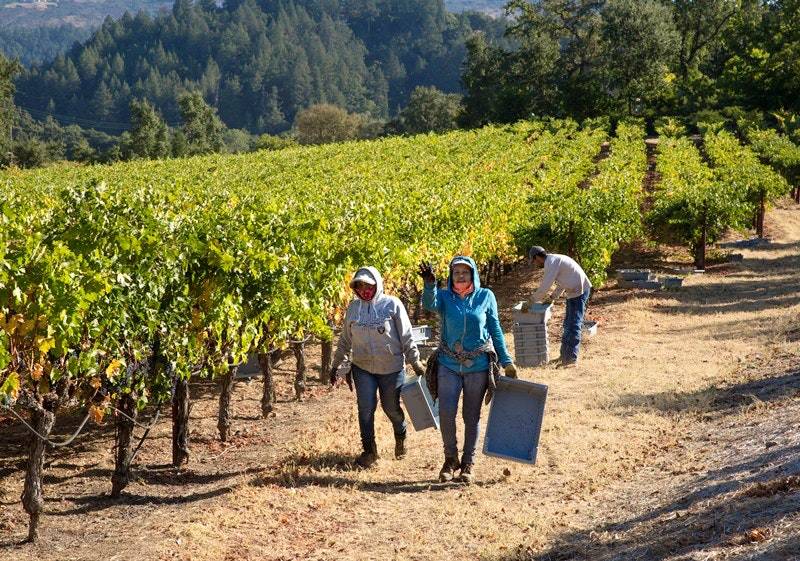
"caption": "Workers pick cabernet sauvignon grapes at Trinchero Napa Valley during the 2017 grape harvest near St. Helena, California. ",
"description": null,
"title": "grose370421",
"credit": "George Rose/Getty Images",
"status": "inherit",
"isLoading": false,
"fetchFailed": false
},
"science_1926493": {
"type": "attachments",
"id": "science_1926493",
"meta": {
"index": "attachments_1716263798",
"site": "science",
"id": "1926493",
"found": true
},
"parent": 1926410,
"imgSizes": {
"small": {
"file": "https://ww2.kqed.org/app/uploads/sites/35/2018/06/RS31588_IMG_4664-520x390.jpg",
"width": 520,
"mimeType": "image/jpeg",
"height": 390
},
"twentyfourteen-full-width": {
"file": "https://ww2.kqed.org/app/uploads/sites/35/2018/06/RS31588_IMG_4664-1038x576.jpg",
"width": 1038,
"mimeType": "image/jpeg",
"height": 576
},
"thumbnail": {
"file": "https://ww2.kqed.org/app/uploads/sites/35/2018/06/RS31588_IMG_4664-160x120.jpg",
"width": 160,
"mimeType": "image/jpeg",
"height": 120
},
"fd-sm": {
"file": "https://ww2.kqed.org/app/uploads/sites/35/2018/06/RS31588_IMG_4664-960x720.jpg",
"width": 960,
"mimeType": "image/jpeg",
"height": 720
},
"post-thumbnail": {
"file": "https://ww2.kqed.org/app/uploads/sites/35/2018/06/RS31588_IMG_4664-672x372.jpg",
"width": 672,
"mimeType": "image/jpeg",
"height": 372
},
"xsmall": {
"file": "https://ww2.kqed.org/app/uploads/sites/35/2018/06/RS31588_IMG_4664-375x281.jpg",
"width": 375,
"mimeType": "image/jpeg",
"height": 281
},
"kqedFullSize": {
"file": "https://ww2.kqed.org/app/uploads/sites/35/2018/06/RS31588_IMG_4664.jpg",
"width": 4032,
"height": 3024
},
"large": {
"file": "https://ww2.kqed.org/app/uploads/sites/35/2018/06/RS31588_IMG_4664-1020x765.jpg",
"width": 1020,
"mimeType": "image/jpeg",
"height": 765
},
"xlarge": {
"file": "https://ww2.kqed.org/app/uploads/sites/35/2018/06/RS31588_IMG_4664-1180x885.jpg",
"width": 1180,
"mimeType": "image/jpeg",
"height": 885
},
"complete_open_graph": {
"file": "https://ww2.kqed.org/app/uploads/sites/35/2018/06/RS31588_IMG_4664-1200x900.jpg",
"width": 1200,
"mimeType": "image/jpeg",
"height": 900
},
"guest-author-50": {
"file": "https://ww2.kqed.org/app/uploads/sites/35/2018/06/RS31588_IMG_4664-50x50.jpg",
"width": 50,
"mimeType": "image/jpeg",
"height": 50
},
"guest-author-96": {
"file": "https://ww2.kqed.org/app/uploads/sites/35/2018/06/RS31588_IMG_4664-96x96.jpg",
"width": 96,
"mimeType": "image/jpeg",
"height": 96
},
"medium": {
"file": "https://ww2.kqed.org/app/uploads/sites/35/2018/06/RS31588_IMG_4664-800x600.jpg",
"width": 800,
"mimeType": "image/jpeg",
"height": 600
},
"guest-author-64": {
"file": "https://ww2.kqed.org/app/uploads/sites/35/2018/06/RS31588_IMG_4664-64x64.jpg",
"width": 64,
"mimeType": "image/jpeg",
"height": 64
},
"guest-author-32": {
"file": "https://ww2.kqed.org/app/uploads/sites/35/2018/06/RS31588_IMG_4664-32x32.jpg",
"width": 32,
"mimeType": "image/jpeg",
"height": 32
},
"fd-lrg": {
"file": "https://ww2.kqed.org/app/uploads/sites/35/2018/06/RS31588_IMG_4664-1920x1440.jpg",
"width": 1920,
"mimeType": "image/jpeg",
"height": 1440
},
"fd-med": {
"file": "https://ww2.kqed.org/app/uploads/sites/35/2018/06/RS31588_IMG_4664-1180x885.jpg",
"width": 1180,
"mimeType": "image/jpeg",
"height": 885
},
"full-width": {
"file": "https://ww2.kqed.org/app/uploads/sites/35/2018/06/RS31588_IMG_4664-1920x1440.jpg",
"width": 1920,
"mimeType": "image/jpeg",
"height": 1440
},
"detail": {
"file": "https://ww2.kqed.org/app/uploads/sites/35/2018/06/RS31588_IMG_4664-150x150.jpg",
"width": 150,
"mimeType": "image/jpeg",
"height": 150
},
"medium_large": {
"file": "https://ww2.kqed.org/app/uploads/sites/35/2018/06/RS31588_IMG_4664-768x576.jpg",
"width": 768,
"mimeType": "image/jpeg",
"height": 576
},
"guest-author-128": {
"file": "https://ww2.kqed.org/app/uploads/sites/35/2018/06/RS31588_IMG_4664-128x128.jpg",
"width": 128,
"mimeType": "image/jpeg",
"height": 128
},
"xxsmall": {
"file": "https://ww2.kqed.org/app/uploads/sites/35/2018/06/RS31588_IMG_4664-240x180.jpg",
"width": 240,
"mimeType": "image/jpeg",
"height": 180
}
},
"publishDate": 1530049113,
"modified": 1530049934,
"caption": "Where Colma Creek was once lush and green, decades of development have forced it into a concrete channel. One way to adapt to sea level rise could open the creek back up again and make it accessible.",
"description": null,
"title": "Colma Creek",
"credit": "Molly Peterson/KQED",
"status": "inherit",
"isLoading": false,
"fetchFailed": false
},
"science_1926604": {
"type": "attachments",
"id": "science_1926604",
"meta": {
"index": "attachments_1716263798",
"site": "science",
"id": "1926604",
"found": true
},
"parent": 1926563,
"imgSizes": {
"small": {
"file": "https://ww2.kqed.org/app/uploads/sites/35/2018/06/GettyImages-865518912-1-520x352.jpg",
"width": 520,
"mimeType": "image/jpeg",
"height": 352
},
"twentyfourteen-full-width": {
"file": "https://ww2.kqed.org/app/uploads/sites/35/2018/06/GettyImages-865518912-1-1038x576.jpg",
"width": 1038,
"mimeType": "image/jpeg",
"height": 576
},
"thumbnail": {
"file": "https://ww2.kqed.org/app/uploads/sites/35/2018/06/GettyImages-865518912-1-160x108.jpg",
"width": 160,
"mimeType": "image/jpeg",
"height": 108
},
"fd-sm": {
"file": "https://ww2.kqed.org/app/uploads/sites/35/2018/06/GettyImages-865518912-1-960x650.jpg",
"width": 960,
"mimeType": "image/jpeg",
"height": 650
},
"post-thumbnail": {
"file": "https://ww2.kqed.org/app/uploads/sites/35/2018/06/GettyImages-865518912-1-672x372.jpg",
"width": 672,
"mimeType": "image/jpeg",
"height": 372
},
"xsmall": {
"file": "https://ww2.kqed.org/app/uploads/sites/35/2018/06/GettyImages-865518912-1-375x254.jpg",
"width": 375,
"mimeType": "image/jpeg",
"height": 254
},
"kqedFullSize": {
"file": "https://ww2.kqed.org/app/uploads/sites/35/2018/06/GettyImages-865518912-1.jpg",
"width": 3000,
"height": 2032
},
"large": {
"file": "https://ww2.kqed.org/app/uploads/sites/35/2018/06/GettyImages-865518912-1-1020x691.jpg",
"width": 1020,
"mimeType": "image/jpeg",
"height": 691
},
"xlarge": {
"file": "https://ww2.kqed.org/app/uploads/sites/35/2018/06/GettyImages-865518912-1-1180x799.jpg",
"width": 1180,
"mimeType": "image/jpeg",
"height": 799
},
"complete_open_graph": {
"file": "https://ww2.kqed.org/app/uploads/sites/35/2018/06/GettyImages-865518912-1-1200x813.jpg",
"width": 1200,
"mimeType": "image/jpeg",
"height": 813
},
"guest-author-50": {
"file": "https://ww2.kqed.org/app/uploads/sites/35/2018/06/GettyImages-865518912-1-50x50.jpg",
"width": 50,
"mimeType": "image/jpeg",
"height": 50
},
"guest-author-96": {
"file": "https://ww2.kqed.org/app/uploads/sites/35/2018/06/GettyImages-865518912-1-96x96.jpg",
"width": 96,
"mimeType": "image/jpeg",
"height": 96
},
"medium": {
"file": "https://ww2.kqed.org/app/uploads/sites/35/2018/06/GettyImages-865518912-1-800x542.jpg",
"width": 800,
"mimeType": "image/jpeg",
"height": 542
},
"guest-author-64": {
"file": "https://ww2.kqed.org/app/uploads/sites/35/2018/06/GettyImages-865518912-1-64x64.jpg",
"width": 64,
"mimeType": "image/jpeg",
"height": 64
},
"guest-author-32": {
"file": "https://ww2.kqed.org/app/uploads/sites/35/2018/06/GettyImages-865518912-1-32x32.jpg",
"width": 32,
"mimeType": "image/jpeg",
"height": 32
},
"fd-lrg": {
"file": "https://ww2.kqed.org/app/uploads/sites/35/2018/06/GettyImages-865518912-1-1920x1300.jpg",
"width": 1920,
"mimeType": "image/jpeg",
"height": 1300
},
"fd-med": {
"file": "https://ww2.kqed.org/app/uploads/sites/35/2018/06/GettyImages-865518912-1-1180x799.jpg",
"width": 1180,
"mimeType": "image/jpeg",
"height": 799
},
"full-width": {
"file": "https://ww2.kqed.org/app/uploads/sites/35/2018/06/GettyImages-865518912-1-1920x1300.jpg",
"width": 1920,
"mimeType": "image/jpeg",
"height": 1300
},
"detail": {
"file": "https://ww2.kqed.org/app/uploads/sites/35/2018/06/GettyImages-865518912-1-150x150.jpg",
"width": 150,
"mimeType": "image/jpeg",
"height": 150
},
"medium_large": {
"file": "https://ww2.kqed.org/app/uploads/sites/35/2018/06/GettyImages-865518912-1-768x520.jpg",
"width": 768,
"mimeType": "image/jpeg",
"height": 520
},
"guest-author-128": {
"file": "https://ww2.kqed.org/app/uploads/sites/35/2018/06/GettyImages-865518912-1-128x128.jpg",
"width": 128,
"mimeType": "image/jpeg",
"height": 128
},
"xxsmall": {
"file": "https://ww2.kqed.org/app/uploads/sites/35/2018/06/GettyImages-865518912-1-240x163.jpg",
"width": 240,
"mimeType": "image/jpeg",
"height": 163
}
},
"publishDate": 1530133719,
"modified": 1530133756,
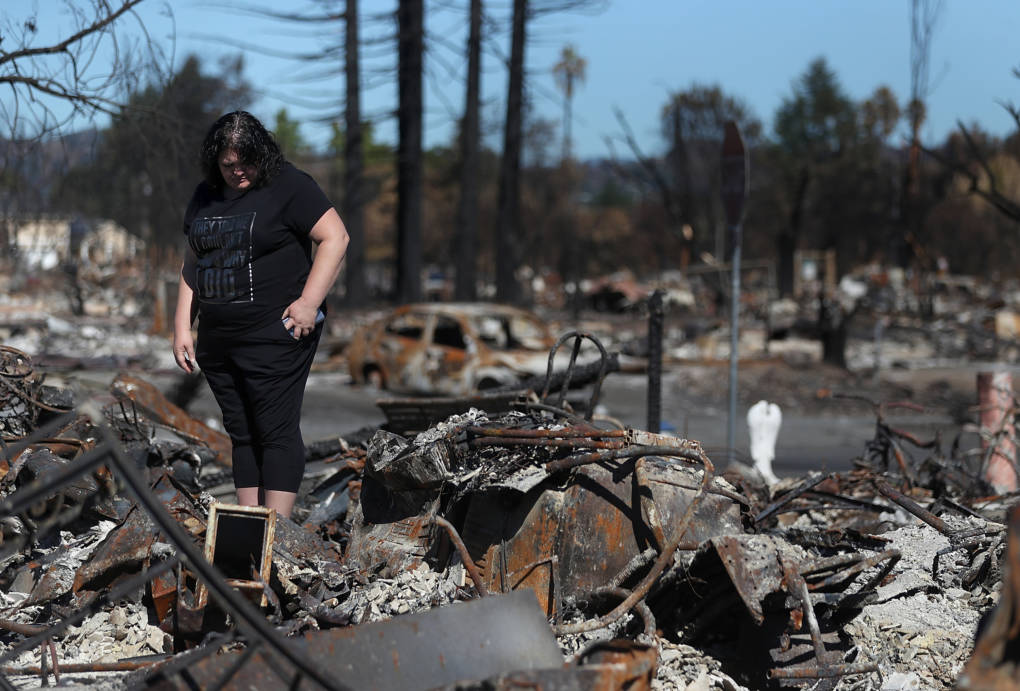
"caption": "Renee Hernandez looks over the remains of her Coffey Park home that was destroyed by the Tubbs Fire on October 23, 2017 in Santa Rosa, California. ",
"description": null,
"title": "Structures Destroyed By California Wine Country Wildfires Rises To 8400",
"credit": "Justin Sullivan/Getty Images",
"status": "inherit",
"isLoading": false,
"fetchFailed": false
},
"science_1926578": {
"type": "attachments",
"id": "science_1926578",
"meta": {
"index": "attachments_1716263798",
"site": "science",
"id": "1926578",
"found": true
},
"parent": 1926566,
"imgSizes": {
"small": {
"file": "https://ww2.kqed.org/app/uploads/sites/35/2018/06/Imperial-Beach3-David-Hasemyer-ICN-1-520x390.jpg",
"width": 520,
"mimeType": "image/jpeg",
"height": 390
},
"twentyfourteen-full-width": {
"file": "https://ww2.kqed.org/app/uploads/sites/35/2018/06/Imperial-Beach3-David-Hasemyer-ICN-1-1038x576.jpg",
"width": 1038,
"mimeType": "image/jpeg",
"height": 576
},
"thumbnail": {
"file": "https://ww2.kqed.org/app/uploads/sites/35/2018/06/Imperial-Beach3-David-Hasemyer-ICN-1-160x120.jpg",
"width": 160,
"mimeType": "image/jpeg",
"height": 120
},
"fd-sm": {
"file": "https://ww2.kqed.org/app/uploads/sites/35/2018/06/Imperial-Beach3-David-Hasemyer-ICN-1-960x720.jpg",
"width": 960,
"mimeType": "image/jpeg",
"height": 720
},
"post-thumbnail": {
"file": "https://ww2.kqed.org/app/uploads/sites/35/2018/06/Imperial-Beach3-David-Hasemyer-ICN-1-672x372.jpg",
"width": 672,
"mimeType": "image/jpeg",
"height": 372
},
"xsmall": {
"file": "https://ww2.kqed.org/app/uploads/sites/35/2018/06/Imperial-Beach3-David-Hasemyer-ICN-1-375x281.jpg",
"width": 375,
"mimeType": "image/jpeg",
"height": 281
},
"kqedFullSize": {
"file": "https://ww2.kqed.org/app/uploads/sites/35/2018/06/Imperial-Beach3-David-Hasemyer-ICN-1.jpg",
"width": 5184,
"height": 3888
},
"large": {
"file": "https://ww2.kqed.org/app/uploads/sites/35/2018/06/Imperial-Beach3-David-Hasemyer-ICN-1-1020x765.jpg",
"width": 1020,
"mimeType": "image/jpeg",
"height": 765
},
"xlarge": {
"file": "https://ww2.kqed.org/app/uploads/sites/35/2018/06/Imperial-Beach3-David-Hasemyer-ICN-1-1180x885.jpg",
"width": 1180,
"mimeType": "image/jpeg",
"height": 885
},
"complete_open_graph": {
"file": "https://ww2.kqed.org/app/uploads/sites/35/2018/06/Imperial-Beach3-David-Hasemyer-ICN-1-1200x900.jpg",
"width": 1200,
"mimeType": "image/jpeg",
"height": 900
},
"guest-author-50": {
"file": "https://ww2.kqed.org/app/uploads/sites/35/2018/06/Imperial-Beach3-David-Hasemyer-ICN-1-50x50.jpg",
"width": 50,
"mimeType": "image/jpeg",
"height": 50
},
"guest-author-96": {
"file": "https://ww2.kqed.org/app/uploads/sites/35/2018/06/Imperial-Beach3-David-Hasemyer-ICN-1-96x96.jpg",
"width": 96,
"mimeType": "image/jpeg",
"height": 96
},
"medium": {
"file": "https://ww2.kqed.org/app/uploads/sites/35/2018/06/Imperial-Beach3-David-Hasemyer-ICN-1-800x600.jpg",
"width": 800,
"mimeType": "image/jpeg",
"height": 600
},
"guest-author-64": {
"file": "https://ww2.kqed.org/app/uploads/sites/35/2018/06/Imperial-Beach3-David-Hasemyer-ICN-1-64x64.jpg",
"width": 64,
"mimeType": "image/jpeg",
"height": 64
},
"guest-author-32": {
"file": "https://ww2.kqed.org/app/uploads/sites/35/2018/06/Imperial-Beach3-David-Hasemyer-ICN-1-32x32.jpg",
"width": 32,
"mimeType": "image/jpeg",
"height": 32
},
"fd-lrg": {
"file": "https://ww2.kqed.org/app/uploads/sites/35/2018/06/Imperial-Beach3-David-Hasemyer-ICN-1-1920x1440.jpg",
"width": 1920,
"mimeType": "image/jpeg",
"height": 1440
},
"fd-med": {
"file": "https://ww2.kqed.org/app/uploads/sites/35/2018/06/Imperial-Beach3-David-Hasemyer-ICN-1-1180x885.jpg",
"width": 1180,
"mimeType": "image/jpeg",
"height": 885
},
"full-width": {
"file": "https://ww2.kqed.org/app/uploads/sites/35/2018/06/Imperial-Beach3-David-Hasemyer-ICN-1-1920x1440.jpg",
"width": 1920,
"mimeType": "image/jpeg",
"height": 1440
},
"detail": {
"file": "https://ww2.kqed.org/app/uploads/sites/35/2018/06/Imperial-Beach3-David-Hasemyer-ICN-1-150x150.jpg",
"width": 150,
"mimeType": "image/jpeg",
"height": 150
},
"medium_large": {
"file": "https://ww2.kqed.org/app/uploads/sites/35/2018/06/Imperial-Beach3-David-Hasemyer-ICN-1-768x576.jpg",
"width": 768,
"mimeType": "image/jpeg",
"height": 576
},
"guest-author-128": {
"file": "https://ww2.kqed.org/app/uploads/sites/35/2018/06/Imperial-Beach3-David-Hasemyer-ICN-1-128x128.jpg",
"width": 128,
"mimeType": "image/jpeg",
"height": 128
},
"xxsmall": {
"file": "https://ww2.kqed.org/app/uploads/sites/35/2018/06/Imperial-Beach3-David-Hasemyer-ICN-1-240x180.jpg",
"width": 240,
"mimeType": "image/jpeg",
"height": 180
}
},
"publishDate": 1530130418,
"modified": 1530130418,
"caption": null,
"description": null,
"title": "Imperial-Beach3-David-Hasemyer-ICN",
"credit": null,
"status": "inherit",
"isLoading": false,
"fetchFailed": false
},
"science_1923959": {
"type": "attachments",
"id": "science_1923959",
"meta": {
"index": "attachments_1716263798",
"site": "science",
"id": "1923959",
"found": true
},
"parent": 1923948,
"imgSizes": {
"small": {
"file": "https://ww2.kqed.org/app/uploads/sites/35/2018/05/iStock-851057950-520x347.jpg",
"width": 520,
"mimeType": "image/jpeg",
"height": 347
},
"twentyfourteen-full-width": {
"file": "https://ww2.kqed.org/app/uploads/sites/35/2018/05/iStock-851057950-1038x576.jpg",
"width": 1038,
"mimeType": "image/jpeg",
"height": 576
},
"thumbnail": {
"file": "https://ww2.kqed.org/app/uploads/sites/35/2018/05/iStock-851057950-160x107.jpg",
"width": 160,
"mimeType": "image/jpeg",
"height": 107
},
"fd-sm": {
"file": "https://ww2.kqed.org/app/uploads/sites/35/2018/05/iStock-851057950-960x640.jpg",
"width": 960,
"mimeType": "image/jpeg",
"height": 640
},
"post-thumbnail": {
"file": "https://ww2.kqed.org/app/uploads/sites/35/2018/05/iStock-851057950-672x372.jpg",
"width": 672,
"mimeType": "image/jpeg",
"height": 372
},
"xsmall": {
"file": "https://ww2.kqed.org/app/uploads/sites/35/2018/05/iStock-851057950-375x250.jpg",
"width": 375,
"mimeType": "image/jpeg",
"height": 250
},
"kqedFullSize": {
"file": "https://ww2.kqed.org/app/uploads/sites/35/2018/05/iStock-851057950.jpg",
"width": 5760,
"height": 3840
},
"large": {
"file": "https://ww2.kqed.org/app/uploads/sites/35/2018/05/iStock-851057950-1020x680.jpg",
"width": 1020,
"mimeType": "image/jpeg",
"height": 680
},
"xlarge": {
"file": "https://ww2.kqed.org/app/uploads/sites/35/2018/05/iStock-851057950-1180x787.jpg",
"width": 1180,
"mimeType": "image/jpeg",
"height": 787
},
"complete_open_graph": {
"file": "https://ww2.kqed.org/app/uploads/sites/35/2018/05/iStock-851057950-1200x800.jpg",
"width": 1200,
"mimeType": "image/jpeg",
"height": 800
},
"guest-author-50": {
"file": "https://ww2.kqed.org/app/uploads/sites/35/2018/05/iStock-851057950-50x50.jpg",
"width": 50,
"mimeType": "image/jpeg",
"height": 50
},
"guest-author-96": {
"file": "https://ww2.kqed.org/app/uploads/sites/35/2018/05/iStock-851057950-96x96.jpg",
"width": 96,
"mimeType": "image/jpeg",
"height": 96
},
"medium": {
"file": "https://ww2.kqed.org/app/uploads/sites/35/2018/05/iStock-851057950-800x533.jpg",
"width": 800,
"mimeType": "image/jpeg",
"height": 533
},
"guest-author-64": {
"file": "https://ww2.kqed.org/app/uploads/sites/35/2018/05/iStock-851057950-64x64.jpg",
"width": 64,
"mimeType": "image/jpeg",
"height": 64
},
"guest-author-32": {
"file": "https://ww2.kqed.org/app/uploads/sites/35/2018/05/iStock-851057950-32x32.jpg",
"width": 32,
"mimeType": "image/jpeg",
"height": 32
},
"fd-lrg": {
"file": "https://ww2.kqed.org/app/uploads/sites/35/2018/05/iStock-851057950-1920x1280.jpg",
"width": 1920,
"mimeType": "image/jpeg",
"height": 1280
},
"fd-med": {
"file": "https://ww2.kqed.org/app/uploads/sites/35/2018/05/iStock-851057950-1180x787.jpg",
"width": 1180,
"mimeType": "image/jpeg",
"height": 787
},
"full-width": {
"file": "https://ww2.kqed.org/app/uploads/sites/35/2018/05/iStock-851057950-1920x1280.jpg",
"width": 1920,
"mimeType": "image/jpeg",
"height": 1280
},
"detail": {
"file": "https://ww2.kqed.org/app/uploads/sites/35/2018/05/iStock-851057950-150x150.jpg",
"width": 150,
"mimeType": "image/jpeg",
"height": 150
},
"medium_large": {
"file": "https://ww2.kqed.org/app/uploads/sites/35/2018/05/iStock-851057950-768x512.jpg",
"width": 768,
"mimeType": "image/jpeg",
"height": 512
},
"guest-author-128": {
"file": "https://ww2.kqed.org/app/uploads/sites/35/2018/05/iStock-851057950-128x128.jpg",
"width": 128,
"mimeType": "image/jpeg",
"height": 128
},
"xxsmall": {
"file": "https://ww2.kqed.org/app/uploads/sites/35/2018/05/iStock-851057950-240x160.jpg",
"width": 240,
"mimeType": "image/jpeg",
"height": 160
}
},
"publishDate": 1526594853,
"modified": 1526594887,
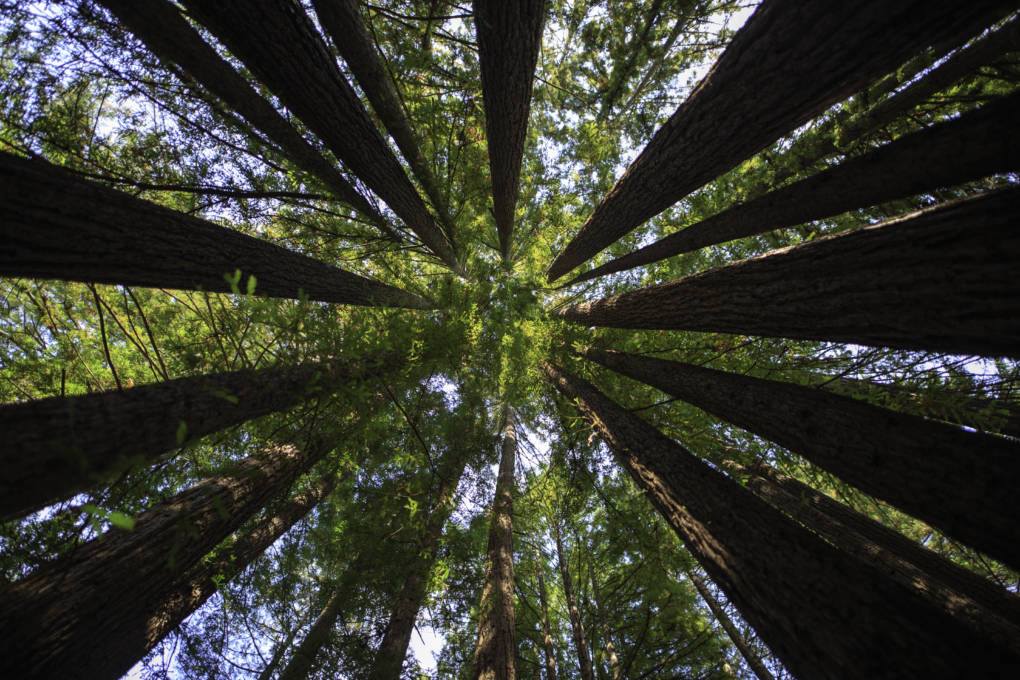
"caption": "A picture taken in the middle of a circle of sequoia trees, looking up.",
"description": null,
"title": "Looking up at Redwoods",
"credit": "iStock",
"status": "inherit",
"isLoading": false,
"fetchFailed": false
},
"science_1926388": {
"type": "attachments",
"id": "science_1926388",
"meta": {
"index": "attachments_1716263798",
"site": "science",
"id": "1926388",
"found": true
},
"parent": 1926385,
"imgSizes": {
"small": {
"file": "https://ww2.kqed.org/app/uploads/sites/35/2018/06/IC17212-05-1-520x286.jpg",
"width": 520,
"mimeType": "image/jpeg",
"height": 286
},
"twentyfourteen-full-width": {
"file": "https://ww2.kqed.org/app/uploads/sites/35/2018/06/IC17212-05-1-1038x576.jpg",
"width": 1038,
"mimeType": "image/jpeg",
"height": 576
},
"thumbnail": {
"file": "https://ww2.kqed.org/app/uploads/sites/35/2018/06/IC17212-05-1-160x88.jpg",
"width": 160,
"mimeType": "image/jpeg",
"height": 88
},
"fd-sm": {
"file": "https://ww2.kqed.org/app/uploads/sites/35/2018/06/IC17212-05-1-960x528.jpg",
"width": 960,
"mimeType": "image/jpeg",
"height": 528
},
"post-thumbnail": {
"file": "https://ww2.kqed.org/app/uploads/sites/35/2018/06/IC17212-05-1-672x372.jpg",
"width": 672,
"mimeType": "image/jpeg",
"height": 372
},
"xsmall": {
"file": "https://ww2.kqed.org/app/uploads/sites/35/2018/06/IC17212-05-1-375x206.jpg",
"width": 375,
"mimeType": "image/jpeg",
"height": 206
},
"kqedFullSize": {
"file": "https://ww2.kqed.org/app/uploads/sites/35/2018/06/IC17212-05-1.jpg",
"width": 2294,
"height": 1261
},
"large": {
"file": "https://ww2.kqed.org/app/uploads/sites/35/2018/06/IC17212-05-1-1020x561.jpg",
"width": 1020,
"mimeType": "image/jpeg",
"height": 561
},
"xlarge": {
"file": "https://ww2.kqed.org/app/uploads/sites/35/2018/06/IC17212-05-1-1180x649.jpg",
"width": 1180,
"mimeType": "image/jpeg",
"height": 649
},
"complete_open_graph": {
"file": "https://ww2.kqed.org/app/uploads/sites/35/2018/06/IC17212-05-1-1200x660.jpg",
"width": 1200,
"mimeType": "image/jpeg",
"height": 660
},
"guest-author-50": {
"file": "https://ww2.kqed.org/app/uploads/sites/35/2018/06/IC17212-05-1-50x50.jpg",
"width": 50,
"mimeType": "image/jpeg",
"height": 50
},
"guest-author-96": {
"file": "https://ww2.kqed.org/app/uploads/sites/35/2018/06/IC17212-05-1-96x96.jpg",
"width": 96,
"mimeType": "image/jpeg",
"height": 96
},
"medium": {
"file": "https://ww2.kqed.org/app/uploads/sites/35/2018/06/IC17212-05-1-800x440.jpg",
"width": 800,
"mimeType": "image/jpeg",
"height": 440
},
"guest-author-64": {
"file": "https://ww2.kqed.org/app/uploads/sites/35/2018/06/IC17212-05-1-64x64.jpg",
"width": 64,
"mimeType": "image/jpeg",
"height": 64
},
"guest-author-32": {
"file": "https://ww2.kqed.org/app/uploads/sites/35/2018/06/IC17212-05-1-32x32.jpg",
"width": 32,
"mimeType": "image/jpeg",
"height": 32
},
"fd-lrg": {
"file": "https://ww2.kqed.org/app/uploads/sites/35/2018/06/IC17212-05-1-1920x1055.jpg",
"width": 1920,
"mimeType": "image/jpeg",
"height": 1055
},
"fd-med": {
"file": "https://ww2.kqed.org/app/uploads/sites/35/2018/06/IC17212-05-1-1180x649.jpg",
"width": 1180,
"mimeType": "image/jpeg",
"height": 649
},
"full-width": {
"file": "https://ww2.kqed.org/app/uploads/sites/35/2018/06/IC17212-05-1-1920x1055.jpg",
"width": 1920,
"mimeType": "image/jpeg",
"height": 1055
},
"detail": {
"file": "https://ww2.kqed.org/app/uploads/sites/35/2018/06/IC17212-05-1-150x150.jpg",
"width": 150,
"mimeType": "image/jpeg",
"height": 150
},
"medium_large": {
"file": "https://ww2.kqed.org/app/uploads/sites/35/2018/06/IC17212-05-1-768x422.jpg",
"width": 768,
"mimeType": "image/jpeg",
"height": 422
},
"guest-author-128": {
"file": "https://ww2.kqed.org/app/uploads/sites/35/2018/06/IC17212-05-1-128x128.jpg",
"width": 128,
"mimeType": "image/jpeg",
"height": 128
},
"xxsmall": {
"file": "https://ww2.kqed.org/app/uploads/sites/35/2018/06/IC17212-05-1-240x132.jpg",
"width": 240,
"mimeType": "image/jpeg",
"height": 132
}
},
"publishDate": 1529964201,
"modified": 1529964213,
"caption": null,
"description": null,
"title": "IC17212-05-1",
"credit": "Golden Gate Zero Emission Marine",
"status": "inherit",
"isLoading": false,
"fetchFailed": false
},
"science_1926375": {
"type": "attachments",
"id": "science_1926375",
"meta": {
"index": "attachments_1716263798",
"site": "science",
"id": "1926375",
"found": true
},
"parent": 1926373,
"imgSizes": {
"small": {
"file": "https://ww2.kqed.org/app/uploads/sites/35/2018/06/047507.VC_.0520.farm1_-520x346.jpg",
"width": 520,
"mimeType": "image/jpeg",
"height": 346
},
"thumbnail": {
"file": "https://ww2.kqed.org/app/uploads/sites/35/2018/06/047507.VC_.0520.farm1_-160x107.jpg",
"width": 160,
"mimeType": "image/jpeg",
"height": 107
},
"post-thumbnail": {
"file": "https://ww2.kqed.org/app/uploads/sites/35/2018/06/047507.VC_.0520.farm1_-672x372.jpg",
"width": 672,
"mimeType": "image/jpeg",
"height": 372
},
"xsmall": {
"file": "https://ww2.kqed.org/app/uploads/sites/35/2018/06/047507.VC_.0520.farm1_-375x250.jpg",
"width": 375,
"mimeType": "image/jpeg",
"height": 250
},
"kqedFullSize": {
"file": "https://ww2.kqed.org/app/uploads/sites/35/2018/06/047507.VC_.0520.farm1_.jpg",
"width": 800,
"height": 533
},
"guest-author-50": {
"file": "https://ww2.kqed.org/app/uploads/sites/35/2018/06/047507.VC_.0520.farm1_-50x50.jpg",
"width": 50,
"mimeType": "image/jpeg",
"height": 50
},
"guest-author-96": {
"file": "https://ww2.kqed.org/app/uploads/sites/35/2018/06/047507.VC_.0520.farm1_-96x96.jpg",
"width": 96,
"mimeType": "image/jpeg",
"height": 96
},
"medium": {
"file": "https://ww2.kqed.org/app/uploads/sites/35/2018/06/047507.VC_.0520.farm1_-800x533.jpg",
"width": 800,
"mimeType": "image/jpeg",
"height": 533
},
"guest-author-64": {
"file": "https://ww2.kqed.org/app/uploads/sites/35/2018/06/047507.VC_.0520.farm1_-64x64.jpg",
"width": 64,
"mimeType": "image/jpeg",
"height": 64
},
"guest-author-32": {
"file": "https://ww2.kqed.org/app/uploads/sites/35/2018/06/047507.VC_.0520.farm1_-32x32.jpg",
"width": 32,
"mimeType": "image/jpeg",
"height": 32
},
"detail": {
"file": "https://ww2.kqed.org/app/uploads/sites/35/2018/06/047507.VC_.0520.farm1_-150x150.jpg",
"width": 150,
"mimeType": "image/jpeg",
"height": 150
},
"medium_large": {
"file": "https://ww2.kqed.org/app/uploads/sites/35/2018/06/047507.VC_.0520.farm1_-768x512.jpg",
"width": 768,
"mimeType": "image/jpeg",
"height": 512
},
"guest-author-128": {
"file": "https://ww2.kqed.org/app/uploads/sites/35/2018/06/047507.VC_.0520.farm1_-128x128.jpg",
"width": 128,
"mimeType": "image/jpeg",
"height": 128
},
"xxsmall": {
"file": "https://ww2.kqed.org/app/uploads/sites/35/2018/06/047507.VC_.0520.farm1_-240x160.jpg",
"width": 240,
"mimeType": "image/jpeg",
"height": 160
}
},
"publishDate": 1529895362,
"modified": 1529895384,
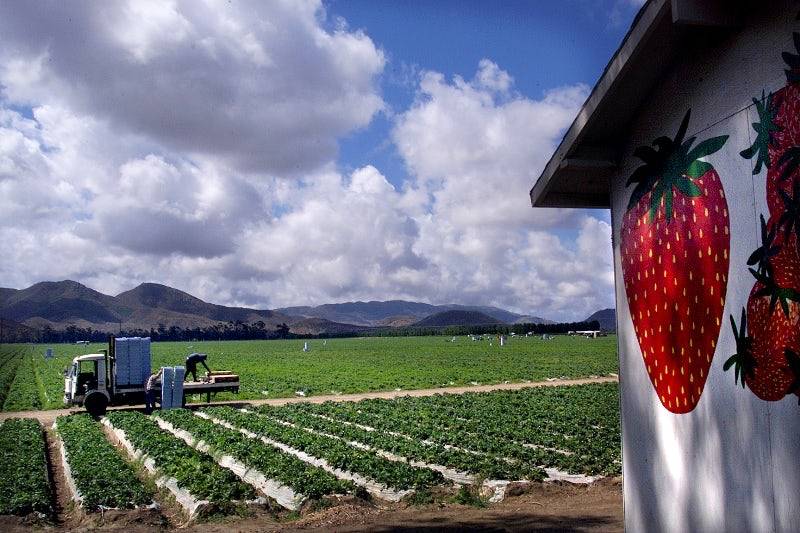
"caption": "Farmers work in a strawberry field in Ventura County, California, where a new groundwater market could be replicated in other agricultural areas of the state.",
"description": null,
"title": "047507.VC_.0520.farm1_",
"credit": "Anne Cusack/Los Angeles Times via Getty Images",
"status": "inherit",
"isLoading": false,
"fetchFailed": false
},
"science_1926369": {
"type": "attachments",
"id": "science_1926369",
"meta": {
"index": "attachments_1716263798",
"site": "science",
"id": "1926369",
"found": true
},
"parent": 1926366,
"imgSizes": {
"small": {
"file": "https://ww2.kqed.org/app/uploads/sites/35/2018/06/iStock-821800134-520x347.jpg",
"width": 520,
"mimeType": "image/jpeg",
"height": 347
},
"twentyfourteen-full-width": {
"file": "https://ww2.kqed.org/app/uploads/sites/35/2018/06/iStock-821800134-1038x576.jpg",
"width": 1038,
"mimeType": "image/jpeg",
"height": 576
},
"thumbnail": {
"file": "https://ww2.kqed.org/app/uploads/sites/35/2018/06/iStock-821800134-160x107.jpg",
"width": 160,
"mimeType": "image/jpeg",
"height": 107
},
"fd-sm": {
"file": "https://ww2.kqed.org/app/uploads/sites/35/2018/06/iStock-821800134-960x640.jpg",
"width": 960,
"mimeType": "image/jpeg",
"height": 640
},
"post-thumbnail": {
"file": "https://ww2.kqed.org/app/uploads/sites/35/2018/06/iStock-821800134-672x372.jpg",
"width": 672,
"mimeType": "image/jpeg",
"height": 372
},
"xsmall": {
"file": "https://ww2.kqed.org/app/uploads/sites/35/2018/06/iStock-821800134-375x250.jpg",
"width": 375,
"mimeType": "image/jpeg",
"height": 250
},
"kqedFullSize": {
"file": "https://ww2.kqed.org/app/uploads/sites/35/2018/06/iStock-821800134.jpg",
"width": 3690,
"height": 2460
},
"large": {
"file": "https://ww2.kqed.org/app/uploads/sites/35/2018/06/iStock-821800134-1020x680.jpg",
"width": 1020,
"mimeType": "image/jpeg",
"height": 680
},
"xlarge": {
"file": "https://ww2.kqed.org/app/uploads/sites/35/2018/06/iStock-821800134-1180x787.jpg",
"width": 1180,
"mimeType": "image/jpeg",
"height": 787
},
"complete_open_graph": {
"file": "https://ww2.kqed.org/app/uploads/sites/35/2018/06/iStock-821800134-1200x800.jpg",
"width": 1200,
"mimeType": "image/jpeg",
"height": 800
},
"guest-author-50": {
"file": "https://ww2.kqed.org/app/uploads/sites/35/2018/06/iStock-821800134-50x50.jpg",
"width": 50,
"mimeType": "image/jpeg",
"height": 50
},
"guest-author-96": {
"file": "https://ww2.kqed.org/app/uploads/sites/35/2018/06/iStock-821800134-96x96.jpg",
"width": 96,
"mimeType": "image/jpeg",
"height": 96
},
"medium": {
"file": "https://ww2.kqed.org/app/uploads/sites/35/2018/06/iStock-821800134-800x533.jpg",
"width": 800,
"mimeType": "image/jpeg",
"height": 533
},
"guest-author-64": {
"file": "https://ww2.kqed.org/app/uploads/sites/35/2018/06/iStock-821800134-64x64.jpg",
"width": 64,
"mimeType": "image/jpeg",
"height": 64
},
"guest-author-32": {
"file": "https://ww2.kqed.org/app/uploads/sites/35/2018/06/iStock-821800134-32x32.jpg",
"width": 32,
"mimeType": "image/jpeg",
"height": 32
},
"fd-lrg": {
"file": "https://ww2.kqed.org/app/uploads/sites/35/2018/06/iStock-821800134-1920x1280.jpg",
"width": 1920,
"mimeType": "image/jpeg",
"height": 1280
},
"fd-med": {
"file": "https://ww2.kqed.org/app/uploads/sites/35/2018/06/iStock-821800134-1180x787.jpg",
"width": 1180,
"mimeType": "image/jpeg",
"height": 787
},
"full-width": {
"file": "https://ww2.kqed.org/app/uploads/sites/35/2018/06/iStock-821800134-1920x1280.jpg",
"width": 1920,
"mimeType": "image/jpeg",
"height": 1280
},
"detail": {
"file": "https://ww2.kqed.org/app/uploads/sites/35/2018/06/iStock-821800134-150x150.jpg",
"width": 150,
"mimeType": "image/jpeg",
"height": 150
},
"medium_large": {
"file": "https://ww2.kqed.org/app/uploads/sites/35/2018/06/iStock-821800134-768x512.jpg",
"width": 768,
"mimeType": "image/jpeg",
"height": 512
},
"guest-author-128": {
"file": "https://ww2.kqed.org/app/uploads/sites/35/2018/06/iStock-821800134-128x128.jpg",
"width": 128,
"mimeType": "image/jpeg",
"height": 128
},
"xxsmall": {
"file": "https://ww2.kqed.org/app/uploads/sites/35/2018/06/iStock-821800134-240x160.jpg",
"width": 240,
"mimeType": "image/jpeg",
"height": 160
}
},
"publishDate": 1529893862,
"modified": 1529893878,
"caption": "Beautiful cute beech marten, forest animal, Martes foina, Stone marten, detail portrait. Small predator with the tree trunk near forest. Czech republic, europe.",
"description": null,
"title": "Beautiful cute beech marten, forest animal, Martes foina.",
"credit": "istock",
"status": "inherit",
"isLoading": false,
"fetchFailed": false
},
"science_1926383": {
"type": "attachments",
"id": "science_1926383",
"meta": {
"index": "attachments_1716263798",
"site": "science",
"id": "1926383",
"found": true
},
"parent": 1926287,
"imgSizes": {
"small": {
"file": "https://ww2.kqed.org/app/uploads/sites/35/2018/06/Stoker-520x347.jpg",
"width": 520,
"mimeType": "image/jpeg",
"height": 347
},
"twentyfourteen-full-width": {
"file": "https://ww2.kqed.org/app/uploads/sites/35/2018/06/Stoker-1038x576.jpg",
"width": 1038,
"mimeType": "image/jpeg",
"height": 576
},
"thumbnail": {
"file": "https://ww2.kqed.org/app/uploads/sites/35/2018/06/Stoker-160x107.jpg",
"width": 160,
"mimeType": "image/jpeg",
"height": 107
},
"fd-sm": {
"file": "https://ww2.kqed.org/app/uploads/sites/35/2018/06/Stoker-960x640.jpg",
"width": 960,
"mimeType": "image/jpeg",
"height": 640
},
"post-thumbnail": {
"file": "https://ww2.kqed.org/app/uploads/sites/35/2018/06/Stoker-672x372.jpg",
"width": 672,
"mimeType": "image/jpeg",
"height": 372
},
"xsmall": {
"file": "https://ww2.kqed.org/app/uploads/sites/35/2018/06/Stoker-375x250.jpg",
"width": 375,
"mimeType": "image/jpeg",
"height": 250
},
"kqedFullSize": {
"file": "https://ww2.kqed.org/app/uploads/sites/35/2018/06/Stoker.jpg",
"width": 4357,
"height": 2905
},
"large": {
"file": "https://ww2.kqed.org/app/uploads/sites/35/2018/06/Stoker-1020x680.jpg",
"width": 1020,
"mimeType": "image/jpeg",
"height": 680
},
"xlarge": {
"file": "https://ww2.kqed.org/app/uploads/sites/35/2018/06/Stoker-1180x787.jpg",
"width": 1180,
"mimeType": "image/jpeg",
"height": 787
},
"complete_open_graph": {
"file": "https://ww2.kqed.org/app/uploads/sites/35/2018/06/Stoker-1200x800.jpg",
"width": 1200,
"mimeType": "image/jpeg",
"height": 800
},
"guest-author-50": {
"file": "https://ww2.kqed.org/app/uploads/sites/35/2018/06/Stoker-50x50.jpg",
"width": 50,
"mimeType": "image/jpeg",
"height": 50
},
"guest-author-96": {
"file": "https://ww2.kqed.org/app/uploads/sites/35/2018/06/Stoker-96x96.jpg",
"width": 96,
"mimeType": "image/jpeg",
"height": 96
},
"medium": {
"file": "https://ww2.kqed.org/app/uploads/sites/35/2018/06/Stoker-800x533.jpg",
"width": 800,
"mimeType": "image/jpeg",
"height": 533
},
"guest-author-64": {
"file": "https://ww2.kqed.org/app/uploads/sites/35/2018/06/Stoker-64x64.jpg",
"width": 64,
"mimeType": "image/jpeg",
"height": 64
},
"guest-author-32": {
"file": "https://ww2.kqed.org/app/uploads/sites/35/2018/06/Stoker-32x32.jpg",
"width": 32,
"mimeType": "image/jpeg",
"height": 32
},
"fd-lrg": {
"file": "https://ww2.kqed.org/app/uploads/sites/35/2018/06/Stoker-1920x1280.jpg",
"width": 1920,
"mimeType": "image/jpeg",
"height": 1280
},
"fd-med": {
"file": "https://ww2.kqed.org/app/uploads/sites/35/2018/06/Stoker-1180x787.jpg",
"width": 1180,
"mimeType": "image/jpeg",
"height": 787
},
"full-width": {
"file": "https://ww2.kqed.org/app/uploads/sites/35/2018/06/Stoker-1920x1280.jpg",
"width": 1920,
"mimeType": "image/jpeg",
"height": 1280
},
"detail": {
"file": "https://ww2.kqed.org/app/uploads/sites/35/2018/06/Stoker-150x150.jpg",
"width": 150,
"mimeType": "image/jpeg",
"height": 150
},
"medium_large": {
"file": "https://ww2.kqed.org/app/uploads/sites/35/2018/06/Stoker-768x512.jpg",
"width": 768,
"mimeType": "image/jpeg",
"height": 512
},
"guest-author-128": {
"file": "https://ww2.kqed.org/app/uploads/sites/35/2018/06/Stoker-128x128.jpg",
"width": 128,
"mimeType": "image/jpeg",
"height": 128
},
"xxsmall": {
"file": "https://ww2.kqed.org/app/uploads/sites/35/2018/06/Stoker-240x160.jpg",
"width": 240,
"mimeType": "image/jpeg",
"height": 160
}
},
"publishDate": 1529909407,
"modified": 1529909433,
"caption": "Mike Stoker, new head of EPA Region 9, in his San Francisco office. ",
"description": null,
"title": "Stoker",
"credit": "D. Venton",
"status": "inherit",
"isLoading": false,
"fetchFailed": false
},
"science_1926346": {
"type": "attachments",
"id": "science_1926346",
"meta": {
"index": "attachments_1716263798",
"site": "science",
"id": "1926346",
"found": true
},
"parent": 0,
"imgSizes": {
"small": {
"file": "https://ww2.kqed.org/app/uploads/sites/35/2018/06/Image-from-iOS-520x385.jpg",
"width": 520,
"mimeType": "image/jpeg",
"height": 385
},
"twentyfourteen-full-width": {
"file": "https://ww2.kqed.org/app/uploads/sites/35/2018/06/Image-from-iOS-1000x576.jpg",
"width": 1000,
"mimeType": "image/jpeg",
"height": 576
},
"thumbnail": {
"file": "https://ww2.kqed.org/app/uploads/sites/35/2018/06/Image-from-iOS-160x118.jpg",
"width": 160,
"mimeType": "image/jpeg",
"height": 118
},
"fd-sm": {
"file": "https://ww2.kqed.org/app/uploads/sites/35/2018/06/Image-from-iOS-960x710.jpg",
"width": 960,
"mimeType": "image/jpeg",
"height": 710
},
"post-thumbnail": {
"file": "https://ww2.kqed.org/app/uploads/sites/35/2018/06/Image-from-iOS-672x372.jpg",
"width": 672,
"mimeType": "image/jpeg",
"height": 372
},
"xsmall": {
"file": "https://ww2.kqed.org/app/uploads/sites/35/2018/06/Image-from-iOS-375x278.jpg",
"width": 375,
"mimeType": "image/jpeg",
"height": 278
},
"kqedFullSize": {
"file": "https://ww2.kqed.org/app/uploads/sites/35/2018/06/Image-from-iOS.jpg",
"width": 1000,
"height": 740
},
"guest-author-50": {
"file": "https://ww2.kqed.org/app/uploads/sites/35/2018/06/Image-from-iOS-50x50.jpg",
"width": 50,
"mimeType": "image/jpeg",
"height": 50
},
"guest-author-96": {
"file": "https://ww2.kqed.org/app/uploads/sites/35/2018/06/Image-from-iOS-96x96.jpg",
"width": 96,
"mimeType": "image/jpeg",
"height": 96
},
"medium": {
"file": "https://ww2.kqed.org/app/uploads/sites/35/2018/06/Image-from-iOS-800x592.jpg",
"width": 800,
"mimeType": "image/jpeg",
"height": 592
},
"guest-author-64": {
"file": "https://ww2.kqed.org/app/uploads/sites/35/2018/06/Image-from-iOS-64x64.jpg",
"width": 64,
"mimeType": "image/jpeg",
"height": 64
},
"guest-author-32": {
"file": "https://ww2.kqed.org/app/uploads/sites/35/2018/06/Image-from-iOS-32x32.jpg",
"width": 32,
"mimeType": "image/jpeg",
"height": 32
},
"detail": {
"file": "https://ww2.kqed.org/app/uploads/sites/35/2018/06/Image-from-iOS-150x150.jpg",
"width": 150,
"mimeType": "image/jpeg",
"height": 150
},
"medium_large": {
"file": "https://ww2.kqed.org/app/uploads/sites/35/2018/06/Image-from-iOS-768x568.jpg",
"width": 768,
"mimeType": "image/jpeg",
"height": 568
},
"guest-author-128": {
"file": "https://ww2.kqed.org/app/uploads/sites/35/2018/06/Image-from-iOS-128x128.jpg",
"width": 128,
"mimeType": "image/jpeg",
"height": 128
},
"xxsmall": {
"file": "https://ww2.kqed.org/app/uploads/sites/35/2018/06/Image-from-iOS-240x178.jpg",
"width": 240,
"mimeType": "image/jpeg",
"height": 178
}
},
"publishDate": 1529719673,
"modified": 1529724377,
"caption": "A great white shark washed ashore at Santa Cruz this week. State wildlife officials launched an investigation after doing a necropsy.",
"description": null,
"title": "great white shark",
"credit": "Ashley Kern",
"status": "inherit",
"isLoading": false,
"fetchFailed": false
},
"science_1926238": {
"type": "attachments",
"id": "science_1926238",
"meta": {
"index": "attachments_1716263798",
"site": "science",
"id": "1926238",
"found": true
},
"parent": 1926237,
"imgSizes": {
"small": {
"file": "https://ww2.kqed.org/app/uploads/sites/35/2018/06/gettyimages-495746004-1-b3b1608c1ff3c36ca6f3155c297dcc85bcc378fe-520x390.jpg",
"width": 520,
"mimeType": "image/jpeg",
"height": 390
},
"twentyfourteen-full-width": {
"file": "https://ww2.kqed.org/app/uploads/sites/35/2018/06/gettyimages-495746004-1-b3b1608c1ff3c36ca6f3155c297dcc85bcc378fe-1038x576.jpg",
"width": 1038,
"mimeType": "image/jpeg",
"height": 576
},
"thumbnail": {
"file": "https://ww2.kqed.org/app/uploads/sites/35/2018/06/gettyimages-495746004-1-b3b1608c1ff3c36ca6f3155c297dcc85bcc378fe-160x120.jpg",
"width": 160,
"mimeType": "image/jpeg",
"height": 120
},
"fd-sm": {
"file": "https://ww2.kqed.org/app/uploads/sites/35/2018/06/gettyimages-495746004-1-b3b1608c1ff3c36ca6f3155c297dcc85bcc378fe-960x720.jpg",
"width": 960,
"mimeType": "image/jpeg",
"height": 720
},
"post-thumbnail": {
"file": "https://ww2.kqed.org/app/uploads/sites/35/2018/06/gettyimages-495746004-1-b3b1608c1ff3c36ca6f3155c297dcc85bcc378fe-672x372.jpg",
"width": 672,
"mimeType": "image/jpeg",
"height": 372
},
"xsmall": {
"file": "https://ww2.kqed.org/app/uploads/sites/35/2018/06/gettyimages-495746004-1-b3b1608c1ff3c36ca6f3155c297dcc85bcc378fe-375x281.jpg",
"width": 375,
"mimeType": "image/jpeg",
"height": 281
},
"kqedFullSize": {
"file": "https://ww2.kqed.org/app/uploads/sites/35/2018/06/gettyimages-495746004-1-b3b1608c1ff3c36ca6f3155c297dcc85bcc378fe.jpg",
"width": 4440,
"height": 3330
},
"large": {
"file": "https://ww2.kqed.org/app/uploads/sites/35/2018/06/gettyimages-495746004-1-b3b1608c1ff3c36ca6f3155c297dcc85bcc378fe-1020x765.jpg",
"width": 1020,
"mimeType": "image/jpeg",
"height": 765
},
"xlarge": {
"file": "https://ww2.kqed.org/app/uploads/sites/35/2018/06/gettyimages-495746004-1-b3b1608c1ff3c36ca6f3155c297dcc85bcc378fe-1180x885.jpg",
"width": 1180,
"mimeType": "image/jpeg",
"height": 885
},
"complete_open_graph": {
"file": "https://ww2.kqed.org/app/uploads/sites/35/2018/06/gettyimages-495746004-1-b3b1608c1ff3c36ca6f3155c297dcc85bcc378fe-1200x900.jpg",
"width": 1200,
"mimeType": "image/jpeg",
"height": 900
},
"guest-author-50": {
"file": "https://ww2.kqed.org/app/uploads/sites/35/2018/06/gettyimages-495746004-1-b3b1608c1ff3c36ca6f3155c297dcc85bcc378fe-50x50.jpg",
"width": 50,
"mimeType": "image/jpeg",
"height": 50
},
"guest-author-96": {
"file": "https://ww2.kqed.org/app/uploads/sites/35/2018/06/gettyimages-495746004-1-b3b1608c1ff3c36ca6f3155c297dcc85bcc378fe-96x96.jpg",
"width": 96,
"mimeType": "image/jpeg",
"height": 96
},
"medium": {
"file": "https://ww2.kqed.org/app/uploads/sites/35/2018/06/gettyimages-495746004-1-b3b1608c1ff3c36ca6f3155c297dcc85bcc378fe-800x600.jpg",
"width": 800,
"mimeType": "image/jpeg",
"height": 600
},
"guest-author-64": {
"file": "https://ww2.kqed.org/app/uploads/sites/35/2018/06/gettyimages-495746004-1-b3b1608c1ff3c36ca6f3155c297dcc85bcc378fe-64x64.jpg",
"width": 64,
"mimeType": "image/jpeg",
"height": 64
},
"guest-author-32": {
"file": "https://ww2.kqed.org/app/uploads/sites/35/2018/06/gettyimages-495746004-1-b3b1608c1ff3c36ca6f3155c297dcc85bcc378fe-32x32.jpg",
"width": 32,
"mimeType": "image/jpeg",
"height": 32
},
"fd-lrg": {
"file": "https://ww2.kqed.org/app/uploads/sites/35/2018/06/gettyimages-495746004-1-b3b1608c1ff3c36ca6f3155c297dcc85bcc378fe-1920x1440.jpg",
"width": 1920,
"mimeType": "image/jpeg",
"height": 1440
},
"fd-med": {
"file": "https://ww2.kqed.org/app/uploads/sites/35/2018/06/gettyimages-495746004-1-b3b1608c1ff3c36ca6f3155c297dcc85bcc378fe-1180x885.jpg",
"width": 1180,
"mimeType": "image/jpeg",
"height": 885
},
"full-width": {
"file": "https://ww2.kqed.org/app/uploads/sites/35/2018/06/gettyimages-495746004-1-b3b1608c1ff3c36ca6f3155c297dcc85bcc378fe-1920x1440.jpg",
"width": 1920,
"mimeType": "image/jpeg",
"height": 1440
},
"detail": {
"file": "https://ww2.kqed.org/app/uploads/sites/35/2018/06/gettyimages-495746004-1-b3b1608c1ff3c36ca6f3155c297dcc85bcc378fe-150x150.jpg",
"width": 150,
"mimeType": "image/jpeg",
"height": 150
},
"medium_large": {
"file": "https://ww2.kqed.org/app/uploads/sites/35/2018/06/gettyimages-495746004-1-b3b1608c1ff3c36ca6f3155c297dcc85bcc378fe-768x576.jpg",
"width": 768,
"mimeType": "image/jpeg",
"height": 576
},
"guest-author-128": {
"file": "https://ww2.kqed.org/app/uploads/sites/35/2018/06/gettyimages-495746004-1-b3b1608c1ff3c36ca6f3155c297dcc85bcc378fe-128x128.jpg",
"width": 128,
"mimeType": "image/jpeg",
"height": 128
},
"xxsmall": {
"file": "https://ww2.kqed.org/app/uploads/sites/35/2018/06/gettyimages-495746004-1-b3b1608c1ff3c36ca6f3155c297dcc85bcc378fe-240x180.jpg",
"width": 240,
"mimeType": "image/jpeg",
"height": 180
}
},
"publishDate": 1529650057,
"modified": 1529650057,
"caption": null,
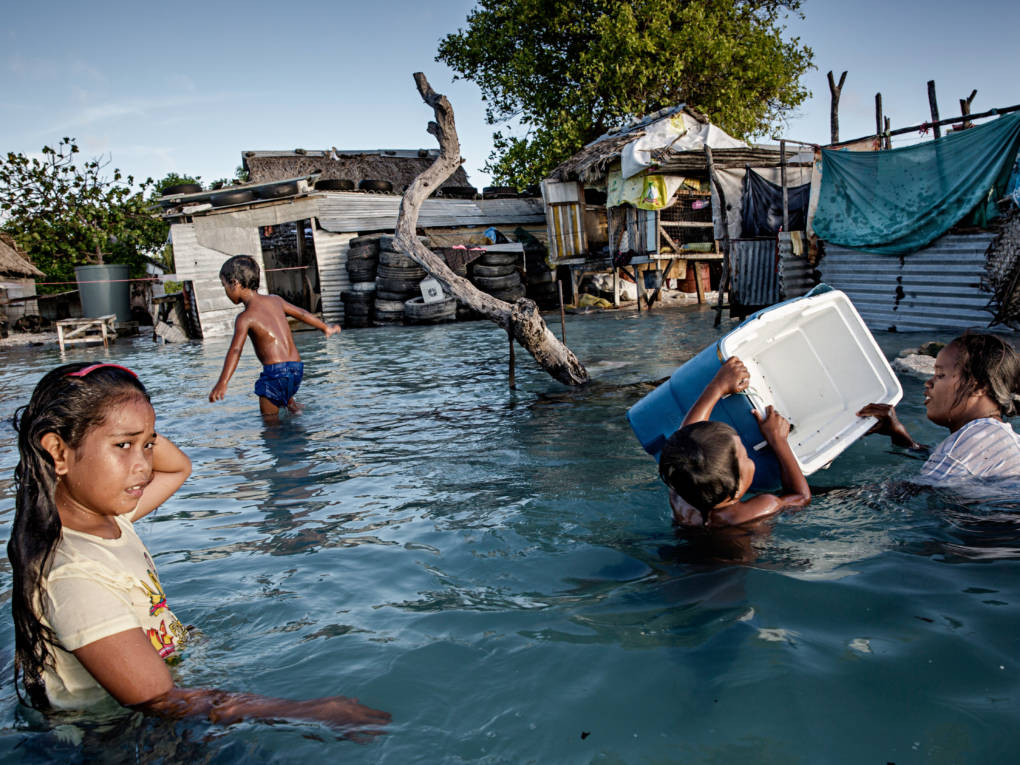
"description": "In Kiribati, an island republic in the Central Pacific, large parts of the village Eita (above) have succumbed to flooding from the sea.",
"title": "In Kiribati, an island republic in the Central Pacific, large parts of the village Eita (above) have succumbed to flooding from the sea.",
"credit": null,
"status": "inherit",
"isLoading": false,
"fetchFailed": false
},
"science_1926210": {
"type": "attachments",
"id": "science_1926210",
"meta": {
"index": "attachments_1716263798",
"site": "science",
"id": "1926210",
"found": true
},
"parent": 1926206,
"imgSizes": {
"small": {
"file": "https://ww2.kqed.org/app/uploads/sites/35/2018/06/iStock-817713130-520x347.jpg",
"width": 520,
"mimeType": "image/jpeg",
"height": 347
},
"twentyfourteen-full-width": {
"file": "https://ww2.kqed.org/app/uploads/sites/35/2018/06/iStock-817713130-1038x576.jpg",
"width": 1038,
"mimeType": "image/jpeg",
"height": 576
},
"thumbnail": {
"file": "https://ww2.kqed.org/app/uploads/sites/35/2018/06/iStock-817713130-160x107.jpg",
"width": 160,
"mimeType": "image/jpeg",
"height": 107
},
"fd-sm": {
"file": "https://ww2.kqed.org/app/uploads/sites/35/2018/06/iStock-817713130-960x640.jpg",
"width": 960,
"mimeType": "image/jpeg",
"height": 640
},
"post-thumbnail": {
"file": "https://ww2.kqed.org/app/uploads/sites/35/2018/06/iStock-817713130-672x372.jpg",
"width": 672,
"mimeType": "image/jpeg",
"height": 372
},
"xsmall": {
"file": "https://ww2.kqed.org/app/uploads/sites/35/2018/06/iStock-817713130-375x250.jpg",
"width": 375,
"mimeType": "image/jpeg",
"height": 250
},
"kqedFullSize": {
"file": "https://ww2.kqed.org/app/uploads/sites/35/2018/06/iStock-817713130.jpg",
"width": 5662,
"height": 3775
},
"large": {
"file": "https://ww2.kqed.org/app/uploads/sites/35/2018/06/iStock-817713130-1020x680.jpg",
"width": 1020,
"mimeType": "image/jpeg",
"height": 680
},
"xlarge": {
"file": "https://ww2.kqed.org/app/uploads/sites/35/2018/06/iStock-817713130-1180x787.jpg",
"width": 1180,
"mimeType": "image/jpeg",
"height": 787
},
"complete_open_graph": {
"file": "https://ww2.kqed.org/app/uploads/sites/35/2018/06/iStock-817713130-1200x800.jpg",
"width": 1200,
"mimeType": "image/jpeg",
"height": 800
},
"guest-author-50": {
"file": "https://ww2.kqed.org/app/uploads/sites/35/2018/06/iStock-817713130-50x50.jpg",
"width": 50,
"mimeType": "image/jpeg",
"height": 50
},
"guest-author-96": {
"file": "https://ww2.kqed.org/app/uploads/sites/35/2018/06/iStock-817713130-96x96.jpg",
"width": 96,
"mimeType": "image/jpeg",
"height": 96
},
"medium": {
"file": "https://ww2.kqed.org/app/uploads/sites/35/2018/06/iStock-817713130-800x533.jpg",
"width": 800,
"mimeType": "image/jpeg",
"height": 533
},
"guest-author-64": {
"file": "https://ww2.kqed.org/app/uploads/sites/35/2018/06/iStock-817713130-64x64.jpg",
"width": 64,
"mimeType": "image/jpeg",
"height": 64
},
"guest-author-32": {
"file": "https://ww2.kqed.org/app/uploads/sites/35/2018/06/iStock-817713130-32x32.jpg",
"width": 32,
"mimeType": "image/jpeg",
"height": 32
},
"fd-lrg": {
"file": "https://ww2.kqed.org/app/uploads/sites/35/2018/06/iStock-817713130-1920x1280.jpg",
"width": 1920,
"mimeType": "image/jpeg",
"height": 1280
},
"fd-med": {
"file": "https://ww2.kqed.org/app/uploads/sites/35/2018/06/iStock-817713130-1180x787.jpg",
"width": 1180,
"mimeType": "image/jpeg",
"height": 787
},
"full-width": {
"file": "https://ww2.kqed.org/app/uploads/sites/35/2018/06/iStock-817713130-1920x1280.jpg",
"width": 1920,
"mimeType": "image/jpeg",
"height": 1280
},
"detail": {
"file": "https://ww2.kqed.org/app/uploads/sites/35/2018/06/iStock-817713130-150x150.jpg",
"width": 150,
"mimeType": "image/jpeg",
"height": 150
},
"medium_large": {
"file": "https://ww2.kqed.org/app/uploads/sites/35/2018/06/iStock-817713130-768x512.jpg",
"width": 768,
"mimeType": "image/jpeg",
"height": 512
},
"guest-author-128": {
"file": "https://ww2.kqed.org/app/uploads/sites/35/2018/06/iStock-817713130-128x128.jpg",
"width": 128,
"mimeType": "image/jpeg",
"height": 128
},
"xxsmall": {
"file": "https://ww2.kqed.org/app/uploads/sites/35/2018/06/iStock-817713130-240x160.jpg",
"width": 240,
"mimeType": "image/jpeg",
"height": 160
}
},
"publishDate": 1529608251,
"modified": 1529608275,
"caption": null,
"description": null,
"title": "Burning chimney",
"credit": "iStock",
"status": "inherit",
"isLoading": false,
"fetchFailed": false
}
},
"audioPlayerReducer": {
"postId": "stream_live",
"isPaused": true,
"isPlaying": false,
"pfsActive": false,
"pledgeModalIsOpen": true,
"playerDrawerIsOpen": false,
"liveAudioPlayStartedAt": 0,
"liveAudioPlayContext": ""
},
"authorsReducer": {
"byline_science_1926662": {
"type": "authors",
"id": "byline_science_1926662",
"meta": {
"override": true
},
"slug": "byline_science_1926662",
"name": "Andrew Selsky\u003cbr />Associated Press",
"isLoading": false
},
"byline_science_1926566": {
"type": "authors",
"id": "byline_science_1926566",
"meta": {
"override": true
},
"slug": "byline_science_1926566",
"name": "David Hasemyer\u003cbr />\u003ca href=\"https://insideclimatenews.org\">InsideClimate News\u003c/a>",
"isLoading": false
},
"byline_science_1926556": {
"type": "authors",
"id": "byline_science_1926556",
"meta": {
"override": true
},
"slug": "byline_science_1926556",
"name": "The Associated Press",
"isLoading": false
},
"byline_science_1926373": {
"type": "authors",
"id": "byline_science_1926373",
"meta": {
"override": true
},
"slug": "byline_science_1926373",
"name": "Alastair Bland\u003cbr />Water Deeply",
"isLoading": false
},
"byline_science_1926366": {
"type": "authors",
"id": "byline_science_1926366",
"meta": {
"override": true
},
"slug": "byline_science_1926366",
"name": "The Associated Press",
"isLoading": false
},
"byline_science_1926237": {
"type": "authors",
"id": "byline_science_1926237",
"meta": {
"override": true
},
"slug": "byline_science_1926237",
"name": "Tim McDonnell, NPR",
"isLoading": false
},
"dventon": {
"type": "authors",
"id": "11088",
"meta": {
"index": "authors_1716337520",
"id": "11088",
"found": true
},
"name": "Danielle Venton",
"firstName": "Danielle",
"lastName": "Venton",
"slug": "dventon",
"email": "dventon@kqed.org",
"display_author_email": true,
"staff_mastheads": [
"science"
],
"title": "Science reporter",
"bio": "Danielle Venton is a reporter for KQED Science. She covers wildfires, space and oceans (though she is prone to sea sickness).\r\n\r\nBefore joining KQED in 2015, Danielle was a staff reporter at KRCB in Sonoma County and a freelancer. She studied science communication at UC Santa Cruz and formerly worked at CERN in Geneva, Switzerland where she wrote about computing. She lives in Sonoma County and enjoys backpacking.",
"avatar": "https://secure.gravatar.com/avatar/37b292b5c40c8d93959c4f48d73b5286f41b7abd8588277e941905a3ed4c801c?s=600&d=blank&r=g",
"twitter": "DanielleVenton",
"bluesky": null,
"facebook": null,
"instagram": null,
"linkedin": null,
"sites": [
{
"site": "arts",
"roles": [
"contributor"
]
},
{
"site": "news",
"roles": [
"editor"
]
},
{
"site": "futureofyou",
"roles": [
"editor"
]
},
{
"site": "science",
"roles": [
"editor"
]
},
{
"site": "liveblog",
"roles": [
"contributor"
]
}
],
"headData": {
"title": "Danielle Venton | KQED",
"description": "Science reporter",
"ogImgSrc": "https://secure.gravatar.com/avatar/37b292b5c40c8d93959c4f48d73b5286f41b7abd8588277e941905a3ed4c801c?s=600&d=blank&r=g",
"twImgSrc": "https://secure.gravatar.com/avatar/37b292b5c40c8d93959c4f48d73b5286f41b7abd8588277e941905a3ed4c801c?s=600&d=blank&r=g"
},
"isLoading": false,
"link": "/author/dventon"
},
"mpeterson": {
"type": "authors",
"id": "11223",
"meta": {
"index": "authors_1716337520",
"id": "11223",
"found": true
},
"name": "Molly Peterson",
"firstName": "Molly",
"lastName": "Peterson",
"slug": "mpeterson",
"email": "mpeterson@kqed.org",
"display_author_email": false,
"staff_mastheads": [],
"title": null,
"bio": "Molly Peterson reports for KQED science and news on climate change, catastrophe and risk. Previously she was environment correspondent at Southern California Public Radio. Her work has also appeared at The New York Times, The Guardian, on NPR, at High Country News, on Code Switch, and other national outlets. She has been honored with awards from Public Radio News Directors Incorporated, Investigative Reporters and Editors, the Society for Professional Journalists, the Los Angeles Press Club, and RTNDA Edward R. Murrow awards, among others.",
"avatar": "https://secure.gravatar.com/avatar/7908e2807131f776cc8165c649530b05?s=600&d=blank&r=g",
"twitter": "Mollydacious",
"facebook": null,
"instagram": "https://www.instagram.com/radiomolly/",
"linkedin": null,
"sites": [
{
"site": "news",
"roles": [
"subscriber"
]
},
{
"site": "futureofyou",
"roles": [
"editor"
]
},
{
"site": "science",
"roles": [
"editor"
]
}
],
"headData": {
"title": "Molly Peterson | KQED",
"description": null,
"ogImgSrc": "https://secure.gravatar.com/avatar/7908e2807131f776cc8165c649530b05?s=600&d=blank&r=g",
"twImgSrc": "https://secure.gravatar.com/avatar/7908e2807131f776cc8165c649530b05?s=600&d=blank&r=g"
},
"isLoading": false,
"link": "/author/mpeterson"
},
"aahmed": {
"type": "authors",
"id": "11428",
"meta": {
"index": "authors_1716337520",
"id": "11428",
"found": true
},
"name": "Amel Ahmed",
"firstName": "Amel",
"lastName": "Ahmed",
"slug": "aahmed",
"email": "aahmed@kqed.org",
"display_author_email": false,
"staff_mastheads": [],
"title": "KQED Contributor",
"bio": "Amel Ahmed is a reporter for KQED. Prior to joining KQED, Amel worked at Al Jazeera America, Al Jazeera English, Democracy Now! and Punched Productions. She also helped produce \u003cem>Changing Face of Harlem\u003c/em>, a documentary that tracked gentrification in Harlem over a period of ten years. She is a 2013 graduate of Brooklyn Law School and is currently researching war on terror prosecutions for an upcoming book.",
"avatar": "https://secure.gravatar.com/avatar/c8b48ebc98e770640f3013c470d23f3e?s=600&d=blank&r=g",
"twitter": "amelscript",
"facebook": null,
"instagram": null,
"linkedin": null,
"sites": [
{
"site": "futureofyou",
"roles": []
},
{
"site": "science",
"roles": []
}
],
"headData": {
"title": "Amel Ahmed | KQED",
"description": "KQED Contributor",
"ogImgSrc": "https://secure.gravatar.com/avatar/c8b48ebc98e770640f3013c470d23f3e?s=600&d=blank&r=g",
"twImgSrc": "https://secure.gravatar.com/avatar/c8b48ebc98e770640f3013c470d23f3e?s=600&d=blank&r=g"
},
"isLoading": false,
"link": "/author/aahmed"
}
},
"pagesReducer": {
"science_category_environment": {
"type": "terms",
"id": "science_35",
"meta": {
"index": "terms_1716263798",
"site": "science",
"id": "35",
"score": 12.138525
},
"featImg": null,
"name": "Environment",
"description": null,
"taxonomy": "category",
"headData": {
"twImgId": null,
"twTitle": null,
"ogTitle": null,
"ogImgId": null,
"twDescription": null,
"description": null,
"title": "Environment Archives | KQED Science",
"ogDescription": null
},
"ttid": 37,
"slug": "environment",
"isLoading": false,
"title": "Environment",
"pageMeta": {
"site": "science",
"WpPageTemplate": "page-topic-editorial",
"currentPage": 81
},
"blocks": [
{
"blockName": "kqed/post-list",
"attrs": {
"layout": "cardArticle2",
"query": "posts/science?category=environment",
"seeMore": false,
"paginated": true,
"page": 81
}
},
{
"blockName": "kqed/ad"
}
]
}
},
"pfsSessionReducer": {},
"postsReducer": {
"stream_live": {
"type": "live",
"id": "stream_live",
"audioUrl": "https://streams.kqed.org/kqedradio",
"title": "Live Stream",
"excerpt": "Live Stream information currently unavailable.",
"link": "/radio",
"featImg": "",
"label": {
"name": "KQED Live",
"link": "/"
}
},
"stream_kqedNewscast": {
"type": "posts",
"id": "stream_kqedNewscast",
"audioUrl": "https://www.kqed.org/.stream/anon/radio/RDnews/newscast.mp3?_=1",
"title": "KQED Newscast",
"featImg": "",
"label": {
"name": "88.5 FM",
"link": "/"
}
},
"science_1926662": {
"type": "posts",
"id": "science_1926662",
"meta": {
"index": "posts_1716263798",
"site": "science",
"id": "1926662",
"score": null,
"sort": [
1530205107000
]
},
"parent": 0,
"labelTerm": {},
"blocks": [],
"publishDate": 1530205107,
"format": "standard",
"title": "Wineries Hedge Against Climate Change, Move to Cool Climates",
"headTitle": "Wineries Hedge Against Climate Change, Move to Cool Climates | KQED",
"content": "\u003cp>When an Oregon valley famed for its wine heats up under the afternoon sun, Pacific Ocean winds rush through a dip in the mountains, cooling the grapes in Jeff Havlin’s vineyards.[contextly_sidebar id=”eDF19SUjJuhjysuWkUd4ApPgsg2OI3DN”]\u003c/p>\n\u003cp>The Van Duzer Corridor, the lowest point in Oregon’s Coast Range, has become a go-to place for wineries and vineyards hedging their bets against climate change. Winemakers and vineyard owners in a 95-square-mile (246-square-kilometer) section of the corridor have applied to become the newest American Viticultural Area, with the wind its predominant feature.\u003c/p>\n\u003cdiv id=\"div-gpt-ad-1470255291270-0\" class=\"ad-placeholder\">\n\u003cp>“When the temperature drops, you need a jacket in August,” said Havlin, who on a recent afternoon was driving a utility vehicle through his vineyards.\u003c/p>\n\u003cp>From South Africa’s drought-stricken vineyards, to France’s noble chateaus, to sunny vineyards in Australia and \u003ca href=\"https://apnews.com/0b070f5c6faf48e5b1c4344f6a4d2c30/AP-PHOTOS:-Global-warming-makes-its-mark-on-wine-country\">California\u003c/a> , growers and winemakers say they are seeing the effects of climate change as temperatures rise, with swings in weather patterns becoming more severe.\u003c/p>\n\u003cp>So they are taking action — moving to cooler zones, planting varieties that do better in the heat, and shading their grapes with more leaf canopy.[contextly_sidebar id=”dqf50nk29WrJPRSA8hetpNs2QKtJTZGX”]\u003c/p>\n\u003cp>As areas once ideal for certain grapes become less viable, causing earlier harvests and diminished wine quality as grapes ripen faster, once-iffy sites like the Van Duzer (pronounced van DOO-zer) Corridor are coming into their own.\u003c/p>\n\u003cp>Northern California’s Petaluma Gap, which like the Van Duzer Corridor sucks in ocean breezes, was designated one of America’s newest viticultural areas in December. Receiving an American Viticulture Area designation allows winemakers to emphasize the unique characteristics of their wine, determined by climate, geography, soil and other factors.\u003c/p>\n\u003cp>“Even though we have those heat waves just like Napa and Sonoma, we still have the cool breeze in the afternoon and the cooler temperatures at night and the fog in the morning,” said Ria D’Aversa, director of ranch operations at McEvoy Ranch, a Petaluma Gap vineyard.\u003c/p>\n\u003cp>The area’s slogan: “From wind to wine.”\u003c/p>\n\u003cp>California winemaker Ehren Jordan said: “People would have looked at you like you had three heads if, 30 years ago, you told someone you were going to grow wine grapes there.”[contextly_sidebar id=”fB82I3TXnu1LEY0gYKDk4iXeLqD6pTHs”]\u003c/p>\n\u003cp>His Failla winery, based in the Napa Valley, recently bought 80 acres (32 hectares) in the Van Duzer Corridor and opened a winery nearby. The corridor now has a half-dozen wineries and at least 17 commercial vineyards, with more on the way.\u003c/p>\n\u003cp>Grapevines can tolerate heat and drought, and dry farming is traditionally practiced in parts of Europe. But the past four years have been the planet’s hottest on record, and more warming is expected.\u003c/p>\n\u003cp>Even minor weather variations that occur vintage to vintage can change the grapes’ sugar, acid and tannin content, affecting the wine’s taste and characteristics.\u003c/p>\n\u003cp>Familia Torres, a major wine producer based in Spain with wineries in California and Chile, bought land 4,000 feet (1,200 meters) high in the Pyrenees foothills as an investment in cooler climates.\u003c/p>\n\u003cp>Average temperatures at the company’s vineyards have risen 1 degree Celsius (1.8 Fahrenheit) over 40 years, with the result that harvests are now about 10 days earlier than 20 years ago, company president Miguel A. Torres said in an email.\u003c/p>\n\u003cp>Torres called climate change a “very serious worldwide problem” for winemakers and said that, beyond changing viticulture practices, they should also try to reduce their greenhouse gas emissions.\u003c/p>\n\u003cp>Severe drought in South Africa’s Western Cape caused a 15 percent drop in the grape harvest, officials announced in May, saying wine prices will likely go up as a consequence. A predicted long-term drying trend has serious implications for South Africa’s wine industry, said Wanda Augustyn of VinPro, which represents the nation’s wine producers and stakeholders.\u003c/p>\n\u003cp>“In the longer term, producers will have to look at quality, drought-resistant vines which produce more flavor, acidity and intensity, but have lower water needs,” Augustyn said.\u003c/p>\n\u003cp>Winemakers are starting to set up in Brittany, France’s northwesternmost region, which previously was undesirable because of Atlantic wind, rain and lack of sunshine.\u003c/p>\n\u003cp>These days, vineyards are even planted as far north as Sweden.\u003c/p>\n\u003cp>Greg Jones, one of the world’s authorities on climate change and wines, will be there this summer as a keynote speaker at the VitiNord wine conference, which will examine cooler-climate wine production. Sixteen cool climate regions warmed by 2.52 degrees Fahrenheit (1.4 Celsius) from the late 1800s through 2015, Jones noted at an earlier conference.[contextly_sidebar id=”ga8hfJ4BuOIbfV7KMYcZPfv6YuOqW0DE”]\u003c/p>\n\u003cp>“If things keep going the way they’re going, then we have some real challenges,” Jones said. “If you’re growing grapes in a given environment today with what we have going on out there, you should be trying other varieties in small numbers to see how they perform.”\u003c/p>\n\u003cp>While the warming trend is pushing some hotter wine regions out of optimum temperature range, it has made places like Oregon more suitable, particularly for pinot noir, a finicky, thin-skinned grape.\u003c/p>\n\u003cp>When the pinot noir pioneers arrived in Oregon from California in the 1960s, they had to contend with shorter growing seasons, more frost, winter freezes and more rain during harvest time, Jones said. They adjusted their farming techniques, and the climate became milder.\u003c/p>\n\u003cp>Now, “we’re in the sweet spot,” Jones said in his office in Linfield College in McMinnville, Oregon, where he is director of wine education and a professor of environmental studies.\u003c/p>\n\u003cp>But eventually, if the trend continues, that perfect intersection between the weather and the grape clones being used today will fade.\u003c/p>\n\u003cp>Willamette Valley Vineyards, just south of Salem, Oregon, is already preparing for that.\u003c/p>\n\u003cp>The winery began growing grapes in the cooler Eola-Amity Hills, northwest of Salem, in 2007. It is also grafting different root stocks onto vines to produce pinot noir and chardonnay clones that perform better in longer, hotter growing seasons and that go deeper into the soil, making them more drought-resistant.\u003c/p>\n\u003cp>“When you plant, you won’t get your first crop for four years, and your first wines in six years. And you won’t know if it’s a really great site for maybe 20 years,” said winery director Christine Collier Clair. “So when planting, you shouldn’t be thinking about what’s good for me now. You need to look pretty far out.”\u003c/p>\n\u003cp>As she spoke, customers enjoyed glasses of wine on a deck with a view of vineyards budding in the spring sunshine, the forested mountains of the Coast Range beyond.\u003c/p>\n\u003cp>“It’s our goal to keep this winery going for centuries to come,” Clair said. “We’ve been on this property for 37 years, and we want to be a winery that has sustained, just like some of the French chateaus have been there since the 1600s.”\u003c/p>\n\u003cp>___\u003c/p>\n\u003cp>AP journalists Christopher Torchia in Johannesburg and Haven Daley in Petaluma, California, contributed to this report.\u003c/p>\n\u003c/div>\n\u003cp>[ad fullwidth]\u003c/p>\u003cp>[ad floatright]\u003c/p>\n",
"stats": {
"hasVideo": false,
"hasChartOrMap": false,
"hasAudio": false,
"hasPolis": false,
"wordCount": 1225,
"hasGoogleForm": false,
"hasGallery": false,
"hasHearkenModule": false,
"iframeSrcs": [],
"paragraphCount": 35
},
"modified": 1704927752,
"excerpt": "Winemakers say they are seeing the effects of climate change as temperatures rise, with swings in weather patterns becoming more severe. So they are taking action.",
"headData": {
"twImgId": "",
"twTitle": "",
"ogTitle": "",
"ogImgId": "",
"twDescription": "",
"description": "Winemakers say they are seeing the effects of climate change as temperatures rise, with swings in weather patterns becoming more severe. So they are taking action.",
"title": "Wineries Hedge Against Climate Change, Move to Cool Climates | KQED",
"ogDescription": "",
"schema": {
"@context": "https://schema.org",
"@type": "Article",
"headline": "Wineries Hedge Against Climate Change, Move to Cool Climates",
"datePublished": "2018-06-28T09:58:27-07:00",
"dateModified": "2024-01-10T15:02:32-08:00",
"image": "https://cdn.kqed.org/wp-content/uploads/2020/02/KQED-OG-Image@1x.png"
}
},
"guestAuthors": [],
"slug": "wineries-hedge-against-climate-change-move-to-cool-climates",
"status": "publish",
"nprByline": "Andrew Selsky\u003cbr />Associated Press",
"sticky": false,
"source": "Climate",
"path": "/science/1926662/wineries-hedge-against-climate-change-move-to-cool-climates",
"audioTrackLength": null,
"parsedContent": [
{
"type": "contentString",
"content": "\u003cdiv class=\"post-body\">\u003cp>\u003cp>When an Oregon valley famed for its wine heats up under the afternoon sun, Pacific Ocean winds rush through a dip in the mountains, cooling the grapes in Jeff Havlin’s vineyards.\u003c/p>\u003cp>\u003c/p>\u003cp>\u003c/p>\n\u003cp>The Van Duzer Corridor, the lowest point in Oregon’s Coast Range, has become a go-to place for wineries and vineyards hedging their bets against climate change. Winemakers and vineyard owners in a 95-square-mile (246-square-kilometer) section of the corridor have applied to become the newest American Viticultural Area, with the wind its predominant feature.\u003c/p>\n\u003cdiv id=\"div-gpt-ad-1470255291270-0\" class=\"ad-placeholder\">\n\u003cp>“When the temperature drops, you need a jacket in August,” said Havlin, who on a recent afternoon was driving a utility vehicle through his vineyards.\u003c/p>\n\u003cp>From South Africa’s drought-stricken vineyards, to France’s noble chateaus, to sunny vineyards in Australia and \u003ca href=\"https://apnews.com/0b070f5c6faf48e5b1c4344f6a4d2c30/AP-PHOTOS:-Global-warming-makes-its-mark-on-wine-country\">California\u003c/a> , growers and winemakers say they are seeing the effects of climate change as temperatures rise, with swings in weather patterns becoming more severe.\u003c/p>\n\u003cp>So they are taking action — moving to cooler zones, planting varieties that do better in the heat, and shading their grapes with more leaf canopy.\u003c/p>\u003cp>\u003c/p>\u003cp>\u003c/p>\n\u003cp>As areas once ideal for certain grapes become less viable, causing earlier harvests and diminished wine quality as grapes ripen faster, once-iffy sites like the Van Duzer (pronounced van DOO-zer) Corridor are coming into their own.\u003c/p>\n\u003cp>Northern California’s Petaluma Gap, which like the Van Duzer Corridor sucks in ocean breezes, was designated one of America’s newest viticultural areas in December. Receiving an American Viticulture Area designation allows winemakers to emphasize the unique characteristics of their wine, determined by climate, geography, soil and other factors.\u003c/p>\n\u003cp>“Even though we have those heat waves just like Napa and Sonoma, we still have the cool breeze in the afternoon and the cooler temperatures at night and the fog in the morning,” said Ria D’Aversa, director of ranch operations at McEvoy Ranch, a Petaluma Gap vineyard.\u003c/p>\n\u003cp>The area’s slogan: “From wind to wine.”\u003c/p>\n\u003cp>California winemaker Ehren Jordan said: “People would have looked at you like you had three heads if, 30 years ago, you told someone you were going to grow wine grapes there.”\u003c/p>\u003cp>\u003c/p>\u003cp>\u003c/p>\n\u003cp>His Failla winery, based in the Napa Valley, recently bought 80 acres (32 hectares) in the Van Duzer Corridor and opened a winery nearby. The corridor now has a half-dozen wineries and at least 17 commercial vineyards, with more on the way.\u003c/p>\n\u003cp>Grapevines can tolerate heat and drought, and dry farming is traditionally practiced in parts of Europe. But the past four years have been the planet’s hottest on record, and more warming is expected.\u003c/p>\n\u003cp>Even minor weather variations that occur vintage to vintage can change the grapes’ sugar, acid and tannin content, affecting the wine’s taste and characteristics.\u003c/p>\n\u003cp>Familia Torres, a major wine producer based in Spain with wineries in California and Chile, bought land 4,000 feet (1,200 meters) high in the Pyrenees foothills as an investment in cooler climates.\u003c/p>\n\u003cp>Average temperatures at the company’s vineyards have risen 1 degree Celsius (1.8 Fahrenheit) over 40 years, with the result that harvests are now about 10 days earlier than 20 years ago, company president Miguel A. Torres said in an email.\u003c/p>\n\u003cp>Torres called climate change a “very serious worldwide problem” for winemakers and said that, beyond changing viticulture practices, they should also try to reduce their greenhouse gas emissions.\u003c/p>\n\u003cp>Severe drought in South Africa’s Western Cape caused a 15 percent drop in the grape harvest, officials announced in May, saying wine prices will likely go up as a consequence. A predicted long-term drying trend has serious implications for South Africa’s wine industry, said Wanda Augustyn of VinPro, which represents the nation’s wine producers and stakeholders.\u003c/p>\n\u003cp>“In the longer term, producers will have to look at quality, drought-resistant vines which produce more flavor, acidity and intensity, but have lower water needs,” Augustyn said.\u003c/p>\n\u003cp>Winemakers are starting to set up in Brittany, France’s northwesternmost region, which previously was undesirable because of Atlantic wind, rain and lack of sunshine.\u003c/p>\n\u003cp>These days, vineyards are even planted as far north as Sweden.\u003c/p>\n\u003cp>Greg Jones, one of the world’s authorities on climate change and wines, will be there this summer as a keynote speaker at the VitiNord wine conference, which will examine cooler-climate wine production. Sixteen cool climate regions warmed by 2.52 degrees Fahrenheit (1.4 Celsius) from the late 1800s through 2015, Jones noted at an earlier conference.\u003c/p>\u003cp>\u003c/p>\u003cp>\u003c/p>\n\u003cp>“If things keep going the way they’re going, then we have some real challenges,” Jones said. “If you’re growing grapes in a given environment today with what we have going on out there, you should be trying other varieties in small numbers to see how they perform.”\u003c/p>\n\u003cp>While the warming trend is pushing some hotter wine regions out of optimum temperature range, it has made places like Oregon more suitable, particularly for pinot noir, a finicky, thin-skinned grape.\u003c/p>\n\u003cp>When the pinot noir pioneers arrived in Oregon from California in the 1960s, they had to contend with shorter growing seasons, more frost, winter freezes and more rain during harvest time, Jones said. They adjusted their farming techniques, and the climate became milder.\u003c/p>\n\u003cp>Now, “we’re in the sweet spot,” Jones said in his office in Linfield College in McMinnville, Oregon, where he is director of wine education and a professor of environmental studies.\u003c/p>\n\u003cp>But eventually, if the trend continues, that perfect intersection between the weather and the grape clones being used today will fade.\u003c/p>\n\u003cp>Willamette Valley Vineyards, just south of Salem, Oregon, is already preparing for that.\u003c/p>\n\u003cp>The winery began growing grapes in the cooler Eola-Amity Hills, northwest of Salem, in 2007. It is also grafting different root stocks onto vines to produce pinot noir and chardonnay clones that perform better in longer, hotter growing seasons and that go deeper into the soil, making them more drought-resistant.\u003c/p>\n\u003cp>“When you plant, you won’t get your first crop for four years, and your first wines in six years. And you won’t know if it’s a really great site for maybe 20 years,” said winery director Christine Collier Clair. “So when planting, you shouldn’t be thinking about what’s good for me now. You need to look pretty far out.”\u003c/p>\n\u003cp>As she spoke, customers enjoyed glasses of wine on a deck with a view of vineyards budding in the spring sunshine, the forested mountains of the Coast Range beyond.\u003c/p>\n\u003cp>“It’s our goal to keep this winery going for centuries to come,” Clair said. “We’ve been on this property for 37 years, and we want to be a winery that has sustained, just like some of the French chateaus have been there since the 1600s.”\u003c/p>\n\u003cp>___\u003c/p>\n\u003cp>AP journalists Christopher Torchia in Johannesburg and Haven Daley in Petaluma, California, contributed to this report.\u003c/p>\n\u003c/div>\n\u003cp>\u003c/p>\u003c/div>",
"attributes": {
"named": {},
"numeric": []
}
},
{
"type": "component",
"content": "",
"name": "ad",
"attributes": {
"named": {
"label": "fullwidth"
},
"numeric": [
"fullwidth"
]
}
},
{
"type": "contentString",
"content": "\u003cdiv class=\"post-body\">\u003cp>\u003c/p>\u003cp>\u003c/p>\u003c/div>",
"attributes": {
"named": {},
"numeric": []
}
},
{
"type": "component",
"content": "",
"name": "ad",
"attributes": {
"named": {
"label": "floatright"
},
"numeric": [
"floatright"
]
}
},
{
"type": "contentString",
"content": "\u003cdiv class=\"post-body\">\u003cp>\u003c/p>\n\u003c/div>\u003c/p>",
"attributes": {
"named": {},
"numeric": []
}
}
],
"link": "/science/1926662/wineries-hedge-against-climate-change-move-to-cool-climates",
"authors": [
"byline_science_1926662"
],
"categories": [
"science_31",
"science_35",
"science_36",
"science_40"
],
"tags": [
"science_194",
"science_572",
"science_192",
"science_393"
],
"featImg": "science_1922282",
"label": "source_science_1926662"
},
"science_1926410": {
"type": "posts",
"id": "science_1926410",
"meta": {
"index": "posts_1716263798",
"site": "science",
"id": "1926410",
"score": null,
"sort": [
1530169260000
]
},
"parent": 0,
"labelTerm": {
"site": "science"
},
"blocks": [],
"publishDate": 1530169260,
"format": "standard",
"title": "Nature Does Flood Control Better Than Concrete: One Idea in South San Francisco",
"headTitle": "Nature Does Flood Control Better Than Concrete: One Idea in South San Francisco | KQED",
"content": "\u003cp>\u003cspan style=\"font-size: 4.6875em;float: left;line-height: 0.733em;padding: 0.05em 0.1em 0 0;font-family: times, serif, georgia\">C\u003c/span>ities along San Francisco Bay have traditionally defended themselves against the menacing ocean with walls, levees, and pumps. But as seas rise, structures that keep water away may not be able to defend against an uncertain future. So urban and landscape designers are looking for alternatives.\u003c/p>\n\u003caside class=\"pullquote alignright\">‘We need to slow down water. It’s the first principle.’\u003ccite>Richard Mullane, Hassell\u003c/cite>\u003c/aside>\n\u003cp>Near Colma Creek, in South San Francisco, new ideas imagine embracing the bay, allowing water to move onto land, and allowing people to move on to water. If sea level rise reveals the vulnerabilities in our traditional relationship with water, it’s also opening the door to a new kind of thinking about the permeable relationships between water, land, and people.\u003c/p>\n\u003cp>\u003cstrong>A Creek Controlled by Concrete\u003c/strong>\u003c/p>\n\u003cp>\u003cspan style=\"font-size: 4.6875em;float: left;line-height: 0.733em;padding: 0.05em 0.1em 0 0;font-family: times, serif, georgia\">C\u003c/span>olma Creek trickles to life among ferns and green grass in the saddle of San Bruno Mountain, and rolls through industrial flatlands to San Francisco Bay. The mountain’s foothills once tumbled almost directly into the waters of the bay, but decades of landfill and urban development have pushed the mountain and the shoreline apart.\u003c/p>\n\u003cp>Now, creek waters flow in a concrete channel past boxy warehouses and industrial parks. I hop a short chain link fence with Ariel Cherbowsky-Corkidi, program director for \u003ca href=\"http://www.mountainwatch.org/\">San Bruno MountainWatch\u003c/a>. We crouch in the nook of a low bridge on a windy evening.\u003c/p>\n\u003cp>[ad fullwidth]\u003c/p>\n\u003cp>“Colma Creek had a really, really big salt marsh at its mouth that spread a pretty good ways inland,” Cherbowsky-Corkidi says.\u003c/p>\n\u003cp>Not anymore. We can smell tidewater, salty and fresh; so can shorebirds standing on dry patches of the creekbed. But the creek itself is locked in gray, 20 feet below us. A for-hire LimeBike rusts morosely in the shallow ripples. Cherbowsky-Corkidi says people have separated themselves from this creek.\u003c/p>\n\u003cp>[emailsignup newslettername='science' align='right']“We want to not be in contact with it, you know,” he says, “putting it behind fences and no trespassing signs. We’re kind of breaking that positive connection between people and water.”\u003c/p>\n\u003cp>To solve the problems of sea level rise in South City, experts say that positive connection must be restored.\u003c/p>\n\u003cp>“We can create walls that protect against hundred-year storms, yeah,” says Richard Mullane, a landscape architect with the international firm Hassell. “But then for 99 years and 50 weeks, do we really want to be three or four meters away from the shoreline? We don’t.”\u003c/p>\n\u003cp>\u003cb>Use Land to Control Water\u003c/b>\u003c/p>\n\u003cp>\u003cspan style=\"font-size: 4.6875em;float: left;line-height: 0.733em;padding: 0.05em 0.1em 0 0;font-family: times, serif, georgia\">A\u003c/span>s part of the Rockefeller Foundation’s Resilient by Design competition, Mullane’s \u003ca href=\"http://www.resilientbayarea.org/hassell/\">Hassell Plus team\u003c/a> set up a temporary office in a former bank in South San Francisco. Inside, Mullane grew native plants — the kind that would thrive along a rebuilt shoreline — and shared ideas for reconnecting the downtown core to the waterfront.\u003c/p>\n\u003cp>On a Saturday in April, the Casillas family wandered in: Brisa, her husband Danny, and their one-year-old son Cruz. As they study a massive wall map, 30-feet by 20-feet, Mullane shows them where the bay will rise, and Brisa realizes their home and their jobs will be awash in blue within a few decades.\u003c/p>\n\u003cfigure id=\"attachment_1926614\" class=\"wp-caption alignright\" style=\"max-width: 2358px\">\u003ca href=\"https://ww2.kqed.org/science/wp-content/uploads/sites/35/2018/06/RS31587_IMG_5630.jpg\">\u003cimg loading=\"lazy\" decoding=\"async\" class=\"size-full wp-image-1926614\" src=\"https://ww2.kqed.org/science/wp-content/uploads/sites/35/2018/06/RS31587_IMG_5630.jpg\" alt=\"\" width=\"2358\" height=\"2909\" srcset=\"https://cdn.kqed.org/wp-content/uploads/sites/35/2018/06/RS31587_IMG_5630.jpg 2358w, https://cdn.kqed.org/wp-content/uploads/sites/35/2018/06/RS31587_IMG_5630-160x197.jpg 160w, https://cdn.kqed.org/wp-content/uploads/sites/35/2018/06/RS31587_IMG_5630-800x987.jpg 800w, https://cdn.kqed.org/wp-content/uploads/sites/35/2018/06/RS31587_IMG_5630-768x947.jpg 768w, https://cdn.kqed.org/wp-content/uploads/sites/35/2018/06/RS31587_IMG_5630-1020x1258.jpg 1020w, https://cdn.kqed.org/wp-content/uploads/sites/35/2018/06/RS31587_IMG_5630-973x1200.jpg 973w, https://cdn.kqed.org/wp-content/uploads/sites/35/2018/06/RS31587_IMG_5630-1920x2369.jpg 1920w, https://cdn.kqed.org/wp-content/uploads/sites/35/2018/06/RS31587_IMG_5630-1180x1456.jpg 1180w, https://cdn.kqed.org/wp-content/uploads/sites/35/2018/06/RS31587_IMG_5630-960x1184.jpg 960w, https://cdn.kqed.org/wp-content/uploads/sites/35/2018/06/RS31587_IMG_5630-240x296.jpg 240w, https://cdn.kqed.org/wp-content/uploads/sites/35/2018/06/RS31587_IMG_5630-375x463.jpg 375w, https://cdn.kqed.org/wp-content/uploads/sites/35/2018/06/RS31587_IMG_5630-520x642.jpg 520w\" sizes=\"(max-width: 2358px) 100vw, 2358px\">\u003c/a>\u003cfigcaption class=\"wp-caption-text\">Brisa and Danny Casillas, and their son Cruz, live in flood-prone San Mateo County but never thought about rising seas before. \u003ccite>(Molly Peterson/KQED)\u003c/cite>\u003c/figcaption>\u003c/figure>\n\u003cp>“What can we do?” says Brisa Casillas. “We live here and we have two other daughters, too. It is a concern.”\u003c/p>\n\u003cp>Danny Casillas says he didn’trealize flooding had anything to do with rising seas. “I guess I never thought about it like that,” he says. But he does remember one incident of high water, fifteen years ago.\u003c/p>\n\u003cp>“It was flooded down going to the freeway so I couldn’t get to school in San Mateo,” he says. “Yeah, I remember it was a nightmare, just cars all lined up on the street.”\u003c/p>\n\u003cp>Mullane tells Casillas that those high waters were a warning. More often now, extreme rainstorms and big tides will collide and fill the channelized Colma Creek, spilling floodwaters into the streets.\u003c/p>\n\u003cp>In \u003ca href=\"http://www.resilientbayarea.org/south-san-francisco/\">a proposa\u003c/a>l the Hassel Plus team \u003ca href=\"https://www.youtube.com/watch?v=nu-bSPOJxtI\">presented\u003c/a> publicly in May, they argue the solution is less concrete and more green.\u003c/p>\n\u003cp>“We need to slow down water,” Mullane says.” “It’s the first principle.”\u003c/p>\n\u003cp>What would slow the water down is a wide, soft creek bottom that can absorb wave energy. Plus plenty of trees and native plants to sop up excess water. Then Mullane suggests expanding parkland surrounding the creek.\u003c/p>\n\u003cp>“Once we slow down that water,” he says, “we need to have space for it whilst we wait for rising tides to reduce.”\u003c/p>\n\u003cp>That space could look like a soccer field: grassy, flat, perhaps with sloping sides to contain the water. If you build a park in lowlands, it’s okay if it floods. That shows people how to share land with water, Mullane says. “We have to plan for extreme events and we have to plan for daily life.”\u003c/p>\n\u003cfigure id=\"attachment_1926618\" class=\"wp-caption aligncenter\" style=\"max-width: 960px\">\u003ca href=\"https://ww2.kqed.org/science/wp-content/uploads/sites/35/2018/06/28870558_2017992898455355_1986297197578158080_n.jpg\">\u003cimg loading=\"lazy\" decoding=\"async\" class=\"size-full wp-image-1926618\" src=\"https://ww2.kqed.org/science/wp-content/uploads/sites/35/2018/06/28870558_2017992898455355_1986297197578158080_n.jpg\" alt=\"\" width=\"960\" height=\"720\" srcset=\"https://cdn.kqed.org/wp-content/uploads/sites/35/2018/06/28870558_2017992898455355_1986297197578158080_n.jpg 960w, https://cdn.kqed.org/wp-content/uploads/sites/35/2018/06/28870558_2017992898455355_1986297197578158080_n-160x120.jpg 160w, https://cdn.kqed.org/wp-content/uploads/sites/35/2018/06/28870558_2017992898455355_1986297197578158080_n-800x600.jpg 800w, https://cdn.kqed.org/wp-content/uploads/sites/35/2018/06/28870558_2017992898455355_1986297197578158080_n-768x576.jpg 768w, https://cdn.kqed.org/wp-content/uploads/sites/35/2018/06/28870558_2017992898455355_1986297197578158080_n-240x180.jpg 240w, https://cdn.kqed.org/wp-content/uploads/sites/35/2018/06/28870558_2017992898455355_1986297197578158080_n-375x281.jpg 375w, https://cdn.kqed.org/wp-content/uploads/sites/35/2018/06/28870558_2017992898455355_1986297197578158080_n-520x390.jpg 520w\" sizes=\"(max-width: 960px) 100vw, 960px\">\u003c/a>\u003cfigcaption class=\"wp-caption-text\">Resilient South City invited people to mark places on the aerial map that they love or want to see changed, or that had flooded in the past. \u003ccite>(Hassell)\u003c/cite>\u003c/figcaption>\u003c/figure>\n\u003cp>Redeveloping open space into a soccer field would not only expand recreational opportunities at the shoreline, but also diversify them. The narrow concrete Bay Trail is useful for walking or riding a bike, both solitary, small-group activities. Soccer, the Australian Mullane points out, is a pastime that attracts crowds, and is popular with a diverse population. What that means is that one Hassell Plus-proposed soccer field could both re-engineer water flow and re-engineer the way people see the shoreline.\u003c/p>\n\u003cp>Mullane and the Hassell Plus team’s proposal for Colma Creek isn’t much more than an idea yet. The Resilient by Design Competition seeded conversations and ideas in 9 communities around the bay, but won’t fund entire projects.\u003c/p>\n\u003cp>\u003cstrong>Embrace the Bay With Softer Landscapes\u003c/strong>\u003c/p>\n\u003cp>\u003cspan style=\"font-size: 4.6875em;float: left;line-height: 0.733em;padding: 0.05em 0.1em 0 0;font-family: times, serif, georgia\">T\u003c/span>he argument that rebuilding a soft landscape can help the region cope with sea level rise has already found favor with Bay Area voters. Two years ago, across 9 counties, 69% of them approved \u003ca href=\"https://www.yesonaaforthebay.com/about\">Measure AA\u003c/a>, a 20-year effort to bring marshes back.\u003c/p>\n\u003caside class=\"pullquote alignright\">‘It was a pristine bay. Then we spent 100 years filling it in and considering wetlands waste.’\u003ccite>Dave Pine,\u003cbr>\nSan Mateo County\u003c/cite>\u003c/aside>\n\u003cp>“[Tidelands and marshes] are remarkable things both for the ecosystem and for flood protection,” says Pine, who also chairs the San Francisco Bay Restoration Authority. The authority eventually will hand out $500 million for potential projects, raised from Measure AA’s $12 annual parcel tax.\u003c/p>\n\u003cp>In the first round of funding twenty-two sites applied for support; the restoration authority \u003ca href=\"http://sfbayrestore.org/\">will jump-start\u003c/a> just nine of them.\u003c/p>\n\u003cp>Pine says this serves to underline the urgency of preparing for higher water. “If we don’t get it started, many of the opportunities will be lost because of the rising Bay,” he says. “There’s a big gap between the need and the funds.”\u003c/p>\n\u003cp>Adaptations to rising seas that focus on green or natural infrastructure may cost less than walls, pumps and levees, which demand mechanical maintenance and more frequent upgrades. But even regional projects can cost tens of millions of dollars, and need approval from multiple local, state and federal agencies.\u003c/p>\n\u003cp>Still, around Colma Creek, “It’s one of the few creeks in the county where we actually have a revenue stream to make some changes,” Pine says. San Mateo County created a flood control zone there in 1964.\u003c/p>\n\u003cfigure id=\"attachment_1926622\" class=\"wp-caption aligncenter\" style=\"max-width: 1280px\">\u003ca href=\"https://ww2.kqed.org/science/wp-content/uploads/sites/35/2018/06/28783653_2017527131835265_1731173713539235840_o.jpg\">\u003cimg loading=\"lazy\" decoding=\"async\" class=\"size-full wp-image-1926622\" src=\"https://ww2.kqed.org/science/wp-content/uploads/sites/35/2018/06/28783653_2017527131835265_1731173713539235840_o.jpg\" alt=\"\" width=\"1280\" height=\"720\" srcset=\"https://cdn.kqed.org/wp-content/uploads/sites/35/2018/06/28783653_2017527131835265_1731173713539235840_o.jpg 1280w, https://cdn.kqed.org/wp-content/uploads/sites/35/2018/06/28783653_2017527131835265_1731173713539235840_o-160x90.jpg 160w, https://cdn.kqed.org/wp-content/uploads/sites/35/2018/06/28783653_2017527131835265_1731173713539235840_o-800x450.jpg 800w, https://cdn.kqed.org/wp-content/uploads/sites/35/2018/06/28783653_2017527131835265_1731173713539235840_o-768x432.jpg 768w, https://cdn.kqed.org/wp-content/uploads/sites/35/2018/06/28783653_2017527131835265_1731173713539235840_o-1020x574.jpg 1020w, https://cdn.kqed.org/wp-content/uploads/sites/35/2018/06/28783653_2017527131835265_1731173713539235840_o-1200x675.jpg 1200w, https://cdn.kqed.org/wp-content/uploads/sites/35/2018/06/28783653_2017527131835265_1731173713539235840_o-1180x664.jpg 1180w, https://cdn.kqed.org/wp-content/uploads/sites/35/2018/06/28783653_2017527131835265_1731173713539235840_o-960x540.jpg 960w, https://cdn.kqed.org/wp-content/uploads/sites/35/2018/06/28783653_2017527131835265_1731173713539235840_o-240x135.jpg 240w, https://cdn.kqed.org/wp-content/uploads/sites/35/2018/06/28783653_2017527131835265_1731173713539235840_o-375x211.jpg 375w, https://cdn.kqed.org/wp-content/uploads/sites/35/2018/06/28783653_2017527131835265_1731173713539235840_o-520x293.jpg 520w\" sizes=\"(max-width: 1280px) 100vw, 1280px\">\u003c/a>\u003cfigcaption class=\"wp-caption-text\">South City flooding at Grand Avenue and Airport Boulevard in December 2014. \u003ccite>(Resilient South City)\u003c/cite>\u003c/figcaption>\u003c/figure>\n\u003cp>Colma Creek isn’t unique in its historic separation of land and water. Neither is the starved shoreline of South San Francisco. Eighty percent of historic marshes around the bay are gone.\u003c/p>\n\u003cp>This area is one small corner of a San Francisco Bay that people have dramatically transformed over time. “It was a pristine bay,” says San Mateo County Supervisor Dave Pine. “Then we spent 100 years filling it in and considering wetlands waste and thought about carving the top of San Bruno Mountain off and putting it into the bay and we had dumps up and down the San Mateo County Bayshore.”\u003c/p>\n\u003cp>[ad floatright]\u003c/p>\n\u003cp>Through its widening, through the eras of meatpacking plants, and dumps, and industrial sites, land along the shoreline has reflected South San Francisco’s relationship to water, even just by distance from it. Now local leaders and designers say that sea level rise is making closeness to water inevitable: they’re suggesting we learn to embrace the water we once pushed away.\u003c/p>\n\n",
"stats": {
"hasVideo": false,
"hasChartOrMap": false,
"hasAudio": false,
"hasPolis": false,
"wordCount": 1494,
"hasGoogleForm": false,
"hasGallery": false,
"hasHearkenModule": false,
"iframeSrcs": [],
"paragraphCount": 36
},
"modified": 1704927753,
"excerpt": "Near Colma Creek, new ideas imagine embracing the bay waters as the sea level rises, allowing water to move onto land, and people to move onto water.\r\n\r\n",
"headData": {
"twImgId": "",
"twTitle": "",
"ogTitle": "",
"ogImgId": "",
"twDescription": "",
"description": "Near Colma Creek, new ideas imagine embracing the bay waters as the sea level rises, allowing water to move onto land, and people to move onto water.\r\n\r\n",
"title": "Nature Does Flood Control Better Than Concrete: One Idea in South San Francisco | KQED",
"ogDescription": "",
"schema": {
"@context": "https://schema.org",
"@type": "Article",
"headline": "Nature Does Flood Control Better Than Concrete: One Idea in South San Francisco",
"datePublished": "2018-06-28T00:01:00-07:00",
"dateModified": "2024-01-10T15:02:33-08:00",
"image": "https://cdn.kqed.org/wp-content/uploads/2020/02/KQED-OG-Image@1x.png"
}
},
"guestAuthors": [],
"slug": "nature-does-flood-control-better-than-concrete-one-idea-in-south-san-francisco",
"status": "publish",
"sticky": false,
"path": "/science/1926410/nature-does-flood-control-better-than-concrete-one-idea-in-south-san-francisco",
"audioTrackLength": null,
"parsedContent": [
{
"type": "contentString",
"content": "\u003cdiv class=\"post-body\">\u003cp>\u003cp>\u003cspan style=\"font-size: 4.6875em;float: left;line-height: 0.733em;padding: 0.05em 0.1em 0 0;font-family: times, serif, georgia\">C\u003c/span>ities along San Francisco Bay have traditionally defended themselves against the menacing ocean with walls, levees, and pumps. But as seas rise, structures that keep water away may not be able to defend against an uncertain future. So urban and landscape designers are looking for alternatives.\u003c/p>\n\u003caside class=\"pullquote alignright\">‘We need to slow down water. It’s the first principle.’\u003ccite>Richard Mullane, Hassell\u003c/cite>\u003c/aside>\n\u003cp>Near Colma Creek, in South San Francisco, new ideas imagine embracing the bay, allowing water to move onto land, and allowing people to move on to water. If sea level rise reveals the vulnerabilities in our traditional relationship with water, it’s also opening the door to a new kind of thinking about the permeable relationships between water, land, and people.\u003c/p>\n\u003cp>\u003cstrong>A Creek Controlled by Concrete\u003c/strong>\u003c/p>\n\u003cp>\u003cspan style=\"font-size: 4.6875em;float: left;line-height: 0.733em;padding: 0.05em 0.1em 0 0;font-family: times, serif, georgia\">C\u003c/span>olma Creek trickles to life among ferns and green grass in the saddle of San Bruno Mountain, and rolls through industrial flatlands to San Francisco Bay. The mountain’s foothills once tumbled almost directly into the waters of the bay, but decades of landfill and urban development have pushed the mountain and the shoreline apart.\u003c/p>\n\u003cp>Now, creek waters flow in a concrete channel past boxy warehouses and industrial parks. I hop a short chain link fence with Ariel Cherbowsky-Corkidi, program director for \u003ca href=\"http://www.mountainwatch.org/\">San Bruno MountainWatch\u003c/a>. We crouch in the nook of a low bridge on a windy evening.\u003c/p>\n\u003cp>\u003c/p>\u003c/div>",
"attributes": {
"named": {},
"numeric": []
}
},
{
"type": "component",
"content": "",
"name": "ad",
"attributes": {
"named": {
"label": "fullwidth"
},
"numeric": [
"fullwidth"
]
}
},
{
"type": "contentString",
"content": "\u003cdiv class=\"post-body\">\u003cp>\u003c/p>\n\u003cp>“Colma Creek had a really, really big salt marsh at its mouth that spread a pretty good ways inland,” Cherbowsky-Corkidi says.\u003c/p>\n\u003cp>Not anymore. We can smell tidewater, salty and fresh; so can shorebirds standing on dry patches of the creekbed. But the creek itself is locked in gray, 20 feet below us. A for-hire LimeBike rusts morosely in the shallow ripples. Cherbowsky-Corkidi says people have separated themselves from this creek.\u003c/p>\n\u003cp>\u003c/p>\u003c/div>",
"attributes": {
"named": {},
"numeric": []
}
},
{
"type": "component",
"content": "",
"name": "emailsignup",
"attributes": {
"named": {
"newslettername": "science",
"align": "right",
"label": ""
},
"numeric": []
}
},
{
"type": "contentString",
"content": "\u003cdiv class=\"post-body\">\u003cp>“We want to not be in contact with it, you know,” he says, “putting it behind fences and no trespassing signs. We’re kind of breaking that positive connection between people and water.”\u003c/p>\n\u003cp>To solve the problems of sea level rise in South City, experts say that positive connection must be restored.\u003c/p>\n\u003cp>“We can create walls that protect against hundred-year storms, yeah,” says Richard Mullane, a landscape architect with the international firm Hassell. “But then for 99 years and 50 weeks, do we really want to be three or four meters away from the shoreline? We don’t.”\u003c/p>\n\u003cp>\u003cb>Use Land to Control Water\u003c/b>\u003c/p>\n\u003cp>\u003cspan style=\"font-size: 4.6875em;float: left;line-height: 0.733em;padding: 0.05em 0.1em 0 0;font-family: times, serif, georgia\">A\u003c/span>s part of the Rockefeller Foundation’s Resilient by Design competition, Mullane’s \u003ca href=\"http://www.resilientbayarea.org/hassell/\">Hassell Plus team\u003c/a> set up a temporary office in a former bank in South San Francisco. Inside, Mullane grew native plants — the kind that would thrive along a rebuilt shoreline — and shared ideas for reconnecting the downtown core to the waterfront.\u003c/p>\n\u003cp>On a Saturday in April, the Casillas family wandered in: Brisa, her husband Danny, and their one-year-old son Cruz. As they study a massive wall map, 30-feet by 20-feet, Mullane shows them where the bay will rise, and Brisa realizes their home and their jobs will be awash in blue within a few decades.\u003c/p>\n\u003cfigure id=\"attachment_1926614\" class=\"wp-caption alignright\" style=\"max-width: 2358px\">\u003ca href=\"https://ww2.kqed.org/science/wp-content/uploads/sites/35/2018/06/RS31587_IMG_5630.jpg\">\u003cimg loading=\"lazy\" decoding=\"async\" class=\"size-full wp-image-1926614\" src=\"https://ww2.kqed.org/science/wp-content/uploads/sites/35/2018/06/RS31587_IMG_5630.jpg\" alt=\"\" width=\"2358\" height=\"2909\" srcset=\"https://cdn.kqed.org/wp-content/uploads/sites/35/2018/06/RS31587_IMG_5630.jpg 2358w, https://cdn.kqed.org/wp-content/uploads/sites/35/2018/06/RS31587_IMG_5630-160x197.jpg 160w, https://cdn.kqed.org/wp-content/uploads/sites/35/2018/06/RS31587_IMG_5630-800x987.jpg 800w, https://cdn.kqed.org/wp-content/uploads/sites/35/2018/06/RS31587_IMG_5630-768x947.jpg 768w, https://cdn.kqed.org/wp-content/uploads/sites/35/2018/06/RS31587_IMG_5630-1020x1258.jpg 1020w, https://cdn.kqed.org/wp-content/uploads/sites/35/2018/06/RS31587_IMG_5630-973x1200.jpg 973w, https://cdn.kqed.org/wp-content/uploads/sites/35/2018/06/RS31587_IMG_5630-1920x2369.jpg 1920w, https://cdn.kqed.org/wp-content/uploads/sites/35/2018/06/RS31587_IMG_5630-1180x1456.jpg 1180w, https://cdn.kqed.org/wp-content/uploads/sites/35/2018/06/RS31587_IMG_5630-960x1184.jpg 960w, https://cdn.kqed.org/wp-content/uploads/sites/35/2018/06/RS31587_IMG_5630-240x296.jpg 240w, https://cdn.kqed.org/wp-content/uploads/sites/35/2018/06/RS31587_IMG_5630-375x463.jpg 375w, https://cdn.kqed.org/wp-content/uploads/sites/35/2018/06/RS31587_IMG_5630-520x642.jpg 520w\" sizes=\"(max-width: 2358px) 100vw, 2358px\">\u003c/a>\u003cfigcaption class=\"wp-caption-text\">Brisa and Danny Casillas, and their son Cruz, live in flood-prone San Mateo County but never thought about rising seas before. \u003ccite>(Molly Peterson/KQED)\u003c/cite>\u003c/figcaption>\u003c/figure>\n\u003cp>“What can we do?” says Brisa Casillas. “We live here and we have two other daughters, too. It is a concern.”\u003c/p>\n\u003cp>Danny Casillas says he didn’trealize flooding had anything to do with rising seas. “I guess I never thought about it like that,” he says. But he does remember one incident of high water, fifteen years ago.\u003c/p>\n\u003cp>“It was flooded down going to the freeway so I couldn’t get to school in San Mateo,” he says. “Yeah, I remember it was a nightmare, just cars all lined up on the street.”\u003c/p>\n\u003cp>Mullane tells Casillas that those high waters were a warning. More often now, extreme rainstorms and big tides will collide and fill the channelized Colma Creek, spilling floodwaters into the streets.\u003c/p>\n\u003cp>In \u003ca href=\"http://www.resilientbayarea.org/south-san-francisco/\">a proposa\u003c/a>l the Hassel Plus team \u003ca href=\"https://www.youtube.com/watch?v=nu-bSPOJxtI\">presented\u003c/a> publicly in May, they argue the solution is less concrete and more green.\u003c/p>\n\u003cp>“We need to slow down water,” Mullane says.” “It’s the first principle.”\u003c/p>\n\u003cp>What would slow the water down is a wide, soft creek bottom that can absorb wave energy. Plus plenty of trees and native plants to sop up excess water. Then Mullane suggests expanding parkland surrounding the creek.\u003c/p>\n\u003cp>“Once we slow down that water,” he says, “we need to have space for it whilst we wait for rising tides to reduce.”\u003c/p>\n\u003cp>That space could look like a soccer field: grassy, flat, perhaps with sloping sides to contain the water. If you build a park in lowlands, it’s okay if it floods. That shows people how to share land with water, Mullane says. “We have to plan for extreme events and we have to plan for daily life.”\u003c/p>\n\u003cfigure id=\"attachment_1926618\" class=\"wp-caption aligncenter\" style=\"max-width: 960px\">\u003ca href=\"https://ww2.kqed.org/science/wp-content/uploads/sites/35/2018/06/28870558_2017992898455355_1986297197578158080_n.jpg\">\u003cimg loading=\"lazy\" decoding=\"async\" class=\"size-full wp-image-1926618\" src=\"https://ww2.kqed.org/science/wp-content/uploads/sites/35/2018/06/28870558_2017992898455355_1986297197578158080_n.jpg\" alt=\"\" width=\"960\" height=\"720\" srcset=\"https://cdn.kqed.org/wp-content/uploads/sites/35/2018/06/28870558_2017992898455355_1986297197578158080_n.jpg 960w, https://cdn.kqed.org/wp-content/uploads/sites/35/2018/06/28870558_2017992898455355_1986297197578158080_n-160x120.jpg 160w, https://cdn.kqed.org/wp-content/uploads/sites/35/2018/06/28870558_2017992898455355_1986297197578158080_n-800x600.jpg 800w, https://cdn.kqed.org/wp-content/uploads/sites/35/2018/06/28870558_2017992898455355_1986297197578158080_n-768x576.jpg 768w, https://cdn.kqed.org/wp-content/uploads/sites/35/2018/06/28870558_2017992898455355_1986297197578158080_n-240x180.jpg 240w, https://cdn.kqed.org/wp-content/uploads/sites/35/2018/06/28870558_2017992898455355_1986297197578158080_n-375x281.jpg 375w, https://cdn.kqed.org/wp-content/uploads/sites/35/2018/06/28870558_2017992898455355_1986297197578158080_n-520x390.jpg 520w\" sizes=\"(max-width: 960px) 100vw, 960px\">\u003c/a>\u003cfigcaption class=\"wp-caption-text\">Resilient South City invited people to mark places on the aerial map that they love or want to see changed, or that had flooded in the past. \u003ccite>(Hassell)\u003c/cite>\u003c/figcaption>\u003c/figure>\n\u003cp>Redeveloping open space into a soccer field would not only expand recreational opportunities at the shoreline, but also diversify them. The narrow concrete Bay Trail is useful for walking or riding a bike, both solitary, small-group activities. Soccer, the Australian Mullane points out, is a pastime that attracts crowds, and is popular with a diverse population. What that means is that one Hassell Plus-proposed soccer field could both re-engineer water flow and re-engineer the way people see the shoreline.\u003c/p>\n\u003cp>Mullane and the Hassell Plus team’s proposal for Colma Creek isn’t much more than an idea yet. The Resilient by Design Competition seeded conversations and ideas in 9 communities around the bay, but won’t fund entire projects.\u003c/p>\n\u003cp>\u003cstrong>Embrace the Bay With Softer Landscapes\u003c/strong>\u003c/p>\n\u003cp>\u003cspan style=\"font-size: 4.6875em;float: left;line-height: 0.733em;padding: 0.05em 0.1em 0 0;font-family: times, serif, georgia\">T\u003c/span>he argument that rebuilding a soft landscape can help the region cope with sea level rise has already found favor with Bay Area voters. Two years ago, across 9 counties, 69% of them approved \u003ca href=\"https://www.yesonaaforthebay.com/about\">Measure AA\u003c/a>, a 20-year effort to bring marshes back.\u003c/p>\n\u003caside class=\"pullquote alignright\">‘It was a pristine bay. Then we spent 100 years filling it in and considering wetlands waste.’\u003ccite>Dave Pine,\u003cbr>\nSan Mateo County\u003c/cite>\u003c/aside>\n\u003cp>“[Tidelands and marshes] are remarkable things both for the ecosystem and for flood protection,” says Pine, who also chairs the San Francisco Bay Restoration Authority. The authority eventually will hand out $500 million for potential projects, raised from Measure AA’s $12 annual parcel tax.\u003c/p>\n\u003cp>In the first round of funding twenty-two sites applied for support; the restoration authority \u003ca href=\"http://sfbayrestore.org/\">will jump-start\u003c/a> just nine of them.\u003c/p>\n\u003cp>Pine says this serves to underline the urgency of preparing for higher water. “If we don’t get it started, many of the opportunities will be lost because of the rising Bay,” he says. “There’s a big gap between the need and the funds.”\u003c/p>\n\u003cp>Adaptations to rising seas that focus on green or natural infrastructure may cost less than walls, pumps and levees, which demand mechanical maintenance and more frequent upgrades. But even regional projects can cost tens of millions of dollars, and need approval from multiple local, state and federal agencies.\u003c/p>\n\u003cp>Still, around Colma Creek, “It’s one of the few creeks in the county where we actually have a revenue stream to make some changes,” Pine says. San Mateo County created a flood control zone there in 1964.\u003c/p>\n\u003cfigure id=\"attachment_1926622\" class=\"wp-caption aligncenter\" style=\"max-width: 1280px\">\u003ca href=\"https://ww2.kqed.org/science/wp-content/uploads/sites/35/2018/06/28783653_2017527131835265_1731173713539235840_o.jpg\">\u003cimg loading=\"lazy\" decoding=\"async\" class=\"size-full wp-image-1926622\" src=\"https://ww2.kqed.org/science/wp-content/uploads/sites/35/2018/06/28783653_2017527131835265_1731173713539235840_o.jpg\" alt=\"\" width=\"1280\" height=\"720\" srcset=\"https://cdn.kqed.org/wp-content/uploads/sites/35/2018/06/28783653_2017527131835265_1731173713539235840_o.jpg 1280w, https://cdn.kqed.org/wp-content/uploads/sites/35/2018/06/28783653_2017527131835265_1731173713539235840_o-160x90.jpg 160w, https://cdn.kqed.org/wp-content/uploads/sites/35/2018/06/28783653_2017527131835265_1731173713539235840_o-800x450.jpg 800w, https://cdn.kqed.org/wp-content/uploads/sites/35/2018/06/28783653_2017527131835265_1731173713539235840_o-768x432.jpg 768w, https://cdn.kqed.org/wp-content/uploads/sites/35/2018/06/28783653_2017527131835265_1731173713539235840_o-1020x574.jpg 1020w, https://cdn.kqed.org/wp-content/uploads/sites/35/2018/06/28783653_2017527131835265_1731173713539235840_o-1200x675.jpg 1200w, https://cdn.kqed.org/wp-content/uploads/sites/35/2018/06/28783653_2017527131835265_1731173713539235840_o-1180x664.jpg 1180w, https://cdn.kqed.org/wp-content/uploads/sites/35/2018/06/28783653_2017527131835265_1731173713539235840_o-960x540.jpg 960w, https://cdn.kqed.org/wp-content/uploads/sites/35/2018/06/28783653_2017527131835265_1731173713539235840_o-240x135.jpg 240w, https://cdn.kqed.org/wp-content/uploads/sites/35/2018/06/28783653_2017527131835265_1731173713539235840_o-375x211.jpg 375w, https://cdn.kqed.org/wp-content/uploads/sites/35/2018/06/28783653_2017527131835265_1731173713539235840_o-520x293.jpg 520w\" sizes=\"(max-width: 1280px) 100vw, 1280px\">\u003c/a>\u003cfigcaption class=\"wp-caption-text\">South City flooding at Grand Avenue and Airport Boulevard in December 2014. \u003ccite>(Resilient South City)\u003c/cite>\u003c/figcaption>\u003c/figure>\n\u003cp>Colma Creek isn’t unique in its historic separation of land and water. Neither is the starved shoreline of South San Francisco. Eighty percent of historic marshes around the bay are gone.\u003c/p>\n\u003cp>This area is one small corner of a San Francisco Bay that people have dramatically transformed over time. “It was a pristine bay,” says San Mateo County Supervisor Dave Pine. “Then we spent 100 years filling it in and considering wetlands waste and thought about carving the top of San Bruno Mountain off and putting it into the bay and we had dumps up and down the San Mateo County Bayshore.”\u003c/p>\n\u003cp>\u003c/p>\u003c/div>",
"attributes": {
"named": {},
"numeric": []
}
},
{
"type": "component",
"content": "",
"name": "ad",
"attributes": {
"named": {
"label": "floatright"
},
"numeric": [
"floatright"
]
}
},
{
"type": "contentString",
"content": "\u003cdiv class=\"post-body\">\u003cp>\u003c/p>\n\u003cp>Through its widening, through the eras of meatpacking plants, and dumps, and industrial sites, land along the shoreline has reflected South San Francisco’s relationship to water, even just by distance from it. Now local leaders and designers say that sea level rise is making closeness to water inevitable: they’re suggesting we learn to embrace the water we once pushed away.\u003c/p>\n\n\u003c/div>\u003c/p>",
"attributes": {
"named": {},
"numeric": []
}
}
],
"link": "/science/1926410/nature-does-flood-control-better-than-concrete-one-idea-in-south-san-francisco",
"authors": [
"11223"
],
"categories": [
"science_31",
"science_89",
"science_35",
"science_2873",
"science_43",
"science_98"
],
"tags": [
"science_194",
"science_206"
],
"featImg": "science_1926493",
"label": "science"
},
"science_1926563": {
"type": "posts",
"id": "science_1926563",
"meta": {
"index": "posts_1716263798",
"site": "science",
"id": "1926563",
"score": null,
"sort": [
1530143102000
]
},
"parent": 0,
"labelTerm": {},
"blocks": [],
"publishDate": 1530143102,
"format": "standard",
"title": "Pacific Gas and Electric Plan to Cut Power During Extreme Weather Draws Criticism",
"headTitle": "Pacific Gas and Electric Plan to Cut Power During Extreme Weather Draws Criticism | KQED",
"content": "\u003cp>In an attempt to reduce fire risks posed by power lines and equipment during extreme weather, PG&E has announced a new plan to cut off power in Northern California neighborhoods during times of extreme fire hazard. [contextly_sidebar id=”tEbNdC5Xer0aXcPjFFNTeynoiGJfj62S”]\u003c/p>\n\u003cp>The plan has drawn criticism from officials and residents who worry the loss of power during dangerous weather could further threaten public safety. The power cuts would apply to regions the state has designated at high risk for wildfires.\u003c/p>\n\u003cp>Some worry that a “pre-emptive blackout” could cause medical equipment to malfunction and cut off vital channels of communication in areas with spotty cellular service. \u003ca href=\"http://www.santacruzsentinel.com/article/NE/20180626/NEWS/180629766\" target=\"_blank\" rel=\"noopener\">The Santa Cruz Sentinel \u003c/a>reported concerns raised Tuesday after a PG&E presentation at a Santa Cruz Board of Supervisors meeting:\u003c/p>\n\u003cblockquote>\u003cp>“It’s not just the power lines causing fires but a lot of other factors, and, in fact, cutting power lines exacerbates the danger,” County Supervisor Ryan Coonerty told two PG&E representatives Tuesday following a presentation on the utility’s wildfire safety plan at the board of supervisors meeting.\u003c/p>\u003c/blockquote>\n\u003cp>PG&E says the plan will only apply in extreme circumstances.\u003c/p>\n\u003cp>“It is really, truly, a last-resort effort, and you’re right, there are tradeoffs,” Gregg Lemler, vice president of electric transmission operations at PG&E, said at the meeting. [contextly_sidebar id=”9h4SOS00OBEvr4djsKyAQWmKb9dZ7PVS”]\u003c/p>\n\u003cp>[ad fullwidth]\u003c/p>\n\u003cp>Some PG&E customers are on board with the preemptive blackout plan\u003ca href=\"http://sacramento.cbslocal.com/2018/06/12/pge-planned-power-outage-wildfires/\" target=\"_blank\" rel=\"noopener\">, reports CBS Sacramento: \u003c/a>\u003c/p>\n\u003cblockquote>\u003cp>“I think if they’re proactively looking for a solution and looking ahead of something that could be hazardous or something that’s not good for the community, I think that’s pretty good,” said one customer.\u003c/p>\u003c/blockquote>\n\u003cp>PG&E’s new measure follows a \u003ca href=\"http://calfire.ca.gov/communications/downloads/newsreleases/2018/2017_WildfireSiege_Cause.pdf\" target=\"_blank\" rel=\"noopener\">Cal Fire report \u003c/a>linking 12 of last year’s destructive blazes to trees and branches that came into contact with PG&E power lines and equipment. The report also found potential violations of state law. Its findings have been forwarded to county district attorneys’ offices, according to\u003ca href=\"http://calfire.ca.gov/communications/downloads/newsreleases/2018/2017_WildfireSiege_Cause.pdf\" target=\"_blank\" rel=\"noopener\"> a Cal Fire news release.\u003c/a>\u003c/p>\n\u003cp>\u003c/p>\n\u003cp>PG&E told investors last week it expects to pay at least $2.5 billion in damages from those fires, according to \u003ca href=\"http://www.northbaybusinessjournal.com/northbay/sonomacounty/8458200-181/pge-sonoma-napa-mendocino-lake-wildfire-liability\" target=\"_blank\" rel=\"noopener\">the North Bay Business Journal.\u003c/a>\u003c/p>\n\n",
"stats": {
"hasVideo": false,
"hasChartOrMap": false,
"hasAudio": false,
"hasPolis": false,
"wordCount": 394,
"hasGoogleForm": false,
"hasGallery": false,
"hasHearkenModule": false,
"iframeSrcs": [],
"paragraphCount": 12
},
"modified": 1704927755,
"excerpt": "The controversial plan to cut off power during extreme fire events comes on the heels of a Cal Fire report that blames the utility for at least 12 of last year's wildfires.",
"headData": {
"twImgId": "",
"twTitle": "",
"ogTitle": "",
"ogImgId": "",
"twDescription": "",
"description": "The controversial plan to cut off power during extreme fire events comes on the heels of a Cal Fire report that blames the utility for at least 12 of last year's wildfires.",
"title": "Pacific Gas and Electric Plan to Cut Power During Extreme Weather Draws Criticism | KQED",
"ogDescription": "",
"schema": {
"@context": "https://schema.org",
"@type": "Article",
"headline": "Pacific Gas and Electric Plan to Cut Power During Extreme Weather Draws Criticism",
"datePublished": "2018-06-27T16:45:02-07:00",
"dateModified": "2024-01-10T15:02:35-08:00",
"image": "https://cdn.kqed.org/wp-content/uploads/2020/02/KQED-OG-Image@1x.png"
}
},
"guestAuthors": [],
"slug": "pge-plan-to-cut-power-during-extreme-weather-draws-criticism",
"status": "publish",
"sticky": false,
"source": "Environment",
"path": "/science/1926563/pge-plan-to-cut-power-during-extreme-weather-draws-criticism",
"audioTrackLength": null,
"parsedContent": [
{
"type": "contentString",
"content": "\u003cdiv class=\"post-body\">\u003cp>\u003cp>In an attempt to reduce fire risks posed by power lines and equipment during extreme weather, PG&E has announced a new plan to cut off power in Northern California neighborhoods during times of extreme fire hazard. \u003c/p>\u003cp>\u003c/p>\u003cp>\u003c/p>\n\u003cp>The plan has drawn criticism from officials and residents who worry the loss of power during dangerous weather could further threaten public safety. The power cuts would apply to regions the state has designated at high risk for wildfires.\u003c/p>\n\u003cp>Some worry that a “pre-emptive blackout” could cause medical equipment to malfunction and cut off vital channels of communication in areas with spotty cellular service. \u003ca href=\"http://www.santacruzsentinel.com/article/NE/20180626/NEWS/180629766\" target=\"_blank\" rel=\"noopener\">The Santa Cruz Sentinel \u003c/a>reported concerns raised Tuesday after a PG&E presentation at a Santa Cruz Board of Supervisors meeting:\u003c/p>\n\u003cblockquote>\u003cp>“It’s not just the power lines causing fires but a lot of other factors, and, in fact, cutting power lines exacerbates the danger,” County Supervisor Ryan Coonerty told two PG&E representatives Tuesday following a presentation on the utility’s wildfire safety plan at the board of supervisors meeting.\u003c/p>\u003c/blockquote>\n\u003cp>PG&E says the plan will only apply in extreme circumstances.\u003c/p>\n\u003cp>“It is really, truly, a last-resort effort, and you’re right, there are tradeoffs,” Gregg Lemler, vice president of electric transmission operations at PG&E, said at the meeting. \u003c/p>\u003cp>\u003c/p>\u003cp>\u003c/p>\n\u003cp>\u003c/p>\u003c/div>",
"attributes": {
"named": {},
"numeric": []
}
},
{
"type": "component",
"content": "",
"name": "ad",
"attributes": {
"named": {
"label": "fullwidth"
},
"numeric": [
"fullwidth"
]
}
},
{
"type": "contentString",
"content": "\u003cdiv class=\"post-body\">\u003cp>\u003c/p>\n\u003cp>Some PG&E customers are on board with the preemptive blackout plan\u003ca href=\"http://sacramento.cbslocal.com/2018/06/12/pge-planned-power-outage-wildfires/\" target=\"_blank\" rel=\"noopener\">, reports CBS Sacramento: \u003c/a>\u003c/p>\n\u003cblockquote>\u003cp>“I think if they’re proactively looking for a solution and looking ahead of something that could be hazardous or something that’s not good for the community, I think that’s pretty good,” said one customer.\u003c/p>\u003c/blockquote>\n\u003cp>PG&E’s new measure follows a \u003ca href=\"http://calfire.ca.gov/communications/downloads/newsreleases/2018/2017_WildfireSiege_Cause.pdf\" target=\"_blank\" rel=\"noopener\">Cal Fire report \u003c/a>linking 12 of last year’s destructive blazes to trees and branches that came into contact with PG&E power lines and equipment. The report also found potential violations of state law. Its findings have been forwarded to county district attorneys’ offices, according to\u003ca href=\"http://calfire.ca.gov/communications/downloads/newsreleases/2018/2017_WildfireSiege_Cause.pdf\" target=\"_blank\" rel=\"noopener\"> a Cal Fire news release.\u003c/a>\u003c/p>\n\u003cp>\u003c/p>\n\u003cp>PG&E told investors last week it expects to pay at least $2.5 billion in damages from those fires, according to \u003ca href=\"http://www.northbaybusinessjournal.com/northbay/sonomacounty/8458200-181/pge-sonoma-napa-mendocino-lake-wildfire-liability\" target=\"_blank\" rel=\"noopener\">the North Bay Business Journal.\u003c/a>\u003c/p>\n\n\u003c/div>\u003c/p>",
"attributes": {
"named": {},
"numeric": []
}
}
],
"link": "/science/1926563/pge-plan-to-cut-power-during-extreme-weather-draws-criticism",
"authors": [
"11428"
],
"categories": [
"science_33",
"science_35",
"science_37",
"science_39",
"science_40"
],
"tags": [
"science_5194",
"science_135",
"science_136",
"science_113"
],
"featImg": "science_1926604",
"label": "source_science_1926563"
},
"science_1926566": {
"type": "posts",
"id": "science_1926566",
"meta": {
"index": "posts_1716263798",
"site": "science",
"id": "1926566",
"score": null,
"sort": [
1530137186000
]
},
"parent": 0,
"labelTerm": {},
"blocks": [],
"publishDate": 1530137186,
"format": "image",
"title": "This Tiny California Beach Town Is Suing Big Oil. It Sees This as a Fight for Survival",
"headTitle": "This Tiny California Beach Town Is Suing Big Oil. It Sees This as a Fight for Survival | KQED",
"content": "\u003cp>\u003cspan style=\"font-size: 4.6875em;float: left;line-height: 0.733em;padding: 0.05em 0.1em 0 0;font-family: times, serif, georgia\">I\u003c/span>MPERIAL BEACH, California — Among Serge Dedina’s first stops on a brisk morning tour of this small seaside city is a wall that separates a row of frayed apartments from wetlands known as the San Diego Bay Wildlife Refuge. Artists are dabbing finishing touches on a mural of sea birds against a flamingo-pink wall.\u003c/p>\n\u003caside class=\"pullquote alignright\">‘We are literally learning every day what will need to be done to address these issues.’\u003ccite>Andy Hall, Imperial Beach city manager\u003c/cite>\u003c/aside>\n\u003cp>This splash of color is important to Dedina. It’s something he can do — his city’s leadership can do — to cheat the austerity that comes with having one of the smallest city budgets in the state. Dedina, 53, is the mayor of this oceanfront community at the southern edge of California, separated from Mexico by the estuary of the Tijuana River.\u003c/p>\n\u003cp>Water marks three borders around Imperial Beach. And what prosperity there is in Imperial Beach comes from the ocean and its surf. The city logo is a classic Woody station wagon with a surfboard poking out of the back. People come here for the beach and the estuary.\u003c/p>\n\u003cfigure id=\"attachment_1926580\" class=\"wp-caption alignleft\" style=\"max-width: 640px\">\u003cimg loading=\"lazy\" decoding=\"async\" class=\"wp-image-1926580 size-large\" src=\"https://ww2.kqed.org/science/wp-content/uploads/sites/35/2018/06/Imperial-Beach4-David-Hasemyer-ICN-1020x765.jpg\" alt=\"\" width=\"640\" height=\"480\" srcset=\"https://cdn.kqed.org/wp-content/uploads/sites/35/2018/06/Imperial-Beach4-David-Hasemyer-ICN-1020x765.jpg 1020w, https://cdn.kqed.org/wp-content/uploads/sites/35/2018/06/Imperial-Beach4-David-Hasemyer-ICN-160x120.jpg 160w, https://cdn.kqed.org/wp-content/uploads/sites/35/2018/06/Imperial-Beach4-David-Hasemyer-ICN-800x600.jpg 800w, https://cdn.kqed.org/wp-content/uploads/sites/35/2018/06/Imperial-Beach4-David-Hasemyer-ICN-768x576.jpg 768w, https://cdn.kqed.org/wp-content/uploads/sites/35/2018/06/Imperial-Beach4-David-Hasemyer-ICN-1200x900.jpg 1200w, https://cdn.kqed.org/wp-content/uploads/sites/35/2018/06/Imperial-Beach4-David-Hasemyer-ICN-1920x1440.jpg 1920w, https://cdn.kqed.org/wp-content/uploads/sites/35/2018/06/Imperial-Beach4-David-Hasemyer-ICN-1180x885.jpg 1180w, https://cdn.kqed.org/wp-content/uploads/sites/35/2018/06/Imperial-Beach4-David-Hasemyer-ICN-960x720.jpg 960w, https://cdn.kqed.org/wp-content/uploads/sites/35/2018/06/Imperial-Beach4-David-Hasemyer-ICN-240x180.jpg 240w, https://cdn.kqed.org/wp-content/uploads/sites/35/2018/06/Imperial-Beach4-David-Hasemyer-ICN-375x281.jpg 375w, https://cdn.kqed.org/wp-content/uploads/sites/35/2018/06/Imperial-Beach4-David-Hasemyer-ICN-520x390.jpg 520w\" sizes=\"(max-width: 640px) 100vw, 640px\">\u003cfigcaption class=\"wp-caption-text\">Imperial Beach. \u003ccite>(David Hasemyer/InsideClimate News)\u003c/cite>\u003c/figcaption>\u003c/figure>\n\u003cp>But with the climate crisis, the same water has become the single greatest threat to Imperial Beach’s future.\u003c/p>\n\u003cp>So last year, facing a problem it sees as too expensive to bear, the city filed a lawsuit seeking compensation from major oil, gas and coal companies. It accuses them of knowingly contributing to sea level rise and coastal flooding by producing fossil fuels and ignoring warnings about the consequences.\u003c/p>\n\u003cp>[ad fullwidth]\u003c/p>\n\u003cp>For Dedina, the math was simple. There’s no way Imperial Beach, with its slim city budget of $19 million, can pay for all the damage to roads and city property that experts say is coming — and mounting research pinpoints burning of fossil fuels as a key driver of that sea level rise.\u003c/p>\n\u003caside class=\"pullquote alignright\">Stay informed about the latest climate, energy and environmental news from InsideClimate. \u003ca href=\"https://insideclimatenews.org/newsletter/icn-weekly?utm_source=kqed&utm_medium=article&utm_campaign=ICN-weekly\" rel=\"noopener\" target=\"_blank\">Sign up\u003c/a> for the ICN newsletter.\u003c/aside>\n\u003cp>A 2016 study noted that beach erosion here has been accelerating — today the pace is just over a foot a year — and is expected to reach 6 feet per year by 2100. Nor can the city afford remedies like sea walls, which one study said would cost at least $50 million.\u003c/p>\n\u003cp>“I’ve been watching the coast and ocean since I was a kid,” said Dedina, a surfer and veteran of local environmental fights over the last four decades. “It became clear there was a different feel to what I was seeing, that there was a different scale to the ocean.”\u003c/p>\n\u003cp>“Something bad was going to happen,” he said, “we had to try to stop it.”\u003c/p>\n\u003cp>There’s another statistic that makes climate change a public safety issue here: There are dozens of sites in and around Imperial Beach where handling of hazardous material is permitted. And a recent study on sea level rise shows locations including military sites that handle hazardous material and underground storage tanks that are vulnerable to flooding.\u003c/p>\n\u003cfigure id=\"attachment_1926581\" class=\"wp-caption aligncenter\" style=\"max-width: 640px\">\u003cimg loading=\"lazy\" decoding=\"async\" class=\"size-large wp-image-1926581\" src=\"https://ww2.kqed.org/science/wp-content/uploads/sites/35/2018/06/Imperial-Beach-Dendina2_David-Hasemyer-ICN-1020x765.jpg\" alt=\"\" width=\"640\" height=\"480\" srcset=\"https://cdn.kqed.org/wp-content/uploads/sites/35/2018/06/Imperial-Beach-Dendina2_David-Hasemyer-ICN-1020x765.jpg 1020w, https://cdn.kqed.org/wp-content/uploads/sites/35/2018/06/Imperial-Beach-Dendina2_David-Hasemyer-ICN-160x120.jpg 160w, https://cdn.kqed.org/wp-content/uploads/sites/35/2018/06/Imperial-Beach-Dendina2_David-Hasemyer-ICN-800x600.jpg 800w, https://cdn.kqed.org/wp-content/uploads/sites/35/2018/06/Imperial-Beach-Dendina2_David-Hasemyer-ICN-768x576.jpg 768w, https://cdn.kqed.org/wp-content/uploads/sites/35/2018/06/Imperial-Beach-Dendina2_David-Hasemyer-ICN-1200x900.jpg 1200w, https://cdn.kqed.org/wp-content/uploads/sites/35/2018/06/Imperial-Beach-Dendina2_David-Hasemyer-ICN-1920x1440.jpg 1920w, https://cdn.kqed.org/wp-content/uploads/sites/35/2018/06/Imperial-Beach-Dendina2_David-Hasemyer-ICN-1180x885.jpg 1180w, https://cdn.kqed.org/wp-content/uploads/sites/35/2018/06/Imperial-Beach-Dendina2_David-Hasemyer-ICN-960x720.jpg 960w, https://cdn.kqed.org/wp-content/uploads/sites/35/2018/06/Imperial-Beach-Dendina2_David-Hasemyer-ICN-240x180.jpg 240w, https://cdn.kqed.org/wp-content/uploads/sites/35/2018/06/Imperial-Beach-Dendina2_David-Hasemyer-ICN-375x281.jpg 375w, https://cdn.kqed.org/wp-content/uploads/sites/35/2018/06/Imperial-Beach-Dendina2_David-Hasemyer-ICN-520x390.jpg 520w\" sizes=\"(max-width: 640px) 100vw, 640px\">\u003cfigcaption class=\"wp-caption-text\">“It became clear there was a different feel to what I was seeing, that there was a different scale to the ocean,” Imperial Beach Mayor Serge Dendina said. \u003ccite>(David Hasemyer/InsideClimate News)\u003c/cite>\u003c/figcaption>\u003c/figure>\n\u003cp>“We are literally learning every day what will need to be done to address these issues,” said Andy Hall, Imperial Beach’s city manager.\u003c/p>\n\u003cp>The \u003ca href=\"https://www.documentcloud.org/documents/4462950-Imperial-Beach-Lawsuit-July-2017.html\">Imperial Beach lawsuit\u003c/a> sweeps up 37 companies, including ExxonMobil, Chevron, BP, Royal Dutch Shell, ConocoPhillips and Peabody Energy. Since Imperial Beach and the counties of Marin and San Mateo chose a \u003ca href=\"https://insideclimatenews.org/news/04042018/climate-change-fossil-fuel-company-lawsuits-timeline-exxon-children-california-cities-attorney-general\">courtroom showdown\u003c/a>, five other cities and counties in California have also sued. Around the country, others have done the same, including New York City and municipalities in Colorado and Washington State. Some of the suits expand the harms of climate change beyond sea level rise to include wildfires, drought and pestilence.\u003c/p>\n\u003cp>[contextly_sidebar id=”uJodWEpfEm9uk0a9HmxmxgcwcyiGf42O”]”These communities are facing massive costs that will have to be paid either by their taxpayers or by the oil, gas and coal companies who caused them,” said San Francisco lawyer Matt Edling, who represents Imperial Beach and five other California cities and counties.\u003c/p>\n\u003cp>The companies, which did not respond to interview requests, are fighting back hard, both in court and in a campaign of public messaging, calling the suits frivolous and misguided. They won \u003ca href=\"https://insideclimatenews.org/news/26062018/california-cities-climate-change-lawsuits-dismissed-fossil-fuels-industry-rising-sea-levels\">dismissals\u003c/a> of San Francisco’s and Oakland’s lawsuits on June 25 after getting them moved to federal court. But Imperial Beach’s case is still in state court, where the law is friendlier to municipal plaintiffs.\u003c/p>\n\u003cp>The lawsuits could take years to wend through the courts. The outcome is unpredictable: Billions of dollars could be awarded, or fossil fuel could be given a pass.\u003c/p>\n\u003cp>\u003cstrong>The Ugly Future\u003c/strong>\u003c/p>\n\u003cp>\u003cspan style=\"font-size: 4.6875em;float: left;line-height: 0.733em;padding: 0.05em 0.1em 0 0;font-family: times, serif, georgia\">D\u003c/span>uring his tour of the city, Dedina stopped on Descanso Street to highlight the ugly face of sea level rise that’s likely to swamp this 4.5-square-mile community of 27,000 people. A third of the city faces ruin by flooding, he says. These days, when the tide is high and the ocean is roiling, Descanso and other streets become funnels, sending ocean water into the city.\u003c/p>\n\u003cp>But in the same conversation about dire consequences, Dedina pauses to describe a resilient little city accustomed to struggle.\u003c/p>\n\u003cfigure id=\"attachment_1926585\" class=\"wp-caption aligncenter\" style=\"max-width: 640px\">\u003cimg loading=\"lazy\" decoding=\"async\" class=\"size-large wp-image-1926585\" src=\"https://ww2.kqed.org/science/wp-content/uploads/sites/35/2018/06/Imperial-Beach-Connecticut-Street_David-Hasemyer-ICN-1020x765.jpg\" alt=\"\" width=\"640\" height=\"480\" srcset=\"https://cdn.kqed.org/wp-content/uploads/sites/35/2018/06/Imperial-Beach-Connecticut-Street_David-Hasemyer-ICN-1020x765.jpg 1020w, https://cdn.kqed.org/wp-content/uploads/sites/35/2018/06/Imperial-Beach-Connecticut-Street_David-Hasemyer-ICN-160x120.jpg 160w, https://cdn.kqed.org/wp-content/uploads/sites/35/2018/06/Imperial-Beach-Connecticut-Street_David-Hasemyer-ICN-800x600.jpg 800w, https://cdn.kqed.org/wp-content/uploads/sites/35/2018/06/Imperial-Beach-Connecticut-Street_David-Hasemyer-ICN-768x576.jpg 768w, https://cdn.kqed.org/wp-content/uploads/sites/35/2018/06/Imperial-Beach-Connecticut-Street_David-Hasemyer-ICN-1200x900.jpg 1200w, https://cdn.kqed.org/wp-content/uploads/sites/35/2018/06/Imperial-Beach-Connecticut-Street_David-Hasemyer-ICN-1920x1440.jpg 1920w, https://cdn.kqed.org/wp-content/uploads/sites/35/2018/06/Imperial-Beach-Connecticut-Street_David-Hasemyer-ICN-1180x885.jpg 1180w, https://cdn.kqed.org/wp-content/uploads/sites/35/2018/06/Imperial-Beach-Connecticut-Street_David-Hasemyer-ICN-960x720.jpg 960w, https://cdn.kqed.org/wp-content/uploads/sites/35/2018/06/Imperial-Beach-Connecticut-Street_David-Hasemyer-ICN-240x180.jpg 240w, https://cdn.kqed.org/wp-content/uploads/sites/35/2018/06/Imperial-Beach-Connecticut-Street_David-Hasemyer-ICN-375x281.jpg 375w, https://cdn.kqed.org/wp-content/uploads/sites/35/2018/06/Imperial-Beach-Connecticut-Street_David-Hasemyer-ICN-520x390.jpg 520w\" sizes=\"(max-width: 640px) 100vw, 640px\">\u003cfigcaption class=\"wp-caption-text\">Many residential streets, like this one that cuts thought the heart of Imperial Beach, are projected to flood as sea level rises. \u003ccite>(David Hasemyer/InsideClimate News)\u003c/cite>\u003c/figcaption>\u003c/figure>\n\u003cp>Not long ago, Imperial Beach was disputed turf for Hell’s Angels and Mongols motorcycle gangsters who often tangled. It was seen as an outlaw city whose best attributes were cheap apartments and reliable surf action.\u003c/p>\n\u003cp>The city remains a little rough around the edges; more Atlantic City grit than Cape Cod posh. This is a working-class town, nothing like La Jolla, the upscale and better-known beach community some 20 miles north. Demographics show 13 percent of the Imperial Beach population lives in poverty, even as the average price for a home has jumped to $650,000. Middle-class families are finding a place that is changing, softening a bit as a bedroom community for the bustling San Diego metropolitan area, 14 miles north on Interstate 5.\u003c/p>\n\u003cp>Imperial Beach boasts 323 days of mostly or partly sunny days a year. Its beach is the city’s gemstone. Non-stop volleyball and surfing present the quintessential picture of Southern California life.\u003c/p>\n\u003cfigure id=\"attachment_1926584\" class=\"wp-caption aligncenter\" style=\"max-width: 640px\">\u003cimg loading=\"lazy\" decoding=\"async\" class=\"size-large wp-image-1926584\" src=\"https://ww2.kqed.org/science/wp-content/uploads/sites/35/2018/06/Imperial-Beach-Ballard-David-Hasemyer-ICN-1020x765.jpg\" alt=\"\" width=\"640\" height=\"480\" srcset=\"https://cdn.kqed.org/wp-content/uploads/sites/35/2018/06/Imperial-Beach-Ballard-David-Hasemyer-ICN-1020x765.jpg 1020w, https://cdn.kqed.org/wp-content/uploads/sites/35/2018/06/Imperial-Beach-Ballard-David-Hasemyer-ICN-160x120.jpg 160w, https://cdn.kqed.org/wp-content/uploads/sites/35/2018/06/Imperial-Beach-Ballard-David-Hasemyer-ICN-800x600.jpg 800w, https://cdn.kqed.org/wp-content/uploads/sites/35/2018/06/Imperial-Beach-Ballard-David-Hasemyer-ICN-768x576.jpg 768w, https://cdn.kqed.org/wp-content/uploads/sites/35/2018/06/Imperial-Beach-Ballard-David-Hasemyer-ICN-1200x900.jpg 1200w, https://cdn.kqed.org/wp-content/uploads/sites/35/2018/06/Imperial-Beach-Ballard-David-Hasemyer-ICN-1920x1440.jpg 1920w, https://cdn.kqed.org/wp-content/uploads/sites/35/2018/06/Imperial-Beach-Ballard-David-Hasemyer-ICN-1180x885.jpg 1180w, https://cdn.kqed.org/wp-content/uploads/sites/35/2018/06/Imperial-Beach-Ballard-David-Hasemyer-ICN-960x720.jpg 960w, https://cdn.kqed.org/wp-content/uploads/sites/35/2018/06/Imperial-Beach-Ballard-David-Hasemyer-ICN-240x180.jpg 240w, https://cdn.kqed.org/wp-content/uploads/sites/35/2018/06/Imperial-Beach-Ballard-David-Hasemyer-ICN-375x281.jpg 375w, https://cdn.kqed.org/wp-content/uploads/sites/35/2018/06/Imperial-Beach-Ballard-David-Hasemyer-ICN-520x390.jpg 520w\" sizes=\"(max-width: 640px) 100vw, 640px\">\u003cfigcaption class=\"wp-caption-text\">Nicole Ballard, with her son Sean, has seen her family’s condo flooded by the ocean several times. \u003ccite>(David Hasemyer/InsideClimate News)\u003c/cite>\u003c/figcaption>\u003c/figure>\n\u003cp>Dedina, however, has seen warning signs that the city’s idyllic life is in peril, especially when the ocean is whipped by El Niño — a complex meteorological event in which the Pacific Ocean becomes significantly warmer than usual and triggers severe weather patterns across the globe. The increased volume of water from ocean warming becomes an even larger force when churned by El Niño.\u003c/p>\n\u003cp>[emailsignup newslettername='science' align='right']Dedina recalls the winter of 2015, when heavy rain led to extensive damage. Those storms were among \u003ca href=\"https://phys.org/news/2017-02-el-nino-gobbled-california-beaches.html\">the strongest El Niño-related events on record\u003c/a>. Ocean water breached the riprap of boulders and poured into garages and buildings. San Diego Bay slopped over the city’s northern limits. Bayside Elementary school grounds became a soggy mess. The surge pushed back into storms drains and flowed into inland neighborhoods.\u003c/p>\n\u003cp>“We saw some of the worst coastal flooding that we’d ever seen,” Dedina said. “In fact, in our bayfront we had the worst flooding ever.”\u003c/p>\n\u003cp>\u003cstrong>‘Hard Choices Will Have to Be Made’\u003c/strong>\u003c/p>\n\u003cp>\u003cspan style=\"font-size: 4.6875em;float: left;line-height: 0.733em;padding: 0.05em 0.1em 0 0;font-family: times, serif, georgia\">I\u003c/span>mperial Beach’s future is laid out in a 2016 study commissioned by the city. It shows sea level has already risen significantly along the city’s ocean side and bay side and appears certain to continue. Destructive flooding is expected to become routine by the year 2100, even if emissions stopped tomorrow. As many as 700 homes and commercial buildings could be lost to coastal flooding with a sea level rise of 6.5 feet.\u003c/p>\n\u003cp>The Tijuana River Estuary to the south could also merge with San Diego Bay, submerging the heart of the city’s residential section. An estimated 30 miles worth of city roads, about 40 percent of Imperial Beach black top, could become impassable. More than 15 miles of sewer lines could fail.\u003c/p>\n\u003cfigure id=\"attachment_1926587\" class=\"wp-caption aligncenter\" style=\"max-width: 640px\">\u003cimg loading=\"lazy\" decoding=\"async\" class=\"size-large wp-image-1926587\" src=\"https://ww2.kqed.org/science/wp-content/uploads/sites/35/2018/06/Imperial-Beach-Newton-Creveling_David-Hasemyer-ICN-1020x765.jpg\" alt=\"\" width=\"640\" height=\"480\" srcset=\"https://cdn.kqed.org/wp-content/uploads/sites/35/2018/06/Imperial-Beach-Newton-Creveling_David-Hasemyer-ICN-1020x765.jpg 1020w, https://cdn.kqed.org/wp-content/uploads/sites/35/2018/06/Imperial-Beach-Newton-Creveling_David-Hasemyer-ICN-160x120.jpg 160w, https://cdn.kqed.org/wp-content/uploads/sites/35/2018/06/Imperial-Beach-Newton-Creveling_David-Hasemyer-ICN-800x600.jpg 800w, https://cdn.kqed.org/wp-content/uploads/sites/35/2018/06/Imperial-Beach-Newton-Creveling_David-Hasemyer-ICN-768x576.jpg 768w, https://cdn.kqed.org/wp-content/uploads/sites/35/2018/06/Imperial-Beach-Newton-Creveling_David-Hasemyer-ICN-1200x900.jpg 1200w, https://cdn.kqed.org/wp-content/uploads/sites/35/2018/06/Imperial-Beach-Newton-Creveling_David-Hasemyer-ICN-1920x1440.jpg 1920w, https://cdn.kqed.org/wp-content/uploads/sites/35/2018/06/Imperial-Beach-Newton-Creveling_David-Hasemyer-ICN-1180x885.jpg 1180w, https://cdn.kqed.org/wp-content/uploads/sites/35/2018/06/Imperial-Beach-Newton-Creveling_David-Hasemyer-ICN-960x720.jpg 960w, https://cdn.kqed.org/wp-content/uploads/sites/35/2018/06/Imperial-Beach-Newton-Creveling_David-Hasemyer-ICN-240x180.jpg 240w, https://cdn.kqed.org/wp-content/uploads/sites/35/2018/06/Imperial-Beach-Newton-Creveling_David-Hasemyer-ICN-375x281.jpg 375w, https://cdn.kqed.org/wp-content/uploads/sites/35/2018/06/Imperial-Beach-Newton-Creveling_David-Hasemyer-ICN-520x390.jpg 520w\" sizes=\"(max-width: 640px) 100vw, 640px\">\u003cfigcaption class=\"wp-caption-text\">Connecticut Street, where Robert Newton and Judy Creveling built their home nine years ago, sits in a flood plain. They can’t afford to fortify the house against flooding or move. \u003ccite>(David Hasemyer/InsideClimate News)\u003c/cite>\u003c/figcaption>\u003c/figure>\n\u003cp>For Robert Newton and Judy Creveling, both in their 60s, that section of town was their dream destination. They built a two-story home on Connecticut Street nine years ago with the intention of living out their lives there. The city’s sea-level rise study shows their house sits in a flood zone. Although the worst-case scenario is still decades off, even now stormwater collects on their street more than it used to.\u003c/p>\n\u003cp>The couple lives on a fixed income of Social Security; they make a bit extra selling customized motor-driven bicycles. They can’t afford to move from their home, and they can’t afford to fortify it against potential flooding.\u003c/p>\n\u003cp>“What happens if it keeps getting worse?” Creveling said. “It takes away that peace of mind, thinking that we have a home for the rest of our lives.”\u003c/p>\n\u003cp>David Revell, chief scientist at \u003ca href=\"http://www.revellcoastal.com/home.html\">Revell Coastal\u003c/a>, which conducted \u003ca href=\"https://www.documentcloud.org/documents/4523800-IB-Sea-Level-Rise-Assessment-FINAL.html\">the Imperial Beach study,\u003c/a> said the city cannot win the battle against the rising ocean. It can moderate the harm with tactical planning that includes accepting some loss.\u003c/p>\n\u003cp>“Hard choices will have to be made,” he said. “Some things will have to be sacrificed to sea.”\u003c/p>\n\u003cp>\u003cimg loading=\"lazy\" decoding=\"async\" class=\"aligncenter size-large wp-image-1926586\" src=\"https://ww2.kqed.org/science/wp-content/uploads/sites/35/2018/06/Imperial-Beach-California-Flood-Risk-1058px-1020x798.png\" alt=\"\" width=\"640\" height=\"501\" srcset=\"https://cdn.kqed.org/wp-content/uploads/sites/35/2018/06/Imperial-Beach-California-Flood-Risk-1058px-1020x798.png 1020w, https://cdn.kqed.org/wp-content/uploads/sites/35/2018/06/Imperial-Beach-California-Flood-Risk-1058px-160x125.png 160w, https://cdn.kqed.org/wp-content/uploads/sites/35/2018/06/Imperial-Beach-California-Flood-Risk-1058px-800x626.png 800w, https://cdn.kqed.org/wp-content/uploads/sites/35/2018/06/Imperial-Beach-California-Flood-Risk-1058px-768x601.png 768w, https://cdn.kqed.org/wp-content/uploads/sites/35/2018/06/Imperial-Beach-California-Flood-Risk-1058px-960x751.png 960w, https://cdn.kqed.org/wp-content/uploads/sites/35/2018/06/Imperial-Beach-California-Flood-Risk-1058px-240x188.png 240w, https://cdn.kqed.org/wp-content/uploads/sites/35/2018/06/Imperial-Beach-California-Flood-Risk-1058px-375x293.png 375w, https://cdn.kqed.org/wp-content/uploads/sites/35/2018/06/Imperial-Beach-California-Flood-Risk-1058px-520x407.png 520w, https://cdn.kqed.org/wp-content/uploads/sites/35/2018/06/Imperial-Beach-California-Flood-Risk-1058px.png 1058w\" sizes=\"(max-width: 640px) 100vw, 640px\">\u003c/p>\n\u003cp>The city’s\u003ca href=\"http://www.imperialbeachca.gov/vertical/sites/%7B6283CA4C-E2BD-4DFA-A7F7-8D4ECD543E0F%7D/uploads/FY18_FY19_Budget_Book_062117_final.pdf\"> budget\u003c/a> now goes to fixing streets, trash pick up, the police and maintaining sidewalks. Spending money to protect infrastructure means there would be little left for “luxuries,” such as a new community pool, a playground or upgrades to the senior center. Contrast this with San Diego, which has set aside $83 million this year alone for climate resiliency measures that include fortifying against sea level rise.\u003c/p>\n\u003cp>Imperial Beach is trying to figure out how to add costly seawalls and jetties. It is requiring new developments to be built above the 100-year flood line. And city planners are addressing susceptible property, parcel by parcel.\u003c/p>\n\u003cp>But it’s the litigation against fossil fuel producers that gives Imperial Beach a real chance, Dedina believes. “We cannot provide for our residents and address the real costs of climate change. … What we are doing is confronting the social and economic inequity our community faces.”\u003c/p>\n\u003cp>Imperial Beach is not facing this future alone.\u003c/p>\n\u003cp>\u003cimg loading=\"lazy\" decoding=\"async\" class=\"alignright size-full wp-image-1926593\" src=\"https://ww2.kqed.org/science/wp-content/uploads/sites/35/2018/06/Imperial-Beach-Lawsuit-Rings-529px.png\" alt=\"\" width=\"529\" height=\"633\" srcset=\"https://cdn.kqed.org/wp-content/uploads/sites/35/2018/06/Imperial-Beach-Lawsuit-Rings-529px.png 529w, https://cdn.kqed.org/wp-content/uploads/sites/35/2018/06/Imperial-Beach-Lawsuit-Rings-529px-160x191.png 160w, https://cdn.kqed.org/wp-content/uploads/sites/35/2018/06/Imperial-Beach-Lawsuit-Rings-529px-240x287.png 240w, https://cdn.kqed.org/wp-content/uploads/sites/35/2018/06/Imperial-Beach-Lawsuit-Rings-529px-375x449.png 375w, https://cdn.kqed.org/wp-content/uploads/sites/35/2018/06/Imperial-Beach-Lawsuit-Rings-529px-520x622.png 520w\" sizes=\"(max-width: 529px) 100vw, 529px\">San Mateo County worries about high tides flooding San Francisco International Airport. Marin County estimates climate change damage to homes and business could amount to $16 billion. Landslides, wildfires and drought put residents of the city and county of Santa Cruz at greater risk.\u003c/p>\n\u003cp>In New York, officials say climate change-related harm will come from more frequent and more intense heat waves, extreme precipitation and sea level rise. It cites hundreds of millions of taxpayer dollars already being spent to mitigate climate change hazards. And, in Colorado, the Rocky Mountains’ dwindling snowpack threatens the state’s water supply for people and agriculture.\u003c/p>\n\u003cp>\u003cstrong>No Slam-Dunk Court Case\u003c/strong>\u003c/p>\n\u003cp>\u003cspan style=\"font-size: 4.6875em;float: left;line-height: 0.733em;padding: 0.05em 0.1em 0 0;font-family: times, serif, georgia\">L\u003c/span>awsuits like Imperial Beach’s are meant to set new, far-reaching precedents in holding polluters financially liable for the harm they inflict. Until now, they have not been made to pay anything for global warming damage.\u003c/p>\n\u003cp>The companies being targeted are among the world’s richest. The 37 defendants got wealthy by selling products that in the past half-century accounted for a fifth of all the world’s greenhouse gas emissions, according to the city’s lawsuit. And for at least the past three decades, they understood the risks.\u003c/p>\n\u003cp>The lawsuits lay out a detailed timeline back to 1965, when President Lyndon Johnson \u003ca href=\"http://www.presidency.ucsb.edu/ws/?pid=27285\">told Congress\u003c/a> that burning fossil fuels was responsible for an increase in CO\u003csub>2\u003c/sub>. And they use the \u003ca href=\"https://insideclimatenews.org/content/Exxon-The-Road-Not-Taken\">industry’s own decades of admissions\u003c/a> to show how much the industry was aware of the dangers.\u003c/p>\n\u003cp>\u003cimg loading=\"lazy\" decoding=\"async\" class=\"alignright size-full wp-image-1926596\" src=\"https://ww2.kqed.org/science/wp-content/uploads/sites/35/2018/06/Imperial-Beach-Big-Oil-Timeline-529px.png\" alt=\"\" width=\"529\" height=\"1120\" srcset=\"https://cdn.kqed.org/wp-content/uploads/sites/35/2018/06/Imperial-Beach-Big-Oil-Timeline-529px.png 529w, https://cdn.kqed.org/wp-content/uploads/sites/35/2018/06/Imperial-Beach-Big-Oil-Timeline-529px-160x339.png 160w, https://cdn.kqed.org/wp-content/uploads/sites/35/2018/06/Imperial-Beach-Big-Oil-Timeline-529px-240x508.png 240w, https://cdn.kqed.org/wp-content/uploads/sites/35/2018/06/Imperial-Beach-Big-Oil-Timeline-529px-375x794.png 375w, https://cdn.kqed.org/wp-content/uploads/sites/35/2018/06/Imperial-Beach-Big-Oil-Timeline-529px-520x1101.png 520w\" sizes=\"(max-width: 529px) 100vw, 529px\">The companies’ vigorous defense, mounted by some of the nation’s elite law firms, is that they can’t be blamed. It’s not possible, they argue, for any one polluter’s contribution to be blamed for any one city’s calamity. And blame should rest on all the producers and all the consumers of fossil fuel all over the world — not on a handful of producers.\u003c/p>\n\u003cp>“To meet their burden of proof, the plaintiffs are going to have to thread the eye of the needle to show that it is the named companies responsible for the damages being alleged, and not all of the other industries that are emitters or the developing industrial powers like China,” said \u003ca href=\"https://www.gordonrees.com/newsroom/2014/william-ruskin-joins-gordon-rees\">William Ruskin\u003c/a>, a lawyer who has spent his career defending corporate giants against tort, environmental and liability claims.\u003c/p>\n\u003cp>Scientists have been working to answer that question since at least 2003, when Richard Heede of the Climate Accountability Institute began \u003ca href=\"http://www.climateaccountability.org/pdf/Heede%20PathToAccountability%2018Oct17.pdf\">research\u003c/a> that has led to a meticulous apportioning of climate damages to carbon producers.\u003c/p>\n\u003cp>Step by step, they documented each big energy company’s production of fossil fuels. They calculated the resulting emissions from burning it all, and traced each one’s contribution to the buildup of greenhouse gases. Finally, they determined the amount of warming attributable to each, along with their share of the ensuing damages — peer-reviewed stepping stones marking the pathway to liability.\u003c/p>\n\u003cp>The \u003ca href=\"https://www.ucsusa.org/global-warming/fight-misinformation/climate-responsibility#.WwRBvLjTCGk\">latest of these studies\u003c/a> found that just 50 companies, from 1980 to 2010, produced the polluting fuels responsible for 10 percent of the planet’s warming so far, and 4 percent of the sea level rise. It was published last year by the Union of Concerned Scientists, the Climate Accountability Institute and scientists at Oxford University.\u003c/p>\n\u003cp>\u003cimg loading=\"lazy\" decoding=\"async\" class=\"alignleft wp-image-1926591 size-full\" src=\"https://ww2.kqed.org/science/wp-content/uploads/sites/35/2018/06/Imperial-Beach-Big-Oil-Emissions-Fingerprints-529px.png\" alt=\"\" width=\"529\" height=\"443\" srcset=\"https://cdn.kqed.org/wp-content/uploads/sites/35/2018/06/Imperial-Beach-Big-Oil-Emissions-Fingerprints-529px.png 529w, https://cdn.kqed.org/wp-content/uploads/sites/35/2018/06/Imperial-Beach-Big-Oil-Emissions-Fingerprints-529px-160x134.png 160w, https://cdn.kqed.org/wp-content/uploads/sites/35/2018/06/Imperial-Beach-Big-Oil-Emissions-Fingerprints-529px-240x201.png 240w, https://cdn.kqed.org/wp-content/uploads/sites/35/2018/06/Imperial-Beach-Big-Oil-Emissions-Fingerprints-529px-375x314.png 375w, https://cdn.kqed.org/wp-content/uploads/sites/35/2018/06/Imperial-Beach-Big-Oil-Emissions-Fingerprints-529px-520x435.png 520w\" sizes=\"(max-width: 529px) 100vw, 529px\">Carbon dioxide and methane emissions traced to five of the biggest companies — Chevron, Exxon, ConocoPhillips, Shell and BP — were responsible for about 9 percent of the rise in atmospheric CO2 from 1880 to 2010, the study found. Those companies are targeted in the Imperial Beach lawsuit and the other lawsuits filed in California.\u003c/p>\n\u003cp>Global warming gases traced to the same five companies from 1980 to 2010, a critical span in which comprehensive scientific evidence emerged that burning fossil fuels was contributing to global warming, account for nearly 5 percent of the rise in atmospheric CO2 from 1880 to 2010.\u003c/p>\n\u003cp>Ann Carlson, an environmental law professor at the University of California, Los Angeles, School of Law, said the science can help define what the companies knew, when they knew it and how they reacted.\u003c/p>\n\u003cp>“The science has become so much more exact in identifying those responsible for creating the greenhouse emissions that it will make it difficult for the oil companies to deny responsibility,” \u003ca href=\"https://www.law.ucla.edu/faculty/faculty-profiles/ann-e-carlson/\">Carlson\u003c/a> said.\u003c/p>\n\u003cp>\u003cstrong>The Perennial Underdog\u003c/strong>\u003c/p>\n\u003cp>\u003cspan style=\"font-size: 4.6875em;float: left;line-height: 0.733em;padding: 0.05em 0.1em 0 0;font-family: times, serif, georgia\">D\u003c/span>edina, whose family moved to the city when he was 7, embraces the role of the underdog mayor, taking on the titans of the industrial era.\u003c/p>\n\u003cp>It’s a familiar role. He was a boy in elementary school when he \u003ca href=\"https://www.documentcloud.org/documents/4462239-Dedina-1971-Letter-to-Editor.html\">wrote a letter\u003c/a> to the city’s weekly newspaper, The Reminder, summoning all of the indignation of a fourth grader over a proposal to develop the Tijuana Estuary.\u003c/p>\n\u003cfigure id=\"attachment_1926598\" class=\"wp-caption aligncenter\" style=\"max-width: 640px\">\u003cimg loading=\"lazy\" decoding=\"async\" class=\"size-large wp-image-1926598\" src=\"https://ww2.kqed.org/science/wp-content/uploads/sites/35/2018/06/Imperial-Beach-Tijuana-Estuary_David-Hasemyer-ICN-1020x765.jpg\" alt=\"\" width=\"640\" height=\"480\" srcset=\"https://cdn.kqed.org/wp-content/uploads/sites/35/2018/06/Imperial-Beach-Tijuana-Estuary_David-Hasemyer-ICN-1020x765.jpg 1020w, https://cdn.kqed.org/wp-content/uploads/sites/35/2018/06/Imperial-Beach-Tijuana-Estuary_David-Hasemyer-ICN-160x120.jpg 160w, https://cdn.kqed.org/wp-content/uploads/sites/35/2018/06/Imperial-Beach-Tijuana-Estuary_David-Hasemyer-ICN-800x600.jpg 800w, https://cdn.kqed.org/wp-content/uploads/sites/35/2018/06/Imperial-Beach-Tijuana-Estuary_David-Hasemyer-ICN-768x576.jpg 768w, https://cdn.kqed.org/wp-content/uploads/sites/35/2018/06/Imperial-Beach-Tijuana-Estuary_David-Hasemyer-ICN-1200x900.jpg 1200w, https://cdn.kqed.org/wp-content/uploads/sites/35/2018/06/Imperial-Beach-Tijuana-Estuary_David-Hasemyer-ICN-1920x1440.jpg 1920w, https://cdn.kqed.org/wp-content/uploads/sites/35/2018/06/Imperial-Beach-Tijuana-Estuary_David-Hasemyer-ICN-1180x885.jpg 1180w, https://cdn.kqed.org/wp-content/uploads/sites/35/2018/06/Imperial-Beach-Tijuana-Estuary_David-Hasemyer-ICN-960x720.jpg 960w, https://cdn.kqed.org/wp-content/uploads/sites/35/2018/06/Imperial-Beach-Tijuana-Estuary_David-Hasemyer-ICN-240x180.jpg 240w, https://cdn.kqed.org/wp-content/uploads/sites/35/2018/06/Imperial-Beach-Tijuana-Estuary_David-Hasemyer-ICN-375x281.jpg 375w, https://cdn.kqed.org/wp-content/uploads/sites/35/2018/06/Imperial-Beach-Tijuana-Estuary_David-Hasemyer-ICN-520x390.jpg 520w\" sizes=\"(max-width: 640px) 100vw, 640px\">\u003cfigcaption class=\"wp-caption-text\">The Tijuana River Estuary runs along the southern boundary of Imperial Beach. It’s a wildlife habitat that could become a source of flooding. \u003ccite>(David Hasemyer/InsideClimate News)\u003c/cite>\u003c/figcaption>\u003c/figure>\n\u003cp>“You said you were excited about a shopping center being built there and all that stuff. Did you ever think of all the wildlife that will be killed and the land that will be wasted?” Dedina wanted to know.\u003c/p>\n\u003cp>In his mid-teens, Dedina and a couple of buddies planted themselves in front of a bulldozer to prevent the damming of the Tijuana River, again in defense of the estuary.\u003c/p>\n\u003cp>Dedina saw the consequences of that action as nothing more than a raw publicity stunt could have ruined the estuary. A yellowed newspaper photograph shows Dedina being dragged from in front of the bulldozer.\u003c/p>\n\u003cp>Dedina went on to study at the University of California at San Diego on a partial surf scholarship and later earned a Ph.D. in geography from the University of Texas. He channeled youthful indignation into co-founding \u003ca href=\"http://wildcoast.org/\">Wildcoast\u003c/a> in 2000. The international organization works on conservation of coastal and marine ecosystems.\u003c/p>\n\u003cp>It’s as though all the political and ideological fights have led Dedina to this challenge of the formidable fossil fuel industry.\u003c/p>\n\u003cp>Even winning the mayor’s chair was a struggle: In 2014 Dedina, the decided underdog in the race, ousted the incumbent by a margin of fewer than 50 votes.\u003c/p>\n\u003cp>\u003cem>\u003ca href=\"https://protect-us.mimecast.com/s/PXijCM890xs1QvqHkkGd4?domain=insideclimatenews.org\">InsideClimate News\u003c/a> is a non-profit, non-partisan news outlet that covers climate, energy and the environment.\u003c/em>\u003c/p>\n\u003cp> \u003c/p>\n\u003cp>[ad floatright]\u003c/p>\n\u003cp> \u003c/p>\n\n",
"stats": {
"hasVideo": false,
"hasChartOrMap": false,
"hasAudio": false,
"hasPolis": false,
"wordCount": 2946,
"hasGoogleForm": false,
"hasGallery": false,
"hasHearkenModule": false,
"iframeSrcs": [],
"paragraphCount": 64
},
"modified": 1704927756,
"excerpt": "Imperial Beach can't afford seawalls, so it's trying to hold fossil fuel companies accountable for climate change as sea level rises and saltwater creeps in.",
"headData": {
"twImgId": "",
"twTitle": "",
"ogTitle": "",
"ogImgId": "",
"twDescription": "",
"description": "Imperial Beach can't afford seawalls, so it's trying to hold fossil fuel companies accountable for climate change as sea level rises and saltwater creeps in.",
"title": "This Tiny California Beach Town Is Suing Big Oil. It Sees This as a Fight for Survival | KQED",
"ogDescription": "",
"schema": {
"@context": "https://schema.org",
"@type": "Article",
"headline": "This Tiny California Beach Town Is Suing Big Oil. It Sees This as a Fight for Survival",
"datePublished": "2018-06-27T15:06:26-07:00",
"dateModified": "2024-01-10T15:02:36-08:00",
"image": "https://cdn.kqed.org/wp-content/uploads/2020/02/KQED-OG-Image@1x.png"
}
},
"guestAuthors": [],
"slug": "this-tiny-california-beach-town-is-suing-big-oil-it-sees-this-as-a-fight-for-survival",
"status": "publish",
"nprByline": "David Hasemyer\u003cbr />\u003ca href=\"https://insideclimatenews.org\">InsideClimate News\u003c/a>",
"sticky": false,
"source": "Climate Lawsuit",
"path": "/science/1926566/this-tiny-california-beach-town-is-suing-big-oil-it-sees-this-as-a-fight-for-survival",
"audioTrackLength": null,
"parsedContent": [
{
"type": "contentString",
"content": "\u003cdiv class=\"post-body\">\u003cp>\u003cp>\u003cspan style=\"font-size: 4.6875em;float: left;line-height: 0.733em;padding: 0.05em 0.1em 0 0;font-family: times, serif, georgia\">I\u003c/span>MPERIAL BEACH, California — Among Serge Dedina’s first stops on a brisk morning tour of this small seaside city is a wall that separates a row of frayed apartments from wetlands known as the San Diego Bay Wildlife Refuge. Artists are dabbing finishing touches on a mural of sea birds against a flamingo-pink wall.\u003c/p>\n\u003caside class=\"pullquote alignright\">‘We are literally learning every day what will need to be done to address these issues.’\u003ccite>Andy Hall, Imperial Beach city manager\u003c/cite>\u003c/aside>\n\u003cp>This splash of color is important to Dedina. It’s something he can do — his city’s leadership can do — to cheat the austerity that comes with having one of the smallest city budgets in the state. Dedina, 53, is the mayor of this oceanfront community at the southern edge of California, separated from Mexico by the estuary of the Tijuana River.\u003c/p>\n\u003cp>Water marks three borders around Imperial Beach. And what prosperity there is in Imperial Beach comes from the ocean and its surf. The city logo is a classic Woody station wagon with a surfboard poking out of the back. People come here for the beach and the estuary.\u003c/p>\n\u003cfigure id=\"attachment_1926580\" class=\"wp-caption alignleft\" style=\"max-width: 640px\">\u003cimg loading=\"lazy\" decoding=\"async\" class=\"wp-image-1926580 size-large\" src=\"https://ww2.kqed.org/science/wp-content/uploads/sites/35/2018/06/Imperial-Beach4-David-Hasemyer-ICN-1020x765.jpg\" alt=\"\" width=\"640\" height=\"480\" srcset=\"https://cdn.kqed.org/wp-content/uploads/sites/35/2018/06/Imperial-Beach4-David-Hasemyer-ICN-1020x765.jpg 1020w, https://cdn.kqed.org/wp-content/uploads/sites/35/2018/06/Imperial-Beach4-David-Hasemyer-ICN-160x120.jpg 160w, https://cdn.kqed.org/wp-content/uploads/sites/35/2018/06/Imperial-Beach4-David-Hasemyer-ICN-800x600.jpg 800w, https://cdn.kqed.org/wp-content/uploads/sites/35/2018/06/Imperial-Beach4-David-Hasemyer-ICN-768x576.jpg 768w, https://cdn.kqed.org/wp-content/uploads/sites/35/2018/06/Imperial-Beach4-David-Hasemyer-ICN-1200x900.jpg 1200w, https://cdn.kqed.org/wp-content/uploads/sites/35/2018/06/Imperial-Beach4-David-Hasemyer-ICN-1920x1440.jpg 1920w, https://cdn.kqed.org/wp-content/uploads/sites/35/2018/06/Imperial-Beach4-David-Hasemyer-ICN-1180x885.jpg 1180w, https://cdn.kqed.org/wp-content/uploads/sites/35/2018/06/Imperial-Beach4-David-Hasemyer-ICN-960x720.jpg 960w, https://cdn.kqed.org/wp-content/uploads/sites/35/2018/06/Imperial-Beach4-David-Hasemyer-ICN-240x180.jpg 240w, https://cdn.kqed.org/wp-content/uploads/sites/35/2018/06/Imperial-Beach4-David-Hasemyer-ICN-375x281.jpg 375w, https://cdn.kqed.org/wp-content/uploads/sites/35/2018/06/Imperial-Beach4-David-Hasemyer-ICN-520x390.jpg 520w\" sizes=\"(max-width: 640px) 100vw, 640px\">\u003cfigcaption class=\"wp-caption-text\">Imperial Beach. \u003ccite>(David Hasemyer/InsideClimate News)\u003c/cite>\u003c/figcaption>\u003c/figure>\n\u003cp>But with the climate crisis, the same water has become the single greatest threat to Imperial Beach’s future.\u003c/p>\n\u003cp>So last year, facing a problem it sees as too expensive to bear, the city filed a lawsuit seeking compensation from major oil, gas and coal companies. It accuses them of knowingly contributing to sea level rise and coastal flooding by producing fossil fuels and ignoring warnings about the consequences.\u003c/p>\n\u003cp>\u003c/p>\u003c/div>",
"attributes": {
"named": {},
"numeric": []
}
},
{
"type": "component",
"content": "",
"name": "ad",
"attributes": {
"named": {
"label": "fullwidth"
},
"numeric": [
"fullwidth"
]
}
},
{
"type": "contentString",
"content": "\u003cdiv class=\"post-body\">\u003cp>\u003c/p>\n\u003cp>For Dedina, the math was simple. There’s no way Imperial Beach, with its slim city budget of $19 million, can pay for all the damage to roads and city property that experts say is coming — and mounting research pinpoints burning of fossil fuels as a key driver of that sea level rise.\u003c/p>\n\u003caside class=\"pullquote alignright\">Stay informed about the latest climate, energy and environmental news from InsideClimate. \u003ca href=\"https://insideclimatenews.org/newsletter/icn-weekly?utm_source=kqed&utm_medium=article&utm_campaign=ICN-weekly\" rel=\"noopener\" target=\"_blank\">Sign up\u003c/a> for the ICN newsletter.\u003c/aside>\n\u003cp>A 2016 study noted that beach erosion here has been accelerating — today the pace is just over a foot a year — and is expected to reach 6 feet per year by 2100. Nor can the city afford remedies like sea walls, which one study said would cost at least $50 million.\u003c/p>\n\u003cp>“I’ve been watching the coast and ocean since I was a kid,” said Dedina, a surfer and veteran of local environmental fights over the last four decades. “It became clear there was a different feel to what I was seeing, that there was a different scale to the ocean.”\u003c/p>\n\u003cp>“Something bad was going to happen,” he said, “we had to try to stop it.”\u003c/p>\n\u003cp>There’s another statistic that makes climate change a public safety issue here: There are dozens of sites in and around Imperial Beach where handling of hazardous material is permitted. And a recent study on sea level rise shows locations including military sites that handle hazardous material and underground storage tanks that are vulnerable to flooding.\u003c/p>\n\u003cfigure id=\"attachment_1926581\" class=\"wp-caption aligncenter\" style=\"max-width: 640px\">\u003cimg loading=\"lazy\" decoding=\"async\" class=\"size-large wp-image-1926581\" src=\"https://ww2.kqed.org/science/wp-content/uploads/sites/35/2018/06/Imperial-Beach-Dendina2_David-Hasemyer-ICN-1020x765.jpg\" alt=\"\" width=\"640\" height=\"480\" srcset=\"https://cdn.kqed.org/wp-content/uploads/sites/35/2018/06/Imperial-Beach-Dendina2_David-Hasemyer-ICN-1020x765.jpg 1020w, https://cdn.kqed.org/wp-content/uploads/sites/35/2018/06/Imperial-Beach-Dendina2_David-Hasemyer-ICN-160x120.jpg 160w, https://cdn.kqed.org/wp-content/uploads/sites/35/2018/06/Imperial-Beach-Dendina2_David-Hasemyer-ICN-800x600.jpg 800w, https://cdn.kqed.org/wp-content/uploads/sites/35/2018/06/Imperial-Beach-Dendina2_David-Hasemyer-ICN-768x576.jpg 768w, https://cdn.kqed.org/wp-content/uploads/sites/35/2018/06/Imperial-Beach-Dendina2_David-Hasemyer-ICN-1200x900.jpg 1200w, https://cdn.kqed.org/wp-content/uploads/sites/35/2018/06/Imperial-Beach-Dendina2_David-Hasemyer-ICN-1920x1440.jpg 1920w, https://cdn.kqed.org/wp-content/uploads/sites/35/2018/06/Imperial-Beach-Dendina2_David-Hasemyer-ICN-1180x885.jpg 1180w, https://cdn.kqed.org/wp-content/uploads/sites/35/2018/06/Imperial-Beach-Dendina2_David-Hasemyer-ICN-960x720.jpg 960w, https://cdn.kqed.org/wp-content/uploads/sites/35/2018/06/Imperial-Beach-Dendina2_David-Hasemyer-ICN-240x180.jpg 240w, https://cdn.kqed.org/wp-content/uploads/sites/35/2018/06/Imperial-Beach-Dendina2_David-Hasemyer-ICN-375x281.jpg 375w, https://cdn.kqed.org/wp-content/uploads/sites/35/2018/06/Imperial-Beach-Dendina2_David-Hasemyer-ICN-520x390.jpg 520w\" sizes=\"(max-width: 640px) 100vw, 640px\">\u003cfigcaption class=\"wp-caption-text\">“It became clear there was a different feel to what I was seeing, that there was a different scale to the ocean,” Imperial Beach Mayor Serge Dendina said. \u003ccite>(David Hasemyer/InsideClimate News)\u003c/cite>\u003c/figcaption>\u003c/figure>\n\u003cp>“We are literally learning every day what will need to be done to address these issues,” said Andy Hall, Imperial Beach’s city manager.\u003c/p>\n\u003cp>The \u003ca href=\"https://www.documentcloud.org/documents/4462950-Imperial-Beach-Lawsuit-July-2017.html\">Imperial Beach lawsuit\u003c/a> sweeps up 37 companies, including ExxonMobil, Chevron, BP, Royal Dutch Shell, ConocoPhillips and Peabody Energy. Since Imperial Beach and the counties of Marin and San Mateo chose a \u003ca href=\"https://insideclimatenews.org/news/04042018/climate-change-fossil-fuel-company-lawsuits-timeline-exxon-children-california-cities-attorney-general\">courtroom showdown\u003c/a>, five other cities and counties in California have also sued. Around the country, others have done the same, including New York City and municipalities in Colorado and Washington State. Some of the suits expand the harms of climate change beyond sea level rise to include wildfires, drought and pestilence.\u003c/p>\n\u003cp>\u003c/p>\u003cp>\u003c/p>\u003cp>”These communities are facing massive costs that will have to be paid either by their taxpayers or by the oil, gas and coal companies who caused them,” said San Francisco lawyer Matt Edling, who represents Imperial Beach and five other California cities and counties.\u003c/p>\n\u003cp>The companies, which did not respond to interview requests, are fighting back hard, both in court and in a campaign of public messaging, calling the suits frivolous and misguided. They won \u003ca href=\"https://insideclimatenews.org/news/26062018/california-cities-climate-change-lawsuits-dismissed-fossil-fuels-industry-rising-sea-levels\">dismissals\u003c/a> of San Francisco’s and Oakland’s lawsuits on June 25 after getting them moved to federal court. But Imperial Beach’s case is still in state court, where the law is friendlier to municipal plaintiffs.\u003c/p>\n\u003cp>The lawsuits could take years to wend through the courts. The outcome is unpredictable: Billions of dollars could be awarded, or fossil fuel could be given a pass.\u003c/p>\n\u003cp>\u003cstrong>The Ugly Future\u003c/strong>\u003c/p>\n\u003cp>\u003cspan style=\"font-size: 4.6875em;float: left;line-height: 0.733em;padding: 0.05em 0.1em 0 0;font-family: times, serif, georgia\">D\u003c/span>uring his tour of the city, Dedina stopped on Descanso Street to highlight the ugly face of sea level rise that’s likely to swamp this 4.5-square-mile community of 27,000 people. A third of the city faces ruin by flooding, he says. These days, when the tide is high and the ocean is roiling, Descanso and other streets become funnels, sending ocean water into the city.\u003c/p>\n\u003cp>But in the same conversation about dire consequences, Dedina pauses to describe a resilient little city accustomed to struggle.\u003c/p>\n\u003cfigure id=\"attachment_1926585\" class=\"wp-caption aligncenter\" style=\"max-width: 640px\">\u003cimg loading=\"lazy\" decoding=\"async\" class=\"size-large wp-image-1926585\" src=\"https://ww2.kqed.org/science/wp-content/uploads/sites/35/2018/06/Imperial-Beach-Connecticut-Street_David-Hasemyer-ICN-1020x765.jpg\" alt=\"\" width=\"640\" height=\"480\" srcset=\"https://cdn.kqed.org/wp-content/uploads/sites/35/2018/06/Imperial-Beach-Connecticut-Street_David-Hasemyer-ICN-1020x765.jpg 1020w, https://cdn.kqed.org/wp-content/uploads/sites/35/2018/06/Imperial-Beach-Connecticut-Street_David-Hasemyer-ICN-160x120.jpg 160w, https://cdn.kqed.org/wp-content/uploads/sites/35/2018/06/Imperial-Beach-Connecticut-Street_David-Hasemyer-ICN-800x600.jpg 800w, https://cdn.kqed.org/wp-content/uploads/sites/35/2018/06/Imperial-Beach-Connecticut-Street_David-Hasemyer-ICN-768x576.jpg 768w, https://cdn.kqed.org/wp-content/uploads/sites/35/2018/06/Imperial-Beach-Connecticut-Street_David-Hasemyer-ICN-1200x900.jpg 1200w, https://cdn.kqed.org/wp-content/uploads/sites/35/2018/06/Imperial-Beach-Connecticut-Street_David-Hasemyer-ICN-1920x1440.jpg 1920w, https://cdn.kqed.org/wp-content/uploads/sites/35/2018/06/Imperial-Beach-Connecticut-Street_David-Hasemyer-ICN-1180x885.jpg 1180w, https://cdn.kqed.org/wp-content/uploads/sites/35/2018/06/Imperial-Beach-Connecticut-Street_David-Hasemyer-ICN-960x720.jpg 960w, https://cdn.kqed.org/wp-content/uploads/sites/35/2018/06/Imperial-Beach-Connecticut-Street_David-Hasemyer-ICN-240x180.jpg 240w, https://cdn.kqed.org/wp-content/uploads/sites/35/2018/06/Imperial-Beach-Connecticut-Street_David-Hasemyer-ICN-375x281.jpg 375w, https://cdn.kqed.org/wp-content/uploads/sites/35/2018/06/Imperial-Beach-Connecticut-Street_David-Hasemyer-ICN-520x390.jpg 520w\" sizes=\"(max-width: 640px) 100vw, 640px\">\u003cfigcaption class=\"wp-caption-text\">Many residential streets, like this one that cuts thought the heart of Imperial Beach, are projected to flood as sea level rises. \u003ccite>(David Hasemyer/InsideClimate News)\u003c/cite>\u003c/figcaption>\u003c/figure>\n\u003cp>Not long ago, Imperial Beach was disputed turf for Hell’s Angels and Mongols motorcycle gangsters who often tangled. It was seen as an outlaw city whose best attributes were cheap apartments and reliable surf action.\u003c/p>\n\u003cp>The city remains a little rough around the edges; more Atlantic City grit than Cape Cod posh. This is a working-class town, nothing like La Jolla, the upscale and better-known beach community some 20 miles north. Demographics show 13 percent of the Imperial Beach population lives in poverty, even as the average price for a home has jumped to $650,000. Middle-class families are finding a place that is changing, softening a bit as a bedroom community for the bustling San Diego metropolitan area, 14 miles north on Interstate 5.\u003c/p>\n\u003cp>Imperial Beach boasts 323 days of mostly or partly sunny days a year. Its beach is the city’s gemstone. Non-stop volleyball and surfing present the quintessential picture of Southern California life.\u003c/p>\n\u003cfigure id=\"attachment_1926584\" class=\"wp-caption aligncenter\" style=\"max-width: 640px\">\u003cimg loading=\"lazy\" decoding=\"async\" class=\"size-large wp-image-1926584\" src=\"https://ww2.kqed.org/science/wp-content/uploads/sites/35/2018/06/Imperial-Beach-Ballard-David-Hasemyer-ICN-1020x765.jpg\" alt=\"\" width=\"640\" height=\"480\" srcset=\"https://cdn.kqed.org/wp-content/uploads/sites/35/2018/06/Imperial-Beach-Ballard-David-Hasemyer-ICN-1020x765.jpg 1020w, https://cdn.kqed.org/wp-content/uploads/sites/35/2018/06/Imperial-Beach-Ballard-David-Hasemyer-ICN-160x120.jpg 160w, https://cdn.kqed.org/wp-content/uploads/sites/35/2018/06/Imperial-Beach-Ballard-David-Hasemyer-ICN-800x600.jpg 800w, https://cdn.kqed.org/wp-content/uploads/sites/35/2018/06/Imperial-Beach-Ballard-David-Hasemyer-ICN-768x576.jpg 768w, https://cdn.kqed.org/wp-content/uploads/sites/35/2018/06/Imperial-Beach-Ballard-David-Hasemyer-ICN-1200x900.jpg 1200w, https://cdn.kqed.org/wp-content/uploads/sites/35/2018/06/Imperial-Beach-Ballard-David-Hasemyer-ICN-1920x1440.jpg 1920w, https://cdn.kqed.org/wp-content/uploads/sites/35/2018/06/Imperial-Beach-Ballard-David-Hasemyer-ICN-1180x885.jpg 1180w, https://cdn.kqed.org/wp-content/uploads/sites/35/2018/06/Imperial-Beach-Ballard-David-Hasemyer-ICN-960x720.jpg 960w, https://cdn.kqed.org/wp-content/uploads/sites/35/2018/06/Imperial-Beach-Ballard-David-Hasemyer-ICN-240x180.jpg 240w, https://cdn.kqed.org/wp-content/uploads/sites/35/2018/06/Imperial-Beach-Ballard-David-Hasemyer-ICN-375x281.jpg 375w, https://cdn.kqed.org/wp-content/uploads/sites/35/2018/06/Imperial-Beach-Ballard-David-Hasemyer-ICN-520x390.jpg 520w\" sizes=\"(max-width: 640px) 100vw, 640px\">\u003cfigcaption class=\"wp-caption-text\">Nicole Ballard, with her son Sean, has seen her family’s condo flooded by the ocean several times. \u003ccite>(David Hasemyer/InsideClimate News)\u003c/cite>\u003c/figcaption>\u003c/figure>\n\u003cp>Dedina, however, has seen warning signs that the city’s idyllic life is in peril, especially when the ocean is whipped by El Niño — a complex meteorological event in which the Pacific Ocean becomes significantly warmer than usual and triggers severe weather patterns across the globe. The increased volume of water from ocean warming becomes an even larger force when churned by El Niño.\u003c/p>\n\u003cp>\u003c/p>\u003c/div>",
"attributes": {
"named": {},
"numeric": []
}
},
{
"type": "component",
"content": "",
"name": "emailsignup",
"attributes": {
"named": {
"newslettername": "science",
"align": "right",
"label": ""
},
"numeric": []
}
},
{
"type": "contentString",
"content": "\u003cdiv class=\"post-body\">\u003cp>Dedina recalls the winter of 2015, when heavy rain led to extensive damage. Those storms were among \u003ca href=\"https://phys.org/news/2017-02-el-nino-gobbled-california-beaches.html\">the strongest El Niño-related events on record\u003c/a>. Ocean water breached the riprap of boulders and poured into garages and buildings. San Diego Bay slopped over the city’s northern limits. Bayside Elementary school grounds became a soggy mess. The surge pushed back into storms drains and flowed into inland neighborhoods.\u003c/p>\n\u003cp>“We saw some of the worst coastal flooding that we’d ever seen,” Dedina said. “In fact, in our bayfront we had the worst flooding ever.”\u003c/p>\n\u003cp>\u003cstrong>‘Hard Choices Will Have to Be Made’\u003c/strong>\u003c/p>\n\u003cp>\u003cspan style=\"font-size: 4.6875em;float: left;line-height: 0.733em;padding: 0.05em 0.1em 0 0;font-family: times, serif, georgia\">I\u003c/span>mperial Beach’s future is laid out in a 2016 study commissioned by the city. It shows sea level has already risen significantly along the city’s ocean side and bay side and appears certain to continue. Destructive flooding is expected to become routine by the year 2100, even if emissions stopped tomorrow. As many as 700 homes and commercial buildings could be lost to coastal flooding with a sea level rise of 6.5 feet.\u003c/p>\n\u003cp>The Tijuana River Estuary to the south could also merge with San Diego Bay, submerging the heart of the city’s residential section. An estimated 30 miles worth of city roads, about 40 percent of Imperial Beach black top, could become impassable. More than 15 miles of sewer lines could fail.\u003c/p>\n\u003cfigure id=\"attachment_1926587\" class=\"wp-caption aligncenter\" style=\"max-width: 640px\">\u003cimg loading=\"lazy\" decoding=\"async\" class=\"size-large wp-image-1926587\" src=\"https://ww2.kqed.org/science/wp-content/uploads/sites/35/2018/06/Imperial-Beach-Newton-Creveling_David-Hasemyer-ICN-1020x765.jpg\" alt=\"\" width=\"640\" height=\"480\" srcset=\"https://cdn.kqed.org/wp-content/uploads/sites/35/2018/06/Imperial-Beach-Newton-Creveling_David-Hasemyer-ICN-1020x765.jpg 1020w, https://cdn.kqed.org/wp-content/uploads/sites/35/2018/06/Imperial-Beach-Newton-Creveling_David-Hasemyer-ICN-160x120.jpg 160w, https://cdn.kqed.org/wp-content/uploads/sites/35/2018/06/Imperial-Beach-Newton-Creveling_David-Hasemyer-ICN-800x600.jpg 800w, https://cdn.kqed.org/wp-content/uploads/sites/35/2018/06/Imperial-Beach-Newton-Creveling_David-Hasemyer-ICN-768x576.jpg 768w, https://cdn.kqed.org/wp-content/uploads/sites/35/2018/06/Imperial-Beach-Newton-Creveling_David-Hasemyer-ICN-1200x900.jpg 1200w, https://cdn.kqed.org/wp-content/uploads/sites/35/2018/06/Imperial-Beach-Newton-Creveling_David-Hasemyer-ICN-1920x1440.jpg 1920w, https://cdn.kqed.org/wp-content/uploads/sites/35/2018/06/Imperial-Beach-Newton-Creveling_David-Hasemyer-ICN-1180x885.jpg 1180w, https://cdn.kqed.org/wp-content/uploads/sites/35/2018/06/Imperial-Beach-Newton-Creveling_David-Hasemyer-ICN-960x720.jpg 960w, https://cdn.kqed.org/wp-content/uploads/sites/35/2018/06/Imperial-Beach-Newton-Creveling_David-Hasemyer-ICN-240x180.jpg 240w, https://cdn.kqed.org/wp-content/uploads/sites/35/2018/06/Imperial-Beach-Newton-Creveling_David-Hasemyer-ICN-375x281.jpg 375w, https://cdn.kqed.org/wp-content/uploads/sites/35/2018/06/Imperial-Beach-Newton-Creveling_David-Hasemyer-ICN-520x390.jpg 520w\" sizes=\"(max-width: 640px) 100vw, 640px\">\u003cfigcaption class=\"wp-caption-text\">Connecticut Street, where Robert Newton and Judy Creveling built their home nine years ago, sits in a flood plain. They can’t afford to fortify the house against flooding or move. \u003ccite>(David Hasemyer/InsideClimate News)\u003c/cite>\u003c/figcaption>\u003c/figure>\n\u003cp>For Robert Newton and Judy Creveling, both in their 60s, that section of town was their dream destination. They built a two-story home on Connecticut Street nine years ago with the intention of living out their lives there. The city’s sea-level rise study shows their house sits in a flood zone. Although the worst-case scenario is still decades off, even now stormwater collects on their street more than it used to.\u003c/p>\n\u003cp>The couple lives on a fixed income of Social Security; they make a bit extra selling customized motor-driven bicycles. They can’t afford to move from their home, and they can’t afford to fortify it against potential flooding.\u003c/p>\n\u003cp>“What happens if it keeps getting worse?” Creveling said. “It takes away that peace of mind, thinking that we have a home for the rest of our lives.”\u003c/p>\n\u003cp>David Revell, chief scientist at \u003ca href=\"http://www.revellcoastal.com/home.html\">Revell Coastal\u003c/a>, which conducted \u003ca href=\"https://www.documentcloud.org/documents/4523800-IB-Sea-Level-Rise-Assessment-FINAL.html\">the Imperial Beach study,\u003c/a> said the city cannot win the battle against the rising ocean. It can moderate the harm with tactical planning that includes accepting some loss.\u003c/p>\n\u003cp>“Hard choices will have to be made,” he said. “Some things will have to be sacrificed to sea.”\u003c/p>\n\u003cp>\u003cimg loading=\"lazy\" decoding=\"async\" class=\"aligncenter size-large wp-image-1926586\" src=\"https://ww2.kqed.org/science/wp-content/uploads/sites/35/2018/06/Imperial-Beach-California-Flood-Risk-1058px-1020x798.png\" alt=\"\" width=\"640\" height=\"501\" srcset=\"https://cdn.kqed.org/wp-content/uploads/sites/35/2018/06/Imperial-Beach-California-Flood-Risk-1058px-1020x798.png 1020w, https://cdn.kqed.org/wp-content/uploads/sites/35/2018/06/Imperial-Beach-California-Flood-Risk-1058px-160x125.png 160w, https://cdn.kqed.org/wp-content/uploads/sites/35/2018/06/Imperial-Beach-California-Flood-Risk-1058px-800x626.png 800w, https://cdn.kqed.org/wp-content/uploads/sites/35/2018/06/Imperial-Beach-California-Flood-Risk-1058px-768x601.png 768w, https://cdn.kqed.org/wp-content/uploads/sites/35/2018/06/Imperial-Beach-California-Flood-Risk-1058px-960x751.png 960w, https://cdn.kqed.org/wp-content/uploads/sites/35/2018/06/Imperial-Beach-California-Flood-Risk-1058px-240x188.png 240w, https://cdn.kqed.org/wp-content/uploads/sites/35/2018/06/Imperial-Beach-California-Flood-Risk-1058px-375x293.png 375w, https://cdn.kqed.org/wp-content/uploads/sites/35/2018/06/Imperial-Beach-California-Flood-Risk-1058px-520x407.png 520w, https://cdn.kqed.org/wp-content/uploads/sites/35/2018/06/Imperial-Beach-California-Flood-Risk-1058px.png 1058w\" sizes=\"(max-width: 640px) 100vw, 640px\">\u003c/p>\n\u003cp>The city’s\u003ca href=\"http://www.imperialbeachca.gov/vertical/sites/%7B6283CA4C-E2BD-4DFA-A7F7-8D4ECD543E0F%7D/uploads/FY18_FY19_Budget_Book_062117_final.pdf\"> budget\u003c/a> now goes to fixing streets, trash pick up, the police and maintaining sidewalks. Spending money to protect infrastructure means there would be little left for “luxuries,” such as a new community pool, a playground or upgrades to the senior center. Contrast this with San Diego, which has set aside $83 million this year alone for climate resiliency measures that include fortifying against sea level rise.\u003c/p>\n\u003cp>Imperial Beach is trying to figure out how to add costly seawalls and jetties. It is requiring new developments to be built above the 100-year flood line. And city planners are addressing susceptible property, parcel by parcel.\u003c/p>\n\u003cp>But it’s the litigation against fossil fuel producers that gives Imperial Beach a real chance, Dedina believes. “We cannot provide for our residents and address the real costs of climate change. … What we are doing is confronting the social and economic inequity our community faces.”\u003c/p>\n\u003cp>Imperial Beach is not facing this future alone.\u003c/p>\n\u003cp>\u003cimg loading=\"lazy\" decoding=\"async\" class=\"alignright size-full wp-image-1926593\" src=\"https://ww2.kqed.org/science/wp-content/uploads/sites/35/2018/06/Imperial-Beach-Lawsuit-Rings-529px.png\" alt=\"\" width=\"529\" height=\"633\" srcset=\"https://cdn.kqed.org/wp-content/uploads/sites/35/2018/06/Imperial-Beach-Lawsuit-Rings-529px.png 529w, https://cdn.kqed.org/wp-content/uploads/sites/35/2018/06/Imperial-Beach-Lawsuit-Rings-529px-160x191.png 160w, https://cdn.kqed.org/wp-content/uploads/sites/35/2018/06/Imperial-Beach-Lawsuit-Rings-529px-240x287.png 240w, https://cdn.kqed.org/wp-content/uploads/sites/35/2018/06/Imperial-Beach-Lawsuit-Rings-529px-375x449.png 375w, https://cdn.kqed.org/wp-content/uploads/sites/35/2018/06/Imperial-Beach-Lawsuit-Rings-529px-520x622.png 520w\" sizes=\"(max-width: 529px) 100vw, 529px\">San Mateo County worries about high tides flooding San Francisco International Airport. Marin County estimates climate change damage to homes and business could amount to $16 billion. Landslides, wildfires and drought put residents of the city and county of Santa Cruz at greater risk.\u003c/p>\n\u003cp>In New York, officials say climate change-related harm will come from more frequent and more intense heat waves, extreme precipitation and sea level rise. It cites hundreds of millions of taxpayer dollars already being spent to mitigate climate change hazards. And, in Colorado, the Rocky Mountains’ dwindling snowpack threatens the state’s water supply for people and agriculture.\u003c/p>\n\u003cp>\u003cstrong>No Slam-Dunk Court Case\u003c/strong>\u003c/p>\n\u003cp>\u003cspan style=\"font-size: 4.6875em;float: left;line-height: 0.733em;padding: 0.05em 0.1em 0 0;font-family: times, serif, georgia\">L\u003c/span>awsuits like Imperial Beach’s are meant to set new, far-reaching precedents in holding polluters financially liable for the harm they inflict. Until now, they have not been made to pay anything for global warming damage.\u003c/p>\n\u003cp>The companies being targeted are among the world’s richest. The 37 defendants got wealthy by selling products that in the past half-century accounted for a fifth of all the world’s greenhouse gas emissions, according to the city’s lawsuit. And for at least the past three decades, they understood the risks.\u003c/p>\n\u003cp>The lawsuits lay out a detailed timeline back to 1965, when President Lyndon Johnson \u003ca href=\"http://www.presidency.ucsb.edu/ws/?pid=27285\">told Congress\u003c/a> that burning fossil fuels was responsible for an increase in CO\u003csub>2\u003c/sub>. And they use the \u003ca href=\"https://insideclimatenews.org/content/Exxon-The-Road-Not-Taken\">industry’s own decades of admissions\u003c/a> to show how much the industry was aware of the dangers.\u003c/p>\n\u003cp>\u003cimg loading=\"lazy\" decoding=\"async\" class=\"alignright size-full wp-image-1926596\" src=\"https://ww2.kqed.org/science/wp-content/uploads/sites/35/2018/06/Imperial-Beach-Big-Oil-Timeline-529px.png\" alt=\"\" width=\"529\" height=\"1120\" srcset=\"https://cdn.kqed.org/wp-content/uploads/sites/35/2018/06/Imperial-Beach-Big-Oil-Timeline-529px.png 529w, https://cdn.kqed.org/wp-content/uploads/sites/35/2018/06/Imperial-Beach-Big-Oil-Timeline-529px-160x339.png 160w, https://cdn.kqed.org/wp-content/uploads/sites/35/2018/06/Imperial-Beach-Big-Oil-Timeline-529px-240x508.png 240w, https://cdn.kqed.org/wp-content/uploads/sites/35/2018/06/Imperial-Beach-Big-Oil-Timeline-529px-375x794.png 375w, https://cdn.kqed.org/wp-content/uploads/sites/35/2018/06/Imperial-Beach-Big-Oil-Timeline-529px-520x1101.png 520w\" sizes=\"(max-width: 529px) 100vw, 529px\">The companies’ vigorous defense, mounted by some of the nation’s elite law firms, is that they can’t be blamed. It’s not possible, they argue, for any one polluter’s contribution to be blamed for any one city’s calamity. And blame should rest on all the producers and all the consumers of fossil fuel all over the world — not on a handful of producers.\u003c/p>\n\u003cp>“To meet their burden of proof, the plaintiffs are going to have to thread the eye of the needle to show that it is the named companies responsible for the damages being alleged, and not all of the other industries that are emitters or the developing industrial powers like China,” said \u003ca href=\"https://www.gordonrees.com/newsroom/2014/william-ruskin-joins-gordon-rees\">William Ruskin\u003c/a>, a lawyer who has spent his career defending corporate giants against tort, environmental and liability claims.\u003c/p>\n\u003cp>Scientists have been working to answer that question since at least 2003, when Richard Heede of the Climate Accountability Institute began \u003ca href=\"http://www.climateaccountability.org/pdf/Heede%20PathToAccountability%2018Oct17.pdf\">research\u003c/a> that has led to a meticulous apportioning of climate damages to carbon producers.\u003c/p>\n\u003cp>Step by step, they documented each big energy company’s production of fossil fuels. They calculated the resulting emissions from burning it all, and traced each one’s contribution to the buildup of greenhouse gases. Finally, they determined the amount of warming attributable to each, along with their share of the ensuing damages — peer-reviewed stepping stones marking the pathway to liability.\u003c/p>\n\u003cp>The \u003ca href=\"https://www.ucsusa.org/global-warming/fight-misinformation/climate-responsibility#.WwRBvLjTCGk\">latest of these studies\u003c/a> found that just 50 companies, from 1980 to 2010, produced the polluting fuels responsible for 10 percent of the planet’s warming so far, and 4 percent of the sea level rise. It was published last year by the Union of Concerned Scientists, the Climate Accountability Institute and scientists at Oxford University.\u003c/p>\n\u003cp>\u003cimg loading=\"lazy\" decoding=\"async\" class=\"alignleft wp-image-1926591 size-full\" src=\"https://ww2.kqed.org/science/wp-content/uploads/sites/35/2018/06/Imperial-Beach-Big-Oil-Emissions-Fingerprints-529px.png\" alt=\"\" width=\"529\" height=\"443\" srcset=\"https://cdn.kqed.org/wp-content/uploads/sites/35/2018/06/Imperial-Beach-Big-Oil-Emissions-Fingerprints-529px.png 529w, https://cdn.kqed.org/wp-content/uploads/sites/35/2018/06/Imperial-Beach-Big-Oil-Emissions-Fingerprints-529px-160x134.png 160w, https://cdn.kqed.org/wp-content/uploads/sites/35/2018/06/Imperial-Beach-Big-Oil-Emissions-Fingerprints-529px-240x201.png 240w, https://cdn.kqed.org/wp-content/uploads/sites/35/2018/06/Imperial-Beach-Big-Oil-Emissions-Fingerprints-529px-375x314.png 375w, https://cdn.kqed.org/wp-content/uploads/sites/35/2018/06/Imperial-Beach-Big-Oil-Emissions-Fingerprints-529px-520x435.png 520w\" sizes=\"(max-width: 529px) 100vw, 529px\">Carbon dioxide and methane emissions traced to five of the biggest companies — Chevron, Exxon, ConocoPhillips, Shell and BP — were responsible for about 9 percent of the rise in atmospheric CO2 from 1880 to 2010, the study found. Those companies are targeted in the Imperial Beach lawsuit and the other lawsuits filed in California.\u003c/p>\n\u003cp>Global warming gases traced to the same five companies from 1980 to 2010, a critical span in which comprehensive scientific evidence emerged that burning fossil fuels was contributing to global warming, account for nearly 5 percent of the rise in atmospheric CO2 from 1880 to 2010.\u003c/p>\n\u003cp>Ann Carlson, an environmental law professor at the University of California, Los Angeles, School of Law, said the science can help define what the companies knew, when they knew it and how they reacted.\u003c/p>\n\u003cp>“The science has become so much more exact in identifying those responsible for creating the greenhouse emissions that it will make it difficult for the oil companies to deny responsibility,” \u003ca href=\"https://www.law.ucla.edu/faculty/faculty-profiles/ann-e-carlson/\">Carlson\u003c/a> said.\u003c/p>\n\u003cp>\u003cstrong>The Perennial Underdog\u003c/strong>\u003c/p>\n\u003cp>\u003cspan style=\"font-size: 4.6875em;float: left;line-height: 0.733em;padding: 0.05em 0.1em 0 0;font-family: times, serif, georgia\">D\u003c/span>edina, whose family moved to the city when he was 7, embraces the role of the underdog mayor, taking on the titans of the industrial era.\u003c/p>\n\u003cp>It’s a familiar role. He was a boy in elementary school when he \u003ca href=\"https://www.documentcloud.org/documents/4462239-Dedina-1971-Letter-to-Editor.html\">wrote a letter\u003c/a> to the city’s weekly newspaper, The Reminder, summoning all of the indignation of a fourth grader over a proposal to develop the Tijuana Estuary.\u003c/p>\n\u003cfigure id=\"attachment_1926598\" class=\"wp-caption aligncenter\" style=\"max-width: 640px\">\u003cimg loading=\"lazy\" decoding=\"async\" class=\"size-large wp-image-1926598\" src=\"https://ww2.kqed.org/science/wp-content/uploads/sites/35/2018/06/Imperial-Beach-Tijuana-Estuary_David-Hasemyer-ICN-1020x765.jpg\" alt=\"\" width=\"640\" height=\"480\" srcset=\"https://cdn.kqed.org/wp-content/uploads/sites/35/2018/06/Imperial-Beach-Tijuana-Estuary_David-Hasemyer-ICN-1020x765.jpg 1020w, https://cdn.kqed.org/wp-content/uploads/sites/35/2018/06/Imperial-Beach-Tijuana-Estuary_David-Hasemyer-ICN-160x120.jpg 160w, https://cdn.kqed.org/wp-content/uploads/sites/35/2018/06/Imperial-Beach-Tijuana-Estuary_David-Hasemyer-ICN-800x600.jpg 800w, https://cdn.kqed.org/wp-content/uploads/sites/35/2018/06/Imperial-Beach-Tijuana-Estuary_David-Hasemyer-ICN-768x576.jpg 768w, https://cdn.kqed.org/wp-content/uploads/sites/35/2018/06/Imperial-Beach-Tijuana-Estuary_David-Hasemyer-ICN-1200x900.jpg 1200w, https://cdn.kqed.org/wp-content/uploads/sites/35/2018/06/Imperial-Beach-Tijuana-Estuary_David-Hasemyer-ICN-1920x1440.jpg 1920w, https://cdn.kqed.org/wp-content/uploads/sites/35/2018/06/Imperial-Beach-Tijuana-Estuary_David-Hasemyer-ICN-1180x885.jpg 1180w, https://cdn.kqed.org/wp-content/uploads/sites/35/2018/06/Imperial-Beach-Tijuana-Estuary_David-Hasemyer-ICN-960x720.jpg 960w, https://cdn.kqed.org/wp-content/uploads/sites/35/2018/06/Imperial-Beach-Tijuana-Estuary_David-Hasemyer-ICN-240x180.jpg 240w, https://cdn.kqed.org/wp-content/uploads/sites/35/2018/06/Imperial-Beach-Tijuana-Estuary_David-Hasemyer-ICN-375x281.jpg 375w, https://cdn.kqed.org/wp-content/uploads/sites/35/2018/06/Imperial-Beach-Tijuana-Estuary_David-Hasemyer-ICN-520x390.jpg 520w\" sizes=\"(max-width: 640px) 100vw, 640px\">\u003cfigcaption class=\"wp-caption-text\">The Tijuana River Estuary runs along the southern boundary of Imperial Beach. It’s a wildlife habitat that could become a source of flooding. \u003ccite>(David Hasemyer/InsideClimate News)\u003c/cite>\u003c/figcaption>\u003c/figure>\n\u003cp>“You said you were excited about a shopping center being built there and all that stuff. Did you ever think of all the wildlife that will be killed and the land that will be wasted?” Dedina wanted to know.\u003c/p>\n\u003cp>In his mid-teens, Dedina and a couple of buddies planted themselves in front of a bulldozer to prevent the damming of the Tijuana River, again in defense of the estuary.\u003c/p>\n\u003cp>Dedina saw the consequences of that action as nothing more than a raw publicity stunt could have ruined the estuary. A yellowed newspaper photograph shows Dedina being dragged from in front of the bulldozer.\u003c/p>\n\u003cp>Dedina went on to study at the University of California at San Diego on a partial surf scholarship and later earned a Ph.D. in geography from the University of Texas. He channeled youthful indignation into co-founding \u003ca href=\"http://wildcoast.org/\">Wildcoast\u003c/a> in 2000. The international organization works on conservation of coastal and marine ecosystems.\u003c/p>\n\u003cp>It’s as though all the political and ideological fights have led Dedina to this challenge of the formidable fossil fuel industry.\u003c/p>\n\u003cp>Even winning the mayor’s chair was a struggle: In 2014 Dedina, the decided underdog in the race, ousted the incumbent by a margin of fewer than 50 votes.\u003c/p>\n\u003cp>\u003cem>\u003ca href=\"https://protect-us.mimecast.com/s/PXijCM890xs1QvqHkkGd4?domain=insideclimatenews.org\">InsideClimate News\u003c/a> is a non-profit, non-partisan news outlet that covers climate, energy and the environment.\u003c/em>\u003c/p>\n\u003cp> \u003c/p>\n\u003cp>\u003c/p>\u003c/div>",
"attributes": {
"named": {},
"numeric": []
}
},
{
"type": "component",
"content": "",
"name": "ad",
"attributes": {
"named": {
"label": "floatright"
},
"numeric": [
"floatright"
]
}
},
{
"type": "contentString",
"content": "\u003cdiv class=\"post-body\">\u003cp>\u003c/p>\n\u003cp> \u003c/p>\n\n\u003c/div>\u003c/p>",
"attributes": {
"named": {},
"numeric": []
}
}
],
"link": "/science/1926566/this-tiny-california-beach-town-is-suing-big-oil-it-sees-this-as-a-fight-for-survival",
"authors": [
"byline_science_1926566"
],
"categories": [
"science_35",
"science_40",
"science_2873"
],
"tags": [
"science_3370",
"science_813",
"science_206"
],
"featImg": "science_1926578",
"label": "source_science_1926566"
},
"science_1926556": {
"type": "posts",
"id": "science_1926556",
"meta": {
"index": "posts_1716263798",
"site": "science",
"id": "1926556",
"score": null,
"sort": [
1530119003000
]
},
"parent": 0,
"labelTerm": {},
"blocks": [],
"publishDate": 1530119003,
"format": "standard",
"title": "Redwood Grove on California Coast to Become Public Park",
"headTitle": "Redwood Grove on California Coast to Become Public Park | KQED",
"content": "\u003cp>An environmental group said Tuesday that it is acquiring a grove in Northern California with hundreds of ancient redwood trees, some taller than the Statue of Liberty, and is planning to preserve it and open a public park.\u003c/p>\n\u003cp>Save the Redwoods League said it is purchasing the 738-acre grove, which is a third larger than Muir Woods National Monument and has 47 percent more old-growth trees, the San Francisco Chronicle reported.\u003c/p>\n\u003cp>Known as Harold Richardson Redwoods Reserve, the sprawling forest in Sonoma County matches Muir Woods’ majesty. One of its oldest trees in the grove has a diameter of 19 feet (6 meters) — wider than a two-lane road.\u003c/p>\n\u003cp>“The unique element of this property is that it’s an undisturbed ancient forest ecosystem,” said Sam Hodder, president of the Redwoods League. “This is a special place. We want people to see it. … There’s a lot we can’t save, but we can save this.”\u003c/p>\n\u003cp>The tallest of the 1,450 trees in the grove is 313 feet (95 meters), taller than the Statue of Liberty, Hodder said. The tallest at Muir Woods is 258 feet (79 meters).\u003c/p>\n\u003cp>[ad fullwidth]\u003c/p>\n\u003cp>The land has been owned for a century by the Richardson family, whose patriarch, Herbert Archer Richardson, first bought the forest in 1918.\u003c/p>\n\u003cp>He handed it down to his grandson, Harold Richardson, who valued the old-growth trees more than he valued the money they would fetch and protected them for generations, his family said. Harold Richardson died in 2016 at age 96.\u003c/p>\n\u003cp>“He was a conservationist himself his whole life,” said Dan Falk, 38, Harold’s great-nephew and the president of Richardson Ranch LLC. “He’s harvested timber, but he knew he had to protect and preserve his land. It’s his legacy. That’s why we named the property after him.”\u003c/p>\n\u003cp>Under the deal, Save the Redwoods League is paying $9.6 million to the Richardson family and transferring to them a nearby 870-acre parcel the league owned known as Stewarts Point Ranch.\u003c/p>\n\u003cp>\u003c/p>\n\u003cp>The group hopes to open the park to the public within three years.\u003c/p>\n\n",
"stats": {
"hasVideo": false,
"hasChartOrMap": false,
"hasAudio": false,
"hasPolis": false,
"wordCount": 371,
"hasGoogleForm": false,
"hasGallery": false,
"hasHearkenModule": false,
"iframeSrcs": [],
"paragraphCount": 12
},
"modified": 1704927758,
"excerpt": "The grove in Northern California has more old-growth redwood trees than Muir Woods National Monument; some of the trees are taller than the Statue of Liberty.",
"headData": {
"twImgId": "",
"twTitle": "",
"ogTitle": "",
"ogImgId": "",
"twDescription": "",
"description": "The grove in Northern California has more old-growth redwood trees than Muir Woods National Monument; some of the trees are taller than the Statue of Liberty.",
"title": "Redwood Grove on California Coast to Become Public Park | KQED",
"ogDescription": "",
"schema": {
"@context": "https://schema.org",
"@type": "Article",
"headline": "Redwood Grove on California Coast to Become Public Park",
"datePublished": "2018-06-27T10:03:23-07:00",
"dateModified": "2024-01-10T15:02:38-08:00",
"image": "https://cdn.kqed.org/wp-content/uploads/2020/02/KQED-OG-Image@1x.png"
}
},
"guestAuthors": [],
"slug": "redwood-grove-on-california-coast-to-become-public-park",
"status": "publish",
"nprByline": "The Associated Press",
"sticky": false,
"source": "Environment",
"path": "/science/1926556/redwood-grove-on-california-coast-to-become-public-park",
"audioTrackLength": null,
"parsedContent": [
{
"type": "contentString",
"content": "\u003cdiv class=\"post-body\">\u003cp>\u003cp>An environmental group said Tuesday that it is acquiring a grove in Northern California with hundreds of ancient redwood trees, some taller than the Statue of Liberty, and is planning to preserve it and open a public park.\u003c/p>\n\u003cp>Save the Redwoods League said it is purchasing the 738-acre grove, which is a third larger than Muir Woods National Monument and has 47 percent more old-growth trees, the San Francisco Chronicle reported.\u003c/p>\n\u003cp>Known as Harold Richardson Redwoods Reserve, the sprawling forest in Sonoma County matches Muir Woods’ majesty. One of its oldest trees in the grove has a diameter of 19 feet (6 meters) — wider than a two-lane road.\u003c/p>\n\u003cp>“The unique element of this property is that it’s an undisturbed ancient forest ecosystem,” said Sam Hodder, president of the Redwoods League. “This is a special place. We want people to see it. … There’s a lot we can’t save, but we can save this.”\u003c/p>\n\u003cp>The tallest of the 1,450 trees in the grove is 313 feet (95 meters), taller than the Statue of Liberty, Hodder said. The tallest at Muir Woods is 258 feet (79 meters).\u003c/p>\n\u003cp>\u003c/p>\u003c/div>",
"attributes": {
"named": {},
"numeric": []
}
},
{
"type": "component",
"content": "",
"name": "ad",
"attributes": {
"named": {
"label": "fullwidth"
},
"numeric": [
"fullwidth"
]
}
},
{
"type": "contentString",
"content": "\u003cdiv class=\"post-body\">\u003cp>\u003c/p>\n\u003cp>The land has been owned for a century by the Richardson family, whose patriarch, Herbert Archer Richardson, first bought the forest in 1918.\u003c/p>\n\u003cp>He handed it down to his grandson, Harold Richardson, who valued the old-growth trees more than he valued the money they would fetch and protected them for generations, his family said. Harold Richardson died in 2016 at age 96.\u003c/p>\n\u003cp>“He was a conservationist himself his whole life,” said Dan Falk, 38, Harold’s great-nephew and the president of Richardson Ranch LLC. “He’s harvested timber, but he knew he had to protect and preserve his land. It’s his legacy. That’s why we named the property after him.”\u003c/p>\n\u003cp>Under the deal, Save the Redwoods League is paying $9.6 million to the Richardson family and transferring to them a nearby 870-acre parcel the league owned known as Stewarts Point Ranch.\u003c/p>\n\u003cp>\u003c/p>\n\u003cp>The group hopes to open the park to the public within three years.\u003c/p>\n\n\u003c/div>\u003c/p>",
"attributes": {
"named": {},
"numeric": []
}
}
],
"link": "/science/1926556/redwood-grove-on-california-coast-to-become-public-park",
"authors": [
"byline_science_1926556"
],
"categories": [
"science_35",
"science_3424",
"science_40"
],
"tags": [
"science_205",
"science_192",
"science_762"
],
"featImg": "science_1923959",
"label": "source_science_1926556"
},
"science_1926385": {
"type": "posts",
"id": "science_1926385",
"meta": {
"index": "posts_1716263798",
"site": "science",
"id": "1926385",
"score": null,
"sort": [
1530041449000
]
},
"parent": 0,
"labelTerm": {},
"blocks": [],
"publishDate": 1530041449,
"format": "standard",
"title": "Zero-Emissions Ferry Coming to Bay Waters",
"headTitle": "Zero-Emissions Ferry Coming to Bay Waters | KQED",
"content": "\u003cp>The Bay Area will soon welcome the nation’s first energy efficient ferry, powered by hydrogen fuel cells, a green technology that its inventor hopes will revolutionize the global maritime industry.\u003c/p>\n\u003cp>[contextly_sidebar id=”kvJIZpqgH2ivlFvoS4Q39uAqwkkditb1″]Alameda startup\u003ca href=\"https://ggzeromarine.com/\" target=\"_blank\" rel=\"noopener\"> Golden Gate Zero Emission Marine\u003c/a> announced on Monday that it had won a $3 million grant from the California Air Resources Board to help develop the “Water-Go-Round” passenger ferry.\u003c/p>\n\u003cp>The prototype is the brainchild of Joseph Pratt, an engineer who has researched hydrogen fuel cell technology for 20 years. The catalyst for the Water-Go-Round was a study he led during his work at Sandia National Labs, where he helped develop fuel cell technology for use in cars, among other applications.\u003c/p>\n\u003cp>The study, conducted in 2015 and 2016, looked at the feasibility of developing a high-speed ferry powered only by hydrogen fuel cells.\u003c/p>\n\u003cp>“It was a real stretch from what had been previously done,” he said in an email, “as we were both challenging the limits of the technology as well as exploring the feasibility in a much greater depth than ever before.”\u003c/p>\n\u003cp>[ad fullwidth]\u003c/p>\n\u003cp>Opportunity came knocking last year, when the California Air Resources Board announced it was accepting proposals for a zero-emissions ferry.[contextly_sidebar id=”J9x5WX8Cg0tHxuLAEpEmKAfJa8PdynAP”]\u003c/p>\n\u003cp>“When I heard of the grant,” Pratt wrote, “I knew it was the perfect opportunity to both prove the system works in the short term, while creating Golden Gate Zero Emission Marine in the process to enable long-term commercial adoption.”\u003c/p>\n\u003cp>The maritime industry remains heavily reliant on fossil fuels. Pratt’s research has found that hydrogen fuel cells can power a wide range of vessels, from small fishing boats to the largest container ships.\u003c/p>\n\u003cp>“The technology has the potential to completely eliminate emissions nearly everywhere we use combustion engines today,” he said, “including the entire maritime fleet.”\u003c/p>\n\u003cp>On a global scale, shipping accounted for 2.8 percent of greenhouse gas emissions from 2007-2012, according to a study from the \u003ca href=\"http://www.imo.org/en/OurWork/Environment/PollutionPrevention/AirPollution/Documents/Third%20Greenhouse%20Gas%20Study/GHG3%20Executive%20Summary%20and%20Report.pdf\" target=\"_blank\" rel=\"noopener\">International Maritime Organization. \u003c/a>\u003c/p>\n\u003cp>In addition to being energy-efficient, the technology developed by Pratt requires little maintenance compared to combustion engines.\u003c/p>\n\u003cp>“Fuel cells are fundamentally different than combustion engines in that they have very few moving parts, while an engine has hundreds, ” he noted, “and they convert fuel directly to electricity without any mixing or burning.”\u003c/p>\n\u003cp>Moreover, for passengers, the ships make for a smooth, less smelly ride. The company is about halfway through the design phase and will begin construction of the ferry at an Alameda plant in late summer or early fall. Ultimately, Pratt says he wants to expand his work to include all kinds of diesel-powered ships.\u003c/p>\n\u003cp>\u003c/p>\n\u003cp>“The goal here is simple,” Pratt wrote. “Eliminate air pollution to improve our health and get our world’s climate back on track.”\u003c/p>\n\n",
"stats": {
"hasVideo": false,
"hasChartOrMap": false,
"hasAudio": false,
"hasPolis": false,
"wordCount": 496,
"hasGoogleForm": false,
"hasGallery": false,
"hasHearkenModule": false,
"iframeSrcs": [],
"paragraphCount": 16
},
"modified": 1704927760,
"excerpt": "Inventor Joseph Pratt says his ferry will be smoother and less smelly, and could revolutionize the global maritime industry.",
"headData": {
"twImgId": "",
"twTitle": "",
"ogTitle": "",
"ogImgId": "",
"twDescription": "",
"description": "Inventor Joseph Pratt says his ferry will be smoother and less smelly, and could revolutionize the global maritime industry.",
"title": "Zero-Emissions Ferry Coming to Bay Waters | KQED",
"ogDescription": "",
"schema": {
"@context": "https://schema.org",
"@type": "Article",
"headline": "Zero-Emissions Ferry Coming to Bay Waters",
"datePublished": "2018-06-26T12:30:49-07:00",
"dateModified": "2024-01-10T15:02:40-08:00",
"image": "https://cdn.kqed.org/wp-content/uploads/2020/02/KQED-OG-Image@1x.png"
}
},
"guestAuthors": [],
"slug": "zero-emissions-ferry-coming-to-bay-waters",
"status": "publish",
"sticky": false,
"source": "Climate",
"path": "/science/1926385/zero-emissions-ferry-coming-to-bay-waters",
"audioTrackLength": null,
"parsedContent": [
{
"type": "contentString",
"content": "\u003cdiv class=\"post-body\">\u003cp>\u003cp>The Bay Area will soon welcome the nation’s first energy efficient ferry, powered by hydrogen fuel cells, a green technology that its inventor hopes will revolutionize the global maritime industry.\u003c/p>\n\u003cp>\u003c/p>\u003cp>\u003c/p>\u003cp>Alameda startup\u003ca href=\"https://ggzeromarine.com/\" target=\"_blank\" rel=\"noopener\"> Golden Gate Zero Emission Marine\u003c/a> announced on Monday that it had won a $3 million grant from the California Air Resources Board to help develop the “Water-Go-Round” passenger ferry.\u003c/p>\n\u003cp>The prototype is the brainchild of Joseph Pratt, an engineer who has researched hydrogen fuel cell technology for 20 years. The catalyst for the Water-Go-Round was a study he led during his work at Sandia National Labs, where he helped develop fuel cell technology for use in cars, among other applications.\u003c/p>\n\u003cp>The study, conducted in 2015 and 2016, looked at the feasibility of developing a high-speed ferry powered only by hydrogen fuel cells.\u003c/p>\n\u003cp>“It was a real stretch from what had been previously done,” he said in an email, “as we were both challenging the limits of the technology as well as exploring the feasibility in a much greater depth than ever before.”\u003c/p>\n\u003cp>\u003c/p>\u003c/div>",
"attributes": {
"named": {},
"numeric": []
}
},
{
"type": "component",
"content": "",
"name": "ad",
"attributes": {
"named": {
"label": "fullwidth"
},
"numeric": [
"fullwidth"
]
}
},
{
"type": "contentString",
"content": "\u003cdiv class=\"post-body\">\u003cp>\u003c/p>\n\u003cp>Opportunity came knocking last year, when the California Air Resources Board announced it was accepting proposals for a zero-emissions ferry.\u003c/p>\u003cp>\u003c/p>\u003cp>\u003c/p>\n\u003cp>“When I heard of the grant,” Pratt wrote, “I knew it was the perfect opportunity to both prove the system works in the short term, while creating Golden Gate Zero Emission Marine in the process to enable long-term commercial adoption.”\u003c/p>\n\u003cp>The maritime industry remains heavily reliant on fossil fuels. Pratt’s research has found that hydrogen fuel cells can power a wide range of vessels, from small fishing boats to the largest container ships.\u003c/p>\n\u003cp>“The technology has the potential to completely eliminate emissions nearly everywhere we use combustion engines today,” he said, “including the entire maritime fleet.”\u003c/p>\n\u003cp>On a global scale, shipping accounted for 2.8 percent of greenhouse gas emissions from 2007-2012, according to a study from the \u003ca href=\"http://www.imo.org/en/OurWork/Environment/PollutionPrevention/AirPollution/Documents/Third%20Greenhouse%20Gas%20Study/GHG3%20Executive%20Summary%20and%20Report.pdf\" target=\"_blank\" rel=\"noopener\">International Maritime Organization. \u003c/a>\u003c/p>\n\u003cp>In addition to being energy-efficient, the technology developed by Pratt requires little maintenance compared to combustion engines.\u003c/p>\n\u003cp>“Fuel cells are fundamentally different than combustion engines in that they have very few moving parts, while an engine has hundreds, ” he noted, “and they convert fuel directly to electricity without any mixing or burning.”\u003c/p>\n\u003cp>Moreover, for passengers, the ships make for a smooth, less smelly ride. The company is about halfway through the design phase and will begin construction of the ferry at an Alameda plant in late summer or early fall. Ultimately, Pratt says he wants to expand his work to include all kinds of diesel-powered ships.\u003c/p>\n\u003cp>\u003c/p>\n\u003cp>“The goal here is simple,” Pratt wrote. “Eliminate air pollution to improve our health and get our world’s climate back on track.”\u003c/p>\n\n\u003c/div>\u003c/p>",
"attributes": {
"named": {},
"numeric": []
}
}
],
"link": "/science/1926385/zero-emissions-ferry-coming-to-bay-waters",
"authors": [
"11428"
],
"categories": [
"science_31",
"science_33",
"science_89",
"science_35",
"science_40"
],
"tags": [
"science_505",
"science_556",
"science_452"
],
"featImg": "science_1926388",
"label": "source_science_1926385"
},
"science_1926373": {
"type": "posts",
"id": "science_1926373",
"meta": {
"index": "posts_1716263798",
"site": "science",
"id": "1926373",
"score": null,
"sort": [
1529960417000
]
},
"parent": 0,
"labelTerm": {},
"blocks": [],
"publishDate": 1529960417,
"format": "standard",
"title": "A New Groundwater Market Emerges in California. Are More on the Way?",
"headTitle": "A New Groundwater Market Emerges in California. Are More on the Way? | KQED",
"content": "\u003cp>A “use-it-or-lose it” system of water allocation has historically required growers in California to irrigate their land or lose their water rights, whether market forces compelled them to grow crops or not.[contextly_sidebar id=”kAgnLaT4x8lUYnmH5a7jUq1rX9PkxpXE”]\u003c/p>\n\u003cp>Now, in a significant breakthrough for the state’s water economy, a community of farmers near Ventura are about to join a new groundwater market. The buying and trading system, expected to begin by July 1, will allow farmers under the purview of the \u003ca class=\"preview-link\" href=\"http://fcgma.org/\" target=\"_blank\" rel=\"nofollow noopener\">Fox Canyon Groundwater Management Agency\u003c/a> to fallow their own land and sell groundwater to other users willing to pay more than their crop sales would generate. This small-scale water market has been in planning stages for more than a year and is being launched as a pilot project that could eventually serve as a model for the rest of California.\u003c/p>\n\u003cp>Matthew Fienup, executive director of the California Lutheran University’s \u003ca class=\"preview-link\" href=\"https://www.clucerf.org/\" target=\"_blank\" rel=\"nofollow noopener\">Center for Economic Research and Forecasting\u003c/a>, has worked with the Fox Canyon agency, local growers and \u003ca class=\"preview-link\" href=\"https://www.nature.org/?intc=nature.tnav.logo\" target=\"_blank\" rel=\"nofollow noopener\">the Nature Conservancy\u003c/a>to help design and launch the program. He said the new system creates a powerful incentive for the region’s growers, who produce strawberries, lemons, celery and avocados, among other crops, to conserve water.\u003c/p>\n\u003cp>“If all you’re allowed to do with your water is turn it into an agricultural product, there is an incentive to use all of it, and you end up with a race to the bottom of the aquifer,” Fienup said.\u003c/p>\n\u003cp>The new groundwater market not only limits each farmer to a specific water allocation but may actually reward them for not using it and instead allowing another grower to buy it. The market comes at the same time that California is working to implement the \u003ca class=\"preview-link\" href=\"https://www.water.ca.gov/Programs/Groundwater-Management/SGMA-Groundwater-Management\" target=\"_blank\" rel=\"nofollow noopener\">Sustainable Groundwater Management Act\u003c/a>. That law, passed in 2014, requires that Groundwater Sustainability Plans be created to curb the overdrafting of aquifers.\u003c/p>\n\u003cdiv id=\"attachment_132650\" class=\"wp-caption alignright\">\u003c/div>\n\u003cp>In the Fox Canyon area, where some groundwater basins are considered critically overdrafted, the regulations could eventually result in 40 percent reductions in pumping allowances, according to \u003cspan class=\"caps\">E.J.\u003c/span> Remson, a Ventura-based senior program manager for the Nature Conservancy. Such cuts could mean scaled-back farm production and reduced revenue – and that’s where the market will come in. It will allow for quick and easy transactions that will offer farmers the chance to sell one asset – water – if growing another one – fruits and vegetables – doesn’t pencil out.\u003c/p>\n\u003cp>[ad fullwidth]\u003c/p>\n\u003cp>In fact, the Sustainable Groundwater Management Act could potentially put growers in some areas out of business by imposing “existential financial stress” upon them, Fienup said.[contextly_sidebar id=”tU1SoFVl60BTpoMjmAQaISmhP0lo3VBp”]\u003c/p>\n\u003cp>“They’re afraid agriculture can’t exist with those kinds of reductions. Confronted with such serious cuts, the agricultural community decided that a water market would give them the flexibility they would need to remain in business.”\u003c/p>\n\u003cp>The wide range of crops grown in California makes it a prime place for successful water markets, explained Ellen Hanak, director of the \u003ca class=\"preview-link\" href=\"http://www.ppic.org/water/\" target=\"_blank\" rel=\"nofollow noopener\">Public Policy Institute of California’s Water Policy Center\u003c/a>. That, she said, is because farmers who are growing a crop of relatively low value “would be paid handsomely” for their water as growers with more valuable crops – like, say, avocados or almonds – purchase the right to pump more water.\u003c/p>\n\u003cp>“Everyone is better off in the end,” the \u003cspan class=\"caps\">PPIC\u003c/span>’s Hanak said. She added that in regions like the Midwest, with sprawling grain monocultures, the economic playing field is too level to drive movement of water from one grower to another. Under such conditions, water trading systems are less serviceable.\u003c/p>\n\u003cdiv id=\"attachment_132651\" class=\"wp-caption aligncenter\">\n\u003cfigure id=\"attachment_132651\" class=\"wp-caption aligncenter\" style=\"max-width: 800px\">\u003cimg loading=\"lazy\" decoding=\"async\" class=\"wp-image-132651 size-full\" src=\"https://newsdeeply.imgix.net/20180622074001/CH241221.jpg\" alt=\"\" width=\"800\" height=\"529\">\u003cfigcaption class=\"wp-caption-text\">A farmer on his tractor northwest of Oxnard, in Ventura County, California. A new groundwater market has emerged in the area to allow farmers to buy and sell water resources. (Carol M. Highsmith/Buyenlarge/Getty Images)\u003c/figcaption>\u003c/figure>\n\u003c/div>\n\u003cp>Water trading is nothing new for California – farmers in the state have long traded surface water allocations in transactions that allow for water to be delivered over long distances, often from areas of plentiful supply to those with severely impacted supplies.\u003c/p>\n\u003cp>Although these trades may be very profitable for the parties involved, they are associated with a problematic scheme whereby the seller uses groundwater to replace the water he or she sells – a system of so-called groundwater transfers that ultimately increases the net volume of water being used. The Sustainable Groundwater Management Act will make these transfers more difficult to conduct, if not illegal, while encouraging groundwater trading within basins.[contextly_sidebar id=”o4Ll6Z6ZAbgPrC8KMkozwZU177DzxyS1″]\u003c/p>\n\u003cp>Water is also purchased for environmental uses. According to \u003ca class=\"preview-link\" href=\"http://www.ppic.org/publication/californias-water-market/\" target=\"_blank\" rel=\"noopener\">research\u003c/a> by the \u003cspan class=\"caps\">PPIC\u003c/span>, more than 5 million acre-feet of California water was acquired via trading from 1982 to 2014 to support environmental needs, including replenishing depleted wetlands and rivers.\u003c/p>\n\u003cp>As of mid-June, 86 wells were registered under the new Fox Canyon groundwater market, with each well newly fitted with electronic meters to prevent farmers from pumping more than they are allowed. The growers in the affected basins use about 62,000 acre-feet of water, with individual allocations based on historical use, according to Remson. This environmental organization has been closely involved in developing the new water market. Last week, Remson personally assisted farmers who were installing their electronic well meters. He said the Nature Conservancy has a vested interest in helping farmers stay in business, since that will ensure their land is not converted into suburban developments.\u003c/p>\n\u003cp>“We’ve spent a lot of money and time trying to save and restore the Santa Clara River, which runs across the Fox Canyon area,” he said. He noted that permeable agricultural land allows rainfall and runoff to seep into the earth, where it helps maintain waterways and marshes. Asphalt surfaces, on the other hand, prevent water from entering the ground and divert it elsewhere.\u003c/p>\n\u003cp>“So, it turns out agriculture is a great neighbor to wetlands and streams,” Remson added. “The last thing we want is the new groundwater regulations to cause this area to become developed.”\u003c/p>\n\u003cp>Fienup said the tamper-proof well meters, which electronically record and aggregate pumping data, will be essential to sustaining an effective water market free of unscrupulous overpumping. In addition, at least two other elements are critical, he said – grower participation in designing the trading system and stiff regulatory oversight.[contextly_sidebar id=”mAiUgb9jzJFCsrppXjA6k0VEppwgYx09″]\u003c/p>\n\u003cp>“There needs to be enough regulatory pressure that farmers take seriously the prospect that cuts [to their allocations] are coming,” he said. In other words, if farmers believe that their own use of groundwater will never, in fact, be curtailed, they will have no need to buy water from neighbors.\u003c/p>\n\u003cp>Such enforcement of the laws created by the Groundwater Sustainability Plans required by the Sustainable Groundwater Management Act will come directly from local authorities. State officials, Fienup said, will theoretically provide close oversight, and mandatory usage cuts, he added, will be imposed over the next 20 years.\u003c/p>\n\u003cp>“As that happens, trading will increase,” he said.\u003c/p>\n\u003cp>Hanak expects regions with severe groundwater deficits to launch their own groundwater markets in the near future. She sees the southern San Joaquin Valley, the Central Coast region and the area around Paso Robles as likely candidates for groundwater markets modeled, at least loosely, on that of the Fox Canyon area. Even areas where aquifers are robust but which have impacted surface water resources – like the Russian River basin – could benefit from water markets to even out imbalances in distribution.\u003c/p>\n\u003cp>While the Sustainable Groundwater Management Act will probably eventually reduce California’s total irrigated acreage, Hanak said benefits will outweigh the sacrifices.\u003c/p>\n\u003cp class=\"fin\">“Groundwater markets make water flow toward the most valuable uses, which is good for everyone,” she said.\u003c/p>\n\u003cp>[ad floatright]\u003c/p>\n\u003cp>\u003ci>\u003cspan style=\"font-weight: 400\">This article originally appeared on \u003c/span>\u003c/i>\u003ca href=\"https://mail.kqed.org/owa/redir.aspx?C=9e4bb0e1a7d74f24ba4684ef2533053d&URL=https%3a%2f%2fwww.newsdeeply.com%2fwater\" target=\"_blank\" rel=\"noopener\">\u003ci>\u003cspan style=\"font-weight: 400\">Water Deeply\u003c/span>\u003c/i>\u003c/a>\u003ci>\u003cspan style=\"font-weight: 400\">, and you can find it \u003c/span>\u003c/i>\u003ca href=\"https://www.newsdeeply.com/water/articles/2018/06/22/a-new-groundwater-market-emerges-in-california-are-more-on-the-way\" target=\"_blank\" rel=\"noopener\">\u003ci>\u003cspan style=\"font-weight: 400\">here\u003c/span>\u003c/i>\u003c/a>\u003ci>\u003cspan style=\"font-weight: 400\">. For important news about the California drought, you can \u003c/span>\u003c/i>\u003ca href=\"http://waterdeeply.us5.list-manage.com/subscribe?u=8b78e9a34ff7443ec1e8c62c6&id=2947becb78\">\u003ci>\u003cspan style=\"font-weight: 400\">sign up\u003c/span>\u003c/i>\u003c/a>\u003ci>\u003cspan style=\"font-weight: 400\"> to the Water Deeply email list.\u003c/span>\u003c/i>\u003c/p>\n\n",
"stats": {
"hasVideo": false,
"hasChartOrMap": false,
"hasAudio": false,
"hasPolis": false,
"wordCount": 1366,
"hasGoogleForm": false,
"hasGallery": false,
"hasHearkenModule": false,
"iframeSrcs": [],
"paragraphCount": 25
},
"modified": 1704927765,
"excerpt": "The pilot program is kicking off in Ventura County, but experts say that it may be replicated in other parts of the state.",
"headData": {
"twImgId": "",
"twTitle": "",
"ogTitle": "",
"ogImgId": "",
"twDescription": "",
"description": "The pilot program is kicking off in Ventura County, but experts say that it may be replicated in other parts of the state.",
"title": "A New Groundwater Market Emerges in California. Are More on the Way? | KQED",
"ogDescription": "",
"schema": {
"@context": "https://schema.org",
"@type": "Article",
"headline": "A New Groundwater Market Emerges in California. Are More on the Way?",
"datePublished": "2018-06-25T14:00:17-07:00",
"dateModified": "2024-01-10T15:02:45-08:00",
"image": "https://cdn.kqed.org/wp-content/uploads/2020/02/KQED-OG-Image@1x.png"
}
},
"guestAuthors": [],
"slug": "a-new-groundwater-market-emerges-in-california-are-more-on-the-way",
"status": "publish",
"nprByline": "Alastair Bland\u003cbr />Water Deeply",
"sticky": false,
"source": "Water",
"path": "/science/1926373/a-new-groundwater-market-emerges-in-california-are-more-on-the-way",
"audioTrackLength": null,
"parsedContent": [
{
"type": "contentString",
"content": "\u003cdiv class=\"post-body\">\u003cp>\u003cp>A “use-it-or-lose it” system of water allocation has historically required growers in California to irrigate their land or lose their water rights, whether market forces compelled them to grow crops or not.\u003c/p>\u003cp>\u003c/p>\u003cp>\u003c/p>\n\u003cp>Now, in a significant breakthrough for the state’s water economy, a community of farmers near Ventura are about to join a new groundwater market. The buying and trading system, expected to begin by July 1, will allow farmers under the purview of the \u003ca class=\"preview-link\" href=\"http://fcgma.org/\" target=\"_blank\" rel=\"nofollow noopener\">Fox Canyon Groundwater Management Agency\u003c/a> to fallow their own land and sell groundwater to other users willing to pay more than their crop sales would generate. This small-scale water market has been in planning stages for more than a year and is being launched as a pilot project that could eventually serve as a model for the rest of California.\u003c/p>\n\u003cp>Matthew Fienup, executive director of the California Lutheran University’s \u003ca class=\"preview-link\" href=\"https://www.clucerf.org/\" target=\"_blank\" rel=\"nofollow noopener\">Center for Economic Research and Forecasting\u003c/a>, has worked with the Fox Canyon agency, local growers and \u003ca class=\"preview-link\" href=\"https://www.nature.org/?intc=nature.tnav.logo\" target=\"_blank\" rel=\"nofollow noopener\">the Nature Conservancy\u003c/a>to help design and launch the program. He said the new system creates a powerful incentive for the region’s growers, who produce strawberries, lemons, celery and avocados, among other crops, to conserve water.\u003c/p>\n\u003cp>“If all you’re allowed to do with your water is turn it into an agricultural product, there is an incentive to use all of it, and you end up with a race to the bottom of the aquifer,” Fienup said.\u003c/p>\n\u003cp>The new groundwater market not only limits each farmer to a specific water allocation but may actually reward them for not using it and instead allowing another grower to buy it. The market comes at the same time that California is working to implement the \u003ca class=\"preview-link\" href=\"https://www.water.ca.gov/Programs/Groundwater-Management/SGMA-Groundwater-Management\" target=\"_blank\" rel=\"nofollow noopener\">Sustainable Groundwater Management Act\u003c/a>. That law, passed in 2014, requires that Groundwater Sustainability Plans be created to curb the overdrafting of aquifers.\u003c/p>\n\u003cdiv id=\"attachment_132650\" class=\"wp-caption alignright\">\u003c/div>\n\u003cp>In the Fox Canyon area, where some groundwater basins are considered critically overdrafted, the regulations could eventually result in 40 percent reductions in pumping allowances, according to \u003cspan class=\"caps\">E.J.\u003c/span> Remson, a Ventura-based senior program manager for the Nature Conservancy. Such cuts could mean scaled-back farm production and reduced revenue – and that’s where the market will come in. It will allow for quick and easy transactions that will offer farmers the chance to sell one asset – water – if growing another one – fruits and vegetables – doesn’t pencil out.\u003c/p>\n\u003cp>\u003c/p>\u003c/div>",
"attributes": {
"named": {},
"numeric": []
}
},
{
"type": "component",
"content": "",
"name": "ad",
"attributes": {
"named": {
"label": "fullwidth"
},
"numeric": [
"fullwidth"
]
}
},
{
"type": "contentString",
"content": "\u003cdiv class=\"post-body\">\u003cp>\u003c/p>\n\u003cp>In fact, the Sustainable Groundwater Management Act could potentially put growers in some areas out of business by imposing “existential financial stress” upon them, Fienup said.\u003c/p>\u003cp>\u003c/p>\u003cp>\u003c/p>\n\u003cp>“They’re afraid agriculture can’t exist with those kinds of reductions. Confronted with such serious cuts, the agricultural community decided that a water market would give them the flexibility they would need to remain in business.”\u003c/p>\n\u003cp>The wide range of crops grown in California makes it a prime place for successful water markets, explained Ellen Hanak, director of the \u003ca class=\"preview-link\" href=\"http://www.ppic.org/water/\" target=\"_blank\" rel=\"nofollow noopener\">Public Policy Institute of California’s Water Policy Center\u003c/a>. That, she said, is because farmers who are growing a crop of relatively low value “would be paid handsomely” for their water as growers with more valuable crops – like, say, avocados or almonds – purchase the right to pump more water.\u003c/p>\n\u003cp>“Everyone is better off in the end,” the \u003cspan class=\"caps\">PPIC\u003c/span>’s Hanak said. She added that in regions like the Midwest, with sprawling grain monocultures, the economic playing field is too level to drive movement of water from one grower to another. Under such conditions, water trading systems are less serviceable.\u003c/p>\n\u003cdiv id=\"attachment_132651\" class=\"wp-caption aligncenter\">\n\u003cfigure id=\"attachment_132651\" class=\"wp-caption aligncenter\" style=\"max-width: 800px\">\u003cimg loading=\"lazy\" decoding=\"async\" class=\"wp-image-132651 size-full\" src=\"https://newsdeeply.imgix.net/20180622074001/CH241221.jpg\" alt=\"\" width=\"800\" height=\"529\">\u003cfigcaption class=\"wp-caption-text\">A farmer on his tractor northwest of Oxnard, in Ventura County, California. A new groundwater market has emerged in the area to allow farmers to buy and sell water resources. (Carol M. Highsmith/Buyenlarge/Getty Images)\u003c/figcaption>\u003c/figure>\n\u003c/div>\n\u003cp>Water trading is nothing new for California – farmers in the state have long traded surface water allocations in transactions that allow for water to be delivered over long distances, often from areas of plentiful supply to those with severely impacted supplies.\u003c/p>\n\u003cp>Although these trades may be very profitable for the parties involved, they are associated with a problematic scheme whereby the seller uses groundwater to replace the water he or she sells – a system of so-called groundwater transfers that ultimately increases the net volume of water being used. The Sustainable Groundwater Management Act will make these transfers more difficult to conduct, if not illegal, while encouraging groundwater trading within basins.\u003c/p>\u003cp>\u003c/p>\u003cp>\u003c/p>\n\u003cp>Water is also purchased for environmental uses. According to \u003ca class=\"preview-link\" href=\"http://www.ppic.org/publication/californias-water-market/\" target=\"_blank\" rel=\"noopener\">research\u003c/a> by the \u003cspan class=\"caps\">PPIC\u003c/span>, more than 5 million acre-feet of California water was acquired via trading from 1982 to 2014 to support environmental needs, including replenishing depleted wetlands and rivers.\u003c/p>\n\u003cp>As of mid-June, 86 wells were registered under the new Fox Canyon groundwater market, with each well newly fitted with electronic meters to prevent farmers from pumping more than they are allowed. The growers in the affected basins use about 62,000 acre-feet of water, with individual allocations based on historical use, according to Remson. This environmental organization has been closely involved in developing the new water market. Last week, Remson personally assisted farmers who were installing their electronic well meters. He said the Nature Conservancy has a vested interest in helping farmers stay in business, since that will ensure their land is not converted into suburban developments.\u003c/p>\n\u003cp>“We’ve spent a lot of money and time trying to save and restore the Santa Clara River, which runs across the Fox Canyon area,” he said. He noted that permeable agricultural land allows rainfall and runoff to seep into the earth, where it helps maintain waterways and marshes. Asphalt surfaces, on the other hand, prevent water from entering the ground and divert it elsewhere.\u003c/p>\n\u003cp>“So, it turns out agriculture is a great neighbor to wetlands and streams,” Remson added. “The last thing we want is the new groundwater regulations to cause this area to become developed.”\u003c/p>\n\u003cp>Fienup said the tamper-proof well meters, which electronically record and aggregate pumping data, will be essential to sustaining an effective water market free of unscrupulous overpumping. In addition, at least two other elements are critical, he said – grower participation in designing the trading system and stiff regulatory oversight.\u003c/p>\u003cp>\u003c/p>\u003cp>\u003c/p>\n\u003cp>“There needs to be enough regulatory pressure that farmers take seriously the prospect that cuts [to their allocations] are coming,” he said. In other words, if farmers believe that their own use of groundwater will never, in fact, be curtailed, they will have no need to buy water from neighbors.\u003c/p>\n\u003cp>Such enforcement of the laws created by the Groundwater Sustainability Plans required by the Sustainable Groundwater Management Act will come directly from local authorities. State officials, Fienup said, will theoretically provide close oversight, and mandatory usage cuts, he added, will be imposed over the next 20 years.\u003c/p>\n\u003cp>“As that happens, trading will increase,” he said.\u003c/p>\n\u003cp>Hanak expects regions with severe groundwater deficits to launch their own groundwater markets in the near future. She sees the southern San Joaquin Valley, the Central Coast region and the area around Paso Robles as likely candidates for groundwater markets modeled, at least loosely, on that of the Fox Canyon area. Even areas where aquifers are robust but which have impacted surface water resources – like the Russian River basin – could benefit from water markets to even out imbalances in distribution.\u003c/p>\n\u003cp>While the Sustainable Groundwater Management Act will probably eventually reduce California’s total irrigated acreage, Hanak said benefits will outweigh the sacrifices.\u003c/p>\n\u003cp class=\"fin\">“Groundwater markets make water flow toward the most valuable uses, which is good for everyone,” she said.\u003c/p>\n\u003cp>\u003c/p>\u003c/div>",
"attributes": {
"named": {},
"numeric": []
}
},
{
"type": "component",
"content": "",
"name": "ad",
"attributes": {
"named": {
"label": "floatright"
},
"numeric": [
"floatright"
]
}
},
{
"type": "contentString",
"content": "\u003cdiv class=\"post-body\">\u003cp>\u003c/p>\n\u003cp>\u003ci>\u003cspan style=\"font-weight: 400\">This article originally appeared on \u003c/span>\u003c/i>\u003ca href=\"https://mail.kqed.org/owa/redir.aspx?C=9e4bb0e1a7d74f24ba4684ef2533053d&URL=https%3a%2f%2fwww.newsdeeply.com%2fwater\" target=\"_blank\" rel=\"noopener\">\u003ci>\u003cspan style=\"font-weight: 400\">Water Deeply\u003c/span>\u003c/i>\u003c/a>\u003ci>\u003cspan style=\"font-weight: 400\">, and you can find it \u003c/span>\u003c/i>\u003ca href=\"https://www.newsdeeply.com/water/articles/2018/06/22/a-new-groundwater-market-emerges-in-california-are-more-on-the-way\" target=\"_blank\" rel=\"noopener\">\u003ci>\u003cspan style=\"font-weight: 400\">here\u003c/span>\u003c/i>\u003c/a>\u003ci>\u003cspan style=\"font-weight: 400\">. For important news about the California drought, you can \u003c/span>\u003c/i>\u003ca href=\"http://waterdeeply.us5.list-manage.com/subscribe?u=8b78e9a34ff7443ec1e8c62c6&id=2947becb78\">\u003ci>\u003cspan style=\"font-weight: 400\">sign up\u003c/span>\u003c/i>\u003c/a>\u003ci>\u003cspan style=\"font-weight: 400\"> to the Water Deeply email list.\u003c/span>\u003c/i>\u003c/p>\n\n\u003c/div>\u003c/p>",
"attributes": {
"named": {},
"numeric": []
}
}
],
"link": "/science/1926373/a-new-groundwater-market-emerges-in-california-are-more-on-the-way",
"authors": [
"byline_science_1926373"
],
"categories": [
"science_35",
"science_40",
"science_98"
],
"tags": [
"science_568",
"science_572",
"science_490",
"science_201"
],
"featImg": "science_1926375",
"label": "source_science_1926373"
},
"science_1926366": {
"type": "posts",
"id": "science_1926366",
"meta": {
"index": "posts_1716263798",
"site": "science",
"id": "1926366",
"score": null,
"sort": [
1529942423000
]
},
"parent": 0,
"labelTerm": {},
"blocks": [],
"publishDate": 1529942423,
"format": "standard",
"title": "California Officials Call for Endangered Listing for Marten",
"headTitle": "California Officials Call for Endangered Listing for Marten | KQED",
"content": "\u003cp>A cat-sized, weasel-like animal whose habitat in forests along California’s northern coast is under threat from marijuana cultivation should receive endangered species status, state fish and wildlife officials said.[contextly_sidebar id=”ZavLHAfXgcaPcXTKNAF8sh2brfz5Coxh”]\u003c/p>\n\u003cp>The Humboldt marten — a relative of minks and otters — faces the risk of extinction after decades of trapping and forest clearing, according to a report released Thursday by the state Department of Fish and Wildlife that recommends the animal be listed under the state’s endangered species act.\u003c/p>\n\u003cp>Trapping is no longer allowed in California, but the marten’s habitat in California is threatened by wildfires, logging, road construction, pot grows and climate change, the report says.\u003c/p>\n\u003cp>Humboldt marten populations are also imperiled by exposure to toxic pesticides, which are most commonly associated with marijuana cultivation, according to the report.\u003c/p>\n\u003cp>The department’s recommendation now goes to the state fish and game commission, which is expected to make a decision about listing in August.\u003c/p>\n\u003cp>[ad fullwidth]\u003c/p>\n\u003cp>Endangered status under California law limits activities such as construction that could lead to the death of the listed species.[contextly_sidebar id=”qFzvv7HuCo2J6oclDJ7nBbI93GKGK2py”]\u003c/p>\n\u003cp>The Humboldt marten has fur that can be yellowish or dark brown, a long, sleek body and bushy tail. It typically weighs between one and three pounds.\u003c/p>\n\u003cp>The Humboldt marten was thought to be extinct until it was spotted on national forest land in northwest California in 1996, according to the Center for Biological Diversity. The center was among two groups that petitioned California in 2015 to list the marten as endangered.\u003c/p>\n\u003cp>The California population is estimated to number fewer than 200. The animal is also found in Oregon, where officials estimate its population at less than a few hundred.\u003c/p>\n\u003cp>\u003c/p>\n\u003cp>Conservation groups in April filed a petition asking Oregon officials to ban trapping of Humboldt martens.\u003c/p>\n\n",
"stats": {
"hasVideo": false,
"hasChartOrMap": false,
"hasAudio": false,
"hasPolis": false,
"wordCount": 310,
"hasGoogleForm": false,
"hasGallery": false,
"hasHearkenModule": false,
"iframeSrcs": [],
"paragraphCount": 12
},
"modified": 1704927768,
"excerpt": "The Humboldt marten, estimated to number fewer than 200 in Northern California, faces the risk of extinction after decades of trapping and forest clearing.",
"headData": {
"twImgId": "",
"twTitle": "",
"ogTitle": "",
"ogImgId": "",
"twDescription": "",
"description": "The Humboldt marten, estimated to number fewer than 200 in Northern California, faces the risk of extinction after decades of trapping and forest clearing.",
"title": "California Officials Call for Endangered Listing for Marten | KQED",
"ogDescription": "",
"schema": {
"@context": "https://schema.org",
"@type": "Article",
"headline": "California Officials Call for Endangered Listing for Marten",
"datePublished": "2018-06-25T09:00:23-07:00",
"dateModified": "2024-01-10T15:02:48-08:00",
"image": "https://cdn.kqed.org/wp-content/uploads/2020/02/KQED-OG-Image@1x.png"
}
},
"guestAuthors": [],
"slug": "california-officials-call-for-endangered-listing-for-marten",
"status": "publish",
"nprByline": "The Associated Press",
"sticky": false,
"source": "Animals",
"path": "/science/1926366/california-officials-call-for-endangered-listing-for-marten",
"audioTrackLength": null,
"parsedContent": [
{
"type": "contentString",
"content": "\u003cdiv class=\"post-body\">\u003cp>\u003cp>A cat-sized, weasel-like animal whose habitat in forests along California’s northern coast is under threat from marijuana cultivation should receive endangered species status, state fish and wildlife officials said.\u003c/p>\u003cp>\u003c/p>\u003cp>\u003c/p>\n\u003cp>The Humboldt marten — a relative of minks and otters — faces the risk of extinction after decades of trapping and forest clearing, according to a report released Thursday by the state Department of Fish and Wildlife that recommends the animal be listed under the state’s endangered species act.\u003c/p>\n\u003cp>Trapping is no longer allowed in California, but the marten’s habitat in California is threatened by wildfires, logging, road construction, pot grows and climate change, the report says.\u003c/p>\n\u003cp>Humboldt marten populations are also imperiled by exposure to toxic pesticides, which are most commonly associated with marijuana cultivation, according to the report.\u003c/p>\n\u003cp>The department’s recommendation now goes to the state fish and game commission, which is expected to make a decision about listing in August.\u003c/p>\n\u003cp>\u003c/p>\u003c/div>",
"attributes": {
"named": {},
"numeric": []
}
},
{
"type": "component",
"content": "",
"name": "ad",
"attributes": {
"named": {
"label": "fullwidth"
},
"numeric": [
"fullwidth"
]
}
},
{
"type": "contentString",
"content": "\u003cdiv class=\"post-body\">\u003cp>\u003c/p>\n\u003cp>Endangered status under California law limits activities such as construction that could lead to the death of the listed species.\u003c/p>\u003cp>\u003c/p>\u003cp>\u003c/p>\n\u003cp>The Humboldt marten has fur that can be yellowish or dark brown, a long, sleek body and bushy tail. It typically weighs between one and three pounds.\u003c/p>\n\u003cp>The Humboldt marten was thought to be extinct until it was spotted on national forest land in northwest California in 1996, according to the Center for Biological Diversity. The center was among two groups that petitioned California in 2015 to list the marten as endangered.\u003c/p>\n\u003cp>The California population is estimated to number fewer than 200. The animal is also found in Oregon, where officials estimate its population at less than a few hundred.\u003c/p>\n\u003cp>\u003c/p>\n\u003cp>Conservation groups in April filed a petition asking Oregon officials to ban trapping of Humboldt martens.\u003c/p>\n\n\u003c/div>\u003c/p>",
"attributes": {
"named": {},
"numeric": []
}
}
],
"link": "/science/1926366/california-officials-call-for-endangered-listing-for-marten",
"authors": [
"byline_science_1926366"
],
"categories": [
"science_2874",
"science_35",
"science_40"
],
"tags": [
"science_1120",
"science_261",
"science_804"
],
"featImg": "science_1926369",
"label": "source_science_1926366"
},
"science_1926287": {
"type": "posts",
"id": "science_1926287",
"meta": {
"index": "posts_1716263798",
"site": "science",
"id": "1926287",
"score": null,
"sort": [
1529933472000
]
},
"parent": 0,
"labelTerm": {},
"blocks": [],
"publishDate": 1529933472,
"format": "audio",
"title": "New EPA Region Chief Questions Climate Science But Favors CO2 Cuts",
"headTitle": "New EPA Region Chief Questions Climate Science But Favors CO2 Cuts | KQED",
"content": "\u003cp>The new head of the Environmental Protection Agency Region 9 supports reducing carbon emissions, even if he thinks the consensus is still out on climate change (it’s not).\u003c/p>\n\u003cp>The Trump administration has appointed Republican Mike Stoker for the position. Stoker has served as a Santa Barbara County Supervisor, chairman of the California Agricultural Labor Relations Board and California deputy secretary of state. He’s also worked for as a lawyer for the agricultural industry and as a spokesman for an oil and gas company.\u003c/p>\n\u003caside class=\"pullquote alignright\">‘I’m 100 percent in favor of anything that reduces carbon emissions because that’s good for everyone.’\u003c/aside>\n\u003cp>Environmentalists expressed alarm over his appointment, some calling him a threat to clean air and water. KQED Science recently spoke with him at his office in San Francisco. He said a top priority for him is to deal with sewage pollution at the US-Mexico border.\u003c/p>\n\u003cp>STOKER: Other than where the Colorado River flows into Mexico, almost all other portions of the border, the flow is from Mexico to the United States. And I was just down there three weeks ago trying to collaboratively put together the stakeholders that we can come up with solutions to eliminate the flow coming across from Mexico or to contain it before it runs into our creeks and gets into our beaches.\u003c/p>\n\u003cfigure id=\"attachment_1923060\" class=\"wp-caption aligncenter\" style=\"max-width: 800px\">\u003cimg loading=\"lazy\" decoding=\"async\" class=\"size-medium wp-image-1923060\" src=\"https://ww2.kqed.org/science/wp-content/uploads/sites/35/2018/04/ShipyardLarge-1180x760-800x515.jpg\" alt=\"\" width=\"800\" height=\"515\" srcset=\"https://cdn.kqed.org/wp-content/uploads/sites/35/2018/04/ShipyardLarge-1180x760-800x515.jpg 800w, https://cdn.kqed.org/wp-content/uploads/sites/35/2018/04/ShipyardLarge-1180x760-160x103.jpg 160w, https://cdn.kqed.org/wp-content/uploads/sites/35/2018/04/ShipyardLarge-1180x760-768x495.jpg 768w, https://cdn.kqed.org/wp-content/uploads/sites/35/2018/04/ShipyardLarge-1180x760-1020x657.jpg 1020w, https://cdn.kqed.org/wp-content/uploads/sites/35/2018/04/ShipyardLarge-1180x760.jpg 1180w, https://cdn.kqed.org/wp-content/uploads/sites/35/2018/04/ShipyardLarge-1180x760-960x618.jpg 960w, https://cdn.kqed.org/wp-content/uploads/sites/35/2018/04/ShipyardLarge-1180x760-240x155.jpg 240w, https://cdn.kqed.org/wp-content/uploads/sites/35/2018/04/ShipyardLarge-1180x760-375x242.jpg 375w, https://cdn.kqed.org/wp-content/uploads/sites/35/2018/04/ShipyardLarge-1180x760-520x335.jpg 520w\" sizes=\"(max-width: 800px) 100vw, 800px\">\u003cfigcaption class=\"wp-caption-text\">An aerial view of the Hunters Point Naval Shipyard from 2012. \u003ccite>(Molly Samuel/KQED)\u003c/cite>\u003c/figcaption>\u003c/figure>\n\u003cp>VENTON: Any aspects of the Bay Area that need help or more oversight around here?\u003c/p>\n\u003cp>[ad fullwidth]\u003c/p>\n\u003cp>[contextly_sidebar id=”kqDC0zorpBVCDgXgO9lgyew779TojJO3″]STOKER: The Navy is the lead agency, but Hunters Point is something. I just was out there touring it. The state of California through the Health Department is getting involved in a collaborative way with EPA, with the Navy, and doing testing to make sure the public is safe. We’re going through all the testing that we need to do to assure the residents everything is fine. And the state of California is coming in to give the community the okay that everything is fine.\u003c/p>\n\u003cp>So this community has my commitment as a region nine administrator that I’m going to do everything I can to make sure that the public health is taken care of and EPA is there to do what EPA needs to do to work with the Navy on one hand and work with the state of California on the other.\u003c/p>\n\u003cp>\u003cem>When his appointment was announced, many environmental groups criticized Stoker’s work for an oil and gas company named Greka. The company has a long history of oil spills and environmental violations. Stoker consulted with Greka amid a fight with Santa Barbara County. \u003c/em>\u003c/p>\n\u003cp>STOKER: I was brought in to basically get their act together, to tell Greka, “This is what you need to do to be a responsible oil operator if you want to do business in the state of California and the county of Santa Barbara.” And I educated their employees, “These are the things you need to do if you want to be responsible operators and do business here.” And I think I changed the mentality of the workers that were working for Greka. It took two and a half years. We implemented all the things that the county wanted us to implement. Since that time, since I’m here with EPA, I’ve recused myself of having anything to do with Greka.\u003c/p>\n\u003cp>\u003cem>Bay Area environmentalists say they’ll be watching Stoker’s actions closely. \u003c/em>\u003c/p>\n\u003cp>“Virtually every appointee to the Trump administration has talked about how they support environmental protection,” says Kassie Siegel, with the Center for Biological Diversity. “But once they get into office they immediately set about dismantling the programs that are there to protect the air we breathe and the water we drink.”\u003c/p>\n\u003cp>\u003cem>As a final question Venton asked Stoker to clarify his beliefs about climate change.\u003c/em>\u003c/p>\n\u003cp>[contextly_sidebar id=”x92UlRfWJ9DjoBrygWignbQ6BnT2FRiY”]STOKER: Well, I mean, first off, my personal feelings is I think there’s conflicting science and I personally believe there’s questions on how much of it is man-made and how much of it is caused by Mother Nature and I have my personal feelings on global warming. What I can tell you is I’m 100 percent in favor of anything that reduces carbon emissions because that’s good for everyone, but having said all that, I don’t set any policy. And the whole global warming debate is a debate for Washington DC, and whatever they tell me is what I implement.\u003cbr>\n[emailsignup newslettername='science' align='right']\u003c/p>\n\u003cp>\u003c/p>\n\u003cp>\u003cem>As EPA region 9 administrator Mike Stoker oversees environmental enforcement in California, Nevada, Arizona, Hawaii, the Pacific Islands and 148 tribes.\u003c/em>\u003c/p>\n\n",
"stats": {
"hasVideo": false,
"hasChartOrMap": false,
"hasAudio": false,
"hasPolis": false,
"wordCount": 812,
"hasGoogleForm": false,
"hasGallery": false,
"hasHearkenModule": false,
"iframeSrcs": [],
"paragraphCount": 16
},
"modified": 1704927770,
"excerpt": "The new head of EPA region 9 pledges to ensure the public is safe from radioactive contamination at San Francisco's Hunters Point.",
"headData": {
"twImgId": "",
"twTitle": "",
"ogTitle": "",
"ogImgId": "",
"twDescription": "",
"description": "The new head of EPA region 9 pledges to ensure the public is safe from radioactive contamination at San Francisco's Hunters Point.",
"title": "New EPA Region Chief Questions Climate Science But Favors CO2 Cuts | KQED",
"ogDescription": "",
"schema": {
"@context": "https://schema.org",
"@type": "Article",
"headline": "New EPA Region Chief Questions Climate Science But Favors CO2 Cuts",
"datePublished": "2018-06-25T06:31:12-07:00",
"dateModified": "2024-01-10T15:02:50-08:00",
"image": "https://cdn.kqed.org/wp-content/uploads/2020/02/KQED-OG-Image@1x.png"
}
},
"guestAuthors": [],
"slug": "new-epa-region-chief-questions-climate-science-but-favors-co2-cuts",
"status": "publish",
"audioUrl": "https://www.kqed.org/.stream/anon/radio/RDnews/2018/06/VentonEPAPriorities.mp3",
"sticky": false,
"source": "Environment",
"path": "/science/1926287/new-epa-region-chief-questions-climate-science-but-favors-co2-cuts",
"audioTrackLength": null,
"parsedContent": [
{
"type": "contentString",
"content": "\u003cdiv class=\"post-body\">\u003cp>\u003cp>The new head of the Environmental Protection Agency Region 9 supports reducing carbon emissions, even if he thinks the consensus is still out on climate change (it’s not).\u003c/p>\n\u003cp>The Trump administration has appointed Republican Mike Stoker for the position. Stoker has served as a Santa Barbara County Supervisor, chairman of the California Agricultural Labor Relations Board and California deputy secretary of state. He’s also worked for as a lawyer for the agricultural industry and as a spokesman for an oil and gas company.\u003c/p>\n\u003caside class=\"pullquote alignright\">‘I’m 100 percent in favor of anything that reduces carbon emissions because that’s good for everyone.’\u003c/aside>\n\u003cp>Environmentalists expressed alarm over his appointment, some calling him a threat to clean air and water. KQED Science recently spoke with him at his office in San Francisco. He said a top priority for him is to deal with sewage pollution at the US-Mexico border.\u003c/p>\n\u003cp>STOKER: Other than where the Colorado River flows into Mexico, almost all other portions of the border, the flow is from Mexico to the United States. And I was just down there three weeks ago trying to collaboratively put together the stakeholders that we can come up with solutions to eliminate the flow coming across from Mexico or to contain it before it runs into our creeks and gets into our beaches.\u003c/p>\n\u003cfigure id=\"attachment_1923060\" class=\"wp-caption aligncenter\" style=\"max-width: 800px\">\u003cimg loading=\"lazy\" decoding=\"async\" class=\"size-medium wp-image-1923060\" src=\"https://ww2.kqed.org/science/wp-content/uploads/sites/35/2018/04/ShipyardLarge-1180x760-800x515.jpg\" alt=\"\" width=\"800\" height=\"515\" srcset=\"https://cdn.kqed.org/wp-content/uploads/sites/35/2018/04/ShipyardLarge-1180x760-800x515.jpg 800w, https://cdn.kqed.org/wp-content/uploads/sites/35/2018/04/ShipyardLarge-1180x760-160x103.jpg 160w, https://cdn.kqed.org/wp-content/uploads/sites/35/2018/04/ShipyardLarge-1180x760-768x495.jpg 768w, https://cdn.kqed.org/wp-content/uploads/sites/35/2018/04/ShipyardLarge-1180x760-1020x657.jpg 1020w, https://cdn.kqed.org/wp-content/uploads/sites/35/2018/04/ShipyardLarge-1180x760.jpg 1180w, https://cdn.kqed.org/wp-content/uploads/sites/35/2018/04/ShipyardLarge-1180x760-960x618.jpg 960w, https://cdn.kqed.org/wp-content/uploads/sites/35/2018/04/ShipyardLarge-1180x760-240x155.jpg 240w, https://cdn.kqed.org/wp-content/uploads/sites/35/2018/04/ShipyardLarge-1180x760-375x242.jpg 375w, https://cdn.kqed.org/wp-content/uploads/sites/35/2018/04/ShipyardLarge-1180x760-520x335.jpg 520w\" sizes=\"(max-width: 800px) 100vw, 800px\">\u003cfigcaption class=\"wp-caption-text\">An aerial view of the Hunters Point Naval Shipyard from 2012. \u003ccite>(Molly Samuel/KQED)\u003c/cite>\u003c/figcaption>\u003c/figure>\n\u003cp>VENTON: Any aspects of the Bay Area that need help or more oversight around here?\u003c/p>\n\u003cp>\u003c/p>\u003c/div>",
"attributes": {
"named": {},
"numeric": []
}
},
{
"type": "component",
"content": "",
"name": "ad",
"attributes": {
"named": {
"label": "fullwidth"
},
"numeric": [
"fullwidth"
]
}
},
{
"type": "contentString",
"content": "\u003cdiv class=\"post-body\">\u003cp>\u003c/p>\n\u003cp>\u003c/p>\u003cp>\u003c/p>\u003cp>STOKER: The Navy is the lead agency, but Hunters Point is something. I just was out there touring it. The state of California through the Health Department is getting involved in a collaborative way with EPA, with the Navy, and doing testing to make sure the public is safe. We’re going through all the testing that we need to do to assure the residents everything is fine. And the state of California is coming in to give the community the okay that everything is fine.\u003c/p>\n\u003cp>So this community has my commitment as a region nine administrator that I’m going to do everything I can to make sure that the public health is taken care of and EPA is there to do what EPA needs to do to work with the Navy on one hand and work with the state of California on the other.\u003c/p>\n\u003cp>\u003cem>When his appointment was announced, many environmental groups criticized Stoker’s work for an oil and gas company named Greka. The company has a long history of oil spills and environmental violations. Stoker consulted with Greka amid a fight with Santa Barbara County. \u003c/em>\u003c/p>\n\u003cp>STOKER: I was brought in to basically get their act together, to tell Greka, “This is what you need to do to be a responsible oil operator if you want to do business in the state of California and the county of Santa Barbara.” And I educated their employees, “These are the things you need to do if you want to be responsible operators and do business here.” And I think I changed the mentality of the workers that were working for Greka. It took two and a half years. We implemented all the things that the county wanted us to implement. Since that time, since I’m here with EPA, I’ve recused myself of having anything to do with Greka.\u003c/p>\n\u003cp>\u003cem>Bay Area environmentalists say they’ll be watching Stoker’s actions closely. \u003c/em>\u003c/p>\n\u003cp>“Virtually every appointee to the Trump administration has talked about how they support environmental protection,” says Kassie Siegel, with the Center for Biological Diversity. “But once they get into office they immediately set about dismantling the programs that are there to protect the air we breathe and the water we drink.”\u003c/p>\n\u003cp>\u003cem>As a final question Venton asked Stoker to clarify his beliefs about climate change.\u003c/em>\u003c/p>\n\u003cp>\u003c/p>\u003cp>\u003c/p>\u003cp>STOKER: Well, I mean, first off, my personal feelings is I think there’s conflicting science and I personally believe there’s questions on how much of it is man-made and how much of it is caused by Mother Nature and I have my personal feelings on global warming. What I can tell you is I’m 100 percent in favor of anything that reduces carbon emissions because that’s good for everyone, but having said all that, I don’t set any policy. And the whole global warming debate is a debate for Washington DC, and whatever they tell me is what I implement.\u003cbr>\n\u003c/p>\u003c/div>",
"attributes": {
"named": {},
"numeric": []
}
},
{
"type": "component",
"content": "",
"name": "emailsignup",
"attributes": {
"named": {
"newslettername": "science",
"align": "right",
"label": ""
},
"numeric": []
}
},
{
"type": "contentString",
"content": "\u003cdiv class=\"post-body\">\u003cp>\u003c/p>\n\u003cp>\u003c/p>\n\u003cp>\u003cem>As EPA region 9 administrator Mike Stoker oversees environmental enforcement in California, Nevada, Arizona, Hawaii, the Pacific Islands and 148 tribes.\u003c/em>\u003c/p>\n\n\u003c/div>\u003c/p>",
"attributes": {
"named": {},
"numeric": []
}
}
],
"link": "/science/1926287/new-epa-region-chief-questions-climate-science-but-favors-co2-cuts",
"authors": [
"11088"
],
"categories": [
"science_35"
],
"tags": [
"science_2080",
"science_3370",
"science_813"
],
"featImg": "science_1926383",
"label": "source_science_1926287"
},
"science_1926266": {
"type": "posts",
"id": "science_1926266",
"meta": {
"index": "posts_1716263798",
"site": "science",
"id": "1926266",
"score": null,
"sort": [
1529713944000
]
},
"parent": 0,
"labelTerm": {
"site": "science"
},
"blocks": [],
"publishDate": 1529713944,
"format": "standard",
"title": "State Launches Criminal Probe Into Death of a Great White Shark",
"headTitle": "State Launches Criminal Probe Into Death of a Great White Shark | KQED",
"content": "\u003cp>The results of a necropsy have led California authorities to launch a criminal investigation into the death of a great white shark that washed ashore in Santa Cruz on Sunday.\u003c/p>\n\u003caside class=\"pullquote alignright\">‘All I can assume is that they discovered some sort of trauma.’\u003ccite>David Ebert,\u003cbr>\nPacific Shark Research Center\u003c/cite>\u003c/aside>\n\u003cp>The young nine-foot-long, 500-pound male shark was discovered on Aptos Beach, according to Peter Tira of the California Department of Fish and Wildlife.\u003c/p>\n\u003cp>Images \u003ca href=\"http://abc7news.com/pets-animals/criminal-investigation-into-what-killed-great-white-shark-in-santa-cruz-co/3627407/\" target=\"_blank\" rel=\"noopener\">circulating online of the\u003c/a> dead shark show the carcass covered in cuts, but state officials wouldn’t comment on the wounds.\u003c/p>\n\u003cp>“Our law enforcement division has taken up the case based on the necropsy results,” Tira says.\u003c/p>\n\u003cp>Details of the necropsy have not been made public. But experts say the launch of a criminal probe marks a highly unusual move by authorities, indicating foul play may have been involved.\u003c/p>\n\u003cp>[ad fullwidth]\u003c/p>\n\u003cp>Shark scientist David Ebert says he is not aware of any other instances in California where a dead white shark led to a criminal investigation.\u003c/p>\n\u003cp>“All I can assume is that they discovered some sort of trauma, perhaps a gunshot wound that isn’t visible in any of the images I’ve seen,” says Ebert, director of the Pacific Shark Research Center at Moss Landing Marine Lab.\u003c/p>\n\u003cfigure id=\"attachment_1926348\" class=\"wp-caption alignright\" style=\"max-width: 800px\">\u003cimg loading=\"lazy\" decoding=\"async\" class=\"wp-image-1926348 size-medium\" src=\"https://ww2.kqed.org/science/wp-content/uploads/sites/35/2018/06/Image-from-iOS-1-800x878.jpg\" alt=\"\" width=\"800\" height=\"878\" srcset=\"https://cdn.kqed.org/wp-content/uploads/sites/35/2018/06/Image-from-iOS-1-800x878.jpg 800w, https://cdn.kqed.org/wp-content/uploads/sites/35/2018/06/Image-from-iOS-1-160x176.jpg 160w, https://cdn.kqed.org/wp-content/uploads/sites/35/2018/06/Image-from-iOS-1-768x843.jpg 768w, https://cdn.kqed.org/wp-content/uploads/sites/35/2018/06/Image-from-iOS-1-240x263.jpg 240w, https://cdn.kqed.org/wp-content/uploads/sites/35/2018/06/Image-from-iOS-1-375x412.jpg 375w, https://cdn.kqed.org/wp-content/uploads/sites/35/2018/06/Image-from-iOS-1-520x571.jpg 520w, https://cdn.kqed.org/wp-content/uploads/sites/35/2018/06/Image-from-iOS-1.jpg 911w\" sizes=\"(max-width: 800px) 100vw, 800px\">\u003cfigcaption class=\"wp-caption-text\">A crowd of people surround the dead shark that washed ashore on a beach in Aptos, Calif., Sunday. \u003ccite>(Ashley Kern)\u003c/cite>\u003c/figcaption>\u003c/figure>\n\u003cp>Ebert says he would be “pretty surprised” if someone deliberately targeted the shark. State and federal laws prohibit the targeting of great white sharks but makes allowances for those accidentally caught in commercial fishing nets. In those cases, the shark should be released, or if dead, reported to the authorities.\u003c/p>\n\u003cp>One possible scenario, says Ebert, is if someone dumped the dead shark back into the ocean without reporting it, after accidentally catching it.\u003c/p>\n\u003cp>Shark expert Pete Klimley says its highly unusual for a great white shark to wash up on shore at this time of year.\u003c/p>\n\u003cp>“They generally show up in August through late November and then go out into the Pacific,” he says, “so this is very odd. There’s nothing really to feed on at this time of year.”\u003c/p>\n\u003cp>Based on the images of the dead shark, Klimley says he’s skeptical that the shark may have been accidentally caught in a net.\u003c/p>\n\u003cp>“It’s a pretty big shark to let go. Most fisherman out there are using salmon gear, which is ill-equipped to catch a shark,” he says. “I don’t think those people are catching a white shark and letting it go.”\u003c/p>\n\u003cp>[contextly_sidebar id=”Mchvv31LOW1pF3ckMqkcpGyLdsNN4909″]Klimley says if another shark washes up on shore, it may point to a parasitic brain infection that most recently surfaced last year, when thousands of dead sharks and rays were turning up on local beaches.\u003c/p>\n\u003cp>Last \u003ca href=\"https://news.nationalgeographic.com/2017/10/brain-eating-disease-kills-sharks-rays-san-francisco-bay-protozoan/\" target=\"_blank\" rel=\"noopener\">October, California authorities\u003c/a> identified a microbial pathogen responsible for the killing of sharks in the San Francisco Bay in 2017.\u003c/p>\n\u003cp>Despite last year’s deaths, Ebert says the great white shark population is doing pretty well in the Bay Area.\u003c/p>\n\u003cp>“There are frequent sightings of great white sharks,” Ebert says, and that speaks really well for the health of the Bay.”\u003c/p>\n\u003cp> \u003c/p>\n\u003cp>\u003c/p>\n\u003cp> \u003c/p>\n\n",
"stats": {
"hasVideo": false,
"hasChartOrMap": false,
"hasAudio": false,
"hasPolis": false,
"wordCount": 571,
"hasGoogleForm": false,
"hasGallery": false,
"hasHearkenModule": false,
"iframeSrcs": [],
"paragraphCount": 19
},
"modified": 1704927773,
"excerpt": "The necropsy results that sparked the probe have yet to be released but shark experts weigh in on the highly unusual move to launch a criminal investigation. ",
"headData": {
"twImgId": "",
"twTitle": "",
"ogTitle": "",
"ogImgId": "",
"twDescription": "",
"description": "The necropsy results that sparked the probe have yet to be released but shark experts weigh in on the highly unusual move to launch a criminal investigation. ",
"title": "State Launches Criminal Probe Into Death of a Great White Shark | KQED",
"ogDescription": "",
"schema": {
"@context": "https://schema.org",
"@type": "Article",
"headline": "State Launches Criminal Probe Into Death of a Great White Shark",
"datePublished": "2018-06-22T17:32:24-07:00",
"dateModified": "2024-01-10T15:02:53-08:00",
"image": "https://cdn.kqed.org/wp-content/uploads/2020/02/KQED-OG-Image@1x.png"
}
},
"guestAuthors": [],
"slug": "state-launches-criminal-probe-into-death-of-a-great-white-shark",
"status": "publish",
"sticky": false,
"path": "/science/1926266/state-launches-criminal-probe-into-death-of-a-great-white-shark",
"audioTrackLength": null,
"parsedContent": [
{
"type": "contentString",
"content": "\u003cdiv class=\"post-body\">\u003cp>\u003cp>The results of a necropsy have led California authorities to launch a criminal investigation into the death of a great white shark that washed ashore in Santa Cruz on Sunday.\u003c/p>\n\u003caside class=\"pullquote alignright\">‘All I can assume is that they discovered some sort of trauma.’\u003ccite>David Ebert,\u003cbr>\nPacific Shark Research Center\u003c/cite>\u003c/aside>\n\u003cp>The young nine-foot-long, 500-pound male shark was discovered on Aptos Beach, according to Peter Tira of the California Department of Fish and Wildlife.\u003c/p>\n\u003cp>Images \u003ca href=\"http://abc7news.com/pets-animals/criminal-investigation-into-what-killed-great-white-shark-in-santa-cruz-co/3627407/\" target=\"_blank\" rel=\"noopener\">circulating online of the\u003c/a> dead shark show the carcass covered in cuts, but state officials wouldn’t comment on the wounds.\u003c/p>\n\u003cp>“Our law enforcement division has taken up the case based on the necropsy results,” Tira says.\u003c/p>\n\u003cp>Details of the necropsy have not been made public. But experts say the launch of a criminal probe marks a highly unusual move by authorities, indicating foul play may have been involved.\u003c/p>\n\u003cp>\u003c/p>\u003c/div>",
"attributes": {
"named": {},
"numeric": []
}
},
{
"type": "component",
"content": "",
"name": "ad",
"attributes": {
"named": {
"label": "fullwidth"
},
"numeric": [
"fullwidth"
]
}
},
{
"type": "contentString",
"content": "\u003cdiv class=\"post-body\">\u003cp>\u003c/p>\n\u003cp>Shark scientist David Ebert says he is not aware of any other instances in California where a dead white shark led to a criminal investigation.\u003c/p>\n\u003cp>“All I can assume is that they discovered some sort of trauma, perhaps a gunshot wound that isn’t visible in any of the images I’ve seen,” says Ebert, director of the Pacific Shark Research Center at Moss Landing Marine Lab.\u003c/p>\n\u003cfigure id=\"attachment_1926348\" class=\"wp-caption alignright\" style=\"max-width: 800px\">\u003cimg loading=\"lazy\" decoding=\"async\" class=\"wp-image-1926348 size-medium\" src=\"https://ww2.kqed.org/science/wp-content/uploads/sites/35/2018/06/Image-from-iOS-1-800x878.jpg\" alt=\"\" width=\"800\" height=\"878\" srcset=\"https://cdn.kqed.org/wp-content/uploads/sites/35/2018/06/Image-from-iOS-1-800x878.jpg 800w, https://cdn.kqed.org/wp-content/uploads/sites/35/2018/06/Image-from-iOS-1-160x176.jpg 160w, https://cdn.kqed.org/wp-content/uploads/sites/35/2018/06/Image-from-iOS-1-768x843.jpg 768w, https://cdn.kqed.org/wp-content/uploads/sites/35/2018/06/Image-from-iOS-1-240x263.jpg 240w, https://cdn.kqed.org/wp-content/uploads/sites/35/2018/06/Image-from-iOS-1-375x412.jpg 375w, https://cdn.kqed.org/wp-content/uploads/sites/35/2018/06/Image-from-iOS-1-520x571.jpg 520w, https://cdn.kqed.org/wp-content/uploads/sites/35/2018/06/Image-from-iOS-1.jpg 911w\" sizes=\"(max-width: 800px) 100vw, 800px\">\u003cfigcaption class=\"wp-caption-text\">A crowd of people surround the dead shark that washed ashore on a beach in Aptos, Calif., Sunday. \u003ccite>(Ashley Kern)\u003c/cite>\u003c/figcaption>\u003c/figure>\n\u003cp>Ebert says he would be “pretty surprised” if someone deliberately targeted the shark. State and federal laws prohibit the targeting of great white sharks but makes allowances for those accidentally caught in commercial fishing nets. In those cases, the shark should be released, or if dead, reported to the authorities.\u003c/p>\n\u003cp>One possible scenario, says Ebert, is if someone dumped the dead shark back into the ocean without reporting it, after accidentally catching it.\u003c/p>\n\u003cp>Shark expert Pete Klimley says its highly unusual for a great white shark to wash up on shore at this time of year.\u003c/p>\n\u003cp>“They generally show up in August through late November and then go out into the Pacific,” he says, “so this is very odd. There’s nothing really to feed on at this time of year.”\u003c/p>\n\u003cp>Based on the images of the dead shark, Klimley says he’s skeptical that the shark may have been accidentally caught in a net.\u003c/p>\n\u003cp>“It’s a pretty big shark to let go. Most fisherman out there are using salmon gear, which is ill-equipped to catch a shark,” he says. “I don’t think those people are catching a white shark and letting it go.”\u003c/p>\n\u003cp>\u003c/p>\u003cp>\u003c/p>\u003cp>Klimley says if another shark washes up on shore, it may point to a parasitic brain infection that most recently surfaced last year, when thousands of dead sharks and rays were turning up on local beaches.\u003c/p>\n\u003cp>Last \u003ca href=\"https://news.nationalgeographic.com/2017/10/brain-eating-disease-kills-sharks-rays-san-francisco-bay-protozoan/\" target=\"_blank\" rel=\"noopener\">October, California authorities\u003c/a> identified a microbial pathogen responsible for the killing of sharks in the San Francisco Bay in 2017.\u003c/p>\n\u003cp>Despite last year’s deaths, Ebert says the great white shark population is doing pretty well in the Bay Area.\u003c/p>\n\u003cp>“There are frequent sightings of great white sharks,” Ebert says, and that speaks really well for the health of the Bay.”\u003c/p>\n\u003cp> \u003c/p>\n\u003cp>\u003c/p>\n\u003cp> \u003c/p>\n\n\u003c/div>\u003c/p>",
"attributes": {
"named": {},
"numeric": []
}
}
],
"link": "/science/1926266/state-launches-criminal-probe-into-death-of-a-great-white-shark",
"authors": [
"11428"
],
"categories": [
"science_2874",
"science_35",
"science_40",
"science_2873"
],
"featImg": "science_1926346",
"label": "science"
},
"science_1926237": {
"type": "posts",
"id": "science_1926237",
"meta": {
"index": "posts_1716263798",
"site": "science",
"id": "1926237",
"score": null,
"sort": [
1529708433000
]
},
"parent": 0,
"labelTerm": {},
"blocks": [],
"publishDate": 1529708433,
"format": "standard",
"title": "The Era of Climate Refugees: Millions Lack Recognition or Legal Protections",
"headTitle": "The Era of Climate Refugees: Millions Lack Recognition or Legal Protections | KQED",
"content": "\u003cp>This month, diplomats from around the world met in New York and Geneva to hash out a pair of new global agreements that aim to lay out new guidelines for how countries should deal with \u003ca href=\"http://www.unhcr.org/figures-at-a-glance.html\" target=\"_blank\" rel=\"noopener\">an unprecedented surge\u003c/a> in the number of displaced people, which has now reached 65.6 million worldwide.[contextly_sidebar id=”x8vQeWj5IftQurJWmJZ0kbnNWfMHPz0i”]\u003c/p>\n\u003cp>But there’s one emerging category that seems to be getting short shrift in the conversation: so-called “climate refugees,” who currently lack any formal definition, recognition or protection under international law even as the scope of their predicament becomes more clear.\u003c/p>\n\u003cp>Since 2008, an average of \u003ca href=\"http://www.internal-displacement.org/database/displacement-data\" target=\"_blank\" rel=\"noopener\">24 million people\u003c/a> have been displaced by catastrophic weather disasters each year. As climate change worsens storms and droughts, climate scientists and migration experts expect that number to rise.\u003c/p>\n\u003cp>Meanwhile, climate impacts that unravel over time, like desert expansion and sea level rise, are also forcing people from their homes: A \u003ca href=\"https://openknowledge.worldbank.org/handle/10986/29461\" target=\"_blank\" rel=\"noopener\">World Bank report\u003c/a> in March projects that within three of the most vulnerable regions — sub-Saharan Africa, South Asia and Latin America — 143 million people could be displaced by these impacts by 2050.\u003c/p>\n\u003cp>In \u003ca href=\"https://ejfoundation.org/what-we-do/climate/on-the-front-line-of-climate-change\" target=\"_blank\" rel=\"noopener\">Bangladesh\u003c/a>, hundreds of thousands of people are routinely uprooted by coastal flooding, many making a treacherous journey to the slums of the capital, Dhaka. In West Africa, the almost total disappearance of Lake Chad because of desertification has empowered terrorists and forced \u003ca href=\"http://www.globaldtm.info/lake-chad-basin-crisis-monthly-dashboard-1-april-2018/\" target=\"_blank\" rel=\"noopener\">more than four million people\u003c/a> into camps.\u003c/p>\n\u003cp>[ad fullwidth]\u003c/p>\n\u003cp>It’s a problem in the United States as well. An \u003ca href=\"https://www.nbcnews.com/storyline/puerto-rico-crisis/2-300-puerto-rican-families-displaced-hurricane-maria-are-about-n880356\" target=\"_blank\" rel=\"noopener\">estimated 2,300 Puerto Rican families\u003c/a> displaced by Hurricane Maria are still looking for permanent housing, while government officials have spent years working to preemptively relocate more than a dozen small coastal communities in \u003ca href=\"https://thinkprogress.org/newtok-alaska-gets-relocation-funding-35b4434242a6/\">Alaska\u003c/a> and \u003ca href=\"https://www.huffingtonpost.com/entry/louisiana-climate-refugees-plan-roadblock_us_5ab402ade4b008c9e5f55c1b\">Louisiana\u003c/a> that are disappearing into the rising sea.[contextly_sidebar id=”D4QCdbxZQ91rfuAbMyMHMW5HkskZEoC6″]\u003c/p>\n\u003cp>A December study by Columbia University climate researchers in the peer-reviewed journal \u003cem>Science \u003c/em>\u003ca href=\"http://science.sciencemag.org/content/358/6370/1610\" target=\"_blank\" rel=\"noopener\">projected\u003c/a> that if global temperatures continue their upward march, applications for asylum to the European Union could increase 28 percent to nearly 450,000 per year by 2100.\u003c/p>\n\u003cp>But so far, there’s no international agreement on who should qualify as a climate refugee — much less a plan to manage the growing crisis.\u003c/p>\n\u003cp>“These people fall through the cracks,” says \u003ca href=\"https://www.csis.org/people/erol-yayboke\" target=\"_blank\" rel=\"noopener\">Erol Yayboke\u003c/a>, a development expert at the Center for Strategic and International Studies who helped author a May\u003ca href=\"https://www.csis.org/analysis/confronting-global-forced-migration-crisis\" target=\"_blank\" rel=\"noopener\"> report\u003c/a> on forced migration. “It’s hard for countries to come to a consensus on something like this.”\u003c/p>\n\u003cp>That difficulty took shape during the second and third weeks of June in the latest round of negotiations on the \u003ca href=\"https://refugeesmigrants.un.org/intergovernmental-negotiations\" target=\"_blank\" rel=\"noopener\">Global Compact for Migration\u003c/a> and the \u003ca href=\"http://www.unhcr.org/formal-consultations-on-the-global-compact-on-refugees.html\" target=\"_blank\" rel=\"noopener\">Global Compact on Refugees\u003c/a>, which are due to be adopted at the U.N. General Assembly this fall.\u003c/p>\n\u003cp>When the compacts were first proposed in 2016, there was some hope among migration researchers and advocates that they could provide a platform for new international policies on climate refugees, which had gained prominence since the 2015 Paris climate talks. But that hope was quashed in March, when Louise Arbour, the U.N. official leading the migration compact — which, of the two agreements, was considered the more likely venue for strong climate language — \u003ca href=\"https://www.devex.com/news/global-compact-for-migration-not-the-answer-for-climate-refugees-un-representative-92373\" target=\"_blank\" rel=\"noopener\">told the European Union\u003c/a> that the document would not grant “specific legal international protection to climate-induced migrants.”\u003c/p>\n\u003cp>Both compacts do make some reference to the climate. The \u003ca href=\"https://refugeesmigrants.un.org/sites/default/files/180528_draft_rev_2_final.pdf\" target=\"_blank\" rel=\"noopener\">latest draft of the migration compact\u003c/a> calls on U.N. members to “better map, understand, predict and address migration movements, including those resulting from sudden- and slow-onset natural disasters, environmental degradation, the adverse effects of climate change” and “cooperate to identify, develop and strengthen solutions, including planned relocation and visa options” for climate migrants.\u003c/p>\n\u003cp>The \u003ca href=\"http://www.unhcr.org/5b1579427\" target=\"_blank\" rel=\"noopener\">refugee compact\u003c/a> stops much shorter, only mentioning climate as one of many factors that “may interact with the drivers of refugee movements.”[contextly_sidebar id=”O3EfVhrV8r5HT4P1mtehPYL7SpXnb3Fe”]\u003c/p>\n\u003cp>Ideally, the compacts should encourage countries to create new legal processes to document and manage climate migrants “so people can move before the water is literally lapping at their feet,” says \u003ca href=\"https://www.sais-jhu.edu/users/nhall20\" target=\"_blank\" rel=\"noopener\">Nina Hall\u003c/a>, a migration expert at Johns Hopkins University. As an example, she cited a plan in New Zealand to \u003ca href=\"https://www.straitstimes.com/asia/australianz/new-zealand-creates-special-refugee-visa-for-pacific-islanders-affected-by-climate\" target=\"_blank\" rel=\"noopener\">offer up to 100 special climate visas\u003c/a> to Pacific Islanders — although that process is still in development and isn’t likely to open for several years, she said.\u003c/p>\n\u003cp>But the language in the compacts is too vague to spur much progress, she says, and in any case neither compact will be legally binding.\u003c/p>\n\u003cp>“We have to be up front that the global compacts are not going to transform the landscape for climate migrants,” Hall says.\u003c/p>\n\u003cp>Climate refugees pose a number of unique challenges for international policymakers compared to those displaced by persecution, the traditional driver recognized by the \u003ca href=\"http://www.unhcr.org/en-us/1951-refugee-convention.html\" target=\"_blank\" rel=\"noopener\">1951 UN Refugee Convention\u003c/a>. While some people, like the Puerto Ricans displaced by Maria, are affected by a specific disaster, many others are forced to move because of slow-onset changes like sea level rise and desertification, which can make it hard to identify them as climate refugees. Researchers are still working to understand how climate change interacts with the panoply of other factors, including national security and local economic trends, that might prompt a family to move.\u003c/p>\n\u003cp>At the same time, the majority of today’s climate refugees are displaced within the borders of their own country, whereas the new compacts focus exclusively on cross-border movement. And for Pacific island nations that face a truly existential threat from sea level rise, there’s no legal precedent to guide how they might relocate to new territory in another country — if they \u003ca href=\"https://www.migrationpolicy.org/article/no-retreat-climate-change-and-voluntary-immobility-pacific-islands\" target=\"_blank\" rel=\"noopener\">even want to move\u003c/a>. Even a comparatively simpler effort — \u003ca href=\"http:/isledejeancharles.la.gov/phase-1-resettlement-project\" target=\"_blank\" rel=\"noopener\">to relocate a community of fewer than 100 people in Louisiana\u003c/a> whose island home, Isle de Jean Charles, has lost 98 percent of its land to sea level rise since the 1950s, to a new town 40 miles inland — has taken several years and cost $50 million and still faces setbacks, including complaints from the predominantly Native American residents that the state government didn’t adequately involve them in the planning process.[contextly_sidebar id=”00I9yE15Q12hdFS6dQtjFHE8BfPMVmHE”]\u003c/p>\n\u003cp>“The reality is there are tens of millions of these people, and we don’t agree on what we can do about them,” Yayboke says.\u003c/p>\n\u003cp>Meanwhile, the wave of nationalism and anti-immigrant sentiment that has swept across Europe and the U.S. in recent years has made it a challenge for the U.N. to even get governments to follow existing refugee protocol, let alone expand it to cover an entirely new class of refugee, Hall says.\u003c/p>\n\u003cp>“To get any progressive international policy, much less hard law, is almost impossible in today’s climate,” she says. “We’re not going to get any kind of binding convention on displaced people due to climate change.”\u003c/p>\n\u003cp>The U.S. pulled out of the migration compact in December, \u003ca href=\"http://thehill.com/homenews/administration/363014-us-pulls-out-of-global-compact-on-migration\" target=\"_blank\" rel=\"noopener\">citing concerns\u003c/a> that it could impede the Trump administration’s immigration agenda. While that means the final agreement will be missing any commitment from the \u003ca href=\"https://www.migrationpolicy.org/programs/data-hub/charts/top-25-destinations-international-migrants\" target=\"_blank\" rel=\"noopener\">world’s number-one migrant destination\u003c/a>, it does remove a potential roadblock to including climate-specific language, given Trump’s disbelief in climate change.\u003c/p>\n\u003cp>In any case, the global compacts aren’t the end of the issue. A different U.N. task force that was established in the Paris climate agreement is set to deliver a new set of recommendations on climate refugees around the same time the compacts are adopted. They will likely focus on measures individual countries can take to prevent climate refugees from being displaced in the first place, says \u003ca href=\"https://sidw.org/mariam-traore-chazalnoel\" target=\"_blank\" rel=\"noopener\">Mariam Traore Chazalnoel\u003c/a>, a climate expert at the U.N.’s International Organization for Migration.\u003c/p>\n\u003cp>“Most people don’t actually want to migrate,” she says. “They would rather stay where they are. But they need the \u003cem>means\u003c/em> to stay where they are.”\u003c/p>\n\u003cp>That could include programs to train and equip farmers for drought tolerance, she says, raise homes out of flood plains, and other measures aimed at increasing communities’ resilience to climate shocks. Yayboke believes that development agencies need to step up funding for climate adaptation programs, which can help prevent displacement and reduce government spending on recovery from predictable natural disasters later on.[contextly_sidebar id=”lD8t2ypUt2JcYfF677KFvdPB7yFAlEBd”]\u003c/p>\n\u003cp>“We are spending so much money on this stuff, but we’re being totally reactive,” he says. “There are proactive things we can do that we’re just not doing.”\u003c/p>\n\u003cp>Few places are more illustrative of that problem than Bangladesh. According to the CSIS report, up to 70 percent of the five million people living in Dhaka’s slums were displaced from their original home by environmental disasters.\u003c/p>\n\u003cp>“The situation and scope of this problem is entirely new, and of biblical proportions,” says Steve Trent, executive director of the Environmental Justice Foundation, which released its own \u003ca href=\"https://ejfoundation.org/reports/climate-displacement-in-bangladesh\">report\u003c/a> on Bangladesh in 2017. “It demands an entirely new legal convention. The global compacts are a start, but it’s clear that they’re not enough.”\u003c/p>\n\u003cp>[ad floatright]\u003c/p>\n\u003cp>\u003ca href=\"http://www.timmcdonnell.org/\" target=\"_blank\" rel=\"noopener\">\u003cem>Tim McDonnell\u003c/em>\u003c/a>\u003cem> is a journalist covering the environment, conflict and related issues in sub-Saharan Africa. Follow him on \u003c/em>\u003ca href=\"https://twitter.com/timmcdonnell\" target=\"_blank\" rel=\"noopener\">\u003cem>Twitter\u003c/em>\u003c/a>\u003cem> and \u003c/em>\u003ca href=\"https://www.instagram.com/timothy.m.mcdonnell/\" target=\"_blank\" rel=\"noopener\">\u003cem>Instagram\u003c/em>\u003c/a>\u003cem>.\u003c/em>\u003c/p>\n\u003cdiv class=\"fullattribution\">Copyright 2018 NPR. To see more, visit http://www.npr.org/.\u003cimg decoding=\"async\" src=\"https://www.google-analytics.com/__utm.gif?utmac=UA-5828686-4&utmdt=The+Refugees+The+World+Barely+Pays+Attention+To&utme=8(APIKey)9(MDAxOTAwOTE4MDEyMTkxMDAzNjczZDljZA004)\">\u003c/div>\n\n",
"stats": {
"hasVideo": false,
"hasChartOrMap": false,
"hasAudio": false,
"hasPolis": false,
"wordCount": 1594,
"hasGoogleForm": false,
"hasGallery": false,
"hasHearkenModule": false,
"iframeSrcs": [],
"paragraphCount": 31
},
"modified": 1704927774,
"excerpt": "They're known as 'climate refugees.' But there's not even an international definition for them, let alone recognition or protection.",
"headData": {
"twImgId": "",
"twTitle": "",
"ogTitle": "",
"ogImgId": "",
"twDescription": "",
"description": "They're known as 'climate refugees.' But there's not even an international definition for them, let alone recognition or protection.",
"title": "The Era of Climate Refugees: Millions Lack Recognition or Legal Protections | KQED",
"ogDescription": "",
"schema": {
"@context": "https://schema.org",
"@type": "Article",
"headline": "The Era of Climate Refugees: Millions Lack Recognition or Legal Protections",
"datePublished": "2018-06-22T16:00:33-07:00",
"dateModified": "2024-01-10T15:02:54-08:00",
"image": "https://cdn.kqed.org/wp-content/uploads/2020/02/KQED-OG-Image@1x.png"
}
},
"guestAuthors": [],
"slug": "climate-refugees-lack-media-attention-and-legal-protections",
"status": "publish",
"nprApiLink": "http://api.npr.org/query?id=621782275&apiKey=MDAxOTAwOTE4MDEyMTkxMDAzNjczZDljZA004",
"nprByline": "Tim McDonnell, NPR",
"nprStoryDate": "Wed, 20 Jun 2018 11:25:48 -0400",
"nprLastModifiedDate": "Wed, 20 Jun 2018 11:45:46 -0400",
"sticky": false,
"nprHtmlLink": "https://www.npr.org/sections/goatsandsoda/2018/06/20/621782275/the-refugees-that-the-world-barely-pays-attention-to?ft=nprml&f=621782275",
"nprImageAgency": "LightRocket via Getty Images",
"nprImageCredit": "Jonas Gratzer",
"source": "Climate",
"nprStoryId": "621782275",
"nprRetrievedStory": "1",
"nprPubDate": "Wed, 20 Jun 2018 11:45:00 -0400",
"path": "/science/1926237/climate-refugees-lack-media-attention-and-legal-protections",
"audioTrackLength": null,
"parsedContent": [
{
"type": "contentString",
"content": "\u003cdiv class=\"post-body\">\u003cp>\u003cp>This month, diplomats from around the world met in New York and Geneva to hash out a pair of new global agreements that aim to lay out new guidelines for how countries should deal with \u003ca href=\"http://www.unhcr.org/figures-at-a-glance.html\" target=\"_blank\" rel=\"noopener\">an unprecedented surge\u003c/a> in the number of displaced people, which has now reached 65.6 million worldwide.\u003c/p>\u003cp>\u003c/p>\u003cp>\u003c/p>\n\u003cp>But there’s one emerging category that seems to be getting short shrift in the conversation: so-called “climate refugees,” who currently lack any formal definition, recognition or protection under international law even as the scope of their predicament becomes more clear.\u003c/p>\n\u003cp>Since 2008, an average of \u003ca href=\"http://www.internal-displacement.org/database/displacement-data\" target=\"_blank\" rel=\"noopener\">24 million people\u003c/a> have been displaced by catastrophic weather disasters each year. As climate change worsens storms and droughts, climate scientists and migration experts expect that number to rise.\u003c/p>\n\u003cp>Meanwhile, climate impacts that unravel over time, like desert expansion and sea level rise, are also forcing people from their homes: A \u003ca href=\"https://openknowledge.worldbank.org/handle/10986/29461\" target=\"_blank\" rel=\"noopener\">World Bank report\u003c/a> in March projects that within three of the most vulnerable regions — sub-Saharan Africa, South Asia and Latin America — 143 million people could be displaced by these impacts by 2050.\u003c/p>\n\u003cp>In \u003ca href=\"https://ejfoundation.org/what-we-do/climate/on-the-front-line-of-climate-change\" target=\"_blank\" rel=\"noopener\">Bangladesh\u003c/a>, hundreds of thousands of people are routinely uprooted by coastal flooding, many making a treacherous journey to the slums of the capital, Dhaka. In West Africa, the almost total disappearance of Lake Chad because of desertification has empowered terrorists and forced \u003ca href=\"http://www.globaldtm.info/lake-chad-basin-crisis-monthly-dashboard-1-april-2018/\" target=\"_blank\" rel=\"noopener\">more than four million people\u003c/a> into camps.\u003c/p>\n\u003cp>\u003c/p>\u003c/div>",
"attributes": {
"named": {},
"numeric": []
}
},
{
"type": "component",
"content": "",
"name": "ad",
"attributes": {
"named": {
"label": "fullwidth"
},
"numeric": [
"fullwidth"
]
}
},
{
"type": "contentString",
"content": "\u003cdiv class=\"post-body\">\u003cp>\u003c/p>\n\u003cp>It’s a problem in the United States as well. An \u003ca href=\"https://www.nbcnews.com/storyline/puerto-rico-crisis/2-300-puerto-rican-families-displaced-hurricane-maria-are-about-n880356\" target=\"_blank\" rel=\"noopener\">estimated 2,300 Puerto Rican families\u003c/a> displaced by Hurricane Maria are still looking for permanent housing, while government officials have spent years working to preemptively relocate more than a dozen small coastal communities in \u003ca href=\"https://thinkprogress.org/newtok-alaska-gets-relocation-funding-35b4434242a6/\">Alaska\u003c/a> and \u003ca href=\"https://www.huffingtonpost.com/entry/louisiana-climate-refugees-plan-roadblock_us_5ab402ade4b008c9e5f55c1b\">Louisiana\u003c/a> that are disappearing into the rising sea.\u003c/p>\u003cp>\u003c/p>\u003cp>\u003c/p>\n\u003cp>A December study by Columbia University climate researchers in the peer-reviewed journal \u003cem>Science \u003c/em>\u003ca href=\"http://science.sciencemag.org/content/358/6370/1610\" target=\"_blank\" rel=\"noopener\">projected\u003c/a> that if global temperatures continue their upward march, applications for asylum to the European Union could increase 28 percent to nearly 450,000 per year by 2100.\u003c/p>\n\u003cp>But so far, there’s no international agreement on who should qualify as a climate refugee — much less a plan to manage the growing crisis.\u003c/p>\n\u003cp>“These people fall through the cracks,” says \u003ca href=\"https://www.csis.org/people/erol-yayboke\" target=\"_blank\" rel=\"noopener\">Erol Yayboke\u003c/a>, a development expert at the Center for Strategic and International Studies who helped author a May\u003ca href=\"https://www.csis.org/analysis/confronting-global-forced-migration-crisis\" target=\"_blank\" rel=\"noopener\"> report\u003c/a> on forced migration. “It’s hard for countries to come to a consensus on something like this.”\u003c/p>\n\u003cp>That difficulty took shape during the second and third weeks of June in the latest round of negotiations on the \u003ca href=\"https://refugeesmigrants.un.org/intergovernmental-negotiations\" target=\"_blank\" rel=\"noopener\">Global Compact for Migration\u003c/a> and the \u003ca href=\"http://www.unhcr.org/formal-consultations-on-the-global-compact-on-refugees.html\" target=\"_blank\" rel=\"noopener\">Global Compact on Refugees\u003c/a>, which are due to be adopted at the U.N. General Assembly this fall.\u003c/p>\n\u003cp>When the compacts were first proposed in 2016, there was some hope among migration researchers and advocates that they could provide a platform for new international policies on climate refugees, which had gained prominence since the 2015 Paris climate talks. But that hope was quashed in March, when Louise Arbour, the U.N. official leading the migration compact — which, of the two agreements, was considered the more likely venue for strong climate language — \u003ca href=\"https://www.devex.com/news/global-compact-for-migration-not-the-answer-for-climate-refugees-un-representative-92373\" target=\"_blank\" rel=\"noopener\">told the European Union\u003c/a> that the document would not grant “specific legal international protection to climate-induced migrants.”\u003c/p>\n\u003cp>Both compacts do make some reference to the climate. The \u003ca href=\"https://refugeesmigrants.un.org/sites/default/files/180528_draft_rev_2_final.pdf\" target=\"_blank\" rel=\"noopener\">latest draft of the migration compact\u003c/a> calls on U.N. members to “better map, understand, predict and address migration movements, including those resulting from sudden- and slow-onset natural disasters, environmental degradation, the adverse effects of climate change” and “cooperate to identify, develop and strengthen solutions, including planned relocation and visa options” for climate migrants.\u003c/p>\n\u003cp>The \u003ca href=\"http://www.unhcr.org/5b1579427\" target=\"_blank\" rel=\"noopener\">refugee compact\u003c/a> stops much shorter, only mentioning climate as one of many factors that “may interact with the drivers of refugee movements.”\u003c/p>\u003cp>\u003c/p>\u003cp>\u003c/p>\n\u003cp>Ideally, the compacts should encourage countries to create new legal processes to document and manage climate migrants “so people can move before the water is literally lapping at their feet,” says \u003ca href=\"https://www.sais-jhu.edu/users/nhall20\" target=\"_blank\" rel=\"noopener\">Nina Hall\u003c/a>, a migration expert at Johns Hopkins University. As an example, she cited a plan in New Zealand to \u003ca href=\"https://www.straitstimes.com/asia/australianz/new-zealand-creates-special-refugee-visa-for-pacific-islanders-affected-by-climate\" target=\"_blank\" rel=\"noopener\">offer up to 100 special climate visas\u003c/a> to Pacific Islanders — although that process is still in development and isn’t likely to open for several years, she said.\u003c/p>\n\u003cp>But the language in the compacts is too vague to spur much progress, she says, and in any case neither compact will be legally binding.\u003c/p>\n\u003cp>“We have to be up front that the global compacts are not going to transform the landscape for climate migrants,” Hall says.\u003c/p>\n\u003cp>Climate refugees pose a number of unique challenges for international policymakers compared to those displaced by persecution, the traditional driver recognized by the \u003ca href=\"http://www.unhcr.org/en-us/1951-refugee-convention.html\" target=\"_blank\" rel=\"noopener\">1951 UN Refugee Convention\u003c/a>. While some people, like the Puerto Ricans displaced by Maria, are affected by a specific disaster, many others are forced to move because of slow-onset changes like sea level rise and desertification, which can make it hard to identify them as climate refugees. Researchers are still working to understand how climate change interacts with the panoply of other factors, including national security and local economic trends, that might prompt a family to move.\u003c/p>\n\u003cp>At the same time, the majority of today’s climate refugees are displaced within the borders of their own country, whereas the new compacts focus exclusively on cross-border movement. And for Pacific island nations that face a truly existential threat from sea level rise, there’s no legal precedent to guide how they might relocate to new territory in another country — if they \u003ca href=\"https://www.migrationpolicy.org/article/no-retreat-climate-change-and-voluntary-immobility-pacific-islands\" target=\"_blank\" rel=\"noopener\">even want to move\u003c/a>. Even a comparatively simpler effort — \u003ca href=\"http:/isledejeancharles.la.gov/phase-1-resettlement-project\" target=\"_blank\" rel=\"noopener\">to relocate a community of fewer than 100 people in Louisiana\u003c/a> whose island home, Isle de Jean Charles, has lost 98 percent of its land to sea level rise since the 1950s, to a new town 40 miles inland — has taken several years and cost $50 million and still faces setbacks, including complaints from the predominantly Native American residents that the state government didn’t adequately involve them in the planning process.\u003c/p>\u003cp>\u003c/p>\u003cp>\u003c/p>\n\u003cp>“The reality is there are tens of millions of these people, and we don’t agree on what we can do about them,” Yayboke says.\u003c/p>\n\u003cp>Meanwhile, the wave of nationalism and anti-immigrant sentiment that has swept across Europe and the U.S. in recent years has made it a challenge for the U.N. to even get governments to follow existing refugee protocol, let alone expand it to cover an entirely new class of refugee, Hall says.\u003c/p>\n\u003cp>“To get any progressive international policy, much less hard law, is almost impossible in today’s climate,” she says. “We’re not going to get any kind of binding convention on displaced people due to climate change.”\u003c/p>\n\u003cp>The U.S. pulled out of the migration compact in December, \u003ca href=\"http://thehill.com/homenews/administration/363014-us-pulls-out-of-global-compact-on-migration\" target=\"_blank\" rel=\"noopener\">citing concerns\u003c/a> that it could impede the Trump administration’s immigration agenda. While that means the final agreement will be missing any commitment from the \u003ca href=\"https://www.migrationpolicy.org/programs/data-hub/charts/top-25-destinations-international-migrants\" target=\"_blank\" rel=\"noopener\">world’s number-one migrant destination\u003c/a>, it does remove a potential roadblock to including climate-specific language, given Trump’s disbelief in climate change.\u003c/p>\n\u003cp>In any case, the global compacts aren’t the end of the issue. A different U.N. task force that was established in the Paris climate agreement is set to deliver a new set of recommendations on climate refugees around the same time the compacts are adopted. They will likely focus on measures individual countries can take to prevent climate refugees from being displaced in the first place, says \u003ca href=\"https://sidw.org/mariam-traore-chazalnoel\" target=\"_blank\" rel=\"noopener\">Mariam Traore Chazalnoel\u003c/a>, a climate expert at the U.N.’s International Organization for Migration.\u003c/p>\n\u003cp>“Most people don’t actually want to migrate,” she says. “They would rather stay where they are. But they need the \u003cem>means\u003c/em> to stay where they are.”\u003c/p>\n\u003cp>That could include programs to train and equip farmers for drought tolerance, she says, raise homes out of flood plains, and other measures aimed at increasing communities’ resilience to climate shocks. Yayboke believes that development agencies need to step up funding for climate adaptation programs, which can help prevent displacement and reduce government spending on recovery from predictable natural disasters later on.\u003c/p>\u003cp>\u003c/p>\u003cp>\u003c/p>\n\u003cp>“We are spending so much money on this stuff, but we’re being totally reactive,” he says. “There are proactive things we can do that we’re just not doing.”\u003c/p>\n\u003cp>Few places are more illustrative of that problem than Bangladesh. According to the CSIS report, up to 70 percent of the five million people living in Dhaka’s slums were displaced from their original home by environmental disasters.\u003c/p>\n\u003cp>“The situation and scope of this problem is entirely new, and of biblical proportions,” says Steve Trent, executive director of the Environmental Justice Foundation, which released its own \u003ca href=\"https://ejfoundation.org/reports/climate-displacement-in-bangladesh\">report\u003c/a> on Bangladesh in 2017. “It demands an entirely new legal convention. The global compacts are a start, but it’s clear that they’re not enough.”\u003c/p>\n\u003cp>\u003c/p>\u003c/div>",
"attributes": {
"named": {},
"numeric": []
}
},
{
"type": "component",
"content": "",
"name": "ad",
"attributes": {
"named": {
"label": "floatright"
},
"numeric": [
"floatright"
]
}
},
{
"type": "contentString",
"content": "\u003cdiv class=\"post-body\">\u003cp>\u003c/p>\n\u003cp>\u003ca href=\"http://www.timmcdonnell.org/\" target=\"_blank\" rel=\"noopener\">\u003cem>Tim McDonnell\u003c/em>\u003c/a>\u003cem> is a journalist covering the environment, conflict and related issues in sub-Saharan Africa. Follow him on \u003c/em>\u003ca href=\"https://twitter.com/timmcdonnell\" target=\"_blank\" rel=\"noopener\">\u003cem>Twitter\u003c/em>\u003c/a>\u003cem> and \u003c/em>\u003ca href=\"https://www.instagram.com/timothy.m.mcdonnell/\" target=\"_blank\" rel=\"noopener\">\u003cem>Instagram\u003c/em>\u003c/a>\u003cem>.\u003c/em>\u003c/p>\n\u003cdiv class=\"fullattribution\">Copyright 2018 NPR. To see more, visit http://www.npr.org/.\u003cimg decoding=\"async\" src=\"https://www.google-analytics.com/__utm.gif?utmac=UA-5828686-4&utmdt=The+Refugees+The+World+Barely+Pays+Attention+To&utme=8(APIKey)9(MDAxOTAwOTE4MDEyMTkxMDAzNjczZDljZA004)\">\u003c/div>\n\n\u003c/div>\u003c/p>",
"attributes": {
"named": {},
"numeric": []
}
}
],
"link": "/science/1926237/climate-refugees-lack-media-attention-and-legal-protections",
"authors": [
"byline_science_1926237"
],
"categories": [
"science_31",
"science_35",
"science_37",
"science_40"
],
"tags": [
"science_182",
"science_194",
"science_74",
"science_192",
"science_556",
"science_206"
],
"featImg": "science_1926238",
"label": "source_science_1926237"
},
"science_1926206": {
"type": "posts",
"id": "science_1926206",
"meta": {
"index": "posts_1716263798",
"site": "science",
"id": "1926206",
"score": null,
"sort": [
1529686379000
]
},
"parent": 0,
"labelTerm": {},
"blocks": [],
"publishDate": 1529686379,
"format": "standard",
"title": "Oil And Gas Industry Emits 60 Percent More Methane Than EPA Reports: Study",
"headTitle": "Oil And Gas Industry Emits 60 Percent More Methane Than EPA Reports: Study | KQED",
"content": "\u003cp>The nation’s oil and gas industry is emitting nearly 60 percent more methane than the official estimates of the Environmental Protection Agency, according to a\u003ca href=\"http://science.sciencemag.org/cgi/doi/10.1126/science.aar7204\" target=\"_blank\" rel=\"noopener\"> new study.\u003c/a> [contextly_sidebar id=”nZE8jEmsyCd7NTLNCds83wkJJsMXkhKt”]\u003c/p>\n\u003cp>The findings, published in the journal \u003cem>\u003ca href=\"http://science.sciencemag.org/cgi/doi/10.1126/science.aar7204\" target=\"_blank\" rel=\"noopener\">Science\u003c/a>\u003c/em>, represent the “best estimate to date” of the environmental impact of the U.S. oil and gas industry, according to co-author Jeff Peischl, a scientist at the National Oceanic and Atmospheric Administration’s Earth System Research Laboratory, in Boulder, Colorado. The study was led by researchers at the \u003ca href=\"https://www.edf.org/media/new-study-finds-us-oil-and-gas-methane-emissions-are-60-percent-higher-epa-reports-0\" target=\"_blank\" rel=\"noopener\">Environmental Defense Fund\u003c/a>, with support from 19 co-authors.\u003c/p>\n\u003cp>Methane, the main ingredient in natural gas, is 80 times more potent than carbon dioxide as a heat-trapping gas over a 20-year period. It is emitted during the production and transport of coal, natural gas and oil. Study authors attribute the majority of these emissions to leaks, equipment malfunctions and operator errors. Researchers estimate the leak rate to be 2.3 percent, versus the current EPA estimate of 1.4 percent.\u003c/p>\n\u003cp>“Although the percentages seem small, the volume represents enough natural gas to fuel 10 million homes — lost gas worth an estimated $2 billion,” the EDF said in a \u003ca href=\"https://www.edf.org/media/new-study-finds-us-oil-and-gas-methane-emissions-are-60-percent-higher-epa-reports-0\" target=\"_blank\" rel=\"noopener\">statement that accompanied \u003c/a>the study.[contextly_sidebar id=”MPVsKnBjZurL3IhMGvXX5Gu6hV9YrO0N”]\u003c/p>\n\u003cp>Collectively, the oil and gas sector emits 13 million metric tons of methane per year, according to the study.\u003c/p>\n\u003cp>[ad fullwidth]\u003c/p>\n\u003cp>Researchers found that the environmental impact of methane leaks in 2015 was roughly the same as carbon dioxide emissions from all U.S. coal plants operating that year. The problem spotlights a key challenge for an industry operating in an increasingly competitive, low-carbon economy. From\u003ca href=\"https://insideclimatenews.org/news/21062018/methane-leaks-oil-gas-climate-change-risks-natural-gas-slcp-global-warming-pollution-science-edf-study\" target=\"_blank\" rel=\"noopener\"> Inside Climate News\u003c/a>:\u003c/p>\n\u003cblockquote>\u003cp>The study…presents some of the most compelling evidence to date that switching to gas from dirtier fuels like coal might not be as effective a climate strategy as its proponents suggest unless the gas industry improves how it controls leaks.\u003c/p>\u003c/blockquote>\n\u003cp>For the report’s underlying data, researchers turned to more than half a decade of studies on methane emissions conducted by more than \u003ca href=\"https://www.edf.org/sites/default/files/documents/Experts_Roster_Methane_Studies_6.14.18.pdf\">140 researchers from 40 institutions\u003c/a>.\u003c/p>\n\u003cp>“This is by far the most comprehensive body of research of its kind,” co-author Steven Hamburg, the EDF’s chief scientist, said in the \u003ca href=\"https://www.edf.org/media/new-study-finds-us-oil-and-gas-methane-emissions-are-60-percent-higher-epa-reports-0\" target=\"_blank\" rel=\"noopener\">statement\u003c/a>. “Reducing methane emissions from the oil and gas sector is the fastest, most cost-effective way we have to slow the rate of warming today, even as the larger transition to lower-carbon energy continues.”[contextly_sidebar id=”aX2zRp0OxjaSTMajTYlRE9wQe03gqdFZ”]\u003c/p>\n\u003cp>The International Energy Agency \u003ca href=\"https://www.iea.org/newsroom/news/2017/october/commentary-the-environmental-case-for-natural-gas.html\">estimates\u003c/a> the oil and gas sector can slash its methane emissions by 75 percent, with up to two-thirds of those cuts happening at zero net cost.\u003c/p>\n\u003cp>The oil and gas industry is taking issue with the study’s reliance on older data.\u003c/p>\n\u003cp>“No new measurements were made for this study,” Richard Meyer, the \u003ca href=\"https://www.aga.org/\" target=\"_blank\" rel=\"noopener\">American Gas Association’s \u003c/a>managing director of energy analysis, \u003ca href=\"https://www.usatoday.com/story/news/nation/2018/06/21/emissions-greenhouse-gas-methane-higher-than-epa-thinks/722391002/\" target=\"_blank\" rel=\"noopener\">told USA Today. \u003c/a>“Rather, the authors rely on previous scientific studies and a statistical method that produces higher emissions than previously estimated.”\u003c/p>\n\u003cp>[emailsignup newslettername='science' align='right']The study come as the Trump administration\u003ca href=\"https://www.kqed.org/science/1920211/u-s-district-court-rejects-trump-administration-attack-on-blm-waste-prevention-rule\" target=\"_blank\" rel=\"noopener\"> attempts\u003c/a> to undo Obama-era regulations meant to limit harmful methane emissions from oil and gas production.\u003c/p>\n\u003cp>EDF hopes to help governments and companies track their methane emissions by\u003ca href=\"https://www.edf.org/climate/how-methanesat-is-different\" target=\"_blank\" rel=\"noopener\"> launching MethaneSAT\u003c/a>, a satellite that can measure and map human-caused methane emissions. The satellite is scheduled to launch in 2021.\u003c/p>\n\u003cp> \u003c/p>\n\u003cp>\u003c/p>\n\u003cp> \u003c/p>\n\n",
"stats": {
"hasVideo": false,
"hasChartOrMap": false,
"hasAudio": false,
"hasPolis": false,
"wordCount": 604,
"hasGoogleForm": false,
"hasGallery": false,
"hasHearkenModule": false,
"iframeSrcs": [],
"paragraphCount": 16
},
"modified": 1704927776,
"excerpt": "Researchers found most of the emissions came from leaks, equipment malfunctions and other abnormal operating conditions. ",
"headData": {
"twImgId": "",
"twTitle": "",
"ogTitle": "",
"ogImgId": "",
"twDescription": "",
"description": "Researchers found most of the emissions came from leaks, equipment malfunctions and other abnormal operating conditions. ",
"title": "Oil And Gas Industry Emits 60 Percent More Methane Than EPA Reports: Study | KQED",
"ogDescription": "",
"schema": {
"@context": "https://schema.org",
"@type": "Article",
"headline": "Oil And Gas Industry Emits 60 Percent More Methane Than EPA Reports: Study",
"datePublished": "2018-06-22T09:52:59-07:00",
"dateModified": "2024-01-10T15:02:56-08:00",
"image": "https://cdn.kqed.org/wp-content/uploads/2020/02/KQED-OG-Image@1x.png"
}
},
"guestAuthors": [],
"slug": "oil-and-gas-industry-emits-60-percent-more-methane-than-epa-reports-study",
"status": "publish",
"sticky": false,
"source": "Climate",
"path": "/science/1926206/oil-and-gas-industry-emits-60-percent-more-methane-than-epa-reports-study",
"audioTrackLength": null,
"parsedContent": [
{
"type": "contentString",
"content": "\u003cdiv class=\"post-body\">\u003cp>\u003cp>The nation’s oil and gas industry is emitting nearly 60 percent more methane than the official estimates of the Environmental Protection Agency, according to a\u003ca href=\"http://science.sciencemag.org/cgi/doi/10.1126/science.aar7204\" target=\"_blank\" rel=\"noopener\"> new study.\u003c/a> \u003c/p>\u003cp>\u003c/p>\u003cp>\u003c/p>\n\u003cp>The findings, published in the journal \u003cem>\u003ca href=\"http://science.sciencemag.org/cgi/doi/10.1126/science.aar7204\" target=\"_blank\" rel=\"noopener\">Science\u003c/a>\u003c/em>, represent the “best estimate to date” of the environmental impact of the U.S. oil and gas industry, according to co-author Jeff Peischl, a scientist at the National Oceanic and Atmospheric Administration’s Earth System Research Laboratory, in Boulder, Colorado. The study was led by researchers at the \u003ca href=\"https://www.edf.org/media/new-study-finds-us-oil-and-gas-methane-emissions-are-60-percent-higher-epa-reports-0\" target=\"_blank\" rel=\"noopener\">Environmental Defense Fund\u003c/a>, with support from 19 co-authors.\u003c/p>\n\u003cp>Methane, the main ingredient in natural gas, is 80 times more potent than carbon dioxide as a heat-trapping gas over a 20-year period. It is emitted during the production and transport of coal, natural gas and oil. Study authors attribute the majority of these emissions to leaks, equipment malfunctions and operator errors. Researchers estimate the leak rate to be 2.3 percent, versus the current EPA estimate of 1.4 percent.\u003c/p>\n\u003cp>“Although the percentages seem small, the volume represents enough natural gas to fuel 10 million homes — lost gas worth an estimated $2 billion,” the EDF said in a \u003ca href=\"https://www.edf.org/media/new-study-finds-us-oil-and-gas-methane-emissions-are-60-percent-higher-epa-reports-0\" target=\"_blank\" rel=\"noopener\">statement that accompanied \u003c/a>the study.\u003c/p>\u003cp>\u003c/p>\u003cp>\u003c/p>\n\u003cp>Collectively, the oil and gas sector emits 13 million metric tons of methane per year, according to the study.\u003c/p>\n\u003cp>\u003c/p>\u003c/div>",
"attributes": {
"named": {},
"numeric": []
}
},
{
"type": "component",
"content": "",
"name": "ad",
"attributes": {
"named": {
"label": "fullwidth"
},
"numeric": [
"fullwidth"
]
}
},
{
"type": "contentString",
"content": "\u003cdiv class=\"post-body\">\u003cp>\u003c/p>\n\u003cp>Researchers found that the environmental impact of methane leaks in 2015 was roughly the same as carbon dioxide emissions from all U.S. coal plants operating that year. The problem spotlights a key challenge for an industry operating in an increasingly competitive, low-carbon economy. From\u003ca href=\"https://insideclimatenews.org/news/21062018/methane-leaks-oil-gas-climate-change-risks-natural-gas-slcp-global-warming-pollution-science-edf-study\" target=\"_blank\" rel=\"noopener\"> Inside Climate News\u003c/a>:\u003c/p>\n\u003cblockquote>\u003cp>The study…presents some of the most compelling evidence to date that switching to gas from dirtier fuels like coal might not be as effective a climate strategy as its proponents suggest unless the gas industry improves how it controls leaks.\u003c/p>\u003c/blockquote>\n\u003cp>For the report’s underlying data, researchers turned to more than half a decade of studies on methane emissions conducted by more than \u003ca href=\"https://www.edf.org/sites/default/files/documents/Experts_Roster_Methane_Studies_6.14.18.pdf\">140 researchers from 40 institutions\u003c/a>.\u003c/p>\n\u003cp>“This is by far the most comprehensive body of research of its kind,” co-author Steven Hamburg, the EDF’s chief scientist, said in the \u003ca href=\"https://www.edf.org/media/new-study-finds-us-oil-and-gas-methane-emissions-are-60-percent-higher-epa-reports-0\" target=\"_blank\" rel=\"noopener\">statement\u003c/a>. “Reducing methane emissions from the oil and gas sector is the fastest, most cost-effective way we have to slow the rate of warming today, even as the larger transition to lower-carbon energy continues.”\u003c/p>\u003cp>\u003c/p>\u003cp>\u003c/p>\n\u003cp>The International Energy Agency \u003ca href=\"https://www.iea.org/newsroom/news/2017/october/commentary-the-environmental-case-for-natural-gas.html\">estimates\u003c/a> the oil and gas sector can slash its methane emissions by 75 percent, with up to two-thirds of those cuts happening at zero net cost.\u003c/p>\n\u003cp>The oil and gas industry is taking issue with the study’s reliance on older data.\u003c/p>\n\u003cp>“No new measurements were made for this study,” Richard Meyer, the \u003ca href=\"https://www.aga.org/\" target=\"_blank\" rel=\"noopener\">American Gas Association’s \u003c/a>managing director of energy analysis, \u003ca href=\"https://www.usatoday.com/story/news/nation/2018/06/21/emissions-greenhouse-gas-methane-higher-than-epa-thinks/722391002/\" target=\"_blank\" rel=\"noopener\">told USA Today. \u003c/a>“Rather, the authors rely on previous scientific studies and a statistical method that produces higher emissions than previously estimated.”\u003c/p>\n\u003cp>\u003c/p>\u003c/div>",
"attributes": {
"named": {},
"numeric": []
}
},
{
"type": "component",
"content": "",
"name": "emailsignup",
"attributes": {
"named": {
"newslettername": "science",
"align": "right",
"label": ""
},
"numeric": []
}
},
{
"type": "contentString",
"content": "\u003cdiv class=\"post-body\">\u003cp>The study come as the Trump administration\u003ca href=\"https://www.kqed.org/science/1920211/u-s-district-court-rejects-trump-administration-attack-on-blm-waste-prevention-rule\" target=\"_blank\" rel=\"noopener\"> attempts\u003c/a> to undo Obama-era regulations meant to limit harmful methane emissions from oil and gas production.\u003c/p>\n\u003cp>EDF hopes to help governments and companies track their methane emissions by\u003ca href=\"https://www.edf.org/climate/how-methanesat-is-different\" target=\"_blank\" rel=\"noopener\"> launching MethaneSAT\u003c/a>, a satellite that can measure and map human-caused methane emissions. The satellite is scheduled to launch in 2021.\u003c/p>\n\u003cp> \u003c/p>\n\u003cp>\u003c/p>\n\u003cp> \u003c/p>\n\n\u003c/div>\u003c/p>",
"attributes": {
"named": {},
"numeric": []
}
}
],
"link": "/science/1926206/oil-and-gas-industry-emits-60-percent-more-methane-than-epa-reports-study",
"authors": [
"11428"
],
"categories": [
"science_31",
"science_33",
"science_35",
"science_40"
],
"tags": [
"science_505",
"science_194",
"science_1916",
"science_3370",
"science_784",
"science_2288"
],
"featImg": "science_1926210",
"label": "source_science_1926206"
}
},
"podcastsReducer": {
"isFetching": false,
"fetchFailed": false,
"hasFetched": false,
"podcasts": {}
},
"radioProgramsReducer": {
"isFetching": false,
"fetchFailed": false,
"hasFetched": false,
"radioPrograms": {}
},
"radioSearchSegmentsReducer": {},
"programsReducer": {
"all-things-considered": {
"id": "all-things-considered",
"title": "All Things Considered",
"info": "Every weekday, \u003cem>All Things Considered\u003c/em> hosts Robert Siegel, Audie Cornish, Ari Shapiro, and Kelly McEvers present the program's trademark mix of news, interviews, commentaries, reviews, and offbeat features. Michel Martin hosts on the weekends.",
"airtime": "MON-FRI 1pm-2pm, 4:30pm-6:30pm\u003cbr />SAT-SUN 5pm-6pm",
"imageSrc": "https://cdn.kqed.org/wp-content/uploads/2024/04/All-Things-Considered-Podcast-Tile-360x360-1.jpg",
"officialWebsiteLink": "https://www.npr.org/programs/all-things-considered/",
"meta": {
"site": "news",
"source": "npr"
},
"link": "/radio/program/all-things-considered"
},
"american-suburb-podcast": {
"id": "american-suburb-podcast",
"title": "American Suburb: The Podcast",
"tagline": "The flip side of gentrification, told through one town",
"info": "Gentrification is changing cities across America, forcing people from neighborhoods they have long called home. Call them the displaced. Now those priced out of the Bay Area are looking for a better life in an unlikely place. American Suburb follows this migration to one California town along the Delta, 45 miles from San Francisco. But is this once sleepy suburb ready for them?",
"imageSrc": "https://cdn.kqed.org/wp-content/uploads/2024/04/American-Suburb-Podcast-Tile-703x703-1.jpg",
"officialWebsiteLink": "/news/series/american-suburb-podcast",
"meta": {
"site": "news",
"source": "kqed",
"order": 19
},
"link": "/news/series/american-suburb-podcast/",
"subscribe": {
"npr": "https://rpb3r.app.goo.gl/RBrW",
"apple": "https://itunes.apple.com/WebObjects/MZStore.woa/wa/viewPodcast?mt=2&id=1287748328",
"tuneIn": "https://tunein.com/radio/American-Suburb-p1086805/",
"rss": "https://ww2.kqed.org/news/series/american-suburb-podcast/feed/podcast",
"google": "https://podcasts.google.com/feed/aHR0cHM6Ly9mZWVkcy5tZWdhcGhvbmUuZm0vS1FJTkMzMDExODgxNjA5"
}
},
"baycurious": {
"id": "baycurious",
"title": "Bay Curious",
"tagline": "Exploring the Bay Area, one question at a time",
"info": "KQED’s new podcast, Bay Curious, gets to the bottom of the mysteries — both profound and peculiar — that give the Bay Area its unique identity. And we’ll do it with your help! You ask the questions. You decide what Bay Curious investigates. And you join us on the journey to find the answers.",
"imageSrc": "https://cdn.kqed.org/wp-content/uploads/2024/04/Bay-Curious-Podcast-Tile-703x703-1.jpg",
"imageAlt": "KQED Bay Curious",
"officialWebsiteLink": "/news/series/baycurious",
"meta": {
"site": "news",
"source": "kqed",
"order": 3
},
"link": "/podcasts/baycurious",
"subscribe": {
"apple": "https://podcasts.apple.com/us/podcast/bay-curious/id1172473406",
"npr": "https://www.npr.org/podcasts/500557090/bay-curious",
"rss": "https://ww2.kqed.org/news/category/bay-curious-podcast/feed/podcast",
"amazon": "https://music.amazon.com/podcasts/9a90d476-aa04-455d-9a4c-0871ed6216d4/bay-curious",
"stitcher": "https://www.stitcher.com/podcast/kqed/bay-curious",
"spotify": "https://open.spotify.com/show/6O76IdmhixfijmhTZLIJ8k"
}
},
"bbc-world-service": {
"id": "bbc-world-service",
"title": "BBC World Service",
"info": "The day's top stories from BBC News compiled twice daily in the week, once at weekends.",
"airtime": "MON-FRI 9pm-10pm, TUE-FRI 1am-2am",
"imageSrc": "https://cdn.kqed.org/wp-content/uploads/2024/04/BBC-World-Service-Podcast-Tile-360x360-1.jpg",
"officialWebsiteLink": "https://www.bbc.co.uk/sounds/play/live:bbc_world_service",
"meta": {
"site": "news",
"source": "BBC World Service"
},
"link": "/radio/program/bbc-world-service",
"subscribe": {
"apple": "https://itunes.apple.com/us/podcast/global-news-podcast/id135067274?mt=2",
"tuneIn": "https://tunein.com/radio/BBC-World-Service-p455581/",
"rss": "https://podcasts.files.bbci.co.uk/p02nq0gn.rss"
}
},
"californiareport": {
"id": "californiareport",
"title": "The California Report",
"tagline": "California, day by day",
"info": "KQED’s statewide radio news program providing daily coverage of issues, trends and public policy decisions.",
"imageSrc": "https://cdn.kqed.org/wp-content/uploads/2024/04/The-California-Report-Podcast-Tile-703x703-1.jpg",
"imageAlt": "KQED The California Report",
"officialWebsiteLink": "/californiareport",
"meta": {
"site": "news",
"source": "kqed",
"order": 8
},
"link": "/californiareport",
"subscribe": {
"apple": "https://podcasts.apple.com/us/podcast/kqeds-the-california-report/id79681292",
"amazon": "https://music.amazon.com/podcasts/26099305-72af-4542-9dde-ac1807fe36d5/kqed-s-the-california-report",
"npr": "https://www.npr.org/podcasts/432285393/the-california-report",
"stitcher": "https://www.stitcher.com/podcast/kqedfm-kqeds-the-california-report-podcast-8838",
"rss": "https://ww2.kqed.org/news/tag/tcram/feed/podcast"
}
},
"californiareportmagazine": {
"id": "californiareportmagazine",
"title": "The California Report Magazine",
"tagline": "Your state, your stories",
"info": "Every week, The California Report Magazine takes you on a road trip for the ears: to visit the places and meet the people who make California unique. The in-depth storytelling podcast from the California Report.",
"airtime": "FRI 4:30pm-5pm, 6:30pm-7pm, 11pm-11:30pm",
"imageSrc": "https://cdn.kqed.org/wp-content/uploads/2024/04/The-California-Report-Magazine-Podcast-Tile-703x703-1.jpg",
"imageAlt": "KQED The California Report Magazine",
"officialWebsiteLink": "/californiareportmagazine",
"meta": {
"site": "news",
"source": "kqed",
"order": 10
},
"link": "/californiareportmagazine",
"subscribe": {
"apple": "https://podcasts.apple.com/us/podcast/the-california-report-magazine/id1314750545",
"google": "https://podcasts.google.com/feed/aHR0cHM6Ly9mZWVkcy5tZWdhcGhvbmUuZm0vS1FJTkM3NjkwNjk1OTAz",
"npr": "https://www.npr.org/podcasts/564733126/the-california-report-magazine",
"stitcher": "https://www.stitcher.com/podcast/kqed/the-california-report-magazine",
"rss": "https://ww2.kqed.org/news/tag/tcrmag/feed/podcast"
}
},
"city-arts": {
"id": "city-arts",
"title": "City Arts & Lectures",
"info": "A one-hour radio program to hear celebrated writers, artists and thinkers address contemporary ideas and values, often discussing the creative process. Please note: tapes or transcripts are not available",
"imageSrc": "https://ww2.kqed.org/radio/wp-content/uploads/sites/50/2018/05/cityartsandlecture-300x300.jpg",
"officialWebsiteLink": "https://www.cityarts.net/",
"airtime": "SUN 1pm-2pm, TUE 10pm, WED 1am",
"meta": {
"site": "news",
"source": "City Arts & Lectures"
},
"link": "https://www.cityarts.net",
"subscribe": {
"tuneIn": "https://tunein.com/radio/City-Arts-and-Lectures-p692/",
"rss": "https://www.cityarts.net/feed/"
}
},
"closealltabs": {
"id": "closealltabs",
"title": "Close All Tabs",
"tagline": "Your irreverent guide to the trends redefining our world",
"info": "Close All Tabs breaks down how digital culture shapes our world through thoughtful insights and irreverent humor.",
"imageSrc": "https://cdn.kqed.org/wp-content/uploads/2025/02/CAT_2_Tile-scaled.jpg",
"imageAlt": "KQED Close All Tabs",
"officialWebsiteLink": "/podcasts/closealltabs",
"meta": {
"site": "news",
"source": "kqed",
"order": 1
},
"link": "/podcasts/closealltabs",
"subscribe": {
"apple": "https://podcasts.apple.com/us/podcast/close-all-tabs/id214663465",
"rss": "https://feeds.megaphone.fm/KQINC6993880386",
"amazon": "https://music.amazon.com/podcasts/92d9d4ac-67a3-4eed-b10a-fb45d45b1ef2/close-all-tabs",
"spotify": "https://open.spotify.com/show/6LAJFHnGK1pYXYzv6SIol6?si=deb0cae19813417c"
}
},
"code-switch-life-kit": {
"id": "code-switch-life-kit",
"title": "Code Switch / Life Kit",
"info": "\u003cem>Code Switch\u003c/em>, which listeners will hear in the first part of the hour, has fearless and much-needed conversations about race. Hosted by journalists of color, the show tackles the subject of race head-on, exploring how it impacts every part of society — from politics and pop culture to history, sports and more.\u003cbr />\u003cbr />\u003cem>Life Kit\u003c/em>, which will be in the second part of the hour, guides you through spaces and feelings no one prepares you for — from finances to mental health, from workplace microaggressions to imposter syndrome, from relationships to parenting. The show features experts with real world experience and shares their knowledge. Because everyone needs a little help being human.\u003cbr />\u003cbr />\u003ca href=\"https://www.npr.org/podcasts/510312/codeswitch\">\u003cem>Code Switch\u003c/em> offical site and podcast\u003c/a>\u003cbr />\u003ca href=\"https://www.npr.org/lifekit\">\u003cem>Life Kit\u003c/em> offical site and podcast\u003c/a>\u003cbr />",
"airtime": "SUN 9pm-10pm",
"imageSrc": "https://cdn.kqed.org/wp-content/uploads/2024/04/Code-Switch-Life-Kit-Podcast-Tile-360x360-1.jpg",
"meta": {
"site": "radio",
"source": "npr"
},
"link": "/radio/program/code-switch-life-kit",
"subscribe": {
"apple": "https://podcasts.apple.com/podcast/1112190608?mt=2&at=11l79Y&ct=nprdirectory",
"google": "https://podcasts.google.com/feed/aHR0cHM6Ly93d3cubnByLm9yZy9yc3MvcG9kY2FzdC5waHA_aWQ9NTEwMzEy",
"spotify": "https://open.spotify.com/show/3bExJ9JQpkwNhoHvaIIuyV",
"rss": "https://feeds.npr.org/510312/podcast.xml"
}
},
"commonwealth-club": {
"id": "commonwealth-club",
"title": "Commonwealth Club of California Podcast",
"info": "The Commonwealth Club of California is the nation's oldest and largest public affairs forum. As a non-partisan forum, The Club brings to the public airwaves diverse viewpoints on important topics. The Club's weekly radio broadcast - the oldest in the U.S., dating back to 1924 - is carried across the nation on public radio stations and is now podcasting. Our website archive features audio of our recent programs, as well as selected speeches from our long and distinguished history. This podcast feed is usually updated twice a week and is always un-edited.",
"airtime": "THU 10pm, FRI 1am",
"imageSrc": "https://cdn.kqed.org/wp-content/uploads/2024/04/Commonwealth-Club-Podcast-Tile-360x360-1.jpg",
"officialWebsiteLink": "https://www.commonwealthclub.org/podcasts",
"meta": {
"site": "news",
"source": "Commonwealth Club of California"
},
"link": "/radio/program/commonwealth-club",
"subscribe": {
"apple": "https://itunes.apple.com/us/podcast/commonwealth-club-of-california-podcast/id976334034?mt=2",
"google": "https://podcasts.google.com/feed/aHR0cDovL3d3dy5jb21tb253ZWFsdGhjbHViLm9yZy9hdWRpby9wb2RjYXN0L3dlZWtseS54bWw",
"tuneIn": "https://tunein.com/radio/Commonwealth-Club-of-California-p1060/"
}
},
"forum": {
"id": "forum",
"title": "Forum",
"tagline": "The conversation starts here",
"info": "KQED’s live call-in program discussing local, state, national and international issues, as well as in-depth interviews.",
"airtime": "MON-FRI 9am-11am, 10pm-11pm",
"imageSrc": "https://cdn.kqed.org/wp-content/uploads/2024/04/Forum-Podcast-Tile-703x703-1.jpg",
"imageAlt": "KQED Forum with Mina Kim and Alexis Madrigal",
"officialWebsiteLink": "/forum",
"meta": {
"site": "news",
"source": "kqed",
"order": 9
},
"link": "/forum",
"subscribe": {
"apple": "https://podcasts.apple.com/us/podcast/kqeds-forum/id73329719",
"google": "https://podcasts.google.com/feed/aHR0cHM6Ly9mZWVkcy5tZWdhcGhvbmUuZm0vS1FJTkM5NTU3MzgxNjMz",
"npr": "https://www.npr.org/podcasts/432307980/forum",
"stitcher": "https://www.stitcher.com/podcast/kqedfm-kqeds-forum-podcast",
"rss": "https://feeds.megaphone.fm/KQINC9557381633"
}
},
"freakonomics-radio": {
"id": "freakonomics-radio",
"title": "Freakonomics Radio",
"info": "Freakonomics Radio is a one-hour award-winning podcast and public-radio project hosted by Stephen Dubner, with co-author Steve Levitt as a regular guest. It is produced in partnership with WNYC.",
"imageSrc": "https://ww2.kqed.org/news/wp-content/uploads/sites/10/2018/05/freakonomicsRadio.png",
"officialWebsiteLink": "http://freakonomics.com/",
"airtime": "SUN 1am-2am, SAT 3pm-4pm",
"meta": {
"site": "radio",
"source": "WNYC"
},
"link": "/radio/program/freakonomics-radio",
"subscribe": {
"npr": "https://rpb3r.app.goo.gl/4s8b",
"apple": "https://itunes.apple.com/us/podcast/freakonomics-radio/id354668519",
"tuneIn": "https://tunein.com/podcasts/WNYC-Podcasts/Freakonomics-Radio-p272293/",
"rss": "https://feeds.feedburner.com/freakonomicsradio"
}
},
"fresh-air": {
"id": "fresh-air",
"title": "Fresh Air",
"info": "Hosted by Terry Gross, \u003cem>Fresh Air from WHYY\u003c/em> is the Peabody Award-winning weekday magazine of contemporary arts and issues. One of public radio's most popular programs, Fresh Air features intimate conversations with today's biggest luminaries.",
"airtime": "MON-FRI 7pm-8pm",
"imageSrc": "https://cdn.kqed.org/wp-content/uploads/2024/04/Fresh-Air-Podcast-Tile-360x360-1.jpg",
"officialWebsiteLink": "https://www.npr.org/programs/fresh-air/",
"meta": {
"site": "radio",
"source": "npr"
},
"link": "/radio/program/fresh-air",
"subscribe": {
"npr": "https://rpb3r.app.goo.gl/4s8b",
"apple": "https://itunes.apple.com/WebObjects/MZStore.woa/wa/viewPodcast?s=143441&mt=2&id=214089682&at=11l79Y&ct=nprdirectory",
"tuneIn": "https://tunein.com/radio/Fresh-Air-p17/",
"rss": "https://feeds.npr.org/381444908/podcast.xml"
}
},
"here-and-now": {
"id": "here-and-now",
"title": "Here & Now",
"info": "A live production of NPR and WBUR Boston, in collaboration with stations across the country, Here & Now reflects the fluid world of news as it's happening in the middle of the day, with timely, in-depth news, interviews and conversation. Hosted by Robin Young, Jeremy Hobson and Tonya Mosley.",
"airtime": "MON-THU 11am-12pm",
"imageSrc": "https://cdn.kqed.org/wp-content/uploads/2024/04/Here-And-Now-Podcast-Tile-360x360-1.jpg",
"officialWebsiteLink": "http://www.wbur.org/hereandnow",
"meta": {
"site": "news",
"source": "npr"
},
"link": "/radio/program/here-and-now",
"subsdcribe": {
"apple": "https://itunes.apple.com/WebObjects/MZStore.woa/wa/viewPodcast?mt=2&id=426698661",
"tuneIn": "https://tunein.com/radio/Here--Now-p211/",
"rss": "https://feeds.npr.org/510051/podcast.xml"
}
},
"hidden-brain": {
"id": "hidden-brain",
"title": "Hidden Brain",
"info": "Shankar Vedantam uses science and storytelling to reveal the unconscious patterns that drive human behavior, shape our choices and direct our relationships.",
"imageSrc": "https://ww2.kqed.org/radio/wp-content/uploads/sites/50/2018/05/hiddenbrain.jpg",
"officialWebsiteLink": "https://www.npr.org/series/423302056/hidden-brain",
"airtime": "SUN 7pm-8pm",
"meta": {
"site": "news",
"source": "NPR"
},
"link": "/radio/program/hidden-brain",
"subscribe": {
"apple": "https://itunes.apple.com/us/podcast/hidden-brain/id1028908750?mt=2",
"tuneIn": "https://tunein.com/podcasts/Science-Podcasts/Hidden-Brain-p787503/",
"rss": "https://feeds.npr.org/510308/podcast.xml"
}
},
"how-i-built-this": {
"id": "how-i-built-this",
"title": "How I Built This with Guy Raz",
"info": "Guy Raz dives into the stories behind some of the world's best known companies. How I Built This weaves a narrative journey about innovators, entrepreneurs and idealists—and the movements they built.",
"imageSrc": "https://ww2.kqed.org/news/wp-content/uploads/sites/10/2018/05/howIBuiltThis.png",
"officialWebsiteLink": "https://www.npr.org/podcasts/510313/how-i-built-this",
"airtime": "SUN 7:30pm-8pm",
"meta": {
"site": "news",
"source": "npr"
},
"link": "/radio/program/how-i-built-this",
"subscribe": {
"npr": "https://rpb3r.app.goo.gl/3zxy",
"apple": "https://itunes.apple.com/us/podcast/how-i-built-this-with-guy-raz/id1150510297?mt=2",
"tuneIn": "https://tunein.com/podcasts/Arts--Culture-Podcasts/How-I-Built-This-p910896/",
"rss": "https://feeds.npr.org/510313/podcast.xml"
}
},
"hyphenacion": {
"id": "hyphenacion",
"title": "Hyphenación",
"tagline": "Where conversation and cultura meet",
"info": "What kind of no sabo word is Hyphenación? For us, it’s about living within a hyphenation. Like being a third-gen Mexican-American from the Texas border now living that Bay Area Chicano life. Like Xorje! Each week we bring together a couple of hyphenated Latinos to talk all about personal life choices: family, careers, relationships, belonging … everything is on the table. ",
"imageSrc": "https://cdn.kqed.org/wp-content/uploads/2025/03/Hyphenacion_FinalAssets_PodcastTile.png",
"imageAlt": "KQED Hyphenación",
"officialWebsiteLink": "/podcasts/hyphenacion",
"meta": {
"site": "news",
"source": "kqed",
"order": 15
},
"link": "/podcasts/hyphenacion",
"subscribe": {
"apple": "https://podcasts.apple.com/us/podcast/hyphenaci%C3%B3n/id1191591838",
"spotify": "https://open.spotify.com/show/2p3Fifq96nw9BPcmFdIq0o?si=39209f7b25774f38",
"youtube": "https://www.youtube.com/c/kqedarts",
"amazon": "https://music.amazon.com/podcasts/6c3dd23c-93fb-4aab-97ba-1725fa6315f1/hyphenaci%C3%B3n",
"rss": "https://feeds.megaphone.fm/KQINC2275451163"
}
},
"jerrybrown": {
"id": "jerrybrown",
"title": "The Political Mind of Jerry Brown",
"tagline": "Lessons from a lifetime in politics",
"info": "The Political Mind of Jerry Brown brings listeners the wisdom of the former Governor, Mayor, and presidential candidate. Scott Shafer interviewed Brown for more than 40 hours, covering the former governor's life and half-century in the political game – and Brown has some lessons he'd like to share. ",
"imageSrc": "https://cdn.kqed.org/wp-content/uploads/2024/04/The-Political-Mind-of-Jerry-Brown-Podcast-Tile-703x703-1.jpg",
"imageAlt": "KQED The Political Mind of Jerry Brown",
"officialWebsiteLink": "/podcasts/jerrybrown",
"meta": {
"site": "news",
"source": "kqed",
"order": 18
},
"link": "/podcasts/jerrybrown",
"subscribe": {
"npr": "https://www.npr.org/podcasts/790253322/the-political-mind-of-jerry-brown",
"apple": "https://itunes.apple.com/us/podcast/id1492194549",
"rss": "https://ww2.kqed.org/news/series/jerrybrown/feed/podcast/",
"tuneIn": "http://tun.in/pjGcK",
"stitcher": "https://www.stitcher.com/podcast/kqed/the-political-mind-of-jerry-brown",
"spotify": "https://open.spotify.com/show/54C1dmuyFyKMFttY6X2j6r?si=K8SgRCoISNK6ZbjpXrX5-w",
"amazon": "https://music.amazon.com/podcasts/44420f75-3b0e-4301-ab3b-16da6b09e543/the-political-mind-of-jerry-brown"
}
},
"latino-usa": {
"id": "latino-usa",
"title": "Latino USA",
"airtime": "MON 1am-2am, SUN 6pm-7pm",
"info": "Latino USA, the radio journal of news and culture, is the only national, English-language radio program produced from a Latino perspective.",
"imageSrc": "https://ww2.kqed.org/radio/wp-content/uploads/sites/50/2018/04/latinoUsa.jpg",
"officialWebsiteLink": "http://latinousa.org/",
"meta": {
"site": "news",
"source": "npr"
},
"link": "/radio/program/latino-usa",
"subscribe": {
"npr": "https://rpb3r.app.goo.gl/xtTd",
"apple": "https://itunes.apple.com/WebObjects/MZStore.woa/wa/viewPodcast?s=143441&mt=2&id=79681317&at=11l79Y&ct=nprdirectory",
"tuneIn": "https://tunein.com/radio/Latino-USA-p621/",
"rss": "https://feeds.npr.org/510016/podcast.xml"
}
},
"marketplace": {
"id": "marketplace",
"title": "Marketplace",
"info": "Our flagship program, helmed by Kai Ryssdal, examines what the day in money delivered, through stories, conversations, newsworthy numbers and more. Updated Monday through Friday at about 3:30 p.m. PT.",
"airtime": "MON-FRI 4pm-4:30pm, MON-WED 6:30pm-7pm",
"imageSrc": "https://cdn.kqed.org/wp-content/uploads/2024/04/Marketplace-Podcast-Tile-360x360-1.jpg",
"officialWebsiteLink": "https://www.marketplace.org/",
"meta": {
"site": "news",
"source": "American Public Media"
},
"link": "/radio/program/marketplace",
"subscribe": {
"apple": "https://itunes.apple.com/WebObjects/MZStore.woa/wa/viewPodcast?s=143441&mt=2&id=201853034&at=11l79Y&ct=nprdirectory",
"tuneIn": "https://tunein.com/radio/APM-Marketplace-p88/",
"rss": "https://feeds.publicradio.org/public_feeds/marketplace-pm/rss/rss"
}
},
"masters-of-scale": {
"id": "masters-of-scale",
"title": "Masters of Scale",
"info": "Masters of Scale is an original podcast in which LinkedIn co-founder and Greylock Partner Reid Hoffman sets out to describe and prove theories that explain how great entrepreneurs take their companies from zero to a gazillion in ingenious fashion.",
"airtime": "Every other Wednesday June 12 through October 16 at 8pm (repeats Thursdays at 2am)",
"imageSrc": "https://cdn.kqed.org/wp-content/uploads/2024/04/Masters-of-Scale-Podcast-Tile-360x360-1.jpg",
"officialWebsiteLink": "https://mastersofscale.com/",
"meta": {
"site": "radio",
"source": "WaitWhat"
},
"link": "/radio/program/masters-of-scale",
"subscribe": {
"apple": "http://mastersofscale.app.link/",
"rss": "https://rss.art19.com/masters-of-scale"
}
},
"mindshift": {
"id": "mindshift",
"title": "MindShift",
"tagline": "A podcast about the future of learning and how we raise our kids",
"info": "The MindShift podcast explores the innovations in education that are shaping how kids learn. Hosts Ki Sung and Katrina Schwartz introduce listeners to educators, researchers, parents and students who are developing effective ways to improve how kids learn. We cover topics like how fed-up administrators are developing surprising tactics to deal with classroom disruptions; how listening to podcasts are helping kids develop reading skills; the consequences of overparenting; and why interdisciplinary learning can engage students on all ends of the traditional achievement spectrum. This podcast is part of the MindShift education site, a division of KQED News. KQED is an NPR/PBS member station based in San Francisco. You can also visit the MindShift website for episodes and supplemental blog posts or tweet us \u003ca href=\"https://twitter.com/MindShiftKQED\">@MindShiftKQED\u003c/a> or visit us at \u003ca href=\"/mindshift\">MindShift.KQED.org\u003c/a>",
"imageSrc": "https://cdn.kqed.org/wp-content/uploads/2024/04/Mindshift-Podcast-Tile-703x703-1.jpg",
"imageAlt": "KQED MindShift: How We Will Learn",
"officialWebsiteLink": "/mindshift/",
"meta": {
"site": "news",
"source": "kqed",
"order": 12
},
"link": "/podcasts/mindshift",
"subscribe": {
"apple": "https://podcasts.apple.com/us/podcast/mindshift-podcast/id1078765985",
"google": "https://podcasts.google.com/feed/aHR0cHM6Ly9mZWVkcy5tZWdhcGhvbmUuZm0vS1FJTkM1NzY0NjAwNDI5",
"npr": "https://www.npr.org/podcasts/464615685/mind-shift-podcast",
"stitcher": "https://www.stitcher.com/podcast/kqed/stories-teachers-share",
"spotify": "https://open.spotify.com/show/0MxSpNYZKNprFLCl7eEtyx"
}
},
"morning-edition": {
"id": "morning-edition",
"title": "Morning Edition",
"info": "\u003cem>Morning Edition\u003c/em> takes listeners around the country and the world with multi-faceted stories and commentaries every weekday. Hosts Steve Inskeep, David Greene and Rachel Martin bring you the latest breaking news and features to prepare you for the day.",
"airtime": "MON-FRI 3am-9am",
"imageSrc": "https://cdn.kqed.org/wp-content/uploads/2024/04/Morning-Edition-Podcast-Tile-360x360-1.jpg",
"officialWebsiteLink": "https://www.npr.org/programs/morning-edition/",
"meta": {
"site": "news",
"source": "npr"
},
"link": "/radio/program/morning-edition"
},
"onourwatch": {
"id": "onourwatch",
"title": "On Our Watch",
"tagline": "Deeply-reported investigative journalism",
"info": "For decades, the process for how police police themselves has been inconsistent – if not opaque. In some states, like California, these proceedings were completely hidden. After a new police transparency law unsealed scores of internal affairs files, our reporters set out to examine these cases and the shadow world of police discipline. On Our Watch brings listeners into the rooms where officers are questioned and witnesses are interrogated to find out who this system is really protecting. Is it the officers, or the public they've sworn to serve?",
"imageSrc": "https://cdn.kqed.org/wp-content/uploads/2024/04/On-Our-Watch-Podcast-Tile-703x703-1.jpg",
"imageAlt": "On Our Watch from NPR and KQED",
"officialWebsiteLink": "/podcasts/onourwatch",
"meta": {
"site": "news",
"source": "kqed",
"order": 11
},
"link": "/podcasts/onourwatch",
"subscribe": {
"apple": "https://podcasts.apple.com/podcast/id1567098962",
"google": "https://podcasts.google.com/feed/aHR0cHM6Ly9mZWVkcy5ucHIub3JnLzUxMDM2MC9wb2RjYXN0LnhtbD9zYz1nb29nbGVwb2RjYXN0cw",
"npr": "https://rpb3r.app.goo.gl/onourwatch",
"spotify": "https://open.spotify.com/show/0OLWoyizopu6tY1XiuX70x",
"tuneIn": "https://tunein.com/radio/On-Our-Watch-p1436229/",
"stitcher": "https://www.stitcher.com/show/on-our-watch",
"rss": "https://feeds.npr.org/510360/podcast.xml"
}
},
"on-the-media": {
"id": "on-the-media",
"title": "On The Media",
"info": "Our weekly podcast explores how the media 'sausage' is made, casts an incisive eye on fluctuations in the marketplace of ideas, and examines threats to the freedom of information and expression in America and abroad. For one hour a week, the show tries to lift the veil from the process of \"making media,\" especially news media, because it's through that lens that we see the world and the world sees us",
"airtime": "SUN 2pm-3pm, MON 12am-1am",
"imageSrc": "https://ww2.kqed.org/radio/wp-content/uploads/sites/50/2018/04/onTheMedia.png",
"officialWebsiteLink": "https://www.wnycstudios.org/shows/otm",
"meta": {
"site": "news",
"source": "wnyc"
},
"link": "/radio/program/on-the-media",
"subscribe": {
"apple": "https://itunes.apple.com/us/podcast/on-the-media/id73330715?mt=2",
"tuneIn": "https://tunein.com/radio/On-the-Media-p69/",
"rss": "http://feeds.wnyc.org/onthemedia"
}
},
"pbs-newshour": {
"id": "pbs-newshour",
"title": "PBS NewsHour",
"info": "Analysis, background reports and updates from the PBS NewsHour putting today's news in context.",
"airtime": "MON-FRI 3pm-4pm",
"imageSrc": "https://cdn.kqed.org/wp-content/uploads/2024/04/PBS-News-Hour-Podcast-Tile-360x360-1.jpg",
"officialWebsiteLink": "https://www.pbs.org/newshour/",
"meta": {
"site": "news",
"source": "pbs"
},
"link": "/radio/program/pbs-newshour",
"subscribe": {
"apple": "https://itunes.apple.com/us/podcast/pbs-newshour-full-show/id394432287?mt=2",
"tuneIn": "https://tunein.com/radio/PBS-NewsHour---Full-Show-p425698/",
"rss": "https://www.pbs.org/newshour/feeds/rss/podcasts/show"
}
},
"perspectives": {
"id": "perspectives",
"title": "Perspectives",
"tagline": "KQED's series of daily listener commentaries since 1991",
"info": "KQED's series of daily listener commentaries since 1991.",
"imageSrc": "https://cdn.kqed.org/wp-content/uploads/2025/01/Perspectives_Tile_Final.jpg",
"imageAlt": "KQED Perspectives",
"officialWebsiteLink": "/perspectives/",
"meta": {
"site": "radio",
"source": "kqed",
"order": 14
},
"link": "/perspectives",
"subscribe": {
"apple": "https://podcasts.apple.com/us/podcast/id73801135",
"npr": "https://www.npr.org/podcasts/432309616/perspectives",
"rss": "https://ww2.kqed.org/perspectives/category/perspectives/feed/",
"google": "https://podcasts.google.com/feed/aHR0cHM6Ly93dzIua3FlZC5vcmcvcGVyc3BlY3RpdmVzL2NhdGVnb3J5L3BlcnNwZWN0aXZlcy9mZWVkLw"
}
},
"planet-money": {
"id": "planet-money",
"title": "Planet Money",
"info": "The economy explained. Imagine you could call up a friend and say, Meet me at the bar and tell me what's going on with the economy. Now imagine that's actually a fun evening.",
"airtime": "SUN 3pm-4pm",
"imageSrc": "https://ww2.kqed.org/radio/wp-content/uploads/sites/50/2018/04/planetmoney.jpg",
"officialWebsiteLink": "https://www.npr.org/sections/money/",
"meta": {
"site": "news",
"source": "npr"
},
"link": "/radio/program/planet-money",
"subscribe": {
"npr": "https://rpb3r.app.goo.gl/M4f5",
"apple": "https://itunes.apple.com/us/podcast/planet-money/id290783428?mt=2",
"tuneIn": "https://tunein.com/podcasts/Business--Economics-Podcasts/Planet-Money-p164680/",
"rss": "https://feeds.npr.org/510289/podcast.xml"
}
},
"politicalbreakdown": {
"id": "politicalbreakdown",
"title": "Political Breakdown",
"tagline": "Politics from a personal perspective",
"info": "Political Breakdown is a new series that explores the political intersection of California and the nation. Each week hosts Scott Shafer and Marisa Lagos are joined with a new special guest to unpack politics -- with personality — and offer an insider’s glimpse at how politics happens.",
"airtime": "THU 6:30pm-7pm",
"imageSrc": "https://cdn.kqed.org/wp-content/uploads/2024/04/Political-Breakdown-2024-Podcast-Tile-703x703-1.jpg",
"imageAlt": "KQED Political Breakdown",
"officialWebsiteLink": "/podcasts/politicalbreakdown",
"meta": {
"site": "radio",
"source": "kqed",
"order": 5
},
"link": "/podcasts/politicalbreakdown",
"subscribe": {
"apple": "https://podcasts.apple.com/us/podcast/political-breakdown/id1327641087",
"amazon": "https://music.amazon.com/podcasts/e0c2d153-ad36-4c8d-901d-f1da6a724824/political-breakdown",
"npr": "https://www.npr.org/podcasts/572155894/political-breakdown",
"stitcher": "https://www.stitcher.com/podcast/kqed/political-breakdown",
"spotify": "https://open.spotify.com/show/07RVyIjIdk2WDuVehvBMoN",
"rss": "https://ww2.kqed.org/news/tag/political-breakdown/feed/podcast"
}
},
"possible": {
"id": "possible",
"title": "Possible",
"info": "Possible is hosted by entrepreneur Reid Hoffman and writer Aria Finger. Together in Possible, Hoffman and Finger lead enlightening discussions about building a brighter collective future. The show features interviews with visionary guests like Trevor Noah, Sam Altman and Janette Sadik-Khan. Possible paints an optimistic portrait of the world we can create through science, policy, business, art and our shared humanity. It asks: What if everything goes right for once? How can we get there? Each episode also includes a short fiction story generated by advanced AI GPT-4, serving as a thought-provoking springboard to speculate how humanity could leverage technology for good.",
"airtime": "SUN 2pm",
"imageSrc": "https://cdn.kqed.org/wp-content/uploads/2024/04/Possible-Podcast-Tile-360x360-1.jpg",
"officialWebsiteLink": "https://www.possible.fm/",
"meta": {
"site": "news",
"source": "Possible"
},
"link": "/radio/program/possible",
"subscribe": {
"apple": "https://podcasts.apple.com/us/podcast/possible/id1677184070",
"spotify": "https://open.spotify.com/show/730YpdUSNlMyPQwNnyjp4k"
}
},
"pri-the-world": {
"id": "pri-the-world",
"title": "PRI's The World: Latest Edition",
"info": "Each weekday, host Marco Werman and his team of producers bring you the world's most interesting stories in an hour of radio that reminds us just how small our planet really is.",
"airtime": "MON-FRI 2pm-3pm",
"imageSrc": "https://cdn.kqed.org/wp-content/uploads/2024/04/The-World-Podcast-Tile-360x360-1.jpg",
"officialWebsiteLink": "https://www.pri.org/programs/the-world",
"meta": {
"site": "news",
"source": "PRI"
},
"link": "/radio/program/pri-the-world",
"subscribe": {
"apple": "https://itunes.apple.com/us/podcast/pris-the-world-latest-edition/id278196007?mt=2",
"tuneIn": "https://tunein.com/podcasts/News--Politics-Podcasts/PRIs-The-World-p24/",
"rss": "http://feeds.feedburner.com/pri/theworld"
}
},
"radiolab": {
"id": "radiolab",
"title": "Radiolab",
"info": "A two-time Peabody Award-winner, Radiolab is an investigation told through sounds and stories, and centered around one big idea. In the Radiolab world, information sounds like music and science and culture collide. Hosted by Jad Abumrad and Robert Krulwich, the show is designed for listeners who demand skepticism, but appreciate wonder. WNYC Studios is the producer of other leading podcasts including Freakonomics Radio, Death, Sex & Money, On the Media and many more.",
"airtime": "SUN 12am-1am, SAT 2pm-3pm",
"imageSrc": "https://ww2.kqed.org/radio/wp-content/uploads/sites/50/2018/04/radiolab1400.png",
"officialWebsiteLink": "https://www.wnycstudios.org/shows/radiolab/",
"meta": {
"site": "science",
"source": "WNYC"
},
"link": "/radio/program/radiolab",
"subscribe": {
"apple": "https://itunes.apple.com/us/podcast/radiolab/id152249110?mt=2",
"tuneIn": "https://tunein.com/radio/RadioLab-p68032/",
"rss": "https://feeds.wnyc.org/radiolab"
}
},
"reveal": {
"id": "reveal",
"title": "Reveal",
"info": "Created by The Center for Investigative Reporting and PRX, Reveal is public radios first one-hour weekly radio show and podcast dedicated to investigative reporting. Credible, fact based and without a partisan agenda, Reveal combines the power and artistry of driveway moment storytelling with data-rich reporting on critically important issues. The result is stories that inform and inspire, arming our listeners with information to right injustices, hold the powerful accountable and improve lives.Reveal is hosted by Al Letson and showcases the award-winning work of CIR and newsrooms large and small across the nation. In a radio and podcast market crowded with choices, Reveal focuses on important and often surprising stories that illuminate the world for our listeners.",
"airtime": "SAT 4pm-5pm",
"imageSrc": "https://ww2.kqed.org/radio/wp-content/uploads/sites/50/2018/04/reveal300px.png",
"officialWebsiteLink": "https://www.revealnews.org/episodes/",
"meta": {
"site": "news",
"source": "npr"
},
"link": "/radio/program/reveal",
"subscribe": {
"apple": "https://itunes.apple.com/us/podcast/reveal/id886009669",
"tuneIn": "https://tunein.com/radio/Reveal-p679597/",
"rss": "http://feeds.revealradio.org/revealpodcast"
}
},
"rightnowish": {
"id": "rightnowish",
"title": "Rightnowish",
"tagline": "Art is where you find it",
"info": "Rightnowish digs into life in the Bay Area right now… ish. Journalist Pendarvis Harshaw takes us to galleries painted on the sides of liquor stores in West Oakland. We'll dance in warehouses in the Bayview, make smoothies with kids in South Berkeley, and listen to classical music in a 1984 Cutlass Supreme in Richmond. Every week, Pen talks to movers and shakers about how the Bay Area shapes what they create, and how they shape the place we call home.",
"imageSrc": "https://cdn.kqed.org/wp-content/uploads/2024/04/Rightnowish-Podcast-Tile-500x500-1.jpg",
"imageAlt": "KQED Rightnowish with Pendarvis Harshaw",
"officialWebsiteLink": "/podcasts/rightnowish",
"meta": {
"site": "arts",
"source": "kqed",
"order": 16
},
"link": "/podcasts/rightnowish",
"subscribe": {
"npr": "https://www.npr.org/podcasts/721590300/rightnowish",
"rss": "https://ww2.kqed.org/arts/programs/rightnowish/feed/podcast",
"apple": "https://podcasts.apple.com/us/podcast/rightnowish/id1482187648",
"stitcher": "https://www.stitcher.com/podcast/kqed/rightnowish",
"google": "https://podcasts.google.com/feed/aHR0cHM6Ly9mZWVkcy5tZWdhcGhvbmUuZm0vS1FJTkMxMjU5MTY3NDc4",
"spotify": "https://open.spotify.com/show/7kEJuafTzTVan7B78ttz1I"
}
},
"science-friday": {
"id": "science-friday",
"title": "Science Friday",
"info": "Science Friday is a weekly science talk show, broadcast live over public radio stations nationwide. Each week, the show focuses on science topics that are in the news and tries to bring an educated, balanced discussion to bear on the scientific issues at hand. Panels of expert guests join host Ira Flatow, a veteran science journalist, to discuss science and to take questions from listeners during the call-in portion of the program.",
"airtime": "FRI 11am-1pm",
"imageSrc": "https://cdn.kqed.org/wp-content/uploads/2024/04/Science-Friday-Podcast-Tile-360x360-1.jpg",
"officialWebsiteLink": "https://www.wnycstudios.org/shows/science-friday",
"meta": {
"site": "news",
"source": "npr"
},
"link": "/radio/program/science-friday",
"subscribe": {
"apple": "https://itunes.apple.com/WebObjects/MZStore.woa/wa/viewPodcast?s=143441&mt=2&id=73329284&at=11l79Y&ct=nprdirectory",
"tuneIn": "https://tunein.com/radio/Science-Friday-p394/",
"rss": "http://feeds.wnyc.org/science-friday"
}
},
"snap-judgment": {
"id": "snap-judgment",
"title": "Snap Judgment",
"tagline": "Real stories with killer beats",
"info": "The Snap Judgment radio show and podcast mixes real stories with killer beats to produce cinematic, dramatic radio. Snap's musical brand of storytelling dares listeners to see the world through the eyes of another. This is storytelling... with a BEAT!! Snap first aired on public radio stations nationwide in July 2010. Today, Snap Judgment airs on over 450 public radio stations and is brought to the airwaves by KQED & PRX.",
"airtime": "SAT 1pm-2pm, 9pm-10pm",
"imageSrc": "https://cdn.kqed.org/wp-content/uploads/2024/05/Snap-Judgment-Podcast-Tile-703x703-1.jpg",
"imageAlt": "KQED Snap Judgment",
"officialWebsiteLink": "https://snapjudgment.org",
"meta": {
"site": "arts",
"source": "kqed",
"order": 4
},
"link": "https://snapjudgment.org",
"subscribe": {
"apple": "https://podcasts.apple.com/us/podcast/snap-judgment/id283657561",
"npr": "https://www.npr.org/podcasts/449018144/snap-judgment",
"stitcher": "https://www.pandora.com/podcast/snap-judgment/PC:241?source=stitcher-sunset",
"spotify": "https://open.spotify.com/show/3Cct7ZWmxHNAtLgBTqjC5v",
"rss": "https://snap.feed.snapjudgment.org/"
}
},
"soldout": {
"id": "soldout",
"title": "SOLD OUT: Rethinking Housing in America",
"tagline": "A new future for housing",
"info": "Sold Out: Rethinking Housing in America",
"imageSrc": "https://cdn.kqed.org/wp-content/uploads/2024/04/Sold-Out-Podcast-Tile-703x703-1.jpg",
"imageAlt": "KQED Sold Out: Rethinking Housing in America",
"officialWebsiteLink": "/podcasts/soldout",
"meta": {
"site": "news",
"source": "kqed",
"order": 13
},
"link": "/podcasts/soldout",
"subscribe": {
"npr": "https://www.npr.org/podcasts/911586047/s-o-l-d-o-u-t-a-new-future-for-housing",
"apple": "https://podcasts.apple.com/us/podcast/introducing-sold-out-rethinking-housing-in-america/id1531354937",
"rss": "https://feeds.megaphone.fm/soldout",
"spotify": "https://open.spotify.com/show/38dTBSk2ISFoPiyYNoKn1X",
"stitcher": "https://www.stitcher.com/podcast/kqed/sold-out-rethinking-housing-in-america",
"tunein": "https://tunein.com/radio/SOLD-OUT-Rethinking-Housing-in-America-p1365871/"
}
},
"spooked": {
"id": "spooked",
"title": "Spooked",
"tagline": "True-life supernatural stories",
"info": "",
"imageSrc": "https://cdn.kqed.org/wp-content/uploads/2024/10/Spooked-Podcast-Tile-703x703-1.jpg",
"imageAlt": "KQED Spooked",
"officialWebsiteLink": "https://spookedpodcast.org/",
"meta": {
"site": "news",
"source": "kqed",
"order": 7
},
"link": "https://spookedpodcast.org/",
"subscribe": {
"apple": "https://podcasts.apple.com/us/podcast/spooked/id1279361017",
"npr": "https://www.npr.org/podcasts/549547848/snap-judgment-presents-spooked",
"spotify": "https://open.spotify.com/show/76571Rfl3m7PLJQZKQIGCT",
"rss": "https://feeds.simplecast.com/TBotaapn"
}
},
"tech-nation": {
"id": "tech-nation",
"title": "Tech Nation Radio Podcast",
"info": "Tech Nation is a weekly public radio program, hosted by Dr. Moira Gunn. Founded in 1993, it has grown from a simple interview show to a multi-faceted production, featuring conversations with noted technology and science leaders, and a weekly science and technology-related commentary.",
"airtime": "FRI 10pm",
"imageSrc": "https://cdn.kqed.org/wp-content/uploads/2024/04/Tech-Nation-Radio-Podcast-Tile-360x360-1.jpg",
"officialWebsiteLink": "http://technation.podomatic.com/",
"meta": {
"site": "science",
"source": "Tech Nation Media"
},
"link": "/radio/program/tech-nation",
"subscribe": {
"rss": "https://technation.podomatic.com/rss2.xml"
}
},
"ted-radio-hour": {
"id": "ted-radio-hour",
"title": "TED Radio Hour",
"info": "The TED Radio Hour is a journey through fascinating ideas, astonishing inventions, fresh approaches to old problems, and new ways to think and create.",
"airtime": "SUN 3pm-4pm, SAT 10pm-11pm",
"imageSrc": "https://ww2.kqed.org/radio/wp-content/uploads/sites/50/2018/04/tedRadioHour.jpg",
"officialWebsiteLink": "https://www.npr.org/programs/ted-radio-hour/?showDate=2018-06-22",
"meta": {
"site": "news",
"source": "npr"
},
"link": "/radio/program/ted-radio-hour",
"subscribe": {
"npr": "https://rpb3r.app.goo.gl/8vsS",
"apple": "https://itunes.apple.com/WebObjects/MZStore.woa/wa/viewPodcast?s=143441&mt=2&id=523121474&at=11l79Y&ct=nprdirectory",
"tuneIn": "https://tunein.com/radio/TED-Radio-Hour-p418021/",
"rss": "https://feeds.npr.org/510298/podcast.xml"
}
},
"thebay": {
"id": "thebay",
"title": "The Bay",
"tagline": "Local news to keep you rooted",
"info": "Host Devin Katayama walks you through the biggest story of the day with reporters and newsmakers.",
"imageSrc": "https://cdn.kqed.org/wp-content/uploads/2024/04/The-Bay-Podcast-Tile-703x703-1.jpg",
"imageAlt": "KQED The Bay",
"officialWebsiteLink": "/podcasts/thebay",
"meta": {
"site": "radio",
"source": "kqed",
"order": 2
},
"link": "/podcasts/thebay",
"subscribe": {
"apple": "https://podcasts.apple.com/us/podcast/the-bay/id1350043452",
"amazon": "https://music.amazon.com/podcasts/d800ea4c-7a2c-42f2-b861-edaf78a5db0b/the-bay",
"npr": "https://www.npr.org/podcasts/586725995/the-bay",
"stitcher": "https://www.stitcher.com/podcast/kqed/the-bay",
"spotify": "https://open.spotify.com/show/4BIKBKIujizLHlIlBNaAqQ",
"rss": "https://feeds.megaphone.fm/KQINC8259786327"
}
},
"thelatest": {
"id": "thelatest",
"title": "The Latest",
"tagline": "Trusted local news in real time",
"info": "",
"imageSrc": "https://cdn.kqed.org/wp-content/uploads/2025/05/The-Latest-2025-Podcast-Tile-703x703-1.jpg",
"imageAlt": "KQED The Latest",
"officialWebsiteLink": "/thelatest",
"meta": {
"site": "news",
"source": "kqed",
"order": 6
},
"link": "/thelatest",
"subscribe": {
"apple": "https://podcasts.apple.com/us/podcast/the-latest-from-kqed/id1197721799",
"npr": "https://www.npr.org/podcasts/1257949365/the-latest-from-k-q-e-d",
"spotify": "https://open.spotify.com/show/5KIIXMgM9GTi5AepwOYvIZ?si=bd3053fec7244dba",
"rss": "https://feeds.megaphone.fm/KQINC9137121918"
}
},
"theleap": {
"id": "theleap",
"title": "The Leap",
"tagline": "What if you closed your eyes, and jumped?",
"info": "Stories about people making dramatic, risky changes, told by award-winning public radio reporter Judy Campbell.",
"imageSrc": "https://cdn.kqed.org/wp-content/uploads/2024/04/The-Leap-Podcast-Tile-703x703-1.jpg",
"imageAlt": "KQED The Leap",
"officialWebsiteLink": "/podcasts/theleap",
"meta": {
"site": "news",
"source": "kqed",
"order": 17
},
"link": "/podcasts/theleap",
"subscribe": {
"apple": "https://podcasts.apple.com/us/podcast/the-leap/id1046668171",
"npr": "https://www.npr.org/podcasts/447248267/the-leap",
"stitcher": "https://www.stitcher.com/podcast/kqed/the-leap",
"spotify": "https://open.spotify.com/show/3sSlVHHzU0ytLwuGs1SD1U",
"rss": "https://ww2.kqed.org/news/programs/the-leap/feed/podcast"
}
},
"the-moth-radio-hour": {
"id": "the-moth-radio-hour",
"title": "The Moth Radio Hour",
"info": "Since its launch in 1997, The Moth has presented thousands of true stories, told live and without notes, to standing-room-only crowds worldwide. Moth storytellers stand alone, under a spotlight, with only a microphone and a roomful of strangers. The storyteller and the audience embark on a high-wire act of shared experience which is both terrifying and exhilarating. Since 2008, The Moth podcast has featured many of our favorite stories told live on Moth stages around the country. For information on all of our programs and live events, visit themoth.org.",
"airtime": "SAT 8pm-9pm and SUN 11am-12pm",
"imageSrc": "https://ww2.kqed.org/radio/wp-content/uploads/sites/50/2018/04/theMoth.jpg",
"officialWebsiteLink": "https://themoth.org/",
"meta": {
"site": "arts",
"source": "prx"
},
"link": "/radio/program/the-moth-radio-hour",
"subscribe": {
"apple": "https://itunes.apple.com/us/podcast/the-moth-podcast/id275699983?mt=2",
"tuneIn": "https://tunein.com/radio/The-Moth-p273888/",
"rss": "http://feeds.themoth.org/themothpodcast"
}
},
"the-new-yorker-radio-hour": {
"id": "the-new-yorker-radio-hour",
"title": "The New Yorker Radio Hour",
"info": "The New Yorker Radio Hour is a weekly program presented by the magazine's editor, David Remnick, and produced by WNYC Studios and The New Yorker. Each episode features a diverse mix of interviews, profiles, storytelling, and an occasional burst of humor inspired by the magazine, and shaped by its writers, artists, and editors. This isn't a radio version of a magazine, but something all its own, reflecting the rich possibilities of audio storytelling and conversation. Theme music for the show was composed and performed by Merrill Garbus of tUnE-YArDs.",
"airtime": "SAT 10am-11am",
"imageSrc": "https://cdn.kqed.org/wp-content/uploads/2024/04/The-New-Yorker-Podcast-Tile-360x360-1.jpg",
"officialWebsiteLink": "https://www.wnycstudios.org/shows/tnyradiohour",
"meta": {
"site": "arts",
"source": "WNYC"
},
"link": "/radio/program/the-new-yorker-radio-hour",
"subscribe": {
"apple": "https://itunes.apple.com/us/podcast/id1050430296",
"tuneIn": "https://tunein.com/podcasts/WNYC-Podcasts/New-Yorker-Radio-Hour-p803804/",
"rss": "https://feeds.feedburner.com/newyorkerradiohour"
}
},
"the-sam-sanders-show": {
"id": "the-sam-sanders-show",
"title": "The Sam Sanders Show",
"info": "One of public radio's most dynamic voices, Sam Sanders helped launch The NPR Politics Podcast and hosted NPR's hit show It's Been A Minute. Now, the award-winning host returns with something brand new, The Sam Sanders Show. Every week, Sam Sanders and friends dig into the culture that shapes our lives: what's driving the biggest trends, how artists really think, and even the memes you can't stop scrolling past. Sam is beloved for his way of unpacking the world and bringing you up close to fresh currents and engaging conversations. The Sam Sanders Show is smart, funny and always a good time.",
"airtime": "FRI 12-1pm AND SAT 11am-12pm",
"imageSrc": "https://cdn.kqed.org/wp-content/uploads/2025/11/The-Sam-Sanders-Show-Podcast-Tile-400x400-1.jpg",
"officialWebsiteLink": "https://www.kcrw.com/shows/the-sam-sanders-show/latest",
"meta": {
"site": "arts",
"source": "KCRW"
},
"link": "https://www.kcrw.com/shows/the-sam-sanders-show/latest",
"subscribe": {
"rss": "https://feed.cdnstream1.com/zjb/feed/download/ac/28/59/ac28594c-e1d0-4231-8728-61865cdc80e8.xml"
}
},
"the-splendid-table": {
"id": "the-splendid-table",
"title": "The Splendid Table",
"info": "\u003cem>The Splendid Table\u003c/em> hosts our nation's conversations about cooking, sustainability and food culture.",
"imageSrc": "https://cdn.kqed.org/wp-content/uploads/2024/04/The-Splendid-Table-Podcast-Tile-360x360-1.jpg",
"officialWebsiteLink": "https://www.splendidtable.org/",
"airtime": "SUN 10-11 pm",
"meta": {
"site": "radio",
"source": "npr"
},
"link": "/radio/program/the-splendid-table"
},
"this-american-life": {
"id": "this-american-life",
"title": "This American Life",
"info": "This American Life is a weekly public radio show, heard by 2.2 million people on more than 500 stations. Another 2.5 million people download the weekly podcast. It is hosted by Ira Glass, produced in collaboration with Chicago Public Media, delivered to stations by PRX The Public Radio Exchange, and has won all of the major broadcasting awards.",
"airtime": "SAT 12pm-1pm, 7pm-8pm",
"imageSrc": "https://ww2.kqed.org/radio/wp-content/uploads/sites/50/2018/04/thisAmericanLife.png",
"officialWebsiteLink": "https://www.thisamericanlife.org/",
"meta": {
"site": "news",
"source": "wbez"
},
"link": "/radio/program/this-american-life",
"subscribe": {
"apple": "https://itunes.apple.com/WebObjects/MZStore.woa/wa/viewPodcast?s=143441&mt=2&id=201671138&at=11l79Y&ct=nprdirectory",
"rss": "https://www.thisamericanlife.org/podcast/rss.xml"
}
},
"tinydeskradio": {
"id": "tinydeskradio",
"title": "Tiny Desk Radio",
"info": "We're bringing the best of Tiny Desk to the airwaves, only on public radio.",
"airtime": "SUN 8pm and SAT 9pm",
"imageSrc": "https://cdn.kqed.org/wp-content/uploads/2025/04/300x300-For-Member-Station-Logo-Tiny-Desk-Radio-@2x.png",
"officialWebsiteLink": "https://www.npr.org/series/g-s1-52030/tiny-desk-radio",
"meta": {
"site": "news",
"source": "npr"
},
"link": "/radio/program/tinydeskradio",
"subscribe": {
"rss": "https://feeds.npr.org/g-s1-52030/rss.xml"
}
},
"wait-wait-dont-tell-me": {
"id": "wait-wait-dont-tell-me",
"title": "Wait Wait... Don't Tell Me!",
"info": "Peter Sagal and Bill Kurtis host the weekly NPR News quiz show alongside some of the best and brightest news and entertainment personalities.",
"airtime": "SUN 10am-11am, SAT 11am-12pm, SAT 6pm-7pm",
"imageSrc": "https://cdn.kqed.org/wp-content/uploads/2024/04/Wait-Wait-Podcast-Tile-300x300-1.jpg",
"officialWebsiteLink": "https://www.npr.org/programs/wait-wait-dont-tell-me/",
"meta": {
"site": "news",
"source": "npr"
},
"link": "/radio/program/wait-wait-dont-tell-me",
"subscribe": {
"npr": "https://rpb3r.app.goo.gl/Xogv",
"apple": "https://itunes.apple.com/WebObjects/MZStore.woa/wa/viewPodcast?s=143441&mt=2&id=121493804&at=11l79Y&ct=nprdirectory",
"tuneIn": "https://tunein.com/radio/Wait-Wait-Dont-Tell-Me-p46/",
"rss": "https://feeds.npr.org/344098539/podcast.xml"
}
},
"weekend-edition-saturday": {
"id": "weekend-edition-saturday",
"title": "Weekend Edition Saturday",
"info": "Weekend Edition Saturday wraps up the week's news and offers a mix of analysis and features on a wide range of topics, including arts, sports, entertainment, and human interest stories. The two-hour program is hosted by NPR's Peabody Award-winning Scott Simon.",
"airtime": "SAT 5am-10am",
"imageSrc": "https://cdn.kqed.org/wp-content/uploads/2024/04/Weekend-Edition-Podcast-Tile-360x360-1.jpg",
"officialWebsiteLink": "https://www.npr.org/programs/weekend-edition-saturday/",
"meta": {
"site": "news",
"source": "npr"
},
"link": "/radio/program/weekend-edition-saturday"
},
"weekend-edition-sunday": {
"id": "weekend-edition-sunday",
"title": "Weekend Edition Sunday",
"info": "Weekend Edition Sunday features interviews with newsmakers, artists, scientists, politicians, musicians, writers, theologians and historians. The program has covered news events from Nelson Mandela's 1990 release from a South African prison to the capture of Saddam Hussein.",
"airtime": "SUN 5am-10am",
"imageSrc": "https://cdn.kqed.org/wp-content/uploads/2024/04/Weekend-Edition-Podcast-Tile-360x360-1.jpg",
"officialWebsiteLink": "https://www.npr.org/programs/weekend-edition-sunday/",
"meta": {
"site": "news",
"source": "npr"
},
"link": "/radio/program/weekend-edition-sunday"
}
},
"racesReducer": {},
"racesGenElectionReducer": {},
"racesGenElection2026Reducer": {},
"racesGenElection2026PresidentialReducer": {},
"radioSchedulesReducer": {},
"listsReducer": {
"posts/science?category=environment": {
"isFetching": false,
"latestQuery": {
"from": 960,
"size": 12
},
"vitalsOnly": false,
"totalRequested": 12,
"isLoading": false,
"isLoadingMore": true,
"total": {
"value": 2655,
"relation": "eq"
},
"items": [
"science_1926662",
"science_1926410",
"science_1926563",
"science_1926566",
"science_1926556",
"science_1926385",
"science_1926373",
"science_1926366",
"science_1926287",
"science_1926266",
"science_1926237",
"science_1926206"
],
"complete": true
}
},
"recallGuideReducer": {
"intros": {},
"policy": {},
"candidates": {}
},
"savedArticleReducer": {
"articles": [],
"status": {}
},
"newslettersReducer": {
"isFetching": false,
"fetchFailed": false,
"hasFetched": false,
"newsletters": {},
"isSubscribing": false,
"isUnsubscribing": false,
"subscribedNewsletters": {}
},
"termsReducer": {
"about": {
"name": "About",
"type": "terms",
"id": "about",
"slug": "about",
"link": "/about",
"taxonomy": "site"
},
"arts": {
"name": "Arts & Culture",
"grouping": [
"arts",
"pop",
"trulyca"
],
"description": "KQED Arts provides daily in-depth coverage of the Bay Area's music, art, film, performing arts, literature and arts news, as well as cultural commentary and criticism.",
"type": "terms",
"id": "arts",
"slug": "arts",
"link": "/arts",
"taxonomy": "site"
},
"artschool": {
"name": "Art School",
"parent": "arts",
"type": "terms",
"id": "artschool",
"slug": "artschool",
"link": "/artschool",
"taxonomy": "site"
},
"bayareabites": {
"name": "KQED food",
"grouping": [
"food",
"bayareabites",
"checkplease"
],
"parent": "food",
"type": "terms",
"id": "bayareabites",
"slug": "bayareabites",
"link": "/food",
"taxonomy": "site"
},
"bayareahiphop": {
"name": "Bay Area Hiphop",
"type": "terms",
"id": "bayareahiphop",
"slug": "bayareahiphop",
"link": "/bayareahiphop",
"taxonomy": "site"
},
"campaign21": {
"name": "Campaign 21",
"type": "terms",
"id": "campaign21",
"slug": "campaign21",
"link": "/campaign21",
"taxonomy": "site"
},
"careers": {
"name": "Careers",
"type": "terms",
"id": "careers",
"slug": "careers",
"link": "/careers",
"taxonomy": "site"
},
"checkplease": {
"name": "KQED food",
"grouping": [
"food",
"bayareabites",
"checkplease"
],
"parent": "food",
"type": "terms",
"id": "checkplease",
"slug": "checkplease",
"link": "/food",
"taxonomy": "site"
},
"education": {
"name": "Education",
"grouping": [
"education"
],
"type": "terms",
"id": "education",
"slug": "education",
"link": "/education",
"taxonomy": "site"
},
"elections": {
"name": "Elections",
"type": "terms",
"id": "elections",
"slug": "elections",
"link": "/elections",
"taxonomy": "site"
},
"events": {
"name": "Events",
"type": "terms",
"id": "events",
"slug": "events",
"link": "/events",
"taxonomy": "site"
},
"event": {
"name": "Event",
"alias": "events",
"type": "terms",
"id": "event",
"slug": "event",
"link": "/event",
"taxonomy": "site"
},
"filmschoolshorts": {
"name": "Film School Shorts",
"type": "terms",
"id": "filmschoolshorts",
"slug": "filmschoolshorts",
"link": "/filmschoolshorts",
"taxonomy": "site"
},
"food": {
"name": "KQED food",
"grouping": [
"food",
"bayareabites",
"checkplease"
],
"type": "terms",
"id": "food",
"slug": "food",
"link": "/food",
"taxonomy": "site"
},
"forum": {
"name": "Forum",
"relatedContentQuery": "posts/forum?",
"parent": "news",
"type": "terms",
"id": "forum",
"slug": "forum",
"link": "/forum",
"taxonomy": "site"
},
"futureofyou": {
"name": "Future of You",
"grouping": [
"science",
"futureofyou"
],
"parent": "science",
"type": "terms",
"id": "futureofyou",
"slug": "futureofyou",
"link": "/futureofyou",
"taxonomy": "site"
},
"jpepinheart": {
"name": "KQED food",
"relatedContentQuery": "posts/food,bayareabites,checkplease",
"parent": "food",
"type": "terms",
"id": "jpepinheart",
"slug": "jpepinheart",
"link": "/food",
"taxonomy": "site"
},
"liveblog": {
"name": "Live Blog",
"type": "terms",
"id": "liveblog",
"slug": "liveblog",
"link": "/liveblog",
"taxonomy": "site"
},
"livetv": {
"name": "Live TV",
"parent": "tv",
"type": "terms",
"id": "livetv",
"slug": "livetv",
"link": "/livetv",
"taxonomy": "site"
},
"lowdown": {
"name": "The Lowdown",
"relatedContentQuery": "posts/lowdown?",
"parent": "news",
"type": "terms",
"id": "lowdown",
"slug": "lowdown",
"link": "/lowdown",
"taxonomy": "site"
},
"mindshift": {
"name": "Mindshift",
"parent": "news",
"description": "MindShift explores the future of education by highlighting the innovative – and sometimes counterintuitive – ways educators and parents are helping all children succeed.",
"type": "terms",
"id": "mindshift",
"slug": "mindshift",
"link": "/mindshift",
"taxonomy": "site"
},
"news": {
"name": "News",
"grouping": [
"news",
"forum"
],
"type": "terms",
"id": "news",
"slug": "news",
"link": "/news",
"taxonomy": "site"
},
"newsletters": {
"name": "newsletters",
"type": "terms",
"id": "newsletters",
"slug": "newsletters",
"link": "/newsletters",
"taxonomy": "site"
},
"perspectives": {
"name": "Perspectives",
"parent": "radio",
"type": "terms",
"id": "perspectives",
"slug": "perspectives",
"link": "/perspectives",
"taxonomy": "site"
},
"podcasts": {
"name": "Podcasts",
"type": "terms",
"id": "podcasts",
"slug": "podcasts",
"link": "/podcasts",
"taxonomy": "site"
},
"pop": {
"name": "Pop",
"parent": "arts",
"type": "terms",
"id": "pop",
"slug": "pop",
"link": "/pop",
"taxonomy": "site"
},
"pressroom": {
"name": "Pressroom",
"type": "terms",
"id": "pressroom",
"slug": "pressroom",
"link": "/pressroom",
"taxonomy": "site"
},
"quest": {
"name": "Quest",
"parent": "science",
"type": "terms",
"id": "quest",
"slug": "quest",
"link": "/quest",
"taxonomy": "site"
},
"radio": {
"name": "Radio",
"grouping": [
"forum",
"perspectives"
],
"description": "Listen to KQED Public Radio – home of Forum and The California Report – on 88.5 FM in San Francisco, 89.3 FM in Sacramento, 88.3 FM in Santa Rosa and 88.1 FM in Martinez.",
"type": "terms",
"id": "radio",
"slug": "radio",
"link": "/radio",
"taxonomy": "site"
},
"root": {
"name": "KQED",
"image": "https://ww2.kqed.org/app/uploads/2020/02/KQED-OG-Image@1x.png",
"imageWidth": 1200,
"imageHeight": 630,
"headData": {
"title": "KQED | News, Radio, Podcasts, TV | Public Media for Northern California",
"description": "KQED provides public radio, television, and independent reporting on issues that matter to the Bay Area. We’re the NPR and PBS member station for Northern California."
},
"type": "terms",
"id": "root",
"slug": "root",
"link": "/root",
"taxonomy": "site"
},
"science": {
"name": "Science",
"grouping": [
"science",
"futureofyou"
],
"description": "KQED Science brings you award-winning science and environment coverage from the Bay Area and beyond.",
"type": "terms",
"id": "science",
"slug": "science",
"link": "/science",
"taxonomy": "site"
},
"stateofhealth": {
"name": "State of Health",
"parent": "science",
"type": "terms",
"id": "stateofhealth",
"slug": "stateofhealth",
"link": "/stateofhealth",
"taxonomy": "site"
},
"support": {
"name": "Support",
"type": "terms",
"id": "support",
"slug": "support",
"link": "/support",
"taxonomy": "site"
},
"thedolist": {
"name": "The Do List",
"parent": "arts",
"type": "terms",
"id": "thedolist",
"slug": "thedolist",
"link": "/thedolist",
"taxonomy": "site"
},
"trulyca": {
"name": "Truly CA",
"grouping": [
"arts",
"pop",
"trulyca"
],
"parent": "arts",
"type": "terms",
"id": "trulyca",
"slug": "trulyca",
"link": "/trulyca",
"taxonomy": "site"
},
"tv": {
"name": "TV",
"type": "terms",
"id": "tv",
"slug": "tv",
"link": "/tv",
"taxonomy": "site"
},
"voterguide": {
"name": "Voter Guide",
"parent": "elections",
"alias": "elections",
"type": "terms",
"id": "voterguide",
"slug": "voterguide",
"link": "/voterguide",
"taxonomy": "site"
},
"guiaelectoral": {
"name": "Guia Electoral",
"parent": "elections",
"alias": "elections",
"type": "terms",
"id": "guiaelectoral",
"slug": "guiaelectoral",
"link": "/guiaelectoral",
"taxonomy": "site"
},
"science_category_environment": {
"isLoading": true
},
"science_35": {
"type": "terms",
"id": "science_35",
"meta": {
"index": "terms_1716263798",
"site": "science",
"id": "35",
"found": true
},
"relationships": {},
"featImg": null,
"name": "Environment",
"description": null,
"taxonomy": "category",
"headData": {
"twImgId": null,
"twTitle": null,
"ogTitle": null,
"ogImgId": null,
"twDescription": null,
"description": null,
"title": "Environment Archives | KQED Science",
"ogDescription": null
},
"ttid": 37,
"slug": "environment",
"isLoading": false,
"link": "/science/category/environment"
},
"source_science_1926662": {
"type": "terms",
"id": "source_science_1926662",
"meta": {
"override": true
},
"name": "Climate",
"isLoading": false
},
"source_science_1926563": {
"type": "terms",
"id": "source_science_1926563",
"meta": {
"override": true
},
"name": "Environment",
"isLoading": false
},
"source_science_1926566": {
"type": "terms",
"id": "source_science_1926566",
"meta": {
"override": true
},
"name": "Climate Lawsuit",
"isLoading": false
},
"source_science_1926556": {
"type": "terms",
"id": "source_science_1926556",
"meta": {
"override": true
},
"name": "Environment",
"isLoading": false
},
"source_science_1926385": {
"type": "terms",
"id": "source_science_1926385",
"meta": {
"override": true
},
"name": "Climate",
"isLoading": false
},
"source_science_1926373": {
"type": "terms",
"id": "source_science_1926373",
"meta": {
"override": true
},
"name": "Water",
"isLoading": false
},
"source_science_1926366": {
"type": "terms",
"id": "source_science_1926366",
"meta": {
"override": true
},
"name": "Animals",
"isLoading": false
},
"source_science_1926287": {
"type": "terms",
"id": "source_science_1926287",
"meta": {
"override": true
},
"name": "Environment",
"isLoading": false
},
"source_science_1926237": {
"type": "terms",
"id": "source_science_1926237",
"meta": {
"override": true
},
"name": "Climate",
"isLoading": false
},
"source_science_1926206": {
"type": "terms",
"id": "source_science_1926206",
"meta": {
"override": true
},
"name": "Climate",
"isLoading": false
},
"science_31": {
"type": "terms",
"id": "science_31",
"meta": {
"index": "terms_1716263798",
"site": "science",
"id": "31",
"found": true
},
"relationships": {},
"featImg": null,
"name": "Climate",
"description": null,
"taxonomy": "category",
"headData": {
"twImgId": null,
"twTitle": null,
"ogTitle": null,
"ogImgId": null,
"twDescription": null,
"description": null,
"title": "Climate Archives | KQED Science",
"ogDescription": null
},
"ttid": 33,
"slug": "climate",
"isLoading": false,
"link": "/science/category/climate"
},
"science_36": {
"type": "terms",
"id": "science_36",
"meta": {
"index": "terms_1716263798",
"site": "science",
"id": "36",
"found": true
},
"relationships": {},
"featImg": null,
"name": "Food",
"description": null,
"taxonomy": "category",
"headData": {
"twImgId": null,
"twTitle": null,
"ogTitle": null,
"ogImgId": null,
"twDescription": null,
"description": null,
"title": "Food Archives | KQED Science",
"ogDescription": null
},
"ttid": 38,
"slug": "food",
"isLoading": false,
"link": "/science/category/food"
},
"science_40": {
"type": "terms",
"id": "science_40",
"meta": {
"index": "terms_1716263798",
"site": "science",
"id": "40",
"found": true
},
"relationships": {},
"featImg": null,
"name": "News",
"description": null,
"taxonomy": "category",
"headData": {
"twImgId": null,
"twTitle": null,
"ogTitle": null,
"ogImgId": null,
"twDescription": null,
"description": null,
"title": "News Archives | KQED Science",
"ogDescription": null
},
"ttid": 42,
"slug": "news",
"isLoading": false,
"link": "/science/category/news"
},
"science_194": {
"type": "terms",
"id": "science_194",
"meta": {
"index": "terms_1716263798",
"site": "science",
"id": "194",
"found": true
},
"relationships": {},
"featImg": null,
"name": "climate change",
"description": null,
"taxonomy": "tag",
"headData": {
"twImgId": null,
"twTitle": null,
"ogTitle": null,
"ogImgId": null,
"twDescription": null,
"description": null,
"title": "climate change Archives | KQED Science",
"ogDescription": null
},
"ttid": 198,
"slug": "climate-change",
"isLoading": false,
"link": "/science/tag/climate-change"
},
"science_572": {
"type": "terms",
"id": "science_572",
"meta": {
"index": "terms_1716263798",
"site": "science",
"id": "572",
"found": true
},
"relationships": {},
"featImg": null,
"name": "drought",
"description": null,
"taxonomy": "tag",
"headData": {
"twImgId": null,
"twTitle": null,
"ogTitle": null,
"ogImgId": null,
"twDescription": null,
"description": null,
"title": "drought Archives | KQED Science",
"ogDescription": null
},
"ttid": 578,
"slug": "drought",
"isLoading": false,
"link": "/science/tag/drought"
},
"science_192": {
"type": "terms",
"id": "science_192",
"meta": {
"index": "terms_1716263798",
"site": "science",
"id": "192",
"found": true
},
"relationships": {},
"featImg": null,
"name": "environment",
"description": null,
"taxonomy": "tag",
"headData": {
"twImgId": null,
"twTitle": null,
"ogTitle": null,
"ogImgId": null,
"twDescription": null,
"description": null,
"title": "environment Archives | KQED Science",
"ogDescription": null
},
"ttid": 196,
"slug": "environment-2",
"isLoading": false,
"link": "/science/tag/environment-2"
},
"science_393": {
"type": "terms",
"id": "science_393",
"meta": {
"index": "terms_1716263798",
"site": "science",
"id": "393",
"found": true
},
"relationships": {},
"featImg": null,
"name": "wine",
"description": null,
"taxonomy": "tag",
"headData": {
"twImgId": null,
"twTitle": null,
"ogTitle": null,
"ogImgId": null,
"twDescription": null,
"description": null,
"title": "wine Archives | KQED Science",
"ogDescription": null
},
"ttid": 399,
"slug": "wine",
"isLoading": false,
"link": "/science/tag/wine"
},
"science_89": {
"type": "terms",
"id": "science_89",
"meta": {
"index": "terms_1716263798",
"site": "science",
"id": "89",
"found": true
},
"relationships": {},
"featImg": null,
"name": "Engineering",
"description": null,
"taxonomy": "category",
"headData": {
"twImgId": null,
"twTitle": null,
"ogTitle": null,
"ogImgId": null,
"twDescription": null,
"description": null,
"title": "Engineering Archives | KQED Science",
"ogDescription": null
},
"ttid": 92,
"slug": "engineering",
"isLoading": false,
"link": "/science/category/engineering"
},
"science_2873": {
"type": "terms",
"id": "science_2873",
"meta": {
"index": "terms_1716263798",
"site": "science",
"id": "2873",
"found": true
},
"relationships": {},
"featImg": null,
"name": "Oceans",
"description": null,
"taxonomy": "category",
"headData": {
"twImgId": null,
"twTitle": null,
"ogTitle": null,
"ogImgId": null,
"twDescription": null,
"description": null,
"title": "Oceans Archives | KQED Science",
"ogDescription": null
},
"ttid": 2873,
"slug": "oceans",
"isLoading": false,
"link": "/science/category/oceans"
},
"science_43": {
"type": "terms",
"id": "science_43",
"meta": {
"index": "terms_1716263798",
"site": "science",
"id": "43",
"found": true
},
"relationships": {},
"featImg": null,
"name": "Radio",
"description": null,
"taxonomy": "category",
"headData": {
"twImgId": null,
"twTitle": null,
"ogTitle": null,
"ogImgId": null,
"twDescription": null,
"description": null,
"title": "Radio Archives | KQED Science",
"ogDescription": null
},
"ttid": 45,
"slug": "radio",
"isLoading": false,
"link": "/science/category/radio"
},
"science_98": {
"type": "terms",
"id": "science_98",
"meta": {
"index": "terms_1716263798",
"site": "science",
"id": "98",
"found": true
},
"relationships": {},
"featImg": null,
"name": "Water",
"description": null,
"taxonomy": "category",
"headData": {
"twImgId": null,
"twTitle": null,
"ogTitle": null,
"ogImgId": null,
"twDescription": null,
"description": null,
"title": "Water Archives | KQED Science",
"ogDescription": null
},
"ttid": 102,
"slug": "water",
"isLoading": false,
"link": "/science/category/water"
},
"science_206": {
"type": "terms",
"id": "science_206",
"meta": {
"index": "terms_1716263798",
"site": "science",
"id": "206",
"found": true
},
"relationships": {},
"featImg": null,
"name": "sea level rise",
"description": null,
"taxonomy": "tag",
"headData": {
"twImgId": null,
"twTitle": null,
"ogTitle": null,
"ogImgId": null,
"twDescription": null,
"description": null,
"title": "sea level rise Archives | KQED Science",
"ogDescription": null
},
"ttid": 210,
"slug": "sea-level-rise",
"isLoading": false,
"link": "/science/tag/sea-level-rise"
},
"science_33": {
"type": "terms",
"id": "science_33",
"meta": {
"index": "terms_1716263798",
"site": "science",
"id": "33",
"found": true
},
"relationships": {},
"featImg": null,
"name": "Energy",
"description": null,
"taxonomy": "category",
"headData": {
"twImgId": null,
"twTitle": null,
"ogTitle": null,
"ogImgId": null,
"twDescription": null,
"description": null,
"title": "Energy Archives | KQED Science",
"ogDescription": null
},
"ttid": 35,
"slug": "energy",
"isLoading": false,
"link": "/science/category/energy"
},
"science_37": {
"type": "terms",
"id": "science_37",
"meta": {
"index": "terms_1716263798",
"site": "science",
"id": "37",
"found": true
},
"relationships": {},
"featImg": null,
"name": "Events",
"description": null,
"taxonomy": "category",
"headData": {
"twImgId": null,
"twTitle": null,
"ogTitle": null,
"ogImgId": null,
"twDescription": null,
"description": null,
"title": "Events Archives | KQED Science",
"ogDescription": null
},
"ttid": 39,
"slug": "events",
"isLoading": false,
"link": "/science/category/events"
},
"science_39": {
"type": "terms",
"id": "science_39",
"meta": {
"index": "terms_1716263798",
"site": "science",
"id": "39",
"found": true
},
"relationships": {},
"featImg": null,
"name": "Health",
"description": null,
"taxonomy": "category",
"headData": {
"twImgId": null,
"twTitle": null,
"ogTitle": null,
"ogImgId": null,
"twDescription": null,
"description": null,
"title": "Health Archives | KQED Science",
"ogDescription": null
},
"ttid": 41,
"slug": "health",
"isLoading": false,
"link": "/science/category/health"
},
"science_5194": {
"type": "terms",
"id": "science_5194",
"meta": {
"index": "terms_1716263798",
"site": "science",
"id": "5194",
"found": true
},
"relationships": {},
"featImg": null,
"name": "CAL FIRE",
"description": null,
"taxonomy": "tag",
"headData": {
"twImgId": null,
"twTitle": null,
"ogTitle": null,
"ogImgId": null,
"twDescription": null,
"description": null,
"title": "CAL FIRE Archives | KQED Science",
"ogDescription": null
},
"ttid": 5194,
"slug": "cal-fire",
"isLoading": false,
"link": "/science/tag/cal-fire"
},
"science_135": {
"type": "terms",
"id": "science_135",
"meta": {
"index": "terms_1716263798",
"site": "science",
"id": "135",
"found": true
},
"relationships": {},
"featImg": null,
"name": "electricity",
"description": null,
"taxonomy": "tag",
"headData": {
"twImgId": null,
"twTitle": null,
"ogTitle": null,
"ogImgId": null,
"twDescription": null,
"description": null,
"title": "electricity Archives | KQED Science",
"ogDescription": null
},
"ttid": 139,
"slug": "electricity",
"isLoading": false,
"link": "/science/tag/electricity"
},
"science_136": {
"type": "terms",
"id": "science_136",
"meta": {
"index": "terms_1716263798",
"site": "science",
"id": "136",
"found": true
},
"relationships": {},
"featImg": null,
"name": "PG&E",
"description": null,
"taxonomy": "tag",
"headData": {
"twImgId": null,
"twTitle": null,
"ogTitle": null,
"ogImgId": null,
"twDescription": null,
"description": null,
"title": "PG&E Archives | KQED Science",
"ogDescription": null
},
"ttid": 140,
"slug": "pge",
"isLoading": false,
"link": "/science/tag/pge"
},
"science_113": {
"type": "terms",
"id": "science_113",
"meta": {
"index": "terms_1716263798",
"site": "science",
"id": "113",
"found": true
},
"relationships": {},
"featImg": null,
"name": "wildfire",
"description": null,
"taxonomy": "tag",
"headData": {
"twImgId": null,
"twTitle": null,
"ogTitle": null,
"ogImgId": null,
"twDescription": null,
"description": null,
"title": "wildfire Archives | KQED Science",
"ogDescription": null
},
"ttid": 117,
"slug": "wildfire",
"isLoading": false,
"link": "/science/tag/wildfire"
},
"science_3370": {
"type": "terms",
"id": "science_3370",
"meta": {
"index": "terms_1716263798",
"site": "science",
"id": "3370",
"found": true
},
"relationships": {},
"featImg": null,
"name": "featured",
"description": null,
"taxonomy": "tag",
"headData": {
"twImgId": null,
"twTitle": null,
"ogTitle": null,
"ogImgId": null,
"twDescription": null,
"description": null,
"title": "featured Archives | KQED Science",
"ogDescription": null
},
"ttid": 3370,
"slug": "featured",
"isLoading": false,
"link": "/science/tag/featured"
},
"science_813": {
"type": "terms",
"id": "science_813",
"meta": {
"index": "terms_1716263798",
"site": "science",
"id": "813",
"found": true
},
"relationships": {},
"featImg": null,
"name": "news",
"description": null,
"taxonomy": "tag",
"headData": {
"twImgId": null,
"twTitle": null,
"ogTitle": null,
"ogImgId": null,
"twDescription": null,
"description": null,
"title": "news Archives | KQED Science",
"ogDescription": null
},
"ttid": 820,
"slug": "news-2",
"isLoading": false,
"link": "/science/tag/news-2"
},
"science_3424": {
"type": "terms",
"id": "science_3424",
"meta": {
"index": "terms_1716263798",
"site": "science",
"id": "3424",
"found": true
},
"relationships": {},
"featImg": null,
"name": "KQED Future of You",
"description": null,
"taxonomy": "category",
"headData": {
"twImgId": null,
"twTitle": null,
"ogTitle": null,
"ogImgId": null,
"twDescription": null,
"description": null,
"title": "KQED Future of You Archives | KQED Science",
"ogDescription": null
},
"ttid": 3424,
"slug": "kqed-future-of-you",
"isLoading": false,
"link": "/science/category/kqed-future-of-you"
},
"science_205": {
"type": "terms",
"id": "science_205",
"meta": {
"index": "terms_1716263798",
"site": "science",
"id": "205",
"found": true
},
"relationships": {},
"featImg": null,
"name": "conservation",
"description": null,
"taxonomy": "tag",
"headData": {
"twImgId": null,
"twTitle": null,
"ogTitle": null,
"ogImgId": null,
"twDescription": null,
"description": null,
"title": "conservation Archives | KQED Science",
"ogDescription": null
},
"ttid": 209,
"slug": "conservation",
"isLoading": false,
"link": "/science/tag/conservation"
},
"science_762": {
"type": "terms",
"id": "science_762",
"meta": {
"index": "terms_1716263798",
"site": "science",
"id": "762",
"found": true
},
"relationships": {},
"featImg": null,
"name": "forest",
"description": null,
"taxonomy": "tag",
"headData": {
"twImgId": null,
"twTitle": null,
"ogTitle": null,
"ogImgId": null,
"twDescription": null,
"description": null,
"title": "forest Archives | KQED Science",
"ogDescription": null
},
"ttid": 769,
"slug": "forest",
"isLoading": false,
"link": "/science/tag/forest"
},
"science_505": {
"type": "terms",
"id": "science_505",
"meta": {
"index": "terms_1716263798",
"site": "science",
"id": "505",
"found": true
},
"relationships": {},
"featImg": null,
"name": "air pollution",
"description": null,
"taxonomy": "tag",
"headData": {
"twImgId": null,
"twTitle": null,
"ogTitle": null,
"ogImgId": null,
"twDescription": null,
"description": null,
"title": "air pollution Archives | KQED Science",
"ogDescription": null
},
"ttid": 511,
"slug": "air-pollution",
"isLoading": false,
"link": "/science/tag/air-pollution"
},
"science_556": {
"type": "terms",
"id": "science_556",
"meta": {
"index": "terms_1716263798",
"site": "science",
"id": "556",
"found": true
},
"relationships": {},
"featImg": null,
"name": "global warming",
"description": null,
"taxonomy": "tag",
"headData": {
"twImgId": null,
"twTitle": null,
"ogTitle": null,
"ogImgId": null,
"twDescription": null,
"description": null,
"title": "global warming Archives | KQED Science",
"ogDescription": null
},
"ttid": 562,
"slug": "global-warming",
"isLoading": false,
"link": "/science/tag/global-warming"
},
"science_452": {
"type": "terms",
"id": "science_452",
"meta": {
"index": "terms_1716263798",
"site": "science",
"id": "452",
"found": true
},
"relationships": {},
"featImg": null,
"name": "greenhouse gas",
"description": null,
"taxonomy": "tag",
"headData": {
"twImgId": null,
"twTitle": null,
"ogTitle": null,
"ogImgId": null,
"twDescription": null,
"description": null,
"title": "greenhouse gas Archives | KQED Science",
"ogDescription": null
},
"ttid": 458,
"slug": "greenhouse-gas",
"isLoading": false,
"link": "/science/tag/greenhouse-gas"
},
"science_568": {
"type": "terms",
"id": "science_568",
"meta": {
"index": "terms_1716263798",
"site": "science",
"id": "568",
"found": true
},
"relationships": {},
"featImg": null,
"name": "aquifers",
"description": null,
"taxonomy": "tag",
"headData": {
"twImgId": null,
"twTitle": null,
"ogTitle": null,
"ogImgId": null,
"twDescription": null,
"description": null,
"title": "aquifers Archives | KQED Science",
"ogDescription": null
},
"ttid": 574,
"slug": "aquifers",
"isLoading": false,
"link": "/science/tag/aquifers"
},
"science_490": {
"type": "terms",
"id": "science_490",
"meta": {
"index": "terms_1716263798",
"site": "science",
"id": "490",
"found": true
},
"relationships": {},
"featImg": null,
"name": "groundwater",
"description": null,
"taxonomy": "tag",
"headData": {
"twImgId": null,
"twTitle": null,
"ogTitle": null,
"ogImgId": null,
"twDescription": null,
"description": null,
"title": "groundwater Archives | KQED Science",
"ogDescription": null
},
"ttid": 496,
"slug": "groundwater",
"isLoading": false,
"link": "/science/tag/groundwater"
},
"science_201": {
"type": "terms",
"id": "science_201",
"meta": {
"index": "terms_1716263798",
"site": "science",
"id": "201",
"found": true
},
"relationships": {},
"featImg": null,
"name": "water",
"description": null,
"taxonomy": "tag",
"headData": {
"twImgId": null,
"twTitle": null,
"ogTitle": null,
"ogImgId": null,
"twDescription": null,
"description": null,
"title": "water Archives | KQED Science",
"ogDescription": null
},
"ttid": 205,
"slug": "water-2",
"isLoading": false,
"link": "/science/tag/water-2"
},
"science_2874": {
"type": "terms",
"id": "science_2874",
"meta": {
"index": "terms_1716263798",
"site": "science",
"id": "2874",
"found": true
},
"relationships": {},
"featImg": null,
"name": "Animals",
"description": null,
"taxonomy": "category",
"headData": {
"twImgId": null,
"twTitle": null,
"ogTitle": null,
"ogImgId": null,
"twDescription": null,
"description": null,
"title": "Animals Archives | KQED Science",
"ogDescription": null
},
"ttid": 2874,
"slug": "animals",
"isLoading": false,
"link": "/science/category/animals"
},
"science_1120": {
"type": "terms",
"id": "science_1120",
"meta": {
"index": "terms_1716263798",
"site": "science",
"id": "1120",
"found": true
},
"relationships": {},
"featImg": null,
"name": "animals",
"description": null,
"taxonomy": "tag",
"headData": {
"twImgId": null,
"twTitle": null,
"ogTitle": null,
"ogImgId": null,
"twDescription": null,
"description": null,
"title": "animals Archives | KQED Science",
"ogDescription": null
},
"ttid": 1128,
"slug": "animals",
"isLoading": false,
"link": "/science/tag/animals"
},
"science_261": {
"type": "terms",
"id": "science_261",
"meta": {
"index": "terms_1716263798",
"site": "science",
"id": "261",
"found": true
},
"relationships": {},
"featImg": null,
"name": "endangered species",
"description": null,
"taxonomy": "tag",
"headData": {
"twImgId": null,
"twTitle": null,
"ogTitle": null,
"ogImgId": null,
"twDescription": null,
"description": null,
"title": "endangered species Archives | KQED Science",
"ogDescription": null
},
"ttid": 265,
"slug": "endangered-species",
"isLoading": false,
"link": "/science/tag/endangered-species"
},
"science_804": {
"type": "terms",
"id": "science_804",
"meta": {
"index": "terms_1716263798",
"site": "science",
"id": "804",
"found": true
},
"relationships": {},
"featImg": null,
"name": "wildlife",
"description": null,
"taxonomy": "tag",
"headData": {
"twImgId": null,
"twTitle": null,
"ogTitle": null,
"ogImgId": null,
"twDescription": null,
"description": null,
"title": "wildlife Archives | KQED Science",
"ogDescription": null
},
"ttid": 811,
"slug": "wildlife",
"isLoading": false,
"link": "/science/tag/wildlife"
},
"science_2080": {
"type": "terms",
"id": "science_2080",
"meta": {
"index": "terms_1716263798",
"site": "science",
"id": "2080",
"found": true
},
"relationships": {},
"featImg": null,
"name": "EPA",
"description": null,
"taxonomy": "tag",
"headData": {
"twImgId": null,
"twTitle": null,
"ogTitle": null,
"ogImgId": null,
"twDescription": null,
"description": null,
"title": "EPA Archives | KQED Science",
"ogDescription": null
},
"ttid": 2091,
"slug": "epa",
"isLoading": false,
"link": "/science/tag/epa"
},
"science_182": {
"type": "terms",
"id": "science_182",
"meta": {
"index": "terms_1716263798",
"site": "science",
"id": "182",
"found": true
},
"relationships": {},
"featImg": null,
"name": "climate",
"description": null,
"taxonomy": "tag",
"headData": {
"twImgId": null,
"twTitle": null,
"ogTitle": null,
"ogImgId": null,
"twDescription": null,
"description": null,
"title": "climate Archives | KQED Science",
"ogDescription": null
},
"ttid": 186,
"slug": "climate-2",
"isLoading": false,
"link": "/science/tag/climate-2"
},
"science_74": {
"type": "terms",
"id": "science_74",
"meta": {
"index": "terms_1716263798",
"site": "science",
"id": "74",
"found": true
},
"relationships": {},
"featImg": null,
"name": "earth",
"description": null,
"taxonomy": "tag",
"headData": {
"twImgId": null,
"twTitle": null,
"ogTitle": null,
"ogImgId": null,
"twDescription": null,
"description": null,
"title": "earth Archives | KQED Science",
"ogDescription": null
},
"ttid": 77,
"slug": "earth",
"isLoading": false,
"link": "/science/tag/earth"
},
"science_1916": {
"type": "terms",
"id": "science_1916",
"meta": {
"index": "terms_1716263798",
"site": "science",
"id": "1916",
"found": true
},
"relationships": {},
"featImg": null,
"name": "coal",
"description": null,
"taxonomy": "tag",
"headData": {
"twImgId": null,
"twTitle": null,
"ogTitle": null,
"ogImgId": null,
"twDescription": null,
"description": null,
"title": "coal Archives | KQED Science",
"ogDescription": null
},
"ttid": 1927,
"slug": "coal",
"isLoading": false,
"link": "/science/tag/coal"
},
"science_784": {
"type": "terms",
"id": "science_784",
"meta": {
"index": "terms_1716263798",
"site": "science",
"id": "784",
"found": true
},
"relationships": {},
"featImg": null,
"name": "methane",
"description": null,
"taxonomy": "tag",
"headData": {
"twImgId": null,
"twTitle": null,
"ogTitle": null,
"ogImgId": null,
"twDescription": null,
"description": null,
"title": "methane Archives | KQED Science",
"ogDescription": null
},
"ttid": 791,
"slug": "methane",
"isLoading": false,
"link": "/science/tag/methane"
},
"science_2288": {
"type": "terms",
"id": "science_2288",
"meta": {
"index": "terms_1716263798",
"site": "science",
"id": "2288",
"found": true
},
"relationships": {},
"featImg": null,
"name": "oil and gas petroleum",
"description": null,
"taxonomy": "tag",
"headData": {
"twImgId": null,
"twTitle": null,
"ogTitle": null,
"ogImgId": null,
"twDescription": null,
"description": null,
"title": "oil and gas petroleum Archives | KQED Science",
"ogDescription": null
},
"ttid": 2300,
"slug": "oil-and-gas-petroleum",
"isLoading": false,
"link": "/science/tag/oil-and-gas-petroleum"
}
},
"userPermissionsReducer": {
"wpLoggedIn": false
},
"eventsReducer": {},
"fssReducer": {},
"tvDailyScheduleReducer": {},
"tvWeeklyScheduleReducer": {},
"tvPrimetimeScheduleReducer": {},
"tvMonthlyScheduleReducer": {},
"userAccountReducer": {
"user": {
"email": null,
"emailStatus": "EMAIL_UNVALIDATED",
"loggedStatus": "LOGGED_OUT",
"loggingChecked": false,
"articles": [],
"firstName": null,
"lastName": null,
"phoneNumber": null,
"fetchingMembership": false,
"membershipError": false,
"memberships": [
{
"id": null,
"startDate": null,
"firstName": null,
"lastName": null,
"familyNumber": null,
"memberNumber": null,
"memberSince": null,
"expirationDate": null,
"pfsEligible": false,
"isSustaining": false,
"membershipLevel": "Prospect",
"membershipStatus": "Non Member",
"lastGiftDate": null,
"renewalDate": null,
"lastDonationAmount": null
}
]
},
"authModal": {
"isOpen": false,
"view": "LANDING_VIEW"
},
"error": null
},
"youthMediaReducer": {},
"checkPleaseReducer": {
"filterData": {
"region": {
"key": "Restaurant Region",
"filters": [
"Any Region"
]
},
"cuisine": {
"key": "Restaurant Cuisine",
"filters": [
"Any Cuisine"
]
}
},
"restaurantDataById": {},
"restaurantIdsSorted": [],
"error": null
},
"userAgentReducer": {
"userAgent": "Mozilla/5.0 AppleWebKit/537.36 (KHTML, like Gecko; compatible; ClaudeBot/1.0; +claudebot@anthropic.com)",
"isBot": true
},
"requestOutcomesReducer": {
"notFound": []
}
}