window.__IS_SSR__=true
window.__INITIAL_STATE__={
"attachmentsReducer": {
"audio_0": {
"type": "attachments",
"id": "audio_0",
"imgSizes": {
"kqedFullSize": {
"file": "https://ww2.kqed.org/news/wp-content/themes/KQED-unified/img/audio_bgs/background0.jpg"
}
}
},
"audio_1": {
"type": "attachments",
"id": "audio_1",
"imgSizes": {
"kqedFullSize": {
"file": "https://ww2.kqed.org/news/wp-content/themes/KQED-unified/img/audio_bgs/background1.jpg"
}
}
},
"audio_2": {
"type": "attachments",
"id": "audio_2",
"imgSizes": {
"kqedFullSize": {
"file": "https://ww2.kqed.org/news/wp-content/themes/KQED-unified/img/audio_bgs/background2.jpg"
}
}
},
"audio_3": {
"type": "attachments",
"id": "audio_3",
"imgSizes": {
"kqedFullSize": {
"file": "https://ww2.kqed.org/news/wp-content/themes/KQED-unified/img/audio_bgs/background3.jpg"
}
}
},
"audio_4": {
"type": "attachments",
"id": "audio_4",
"imgSizes": {
"kqedFullSize": {
"file": "https://ww2.kqed.org/news/wp-content/themes/KQED-unified/img/audio_bgs/background4.jpg"
}
}
},
"placeholder": {
"type": "attachments",
"id": "placeholder",
"imgSizes": {
"thumbnail": {
"file": "https://cdn.kqed.org/wp-content/uploads/2024/12/KQED-Default-Image-816638274-2000x1333-1-160x107.jpg",
"width": 160,
"height": 107,
"mimeType": "image/jpeg"
},
"medium": {
"file": "https://cdn.kqed.org/wp-content/uploads/2024/12/KQED-Default-Image-816638274-2000x1333-1-800x533.jpg",
"width": 800,
"height": 533,
"mimeType": "image/jpeg"
},
"medium_large": {
"file": "https://cdn.kqed.org/wp-content/uploads/2024/12/KQED-Default-Image-816638274-2000x1333-1-768x512.jpg",
"width": 768,
"height": 512,
"mimeType": "image/jpeg"
},
"large": {
"file": "https://cdn.kqed.org/wp-content/uploads/2024/12/KQED-Default-Image-816638274-2000x1333-1-1020x680.jpg",
"width": 1020,
"height": 680,
"mimeType": "image/jpeg"
},
"1536x1536": {
"file": "https://cdn.kqed.org/wp-content/uploads/2024/12/KQED-Default-Image-816638274-2000x1333-1-1536x1024.jpg",
"width": 1536,
"height": 1024,
"mimeType": "image/jpeg"
},
"fd-lrg": {
"file": "https://cdn.kqed.org/wp-content/uploads/2024/12/KQED-Default-Image-816638274-2000x1333-1-1536x1024.jpg",
"width": 1536,
"height": 1024,
"mimeType": "image/jpeg"
},
"fd-med": {
"file": "https://cdn.kqed.org/wp-content/uploads/2024/12/KQED-Default-Image-816638274-2000x1333-1-1020x680.jpg",
"width": 1020,
"height": 680,
"mimeType": "image/jpeg"
},
"fd-sm": {
"file": "https://cdn.kqed.org/wp-content/uploads/2024/12/KQED-Default-Image-816638274-2000x1333-1-800x533.jpg",
"width": 800,
"height": 533,
"mimeType": "image/jpeg"
},
"post-thumbnail": {
"file": "https://cdn.kqed.org/wp-content/uploads/2024/12/KQED-Default-Image-816638274-2000x1333-1-672x372.jpg",
"width": 672,
"height": 372,
"mimeType": "image/jpeg"
},
"twentyfourteen-full-width": {
"file": "https://cdn.kqed.org/wp-content/uploads/2024/12/KQED-Default-Image-816638274-2000x1333-1-1038x576.jpg",
"width": 1038,
"height": 576,
"mimeType": "image/jpeg"
},
"xxsmall": {
"file": "https://cdn.kqed.org/wp-content/uploads/2024/12/KQED-Default-Image-816638274-2000x1333-1-160x107.jpg",
"width": 160,
"height": 107,
"mimeType": "image/jpeg"
},
"xsmall": {
"file": "https://cdn.kqed.org/wp-content/uploads/2024/12/KQED-Default-Image-816638274-2000x1333-1-672x372.jpg",
"width": 672,
"height": 372,
"mimeType": "image/jpeg"
},
"small": {
"file": "https://cdn.kqed.org/wp-content/uploads/2024/12/KQED-Default-Image-816638274-2000x1333-1-672x372.jpg",
"width": 672,
"height": 372,
"mimeType": "image/jpeg"
},
"xlarge": {
"file": "https://cdn.kqed.org/wp-content/uploads/2024/12/KQED-Default-Image-816638274-2000x1333-1-1020x680.jpg",
"width": 1020,
"height": 680,
"mimeType": "image/jpeg"
},
"full-width": {
"file": "https://cdn.kqed.org/wp-content/uploads/2024/12/KQED-Default-Image-816638274-2000x1333-1-1920x1280.jpg",
"width": 1920,
"height": 1280,
"mimeType": "image/jpeg"
},
"guest-author-32": {
"file": "https://cdn.kqed.org/wp-content/uploads/2025/01/KQED-Default-Image-816638274-1333x1333-1-160x160.jpg",
"width": 32,
"height": 32,
"mimeType": "image/jpeg"
},
"guest-author-50": {
"file": "https://cdn.kqed.org/wp-content/uploads/2025/01/KQED-Default-Image-816638274-1333x1333-1-160x160.jpg",
"width": 50,
"height": 50,
"mimeType": "image/jpeg"
},
"guest-author-64": {
"file": "https://cdn.kqed.org/wp-content/uploads/2025/01/KQED-Default-Image-816638274-1333x1333-1-160x160.jpg",
"width": 64,
"height": 64,
"mimeType": "image/jpeg"
},
"guest-author-96": {
"file": "https://cdn.kqed.org/wp-content/uploads/2025/01/KQED-Default-Image-816638274-1333x1333-1-160x160.jpg",
"width": 96,
"height": 96,
"mimeType": "image/jpeg"
},
"guest-author-128": {
"file": "https://cdn.kqed.org/wp-content/uploads/2025/01/KQED-Default-Image-816638274-1333x1333-1-160x160.jpg",
"width": 128,
"height": 128,
"mimeType": "image/jpeg"
},
"detail": {
"file": "https://cdn.kqed.org/wp-content/uploads/2025/01/KQED-Default-Image-816638274-1333x1333-1-160x160.jpg",
"width": 160,
"height": 160,
"mimeType": "image/jpeg"
},
"kqedFullSize": {
"file": "https://cdn.kqed.org/wp-content/uploads/2024/12/KQED-Default-Image-816638274-2000x1333-1.jpg",
"width": 2000,
"height": 1333
}
}
},
"science_1971775": {
"type": "attachments",
"id": "science_1971775",
"meta": {
"index": "attachments_1716263798",
"site": "science",
"id": "1971775",
"found": true
},
"parent": 1971774,
"imgSizes": {
"thumbnail": {
"file": "https://ww2.kqed.org/app/uploads/sites/35/2020/12/Sec-Regan-Copy_2-160x90.jpg",
"width": 160,
"mimeType": "image/jpeg",
"height": 90
},
"post-thumbnail": {
"file": "https://ww2.kqed.org/app/uploads/sites/35/2020/12/Sec-Regan-Copy_2-672x372.jpg",
"width": 672,
"mimeType": "image/jpeg",
"height": 372
},
"kqedFullSize": {
"file": "https://ww2.kqed.org/app/uploads/sites/35/2020/12/Sec-Regan-Copy_2.jpg",
"width": 740,
"height": 416
}
},
"publishDate": 1608236342,
"modified": 1608247093,
"caption": "If confirmed, Michael Regan will be the first Black official to lead the EPA. ",
"description": null,
"title": "Sec Regan - Copy_2",
"credit": "N.C. Department of Environmental Quality",
"status": "inherit",
"altTag": null,
"isLoading": false,
"fetchFailed": false
},
"science_1971764": {
"type": "attachments",
"id": "science_1971764",
"meta": {
"index": "attachments_1716263798",
"site": "science",
"id": "1971764",
"found": true
},
"parent": 1971763,
"imgSizes": {
"twentyfourteen-full-width": {
"file": "https://ww2.kqed.org/app/uploads/sites/35/2020/12/gettyimages-1201929015_wide-eed75c23babc73ef7c1fb2e73095b7b3c004d210-1038x576.jpg",
"width": 1038,
"mimeType": "image/jpeg",
"height": 576
},
"thumbnail": {
"file": "https://ww2.kqed.org/app/uploads/sites/35/2020/12/gettyimages-1201929015_wide-eed75c23babc73ef7c1fb2e73095b7b3c004d210-160x90.jpg",
"width": 160,
"mimeType": "image/jpeg",
"height": 90
},
"post-thumbnail": {
"file": "https://ww2.kqed.org/app/uploads/sites/35/2020/12/gettyimages-1201929015_wide-eed75c23babc73ef7c1fb2e73095b7b3c004d210-672x372.jpg",
"width": 672,
"mimeType": "image/jpeg",
"height": 372
},
"kqedFullSize": {
"file": "https://ww2.kqed.org/app/uploads/sites/35/2020/12/gettyimages-1201929015_wide-eed75c23babc73ef7c1fb2e73095b7b3c004d210-scaled.jpg",
"width": 2560,
"height": 1440
},
"2048x2048": {
"file": "https://ww2.kqed.org/app/uploads/sites/35/2020/12/gettyimages-1201929015_wide-eed75c23babc73ef7c1fb2e73095b7b3c004d210-2048x1152.jpg",
"width": 2048,
"mimeType": "image/jpeg",
"height": 1152
},
"large": {
"file": "https://ww2.kqed.org/app/uploads/sites/35/2020/12/gettyimages-1201929015_wide-eed75c23babc73ef7c1fb2e73095b7b3c004d210-1020x574.jpg",
"width": 1020,
"mimeType": "image/jpeg",
"height": 574
},
"1536x1536": {
"file": "https://ww2.kqed.org/app/uploads/sites/35/2020/12/gettyimages-1201929015_wide-eed75c23babc73ef7c1fb2e73095b7b3c004d210-1536x864.jpg",
"width": 1536,
"mimeType": "image/jpeg",
"height": 864
},
"full-width": {
"file": "https://ww2.kqed.org/app/uploads/sites/35/2020/12/gettyimages-1201929015_wide-eed75c23babc73ef7c1fb2e73095b7b3c004d210-1920x1080.jpg",
"width": 1920,
"mimeType": "image/jpeg",
"height": 1080
},
"medium": {
"file": "https://ww2.kqed.org/app/uploads/sites/35/2020/12/gettyimages-1201929015_wide-eed75c23babc73ef7c1fb2e73095b7b3c004d210-800x450.jpg",
"width": 800,
"mimeType": "image/jpeg",
"height": 450
},
"medium_large": {
"file": "https://ww2.kqed.org/app/uploads/sites/35/2020/12/gettyimages-1201929015_wide-eed75c23babc73ef7c1fb2e73095b7b3c004d210-768x432.jpg",
"width": 768,
"mimeType": "image/jpeg",
"height": 432
}
},
"publishDate": 1608077735,
"modified": 1608233559,
"caption": "Gina McCarthy speaks at the Sundance Film Festival on Jan. 25, 2020, in Park City, Utah. ",
"description": null,
"title": "gettyimages-1201929015_wide-eed75c23babc73ef7c1fb2e73095b7b3c004d210",
"credit": "Kim Raff/Getty Images for NRDC",
"status": "inherit",
"altTag": null,
"isLoading": false,
"fetchFailed": false
},
"science_1971610": {
"type": "attachments",
"id": "science_1971610",
"meta": {
"index": "attachments_1716263798",
"site": "science",
"id": "1971610",
"found": true
},
"parent": 1971608,
"imgSizes": {
"twentyfourteen-full-width": {
"file": "https://ww2.kqed.org/app/uploads/sites/35/2020/12/RS46322_GettyImages-84005004-qut-1038x576.jpg",
"width": 1038,
"mimeType": "image/jpeg",
"height": 576
},
"thumbnail": {
"file": "https://ww2.kqed.org/app/uploads/sites/35/2020/12/RS46322_GettyImages-84005004-qut-160x107.jpg",
"width": 160,
"mimeType": "image/jpeg",
"height": 107
},
"post-thumbnail": {
"file": "https://ww2.kqed.org/app/uploads/sites/35/2020/12/RS46322_GettyImages-84005004-qut-672x372.jpg",
"width": 672,
"mimeType": "image/jpeg",
"height": 372
},
"kqedFullSize": {
"file": "https://ww2.kqed.org/app/uploads/sites/35/2020/12/RS46322_GettyImages-84005004-qut.jpg",
"width": 1920,
"height": 1280
},
"large": {
"file": "https://ww2.kqed.org/app/uploads/sites/35/2020/12/RS46322_GettyImages-84005004-qut-1020x680.jpg",
"width": 1020,
"mimeType": "image/jpeg",
"height": 680
},
"1536x1536": {
"file": "https://ww2.kqed.org/app/uploads/sites/35/2020/12/RS46322_GettyImages-84005004-qut-1536x1024.jpg",
"width": 1536,
"mimeType": "image/jpeg",
"height": 1024
},
"medium": {
"file": "https://ww2.kqed.org/app/uploads/sites/35/2020/12/RS46322_GettyImages-84005004-qut-800x533.jpg",
"width": 800,
"mimeType": "image/jpeg",
"height": 533
},
"medium_large": {
"file": "https://ww2.kqed.org/app/uploads/sites/35/2020/12/RS46322_GettyImages-84005004-qut-768x512.jpg",
"width": 768,
"mimeType": "image/jpeg",
"height": 512
}
},
"publishDate": 1607630838,
"modified": 1607637963,
"caption": "The Department of Water and Power's San Fernando Valley Generating Station is seen Dec. 11, 2008, in Sun Valley, California. ",
"description": null,
"title": "California Adopts Sweeping Plan To Combat Greenhouse Gas Emissions",
"credit": "David McNew/Getty Images",
"status": "inherit",
"altTag": null,
"isLoading": false,
"fetchFailed": false
},
"science_1970645": {
"type": "attachments",
"id": "science_1970645",
"meta": {
"index": "attachments_1716263798",
"site": "science",
"id": "1970645",
"found": true
},
"parent": 1970641,
"imgSizes": {
"twentyfourteen-full-width": {
"file": "https://ww2.kqed.org/app/uploads/sites/35/2020/10/RS45427_GettyImages-1281732602-qut-1038x576.jpg",
"width": 1038,
"mimeType": "image/jpeg",
"height": 576
},
"thumbnail": {
"file": "https://ww2.kqed.org/app/uploads/sites/35/2020/10/RS45427_GettyImages-1281732602-qut-160x112.jpg",
"width": 160,
"mimeType": "image/jpeg",
"height": 112
},
"post-thumbnail": {
"file": "https://ww2.kqed.org/app/uploads/sites/35/2020/10/RS45427_GettyImages-1281732602-qut-672x372.jpg",
"width": 672,
"mimeType": "image/jpeg",
"height": 372
},
"kqedFullSize": {
"file": "https://ww2.kqed.org/app/uploads/sites/35/2020/10/RS45427_GettyImages-1281732602-qut.jpg",
"width": 1920,
"height": 1341
},
"large": {
"file": "https://ww2.kqed.org/app/uploads/sites/35/2020/10/RS45427_GettyImages-1281732602-qut-1020x712.jpg",
"width": 1020,
"mimeType": "image/jpeg",
"height": 712
},
"1536x1536": {
"file": "https://ww2.kqed.org/app/uploads/sites/35/2020/10/RS45427_GettyImages-1281732602-qut-1536x1073.jpg",
"width": 1536,
"mimeType": "image/jpeg",
"height": 1073
},
"medium": {
"file": "https://ww2.kqed.org/app/uploads/sites/35/2020/10/RS45427_GettyImages-1281732602-qut-800x559.jpg",
"width": 800,
"mimeType": "image/jpeg",
"height": 559
},
"medium_large": {
"file": "https://ww2.kqed.org/app/uploads/sites/35/2020/10/RS45427_GettyImages-1281732602-qut-768x536.jpg",
"width": 768,
"mimeType": "image/jpeg",
"height": 536
}
},
"publishDate": 1603474813,
"modified": 1603474886,
"caption": "President Donald Trump and Democratic presidential nominee Joe Biden take the stage for the final presidential debate at Belmont University on October 22, 2020 in Nashville, Tennessee. ",
"description": null,
"title": "Donald Trump And Joe Biden Participate In Final Debate Before Presidential Election",
"credit": "Photo by Chip Somodevilla/Getty Images",
"status": "inherit",
"isLoading": false,
"fetchFailed": false
},
"science_1970627": {
"type": "attachments",
"id": "science_1970627",
"meta": {
"index": "attachments_1716263798",
"site": "science",
"id": "1970627",
"found": true
},
"parent": 1970622,
"imgSizes": {
"thumbnail": {
"file": "https://ww2.kqed.org/app/uploads/sites/35/2020/10/debate_jim-bourg-pool-getty-160x91.jpg",
"width": 160,
"mimeType": "image/jpeg",
"height": 91
},
"post-thumbnail": {
"file": "https://ww2.kqed.org/app/uploads/sites/35/2020/10/debate_jim-bourg-pool-getty-672x372.jpg",
"width": 672,
"mimeType": "image/jpeg",
"height": 372
},
"kqedFullSize": {
"file": "https://ww2.kqed.org/app/uploads/sites/35/2020/10/debate_jim-bourg-pool-getty.jpg",
"width": 924,
"height": 527
},
"medium": {
"file": "https://ww2.kqed.org/app/uploads/sites/35/2020/10/debate_jim-bourg-pool-getty-800x456.jpg",
"width": 800,
"mimeType": "image/jpeg",
"height": 456
},
"medium_large": {
"file": "https://ww2.kqed.org/app/uploads/sites/35/2020/10/debate_jim-bourg-pool-getty-768x438.jpg",
"width": 768,
"mimeType": "image/jpeg",
"height": 438
}
},
"publishDate": 1603471775,
"modified": 1603477010,
"caption": "President Donald Trump and Democratic presidential nominee Joe Biden participate in the final presidential debate at Belmont University on Oct. 22, 2020, in Nashville, Tennessee. ",
"description": null,
"title": "Donald Trump And Joe Biden Participate In Final Debate Before Presidential Election",
"credit": "Jim Bourg-Pool/Getty Images",
"status": "inherit",
"isLoading": false,
"fetchFailed": false
},
"science_1970453": {
"type": "attachments",
"id": "science_1970453",
"meta": {
"index": "attachments_1716263798",
"site": "science",
"id": "1970453",
"found": true
},
"parent": 1970449,
"imgSizes": {
"twentyfourteen-full-width": {
"file": "https://ww2.kqed.org/app/uploads/sites/35/2020/10/RS45355_GettyImages-1175529784-qut-1038x576.jpg",
"width": 1038,
"mimeType": "image/jpeg",
"height": 576
},
"thumbnail": {
"file": "https://ww2.kqed.org/app/uploads/sites/35/2020/10/RS45355_GettyImages-1175529784-qut-160x107.jpg",
"width": 160,
"mimeType": "image/jpeg",
"height": 107
},
"post-thumbnail": {
"file": "https://ww2.kqed.org/app/uploads/sites/35/2020/10/RS45355_GettyImages-1175529784-qut-672x372.jpg",
"width": 672,
"mimeType": "image/jpeg",
"height": 372
},
"kqedFullSize": {
"file": "https://ww2.kqed.org/app/uploads/sites/35/2020/10/RS45355_GettyImages-1175529784-qut.jpg",
"width": 1920,
"height": 1280
},
"large": {
"file": "https://ww2.kqed.org/app/uploads/sites/35/2020/10/RS45355_GettyImages-1175529784-qut-1020x680.jpg",
"width": 1020,
"mimeType": "image/jpeg",
"height": 680
},
"1536x1536": {
"file": "https://ww2.kqed.org/app/uploads/sites/35/2020/10/RS45355_GettyImages-1175529784-qut-1536x1024.jpg",
"width": 1536,
"mimeType": "image/jpeg",
"height": 1024
},
"medium": {
"file": "https://ww2.kqed.org/app/uploads/sites/35/2020/10/RS45355_GettyImages-1175529784-qut-800x533.jpg",
"width": 800,
"mimeType": "image/jpeg",
"height": 533
},
"medium_large": {
"file": "https://ww2.kqed.org/app/uploads/sites/35/2020/10/RS45355_GettyImages-1175529784-qut-768x512.jpg",
"width": 768,
"mimeType": "image/jpeg",
"height": 512
}
},
"publishDate": 1602885583,
"modified": 1607044151,
"caption": "California Air Resources Board Chair Mary Nichols, left, and California Attorney General Xavier Becerra look on during a news conference at the California Justice Department on Sept. 18, 2019, in Sacramento, California. ",
"description": null,
"title": "RS45355_GettyImages-1175529784-qut",
"credit": "Justin Sullivan/Getty Images",
"status": "inherit",
"altTag": null,
"isLoading": false,
"fetchFailed": false
},
"science_1947478": {
"type": "attachments",
"id": "science_1947478",
"meta": {
"index": "attachments_1716263798",
"site": "science",
"id": "1947478",
"found": true
},
"parent": 1947465,
"imgSizes": {
"twentyfourteen-full-width": {
"file": "https://ww2.kqed.org/app/uploads/sites/35/2040/09/Trump-California-waiver-1038x576.jpg",
"width": 1038,
"mimeType": "image/jpeg",
"height": 576
},
"thumbnail": {
"file": "https://ww2.kqed.org/app/uploads/sites/35/2040/09/Trump-California-waiver-160x107.jpg",
"width": 160,
"mimeType": "image/jpeg",
"height": 107
},
"post-thumbnail": {
"file": "https://ww2.kqed.org/app/uploads/sites/35/2040/09/Trump-California-waiver-672x372.jpg",
"width": 672,
"mimeType": "image/jpeg",
"height": 372
},
"kqedFullSize": {
"file": "https://ww2.kqed.org/app/uploads/sites/35/2040/09/Trump-California-waiver.jpg",
"width": 1920,
"height": 1279
},
"large": {
"file": "https://ww2.kqed.org/app/uploads/sites/35/2040/09/Trump-California-waiver-1020x679.jpg",
"width": 1020,
"mimeType": "image/jpeg",
"height": 679
},
"complete_open_graph": {
"file": "https://ww2.kqed.org/app/uploads/sites/35/2040/09/Trump-California-waiver-1200x799.jpg",
"width": 1200,
"mimeType": "image/jpeg",
"height": 799
},
"full-width": {
"file": "https://ww2.kqed.org/app/uploads/sites/35/2040/09/Trump-California-waiver-1920x1279.jpg",
"width": 1920,
"mimeType": "image/jpeg",
"height": 1279
},
"medium": {
"file": "https://ww2.kqed.org/app/uploads/sites/35/2040/09/Trump-California-waiver-800x533.jpg",
"width": 800,
"mimeType": "image/jpeg",
"height": 533
},
"medium_large": {
"file": "https://ww2.kqed.org/app/uploads/sites/35/2040/09/Trump-California-waiver-768x512.jpg",
"width": 768,
"mimeType": "image/jpeg",
"height": 512
}
},
"publishDate": 1568749948,
"modified": 1600883180,
"caption": "FILE PHOTO: Cars sit in a miles-long traffic jam on Highway 101 in 2014. ",
"description": null,
"title": "Trump-California-waiver",
"credit": "Justin Sullivan/Getty Images",
"status": "inherit",
"isLoading": false,
"fetchFailed": false
},
"science_1968274": {
"type": "attachments",
"id": "science_1968274",
"meta": {
"index": "attachments_1716263798",
"site": "science",
"id": "1968274",
"found": true
},
"parent": 1968270,
"imgSizes": {
"twentyfourteen-full-width": {
"file": "https://ww2.kqed.org/app/uploads/sites/35/2020/08/GettyImages-1175985880-1-924x576.jpg",
"width": 924,
"mimeType": "image/jpeg",
"height": 576
},
"thumbnail": {
"file": "https://ww2.kqed.org/app/uploads/sites/35/2020/08/GettyImages-1175985880-1-160x107.jpg",
"width": 160,
"mimeType": "image/jpeg",
"height": 107
},
"post-thumbnail": {
"file": "https://ww2.kqed.org/app/uploads/sites/35/2020/08/GettyImages-1175985880-1-672x372.jpg",
"width": 672,
"mimeType": "image/jpeg",
"height": 372
},
"kqedFullSize": {
"file": "https://ww2.kqed.org/app/uploads/sites/35/2020/08/GettyImages-1175985880-1.jpg",
"width": 924,
"height": 616
},
"medium": {
"file": "https://ww2.kqed.org/app/uploads/sites/35/2020/08/GettyImages-1175985880-1-800x533.jpg",
"width": 800,
"mimeType": "image/jpeg",
"height": 533
},
"medium_large": {
"file": "https://ww2.kqed.org/app/uploads/sites/35/2020/08/GettyImages-1175985880-1-768x512.jpg",
"width": 768,
"mimeType": "image/jpeg",
"height": 512
}
},
"publishDate": 1597083221,
"modified": 1597089920,
"caption": "Extinction Rebellion activists protest on the bank junction outside the Bank of America.",
"description": null,
"title": "GettyImages-1175985880 (1)",
"credit": "David Cliff/SOPA Images/LightRocket via Getty Images",
"status": "inherit",
"isLoading": false,
"fetchFailed": false
},
"science_1968105": {
"type": "attachments",
"id": "science_1968105",
"meta": {
"index": "attachments_1716263798",
"site": "science",
"id": "1968105",
"found": true
},
"parent": 1968101,
"imgSizes": {
"twentyfourteen-full-width": {
"file": "https://ww2.kqed.org/app/uploads/sites/35/2020/08/cymric-oil-field_julia-kane-924x576.jpg",
"width": 924,
"mimeType": "image/jpeg",
"height": 576
},
"thumbnail": {
"file": "https://ww2.kqed.org/app/uploads/sites/35/2020/08/cymric-oil-field_julia-kane-160x107.jpg",
"width": 160,
"mimeType": "image/jpeg",
"height": 107
},
"post-thumbnail": {
"file": "https://ww2.kqed.org/app/uploads/sites/35/2020/08/cymric-oil-field_julia-kane-672x372.jpg",
"width": 672,
"mimeType": "image/jpeg",
"height": 372
},
"kqedFullSize": {
"file": "https://ww2.kqed.org/app/uploads/sites/35/2020/08/cymric-oil-field_julia-kane.jpg",
"width": 924,
"height": 616
},
"medium": {
"file": "https://ww2.kqed.org/app/uploads/sites/35/2020/08/cymric-oil-field_julia-kane-800x533.jpg",
"width": 800,
"mimeType": "image/jpeg",
"height": 533
},
"medium_large": {
"file": "https://ww2.kqed.org/app/uploads/sites/35/2020/08/cymric-oil-field_julia-kane-768x512.jpg",
"width": 768,
"mimeType": "image/jpeg",
"height": 512
}
},
"publishDate": 1596737578,
"modified": 1596738136,
"caption": "The Cymric Oil Field, near Bakersfield, where pumpjacks stretch for miles, extracting heavy crude from thousands of feet below the Earth's surface.",
"description": "The Cymric Oil Field, near Bakersfield, where pumpjacks stretch for miles, extracting heavy crude from thousands of feet below the Earth's surface.",
"title": "cymric-oil-field_julia-kane",
"credit": "Julia Kane/InsideClimate News",
"status": "inherit",
"isLoading": false,
"fetchFailed": false
},
"science_1967919": {
"type": "attachments",
"id": "science_1967919",
"meta": {
"index": "attachments_1716263798",
"site": "science",
"id": "1967919",
"found": true
},
"parent": 1967914,
"imgSizes": {
"twentyfourteen-full-width": {
"file": "https://ww2.kqed.org/app/uploads/sites/35/2020/07/electric-vehicles_open-grid-scheduler-grid-engine-924x576.jpg",
"width": 924,
"mimeType": "image/jpeg",
"height": 576
},
"thumbnail": {
"file": "https://ww2.kqed.org/app/uploads/sites/35/2020/07/electric-vehicles_open-grid-scheduler-grid-engine-160x106.jpg",
"width": 160,
"mimeType": "image/jpeg",
"height": 106
},
"post-thumbnail": {
"file": "https://ww2.kqed.org/app/uploads/sites/35/2020/07/electric-vehicles_open-grid-scheduler-grid-engine-672x372.jpg",
"width": 672,
"mimeType": "image/jpeg",
"height": 372
},
"kqedFullSize": {
"file": "https://ww2.kqed.org/app/uploads/sites/35/2020/07/electric-vehicles_open-grid-scheduler-grid-engine.jpg",
"width": 924,
"height": 612
},
"medium": {
"file": "https://ww2.kqed.org/app/uploads/sites/35/2020/07/electric-vehicles_open-grid-scheduler-grid-engine-800x530.jpg",
"width": 800,
"mimeType": "image/jpeg",
"height": 530
},
"medium_large": {
"file": "https://ww2.kqed.org/app/uploads/sites/35/2020/07/electric-vehicles_open-grid-scheduler-grid-engine-768x509.jpg",
"width": 768,
"mimeType": "image/jpeg",
"height": 509
}
},
"publishDate": 1596217561,
"modified": 1596217589,
"caption": "Electric vehicles could soon have prices rivaling those of conventional gasoline vehicles, if battery prices get below $100 per kilowatt hour. ",
"description": null,
"title": "electric-vehicles_open-grid-scheduler-grid-engine",
"credit": "Open Grid Scheduler/Grid Engine/Flickr",
"status": "inherit",
"isLoading": false,
"fetchFailed": false
},
"science_1967927": {
"type": "attachments",
"id": "science_1967927",
"meta": {
"index": "attachments_1716263798",
"site": "science",
"id": "1967927",
"found": true
},
"parent": 1967925,
"imgSizes": {
"twentyfourteen-full-width": {
"file": "https://ww2.kqed.org/app/uploads/sites/35/2020/07/RS44167_GettyImages-474897535-qut-1038x576.jpg",
"width": 1038,
"mimeType": "image/jpeg",
"height": 576
},
"thumbnail": {
"file": "https://ww2.kqed.org/app/uploads/sites/35/2020/07/RS44167_GettyImages-474897535-qut-160x107.jpg",
"width": 160,
"mimeType": "image/jpeg",
"height": 107
},
"post-thumbnail": {
"file": "https://ww2.kqed.org/app/uploads/sites/35/2020/07/RS44167_GettyImages-474897535-qut-672x372.jpg",
"width": 672,
"mimeType": "image/jpeg",
"height": 372
},
"kqedFullSize": {
"file": "https://ww2.kqed.org/app/uploads/sites/35/2020/07/RS44167_GettyImages-474897535-qut.jpg",
"width": 1920,
"height": 1287
},
"large": {
"file": "https://ww2.kqed.org/app/uploads/sites/35/2020/07/RS44167_GettyImages-474897535-qut-1020x684.jpg",
"width": 1020,
"mimeType": "image/jpeg",
"height": 684
},
"1536x1536": {
"file": "https://ww2.kqed.org/app/uploads/sites/35/2020/07/RS44167_GettyImages-474897535-qut-1536x1030.jpg",
"width": 1536,
"mimeType": "image/jpeg",
"height": 1030
},
"medium": {
"file": "https://ww2.kqed.org/app/uploads/sites/35/2020/07/RS44167_GettyImages-474897535-qut-800x536.jpg",
"width": 800,
"mimeType": "image/jpeg",
"height": 536
},
"medium_large": {
"file": "https://ww2.kqed.org/app/uploads/sites/35/2020/07/RS44167_GettyImages-474897535-qut-768x515.jpg",
"width": 768,
"mimeType": "image/jpeg",
"height": 515
}
},
"publishDate": 1596219793,
"modified": 1596226744,
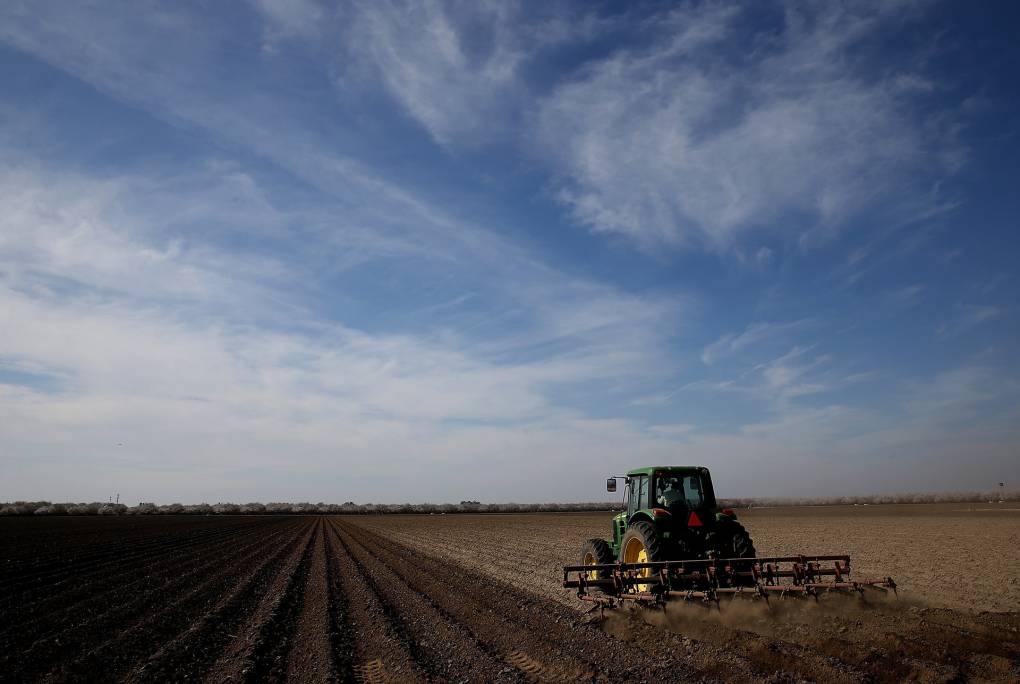
"caption": "A tractor plows a field on Feb. 25, 2014, in Firebaugh, California. ",
"description": null,
"title": "Statewide Drought Forces Californians To Take Drastic Measures For Water Conversation",
"credit": "Justin Sullivan/Getty Images",
"status": "inherit",
"isLoading": false,
"fetchFailed": false
},
"science_1945914": {
"type": "attachments",
"id": "science_1945914",
"meta": {
"index": "attachments_1716263798",
"site": "science",
"id": "1945914",
"found": true
},
"parent": 1945910,
"imgSizes": {
"thumbnail": {
"file": "https://ww2.kqed.org/app/uploads/sites/35/2019/07/RS38136_naturalgas_003-sfi-160x111.jpg",
"width": 160,
"mimeType": "image/jpeg",
"height": 111
},
"kqedFullSize": {
"file": "https://ww2.kqed.org/app/uploads/sites/35/2019/07/RS38136_naturalgas_003-sfi.jpg",
"width": 520,
"height": 360
}
},
"publishDate": 1564612529,
"modified": 1593550982,
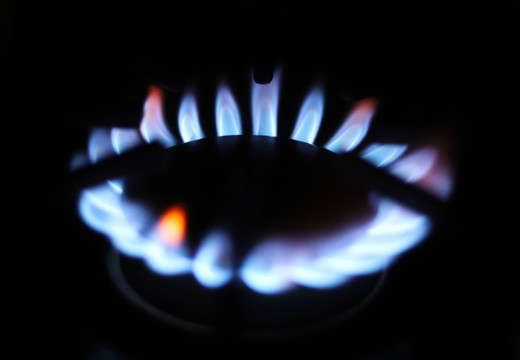
"caption": "A Kenmore natural gas stove in a San Francisco apartment on July 17, 2019. ",
"description": null,
"title": "RS38136_naturalgas_003-sfi",
"credit": "Lindsey Moore/KQED",
"status": "inherit",
"isLoading": false,
"fetchFailed": false
}
},
"audioPlayerReducer": {
"postId": "stream_live",
"isPaused": true,
"isPlaying": false,
"pfsActive": false,
"pledgeModalIsOpen": true,
"playerDrawerIsOpen": false,
"liveAudioPlayStartedAt": 0,
"liveAudioPlayContext": ""
},
"authorsReducer": {
"byline_science_1971774": {
"type": "authors",
"id": "byline_science_1971774",
"meta": {
"override": true
},
"slug": "byline_science_1971774",
"name": "Ellen Knickmeyer \u003cbr />AP\u003cbr>",
"isLoading": false
},
"byline_science_1971763": {
"type": "authors",
"id": "byline_science_1971763",
"meta": {
"override": true
},
"slug": "byline_science_1971763",
"name": "Scott Detrow, Tamara Keith and Jennifer Ludden \u003cbr />NPR\u003cbr>",
"isLoading": false
},
"byline_science_1970622": {
"type": "authors",
"id": "byline_science_1970622",
"meta": {
"override": true
},
"slug": "byline_science_1970622",
"name": "Georgina Gustin \u003cbr />InsideClimate News\u003cbr>",
"isLoading": false
},
"byline_science_1969807": {
"type": "authors",
"id": "byline_science_1969807",
"meta": {
"override": true
},
"slug": "byline_science_1969807",
"name": "Adam Beam, Associated Press, and Kevin Stark, KQED",
"isLoading": false
},
"byline_science_1968270": {
"type": "authors",
"id": "byline_science_1968270",
"meta": {
"override": true
},
"slug": "byline_science_1968270",
"name": " Kristoffer Tigue \u003cbr />InsideClimate News\u003cbr>",
"isLoading": false
},
"byline_science_1968101": {
"type": "authors",
"id": "byline_science_1968101",
"meta": {
"override": true
},
"slug": "byline_science_1968101",
"name": "Julia Kane, InsideClimate News",
"isLoading": false
},
"byline_science_1967914": {
"type": "authors",
"id": "byline_science_1967914",
"meta": {
"override": true
},
"slug": "byline_science_1967914",
"name": "Dan Gearino \u003cBr />InsideClimate News\u003cbr>",
"isLoading": false
},
"byline_science_1967925": {
"type": "authors",
"id": "byline_science_1967925",
"meta": {
"override": true
},
"slug": "byline_science_1967925",
"name": "Dan Gearino \u003cbr />InsideClimate News\u003cbr>",
"isLoading": false
},
"kevinstark": {
"type": "authors",
"id": "11608",
"meta": {
"index": "authors_1716337520",
"id": "11608",
"found": true
},
"name": "Kevin Stark",
"firstName": "Kevin",
"lastName": "Stark",
"slug": "kevinstark",
"email": "kstark@kqed.org",
"display_author_email": true,
"staff_mastheads": [
"science"
],
"title": "Senior Editor",
"bio": "Kevin is a senior editor for KQED Science, managing the station's health and climate desks. His journalism career began in the Pacific Northwest, and he later became a lead reporter for the San Francisco Public Press. His work has appeared in Pacific Standard magazine, the Energy News Network, the Center for Investigative Reporting's Reveal and WBEZ in Chicago. Kevin joined KQED in 2019, and has covered issues related to energy, wildfire, climate change and the environment.",
"avatar": "https://secure.gravatar.com/avatar/365aaa4b597d3a8374f67504ff0facd323d7906e8eb4be0a7efd2427408e802c?s=600&d=blank&r=g",
"twitter": "starkkev",
"bluesky": null,
"facebook": null,
"instagram": null,
"linkedin": null,
"sites": [
{
"site": "",
"roles": [
"editor"
]
},
{
"site": "news",
"roles": [
"editor"
]
},
{
"site": "science",
"roles": [
"administrator"
]
}
],
"headData": {
"title": "Kevin Stark | KQED",
"description": "Senior Editor",
"ogImgSrc": "https://secure.gravatar.com/avatar/365aaa4b597d3a8374f67504ff0facd323d7906e8eb4be0a7efd2427408e802c?s=600&d=blank&r=g",
"twImgSrc": "https://secure.gravatar.com/avatar/365aaa4b597d3a8374f67504ff0facd323d7906e8eb4be0a7efd2427408e802c?s=600&d=blank&r=g"
},
"isLoading": false,
"link": "/author/kevinstark"
}
},
"pagesReducer": {
"science_category_energy": {
"type": "terms",
"id": "science_33",
"meta": {
"index": "terms_1716263798",
"site": "science",
"id": "33",
"score": 12.797476
},
"featImg": null,
"name": "Energy",
"description": null,
"taxonomy": "category",
"headData": {
"twImgId": null,
"twTitle": null,
"ogTitle": null,
"ogImgId": null,
"twDescription": null,
"description": null,
"title": "Energy Archives | KQED Science",
"ogDescription": null
},
"ttid": 35,
"slug": "energy",
"isLoading": false,
"title": "Energy",
"pageMeta": {
"site": "science",
"WpPageTemplate": "page-topic-editorial",
"currentPage": 7
},
"blocks": [
{
"blockName": "kqed/post-list",
"attrs": {
"layout": "cardArticle2",
"query": "posts/science?category=energy",
"seeMore": false,
"paginated": true,
"page": 7
}
},
{
"blockName": "kqed/ad"
}
]
}
},
"pfsSessionReducer": {},
"postsReducer": {
"stream_live": {
"type": "live",
"id": "stream_live",
"audioUrl": "https://streams.kqed.org/kqedradio",
"title": "Live Stream",
"excerpt": "Live Stream information currently unavailable.",
"link": "/radio",
"featImg": "",
"label": {
"name": "KQED Live",
"link": "/"
}
},
"stream_kqedNewscast": {
"type": "posts",
"id": "stream_kqedNewscast",
"audioUrl": "https://www.kqed.org/.stream/anon/radio/RDnews/newscast.mp3?_=1",
"title": "KQED Newscast",
"featImg": "",
"label": {
"name": "88.5 FM",
"link": "/"
}
},
"science_1971774": {
"type": "posts",
"id": "science_1971774",
"meta": {
"index": "posts_1716263798",
"site": "science",
"id": "1971774",
"score": null,
"sort": [
1608239837000
]
},
"parent": 0,
"labelTerm": {},
"blocks": [],
"publishDate": 1608239837,
"format": "standard",
"title": "Biden Taps North Carolina Environmental Official to Run EPA",
"headTitle": "Biden Taps North Carolina Environmental Official to Run EPA | KQED",
"content": "\u003cp class=\"Component-root-0-2-62 Component-p-0-2-53\">President-elect Joe Biden on Thursday offered the leadership of the Environmental Protection Agency to Michael S. Regan, a North Carolina regulator who has made a name pursuing cleanups of industrial toxins and helping low-income and minority communities hit hardest by pollution.\u003c/p>\n\u003cp class=\"Component-root-0-2-62 Component-p-0-2-53\">Biden’s selection of Regan, who leads his state’s environmental agency, was confirmed by two people familiar with the selection process. They were not authorized the discuss the matter publicly before the official announcement and spoke on condition of anonymity.\u003c/p>\n\u003cp class=\"Component-root-0-2-62 Component-p-0-2-53\">Regan became environmental chief in North Carolina in 2017. North Carolina Gov. Roy Cooper, who hired Regan then, told The Associated Press this week that Regan was “a consensus builder and a fierce protector of the environment.”\u003c/p>\n\u003cp class=\"Component-root-0-2-62 Component-p-0-2-53\">In North Carolina, Regan led the negotiations that resulted in the cleanup of the Cape Fear River, which has been dangerously contaminated by PFAS industrial compounds from a chemical plant. He negotiated what North Carolina says was the largest cleanup agreement for toxic coal ash, with Duke Energy.\u003c/p>\n\u003cp class=\"Component-root-0-2-62 Component-p-0-2-53\">Regan also created North Carolina’s Environmental Justice and Equity Advisory Board, to help the low-income and minority communities that suffer disproportionate exposure to harmful pollutants from refineries, factories and freeways.\u003c/p>\n\u003cp>[ad fullwidth]\u003c/p>\n\u003cp class=\"Component-root-0-2-62 Component-p-0-2-53\">Regan previously spent almost a decade at the federal EPA, including managing a national program for air pollution issues.\u003c/p>\n\u003cp class=\"Component-root-0-2-62 Component-p-0-2-53\">His past jobs included serving as an associate vice president for climate and energy issues at the Environmental Defense Fund advocacy group and as head of his own environmental and energy consulting firm.\u003c/p>\n\u003cp class=\"Component-root-0-2-62 Component-p-0-2-53\">California clean-air regulator Mary Nichols, who earlier had been considered the front-runner for the job, had faced increasing objections from progressive groups. They said Nichols had not done enough to address the disproportionate harm low-income and minority communities face from living next to oil and gas installations, factories and freeways.\u003c/p>\n\u003cp>\u003c/p>\n\u003cp class=\"Component-root-0-2-62 Component-p-0-2-53\">Regan, who is Black, has a bachelor’s degree from the North Carolina Agricultural and Technical State University, a historically Black university, and a master’s from George Washington University.\u003c/p>\n\n",
"stats": {
"hasVideo": false,
"hasChartOrMap": false,
"hasAudio": false,
"hasPolis": false,
"wordCount": 345,
"hasGoogleForm": false,
"hasGallery": false,
"hasHearkenModule": false,
"iframeSrcs": [],
"paragraphCount": 2
},
"modified": 1704846874,
"excerpt": "California clean-air regulator Mary Nichols, who earlier had been considered the front-runner for the job, had faced increasing objections from progressive groups.",
"headData": {
"twImgId": "",
"twTitle": "",
"ogTitle": "",
"ogImgId": "",
"twDescription": "",
"description": "California clean-air regulator Mary Nichols, who earlier had been considered the front-runner for the job, had faced increasing objections from progressive groups.",
"title": "Biden Taps North Carolina Environmental Official to Run EPA | KQED",
"ogDescription": "",
"schema": {
"@context": "https://schema.org",
"@type": "Article",
"headline": "Biden Taps North Carolina Environmental Official to Run EPA",
"datePublished": "2020-12-17T13:17:17-08:00",
"dateModified": "2024-01-09T16:34:34-08:00",
"image": "https://cdn.kqed.org/wp-content/uploads/2020/02/KQED-OG-Image@1x.png"
}
},
"guestAuthors": [],
"slug": "biden-taps-north-carolina-environmental-official-to-run-epa",
"status": "publish",
"nprByline": "Ellen Knickmeyer \u003cbr />AP\u003cbr>",
"sticky": false,
"source": "Associated Press",
"path": "/science/1971774/biden-taps-north-carolina-environmental-official-to-run-epa",
"audioTrackLength": null,
"parsedContent": [
{
"type": "contentString",
"content": "\u003cdiv class=\"post-body\">\u003cp>\u003cp class=\"Component-root-0-2-62 Component-p-0-2-53\">President-elect Joe Biden on Thursday offered the leadership of the Environmental Protection Agency to Michael S. Regan, a North Carolina regulator who has made a name pursuing cleanups of industrial toxins and helping low-income and minority communities hit hardest by pollution.\u003c/p>\n\u003cp class=\"Component-root-0-2-62 Component-p-0-2-53\">Biden’s selection of Regan, who leads his state’s environmental agency, was confirmed by two people familiar with the selection process. They were not authorized the discuss the matter publicly before the official announcement and spoke on condition of anonymity.\u003c/p>\n\u003cp class=\"Component-root-0-2-62 Component-p-0-2-53\">Regan became environmental chief in North Carolina in 2017. North Carolina Gov. Roy Cooper, who hired Regan then, told The Associated Press this week that Regan was “a consensus builder and a fierce protector of the environment.”\u003c/p>\n\u003cp class=\"Component-root-0-2-62 Component-p-0-2-53\">In North Carolina, Regan led the negotiations that resulted in the cleanup of the Cape Fear River, which has been dangerously contaminated by PFAS industrial compounds from a chemical plant. He negotiated what North Carolina says was the largest cleanup agreement for toxic coal ash, with Duke Energy.\u003c/p>\n\u003cp class=\"Component-root-0-2-62 Component-p-0-2-53\">Regan also created North Carolina’s Environmental Justice and Equity Advisory Board, to help the low-income and minority communities that suffer disproportionate exposure to harmful pollutants from refineries, factories and freeways.\u003c/p>\n\u003cp>\u003c/p>\u003c/div>",
"attributes": {
"named": {},
"numeric": []
}
},
{
"type": "component",
"content": "",
"name": "ad",
"attributes": {
"named": {
"label": "fullwidth"
},
"numeric": [
"fullwidth"
]
}
},
{
"type": "contentString",
"content": "\u003cdiv class=\"post-body\">\u003cp>\u003c/p>\n\u003cp class=\"Component-root-0-2-62 Component-p-0-2-53\">Regan previously spent almost a decade at the federal EPA, including managing a national program for air pollution issues.\u003c/p>\n\u003cp class=\"Component-root-0-2-62 Component-p-0-2-53\">His past jobs included serving as an associate vice president for climate and energy issues at the Environmental Defense Fund advocacy group and as head of his own environmental and energy consulting firm.\u003c/p>\n\u003cp class=\"Component-root-0-2-62 Component-p-0-2-53\">California clean-air regulator Mary Nichols, who earlier had been considered the front-runner for the job, had faced increasing objections from progressive groups. They said Nichols had not done enough to address the disproportionate harm low-income and minority communities face from living next to oil and gas installations, factories and freeways.\u003c/p>\n\u003cp>\u003c/p>\n\u003cp class=\"Component-root-0-2-62 Component-p-0-2-53\">Regan, who is Black, has a bachelor’s degree from the North Carolina Agricultural and Technical State University, a historically Black university, and a master’s from George Washington University.\u003c/p>\n\n\u003c/div>\u003c/p>",
"attributes": {
"named": {},
"numeric": []
}
}
],
"link": "/science/1971774/biden-taps-north-carolina-environmental-official-to-run-epa",
"authors": [
"byline_science_1971774"
],
"categories": [
"science_31",
"science_33",
"science_35",
"science_40",
"science_4450"
],
"tags": [
"science_4209",
"science_194",
"science_2080"
],
"featImg": "science_1971775",
"label": "source_science_1971774"
},
"science_1971763": {
"type": "posts",
"id": "science_1971763",
"meta": {
"index": "posts_1716263798",
"site": "science",
"id": "1971763",
"score": null,
"sort": [
1608078560000
]
},
"parent": 0,
"labelTerm": {},
"blocks": [],
"publishDate": 1608078560,
"format": "standard",
"title": "Biden to Name Gina McCarthy, Former EPA Chief, as Domestic Climate Coordinator",
"headTitle": "Biden to Name Gina McCarthy, Former EPA Chief, as Domestic Climate Coordinator | KQED",
"content": "\u003cp>President-elect Joe Biden plans to name Gina McCarthy as his White House climate coordinator, a source familiar with the decision said on Tuesday, speaking on condition of anonymity to protect private conversations.\u003c/p>\n\u003cp>McCarthy has an ambitious assignment: coordinating efforts across the entire federal government aimed at drastically — and quickly — lowering the United States’ greenhouse gas emissions. During his campaign, Biden promised to put the U.S. economy on track to being carbon neutral by 2050.\u003c/p>\n\u003cp>McCarthy led the Environmental Protection Agency under former President Barack Obama and is currently chief executive of the Natural Resources Defense Council.\u003c/p>\n\u003cp>McCarthy has years of experience in environmental policy at both the state and federal level. As EPA administrator, she oversaw Obama’s Clean Power Plan, the first national standards for reducing carbon dioxide emissions from power plants. It was blocked from going into effect by the U.S. Supreme Court, before ultimately being withdrawn by the Trump administration. Earlier in her career, McCarthy was commissioner of the Connecticut Department of Environmental Protection and helped develop a multistate program to reduce greenhouse gas emissions.\u003c/p>\n\u003cp>McCarthy will serve as a domestic counterpoint to\u003ca href=\"https://www.npr.org/sections/biden-transition-updates/2020/11/23/938150511/john-kerry-tapped-for-newly-created-role-as-presidential-climate-envoy\" target=\"_blank\" rel=\"noopener noreferrer\"> former Secretary of State John Kerry\u003c/a>, who Biden tapped in his first wave of appointments as the administration’s international point person on climate policy. The two worked together in the Obama administration, and she worked in Massachusetts state government when he represented the state as a U.S. senator. Neither of the positions require Senate confirmation.\u003c/p>\n\u003cp>[ad fullwidth]\u003c/p>\n\u003cp>Together, the two positions underscore the priority Biden will place on climate change — a crisis the Trump administration dismissed and questioned, even as the United States experienced record wildfires, hurricanes and flooding in recent years. President Trump pulled the United States out of the Paris climate agreement, an international accord signed in 2015 in which countries promised to lower their greenhouse gas emissions. His administration repealed \u003ca href=\"https://climate.law.columbia.edu/climate-deregulation-tracker\">\u003cstrong>dozens\u003c/strong>\u003c/a> of Obama-era environmental rules aimed at cutting greenhouse gases.\u003c/p>\n\u003cp>McCarthy will be at the center of Biden’s expected push to use executive action and rule-making to rein in carbon emissions and reverse Trump’s rollbacks of environmental regulations. Biden has framed climate change as one of the four most important issues his administration will confront when he takes office on Jan. 20.\u003c/p>\n\u003cp>Biden also is expected to name Ali Zaidi as McCarthy’s deputy at the White House. Zaidi, currently a top climate adviser to New York Gov. Andrew Cuomo, worked on energy and climate policy in the Obama administration, including at the Office of Management and Budget. He was part of the delegation that negotiated the Paris climate agreement.\u003c/p>\n\u003cp>\u003cstrong>Climate as a ‘Systemic Issue’\u003c/strong>\u003c/p>\n\u003cp>In her new job as the White House domestic climate chief, McCarthy will drive policies to address climate change beyond the usual federal agencies’ work on it, such as the Interior and Energy departments and the Environmental Protection Agency — and will coordinate the planning across government agencies.\u003c/p>\n\u003cp>For example, the Department of Housing and Urban Development could make the buildings it oversees more energy-efficient and resilient. The Department of Agriculture could promote soil management to sequester carbon. The Treasury Department could do more to take climate risk into account when banks lend money, encouraging financing for renewable projects over those that rely on fossil fuels. The Pentagon could further integrate into its planning the risks climate change poses to its military installations around the world.\u003c/p>\n\u003cp>“It is being treated as a systemic issue, not something uniquely given to EPA or the Department of the Interior, but something that is all about using the entire federal budget, and the strength of the entire Cabinet, to actually move this issue forward in ways that were not available to us before. We have not had this kind of base of support, so I think this administration is ready to run,” McCarthy said in an interview with NPR last week, before news broke about her appointment.\u003c/p>\n\u003cp>\u003cstrong>Net-zero Emissions by 2050\u003c/strong>\u003c/p>\n\u003cp>Biden and his team share the widely held belief among climate advocates and scientists that the coming decade is the world’s final window to stave off the worst-case scenario of a warming planet. \u003ca href=\"https://www.npr.org/2018/10/08/655360909/grim-forecast-from-u-n-on-global-climate-change\">A report issued two years ago\u003c/a> by the United Nations’ Intergovernmental Panel on Climate Change warned of devastating changes to weather patterns, sea levels, agricultural ecosystems and much more, if the planet warms by more than 1.5 degrees Celsius. In order to meet that goal, the global community would need to halt the ever-increasing rise of greenhouse gases, and then cut emissions by up to 50% in the coming decade, the report said.\u003c/p>\n\u003cp>In a statement issued Saturday to mark the fifth anniversary of the Paris climate accord, Biden promised to rejoin the agreement, saying, “We haven’t come close to the bold action that’s needed,” he said, promising to rejoin the agreement, and then put the United States on a path to achieve net-zero emissions by 2050.\u003c/p>\n\u003cp>Meeting the goal would require a massive shift to the country’s economy, energy production and energy consumption. That’s why environmental advocates like Varshini Prakash, the co-founder of the Sunrise Movement, had pushed so hard for Biden to appoint a domestic climate coordinator.\u003c/p>\n\u003cp>“There’s a ton of power the government already has that it could wield, if it just was more effective and effectively coordinated, and somebody were ambitious and hard-nosed in making it happen,” Prakash said.\u003c/p>\n\u003cp>Speaking to NPR before McCarthy had been selected for the role, Prakash said she was hoping for a person who “would not be sort of a stand-alone, on an island, individual, but would have the resources, would have direct access to the president, and would be sitting at the tables where they’re discussing the budget, and essentially would have the ability to whip agencies into action to do everything in their power to address the climate crisis.”\u003c/p>\n\u003cp>Tiernan Sittenfeld, with the League of Conservation Voters, says she thinks Biden’s high-level, broad approach also makes clear that “dealing with the climate crisis is inextricably linked with all the crises that we face,” from economic and racial inequality to the pandemic and its economic fallout.\u003c/p>\n\u003cp>Shortly after the election, \u003ca href=\"https://www.npr.org/2020/11/14/934920666/joe-bidens-options-to-combat-climate-change\">McCarthy told NPR\u003c/a> that kind of framing might even help persuade reluctant Republicans in Congress to support investments in wind and solar, which are increasingly cheaper than coal and natural gas in many places.\u003c/p>\n\u003cp>[ad floatright]\u003c/p>\n\u003cp>“People want fairness, people want to be healthy,” she said. “I think the more we can show the value of clean energy, even in your pocketbooks, then people will be much less afraid to recognize that climate change is happening.”\u003c/p>\n\u003cdiv class=\"fullattribution\">Copyright 2020 NPR. To see more, visit https://www.npr.org.\u003cimg decoding=\"async\" src=\"https://www.google-analytics.com/__utm.gif?utmac=UA-5828686-4&utmdt=Biden+To+Name+Gina+McCarthy%2C+Former+EPA+Chief%2C+As+Domestic+Climate+Coordinator&utme=8(APIKey)9(MDAxOTAwOTE4MDEyMTkxMDAzNjczZDljZA004)\">\u003c/div>\n\n",
"stats": {
"hasVideo": false,
"hasChartOrMap": false,
"hasAudio": false,
"hasPolis": false,
"wordCount": 1164,
"hasGoogleForm": false,
"hasGallery": false,
"hasHearkenModule": false,
"iframeSrcs": [],
"paragraphCount": 23
},
"modified": 1704846880,
"excerpt": "Gina McCarthy will have an ambitious assignment: coordinating efforts across the entire federal government aimed at drastically — and quickly — lowering the United States' greenhouse gas emissions. ",
"headData": {
"twImgId": "",
"twTitle": "",
"ogTitle": "",
"ogImgId": "",
"twDescription": "",
"description": "Gina McCarthy will have an ambitious assignment: coordinating efforts across the entire federal government aimed at drastically — and quickly — lowering the United States' greenhouse gas emissions. ",
"title": "Biden to Name Gina McCarthy, Former EPA Chief, as Domestic Climate Coordinator | KQED",
"ogDescription": "",
"schema": {
"@context": "https://schema.org",
"@type": "Article",
"headline": "Biden to Name Gina McCarthy, Former EPA Chief, as Domestic Climate Coordinator",
"datePublished": "2020-12-15T16:29:20-08:00",
"dateModified": "2024-01-09T16:34:40-08:00",
"image": "https://cdn.kqed.org/wp-content/uploads/2020/02/KQED-OG-Image@1x.png"
}
},
"guestAuthors": [],
"slug": "biden-to-name-gina-mccarthy-former-epa-chief-as-domestic-climate-coordinator",
"status": "publish",
"nprApiLink": "http://api.npr.org/query?id=945937035&apiKey=MDAxOTAwOTE4MDEyMTkxMDAzNjczZDljZA004",
"nprByline": "Scott Detrow, Tamara Keith and Jennifer Ludden \u003cbr />NPR\u003cbr>",
"nprStoryDate": "Tue, 15 Dec 2020 18:37:02 -0500",
"nprLastModifiedDate": "Tue, 15 Dec 2020 19:08:36 -0500",
"sticky": false,
"nprHtmlLink": "https://www.npr.org/sections/biden-transition-updates/2020/12/15/945937035/biden-to-name-gina-mccarthy-former-epa-chief-as-domestic-climate-coordinator?ft=nprml&f=945937035",
"nprImageAgency": "Getty Images",
"nprImageCredit": "Kim Raff",
"source": "NPR",
"nprStoryId": "945937035",
"nprRetrievedStory": "1",
"nprPubDate": "Tue, 15 Dec 2020 19:08:00 -0500",
"path": "/science/1971763/biden-to-name-gina-mccarthy-former-epa-chief-as-domestic-climate-coordinator",
"audioTrackLength": null,
"parsedContent": [
{
"type": "contentString",
"content": "\u003cdiv class=\"post-body\">\u003cp>\u003cp>President-elect Joe Biden plans to name Gina McCarthy as his White House climate coordinator, a source familiar with the decision said on Tuesday, speaking on condition of anonymity to protect private conversations.\u003c/p>\n\u003cp>McCarthy has an ambitious assignment: coordinating efforts across the entire federal government aimed at drastically — and quickly — lowering the United States’ greenhouse gas emissions. During his campaign, Biden promised to put the U.S. economy on track to being carbon neutral by 2050.\u003c/p>\n\u003cp>McCarthy led the Environmental Protection Agency under former President Barack Obama and is currently chief executive of the Natural Resources Defense Council.\u003c/p>\n\u003cp>McCarthy has years of experience in environmental policy at both the state and federal level. As EPA administrator, she oversaw Obama’s Clean Power Plan, the first national standards for reducing carbon dioxide emissions from power plants. It was blocked from going into effect by the U.S. Supreme Court, before ultimately being withdrawn by the Trump administration. Earlier in her career, McCarthy was commissioner of the Connecticut Department of Environmental Protection and helped develop a multistate program to reduce greenhouse gas emissions.\u003c/p>\n\u003cp>McCarthy will serve as a domestic counterpoint to\u003ca href=\"https://www.npr.org/sections/biden-transition-updates/2020/11/23/938150511/john-kerry-tapped-for-newly-created-role-as-presidential-climate-envoy\" target=\"_blank\" rel=\"noopener noreferrer\"> former Secretary of State John Kerry\u003c/a>, who Biden tapped in his first wave of appointments as the administration’s international point person on climate policy. The two worked together in the Obama administration, and she worked in Massachusetts state government when he represented the state as a U.S. senator. Neither of the positions require Senate confirmation.\u003c/p>\n\u003cp>\u003c/p>\u003c/div>",
"attributes": {
"named": {},
"numeric": []
}
},
{
"type": "component",
"content": "",
"name": "ad",
"attributes": {
"named": {
"label": "fullwidth"
},
"numeric": [
"fullwidth"
]
}
},
{
"type": "contentString",
"content": "\u003cdiv class=\"post-body\">\u003cp>\u003c/p>\n\u003cp>Together, the two positions underscore the priority Biden will place on climate change — a crisis the Trump administration dismissed and questioned, even as the United States experienced record wildfires, hurricanes and flooding in recent years. President Trump pulled the United States out of the Paris climate agreement, an international accord signed in 2015 in which countries promised to lower their greenhouse gas emissions. His administration repealed \u003ca href=\"https://climate.law.columbia.edu/climate-deregulation-tracker\">\u003cstrong>dozens\u003c/strong>\u003c/a> of Obama-era environmental rules aimed at cutting greenhouse gases.\u003c/p>\n\u003cp>McCarthy will be at the center of Biden’s expected push to use executive action and rule-making to rein in carbon emissions and reverse Trump’s rollbacks of environmental regulations. Biden has framed climate change as one of the four most important issues his administration will confront when he takes office on Jan. 20.\u003c/p>\n\u003cp>Biden also is expected to name Ali Zaidi as McCarthy’s deputy at the White House. Zaidi, currently a top climate adviser to New York Gov. Andrew Cuomo, worked on energy and climate policy in the Obama administration, including at the Office of Management and Budget. He was part of the delegation that negotiated the Paris climate agreement.\u003c/p>\n\u003cp>\u003cstrong>Climate as a ‘Systemic Issue’\u003c/strong>\u003c/p>\n\u003cp>In her new job as the White House domestic climate chief, McCarthy will drive policies to address climate change beyond the usual federal agencies’ work on it, such as the Interior and Energy departments and the Environmental Protection Agency — and will coordinate the planning across government agencies.\u003c/p>\n\u003cp>For example, the Department of Housing and Urban Development could make the buildings it oversees more energy-efficient and resilient. The Department of Agriculture could promote soil management to sequester carbon. The Treasury Department could do more to take climate risk into account when banks lend money, encouraging financing for renewable projects over those that rely on fossil fuels. The Pentagon could further integrate into its planning the risks climate change poses to its military installations around the world.\u003c/p>\n\u003cp>“It is being treated as a systemic issue, not something uniquely given to EPA or the Department of the Interior, but something that is all about using the entire federal budget, and the strength of the entire Cabinet, to actually move this issue forward in ways that were not available to us before. We have not had this kind of base of support, so I think this administration is ready to run,” McCarthy said in an interview with NPR last week, before news broke about her appointment.\u003c/p>\n\u003cp>\u003cstrong>Net-zero Emissions by 2050\u003c/strong>\u003c/p>\n\u003cp>Biden and his team share the widely held belief among climate advocates and scientists that the coming decade is the world’s final window to stave off the worst-case scenario of a warming planet. \u003ca href=\"https://www.npr.org/2018/10/08/655360909/grim-forecast-from-u-n-on-global-climate-change\">A report issued two years ago\u003c/a> by the United Nations’ Intergovernmental Panel on Climate Change warned of devastating changes to weather patterns, sea levels, agricultural ecosystems and much more, if the planet warms by more than 1.5 degrees Celsius. In order to meet that goal, the global community would need to halt the ever-increasing rise of greenhouse gases, and then cut emissions by up to 50% in the coming decade, the report said.\u003c/p>\n\u003cp>In a statement issued Saturday to mark the fifth anniversary of the Paris climate accord, Biden promised to rejoin the agreement, saying, “We haven’t come close to the bold action that’s needed,” he said, promising to rejoin the agreement, and then put the United States on a path to achieve net-zero emissions by 2050.\u003c/p>\n\u003cp>Meeting the goal would require a massive shift to the country’s economy, energy production and energy consumption. That’s why environmental advocates like Varshini Prakash, the co-founder of the Sunrise Movement, had pushed so hard for Biden to appoint a domestic climate coordinator.\u003c/p>\n\u003cp>“There’s a ton of power the government already has that it could wield, if it just was more effective and effectively coordinated, and somebody were ambitious and hard-nosed in making it happen,” Prakash said.\u003c/p>\n\u003cp>Speaking to NPR before McCarthy had been selected for the role, Prakash said she was hoping for a person who “would not be sort of a stand-alone, on an island, individual, but would have the resources, would have direct access to the president, and would be sitting at the tables where they’re discussing the budget, and essentially would have the ability to whip agencies into action to do everything in their power to address the climate crisis.”\u003c/p>\n\u003cp>Tiernan Sittenfeld, with the League of Conservation Voters, says she thinks Biden’s high-level, broad approach also makes clear that “dealing with the climate crisis is inextricably linked with all the crises that we face,” from economic and racial inequality to the pandemic and its economic fallout.\u003c/p>\n\u003cp>Shortly after the election, \u003ca href=\"https://www.npr.org/2020/11/14/934920666/joe-bidens-options-to-combat-climate-change\">McCarthy told NPR\u003c/a> that kind of framing might even help persuade reluctant Republicans in Congress to support investments in wind and solar, which are increasingly cheaper than coal and natural gas in many places.\u003c/p>\n\u003cp>\u003c/p>\u003c/div>",
"attributes": {
"named": {},
"numeric": []
}
},
{
"type": "component",
"content": "",
"name": "ad",
"attributes": {
"named": {
"label": "floatright"
},
"numeric": [
"floatright"
]
}
},
{
"type": "contentString",
"content": "\u003cdiv class=\"post-body\">\u003cp>\u003c/p>\n\u003cp>“People want fairness, people want to be healthy,” she said. “I think the more we can show the value of clean energy, even in your pocketbooks, then people will be much less afraid to recognize that climate change is happening.”\u003c/p>\n\u003cdiv class=\"fullattribution\">Copyright 2020 NPR. To see more, visit https://www.npr.org.\u003cimg decoding=\"async\" src=\"https://www.google-analytics.com/__utm.gif?utmac=UA-5828686-4&utmdt=Biden+To+Name+Gina+McCarthy%2C+Former+EPA+Chief%2C+As+Domestic+Climate+Coordinator&utme=8(APIKey)9(MDAxOTAwOTE4MDEyMTkxMDAzNjczZDljZA004)\">\u003c/div>\n\n\u003c/div>\u003c/p>",
"attributes": {
"named": {},
"numeric": []
}
}
],
"link": "/science/1971763/biden-to-name-gina-mccarthy-former-epa-chief-as-domestic-climate-coordinator",
"authors": [
"byline_science_1971763"
],
"categories": [
"science_31",
"science_33",
"science_35",
"science_40",
"science_4450"
],
"tags": [
"science_182",
"science_2936"
],
"featImg": "science_1971764",
"label": "source_science_1971763"
},
"science_1971608": {
"type": "posts",
"id": "science_1971608",
"meta": {
"index": "posts_1716263798",
"site": "science",
"id": "1971608",
"score": null,
"sort": [
1607635600000
]
},
"parent": 0,
"labelTerm": {},
"blocks": [],
"publishDate": 1607635600,
"format": "aside",
"title": "Newsom Appoints Longtime Regulator to Replace Nichols as Top Calif. Air Official",
"headTitle": "Newsom Appoints Longtime Regulator to Replace Nichols as Top Calif. Air Official | KQED",
"content": "\u003cfigure id=\"attachment_1971619\" class=\"wp-caption alignright\" style=\"max-width: 200px\">\u003cimg loading=\"lazy\" decoding=\"async\" class=\"wp-image-1971619 size-full\" src=\"https://ww2.kqed.org/app/uploads/sites/35/2020/12/Liane_Randolph.jpg\" alt=\"\" width=\"200\" height=\"300\" srcset=\"https://cdn.kqed.org/wp-content/uploads/sites/35/2020/12/Liane_Randolph.jpg 200w, https://cdn.kqed.org/wp-content/uploads/sites/35/2020/12/Liane_Randolph-160x240.jpg 160w\" sizes=\"(max-width: 200px) 100vw, 200px\">\u003cfigcaption class=\"wp-caption-text\">Liane Randolph will lead the California Air Resources Board. \u003ccite>(CPUC)\u003c/cite>\u003c/figcaption>\u003c/figure>\n\u003cp class=\"p1\">Gov. Gavin Newsom has appointed California Public Utilities Commissioner Liane Randolph to replace the outgoing Mary Nichols, long the center of gravity for the state’s climate policy, as the chair of the California Air Resources Board.\u003c/p>\n\u003cp>Nichols amassed a considerable amount of power in California as the state’s top air regulator, shepherding through sweeping regulations on power plants, implementing cap-and-trade legislation, and piloting pollution control measures that are some of the strongest in the nation.\u003c/p>\n\u003cp>A deft political operative, Nichols, who is retiring at the end of the month, was also on the front lines of the state’s policy battles with the Trump administration over the environment and climate change, most notably in her fostering an agreement between the state and five major automakers to follow California’s stricter clean-car rules after Trump sought to relax federal standards. She is reportedly President-elect Joe Biden’s top pick to be the next head of the federal EPA.\u003c/p>\n\u003cp class=\"p1\">In contrast, Randolph is a behind-the-scenes government attorney with a long history as a state and local government regulator, most recently with the Public Utilities Commission. She was the deputy secretary and general counsel at the California Natural Resources Agency and is a former city attorney for San Leandro, among other bureaucratic roles.\u003c/p>\n\u003cp>If Randolph, a 55-year-old Democrat from Oakland, is confirmed by the state Senate, she’ll be the first Black chair of the agency.\u003c/p>\n\u003cp>[ad fullwidth]\u003c/p>\n\u003cp>In September, Black employees at the agency raised concerns about a racist working environment and called for more diversity at the agency, in a\u003ca href=\"https://www.politico.com/states/f/?id=00000175-4ccb-d7aa-af77-5ecfb0830000\" target=\"_blank\" rel=\"noopener noreferrer\"> letter\u003c/a> obtained by Politico this week.\u003c/p>\n\u003cp class=\"p1\">In a statement announcing the appointment, Newsom said Randolph is a “bold, innovative” leader who will “lead in our fight against climate change with equity and all California’s communities at heart.”\u003c/p>\n\u003cp class=\"p1\">Randolph said in an emailed statement that she is “beyond excited and honored” to be selected to lead an agency that “has been at the forefront of environmental progress for decades.”\u003c/p>\n\u003cp>“Governor Newsom and the Legislature have set California on a bold path to address the air pollution that burdens our communities and the existential threat of climate change,” she said. “Implementing these policies requires effective management and strategy that centers the people most affected by environmental damage.”\u003c/p>\n\u003cp>For weeks the chatter at the agency and between environmentalists was that Newsom would\u003cspan class=\"Apple-converted-space\"> \u003c/span>pick either board member Hector de la Torre, a former assemblyman from Los Angeles and a close ally of Nichols, or Martha Guzman Aceves, another commissioner at the CPUC and the preferred choice of many of the state’s environmental justice groups.\u003c/p>\n\u003cp>In an interview before Newsom’s announcement, \u003cspan class=\"s1\">Miya Yoshitani, executive director of the Asian Pacific Environmental Network, said \u003c/span>Guzman Aceves would be “an excellent choice.”\u003c/p>\n\u003cp>The selection of a lower profile, nuts-and-bolts administrator to lead the agency could mean that Newsom wants to avoid an ideological fight, as well as deciding to center climate policy-making within Cal EPA and his administration. Under Nichols’ leadership, CARB operated as a powerful, almost independent entity.\u003c/p>\n\u003cp>With the naming of Nichols’ successor, Newsom has a chance to put his stamp on the state’s climate policies and possibly shift away from the reliance on market-based solutions preferred by Nichols and former Govs. Jerry Brown and Arnold Schwarzenegger.\u003c/p>\n\u003cp>California’s 2017 climate plan designates cap-and-trade as responsible for almost half of the reductions required to achieve the state’s 2030 climate target, making it the single largest driver of planned climate policy outcomes.\u003c/p>\n\u003cp class=\"p2\">But after the cap-and-trade auction \u003ca href=\"https://www.kqed.org/science/1965124/californias-cap-and-trade-program-generates-severely-reduced-revenue\">\u003cspan class=\"s2\">generated\u003c/span>\u003c/a> severely reduced revenue in May, Newsom and Jared Blumenfeld, California’s secretary for environmental protection, penned a joint letter to Senate leaders acknowledging the need to “revisit the program design” and examine how well the policy works.\u003c/p>\n\u003cp class=\"p2\">“Achieving clarity around the operating assumptions and the relative weight given to our cap-and-trade program is essential,” they wrote.\u003cspan class=\"Apple-converted-space\"> \u003c/span>\u003c/p>\n\u003cp>California’s emissions of greenhouse gas declined about 5% in the five years after the program began in 2013, but a significant portion of the reductions likely stem from the state requiring utilities to buy more power produced from solar, wind and other renewables.\u003c/p>\n\u003cp>Cap-and-trade auctions have generated billions of dollars to fund programs that are meant to further reduce greenhouse gas emissions.\u003c/p>\n\u003cp>The selection of Randolph was quickly praised by\u003cspan class=\"Apple-converted-space\"> \u003c/span>a coalition of grassroots environmental justice groups, as well as the president of the Environmental Defense Fund, Fred Krupp, who called her “an excellent choice.”\u003c/p>\n\u003cp>Gladys Limón, executive director of the California Environmental Justice Alliance,\u003cspan class=\"Apple-converted-space\"> \u003c/span>described Randolph in a statement as a “thoughtful leader” with “vast knowledge and experience.”\u003c/p>\n\u003cp>“As an alliance of EJ organizations working to improve the environmental health of communities with the worst air quality in the state, we hope Randolph prioritizes equity in her leadership and look forward to working with her,” she said.\u003c/p>\n\u003cp>Limón’s group was one of more than 70 who co-signed a \u003ca href=\"https://www.kqed.org/science/1971416/california-environmental-groups-tell-biden-not-to-pick-mary-nichols-for-epa\">\u003cspan class=\"s2\">letter\u003c/span>\u003c/a> to Joe Biden’s transition team last week asking the incoming president to avoid picking Nichols as head of the Environmental Protection Agency, in part because of her support for cap-and-trade.\u003c/p>\n\u003cp>The governor thanked Nichols for her “extraordinary tenure” as the state’s top air regulator.\u003c/p>\n\u003cp> \u003c/p>\n\u003cp> \u003c/p>\n\u003cp>\u003c/p>\n\u003cp class=\"p3\">\u003cspan class=\"Apple-converted-space\"> \u003c/span>\u003c/p>\n\n",
"stats": {
"hasVideo": false,
"hasChartOrMap": false,
"hasAudio": false,
"hasPolis": false,
"wordCount": 952,
"hasGoogleForm": false,
"hasGallery": false,
"hasHearkenModule": false,
"iframeSrcs": [],
"paragraphCount": 19
},
"modified": 1704846895,
"excerpt": "Randolph is a government attorney with a long history as a state and local government regulator. ",
"headData": {
"twImgId": "",
"twTitle": "",
"ogTitle": "",
"ogImgId": "",
"twDescription": "",
"description": "Randolph is a government attorney with a long history as a state and local government regulator. ",
"title": "Newsom Appoints Longtime Regulator to Replace Nichols as Top Calif. Air Official | KQED",
"ogDescription": "",
"schema": {
"@context": "https://schema.org",
"@type": "Article",
"headline": "Newsom Appoints Longtime Regulator to Replace Nichols as Top Calif. Air Official",
"datePublished": "2020-12-10T13:26:40-08:00",
"dateModified": "2024-01-09T16:34:55-08:00",
"image": "https://cdn.kqed.org/wp-content/uploads/2020/02/KQED-OG-Image@1x.png"
}
},
"guestAuthors": [],
"slug": "newsom-appoints-longtime-regulator-to-replace-nichols-as-top-calif-air-official",
"status": "publish",
"sticky": false,
"source": "Climate Change",
"path": "/science/1971608/newsom-appoints-longtime-regulator-to-replace-nichols-as-top-calif-air-official",
"audioTrackLength": null,
"parsedContent": [
{
"type": "contentString",
"content": "\u003cdiv class=\"post-body\">\u003cp>\u003cfigure id=\"attachment_1971619\" class=\"wp-caption alignright\" style=\"max-width: 200px\">\u003cimg loading=\"lazy\" decoding=\"async\" class=\"wp-image-1971619 size-full\" src=\"https://ww2.kqed.org/app/uploads/sites/35/2020/12/Liane_Randolph.jpg\" alt=\"\" width=\"200\" height=\"300\" srcset=\"https://cdn.kqed.org/wp-content/uploads/sites/35/2020/12/Liane_Randolph.jpg 200w, https://cdn.kqed.org/wp-content/uploads/sites/35/2020/12/Liane_Randolph-160x240.jpg 160w\" sizes=\"(max-width: 200px) 100vw, 200px\">\u003cfigcaption class=\"wp-caption-text\">Liane Randolph will lead the California Air Resources Board. \u003ccite>(CPUC)\u003c/cite>\u003c/figcaption>\u003c/figure>\n\u003cp class=\"p1\">Gov. Gavin Newsom has appointed California Public Utilities Commissioner Liane Randolph to replace the outgoing Mary Nichols, long the center of gravity for the state’s climate policy, as the chair of the California Air Resources Board.\u003c/p>\n\u003cp>Nichols amassed a considerable amount of power in California as the state’s top air regulator, shepherding through sweeping regulations on power plants, implementing cap-and-trade legislation, and piloting pollution control measures that are some of the strongest in the nation.\u003c/p>\n\u003cp>A deft political operative, Nichols, who is retiring at the end of the month, was also on the front lines of the state’s policy battles with the Trump administration over the environment and climate change, most notably in her fostering an agreement between the state and five major automakers to follow California’s stricter clean-car rules after Trump sought to relax federal standards. She is reportedly President-elect Joe Biden’s top pick to be the next head of the federal EPA.\u003c/p>\n\u003cp class=\"p1\">In contrast, Randolph is a behind-the-scenes government attorney with a long history as a state and local government regulator, most recently with the Public Utilities Commission. She was the deputy secretary and general counsel at the California Natural Resources Agency and is a former city attorney for San Leandro, among other bureaucratic roles.\u003c/p>\n\u003cp>If Randolph, a 55-year-old Democrat from Oakland, is confirmed by the state Senate, she’ll be the first Black chair of the agency.\u003c/p>\n\u003cp>\u003c/p>\u003c/div>",
"attributes": {
"named": {},
"numeric": []
}
},
{
"type": "component",
"content": "",
"name": "ad",
"attributes": {
"named": {
"label": "fullwidth"
},
"numeric": [
"fullwidth"
]
}
},
{
"type": "contentString",
"content": "\u003cdiv class=\"post-body\">\u003cp>\u003c/p>\n\u003cp>In September, Black employees at the agency raised concerns about a racist working environment and called for more diversity at the agency, in a\u003ca href=\"https://www.politico.com/states/f/?id=00000175-4ccb-d7aa-af77-5ecfb0830000\" target=\"_blank\" rel=\"noopener noreferrer\"> letter\u003c/a> obtained by Politico this week.\u003c/p>\n\u003cp class=\"p1\">In a statement announcing the appointment, Newsom said Randolph is a “bold, innovative” leader who will “lead in our fight against climate change with equity and all California’s communities at heart.”\u003c/p>\n\u003cp class=\"p1\">Randolph said in an emailed statement that she is “beyond excited and honored” to be selected to lead an agency that “has been at the forefront of environmental progress for decades.”\u003c/p>\n\u003cp>“Governor Newsom and the Legislature have set California on a bold path to address the air pollution that burdens our communities and the existential threat of climate change,” she said. “Implementing these policies requires effective management and strategy that centers the people most affected by environmental damage.”\u003c/p>\n\u003cp>For weeks the chatter at the agency and between environmentalists was that Newsom would\u003cspan class=\"Apple-converted-space\"> \u003c/span>pick either board member Hector de la Torre, a former assemblyman from Los Angeles and a close ally of Nichols, or Martha Guzman Aceves, another commissioner at the CPUC and the preferred choice of many of the state’s environmental justice groups.\u003c/p>\n\u003cp>In an interview before Newsom’s announcement, \u003cspan class=\"s1\">Miya Yoshitani, executive director of the Asian Pacific Environmental Network, said \u003c/span>Guzman Aceves would be “an excellent choice.”\u003c/p>\n\u003cp>The selection of a lower profile, nuts-and-bolts administrator to lead the agency could mean that Newsom wants to avoid an ideological fight, as well as deciding to center climate policy-making within Cal EPA and his administration. Under Nichols’ leadership, CARB operated as a powerful, almost independent entity.\u003c/p>\n\u003cp>With the naming of Nichols’ successor, Newsom has a chance to put his stamp on the state’s climate policies and possibly shift away from the reliance on market-based solutions preferred by Nichols and former Govs. Jerry Brown and Arnold Schwarzenegger.\u003c/p>\n\u003cp>California’s 2017 climate plan designates cap-and-trade as responsible for almost half of the reductions required to achieve the state’s 2030 climate target, making it the single largest driver of planned climate policy outcomes.\u003c/p>\n\u003cp class=\"p2\">But after the cap-and-trade auction \u003ca href=\"https://www.kqed.org/science/1965124/californias-cap-and-trade-program-generates-severely-reduced-revenue\">\u003cspan class=\"s2\">generated\u003c/span>\u003c/a> severely reduced revenue in May, Newsom and Jared Blumenfeld, California’s secretary for environmental protection, penned a joint letter to Senate leaders acknowledging the need to “revisit the program design” and examine how well the policy works.\u003c/p>\n\u003cp class=\"p2\">“Achieving clarity around the operating assumptions and the relative weight given to our cap-and-trade program is essential,” they wrote.\u003cspan class=\"Apple-converted-space\"> \u003c/span>\u003c/p>\n\u003cp>California’s emissions of greenhouse gas declined about 5% in the five years after the program began in 2013, but a significant portion of the reductions likely stem from the state requiring utilities to buy more power produced from solar, wind and other renewables.\u003c/p>\n\u003cp>Cap-and-trade auctions have generated billions of dollars to fund programs that are meant to further reduce greenhouse gas emissions.\u003c/p>\n\u003cp>The selection of Randolph was quickly praised by\u003cspan class=\"Apple-converted-space\"> \u003c/span>a coalition of grassroots environmental justice groups, as well as the president of the Environmental Defense Fund, Fred Krupp, who called her “an excellent choice.”\u003c/p>\n\u003cp>Gladys Limón, executive director of the California Environmental Justice Alliance,\u003cspan class=\"Apple-converted-space\"> \u003c/span>described Randolph in a statement as a “thoughtful leader” with “vast knowledge and experience.”\u003c/p>\n\u003cp>“As an alliance of EJ organizations working to improve the environmental health of communities with the worst air quality in the state, we hope Randolph prioritizes equity in her leadership and look forward to working with her,” she said.\u003c/p>\n\u003cp>Limón’s group was one of more than 70 who co-signed a \u003ca href=\"https://www.kqed.org/science/1971416/california-environmental-groups-tell-biden-not-to-pick-mary-nichols-for-epa\">\u003cspan class=\"s2\">letter\u003c/span>\u003c/a> to Joe Biden’s transition team last week asking the incoming president to avoid picking Nichols as head of the Environmental Protection Agency, in part because of her support for cap-and-trade.\u003c/p>\n\u003cp>The governor thanked Nichols for her “extraordinary tenure” as the state’s top air regulator.\u003c/p>\n\u003cp> \u003c/p>\n\u003cp> \u003c/p>\n\u003cp>\u003c/p>\n\u003cp class=\"p3\">\u003cspan class=\"Apple-converted-space\"> \u003c/span>\u003c/p>\n\n\u003c/div>\u003c/p>",
"attributes": {
"named": {},
"numeric": []
}
}
],
"link": "/science/1971608/newsom-appoints-longtime-regulator-to-replace-nichols-as-top-calif-air-official",
"authors": [
"11608"
],
"categories": [
"science_31",
"science_33",
"science_35",
"science_40",
"science_4450"
],
"tags": [
"science_4093",
"science_194",
"science_4414"
],
"featImg": "science_1971610",
"label": "source_science_1971608"
},
"science_1970641": {
"type": "posts",
"id": "science_1970641",
"meta": {
"index": "posts_1716263798",
"site": "science",
"id": "1970641",
"score": null,
"sort": [
1603477180000
]
},
"guestAuthors": [],
"slug": "watch-video-of-first-ever-climate-change-segment-in-a-presidential-debate",
"title": "WATCH: Video of First-Ever Climate Change Segment in a Presidential Debate",
"publishDate": 1603477180,
"format": "aside",
"headTitle": "WATCH: Video of First-Ever Climate Change Segment in a Presidential Debate | KQED",
"labelTerm": {
"site": "science"
},
"content": "\u003cp>https://www.youtube.com/watch?v=cGtJQhxZB48\u003c/p>\n\u003cp>For the first time in history, the issue of climate change was a \u003ca href=\"https://www.kqed.org/science/1970622/climate-change-gets-its-own-segment-at-trump-biden-debate-heres-what-they-said\" target=\"_blank\" rel=\"noopener noreferrer\">featured issue\u003c/a> at a presidential election debate. Moderator Kristen Welker of NBC asked the candidates how they would tackle climate change, while also supporting job growth.\u003c/p>\n\u003cp>Welker also directed the candidates in a rare discussion of environmental justice, starting with a question to President Trump: “Some people of color are much more likely to live near oil refineries and chemical plants in Texas. There are families who worry the plants near them are making them sick. Your administration has rolled back regulations on these kinds of facilities. Why should these families give you another four years in office?”\u003c/p>\n\u003cp>In a contentious exchange, Biden, after being pressed by Trump, said he was opposed to banning fracking, except on federal land.\u003c/p>\n\u003cp>Watch the entire segment in the video above from ABC News.\u003c/p>\n\u003cp>[ad fullwidth]\u003c/p>\u003cp>\u003c/p>\n",
"blocks": [],
"excerpt": "Moderator Kristin Welker of NBC asked the candidates how they would tackle climate change while supporting job growth. ",
"status": "publish",
"parent": 0,
"modified": 1725577884,
"stats": {
"hasAudio": false,
"hasVideo": true,
"hasChartOrMap": false,
"iframeSrcs": [],
"hasGoogleForm": false,
"hasGallery": false,
"hasHearkenModule": false,
"hasPolis": false,
"paragraphCount": 6,
"wordCount": 154
},
"headData": {
"title": "WATCH: Video of First-Ever Climate Change Segment in a Presidential Debate | KQED",
"description": "Moderator Kristin Welker of NBC asked the candidates how they would tackle climate change while supporting job growth. ",
"ogTitle": "",
"ogDescription": "",
"ogImgId": "",
"twTitle": "",
"twDescription": "",
"twImgId": "",
"schema": {
"@context": "https://schema.org",
"@type": "Article",
"headline": "WATCH: Video of First-Ever Climate Change Segment in a Presidential Debate",
"datePublished": "2020-10-23T11:19:40-07:00",
"dateModified": "2024-09-05T16:11:24-07:00",
"image": "https://cdn.kqed.org/wp-content/uploads/2020/02/KQED-OG-Image@1x.png"
}
},
"sticky": false,
"path": "/science/1970641/watch-video-of-first-ever-climate-change-segment-in-a-presidential-debate",
"audioTrackLength": null,
"parsedContent": [
{
"type": "contentString",
"content": "\u003cdiv class=\"post-body\">\u003cp>\u003c/p>\u003cp>\u003cspan class='utils-parseShortcode-shortcodes-__youtubeShortcode__embedYoutube'>\n \u003cspan class='utils-parseShortcode-shortcodes-__youtubeShortcode__embedYoutubeInside'>\n \u003ciframe\n loading='lazy'\n class='utils-parseShortcode-shortcodes-__youtubeShortcode__youtubePlayer'\n type='text/html'\n src='//www.youtube.com/embed/cGtJQhxZB48'\n title='//www.youtube.com/embed/cGtJQhxZB48'\n allowfullscreen='true'\n style='border:0;'>\u003c/iframe>\n \u003c/span>\n \u003c/span>\u003c/p>\u003cp>\u003cp>For the first time in history, the issue of climate change was a \u003ca href=\"https://www.kqed.org/science/1970622/climate-change-gets-its-own-segment-at-trump-biden-debate-heres-what-they-said\" target=\"_blank\" rel=\"noopener noreferrer\">featured issue\u003c/a> at a presidential election debate. Moderator Kristen Welker of NBC asked the candidates how they would tackle climate change, while also supporting job growth.\u003c/p>\n\u003cp>Welker also directed the candidates in a rare discussion of environmental justice, starting with a question to President Trump: “Some people of color are much more likely to live near oil refineries and chemical plants in Texas. There are families who worry the plants near them are making them sick. Your administration has rolled back regulations on these kinds of facilities. Why should these families give you another four years in office?”\u003c/p>\n\u003cp>In a contentious exchange, Biden, after being pressed by Trump, said he was opposed to banning fracking, except on federal land.\u003c/p>\n\u003cp>Watch the entire segment in the video above from ABC News.\u003c/p>\n\u003cp>\u003c/p>\u003c/div>",
"attributes": {
"named": {},
"numeric": []
}
},
{
"type": "component",
"content": "",
"name": "ad",
"attributes": {
"named": {
"label": "fullwidth"
},
"numeric": [
"fullwidth"
]
}
},
{
"type": "contentString",
"content": "\u003cdiv class=\"post-body\">\u003cp>\u003c/p>\u003cp>\u003c/p>\n\u003c/div>\u003c/p>",
"attributes": {
"named": {},
"numeric": []
}
}
],
"link": "/science/1970641/watch-video-of-first-ever-climate-change-segment-in-a-presidential-debate",
"authors": [
"11608"
],
"categories": [
"science_31",
"science_33",
"science_35",
"science_40",
"science_4450"
],
"tags": [
"science_194",
"science_2006"
],
"featImg": "science_1970645",
"label": "science"
},
"science_1970622": {
"type": "posts",
"id": "science_1970622",
"meta": {
"index": "posts_1716263798",
"site": "science",
"id": "1970622",
"score": null,
"sort": [
1603473436000
]
},
"parent": 0,
"labelTerm": {},
"blocks": [],
"publishDate": 1603473436,
"format": "standard",
"title": "Climate Change Gets Its Own Segment at Trump-Biden Debate. Here's What They Said",
"headTitle": "Climate Change Gets Its Own Segment at Trump-Biden Debate. Here’s What They Said | KQED",
"content": "\u003cp style=\"font-weight: 400;\">One hour and 20 minutes into Thursday night’s high-stakes presidential debate, the moderator, NBC’s Kristen Welker, asked President Donald Trump and former Vice President Joe Biden an unprecedented question.\u003c/p>\n\u003cp style=\"font-weight: 400;\">How, she asked, would the candidates remedy the oil and gas industry’s disproportionately harmful impacts on communities of color?\u003c/p>\n\u003cp style=\"font-weight: 400;\">Trump’s response: “They’re employed heavily and they’re making more money than they’ve ever made.”\u003c/p>\n\u003cp>[pullquote citation=\"Evan Weber, Sunrise Movement\"]‘This debate was historic: the first-ever general election Presidential debate with climate change as a pre-defined topic and the first debate where climate change was framed out of the gate by the moderator in terms of jobs, the economy, and what the candidates’ plans were — not if the existential crisis even exists.”[/pullquote]\u003c/p>\n\u003cp style=\"font-weight: 400;\">Biden’s response: “It doesn’t matter how much you’re paying them. It’s how you keep them safe.”\u003c/p>\n\u003cp style=\"font-weight: 400;\">In 2012, climate change didn’t surface at all in the presidential debates. In 2016, it did, but barely. That the candidates faced substantial questions over the issue in this election cycle was remarkable and, many in the climate change community would say, long overdue. That Trump and Biden faced a question on a debate stage concerning the more nuanced, complex issues of climate change and race suggests how far the conversation has evolved in eight years.\u003c/p>\n\u003cp style=\"font-weight: 400;\">The candidates’ discussion on climate change Thursday revealed, again, the significant gulf between a president who has spent the last four years rolling back climate regulations, placating the fossil fuel industry and mocking the climate threat, and a candidate who has called climate change “an existential crisis” and developed a plan to tackle the problem — though one that climate progressives say still falls short.\u003c/p>\n\u003cp style=\"font-weight: 400;\">“This debate was historic: the first-ever general election Presidential debate with climate change as a pre-defined topic and the first debate where climate change was framed out of the gate by the moderator in terms of jobs, the economy, and what the candidates’ plans were — not if the existential crisis even exists,” said Evan Weber, political director of the Sunrise Movement, in a statement.\u003c/p>\n\u003cp style=\"font-weight: 400;\">In the debate, the last before Election Day, Trump and Biden fielded questions about a range of topics, most prominently the ongoing COVID-19 crisis, though the biggest question lingering in viewers’ minds may have been whether Trump would adhere to the debate rules and focus on issues and policy.\u003c/p>\n\u003cp style=\"font-weight: 400;\">Late into the hour-and-a-half debate, Welker asked the candidates how they would tackle climate change, while also supporting job growth.\u003c/p>\n\u003cp style=\"font-weight: 400;\">Trump began by reprising what has been his stock response to questions about climate change, citing the “Trillion Trees Program” — in the previous debate he erroneously referred to the program as a plan to plant a “billion” trees — and adding, “I do love the environment.”\u003c/p>\n\u003cp style=\"font-weight: 400;\">Striving to appear conversant with the topic, Trump said, “We have the lowest number in carbon emissions,” an apparent reference to emissions falling during the COVID-19 pandemic. Trump seemed pleased with his mastery of the term and taunted Biden about whether he was familiar with the concept.\u003c/p>\n\u003cp style=\"font-weight: 400;\">“I’m not sure he knows what it means,” Trump said.\u003c/p>\n\u003cp style=\"font-weight: 400;\">The Trillion Trees Program has been broadly embraced by Republicans and some Democrats, but \u003ca href=\"https://insideclimatenews.org/news/26052020/trillion-trees-climate-change\" target=\"_blank\" rel=\"noopener noreferrer\">scientists\u003c/a> have said the plan is inadequate for addressing climate change, that it will only put a tiny dent in emissions and is a distraction from a necessary shift away from fossil fuels.\u003c/p>\n\u003cp style=\"font-weight: 400;\">Emissions dropped during the pandemic, but are now on the rise again, continuing an upward trend that has continued since the beginning of the Trump presidency. The most recent full-year figures from the Environmental Protection Agency, for 2018, show that fossil fuel emissions drove a 3% rise in overall greenhouse gas emissions in that time period.\u003c/p>\n\u003cp>[ad fullwidth]\u003c/p>\n\u003cp style=\"font-weight: 400;\">As he has throughout his bid for the presidency, Biden emphasized a shift to renewable energy, saying his $2 trillion clean economy jobs program would create more than 18 million jobs.\u003c/p>\n\u003cp style=\"font-weight: 400;\">“The oil industry pollutes,” Biden said. “It has to be replaced by renewable energy over time. … I’d stop giving federal subsidies to the oil and gas industry.”\u003c/p>\n\u003cp style=\"font-weight: 400;\">Trump, sensing an opportunity to appeal to voters in battleground states with strong fossil fuels ties, pounced on the comment.\u003c/p>\n\u003cp style=\"font-weight: 400;\">“That’s the biggest statement,” Trump said, turning to look directly into the camera. “Will you remember that Texas? Will you remember that Pennsylvania? Oklahoma? Ohio?”\u003c/p>\n\u003cp style=\"font-weight: 400;\">Trump also reiterated a trope of the fossil fuel industry, calling a shift to renewables a “pipe dream” and saying that wind turbines kill “all the birds.” In a muddled response, he misleadingly suggested that the construction of wind turbines “is more than anything that we are talking about with natural gas.”\u003c/p>\n\u003cp style=\"font-weight: 400;\">Biden responded, “Find me a scientist who says that.”\u003c/p>\n\u003cp style=\"font-weight: 400;\">Trump also attacked Biden’s climate plan, falsely saying it would cost $100 trillion.\u003c/p>\n\u003cp style=\"font-weight: 400;\">“They want to take buildings down because they want to take bigger windows and make them smaller windows,” Trump said, referring to the proposal. “Little tiny windows and many other things.”\u003c/p>\n\u003cp style=\"font-weight: 400;\">The proposal says nothing about shrinking windows.\u003c/p>\n\u003cp style=\"font-weight: 400;\">Trump also attacked Biden on his statements on fracking and natural gas, falsely accusing the Democratic candidate of supporting a ban on fracking and changing his position to court voters in Pennsylvania, a natural gas-intensive and critical swing state, won narrowly by Trump in 2016.\u003c/p>\n\u003cp style=\"font-weight: 400;\">Biden corrected Trump, saying he would only ban new oil and gas permitting on public lands, but supports fracking elsewhere as necessary while the country transitions to a clean energy economy — a position that has been criticized by climate advocates.\u003c/p>\n\u003cp style=\"font-weight: 400;\">Biden framed addressing climate change as an ethical matter and part of a broader shift to rejoining global peers\u003c/p>\n\u003cp style=\"font-weight: 400;\">“We have a moral obligation to deal with it,” he said. “We don’t have much time.\u003c/p>\n\u003cp style=\"font-weight: 400;\">“We’re going to choose science over fiction. We’re going to choose hope over fear,” Biden said, saying that he’d advance an economy “motivated” by clean energy. “We can grow this economy,” Biden said. “What’s on the ballot here is the character of our country.”\u003c/p>\n\u003cp style=\"font-weight: 400;\">Environmental activists largely applauded Biden’s performance, even as many vowed to push him to take bolder steps.\u003c/p>\n\u003cp style=\"font-weight: 400;\">“We are committed to holding a Biden administration accountable to stop fracking and protect our communities,” said 350 Action North America Director Tamara Toles O’Laughlin. “Indigenous, and communities of color continue to bear the brunt of Donald Trump and his fossil fuel lies. It’s time for a just transition for workers across the industry. The planet can’t take four more years of Trump’s deadly mismanagement and plain incompetence.”\u003c/p>\n\u003cp>\u003cem>\u003ca href=\"https://insideclimatenews.org/\" target=\"_blank\" rel=\"noopener noreferrer\">InsideClimate News\u003c/a> is a nonprofit, independent news organization that covers climate, energy and the environment. Sign up for the ICN newsletter \u003ca href=\"https://insideclimatenews.org/newsletter\" target=\"_blank\" rel=\"noopener noreferrer\">here\u003c/a>.\u003c/em>\u003c/p>\n\u003cp>[ad floatright]\u003c/p>\n",
"stats": {
"hasVideo": false,
"hasChartOrMap": false,
"hasAudio": false,
"hasPolis": false,
"wordCount": 1240,
"hasGoogleForm": false,
"hasGallery": false,
"hasHearkenModule": false,
"iframeSrcs": [],
"paragraphCount": 4
},
"modified": 1704846978,
"excerpt": "For the first time, climate change received signficant attention at a presidential debate, and the differences in approach between the candidates could hardly have been more clear. ",
"headData": {
"twImgId": "",
"twTitle": "",
"ogTitle": "",
"ogImgId": "",
"twDescription": "",
"description": "For the first time, climate change received signficant attention at a presidential debate, and the differences in approach between the candidates could hardly have been more clear. ",
"title": "Climate Change Gets Its Own Segment at Trump-Biden Debate. Here's What They Said | KQED",
"ogDescription": "",
"schema": {
"@context": "https://schema.org",
"@type": "Article",
"headline": "Climate Change Gets Its Own Segment at Trump-Biden Debate. Here's What They Said",
"datePublished": "2020-10-23T10:17:16-07:00",
"dateModified": "2024-01-09T16:36:18-08:00",
"image": "https://cdn.kqed.org/wp-content/uploads/2020/02/KQED-OG-Image@1x.png"
}
},
"guestAuthors": [],
"slug": "climate-change-gets-its-own-segment-at-trump-biden-debate-heres-what-they-said",
"status": "publish",
"nprByline": "Georgina Gustin \u003cbr />InsideClimate News\u003cbr>",
"sticky": false,
"source": "InsideClimate News",
"path": "/science/1970622/climate-change-gets-its-own-segment-at-trump-biden-debate-heres-what-they-said",
"audioTrackLength": null,
"parsedContent": [
{
"type": "contentString",
"content": "\u003cdiv class=\"post-body\">\u003cp>\u003cp style=\"font-weight: 400;\">One hour and 20 minutes into Thursday night’s high-stakes presidential debate, the moderator, NBC’s Kristen Welker, asked President Donald Trump and former Vice President Joe Biden an unprecedented question.\u003c/p>\n\u003cp style=\"font-weight: 400;\">How, she asked, would the candidates remedy the oil and gas industry’s disproportionately harmful impacts on communities of color?\u003c/p>\n\u003cp style=\"font-weight: 400;\">Trump’s response: “They’re employed heavily and they’re making more money than they’ve ever made.”\u003c/p>\n\u003cp>\u003c/p>\u003c/div>",
"attributes": {
"named": {},
"numeric": []
}
},
{
"type": "component",
"content": "‘This debate was historic: the first-ever general election Presidential debate with climate change as a pre-defined topic and the first debate where climate change was framed out of the gate by the moderator in terms of jobs, the economy, and what the candidates’ plans were — not if the existential crisis even exists.”",
"name": "pullquote",
"attributes": {
"named": {
"citation": "Evan Weber, Sunrise Movement",
"label": ""
},
"numeric": []
}
},
{
"type": "contentString",
"content": "\u003cdiv class=\"post-body\">\u003cp>\u003c/p>\n\u003cp style=\"font-weight: 400;\">Biden’s response: “It doesn’t matter how much you’re paying them. It’s how you keep them safe.”\u003c/p>\n\u003cp style=\"font-weight: 400;\">In 2012, climate change didn’t surface at all in the presidential debates. In 2016, it did, but barely. That the candidates faced substantial questions over the issue in this election cycle was remarkable and, many in the climate change community would say, long overdue. That Trump and Biden faced a question on a debate stage concerning the more nuanced, complex issues of climate change and race suggests how far the conversation has evolved in eight years.\u003c/p>\n\u003cp style=\"font-weight: 400;\">The candidates’ discussion on climate change Thursday revealed, again, the significant gulf between a president who has spent the last four years rolling back climate regulations, placating the fossil fuel industry and mocking the climate threat, and a candidate who has called climate change “an existential crisis” and developed a plan to tackle the problem — though one that climate progressives say still falls short.\u003c/p>\n\u003cp style=\"font-weight: 400;\">“This debate was historic: the first-ever general election Presidential debate with climate change as a pre-defined topic and the first debate where climate change was framed out of the gate by the moderator in terms of jobs, the economy, and what the candidates’ plans were — not if the existential crisis even exists,” said Evan Weber, political director of the Sunrise Movement, in a statement.\u003c/p>\n\u003cp style=\"font-weight: 400;\">In the debate, the last before Election Day, Trump and Biden fielded questions about a range of topics, most prominently the ongoing COVID-19 crisis, though the biggest question lingering in viewers’ minds may have been whether Trump would adhere to the debate rules and focus on issues and policy.\u003c/p>\n\u003cp style=\"font-weight: 400;\">Late into the hour-and-a-half debate, Welker asked the candidates how they would tackle climate change, while also supporting job growth.\u003c/p>\n\u003cp style=\"font-weight: 400;\">Trump began by reprising what has been his stock response to questions about climate change, citing the “Trillion Trees Program” — in the previous debate he erroneously referred to the program as a plan to plant a “billion” trees — and adding, “I do love the environment.”\u003c/p>\n\u003cp style=\"font-weight: 400;\">Striving to appear conversant with the topic, Trump said, “We have the lowest number in carbon emissions,” an apparent reference to emissions falling during the COVID-19 pandemic. Trump seemed pleased with his mastery of the term and taunted Biden about whether he was familiar with the concept.\u003c/p>\n\u003cp style=\"font-weight: 400;\">“I’m not sure he knows what it means,” Trump said.\u003c/p>\n\u003cp style=\"font-weight: 400;\">The Trillion Trees Program has been broadly embraced by Republicans and some Democrats, but \u003ca href=\"https://insideclimatenews.org/news/26052020/trillion-trees-climate-change\" target=\"_blank\" rel=\"noopener noreferrer\">scientists\u003c/a> have said the plan is inadequate for addressing climate change, that it will only put a tiny dent in emissions and is a distraction from a necessary shift away from fossil fuels.\u003c/p>\n\u003cp style=\"font-weight: 400;\">Emissions dropped during the pandemic, but are now on the rise again, continuing an upward trend that has continued since the beginning of the Trump presidency. The most recent full-year figures from the Environmental Protection Agency, for 2018, show that fossil fuel emissions drove a 3% rise in overall greenhouse gas emissions in that time period.\u003c/p>\n\u003cp>\u003c/p>\u003c/div>",
"attributes": {
"named": {},
"numeric": []
}
},
{
"type": "component",
"content": "",
"name": "ad",
"attributes": {
"named": {
"label": "fullwidth"
},
"numeric": [
"fullwidth"
]
}
},
{
"type": "contentString",
"content": "\u003cdiv class=\"post-body\">\u003cp>\u003c/p>\n\u003cp style=\"font-weight: 400;\">As he has throughout his bid for the presidency, Biden emphasized a shift to renewable energy, saying his $2 trillion clean economy jobs program would create more than 18 million jobs.\u003c/p>\n\u003cp style=\"font-weight: 400;\">“The oil industry pollutes,” Biden said. “It has to be replaced by renewable energy over time. … I’d stop giving federal subsidies to the oil and gas industry.”\u003c/p>\n\u003cp style=\"font-weight: 400;\">Trump, sensing an opportunity to appeal to voters in battleground states with strong fossil fuels ties, pounced on the comment.\u003c/p>\n\u003cp style=\"font-weight: 400;\">“That’s the biggest statement,” Trump said, turning to look directly into the camera. “Will you remember that Texas? Will you remember that Pennsylvania? Oklahoma? Ohio?”\u003c/p>\n\u003cp style=\"font-weight: 400;\">Trump also reiterated a trope of the fossil fuel industry, calling a shift to renewables a “pipe dream” and saying that wind turbines kill “all the birds.” In a muddled response, he misleadingly suggested that the construction of wind turbines “is more than anything that we are talking about with natural gas.”\u003c/p>\n\u003cp style=\"font-weight: 400;\">Biden responded, “Find me a scientist who says that.”\u003c/p>\n\u003cp style=\"font-weight: 400;\">Trump also attacked Biden’s climate plan, falsely saying it would cost $100 trillion.\u003c/p>\n\u003cp style=\"font-weight: 400;\">“They want to take buildings down because they want to take bigger windows and make them smaller windows,” Trump said, referring to the proposal. “Little tiny windows and many other things.”\u003c/p>\n\u003cp style=\"font-weight: 400;\">The proposal says nothing about shrinking windows.\u003c/p>\n\u003cp style=\"font-weight: 400;\">Trump also attacked Biden on his statements on fracking and natural gas, falsely accusing the Democratic candidate of supporting a ban on fracking and changing his position to court voters in Pennsylvania, a natural gas-intensive and critical swing state, won narrowly by Trump in 2016.\u003c/p>\n\u003cp style=\"font-weight: 400;\">Biden corrected Trump, saying he would only ban new oil and gas permitting on public lands, but supports fracking elsewhere as necessary while the country transitions to a clean energy economy — a position that has been criticized by climate advocates.\u003c/p>\n\u003cp style=\"font-weight: 400;\">Biden framed addressing climate change as an ethical matter and part of a broader shift to rejoining global peers\u003c/p>\n\u003cp style=\"font-weight: 400;\">“We have a moral obligation to deal with it,” he said. “We don’t have much time.\u003c/p>\n\u003cp style=\"font-weight: 400;\">“We’re going to choose science over fiction. We’re going to choose hope over fear,” Biden said, saying that he’d advance an economy “motivated” by clean energy. “We can grow this economy,” Biden said. “What’s on the ballot here is the character of our country.”\u003c/p>\n\u003cp style=\"font-weight: 400;\">Environmental activists largely applauded Biden’s performance, even as many vowed to push him to take bolder steps.\u003c/p>\n\u003cp style=\"font-weight: 400;\">“We are committed to holding a Biden administration accountable to stop fracking and protect our communities,” said 350 Action North America Director Tamara Toles O’Laughlin. “Indigenous, and communities of color continue to bear the brunt of Donald Trump and his fossil fuel lies. It’s time for a just transition for workers across the industry. The planet can’t take four more years of Trump’s deadly mismanagement and plain incompetence.”\u003c/p>\n\u003cp>\u003cem>\u003ca href=\"https://insideclimatenews.org/\" target=\"_blank\" rel=\"noopener noreferrer\">InsideClimate News\u003c/a> is a nonprofit, independent news organization that covers climate, energy and the environment. Sign up for the ICN newsletter \u003ca href=\"https://insideclimatenews.org/newsletter\" target=\"_blank\" rel=\"noopener noreferrer\">here\u003c/a>.\u003c/em>\u003c/p>\n\u003cp>\u003c/p>\u003c/div>",
"attributes": {
"named": {},
"numeric": []
}
},
{
"type": "component",
"content": "",
"name": "ad",
"attributes": {
"named": {
"label": "floatright"
},
"numeric": [
"floatright"
]
}
},
{
"type": "contentString",
"content": "\u003cdiv class=\"post-body\">\u003cp>\u003c/p>\n\u003c/div>\u003c/p>",
"attributes": {
"named": {},
"numeric": []
}
}
],
"link": "/science/1970622/climate-change-gets-its-own-segment-at-trump-biden-debate-heres-what-they-said",
"authors": [
"byline_science_1970622"
],
"categories": [
"science_31",
"science_33",
"science_35",
"science_4450"
],
"tags": [
"science_2006",
"science_4122"
],
"featImg": "science_1970627",
"label": "source_science_1970622"
},
"science_1970449": {
"type": "posts",
"id": "science_1970449",
"meta": {
"index": "posts_1716263798",
"site": "science",
"id": "1970449",
"score": null,
"sort": [
1603140159000
]
},
"parent": 0,
"labelTerm": {},
"blocks": [],
"publishDate": 1603140159,
"format": "standard",
"title": "Nichols: Devastating Wildfires Strengthened Support for Ambitious Climate Agenda",
"headTitle": "Nichols: Devastating Wildfires Strengthened Support for Ambitious Climate Agenda | KQED",
"content": "\u003cp class=\"p1\">Mary Nichols, California’s top air regulator and longtime climate crusader, says the state’s record-breaking wildfire year has strengthened political support to move away from fossil fuels and gasoline engines.[pullquote align='right' citation='Mary Nichols']‘Recruiting people who are opposed to addressing human-caused climate change is probably the single biggest scandal [of Trump’s EPA].’[/pullquote]\u003c/p>\n\u003cp class=\"p1\">Nichols says wildfires that ripped across the state in August and September were what compelled Gov. Gavin Newsom to issue two sweeping executive actions on climate change: a \u003ca href=\"https://www.kqed.org/science/1969807/california-to-halt-sales-of-new-gas-cars-by-2035\" target=\"_blank\" rel=\"noopener noreferrer\">\u003cspan class=\"s1\">ban\u003c/span>\u003c/a> on the sale of new gasoline cars by 2035 and an \u003ca href=\"https://www.kqed.org/news/11841850/gov-gavin-newsom-calls-for-protecting-30-of-state-land\" target=\"_blank\" rel=\"noopener noreferrer\">\u003cspan class=\"s1\">order\u003c/span>\u003c/a> to conserve 30% of state land.\u003c/p>\n\u003cp class=\"p1\">“It’s been a really bad summer and fire season is not over yet,” she said in wide-ranging comments offered in a livestreaming address to American University’s Center for Environmental Policy and the American Lung Association. The topic of the speech was the future of clean air policy and California’s role in addressing pollution and climate change.\u003c/p>\n\u003cp class=\"p1\">The chair of the powerful state Air Resources Board, Nichols, who is retiring this year, said Californians “see and smell and feel” wildfire smoke “constantly” when the fires are active.\u003c/p>\n\u003cp>“It’s terrible, depressing, ugly, and it is literally sapping productivity,” she said.\u003c/p>\n\u003cp>[ad fullwidth]\u003c/p>\n\u003cp>“The one thing that it has done, in addition to solidifying people’s support for moving away from fossil fuels and combustion of all kinds,” Nichols said, “is help make the connection in people’s minds between natural resources policies and our direct controls over emissions.”\u003c/p>\n\u003cp class=\"p1\">She said a major lesson of this year is California needs to “be all in on eliminating all the sources of pollution” and improve “the ability of our natural environment to be able to store and sequester carbon, as well.”\u003c/p>\n\u003cp class=\"p1\">Nichols outlined what, in her view, should be the top priorities for the federal Environmental Protection Agency should Joe Biden defeat Donald Trump and ascend to the presidency.\u003c/p>\n\u003cp class=\"p1\">“The rejection of science and scientists has to be reversed,” she said. “That’s fundamental to everything else, all the programs. The dismissal of people with impeccable credentials who appear to have only committed the sin of being in favor of enforcing the laws.”\u003c/p>\n\u003cp class=\"p1\">Nichols also said that she believes California will prevail against the Trump administration, either in courts of law or courts of or public opinion, in disputes over clean cars and the state’s ability to set its own tailpipe emission rules.\u003cspan class=\"Apple-converted-space\"> \u003c/span>\u003c/p>\n\u003cp class=\"p1\">Early this year, California sued the Trump administration after it \u003ca href=\"https://www.npr.org/2019/09/18/761815991/white-house-to-revoke-waiver-allowing-california-to-set-its-own-emissions-standa\" target=\"_blank\" rel=\"noopener noreferrer\">\u003cspan class=\"s1\">revoked\u003c/span>\u003c/a> a waiver allowing the state to set clean car rules that are more stringent than federal standards.\u003c/p>\n\u003cp>Court battles aside, California’s thriving industry is a powerful signal to other states that the business of electric vehicles can be a boon for the economy and the environment.\u003c/p>\n\u003cp class=\"p1\">Electric vehicles are now one of the state’s top exports. “Not almonds or grapes or any other agricultural produce, as you might think,” she said.\u003c/p>\n\u003cp class=\"p1\">Surprisingly, perhaps, Nichols said she doesn’t assume Amy Coney Barrett, a right-leaning judge whose confirmation vote is scheduled for Thursday by a Republican-controlled Senate, will automatically rule against laws that protect the environment.\u003c/p>\n\u003cp class=\"p1\">She pointed out that Justice Antonin Scalia sometimes ruled in favor of more robust environmental polices. “It’s not because he was a liberal, because obviously he was not,” she said. “But he was a believer in reading the statutes and also in science.”\u003c/p>\n\u003cp class=\"p1\">Last week during Barrett’s confirmation hearing, Sen. Kamala Harris, the California Democrat running for vice president, asked the Supreme Court nominee if she believed that climate change “is happening and is threatening the air we breathe and the water we drink.”\u003c/p>\n\u003cp class=\"p1\">Barrett declined to offer her views on the matter, describing it as a “very contentious matter of public debate.” \u003cspan class=\"Apple-converted-space\"> \u003c/span>\u003c/p>\n\u003cp>\u003c/p>\n\u003cp class=\"p1\">The existence of climate change is not contentious, in fact. Multiple studies published in peer-reviewed scientific journals \u003ca href=\"https://climate.nasa.gov/scientific-consensus/\" target=\"_blank\" rel=\"noopener noreferrer\">\u003cspan class=\"s1\">show\u003c/span>\u003c/a> that 97% or more of actively publishing climate scientists agree that global warming is a result of human activity.\u003c/p>\n\n",
"stats": {
"hasVideo": false,
"hasChartOrMap": false,
"hasAudio": false,
"hasPolis": false,
"wordCount": 726,
"hasGoogleForm": false,
"hasGallery": false,
"hasHearkenModule": false,
"iframeSrcs": [],
"paragraphCount": 5
},
"modified": 1704846988,
"excerpt": "The chair of the Air Resources Board says California needs to “be all in on eliminating all the sources of pollution.”",
"headData": {
"twImgId": "",
"twTitle": "",
"ogTitle": "",
"ogImgId": "",
"twDescription": "",
"description": "The chair of the Air Resources Board says California needs to “be all in on eliminating all the sources of pollution.”",
"title": "Nichols: Devastating Wildfires Strengthened Support for Ambitious Climate Agenda | KQED",
"ogDescription": "",
"schema": {
"@context": "https://schema.org",
"@type": "Article",
"headline": "Nichols: Devastating Wildfires Strengthened Support for Ambitious Climate Agenda",
"datePublished": "2020-10-19T13:42:39-07:00",
"dateModified": "2024-01-09T16:36:28-08:00",
"image": "https://cdn.kqed.org/wp-content/uploads/2020/02/KQED-OG-Image@1x.png"
}
},
"guestAuthors": [],
"slug": "nichols-devastating-wildfires-strengthened-support-for-ambitious-climate-agenda",
"status": "publish",
"audioUrl": "https:// https://traffic.omny.fm/d/clips/0af137ef-751e-4b19-a055-aaef00d2d578/ffca7e9f-6831-41c5-bcaf-aaef00f5a073/cd366159-8cc6-4d7c-a49c-ac550125edaa/audio.mp3",
"sticky": false,
"source": "Climate Change",
"path": "/science/1970449/nichols-devastating-wildfires-strengthened-support-for-ambitious-climate-agenda",
"audioTrackLength": null,
"parsedContent": [
{
"type": "contentString",
"content": "\u003cdiv class=\"post-body\">\u003cp>\u003cp class=\"p1\">Mary Nichols, California’s top air regulator and longtime climate crusader, says the state’s record-breaking wildfire year has strengthened political support to move away from fossil fuels and gasoline engines.\u003c/p>\u003c/div>",
"attributes": {
"named": {},
"numeric": []
}
},
{
"type": "component",
"content": "‘Recruiting people who are opposed to addressing human-caused climate change is probably the single biggest scandal [of Trump’s EPA].’",
"name": "pullquote",
"attributes": {
"named": {
"align": "right",
"citation": "Mary Nichols",
"label": ""
},
"numeric": []
}
},
{
"type": "contentString",
"content": "\u003cdiv class=\"post-body\">\u003cp>\u003c/p>\n\u003cp class=\"p1\">Nichols says wildfires that ripped across the state in August and September were what compelled Gov. Gavin Newsom to issue two sweeping executive actions on climate change: a \u003ca href=\"https://www.kqed.org/science/1969807/california-to-halt-sales-of-new-gas-cars-by-2035\" target=\"_blank\" rel=\"noopener noreferrer\">\u003cspan class=\"s1\">ban\u003c/span>\u003c/a> on the sale of new gasoline cars by 2035 and an \u003ca href=\"https://www.kqed.org/news/11841850/gov-gavin-newsom-calls-for-protecting-30-of-state-land\" target=\"_blank\" rel=\"noopener noreferrer\">\u003cspan class=\"s1\">order\u003c/span>\u003c/a> to conserve 30% of state land.\u003c/p>\n\u003cp class=\"p1\">“It’s been a really bad summer and fire season is not over yet,” she said in wide-ranging comments offered in a livestreaming address to American University’s Center for Environmental Policy and the American Lung Association. The topic of the speech was the future of clean air policy and California’s role in addressing pollution and climate change.\u003c/p>\n\u003cp class=\"p1\">The chair of the powerful state Air Resources Board, Nichols, who is retiring this year, said Californians “see and smell and feel” wildfire smoke “constantly” when the fires are active.\u003c/p>\n\u003cp>“It’s terrible, depressing, ugly, and it is literally sapping productivity,” she said.\u003c/p>\n\u003cp>\u003c/p>\u003c/div>",
"attributes": {
"named": {},
"numeric": []
}
},
{
"type": "component",
"content": "",
"name": "ad",
"attributes": {
"named": {
"label": "fullwidth"
},
"numeric": [
"fullwidth"
]
}
},
{
"type": "contentString",
"content": "\u003cdiv class=\"post-body\">\u003cp>\u003c/p>\n\u003cp>“The one thing that it has done, in addition to solidifying people’s support for moving away from fossil fuels and combustion of all kinds,” Nichols said, “is help make the connection in people’s minds between natural resources policies and our direct controls over emissions.”\u003c/p>\n\u003cp class=\"p1\">She said a major lesson of this year is California needs to “be all in on eliminating all the sources of pollution” and improve “the ability of our natural environment to be able to store and sequester carbon, as well.”\u003c/p>\n\u003cp class=\"p1\">Nichols outlined what, in her view, should be the top priorities for the federal Environmental Protection Agency should Joe Biden defeat Donald Trump and ascend to the presidency.\u003c/p>\n\u003cp class=\"p1\">“The rejection of science and scientists has to be reversed,” she said. “That’s fundamental to everything else, all the programs. The dismissal of people with impeccable credentials who appear to have only committed the sin of being in favor of enforcing the laws.”\u003c/p>\n\u003cp class=\"p1\">Nichols also said that she believes California will prevail against the Trump administration, either in courts of law or courts of or public opinion, in disputes over clean cars and the state’s ability to set its own tailpipe emission rules.\u003cspan class=\"Apple-converted-space\"> \u003c/span>\u003c/p>\n\u003cp class=\"p1\">Early this year, California sued the Trump administration after it \u003ca href=\"https://www.npr.org/2019/09/18/761815991/white-house-to-revoke-waiver-allowing-california-to-set-its-own-emissions-standa\" target=\"_blank\" rel=\"noopener noreferrer\">\u003cspan class=\"s1\">revoked\u003c/span>\u003c/a> a waiver allowing the state to set clean car rules that are more stringent than federal standards.\u003c/p>\n\u003cp>Court battles aside, California’s thriving industry is a powerful signal to other states that the business of electric vehicles can be a boon for the economy and the environment.\u003c/p>\n\u003cp class=\"p1\">Electric vehicles are now one of the state’s top exports. “Not almonds or grapes or any other agricultural produce, as you might think,” she said.\u003c/p>\n\u003cp class=\"p1\">Surprisingly, perhaps, Nichols said she doesn’t assume Amy Coney Barrett, a right-leaning judge whose confirmation vote is scheduled for Thursday by a Republican-controlled Senate, will automatically rule against laws that protect the environment.\u003c/p>\n\u003cp class=\"p1\">She pointed out that Justice Antonin Scalia sometimes ruled in favor of more robust environmental polices. “It’s not because he was a liberal, because obviously he was not,” she said. “But he was a believer in reading the statutes and also in science.”\u003c/p>\n\u003cp class=\"p1\">Last week during Barrett’s confirmation hearing, Sen. Kamala Harris, the California Democrat running for vice president, asked the Supreme Court nominee if she believed that climate change “is happening and is threatening the air we breathe and the water we drink.”\u003c/p>\n\u003cp class=\"p1\">Barrett declined to offer her views on the matter, describing it as a “very contentious matter of public debate.” \u003cspan class=\"Apple-converted-space\"> \u003c/span>\u003c/p>\n\u003cp>\u003c/p>\n\u003cp class=\"p1\">The existence of climate change is not contentious, in fact. Multiple studies published in peer-reviewed scientific journals \u003ca href=\"https://climate.nasa.gov/scientific-consensus/\" target=\"_blank\" rel=\"noopener noreferrer\">\u003cspan class=\"s1\">show\u003c/span>\u003c/a> that 97% or more of actively publishing climate scientists agree that global warming is a result of human activity.\u003c/p>\n\n\u003c/div>\u003c/p>",
"attributes": {
"named": {},
"numeric": []
}
}
],
"link": "/science/1970449/nichols-devastating-wildfires-strengthened-support-for-ambitious-climate-agenda",
"authors": [
"11608"
],
"categories": [
"science_31",
"science_33",
"science_35",
"science_40",
"science_4450"
],
"tags": [
"science_182",
"science_134",
"science_4414"
],
"featImg": "science_1970453",
"label": "source_science_1970449"
},
"science_1969807": {
"type": "posts",
"id": "science_1969807",
"meta": {
"index": "posts_1716263798",
"site": "science",
"id": "1969807",
"score": null,
"sort": [
1600883400000
]
},
"parent": 0,
"labelTerm": {},
"blocks": [],
"publishDate": 1600883400,
"format": "aside",
"title": "Newsom Directs California to End Sales of New Gas-Powered Cars and Trucks",
"headTitle": "Newsom Directs California to End Sales of New Gas-Powered Cars and Trucks | KQED",
"content": "\u003cp>California will halt sales of new gasoline-powered passenger cars and trucks by 2035, Gov. Gavin Newsom announced Wednesday, a move he says will cut greenhouse gas emissions by 35% in the nation’s most populous state.\u003c/p>\n\u003cp>[pullquote]The executive order would not ban people from owning gas-powered cars or selling them on the used car market. But it would end the sales of all new gasoline-powered passenger cars and trucks in the state by 2035.[/pullquote]The \u003ca href=\"https://www.gov.ca.gov/wp-content/uploads/2020/09/9.23.2\" target=\"_blank\" rel=\"noopener noreferrer\">executive order\u003c/a> would not ban people from owning gas-powered cars or selling them on the used car market. But it would end the sales of all new gasoline-powered passenger cars and trucks in the state of nearly 40 million people.\u003c/p>\n\u003cp>Newsom’s order directs the California Air Resources Board to develop and approve regulations to meet the deadline, requiring “increasing volumes of new zero-emission vehicles sold in the state” until the 100% target in 2035. The governor also ordered the board to make a rule requiring that all medium and heavy-duty trucks be 100% zero-emission by 2045, “where feasible.”\u003c/p>\n\u003cp>“Pull away from the gas pumps,” Newsom said at a press conference. “Let us no longer be victims of geopolitical dictators that manipulate global supply chains and global markets.”\u003c/p>\n\u003cp>California and the roughly dozen states that follow its lead on auto emissions standards make up a significant part of the U.S. auto market, giving the day’s move huge potential impact for the U.S. automobile industry as well as for long-term efforts against pollution and climate change, which is driven by fossil-fuel emissions. It also is likely to meet opposition from President Trump, who wants to roll back tougher Obama-era auto emissions standards and is battling California to force it to comply.\u003c/p>\n\u003cp>After Newsom’s announcement, the White House signaled its displeasure with the move. Administration spokesman Judd Deere said Newsom’s order will hurt the economy and is “yet another example of how extreme the left has become. They want the government to dictate every aspect of every Americans’ life.”\u003c/p>\n\u003cp>\u003cem>Watch today’s announcement and press conference with Gov. Gavin Newsom\u003c/em>\u003c/p>\n\u003cp>https://youtu.be/yEkGlJWu864?t=897\u003c/p>\n\u003cp>California already has rules mandating that a certain percentage of new car sales be electric or zero-emission vehicles. The new rule, if implemented, would make California the first U.S. state with a plan to phase them out completely. The state has a goal of relying 100% on clean, renewable energy by 2045. Gasoline and diesel-powered cars and trucks are the biggest impediment to reaching that target, as they account for more than half of the state’s carbon pollution.\u003c/p>\n\u003cp>At least 15 other countries, including Germany, France and Norway, have made similar commitments to eliminating gas-powered vehicles.\u003c/p>\n\u003cp>In addition to the directive on cars and trucks, Newsom ordered state agencies to speed up development of charging stations across the state.\u003c/p>\n\u003cp>To accommodate all the new electric vehicles, California will certainly need to install many more charging stations, especially in places where people work, says Michael Wara, director of Stanford’s Climate and Energy Policy Program. The state should incentivize people to charge their cars during the day, he says, when solar energy is most abundant, and not at night, which is usually more convenient but will draw on more nonrenewable energy.\u003c/p>\n\u003cp>“If we can accomplish that goal, managing grid stability will not be a challenge,” Wara said.\u003c/p>\n\u003cp>While implementation of the order would help reduce pollution, says Fraser Shilling, co-director of the Road Ecology Center at UC Davis, production of all the new electric vehicles would still consume a significant amount of energy, including from fossil fuels.\u003c/p>\n\u003cp>“Electric vehicles have their own carbon footprint,” he said. “The popular thing from an environmental point of view is to say, ‘This is great, this will help us deal with climate change because we’re reducing gasoline and diesel burning vehicles on roads. But it’s also important to keep our eye on the ball that not all of transportation’s impacts on the environment are solved by electrification.”\u003c/p>\n\u003cp>John Bozzella, president of the Alliance for Automotive Innovation, an industry group, said in a statement that while car companies are “committed to expanding vehicle electrification … neither mandates nor bans build successful markets.”\u003c/p>\n\u003cp>Newsom’s executive order “will require increased infrastructure, incentives, fleet requirements, building codes, and much more,” Bozzella said.\u003c/p>\n\u003cp>Jessica Caldwell, executive director of insights at the Edmunds.com auto pricing site, said Newsom’s announcement “does seem like this is a significant shot fired against” the internal combustion engine.\u003c/p>\n\u003cp>She expects the California announcement to trigger high-level meetings at all the auto companies that were moving toward electric vehicles but didn’t expect a zero-emissions mandate in 15 years. Automakers may have to rethink manufacturing and capital spending plans because of the requirement, she said.\u003c/p>\n\u003cp>\u003cstrong>Gas Vehicles Still Dominate\u003c/strong>\u003c/p>\n\u003cp>California has more electric vehicles on the road than any other state, according to \u003ca href=\"https://afdc.energy.gov/data/10962\" target=\"_blank\" rel=\"noopener noreferrer\">federal data\u003c/a>, and Newsom said half of all U.S. electric cars are driven here. In the first quarter of 2020, an electric car, the Tesla Model 3, was the top selling new car model in California for the first time, edging out the Honda Civic, according to the \u003ca href=\"https://www.cncda.org/wp-content/uploads/Cal-Covering-1Q-20-REVISED.pdf\" target=\"_blank\" rel=\"noopener noreferrer\">California New Car Dealers Association.\u003c/a>\u003c/p>\n\u003cp>But despite the gains, combustion engines in cars and trucks still dominate the state’s highways and roads. California registered 99,704 new electric cars and trucks in 2019, which was 5.3% of the market, \u003ca href=\"https://www.cncda.org/wp-content/uploads/Cal-Covering-4Q-19.pdf\" target=\"_blank\" rel=\"noopener noreferrer\">according\u003c/a> to the car dealer association.\u003c/p>\n\u003cp>Last year, the state \u003ca class=\"c-link\" href=\"https://apnews.com/fd8f133957b8e6675035f41025635510\" target=\"_blank\" rel=\"noopener noreferrer\" data-stringify-link=\"https://apnews.com/fd8f133957b8e6675035f41025635510\" data-sk=\"tooltip_parent\">stopped\u003c/a> offering rebates for buyers of electric cars or plug-in hybrid vehicles that cost more than $60,000. State air regulators also reduced the standard rebate by $500 per vehicle, from $2,500 to $2,000 for all-electric cars. In addition, it eliminated rebates for plug-in hybrid cars with an electric-battery range of less than 35 miles.\u003c/p>\n\u003cp>When asked what incentives he plans for encouraging Californians to buy electric cars, Newsom said the state would continue “the tried and true policies” of encouraging adoption through credits, vouchers and rebates. He said electric vehicle use has “grown exponentially,” with “more models, more choice for consumers. The cost is beginning to decline, and we’re just a few years away from parity.”\u003c/p>\n\u003cp>Also on Wednesday, Newsom called on the Legislature to eliminate new fracking licenses by 2024.\u003c/p>\n\u003cp>Fracking is a technique that allows energy companies to extract huge volumes of oil and gas from shale rock deep underground. It involves injecting high-pressure mixtures of water, sand or gravel and chemicals into rock. Fracking opponents say the chemicals involved threaten water supplies and public health.\u003c/p>\n\u003cp>Kassie Siegel, director of the Center for Biological Diversity’s Climate Law Institute, called Newsom’s order “a big step,” but said it “provided rhetoric rather than real action on the other critical half of the climate problem — California’s dirty oil production.”\u003c/p>\n\u003cp>“Newsom can’t claim climate leadership while handing out permits to oil companies to drill and frack,” she said. “He has the power to protect Californians from oil industry pollution, and he needs to use it, not pass the buck.”\u003c/p>\n\u003cp>The order comes as massive wildfires have burned a record 5,600 square miles (14,500 square kilometers) in California this year. Experts say the size and intensity of the fires are aided by warmer temperatures and years of drought brought on by climate change.\u003c/p>\n\u003cp>[ad fullwidth]\u003c/p>\n\u003cp>[ad floatright]\u003c/p>\n",
"stats": {
"hasVideo": false,
"hasChartOrMap": false,
"hasAudio": false,
"hasPolis": false,
"wordCount": 1315,
"hasGoogleForm": false,
"hasGallery": false,
"hasHearkenModule": false,
"iframeSrcs": [],
"paragraphCount": 30
},
"modified": 1704847026,
"excerpt": "California will halt sales of new gasoline-powered passenger cars and trucks by 2035, Gov. Gavin Newsom announced Wednesday, a move he says will cut greenhouse gas emissions by 35% in the state.",
"headData": {
"twImgId": "",
"twTitle": "",
"ogTitle": "",
"ogImgId": "",
"twDescription": "",
"description": "California will halt sales of new gasoline-powered passenger cars and trucks by 2035, Gov. Gavin Newsom announced Wednesday, a move he says will cut greenhouse gas emissions by 35% in the state.",
"title": "Newsom Directs California to End Sales of New Gas-Powered Cars and Trucks | KQED",
"ogDescription": "",
"schema": {
"@context": "https://schema.org",
"@type": "Article",
"headline": "Newsom Directs California to End Sales of New Gas-Powered Cars and Trucks",
"datePublished": "2020-09-23T10:50:00-07:00",
"dateModified": "2024-01-09T16:37:06-08:00",
"image": "https://cdn.kqed.org/wp-content/uploads/2020/02/KQED-OG-Image@1x.png"
}
},
"guestAuthors": [],
"slug": "california-to-halt-sales-of-new-gas-cars-by-2035",
"status": "publish",
"nprByline": "Adam Beam, Associated Press, and Kevin Stark, KQED",
"sticky": false,
"source": "Climate",
"path": "/science/1969807/california-to-halt-sales-of-new-gas-cars-by-2035",
"audioTrackLength": null,
"parsedContent": [
{
"type": "contentString",
"content": "\u003cdiv class=\"post-body\">\u003cp>\u003cp>California will halt sales of new gasoline-powered passenger cars and trucks by 2035, Gov. Gavin Newsom announced Wednesday, a move he says will cut greenhouse gas emissions by 35% in the nation’s most populous state.\u003c/p>\n\u003cp>\u003c/p>\u003c/div>",
"attributes": {
"named": {},
"numeric": []
}
},
{
"type": "component",
"content": "The executive order would not ban people from owning gas-powered cars or selling them on the used car market. But it would end the sales of all new gasoline-powered passenger cars and trucks in the state by 2035.",
"name": "pullquote",
"attributes": {
"named": {
"label": ""
},
"numeric": []
}
},
{
"type": "contentString",
"content": "\u003cdiv class=\"post-body\">\u003cp>The \u003ca href=\"https://www.gov.ca.gov/wp-content/uploads/2020/09/9.23.2\" target=\"_blank\" rel=\"noopener noreferrer\">executive order\u003c/a> would not ban people from owning gas-powered cars or selling them on the used car market. But it would end the sales of all new gasoline-powered passenger cars and trucks in the state of nearly 40 million people.\u003c/p>\n\u003cp>Newsom’s order directs the California Air Resources Board to develop and approve regulations to meet the deadline, requiring “increasing volumes of new zero-emission vehicles sold in the state” until the 100% target in 2035. The governor also ordered the board to make a rule requiring that all medium and heavy-duty trucks be 100% zero-emission by 2045, “where feasible.”\u003c/p>\n\u003cp>“Pull away from the gas pumps,” Newsom said at a press conference. “Let us no longer be victims of geopolitical dictators that manipulate global supply chains and global markets.”\u003c/p>\n\u003cp>California and the roughly dozen states that follow its lead on auto emissions standards make up a significant part of the U.S. auto market, giving the day’s move huge potential impact for the U.S. automobile industry as well as for long-term efforts against pollution and climate change, which is driven by fossil-fuel emissions. It also is likely to meet opposition from President Trump, who wants to roll back tougher Obama-era auto emissions standards and is battling California to force it to comply.\u003c/p>\n\u003cp>After Newsom’s announcement, the White House signaled its displeasure with the move. Administration spokesman Judd Deere said Newsom’s order will hurt the economy and is “yet another example of how extreme the left has become. They want the government to dictate every aspect of every Americans’ life.”\u003c/p>\n\u003cp>\u003cem>Watch today’s announcement and press conference with Gov. Gavin Newsom\u003c/em>\u003c/p>\u003c/p>\u003cp>\u003cspan class='utils-parseShortcode-shortcodes-__youtubeShortcode__embedYoutube'>\n \u003cspan class='utils-parseShortcode-shortcodes-__youtubeShortcode__embedYoutubeInside'>\n \u003ciframe\n loading='lazy'\n class='utils-parseShortcode-shortcodes-__youtubeShortcode__youtubePlayer'\n type='text/html'\n src='//www.youtube.com/embed/yEkGlJWu864'\n title='//www.youtube.com/embed/yEkGlJWu864'\n allowfullscreen='true'\n style='border:0;'>\u003c/iframe>\n \u003c/span>\n \u003c/span>\u003c/p>\u003cp>\u003cp>California already has rules mandating that a certain percentage of new car sales be electric or zero-emission vehicles. The new rule, if implemented, would make California the first U.S. state with a plan to phase them out completely. The state has a goal of relying 100% on clean, renewable energy by 2045. Gasoline and diesel-powered cars and trucks are the biggest impediment to reaching that target, as they account for more than half of the state’s carbon pollution.\u003c/p>\n\u003cp>At least 15 other countries, including Germany, France and Norway, have made similar commitments to eliminating gas-powered vehicles.\u003c/p>\n\u003cp>In addition to the directive on cars and trucks, Newsom ordered state agencies to speed up development of charging stations across the state.\u003c/p>\n\u003cp>To accommodate all the new electric vehicles, California will certainly need to install many more charging stations, especially in places where people work, says Michael Wara, director of Stanford’s Climate and Energy Policy Program. The state should incentivize people to charge their cars during the day, he says, when solar energy is most abundant, and not at night, which is usually more convenient but will draw on more nonrenewable energy.\u003c/p>\n\u003cp>“If we can accomplish that goal, managing grid stability will not be a challenge,” Wara said.\u003c/p>\n\u003cp>While implementation of the order would help reduce pollution, says Fraser Shilling, co-director of the Road Ecology Center at UC Davis, production of all the new electric vehicles would still consume a significant amount of energy, including from fossil fuels.\u003c/p>\n\u003cp>“Electric vehicles have their own carbon footprint,” he said. “The popular thing from an environmental point of view is to say, ‘This is great, this will help us deal with climate change because we’re reducing gasoline and diesel burning vehicles on roads. But it’s also important to keep our eye on the ball that not all of transportation’s impacts on the environment are solved by electrification.”\u003c/p>\n\u003cp>John Bozzella, president of the Alliance for Automotive Innovation, an industry group, said in a statement that while car companies are “committed to expanding vehicle electrification … neither mandates nor bans build successful markets.”\u003c/p>\n\u003cp>Newsom’s executive order “will require increased infrastructure, incentives, fleet requirements, building codes, and much more,” Bozzella said.\u003c/p>\n\u003cp>Jessica Caldwell, executive director of insights at the Edmunds.com auto pricing site, said Newsom’s announcement “does seem like this is a significant shot fired against” the internal combustion engine.\u003c/p>\n\u003cp>She expects the California announcement to trigger high-level meetings at all the auto companies that were moving toward electric vehicles but didn’t expect a zero-emissions mandate in 15 years. Automakers may have to rethink manufacturing and capital spending plans because of the requirement, she said.\u003c/p>\n\u003cp>\u003cstrong>Gas Vehicles Still Dominate\u003c/strong>\u003c/p>\n\u003cp>California has more electric vehicles on the road than any other state, according to \u003ca href=\"https://afdc.energy.gov/data/10962\" target=\"_blank\" rel=\"noopener noreferrer\">federal data\u003c/a>, and Newsom said half of all U.S. electric cars are driven here. In the first quarter of 2020, an electric car, the Tesla Model 3, was the top selling new car model in California for the first time, edging out the Honda Civic, according to the \u003ca href=\"https://www.cncda.org/wp-content/uploads/Cal-Covering-1Q-20-REVISED.pdf\" target=\"_blank\" rel=\"noopener noreferrer\">California New Car Dealers Association.\u003c/a>\u003c/p>\n\u003cp>But despite the gains, combustion engines in cars and trucks still dominate the state’s highways and roads. California registered 99,704 new electric cars and trucks in 2019, which was 5.3% of the market, \u003ca href=\"https://www.cncda.org/wp-content/uploads/Cal-Covering-4Q-19.pdf\" target=\"_blank\" rel=\"noopener noreferrer\">according\u003c/a> to the car dealer association.\u003c/p>\n\u003cp>Last year, the state \u003ca class=\"c-link\" href=\"https://apnews.com/fd8f133957b8e6675035f41025635510\" target=\"_blank\" rel=\"noopener noreferrer\" data-stringify-link=\"https://apnews.com/fd8f133957b8e6675035f41025635510\" data-sk=\"tooltip_parent\">stopped\u003c/a> offering rebates for buyers of electric cars or plug-in hybrid vehicles that cost more than $60,000. State air regulators also reduced the standard rebate by $500 per vehicle, from $2,500 to $2,000 for all-electric cars. In addition, it eliminated rebates for plug-in hybrid cars with an electric-battery range of less than 35 miles.\u003c/p>\n\u003cp>When asked what incentives he plans for encouraging Californians to buy electric cars, Newsom said the state would continue “the tried and true policies” of encouraging adoption through credits, vouchers and rebates. He said electric vehicle use has “grown exponentially,” with “more models, more choice for consumers. The cost is beginning to decline, and we’re just a few years away from parity.”\u003c/p>\n\u003cp>Also on Wednesday, Newsom called on the Legislature to eliminate new fracking licenses by 2024.\u003c/p>\n\u003cp>Fracking is a technique that allows energy companies to extract huge volumes of oil and gas from shale rock deep underground. It involves injecting high-pressure mixtures of water, sand or gravel and chemicals into rock. Fracking opponents say the chemicals involved threaten water supplies and public health.\u003c/p>\n\u003cp>Kassie Siegel, director of the Center for Biological Diversity’s Climate Law Institute, called Newsom’s order “a big step,” but said it “provided rhetoric rather than real action on the other critical half of the climate problem — California’s dirty oil production.”\u003c/p>\n\u003cp>“Newsom can’t claim climate leadership while handing out permits to oil companies to drill and frack,” she said. “He has the power to protect Californians from oil industry pollution, and he needs to use it, not pass the buck.”\u003c/p>\n\u003cp>The order comes as massive wildfires have burned a record 5,600 square miles (14,500 square kilometers) in California this year. Experts say the size and intensity of the fires are aided by warmer temperatures and years of drought brought on by climate change.\u003c/p>\n\u003cp>\u003c/p>\u003c/div>",
"attributes": {
"named": {},
"numeric": []
}
},
{
"type": "component",
"content": "",
"name": "ad",
"attributes": {
"named": {
"label": "fullwidth"
},
"numeric": [
"fullwidth"
]
}
},
{
"type": "contentString",
"content": "\u003cdiv class=\"post-body\">\u003cp>\u003c/p>\n\u003cp>\u003c/p>\u003c/div>",
"attributes": {
"named": {},
"numeric": []
}
},
{
"type": "component",
"content": "",
"name": "ad",
"attributes": {
"named": {
"label": "floatright"
},
"numeric": [
"floatright"
]
}
},
{
"type": "contentString",
"content": "\u003cdiv class=\"post-body\">\u003cp>\u003c/p>\n\u003c/div>\u003c/p>",
"attributes": {
"named": {},
"numeric": []
}
}
],
"link": "/science/1969807/california-to-halt-sales-of-new-gas-cars-by-2035",
"authors": [
"byline_science_1969807"
],
"categories": [
"science_31",
"science_33",
"science_35",
"science_40",
"science_4450"
],
"featImg": "science_1947478",
"label": "source_science_1969807"
},
"science_1968270": {
"type": "posts",
"id": "science_1968270",
"meta": {
"index": "posts_1716263798",
"site": "science",
"id": "1968270",
"score": null,
"sort": [
1597086205000
]
},
"parent": 0,
"labelTerm": {},
"blocks": [],
"publishDate": 1597086205,
"format": "standard",
"title": "Pandemic Galvanizes Money Managers Who See Climate Changes as Next Global Financial Crisis",
"headTitle": "Pandemic Galvanizes Money Managers Who See Climate Changes as Next Global Financial Crisis | KQED",
"content": "\u003cp>\u003cem>\u003ca href=\"https://insideclimatenews.org/\" target=\"_blank\" rel=\"noopener noreferrer\">InsideClimate News\u003c/a> is a nonprofit, independent news organization that covers climate, energy and the environment. Sign up for the ICN newsletter \u003ca href=\"https://insideclimatenews.org/newsletter\" target=\"_blank\" rel=\"noopener noreferrer\">here\u003c/a>.\u003c/em>\u003c/p>\n\u003cp style=\"font-weight: 400\">It was only back in January when Larry Fink announced that the world’s largest asset manager was making the risks associated with climate change a central tenet of how it did business and suggested that the rest of the financial world do the same.\u003c/p>\n\u003cp style=\"font-weight: 400\">“Climate change has become a defining factor in companies’ long-term prospects,” wrote Fink, the founder and chief executive of BlackRock, which handles nearly $7 trillion in investments, in his \u003ca href=\"https://www.blackrock.com/corporate/investor-relations/larry-fink-ceo-letter\" target=\"_blank\" rel=\"noopener noreferrer\">annual letter to shareholders\u003c/a>. “Awareness is rapidly changing, and I believe we are on the edge of a fundamental reshaping of finance.”\u003c/p>\n\u003cp style=\"font-weight: 400\">For those who had long been pressing investment banks and other asset managers to address their funding of the fossil fuel industry and other industries warming the climate, BlackRock’s announcement was a long-awaited and hard-fought victory. It signaled, advocacy groups said, that Wall Street’s elite were finally taking climate change seriously after more than a decade of pressure to do so.\u003c/p>\n\u003cp dir=\"ltr\">So when the coronavirus pandemic hit less than two months later and all but derailed the global economy, many analysts expected the financial sector to walk back its newfound commitment to safeguarding the climate. Critics have long argued that the investment industry’s development of “socially responsible” funds — and particularly the ones tailored toward improving the environment — were simply marketing ploys meant to stir up business without making real changes. And in June, the Trump administration proposed a rule change that would make it harder for retirement plans to invest in those types of funds in the first place.\u003c/p>\n\u003cp>[ad fullwidth]\u003c/p>\n\u003cp dir=\"ltr\">But the pandemic hasn’t dissuaded investors from acting on climate change. And many analysts argue that the economic disaster caused by the virus has helped galvanize money managers — who now see climate change as the next global financial crisis — to more urgently protect their assets by transitioning away from high-carbon industries.\u003c/p>\n\u003cp dir=\"ltr\">Since February, some of the world’s largest financial institutions have stopped putting their money behind\u003ca href=\"https://insideclimatenews.org/news/04052020/oil-gas-banks-arctic-drilling-coronavirus\" target=\"_blank\" rel=\"noopener noreferrer\"> oil and gas drilling in the Arctic\u003c/a>, or into Canada’s particularly dirty\u003ca href=\"https://www.nytimes.com/2020/02/12/climate/blackrock-oil-sands-alberta-financing.html\" target=\"_blank\" rel=\"noopener noreferrer\"> tar sands operations\u003c/a>. Investment funds geared toward either excluding the fossil fuel industry entirely, or underweighting high-carbon companies in their mix, have exploded with\u003ca href=\"https://www.cnbc.com/2020/06/07/sustainable-investing-is-set-to-surge-in-the-wake-of-the-coronavirus-pandemic.html\" target=\"_blank\" rel=\"noopener noreferrer\"> record cash inflows\u003c/a>, despite the market turmoil.\u003c/p>\n\u003cp dir=\"ltr\">In July, several top U.S. banks\u003ca href=\"https://www.cnbc.com/2020/07/22/fed-gets-new-carbon-warning-will-never-be-a-vaccine-for-climate.html\" target=\"_blank\" rel=\"noopener noreferrer\"> funded the launch of a massive new climate initiative\u003c/a> aimed at spurring a quicker transition to a low-carbon economy, with Goldman Sachs pledging $750 billion through 2030 to address climate change in its operations, investments and financing. Morgan Stanley, too, made headlines when it announced, later that month, that it would become the first major U.S. bank to disclose how all of its investments and loans were contributing to global warming.\u003c/p>\n\u003cp dir=\"ltr\">“The kind of change we’ve seen over the past six months indicates, in a new way, how important this issue is,” said Kirsten Spalding, senior program director for the advocacy investor group Ceres. “If this could happen with one virus, what are we waiting for in terms of climate change?”\u003c/p>\n\u003cp dir=\"ltr\">\u003cstrong>Environmentalists Say Banks’ Pledges Are Good, But Only a Start\u003c/strong>\u003c/p>\n\u003cp dir=\"ltr\">Morgan Stanley’s decision to disclose how its investments contribute to climate change is comparable to “admitting you’ve got a problem,” said longtime analyst Lila Holzman.\u003c/p>\n\u003cp dir=\"ltr\">Holzman, who manages the energy program for the prominent advocacy investment group As You Sow, has for years been pressuring banks like Morgan Stanley to disclose their financials in regard to global warming, but to no avail. “Now,” she said, “the institutions themselves are going to, in a sense, come clean.”\u003c/p>\n\u003cp dir=\"ltr\">Still, environmentalists say that Morgan Stanley’s pledge, the latest in a slew of pledges from banks over the last six months, is only a start. Admitting you have a problem is a good first step, Holzman said, but there is still a lot more work ahead, including setting specific targets to phase out companies with heavy carbon emissions from portfolios and creating detailed plans for how to do that.\u003c/p>\n\u003cp dir=\"ltr\">The reality is that even with recent pledges from banks to withdraw financial support from certain areas of fossil fuel development — mainly coal, Arctic drilling and oil sands projects — money managers are still bankrolling new fossil fuel development elsewhere.\u003c/p>\n\u003cp dir=\"ltr\">Between 2016 and 2019, 35 banks doled out $2.7 trillion for fossil fuel projects, according to the environmental group\u003ca href=\"https://www.ran.org/wp-content/uploads/2020/05/BOCC__2020_Summary_vENG_spread.pdf\" target=\"_blank\" rel=\"noopener noreferrer\"> Rainforest Action Network\u003c/a>. Several U.S. banks accounted for a good chunk of that funding, with JPMorgan Chase having supplied $269 billion and Morgan Stanley having given $92 billion.\u003c/p>\n\u003cp dir=\"ltr\">Holzman said that’s exactly why banks should be more transparent about the impact and risks of their investments regarding climate change. If investors want to avoid funds that they believe exacerbate climate change, or puts their assets at risk from its effects, they currently don’t have good information to help them make that decision, she said.\u003c/p>\n\u003cp dir=\"ltr\">\u003cimg loading=\"lazy\" decoding=\"async\" class=\"size-full wp-image-1968272 alignright\" src=\"https://ww2.kqed.org/app/uploads/sites/35/2020/08/BankFossilFuelInvestChart529px_1.png\" alt=\"\" width=\"529\" height=\"429\" srcset=\"https://cdn.kqed.org/wp-content/uploads/sites/35/2020/08/BankFossilFuelInvestChart529px_1.png 529w, https://cdn.kqed.org/wp-content/uploads/sites/35/2020/08/BankFossilFuelInvestChart529px_1-160x130.png 160w\" sizes=\"(max-width: 529px) 100vw, 529px\">\u003c/p>\n\u003cp dir=\"ltr\">Holzman said that’s exactly why banks should be more transparent about the impact and risks of their investments regarding climate change. If investors want to avoid funds that they believe exacerbate climate change, or puts their assets at risk from its effects, they currently don’t have good information to help them make that decision, she said.\u003c/p>\n\u003cp dir=\"ltr\">Both Holzman and Ceres’ Spalding hope Morgan Stanley’s decision will encourage other banks to voluntarily disclose their own finances in relation to climate change. They both expect governments to implement laws that would require banks to do so in the coming decades — although those regulations will likely be passed in Europe long before being adopted in the United States.\u003c/p>\n\u003cp dir=\"ltr\">Banks and other asset managers have terrible track records in adopting measures to increase their transparency regarding climate-related risks to their finances. The boards of both BlackRock and Vanguard — another major investment firm — have voted overwhelmingly against shareholder resolutions meant to address global warming, including those requiring asset managers to disclose climate-related risks, according to\u003ca href=\"https://www.majorityaction.us/asset-manager-report\" target=\"_blank\" rel=\"noopener noreferrer\"> a report from the shareholder advocacy group Majority Action\u003c/a>.\u003c/p>\n\u003cp dir=\"ltr\">But analysts say banks are starting to come around when it comes to climate-related resolutions. In May, the board of JPMorgan Chase voted to remove former ExxonMobil CEO Lee Raymond as the board’s lead independent director, amid pressure from climate activists. And in June, at the behest of European bank BNP Paribas, Chevron’s board\u003ca href=\"https://www.ceres.org/news-center/press-releases/climate-action-100-investor-signatories-achieve-major-gains-during-2020\" target=\"_blank\" rel=\"noopener noreferrer\"> voted for the first time ever\u003c/a> to align the oil giant with the Paris climate accord.\u003c/p>\n\u003cp dir=\"ltr\">“They’ve really come a long way to recognize their role in contributing to climate change,” Holzman said.\u003c/p>\n\u003cp dir=\"ltr\">\u003cstrong>’Social Good’ Funds Growing Fast, But a Trump Proposal Could Stifle Them\u003c/strong>\u003c/p>\n\u003cp dir=\"ltr\">Growing investor demand to address climate change has also spurred an explosion in so-called ESG funds — investment funds that attempt to do “social good,” by taking environmental, societal and corporate governance factors into account, rather than looking at financials alone.\u003c/p>\n\u003cp dir=\"ltr\">Last year, there were a staggering 37,000 index funds worldwide that tracked companies according to their ESG risk and performance profiles,\u003ca href=\"https://www.ethicalcorp.com/csr-cheat-sheet-esg-investors-turn-heat-blackrock\" target=\"_blank\" rel=\"noopener noreferrer\"> Reuters reported\u003c/a>. That’s a 60% increase from a year earlier, with ESG indexes being the fastest growing segment of the market. And so far this year, ESG funds have seen a record inflow of cash — more than $45 billion — despite the pandemic, with U.S. funds exceeding $10 billion, according to\u003ca href=\"https://www.cnbc.com/2020/06/07/sustainable-investing-is-set-to-surge-in-the-wake-of-the-coronavirus-pandemic.html\" target=\"_blank\" rel=\"noopener noreferrer\"> a report from CNBC\u003c/a>.\u003c/p>\n\u003cp dir=\"ltr\">But a Trump administration \u003ca href=\"https://www.govinfo.gov/content/pkg/FR-2020-06-30/pdf/2020-13705.pdf\" target=\"_blank\" rel=\"noopener noreferrer\">proposal\u003c/a>, if finalized, could slow that growth by making it harder for pension plans to invest their money into such funds. In June, the Department of Labor proposed amendments to the investment duties regulation under the Employee Retirement Income Security Act, which if enacted, would reaffirm that fiduciaries must select investments based solely on monetary return factors.\u003c/p>\n\u003cp dir=\"ltr\">The proposal drew quick ire from advocacy and financial groups, including several state treasurers, who argued that taking climate change into account is a monetary factor. “The DOL proposal ignores the fact that funds that use ESG considerations have outperformed the market,” wrote Illinois State Treasurer Michael Frerichs in a press release. “As a fiduciary I believe it is my duty to consider material and systemic risks like those posed by the climate crisis, water scarcity and ineffective human capital management.”\u003c/p>\n\u003cp dir=\"ltr\">ESG funds aren’t without their faults, and most agree a green economy alone won’t solve the climate crisis. As a nascent market, ESG funds lack cohesive guidelines and methodologies for how to measure, report and enforce their environmental impact, said Gita Rao, a professor of finance at the MIT Sloan School of Management and a longtime investment consultant.\u003c/p>\n\u003cp dir=\"ltr\">“Part of the problem is we don’t have a set criteria,” Rao said. “We don’t have something that says, ‘If you are truly ESG, you should not be holding X, Y and Z.'”\u003c/p>\n\u003cp dir=\"ltr\">That ambiguity has allowed some funds to “greenwash,” she said, by claiming to be ESG while still holding companies with heavy carbon emissions. One BlackRock ESG index, for example, held\u003ca href=\"https://apnews.com/bf8b14cbffa5c3a1f10c6fd2702c7c38\" target=\"_blank\" rel=\"noopener noreferrer\"> a significant share of ExxonMobil\u003c/a> back in January.\u003c/p>\n\u003cp dir=\"ltr\">There has been some progress on that front, and several groups have emerged to help banks standardize how they track, report and enforce ESG metrics in their portfolios. In July, Morgan Stanley joined one of those groups, the Partnership for Carbon Accounting Financials. Several other banks, including Wells Fargo, Goldman Sachs, Bank of America and JPMorgan Chase, joined the Rocky Mountain Institute’s Center for Climate-Aligned Finance.\u003c/p>\n\u003cp dir=\"ltr\">While there are still issues to work out, ESG funds are still an effective way to transition to a cleaner economy, Rao said, especially if investor interest continues to grow.\u003c/p>\n\u003cp>[ad floatright]\u003c/p>\n\u003cp dir=\"ltr\">“Can we move money away from high-carbon companies? If the industry trend catches on in ESG the way it has in mainstream investment, absolutely — it will happen,” she said.\u003c/p>\n\n",
"stats": {
"hasVideo": false,
"hasChartOrMap": false,
"hasAudio": false,
"hasPolis": false,
"wordCount": 1738,
"hasGoogleForm": false,
"hasGallery": false,
"hasHearkenModule": false,
"iframeSrcs": [],
"paragraphCount": 3
},
"modified": 1704847103,
"excerpt": "The risks of climate change and pressure from investors is driving the finance industry to move away from fossil fuels and improve its transparency.",
"headData": {
"twImgId": "",
"twTitle": "",
"ogTitle": "",
"ogImgId": "",
"twDescription": "",
"description": "The risks of climate change and pressure from investors is driving the finance industry to move away from fossil fuels and improve its transparency.",
"title": "Pandemic Galvanizes Money Managers Who See Climate Changes as Next Global Financial Crisis | KQED",
"ogDescription": "",
"schema": {
"@context": "https://schema.org",
"@type": "Article",
"headline": "Pandemic Galvanizes Money Managers Who See Climate Changes as Next Global Financial Crisis",
"datePublished": "2020-08-10T12:03:25-07:00",
"dateModified": "2024-01-09T16:38:23-08:00",
"image": "https://cdn.kqed.org/wp-content/uploads/2020/02/KQED-OG-Image@1x.png"
}
},
"guestAuthors": [],
"slug": "pandemic-galvanizes-money-managers-who-see-climate-changes-as-next-global-financial-crisis",
"status": "publish",
"nprByline": " Kristoffer Tigue \u003cbr />InsideClimate News\u003cbr>",
"sticky": false,
"source": "InsideClimate News",
"path": "/science/1968270/pandemic-galvanizes-money-managers-who-see-climate-changes-as-next-global-financial-crisis",
"audioTrackLength": null,
"parsedContent": [
{
"type": "contentString",
"content": "\u003cdiv class=\"post-body\">\u003cp>\u003cp>\u003cem>\u003ca href=\"https://insideclimatenews.org/\" target=\"_blank\" rel=\"noopener noreferrer\">InsideClimate News\u003c/a> is a nonprofit, independent news organization that covers climate, energy and the environment. Sign up for the ICN newsletter \u003ca href=\"https://insideclimatenews.org/newsletter\" target=\"_blank\" rel=\"noopener noreferrer\">here\u003c/a>.\u003c/em>\u003c/p>\n\u003cp style=\"font-weight: 400\">It was only back in January when Larry Fink announced that the world’s largest asset manager was making the risks associated with climate change a central tenet of how it did business and suggested that the rest of the financial world do the same.\u003c/p>\n\u003cp style=\"font-weight: 400\">“Climate change has become a defining factor in companies’ long-term prospects,” wrote Fink, the founder and chief executive of BlackRock, which handles nearly $7 trillion in investments, in his \u003ca href=\"https://www.blackrock.com/corporate/investor-relations/larry-fink-ceo-letter\" target=\"_blank\" rel=\"noopener noreferrer\">annual letter to shareholders\u003c/a>. “Awareness is rapidly changing, and I believe we are on the edge of a fundamental reshaping of finance.”\u003c/p>\n\u003cp style=\"font-weight: 400\">For those who had long been pressing investment banks and other asset managers to address their funding of the fossil fuel industry and other industries warming the climate, BlackRock’s announcement was a long-awaited and hard-fought victory. It signaled, advocacy groups said, that Wall Street’s elite were finally taking climate change seriously after more than a decade of pressure to do so.\u003c/p>\n\u003cp dir=\"ltr\">So when the coronavirus pandemic hit less than two months later and all but derailed the global economy, many analysts expected the financial sector to walk back its newfound commitment to safeguarding the climate. Critics have long argued that the investment industry’s development of “socially responsible” funds — and particularly the ones tailored toward improving the environment — were simply marketing ploys meant to stir up business without making real changes. And in June, the Trump administration proposed a rule change that would make it harder for retirement plans to invest in those types of funds in the first place.\u003c/p>\n\u003cp>\u003c/p>\u003c/div>",
"attributes": {
"named": {},
"numeric": []
}
},
{
"type": "component",
"content": "",
"name": "ad",
"attributes": {
"named": {
"label": "fullwidth"
},
"numeric": [
"fullwidth"
]
}
},
{
"type": "contentString",
"content": "\u003cdiv class=\"post-body\">\u003cp>\u003c/p>\n\u003cp dir=\"ltr\">But the pandemic hasn’t dissuaded investors from acting on climate change. And many analysts argue that the economic disaster caused by the virus has helped galvanize money managers — who now see climate change as the next global financial crisis — to more urgently protect their assets by transitioning away from high-carbon industries.\u003c/p>\n\u003cp dir=\"ltr\">Since February, some of the world’s largest financial institutions have stopped putting their money behind\u003ca href=\"https://insideclimatenews.org/news/04052020/oil-gas-banks-arctic-drilling-coronavirus\" target=\"_blank\" rel=\"noopener noreferrer\"> oil and gas drilling in the Arctic\u003c/a>, or into Canada’s particularly dirty\u003ca href=\"https://www.nytimes.com/2020/02/12/climate/blackrock-oil-sands-alberta-financing.html\" target=\"_blank\" rel=\"noopener noreferrer\"> tar sands operations\u003c/a>. Investment funds geared toward either excluding the fossil fuel industry entirely, or underweighting high-carbon companies in their mix, have exploded with\u003ca href=\"https://www.cnbc.com/2020/06/07/sustainable-investing-is-set-to-surge-in-the-wake-of-the-coronavirus-pandemic.html\" target=\"_blank\" rel=\"noopener noreferrer\"> record cash inflows\u003c/a>, despite the market turmoil.\u003c/p>\n\u003cp dir=\"ltr\">In July, several top U.S. banks\u003ca href=\"https://www.cnbc.com/2020/07/22/fed-gets-new-carbon-warning-will-never-be-a-vaccine-for-climate.html\" target=\"_blank\" rel=\"noopener noreferrer\"> funded the launch of a massive new climate initiative\u003c/a> aimed at spurring a quicker transition to a low-carbon economy, with Goldman Sachs pledging $750 billion through 2030 to address climate change in its operations, investments and financing. Morgan Stanley, too, made headlines when it announced, later that month, that it would become the first major U.S. bank to disclose how all of its investments and loans were contributing to global warming.\u003c/p>\n\u003cp dir=\"ltr\">“The kind of change we’ve seen over the past six months indicates, in a new way, how important this issue is,” said Kirsten Spalding, senior program director for the advocacy investor group Ceres. “If this could happen with one virus, what are we waiting for in terms of climate change?”\u003c/p>\n\u003cp dir=\"ltr\">\u003cstrong>Environmentalists Say Banks’ Pledges Are Good, But Only a Start\u003c/strong>\u003c/p>\n\u003cp dir=\"ltr\">Morgan Stanley’s decision to disclose how its investments contribute to climate change is comparable to “admitting you’ve got a problem,” said longtime analyst Lila Holzman.\u003c/p>\n\u003cp dir=\"ltr\">Holzman, who manages the energy program for the prominent advocacy investment group As You Sow, has for years been pressuring banks like Morgan Stanley to disclose their financials in regard to global warming, but to no avail. “Now,” she said, “the institutions themselves are going to, in a sense, come clean.”\u003c/p>\n\u003cp dir=\"ltr\">Still, environmentalists say that Morgan Stanley’s pledge, the latest in a slew of pledges from banks over the last six months, is only a start. Admitting you have a problem is a good first step, Holzman said, but there is still a lot more work ahead, including setting specific targets to phase out companies with heavy carbon emissions from portfolios and creating detailed plans for how to do that.\u003c/p>\n\u003cp dir=\"ltr\">The reality is that even with recent pledges from banks to withdraw financial support from certain areas of fossil fuel development — mainly coal, Arctic drilling and oil sands projects — money managers are still bankrolling new fossil fuel development elsewhere.\u003c/p>\n\u003cp dir=\"ltr\">Between 2016 and 2019, 35 banks doled out $2.7 trillion for fossil fuel projects, according to the environmental group\u003ca href=\"https://www.ran.org/wp-content/uploads/2020/05/BOCC__2020_Summary_vENG_spread.pdf\" target=\"_blank\" rel=\"noopener noreferrer\"> Rainforest Action Network\u003c/a>. Several U.S. banks accounted for a good chunk of that funding, with JPMorgan Chase having supplied $269 billion and Morgan Stanley having given $92 billion.\u003c/p>\n\u003cp dir=\"ltr\">Holzman said that’s exactly why banks should be more transparent about the impact and risks of their investments regarding climate change. If investors want to avoid funds that they believe exacerbate climate change, or puts their assets at risk from its effects, they currently don’t have good information to help them make that decision, she said.\u003c/p>\n\u003cp dir=\"ltr\">\u003cimg loading=\"lazy\" decoding=\"async\" class=\"size-full wp-image-1968272 alignright\" src=\"https://ww2.kqed.org/app/uploads/sites/35/2020/08/BankFossilFuelInvestChart529px_1.png\" alt=\"\" width=\"529\" height=\"429\" srcset=\"https://cdn.kqed.org/wp-content/uploads/sites/35/2020/08/BankFossilFuelInvestChart529px_1.png 529w, https://cdn.kqed.org/wp-content/uploads/sites/35/2020/08/BankFossilFuelInvestChart529px_1-160x130.png 160w\" sizes=\"(max-width: 529px) 100vw, 529px\">\u003c/p>\n\u003cp dir=\"ltr\">Holzman said that’s exactly why banks should be more transparent about the impact and risks of their investments regarding climate change. If investors want to avoid funds that they believe exacerbate climate change, or puts their assets at risk from its effects, they currently don’t have good information to help them make that decision, she said.\u003c/p>\n\u003cp dir=\"ltr\">Both Holzman and Ceres’ Spalding hope Morgan Stanley’s decision will encourage other banks to voluntarily disclose their own finances in relation to climate change. They both expect governments to implement laws that would require banks to do so in the coming decades — although those regulations will likely be passed in Europe long before being adopted in the United States.\u003c/p>\n\u003cp dir=\"ltr\">Banks and other asset managers have terrible track records in adopting measures to increase their transparency regarding climate-related risks to their finances. The boards of both BlackRock and Vanguard — another major investment firm — have voted overwhelmingly against shareholder resolutions meant to address global warming, including those requiring asset managers to disclose climate-related risks, according to\u003ca href=\"https://www.majorityaction.us/asset-manager-report\" target=\"_blank\" rel=\"noopener noreferrer\"> a report from the shareholder advocacy group Majority Action\u003c/a>.\u003c/p>\n\u003cp dir=\"ltr\">But analysts say banks are starting to come around when it comes to climate-related resolutions. In May, the board of JPMorgan Chase voted to remove former ExxonMobil CEO Lee Raymond as the board’s lead independent director, amid pressure from climate activists. And in June, at the behest of European bank BNP Paribas, Chevron’s board\u003ca href=\"https://www.ceres.org/news-center/press-releases/climate-action-100-investor-signatories-achieve-major-gains-during-2020\" target=\"_blank\" rel=\"noopener noreferrer\"> voted for the first time ever\u003c/a> to align the oil giant with the Paris climate accord.\u003c/p>\n\u003cp dir=\"ltr\">“They’ve really come a long way to recognize their role in contributing to climate change,” Holzman said.\u003c/p>\n\u003cp dir=\"ltr\">\u003cstrong>’Social Good’ Funds Growing Fast, But a Trump Proposal Could Stifle Them\u003c/strong>\u003c/p>\n\u003cp dir=\"ltr\">Growing investor demand to address climate change has also spurred an explosion in so-called ESG funds — investment funds that attempt to do “social good,” by taking environmental, societal and corporate governance factors into account, rather than looking at financials alone.\u003c/p>\n\u003cp dir=\"ltr\">Last year, there were a staggering 37,000 index funds worldwide that tracked companies according to their ESG risk and performance profiles,\u003ca href=\"https://www.ethicalcorp.com/csr-cheat-sheet-esg-investors-turn-heat-blackrock\" target=\"_blank\" rel=\"noopener noreferrer\"> Reuters reported\u003c/a>. That’s a 60% increase from a year earlier, with ESG indexes being the fastest growing segment of the market. And so far this year, ESG funds have seen a record inflow of cash — more than $45 billion — despite the pandemic, with U.S. funds exceeding $10 billion, according to\u003ca href=\"https://www.cnbc.com/2020/06/07/sustainable-investing-is-set-to-surge-in-the-wake-of-the-coronavirus-pandemic.html\" target=\"_blank\" rel=\"noopener noreferrer\"> a report from CNBC\u003c/a>.\u003c/p>\n\u003cp dir=\"ltr\">But a Trump administration \u003ca href=\"https://www.govinfo.gov/content/pkg/FR-2020-06-30/pdf/2020-13705.pdf\" target=\"_blank\" rel=\"noopener noreferrer\">proposal\u003c/a>, if finalized, could slow that growth by making it harder for pension plans to invest their money into such funds. In June, the Department of Labor proposed amendments to the investment duties regulation under the Employee Retirement Income Security Act, which if enacted, would reaffirm that fiduciaries must select investments based solely on monetary return factors.\u003c/p>\n\u003cp dir=\"ltr\">The proposal drew quick ire from advocacy and financial groups, including several state treasurers, who argued that taking climate change into account is a monetary factor. “The DOL proposal ignores the fact that funds that use ESG considerations have outperformed the market,” wrote Illinois State Treasurer Michael Frerichs in a press release. “As a fiduciary I believe it is my duty to consider material and systemic risks like those posed by the climate crisis, water scarcity and ineffective human capital management.”\u003c/p>\n\u003cp dir=\"ltr\">ESG funds aren’t without their faults, and most agree a green economy alone won’t solve the climate crisis. As a nascent market, ESG funds lack cohesive guidelines and methodologies for how to measure, report and enforce their environmental impact, said Gita Rao, a professor of finance at the MIT Sloan School of Management and a longtime investment consultant.\u003c/p>\n\u003cp dir=\"ltr\">“Part of the problem is we don’t have a set criteria,” Rao said. “We don’t have something that says, ‘If you are truly ESG, you should not be holding X, Y and Z.'”\u003c/p>\n\u003cp dir=\"ltr\">That ambiguity has allowed some funds to “greenwash,” she said, by claiming to be ESG while still holding companies with heavy carbon emissions. One BlackRock ESG index, for example, held\u003ca href=\"https://apnews.com/bf8b14cbffa5c3a1f10c6fd2702c7c38\" target=\"_blank\" rel=\"noopener noreferrer\"> a significant share of ExxonMobil\u003c/a> back in January.\u003c/p>\n\u003cp dir=\"ltr\">There has been some progress on that front, and several groups have emerged to help banks standardize how they track, report and enforce ESG metrics in their portfolios. In July, Morgan Stanley joined one of those groups, the Partnership for Carbon Accounting Financials. Several other banks, including Wells Fargo, Goldman Sachs, Bank of America and JPMorgan Chase, joined the Rocky Mountain Institute’s Center for Climate-Aligned Finance.\u003c/p>\n\u003cp dir=\"ltr\">While there are still issues to work out, ESG funds are still an effective way to transition to a cleaner economy, Rao said, especially if investor interest continues to grow.\u003c/p>\n\u003cp>\u003c/p>\u003c/div>",
"attributes": {
"named": {},
"numeric": []
}
},
{
"type": "component",
"content": "",
"name": "ad",
"attributes": {
"named": {
"label": "floatright"
},
"numeric": [
"floatright"
]
}
},
{
"type": "contentString",
"content": "\u003cdiv class=\"post-body\">\u003cp>\u003c/p>\n\u003cp dir=\"ltr\">“Can we move money away from high-carbon companies? If the industry trend catches on in ESG the way it has in mainstream investment, absolutely — it will happen,” she said.\u003c/p>\n\n\u003c/div>\u003c/p>",
"attributes": {
"named": {},
"numeric": []
}
}
],
"link": "/science/1968270/pandemic-galvanizes-money-managers-who-see-climate-changes-as-next-global-financial-crisis",
"authors": [
"byline_science_1968270"
],
"categories": [
"science_31",
"science_33",
"science_40",
"science_4450"
],
"tags": [
"science_194",
"science_4329",
"science_4122"
],
"featImg": "science_1968274",
"label": "source_science_1968270"
},
"science_1968101": {
"type": "posts",
"id": "science_1968101",
"meta": {
"index": "posts_1716263798",
"site": "science",
"id": "1968101",
"score": null,
"sort": [
1596815104000
]
},
"parent": 0,
"labelTerm": {},
"blocks": [],
"publishDate": 1596815104,
"format": "standard",
"title": "Tired of Wells Threatening Residents’ Health, a Small California Town Takes on Big Oil",
"headTitle": "Tired of Wells Threatening Residents’ Health, a Small California Town Takes on Big Oil | KQED",
"content": "\u003cp>In Arvin, a small, agricultural town at the southern tip of the San Joaquin Valley, pollution is a pervasive part of life. Pesticides sprayed on industrial-scale farms, fumes drifting from the region’s ubiquitous oil and gas wells, exhaust from the trucks barreling down Interstate 5 — it all gets trapped in the valley, creating a thick haze.\u003c/p>\n\u003cp>Arvin’s residents are especially concerned by the oil and gas wells sprinkled throughout their community. These wells, sometimes drilled and operated in close proximity to neighborhoods, schools, and health care centers, release a toxic mix of pollutants into the air.\u003c/p>\n\u003cp>Studies have linked proximity to oil and gas extraction to a wide range of adverse health effects, including increased risk of asthma, respiratory illnesses, preterm birth, low birthweight and cancer. Yet California has no statewide rule on setbacks — a regulatory gap that is rare among the nation’s top oil producers.\u003c/p>\n\u003cp>The oil and gas industry wields considerable power here, and has consistently attempted to thwart new regulations, including public health protections. The \u003ca href=\"https://www.wspa.org/\">Western States Petroleum Association\u003c/a> and Chevron are currently the two top lobbying groups in the state.\u003c/p>\n\u003cp>But in Arvin, a small group of mostly low-income Latino residents is taking on the big oil companies in a David-versus-Goliath fight to protect the environment and their health. Their struggle is unusual in Kern County, where pumpjacks sucking heavy crude from the parched floor of the San Joaquin Valley stretch for miles.\u003c/p>\n\u003cp>[ad fullwidth]\u003c/p>\n\u003cp>Fresh off several local victories, a small environmental justice group called the \u003ca href=\"https://www.facebook.com/betterarvin/\">Committee for a Better Arvin\u003c/a> has united with other front-line community groups — including many in Los Angeles, a hub for urban drilling — to press California to create a statewide setback rule. Their slogan: “No drilling where we are living.” The coalition is urging state lawmakers to vote for a proposed law on setbacks, which has had trouble gaining traction, but which supporters say still may reach the Senate floor if an amended version comes to a vote in the Senate Committee on Natural Resources and Water next week.\u003c/p>\n\u003cp>\u003cstrong>‘How Could This Have Been Allowed to Happen?’\u003c/strong>\u003c/p>\n\u003cp>When Estela Escoto, president of the Committee for a Better Arvin, moved from Los Angeles to Arvin with her husband and three children in 2006, they hoped that it would be “a nice, peaceful place to live, kind of like a small town in Mexico,” Escoto said, speaking through a Spanish interpreter.\u003c/p>\n\u003cp>They soon learned that Arvin residents deal with some of the worst pollution in the country. Escoto joined the Committee for a Better Arvin, a newly-formed group of community members who wanted a cleaner, healthier city. They tackled water quality issues, pesticide use, and the odor from a nearby chicken manure composting facility, but for many years\u003cstrong>, \u003c/strong>despite the pollution from the wells, they left the oil and gas industry alone.\u003c/p>\n\u003cfigure id=\"attachment_1968159\" class=\"wp-caption aligncenter\" style=\"max-width: 640px\">\u003ca href=\"https://ww2.kqed.org/app/uploads/sites/35/2020/08/IMG_5783.jpeg\">\u003cimg loading=\"lazy\" decoding=\"async\" class=\"size-full wp-image-1968159\" src=\"https://ww2.kqed.org/app/uploads/sites/35/2020/08/IMG_5783.jpeg\" alt=\"Photo: Arvin, CA with pumpjack in foreground\" width=\"640\" height=\"427\" srcset=\"https://cdn.kqed.org/wp-content/uploads/sites/35/2020/08/IMG_5783.jpeg 640w, https://cdn.kqed.org/wp-content/uploads/sites/35/2020/08/IMG_5783-160x107.jpeg 160w\" sizes=\"(max-width: 640px) 100vw, 640px\">\u003c/a>\u003cfigcaption class=\"wp-caption-text\">A pumpjack looms near Arvin’s high school. \u003ccite>(Julia Kane/InsideClimate News)\u003c/cite>\u003c/figcaption>\u003c/figure>\n\u003cp>Then, in 2014, people on a residential street not far from Arvin’s high school began feeling sick. They smelled gas and experienced nosebleeds, headaches, dizziness and nausea. Air sampling from inside homes on the street revealed levels of toxic gas 13 times higher than what was deemed safe by the Environmental Protection Agency. The cause: a leaky pipeline operated by \u003ca href=\"https://www.shalexp.com/petro-capital-resources-llc\">Petro Capital Resources\u003c/a> that was used to carry raw natural gas. Eight families were forced to evacuate their homes, unable to return for eight months.\u003c/p>\n\u003cp>It was, for many Arvin residents, a tipping point. They began demanding answers. How could this have been allowed to happen?\u003c/p>\n\u003cp>For Jose Gurrola Jr., the Petro Capital Resources gas leak “really brought the issue of environmental justice and environmental racism to the forefront,” he said. A self-described “homegrown kid,” he decided to run for mayor in 2016 after realizing that “these things aren’t normal for every community, for every race,” he said.\u003c/p>\n\u003cp>Just over a year into Gurrola’s term, Arvin unveiled proposed updates to its oil and gas ordinance, which had been written in the 1960s. The changes the city sought were modest — among other protective measures, the proposed ordinance would prohibit new oil and gas drilling in residential zones and create a 300-foot buffer between new drilling and homes, schools and hospitals.\u003c/p>\n\u003cp>Kern County’s Board of Supervisors weighed in, discouraging Arvin from creating its own regulations. They advised the town to rely on a county ordinance and environmental impact report instead.\u003c/p>\n\u003cp>\u003ca href=\"https://ww2.kqed.org/app/uploads/sites/35/2020/08/CalifFrackingRegions750px.png\">\u003cimg loading=\"lazy\" decoding=\"async\" class=\"aligncenter size-full wp-image-1968153\" src=\"https://ww2.kqed.org/app/uploads/sites/35/2020/08/CalifFrackingRegions750px.png\" alt=\"Map: CA Fracking Areas\" width=\"648\" height=\"820\" srcset=\"https://cdn.kqed.org/wp-content/uploads/sites/35/2020/08/CalifFrackingRegions750px.png 648w, https://cdn.kqed.org/wp-content/uploads/sites/35/2020/08/CalifFrackingRegions750px-160x202.png 160w\" sizes=\"(max-width: 648px) 100vw, 648px\">\u003c/a>\u003c/p>\n\u003cp>But Kern County’s ordinance had a major flaw: The result of a deal with three oil and gas trade associations — the Western States Petroleum Association, the California Independent Petroleum Association, and the Independent Oil Producers’ Agency — it allowed regulators to rubber stamp permits for new oil and gas extraction based on a single blanket environmental impact report.\u003c/p>\n\u003cp>The Committee for a Better Arvin and other community and environmental groups sued the county. Three years later, the courts would rule in favor of the committee, but in 2017, as Arvin was considering its own oil and gas ordinance, the outcome of the lawsuit was still uncertain. Despite pressure from the industry groups and the county Board of Supervisors, Arvin forged ahead.\u003c/p>\n\u003cp>Members of the Committee for a Better Arvin began a grassroots campaign in support of Arvin’s proposed ordinance. “We walked down all the streets. We visited many homes so that we could explain the problems that were going on,” Escoto said.\u003c/p>\n\u003cfigure id=\"attachment_1968115\" class=\"wp-caption alignright\" style=\"max-width: 800px\">\u003ca href=\"https://ww2.kqed.org/app/uploads/sites/35/2020/08/Estela_and_Robert-estela-escoto.jpg\">\u003cimg loading=\"lazy\" decoding=\"async\" class=\"wp-image-1968115 size-medium\" src=\"https://ww2.kqed.org/app/uploads/sites/35/2020/08/Estela_and_Robert-estela-escoto-800x1067.jpg\" alt=\"Photo: Estela & Roberto Escoto\" width=\"800\" height=\"1067\" srcset=\"https://cdn.kqed.org/wp-content/uploads/sites/35/2020/08/Estela_and_Robert-estela-escoto-800x1067.jpg 800w, https://cdn.kqed.org/wp-content/uploads/sites/35/2020/08/Estela_and_Robert-estela-escoto-160x213.jpg 160w, https://cdn.kqed.org/wp-content/uploads/sites/35/2020/08/Estela_and_Robert-estela-escoto-768x1024.jpg 768w, https://cdn.kqed.org/wp-content/uploads/sites/35/2020/08/Estela_and_Robert-estela-escoto.jpg 924w\" sizes=\"(max-width: 800px) 100vw, 800px\">\u003c/a>\u003cfigcaption class=\"wp-caption-text\">Estela Escoto, president of the Committee for a Better Arvin, and her husband, Roberto. \u003ccite>(Estela Escoto)\u003c/cite>\u003c/figcaption>\u003c/figure>\n\u003cp>She and other activists showed their neighbors videos filmed using optical gas imaging, which made the invisible air pollution spewing from the wells near their homes suddenly visible.\u003c/p>\n\u003cp>The oil and gas industry groups fought back, but on July 17, 2018, the council passed the ordinance — the first of its kind in Kern County.\u003c/p>\n\u003cp>“It might seem like it’s small, only 300 feet, but for us, it was a really big accomplishment,” Escoto said.\u003c/p>\n\u003cp>As Arvin’s environmental justice movement gained momentum, a similar story was also playing out in the greater Los Angeles area. In Los Angeles County alone, over 1.5 million people live within 2,500 feet of an operational well — a majority of them non-white. There, organizations like Stand Together Against Neighborhood Drilling (\u003ca href=\"https://www.stand.la/\">STAND-L.A.\u003c/a>) also had been advocating for local setbacks.\u003c/p>\n\u003cp>An environmental justice group called the \u003ca href=\"https://crpe-ej.org/\">Center on Race, Poverty & the Environment\u003c/a> (CRPE) realized that people in the San Joaquin Valley and people in the greater Los Angeles area had a shared interest.\u003c/p>\n\u003cp>“We decided that we wanted to come together to define a statewide strategy and lead the fight on a setback to protect the health of frontline communities,” said Ingrid Brostrom, assistant director of CRPE.\u003c/p>\n\u003cp>Together with several other organizations, they approached Democratic Assemblyman Al Muratsuchi. He authored Assembly Bill 345, or \u003ca href=\"https://leginfo.legislature.ca.gov/faces/billTextClient.xhtml?bill_id=201920200AB345\">AB 345\u003c/a>, which mandates that California create a setback based on health and science data and environmental justice concerns by July 2022, and that it consider a 2,500-foot setback for schools, playgrounds and other public places where children are present.\u003c/p>\n\u003cp>Before the pandemic struck, Escoto traveled from her home in Arvin to join a group of front-line community members as they walked the halls of Sacramento, encouraging legislators to support the bill. “It’s very important that this law passes,” she told them. “We have a lot of people in my community who are sick because of the pollution.”\u003c/p>\n\u003cp>AB 345 passed in the California Assembly in January, but the legislation was voted down during a hearing in the state Senate Committee on Natural Resources on Wednesday, during which many of the bill’s supporters say they were unable to call in to register their support.\u003c/p>\n\u003cp>The bill’s sponsors are amending the proposed law, which the committee will likely reconsider on Aug. 12.\u003c/p>\n\u003cp>In California, “We’re often talking about how we are leading the nation in the fight against climate change and the fight for our environment,” Muratsuchi said. “And yet on these common sense proposals to protect low-income communities of color from the well-documented, adverse health impacts of oil and gas developments in their backyards, we are behind many other states and communities across the country.”\u003c/p>\n\u003cp>Escoto said she remains hopeful. All the successes the Committee for a Better Arvin has had are proof that grassroots action works, she said.\u003c/p>\n\u003cp>“We all have the right to live a healthy life, without all of this contamination,” she said. “I believe we all have that right.”\u003c/p>\n\u003cp>[ad floatright]\u003c/p>\n\u003cp>\u003cem>Read Julia Kane’s \u003ca href=\"https://insideclimatenews.org/news/02082020/california-big-oil-environmental-health\">full story\u003c/a>, originally published on Aug. 3, by \u003ca href=\"https://insideclimatenews.org/\">InsideClimate News\u003c/a>, a nonprofit, independent news organization that covers climate, energy and the environment. Sign up for the ICN newsletter \u003ca href=\"https://insideclimatenews.org/newsletter/icn-weekly\">here\u003c/a>.\u003c/em>\u003c/p>\n\n",
"stats": {
"hasVideo": false,
"hasChartOrMap": false,
"hasAudio": false,
"hasPolis": false,
"wordCount": 1522,
"hasGoogleForm": false,
"hasGallery": false,
"hasHearkenModule": false,
"iframeSrcs": [],
"paragraphCount": 34
},
"modified": 1704847116,
"excerpt": "The mostly low-income, Latino residents of Arvin have joined with other communities to demand setbacks for wells. Their slogan: “No drilling where we are living.”",
"headData": {
"twImgId": "",
"twTitle": "",
"ogTitle": "",
"ogImgId": "",
"twDescription": "",
"description": "The mostly low-income, Latino residents of Arvin have joined with other communities to demand setbacks for wells. Their slogan: “No drilling where we are living.”",
"title": "Tired of Wells Threatening Residents’ Health, a Small California Town Takes on Big Oil | KQED",
"ogDescription": "",
"schema": {
"@context": "https://schema.org",
"@type": "Article",
"headline": "Tired of Wells Threatening Residents’ Health, a Small California Town Takes on Big Oil",
"datePublished": "2020-08-07T08:45:04-07:00",
"dateModified": "2024-01-09T16:38:36-08:00",
"image": "https://cdn.kqed.org/wp-content/uploads/2020/02/KQED-OG-Image@1x.png"
}
},
"guestAuthors": [],
"slug": "tired-of-wells-threatening-residents-health-a-small-california-town-takes-on-big-oil",
"status": "publish",
"nprByline": "Julia Kane, InsideClimate News",
"sticky": false,
"source": "Environmental Justice",
"path": "/science/1968101/tired-of-wells-threatening-residents-health-a-small-california-town-takes-on-big-oil",
"audioTrackLength": null,
"parsedContent": [
{
"type": "contentString",
"content": "\u003cdiv class=\"post-body\">\u003cp>\u003cp>In Arvin, a small, agricultural town at the southern tip of the San Joaquin Valley, pollution is a pervasive part of life. Pesticides sprayed on industrial-scale farms, fumes drifting from the region’s ubiquitous oil and gas wells, exhaust from the trucks barreling down Interstate 5 — it all gets trapped in the valley, creating a thick haze.\u003c/p>\n\u003cp>Arvin’s residents are especially concerned by the oil and gas wells sprinkled throughout their community. These wells, sometimes drilled and operated in close proximity to neighborhoods, schools, and health care centers, release a toxic mix of pollutants into the air.\u003c/p>\n\u003cp>Studies have linked proximity to oil and gas extraction to a wide range of adverse health effects, including increased risk of asthma, respiratory illnesses, preterm birth, low birthweight and cancer. Yet California has no statewide rule on setbacks — a regulatory gap that is rare among the nation’s top oil producers.\u003c/p>\n\u003cp>The oil and gas industry wields considerable power here, and has consistently attempted to thwart new regulations, including public health protections. The \u003ca href=\"https://www.wspa.org/\">Western States Petroleum Association\u003c/a> and Chevron are currently the two top lobbying groups in the state.\u003c/p>\n\u003cp>But in Arvin, a small group of mostly low-income Latino residents is taking on the big oil companies in a David-versus-Goliath fight to protect the environment and their health. Their struggle is unusual in Kern County, where pumpjacks sucking heavy crude from the parched floor of the San Joaquin Valley stretch for miles.\u003c/p>\n\u003cp>\u003c/p>\u003c/div>",
"attributes": {
"named": {},
"numeric": []
}
},
{
"type": "component",
"content": "",
"name": "ad",
"attributes": {
"named": {
"label": "fullwidth"
},
"numeric": [
"fullwidth"
]
}
},
{
"type": "contentString",
"content": "\u003cdiv class=\"post-body\">\u003cp>\u003c/p>\n\u003cp>Fresh off several local victories, a small environmental justice group called the \u003ca href=\"https://www.facebook.com/betterarvin/\">Committee for a Better Arvin\u003c/a> has united with other front-line community groups — including many in Los Angeles, a hub for urban drilling — to press California to create a statewide setback rule. Their slogan: “No drilling where we are living.” The coalition is urging state lawmakers to vote for a proposed law on setbacks, which has had trouble gaining traction, but which supporters say still may reach the Senate floor if an amended version comes to a vote in the Senate Committee on Natural Resources and Water next week.\u003c/p>\n\u003cp>\u003cstrong>‘How Could This Have Been Allowed to Happen?’\u003c/strong>\u003c/p>\n\u003cp>When Estela Escoto, president of the Committee for a Better Arvin, moved from Los Angeles to Arvin with her husband and three children in 2006, they hoped that it would be “a nice, peaceful place to live, kind of like a small town in Mexico,” Escoto said, speaking through a Spanish interpreter.\u003c/p>\n\u003cp>They soon learned that Arvin residents deal with some of the worst pollution in the country. Escoto joined the Committee for a Better Arvin, a newly-formed group of community members who wanted a cleaner, healthier city. They tackled water quality issues, pesticide use, and the odor from a nearby chicken manure composting facility, but for many years\u003cstrong>, \u003c/strong>despite the pollution from the wells, they left the oil and gas industry alone.\u003c/p>\n\u003cfigure id=\"attachment_1968159\" class=\"wp-caption aligncenter\" style=\"max-width: 640px\">\u003ca href=\"https://ww2.kqed.org/app/uploads/sites/35/2020/08/IMG_5783.jpeg\">\u003cimg loading=\"lazy\" decoding=\"async\" class=\"size-full wp-image-1968159\" src=\"https://ww2.kqed.org/app/uploads/sites/35/2020/08/IMG_5783.jpeg\" alt=\"Photo: Arvin, CA with pumpjack in foreground\" width=\"640\" height=\"427\" srcset=\"https://cdn.kqed.org/wp-content/uploads/sites/35/2020/08/IMG_5783.jpeg 640w, https://cdn.kqed.org/wp-content/uploads/sites/35/2020/08/IMG_5783-160x107.jpeg 160w\" sizes=\"(max-width: 640px) 100vw, 640px\">\u003c/a>\u003cfigcaption class=\"wp-caption-text\">A pumpjack looms near Arvin’s high school. \u003ccite>(Julia Kane/InsideClimate News)\u003c/cite>\u003c/figcaption>\u003c/figure>\n\u003cp>Then, in 2014, people on a residential street not far from Arvin’s high school began feeling sick. They smelled gas and experienced nosebleeds, headaches, dizziness and nausea. Air sampling from inside homes on the street revealed levels of toxic gas 13 times higher than what was deemed safe by the Environmental Protection Agency. The cause: a leaky pipeline operated by \u003ca href=\"https://www.shalexp.com/petro-capital-resources-llc\">Petro Capital Resources\u003c/a> that was used to carry raw natural gas. Eight families were forced to evacuate their homes, unable to return for eight months.\u003c/p>\n\u003cp>It was, for many Arvin residents, a tipping point. They began demanding answers. How could this have been allowed to happen?\u003c/p>\n\u003cp>For Jose Gurrola Jr., the Petro Capital Resources gas leak “really brought the issue of environmental justice and environmental racism to the forefront,” he said. A self-described “homegrown kid,” he decided to run for mayor in 2016 after realizing that “these things aren’t normal for every community, for every race,” he said.\u003c/p>\n\u003cp>Just over a year into Gurrola’s term, Arvin unveiled proposed updates to its oil and gas ordinance, which had been written in the 1960s. The changes the city sought were modest — among other protective measures, the proposed ordinance would prohibit new oil and gas drilling in residential zones and create a 300-foot buffer between new drilling and homes, schools and hospitals.\u003c/p>\n\u003cp>Kern County’s Board of Supervisors weighed in, discouraging Arvin from creating its own regulations. They advised the town to rely on a county ordinance and environmental impact report instead.\u003c/p>\n\u003cp>\u003ca href=\"https://ww2.kqed.org/app/uploads/sites/35/2020/08/CalifFrackingRegions750px.png\">\u003cimg loading=\"lazy\" decoding=\"async\" class=\"aligncenter size-full wp-image-1968153\" src=\"https://ww2.kqed.org/app/uploads/sites/35/2020/08/CalifFrackingRegions750px.png\" alt=\"Map: CA Fracking Areas\" width=\"648\" height=\"820\" srcset=\"https://cdn.kqed.org/wp-content/uploads/sites/35/2020/08/CalifFrackingRegions750px.png 648w, https://cdn.kqed.org/wp-content/uploads/sites/35/2020/08/CalifFrackingRegions750px-160x202.png 160w\" sizes=\"(max-width: 648px) 100vw, 648px\">\u003c/a>\u003c/p>\n\u003cp>But Kern County’s ordinance had a major flaw: The result of a deal with three oil and gas trade associations — the Western States Petroleum Association, the California Independent Petroleum Association, and the Independent Oil Producers’ Agency — it allowed regulators to rubber stamp permits for new oil and gas extraction based on a single blanket environmental impact report.\u003c/p>\n\u003cp>The Committee for a Better Arvin and other community and environmental groups sued the county. Three years later, the courts would rule in favor of the committee, but in 2017, as Arvin was considering its own oil and gas ordinance, the outcome of the lawsuit was still uncertain. Despite pressure from the industry groups and the county Board of Supervisors, Arvin forged ahead.\u003c/p>\n\u003cp>Members of the Committee for a Better Arvin began a grassroots campaign in support of Arvin’s proposed ordinance. “We walked down all the streets. We visited many homes so that we could explain the problems that were going on,” Escoto said.\u003c/p>\n\u003cfigure id=\"attachment_1968115\" class=\"wp-caption alignright\" style=\"max-width: 800px\">\u003ca href=\"https://ww2.kqed.org/app/uploads/sites/35/2020/08/Estela_and_Robert-estela-escoto.jpg\">\u003cimg loading=\"lazy\" decoding=\"async\" class=\"wp-image-1968115 size-medium\" src=\"https://ww2.kqed.org/app/uploads/sites/35/2020/08/Estela_and_Robert-estela-escoto-800x1067.jpg\" alt=\"Photo: Estela & Roberto Escoto\" width=\"800\" height=\"1067\" srcset=\"https://cdn.kqed.org/wp-content/uploads/sites/35/2020/08/Estela_and_Robert-estela-escoto-800x1067.jpg 800w, https://cdn.kqed.org/wp-content/uploads/sites/35/2020/08/Estela_and_Robert-estela-escoto-160x213.jpg 160w, https://cdn.kqed.org/wp-content/uploads/sites/35/2020/08/Estela_and_Robert-estela-escoto-768x1024.jpg 768w, https://cdn.kqed.org/wp-content/uploads/sites/35/2020/08/Estela_and_Robert-estela-escoto.jpg 924w\" sizes=\"(max-width: 800px) 100vw, 800px\">\u003c/a>\u003cfigcaption class=\"wp-caption-text\">Estela Escoto, president of the Committee for a Better Arvin, and her husband, Roberto. \u003ccite>(Estela Escoto)\u003c/cite>\u003c/figcaption>\u003c/figure>\n\u003cp>She and other activists showed their neighbors videos filmed using optical gas imaging, which made the invisible air pollution spewing from the wells near their homes suddenly visible.\u003c/p>\n\u003cp>The oil and gas industry groups fought back, but on July 17, 2018, the council passed the ordinance — the first of its kind in Kern County.\u003c/p>\n\u003cp>“It might seem like it’s small, only 300 feet, but for us, it was a really big accomplishment,” Escoto said.\u003c/p>\n\u003cp>As Arvin’s environmental justice movement gained momentum, a similar story was also playing out in the greater Los Angeles area. In Los Angeles County alone, over 1.5 million people live within 2,500 feet of an operational well — a majority of them non-white. There, organizations like Stand Together Against Neighborhood Drilling (\u003ca href=\"https://www.stand.la/\">STAND-L.A.\u003c/a>) also had been advocating for local setbacks.\u003c/p>\n\u003cp>An environmental justice group called the \u003ca href=\"https://crpe-ej.org/\">Center on Race, Poverty & the Environment\u003c/a> (CRPE) realized that people in the San Joaquin Valley and people in the greater Los Angeles area had a shared interest.\u003c/p>\n\u003cp>“We decided that we wanted to come together to define a statewide strategy and lead the fight on a setback to protect the health of frontline communities,” said Ingrid Brostrom, assistant director of CRPE.\u003c/p>\n\u003cp>Together with several other organizations, they approached Democratic Assemblyman Al Muratsuchi. He authored Assembly Bill 345, or \u003ca href=\"https://leginfo.legislature.ca.gov/faces/billTextClient.xhtml?bill_id=201920200AB345\">AB 345\u003c/a>, which mandates that California create a setback based on health and science data and environmental justice concerns by July 2022, and that it consider a 2,500-foot setback for schools, playgrounds and other public places where children are present.\u003c/p>\n\u003cp>Before the pandemic struck, Escoto traveled from her home in Arvin to join a group of front-line community members as they walked the halls of Sacramento, encouraging legislators to support the bill. “It’s very important that this law passes,” she told them. “We have a lot of people in my community who are sick because of the pollution.”\u003c/p>\n\u003cp>AB 345 passed in the California Assembly in January, but the legislation was voted down during a hearing in the state Senate Committee on Natural Resources on Wednesday, during which many of the bill’s supporters say they were unable to call in to register their support.\u003c/p>\n\u003cp>The bill’s sponsors are amending the proposed law, which the committee will likely reconsider on Aug. 12.\u003c/p>\n\u003cp>In California, “We’re often talking about how we are leading the nation in the fight against climate change and the fight for our environment,” Muratsuchi said. “And yet on these common sense proposals to protect low-income communities of color from the well-documented, adverse health impacts of oil and gas developments in their backyards, we are behind many other states and communities across the country.”\u003c/p>\n\u003cp>Escoto said she remains hopeful. All the successes the Committee for a Better Arvin has had are proof that grassroots action works, she said.\u003c/p>\n\u003cp>“We all have the right to live a healthy life, without all of this contamination,” she said. “I believe we all have that right.”\u003c/p>\n\u003cp>\u003c/p>\u003c/div>",
"attributes": {
"named": {},
"numeric": []
}
},
{
"type": "component",
"content": "",
"name": "ad",
"attributes": {
"named": {
"label": "floatright"
},
"numeric": [
"floatright"
]
}
},
{
"type": "contentString",
"content": "\u003cdiv class=\"post-body\">\u003cp>\u003c/p>\n\u003cp>\u003cem>Read Julia Kane’s \u003ca href=\"https://insideclimatenews.org/news/02082020/california-big-oil-environmental-health\">full story\u003c/a>, originally published on Aug. 3, by \u003ca href=\"https://insideclimatenews.org/\">InsideClimate News\u003c/a>, a nonprofit, independent news organization that covers climate, energy and the environment. Sign up for the ICN newsletter \u003ca href=\"https://insideclimatenews.org/newsletter/icn-weekly\">here\u003c/a>.\u003c/em>\u003c/p>\n\n\u003c/div>\u003c/p>",
"attributes": {
"named": {},
"numeric": []
}
}
],
"link": "/science/1968101/tired-of-wells-threatening-residents-health-a-small-california-town-takes-on-big-oil",
"authors": [
"byline_science_1968101"
],
"categories": [
"science_33",
"science_35",
"science_40",
"science_4450"
],
"tags": [
"science_4414",
"science_2541",
"science_1487"
],
"featImg": "science_1968105",
"label": "source_science_1968101"
},
"science_1967914": {
"type": "posts",
"id": "science_1967914",
"meta": {
"index": "posts_1716263798",
"site": "science",
"id": "1967914",
"score": null,
"sort": [
1596220399000
]
},
"guestAuthors": [],
"slug": "electric-cars-will-cost-same-as-gas-models-as-soon-as-2023-researchers-say",
"title": "Electric Cars Will Cost Same as Gas Models as Soon as 2023, Researchers Say",
"publishDate": 1596220399,
"format": "standard",
"headTitle": "Electric Cars Will Cost Same as Gas Models as Soon as 2023, Researchers Say | KQED",
"labelTerm": {},
"content": "\u003cp style=\"font-weight: 400\">\u003cem>\u003ca href=\"https://protect-us.mimecast.com/s/Neq_CwpkPvsGmMG7hVOy7A?domain=insideclimatenews.org\" target=\"_blank\" rel=\"noopener noreferrer\">InsideClimate News\u003c/a> is a nonprofit, independent news organization that covers climate, energy and the environment. Sign up for the ICN newsletter \u003ca href=\"https://protect-us.mimecast.com/s/pD-rCxklQwf1V61yTviMEq?domain=insideclimatenews.org\" target=\"_blank\" rel=\"noopener noreferrer\">here\u003c/a>.\u003c/em>\u003c/p>\n\u003cp style=\"font-weight: 400\">At some point, probably sooner than you expect, the price of an all-electric vehicle will fall far enough to equal the cost of an equivalent gasoline vehicle.\u003c/p>\n\u003cp style=\"font-weight: 400\">We know that day is coming and a whole lot of people — many of whom work in the auto industry — would like to know when.\u003c/p>\n\u003cp style=\"font-weight: 400\">So here’s an answer: Maybe by 2023, probably by 2024 and almost definitely by 2025.\u003c/p>\n\u003cp style=\"font-weight: 400\">That’s according to Venkat Viswanathan and his team of researchers at Carnegie Mellon University in Pittsburgh. They developed a model to calculate the costs of EV batteries that breaks down the costs of each component and then predicts changes over time.\u003c/p>\n\u003cp>[ad fullwidth]\u003c/p>\n\u003cp style=\"font-weight: 400\">“There will definitely be cars, passenger vehicles, in multiple segments where the EV option is the cheaper option,” Viswanathan said about the 2025 time frame.\u003c/p>\n\u003cp style=\"font-weight: 400\">When we talk about the cost of EVs, we’re mainly talking about the cost of batteries, which are the most expensive components in the vehicle, and also the ones for which the costs are changing most quickly.\u003c/p>\n\u003cp style=\"font-weight: 400\">Analysts and researchers have said for years that a battery price of $100 per kilowatt-hour is the point at which EVs become cost-competitive with gasoline vehicles. Last year, the global average price was down to \u003cb>\u003ca href=\"https://about.bnef.com/blog/battery-pack-prices-fall-as-market-ramps-up-with-market-average-at-156-kwh-in-2019/\">$156\u003c/a>\u003c/b> per kilowatt-hour, according to BloombergNEF.\u003c/p>\n\u003cp>\u003cimg loading=\"lazy\" decoding=\"async\" class=\"alignnone size-full wp-image-1967915\" src=\"https://ww2.kqed.org/app/uploads/sites/35/2020/07/LithiumIonBatteryPricesICE529px.png\" alt=\"\" width=\"529\" height=\"491\" srcset=\"https://cdn.kqed.org/wp-content/uploads/sites/35/2020/07/LithiumIonBatteryPricesICE529px.png 529w, https://cdn.kqed.org/wp-content/uploads/sites/35/2020/07/LithiumIonBatteryPricesICE529px-160x149.png 160w\" sizes=\"(max-width: 529px) 100vw, 529px\">\u003c/p>\n\u003cp style=\"font-weight: 400\">But the model developed by Viswanathan and his colleagues shows that battery packs are on track to cost less than $80 per kilowatt-hour by 2025, a projection in line with leading forecasts, like that from BloombergNEF (You can read more about their model in a 2017 \u003cb>\u003ca href=\"https://iopscience.iop.org/article/10.1149/2.0671711jes\">journal article\u003c/a>\u003c/b> and in a \u003cb>\u003ca href=\"https://theconversation.com/the-road-to-electric-vehicles-with-lower-sticker-prices-than-gas-cars-battery-costs-explained-137196\">recent post\u003c/a>\u003c/b> on The Conversation).\u003c/p>\n\u003cp style=\"font-weight: 400\">Now that the below-$100 benchmark is within sight, it’s important to specify what it means. It doesn’t mean that I can go out and buy an EV of any size and it will cost the same or less than it would for a gasoline model with similar features. But it probably does mean that I will be able to get a compact sedan EV for about the same cost and with similar features as one that runs on gasoline.\u003c/p>\n\u003cp style=\"font-weight: 400\">Viswanathan said cost parity will arrive first for small sedans that now sell for $30,000 or less. It will take longer for automakers to develop electric trucks and SUVs that cost about the same as similar gasoline models.\u003c/p>\n\u003cp style=\"font-weight: 400\">One of the big reasons we will need to wait longer for larger vehicles is that trucks and SUVs need a lot of power for towing capacity, which means larger battery packs and higher costs.\u003c/p>\n\u003cp style=\"font-weight: 400\">The fact that EVs will be cost-competitive should help to transform a market in which less than 2% of new vehicles sold are all-electric.\u003c/p>\n\u003cp style=\"font-weight: 400\">This change is coming, and it’s coming fast, and that’s good news for the climate because transportation is responsible for \u003cb>\u003ca href=\"https://www.epa.gov/ghgemissions/sources-greenhouse-gas-emissions#:~:text=The%20primary%20sources%20of%20greenhouse,share%20of%20greenhouse%20gas%20emissions.\">more than a quarter\u003c/a>\u003c/b> of U.S. emissions.\u003c/p>\n\u003cp>\u003cstrong>Electric Trucks Are Coming, with Chevy Entering the Fray\u003c/strong>\u003c/p>\n\u003cp style=\"font-weight: 400\">Most of the EVs on the market today are sedans, even though U.S. \u003ca href=\"https://www.nada.org/nadamarketbeat/\">consumers prefer\u003c/a>, by a wide margin, crossovers, trucks and SUVs.\u003c/p>\n\u003cp style=\"font-weight: 400\">Automakers know that for EVs to truly reach the mainstream, there will need to be attractive options in all of those classes, which is why several of the biggest players are racing to develop all-electric pickups.\u003c/p>\n\u003cp style=\"font-weight: 400\">General Motors \u003ca href=\"https://www.autoweek.com/news/green-cars/a33367111/gm-promises-a-400-mile-range-electric-pickup/\">said last week\u003c/a> that it will begin selling an all-electric Chevrolet pickup by 2025. This will follow the company’s release of the GMC Hummer EV, a pickup that could go on sale as soon as next year.\u003c/p>\n\u003cp style=\"font-weight: 400\">Those models will be part of a competitive landscape that also includes the Ford F-150 EV, the Tesla Cybertruck and the Rivian R1T, all of which are heading for rollouts over the next two years.\u003c/p>\n\u003cp style=\"font-weight: 400\">Stephanie Brinley, an auto analyst for IHS Markit, told me that automakers are developing electric trucks not because they expect to sell a lot of them in the near future, but because they need to have strong electric options across their lineups in the long run.\u003c/p>\n\u003cp style=\"font-weight: 400\">“You can’t wait until 2040 and go, ‘Oh, now we’ll just drop the battery in here,'” she said. “The vehicle needs are too complicated, so you have to start developing it much earlier.”\u003c/p>\n\u003cp style=\"font-weight: 400\">Her company is projecting that all-electric trucks will be 0.87% of U.S. sales of cars and light trucks in 2025, and that EVs in general will be about 8% of sales.\u003c/p>\n\u003cp style=\"font-weight: 400\">One of the big questions about electric trucks is which regions will emerge as centers of customer demand. Brinley said she is looking to Texas as a possibility because the state is the leading market for pickup trucks. California is also likely to have a big role to play, she said.\u003c/p>\n\u003cp style=\"font-weight: 400\">But even in those places that have demand for electric trucks, that demand is likely to be low.\u003c/p>\n\u003cp>“We’re really in baby stages,” Brinley said of building the foundation of the market to come. “It’s not about how many you sell in 2024. It’s about how many you sell in 2035.”\u003c/p>\n\u003cp>\u003c/p>\n\u003cp style=\"font-weight: 400\">\u003ci>\u003cem>Reporter Nicole Pollack contributed to this story.\u003c/em>\u003c/i>\u003c/p>\n\n",
"blocks": [],
"excerpt": "The change is coming and it's coming fast, Dan Gearino of InsideClimate News writes. ",
"status": "publish",
"parent": 0,
"modified": 1725577886,
"stats": {
"hasAudio": false,
"hasVideo": false,
"hasChartOrMap": false,
"iframeSrcs": [],
"hasGoogleForm": false,
"hasGallery": false,
"hasHearkenModule": false,
"hasPolis": false,
"paragraphCount": 5,
"wordCount": 923
},
"headData": {
"title": "Electric Cars Will Cost Same as Gas Models as Soon as 2023, Researchers Say | KQED",
"description": "The change is coming and it's coming fast, Dan Gearino of InsideClimate News writes. ",
"ogTitle": "",
"ogDescription": "",
"ogImgId": "",
"twTitle": "",
"twDescription": "",
"twImgId": "",
"schema": {
"@context": "https://schema.org",
"@type": "Article",
"headline": "Electric Cars Will Cost Same as Gas Models as Soon as 2023, Researchers Say",
"datePublished": "2020-07-31T11:33:19-07:00",
"dateModified": "2024-09-05T16:11:26-07:00",
"image": "https://cdn.kqed.org/wp-content/uploads/2020/02/KQED-OG-Image@1x.png"
}
},
"source": "InsideClimate News",
"sticky": false,
"nprByline": "Dan Gearino \u003cBr />InsideClimate News\u003cbr>",
"path": "/science/1967914/electric-cars-will-cost-same-as-gas-models-as-soon-as-2023-researchers-say",
"audioTrackLength": null,
"parsedContent": [
{
"type": "contentString",
"content": "\u003cdiv class=\"post-body\">\u003cp>\u003cp style=\"font-weight: 400\">\u003cem>\u003ca href=\"https://protect-us.mimecast.com/s/Neq_CwpkPvsGmMG7hVOy7A?domain=insideclimatenews.org\" target=\"_blank\" rel=\"noopener noreferrer\">InsideClimate News\u003c/a> is a nonprofit, independent news organization that covers climate, energy and the environment. Sign up for the ICN newsletter \u003ca href=\"https://protect-us.mimecast.com/s/pD-rCxklQwf1V61yTviMEq?domain=insideclimatenews.org\" target=\"_blank\" rel=\"noopener noreferrer\">here\u003c/a>.\u003c/em>\u003c/p>\n\u003cp style=\"font-weight: 400\">At some point, probably sooner than you expect, the price of an all-electric vehicle will fall far enough to equal the cost of an equivalent gasoline vehicle.\u003c/p>\n\u003cp style=\"font-weight: 400\">We know that day is coming and a whole lot of people — many of whom work in the auto industry — would like to know when.\u003c/p>\n\u003cp style=\"font-weight: 400\">So here’s an answer: Maybe by 2023, probably by 2024 and almost definitely by 2025.\u003c/p>\n\u003cp style=\"font-weight: 400\">That’s according to Venkat Viswanathan and his team of researchers at Carnegie Mellon University in Pittsburgh. They developed a model to calculate the costs of EV batteries that breaks down the costs of each component and then predicts changes over time.\u003c/p>\n\u003cp>\u003c/p>\u003c/div>",
"attributes": {
"named": {},
"numeric": []
}
},
{
"type": "component",
"content": "",
"name": "ad",
"attributes": {
"named": {
"label": "fullwidth"
},
"numeric": [
"fullwidth"
]
}
},
{
"type": "contentString",
"content": "\u003cdiv class=\"post-body\">\u003cp>\u003c/p>\n\u003cp style=\"font-weight: 400\">“There will definitely be cars, passenger vehicles, in multiple segments where the EV option is the cheaper option,” Viswanathan said about the 2025 time frame.\u003c/p>\n\u003cp style=\"font-weight: 400\">When we talk about the cost of EVs, we’re mainly talking about the cost of batteries, which are the most expensive components in the vehicle, and also the ones for which the costs are changing most quickly.\u003c/p>\n\u003cp style=\"font-weight: 400\">Analysts and researchers have said for years that a battery price of $100 per kilowatt-hour is the point at which EVs become cost-competitive with gasoline vehicles. Last year, the global average price was down to \u003cb>\u003ca href=\"https://about.bnef.com/blog/battery-pack-prices-fall-as-market-ramps-up-with-market-average-at-156-kwh-in-2019/\">$156\u003c/a>\u003c/b> per kilowatt-hour, according to BloombergNEF.\u003c/p>\n\u003cp>\u003cimg loading=\"lazy\" decoding=\"async\" class=\"alignnone size-full wp-image-1967915\" src=\"https://ww2.kqed.org/app/uploads/sites/35/2020/07/LithiumIonBatteryPricesICE529px.png\" alt=\"\" width=\"529\" height=\"491\" srcset=\"https://cdn.kqed.org/wp-content/uploads/sites/35/2020/07/LithiumIonBatteryPricesICE529px.png 529w, https://cdn.kqed.org/wp-content/uploads/sites/35/2020/07/LithiumIonBatteryPricesICE529px-160x149.png 160w\" sizes=\"(max-width: 529px) 100vw, 529px\">\u003c/p>\n\u003cp style=\"font-weight: 400\">But the model developed by Viswanathan and his colleagues shows that battery packs are on track to cost less than $80 per kilowatt-hour by 2025, a projection in line with leading forecasts, like that from BloombergNEF (You can read more about their model in a 2017 \u003cb>\u003ca href=\"https://iopscience.iop.org/article/10.1149/2.0671711jes\">journal article\u003c/a>\u003c/b> and in a \u003cb>\u003ca href=\"https://theconversation.com/the-road-to-electric-vehicles-with-lower-sticker-prices-than-gas-cars-battery-costs-explained-137196\">recent post\u003c/a>\u003c/b> on The Conversation).\u003c/p>\n\u003cp style=\"font-weight: 400\">Now that the below-$100 benchmark is within sight, it’s important to specify what it means. It doesn’t mean that I can go out and buy an EV of any size and it will cost the same or less than it would for a gasoline model with similar features. But it probably does mean that I will be able to get a compact sedan EV for about the same cost and with similar features as one that runs on gasoline.\u003c/p>\n\u003cp style=\"font-weight: 400\">Viswanathan said cost parity will arrive first for small sedans that now sell for $30,000 or less. It will take longer for automakers to develop electric trucks and SUVs that cost about the same as similar gasoline models.\u003c/p>\n\u003cp style=\"font-weight: 400\">One of the big reasons we will need to wait longer for larger vehicles is that trucks and SUVs need a lot of power for towing capacity, which means larger battery packs and higher costs.\u003c/p>\n\u003cp style=\"font-weight: 400\">The fact that EVs will be cost-competitive should help to transform a market in which less than 2% of new vehicles sold are all-electric.\u003c/p>\n\u003cp style=\"font-weight: 400\">This change is coming, and it’s coming fast, and that’s good news for the climate because transportation is responsible for \u003cb>\u003ca href=\"https://www.epa.gov/ghgemissions/sources-greenhouse-gas-emissions#:~:text=The%20primary%20sources%20of%20greenhouse,share%20of%20greenhouse%20gas%20emissions.\">more than a quarter\u003c/a>\u003c/b> of U.S. emissions.\u003c/p>\n\u003cp>\u003cstrong>Electric Trucks Are Coming, with Chevy Entering the Fray\u003c/strong>\u003c/p>\n\u003cp style=\"font-weight: 400\">Most of the EVs on the market today are sedans, even though U.S. \u003ca href=\"https://www.nada.org/nadamarketbeat/\">consumers prefer\u003c/a>, by a wide margin, crossovers, trucks and SUVs.\u003c/p>\n\u003cp style=\"font-weight: 400\">Automakers know that for EVs to truly reach the mainstream, there will need to be attractive options in all of those classes, which is why several of the biggest players are racing to develop all-electric pickups.\u003c/p>\n\u003cp style=\"font-weight: 400\">General Motors \u003ca href=\"https://www.autoweek.com/news/green-cars/a33367111/gm-promises-a-400-mile-range-electric-pickup/\">said last week\u003c/a> that it will begin selling an all-electric Chevrolet pickup by 2025. This will follow the company’s release of the GMC Hummer EV, a pickup that could go on sale as soon as next year.\u003c/p>\n\u003cp style=\"font-weight: 400\">Those models will be part of a competitive landscape that also includes the Ford F-150 EV, the Tesla Cybertruck and the Rivian R1T, all of which are heading for rollouts over the next two years.\u003c/p>\n\u003cp style=\"font-weight: 400\">Stephanie Brinley, an auto analyst for IHS Markit, told me that automakers are developing electric trucks not because they expect to sell a lot of them in the near future, but because they need to have strong electric options across their lineups in the long run.\u003c/p>\n\u003cp style=\"font-weight: 400\">“You can’t wait until 2040 and go, ‘Oh, now we’ll just drop the battery in here,'” she said. “The vehicle needs are too complicated, so you have to start developing it much earlier.”\u003c/p>\n\u003cp style=\"font-weight: 400\">Her company is projecting that all-electric trucks will be 0.87% of U.S. sales of cars and light trucks in 2025, and that EVs in general will be about 8% of sales.\u003c/p>\n\u003cp style=\"font-weight: 400\">One of the big questions about electric trucks is which regions will emerge as centers of customer demand. Brinley said she is looking to Texas as a possibility because the state is the leading market for pickup trucks. California is also likely to have a big role to play, she said.\u003c/p>\n\u003cp style=\"font-weight: 400\">But even in those places that have demand for electric trucks, that demand is likely to be low.\u003c/p>\n\u003cp>“We’re really in baby stages,” Brinley said of building the foundation of the market to come. “It’s not about how many you sell in 2024. It’s about how many you sell in 2035.”\u003c/p>\n\u003cp>\u003c/p>\n\u003cp style=\"font-weight: 400\">\u003ci>\u003cem>Reporter Nicole Pollack contributed to this story.\u003c/em>\u003c/i>\u003c/p>\n\n\u003c/div>\u003c/p>",
"attributes": {
"named": {},
"numeric": []
}
}
],
"link": "/science/1967914/electric-cars-will-cost-same-as-gas-models-as-soon-as-2023-researchers-say",
"authors": [
"byline_science_1967914"
],
"categories": [
"science_31",
"science_33",
"science_40",
"science_4450"
],
"tags": [
"science_194",
"science_845",
"science_4122"
],
"featImg": "science_1967919",
"label": "source_science_1967914"
},
"science_1967925": {
"type": "posts",
"id": "science_1967925",
"meta": {
"index": "posts_1716263798",
"site": "science",
"id": "1967925",
"score": null,
"sort": [
1596220199000
]
},
"guestAuthors": [],
"slug": "evs-are-coming-to-the-farm-in-californias-central-coast",
"title": "EVs Are Coming to the Farm in California's Central Coast",
"publishDate": 1596220199,
"format": "standard",
"headTitle": "EVs Are Coming to the Farm in California’s Central Coast | KQED",
"labelTerm": {},
"content": "\u003cp>\u003cem>\u003ca href=\"https://protect-us.mimecast.com/s/Neq_CwpkPvsGmMG7hVOy7A?domain=insideclimatenews.org\" target=\"_blank\" rel=\"noopener noreferrer\">InsideClimate News\u003c/a> is a nonprofit, independent news organization that covers climate, energy and the environment. Sign up for the ICN newsletter \u003ca href=\"https://protect-us.mimecast.com/s/pD-rCxklQwf1V61yTviMEq?domain=insideclimatenews.org\" target=\"_blank\" rel=\"noopener noreferrer\">here\u003c/a>.\u003c/em>\u003c/p>\n\u003cp style=\"font-weight: 400\">Monterey Bay Community Power is entering the world of agricultural electrification.\u003c/p>\n\u003cp style=\"font-weight: 400\">The community-owned electricity provider launched its first \u003ca href=\"https://www.mbcommunitypower.org/ag-electrification-grant-program/\">agriculture-specific grant program\u003c/a> this week, an initiative that will fund the replacement of fossil fuel-powered farm equipment, like tractors and forklifts, with electric alternatives.\u003c/p>\n\u003cp style=\"font-weight: 400\">Funding will be allocated based on the number of customers that the electricity provider serves in each county. Of the $160,000 available — enough to fund at least eight grants of up to $20,000 each — half the money is earmarked for agricultural customers in Monterey County and a quarter for Santa Cruz County, with the remainder split between San Benito County and the cities of San Luis Obispo and Morro Bay.\u003c/p>\n\u003cp style=\"font-weight: 400\">“The hope is to learn, establish ourselves as a trusted resource for the Ag sector, and then just build upon the success of this program,” said J.R. Killigrew, director of communications and outreach for Monterey Bay Community Power.\u003c/p>\n\u003cp>[ad fullwidth]\u003c/p>\n\u003cp style=\"font-weight: 400\">The electricity provider’s leaders have said their goal is to electrify the Central Coast, and they want to ensure that agricultural customers are included in that transition.\u003c/p>\n\u003cp style=\"font-weight: 400\">The grant program would mean new customers for the small but growing array of companies that make electric farm equipment. One of those companies is \u003ca href=\"https://www.solectrac.com/\">Solectrac\u003c/a>, a startup based in Mendocino County, California, that makes compact electric tractors. Its eUtility model provides the equivalent of 40 horsepower for a base price of $45,000, which is roughly 50% more than an equivalent diesel tractor.\u003c/p>\n\u003cp style=\"font-weight: 400\">“I became converted that this is going to work, and this is coming,” said Roger Hoy, director of the University of Nebraska Tractor Test Laboratory, who has tested the Solectac model.\u003c/p>\n\u003cp style=\"font-weight: 400\">He said he expects that the electric tractor market will start with small models and build from that niche, adding that there is not yet a viable electric alternative to the large tractors used for row crops.\u003c/p>\n\u003cp style=\"font-weight: 400\">The grants from Monterey Bay Community Power would reduce or eliminate the cost difference between an electric model and a diesel one, which should make the EVs an attractive option.\u003c/p>\n\u003cp style=\"font-weight: 400\">“At the end of the day, they’re trying to make a buck,” Killigrew said about the farmers that may apply. “They’re trying to make sure that they stay in business. So any way they could find means that could help support their operations, and if we can do it in a clean and sustainable way, then we’re meeting their goals and we’re also meeting our goals.”\u003c/p>\n\u003cp style=\"font-weight: 400\">Applications for the grant close at the end of August. The electricity provider plans to announce recipients by late September.\u003c/p>\n\u003cp>\u003c/p>\n\u003cp style=\"font-weight: 400\">\u003ci>\u003cem>Reporter Nicole Pollack contributed to this story.\u003c/em>\u003c/i>\u003c/p>\n\n",
"blocks": [],
"excerpt": "Monterey Bay Community Power launched a grant program to pay for replacing gas-powered farm equipment with electric ones. ",
"status": "publish",
"parent": 0,
"modified": 1725577888,
"stats": {
"hasAudio": false,
"hasVideo": false,
"hasChartOrMap": false,
"iframeSrcs": [],
"hasGoogleForm": false,
"hasGallery": false,
"hasHearkenModule": false,
"hasPolis": false,
"paragraphCount": 3,
"wordCount": 488
},
"headData": {
"title": "EVs Are Coming to the Farm in California's Central Coast | KQED",
"description": "Monterey Bay Community Power launched a grant program to pay for replacing gas-powered farm equipment with electric ones. ",
"ogTitle": "",
"ogDescription": "",
"ogImgId": "",
"twTitle": "",
"twDescription": "",
"twImgId": "",
"schema": {
"@context": "https://schema.org",
"@type": "Article",
"headline": "EVs Are Coming to the Farm in California's Central Coast",
"datePublished": "2020-07-31T11:29:59-07:00",
"dateModified": "2024-09-05T16:11:28-07:00",
"image": "https://cdn.kqed.org/wp-content/uploads/2020/02/KQED-OG-Image@1x.png"
}
},
"source": "InsideClimate News",
"sticky": false,
"nprByline": "Dan Gearino \u003cbr />InsideClimate News\u003cbr>",
"path": "/science/1967925/evs-are-coming-to-the-farm-in-californias-central-coast",
"audioTrackLength": null,
"parsedContent": [
{
"type": "contentString",
"content": "\u003cdiv class=\"post-body\">\u003cp>\u003cp>\u003cem>\u003ca href=\"https://protect-us.mimecast.com/s/Neq_CwpkPvsGmMG7hVOy7A?domain=insideclimatenews.org\" target=\"_blank\" rel=\"noopener noreferrer\">InsideClimate News\u003c/a> is a nonprofit, independent news organization that covers climate, energy and the environment. Sign up for the ICN newsletter \u003ca href=\"https://protect-us.mimecast.com/s/pD-rCxklQwf1V61yTviMEq?domain=insideclimatenews.org\" target=\"_blank\" rel=\"noopener noreferrer\">here\u003c/a>.\u003c/em>\u003c/p>\n\u003cp style=\"font-weight: 400\">Monterey Bay Community Power is entering the world of agricultural electrification.\u003c/p>\n\u003cp style=\"font-weight: 400\">The community-owned electricity provider launched its first \u003ca href=\"https://www.mbcommunitypower.org/ag-electrification-grant-program/\">agriculture-specific grant program\u003c/a> this week, an initiative that will fund the replacement of fossil fuel-powered farm equipment, like tractors and forklifts, with electric alternatives.\u003c/p>\n\u003cp style=\"font-weight: 400\">Funding will be allocated based on the number of customers that the electricity provider serves in each county. Of the $160,000 available — enough to fund at least eight grants of up to $20,000 each — half the money is earmarked for agricultural customers in Monterey County and a quarter for Santa Cruz County, with the remainder split between San Benito County and the cities of San Luis Obispo and Morro Bay.\u003c/p>\n\u003cp style=\"font-weight: 400\">“The hope is to learn, establish ourselves as a trusted resource for the Ag sector, and then just build upon the success of this program,” said J.R. Killigrew, director of communications and outreach for Monterey Bay Community Power.\u003c/p>\n\u003cp>\u003c/p>\u003c/div>",
"attributes": {
"named": {},
"numeric": []
}
},
{
"type": "component",
"content": "",
"name": "ad",
"attributes": {
"named": {
"label": "fullwidth"
},
"numeric": [
"fullwidth"
]
}
},
{
"type": "contentString",
"content": "\u003cdiv class=\"post-body\">\u003cp>\u003c/p>\n\u003cp style=\"font-weight: 400\">The electricity provider’s leaders have said their goal is to electrify the Central Coast, and they want to ensure that agricultural customers are included in that transition.\u003c/p>\n\u003cp style=\"font-weight: 400\">The grant program would mean new customers for the small but growing array of companies that make electric farm equipment. One of those companies is \u003ca href=\"https://www.solectrac.com/\">Solectrac\u003c/a>, a startup based in Mendocino County, California, that makes compact electric tractors. Its eUtility model provides the equivalent of 40 horsepower for a base price of $45,000, which is roughly 50% more than an equivalent diesel tractor.\u003c/p>\n\u003cp style=\"font-weight: 400\">“I became converted that this is going to work, and this is coming,” said Roger Hoy, director of the University of Nebraska Tractor Test Laboratory, who has tested the Solectac model.\u003c/p>\n\u003cp style=\"font-weight: 400\">He said he expects that the electric tractor market will start with small models and build from that niche, adding that there is not yet a viable electric alternative to the large tractors used for row crops.\u003c/p>\n\u003cp style=\"font-weight: 400\">The grants from Monterey Bay Community Power would reduce or eliminate the cost difference between an electric model and a diesel one, which should make the EVs an attractive option.\u003c/p>\n\u003cp style=\"font-weight: 400\">“At the end of the day, they’re trying to make a buck,” Killigrew said about the farmers that may apply. “They’re trying to make sure that they stay in business. So any way they could find means that could help support their operations, and if we can do it in a clean and sustainable way, then we’re meeting their goals and we’re also meeting our goals.”\u003c/p>\n\u003cp style=\"font-weight: 400\">Applications for the grant close at the end of August. The electricity provider plans to announce recipients by late September.\u003c/p>\n\u003cp>\u003c/p>\n\u003cp style=\"font-weight: 400\">\u003ci>\u003cem>Reporter Nicole Pollack contributed to this story.\u003c/em>\u003c/i>\u003c/p>\n\n\u003c/div>\u003c/p>",
"attributes": {
"named": {},
"numeric": []
}
}
],
"link": "/science/1967925/evs-are-coming-to-the-farm-in-californias-central-coast",
"authors": [
"byline_science_1967925"
],
"categories": [
"science_31",
"science_33",
"science_36",
"science_39",
"science_40",
"science_4450"
],
"tags": [
"science_392",
"science_194",
"science_4122"
],
"featImg": "science_1967927",
"label": "source_science_1967925"
},
"science_1966631": {
"type": "posts",
"id": "science_1966631",
"meta": {
"index": "posts_1716263798",
"site": "science",
"id": "1966631",
"score": null,
"sort": [
1593563557000
]
},
"parent": 0,
"labelTerm": {},
"blocks": [],
"publishDate": 1593563557,
"format": "standard",
"title": "San Francisco Could Ban Natural Gas in New Buildings",
"headTitle": "San Francisco Could Ban Natural Gas in New Buildings | KQED",
"content": "\u003cp>\u003cspan style=\"font-weight: 400\">On Tuesday, a San Francisco district supervisor unveiled a proposal to ban the use of natural gas in new construction and for major building renovations.\u003c/span>\u003c/p>\n\u003cp>\u003cspan style=\"font-weight: 400\">The measure, if approved, would eliminate natural gas in nearly all new buildings — from homes to towering commercial buildings —that apply for a permit for construction after Jan. 1, 2021.\u003c/span>\u003c/p>\n\u003cp>\u003cspan style=\"font-weight: 400\">San Francisco already\u003c/span>\u003ca href=\"https://www.sfchronicle.com/business/article/SF-bans-natural-gas-in-new-city-buildings-may-14984899.php\">\u003cspan style=\"font-weight: 400\"> banned\u003c/span>\u003c/a>\u003cspan style=\"font-weight: 400\"> natural gas for any new city building.\u003c/span>\u003c/p>\n\u003cp>\u003cspan style=\"font-weight: 400\">[pullquote citation='Rafael Mandelman, San Francisco supervisor']‘Critically, an all electric future also means a safer and healthier environment for today’s San Franciscans and for future generations. Many of us will remember the tragic natural gas explosion in San Bruno in 2010 that leveled an entire neighborhood.’[/pullquote]The proposal follows Berkeley’s \u003ca href=\"https://www.kqed.org/science/1945656/trade-in-your-gas-stove-to-save-the-planet-berkeley-bans-natural-gas\">ban\u003c/a>, the first in the U.S., \u003c/span>\u003cspan style=\"font-weight: 400\">but San Francisco’s plan will be a bigger lift as natural gas — through heating and cooking — is the \u003ca href=\"https://sfgov.org/scorecards/environment/greenhouse-gas-emissions\" target=\"_blank\" rel=\"noopener noreferrer\">leading source of carbon emissions\u003c/a> in the city with towering skyscrapers and more than 880,000 people. \u003c/span>\u003c/p>\n\u003cp>\u003cspan style=\"font-weight: 400\">Natural gas accounts for roughly 40% of San Francisco’s overall emissions of planet-warming gases and 80% of its buildings’ emissions. \u003c/span>\u003c/p>\n\u003cp>[ad fullwidth]\u003c/p>\n\u003cp>\u003cspan style=\"font-weight: 400\">The ordinance could apply to 54,303 homes, or about 65% of the units in San Francisco’s development pipeline, and 32 million square feet of commercial space, city officials said.\u003c/span>\u003c/p>\n\u003cp>\u003cspan style=\"font-weight: 400\">San Francisco District 8 Supervisor Rafael Mandelman outlined the gas ban in a virtual press conference with Debbie Raphael, director of the city’s Department of the Environment, and Patrick O’Riordan, interim director of the city’s Department of Building Inspection.\u003c/span>\u003c/p>\n\u003cp>\u003cspan style=\"font-weight: 400\">“Building electrification is a critical component to achieving our city’s bold climate action goals, including our commitment to net zero emissions by 2050 or earlier,” Mandelman said.\u003c/span>\u003c/p>\n\u003cp>\u003cspan style=\"font-weight: 400\">Natural gas lines leak methane, one of the most potent climate pollutants, directly into the atmosphere.\u003c/span>\u003c/p>\n\u003cp>\u003cspan style=\"font-weight: 400\">Gas lines that break during a major earthquake, construction accident or other moments, also pose a risk of explosion.\u003c/span>\u003c/p>\n\u003cp>\u003cspan style=\"font-weight: 400\">“Critically, an all electric future also means a safer and healthier environment for today’s San Franciscans and for future generations,” he said. “Many of us will remember the tragic natural gas explosion in San Bruno in 2010 that leveled an entire neighborhood.”\u003c/span>\u003c/p>\n\u003cp>\u003cspan style=\"font-weight: 400\">Restaurants will have a temporary exemption from the ban and can apply to hook up gas stoves and other cooking equipment through Jan. 1, 2022, according to Cyndy Comerford, climate program manager for the city’s Department of the Environment\u003c/span>\u003cspan style=\"font-weight: 400\">. \u003c/span>\u003c/p>\n\u003cp>\u003c/p>\n\u003cp>\u003cspan style=\"font-weight: 400\">The California Restaurant Association \u003c/span>\u003ca href=\"https://www.kqed.org/news/11788199/environmentalists-say-natural-gas-industry-behind-restaurant-groups-challenge-to-berkeley-gas-ban\">\u003cspan style=\"font-weight: 400\">challenged\u003c/span>\u003c/a>\u003cspan style=\"font-weight: 400\"> Berkeley’s natural gas ban, but did not immediately respond to a request for comment on San Francisco’s proposal. \u003c/span>\u003c/p>\n\n",
"stats": {
"hasVideo": false,
"hasChartOrMap": false,
"hasAudio": false,
"hasPolis": false,
"wordCount": 461,
"hasGoogleForm": false,
"hasGallery": false,
"hasHearkenModule": false,
"iframeSrcs": [],
"paragraphCount": 15
},
"modified": 1704847249,
"excerpt": "Natural gas accounts for roughly 40% of San Francisco’s overall emissions of planet-warming gases and 80% of its buildings’ emissions. ",
"headData": {
"twImgId": "",
"twTitle": "",
"ogTitle": "",
"ogImgId": "",
"twDescription": "",
"description": "Natural gas accounts for roughly 40% of San Francisco’s overall emissions of planet-warming gases and 80% of its buildings’ emissions. ",
"title": "San Francisco Could Ban Natural Gas in New Buildings | KQED",
"ogDescription": "",
"schema": {
"@context": "https://schema.org",
"@type": "Article",
"headline": "San Francisco Could Ban Natural Gas in New Buildings",
"datePublished": "2020-06-30T17:32:37-07:00",
"dateModified": "2024-01-09T16:40:49-08:00",
"image": "https://cdn.kqed.org/wp-content/uploads/2020/02/KQED-OG-Image@1x.png"
}
},
"guestAuthors": [],
"slug": "san-francisco-could-ban-natural-gas-in-new-buildings",
"status": "publish",
"sticky": false,
"source": "Climate",
"path": "/science/1966631/san-francisco-could-ban-natural-gas-in-new-buildings",
"audioTrackLength": null,
"parsedContent": [
{
"type": "contentString",
"content": "\u003cdiv class=\"post-body\">\u003cp>\u003cp>\u003cspan style=\"font-weight: 400\">On Tuesday, a San Francisco district supervisor unveiled a proposal to ban the use of natural gas in new construction and for major building renovations.\u003c/span>\u003c/p>\n\u003cp>\u003cspan style=\"font-weight: 400\">The measure, if approved, would eliminate natural gas in nearly all new buildings — from homes to towering commercial buildings —that apply for a permit for construction after Jan. 1, 2021.\u003c/span>\u003c/p>\n\u003cp>\u003cspan style=\"font-weight: 400\">San Francisco already\u003c/span>\u003ca href=\"https://www.sfchronicle.com/business/article/SF-bans-natural-gas-in-new-city-buildings-may-14984899.php\">\u003cspan style=\"font-weight: 400\"> banned\u003c/span>\u003c/a>\u003cspan style=\"font-weight: 400\"> natural gas for any new city building.\u003c/span>\u003c/p>\n\u003cp>\u003cspan style=\"font-weight: 400\">\u003c/p>\u003c/div>",
"attributes": {
"named": {},
"numeric": []
}
},
{
"type": "component",
"content": "‘Critically, an all electric future also means a safer and healthier environment for today’s San Franciscans and for future generations. Many of us will remember the tragic natural gas explosion in San Bruno in 2010 that leveled an entire neighborhood.’",
"name": "pullquote",
"attributes": {
"named": {
"citation": "Rafael Mandelman, San Francisco supervisor",
"label": ""
},
"numeric": []
}
},
{
"type": "contentString",
"content": "\u003cdiv class=\"post-body\">\u003cp>The proposal follows Berkeley’s \u003ca href=\"https://www.kqed.org/science/1945656/trade-in-your-gas-stove-to-save-the-planet-berkeley-bans-natural-gas\">ban\u003c/a>, the first in the U.S., \u003c/span>\u003cspan style=\"font-weight: 400\">but San Francisco’s plan will be a bigger lift as natural gas — through heating and cooking — is the \u003ca href=\"https://sfgov.org/scorecards/environment/greenhouse-gas-emissions\" target=\"_blank\" rel=\"noopener noreferrer\">leading source of carbon emissions\u003c/a> in the city with towering skyscrapers and more than 880,000 people. \u003c/span>\u003c/p>\n\u003cp>\u003cspan style=\"font-weight: 400\">Natural gas accounts for roughly 40% of San Francisco’s overall emissions of planet-warming gases and 80% of its buildings’ emissions. \u003c/span>\u003c/p>\n\u003cp>\u003c/p>\u003c/div>",
"attributes": {
"named": {},
"numeric": []
}
},
{
"type": "component",
"content": "",
"name": "ad",
"attributes": {
"named": {
"label": "fullwidth"
},
"numeric": [
"fullwidth"
]
}
},
{
"type": "contentString",
"content": "\u003cdiv class=\"post-body\">\u003cp>\u003c/p>\n\u003cp>\u003cspan style=\"font-weight: 400\">The ordinance could apply to 54,303 homes, or about 65% of the units in San Francisco’s development pipeline, and 32 million square feet of commercial space, city officials said.\u003c/span>\u003c/p>\n\u003cp>\u003cspan style=\"font-weight: 400\">San Francisco District 8 Supervisor Rafael Mandelman outlined the gas ban in a virtual press conference with Debbie Raphael, director of the city’s Department of the Environment, and Patrick O’Riordan, interim director of the city’s Department of Building Inspection.\u003c/span>\u003c/p>\n\u003cp>\u003cspan style=\"font-weight: 400\">“Building electrification is a critical component to achieving our city’s bold climate action goals, including our commitment to net zero emissions by 2050 or earlier,” Mandelman said.\u003c/span>\u003c/p>\n\u003cp>\u003cspan style=\"font-weight: 400\">Natural gas lines leak methane, one of the most potent climate pollutants, directly into the atmosphere.\u003c/span>\u003c/p>\n\u003cp>\u003cspan style=\"font-weight: 400\">Gas lines that break during a major earthquake, construction accident or other moments, also pose a risk of explosion.\u003c/span>\u003c/p>\n\u003cp>\u003cspan style=\"font-weight: 400\">“Critically, an all electric future also means a safer and healthier environment for today’s San Franciscans and for future generations,” he said. “Many of us will remember the tragic natural gas explosion in San Bruno in 2010 that leveled an entire neighborhood.”\u003c/span>\u003c/p>\n\u003cp>\u003cspan style=\"font-weight: 400\">Restaurants will have a temporary exemption from the ban and can apply to hook up gas stoves and other cooking equipment through Jan. 1, 2022, according to Cyndy Comerford, climate program manager for the city’s Department of the Environment\u003c/span>\u003cspan style=\"font-weight: 400\">. \u003c/span>\u003c/p>\n\u003cp>\u003c/p>\n\u003cp>\u003cspan style=\"font-weight: 400\">The California Restaurant Association \u003c/span>\u003ca href=\"https://www.kqed.org/news/11788199/environmentalists-say-natural-gas-industry-behind-restaurant-groups-challenge-to-berkeley-gas-ban\">\u003cspan style=\"font-weight: 400\">challenged\u003c/span>\u003c/a>\u003cspan style=\"font-weight: 400\"> Berkeley’s natural gas ban, but did not immediately respond to a request for comment on San Francisco’s proposal. \u003c/span>\u003c/p>\n\n\u003c/div>\u003c/p>",
"attributes": {
"named": {},
"numeric": []
}
}
],
"link": "/science/1966631/san-francisco-could-ban-natural-gas-in-new-buildings",
"authors": [
"11608"
],
"categories": [
"science_31",
"science_33",
"science_40",
"science_4450"
],
"tags": [
"science_194",
"science_4414"
],
"featImg": "science_1945914",
"label": "source_science_1966631"
}
},
"podcastsReducer": {
"isFetching": false,
"fetchFailed": false,
"hasFetched": false,
"podcasts": {}
},
"radioProgramsReducer": {
"isFetching": false,
"fetchFailed": false,
"hasFetched": false,
"radioPrograms": {}
},
"radioSearchSegmentsReducer": {},
"programsReducer": {
"all-things-considered": {
"id": "all-things-considered",
"title": "All Things Considered",
"info": "Every weekday, \u003cem>All Things Considered\u003c/em> hosts Robert Siegel, Audie Cornish, Ari Shapiro, and Kelly McEvers present the program's trademark mix of news, interviews, commentaries, reviews, and offbeat features. Michel Martin hosts on the weekends.",
"airtime": "MON-FRI 1pm-2pm, 4:30pm-6:30pm\u003cbr />SAT-SUN 5pm-6pm",
"imageSrc": "https://cdn.kqed.org/wp-content/uploads/2024/04/All-Things-Considered-Podcast-Tile-360x360-1.jpg",
"officialWebsiteLink": "https://www.npr.org/programs/all-things-considered/",
"meta": {
"site": "news",
"source": "npr"
},
"link": "/radio/program/all-things-considered"
},
"american-suburb-podcast": {
"id": "american-suburb-podcast",
"title": "American Suburb: The Podcast",
"tagline": "The flip side of gentrification, told through one town",
"info": "Gentrification is changing cities across America, forcing people from neighborhoods they have long called home. Call them the displaced. Now those priced out of the Bay Area are looking for a better life in an unlikely place. American Suburb follows this migration to one California town along the Delta, 45 miles from San Francisco. But is this once sleepy suburb ready for them?",
"imageSrc": "https://cdn.kqed.org/wp-content/uploads/2024/04/American-Suburb-Podcast-Tile-703x703-1.jpg",
"officialWebsiteLink": "/news/series/american-suburb-podcast",
"meta": {
"site": "news",
"source": "kqed",
"order": 19
},
"link": "/news/series/american-suburb-podcast/",
"subscribe": {
"npr": "https://rpb3r.app.goo.gl/RBrW",
"apple": "https://itunes.apple.com/WebObjects/MZStore.woa/wa/viewPodcast?mt=2&id=1287748328",
"tuneIn": "https://tunein.com/radio/American-Suburb-p1086805/",
"rss": "https://ww2.kqed.org/news/series/american-suburb-podcast/feed/podcast",
"google": "https://podcasts.google.com/feed/aHR0cHM6Ly9mZWVkcy5tZWdhcGhvbmUuZm0vS1FJTkMzMDExODgxNjA5"
}
},
"baycurious": {
"id": "baycurious",
"title": "Bay Curious",
"tagline": "Exploring the Bay Area, one question at a time",
"info": "KQED’s new podcast, Bay Curious, gets to the bottom of the mysteries — both profound and peculiar — that give the Bay Area its unique identity. And we’ll do it with your help! You ask the questions. You decide what Bay Curious investigates. And you join us on the journey to find the answers.",
"imageSrc": "https://cdn.kqed.org/wp-content/uploads/2024/04/Bay-Curious-Podcast-Tile-703x703-1.jpg",
"imageAlt": "KQED Bay Curious",
"officialWebsiteLink": "/news/series/baycurious",
"meta": {
"site": "news",
"source": "kqed",
"order": 3
},
"link": "/podcasts/baycurious",
"subscribe": {
"apple": "https://podcasts.apple.com/us/podcast/bay-curious/id1172473406",
"npr": "https://www.npr.org/podcasts/500557090/bay-curious",
"rss": "https://ww2.kqed.org/news/category/bay-curious-podcast/feed/podcast",
"amazon": "https://music.amazon.com/podcasts/9a90d476-aa04-455d-9a4c-0871ed6216d4/bay-curious",
"stitcher": "https://www.stitcher.com/podcast/kqed/bay-curious",
"spotify": "https://open.spotify.com/show/6O76IdmhixfijmhTZLIJ8k"
}
},
"bbc-world-service": {
"id": "bbc-world-service",
"title": "BBC World Service",
"info": "The day's top stories from BBC News compiled twice daily in the week, once at weekends.",
"airtime": "MON-FRI 9pm-10pm, TUE-FRI 1am-2am",
"imageSrc": "https://cdn.kqed.org/wp-content/uploads/2024/04/BBC-World-Service-Podcast-Tile-360x360-1.jpg",
"officialWebsiteLink": "https://www.bbc.co.uk/sounds/play/live:bbc_world_service",
"meta": {
"site": "news",
"source": "BBC World Service"
},
"link": "/radio/program/bbc-world-service",
"subscribe": {
"apple": "https://itunes.apple.com/us/podcast/global-news-podcast/id135067274?mt=2",
"tuneIn": "https://tunein.com/radio/BBC-World-Service-p455581/",
"rss": "https://podcasts.files.bbci.co.uk/p02nq0gn.rss"
}
},
"californiareport": {
"id": "californiareport",
"title": "The California Report",
"tagline": "California, day by day",
"info": "KQED’s statewide radio news program providing daily coverage of issues, trends and public policy decisions.",
"imageSrc": "https://cdn.kqed.org/wp-content/uploads/2024/04/The-California-Report-Podcast-Tile-703x703-1.jpg",
"imageAlt": "KQED The California Report",
"officialWebsiteLink": "/californiareport",
"meta": {
"site": "news",
"source": "kqed",
"order": 8
},
"link": "/californiareport",
"subscribe": {
"apple": "https://podcasts.apple.com/us/podcast/kqeds-the-california-report/id79681292",
"amazon": "https://music.amazon.com/podcasts/26099305-72af-4542-9dde-ac1807fe36d5/kqed-s-the-california-report",
"npr": "https://www.npr.org/podcasts/432285393/the-california-report",
"stitcher": "https://www.stitcher.com/podcast/kqedfm-kqeds-the-california-report-podcast-8838",
"rss": "https://ww2.kqed.org/news/tag/tcram/feed/podcast"
}
},
"californiareportmagazine": {
"id": "californiareportmagazine",
"title": "The California Report Magazine",
"tagline": "Your state, your stories",
"info": "Every week, The California Report Magazine takes you on a road trip for the ears: to visit the places and meet the people who make California unique. The in-depth storytelling podcast from the California Report.",
"airtime": "FRI 4:30pm-5pm, 6:30pm-7pm, 11pm-11:30pm",
"imageSrc": "https://cdn.kqed.org/wp-content/uploads/2024/04/The-California-Report-Magazine-Podcast-Tile-703x703-1.jpg",
"imageAlt": "KQED The California Report Magazine",
"officialWebsiteLink": "/californiareportmagazine",
"meta": {
"site": "news",
"source": "kqed",
"order": 10
},
"link": "/californiareportmagazine",
"subscribe": {
"apple": "https://podcasts.apple.com/us/podcast/the-california-report-magazine/id1314750545",
"google": "https://podcasts.google.com/feed/aHR0cHM6Ly9mZWVkcy5tZWdhcGhvbmUuZm0vS1FJTkM3NjkwNjk1OTAz",
"npr": "https://www.npr.org/podcasts/564733126/the-california-report-magazine",
"stitcher": "https://www.stitcher.com/podcast/kqed/the-california-report-magazine",
"rss": "https://ww2.kqed.org/news/tag/tcrmag/feed/podcast"
}
},
"city-arts": {
"id": "city-arts",
"title": "City Arts & Lectures",
"info": "A one-hour radio program to hear celebrated writers, artists and thinkers address contemporary ideas and values, often discussing the creative process. Please note: tapes or transcripts are not available",
"imageSrc": "https://ww2.kqed.org/radio/wp-content/uploads/sites/50/2018/05/cityartsandlecture-300x300.jpg",
"officialWebsiteLink": "https://www.cityarts.net/",
"airtime": "SUN 1pm-2pm, TUE 10pm, WED 1am",
"meta": {
"site": "news",
"source": "City Arts & Lectures"
},
"link": "https://www.cityarts.net",
"subscribe": {
"tuneIn": "https://tunein.com/radio/City-Arts-and-Lectures-p692/",
"rss": "https://www.cityarts.net/feed/"
}
},
"closealltabs": {
"id": "closealltabs",
"title": "Close All Tabs",
"tagline": "Your irreverent guide to the trends redefining our world",
"info": "Close All Tabs breaks down how digital culture shapes our world through thoughtful insights and irreverent humor.",
"imageSrc": "https://cdn.kqed.org/wp-content/uploads/2025/02/CAT_2_Tile-scaled.jpg",
"imageAlt": "KQED Close All Tabs",
"officialWebsiteLink": "/podcasts/closealltabs",
"meta": {
"site": "news",
"source": "kqed",
"order": 1
},
"link": "/podcasts/closealltabs",
"subscribe": {
"apple": "https://podcasts.apple.com/us/podcast/close-all-tabs/id214663465",
"rss": "https://feeds.megaphone.fm/KQINC6993880386",
"amazon": "https://music.amazon.com/podcasts/92d9d4ac-67a3-4eed-b10a-fb45d45b1ef2/close-all-tabs",
"spotify": "https://open.spotify.com/show/6LAJFHnGK1pYXYzv6SIol6?si=deb0cae19813417c"
}
},
"code-switch-life-kit": {
"id": "code-switch-life-kit",
"title": "Code Switch / Life Kit",
"info": "\u003cem>Code Switch\u003c/em>, which listeners will hear in the first part of the hour, has fearless and much-needed conversations about race. Hosted by journalists of color, the show tackles the subject of race head-on, exploring how it impacts every part of society — from politics and pop culture to history, sports and more.\u003cbr />\u003cbr />\u003cem>Life Kit\u003c/em>, which will be in the second part of the hour, guides you through spaces and feelings no one prepares you for — from finances to mental health, from workplace microaggressions to imposter syndrome, from relationships to parenting. The show features experts with real world experience and shares their knowledge. Because everyone needs a little help being human.\u003cbr />\u003cbr />\u003ca href=\"https://www.npr.org/podcasts/510312/codeswitch\">\u003cem>Code Switch\u003c/em> offical site and podcast\u003c/a>\u003cbr />\u003ca href=\"https://www.npr.org/lifekit\">\u003cem>Life Kit\u003c/em> offical site and podcast\u003c/a>\u003cbr />",
"airtime": "SUN 9pm-10pm",
"imageSrc": "https://cdn.kqed.org/wp-content/uploads/2024/04/Code-Switch-Life-Kit-Podcast-Tile-360x360-1.jpg",
"meta": {
"site": "radio",
"source": "npr"
},
"link": "/radio/program/code-switch-life-kit",
"subscribe": {
"apple": "https://podcasts.apple.com/podcast/1112190608?mt=2&at=11l79Y&ct=nprdirectory",
"google": "https://podcasts.google.com/feed/aHR0cHM6Ly93d3cubnByLm9yZy9yc3MvcG9kY2FzdC5waHA_aWQ9NTEwMzEy",
"spotify": "https://open.spotify.com/show/3bExJ9JQpkwNhoHvaIIuyV",
"rss": "https://feeds.npr.org/510312/podcast.xml"
}
},
"commonwealth-club": {
"id": "commonwealth-club",
"title": "Commonwealth Club of California Podcast",
"info": "The Commonwealth Club of California is the nation's oldest and largest public affairs forum. As a non-partisan forum, The Club brings to the public airwaves diverse viewpoints on important topics. The Club's weekly radio broadcast - the oldest in the U.S., dating back to 1924 - is carried across the nation on public radio stations and is now podcasting. Our website archive features audio of our recent programs, as well as selected speeches from our long and distinguished history. This podcast feed is usually updated twice a week and is always un-edited.",
"airtime": "THU 10pm, FRI 1am",
"imageSrc": "https://cdn.kqed.org/wp-content/uploads/2024/04/Commonwealth-Club-Podcast-Tile-360x360-1.jpg",
"officialWebsiteLink": "https://www.commonwealthclub.org/podcasts",
"meta": {
"site": "news",
"source": "Commonwealth Club of California"
},
"link": "/radio/program/commonwealth-club",
"subscribe": {
"apple": "https://itunes.apple.com/us/podcast/commonwealth-club-of-california-podcast/id976334034?mt=2",
"google": "https://podcasts.google.com/feed/aHR0cDovL3d3dy5jb21tb253ZWFsdGhjbHViLm9yZy9hdWRpby9wb2RjYXN0L3dlZWtseS54bWw",
"tuneIn": "https://tunein.com/radio/Commonwealth-Club-of-California-p1060/"
}
},
"forum": {
"id": "forum",
"title": "Forum",
"tagline": "The conversation starts here",
"info": "KQED’s live call-in program discussing local, state, national and international issues, as well as in-depth interviews.",
"airtime": "MON-FRI 9am-11am, 10pm-11pm",
"imageSrc": "https://cdn.kqed.org/wp-content/uploads/2024/04/Forum-Podcast-Tile-703x703-1.jpg",
"imageAlt": "KQED Forum with Mina Kim and Alexis Madrigal",
"officialWebsiteLink": "/forum",
"meta": {
"site": "news",
"source": "kqed",
"order": 9
},
"link": "/forum",
"subscribe": {
"apple": "https://podcasts.apple.com/us/podcast/kqeds-forum/id73329719",
"google": "https://podcasts.google.com/feed/aHR0cHM6Ly9mZWVkcy5tZWdhcGhvbmUuZm0vS1FJTkM5NTU3MzgxNjMz",
"npr": "https://www.npr.org/podcasts/432307980/forum",
"stitcher": "https://www.stitcher.com/podcast/kqedfm-kqeds-forum-podcast",
"rss": "https://feeds.megaphone.fm/KQINC9557381633"
}
},
"freakonomics-radio": {
"id": "freakonomics-radio",
"title": "Freakonomics Radio",
"info": "Freakonomics Radio is a one-hour award-winning podcast and public-radio project hosted by Stephen Dubner, with co-author Steve Levitt as a regular guest. It is produced in partnership with WNYC.",
"imageSrc": "https://ww2.kqed.org/news/wp-content/uploads/sites/10/2018/05/freakonomicsRadio.png",
"officialWebsiteLink": "http://freakonomics.com/",
"airtime": "SUN 1am-2am, SAT 3pm-4pm",
"meta": {
"site": "radio",
"source": "WNYC"
},
"link": "/radio/program/freakonomics-radio",
"subscribe": {
"npr": "https://rpb3r.app.goo.gl/4s8b",
"apple": "https://itunes.apple.com/us/podcast/freakonomics-radio/id354668519",
"tuneIn": "https://tunein.com/podcasts/WNYC-Podcasts/Freakonomics-Radio-p272293/",
"rss": "https://feeds.feedburner.com/freakonomicsradio"
}
},
"fresh-air": {
"id": "fresh-air",
"title": "Fresh Air",
"info": "Hosted by Terry Gross, \u003cem>Fresh Air from WHYY\u003c/em> is the Peabody Award-winning weekday magazine of contemporary arts and issues. One of public radio's most popular programs, Fresh Air features intimate conversations with today's biggest luminaries.",
"airtime": "MON-FRI 7pm-8pm",
"imageSrc": "https://cdn.kqed.org/wp-content/uploads/2024/04/Fresh-Air-Podcast-Tile-360x360-1.jpg",
"officialWebsiteLink": "https://www.npr.org/programs/fresh-air/",
"meta": {
"site": "radio",
"source": "npr"
},
"link": "/radio/program/fresh-air",
"subscribe": {
"npr": "https://rpb3r.app.goo.gl/4s8b",
"apple": "https://itunes.apple.com/WebObjects/MZStore.woa/wa/viewPodcast?s=143441&mt=2&id=214089682&at=11l79Y&ct=nprdirectory",
"tuneIn": "https://tunein.com/radio/Fresh-Air-p17/",
"rss": "https://feeds.npr.org/381444908/podcast.xml"
}
},
"here-and-now": {
"id": "here-and-now",
"title": "Here & Now",
"info": "A live production of NPR and WBUR Boston, in collaboration with stations across the country, Here & Now reflects the fluid world of news as it's happening in the middle of the day, with timely, in-depth news, interviews and conversation. Hosted by Robin Young, Jeremy Hobson and Tonya Mosley.",
"airtime": "MON-THU 11am-12pm",
"imageSrc": "https://cdn.kqed.org/wp-content/uploads/2024/04/Here-And-Now-Podcast-Tile-360x360-1.jpg",
"officialWebsiteLink": "http://www.wbur.org/hereandnow",
"meta": {
"site": "news",
"source": "npr"
},
"link": "/radio/program/here-and-now",
"subsdcribe": {
"apple": "https://itunes.apple.com/WebObjects/MZStore.woa/wa/viewPodcast?mt=2&id=426698661",
"tuneIn": "https://tunein.com/radio/Here--Now-p211/",
"rss": "https://feeds.npr.org/510051/podcast.xml"
}
},
"hidden-brain": {
"id": "hidden-brain",
"title": "Hidden Brain",
"info": "Shankar Vedantam uses science and storytelling to reveal the unconscious patterns that drive human behavior, shape our choices and direct our relationships.",
"imageSrc": "https://ww2.kqed.org/radio/wp-content/uploads/sites/50/2018/05/hiddenbrain.jpg",
"officialWebsiteLink": "https://www.npr.org/series/423302056/hidden-brain",
"airtime": "SUN 7pm-8pm",
"meta": {
"site": "news",
"source": "NPR"
},
"link": "/radio/program/hidden-brain",
"subscribe": {
"apple": "https://itunes.apple.com/us/podcast/hidden-brain/id1028908750?mt=2",
"tuneIn": "https://tunein.com/podcasts/Science-Podcasts/Hidden-Brain-p787503/",
"rss": "https://feeds.npr.org/510308/podcast.xml"
}
},
"how-i-built-this": {
"id": "how-i-built-this",
"title": "How I Built This with Guy Raz",
"info": "Guy Raz dives into the stories behind some of the world's best known companies. How I Built This weaves a narrative journey about innovators, entrepreneurs and idealists—and the movements they built.",
"imageSrc": "https://ww2.kqed.org/news/wp-content/uploads/sites/10/2018/05/howIBuiltThis.png",
"officialWebsiteLink": "https://www.npr.org/podcasts/510313/how-i-built-this",
"airtime": "SUN 7:30pm-8pm",
"meta": {
"site": "news",
"source": "npr"
},
"link": "/radio/program/how-i-built-this",
"subscribe": {
"npr": "https://rpb3r.app.goo.gl/3zxy",
"apple": "https://itunes.apple.com/us/podcast/how-i-built-this-with-guy-raz/id1150510297?mt=2",
"tuneIn": "https://tunein.com/podcasts/Arts--Culture-Podcasts/How-I-Built-This-p910896/",
"rss": "https://feeds.npr.org/510313/podcast.xml"
}
},
"hyphenacion": {
"id": "hyphenacion",
"title": "Hyphenación",
"tagline": "Where conversation and cultura meet",
"info": "What kind of no sabo word is Hyphenación? For us, it’s about living within a hyphenation. Like being a third-gen Mexican-American from the Texas border now living that Bay Area Chicano life. Like Xorje! Each week we bring together a couple of hyphenated Latinos to talk all about personal life choices: family, careers, relationships, belonging … everything is on the table. ",
"imageSrc": "https://cdn.kqed.org/wp-content/uploads/2025/03/Hyphenacion_FinalAssets_PodcastTile.png",
"imageAlt": "KQED Hyphenación",
"officialWebsiteLink": "/podcasts/hyphenacion",
"meta": {
"site": "news",
"source": "kqed",
"order": 15
},
"link": "/podcasts/hyphenacion",
"subscribe": {
"apple": "https://podcasts.apple.com/us/podcast/hyphenaci%C3%B3n/id1191591838",
"spotify": "https://open.spotify.com/show/2p3Fifq96nw9BPcmFdIq0o?si=39209f7b25774f38",
"youtube": "https://www.youtube.com/c/kqedarts",
"amazon": "https://music.amazon.com/podcasts/6c3dd23c-93fb-4aab-97ba-1725fa6315f1/hyphenaci%C3%B3n",
"rss": "https://feeds.megaphone.fm/KQINC2275451163"
}
},
"jerrybrown": {
"id": "jerrybrown",
"title": "The Political Mind of Jerry Brown",
"tagline": "Lessons from a lifetime in politics",
"info": "The Political Mind of Jerry Brown brings listeners the wisdom of the former Governor, Mayor, and presidential candidate. Scott Shafer interviewed Brown for more than 40 hours, covering the former governor's life and half-century in the political game – and Brown has some lessons he'd like to share. ",
"imageSrc": "https://cdn.kqed.org/wp-content/uploads/2024/04/The-Political-Mind-of-Jerry-Brown-Podcast-Tile-703x703-1.jpg",
"imageAlt": "KQED The Political Mind of Jerry Brown",
"officialWebsiteLink": "/podcasts/jerrybrown",
"meta": {
"site": "news",
"source": "kqed",
"order": 18
},
"link": "/podcasts/jerrybrown",
"subscribe": {
"npr": "https://www.npr.org/podcasts/790253322/the-political-mind-of-jerry-brown",
"apple": "https://itunes.apple.com/us/podcast/id1492194549",
"rss": "https://ww2.kqed.org/news/series/jerrybrown/feed/podcast/",
"tuneIn": "http://tun.in/pjGcK",
"stitcher": "https://www.stitcher.com/podcast/kqed/the-political-mind-of-jerry-brown",
"spotify": "https://open.spotify.com/show/54C1dmuyFyKMFttY6X2j6r?si=K8SgRCoISNK6ZbjpXrX5-w",
"amazon": "https://music.amazon.com/podcasts/44420f75-3b0e-4301-ab3b-16da6b09e543/the-political-mind-of-jerry-brown"
}
},
"latino-usa": {
"id": "latino-usa",
"title": "Latino USA",
"airtime": "MON 1am-2am, SUN 6pm-7pm",
"info": "Latino USA, the radio journal of news and culture, is the only national, English-language radio program produced from a Latino perspective.",
"imageSrc": "https://ww2.kqed.org/radio/wp-content/uploads/sites/50/2018/04/latinoUsa.jpg",
"officialWebsiteLink": "http://latinousa.org/",
"meta": {
"site": "news",
"source": "npr"
},
"link": "/radio/program/latino-usa",
"subscribe": {
"npr": "https://rpb3r.app.goo.gl/xtTd",
"apple": "https://itunes.apple.com/WebObjects/MZStore.woa/wa/viewPodcast?s=143441&mt=2&id=79681317&at=11l79Y&ct=nprdirectory",
"tuneIn": "https://tunein.com/radio/Latino-USA-p621/",
"rss": "https://feeds.npr.org/510016/podcast.xml"
}
},
"marketplace": {
"id": "marketplace",
"title": "Marketplace",
"info": "Our flagship program, helmed by Kai Ryssdal, examines what the day in money delivered, through stories, conversations, newsworthy numbers and more. Updated Monday through Friday at about 3:30 p.m. PT.",
"airtime": "MON-FRI 4pm-4:30pm, MON-WED 6:30pm-7pm",
"imageSrc": "https://cdn.kqed.org/wp-content/uploads/2024/04/Marketplace-Podcast-Tile-360x360-1.jpg",
"officialWebsiteLink": "https://www.marketplace.org/",
"meta": {
"site": "news",
"source": "American Public Media"
},
"link": "/radio/program/marketplace",
"subscribe": {
"apple": "https://itunes.apple.com/WebObjects/MZStore.woa/wa/viewPodcast?s=143441&mt=2&id=201853034&at=11l79Y&ct=nprdirectory",
"tuneIn": "https://tunein.com/radio/APM-Marketplace-p88/",
"rss": "https://feeds.publicradio.org/public_feeds/marketplace-pm/rss/rss"
}
},
"masters-of-scale": {
"id": "masters-of-scale",
"title": "Masters of Scale",
"info": "Masters of Scale is an original podcast in which LinkedIn co-founder and Greylock Partner Reid Hoffman sets out to describe and prove theories that explain how great entrepreneurs take their companies from zero to a gazillion in ingenious fashion.",
"airtime": "Every other Wednesday June 12 through October 16 at 8pm (repeats Thursdays at 2am)",
"imageSrc": "https://cdn.kqed.org/wp-content/uploads/2024/04/Masters-of-Scale-Podcast-Tile-360x360-1.jpg",
"officialWebsiteLink": "https://mastersofscale.com/",
"meta": {
"site": "radio",
"source": "WaitWhat"
},
"link": "/radio/program/masters-of-scale",
"subscribe": {
"apple": "http://mastersofscale.app.link/",
"rss": "https://rss.art19.com/masters-of-scale"
}
},
"mindshift": {
"id": "mindshift",
"title": "MindShift",
"tagline": "A podcast about the future of learning and how we raise our kids",
"info": "The MindShift podcast explores the innovations in education that are shaping how kids learn. Hosts Ki Sung and Katrina Schwartz introduce listeners to educators, researchers, parents and students who are developing effective ways to improve how kids learn. We cover topics like how fed-up administrators are developing surprising tactics to deal with classroom disruptions; how listening to podcasts are helping kids develop reading skills; the consequences of overparenting; and why interdisciplinary learning can engage students on all ends of the traditional achievement spectrum. This podcast is part of the MindShift education site, a division of KQED News. KQED is an NPR/PBS member station based in San Francisco. You can also visit the MindShift website for episodes and supplemental blog posts or tweet us \u003ca href=\"https://twitter.com/MindShiftKQED\">@MindShiftKQED\u003c/a> or visit us at \u003ca href=\"/mindshift\">MindShift.KQED.org\u003c/a>",
"imageSrc": "https://cdn.kqed.org/wp-content/uploads/2024/04/Mindshift-Podcast-Tile-703x703-1.jpg",
"imageAlt": "KQED MindShift: How We Will Learn",
"officialWebsiteLink": "/mindshift/",
"meta": {
"site": "news",
"source": "kqed",
"order": 12
},
"link": "/podcasts/mindshift",
"subscribe": {
"apple": "https://podcasts.apple.com/us/podcast/mindshift-podcast/id1078765985",
"google": "https://podcasts.google.com/feed/aHR0cHM6Ly9mZWVkcy5tZWdhcGhvbmUuZm0vS1FJTkM1NzY0NjAwNDI5",
"npr": "https://www.npr.org/podcasts/464615685/mind-shift-podcast",
"stitcher": "https://www.stitcher.com/podcast/kqed/stories-teachers-share",
"spotify": "https://open.spotify.com/show/0MxSpNYZKNprFLCl7eEtyx"
}
},
"morning-edition": {
"id": "morning-edition",
"title": "Morning Edition",
"info": "\u003cem>Morning Edition\u003c/em> takes listeners around the country and the world with multi-faceted stories and commentaries every weekday. Hosts Steve Inskeep, David Greene and Rachel Martin bring you the latest breaking news and features to prepare you for the day.",
"airtime": "MON-FRI 3am-9am",
"imageSrc": "https://cdn.kqed.org/wp-content/uploads/2024/04/Morning-Edition-Podcast-Tile-360x360-1.jpg",
"officialWebsiteLink": "https://www.npr.org/programs/morning-edition/",
"meta": {
"site": "news",
"source": "npr"
},
"link": "/radio/program/morning-edition"
},
"onourwatch": {
"id": "onourwatch",
"title": "On Our Watch",
"tagline": "Deeply-reported investigative journalism",
"info": "For decades, the process for how police police themselves has been inconsistent – if not opaque. In some states, like California, these proceedings were completely hidden. After a new police transparency law unsealed scores of internal affairs files, our reporters set out to examine these cases and the shadow world of police discipline. On Our Watch brings listeners into the rooms where officers are questioned and witnesses are interrogated to find out who this system is really protecting. Is it the officers, or the public they've sworn to serve?",
"imageSrc": "https://cdn.kqed.org/wp-content/uploads/2024/04/On-Our-Watch-Podcast-Tile-703x703-1.jpg",
"imageAlt": "On Our Watch from NPR and KQED",
"officialWebsiteLink": "/podcasts/onourwatch",
"meta": {
"site": "news",
"source": "kqed",
"order": 11
},
"link": "/podcasts/onourwatch",
"subscribe": {
"apple": "https://podcasts.apple.com/podcast/id1567098962",
"google": "https://podcasts.google.com/feed/aHR0cHM6Ly9mZWVkcy5ucHIub3JnLzUxMDM2MC9wb2RjYXN0LnhtbD9zYz1nb29nbGVwb2RjYXN0cw",
"npr": "https://rpb3r.app.goo.gl/onourwatch",
"spotify": "https://open.spotify.com/show/0OLWoyizopu6tY1XiuX70x",
"tuneIn": "https://tunein.com/radio/On-Our-Watch-p1436229/",
"stitcher": "https://www.stitcher.com/show/on-our-watch",
"rss": "https://feeds.npr.org/510360/podcast.xml"
}
},
"on-the-media": {
"id": "on-the-media",
"title": "On The Media",
"info": "Our weekly podcast explores how the media 'sausage' is made, casts an incisive eye on fluctuations in the marketplace of ideas, and examines threats to the freedom of information and expression in America and abroad. For one hour a week, the show tries to lift the veil from the process of \"making media,\" especially news media, because it's through that lens that we see the world and the world sees us",
"airtime": "SUN 2pm-3pm, MON 12am-1am",
"imageSrc": "https://ww2.kqed.org/radio/wp-content/uploads/sites/50/2018/04/onTheMedia.png",
"officialWebsiteLink": "https://www.wnycstudios.org/shows/otm",
"meta": {
"site": "news",
"source": "wnyc"
},
"link": "/radio/program/on-the-media",
"subscribe": {
"apple": "https://itunes.apple.com/us/podcast/on-the-media/id73330715?mt=2",
"tuneIn": "https://tunein.com/radio/On-the-Media-p69/",
"rss": "http://feeds.wnyc.org/onthemedia"
}
},
"pbs-newshour": {
"id": "pbs-newshour",
"title": "PBS NewsHour",
"info": "Analysis, background reports and updates from the PBS NewsHour putting today's news in context.",
"airtime": "MON-FRI 3pm-4pm",
"imageSrc": "https://cdn.kqed.org/wp-content/uploads/2024/04/PBS-News-Hour-Podcast-Tile-360x360-1.jpg",
"officialWebsiteLink": "https://www.pbs.org/newshour/",
"meta": {
"site": "news",
"source": "pbs"
},
"link": "/radio/program/pbs-newshour",
"subscribe": {
"apple": "https://itunes.apple.com/us/podcast/pbs-newshour-full-show/id394432287?mt=2",
"tuneIn": "https://tunein.com/radio/PBS-NewsHour---Full-Show-p425698/",
"rss": "https://www.pbs.org/newshour/feeds/rss/podcasts/show"
}
},
"perspectives": {
"id": "perspectives",
"title": "Perspectives",
"tagline": "KQED's series of daily listener commentaries since 1991",
"info": "KQED's series of daily listener commentaries since 1991.",
"imageSrc": "https://cdn.kqed.org/wp-content/uploads/2025/01/Perspectives_Tile_Final.jpg",
"imageAlt": "KQED Perspectives",
"officialWebsiteLink": "/perspectives/",
"meta": {
"site": "radio",
"source": "kqed",
"order": 14
},
"link": "/perspectives",
"subscribe": {
"apple": "https://podcasts.apple.com/us/podcast/id73801135",
"npr": "https://www.npr.org/podcasts/432309616/perspectives",
"rss": "https://ww2.kqed.org/perspectives/category/perspectives/feed/",
"google": "https://podcasts.google.com/feed/aHR0cHM6Ly93dzIua3FlZC5vcmcvcGVyc3BlY3RpdmVzL2NhdGVnb3J5L3BlcnNwZWN0aXZlcy9mZWVkLw"
}
},
"planet-money": {
"id": "planet-money",
"title": "Planet Money",
"info": "The economy explained. Imagine you could call up a friend and say, Meet me at the bar and tell me what's going on with the economy. Now imagine that's actually a fun evening.",
"airtime": "SUN 3pm-4pm",
"imageSrc": "https://ww2.kqed.org/radio/wp-content/uploads/sites/50/2018/04/planetmoney.jpg",
"officialWebsiteLink": "https://www.npr.org/sections/money/",
"meta": {
"site": "news",
"source": "npr"
},
"link": "/radio/program/planet-money",
"subscribe": {
"npr": "https://rpb3r.app.goo.gl/M4f5",
"apple": "https://itunes.apple.com/us/podcast/planet-money/id290783428?mt=2",
"tuneIn": "https://tunein.com/podcasts/Business--Economics-Podcasts/Planet-Money-p164680/",
"rss": "https://feeds.npr.org/510289/podcast.xml"
}
},
"politicalbreakdown": {
"id": "politicalbreakdown",
"title": "Political Breakdown",
"tagline": "Politics from a personal perspective",
"info": "Political Breakdown is a new series that explores the political intersection of California and the nation. Each week hosts Scott Shafer and Marisa Lagos are joined with a new special guest to unpack politics -- with personality — and offer an insider’s glimpse at how politics happens.",
"airtime": "THU 6:30pm-7pm",
"imageSrc": "https://cdn.kqed.org/wp-content/uploads/2024/04/Political-Breakdown-2024-Podcast-Tile-703x703-1.jpg",
"imageAlt": "KQED Political Breakdown",
"officialWebsiteLink": "/podcasts/politicalbreakdown",
"meta": {
"site": "radio",
"source": "kqed",
"order": 5
},
"link": "/podcasts/politicalbreakdown",
"subscribe": {
"apple": "https://podcasts.apple.com/us/podcast/political-breakdown/id1327641087",
"amazon": "https://music.amazon.com/podcasts/e0c2d153-ad36-4c8d-901d-f1da6a724824/political-breakdown",
"npr": "https://www.npr.org/podcasts/572155894/political-breakdown",
"stitcher": "https://www.stitcher.com/podcast/kqed/political-breakdown",
"spotify": "https://open.spotify.com/show/07RVyIjIdk2WDuVehvBMoN",
"rss": "https://ww2.kqed.org/news/tag/political-breakdown/feed/podcast"
}
},
"possible": {
"id": "possible",
"title": "Possible",
"info": "Possible is hosted by entrepreneur Reid Hoffman and writer Aria Finger. Together in Possible, Hoffman and Finger lead enlightening discussions about building a brighter collective future. The show features interviews with visionary guests like Trevor Noah, Sam Altman and Janette Sadik-Khan. Possible paints an optimistic portrait of the world we can create through science, policy, business, art and our shared humanity. It asks: What if everything goes right for once? How can we get there? Each episode also includes a short fiction story generated by advanced AI GPT-4, serving as a thought-provoking springboard to speculate how humanity could leverage technology for good.",
"airtime": "SUN 2pm",
"imageSrc": "https://cdn.kqed.org/wp-content/uploads/2024/04/Possible-Podcast-Tile-360x360-1.jpg",
"officialWebsiteLink": "https://www.possible.fm/",
"meta": {
"site": "news",
"source": "Possible"
},
"link": "/radio/program/possible",
"subscribe": {
"apple": "https://podcasts.apple.com/us/podcast/possible/id1677184070",
"spotify": "https://open.spotify.com/show/730YpdUSNlMyPQwNnyjp4k"
}
},
"pri-the-world": {
"id": "pri-the-world",
"title": "PRI's The World: Latest Edition",
"info": "Each weekday, host Marco Werman and his team of producers bring you the world's most interesting stories in an hour of radio that reminds us just how small our planet really is.",
"airtime": "MON-FRI 2pm-3pm",
"imageSrc": "https://cdn.kqed.org/wp-content/uploads/2024/04/The-World-Podcast-Tile-360x360-1.jpg",
"officialWebsiteLink": "https://www.pri.org/programs/the-world",
"meta": {
"site": "news",
"source": "PRI"
},
"link": "/radio/program/pri-the-world",
"subscribe": {
"apple": "https://itunes.apple.com/us/podcast/pris-the-world-latest-edition/id278196007?mt=2",
"tuneIn": "https://tunein.com/podcasts/News--Politics-Podcasts/PRIs-The-World-p24/",
"rss": "http://feeds.feedburner.com/pri/theworld"
}
},
"radiolab": {
"id": "radiolab",
"title": "Radiolab",
"info": "A two-time Peabody Award-winner, Radiolab is an investigation told through sounds and stories, and centered around one big idea. In the Radiolab world, information sounds like music and science and culture collide. Hosted by Jad Abumrad and Robert Krulwich, the show is designed for listeners who demand skepticism, but appreciate wonder. WNYC Studios is the producer of other leading podcasts including Freakonomics Radio, Death, Sex & Money, On the Media and many more.",
"airtime": "SUN 12am-1am, SAT 2pm-3pm",
"imageSrc": "https://ww2.kqed.org/radio/wp-content/uploads/sites/50/2018/04/radiolab1400.png",
"officialWebsiteLink": "https://www.wnycstudios.org/shows/radiolab/",
"meta": {
"site": "science",
"source": "WNYC"
},
"link": "/radio/program/radiolab",
"subscribe": {
"apple": "https://itunes.apple.com/us/podcast/radiolab/id152249110?mt=2",
"tuneIn": "https://tunein.com/radio/RadioLab-p68032/",
"rss": "https://feeds.wnyc.org/radiolab"
}
},
"reveal": {
"id": "reveal",
"title": "Reveal",
"info": "Created by The Center for Investigative Reporting and PRX, Reveal is public radios first one-hour weekly radio show and podcast dedicated to investigative reporting. Credible, fact based and without a partisan agenda, Reveal combines the power and artistry of driveway moment storytelling with data-rich reporting on critically important issues. The result is stories that inform and inspire, arming our listeners with information to right injustices, hold the powerful accountable and improve lives.Reveal is hosted by Al Letson and showcases the award-winning work of CIR and newsrooms large and small across the nation. In a radio and podcast market crowded with choices, Reveal focuses on important and often surprising stories that illuminate the world for our listeners.",
"airtime": "SAT 4pm-5pm",
"imageSrc": "https://ww2.kqed.org/radio/wp-content/uploads/sites/50/2018/04/reveal300px.png",
"officialWebsiteLink": "https://www.revealnews.org/episodes/",
"meta": {
"site": "news",
"source": "npr"
},
"link": "/radio/program/reveal",
"subscribe": {
"apple": "https://itunes.apple.com/us/podcast/reveal/id886009669",
"tuneIn": "https://tunein.com/radio/Reveal-p679597/",
"rss": "http://feeds.revealradio.org/revealpodcast"
}
},
"rightnowish": {
"id": "rightnowish",
"title": "Rightnowish",
"tagline": "Art is where you find it",
"info": "Rightnowish digs into life in the Bay Area right now… ish. Journalist Pendarvis Harshaw takes us to galleries painted on the sides of liquor stores in West Oakland. We'll dance in warehouses in the Bayview, make smoothies with kids in South Berkeley, and listen to classical music in a 1984 Cutlass Supreme in Richmond. Every week, Pen talks to movers and shakers about how the Bay Area shapes what they create, and how they shape the place we call home.",
"imageSrc": "https://cdn.kqed.org/wp-content/uploads/2024/04/Rightnowish-Podcast-Tile-500x500-1.jpg",
"imageAlt": "KQED Rightnowish with Pendarvis Harshaw",
"officialWebsiteLink": "/podcasts/rightnowish",
"meta": {
"site": "arts",
"source": "kqed",
"order": 16
},
"link": "/podcasts/rightnowish",
"subscribe": {
"npr": "https://www.npr.org/podcasts/721590300/rightnowish",
"rss": "https://ww2.kqed.org/arts/programs/rightnowish/feed/podcast",
"apple": "https://podcasts.apple.com/us/podcast/rightnowish/id1482187648",
"stitcher": "https://www.stitcher.com/podcast/kqed/rightnowish",
"google": "https://podcasts.google.com/feed/aHR0cHM6Ly9mZWVkcy5tZWdhcGhvbmUuZm0vS1FJTkMxMjU5MTY3NDc4",
"spotify": "https://open.spotify.com/show/7kEJuafTzTVan7B78ttz1I"
}
},
"science-friday": {
"id": "science-friday",
"title": "Science Friday",
"info": "Science Friday is a weekly science talk show, broadcast live over public radio stations nationwide. Each week, the show focuses on science topics that are in the news and tries to bring an educated, balanced discussion to bear on the scientific issues at hand. Panels of expert guests join host Ira Flatow, a veteran science journalist, to discuss science and to take questions from listeners during the call-in portion of the program.",
"airtime": "FRI 11am-1pm",
"imageSrc": "https://cdn.kqed.org/wp-content/uploads/2024/04/Science-Friday-Podcast-Tile-360x360-1.jpg",
"officialWebsiteLink": "https://www.wnycstudios.org/shows/science-friday",
"meta": {
"site": "news",
"source": "npr"
},
"link": "/radio/program/science-friday",
"subscribe": {
"apple": "https://itunes.apple.com/WebObjects/MZStore.woa/wa/viewPodcast?s=143441&mt=2&id=73329284&at=11l79Y&ct=nprdirectory",
"tuneIn": "https://tunein.com/radio/Science-Friday-p394/",
"rss": "http://feeds.wnyc.org/science-friday"
}
},
"snap-judgment": {
"id": "snap-judgment",
"title": "Snap Judgment",
"tagline": "Real stories with killer beats",
"info": "The Snap Judgment radio show and podcast mixes real stories with killer beats to produce cinematic, dramatic radio. Snap's musical brand of storytelling dares listeners to see the world through the eyes of another. This is storytelling... with a BEAT!! Snap first aired on public radio stations nationwide in July 2010. Today, Snap Judgment airs on over 450 public radio stations and is brought to the airwaves by KQED & PRX.",
"airtime": "SAT 1pm-2pm, 9pm-10pm",
"imageSrc": "https://cdn.kqed.org/wp-content/uploads/2024/05/Snap-Judgment-Podcast-Tile-703x703-1.jpg",
"imageAlt": "KQED Snap Judgment",
"officialWebsiteLink": "https://snapjudgment.org",
"meta": {
"site": "arts",
"source": "kqed",
"order": 4
},
"link": "https://snapjudgment.org",
"subscribe": {
"apple": "https://podcasts.apple.com/us/podcast/snap-judgment/id283657561",
"npr": "https://www.npr.org/podcasts/449018144/snap-judgment",
"stitcher": "https://www.pandora.com/podcast/snap-judgment/PC:241?source=stitcher-sunset",
"spotify": "https://open.spotify.com/show/3Cct7ZWmxHNAtLgBTqjC5v",
"rss": "https://snap.feed.snapjudgment.org/"
}
},
"soldout": {
"id": "soldout",
"title": "SOLD OUT: Rethinking Housing in America",
"tagline": "A new future for housing",
"info": "Sold Out: Rethinking Housing in America",
"imageSrc": "https://cdn.kqed.org/wp-content/uploads/2024/04/Sold-Out-Podcast-Tile-703x703-1.jpg",
"imageAlt": "KQED Sold Out: Rethinking Housing in America",
"officialWebsiteLink": "/podcasts/soldout",
"meta": {
"site": "news",
"source": "kqed",
"order": 13
},
"link": "/podcasts/soldout",
"subscribe": {
"npr": "https://www.npr.org/podcasts/911586047/s-o-l-d-o-u-t-a-new-future-for-housing",
"apple": "https://podcasts.apple.com/us/podcast/introducing-sold-out-rethinking-housing-in-america/id1531354937",
"rss": "https://feeds.megaphone.fm/soldout",
"spotify": "https://open.spotify.com/show/38dTBSk2ISFoPiyYNoKn1X",
"stitcher": "https://www.stitcher.com/podcast/kqed/sold-out-rethinking-housing-in-america",
"tunein": "https://tunein.com/radio/SOLD-OUT-Rethinking-Housing-in-America-p1365871/"
}
},
"spooked": {
"id": "spooked",
"title": "Spooked",
"tagline": "True-life supernatural stories",
"info": "",
"imageSrc": "https://cdn.kqed.org/wp-content/uploads/2024/10/Spooked-Podcast-Tile-703x703-1.jpg",
"imageAlt": "KQED Spooked",
"officialWebsiteLink": "https://spookedpodcast.org/",
"meta": {
"site": "news",
"source": "kqed",
"order": 7
},
"link": "https://spookedpodcast.org/",
"subscribe": {
"apple": "https://podcasts.apple.com/us/podcast/spooked/id1279361017",
"npr": "https://www.npr.org/podcasts/549547848/snap-judgment-presents-spooked",
"spotify": "https://open.spotify.com/show/76571Rfl3m7PLJQZKQIGCT",
"rss": "https://feeds.simplecast.com/TBotaapn"
}
},
"tech-nation": {
"id": "tech-nation",
"title": "Tech Nation Radio Podcast",
"info": "Tech Nation is a weekly public radio program, hosted by Dr. Moira Gunn. Founded in 1993, it has grown from a simple interview show to a multi-faceted production, featuring conversations with noted technology and science leaders, and a weekly science and technology-related commentary.",
"airtime": "FRI 10pm",
"imageSrc": "https://cdn.kqed.org/wp-content/uploads/2024/04/Tech-Nation-Radio-Podcast-Tile-360x360-1.jpg",
"officialWebsiteLink": "http://technation.podomatic.com/",
"meta": {
"site": "science",
"source": "Tech Nation Media"
},
"link": "/radio/program/tech-nation",
"subscribe": {
"rss": "https://technation.podomatic.com/rss2.xml"
}
},
"ted-radio-hour": {
"id": "ted-radio-hour",
"title": "TED Radio Hour",
"info": "The TED Radio Hour is a journey through fascinating ideas, astonishing inventions, fresh approaches to old problems, and new ways to think and create.",
"airtime": "SUN 3pm-4pm, SAT 10pm-11pm",
"imageSrc": "https://ww2.kqed.org/radio/wp-content/uploads/sites/50/2018/04/tedRadioHour.jpg",
"officialWebsiteLink": "https://www.npr.org/programs/ted-radio-hour/?showDate=2018-06-22",
"meta": {
"site": "news",
"source": "npr"
},
"link": "/radio/program/ted-radio-hour",
"subscribe": {
"npr": "https://rpb3r.app.goo.gl/8vsS",
"apple": "https://itunes.apple.com/WebObjects/MZStore.woa/wa/viewPodcast?s=143441&mt=2&id=523121474&at=11l79Y&ct=nprdirectory",
"tuneIn": "https://tunein.com/radio/TED-Radio-Hour-p418021/",
"rss": "https://feeds.npr.org/510298/podcast.xml"
}
},
"thebay": {
"id": "thebay",
"title": "The Bay",
"tagline": "Local news to keep you rooted",
"info": "Host Devin Katayama walks you through the biggest story of the day with reporters and newsmakers.",
"imageSrc": "https://cdn.kqed.org/wp-content/uploads/2024/04/The-Bay-Podcast-Tile-703x703-1.jpg",
"imageAlt": "KQED The Bay",
"officialWebsiteLink": "/podcasts/thebay",
"meta": {
"site": "radio",
"source": "kqed",
"order": 2
},
"link": "/podcasts/thebay",
"subscribe": {
"apple": "https://podcasts.apple.com/us/podcast/the-bay/id1350043452",
"amazon": "https://music.amazon.com/podcasts/d800ea4c-7a2c-42f2-b861-edaf78a5db0b/the-bay",
"npr": "https://www.npr.org/podcasts/586725995/the-bay",
"stitcher": "https://www.stitcher.com/podcast/kqed/the-bay",
"spotify": "https://open.spotify.com/show/4BIKBKIujizLHlIlBNaAqQ",
"rss": "https://feeds.megaphone.fm/KQINC8259786327"
}
},
"thelatest": {
"id": "thelatest",
"title": "The Latest",
"tagline": "Trusted local news in real time",
"info": "",
"imageSrc": "https://cdn.kqed.org/wp-content/uploads/2025/05/The-Latest-2025-Podcast-Tile-703x703-1.jpg",
"imageAlt": "KQED The Latest",
"officialWebsiteLink": "/thelatest",
"meta": {
"site": "news",
"source": "kqed",
"order": 6
},
"link": "/thelatest",
"subscribe": {
"apple": "https://podcasts.apple.com/us/podcast/the-latest-from-kqed/id1197721799",
"npr": "https://www.npr.org/podcasts/1257949365/the-latest-from-k-q-e-d",
"spotify": "https://open.spotify.com/show/5KIIXMgM9GTi5AepwOYvIZ?si=bd3053fec7244dba",
"rss": "https://feeds.megaphone.fm/KQINC9137121918"
}
},
"theleap": {
"id": "theleap",
"title": "The Leap",
"tagline": "What if you closed your eyes, and jumped?",
"info": "Stories about people making dramatic, risky changes, told by award-winning public radio reporter Judy Campbell.",
"imageSrc": "https://cdn.kqed.org/wp-content/uploads/2024/04/The-Leap-Podcast-Tile-703x703-1.jpg",
"imageAlt": "KQED The Leap",
"officialWebsiteLink": "/podcasts/theleap",
"meta": {
"site": "news",
"source": "kqed",
"order": 17
},
"link": "/podcasts/theleap",
"subscribe": {
"apple": "https://podcasts.apple.com/us/podcast/the-leap/id1046668171",
"npr": "https://www.npr.org/podcasts/447248267/the-leap",
"stitcher": "https://www.stitcher.com/podcast/kqed/the-leap",
"spotify": "https://open.spotify.com/show/3sSlVHHzU0ytLwuGs1SD1U",
"rss": "https://ww2.kqed.org/news/programs/the-leap/feed/podcast"
}
},
"the-moth-radio-hour": {
"id": "the-moth-radio-hour",
"title": "The Moth Radio Hour",
"info": "Since its launch in 1997, The Moth has presented thousands of true stories, told live and without notes, to standing-room-only crowds worldwide. Moth storytellers stand alone, under a spotlight, with only a microphone and a roomful of strangers. The storyteller and the audience embark on a high-wire act of shared experience which is both terrifying and exhilarating. Since 2008, The Moth podcast has featured many of our favorite stories told live on Moth stages around the country. For information on all of our programs and live events, visit themoth.org.",
"airtime": "SAT 8pm-9pm and SUN 11am-12pm",
"imageSrc": "https://ww2.kqed.org/radio/wp-content/uploads/sites/50/2018/04/theMoth.jpg",
"officialWebsiteLink": "https://themoth.org/",
"meta": {
"site": "arts",
"source": "prx"
},
"link": "/radio/program/the-moth-radio-hour",
"subscribe": {
"apple": "https://itunes.apple.com/us/podcast/the-moth-podcast/id275699983?mt=2",
"tuneIn": "https://tunein.com/radio/The-Moth-p273888/",
"rss": "http://feeds.themoth.org/themothpodcast"
}
},
"the-new-yorker-radio-hour": {
"id": "the-new-yorker-radio-hour",
"title": "The New Yorker Radio Hour",
"info": "The New Yorker Radio Hour is a weekly program presented by the magazine's editor, David Remnick, and produced by WNYC Studios and The New Yorker. Each episode features a diverse mix of interviews, profiles, storytelling, and an occasional burst of humor inspired by the magazine, and shaped by its writers, artists, and editors. This isn't a radio version of a magazine, but something all its own, reflecting the rich possibilities of audio storytelling and conversation. Theme music for the show was composed and performed by Merrill Garbus of tUnE-YArDs.",
"airtime": "SAT 10am-11am",
"imageSrc": "https://cdn.kqed.org/wp-content/uploads/2024/04/The-New-Yorker-Podcast-Tile-360x360-1.jpg",
"officialWebsiteLink": "https://www.wnycstudios.org/shows/tnyradiohour",
"meta": {
"site": "arts",
"source": "WNYC"
},
"link": "/radio/program/the-new-yorker-radio-hour",
"subscribe": {
"apple": "https://itunes.apple.com/us/podcast/id1050430296",
"tuneIn": "https://tunein.com/podcasts/WNYC-Podcasts/New-Yorker-Radio-Hour-p803804/",
"rss": "https://feeds.feedburner.com/newyorkerradiohour"
}
},
"the-sam-sanders-show": {
"id": "the-sam-sanders-show",
"title": "The Sam Sanders Show",
"info": "One of public radio's most dynamic voices, Sam Sanders helped launch The NPR Politics Podcast and hosted NPR's hit show It's Been A Minute. Now, the award-winning host returns with something brand new, The Sam Sanders Show. Every week, Sam Sanders and friends dig into the culture that shapes our lives: what's driving the biggest trends, how artists really think, and even the memes you can't stop scrolling past. Sam is beloved for his way of unpacking the world and bringing you up close to fresh currents and engaging conversations. The Sam Sanders Show is smart, funny and always a good time.",
"airtime": "FRI 12-1pm AND SAT 11am-12pm",
"imageSrc": "https://cdn.kqed.org/wp-content/uploads/2025/11/The-Sam-Sanders-Show-Podcast-Tile-400x400-1.jpg",
"officialWebsiteLink": "https://www.kcrw.com/shows/the-sam-sanders-show/latest",
"meta": {
"site": "arts",
"source": "KCRW"
},
"link": "https://www.kcrw.com/shows/the-sam-sanders-show/latest",
"subscribe": {
"rss": "https://feed.cdnstream1.com/zjb/feed/download/ac/28/59/ac28594c-e1d0-4231-8728-61865cdc80e8.xml"
}
},
"the-splendid-table": {
"id": "the-splendid-table",
"title": "The Splendid Table",
"info": "\u003cem>The Splendid Table\u003c/em> hosts our nation's conversations about cooking, sustainability and food culture.",
"imageSrc": "https://cdn.kqed.org/wp-content/uploads/2024/04/The-Splendid-Table-Podcast-Tile-360x360-1.jpg",
"officialWebsiteLink": "https://www.splendidtable.org/",
"airtime": "SUN 10-11 pm",
"meta": {
"site": "radio",
"source": "npr"
},
"link": "/radio/program/the-splendid-table"
},
"this-american-life": {
"id": "this-american-life",
"title": "This American Life",
"info": "This American Life is a weekly public radio show, heard by 2.2 million people on more than 500 stations. Another 2.5 million people download the weekly podcast. It is hosted by Ira Glass, produced in collaboration with Chicago Public Media, delivered to stations by PRX The Public Radio Exchange, and has won all of the major broadcasting awards.",
"airtime": "SAT 12pm-1pm, 7pm-8pm",
"imageSrc": "https://ww2.kqed.org/radio/wp-content/uploads/sites/50/2018/04/thisAmericanLife.png",
"officialWebsiteLink": "https://www.thisamericanlife.org/",
"meta": {
"site": "news",
"source": "wbez"
},
"link": "/radio/program/this-american-life",
"subscribe": {
"apple": "https://itunes.apple.com/WebObjects/MZStore.woa/wa/viewPodcast?s=143441&mt=2&id=201671138&at=11l79Y&ct=nprdirectory",
"rss": "https://www.thisamericanlife.org/podcast/rss.xml"
}
},
"tinydeskradio": {
"id": "tinydeskradio",
"title": "Tiny Desk Radio",
"info": "We're bringing the best of Tiny Desk to the airwaves, only on public radio.",
"airtime": "SUN 8pm and SAT 9pm",
"imageSrc": "https://cdn.kqed.org/wp-content/uploads/2025/04/300x300-For-Member-Station-Logo-Tiny-Desk-Radio-@2x.png",
"officialWebsiteLink": "https://www.npr.org/series/g-s1-52030/tiny-desk-radio",
"meta": {
"site": "news",
"source": "npr"
},
"link": "/radio/program/tinydeskradio",
"subscribe": {
"rss": "https://feeds.npr.org/g-s1-52030/rss.xml"
}
},
"wait-wait-dont-tell-me": {
"id": "wait-wait-dont-tell-me",
"title": "Wait Wait... Don't Tell Me!",
"info": "Peter Sagal and Bill Kurtis host the weekly NPR News quiz show alongside some of the best and brightest news and entertainment personalities.",
"airtime": "SUN 10am-11am, SAT 11am-12pm, SAT 6pm-7pm",
"imageSrc": "https://cdn.kqed.org/wp-content/uploads/2024/04/Wait-Wait-Podcast-Tile-300x300-1.jpg",
"officialWebsiteLink": "https://www.npr.org/programs/wait-wait-dont-tell-me/",
"meta": {
"site": "news",
"source": "npr"
},
"link": "/radio/program/wait-wait-dont-tell-me",
"subscribe": {
"npr": "https://rpb3r.app.goo.gl/Xogv",
"apple": "https://itunes.apple.com/WebObjects/MZStore.woa/wa/viewPodcast?s=143441&mt=2&id=121493804&at=11l79Y&ct=nprdirectory",
"tuneIn": "https://tunein.com/radio/Wait-Wait-Dont-Tell-Me-p46/",
"rss": "https://feeds.npr.org/344098539/podcast.xml"
}
},
"weekend-edition-saturday": {
"id": "weekend-edition-saturday",
"title": "Weekend Edition Saturday",
"info": "Weekend Edition Saturday wraps up the week's news and offers a mix of analysis and features on a wide range of topics, including arts, sports, entertainment, and human interest stories. The two-hour program is hosted by NPR's Peabody Award-winning Scott Simon.",
"airtime": "SAT 5am-10am",
"imageSrc": "https://cdn.kqed.org/wp-content/uploads/2024/04/Weekend-Edition-Podcast-Tile-360x360-1.jpg",
"officialWebsiteLink": "https://www.npr.org/programs/weekend-edition-saturday/",
"meta": {
"site": "news",
"source": "npr"
},
"link": "/radio/program/weekend-edition-saturday"
},
"weekend-edition-sunday": {
"id": "weekend-edition-sunday",
"title": "Weekend Edition Sunday",
"info": "Weekend Edition Sunday features interviews with newsmakers, artists, scientists, politicians, musicians, writers, theologians and historians. The program has covered news events from Nelson Mandela's 1990 release from a South African prison to the capture of Saddam Hussein.",
"airtime": "SUN 5am-10am",
"imageSrc": "https://cdn.kqed.org/wp-content/uploads/2024/04/Weekend-Edition-Podcast-Tile-360x360-1.jpg",
"officialWebsiteLink": "https://www.npr.org/programs/weekend-edition-sunday/",
"meta": {
"site": "news",
"source": "npr"
},
"link": "/radio/program/weekend-edition-sunday"
}
},
"racesReducer": {},
"racesGenElectionReducer": {},
"racesGenElection2026Reducer": {},
"racesGenElection2026PresidentialReducer": {},
"radioSchedulesReducer": {},
"listsReducer": {
"posts/science?category=energy": {
"isFetching": false,
"latestQuery": {
"from": 72,
"size": 12
},
"vitalsOnly": false,
"totalRequested": 12,
"isLoading": false,
"isLoadingMore": true,
"total": {
"value": 409,
"relation": "eq"
},
"items": [
"science_1971774",
"science_1971763",
"science_1971608",
"science_1970641",
"science_1970622",
"science_1970449",
"science_1969807",
"science_1968270",
"science_1968101",
"science_1967914",
"science_1967925",
"science_1966631"
],
"complete": true
}
},
"recallGuideReducer": {
"intros": {},
"policy": {},
"candidates": {}
},
"savedArticleReducer": {
"articles": [],
"status": {}
},
"newslettersReducer": {
"isFetching": false,
"fetchFailed": false,
"hasFetched": false,
"newsletters": {},
"isSubscribing": false,
"isUnsubscribing": false,
"subscribedNewsletters": {}
},
"termsReducer": {
"about": {
"name": "About",
"type": "terms",
"id": "about",
"slug": "about",
"link": "/about",
"taxonomy": "site"
},
"arts": {
"name": "Arts & Culture",
"grouping": [
"arts",
"pop",
"trulyca"
],
"description": "KQED Arts provides daily in-depth coverage of the Bay Area's music, art, film, performing arts, literature and arts news, as well as cultural commentary and criticism.",
"type": "terms",
"id": "arts",
"slug": "arts",
"link": "/arts",
"taxonomy": "site"
},
"artschool": {
"name": "Art School",
"parent": "arts",
"type": "terms",
"id": "artschool",
"slug": "artschool",
"link": "/artschool",
"taxonomy": "site"
},
"bayareabites": {
"name": "KQED food",
"grouping": [
"food",
"bayareabites",
"checkplease"
],
"parent": "food",
"type": "terms",
"id": "bayareabites",
"slug": "bayareabites",
"link": "/food",
"taxonomy": "site"
},
"bayareahiphop": {
"name": "Bay Area Hiphop",
"type": "terms",
"id": "bayareahiphop",
"slug": "bayareahiphop",
"link": "/bayareahiphop",
"taxonomy": "site"
},
"campaign21": {
"name": "Campaign 21",
"type": "terms",
"id": "campaign21",
"slug": "campaign21",
"link": "/campaign21",
"taxonomy": "site"
},
"careers": {
"name": "Careers",
"type": "terms",
"id": "careers",
"slug": "careers",
"link": "/careers",
"taxonomy": "site"
},
"checkplease": {
"name": "KQED food",
"grouping": [
"food",
"bayareabites",
"checkplease"
],
"parent": "food",
"type": "terms",
"id": "checkplease",
"slug": "checkplease",
"link": "/food",
"taxonomy": "site"
},
"education": {
"name": "Education",
"grouping": [
"education"
],
"type": "terms",
"id": "education",
"slug": "education",
"link": "/education",
"taxonomy": "site"
},
"elections": {
"name": "Elections",
"type": "terms",
"id": "elections",
"slug": "elections",
"link": "/elections",
"taxonomy": "site"
},
"events": {
"name": "Events",
"type": "terms",
"id": "events",
"slug": "events",
"link": "/events",
"taxonomy": "site"
},
"event": {
"name": "Event",
"alias": "events",
"type": "terms",
"id": "event",
"slug": "event",
"link": "/event",
"taxonomy": "site"
},
"filmschoolshorts": {
"name": "Film School Shorts",
"type": "terms",
"id": "filmschoolshorts",
"slug": "filmschoolshorts",
"link": "/filmschoolshorts",
"taxonomy": "site"
},
"food": {
"name": "KQED food",
"grouping": [
"food",
"bayareabites",
"checkplease"
],
"type": "terms",
"id": "food",
"slug": "food",
"link": "/food",
"taxonomy": "site"
},
"forum": {
"name": "Forum",
"relatedContentQuery": "posts/forum?",
"parent": "news",
"type": "terms",
"id": "forum",
"slug": "forum",
"link": "/forum",
"taxonomy": "site"
},
"futureofyou": {
"name": "Future of You",
"grouping": [
"science",
"futureofyou"
],
"parent": "science",
"type": "terms",
"id": "futureofyou",
"slug": "futureofyou",
"link": "/futureofyou",
"taxonomy": "site"
},
"jpepinheart": {
"name": "KQED food",
"relatedContentQuery": "posts/food,bayareabites,checkplease",
"parent": "food",
"type": "terms",
"id": "jpepinheart",
"slug": "jpepinheart",
"link": "/food",
"taxonomy": "site"
},
"liveblog": {
"name": "Live Blog",
"type": "terms",
"id": "liveblog",
"slug": "liveblog",
"link": "/liveblog",
"taxonomy": "site"
},
"livetv": {
"name": "Live TV",
"parent": "tv",
"type": "terms",
"id": "livetv",
"slug": "livetv",
"link": "/livetv",
"taxonomy": "site"
},
"lowdown": {
"name": "The Lowdown",
"relatedContentQuery": "posts/lowdown?",
"parent": "news",
"type": "terms",
"id": "lowdown",
"slug": "lowdown",
"link": "/lowdown",
"taxonomy": "site"
},
"mindshift": {
"name": "Mindshift",
"parent": "news",
"description": "MindShift explores the future of education by highlighting the innovative – and sometimes counterintuitive – ways educators and parents are helping all children succeed.",
"type": "terms",
"id": "mindshift",
"slug": "mindshift",
"link": "/mindshift",
"taxonomy": "site"
},
"news": {
"name": "News",
"grouping": [
"news",
"forum"
],
"type": "terms",
"id": "news",
"slug": "news",
"link": "/news",
"taxonomy": "site"
},
"newsletters": {
"name": "newsletters",
"type": "terms",
"id": "newsletters",
"slug": "newsletters",
"link": "/newsletters",
"taxonomy": "site"
},
"perspectives": {
"name": "Perspectives",
"parent": "radio",
"type": "terms",
"id": "perspectives",
"slug": "perspectives",
"link": "/perspectives",
"taxonomy": "site"
},
"podcasts": {
"name": "Podcasts",
"type": "terms",
"id": "podcasts",
"slug": "podcasts",
"link": "/podcasts",
"taxonomy": "site"
},
"pop": {
"name": "Pop",
"parent": "arts",
"type": "terms",
"id": "pop",
"slug": "pop",
"link": "/pop",
"taxonomy": "site"
},
"pressroom": {
"name": "Pressroom",
"type": "terms",
"id": "pressroom",
"slug": "pressroom",
"link": "/pressroom",
"taxonomy": "site"
},
"quest": {
"name": "Quest",
"parent": "science",
"type": "terms",
"id": "quest",
"slug": "quest",
"link": "/quest",
"taxonomy": "site"
},
"radio": {
"name": "Radio",
"grouping": [
"forum",
"perspectives"
],
"description": "Listen to KQED Public Radio – home of Forum and The California Report – on 88.5 FM in San Francisco, 89.3 FM in Sacramento, 88.3 FM in Santa Rosa and 88.1 FM in Martinez.",
"type": "terms",
"id": "radio",
"slug": "radio",
"link": "/radio",
"taxonomy": "site"
},
"root": {
"name": "KQED",
"image": "https://ww2.kqed.org/app/uploads/2020/02/KQED-OG-Image@1x.png",
"imageWidth": 1200,
"imageHeight": 630,
"headData": {
"title": "KQED | News, Radio, Podcasts, TV | Public Media for Northern California",
"description": "KQED provides public radio, television, and independent reporting on issues that matter to the Bay Area. We’re the NPR and PBS member station for Northern California."
},
"type": "terms",
"id": "root",
"slug": "root",
"link": "/root",
"taxonomy": "site"
},
"science": {
"name": "Science",
"grouping": [
"science",
"futureofyou"
],
"description": "KQED Science brings you award-winning science and environment coverage from the Bay Area and beyond.",
"type": "terms",
"id": "science",
"slug": "science",
"link": "/science",
"taxonomy": "site"
},
"stateofhealth": {
"name": "State of Health",
"parent": "science",
"type": "terms",
"id": "stateofhealth",
"slug": "stateofhealth",
"link": "/stateofhealth",
"taxonomy": "site"
},
"support": {
"name": "Support",
"type": "terms",
"id": "support",
"slug": "support",
"link": "/support",
"taxonomy": "site"
},
"thedolist": {
"name": "The Do List",
"parent": "arts",
"type": "terms",
"id": "thedolist",
"slug": "thedolist",
"link": "/thedolist",
"taxonomy": "site"
},
"trulyca": {
"name": "Truly CA",
"grouping": [
"arts",
"pop",
"trulyca"
],
"parent": "arts",
"type": "terms",
"id": "trulyca",
"slug": "trulyca",
"link": "/trulyca",
"taxonomy": "site"
},
"tv": {
"name": "TV",
"type": "terms",
"id": "tv",
"slug": "tv",
"link": "/tv",
"taxonomy": "site"
},
"voterguide": {
"name": "Voter Guide",
"parent": "elections",
"alias": "elections",
"type": "terms",
"id": "voterguide",
"slug": "voterguide",
"link": "/voterguide",
"taxonomy": "site"
},
"guiaelectoral": {
"name": "Guia Electoral",
"parent": "elections",
"alias": "elections",
"type": "terms",
"id": "guiaelectoral",
"slug": "guiaelectoral",
"link": "/guiaelectoral",
"taxonomy": "site"
},
"science_category_energy": {
"isLoading": true
},
"science_33": {
"type": "terms",
"id": "science_33",
"meta": {
"index": "terms_1716263798",
"site": "science",
"id": "33",
"found": true
},
"relationships": {},
"featImg": null,
"name": "Energy",
"description": null,
"taxonomy": "category",
"headData": {
"twImgId": null,
"twTitle": null,
"ogTitle": null,
"ogImgId": null,
"twDescription": null,
"description": null,
"title": "Energy Archives | KQED Science",
"ogDescription": null
},
"ttid": 35,
"slug": "energy",
"isLoading": false,
"link": "/science/category/energy"
},
"source_science_1971774": {
"type": "terms",
"id": "source_science_1971774",
"meta": {
"override": true
},
"name": "Associated Press",
"isLoading": false
},
"source_science_1971763": {
"type": "terms",
"id": "source_science_1971763",
"meta": {
"override": true
},
"name": "NPR",
"isLoading": false
},
"source_science_1971608": {
"type": "terms",
"id": "source_science_1971608",
"meta": {
"override": true
},
"name": "Climate Change",
"isLoading": false
},
"source_science_1970622": {
"type": "terms",
"id": "source_science_1970622",
"meta": {
"override": true
},
"name": "InsideClimate News",
"isLoading": false
},
"source_science_1970449": {
"type": "terms",
"id": "source_science_1970449",
"meta": {
"override": true
},
"name": "Climate Change",
"isLoading": false
},
"source_science_1969807": {
"type": "terms",
"id": "source_science_1969807",
"meta": {
"override": true
},
"name": "Climate",
"isLoading": false
},
"source_science_1968270": {
"type": "terms",
"id": "source_science_1968270",
"meta": {
"override": true
},
"name": "InsideClimate News",
"isLoading": false
},
"source_science_1968101": {
"type": "terms",
"id": "source_science_1968101",
"meta": {
"override": true
},
"name": "Environmental Justice",
"isLoading": false
},
"source_science_1967914": {
"type": "terms",
"id": "source_science_1967914",
"meta": {
"override": true
},
"name": "InsideClimate News",
"isLoading": false
},
"source_science_1967925": {
"type": "terms",
"id": "source_science_1967925",
"meta": {
"override": true
},
"name": "InsideClimate News",
"isLoading": false
},
"source_science_1966631": {
"type": "terms",
"id": "source_science_1966631",
"meta": {
"override": true
},
"name": "Climate",
"isLoading": false
},
"science_31": {
"type": "terms",
"id": "science_31",
"meta": {
"index": "terms_1716263798",
"site": "science",
"id": "31",
"found": true
},
"relationships": {},
"featImg": null,
"name": "Climate",
"description": null,
"taxonomy": "category",
"headData": {
"twImgId": null,
"twTitle": null,
"ogTitle": null,
"ogImgId": null,
"twDescription": null,
"description": null,
"title": "Climate Archives | KQED Science",
"ogDescription": null
},
"ttid": 33,
"slug": "climate",
"isLoading": false,
"link": "/science/category/climate"
},
"science_35": {
"type": "terms",
"id": "science_35",
"meta": {
"index": "terms_1716263798",
"site": "science",
"id": "35",
"found": true
},
"relationships": {},
"featImg": null,
"name": "Environment",
"description": null,
"taxonomy": "category",
"headData": {
"twImgId": null,
"twTitle": null,
"ogTitle": null,
"ogImgId": null,
"twDescription": null,
"description": null,
"title": "Environment Archives | KQED Science",
"ogDescription": null
},
"ttid": 37,
"slug": "environment",
"isLoading": false,
"link": "/science/category/environment"
},
"science_40": {
"type": "terms",
"id": "science_40",
"meta": {
"index": "terms_1716263798",
"site": "science",
"id": "40",
"found": true
},
"relationships": {},
"featImg": null,
"name": "News",
"description": null,
"taxonomy": "category",
"headData": {
"twImgId": null,
"twTitle": null,
"ogTitle": null,
"ogImgId": null,
"twDescription": null,
"description": null,
"title": "News Archives | KQED Science",
"ogDescription": null
},
"ttid": 42,
"slug": "news",
"isLoading": false,
"link": "/science/category/news"
},
"science_4450": {
"type": "terms",
"id": "science_4450",
"meta": {
"index": "terms_1716263798",
"site": "science",
"id": "4450",
"found": true
},
"relationships": {},
"featImg": null,
"name": "Science",
"description": null,
"taxonomy": "category",
"headData": {
"twImgId": null,
"twTitle": null,
"ogTitle": null,
"ogImgId": null,
"twDescription": null,
"description": null,
"title": "Science Archives | KQED Science",
"ogDescription": null
},
"ttid": 4450,
"slug": "science",
"isLoading": false,
"link": "/science/category/science"
},
"science_4209": {
"type": "terms",
"id": "science_4209",
"meta": {
"index": "terms_1716263798",
"site": "science",
"id": "4209",
"found": true
},
"relationships": {},
"featImg": null,
"name": "AP",
"description": null,
"taxonomy": "tag",
"headData": {
"twImgId": null,
"twTitle": null,
"ogTitle": null,
"ogImgId": null,
"twDescription": null,
"description": null,
"title": "AP Archives | KQED Science",
"ogDescription": null
},
"ttid": 4209,
"slug": "ap",
"isLoading": false,
"link": "/science/tag/ap"
},
"science_194": {
"type": "terms",
"id": "science_194",
"meta": {
"index": "terms_1716263798",
"site": "science",
"id": "194",
"found": true
},
"relationships": {},
"featImg": null,
"name": "climate change",
"description": null,
"taxonomy": "tag",
"headData": {
"twImgId": null,
"twTitle": null,
"ogTitle": null,
"ogImgId": null,
"twDescription": null,
"description": null,
"title": "climate change Archives | KQED Science",
"ogDescription": null
},
"ttid": 198,
"slug": "climate-change",
"isLoading": false,
"link": "/science/tag/climate-change"
},
"science_2080": {
"type": "terms",
"id": "science_2080",
"meta": {
"index": "terms_1716263798",
"site": "science",
"id": "2080",
"found": true
},
"relationships": {},
"featImg": null,
"name": "EPA",
"description": null,
"taxonomy": "tag",
"headData": {
"twImgId": null,
"twTitle": null,
"ogTitle": null,
"ogImgId": null,
"twDescription": null,
"description": null,
"title": "EPA Archives | KQED Science",
"ogDescription": null
},
"ttid": 2091,
"slug": "epa",
"isLoading": false,
"link": "/science/tag/epa"
},
"science_182": {
"type": "terms",
"id": "science_182",
"meta": {
"index": "terms_1716263798",
"site": "science",
"id": "182",
"found": true
},
"relationships": {},
"featImg": null,
"name": "climate",
"description": null,
"taxonomy": "tag",
"headData": {
"twImgId": null,
"twTitle": null,
"ogTitle": null,
"ogImgId": null,
"twDescription": null,
"description": null,
"title": "climate Archives | KQED Science",
"ogDescription": null
},
"ttid": 186,
"slug": "climate-2",
"isLoading": false,
"link": "/science/tag/climate-2"
},
"science_2936": {
"type": "terms",
"id": "science_2936",
"meta": {
"index": "terms_1716263798",
"site": "science",
"id": "2936",
"found": true
},
"relationships": {},
"featImg": null,
"name": "NPR",
"description": null,
"taxonomy": "tag",
"headData": {
"twImgId": null,
"twTitle": null,
"ogTitle": null,
"ogImgId": null,
"twDescription": null,
"description": null,
"title": "NPR Archives | KQED Science",
"ogDescription": null
},
"ttid": 2936,
"slug": "npr",
"isLoading": false,
"link": "/science/tag/npr"
},
"science_4093": {
"type": "terms",
"id": "science_4093",
"meta": {
"index": "terms_1716263798",
"site": "science",
"id": "4093",
"found": true
},
"relationships": {},
"featImg": null,
"name": "CARB",
"description": null,
"taxonomy": "tag",
"headData": {
"twImgId": null,
"twTitle": null,
"ogTitle": null,
"ogImgId": null,
"twDescription": null,
"description": null,
"title": "CARB Archives | KQED Science",
"ogDescription": null
},
"ttid": 4093,
"slug": "carb",
"isLoading": false,
"link": "/science/tag/carb"
},
"science_4414": {
"type": "terms",
"id": "science_4414",
"meta": {
"index": "terms_1716263798",
"site": "science",
"id": "4414",
"found": true
},
"relationships": {},
"featImg": null,
"name": "featured-science",
"description": null,
"taxonomy": "tag",
"headData": {
"twImgId": null,
"twTitle": null,
"ogTitle": null,
"ogImgId": null,
"twDescription": null,
"description": null,
"title": "featured-science Archives | KQED Science",
"ogDescription": null
},
"ttid": 4414,
"slug": "featured-science",
"isLoading": false,
"link": "/science/tag/featured-science"
},
"science_2006": {
"type": "terms",
"id": "science_2006",
"meta": {
"index": "terms_1716263798",
"site": "science",
"id": "2006",
"found": true
},
"relationships": {},
"featImg": null,
"name": "election",
"description": null,
"taxonomy": "tag",
"headData": {
"twImgId": null,
"twTitle": null,
"ogTitle": null,
"ogImgId": null,
"twDescription": null,
"description": null,
"title": "election Archives | KQED Science",
"ogDescription": null
},
"ttid": 2017,
"slug": "election",
"isLoading": false,
"link": "/science/tag/election"
},
"science_4122": {
"type": "terms",
"id": "science_4122",
"meta": {
"index": "terms_1716263798",
"site": "science",
"id": "4122",
"found": true
},
"relationships": {},
"featImg": null,
"name": "InsideClimate News",
"description": null,
"taxonomy": "tag",
"headData": {
"twImgId": null,
"twTitle": null,
"ogTitle": null,
"ogImgId": null,
"twDescription": null,
"description": null,
"title": "InsideClimate News Archives | KQED Science",
"ogDescription": null
},
"ttid": 4122,
"slug": "insideclimate-news",
"isLoading": false,
"link": "/science/tag/insideclimate-news"
},
"science_134": {
"type": "terms",
"id": "science_134",
"meta": {
"index": "terms_1716263798",
"site": "science",
"id": "134",
"found": true
},
"relationships": {},
"featImg": null,
"name": "energy",
"description": null,
"taxonomy": "tag",
"headData": {
"twImgId": null,
"twTitle": null,
"ogTitle": null,
"ogImgId": null,
"twDescription": null,
"description": null,
"title": "energy Archives | KQED Science",
"ogDescription": null
},
"ttid": 138,
"slug": "energy-2",
"isLoading": false,
"link": "/science/tag/energy-2"
},
"science_4329": {
"type": "terms",
"id": "science_4329",
"meta": {
"index": "terms_1716263798",
"site": "science",
"id": "4329",
"found": true
},
"relationships": {},
"featImg": null,
"name": "Coronavirus",
"description": null,
"taxonomy": "tag",
"headData": {
"twImgId": null,
"twTitle": null,
"ogTitle": null,
"ogImgId": null,
"twDescription": null,
"description": null,
"title": "Coronavirus Archives | KQED Science",
"ogDescription": null
},
"ttid": 4329,
"slug": "coronavirus",
"isLoading": false,
"link": "/science/tag/coronavirus"
},
"science_2541": {
"type": "terms",
"id": "science_2541",
"meta": {
"index": "terms_1716263798",
"site": "science",
"id": "2541",
"found": true
},
"relationships": {},
"featImg": null,
"name": "oil drilling",
"description": null,
"taxonomy": "tag",
"headData": {
"twImgId": null,
"twTitle": null,
"ogTitle": null,
"ogImgId": null,
"twDescription": null,
"description": null,
"title": "oil drilling Archives | KQED Science",
"ogDescription": null
},
"ttid": 2553,
"slug": "oil-drilling",
"isLoading": false,
"link": "/science/tag/oil-drilling"
},
"science_1487": {
"type": "terms",
"id": "science_1487",
"meta": {
"index": "terms_1716263798",
"site": "science",
"id": "1487",
"found": true
},
"relationships": {},
"featImg": null,
"name": "San Joaquin Valley",
"description": null,
"taxonomy": "tag",
"headData": {
"twImgId": null,
"twTitle": null,
"ogTitle": null,
"ogImgId": null,
"twDescription": null,
"description": null,
"title": "San Joaquin Valley Archives | KQED Science",
"ogDescription": null
},
"ttid": 1496,
"slug": "san-joaquin-valley",
"isLoading": false,
"link": "/science/tag/san-joaquin-valley"
},
"science_845": {
"type": "terms",
"id": "science_845",
"meta": {
"index": "terms_1716263798",
"site": "science",
"id": "845",
"found": true
},
"relationships": {},
"featImg": null,
"name": "electric cars",
"description": null,
"taxonomy": "tag",
"headData": {
"twImgId": null,
"twTitle": null,
"ogTitle": null,
"ogImgId": null,
"twDescription": null,
"description": null,
"title": "electric cars Archives | KQED Science",
"ogDescription": null
},
"ttid": 851,
"slug": "electric-cars",
"isLoading": false,
"link": "/science/tag/electric-cars"
},
"science_36": {
"type": "terms",
"id": "science_36",
"meta": {
"index": "terms_1716263798",
"site": "science",
"id": "36",
"found": true
},
"relationships": {},
"featImg": null,
"name": "Food",
"description": null,
"taxonomy": "category",
"headData": {
"twImgId": null,
"twTitle": null,
"ogTitle": null,
"ogImgId": null,
"twDescription": null,
"description": null,
"title": "Food Archives | KQED Science",
"ogDescription": null
},
"ttid": 38,
"slug": "food",
"isLoading": false,
"link": "/science/category/food"
},
"science_39": {
"type": "terms",
"id": "science_39",
"meta": {
"index": "terms_1716263798",
"site": "science",
"id": "39",
"found": true
},
"relationships": {},
"featImg": null,
"name": "Health",
"description": null,
"taxonomy": "category",
"headData": {
"twImgId": null,
"twTitle": null,
"ogTitle": null,
"ogImgId": null,
"twDescription": null,
"description": null,
"title": "Health Archives | KQED Science",
"ogDescription": null
},
"ttid": 41,
"slug": "health",
"isLoading": false,
"link": "/science/category/health"
},
"science_392": {
"type": "terms",
"id": "science_392",
"meta": {
"index": "terms_1716263798",
"site": "science",
"id": "392",
"found": true
},
"relationships": {},
"featImg": null,
"name": "agriculture",
"description": null,
"taxonomy": "tag",
"headData": {
"twImgId": null,
"twTitle": null,
"ogTitle": null,
"ogImgId": null,
"twDescription": null,
"description": null,
"title": "agriculture Archives | KQED Science",
"ogDescription": null
},
"ttid": 398,
"slug": "agriculture",
"isLoading": false,
"link": "/science/tag/agriculture"
}
},
"userPermissionsReducer": {
"wpLoggedIn": false
},
"eventsReducer": {},
"fssReducer": {},
"tvDailyScheduleReducer": {},
"tvWeeklyScheduleReducer": {},
"tvPrimetimeScheduleReducer": {},
"tvMonthlyScheduleReducer": {},
"userAccountReducer": {
"user": {
"email": null,
"emailStatus": "EMAIL_UNVALIDATED",
"loggedStatus": "LOGGED_OUT",
"loggingChecked": false,
"articles": [],
"firstName": null,
"lastName": null,
"phoneNumber": null,
"fetchingMembership": false,
"membershipError": false,
"memberships": [
{
"id": null,
"startDate": null,
"firstName": null,
"lastName": null,
"familyNumber": null,
"memberNumber": null,
"memberSince": null,
"expirationDate": null,
"pfsEligible": false,
"isSustaining": false,
"membershipLevel": "Prospect",
"membershipStatus": "Non Member",
"lastGiftDate": null,
"renewalDate": null,
"lastDonationAmount": null
}
]
},
"authModal": {
"isOpen": false,
"view": "LANDING_VIEW"
},
"error": null
},
"youthMediaReducer": {},
"checkPleaseReducer": {
"filterData": {
"region": {
"key": "Restaurant Region",
"filters": [
"Any Region"
]
},
"cuisine": {
"key": "Restaurant Cuisine",
"filters": [
"Any Cuisine"
]
}
},
"restaurantDataById": {},
"restaurantIdsSorted": [],
"error": null
},
"userAgentReducer": {
"userAgent": "Mozilla/5.0 AppleWebKit/537.36 (KHTML, like Gecko; compatible; ClaudeBot/1.0; +claudebot@anthropic.com)",
"isBot": true
},
"requestOutcomesReducer": {
"notFound": []
}
}