window.__IS_SSR__=true
window.__INITIAL_STATE__={
"attachmentsReducer": {
"audio_0": {
"type": "attachments",
"id": "audio_0",
"imgSizes": {
"kqedFullSize": {
"file": "https://ww2.kqed.org/news/wp-content/themes/KQED-unified/img/audio_bgs/background0.jpg"
}
}
},
"audio_1": {
"type": "attachments",
"id": "audio_1",
"imgSizes": {
"kqedFullSize": {
"file": "https://ww2.kqed.org/news/wp-content/themes/KQED-unified/img/audio_bgs/background1.jpg"
}
}
},
"audio_2": {
"type": "attachments",
"id": "audio_2",
"imgSizes": {
"kqedFullSize": {
"file": "https://ww2.kqed.org/news/wp-content/themes/KQED-unified/img/audio_bgs/background2.jpg"
}
}
},
"audio_3": {
"type": "attachments",
"id": "audio_3",
"imgSizes": {
"kqedFullSize": {
"file": "https://ww2.kqed.org/news/wp-content/themes/KQED-unified/img/audio_bgs/background3.jpg"
}
}
},
"audio_4": {
"type": "attachments",
"id": "audio_4",
"imgSizes": {
"kqedFullSize": {
"file": "https://ww2.kqed.org/news/wp-content/themes/KQED-unified/img/audio_bgs/background4.jpg"
}
}
},
"placeholder": {
"type": "attachments",
"id": "placeholder",
"imgSizes": {
"thumbnail": {
"file": "https://cdn.kqed.org/wp-content/uploads/2024/12/KQED-Default-Image-816638274-2000x1333-1-160x107.jpg",
"width": 160,
"height": 107,
"mimeType": "image/jpeg"
},
"medium": {
"file": "https://cdn.kqed.org/wp-content/uploads/2024/12/KQED-Default-Image-816638274-2000x1333-1-800x533.jpg",
"width": 800,
"height": 533,
"mimeType": "image/jpeg"
},
"medium_large": {
"file": "https://cdn.kqed.org/wp-content/uploads/2024/12/KQED-Default-Image-816638274-2000x1333-1-768x512.jpg",
"width": 768,
"height": 512,
"mimeType": "image/jpeg"
},
"large": {
"file": "https://cdn.kqed.org/wp-content/uploads/2024/12/KQED-Default-Image-816638274-2000x1333-1-1020x680.jpg",
"width": 1020,
"height": 680,
"mimeType": "image/jpeg"
},
"1536x1536": {
"file": "https://cdn.kqed.org/wp-content/uploads/2024/12/KQED-Default-Image-816638274-2000x1333-1-1536x1024.jpg",
"width": 1536,
"height": 1024,
"mimeType": "image/jpeg"
},
"fd-lrg": {
"file": "https://cdn.kqed.org/wp-content/uploads/2024/12/KQED-Default-Image-816638274-2000x1333-1-1536x1024.jpg",
"width": 1536,
"height": 1024,
"mimeType": "image/jpeg"
},
"fd-med": {
"file": "https://cdn.kqed.org/wp-content/uploads/2024/12/KQED-Default-Image-816638274-2000x1333-1-1020x680.jpg",
"width": 1020,
"height": 680,
"mimeType": "image/jpeg"
},
"fd-sm": {
"file": "https://cdn.kqed.org/wp-content/uploads/2024/12/KQED-Default-Image-816638274-2000x1333-1-800x533.jpg",
"width": 800,
"height": 533,
"mimeType": "image/jpeg"
},
"post-thumbnail": {
"file": "https://cdn.kqed.org/wp-content/uploads/2024/12/KQED-Default-Image-816638274-2000x1333-1-672x372.jpg",
"width": 672,
"height": 372,
"mimeType": "image/jpeg"
},
"twentyfourteen-full-width": {
"file": "https://cdn.kqed.org/wp-content/uploads/2024/12/KQED-Default-Image-816638274-2000x1333-1-1038x576.jpg",
"width": 1038,
"height": 576,
"mimeType": "image/jpeg"
},
"xxsmall": {
"file": "https://cdn.kqed.org/wp-content/uploads/2024/12/KQED-Default-Image-816638274-2000x1333-1-160x107.jpg",
"width": 160,
"height": 107,
"mimeType": "image/jpeg"
},
"xsmall": {
"file": "https://cdn.kqed.org/wp-content/uploads/2024/12/KQED-Default-Image-816638274-2000x1333-1-672x372.jpg",
"width": 672,
"height": 372,
"mimeType": "image/jpeg"
},
"small": {
"file": "https://cdn.kqed.org/wp-content/uploads/2024/12/KQED-Default-Image-816638274-2000x1333-1-672x372.jpg",
"width": 672,
"height": 372,
"mimeType": "image/jpeg"
},
"xlarge": {
"file": "https://cdn.kqed.org/wp-content/uploads/2024/12/KQED-Default-Image-816638274-2000x1333-1-1020x680.jpg",
"width": 1020,
"height": 680,
"mimeType": "image/jpeg"
},
"full-width": {
"file": "https://cdn.kqed.org/wp-content/uploads/2024/12/KQED-Default-Image-816638274-2000x1333-1-1920x1280.jpg",
"width": 1920,
"height": 1280,
"mimeType": "image/jpeg"
},
"guest-author-32": {
"file": "https://cdn.kqed.org/wp-content/uploads/2025/01/KQED-Default-Image-816638274-1333x1333-1-160x160.jpg",
"width": 32,
"height": 32,
"mimeType": "image/jpeg"
},
"guest-author-50": {
"file": "https://cdn.kqed.org/wp-content/uploads/2025/01/KQED-Default-Image-816638274-1333x1333-1-160x160.jpg",
"width": 50,
"height": 50,
"mimeType": "image/jpeg"
},
"guest-author-64": {
"file": "https://cdn.kqed.org/wp-content/uploads/2025/01/KQED-Default-Image-816638274-1333x1333-1-160x160.jpg",
"width": 64,
"height": 64,
"mimeType": "image/jpeg"
},
"guest-author-96": {
"file": "https://cdn.kqed.org/wp-content/uploads/2025/01/KQED-Default-Image-816638274-1333x1333-1-160x160.jpg",
"width": 96,
"height": 96,
"mimeType": "image/jpeg"
},
"guest-author-128": {
"file": "https://cdn.kqed.org/wp-content/uploads/2025/01/KQED-Default-Image-816638274-1333x1333-1-160x160.jpg",
"width": 128,
"height": 128,
"mimeType": "image/jpeg"
},
"detail": {
"file": "https://cdn.kqed.org/wp-content/uploads/2025/01/KQED-Default-Image-816638274-1333x1333-1-160x160.jpg",
"width": 160,
"height": 160,
"mimeType": "image/jpeg"
},
"kqedFullSize": {
"file": "https://cdn.kqed.org/wp-content/uploads/2024/12/KQED-Default-Image-816638274-2000x1333-1.jpg",
"width": 2000,
"height": 1333
}
}
},
"science_1172249": {
"type": "attachments",
"id": "science_1172249",
"meta": {
"index": "attachments_1716263798",
"site": "science",
"id": "1172249",
"found": true
},
"parent": 0,
"imgSizes": {
"small": {
"file": "https://ww2.kqed.org/app/uploads/sites/35/2016/11/GettyImages-89161079-520x347.jpg",
"width": 520,
"mimeType": "image/jpeg",
"height": 347
},
"twentyfourteen-full-width": {
"file": "https://ww2.kqed.org/app/uploads/sites/35/2016/11/GettyImages-89161079-1024x576.jpg",
"width": 1024,
"mimeType": "image/jpeg",
"height": 576
},
"thumbnail": {
"file": "https://ww2.kqed.org/app/uploads/sites/35/2016/11/GettyImages-89161079-160x107.jpg",
"width": 160,
"mimeType": "image/jpeg",
"height": 107
},
"fd-sm": {
"file": "https://ww2.kqed.org/app/uploads/sites/35/2016/11/GettyImages-89161079-960x640.jpg",
"width": 960,
"mimeType": "image/jpeg",
"height": 640
},
"post-thumbnail": {
"file": "https://ww2.kqed.org/app/uploads/sites/35/2016/11/GettyImages-89161079-672x372.jpg",
"width": 672,
"mimeType": "image/jpeg",
"height": 372
},
"xsmall": {
"file": "https://ww2.kqed.org/app/uploads/sites/35/2016/11/GettyImages-89161079-375x250.jpg",
"width": 375,
"mimeType": "image/jpeg",
"height": 250
},
"kqedFullSize": {
"file": "https://ww2.kqed.org/app/uploads/sites/35/2016/11/GettyImages-89161079.jpg",
"width": 1024,
"height": 683
},
"large": {
"file": "https://ww2.kqed.org/app/uploads/sites/35/2016/11/GettyImages-89161079-1020x680.jpg",
"width": 1020,
"mimeType": "image/jpeg",
"height": 680
},
"guest-author-50": {
"file": "https://ww2.kqed.org/app/uploads/sites/35/2016/11/GettyImages-89161079-50x50.jpg",
"width": 50,
"mimeType": "image/jpeg",
"height": 50
},
"guest-author-96": {
"file": "https://ww2.kqed.org/app/uploads/sites/35/2016/11/GettyImages-89161079-96x96.jpg",
"width": 96,
"mimeType": "image/jpeg",
"height": 96
},
"medium": {
"file": "https://ww2.kqed.org/app/uploads/sites/35/2016/11/GettyImages-89161079-800x534.jpg",
"width": 800,
"mimeType": "image/jpeg",
"height": 534
},
"guest-author-64": {
"file": "https://ww2.kqed.org/app/uploads/sites/35/2016/11/GettyImages-89161079-64x64.jpg",
"width": 64,
"mimeType": "image/jpeg",
"height": 64
},
"guest-author-32": {
"file": "https://ww2.kqed.org/app/uploads/sites/35/2016/11/GettyImages-89161079-32x32.jpg",
"width": 32,
"mimeType": "image/jpeg",
"height": 32
},
"detail": {
"file": "https://ww2.kqed.org/app/uploads/sites/35/2016/11/GettyImages-89161079-150x150.jpg",
"width": 150,
"mimeType": "image/jpeg",
"height": 150
},
"medium_large": {
"file": "https://ww2.kqed.org/app/uploads/sites/35/2016/11/GettyImages-89161079-768x512.jpg",
"width": 768,
"mimeType": "image/jpeg",
"height": 512
},
"guest-author-128": {
"file": "https://ww2.kqed.org/app/uploads/sites/35/2016/11/GettyImages-89161079-128x128.jpg",
"width": 128,
"mimeType": "image/jpeg",
"height": 128
},
"xxsmall": {
"file": "https://ww2.kqed.org/app/uploads/sites/35/2016/11/GettyImages-89161079-240x160.jpg",
"width": 240,
"mimeType": "image/jpeg",
"height": 160
}
},
"publishDate": 1479497700,
"modified": 1515112958,
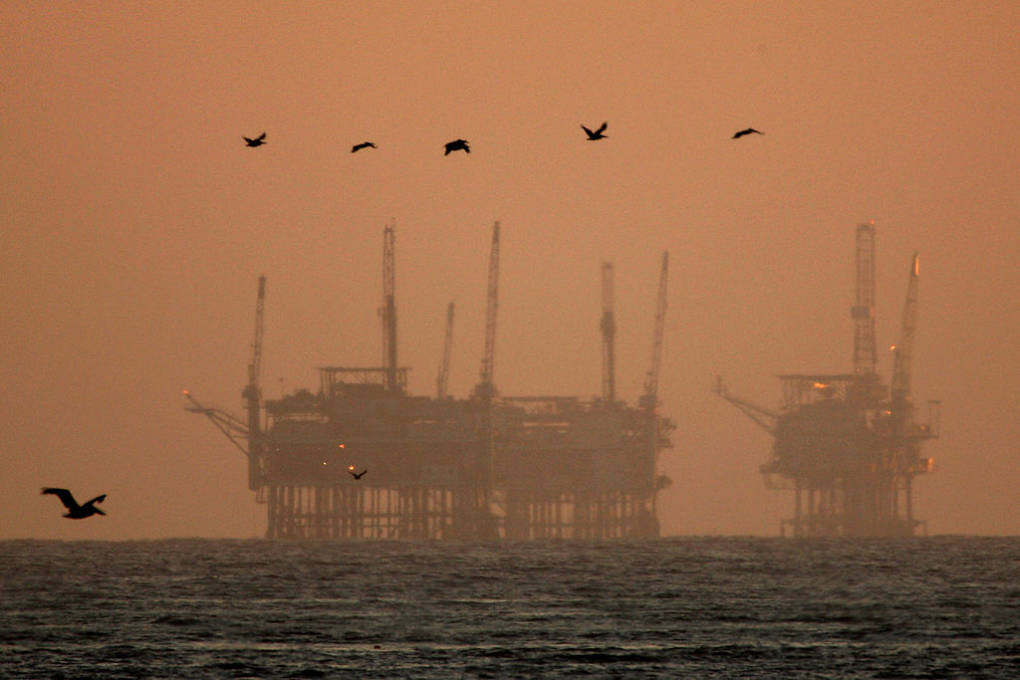
"caption": "California brown pelicans fly near offshore oil rigs after sunset on July 21, 2009, near Santa Barbara, California. ",
"description": null,
"title": "Offshore Drilling Could Return To California If Lawmakers Approve Budget",
"credit": "David McNew/Getty Images",
"status": "inherit",
"isLoading": false,
"fetchFailed": false
},
"science_296291": {
"type": "attachments",
"id": "science_296291",
"meta": {
"index": "attachments_1716263798",
"site": "science",
"id": "296291",
"found": true
},
"parent": 296285,
"imgSizes": {
"twentyfourteen-full-width": {
"file": "https://ww2.kqed.org/app/uploads/sites/35/2015/10/monterey-shale-1-1038x576.jpg",
"width": 1038,
"mimeType": "image/jpeg",
"height": 576
},
"thumbnail": {
"file": "https://ww2.kqed.org/app/uploads/sites/35/2015/10/monterey-shale-1-400x267.jpg",
"width": 400,
"mimeType": "image/jpeg",
"height": 267
},
"fd-sm": {
"file": "https://ww2.kqed.org/app/uploads/sites/35/2015/10/monterey-shale-1-960x640.jpg",
"width": 960,
"mimeType": "image/jpeg",
"height": 640
},
"post-thumbnail": {
"file": "https://ww2.kqed.org/app/uploads/sites/35/2015/10/monterey-shale-1-672x372.jpg",
"width": 672,
"mimeType": "image/jpeg",
"height": 372
},
"kqedFullSize": {
"file": "https://ww2.kqed.org/app/uploads/sites/35/2015/10/monterey-shale-1-e1478806996839.jpg",
"width": 1920,
"height": 1280
},
"large": {
"file": "https://ww2.kqed.org/app/uploads/sites/35/2015/10/monterey-shale-1-1440x960.jpg",
"width": 1440,
"mimeType": "image/jpeg",
"height": 960
},
"guest-author-96": {
"file": "https://ww2.kqed.org/app/uploads/sites/35/2015/10/monterey-shale-1-96x96.jpg",
"width": 96,
"mimeType": "image/jpeg",
"height": 96
},
"medium": {
"file": "https://ww2.kqed.org/app/uploads/sites/35/2015/10/monterey-shale-1-800x533.jpg",
"width": 800,
"mimeType": "image/jpeg",
"height": 533
},
"guest-author-64": {
"file": "https://ww2.kqed.org/app/uploads/sites/35/2015/10/monterey-shale-1-64x64.jpg",
"width": 64,
"mimeType": "image/jpeg",
"height": 64
},
"guest-author-32": {
"file": "https://ww2.kqed.org/app/uploads/sites/35/2015/10/monterey-shale-1-32x32.jpg",
"width": 32,
"mimeType": "image/jpeg",
"height": 32
},
"fd-lrg": {
"file": "https://ww2.kqed.org/app/uploads/sites/35/2015/10/monterey-shale-1-1920x1280.jpg",
"width": 1920,
"mimeType": "image/jpeg",
"height": 1280
},
"fd-med": {
"file": "https://ww2.kqed.org/app/uploads/sites/35/2015/10/monterey-shale-1-1180x787.jpg",
"width": 1180,
"mimeType": "image/jpeg",
"height": 787
},
"detail": {
"file": "https://ww2.kqed.org/app/uploads/sites/35/2015/10/monterey-shale-1-75x75.jpg",
"width": 75,
"mimeType": "image/jpeg",
"height": 75
},
"guest-author-128": {
"file": "https://ww2.kqed.org/app/uploads/sites/35/2015/10/monterey-shale-1-128x128.jpg",
"width": 128,
"mimeType": "image/jpeg",
"height": 128
}
},
"publishDate": 1444243952,
"modified": 1478749389,
"caption": "Pump jacks and wells are seen in an oil field on the Monterey Shale formation where gas and oil extraction use hydraulic fracturing, or fracking, \n",
"description": null,
"title": "Fracking In California Under Spotlight As Some Local Municipalities Issue Bans",
"credit": "David McNew/Getty Images",
"status": "inherit",
"isLoading": false,
"fetchFailed": false
},
"science_1016483": {
"type": "attachments",
"id": "science_1016483",
"meta": {
"index": "attachments_1716263798",
"site": "science",
"id": "1016483",
"found": true
},
"parent": 1010716,
"imgSizes": {
"twentyfourteen-full-width": {
"file": "https://ww2.kqed.org/app/uploads/sites/35/2016/09/RS13989_87856673-qut-1038x576.jpg",
"width": 1038,
"mimeType": "image/jpeg",
"height": 576
},
"thumbnail": {
"file": "https://ww2.kqed.org/app/uploads/sites/35/2016/09/RS13989_87856673-qut-400x267.jpg",
"width": 400,
"mimeType": "image/jpeg",
"height": 267
},
"fd-sm": {
"file": "https://ww2.kqed.org/app/uploads/sites/35/2016/09/RS13989_87856673-qut-960x640.jpg",
"width": 960,
"mimeType": "image/jpeg",
"height": 640
},
"post-thumbnail": {
"file": "https://ww2.kqed.org/app/uploads/sites/35/2016/09/RS13989_87856673-qut-672x372.jpg",
"width": 672,
"mimeType": "image/jpeg",
"height": 372
},
"kqedFullSize": {
"file": "https://ww2.kqed.org/app/uploads/sites/35/2016/09/RS13989_87856673-qut.jpg",
"width": 1440,
"height": 960
},
"large": {
"file": "https://ww2.kqed.org/app/uploads/sites/35/2016/09/RS13989_87856673-qut-1440x960.jpg",
"width": 1440,
"mimeType": "image/jpeg",
"height": 960
},
"guest-author-50": {
"file": "https://ww2.kqed.org/app/uploads/sites/35/2016/09/RS13989_87856673-qut-50x50.jpg",
"width": 50,
"mimeType": "image/jpeg",
"height": 50
},
"guest-author-96": {
"file": "https://ww2.kqed.org/app/uploads/sites/35/2016/09/RS13989_87856673-qut-96x96.jpg",
"width": 96,
"mimeType": "image/jpeg",
"height": 96
},
"medium": {
"file": "https://ww2.kqed.org/app/uploads/sites/35/2016/09/RS13989_87856673-qut-800x533.jpg",
"width": 800,
"mimeType": "image/jpeg",
"height": 533
},
"guest-author-64": {
"file": "https://ww2.kqed.org/app/uploads/sites/35/2016/09/RS13989_87856673-qut-64x64.jpg",
"width": 64,
"mimeType": "image/jpeg",
"height": 64
},
"guest-author-32": {
"file": "https://ww2.kqed.org/app/uploads/sites/35/2016/09/RS13989_87856673-qut-32x32.jpg",
"width": 32,
"mimeType": "image/jpeg",
"height": 32
},
"fd-med": {
"file": "https://ww2.kqed.org/app/uploads/sites/35/2016/09/RS13989_87856673-qut-1180x787.jpg",
"width": 1180,
"mimeType": "image/jpeg",
"height": 787
},
"detail": {
"file": "https://ww2.kqed.org/app/uploads/sites/35/2016/09/RS13989_87856673-qut-150x150.jpg",
"width": 150,
"mimeType": "image/jpeg",
"height": 150
},
"medium_large": {
"file": "https://ww2.kqed.org/app/uploads/sites/35/2016/09/RS13989_87856673-qut-768x512.jpg",
"width": 768,
"mimeType": "image/jpeg",
"height": 512
},
"guest-author-128": {
"file": "https://ww2.kqed.org/app/uploads/sites/35/2016/09/RS13989_87856673-qut-128x128.jpg",
"width": 128,
"mimeType": "image/jpeg",
"height": 128
}
},
"publishDate": 1474579354,
"modified": 1474665850,
"caption": "\"Clean car\" rules curbing tailpipe emissions—rules that predate AB 32—could be the biggest single factor in reducing climate emissions in California.",
"description": "\"Clean car\" rules curbing tailpipe emissions that predate AB 32 could be the biggest single factor in reducing climate emissions in California.",
"title": "RS13989_87856673-qut",
"credit": "Justin Sullivan/Getty Images",
"status": "inherit",
"isLoading": false,
"fetchFailed": false
},
"science_959714": {
"type": "attachments",
"id": "science_959714",
"meta": {
"index": "attachments_1716263798",
"site": "science",
"id": "959714",
"found": true
},
"parent": 958786,
"imgSizes": {
"twentyfourteen-full-width": {
"file": "https://ww2.kqed.org/app/uploads/sites/35/2016/08/ObamaforKQED10-1038x576.jpeg",
"width": 1038,
"mimeType": "image/jpeg",
"height": 576
},
"thumbnail": {
"file": "https://ww2.kqed.org/app/uploads/sites/35/2016/08/ObamaforKQED10-400x292.jpeg",
"width": 400,
"mimeType": "image/jpeg",
"height": 292
},
"fd-sm": {
"file": "https://ww2.kqed.org/app/uploads/sites/35/2016/08/ObamaforKQED10-960x701.jpeg",
"width": 960,
"mimeType": "image/jpeg",
"height": 701
},
"post-thumbnail": {
"file": "https://ww2.kqed.org/app/uploads/sites/35/2016/08/ObamaforKQED10-672x372.jpeg",
"width": 672,
"mimeType": "image/jpeg",
"height": 372
},
"kqedFullSize": {
"file": "https://ww2.kqed.org/app/uploads/sites/35/2016/08/ObamaforKQED10.jpeg",
"width": 1118,
"height": 816
},
"guest-author-50": {
"file": "https://ww2.kqed.org/app/uploads/sites/35/2016/08/ObamaforKQED10-50x50.jpeg",
"width": 50,
"mimeType": "image/jpeg",
"height": 50
},
"guest-author-96": {
"file": "https://ww2.kqed.org/app/uploads/sites/35/2016/08/ObamaforKQED10-96x96.jpeg",
"width": 96,
"mimeType": "image/jpeg",
"height": 96
},
"medium": {
"file": "https://ww2.kqed.org/app/uploads/sites/35/2016/08/ObamaforKQED10-800x584.jpeg",
"width": 800,
"mimeType": "image/jpeg",
"height": 584
},
"guest-author-64": {
"file": "https://ww2.kqed.org/app/uploads/sites/35/2016/08/ObamaforKQED10-64x64.jpeg",
"width": 64,
"mimeType": "image/jpeg",
"height": 64
},
"guest-author-32": {
"file": "https://ww2.kqed.org/app/uploads/sites/35/2016/08/ObamaforKQED10-32x32.jpeg",
"width": 32,
"mimeType": "image/jpeg",
"height": 32
},
"detail": {
"file": "https://ww2.kqed.org/app/uploads/sites/35/2016/08/ObamaforKQED10-150x150.jpeg",
"width": 150,
"mimeType": "image/jpeg",
"height": 150
},
"medium_large": {
"file": "https://ww2.kqed.org/app/uploads/sites/35/2016/08/ObamaforKQED10-768x561.jpeg",
"width": 768,
"mimeType": "image/jpeg",
"height": 561
},
"guest-author-128": {
"file": "https://ww2.kqed.org/app/uploads/sites/35/2016/08/ObamaforKQED10-128x128.jpeg",
"width": 128,
"mimeType": "image/jpeg",
"height": 128
}
},
"publishDate": 1472683543,
"modified": 1472683985,
"caption": "\"The challenges of conservation and combating climate change are connected -- they're linked,\" President Obama told a gathering at the 20th annual Lake Tahoe Summit.",
"description": "President Obama talks conservation and climate change at the Tahoe Summit.",
"title": "ObamaforKQED10",
"credit": "Marcus Lavergne/KUNR",
"status": "inherit",
"isLoading": false,
"fetchFailed": false
},
"science_876867": {
"type": "attachments",
"id": "science_876867",
"meta": {
"index": "attachments_1716263798",
"site": "science",
"id": "876867",
"found": true
},
"parent": 876866,
"imgSizes": {
"twentyfourteen-full-width": {
"file": "https://ww2.kqed.org/app/uploads/sites/35/2016/07/agu_2476-f319a7f40effbc80992f9b91d334c452e5ae9c07-1038x576.jpg",
"width": 1038,
"mimeType": "image/jpeg",
"height": 576
},
"thumbnail": {
"file": "https://ww2.kqed.org/app/uploads/sites/35/2016/07/agu_2476-f319a7f40effbc80992f9b91d334c452e5ae9c07-400x300.jpg",
"width": 400,
"mimeType": "image/jpeg",
"height": 300
},
"fd-sm": {
"file": "https://ww2.kqed.org/app/uploads/sites/35/2016/07/agu_2476-f319a7f40effbc80992f9b91d334c452e5ae9c07-960x720.jpg",
"width": 960,
"mimeType": "image/jpeg",
"height": 720
},
"post-thumbnail": {
"file": "https://ww2.kqed.org/app/uploads/sites/35/2016/07/agu_2476-f319a7f40effbc80992f9b91d334c452e5ae9c07-672x372.jpg",
"width": 672,
"mimeType": "image/jpeg",
"height": 372
},
"kqedFullSize": {
"file": "https://ww2.kqed.org/app/uploads/sites/35/2016/07/agu_2476-f319a7f40effbc80992f9b91d334c452e5ae9c07.jpg",
"width": 2737,
"height": 2052
},
"large": {
"file": "https://ww2.kqed.org/app/uploads/sites/35/2016/07/agu_2476-f319a7f40effbc80992f9b91d334c452e5ae9c07-1440x1080.jpg",
"width": 1440,
"mimeType": "image/jpeg",
"height": 1080
},
"guest-author-50": {
"file": "https://ww2.kqed.org/app/uploads/sites/35/2016/07/agu_2476-f319a7f40effbc80992f9b91d334c452e5ae9c07-50x50.jpg",
"width": 50,
"mimeType": "image/jpeg",
"height": 50
},
"guest-author-96": {
"file": "https://ww2.kqed.org/app/uploads/sites/35/2016/07/agu_2476-f319a7f40effbc80992f9b91d334c452e5ae9c07-96x96.jpg",
"width": 96,
"mimeType": "image/jpeg",
"height": 96
},
"medium": {
"file": "https://ww2.kqed.org/app/uploads/sites/35/2016/07/agu_2476-f319a7f40effbc80992f9b91d334c452e5ae9c07-800x600.jpg",
"width": 800,
"mimeType": "image/jpeg",
"height": 600
},
"guest-author-64": {
"file": "https://ww2.kqed.org/app/uploads/sites/35/2016/07/agu_2476-f319a7f40effbc80992f9b91d334c452e5ae9c07-64x64.jpg",
"width": 64,
"mimeType": "image/jpeg",
"height": 64
},
"guest-author-32": {
"file": "https://ww2.kqed.org/app/uploads/sites/35/2016/07/agu_2476-f319a7f40effbc80992f9b91d334c452e5ae9c07-32x32.jpg",
"width": 32,
"mimeType": "image/jpeg",
"height": 32
},
"fd-lrg": {
"file": "https://ww2.kqed.org/app/uploads/sites/35/2016/07/agu_2476-f319a7f40effbc80992f9b91d334c452e5ae9c07-1920x1439.jpg",
"width": 1920,
"mimeType": "image/jpeg",
"height": 1439
},
"fd-med": {
"file": "https://ww2.kqed.org/app/uploads/sites/35/2016/07/agu_2476-f319a7f40effbc80992f9b91d334c452e5ae9c07-1180x885.jpg",
"width": 1180,
"mimeType": "image/jpeg",
"height": 885
},
"detail": {
"file": "https://ww2.kqed.org/app/uploads/sites/35/2016/07/agu_2476-f319a7f40effbc80992f9b91d334c452e5ae9c07-150x150.jpg",
"width": 150,
"mimeType": "image/jpeg",
"height": 150
},
"medium_large": {
"file": "https://ww2.kqed.org/app/uploads/sites/35/2016/07/agu_2476-f319a7f40effbc80992f9b91d334c452e5ae9c07-768x576.jpg",
"width": 768,
"mimeType": "image/jpeg",
"height": 576
},
"guest-author-128": {
"file": "https://ww2.kqed.org/app/uploads/sites/35/2016/07/agu_2476-f319a7f40effbc80992f9b91d334c452e5ae9c07-128x128.jpg",
"width": 128,
"mimeType": "image/jpeg",
"height": 128
}
},
"publishDate": 1469552101,
"modified": 1469552463,
"caption": "When the Solar Impulse 2 airplane arrived in Spain from New York last month, it was greeted by the Spanish Eagle Patrol.",
"description": "When the Solar Impulse 2 airplane arrived in Spain from New York last month, it was greeted by the Spanish Eagle Patrol.",
"title": "When the Solar Impulse 2 airplane arrived in Spain from New York last month, it was greeted by the Spanish Eagle Patrol.",
"credit": "Solar Impulse",
"status": "inherit",
"isLoading": false,
"fetchFailed": false
},
"science_848477": {
"type": "attachments",
"id": "science_848477",
"meta": {
"index": "attachments_1716263798",
"site": "science",
"id": "848477",
"found": true
},
"parent": 848472,
"imgSizes": {
"twentyfourteen-full-width": {
"file": "https://ww2.kqed.org/app/uploads/sites/35/2016/07/RS2765_SolarCrew2054-e1468519415628-1038x576.jpg",
"width": 1038,
"mimeType": "image/jpeg",
"height": 576
},
"thumbnail": {
"file": "https://ww2.kqed.org/app/uploads/sites/35/2016/07/RS2765_SolarCrew2054-e1468519415628-400x267.jpg",
"width": 400,
"mimeType": "image/jpeg",
"height": 267
},
"fd-sm": {
"file": "https://ww2.kqed.org/app/uploads/sites/35/2016/07/RS2765_SolarCrew2054-e1468519415628-960x640.jpg",
"width": 960,
"mimeType": "image/jpeg",
"height": 640
},
"post-thumbnail": {
"file": "https://ww2.kqed.org/app/uploads/sites/35/2016/07/RS2765_SolarCrew2054-e1468519415628-672x372.jpg",
"width": 672,
"mimeType": "image/jpeg",
"height": 372
},
"kqedFullSize": {
"file": "https://ww2.kqed.org/app/uploads/sites/35/2016/07/RS2765_SolarCrew2054-e1468519415628.jpg",
"width": 3871,
"height": 2582
},
"large": {
"file": "https://ww2.kqed.org/app/uploads/sites/35/2016/07/RS2765_SolarCrew2054-e1468519415628-1440x960.jpg",
"width": 1440,
"mimeType": "image/jpeg",
"height": 960
},
"guest-author-50": {
"file": "https://ww2.kqed.org/app/uploads/sites/35/2016/07/RS2765_SolarCrew2054-e1468519415628-50x50.jpg",
"width": 50,
"mimeType": "image/jpeg",
"height": 50
},
"guest-author-96": {
"file": "https://ww2.kqed.org/app/uploads/sites/35/2016/07/RS2765_SolarCrew2054-e1468519415628-96x96.jpg",
"width": 96,
"mimeType": "image/jpeg",
"height": 96
},
"medium": {
"file": "https://ww2.kqed.org/app/uploads/sites/35/2016/07/RS2765_SolarCrew2054-e1468519415628-800x534.jpg",
"width": 800,
"mimeType": "image/jpeg",
"height": 534
},
"guest-author-64": {
"file": "https://ww2.kqed.org/app/uploads/sites/35/2016/07/RS2765_SolarCrew2054-e1468519415628-64x64.jpg",
"width": 64,
"mimeType": "image/jpeg",
"height": 64
},
"guest-author-32": {
"file": "https://ww2.kqed.org/app/uploads/sites/35/2016/07/RS2765_SolarCrew2054-e1468519415628-32x32.jpg",
"width": 32,
"mimeType": "image/jpeg",
"height": 32
},
"fd-lrg": {
"file": "https://ww2.kqed.org/app/uploads/sites/35/2016/07/RS2765_SolarCrew2054-e1468519415628-1920x1281.jpg",
"width": 1920,
"mimeType": "image/jpeg",
"height": 1281
},
"fd-med": {
"file": "https://ww2.kqed.org/app/uploads/sites/35/2016/07/RS2765_SolarCrew2054-e1468519415628-1180x787.jpg",
"width": 1180,
"mimeType": "image/jpeg",
"height": 787
},
"detail": {
"file": "https://ww2.kqed.org/app/uploads/sites/35/2016/07/RS2765_SolarCrew2054-e1468519415628-150x150.jpg",
"width": 150,
"mimeType": "image/jpeg",
"height": 150
},
"medium_large": {
"file": "https://ww2.kqed.org/app/uploads/sites/35/2016/07/RS2765_SolarCrew2054-e1468519415628-768x512.jpg",
"width": 768,
"mimeType": "image/jpeg",
"height": 512
},
"guest-author-128": {
"file": "https://ww2.kqed.org/app/uploads/sites/35/2016/07/RS2765_SolarCrew2054-e1468519415628-128x128.jpg",
"width": 128,
"mimeType": "image/jpeg",
"height": 128
}
},
"publishDate": 1468519357,
"modified": 1468519584,
"caption": "As states develop more wind and solar power, carbon emissions have been falling, according to a new report released Wednesday.",
"description": null,
"title": "RS2765_SolarCrew2054",
"credit": "Craig Miller/KQED",
"status": "inherit",
"isLoading": false,
"fetchFailed": false
},
"science_801697": {
"type": "attachments",
"id": "science_801697",
"meta": {
"index": "attachments_1716263798",
"site": "science",
"id": "801697",
"found": true
},
"parent": 801694,
"imgSizes": {
"twentyfourteen-full-width": {
"file": "https://ww2.kqed.org/app/uploads/sites/35/2016/06/Diablo-plant-1038x576.jpg",
"width": 1038,
"mimeType": "image/jpeg",
"height": 576
},
"thumbnail": {
"file": "https://ww2.kqed.org/app/uploads/sites/35/2016/06/Diablo-plant-400x207.jpg",
"width": 400,
"mimeType": "image/jpeg",
"height": 207
},
"fd-sm": {
"file": "https://ww2.kqed.org/app/uploads/sites/35/2016/06/Diablo-plant-960x497.jpg",
"width": 960,
"mimeType": "image/jpeg",
"height": 497
},
"post-thumbnail": {
"file": "https://ww2.kqed.org/app/uploads/sites/35/2016/06/Diablo-plant-672x372.jpg",
"width": 672,
"mimeType": "image/jpeg",
"height": 372
},
"kqedFullSize": {
"file": "https://ww2.kqed.org/app/uploads/sites/35/2016/06/Diablo-plant.jpg",
"width": 1920,
"height": 993
},
"large": {
"file": "https://ww2.kqed.org/app/uploads/sites/35/2016/06/Diablo-plant-1440x745.jpg",
"width": 1440,
"mimeType": "image/jpeg",
"height": 745
},
"guest-author-50": {
"file": "https://ww2.kqed.org/app/uploads/sites/35/2016/06/Diablo-plant-50x50.jpg",
"width": 50,
"mimeType": "image/jpeg",
"height": 50
},
"guest-author-96": {
"file": "https://ww2.kqed.org/app/uploads/sites/35/2016/06/Diablo-plant-96x96.jpg",
"width": 96,
"mimeType": "image/jpeg",
"height": 96
},
"medium": {
"file": "https://ww2.kqed.org/app/uploads/sites/35/2016/06/Diablo-plant-800x414.jpg",
"width": 800,
"mimeType": "image/jpeg",
"height": 414
},
"guest-author-64": {
"file": "https://ww2.kqed.org/app/uploads/sites/35/2016/06/Diablo-plant-64x64.jpg",
"width": 64,
"mimeType": "image/jpeg",
"height": 64
},
"guest-author-32": {
"file": "https://ww2.kqed.org/app/uploads/sites/35/2016/06/Diablo-plant-32x32.jpg",
"width": 32,
"mimeType": "image/jpeg",
"height": 32
},
"fd-lrg": {
"file": "https://ww2.kqed.org/app/uploads/sites/35/2016/06/Diablo-plant-1920x993.jpg",
"width": 1920,
"mimeType": "image/jpeg",
"height": 993
},
"fd-med": {
"file": "https://ww2.kqed.org/app/uploads/sites/35/2016/06/Diablo-plant-1180x610.jpg",
"width": 1180,
"mimeType": "image/jpeg",
"height": 610
},
"detail": {
"file": "https://ww2.kqed.org/app/uploads/sites/35/2016/06/Diablo-plant-150x150.jpg",
"width": 150,
"mimeType": "image/jpeg",
"height": 150
},
"medium_large": {
"file": "https://ww2.kqed.org/app/uploads/sites/35/2016/06/Diablo-plant-768x397.jpg",
"width": 768,
"mimeType": "image/jpeg",
"height": 397
},
"guest-author-128": {
"file": "https://ww2.kqed.org/app/uploads/sites/35/2016/06/Diablo-plant-128x128.jpg",
"width": 128,
"mimeType": "image/jpeg",
"height": 128
}
},
"publishDate": 1466888390,
"modified": 1466888431,
"caption": "PG&E says it will close Diablo Canyon's two nuclear reactors in 2024 and 2025.",
"description": null,
"title": "Diablo-plant",
"credit": "Lauren Sommer/KQED",
"status": "inherit",
"isLoading": false,
"fetchFailed": false
},
"science_793827": {
"type": "attachments",
"id": "science_793827",
"meta": {
"index": "attachments_1716263798",
"site": "science",
"id": "793827",
"found": true
},
"parent": 793825,
"imgSizes": {
"thumbnail": {
"file": "https://ww2.kqed.org/app/uploads/sites/35/2016/06/Oil-wells-400x267.jpg",
"width": 400,
"mimeType": "image/jpeg",
"height": 267
},
"post-thumbnail": {
"file": "https://ww2.kqed.org/app/uploads/sites/35/2016/06/Oil-wells-672x372.jpg",
"width": 672,
"mimeType": "image/jpeg",
"height": 372
},
"kqedFullSize": {
"file": "https://ww2.kqed.org/app/uploads/sites/35/2016/06/Oil-wells.jpg",
"width": 720,
"height": 480
},
"guest-author-50": {
"file": "https://ww2.kqed.org/app/uploads/sites/35/2016/06/Oil-wells-50x50.jpg",
"width": 50,
"mimeType": "image/jpeg",
"height": 50
},
"guest-author-96": {
"file": "https://ww2.kqed.org/app/uploads/sites/35/2016/06/Oil-wells-96x96.jpg",
"width": 96,
"mimeType": "image/jpeg",
"height": 96
},
"guest-author-64": {
"file": "https://ww2.kqed.org/app/uploads/sites/35/2016/06/Oil-wells-64x64.jpg",
"width": 64,
"mimeType": "image/jpeg",
"height": 64
},
"detail": {
"file": "https://ww2.kqed.org/app/uploads/sites/35/2016/06/Oil-wells-150x150.jpg",
"width": 150,
"mimeType": "image/jpeg",
"height": 150
},
"guest-author-32": {
"file": "https://ww2.kqed.org/app/uploads/sites/35/2016/06/Oil-wells-32x32.jpg",
"width": 32,
"mimeType": "image/jpeg",
"height": 32
},
"guest-author-128": {
"file": "https://ww2.kqed.org/app/uploads/sites/35/2016/06/Oil-wells-128x128.jpg",
"width": 128,
"mimeType": "image/jpeg",
"height": 128
}
},
"publishDate": 1466621846,
"modified": 1466621865,
"caption": "Oil wells in North Dakota.\n",
"description": null,
"title": "Oil wells",
"credit": "Geof Wilson/flickr",
"status": "inherit",
"isLoading": false,
"fetchFailed": false
},
"science_791669": {
"type": "attachments",
"id": "science_791669",
"meta": {
"index": "attachments_1716263798",
"site": "science",
"id": "791669",
"found": true
},
"parent": 0,
"imgSizes": {
"twentyfourteen-full-width": {
"file": "https://ww2.kqed.org/app/uploads/sites/35/2016/06/Diablo_Canyon_levels-corrected-1038x576.jpg",
"width": 1038,
"mimeType": "image/jpeg",
"height": 576
},
"thumbnail": {
"file": "https://ww2.kqed.org/app/uploads/sites/35/2016/06/Diablo_Canyon_levels-corrected-400x268.jpg",
"width": 400,
"mimeType": "image/jpeg",
"height": 268
},
"fd-sm": {
"file": "https://ww2.kqed.org/app/uploads/sites/35/2016/06/Diablo_Canyon_levels-corrected-960x643.jpg",
"width": 960,
"mimeType": "image/jpeg",
"height": 643
},
"post-thumbnail": {
"file": "https://ww2.kqed.org/app/uploads/sites/35/2016/06/Diablo_Canyon_levels-corrected-672x372.jpg",
"width": 672,
"mimeType": "image/jpeg",
"height": 372
},
"kqedFullSize": {
"file": "https://ww2.kqed.org/app/uploads/sites/35/2016/06/Diablo_Canyon_levels-corrected.jpg",
"width": 3872,
"height": 2592
},
"large": {
"file": "https://ww2.kqed.org/app/uploads/sites/35/2016/06/Diablo_Canyon_levels-corrected-1440x964.jpg",
"width": 1440,
"mimeType": "image/jpeg",
"height": 964
},
"guest-author-50": {
"file": "https://ww2.kqed.org/app/uploads/sites/35/2016/06/Diablo_Canyon_levels-corrected-50x50.jpg",
"width": 50,
"mimeType": "image/jpeg",
"height": 50
},
"guest-author-96": {
"file": "https://ww2.kqed.org/app/uploads/sites/35/2016/06/Diablo_Canyon_levels-corrected-96x96.jpg",
"width": 96,
"mimeType": "image/jpeg",
"height": 96
},
"medium": {
"file": "https://ww2.kqed.org/app/uploads/sites/35/2016/06/Diablo_Canyon_levels-corrected-800x536.jpg",
"width": 800,
"mimeType": "image/jpeg",
"height": 536
},
"guest-author-64": {
"file": "https://ww2.kqed.org/app/uploads/sites/35/2016/06/Diablo_Canyon_levels-corrected-64x64.jpg",
"width": 64,
"mimeType": "image/jpeg",
"height": 64
},
"guest-author-32": {
"file": "https://ww2.kqed.org/app/uploads/sites/35/2016/06/Diablo_Canyon_levels-corrected-32x32.jpg",
"width": 32,
"mimeType": "image/jpeg",
"height": 32
},
"fd-lrg": {
"file": "https://ww2.kqed.org/app/uploads/sites/35/2016/06/Diablo_Canyon_levels-corrected-1920x1285.jpg",
"width": 1920,
"mimeType": "image/jpeg",
"height": 1285
},
"fd-med": {
"file": "https://ww2.kqed.org/app/uploads/sites/35/2016/06/Diablo_Canyon_levels-corrected-1180x790.jpg",
"width": 1180,
"mimeType": "image/jpeg",
"height": 790
},
"detail": {
"file": "https://ww2.kqed.org/app/uploads/sites/35/2016/06/Diablo_Canyon_levels-corrected-150x150.jpg",
"width": 150,
"mimeType": "image/jpeg",
"height": 150
},
"medium_large": {
"file": "https://ww2.kqed.org/app/uploads/sites/35/2016/06/Diablo_Canyon_levels-corrected-768x514.jpg",
"width": 768,
"mimeType": "image/jpeg",
"height": 514
},
"guest-author-128": {
"file": "https://ww2.kqed.org/app/uploads/sites/35/2016/06/Diablo_Canyon_levels-corrected-128x128.jpg",
"width": 128,
"mimeType": "image/jpeg",
"height": 128
}
},
"publishDate": 1466550438,
"modified": 1466550466,
"caption": "Diablo Canyon Nuclear Power Plant, which sits on the edge of the Pacific Ocean at Avila Beach in San Luis Obispo County is set to close by 2025. ",
"description": null,
"title": "Diablo_Canyon_levels corrected",
"credit": "KQED",
"status": "inherit",
"isLoading": false,
"fetchFailed": false
},
"science_790877": {
"type": "attachments",
"id": "science_790877",
"meta": {
"index": "attachments_1716263798",
"site": "science",
"id": "790877",
"found": true
},
"title": "Diablo Canyon Panorama",
"publishDate": 1466523818,
"status": "inherit",
"parent": 790765,
"modified": 1777329213,
"caption": "Aerial view of the Diablo Canyon Nuclear Power Plant which sits on the edge of the Pacific Ocean at Avila Beach in San Luis Obispo County. ",
"credit": "Courtesy of PG&E",
"altTag": null,
"description": null,
"imgSizes": {
"thumbnail": {
"file": "https://cdn.kqed.org/wp-content/uploads/sites/35/2016/06/Diablo-Canyon-Panorama-e1466523869791-400x266.jpg",
"width": 400,
"height": 266,
"mimeType": "image/jpeg"
},
"medium": {
"file": "https://cdn.kqed.org/wp-content/uploads/sites/35/2016/06/Diablo-Canyon-Panorama-e1466523869791-800x532.jpg",
"width": 800,
"height": 532,
"mimeType": "image/jpeg"
},
"medium_large": {
"file": "https://cdn.kqed.org/wp-content/uploads/sites/35/2016/06/Diablo-Canyon-Panorama-e1466523869791-768x511.jpg",
"width": 768,
"height": 511,
"mimeType": "image/jpeg"
},
"large": {
"file": "https://cdn.kqed.org/wp-content/uploads/sites/35/2016/06/Diablo-Canyon-Panorama-e1466523869791-1440x958.jpg",
"width": 1440,
"height": 958,
"mimeType": "image/jpeg"
},
"fd-lrg": {
"file": "https://cdn.kqed.org/wp-content/uploads/sites/35/2016/06/Diablo-Canyon-Panorama-1920x1280.jpg",
"width": 1920,
"height": 1280,
"mimeType": "image/jpeg"
},
"fd-med": {
"file": "https://cdn.kqed.org/wp-content/uploads/sites/35/2016/06/Diablo-Canyon-Panorama-e1466523869791-1180x785.jpg",
"width": 1180,
"height": 785,
"mimeType": "image/jpeg"
},
"fd-sm": {
"file": "https://cdn.kqed.org/wp-content/uploads/sites/35/2016/06/Diablo-Canyon-Panorama-e1466523869791-960x639.jpg",
"width": 960,
"height": 639,
"mimeType": "image/jpeg"
},
"post-thumbnail": {
"file": "https://cdn.kqed.org/wp-content/uploads/sites/35/2016/06/Diablo-Canyon-Panorama-e1466523869791-672x372.jpg",
"width": 672,
"height": 372,
"mimeType": "image/jpeg"
},
"twentyfourteen-full-width": {
"file": "https://cdn.kqed.org/wp-content/uploads/sites/35/2016/06/Diablo-Canyon-Panorama-e1466523869791-1038x576.jpg",
"width": 1038,
"height": 576,
"mimeType": "image/jpeg"
},
"guest-author-32": {
"file": "https://cdn.kqed.org/wp-content/uploads/sites/35/2016/06/Diablo-Canyon-Panorama-e1466523869791-32x32.jpg",
"width": 32,
"height": 32,
"mimeType": "image/jpeg"
},
"guest-author-50": {
"file": "https://cdn.kqed.org/wp-content/uploads/sites/35/2016/06/Diablo-Canyon-Panorama-e1466523869791-50x50.jpg",
"width": 50,
"height": 50,
"mimeType": "image/jpeg"
},
"guest-author-64": {
"file": "https://cdn.kqed.org/wp-content/uploads/sites/35/2016/06/Diablo-Canyon-Panorama-e1466523869791-64x64.jpg",
"width": 64,
"height": 64,
"mimeType": "image/jpeg"
},
"guest-author-96": {
"file": "https://cdn.kqed.org/wp-content/uploads/sites/35/2016/06/Diablo-Canyon-Panorama-e1466523869791-96x96.jpg",
"width": 96,
"height": 96,
"mimeType": "image/jpeg"
},
"guest-author-128": {
"file": "https://cdn.kqed.org/wp-content/uploads/sites/35/2016/06/Diablo-Canyon-Panorama-e1466523869791-128x128.jpg",
"width": 128,
"height": 128,
"mimeType": "image/jpeg"
},
"detail": {
"file": "https://cdn.kqed.org/wp-content/uploads/sites/35/2016/06/Diablo-Canyon-Panorama-e1466523869791-150x150.jpg",
"width": 150,
"height": 150,
"mimeType": "image/jpeg"
},
"kqedFullSize": {
"file": "https://cdn.kqed.org/wp-content/uploads/sites/35/2016/06/Diablo-Canyon-Panorama-e1466523869791.jpg",
"width": 1910,
"height": 1271
}
},
"isLoading": false,
"fetchFailed": false
},
"science_761707": {
"type": "attachments",
"id": "science_761707",
"meta": {
"index": "attachments_1716263798",
"site": "science",
"id": "761707",
"found": true
},
"parent": 710956,
"imgSizes": {
"twentyfourteen-full-width": {
"file": "https://ww2.kqed.org/app/uploads/sites/35/2016/06/Atomic_CanalColor-1038x576.jpg",
"width": 1038,
"mimeType": "image/jpeg",
"height": 576
},
"thumbnail": {
"file": "https://ww2.kqed.org/app/uploads/sites/35/2016/06/Atomic_CanalColor-400x261.jpg",
"width": 400,
"mimeType": "image/jpeg",
"height": 261
},
"fd-sm": {
"file": "https://ww2.kqed.org/app/uploads/sites/35/2016/06/Atomic_CanalColor-960x627.jpg",
"width": 960,
"mimeType": "image/jpeg",
"height": 627
},
"post-thumbnail": {
"file": "https://ww2.kqed.org/app/uploads/sites/35/2016/06/Atomic_CanalColor-672x372.jpg",
"width": 672,
"mimeType": "image/jpeg",
"height": 372
},
"kqedFullSize": {
"file": "https://ww2.kqed.org/app/uploads/sites/35/2016/06/Atomic_CanalColor.jpg",
"width": 1920,
"height": 1253
},
"large": {
"file": "https://ww2.kqed.org/app/uploads/sites/35/2016/06/Atomic_CanalColor-1440x940.jpg",
"width": 1440,
"mimeType": "image/jpeg",
"height": 940
},
"guest-author-50": {
"file": "https://ww2.kqed.org/app/uploads/sites/35/2016/06/Atomic_CanalColor-50x50.jpg",
"width": 50,
"mimeType": "image/jpeg",
"height": 50
},
"guest-author-96": {
"file": "https://ww2.kqed.org/app/uploads/sites/35/2016/06/Atomic_CanalColor-96x96.jpg",
"width": 96,
"mimeType": "image/jpeg",
"height": 96
},
"medium": {
"file": "https://ww2.kqed.org/app/uploads/sites/35/2016/06/Atomic_CanalColor-800x522.jpg",
"width": 800,
"mimeType": "image/jpeg",
"height": 522
},
"guest-author-64": {
"file": "https://ww2.kqed.org/app/uploads/sites/35/2016/06/Atomic_CanalColor-64x64.jpg",
"width": 64,
"mimeType": "image/jpeg",
"height": 64
},
"guest-author-32": {
"file": "https://ww2.kqed.org/app/uploads/sites/35/2016/06/Atomic_CanalColor-32x32.jpg",
"width": 32,
"mimeType": "image/jpeg",
"height": 32
},
"fd-lrg": {
"file": "https://ww2.kqed.org/app/uploads/sites/35/2016/06/Atomic_CanalColor-1920x1253.jpg",
"width": 1920,
"mimeType": "image/jpeg",
"height": 1253
},
"fd-med": {
"file": "https://ww2.kqed.org/app/uploads/sites/35/2016/06/Atomic_CanalColor-1180x770.jpg",
"width": 1180,
"mimeType": "image/jpeg",
"height": 770
},
"detail": {
"file": "https://ww2.kqed.org/app/uploads/sites/35/2016/06/Atomic_CanalColor-150x150.jpg",
"width": 150,
"mimeType": "image/jpeg",
"height": 150
},
"medium_large": {
"file": "https://ww2.kqed.org/app/uploads/sites/35/2016/06/Atomic_CanalColor-768x501.jpg",
"width": 768,
"mimeType": "image/jpeg",
"height": 501
},
"guest-author-128": {
"file": "https://ww2.kqed.org/app/uploads/sites/35/2016/06/Atomic_CanalColor-128x128.jpg",
"width": 128,
"mimeType": "image/jpeg",
"height": 128
}
},
"publishDate": 1465502313,
"modified": 1465576996,
"caption": "Mid-20th century scientists envisioned a new Panama Canal blasted down to sea level with thermonuclear explosives.",
"description": null,
"title": "Atomic_CanalColor",
"credit": "Lawrence Livermore National Laboratory",
"status": "inherit",
"isLoading": false,
"fetchFailed": false
},
"science_761484": {
"type": "attachments",
"id": "science_761484",
"meta": {
"index": "attachments_1716263798",
"site": "science",
"id": "761484",
"found": true
},
"parent": 761482,
"imgSizes": {
"twentyfourteen-full-width": {
"file": "https://ww2.kqed.org/app/uploads/sites/35/2016/06/RS13751_spigot-e1414789543327-1038x576.jpg",
"width": 1038,
"mimeType": "image/jpeg",
"height": 576
},
"thumbnail": {
"file": "https://ww2.kqed.org/app/uploads/sites/35/2016/06/RS13751_spigot-e1414789543327-400x266.jpg",
"width": 400,
"mimeType": "image/jpeg",
"height": 266
},
"fd-sm": {
"file": "https://ww2.kqed.org/app/uploads/sites/35/2016/06/RS13751_spigot-e1414789543327-960x639.jpg",
"width": 960,
"mimeType": "image/jpeg",
"height": 639
},
"post-thumbnail": {
"file": "https://ww2.kqed.org/app/uploads/sites/35/2016/06/RS13751_spigot-e1414789543327-672x372.jpg",
"width": 672,
"mimeType": "image/jpeg",
"height": 372
},
"kqedFullSize": {
"file": "https://ww2.kqed.org/app/uploads/sites/35/2016/06/RS13751_spigot-e1414789543327.jpg",
"width": 1440,
"height": 959
},
"large": {
"file": "https://ww2.kqed.org/app/uploads/sites/35/2016/06/RS13751_spigot-e1414789543327-1440x959.jpg",
"width": 1440,
"mimeType": "image/jpeg",
"height": 959
},
"guest-author-50": {
"file": "https://ww2.kqed.org/app/uploads/sites/35/2016/06/RS13751_spigot-e1414789543327-50x50.jpg",
"width": 50,
"mimeType": "image/jpeg",
"height": 50
},
"guest-author-96": {
"file": "https://ww2.kqed.org/app/uploads/sites/35/2016/06/RS13751_spigot-e1414789543327-96x96.jpg",
"width": 96,
"mimeType": "image/jpeg",
"height": 96
},
"medium": {
"file": "https://ww2.kqed.org/app/uploads/sites/35/2016/06/RS13751_spigot-e1414789543327-800x533.jpg",
"width": 800,
"mimeType": "image/jpeg",
"height": 533
},
"guest-author-64": {
"file": "https://ww2.kqed.org/app/uploads/sites/35/2016/06/RS13751_spigot-e1414789543327-64x64.jpg",
"width": 64,
"mimeType": "image/jpeg",
"height": 64
},
"guest-author-32": {
"file": "https://ww2.kqed.org/app/uploads/sites/35/2016/06/RS13751_spigot-e1414789543327-32x32.jpg",
"width": 32,
"mimeType": "image/jpeg",
"height": 32
},
"fd-med": {
"file": "https://ww2.kqed.org/app/uploads/sites/35/2016/06/RS13751_spigot-e1414789543327-1180x786.jpg",
"width": 1180,
"mimeType": "image/jpeg",
"height": 786
},
"detail": {
"file": "https://ww2.kqed.org/app/uploads/sites/35/2016/06/RS13751_spigot-e1414789543327-150x150.jpg",
"width": 150,
"mimeType": "image/jpeg",
"height": 150
},
"medium_large": {
"file": "https://ww2.kqed.org/app/uploads/sites/35/2016/06/RS13751_spigot-e1414789543327-768x511.jpg",
"width": 768,
"mimeType": "image/jpeg",
"height": 511
},
"guest-author-128": {
"file": "https://ww2.kqed.org/app/uploads/sites/35/2016/06/RS13751_spigot-e1414789543327-128x128.jpg",
"width": 128,
"mimeType": "image/jpeg",
"height": 128
}
},
"publishDate": 1465494314,
"modified": 1465495266,
"caption": "Water savings under Governor Jerry Brown's historic water conservation mandate also meant energy savings, but that trend may change now that water districts are tasked with calculating how much they need to save.",
"description": null,
"title": "Garden tap",
"credit": "Szasz-Fabian Jozsef",
"status": "inherit",
"isLoading": false,
"fetchFailed": false
}
},
"audioPlayerReducer": {
"postId": "stream_live",
"isPaused": true,
"isPlaying": false,
"pfsActive": false,
"pledgeModalIsOpen": true,
"playerDrawerIsOpen": false,
"liveAudioPlayStartedAt": 0,
"liveAudioPlayContext": ""
},
"authorsReducer": {
"byline_science_1172127": {
"type": "authors",
"id": "byline_science_1172127",
"meta": {
"override": true
},
"slug": "byline_science_1172127",
"name": "KQED staff and wires",
"isLoading": false
},
"byline_science_876866": {
"type": "authors",
"id": "byline_science_876866",
"meta": {
"override": true
},
"slug": "byline_science_876866",
"name": "Bill Chappell\u003c/br>NPR",
"isLoading": false
},
"byline_science_848472": {
"type": "authors",
"id": "byline_science_848472",
"meta": {
"override": true
},
"slug": "byline_science_848472",
"name": "Bobby Magaill\u003c/br>Climate Central",
"isLoading": false
},
"byline_science_793825": {
"type": "authors",
"id": "byline_science_793825",
"meta": {
"override": true
},
"slug": "byline_science_793825",
"name": "Bobby McGill\u003c/br>Climate Central",
"isLoading": false
},
"byline_science_790765": {
"type": "authors",
"id": "byline_science_790765",
"meta": {
"override": true
},
"slug": "byline_science_790765",
"name": "Ellen Knickmeyer\u003c/br>Associated Press",
"isLoading": false
},
"byline_science_761482": {
"type": "authors",
"id": "byline_science_761482",
"meta": {
"override": true
},
"slug": "byline_science_761482",
"name": "Tara Lohan\u003c/br>Water Deeply",
"isLoading": false
},
"cmiller": {
"type": "authors",
"id": "221",
"meta": {
"index": "authors_1716337520",
"id": "221",
"found": true
},
"name": "Craig Miller",
"firstName": "Craig",
"lastName": "Miller",
"slug": "cmiller",
"email": "craig@voxterra.net",
"display_author_email": false,
"staff_mastheads": [
"science"
],
"title": "Editor Emeritus, Science",
"bio": "Craig is a former KQED Science editor, specializing in weather, climate, water & energy issues, with a little seismology thrown in just to shake things up. Prior to that, he launched and led the station's award-winning multimedia project, Climate Watch. Craig is also an accomplished writer/producer of television documentaries, with a focus on natural resource issues.",
"avatar": "https://secure.gravatar.com/avatar/b91661df645e001a9cafe0861fa685f9?s=600&d=blank&r=g",
"twitter": "voxterra",
"facebook": null,
"instagram": null,
"linkedin": null,
"sites": [
{
"site": "news",
"roles": [
"author"
]
},
{
"site": "futureofyou",
"roles": [
"editor"
]
},
{
"site": "stateofhealth",
"roles": [
"author"
]
},
{
"site": "science",
"roles": [
"editor"
]
},
{
"site": "quest",
"roles": [
"editor"
]
}
],
"headData": {
"title": "Craig Miller | KQED",
"description": "Editor Emeritus, Science",
"ogImgSrc": "https://secure.gravatar.com/avatar/b91661df645e001a9cafe0861fa685f9?s=600&d=blank&r=g",
"twImgSrc": "https://secure.gravatar.com/avatar/b91661df645e001a9cafe0861fa685f9?s=600&d=blank&r=g"
},
"isLoading": false,
"link": "/author/cmiller"
},
"laurensommer": {
"type": "authors",
"id": "239",
"meta": {
"index": "authors_1716337520",
"id": "239",
"found": true
},
"name": "Lauren Sommer",
"firstName": "Lauren",
"lastName": "Sommer",
"slug": "laurensommer",
"email": "lsommer@kqed.org",
"display_author_email": false,
"staff_mastheads": [],
"title": "KQED Contributor",
"bio": "Lauren is a radio reporter formerly covering environment, water, and energy for KQED Science. As part of her day job, she has scaled Sierra Nevada peaks, run from charging elephant seals, and desperately tried to get her sea legs - all in pursuit of good radio. Her work has appeared on Marketplace, Living on Earth, Science Friday and NPR's Morning Edition and All Things Considered. You can find her on Twitter at \u003ca href=\"https://twitter.com/lesommer\">@lesommer\u003c/a>.",
"avatar": "https://secure.gravatar.com/avatar/33aa3772bb86c6ad45b8aca6a238bbdf?s=600&d=blank&r=g",
"twitter": null,
"facebook": null,
"instagram": null,
"linkedin": null,
"sites": [
{
"site": "news",
"roles": [
"author"
]
},
{
"site": "science",
"roles": [
"editor",
"manage_content_types",
"manage_taxonomies"
]
},
{
"site": "quest",
"roles": [
"editor"
]
}
],
"headData": {
"title": "Lauren Sommer | KQED",
"description": "KQED Contributor",
"ogImgSrc": "https://secure.gravatar.com/avatar/33aa3772bb86c6ad45b8aca6a238bbdf?s=600&d=blank&r=g",
"twImgSrc": "https://secure.gravatar.com/avatar/33aa3772bb86c6ad45b8aca6a238bbdf?s=600&d=blank&r=g"
},
"isLoading": false,
"link": "/author/laurensommer"
},
"lindseyhoshaw": {
"type": "authors",
"id": "5432",
"meta": {
"index": "authors_1716337520",
"id": "5432",
"found": true
},
"name": "Lindsey Hoshaw",
"firstName": "Lindsey",
"lastName": "Hoshaw",
"slug": "lindseyhoshaw",
"email": "lhoshaw@kqed.org",
"display_author_email": false,
"staff_mastheads": [],
"title": "KQED Contributor",
"bio": "Lindsey Hoshaw is a former interactive producer for KQED Science. Before joining KQED, Lindsey was a science correspondent for The New York Times, The Boston Globe, Forbes and Scientific American. On Twitter @lindseyhoshaw",
"avatar": "https://secure.gravatar.com/avatar/274b07694c998eaa8f26cfabaa941186?s=600&d=mm&r=g",
"twitter": "lindseyhoshaw",
"facebook": "lindsey.hoshaw.9",
"instagram": null,
"linkedin": null,
"sites": [
{
"site": "arts",
"roles": [
"author"
]
},
{
"site": "news",
"roles": [
"subscriber"
]
},
{
"site": "futureofyou",
"roles": [
"editor"
]
},
{
"site": "bayareabites",
"roles": [
"contributor"
]
},
{
"site": "stateofhealth",
"roles": [
"author"
]
},
{
"site": "science",
"roles": [
"edit_theme_options",
"subscriber"
]
},
{
"site": "quest",
"roles": [
"edit_post_subscriptions",
"edit_usergroups",
"unfiltered_html",
"unfiltered_upload",
"leadcoordinator",
"editor"
]
},
{
"site": "food",
"roles": []
}
],
"headData": {
"title": "Lindsey Hoshaw | KQED",
"description": "KQED Contributor",
"ogImgSrc": "https://secure.gravatar.com/avatar/274b07694c998eaa8f26cfabaa941186?s=600&d=mm&r=g",
"twImgSrc": "https://secure.gravatar.com/avatar/274b07694c998eaa8f26cfabaa941186?s=600&d=mm&r=g"
},
"isLoading": false,
"link": "/author/lindseyhoshaw"
},
"lesleymcclurg": {
"type": "authors",
"id": "11229",
"meta": {
"index": "authors_1716337520",
"id": "11229",
"found": true
},
"name": "Lesley McClurg",
"firstName": "Lesley",
"lastName": "McClurg",
"slug": "lesleymcclurg",
"email": "lmcclurg@KQED.org",
"display_author_email": false,
"staff_mastheads": [
"news",
"science"
],
"title": "KQED Health Correspondent",
"bio": "Lesley McClurg is a health correspondent and fill-in host whose work is regularly rebroadcast on NPR and PBS programs. She’s earned multiple regional Emmy awards, a national and a regional Edward R. Murrow award, and was named Best Beat Reporter by the Association of Health Care Journalists. The Society of Professional Journalists has recognized her work several times, and the Society of Environmental Journalists spotlighted her coverage of California’s historic drought.\r\n\r\nBefore joining KQED in 2016, Lesley covered food and sustainability for Capital Public Radio, environmental issues for Colorado Public Radio, and reported for KUOW and KCTS 9 in Seattle. Away from the newsroom, she loves skiing with her daughter, mountain biking with her partner, and playing with Ollie, the family’s goldendoodle. On deadline, she runs almost entirely on chocolate chips.\r\n\r\n ",
"avatar": "https://secure.gravatar.com/avatar/bab49e972ea10c774fe0f5e29dba1722b158f7c0d58a360923d1389d380b2978?s=600&d=blank&r=g",
"twitter": "lesleywmcclurg",
"bluesky": null,
"facebook": null,
"instagram": null,
"linkedin": null,
"sites": [
{
"site": "arts",
"roles": [
"author"
]
},
{
"site": "news",
"roles": [
"editor"
]
},
{
"site": "futureofyou",
"roles": [
"editor"
]
},
{
"site": "stateofhealth",
"roles": [
"author"
]
},
{
"site": "science",
"roles": [
"editor"
]
},
{
"site": "quest",
"roles": [
"subscriber"
]
},
{
"site": "forum",
"roles": [
"administrator"
]
},
{
"site": "liveblog",
"roles": [
"author"
]
}
],
"headData": {
"title": "Lesley McClurg | KQED",
"description": "KQED Health Correspondent",
"ogImgSrc": "https://secure.gravatar.com/avatar/bab49e972ea10c774fe0f5e29dba1722b158f7c0d58a360923d1389d380b2978?s=600&d=blank&r=g",
"twImgSrc": "https://secure.gravatar.com/avatar/bab49e972ea10c774fe0f5e29dba1722b158f7c0d58a360923d1389d380b2978?s=600&d=blank&r=g"
},
"isLoading": false,
"link": "/author/lesleymcclurg"
}
},
"pagesReducer": {
"science_category_energy": {
"type": "terms",
"id": "science_33",
"meta": {
"index": "terms_1716263798",
"site": "science",
"id": "33",
"score": 12.793592
},
"featImg": null,
"name": "Energy",
"description": null,
"taxonomy": "category",
"headData": {
"twImgId": null,
"twTitle": null,
"ogTitle": null,
"ogImgId": null,
"twDescription": null,
"description": null,
"title": "Energy Archives | KQED Science",
"ogDescription": null
},
"ttid": 35,
"slug": "energy",
"isLoading": false,
"title": "Energy",
"pageMeta": {
"site": "science",
"WpPageTemplate": "page-topic-editorial",
"currentPage": 21
},
"blocks": [
{
"blockName": "kqed/post-list",
"attrs": {
"layout": "cardArticle2",
"query": "posts/science?category=energy",
"seeMore": false,
"paginated": true,
"page": 21
}
},
{
"blockName": "kqed/ad"
}
]
}
},
"pfsSessionReducer": {},
"postsReducer": {
"stream_live": {
"type": "live",
"id": "stream_live",
"audioUrl": "https://streams.kqed.org/kqedradio",
"title": "Live Stream",
"excerpt": "Live Stream information currently unavailable.",
"link": "/radio",
"featImg": "",
"label": {
"name": "KQED Live",
"link": "/"
}
},
"stream_kqedNewscast": {
"type": "posts",
"id": "stream_kqedNewscast",
"audioUrl": "https://www.kqed.org/.stream/anon/radio/RDnews/newscast.mp3?_=1",
"title": "KQED Newscast",
"featImg": "",
"label": {
"name": "88.5 FM",
"link": "/"
}
},
"science_1172127": {
"type": "posts",
"id": "science_1172127",
"meta": {
"index": "posts_1716263798",
"site": "science",
"id": "1172127",
"score": null,
"sort": [
1479500495000
]
},
"parent": 0,
"labelTerm": {},
"blocks": [],
"publishDate": 1479500495,
"format": "standard",
"title": "Obama Blocks New Oil, Gas Drilling Off California",
"headTitle": "Obama Blocks New Oil, Gas Drilling Off California | KQED",
"content": "\u003cp>The Obama administration is blocking any new oil and gas drilling in the waters off the West Coast and in the Arctic Ocean. No new drilling rights will be offered for sale over the next five years.\u003c/p>\n\u003cp>Environmental groups and some California lawmakers applauded the announcement, but urged the administration to take the protections a step further by implementing a permanent moratorium.\u003c/p>\n\u003cp>The \u003ca href=\"https://www.boem.gov/Five-Year-Program-2017-2022/\">blueprint for drilling\u003c/a> from 2017 to 2022 can be rewritten by President-elect Donald Trump, in a process that could take months or years. A moratorium would be more challenging for a Trump administration to undo.\u003c/p>\n\u003cp>“While today’s announcement is a helpful step forward to help keep fossil fuels in the ground for the next five years, President Obama should take the necessary next step, while he still has the power to do so, to permanently withdraw regions of the Pacific and Atlantic Oceans from future drilling, and to take the same permanent actions on the Arctic,” said California congressman Jared Huffman (D-San Rafael).\u003c/p>\n\u003cp>It’s been decades since new oil rigs have been drilled off the California coast. Today, more than two dozen rigs are located offshore. California has banned new oil drilling in state waters, which extend three-miles from shore. Oil drilling is also banned in \u003ca href=\"http://sanctuaries.noaa.gov/\">national marine sanctuaries\u003c/a> in federal waters.\u003c/p>\n\u003cp>[ad fullwidth]\u003c/p>\n\u003cp>A five-year offshore drilling plan announced on Friday blocks the planned sale of new oil and gas drilling rights in the Chukchi and Beaufort seas north of Alaska. The plan allows drilling to go forward in Alaska’s Cook Inlet southwest of Anchorage.\u003c/p>\n\u003cp>The blueprint for drilling from 2017 to 2022 can be rewritten by President-elect Donald Trump, in a process that could take months or years.\u003c/p>\n\u003cp>Besides Cook Inlet, the plan also allows drilling in the Gulf of Mexico, long the center of U.S. offshore oil production. Ten of the 11 lease sales proposed in the five-year plan are in the Gulf, mostly off the coasts of Mississippi, Louisiana, Texas and Alabama.\u003c/p>\n\u003cp>Confirming a decision announced this spring, the five-year plan also bars drilling in the Atlantic Ocean.\u003c/p>\n\u003cp>“The plan focuses lease sales in the best places – those with the highest resource potential, lowest conflict and established infrastructure – and removes regions that are simply not right to lease,” said Interior Secretary Sally Jewell.\u003c/p>\n\u003cp>“Given the unique and challenging Arctic environment and industry’s declining interest in the area, forgoing lease sales in the Arctic is the right path forward,” Jewell said.\u003c/p>\n\u003cp>Industry representatives reacted bitterly, calling the decision political and not supported by the facts.\u003c/p>\n\u003cp>“The arrogance of the decision is unfathomable, but unfortunately not surprising,” said Randall Luthi, president of the National Ocean Industries Association, an industry group.\u003c/p>\n\u003cp>“Once again, we see the attitude that Washington knows best — an attitude that contributed to last week’s election results,” Luthi said, referring to Trump’s victory over Democrat Hillary Clinton.\u003c/p>\n\u003cp>More than 70 percent of Alaskans, including a majority of Alaska Natives, support offshore drilling, Luthi said.\u003c/p>\n\u003cp>The state’s three Republican members of Congress also blasted the decision.\u003c/p>\n\u003cp>Sen. Lisa Murkowski, R-Alaska, said she was “infuriated” that Obama “has once again ignored our voices to side with the factions who oppose” offshore drilling in Alaska.\u003c/p>\n\u003cp>“Arctic development is one of the best ways to create jobs, generate revenues and refill the Trans-Alaska Pipeline,” said Murkowski, who chairs the Senate Energy and Natural Resources Committee. “Why the president is willing to send all of those benefits overseas is beyond explanation.”\u003c/p>\n\u003cp>Fellow Republican Sen. Dan Sullivan said the Obama administration was “once again capitulating to the demands of extreme environmental groups over Alaskans and their fellow Americans who want good-paying jobs, energy independence and a strong economy.”\u003c/p>\n\u003cp>“For nearly eight years this administration has given lip service to an ‘all of the above energy strategy,’ when their actions say the opposite,” Sullivan said.\u003c/p>\n\u003cp>Jacqueline Savitz, senior vice president of Oceana, an environmental group, hailed the announcement and praised Obama and Jewell for “protecting our coasts from dirty and dangerous offshore drilling.”\u003c/p>\n\u003cp>The announcement “demonstrates a commitment to prioritizing common sense, economics and science ahead of industry favoritism and politics as usual,” Savitz said.\u003c/p>\n\u003cp>Nearly 400 scientists signed a letter this summer urging Obama to eliminate the possibility of Arctic offshore drilling.\u003c/p>\n\u003cp>\u003c/p>\n\u003cp>\u003cem>KQED Science reporter \u003ca href=\"http://ww2.kqed.org/science/author/laurensommer/\" target=\"_blank\" rel=\"noopener\">Lauren Sommer\u003c/a> contributed to this story.\u003c/em>\u003c/p>\n\n",
"stats": {
"hasVideo": false,
"hasChartOrMap": false,
"hasAudio": false,
"hasPolis": false,
"wordCount": 768,
"hasGoogleForm": false,
"hasGallery": false,
"hasHearkenModule": false,
"iframeSrcs": [],
"paragraphCount": 26
},
"modified": 1704929398,
"excerpt": "Environmentalists say the plan is encouraging, but could be undone by the incoming administration.",
"headData": {
"twImgId": "",
"twTitle": "",
"ogTitle": "",
"ogImgId": "",
"twDescription": "",
"description": "Environmentalists say the plan is encouraging, but could be undone by the incoming administration.",
"title": "Obama Blocks New Oil, Gas Drilling Off California | KQED",
"ogDescription": "",
"schema": {
"@context": "https://schema.org",
"@type": "Article",
"headline": "Obama Blocks New Oil, Gas Drilling Off California",
"datePublished": "2016-11-18T12:21:35-08:00",
"dateModified": "2024-01-10T15:29:58-08:00",
"image": "https://cdn.kqed.org/wp-content/uploads/2020/02/KQED-OG-Image@1x.png"
}
},
"guestAuthors": [],
"slug": "obama-blocks-new-oil-gas-drilling-off-california",
"status": "publish",
"nprByline": "KQED staff and wires",
"sticky": false,
"source": "Associated Press",
"path": "/science/1172127/obama-blocks-new-oil-gas-drilling-off-california",
"audioTrackLength": null,
"parsedContent": [
{
"type": "contentString",
"content": "\u003cdiv class=\"post-body\">\u003cp>\u003cp>The Obama administration is blocking any new oil and gas drilling in the waters off the West Coast and in the Arctic Ocean. No new drilling rights will be offered for sale over the next five years.\u003c/p>\n\u003cp>Environmental groups and some California lawmakers applauded the announcement, but urged the administration to take the protections a step further by implementing a permanent moratorium.\u003c/p>\n\u003cp>The \u003ca href=\"https://www.boem.gov/Five-Year-Program-2017-2022/\">blueprint for drilling\u003c/a> from 2017 to 2022 can be rewritten by President-elect Donald Trump, in a process that could take months or years. A moratorium would be more challenging for a Trump administration to undo.\u003c/p>\n\u003cp>“While today’s announcement is a helpful step forward to help keep fossil fuels in the ground for the next five years, President Obama should take the necessary next step, while he still has the power to do so, to permanently withdraw regions of the Pacific and Atlantic Oceans from future drilling, and to take the same permanent actions on the Arctic,” said California congressman Jared Huffman (D-San Rafael).\u003c/p>\n\u003cp>It’s been decades since new oil rigs have been drilled off the California coast. Today, more than two dozen rigs are located offshore. California has banned new oil drilling in state waters, which extend three-miles from shore. Oil drilling is also banned in \u003ca href=\"http://sanctuaries.noaa.gov/\">national marine sanctuaries\u003c/a> in federal waters.\u003c/p>\n\u003cp>\u003c/p>\u003c/div>",
"attributes": {
"named": {},
"numeric": []
}
},
{
"type": "component",
"content": "",
"name": "ad",
"attributes": {
"named": {
"label": "fullwidth"
},
"numeric": [
"fullwidth"
]
}
},
{
"type": "contentString",
"content": "\u003cdiv class=\"post-body\">\u003cp>\u003c/p>\n\u003cp>A five-year offshore drilling plan announced on Friday blocks the planned sale of new oil and gas drilling rights in the Chukchi and Beaufort seas north of Alaska. The plan allows drilling to go forward in Alaska’s Cook Inlet southwest of Anchorage.\u003c/p>\n\u003cp>The blueprint for drilling from 2017 to 2022 can be rewritten by President-elect Donald Trump, in a process that could take months or years.\u003c/p>\n\u003cp>Besides Cook Inlet, the plan also allows drilling in the Gulf of Mexico, long the center of U.S. offshore oil production. Ten of the 11 lease sales proposed in the five-year plan are in the Gulf, mostly off the coasts of Mississippi, Louisiana, Texas and Alabama.\u003c/p>\n\u003cp>Confirming a decision announced this spring, the five-year plan also bars drilling in the Atlantic Ocean.\u003c/p>\n\u003cp>“The plan focuses lease sales in the best places – those with the highest resource potential, lowest conflict and established infrastructure – and removes regions that are simply not right to lease,” said Interior Secretary Sally Jewell.\u003c/p>\n\u003cp>“Given the unique and challenging Arctic environment and industry’s declining interest in the area, forgoing lease sales in the Arctic is the right path forward,” Jewell said.\u003c/p>\n\u003cp>Industry representatives reacted bitterly, calling the decision political and not supported by the facts.\u003c/p>\n\u003cp>“The arrogance of the decision is unfathomable, but unfortunately not surprising,” said Randall Luthi, president of the National Ocean Industries Association, an industry group.\u003c/p>\n\u003cp>“Once again, we see the attitude that Washington knows best — an attitude that contributed to last week’s election results,” Luthi said, referring to Trump’s victory over Democrat Hillary Clinton.\u003c/p>\n\u003cp>More than 70 percent of Alaskans, including a majority of Alaska Natives, support offshore drilling, Luthi said.\u003c/p>\n\u003cp>The state’s three Republican members of Congress also blasted the decision.\u003c/p>\n\u003cp>Sen. Lisa Murkowski, R-Alaska, said she was “infuriated” that Obama “has once again ignored our voices to side with the factions who oppose” offshore drilling in Alaska.\u003c/p>\n\u003cp>“Arctic development is one of the best ways to create jobs, generate revenues and refill the Trans-Alaska Pipeline,” said Murkowski, who chairs the Senate Energy and Natural Resources Committee. “Why the president is willing to send all of those benefits overseas is beyond explanation.”\u003c/p>\n\u003cp>Fellow Republican Sen. Dan Sullivan said the Obama administration was “once again capitulating to the demands of extreme environmental groups over Alaskans and their fellow Americans who want good-paying jobs, energy independence and a strong economy.”\u003c/p>\n\u003cp>“For nearly eight years this administration has given lip service to an ‘all of the above energy strategy,’ when their actions say the opposite,” Sullivan said.\u003c/p>\n\u003cp>Jacqueline Savitz, senior vice president of Oceana, an environmental group, hailed the announcement and praised Obama and Jewell for “protecting our coasts from dirty and dangerous offshore drilling.”\u003c/p>\n\u003cp>The announcement “demonstrates a commitment to prioritizing common sense, economics and science ahead of industry favoritism and politics as usual,” Savitz said.\u003c/p>\n\u003cp>Nearly 400 scientists signed a letter this summer urging Obama to eliminate the possibility of Arctic offshore drilling.\u003c/p>\n\u003cp>\u003c/p>\n\u003cp>\u003cem>KQED Science reporter \u003ca href=\"http://ww2.kqed.org/science/author/laurensommer/\" target=\"_blank\" rel=\"noopener\">Lauren Sommer\u003c/a> contributed to this story.\u003c/em>\u003c/p>\n\n\u003c/div>\u003c/p>",
"attributes": {
"named": {},
"numeric": []
}
}
],
"link": "/science/1172127/obama-blocks-new-oil-gas-drilling-off-california",
"authors": [
"byline_science_1172127"
],
"categories": [
"science_31",
"science_33",
"science_89",
"science_35",
"science_40",
"science_2873"
],
"featImg": "science_1172249",
"label": "source_science_1172127"
},
"science_1147810": {
"type": "posts",
"id": "science_1147810",
"meta": {
"index": "posts_1716263798",
"site": "science",
"id": "1147810",
"score": null,
"sort": [
1478749515000
]
},
"parent": 0,
"labelTerm": {
"site": "science"
},
"blocks": [],
"publishDate": 1478749515,
"format": "standard",
"title": "Environmentalists Celebrate the Likely End of Fracking in Monterey County",
"headTitle": "Environmentalists Celebrate the Likely End of Fracking in Monterey County | KQED",
"content": "\u003cp>Environmentalists hope the last \u003ca href=\"http://www.merriam-webster.com/dictionary/fracking\" target=\"_blank\" rel=\"noopener\">frack\u003c/a> has happened in Monterey County. Measure Z, which would ban the contentious oil and gas drilling technique, was leading with 56 percent of the vote as of Wednesday afternoon.\u003c/p>\n\u003cp>“David beat Goliath in Monterey,” says Kassie Siegel, director of the Center for Biological Diversity’s Climate Law Institute. “It shows the power of grass-roots movements to overcome even unlimited spending by the world’s largest polluters.”\u003c/p>\n\u003cp>Oil and gas companies outspent backers of Measure Z, the ban on fracking and other oil and gas extraction methods, by 30-to-1.\u003c/p>\n\u003cp>About 1,200 existing oil wells near San Ardo and in the Salinas Valley could prevail under Measure Z, and in five years underground wastewater injection would be prohibited.\u003c/p>\n\u003cp>Monterey County produces 4 percent of California’s oil, and it’s the fourth-largest oil-producing county in the state. This would be the seventh California county to ban fracking.\u003c/p>\n\u003cp>[ad fullwidth]\u003c/p>\n\u003cp>Siegel calls the local battle an imperative step to solve the climate crisis. “We know we need to transition to 100 percent clean renewable energy.”\u003c/p>\n\u003cp>The No on Measure Z campaign released a statement declaring disappointment in the results so far because they say hundreds of local jobs and millions of dollars in local revenue would be at risk.\u003c/p>\n\u003cp>But an even larger fight looms. Siegel has her eyes on a statewide ban. “We have a plan to phase out the existing enormous, enormous production here, and we are not going to go away until we have real protections for Californians.”\u003c/p>\n\u003cp>The coalition leading efforts for a statewide ban is Californians Against Fracking.\u003c/p>\n\u003cp>\u003c/p>\n\u003cp> \u003c/p>\n\n",
"stats": {
"hasVideo": false,
"hasChartOrMap": false,
"hasAudio": false,
"hasPolis": false,
"wordCount": 284,
"hasGoogleForm": false,
"hasGallery": false,
"hasHearkenModule": false,
"iframeSrcs": [],
"paragraphCount": 11
},
"modified": 1704929432,
"excerpt": "It's looking like Measure Z will pass and end oil and gas extraction in Monterey County. ",
"headData": {
"twImgId": "",
"twTitle": "",
"ogTitle": "",
"ogImgId": "",
"twDescription": "",
"description": "It's looking like Measure Z will pass and end oil and gas extraction in Monterey County. ",
"title": "Environmentalists Celebrate the Likely End of Fracking in Monterey County | KQED",
"ogDescription": "",
"schema": {
"@context": "https://schema.org",
"@type": "Article",
"headline": "Environmentalists Celebrate the Likely End of Fracking in Monterey County",
"datePublished": "2016-11-09T19:45:15-08:00",
"dateModified": "2024-01-10T15:30:32-08:00",
"image": "https://cdn.kqed.org/wp-content/uploads/2020/02/KQED-OG-Image@1x.png"
}
},
"guestAuthors": [],
"slug": "environmentalists-celebrate-the-likely-end-of-fracking-in-monterey-county",
"status": "publish",
"sticky": false,
"path": "/science/1147810/environmentalists-celebrate-the-likely-end-of-fracking-in-monterey-county",
"audioTrackLength": null,
"parsedContent": [
{
"type": "contentString",
"content": "\u003cdiv class=\"post-body\">\u003cp>\u003cp>Environmentalists hope the last \u003ca href=\"http://www.merriam-webster.com/dictionary/fracking\" target=\"_blank\" rel=\"noopener\">frack\u003c/a> has happened in Monterey County. Measure Z, which would ban the contentious oil and gas drilling technique, was leading with 56 percent of the vote as of Wednesday afternoon.\u003c/p>\n\u003cp>“David beat Goliath in Monterey,” says Kassie Siegel, director of the Center for Biological Diversity’s Climate Law Institute. “It shows the power of grass-roots movements to overcome even unlimited spending by the world’s largest polluters.”\u003c/p>\n\u003cp>Oil and gas companies outspent backers of Measure Z, the ban on fracking and other oil and gas extraction methods, by 30-to-1.\u003c/p>\n\u003cp>About 1,200 existing oil wells near San Ardo and in the Salinas Valley could prevail under Measure Z, and in five years underground wastewater injection would be prohibited.\u003c/p>\n\u003cp>Monterey County produces 4 percent of California’s oil, and it’s the fourth-largest oil-producing county in the state. This would be the seventh California county to ban fracking.\u003c/p>\n\u003cp>\u003c/p>\u003c/div>",
"attributes": {
"named": {},
"numeric": []
}
},
{
"type": "component",
"content": "",
"name": "ad",
"attributes": {
"named": {
"label": "fullwidth"
},
"numeric": [
"fullwidth"
]
}
},
{
"type": "contentString",
"content": "\u003cdiv class=\"post-body\">\u003cp>\u003c/p>\n\u003cp>Siegel calls the local battle an imperative step to solve the climate crisis. “We know we need to transition to 100 percent clean renewable energy.”\u003c/p>\n\u003cp>The No on Measure Z campaign released a statement declaring disappointment in the results so far because they say hundreds of local jobs and millions of dollars in local revenue would be at risk.\u003c/p>\n\u003cp>But an even larger fight looms. Siegel has her eyes on a statewide ban. “We have a plan to phase out the existing enormous, enormous production here, and we are not going to go away until we have real protections for Californians.”\u003c/p>\n\u003cp>The coalition leading efforts for a statewide ban is Californians Against Fracking.\u003c/p>\n\u003cp>\u003c/p>\n\u003cp> \u003c/p>\n\n\u003c/div>\u003c/p>",
"attributes": {
"named": {},
"numeric": []
}
}
],
"link": "/science/1147810/environmentalists-celebrate-the-likely-end-of-fracking-in-monterey-county",
"authors": [
"11229"
],
"categories": [
"science_31",
"science_33",
"science_38",
"science_40"
],
"tags": [
"science_429"
],
"featImg": "science_296291",
"label": "science"
},
"science_1010716": {
"type": "posts",
"id": "science_1010716",
"meta": {
"index": "posts_1716263798",
"site": "science",
"id": "1010716",
"score": null,
"sort": [
1474900208000
]
},
"parent": 0,
"labelTerm": {
"site": "science"
},
"blocks": [],
"publishDate": 1474900208,
"format": "audio",
"title": "10 Years In, Has California's Climate Law Really Lowered Emissions?",
"headTitle": "10 Years In, Has California’s Climate Law Really Lowered Emissions? | KQED",
"content": "\u003cp>When Governor Arnold Schwarzenegger signed California’s landmark climate strategy into law in 2006, he laid out the mission succinctly.\u003c/p>\n\u003cp>“We simply must do everything we can that is in our power to slow down global warming before it is too late,” he declared at the September 27 signing ceremony.\u003c/p>\n\u003caside class=\"pullquote alignright\">Without its landmark climate policies, California would have pumped some 100 million metric tons more greenhouse gases into the atmosphere.\u003c/aside>\n\u003cp>Ten years later, few would argue that California hasn’t done its fair share in the fight against climate change. But the question of how much the Global Warming Solutions Act, still known by its legislative shorthand as AB 32, has actually cut California’s greenhouse gas emissions, is tougher to get at.\u003c/p>\n\u003cp>“I think that it worked,” says Jeffrey Greenblatt, a staff scientist at Lawrence Berkeley National Laboratory.\u003c/p>\n\u003cp>But to paraphrase a former president, it depends on what your definition of “it” is. So, he amplified.\u003c/p>\n\u003cp>[ad fullwidth]\u003c/p>\n\u003cp>“I think that AB 32 plus the suite of complementary policies that have come in its wake have been an overwhelming success.”\u003c/p>\n\u003cdiv class=\"sharedaddy show-for-medium-up\">\u003cimg loading=\"lazy\" decoding=\"async\" class=\"aligncenter size-full wp-image-1015496\" src=\"http://ww2.kqed.org/science/wp-content/uploads/sites/35/2016/09/AB32_Desktop_160921.jpg\" alt=\"AB32_Desktop_160921\" width=\"1920\" height=\"1213\">\u003c/div>\n\u003cdiv class=\"show-for-small-only\">\u003cimg loading=\"lazy\" decoding=\"async\" class=\"aligncenter size-full wp-image-1015497\" src=\"http://ww2.kqed.org/science/wp-content/uploads/sites/35/2016/09/AB32_Mobile_160921.jpg\" alt=\"AB32_Mobile_160921\" width=\"750\" height=\"1334\">\u003c/div>\n\u003cp>If anyone knows, it would be Greenblatt. He’s one of the few people who have actually run the numbers. It’s tricky because AB 32 only embodies a portion of California’s sweeping assault on climate change. It authorized the state’s carbon emissions market, known as \u003ca href=\"https://ww2.kqed.org/quest/2012/11/09/cap-and-trade-101-how-californias-carbon-market-works/\">cap and trade\u003c/a>, and set in stone the goal of cutting climate emissions back to 1990 levels by 2020.\u003c/p>\n\u003cp>But the actual plan to get there has been a patchwork of policies aimed at everything from reducing auto tailpipe emissions (the state’s largest single source of greenhouse gases) to ratcheting up the proportion of electricity generated from “clean” sources like solar, wind, and geothermal energy. Even a law (with no actual teeth) to contain urban sprawl and reduce the miles that people drive in cars has possibly made a dent.\u003c/p>\n\u003cp>“All these things are starting to come in,” notes Greenblatt. “And while I would argue that they’re not strictly a direct result of AB 32, they are heavily influenced by its existence.”\u003c/p>\n\u003cp>As of 2014, \u003ca href=\"https://www.arb.ca.gov/cc/inventory/data/tables/ghg_inventory_scopingplan_2000-14.pdf\">total emissions were down\u003c/a> nearly 10 percent from their peak in 2004, but for a complex web of reasons.\u003c/p>\n\u003caside class=\"pullquote alignright\">‘We kind of got some headway for free, as it were’\u003ccite>Jeffrey Greenblatt,\u003cbr>\nLawrence Berkeley National Lab\u003c/cite>\u003c/aside>\n\u003cp>Undoubtedly, the steep drop in emissions during the three years or so starting in 2008 was largely driven by a jarring economic recession, which stifled economic activity in general, pulling emissions down with it.\u003c/p>\n\u003cp>“We kind of got some headway for free, as it were,” says Greenblatt.\u003c/p>\n\u003cp>Still, he calculates that if California “turned off” that constellation of measures back in 2010, more than 100 million metric tons of additional greenhouse gases would have been pumped into the atmosphere. That’s equivalent to almost three months of California’s total emissions in 2014, the last year for which regulators have data.\u003c/p>\n\u003cp>Greenblatt says that \u003ca href=\"https://ww2.kqed.org/quest/2012/11/09/cap-and-trade-the-glossary/\">cap and trade\u003c/a>, often described as the centerpiece of California’s climate strategy, “doesn’t really account for a whole lot of emissions reductions.” The carbon trading program, which has been in full swing for only about two years, sets a declining cap on industrial warming gases while allowing businesses to buy and sell pollution permits with one another.\u003c/p>\n\u003cp>[contextly_sidebar id=”325QMIku13kvpMHM2ghORiK9GIueVpzm”]In fact, \u003ca href=\"http://www.eenews.net/stories/1060043254\">some experts have concluded\u003c/a> that California would likely reach its 2020 goal even if cap and trade weren’t in place.\u003c/p>\n\u003cp>“But what’s really started to happen,” Greenblatt adds, “is a lot of complementary policies have passed or gone into effect that have sort of naturally reinforced AB 32.”\u003c/p>\n\u003cp>The authority of AB 32 to reach beyond 2020 is also \u003ca href=\"https://ww2.kqed.org/science/2016/08/18/california-climate-program-faces-uncertain-future-beyond-2020/\">a matter of debate\u003c/a>, though that debate was at least partially squelched by a new law (SB 32) that \u003ca href=\"https://ww2.kqed.org/science/2016/08/26/californias-new-climate-rules-explained/\">sets the bar substantially higher\u003c/a>: to slash emissions 40 percent \u003cem>below\u003c/em> 1990 levels by 2030. That will be a much bigger lift.\u003c/p>\n\u003cp>The California Air Resources Board has \u003ca href=\"https://www.arb.ca.gov/cc/scopingplan/document/2030_sp_concept_paper2016.pdf\">drafted a “concept paper”\u003c/a> with different scenarios that could get the state to its 2030 goal, and has determined that existing measures won’t be enough to do the job, if that weren’t already obvious.\u003c/p>\n\u003cp>“Taking another 40 percent of emissions out of a growing economy in ten year’s time is going to be very ambitious,” says Greenblatt, with his gift for understatement. But he says the mere presence of AB 32 has helped maintain momentum in California’s quest to quash climate emissions.\u003c/p>\n\u003cp>\u003c/p>\n\u003cp>“That is making policy planners, lawmakers and others at the state level think long-term about, ‘What else do we need to do to keep CA on track to hit this very ambitious long-term target?'”\u003c/p>\n\n",
"stats": {
"hasVideo": false,
"hasChartOrMap": false,
"hasAudio": false,
"hasPolis": false,
"wordCount": 847,
"hasGoogleForm": false,
"hasGallery": false,
"hasHearkenModule": false,
"iframeSrcs": [],
"paragraphCount": 22
},
"modified": 1704929587,
"excerpt": "Emissions are dropping, but it's hard to pin down who—or what—gets the credit.",
"headData": {
"twImgId": "",
"twTitle": "",
"ogTitle": "",
"ogImgId": "",
"twDescription": "",
"description": "Emissions are dropping, but it's hard to pin down who—or what—gets the credit.",
"title": "10 Years In, Has California's Climate Law Really Lowered Emissions? | KQED",
"ogDescription": "",
"schema": {
"@context": "https://schema.org",
"@type": "Article",
"headline": "10 Years In, Has California's Climate Law Really Lowered Emissions?",
"datePublished": "2016-09-26T07:30:08-07:00",
"dateModified": "2024-01-10T15:33:07-08:00",
"image": "https://cdn.kqed.org/wp-content/uploads/2020/02/KQED-OG-Image@1x.png"
}
},
"guestAuthors": [],
"slug": "10-years-in-has-californias-climate-law-really-lowered-emissions",
"status": "publish",
"audioUrl": "http://www.kqed.org/.stream/anon/radio/science/2016/09/WEBAB32TwoWay.mp3",
"sticky": false,
"path": "/science/1010716/10-years-in-has-californias-climate-law-really-lowered-emissions",
"audioTrackLength": null,
"parsedContent": [
{
"type": "contentString",
"content": "\u003cdiv class=\"post-body\">\u003cp>\u003cp>When Governor Arnold Schwarzenegger signed California’s landmark climate strategy into law in 2006, he laid out the mission succinctly.\u003c/p>\n\u003cp>“We simply must do everything we can that is in our power to slow down global warming before it is too late,” he declared at the September 27 signing ceremony.\u003c/p>\n\u003caside class=\"pullquote alignright\">Without its landmark climate policies, California would have pumped some 100 million metric tons more greenhouse gases into the atmosphere.\u003c/aside>\n\u003cp>Ten years later, few would argue that California hasn’t done its fair share in the fight against climate change. But the question of how much the Global Warming Solutions Act, still known by its legislative shorthand as AB 32, has actually cut California’s greenhouse gas emissions, is tougher to get at.\u003c/p>\n\u003cp>“I think that it worked,” says Jeffrey Greenblatt, a staff scientist at Lawrence Berkeley National Laboratory.\u003c/p>\n\u003cp>But to paraphrase a former president, it depends on what your definition of “it” is. So, he amplified.\u003c/p>\n\u003cp>\u003c/p>\u003c/div>",
"attributes": {
"named": {},
"numeric": []
}
},
{
"type": "component",
"content": "",
"name": "ad",
"attributes": {
"named": {
"label": "fullwidth"
},
"numeric": [
"fullwidth"
]
}
},
{
"type": "contentString",
"content": "\u003cdiv class=\"post-body\">\u003cp>\u003c/p>\n\u003cp>“I think that AB 32 plus the suite of complementary policies that have come in its wake have been an overwhelming success.”\u003c/p>\n\u003cdiv class=\"sharedaddy show-for-medium-up\">\u003cimg loading=\"lazy\" decoding=\"async\" class=\"aligncenter size-full wp-image-1015496\" src=\"http://ww2.kqed.org/science/wp-content/uploads/sites/35/2016/09/AB32_Desktop_160921.jpg\" alt=\"AB32_Desktop_160921\" width=\"1920\" height=\"1213\">\u003c/div>\n\u003cdiv class=\"show-for-small-only\">\u003cimg loading=\"lazy\" decoding=\"async\" class=\"aligncenter size-full wp-image-1015497\" src=\"http://ww2.kqed.org/science/wp-content/uploads/sites/35/2016/09/AB32_Mobile_160921.jpg\" alt=\"AB32_Mobile_160921\" width=\"750\" height=\"1334\">\u003c/div>\n\u003cp>If anyone knows, it would be Greenblatt. He’s one of the few people who have actually run the numbers. It’s tricky because AB 32 only embodies a portion of California’s sweeping assault on climate change. It authorized the state’s carbon emissions market, known as \u003ca href=\"https://ww2.kqed.org/quest/2012/11/09/cap-and-trade-101-how-californias-carbon-market-works/\">cap and trade\u003c/a>, and set in stone the goal of cutting climate emissions back to 1990 levels by 2020.\u003c/p>\n\u003cp>But the actual plan to get there has been a patchwork of policies aimed at everything from reducing auto tailpipe emissions (the state’s largest single source of greenhouse gases) to ratcheting up the proportion of electricity generated from “clean” sources like solar, wind, and geothermal energy. Even a law (with no actual teeth) to contain urban sprawl and reduce the miles that people drive in cars has possibly made a dent.\u003c/p>\n\u003cp>“All these things are starting to come in,” notes Greenblatt. “And while I would argue that they’re not strictly a direct result of AB 32, they are heavily influenced by its existence.”\u003c/p>\n\u003cp>As of 2014, \u003ca href=\"https://www.arb.ca.gov/cc/inventory/data/tables/ghg_inventory_scopingplan_2000-14.pdf\">total emissions were down\u003c/a> nearly 10 percent from their peak in 2004, but for a complex web of reasons.\u003c/p>\n\u003caside class=\"pullquote alignright\">‘We kind of got some headway for free, as it were’\u003ccite>Jeffrey Greenblatt,\u003cbr>\nLawrence Berkeley National Lab\u003c/cite>\u003c/aside>\n\u003cp>Undoubtedly, the steep drop in emissions during the three years or so starting in 2008 was largely driven by a jarring economic recession, which stifled economic activity in general, pulling emissions down with it.\u003c/p>\n\u003cp>“We kind of got some headway for free, as it were,” says Greenblatt.\u003c/p>\n\u003cp>Still, he calculates that if California “turned off” that constellation of measures back in 2010, more than 100 million metric tons of additional greenhouse gases would have been pumped into the atmosphere. That’s equivalent to almost three months of California’s total emissions in 2014, the last year for which regulators have data.\u003c/p>\n\u003cp>Greenblatt says that \u003ca href=\"https://ww2.kqed.org/quest/2012/11/09/cap-and-trade-the-glossary/\">cap and trade\u003c/a>, often described as the centerpiece of California’s climate strategy, “doesn’t really account for a whole lot of emissions reductions.” The carbon trading program, which has been in full swing for only about two years, sets a declining cap on industrial warming gases while allowing businesses to buy and sell pollution permits with one another.\u003c/p>\n\u003cp>\u003c/p>\u003cp>\u003c/p>\u003cp>In fact, \u003ca href=\"http://www.eenews.net/stories/1060043254\">some experts have concluded\u003c/a> that California would likely reach its 2020 goal even if cap and trade weren’t in place.\u003c/p>\n\u003cp>“But what’s really started to happen,” Greenblatt adds, “is a lot of complementary policies have passed or gone into effect that have sort of naturally reinforced AB 32.”\u003c/p>\n\u003cp>The authority of AB 32 to reach beyond 2020 is also \u003ca href=\"https://ww2.kqed.org/science/2016/08/18/california-climate-program-faces-uncertain-future-beyond-2020/\">a matter of debate\u003c/a>, though that debate was at least partially squelched by a new law (SB 32) that \u003ca href=\"https://ww2.kqed.org/science/2016/08/26/californias-new-climate-rules-explained/\">sets the bar substantially higher\u003c/a>: to slash emissions 40 percent \u003cem>below\u003c/em> 1990 levels by 2030. That will be a much bigger lift.\u003c/p>\n\u003cp>The California Air Resources Board has \u003ca href=\"https://www.arb.ca.gov/cc/scopingplan/document/2030_sp_concept_paper2016.pdf\">drafted a “concept paper”\u003c/a> with different scenarios that could get the state to its 2030 goal, and has determined that existing measures won’t be enough to do the job, if that weren’t already obvious.\u003c/p>\n\u003cp>“Taking another 40 percent of emissions out of a growing economy in ten year’s time is going to be very ambitious,” says Greenblatt, with his gift for understatement. But he says the mere presence of AB 32 has helped maintain momentum in California’s quest to quash climate emissions.\u003c/p>\n\u003cp>\u003c/p>\n\u003cp>“That is making policy planners, lawmakers and others at the state level think long-term about, ‘What else do we need to do to keep CA on track to hit this very ambitious long-term target?'”\u003c/p>\n\n\u003c/div>\u003c/p>",
"attributes": {
"named": {},
"numeric": []
}
}
],
"link": "/science/1010716/10-years-in-has-californias-climate-law-really-lowered-emissions",
"authors": [
"221"
],
"categories": [
"science_31",
"science_33",
"science_40",
"science_43"
],
"tags": [
"science_122",
"science_121",
"science_523"
],
"featImg": "science_1016483",
"label": "science"
},
"science_958786": {
"type": "posts",
"id": "science_958786",
"meta": {
"index": "posts_1716263798",
"site": "science",
"id": "958786",
"score": null,
"sort": [
1472684179000
]
},
"parent": 0,
"labelTerm": {
"site": "science"
},
"blocks": [],
"publishDate": 1472684179,
"format": "standard",
"title": "In Tahoe, Obama Underscores Climate Threats, Touts Conservation Funding",
"headTitle": "In Tahoe, Obama Underscores Climate Threats, Touts Conservation Funding | KQED",
"content": "\u003cp>President Obama made his first-ever visit to Lake Tahoe on Wednesday to stress the importance of conservation efforts for the lake and the nation at large in the face of climate change.\u003c/p>\n\u003cp>[soundcloud url=”https://api.soundcloud.com/tracks/280937235″ params=”color=ff5500&auto_play=false&hide_related=false&show_comments=true&show_user=true&show_reposts=false” width=”100%” height=”166″ iframe=”true” /]\u003c/p>\n\u003cp>“The challenges of conservation and combating climate change are connected — they’re linked,” Obama told a gathering at the 20th annual \u003ca href=\"http://tahoesouth.com/events/annual-lake-tahoe-summit/\" target=\"_blank\" rel=\"noopener\">Lake Tahoe Summit\u003c/a>, which brings together political leaders and scientists to hash out major environmental issues facing the lake. Impacts from the changing climate, runoff, erosion, wildfires, and invasive species have all threatened Lake Tahoe’s legendary clarity.\u003c/p>\n\u003cp>“Just as this space is sacred to Native Americans, it should be sacred to all Americans,” he told the crowd.\u003c/p>\n\u003cp>“That’s why we’re here, to protect this special, pristine place, to keep these waters crystal clear, the keep the air as pure as the heavens,” said Obama.\u003c/p>\n\u003cp>[ad fullwidth]\u003c/p>\n\u003cp>“This is really nice,” said the president with seemingly genuine delight, after laying eyes on the Tahoe Basin for the first time. “I will be coming here more often.”\u003c/p>\n\u003cp>Obama’s admiration for the scenery served to underscore the risks he outlined that climate change and the drought pose to the region.\u003c/p>\n\u003cp>“A single wildfire in a dangerously flammable Lake Tahoe Basin could cause enough erosion to erase decades of progress when it comes to water quality,” says Obama. “A changing climate threatens even the best conservation efforts.”\u003c/p>\n\u003cfigure id=\"attachment_1512529\" class=\"wp-caption alignright\" style=\"max-width: 1632px\">\u003cimg loading=\"lazy\" decoding=\"async\" class=\"size-full wp-image-1512529\" src=\"https://ww2.kqed.org/science/wp-content/uploads/sites/35/2017/03/Lake_Tahoe.jpg\" alt=\"Lake Tahoe just before sunrise.\" width=\"1632\" height=\"1224\" srcset=\"https://cdn.kqed.org/wp-content/uploads/sites/35/2017/03/Lake_Tahoe.jpg 1632w, https://cdn.kqed.org/wp-content/uploads/sites/35/2017/03/Lake_Tahoe-160x120.jpg 160w, https://cdn.kqed.org/wp-content/uploads/sites/35/2017/03/Lake_Tahoe-800x600.jpg 800w, https://cdn.kqed.org/wp-content/uploads/sites/35/2017/03/Lake_Tahoe-768x576.jpg 768w, https://cdn.kqed.org/wp-content/uploads/sites/35/2017/03/Lake_Tahoe-1020x765.jpg 1020w, https://cdn.kqed.org/wp-content/uploads/sites/35/2017/03/Lake_Tahoe-1180x885.jpg 1180w, https://cdn.kqed.org/wp-content/uploads/sites/35/2017/03/Lake_Tahoe-960x720.jpg 960w, https://cdn.kqed.org/wp-content/uploads/sites/35/2017/03/Lake_Tahoe-240x180.jpg 240w, https://cdn.kqed.org/wp-content/uploads/sites/35/2017/03/Lake_Tahoe-375x281.jpg 375w, https://cdn.kqed.org/wp-content/uploads/sites/35/2017/03/Lake_Tahoe-520x390.jpg 520w\" sizes=\"(max-width: 1632px) 100vw, 1632px\">\u003cfigcaption class=\"wp-caption-text\">Lake Tahoe just before sunrise. \u003ccite>(Lindsey Hoshaw/KQED)\u003c/cite>\u003c/figcaption>\u003c/figure>\n\u003cp>Obama used the event to announce more than $33 million in funding for ecosystem restoration and renewable energy projects. The largest chunk of new money — $29.5 million — will go toward stemming forest fires by clearing potential fuels near Lake Tahoe. A recent \u003ca href=\"http://www.fs.fed.us/news/releases/forest-service-survey-finds-record-66-million-dead-trees-southern-sierra-nevada\" target=\"_blank\" rel=\"noopener\">U.S. Forest Service report\u003c/a> found more than 60 million trees in the Sierra Nevada either dead or dying.\u003c/p>\n\u003cp>The funding comes at a crucial time for Lake Tahoe, which faces multiple threats despite $1.8 billion in federal, state, and local money having been funneled into protective measures over the past two decades.\u003c/p>\n\u003cp>Warming temperatures in the region have meant more precipitation falling as rain instead of snow, which creates more runoff into the lake. Warmer temperatures also increase the surface water temperature; a recent \u003ca href=\"http://terc.ucdavis.edu/\" target=\"_blank\" rel=\"noopener\">UC Davis report \u003c/a>found that the lake is warming faster than ever recorded.\u003c/p>\n\u003cp>Although California Senator Dianne Feinstein has urged Congress since 2011 to approve more money under the Lake Tahoe Restoration Act, nothing has materialized. Hence, most of Obama’s environmental conservation efforts have come through executive action.\u003c/p>\n\u003caside class=\"pullquote alignright\">‘A changing climate threatens even the best conservation efforts.’\u003ccite>President Barack Obama\u003c/cite>\u003c/aside>\n\u003cp>During his speech, Obama also announced a package of public and private initiatives aimed at restoring the withering Salton Sea and boosting geothermal energy development in the Southern California deserts. Geothermal plants tap the natural heat deep below the Earth’s surface to generate electrical power. While California is still home to the nation’s largest geothermal operation, development in the state has stalled in recent years.\u003c/p>\n\u003cp>The president said the federal government will work harder to help develop geothermal energy in the southern deserts. The Department of Energy is investigating ways that the Imperial Valley could produce between 100 to 250 megawatts of new geothermal energy while protecting wildlife habitat.\u003c/p>\n\u003cp>The federal government will also put $29 million into two geothermal research projects run by the \u003ca href=\"http://energy.gov/eere/forge/sandia-national-laboratories-fallon\" target=\"_blank\" rel=\"noopener\">Department of Energy’s Sandia National Laboratories, Fallon\u003c/a> in Nevada and the \u003ca href=\"https://www.usu.edu/campuses/page/milford/\" target=\"_blank\" rel=\"noopener\">University of Utah\u003c/a>.\u003c/p>\n\u003cp>Although the administration pledged funding for wildfire prevention and renewable energy, much of the president’s speech focused on private investments.[contextly_sidebar id=”CLtze1ldR9e4PnYovsqnrijpsSZOdmkP”]\u003c/p>\n\u003cp>Private sources including the S.D. Bechtel, Jr. Foundation and the Rockefeller Foundation are part of a new $10 million initiative to restore the Salton Sea, which Senator Barbara Boxer has described as being “at high risk of turning into a public health emergency.” As the lake shrinks from lack of a natural water supply, decaying organic matter releases hydrogen sulfide, which causes air pollution.\u003c/p>\n\u003cp>The appearance is Obama’s first to the annual Tahoe summit, and the first for any sitting president since President Bill Clinton spoke at the inaugural event in 1997.\u003c/p>\n\u003cp>Obama has been on environmental roll lately. Earlier in the summer he visited Yosemite National Park as part of the park service’s centennial.\u003c/p>\n\u003cp>Last week he established the \u003ca href=\"https://www.nps.gov/kaww/index.htm\" target=\"_blank\" rel=\"noopener\">Katahdin Woods and Waters National Monument\u003c/a> in north-central Maine and expanded the \u003ca href=\"http://www.papahanaumokuakea.gov/\">Papahānaumokuākea Marine National Monument\u003c/a>, creating the world’s largest marine protected area off the coast of Hawaii.\u003c/p>\n\u003cp>\u003c/p>\n\u003cp>After his talk today he’ll travel to Midway Atoll to discuss the importance of Papahānaumokuākea and of protecting our national treasures in the face of climate change.\u003c/p>\n\n",
"stats": {
"hasVideo": false,
"hasChartOrMap": false,
"hasAudio": false,
"hasPolis": false,
"wordCount": 877,
"hasGoogleForm": false,
"hasGallery": false,
"hasHearkenModule": false,
"iframeSrcs": [],
"paragraphCount": 23
},
"modified": 1704929694,
"excerpt": "Obama announced new funding for wildfire prevention efforts in the Lake Tahoe area, Salton Sea restoration, and geothermal energy development.",
"headData": {
"twImgId": "",
"twTitle": "",
"ogTitle": "",
"ogImgId": "",
"twDescription": "",
"description": "Obama announced new funding for wildfire prevention efforts in the Lake Tahoe area, Salton Sea restoration, and geothermal energy development.",
"title": "In Tahoe, Obama Underscores Climate Threats, Touts Conservation Funding | KQED",
"ogDescription": "",
"schema": {
"@context": "https://schema.org",
"@type": "Article",
"headline": "In Tahoe, Obama Underscores Climate Threats, Touts Conservation Funding",
"datePublished": "2016-08-31T15:56:19-07:00",
"dateModified": "2024-01-10T15:34:54-08:00",
"image": "https://cdn.kqed.org/wp-content/uploads/2020/02/KQED-OG-Image@1x.png"
}
},
"guestAuthors": [],
"slug": "in-tahoe-obama-underscores-climate-threats-touts-conservation-funding",
"status": "publish",
"sticky": false,
"path": "/science/958786/in-tahoe-obama-underscores-climate-threats-touts-conservation-funding",
"audioTrackLength": null,
"parsedContent": [
{
"type": "contentString",
"content": "\u003cdiv class=\"post-body\">\u003cp>\u003cp>President Obama made his first-ever visit to Lake Tahoe on Wednesday to stress the importance of conservation efforts for the lake and the nation at large in the face of climate change.\u003c/p>\n\u003cp>\u003c/p>\u003cp>\u003cdiv class='utils-parseShortcode-shortcodes-__shortcodes__shortcodeWrapper'>\n \u003ciframe width='”100%”' height='”166″'\n scrolling='no' frameborder='no'\n src='https://w.soundcloud.com/player/?url=”https://api.soundcloud.com/tracks/280937235″&visual=true&”color=ff5500&auto_play=false&hide_related=false&show_comments=true&show_user=true&show_reposts=false”'\n title='”https://api.soundcloud.com/tracks/280937235″'>\n \u003c/iframe>\n \u003c/div>\u003c/p>\u003cp>\u003c/p>\n\u003cp>“The challenges of conservation and combating climate change are connected — they’re linked,” Obama told a gathering at the 20th annual \u003ca href=\"http://tahoesouth.com/events/annual-lake-tahoe-summit/\" target=\"_blank\" rel=\"noopener\">Lake Tahoe Summit\u003c/a>, which brings together political leaders and scientists to hash out major environmental issues facing the lake. Impacts from the changing climate, runoff, erosion, wildfires, and invasive species have all threatened Lake Tahoe’s legendary clarity.\u003c/p>\n\u003cp>“Just as this space is sacred to Native Americans, it should be sacred to all Americans,” he told the crowd.\u003c/p>\n\u003cp>“That’s why we’re here, to protect this special, pristine place, to keep these waters crystal clear, the keep the air as pure as the heavens,” said Obama.\u003c/p>\n\u003cp>\u003c/p>\u003c/div>",
"attributes": {
"named": {},
"numeric": []
}
},
{
"type": "component",
"content": "",
"name": "ad",
"attributes": {
"named": {
"label": "fullwidth"
},
"numeric": [
"fullwidth"
]
}
},
{
"type": "contentString",
"content": "\u003cdiv class=\"post-body\">\u003cp>\u003c/p>\n\u003cp>“This is really nice,” said the president with seemingly genuine delight, after laying eyes on the Tahoe Basin for the first time. “I will be coming here more often.”\u003c/p>\n\u003cp>Obama’s admiration for the scenery served to underscore the risks he outlined that climate change and the drought pose to the region.\u003c/p>\n\u003cp>“A single wildfire in a dangerously flammable Lake Tahoe Basin could cause enough erosion to erase decades of progress when it comes to water quality,” says Obama. “A changing climate threatens even the best conservation efforts.”\u003c/p>\n\u003cfigure id=\"attachment_1512529\" class=\"wp-caption alignright\" style=\"max-width: 1632px\">\u003cimg loading=\"lazy\" decoding=\"async\" class=\"size-full wp-image-1512529\" src=\"https://ww2.kqed.org/science/wp-content/uploads/sites/35/2017/03/Lake_Tahoe.jpg\" alt=\"Lake Tahoe just before sunrise.\" width=\"1632\" height=\"1224\" srcset=\"https://cdn.kqed.org/wp-content/uploads/sites/35/2017/03/Lake_Tahoe.jpg 1632w, https://cdn.kqed.org/wp-content/uploads/sites/35/2017/03/Lake_Tahoe-160x120.jpg 160w, https://cdn.kqed.org/wp-content/uploads/sites/35/2017/03/Lake_Tahoe-800x600.jpg 800w, https://cdn.kqed.org/wp-content/uploads/sites/35/2017/03/Lake_Tahoe-768x576.jpg 768w, https://cdn.kqed.org/wp-content/uploads/sites/35/2017/03/Lake_Tahoe-1020x765.jpg 1020w, https://cdn.kqed.org/wp-content/uploads/sites/35/2017/03/Lake_Tahoe-1180x885.jpg 1180w, https://cdn.kqed.org/wp-content/uploads/sites/35/2017/03/Lake_Tahoe-960x720.jpg 960w, https://cdn.kqed.org/wp-content/uploads/sites/35/2017/03/Lake_Tahoe-240x180.jpg 240w, https://cdn.kqed.org/wp-content/uploads/sites/35/2017/03/Lake_Tahoe-375x281.jpg 375w, https://cdn.kqed.org/wp-content/uploads/sites/35/2017/03/Lake_Tahoe-520x390.jpg 520w\" sizes=\"(max-width: 1632px) 100vw, 1632px\">\u003cfigcaption class=\"wp-caption-text\">Lake Tahoe just before sunrise. \u003ccite>(Lindsey Hoshaw/KQED)\u003c/cite>\u003c/figcaption>\u003c/figure>\n\u003cp>Obama used the event to announce more than $33 million in funding for ecosystem restoration and renewable energy projects. The largest chunk of new money — $29.5 million — will go toward stemming forest fires by clearing potential fuels near Lake Tahoe. A recent \u003ca href=\"http://www.fs.fed.us/news/releases/forest-service-survey-finds-record-66-million-dead-trees-southern-sierra-nevada\" target=\"_blank\" rel=\"noopener\">U.S. Forest Service report\u003c/a> found more than 60 million trees in the Sierra Nevada either dead or dying.\u003c/p>\n\u003cp>The funding comes at a crucial time for Lake Tahoe, which faces multiple threats despite $1.8 billion in federal, state, and local money having been funneled into protective measures over the past two decades.\u003c/p>\n\u003cp>Warming temperatures in the region have meant more precipitation falling as rain instead of snow, which creates more runoff into the lake. Warmer temperatures also increase the surface water temperature; a recent \u003ca href=\"http://terc.ucdavis.edu/\" target=\"_blank\" rel=\"noopener\">UC Davis report \u003c/a>found that the lake is warming faster than ever recorded.\u003c/p>\n\u003cp>Although California Senator Dianne Feinstein has urged Congress since 2011 to approve more money under the Lake Tahoe Restoration Act, nothing has materialized. Hence, most of Obama’s environmental conservation efforts have come through executive action.\u003c/p>\n\u003caside class=\"pullquote alignright\">‘A changing climate threatens even the best conservation efforts.’\u003ccite>President Barack Obama\u003c/cite>\u003c/aside>\n\u003cp>During his speech, Obama also announced a package of public and private initiatives aimed at restoring the withering Salton Sea and boosting geothermal energy development in the Southern California deserts. Geothermal plants tap the natural heat deep below the Earth’s surface to generate electrical power. While California is still home to the nation’s largest geothermal operation, development in the state has stalled in recent years.\u003c/p>\n\u003cp>The president said the federal government will work harder to help develop geothermal energy in the southern deserts. The Department of Energy is investigating ways that the Imperial Valley could produce between 100 to 250 megawatts of new geothermal energy while protecting wildlife habitat.\u003c/p>\n\u003cp>The federal government will also put $29 million into two geothermal research projects run by the \u003ca href=\"http://energy.gov/eere/forge/sandia-national-laboratories-fallon\" target=\"_blank\" rel=\"noopener\">Department of Energy’s Sandia National Laboratories, Fallon\u003c/a> in Nevada and the \u003ca href=\"https://www.usu.edu/campuses/page/milford/\" target=\"_blank\" rel=\"noopener\">University of Utah\u003c/a>.\u003c/p>\n\u003cp>Although the administration pledged funding for wildfire prevention and renewable energy, much of the president’s speech focused on private investments.\u003c/p>\u003cp>\u003c/p>\u003cp>\u003c/p>\n\u003cp>Private sources including the S.D. Bechtel, Jr. Foundation and the Rockefeller Foundation are part of a new $10 million initiative to restore the Salton Sea, which Senator Barbara Boxer has described as being “at high risk of turning into a public health emergency.” As the lake shrinks from lack of a natural water supply, decaying organic matter releases hydrogen sulfide, which causes air pollution.\u003c/p>\n\u003cp>The appearance is Obama’s first to the annual Tahoe summit, and the first for any sitting president since President Bill Clinton spoke at the inaugural event in 1997.\u003c/p>\n\u003cp>Obama has been on environmental roll lately. Earlier in the summer he visited Yosemite National Park as part of the park service’s centennial.\u003c/p>\n\u003cp>Last week he established the \u003ca href=\"https://www.nps.gov/kaww/index.htm\" target=\"_blank\" rel=\"noopener\">Katahdin Woods and Waters National Monument\u003c/a> in north-central Maine and expanded the \u003ca href=\"http://www.papahanaumokuakea.gov/\">Papahānaumokuākea Marine National Monument\u003c/a>, creating the world’s largest marine protected area off the coast of Hawaii.\u003c/p>\n\u003cp>\u003c/p>\n\u003cp>After his talk today he’ll travel to Midway Atoll to discuss the importance of Papahānaumokuākea and of protecting our national treasures in the face of climate change.\u003c/p>\n\n\u003c/div>\u003c/p>",
"attributes": {
"named": {},
"numeric": []
}
}
],
"link": "/science/958786/in-tahoe-obama-underscores-climate-threats-touts-conservation-funding",
"authors": [
"5432"
],
"categories": [
"science_31",
"science_33",
"science_35",
"science_40",
"science_43",
"science_98"
],
"tags": [
"science_5185"
],
"featImg": "science_959714",
"label": "science"
},
"science_876866": {
"type": "posts",
"id": "science_876866",
"meta": {
"index": "posts_1716263798",
"site": "science",
"id": "876866",
"score": null,
"sort": [
1469552742000
]
},
"parent": 0,
"labelTerm": {},
"blocks": [],
"publishDate": 1469552742,
"format": "standard",
"title": "Sun-Powered Airplane Completes Historic Trip Around the World",
"headTitle": "Sun-Powered Airplane Completes Historic Trip Around the World | KQED",
"content": "\u003cp>The trip had mechanical setbacks, and the plane’s average speed would be legal on many American streets. But when the Solar Impulse aircraft touched down in Abu Dhabi in the early morning darkness Tuesday, it successfully completed a round-the-world voyage using only solar power.\u003c/p>\n\u003cp>Swiss pilots Bertrand Piccard and André Borschberg took turns flying the single-seat aircraft that began its trip on March 9 of 2015, flying more than 26,700 miles in a total of 17 stages (23 days) as they soared under the sun’s power and then glided through the night.\u003c/p>\n\u003cp>“This is not only a first in the history of aviation; it’s before all a first in the history of energy,” Piccard said. “I’m sure that within 10 years we’ll see electric airplanes transporting 50 passengers on short to medium haul flights.”\u003c/p>\n\u003cp>“But it’s not enough,” Piccard added, saying that the solar technology that powered his plane can also be used on the ground to cut emissions in half.\u003c/p>\n\u003cp>\u003cimg loading=\"lazy\" decoding=\"async\" class=\"aligncenter size-full wp-image-876868\" src=\"http://ww2.kqed.org/science/wp-content/uploads/sites/35/2016/07/pilots-celebrate-solar-impulse_custom-5429745d61e214fe4c1eb636a98c559e67b8acb6.jpg\" alt=\"After Solar Impulse's successful landing in Abu Dhabi, the capital of the United Arab Emirates, with Bertrand Piccard at the controls, he posed with fellow pilot Andre Borschberg. The two alternated on 23 days' worth of flights without using any fuel.\" width=\"6016\" height=\"3692\" srcset=\"https://cdn.kqed.org/wp-content/uploads/sites/35/2016/07/pilots-celebrate-solar-impulse_custom-5429745d61e214fe4c1eb636a98c559e67b8acb6.jpg 6016w, https://cdn.kqed.org/wp-content/uploads/sites/35/2016/07/pilots-celebrate-solar-impulse_custom-5429745d61e214fe4c1eb636a98c559e67b8acb6-400x245.jpg 400w, https://cdn.kqed.org/wp-content/uploads/sites/35/2016/07/pilots-celebrate-solar-impulse_custom-5429745d61e214fe4c1eb636a98c559e67b8acb6-800x491.jpg 800w, https://cdn.kqed.org/wp-content/uploads/sites/35/2016/07/pilots-celebrate-solar-impulse_custom-5429745d61e214fe4c1eb636a98c559e67b8acb6-768x471.jpg 768w, https://cdn.kqed.org/wp-content/uploads/sites/35/2016/07/pilots-celebrate-solar-impulse_custom-5429745d61e214fe4c1eb636a98c559e67b8acb6-1440x884.jpg 1440w, https://cdn.kqed.org/wp-content/uploads/sites/35/2016/07/pilots-celebrate-solar-impulse_custom-5429745d61e214fe4c1eb636a98c559e67b8acb6-1920x1178.jpg 1920w, https://cdn.kqed.org/wp-content/uploads/sites/35/2016/07/pilots-celebrate-solar-impulse_custom-5429745d61e214fe4c1eb636a98c559e67b8acb6-1180x724.jpg 1180w, https://cdn.kqed.org/wp-content/uploads/sites/35/2016/07/pilots-celebrate-solar-impulse_custom-5429745d61e214fe4c1eb636a98c559e67b8acb6-960x589.jpg 960w\" sizes=\"(max-width: 6016px) 100vw, 6016px\">\u003cbr>\nThe journey earned numerous records, including the trans-Pacific leg flown by Borschberg that took five days and nights, setting a mark for the longest solo flight in any airplane, according to the team behind Solar Impulse.\u003c/p>\n\u003cp>[ad fullwidth]\u003c/p>\n\u003cp>Here are the stats on the flight’s final leg from Cairo to Abu Dhabi:\u003c/p>\n\u003cul>\n\u003cli>Pilot: Bertrand Piccard\u003c/li>\n\u003cli>Flight time: 48 hours, 37 minutes\u003c/li>\n\u003cli>Maximum altitude: 28,000 feet (8,534 m)\u003c/li>\n\u003cli>Average speed: 34.5 mph (55.40 km/h)\u003c/li>\n\u003cli>Flight distance covered: 2,694 km (1,674 miles)\u003c/li>\n\u003c/ul>\n\u003cp>As \u003ca href=\"http://www.npr.org/sections/thetwo-way/2016/07/24/487258668/experimental-plane-sets-off-on-final-leg-of-its-round-the-world-journey\">Merrit reported for the Two-Way\u003c/a>, when Solar Impulse embarked on its final leg, organizers called it one of the most complex they’d undertaken, citing high temperatures on the ground, strong thermal currents and no-fly zones.\u003c/p>\n\u003cp>\u003c/p>\n\u003cp>The plane and its crew also coped with challenging trans-oceanic flights, \u003ca href=\"http://www.npr.org/sections/thetwo-way/2016/04/24/475473222/experimental-solar-powered-plane-completes-journey-across-the-pacific\">crossing the Pacific\u003c/a> in two stages (including a stop for repairs in Hawaii) and \u003ca href=\"http://www.npr.org/sections/thetwo-way/2016/06/23/483216575/beautiful-flight-across-the-atlantic-is-major-milestone-for-solar-plane\">crossing the Atlantic\u003c/a> in 71 hours.\u003c/p>\n\u003cdiv class=\"fullattribution\">Copyright 2016 NPR. To see more, visit http://www.npr.org/.\u003cimg decoding=\"async\" src=\"http://www.google-analytics.com/__utm.gif?utmac=UA-5828686-4&utmdt=Sun-Powered+Airplane+Completes+Historic+Trip+Around+The+World&utme=8(APIKey)9(MDAxOTAwOTE4MDEyMTkxMDAzNjczZDljZA004)\">\u003c/div>\n\n",
"stats": {
"hasVideo": false,
"hasChartOrMap": false,
"hasAudio": false,
"hasPolis": false,
"wordCount": 357,
"hasGoogleForm": false,
"hasGallery": false,
"hasHearkenModule": false,
"iframeSrcs": [],
"paragraphCount": 10
},
"modified": 1704929862,
"excerpt": "\"This is not only a first in the history of aviation; it's before all a first in the history of energy,\" Swiss pilot Bertrand Piccard says. His plane flew more than 26,700 miles without using fuel.",
"headData": {
"twImgId": "",
"twTitle": "",
"ogTitle": "",
"ogImgId": "",
"twDescription": "",
"description": ""This is not only a first in the history of aviation; it's before all a first in the history of energy," Swiss pilot Bertrand Piccard says. His plane flew more than 26,700 miles without using fuel.",
"title": "Sun-Powered Airplane Completes Historic Trip Around the World | KQED",
"ogDescription": "",
"schema": {
"@context": "https://schema.org",
"@type": "Article",
"headline": "Sun-Powered Airplane Completes Historic Trip Around the World",
"datePublished": "2016-07-26T10:05:42-07:00",
"dateModified": "2024-01-10T15:37:42-08:00",
"image": "https://cdn.kqed.org/wp-content/uploads/2020/02/KQED-OG-Image@1x.png"
}
},
"guestAuthors": [],
"slug": "sun-powered-airplane-completes-historic-trip-around-the-world",
"status": "publish",
"sourceUrl": "http://www.npr.org/sections/thetwo-way/2016/07/26/487458905/sun-powered-airplane-completes-historic-trip-around-the-world",
"nprApiLink": "http://api.npr.org/query?id=487458905&apiKey=MDAxOTAwOTE4MDEyMTkxMDAzNjczZDljZA004",
"nprByline": "Bill Chappell\u003c/br>NPR",
"nprStoryDate": "Tue, 26 Jul 2016 07:56:00 -0400",
"nprLastModifiedDate": "Tue, 26 Jul 2016 11:07:48 -0400",
"sticky": false,
"nprHtmlLink": "http://www.npr.org/sections/thetwo-way/2016/07/26/487458905/sun-powered-airplane-completes-historic-trip-around-the-world?ft=nprml&f=487458905",
"nprImageAgency": "Solar Impulse",
"source": "NPR",
"nprStoryId": "487458905",
"nprRetrievedStory": "1",
"nprPubDate": "Tue, 26 Jul 2016 11:07:00 -0400",
"path": "/science/876866/sun-powered-airplane-completes-historic-trip-around-the-world",
"audioTrackLength": null,
"parsedContent": [
{
"type": "contentString",
"content": "\u003cdiv class=\"post-body\">\u003cp>\u003cp>The trip had mechanical setbacks, and the plane’s average speed would be legal on many American streets. But when the Solar Impulse aircraft touched down in Abu Dhabi in the early morning darkness Tuesday, it successfully completed a round-the-world voyage using only solar power.\u003c/p>\n\u003cp>Swiss pilots Bertrand Piccard and André Borschberg took turns flying the single-seat aircraft that began its trip on March 9 of 2015, flying more than 26,700 miles in a total of 17 stages (23 days) as they soared under the sun’s power and then glided through the night.\u003c/p>\n\u003cp>“This is not only a first in the history of aviation; it’s before all a first in the history of energy,” Piccard said. “I’m sure that within 10 years we’ll see electric airplanes transporting 50 passengers on short to medium haul flights.”\u003c/p>\n\u003cp>“But it’s not enough,” Piccard added, saying that the solar technology that powered his plane can also be used on the ground to cut emissions in half.\u003c/p>\n\u003cp>\u003cimg loading=\"lazy\" decoding=\"async\" class=\"aligncenter size-full wp-image-876868\" src=\"http://ww2.kqed.org/science/wp-content/uploads/sites/35/2016/07/pilots-celebrate-solar-impulse_custom-5429745d61e214fe4c1eb636a98c559e67b8acb6.jpg\" alt=\"After Solar Impulse's successful landing in Abu Dhabi, the capital of the United Arab Emirates, with Bertrand Piccard at the controls, he posed with fellow pilot Andre Borschberg. The two alternated on 23 days' worth of flights without using any fuel.\" width=\"6016\" height=\"3692\" srcset=\"https://cdn.kqed.org/wp-content/uploads/sites/35/2016/07/pilots-celebrate-solar-impulse_custom-5429745d61e214fe4c1eb636a98c559e67b8acb6.jpg 6016w, https://cdn.kqed.org/wp-content/uploads/sites/35/2016/07/pilots-celebrate-solar-impulse_custom-5429745d61e214fe4c1eb636a98c559e67b8acb6-400x245.jpg 400w, https://cdn.kqed.org/wp-content/uploads/sites/35/2016/07/pilots-celebrate-solar-impulse_custom-5429745d61e214fe4c1eb636a98c559e67b8acb6-800x491.jpg 800w, https://cdn.kqed.org/wp-content/uploads/sites/35/2016/07/pilots-celebrate-solar-impulse_custom-5429745d61e214fe4c1eb636a98c559e67b8acb6-768x471.jpg 768w, https://cdn.kqed.org/wp-content/uploads/sites/35/2016/07/pilots-celebrate-solar-impulse_custom-5429745d61e214fe4c1eb636a98c559e67b8acb6-1440x884.jpg 1440w, https://cdn.kqed.org/wp-content/uploads/sites/35/2016/07/pilots-celebrate-solar-impulse_custom-5429745d61e214fe4c1eb636a98c559e67b8acb6-1920x1178.jpg 1920w, https://cdn.kqed.org/wp-content/uploads/sites/35/2016/07/pilots-celebrate-solar-impulse_custom-5429745d61e214fe4c1eb636a98c559e67b8acb6-1180x724.jpg 1180w, https://cdn.kqed.org/wp-content/uploads/sites/35/2016/07/pilots-celebrate-solar-impulse_custom-5429745d61e214fe4c1eb636a98c559e67b8acb6-960x589.jpg 960w\" sizes=\"(max-width: 6016px) 100vw, 6016px\">\u003cbr>\nThe journey earned numerous records, including the trans-Pacific leg flown by Borschberg that took five days and nights, setting a mark for the longest solo flight in any airplane, according to the team behind Solar Impulse.\u003c/p>\n\u003cp>\u003c/p>\u003c/div>",
"attributes": {
"named": {},
"numeric": []
}
},
{
"type": "component",
"content": "",
"name": "ad",
"attributes": {
"named": {
"label": "fullwidth"
},
"numeric": [
"fullwidth"
]
}
},
{
"type": "contentString",
"content": "\u003cdiv class=\"post-body\">\u003cp>\u003c/p>\n\u003cp>Here are the stats on the flight’s final leg from Cairo to Abu Dhabi:\u003c/p>\n\u003cul>\n\u003cli>Pilot: Bertrand Piccard\u003c/li>\n\u003cli>Flight time: 48 hours, 37 minutes\u003c/li>\n\u003cli>Maximum altitude: 28,000 feet (8,534 m)\u003c/li>\n\u003cli>Average speed: 34.5 mph (55.40 km/h)\u003c/li>\n\u003cli>Flight distance covered: 2,694 km (1,674 miles)\u003c/li>\n\u003c/ul>\n\u003cp>As \u003ca href=\"http://www.npr.org/sections/thetwo-way/2016/07/24/487258668/experimental-plane-sets-off-on-final-leg-of-its-round-the-world-journey\">Merrit reported for the Two-Way\u003c/a>, when Solar Impulse embarked on its final leg, organizers called it one of the most complex they’d undertaken, citing high temperatures on the ground, strong thermal currents and no-fly zones.\u003c/p>\n\u003cp>\u003c/p>\n\u003cp>The plane and its crew also coped with challenging trans-oceanic flights, \u003ca href=\"http://www.npr.org/sections/thetwo-way/2016/04/24/475473222/experimental-solar-powered-plane-completes-journey-across-the-pacific\">crossing the Pacific\u003c/a> in two stages (including a stop for repairs in Hawaii) and \u003ca href=\"http://www.npr.org/sections/thetwo-way/2016/06/23/483216575/beautiful-flight-across-the-atlantic-is-major-milestone-for-solar-plane\">crossing the Atlantic\u003c/a> in 71 hours.\u003c/p>\n\u003cdiv class=\"fullattribution\">Copyright 2016 NPR. To see more, visit http://www.npr.org/.\u003cimg decoding=\"async\" src=\"http://www.google-analytics.com/__utm.gif?utmac=UA-5828686-4&utmdt=Sun-Powered+Airplane+Completes+Historic+Trip+Around+The+World&utme=8(APIKey)9(MDAxOTAwOTE4MDEyMTkxMDAzNjczZDljZA004)\">\u003c/div>\n\n\u003c/div>\u003c/p>",
"attributes": {
"named": {},
"numeric": []
}
}
],
"link": "/science/876866/sun-powered-airplane-completes-historic-trip-around-the-world",
"authors": [
"byline_science_876866"
],
"categories": [
"science_33",
"science_89",
"science_35",
"science_40"
],
"featImg": "science_876867",
"label": "source_science_876866"
},
"science_848472": {
"type": "posts",
"id": "science_848472",
"meta": {
"index": "posts_1716263798",
"site": "science",
"id": "848472",
"score": null,
"sort": [
1468519683000
]
},
"parent": 0,
"labelTerm": {},
"blocks": [],
"publishDate": 1468519683,
"format": "standard",
"title": "Clean Energy Puts a Dent in Carbon Dioxide Emissions",
"headTitle": "Clean Energy Puts a Dent in Carbon Dioxide Emissions | KQED",
"content": "\u003cp>Americans are using less electricity as buildings become more energy-efficient and industrial power demand weakens, and \u003ca href=\"http://mjbradley.com/benchmarking-air-emissions\">a new report\u003c/a> says that is leading to three trends: Declining carbon dioxide emissions, low electric power prices and the decline of coal, which has until recently been the primary fuel used to produce electricity.\u003c/p>\n\u003cp>Some of the nation’s largest electric utilities have been slow to cut carbon dioxide emissions in recent years, but as coal-fired power plants are shut down and states develop more wind and solar, carbon emissions are falling more quickly, according to the report published Wednesday by Bank of America, the Natural Resources Defense Council, climate think tank \u003ca href=\"http://ceres.org/press/press-releases/air-emissions-report\">Ceres\u003c/a> and three major utilities — \u003ca href=\"http://www.exeloncorp.com/\">Exelon\u003c/a>, \u003ca href=\"http://entergy.com/\">Entergy\u003c/a> and \u003ca href=\"http://www.calpine.com/\">Calpine\u003c/a>.\u003c/p>\n\u003cp>U.S. power plants’ carbon dioxide emissions were 14 percent higher in 2014 than they were in 1990. But the good news for the climate is that emissions fell about 15 percent between 2005 and 2014, and early data suggest that they fell another 6 percent between 2014 and 2015, reducing emissions to just above 1990 levels, the report says.\u003c/p>\n\u003cp>By contrast, spurred by environmental regulations under the Clean Air Act, utilities have cut their nitrogen oxide and sulfur dioxide emissions — major air pollutants — by more than 75 percent since 1990, and mercury emissions were cut 55 percent since 2000.\u003c/p>\n\u003cp>“Less progress has been made in terms of reducing CO2 emissions,” the report says.\u003c/p>\n\u003cp>[ad fullwidth]\u003c/p>\n\u003cp>Generating electricity is the primary source of greenhouse gas emissions causing climate change both in the U.S. and across the globe and the target of the Obama administration’s most sweeping climate policy — the \u003ca href=\"http://www.climatecentral.org/news/the-suit-against-the-clean-power-plan-explained-20234\">Clean Power Plan\u003c/a>. But the way Americans produce and use electricity is changing, and the climate may benefit, according to the report.\u003c/p>\n\u003cp>More zero-carbon energy is being produced from wind and solar, and low natural gas prices and mercury pollution regulations are encouraging utilities to shutter coal-fired-power plants and open new ones that run on natural gas, which emits less carbon dioxide, the report says.\u003c/p>\n\u003cp>“Renewable energy is widely expected to continue its strong growth, which will put the electricity sector in an excellent position to help the U.S. meet its international commitments,” said \u003ca href=\"https://www.nrdc.org/experts/starla-yeh\">Starla Yeh\u003c/a>, senior policy analyst in the Climate and Clean Air Program at NRDC. “We must reach this milestone to avoid the worst impacts of climate change.”\u003c/p>\n\u003cp>The most progress in reducing carbon emissions from electric power plants has been made in New England and the South, where many states have cut their carbon emissions rate by greater than 20 percent since 2008.\u003c/p>\n\u003cp>The South \u003ca href=\"http://www.ceres.org/industry-initiatives/electric-power/benchmarking-air-emissions-of-the-100-largest-electric-power-producers/benchmarking-air-emissions-of-the-100-largest-electric-power-producers\">stands out\u003c/a> because the region has been traditionally resistant to renewables, but with a greater focus on shutting down coal-fired power plants, six states have cut the rate of their carbon emissions by more than 20 percent between 2008 and 2014. Those states include North Carolina, South Carolina, Georgia, Alabama, Mississippi and Tennessee.\u003c/p>\n\u003cp>“The primary factor is a shift away from coal and toward natural gas,” said \u003ca href=\"http://www.ceres.org/about-us/who-we-are/ceres-staff/dan-bakal\">Dan Bakal\u003c/a>, director of electric power for Ceres.\u003c/p>\n\u003cp>Some Southern states have added renewables and use some nuclear power, but those were not major factors in their emissions reductions, he said.\u003c/p>\n\u003cp>The states with the highest power plant carbon emissions rates are Kentucky, Wyoming, West Virginia, Indiana and Missouri — all states heavily dependent on coal, according to the report. States with the lowest emissions rates are Vermont, Idaho, Washington, Oregon and Maine.\u003c/p>\n\u003cp>\u003c/p>\n\u003cp>\u003ca href=\"http://www.climatecentral.org/\">\u003cspan style=\"font-weight: 400\">Climate Central\u003c/span>\u003c/a> \u003ci>\u003cspan style=\"font-weight: 400\">is an independent organization that researches and reports on climate change.\u003c/span>\u003c/i>\u003c/p>\n\n",
"stats": {
"hasVideo": false,
"hasChartOrMap": false,
"hasAudio": false,
"hasPolis": false,
"wordCount": 607,
"hasGoogleForm": false,
"hasGallery": false,
"hasHearkenModule": false,
"iframeSrcs": [],
"paragraphCount": 16
},
"modified": 1704929923,
"excerpt": "A new report shows electric power utilities are reducing carbon pollution that fuels climate change.",
"headData": {
"twImgId": "",
"twTitle": "",
"ogTitle": "",
"ogImgId": "",
"twDescription": "",
"description": "A new report shows electric power utilities are reducing carbon pollution that fuels climate change.",
"title": "Clean Energy Puts a Dent in Carbon Dioxide Emissions | KQED",
"ogDescription": "",
"schema": {
"@context": "https://schema.org",
"@type": "Article",
"headline": "Clean Energy Puts a Dent in Carbon Dioxide Emissions",
"datePublished": "2016-07-14T11:08:03-07:00",
"dateModified": "2024-01-10T15:38:43-08:00",
"image": "https://cdn.kqed.org/wp-content/uploads/2020/02/KQED-OG-Image@1x.png"
}
},
"guestAuthors": [],
"slug": "clean-energy-puts-a-dent-in-carbon-dioxide-emissions",
"status": "publish",
"nprByline": "Bobby Magaill\u003c/br>Climate Central",
"sticky": false,
"source": "Climate Central",
"path": "/science/848472/clean-energy-puts-a-dent-in-carbon-dioxide-emissions",
"audioTrackLength": null,
"parsedContent": [
{
"type": "contentString",
"content": "\u003cdiv class=\"post-body\">\u003cp>\u003cp>Americans are using less electricity as buildings become more energy-efficient and industrial power demand weakens, and \u003ca href=\"http://mjbradley.com/benchmarking-air-emissions\">a new report\u003c/a> says that is leading to three trends: Declining carbon dioxide emissions, low electric power prices and the decline of coal, which has until recently been the primary fuel used to produce electricity.\u003c/p>\n\u003cp>Some of the nation’s largest electric utilities have been slow to cut carbon dioxide emissions in recent years, but as coal-fired power plants are shut down and states develop more wind and solar, carbon emissions are falling more quickly, according to the report published Wednesday by Bank of America, the Natural Resources Defense Council, climate think tank \u003ca href=\"http://ceres.org/press/press-releases/air-emissions-report\">Ceres\u003c/a> and three major utilities — \u003ca href=\"http://www.exeloncorp.com/\">Exelon\u003c/a>, \u003ca href=\"http://entergy.com/\">Entergy\u003c/a> and \u003ca href=\"http://www.calpine.com/\">Calpine\u003c/a>.\u003c/p>\n\u003cp>U.S. power plants’ carbon dioxide emissions were 14 percent higher in 2014 than they were in 1990. But the good news for the climate is that emissions fell about 15 percent between 2005 and 2014, and early data suggest that they fell another 6 percent between 2014 and 2015, reducing emissions to just above 1990 levels, the report says.\u003c/p>\n\u003cp>By contrast, spurred by environmental regulations under the Clean Air Act, utilities have cut their nitrogen oxide and sulfur dioxide emissions — major air pollutants — by more than 75 percent since 1990, and mercury emissions were cut 55 percent since 2000.\u003c/p>\n\u003cp>“Less progress has been made in terms of reducing CO2 emissions,” the report says.\u003c/p>\n\u003cp>\u003c/p>\u003c/div>",
"attributes": {
"named": {},
"numeric": []
}
},
{
"type": "component",
"content": "",
"name": "ad",
"attributes": {
"named": {
"label": "fullwidth"
},
"numeric": [
"fullwidth"
]
}
},
{
"type": "contentString",
"content": "\u003cdiv class=\"post-body\">\u003cp>\u003c/p>\n\u003cp>Generating electricity is the primary source of greenhouse gas emissions causing climate change both in the U.S. and across the globe and the target of the Obama administration’s most sweeping climate policy — the \u003ca href=\"http://www.climatecentral.org/news/the-suit-against-the-clean-power-plan-explained-20234\">Clean Power Plan\u003c/a>. But the way Americans produce and use electricity is changing, and the climate may benefit, according to the report.\u003c/p>\n\u003cp>More zero-carbon energy is being produced from wind and solar, and low natural gas prices and mercury pollution regulations are encouraging utilities to shutter coal-fired-power plants and open new ones that run on natural gas, which emits less carbon dioxide, the report says.\u003c/p>\n\u003cp>“Renewable energy is widely expected to continue its strong growth, which will put the electricity sector in an excellent position to help the U.S. meet its international commitments,” said \u003ca href=\"https://www.nrdc.org/experts/starla-yeh\">Starla Yeh\u003c/a>, senior policy analyst in the Climate and Clean Air Program at NRDC. “We must reach this milestone to avoid the worst impacts of climate change.”\u003c/p>\n\u003cp>The most progress in reducing carbon emissions from electric power plants has been made in New England and the South, where many states have cut their carbon emissions rate by greater than 20 percent since 2008.\u003c/p>\n\u003cp>The South \u003ca href=\"http://www.ceres.org/industry-initiatives/electric-power/benchmarking-air-emissions-of-the-100-largest-electric-power-producers/benchmarking-air-emissions-of-the-100-largest-electric-power-producers\">stands out\u003c/a> because the region has been traditionally resistant to renewables, but with a greater focus on shutting down coal-fired power plants, six states have cut the rate of their carbon emissions by more than 20 percent between 2008 and 2014. Those states include North Carolina, South Carolina, Georgia, Alabama, Mississippi and Tennessee.\u003c/p>\n\u003cp>“The primary factor is a shift away from coal and toward natural gas,” said \u003ca href=\"http://www.ceres.org/about-us/who-we-are/ceres-staff/dan-bakal\">Dan Bakal\u003c/a>, director of electric power for Ceres.\u003c/p>\n\u003cp>Some Southern states have added renewables and use some nuclear power, but those were not major factors in their emissions reductions, he said.\u003c/p>\n\u003cp>The states with the highest power plant carbon emissions rates are Kentucky, Wyoming, West Virginia, Indiana and Missouri — all states heavily dependent on coal, according to the report. States with the lowest emissions rates are Vermont, Idaho, Washington, Oregon and Maine.\u003c/p>\n\u003cp>\u003c/p>\n\u003cp>\u003ca href=\"http://www.climatecentral.org/\">\u003cspan style=\"font-weight: 400\">Climate Central\u003c/span>\u003c/a> \u003ci>\u003cspan style=\"font-weight: 400\">is an independent organization that researches and reports on climate change.\u003c/span>\u003c/i>\u003c/p>\n\n\u003c/div>\u003c/p>",
"attributes": {
"named": {},
"numeric": []
}
}
],
"link": "/science/848472/clean-energy-puts-a-dent-in-carbon-dioxide-emissions",
"authors": [
"byline_science_848472"
],
"categories": [
"science_31",
"science_33",
"science_40"
],
"featImg": "science_848477",
"label": "source_science_848472"
},
"science_801694": {
"type": "posts",
"id": "science_801694",
"meta": {
"index": "posts_1716263798",
"site": "science",
"id": "801694",
"score": null,
"sort": [
1467043258000
]
},
"parent": 0,
"labelTerm": {
"site": "science"
},
"blocks": [],
"publishDate": 1467043258,
"format": "standard",
"title": "Why Plans to Replace Diablo Canyon With 100 Percent Clean Energy Could Fall Short",
"headTitle": "Why Plans to Replace Diablo Canyon With 100 Percent Clean Energy Could Fall Short | KQED",
"content": "\u003cp>When PG&E announced plans to close California’s last remaining nuclear plant last week, it also \u003ca href=\"https://www.pge.com/en/about/newsroom/newsdetails/index.page?title=20160621_in_step_with_californias_evolving_energy_policy_pge_labor_and_environmental_groups_announce_proposal_to_increase_energy_efficiency_renewables_and_storage_while_phasing_out_nuclear_power_over_the_next_decade\" target=\"_blank\" rel=\"noopener\">announced a historic plan\u003c/a> to replace it with clean energy, like solar or wind, and energy efficiency gains.\u003c/p>\n\u003cp>That way, the Diablo Canyon nuclear plant, which doesn’t put out carbon emissions, won’t be replaced with something that does, like natural gas, the utility said.\u003c/p>\n\u003cp>But a 100 percent clean energy transition is less certain than it sounds.\u003c/p>\n\u003cp>Some say that natural gas power plants could also play a role in replacing Diablo Canyon, because of the challenges of adding large amounts of renewable energy to the grid.\u003c/p>\n\u003caside class=\"pullquote alignright\">‘It’s going to be up to everybody to hold them accountable.’\u003ccite>Laura Wisland, Union of Concerned Scientists\u003c/cite>\u003c/aside>\n\u003cp>Solar and wind power \u003ca href=\"http://ww2.kqed.org/science/2016/04/04/what-will-california-do-with-too-much-solar/\" target=\"_blank\" rel=\"noopener\">fluctuate based on the weather conditions \u003c/a>and time of day. Natural gas plants are kept running to fill in the gaps.\u003c/p>\n\u003cp>[ad fullwidth]\u003c/p>\n\u003cp>In the short term, some say closing Diablo Canyon could actually boost greenhouse gas emissions, because there may not be enough renewable energy to cover the loss of the nuclear plant in the first few years after it retires.\u003c/p>\n\u003cp>PG&E says it’s committed to a greenhouse-gas free solution. Whether that happens will depend on how the utility and regulators at the California Public Utilities Commission put that plan in motion.\u003c/p>\n\u003cp>\u003cstrong>A Shrinking Gap?\u003cbr>\n\u003c/strong>\u003c/p>\n\u003cp>Today, Diablo Canyon produces about 20 percent of PG&E’s electricity. That’s a lot of megawatts to replace. PG&E says not all of them be replaced, though, thanks to California’s “changing energy landscape.”\u003c/p>\n\u003cp>“You don’t need it,” said Geisha Williams, president of PG&E Electric. “There’s been so much energy efficiency. There’s been so much power that’s been generated by customers on their own private solar rooftop.”\u003c/p>\n\u003cp>California must double its energy efficiency by 2030 under a state law passed last year, SB 350, which means PG&E’s customers will need less electricity from their utility. \u003ca href=\"http://ww2.kqed.org/science/2016/01/28/california-preserves-solar-incentives-in-defeat-for-utilities/\" target=\"_blank\" rel=\"noopener\">Home solar systems are booming\u003c/a>, which reduces the need for large power plants. Customers in Marin and Sonoma Counties, for example, have left PG&E and are forming their own local utilities, a process known as community choice aggregation.\u003c/p>\n\u003cp>In addition, PG&E is required to get more of its power from renewable sources, like solar and wind, in order to meet the state’s goal of 50 percent renewable power by 2030.\u003cbr>\n\u003c!-- iframe plugin v.4.3 wordpress.org/plugins/iframe/ -->\u003cbr>\n\u003ciframe loading=\"lazy\" id=\"datawrapper-chart-wHtHc\" src=\"//datawrapper.dwcdn.net/wHtHc/5/\" frameborder=\"0\" allowtransparency=\"true\" allowfullscreen=\"allowfullscreen\" webkitallowfullscreen=\"webkitallowfullscreen\" mozallowfullscreen=\"mozallowfullscreen\" oallowfullscreen=\"oallowfullscreen\" msallowfullscreen=\"msallowfullscreen\" width=\"100%\" height=\"330\" scrolling=\"yes\" class=\"iframe-class\">\u003c/iframe>\u003c/p>\n\u003cp>Add all that up and PG&E says it would only need to run Diablo Canyon at half-power in the future, which makes it financially infeasible to keep open.\u003c/p>\n\u003cp>When Diablo retires, PG&E will need to replace roughly 9,000 gigawatt-hours of electricity. (In California, it takes around 6,000 gigawatt-hours to power one million households for a year). Through improved energy efficiency, PG&E expects demand to fall by 2,000 gigawatt-hours by 2025.\u003c/p>\n\u003cp>That leaves a gap of roughly 7,000 gigawatt-hours to make up for the year that Diablo’s reactors go offline.\u003c/p>\n\u003cp>To bridge that gap, PG&E plans to significantly boost the renewable energy it uses by 2031. By six years after Diablo’s retirement, PG&E says it plans to be generating 55 percent renewable power, system-wide.\u003c/p>\n\u003cp>Even considering PG&E’s rapid renewable energy growth, some energy analysts say PG&E may need to turn to natural gas for the first few years after Diablo Canyon’s retirement, a move that could add to California’s greenhouse gas emissions.\u003c/p>\n\u003cp>\u003cstrong>Natural Gas as a ‘Bridge Fuel’\u003cbr>\n\u003c/strong>\u003c/p>\n\u003cp>“They actually increase their dependence on gas-fired generation over a short time frame because that’s really the only option that’s available to them,” said Morris Greenberg, Managing Director of North American Power at \u003ca href=\"http://www.pira.com/\" target=\"_blank\" rel=\"noopener\">PIRA Energy Group\u003c/a>, an energy market research firm.\u003c/p>\n\u003cp>PIRA ran an analysis of the Western electric grid and found that while the use of natural gas is currently declining in Northern California, it could rise around 34 percent from 2023 to 2026 because of Diablo’s closure.\u003c/p>\n\u003cfigure id=\"attachment_610986\" class=\"wp-caption alignright\" style=\"max-width: 640px\">\u003cimg loading=\"lazy\" decoding=\"async\" class=\"wp-image-610986 size-full\" src=\"http://ww2.kqed.org/science/wp-content/uploads/sites/35/2016/04/CAISO2.jpg\" alt=\"Grid operators balance California's transmission system on a minute-by-minute basis at the Independent System Operator.\" width=\"640\" height=\"448\" srcset=\"https://cdn.kqed.org/wp-content/uploads/sites/35/2016/04/CAISO2.jpg 640w, https://cdn.kqed.org/wp-content/uploads/sites/35/2016/04/CAISO2-400x280.jpg 400w\" sizes=\"(max-width: 640px) 100vw, 640px\">\u003cfigcaption class=\"wp-caption-text\">Grid operators balance California’s transmission system on a minute-by-minute basis at the Independent System Operator. \u003ccite>(Lauren Sommer/KQED)\u003c/cite>\u003c/figcaption>\u003c/figure>\n\u003cp>Greenberg says the analysis takes into account PG&E renewable energy goals, but not the exact specifics of the plan announced last week.\u003c/p>\n\u003cp>PG&E says there’s a reason it hasn’t spelled out exactly how it will replace Diablo’s power: it’s hard to predict how energy technology will change.\u003c/p>\n\u003cp>“If I try to write down megawatt-hour by megawatt-hour what fills that gap in 2025 right now, that’s actually a losing strategy,” said Todd Strauss, PG&E’s senior director of energy policy planning.\u003c/p>\n\u003cp>“The proposal clearly recognizes there’s lots of other things that need to be done, but we shouldn’t specify it today,” he said. “We’re committed to having Diablo Canyon’s retirement not result in an increase in greenhouse gas emissions,” Strauss said.\u003c/p>\n\u003cp>Several of the environmental groups that signed on to PG&E’s closure plan say there is a risk of turning to natural gas.\u003c/p>\n\u003cp>“We’re determined to avoid that,” said Ralph Cavanagh of the Natural Resources Defense Council. He says there are alternatives like using energy efficiency programs.\u003c/p>\n\u003cp>“We’re all going to work together to ensure that the fears of our adversaries are not realized: that anytime you lose a nuclear plant you automatically get an uptick in fossil fuels and pollution,” he said.\u003c/p>\n\u003cp>\u003cstrong>Ups and Downs of Renewables\u003c/strong>\u003c/p>\n\u003cp>The solar and wind power that will eventually replace Diablo Canyon is carbon-free, but they only work when the sun is out and the wind is blowing.\u003c/p>\n\u003cp>[contextly_sidebar id=”UDvFW0KjwXA2qzfZs2eJlC9ioUH62sa1″]As clouds cover the sun or the wind dies down, the power supply drops, creating fluctuations on the electric grid. To prevent widespread outages, the state’s grid operator, the \u003ca href=\"http://www.caiso.com/Pages/default.aspx\" target=\"_blank\" rel=\"noopener\">California Independent System Operator\u003c/a> (ISO), has to have another source of energy ready to fill in the gap immediately.\u003c/p>\n\u003cp>Generally, it’s been natural gas power plants, which can be turned up and down as needed. That means gas plants have to be run at the same time as renewables, because once turned off, they can take hours to turn back on.\u003c/p>\n\u003cp>But as more renewable energy comes online, running renewables, natural gas and other power sources all together sometimes creates more power than the state needs. At those times, the California ISO has to \u003ca href=\"http://ww2.kqed.org/science/2016/04/04/what-will-california-do-with-too-much-solar/\" target=\"_blank\" rel=\"noopener\">switch off solar farms\u003c/a> to avoid overloading the grid.\u003c/p>\n\u003cp>Retiring Diablo Canyon could help with that problem. The nuclear plant is designed to run at a steady, constant level. Nuclear advocates have argued that the state needs this kind of “baseload” power. Others say shutting down Diablo could actually improve grid management.\u003c/p>\n\u003cp>“It will reduce the need to curtail our solar power plants,” said Cavanagh. “The nuclear plant can’t be ramped up and down, so it’s occupying space on the grid that solar farms could occupy at much lower cost.”\u003c/p>\n\u003ch2>TOO MUCH RENEWABLE POWER\u003c/h2>\n\u003cp>\u003cb> On a sunny day in March, some solar farms had to shut down because there was more power on the grid than Californians were using. \u003c/b>\u003c/p>\n\u003cdiv class=\"sharedaddy show-for-medium-up\">\n\u003cfigure id=\"attachment_611449\" class=\"wp-caption aligncenter\" style=\"max-width: 1730px\">\u003cimg loading=\"lazy\" decoding=\"async\" class=\"size-full wp-image-611449\" src=\"http://ww2.kqed.org/science/wp-content/uploads/sites/35/2016/04/Solar_-Grid_Desktop.png\" alt=\"SOURCE: California ISO. \" width=\"1730\" height=\"1000\">\u003cfigcaption class=\"wp-caption-text\">SOURCE: California ISO. \u003ccite>(Teodros Hailye/KQED)\u003c/cite>\u003c/figcaption>\u003c/figure>\n\u003c/div>\n\u003cdiv class=\"show-for-small-only\">\n\u003cfigure id=\"attachment_611442\" class=\"wp-caption aligncenter\" style=\"max-width: 750px\">\u003cimg loading=\"lazy\" decoding=\"async\" class=\"wp-image-611442 size-full\" src=\"http://ww2.kqed.org/science/wp-content/uploads/sites/35/2016/04/Solar_Grid_Mobile.png\" alt=\"SOURCE: California ISO\" width=\"750\" height=\"1334\">\u003cfigcaption class=\"wp-caption-text\">SOURCE: California ISO\u003c/figcaption>\u003c/figure>\n\u003c/div>\n\u003cp>\u003cstrong>Natural Gas At the Ready\u003c/strong>\u003c/p>\n\u003cp>But as California approaches the legislative mandate of getting half its electricity from renewable sources, the grid will need more backup power ready to fill in when solar and wind power fluctuate.\u003c/p>\n\u003cp>“We could be at risk of running the gas fleet higher than we would otherwise run it,” said Laura Wisland of the Union of Concerned Scientists.\u003c/p>\n\u003cp>Wisland says there are a number of strategies to avoid that. Spreading solar and wind farms across a wide geographic area would prevent localized weather conditions, like cloud cover or lack of wind, from creating such large fluctuations on the grid.\u003c/p>\n\u003cp>Some solar farms and natural gas plants are also less flexible than they could be, because their contracts limit how often they can be turned down or turned off. Wisland says having fewer limits on that would make it easier for the grid operator to balance the ups and downs of renewable energy.\u003c/p>\n\u003cp>PG&E says it plans to negotiate more flexible contracts with both new renewable projects and older ones whose contracts are expiring soon.\u003c/p>\n\u003cp>\u003ca href=\"http://ww2.kqed.org/science/2016/04/11/too-much-solar-in-california-not-if-you-bottle-it/\" target=\"_blank\" rel=\"noopener\">Energy storage projects\u003c/a>, like large batteries, can also provide power to balance out solar and wind, so natural gas wouldn’t be needed as much.\u003c/p>\n\u003cp>California is also looking at \u003ca href=\"http://ww2.kqed.org/science/2016/04/04/what-will-california-do-with-too-much-solar/\">joining its electric grid to other Western states\u003c/a>, so power can be shared more efficiently throughout the West. Instead of turning on more natural gas plants here, California could hypothetically look for clean power from other states instead.\u003c/p>\n\u003cp>PG&E says it’s interested in those strategies, but state regulators must ultimately approve the decisions.\u003c/p>\n\u003cp>There remains “a lot that is actually beyond PG&E, to be worked out at the California Public Utilities Commission, California ISO, and other California discussions,” says PG&E’s Strauss.\u003c/p>\n\u003cp>“If action occurs too late, then there may be some challenge to the reliability of the system,” he says. “But with a planned, deliberate approach with plenty of foresight, we’re going get reliability in the system.”\u003c/p>\n\u003cp>“When they do sign up more renewables,” Wisland cautions, “they’re going to have to be much more aware of the integration challenges and be much more careful choosing renewables to minimize those challenges.”\u003c/p>\n\u003cp>[ad floatright]\u003c/p>\n\u003cp>PG&E says it will bring its plan to retire Diablo Canyon and replace it with clean energy before regulators later this year. When that happens, Wisland says, “It’s going to be up to everybody to hold them accountable.”\u003c/p>\n\n",
"stats": {
"hasVideo": false,
"hasChartOrMap": true,
"hasAudio": false,
"hasPolis": false,
"wordCount": 1734,
"hasGoogleForm": false,
"hasGallery": false,
"hasHearkenModule": false,
"iframeSrcs": [
"//datawrapper.dwcdn.net/wHtHc/5/"
],
"paragraphCount": 50
},
"modified": 1704930004,
"excerpt": "PG&E says it will replace the nuclear plant with renewable energy, but it's not as easy as it sounds.",
"headData": {
"twImgId": "",
"twTitle": "",
"ogTitle": "",
"ogImgId": "",
"twDescription": "",
"description": "PG&E says it will replace the nuclear plant with renewable energy, but it's not as easy as it sounds.",
"title": "Why Plans to Replace Diablo Canyon With 100 Percent Clean Energy Could Fall Short | KQED",
"ogDescription": "",
"schema": {
"@context": "https://schema.org",
"@type": "Article",
"headline": "Why Plans to Replace Diablo Canyon With 100 Percent Clean Energy Could Fall Short",
"datePublished": "2016-06-27T09:00:58-07:00",
"dateModified": "2024-01-10T15:40:04-08:00",
"image": "https://cdn.kqed.org/wp-content/uploads/2020/02/KQED-OG-Image@1x.png"
}
},
"guestAuthors": [],
"slug": "why-plans-to-replace-diablo-canyon-with-100-percent-clean-energy-could-fall-short",
"status": "publish",
"sticky": false,
"path": "/science/801694/why-plans-to-replace-diablo-canyon-with-100-percent-clean-energy-could-fall-short",
"audioTrackLength": null,
"parsedContent": [
{
"type": "contentString",
"content": "\u003cdiv class=\"post-body\">\u003cp>\u003cp>When PG&E announced plans to close California’s last remaining nuclear plant last week, it also \u003ca href=\"https://www.pge.com/en/about/newsroom/newsdetails/index.page?title=20160621_in_step_with_californias_evolving_energy_policy_pge_labor_and_environmental_groups_announce_proposal_to_increase_energy_efficiency_renewables_and_storage_while_phasing_out_nuclear_power_over_the_next_decade\" target=\"_blank\" rel=\"noopener\">announced a historic plan\u003c/a> to replace it with clean energy, like solar or wind, and energy efficiency gains.\u003c/p>\n\u003cp>That way, the Diablo Canyon nuclear plant, which doesn’t put out carbon emissions, won’t be replaced with something that does, like natural gas, the utility said.\u003c/p>\n\u003cp>But a 100 percent clean energy transition is less certain than it sounds.\u003c/p>\n\u003cp>Some say that natural gas power plants could also play a role in replacing Diablo Canyon, because of the challenges of adding large amounts of renewable energy to the grid.\u003c/p>\n\u003caside class=\"pullquote alignright\">‘It’s going to be up to everybody to hold them accountable.’\u003ccite>Laura Wisland, Union of Concerned Scientists\u003c/cite>\u003c/aside>\n\u003cp>Solar and wind power \u003ca href=\"http://ww2.kqed.org/science/2016/04/04/what-will-california-do-with-too-much-solar/\" target=\"_blank\" rel=\"noopener\">fluctuate based on the weather conditions \u003c/a>and time of day. Natural gas plants are kept running to fill in the gaps.\u003c/p>\n\u003cp>\u003c/p>\u003c/div>",
"attributes": {
"named": {},
"numeric": []
}
},
{
"type": "component",
"content": "",
"name": "ad",
"attributes": {
"named": {
"label": "fullwidth"
},
"numeric": [
"fullwidth"
]
}
},
{
"type": "contentString",
"content": "\u003cdiv class=\"post-body\">\u003cp>\u003c/p>\n\u003cp>In the short term, some say closing Diablo Canyon could actually boost greenhouse gas emissions, because there may not be enough renewable energy to cover the loss of the nuclear plant in the first few years after it retires.\u003c/p>\n\u003cp>PG&E says it’s committed to a greenhouse-gas free solution. Whether that happens will depend on how the utility and regulators at the California Public Utilities Commission put that plan in motion.\u003c/p>\n\u003cp>\u003cstrong>A Shrinking Gap?\u003cbr>\n\u003c/strong>\u003c/p>\n\u003cp>Today, Diablo Canyon produces about 20 percent of PG&E’s electricity. That’s a lot of megawatts to replace. PG&E says not all of them be replaced, though, thanks to California’s “changing energy landscape.”\u003c/p>\n\u003cp>“You don’t need it,” said Geisha Williams, president of PG&E Electric. “There’s been so much energy efficiency. There’s been so much power that’s been generated by customers on their own private solar rooftop.”\u003c/p>\n\u003cp>California must double its energy efficiency by 2030 under a state law passed last year, SB 350, which means PG&E’s customers will need less electricity from their utility. \u003ca href=\"http://ww2.kqed.org/science/2016/01/28/california-preserves-solar-incentives-in-defeat-for-utilities/\" target=\"_blank\" rel=\"noopener\">Home solar systems are booming\u003c/a>, which reduces the need for large power plants. Customers in Marin and Sonoma Counties, for example, have left PG&E and are forming their own local utilities, a process known as community choice aggregation.\u003c/p>\n\u003cp>In addition, PG&E is required to get more of its power from renewable sources, like solar and wind, in order to meet the state’s goal of 50 percent renewable power by 2030.\u003cbr>\n\u003c!-- iframe plugin v.4.3 wordpress.org/plugins/iframe/ -->\u003cbr>\n\u003ciframe loading=\"lazy\" id=\"datawrapper-chart-wHtHc\" src=\"//datawrapper.dwcdn.net/wHtHc/5/\" frameborder=\"0\" allowtransparency=\"true\" allowfullscreen=\"allowfullscreen\" webkitallowfullscreen=\"webkitallowfullscreen\" mozallowfullscreen=\"mozallowfullscreen\" oallowfullscreen=\"oallowfullscreen\" msallowfullscreen=\"msallowfullscreen\" width=\"100%\" height=\"330\" scrolling=\"yes\" class=\"iframe-class\">\u003c/iframe>\u003c/p>\n\u003cp>Add all that up and PG&E says it would only need to run Diablo Canyon at half-power in the future, which makes it financially infeasible to keep open.\u003c/p>\n\u003cp>When Diablo retires, PG&E will need to replace roughly 9,000 gigawatt-hours of electricity. (In California, it takes around 6,000 gigawatt-hours to power one million households for a year). Through improved energy efficiency, PG&E expects demand to fall by 2,000 gigawatt-hours by 2025.\u003c/p>\n\u003cp>That leaves a gap of roughly 7,000 gigawatt-hours to make up for the year that Diablo’s reactors go offline.\u003c/p>\n\u003cp>To bridge that gap, PG&E plans to significantly boost the renewable energy it uses by 2031. By six years after Diablo’s retirement, PG&E says it plans to be generating 55 percent renewable power, system-wide.\u003c/p>\n\u003cp>Even considering PG&E’s rapid renewable energy growth, some energy analysts say PG&E may need to turn to natural gas for the first few years after Diablo Canyon’s retirement, a move that could add to California’s greenhouse gas emissions.\u003c/p>\n\u003cp>\u003cstrong>Natural Gas as a ‘Bridge Fuel’\u003cbr>\n\u003c/strong>\u003c/p>\n\u003cp>“They actually increase their dependence on gas-fired generation over a short time frame because that’s really the only option that’s available to them,” said Morris Greenberg, Managing Director of North American Power at \u003ca href=\"http://www.pira.com/\" target=\"_blank\" rel=\"noopener\">PIRA Energy Group\u003c/a>, an energy market research firm.\u003c/p>\n\u003cp>PIRA ran an analysis of the Western electric grid and found that while the use of natural gas is currently declining in Northern California, it could rise around 34 percent from 2023 to 2026 because of Diablo’s closure.\u003c/p>\n\u003cfigure id=\"attachment_610986\" class=\"wp-caption alignright\" style=\"max-width: 640px\">\u003cimg loading=\"lazy\" decoding=\"async\" class=\"wp-image-610986 size-full\" src=\"http://ww2.kqed.org/science/wp-content/uploads/sites/35/2016/04/CAISO2.jpg\" alt=\"Grid operators balance California's transmission system on a minute-by-minute basis at the Independent System Operator.\" width=\"640\" height=\"448\" srcset=\"https://cdn.kqed.org/wp-content/uploads/sites/35/2016/04/CAISO2.jpg 640w, https://cdn.kqed.org/wp-content/uploads/sites/35/2016/04/CAISO2-400x280.jpg 400w\" sizes=\"(max-width: 640px) 100vw, 640px\">\u003cfigcaption class=\"wp-caption-text\">Grid operators balance California’s transmission system on a minute-by-minute basis at the Independent System Operator. \u003ccite>(Lauren Sommer/KQED)\u003c/cite>\u003c/figcaption>\u003c/figure>\n\u003cp>Greenberg says the analysis takes into account PG&E renewable energy goals, but not the exact specifics of the plan announced last week.\u003c/p>\n\u003cp>PG&E says there’s a reason it hasn’t spelled out exactly how it will replace Diablo’s power: it’s hard to predict how energy technology will change.\u003c/p>\n\u003cp>“If I try to write down megawatt-hour by megawatt-hour what fills that gap in 2025 right now, that’s actually a losing strategy,” said Todd Strauss, PG&E’s senior director of energy policy planning.\u003c/p>\n\u003cp>“The proposal clearly recognizes there’s lots of other things that need to be done, but we shouldn’t specify it today,” he said. “We’re committed to having Diablo Canyon’s retirement not result in an increase in greenhouse gas emissions,” Strauss said.\u003c/p>\n\u003cp>Several of the environmental groups that signed on to PG&E’s closure plan say there is a risk of turning to natural gas.\u003c/p>\n\u003cp>“We’re determined to avoid that,” said Ralph Cavanagh of the Natural Resources Defense Council. He says there are alternatives like using energy efficiency programs.\u003c/p>\n\u003cp>“We’re all going to work together to ensure that the fears of our adversaries are not realized: that anytime you lose a nuclear plant you automatically get an uptick in fossil fuels and pollution,” he said.\u003c/p>\n\u003cp>\u003cstrong>Ups and Downs of Renewables\u003c/strong>\u003c/p>\n\u003cp>The solar and wind power that will eventually replace Diablo Canyon is carbon-free, but they only work when the sun is out and the wind is blowing.\u003c/p>\n\u003cp>\u003c/p>\u003cp>\u003c/p>\u003cp>As clouds cover the sun or the wind dies down, the power supply drops, creating fluctuations on the electric grid. To prevent widespread outages, the state’s grid operator, the \u003ca href=\"http://www.caiso.com/Pages/default.aspx\" target=\"_blank\" rel=\"noopener\">California Independent System Operator\u003c/a> (ISO), has to have another source of energy ready to fill in the gap immediately.\u003c/p>\n\u003cp>Generally, it’s been natural gas power plants, which can be turned up and down as needed. That means gas plants have to be run at the same time as renewables, because once turned off, they can take hours to turn back on.\u003c/p>\n\u003cp>But as more renewable energy comes online, running renewables, natural gas and other power sources all together sometimes creates more power than the state needs. At those times, the California ISO has to \u003ca href=\"http://ww2.kqed.org/science/2016/04/04/what-will-california-do-with-too-much-solar/\" target=\"_blank\" rel=\"noopener\">switch off solar farms\u003c/a> to avoid overloading the grid.\u003c/p>\n\u003cp>Retiring Diablo Canyon could help with that problem. The nuclear plant is designed to run at a steady, constant level. Nuclear advocates have argued that the state needs this kind of “baseload” power. Others say shutting down Diablo could actually improve grid management.\u003c/p>\n\u003cp>“It will reduce the need to curtail our solar power plants,” said Cavanagh. “The nuclear plant can’t be ramped up and down, so it’s occupying space on the grid that solar farms could occupy at much lower cost.”\u003c/p>\n\u003ch2>TOO MUCH RENEWABLE POWER\u003c/h2>\n\u003cp>\u003cb> On a sunny day in March, some solar farms had to shut down because there was more power on the grid than Californians were using. \u003c/b>\u003c/p>\n\u003cdiv class=\"sharedaddy show-for-medium-up\">\n\u003cfigure id=\"attachment_611449\" class=\"wp-caption aligncenter\" style=\"max-width: 1730px\">\u003cimg loading=\"lazy\" decoding=\"async\" class=\"size-full wp-image-611449\" src=\"http://ww2.kqed.org/science/wp-content/uploads/sites/35/2016/04/Solar_-Grid_Desktop.png\" alt=\"SOURCE: California ISO. \" width=\"1730\" height=\"1000\">\u003cfigcaption class=\"wp-caption-text\">SOURCE: California ISO. \u003ccite>(Teodros Hailye/KQED)\u003c/cite>\u003c/figcaption>\u003c/figure>\n\u003c/div>\n\u003cdiv class=\"show-for-small-only\">\n\u003cfigure id=\"attachment_611442\" class=\"wp-caption aligncenter\" style=\"max-width: 750px\">\u003cimg loading=\"lazy\" decoding=\"async\" class=\"wp-image-611442 size-full\" src=\"http://ww2.kqed.org/science/wp-content/uploads/sites/35/2016/04/Solar_Grid_Mobile.png\" alt=\"SOURCE: California ISO\" width=\"750\" height=\"1334\">\u003cfigcaption class=\"wp-caption-text\">SOURCE: California ISO\u003c/figcaption>\u003c/figure>\n\u003c/div>\n\u003cp>\u003cstrong>Natural Gas At the Ready\u003c/strong>\u003c/p>\n\u003cp>But as California approaches the legislative mandate of getting half its electricity from renewable sources, the grid will need more backup power ready to fill in when solar and wind power fluctuate.\u003c/p>\n\u003cp>“We could be at risk of running the gas fleet higher than we would otherwise run it,” said Laura Wisland of the Union of Concerned Scientists.\u003c/p>\n\u003cp>Wisland says there are a number of strategies to avoid that. Spreading solar and wind farms across a wide geographic area would prevent localized weather conditions, like cloud cover or lack of wind, from creating such large fluctuations on the grid.\u003c/p>\n\u003cp>Some solar farms and natural gas plants are also less flexible than they could be, because their contracts limit how often they can be turned down or turned off. Wisland says having fewer limits on that would make it easier for the grid operator to balance the ups and downs of renewable energy.\u003c/p>\n\u003cp>PG&E says it plans to negotiate more flexible contracts with both new renewable projects and older ones whose contracts are expiring soon.\u003c/p>\n\u003cp>\u003ca href=\"http://ww2.kqed.org/science/2016/04/11/too-much-solar-in-california-not-if-you-bottle-it/\" target=\"_blank\" rel=\"noopener\">Energy storage projects\u003c/a>, like large batteries, can also provide power to balance out solar and wind, so natural gas wouldn’t be needed as much.\u003c/p>\n\u003cp>California is also looking at \u003ca href=\"http://ww2.kqed.org/science/2016/04/04/what-will-california-do-with-too-much-solar/\">joining its electric grid to other Western states\u003c/a>, so power can be shared more efficiently throughout the West. Instead of turning on more natural gas plants here, California could hypothetically look for clean power from other states instead.\u003c/p>\n\u003cp>PG&E says it’s interested in those strategies, but state regulators must ultimately approve the decisions.\u003c/p>\n\u003cp>There remains “a lot that is actually beyond PG&E, to be worked out at the California Public Utilities Commission, California ISO, and other California discussions,” says PG&E’s Strauss.\u003c/p>\n\u003cp>“If action occurs too late, then there may be some challenge to the reliability of the system,” he says. “But with a planned, deliberate approach with plenty of foresight, we’re going get reliability in the system.”\u003c/p>\n\u003cp>“When they do sign up more renewables,” Wisland cautions, “they’re going to have to be much more aware of the integration challenges and be much more careful choosing renewables to minimize those challenges.”\u003c/p>\n\u003cp>\u003c/p>\u003c/div>",
"attributes": {
"named": {},
"numeric": []
}
},
{
"type": "component",
"content": "",
"name": "ad",
"attributes": {
"named": {
"label": "floatright"
},
"numeric": [
"floatright"
]
}
},
{
"type": "contentString",
"content": "\u003cdiv class=\"post-body\">\u003cp>\u003c/p>\n\u003cp>PG&E says it will bring its plan to retire Diablo Canyon and replace it with clean energy before regulators later this year. When that happens, Wisland says, “It’s going to be up to everybody to hold them accountable.”\u003c/p>\n\n\u003c/div>\u003c/p>",
"attributes": {
"named": {},
"numeric": []
}
}
],
"link": "/science/801694/why-plans-to-replace-diablo-canyon-with-100-percent-clean-energy-could-fall-short",
"authors": [
"239"
],
"categories": [
"science_31",
"science_33",
"science_35",
"science_40"
],
"tags": [
"science_136",
"science_283",
"science_140"
],
"featImg": "science_801697",
"label": "science"
},
"science_793825": {
"type": "posts",
"id": "science_793825",
"meta": {
"index": "posts_1716263798",
"site": "science",
"id": "793825",
"score": null,
"sort": [
1466622023000
]
},
"parent": 0,
"labelTerm": {},
"blocks": [],
"publishDate": 1466622023,
"format": "standard",
"title": "Oil Prices May Prove Costly to Climate Goals",
"headTitle": "Oil Prices May Prove Costly to Climate Goals | KQED",
"content": "\u003cp>When oil and gas prices go to extremes, such as when they crashed two years ago, scientists begin to \u003ca href=\"http://www.climatecentral.org/news/low-oil-prices-may-bode-ill-for-climate-18403\">look for answers\u003c/a>about what those prices mean for climate change — especially when cheap oil encourages people to \u003ca href=\"http://www.eia.gov/dnav/pet/hist/LeafHandler.ashx?n=PET&s=WGFUPUS2&f=4\">guzzle more gasoline\u003c/a> in less fuel-efficient vehicles.\u003c/p>\n\u003cp>A \u003ca href=\"http://www.nature.com/articles/nenergy201677\">new study\u003c/a> shows that if oil and gas prices remain at either extreme — very high or very low — for long periods of time, they are likely to prevent countries from keeping global warming from exceeding 2°C (3.6°F). That’s especially the case if countries do not have climate policies, such as carbon pricing, that try to aggressively cap carbon emissions.\u003c/p>\n\u003cp>If oil and gas prices remain low — less than $55 per barrel — for decades, it will be a disincentive to develop renewable energy and decarbonize the global economy, according to the research by the World Bank and the International Institute for Applied Systems Analysis (IIASA).\u003c/p>\n\u003cp>If oil and gas prices stay high for decades — $110 per barrel or more — oil demand still won’t be knocked down sufficiently to drastically reduce carbon emissions. High oil and gas prices encourage some renewables development, but their climate benefits are partially cancelled out by coal production. Coal gets a boost from high oil prices because it’s a cheaper alternative to natural gas, the research shows.\u003c/p>\n\u003cp>“High oil prices will not be a climate savior any more than low prices will lead to climate catastrophe,” said study lead author \u003ca href=\"http://www.iiasa.ac.at/staff/staff.php?type=auto&visibility=visible&search=true&login=mccollum\">David McCollum\u003c/a>, an IIASA researcher. “If the world is really serious about meeting the kind of tight carbon budgets that are required for 2°C or lower, then strong climate policy signals that put a sizeable price on carbon will be needed.”\u003c/p>\n\u003cp>[ad fullwidth]\u003c/p>\n\u003cp>Carbon pricing is needed to cut greenhouse gas emissions during long periods of both low and high oil prices, he said. Cheap oil calls for a higher carbon price because there will be higher demand for fossil fuels and less incentive to develop renewables. Expensive oil calls for a lower carbon price because expanded renewables development will offset some of the emissions from increased coal production, the study says.\u003c/p>\n\u003cp>The study, published last week in the journal Nature Energy, also underscores the “surprising” importance of natural gas prices in finding a solution to climate change, said \u003ca href=\"http://www.ceres.org/about-us/experts/andrew-logan\">Andrew Logan\u003c/a>, director of the oil and gas program at business and climate think tank Cires, which is unaffiliated with the research.\u003c/p>\n\u003cp>Natural gas prices and oil prices historically rise and fall together — something known as “coupling,” which has significant climate implications. When oil prices are low as they are today, the corresponding low natural gas prices encourage electric utilities to build natural gas power plants and close their coal-fired power plants, which are major contributors to climate change. Natural gas emits about half the carbon as coal when used to generate electricity.\u003c/p>\n\u003cp>The study says that the coupling of oil and gas prices in the future is uncertain. But if coupling continues through a decades-long period of very high oil prices, carbon emissions will rise because expensive natural gas will encourage more coal to be used for electricity.\u003c/p>\n\u003cp>Conversely, if coupling continues through decades of low oil prices, the climate will benefit because coal won’t be able compete with cheap natural gas. But cheap oil is likely to slow the expansion of renewables, too, undermining the climate benefit of expanded natural gas production and countries’ ability to help decarbonize the global economy, the study says.\u003c/p>\n\u003cp>“From a climate perspective, a reduction in coal is a good thing, whereas a reduction in renewables is not so good,” McCollum said.\u003c/p>\n\u003cp>Logan said the study adds important nuance to what has been a long-standing debate over how much oil prices affect the transition to a low-carbon economy.\u003c/p>\n\u003cp>“While this is just a single paper, it does suggest that we need to approach climate policy with an eye toward addressing the impacts of oil prices, particularly low oil prices,” he said.\u003c/p>\n\u003cp>\u003ca href=\"https://earth.stanford.edu/rob-jackson\">Rob Jackson\u003c/a>, a professor of Earth system science at Stanford University who is unaffiliated with the study, said he questions the study’s assumption that oil and natural gas prices will rise and fall together for the foreseeable future.\u003c/p>\n\u003cp>“I’m unconvinced that natural gas and oil prices will stay so closely coupled,” he said, adding that more hydraulic fracturing and liquified natural gas terminals should reduce oil and gas prices’ dependence on one another.\u003c/p>\n\u003cp>“We can’t tell how much natural gas might compete with coal and renewables in the future because the paper doesn’t include such a scenario,” Jackson said.\u003c/p>\n\u003cp>Logan said that as oil has become a less important fuel for heating and electric power generation, there is no logical reason for oil and natural gas prices to be coupled.\u003c/p>\n\u003cp>“With the shale gas revolution of the past decade and significant overcapacity in the global LNG (liquefied natural gas) market, the prices of the fuels have begun to decouple, and I suspect this trend will accelerate going forward,” Logan said. “What this paper underscores is that this change, in the near-term, has potentially significant and positive implications for the climate. Of course, in the longer term such a decoupling could prove damaging as sustained low natural gas prices are likely to hinder investment in clean energy.”\u003c/p>\n\u003cp>\u003c/p>\n\u003cp>\u003ca href=\"http://www.climatecentral.org/\">Climate Central\u003c/a> \u003cem>is an independent organization that researches and reports on climate change.\u003c/em>\u003c/p>\n\n",
"stats": {
"hasVideo": false,
"hasChartOrMap": false,
"hasAudio": false,
"hasPolis": false,
"wordCount": 951,
"hasGoogleForm": false,
"hasGallery": false,
"hasHearkenModule": false,
"iframeSrcs": [],
"paragraphCount": 21
},
"modified": 1704930037,
"excerpt": "Extreme high or low oil prices could prevent countries from keeping global warming from exceeding 2 degrees Celsius. ",
"headData": {
"twImgId": "",
"twTitle": "",
"ogTitle": "",
"ogImgId": "",
"twDescription": "",
"description": "Extreme high or low oil prices could prevent countries from keeping global warming from exceeding 2 degrees Celsius. ",
"title": "Oil Prices May Prove Costly to Climate Goals | KQED",
"ogDescription": "",
"schema": {
"@context": "https://schema.org",
"@type": "Article",
"headline": "Oil Prices May Prove Costly to Climate Goals",
"datePublished": "2016-06-22T12:00:23-07:00",
"dateModified": "2024-01-10T15:40:37-08:00",
"image": "https://cdn.kqed.org/wp-content/uploads/2020/02/KQED-OG-Image@1x.png"
}
},
"guestAuthors": [],
"slug": "oil-prices-may-prove-costly-to-climate-goals",
"status": "publish",
"sourceUrl": "http://www.climatecentral.org/",
"nprByline": "Bobby McGill\u003c/br>Climate Central",
"sticky": false,
"source": "Climate Central",
"path": "/science/793825/oil-prices-may-prove-costly-to-climate-goals",
"audioTrackLength": null,
"parsedContent": [
{
"type": "contentString",
"content": "\u003cdiv class=\"post-body\">\u003cp>\u003cp>When oil and gas prices go to extremes, such as when they crashed two years ago, scientists begin to \u003ca href=\"http://www.climatecentral.org/news/low-oil-prices-may-bode-ill-for-climate-18403\">look for answers\u003c/a>about what those prices mean for climate change — especially when cheap oil encourages people to \u003ca href=\"http://www.eia.gov/dnav/pet/hist/LeafHandler.ashx?n=PET&s=WGFUPUS2&f=4\">guzzle more gasoline\u003c/a> in less fuel-efficient vehicles.\u003c/p>\n\u003cp>A \u003ca href=\"http://www.nature.com/articles/nenergy201677\">new study\u003c/a> shows that if oil and gas prices remain at either extreme — very high or very low — for long periods of time, they are likely to prevent countries from keeping global warming from exceeding 2°C (3.6°F). That’s especially the case if countries do not have climate policies, such as carbon pricing, that try to aggressively cap carbon emissions.\u003c/p>\n\u003cp>If oil and gas prices remain low — less than $55 per barrel — for decades, it will be a disincentive to develop renewable energy and decarbonize the global economy, according to the research by the World Bank and the International Institute for Applied Systems Analysis (IIASA).\u003c/p>\n\u003cp>If oil and gas prices stay high for decades — $110 per barrel or more — oil demand still won’t be knocked down sufficiently to drastically reduce carbon emissions. High oil and gas prices encourage some renewables development, but their climate benefits are partially cancelled out by coal production. Coal gets a boost from high oil prices because it’s a cheaper alternative to natural gas, the research shows.\u003c/p>\n\u003cp>“High oil prices will not be a climate savior any more than low prices will lead to climate catastrophe,” said study lead author \u003ca href=\"http://www.iiasa.ac.at/staff/staff.php?type=auto&visibility=visible&search=true&login=mccollum\">David McCollum\u003c/a>, an IIASA researcher. “If the world is really serious about meeting the kind of tight carbon budgets that are required for 2°C or lower, then strong climate policy signals that put a sizeable price on carbon will be needed.”\u003c/p>\n\u003cp>\u003c/p>\u003c/div>",
"attributes": {
"named": {},
"numeric": []
}
},
{
"type": "component",
"content": "",
"name": "ad",
"attributes": {
"named": {
"label": "fullwidth"
},
"numeric": [
"fullwidth"
]
}
},
{
"type": "contentString",
"content": "\u003cdiv class=\"post-body\">\u003cp>\u003c/p>\n\u003cp>Carbon pricing is needed to cut greenhouse gas emissions during long periods of both low and high oil prices, he said. Cheap oil calls for a higher carbon price because there will be higher demand for fossil fuels and less incentive to develop renewables. Expensive oil calls for a lower carbon price because expanded renewables development will offset some of the emissions from increased coal production, the study says.\u003c/p>\n\u003cp>The study, published last week in the journal Nature Energy, also underscores the “surprising” importance of natural gas prices in finding a solution to climate change, said \u003ca href=\"http://www.ceres.org/about-us/experts/andrew-logan\">Andrew Logan\u003c/a>, director of the oil and gas program at business and climate think tank Cires, which is unaffiliated with the research.\u003c/p>\n\u003cp>Natural gas prices and oil prices historically rise and fall together — something known as “coupling,” which has significant climate implications. When oil prices are low as they are today, the corresponding low natural gas prices encourage electric utilities to build natural gas power plants and close their coal-fired power plants, which are major contributors to climate change. Natural gas emits about half the carbon as coal when used to generate electricity.\u003c/p>\n\u003cp>The study says that the coupling of oil and gas prices in the future is uncertain. But if coupling continues through a decades-long period of very high oil prices, carbon emissions will rise because expensive natural gas will encourage more coal to be used for electricity.\u003c/p>\n\u003cp>Conversely, if coupling continues through decades of low oil prices, the climate will benefit because coal won’t be able compete with cheap natural gas. But cheap oil is likely to slow the expansion of renewables, too, undermining the climate benefit of expanded natural gas production and countries’ ability to help decarbonize the global economy, the study says.\u003c/p>\n\u003cp>“From a climate perspective, a reduction in coal is a good thing, whereas a reduction in renewables is not so good,” McCollum said.\u003c/p>\n\u003cp>Logan said the study adds important nuance to what has been a long-standing debate over how much oil prices affect the transition to a low-carbon economy.\u003c/p>\n\u003cp>“While this is just a single paper, it does suggest that we need to approach climate policy with an eye toward addressing the impacts of oil prices, particularly low oil prices,” he said.\u003c/p>\n\u003cp>\u003ca href=\"https://earth.stanford.edu/rob-jackson\">Rob Jackson\u003c/a>, a professor of Earth system science at Stanford University who is unaffiliated with the study, said he questions the study’s assumption that oil and natural gas prices will rise and fall together for the foreseeable future.\u003c/p>\n\u003cp>“I’m unconvinced that natural gas and oil prices will stay so closely coupled,” he said, adding that more hydraulic fracturing and liquified natural gas terminals should reduce oil and gas prices’ dependence on one another.\u003c/p>\n\u003cp>“We can’t tell how much natural gas might compete with coal and renewables in the future because the paper doesn’t include such a scenario,” Jackson said.\u003c/p>\n\u003cp>Logan said that as oil has become a less important fuel for heating and electric power generation, there is no logical reason for oil and natural gas prices to be coupled.\u003c/p>\n\u003cp>“With the shale gas revolution of the past decade and significant overcapacity in the global LNG (liquefied natural gas) market, the prices of the fuels have begun to decouple, and I suspect this trend will accelerate going forward,” Logan said. “What this paper underscores is that this change, in the near-term, has potentially significant and positive implications for the climate. Of course, in the longer term such a decoupling could prove damaging as sustained low natural gas prices are likely to hinder investment in clean energy.”\u003c/p>\n\u003cp>\u003c/p>\n\u003cp>\u003ca href=\"http://www.climatecentral.org/\">Climate Central\u003c/a> \u003cem>is an independent organization that researches and reports on climate change.\u003c/em>\u003c/p>\n\n\u003c/div>\u003c/p>",
"attributes": {
"named": {},
"numeric": []
}
}
],
"link": "/science/793825/oil-prices-may-prove-costly-to-climate-goals",
"authors": [
"byline_science_793825"
],
"categories": [
"science_31",
"science_33",
"science_40"
],
"featImg": "science_793827",
"label": "source_science_793825"
},
"science_791542": {
"type": "posts",
"id": "science_791542",
"meta": {
"index": "posts_1716263798",
"site": "science",
"id": "791542",
"score": null,
"sort": [
1466551579000
]
},
"parent": 0,
"labelTerm": {
"site": "science"
},
"blocks": [],
"publishDate": 1466551579,
"format": "standard",
"title": "The End of An Era, California to Close Last Nuclear Power Plant",
"headTitle": "The End of An Era, California to Close Last Nuclear Power Plant | KQED",
"content": "\u003cp>California’s last nuclear power plant is scheduled to close. Pacific Gas and Electric announced Tuesday that Diablo Canyon will shut down before the end of its useful life.\u003c/p>\n\u003cp>It’s a big win for some environmentalists. But others say the utility is giving up on a clean energy source.\u003c/p>\n\u003cp>[contextly_sidebar id=”Cx1UQX5U50o9Pn6qohuTAzdJIFLTUaNO”]For Linda Seeley, the end of nuclear power in California is something she’s been championing for 40 years.\u003c/p>\n\u003cp>“Right out there we’ve got tons of highly radioactive waste, sitting,” says Seeley.\u003c/p>\n\u003cp>Seeley and I are at the front gate of the Diablo Canyon power plant. It’s right on the coast in Central California. Seeley is with a group called \u003ca href=\"https://mothersforpeace.org/data/AboutUs\">Mothers for Peace\u003c/a> and she was one of thousands of protestors here in the early 1980s trying to stop the nuclear plant from opening. Right now, she’s inching her foot across a blue line on the pavement that says no trespassing.\u003c/p>\n\u003cp>[ad fullwidth]\u003c/p>\n\u003cp>“When you wanted to commit civil disobedience you would intentionally walk across the blue line,” says Seeley.\u003c/p>\n\u003cp>Which Seeley did and was arrested twice (even Governor Jerry Brown showed up to support the protesters).\u003c/p>\n\u003cp>She’s been fighting nuclear ever since, because she sees safety risks, like the ones at the \u003ca href=\"http://www.world-nuclear.org/information-library/safety-and-security/safety-of-plants/fukushima-accident.aspx\">Fukushima Daiichi plant \u003c/a>that melted down in Japan five years ago.\u003c/p>\n\u003cp>It confirmed her worst fears about nuclear safety. Diablo Canyon is sitting next to earthquake faults and the nuclear waste is stored on site.\u003c/p>\n\u003cp>“It’s the ultimate act of hubris to create some kind of waste that you don’t know what to do with, that is toxic,” says Seeley.\u003c/p>\n\u003cp>But some other environmentalists, like Michael Shellenberger, have changed their mind.\u003c/p>\n\u003cp>“Nuclear is just a huge part of moving towards a cleaner electrical system,” says Shellenberger.\u003c/p>\n\u003cp>\u003c!-- iframe plugin v.4.3 wordpress.org/plugins/iframe/ -->\u003cbr>\n\u003ciframe loading=\"lazy\" id=\"datawrapper-chart-1FJsz\" src=\"//datawrapper.dwcdn.net/1FJsz/4/\" frameborder=\"0\" allowtransparency=\"true\" allowfullscreen=\"allowfullscreen\" webkitallowfullscreen=\"webkitallowfullscreen\" mozallowfullscreen=\"mozallowfullscreen\" oallowfullscreen=\"oallowfullscreen\" msallowfullscreen=\"msallowfullscreen\" width=\"100%\" height=\"617\" scrolling=\"yes\" class=\"iframe-class\">\u003c/iframe>\u003c/p>\n\u003cp>Shellenberger is a long-time environmental activist who started his own organization because he thinks nuclear power can be one solution to climate change. Nuclear doesn’t put out carbon dioxide, like burning coal and natural gas do.\u003c/p>\n\u003cp>“You start to have these questions about who you are. I’m feeling really attracted to nuclear power now and I’m feeling a little shame about it,” says Shellenberger.\u003c/p>\n\u003cp>He tried to save Diablo Canyon, but \u003ca href=\"http://www.pge.com/\">Pacific Gas and Electric\u003c/a> plans to shut it down in nine years. The utility is switching to renewable energy, like solar and wind, at other sites around California – as state policy requires.\u003c/p>\n\u003cp>Shellenberger has his doubts.\u003c/p>\n\u003cp>“You cannot power the world on wind and solar,” says Shellenberger.\u003c/p>\n\u003cp>Wind and solar only work when the sun is shining and the wind is blowing, so California fills in the gaps with power from fossil fuels, like natural gas.\u003c/p>\n\u003cp>Another environmentalist — Ralph Cavanagh with the Natural Resources Defense Council — who was involved with the PG&E negotiations said turning to dirtier fuels is not the goal.\u003c/p>\n\u003cp>“We’re determined to avoid that,” says Cavanagh.\u003c/p>\n\u003cp>“We’re all going to work together to ensure that the fears of our adversaries are not realized — that anytime you lose a nuclear plant you automatically get an uptick in fossil fuels and pollution.”\u003c/p>\n\u003cp>Cavanagh says there’s still more to be done — like adding more energy storage to the grid, like big batteries. They would make up for the ups and downs of solar energy, instead of using natural gas power plants.\u003c/p>\n\u003cp>\u003c/p>\n\u003cp>But supporters of Diablo Canyon say their fight is far from over. The plan to close the nuclear plant and install more renewables still has to be approved by state regulators.\u003c/p>\n\n",
"stats": {
"hasVideo": false,
"hasChartOrMap": true,
"hasAudio": false,
"hasPolis": false,
"wordCount": 643,
"hasGoogleForm": false,
"hasGallery": false,
"hasHearkenModule": false,
"iframeSrcs": [
"//datawrapper.dwcdn.net/1FJsz/4/"
],
"paragraphCount": 26
},
"modified": 1704930042,
"excerpt": "California's largest public utility said it plans to close the state's last nuclear power plant by 2025.",
"headData": {
"twImgId": "",
"twTitle": "",
"ogTitle": "",
"ogImgId": "",
"twDescription": "",
"description": "California's largest public utility said it plans to close the state's last nuclear power plant by 2025.",
"title": "The End of An Era, California to Close Last Nuclear Power Plant | KQED",
"ogDescription": "",
"schema": {
"@context": "https://schema.org",
"@type": "Article",
"headline": "The End of An Era, California to Close Last Nuclear Power Plant",
"datePublished": "2016-06-21T16:26:19-07:00",
"dateModified": "2024-01-10T15:40:42-08:00",
"image": "https://cdn.kqed.org/wp-content/uploads/2020/02/KQED-OG-Image@1x.png"
}
},
"guestAuthors": [],
"slug": "the-end-of-an-era-california-to-close-last-nuclear-power-plant",
"status": "publish",
"sticky": false,
"path": "/science/791542/the-end-of-an-era-california-to-close-last-nuclear-power-plant",
"audioTrackLength": null,
"parsedContent": [
{
"type": "contentString",
"content": "\u003cdiv class=\"post-body\">\u003cp>\u003cp>California’s last nuclear power plant is scheduled to close. Pacific Gas and Electric announced Tuesday that Diablo Canyon will shut down before the end of its useful life.\u003c/p>\n\u003cp>It’s a big win for some environmentalists. But others say the utility is giving up on a clean energy source.\u003c/p>\n\u003cp>\u003c/p>\u003cp>\u003c/p>\u003cp>For Linda Seeley, the end of nuclear power in California is something she’s been championing for 40 years.\u003c/p>\n\u003cp>“Right out there we’ve got tons of highly radioactive waste, sitting,” says Seeley.\u003c/p>\n\u003cp>Seeley and I are at the front gate of the Diablo Canyon power plant. It’s right on the coast in Central California. Seeley is with a group called \u003ca href=\"https://mothersforpeace.org/data/AboutUs\">Mothers for Peace\u003c/a> and she was one of thousands of protestors here in the early 1980s trying to stop the nuclear plant from opening. Right now, she’s inching her foot across a blue line on the pavement that says no trespassing.\u003c/p>\n\u003cp>\u003c/p>\u003c/div>",
"attributes": {
"named": {},
"numeric": []
}
},
{
"type": "component",
"content": "",
"name": "ad",
"attributes": {
"named": {
"label": "fullwidth"
},
"numeric": [
"fullwidth"
]
}
},
{
"type": "contentString",
"content": "\u003cdiv class=\"post-body\">\u003cp>\u003c/p>\n\u003cp>“When you wanted to commit civil disobedience you would intentionally walk across the blue line,” says Seeley.\u003c/p>\n\u003cp>Which Seeley did and was arrested twice (even Governor Jerry Brown showed up to support the protesters).\u003c/p>\n\u003cp>She’s been fighting nuclear ever since, because she sees safety risks, like the ones at the \u003ca href=\"http://www.world-nuclear.org/information-library/safety-and-security/safety-of-plants/fukushima-accident.aspx\">Fukushima Daiichi plant \u003c/a>that melted down in Japan five years ago.\u003c/p>\n\u003cp>It confirmed her worst fears about nuclear safety. Diablo Canyon is sitting next to earthquake faults and the nuclear waste is stored on site.\u003c/p>\n\u003cp>“It’s the ultimate act of hubris to create some kind of waste that you don’t know what to do with, that is toxic,” says Seeley.\u003c/p>\n\u003cp>But some other environmentalists, like Michael Shellenberger, have changed their mind.\u003c/p>\n\u003cp>“Nuclear is just a huge part of moving towards a cleaner electrical system,” says Shellenberger.\u003c/p>\n\u003cp>\u003c!-- iframe plugin v.4.3 wordpress.org/plugins/iframe/ -->\u003cbr>\n\u003ciframe loading=\"lazy\" id=\"datawrapper-chart-1FJsz\" src=\"//datawrapper.dwcdn.net/1FJsz/4/\" frameborder=\"0\" allowtransparency=\"true\" allowfullscreen=\"allowfullscreen\" webkitallowfullscreen=\"webkitallowfullscreen\" mozallowfullscreen=\"mozallowfullscreen\" oallowfullscreen=\"oallowfullscreen\" msallowfullscreen=\"msallowfullscreen\" width=\"100%\" height=\"617\" scrolling=\"yes\" class=\"iframe-class\">\u003c/iframe>\u003c/p>\n\u003cp>Shellenberger is a long-time environmental activist who started his own organization because he thinks nuclear power can be one solution to climate change. Nuclear doesn’t put out carbon dioxide, like burning coal and natural gas do.\u003c/p>\n\u003cp>“You start to have these questions about who you are. I’m feeling really attracted to nuclear power now and I’m feeling a little shame about it,” says Shellenberger.\u003c/p>\n\u003cp>He tried to save Diablo Canyon, but \u003ca href=\"http://www.pge.com/\">Pacific Gas and Electric\u003c/a> plans to shut it down in nine years. The utility is switching to renewable energy, like solar and wind, at other sites around California – as state policy requires.\u003c/p>\n\u003cp>Shellenberger has his doubts.\u003c/p>\n\u003cp>“You cannot power the world on wind and solar,” says Shellenberger.\u003c/p>\n\u003cp>Wind and solar only work when the sun is shining and the wind is blowing, so California fills in the gaps with power from fossil fuels, like natural gas.\u003c/p>\n\u003cp>Another environmentalist — Ralph Cavanagh with the Natural Resources Defense Council — who was involved with the PG&E negotiations said turning to dirtier fuels is not the goal.\u003c/p>\n\u003cp>“We’re determined to avoid that,” says Cavanagh.\u003c/p>\n\u003cp>“We’re all going to work together to ensure that the fears of our adversaries are not realized — that anytime you lose a nuclear plant you automatically get an uptick in fossil fuels and pollution.”\u003c/p>\n\u003cp>Cavanagh says there’s still more to be done — like adding more energy storage to the grid, like big batteries. They would make up for the ups and downs of solar energy, instead of using natural gas power plants.\u003c/p>\n\u003cp>\u003c/p>\n\u003cp>But supporters of Diablo Canyon say their fight is far from over. The plan to close the nuclear plant and install more renewables still has to be approved by state regulators.\u003c/p>\n\n\u003c/div>\u003c/p>",
"attributes": {
"named": {},
"numeric": []
}
}
],
"link": "/science/791542/the-end-of-an-era-california-to-close-last-nuclear-power-plant",
"authors": [
"239"
],
"categories": [
"science_33",
"science_35",
"science_40"
],
"featImg": "science_791669",
"label": "science"
},
"science_790765": {
"type": "posts",
"id": "science_790765",
"meta": {
"index": "posts_1716263798",
"site": "science",
"id": "790765",
"score": null,
"sort": [
1466520118000
]
},
"parent": 0,
"labelTerm": {},
"blocks": [],
"publishDate": 1466520118,
"format": "standard",
"title": "California’s Last Nuclear Power Plant to Close",
"headTitle": "California’s Last Nuclear Power Plant to Close | KQED",
"content": "\u003cp>California’s last nuclear power plant will close by 2025 under \u003ca href=\"http://www.pge.com/en/about/newsroom/newsdetails/index.page?title=20160621_in_step_with_californias_evolving_energy_policy_pge_labor_and_environmental_groups_announce_proposal_to_increase_energy_efficiency_renewables_and_storage_while_phasing_out_nuclear_power_over_the_next_decade\">an accord announced Tuesday\u003c/a>, ending three decades of \u003ca href=\"http://ww2.kqed.org/forum/2015/07/10/license-renewal-hearings-spark-debate-over-the-future-of-diablo-canyon-nuclear-plant/\">safety debates \u003c/a>that helped fuel the national anti-nuclear power movement.\u003c/p>\n\u003cp>The state’s largest utility, \u003ca href=\"http://www.pge.com/\">Pacific Gas & Electric Co.\u003c/a>, and environmental groups reached an agreement to replace production at Diablo Canyon nuclear plant with solar power and other energy sources that do not produce climate-changing greenhouse gases.\u003c/p>\n\u003cp>[contextly_sidebar id=”DG5fNMh3gaHmFTznWLrIreweGnMWNkYk”]The facility, which sits along a bluff on California’s central coast, supplies 9 percent of the state’s power.\u003c/p>\n\u003cp>\u003ca href=\"http://ww2.kqed.org/science/2014/10/29/activists-push-for-public-review-of-diablo-canyon-nuclear-power-plant/\">Environmentalists have pressed\u003c/a> the Nuclear Regulatory Commission to close Diablo given its proximity to seismic faults in the earthquake-prone state. One fault runs 650 yards from the plant’s reactors.\u003c/p>\n\u003cp>Worries of earthquakes fracturing the facility have been a dominant theme since PG&E first announced plans for Diablo Canyon in the 1960s. The project helped consolidate opposition to nuclear power within the country’s then-fledgling environmental movement.\u003c/p>\n\u003cp>[ad fullwidth]\u003c/p>\n\u003cp>“This is an historic agreement,” said Erich Pica, president of the Friends of the Earth environmental group, founded in 1969 in opposition to Diablo Canyon.\u003c/p>\n\u003cp>PG&E has long said the plant is safe from the largest potential earthquake in the region. But new research has led to more questions about nearby faults, their shaking potential and how the company evaluates them.\u003c/p>\n\u003cp>Under the deal, the utility agreed not to renew Diablo Canyon’s license. Closing the plant should be cheaper than operating the facility through 2044 as planned, meaning the utility probably won’t have to increase rates, PG&E said.\u003c/p>\n\u003cp>[soundcloud url=”https://api.soundcloud.com/tracks/270255310″ params=”color=ff5500&auto_play=false&hide_related=false&show_comments=true&show_user=true&show_reposts=false” width=”100%” height=”166″ iframe=”true” /]\u003c/p>\n\u003cp>“The important thing is that we ultimately got to a shared point of view about the most appropriate and responsible path forward with respect to Diablo Canyon, and how best to support the state’s energy vision,” PG&E President Tony Earley said in a statement.\u003c/p>\n\u003cp>The move ends a power source once predicted to be necessary to meet the growing energy needs of the nation’s most populous state. The industry also has waned nationally amid the rising costs of building new plants and maintaining old ones.\u003c/p>\n\u003cp>Plans to build new nuclear facilities in the U.S. South have faced costly delays, while proposals for others elsewhere in the country have been scratched. An abundance of inexpensive natural gas has owners of older nuclear plants wondering if the expensive repairs and maintenance are worthwhile.\u003c/p>\n\u003cp>Southern California Edison’s San Onofre nuclear plant, between San Diego and Los Angeles, shut down permanently in 2013 after a $670 million equipment swap failed. The same year, Duke Energy announced it would close the Crystal River Nuclear Plant in Florida after a botched repair job left it facing potentially billions of dollars in additional work.\u003c/p>\n\u003cp>\u003c/p>\n\u003cp>The country has 61 nuclear plants, including Diablo Canyon, according to the U.S. Energy Information Administration. California already has banned construction of new facilities until the federal government finds a permanent disposal site for radioactive waste.\u003c/p>\n\n",
"stats": {
"hasVideo": false,
"hasChartOrMap": false,
"hasAudio": false,
"hasPolis": false,
"wordCount": 558,
"hasGoogleForm": false,
"hasGallery": false,
"hasHearkenModule": false,
"iframeSrcs": [],
"paragraphCount": 16
},
"modified": 1704930048,
"excerpt": "On Tuesday, Pacific Gas and Electric Co. issued a statement saying it plans to close California's last nuclear plant.\r\n\r\n",
"headData": {
"twImgId": "",
"twTitle": "",
"ogTitle": "",
"ogImgId": "",
"twDescription": "",
"description": "On Tuesday, Pacific Gas and Electric Co. issued a statement saying it plans to close California's last nuclear plant.\r\n\r\n",
"title": "California’s Last Nuclear Power Plant to Close | KQED",
"ogDescription": "",
"schema": {
"@context": "https://schema.org",
"@type": "Article",
"headline": "California’s Last Nuclear Power Plant to Close",
"datePublished": "2016-06-21T07:41:58-07:00",
"dateModified": "2024-01-10T15:40:48-08:00",
"image": "https://cdn.kqed.org/wp-content/uploads/2020/02/KQED-OG-Image@1x.png"
}
},
"guestAuthors": [],
"slug": "californias-last-nuclear-power-plant-to-close",
"status": "publish",
"sourceUrl": "http://www.ap.org/",
"nprByline": "Ellen Knickmeyer\u003c/br>Associated Press",
"sticky": false,
"source": "Associated Press",
"path": "/science/790765/californias-last-nuclear-power-plant-to-close",
"audioTrackLength": null,
"parsedContent": [
{
"type": "contentString",
"content": "\u003cdiv class=\"post-body\">\u003cp>\u003cp>California’s last nuclear power plant will close by 2025 under \u003ca href=\"http://www.pge.com/en/about/newsroom/newsdetails/index.page?title=20160621_in_step_with_californias_evolving_energy_policy_pge_labor_and_environmental_groups_announce_proposal_to_increase_energy_efficiency_renewables_and_storage_while_phasing_out_nuclear_power_over_the_next_decade\">an accord announced Tuesday\u003c/a>, ending three decades of \u003ca href=\"http://ww2.kqed.org/forum/2015/07/10/license-renewal-hearings-spark-debate-over-the-future-of-diablo-canyon-nuclear-plant/\">safety debates \u003c/a>that helped fuel the national anti-nuclear power movement.\u003c/p>\n\u003cp>The state’s largest utility, \u003ca href=\"http://www.pge.com/\">Pacific Gas & Electric Co.\u003c/a>, and environmental groups reached an agreement to replace production at Diablo Canyon nuclear plant with solar power and other energy sources that do not produce climate-changing greenhouse gases.\u003c/p>\n\u003cp>\u003c/p>\u003cp>\u003c/p>\u003cp>The facility, which sits along a bluff on California’s central coast, supplies 9 percent of the state’s power.\u003c/p>\n\u003cp>\u003ca href=\"http://ww2.kqed.org/science/2014/10/29/activists-push-for-public-review-of-diablo-canyon-nuclear-power-plant/\">Environmentalists have pressed\u003c/a> the Nuclear Regulatory Commission to close Diablo given its proximity to seismic faults in the earthquake-prone state. One fault runs 650 yards from the plant’s reactors.\u003c/p>\n\u003cp>Worries of earthquakes fracturing the facility have been a dominant theme since PG&E first announced plans for Diablo Canyon in the 1960s. The project helped consolidate opposition to nuclear power within the country’s then-fledgling environmental movement.\u003c/p>\n\u003cp>\u003c/p>\u003c/div>",
"attributes": {
"named": {},
"numeric": []
}
},
{
"type": "component",
"content": "",
"name": "ad",
"attributes": {
"named": {
"label": "fullwidth"
},
"numeric": [
"fullwidth"
]
}
},
{
"type": "contentString",
"content": "\u003cdiv class=\"post-body\">\u003cp>\u003c/p>\n\u003cp>“This is an historic agreement,” said Erich Pica, president of the Friends of the Earth environmental group, founded in 1969 in opposition to Diablo Canyon.\u003c/p>\n\u003cp>PG&E has long said the plant is safe from the largest potential earthquake in the region. But new research has led to more questions about nearby faults, their shaking potential and how the company evaluates them.\u003c/p>\n\u003cp>Under the deal, the utility agreed not to renew Diablo Canyon’s license. Closing the plant should be cheaper than operating the facility through 2044 as planned, meaning the utility probably won’t have to increase rates, PG&E said.\u003c/p>\n\u003cp>\u003c/p>\u003cp>\u003cdiv class='utils-parseShortcode-shortcodes-__shortcodes__shortcodeWrapper'>\n \u003ciframe width='”100%”' height='”166″'\n scrolling='no' frameborder='no'\n src='https://w.soundcloud.com/player/?url=”https://api.soundcloud.com/tracks/270255310″&visual=true&”color=ff5500&auto_play=false&hide_related=false&show_comments=true&show_user=true&show_reposts=false”'\n title='”https://api.soundcloud.com/tracks/270255310″'>\n \u003c/iframe>\n \u003c/div>\u003c/p>\u003cp>\u003c/p>\n\u003cp>“The important thing is that we ultimately got to a shared point of view about the most appropriate and responsible path forward with respect to Diablo Canyon, and how best to support the state’s energy vision,” PG&E President Tony Earley said in a statement.\u003c/p>\n\u003cp>The move ends a power source once predicted to be necessary to meet the growing energy needs of the nation’s most populous state. The industry also has waned nationally amid the rising costs of building new plants and maintaining old ones.\u003c/p>\n\u003cp>Plans to build new nuclear facilities in the U.S. South have faced costly delays, while proposals for others elsewhere in the country have been scratched. An abundance of inexpensive natural gas has owners of older nuclear plants wondering if the expensive repairs and maintenance are worthwhile.\u003c/p>\n\u003cp>Southern California Edison’s San Onofre nuclear plant, between San Diego and Los Angeles, shut down permanently in 2013 after a $670 million equipment swap failed. The same year, Duke Energy announced it would close the Crystal River Nuclear Plant in Florida after a botched repair job left it facing potentially billions of dollars in additional work.\u003c/p>\n\u003cp>\u003c/p>\n\u003cp>The country has 61 nuclear plants, including Diablo Canyon, according to the U.S. Energy Information Administration. California already has banned construction of new facilities until the federal government finds a permanent disposal site for radioactive waste.\u003c/p>\n\n\u003c/div>\u003c/p>",
"attributes": {
"named": {},
"numeric": []
}
}
],
"link": "/science/790765/californias-last-nuclear-power-plant-to-close",
"authors": [
"byline_science_790765"
],
"categories": [
"science_33",
"science_35",
"science_40"
],
"featImg": "science_790877",
"label": "source_science_790765"
},
"science_710956": {
"type": "posts",
"id": "science_710956",
"meta": {
"index": "posts_1716263798",
"site": "science",
"id": "710956",
"score": null,
"sort": [
1465830029000
]
},
"parent": 0,
"labelTerm": {
"site": "science"
},
"blocks": [],
"publishDate": 1465830029,
"format": "audio",
"title": "The Nuclear Canal: When Scientists Thought H-Bombs Would Make Awesome Earthmovers",
"headTitle": "The Nuclear Canal: When Scientists Thought H-Bombs Would Make Awesome Earthmovers | KQED",
"content": "\u003cp>This month officials will formally open the new, expanded Panama Canal. The “inauguration,” as it’s being called, marks the largest modification of the canal since it opened in 1914.\u003c/p>\n\u003cp>The \u003ca href=\"http://www.wired.com/2016/06/tom-fowlks-panama-canal/\" target=\"_blank\" rel=\"noopener\">expansion took nearly a decade\u003c/a> to complete and required moving 130 million cubic meters of earth (one cubic meter will fill a pickup truck) — all to make bigger locks to move today’s enormous cargo ships between oceans.\u003c/p>\n\u003caside class=\"pullquote alignright\">‘It was biological insanity.’\u003ccite>John Gofman,\u003cbr>\nLawrence Livermore National Laboratory\u003c/cite>\u003c/aside>\n\u003cp>When French engineer Ferdinand de Lesseps first envisioned it in the 19th century, the original \u003ca href=\"https://en.wikipedia.org/wiki/Panama_Canal\" target=\"_blank\" rel=\"noopener\">dream was for a sea-level canal\u003c/a> with no need for locks to move ships up and down the steep topography of the isthmus. The French — and the Americans, who completed the job — abandoned that notion when faced with the enormous earthmoving and engineering it would require.\u003c/p>\n\u003cp>But after the advent of the atom bomb in 1945, scientists were trolling for “peaceful” uses for atomic energy and it struck them that A-bombs might make awesome earthmovers.\u003c/p>\n\u003cp>“We can move with such explosions great amounts of earth, very cheaply,” Teller boasted in an early promotional film for what came to be known as Project Plowshare. It was managed out of the Lawrence Radiation Lab (now \u003ca href=\"https://www.llnl.gov/\">Lawrence Livermore National Laboratory\u003c/a>).\u003c/p>\n\u003ch2>Earthmoving in the Atomic Age\u003c/h2>\n\u003cp>Proposed routes for a canal to be excavated with nuclear explosives:\u003cbr>\n\u003c!-- iframe plugin v.4.3 wordpress.org/plugins/iframe/ -->\u003cbr>\n\u003ciframe loading=\"lazy\" width=\"100%\" frameborder=\"0\" src=\"https://kqedscience.cartodb.com/viz/b0b97bc4-2ff7-11e6-851c-0e3ff518bd15/embed_map\" height=\"500\" scrolling=\"yes\" class=\"iframe-class\">\u003c/iframe>\u003c/p>\n\u003cp>[ad fullwidth]\u003c/p>\n\u003cp>The Hungarian-born Teller was a key figure in the \u003ca href=\"http://www.ushistory.org/us/51f.asp\" target=\"_blank\" rel=\"noopener\">Manhattan Project\u003c/a>, which developed the first atomic bomb. For his role in developing the next generation of thermonuclear explosives, or hydrogen bombs, Teller was given the moniker, “Father of the H-bomb.” But in the 1950s, he turned his attention to finding a role for his creation in civil engineering. And what better megaproject than a whole new canal that would take the biggest ships imaginable?\u003c/p>\n\u003cp>“We needn’t take a coastline as it happens to be,” he ventured. “We can make a harbor, a water-level canal, even across the American isthmus.”\u003c/p>\n\u003cp>“Scientists, politicians, they all dreamed,” recalls Tom Ramos, a physicist and unofficial historian at Livermore Lab. “The first image was this new source of energy that would solve much of the energy problems of the country, and apparently the world.”\u003c/p>\n\u003cp>Ramos says the first notion of how nuclear power plants might work was not with a reactor, but with repeated underground detonations that would create steam to run turbines.\u003c/p>\n\u003cp>That idea never took hold — probably for the best — but, applied to earthmoving, nukes seemed like a natural. Uses were hatched for mining and what is now commonly called “fracking,” breaking up underground rock formations to free up gas and oil reserves.\u003c/p>\n\u003cfigure id=\"attachment_761705\" class=\"wp-caption aligncenter\" style=\"max-width: 1920px\">\u003cimg loading=\"lazy\" decoding=\"async\" class=\"size-full wp-image-761705\" src=\"http://ww2.kqed.org/science/wp-content/uploads/sites/35/2016/06/Atomic_ConceptArt.jpg\" alt=\"Project Carryall proposed a shortcut through the Bristol Mountains near Needles, carved out by 22 atomic fission devices.\" width=\"1920\" height=\"1432\" srcset=\"https://cdn.kqed.org/wp-content/uploads/sites/35/2016/06/Atomic_ConceptArt.jpg 1920w, https://cdn.kqed.org/wp-content/uploads/sites/35/2016/06/Atomic_ConceptArt-400x298.jpg 400w, https://cdn.kqed.org/wp-content/uploads/sites/35/2016/06/Atomic_ConceptArt-800x597.jpg 800w, https://cdn.kqed.org/wp-content/uploads/sites/35/2016/06/Atomic_ConceptArt-768x573.jpg 768w, https://cdn.kqed.org/wp-content/uploads/sites/35/2016/06/Atomic_ConceptArt-1440x1074.jpg 1440w, https://cdn.kqed.org/wp-content/uploads/sites/35/2016/06/Atomic_ConceptArt-1180x880.jpg 1180w, https://cdn.kqed.org/wp-content/uploads/sites/35/2016/06/Atomic_ConceptArt-960x716.jpg 960w\" sizes=\"(max-width: 1920px) 100vw, 1920px\">\u003cfigcaption class=\"wp-caption-text\">Project Carryall proposed a shortcut through the Bristol Mountains near Needles, carved out by 22 atomic fission devices. \u003ccite>(Lawrence Livermore National Laboratory)\u003c/cite>\u003c/figcaption>\u003c/figure>\n\u003cp>Nukes would carve a new harbor out of the rugged Alaskan coastline. \u003ca href=\"http://atomic-skies.blogspot.com/2014/02/project-carryall.html\" target=\"_blank\" rel=\"noopener\">Project Carryall\u003c/a> would deploy a string of 22 atomic bombs to carve a road cut through the Bristol Mountains in California’s Mojave Desert, shortening the path for the new Interstate 40 and the Atcheson, Topeka & Santa Fe rail line. (There’s a remarkably \u003ca href=\"http://atomic-skies.blogspot.com/2014/02/project-carryall.html\" target=\"_blank\" rel=\"noopener\">detailed review\u003c/a> of the plan on the Atomic Skies history blog.)\u003c/p>\n\u003cp>But a sea-level canal was the ultimate megaproject. Teller’s team considered a couple of dozen routes through Panama, Colombia, and Nicaragua. They would blast all the way down to sea level with “250 devices in 27 separate detonations of from one to eleven megatons,” according to one scenario. At the low end of that range, each detonation would be more than 60 times the size of the bomb dropped on Hiroshima. And they’d do it, they figured, for (in today’s dollars) less than it took to build the new San Francisco Bay Bridge.\u003c/p>\n\u003cp>If the Plowshare visionaries had their way, thermonuclear devices would be busy everywhere, as one promotional film described it, “reshaping the geography of the land in dimensions never before possible, to meet the needs of man.”\u003c/p>\n\u003cp>\u003cem>Listen to elements that have never been heard before now, from Craig Miller’s 1999 interview with Edward Teller.\u003c/em>\u003c/p>\n\u003cp>\u003c!-- iframe plugin v.4.3 wordpress.org/plugins/iframe/ -->\u003cbr>\n\u003ciframe loading=\"lazy\" width=\"100%\" height=\"166\" scrolling=\"no\" frameborder=\"no\" src=\"https://w.soundcloud.com/player/?url=https%3A//api.soundcloud.com/tracks/268374793&color=ff5500&auto_play=false&hide_related=false&show_comments=true&show_user=true&show_reposts=false\" class=\"iframe-class\">\u003c/iframe>\u003c/p>\n\u003cp>“It was still very much a spectacle,” explains Scott Kirsch, a University of North Carolina geologist and author of “Proving Grounds: Project Plowshare and the Unrealized Dream of Nuclear Earthmoving.”\u003c/p>\n\u003cp>“There’s a kind of excitement, even as there’s a fear of apocalypse, there’s a kind of technological spectacle associated with the bomb.”\u003c/p>\n\u003cp>He means that literally. In the early 1950s, Las Vegas residents would gather in their yards to watch distant mushroom clouds from detonations at the Nevada Test Site, 90 miles north of town.\u003c/p>\n\u003cp>Teller, who died in 2003, went to his grave convinced that nuclear geo-engineering was a missed opportunity.\u003c/p>\n\u003cp>“Fear,” he cited as the reason in an interview with me at his Stanford office, shortly before his death in 2003. “Unjustified fear of radiation.”\u003c/p>\n\u003cp>Others begged to differ.\u003c/p>\n\u003cp>“It was biological insanity,” the late John Gofman told me in a 1995 interview. Gofman (1918-2007) was associate director for biology and medicine at the lab in the early 1960s.\u003c/p>\n\u003cp>\u003c!-- iframe plugin v.4.3 wordpress.org/plugins/iframe/ -->\u003cbr>\n\u003ciframe loading=\"lazy\" width=\"100%\" src=\"https://www.youtube.com/embed/Oa-IqOHDr_k?rel=0\" frameborder=\"0\" height=\"500\" scrolling=\"yes\" class=\"iframe-class\">\u003c/iframe>\u003c/p>\n\u003cp>“They’d say, ‘Look, there’ll be some radioactivity here but not to worry. It’s below the threshold of any harm.'” Gofman, who was in many respects Teller’s polar opposite, devoted much of his career to proving that there was no known “safe” threshold for radiation exposure.\u003c/p>\n\u003cp>At the height of the Atomic Age frenzy, it wasn’t always easy to speak out against the projects, many of which would defy common sense by today’s standards.\u003c/p>\n\u003cp>“Common sense was a little bit in short supply at the high levels,” Gofman recalled. “Washington was backing it. The five atomic energy commissioners were backing it. The Joint Committee on Atomic Energy and Senate and House were backing it. This whole crazy idea was getting good backing at all levels of government and science.”\u003c/p>\n\u003cp>But why? Gofman and others saw Plowshare essentially as PR for the nuclear weapons program.\u003c/p>\n\u003cp>“It was absolutely thought of as a way to legitimize the weapons program,” he told me.\u003c/p>\n\u003cp>If that’s the case, it was a strategy that might have backfired.\u003c/p>\n\u003cfigure id=\"attachment_761706\" class=\"wp-caption aligncenter\" style=\"max-width: 1920px\">\u003cimg loading=\"lazy\" decoding=\"async\" class=\"size-full wp-image-761706\" src=\"http://ww2.kqed.org/science/wp-content/uploads/sites/35/2016/06/Atomic_CraterRim.jpg\" alt=\"The 1962 Sedan test shot displaced 12 million tons of earth and created a crater 320 feet deep and 1,280 feet wide at the Nevada Test Site.\" width=\"1920\" height=\"1455\" srcset=\"https://cdn.kqed.org/wp-content/uploads/sites/35/2016/06/Atomic_CraterRim.jpg 1920w, https://cdn.kqed.org/wp-content/uploads/sites/35/2016/06/Atomic_CraterRim-400x303.jpg 400w, https://cdn.kqed.org/wp-content/uploads/sites/35/2016/06/Atomic_CraterRim-800x606.jpg 800w, https://cdn.kqed.org/wp-content/uploads/sites/35/2016/06/Atomic_CraterRim-768x582.jpg 768w, https://cdn.kqed.org/wp-content/uploads/sites/35/2016/06/Atomic_CraterRim-1440x1091.jpg 1440w, https://cdn.kqed.org/wp-content/uploads/sites/35/2016/06/Atomic_CraterRim-1180x894.jpg 1180w, https://cdn.kqed.org/wp-content/uploads/sites/35/2016/06/Atomic_CraterRim-960x728.jpg 960w\" sizes=\"(max-width: 1920px) 100vw, 1920px\">\u003cfigcaption class=\"wp-caption-text\">The 1962 Sedan test shot displaced 12 million tons of earth and created a crater 320 feet deep and 1,280 feet wide at the Nevada Test Site. \u003ccite>(Lawrence Livermore National Laboratory)\u003c/cite>\u003c/figcaption>\u003c/figure>\n\u003cp>“Plowshare tests were blasting radioactive dirt over Utah, Nevada and nearby places,” Kirsch recalls. “So, in other words, these were giving the weapons program a bad name.”\u003c/p>\n\u003cp>Filtered through current-day sensibilities, the whole idea seems like a dusty relic of the early Atomic Age — but as late as 1973, a major conference in Las Vegas was devoted to ideas for nuclear excavation. In the 1990s, Chinese government scientists were mulling over the prospects for major civil engineering projects.\u003c/p>\n\u003cp>But will anyone actually pull the trigger on nuclear excavation?\u003c/p>\n\u003cp>“In the U.S., my answer would be no,” says Kirsch, although as writer Ed Regis noted in a 2015 \u003ca href=\"http://www.slate.com/articles/technology/future_tense/2015/09/project_plowshare_the_1950s_plan_to_use_nukes_to_make_roads_and_redirect.html\" target=\"_blank\" rel=\"noopener\">post for Slate\u003c/a>:\u003c/p>\n\u003cblockquote>\u003cp>“Elon Musk, of the rocket firm SpaceX, has recently proposed \u003ca href=\"http://www.cnn.com/2015/09/11/us/elon-musk-mars-nuclear-bomb-colbert-feat/\" target=\"_blank\" rel=\"noopener\">nuking the Martian polar ice caps\u003c/a> to warm up the Red Planet—a Project Plowshare for the new millennium.”\u003c/p>\u003c/blockquote>\n\u003cp>“It would be great to know what other countries are doing,” Kirsch ventures. “I think most would evaluate the hazards as far greater than the possible virtues.”\u003c/p>\n\u003cp>But not Edward Teller, who as far as can be known, died with his vision intact.\u003c/p>\n\u003cp>“Everything that can be done will be done, tenfold over,” Teller declared in our Stanford interview. My worry is it will not be done in the United States.”\u003c/p>\n\u003cp>Indeed, most of Project Plowshare never got off the drawing board.\u003c/p>\n\u003cp>They did accomplish numerous tests, or “shots,” at one point blasting out a crater in southern Nevada, a quarter-mile across and deep enough to bury a 30-story building. But by the early 1960’s, growing public anxiety over radiation and nuclear test ban treaties made it virtually impossible to gather the data needed to continue.\u003c/p>\n\u003cp>[ad floatright]\u003c/p>\n\u003cp>The Soviet Union dabbled in it — once to snuff out a runaway gas well fire — but for practical purposes, the dream of atomic earthmoving remains just that.\u003c/p>\n\n",
"stats": {
"hasVideo": true,
"hasChartOrMap": true,
"hasAudio": true,
"hasPolis": false,
"wordCount": 1470,
"hasGoogleForm": false,
"hasGallery": false,
"hasHearkenModule": false,
"iframeSrcs": [
"https://kqedscience.cartodb.com/viz/b0b97bc4-2ff7-11e6-851c-0e3ff518bd15/embed_map"
],
"paragraphCount": 43
},
"modified": 1704930069,
"excerpt": "And how \"geographical engineering\" with atomic explosives almost became a thing. What could go wrong?",
"headData": {
"twImgId": "",
"twTitle": "",
"ogTitle": "",
"ogImgId": "",
"twDescription": "",
"description": "And how "geographical engineering" with atomic explosives almost became a thing. What could go wrong?",
"title": "The Nuclear Canal: When Scientists Thought H-Bombs Would Make Awesome Earthmovers | KQED",
"ogDescription": "",
"schema": {
"@context": "https://schema.org",
"@type": "Article",
"headline": "The Nuclear Canal: When Scientists Thought H-Bombs Would Make Awesome Earthmovers",
"datePublished": "2016-06-13T08:00:29-07:00",
"dateModified": "2024-01-10T15:41:09-08:00",
"image": "https://cdn.kqed.org/wp-content/uploads/2020/02/KQED-OG-Image@1x.png"
}
},
"guestAuthors": [],
"slug": "the-nuclear-canal-when-scientists-thought-h-bombs-would-make-awesome-earthmovers",
"status": "publish",
"audioUrl": "http://www.kqed.org/.stream/anon/radio/science/2016/06/ScienceNuclearCanalMiller160613.mp3",
"sticky": false,
"path": "/science/710956/the-nuclear-canal-when-scientists-thought-h-bombs-would-make-awesome-earthmovers",
"audioTrackLength": null,
"parsedContent": [
{
"type": "contentString",
"content": "\u003cdiv class=\"post-body\">\u003cp>\u003cp>This month officials will formally open the new, expanded Panama Canal. The “inauguration,” as it’s being called, marks the largest modification of the canal since it opened in 1914.\u003c/p>\n\u003cp>The \u003ca href=\"http://www.wired.com/2016/06/tom-fowlks-panama-canal/\" target=\"_blank\" rel=\"noopener\">expansion took nearly a decade\u003c/a> to complete and required moving 130 million cubic meters of earth (one cubic meter will fill a pickup truck) — all to make bigger locks to move today’s enormous cargo ships between oceans.\u003c/p>\n\u003caside class=\"pullquote alignright\">‘It was biological insanity.’\u003ccite>John Gofman,\u003cbr>\nLawrence Livermore National Laboratory\u003c/cite>\u003c/aside>\n\u003cp>When French engineer Ferdinand de Lesseps first envisioned it in the 19th century, the original \u003ca href=\"https://en.wikipedia.org/wiki/Panama_Canal\" target=\"_blank\" rel=\"noopener\">dream was for a sea-level canal\u003c/a> with no need for locks to move ships up and down the steep topography of the isthmus. The French — and the Americans, who completed the job — abandoned that notion when faced with the enormous earthmoving and engineering it would require.\u003c/p>\n\u003cp>But after the advent of the atom bomb in 1945, scientists were trolling for “peaceful” uses for atomic energy and it struck them that A-bombs might make awesome earthmovers.\u003c/p>\n\u003cp>“We can move with such explosions great amounts of earth, very cheaply,” Teller boasted in an early promotional film for what came to be known as Project Plowshare. It was managed out of the Lawrence Radiation Lab (now \u003ca href=\"https://www.llnl.gov/\">Lawrence Livermore National Laboratory\u003c/a>).\u003c/p>\n\u003ch2>Earthmoving in the Atomic Age\u003c/h2>\n\u003cp>Proposed routes for a canal to be excavated with nuclear explosives:\u003cbr>\n\u003c!-- iframe plugin v.4.3 wordpress.org/plugins/iframe/ -->\u003cbr>\n\u003ciframe loading=\"lazy\" width=\"100%\" frameborder=\"0\" src=\"https://kqedscience.cartodb.com/viz/b0b97bc4-2ff7-11e6-851c-0e3ff518bd15/embed_map\" height=\"500\" scrolling=\"yes\" class=\"iframe-class\">\u003c/iframe>\u003c/p>\n\u003cp>\u003c/p>\u003c/div>",
"attributes": {
"named": {},
"numeric": []
}
},
{
"type": "component",
"content": "",
"name": "ad",
"attributes": {
"named": {
"label": "fullwidth"
},
"numeric": [
"fullwidth"
]
}
},
{
"type": "contentString",
"content": "\u003cdiv class=\"post-body\">\u003cp>\u003c/p>\n\u003cp>The Hungarian-born Teller was a key figure in the \u003ca href=\"http://www.ushistory.org/us/51f.asp\" target=\"_blank\" rel=\"noopener\">Manhattan Project\u003c/a>, which developed the first atomic bomb. For his role in developing the next generation of thermonuclear explosives, or hydrogen bombs, Teller was given the moniker, “Father of the H-bomb.” But in the 1950s, he turned his attention to finding a role for his creation in civil engineering. And what better megaproject than a whole new canal that would take the biggest ships imaginable?\u003c/p>\n\u003cp>“We needn’t take a coastline as it happens to be,” he ventured. “We can make a harbor, a water-level canal, even across the American isthmus.”\u003c/p>\n\u003cp>“Scientists, politicians, they all dreamed,” recalls Tom Ramos, a physicist and unofficial historian at Livermore Lab. “The first image was this new source of energy that would solve much of the energy problems of the country, and apparently the world.”\u003c/p>\n\u003cp>Ramos says the first notion of how nuclear power plants might work was not with a reactor, but with repeated underground detonations that would create steam to run turbines.\u003c/p>\n\u003cp>That idea never took hold — probably for the best — but, applied to earthmoving, nukes seemed like a natural. Uses were hatched for mining and what is now commonly called “fracking,” breaking up underground rock formations to free up gas and oil reserves.\u003c/p>\n\u003cfigure id=\"attachment_761705\" class=\"wp-caption aligncenter\" style=\"max-width: 1920px\">\u003cimg loading=\"lazy\" decoding=\"async\" class=\"size-full wp-image-761705\" src=\"http://ww2.kqed.org/science/wp-content/uploads/sites/35/2016/06/Atomic_ConceptArt.jpg\" alt=\"Project Carryall proposed a shortcut through the Bristol Mountains near Needles, carved out by 22 atomic fission devices.\" width=\"1920\" height=\"1432\" srcset=\"https://cdn.kqed.org/wp-content/uploads/sites/35/2016/06/Atomic_ConceptArt.jpg 1920w, https://cdn.kqed.org/wp-content/uploads/sites/35/2016/06/Atomic_ConceptArt-400x298.jpg 400w, https://cdn.kqed.org/wp-content/uploads/sites/35/2016/06/Atomic_ConceptArt-800x597.jpg 800w, https://cdn.kqed.org/wp-content/uploads/sites/35/2016/06/Atomic_ConceptArt-768x573.jpg 768w, https://cdn.kqed.org/wp-content/uploads/sites/35/2016/06/Atomic_ConceptArt-1440x1074.jpg 1440w, https://cdn.kqed.org/wp-content/uploads/sites/35/2016/06/Atomic_ConceptArt-1180x880.jpg 1180w, https://cdn.kqed.org/wp-content/uploads/sites/35/2016/06/Atomic_ConceptArt-960x716.jpg 960w\" sizes=\"(max-width: 1920px) 100vw, 1920px\">\u003cfigcaption class=\"wp-caption-text\">Project Carryall proposed a shortcut through the Bristol Mountains near Needles, carved out by 22 atomic fission devices. \u003ccite>(Lawrence Livermore National Laboratory)\u003c/cite>\u003c/figcaption>\u003c/figure>\n\u003cp>Nukes would carve a new harbor out of the rugged Alaskan coastline. \u003ca href=\"http://atomic-skies.blogspot.com/2014/02/project-carryall.html\" target=\"_blank\" rel=\"noopener\">Project Carryall\u003c/a> would deploy a string of 22 atomic bombs to carve a road cut through the Bristol Mountains in California’s Mojave Desert, shortening the path for the new Interstate 40 and the Atcheson, Topeka & Santa Fe rail line. (There’s a remarkably \u003ca href=\"http://atomic-skies.blogspot.com/2014/02/project-carryall.html\" target=\"_blank\" rel=\"noopener\">detailed review\u003c/a> of the plan on the Atomic Skies history blog.)\u003c/p>\n\u003cp>But a sea-level canal was the ultimate megaproject. Teller’s team considered a couple of dozen routes through Panama, Colombia, and Nicaragua. They would blast all the way down to sea level with “250 devices in 27 separate detonations of from one to eleven megatons,” according to one scenario. At the low end of that range, each detonation would be more than 60 times the size of the bomb dropped on Hiroshima. And they’d do it, they figured, for (in today’s dollars) less than it took to build the new San Francisco Bay Bridge.\u003c/p>\n\u003cp>If the Plowshare visionaries had their way, thermonuclear devices would be busy everywhere, as one promotional film described it, “reshaping the geography of the land in dimensions never before possible, to meet the needs of man.”\u003c/p>\n\u003cp>\u003cem>Listen to elements that have never been heard before now, from Craig Miller’s 1999 interview with Edward Teller.\u003c/em>\u003c/p>\n\u003cp>\u003c!-- iframe plugin v.4.3 wordpress.org/plugins/iframe/ -->\u003cbr>\n\u003ciframe loading=\"lazy\" width=\"100%\" height=\"166\" scrolling=\"no\" frameborder=\"no\" src=\"https://w.soundcloud.com/player/?url=https%3A//api.soundcloud.com/tracks/268374793&color=ff5500&auto_play=false&hide_related=false&show_comments=true&show_user=true&show_reposts=false\" class=\"iframe-class\">\u003c/iframe>\u003c/p>\n\u003cp>“It was still very much a spectacle,” explains Scott Kirsch, a University of North Carolina geologist and author of “Proving Grounds: Project Plowshare and the Unrealized Dream of Nuclear Earthmoving.”\u003c/p>\n\u003cp>“There’s a kind of excitement, even as there’s a fear of apocalypse, there’s a kind of technological spectacle associated with the bomb.”\u003c/p>\n\u003cp>He means that literally. In the early 1950s, Las Vegas residents would gather in their yards to watch distant mushroom clouds from detonations at the Nevada Test Site, 90 miles north of town.\u003c/p>\n\u003cp>Teller, who died in 2003, went to his grave convinced that nuclear geo-engineering was a missed opportunity.\u003c/p>\n\u003cp>“Fear,” he cited as the reason in an interview with me at his Stanford office, shortly before his death in 2003. “Unjustified fear of radiation.”\u003c/p>\n\u003cp>Others begged to differ.\u003c/p>\n\u003cp>“It was biological insanity,” the late John Gofman told me in a 1995 interview. Gofman (1918-2007) was associate director for biology and medicine at the lab in the early 1960s.\u003c/p>\n\u003cp>\u003c!-- iframe plugin v.4.3 wordpress.org/plugins/iframe/ -->\u003cbr>\n\u003ciframe loading=\"lazy\" width=\"100%\" src=\"https://www.youtube.com/embed/Oa-IqOHDr_k?rel=0\" frameborder=\"0\" height=\"500\" scrolling=\"yes\" class=\"iframe-class\">\u003c/iframe>\u003c/p>\n\u003cp>“They’d say, ‘Look, there’ll be some radioactivity here but not to worry. It’s below the threshold of any harm.'” Gofman, who was in many respects Teller’s polar opposite, devoted much of his career to proving that there was no known “safe” threshold for radiation exposure.\u003c/p>\n\u003cp>At the height of the Atomic Age frenzy, it wasn’t always easy to speak out against the projects, many of which would defy common sense by today’s standards.\u003c/p>\n\u003cp>“Common sense was a little bit in short supply at the high levels,” Gofman recalled. “Washington was backing it. The five atomic energy commissioners were backing it. The Joint Committee on Atomic Energy and Senate and House were backing it. This whole crazy idea was getting good backing at all levels of government and science.”\u003c/p>\n\u003cp>But why? Gofman and others saw Plowshare essentially as PR for the nuclear weapons program.\u003c/p>\n\u003cp>“It was absolutely thought of as a way to legitimize the weapons program,” he told me.\u003c/p>\n\u003cp>If that’s the case, it was a strategy that might have backfired.\u003c/p>\n\u003cfigure id=\"attachment_761706\" class=\"wp-caption aligncenter\" style=\"max-width: 1920px\">\u003cimg loading=\"lazy\" decoding=\"async\" class=\"size-full wp-image-761706\" src=\"http://ww2.kqed.org/science/wp-content/uploads/sites/35/2016/06/Atomic_CraterRim.jpg\" alt=\"The 1962 Sedan test shot displaced 12 million tons of earth and created a crater 320 feet deep and 1,280 feet wide at the Nevada Test Site.\" width=\"1920\" height=\"1455\" srcset=\"https://cdn.kqed.org/wp-content/uploads/sites/35/2016/06/Atomic_CraterRim.jpg 1920w, https://cdn.kqed.org/wp-content/uploads/sites/35/2016/06/Atomic_CraterRim-400x303.jpg 400w, https://cdn.kqed.org/wp-content/uploads/sites/35/2016/06/Atomic_CraterRim-800x606.jpg 800w, https://cdn.kqed.org/wp-content/uploads/sites/35/2016/06/Atomic_CraterRim-768x582.jpg 768w, https://cdn.kqed.org/wp-content/uploads/sites/35/2016/06/Atomic_CraterRim-1440x1091.jpg 1440w, https://cdn.kqed.org/wp-content/uploads/sites/35/2016/06/Atomic_CraterRim-1180x894.jpg 1180w, https://cdn.kqed.org/wp-content/uploads/sites/35/2016/06/Atomic_CraterRim-960x728.jpg 960w\" sizes=\"(max-width: 1920px) 100vw, 1920px\">\u003cfigcaption class=\"wp-caption-text\">The 1962 Sedan test shot displaced 12 million tons of earth and created a crater 320 feet deep and 1,280 feet wide at the Nevada Test Site. \u003ccite>(Lawrence Livermore National Laboratory)\u003c/cite>\u003c/figcaption>\u003c/figure>\n\u003cp>“Plowshare tests were blasting radioactive dirt over Utah, Nevada and nearby places,” Kirsch recalls. “So, in other words, these were giving the weapons program a bad name.”\u003c/p>\n\u003cp>Filtered through current-day sensibilities, the whole idea seems like a dusty relic of the early Atomic Age — but as late as 1973, a major conference in Las Vegas was devoted to ideas for nuclear excavation. In the 1990s, Chinese government scientists were mulling over the prospects for major civil engineering projects.\u003c/p>\n\u003cp>But will anyone actually pull the trigger on nuclear excavation?\u003c/p>\n\u003cp>“In the U.S., my answer would be no,” says Kirsch, although as writer Ed Regis noted in a 2015 \u003ca href=\"http://www.slate.com/articles/technology/future_tense/2015/09/project_plowshare_the_1950s_plan_to_use_nukes_to_make_roads_and_redirect.html\" target=\"_blank\" rel=\"noopener\">post for Slate\u003c/a>:\u003c/p>\n\u003cblockquote>\u003cp>“Elon Musk, of the rocket firm SpaceX, has recently proposed \u003ca href=\"http://www.cnn.com/2015/09/11/us/elon-musk-mars-nuclear-bomb-colbert-feat/\" target=\"_blank\" rel=\"noopener\">nuking the Martian polar ice caps\u003c/a> to warm up the Red Planet—a Project Plowshare for the new millennium.”\u003c/p>\u003c/blockquote>\n\u003cp>“It would be great to know what other countries are doing,” Kirsch ventures. “I think most would evaluate the hazards as far greater than the possible virtues.”\u003c/p>\n\u003cp>But not Edward Teller, who as far as can be known, died with his vision intact.\u003c/p>\n\u003cp>“Everything that can be done will be done, tenfold over,” Teller declared in our Stanford interview. My worry is it will not be done in the United States.”\u003c/p>\n\u003cp>Indeed, most of Project Plowshare never got off the drawing board.\u003c/p>\n\u003cp>They did accomplish numerous tests, or “shots,” at one point blasting out a crater in southern Nevada, a quarter-mile across and deep enough to bury a 30-story building. But by the early 1960’s, growing public anxiety over radiation and nuclear test ban treaties made it virtually impossible to gather the data needed to continue.\u003c/p>\n\u003cp>\u003c/p>\u003c/div>",
"attributes": {
"named": {},
"numeric": []
}
},
{
"type": "component",
"content": "",
"name": "ad",
"attributes": {
"named": {
"label": "floatright"
},
"numeric": [
"floatright"
]
}
},
{
"type": "contentString",
"content": "\u003cdiv class=\"post-body\">\u003cp>\u003c/p>\n\u003cp>The Soviet Union dabbled in it — once to snuff out a runaway gas well fire — but for practical purposes, the dream of atomic earthmoving remains just that.\u003c/p>\n\n\u003c/div>\u003c/p>",
"attributes": {
"named": {},
"numeric": []
}
}
],
"link": "/science/710956/the-nuclear-canal-when-scientists-thought-h-bombs-would-make-awesome-earthmovers",
"authors": [
"221"
],
"categories": [
"science_33",
"science_89",
"science_42",
"science_43"
],
"featImg": "science_761707",
"label": "science"
},
"science_761482": {
"type": "posts",
"id": "science_761482",
"meta": {
"index": "posts_1716263798",
"site": "science",
"id": "761482",
"score": null,
"sort": [
1465495494000
]
},
"parent": 0,
"labelTerm": {},
"blocks": [],
"publishDate": 1465495494,
"format": "standard",
"title": "Water Conservation Saves Energy in California",
"headTitle": "Water Conservation Saves Energy in California | KQED",
"content": "\u003cp>California is moving away from mandatory water conservation rules. At least for now. Gov. Jerry Brown enacted mandatory 25 percent reductions across the state that went into effect last June, but this spring the State Water Resources Control Board moved to give local water agencies authority to determine how much conservation is needed.\u003c/p>\n\u003cp>[contextly_sidebar id=”TNOxlEQ1VgEBJr5MHrvhR8EkwUPEzz9j”]The latest numbers from April show a hopeful sign that perhaps conservation is becoming a way of life in California – even without government mandates. The Water Resources Control Board reported that Californians cut water usage by 26.1 percent in April compared to the same month in 2013. That’s a reduction from 104 gallons (394 liters) per person a day to 77 gallons (292 liters).\u003c/p>\n\u003cp>Nearly 60 percent of California remains in \u003ca href=\"http://droughtmonitor.unl.edu/Home/StateDroughtMonitor.aspx?CA\" target=\"_blank\" rel=\"noopener\">severe drought\u003c/a>, so diligence on water conservation is still pertinent. But the benefits extend beyond just water. Because it takes energy to move and treat water (and wastewater), water conservation also translates to energy savings.\u003c/p>\n\u003cp>Throughout the last year of mandatory water conservation requirements, the state reported each water supplier’s monthly tallies, so the water savings were clear. But what quantity of energy savings were realized as a result?\u003c/p>\n\u003cp>Researchers from the \u003ca href=\"http://cwee.ucdavis.edu/\" target=\"_blank\" rel=\"noopener\">Center for Water-Energy Efficiency\u003c/a> at the University of California, Davis, decided to find out. The group built an \u003ca href=\"https://cwee.shinyapps.io/greengov/\" target=\"_blank\" rel=\"noopener\">interactive web application\u003c/a> which shows that California’s water conservation rate of 23.9 percent over 2013 levels between June 2015 and February 2016 saved 922,543 megawatt hours (MWh) of electricity, or enough to power 135,000 houses for a year. This energy saving also translated into a reduction in greenhouse gas emissions of 219,653 metric tons or the equivalent of removing 50,000 cars from the road for a year.\u003c/p>\n\u003cp>[ad fullwidth]\u003c/p>\n\u003cp>The research also turned up interesting information about how water and energy conservation efforts stack up. Between July and September 2015 – the only period for which researchers could get overlapping water and energy data – they found that the water conservation measures resulted in a savings of 460 gigawatt hours (GWh). That’s almost identical to the amount of energy saved (459.4 GWh) through all the energy conservation programs put in place by the state’s biggest investor-owned utilities – Pacific Gas and Electric, Southern California Edison, Southern California Gas Company and San Diego Gas and Electric – which provide electricity to 80 percent of residents.\u003c/p>\n\u003cp>“We thought that was quite significant,” said Frank Loge, a professor of civil and environmental engineering at U.C. Davis and the director of the Center for Water-Energy Efficiency. Not only did water conservation realize about the same energy savings as all the energy conservation programs (like appliance rebates) of the biggest utilities, but the savings via water were way less expensive – $44.8 million for water conservation efforts, compared with $172.6 million for energy conservation programs.\u003c/p>\n\u003cp>Even the researchers, said Loge, were surprised by the findings.\u003c/p>\n\u003cp>The key to converting the water conservation savings to energy savings is in figuring out the energy intensity of water supplies, said Loge. Energy intensity is how many kilowatt hours are embedded in a million gallons of water. “In order for water to come out of your tap at home, it requires energy to be pumped into the water system, to treat the water, to pump the water to your house and you might want to consider the energy that goes into disposing of your water as well, so pumping to a wastewater treatment plant and ultimately disposing of it,” he said.\u003c/p>\n\u003cp>The energy savings from these calculations are realized at the utility, not the home, level. This is cold-water conservation, explained Loge. There is another kind of energy saving through water that can be realized by individuals – hot-water saving. “If I replace my shower head, I’m saving hot water and so I’m now the recipient of that energy saving,” he said. “But for the analysis we did it was not the energy saved through hot-water conservation, it was energy saved through cold-water conservation – the water that comes to your house.”\u003c/p>\n\u003cp>How much Californians continue saving water, and therefore energy, remains to be seen as water suppliers are back in the driving seat when it comes to conservation rules now.\u003c/p>\n\u003cp>“What will really be telling is when we’ll be able to see what [water suppliers’] conservation programs are,” said Loge. “They might revert back to the status quo before the drought. I personally think that would not be a good direction. I think there is a lot of opportunity for people to use water more efficiently and I think we ought to be doing that.”\u003c/p>\n\u003cp>\u003c/p>\n\u003cp>\u003cem>\u003cspan class=\"start\">\u003ca href=\"https://www.newsdeeply.com/water/about/\">Water Deeply\u003c/a> is\u003c/span> an independent digital media project dedicated to covering California’s water crisis. The project is part of \u003ca href=\"http://www.newsdeeply.com/\" target=\"_blank\" rel=\"noopener\">News Deeply\u003c/a>, a new media startup and social enterprise based in New York.\u003c/em>\u003c/p>\n\n",
"stats": {
"hasVideo": false,
"hasChartOrMap": false,
"hasAudio": false,
"hasPolis": false,
"wordCount": 849,
"hasGoogleForm": false,
"hasGallery": false,
"hasHearkenModule": false,
"iframeSrcs": [],
"paragraphCount": 15
},
"modified": 1704930083,
"excerpt": "It takes energy to get clean drinking water to our homes. So when California embraced new conservation mandates last year, it meant savings of not just water but also energy. And researchers from UC Davis found out just how much energy.",
"headData": {
"twImgId": "",
"twTitle": "",
"ogTitle": "",
"ogImgId": "",
"twDescription": "",
"description": "It takes energy to get clean drinking water to our homes. So when California embraced new conservation mandates last year, it meant savings of not just water but also energy. And researchers from UC Davis found out just how much energy.",
"title": "Water Conservation Saves Energy in California | KQED",
"ogDescription": "",
"schema": {
"@context": "https://schema.org",
"@type": "Article",
"headline": "Water Conservation Saves Energy in California",
"datePublished": "2016-06-09T11:04:54-07:00",
"dateModified": "2024-01-10T15:41:23-08:00",
"image": "https://cdn.kqed.org/wp-content/uploads/2020/02/KQED-OG-Image@1x.png"
}
},
"guestAuthors": [],
"slug": "water-conservation-saves-energy-in-california",
"status": "publish",
"sourceUrl": "https://www.newsdeeply.com/water/",
"nprByline": "Tara Lohan\u003c/br>Water Deeply",
"sticky": false,
"source": "Water Deeply",
"path": "/science/761482/water-conservation-saves-energy-in-california",
"audioTrackLength": null,
"parsedContent": [
{
"type": "contentString",
"content": "\u003cdiv class=\"post-body\">\u003cp>\u003cp>California is moving away from mandatory water conservation rules. At least for now. Gov. Jerry Brown enacted mandatory 25 percent reductions across the state that went into effect last June, but this spring the State Water Resources Control Board moved to give local water agencies authority to determine how much conservation is needed.\u003c/p>\n\u003cp>\u003c/p>\u003cp>\u003c/p>\u003cp>The latest numbers from April show a hopeful sign that perhaps conservation is becoming a way of life in California – even without government mandates. The Water Resources Control Board reported that Californians cut water usage by 26.1 percent in April compared to the same month in 2013. That’s a reduction from 104 gallons (394 liters) per person a day to 77 gallons (292 liters).\u003c/p>\n\u003cp>Nearly 60 percent of California remains in \u003ca href=\"http://droughtmonitor.unl.edu/Home/StateDroughtMonitor.aspx?CA\" target=\"_blank\" rel=\"noopener\">severe drought\u003c/a>, so diligence on water conservation is still pertinent. But the benefits extend beyond just water. Because it takes energy to move and treat water (and wastewater), water conservation also translates to energy savings.\u003c/p>\n\u003cp>Throughout the last year of mandatory water conservation requirements, the state reported each water supplier’s monthly tallies, so the water savings were clear. But what quantity of energy savings were realized as a result?\u003c/p>\n\u003cp>Researchers from the \u003ca href=\"http://cwee.ucdavis.edu/\" target=\"_blank\" rel=\"noopener\">Center for Water-Energy Efficiency\u003c/a> at the University of California, Davis, decided to find out. The group built an \u003ca href=\"https://cwee.shinyapps.io/greengov/\" target=\"_blank\" rel=\"noopener\">interactive web application\u003c/a> which shows that California’s water conservation rate of 23.9 percent over 2013 levels between June 2015 and February 2016 saved 922,543 megawatt hours (MWh) of electricity, or enough to power 135,000 houses for a year. This energy saving also translated into a reduction in greenhouse gas emissions of 219,653 metric tons or the equivalent of removing 50,000 cars from the road for a year.\u003c/p>\n\u003cp>\u003c/p>\u003c/div>",
"attributes": {
"named": {},
"numeric": []
}
},
{
"type": "component",
"content": "",
"name": "ad",
"attributes": {
"named": {
"label": "fullwidth"
},
"numeric": [
"fullwidth"
]
}
},
{
"type": "contentString",
"content": "\u003cdiv class=\"post-body\">\u003cp>\u003c/p>\n\u003cp>The research also turned up interesting information about how water and energy conservation efforts stack up. Between July and September 2015 – the only period for which researchers could get overlapping water and energy data – they found that the water conservation measures resulted in a savings of 460 gigawatt hours (GWh). That’s almost identical to the amount of energy saved (459.4 GWh) through all the energy conservation programs put in place by the state’s biggest investor-owned utilities – Pacific Gas and Electric, Southern California Edison, Southern California Gas Company and San Diego Gas and Electric – which provide electricity to 80 percent of residents.\u003c/p>\n\u003cp>“We thought that was quite significant,” said Frank Loge, a professor of civil and environmental engineering at U.C. Davis and the director of the Center for Water-Energy Efficiency. Not only did water conservation realize about the same energy savings as all the energy conservation programs (like appliance rebates) of the biggest utilities, but the savings via water were way less expensive – $44.8 million for water conservation efforts, compared with $172.6 million for energy conservation programs.\u003c/p>\n\u003cp>Even the researchers, said Loge, were surprised by the findings.\u003c/p>\n\u003cp>The key to converting the water conservation savings to energy savings is in figuring out the energy intensity of water supplies, said Loge. Energy intensity is how many kilowatt hours are embedded in a million gallons of water. “In order for water to come out of your tap at home, it requires energy to be pumped into the water system, to treat the water, to pump the water to your house and you might want to consider the energy that goes into disposing of your water as well, so pumping to a wastewater treatment plant and ultimately disposing of it,” he said.\u003c/p>\n\u003cp>The energy savings from these calculations are realized at the utility, not the home, level. This is cold-water conservation, explained Loge. There is another kind of energy saving through water that can be realized by individuals – hot-water saving. “If I replace my shower head, I’m saving hot water and so I’m now the recipient of that energy saving,” he said. “But for the analysis we did it was not the energy saved through hot-water conservation, it was energy saved through cold-water conservation – the water that comes to your house.”\u003c/p>\n\u003cp>How much Californians continue saving water, and therefore energy, remains to be seen as water suppliers are back in the driving seat when it comes to conservation rules now.\u003c/p>\n\u003cp>“What will really be telling is when we’ll be able to see what [water suppliers’] conservation programs are,” said Loge. “They might revert back to the status quo before the drought. I personally think that would not be a good direction. I think there is a lot of opportunity for people to use water more efficiently and I think we ought to be doing that.”\u003c/p>\n\u003cp>\u003c/p>\n\u003cp>\u003cem>\u003cspan class=\"start\">\u003ca href=\"https://www.newsdeeply.com/water/about/\">Water Deeply\u003c/a> is\u003c/span> an independent digital media project dedicated to covering California’s water crisis. The project is part of \u003ca href=\"http://www.newsdeeply.com/\" target=\"_blank\" rel=\"noopener\">News Deeply\u003c/a>, a new media startup and social enterprise based in New York.\u003c/em>\u003c/p>\n\n\u003c/div>\u003c/p>",
"attributes": {
"named": {},
"numeric": []
}
}
],
"link": "/science/761482/water-conservation-saves-energy-in-california",
"authors": [
"byline_science_761482"
],
"categories": [
"science_33",
"science_40",
"science_98"
],
"featImg": "science_761484",
"label": "source_science_761482"
}
},
"podcastsReducer": {
"isFetching": false,
"fetchFailed": false,
"hasFetched": false,
"podcasts": {}
},
"radioProgramsReducer": {
"isFetching": false,
"fetchFailed": false,
"hasFetched": false,
"radioPrograms": {}
},
"radioSearchSegmentsReducer": {},
"programsReducer": {
"all-things-considered": {
"id": "all-things-considered",
"title": "All Things Considered",
"info": "Every weekday, \u003cem>All Things Considered\u003c/em> hosts Robert Siegel, Audie Cornish, Ari Shapiro, and Kelly McEvers present the program's trademark mix of news, interviews, commentaries, reviews, and offbeat features. Michel Martin hosts on the weekends.",
"airtime": "MON-FRI 1pm-2pm, 4:30pm-6:30pm\u003cbr />SAT-SUN 5pm-6pm",
"imageSrc": "https://cdn.kqed.org/wp-content/uploads/2024/04/All-Things-Considered-Podcast-Tile-360x360-1.jpg",
"officialWebsiteLink": "https://www.npr.org/programs/all-things-considered/",
"meta": {
"site": "news",
"source": "npr"
},
"link": "/radio/program/all-things-considered"
},
"american-suburb-podcast": {
"id": "american-suburb-podcast",
"title": "American Suburb: The Podcast",
"tagline": "The flip side of gentrification, told through one town",
"info": "Gentrification is changing cities across America, forcing people from neighborhoods they have long called home. Call them the displaced. Now those priced out of the Bay Area are looking for a better life in an unlikely place. American Suburb follows this migration to one California town along the Delta, 45 miles from San Francisco. But is this once sleepy suburb ready for them?",
"imageSrc": "https://cdn.kqed.org/wp-content/uploads/2024/04/American-Suburb-Podcast-Tile-703x703-1.jpg",
"officialWebsiteLink": "/news/series/american-suburb-podcast",
"meta": {
"site": "news",
"source": "kqed",
"order": 19
},
"link": "/news/series/american-suburb-podcast/",
"subscribe": {
"npr": "https://rpb3r.app.goo.gl/RBrW",
"apple": "https://itunes.apple.com/WebObjects/MZStore.woa/wa/viewPodcast?mt=2&id=1287748328",
"tuneIn": "https://tunein.com/radio/American-Suburb-p1086805/",
"rss": "https://ww2.kqed.org/news/series/american-suburb-podcast/feed/podcast",
"google": "https://podcasts.google.com/feed/aHR0cHM6Ly9mZWVkcy5tZWdhcGhvbmUuZm0vS1FJTkMzMDExODgxNjA5"
}
},
"baycurious": {
"id": "baycurious",
"title": "Bay Curious",
"tagline": "Exploring the Bay Area, one question at a time",
"info": "KQED’s new podcast, Bay Curious, gets to the bottom of the mysteries — both profound and peculiar — that give the Bay Area its unique identity. And we’ll do it with your help! You ask the questions. You decide what Bay Curious investigates. And you join us on the journey to find the answers.",
"imageSrc": "https://cdn.kqed.org/wp-content/uploads/2024/04/Bay-Curious-Podcast-Tile-703x703-1.jpg",
"imageAlt": "KQED Bay Curious",
"officialWebsiteLink": "/news/series/baycurious",
"meta": {
"site": "news",
"source": "kqed",
"order": 3
},
"link": "/podcasts/baycurious",
"subscribe": {
"apple": "https://podcasts.apple.com/us/podcast/bay-curious/id1172473406",
"npr": "https://www.npr.org/podcasts/500557090/bay-curious",
"rss": "https://ww2.kqed.org/news/category/bay-curious-podcast/feed/podcast",
"amazon": "https://music.amazon.com/podcasts/9a90d476-aa04-455d-9a4c-0871ed6216d4/bay-curious",
"stitcher": "https://www.stitcher.com/podcast/kqed/bay-curious",
"spotify": "https://open.spotify.com/show/6O76IdmhixfijmhTZLIJ8k"
}
},
"bbc-world-service": {
"id": "bbc-world-service",
"title": "BBC World Service",
"info": "The day's top stories from BBC News compiled twice daily in the week, once at weekends.",
"airtime": "MON-FRI 9pm-10pm, TUE-FRI 1am-2am",
"imageSrc": "https://cdn.kqed.org/wp-content/uploads/2024/04/BBC-World-Service-Podcast-Tile-360x360-1.jpg",
"officialWebsiteLink": "https://www.bbc.co.uk/sounds/play/live:bbc_world_service",
"meta": {
"site": "news",
"source": "BBC World Service"
},
"link": "/radio/program/bbc-world-service",
"subscribe": {
"apple": "https://itunes.apple.com/us/podcast/global-news-podcast/id135067274?mt=2",
"tuneIn": "https://tunein.com/radio/BBC-World-Service-p455581/",
"rss": "https://podcasts.files.bbci.co.uk/p02nq0gn.rss"
}
},
"californiareport": {
"id": "californiareport",
"title": "The California Report",
"tagline": "California, day by day",
"info": "KQED’s statewide radio news program providing daily coverage of issues, trends and public policy decisions.",
"imageSrc": "https://cdn.kqed.org/wp-content/uploads/2024/04/The-California-Report-Podcast-Tile-703x703-1.jpg",
"imageAlt": "KQED The California Report",
"officialWebsiteLink": "/californiareport",
"meta": {
"site": "news",
"source": "kqed",
"order": 8
},
"link": "/californiareport",
"subscribe": {
"apple": "https://podcasts.apple.com/us/podcast/kqeds-the-california-report/id79681292",
"amazon": "https://music.amazon.com/podcasts/26099305-72af-4542-9dde-ac1807fe36d5/kqed-s-the-california-report",
"npr": "https://www.npr.org/podcasts/432285393/the-california-report",
"stitcher": "https://www.stitcher.com/podcast/kqedfm-kqeds-the-california-report-podcast-8838",
"rss": "https://ww2.kqed.org/news/tag/tcram/feed/podcast"
}
},
"californiareportmagazine": {
"id": "californiareportmagazine",
"title": "The California Report Magazine",
"tagline": "Your state, your stories",
"info": "Every week, The California Report Magazine takes you on a road trip for the ears: to visit the places and meet the people who make California unique. The in-depth storytelling podcast from the California Report.",
"airtime": "FRI 4:30pm-5pm, 6:30pm-7pm, 11pm-11:30pm",
"imageSrc": "https://cdn.kqed.org/wp-content/uploads/2024/04/The-California-Report-Magazine-Podcast-Tile-703x703-1.jpg",
"imageAlt": "KQED The California Report Magazine",
"officialWebsiteLink": "/californiareportmagazine",
"meta": {
"site": "news",
"source": "kqed",
"order": 10
},
"link": "/californiareportmagazine",
"subscribe": {
"apple": "https://podcasts.apple.com/us/podcast/the-california-report-magazine/id1314750545",
"google": "https://podcasts.google.com/feed/aHR0cHM6Ly9mZWVkcy5tZWdhcGhvbmUuZm0vS1FJTkM3NjkwNjk1OTAz",
"npr": "https://www.npr.org/podcasts/564733126/the-california-report-magazine",
"stitcher": "https://www.stitcher.com/podcast/kqed/the-california-report-magazine",
"rss": "https://ww2.kqed.org/news/tag/tcrmag/feed/podcast"
}
},
"city-arts": {
"id": "city-arts",
"title": "City Arts & Lectures",
"info": "A one-hour radio program to hear celebrated writers, artists and thinkers address contemporary ideas and values, often discussing the creative process. Please note: tapes or transcripts are not available",
"imageSrc": "https://ww2.kqed.org/radio/wp-content/uploads/sites/50/2018/05/cityartsandlecture-300x300.jpg",
"officialWebsiteLink": "https://www.cityarts.net/",
"airtime": "SUN 1pm-2pm, TUE 10pm, WED 1am",
"meta": {
"site": "news",
"source": "City Arts & Lectures"
},
"link": "https://www.cityarts.net",
"subscribe": {
"tuneIn": "https://tunein.com/radio/City-Arts-and-Lectures-p692/",
"rss": "https://www.cityarts.net/feed/"
}
},
"closealltabs": {
"id": "closealltabs",
"title": "Close All Tabs",
"tagline": "Your irreverent guide to the trends redefining our world",
"info": "Close All Tabs breaks down how digital culture shapes our world through thoughtful insights and irreverent humor.",
"imageSrc": "https://cdn.kqed.org/wp-content/uploads/2025/02/CAT_2_Tile-scaled.jpg",
"imageAlt": "KQED Close All Tabs",
"officialWebsiteLink": "/podcasts/closealltabs",
"meta": {
"site": "news",
"source": "kqed",
"order": 1
},
"link": "/podcasts/closealltabs",
"subscribe": {
"apple": "https://podcasts.apple.com/us/podcast/close-all-tabs/id214663465",
"rss": "https://feeds.megaphone.fm/KQINC6993880386",
"amazon": "https://music.amazon.com/podcasts/92d9d4ac-67a3-4eed-b10a-fb45d45b1ef2/close-all-tabs",
"spotify": "https://open.spotify.com/show/6LAJFHnGK1pYXYzv6SIol6?si=deb0cae19813417c"
}
},
"code-switch-life-kit": {
"id": "code-switch-life-kit",
"title": "Code Switch / Life Kit",
"info": "\u003cem>Code Switch\u003c/em>, which listeners will hear in the first part of the hour, has fearless and much-needed conversations about race. Hosted by journalists of color, the show tackles the subject of race head-on, exploring how it impacts every part of society — from politics and pop culture to history, sports and more.\u003cbr />\u003cbr />\u003cem>Life Kit\u003c/em>, which will be in the second part of the hour, guides you through spaces and feelings no one prepares you for — from finances to mental health, from workplace microaggressions to imposter syndrome, from relationships to parenting. The show features experts with real world experience and shares their knowledge. Because everyone needs a little help being human.\u003cbr />\u003cbr />\u003ca href=\"https://www.npr.org/podcasts/510312/codeswitch\">\u003cem>Code Switch\u003c/em> offical site and podcast\u003c/a>\u003cbr />\u003ca href=\"https://www.npr.org/lifekit\">\u003cem>Life Kit\u003c/em> offical site and podcast\u003c/a>\u003cbr />",
"airtime": "SUN 9pm-10pm",
"imageSrc": "https://cdn.kqed.org/wp-content/uploads/2024/04/Code-Switch-Life-Kit-Podcast-Tile-360x360-1.jpg",
"meta": {
"site": "radio",
"source": "npr"
},
"link": "/radio/program/code-switch-life-kit",
"subscribe": {
"apple": "https://podcasts.apple.com/podcast/1112190608?mt=2&at=11l79Y&ct=nprdirectory",
"google": "https://podcasts.google.com/feed/aHR0cHM6Ly93d3cubnByLm9yZy9yc3MvcG9kY2FzdC5waHA_aWQ9NTEwMzEy",
"spotify": "https://open.spotify.com/show/3bExJ9JQpkwNhoHvaIIuyV",
"rss": "https://feeds.npr.org/510312/podcast.xml"
}
},
"commonwealth-club": {
"id": "commonwealth-club",
"title": "Commonwealth Club of California Podcast",
"info": "The Commonwealth Club of California is the nation's oldest and largest public affairs forum. As a non-partisan forum, The Club brings to the public airwaves diverse viewpoints on important topics. The Club's weekly radio broadcast - the oldest in the U.S., dating back to 1924 - is carried across the nation on public radio stations and is now podcasting. Our website archive features audio of our recent programs, as well as selected speeches from our long and distinguished history. This podcast feed is usually updated twice a week and is always un-edited.",
"airtime": "THU 10pm, FRI 1am",
"imageSrc": "https://cdn.kqed.org/wp-content/uploads/2024/04/Commonwealth-Club-Podcast-Tile-360x360-1.jpg",
"officialWebsiteLink": "https://www.commonwealthclub.org/podcasts",
"meta": {
"site": "news",
"source": "Commonwealth Club of California"
},
"link": "/radio/program/commonwealth-club",
"subscribe": {
"apple": "https://itunes.apple.com/us/podcast/commonwealth-club-of-california-podcast/id976334034?mt=2",
"google": "https://podcasts.google.com/feed/aHR0cDovL3d3dy5jb21tb253ZWFsdGhjbHViLm9yZy9hdWRpby9wb2RjYXN0L3dlZWtseS54bWw",
"tuneIn": "https://tunein.com/radio/Commonwealth-Club-of-California-p1060/"
}
},
"forum": {
"id": "forum",
"title": "Forum",
"tagline": "The conversation starts here",
"info": "KQED’s live call-in program discussing local, state, national and international issues, as well as in-depth interviews.",
"airtime": "MON-FRI 9am-11am, 10pm-11pm",
"imageSrc": "https://cdn.kqed.org/wp-content/uploads/2024/04/Forum-Podcast-Tile-703x703-1.jpg",
"imageAlt": "KQED Forum with Mina Kim and Alexis Madrigal",
"officialWebsiteLink": "/forum",
"meta": {
"site": "news",
"source": "kqed",
"order": 9
},
"link": "/forum",
"subscribe": {
"apple": "https://podcasts.apple.com/us/podcast/kqeds-forum/id73329719",
"google": "https://podcasts.google.com/feed/aHR0cHM6Ly9mZWVkcy5tZWdhcGhvbmUuZm0vS1FJTkM5NTU3MzgxNjMz",
"npr": "https://www.npr.org/podcasts/432307980/forum",
"stitcher": "https://www.stitcher.com/podcast/kqedfm-kqeds-forum-podcast",
"rss": "https://feeds.megaphone.fm/KQINC9557381633"
}
},
"freakonomics-radio": {
"id": "freakonomics-radio",
"title": "Freakonomics Radio",
"info": "Freakonomics Radio is a one-hour award-winning podcast and public-radio project hosted by Stephen Dubner, with co-author Steve Levitt as a regular guest. It is produced in partnership with WNYC.",
"imageSrc": "https://ww2.kqed.org/news/wp-content/uploads/sites/10/2018/05/freakonomicsRadio.png",
"officialWebsiteLink": "http://freakonomics.com/",
"airtime": "SUN 1am-2am, SAT 3pm-4pm",
"meta": {
"site": "radio",
"source": "WNYC"
},
"link": "/radio/program/freakonomics-radio",
"subscribe": {
"npr": "https://rpb3r.app.goo.gl/4s8b",
"apple": "https://itunes.apple.com/us/podcast/freakonomics-radio/id354668519",
"tuneIn": "https://tunein.com/podcasts/WNYC-Podcasts/Freakonomics-Radio-p272293/",
"rss": "https://feeds.feedburner.com/freakonomicsradio"
}
},
"fresh-air": {
"id": "fresh-air",
"title": "Fresh Air",
"info": "Hosted by Terry Gross, \u003cem>Fresh Air from WHYY\u003c/em> is the Peabody Award-winning weekday magazine of contemporary arts and issues. One of public radio's most popular programs, Fresh Air features intimate conversations with today's biggest luminaries.",
"airtime": "MON-FRI 7pm-8pm",
"imageSrc": "https://cdn.kqed.org/wp-content/uploads/2024/04/Fresh-Air-Podcast-Tile-360x360-1.jpg",
"officialWebsiteLink": "https://www.npr.org/programs/fresh-air/",
"meta": {
"site": "radio",
"source": "npr"
},
"link": "/radio/program/fresh-air",
"subscribe": {
"npr": "https://rpb3r.app.goo.gl/4s8b",
"apple": "https://itunes.apple.com/WebObjects/MZStore.woa/wa/viewPodcast?s=143441&mt=2&id=214089682&at=11l79Y&ct=nprdirectory",
"tuneIn": "https://tunein.com/radio/Fresh-Air-p17/",
"rss": "https://feeds.npr.org/381444908/podcast.xml"
}
},
"here-and-now": {
"id": "here-and-now",
"title": "Here & Now",
"info": "A live production of NPR and WBUR Boston, in collaboration with stations across the country, Here & Now reflects the fluid world of news as it's happening in the middle of the day, with timely, in-depth news, interviews and conversation. Hosted by Robin Young, Jeremy Hobson and Tonya Mosley.",
"airtime": "MON-THU 11am-12pm",
"imageSrc": "https://cdn.kqed.org/wp-content/uploads/2024/04/Here-And-Now-Podcast-Tile-360x360-1.jpg",
"officialWebsiteLink": "http://www.wbur.org/hereandnow",
"meta": {
"site": "news",
"source": "npr"
},
"link": "/radio/program/here-and-now",
"subsdcribe": {
"apple": "https://itunes.apple.com/WebObjects/MZStore.woa/wa/viewPodcast?mt=2&id=426698661",
"tuneIn": "https://tunein.com/radio/Here--Now-p211/",
"rss": "https://feeds.npr.org/510051/podcast.xml"
}
},
"hidden-brain": {
"id": "hidden-brain",
"title": "Hidden Brain",
"info": "Shankar Vedantam uses science and storytelling to reveal the unconscious patterns that drive human behavior, shape our choices and direct our relationships.",
"imageSrc": "https://ww2.kqed.org/radio/wp-content/uploads/sites/50/2018/05/hiddenbrain.jpg",
"officialWebsiteLink": "https://www.npr.org/series/423302056/hidden-brain",
"airtime": "SUN 7pm-8pm",
"meta": {
"site": "news",
"source": "NPR"
},
"link": "/radio/program/hidden-brain",
"subscribe": {
"apple": "https://itunes.apple.com/us/podcast/hidden-brain/id1028908750?mt=2",
"tuneIn": "https://tunein.com/podcasts/Science-Podcasts/Hidden-Brain-p787503/",
"rss": "https://feeds.npr.org/510308/podcast.xml"
}
},
"how-i-built-this": {
"id": "how-i-built-this",
"title": "How I Built This with Guy Raz",
"info": "Guy Raz dives into the stories behind some of the world's best known companies. How I Built This weaves a narrative journey about innovators, entrepreneurs and idealists—and the movements they built.",
"imageSrc": "https://ww2.kqed.org/news/wp-content/uploads/sites/10/2018/05/howIBuiltThis.png",
"officialWebsiteLink": "https://www.npr.org/podcasts/510313/how-i-built-this",
"airtime": "SUN 7:30pm-8pm",
"meta": {
"site": "news",
"source": "npr"
},
"link": "/radio/program/how-i-built-this",
"subscribe": {
"npr": "https://rpb3r.app.goo.gl/3zxy",
"apple": "https://itunes.apple.com/us/podcast/how-i-built-this-with-guy-raz/id1150510297?mt=2",
"tuneIn": "https://tunein.com/podcasts/Arts--Culture-Podcasts/How-I-Built-This-p910896/",
"rss": "https://feeds.npr.org/510313/podcast.xml"
}
},
"hyphenacion": {
"id": "hyphenacion",
"title": "Hyphenación",
"tagline": "Where conversation and cultura meet",
"info": "What kind of no sabo word is Hyphenación? For us, it’s about living within a hyphenation. Like being a third-gen Mexican-American from the Texas border now living that Bay Area Chicano life. Like Xorje! Each week we bring together a couple of hyphenated Latinos to talk all about personal life choices: family, careers, relationships, belonging … everything is on the table. ",
"imageSrc": "https://cdn.kqed.org/wp-content/uploads/2025/03/Hyphenacion_FinalAssets_PodcastTile.png",
"imageAlt": "KQED Hyphenación",
"officialWebsiteLink": "/podcasts/hyphenacion",
"meta": {
"site": "news",
"source": "kqed",
"order": 15
},
"link": "/podcasts/hyphenacion",
"subscribe": {
"apple": "https://podcasts.apple.com/us/podcast/hyphenaci%C3%B3n/id1191591838",
"spotify": "https://open.spotify.com/show/2p3Fifq96nw9BPcmFdIq0o?si=39209f7b25774f38",
"youtube": "https://www.youtube.com/c/kqedarts",
"amazon": "https://music.amazon.com/podcasts/6c3dd23c-93fb-4aab-97ba-1725fa6315f1/hyphenaci%C3%B3n",
"rss": "https://feeds.megaphone.fm/KQINC2275451163"
}
},
"jerrybrown": {
"id": "jerrybrown",
"title": "The Political Mind of Jerry Brown",
"tagline": "Lessons from a lifetime in politics",
"info": "The Political Mind of Jerry Brown brings listeners the wisdom of the former Governor, Mayor, and presidential candidate. Scott Shafer interviewed Brown for more than 40 hours, covering the former governor's life and half-century in the political game and Brown has some lessons he'd like to share. ",
"imageSrc": "https://cdn.kqed.org/wp-content/uploads/2024/04/The-Political-Mind-of-Jerry-Brown-Podcast-Tile-703x703-1.jpg",
"imageAlt": "KQED The Political Mind of Jerry Brown",
"officialWebsiteLink": "/podcasts/jerrybrown",
"meta": {
"site": "news",
"source": "kqed",
"order": 18
},
"link": "/podcasts/jerrybrown",
"subscribe": {
"npr": "https://www.npr.org/podcasts/790253322/the-political-mind-of-jerry-brown",
"apple": "https://itunes.apple.com/us/podcast/id1492194549",
"rss": "https://ww2.kqed.org/news/series/jerrybrown/feed/podcast/",
"tuneIn": "http://tun.in/pjGcK",
"stitcher": "https://www.stitcher.com/podcast/kqed/the-political-mind-of-jerry-brown",
"spotify": "https://open.spotify.com/show/54C1dmuyFyKMFttY6X2j6r?si=K8SgRCoISNK6ZbjpXrX5-w",
"amazon": "https://music.amazon.com/podcasts/44420f75-3b0e-4301-ab3b-16da6b09e543/the-political-mind-of-jerry-brown"
}
},
"latino-usa": {
"id": "latino-usa",
"title": "Latino USA",
"airtime": "MON 1am-2am, SUN 6pm-7pm",
"info": "Latino USA, the radio journal of news and culture, is the only national, English-language radio program produced from a Latino perspective.",
"imageSrc": "https://ww2.kqed.org/radio/wp-content/uploads/sites/50/2018/04/latinoUsa.jpg",
"officialWebsiteLink": "http://latinousa.org/",
"meta": {
"site": "news",
"source": "npr"
},
"link": "/radio/program/latino-usa",
"subscribe": {
"npr": "https://rpb3r.app.goo.gl/xtTd",
"apple": "https://itunes.apple.com/WebObjects/MZStore.woa/wa/viewPodcast?s=143441&mt=2&id=79681317&at=11l79Y&ct=nprdirectory",
"tuneIn": "https://tunein.com/radio/Latino-USA-p621/",
"rss": "https://feeds.npr.org/510016/podcast.xml"
}
},
"marketplace": {
"id": "marketplace",
"title": "Marketplace",
"info": "Our flagship program, helmed by Kai Ryssdal, examines what the day in money delivered, through stories, conversations, newsworthy numbers and more. Updated Monday through Friday at about 3:30 p.m. PT.",
"airtime": "MON-FRI 4pm-4:30pm, MON-WED 6:30pm-7pm",
"imageSrc": "https://cdn.kqed.org/wp-content/uploads/2024/04/Marketplace-Podcast-Tile-360x360-1.jpg",
"officialWebsiteLink": "https://www.marketplace.org/",
"meta": {
"site": "news",
"source": "American Public Media"
},
"link": "/radio/program/marketplace",
"subscribe": {
"apple": "https://itunes.apple.com/WebObjects/MZStore.woa/wa/viewPodcast?s=143441&mt=2&id=201853034&at=11l79Y&ct=nprdirectory",
"tuneIn": "https://tunein.com/radio/APM-Marketplace-p88/",
"rss": "https://feeds.publicradio.org/public_feeds/marketplace-pm/rss/rss"
}
},
"masters-of-scale": {
"id": "masters-of-scale",
"title": "Masters of Scale",
"info": "Masters of Scale is an original podcast in which LinkedIn co-founder and Greylock Partner Reid Hoffman sets out to describe and prove theories that explain how great entrepreneurs take their companies from zero to a gazillion in ingenious fashion.",
"airtime": "Every other Wednesday June 12 through October 16 at 8pm (repeats Thursdays at 2am)",
"imageSrc": "https://cdn.kqed.org/wp-content/uploads/2024/04/Masters-of-Scale-Podcast-Tile-360x360-1.jpg",
"officialWebsiteLink": "https://mastersofscale.com/",
"meta": {
"site": "radio",
"source": "WaitWhat"
},
"link": "/radio/program/masters-of-scale",
"subscribe": {
"apple": "http://mastersofscale.app.link/",
"rss": "https://rss.art19.com/masters-of-scale"
}
},
"mindshift": {
"id": "mindshift",
"title": "MindShift",
"tagline": "A podcast about the future of learning and how we raise our kids",
"info": "The MindShift podcast explores the innovations in education that are shaping how kids learn. Hosts Ki Sung and Katrina Schwartz introduce listeners to educators, researchers, parents and students who are developing effective ways to improve how kids learn. We cover topics like how fed-up administrators are developing surprising tactics to deal with classroom disruptions; how listening to podcasts are helping kids develop reading skills; the consequences of overparenting; and why interdisciplinary learning can engage students on all ends of the traditional achievement spectrum. This podcast is part of the MindShift education site, a division of KQED News. KQED is an NPR/PBS member station based in San Francisco. You can also visit the MindShift website for episodes and supplemental blog posts or tweet us \u003ca href=\"https://twitter.com/MindShiftKQED\">@MindShiftKQED\u003c/a> or visit us at \u003ca href=\"/mindshift\">MindShift.KQED.org\u003c/a>",
"imageSrc": "https://cdn.kqed.org/wp-content/uploads/2024/04/Mindshift-Podcast-Tile-703x703-1.jpg",
"imageAlt": "KQED MindShift: How We Will Learn",
"officialWebsiteLink": "/mindshift/",
"meta": {
"site": "news",
"source": "kqed",
"order": 12
},
"link": "/podcasts/mindshift",
"subscribe": {
"apple": "https://podcasts.apple.com/us/podcast/mindshift-podcast/id1078765985",
"google": "https://podcasts.google.com/feed/aHR0cHM6Ly9mZWVkcy5tZWdhcGhvbmUuZm0vS1FJTkM1NzY0NjAwNDI5",
"npr": "https://www.npr.org/podcasts/464615685/mind-shift-podcast",
"stitcher": "https://www.stitcher.com/podcast/kqed/stories-teachers-share",
"spotify": "https://open.spotify.com/show/0MxSpNYZKNprFLCl7eEtyx"
}
},
"morning-edition": {
"id": "morning-edition",
"title": "Morning Edition",
"info": "\u003cem>Morning Edition\u003c/em> takes listeners around the country and the world with multi-faceted stories and commentaries every weekday. Hosts Steve Inskeep, David Greene and Rachel Martin bring you the latest breaking news and features to prepare you for the day.",
"airtime": "MON-FRI 3am-9am",
"imageSrc": "https://cdn.kqed.org/wp-content/uploads/2024/04/Morning-Edition-Podcast-Tile-360x360-1.jpg",
"officialWebsiteLink": "https://www.npr.org/programs/morning-edition/",
"meta": {
"site": "news",
"source": "npr"
},
"link": "/radio/program/morning-edition"
},
"onourwatch": {
"id": "onourwatch",
"title": "On Our Watch",
"tagline": "Deeply-reported investigative journalism",
"info": "For decades, the process for how police police themselves has been inconsistent – if not opaque. In some states, like California, these proceedings were completely hidden. After a new police transparency law unsealed scores of internal affairs files, our reporters set out to examine these cases and the shadow world of police discipline. On Our Watch brings listeners into the rooms where officers are questioned and witnesses are interrogated to find out who this system is really protecting. Is it the officers, or the public they've sworn to serve?",
"imageSrc": "https://cdn.kqed.org/wp-content/uploads/2024/04/On-Our-Watch-Podcast-Tile-703x703-1.jpg",
"imageAlt": "On Our Watch from NPR and KQED",
"officialWebsiteLink": "/podcasts/onourwatch",
"meta": {
"site": "news",
"source": "kqed",
"order": 11
},
"link": "/podcasts/onourwatch",
"subscribe": {
"apple": "https://podcasts.apple.com/podcast/id1567098962",
"google": "https://podcasts.google.com/feed/aHR0cHM6Ly9mZWVkcy5ucHIub3JnLzUxMDM2MC9wb2RjYXN0LnhtbD9zYz1nb29nbGVwb2RjYXN0cw",
"npr": "https://rpb3r.app.goo.gl/onourwatch",
"spotify": "https://open.spotify.com/show/0OLWoyizopu6tY1XiuX70x",
"tuneIn": "https://tunein.com/radio/On-Our-Watch-p1436229/",
"stitcher": "https://www.stitcher.com/show/on-our-watch",
"rss": "https://feeds.npr.org/510360/podcast.xml"
}
},
"on-the-media": {
"id": "on-the-media",
"title": "On The Media",
"info": "Our weekly podcast explores how the media 'sausage' is made, casts an incisive eye on fluctuations in the marketplace of ideas, and examines threats to the freedom of information and expression in America and abroad. For one hour a week, the show tries to lift the veil from the process of \"making media,\" especially news media, because it's through that lens that we see the world and the world sees us",
"airtime": "SUN 2pm-3pm, MON 12am-1am",
"imageSrc": "https://ww2.kqed.org/radio/wp-content/uploads/sites/50/2018/04/onTheMedia.png",
"officialWebsiteLink": "https://www.wnycstudios.org/shows/otm",
"meta": {
"site": "news",
"source": "wnyc"
},
"link": "/radio/program/on-the-media",
"subscribe": {
"apple": "https://itunes.apple.com/us/podcast/on-the-media/id73330715?mt=2",
"tuneIn": "https://tunein.com/radio/On-the-Media-p69/",
"rss": "http://feeds.wnyc.org/onthemedia"
}
},
"pbs-newshour": {
"id": "pbs-newshour",
"title": "PBS NewsHour",
"info": "Analysis, background reports and updates from the PBS NewsHour putting today's news in context.",
"airtime": "MON-FRI 3pm-4pm",
"imageSrc": "https://cdn.kqed.org/wp-content/uploads/2024/04/PBS-News-Hour-Podcast-Tile-360x360-1.jpg",
"officialWebsiteLink": "https://www.pbs.org/newshour/",
"meta": {
"site": "news",
"source": "pbs"
},
"link": "/radio/program/pbs-newshour",
"subscribe": {
"apple": "https://itunes.apple.com/us/podcast/pbs-newshour-full-show/id394432287?mt=2",
"tuneIn": "https://tunein.com/radio/PBS-NewsHour---Full-Show-p425698/",
"rss": "https://www.pbs.org/newshour/feeds/rss/podcasts/show"
}
},
"perspectives": {
"id": "perspectives",
"title": "Perspectives",
"tagline": "KQED's series of daily listener commentaries since 1991",
"info": "KQED's series of daily listener commentaries since 1991.",
"imageSrc": "https://cdn.kqed.org/wp-content/uploads/2025/01/Perspectives_Tile_Final.jpg",
"imageAlt": "KQED Perspectives",
"officialWebsiteLink": "/perspectives/",
"meta": {
"site": "radio",
"source": "kqed",
"order": 14
},
"link": "/perspectives",
"subscribe": {
"apple": "https://podcasts.apple.com/us/podcast/id73801135",
"npr": "https://www.npr.org/podcasts/432309616/perspectives",
"rss": "https://ww2.kqed.org/perspectives/category/perspectives/feed/",
"google": "https://podcasts.google.com/feed/aHR0cHM6Ly93dzIua3FlZC5vcmcvcGVyc3BlY3RpdmVzL2NhdGVnb3J5L3BlcnNwZWN0aXZlcy9mZWVkLw"
}
},
"planet-money": {
"id": "planet-money",
"title": "Planet Money",
"info": "The economy explained. Imagine you could call up a friend and say, Meet me at the bar and tell me what's going on with the economy. Now imagine that's actually a fun evening.",
"airtime": "SUN 3pm-4pm",
"imageSrc": "https://ww2.kqed.org/radio/wp-content/uploads/sites/50/2018/04/planetmoney.jpg",
"officialWebsiteLink": "https://www.npr.org/sections/money/",
"meta": {
"site": "news",
"source": "npr"
},
"link": "/radio/program/planet-money",
"subscribe": {
"npr": "https://rpb3r.app.goo.gl/M4f5",
"apple": "https://itunes.apple.com/us/podcast/planet-money/id290783428?mt=2",
"tuneIn": "https://tunein.com/podcasts/Business--Economics-Podcasts/Planet-Money-p164680/",
"rss": "https://feeds.npr.org/510289/podcast.xml"
}
},
"politicalbreakdown": {
"id": "politicalbreakdown",
"title": "Political Breakdown",
"tagline": "Politics from a personal perspective",
"info": "Political Breakdown is a new series that explores the political intersection of California and the nation. Each week hosts Scott Shafer and Marisa Lagos are joined with a new special guest to unpack politics -- with personality — and offer an insider’s glimpse at how politics happens.",
"airtime": "THU 6:30pm-7pm",
"imageSrc": "https://cdn.kqed.org/wp-content/uploads/2024/04/Political-Breakdown-2024-Podcast-Tile-703x703-1.jpg",
"imageAlt": "KQED Political Breakdown",
"officialWebsiteLink": "/podcasts/politicalbreakdown",
"meta": {
"site": "radio",
"source": "kqed",
"order": 5
},
"link": "/podcasts/politicalbreakdown",
"subscribe": {
"apple": "https://podcasts.apple.com/us/podcast/political-breakdown/id1327641087",
"amazon": "https://music.amazon.com/podcasts/e0c2d153-ad36-4c8d-901d-f1da6a724824/political-breakdown",
"npr": "https://www.npr.org/podcasts/572155894/political-breakdown",
"stitcher": "https://www.stitcher.com/podcast/kqed/political-breakdown",
"spotify": "https://open.spotify.com/show/07RVyIjIdk2WDuVehvBMoN",
"rss": "https://ww2.kqed.org/news/tag/political-breakdown/feed/podcast"
}
},
"possible": {
"id": "possible",
"title": "Possible",
"info": "Possible is hosted by entrepreneur Reid Hoffman and writer Aria Finger. Together in Possible, Hoffman and Finger lead enlightening discussions about building a brighter collective future. The show features interviews with visionary guests like Trevor Noah, Sam Altman and Janette Sadik-Khan. Possible paints an optimistic portrait of the world we can create through science, policy, business, art and our shared humanity. It asks: What if everything goes right for once? How can we get there? Each episode also includes a short fiction story generated by advanced AI GPT-4, serving as a thought-provoking springboard to speculate how humanity could leverage technology for good.",
"airtime": "SUN 2pm",
"imageSrc": "https://cdn.kqed.org/wp-content/uploads/2024/04/Possible-Podcast-Tile-360x360-1.jpg",
"officialWebsiteLink": "https://www.possible.fm/",
"meta": {
"site": "news",
"source": "Possible"
},
"link": "/radio/program/possible",
"subscribe": {
"apple": "https://podcasts.apple.com/us/podcast/possible/id1677184070",
"spotify": "https://open.spotify.com/show/730YpdUSNlMyPQwNnyjp4k"
}
},
"pri-the-world": {
"id": "pri-the-world",
"title": "PRI's The World: Latest Edition",
"info": "Each weekday, host Marco Werman and his team of producers bring you the world's most interesting stories in an hour of radio that reminds us just how small our planet really is.",
"airtime": "MON-FRI 2pm-3pm",
"imageSrc": "https://cdn.kqed.org/wp-content/uploads/2024/04/The-World-Podcast-Tile-360x360-1.jpg",
"officialWebsiteLink": "https://www.pri.org/programs/the-world",
"meta": {
"site": "news",
"source": "PRI"
},
"link": "/radio/program/pri-the-world",
"subscribe": {
"apple": "https://itunes.apple.com/us/podcast/pris-the-world-latest-edition/id278196007?mt=2",
"tuneIn": "https://tunein.com/podcasts/News--Politics-Podcasts/PRIs-The-World-p24/",
"rss": "http://feeds.feedburner.com/pri/theworld"
}
},
"radiolab": {
"id": "radiolab",
"title": "Radiolab",
"info": "A two-time Peabody Award-winner, Radiolab is an investigation told through sounds and stories, and centered around one big idea. In the Radiolab world, information sounds like music and science and culture collide. Hosted by Jad Abumrad and Robert Krulwich, the show is designed for listeners who demand skepticism, but appreciate wonder. WNYC Studios is the producer of other leading podcasts including Freakonomics Radio, Death, Sex & Money, On the Media and many more.",
"airtime": "SUN 12am-1am, SAT 2pm-3pm",
"imageSrc": "https://ww2.kqed.org/radio/wp-content/uploads/sites/50/2018/04/radiolab1400.png",
"officialWebsiteLink": "https://www.wnycstudios.org/shows/radiolab/",
"meta": {
"site": "science",
"source": "WNYC"
},
"link": "/radio/program/radiolab",
"subscribe": {
"apple": "https://itunes.apple.com/us/podcast/radiolab/id152249110?mt=2",
"tuneIn": "https://tunein.com/radio/RadioLab-p68032/",
"rss": "https://feeds.wnyc.org/radiolab"
}
},
"reveal": {
"id": "reveal",
"title": "Reveal",
"info": "Created by The Center for Investigative Reporting and PRX, Reveal is public radios first one-hour weekly radio show and podcast dedicated to investigative reporting. Credible, fact based and without a partisan agenda, Reveal combines the power and artistry of driveway moment storytelling with data-rich reporting on critically important issues. The result is stories that inform and inspire, arming our listeners with information to right injustices, hold the powerful accountable and improve lives.Reveal is hosted by Al Letson and showcases the award-winning work of CIR and newsrooms large and small across the nation. In a radio and podcast market crowded with choices, Reveal focuses on important and often surprising stories that illuminate the world for our listeners.",
"airtime": "SAT 4pm-5pm",
"imageSrc": "https://ww2.kqed.org/radio/wp-content/uploads/sites/50/2018/04/reveal300px.png",
"officialWebsiteLink": "https://www.revealnews.org/episodes/",
"meta": {
"site": "news",
"source": "npr"
},
"link": "/radio/program/reveal",
"subscribe": {
"apple": "https://itunes.apple.com/us/podcast/reveal/id886009669",
"tuneIn": "https://tunein.com/radio/Reveal-p679597/",
"rss": "http://feeds.revealradio.org/revealpodcast"
}
},
"rightnowish": {
"id": "rightnowish",
"title": "Rightnowish",
"tagline": "Art is where you find it",
"info": "Rightnowish digs into life in the Bay Area right now… ish. Journalist Pendarvis Harshaw takes us to galleries painted on the sides of liquor stores in West Oakland. We'll dance in warehouses in the Bayview, make smoothies with kids in South Berkeley, and listen to classical music in a 1984 Cutlass Supreme in Richmond. Every week, Pen talks to movers and shakers about how the Bay Area shapes what they create, and how they shape the place we call home.",
"imageSrc": "https://cdn.kqed.org/wp-content/uploads/2024/04/Rightnowish-Podcast-Tile-500x500-1.jpg",
"imageAlt": "KQED Rightnowish with Pendarvis Harshaw",
"officialWebsiteLink": "/podcasts/rightnowish",
"meta": {
"site": "arts",
"source": "kqed",
"order": 16
},
"link": "/podcasts/rightnowish",
"subscribe": {
"npr": "https://www.npr.org/podcasts/721590300/rightnowish",
"rss": "https://ww2.kqed.org/arts/programs/rightnowish/feed/podcast",
"apple": "https://podcasts.apple.com/us/podcast/rightnowish/id1482187648",
"stitcher": "https://www.stitcher.com/podcast/kqed/rightnowish",
"google": "https://podcasts.google.com/feed/aHR0cHM6Ly9mZWVkcy5tZWdhcGhvbmUuZm0vS1FJTkMxMjU5MTY3NDc4",
"spotify": "https://open.spotify.com/show/7kEJuafTzTVan7B78ttz1I"
}
},
"science-friday": {
"id": "science-friday",
"title": "Science Friday",
"info": "Science Friday is a weekly science talk show, broadcast live over public radio stations nationwide. Each week, the show focuses on science topics that are in the news and tries to bring an educated, balanced discussion to bear on the scientific issues at hand. Panels of expert guests join host Ira Flatow, a veteran science journalist, to discuss science and to take questions from listeners during the call-in portion of the program.",
"airtime": "FRI 11am-1pm",
"imageSrc": "https://cdn.kqed.org/wp-content/uploads/2024/04/Science-Friday-Podcast-Tile-360x360-1.jpg",
"officialWebsiteLink": "https://www.wnycstudios.org/shows/science-friday",
"meta": {
"site": "news",
"source": "npr"
},
"link": "/radio/program/science-friday",
"subscribe": {
"apple": "https://itunes.apple.com/WebObjects/MZStore.woa/wa/viewPodcast?s=143441&mt=2&id=73329284&at=11l79Y&ct=nprdirectory",
"tuneIn": "https://tunein.com/radio/Science-Friday-p394/",
"rss": "http://feeds.wnyc.org/science-friday"
}
},
"snap-judgment": {
"id": "snap-judgment",
"title": "Snap Judgment",
"tagline": "Real stories with killer beats",
"info": "The Snap Judgment radio show and podcast mixes real stories with killer beats to produce cinematic, dramatic radio. Snap's musical brand of storytelling dares listeners to see the world through the eyes of another. This is storytelling... with a BEAT!! Snap first aired on public radio stations nationwide in July 2010. Today, Snap Judgment airs on over 450 public radio stations and is brought to the airwaves by KQED & PRX.",
"airtime": "SAT 1pm-2pm, 9pm-10pm",
"imageSrc": "https://cdn.kqed.org/wp-content/uploads/2024/05/Snap-Judgment-Podcast-Tile-703x703-1.jpg",
"imageAlt": "KQED Snap Judgment",
"officialWebsiteLink": "https://snapjudgment.org",
"meta": {
"site": "arts",
"source": "kqed",
"order": 4
},
"link": "https://snapjudgment.org",
"subscribe": {
"apple": "https://podcasts.apple.com/us/podcast/snap-judgment/id283657561",
"npr": "https://www.npr.org/podcasts/449018144/snap-judgment",
"stitcher": "https://www.pandora.com/podcast/snap-judgment/PC:241?source=stitcher-sunset",
"spotify": "https://open.spotify.com/show/3Cct7ZWmxHNAtLgBTqjC5v",
"rss": "https://snap.feed.snapjudgment.org/"
}
},
"soldout": {
"id": "soldout",
"title": "SOLD OUT: Rethinking Housing in America",
"tagline": "A new future for housing",
"info": "Sold Out: Rethinking Housing in America",
"imageSrc": "https://cdn.kqed.org/wp-content/uploads/2024/04/Sold-Out-Podcast-Tile-703x703-1.jpg",
"imageAlt": "KQED Sold Out: Rethinking Housing in America",
"officialWebsiteLink": "/podcasts/soldout",
"meta": {
"site": "news",
"source": "kqed",
"order": 13
},
"link": "/podcasts/soldout",
"subscribe": {
"npr": "https://www.npr.org/podcasts/911586047/s-o-l-d-o-u-t-a-new-future-for-housing",
"apple": "https://podcasts.apple.com/us/podcast/introducing-sold-out-rethinking-housing-in-america/id1531354937",
"rss": "https://feeds.megaphone.fm/soldout",
"spotify": "https://open.spotify.com/show/38dTBSk2ISFoPiyYNoKn1X",
"stitcher": "https://www.stitcher.com/podcast/kqed/sold-out-rethinking-housing-in-america",
"tunein": "https://tunein.com/radio/SOLD-OUT-Rethinking-Housing-in-America-p1365871/"
}
},
"spooked": {
"id": "spooked",
"title": "Spooked",
"tagline": "True-life supernatural stories",
"info": "",
"imageSrc": "https://cdn.kqed.org/wp-content/uploads/2024/10/Spooked-Podcast-Tile-703x703-1.jpg",
"imageAlt": "KQED Spooked",
"officialWebsiteLink": "https://spookedpodcast.org/",
"meta": {
"site": "news",
"source": "kqed",
"order": 7
},
"link": "https://spookedpodcast.org/",
"subscribe": {
"apple": "https://podcasts.apple.com/us/podcast/spooked/id1279361017",
"npr": "https://www.npr.org/podcasts/549547848/snap-judgment-presents-spooked",
"spotify": "https://open.spotify.com/show/76571Rfl3m7PLJQZKQIGCT",
"rss": "https://feeds.simplecast.com/TBotaapn"
}
},
"tech-nation": {
"id": "tech-nation",
"title": "Tech Nation Radio Podcast",
"info": "Tech Nation is a weekly public radio program, hosted by Dr. Moira Gunn. Founded in 1993, it has grown from a simple interview show to a multi-faceted production, featuring conversations with noted technology and science leaders, and a weekly science and technology-related commentary.",
"airtime": "FRI 10pm",
"imageSrc": "https://cdn.kqed.org/wp-content/uploads/2024/04/Tech-Nation-Radio-Podcast-Tile-360x360-1.jpg",
"officialWebsiteLink": "http://technation.podomatic.com/",
"meta": {
"site": "science",
"source": "Tech Nation Media"
},
"link": "/radio/program/tech-nation",
"subscribe": {
"rss": "https://technation.podomatic.com/rss2.xml"
}
},
"ted-radio-hour": {
"id": "ted-radio-hour",
"title": "TED Radio Hour",
"info": "The TED Radio Hour is a journey through fascinating ideas, astonishing inventions, fresh approaches to old problems, and new ways to think and create.",
"airtime": "SUN 3pm-4pm, SAT 10pm-11pm",
"imageSrc": "https://ww2.kqed.org/radio/wp-content/uploads/sites/50/2018/04/tedRadioHour.jpg",
"officialWebsiteLink": "https://www.npr.org/programs/ted-radio-hour/?showDate=2018-06-22",
"meta": {
"site": "news",
"source": "npr"
},
"link": "/radio/program/ted-radio-hour",
"subscribe": {
"npr": "https://rpb3r.app.goo.gl/8vsS",
"apple": "https://itunes.apple.com/WebObjects/MZStore.woa/wa/viewPodcast?s=143441&mt=2&id=523121474&at=11l79Y&ct=nprdirectory",
"tuneIn": "https://tunein.com/radio/TED-Radio-Hour-p418021/",
"rss": "https://feeds.npr.org/510298/podcast.xml"
}
},
"thebay": {
"id": "thebay",
"title": "The Bay",
"tagline": "Local news to keep you rooted",
"info": "Host Devin Katayama walks you through the biggest story of the day with reporters and newsmakers.",
"imageSrc": "https://cdn.kqed.org/wp-content/uploads/2024/04/The-Bay-Podcast-Tile-703x703-1.jpg",
"imageAlt": "KQED The Bay",
"officialWebsiteLink": "/podcasts/thebay",
"meta": {
"site": "radio",
"source": "kqed",
"order": 2
},
"link": "/podcasts/thebay",
"subscribe": {
"apple": "https://podcasts.apple.com/us/podcast/the-bay/id1350043452",
"amazon": "https://music.amazon.com/podcasts/d800ea4c-7a2c-42f2-b861-edaf78a5db0b/the-bay",
"npr": "https://www.npr.org/podcasts/586725995/the-bay",
"stitcher": "https://www.stitcher.com/podcast/kqed/the-bay",
"spotify": "https://open.spotify.com/show/4BIKBKIujizLHlIlBNaAqQ",
"rss": "https://feeds.megaphone.fm/KQINC8259786327"
}
},
"thelatest": {
"id": "thelatest",
"title": "The Latest",
"tagline": "Trusted local news in real time",
"info": "",
"imageSrc": "https://cdn.kqed.org/wp-content/uploads/2025/05/The-Latest-2025-Podcast-Tile-703x703-1.jpg",
"imageAlt": "KQED The Latest",
"officialWebsiteLink": "/thelatest",
"meta": {
"site": "news",
"source": "kqed",
"order": 6
},
"link": "/thelatest",
"subscribe": {
"apple": "https://podcasts.apple.com/us/podcast/the-latest-from-kqed/id1197721799",
"npr": "https://www.npr.org/podcasts/1257949365/the-latest-from-k-q-e-d",
"spotify": "https://open.spotify.com/show/5KIIXMgM9GTi5AepwOYvIZ?si=bd3053fec7244dba",
"rss": "https://feeds.megaphone.fm/KQINC9137121918"
}
},
"theleap": {
"id": "theleap",
"title": "The Leap",
"tagline": "What if you closed your eyes, and jumped?",
"info": "Stories about people making dramatic, risky changes, told by award-winning public radio reporter Judy Campbell.",
"imageSrc": "https://cdn.kqed.org/wp-content/uploads/2024/04/The-Leap-Podcast-Tile-703x703-1.jpg",
"imageAlt": "KQED The Leap",
"officialWebsiteLink": "/podcasts/theleap",
"meta": {
"site": "news",
"source": "kqed",
"order": 17
},
"link": "/podcasts/theleap",
"subscribe": {
"apple": "https://podcasts.apple.com/us/podcast/the-leap/id1046668171",
"npr": "https://www.npr.org/podcasts/447248267/the-leap",
"stitcher": "https://www.stitcher.com/podcast/kqed/the-leap",
"spotify": "https://open.spotify.com/show/3sSlVHHzU0ytLwuGs1SD1U",
"rss": "https://ww2.kqed.org/news/programs/the-leap/feed/podcast"
}
},
"the-moth-radio-hour": {
"id": "the-moth-radio-hour",
"title": "The Moth Radio Hour",
"info": "Since its launch in 1997, The Moth has presented thousands of true stories, told live and without notes, to standing-room-only crowds worldwide. Moth storytellers stand alone, under a spotlight, with only a microphone and a roomful of strangers. The storyteller and the audience embark on a high-wire act of shared experience which is both terrifying and exhilarating. Since 2008, The Moth podcast has featured many of our favorite stories told live on Moth stages around the country. For information on all of our programs and live events, visit themoth.org.",
"airtime": "SAT 8pm-9pm and SUN 11am-12pm",
"imageSrc": "https://ww2.kqed.org/radio/wp-content/uploads/sites/50/2018/04/theMoth.jpg",
"officialWebsiteLink": "https://themoth.org/",
"meta": {
"site": "arts",
"source": "prx"
},
"link": "/radio/program/the-moth-radio-hour",
"subscribe": {
"apple": "https://itunes.apple.com/us/podcast/the-moth-podcast/id275699983?mt=2",
"tuneIn": "https://tunein.com/radio/The-Moth-p273888/",
"rss": "http://feeds.themoth.org/themothpodcast"
}
},
"the-new-yorker-radio-hour": {
"id": "the-new-yorker-radio-hour",
"title": "The New Yorker Radio Hour",
"info": "The New Yorker Radio Hour is a weekly program presented by the magazine's editor, David Remnick, and produced by WNYC Studios and The New Yorker. Each episode features a diverse mix of interviews, profiles, storytelling, and an occasional burst of humor inspired by the magazine, and shaped by its writers, artists, and editors. This isn't a radio version of a magazine, but something all its own, reflecting the rich possibilities of audio storytelling and conversation. Theme music for the show was composed and performed by Merrill Garbus of tUnE-YArDs.",
"airtime": "SAT 10am-11am",
"imageSrc": "https://cdn.kqed.org/wp-content/uploads/2024/04/The-New-Yorker-Podcast-Tile-360x360-1.jpg",
"officialWebsiteLink": "https://www.wnycstudios.org/shows/tnyradiohour",
"meta": {
"site": "arts",
"source": "WNYC"
},
"link": "/radio/program/the-new-yorker-radio-hour",
"subscribe": {
"apple": "https://itunes.apple.com/us/podcast/id1050430296",
"tuneIn": "https://tunein.com/podcasts/WNYC-Podcasts/New-Yorker-Radio-Hour-p803804/",
"rss": "https://feeds.feedburner.com/newyorkerradiohour"
}
},
"the-sam-sanders-show": {
"id": "the-sam-sanders-show",
"title": "The Sam Sanders Show",
"info": "One of public radio's most dynamic voices, Sam Sanders helped launch The NPR Politics Podcast and hosted NPR's hit show It's Been A Minute. Now, the award-winning host returns with something brand new, The Sam Sanders Show. Every week, Sam Sanders and friends dig into the culture that shapes our lives: what's driving the biggest trends, how artists really think, and even the memes you can't stop scrolling past. Sam is beloved for his way of unpacking the world and bringing you up close to fresh currents and engaging conversations. The Sam Sanders Show is smart, funny and always a good time.",
"airtime": "FRI 12-1pm AND SAT 11am-12pm",
"imageSrc": "https://cdn.kqed.org/wp-content/uploads/2025/11/The-Sam-Sanders-Show-Podcast-Tile-400x400-1.jpg",
"officialWebsiteLink": "https://www.kcrw.com/shows/the-sam-sanders-show/latest",
"meta": {
"site": "arts",
"source": "KCRW"
},
"link": "https://www.kcrw.com/shows/the-sam-sanders-show/latest",
"subscribe": {
"rss": "https://feed.cdnstream1.com/zjb/feed/download/ac/28/59/ac28594c-e1d0-4231-8728-61865cdc80e8.xml"
}
},
"the-splendid-table": {
"id": "the-splendid-table",
"title": "The Splendid Table",
"info": "\u003cem>The Splendid Table\u003c/em> hosts our nation's conversations about cooking, sustainability and food culture.",
"imageSrc": "https://cdn.kqed.org/wp-content/uploads/2024/04/The-Splendid-Table-Podcast-Tile-360x360-1.jpg",
"officialWebsiteLink": "https://www.splendidtable.org/",
"airtime": "SUN 10-11 pm",
"meta": {
"site": "radio",
"source": "npr"
},
"link": "/radio/program/the-splendid-table"
},
"this-american-life": {
"id": "this-american-life",
"title": "This American Life",
"info": "This American Life is a weekly public radio show, heard by 2.2 million people on more than 500 stations. Another 2.5 million people download the weekly podcast. It is hosted by Ira Glass, produced in collaboration with Chicago Public Media, delivered to stations by PRX The Public Radio Exchange, and has won all of the major broadcasting awards.",
"airtime": "SAT 12pm-1pm, 7pm-8pm",
"imageSrc": "https://ww2.kqed.org/radio/wp-content/uploads/sites/50/2018/04/thisAmericanLife.png",
"officialWebsiteLink": "https://www.thisamericanlife.org/",
"meta": {
"site": "news",
"source": "wbez"
},
"link": "/radio/program/this-american-life",
"subscribe": {
"apple": "https://itunes.apple.com/WebObjects/MZStore.woa/wa/viewPodcast?s=143441&mt=2&id=201671138&at=11l79Y&ct=nprdirectory",
"rss": "https://www.thisamericanlife.org/podcast/rss.xml"
}
},
"tinydeskradio": {
"id": "tinydeskradio",
"title": "Tiny Desk Radio",
"info": "We're bringing the best of Tiny Desk to the airwaves, only on public radio.",
"airtime": "SUN 8pm and SAT 9pm",
"imageSrc": "https://cdn.kqed.org/wp-content/uploads/2025/04/300x300-For-Member-Station-Logo-Tiny-Desk-Radio-@2x.png",
"officialWebsiteLink": "https://www.npr.org/series/g-s1-52030/tiny-desk-radio",
"meta": {
"site": "news",
"source": "npr"
},
"link": "/radio/program/tinydeskradio",
"subscribe": {
"rss": "https://feeds.npr.org/g-s1-52030/rss.xml"
}
},
"wait-wait-dont-tell-me": {
"id": "wait-wait-dont-tell-me",
"title": "Wait Wait... Don't Tell Me!",
"info": "Peter Sagal and Bill Kurtis host the weekly NPR News quiz show alongside some of the best and brightest news and entertainment personalities.",
"airtime": "SUN 10am-11am, SAT 11am-12pm, SAT 6pm-7pm",
"imageSrc": "https://cdn.kqed.org/wp-content/uploads/2024/04/Wait-Wait-Podcast-Tile-300x300-1.jpg",
"officialWebsiteLink": "https://www.npr.org/programs/wait-wait-dont-tell-me/",
"meta": {
"site": "news",
"source": "npr"
},
"link": "/radio/program/wait-wait-dont-tell-me",
"subscribe": {
"npr": "https://rpb3r.app.goo.gl/Xogv",
"apple": "https://itunes.apple.com/WebObjects/MZStore.woa/wa/viewPodcast?s=143441&mt=2&id=121493804&at=11l79Y&ct=nprdirectory",
"tuneIn": "https://tunein.com/radio/Wait-Wait-Dont-Tell-Me-p46/",
"rss": "https://feeds.npr.org/344098539/podcast.xml"
}
},
"weekend-edition-saturday": {
"id": "weekend-edition-saturday",
"title": "Weekend Edition Saturday",
"info": "Weekend Edition Saturday wraps up the week's news and offers a mix of analysis and features on a wide range of topics, including arts, sports, entertainment, and human interest stories. The two-hour program is hosted by NPR's Peabody Award-winning Scott Simon.",
"airtime": "SAT 5am-10am",
"imageSrc": "https://cdn.kqed.org/wp-content/uploads/2024/04/Weekend-Edition-Podcast-Tile-360x360-1.jpg",
"officialWebsiteLink": "https://www.npr.org/programs/weekend-edition-saturday/",
"meta": {
"site": "news",
"source": "npr"
},
"link": "/radio/program/weekend-edition-saturday"
},
"weekend-edition-sunday": {
"id": "weekend-edition-sunday",
"title": "Weekend Edition Sunday",
"info": "Weekend Edition Sunday features interviews with newsmakers, artists, scientists, politicians, musicians, writers, theologians and historians. The program has covered news events from Nelson Mandela's 1990 release from a South African prison to the capture of Saddam Hussein.",
"airtime": "SUN 5am-10am",
"imageSrc": "https://cdn.kqed.org/wp-content/uploads/2024/04/Weekend-Edition-Podcast-Tile-360x360-1.jpg",
"officialWebsiteLink": "https://www.npr.org/programs/weekend-edition-sunday/",
"meta": {
"site": "news",
"source": "npr"
},
"link": "/radio/program/weekend-edition-sunday"
}
},
"racesReducer": {},
"racesGenElectionReducer": {},
"racesGenElection2026Reducer": {},
"radioSchedulesReducer": {},
"listsReducer": {
"posts/science?category=energy": {
"isFetching": false,
"latestQuery": {
"from": 240,
"size": 12
},
"vitalsOnly": false,
"totalRequested": 12,
"isLoading": false,
"isLoadingMore": true,
"total": {
"value": 402,
"relation": "eq"
},
"items": [
"science_1172127",
"science_1147810",
"science_1010716",
"science_958786",
"science_876866",
"science_848472",
"science_801694",
"science_793825",
"science_791542",
"science_790765",
"science_710956",
"science_761482"
],
"complete": true
}
},
"recallGuideReducer": {
"intros": {},
"policy": {},
"candidates": {}
},
"savedArticleReducer": {
"articles": [],
"status": {}
},
"newslettersReducer": {
"isFetching": false,
"fetchFailed": false,
"hasFetched": false,
"newsletters": {},
"isSubscribing": false,
"isUnsubscribing": false,
"subscribedNewsletters": {}
},
"termsReducer": {
"about": {
"name": "About",
"type": "terms",
"id": "about",
"slug": "about",
"link": "/about",
"taxonomy": "site"
},
"arts": {
"name": "Arts & Culture",
"grouping": [
"arts",
"pop",
"trulyca"
],
"description": "KQED Arts provides daily in-depth coverage of the Bay Area's music, art, film, performing arts, literature and arts news, as well as cultural commentary and criticism.",
"type": "terms",
"id": "arts",
"slug": "arts",
"link": "/arts",
"taxonomy": "site"
},
"artschool": {
"name": "Art School",
"parent": "arts",
"type": "terms",
"id": "artschool",
"slug": "artschool",
"link": "/artschool",
"taxonomy": "site"
},
"bayareabites": {
"name": "KQED food",
"grouping": [
"food",
"bayareabites",
"checkplease"
],
"parent": "food",
"type": "terms",
"id": "bayareabites",
"slug": "bayareabites",
"link": "/food",
"taxonomy": "site"
},
"bayareahiphop": {
"name": "Bay Area Hiphop",
"type": "terms",
"id": "bayareahiphop",
"slug": "bayareahiphop",
"link": "/bayareahiphop",
"taxonomy": "site"
},
"campaign21": {
"name": "Campaign 21",
"type": "terms",
"id": "campaign21",
"slug": "campaign21",
"link": "/campaign21",
"taxonomy": "site"
},
"careers": {
"name": "Careers",
"type": "terms",
"id": "careers",
"slug": "careers",
"link": "/careers",
"taxonomy": "site"
},
"checkplease": {
"name": "KQED food",
"grouping": [
"food",
"bayareabites",
"checkplease"
],
"parent": "food",
"type": "terms",
"id": "checkplease",
"slug": "checkplease",
"link": "/food",
"taxonomy": "site"
},
"education": {
"name": "Education",
"grouping": [
"education"
],
"type": "terms",
"id": "education",
"slug": "education",
"link": "/education",
"taxonomy": "site"
},
"elections": {
"name": "Elections",
"type": "terms",
"id": "elections",
"slug": "elections",
"link": "/elections",
"taxonomy": "site"
},
"events": {
"name": "Events",
"type": "terms",
"id": "events",
"slug": "events",
"link": "/events",
"taxonomy": "site"
},
"event": {
"name": "Event",
"alias": "events",
"type": "terms",
"id": "event",
"slug": "event",
"link": "/event",
"taxonomy": "site"
},
"filmschoolshorts": {
"name": "Film School Shorts",
"type": "terms",
"id": "filmschoolshorts",
"slug": "filmschoolshorts",
"link": "/filmschoolshorts",
"taxonomy": "site"
},
"food": {
"name": "KQED food",
"grouping": [
"food",
"bayareabites",
"checkplease"
],
"type": "terms",
"id": "food",
"slug": "food",
"link": "/food",
"taxonomy": "site"
},
"forum": {
"name": "Forum",
"relatedContentQuery": "posts/forum?",
"parent": "news",
"type": "terms",
"id": "forum",
"slug": "forum",
"link": "/forum",
"taxonomy": "site"
},
"futureofyou": {
"name": "Future of You",
"grouping": [
"science",
"futureofyou"
],
"parent": "science",
"type": "terms",
"id": "futureofyou",
"slug": "futureofyou",
"link": "/futureofyou",
"taxonomy": "site"
},
"jpepinheart": {
"name": "KQED food",
"relatedContentQuery": "posts/food,bayareabites,checkplease",
"parent": "food",
"type": "terms",
"id": "jpepinheart",
"slug": "jpepinheart",
"link": "/food",
"taxonomy": "site"
},
"liveblog": {
"name": "Live Blog",
"type": "terms",
"id": "liveblog",
"slug": "liveblog",
"link": "/liveblog",
"taxonomy": "site"
},
"livetv": {
"name": "Live TV",
"parent": "tv",
"type": "terms",
"id": "livetv",
"slug": "livetv",
"link": "/livetv",
"taxonomy": "site"
},
"lowdown": {
"name": "The Lowdown",
"relatedContentQuery": "posts/lowdown?",
"parent": "news",
"type": "terms",
"id": "lowdown",
"slug": "lowdown",
"link": "/lowdown",
"taxonomy": "site"
},
"mindshift": {
"name": "Mindshift",
"parent": "news",
"description": "MindShift explores the future of education by highlighting the innovative – and sometimes counterintuitive – ways educators and parents are helping all children succeed.",
"type": "terms",
"id": "mindshift",
"slug": "mindshift",
"link": "/mindshift",
"taxonomy": "site"
},
"news": {
"name": "News",
"grouping": [
"news",
"forum"
],
"type": "terms",
"id": "news",
"slug": "news",
"link": "/news",
"taxonomy": "site"
},
"newsletters": {
"name": "newsletters",
"type": "terms",
"id": "newsletters",
"slug": "newsletters",
"link": "/newsletters",
"taxonomy": "site"
},
"perspectives": {
"name": "Perspectives",
"parent": "radio",
"type": "terms",
"id": "perspectives",
"slug": "perspectives",
"link": "/perspectives",
"taxonomy": "site"
},
"podcasts": {
"name": "Podcasts",
"type": "terms",
"id": "podcasts",
"slug": "podcasts",
"link": "/podcasts",
"taxonomy": "site"
},
"pop": {
"name": "Pop",
"parent": "arts",
"type": "terms",
"id": "pop",
"slug": "pop",
"link": "/pop",
"taxonomy": "site"
},
"pressroom": {
"name": "Pressroom",
"type": "terms",
"id": "pressroom",
"slug": "pressroom",
"link": "/pressroom",
"taxonomy": "site"
},
"quest": {
"name": "Quest",
"parent": "science",
"type": "terms",
"id": "quest",
"slug": "quest",
"link": "/quest",
"taxonomy": "site"
},
"radio": {
"name": "Radio",
"grouping": [
"forum",
"perspectives"
],
"description": "Listen to KQED Public Radio – home of Forum and The California Report – on 88.5 FM in San Francisco, 89.3 FM in Sacramento, 88.3 FM in Santa Rosa and 88.1 FM in Martinez.",
"type": "terms",
"id": "radio",
"slug": "radio",
"link": "/radio",
"taxonomy": "site"
},
"root": {
"name": "KQED",
"image": "https://ww2.kqed.org/app/uploads/2020/02/KQED-OG-Image@1x.png",
"imageWidth": 1200,
"imageHeight": 630,
"headData": {
"title": "KQED | News, Radio, Podcasts, TV | Public Media for Northern California",
"description": "KQED provides public radio, television, and independent reporting on issues that matter to the Bay Area. We’re the NPR and PBS member station for Northern California."
},
"type": "terms",
"id": "root",
"slug": "root",
"link": "/root",
"taxonomy": "site"
},
"science": {
"name": "Science",
"grouping": [
"science",
"futureofyou"
],
"description": "KQED Science brings you award-winning science and environment coverage from the Bay Area and beyond.",
"type": "terms",
"id": "science",
"slug": "science",
"link": "/science",
"taxonomy": "site"
},
"stateofhealth": {
"name": "State of Health",
"parent": "science",
"type": "terms",
"id": "stateofhealth",
"slug": "stateofhealth",
"link": "/stateofhealth",
"taxonomy": "site"
},
"support": {
"name": "Support",
"type": "terms",
"id": "support",
"slug": "support",
"link": "/support",
"taxonomy": "site"
},
"thedolist": {
"name": "The Do List",
"parent": "arts",
"type": "terms",
"id": "thedolist",
"slug": "thedolist",
"link": "/thedolist",
"taxonomy": "site"
},
"trulyca": {
"name": "Truly CA",
"grouping": [
"arts",
"pop",
"trulyca"
],
"parent": "arts",
"type": "terms",
"id": "trulyca",
"slug": "trulyca",
"link": "/trulyca",
"taxonomy": "site"
},
"tv": {
"name": "TV",
"type": "terms",
"id": "tv",
"slug": "tv",
"link": "/tv",
"taxonomy": "site"
},
"voterguide": {
"name": "Voter Guide",
"parent": "elections",
"alias": "elections",
"type": "terms",
"id": "voterguide",
"slug": "voterguide",
"link": "/voterguide",
"taxonomy": "site"
},
"guiaelectoral": {
"name": "Guia Electoral",
"parent": "elections",
"alias": "elections",
"type": "terms",
"id": "guiaelectoral",
"slug": "guiaelectoral",
"link": "/guiaelectoral",
"taxonomy": "site"
},
"science_category_energy": {
"isLoading": true
},
"science_33": {
"type": "terms",
"id": "science_33",
"meta": {
"index": "terms_1716263798",
"site": "science",
"id": "33",
"found": true
},
"relationships": {},
"featImg": null,
"name": "Energy",
"description": null,
"taxonomy": "category",
"headData": {
"twImgId": null,
"twTitle": null,
"ogTitle": null,
"ogImgId": null,
"twDescription": null,
"description": null,
"title": "Energy Archives | KQED Science",
"ogDescription": null
},
"ttid": 35,
"slug": "energy",
"isLoading": false,
"link": "/science/category/energy"
},
"source_science_1172127": {
"type": "terms",
"id": "source_science_1172127",
"meta": {
"override": true
},
"name": "Associated Press",
"isLoading": false
},
"source_science_876866": {
"type": "terms",
"id": "source_science_876866",
"meta": {
"override": true
},
"name": "NPR",
"link": "http://www.npr.org/sections/thetwo-way/2016/07/26/487458905/sun-powered-airplane-completes-historic-trip-around-the-world",
"isLoading": false
},
"source_science_848472": {
"type": "terms",
"id": "source_science_848472",
"meta": {
"override": true
},
"name": "Climate Central",
"isLoading": false
},
"source_science_793825": {
"type": "terms",
"id": "source_science_793825",
"meta": {
"override": true
},
"name": "Climate Central",
"link": "http://www.climatecentral.org/",
"isLoading": false
},
"source_science_790765": {
"type": "terms",
"id": "source_science_790765",
"meta": {
"override": true
},
"name": "Associated Press",
"link": "http://www.ap.org/",
"isLoading": false
},
"source_science_761482": {
"type": "terms",
"id": "source_science_761482",
"meta": {
"override": true
},
"name": "Water Deeply",
"link": "https://www.newsdeeply.com/water/",
"isLoading": false
},
"science_31": {
"type": "terms",
"id": "science_31",
"meta": {
"index": "terms_1716263798",
"site": "science",
"id": "31",
"found": true
},
"relationships": {},
"featImg": null,
"name": "Climate",
"description": null,
"taxonomy": "category",
"headData": {
"twImgId": null,
"twTitle": null,
"ogTitle": null,
"ogImgId": null,
"twDescription": null,
"description": null,
"title": "Climate Archives | KQED Science",
"ogDescription": null
},
"ttid": 33,
"slug": "climate",
"isLoading": false,
"link": "/science/category/climate"
},
"science_89": {
"type": "terms",
"id": "science_89",
"meta": {
"index": "terms_1716263798",
"site": "science",
"id": "89",
"found": true
},
"relationships": {},
"featImg": null,
"name": "Engineering",
"description": null,
"taxonomy": "category",
"headData": {
"twImgId": null,
"twTitle": null,
"ogTitle": null,
"ogImgId": null,
"twDescription": null,
"description": null,
"title": "Engineering Archives | KQED Science",
"ogDescription": null
},
"ttid": 92,
"slug": "engineering",
"isLoading": false,
"link": "/science/category/engineering"
},
"science_35": {
"type": "terms",
"id": "science_35",
"meta": {
"index": "terms_1716263798",
"site": "science",
"id": "35",
"found": true
},
"relationships": {},
"featImg": null,
"name": "Environment",
"description": null,
"taxonomy": "category",
"headData": {
"twImgId": null,
"twTitle": null,
"ogTitle": null,
"ogImgId": null,
"twDescription": null,
"description": null,
"title": "Environment Archives | KQED Science",
"ogDescription": null
},
"ttid": 37,
"slug": "environment",
"isLoading": false,
"link": "/science/category/environment"
},
"science_40": {
"type": "terms",
"id": "science_40",
"meta": {
"index": "terms_1716263798",
"site": "science",
"id": "40",
"found": true
},
"relationships": {},
"featImg": null,
"name": "News",
"description": null,
"taxonomy": "category",
"headData": {
"twImgId": null,
"twTitle": null,
"ogTitle": null,
"ogImgId": null,
"twDescription": null,
"description": null,
"title": "News Archives | KQED Science",
"ogDescription": null
},
"ttid": 42,
"slug": "news",
"isLoading": false,
"link": "/science/category/news"
},
"science_2873": {
"type": "terms",
"id": "science_2873",
"meta": {
"index": "terms_1716263798",
"site": "science",
"id": "2873",
"found": true
},
"relationships": {},
"featImg": null,
"name": "Oceans",
"description": null,
"taxonomy": "category",
"headData": {
"twImgId": null,
"twTitle": null,
"ogTitle": null,
"ogImgId": null,
"twDescription": null,
"description": null,
"title": "Oceans Archives | KQED Science",
"ogDescription": null
},
"ttid": 2873,
"slug": "oceans",
"isLoading": false,
"link": "/science/category/oceans"
},
"science_38": {
"type": "terms",
"id": "science_38",
"meta": {
"index": "terms_1716263798",
"site": "science",
"id": "38",
"found": true
},
"relationships": {},
"featImg": null,
"name": "Geology",
"description": null,
"taxonomy": "category",
"headData": {
"twImgId": null,
"twTitle": null,
"ogTitle": null,
"ogImgId": null,
"twDescription": null,
"description": null,
"title": "Geology Archives | KQED Science",
"ogDescription": null
},
"ttid": 40,
"slug": "geology",
"isLoading": false,
"link": "/science/category/geology"
},
"science_429": {
"type": "terms",
"id": "science_429",
"meta": {
"index": "terms_1716263798",
"site": "science",
"id": "429",
"found": true
},
"relationships": {},
"featImg": null,
"name": "fracking",
"description": null,
"taxonomy": "tag",
"headData": {
"twImgId": null,
"twTitle": null,
"ogTitle": null,
"ogImgId": null,
"twDescription": null,
"description": null,
"title": "fracking Archives | KQED Science",
"ogDescription": null
},
"ttid": 435,
"slug": "fracking",
"isLoading": false,
"link": "/science/tag/fracking"
},
"science_43": {
"type": "terms",
"id": "science_43",
"meta": {
"index": "terms_1716263798",
"site": "science",
"id": "43",
"found": true
},
"relationships": {},
"featImg": null,
"name": "Radio",
"description": null,
"taxonomy": "category",
"headData": {
"twImgId": null,
"twTitle": null,
"ogTitle": null,
"ogImgId": null,
"twDescription": null,
"description": null,
"title": "Radio Archives | KQED Science",
"ogDescription": null
},
"ttid": 45,
"slug": "radio",
"isLoading": false,
"link": "/science/category/radio"
},
"science_122": {
"type": "terms",
"id": "science_122",
"meta": {
"index": "terms_1716263798",
"site": "science",
"id": "122",
"found": true
},
"relationships": {},
"featImg": null,
"name": "ab 32",
"description": null,
"taxonomy": "tag",
"headData": {
"twImgId": null,
"twTitle": null,
"ogTitle": null,
"ogImgId": null,
"twDescription": null,
"description": null,
"title": "ab 32 Archives | KQED Science",
"ogDescription": null
},
"ttid": 126,
"slug": "ab-32",
"isLoading": false,
"link": "/science/tag/ab-32"
},
"science_121": {
"type": "terms",
"id": "science_121",
"meta": {
"index": "terms_1716263798",
"site": "science",
"id": "121",
"found": true
},
"relationships": {},
"featImg": null,
"name": "cap and trade",
"description": null,
"taxonomy": "tag",
"headData": {
"twImgId": null,
"twTitle": null,
"ogTitle": null,
"ogImgId": null,
"twDescription": null,
"description": null,
"title": "cap and trade Archives | KQED Science",
"ogDescription": null
},
"ttid": 125,
"slug": "cap-and-trade",
"isLoading": false,
"link": "/science/tag/cap-and-trade"
},
"science_523": {
"type": "terms",
"id": "science_523",
"meta": {
"index": "terms_1716263798",
"site": "science",
"id": "523",
"found": true
},
"relationships": {},
"featImg": null,
"name": "climate policy",
"description": null,
"taxonomy": "tag",
"headData": {
"twImgId": null,
"twTitle": null,
"ogTitle": null,
"ogImgId": null,
"twDescription": null,
"description": null,
"title": "climate policy Archives | KQED Science",
"ogDescription": null
},
"ttid": 529,
"slug": "climate-policy",
"isLoading": false,
"link": "/science/tag/climate-policy"
},
"science_98": {
"type": "terms",
"id": "science_98",
"meta": {
"index": "terms_1716263798",
"site": "science",
"id": "98",
"found": true
},
"relationships": {},
"featImg": null,
"name": "Water",
"description": null,
"taxonomy": "category",
"headData": {
"twImgId": null,
"twTitle": null,
"ogTitle": null,
"ogImgId": null,
"twDescription": null,
"description": null,
"title": "Water Archives | KQED Science",
"ogDescription": null
},
"ttid": 102,
"slug": "water",
"isLoading": false,
"link": "/science/category/water"
},
"science_5185": {
"type": "terms",
"id": "science_5185",
"meta": {
"index": "terms_1716263798",
"site": "science",
"id": "5185",
"found": true
},
"relationships": {},
"featImg": null,
"name": "Lake Tahoe",
"description": null,
"taxonomy": "tag",
"headData": {
"twImgId": null,
"twTitle": null,
"ogTitle": null,
"ogImgId": null,
"twDescription": null,
"description": null,
"title": "Lake Tahoe Archives | KQED Science",
"ogDescription": null
},
"ttid": 5185,
"slug": "lake-tahoe",
"isLoading": false,
"link": "/science/tag/lake-tahoe"
},
"science_136": {
"type": "terms",
"id": "science_136",
"meta": {
"index": "terms_1716263798",
"site": "science",
"id": "136",
"found": true
},
"relationships": {},
"featImg": null,
"name": "PG&E",
"description": null,
"taxonomy": "tag",
"headData": {
"twImgId": null,
"twTitle": null,
"ogTitle": null,
"ogImgId": null,
"twDescription": null,
"description": null,
"title": "PG&E Archives | KQED Science",
"ogDescription": null
},
"ttid": 140,
"slug": "pge",
"isLoading": false,
"link": "/science/tag/pge"
},
"science_283": {
"type": "terms",
"id": "science_283",
"meta": {
"index": "terms_1716263798",
"site": "science",
"id": "283",
"found": true
},
"relationships": {},
"featImg": null,
"name": "power grid",
"description": null,
"taxonomy": "tag",
"headData": {
"twImgId": null,
"twTitle": null,
"ogTitle": null,
"ogImgId": null,
"twDescription": null,
"description": null,
"title": "power grid Archives | KQED Science",
"ogDescription": null
},
"ttid": 288,
"slug": "power-grid",
"isLoading": false,
"link": "/science/tag/power-grid"
},
"science_140": {
"type": "terms",
"id": "science_140",
"meta": {
"index": "terms_1716263798",
"site": "science",
"id": "140",
"found": true
},
"relationships": {},
"featImg": null,
"name": "renewable energy",
"description": null,
"taxonomy": "tag",
"headData": {
"twImgId": null,
"twTitle": null,
"ogTitle": null,
"ogImgId": null,
"twDescription": null,
"description": null,
"title": "renewable energy Archives | KQED Science",
"ogDescription": null
},
"ttid": 144,
"slug": "renewable-energy",
"isLoading": false,
"link": "/science/tag/renewable-energy"
},
"science_42": {
"type": "terms",
"id": "science_42",
"meta": {
"index": "terms_1716263798",
"site": "science",
"id": "42",
"found": true
},
"relationships": {},
"featImg": null,
"name": "Physics",
"description": null,
"taxonomy": "category",
"headData": {
"twImgId": null,
"twTitle": null,
"ogTitle": null,
"ogImgId": null,
"twDescription": null,
"description": null,
"title": "Physics Archives | KQED Science",
"ogDescription": null
},
"ttid": 44,
"slug": "physics",
"isLoading": false,
"link": "/science/category/physics"
}
},
"userPermissionsReducer": {
"wpLoggedIn": false
},
"eventsReducer": {},
"fssReducer": {},
"tvDailyScheduleReducer": {},
"tvWeeklyScheduleReducer": {},
"tvPrimetimeScheduleReducer": {},
"tvMonthlyScheduleReducer": {},
"userAccountReducer": {
"user": {
"email": null,
"emailStatus": "EMAIL_UNVALIDATED",
"loggedStatus": "LOGGED_OUT",
"loggingChecked": false,
"articles": [],
"firstName": null,
"lastName": null,
"phoneNumber": null,
"fetchingMembership": false,
"membershipError": false,
"memberships": [
{
"id": null,
"startDate": null,
"firstName": null,
"lastName": null,
"familyNumber": null,
"memberNumber": null,
"memberSince": null,
"expirationDate": null,
"pfsEligible": false,
"isSustaining": false,
"membershipLevel": "Prospect",
"membershipStatus": "Non Member",
"lastGiftDate": null,
"renewalDate": null,
"lastDonationAmount": null
}
]
},
"authModal": {
"isOpen": false,
"view": "LANDING_VIEW"
},
"error": null
},
"youthMediaReducer": {},
"checkPleaseReducer": {
"filterData": {
"region": {
"key": "Restaurant Region",
"filters": [
"Any Region"
]
},
"cuisine": {
"key": "Restaurant Cuisine",
"filters": [
"Any Cuisine"
]
}
},
"restaurantDataById": {},
"restaurantIdsSorted": [],
"error": null
},
"userAgentReducer": {
"userAgent": "Mozilla/5.0 AppleWebKit/537.36 (KHTML, like Gecko; compatible; ClaudeBot/1.0; +claudebot@anthropic.com)",
"isBot": true
}
}