window.__IS_SSR__=true
window.__INITIAL_STATE__={
"attachmentsReducer": {
"audio_0": {
"type": "attachments",
"id": "audio_0",
"imgSizes": {
"kqedFullSize": {
"file": "https://ww2.kqed.org/news/wp-content/themes/KQED-unified/img/audio_bgs/background0.jpg"
}
}
},
"audio_1": {
"type": "attachments",
"id": "audio_1",
"imgSizes": {
"kqedFullSize": {
"file": "https://ww2.kqed.org/news/wp-content/themes/KQED-unified/img/audio_bgs/background1.jpg"
}
}
},
"audio_2": {
"type": "attachments",
"id": "audio_2",
"imgSizes": {
"kqedFullSize": {
"file": "https://ww2.kqed.org/news/wp-content/themes/KQED-unified/img/audio_bgs/background2.jpg"
}
}
},
"audio_3": {
"type": "attachments",
"id": "audio_3",
"imgSizes": {
"kqedFullSize": {
"file": "https://ww2.kqed.org/news/wp-content/themes/KQED-unified/img/audio_bgs/background3.jpg"
}
}
},
"audio_4": {
"type": "attachments",
"id": "audio_4",
"imgSizes": {
"kqedFullSize": {
"file": "https://ww2.kqed.org/news/wp-content/themes/KQED-unified/img/audio_bgs/background4.jpg"
}
}
},
"placeholder": {
"type": "attachments",
"id": "placeholder",
"imgSizes": {
"thumbnail": {
"file": "https://cdn.kqed.org/wp-content/uploads/2024/12/KQED-Default-Image-816638274-2000x1333-1-160x107.jpg",
"width": 160,
"height": 107,
"mimeType": "image/jpeg"
},
"medium": {
"file": "https://cdn.kqed.org/wp-content/uploads/2024/12/KQED-Default-Image-816638274-2000x1333-1-800x533.jpg",
"width": 800,
"height": 533,
"mimeType": "image/jpeg"
},
"medium_large": {
"file": "https://cdn.kqed.org/wp-content/uploads/2024/12/KQED-Default-Image-816638274-2000x1333-1-768x512.jpg",
"width": 768,
"height": 512,
"mimeType": "image/jpeg"
},
"large": {
"file": "https://cdn.kqed.org/wp-content/uploads/2024/12/KQED-Default-Image-816638274-2000x1333-1-1020x680.jpg",
"width": 1020,
"height": 680,
"mimeType": "image/jpeg"
},
"1536x1536": {
"file": "https://cdn.kqed.org/wp-content/uploads/2024/12/KQED-Default-Image-816638274-2000x1333-1-1536x1024.jpg",
"width": 1536,
"height": 1024,
"mimeType": "image/jpeg"
},
"fd-lrg": {
"file": "https://cdn.kqed.org/wp-content/uploads/2024/12/KQED-Default-Image-816638274-2000x1333-1-1536x1024.jpg",
"width": 1536,
"height": 1024,
"mimeType": "image/jpeg"
},
"fd-med": {
"file": "https://cdn.kqed.org/wp-content/uploads/2024/12/KQED-Default-Image-816638274-2000x1333-1-1020x680.jpg",
"width": 1020,
"height": 680,
"mimeType": "image/jpeg"
},
"fd-sm": {
"file": "https://cdn.kqed.org/wp-content/uploads/2024/12/KQED-Default-Image-816638274-2000x1333-1-800x533.jpg",
"width": 800,
"height": 533,
"mimeType": "image/jpeg"
},
"post-thumbnail": {
"file": "https://cdn.kqed.org/wp-content/uploads/2024/12/KQED-Default-Image-816638274-2000x1333-1-672x372.jpg",
"width": 672,
"height": 372,
"mimeType": "image/jpeg"
},
"twentyfourteen-full-width": {
"file": "https://cdn.kqed.org/wp-content/uploads/2024/12/KQED-Default-Image-816638274-2000x1333-1-1038x576.jpg",
"width": 1038,
"height": 576,
"mimeType": "image/jpeg"
},
"xxsmall": {
"file": "https://cdn.kqed.org/wp-content/uploads/2024/12/KQED-Default-Image-816638274-2000x1333-1-160x107.jpg",
"width": 160,
"height": 107,
"mimeType": "image/jpeg"
},
"xsmall": {
"file": "https://cdn.kqed.org/wp-content/uploads/2024/12/KQED-Default-Image-816638274-2000x1333-1-672x372.jpg",
"width": 672,
"height": 372,
"mimeType": "image/jpeg"
},
"small": {
"file": "https://cdn.kqed.org/wp-content/uploads/2024/12/KQED-Default-Image-816638274-2000x1333-1-672x372.jpg",
"width": 672,
"height": 372,
"mimeType": "image/jpeg"
},
"xlarge": {
"file": "https://cdn.kqed.org/wp-content/uploads/2024/12/KQED-Default-Image-816638274-2000x1333-1-1020x680.jpg",
"width": 1020,
"height": 680,
"mimeType": "image/jpeg"
},
"full-width": {
"file": "https://cdn.kqed.org/wp-content/uploads/2024/12/KQED-Default-Image-816638274-2000x1333-1-1920x1280.jpg",
"width": 1920,
"height": 1280,
"mimeType": "image/jpeg"
},
"guest-author-32": {
"file": "https://cdn.kqed.org/wp-content/uploads/2025/01/KQED-Default-Image-816638274-1333x1333-1-160x160.jpg",
"width": 32,
"height": 32,
"mimeType": "image/jpeg"
},
"guest-author-50": {
"file": "https://cdn.kqed.org/wp-content/uploads/2025/01/KQED-Default-Image-816638274-1333x1333-1-160x160.jpg",
"width": 50,
"height": 50,
"mimeType": "image/jpeg"
},
"guest-author-64": {
"file": "https://cdn.kqed.org/wp-content/uploads/2025/01/KQED-Default-Image-816638274-1333x1333-1-160x160.jpg",
"width": 64,
"height": 64,
"mimeType": "image/jpeg"
},
"guest-author-96": {
"file": "https://cdn.kqed.org/wp-content/uploads/2025/01/KQED-Default-Image-816638274-1333x1333-1-160x160.jpg",
"width": 96,
"height": 96,
"mimeType": "image/jpeg"
},
"guest-author-128": {
"file": "https://cdn.kqed.org/wp-content/uploads/2025/01/KQED-Default-Image-816638274-1333x1333-1-160x160.jpg",
"width": 128,
"height": 128,
"mimeType": "image/jpeg"
},
"detail": {
"file": "https://cdn.kqed.org/wp-content/uploads/2025/01/KQED-Default-Image-816638274-1333x1333-1-160x160.jpg",
"width": 160,
"height": 160,
"mimeType": "image/jpeg"
},
"kqedFullSize": {
"file": "https://cdn.kqed.org/wp-content/uploads/2024/12/KQED-Default-Image-816638274-2000x1333-1.jpg",
"width": 2000,
"height": 1333
}
}
},
"science_1914261": {
"type": "attachments",
"id": "science_1914261",
"meta": {
"index": "attachments_1716263798",
"site": "science",
"id": "1914261",
"found": true
},
"parent": 1914182,
"imgSizes": {
"small": {
"file": "https://ww2.kqed.org/app/uploads/sites/35/2017/08/RS13989_87856673-520x347.jpg",
"width": 520,
"mimeType": "image/jpeg",
"height": 347
},
"twentyfourteen-full-width": {
"file": "https://ww2.kqed.org/app/uploads/sites/35/2017/08/RS13989_87856673-1038x576.jpg",
"width": 1038,
"mimeType": "image/jpeg",
"height": 576
},
"thumbnail": {
"file": "https://ww2.kqed.org/app/uploads/sites/35/2017/08/RS13989_87856673-160x107.jpg",
"width": 160,
"mimeType": "image/jpeg",
"height": 107
},
"fd-sm": {
"file": "https://ww2.kqed.org/app/uploads/sites/35/2017/08/RS13989_87856673-960x640.jpg",
"width": 960,
"mimeType": "image/jpeg",
"height": 640
},
"post-thumbnail": {
"file": "https://ww2.kqed.org/app/uploads/sites/35/2017/08/RS13989_87856673-672x372.jpg",
"width": 672,
"mimeType": "image/jpeg",
"height": 372
},
"xsmall": {
"file": "https://ww2.kqed.org/app/uploads/sites/35/2017/08/RS13989_87856673-375x250.jpg",
"width": 375,
"mimeType": "image/jpeg",
"height": 250
},
"kqedFullSize": {
"file": "https://ww2.kqed.org/app/uploads/sites/35/2017/08/RS13989_87856673.jpg",
"width": 2000,
"height": 1333
},
"large": {
"file": "https://ww2.kqed.org/app/uploads/sites/35/2017/08/RS13989_87856673-1020x680.jpg",
"width": 1020,
"mimeType": "image/jpeg",
"height": 680
},
"xlarge": {
"file": "https://ww2.kqed.org/app/uploads/sites/35/2017/08/RS13989_87856673-1180x786.jpg",
"width": 1180,
"mimeType": "image/jpeg",
"height": 786
},
"guest-author-50": {
"file": "https://ww2.kqed.org/app/uploads/sites/35/2017/08/RS13989_87856673-50x50.jpg",
"width": 50,
"mimeType": "image/jpeg",
"height": 50
},
"guest-author-96": {
"file": "https://ww2.kqed.org/app/uploads/sites/35/2017/08/RS13989_87856673-96x96.jpg",
"width": 96,
"mimeType": "image/jpeg",
"height": 96
},
"medium": {
"file": "https://ww2.kqed.org/app/uploads/sites/35/2017/08/RS13989_87856673-800x533.jpg",
"width": 800,
"mimeType": "image/jpeg",
"height": 533
},
"guest-author-64": {
"file": "https://ww2.kqed.org/app/uploads/sites/35/2017/08/RS13989_87856673-64x64.jpg",
"width": 64,
"mimeType": "image/jpeg",
"height": 64
},
"guest-author-32": {
"file": "https://ww2.kqed.org/app/uploads/sites/35/2017/08/RS13989_87856673-32x32.jpg",
"width": 32,
"mimeType": "image/jpeg",
"height": 32
},
"fd-lrg": {
"file": "https://ww2.kqed.org/app/uploads/sites/35/2017/08/RS13989_87856673-1920x1280.jpg",
"width": 1920,
"mimeType": "image/jpeg",
"height": 1280
},
"fd-med": {
"file": "https://ww2.kqed.org/app/uploads/sites/35/2017/08/RS13989_87856673-1180x786.jpg",
"width": 1180,
"mimeType": "image/jpeg",
"height": 786
},
"full-width": {
"file": "https://ww2.kqed.org/app/uploads/sites/35/2017/08/RS13989_87856673-1920x1280.jpg",
"width": 1920,
"mimeType": "image/jpeg",
"height": 1280
},
"detail": {
"file": "https://ww2.kqed.org/app/uploads/sites/35/2017/08/RS13989_87856673-150x150.jpg",
"width": 150,
"mimeType": "image/jpeg",
"height": 150
},
"medium_large": {
"file": "https://ww2.kqed.org/app/uploads/sites/35/2017/08/RS13989_87856673-768x512.jpg",
"width": 768,
"mimeType": "image/jpeg",
"height": 512
},
"guest-author-128": {
"file": "https://ww2.kqed.org/app/uploads/sites/35/2017/08/RS13989_87856673-128x128.jpg",
"width": 128,
"mimeType": "image/jpeg",
"height": 128
},
"xxsmall": {
"file": "https://ww2.kqed.org/app/uploads/sites/35/2017/08/RS13989_87856673-240x160.jpg",
"width": 240,
"mimeType": "image/jpeg",
"height": 160
}
},
"publishDate": 1501804688,
"modified": 1522782971,
"caption": null,
"description": "When this photo was taken in 2009, self-driving cars seemed a distant promise. Now they're becoming a new challenge for highway engineers.",
"title": "SF Traffic",
"credit": "Justin Sullivan/Getty Images",
"status": "inherit",
"isLoading": false,
"fetchFailed": false
},
"science_1914131": {
"type": "attachments",
"id": "science_1914131",
"meta": {
"index": "attachments_1716263798",
"site": "science",
"id": "1914131",
"found": true
},
"parent": 1914130,
"imgSizes": {
"small": {
"file": "https://ww2.kqed.org/app/uploads/sites/35/2017/08/Aera-Belridge_field-web-520x290.jpg",
"width": 520,
"mimeType": "image/jpeg",
"height": 290
},
"twentyfourteen-full-width": {
"file": "https://ww2.kqed.org/app/uploads/sites/35/2017/08/Aera-Belridge_field-web-1038x576.jpg",
"width": 1038,
"mimeType": "image/jpeg",
"height": 576
},
"thumbnail": {
"file": "https://ww2.kqed.org/app/uploads/sites/35/2017/08/Aera-Belridge_field-web-160x89.jpg",
"width": 160,
"mimeType": "image/jpeg",
"height": 89
},
"fd-sm": {
"file": "https://ww2.kqed.org/app/uploads/sites/35/2017/08/Aera-Belridge_field-web-960x535.jpg",
"width": 960,
"mimeType": "image/jpeg",
"height": 535
},
"post-thumbnail": {
"file": "https://ww2.kqed.org/app/uploads/sites/35/2017/08/Aera-Belridge_field-web-672x372.jpg",
"width": 672,
"mimeType": "image/jpeg",
"height": 372
},
"xsmall": {
"file": "https://ww2.kqed.org/app/uploads/sites/35/2017/08/Aera-Belridge_field-web-375x209.jpg",
"width": 375,
"mimeType": "image/jpeg",
"height": 209
},
"kqedFullSize": {
"file": "https://ww2.kqed.org/app/uploads/sites/35/2017/08/Aera-Belridge_field-web.jpg",
"width": 1920,
"height": 1070
},
"large": {
"file": "https://ww2.kqed.org/app/uploads/sites/35/2017/08/Aera-Belridge_field-web-1020x568.jpg",
"width": 1020,
"mimeType": "image/jpeg",
"height": 568
},
"xlarge": {
"file": "https://ww2.kqed.org/app/uploads/sites/35/2017/08/Aera-Belridge_field-web-1180x658.jpg",
"width": 1180,
"mimeType": "image/jpeg",
"height": 658
},
"guest-author-50": {
"file": "https://ww2.kqed.org/app/uploads/sites/35/2017/08/Aera-Belridge_field-web-50x50.jpg",
"width": 50,
"mimeType": "image/jpeg",
"height": 50
},
"guest-author-96": {
"file": "https://ww2.kqed.org/app/uploads/sites/35/2017/08/Aera-Belridge_field-web-96x96.jpg",
"width": 96,
"mimeType": "image/jpeg",
"height": 96
},
"medium": {
"file": "https://ww2.kqed.org/app/uploads/sites/35/2017/08/Aera-Belridge_field-web-800x446.jpg",
"width": 800,
"mimeType": "image/jpeg",
"height": 446
},
"guest-author-64": {
"file": "https://ww2.kqed.org/app/uploads/sites/35/2017/08/Aera-Belridge_field-web-64x64.jpg",
"width": 64,
"mimeType": "image/jpeg",
"height": 64
},
"guest-author-32": {
"file": "https://ww2.kqed.org/app/uploads/sites/35/2017/08/Aera-Belridge_field-web-32x32.jpg",
"width": 32,
"mimeType": "image/jpeg",
"height": 32
},
"fd-lrg": {
"file": "https://ww2.kqed.org/app/uploads/sites/35/2017/08/Aera-Belridge_field-web-1920x1070.jpg",
"width": 1920,
"mimeType": "image/jpeg",
"height": 1070
},
"fd-med": {
"file": "https://ww2.kqed.org/app/uploads/sites/35/2017/08/Aera-Belridge_field-web-1180x658.jpg",
"width": 1180,
"mimeType": "image/jpeg",
"height": 658
},
"full-width": {
"file": "https://ww2.kqed.org/app/uploads/sites/35/2017/08/Aera-Belridge_field-web-1920x1070.jpg",
"width": 1920,
"mimeType": "image/jpeg",
"height": 1070
},
"detail": {
"file": "https://ww2.kqed.org/app/uploads/sites/35/2017/08/Aera-Belridge_field-web-150x150.jpg",
"width": 150,
"mimeType": "image/jpeg",
"height": 150
},
"medium_large": {
"file": "https://ww2.kqed.org/app/uploads/sites/35/2017/08/Aera-Belridge_field-web-768x428.jpg",
"width": 768,
"mimeType": "image/jpeg",
"height": 428
},
"guest-author-128": {
"file": "https://ww2.kqed.org/app/uploads/sites/35/2017/08/Aera-Belridge_field-web-128x128.jpg",
"width": 128,
"mimeType": "image/jpeg",
"height": 128
},
"xxsmall": {
"file": "https://ww2.kqed.org/app/uploads/sites/35/2017/08/Aera-Belridge_field-web-240x134.jpg",
"width": 240,
"mimeType": "image/jpeg",
"height": 134
}
},
"publishDate": 1501708834,
"modified": 1501708907,
"caption": null,
"description": null,
"title": "Aera-Belridge_field-web",
"credit": "Aera Energy",
"status": "inherit",
"isLoading": false,
"fetchFailed": false
},
"science_1910927": {
"type": "attachments",
"id": "science_1910927",
"meta": {
"index": "attachments_1716263798",
"site": "science",
"id": "1910927",
"found": true
},
"parent": 1910886,
"imgSizes": {
"small": {
"file": "https://ww2.kqed.org/app/uploads/sites/35/2017/08/30353919862_0091e00e42_k-520x326.jpg",
"width": 520,
"mimeType": "image/jpeg",
"height": 326
},
"twentyfourteen-full-width": {
"file": "https://ww2.kqed.org/app/uploads/sites/35/2017/08/30353919862_0091e00e42_k-1038x576.jpg",
"width": 1038,
"mimeType": "image/jpeg",
"height": 576
},
"thumbnail": {
"file": "https://ww2.kqed.org/app/uploads/sites/35/2017/08/30353919862_0091e00e42_k-160x100.jpg",
"width": 160,
"mimeType": "image/jpeg",
"height": 100
},
"fd-sm": {
"file": "https://ww2.kqed.org/app/uploads/sites/35/2017/08/30353919862_0091e00e42_k-960x602.jpg",
"width": 960,
"mimeType": "image/jpeg",
"height": 602
},
"post-thumbnail": {
"file": "https://ww2.kqed.org/app/uploads/sites/35/2017/08/30353919862_0091e00e42_k-672x372.jpg",
"width": 672,
"mimeType": "image/jpeg",
"height": 372
},
"xsmall": {
"file": "https://ww2.kqed.org/app/uploads/sites/35/2017/08/30353919862_0091e00e42_k-375x235.jpg",
"width": 375,
"mimeType": "image/jpeg",
"height": 235
},
"kqedFullSize": {
"file": "https://ww2.kqed.org/app/uploads/sites/35/2017/08/30353919862_0091e00e42_k.jpg",
"width": 2048,
"height": 1285
},
"large": {
"file": "https://ww2.kqed.org/app/uploads/sites/35/2017/08/30353919862_0091e00e42_k-1020x640.jpg",
"width": 1020,
"mimeType": "image/jpeg",
"height": 640
},
"xlarge": {
"file": "https://ww2.kqed.org/app/uploads/sites/35/2017/08/30353919862_0091e00e42_k-1180x740.jpg",
"width": 1180,
"mimeType": "image/jpeg",
"height": 740
},
"guest-author-50": {
"file": "https://ww2.kqed.org/app/uploads/sites/35/2017/08/30353919862_0091e00e42_k-50x50.jpg",
"width": 50,
"mimeType": "image/jpeg",
"height": 50
},
"guest-author-96": {
"file": "https://ww2.kqed.org/app/uploads/sites/35/2017/08/30353919862_0091e00e42_k-96x96.jpg",
"width": 96,
"mimeType": "image/jpeg",
"height": 96
},
"medium": {
"file": "https://ww2.kqed.org/app/uploads/sites/35/2017/08/30353919862_0091e00e42_k-800x502.jpg",
"width": 800,
"mimeType": "image/jpeg",
"height": 502
},
"guest-author-64": {
"file": "https://ww2.kqed.org/app/uploads/sites/35/2017/08/30353919862_0091e00e42_k-64x64.jpg",
"width": 64,
"mimeType": "image/jpeg",
"height": 64
},
"guest-author-32": {
"file": "https://ww2.kqed.org/app/uploads/sites/35/2017/08/30353919862_0091e00e42_k-32x32.jpg",
"width": 32,
"mimeType": "image/jpeg",
"height": 32
},
"fd-lrg": {
"file": "https://ww2.kqed.org/app/uploads/sites/35/2017/08/30353919862_0091e00e42_k-1920x1205.jpg",
"width": 1920,
"mimeType": "image/jpeg",
"height": 1205
},
"fd-med": {
"file": "https://ww2.kqed.org/app/uploads/sites/35/2017/08/30353919862_0091e00e42_k-1180x740.jpg",
"width": 1180,
"mimeType": "image/jpeg",
"height": 740
},
"full-width": {
"file": "https://ww2.kqed.org/app/uploads/sites/35/2017/08/30353919862_0091e00e42_k-1920x1205.jpg",
"width": 1920,
"mimeType": "image/jpeg",
"height": 1205
},
"detail": {
"file": "https://ww2.kqed.org/app/uploads/sites/35/2017/08/30353919862_0091e00e42_k-150x150.jpg",
"width": 150,
"mimeType": "image/jpeg",
"height": 150
},
"medium_large": {
"file": "https://ww2.kqed.org/app/uploads/sites/35/2017/08/30353919862_0091e00e42_k-768x482.jpg",
"width": 768,
"mimeType": "image/jpeg",
"height": 482
},
"guest-author-128": {
"file": "https://ww2.kqed.org/app/uploads/sites/35/2017/08/30353919862_0091e00e42_k-128x128.jpg",
"width": 128,
"mimeType": "image/jpeg",
"height": 128
},
"xxsmall": {
"file": "https://ww2.kqed.org/app/uploads/sites/35/2017/08/30353919862_0091e00e42_k-240x151.jpg",
"width": 240,
"mimeType": "image/jpeg",
"height": 151
}
},
"publishDate": 1501626038,
"modified": 1501626094,
"caption": "The Block Island Wind Farm, America's first offshore wind farm, was built by Deepwater Wind and began operating in 2016.",
"description": null,
"title": "30353919862_0091e00e42_k",
"credit": "\u003ca href=\"https://www.flickr.com/photos/nrel/30353919862/in/photolist-NfgLRU-NqCGVD-NhY3ZH-ru8Ccz-NqCDhr-MsTFd5-fkdCvD-7niitk-7vsbp3-7mW9MZ-rQ1Z9-7bkKwH-75RaVy-9UHw8J-ffn7Ms-7nndF1-6EzbkB-7nfNXM-4nLdM4-2HZyo6-id9vH-ptagEB-5BoQXp-2ixwgw-hkdEBE-oxyXQ-FQEZwi-F2j4D2-FUh589-mCJEG-mCJq1-FWyTMn-FWyVVv-FQH2Ci-F2j86n-F28ht3-FQH3ED-FUeX5f-F2hwzF-F28equ-F2j2NP-F2hw9a-FWyUfB-HiBV4s-F2hwNB-FUh2NQ-FNnrts-F28i6A-FwsnC5-FQFv4K\" target=\"_blank\" rel=\"noopener noreferrer\">NREL\u003c/a>/flickr",
"status": "inherit",
"isLoading": false,
"fetchFailed": false
},
"science_1881437": {
"type": "attachments",
"id": "science_1881437",
"meta": {
"index": "attachments_1716263798",
"site": "science",
"id": "1881437",
"found": true
},
"parent": 0,
"imgSizes": {
"small": {
"file": "https://ww2.kqed.org/app/uploads/sites/35/2017/07/Al_Gore-e1500935517339-520x382.jpg",
"width": 520,
"mimeType": "image/jpeg",
"height": 382
},
"twentyfourteen-full-width": {
"file": "https://ww2.kqed.org/app/uploads/sites/35/2017/07/Al_Gore-e1500935517339-1038x576.jpg",
"width": 1038,
"mimeType": "image/jpeg",
"height": 576
},
"thumbnail": {
"file": "https://ww2.kqed.org/app/uploads/sites/35/2017/07/Al_Gore-e1500935517339-160x117.jpg",
"width": 160,
"mimeType": "image/jpeg",
"height": 117
},
"fd-sm": {
"file": "https://ww2.kqed.org/app/uploads/sites/35/2017/07/Al_Gore-e1500935517339-960x704.jpg",
"width": 960,
"mimeType": "image/jpeg",
"height": 704
},
"post-thumbnail": {
"file": "https://ww2.kqed.org/app/uploads/sites/35/2017/07/Al_Gore-e1500935517339-672x372.jpg",
"width": 672,
"mimeType": "image/jpeg",
"height": 372
},
"xsmall": {
"file": "https://ww2.kqed.org/app/uploads/sites/35/2017/07/Al_Gore-e1500935517339-375x275.jpg",
"width": 375,
"mimeType": "image/jpeg",
"height": 275
},
"kqedFullSize": {
"file": "https://ww2.kqed.org/app/uploads/sites/35/2017/07/Al_Gore-e1500935517339.jpg",
"width": 3017,
"height": 2214
},
"large": {
"file": "https://ww2.kqed.org/app/uploads/sites/35/2017/07/Al_Gore-e1500935517339-1020x749.jpg",
"width": 1020,
"mimeType": "image/jpeg",
"height": 749
},
"xlarge": {
"file": "https://ww2.kqed.org/app/uploads/sites/35/2017/07/Al_Gore-e1500935517339-1180x866.jpg",
"width": 1180,
"mimeType": "image/jpeg",
"height": 866
},
"guest-author-50": {
"file": "https://ww2.kqed.org/app/uploads/sites/35/2017/07/Al_Gore-e1500935517339-50x50.jpg",
"width": 50,
"mimeType": "image/jpeg",
"height": 50
},
"guest-author-96": {
"file": "https://ww2.kqed.org/app/uploads/sites/35/2017/07/Al_Gore-e1500935517339-96x96.jpg",
"width": 96,
"mimeType": "image/jpeg",
"height": 96
},
"medium": {
"file": "https://ww2.kqed.org/app/uploads/sites/35/2017/07/Al_Gore-e1500935517339-800x587.jpg",
"width": 800,
"mimeType": "image/jpeg",
"height": 587
},
"guest-author-64": {
"file": "https://ww2.kqed.org/app/uploads/sites/35/2017/07/Al_Gore-e1500935517339-64x64.jpg",
"width": 64,
"mimeType": "image/jpeg",
"height": 64
},
"guest-author-32": {
"file": "https://ww2.kqed.org/app/uploads/sites/35/2017/07/Al_Gore-e1500935517339-32x32.jpg",
"width": 32,
"mimeType": "image/jpeg",
"height": 32
},
"fd-lrg": {
"file": "https://ww2.kqed.org/app/uploads/sites/35/2017/07/Al_Gore-e1500935517339-1920x1409.jpg",
"width": 1920,
"mimeType": "image/jpeg",
"height": 1409
},
"fd-med": {
"file": "https://ww2.kqed.org/app/uploads/sites/35/2017/07/Al_Gore-e1500935517339-1180x866.jpg",
"width": 1180,
"mimeType": "image/jpeg",
"height": 866
},
"full-width": {
"file": "https://ww2.kqed.org/app/uploads/sites/35/2017/07/Al_Gore-e1500935517339-1920x1409.jpg",
"width": 1920,
"mimeType": "image/jpeg",
"height": 1409
},
"detail": {
"file": "https://ww2.kqed.org/app/uploads/sites/35/2017/07/Al_Gore-e1500935517339-150x150.jpg",
"width": 150,
"mimeType": "image/jpeg",
"height": 150
},
"medium_large": {
"file": "https://ww2.kqed.org/app/uploads/sites/35/2017/07/Al_Gore-e1500935517339-768x564.jpg",
"width": 768,
"mimeType": "image/jpeg",
"height": 564
},
"guest-author-128": {
"file": "https://ww2.kqed.org/app/uploads/sites/35/2017/07/Al_Gore-e1500935517339-128x128.jpg",
"width": 128,
"mimeType": "image/jpeg",
"height": 128
},
"xxsmall": {
"file": "https://ww2.kqed.org/app/uploads/sites/35/2017/07/Al_Gore-e1500935517339-240x176.jpg",
"width": 240,
"mimeType": "image/jpeg",
"height": 176
}
},
"publishDate": 1500926291,
"modified": 1500926381,
"caption": "Al Gore promotes his new film 'An Inconvenient Sequel' during a sold out performance at San Francisco's Commonwealth Club.",
"description": null,
"title": "Al_Gore",
"credit": null,
"status": "inherit",
"isLoading": false,
"fetchFailed": false
},
"science_1842923": {
"type": "attachments",
"id": "science_1842923",
"meta": {
"index": "attachments_1716263798",
"site": "science",
"id": "1842923",
"found": true
},
"parent": 1842642,
"imgSizes": {
"small": {
"file": "https://ww2.kqed.org/app/uploads/sites/35/2017/07/IMG_6998-520x390.jpg",
"width": 520,
"mimeType": "image/jpeg",
"height": 390
},
"twentyfourteen-full-width": {
"file": "https://ww2.kqed.org/app/uploads/sites/35/2017/07/IMG_6998-1038x576.jpg",
"width": 1038,
"mimeType": "image/jpeg",
"height": 576
},
"thumbnail": {
"file": "https://ww2.kqed.org/app/uploads/sites/35/2017/07/IMG_6998-160x120.jpg",
"width": 160,
"mimeType": "image/jpeg",
"height": 120
},
"fd-sm": {
"file": "https://ww2.kqed.org/app/uploads/sites/35/2017/07/IMG_6998-960x720.jpg",
"width": 960,
"mimeType": "image/jpeg",
"height": 720
},
"post-thumbnail": {
"file": "https://ww2.kqed.org/app/uploads/sites/35/2017/07/IMG_6998-672x372.jpg",
"width": 672,
"mimeType": "image/jpeg",
"height": 372
},
"xsmall": {
"file": "https://ww2.kqed.org/app/uploads/sites/35/2017/07/IMG_6998-375x281.jpg",
"width": 375,
"mimeType": "image/jpeg",
"height": 281
},
"kqedFullSize": {
"file": "https://ww2.kqed.org/app/uploads/sites/35/2017/07/IMG_6998.jpg",
"width": 2000,
"height": 1500
},
"large": {
"file": "https://ww2.kqed.org/app/uploads/sites/35/2017/07/IMG_6998-1020x765.jpg",
"width": 1020,
"mimeType": "image/jpeg",
"height": 765
},
"xlarge": {
"file": "https://ww2.kqed.org/app/uploads/sites/35/2017/07/IMG_6998-1180x885.jpg",
"width": 1180,
"mimeType": "image/jpeg",
"height": 885
},
"guest-author-50": {
"file": "https://ww2.kqed.org/app/uploads/sites/35/2017/07/IMG_6998-50x50.jpg",
"width": 50,
"mimeType": "image/jpeg",
"height": 50
},
"guest-author-96": {
"file": "https://ww2.kqed.org/app/uploads/sites/35/2017/07/IMG_6998-96x96.jpg",
"width": 96,
"mimeType": "image/jpeg",
"height": 96
},
"medium": {
"file": "https://ww2.kqed.org/app/uploads/sites/35/2017/07/IMG_6998-800x600.jpg",
"width": 800,
"mimeType": "image/jpeg",
"height": 600
},
"guest-author-64": {
"file": "https://ww2.kqed.org/app/uploads/sites/35/2017/07/IMG_6998-64x64.jpg",
"width": 64,
"mimeType": "image/jpeg",
"height": 64
},
"guest-author-32": {
"file": "https://ww2.kqed.org/app/uploads/sites/35/2017/07/IMG_6998-32x32.jpg",
"width": 32,
"mimeType": "image/jpeg",
"height": 32
},
"fd-lrg": {
"file": "https://ww2.kqed.org/app/uploads/sites/35/2017/07/IMG_6998-1920x1440.jpg",
"width": 1920,
"mimeType": "image/jpeg",
"height": 1440
},
"fd-med": {
"file": "https://ww2.kqed.org/app/uploads/sites/35/2017/07/IMG_6998-1180x885.jpg",
"width": 1180,
"mimeType": "image/jpeg",
"height": 885
},
"full-width": {
"file": "https://ww2.kqed.org/app/uploads/sites/35/2017/07/IMG_6998-1920x1440.jpg",
"width": 1920,
"mimeType": "image/jpeg",
"height": 1440
},
"detail": {
"file": "https://ww2.kqed.org/app/uploads/sites/35/2017/07/IMG_6998-150x150.jpg",
"width": 150,
"mimeType": "image/jpeg",
"height": 150
},
"medium_large": {
"file": "https://ww2.kqed.org/app/uploads/sites/35/2017/07/IMG_6998-768x576.jpg",
"width": 768,
"mimeType": "image/jpeg",
"height": 576
},
"guest-author-128": {
"file": "https://ww2.kqed.org/app/uploads/sites/35/2017/07/IMG_6998-128x128.jpg",
"width": 128,
"mimeType": "image/jpeg",
"height": 128
},
"xxsmall": {
"file": "https://ww2.kqed.org/app/uploads/sites/35/2017/07/IMG_6998-240x180.jpg",
"width": 240,
"mimeType": "image/jpeg",
"height": 180
}
},
"publishDate": 1500055907,
"modified": 1500064811,
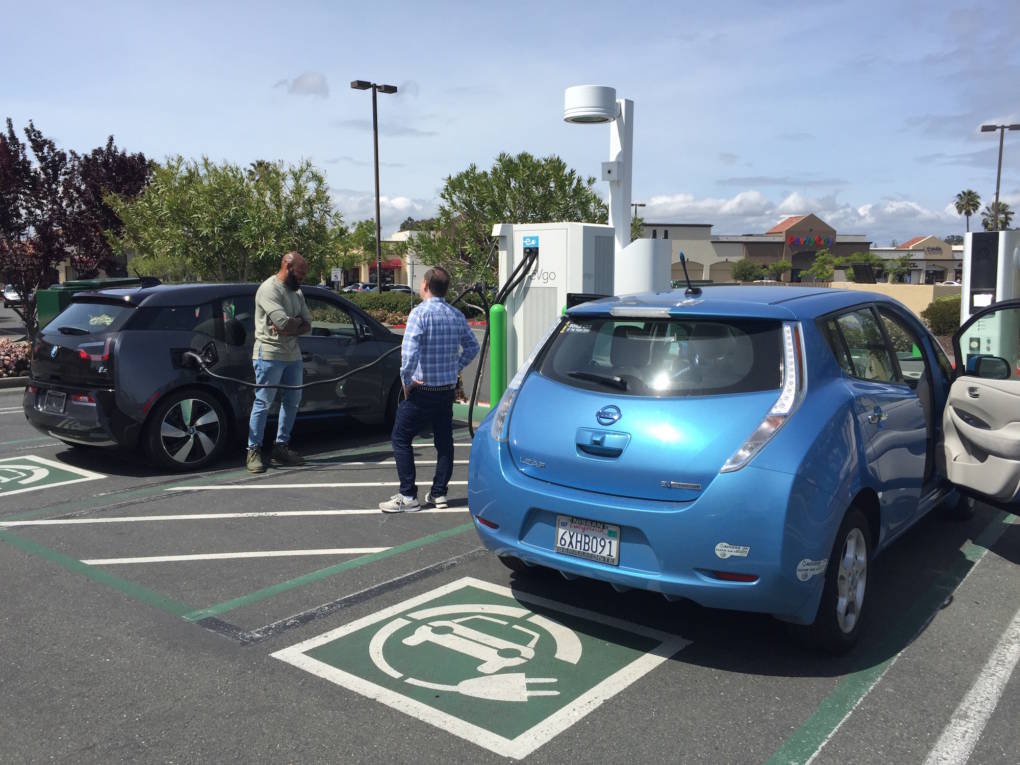
"caption": "Drivers wait while their electric cars recharge at a charging station in Vallejo.",
"description": "Drivers wait while their electric cars recharge at a charging station in Vallejo.",
"title": "IMG_6998",
"credit": "Craig Miller/KQED",
"status": "inherit",
"isLoading": false,
"fetchFailed": false
},
"science_1815624": {
"type": "attachments",
"id": "science_1815624",
"meta": {
"index": "attachments_1716263798",
"site": "science",
"id": "1815624",
"found": true
},
"parent": 1814718,
"imgSizes": {
"small": {
"file": "https://ww2.kqed.org/app/uploads/sites/35/2017/07/SaltPointStatePark-520x347.jpg",
"width": 520,
"mimeType": "image/jpeg",
"height": 347
},
"twentyfourteen-full-width": {
"file": "https://ww2.kqed.org/app/uploads/sites/35/2017/07/SaltPointStatePark-1038x576.jpg",
"width": 1038,
"mimeType": "image/jpeg",
"height": 576
},
"thumbnail": {
"file": "https://ww2.kqed.org/app/uploads/sites/35/2017/07/SaltPointStatePark-160x107.jpg",
"width": 160,
"mimeType": "image/jpeg",
"height": 107
},
"fd-sm": {
"file": "https://ww2.kqed.org/app/uploads/sites/35/2017/07/SaltPointStatePark-960x640.jpg",
"width": 960,
"mimeType": "image/jpeg",
"height": 640
},
"post-thumbnail": {
"file": "https://ww2.kqed.org/app/uploads/sites/35/2017/07/SaltPointStatePark-672x372.jpg",
"width": 672,
"mimeType": "image/jpeg",
"height": 372
},
"xsmall": {
"file": "https://ww2.kqed.org/app/uploads/sites/35/2017/07/SaltPointStatePark-375x250.jpg",
"width": 375,
"mimeType": "image/jpeg",
"height": 250
},
"kqedFullSize": {
"file": "https://ww2.kqed.org/app/uploads/sites/35/2017/07/SaltPointStatePark.jpg",
"width": 3500,
"height": 2333
},
"large": {
"file": "https://ww2.kqed.org/app/uploads/sites/35/2017/07/SaltPointStatePark-1020x680.jpg",
"width": 1020,
"mimeType": "image/jpeg",
"height": 680
},
"xlarge": {
"file": "https://ww2.kqed.org/app/uploads/sites/35/2017/07/SaltPointStatePark-1180x787.jpg",
"width": 1180,
"mimeType": "image/jpeg",
"height": 787
},
"guest-author-50": {
"file": "https://ww2.kqed.org/app/uploads/sites/35/2017/07/SaltPointStatePark-50x50.jpg",
"width": 50,
"mimeType": "image/jpeg",
"height": 50
},
"guest-author-96": {
"file": "https://ww2.kqed.org/app/uploads/sites/35/2017/07/SaltPointStatePark-96x96.jpg",
"width": 96,
"mimeType": "image/jpeg",
"height": 96
},
"medium": {
"file": "https://ww2.kqed.org/app/uploads/sites/35/2017/07/SaltPointStatePark-800x533.jpg",
"width": 800,
"mimeType": "image/jpeg",
"height": 533
},
"guest-author-64": {
"file": "https://ww2.kqed.org/app/uploads/sites/35/2017/07/SaltPointStatePark-64x64.jpg",
"width": 64,
"mimeType": "image/jpeg",
"height": 64
},
"guest-author-32": {
"file": "https://ww2.kqed.org/app/uploads/sites/35/2017/07/SaltPointStatePark-32x32.jpg",
"width": 32,
"mimeType": "image/jpeg",
"height": 32
},
"fd-lrg": {
"file": "https://ww2.kqed.org/app/uploads/sites/35/2017/07/SaltPointStatePark-1920x1280.jpg",
"width": 1920,
"mimeType": "image/jpeg",
"height": 1280
},
"fd-med": {
"file": "https://ww2.kqed.org/app/uploads/sites/35/2017/07/SaltPointStatePark-1180x787.jpg",
"width": 1180,
"mimeType": "image/jpeg",
"height": 787
},
"full-width": {
"file": "https://ww2.kqed.org/app/uploads/sites/35/2017/07/SaltPointStatePark-1920x1280.jpg",
"width": 1920,
"mimeType": "image/jpeg",
"height": 1280
},
"detail": {
"file": "https://ww2.kqed.org/app/uploads/sites/35/2017/07/SaltPointStatePark-150x150.jpg",
"width": 150,
"mimeType": "image/jpeg",
"height": 150
},
"medium_large": {
"file": "https://ww2.kqed.org/app/uploads/sites/35/2017/07/SaltPointStatePark-768x512.jpg",
"width": 768,
"mimeType": "image/jpeg",
"height": 512
},
"guest-author-128": {
"file": "https://ww2.kqed.org/app/uploads/sites/35/2017/07/SaltPointStatePark-128x128.jpg",
"width": 128,
"mimeType": "image/jpeg",
"height": 128
},
"xxsmall": {
"file": "https://ww2.kqed.org/app/uploads/sites/35/2017/07/SaltPointStatePark-240x160.jpg",
"width": 240,
"mimeType": "image/jpeg",
"height": 160
}
},
"publishDate": 1499462414,
"modified": 1499463696,
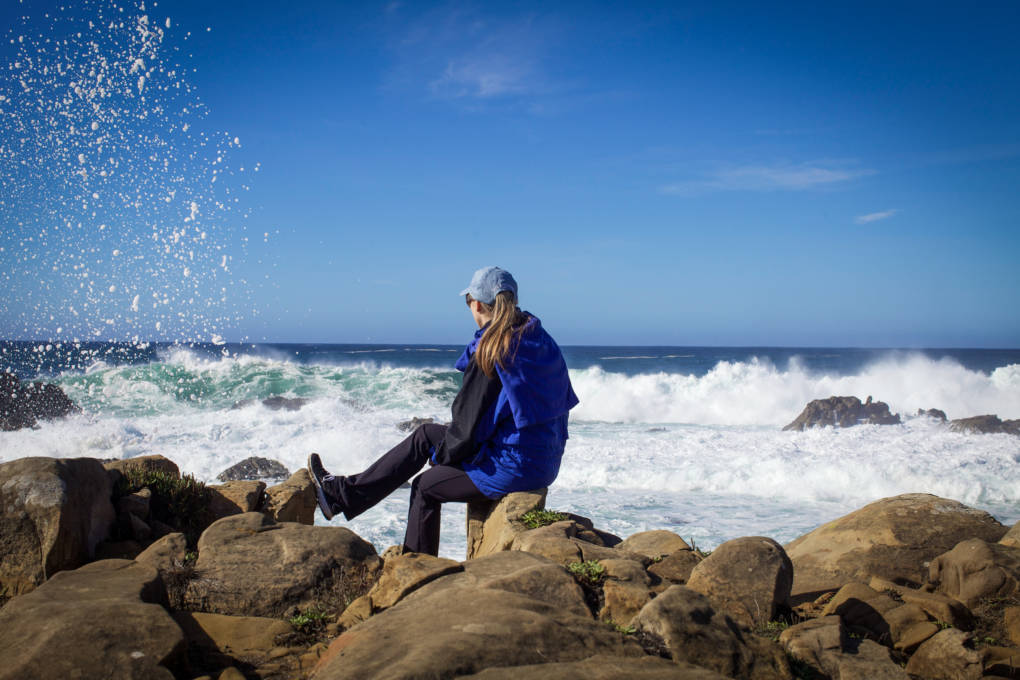
"caption": "A visitor at Salt Point State Park in California in the expansion area for Gulf of the Farallones and Cordell Bank national marine sanctuaries.",
"description": null,
"title": "SaltPointStatePark",
"credit": "Matt McIntosh/NOAA",
"status": "inherit",
"isLoading": false,
"fetchFailed": false
},
"science_1806819": {
"type": "attachments",
"id": "science_1806819",
"meta": {
"index": "attachments_1716263798",
"site": "science",
"id": "1806819",
"found": true
},
"parent": 1806818,
"imgSizes": {
"small": {
"file": "https://ww2.kqed.org/app/uploads/sites/35/2017/07/gettyimages-603966130_wide-eefa9902b5c673d66dd251468fe9361013d6b46a-520x293.jpg",
"width": 520,
"mimeType": "image/jpeg",
"height": 293
},
"twentyfourteen-full-width": {
"file": "https://ww2.kqed.org/app/uploads/sites/35/2017/07/gettyimages-603966130_wide-eefa9902b5c673d66dd251468fe9361013d6b46a-1038x576.jpg",
"width": 1038,
"mimeType": "image/jpeg",
"height": 576
},
"thumbnail": {
"file": "https://ww2.kqed.org/app/uploads/sites/35/2017/07/gettyimages-603966130_wide-eefa9902b5c673d66dd251468fe9361013d6b46a-160x90.jpg",
"width": 160,
"mimeType": "image/jpeg",
"height": 90
},
"fd-sm": {
"file": "https://ww2.kqed.org/app/uploads/sites/35/2017/07/gettyimages-603966130_wide-eefa9902b5c673d66dd251468fe9361013d6b46a-960x540.jpg",
"width": 960,
"mimeType": "image/jpeg",
"height": 540
},
"post-thumbnail": {
"file": "https://ww2.kqed.org/app/uploads/sites/35/2017/07/gettyimages-603966130_wide-eefa9902b5c673d66dd251468fe9361013d6b46a-672x372.jpg",
"width": 672,
"mimeType": "image/jpeg",
"height": 372
},
"xsmall": {
"file": "https://ww2.kqed.org/app/uploads/sites/35/2017/07/gettyimages-603966130_wide-eefa9902b5c673d66dd251468fe9361013d6b46a-375x211.jpg",
"width": 375,
"mimeType": "image/jpeg",
"height": 211
},
"kqedFullSize": {
"file": "https://ww2.kqed.org/app/uploads/sites/35/2017/07/gettyimages-603966130_wide-eefa9902b5c673d66dd251468fe9361013d6b46a-e1499289186581.jpg",
"width": 1920,
"height": 1080
},
"large": {
"file": "https://ww2.kqed.org/app/uploads/sites/35/2017/07/gettyimages-603966130_wide-eefa9902b5c673d66dd251468fe9361013d6b46a-1020x574.jpg",
"width": 1020,
"mimeType": "image/jpeg",
"height": 574
},
"xlarge": {
"file": "https://ww2.kqed.org/app/uploads/sites/35/2017/07/gettyimages-603966130_wide-eefa9902b5c673d66dd251468fe9361013d6b46a-1180x664.jpg",
"width": 1180,
"mimeType": "image/jpeg",
"height": 664
},
"guest-author-50": {
"file": "https://ww2.kqed.org/app/uploads/sites/35/2017/07/gettyimages-603966130_wide-eefa9902b5c673d66dd251468fe9361013d6b46a-50x50.jpg",
"width": 50,
"mimeType": "image/jpeg",
"height": 50
},
"guest-author-96": {
"file": "https://ww2.kqed.org/app/uploads/sites/35/2017/07/gettyimages-603966130_wide-eefa9902b5c673d66dd251468fe9361013d6b46a-96x96.jpg",
"width": 96,
"mimeType": "image/jpeg",
"height": 96
},
"medium": {
"file": "https://ww2.kqed.org/app/uploads/sites/35/2017/07/gettyimages-603966130_wide-eefa9902b5c673d66dd251468fe9361013d6b46a-800x450.jpg",
"width": 800,
"mimeType": "image/jpeg",
"height": 450
},
"guest-author-64": {
"file": "https://ww2.kqed.org/app/uploads/sites/35/2017/07/gettyimages-603966130_wide-eefa9902b5c673d66dd251468fe9361013d6b46a-64x64.jpg",
"width": 64,
"mimeType": "image/jpeg",
"height": 64
},
"guest-author-32": {
"file": "https://ww2.kqed.org/app/uploads/sites/35/2017/07/gettyimages-603966130_wide-eefa9902b5c673d66dd251468fe9361013d6b46a-32x32.jpg",
"width": 32,
"mimeType": "image/jpeg",
"height": 32
},
"fd-lrg": {
"file": "https://ww2.kqed.org/app/uploads/sites/35/2017/07/gettyimages-603966130_wide-eefa9902b5c673d66dd251468fe9361013d6b46a-1920x1080.jpg",
"width": 1920,
"mimeType": "image/jpeg",
"height": 1080
},
"fd-med": {
"file": "https://ww2.kqed.org/app/uploads/sites/35/2017/07/gettyimages-603966130_wide-eefa9902b5c673d66dd251468fe9361013d6b46a-1180x664.jpg",
"width": 1180,
"mimeType": "image/jpeg",
"height": 664
},
"full-width": {
"file": "https://ww2.kqed.org/app/uploads/sites/35/2017/07/gettyimages-603966130_wide-eefa9902b5c673d66dd251468fe9361013d6b46a-1920x1080.jpg",
"width": 1920,
"mimeType": "image/jpeg",
"height": 1080
},
"detail": {
"file": "https://ww2.kqed.org/app/uploads/sites/35/2017/07/gettyimages-603966130_wide-eefa9902b5c673d66dd251468fe9361013d6b46a-150x150.jpg",
"width": 150,
"mimeType": "image/jpeg",
"height": 150
},
"medium_large": {
"file": "https://ww2.kqed.org/app/uploads/sites/35/2017/07/gettyimages-603966130_wide-eefa9902b5c673d66dd251468fe9361013d6b46a-768x432.jpg",
"width": 768,
"mimeType": "image/jpeg",
"height": 432
},
"guest-author-128": {
"file": "https://ww2.kqed.org/app/uploads/sites/35/2017/07/gettyimages-603966130_wide-eefa9902b5c673d66dd251468fe9361013d6b46a-128x128.jpg",
"width": 128,
"mimeType": "image/jpeg",
"height": 128
},
"xxsmall": {
"file": "https://ww2.kqed.org/app/uploads/sites/35/2017/07/gettyimages-603966130_wide-eefa9902b5c673d66dd251468fe9361013d6b46a-240x135.jpg",
"width": 240,
"mimeType": "image/jpeg",
"height": 135
}
},
"publishDate": 1499279786,
"modified": 1499289165,
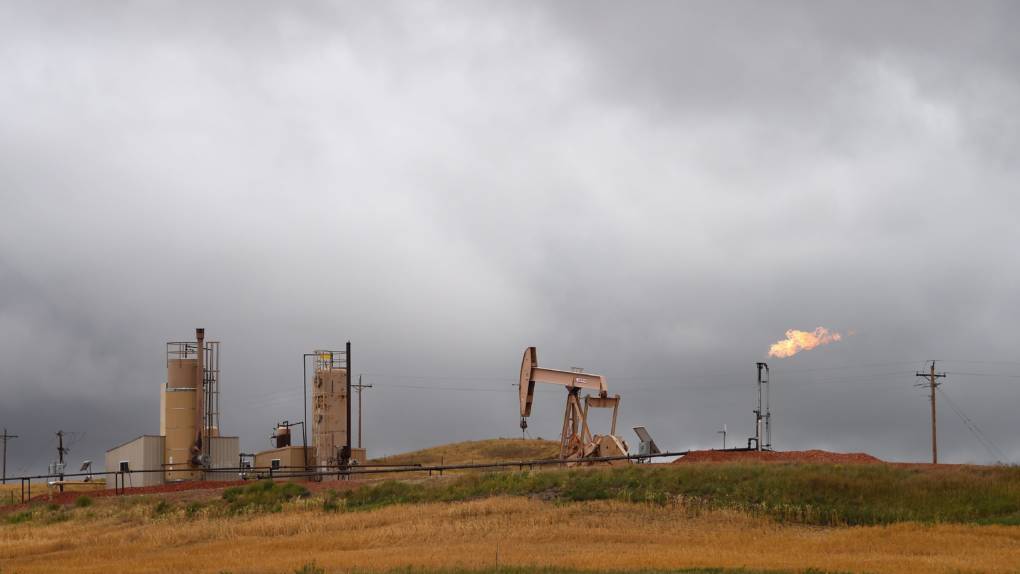
"caption": "Pump jacks and a gas flare are seen near Williston, N.D., in 2016",
"description": "Pump jacks and a gas flare are seen near Williston, N.D., in 2016",
"title": "Pump jacks and a gas flare are seen near Williston, N.D., in 2016.",
"credit": "Robyn Beck/AFP/Getty Images",
"status": "inherit",
"isLoading": false,
"fetchFailed": false
},
"science_1688787": {
"type": "attachments",
"id": "science_1688787",
"meta": {
"index": "attachments_1716263798",
"site": "science",
"id": "1688787",
"found": true
},
"parent": 1688786,
"imgSizes": {
"small": {
"file": "https://ww2.kqed.org/app/uploads/sites/35/2017/06/gettyimages-180347724_wide-7e69af15f2806dd0d089f2a1707d80cb24c8c79f-520x292.jpg",
"width": 520,
"mimeType": "image/jpeg",
"height": 292
},
"twentyfourteen-full-width": {
"file": "https://ww2.kqed.org/app/uploads/sites/35/2017/06/gettyimages-180347724_wide-7e69af15f2806dd0d089f2a1707d80cb24c8c79f-1038x576.jpg",
"width": 1038,
"mimeType": "image/jpeg",
"height": 576
},
"thumbnail": {
"file": "https://ww2.kqed.org/app/uploads/sites/35/2017/06/gettyimages-180347724_wide-7e69af15f2806dd0d089f2a1707d80cb24c8c79f-160x90.jpg",
"width": 160,
"mimeType": "image/jpeg",
"height": 90
},
"fd-sm": {
"file": "https://ww2.kqed.org/app/uploads/sites/35/2017/06/gettyimages-180347724_wide-7e69af15f2806dd0d089f2a1707d80cb24c8c79f-960x540.jpg",
"width": 960,
"mimeType": "image/jpeg",
"height": 540
},
"post-thumbnail": {
"file": "https://ww2.kqed.org/app/uploads/sites/35/2017/06/gettyimages-180347724_wide-7e69af15f2806dd0d089f2a1707d80cb24c8c79f-672x372.jpg",
"width": 672,
"mimeType": "image/jpeg",
"height": 372
},
"xsmall": {
"file": "https://ww2.kqed.org/app/uploads/sites/35/2017/06/gettyimages-180347724_wide-7e69af15f2806dd0d089f2a1707d80cb24c8c79f-375x211.jpg",
"width": 375,
"mimeType": "image/jpeg",
"height": 211
},
"kqedFullSize": {
"file": "https://ww2.kqed.org/app/uploads/sites/35/2017/06/gettyimages-180347724_wide-7e69af15f2806dd0d089f2a1707d80cb24c8c79f.jpg",
"width": 1800,
"height": 1012
},
"large": {
"file": "https://ww2.kqed.org/app/uploads/sites/35/2017/06/gettyimages-180347724_wide-7e69af15f2806dd0d089f2a1707d80cb24c8c79f-1020x573.jpg",
"width": 1020,
"mimeType": "image/jpeg",
"height": 573
},
"xlarge": {
"file": "https://ww2.kqed.org/app/uploads/sites/35/2017/06/gettyimages-180347724_wide-7e69af15f2806dd0d089f2a1707d80cb24c8c79f-1180x663.jpg",
"width": 1180,
"mimeType": "image/jpeg",
"height": 663
},
"guest-author-50": {
"file": "https://ww2.kqed.org/app/uploads/sites/35/2017/06/gettyimages-180347724_wide-7e69af15f2806dd0d089f2a1707d80cb24c8c79f-50x50.jpg",
"width": 50,
"mimeType": "image/jpeg",
"height": 50
},
"guest-author-96": {
"file": "https://ww2.kqed.org/app/uploads/sites/35/2017/06/gettyimages-180347724_wide-7e69af15f2806dd0d089f2a1707d80cb24c8c79f-96x96.jpg",
"width": 96,
"mimeType": "image/jpeg",
"height": 96
},
"medium": {
"file": "https://ww2.kqed.org/app/uploads/sites/35/2017/06/gettyimages-180347724_wide-7e69af15f2806dd0d089f2a1707d80cb24c8c79f-800x450.jpg",
"width": 800,
"mimeType": "image/jpeg",
"height": 450
},
"guest-author-64": {
"file": "https://ww2.kqed.org/app/uploads/sites/35/2017/06/gettyimages-180347724_wide-7e69af15f2806dd0d089f2a1707d80cb24c8c79f-64x64.jpg",
"width": 64,
"mimeType": "image/jpeg",
"height": 64
},
"guest-author-32": {
"file": "https://ww2.kqed.org/app/uploads/sites/35/2017/06/gettyimages-180347724_wide-7e69af15f2806dd0d089f2a1707d80cb24c8c79f-32x32.jpg",
"width": 32,
"mimeType": "image/jpeg",
"height": 32
},
"fd-med": {
"file": "https://ww2.kqed.org/app/uploads/sites/35/2017/06/gettyimages-180347724_wide-7e69af15f2806dd0d089f2a1707d80cb24c8c79f-1180x663.jpg",
"width": 1180,
"mimeType": "image/jpeg",
"height": 663
},
"detail": {
"file": "https://ww2.kqed.org/app/uploads/sites/35/2017/06/gettyimages-180347724_wide-7e69af15f2806dd0d089f2a1707d80cb24c8c79f-150x150.jpg",
"width": 150,
"mimeType": "image/jpeg",
"height": 150
},
"medium_large": {
"file": "https://ww2.kqed.org/app/uploads/sites/35/2017/06/gettyimages-180347724_wide-7e69af15f2806dd0d089f2a1707d80cb24c8c79f-768x432.jpg",
"width": 768,
"mimeType": "image/jpeg",
"height": 432
},
"guest-author-128": {
"file": "https://ww2.kqed.org/app/uploads/sites/35/2017/06/gettyimages-180347724_wide-7e69af15f2806dd0d089f2a1707d80cb24c8c79f-128x128.jpg",
"width": 128,
"mimeType": "image/jpeg",
"height": 128
},
"xxsmall": {
"file": "https://ww2.kqed.org/app/uploads/sites/35/2017/06/gettyimages-180347724_wide-7e69af15f2806dd0d089f2a1707d80cb24c8c79f-240x135.jpg",
"width": 240,
"mimeType": "image/jpeg",
"height": 135
}
},
"publishDate": 1496441976,
"modified": 1529343616,
"caption": null,
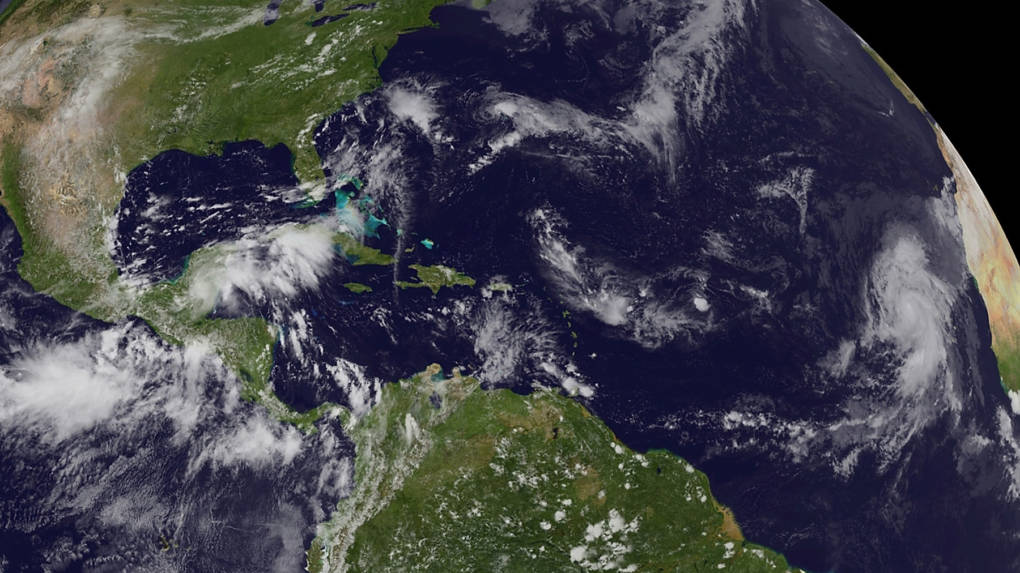
"description": "The main goal of the Paris deal was to limit global temperature rise to 2 degrees Celsius. Beyond that point, scientists worry that catastrophic impacts of warming become irreversible.",
"title": "The main goal of the Paris deal was to limit global temperature rise to 2 degrees Celsius. Beyond that point, scientists worry that catastrophic impacts of warming become irreversible.",
"credit": "NASA Handout/Getty Images",
"status": "inherit",
"isLoading": false,
"fetchFailed": false
},
"science_1602509": {
"type": "attachments",
"id": "science_1602509",
"meta": {
"index": "attachments_1716263798",
"site": "science",
"id": "1602509",
"found": true
},
"parent": 1592231,
"imgSizes": {
"small": {
"file": "https://ww2.kqed.org/app/uploads/sites/35/2017/05/Ocean-Turbines-520x447.jpg",
"width": 520,
"mimeType": "image/jpeg",
"height": 447
},
"twentyfourteen-full-width": {
"file": "https://ww2.kqed.org/app/uploads/sites/35/2017/05/Ocean-Turbines-1038x576.jpg",
"width": 1038,
"mimeType": "image/jpeg",
"height": 576
},
"thumbnail": {
"file": "https://ww2.kqed.org/app/uploads/sites/35/2017/05/Ocean-Turbines-160x138.jpg",
"width": 160,
"mimeType": "image/jpeg",
"height": 138
},
"fd-sm": {
"file": "https://ww2.kqed.org/app/uploads/sites/35/2017/05/Ocean-Turbines-960x825.jpg",
"width": 960,
"mimeType": "image/jpeg",
"height": 825
},
"post-thumbnail": {
"file": "https://ww2.kqed.org/app/uploads/sites/35/2017/05/Ocean-Turbines-672x372.jpg",
"width": 672,
"mimeType": "image/jpeg",
"height": 372
},
"xsmall": {
"file": "https://ww2.kqed.org/app/uploads/sites/35/2017/05/Ocean-Turbines-375x322.jpg",
"width": 375,
"mimeType": "image/jpeg",
"height": 322
},
"kqedFullSize": {
"file": "https://ww2.kqed.org/app/uploads/sites/35/2017/05/Ocean-Turbines.jpg",
"width": 4530,
"height": 3895
},
"large": {
"file": "https://ww2.kqed.org/app/uploads/sites/35/2017/05/Ocean-Turbines-1020x877.jpg",
"width": 1020,
"mimeType": "image/jpeg",
"height": 877
},
"xlarge": {
"file": "https://ww2.kqed.org/app/uploads/sites/35/2017/05/Ocean-Turbines-1180x1015.jpg",
"width": 1180,
"mimeType": "image/jpeg",
"height": 1015
},
"guest-author-50": {
"file": "https://ww2.kqed.org/app/uploads/sites/35/2017/05/Ocean-Turbines-50x50.jpg",
"width": 50,
"mimeType": "image/jpeg",
"height": 50
},
"guest-author-96": {
"file": "https://ww2.kqed.org/app/uploads/sites/35/2017/05/Ocean-Turbines-96x96.jpg",
"width": 96,
"mimeType": "image/jpeg",
"height": 96
},
"medium": {
"file": "https://ww2.kqed.org/app/uploads/sites/35/2017/05/Ocean-Turbines-800x688.jpg",
"width": 800,
"mimeType": "image/jpeg",
"height": 688
},
"guest-author-64": {
"file": "https://ww2.kqed.org/app/uploads/sites/35/2017/05/Ocean-Turbines-64x64.jpg",
"width": 64,
"mimeType": "image/jpeg",
"height": 64
},
"guest-author-32": {
"file": "https://ww2.kqed.org/app/uploads/sites/35/2017/05/Ocean-Turbines-32x32.jpg",
"width": 32,
"mimeType": "image/jpeg",
"height": 32
},
"fd-lrg": {
"file": "https://ww2.kqed.org/app/uploads/sites/35/2017/05/Ocean-Turbines-1920x1651.jpg",
"width": 1920,
"mimeType": "image/jpeg",
"height": 1651
},
"fd-med": {
"file": "https://ww2.kqed.org/app/uploads/sites/35/2017/05/Ocean-Turbines-1180x1015.jpg",
"width": 1180,
"mimeType": "image/jpeg",
"height": 1015
},
"full-width": {
"file": "https://ww2.kqed.org/app/uploads/sites/35/2017/05/Ocean-Turbines-1920x1651.jpg",
"width": 1920,
"mimeType": "image/jpeg",
"height": 1651
},
"detail": {
"file": "https://ww2.kqed.org/app/uploads/sites/35/2017/05/Ocean-Turbines-150x150.jpg",
"width": 150,
"mimeType": "image/jpeg",
"height": 150
},
"medium_large": {
"file": "https://ww2.kqed.org/app/uploads/sites/35/2017/05/Ocean-Turbines-768x660.jpg",
"width": 768,
"mimeType": "image/jpeg",
"height": 660
},
"guest-author-128": {
"file": "https://ww2.kqed.org/app/uploads/sites/35/2017/05/Ocean-Turbines-128x128.jpg",
"width": 128,
"mimeType": "image/jpeg",
"height": 128
},
"xxsmall": {
"file": "https://ww2.kqed.org/app/uploads/sites/35/2017/05/Ocean-Turbines-240x206.jpg",
"width": 240,
"mimeType": "image/jpeg",
"height": 206
}
},
"publishDate": 1493677023,
"modified": 1493677059,
"caption": "A swimmer streams past the Sheringham Shoal Offshore Windfarm off the coast of Norfolk, England. The wind farm consists of 88 3.6-megawatt turbines placed 11 miles from shore. ",
"description": null,
"title": "Ocean-Turbines",
"credit": "Penguin Random House",
"status": "inherit",
"isLoading": false,
"fetchFailed": false
},
"science_1537547": {
"type": "attachments",
"id": "science_1537547",
"meta": {
"index": "attachments_1716263798",
"site": "science",
"id": "1537547",
"found": true
},
"parent": 1537417,
"imgSizes": {
"small": {
"file": "https://ww2.kqed.org/app/uploads/sites/35/2017/04/iStock-183325980-520x345.jpg",
"width": 520,
"mimeType": "image/jpeg",
"height": 345
},
"twentyfourteen-full-width": {
"file": "https://ww2.kqed.org/app/uploads/sites/35/2017/04/iStock-183325980-1038x576.jpg",
"width": 1038,
"mimeType": "image/jpeg",
"height": 576
},
"thumbnail": {
"file": "https://ww2.kqed.org/app/uploads/sites/35/2017/04/iStock-183325980-160x106.jpg",
"width": 160,
"mimeType": "image/jpeg",
"height": 106
},
"fd-sm": {
"file": "https://ww2.kqed.org/app/uploads/sites/35/2017/04/iStock-183325980-960x638.jpg",
"width": 960,
"mimeType": "image/jpeg",
"height": 638
},
"post-thumbnail": {
"file": "https://ww2.kqed.org/app/uploads/sites/35/2017/04/iStock-183325980-672x372.jpg",
"width": 672,
"mimeType": "image/jpeg",
"height": 372
},
"xsmall": {
"file": "https://ww2.kqed.org/app/uploads/sites/35/2017/04/iStock-183325980-375x249.jpg",
"width": 375,
"mimeType": "image/jpeg",
"height": 249
},
"kqedFullSize": {
"file": "https://ww2.kqed.org/app/uploads/sites/35/2017/04/iStock-183325980-e1491523058969.jpg",
"width": 2000,
"height": 1329
},
"large": {
"file": "https://ww2.kqed.org/app/uploads/sites/35/2017/04/iStock-183325980-1020x678.jpg",
"width": 1020,
"mimeType": "image/jpeg",
"height": 678
},
"xlarge": {
"file": "https://ww2.kqed.org/app/uploads/sites/35/2017/04/iStock-183325980-1180x784.jpg",
"width": 1180,
"mimeType": "image/jpeg",
"height": 784
},
"guest-author-50": {
"file": "https://ww2.kqed.org/app/uploads/sites/35/2017/04/iStock-183325980-50x50.jpg",
"width": 50,
"mimeType": "image/jpeg",
"height": 50
},
"guest-author-96": {
"file": "https://ww2.kqed.org/app/uploads/sites/35/2017/04/iStock-183325980-96x96.jpg",
"width": 96,
"mimeType": "image/jpeg",
"height": 96
},
"medium": {
"file": "https://ww2.kqed.org/app/uploads/sites/35/2017/04/iStock-183325980-800x531.jpg",
"width": 800,
"mimeType": "image/jpeg",
"height": 531
},
"guest-author-64": {
"file": "https://ww2.kqed.org/app/uploads/sites/35/2017/04/iStock-183325980-64x64.jpg",
"width": 64,
"mimeType": "image/jpeg",
"height": 64
},
"guest-author-32": {
"file": "https://ww2.kqed.org/app/uploads/sites/35/2017/04/iStock-183325980-32x32.jpg",
"width": 32,
"mimeType": "image/jpeg",
"height": 32
},
"fd-lrg": {
"file": "https://ww2.kqed.org/app/uploads/sites/35/2017/04/iStock-183325980-1920x1276.jpg",
"width": 1920,
"mimeType": "image/jpeg",
"height": 1276
},
"fd-med": {
"file": "https://ww2.kqed.org/app/uploads/sites/35/2017/04/iStock-183325980-1180x784.jpg",
"width": 1180,
"mimeType": "image/jpeg",
"height": 784
},
"full-width": {
"file": "https://ww2.kqed.org/app/uploads/sites/35/2017/04/iStock-183325980-1920x1276.jpg",
"width": 1920,
"mimeType": "image/jpeg",
"height": 1276
},
"detail": {
"file": "https://ww2.kqed.org/app/uploads/sites/35/2017/04/iStock-183325980-150x150.jpg",
"width": 150,
"mimeType": "image/jpeg",
"height": 150
},
"medium_large": {
"file": "https://ww2.kqed.org/app/uploads/sites/35/2017/04/iStock-183325980-768x510.jpg",
"width": 768,
"mimeType": "image/jpeg",
"height": 510
},
"guest-author-128": {
"file": "https://ww2.kqed.org/app/uploads/sites/35/2017/04/iStock-183325980-128x128.jpg",
"width": 128,
"mimeType": "image/jpeg",
"height": 128
},
"xxsmall": {
"file": "https://ww2.kqed.org/app/uploads/sites/35/2017/04/iStock-183325980-240x159.jpg",
"width": 240,
"mimeType": "image/jpeg",
"height": 159
}
},
"publishDate": 1491523009,
"modified": 1491523588,
"caption": null,
"description": null,
"title": "Refinery",
"credit": "iStock",
"status": "inherit",
"isLoading": false,
"fetchFailed": false
},
"science_1520881": {
"type": "attachments",
"id": "science_1520881",
"meta": {
"index": "attachments_1716263798",
"site": "science",
"id": "1520881",
"found": true
},
"parent": 1518365,
"imgSizes": {
"small": {
"file": "https://ww2.kqed.org/app/uploads/sites/35/2017/03/iStock-506401472-520x332.jpg",
"width": 520,
"mimeType": "image/jpeg",
"height": 332
},
"twentyfourteen-full-width": {
"file": "https://ww2.kqed.org/app/uploads/sites/35/2017/03/iStock-506401472-1038x576.jpg",
"width": 1038,
"mimeType": "image/jpeg",
"height": 576
},
"thumbnail": {
"file": "https://ww2.kqed.org/app/uploads/sites/35/2017/03/iStock-506401472-160x102.jpg",
"width": 160,
"mimeType": "image/jpeg",
"height": 102
},
"fd-sm": {
"file": "https://ww2.kqed.org/app/uploads/sites/35/2017/03/iStock-506401472-960x612.jpg",
"width": 960,
"mimeType": "image/jpeg",
"height": 612
},
"post-thumbnail": {
"file": "https://ww2.kqed.org/app/uploads/sites/35/2017/03/iStock-506401472-672x372.jpg",
"width": 672,
"mimeType": "image/jpeg",
"height": 372
},
"xsmall": {
"file": "https://ww2.kqed.org/app/uploads/sites/35/2017/03/iStock-506401472-375x239.jpg",
"width": 375,
"mimeType": "image/jpeg",
"height": 239
},
"kqedFullSize": {
"file": "https://ww2.kqed.org/app/uploads/sites/35/2017/03/iStock-506401472-e1490995725774.jpg",
"width": 1920,
"height": 1225
},
"large": {
"file": "https://ww2.kqed.org/app/uploads/sites/35/2017/03/iStock-506401472-1020x651.jpg",
"width": 1020,
"mimeType": "image/jpeg",
"height": 651
},
"xlarge": {
"file": "https://ww2.kqed.org/app/uploads/sites/35/2017/03/iStock-506401472-1180x753.jpg",
"width": 1180,
"mimeType": "image/jpeg",
"height": 753
},
"guest-author-50": {
"file": "https://ww2.kqed.org/app/uploads/sites/35/2017/03/iStock-506401472-50x50.jpg",
"width": 50,
"mimeType": "image/jpeg",
"height": 50
},
"guest-author-96": {
"file": "https://ww2.kqed.org/app/uploads/sites/35/2017/03/iStock-506401472-96x96.jpg",
"width": 96,
"mimeType": "image/jpeg",
"height": 96
},
"medium": {
"file": "https://ww2.kqed.org/app/uploads/sites/35/2017/03/iStock-506401472-800x510.jpg",
"width": 800,
"mimeType": "image/jpeg",
"height": 510
},
"guest-author-64": {
"file": "https://ww2.kqed.org/app/uploads/sites/35/2017/03/iStock-506401472-64x64.jpg",
"width": 64,
"mimeType": "image/jpeg",
"height": 64
},
"guest-author-32": {
"file": "https://ww2.kqed.org/app/uploads/sites/35/2017/03/iStock-506401472-32x32.jpg",
"width": 32,
"mimeType": "image/jpeg",
"height": 32
},
"fd-lrg": {
"file": "https://ww2.kqed.org/app/uploads/sites/35/2017/03/iStock-506401472-1920x1225.jpg",
"width": 1920,
"mimeType": "image/jpeg",
"height": 1225
},
"fd-med": {
"file": "https://ww2.kqed.org/app/uploads/sites/35/2017/03/iStock-506401472-1180x753.jpg",
"width": 1180,
"mimeType": "image/jpeg",
"height": 753
},
"full-width": {
"file": "https://ww2.kqed.org/app/uploads/sites/35/2017/03/iStock-506401472-1920x1225.jpg",
"width": 1920,
"mimeType": "image/jpeg",
"height": 1225
},
"detail": {
"file": "https://ww2.kqed.org/app/uploads/sites/35/2017/03/iStock-506401472-150x150.jpg",
"width": 150,
"mimeType": "image/jpeg",
"height": 150
},
"medium_large": {
"file": "https://ww2.kqed.org/app/uploads/sites/35/2017/03/iStock-506401472-768x490.jpg",
"width": 768,
"mimeType": "image/jpeg",
"height": 490
},
"guest-author-128": {
"file": "https://ww2.kqed.org/app/uploads/sites/35/2017/03/iStock-506401472-128x128.jpg",
"width": 128,
"mimeType": "image/jpeg",
"height": 128
},
"xxsmall": {
"file": "https://ww2.kqed.org/app/uploads/sites/35/2017/03/iStock-506401472-240x153.jpg",
"width": 240,
"mimeType": "image/jpeg",
"height": 153
}
},
"publishDate": 1490994159,
"modified": 1490994305,
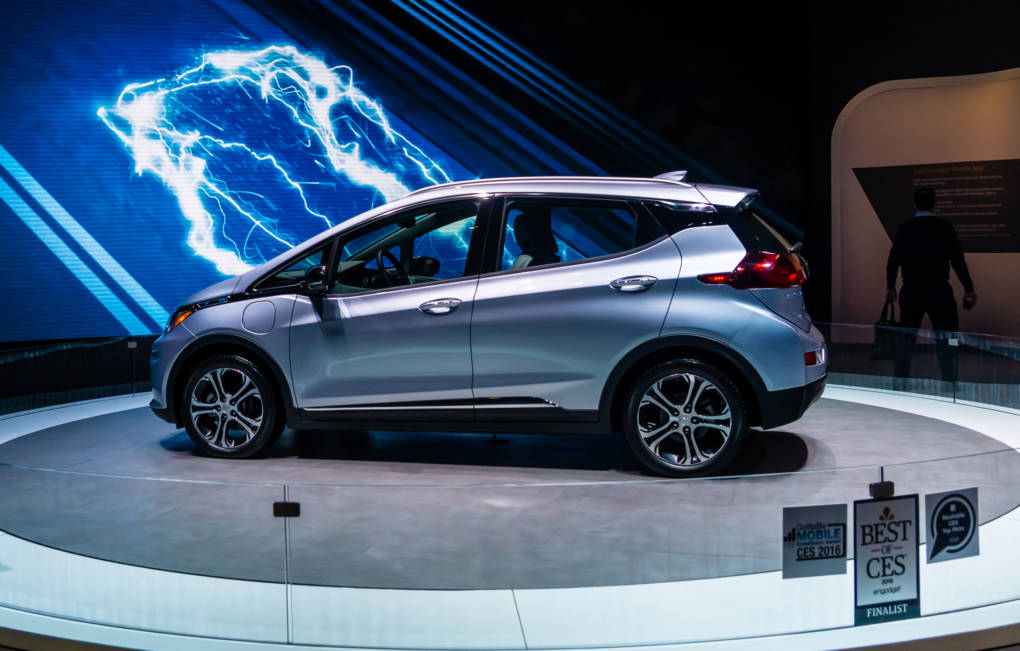
"caption": "The 2016 Chevrolet Bolt electric car has a 200-mile range.",
"description": null,
"title": "Best of CES - Chevy Bolt EV",
"credit": "Woodkern",
"status": "inherit",
"isLoading": false,
"fetchFailed": false
},
"science_1485818": {
"type": "attachments",
"id": "science_1485818",
"meta": {
"index": "attachments_1716263798",
"site": "science",
"id": "1485818",
"found": true
},
"parent": 1485806,
"imgSizes": {
"small": {
"file": "https://ww2.kqed.org/app/uploads/sites/35/2017/03/bacteria-520x336.jpg",
"width": 520,
"mimeType": "image/jpeg",
"height": 336
},
"thumbnail": {
"file": "https://ww2.kqed.org/app/uploads/sites/35/2017/03/bacteria-160x104.jpg",
"width": 160,
"mimeType": "image/jpeg",
"height": 104
},
"post-thumbnail": {
"file": "https://ww2.kqed.org/app/uploads/sites/35/2017/03/bacteria-672x372.jpg",
"width": 672,
"mimeType": "image/jpeg",
"height": 372
},
"xsmall": {
"file": "https://ww2.kqed.org/app/uploads/sites/35/2017/03/bacteria-375x243.jpg",
"width": 375,
"mimeType": "image/jpeg",
"height": 243
},
"kqedFullSize": {
"file": "https://ww2.kqed.org/app/uploads/sites/35/2017/03/bacteria.jpg",
"width": 816,
"height": 528
},
"guest-author-50": {
"file": "https://ww2.kqed.org/app/uploads/sites/35/2017/03/bacteria-50x50.jpg",
"width": 50,
"mimeType": "image/jpeg",
"height": 50
},
"guest-author-96": {
"file": "https://ww2.kqed.org/app/uploads/sites/35/2017/03/bacteria-96x96.jpg",
"width": 96,
"mimeType": "image/jpeg",
"height": 96
},
"medium": {
"file": "https://ww2.kqed.org/app/uploads/sites/35/2017/03/bacteria-800x518.jpg",
"width": 800,
"mimeType": "image/jpeg",
"height": 518
},
"guest-author-64": {
"file": "https://ww2.kqed.org/app/uploads/sites/35/2017/03/bacteria-64x64.jpg",
"width": 64,
"mimeType": "image/jpeg",
"height": 64
},
"guest-author-32": {
"file": "https://ww2.kqed.org/app/uploads/sites/35/2017/03/bacteria-32x32.jpg",
"width": 32,
"mimeType": "image/jpeg",
"height": 32
},
"detail": {
"file": "https://ww2.kqed.org/app/uploads/sites/35/2017/03/bacteria-150x150.jpg",
"width": 150,
"mimeType": "image/jpeg",
"height": 150
},
"medium_large": {
"file": "https://ww2.kqed.org/app/uploads/sites/35/2017/03/bacteria-768x497.jpg",
"width": 768,
"mimeType": "image/jpeg",
"height": 497
},
"guest-author-128": {
"file": "https://ww2.kqed.org/app/uploads/sites/35/2017/03/bacteria-128x128.jpg",
"width": 128,
"mimeType": "image/jpeg",
"height": 128
},
"xxsmall": {
"file": "https://ww2.kqed.org/app/uploads/sites/35/2017/03/bacteria-240x155.jpg",
"width": 240,
"mimeType": "image/jpeg",
"height": 155
}
},
"publishDate": 1489781475,
"modified": 1489781503,
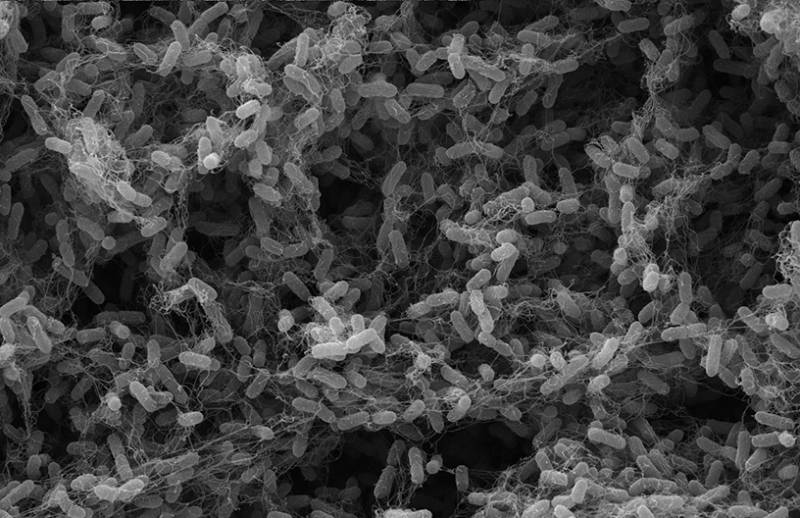
"caption": "BioMASON’s “microorganism mat”—a collection of Bacillus bacteria stitched together by exuded calcium carbonate. ",
"description": null,
"title": "bacteria",
"credit": "Photo courtesy of Ginger Krieg Dosier/bioMASON",
"status": "inherit",
"isLoading": false,
"fetchFailed": false
}
},
"audioPlayerReducer": {
"postId": "stream_live",
"isPaused": true,
"isPlaying": false,
"pfsActive": false,
"pledgeModalIsOpen": true,
"playerDrawerIsOpen": false,
"liveAudioPlayStartedAt": 0,
"liveAudioPlayContext": ""
},
"authorsReducer": {
"byline_science_1910886": {
"type": "authors",
"id": "byline_science_1910886",
"meta": {
"override": true
},
"slug": "byline_science_1910886",
"name": "Bobby Magill\u003c/br>Climate Central",
"isLoading": false
},
"byline_science_1814718": {
"type": "authors",
"id": "byline_science_1814718",
"meta": {
"override": true
},
"slug": "byline_science_1814718",
"name": "KQED Science",
"isLoading": false
},
"byline_science_1806818": {
"type": "authors",
"id": "byline_science_1806818",
"meta": {
"override": true
},
"slug": "byline_science_1806818",
"name": "Camila Domonoske\u003c/br>NPR",
"isLoading": false
},
"byline_science_1688786": {
"type": "authors",
"id": "byline_science_1688786",
"meta": {
"override": true
},
"slug": "byline_science_1688786",
"name": "NPR Staff",
"isLoading": false
},
"byline_science_1537417": {
"type": "authors",
"id": "byline_science_1537417",
"meta": {
"override": true
},
"slug": "byline_science_1537417",
"name": "Associated Press and KQED Science",
"isLoading": false
},
"byline_science_1518365": {
"type": "authors",
"id": "byline_science_1518365",
"meta": {
"override": true
},
"slug": "byline_science_1518365",
"name": "KQED Science",
"isLoading": false
},
"byline_science_1485806": {
"type": "authors",
"id": "byline_science_1485806",
"meta": {
"override": true
},
"slug": "byline_science_1485806",
"name": "Matt Ehrichs and Nsikan Akpan\u003c/br>PBS Newshour",
"isLoading": false
},
"cmiller": {
"type": "authors",
"id": "221",
"meta": {
"index": "authors_1716337520",
"id": "221",
"found": true
},
"name": "Craig Miller",
"firstName": "Craig",
"lastName": "Miller",
"slug": "cmiller",
"email": "craig@voxterra.net",
"display_author_email": false,
"staff_mastheads": [
"science"
],
"title": "Editor Emeritus, Science",
"bio": "Craig is a former KQED Science editor, specializing in weather, climate, water & energy issues, with a little seismology thrown in just to shake things up. Prior to that, he launched and led the station's award-winning multimedia project, Climate Watch. Craig is also an accomplished writer/producer of television documentaries, with a focus on natural resource issues.",
"avatar": "https://secure.gravatar.com/avatar/b91661df645e001a9cafe0861fa685f9?s=600&d=blank&r=g",
"twitter": "voxterra",
"facebook": null,
"instagram": null,
"linkedin": null,
"sites": [
{
"site": "news",
"roles": [
"author"
]
},
{
"site": "futureofyou",
"roles": [
"editor"
]
},
{
"site": "stateofhealth",
"roles": [
"author"
]
},
{
"site": "science",
"roles": [
"editor"
]
},
{
"site": "quest",
"roles": [
"editor"
]
}
],
"headData": {
"title": "Craig Miller | KQED",
"description": "Editor Emeritus, Science",
"ogImgSrc": "https://secure.gravatar.com/avatar/b91661df645e001a9cafe0861fa685f9?s=600&d=blank&r=g",
"twImgSrc": "https://secure.gravatar.com/avatar/b91661df645e001a9cafe0861fa685f9?s=600&d=blank&r=g"
},
"isLoading": false,
"link": "/author/cmiller"
},
"laurensommer": {
"type": "authors",
"id": "239",
"meta": {
"index": "authors_1716337520",
"id": "239",
"found": true
},
"name": "Lauren Sommer",
"firstName": "Lauren",
"lastName": "Sommer",
"slug": "laurensommer",
"email": "lsommer@kqed.org",
"display_author_email": false,
"staff_mastheads": [],
"title": "KQED Contributor",
"bio": "Lauren is a radio reporter formerly covering environment, water, and energy for KQED Science. As part of her day job, she has scaled Sierra Nevada peaks, run from charging elephant seals, and desperately tried to get her sea legs - all in pursuit of good radio. Her work has appeared on Marketplace, Living on Earth, Science Friday and NPR's Morning Edition and All Things Considered. You can find her on Twitter at \u003ca href=\"https://twitter.com/lesommer\">@lesommer\u003c/a>.",
"avatar": "https://secure.gravatar.com/avatar/33aa3772bb86c6ad45b8aca6a238bbdf?s=600&d=blank&r=g",
"twitter": null,
"facebook": null,
"instagram": null,
"linkedin": null,
"sites": [
{
"site": "news",
"roles": [
"author"
]
},
{
"site": "science",
"roles": [
"editor",
"manage_content_types",
"manage_taxonomies"
]
},
{
"site": "quest",
"roles": [
"editor"
]
}
],
"headData": {
"title": "Lauren Sommer | KQED",
"description": "KQED Contributor",
"ogImgSrc": "https://secure.gravatar.com/avatar/33aa3772bb86c6ad45b8aca6a238bbdf?s=600&d=blank&r=g",
"twImgSrc": "https://secure.gravatar.com/avatar/33aa3772bb86c6ad45b8aca6a238bbdf?s=600&d=blank&r=g"
},
"isLoading": false,
"link": "/author/laurensommer"
},
"lindseyhoshaw": {
"type": "authors",
"id": "5432",
"meta": {
"index": "authors_1716337520",
"id": "5432",
"found": true
},
"name": "Lindsey Hoshaw",
"firstName": "Lindsey",
"lastName": "Hoshaw",
"slug": "lindseyhoshaw",
"email": "lhoshaw@kqed.org",
"display_author_email": false,
"staff_mastheads": [],
"title": "KQED Contributor",
"bio": "Lindsey Hoshaw is a former interactive producer for KQED Science. Before joining KQED, Lindsey was a science correspondent for The New York Times, The Boston Globe, Forbes and Scientific American. On Twitter @lindseyhoshaw",
"avatar": "https://secure.gravatar.com/avatar/274b07694c998eaa8f26cfabaa941186?s=600&d=mm&r=g",
"twitter": "lindseyhoshaw",
"facebook": "lindsey.hoshaw.9",
"instagram": null,
"linkedin": null,
"sites": [
{
"site": "arts",
"roles": [
"author"
]
},
{
"site": "news",
"roles": [
"subscriber"
]
},
{
"site": "futureofyou",
"roles": [
"editor"
]
},
{
"site": "bayareabites",
"roles": [
"contributor"
]
},
{
"site": "stateofhealth",
"roles": [
"author"
]
},
{
"site": "science",
"roles": [
"edit_theme_options",
"subscriber"
]
},
{
"site": "quest",
"roles": [
"edit_post_subscriptions",
"edit_usergroups",
"unfiltered_html",
"unfiltered_upload",
"leadcoordinator",
"editor"
]
},
{
"site": "food",
"roles": []
}
],
"headData": {
"title": "Lindsey Hoshaw | KQED",
"description": "KQED Contributor",
"ogImgSrc": "https://secure.gravatar.com/avatar/274b07694c998eaa8f26cfabaa941186?s=600&d=mm&r=g",
"twImgSrc": "https://secure.gravatar.com/avatar/274b07694c998eaa8f26cfabaa941186?s=600&d=mm&r=g"
},
"isLoading": false,
"link": "/author/lindseyhoshaw"
},
"kqedscience": {
"type": "authors",
"id": "6387",
"meta": {
"index": "authors_1716337520",
"id": "6387",
"found": true
},
"name": "KQED Science",
"firstName": "KQED",
"lastName": "Science",
"slug": "kqedscience",
"email": "kqedscience@gmail.com",
"display_author_email": false,
"staff_mastheads": [],
"title": null,
"bio": "KQED Science brings you award-winning science and environment coverage from the Bay Area and beyond by the flagship Northern California PBS and NPR affiliate.",
"avatar": "https://secure.gravatar.com/avatar/5a295ff49cf82a8c0f30937d3f788b2f?s=600&d=blank&r=g",
"twitter": null,
"facebook": null,
"instagram": null,
"linkedin": null,
"sites": [
{
"site": "science",
"roles": [
"contributor"
]
},
{
"site": "quest",
"roles": [
"editor"
]
},
{
"site": "food",
"roles": [
"contributor"
]
}
],
"headData": {
"title": "KQED Science | KQED",
"description": null,
"ogImgSrc": "https://secure.gravatar.com/avatar/5a295ff49cf82a8c0f30937d3f788b2f?s=600&d=blank&r=g",
"twImgSrc": "https://secure.gravatar.com/avatar/5a295ff49cf82a8c0f30937d3f788b2f?s=600&d=blank&r=g"
},
"isLoading": false,
"link": "/author/kqedscience"
}
},
"pagesReducer": {
"science_category_energy": {
"type": "terms",
"id": "science_33",
"meta": {
"index": "terms_1716263798",
"site": "science",
"id": "33",
"score": 12.797518
},
"featImg": null,
"name": "Energy",
"description": null,
"taxonomy": "category",
"headData": {
"twImgId": null,
"twTitle": null,
"ogTitle": null,
"ogImgId": null,
"twDescription": null,
"description": null,
"title": "Energy Archives | KQED Science",
"ogDescription": null
},
"ttid": 35,
"slug": "energy",
"isLoading": false,
"title": "Energy",
"pageMeta": {
"site": "science",
"WpPageTemplate": "page-topic-editorial",
"currentPage": 20
},
"blocks": [
{
"blockName": "kqed/post-list",
"attrs": {
"layout": "cardArticle2",
"query": "posts/science?category=energy",
"seeMore": false,
"paginated": true,
"page": 20
}
},
{
"blockName": "kqed/ad"
}
]
}
},
"pfsSessionReducer": {},
"postsReducer": {
"stream_live": {
"type": "live",
"id": "stream_live",
"audioUrl": "https://streams.kqed.org/kqedradio",
"title": "Live Stream",
"excerpt": "Live Stream information currently unavailable.",
"link": "/radio",
"featImg": "",
"label": {
"name": "KQED Live",
"link": "/"
}
},
"stream_kqedNewscast": {
"type": "posts",
"id": "stream_kqedNewscast",
"audioUrl": "https://www.kqed.org/.stream/anon/radio/RDnews/newscast.mp3?_=1",
"title": "KQED Newscast",
"featImg": "",
"label": {
"name": "88.5 FM",
"link": "/"
}
},
"science_1914182": {
"type": "posts",
"id": "science_1914182",
"meta": {
"index": "posts_1716263798",
"site": "science",
"id": "1914182",
"score": null,
"sort": [
1502116222000
]
},
"guestAuthors": [],
"slug": "with-self-driving-cars-californias-highways-will-need-an-upgrade",
"title": "Self-Driving Cars Will Compel Changes on California Roads and Highways",
"publishDate": 1502116222,
"format": "aside",
"headTitle": "Self-Driving Cars Will Compel Changes on California Roads and Highways | KQED",
"labelTerm": {},
"content": "\u003cp>[audio src=https://www.kqed.org/.stream/anon/radio/science/2017/08/001294fa.mp3 program=\"KQED Science\" title=\"Self-Driving Cars Will Compel Changes on California Roads and Highways\" image=\"https://ww2.kqed.org/science/wp-content/uploads/sites/35/2017/08/RS13989_87856673.jpg\"]\u003c/p>\n\u003cp>We are moving rapidly down the road toward the age of self-driving cars. But as the cars change, the roads will have to change with them, and it will likely mean some adjustments, such as different signage and narrower lanes.\u003c/p>\n\u003caside class=\"pullquote alignright\">‘It’s been very difficult for us to fill all our potholes, and now we’re talking about spending money and making investments on new technology.’\u003ccite>Malcolm Dougherty, Caltrans\u003c/cite>\u003c/aside>\n\u003cp>Five years ago, when Governor Jerry Brown appointed \u003ca href=\"https://www.dot.ca.gov/execbios/bio-dougherty.html\">Malcolm Dougherty\u003c/a> to head Caltrans, autonomous cars seemed a lot farther off than they do now. With ridesharing and even car rental companies getting into the game — and more than a dozen regulatory bills before Congress — \u003ca href=\"https://www.theverge.com/2017/7/4/15917180/self-driving-car-congress-bills-waymo-avis\">things are accelerating\u003c/a>. As the car technology races toward him, Dougherty is keeping his eyes on the road.\u003c/p>\n\u003cp>KQED Science Editor Craig Miller spoke with the top man at Caltrans about the future of California’s highways.\u003c/p>\n\u003cp>\u003cstrong>Miller: What are the challenges you face to adapt California’s roads for self-driving cars?\u003c/strong>\u003c/p>\n\u003cp>[ad fullwidth]\u003c/p>\n\u003cp>Dougherty: Well, some of the challenges are: Where do we start and when do we jump? To date, it’s been very difficult for us to fill all our potholes, and now we’re talking about spending money and making investments on new technology.\u003c/p>\n\u003cp>There’s going to be different technologies and technology is turning over at a very rapid pace. Who goes first? If you’re talking about communications between infrastructure and vehicles, do I put the communication devices out there, first, before the vehicles have them? Do the vehicles start to install the communication devices before I put them out there? Who goes first? And whatever investment I make today is going to be passed up by greater levels of technology in three years, or four years.\u003c/p>\n\u003cfigure id=\"attachment_1914274\" class=\"wp-caption alignleft\" style=\"max-width: 330px\">\u003ca href=\"https://ww2.kqed.org/science/wp-content/uploads/sites/35/2017/08/Dougherty_Twitter.png\">\u003cimg loading=\"lazy\" decoding=\"async\" class=\"size-full wp-image-1914274\" src=\"https://ww2.kqed.org/science/wp-content/uploads/sites/35/2017/08/Dougherty_Twitter.png\" alt=\"Caltrans director Malcolm Dougherty is on Twitter @MalcolmXdough.\" width=\"330\" height=\"403\" srcset=\"https://cdn.kqed.org/wp-content/uploads/sites/35/2017/08/Dougherty_Twitter.png 330w, https://cdn.kqed.org/wp-content/uploads/sites/35/2017/08/Dougherty_Twitter-160x195.png 160w, https://cdn.kqed.org/wp-content/uploads/sites/35/2017/08/Dougherty_Twitter-240x293.png 240w\" sizes=\"(max-width: 330px) 100vw, 330px\">\u003c/a>\u003cfigcaption class=\"wp-caption-text\">Caltrans director Malcolm Dougherty is on Twitter @MalcolmXdough. \u003ccite>(Twitter)\u003c/cite>\u003c/figcaption>\u003c/figure>\n\u003cp>So we certainly want to jump into the new technology and be innovative, but we also have to be smart with taxpayers’ dollars, and deploy things that are going to be utilized and not get turned over by technology very shortly.\u003c/p>\n\u003cp>\u003cstrong>Miller: What sort of changes are we looking at?\u003c/strong>\u003c/p>\n\u003cp>Dougherty: Well, there’s a lot of opportunities. One thing that we do know is those autonomous vehicles are going to be looking very closely at the infrastructure, because there will be GPS in those vehicles, but they will still need to see their immediate surroundings. Whether or not it’s lane lines, stop bars, different signs, and those types of things, they’re going to have be very visual to a computer or an autonomous vehicle as well as a human-driven car.\u003c/p>\n\u003cp>Can lanes start to get narrower because of autonomous vehicles? It depends. There’s some reasons why lanes could be narrower now with human-driven cars, but depending on your setting, we have to thoughtful about the fact that there’s going to be human-driven cars \u003cem>and\u003c/em> autonomous vehicles before we start making the lanes a lot narrower.\u003c/p>\n\u003cp>We have already taken the steps to update the standard that we use for lane delineation as we call it. But that’s a two-fold purpose: one, to increase the visibility for the human driver, but at the same time, we were looking to the future, knowing that we were going to have autonomous technology emerging and taking that into consideration as we update our standards.\u003c/p>\n\u003cp>\u003cstrong>Miller: And this has already begun?\u003c/strong>\u003c/p>\n\u003cp>Dougherty: The one significant thing we’re going to be doing is increasing the width of those lane lines from four inches to six inches, making them highly visible.\u003c/p>\n\u003cp>\u003cstrong>Miller: These changes will obviously come at a cost and you’ve already said that keeping the potholes filled is a challenge. Do you see this technology leading to more privatization of roads?\u003c/strong>\u003c/p>\n\u003cp>[contextly_sidebar id=”SXfnDbzlsFsOub5cQ7OACTsEiRDYGKtf”]Dougherty: I don’t know about the privatization of the roadways, but there definitely is an opportunity to partner with companies to be able to deploy new technologies. There’s a lot of companies out there that are providing traveler information through private vendors and private apps, right? So there’s a partnership synergy there between us as an owner-operator, and some of those private companies, who are both trying to improve mobility for the end user.\u003c/p>\n\u003cp>We collect a lot of data, we don’t package that data and necessarily market it to the end consumer, but we provide that data to those companies that are doing that. Those companies also have data that they’re sharing with us, so we’re sharing data again for the ultimate benefit of the end user.\u003c/p>\n\u003cp>\u003cstrong>Miller: Some of the ideas being kicked around involve embedding technology into the roadways — like \u003ca href=\"https://ww2.kqed.org/science/2017/07/17/charge-as-you-go-electric-cars-sounds-great-but-do-we-really-need-them/\">wireless charging\u003c/a> of moving cars, or \u003ca href=\"http://spectrum.ieee.org/cars-that-think/transportation/infrastructure/good-vibrations-california-to-test-road-vibrations-as-a-power-source\">piezoelectric roads\u003c/a>, that generate electricity from the pressure of traffic moving over them. Implementing any of these would involve huge sums of money. Where might that come from?\u003c/strong>\u003c/p>\n\u003cp>Dougherty: In some of these experimental ideas that you just talked about, we would be looking to partner with some of those vendors. If you want to show us the value or you want pilot some of that new technology, show us that it works before we can scale it up.\u003c/p>\n\u003caside class=\"pullquote alignright\">‘Getting into your car and having it take you to school to drop your child off and then take you to the supermarket and take you to work without paying attention to the driving — we’re a long ways from that.’\u003ccite>Malcolm Dougherty, Caltrans\u003c/cite>\u003c/aside>\n\u003cp>We may talk about solar roads, and putting down a surface that’s actually collecting electricity — is that going to stand up to the wear and tear that we put on roads here in California with all the truck traffic? I don’t know, but we’ll pilot that in a very isolated area to see what its durability is before we put it on any kind of an interstate like I-80 or I-5. And specifically we’ll be testing that in a roadside rest area, where if it doesn’t perform and it fails, it’s not a high consequence for the state of California or taxpayers.\u003c/p>\n\u003cp>\u003cstrong>Miller: Meanwhile, how fast is the clock ticking, here, for Caltrans?\u003c/strong>\u003c/p>\n\u003cp>Dougherty: Let’s say one-two-three-four-five, years from now, we start to see some version and some level of that technology hitting the street — a vast majority of the other cars are still going to be human-driven cars. You fast forward out to 10-15-20 years, you’re still going to have a mix. So before we start talking about making some significant geometric changes to the highway, we have to take into consideration that there’s still going to be human-driven cars out there.\u003c/p>\n\u003cp>[ad floatright]\u003c/p>\n\u003cp>I think in some respects, the autonomous technology is going to be sooner than a lot of people think. But getting into your car and having it take you to school to drop your child off and then take you to the supermarket and take you to work without paying attention to the driving — we’re a long ways from that.\u003c/p>\n\n",
"blocks": [],
"excerpt": "Caltrans chief Malcolm Dougherty talks about the roads and highways of the future.",
"status": "publish",
"parent": 0,
"modified": 1727135823,
"stats": {
"hasAudio": true,
"hasVideo": false,
"hasChartOrMap": false,
"iframeSrcs": [],
"hasGoogleForm": false,
"hasGallery": false,
"hasHearkenModule": false,
"hasPolis": false,
"paragraphCount": 24,
"wordCount": 1287
},
"headData": {
"title": "Self-Driving Cars Will Compel Changes on California Roads and Highways | KQED",
"description": "Caltrans chief Malcolm Dougherty talks about the roads and highways of the future.",
"ogTitle": "",
"ogDescription": "",
"ogImgId": "",
"twTitle": "",
"twDescription": "",
"twImgId": "",
"schema": {
"@context": "https://schema.org",
"@type": "Article",
"headline": "Self-Driving Cars Will Compel Changes on California Roads and Highways",
"datePublished": "2017-08-07T07:30:22-07:00",
"dateModified": "2024-09-23T16:57:03-07:00",
"image": "https://cdn.kqed.org/wp-content/uploads/2020/02/KQED-OG-Image@1x.png"
}
},
"source": "Engineering",
"sticky": false,
"path": "/science/1914182/with-self-driving-cars-californias-highways-will-need-an-upgrade",
"audioUrl": "https://www.kqed.org/.stream/anon/radio/science/2017/08/001294fa.mp3",
"audioDuration": 279000,
"audioTrackLength": null,
"parsedContent": [
{
"type": "contentString",
"content": "\u003cdiv class=\"post-body\">\u003cp>\u003cp>\u003c/p>\u003c/div>",
"attributes": {
"named": {},
"numeric": []
}
},
{
"type": "component",
"content": "",
"name": "audio",
"attributes": {
"named": {
"src": "https://www.kqed.org/.stream/anon/radio/science/2017/08/001294fa.mp3",
"program": "KQED Science",
"title": "Self-Driving Cars Will Compel Changes on California Roads and Highways",
"image": "https://ww2.kqed.org/science/wp-content/uploads/sites/35/2017/08/RS13989_87856673.jpg",
"label": ""
},
"numeric": []
}
},
{
"type": "contentString",
"content": "\u003cdiv class=\"post-body\">\u003cp>\u003c/p>\n\u003cp>We are moving rapidly down the road toward the age of self-driving cars. But as the cars change, the roads will have to change with them, and it will likely mean some adjustments, such as different signage and narrower lanes.\u003c/p>\n\u003caside class=\"pullquote alignright\">‘It’s been very difficult for us to fill all our potholes, and now we’re talking about spending money and making investments on new technology.’\u003ccite>Malcolm Dougherty, Caltrans\u003c/cite>\u003c/aside>\n\u003cp>Five years ago, when Governor Jerry Brown appointed \u003ca href=\"https://www.dot.ca.gov/execbios/bio-dougherty.html\">Malcolm Dougherty\u003c/a> to head Caltrans, autonomous cars seemed a lot farther off than they do now. With ridesharing and even car rental companies getting into the game — and more than a dozen regulatory bills before Congress — \u003ca href=\"https://www.theverge.com/2017/7/4/15917180/self-driving-car-congress-bills-waymo-avis\">things are accelerating\u003c/a>. As the car technology races toward him, Dougherty is keeping his eyes on the road.\u003c/p>\n\u003cp>KQED Science Editor Craig Miller spoke with the top man at Caltrans about the future of California’s highways.\u003c/p>\n\u003cp>\u003cstrong>Miller: What are the challenges you face to adapt California’s roads for self-driving cars?\u003c/strong>\u003c/p>\n\u003cp>\u003c/p>\u003c/div>",
"attributes": {
"named": {},
"numeric": []
}
},
{
"type": "component",
"content": "",
"name": "ad",
"attributes": {
"named": {
"label": "fullwidth"
},
"numeric": [
"fullwidth"
]
}
},
{
"type": "contentString",
"content": "\u003cdiv class=\"post-body\">\u003cp>\u003c/p>\n\u003cp>Dougherty: Well, some of the challenges are: Where do we start and when do we jump? To date, it’s been very difficult for us to fill all our potholes, and now we’re talking about spending money and making investments on new technology.\u003c/p>\n\u003cp>There’s going to be different technologies and technology is turning over at a very rapid pace. Who goes first? If you’re talking about communications between infrastructure and vehicles, do I put the communication devices out there, first, before the vehicles have them? Do the vehicles start to install the communication devices before I put them out there? Who goes first? And whatever investment I make today is going to be passed up by greater levels of technology in three years, or four years.\u003c/p>\n\u003cfigure id=\"attachment_1914274\" class=\"wp-caption alignleft\" style=\"max-width: 330px\">\u003ca href=\"https://ww2.kqed.org/science/wp-content/uploads/sites/35/2017/08/Dougherty_Twitter.png\">\u003cimg loading=\"lazy\" decoding=\"async\" class=\"size-full wp-image-1914274\" src=\"https://ww2.kqed.org/science/wp-content/uploads/sites/35/2017/08/Dougherty_Twitter.png\" alt=\"Caltrans director Malcolm Dougherty is on Twitter @MalcolmXdough.\" width=\"330\" height=\"403\" srcset=\"https://cdn.kqed.org/wp-content/uploads/sites/35/2017/08/Dougherty_Twitter.png 330w, https://cdn.kqed.org/wp-content/uploads/sites/35/2017/08/Dougherty_Twitter-160x195.png 160w, https://cdn.kqed.org/wp-content/uploads/sites/35/2017/08/Dougherty_Twitter-240x293.png 240w\" sizes=\"(max-width: 330px) 100vw, 330px\">\u003c/a>\u003cfigcaption class=\"wp-caption-text\">Caltrans director Malcolm Dougherty is on Twitter @MalcolmXdough. \u003ccite>(Twitter)\u003c/cite>\u003c/figcaption>\u003c/figure>\n\u003cp>So we certainly want to jump into the new technology and be innovative, but we also have to be smart with taxpayers’ dollars, and deploy things that are going to be utilized and not get turned over by technology very shortly.\u003c/p>\n\u003cp>\u003cstrong>Miller: What sort of changes are we looking at?\u003c/strong>\u003c/p>\n\u003cp>Dougherty: Well, there’s a lot of opportunities. One thing that we do know is those autonomous vehicles are going to be looking very closely at the infrastructure, because there will be GPS in those vehicles, but they will still need to see their immediate surroundings. Whether or not it’s lane lines, stop bars, different signs, and those types of things, they’re going to have be very visual to a computer or an autonomous vehicle as well as a human-driven car.\u003c/p>\n\u003cp>Can lanes start to get narrower because of autonomous vehicles? It depends. There’s some reasons why lanes could be narrower now with human-driven cars, but depending on your setting, we have to thoughtful about the fact that there’s going to be human-driven cars \u003cem>and\u003c/em> autonomous vehicles before we start making the lanes a lot narrower.\u003c/p>\n\u003cp>We have already taken the steps to update the standard that we use for lane delineation as we call it. But that’s a two-fold purpose: one, to increase the visibility for the human driver, but at the same time, we were looking to the future, knowing that we were going to have autonomous technology emerging and taking that into consideration as we update our standards.\u003c/p>\n\u003cp>\u003cstrong>Miller: And this has already begun?\u003c/strong>\u003c/p>\n\u003cp>Dougherty: The one significant thing we’re going to be doing is increasing the width of those lane lines from four inches to six inches, making them highly visible.\u003c/p>\n\u003cp>\u003cstrong>Miller: These changes will obviously come at a cost and you’ve already said that keeping the potholes filled is a challenge. Do you see this technology leading to more privatization of roads?\u003c/strong>\u003c/p>\n\u003cp>\u003c/p>\u003cp>\u003c/p>\u003cp>Dougherty: I don’t know about the privatization of the roadways, but there definitely is an opportunity to partner with companies to be able to deploy new technologies. There’s a lot of companies out there that are providing traveler information through private vendors and private apps, right? So there’s a partnership synergy there between us as an owner-operator, and some of those private companies, who are both trying to improve mobility for the end user.\u003c/p>\n\u003cp>We collect a lot of data, we don’t package that data and necessarily market it to the end consumer, but we provide that data to those companies that are doing that. Those companies also have data that they’re sharing with us, so we’re sharing data again for the ultimate benefit of the end user.\u003c/p>\n\u003cp>\u003cstrong>Miller: Some of the ideas being kicked around involve embedding technology into the roadways — like \u003ca href=\"https://ww2.kqed.org/science/2017/07/17/charge-as-you-go-electric-cars-sounds-great-but-do-we-really-need-them/\">wireless charging\u003c/a> of moving cars, or \u003ca href=\"http://spectrum.ieee.org/cars-that-think/transportation/infrastructure/good-vibrations-california-to-test-road-vibrations-as-a-power-source\">piezoelectric roads\u003c/a>, that generate electricity from the pressure of traffic moving over them. Implementing any of these would involve huge sums of money. Where might that come from?\u003c/strong>\u003c/p>\n\u003cp>Dougherty: In some of these experimental ideas that you just talked about, we would be looking to partner with some of those vendors. If you want to show us the value or you want pilot some of that new technology, show us that it works before we can scale it up.\u003c/p>\n\u003caside class=\"pullquote alignright\">‘Getting into your car and having it take you to school to drop your child off and then take you to the supermarket and take you to work without paying attention to the driving — we’re a long ways from that.’\u003ccite>Malcolm Dougherty, Caltrans\u003c/cite>\u003c/aside>\n\u003cp>We may talk about solar roads, and putting down a surface that’s actually collecting electricity — is that going to stand up to the wear and tear that we put on roads here in California with all the truck traffic? I don’t know, but we’ll pilot that in a very isolated area to see what its durability is before we put it on any kind of an interstate like I-80 or I-5. And specifically we’ll be testing that in a roadside rest area, where if it doesn’t perform and it fails, it’s not a high consequence for the state of California or taxpayers.\u003c/p>\n\u003cp>\u003cstrong>Miller: Meanwhile, how fast is the clock ticking, here, for Caltrans?\u003c/strong>\u003c/p>\n\u003cp>Dougherty: Let’s say one-two-three-four-five, years from now, we start to see some version and some level of that technology hitting the street — a vast majority of the other cars are still going to be human-driven cars. You fast forward out to 10-15-20 years, you’re still going to have a mix. So before we start talking about making some significant geometric changes to the highway, we have to take into consideration that there’s still going to be human-driven cars out there.\u003c/p>\n\u003cp>\u003c/p>\u003c/div>",
"attributes": {
"named": {},
"numeric": []
}
},
{
"type": "component",
"content": "",
"name": "ad",
"attributes": {
"named": {
"label": "floatright"
},
"numeric": [
"floatright"
]
}
},
{
"type": "contentString",
"content": "\u003cdiv class=\"post-body\">\u003cp>\u003c/p>\n\u003cp>I think in some respects, the autonomous technology is going to be sooner than a lot of people think. But getting into your car and having it take you to school to drop your child off and then take you to the supermarket and take you to work without paying attention to the driving — we’re a long ways from that.\u003c/p>\n\n\u003c/div>\u003c/p>",
"attributes": {
"named": {},
"numeric": []
}
}
],
"link": "/science/1914182/with-self-driving-cars-californias-highways-will-need-an-upgrade",
"authors": [
"221"
],
"programs": [
"science_5376"
],
"categories": [
"science_33",
"science_89",
"science_40",
"science_5141",
"science_3423"
],
"tags": [
"science_2592",
"science_134",
"science_3370",
"science_450"
],
"featImg": "science_1914261",
"label": "source_science_1914182"
},
"science_1914130": {
"type": "posts",
"id": "science_1914130",
"meta": {
"index": "posts_1716263798",
"site": "science",
"id": "1914130",
"score": null,
"sort": [
1501770628000
]
},
"guestAuthors": [],
"slug": "how-much-drinking-water-has-california-lost-to-oil-industry-waste-no-one-knows",
"title": "How Much Drinking Water Has California Lost to Oil Industry Waste? No One Knows",
"publishDate": 1501770628,
"format": "image",
"headTitle": "How Much Drinking Water Has California Lost to Oil Industry Waste? No One Knows | KQED",
"labelTerm": {
"term": 5376,
"site": "science"
},
"content": "\u003cp>California survived its historic drought, in large part by using groundwater. It was a lifeline in the Central Valley, where it was the only source of water for many farmers.\u003c/p>\n\u003cp>California regulators are charged with protecting that groundwater, but for years they failed to do so. Through a series of mistakes and miscommunication, they allowed oil companies to put wastewater into drinking water aquifers that were supposed to be safeguarded.\u003c/p>\n\u003cp>Now, a KQED investigation reveals that regulators still know little about the actual impact on the state’s groundwater reserves.\u003c/p>\n\u003cp>One of those errors was discovered by an unlikely person: Bill Samarin, a farmer in California’s San Joaquin Valley.\u003c/p>\n\u003cp>Oil and agriculture are the big employers in Tulare County, where Samarin lives. Among the citrus and almond orchards, you see steel pumpjacks bobbing above the treetops. So criticizing either of those industries doesn’t make you popular.\u003c/p>\n\u003cp>[ad fullwidth]\u003c/p>\n\u003cp>“That doesn’t set well with people around here,” Samarin said. “You’re some kind of environmentalist, which isn’t a very accepted thing to be if you’re a farmer out in this area.”\u003c/p>\n\u003cp>Samarin is not an environmentalist. He describes himself as a “pretty conservative guy.” So what he discovered about the oil industry put him in unfamiliar territory, straining relationships in this tight-knit community.\u003c/p>\n\u003cp>\u003cstrong>The Biggest Issue\u003c/strong>\u003c/p>\n\u003cp>It started with the oil field not far from his orchard.\u003c/p>\n\u003caside class=\"pullquote alignright\">‘Is this even possible that they could be taking wastewater and injecting it into drinking water?’\u003ccite>Bill Samarin, farmer\u003c/cite>\u003c/aside>\n\u003cp>“From our house, we could look across and it’s probably about three-quarters of a mile,” he said.\u003c/p>\n\u003cp>County officials had received an application to expand that oil field and allow more drilling. Given how close it was to his property, Samarin started doing some homework.\u003c/p>\n\u003cp>“When I looked into it further, I found out actually that the biggest issue out here isn’t the things you see on top of the ground,” he said. “The biggest issue out here is the wastewater and how they’re getting rid of it.”\u003c/p>\n\u003cp>Oil companies in California produce tons of wastewater. On average, for every barrel of oil, a California oil well produces 19 barrels of water, often laden with salts, trace metals and chemicals like benzene.\u003c/p>\n\u003cp>“They have to get rid of it somehow and in this area here, they pump it into the ground,” he said.\u003c/p>\n\u003cp>\u003cimg loading=\"lazy\" decoding=\"async\" class=\"alignright size-full wp-image-1914135\" src=\"https://ww2.kqed.org/science/wp-content/uploads/sites/35/2017/08/KQED_CAOilWstwtr.gif\" alt=\"\" width=\"400\" height=\"711\">It’s the standard way in which oil companies dispose of wastewater in California: using injection wells, which are not much more than a pipe going into the ground with a gauge to monitor water pressure.\u003c/p>\n\u003cp>Generally, the wastewater is deposited pretty deep, below the usable groundwater, into aquifers that are already too salty to be drinkable.\u003c/p>\n\u003cp>Samarin decided to look up all the wells near his orchard, to see where the wastewater was going. He couldn’t believe what he found.\u003c/p>\n\u003cp>“I was just stunned, stunned by how close it was to groundwater,” Samarin said. He uses groundwater on his crops, along with a lot of other farmers in the area.\u003c/p>\n\u003cp>“I just drilled a well here,” he said. “We drilled down to 740 feet. The injection wells in this area are injecting at similar depths.”\u003c/p>\n\u003cp>Alarmed, Samarin went to the local water regulators, the Central Valley Regional Water Quality Control Board. They told him how a water law, known as the Safe Drinking Water Act, works. Groundwater that’s potentially drinkable is automatically off limits for oil companies for wastewater disposal.\u003c/p>\n\u003cp>But if groundwater quality is already tainted by oil or salts, then companies can get permission from state agencies and the federal Environmental Protection Agency to put wastewater there.\u003c/p>\n\u003cp>The regulators gave Samarin a map of the land around his orchard that had been approved for wastewater disposal, as well as the areas that were protected.\u003c/p>\n\u003cp>Most people probably would have stopped there, but not Samarin. He wanted to know how close those injection wells were to his protected aquifer.\u003c/p>\n\u003cp>\u003cstrong>Digging Through the Maps\u003c/strong>\u003c/p>\n\u003cp>Samarin didn’t have to turn very far for help. His son, Alex, works with maps for a living.\u003c/p>\n\u003cp>“I think we’re both curious people,” said the younger Samarin. “Once the question is asked, we want to see what the answer is.”\u003c/p>\n\u003cp>He plotted coordinates for all the wastewater wells on top of the land approved for wastewater.\u003c/p>\n\u003cp>“Six out of the seven did fall within the allowable aquifer,” he said. “One was completely outside of it.”\u003c/p>\n\u003cp>That meant an oil company was putting its wastewater into a protected aquifer that was supposed to be off-limits.\u003c/p>\n\u003cp>“We were just stunned,” recalls Bill. “It was like: is this even possible that they could be taking wastewater and injecting it into drinking water? Can you imagine that that actually occurs in California in this day and age?”\u003c/p>\n\u003cfigure id=\"attachment_1914133\" class=\"wp-caption aligncenter\" style=\"max-width: 1920px\">\u003cimg loading=\"lazy\" decoding=\"async\" class=\"size-full wp-image-1914133\" src=\"https://ww2.kqed.org/science/wp-content/uploads/sites/35/2017/08/injection-well-web.jpg\" alt=\"\" width=\"1920\" height=\"1077\" srcset=\"https://cdn.kqed.org/wp-content/uploads/sites/35/2017/08/injection-well-web.jpg 1920w, https://cdn.kqed.org/wp-content/uploads/sites/35/2017/08/injection-well-web-160x90.jpg 160w, https://cdn.kqed.org/wp-content/uploads/sites/35/2017/08/injection-well-web-800x449.jpg 800w, https://cdn.kqed.org/wp-content/uploads/sites/35/2017/08/injection-well-web-768x431.jpg 768w, https://cdn.kqed.org/wp-content/uploads/sites/35/2017/08/injection-well-web-1020x572.jpg 1020w, https://cdn.kqed.org/wp-content/uploads/sites/35/2017/08/injection-well-web-1180x662.jpg 1180w, https://cdn.kqed.org/wp-content/uploads/sites/35/2017/08/injection-well-web-960x539.jpg 960w, https://cdn.kqed.org/wp-content/uploads/sites/35/2017/08/injection-well-web-240x135.jpg 240w, https://cdn.kqed.org/wp-content/uploads/sites/35/2017/08/injection-well-web-375x210.jpg 375w, https://cdn.kqed.org/wp-content/uploads/sites/35/2017/08/injection-well-web-520x292.jpg 520w\" sizes=\"(max-width: 1920px) 100vw, 1920px\">\u003cfigcaption class=\"wp-caption-text\">A wastewater injection well in San Joaquin County. \u003ccite>(Lauren Sommer/KQED)\u003c/cite>\u003c/figcaption>\u003c/figure>\n\u003cp>He decided to take it to county officials.\u003c/p>\n\u003cp>In 2014, Tulare County held hearings about whether to allow the oil operation near Samarin’s orchard to expand, and he filed an appeal against it.\u003c/p>\n\u003cp>He wanted the county to know about the mistake: that regulators with the state’s \u003ca href=\"http://www.conservation.ca.gov/dog\" target=\"_blank\" rel=\"noopener noreferrer\">Division of Oil, Gas, and Geothermal Resources\u003c/a> had permitted a wastewater well that it shouldn’t have. Over a decade, it had pumped 80 million gallons of wastewater into the aquifer.\u003c/p>\n\u003cp>At the hearing, Samarin presented his report, going over everything he and his son had found.\u003c/p>\n\u003cp>“Produced water associated with oil production can contain many constituents that may endanger the environment or the public health,” he testified.\u003c/p>\n\u003cp>When the meeting was opened for comments, Burton Ellison, a recently-retired regulator with DOGGR, challenged Samarin’s findings, calling them untrue. “Every one of those wells went through a rigorous review,” Ellison told the hearing. “As a matter of fact, I reviewed some of them back in 2008.”\u003c/p>\n\u003cp>In the end, county supervisors denied Samarin’s appeal, stating that regulating wastewater was the state’s job, not theirs.\u003c/p>\n\u003cp>Samarin let it drop for the time being. “I left it to other contacts,” he said. “The state water board knew about it.”\u003c/p>\n\u003caside class=\"pullquote alignright\">‘It looks like a completely broken system.’\u003ccite>Briana Mordick, Natural Resources Defense Council\u003c/cite>\u003c/aside>\n\u003cp>Six months later, those state water regulators reviewing wastewater wells discovered that Samarin had been right.\u003c/p>\n\u003cp>They ordered the errant injection well that Samarin had found be shut down. The oil company, Modus, Inc., responded that its wastewater didn’t contaminate the aquifer because it had the same salt level as the aquifer it was going into.\u003c/p>\n\u003cp>What Samarin didn’t know was that his wasn’t an isolated case. It was happening all over California.\u003c/p>\n\u003cp>\u003cstrong>“Broken System”\u003c/strong>\u003c/p>\n\u003cp>“There are thousands of wells spread all across the state that are potentially impacting clean drinking water,” says Briana Mordick of the Natural Resources Defense Council.\u003c/p>\n\u003cp>State oil regulators grant permits for wastewater injection wells, so knowing the boundaries between protected and unprotected aquifers is crucial. But for decades, Mordick says, state regulators confused those boundaries.\u003c/p>\n\u003cp>“It’s just a pretty shocking state of affairs,” says Mordick. “Just poor communication, poor record-keeping. It looks like a completely broken system.”\u003c/p>\n\u003cp>“Our records weren’t solid,” admits Teresa Schilling, a spokesperson for the division of oil and gas. “They were missing in many cases and it’s essential that we have accurate records.”\u003c/p>\n\u003cp>[audio src=https://www.kqed.org/.stream/anon/radio/science/2017/08/ScienceOilWastewaterISommer170802.mp3 program=\"KQED Science\" title=\"Oil and Groundwater – Part 1\" image=\"https://ww2.kqed.org/science/wp-content/uploads/sites/35/2017/03/Pumpjack1.jpg\"]\u003cbr>\nIn some cases, the aquifer maps were decades old with fuzzy boundaries. In other cases, the records regulators used to make decisions were mixed up 30 years ago. The Environmental Protection Agency had a complete list of the protected aquifers, but for unknown reasons, California oil regulators were working from an incomplete list that didn’t include 11 protected aquifers.\u003c/p>\n\u003cp>“We understand that the public has concern about what’s at stake with their drinking water,” says Schilling. “We all know we have a right to clean drinking water and we have a right to expect that our government will take care of that for us.”\u003c/p>\n\u003cp>What regulators are doing now, Schilling says, is reviewing records for thousands of wastewater injection wells, looking for mistakes. So far, about 175 wells have been shut down.\u003c/p>\n\u003cp>But six years after the problems emerged, there are still hundreds of wastewater wells operating in protected aquifers, mostly in Kern and Tulare counties. Schilling says these aquifers aren’t drinking-water quality and the state is going through the process of approving them for wastewater disposal. That was supposed to happen by February, but \u003ca href=\"https://ww2.kqed.org/science/2017/01/17/california-says-oil-companies-can-keep-dumping-wastewater-during-state-review/\" target=\"_blank\" rel=\"noopener noreferrer\">the process is still unfinished\u003c/a>.\u003c/p>\n\u003cp>[contextly_sidebar id=”15pcTtN87lI8MC5yd6uoTZdzBsD7cLTU”]“It’s very hard as a government entity to move fast but this has been a top priority at the Department of Conservation,” she says.\u003c/p>\n\u003cp>\u003cstrong>Minimal Testing\u003c/strong>\u003c/p>\n\u003cp>Still not fully understood is what impact all this has had on the quality of California’s drinking-water aquifers.\u003c/p>\n\u003cp>“The testing that has been performed has been minimal, I would say,” says John Borkovich of the State Water Resources Control Board.\u003c/p>\n\u003cp>The agency has tested some of the drinking water wells within a mile of the wastewater wells that were wrongly permitted. The tests looked at the quality of the drinking water.\u003c/p>\n\u003cp>Borkovich says officials have found no correlation between wastewater injection and “anything we’re finding in the water supply wells.” So far.\u003c/p>\n\u003cp>“Just because we haven’t seen anything, doesn’t mean there isn’t an issue out there,” he said.\u003c/p>\n\u003cp>The next, bigger challenge is determining what the long-term impact of wastewater has been on the larger aquifers. Some wastewater wells have been operating for decades.\u003c/p>\n\u003cp>[audio src=https://www.kqed.org/.stream/anon/radio/science/2017/08/oilwastewaterpt2.mp3 program=\"KQED Science\" title=\"Oil and Groundwater – Part 2\" image=\"https://ww2.kqed.org/science/wp-content/uploads/sites/35/2017/01/Oil-CentralValley.jpg\"]\u003c/p>\n\u003cp>KQED asked oil regulators for records showing contamination levels of the wastewater that oil companies put into the cleanest aquifers. Officials say they can’t produce those records for KQED, because the information is in stacks of paperwork, spread across several regional offices. They also say the division of oil and gas isn’t looking at that question.\u003c/p>\n\u003cp>Given how far back the permitting problems go, it could be a challenge for the state to reconstruct what’s happened underground.\u003c/p>\n\u003cp>“We don’t necessarily have good records of what the quality of that water would have been 20 years ago when they started doing this,” said NRDC’s Mordick. “So trying to figure out whether their actions have impacted the water is really difficult at this point.”\u003c/p>\n\u003cp>Mordick adds that the state may be overlooking certain chemicals in their testing.\u003c/p>\n\u003cp>“One of the complicating things is that the state doesn’t require disclosure of most of the stuff that oil and gas operators use,” Mordick says. “Things like drilling fluids, or maintenance fluids, enhanced oil recovery operations, so really, we wouldn’t know what to test for.”\u003c/p>\n\u003cp>The aquifers in question may not contain groundwater that California needs right now, but future droughts are inevitable.\u003c/p>\n\u003cp>“Those resources are becoming more and more valuable over time,” says Mordick. “Protecting our groundwater is really important. They need to follow the rules and California needs to step up and take this seriously because they haven’t been for a long time.”\u003c/p>\n\u003cp>[ad floatright]\u003c/p>\n\u003cp>State water regulators say they hope to figure out what the larger impacts have been in the years ahead, but have no set timeline. The risk is that they’ve allowed oil companies to contaminate drinking water aquifers to such an extent that Californians may have permanently lost those sources of fresh water.\u003c/p>\n\n",
"blocks": [],
"excerpt": "For years, California regulators mistakenly allowed oil companies to put their wastewater in protected aquifers.",
"status": "publish",
"parent": 0,
"modified": 1727135828,
"stats": {
"hasAudio": true,
"hasVideo": false,
"hasChartOrMap": false,
"iframeSrcs": [],
"hasGoogleForm": false,
"hasGallery": false,
"hasHearkenModule": false,
"hasPolis": false,
"paragraphCount": 67,
"wordCount": 2102
},
"headData": {
"title": "How Much Drinking Water Has California Lost to Oil Industry Waste? No One Knows | KQED",
"description": "For years, California regulators mistakenly allowed oil companies to put their wastewater in protected aquifers.",
"ogTitle": "",
"ogDescription": "",
"ogImgId": "",
"twTitle": "",
"twDescription": "",
"twImgId": "",
"schema": {
"@context": "https://schema.org",
"@type": "Article",
"headline": "How Much Drinking Water Has California Lost to Oil Industry Waste? No One Knows",
"datePublished": "2017-08-03T07:30:28-07:00",
"dateModified": "2024-09-23T16:57:08-07:00",
"image": "https://cdn.kqed.org/wp-content/uploads/2020/02/KQED-OG-Image@1x.png"
}
},
"sticky": false,
"path": "/science/1914130/how-much-drinking-water-has-california-lost-to-oil-industry-waste-no-one-knows",
"audioUrl": "https://www.kqed.org/.stream/anon/radio/science/2017/08/ScienceOilWastewaterISommer170802.mp3",
"audioDuration": 405000,
"audioTrackLength": null,
"parsedContent": [
{
"type": "contentString",
"content": "\u003cdiv class=\"post-body\">\u003cp>\u003cp>California survived its historic drought, in large part by using groundwater. It was a lifeline in the Central Valley, where it was the only source of water for many farmers.\u003c/p>\n\u003cp>California regulators are charged with protecting that groundwater, but for years they failed to do so. Through a series of mistakes and miscommunication, they allowed oil companies to put wastewater into drinking water aquifers that were supposed to be safeguarded.\u003c/p>\n\u003cp>Now, a KQED investigation reveals that regulators still know little about the actual impact on the state’s groundwater reserves.\u003c/p>\n\u003cp>One of those errors was discovered by an unlikely person: Bill Samarin, a farmer in California’s San Joaquin Valley.\u003c/p>\n\u003cp>Oil and agriculture are the big employers in Tulare County, where Samarin lives. Among the citrus and almond orchards, you see steel pumpjacks bobbing above the treetops. So criticizing either of those industries doesn’t make you popular.\u003c/p>\n\u003cp>\u003c/p>\u003c/div>",
"attributes": {
"named": {},
"numeric": []
}
},
{
"type": "component",
"content": "",
"name": "ad",
"attributes": {
"named": {
"label": "fullwidth"
},
"numeric": [
"fullwidth"
]
}
},
{
"type": "contentString",
"content": "\u003cdiv class=\"post-body\">\u003cp>\u003c/p>\n\u003cp>“That doesn’t set well with people around here,” Samarin said. “You’re some kind of environmentalist, which isn’t a very accepted thing to be if you’re a farmer out in this area.”\u003c/p>\n\u003cp>Samarin is not an environmentalist. He describes himself as a “pretty conservative guy.” So what he discovered about the oil industry put him in unfamiliar territory, straining relationships in this tight-knit community.\u003c/p>\n\u003cp>\u003cstrong>The Biggest Issue\u003c/strong>\u003c/p>\n\u003cp>It started with the oil field not far from his orchard.\u003c/p>\n\u003caside class=\"pullquote alignright\">‘Is this even possible that they could be taking wastewater and injecting it into drinking water?’\u003ccite>Bill Samarin, farmer\u003c/cite>\u003c/aside>\n\u003cp>“From our house, we could look across and it’s probably about three-quarters of a mile,” he said.\u003c/p>\n\u003cp>County officials had received an application to expand that oil field and allow more drilling. Given how close it was to his property, Samarin started doing some homework.\u003c/p>\n\u003cp>“When I looked into it further, I found out actually that the biggest issue out here isn’t the things you see on top of the ground,” he said. “The biggest issue out here is the wastewater and how they’re getting rid of it.”\u003c/p>\n\u003cp>Oil companies in California produce tons of wastewater. On average, for every barrel of oil, a California oil well produces 19 barrels of water, often laden with salts, trace metals and chemicals like benzene.\u003c/p>\n\u003cp>“They have to get rid of it somehow and in this area here, they pump it into the ground,” he said.\u003c/p>\n\u003cp>\u003cimg loading=\"lazy\" decoding=\"async\" class=\"alignright size-full wp-image-1914135\" src=\"https://ww2.kqed.org/science/wp-content/uploads/sites/35/2017/08/KQED_CAOilWstwtr.gif\" alt=\"\" width=\"400\" height=\"711\">It’s the standard way in which oil companies dispose of wastewater in California: using injection wells, which are not much more than a pipe going into the ground with a gauge to monitor water pressure.\u003c/p>\n\u003cp>Generally, the wastewater is deposited pretty deep, below the usable groundwater, into aquifers that are already too salty to be drinkable.\u003c/p>\n\u003cp>Samarin decided to look up all the wells near his orchard, to see where the wastewater was going. He couldn’t believe what he found.\u003c/p>\n\u003cp>“I was just stunned, stunned by how close it was to groundwater,” Samarin said. He uses groundwater on his crops, along with a lot of other farmers in the area.\u003c/p>\n\u003cp>“I just drilled a well here,” he said. “We drilled down to 740 feet. The injection wells in this area are injecting at similar depths.”\u003c/p>\n\u003cp>Alarmed, Samarin went to the local water regulators, the Central Valley Regional Water Quality Control Board. They told him how a water law, known as the Safe Drinking Water Act, works. Groundwater that’s potentially drinkable is automatically off limits for oil companies for wastewater disposal.\u003c/p>\n\u003cp>But if groundwater quality is already tainted by oil or salts, then companies can get permission from state agencies and the federal Environmental Protection Agency to put wastewater there.\u003c/p>\n\u003cp>The regulators gave Samarin a map of the land around his orchard that had been approved for wastewater disposal, as well as the areas that were protected.\u003c/p>\n\u003cp>Most people probably would have stopped there, but not Samarin. He wanted to know how close those injection wells were to his protected aquifer.\u003c/p>\n\u003cp>\u003cstrong>Digging Through the Maps\u003c/strong>\u003c/p>\n\u003cp>Samarin didn’t have to turn very far for help. His son, Alex, works with maps for a living.\u003c/p>\n\u003cp>“I think we’re both curious people,” said the younger Samarin. “Once the question is asked, we want to see what the answer is.”\u003c/p>\n\u003cp>He plotted coordinates for all the wastewater wells on top of the land approved for wastewater.\u003c/p>\n\u003cp>“Six out of the seven did fall within the allowable aquifer,” he said. “One was completely outside of it.”\u003c/p>\n\u003cp>That meant an oil company was putting its wastewater into a protected aquifer that was supposed to be off-limits.\u003c/p>\n\u003cp>“We were just stunned,” recalls Bill. “It was like: is this even possible that they could be taking wastewater and injecting it into drinking water? Can you imagine that that actually occurs in California in this day and age?”\u003c/p>\n\u003cfigure id=\"attachment_1914133\" class=\"wp-caption aligncenter\" style=\"max-width: 1920px\">\u003cimg loading=\"lazy\" decoding=\"async\" class=\"size-full wp-image-1914133\" src=\"https://ww2.kqed.org/science/wp-content/uploads/sites/35/2017/08/injection-well-web.jpg\" alt=\"\" width=\"1920\" height=\"1077\" srcset=\"https://cdn.kqed.org/wp-content/uploads/sites/35/2017/08/injection-well-web.jpg 1920w, https://cdn.kqed.org/wp-content/uploads/sites/35/2017/08/injection-well-web-160x90.jpg 160w, https://cdn.kqed.org/wp-content/uploads/sites/35/2017/08/injection-well-web-800x449.jpg 800w, https://cdn.kqed.org/wp-content/uploads/sites/35/2017/08/injection-well-web-768x431.jpg 768w, https://cdn.kqed.org/wp-content/uploads/sites/35/2017/08/injection-well-web-1020x572.jpg 1020w, https://cdn.kqed.org/wp-content/uploads/sites/35/2017/08/injection-well-web-1180x662.jpg 1180w, https://cdn.kqed.org/wp-content/uploads/sites/35/2017/08/injection-well-web-960x539.jpg 960w, https://cdn.kqed.org/wp-content/uploads/sites/35/2017/08/injection-well-web-240x135.jpg 240w, https://cdn.kqed.org/wp-content/uploads/sites/35/2017/08/injection-well-web-375x210.jpg 375w, https://cdn.kqed.org/wp-content/uploads/sites/35/2017/08/injection-well-web-520x292.jpg 520w\" sizes=\"(max-width: 1920px) 100vw, 1920px\">\u003cfigcaption class=\"wp-caption-text\">A wastewater injection well in San Joaquin County. \u003ccite>(Lauren Sommer/KQED)\u003c/cite>\u003c/figcaption>\u003c/figure>\n\u003cp>He decided to take it to county officials.\u003c/p>\n\u003cp>In 2014, Tulare County held hearings about whether to allow the oil operation near Samarin’s orchard to expand, and he filed an appeal against it.\u003c/p>\n\u003cp>He wanted the county to know about the mistake: that regulators with the state’s \u003ca href=\"http://www.conservation.ca.gov/dog\" target=\"_blank\" rel=\"noopener noreferrer\">Division of Oil, Gas, and Geothermal Resources\u003c/a> had permitted a wastewater well that it shouldn’t have. Over a decade, it had pumped 80 million gallons of wastewater into the aquifer.\u003c/p>\n\u003cp>At the hearing, Samarin presented his report, going over everything he and his son had found.\u003c/p>\n\u003cp>“Produced water associated with oil production can contain many constituents that may endanger the environment or the public health,” he testified.\u003c/p>\n\u003cp>When the meeting was opened for comments, Burton Ellison, a recently-retired regulator with DOGGR, challenged Samarin’s findings, calling them untrue. “Every one of those wells went through a rigorous review,” Ellison told the hearing. “As a matter of fact, I reviewed some of them back in 2008.”\u003c/p>\n\u003cp>In the end, county supervisors denied Samarin’s appeal, stating that regulating wastewater was the state’s job, not theirs.\u003c/p>\n\u003cp>Samarin let it drop for the time being. “I left it to other contacts,” he said. “The state water board knew about it.”\u003c/p>\n\u003caside class=\"pullquote alignright\">‘It looks like a completely broken system.’\u003ccite>Briana Mordick, Natural Resources Defense Council\u003c/cite>\u003c/aside>\n\u003cp>Six months later, those state water regulators reviewing wastewater wells discovered that Samarin had been right.\u003c/p>\n\u003cp>They ordered the errant injection well that Samarin had found be shut down. The oil company, Modus, Inc., responded that its wastewater didn’t contaminate the aquifer because it had the same salt level as the aquifer it was going into.\u003c/p>\n\u003cp>What Samarin didn’t know was that his wasn’t an isolated case. It was happening all over California.\u003c/p>\n\u003cp>\u003cstrong>“Broken System”\u003c/strong>\u003c/p>\n\u003cp>“There are thousands of wells spread all across the state that are potentially impacting clean drinking water,” says Briana Mordick of the Natural Resources Defense Council.\u003c/p>\n\u003cp>State oil regulators grant permits for wastewater injection wells, so knowing the boundaries between protected and unprotected aquifers is crucial. But for decades, Mordick says, state regulators confused those boundaries.\u003c/p>\n\u003cp>“It’s just a pretty shocking state of affairs,” says Mordick. “Just poor communication, poor record-keeping. It looks like a completely broken system.”\u003c/p>\n\u003cp>“Our records weren’t solid,” admits Teresa Schilling, a spokesperson for the division of oil and gas. “They were missing in many cases and it’s essential that we have accurate records.”\u003c/p>\n\u003cp>\u003c/p>\u003c/div>",
"attributes": {
"named": {},
"numeric": []
}
},
{
"type": "component",
"content": "",
"name": "audio",
"attributes": {
"named": {
"src": "https://www.kqed.org/.stream/anon/radio/science/2017/08/ScienceOilWastewaterISommer170802.mp3",
"program": "KQED Science",
"title": "Oil and Groundwater – Part 1",
"image": "https://ww2.kqed.org/science/wp-content/uploads/sites/35/2017/03/Pumpjack1.jpg",
"label": ""
},
"numeric": []
}
},
{
"type": "contentString",
"content": "\u003cdiv class=\"post-body\">\u003cp>\u003cbr>\nIn some cases, the aquifer maps were decades old with fuzzy boundaries. In other cases, the records regulators used to make decisions were mixed up 30 years ago. The Environmental Protection Agency had a complete list of the protected aquifers, but for unknown reasons, California oil regulators were working from an incomplete list that didn’t include 11 protected aquifers.\u003c/p>\n\u003cp>“We understand that the public has concern about what’s at stake with their drinking water,” says Schilling. “We all know we have a right to clean drinking water and we have a right to expect that our government will take care of that for us.”\u003c/p>\n\u003cp>What regulators are doing now, Schilling says, is reviewing records for thousands of wastewater injection wells, looking for mistakes. So far, about 175 wells have been shut down.\u003c/p>\n\u003cp>But six years after the problems emerged, there are still hundreds of wastewater wells operating in protected aquifers, mostly in Kern and Tulare counties. Schilling says these aquifers aren’t drinking-water quality and the state is going through the process of approving them for wastewater disposal. That was supposed to happen by February, but \u003ca href=\"https://ww2.kqed.org/science/2017/01/17/california-says-oil-companies-can-keep-dumping-wastewater-during-state-review/\" target=\"_blank\" rel=\"noopener noreferrer\">the process is still unfinished\u003c/a>.\u003c/p>\n\u003cp>\u003c/p>\u003cp>\u003c/p>\u003cp>“It’s very hard as a government entity to move fast but this has been a top priority at the Department of Conservation,” she says.\u003c/p>\n\u003cp>\u003cstrong>Minimal Testing\u003c/strong>\u003c/p>\n\u003cp>Still not fully understood is what impact all this has had on the quality of California’s drinking-water aquifers.\u003c/p>\n\u003cp>“The testing that has been performed has been minimal, I would say,” says John Borkovich of the State Water Resources Control Board.\u003c/p>\n\u003cp>The agency has tested some of the drinking water wells within a mile of the wastewater wells that were wrongly permitted. The tests looked at the quality of the drinking water.\u003c/p>\n\u003cp>Borkovich says officials have found no correlation between wastewater injection and “anything we’re finding in the water supply wells.” So far.\u003c/p>\n\u003cp>“Just because we haven’t seen anything, doesn’t mean there isn’t an issue out there,” he said.\u003c/p>\n\u003cp>The next, bigger challenge is determining what the long-term impact of wastewater has been on the larger aquifers. Some wastewater wells have been operating for decades.\u003c/p>\n\u003cp>\u003c/p>\u003c/div>",
"attributes": {
"named": {},
"numeric": []
}
},
{
"type": "component",
"content": "",
"name": "audio",
"attributes": {
"named": {
"src": "https://www.kqed.org/.stream/anon/radio/science/2017/08/oilwastewaterpt2.mp3",
"program": "KQED Science",
"title": "Oil and Groundwater – Part 2",
"image": "https://ww2.kqed.org/science/wp-content/uploads/sites/35/2017/01/Oil-CentralValley.jpg",
"label": ""
},
"numeric": []
}
},
{
"type": "contentString",
"content": "\u003cdiv class=\"post-body\">\u003cp>\u003c/p>\n\u003cp>KQED asked oil regulators for records showing contamination levels of the wastewater that oil companies put into the cleanest aquifers. Officials say they can’t produce those records for KQED, because the information is in stacks of paperwork, spread across several regional offices. They also say the division of oil and gas isn’t looking at that question.\u003c/p>\n\u003cp>Given how far back the permitting problems go, it could be a challenge for the state to reconstruct what’s happened underground.\u003c/p>\n\u003cp>“We don’t necessarily have good records of what the quality of that water would have been 20 years ago when they started doing this,” said NRDC’s Mordick. “So trying to figure out whether their actions have impacted the water is really difficult at this point.”\u003c/p>\n\u003cp>Mordick adds that the state may be overlooking certain chemicals in their testing.\u003c/p>\n\u003cp>“One of the complicating things is that the state doesn’t require disclosure of most of the stuff that oil and gas operators use,” Mordick says. “Things like drilling fluids, or maintenance fluids, enhanced oil recovery operations, so really, we wouldn’t know what to test for.”\u003c/p>\n\u003cp>The aquifers in question may not contain groundwater that California needs right now, but future droughts are inevitable.\u003c/p>\n\u003cp>“Those resources are becoming more and more valuable over time,” says Mordick. “Protecting our groundwater is really important. They need to follow the rules and California needs to step up and take this seriously because they haven’t been for a long time.”\u003c/p>\n\u003cp>\u003c/p>\u003c/div>",
"attributes": {
"named": {},
"numeric": []
}
},
{
"type": "component",
"content": "",
"name": "ad",
"attributes": {
"named": {
"label": "floatright"
},
"numeric": [
"floatright"
]
}
},
{
"type": "contentString",
"content": "\u003cdiv class=\"post-body\">\u003cp>\u003c/p>\n\u003cp>State water regulators say they hope to figure out what the larger impacts have been in the years ahead, but have no set timeline. The risk is that they’ve allowed oil companies to contaminate drinking water aquifers to such an extent that Californians may have permanently lost those sources of fresh water.\u003c/p>\n\n\u003c/div>\u003c/p>",
"attributes": {
"named": {},
"numeric": []
}
}
],
"link": "/science/1914130/how-much-drinking-water-has-california-lost-to-oil-industry-waste-no-one-knows",
"authors": [
"239"
],
"programs": [
"science_5376"
],
"categories": [
"science_33",
"science_35",
"science_40",
"science_5141",
"science_3423",
"science_98"
],
"tags": [
"science_1273",
"science_3370",
"science_490",
"science_952",
"science_2541",
"science_2581"
],
"featImg": "science_1914131",
"label": "science_5376"
},
"science_1910886": {
"type": "posts",
"id": "science_1910886",
"meta": {
"index": "posts_1716263798",
"site": "science",
"id": "1910886",
"score": null,
"sort": [
1501627180000
]
},
"parent": 0,
"labelTerm": {},
"blocks": [],
"publishDate": 1501627180,
"format": "image",
"title": "Tesla to Ramp Up Energy Storage by Investing in Offshore Wind",
"headTitle": "Tesla to Ramp Up Energy Storage by Investing in Offshore Wind | KQED",
"content": "\u003cp>Tesla and wind farm developer \u003ca href=\"http://dwwind.com/\" target=\"_blank\" rel=\"noopener noreferrer\">Deepwater Wind\u003c/a> are planning to team up to create the largest project in the world that combines an offshore wind farm with large-scale electricity storage, the companies announced Tuesday.\u003c/p>\n\u003cp>The project, called the Revolution Wind Farm, would generate electricity about 12 miles off the shore of Martha’s Vineyard, Mass., and store some of it in large batteries built by Tesla. The project would have the capacity to generate 144 megawatts of wind power, or enough electricity to power 80,000 homes, according to Deepwater Wind.\u003c/p>\n\u003cp>If approved by the state, the wind farm would begin operating in 2023. It is expected to be built next to another wind farm proposed by Deepwater Wind called the South Fork Wind Project. That project would serve Long Island, N.Y.\u003c/p>\n\u003cp>The companies proposed Revolution Wind as part of \u003ca href=\"https://macleanenergy.files.wordpress.com/2017/03/83d-rfp-and-appendices-final.pdf\">a call in Massachusetts\u003c/a> for new sources of renewable energy across the state. The state hopes to generate more clean energy to meet its climate goals by cutting the state’s greenhouse gas emissions. Electric power plants running on coal and natural gas have historically been America’s largest source of carbon pollution contributing to climate change.\u003c/p>\n\u003caside class=\"pullquote alignright\">This is the first time Tesla will use its batteries to store wind power.\u003c/aside>\n\u003cp>Revolution Wind brings together two new industries in the U.S. — offshore wind and \u003ca href=\"http://www.climatecentral.org/news/states-batteries-cut-carbon-21573\">electricity storage\u003c/a>. The expansion and scalability of renewables depends in part on new ways to store wind and solar power, which today can only be used when the wind is blowing and the sun is shining. Big batteries are seen as a solution to that problem because they allow renewable energy to be used whenever it’s needed.\u003c/p>\n\u003cp>[ad fullwidth]\u003c/p>\n\u003cp>So far, batteries are most often used to store solar power. Tesla has \u003ca href=\"http://www.climatecentral.org/news/states-batteries-cut-carbon-21573\">teamed up with\u003c/a> electric companies in California to build batteries to help them use more solar, but it has not used the batteries for offshore wind power anywhere in the U.S.\u003c/p>\n\u003cp>Tesla has not said what kind of batteries it plans to use for Revolution Wind, but the large batteries it currently builds, including the \u003ca href=\"https://www.tesla.com/powerpack\">Tesla PowerPack\u003c/a>, are \u003ca href=\"http://www.businessinsider.com/tesla-powerpack-2-commercial-battery-facts-features-2016-11/#like-the-powerwall-the-powerpack-draws-energy-from-grid-when-utility-rates-are-low-and-can-function-as-a-backup-generator-it-can-also-store-solar-energy-2\">composed of\u003c/a> 16 pods that together weigh more than 3 tons and are 7 feet tall. The pods are daisy-chained together and provide hundreds of kilowatts of power. Tesla declined to comment.\u003c/p>\n\u003cp>If approved, the Revolution Wind Farm will be built by Deepwater Wind, which switched on America’s first offshore wind farm in Rhode Island last year. That farm \u003ca href=\"http://www.climatecentral.org/news/offshore-wind-farm-shutters-power-plant-21407\">lead to the shutdown\u003c/a> of a diesel-fired power plant on Block Island.\u003c/p>\n\u003cp>In a statement, Deepwater Wind said the offshore wind-battery storage pairing will provide clean energy during the times of highest electricity demand. The project will prevent the need for new power plants that operate only when power demand is at its daily peak.\u003c/p>\n\u003cp>A spokesperson for the Massachusetts Department of Energy Resources said he had not seen the proposal and was unable to comment.\u003c/p>\n\u003cp>\u003c/p>\n\u003cp>\u003ca href=\"http://www.climatecentral.org/\">\u003cspan style=\"font-weight: 400\">Climate Central\u003c/span>\u003c/a> \u003ci>\u003cspan style=\"font-weight: 400\">is an independent organization that researches and reports on climate change.\u003c/span>\u003c/i>\u003c/p>\n\n",
"stats": {
"hasVideo": false,
"hasChartOrMap": false,
"hasAudio": false,
"hasPolis": false,
"wordCount": 527,
"hasGoogleForm": false,
"hasGallery": false,
"hasHearkenModule": false,
"iframeSrcs": [],
"paragraphCount": 13
},
"modified": 1704928457,
"excerpt": "Tesla and Deepwater Wind plan to create the largest project in the world that combines offshore wind with large-scale electricity storage.",
"headData": {
"twImgId": "",
"twTitle": "",
"ogTitle": "",
"ogImgId": "",
"twDescription": "",
"description": "Tesla and Deepwater Wind plan to create the largest project in the world that combines offshore wind with large-scale electricity storage.",
"title": "Tesla to Ramp Up Energy Storage by Investing in Offshore Wind | KQED",
"ogDescription": "",
"schema": {
"@context": "https://schema.org",
"@type": "Article",
"headline": "Tesla to Ramp Up Energy Storage by Investing in Offshore Wind",
"datePublished": "2017-08-01T15:39:40-07:00",
"dateModified": "2024-01-10T15:14:17-08:00",
"image": "https://cdn.kqed.org/wp-content/uploads/2020/02/KQED-OG-Image@1x.png"
}
},
"guestAuthors": [],
"slug": "tesla-to-ramp-up-energy-storage-by-investing-in-offshore-wind",
"status": "publish",
"nprByline": "Bobby Magill\u003c/br>Climate Central",
"sticky": false,
"source": "Climate Central",
"path": "/science/1910886/tesla-to-ramp-up-energy-storage-by-investing-in-offshore-wind",
"audioTrackLength": null,
"parsedContent": [
{
"type": "contentString",
"content": "\u003cdiv class=\"post-body\">\u003cp>\u003cp>Tesla and wind farm developer \u003ca href=\"http://dwwind.com/\" target=\"_blank\" rel=\"noopener noreferrer\">Deepwater Wind\u003c/a> are planning to team up to create the largest project in the world that combines an offshore wind farm with large-scale electricity storage, the companies announced Tuesday.\u003c/p>\n\u003cp>The project, called the Revolution Wind Farm, would generate electricity about 12 miles off the shore of Martha’s Vineyard, Mass., and store some of it in large batteries built by Tesla. The project would have the capacity to generate 144 megawatts of wind power, or enough electricity to power 80,000 homes, according to Deepwater Wind.\u003c/p>\n\u003cp>If approved by the state, the wind farm would begin operating in 2023. It is expected to be built next to another wind farm proposed by Deepwater Wind called the South Fork Wind Project. That project would serve Long Island, N.Y.\u003c/p>\n\u003cp>The companies proposed Revolution Wind as part of \u003ca href=\"https://macleanenergy.files.wordpress.com/2017/03/83d-rfp-and-appendices-final.pdf\">a call in Massachusetts\u003c/a> for new sources of renewable energy across the state. The state hopes to generate more clean energy to meet its climate goals by cutting the state’s greenhouse gas emissions. Electric power plants running on coal and natural gas have historically been America’s largest source of carbon pollution contributing to climate change.\u003c/p>\n\u003caside class=\"pullquote alignright\">This is the first time Tesla will use its batteries to store wind power.\u003c/aside>\n\u003cp>Revolution Wind brings together two new industries in the U.S. — offshore wind and \u003ca href=\"http://www.climatecentral.org/news/states-batteries-cut-carbon-21573\">electricity storage\u003c/a>. The expansion and scalability of renewables depends in part on new ways to store wind and solar power, which today can only be used when the wind is blowing and the sun is shining. Big batteries are seen as a solution to that problem because they allow renewable energy to be used whenever it’s needed.\u003c/p>\n\u003cp>\u003c/p>\u003c/div>",
"attributes": {
"named": {},
"numeric": []
}
},
{
"type": "component",
"content": "",
"name": "ad",
"attributes": {
"named": {
"label": "fullwidth"
},
"numeric": [
"fullwidth"
]
}
},
{
"type": "contentString",
"content": "\u003cdiv class=\"post-body\">\u003cp>\u003c/p>\n\u003cp>So far, batteries are most often used to store solar power. Tesla has \u003ca href=\"http://www.climatecentral.org/news/states-batteries-cut-carbon-21573\">teamed up with\u003c/a> electric companies in California to build batteries to help them use more solar, but it has not used the batteries for offshore wind power anywhere in the U.S.\u003c/p>\n\u003cp>Tesla has not said what kind of batteries it plans to use for Revolution Wind, but the large batteries it currently builds, including the \u003ca href=\"https://www.tesla.com/powerpack\">Tesla PowerPack\u003c/a>, are \u003ca href=\"http://www.businessinsider.com/tesla-powerpack-2-commercial-battery-facts-features-2016-11/#like-the-powerwall-the-powerpack-draws-energy-from-grid-when-utility-rates-are-low-and-can-function-as-a-backup-generator-it-can-also-store-solar-energy-2\">composed of\u003c/a> 16 pods that together weigh more than 3 tons and are 7 feet tall. The pods are daisy-chained together and provide hundreds of kilowatts of power. Tesla declined to comment.\u003c/p>\n\u003cp>If approved, the Revolution Wind Farm will be built by Deepwater Wind, which switched on America’s first offshore wind farm in Rhode Island last year. That farm \u003ca href=\"http://www.climatecentral.org/news/offshore-wind-farm-shutters-power-plant-21407\">lead to the shutdown\u003c/a> of a diesel-fired power plant on Block Island.\u003c/p>\n\u003cp>In a statement, Deepwater Wind said the offshore wind-battery storage pairing will provide clean energy during the times of highest electricity demand. The project will prevent the need for new power plants that operate only when power demand is at its daily peak.\u003c/p>\n\u003cp>A spokesperson for the Massachusetts Department of Energy Resources said he had not seen the proposal and was unable to comment.\u003c/p>\n\u003cp>\u003c/p>\n\u003cp>\u003ca href=\"http://www.climatecentral.org/\">\u003cspan style=\"font-weight: 400\">Climate Central\u003c/span>\u003c/a> \u003ci>\u003cspan style=\"font-weight: 400\">is an independent organization that researches and reports on climate change.\u003c/span>\u003c/i>\u003c/p>\n\n\u003c/div>\u003c/p>",
"attributes": {
"named": {},
"numeric": []
}
}
],
"link": "/science/1910886/tesla-to-ramp-up-energy-storage-by-investing-in-offshore-wind",
"authors": [
"byline_science_1910886"
],
"categories": [
"science_31",
"science_33",
"science_89",
"science_35",
"science_40"
],
"featImg": "science_1910927",
"label": "source_science_1910886"
},
"science_1867146": {
"type": "posts",
"id": "science_1867146",
"meta": {
"index": "posts_1716263798",
"site": "science",
"id": "1867146",
"score": null,
"sort": [
1500930491000
]
},
"parent": 0,
"labelTerm": {
"site": "science"
},
"blocks": [],
"publishDate": 1500930491,
"format": "standard",
"title": "Al Gore Lauds State's Climate Policies During S.F. Visit",
"headTitle": "Al Gore Lauds State’s Climate Policies During S.F. Visit | KQED",
"content": "\u003cp>The former vice president and \u003ca href=\"http://www.nobelprize.org/nobel_prizes/peace/laureates/2007/\">Nobel Peace Prize recipient\u003c/a> Al Gore greeted a boisterous San Francisco audience around midday today at the Commonwealth Club. Gore is in town to promote his new documentary “\u003ca href=\"http://www.imdb.com/title/tt6322922/\">An Inconvenient Sequel: Truth to Power.\u003c/a>”\u003c/p>\n\u003cp>The film highlights what he calls, the real energy revolution. He’s optimistic sustainable trends can help fend off the dark warnings he made a decade ago in his first film “\u003ca href=\"https://www.algore.com/library/an-inconvenient-truth-dvd\" target=\"_blank\" rel=\"noopener noreferrer\">An Inconvenient Truth\u003c/a>.”\u003c/p>\n\u003cp>As the lights dimmed on a packed crowd, the new films’ trailer opened with Gore thundering, “It is right to save humanity! It is wrong to pollute planet Earth. It is right to give hope to future generations.”\u003c/p>\n\u003caside class=\"pullquote alignright\">‘California has shown that when you show leadership on climate, it helps the economy.’\u003ccite>Former Vice President Al Gore\u003c/cite>\u003c/aside>\n\u003cp>The film follows Gore around the globe while he reports on the calamities of climate change but also illustrates places where renewable energy is taking hold. A key moment illustrates his role in convincing India to sign onto the \u003ca href=\"http://unfccc.int/paris_agreement/items/9485.php\" target=\"_blank\" rel=\"noopener noreferrer\">2016 Paris Climate Agreement\u003c/a>.\u003c/p>\n\u003cp>The film is interspersed with clips from President Donald Trump actively questioning the existence of global warming. There’s a cut of Trump on the campaign trail bellowing, “Our plan will end the EPA.”\u003c/p>\n\u003cp>[ad fullwidth]\u003c/p>\n\u003cp>The sold out crowd was delighted when Commonwealth Club emcee \u003ca href=\"https://climateone.org/people/greg-dalton\" target=\"_blank\" rel=\"noopener noreferrer\">Greg Dalton\u003c/a> stumbled over Trump’s name, Gore joked, “you almost choked on that”. The room filled with snickers.\u003c/p>\n\u003cp>When Dalton asked Gore about Trump pulling out of the Paris agreement, the former vice president lowered his eyes, “I was very worried,” Gore said. “I thought there was a chance he would come to his senses, but I was wrong. When he made his speech I was deeply concerned that other countries might use it as an excuse to pull out of the agreement.”\u003c/p>\n\u003cp>Gore said he was surprised and relieved that wasn’t the case. “It’s almost as if they [other countries] were saying ‘We’ll show you Donald Trump.'”\u003c/p>\n\u003cp>Gore praised California’s environmental efforts both at the event and this morning while speaking on KQED’s morning talk show “\u003ca href=\"https://ww2.kqed.org/forum/2017/07/21/al-gore-spotlights-new-climate-challenges-with-an-inconvenient-sequel/\" target=\"_blank\" rel=\"noopener noreferrer\">Forum\u003c/a>.” He commended California’s ‘political defiance’ under the Trump administration.\u003c/p>\n\u003cp>“California has shown that when you show leadership on climate, it helps the economy,” adding, “we’re going to win this in spite of Donald Trump.”\u003c/p>\n\u003cp>He highlighted several local examples like Jerry Brown’s extension last week on the state’s \u003ca href=\"https://www.arb.ca.gov/cc/capandtrade/capandtrade.htm\" target=\"_blank\" rel=\"noopener noreferrer\">Cap-and-Trade Program\u003c/a>, and the commitment from both Apple and Google to honor the tenets of the Paris climate agreement regardless of what’s happening at the White House.\u003c/p>\n\u003cp>“All over the world we are seeing that the sustainability revolution and the renewable energy and efficiency actually represents the brightest potential for creating tens of millions of new jobs and restoring some dynamism for sustainable growth,” said Gore.\u003c/p>\n\u003cp>The former vice president ended on a note of optimism. “We’re gonna win this,” Gore said about fighting climate change. “The question is whether we win this in time.”\u003c/p>\n\u003cp>The crowd stood and cheered as they clutched copies of the film’s companion book ‘\u003ca href=\"https://www.amazon.com/Inconvenient-Sequel-Truth-Power/dp/1635651085/ref=sr_1_1?ie=UTF8&qid=1500929325&sr=8-1&keywords=truth+to+power\" target=\"_blank\" rel=\"noopener noreferrer\">Truth to Power\u003c/a>‘ as Gore waved and walked off stage.\u003c/p>\n\u003cp>\u003c/p>\n\u003cp>\u003cem>“An Inconvenient Sequel” is showing at \u003ca href=\"https://sfjff.org/films/film-guide/an-inconvenient-sequel-truth-to-power\">7:30 tonight at the Castro theater\u003c/a> as part of the Jewish Film Festival.\u003c/em>\u003c/p>\n\n",
"stats": {
"hasVideo": false,
"hasChartOrMap": false,
"hasAudio": false,
"hasPolis": false,
"wordCount": 609,
"hasGoogleForm": false,
"hasGallery": false,
"hasHearkenModule": false,
"iframeSrcs": [],
"paragraphCount": 17
},
"modified": 1704928483,
"excerpt": "Al Gore greeted a packed house at San Francisco's Commonwealth Club Monday to promote his new documentary “An Inconvenient Sequel,” about the threats climate change poses to humanity.\r\n\r\n\r\n\r\n",
"headData": {
"twImgId": "",
"twTitle": "",
"ogTitle": "",
"ogImgId": "",
"twDescription": "",
"description": "Al Gore greeted a packed house at San Francisco's Commonwealth Club Monday to promote his new documentary “An Inconvenient Sequel,” about the threats climate change poses to humanity.\r\n\r\n\r\n\r\n",
"title": "Al Gore Lauds State's Climate Policies During S.F. Visit | KQED",
"ogDescription": "",
"schema": {
"@context": "https://schema.org",
"@type": "Article",
"headline": "Al Gore Lauds State's Climate Policies During S.F. Visit",
"datePublished": "2017-07-24T14:08:11-07:00",
"dateModified": "2024-01-10T15:14:43-08:00",
"image": "https://cdn.kqed.org/wp-content/uploads/2020/02/KQED-OG-Image@1x.png"
}
},
"guestAuthors": [],
"slug": "al-gore-lauds-states-climate-policies-during-s-f-visit",
"status": "publish",
"sticky": false,
"path": "/science/1867146/al-gore-lauds-states-climate-policies-during-s-f-visit",
"audioTrackLength": null,
"parsedContent": [
{
"type": "contentString",
"content": "\u003cdiv class=\"post-body\">\u003cp>\u003cp>The former vice president and \u003ca href=\"http://www.nobelprize.org/nobel_prizes/peace/laureates/2007/\">Nobel Peace Prize recipient\u003c/a> Al Gore greeted a boisterous San Francisco audience around midday today at the Commonwealth Club. Gore is in town to promote his new documentary “\u003ca href=\"http://www.imdb.com/title/tt6322922/\">An Inconvenient Sequel: Truth to Power.\u003c/a>”\u003c/p>\n\u003cp>The film highlights what he calls, the real energy revolution. He’s optimistic sustainable trends can help fend off the dark warnings he made a decade ago in his first film “\u003ca href=\"https://www.algore.com/library/an-inconvenient-truth-dvd\" target=\"_blank\" rel=\"noopener noreferrer\">An Inconvenient Truth\u003c/a>.”\u003c/p>\n\u003cp>As the lights dimmed on a packed crowd, the new films’ trailer opened with Gore thundering, “It is right to save humanity! It is wrong to pollute planet Earth. It is right to give hope to future generations.”\u003c/p>\n\u003caside class=\"pullquote alignright\">‘California has shown that when you show leadership on climate, it helps the economy.’\u003ccite>Former Vice President Al Gore\u003c/cite>\u003c/aside>\n\u003cp>The film follows Gore around the globe while he reports on the calamities of climate change but also illustrates places where renewable energy is taking hold. A key moment illustrates his role in convincing India to sign onto the \u003ca href=\"http://unfccc.int/paris_agreement/items/9485.php\" target=\"_blank\" rel=\"noopener noreferrer\">2016 Paris Climate Agreement\u003c/a>.\u003c/p>\n\u003cp>The film is interspersed with clips from President Donald Trump actively questioning the existence of global warming. There’s a cut of Trump on the campaign trail bellowing, “Our plan will end the EPA.”\u003c/p>\n\u003cp>\u003c/p>\u003c/div>",
"attributes": {
"named": {},
"numeric": []
}
},
{
"type": "component",
"content": "",
"name": "ad",
"attributes": {
"named": {
"label": "fullwidth"
},
"numeric": [
"fullwidth"
]
}
},
{
"type": "contentString",
"content": "\u003cdiv class=\"post-body\">\u003cp>\u003c/p>\n\u003cp>The sold out crowd was delighted when Commonwealth Club emcee \u003ca href=\"https://climateone.org/people/greg-dalton\" target=\"_blank\" rel=\"noopener noreferrer\">Greg Dalton\u003c/a> stumbled over Trump’s name, Gore joked, “you almost choked on that”. The room filled with snickers.\u003c/p>\n\u003cp>When Dalton asked Gore about Trump pulling out of the Paris agreement, the former vice president lowered his eyes, “I was very worried,” Gore said. “I thought there was a chance he would come to his senses, but I was wrong. When he made his speech I was deeply concerned that other countries might use it as an excuse to pull out of the agreement.”\u003c/p>\n\u003cp>Gore said he was surprised and relieved that wasn’t the case. “It’s almost as if they [other countries] were saying ‘We’ll show you Donald Trump.'”\u003c/p>\n\u003cp>Gore praised California’s environmental efforts both at the event and this morning while speaking on KQED’s morning talk show “\u003ca href=\"https://ww2.kqed.org/forum/2017/07/21/al-gore-spotlights-new-climate-challenges-with-an-inconvenient-sequel/\" target=\"_blank\" rel=\"noopener noreferrer\">Forum\u003c/a>.” He commended California’s ‘political defiance’ under the Trump administration.\u003c/p>\n\u003cp>“California has shown that when you show leadership on climate, it helps the economy,” adding, “we’re going to win this in spite of Donald Trump.”\u003c/p>\n\u003cp>He highlighted several local examples like Jerry Brown’s extension last week on the state’s \u003ca href=\"https://www.arb.ca.gov/cc/capandtrade/capandtrade.htm\" target=\"_blank\" rel=\"noopener noreferrer\">Cap-and-Trade Program\u003c/a>, and the commitment from both Apple and Google to honor the tenets of the Paris climate agreement regardless of what’s happening at the White House.\u003c/p>\n\u003cp>“All over the world we are seeing that the sustainability revolution and the renewable energy and efficiency actually represents the brightest potential for creating tens of millions of new jobs and restoring some dynamism for sustainable growth,” said Gore.\u003c/p>\n\u003cp>The former vice president ended on a note of optimism. “We’re gonna win this,” Gore said about fighting climate change. “The question is whether we win this in time.”\u003c/p>\n\u003cp>The crowd stood and cheered as they clutched copies of the film’s companion book ‘\u003ca href=\"https://www.amazon.com/Inconvenient-Sequel-Truth-Power/dp/1635651085/ref=sr_1_1?ie=UTF8&qid=1500929325&sr=8-1&keywords=truth+to+power\" target=\"_blank\" rel=\"noopener noreferrer\">Truth to Power\u003c/a>‘ as Gore waved and walked off stage.\u003c/p>\n\u003cp>\u003c/p>\n\u003cp>\u003cem>“An Inconvenient Sequel” is showing at \u003ca href=\"https://sfjff.org/films/film-guide/an-inconvenient-sequel-truth-to-power\">7:30 tonight at the Castro theater\u003c/a> as part of the Jewish Film Festival.\u003c/em>\u003c/p>\n\n\u003c/div>\u003c/p>",
"attributes": {
"named": {},
"numeric": []
}
}
],
"link": "/science/1867146/al-gore-lauds-states-climate-policies-during-s-f-visit",
"authors": [
"5432"
],
"categories": [
"science_31",
"science_33",
"science_35",
"science_37",
"science_40"
],
"tags": [
"science_194",
"science_134"
],
"featImg": "science_1881437",
"label": "science"
},
"science_1842642": {
"type": "posts",
"id": "science_1842642",
"meta": {
"index": "posts_1716263798",
"site": "science",
"id": "1842642",
"score": null,
"sort": [
1500303621000
]
},
"parent": 0,
"labelTerm": {
"site": "science"
},
"blocks": [],
"publishDate": 1500303621,
"format": "audio",
"title": "Charge-as-You-Go Electric Cars: Sounds Great, But Do We Really Need Them?",
"headTitle": "Charge-as-You-Go Electric Cars: Sounds Great, But Do We Really Need Them? | KQED",
"content": "\u003cp>Drivers of electric cars are quick to tell you how much they love never having to stop at a gas station.\u003c/p>\n\u003cp>But they still have to stop and plug in. What if you could completely cut loose electric cars to roam this great land, recharging their batteries on the fly?\u003c/p>\n\u003cp>That’s been a dream of automotive engineers for years, and scientists at \u003ca href=\"https://www.stanford.edu/\" target=\"_blank\" rel=\"noopener noreferrer\">Stanford University\u003c/a> say it just took a leap forward in one of their labs.\u003c/p>\n\u003cp>Electrical engineer \u003ca href=\"http://web.stanford.edu/group/fan/\">Shanhui Fan\u003c/a> and graduate student Sid Assawaworrarit say they’ve \u003ca href=\"http://news.stanford.edu/press/view/14763\">broken through\u003c/a> a major technical barrier on the road to what engineers call “dynamic charging.”\u003c/p>\n\u003cp>\u003cstrong>Dynamic Charging Gets a Boost\u003c/strong>\u003c/p>\n\u003cp>[ad fullwidth]\u003c/p>\n\u003cp>“Generally speaking,” says Fan, with his gift for understatement, “I think what we have done here is really to show that you could charge a moving object efficiently.”\u003c/p>\n\u003cfigure id=\"attachment_1843093\" class=\"wp-caption aligncenter\" style=\"max-width: 2000px\">\u003cimg loading=\"lazy\" decoding=\"async\" class=\"size-full wp-image-1843093\" src=\"https://ww2.kqed.org/science/wp-content/uploads/sites/35/2017/07/IMG_7584.jpg\" alt=\"Electrical engineers Sid Assawaworrarit (left) and Shanhui Fan examine their demonstration apparatus for dynamic charging in their lab at Stanford.\" width=\"2000\" height=\"1500\" srcset=\"https://cdn.kqed.org/wp-content/uploads/sites/35/2017/07/IMG_7584.jpg 2000w, https://cdn.kqed.org/wp-content/uploads/sites/35/2017/07/IMG_7584-160x120.jpg 160w, https://cdn.kqed.org/wp-content/uploads/sites/35/2017/07/IMG_7584-800x600.jpg 800w, https://cdn.kqed.org/wp-content/uploads/sites/35/2017/07/IMG_7584-768x576.jpg 768w, https://cdn.kqed.org/wp-content/uploads/sites/35/2017/07/IMG_7584-1020x765.jpg 1020w, https://cdn.kqed.org/wp-content/uploads/sites/35/2017/07/IMG_7584-1920x1440.jpg 1920w, https://cdn.kqed.org/wp-content/uploads/sites/35/2017/07/IMG_7584-1180x885.jpg 1180w, https://cdn.kqed.org/wp-content/uploads/sites/35/2017/07/IMG_7584-960x720.jpg 960w, https://cdn.kqed.org/wp-content/uploads/sites/35/2017/07/IMG_7584-240x180.jpg 240w, https://cdn.kqed.org/wp-content/uploads/sites/35/2017/07/IMG_7584-375x281.jpg 375w, https://cdn.kqed.org/wp-content/uploads/sites/35/2017/07/IMG_7584-520x390.jpg 520w\" sizes=\"(max-width: 2000px) 100vw, 2000px\">\u003cfigcaption class=\"wp-caption-text\">Electrical engineers Sid Assawaworrarit (left) and Shanhui Fan (right) examine their demonstration apparatus for dynamic charging in their lab at Stanford. \u003ccite>(Craig Miller/KQED)\u003c/cite>\u003c/figcaption>\u003c/figure>\n\u003cp>Wireless charging of stationary objects is already becoming ho-hum, finding uses from cell phones to shuttle buses. Ford recently rolled out a \u003ca href=\"http://www.express.co.uk/life-style/cars/750221/Ford-wireless-charging-electric-cars-CES-2017\">wireless system\u003c/a> that EV owners can install in their own garages.\u003c/p>\n\u003cp>Charging moving objects is a lot trickier. Previous work in the United Kingdom and South Korea has used magnetic induction systems, in which a charged coil creates a magnetic field that jiggles electrons in a nearby companion coil, causing it to create its own electric current. It’s what happens when you set your electric toothbrush onto the charging base. But the technology only works over very short distances and breaks down quickly as the two coils move apart.\u003c/p>\n\u003cp>[youtube https://www.youtube.com/watch?v=7nkOgiTxfEs&w=640&h=360]\u003c/p>\n\u003cp>By adding some off-the-shelf components, Fan and Assawaworrarit have found a way to amplify the voltage and current and keep the two coils humming, even as one of them moves through the field. Their magnetic resonance approach has been called “ingenious,” and while they’ve so far demonstrated it only at very low power—enough to keep two LEDs lit for a few feet—Fan suggests that a scaled-up version could be the answer to charge-as-you-go electric driving. Their work was published in June, in the journal Nature.\u003c/p>\n\u003cp>\u003cstrong>Always a Catch\u003c/strong>\u003c/p>\n\u003cp>Here’s the catch: it’s not just the cars that would need the necessary hardware. Arrays of charging pads would have to be embedded in roadways to create charging lanes. As dynamic charging cars passed over the pads, they would pick up the magnetic field and charge on the fly. The pads would have to be close enough together to create a continuous field for cars to pass through.\u003c/p>\n\u003cp>\u003ca href=\"https://ww2.kqed.org/science/wp-content/uploads/sites/35/2017/07/Charging_V03.jpg\">\u003cimg loading=\"lazy\" decoding=\"async\" class=\"alignright wp-image-1843403\" src=\"https://ww2.kqed.org/science/wp-content/uploads/sites/35/2017/07/Charging_V03.jpg\" alt=\"\" width=\"340\" height=\"605\" srcset=\"https://cdn.kqed.org/wp-content/uploads/sites/35/2017/07/Charging_V03.jpg 750w, https://cdn.kqed.org/wp-content/uploads/sites/35/2017/07/Charging_V03-160x285.jpg 160w, https://cdn.kqed.org/wp-content/uploads/sites/35/2017/07/Charging_V03-240x427.jpg 240w, https://cdn.kqed.org/wp-content/uploads/sites/35/2017/07/Charging_V03-375x667.jpg 375w, https://cdn.kqed.org/wp-content/uploads/sites/35/2017/07/Charging_V03-520x925.jpg 520w\" sizes=\"(max-width: 340px) 100vw, 340px\">\u003c/a>“The technology is not going to be as efficient as just plugging in your car,” says \u003ca href=\"https://itspubs.ucdavis.edu/index.php/about/single/?person=tal-gil\" target=\"_blank\" rel=\"noopener noreferrer\">Gil Tal\u003c/a>, who directs research at the \u003ca href=\"https://its.ucdavis.edu/\" target=\"_blank\" rel=\"noopener noreferrer\">Institute of Transportation Studies\u003c/a> at UC Davis.\u003c/p>\n\u003cp>For one thing, cars are parked a lot more than they’re moving—on average 23 hours a day. And much of that time is overnight, the ideal time to plug in while there’s slack demand for electricity and thus, less pressure on the electric grid. Roadway pads would presumably be charged 24-7 off the grid or by nearby solar panels.\u003c/p>\n\u003cp>“You will have losses,” says Tal. Even with the best of technology, you’ll lose quite a bit of energy.”\u003c/p>\n\u003cp>The EV age got a significant boost lately by a string of announcements from major players. With great fanfare, Tesla delivered its first car designed for the mass market, the Model 3. Volvo stunned many observers with its plan to build only EVs or hybrids within a couple of model years, and France says it plans to ban internal combustion engines all together.\u003c/p>\n\u003cp>Along with this momentum, automakers are racing to relieve the “range anxiety” (concern over how far EVs can go on a single charge) that has suppressed EV sales with advances in battery technology and rapid re-charging.\u003c/p>\n\u003cp>“If I have a car that has 300 miles of range and I only have to pull over every 4-5 hours for 15 minutes, do I really need dynamic wireless charging?” asks Mark Duvall, who heads technology utilization at the \u003ca href=\"https://www.epri.com/#/\" target=\"_blank\" rel=\"noopener noreferrer\">Electric Power Research Institute\u003c/a> in Palo Alto.\u003c/p>\n\u003cp>Duvall says range anxiety is well on its way to being quelled without dynamic charging.\u003c/p>\n\u003cp>“A little bit of infrastructure can facilitate essentially continuous travel by electric vehicles,” he says.\u003c/p>\n\u003cp>\u003cstrong>Big Bucks\u003c/strong>\u003c/p>\n\u003cp>Dynamic charging would be hugely expensive to implement. Two years ago, the British government earmarked $800 million just for \u003ca href=\"http://www.altenergymag.com/article/2016/02/the-dynamic-road-ahead-england-to-conduct-trials-of-dynamic-wireless-charging-for-electric-cars/22820/\">early testing of dynamic charging\u003c/a>, before even taking it on the road. Laying down a single lane of freeway in California can run about $1 million per mile, with no frills like charging grids.\u003c/p>\n\u003cp>“Highways are expensive enough as they are,” says Duvall, “which is why many of them are not in the condition that we would like them to be in.”\u003c/p>\n\u003cp>But neither Duvall nor Tal are dismissing the potential of dynamic wireless charging in general. Both agree with Fan that the potential uses abound, including many that no one has yet thought of. Wearable and embedded medical devices could be recharged as patients go about their daily activities—or it could just turn that line at Starbucks into productive time for your phone.\u003c/p>\n\u003cp>\u003c/p>\n\u003cp>“I can see many reasons why you would want to improve technology around wireless power transfer, even if you never used it for vehicles,” says Duvall.\u003c/p>\n\n",
"stats": {
"hasVideo": true,
"hasChartOrMap": false,
"hasAudio": false,
"hasPolis": false,
"wordCount": 960,
"hasGoogleForm": false,
"hasGallery": false,
"hasHearkenModule": false,
"iframeSrcs": [],
"paragraphCount": 27
},
"modified": 1704928535,
"excerpt": "The dream of wireless charging on the fly is getting closer, but cars might not be the best place for it.",
"headData": {
"twImgId": "",
"twTitle": "",
"ogTitle": "",
"ogImgId": "",
"twDescription": "",
"description": "The dream of wireless charging on the fly is getting closer, but cars might not be the best place for it.",
"title": "Charge-as-You-Go Electric Cars: Sounds Great, But Do We Really Need Them? | KQED",
"ogDescription": "",
"schema": {
"@context": "https://schema.org",
"@type": "Article",
"headline": "Charge-as-You-Go Electric Cars: Sounds Great, But Do We Really Need Them?",
"datePublished": "2017-07-17T08:00:21-07:00",
"dateModified": "2024-01-10T15:15:35-08:00",
"image": "https://cdn.kqed.org/wp-content/uploads/2020/02/KQED-OG-Image@1x.png"
}
},
"guestAuthors": [],
"slug": "charge-as-you-go-electric-cars-sounds-great-but-do-we-really-need-them",
"status": "publish",
"audioUrl": "https://www.kqed.org/.stream/anon/radio/science/2017/10/ElectricCars.mp3",
"sticky": false,
"path": "/science/1842642/charge-as-you-go-electric-cars-sounds-great-but-do-we-really-need-them",
"audioDuration": 272000,
"audioTrackLength": null,
"parsedContent": [
{
"type": "contentString",
"content": "\u003cdiv class=\"post-body\">\u003cp>\u003cp>Drivers of electric cars are quick to tell you how much they love never having to stop at a gas station.\u003c/p>\n\u003cp>But they still have to stop and plug in. What if you could completely cut loose electric cars to roam this great land, recharging their batteries on the fly?\u003c/p>\n\u003cp>That’s been a dream of automotive engineers for years, and scientists at \u003ca href=\"https://www.stanford.edu/\" target=\"_blank\" rel=\"noopener noreferrer\">Stanford University\u003c/a> say it just took a leap forward in one of their labs.\u003c/p>\n\u003cp>Electrical engineer \u003ca href=\"http://web.stanford.edu/group/fan/\">Shanhui Fan\u003c/a> and graduate student Sid Assawaworrarit say they’ve \u003ca href=\"http://news.stanford.edu/press/view/14763\">broken through\u003c/a> a major technical barrier on the road to what engineers call “dynamic charging.”\u003c/p>\n\u003cp>\u003cstrong>Dynamic Charging Gets a Boost\u003c/strong>\u003c/p>\n\u003cp>\u003c/p>\u003c/div>",
"attributes": {
"named": {},
"numeric": []
}
},
{
"type": "component",
"content": "",
"name": "ad",
"attributes": {
"named": {
"label": "fullwidth"
},
"numeric": [
"fullwidth"
]
}
},
{
"type": "contentString",
"content": "\u003cdiv class=\"post-body\">\u003cp>\u003c/p>\n\u003cp>“Generally speaking,” says Fan, with his gift for understatement, “I think what we have done here is really to show that you could charge a moving object efficiently.”\u003c/p>\n\u003cfigure id=\"attachment_1843093\" class=\"wp-caption aligncenter\" style=\"max-width: 2000px\">\u003cimg loading=\"lazy\" decoding=\"async\" class=\"size-full wp-image-1843093\" src=\"https://ww2.kqed.org/science/wp-content/uploads/sites/35/2017/07/IMG_7584.jpg\" alt=\"Electrical engineers Sid Assawaworrarit (left) and Shanhui Fan examine their demonstration apparatus for dynamic charging in their lab at Stanford.\" width=\"2000\" height=\"1500\" srcset=\"https://cdn.kqed.org/wp-content/uploads/sites/35/2017/07/IMG_7584.jpg 2000w, https://cdn.kqed.org/wp-content/uploads/sites/35/2017/07/IMG_7584-160x120.jpg 160w, https://cdn.kqed.org/wp-content/uploads/sites/35/2017/07/IMG_7584-800x600.jpg 800w, https://cdn.kqed.org/wp-content/uploads/sites/35/2017/07/IMG_7584-768x576.jpg 768w, https://cdn.kqed.org/wp-content/uploads/sites/35/2017/07/IMG_7584-1020x765.jpg 1020w, https://cdn.kqed.org/wp-content/uploads/sites/35/2017/07/IMG_7584-1920x1440.jpg 1920w, https://cdn.kqed.org/wp-content/uploads/sites/35/2017/07/IMG_7584-1180x885.jpg 1180w, https://cdn.kqed.org/wp-content/uploads/sites/35/2017/07/IMG_7584-960x720.jpg 960w, https://cdn.kqed.org/wp-content/uploads/sites/35/2017/07/IMG_7584-240x180.jpg 240w, https://cdn.kqed.org/wp-content/uploads/sites/35/2017/07/IMG_7584-375x281.jpg 375w, https://cdn.kqed.org/wp-content/uploads/sites/35/2017/07/IMG_7584-520x390.jpg 520w\" sizes=\"(max-width: 2000px) 100vw, 2000px\">\u003cfigcaption class=\"wp-caption-text\">Electrical engineers Sid Assawaworrarit (left) and Shanhui Fan (right) examine their demonstration apparatus for dynamic charging in their lab at Stanford. \u003ccite>(Craig Miller/KQED)\u003c/cite>\u003c/figcaption>\u003c/figure>\n\u003cp>Wireless charging of stationary objects is already becoming ho-hum, finding uses from cell phones to shuttle buses. Ford recently rolled out a \u003ca href=\"http://www.express.co.uk/life-style/cars/750221/Ford-wireless-charging-electric-cars-CES-2017\">wireless system\u003c/a> that EV owners can install in their own garages.\u003c/p>\n\u003cp>Charging moving objects is a lot trickier. Previous work in the United Kingdom and South Korea has used magnetic induction systems, in which a charged coil creates a magnetic field that jiggles electrons in a nearby companion coil, causing it to create its own electric current. It’s what happens when you set your electric toothbrush onto the charging base. But the technology only works over very short distances and breaks down quickly as the two coils move apart.\u003c/p>\n\u003cp>\u003c/p>\u003cp>\u003cspan class='utils-parseShortcode-shortcodes-__youtubeShortcode__embedYoutube'>\n \u003cspan class='utils-parseShortcode-shortcodes-__youtubeShortcode__embedYoutubeInside'>\n \u003ciframe\n loading='lazy'\n class='utils-parseShortcode-shortcodes-__youtubeShortcode__youtubePlayer'\n type='text/html'\n src='//www.youtube.com/embed/7nkOgiTxfEs'\n title='//www.youtube.com/embed/7nkOgiTxfEs'\n allowfullscreen='true'\n style='border:0;'>\u003c/iframe>\n \u003c/span>\n \u003c/span>\u003c/p>\u003cp>\u003c/p>\n\u003cp>By adding some off-the-shelf components, Fan and Assawaworrarit have found a way to amplify the voltage and current and keep the two coils humming, even as one of them moves through the field. Their magnetic resonance approach has been called “ingenious,” and while they’ve so far demonstrated it only at very low power—enough to keep two LEDs lit for a few feet—Fan suggests that a scaled-up version could be the answer to charge-as-you-go electric driving. Their work was published in June, in the journal Nature.\u003c/p>\n\u003cp>\u003cstrong>Always a Catch\u003c/strong>\u003c/p>\n\u003cp>Here’s the catch: it’s not just the cars that would need the necessary hardware. Arrays of charging pads would have to be embedded in roadways to create charging lanes. As dynamic charging cars passed over the pads, they would pick up the magnetic field and charge on the fly. The pads would have to be close enough together to create a continuous field for cars to pass through.\u003c/p>\n\u003cp>\u003ca href=\"https://ww2.kqed.org/science/wp-content/uploads/sites/35/2017/07/Charging_V03.jpg\">\u003cimg loading=\"lazy\" decoding=\"async\" class=\"alignright wp-image-1843403\" src=\"https://ww2.kqed.org/science/wp-content/uploads/sites/35/2017/07/Charging_V03.jpg\" alt=\"\" width=\"340\" height=\"605\" srcset=\"https://cdn.kqed.org/wp-content/uploads/sites/35/2017/07/Charging_V03.jpg 750w, https://cdn.kqed.org/wp-content/uploads/sites/35/2017/07/Charging_V03-160x285.jpg 160w, https://cdn.kqed.org/wp-content/uploads/sites/35/2017/07/Charging_V03-240x427.jpg 240w, https://cdn.kqed.org/wp-content/uploads/sites/35/2017/07/Charging_V03-375x667.jpg 375w, https://cdn.kqed.org/wp-content/uploads/sites/35/2017/07/Charging_V03-520x925.jpg 520w\" sizes=\"(max-width: 340px) 100vw, 340px\">\u003c/a>“The technology is not going to be as efficient as just plugging in your car,” says \u003ca href=\"https://itspubs.ucdavis.edu/index.php/about/single/?person=tal-gil\" target=\"_blank\" rel=\"noopener noreferrer\">Gil Tal\u003c/a>, who directs research at the \u003ca href=\"https://its.ucdavis.edu/\" target=\"_blank\" rel=\"noopener noreferrer\">Institute of Transportation Studies\u003c/a> at UC Davis.\u003c/p>\n\u003cp>For one thing, cars are parked a lot more than they’re moving—on average 23 hours a day. And much of that time is overnight, the ideal time to plug in while there’s slack demand for electricity and thus, less pressure on the electric grid. Roadway pads would presumably be charged 24-7 off the grid or by nearby solar panels.\u003c/p>\n\u003cp>“You will have losses,” says Tal. Even with the best of technology, you’ll lose quite a bit of energy.”\u003c/p>\n\u003cp>The EV age got a significant boost lately by a string of announcements from major players. With great fanfare, Tesla delivered its first car designed for the mass market, the Model 3. Volvo stunned many observers with its plan to build only EVs or hybrids within a couple of model years, and France says it plans to ban internal combustion engines all together.\u003c/p>\n\u003cp>Along with this momentum, automakers are racing to relieve the “range anxiety” (concern over how far EVs can go on a single charge) that has suppressed EV sales with advances in battery technology and rapid re-charging.\u003c/p>\n\u003cp>“If I have a car that has 300 miles of range and I only have to pull over every 4-5 hours for 15 minutes, do I really need dynamic wireless charging?” asks Mark Duvall, who heads technology utilization at the \u003ca href=\"https://www.epri.com/#/\" target=\"_blank\" rel=\"noopener noreferrer\">Electric Power Research Institute\u003c/a> in Palo Alto.\u003c/p>\n\u003cp>Duvall says range anxiety is well on its way to being quelled without dynamic charging.\u003c/p>\n\u003cp>“A little bit of infrastructure can facilitate essentially continuous travel by electric vehicles,” he says.\u003c/p>\n\u003cp>\u003cstrong>Big Bucks\u003c/strong>\u003c/p>\n\u003cp>Dynamic charging would be hugely expensive to implement. Two years ago, the British government earmarked $800 million just for \u003ca href=\"http://www.altenergymag.com/article/2016/02/the-dynamic-road-ahead-england-to-conduct-trials-of-dynamic-wireless-charging-for-electric-cars/22820/\">early testing of dynamic charging\u003c/a>, before even taking it on the road. Laying down a single lane of freeway in California can run about $1 million per mile, with no frills like charging grids.\u003c/p>\n\u003cp>“Highways are expensive enough as they are,” says Duvall, “which is why many of them are not in the condition that we would like them to be in.”\u003c/p>\n\u003cp>But neither Duvall nor Tal are dismissing the potential of dynamic wireless charging in general. Both agree with Fan that the potential uses abound, including many that no one has yet thought of. Wearable and embedded medical devices could be recharged as patients go about their daily activities—or it could just turn that line at Starbucks into productive time for your phone.\u003c/p>\n\u003cp>\u003c/p>\n\u003cp>“I can see many reasons why you would want to improve technology around wireless power transfer, even if you never used it for vehicles,” says Duvall.\u003c/p>\n\n\u003c/div>\u003c/p>",
"attributes": {
"named": {},
"numeric": []
}
}
],
"link": "/science/1842642/charge-as-you-go-electric-cars-sounds-great-but-do-we-really-need-them",
"authors": [
"221"
],
"categories": [
"science_33",
"science_89",
"science_40"
],
"tags": [
"science_845",
"science_134",
"science_3370"
],
"featImg": "science_1842923",
"label": "science"
},
"science_1814718": {
"type": "posts",
"id": "science_1814718",
"meta": {
"index": "posts_1716263798",
"site": "science",
"id": "1814718",
"score": null,
"sort": [
1499697041000
]
},
"parent": 0,
"labelTerm": {
"site": "science"
},
"blocks": [],
"publishDate": 1499697041,
"format": "audio",
"title": "Trump Administration Considers Shrinking Federally Protected Waters",
"headTitle": "Trump Administration Considers Shrinking Federally Protected Waters | KQED",
"content": "\u003cp class=\"p1\">The Trump Administration is reviewing whether to shrink national marine sanctuaries and monuments under a recently-released plan that could expand offshore oil and gas drilling. The areas that could lose protection span from Central California to the South Pacific to New England, totalling about 425 million acres. Those acres include four national marine sanctuaries off the California coast: Monterey Bay, Cordell Bank, the Greater Farallones and the Channel Islands. A 30-day comment period on the proposal runs through July 26.\u003c/p>\n\u003cp class=\"p1\">KQED’s Brian Watt spoke with \u003cspan class=\"s1\">Paul Rogers, the managing editor of KQED’s science unit and environment writer at the Mercury News, about the government’s proposal and what it could mean for California. \u003c/span>\u003c/p>\n\u003cp class=\"p1\">\u003cstrong>Watt: T\u003cspan class=\"s1\">he president is considering reversing any marine sanctuary protections that happened after 2007. What were those protections?\u003c/span>\u003c/strong>\u003c/p>\n\u003cp class=\"p1\">\u003cspan class=\"s1\">Rogers: M\u003c/span>\u003cspan class=\"s1\">arine sanctuaries are kind of like underwater national parks, and essentially you’re allowed to fish in most of them but you can’t drill for oil, you can’t drill for gas, you can’t do underwater mining. No president has ever shrunk or killed a sanctuary in the 45 years that the program’s been around. \u003c/span>\u003c/p>\n\u003cp class=\"p1\">\u003cspan class=\"s1\">There are 11 sanctuaries or national marine monuments that were expanded or created in the last 10 years, and one of the big ones is right here in our area. The Monterey Bay National Marine Sanctuary was expanded in 2008 by President Bush, when scientists had discovered this really cool underwater dormant volcano off the coast of Monterey, called Davidson Seamount. He basically drew a square in the ocean and added that area to the Monterey Sanctuary. So Bush added that and now Trump may take it away.\u003c/span>\u003c/p>\n\u003cp>[ad fullwidth]\u003c/p>\n\u003cp>[gallery type=\"rectangular\" size=\"medium\" ids=\"1815629,1815628,1815627,1815626,1815625,1815623,1815622\" orderby=\"rand\"]\u003c/p>\n\u003cp class=\"p1\">\u003cstrong>Watt: \u003cspan class=\"s1\">What about California’s other national marine sanctuaries? What else could lose protections under this order from the Trump Administration?\u003c/span>\u003c/strong>\u003c/p>\n\u003cp class=\"p1\">Rogers: Fu\u003cspan class=\"s1\">rther north, the Gulf of the Farallones National Marine Sanctuary and the Cordell Bank National Marine Sanctuary — which are mostly off the Marin County coast and have been there for decades — they were doubled in size by President Obama in 2015. That essentially banned new offshore oil drilling forever in those places. That is potentially on the chopping block now, and Trump may shrink those back in size as well.\u003c/span>\u003c/p>\n\u003ch3>Marine Sanctuaries at Risk\u003c/h3>\n\u003cp class=\"p1\">\u003cem>\u003cspan class=\"s1\">In April, President Trump asked U.S. Commerce Secretary Wilbur Ross to evaluate whether 11 national marine sanctuaries and monuments created or expanded since 2007 would be appropriate for opening up to oil and gas exploration.\u003c/span>\u003c/em>\u003c/p>\n\u003cp>\u003c!-- iframe plugin v.4.3 wordpress.org/plugins/iframe/ -->\u003cbr>\n\u003ciframe loading=\"lazy\" width=\"100%\" height=\"520\" frameborder=\"0\" src=\"https://kqednews.carto.com/builder/9a5c4ac6-5124-4ae3-af33-a50254cc9e28/embed\" scrolling=\"yes\" class=\"iframe-class\">\u003c/iframe>\n\u003c/p>\n\u003cp class=\"p1\">\u003cstrong>Watt: \u003cspan class=\"s1\">What about marine sanctuaries outside of California waters, like this new one near Hawaii?\u003c/span>\u003c/strong>\u003c/p>\n\u003cp class=\"p1\">Rogers: \u003cspan class=\"s1\">There’s a whole range of sanctuaries that could be affected. Obama created one off New England to protect canyons and underwater mountains there. George Bush created one to protect the Marianas Trench; it’s actually a national marine monument, but folks may know this is the deepest ocean area in the world, more than six miles deep. There are also areas expanded or created off American Samoa, and off the Northwest Hawaiian Islands, from Kauai all the way up to Midway, with amazing coral reefs. All of these places are now under review.[contextly_sidebar id=”a5sJFDN2aV3spPf2sLNY6tyGufNSbKGP”]\u003c/span>\u003c/p>\n\u003cp class=\"p1\">\u003cstrong>Watt: So, th\u003cspan class=\"s1\">e reason Trump wants to do this is that the administration is looking to expand oil drilling in the Pacific and Atlantic Oceans, but I would think that just reversing the sanctuary protections isn’t enough to make that happen. Does California have a say in oil drilling off its coast?\u003c/span>\u003c/strong>\u003c/p>\n\u003cp class=\"p1\">Rogers: Y\u003cspan class=\"s1\">es, it does. As folks may know, we already have about 30 offshore oil platforms in California. They’re all off the southern California counties — Santa Barbara, Ventura, LA, those counties basically. There’s been drilling there since the 1950s, and after the famous \u003ca href=\"http://www.latimes.com/local/lanow/la-me-ln-santa-barbara-oil-spill-1969-20150520-htmlstory.html\" target=\"_blank\" rel=\"noopener noreferrer\">1969 Santa Barbara oil blowout\u003c/a>, California’s really been involved in an activist way. Governor Pete Wilson, a Republican, signed a law banning all new oil drilling out to three miles in state waters, so that is locked in. But anything beyond that, which is federal waters, the federal government can push forward and try to lease these areas to oil companies. President Obama left office saying, “No leasing off California in new areas until at least 2022.” Trump is talking about undoing that as well. The Coastal Commission would fight if they try to lease new areas. There’d be lots of lawsuits, but taking sanctuaries away is the first step to new drilling. \u003c/span>\u003c/p>\n\u003cp class=\"p1\">\u003cstrong>Watt: \u003cspan class=\"s1\">What are the oil companies saying about this?\u003c/span>\u003c/strong>\u003c/p>\n\u003caside class=\"alignright\">\n\u003ch3>\u003ca href=\"https://www.federalregister.gov/documents/2017/06/26/2017-13308/review-of-national-marine-sanctuaries-and-marine-national-monuments-designated-or-expanded-since\">How to Comment\u003c/a>\u003c/h3>\n\u003cp>The National Oceanic and Atmospheric Administration is accepting public comments on the review of all designations and expansions of National Marine Sanctuaries and Marine National Monuments since April 28, 2007. The comment period ends July 26. \u003ca href=\"https://www.federalregister.gov/documents/2017/06/26/2017-13308/review-of-national-marine-sanctuaries-and-marine-national-monuments-designated-or-expanded-since\">Submit a formal comment\u003c/a> to the National Register.\u003c/p>\n\u003c/aside>\n\u003cp class=\"p1\">Rogers: \u003cspan class=\"s1\">Interestingly, national oil companies like the idea of taking marine sanctuaries and shrinking them. But I called the Western States Petroleum Association, which is the main industry trade group for California for oil companies, and they said none of their members are actually interested in drilling in these sanctuary areas. And they weren’t going to be submitting public comment, so apparently the oil industry in California isn’t really interested right now in drilling in these areas.\u003c/span>\u003c/p>\n\u003cp class=\"p1\">\u003cstrong>Watt: \u003cspan class=\"s1\">The public comment ends on July 26. What happens after that?\u003c/span>\u003c/strong>\u003c/p>\n\u003cp>\u003c/p>\n\u003cp class=\"p1\">Rogers: \u003cspan class=\"s1\">The Secretary of Commerce, Wilbur Ross — who’s in charge of NOAA (the National Oceanic and Atmospheric Administration), the agency that oversees the sanctuaries — he will make a recommendation in October back to President Trump on which ones to kill or shrink. After that, the president’s going to make a decision. \u003c/span>\u003c/p>\n\n",
"stats": {
"hasVideo": false,
"hasChartOrMap": true,
"hasAudio": false,
"hasPolis": false,
"wordCount": 1006,
"hasGoogleForm": false,
"hasGallery": true,
"hasHearkenModule": false,
"iframeSrcs": [
"https://kqednews.carto.com/builder/9a5c4ac6-5124-4ae3-af33-a50254cc9e28/embed"
],
"paragraphCount": 5
},
"modified": 1704928561,
"excerpt": "There are about two weeks left to comment on a Trump Administration proposal to shrink California's national marine sanctuaries.",
"headData": {
"twImgId": "",
"twTitle": "",
"ogTitle": "",
"ogImgId": "",
"twDescription": "",
"description": "There are about two weeks left to comment on a Trump Administration proposal to shrink California's national marine sanctuaries.",
"title": "Trump Administration Considers Shrinking Federally Protected Waters | KQED",
"ogDescription": "",
"schema": {
"@context": "https://schema.org",
"@type": "Article",
"headline": "Trump Administration Considers Shrinking Federally Protected Waters",
"datePublished": "2017-07-10T07:30:41-07:00",
"dateModified": "2024-01-10T15:16:01-08:00",
"image": "https://cdn.kqed.org/wp-content/uploads/2020/02/KQED-OG-Image@1x.png"
}
},
"guestAuthors": [],
"slug": "trump-administration-considers-shrinking-federally-protected-waters",
"status": "publish",
"audioUrl": "https://www.kqed.org/.stream/anon/radio/science/2017/10/MarineNatSanc.mp3",
"nprByline": "KQED Science",
"sticky": false,
"path": "/science/1814718/trump-administration-considers-shrinking-federally-protected-waters",
"audioDuration": 282000,
"audioTrackLength": null,
"parsedContent": [
{
"type": "contentString",
"content": "\u003cdiv class=\"post-body\">\u003cp>\u003cp class=\"p1\">The Trump Administration is reviewing whether to shrink national marine sanctuaries and monuments under a recently-released plan that could expand offshore oil and gas drilling. The areas that could lose protection span from Central California to the South Pacific to New England, totalling about 425 million acres. Those acres include four national marine sanctuaries off the California coast: Monterey Bay, Cordell Bank, the Greater Farallones and the Channel Islands. A 30-day comment period on the proposal runs through July 26.\u003c/p>\n\u003cp class=\"p1\">KQED’s Brian Watt spoke with \u003cspan class=\"s1\">Paul Rogers, the managing editor of KQED’s science unit and environment writer at the Mercury News, about the government’s proposal and what it could mean for California. \u003c/span>\u003c/p>\n\u003cp class=\"p1\">\u003cstrong>Watt: T\u003cspan class=\"s1\">he president is considering reversing any marine sanctuary protections that happened after 2007. What were those protections?\u003c/span>\u003c/strong>\u003c/p>\n\u003cp class=\"p1\">\u003cspan class=\"s1\">Rogers: M\u003c/span>\u003cspan class=\"s1\">arine sanctuaries are kind of like underwater national parks, and essentially you’re allowed to fish in most of them but you can’t drill for oil, you can’t drill for gas, you can’t do underwater mining. No president has ever shrunk or killed a sanctuary in the 45 years that the program’s been around. \u003c/span>\u003c/p>\n\u003cp class=\"p1\">\u003cspan class=\"s1\">There are 11 sanctuaries or national marine monuments that were expanded or created in the last 10 years, and one of the big ones is right here in our area. The Monterey Bay National Marine Sanctuary was expanded in 2008 by President Bush, when scientists had discovered this really cool underwater dormant volcano off the coast of Monterey, called Davidson Seamount. He basically drew a square in the ocean and added that area to the Monterey Sanctuary. So Bush added that and now Trump may take it away.\u003c/span>\u003c/p>\n\u003cp>\u003c/p>\u003c/div>",
"attributes": {
"named": {},
"numeric": []
}
},
{
"type": "component",
"content": "",
"name": "ad",
"attributes": {
"named": {
"label": "fullwidth"
},
"numeric": [
"fullwidth"
]
}
},
{
"type": "contentString",
"content": "\u003cdiv class=\"post-body\">\u003cp>\u003c/p>\n\u003cp>\u003c/p>\u003c/div>",
"attributes": {
"named": {},
"numeric": []
}
},
{
"type": "component",
"content": "",
"name": "gallery",
"attributes": {
"named": {
"type": "rectangular",
"size": "medium",
"ids": "1815629,1815628,1815627,1815626,1815625,1815623,1815622",
"orderby": "rand",
"label": ""
},
"numeric": []
}
},
{
"type": "contentString",
"content": "\u003cdiv class=\"post-body\">\u003cp>\u003c/p>\n\u003cp class=\"p1\">\u003cstrong>Watt: \u003cspan class=\"s1\">What about California’s other national marine sanctuaries? What else could lose protections under this order from the Trump Administration?\u003c/span>\u003c/strong>\u003c/p>\n\u003cp class=\"p1\">Rogers: Fu\u003cspan class=\"s1\">rther north, the Gulf of the Farallones National Marine Sanctuary and the Cordell Bank National Marine Sanctuary — which are mostly off the Marin County coast and have been there for decades — they were doubled in size by President Obama in 2015. That essentially banned new offshore oil drilling forever in those places. That is potentially on the chopping block now, and Trump may shrink those back in size as well.\u003c/span>\u003c/p>\n\u003ch3>Marine Sanctuaries at Risk\u003c/h3>\n\u003cp class=\"p1\">\u003cem>\u003cspan class=\"s1\">In April, President Trump asked U.S. Commerce Secretary Wilbur Ross to evaluate whether 11 national marine sanctuaries and monuments created or expanded since 2007 would be appropriate for opening up to oil and gas exploration.\u003c/span>\u003c/em>\u003c/p>\n\u003cp>\u003c!-- iframe plugin v.4.3 wordpress.org/plugins/iframe/ -->\u003cbr>\n\u003ciframe loading=\"lazy\" width=\"100%\" height=\"520\" frameborder=\"0\" src=\"https://kqednews.carto.com/builder/9a5c4ac6-5124-4ae3-af33-a50254cc9e28/embed\" scrolling=\"yes\" class=\"iframe-class\">\u003c/iframe>\n\u003c/p>\n\u003cp class=\"p1\">\u003cstrong>Watt: \u003cspan class=\"s1\">What about marine sanctuaries outside of California waters, like this new one near Hawaii?\u003c/span>\u003c/strong>\u003c/p>\n\u003cp class=\"p1\">Rogers: \u003cspan class=\"s1\">There’s a whole range of sanctuaries that could be affected. Obama created one off New England to protect canyons and underwater mountains there. George Bush created one to protect the Marianas Trench; it’s actually a national marine monument, but folks may know this is the deepest ocean area in the world, more than six miles deep. There are also areas expanded or created off American Samoa, and off the Northwest Hawaiian Islands, from Kauai all the way up to Midway, with amazing coral reefs. All of these places are now under review.\u003c/p>\u003cp>\u003c/p>\u003cp>\u003c/span>\u003c/p>\n\u003cp class=\"p1\">\u003cstrong>Watt: So, th\u003cspan class=\"s1\">e reason Trump wants to do this is that the administration is looking to expand oil drilling in the Pacific and Atlantic Oceans, but I would think that just reversing the sanctuary protections isn’t enough to make that happen. Does California have a say in oil drilling off its coast?\u003c/span>\u003c/strong>\u003c/p>\n\u003cp class=\"p1\">Rogers: Y\u003cspan class=\"s1\">es, it does. As folks may know, we already have about 30 offshore oil platforms in California. They’re all off the southern California counties — Santa Barbara, Ventura, LA, those counties basically. There’s been drilling there since the 1950s, and after the famous \u003ca href=\"http://www.latimes.com/local/lanow/la-me-ln-santa-barbara-oil-spill-1969-20150520-htmlstory.html\" target=\"_blank\" rel=\"noopener noreferrer\">1969 Santa Barbara oil blowout\u003c/a>, California’s really been involved in an activist way. Governor Pete Wilson, a Republican, signed a law banning all new oil drilling out to three miles in state waters, so that is locked in. But anything beyond that, which is federal waters, the federal government can push forward and try to lease these areas to oil companies. President Obama left office saying, “No leasing off California in new areas until at least 2022.” Trump is talking about undoing that as well. The Coastal Commission would fight if they try to lease new areas. There’d be lots of lawsuits, but taking sanctuaries away is the first step to new drilling. \u003c/span>\u003c/p>\n\u003cp class=\"p1\">\u003cstrong>Watt: \u003cspan class=\"s1\">What are the oil companies saying about this?\u003c/span>\u003c/strong>\u003c/p>\n\u003caside class=\"alignright\">\n\u003ch3>\u003ca href=\"https://www.federalregister.gov/documents/2017/06/26/2017-13308/review-of-national-marine-sanctuaries-and-marine-national-monuments-designated-or-expanded-since\">How to Comment\u003c/a>\u003c/h3>\n\u003cp>The National Oceanic and Atmospheric Administration is accepting public comments on the review of all designations and expansions of National Marine Sanctuaries and Marine National Monuments since April 28, 2007. The comment period ends July 26. \u003ca href=\"https://www.federalregister.gov/documents/2017/06/26/2017-13308/review-of-national-marine-sanctuaries-and-marine-national-monuments-designated-or-expanded-since\">Submit a formal comment\u003c/a> to the National Register.\u003c/p>\n\u003c/aside>\n\u003cp class=\"p1\">Rogers: \u003cspan class=\"s1\">Interestingly, national oil companies like the idea of taking marine sanctuaries and shrinking them. But I called the Western States Petroleum Association, which is the main industry trade group for California for oil companies, and they said none of their members are actually interested in drilling in these sanctuary areas. And they weren’t going to be submitting public comment, so apparently the oil industry in California isn’t really interested right now in drilling in these areas.\u003c/span>\u003c/p>\n\u003cp class=\"p1\">\u003cstrong>Watt: \u003cspan class=\"s1\">The public comment ends on July 26. What happens after that?\u003c/span>\u003c/strong>\u003c/p>\n\u003cp>\u003c/p>\n\u003cp class=\"p1\">Rogers: \u003cspan class=\"s1\">The Secretary of Commerce, Wilbur Ross — who’s in charge of NOAA (the National Oceanic and Atmospheric Administration), the agency that oversees the sanctuaries — he will make a recommendation in October back to President Trump on which ones to kill or shrink. After that, the president’s going to make a decision. \u003c/span>\u003c/p>\n\n\u003c/div>\u003c/p>",
"attributes": {
"named": {},
"numeric": []
}
}
],
"link": "/science/1814718/trump-administration-considers-shrinking-federally-protected-waters",
"authors": [
"byline_science_1814718"
],
"categories": [
"science_33",
"science_35",
"science_2873"
],
"tags": [
"science_3370",
"science_324",
"science_1712"
],
"featImg": "science_1815624",
"label": "science"
},
"science_1806818": {
"type": "posts",
"id": "science_1806818",
"meta": {
"index": "posts_1716263798",
"site": "science",
"id": "1806818",
"score": null,
"sort": [
1499280103000
]
},
"parent": 0,
"labelTerm": {
"site": "science"
},
"blocks": [],
"publishDate": 1499280103,
"format": "standard",
"title": "EPA Can't Keep Delaying Obama-Era Methane Rules, Says Appeals Court",
"headTitle": "EPA Can’t Keep Delaying Obama-Era Methane Rules, Says Appeals Court | KQED",
"content": "\u003cp>An appeals court in Washington, D.C., has blocked an attempt by the Environmental Protection Agency to delay Obama-era methane regulations, rejecting claims by the EPA that the oil and gas industry wasn’t allowed to comment on the rules.\u003c/p>\n\u003cp>The agency could choose to rewrite the rules, but it overstepped in trying to delay them for years, the U.S. Court of Appeals for the D.C. Circuit decided.\u003c/p>\n\u003cp>The regulations in question are designed to prevent leaks at oil and gas facilities. Methane, which is released in natural gas leaks, is a \u003ca href=\"http://www.npr.org/2017/01/02/507100296/methanes-on-the-rise-but-regulations-to-stop-gas-leaks-still-debated\">potent greenhouse gas\u003c/a>, contributing to global warming; other leaked substances are \u003ca href=\"https://www.epa.gov/controlling-air-pollution-oil-and-natural-gas-industry/basic-information-about-oil-and-natural-gas\">harmful for human health\u003c/a>.\u003c/p>\n\u003cp>During the Obama administration, the EPA crafted new rules, and the first deadlines for reporting and compliance were set for this summer. But then the Trump administration announced a \u003ca href=\"https://www.epa.gov/controlling-air-pollution-oil-and-natural-gas-industry/actions-and-notices-about-oil-and-natural-gas\">temporary stay\u003c/a> on the rules — first for 90 days, then for two years.\u003c/p>\n\u003cp>[contextly_sidebar id=”dIiNBwfnjN5A4JLfH72IoQl1bIGVRBjZ”]Scott Pruitt, the administrator of the EPA, has \u003ca href=\"http://www.npr.org/sections/thetwo-way/2017/03/09/519425866/epa-chief-scott-pruitt-questions-basic-facts-about-climate-change\">expressed doubt\u003c/a> over fundamental facts about climate change, like the central role that greenhouse gas emissions play in global warming. Before being confirmed, he promised to aggressively roll back regulations at the agency, and observers say he’s been \u003ca href=\"https://www.nytimes.com/2017/07/01/us/politics/trump-epa-chief-pruitt-regulations-climate-change.html\">effective in fulfilling that promise\u003c/a>.\u003c/p>\n\u003cp>[ad fullwidth]\u003c/p>\n\u003cp>But the judges in the D.C. Court of Appeals ruled 2-1 that this time, Pruitt’s rollback was erroneous.\u003c/p>\n\u003cp>The EPA claimed that the stay was necessary because the oil and gas industry hadn’t been given the opportunity to have input on some elements of the rules changes.\u003c/p>\n\u003cp>Several environmental nonprofits disagreed, and sued.\u003c/p>\n\u003cp>\u003ca href=\"https://www.cadc.uscourts.gov/internet/opinions.nsf/A86B20D79BEB893E85258152005CA1B2/%24file/17-1145-1682465.pdf\">The judges ruled\u003c/a> that oil and gas companies could have commented on the provisions in question — in fact, that they \u003cem>had \u003c/em>commented about them, in writing, at the Obama-era EPA’s request.\u003c/p>\n\u003cp>In one case, the Trump administration pointed to an option for exempting pumps from regulation. Like the other provisions the EPA challenged, it hadn’t appeared in the proposed rule but did appear in the final rule, which meant the oil and gas industry didn’t get the chance to have any input on it, Pruitt’s agency argued.\u003c/p>\n\u003cp>The appeals court pointed out that the provision was actually suggested by the American Petroleum Institute, during the Obama administration’s comment process … which is why it didn’t show up in the first proposal.\u003c/p>\n\u003cp>“Even a brief scan of the record demonstrates the inaccuracy of EPA’s statements,” the judges wrote.\u003c/p>\n\u003cp>The agency also said that because it wasn’t a final decision on the rule — just a two-year stay while the EPA “reconsidered” the regulation — there was nothing a court could do about it. The judges weren’t persuaded, saying that such a lengthy delay is “tantamount to amending or revoking a rule.”\u003c/p>\n\u003cp>Another set of federal methane regulations — covering emissions on federal or tribal lands — \u003ca href=\"http://www.npr.org/sections/thetwo-way/2017/05/10/527786637/senators-reject-effort-to-roll-back-greenhouse-gas-emissions-rule\">narrowly survived a challenge in the Senate\u003c/a> in May. An effort to roll back the regulations failed 49-51, with Republican Sens. John McCain, Lindsey Graham and Susan Collins joining Democrats to keep the methane measure in place.\u003c/p>\n\u003cp>As NPR’s Christopher Joyce \u003ca href=\"http://www.npr.org/2017/01/02/507100296/methanes-on-the-rise-but-regulations-to-stop-gas-leaks-still-debated\">reported earlier this year\u003c/a>, the concentration of methane gas in the atmosphere was relatively constant for years but has been increasing noticeably within the last decade.\u003c/p>\n\u003cp>There are multiple sources: sewers, manure pits, livestock, rice fields, natural wetlands. The oil and gas industry emphasizes that the biggest sources are agricultural and natural — while environmental scientist Rob Jackson told NPR that the contributions from fossil fuel industry appear to be rising.\u003c/p>\n\u003cp>\u003c/p>\n\u003cp>Industry representatives note that there are voluntary efforts to reduce leaks as well. After all, it’s not just greenhouses gas emissions or air quality that’s at stake. “Methane is a commodity,” Christopher notes, “and leaked methane is money lost.”\u003c/p>\n\u003cdiv class=\"fullattribution\">Copyright 2017 NPR. To see more, visit http://www.npr.org/.\u003cimg decoding=\"async\" src=\"https://www.google-analytics.com/__utm.gif?utmac=UA-5828686-4&utmdt=Appeals+Court+Says+EPA+Can%27t+Keep+Delaying+Obama-Era+Methane+Rules&utme=8(APIKey)9(MDAxOTAwOTE4MDEyMTkxMDAzNjczZDljZA004)\">\u003c/div>\n\n",
"stats": {
"hasVideo": false,
"hasChartOrMap": false,
"hasAudio": false,
"hasPolis": false,
"wordCount": 678,
"hasGoogleForm": false,
"hasGallery": false,
"hasHearkenModule": false,
"iframeSrcs": [],
"paragraphCount": 19
},
"modified": 1704928577,
"excerpt": "The U.S. Court of Appeals for D.C. notes the EPA can choose to rewrite a rule designed to prevent leaks from natural gas facilities. But it can't just put it off for two years, the judges decided.",
"headData": {
"twImgId": "",
"twTitle": "",
"ogTitle": "",
"ogImgId": "",
"twDescription": "",
"description": "The U.S. Court of Appeals for D.C. notes the EPA can choose to rewrite a rule designed to prevent leaks from natural gas facilities. But it can't just put it off for two years, the judges decided.",
"title": "EPA Can't Keep Delaying Obama-Era Methane Rules, Says Appeals Court | KQED",
"ogDescription": "",
"schema": {
"@context": "https://schema.org",
"@type": "Article",
"headline": "EPA Can't Keep Delaying Obama-Era Methane Rules, Says Appeals Court",
"datePublished": "2017-07-05T11:41:43-07:00",
"dateModified": "2024-01-10T15:16:17-08:00",
"image": "https://cdn.kqed.org/wp-content/uploads/2020/02/KQED-OG-Image@1x.png"
}
},
"guestAuthors": [],
"slug": "epa-cant-keep-delaying-obama-era-methane-rules-says-appeals-court",
"status": "publish",
"nprApiLink": "http://api.npr.org/query?id=535509920&apiKey=MDAxOTAwOTE4MDEyMTkxMDAzNjczZDljZA004",
"nprByline": "Camila Domonoske\u003c/br>NPR",
"nprStoryDate": "Tue, 04 Jul 2017 14:55:00 -0400",
"nprLastModifiedDate": "Tue, 04 Jul 2017 14:56:00 -0400",
"sticky": false,
"nprHtmlLink": "http://www.npr.org/sections/thetwo-way/2017/07/04/535509920/appeals-court-says-epa-cant-keep-delaying-obama-era-methane-rules?ft=nprml&f=535509920",
"nprImageAgency": "AFP/Getty Images",
"nprImageCredit": "Robyn Beck",
"nprStoryId": "535509920",
"nprRetrievedStory": "1",
"nprPubDate": "Tue, 04 Jul 2017 14:55:00 -0400",
"path": "/science/1806818/epa-cant-keep-delaying-obama-era-methane-rules-says-appeals-court",
"audioTrackLength": null,
"parsedContent": [
{
"type": "contentString",
"content": "\u003cdiv class=\"post-body\">\u003cp>\u003cp>An appeals court in Washington, D.C., has blocked an attempt by the Environmental Protection Agency to delay Obama-era methane regulations, rejecting claims by the EPA that the oil and gas industry wasn’t allowed to comment on the rules.\u003c/p>\n\u003cp>The agency could choose to rewrite the rules, but it overstepped in trying to delay them for years, the U.S. Court of Appeals for the D.C. Circuit decided.\u003c/p>\n\u003cp>The regulations in question are designed to prevent leaks at oil and gas facilities. Methane, which is released in natural gas leaks, is a \u003ca href=\"http://www.npr.org/2017/01/02/507100296/methanes-on-the-rise-but-regulations-to-stop-gas-leaks-still-debated\">potent greenhouse gas\u003c/a>, contributing to global warming; other leaked substances are \u003ca href=\"https://www.epa.gov/controlling-air-pollution-oil-and-natural-gas-industry/basic-information-about-oil-and-natural-gas\">harmful for human health\u003c/a>.\u003c/p>\n\u003cp>During the Obama administration, the EPA crafted new rules, and the first deadlines for reporting and compliance were set for this summer. But then the Trump administration announced a \u003ca href=\"https://www.epa.gov/controlling-air-pollution-oil-and-natural-gas-industry/actions-and-notices-about-oil-and-natural-gas\">temporary stay\u003c/a> on the rules — first for 90 days, then for two years.\u003c/p>\n\u003cp>\u003c/p>\u003cp>\u003c/p>\u003cp>Scott Pruitt, the administrator of the EPA, has \u003ca href=\"http://www.npr.org/sections/thetwo-way/2017/03/09/519425866/epa-chief-scott-pruitt-questions-basic-facts-about-climate-change\">expressed doubt\u003c/a> over fundamental facts about climate change, like the central role that greenhouse gas emissions play in global warming. Before being confirmed, he promised to aggressively roll back regulations at the agency, and observers say he’s been \u003ca href=\"https://www.nytimes.com/2017/07/01/us/politics/trump-epa-chief-pruitt-regulations-climate-change.html\">effective in fulfilling that promise\u003c/a>.\u003c/p>\n\u003cp>\u003c/p>\u003c/div>",
"attributes": {
"named": {},
"numeric": []
}
},
{
"type": "component",
"content": "",
"name": "ad",
"attributes": {
"named": {
"label": "fullwidth"
},
"numeric": [
"fullwidth"
]
}
},
{
"type": "contentString",
"content": "\u003cdiv class=\"post-body\">\u003cp>\u003c/p>\n\u003cp>But the judges in the D.C. Court of Appeals ruled 2-1 that this time, Pruitt’s rollback was erroneous.\u003c/p>\n\u003cp>The EPA claimed that the stay was necessary because the oil and gas industry hadn’t been given the opportunity to have input on some elements of the rules changes.\u003c/p>\n\u003cp>Several environmental nonprofits disagreed, and sued.\u003c/p>\n\u003cp>\u003ca href=\"https://www.cadc.uscourts.gov/internet/opinions.nsf/A86B20D79BEB893E85258152005CA1B2/%24file/17-1145-1682465.pdf\">The judges ruled\u003c/a> that oil and gas companies could have commented on the provisions in question — in fact, that they \u003cem>had \u003c/em>commented about them, in writing, at the Obama-era EPA’s request.\u003c/p>\n\u003cp>In one case, the Trump administration pointed to an option for exempting pumps from regulation. Like the other provisions the EPA challenged, it hadn’t appeared in the proposed rule but did appear in the final rule, which meant the oil and gas industry didn’t get the chance to have any input on it, Pruitt’s agency argued.\u003c/p>\n\u003cp>The appeals court pointed out that the provision was actually suggested by the American Petroleum Institute, during the Obama administration’s comment process … which is why it didn’t show up in the first proposal.\u003c/p>\n\u003cp>“Even a brief scan of the record demonstrates the inaccuracy of EPA’s statements,” the judges wrote.\u003c/p>\n\u003cp>The agency also said that because it wasn’t a final decision on the rule — just a two-year stay while the EPA “reconsidered” the regulation — there was nothing a court could do about it. The judges weren’t persuaded, saying that such a lengthy delay is “tantamount to amending or revoking a rule.”\u003c/p>\n\u003cp>Another set of federal methane regulations — covering emissions on federal or tribal lands — \u003ca href=\"http://www.npr.org/sections/thetwo-way/2017/05/10/527786637/senators-reject-effort-to-roll-back-greenhouse-gas-emissions-rule\">narrowly survived a challenge in the Senate\u003c/a> in May. An effort to roll back the regulations failed 49-51, with Republican Sens. John McCain, Lindsey Graham and Susan Collins joining Democrats to keep the methane measure in place.\u003c/p>\n\u003cp>As NPR’s Christopher Joyce \u003ca href=\"http://www.npr.org/2017/01/02/507100296/methanes-on-the-rise-but-regulations-to-stop-gas-leaks-still-debated\">reported earlier this year\u003c/a>, the concentration of methane gas in the atmosphere was relatively constant for years but has been increasing noticeably within the last decade.\u003c/p>\n\u003cp>There are multiple sources: sewers, manure pits, livestock, rice fields, natural wetlands. The oil and gas industry emphasizes that the biggest sources are agricultural and natural — while environmental scientist Rob Jackson told NPR that the contributions from fossil fuel industry appear to be rising.\u003c/p>\n\u003cp>\u003c/p>\n\u003cp>Industry representatives note that there are voluntary efforts to reduce leaks as well. After all, it’s not just greenhouses gas emissions or air quality that’s at stake. “Methane is a commodity,” Christopher notes, “and leaked methane is money lost.”\u003c/p>\n\u003cdiv class=\"fullattribution\">Copyright 2017 NPR. To see more, visit http://www.npr.org/.\u003cimg decoding=\"async\" src=\"https://www.google-analytics.com/__utm.gif?utmac=UA-5828686-4&utmdt=Appeals+Court+Says+EPA+Can%27t+Keep+Delaying+Obama-Era+Methane+Rules&utme=8(APIKey)9(MDAxOTAwOTE4MDEyMTkxMDAzNjczZDljZA004)\">\u003c/div>\n\n\u003c/div>\u003c/p>",
"attributes": {
"named": {},
"numeric": []
}
}
],
"link": "/science/1806818/epa-cant-keep-delaying-obama-era-methane-rules-says-appeals-court",
"authors": [
"byline_science_1806818"
],
"categories": [
"science_31",
"science_33",
"science_35",
"science_40"
],
"tags": [
"science_505",
"science_194",
"science_2080",
"science_784",
"science_1712"
],
"featImg": "science_1806819",
"label": "science"
},
"science_1688786": {
"type": "posts",
"id": "science_1688786",
"meta": {
"index": "posts_1716263798",
"site": "science",
"id": "1688786",
"score": null,
"sort": [
1496442402000
]
},
"guestAuthors": [],
"slug": "5-changes-that-could-come-from-leaving-the-paris-climate-deal",
"title": "5 Changes That Could Come From Leaving The Paris Climate Deal",
"publishDate": 1496442402,
"format": "standard",
"headTitle": "5 Changes That Could Come From Leaving The Paris Climate Deal | KQED",
"labelTerm": {
"site": "science"
},
"content": "\u003cp>President Trump \u003ca href=\"http://www.npr.org/sections/thetwo-way/2017/06/01/530748899/trump-poised-to-announce-decision-on-paris-climate-agreement\" target=\"_blank\" rel=\"noopener\">announced Thursday\u003c/a> that the U.S. will leave the Paris climate deal.\u003c/p>\n\u003caside class=\"pullquote alignright\">A Washington Post poll in January found just 31 percent of those surveyed supported withdrawing from the Paris deal, while 56 percent were opposed. \u003c/aside>\n\u003cp>Here are five things that could be affected by the decision.\u003c/p>\n\u003cp>\u003cstrong>1. The coal industry \u003c/strong>\u003c/p>\n\u003cp>\u003ca href=\"http://www.reuters.com/article/us-usa-trump-coal-idUSKBN1762YY\" target=\"_blank\" rel=\"noopener\">Even coal companies had lobbied\u003c/a> the Trump administration to stay in the agreement.\u003c/p>\n\u003cp>They said they needed a seat at the table during international climate discussions to advocate for coal’s place in the global energy mix. The industry also wants financial support for technology to capture and store carbon emissions, something that could keep coal plants operating longer even as cities, states and other countries work to address climate change.\u003c/p>\n\u003cp>[ad fullwidth]\u003c/p>\n\u003cp>While President Trump had promised to “cancel” the Paris deal to boost coal, the decision is not likely to create more jobs. The industry is in a long-term decline as it faces competition from cheaper natural gas and — increasingly — wind and solar. Some utilities are also responding to customer demand for renewable power, and the policies of any one administration have little impact on those decisions. “As a utility, we’re trying to plan many years out into the future,” says Ron Roberts of Puget Sound Energy.\u003c/p>\n\u003cp>\u003cstrong>2. The climate\u003c/strong>\u003c/p>\n\u003cp>The main goal of the Paris deal was to limit global temperature rise to 2 degrees Celsius (or, aspirationally, even 1.5 degrees). Beyond that point, scientists worry that catastrophic impacts of warming become irreversible. The various Paris pledges by each nation were not actually enough to achieve that target. And even with the environmental regulations passed under President Barack Obama, the U.S. was unlikely to meet its original commitment — to reduce carbon emissions by 26 to 28 percent below 2005 levels. Now, the U.S. may fall further from that goal.\u003c/p>\n\u003cp>That said, U.S. carbon emissions will still probably continue to decline, at least for a few years. Market forces are pushing utilities to switch from coal to natural gas or renewable power. “We are on a path to reduce emissions below 2005 levels by about 15 to 17 percent in 2020,” \u003ca href=\"http://www.npr.org/2017/05/27/530337304/market-forces-may-impact-emissions-more-than-climate-agreements\" target=\"_blank\" rel=\"noopener\">says Kate Larsen of the Rhodium Group\u003c/a>.\u003c/p>\n\u003cp>But the Trump administration is rolling back a host of other climate regulations, and that impact will start to be felt in a few years. Economist Marc Hafstead of Resources for the Future says if economic growth picks up, leaving the Paris deal may mean overall U.S. emissions drop only by 10 percent.\u003c/p>\n\u003cp>\u003cstrong>3. U.S. global leadership\u003c/strong>\u003c/p>\n\u003cp>Trump’s top diplomat, Secretary of State Rex Tillerson, warned against leaving the Paris deal. It puts the U.S. in a very small camp; the only other countries not part of the agreement are Syria, which is in the midst of a civil war, and Nicaragua, which argued that the Paris accord did not go far enough to curb global emissions. Former Secretary of State John Kerry calls Trump’s decision “an irresponsible walking back of American leadership.”\u003c/p>\n\u003cp>Instead of putting America first, Kerry tells NPR’s \u003cem>Morning Edition,\u003c/em> Trump is putting the nation last. Kerry accuses Trump of basing his decision on “alternative facts,” calling it “one of the most disastrous, shallow, untruthful decisions a president of the United States has made in my lifetime.”\u003c/p>\n\u003cp>The European Union’s top climate change official, Miguel Arias Canete, calls it a “sad day for the global community” but adds that the “world can continue to count on Europe for global leadership in the fight against climate change.” China, too, is poised to take a stronger role on climate diplomacy. U.N. Secretary-General António Guterres is counting on that and argues there are economic benefits to this. “The sustainability train has left the station,” he said earlier this week. “Those who embrace green technologies will set the gold standard for economic leadership in the 21st century.”\u003c/p>\n\u003cp>\u003cstrong>4. President Trump’s public support (but maybe not the part that counts)\u003c/strong>\u003c/p>\n\u003cp>Most Americans want the U.S. to stay in the Paris climate accord. But in bucking that broad public opinion, Trump is playing to his base.\u003c/p>\n\u003cp>\u003ca href=\"https://www.washingtonpost.com/page/2010-2019/WashingtonPost/2017/01/17/National-Politics/Polling/question_18485.xml?uuid=eV5GmNysEeaJAmEP5IZ5HA\" target=\"_blank\" rel=\"noopener\">A Washington Post poll\u003c/a> in January found just 31 percent of those surveyed supported withdrawing from the Paris deal, while 56 percent were opposed. But conservative Republicans are far less supportive of the Paris agreement than liberal Democrats, \u003ca href=\"http://www.pewinternet.org/2016/10/04/the-politics-of-climate/\" target=\"_blank\" rel=\"noopener\">according to the Pew Research Center\u003c/a>.\u003c/p>\n\u003cp>Before taking office, Trump repeatedly dismissed climate change as a hoax and suggested that Obama-era climate regulations put the U.S. at a competitive disadvantage. Many conservative Republicans share the president’s climate skepticism. And less than a third support measures like the Clean Power Plan — Obama’s principal tool for meeting America’s Paris climate commitments.\u003c/p>\n\u003cp>Pulling out of the Paris accords will undoubtedly anger many Americans, but it keeps a promise to Trump’s core supporters. As small-government activist Grover Norquist \u003ca href=\"https://www.nytimes.com/2017/05/30/us/politics/paris-climate-agreement-trump.html\" target=\"_blank\" rel=\"noopener\">told the New York Times\u003c/a>, “Everybody who hates Trump wants him to stay in Paris. Everybody who respects him, trusts him, voted for him, wishes for him to succeed, wants him to pull out.”\u003c/p>\n\u003cp>\u003cstrong>5. The U.S. economy\u003c/strong>\u003c/p>\n\u003cp>President Trump has repeatedly called the Paris accord a “bad deal” for the U.S. and said it will hurt the economy. One big outlay is the Green Climate Fund set up under the deal. Obama had committed the U.S. to contributing $3 billion to the fund, which aims to help developing countries adapt to climate change and develop low-emission energy technologies. Under Obama, the U.S. transferred $1 billion, but Trump’s budget proposal does not include payments for the rest.\u003c/p>\n\u003cp>Opponents of the Paris agreement also say imposing regulations to reduce carbon emissions is too costly. “It’d be very, very expensive,” Oklahoma Sen. James Inhofe, who has denied climate change is real, told WBUR’s \u003cem>Here & Now.\u003c/em> “It’d constitute probably the largest tax increase in the history of America.” It’s not clear whether that is true, but the coal industry has spent many millions installing technology to curb its emissions in recent years.\u003c/p>\n\u003cp>That said, the White House could easily have stayed in the Paris accord even as it opted not to pay into the climate fund or impose emissions cuts.\u003c/p>\n\u003cp>Of course, supporters of Paris say if the U.S. withdrawal leads to more severe climate change, that would greatly harm the U.S. economy.\u003c/p>\n\u003cp>[ad floatright]\u003c/p>\n\u003cp>\u003cem>Nate Rott, Chris Joyce, Michele Kelemen, Scott Horsley and Jennifer Ludden contributed to this report.\u003c/em> \u003c/p>\n\u003cdiv class=\"fullattribution\">Copyright 2017 NPR. To see more, visit http://www.npr.org/.\u003cimg decoding=\"async\" src=\"https://www.google-analytics.com/__utm.gif?utmac=UA-5828686-4&utmdt=5+Changes+That+Could+Come+From+Leaving+The+Paris+Climate+Deal&utme=8(APIKey)9(MDAxOTAwOTE4MDEyMTkxMDAzNjczZDljZA004)\">\u003c/div>\n\n",
"blocks": [],
"excerpt": "NPR reporters break down how the coal industry, climate, U.S. global relations, public support and budget could be affected by President Trump's decision to pull out of the agreement.",
"status": "publish",
"parent": 0,
"modified": 1721110397,
"stats": {
"hasAudio": false,
"hasVideo": false,
"hasChartOrMap": false,
"iframeSrcs": [],
"hasGoogleForm": false,
"hasGallery": false,
"hasHearkenModule": false,
"hasPolis": false,
"paragraphCount": 27,
"wordCount": 1153
},
"headData": {
"title": "5 Changes That Could Come From Leaving The Paris Climate Deal | KQED",
"description": "NPR reporters break down how the coal industry, climate, U.S. global relations, public support and budget could be affected by President Trump's decision to pull out of the agreement.",
"ogTitle": "",
"ogDescription": "",
"ogImgId": "",
"twTitle": "",
"twDescription": "",
"twImgId": "",
"schema": {
"@context": "https://schema.org",
"@type": "Article",
"headline": "5 Changes That Could Come From Leaving The Paris Climate Deal",
"datePublished": "2017-06-02T15:26:42-07:00",
"dateModified": "2024-07-15T23:13:17-07:00",
"image": "https://cdn.kqed.org/wp-content/uploads/2020/02/KQED-OG-Image@1x.png"
}
},
"sticky": false,
"nprImageCredit": "NASA Handout",
"nprByline": "NPR Staff",
"nprImageAgency": "Getty Images",
"nprStoryId": "531056661",
"nprApiLink": "http://api.npr.org/query?id=531056661&apiKey=MDAxOTAwOTE4MDEyMTkxMDAzNjczZDljZA004",
"nprHtmlLink": "http://www.npr.org/2017/06/01/531056661/5-things-that-could-change-when-the-u-s-leaves-the-paris-climate-deal?ft=nprml&f=531056661",
"nprRetrievedStory": "1",
"nprPubDate": "Thu, 01 Jun 2017 18:34:00 -0400",
"nprStoryDate": "Thu, 01 Jun 2017 15:36:00 -0400",
"nprLastModifiedDate": "Thu, 01 Jun 2017 18:34:43 -0400",
"path": "/science/1688786/5-changes-that-could-come-from-leaving-the-paris-climate-deal",
"audioTrackLength": null,
"parsedContent": [
{
"type": "contentString",
"content": "\u003cdiv class=\"post-body\">\u003cp>\u003cp>President Trump \u003ca href=\"http://www.npr.org/sections/thetwo-way/2017/06/01/530748899/trump-poised-to-announce-decision-on-paris-climate-agreement\" target=\"_blank\" rel=\"noopener\">announced Thursday\u003c/a> that the U.S. will leave the Paris climate deal.\u003c/p>\n\u003caside class=\"pullquote alignright\">A Washington Post poll in January found just 31 percent of those surveyed supported withdrawing from the Paris deal, while 56 percent were opposed. \u003c/aside>\n\u003cp>Here are five things that could be affected by the decision.\u003c/p>\n\u003cp>\u003cstrong>1. The coal industry \u003c/strong>\u003c/p>\n\u003cp>\u003ca href=\"http://www.reuters.com/article/us-usa-trump-coal-idUSKBN1762YY\" target=\"_blank\" rel=\"noopener\">Even coal companies had lobbied\u003c/a> the Trump administration to stay in the agreement.\u003c/p>\n\u003cp>They said they needed a seat at the table during international climate discussions to advocate for coal’s place in the global energy mix. The industry also wants financial support for technology to capture and store carbon emissions, something that could keep coal plants operating longer even as cities, states and other countries work to address climate change.\u003c/p>\n\u003cp>\u003c/p>\u003c/div>",
"attributes": {
"named": {},
"numeric": []
}
},
{
"type": "component",
"content": "",
"name": "ad",
"attributes": {
"named": {
"label": "fullwidth"
},
"numeric": [
"fullwidth"
]
}
},
{
"type": "contentString",
"content": "\u003cdiv class=\"post-body\">\u003cp>\u003c/p>\n\u003cp>While President Trump had promised to “cancel” the Paris deal to boost coal, the decision is not likely to create more jobs. The industry is in a long-term decline as it faces competition from cheaper natural gas and — increasingly — wind and solar. Some utilities are also responding to customer demand for renewable power, and the policies of any one administration have little impact on those decisions. “As a utility, we’re trying to plan many years out into the future,” says Ron Roberts of Puget Sound Energy.\u003c/p>\n\u003cp>\u003cstrong>2. The climate\u003c/strong>\u003c/p>\n\u003cp>The main goal of the Paris deal was to limit global temperature rise to 2 degrees Celsius (or, aspirationally, even 1.5 degrees). Beyond that point, scientists worry that catastrophic impacts of warming become irreversible. The various Paris pledges by each nation were not actually enough to achieve that target. And even with the environmental regulations passed under President Barack Obama, the U.S. was unlikely to meet its original commitment — to reduce carbon emissions by 26 to 28 percent below 2005 levels. Now, the U.S. may fall further from that goal.\u003c/p>\n\u003cp>That said, U.S. carbon emissions will still probably continue to decline, at least for a few years. Market forces are pushing utilities to switch from coal to natural gas or renewable power. “We are on a path to reduce emissions below 2005 levels by about 15 to 17 percent in 2020,” \u003ca href=\"http://www.npr.org/2017/05/27/530337304/market-forces-may-impact-emissions-more-than-climate-agreements\" target=\"_blank\" rel=\"noopener\">says Kate Larsen of the Rhodium Group\u003c/a>.\u003c/p>\n\u003cp>But the Trump administration is rolling back a host of other climate regulations, and that impact will start to be felt in a few years. Economist Marc Hafstead of Resources for the Future says if economic growth picks up, leaving the Paris deal may mean overall U.S. emissions drop only by 10 percent.\u003c/p>\n\u003cp>\u003cstrong>3. U.S. global leadership\u003c/strong>\u003c/p>\n\u003cp>Trump’s top diplomat, Secretary of State Rex Tillerson, warned against leaving the Paris deal. It puts the U.S. in a very small camp; the only other countries not part of the agreement are Syria, which is in the midst of a civil war, and Nicaragua, which argued that the Paris accord did not go far enough to curb global emissions. Former Secretary of State John Kerry calls Trump’s decision “an irresponsible walking back of American leadership.”\u003c/p>\n\u003cp>Instead of putting America first, Kerry tells NPR’s \u003cem>Morning Edition,\u003c/em> Trump is putting the nation last. Kerry accuses Trump of basing his decision on “alternative facts,” calling it “one of the most disastrous, shallow, untruthful decisions a president of the United States has made in my lifetime.”\u003c/p>\n\u003cp>The European Union’s top climate change official, Miguel Arias Canete, calls it a “sad day for the global community” but adds that the “world can continue to count on Europe for global leadership in the fight against climate change.” China, too, is poised to take a stronger role on climate diplomacy. U.N. Secretary-General António Guterres is counting on that and argues there are economic benefits to this. “The sustainability train has left the station,” he said earlier this week. “Those who embrace green technologies will set the gold standard for economic leadership in the 21st century.”\u003c/p>\n\u003cp>\u003cstrong>4. President Trump’s public support (but maybe not the part that counts)\u003c/strong>\u003c/p>\n\u003cp>Most Americans want the U.S. to stay in the Paris climate accord. But in bucking that broad public opinion, Trump is playing to his base.\u003c/p>\n\u003cp>\u003ca href=\"https://www.washingtonpost.com/page/2010-2019/WashingtonPost/2017/01/17/National-Politics/Polling/question_18485.xml?uuid=eV5GmNysEeaJAmEP5IZ5HA\" target=\"_blank\" rel=\"noopener\">A Washington Post poll\u003c/a> in January found just 31 percent of those surveyed supported withdrawing from the Paris deal, while 56 percent were opposed. But conservative Republicans are far less supportive of the Paris agreement than liberal Democrats, \u003ca href=\"http://www.pewinternet.org/2016/10/04/the-politics-of-climate/\" target=\"_blank\" rel=\"noopener\">according to the Pew Research Center\u003c/a>.\u003c/p>\n\u003cp>Before taking office, Trump repeatedly dismissed climate change as a hoax and suggested that Obama-era climate regulations put the U.S. at a competitive disadvantage. Many conservative Republicans share the president’s climate skepticism. And less than a third support measures like the Clean Power Plan — Obama’s principal tool for meeting America’s Paris climate commitments.\u003c/p>\n\u003cp>Pulling out of the Paris accords will undoubtedly anger many Americans, but it keeps a promise to Trump’s core supporters. As small-government activist Grover Norquist \u003ca href=\"https://www.nytimes.com/2017/05/30/us/politics/paris-climate-agreement-trump.html\" target=\"_blank\" rel=\"noopener\">told the New York Times\u003c/a>, “Everybody who hates Trump wants him to stay in Paris. Everybody who respects him, trusts him, voted for him, wishes for him to succeed, wants him to pull out.”\u003c/p>\n\u003cp>\u003cstrong>5. The U.S. economy\u003c/strong>\u003c/p>\n\u003cp>President Trump has repeatedly called the Paris accord a “bad deal” for the U.S. and said it will hurt the economy. One big outlay is the Green Climate Fund set up under the deal. Obama had committed the U.S. to contributing $3 billion to the fund, which aims to help developing countries adapt to climate change and develop low-emission energy technologies. Under Obama, the U.S. transferred $1 billion, but Trump’s budget proposal does not include payments for the rest.\u003c/p>\n\u003cp>Opponents of the Paris agreement also say imposing regulations to reduce carbon emissions is too costly. “It’d be very, very expensive,” Oklahoma Sen. James Inhofe, who has denied climate change is real, told WBUR’s \u003cem>Here & Now.\u003c/em> “It’d constitute probably the largest tax increase in the history of America.” It’s not clear whether that is true, but the coal industry has spent many millions installing technology to curb its emissions in recent years.\u003c/p>\n\u003cp>That said, the White House could easily have stayed in the Paris accord even as it opted not to pay into the climate fund or impose emissions cuts.\u003c/p>\n\u003cp>Of course, supporters of Paris say if the U.S. withdrawal leads to more severe climate change, that would greatly harm the U.S. economy.\u003c/p>\n\u003cp>\u003c/p>\u003c/div>",
"attributes": {
"named": {},
"numeric": []
}
},
{
"type": "component",
"content": "",
"name": "ad",
"attributes": {
"named": {
"label": "floatright"
},
"numeric": [
"floatright"
]
}
},
{
"type": "contentString",
"content": "\u003cdiv class=\"post-body\">\u003cp>\u003c/p>\n\u003cp>\u003cem>Nate Rott, Chris Joyce, Michele Kelemen, Scott Horsley and Jennifer Ludden contributed to this report.\u003c/em> \u003c/p>\n\u003cdiv class=\"fullattribution\">Copyright 2017 NPR. To see more, visit http://www.npr.org/.\u003cimg decoding=\"async\" src=\"https://www.google-analytics.com/__utm.gif?utmac=UA-5828686-4&utmdt=5+Changes+That+Could+Come+From+Leaving+The+Paris+Climate+Deal&utme=8(APIKey)9(MDAxOTAwOTE4MDEyMTkxMDAzNjczZDljZA004)\">\u003c/div>\n\n\u003c/div>\u003c/p>",
"attributes": {
"named": {},
"numeric": []
}
}
],
"link": "/science/1688786/5-changes-that-could-come-from-leaving-the-paris-climate-deal",
"authors": [
"byline_science_1688786"
],
"categories": [
"science_31",
"science_33",
"science_35",
"science_40"
],
"featImg": "science_1688787",
"label": "science"
},
"science_1592231": {
"type": "posts",
"id": "science_1592231",
"meta": {
"index": "posts_1716263798",
"site": "science",
"id": "1592231",
"score": null,
"sort": [
1493649028000
]
},
"guestAuthors": [],
"slug": "reversing-climate-change-california-author-offers-100-reasons-to-hope",
"title": "Reversing Climate Change? California Author Offers 100 Reasons to Hope",
"publishDate": 1493649028,
"format": "audio",
"headTitle": "Reversing Climate Change? California Author Offers 100 Reasons to Hope | KQED",
"labelTerm": {
"site": "science"
},
"content": "\u003cp>Global climate change is a such a dramatic and vast event, it can be hard to find reasons to believe we can change the momentum.\u003c/p>\n\u003cp>Environmentalist Paul Hawken, in his new book, offers 100 reasons to hope. Hawken is a seasoned advocate for the power of human action to address climate change. He co-founded the retail and catalog company \u003ca href=\"https://en.wikipedia.org/wiki/Smith_%26_Hawken\" target=\"_blank\" rel=\"noopener\">Smith & Hawken\u003c/a> and has written several best-selling books.\u003c/p>\n\u003cp>His latest is called \u003cem>\u003ca href=\"http://www.drawdown.org/the-book/\" target=\"_blank\" rel=\"noopener\">Drawdown: The Most Comprehensive Plan Ever Proposed to Reduce Global Warming\u003c/a>\u003c/em>.\u003c/p>\n\u003cp>KQED’s \u003ca href=\"https://ww2.kqed.org/news/author/dkatayama/\" target=\"_blank\" rel=\"noopener\">Devin Katayama\u003c/a> spoke with Paul Hawken about his book and what each one of us can do to “draw down” the atmosphere’s carbon load.\u003c/p>\n\u003cp>\u003cspan class=\"s1\">\u003cb>Katayama: You call this the most comprehensive plan ever proposed to reduce global warming. That’s a pretty bold statement.\u003c/b>\u003c/span>\u003c/p>\n\u003cp>[ad fullwidth]\u003c/p>\n\u003cp class=\"p1\">\u003cspan class=\"s1\">Hawken: Not only bold, it’s cheeky and rash [but] it is the most comprehensive plan to reverse global warming because no one has ever proposed a plan. In three years of research, with over 200 scientists and research fellows, we discovered that there is a de facto plan afoot in the world to reduce global warming but it’s not top down. It’s not from some person or some institution. It’s a collective wisdom, if you will.\u003c/span>\u003c/p>\n\u003cfigure id=\"attachment_1592341\" class=\"wp-caption alignright\" style=\"max-width: 800px\">\u003cimg loading=\"lazy\" decoding=\"async\" class=\"size-medium wp-image-1592341\" src=\"https://ww2.kqed.org/science/wp-content/uploads/sites/35/2017/04/PaulHawken1-800x601.jpg\" alt=\"In his new book Paul Hawken lays out a 100 point plan for slowing and reversing human-caused climate change.\" width=\"800\" height=\"601\" srcset=\"https://cdn.kqed.org/wp-content/uploads/sites/35/2017/04/PaulHawken1-800x601.jpg 800w, https://cdn.kqed.org/wp-content/uploads/sites/35/2017/04/PaulHawken1-160x120.jpg 160w, https://cdn.kqed.org/wp-content/uploads/sites/35/2017/04/PaulHawken1-768x577.jpg 768w, https://cdn.kqed.org/wp-content/uploads/sites/35/2017/04/PaulHawken1-1020x766.jpg 1020w, https://cdn.kqed.org/wp-content/uploads/sites/35/2017/04/PaulHawken1-1920x1442.jpg 1920w, https://cdn.kqed.org/wp-content/uploads/sites/35/2017/04/PaulHawken1-1180x886.jpg 1180w, https://cdn.kqed.org/wp-content/uploads/sites/35/2017/04/PaulHawken1-960x721.jpg 960w, https://cdn.kqed.org/wp-content/uploads/sites/35/2017/04/PaulHawken1-240x180.jpg 240w, https://cdn.kqed.org/wp-content/uploads/sites/35/2017/04/PaulHawken1-375x282.jpg 375w, https://cdn.kqed.org/wp-content/uploads/sites/35/2017/04/PaulHawken1-520x390.jpg 520w\" sizes=\"(max-width: 800px) 100vw, 800px\">\u003cfigcaption class=\"wp-caption-text\">In his new book, Paul Hawken lays out a 100 point plan for slowing and reversing human-caused climate change. \u003ccite>(Paul Hawken)\u003c/cite>\u003c/figcaption>\u003c/figure>\n\u003cp class=\"p1\">\u003cspan class=\"s1\">\u003cb>\u003cb>Katayama\u003c/b>: And so you did talk to a ton of scientists and you came up with this whole list of things that the world needs to do in the coming decades to really tackle climate change. What are some of the recommendations that you learned?\u003c/b>\u003c/span>\u003c/p>\n\u003cp class=\"p1\">\u003cspan class=\"s1\">Hawken: We don’t make recommendations. We map, measure and model the 100 most substantive solutions. And we went through hundreds of solutions and tested and did the math. All the data are based on peer reviewed science.\u003c/span>\u003c/p>\n\u003cp class=\"p1\">\u003cspan class=\"s1\">\u003cb>\u003cb>Katayama\u003c/b>: Well let’s talk about one of the solutions in your book. It’s called the micro-grid and it’s this really fascinating example of zero-carbon energy, this idea that a neighborhood can be its own energy supplier. Tell us why that is and how these micro-grids work.\u003c/b>\u003c/span>\u003c/p>\n\u003cp class=\"p1\">\u003cspan class=\"s1\">Hawken: The micro-grid is really localization of energy. We hear a lot about local food, and farm to fork; this is sun to home. You’re gathering your energy locally, but you’re actually in a small grid and you’re sharing it in a way that allows for peaks and valleys of the energy, different sources of energy. And in developing countries they can’t afford power grids. They’re too remote. They don’t have the money in the first place. They don’t have centralized energy generation plants. And for them they can \u003ca href=\"https://en.wikipedia.org/wiki/Leapfrogging\" target=\"_blank\" rel=\"noopener\">leapfrog\u003c/a> where we are today to a very different system, where they use micro-wind and solar and larger wind turbines.\u003c/span>\u003c/p>\n\u003cp class=\"p1\">\u003cspan class=\"s1\">\u003cimg loading=\"lazy\" decoding=\"async\" class=\"alignleft wp-image-1592343\" src=\"https://ww2.kqed.org/science/wp-content/uploads/sites/35/2017/04/Drawdown_coverhires-800x1024.jpg\" alt=\"Drawdown_coverhires\" width=\"300\" height=\"384\" srcset=\"https://cdn.kqed.org/wp-content/uploads/sites/35/2017/04/Drawdown_coverhires-800x1024.jpg 800w, https://cdn.kqed.org/wp-content/uploads/sites/35/2017/04/Drawdown_coverhires-160x205.jpg 160w, https://cdn.kqed.org/wp-content/uploads/sites/35/2017/04/Drawdown_coverhires-768x983.jpg 768w, https://cdn.kqed.org/wp-content/uploads/sites/35/2017/04/Drawdown_coverhires-1020x1305.jpg 1020w, https://cdn.kqed.org/wp-content/uploads/sites/35/2017/04/Drawdown_coverhires-1920x2457.jpg 1920w, https://cdn.kqed.org/wp-content/uploads/sites/35/2017/04/Drawdown_coverhires-1180x1510.jpg 1180w, https://cdn.kqed.org/wp-content/uploads/sites/35/2017/04/Drawdown_coverhires-960x1228.jpg 960w, https://cdn.kqed.org/wp-content/uploads/sites/35/2017/04/Drawdown_coverhires-240x307.jpg 240w, https://cdn.kqed.org/wp-content/uploads/sites/35/2017/04/Drawdown_coverhires-375x480.jpg 375w, https://cdn.kqed.org/wp-content/uploads/sites/35/2017/04/Drawdown_coverhires-520x665.jpg 520w\" sizes=\"(max-width: 300px) 100vw, 300px\">They then can create an energy grid that supplies all the needs they have. You see this throughout India and Africa and eventually we’re going to see it in the United States, not because we’re a low income country but because it’ll be cheaper. Because people [will] have energy storage in their homes, they’ll have energy generation on their roofs and they’ll hook up to each other and it’ll be cheaper than what we’re paying today.\u003c/span>\u003c/p>\n\u003cp class=\"p1\">\u003cspan class=\"s1\">\u003cb>\u003cb>Katayama: \u003c/b>As you look ahead, what industries or business do you think stand to make the most progress?\u003c/b>\u003c/span>\u003c/p>\n\u003cp class=\"p1\">\u003cspan class=\"s1\">Hawken: I think the biggest industry that can influence global warming is the food industry, and that surprised us when we did the modeling and assumed it would be energy. But actually, food has the biggest impact in terms of reversing [climate change] in reducing energy use and sequestering carbon. [It can] bring carbon back down from the atmosphere by photosynthesis and store it in the soil. Our recommendations are actually is profitable, regenerative farming techniques create more productivity. [Regenerative farming] has so many benefits and it’s such an exciting area for people to go into. \u003c/span>\u003c/p>\n\u003cp class=\"p1\">\u003cspan class=\"s1\">\u003cb>\u003cb>Katayama\u003c/b>: What about individuals? What can I do in my home to help out?\u003c/b>\u003c/span>\u003c/p>\n\u003cp class=\"p1\">\u003cspan class=\"s1\">Hawken: The number one thing you can do, and I’m starting to do it now too by the way (which I thought I did before, but wasn’t so aware of it) is reduce food waste. Americans waste 40 percent of the food that we produce. And it takes a lot of energy to produce that food, not just on a farm level but shipping and storage and packing and distribution and processing. It takes 14 or 15 calories for every calorie you consume, and then you toss it. Not in San Francisco, but in most cities in the world and certainly in the United States, that food then goes to landfills and produces methane, a greenhouse gas which is 34 times more powerful than CO2. So, reducing food waste.\u003c/span>\u003c/p>\n\u003cp class=\"p1\">\u003cspan class=\"s1\">And now, my wife calls me \u003cem>animalito\u003c/em> [or “little animal”]. She’s Spanish and calls me that because I’m eating everything you’d normally throw away.\u003c/span>\u003c/p>\n\u003cp class=\"p1\">\u003cem>This interview was edited and abridged for clarity.\u003c/em>\u003c/p>\n\u003cp>\u003c/p>\n\u003cp class=\"p1\">\n\u003c/p>\n",
"blocks": [],
"excerpt": "In his new book, Bay Area environmentalist Paul Hawken describes 100 ways to slow or even reverse climate change.",
"status": "publish",
"parent": 0,
"modified": 1725578232,
"stats": {
"hasAudio": false,
"hasVideo": false,
"hasChartOrMap": false,
"iframeSrcs": [],
"hasGoogleForm": false,
"hasGallery": false,
"hasHearkenModule": false,
"hasPolis": false,
"paragraphCount": 7,
"wordCount": 912
},
"headData": {
"title": "Reversing Climate Change? California Author Offers 100 Reasons to Hope | KQED",
"description": "In his new book, Bay Area environmentalist Paul Hawken describes 100 ways to slow or even reverse climate change.",
"ogTitle": "",
"ogDescription": "",
"ogImgId": "",
"twTitle": "",
"twDescription": "",
"twImgId": "",
"schema": {
"@context": "https://schema.org",
"@type": "Article",
"headline": "Reversing Climate Change? California Author Offers 100 Reasons to Hope",
"datePublished": "2017-05-01T07:30:28-07:00",
"dateModified": "2024-09-05T16:17:12-07:00",
"image": "https://cdn.kqed.org/wp-content/uploads/2020/02/KQED-OG-Image@1x.png"
}
},
"audioUrl": "http:www.kqed.org/.stream/anon/radio//2017/04/WEBKatyamaHawkenTwoWay.mp3",
"sticky": false,
"path": "/science/1592231/reversing-climate-change-california-author-offers-100-reasons-to-hope",
"audioTrackLength": null,
"parsedContent": [
{
"type": "contentString",
"content": "\u003cdiv class=\"post-body\">\u003cp>\u003cp>Global climate change is a such a dramatic and vast event, it can be hard to find reasons to believe we can change the momentum.\u003c/p>\n\u003cp>Environmentalist Paul Hawken, in his new book, offers 100 reasons to hope. Hawken is a seasoned advocate for the power of human action to address climate change. He co-founded the retail and catalog company \u003ca href=\"https://en.wikipedia.org/wiki/Smith_%26_Hawken\" target=\"_blank\" rel=\"noopener\">Smith & Hawken\u003c/a> and has written several best-selling books.\u003c/p>\n\u003cp>His latest is called \u003cem>\u003ca href=\"http://www.drawdown.org/the-book/\" target=\"_blank\" rel=\"noopener\">Drawdown: The Most Comprehensive Plan Ever Proposed to Reduce Global Warming\u003c/a>\u003c/em>.\u003c/p>\n\u003cp>KQED’s \u003ca href=\"https://ww2.kqed.org/news/author/dkatayama/\" target=\"_blank\" rel=\"noopener\">Devin Katayama\u003c/a> spoke with Paul Hawken about his book and what each one of us can do to “draw down” the atmosphere’s carbon load.\u003c/p>\n\u003cp>\u003cspan class=\"s1\">\u003cb>Katayama: You call this the most comprehensive plan ever proposed to reduce global warming. That’s a pretty bold statement.\u003c/b>\u003c/span>\u003c/p>\n\u003cp>\u003c/p>\u003c/div>",
"attributes": {
"named": {},
"numeric": []
}
},
{
"type": "component",
"content": "",
"name": "ad",
"attributes": {
"named": {
"label": "fullwidth"
},
"numeric": [
"fullwidth"
]
}
},
{
"type": "contentString",
"content": "\u003cdiv class=\"post-body\">\u003cp>\u003c/p>\n\u003cp class=\"p1\">\u003cspan class=\"s1\">Hawken: Not only bold, it’s cheeky and rash [but] it is the most comprehensive plan to reverse global warming because no one has ever proposed a plan. In three years of research, with over 200 scientists and research fellows, we discovered that there is a de facto plan afoot in the world to reduce global warming but it’s not top down. It’s not from some person or some institution. It’s a collective wisdom, if you will.\u003c/span>\u003c/p>\n\u003cfigure id=\"attachment_1592341\" class=\"wp-caption alignright\" style=\"max-width: 800px\">\u003cimg loading=\"lazy\" decoding=\"async\" class=\"size-medium wp-image-1592341\" src=\"https://ww2.kqed.org/science/wp-content/uploads/sites/35/2017/04/PaulHawken1-800x601.jpg\" alt=\"In his new book Paul Hawken lays out a 100 point plan for slowing and reversing human-caused climate change.\" width=\"800\" height=\"601\" srcset=\"https://cdn.kqed.org/wp-content/uploads/sites/35/2017/04/PaulHawken1-800x601.jpg 800w, https://cdn.kqed.org/wp-content/uploads/sites/35/2017/04/PaulHawken1-160x120.jpg 160w, https://cdn.kqed.org/wp-content/uploads/sites/35/2017/04/PaulHawken1-768x577.jpg 768w, https://cdn.kqed.org/wp-content/uploads/sites/35/2017/04/PaulHawken1-1020x766.jpg 1020w, https://cdn.kqed.org/wp-content/uploads/sites/35/2017/04/PaulHawken1-1920x1442.jpg 1920w, https://cdn.kqed.org/wp-content/uploads/sites/35/2017/04/PaulHawken1-1180x886.jpg 1180w, https://cdn.kqed.org/wp-content/uploads/sites/35/2017/04/PaulHawken1-960x721.jpg 960w, https://cdn.kqed.org/wp-content/uploads/sites/35/2017/04/PaulHawken1-240x180.jpg 240w, https://cdn.kqed.org/wp-content/uploads/sites/35/2017/04/PaulHawken1-375x282.jpg 375w, https://cdn.kqed.org/wp-content/uploads/sites/35/2017/04/PaulHawken1-520x390.jpg 520w\" sizes=\"(max-width: 800px) 100vw, 800px\">\u003cfigcaption class=\"wp-caption-text\">In his new book, Paul Hawken lays out a 100 point plan for slowing and reversing human-caused climate change. \u003ccite>(Paul Hawken)\u003c/cite>\u003c/figcaption>\u003c/figure>\n\u003cp class=\"p1\">\u003cspan class=\"s1\">\u003cb>\u003cb>Katayama\u003c/b>: And so you did talk to a ton of scientists and you came up with this whole list of things that the world needs to do in the coming decades to really tackle climate change. What are some of the recommendations that you learned?\u003c/b>\u003c/span>\u003c/p>\n\u003cp class=\"p1\">\u003cspan class=\"s1\">Hawken: We don’t make recommendations. We map, measure and model the 100 most substantive solutions. And we went through hundreds of solutions and tested and did the math. All the data are based on peer reviewed science.\u003c/span>\u003c/p>\n\u003cp class=\"p1\">\u003cspan class=\"s1\">\u003cb>\u003cb>Katayama\u003c/b>: Well let’s talk about one of the solutions in your book. It’s called the micro-grid and it’s this really fascinating example of zero-carbon energy, this idea that a neighborhood can be its own energy supplier. Tell us why that is and how these micro-grids work.\u003c/b>\u003c/span>\u003c/p>\n\u003cp class=\"p1\">\u003cspan class=\"s1\">Hawken: The micro-grid is really localization of energy. We hear a lot about local food, and farm to fork; this is sun to home. You’re gathering your energy locally, but you’re actually in a small grid and you’re sharing it in a way that allows for peaks and valleys of the energy, different sources of energy. And in developing countries they can’t afford power grids. They’re too remote. They don’t have the money in the first place. They don’t have centralized energy generation plants. And for them they can \u003ca href=\"https://en.wikipedia.org/wiki/Leapfrogging\" target=\"_blank\" rel=\"noopener\">leapfrog\u003c/a> where we are today to a very different system, where they use micro-wind and solar and larger wind turbines.\u003c/span>\u003c/p>\n\u003cp class=\"p1\">\u003cspan class=\"s1\">\u003cimg loading=\"lazy\" decoding=\"async\" class=\"alignleft wp-image-1592343\" src=\"https://ww2.kqed.org/science/wp-content/uploads/sites/35/2017/04/Drawdown_coverhires-800x1024.jpg\" alt=\"Drawdown_coverhires\" width=\"300\" height=\"384\" srcset=\"https://cdn.kqed.org/wp-content/uploads/sites/35/2017/04/Drawdown_coverhires-800x1024.jpg 800w, https://cdn.kqed.org/wp-content/uploads/sites/35/2017/04/Drawdown_coverhires-160x205.jpg 160w, https://cdn.kqed.org/wp-content/uploads/sites/35/2017/04/Drawdown_coverhires-768x983.jpg 768w, https://cdn.kqed.org/wp-content/uploads/sites/35/2017/04/Drawdown_coverhires-1020x1305.jpg 1020w, https://cdn.kqed.org/wp-content/uploads/sites/35/2017/04/Drawdown_coverhires-1920x2457.jpg 1920w, https://cdn.kqed.org/wp-content/uploads/sites/35/2017/04/Drawdown_coverhires-1180x1510.jpg 1180w, https://cdn.kqed.org/wp-content/uploads/sites/35/2017/04/Drawdown_coverhires-960x1228.jpg 960w, https://cdn.kqed.org/wp-content/uploads/sites/35/2017/04/Drawdown_coverhires-240x307.jpg 240w, https://cdn.kqed.org/wp-content/uploads/sites/35/2017/04/Drawdown_coverhires-375x480.jpg 375w, https://cdn.kqed.org/wp-content/uploads/sites/35/2017/04/Drawdown_coverhires-520x665.jpg 520w\" sizes=\"(max-width: 300px) 100vw, 300px\">They then can create an energy grid that supplies all the needs they have. You see this throughout India and Africa and eventually we’re going to see it in the United States, not because we’re a low income country but because it’ll be cheaper. Because people [will] have energy storage in their homes, they’ll have energy generation on their roofs and they’ll hook up to each other and it’ll be cheaper than what we’re paying today.\u003c/span>\u003c/p>\n\u003cp class=\"p1\">\u003cspan class=\"s1\">\u003cb>\u003cb>Katayama: \u003c/b>As you look ahead, what industries or business do you think stand to make the most progress?\u003c/b>\u003c/span>\u003c/p>\n\u003cp class=\"p1\">\u003cspan class=\"s1\">Hawken: I think the biggest industry that can influence global warming is the food industry, and that surprised us when we did the modeling and assumed it would be energy. But actually, food has the biggest impact in terms of reversing [climate change] in reducing energy use and sequestering carbon. [It can] bring carbon back down from the atmosphere by photosynthesis and store it in the soil. Our recommendations are actually is profitable, regenerative farming techniques create more productivity. [Regenerative farming] has so many benefits and it’s such an exciting area for people to go into. \u003c/span>\u003c/p>\n\u003cp class=\"p1\">\u003cspan class=\"s1\">\u003cb>\u003cb>Katayama\u003c/b>: What about individuals? What can I do in my home to help out?\u003c/b>\u003c/span>\u003c/p>\n\u003cp class=\"p1\">\u003cspan class=\"s1\">Hawken: The number one thing you can do, and I’m starting to do it now too by the way (which I thought I did before, but wasn’t so aware of it) is reduce food waste. Americans waste 40 percent of the food that we produce. And it takes a lot of energy to produce that food, not just on a farm level but shipping and storage and packing and distribution and processing. It takes 14 or 15 calories for every calorie you consume, and then you toss it. Not in San Francisco, but in most cities in the world and certainly in the United States, that food then goes to landfills and produces methane, a greenhouse gas which is 34 times more powerful than CO2. So, reducing food waste.\u003c/span>\u003c/p>\n\u003cp class=\"p1\">\u003cspan class=\"s1\">And now, my wife calls me \u003cem>animalito\u003c/em> [or “little animal”]. She’s Spanish and calls me that because I’m eating everything you’d normally throw away.\u003c/span>\u003c/p>\n\u003cp class=\"p1\">\u003cem>This interview was edited and abridged for clarity.\u003c/em>\u003c/p>\n\u003cp>\u003c/p>\n\u003cp class=\"p1\">\n\u003c/p>\n\u003c/div>\u003c/p>",
"attributes": {
"named": {},
"numeric": []
}
}
],
"link": "/science/1592231/reversing-climate-change-california-author-offers-100-reasons-to-hope",
"authors": [
"6387"
],
"categories": [
"science_31",
"science_33",
"science_35",
"science_40"
],
"tags": [
"science_194"
],
"featImg": "science_1602509",
"label": "science"
},
"science_1537417": {
"type": "posts",
"id": "science_1537417",
"meta": {
"index": "posts_1716263798",
"site": "science",
"id": "1537417",
"score": null,
"sort": [
1491526338000
]
},
"parent": 0,
"labelTerm": {
"site": "science"
},
"blocks": [],
"publishDate": 1491526338,
"format": "standard",
"title": "Appeals Court Upholds California's Cap and Trade Plan",
"headTitle": "Appeals Court Upholds California’s Cap and Trade Plan | KQED",
"content": "\u003cp>A state appeals court panel has upheld California’s fee for carbon pollution — a central piece of the state’s landmark efforts to fight climate change that requires companies to buy credits if they exceed pollution limits. The cap-and-trade law limits carbon emissions and auctions off permits that allow companies to release excess greenhouse gases into the atmosphere.\u003c/p>\n\u003cp>The California Court of Appeal sided Thursday with Gov. Jerry Brown’s administration and environmental groups in a 2-1 decision.\u003c/p>\n\u003cp>Businesses and the California Chamber of Commerce had separately sued to invalidate the auction sales, arguing that a 2006 law underlying the cap-and-trade program never authorized California to conduct an auction for carbon credits. Even if the legislation allowed an auction, they argued, it amounts to a tax increase that would require approval of two-thirds of the Legislature under the state constitution.\u003c/p>\n\u003cp>Third District Associate Justice Elena Duarte said in the ruling that the cap-and-trade regulations don’t force anybody to buy carbon permits and give the buyers a valuable commodity — namely, the “privilege to pollute,” so they don’t constitute a tax.\u003c/p>\n\u003cp>California Air Resources Board Chairwoman Mary Nichols said the ruling “provides additional certainty for California to continue with this keystone program that puts a price on carbon and supports all the other approaches California has underway to fight climate change.”\u003c/p>\n\u003cp>[ad fullwidth]\u003c/p>\n\u003cp>Cap-and-trade auctions are a key component of how California expects to meet its targets of reducing carbon emissions to 1990 levels by 2020, and 40 percent below 1990 levels by 2030.\u003c/p>\n\u003cp>Uncertainty surrounding the case has been a major factor in upending the market for pollution permits, which consistently raised hundreds of millions of dollars a year until demand plummeted in 2016. Besides the case, demand for pollution permits has been affected by questions about whether the law authorized cap-and-trade beyond 2020. Governor Brown, who has urged leaders around the world to adopt carbon regulations, has called for the Legislature to muster a two-thirds vote to explicitly authorize carbon auctions after 2020.\u003c/p>\n\u003cp>\u003c/p>\n\u003cp>The California Chamber of Commerce and the businesses who sued both said they were evaluating their next steps. Lawyers for both sides in the suit have previously said they would appeal if they lost.\u003c/p>\n\n",
"stats": {
"hasVideo": false,
"hasChartOrMap": false,
"hasAudio": false,
"hasPolis": false,
"wordCount": 396,
"hasGoogleForm": false,
"hasGallery": false,
"hasHearkenModule": false,
"iframeSrcs": [],
"paragraphCount": 10
},
"modified": 1704928889,
"excerpt": "In a closely watched case, a key component of California's plan to fight climate change wins an important legal victory.",
"headData": {
"twImgId": "",
"twTitle": "",
"ogTitle": "",
"ogImgId": "",
"twDescription": "",
"description": "In a closely watched case, a key component of California's plan to fight climate change wins an important legal victory.",
"title": "Appeals Court Upholds California's Cap and Trade Plan | KQED",
"ogDescription": "",
"schema": {
"@context": "https://schema.org",
"@type": "Article",
"headline": "Appeals Court Upholds California's Cap and Trade Plan",
"datePublished": "2017-04-06T17:52:18-07:00",
"dateModified": "2024-01-10T15:21:29-08:00",
"image": "https://cdn.kqed.org/wp-content/uploads/2020/02/KQED-OG-Image@1x.png"
}
},
"guestAuthors": [],
"slug": "appeals-court-upholds-californias-cap-trade-plan",
"status": "publish",
"nprByline": "Associated Press and KQED Science",
"sticky": false,
"path": "/science/1537417/appeals-court-upholds-californias-cap-trade-plan",
"audioTrackLength": null,
"parsedContent": [
{
"type": "contentString",
"content": "\u003cdiv class=\"post-body\">\u003cp>\u003cp>A state appeals court panel has upheld California’s fee for carbon pollution — a central piece of the state’s landmark efforts to fight climate change that requires companies to buy credits if they exceed pollution limits. The cap-and-trade law limits carbon emissions and auctions off permits that allow companies to release excess greenhouse gases into the atmosphere.\u003c/p>\n\u003cp>The California Court of Appeal sided Thursday with Gov. Jerry Brown’s administration and environmental groups in a 2-1 decision.\u003c/p>\n\u003cp>Businesses and the California Chamber of Commerce had separately sued to invalidate the auction sales, arguing that a 2006 law underlying the cap-and-trade program never authorized California to conduct an auction for carbon credits. Even if the legislation allowed an auction, they argued, it amounts to a tax increase that would require approval of two-thirds of the Legislature under the state constitution.\u003c/p>\n\u003cp>Third District Associate Justice Elena Duarte said in the ruling that the cap-and-trade regulations don’t force anybody to buy carbon permits and give the buyers a valuable commodity — namely, the “privilege to pollute,” so they don’t constitute a tax.\u003c/p>\n\u003cp>California Air Resources Board Chairwoman Mary Nichols said the ruling “provides additional certainty for California to continue with this keystone program that puts a price on carbon and supports all the other approaches California has underway to fight climate change.”\u003c/p>\n\u003cp>\u003c/p>\u003c/div>",
"attributes": {
"named": {},
"numeric": []
}
},
{
"type": "component",
"content": "",
"name": "ad",
"attributes": {
"named": {
"label": "fullwidth"
},
"numeric": [
"fullwidth"
]
}
},
{
"type": "contentString",
"content": "\u003cdiv class=\"post-body\">\u003cp>\u003c/p>\n\u003cp>Cap-and-trade auctions are a key component of how California expects to meet its targets of reducing carbon emissions to 1990 levels by 2020, and 40 percent below 1990 levels by 2030.\u003c/p>\n\u003cp>Uncertainty surrounding the case has been a major factor in upending the market for pollution permits, which consistently raised hundreds of millions of dollars a year until demand plummeted in 2016. Besides the case, demand for pollution permits has been affected by questions about whether the law authorized cap-and-trade beyond 2020. Governor Brown, who has urged leaders around the world to adopt carbon regulations, has called for the Legislature to muster a two-thirds vote to explicitly authorize carbon auctions after 2020.\u003c/p>\n\u003cp>\u003c/p>\n\u003cp>The California Chamber of Commerce and the businesses who sued both said they were evaluating their next steps. Lawyers for both sides in the suit have previously said they would appeal if they lost.\u003c/p>\n\n\u003c/div>\u003c/p>",
"attributes": {
"named": {},
"numeric": []
}
}
],
"link": "/science/1537417/appeals-court-upholds-californias-cap-trade-plan",
"authors": [
"byline_science_1537417"
],
"categories": [
"science_31",
"science_33",
"science_35",
"science_40"
],
"featImg": "science_1537547",
"label": "science"
},
"science_1518365": {
"type": "posts",
"id": "science_1518365",
"meta": {
"index": "posts_1716263798",
"site": "science",
"id": "1518365",
"score": null,
"sort": [
1491229822000
]
},
"parent": 0,
"labelTerm": {
"site": "science"
},
"blocks": [],
"publishDate": 1491229822,
"format": "audio",
"title": "A 50 MPG Car May Be in Your Future No Matter What Trump Does",
"headTitle": "A 50 MPG Car May Be in Your Future No Matter What Trump Does | KQED",
"content": "\u003cp>California is forging ahead with strict climate change goals, despite the Trump Administration’s efforts to ease regulations on many fronts. One area of possible conflict is on auto emissions standards.\u003c/p>\n\u003cp>The state \u003ca href=\"https://www.arb.ca.gov/homepage.htm\" target=\"_blank\" rel=\"noopener\">Air Resources Board\u003c/a> recently voted to reaffirm California’s emissions standards for vehicles sold between 2022 and 2025. Right now, federal and state standards are the same, but President Trump last month ordered a review of the federal standards, telling automakers in Detroit he wants to loosen regulations.\u003c/p>\n\u003cp>KQED’s Brian Watt spoke with \u003ca href=\"http://greencarinstitute.org/about-us/\" target=\"_blank\" rel=\"noopener\">Ron Cogan\u003c/a>, president of the \u003ca href=\"http://greencarinstitute.org/\" target=\"_blank\" rel=\"noopener\">Green Car Institute\u003c/a> in San Luis Obispo, for his perspective on the issue. Here’s an edited transcript of that conversation.\u003c/p>\n\u003cp>\u003cstrong>Watt: These standards would mean an average of about 54 miles per gallon across all vehicle types. What does that mean the auto industry needs to do?\u003c/strong>\u003c/p>\n\u003caside class=\"pullquote alignright\">‘We have always said that even though we understand the automakers and they have to make a profit, I still feel you have to keep automakers’ feet to the fire.’\u003ccite>Ron Cogan President, Green Car Institute\u003c/cite>\u003c/aside>\n\u003cp>Cogan: Automakers have to do a lot. That’s a very, very high number for fuel efficiency. It’s not that it can’t be achieved, it’s just going to cost a lot of money to get there and a lot of R&D.\u003c/p>\n\u003cp>[ad fullwidth]\u003c/p>\n\u003cp>\u003cstrong>Watt: You say it’s a lot. But the auto industry has had five years to prepare for these standards. They still don’t go into effect for another five years. So what is so hard about doing this for the industry?\u003c/strong>\u003c/p>\n\u003cp>Cogan: Cars, for the longest time, were getting 15 miles a gallon, 20 miles a gallon. Then we started seeing cars over 30 miles a gallon. You have hybrids that can get 50 miles a gallon. But most cars cannot. To get to that point, it takes a lot of advanced technology; a lot of advanced materials. So when you say they have five years to do it, well that may be, but in five years, to do that is going to absolutely require a lot of electrification, plug in hybrids and battery electric cars and so on. But the cost is significant and that’s the core issue.\u003c/p>\n\u003cfigure id=\"attachment_1520765\" class=\"wp-caption alignright\" style=\"max-width: 327px\">\u003cimg loading=\"lazy\" decoding=\"async\" class=\"wp-image-1520765 \" src=\"https://ww2.kqed.org/science/wp-content/uploads/sites/35/2017/03/Ron-Cogan-Capitol-Hill-1020x1400.jpg\" alt=\"Ron Cogan \" width=\"327\" height=\"446\">\u003cfigcaption class=\"wp-caption-text\">Ron Cogan\u003c/figcaption>\u003c/figure>\n\u003cp>You have to convince buyers to spend $800 to $1200 more for a vehicle purchase with the thought they are going to save money in the long run. And that’s not an easy path. So it’s easy to point that out. It is not so easy to change consumer behaviors and encourage them to buy those fuel efficient cars at a much greater cost.\u003c/p>\n\u003cp>\u003cstrong>Watt: Last week at the state air board hearing, Steve Douglas with the \u003ca href=\"https://autoalliance.org/\" target=\"_blank\" rel=\"noopener\">Alliance of Automobile Manufacturers\u003c/a> testified. He’s the group’s senior director of energy and environment. He said consumers aren’t buying enough electric cars for them to meet the standards [and sales would have to triple to meet the regulations]. So you mention that it’s tough to convince a consumer to spend $800 to $1,200 per car. But why aren’t consumers more interested in electric cars, period?\u003c/strong>\u003c/p>\n\u003cp>Cogan: A battery electric car is quite expensive to make. Batteries are very expensive. It’s the same issue electric cars had in the 90s. They’ve come a long way since then. And now we have plug-in hybrids that give you some battery range. We have battery electric cars that can give you 80 or 110 miles. The Chevy Bolt EV can give you 238 miles. Those are all good moves. But cars—electric cars—are more expensive than conventional cars. And many of them have limited driving ranges. So when it’s said that not that many are stepping up compared to conventional vehicles, absolutely true. Because at this point, electric vehicles don’t fit the needs of everyone.\u003c/p>\n\u003cp>If someone needs a car for commuting, and they have an electric car that gives them an 80 mile range, they may not feel comfortable with their daily commute in that car. Some may, if they’re only commuting 20 miles—it’s perfect for them. But for so many others, they don’t want to have a car so limited, which is again why plug-in hybrids are so important. You drive maybe 15, 30 miles on electric power and then you’re driving a hybrid after that with no limit.\u003c/p>\n\u003cp>\u003cstrong>Watt: Is it possible that vehicles could become cleaner without these regulations?\u003c/strong>\u003c/p>\n\u003cp>Cogan: We have always said that even though we understand the automakers and they have to make a profit, I still feel you have to keep automakers’ feet to the fire.\u003c/p>\n\u003cp>In the absence of that, research and development will slow in that area. Automakers will, as a matter of course, look for vehicles that deliver a profit. But they also have to be competitive, which means fuel efficiency is important to a lot of buyers. They will have to continue to make better and better vehicles, that get higher and higher fuel efficiency.\u003c/p>\n\u003cp>Without requirements, though, the pace will slow. So, we will eventually get there, but the federal regulations and the state regulations are driving this on a faster timeline.\u003c/p>\n\u003cp>\u003c/p>\n\u003cp>\u003cem>Ron Cogan is president of the \u003ca href=\"http://greencarinstitute.org/\" target=\"_blank\" rel=\"noopener\">Green Car Institute\u003c/a>, which educates consumers, the media and the industry on the benefits of environmentally conscious vehicles and technologies.\u003c/em>\u003c/p>\n\n",
"stats": {
"hasVideo": false,
"hasChartOrMap": false,
"hasAudio": false,
"hasPolis": false,
"wordCount": 934,
"hasGoogleForm": false,
"hasGallery": false,
"hasHearkenModule": false,
"iframeSrcs": [],
"paragraphCount": 18
},
"modified": 1704928901,
"excerpt": "Green car expert Ron Cogan says automakers can meet tough new fuel economy standards by 2025 if their feet are held to the fire.",
"headData": {
"twImgId": "",
"twTitle": "",
"ogTitle": "",
"ogImgId": "",
"twDescription": "",
"description": "Green car expert Ron Cogan says automakers can meet tough new fuel economy standards by 2025 if their feet are held to the fire.",
"title": "A 50 MPG Car May Be in Your Future No Matter What Trump Does | KQED",
"ogDescription": "",
"schema": {
"@context": "https://schema.org",
"@type": "Article",
"headline": "A 50 MPG Car May Be in Your Future No Matter What Trump Does",
"datePublished": "2017-04-03T07:30:22-07:00",
"dateModified": "2024-01-10T15:21:41-08:00",
"image": "https://cdn.kqed.org/wp-content/uploads/2020/02/KQED-OG-Image@1x.png"
}
},
"guestAuthors": [],
"slug": "fuel-economy-standards-pushing-auto-makers-to-greener-cars",
"status": "publish",
"audioUrl": "http://www.kqed.org/.stream/anon/radio//2017/03/WEBEmissions2WayCogan170403.mp3",
"nprByline": "KQED Science",
"sticky": false,
"path": "/science/1518365/fuel-economy-standards-pushing-auto-makers-to-greener-cars",
"audioTrackLength": null,
"parsedContent": [
{
"type": "contentString",
"content": "\u003cdiv class=\"post-body\">\u003cp>\u003cp>California is forging ahead with strict climate change goals, despite the Trump Administration’s efforts to ease regulations on many fronts. One area of possible conflict is on auto emissions standards.\u003c/p>\n\u003cp>The state \u003ca href=\"https://www.arb.ca.gov/homepage.htm\" target=\"_blank\" rel=\"noopener\">Air Resources Board\u003c/a> recently voted to reaffirm California’s emissions standards for vehicles sold between 2022 and 2025. Right now, federal and state standards are the same, but President Trump last month ordered a review of the federal standards, telling automakers in Detroit he wants to loosen regulations.\u003c/p>\n\u003cp>KQED’s Brian Watt spoke with \u003ca href=\"http://greencarinstitute.org/about-us/\" target=\"_blank\" rel=\"noopener\">Ron Cogan\u003c/a>, president of the \u003ca href=\"http://greencarinstitute.org/\" target=\"_blank\" rel=\"noopener\">Green Car Institute\u003c/a> in San Luis Obispo, for his perspective on the issue. Here’s an edited transcript of that conversation.\u003c/p>\n\u003cp>\u003cstrong>Watt: These standards would mean an average of about 54 miles per gallon across all vehicle types. What does that mean the auto industry needs to do?\u003c/strong>\u003c/p>\n\u003caside class=\"pullquote alignright\">‘We have always said that even though we understand the automakers and they have to make a profit, I still feel you have to keep automakers’ feet to the fire.’\u003ccite>Ron Cogan President, Green Car Institute\u003c/cite>\u003c/aside>\n\u003cp>Cogan: Automakers have to do a lot. That’s a very, very high number for fuel efficiency. It’s not that it can’t be achieved, it’s just going to cost a lot of money to get there and a lot of R&D.\u003c/p>\n\u003cp>\u003c/p>\u003c/div>",
"attributes": {
"named": {},
"numeric": []
}
},
{
"type": "component",
"content": "",
"name": "ad",
"attributes": {
"named": {
"label": "fullwidth"
},
"numeric": [
"fullwidth"
]
}
},
{
"type": "contentString",
"content": "\u003cdiv class=\"post-body\">\u003cp>\u003c/p>\n\u003cp>\u003cstrong>Watt: You say it’s a lot. But the auto industry has had five years to prepare for these standards. They still don’t go into effect for another five years. So what is so hard about doing this for the industry?\u003c/strong>\u003c/p>\n\u003cp>Cogan: Cars, for the longest time, were getting 15 miles a gallon, 20 miles a gallon. Then we started seeing cars over 30 miles a gallon. You have hybrids that can get 50 miles a gallon. But most cars cannot. To get to that point, it takes a lot of advanced technology; a lot of advanced materials. So when you say they have five years to do it, well that may be, but in five years, to do that is going to absolutely require a lot of electrification, plug in hybrids and battery electric cars and so on. But the cost is significant and that’s the core issue.\u003c/p>\n\u003cfigure id=\"attachment_1520765\" class=\"wp-caption alignright\" style=\"max-width: 327px\">\u003cimg loading=\"lazy\" decoding=\"async\" class=\"wp-image-1520765 \" src=\"https://ww2.kqed.org/science/wp-content/uploads/sites/35/2017/03/Ron-Cogan-Capitol-Hill-1020x1400.jpg\" alt=\"Ron Cogan \" width=\"327\" height=\"446\">\u003cfigcaption class=\"wp-caption-text\">Ron Cogan\u003c/figcaption>\u003c/figure>\n\u003cp>You have to convince buyers to spend $800 to $1200 more for a vehicle purchase with the thought they are going to save money in the long run. And that’s not an easy path. So it’s easy to point that out. It is not so easy to change consumer behaviors and encourage them to buy those fuel efficient cars at a much greater cost.\u003c/p>\n\u003cp>\u003cstrong>Watt: Last week at the state air board hearing, Steve Douglas with the \u003ca href=\"https://autoalliance.org/\" target=\"_blank\" rel=\"noopener\">Alliance of Automobile Manufacturers\u003c/a> testified. He’s the group’s senior director of energy and environment. He said consumers aren’t buying enough electric cars for them to meet the standards [and sales would have to triple to meet the regulations]. So you mention that it’s tough to convince a consumer to spend $800 to $1,200 per car. But why aren’t consumers more interested in electric cars, period?\u003c/strong>\u003c/p>\n\u003cp>Cogan: A battery electric car is quite expensive to make. Batteries are very expensive. It’s the same issue electric cars had in the 90s. They’ve come a long way since then. And now we have plug-in hybrids that give you some battery range. We have battery electric cars that can give you 80 or 110 miles. The Chevy Bolt EV can give you 238 miles. Those are all good moves. But cars—electric cars—are more expensive than conventional cars. And many of them have limited driving ranges. So when it’s said that not that many are stepping up compared to conventional vehicles, absolutely true. Because at this point, electric vehicles don’t fit the needs of everyone.\u003c/p>\n\u003cp>If someone needs a car for commuting, and they have an electric car that gives them an 80 mile range, they may not feel comfortable with their daily commute in that car. Some may, if they’re only commuting 20 miles—it’s perfect for them. But for so many others, they don’t want to have a car so limited, which is again why plug-in hybrids are so important. You drive maybe 15, 30 miles on electric power and then you’re driving a hybrid after that with no limit.\u003c/p>\n\u003cp>\u003cstrong>Watt: Is it possible that vehicles could become cleaner without these regulations?\u003c/strong>\u003c/p>\n\u003cp>Cogan: We have always said that even though we understand the automakers and they have to make a profit, I still feel you have to keep automakers’ feet to the fire.\u003c/p>\n\u003cp>In the absence of that, research and development will slow in that area. Automakers will, as a matter of course, look for vehicles that deliver a profit. But they also have to be competitive, which means fuel efficiency is important to a lot of buyers. They will have to continue to make better and better vehicles, that get higher and higher fuel efficiency.\u003c/p>\n\u003cp>Without requirements, though, the pace will slow. So, we will eventually get there, but the federal regulations and the state regulations are driving this on a faster timeline.\u003c/p>\n\u003cp>\u003c/p>\n\u003cp>\u003cem>Ron Cogan is president of the \u003ca href=\"http://greencarinstitute.org/\" target=\"_blank\" rel=\"noopener\">Green Car Institute\u003c/a>, which educates consumers, the media and the industry on the benefits of environmentally conscious vehicles and technologies.\u003c/em>\u003c/p>\n\n\u003c/div>\u003c/p>",
"attributes": {
"named": {},
"numeric": []
}
}
],
"link": "/science/1518365/fuel-economy-standards-pushing-auto-makers-to-greener-cars",
"authors": [
"byline_science_1518365"
],
"categories": [
"science_31",
"science_33",
"science_89",
"science_35",
"science_40"
],
"tags": [
"science_845",
"science_3329"
],
"featImg": "science_1520881",
"label": "science"
},
"science_1485806": {
"type": "posts",
"id": "science_1485806",
"meta": {
"index": "posts_1716263798",
"site": "science",
"id": "1485806",
"score": null,
"sort": [
1489782888000
]
},
"parent": 0,
"labelTerm": {},
"blocks": [],
"publishDate": 1489782888,
"format": "video",
"title": "Want to Cut Carbon Emissions? Try Growing Cement Bricks With Bacteria",
"headTitle": "Want to Cut Carbon Emissions? Try Growing Cement Bricks With Bacteria | KQED",
"content": "\u003cp>Ginger Krieg Dosier’s inspiration for changing the ground beneath our feet was a seashell she picked up on a beach at 8 years old.\u003c/p>\n\u003cp>To understand how, go outside and stand on a sidewalk. OK, look down. Odds are you’re staring at one of biggest contributors of greenhouse gases on the planet.\u003c/p>\n\u003cp>Cement is the glue that holds together the stones, pebbles or whatever tough material goes into your concrete bricks and sidewalks. But its production creates more carbon emissions than all the airplanes and ships in the world. Manufacture a ton of cement, and you’ll inject a ton of carbon dioxide into the atmosphere.\u003c/p>\n\u003caside class=\"pullquote alignright\">Cement-making produces more fossil fuel emissions each year than all the emissions created by airplanes and ships.\u003c/aside>\n\u003cp>Young Ginger wasn’t thinking about such matters when she grabbed the shell from the sand.\u003c/p>\n\u003cp>“The 8-year-old version of myself was really looking at the beauty of the seashell, but also trying to understand how it was grown underwater,” Ginger Krieg Dosier told NewsHour. “It was so hard and durable. Very similar to your own bones. That was where the seed started.”\u003c/p>\n\u003cp>[ad fullwidth]\u003c/p>\n\u003cp>That seed, plus 30-odd years, blossomed into a way to grow (yes, grow!) cement and concrete bricks without emitting carbon dioxide.\u003c/p>\n\u003cfigure id=\"attachment_1485918\" class=\"wp-caption aligncenter\" style=\"max-width: 650px\">\u003cimg loading=\"lazy\" decoding=\"async\" class=\"size-full wp-image-1485918\" src=\"https://ww2.kqed.org/science/wp-content/uploads/sites/35/2017/03/bacteria2bricks.gif\" alt=\"BioMASON bacteria poured into red sand to start the biocement-making process. \" width=\"650\" height=\"366\">\u003cfigcaption class=\"wp-caption-text\">BioMASON bacteria poured into red sand to start the biocement-making process. \u003ccite>(Matthew Ehrichs)\u003c/cite>\u003c/figcaption>\u003c/figure>\n\u003cp>\u003cstrong>From Second Bedroom to Biocement\u003c/strong>\u003c/p>\n\u003cp>Cement-making accounts for about 5 percent of all industrial and fossil fuel emissions each year. Nonetheless, it’s a sizeable amount—more than all the emissions created by airplanes and ships. The scientific zeitgeist argues that human-made carbon emissions\u003ca href=\"http://www.pbs.org/newshour/updates/why-the-paris-talks-wont-prevent-2-degrees-of-global-warming/\"> must reach net zero\u003c/a> to avoid 2 degrees Celsius of global warming and the destabilization of the Earth’s environment through climate change.\u003c/p>\n\u003cp>Krieg Dosier is the CEO and cofounder of \u003ca href=\"http://biomason.com/\">bioMASON\u003c/a>, a biotechnology startup in Raleigh, North Carolina, that has spent the past four years using bacteria to grow cement and make bricks. This microbial business venture is a departure—and not a microscopic one—from the industry norm.\u003c/p>\n\u003cp>Portland cement, by far the most common variety of the material in the world, starts as a rocky blend of limestone and clay. This mineral mixture gets heated inside a rotating kiln to 2,500 to 2,800 degrees Fahrenheit.\u003c/p>\n\u003cp>Of the two billion tons of CO2 emissions created each year by cement production, half come from fossil fuels burned as an energy source for the kilns. The energy \u003ca href=\"http://www.cement.org/concrete-basics/manufacturing/cement-industry-overview\">used to bake one ton of cement\u003c/a> could power the \u003ca href=\"https://www.eia.gov/tools/faqs/faq.cfm?id=97&t=3\">average U.S. home for more than a month\u003c/a>.\u003c/p>\n\u003cfigure id=\"attachment_1485920\" class=\"wp-caption aligncenter\" style=\"max-width: 640px\">\u003cimg loading=\"lazy\" decoding=\"async\" class=\"size-large wp-image-1485920\" src=\"https://ww2.kqed.org/science/wp-content/uploads/sites/35/2017/03/CementCO2production-1020x574.jpg\" alt=\"Top 10 producers of cement-related carbon dioxide emissions in 2015 (in megatonnes of CO2). China produced three times as much cement as the next nine top producers. \" width=\"640\" height=\"360\" srcset=\"https://cdn.kqed.org/wp-content/uploads/sites/35/2017/03/CementCO2production-1020x574.jpg 1020w, https://cdn.kqed.org/wp-content/uploads/sites/35/2017/03/CementCO2production-160x90.jpg 160w, https://cdn.kqed.org/wp-content/uploads/sites/35/2017/03/CementCO2production-800x450.jpg 800w, https://cdn.kqed.org/wp-content/uploads/sites/35/2017/03/CementCO2production-768x432.jpg 768w, https://cdn.kqed.org/wp-content/uploads/sites/35/2017/03/CementCO2production-1180x664.jpg 1180w, https://cdn.kqed.org/wp-content/uploads/sites/35/2017/03/CementCO2production-960x540.jpg 960w, https://cdn.kqed.org/wp-content/uploads/sites/35/2017/03/CementCO2production-240x135.jpg 240w, https://cdn.kqed.org/wp-content/uploads/sites/35/2017/03/CementCO2production-375x211.jpg 375w, https://cdn.kqed.org/wp-content/uploads/sites/35/2017/03/CementCO2production-520x293.jpg 520w, https://cdn.kqed.org/wp-content/uploads/sites/35/2017/03/CementCO2production.jpg 1200w\" sizes=\"(max-width: 640px) 100vw, 640px\">\u003cfigcaption class=\"wp-caption-text\">Top 10 producers of cement-related carbon dioxide emissions in 2015 (in megatonnes of CO2). China produced three times as much cement as the next nine top producers. \u003ccite>(Global Carbon Atlas)\u003c/cite>\u003c/figcaption>\u003c/figure>\n\u003cp>The remaining emissions are due to calcination, a chemical process triggered by heating the limestone to split it into calcium oxide and carbon dioxide (CO2). The calcium oxide progresses through a series of reactions to become cement’s binding base, while the CO2—a greenhouse gas that contributes to global warming—enters the atmosphere.\u003c/p>\n\u003cp>Jackson sees three possible options for escaping cement’s emission. One, manufacturers could switch from fossil fuels to renewable power like wind and solar—though that only cuts about half the carbon emissions. Two, scientists could develop \u003ca href=\"https://www.ncbi.nlm.nih.gov/pubmed/26630247\">technology to recapture carbon from the air\u003c/a>, which some are trying to do. Or, the CO2 emissions could be eliminated from the get-go.\u003c/p>\n\u003cp>“Anything we could do to reduce it [cement’s carbon emissions] would be helpful,” said Robert Jackson, a Stanford University environmental scientist and chairman of the Global Carbon Project, a research collective that monitors greenhouse gas emissions. “In general, carbon dioxide emissions have been going up from cement because, as we have more people on the earth and countries like China industrialize, we’re producing a lot more cement than we did 10, 20 or 30 years ago.”\u003c/p>\n\u003cp>A decade ago, Krieg Dosier was contemplating this pollution problem as a freshly minted architect and assistant professor of architecture at North Carolina State University. Her thoughts turned back to seashells.\u003c/p>\n\u003cp>Seashells—the protective outer layer made by some marine animals—are composed of calcium carbonate, the hard stuff found in limestone. (Hard corals, your teeth and bones are made of the same material). She wondered if biologically made—or biomineralized—calcium carbonate could replace cement and make concrete bricks.\u003c/p>\n\u003cp>When she wasn’t teaching, she conducted side research and landed upon bacteria as a source of calcium carbonate. Microorganisms like bacteria and algae \u003ca href=\"https://www.researchgate.net/publication/222985351_Ca-Carbonates_Precipitation_and_Limestone_Genesis_-_the_Microbiogeologist_Point_of_View\">can feed on organic waste—dead corpses, poop—to form limestone deposits\u003c/a>.\u003c/p>\n\u003cfigure id=\"attachment_1485922\" class=\"wp-caption aligncenter\" style=\"max-width: 640px\">\u003cimg loading=\"lazy\" decoding=\"async\" class=\"size-large wp-image-1485922\" src=\"https://ww2.kqed.org/science/wp-content/uploads/sites/35/2017/03/seashells_corals_crabs-1020x720.jpg\" alt=\"All the marine organisms in this picture produce calcium carbonate to harden their shells or exoskeletons. Pictured: brittle star, calico box crab, sand dollar, stony coral, conch, whelk, augers (many), olive, scallop and barnacle. \" width=\"640\" height=\"452\" srcset=\"https://cdn.kqed.org/wp-content/uploads/sites/35/2017/03/seashells_corals_crabs-1020x720.jpg 1020w, https://cdn.kqed.org/wp-content/uploads/sites/35/2017/03/seashells_corals_crabs-160x113.jpg 160w, https://cdn.kqed.org/wp-content/uploads/sites/35/2017/03/seashells_corals_crabs-800x565.jpg 800w, https://cdn.kqed.org/wp-content/uploads/sites/35/2017/03/seashells_corals_crabs-768x542.jpg 768w, https://cdn.kqed.org/wp-content/uploads/sites/35/2017/03/seashells_corals_crabs-960x678.jpg 960w, https://cdn.kqed.org/wp-content/uploads/sites/35/2017/03/seashells_corals_crabs-240x169.jpg 240w, https://cdn.kqed.org/wp-content/uploads/sites/35/2017/03/seashells_corals_crabs-375x265.jpg 375w, https://cdn.kqed.org/wp-content/uploads/sites/35/2017/03/seashells_corals_crabs-520x367.jpg 520w, https://cdn.kqed.org/wp-content/uploads/sites/35/2017/03/seashells_corals_crabs.jpg 1024w\" sizes=\"(max-width: 640px) 100vw, 640px\">\u003cfigcaption class=\"wp-caption-text\">All the marine organisms in this picture produce calcium carbonate to harden their shells or exoskeletons. Pictured: brittle star, calico box crab, sand dollar, stony coral, conch, whelk, augers (many), olive, scallop and barnacle. \u003ccite>(Ed Reschke/Getty Images)\u003c/cite>\u003c/figcaption>\u003c/figure>\n\u003cp>In nature, the process is slow with calcium carbonate-making bacteria. The right conditions may occur once every few years. So Krieg Dosier, along with her husband and fellow architect Michael Dosier, became home brewers of calcium carbonate.\u003c/p>\n\u003cp>“My husband and I did a lot of work early on with the process where we had microorganisms growing in our second bedroom,” Krieg Dosier said. “It was a pretty awesome lab. It was a safe lab. We did have ways of sterilizing, ways of keeping the culture alive in incubators.”\u003c/p>\n\u003cp>By that time, the Dosiers had moved to the United Arab Emirates to teach architecture at a university. The location provided plentiful sand, raw material for making bioconcrete. “There’s not a lot of uses for sand that’s that fine, so it became a good testing material for us,” Krieg Dosier said.\u003c/p>\n\u003cp>After years of toil and 111 failed experiments, the Dosiers landed on the right brewing conditions for bioMASON cement.\u003c/p>\n\u003cp>BioMASON’s innovation hinges on a rod-shaped bacteria called Bacillus. They use a Bacillus strain that’s naturally occurring (no genetic modification) and it doesn’t cause disease. This particular microbe is found everywhere, including inside limestone caves.\u003c/p>\n\u003cfigure id=\"attachment_1485818\" class=\"wp-caption aligncenter\" style=\"max-width: 800px\">\u003cimg loading=\"lazy\" decoding=\"async\" class=\"size-medium wp-image-1485818\" src=\"https://ww2.kqed.org/science/wp-content/uploads/sites/35/2017/03/bacteria-800x518.jpg\" alt=\"BioMASON’s “microorganism mat”—a collection of Bacillus bacteria stitched together by exuded calcium carbonate. \" width=\"800\" height=\"518\" srcset=\"https://cdn.kqed.org/wp-content/uploads/sites/35/2017/03/bacteria-800x518.jpg 800w, https://cdn.kqed.org/wp-content/uploads/sites/35/2017/03/bacteria-160x104.jpg 160w, https://cdn.kqed.org/wp-content/uploads/sites/35/2017/03/bacteria-768x497.jpg 768w, https://cdn.kqed.org/wp-content/uploads/sites/35/2017/03/bacteria-240x155.jpg 240w, https://cdn.kqed.org/wp-content/uploads/sites/35/2017/03/bacteria-375x243.jpg 375w, https://cdn.kqed.org/wp-content/uploads/sites/35/2017/03/bacteria-520x336.jpg 520w, https://cdn.kqed.org/wp-content/uploads/sites/35/2017/03/bacteria.jpg 816w\" sizes=\"(max-width: 800px) 100vw, 800px\">\u003cfigcaption class=\"wp-caption-text\">BioMASON’s “microorganism mat”—a collection of Bacillus bacteria stitched together by exuded calcium carbonate. \u003ccite>(Photo courtesy of Ginger Krieg Dosier/bioMASON)\u003c/cite>\u003c/figcaption>\u003c/figure>\n\u003cp>“The organism creates a microenvironment that enables the formation of this calcium carbonate [limestone] crystal,” said Michael Dosier, chief technology officer at bioMASON and Ginger’s husband. “That’s effectively how it’s evolved in nature over billions of years.”\u003c/p>\n\u003cp>But rather than take months or years to harden, bioMASON’s bacteria cement finishes the deed in two to three days. The whole process happens at room temperature, without the need for burning fossil fuels or calcination.\u003c/p>\n\u003cp>“If you started with the same raw materials, and didn’t have to cook the limestone to a couple thousand degrees, it would definitely reduce the carbon dioxide emissions,” Jackson told NewsHour via Skype. “The notion of using bio-products is happening all around the world and for many industrial processes, so I think it’s a good idea to try.”\u003c/p>\n\u003cfigure id=\"attachment_1485924\" class=\"wp-caption aligncenter\" style=\"max-width: 640px\">\u003cimg loading=\"lazy\" decoding=\"async\" class=\"size-large wp-image-1485924\" src=\"https://ww2.kqed.org/science/wp-content/uploads/sites/35/2017/03/glass_beads-1020x439.jpg\" alt=\"Left: Glass beads (1 millimeter in diameter) covered by bioMASON bacteria (imperceptible at this magnification) and stitched together by biocement. Right: Magnified version of left reveals biocement as it coats glass beads. \" width=\"640\" height=\"275\" srcset=\"https://cdn.kqed.org/wp-content/uploads/sites/35/2017/03/glass_beads-1020x439.jpg 1020w, https://cdn.kqed.org/wp-content/uploads/sites/35/2017/03/glass_beads-160x69.jpg 160w, https://cdn.kqed.org/wp-content/uploads/sites/35/2017/03/glass_beads-800x344.jpg 800w, https://cdn.kqed.org/wp-content/uploads/sites/35/2017/03/glass_beads-768x331.jpg 768w, https://cdn.kqed.org/wp-content/uploads/sites/35/2017/03/glass_beads-1180x508.jpg 1180w, https://cdn.kqed.org/wp-content/uploads/sites/35/2017/03/glass_beads-960x413.jpg 960w, https://cdn.kqed.org/wp-content/uploads/sites/35/2017/03/glass_beads-240x103.jpg 240w, https://cdn.kqed.org/wp-content/uploads/sites/35/2017/03/glass_beads-375x161.jpg 375w, https://cdn.kqed.org/wp-content/uploads/sites/35/2017/03/glass_beads-520x224.jpg 520w, https://cdn.kqed.org/wp-content/uploads/sites/35/2017/03/glass_beads.jpg 1422w\" sizes=\"(max-width: 640px) 100vw, 640px\">\u003cfigcaption class=\"wp-caption-text\">Left: Glass beads (1 millimeter in diameter) covered by bioMASON bacteria (imperceptible at this magnification) and stitched together by biocement. Right: Magnified version of left reveals biocement as it coats glass beads. \u003ccite>(Ginger Krieg Dosier/bioMASON)\u003c/cite>\u003c/figcaption>\u003c/figure>\n\u003cp>BioMASON’s microbe not only skips the high heat, it also absorbs CO2 from the air to make the calcium carbonate, Ginger said. While we’re standing in inside one of bioMASON’s labs, Michael squirts a bit of calcium into bacteria primed in a proprietary chemical cocktail. Calcium carbonate crystals form almost instantaneously.\u003c/p>\n\u003cp>“The calcium carbonate literally forms around the cell’s microorganism, basically encapsulating them in between the grains of sand,” Ginger said. “So you’re literally stitching them together and filling in between the grains of sand with bio-cement.”\u003c/p>\n\u003cp>\u003cstrong>Biobricks Worldwide\u003c/strong>\u003c/p>\n\u003cp>Inside bioMASON’s labs, a handful of architects experiment with aesthetic elements of the bricks. The biocement itself carries an off-white, almost translucent crystal that readily absorbs colors and adapts to different textures. They can make bricks look old and burnt without using fire, or ones with logos that glow in the dark. Some bricks feature drawings that only appear in the rain.\u003c/p>\n\u003cp>To make bricks, bioMASON engineers start by pouring a pitcher of primed bacteria into a mixer full of foundation material, such as sand or pebbles. Paddles churn the concoction, so the bacteria slip evenly in-between the particles of the rocky material.\u003c/p>\n\u003cfigure id=\"attachment_1485926\" class=\"wp-caption aligncenter\" style=\"max-width: 600px\">\u003cimg loading=\"lazy\" decoding=\"async\" class=\"size-full wp-image-1485926\" src=\"https://ww2.kqed.org/science/wp-content/uploads/sites/35/2017/03/hopper.gif\" alt=\"After pressing, bioMASON bricks spend three to four days hardening inside shipping containers. \" width=\"600\" height=\"338\">\u003cfigcaption class=\"wp-caption-text\">After pressing, bioMASON bricks spend three to four days hardening inside shipping containers. \u003ccite>(Matthew Ehrichs)\u003c/cite>\u003c/figcaption>\u003c/figure>\n\u003cp>Next, the tank holding the brew tips upward, and the goop slides into machine called “the hopper.” The wet biocement funnels into the hopper’s brick molds, and a hydraulic plate covers them. Flip a switch, and the plate presses into the material while vibrating furiously.\u003c/p>\n\u003cp>“Imagine you put sand into a cup, and it just sits kind of fluffy,” Michael said. “But if you put a plate on top and vibrate it, those particles shift around until they nestle and find their home.”\u003c/p>\n\u003cp>The nestled bricks slide out of the hopper like bread rolls and get rolled into a shipping container, where they harden over three to four days. A few from each batch run through a series of quality control tests—erosion, freeze/thaw—to meet \u003ca href=\"https://www.astm.org/\">international industry standards\u003c/a>.\u003c/p>\n\u003cp>“We figure out how much force can be applied to the material itself” through compression, Ginger said in one of bioMASON’s labs.\u003c/p>\n\u003cfigure id=\"attachment_1485927\" class=\"wp-caption aligncenter\" style=\"max-width: 1014px\">\u003cimg loading=\"lazy\" decoding=\"async\" class=\"size-full wp-image-1485927\" src=\"https://ww2.kqed.org/science/wp-content/uploads/sites/35/2017/03/Installation_SFO.png\" alt=\"Installation of bioMASON bricks in San Francisco courtyard. \" width=\"1014\" height=\"763\" srcset=\"https://cdn.kqed.org/wp-content/uploads/sites/35/2017/03/Installation_SFO.png 1014w, https://cdn.kqed.org/wp-content/uploads/sites/35/2017/03/Installation_SFO-160x120.png 160w, https://cdn.kqed.org/wp-content/uploads/sites/35/2017/03/Installation_SFO-800x602.png 800w, https://cdn.kqed.org/wp-content/uploads/sites/35/2017/03/Installation_SFO-768x578.png 768w, https://cdn.kqed.org/wp-content/uploads/sites/35/2017/03/Installation_SFO-960x722.png 960w, https://cdn.kqed.org/wp-content/uploads/sites/35/2017/03/Installation_SFO-240x181.png 240w, https://cdn.kqed.org/wp-content/uploads/sites/35/2017/03/Installation_SFO-375x282.png 375w, https://cdn.kqed.org/wp-content/uploads/sites/35/2017/03/Installation_SFO-520x391.png 520w\" sizes=\"(max-width: 1014px) 100vw, 1014px\">\u003cfigcaption class=\"wp-caption-text\">Installation of bioMASON bricks in San Francisco courtyard. \u003ccite>(Photo courtesy of Ginger Krieg Dosier/bioMASON)\u003c/cite>\u003c/figcaption>\u003c/figure>\n\u003cp>As she spoke, engineer Stephen “The Crusher” McAllister applied 26,000 pounds of force to a shoe box-sized block before it broke. This degree of stress would occur in a thin-facing brick wall of a three-story building. Preliminary installations—two courtyards in San Francisco and a series of small walls—are testing the bricks’ resilience in the real world.\u003c/p>\n\u003cp>BioMASON is now looking to scale up production. The company moved in May 2016 to a large warehouse on the outskirts of Raleigh, where their 20-person team churns up to 10,000 bricks at a time with the hopper. Ginger said the costs of biocement are difficult to compare with regular cement, given the source components are different, but right now in general, bioMASON production runs at parity or below.\u003c/p>\n\u003cp>In the future, the company plans to put the entire assembly line—mixer, hopper and all—into shipping containers, so that biocement can be made anywhere.\u003c/p>\n\u003cp>“We don’t need a fuel source. We don’t need high energy, so we are looking at being able to detach,” Ginger said. And by doing so, they may cement a brighter future for our planet.\u003c/p>\n\u003cp>[ad floatright]\u003c/p>\n\u003cp>\u003cstrong>Editor’s note:\u003c/strong> \u003cem>BioMASON receives a small business grant from the National Science Foundation. The NSF is also a supporter of the PBS NewsHour.\u003c/em>\u003c/p>\n\n",
"stats": {
"hasVideo": false,
"hasChartOrMap": false,
"hasAudio": false,
"hasPolis": false,
"wordCount": 1910,
"hasGoogleForm": false,
"hasGallery": false,
"hasHearkenModule": false,
"iframeSrcs": [],
"paragraphCount": 41
},
"modified": 1704928956,
"excerpt": "A North Carolina startup grows biocement bricks to circumvent the hefty fossil fuel consumption needed for normal cement. ",
"headData": {
"twImgId": "",
"twTitle": "",
"ogTitle": "",
"ogImgId": "",
"twDescription": "",
"description": "A North Carolina startup grows biocement bricks to circumvent the hefty fossil fuel consumption needed for normal cement. ",
"title": "Want to Cut Carbon Emissions? Try Growing Cement Bricks With Bacteria | KQED",
"ogDescription": "",
"schema": {
"@context": "https://schema.org",
"@type": "Article",
"headline": "Want to Cut Carbon Emissions? Try Growing Cement Bricks With Bacteria",
"datePublished": "2017-03-17T13:34:48-07:00",
"dateModified": "2024-01-10T15:22:36-08:00",
"image": "https://cdn.kqed.org/wp-content/uploads/2020/02/KQED-OG-Image@1x.png"
}
},
"guestAuthors": [],
"slug": "want-to-cut-carbon-emissions-try-growing-cement-bricks-with-bacteria",
"status": "publish",
"sourceUrl": "http://www.pbs.org/newshour/",
"videoEmbed": "https://www.youtube.com/watch?v=lIS0gtCbadU",
"nprByline": "Matt Ehrichs and Nsikan Akpan\u003c/br>PBS Newshour",
"sticky": false,
"source": "PBS Newshour",
"path": "/science/1485806/want-to-cut-carbon-emissions-try-growing-cement-bricks-with-bacteria",
"audioTrackLength": null,
"parsedContent": [
{
"type": "contentString",
"content": "\u003cdiv class=\"post-body\">\u003cp>\u003cp>Ginger Krieg Dosier’s inspiration for changing the ground beneath our feet was a seashell she picked up on a beach at 8 years old.\u003c/p>\n\u003cp>To understand how, go outside and stand on a sidewalk. OK, look down. Odds are you’re staring at one of biggest contributors of greenhouse gases on the planet.\u003c/p>\n\u003cp>Cement is the glue that holds together the stones, pebbles or whatever tough material goes into your concrete bricks and sidewalks. But its production creates more carbon emissions than all the airplanes and ships in the world. Manufacture a ton of cement, and you’ll inject a ton of carbon dioxide into the atmosphere.\u003c/p>\n\u003caside class=\"pullquote alignright\">Cement-making produces more fossil fuel emissions each year than all the emissions created by airplanes and ships.\u003c/aside>\n\u003cp>Young Ginger wasn’t thinking about such matters when she grabbed the shell from the sand.\u003c/p>\n\u003cp>“The 8-year-old version of myself was really looking at the beauty of the seashell, but also trying to understand how it was grown underwater,” Ginger Krieg Dosier told NewsHour. “It was so hard and durable. Very similar to your own bones. That was where the seed started.”\u003c/p>\n\u003cp>\u003c/p>\u003c/div>",
"attributes": {
"named": {},
"numeric": []
}
},
{
"type": "component",
"content": "",
"name": "ad",
"attributes": {
"named": {
"label": "fullwidth"
},
"numeric": [
"fullwidth"
]
}
},
{
"type": "contentString",
"content": "\u003cdiv class=\"post-body\">\u003cp>\u003c/p>\n\u003cp>That seed, plus 30-odd years, blossomed into a way to grow (yes, grow!) cement and concrete bricks without emitting carbon dioxide.\u003c/p>\n\u003cfigure id=\"attachment_1485918\" class=\"wp-caption aligncenter\" style=\"max-width: 650px\">\u003cimg loading=\"lazy\" decoding=\"async\" class=\"size-full wp-image-1485918\" src=\"https://ww2.kqed.org/science/wp-content/uploads/sites/35/2017/03/bacteria2bricks.gif\" alt=\"BioMASON bacteria poured into red sand to start the biocement-making process. \" width=\"650\" height=\"366\">\u003cfigcaption class=\"wp-caption-text\">BioMASON bacteria poured into red sand to start the biocement-making process. \u003ccite>(Matthew Ehrichs)\u003c/cite>\u003c/figcaption>\u003c/figure>\n\u003cp>\u003cstrong>From Second Bedroom to Biocement\u003c/strong>\u003c/p>\n\u003cp>Cement-making accounts for about 5 percent of all industrial and fossil fuel emissions each year. Nonetheless, it’s a sizeable amount—more than all the emissions created by airplanes and ships. The scientific zeitgeist argues that human-made carbon emissions\u003ca href=\"http://www.pbs.org/newshour/updates/why-the-paris-talks-wont-prevent-2-degrees-of-global-warming/\"> must reach net zero\u003c/a> to avoid 2 degrees Celsius of global warming and the destabilization of the Earth’s environment through climate change.\u003c/p>\n\u003cp>Krieg Dosier is the CEO and cofounder of \u003ca href=\"http://biomason.com/\">bioMASON\u003c/a>, a biotechnology startup in Raleigh, North Carolina, that has spent the past four years using bacteria to grow cement and make bricks. This microbial business venture is a departure—and not a microscopic one—from the industry norm.\u003c/p>\n\u003cp>Portland cement, by far the most common variety of the material in the world, starts as a rocky blend of limestone and clay. This mineral mixture gets heated inside a rotating kiln to 2,500 to 2,800 degrees Fahrenheit.\u003c/p>\n\u003cp>Of the two billion tons of CO2 emissions created each year by cement production, half come from fossil fuels burned as an energy source for the kilns. The energy \u003ca href=\"http://www.cement.org/concrete-basics/manufacturing/cement-industry-overview\">used to bake one ton of cement\u003c/a> could power the \u003ca href=\"https://www.eia.gov/tools/faqs/faq.cfm?id=97&t=3\">average U.S. home for more than a month\u003c/a>.\u003c/p>\n\u003cfigure id=\"attachment_1485920\" class=\"wp-caption aligncenter\" style=\"max-width: 640px\">\u003cimg loading=\"lazy\" decoding=\"async\" class=\"size-large wp-image-1485920\" src=\"https://ww2.kqed.org/science/wp-content/uploads/sites/35/2017/03/CementCO2production-1020x574.jpg\" alt=\"Top 10 producers of cement-related carbon dioxide emissions in 2015 (in megatonnes of CO2). China produced three times as much cement as the next nine top producers. \" width=\"640\" height=\"360\" srcset=\"https://cdn.kqed.org/wp-content/uploads/sites/35/2017/03/CementCO2production-1020x574.jpg 1020w, https://cdn.kqed.org/wp-content/uploads/sites/35/2017/03/CementCO2production-160x90.jpg 160w, https://cdn.kqed.org/wp-content/uploads/sites/35/2017/03/CementCO2production-800x450.jpg 800w, https://cdn.kqed.org/wp-content/uploads/sites/35/2017/03/CementCO2production-768x432.jpg 768w, https://cdn.kqed.org/wp-content/uploads/sites/35/2017/03/CementCO2production-1180x664.jpg 1180w, https://cdn.kqed.org/wp-content/uploads/sites/35/2017/03/CementCO2production-960x540.jpg 960w, https://cdn.kqed.org/wp-content/uploads/sites/35/2017/03/CementCO2production-240x135.jpg 240w, https://cdn.kqed.org/wp-content/uploads/sites/35/2017/03/CementCO2production-375x211.jpg 375w, https://cdn.kqed.org/wp-content/uploads/sites/35/2017/03/CementCO2production-520x293.jpg 520w, https://cdn.kqed.org/wp-content/uploads/sites/35/2017/03/CementCO2production.jpg 1200w\" sizes=\"(max-width: 640px) 100vw, 640px\">\u003cfigcaption class=\"wp-caption-text\">Top 10 producers of cement-related carbon dioxide emissions in 2015 (in megatonnes of CO2). China produced three times as much cement as the next nine top producers. \u003ccite>(Global Carbon Atlas)\u003c/cite>\u003c/figcaption>\u003c/figure>\n\u003cp>The remaining emissions are due to calcination, a chemical process triggered by heating the limestone to split it into calcium oxide and carbon dioxide (CO2). The calcium oxide progresses through a series of reactions to become cement’s binding base, while the CO2—a greenhouse gas that contributes to global warming—enters the atmosphere.\u003c/p>\n\u003cp>Jackson sees three possible options for escaping cement’s emission. One, manufacturers could switch from fossil fuels to renewable power like wind and solar—though that only cuts about half the carbon emissions. Two, scientists could develop \u003ca href=\"https://www.ncbi.nlm.nih.gov/pubmed/26630247\">technology to recapture carbon from the air\u003c/a>, which some are trying to do. Or, the CO2 emissions could be eliminated from the get-go.\u003c/p>\n\u003cp>“Anything we could do to reduce it [cement’s carbon emissions] would be helpful,” said Robert Jackson, a Stanford University environmental scientist and chairman of the Global Carbon Project, a research collective that monitors greenhouse gas emissions. “In general, carbon dioxide emissions have been going up from cement because, as we have more people on the earth and countries like China industrialize, we’re producing a lot more cement than we did 10, 20 or 30 years ago.”\u003c/p>\n\u003cp>A decade ago, Krieg Dosier was contemplating this pollution problem as a freshly minted architect and assistant professor of architecture at North Carolina State University. Her thoughts turned back to seashells.\u003c/p>\n\u003cp>Seashells—the protective outer layer made by some marine animals—are composed of calcium carbonate, the hard stuff found in limestone. (Hard corals, your teeth and bones are made of the same material). She wondered if biologically made—or biomineralized—calcium carbonate could replace cement and make concrete bricks.\u003c/p>\n\u003cp>When she wasn’t teaching, she conducted side research and landed upon bacteria as a source of calcium carbonate. Microorganisms like bacteria and algae \u003ca href=\"https://www.researchgate.net/publication/222985351_Ca-Carbonates_Precipitation_and_Limestone_Genesis_-_the_Microbiogeologist_Point_of_View\">can feed on organic waste—dead corpses, poop—to form limestone deposits\u003c/a>.\u003c/p>\n\u003cfigure id=\"attachment_1485922\" class=\"wp-caption aligncenter\" style=\"max-width: 640px\">\u003cimg loading=\"lazy\" decoding=\"async\" class=\"size-large wp-image-1485922\" src=\"https://ww2.kqed.org/science/wp-content/uploads/sites/35/2017/03/seashells_corals_crabs-1020x720.jpg\" alt=\"All the marine organisms in this picture produce calcium carbonate to harden their shells or exoskeletons. Pictured: brittle star, calico box crab, sand dollar, stony coral, conch, whelk, augers (many), olive, scallop and barnacle. \" width=\"640\" height=\"452\" srcset=\"https://cdn.kqed.org/wp-content/uploads/sites/35/2017/03/seashells_corals_crabs-1020x720.jpg 1020w, https://cdn.kqed.org/wp-content/uploads/sites/35/2017/03/seashells_corals_crabs-160x113.jpg 160w, https://cdn.kqed.org/wp-content/uploads/sites/35/2017/03/seashells_corals_crabs-800x565.jpg 800w, https://cdn.kqed.org/wp-content/uploads/sites/35/2017/03/seashells_corals_crabs-768x542.jpg 768w, https://cdn.kqed.org/wp-content/uploads/sites/35/2017/03/seashells_corals_crabs-960x678.jpg 960w, https://cdn.kqed.org/wp-content/uploads/sites/35/2017/03/seashells_corals_crabs-240x169.jpg 240w, https://cdn.kqed.org/wp-content/uploads/sites/35/2017/03/seashells_corals_crabs-375x265.jpg 375w, https://cdn.kqed.org/wp-content/uploads/sites/35/2017/03/seashells_corals_crabs-520x367.jpg 520w, https://cdn.kqed.org/wp-content/uploads/sites/35/2017/03/seashells_corals_crabs.jpg 1024w\" sizes=\"(max-width: 640px) 100vw, 640px\">\u003cfigcaption class=\"wp-caption-text\">All the marine organisms in this picture produce calcium carbonate to harden their shells or exoskeletons. Pictured: brittle star, calico box crab, sand dollar, stony coral, conch, whelk, augers (many), olive, scallop and barnacle. \u003ccite>(Ed Reschke/Getty Images)\u003c/cite>\u003c/figcaption>\u003c/figure>\n\u003cp>In nature, the process is slow with calcium carbonate-making bacteria. The right conditions may occur once every few years. So Krieg Dosier, along with her husband and fellow architect Michael Dosier, became home brewers of calcium carbonate.\u003c/p>\n\u003cp>“My husband and I did a lot of work early on with the process where we had microorganisms growing in our second bedroom,” Krieg Dosier said. “It was a pretty awesome lab. It was a safe lab. We did have ways of sterilizing, ways of keeping the culture alive in incubators.”\u003c/p>\n\u003cp>By that time, the Dosiers had moved to the United Arab Emirates to teach architecture at a university. The location provided plentiful sand, raw material for making bioconcrete. “There’s not a lot of uses for sand that’s that fine, so it became a good testing material for us,” Krieg Dosier said.\u003c/p>\n\u003cp>After years of toil and 111 failed experiments, the Dosiers landed on the right brewing conditions for bioMASON cement.\u003c/p>\n\u003cp>BioMASON’s innovation hinges on a rod-shaped bacteria called Bacillus. They use a Bacillus strain that’s naturally occurring (no genetic modification) and it doesn’t cause disease. This particular microbe is found everywhere, including inside limestone caves.\u003c/p>\n\u003cfigure id=\"attachment_1485818\" class=\"wp-caption aligncenter\" style=\"max-width: 800px\">\u003cimg loading=\"lazy\" decoding=\"async\" class=\"size-medium wp-image-1485818\" src=\"https://ww2.kqed.org/science/wp-content/uploads/sites/35/2017/03/bacteria-800x518.jpg\" alt=\"BioMASON’s “microorganism mat”—a collection of Bacillus bacteria stitched together by exuded calcium carbonate. \" width=\"800\" height=\"518\" srcset=\"https://cdn.kqed.org/wp-content/uploads/sites/35/2017/03/bacteria-800x518.jpg 800w, https://cdn.kqed.org/wp-content/uploads/sites/35/2017/03/bacteria-160x104.jpg 160w, https://cdn.kqed.org/wp-content/uploads/sites/35/2017/03/bacteria-768x497.jpg 768w, https://cdn.kqed.org/wp-content/uploads/sites/35/2017/03/bacteria-240x155.jpg 240w, https://cdn.kqed.org/wp-content/uploads/sites/35/2017/03/bacteria-375x243.jpg 375w, https://cdn.kqed.org/wp-content/uploads/sites/35/2017/03/bacteria-520x336.jpg 520w, https://cdn.kqed.org/wp-content/uploads/sites/35/2017/03/bacteria.jpg 816w\" sizes=\"(max-width: 800px) 100vw, 800px\">\u003cfigcaption class=\"wp-caption-text\">BioMASON’s “microorganism mat”—a collection of Bacillus bacteria stitched together by exuded calcium carbonate. \u003ccite>(Photo courtesy of Ginger Krieg Dosier/bioMASON)\u003c/cite>\u003c/figcaption>\u003c/figure>\n\u003cp>“The organism creates a microenvironment that enables the formation of this calcium carbonate [limestone] crystal,” said Michael Dosier, chief technology officer at bioMASON and Ginger’s husband. “That’s effectively how it’s evolved in nature over billions of years.”\u003c/p>\n\u003cp>But rather than take months or years to harden, bioMASON’s bacteria cement finishes the deed in two to three days. The whole process happens at room temperature, without the need for burning fossil fuels or calcination.\u003c/p>\n\u003cp>“If you started with the same raw materials, and didn’t have to cook the limestone to a couple thousand degrees, it would definitely reduce the carbon dioxide emissions,” Jackson told NewsHour via Skype. “The notion of using bio-products is happening all around the world and for many industrial processes, so I think it’s a good idea to try.”\u003c/p>\n\u003cfigure id=\"attachment_1485924\" class=\"wp-caption aligncenter\" style=\"max-width: 640px\">\u003cimg loading=\"lazy\" decoding=\"async\" class=\"size-large wp-image-1485924\" src=\"https://ww2.kqed.org/science/wp-content/uploads/sites/35/2017/03/glass_beads-1020x439.jpg\" alt=\"Left: Glass beads (1 millimeter in diameter) covered by bioMASON bacteria (imperceptible at this magnification) and stitched together by biocement. Right: Magnified version of left reveals biocement as it coats glass beads. \" width=\"640\" height=\"275\" srcset=\"https://cdn.kqed.org/wp-content/uploads/sites/35/2017/03/glass_beads-1020x439.jpg 1020w, https://cdn.kqed.org/wp-content/uploads/sites/35/2017/03/glass_beads-160x69.jpg 160w, https://cdn.kqed.org/wp-content/uploads/sites/35/2017/03/glass_beads-800x344.jpg 800w, https://cdn.kqed.org/wp-content/uploads/sites/35/2017/03/glass_beads-768x331.jpg 768w, https://cdn.kqed.org/wp-content/uploads/sites/35/2017/03/glass_beads-1180x508.jpg 1180w, https://cdn.kqed.org/wp-content/uploads/sites/35/2017/03/glass_beads-960x413.jpg 960w, https://cdn.kqed.org/wp-content/uploads/sites/35/2017/03/glass_beads-240x103.jpg 240w, https://cdn.kqed.org/wp-content/uploads/sites/35/2017/03/glass_beads-375x161.jpg 375w, https://cdn.kqed.org/wp-content/uploads/sites/35/2017/03/glass_beads-520x224.jpg 520w, https://cdn.kqed.org/wp-content/uploads/sites/35/2017/03/glass_beads.jpg 1422w\" sizes=\"(max-width: 640px) 100vw, 640px\">\u003cfigcaption class=\"wp-caption-text\">Left: Glass beads (1 millimeter in diameter) covered by bioMASON bacteria (imperceptible at this magnification) and stitched together by biocement. Right: Magnified version of left reveals biocement as it coats glass beads. \u003ccite>(Ginger Krieg Dosier/bioMASON)\u003c/cite>\u003c/figcaption>\u003c/figure>\n\u003cp>BioMASON’s microbe not only skips the high heat, it also absorbs CO2 from the air to make the calcium carbonate, Ginger said. While we’re standing in inside one of bioMASON’s labs, Michael squirts a bit of calcium into bacteria primed in a proprietary chemical cocktail. Calcium carbonate crystals form almost instantaneously.\u003c/p>\n\u003cp>“The calcium carbonate literally forms around the cell’s microorganism, basically encapsulating them in between the grains of sand,” Ginger said. “So you’re literally stitching them together and filling in between the grains of sand with bio-cement.”\u003c/p>\n\u003cp>\u003cstrong>Biobricks Worldwide\u003c/strong>\u003c/p>\n\u003cp>Inside bioMASON’s labs, a handful of architects experiment with aesthetic elements of the bricks. The biocement itself carries an off-white, almost translucent crystal that readily absorbs colors and adapts to different textures. They can make bricks look old and burnt without using fire, or ones with logos that glow in the dark. Some bricks feature drawings that only appear in the rain.\u003c/p>\n\u003cp>To make bricks, bioMASON engineers start by pouring a pitcher of primed bacteria into a mixer full of foundation material, such as sand or pebbles. Paddles churn the concoction, so the bacteria slip evenly in-between the particles of the rocky material.\u003c/p>\n\u003cfigure id=\"attachment_1485926\" class=\"wp-caption aligncenter\" style=\"max-width: 600px\">\u003cimg loading=\"lazy\" decoding=\"async\" class=\"size-full wp-image-1485926\" src=\"https://ww2.kqed.org/science/wp-content/uploads/sites/35/2017/03/hopper.gif\" alt=\"After pressing, bioMASON bricks spend three to four days hardening inside shipping containers. \" width=\"600\" height=\"338\">\u003cfigcaption class=\"wp-caption-text\">After pressing, bioMASON bricks spend three to four days hardening inside shipping containers. \u003ccite>(Matthew Ehrichs)\u003c/cite>\u003c/figcaption>\u003c/figure>\n\u003cp>Next, the tank holding the brew tips upward, and the goop slides into machine called “the hopper.” The wet biocement funnels into the hopper’s brick molds, and a hydraulic plate covers them. Flip a switch, and the plate presses into the material while vibrating furiously.\u003c/p>\n\u003cp>“Imagine you put sand into a cup, and it just sits kind of fluffy,” Michael said. “But if you put a plate on top and vibrate it, those particles shift around until they nestle and find their home.”\u003c/p>\n\u003cp>The nestled bricks slide out of the hopper like bread rolls and get rolled into a shipping container, where they harden over three to four days. A few from each batch run through a series of quality control tests—erosion, freeze/thaw—to meet \u003ca href=\"https://www.astm.org/\">international industry standards\u003c/a>.\u003c/p>\n\u003cp>“We figure out how much force can be applied to the material itself” through compression, Ginger said in one of bioMASON’s labs.\u003c/p>\n\u003cfigure id=\"attachment_1485927\" class=\"wp-caption aligncenter\" style=\"max-width: 1014px\">\u003cimg loading=\"lazy\" decoding=\"async\" class=\"size-full wp-image-1485927\" src=\"https://ww2.kqed.org/science/wp-content/uploads/sites/35/2017/03/Installation_SFO.png\" alt=\"Installation of bioMASON bricks in San Francisco courtyard. \" width=\"1014\" height=\"763\" srcset=\"https://cdn.kqed.org/wp-content/uploads/sites/35/2017/03/Installation_SFO.png 1014w, https://cdn.kqed.org/wp-content/uploads/sites/35/2017/03/Installation_SFO-160x120.png 160w, https://cdn.kqed.org/wp-content/uploads/sites/35/2017/03/Installation_SFO-800x602.png 800w, https://cdn.kqed.org/wp-content/uploads/sites/35/2017/03/Installation_SFO-768x578.png 768w, https://cdn.kqed.org/wp-content/uploads/sites/35/2017/03/Installation_SFO-960x722.png 960w, https://cdn.kqed.org/wp-content/uploads/sites/35/2017/03/Installation_SFO-240x181.png 240w, https://cdn.kqed.org/wp-content/uploads/sites/35/2017/03/Installation_SFO-375x282.png 375w, https://cdn.kqed.org/wp-content/uploads/sites/35/2017/03/Installation_SFO-520x391.png 520w\" sizes=\"(max-width: 1014px) 100vw, 1014px\">\u003cfigcaption class=\"wp-caption-text\">Installation of bioMASON bricks in San Francisco courtyard. \u003ccite>(Photo courtesy of Ginger Krieg Dosier/bioMASON)\u003c/cite>\u003c/figcaption>\u003c/figure>\n\u003cp>As she spoke, engineer Stephen “The Crusher” McAllister applied 26,000 pounds of force to a shoe box-sized block before it broke. This degree of stress would occur in a thin-facing brick wall of a three-story building. Preliminary installations—two courtyards in San Francisco and a series of small walls—are testing the bricks’ resilience in the real world.\u003c/p>\n\u003cp>BioMASON is now looking to scale up production. The company moved in May 2016 to a large warehouse on the outskirts of Raleigh, where their 20-person team churns up to 10,000 bricks at a time with the hopper. Ginger said the costs of biocement are difficult to compare with regular cement, given the source components are different, but right now in general, bioMASON production runs at parity or below.\u003c/p>\n\u003cp>In the future, the company plans to put the entire assembly line—mixer, hopper and all—into shipping containers, so that biocement can be made anywhere.\u003c/p>\n\u003cp>“We don’t need a fuel source. We don’t need high energy, so we are looking at being able to detach,” Ginger said. And by doing so, they may cement a brighter future for our planet.\u003c/p>\n\u003cp>\u003c/p>\u003c/div>",
"attributes": {
"named": {},
"numeric": []
}
},
{
"type": "component",
"content": "",
"name": "ad",
"attributes": {
"named": {
"label": "floatright"
},
"numeric": [
"floatright"
]
}
},
{
"type": "contentString",
"content": "\u003cdiv class=\"post-body\">\u003cp>\u003c/p>\n\u003cp>\u003cstrong>Editor’s note:\u003c/strong> \u003cem>BioMASON receives a small business grant from the National Science Foundation. The NSF is also a supporter of the PBS NewsHour.\u003c/em>\u003c/p>\n\n\u003c/div>\u003c/p>",
"attributes": {
"named": {},
"numeric": []
}
}
],
"link": "/science/1485806/want-to-cut-carbon-emissions-try-growing-cement-bricks-with-bacteria",
"authors": [
"byline_science_1485806"
],
"categories": [
"science_30",
"science_29",
"science_31",
"science_33",
"science_89",
"science_35",
"science_40"
],
"tags": [
"science_246",
"science_3301"
],
"featImg": "science_1485818",
"label": "source_science_1485806"
}
},
"podcastsReducer": {
"isFetching": false,
"fetchFailed": false,
"hasFetched": false,
"podcasts": {}
},
"radioProgramsReducer": {
"isFetching": false,
"fetchFailed": false,
"hasFetched": false,
"radioPrograms": {}
},
"radioSearchSegmentsReducer": {},
"programsReducer": {
"all-things-considered": {
"id": "all-things-considered",
"title": "All Things Considered",
"info": "Every weekday, \u003cem>All Things Considered\u003c/em> hosts Robert Siegel, Audie Cornish, Ari Shapiro, and Kelly McEvers present the program's trademark mix of news, interviews, commentaries, reviews, and offbeat features. Michel Martin hosts on the weekends.",
"airtime": "MON-FRI 1pm-2pm, 4:30pm-6:30pm\u003cbr />SAT-SUN 5pm-6pm",
"imageSrc": "https://cdn.kqed.org/wp-content/uploads/2024/04/All-Things-Considered-Podcast-Tile-360x360-1.jpg",
"officialWebsiteLink": "https://www.npr.org/programs/all-things-considered/",
"meta": {
"site": "news",
"source": "npr"
},
"link": "/radio/program/all-things-considered"
},
"american-suburb-podcast": {
"id": "american-suburb-podcast",
"title": "American Suburb: The Podcast",
"tagline": "The flip side of gentrification, told through one town",
"info": "Gentrification is changing cities across America, forcing people from neighborhoods they have long called home. Call them the displaced. Now those priced out of the Bay Area are looking for a better life in an unlikely place. American Suburb follows this migration to one California town along the Delta, 45 miles from San Francisco. But is this once sleepy suburb ready for them?",
"imageSrc": "https://cdn.kqed.org/wp-content/uploads/2024/04/American-Suburb-Podcast-Tile-703x703-1.jpg",
"officialWebsiteLink": "/news/series/american-suburb-podcast",
"meta": {
"site": "news",
"source": "kqed",
"order": 19
},
"link": "/news/series/american-suburb-podcast/",
"subscribe": {
"npr": "https://rpb3r.app.goo.gl/RBrW",
"apple": "https://itunes.apple.com/WebObjects/MZStore.woa/wa/viewPodcast?mt=2&id=1287748328",
"tuneIn": "https://tunein.com/radio/American-Suburb-p1086805/",
"rss": "https://ww2.kqed.org/news/series/american-suburb-podcast/feed/podcast",
"google": "https://podcasts.google.com/feed/aHR0cHM6Ly9mZWVkcy5tZWdhcGhvbmUuZm0vS1FJTkMzMDExODgxNjA5"
}
},
"baycurious": {
"id": "baycurious",
"title": "Bay Curious",
"tagline": "Exploring the Bay Area, one question at a time",
"info": "KQED’s new podcast, Bay Curious, gets to the bottom of the mysteries — both profound and peculiar — that give the Bay Area its unique identity. And we’ll do it with your help! You ask the questions. You decide what Bay Curious investigates. And you join us on the journey to find the answers.",
"imageSrc": "https://cdn.kqed.org/wp-content/uploads/2024/04/Bay-Curious-Podcast-Tile-703x703-1.jpg",
"imageAlt": "KQED Bay Curious",
"officialWebsiteLink": "/news/series/baycurious",
"meta": {
"site": "news",
"source": "kqed",
"order": 3
},
"link": "/podcasts/baycurious",
"subscribe": {
"apple": "https://podcasts.apple.com/us/podcast/bay-curious/id1172473406",
"npr": "https://www.npr.org/podcasts/500557090/bay-curious",
"rss": "https://ww2.kqed.org/news/category/bay-curious-podcast/feed/podcast",
"amazon": "https://music.amazon.com/podcasts/9a90d476-aa04-455d-9a4c-0871ed6216d4/bay-curious",
"stitcher": "https://www.stitcher.com/podcast/kqed/bay-curious",
"spotify": "https://open.spotify.com/show/6O76IdmhixfijmhTZLIJ8k"
}
},
"bbc-world-service": {
"id": "bbc-world-service",
"title": "BBC World Service",
"info": "The day's top stories from BBC News compiled twice daily in the week, once at weekends.",
"airtime": "MON-FRI 9pm-10pm, TUE-FRI 1am-2am",
"imageSrc": "https://cdn.kqed.org/wp-content/uploads/2024/04/BBC-World-Service-Podcast-Tile-360x360-1.jpg",
"officialWebsiteLink": "https://www.bbc.co.uk/sounds/play/live:bbc_world_service",
"meta": {
"site": "news",
"source": "BBC World Service"
},
"link": "/radio/program/bbc-world-service",
"subscribe": {
"apple": "https://itunes.apple.com/us/podcast/global-news-podcast/id135067274?mt=2",
"tuneIn": "https://tunein.com/radio/BBC-World-Service-p455581/",
"rss": "https://podcasts.files.bbci.co.uk/p02nq0gn.rss"
}
},
"californiareport": {
"id": "californiareport",
"title": "The California Report",
"tagline": "California, day by day",
"info": "KQED’s statewide radio news program providing daily coverage of issues, trends and public policy decisions.",
"imageSrc": "https://cdn.kqed.org/wp-content/uploads/2024/04/The-California-Report-Podcast-Tile-703x703-1.jpg",
"imageAlt": "KQED The California Report",
"officialWebsiteLink": "/californiareport",
"meta": {
"site": "news",
"source": "kqed",
"order": 8
},
"link": "/californiareport",
"subscribe": {
"apple": "https://podcasts.apple.com/us/podcast/kqeds-the-california-report/id79681292",
"amazon": "https://music.amazon.com/podcasts/26099305-72af-4542-9dde-ac1807fe36d5/kqed-s-the-california-report",
"npr": "https://www.npr.org/podcasts/432285393/the-california-report",
"stitcher": "https://www.stitcher.com/podcast/kqedfm-kqeds-the-california-report-podcast-8838",
"rss": "https://ww2.kqed.org/news/tag/tcram/feed/podcast"
}
},
"californiareportmagazine": {
"id": "californiareportmagazine",
"title": "The California Report Magazine",
"tagline": "Your state, your stories",
"info": "Every week, The California Report Magazine takes you on a road trip for the ears: to visit the places and meet the people who make California unique. The in-depth storytelling podcast from the California Report.",
"airtime": "FRI 4:30pm-5pm, 6:30pm-7pm, 11pm-11:30pm",
"imageSrc": "https://cdn.kqed.org/wp-content/uploads/2024/04/The-California-Report-Magazine-Podcast-Tile-703x703-1.jpg",
"imageAlt": "KQED The California Report Magazine",
"officialWebsiteLink": "/californiareportmagazine",
"meta": {
"site": "news",
"source": "kqed",
"order": 10
},
"link": "/californiareportmagazine",
"subscribe": {
"apple": "https://podcasts.apple.com/us/podcast/the-california-report-magazine/id1314750545",
"google": "https://podcasts.google.com/feed/aHR0cHM6Ly9mZWVkcy5tZWdhcGhvbmUuZm0vS1FJTkM3NjkwNjk1OTAz",
"npr": "https://www.npr.org/podcasts/564733126/the-california-report-magazine",
"stitcher": "https://www.stitcher.com/podcast/kqed/the-california-report-magazine",
"rss": "https://ww2.kqed.org/news/tag/tcrmag/feed/podcast"
}
},
"city-arts": {
"id": "city-arts",
"title": "City Arts & Lectures",
"info": "A one-hour radio program to hear celebrated writers, artists and thinkers address contemporary ideas and values, often discussing the creative process. Please note: tapes or transcripts are not available",
"imageSrc": "https://ww2.kqed.org/radio/wp-content/uploads/sites/50/2018/05/cityartsandlecture-300x300.jpg",
"officialWebsiteLink": "https://www.cityarts.net/",
"airtime": "SUN 1pm-2pm, TUE 10pm, WED 1am",
"meta": {
"site": "news",
"source": "City Arts & Lectures"
},
"link": "https://www.cityarts.net",
"subscribe": {
"tuneIn": "https://tunein.com/radio/City-Arts-and-Lectures-p692/",
"rss": "https://www.cityarts.net/feed/"
}
},
"closealltabs": {
"id": "closealltabs",
"title": "Close All Tabs",
"tagline": "Your irreverent guide to the trends redefining our world",
"info": "Close All Tabs breaks down how digital culture shapes our world through thoughtful insights and irreverent humor.",
"imageSrc": "https://cdn.kqed.org/wp-content/uploads/2025/02/CAT_2_Tile-scaled.jpg",
"imageAlt": "KQED Close All Tabs",
"officialWebsiteLink": "/podcasts/closealltabs",
"meta": {
"site": "news",
"source": "kqed",
"order": 1
},
"link": "/podcasts/closealltabs",
"subscribe": {
"apple": "https://podcasts.apple.com/us/podcast/close-all-tabs/id214663465",
"rss": "https://feeds.megaphone.fm/KQINC6993880386",
"amazon": "https://music.amazon.com/podcasts/92d9d4ac-67a3-4eed-b10a-fb45d45b1ef2/close-all-tabs",
"spotify": "https://open.spotify.com/show/6LAJFHnGK1pYXYzv6SIol6?si=deb0cae19813417c"
}
},
"code-switch-life-kit": {
"id": "code-switch-life-kit",
"title": "Code Switch / Life Kit",
"info": "\u003cem>Code Switch\u003c/em>, which listeners will hear in the first part of the hour, has fearless and much-needed conversations about race. Hosted by journalists of color, the show tackles the subject of race head-on, exploring how it impacts every part of society — from politics and pop culture to history, sports and more.\u003cbr />\u003cbr />\u003cem>Life Kit\u003c/em>, which will be in the second part of the hour, guides you through spaces and feelings no one prepares you for — from finances to mental health, from workplace microaggressions to imposter syndrome, from relationships to parenting. The show features experts with real world experience and shares their knowledge. Because everyone needs a little help being human.\u003cbr />\u003cbr />\u003ca href=\"https://www.npr.org/podcasts/510312/codeswitch\">\u003cem>Code Switch\u003c/em> offical site and podcast\u003c/a>\u003cbr />\u003ca href=\"https://www.npr.org/lifekit\">\u003cem>Life Kit\u003c/em> offical site and podcast\u003c/a>\u003cbr />",
"airtime": "SUN 9pm-10pm",
"imageSrc": "https://cdn.kqed.org/wp-content/uploads/2024/04/Code-Switch-Life-Kit-Podcast-Tile-360x360-1.jpg",
"meta": {
"site": "radio",
"source": "npr"
},
"link": "/radio/program/code-switch-life-kit",
"subscribe": {
"apple": "https://podcasts.apple.com/podcast/1112190608?mt=2&at=11l79Y&ct=nprdirectory",
"google": "https://podcasts.google.com/feed/aHR0cHM6Ly93d3cubnByLm9yZy9yc3MvcG9kY2FzdC5waHA_aWQ9NTEwMzEy",
"spotify": "https://open.spotify.com/show/3bExJ9JQpkwNhoHvaIIuyV",
"rss": "https://feeds.npr.org/510312/podcast.xml"
}
},
"commonwealth-club": {
"id": "commonwealth-club",
"title": "Commonwealth Club of California Podcast",
"info": "The Commonwealth Club of California is the nation's oldest and largest public affairs forum. As a non-partisan forum, The Club brings to the public airwaves diverse viewpoints on important topics. The Club's weekly radio broadcast - the oldest in the U.S., dating back to 1924 - is carried across the nation on public radio stations and is now podcasting. Our website archive features audio of our recent programs, as well as selected speeches from our long and distinguished history. This podcast feed is usually updated twice a week and is always un-edited.",
"airtime": "THU 10pm, FRI 1am",
"imageSrc": "https://cdn.kqed.org/wp-content/uploads/2024/04/Commonwealth-Club-Podcast-Tile-360x360-1.jpg",
"officialWebsiteLink": "https://www.commonwealthclub.org/podcasts",
"meta": {
"site": "news",
"source": "Commonwealth Club of California"
},
"link": "/radio/program/commonwealth-club",
"subscribe": {
"apple": "https://itunes.apple.com/us/podcast/commonwealth-club-of-california-podcast/id976334034?mt=2",
"google": "https://podcasts.google.com/feed/aHR0cDovL3d3dy5jb21tb253ZWFsdGhjbHViLm9yZy9hdWRpby9wb2RjYXN0L3dlZWtseS54bWw",
"tuneIn": "https://tunein.com/radio/Commonwealth-Club-of-California-p1060/"
}
},
"forum": {
"id": "forum",
"title": "Forum",
"tagline": "The conversation starts here",
"info": "KQED’s live call-in program discussing local, state, national and international issues, as well as in-depth interviews.",
"airtime": "MON-FRI 9am-11am, 10pm-11pm",
"imageSrc": "https://cdn.kqed.org/wp-content/uploads/2024/04/Forum-Podcast-Tile-703x703-1.jpg",
"imageAlt": "KQED Forum with Mina Kim and Alexis Madrigal",
"officialWebsiteLink": "/forum",
"meta": {
"site": "news",
"source": "kqed",
"order": 9
},
"link": "/forum",
"subscribe": {
"apple": "https://podcasts.apple.com/us/podcast/kqeds-forum/id73329719",
"google": "https://podcasts.google.com/feed/aHR0cHM6Ly9mZWVkcy5tZWdhcGhvbmUuZm0vS1FJTkM5NTU3MzgxNjMz",
"npr": "https://www.npr.org/podcasts/432307980/forum",
"stitcher": "https://www.stitcher.com/podcast/kqedfm-kqeds-forum-podcast",
"rss": "https://feeds.megaphone.fm/KQINC9557381633"
}
},
"freakonomics-radio": {
"id": "freakonomics-radio",
"title": "Freakonomics Radio",
"info": "Freakonomics Radio is a one-hour award-winning podcast and public-radio project hosted by Stephen Dubner, with co-author Steve Levitt as a regular guest. It is produced in partnership with WNYC.",
"imageSrc": "https://ww2.kqed.org/news/wp-content/uploads/sites/10/2018/05/freakonomicsRadio.png",
"officialWebsiteLink": "http://freakonomics.com/",
"airtime": "SUN 1am-2am, SAT 3pm-4pm",
"meta": {
"site": "radio",
"source": "WNYC"
},
"link": "/radio/program/freakonomics-radio",
"subscribe": {
"npr": "https://rpb3r.app.goo.gl/4s8b",
"apple": "https://itunes.apple.com/us/podcast/freakonomics-radio/id354668519",
"tuneIn": "https://tunein.com/podcasts/WNYC-Podcasts/Freakonomics-Radio-p272293/",
"rss": "https://feeds.feedburner.com/freakonomicsradio"
}
},
"fresh-air": {
"id": "fresh-air",
"title": "Fresh Air",
"info": "Hosted by Terry Gross, \u003cem>Fresh Air from WHYY\u003c/em> is the Peabody Award-winning weekday magazine of contemporary arts and issues. One of public radio's most popular programs, Fresh Air features intimate conversations with today's biggest luminaries.",
"airtime": "MON-FRI 7pm-8pm",
"imageSrc": "https://cdn.kqed.org/wp-content/uploads/2024/04/Fresh-Air-Podcast-Tile-360x360-1.jpg",
"officialWebsiteLink": "https://www.npr.org/programs/fresh-air/",
"meta": {
"site": "radio",
"source": "npr"
},
"link": "/radio/program/fresh-air",
"subscribe": {
"npr": "https://rpb3r.app.goo.gl/4s8b",
"apple": "https://itunes.apple.com/WebObjects/MZStore.woa/wa/viewPodcast?s=143441&mt=2&id=214089682&at=11l79Y&ct=nprdirectory",
"tuneIn": "https://tunein.com/radio/Fresh-Air-p17/",
"rss": "https://feeds.npr.org/381444908/podcast.xml"
}
},
"here-and-now": {
"id": "here-and-now",
"title": "Here & Now",
"info": "A live production of NPR and WBUR Boston, in collaboration with stations across the country, Here & Now reflects the fluid world of news as it's happening in the middle of the day, with timely, in-depth news, interviews and conversation. Hosted by Robin Young, Jeremy Hobson and Tonya Mosley.",
"airtime": "MON-THU 11am-12pm",
"imageSrc": "https://cdn.kqed.org/wp-content/uploads/2024/04/Here-And-Now-Podcast-Tile-360x360-1.jpg",
"officialWebsiteLink": "http://www.wbur.org/hereandnow",
"meta": {
"site": "news",
"source": "npr"
},
"link": "/radio/program/here-and-now",
"subsdcribe": {
"apple": "https://itunes.apple.com/WebObjects/MZStore.woa/wa/viewPodcast?mt=2&id=426698661",
"tuneIn": "https://tunein.com/radio/Here--Now-p211/",
"rss": "https://feeds.npr.org/510051/podcast.xml"
}
},
"hidden-brain": {
"id": "hidden-brain",
"title": "Hidden Brain",
"info": "Shankar Vedantam uses science and storytelling to reveal the unconscious patterns that drive human behavior, shape our choices and direct our relationships.",
"imageSrc": "https://ww2.kqed.org/radio/wp-content/uploads/sites/50/2018/05/hiddenbrain.jpg",
"officialWebsiteLink": "https://www.npr.org/series/423302056/hidden-brain",
"airtime": "SUN 7pm-8pm",
"meta": {
"site": "news",
"source": "NPR"
},
"link": "/radio/program/hidden-brain",
"subscribe": {
"apple": "https://itunes.apple.com/us/podcast/hidden-brain/id1028908750?mt=2",
"tuneIn": "https://tunein.com/podcasts/Science-Podcasts/Hidden-Brain-p787503/",
"rss": "https://feeds.npr.org/510308/podcast.xml"
}
},
"how-i-built-this": {
"id": "how-i-built-this",
"title": "How I Built This with Guy Raz",
"info": "Guy Raz dives into the stories behind some of the world's best known companies. How I Built This weaves a narrative journey about innovators, entrepreneurs and idealists—and the movements they built.",
"imageSrc": "https://ww2.kqed.org/news/wp-content/uploads/sites/10/2018/05/howIBuiltThis.png",
"officialWebsiteLink": "https://www.npr.org/podcasts/510313/how-i-built-this",
"airtime": "SUN 7:30pm-8pm",
"meta": {
"site": "news",
"source": "npr"
},
"link": "/radio/program/how-i-built-this",
"subscribe": {
"npr": "https://rpb3r.app.goo.gl/3zxy",
"apple": "https://itunes.apple.com/us/podcast/how-i-built-this-with-guy-raz/id1150510297?mt=2",
"tuneIn": "https://tunein.com/podcasts/Arts--Culture-Podcasts/How-I-Built-This-p910896/",
"rss": "https://feeds.npr.org/510313/podcast.xml"
}
},
"hyphenacion": {
"id": "hyphenacion",
"title": "Hyphenación",
"tagline": "Where conversation and cultura meet",
"info": "What kind of no sabo word is Hyphenación? For us, it’s about living within a hyphenation. Like being a third-gen Mexican-American from the Texas border now living that Bay Area Chicano life. Like Xorje! Each week we bring together a couple of hyphenated Latinos to talk all about personal life choices: family, careers, relationships, belonging … everything is on the table. ",
"imageSrc": "https://cdn.kqed.org/wp-content/uploads/2025/03/Hyphenacion_FinalAssets_PodcastTile.png",
"imageAlt": "KQED Hyphenación",
"officialWebsiteLink": "/podcasts/hyphenacion",
"meta": {
"site": "news",
"source": "kqed",
"order": 15
},
"link": "/podcasts/hyphenacion",
"subscribe": {
"apple": "https://podcasts.apple.com/us/podcast/hyphenaci%C3%B3n/id1191591838",
"spotify": "https://open.spotify.com/show/2p3Fifq96nw9BPcmFdIq0o?si=39209f7b25774f38",
"youtube": "https://www.youtube.com/c/kqedarts",
"amazon": "https://music.amazon.com/podcasts/6c3dd23c-93fb-4aab-97ba-1725fa6315f1/hyphenaci%C3%B3n",
"rss": "https://feeds.megaphone.fm/KQINC2275451163"
}
},
"jerrybrown": {
"id": "jerrybrown",
"title": "The Political Mind of Jerry Brown",
"tagline": "Lessons from a lifetime in politics",
"info": "The Political Mind of Jerry Brown brings listeners the wisdom of the former Governor, Mayor, and presidential candidate. Scott Shafer interviewed Brown for more than 40 hours, covering the former governor's life and half-century in the political game – and Brown has some lessons he'd like to share. ",
"imageSrc": "https://cdn.kqed.org/wp-content/uploads/2024/04/The-Political-Mind-of-Jerry-Brown-Podcast-Tile-703x703-1.jpg",
"imageAlt": "KQED The Political Mind of Jerry Brown",
"officialWebsiteLink": "/podcasts/jerrybrown",
"meta": {
"site": "news",
"source": "kqed",
"order": 18
},
"link": "/podcasts/jerrybrown",
"subscribe": {
"npr": "https://www.npr.org/podcasts/790253322/the-political-mind-of-jerry-brown",
"apple": "https://itunes.apple.com/us/podcast/id1492194549",
"rss": "https://ww2.kqed.org/news/series/jerrybrown/feed/podcast/",
"tuneIn": "http://tun.in/pjGcK",
"stitcher": "https://www.stitcher.com/podcast/kqed/the-political-mind-of-jerry-brown",
"spotify": "https://open.spotify.com/show/54C1dmuyFyKMFttY6X2j6r?si=K8SgRCoISNK6ZbjpXrX5-w",
"amazon": "https://music.amazon.com/podcasts/44420f75-3b0e-4301-ab3b-16da6b09e543/the-political-mind-of-jerry-brown"
}
},
"latino-usa": {
"id": "latino-usa",
"title": "Latino USA",
"airtime": "MON 1am-2am, SUN 6pm-7pm",
"info": "Latino USA, the radio journal of news and culture, is the only national, English-language radio program produced from a Latino perspective.",
"imageSrc": "https://ww2.kqed.org/radio/wp-content/uploads/sites/50/2018/04/latinoUsa.jpg",
"officialWebsiteLink": "http://latinousa.org/",
"meta": {
"site": "news",
"source": "npr"
},
"link": "/radio/program/latino-usa",
"subscribe": {
"npr": "https://rpb3r.app.goo.gl/xtTd",
"apple": "https://itunes.apple.com/WebObjects/MZStore.woa/wa/viewPodcast?s=143441&mt=2&id=79681317&at=11l79Y&ct=nprdirectory",
"tuneIn": "https://tunein.com/radio/Latino-USA-p621/",
"rss": "https://feeds.npr.org/510016/podcast.xml"
}
},
"marketplace": {
"id": "marketplace",
"title": "Marketplace",
"info": "Our flagship program, helmed by Kai Ryssdal, examines what the day in money delivered, through stories, conversations, newsworthy numbers and more. Updated Monday through Friday at about 3:30 p.m. PT.",
"airtime": "MON-FRI 4pm-4:30pm, MON-WED 6:30pm-7pm",
"imageSrc": "https://cdn.kqed.org/wp-content/uploads/2024/04/Marketplace-Podcast-Tile-360x360-1.jpg",
"officialWebsiteLink": "https://www.marketplace.org/",
"meta": {
"site": "news",
"source": "American Public Media"
},
"link": "/radio/program/marketplace",
"subscribe": {
"apple": "https://itunes.apple.com/WebObjects/MZStore.woa/wa/viewPodcast?s=143441&mt=2&id=201853034&at=11l79Y&ct=nprdirectory",
"tuneIn": "https://tunein.com/radio/APM-Marketplace-p88/",
"rss": "https://feeds.publicradio.org/public_feeds/marketplace-pm/rss/rss"
}
},
"masters-of-scale": {
"id": "masters-of-scale",
"title": "Masters of Scale",
"info": "Masters of Scale is an original podcast in which LinkedIn co-founder and Greylock Partner Reid Hoffman sets out to describe and prove theories that explain how great entrepreneurs take their companies from zero to a gazillion in ingenious fashion.",
"airtime": "Every other Wednesday June 12 through October 16 at 8pm (repeats Thursdays at 2am)",
"imageSrc": "https://cdn.kqed.org/wp-content/uploads/2024/04/Masters-of-Scale-Podcast-Tile-360x360-1.jpg",
"officialWebsiteLink": "https://mastersofscale.com/",
"meta": {
"site": "radio",
"source": "WaitWhat"
},
"link": "/radio/program/masters-of-scale",
"subscribe": {
"apple": "http://mastersofscale.app.link/",
"rss": "https://rss.art19.com/masters-of-scale"
}
},
"mindshift": {
"id": "mindshift",
"title": "MindShift",
"tagline": "A podcast about the future of learning and how we raise our kids",
"info": "The MindShift podcast explores the innovations in education that are shaping how kids learn. Hosts Ki Sung and Katrina Schwartz introduce listeners to educators, researchers, parents and students who are developing effective ways to improve how kids learn. We cover topics like how fed-up administrators are developing surprising tactics to deal with classroom disruptions; how listening to podcasts are helping kids develop reading skills; the consequences of overparenting; and why interdisciplinary learning can engage students on all ends of the traditional achievement spectrum. This podcast is part of the MindShift education site, a division of KQED News. KQED is an NPR/PBS member station based in San Francisco. You can also visit the MindShift website for episodes and supplemental blog posts or tweet us \u003ca href=\"https://twitter.com/MindShiftKQED\">@MindShiftKQED\u003c/a> or visit us at \u003ca href=\"/mindshift\">MindShift.KQED.org\u003c/a>",
"imageSrc": "https://cdn.kqed.org/wp-content/uploads/2024/04/Mindshift-Podcast-Tile-703x703-1.jpg",
"imageAlt": "KQED MindShift: How We Will Learn",
"officialWebsiteLink": "/mindshift/",
"meta": {
"site": "news",
"source": "kqed",
"order": 12
},
"link": "/podcasts/mindshift",
"subscribe": {
"apple": "https://podcasts.apple.com/us/podcast/mindshift-podcast/id1078765985",
"google": "https://podcasts.google.com/feed/aHR0cHM6Ly9mZWVkcy5tZWdhcGhvbmUuZm0vS1FJTkM1NzY0NjAwNDI5",
"npr": "https://www.npr.org/podcasts/464615685/mind-shift-podcast",
"stitcher": "https://www.stitcher.com/podcast/kqed/stories-teachers-share",
"spotify": "https://open.spotify.com/show/0MxSpNYZKNprFLCl7eEtyx"
}
},
"morning-edition": {
"id": "morning-edition",
"title": "Morning Edition",
"info": "\u003cem>Morning Edition\u003c/em> takes listeners around the country and the world with multi-faceted stories and commentaries every weekday. Hosts Steve Inskeep, David Greene and Rachel Martin bring you the latest breaking news and features to prepare you for the day.",
"airtime": "MON-FRI 3am-9am",
"imageSrc": "https://cdn.kqed.org/wp-content/uploads/2024/04/Morning-Edition-Podcast-Tile-360x360-1.jpg",
"officialWebsiteLink": "https://www.npr.org/programs/morning-edition/",
"meta": {
"site": "news",
"source": "npr"
},
"link": "/radio/program/morning-edition"
},
"onourwatch": {
"id": "onourwatch",
"title": "On Our Watch",
"tagline": "Deeply-reported investigative journalism",
"info": "For decades, the process for how police police themselves has been inconsistent – if not opaque. In some states, like California, these proceedings were completely hidden. After a new police transparency law unsealed scores of internal affairs files, our reporters set out to examine these cases and the shadow world of police discipline. On Our Watch brings listeners into the rooms where officers are questioned and witnesses are interrogated to find out who this system is really protecting. Is it the officers, or the public they've sworn to serve?",
"imageSrc": "https://cdn.kqed.org/wp-content/uploads/2024/04/On-Our-Watch-Podcast-Tile-703x703-1.jpg",
"imageAlt": "On Our Watch from NPR and KQED",
"officialWebsiteLink": "/podcasts/onourwatch",
"meta": {
"site": "news",
"source": "kqed",
"order": 11
},
"link": "/podcasts/onourwatch",
"subscribe": {
"apple": "https://podcasts.apple.com/podcast/id1567098962",
"google": "https://podcasts.google.com/feed/aHR0cHM6Ly9mZWVkcy5ucHIub3JnLzUxMDM2MC9wb2RjYXN0LnhtbD9zYz1nb29nbGVwb2RjYXN0cw",
"npr": "https://rpb3r.app.goo.gl/onourwatch",
"spotify": "https://open.spotify.com/show/0OLWoyizopu6tY1XiuX70x",
"tuneIn": "https://tunein.com/radio/On-Our-Watch-p1436229/",
"stitcher": "https://www.stitcher.com/show/on-our-watch",
"rss": "https://feeds.npr.org/510360/podcast.xml"
}
},
"on-the-media": {
"id": "on-the-media",
"title": "On The Media",
"info": "Our weekly podcast explores how the media 'sausage' is made, casts an incisive eye on fluctuations in the marketplace of ideas, and examines threats to the freedom of information and expression in America and abroad. For one hour a week, the show tries to lift the veil from the process of \"making media,\" especially news media, because it's through that lens that we see the world and the world sees us",
"airtime": "SUN 2pm-3pm, MON 12am-1am",
"imageSrc": "https://ww2.kqed.org/radio/wp-content/uploads/sites/50/2018/04/onTheMedia.png",
"officialWebsiteLink": "https://www.wnycstudios.org/shows/otm",
"meta": {
"site": "news",
"source": "wnyc"
},
"link": "/radio/program/on-the-media",
"subscribe": {
"apple": "https://itunes.apple.com/us/podcast/on-the-media/id73330715?mt=2",
"tuneIn": "https://tunein.com/radio/On-the-Media-p69/",
"rss": "http://feeds.wnyc.org/onthemedia"
}
},
"pbs-newshour": {
"id": "pbs-newshour",
"title": "PBS NewsHour",
"info": "Analysis, background reports and updates from the PBS NewsHour putting today's news in context.",
"airtime": "MON-FRI 3pm-4pm",
"imageSrc": "https://cdn.kqed.org/wp-content/uploads/2024/04/PBS-News-Hour-Podcast-Tile-360x360-1.jpg",
"officialWebsiteLink": "https://www.pbs.org/newshour/",
"meta": {
"site": "news",
"source": "pbs"
},
"link": "/radio/program/pbs-newshour",
"subscribe": {
"apple": "https://itunes.apple.com/us/podcast/pbs-newshour-full-show/id394432287?mt=2",
"tuneIn": "https://tunein.com/radio/PBS-NewsHour---Full-Show-p425698/",
"rss": "https://www.pbs.org/newshour/feeds/rss/podcasts/show"
}
},
"perspectives": {
"id": "perspectives",
"title": "Perspectives",
"tagline": "KQED's series of daily listener commentaries since 1991",
"info": "KQED's series of daily listener commentaries since 1991.",
"imageSrc": "https://cdn.kqed.org/wp-content/uploads/2025/01/Perspectives_Tile_Final.jpg",
"imageAlt": "KQED Perspectives",
"officialWebsiteLink": "/perspectives/",
"meta": {
"site": "radio",
"source": "kqed",
"order": 14
},
"link": "/perspectives",
"subscribe": {
"apple": "https://podcasts.apple.com/us/podcast/id73801135",
"npr": "https://www.npr.org/podcasts/432309616/perspectives",
"rss": "https://ww2.kqed.org/perspectives/category/perspectives/feed/",
"google": "https://podcasts.google.com/feed/aHR0cHM6Ly93dzIua3FlZC5vcmcvcGVyc3BlY3RpdmVzL2NhdGVnb3J5L3BlcnNwZWN0aXZlcy9mZWVkLw"
}
},
"planet-money": {
"id": "planet-money",
"title": "Planet Money",
"info": "The economy explained. Imagine you could call up a friend and say, Meet me at the bar and tell me what's going on with the economy. Now imagine that's actually a fun evening.",
"airtime": "SUN 3pm-4pm",
"imageSrc": "https://ww2.kqed.org/radio/wp-content/uploads/sites/50/2018/04/planetmoney.jpg",
"officialWebsiteLink": "https://www.npr.org/sections/money/",
"meta": {
"site": "news",
"source": "npr"
},
"link": "/radio/program/planet-money",
"subscribe": {
"npr": "https://rpb3r.app.goo.gl/M4f5",
"apple": "https://itunes.apple.com/us/podcast/planet-money/id290783428?mt=2",
"tuneIn": "https://tunein.com/podcasts/Business--Economics-Podcasts/Planet-Money-p164680/",
"rss": "https://feeds.npr.org/510289/podcast.xml"
}
},
"politicalbreakdown": {
"id": "politicalbreakdown",
"title": "Political Breakdown",
"tagline": "Politics from a personal perspective",
"info": "Political Breakdown is a new series that explores the political intersection of California and the nation. Each week hosts Scott Shafer and Marisa Lagos are joined with a new special guest to unpack politics -- with personality — and offer an insider’s glimpse at how politics happens.",
"airtime": "THU 6:30pm-7pm",
"imageSrc": "https://cdn.kqed.org/wp-content/uploads/2024/04/Political-Breakdown-2024-Podcast-Tile-703x703-1.jpg",
"imageAlt": "KQED Political Breakdown",
"officialWebsiteLink": "/podcasts/politicalbreakdown",
"meta": {
"site": "radio",
"source": "kqed",
"order": 5
},
"link": "/podcasts/politicalbreakdown",
"subscribe": {
"apple": "https://podcasts.apple.com/us/podcast/political-breakdown/id1327641087",
"amazon": "https://music.amazon.com/podcasts/e0c2d153-ad36-4c8d-901d-f1da6a724824/political-breakdown",
"npr": "https://www.npr.org/podcasts/572155894/political-breakdown",
"stitcher": "https://www.stitcher.com/podcast/kqed/political-breakdown",
"spotify": "https://open.spotify.com/show/07RVyIjIdk2WDuVehvBMoN",
"rss": "https://ww2.kqed.org/news/tag/political-breakdown/feed/podcast"
}
},
"possible": {
"id": "possible",
"title": "Possible",
"info": "Possible is hosted by entrepreneur Reid Hoffman and writer Aria Finger. Together in Possible, Hoffman and Finger lead enlightening discussions about building a brighter collective future. The show features interviews with visionary guests like Trevor Noah, Sam Altman and Janette Sadik-Khan. Possible paints an optimistic portrait of the world we can create through science, policy, business, art and our shared humanity. It asks: What if everything goes right for once? How can we get there? Each episode also includes a short fiction story generated by advanced AI GPT-4, serving as a thought-provoking springboard to speculate how humanity could leverage technology for good.",
"airtime": "SUN 2pm",
"imageSrc": "https://cdn.kqed.org/wp-content/uploads/2024/04/Possible-Podcast-Tile-360x360-1.jpg",
"officialWebsiteLink": "https://www.possible.fm/",
"meta": {
"site": "news",
"source": "Possible"
},
"link": "/radio/program/possible",
"subscribe": {
"apple": "https://podcasts.apple.com/us/podcast/possible/id1677184070",
"spotify": "https://open.spotify.com/show/730YpdUSNlMyPQwNnyjp4k"
}
},
"pri-the-world": {
"id": "pri-the-world",
"title": "PRI's The World: Latest Edition",
"info": "Each weekday, host Marco Werman and his team of producers bring you the world's most interesting stories in an hour of radio that reminds us just how small our planet really is.",
"airtime": "MON-FRI 2pm-3pm",
"imageSrc": "https://cdn.kqed.org/wp-content/uploads/2024/04/The-World-Podcast-Tile-360x360-1.jpg",
"officialWebsiteLink": "https://www.pri.org/programs/the-world",
"meta": {
"site": "news",
"source": "PRI"
},
"link": "/radio/program/pri-the-world",
"subscribe": {
"apple": "https://itunes.apple.com/us/podcast/pris-the-world-latest-edition/id278196007?mt=2",
"tuneIn": "https://tunein.com/podcasts/News--Politics-Podcasts/PRIs-The-World-p24/",
"rss": "http://feeds.feedburner.com/pri/theworld"
}
},
"radiolab": {
"id": "radiolab",
"title": "Radiolab",
"info": "A two-time Peabody Award-winner, Radiolab is an investigation told through sounds and stories, and centered around one big idea. In the Radiolab world, information sounds like music and science and culture collide. Hosted by Jad Abumrad and Robert Krulwich, the show is designed for listeners who demand skepticism, but appreciate wonder. WNYC Studios is the producer of other leading podcasts including Freakonomics Radio, Death, Sex & Money, On the Media and many more.",
"airtime": "SUN 12am-1am, SAT 2pm-3pm",
"imageSrc": "https://ww2.kqed.org/radio/wp-content/uploads/sites/50/2018/04/radiolab1400.png",
"officialWebsiteLink": "https://www.wnycstudios.org/shows/radiolab/",
"meta": {
"site": "science",
"source": "WNYC"
},
"link": "/radio/program/radiolab",
"subscribe": {
"apple": "https://itunes.apple.com/us/podcast/radiolab/id152249110?mt=2",
"tuneIn": "https://tunein.com/radio/RadioLab-p68032/",
"rss": "https://feeds.wnyc.org/radiolab"
}
},
"reveal": {
"id": "reveal",
"title": "Reveal",
"info": "Created by The Center for Investigative Reporting and PRX, Reveal is public radios first one-hour weekly radio show and podcast dedicated to investigative reporting. Credible, fact based and without a partisan agenda, Reveal combines the power and artistry of driveway moment storytelling with data-rich reporting on critically important issues. The result is stories that inform and inspire, arming our listeners with information to right injustices, hold the powerful accountable and improve lives.Reveal is hosted by Al Letson and showcases the award-winning work of CIR and newsrooms large and small across the nation. In a radio and podcast market crowded with choices, Reveal focuses on important and often surprising stories that illuminate the world for our listeners.",
"airtime": "SAT 4pm-5pm",
"imageSrc": "https://ww2.kqed.org/radio/wp-content/uploads/sites/50/2018/04/reveal300px.png",
"officialWebsiteLink": "https://www.revealnews.org/episodes/",
"meta": {
"site": "news",
"source": "npr"
},
"link": "/radio/program/reveal",
"subscribe": {
"apple": "https://itunes.apple.com/us/podcast/reveal/id886009669",
"tuneIn": "https://tunein.com/radio/Reveal-p679597/",
"rss": "http://feeds.revealradio.org/revealpodcast"
}
},
"rightnowish": {
"id": "rightnowish",
"title": "Rightnowish",
"tagline": "Art is where you find it",
"info": "Rightnowish digs into life in the Bay Area right now… ish. Journalist Pendarvis Harshaw takes us to galleries painted on the sides of liquor stores in West Oakland. We'll dance in warehouses in the Bayview, make smoothies with kids in South Berkeley, and listen to classical music in a 1984 Cutlass Supreme in Richmond. Every week, Pen talks to movers and shakers about how the Bay Area shapes what they create, and how they shape the place we call home.",
"imageSrc": "https://cdn.kqed.org/wp-content/uploads/2024/04/Rightnowish-Podcast-Tile-500x500-1.jpg",
"imageAlt": "KQED Rightnowish with Pendarvis Harshaw",
"officialWebsiteLink": "/podcasts/rightnowish",
"meta": {
"site": "arts",
"source": "kqed",
"order": 16
},
"link": "/podcasts/rightnowish",
"subscribe": {
"npr": "https://www.npr.org/podcasts/721590300/rightnowish",
"rss": "https://ww2.kqed.org/arts/programs/rightnowish/feed/podcast",
"apple": "https://podcasts.apple.com/us/podcast/rightnowish/id1482187648",
"stitcher": "https://www.stitcher.com/podcast/kqed/rightnowish",
"google": "https://podcasts.google.com/feed/aHR0cHM6Ly9mZWVkcy5tZWdhcGhvbmUuZm0vS1FJTkMxMjU5MTY3NDc4",
"spotify": "https://open.spotify.com/show/7kEJuafTzTVan7B78ttz1I"
}
},
"science-friday": {
"id": "science-friday",
"title": "Science Friday",
"info": "Science Friday is a weekly science talk show, broadcast live over public radio stations nationwide. Each week, the show focuses on science topics that are in the news and tries to bring an educated, balanced discussion to bear on the scientific issues at hand. Panels of expert guests join host Ira Flatow, a veteran science journalist, to discuss science and to take questions from listeners during the call-in portion of the program.",
"airtime": "FRI 11am-1pm",
"imageSrc": "https://cdn.kqed.org/wp-content/uploads/2024/04/Science-Friday-Podcast-Tile-360x360-1.jpg",
"officialWebsiteLink": "https://www.wnycstudios.org/shows/science-friday",
"meta": {
"site": "news",
"source": "npr"
},
"link": "/radio/program/science-friday",
"subscribe": {
"apple": "https://itunes.apple.com/WebObjects/MZStore.woa/wa/viewPodcast?s=143441&mt=2&id=73329284&at=11l79Y&ct=nprdirectory",
"tuneIn": "https://tunein.com/radio/Science-Friday-p394/",
"rss": "http://feeds.wnyc.org/science-friday"
}
},
"snap-judgment": {
"id": "snap-judgment",
"title": "Snap Judgment",
"tagline": "Real stories with killer beats",
"info": "The Snap Judgment radio show and podcast mixes real stories with killer beats to produce cinematic, dramatic radio. Snap's musical brand of storytelling dares listeners to see the world through the eyes of another. This is storytelling... with a BEAT!! Snap first aired on public radio stations nationwide in July 2010. Today, Snap Judgment airs on over 450 public radio stations and is brought to the airwaves by KQED & PRX.",
"airtime": "SAT 1pm-2pm, 9pm-10pm",
"imageSrc": "https://cdn.kqed.org/wp-content/uploads/2024/05/Snap-Judgment-Podcast-Tile-703x703-1.jpg",
"imageAlt": "KQED Snap Judgment",
"officialWebsiteLink": "https://snapjudgment.org",
"meta": {
"site": "arts",
"source": "kqed",
"order": 4
},
"link": "https://snapjudgment.org",
"subscribe": {
"apple": "https://podcasts.apple.com/us/podcast/snap-judgment/id283657561",
"npr": "https://www.npr.org/podcasts/449018144/snap-judgment",
"stitcher": "https://www.pandora.com/podcast/snap-judgment/PC:241?source=stitcher-sunset",
"spotify": "https://open.spotify.com/show/3Cct7ZWmxHNAtLgBTqjC5v",
"rss": "https://snap.feed.snapjudgment.org/"
}
},
"soldout": {
"id": "soldout",
"title": "SOLD OUT: Rethinking Housing in America",
"tagline": "A new future for housing",
"info": "Sold Out: Rethinking Housing in America",
"imageSrc": "https://cdn.kqed.org/wp-content/uploads/2024/04/Sold-Out-Podcast-Tile-703x703-1.jpg",
"imageAlt": "KQED Sold Out: Rethinking Housing in America",
"officialWebsiteLink": "/podcasts/soldout",
"meta": {
"site": "news",
"source": "kqed",
"order": 13
},
"link": "/podcasts/soldout",
"subscribe": {
"npr": "https://www.npr.org/podcasts/911586047/s-o-l-d-o-u-t-a-new-future-for-housing",
"apple": "https://podcasts.apple.com/us/podcast/introducing-sold-out-rethinking-housing-in-america/id1531354937",
"rss": "https://feeds.megaphone.fm/soldout",
"spotify": "https://open.spotify.com/show/38dTBSk2ISFoPiyYNoKn1X",
"stitcher": "https://www.stitcher.com/podcast/kqed/sold-out-rethinking-housing-in-america",
"tunein": "https://tunein.com/radio/SOLD-OUT-Rethinking-Housing-in-America-p1365871/"
}
},
"spooked": {
"id": "spooked",
"title": "Spooked",
"tagline": "True-life supernatural stories",
"info": "",
"imageSrc": "https://cdn.kqed.org/wp-content/uploads/2024/10/Spooked-Podcast-Tile-703x703-1.jpg",
"imageAlt": "KQED Spooked",
"officialWebsiteLink": "https://spookedpodcast.org/",
"meta": {
"site": "news",
"source": "kqed",
"order": 7
},
"link": "https://spookedpodcast.org/",
"subscribe": {
"apple": "https://podcasts.apple.com/us/podcast/spooked/id1279361017",
"npr": "https://www.npr.org/podcasts/549547848/snap-judgment-presents-spooked",
"spotify": "https://open.spotify.com/show/76571Rfl3m7PLJQZKQIGCT",
"rss": "https://feeds.simplecast.com/TBotaapn"
}
},
"tech-nation": {
"id": "tech-nation",
"title": "Tech Nation Radio Podcast",
"info": "Tech Nation is a weekly public radio program, hosted by Dr. Moira Gunn. Founded in 1993, it has grown from a simple interview show to a multi-faceted production, featuring conversations with noted technology and science leaders, and a weekly science and technology-related commentary.",
"airtime": "FRI 10pm",
"imageSrc": "https://cdn.kqed.org/wp-content/uploads/2024/04/Tech-Nation-Radio-Podcast-Tile-360x360-1.jpg",
"officialWebsiteLink": "http://technation.podomatic.com/",
"meta": {
"site": "science",
"source": "Tech Nation Media"
},
"link": "/radio/program/tech-nation",
"subscribe": {
"rss": "https://technation.podomatic.com/rss2.xml"
}
},
"ted-radio-hour": {
"id": "ted-radio-hour",
"title": "TED Radio Hour",
"info": "The TED Radio Hour is a journey through fascinating ideas, astonishing inventions, fresh approaches to old problems, and new ways to think and create.",
"airtime": "SUN 3pm-4pm, SAT 10pm-11pm",
"imageSrc": "https://ww2.kqed.org/radio/wp-content/uploads/sites/50/2018/04/tedRadioHour.jpg",
"officialWebsiteLink": "https://www.npr.org/programs/ted-radio-hour/?showDate=2018-06-22",
"meta": {
"site": "news",
"source": "npr"
},
"link": "/radio/program/ted-radio-hour",
"subscribe": {
"npr": "https://rpb3r.app.goo.gl/8vsS",
"apple": "https://itunes.apple.com/WebObjects/MZStore.woa/wa/viewPodcast?s=143441&mt=2&id=523121474&at=11l79Y&ct=nprdirectory",
"tuneIn": "https://tunein.com/radio/TED-Radio-Hour-p418021/",
"rss": "https://feeds.npr.org/510298/podcast.xml"
}
},
"thebay": {
"id": "thebay",
"title": "The Bay",
"tagline": "Local news to keep you rooted",
"info": "Host Devin Katayama walks you through the biggest story of the day with reporters and newsmakers.",
"imageSrc": "https://cdn.kqed.org/wp-content/uploads/2024/04/The-Bay-Podcast-Tile-703x703-1.jpg",
"imageAlt": "KQED The Bay",
"officialWebsiteLink": "/podcasts/thebay",
"meta": {
"site": "radio",
"source": "kqed",
"order": 2
},
"link": "/podcasts/thebay",
"subscribe": {
"apple": "https://podcasts.apple.com/us/podcast/the-bay/id1350043452",
"amazon": "https://music.amazon.com/podcasts/d800ea4c-7a2c-42f2-b861-edaf78a5db0b/the-bay",
"npr": "https://www.npr.org/podcasts/586725995/the-bay",
"stitcher": "https://www.stitcher.com/podcast/kqed/the-bay",
"spotify": "https://open.spotify.com/show/4BIKBKIujizLHlIlBNaAqQ",
"rss": "https://feeds.megaphone.fm/KQINC8259786327"
}
},
"thelatest": {
"id": "thelatest",
"title": "The Latest",
"tagline": "Trusted local news in real time",
"info": "",
"imageSrc": "https://cdn.kqed.org/wp-content/uploads/2025/05/The-Latest-2025-Podcast-Tile-703x703-1.jpg",
"imageAlt": "KQED The Latest",
"officialWebsiteLink": "/thelatest",
"meta": {
"site": "news",
"source": "kqed",
"order": 6
},
"link": "/thelatest",
"subscribe": {
"apple": "https://podcasts.apple.com/us/podcast/the-latest-from-kqed/id1197721799",
"npr": "https://www.npr.org/podcasts/1257949365/the-latest-from-k-q-e-d",
"spotify": "https://open.spotify.com/show/5KIIXMgM9GTi5AepwOYvIZ?si=bd3053fec7244dba",
"rss": "https://feeds.megaphone.fm/KQINC9137121918"
}
},
"theleap": {
"id": "theleap",
"title": "The Leap",
"tagline": "What if you closed your eyes, and jumped?",
"info": "Stories about people making dramatic, risky changes, told by award-winning public radio reporter Judy Campbell.",
"imageSrc": "https://cdn.kqed.org/wp-content/uploads/2024/04/The-Leap-Podcast-Tile-703x703-1.jpg",
"imageAlt": "KQED The Leap",
"officialWebsiteLink": "/podcasts/theleap",
"meta": {
"site": "news",
"source": "kqed",
"order": 17
},
"link": "/podcasts/theleap",
"subscribe": {
"apple": "https://podcasts.apple.com/us/podcast/the-leap/id1046668171",
"npr": "https://www.npr.org/podcasts/447248267/the-leap",
"stitcher": "https://www.stitcher.com/podcast/kqed/the-leap",
"spotify": "https://open.spotify.com/show/3sSlVHHzU0ytLwuGs1SD1U",
"rss": "https://ww2.kqed.org/news/programs/the-leap/feed/podcast"
}
},
"the-moth-radio-hour": {
"id": "the-moth-radio-hour",
"title": "The Moth Radio Hour",
"info": "Since its launch in 1997, The Moth has presented thousands of true stories, told live and without notes, to standing-room-only crowds worldwide. Moth storytellers stand alone, under a spotlight, with only a microphone and a roomful of strangers. The storyteller and the audience embark on a high-wire act of shared experience which is both terrifying and exhilarating. Since 2008, The Moth podcast has featured many of our favorite stories told live on Moth stages around the country. For information on all of our programs and live events, visit themoth.org.",
"airtime": "SAT 8pm-9pm and SUN 11am-12pm",
"imageSrc": "https://ww2.kqed.org/radio/wp-content/uploads/sites/50/2018/04/theMoth.jpg",
"officialWebsiteLink": "https://themoth.org/",
"meta": {
"site": "arts",
"source": "prx"
},
"link": "/radio/program/the-moth-radio-hour",
"subscribe": {
"apple": "https://itunes.apple.com/us/podcast/the-moth-podcast/id275699983?mt=2",
"tuneIn": "https://tunein.com/radio/The-Moth-p273888/",
"rss": "http://feeds.themoth.org/themothpodcast"
}
},
"the-new-yorker-radio-hour": {
"id": "the-new-yorker-radio-hour",
"title": "The New Yorker Radio Hour",
"info": "The New Yorker Radio Hour is a weekly program presented by the magazine's editor, David Remnick, and produced by WNYC Studios and The New Yorker. Each episode features a diverse mix of interviews, profiles, storytelling, and an occasional burst of humor inspired by the magazine, and shaped by its writers, artists, and editors. This isn't a radio version of a magazine, but something all its own, reflecting the rich possibilities of audio storytelling and conversation. Theme music for the show was composed and performed by Merrill Garbus of tUnE-YArDs.",
"airtime": "SAT 10am-11am",
"imageSrc": "https://cdn.kqed.org/wp-content/uploads/2024/04/The-New-Yorker-Podcast-Tile-360x360-1.jpg",
"officialWebsiteLink": "https://www.wnycstudios.org/shows/tnyradiohour",
"meta": {
"site": "arts",
"source": "WNYC"
},
"link": "/radio/program/the-new-yorker-radio-hour",
"subscribe": {
"apple": "https://itunes.apple.com/us/podcast/id1050430296",
"tuneIn": "https://tunein.com/podcasts/WNYC-Podcasts/New-Yorker-Radio-Hour-p803804/",
"rss": "https://feeds.feedburner.com/newyorkerradiohour"
}
},
"the-sam-sanders-show": {
"id": "the-sam-sanders-show",
"title": "The Sam Sanders Show",
"info": "One of public radio's most dynamic voices, Sam Sanders helped launch The NPR Politics Podcast and hosted NPR's hit show It's Been A Minute. Now, the award-winning host returns with something brand new, The Sam Sanders Show. Every week, Sam Sanders and friends dig into the culture that shapes our lives: what's driving the biggest trends, how artists really think, and even the memes you can't stop scrolling past. Sam is beloved for his way of unpacking the world and bringing you up close to fresh currents and engaging conversations. The Sam Sanders Show is smart, funny and always a good time.",
"airtime": "FRI 12-1pm AND SAT 11am-12pm",
"imageSrc": "https://cdn.kqed.org/wp-content/uploads/2025/11/The-Sam-Sanders-Show-Podcast-Tile-400x400-1.jpg",
"officialWebsiteLink": "https://www.kcrw.com/shows/the-sam-sanders-show/latest",
"meta": {
"site": "arts",
"source": "KCRW"
},
"link": "https://www.kcrw.com/shows/the-sam-sanders-show/latest",
"subscribe": {
"rss": "https://feed.cdnstream1.com/zjb/feed/download/ac/28/59/ac28594c-e1d0-4231-8728-61865cdc80e8.xml"
}
},
"the-splendid-table": {
"id": "the-splendid-table",
"title": "The Splendid Table",
"info": "\u003cem>The Splendid Table\u003c/em> hosts our nation's conversations about cooking, sustainability and food culture.",
"imageSrc": "https://cdn.kqed.org/wp-content/uploads/2024/04/The-Splendid-Table-Podcast-Tile-360x360-1.jpg",
"officialWebsiteLink": "https://www.splendidtable.org/",
"airtime": "SUN 10-11 pm",
"meta": {
"site": "radio",
"source": "npr"
},
"link": "/radio/program/the-splendid-table"
},
"this-american-life": {
"id": "this-american-life",
"title": "This American Life",
"info": "This American Life is a weekly public radio show, heard by 2.2 million people on more than 500 stations. Another 2.5 million people download the weekly podcast. It is hosted by Ira Glass, produced in collaboration with Chicago Public Media, delivered to stations by PRX The Public Radio Exchange, and has won all of the major broadcasting awards.",
"airtime": "SAT 12pm-1pm, 7pm-8pm",
"imageSrc": "https://ww2.kqed.org/radio/wp-content/uploads/sites/50/2018/04/thisAmericanLife.png",
"officialWebsiteLink": "https://www.thisamericanlife.org/",
"meta": {
"site": "news",
"source": "wbez"
},
"link": "/radio/program/this-american-life",
"subscribe": {
"apple": "https://itunes.apple.com/WebObjects/MZStore.woa/wa/viewPodcast?s=143441&mt=2&id=201671138&at=11l79Y&ct=nprdirectory",
"rss": "https://www.thisamericanlife.org/podcast/rss.xml"
}
},
"tinydeskradio": {
"id": "tinydeskradio",
"title": "Tiny Desk Radio",
"info": "We're bringing the best of Tiny Desk to the airwaves, only on public radio.",
"airtime": "SUN 8pm and SAT 9pm",
"imageSrc": "https://cdn.kqed.org/wp-content/uploads/2025/04/300x300-For-Member-Station-Logo-Tiny-Desk-Radio-@2x.png",
"officialWebsiteLink": "https://www.npr.org/series/g-s1-52030/tiny-desk-radio",
"meta": {
"site": "news",
"source": "npr"
},
"link": "/radio/program/tinydeskradio",
"subscribe": {
"rss": "https://feeds.npr.org/g-s1-52030/rss.xml"
}
},
"wait-wait-dont-tell-me": {
"id": "wait-wait-dont-tell-me",
"title": "Wait Wait... Don't Tell Me!",
"info": "Peter Sagal and Bill Kurtis host the weekly NPR News quiz show alongside some of the best and brightest news and entertainment personalities.",
"airtime": "SUN 10am-11am, SAT 11am-12pm, SAT 6pm-7pm",
"imageSrc": "https://cdn.kqed.org/wp-content/uploads/2024/04/Wait-Wait-Podcast-Tile-300x300-1.jpg",
"officialWebsiteLink": "https://www.npr.org/programs/wait-wait-dont-tell-me/",
"meta": {
"site": "news",
"source": "npr"
},
"link": "/radio/program/wait-wait-dont-tell-me",
"subscribe": {
"npr": "https://rpb3r.app.goo.gl/Xogv",
"apple": "https://itunes.apple.com/WebObjects/MZStore.woa/wa/viewPodcast?s=143441&mt=2&id=121493804&at=11l79Y&ct=nprdirectory",
"tuneIn": "https://tunein.com/radio/Wait-Wait-Dont-Tell-Me-p46/",
"rss": "https://feeds.npr.org/344098539/podcast.xml"
}
},
"weekend-edition-saturday": {
"id": "weekend-edition-saturday",
"title": "Weekend Edition Saturday",
"info": "Weekend Edition Saturday wraps up the week's news and offers a mix of analysis and features on a wide range of topics, including arts, sports, entertainment, and human interest stories. The two-hour program is hosted by NPR's Peabody Award-winning Scott Simon.",
"airtime": "SAT 5am-10am",
"imageSrc": "https://cdn.kqed.org/wp-content/uploads/2024/04/Weekend-Edition-Podcast-Tile-360x360-1.jpg",
"officialWebsiteLink": "https://www.npr.org/programs/weekend-edition-saturday/",
"meta": {
"site": "news",
"source": "npr"
},
"link": "/radio/program/weekend-edition-saturday"
},
"weekend-edition-sunday": {
"id": "weekend-edition-sunday",
"title": "Weekend Edition Sunday",
"info": "Weekend Edition Sunday features interviews with newsmakers, artists, scientists, politicians, musicians, writers, theologians and historians. The program has covered news events from Nelson Mandela's 1990 release from a South African prison to the capture of Saddam Hussein.",
"airtime": "SUN 5am-10am",
"imageSrc": "https://cdn.kqed.org/wp-content/uploads/2024/04/Weekend-Edition-Podcast-Tile-360x360-1.jpg",
"officialWebsiteLink": "https://www.npr.org/programs/weekend-edition-sunday/",
"meta": {
"site": "news",
"source": "npr"
},
"link": "/radio/program/weekend-edition-sunday"
}
},
"racesReducer": {},
"racesGenElectionReducer": {},
"racesGenElection2026Reducer": {},
"racesGenElection2026PresidentialReducer": {},
"radioSchedulesReducer": {},
"listsReducer": {
"posts/science?category=energy": {
"isFetching": false,
"latestQuery": {
"from": 228,
"size": 12
},
"vitalsOnly": false,
"totalRequested": 12,
"isLoading": false,
"isLoadingMore": true,
"total": {
"value": 409,
"relation": "eq"
},
"items": [
"science_1914182",
"science_1914130",
"science_1910886",
"science_1867146",
"science_1842642",
"science_1814718",
"science_1806818",
"science_1688786",
"science_1592231",
"science_1537417",
"science_1518365",
"science_1485806"
],
"complete": true
}
},
"recallGuideReducer": {
"intros": {},
"policy": {},
"candidates": {}
},
"savedArticleReducer": {
"articles": [],
"status": {}
},
"newslettersReducer": {
"isFetching": false,
"fetchFailed": false,
"hasFetched": false,
"newsletters": {},
"isSubscribing": false,
"isUnsubscribing": false,
"subscribedNewsletters": {}
},
"termsReducer": {
"about": {
"name": "About",
"type": "terms",
"id": "about",
"slug": "about",
"link": "/about",
"taxonomy": "site"
},
"arts": {
"name": "Arts & Culture",
"grouping": [
"arts",
"pop",
"trulyca"
],
"description": "KQED Arts provides daily in-depth coverage of the Bay Area's music, art, film, performing arts, literature and arts news, as well as cultural commentary and criticism.",
"type": "terms",
"id": "arts",
"slug": "arts",
"link": "/arts",
"taxonomy": "site"
},
"artschool": {
"name": "Art School",
"parent": "arts",
"type": "terms",
"id": "artschool",
"slug": "artschool",
"link": "/artschool",
"taxonomy": "site"
},
"bayareabites": {
"name": "KQED food",
"grouping": [
"food",
"bayareabites",
"checkplease"
],
"parent": "food",
"type": "terms",
"id": "bayareabites",
"slug": "bayareabites",
"link": "/food",
"taxonomy": "site"
},
"bayareahiphop": {
"name": "Bay Area Hiphop",
"type": "terms",
"id": "bayareahiphop",
"slug": "bayareahiphop",
"link": "/bayareahiphop",
"taxonomy": "site"
},
"campaign21": {
"name": "Campaign 21",
"type": "terms",
"id": "campaign21",
"slug": "campaign21",
"link": "/campaign21",
"taxonomy": "site"
},
"careers": {
"name": "Careers",
"type": "terms",
"id": "careers",
"slug": "careers",
"link": "/careers",
"taxonomy": "site"
},
"checkplease": {
"name": "KQED food",
"grouping": [
"food",
"bayareabites",
"checkplease"
],
"parent": "food",
"type": "terms",
"id": "checkplease",
"slug": "checkplease",
"link": "/food",
"taxonomy": "site"
},
"education": {
"name": "Education",
"grouping": [
"education"
],
"type": "terms",
"id": "education",
"slug": "education",
"link": "/education",
"taxonomy": "site"
},
"elections": {
"name": "Elections",
"type": "terms",
"id": "elections",
"slug": "elections",
"link": "/elections",
"taxonomy": "site"
},
"events": {
"name": "Events",
"type": "terms",
"id": "events",
"slug": "events",
"link": "/events",
"taxonomy": "site"
},
"event": {
"name": "Event",
"alias": "events",
"type": "terms",
"id": "event",
"slug": "event",
"link": "/event",
"taxonomy": "site"
},
"filmschoolshorts": {
"name": "Film School Shorts",
"type": "terms",
"id": "filmschoolshorts",
"slug": "filmschoolshorts",
"link": "/filmschoolshorts",
"taxonomy": "site"
},
"food": {
"name": "KQED food",
"grouping": [
"food",
"bayareabites",
"checkplease"
],
"type": "terms",
"id": "food",
"slug": "food",
"link": "/food",
"taxonomy": "site"
},
"forum": {
"name": "Forum",
"relatedContentQuery": "posts/forum?",
"parent": "news",
"type": "terms",
"id": "forum",
"slug": "forum",
"link": "/forum",
"taxonomy": "site"
},
"futureofyou": {
"name": "Future of You",
"grouping": [
"science",
"futureofyou"
],
"parent": "science",
"type": "terms",
"id": "futureofyou",
"slug": "futureofyou",
"link": "/futureofyou",
"taxonomy": "site"
},
"jpepinheart": {
"name": "KQED food",
"relatedContentQuery": "posts/food,bayareabites,checkplease",
"parent": "food",
"type": "terms",
"id": "jpepinheart",
"slug": "jpepinheart",
"link": "/food",
"taxonomy": "site"
},
"liveblog": {
"name": "Live Blog",
"type": "terms",
"id": "liveblog",
"slug": "liveblog",
"link": "/liveblog",
"taxonomy": "site"
},
"livetv": {
"name": "Live TV",
"parent": "tv",
"type": "terms",
"id": "livetv",
"slug": "livetv",
"link": "/livetv",
"taxonomy": "site"
},
"lowdown": {
"name": "The Lowdown",
"relatedContentQuery": "posts/lowdown?",
"parent": "news",
"type": "terms",
"id": "lowdown",
"slug": "lowdown",
"link": "/lowdown",
"taxonomy": "site"
},
"mindshift": {
"name": "Mindshift",
"parent": "news",
"description": "MindShift explores the future of education by highlighting the innovative – and sometimes counterintuitive – ways educators and parents are helping all children succeed.",
"type": "terms",
"id": "mindshift",
"slug": "mindshift",
"link": "/mindshift",
"taxonomy": "site"
},
"news": {
"name": "News",
"grouping": [
"news",
"forum"
],
"type": "terms",
"id": "news",
"slug": "news",
"link": "/news",
"taxonomy": "site"
},
"newsletters": {
"name": "newsletters",
"type": "terms",
"id": "newsletters",
"slug": "newsletters",
"link": "/newsletters",
"taxonomy": "site"
},
"perspectives": {
"name": "Perspectives",
"parent": "radio",
"type": "terms",
"id": "perspectives",
"slug": "perspectives",
"link": "/perspectives",
"taxonomy": "site"
},
"podcasts": {
"name": "Podcasts",
"type": "terms",
"id": "podcasts",
"slug": "podcasts",
"link": "/podcasts",
"taxonomy": "site"
},
"pop": {
"name": "Pop",
"parent": "arts",
"type": "terms",
"id": "pop",
"slug": "pop",
"link": "/pop",
"taxonomy": "site"
},
"pressroom": {
"name": "Pressroom",
"type": "terms",
"id": "pressroom",
"slug": "pressroom",
"link": "/pressroom",
"taxonomy": "site"
},
"quest": {
"name": "Quest",
"parent": "science",
"type": "terms",
"id": "quest",
"slug": "quest",
"link": "/quest",
"taxonomy": "site"
},
"radio": {
"name": "Radio",
"grouping": [
"forum",
"perspectives"
],
"description": "Listen to KQED Public Radio – home of Forum and The California Report – on 88.5 FM in San Francisco, 89.3 FM in Sacramento, 88.3 FM in Santa Rosa and 88.1 FM in Martinez.",
"type": "terms",
"id": "radio",
"slug": "radio",
"link": "/radio",
"taxonomy": "site"
},
"root": {
"name": "KQED",
"image": "https://ww2.kqed.org/app/uploads/2020/02/KQED-OG-Image@1x.png",
"imageWidth": 1200,
"imageHeight": 630,
"headData": {
"title": "KQED | News, Radio, Podcasts, TV | Public Media for Northern California",
"description": "KQED provides public radio, television, and independent reporting on issues that matter to the Bay Area. We’re the NPR and PBS member station for Northern California."
},
"type": "terms",
"id": "root",
"slug": "root",
"link": "/root",
"taxonomy": "site"
},
"science": {
"name": "Science",
"grouping": [
"science",
"futureofyou"
],
"description": "KQED Science brings you award-winning science and environment coverage from the Bay Area and beyond.",
"type": "terms",
"id": "science",
"slug": "science",
"link": "/science",
"taxonomy": "site"
},
"stateofhealth": {
"name": "State of Health",
"parent": "science",
"type": "terms",
"id": "stateofhealth",
"slug": "stateofhealth",
"link": "/stateofhealth",
"taxonomy": "site"
},
"support": {
"name": "Support",
"type": "terms",
"id": "support",
"slug": "support",
"link": "/support",
"taxonomy": "site"
},
"thedolist": {
"name": "The Do List",
"parent": "arts",
"type": "terms",
"id": "thedolist",
"slug": "thedolist",
"link": "/thedolist",
"taxonomy": "site"
},
"trulyca": {
"name": "Truly CA",
"grouping": [
"arts",
"pop",
"trulyca"
],
"parent": "arts",
"type": "terms",
"id": "trulyca",
"slug": "trulyca",
"link": "/trulyca",
"taxonomy": "site"
},
"tv": {
"name": "TV",
"type": "terms",
"id": "tv",
"slug": "tv",
"link": "/tv",
"taxonomy": "site"
},
"voterguide": {
"name": "Voter Guide",
"parent": "elections",
"alias": "elections",
"type": "terms",
"id": "voterguide",
"slug": "voterguide",
"link": "/voterguide",
"taxonomy": "site"
},
"guiaelectoral": {
"name": "Guia Electoral",
"parent": "elections",
"alias": "elections",
"type": "terms",
"id": "guiaelectoral",
"slug": "guiaelectoral",
"link": "/guiaelectoral",
"taxonomy": "site"
},
"science_category_energy": {
"isLoading": true
},
"science_33": {
"type": "terms",
"id": "science_33",
"meta": {
"index": "terms_1716263798",
"site": "science",
"id": "33",
"found": true
},
"relationships": {},
"featImg": null,
"name": "Energy",
"description": null,
"taxonomy": "category",
"headData": {
"twImgId": null,
"twTitle": null,
"ogTitle": null,
"ogImgId": null,
"twDescription": null,
"description": null,
"title": "Energy Archives | KQED Science",
"ogDescription": null
},
"ttid": 35,
"slug": "energy",
"isLoading": false,
"link": "/science/category/energy"
},
"source_science_1914182": {
"type": "terms",
"id": "source_science_1914182",
"meta": {
"override": true
},
"name": "Engineering",
"isLoading": false
},
"source_science_1910886": {
"type": "terms",
"id": "source_science_1910886",
"meta": {
"override": true
},
"name": "Climate Central",
"isLoading": false
},
"source_science_1485806": {
"type": "terms",
"id": "source_science_1485806",
"meta": {
"override": true
},
"name": "PBS Newshour",
"link": "http://www.pbs.org/newshour/",
"isLoading": false
},
"science_5376": {
"type": "terms",
"id": "science_5376",
"meta": {
"index": "terms_1716263798",
"site": "science",
"id": "5376",
"found": true
},
"relationships": {},
"name": "Science Podcast",
"slug": "science-podcast",
"taxonomy": "program",
"description": null,
"featImg": null,
"headData": {
"title": "Science Podcast | KQED Science",
"description": null,
"ogTitle": null,
"ogDescription": null,
"ogImgId": null,
"twTitle": null,
"twDescription": null,
"twImgId": null
},
"ttid": 5376,
"isLoading": false,
"link": "/science/program/science-podcast"
},
"science_89": {
"type": "terms",
"id": "science_89",
"meta": {
"index": "terms_1716263798",
"site": "science",
"id": "89",
"found": true
},
"relationships": {},
"featImg": null,
"name": "Engineering",
"description": null,
"taxonomy": "category",
"headData": {
"twImgId": null,
"twTitle": null,
"ogTitle": null,
"ogImgId": null,
"twDescription": null,
"description": null,
"title": "Engineering Archives | KQED Science",
"ogDescription": null
},
"ttid": 92,
"slug": "engineering",
"isLoading": false,
"link": "/science/category/engineering"
},
"science_40": {
"type": "terms",
"id": "science_40",
"meta": {
"index": "terms_1716263798",
"site": "science",
"id": "40",
"found": true
},
"relationships": {},
"featImg": null,
"name": "News",
"description": null,
"taxonomy": "category",
"headData": {
"twImgId": null,
"twTitle": null,
"ogTitle": null,
"ogImgId": null,
"twDescription": null,
"description": null,
"title": "News Archives | KQED Science",
"ogDescription": null
},
"ttid": 42,
"slug": "news",
"isLoading": false,
"link": "/science/category/news"
},
"science_5141": {
"type": "terms",
"id": "science_5141",
"meta": {
"index": "terms_1716263798",
"site": "science",
"id": "5141",
"found": true
},
"relationships": {},
"featImg": null,
"name": "Podcast",
"description": null,
"taxonomy": "category",
"headData": {
"twImgId": null,
"twTitle": null,
"ogTitle": null,
"ogImgId": null,
"twDescription": null,
"description": null,
"title": "Podcast Archives | KQED Science",
"ogDescription": null
},
"ttid": 5141,
"slug": "podcast",
"isLoading": false,
"link": "/science/category/podcast"
},
"science_3423": {
"type": "terms",
"id": "science_3423",
"meta": {
"index": "terms_1716263798",
"site": "science",
"id": "3423",
"found": true
},
"relationships": {},
"featImg": null,
"name": "Science Podcast",
"description": null,
"taxonomy": "category",
"headData": {
"twImgId": null,
"twTitle": null,
"socialTitle": "Bay Area Science: Stories & Insights with KQED's Science Podcasts",
"ogTitle": null,
"ogImgId": null,
"twDescription": null,
"description": "Our captivating podcasts take you on a journey through the Bay Area's vibrant scientific landscape. Discover groundbreaking research & hear expert insights.",
"title": "Bay Area Science: Stories & Insights with KQED's Science Podcasts",
"ogDescription": null
},
"ttid": 3423,
"slug": "science-podcast",
"isLoading": false,
"link": "/science/category/science-podcast"
},
"science_2592": {
"type": "terms",
"id": "science_2592",
"meta": {
"index": "terms_1716263798",
"site": "science",
"id": "2592",
"found": true
},
"relationships": {},
"featImg": null,
"name": "autonomous vehicles",
"description": null,
"taxonomy": "tag",
"headData": {
"twImgId": null,
"twTitle": null,
"ogTitle": null,
"ogImgId": null,
"twDescription": null,
"description": null,
"title": "autonomous vehicles Archives | KQED Science",
"ogDescription": null
},
"ttid": 2604,
"slug": "autonomous-vehicles",
"isLoading": false,
"link": "/science/tag/autonomous-vehicles"
},
"science_134": {
"type": "terms",
"id": "science_134",
"meta": {
"index": "terms_1716263798",
"site": "science",
"id": "134",
"found": true
},
"relationships": {},
"featImg": null,
"name": "energy",
"description": null,
"taxonomy": "tag",
"headData": {
"twImgId": null,
"twTitle": null,
"ogTitle": null,
"ogImgId": null,
"twDescription": null,
"description": null,
"title": "energy Archives | KQED Science",
"ogDescription": null
},
"ttid": 138,
"slug": "energy-2",
"isLoading": false,
"link": "/science/tag/energy-2"
},
"science_3370": {
"type": "terms",
"id": "science_3370",
"meta": {
"index": "terms_1716263798",
"site": "science",
"id": "3370",
"found": true
},
"relationships": {},
"featImg": null,
"name": "featured",
"description": null,
"taxonomy": "tag",
"headData": {
"twImgId": null,
"twTitle": null,
"ogTitle": null,
"ogImgId": null,
"twDescription": null,
"description": null,
"title": "featured Archives | KQED Science",
"ogDescription": null
},
"ttid": 3370,
"slug": "featured",
"isLoading": false,
"link": "/science/tag/featured"
},
"science_450": {
"type": "terms",
"id": "science_450",
"meta": {
"index": "terms_1716263798",
"site": "science",
"id": "450",
"found": true
},
"relationships": {},
"featImg": null,
"name": "transportation",
"description": null,
"taxonomy": "tag",
"headData": {
"twImgId": null,
"twTitle": null,
"ogTitle": null,
"ogImgId": null,
"twDescription": null,
"description": null,
"title": "transportation Archives | KQED Science",
"ogDescription": null
},
"ttid": 456,
"slug": "transportation",
"isLoading": false,
"link": "/science/tag/transportation"
},
"science_35": {
"type": "terms",
"id": "science_35",
"meta": {
"index": "terms_1716263798",
"site": "science",
"id": "35",
"found": true
},
"relationships": {},
"featImg": null,
"name": "Environment",
"description": null,
"taxonomy": "category",
"headData": {
"twImgId": null,
"twTitle": null,
"ogTitle": null,
"ogImgId": null,
"twDescription": null,
"description": null,
"title": "Environment Archives | KQED Science",
"ogDescription": null
},
"ttid": 37,
"slug": "environment",
"isLoading": false,
"link": "/science/category/environment"
},
"science_98": {
"type": "terms",
"id": "science_98",
"meta": {
"index": "terms_1716263798",
"site": "science",
"id": "98",
"found": true
},
"relationships": {},
"featImg": null,
"name": "Water",
"description": null,
"taxonomy": "category",
"headData": {
"twImgId": null,
"twTitle": null,
"ogTitle": null,
"ogImgId": null,
"twDescription": null,
"description": null,
"title": "Water Archives | KQED Science",
"ogDescription": null
},
"ttid": 102,
"slug": "water",
"isLoading": false,
"link": "/science/category/water"
},
"science_1273": {
"type": "terms",
"id": "science_1273",
"meta": {
"index": "terms_1716263798",
"site": "science",
"id": "1273",
"found": true
},
"relationships": {},
"featImg": null,
"name": "drinking water",
"description": null,
"taxonomy": "tag",
"headData": {
"twImgId": null,
"twTitle": null,
"ogTitle": null,
"ogImgId": null,
"twDescription": null,
"description": null,
"title": "drinking water Archives | KQED Science",
"ogDescription": null
},
"ttid": 1282,
"slug": "drinking-water",
"isLoading": false,
"link": "/science/tag/drinking-water"
},
"science_490": {
"type": "terms",
"id": "science_490",
"meta": {
"index": "terms_1716263798",
"site": "science",
"id": "490",
"found": true
},
"relationships": {},
"featImg": null,
"name": "groundwater",
"description": null,
"taxonomy": "tag",
"headData": {
"twImgId": null,
"twTitle": null,
"ogTitle": null,
"ogImgId": null,
"twDescription": null,
"description": null,
"title": "groundwater Archives | KQED Science",
"ogDescription": null
},
"ttid": 496,
"slug": "groundwater",
"isLoading": false,
"link": "/science/tag/groundwater"
},
"science_952": {
"type": "terms",
"id": "science_952",
"meta": {
"index": "terms_1716263798",
"site": "science",
"id": "952",
"found": true
},
"relationships": {},
"featImg": null,
"name": "oil",
"description": null,
"taxonomy": "tag",
"headData": {
"twImgId": null,
"twTitle": null,
"ogTitle": null,
"ogImgId": null,
"twDescription": null,
"description": null,
"title": "oil Archives | KQED Science",
"ogDescription": null
},
"ttid": 959,
"slug": "oil",
"isLoading": false,
"link": "/science/tag/oil"
},
"science_2541": {
"type": "terms",
"id": "science_2541",
"meta": {
"index": "terms_1716263798",
"site": "science",
"id": "2541",
"found": true
},
"relationships": {},
"featImg": null,
"name": "oil drilling",
"description": null,
"taxonomy": "tag",
"headData": {
"twImgId": null,
"twTitle": null,
"ogTitle": null,
"ogImgId": null,
"twDescription": null,
"description": null,
"title": "oil drilling Archives | KQED Science",
"ogDescription": null
},
"ttid": 2553,
"slug": "oil-drilling",
"isLoading": false,
"link": "/science/tag/oil-drilling"
},
"science_2581": {
"type": "terms",
"id": "science_2581",
"meta": {
"index": "terms_1716263798",
"site": "science",
"id": "2581",
"found": true
},
"relationships": {},
"featImg": null,
"name": "wastewater",
"description": null,
"taxonomy": "tag",
"headData": {
"twImgId": null,
"twTitle": null,
"ogTitle": null,
"ogImgId": null,
"twDescription": null,
"description": null,
"title": "wastewater Archives | KQED Science",
"ogDescription": null
},
"ttid": 2593,
"slug": "wastewater",
"isLoading": false,
"link": "/science/tag/wastewater"
},
"science_31": {
"type": "terms",
"id": "science_31",
"meta": {
"index": "terms_1716263798",
"site": "science",
"id": "31",
"found": true
},
"relationships": {},
"featImg": null,
"name": "Climate",
"description": null,
"taxonomy": "category",
"headData": {
"twImgId": null,
"twTitle": null,
"ogTitle": null,
"ogImgId": null,
"twDescription": null,
"description": null,
"title": "Climate Archives | KQED Science",
"ogDescription": null
},
"ttid": 33,
"slug": "climate",
"isLoading": false,
"link": "/science/category/climate"
},
"science_37": {
"type": "terms",
"id": "science_37",
"meta": {
"index": "terms_1716263798",
"site": "science",
"id": "37",
"found": true
},
"relationships": {},
"featImg": null,
"name": "Events",
"description": null,
"taxonomy": "category",
"headData": {
"twImgId": null,
"twTitle": null,
"ogTitle": null,
"ogImgId": null,
"twDescription": null,
"description": null,
"title": "Events Archives | KQED Science",
"ogDescription": null
},
"ttid": 39,
"slug": "events",
"isLoading": false,
"link": "/science/category/events"
},
"science_194": {
"type": "terms",
"id": "science_194",
"meta": {
"index": "terms_1716263798",
"site": "science",
"id": "194",
"found": true
},
"relationships": {},
"featImg": null,
"name": "climate change",
"description": null,
"taxonomy": "tag",
"headData": {
"twImgId": null,
"twTitle": null,
"ogTitle": null,
"ogImgId": null,
"twDescription": null,
"description": null,
"title": "climate change Archives | KQED Science",
"ogDescription": null
},
"ttid": 198,
"slug": "climate-change",
"isLoading": false,
"link": "/science/tag/climate-change"
},
"science_845": {
"type": "terms",
"id": "science_845",
"meta": {
"index": "terms_1716263798",
"site": "science",
"id": "845",
"found": true
},
"relationships": {},
"featImg": null,
"name": "electric cars",
"description": null,
"taxonomy": "tag",
"headData": {
"twImgId": null,
"twTitle": null,
"ogTitle": null,
"ogImgId": null,
"twDescription": null,
"description": null,
"title": "electric cars Archives | KQED Science",
"ogDescription": null
},
"ttid": 851,
"slug": "electric-cars",
"isLoading": false,
"link": "/science/tag/electric-cars"
},
"science_2873": {
"type": "terms",
"id": "science_2873",
"meta": {
"index": "terms_1716263798",
"site": "science",
"id": "2873",
"found": true
},
"relationships": {},
"featImg": null,
"name": "Oceans",
"description": null,
"taxonomy": "category",
"headData": {
"twImgId": null,
"twTitle": null,
"ogTitle": null,
"ogImgId": null,
"twDescription": null,
"description": null,
"title": "Oceans Archives | KQED Science",
"ogDescription": null
},
"ttid": 2873,
"slug": "oceans",
"isLoading": false,
"link": "/science/category/oceans"
},
"science_324": {
"type": "terms",
"id": "science_324",
"meta": {
"index": "terms_1716263798",
"site": "science",
"id": "324",
"found": true
},
"relationships": {},
"featImg": null,
"name": "oceans",
"description": null,
"taxonomy": "tag",
"headData": {
"twImgId": null,
"twTitle": null,
"ogTitle": null,
"ogImgId": null,
"twDescription": null,
"description": null,
"title": "oceans Archives | KQED Science",
"ogDescription": null
},
"ttid": 330,
"slug": "oceans",
"isLoading": false,
"link": "/science/tag/oceans"
},
"science_1712": {
"type": "terms",
"id": "science_1712",
"meta": {
"index": "terms_1716263798",
"site": "science",
"id": "1712",
"found": true
},
"relationships": {},
"featImg": null,
"name": "oil and gas production",
"description": null,
"taxonomy": "tag",
"headData": {
"twImgId": null,
"twTitle": null,
"ogTitle": null,
"ogImgId": null,
"twDescription": null,
"description": null,
"title": "oil and gas production Archives | KQED Science",
"ogDescription": null
},
"ttid": 1722,
"slug": "oil-and-gas-production",
"isLoading": false,
"link": "/science/tag/oil-and-gas-production"
},
"science_505": {
"type": "terms",
"id": "science_505",
"meta": {
"index": "terms_1716263798",
"site": "science",
"id": "505",
"found": true
},
"relationships": {},
"featImg": null,
"name": "air pollution",
"description": null,
"taxonomy": "tag",
"headData": {
"twImgId": null,
"twTitle": null,
"ogTitle": null,
"ogImgId": null,
"twDescription": null,
"description": null,
"title": "air pollution Archives | KQED Science",
"ogDescription": null
},
"ttid": 511,
"slug": "air-pollution",
"isLoading": false,
"link": "/science/tag/air-pollution"
},
"science_2080": {
"type": "terms",
"id": "science_2080",
"meta": {
"index": "terms_1716263798",
"site": "science",
"id": "2080",
"found": true
},
"relationships": {},
"featImg": null,
"name": "EPA",
"description": null,
"taxonomy": "tag",
"headData": {
"twImgId": null,
"twTitle": null,
"ogTitle": null,
"ogImgId": null,
"twDescription": null,
"description": null,
"title": "EPA Archives | KQED Science",
"ogDescription": null
},
"ttid": 2091,
"slug": "epa",
"isLoading": false,
"link": "/science/tag/epa"
},
"science_784": {
"type": "terms",
"id": "science_784",
"meta": {
"index": "terms_1716263798",
"site": "science",
"id": "784",
"found": true
},
"relationships": {},
"featImg": null,
"name": "methane",
"description": null,
"taxonomy": "tag",
"headData": {
"twImgId": null,
"twTitle": null,
"ogTitle": null,
"ogImgId": null,
"twDescription": null,
"description": null,
"title": "methane Archives | KQED Science",
"ogDescription": null
},
"ttid": 791,
"slug": "methane",
"isLoading": false,
"link": "/science/tag/methane"
},
"science_3329": {
"type": "terms",
"id": "science_3329",
"meta": {
"index": "terms_1716263798",
"site": "science",
"id": "3329",
"found": true
},
"relationships": {},
"featImg": null,
"name": "fuel efficiency",
"description": null,
"taxonomy": "tag",
"headData": {
"twImgId": null,
"twTitle": null,
"ogTitle": null,
"ogImgId": null,
"twDescription": null,
"description": null,
"title": "fuel efficiency Archives | KQED Science",
"ogDescription": null
},
"ttid": 3329,
"slug": "fuel-efficiency",
"isLoading": false,
"link": "/science/tag/fuel-efficiency"
},
"science_30": {
"type": "terms",
"id": "science_30",
"meta": {
"index": "terms_1716263798",
"site": "science",
"id": "30",
"found": true
},
"relationships": {},
"featImg": null,
"name": "Biology",
"description": null,
"taxonomy": "category",
"headData": {
"twImgId": null,
"twTitle": null,
"ogTitle": null,
"ogImgId": null,
"twDescription": null,
"description": null,
"title": "Biology Archives | KQED Science",
"ogDescription": null
},
"ttid": 32,
"slug": "biology",
"isLoading": false,
"link": "/science/category/biology"
},
"science_29": {
"type": "terms",
"id": "science_29",
"meta": {
"index": "terms_1716263798",
"site": "science",
"id": "29",
"found": true
},
"relationships": {},
"featImg": null,
"name": "Chemistry",
"description": null,
"taxonomy": "category",
"headData": {
"twImgId": null,
"twTitle": null,
"ogTitle": null,
"ogImgId": null,
"twDescription": null,
"description": null,
"title": "Chemistry Archives | KQED Science",
"ogDescription": null
},
"ttid": 31,
"slug": "chemistry",
"isLoading": false,
"link": "/science/category/chemistry"
},
"science_246": {
"type": "terms",
"id": "science_246",
"meta": {
"index": "terms_1716263798",
"site": "science",
"id": "246",
"found": true
},
"relationships": {},
"featImg": null,
"name": "bacteria",
"description": null,
"taxonomy": "tag",
"headData": {
"twImgId": null,
"twTitle": null,
"ogTitle": null,
"ogImgId": null,
"twDescription": null,
"description": null,
"title": "bacteria Archives | KQED Science",
"ogDescription": null
},
"ttid": 250,
"slug": "bacteria",
"isLoading": false,
"link": "/science/tag/bacteria"
},
"science_3301": {
"type": "terms",
"id": "science_3301",
"meta": {
"index": "terms_1716263798",
"site": "science",
"id": "3301",
"found": true
},
"relationships": {},
"featImg": null,
"name": "fossil fuels",
"description": null,
"taxonomy": "tag",
"headData": {
"twImgId": null,
"twTitle": null,
"ogTitle": null,
"ogImgId": null,
"twDescription": null,
"description": null,
"title": "fossil fuels Archives | KQED Science",
"ogDescription": null
},
"ttid": 3301,
"slug": "fossil-fuels",
"isLoading": false,
"link": "/science/tag/fossil-fuels"
}
},
"userPermissionsReducer": {
"wpLoggedIn": false
},
"eventsReducer": {},
"fssReducer": {},
"tvDailyScheduleReducer": {},
"tvWeeklyScheduleReducer": {},
"tvPrimetimeScheduleReducer": {},
"tvMonthlyScheduleReducer": {},
"userAccountReducer": {
"user": {
"email": null,
"emailStatus": "EMAIL_UNVALIDATED",
"loggedStatus": "LOGGED_OUT",
"loggingChecked": false,
"articles": [],
"firstName": null,
"lastName": null,
"phoneNumber": null,
"fetchingMembership": false,
"membershipError": false,
"memberships": [
{
"id": null,
"startDate": null,
"firstName": null,
"lastName": null,
"familyNumber": null,
"memberNumber": null,
"memberSince": null,
"expirationDate": null,
"pfsEligible": false,
"isSustaining": false,
"membershipLevel": "Prospect",
"membershipStatus": "Non Member",
"lastGiftDate": null,
"renewalDate": null,
"lastDonationAmount": null
}
]
},
"authModal": {
"isOpen": false,
"view": "LANDING_VIEW"
},
"error": null
},
"youthMediaReducer": {},
"checkPleaseReducer": {
"filterData": {
"region": {
"key": "Restaurant Region",
"filters": [
"Any Region"
]
},
"cuisine": {
"key": "Restaurant Cuisine",
"filters": [
"Any Cuisine"
]
}
},
"restaurantDataById": {},
"restaurantIdsSorted": [],
"error": null
},
"userAgentReducer": {
"userAgent": "Mozilla/5.0 AppleWebKit/537.36 (KHTML, like Gecko; compatible; ClaudeBot/1.0; +claudebot@anthropic.com)",
"isBot": true
},
"requestOutcomesReducer": {
"notFound": []
}
}