window.__IS_SSR__=true
window.__INITIAL_STATE__={
"attachmentsReducer": {
"audio_0": {
"type": "attachments",
"id": "audio_0",
"imgSizes": {
"kqedFullSize": {
"file": "https://ww2.kqed.org/news/wp-content/themes/KQED-unified/img/audio_bgs/background0.jpg"
}
}
},
"audio_1": {
"type": "attachments",
"id": "audio_1",
"imgSizes": {
"kqedFullSize": {
"file": "https://ww2.kqed.org/news/wp-content/themes/KQED-unified/img/audio_bgs/background1.jpg"
}
}
},
"audio_2": {
"type": "attachments",
"id": "audio_2",
"imgSizes": {
"kqedFullSize": {
"file": "https://ww2.kqed.org/news/wp-content/themes/KQED-unified/img/audio_bgs/background2.jpg"
}
}
},
"audio_3": {
"type": "attachments",
"id": "audio_3",
"imgSizes": {
"kqedFullSize": {
"file": "https://ww2.kqed.org/news/wp-content/themes/KQED-unified/img/audio_bgs/background3.jpg"
}
}
},
"audio_4": {
"type": "attachments",
"id": "audio_4",
"imgSizes": {
"kqedFullSize": {
"file": "https://ww2.kqed.org/news/wp-content/themes/KQED-unified/img/audio_bgs/background4.jpg"
}
}
},
"placeholder": {
"type": "attachments",
"id": "placeholder",
"imgSizes": {
"thumbnail": {
"file": "https://cdn.kqed.org/wp-content/uploads/2024/12/KQED-Default-Image-816638274-2000x1333-1-160x107.jpg",
"width": 160,
"height": 107,
"mimeType": "image/jpeg"
},
"medium": {
"file": "https://cdn.kqed.org/wp-content/uploads/2024/12/KQED-Default-Image-816638274-2000x1333-1-800x533.jpg",
"width": 800,
"height": 533,
"mimeType": "image/jpeg"
},
"medium_large": {
"file": "https://cdn.kqed.org/wp-content/uploads/2024/12/KQED-Default-Image-816638274-2000x1333-1-768x512.jpg",
"width": 768,
"height": 512,
"mimeType": "image/jpeg"
},
"large": {
"file": "https://cdn.kqed.org/wp-content/uploads/2024/12/KQED-Default-Image-816638274-2000x1333-1-1020x680.jpg",
"width": 1020,
"height": 680,
"mimeType": "image/jpeg"
},
"1536x1536": {
"file": "https://cdn.kqed.org/wp-content/uploads/2024/12/KQED-Default-Image-816638274-2000x1333-1-1536x1024.jpg",
"width": 1536,
"height": 1024,
"mimeType": "image/jpeg"
},
"fd-lrg": {
"file": "https://cdn.kqed.org/wp-content/uploads/2024/12/KQED-Default-Image-816638274-2000x1333-1-1536x1024.jpg",
"width": 1536,
"height": 1024,
"mimeType": "image/jpeg"
},
"fd-med": {
"file": "https://cdn.kqed.org/wp-content/uploads/2024/12/KQED-Default-Image-816638274-2000x1333-1-1020x680.jpg",
"width": 1020,
"height": 680,
"mimeType": "image/jpeg"
},
"fd-sm": {
"file": "https://cdn.kqed.org/wp-content/uploads/2024/12/KQED-Default-Image-816638274-2000x1333-1-800x533.jpg",
"width": 800,
"height": 533,
"mimeType": "image/jpeg"
},
"post-thumbnail": {
"file": "https://cdn.kqed.org/wp-content/uploads/2024/12/KQED-Default-Image-816638274-2000x1333-1-672x372.jpg",
"width": 672,
"height": 372,
"mimeType": "image/jpeg"
},
"twentyfourteen-full-width": {
"file": "https://cdn.kqed.org/wp-content/uploads/2024/12/KQED-Default-Image-816638274-2000x1333-1-1038x576.jpg",
"width": 1038,
"height": 576,
"mimeType": "image/jpeg"
},
"xxsmall": {
"file": "https://cdn.kqed.org/wp-content/uploads/2024/12/KQED-Default-Image-816638274-2000x1333-1-160x107.jpg",
"width": 160,
"height": 107,
"mimeType": "image/jpeg"
},
"xsmall": {
"file": "https://cdn.kqed.org/wp-content/uploads/2024/12/KQED-Default-Image-816638274-2000x1333-1-672x372.jpg",
"width": 672,
"height": 372,
"mimeType": "image/jpeg"
},
"small": {
"file": "https://cdn.kqed.org/wp-content/uploads/2024/12/KQED-Default-Image-816638274-2000x1333-1-672x372.jpg",
"width": 672,
"height": 372,
"mimeType": "image/jpeg"
},
"xlarge": {
"file": "https://cdn.kqed.org/wp-content/uploads/2024/12/KQED-Default-Image-816638274-2000x1333-1-1020x680.jpg",
"width": 1020,
"height": 680,
"mimeType": "image/jpeg"
},
"full-width": {
"file": "https://cdn.kqed.org/wp-content/uploads/2024/12/KQED-Default-Image-816638274-2000x1333-1-1920x1280.jpg",
"width": 1920,
"height": 1280,
"mimeType": "image/jpeg"
},
"guest-author-32": {
"file": "https://cdn.kqed.org/wp-content/uploads/2025/01/KQED-Default-Image-816638274-1333x1333-1-160x160.jpg",
"width": 32,
"height": 32,
"mimeType": "image/jpeg"
},
"guest-author-50": {
"file": "https://cdn.kqed.org/wp-content/uploads/2025/01/KQED-Default-Image-816638274-1333x1333-1-160x160.jpg",
"width": 50,
"height": 50,
"mimeType": "image/jpeg"
},
"guest-author-64": {
"file": "https://cdn.kqed.org/wp-content/uploads/2025/01/KQED-Default-Image-816638274-1333x1333-1-160x160.jpg",
"width": 64,
"height": 64,
"mimeType": "image/jpeg"
},
"guest-author-96": {
"file": "https://cdn.kqed.org/wp-content/uploads/2025/01/KQED-Default-Image-816638274-1333x1333-1-160x160.jpg",
"width": 96,
"height": 96,
"mimeType": "image/jpeg"
},
"guest-author-128": {
"file": "https://cdn.kqed.org/wp-content/uploads/2025/01/KQED-Default-Image-816638274-1333x1333-1-160x160.jpg",
"width": 128,
"height": 128,
"mimeType": "image/jpeg"
},
"detail": {
"file": "https://cdn.kqed.org/wp-content/uploads/2025/01/KQED-Default-Image-816638274-1333x1333-1-160x160.jpg",
"width": 160,
"height": 160,
"mimeType": "image/jpeg"
},
"kqedFullSize": {
"file": "https://cdn.kqed.org/wp-content/uploads/2024/12/KQED-Default-Image-816638274-2000x1333-1.jpg",
"width": 2000,
"height": 1333
}
}
},
"science_1918634": {
"type": "attachments",
"id": "science_1918634",
"meta": {
"index": "attachments_1716263798",
"site": "science",
"id": "1918634",
"found": true
},
"parent": 1918632,
"imgSizes": {
"small": {
"file": "https://ww2.kqed.org/app/uploads/sites/35/2018/01/RS1809_OilPlatform_120119-520x390.jpg",
"width": 520,
"mimeType": "image/jpeg",
"height": 390
},
"twentyfourteen-full-width": {
"file": "https://ww2.kqed.org/app/uploads/sites/35/2018/01/RS1809_OilPlatform_120119-1038x576.jpg",
"width": 1038,
"mimeType": "image/jpeg",
"height": 576
},
"thumbnail": {
"file": "https://ww2.kqed.org/app/uploads/sites/35/2018/01/RS1809_OilPlatform_120119-160x120.jpg",
"width": 160,
"mimeType": "image/jpeg",
"height": 120
},
"fd-sm": {
"file": "https://ww2.kqed.org/app/uploads/sites/35/2018/01/RS1809_OilPlatform_120119-960x720.jpg",
"width": 960,
"mimeType": "image/jpeg",
"height": 720
},
"post-thumbnail": {
"file": "https://ww2.kqed.org/app/uploads/sites/35/2018/01/RS1809_OilPlatform_120119-672x372.jpg",
"width": 672,
"mimeType": "image/jpeg",
"height": 372
},
"xsmall": {
"file": "https://ww2.kqed.org/app/uploads/sites/35/2018/01/RS1809_OilPlatform_120119-375x281.jpg",
"width": 375,
"mimeType": "image/jpeg",
"height": 281
},
"kqedFullSize": {
"file": "https://ww2.kqed.org/app/uploads/sites/35/2018/01/RS1809_OilPlatform_120119-e1518131215268.jpg",
"width": 1920,
"height": 1440
},
"large": {
"file": "https://ww2.kqed.org/app/uploads/sites/35/2018/01/RS1809_OilPlatform_120119-1020x765.jpg",
"width": 1020,
"mimeType": "image/jpeg",
"height": 765
},
"xlarge": {
"file": "https://ww2.kqed.org/app/uploads/sites/35/2018/01/RS1809_OilPlatform_120119-1180x885.jpg",
"width": 1180,
"mimeType": "image/jpeg",
"height": 885
},
"guest-author-50": {
"file": "https://ww2.kqed.org/app/uploads/sites/35/2018/01/RS1809_OilPlatform_120119-50x50.jpg",
"width": 50,
"mimeType": "image/jpeg",
"height": 50
},
"guest-author-96": {
"file": "https://ww2.kqed.org/app/uploads/sites/35/2018/01/RS1809_OilPlatform_120119-96x96.jpg",
"width": 96,
"mimeType": "image/jpeg",
"height": 96
},
"medium": {
"file": "https://ww2.kqed.org/app/uploads/sites/35/2018/01/RS1809_OilPlatform_120119-800x600.jpg",
"width": 800,
"mimeType": "image/jpeg",
"height": 600
},
"guest-author-64": {
"file": "https://ww2.kqed.org/app/uploads/sites/35/2018/01/RS1809_OilPlatform_120119-64x64.jpg",
"width": 64,
"mimeType": "image/jpeg",
"height": 64
},
"guest-author-32": {
"file": "https://ww2.kqed.org/app/uploads/sites/35/2018/01/RS1809_OilPlatform_120119-32x32.jpg",
"width": 32,
"mimeType": "image/jpeg",
"height": 32
},
"fd-lrg": {
"file": "https://ww2.kqed.org/app/uploads/sites/35/2018/01/RS1809_OilPlatform_120119-1920x1440.jpg",
"width": 1920,
"mimeType": "image/jpeg",
"height": 1440
},
"fd-med": {
"file": "https://ww2.kqed.org/app/uploads/sites/35/2018/01/RS1809_OilPlatform_120119-1180x885.jpg",
"width": 1180,
"mimeType": "image/jpeg",
"height": 885
},
"full-width": {
"file": "https://ww2.kqed.org/app/uploads/sites/35/2018/01/RS1809_OilPlatform_120119-1920x1440.jpg",
"width": 1920,
"mimeType": "image/jpeg",
"height": 1440
},
"detail": {
"file": "https://ww2.kqed.org/app/uploads/sites/35/2018/01/RS1809_OilPlatform_120119-150x150.jpg",
"width": 150,
"mimeType": "image/jpeg",
"height": 150
},
"medium_large": {
"file": "https://ww2.kqed.org/app/uploads/sites/35/2018/01/RS1809_OilPlatform_120119-768x576.jpg",
"width": 768,
"mimeType": "image/jpeg",
"height": 576
},
"guest-author-128": {
"file": "https://ww2.kqed.org/app/uploads/sites/35/2018/01/RS1809_OilPlatform_120119-128x128.jpg",
"width": 128,
"mimeType": "image/jpeg",
"height": 128
},
"xxsmall": {
"file": "https://ww2.kqed.org/app/uploads/sites/35/2018/01/RS1809_OilPlatform_120119-240x180.jpg",
"width": 240,
"mimeType": "image/jpeg",
"height": 180
}
},
"publishDate": 1515131733,
"modified": 1515131834,
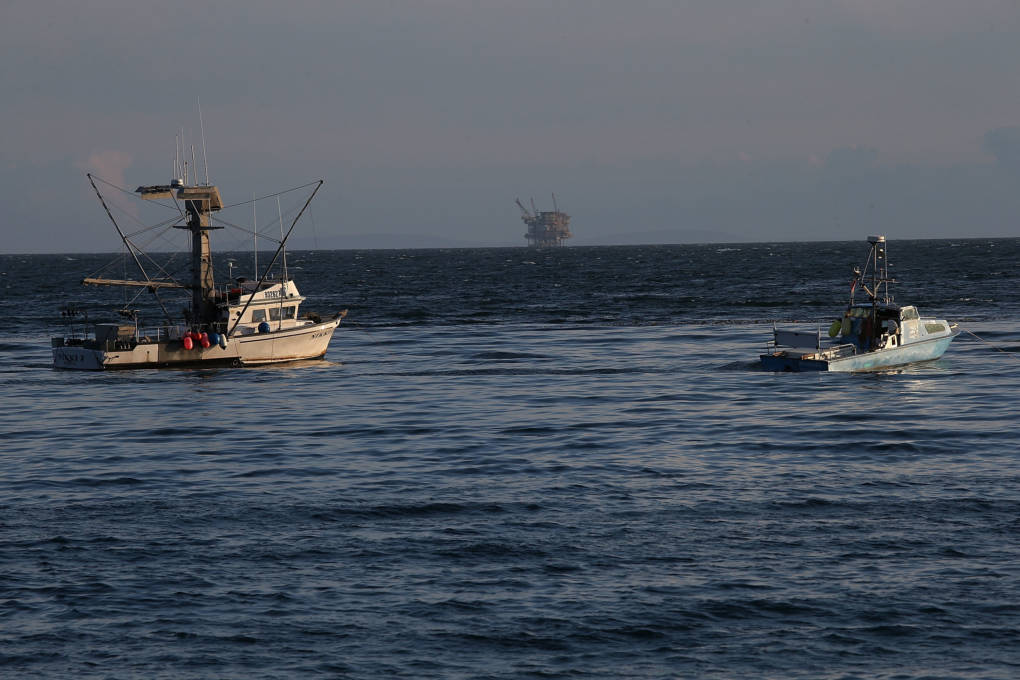
"caption": "Since the 1980s, California's local governments have developed strategies to stop oil drilling in federal waters.",
"description": null,
"title": "RS1809_OilPlatform_120119",
"credit": "Molly Samuel/KQED",
"status": "inherit",
"isLoading": false,
"fetchFailed": false
},
"science_1919736": {
"type": "attachments",
"id": "science_1919736",
"meta": {
"index": "attachments_1716263798",
"site": "science",
"id": "1919736",
"found": true
},
"parent": 1919605,
"imgSizes": {
"small": {
"file": "https://ww2.kqed.org/app/uploads/sites/35/2018/02/IMG_9476-520x390.jpg",
"width": 520,
"mimeType": "image/jpeg",
"height": 390
},
"twentyfourteen-full-width": {
"file": "https://ww2.kqed.org/app/uploads/sites/35/2018/02/IMG_9476-1038x576.jpg",
"width": 1038,
"mimeType": "image/jpeg",
"height": 576
},
"thumbnail": {
"file": "https://ww2.kqed.org/app/uploads/sites/35/2018/02/IMG_9476-160x120.jpg",
"width": 160,
"mimeType": "image/jpeg",
"height": 120
},
"fd-sm": {
"file": "https://ww2.kqed.org/app/uploads/sites/35/2018/02/IMG_9476-960x720.jpg",
"width": 960,
"mimeType": "image/jpeg",
"height": 720
},
"post-thumbnail": {
"file": "https://ww2.kqed.org/app/uploads/sites/35/2018/02/IMG_9476-672x372.jpg",
"width": 672,
"mimeType": "image/jpeg",
"height": 372
},
"xsmall": {
"file": "https://ww2.kqed.org/app/uploads/sites/35/2018/02/IMG_9476-375x281.jpg",
"width": 375,
"mimeType": "image/jpeg",
"height": 281
},
"kqedFullSize": {
"file": "https://ww2.kqed.org/app/uploads/sites/35/2018/02/IMG_9476-e1518195988254.jpg",
"width": 1920,
"height": 1440
},
"large": {
"file": "https://ww2.kqed.org/app/uploads/sites/35/2018/02/IMG_9476-1020x765.jpg",
"width": 1020,
"mimeType": "image/jpeg",
"height": 765
},
"xlarge": {
"file": "https://ww2.kqed.org/app/uploads/sites/35/2018/02/IMG_9476-1180x885.jpg",
"width": 1180,
"mimeType": "image/jpeg",
"height": 885
},
"guest-author-50": {
"file": "https://ww2.kqed.org/app/uploads/sites/35/2018/02/IMG_9476-50x50.jpg",
"width": 50,
"mimeType": "image/jpeg",
"height": 50
},
"guest-author-96": {
"file": "https://ww2.kqed.org/app/uploads/sites/35/2018/02/IMG_9476-96x96.jpg",
"width": 96,
"mimeType": "image/jpeg",
"height": 96
},
"medium": {
"file": "https://ww2.kqed.org/app/uploads/sites/35/2018/02/IMG_9476-800x600.jpg",
"width": 800,
"mimeType": "image/jpeg",
"height": 600
},
"guest-author-64": {
"file": "https://ww2.kqed.org/app/uploads/sites/35/2018/02/IMG_9476-64x64.jpg",
"width": 64,
"mimeType": "image/jpeg",
"height": 64
},
"guest-author-32": {
"file": "https://ww2.kqed.org/app/uploads/sites/35/2018/02/IMG_9476-32x32.jpg",
"width": 32,
"mimeType": "image/jpeg",
"height": 32
},
"fd-lrg": {
"file": "https://ww2.kqed.org/app/uploads/sites/35/2018/02/IMG_9476-1920x1440.jpg",
"width": 1920,
"mimeType": "image/jpeg",
"height": 1440
},
"fd-med": {
"file": "https://ww2.kqed.org/app/uploads/sites/35/2018/02/IMG_9476-1180x885.jpg",
"width": 1180,
"mimeType": "image/jpeg",
"height": 885
},
"full-width": {
"file": "https://ww2.kqed.org/app/uploads/sites/35/2018/02/IMG_9476-1920x1440.jpg",
"width": 1920,
"mimeType": "image/jpeg",
"height": 1440
},
"detail": {
"file": "https://ww2.kqed.org/app/uploads/sites/35/2018/02/IMG_9476-150x150.jpg",
"width": 150,
"mimeType": "image/jpeg",
"height": 150
},
"medium_large": {
"file": "https://ww2.kqed.org/app/uploads/sites/35/2018/02/IMG_9476-768x576.jpg",
"width": 768,
"mimeType": "image/jpeg",
"height": 576
},
"guest-author-128": {
"file": "https://ww2.kqed.org/app/uploads/sites/35/2018/02/IMG_9476-128x128.jpg",
"width": 128,
"mimeType": "image/jpeg",
"height": 128
},
"xxsmall": {
"file": "https://ww2.kqed.org/app/uploads/sites/35/2018/02/IMG_9476-240x180.jpg",
"width": 240,
"mimeType": "image/jpeg",
"height": 180
}
},
"publishDate": 1518137907,
"modified": 1518196017,
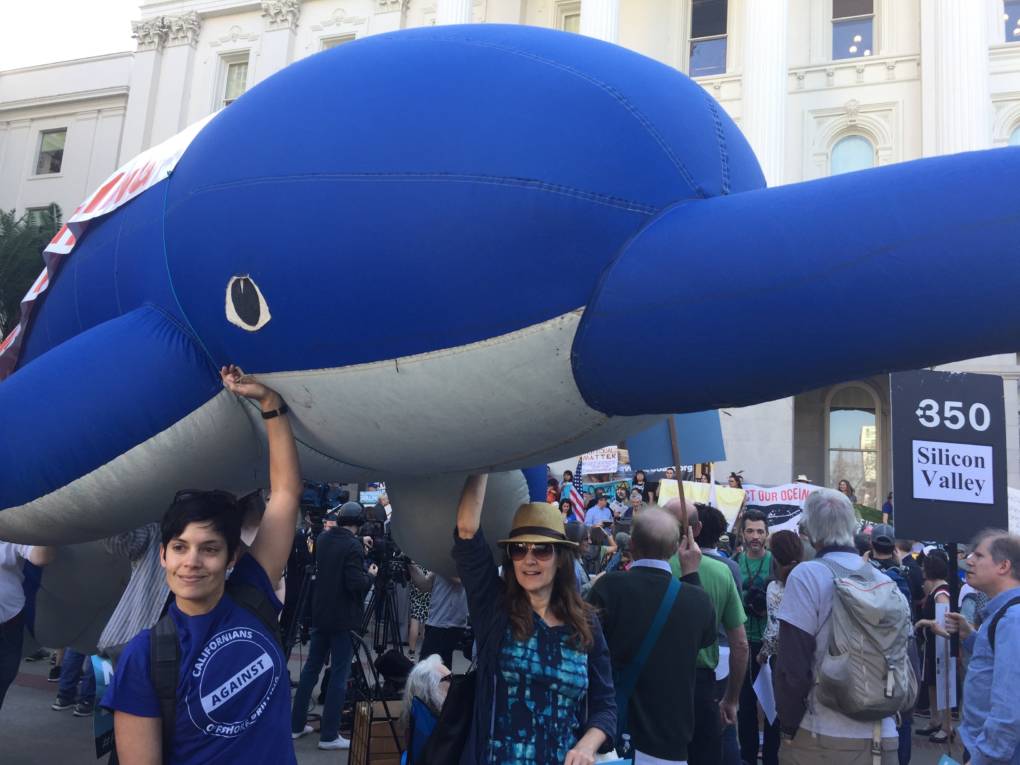
"caption": "Protesters outside the Capitol building in Sacramento, Thursday.",
"description": null,
"title": "IMG_9476",
"credit": "Craig Miller/KQED",
"status": "inherit",
"isLoading": false,
"fetchFailed": false
},
"science_1919523": {
"type": "attachments",
"id": "science_1919523",
"meta": {
"index": "attachments_1716263798",
"site": "science",
"id": "1919523",
"found": true
},
"parent": 1919522,
"imgSizes": {
"small": {
"file": "https://ww2.kqed.org/app/uploads/sites/35/2018/02/jason-czapla-a73b44eb3c17eb5a1fcc4dd5836ae046b02221a9-520x390.jpg",
"width": 520,
"mimeType": "image/jpeg",
"height": 390
},
"twentyfourteen-full-width": {
"file": "https://ww2.kqed.org/app/uploads/sites/35/2018/02/jason-czapla-a73b44eb3c17eb5a1fcc4dd5836ae046b02221a9-1038x576.jpg",
"width": 1038,
"mimeType": "image/jpeg",
"height": 576
},
"thumbnail": {
"file": "https://ww2.kqed.org/app/uploads/sites/35/2018/02/jason-czapla-a73b44eb3c17eb5a1fcc4dd5836ae046b02221a9-160x120.jpg",
"width": 160,
"mimeType": "image/jpeg",
"height": 120
},
"fd-sm": {
"file": "https://ww2.kqed.org/app/uploads/sites/35/2018/02/jason-czapla-a73b44eb3c17eb5a1fcc4dd5836ae046b02221a9-960x720.jpg",
"width": 960,
"mimeType": "image/jpeg",
"height": 720
},
"post-thumbnail": {
"file": "https://ww2.kqed.org/app/uploads/sites/35/2018/02/jason-czapla-a73b44eb3c17eb5a1fcc4dd5836ae046b02221a9-672x372.jpg",
"width": 672,
"mimeType": "image/jpeg",
"height": 372
},
"xsmall": {
"file": "https://ww2.kqed.org/app/uploads/sites/35/2018/02/jason-czapla-a73b44eb3c17eb5a1fcc4dd5836ae046b02221a9-375x281.jpg",
"width": 375,
"mimeType": "image/jpeg",
"height": 281
},
"kqedFullSize": {
"file": "https://ww2.kqed.org/app/uploads/sites/35/2018/02/jason-czapla-a73b44eb3c17eb5a1fcc4dd5836ae046b02221a9.jpg",
"width": 3580,
"height": 2685
},
"large": {
"file": "https://ww2.kqed.org/app/uploads/sites/35/2018/02/jason-czapla-a73b44eb3c17eb5a1fcc4dd5836ae046b02221a9-1020x765.jpg",
"width": 1020,
"mimeType": "image/jpeg",
"height": 765
},
"xlarge": {
"file": "https://ww2.kqed.org/app/uploads/sites/35/2018/02/jason-czapla-a73b44eb3c17eb5a1fcc4dd5836ae046b02221a9-1180x885.jpg",
"width": 1180,
"mimeType": "image/jpeg",
"height": 885
},
"guest-author-50": {
"file": "https://ww2.kqed.org/app/uploads/sites/35/2018/02/jason-czapla-a73b44eb3c17eb5a1fcc4dd5836ae046b02221a9-50x50.jpg",
"width": 50,
"mimeType": "image/jpeg",
"height": 50
},
"guest-author-96": {
"file": "https://ww2.kqed.org/app/uploads/sites/35/2018/02/jason-czapla-a73b44eb3c17eb5a1fcc4dd5836ae046b02221a9-96x96.jpg",
"width": 96,
"mimeType": "image/jpeg",
"height": 96
},
"medium": {
"file": "https://ww2.kqed.org/app/uploads/sites/35/2018/02/jason-czapla-a73b44eb3c17eb5a1fcc4dd5836ae046b02221a9-800x600.jpg",
"width": 800,
"mimeType": "image/jpeg",
"height": 600
},
"guest-author-64": {
"file": "https://ww2.kqed.org/app/uploads/sites/35/2018/02/jason-czapla-a73b44eb3c17eb5a1fcc4dd5836ae046b02221a9-64x64.jpg",
"width": 64,
"mimeType": "image/jpeg",
"height": 64
},
"guest-author-32": {
"file": "https://ww2.kqed.org/app/uploads/sites/35/2018/02/jason-czapla-a73b44eb3c17eb5a1fcc4dd5836ae046b02221a9-32x32.jpg",
"width": 32,
"mimeType": "image/jpeg",
"height": 32
},
"fd-lrg": {
"file": "https://ww2.kqed.org/app/uploads/sites/35/2018/02/jason-czapla-a73b44eb3c17eb5a1fcc4dd5836ae046b02221a9-1920x1440.jpg",
"width": 1920,
"mimeType": "image/jpeg",
"height": 1440
},
"fd-med": {
"file": "https://ww2.kqed.org/app/uploads/sites/35/2018/02/jason-czapla-a73b44eb3c17eb5a1fcc4dd5836ae046b02221a9-1180x885.jpg",
"width": 1180,
"mimeType": "image/jpeg",
"height": 885
},
"full-width": {
"file": "https://ww2.kqed.org/app/uploads/sites/35/2018/02/jason-czapla-a73b44eb3c17eb5a1fcc4dd5836ae046b02221a9-1920x1440.jpg",
"width": 1920,
"mimeType": "image/jpeg",
"height": 1440
},
"detail": {
"file": "https://ww2.kqed.org/app/uploads/sites/35/2018/02/jason-czapla-a73b44eb3c17eb5a1fcc4dd5836ae046b02221a9-150x150.jpg",
"width": 150,
"mimeType": "image/jpeg",
"height": 150
},
"medium_large": {
"file": "https://ww2.kqed.org/app/uploads/sites/35/2018/02/jason-czapla-a73b44eb3c17eb5a1fcc4dd5836ae046b02221a9-768x576.jpg",
"width": 768,
"mimeType": "image/jpeg",
"height": 576
},
"guest-author-128": {
"file": "https://ww2.kqed.org/app/uploads/sites/35/2018/02/jason-czapla-a73b44eb3c17eb5a1fcc4dd5836ae046b02221a9-128x128.jpg",
"width": 128,
"mimeType": "image/jpeg",
"height": 128
},
"xxsmall": {
"file": "https://ww2.kqed.org/app/uploads/sites/35/2018/02/jason-czapla-a73b44eb3c17eb5a1fcc4dd5836ae046b02221a9-240x180.jpg",
"width": 240,
"mimeType": "image/jpeg",
"height": 180
}
},
"publishDate": 1517858094,
"modified": 1517858094,
"caption": null,
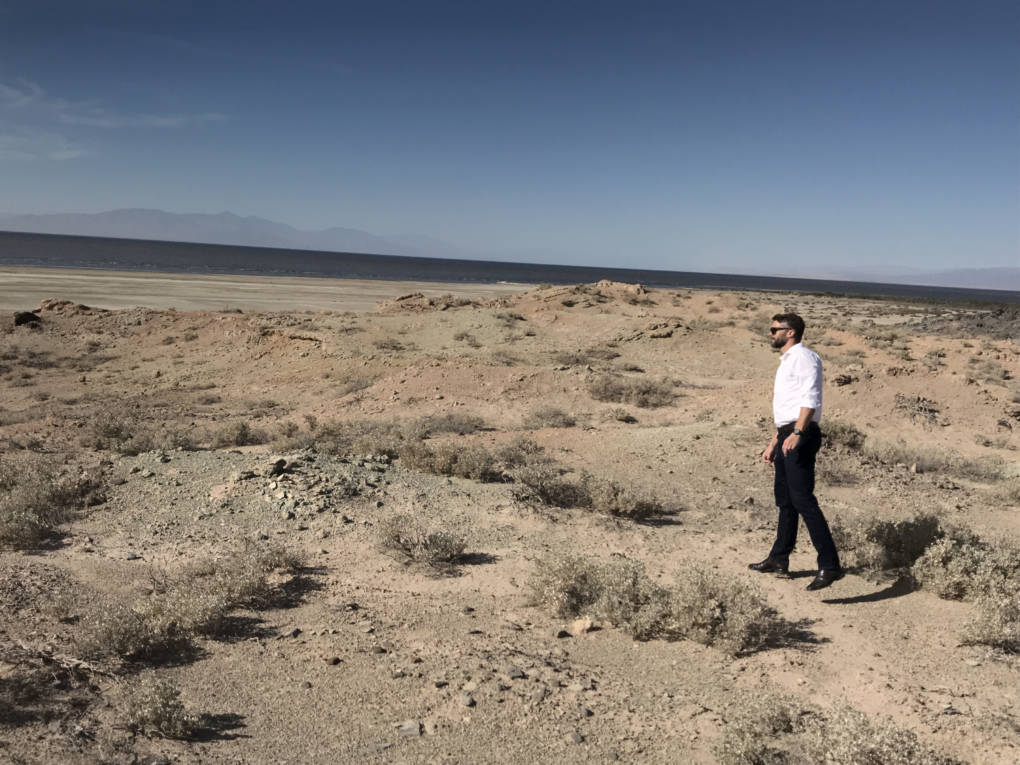
"description": "Jason Czapla, principal engineer for Controlled Thermal Resources, surveys the site where the company's Hell's Kitchen Plant will be built.",
"title": "Jason Czapla, principal engineer for Controlled Thermal Resources, surveys the site where the company's Hell's Kitchen Plant will be built.",
"credit": null,
"status": "inherit",
"isLoading": false,
"fetchFailed": false
},
"science_1919077": {
"type": "attachments",
"id": "science_1919077",
"meta": {
"index": "attachments_1716263798",
"site": "science",
"id": "1919077",
"found": true
},
"parent": 1919070,
"imgSizes": {
"small": {
"file": "https://ww2.kqed.org/app/uploads/sites/35/2018/01/IMG_6998-520x390.jpg",
"width": 520,
"mimeType": "image/jpeg",
"height": 390
},
"twentyfourteen-full-width": {
"file": "https://ww2.kqed.org/app/uploads/sites/35/2018/01/IMG_6998-1038x576.jpg",
"width": 1038,
"mimeType": "image/jpeg",
"height": 576
},
"thumbnail": {
"file": "https://ww2.kqed.org/app/uploads/sites/35/2018/01/IMG_6998-160x120.jpg",
"width": 160,
"mimeType": "image/jpeg",
"height": 120
},
"fd-sm": {
"file": "https://ww2.kqed.org/app/uploads/sites/35/2018/01/IMG_6998-960x720.jpg",
"width": 960,
"mimeType": "image/jpeg",
"height": 720
},
"post-thumbnail": {
"file": "https://ww2.kqed.org/app/uploads/sites/35/2018/01/IMG_6998-672x372.jpg",
"width": 672,
"mimeType": "image/jpeg",
"height": 372
},
"xsmall": {
"file": "https://ww2.kqed.org/app/uploads/sites/35/2018/01/IMG_6998-375x281.jpg",
"width": 375,
"mimeType": "image/jpeg",
"height": 281
},
"kqedFullSize": {
"file": "https://ww2.kqed.org/app/uploads/sites/35/2018/01/IMG_6998.jpg",
"width": 2000,
"height": 1500
},
"large": {
"file": "https://ww2.kqed.org/app/uploads/sites/35/2018/01/IMG_6998-1020x765.jpg",
"width": 1020,
"mimeType": "image/jpeg",
"height": 765
},
"xlarge": {
"file": "https://ww2.kqed.org/app/uploads/sites/35/2018/01/IMG_6998-1180x885.jpg",
"width": 1180,
"mimeType": "image/jpeg",
"height": 885
},
"guest-author-50": {
"file": "https://ww2.kqed.org/app/uploads/sites/35/2018/01/IMG_6998-50x50.jpg",
"width": 50,
"mimeType": "image/jpeg",
"height": 50
},
"guest-author-96": {
"file": "https://ww2.kqed.org/app/uploads/sites/35/2018/01/IMG_6998-96x96.jpg",
"width": 96,
"mimeType": "image/jpeg",
"height": 96
},
"medium": {
"file": "https://ww2.kqed.org/app/uploads/sites/35/2018/01/IMG_6998-800x600.jpg",
"width": 800,
"mimeType": "image/jpeg",
"height": 600
},
"guest-author-64": {
"file": "https://ww2.kqed.org/app/uploads/sites/35/2018/01/IMG_6998-64x64.jpg",
"width": 64,
"mimeType": "image/jpeg",
"height": 64
},
"guest-author-32": {
"file": "https://ww2.kqed.org/app/uploads/sites/35/2018/01/IMG_6998-32x32.jpg",
"width": 32,
"mimeType": "image/jpeg",
"height": 32
},
"fd-lrg": {
"file": "https://ww2.kqed.org/app/uploads/sites/35/2018/01/IMG_6998-1920x1440.jpg",
"width": 1920,
"mimeType": "image/jpeg",
"height": 1440
},
"fd-med": {
"file": "https://ww2.kqed.org/app/uploads/sites/35/2018/01/IMG_6998-1180x885.jpg",
"width": 1180,
"mimeType": "image/jpeg",
"height": 885
},
"full-width": {
"file": "https://ww2.kqed.org/app/uploads/sites/35/2018/01/IMG_6998-1920x1440.jpg",
"width": 1920,
"mimeType": "image/jpeg",
"height": 1440
},
"detail": {
"file": "https://ww2.kqed.org/app/uploads/sites/35/2018/01/IMG_6998-150x150.jpg",
"width": 150,
"mimeType": "image/jpeg",
"height": 150
},
"medium_large": {
"file": "https://ww2.kqed.org/app/uploads/sites/35/2018/01/IMG_6998-768x576.jpg",
"width": 768,
"mimeType": "image/jpeg",
"height": 576
},
"guest-author-128": {
"file": "https://ww2.kqed.org/app/uploads/sites/35/2018/01/IMG_6998-128x128.jpg",
"width": 128,
"mimeType": "image/jpeg",
"height": 128
},
"xxsmall": {
"file": "https://ww2.kqed.org/app/uploads/sites/35/2018/01/IMG_6998-240x180.jpg",
"width": 240,
"mimeType": "image/jpeg",
"height": 180
}
},
"publishDate": 1516988471,
"modified": 1516988551,
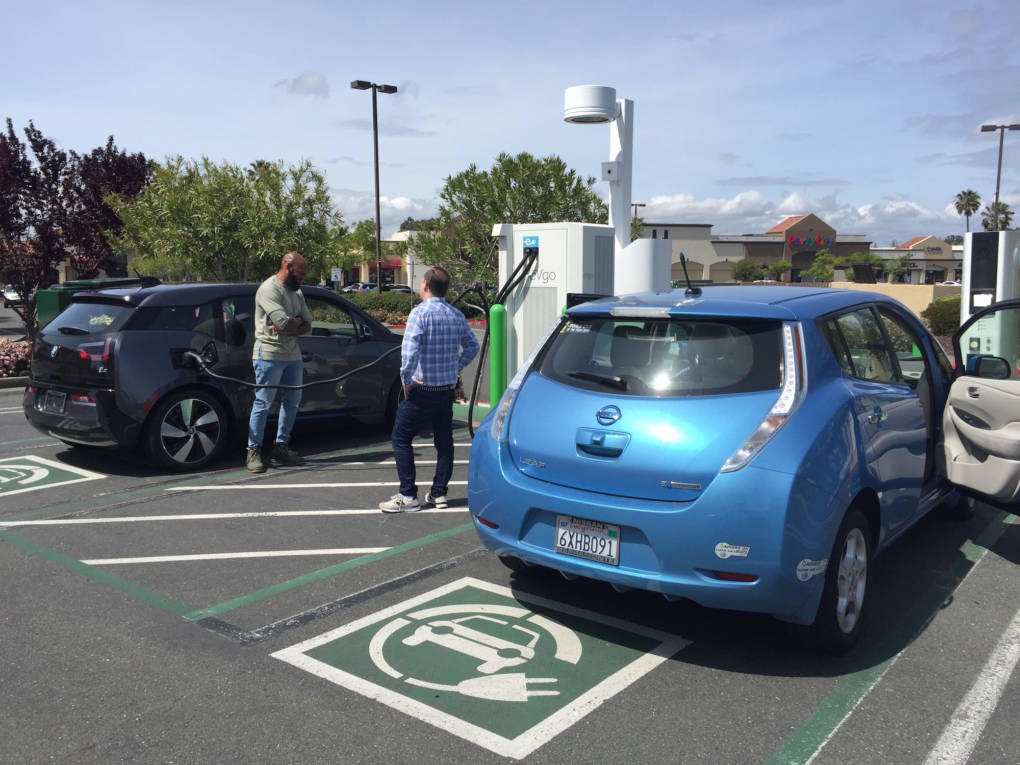
"caption": "Drivers chat while their electric cars recharge at a commercial charging station in Vallejo.",
"description": "Drivers chat while their electric cars recharge at a commercial charging station in Vallejo.",
"title": "IMG_6998",
"credit": "Craig Miller",
"status": "inherit",
"isLoading": false,
"fetchFailed": false
},
"science_1210277": {
"type": "attachments",
"id": "science_1210277",
"meta": {
"index": "attachments_1716263798",
"site": "science",
"id": "1210277",
"found": true
},
"parent": 1210275,
"imgSizes": {
"small": {
"file": "https://cdn.kqed.org/wp-content/uploads/sites/35/2016/12/recurrent2-520x315.jpg",
"width": 520,
"mimeType": "image/jpeg",
"height": 315
},
"twentyfourteen-full-width": {
"file": "https://cdn.kqed.org/wp-content/uploads/sites/35/2016/12/recurrent2-1038x576.jpg",
"width": 1038,
"mimeType": "image/jpeg",
"height": 576
},
"thumbnail": {
"file": "https://cdn.kqed.org/wp-content/uploads/sites/35/2016/12/recurrent2-160x97.jpg",
"width": 160,
"mimeType": "image/jpeg",
"height": 97
},
"fd-sm": {
"file": "https://cdn.kqed.org/wp-content/uploads/sites/35/2016/12/recurrent2-960x581.jpg",
"width": 960,
"mimeType": "image/jpeg",
"height": 581
},
"post-thumbnail": {
"file": "https://cdn.kqed.org/wp-content/uploads/sites/35/2016/12/recurrent2-672x372.jpg",
"width": 672,
"mimeType": "image/jpeg",
"height": 372
},
"xsmall": {
"file": "https://cdn.kqed.org/wp-content/uploads/sites/35/2016/12/recurrent2-375x227.jpg",
"width": 375,
"mimeType": "image/jpeg",
"height": 227
},
"kqedFullSize": {
"file": "https://cdn.kqed.org/wp-content/uploads/sites/35/2016/12/recurrent2.jpg",
"width": 1389,
"height": 841
},
"large": {
"file": "https://cdn.kqed.org/wp-content/uploads/sites/35/2016/12/recurrent2-1020x618.jpg",
"width": 1020,
"mimeType": "image/jpeg",
"height": 618
},
"xlarge": {
"file": "https://cdn.kqed.org/wp-content/uploads/sites/35/2016/12/recurrent2-1180x714.jpg",
"width": 1180,
"mimeType": "image/jpeg",
"height": 714
},
"guest-author-50": {
"file": "https://cdn.kqed.org/wp-content/uploads/sites/35/2016/12/recurrent2-50x50.jpg",
"width": 50,
"mimeType": "image/jpeg",
"height": 50
},
"guest-author-96": {
"file": "https://cdn.kqed.org/wp-content/uploads/sites/35/2016/12/recurrent2-96x96.jpg",
"width": 96,
"mimeType": "image/jpeg",
"height": 96
},
"medium": {
"file": "https://cdn.kqed.org/wp-content/uploads/sites/35/2016/12/recurrent2-800x484.jpg",
"width": 800,
"mimeType": "image/jpeg",
"height": 484
},
"guest-author-64": {
"file": "https://cdn.kqed.org/wp-content/uploads/sites/35/2016/12/recurrent2-64x64.jpg",
"width": 64,
"mimeType": "image/jpeg",
"height": 64
},
"guest-author-32": {
"file": "https://cdn.kqed.org/wp-content/uploads/sites/35/2016/12/recurrent2-32x32.jpg",
"width": 32,
"mimeType": "image/jpeg",
"height": 32
},
"fd-med": {
"file": "https://cdn.kqed.org/wp-content/uploads/sites/35/2016/12/recurrent2-1180x714.jpg",
"width": 1180,
"mimeType": "image/jpeg",
"height": 714
},
"detail": {
"file": "https://cdn.kqed.org/wp-content/uploads/sites/35/2016/12/recurrent2-150x150.jpg",
"width": 150,
"mimeType": "image/jpeg",
"height": 150
},
"medium_large": {
"file": "https://cdn.kqed.org/wp-content/uploads/sites/35/2016/12/recurrent2-768x465.jpg",
"width": 768,
"mimeType": "image/jpeg",
"height": 465
},
"guest-author-128": {
"file": "https://cdn.kqed.org/wp-content/uploads/sites/35/2016/12/recurrent2-128x128.jpg",
"width": 128,
"mimeType": "image/jpeg",
"height": 128
},
"xxsmall": {
"file": "https://cdn.kqed.org/wp-content/uploads/sites/35/2016/12/recurrent2-240x145.jpg",
"width": 240,
"mimeType": "image/jpeg",
"height": 145
}
},
"publishDate": 1480710576,
"modified": 1701907920,
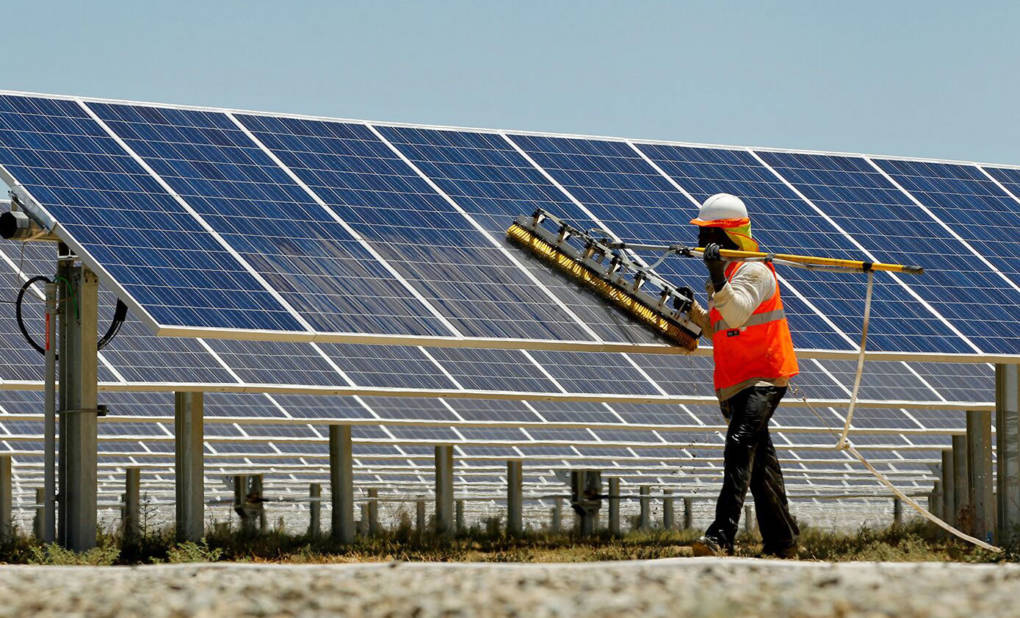
"caption": "A worker cleans solar panels at Recurrent Energy's Tranquillity solar facility in Fresno \nCounty. ",
"description": null,
"title": "recurrent2",
"credit": "Recurrent Energy",
"status": "inherit",
"altTag": null,
"isLoading": false,
"fetchFailed": false
},
"science_1918786": {
"type": "attachments",
"id": "science_1918786",
"meta": {
"index": "attachments_1716263798",
"site": "science",
"id": "1918786",
"found": true
},
"parent": 1918785,
"imgSizes": {
"small": {
"file": "https://ww2.kqed.org/app/uploads/sites/35/2018/01/15780908973_3d4af083f4_k-520x150.jpg",
"width": 520,
"mimeType": "image/jpeg",
"height": 150
},
"twentyfourteen-full-width": {
"file": "https://ww2.kqed.org/app/uploads/sites/35/2018/01/15780908973_3d4af083f4_k-1038x576.jpg",
"width": 1038,
"mimeType": "image/jpeg",
"height": 576
},
"thumbnail": {
"file": "https://ww2.kqed.org/app/uploads/sites/35/2018/01/15780908973_3d4af083f4_k-160x46.jpg",
"width": 160,
"mimeType": "image/jpeg",
"height": 46
},
"fd-sm": {
"file": "https://ww2.kqed.org/app/uploads/sites/35/2018/01/15780908973_3d4af083f4_k-960x278.jpg",
"width": 960,
"mimeType": "image/jpeg",
"height": 278
},
"post-thumbnail": {
"file": "https://ww2.kqed.org/app/uploads/sites/35/2018/01/15780908973_3d4af083f4_k-672x372.jpg",
"width": 672,
"mimeType": "image/jpeg",
"height": 372
},
"xsmall": {
"file": "https://ww2.kqed.org/app/uploads/sites/35/2018/01/15780908973_3d4af083f4_k-375x108.jpg",
"width": 375,
"mimeType": "image/jpeg",
"height": 108
},
"kqedFullSize": {
"file": "https://ww2.kqed.org/app/uploads/sites/35/2018/01/15780908973_3d4af083f4_k.jpg",
"width": 2048,
"height": 592
},
"large": {
"file": "https://ww2.kqed.org/app/uploads/sites/35/2018/01/15780908973_3d4af083f4_k-1020x295.jpg",
"width": 1020,
"mimeType": "image/jpeg",
"height": 295
},
"xlarge": {
"file": "https://ww2.kqed.org/app/uploads/sites/35/2018/01/15780908973_3d4af083f4_k-1180x341.jpg",
"width": 1180,
"mimeType": "image/jpeg",
"height": 341
},
"guest-author-50": {
"file": "https://ww2.kqed.org/app/uploads/sites/35/2018/01/15780908973_3d4af083f4_k-50x50.jpg",
"width": 50,
"mimeType": "image/jpeg",
"height": 50
},
"guest-author-96": {
"file": "https://ww2.kqed.org/app/uploads/sites/35/2018/01/15780908973_3d4af083f4_k-96x96.jpg",
"width": 96,
"mimeType": "image/jpeg",
"height": 96
},
"medium": {
"file": "https://ww2.kqed.org/app/uploads/sites/35/2018/01/15780908973_3d4af083f4_k-800x231.jpg",
"width": 800,
"mimeType": "image/jpeg",
"height": 231
},
"guest-author-64": {
"file": "https://ww2.kqed.org/app/uploads/sites/35/2018/01/15780908973_3d4af083f4_k-64x64.jpg",
"width": 64,
"mimeType": "image/jpeg",
"height": 64
},
"guest-author-32": {
"file": "https://ww2.kqed.org/app/uploads/sites/35/2018/01/15780908973_3d4af083f4_k-32x32.jpg",
"width": 32,
"mimeType": "image/jpeg",
"height": 32
},
"fd-lrg": {
"file": "https://ww2.kqed.org/app/uploads/sites/35/2018/01/15780908973_3d4af083f4_k-1920x555.jpg",
"width": 1920,
"mimeType": "image/jpeg",
"height": 555
},
"fd-med": {
"file": "https://ww2.kqed.org/app/uploads/sites/35/2018/01/15780908973_3d4af083f4_k-1180x341.jpg",
"width": 1180,
"mimeType": "image/jpeg",
"height": 341
},
"full-width": {
"file": "https://ww2.kqed.org/app/uploads/sites/35/2018/01/15780908973_3d4af083f4_k-1920x555.jpg",
"width": 1920,
"mimeType": "image/jpeg",
"height": 555
},
"detail": {
"file": "https://ww2.kqed.org/app/uploads/sites/35/2018/01/15780908973_3d4af083f4_k-150x150.jpg",
"width": 150,
"mimeType": "image/jpeg",
"height": 150
},
"medium_large": {
"file": "https://ww2.kqed.org/app/uploads/sites/35/2018/01/15780908973_3d4af083f4_k-768x222.jpg",
"width": 768,
"mimeType": "image/jpeg",
"height": 222
},
"guest-author-128": {
"file": "https://ww2.kqed.org/app/uploads/sites/35/2018/01/15780908973_3d4af083f4_k-128x128.jpg",
"width": 128,
"mimeType": "image/jpeg",
"height": 128
},
"xxsmall": {
"file": "https://ww2.kqed.org/app/uploads/sites/35/2018/01/15780908973_3d4af083f4_k-240x69.jpg",
"width": 240,
"mimeType": "image/jpeg",
"height": 69
}
},
"publishDate": 1515710914,
"modified": 1515711009,
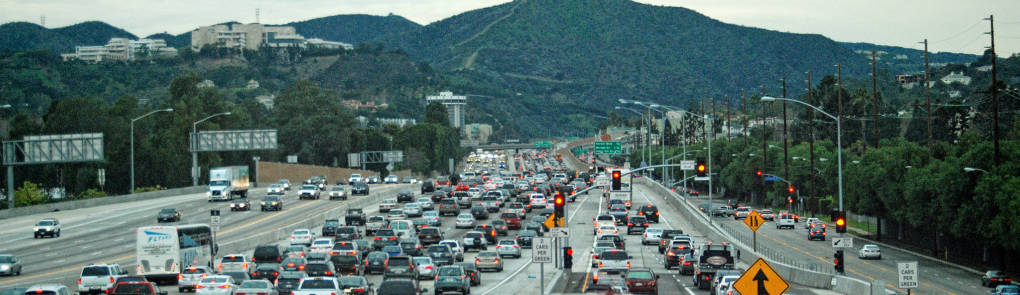
"caption": "Heading North on the 405 freeway toward San Fernando Valley.",
"description": "Heading North on the 405 freeway toward San Fernando Valley.",
"title": "15780908973_3d4af083f4_k",
"credit": "Flicker/\u003ca class=\"owner-name truncate\" title=\"Go to Chris Yarzab's photostream\" href=\"https://www.flickr.com/photos/chrisyarzab/\" data-track=\"attributionNameClick\" data-rapid_p=\"56\">Chris Yarzab\u003c/a>",
"status": "inherit",
"isLoading": false,
"fetchFailed": false
},
"science_1918754": {
"type": "attachments",
"id": "science_1918754",
"meta": {
"index": "attachments_1716263798",
"site": "science",
"id": "1918754",
"found": true
},
"parent": 1918751,
"imgSizes": {
"small": {
"file": "https://ww2.kqed.org/app/uploads/sites/35/2018/01/GettyImages-474327134-520x347.jpg",
"width": 520,
"mimeType": "image/jpeg",
"height": 347
},
"twentyfourteen-full-width": {
"file": "https://ww2.kqed.org/app/uploads/sites/35/2018/01/GettyImages-474327134-1038x576.jpg",
"width": 1038,
"mimeType": "image/jpeg",
"height": 576
},
"thumbnail": {
"file": "https://ww2.kqed.org/app/uploads/sites/35/2018/01/GettyImages-474327134-160x107.jpg",
"width": 160,
"mimeType": "image/jpeg",
"height": 107
},
"fd-sm": {
"file": "https://ww2.kqed.org/app/uploads/sites/35/2018/01/GettyImages-474327134-960x640.jpg",
"width": 960,
"mimeType": "image/jpeg",
"height": 640
},
"post-thumbnail": {
"file": "https://ww2.kqed.org/app/uploads/sites/35/2018/01/GettyImages-474327134-672x372.jpg",
"width": 672,
"mimeType": "image/jpeg",
"height": 372
},
"xsmall": {
"file": "https://ww2.kqed.org/app/uploads/sites/35/2018/01/GettyImages-474327134-375x250.jpg",
"width": 375,
"mimeType": "image/jpeg",
"height": 250
},
"kqedFullSize": {
"file": "https://ww2.kqed.org/app/uploads/sites/35/2018/01/GettyImages-474327134.jpg",
"width": 3000,
"height": 2000
},
"large": {
"file": "https://ww2.kqed.org/app/uploads/sites/35/2018/01/GettyImages-474327134-1020x680.jpg",
"width": 1020,
"mimeType": "image/jpeg",
"height": 680
},
"xlarge": {
"file": "https://ww2.kqed.org/app/uploads/sites/35/2018/01/GettyImages-474327134-1180x787.jpg",
"width": 1180,
"mimeType": "image/jpeg",
"height": 787
},
"guest-author-50": {
"file": "https://ww2.kqed.org/app/uploads/sites/35/2018/01/GettyImages-474327134-50x50.jpg",
"width": 50,
"mimeType": "image/jpeg",
"height": 50
},
"guest-author-96": {
"file": "https://ww2.kqed.org/app/uploads/sites/35/2018/01/GettyImages-474327134-96x96.jpg",
"width": 96,
"mimeType": "image/jpeg",
"height": 96
},
"medium": {
"file": "https://ww2.kqed.org/app/uploads/sites/35/2018/01/GettyImages-474327134-800x533.jpg",
"width": 800,
"mimeType": "image/jpeg",
"height": 533
},
"guest-author-64": {
"file": "https://ww2.kqed.org/app/uploads/sites/35/2018/01/GettyImages-474327134-64x64.jpg",
"width": 64,
"mimeType": "image/jpeg",
"height": 64
},
"guest-author-32": {
"file": "https://ww2.kqed.org/app/uploads/sites/35/2018/01/GettyImages-474327134-32x32.jpg",
"width": 32,
"mimeType": "image/jpeg",
"height": 32
},
"fd-lrg": {
"file": "https://ww2.kqed.org/app/uploads/sites/35/2018/01/GettyImages-474327134-1920x1280.jpg",
"width": 1920,
"mimeType": "image/jpeg",
"height": 1280
},
"fd-med": {
"file": "https://ww2.kqed.org/app/uploads/sites/35/2018/01/GettyImages-474327134-1180x787.jpg",
"width": 1180,
"mimeType": "image/jpeg",
"height": 787
},
"full-width": {
"file": "https://ww2.kqed.org/app/uploads/sites/35/2018/01/GettyImages-474327134-1920x1280.jpg",
"width": 1920,
"mimeType": "image/jpeg",
"height": 1280
},
"detail": {
"file": "https://ww2.kqed.org/app/uploads/sites/35/2018/01/GettyImages-474327134-150x150.jpg",
"width": 150,
"mimeType": "image/jpeg",
"height": 150
},
"medium_large": {
"file": "https://ww2.kqed.org/app/uploads/sites/35/2018/01/GettyImages-474327134-768x512.jpg",
"width": 768,
"mimeType": "image/jpeg",
"height": 512
},
"guest-author-128": {
"file": "https://ww2.kqed.org/app/uploads/sites/35/2018/01/GettyImages-474327134-128x128.jpg",
"width": 128,
"mimeType": "image/jpeg",
"height": 128
},
"xxsmall": {
"file": "https://ww2.kqed.org/app/uploads/sites/35/2018/01/GettyImages-474327134-240x160.jpg",
"width": 240,
"mimeType": "image/jpeg",
"height": 160
}
},
"publishDate": 1515621747,
"modified": 1515625852,
"caption": "An oil platform sits in the distance at Refugio State Beach in California in 2015, as boats help skim the surface of the ocean after an oil spill. Now that the Trump administration has announced plans to allow new oil and gas drilling leases in more federal waters, a number of states are petitioning to be exempt from the change. ",
"description": "An oil platform sits in the distance at Refugio State Beach in California in 2015. Now that the Trump administration has announced plans to allow new oil and gas drilling leases in more federal waters, a number of states are petitioning to be exempt from the change.",
"title": "California Declares State Of Emergency As Oil Spill Harms Pristine Coastline",
"credit": "Justin Sullivan/Getty Images",
"status": "inherit",
"isLoading": false,
"fetchFailed": false
},
"science_1916285": {
"type": "attachments",
"id": "science_1916285",
"meta": {
"index": "attachments_1716263798",
"site": "science",
"id": "1916285",
"found": true
},
"parent": 1916282,
"imgSizes": {
"small": {
"file": "https://ww2.kqed.org/app/uploads/sites/35/2017/10/iStock-700275650-520x344.jpg",
"width": 520,
"mimeType": "image/jpeg",
"height": 344
},
"twentyfourteen-full-width": {
"file": "https://ww2.kqed.org/app/uploads/sites/35/2017/10/iStock-700275650-1038x576.jpg",
"width": 1038,
"mimeType": "image/jpeg",
"height": 576
},
"thumbnail": {
"file": "https://ww2.kqed.org/app/uploads/sites/35/2017/10/iStock-700275650-160x106.jpg",
"width": 160,
"mimeType": "image/jpeg",
"height": 106
},
"fd-sm": {
"file": "https://ww2.kqed.org/app/uploads/sites/35/2017/10/iStock-700275650-960x636.jpg",
"width": 960,
"mimeType": "image/jpeg",
"height": 636
},
"post-thumbnail": {
"file": "https://ww2.kqed.org/app/uploads/sites/35/2017/10/iStock-700275650-672x372.jpg",
"width": 672,
"mimeType": "image/jpeg",
"height": 372
},
"xsmall": {
"file": "https://ww2.kqed.org/app/uploads/sites/35/2017/10/iStock-700275650-375x248.jpg",
"width": 375,
"mimeType": "image/jpeg",
"height": 248
},
"kqedFullSize": {
"file": "https://ww2.kqed.org/app/uploads/sites/35/2017/10/iStock-700275650.jpg",
"width": 4928,
"height": 3264
},
"large": {
"file": "https://ww2.kqed.org/app/uploads/sites/35/2017/10/iStock-700275650-1020x676.jpg",
"width": 1020,
"mimeType": "image/jpeg",
"height": 676
},
"xlarge": {
"file": "https://ww2.kqed.org/app/uploads/sites/35/2017/10/iStock-700275650-1180x782.jpg",
"width": 1180,
"mimeType": "image/jpeg",
"height": 782
},
"guest-author-50": {
"file": "https://ww2.kqed.org/app/uploads/sites/35/2017/10/iStock-700275650-50x50.jpg",
"width": 50,
"mimeType": "image/jpeg",
"height": 50
},
"guest-author-96": {
"file": "https://ww2.kqed.org/app/uploads/sites/35/2017/10/iStock-700275650-96x96.jpg",
"width": 96,
"mimeType": "image/jpeg",
"height": 96
},
"medium": {
"file": "https://ww2.kqed.org/app/uploads/sites/35/2017/10/iStock-700275650-800x530.jpg",
"width": 800,
"mimeType": "image/jpeg",
"height": 530
},
"guest-author-64": {
"file": "https://ww2.kqed.org/app/uploads/sites/35/2017/10/iStock-700275650-64x64.jpg",
"width": 64,
"mimeType": "image/jpeg",
"height": 64
},
"guest-author-32": {
"file": "https://ww2.kqed.org/app/uploads/sites/35/2017/10/iStock-700275650-32x32.jpg",
"width": 32,
"mimeType": "image/jpeg",
"height": 32
},
"fd-lrg": {
"file": "https://ww2.kqed.org/app/uploads/sites/35/2017/10/iStock-700275650-1920x1272.jpg",
"width": 1920,
"mimeType": "image/jpeg",
"height": 1272
},
"fd-med": {
"file": "https://ww2.kqed.org/app/uploads/sites/35/2017/10/iStock-700275650-1180x782.jpg",
"width": 1180,
"mimeType": "image/jpeg",
"height": 782
},
"full-width": {
"file": "https://ww2.kqed.org/app/uploads/sites/35/2017/10/iStock-700275650-1920x1272.jpg",
"width": 1920,
"mimeType": "image/jpeg",
"height": 1272
},
"detail": {
"file": "https://ww2.kqed.org/app/uploads/sites/35/2017/10/iStock-700275650-150x150.jpg",
"width": 150,
"mimeType": "image/jpeg",
"height": 150
},
"medium_large": {
"file": "https://ww2.kqed.org/app/uploads/sites/35/2017/10/iStock-700275650-768x509.jpg",
"width": 768,
"mimeType": "image/jpeg",
"height": 509
},
"guest-author-128": {
"file": "https://ww2.kqed.org/app/uploads/sites/35/2017/10/iStock-700275650-128x128.jpg",
"width": 128,
"mimeType": "image/jpeg",
"height": 128
},
"xxsmall": {
"file": "https://ww2.kqed.org/app/uploads/sites/35/2017/10/iStock-700275650-240x159.jpg",
"width": 240,
"mimeType": "image/jpeg",
"height": 159
}
},
"publishDate": 1507577065,
"modified": 1507577327,
"caption": "A coal power plant emits carbon dioxide into the air. ",
"description": null,
"title": "Pollution. Multiple coal fossil fuel power plant smokestacks emit carbon dioxide pollution. Dark image. Hard contrast. With film grain",
"credit": "\u003ca href=\"http://www.istockphoto.com/portfolio/srdjanns74?mediatype=photography&excludenudity=true&sort=best\" target=\"_blank\" rel=\"noopener\">srdjanns74\u003c/a>/iStock",
"status": "inherit",
"isLoading": false,
"fetchFailed": false
},
"science_1915915": {
"type": "attachments",
"id": "science_1915915",
"meta": {
"index": "attachments_1716263798",
"site": "science",
"id": "1915915",
"found": true
},
"parent": 1915911,
"imgSizes": {
"small": {
"file": "https://ww2.kqed.org/app/uploads/sites/35/2017/09/iStock-506881346-e1506102099872-520x347.jpg",
"width": 520,
"mimeType": "image/jpeg",
"height": 347
},
"twentyfourteen-full-width": {
"file": "https://ww2.kqed.org/app/uploads/sites/35/2017/09/iStock-506881346-e1506102099872-1038x576.jpg",
"width": 1038,
"mimeType": "image/jpeg",
"height": 576
},
"thumbnail": {
"file": "https://ww2.kqed.org/app/uploads/sites/35/2017/09/iStock-506881346-e1506102099872-160x107.jpg",
"width": 160,
"mimeType": "image/jpeg",
"height": 107
},
"fd-sm": {
"file": "https://ww2.kqed.org/app/uploads/sites/35/2017/09/iStock-506881346-e1506102099872-960x640.jpg",
"width": 960,
"mimeType": "image/jpeg",
"height": 640
},
"post-thumbnail": {
"file": "https://ww2.kqed.org/app/uploads/sites/35/2017/09/iStock-506881346-e1506102099872-672x372.jpg",
"width": 672,
"mimeType": "image/jpeg",
"height": 372
},
"xsmall": {
"file": "https://ww2.kqed.org/app/uploads/sites/35/2017/09/iStock-506881346-e1506102099872-375x250.jpg",
"width": 375,
"mimeType": "image/jpeg",
"height": 250
},
"kqedFullSize": {
"file": "https://ww2.kqed.org/app/uploads/sites/35/2017/09/iStock-506881346-e1506102099872.jpg",
"width": 1920,
"height": 1280
},
"large": {
"file": "https://ww2.kqed.org/app/uploads/sites/35/2017/09/iStock-506881346-e1506102099872-1020x680.jpg",
"width": 1020,
"mimeType": "image/jpeg",
"height": 680
},
"xlarge": {
"file": "https://ww2.kqed.org/app/uploads/sites/35/2017/09/iStock-506881346-e1506102099872-1180x787.jpg",
"width": 1180,
"mimeType": "image/jpeg",
"height": 787
},
"guest-author-50": {
"file": "https://ww2.kqed.org/app/uploads/sites/35/2017/09/iStock-506881346-e1506102099872-50x50.jpg",
"width": 50,
"mimeType": "image/jpeg",
"height": 50
},
"guest-author-96": {
"file": "https://ww2.kqed.org/app/uploads/sites/35/2017/09/iStock-506881346-e1506102099872-96x96.jpg",
"width": 96,
"mimeType": "image/jpeg",
"height": 96
},
"medium": {
"file": "https://ww2.kqed.org/app/uploads/sites/35/2017/09/iStock-506881346-e1506102099872-800x533.jpg",
"width": 800,
"mimeType": "image/jpeg",
"height": 533
},
"guest-author-64": {
"file": "https://ww2.kqed.org/app/uploads/sites/35/2017/09/iStock-506881346-e1506102099872-64x64.jpg",
"width": 64,
"mimeType": "image/jpeg",
"height": 64
},
"guest-author-32": {
"file": "https://ww2.kqed.org/app/uploads/sites/35/2017/09/iStock-506881346-e1506102099872-32x32.jpg",
"width": 32,
"mimeType": "image/jpeg",
"height": 32
},
"fd-lrg": {
"file": "https://ww2.kqed.org/app/uploads/sites/35/2017/09/iStock-506881346-e1506102099872-1920x1280.jpg",
"width": 1920,
"mimeType": "image/jpeg",
"height": 1280
},
"fd-med": {
"file": "https://ww2.kqed.org/app/uploads/sites/35/2017/09/iStock-506881346-e1506102099872-1180x787.jpg",
"width": 1180,
"mimeType": "image/jpeg",
"height": 787
},
"full-width": {
"file": "https://ww2.kqed.org/app/uploads/sites/35/2017/09/iStock-506881346-e1506102099872-1920x1280.jpg",
"width": 1920,
"mimeType": "image/jpeg",
"height": 1280
},
"detail": {
"file": "https://ww2.kqed.org/app/uploads/sites/35/2017/09/iStock-506881346-e1506102099872-150x150.jpg",
"width": 150,
"mimeType": "image/jpeg",
"height": 150
},
"medium_large": {
"file": "https://ww2.kqed.org/app/uploads/sites/35/2017/09/iStock-506881346-e1506102099872-768x512.jpg",
"width": 768,
"mimeType": "image/jpeg",
"height": 512
},
"guest-author-128": {
"file": "https://ww2.kqed.org/app/uploads/sites/35/2017/09/iStock-506881346-e1506102099872-128x128.jpg",
"width": 128,
"mimeType": "image/jpeg",
"height": 128
},
"xxsmall": {
"file": "https://ww2.kqed.org/app/uploads/sites/35/2017/09/iStock-506881346-e1506102099872-240x160.jpg",
"width": 240,
"mimeType": "image/jpeg",
"height": 160
}
},
"publishDate": 1506102022,
"modified": 1506102444,
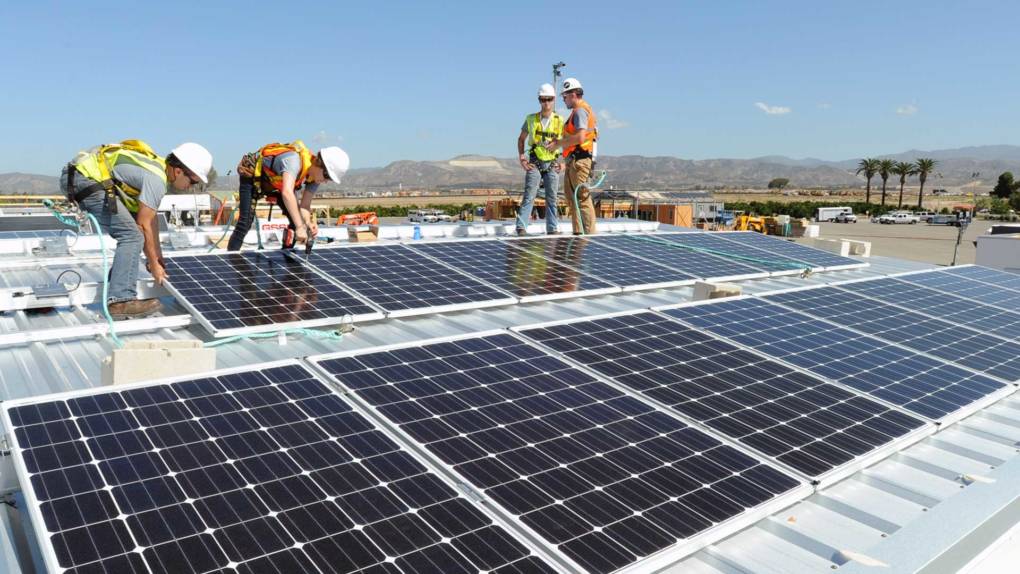
"caption": "A solar panel technician installs panels on a roof.",
"description": null,
"title": "Solar panel technician",
"credit": "iStock",
"status": "inherit",
"isLoading": false,
"fetchFailed": false
},
"science_1915386": {
"type": "attachments",
"id": "science_1915386",
"meta": {
"index": "attachments_1716263798",
"site": "science",
"id": "1915386",
"found": true
},
"parent": 1915384,
"imgSizes": {
"small": {
"file": "https://ww2.kqed.org/app/uploads/sites/35/2017/09/Nrel-solar-520x293.jpg",
"width": 520,
"mimeType": "image/jpeg",
"height": 293
},
"twentyfourteen-full-width": {
"file": "https://ww2.kqed.org/app/uploads/sites/35/2017/09/Nrel-solar-1038x576.jpg",
"width": 1038,
"mimeType": "image/jpeg",
"height": 576
},
"thumbnail": {
"file": "https://ww2.kqed.org/app/uploads/sites/35/2017/09/Nrel-solar-160x90.jpg",
"width": 160,
"mimeType": "image/jpeg",
"height": 90
},
"fd-sm": {
"file": "https://ww2.kqed.org/app/uploads/sites/35/2017/09/Nrel-solar-960x540.jpg",
"width": 960,
"mimeType": "image/jpeg",
"height": 540
},
"post-thumbnail": {
"file": "https://ww2.kqed.org/app/uploads/sites/35/2017/09/Nrel-solar-672x372.jpg",
"width": 672,
"mimeType": "image/jpeg",
"height": 372
},
"xsmall": {
"file": "https://ww2.kqed.org/app/uploads/sites/35/2017/09/Nrel-solar-375x211.jpg",
"width": 375,
"mimeType": "image/jpeg",
"height": 211
},
"kqedFullSize": {
"file": "https://ww2.kqed.org/app/uploads/sites/35/2017/09/Nrel-solar.jpg",
"width": 1920,
"height": 1080
},
"large": {
"file": "https://ww2.kqed.org/app/uploads/sites/35/2017/09/Nrel-solar-1020x574.jpg",
"width": 1020,
"mimeType": "image/jpeg",
"height": 574
},
"xlarge": {
"file": "https://ww2.kqed.org/app/uploads/sites/35/2017/09/Nrel-solar-1180x664.jpg",
"width": 1180,
"mimeType": "image/jpeg",
"height": 664
},
"guest-author-50": {
"file": "https://ww2.kqed.org/app/uploads/sites/35/2017/09/Nrel-solar-50x50.jpg",
"width": 50,
"mimeType": "image/jpeg",
"height": 50
},
"guest-author-96": {
"file": "https://ww2.kqed.org/app/uploads/sites/35/2017/09/Nrel-solar-96x96.jpg",
"width": 96,
"mimeType": "image/jpeg",
"height": 96
},
"medium": {
"file": "https://ww2.kqed.org/app/uploads/sites/35/2017/09/Nrel-solar-800x450.jpg",
"width": 800,
"mimeType": "image/jpeg",
"height": 450
},
"guest-author-64": {
"file": "https://ww2.kqed.org/app/uploads/sites/35/2017/09/Nrel-solar-64x64.jpg",
"width": 64,
"mimeType": "image/jpeg",
"height": 64
},
"guest-author-32": {
"file": "https://ww2.kqed.org/app/uploads/sites/35/2017/09/Nrel-solar-32x32.jpg",
"width": 32,
"mimeType": "image/jpeg",
"height": 32
},
"fd-lrg": {
"file": "https://ww2.kqed.org/app/uploads/sites/35/2017/09/Nrel-solar-1920x1080.jpg",
"width": 1920,
"mimeType": "image/jpeg",
"height": 1080
},
"fd-med": {
"file": "https://ww2.kqed.org/app/uploads/sites/35/2017/09/Nrel-solar-1180x664.jpg",
"width": 1180,
"mimeType": "image/jpeg",
"height": 664
},
"full-width": {
"file": "https://ww2.kqed.org/app/uploads/sites/35/2017/09/Nrel-solar-1920x1080.jpg",
"width": 1920,
"mimeType": "image/jpeg",
"height": 1080
},
"detail": {
"file": "https://ww2.kqed.org/app/uploads/sites/35/2017/09/Nrel-solar-150x150.jpg",
"width": 150,
"mimeType": "image/jpeg",
"height": 150
},
"medium_large": {
"file": "https://ww2.kqed.org/app/uploads/sites/35/2017/09/Nrel-solar-768x432.jpg",
"width": 768,
"mimeType": "image/jpeg",
"height": 432
},
"guest-author-128": {
"file": "https://ww2.kqed.org/app/uploads/sites/35/2017/09/Nrel-solar-128x128.jpg",
"width": 128,
"mimeType": "image/jpeg",
"height": 128
},
"xxsmall": {
"file": "https://ww2.kqed.org/app/uploads/sites/35/2017/09/Nrel-solar-240x135.jpg",
"width": 240,
"mimeType": "image/jpeg",
"height": 135
}
},
"publishDate": 1504829337,
"modified": 1504829397,
"caption": "California lawmakers are debating an ambitious 100 percent clean energy goal.",
"description": null,
"title": "Nrel-solar",
"credit": "Thomas Kelsey/NREL",
"status": "inherit",
"isLoading": false,
"fetchFailed": false
},
"science_1914446": {
"type": "attachments",
"id": "science_1914446",
"meta": {
"index": "attachments_1716263798",
"site": "science",
"id": "1914446",
"found": true
},
"parent": 1914437,
"imgSizes": {
"small": {
"file": "https://ww2.kqed.org/app/uploads/sites/35/2017/08/NellisAirForceBase2-520x293.jpg",
"width": 520,
"mimeType": "image/jpeg",
"height": 293
},
"twentyfourteen-full-width": {
"file": "https://ww2.kqed.org/app/uploads/sites/35/2017/08/NellisAirForceBase2-1038x576.jpg",
"width": 1038,
"mimeType": "image/jpeg",
"height": 576
},
"thumbnail": {
"file": "https://ww2.kqed.org/app/uploads/sites/35/2017/08/NellisAirForceBase2-160x90.jpg",
"width": 160,
"mimeType": "image/jpeg",
"height": 90
},
"fd-sm": {
"file": "https://ww2.kqed.org/app/uploads/sites/35/2017/08/NellisAirForceBase2-960x540.jpg",
"width": 960,
"mimeType": "image/jpeg",
"height": 540
},
"post-thumbnail": {
"file": "https://ww2.kqed.org/app/uploads/sites/35/2017/08/NellisAirForceBase2-672x372.jpg",
"width": 672,
"mimeType": "image/jpeg",
"height": 372
},
"xsmall": {
"file": "https://ww2.kqed.org/app/uploads/sites/35/2017/08/NellisAirForceBase2-375x211.jpg",
"width": 375,
"mimeType": "image/jpeg",
"height": 211
},
"kqedFullSize": {
"file": "https://ww2.kqed.org/app/uploads/sites/35/2017/08/NellisAirForceBase2.jpg",
"width": 1920,
"height": 1080
},
"large": {
"file": "https://ww2.kqed.org/app/uploads/sites/35/2017/08/NellisAirForceBase2-1020x574.jpg",
"width": 1020,
"mimeType": "image/jpeg",
"height": 574
},
"xlarge": {
"file": "https://ww2.kqed.org/app/uploads/sites/35/2017/08/NellisAirForceBase2-1180x664.jpg",
"width": 1180,
"mimeType": "image/jpeg",
"height": 664
},
"guest-author-50": {
"file": "https://ww2.kqed.org/app/uploads/sites/35/2017/08/NellisAirForceBase2-50x50.jpg",
"width": 50,
"mimeType": "image/jpeg",
"height": 50
},
"guest-author-96": {
"file": "https://ww2.kqed.org/app/uploads/sites/35/2017/08/NellisAirForceBase2-96x96.jpg",
"width": 96,
"mimeType": "image/jpeg",
"height": 96
},
"medium": {
"file": "https://ww2.kqed.org/app/uploads/sites/35/2017/08/NellisAirForceBase2-800x450.jpg",
"width": 800,
"mimeType": "image/jpeg",
"height": 450
},
"guest-author-64": {
"file": "https://ww2.kqed.org/app/uploads/sites/35/2017/08/NellisAirForceBase2-64x64.jpg",
"width": 64,
"mimeType": "image/jpeg",
"height": 64
},
"guest-author-32": {
"file": "https://ww2.kqed.org/app/uploads/sites/35/2017/08/NellisAirForceBase2-32x32.jpg",
"width": 32,
"mimeType": "image/jpeg",
"height": 32
},
"fd-lrg": {
"file": "https://ww2.kqed.org/app/uploads/sites/35/2017/08/NellisAirForceBase2-1920x1080.jpg",
"width": 1920,
"mimeType": "image/jpeg",
"height": 1080
},
"fd-med": {
"file": "https://ww2.kqed.org/app/uploads/sites/35/2017/08/NellisAirForceBase2-1180x664.jpg",
"width": 1180,
"mimeType": "image/jpeg",
"height": 664
},
"full-width": {
"file": "https://ww2.kqed.org/app/uploads/sites/35/2017/08/NellisAirForceBase2-1920x1080.jpg",
"width": 1920,
"mimeType": "image/jpeg",
"height": 1080
},
"detail": {
"file": "https://ww2.kqed.org/app/uploads/sites/35/2017/08/NellisAirForceBase2-150x150.jpg",
"width": 150,
"mimeType": "image/jpeg",
"height": 150
},
"medium_large": {
"file": "https://ww2.kqed.org/app/uploads/sites/35/2017/08/NellisAirForceBase2-768x432.jpg",
"width": 768,
"mimeType": "image/jpeg",
"height": 432
},
"guest-author-128": {
"file": "https://ww2.kqed.org/app/uploads/sites/35/2017/08/NellisAirForceBase2-128x128.jpg",
"width": 128,
"mimeType": "image/jpeg",
"height": 128
},
"xxsmall": {
"file": "https://ww2.kqed.org/app/uploads/sites/35/2017/08/NellisAirForceBase2-240x135.jpg",
"width": 240,
"mimeType": "image/jpeg",
"height": 135
}
},
"publishDate": 1502484678,
"modified": 1502484736,
"caption": "California expects to lose more than half of its solar power during the eclipse.",
"description": null,
"title": "Nellis+Air+Force+Base2",
"credit": "SunPower",
"status": "inherit",
"isLoading": false,
"fetchFailed": false
}
},
"audioPlayerReducer": {
"postId": "stream_live",
"isPaused": true,
"isPlaying": false,
"pfsActive": false,
"pledgeModalIsOpen": true,
"playerDrawerIsOpen": false,
"liveAudioPlayStartedAt": 0,
"liveAudioPlayContext": ""
},
"authorsReducer": {
"byline_science_1919695": {
"type": "authors",
"id": "byline_science_1919695",
"meta": {
"override": true
},
"slug": "byline_science_1919695",
"name": "Lauren Sommer",
"isLoading": false
},
"byline_science_1919522": {
"type": "authors",
"id": "byline_science_1919522",
"meta": {
"override": true
},
"slug": "byline_science_1919522",
"name": "Benjamin Purper\u003c/br>KVCR",
"isLoading": false
},
"byline_science_1918992": {
"type": "authors",
"id": "byline_science_1918992",
"meta": {
"override": true
},
"slug": "byline_science_1918992",
"name": "\u003cstrong>AP\u003c/strong>",
"isLoading": false
},
"byline_science_1918785": {
"type": "authors",
"id": "byline_science_1918785",
"meta": {
"override": true
},
"slug": "byline_science_1918785",
"name": "Julie Cart\u003c/br>CalMatters",
"isLoading": false
},
"byline_science_1918751": {
"type": "authors",
"id": "byline_science_1918751",
"meta": {
"override": true
},
"slug": "byline_science_1918751",
"name": "Camila Domonoske\u003c/br>NPR",
"isLoading": false
},
"byline_science_1916282": {
"type": "authors",
"id": "byline_science_1916282",
"meta": {
"override": true
},
"slug": "byline_science_1916282",
"name": "Scott Neuman\u003c/br>NPR",
"isLoading": false
},
"byline_science_1915911": {
"type": "authors",
"id": "byline_science_1915911",
"meta": {
"override": true
},
"slug": "byline_science_1915911",
"name": "Associated Press",
"isLoading": false
},
"cmiller": {
"type": "authors",
"id": "221",
"meta": {
"index": "authors_1716337520",
"id": "221",
"found": true
},
"name": "Craig Miller",
"firstName": "Craig",
"lastName": "Miller",
"slug": "cmiller",
"email": "craig@voxterra.net",
"display_author_email": false,
"staff_mastheads": [
"science"
],
"title": "Editor Emeritus, Science",
"bio": "Craig is a former KQED Science editor, specializing in weather, climate, water & energy issues, with a little seismology thrown in just to shake things up. Prior to that, he launched and led the station's award-winning multimedia project, Climate Watch. Craig is also an accomplished writer/producer of television documentaries, with a focus on natural resource issues.",
"avatar": "https://secure.gravatar.com/avatar/b91661df645e001a9cafe0861fa685f9?s=600&d=blank&r=g",
"twitter": "voxterra",
"facebook": null,
"instagram": null,
"linkedin": null,
"sites": [
{
"site": "news",
"roles": [
"author"
]
},
{
"site": "futureofyou",
"roles": [
"editor"
]
},
{
"site": "stateofhealth",
"roles": [
"author"
]
},
{
"site": "science",
"roles": [
"editor"
]
},
{
"site": "quest",
"roles": [
"editor"
]
}
],
"headData": {
"title": "Craig Miller | KQED",
"description": "Editor Emeritus, Science",
"ogImgSrc": "https://secure.gravatar.com/avatar/b91661df645e001a9cafe0861fa685f9?s=600&d=blank&r=g",
"twImgSrc": "https://secure.gravatar.com/avatar/b91661df645e001a9cafe0861fa685f9?s=600&d=blank&r=g"
},
"isLoading": false,
"link": "/author/cmiller"
},
"laurensommer": {
"type": "authors",
"id": "239",
"meta": {
"index": "authors_1716337520",
"id": "239",
"found": true
},
"name": "Lauren Sommer",
"firstName": "Lauren",
"lastName": "Sommer",
"slug": "laurensommer",
"email": "lsommer@kqed.org",
"display_author_email": false,
"staff_mastheads": [],
"title": "KQED Contributor",
"bio": "Lauren is a radio reporter formerly covering environment, water, and energy for KQED Science. As part of her day job, she has scaled Sierra Nevada peaks, run from charging elephant seals, and desperately tried to get her sea legs - all in pursuit of good radio. Her work has appeared on Marketplace, Living on Earth, Science Friday and NPR's Morning Edition and All Things Considered. You can find her on Twitter at \u003ca href=\"https://twitter.com/lesommer\">@lesommer\u003c/a>.",
"avatar": "https://secure.gravatar.com/avatar/33aa3772bb86c6ad45b8aca6a238bbdf?s=600&d=blank&r=g",
"twitter": null,
"facebook": null,
"instagram": null,
"linkedin": null,
"sites": [
{
"site": "news",
"roles": [
"author"
]
},
{
"site": "science",
"roles": [
"editor",
"manage_content_types",
"manage_taxonomies"
]
},
{
"site": "quest",
"roles": [
"editor"
]
}
],
"headData": {
"title": "Lauren Sommer | KQED",
"description": "KQED Contributor",
"ogImgSrc": "https://secure.gravatar.com/avatar/33aa3772bb86c6ad45b8aca6a238bbdf?s=600&d=blank&r=g",
"twImgSrc": "https://secure.gravatar.com/avatar/33aa3772bb86c6ad45b8aca6a238bbdf?s=600&d=blank&r=g"
},
"isLoading": false,
"link": "/author/laurensommer"
},
"kqedscience": {
"type": "authors",
"id": "6387",
"meta": {
"index": "authors_1716337520",
"id": "6387",
"found": true
},
"name": "KQED Science",
"firstName": "KQED",
"lastName": "Science",
"slug": "kqedscience",
"email": "kqedscience@gmail.com",
"display_author_email": false,
"staff_mastheads": [],
"title": null,
"bio": "KQED Science brings you award-winning science and environment coverage from the Bay Area and beyond by the flagship Northern California PBS and NPR affiliate.",
"avatar": "https://secure.gravatar.com/avatar/5a295ff49cf82a8c0f30937d3f788b2f?s=600&d=blank&r=g",
"twitter": null,
"facebook": null,
"instagram": null,
"linkedin": null,
"sites": [
{
"site": "science",
"roles": [
"contributor"
]
},
{
"site": "quest",
"roles": [
"editor"
]
},
{
"site": "food",
"roles": [
"contributor"
]
}
],
"headData": {
"title": "KQED Science | KQED",
"description": null,
"ogImgSrc": "https://secure.gravatar.com/avatar/5a295ff49cf82a8c0f30937d3f788b2f?s=600&d=blank&r=g",
"twImgSrc": "https://secure.gravatar.com/avatar/5a295ff49cf82a8c0f30937d3f788b2f?s=600&d=blank&r=g"
},
"isLoading": false,
"link": "/author/kqedscience"
}
},
"pagesReducer": {
"science_category_energy": {
"type": "terms",
"id": "science_33",
"meta": {
"index": "terms_1716263798",
"site": "science",
"id": "33",
"score": 12.797518
},
"featImg": null,
"name": "Energy",
"description": null,
"taxonomy": "category",
"headData": {
"twImgId": null,
"twTitle": null,
"ogTitle": null,
"ogImgId": null,
"twDescription": null,
"description": null,
"title": "Energy Archives | KQED Science",
"ogDescription": null
},
"ttid": 35,
"slug": "energy",
"isLoading": false,
"title": "Energy",
"pageMeta": {
"site": "science",
"WpPageTemplate": "page-topic-editorial",
"currentPage": 19
},
"blocks": [
{
"blockName": "kqed/post-list",
"attrs": {
"layout": "cardArticle2",
"query": "posts/science?category=energy",
"seeMore": false,
"paginated": true,
"page": 19
}
},
{
"blockName": "kqed/ad"
}
]
}
},
"pfsSessionReducer": {},
"postsReducer": {
"stream_live": {
"type": "live",
"id": "stream_live",
"audioUrl": "https://streams.kqed.org/kqedradio",
"title": "Live Stream",
"excerpt": "Live Stream information currently unavailable.",
"link": "/radio",
"featImg": "",
"label": {
"name": "KQED Live",
"link": "/"
}
},
"stream_kqedNewscast": {
"type": "posts",
"id": "stream_kqedNewscast",
"audioUrl": "https://www.kqed.org/.stream/anon/radio/RDnews/newscast.mp3?_=1",
"title": "KQED Newscast",
"featImg": "",
"label": {
"name": "88.5 FM",
"link": "/"
}
},
"science_1919695": {
"type": "posts",
"id": "science_1919695",
"meta": {
"index": "posts_1716263798",
"site": "science",
"id": "1919695",
"score": null,
"sort": [
1518131755000
]
},
"parent": 0,
"labelTerm": {
"site": "science"
},
"blocks": [],
"publishDate": 1518131755,
"format": "standard",
"title": "California Cities Could Wield Zoning Laws Against Offshore Drilling Plan",
"headTitle": "California Cities Could Wield Zoning Laws Against Offshore Drilling Plan | KQED",
"content": "\u003cp>More than a dozen states oppose the Trump administration’s proposal to open up nearly the entire U.S. coastline to offshore oil leasing. Federal officials will get public feedback on the plan in Sacramento on Thursday. The Interior Department says it takes local concerns into account — as happened in a recent \u003ca href=\"https://www.npr.org/sections/thetwo-way/2018/01/10/577064733/after-florida-gets-offshore-drilling-exemption-other-states-ask-for-the-same\">controversial move with Florida\u003c/a> — but states have no direct say, since the leasing would take place in federally controlled waters.\u003c/p>\n\u003cp>California thinks it may have found a way around. In fact, it’s a strategy used the last time the West Coast was open for offshore oil drilling, in the 1980’s, when President Reagan’s Interior Secretary James Watt was leading the push.\u003c/p>\n\u003cp>“We have enough energy to meet America’s needs for thousands of years,” said Watt at the time, “if we will have a government that will allow for its reasonable development.”\u003c/p>\n\u003cp>It was not welcome news for many coastal cities in California. They were still spooked by a 1969 oil spill in Santa Barbara, in which some three million gallons of oil leaked from an offshore drilling operation and coated local beaches.\u003c/p>\n\u003cp>“We had to respond in kind,” recalls John Laird, who’s now California’s secretary of Natural Resources, but was then mayor of Santa Cruz, a small coastal city south of San Francisco.\u003c/p>\n\u003cp>[ad fullwidth]\u003c/p>\n\u003cp>Laird called a meeting with drilling opponents and everyone agreed: their response had to have some teeth.\u003c/p>\n\u003cp>“And I really struggled, thinking: teeth?” Laird says. “We’re a city, and this is a federal government wanting to do this with the tacit approval of the state government.”\u003c/p>\n\u003cp>Then something occurred to him. When oil companies drill offshore, they still need to build infrastructure onshore, things like pipelines and helicopter pads. And it’s cities who control the zoning and building permits that allow that, not the federal government.\u003c/p>\n\u003cp>\u003cstrong>“A coastal wall of resistance”\u003c/strong>\u003c/p>\n\u003cp>Santa Cruz proposed a ballot measure that said if an oil company wanted to build facilities on land, residents would have to vote on it first. It passed. The measure also designated funds to spread the idea, so Santa Cruz hired Dan Haifley to be an anti-oil Johnny Appleseed.\u003c/p>\n\u003cp>“I would sleep on couches and I would travel the state in my little car, tiny little thing,” Haifley says.\u003c/p>\n\u003cp>He visited local officials along the coast, slide projector in hand. “It was grassroots democracy and grassroots activism at its best,” he says.\u003c/p>\n\u003cp>In all, Haifley convinced 26 coastal cities and counties to adopt similar policies. They were challenged by the oil industry, but upheld by a federal court.\u003c/p>\n\u003cp>Even today, oil companies can’t build new infrastructure without voter approval in most of those places. The zoning rules create what Haifley calls “a coastal wall of resistance” against offshore drilling.\u003c/p>\n\u003cp>\u003cstrong>But Would It Work Today?\u003c/strong>\u003c/p>\n\u003cp>The idea has re-emerged, now that the Trump administration is proposing a dramatic expansion of oil leasing. California legislators are considering a bill that would ban new oil pipelines and piers in state-controlled waters, which extend up to three miles offshore. California’s lieutenant governor, who chairs the State Lands Commission, has also threatened to block any pipeline permits to transport oil.\u003c/p>\n\u003cp>So, would that give an oil company pause?\u003c/p>\n\u003cp>“Absolutely,” says Bob Fryklund with IHS Markit, which does research and consulting for the oil industry. “The companies look at that. They look at the ease of operation.”\u003c/p>\n\u003cp>But California’s policies may not work as well as they once did. Fryklund says technology has improved and now companies can get oil without having to build a pipeline to shore. Just they use floating oil rigs, known as FPSOs.\u003c/p>\n\u003cp>“You have a giant ship that fills up full of oil and then goes off to a nearby port or refinery within that country or off somewhere else,” he says. “That’s pretty standard operations around the world.”\u003c/p>\n\u003cp>\u003c/p>\n\u003cp>That method is more expensive. So, oil companies would have to be enticed by large oil reserves and high oil prices to make that worth it. Since many offshore areas in the Pacific and Atlantic haven’t been surveyed for oil in decades, for now, the oil industry is waiting and seeing.\u003c/p>\n\u003cdiv class=\"fullattribution\">\u003cimg decoding=\"async\" src=\"https://www.google-analytics.com/__utm.gif?utmac=UA-5828686-4&utmdt=California+May+Have+A+Way+To+Block+Trump%27s+Offshore+Drilling+Push&utme=8(APIKey)9(MDAxOTAwOTE4MDEyMTkxMDAzNjczZDljZA004)\">\u003c/div>\n\n",
"stats": {
"hasVideo": false,
"hasChartOrMap": false,
"hasAudio": false,
"hasPolis": false,
"wordCount": 745,
"hasGoogleForm": false,
"hasGallery": false,
"hasHearkenModule": false,
"iframeSrcs": [],
"paragraphCount": 23
},
"modified": 1704928207,
"excerpt": "In the 1980s, California towns used local zoning rules to block offshore oil and gas drilling. State lawmakers are considering a similar strategy to push back against the Trump administration.",
"headData": {
"twImgId": "",
"twTitle": "",
"ogTitle": "",
"ogImgId": "",
"twDescription": "",
"description": "In the 1980s, California towns used local zoning rules to block offshore oil and gas drilling. State lawmakers are considering a similar strategy to push back against the Trump administration.",
"title": "California Cities Could Wield Zoning Laws Against Offshore Drilling Plan | KQED",
"ogDescription": "",
"schema": {
"@context": "https://schema.org",
"@type": "Article",
"headline": "California Cities Could Wield Zoning Laws Against Offshore Drilling Plan",
"datePublished": "2018-02-08T15:15:55-08:00",
"dateModified": "2024-01-10T15:10:07-08:00",
"image": "https://cdn.kqed.org/wp-content/uploads/2020/02/KQED-OG-Image@1x.png"
}
},
"guestAuthors": [],
"slug": "california-cities-could-wield-zoning-laws-against-offshore-drilling-plan",
"status": "publish",
"nprApiLink": "http://api.npr.org/query?id=583407248&apiKey=MDAxOTAwOTE4MDEyMTkxMDAzNjczZDljZA004",
"nprStoryDate": "Thu, 08 Feb 2018 05:03:00 -0500",
"nprLastModifiedDate": "Thu, 08 Feb 2018 09:49:42 -0500",
"nprHtmlLink": "https://www.npr.org/2018/02/08/583407248/california-may-have-a-way-to-block-trumps-offshore-drilling-push?ft=nprml&f=583407248",
"nprAudio": "https://ondemand.npr.org/anon.npr-mp3/npr/me/2018/02/20180208_me_california_may_have_a_way_to_block_trumps_offshore_drilling_push.mp3?orgId=150&topicId=1131&aggIds=571910677&d=230&p=3&story=583407248&ft=nprml&f=583407248",
"nprImageAgency": "AP",
"nprAudioM3u": "http://api.npr.org/m3u/1584181905-eaef44.m3u?orgId=150&topicId=1131&aggIds=571910677&d=230&p=3&story=583407248&ft=nprml&f=583407248",
"nprStoryId": "583407248",
"nprByline": "Lauren Sommer",
"sticky": false,
"nprImageCredit": "Chris Carlson",
"nprRetrievedStory": "1",
"nprPubDate": "Thu, 08 Feb 2018 09:49:00 -0500",
"path": "/science/1919695/california-cities-could-wield-zoning-laws-against-offshore-drilling-plan",
"audioUrl": "https://ondemand.npr.org/anon.npr-mp3/npr/me/2018/02/20180208_me_california_may_have_a_way_to_block_trumps_offshore_drilling_push.mp3?orgId=150&topicId=1131&aggIds=571910677&d=230&p=3&story=583407248&ft=nprml&f=583407248",
"audioTrackLength": null,
"parsedContent": [
{
"type": "contentString",
"content": "\u003cdiv class=\"post-body\">\u003cp>\u003cp>More than a dozen states oppose the Trump administration’s proposal to open up nearly the entire U.S. coastline to offshore oil leasing. Federal officials will get public feedback on the plan in Sacramento on Thursday. The Interior Department says it takes local concerns into account — as happened in a recent \u003ca href=\"https://www.npr.org/sections/thetwo-way/2018/01/10/577064733/after-florida-gets-offshore-drilling-exemption-other-states-ask-for-the-same\">controversial move with Florida\u003c/a> — but states have no direct say, since the leasing would take place in federally controlled waters.\u003c/p>\n\u003cp>California thinks it may have found a way around. In fact, it’s a strategy used the last time the West Coast was open for offshore oil drilling, in the 1980’s, when President Reagan’s Interior Secretary James Watt was leading the push.\u003c/p>\n\u003cp>“We have enough energy to meet America’s needs for thousands of years,” said Watt at the time, “if we will have a government that will allow for its reasonable development.”\u003c/p>\n\u003cp>It was not welcome news for many coastal cities in California. They were still spooked by a 1969 oil spill in Santa Barbara, in which some three million gallons of oil leaked from an offshore drilling operation and coated local beaches.\u003c/p>\n\u003cp>“We had to respond in kind,” recalls John Laird, who’s now California’s secretary of Natural Resources, but was then mayor of Santa Cruz, a small coastal city south of San Francisco.\u003c/p>\n\u003cp>\u003c/p>\u003c/div>",
"attributes": {
"named": {},
"numeric": []
}
},
{
"type": "component",
"content": "",
"name": "ad",
"attributes": {
"named": {
"label": "fullwidth"
},
"numeric": [
"fullwidth"
]
}
},
{
"type": "contentString",
"content": "\u003cdiv class=\"post-body\">\u003cp>\u003c/p>\n\u003cp>Laird called a meeting with drilling opponents and everyone agreed: their response had to have some teeth.\u003c/p>\n\u003cp>“And I really struggled, thinking: teeth?” Laird says. “We’re a city, and this is a federal government wanting to do this with the tacit approval of the state government.”\u003c/p>\n\u003cp>Then something occurred to him. When oil companies drill offshore, they still need to build infrastructure onshore, things like pipelines and helicopter pads. And it’s cities who control the zoning and building permits that allow that, not the federal government.\u003c/p>\n\u003cp>\u003cstrong>“A coastal wall of resistance”\u003c/strong>\u003c/p>\n\u003cp>Santa Cruz proposed a ballot measure that said if an oil company wanted to build facilities on land, residents would have to vote on it first. It passed. The measure also designated funds to spread the idea, so Santa Cruz hired Dan Haifley to be an anti-oil Johnny Appleseed.\u003c/p>\n\u003cp>“I would sleep on couches and I would travel the state in my little car, tiny little thing,” Haifley says.\u003c/p>\n\u003cp>He visited local officials along the coast, slide projector in hand. “It was grassroots democracy and grassroots activism at its best,” he says.\u003c/p>\n\u003cp>In all, Haifley convinced 26 coastal cities and counties to adopt similar policies. They were challenged by the oil industry, but upheld by a federal court.\u003c/p>\n\u003cp>Even today, oil companies can’t build new infrastructure without voter approval in most of those places. The zoning rules create what Haifley calls “a coastal wall of resistance” against offshore drilling.\u003c/p>\n\u003cp>\u003cstrong>But Would It Work Today?\u003c/strong>\u003c/p>\n\u003cp>The idea has re-emerged, now that the Trump administration is proposing a dramatic expansion of oil leasing. California legislators are considering a bill that would ban new oil pipelines and piers in state-controlled waters, which extend up to three miles offshore. California’s lieutenant governor, who chairs the State Lands Commission, has also threatened to block any pipeline permits to transport oil.\u003c/p>\n\u003cp>So, would that give an oil company pause?\u003c/p>\n\u003cp>“Absolutely,” says Bob Fryklund with IHS Markit, which does research and consulting for the oil industry. “The companies look at that. They look at the ease of operation.”\u003c/p>\n\u003cp>But California’s policies may not work as well as they once did. Fryklund says technology has improved and now companies can get oil without having to build a pipeline to shore. Just they use floating oil rigs, known as FPSOs.\u003c/p>\n\u003cp>“You have a giant ship that fills up full of oil and then goes off to a nearby port or refinery within that country or off somewhere else,” he says. “That’s pretty standard operations around the world.”\u003c/p>\n\u003cp>\u003c/p>\n\u003cp>That method is more expensive. So, oil companies would have to be enticed by large oil reserves and high oil prices to make that worth it. Since many offshore areas in the Pacific and Atlantic haven’t been surveyed for oil in decades, for now, the oil industry is waiting and seeing.\u003c/p>\n\u003cdiv class=\"fullattribution\">\u003cimg decoding=\"async\" src=\"https://www.google-analytics.com/__utm.gif?utmac=UA-5828686-4&utmdt=California+May+Have+A+Way+To+Block+Trump%27s+Offshore+Drilling+Push&utme=8(APIKey)9(MDAxOTAwOTE4MDEyMTkxMDAzNjczZDljZA004)\">\u003c/div>\n\n\u003c/div>\u003c/p>",
"attributes": {
"named": {},
"numeric": []
}
}
],
"link": "/science/1919695/california-cities-could-wield-zoning-laws-against-offshore-drilling-plan",
"authors": [
"byline_science_1919695"
],
"categories": [
"science_33",
"science_40",
"science_2873"
],
"featImg": "science_1918634",
"label": "science"
},
"science_1919605": {
"type": "posts",
"id": "science_1919605",
"meta": {
"index": "posts_1716263798",
"site": "science",
"id": "1919605",
"score": null,
"sort": [
1518049093000
]
},
"parent": 0,
"labelTerm": {
"site": "science"
},
"blocks": [],
"publishDate": 1518049093,
"format": "standard",
"title": "Protesters Disrupt Trump Administration's Offshore Oil Meeting in Sacramento",
"headTitle": "Protesters Disrupt Trump Administration’s Offshore Oil Meeting in Sacramento | KQED",
"content": "\u003cp>Several hundred protesters rallied at the state Capitol on Thursday to oppose a \u003ca href=\"https://www.boem.gov/NP-Draft-Proposed-Program-2019-2024/\" target=\"_blank\" rel=\"noopener\">federal plan\u003c/a> to expand drilling for oil and gas off California shores. If the plan, currently a draft proposal, is finalized, the U.S. Department of the Interior could begin selling leases to drillers as soon as next year.\u003c/p>\n\u003cp>The protesters demonstrated before an event held by the Interior Department’s Bureau of Ocean Energy Management; it was the federal government’s only scheduled public meeting on the issue. The event, held at Sacramento’s main library, was billed as an “open house.” There was no opportunity for public comment; instead the department set up informational displays, with kiosks available to write comments.\u003c/p>\n\u003cp>https://twitter.com/BOEM_DOI/status/961748560269205504?ref_src=twsrc%5Etfw\u003c/p>\n\u003cp>Still, protesters managed to get their voices heard, chanting “Where’s the hearing?” and turning the event into something of a circus.\u003c/p>\n\u003cp class=\"p1\">\u003cspan class=\"s1\">Bill Brown, the chief environmental officer with the Bureau of Ocean Energy Management, defended the meeting’s format, saying it was a “more effective way to communicate.”\u003c/span>\u003c/p>\n\u003cp>[ad fullwidth]\u003c/p>\n\u003cp class=\"p1\">\u003cspan class=\"s1\">“I think there are plenty of legitimate environmental concerns to be addressed,” he said. “The downside of the hearing thing is that you don’t get to talk to [or] really interact with folks. And also everyone needs to sit there, and they only get their two minutes in the sun, basically.”\u003c/span>\u003c/p>\n\u003cfigure id=\"attachment_1919577\" class=\"wp-caption alignleft\" style=\"max-width: 413px\">\u003ca href=\"https://ww2.kqed.org/science/wp-content/uploads/sites/35/2018/02/offshoredrilling-WC.png\">\u003cimg loading=\"lazy\" decoding=\"async\" class=\"size-full wp-image-1919577\" src=\"https://ww2.kqed.org/science/wp-content/uploads/sites/35/2018/02/offshoredrilling-WC.png\" alt=\"BOEM CA map\" width=\"413\" height=\"538\">\u003c/a>\u003cfigcaption class=\"wp-caption-text\">Map from the federal Bureau of Ocean Energy Mgt. shows the “extent of geological plays” off California.\u003c/figcaption>\u003c/figure>\n\u003cp>Opponents of the Trump administration’s plan are fearful of a catastrophic oil spill and burning more fossil fuels that drive global warming.\u003c/p>\n\u003cp>“We’re moving a lot more towards renewable energies,” said protester Chase Wood, 25, a resident of Orange County and a Greenpeace activist. “There are more jobs in the energy sector than there is in all of the coal industry. We need to start moving on to the 21st century.”\u003c/p>\n\u003cp>Offshore drilling has been a hot-button issue in the state since 1969, when the blowout of an offshore well led to a catastrophic\u003ca href=\"http://www.latimes.com/local/lanow/la-me-ln-santa-barbara-oil-spill-1969-20150520-htmlstory.html\" target=\"_blank\" rel=\"noopener\"> oil spill\u003c/a> in the Santa Barbara Channel, fouling 35 miles of coastline.\u003c/p>\n\u003cp>“I think people really recognize that offshore drilling for oil is a dirty and dangerous business,” said Miyoko Sakashita, who directs the oceans program at the Center for Biological Diversity. “We’ve all seen the images of the oiled coasts and the oiled birds.”\u003c/p>\n\u003cp>California has banned new exploration in state waters within three miles of shore for decades, and the White House under Barack Obama added restrictions in federal waters. The Trump administration’s 5-year plan calls for leases to once again be offered to oil and gas companies for exploration and production in nearly all U.S. waters.\u003c/p>\n\u003cp>Proponents of offshore drilling also weighed in Thursday. Bob Poole, vice president of the Western States Petroleum Association, said the alternative to offshore drilling is importing oil from countries that lack environmental regulations.\u003c/p>\n\u003cfigure id=\"attachment_1919748\" class=\"wp-caption alignright\" style=\"max-width: 800px\">\u003cimg loading=\"lazy\" decoding=\"async\" class=\"wp-image-1919748 size-medium\" src=\"https://ww2.kqed.org/science/wp-content/uploads/sites/35/2018/02/IMG_9545-800x600.jpg\" alt=\"\" width=\"800\" height=\"600\" srcset=\"https://cdn.kqed.org/wp-content/uploads/sites/35/2018/02/IMG_9545-800x600.jpg 800w, https://cdn.kqed.org/wp-content/uploads/sites/35/2018/02/IMG_9545-160x120.jpg 160w, https://cdn.kqed.org/wp-content/uploads/sites/35/2018/02/IMG_9545-768x576.jpg 768w, https://cdn.kqed.org/wp-content/uploads/sites/35/2018/02/IMG_9545-1020x765.jpg 1020w, https://cdn.kqed.org/wp-content/uploads/sites/35/2018/02/IMG_9545-1920x1440.jpg 1920w, https://cdn.kqed.org/wp-content/uploads/sites/35/2018/02/IMG_9545-1180x885.jpg 1180w, https://cdn.kqed.org/wp-content/uploads/sites/35/2018/02/IMG_9545-960x720.jpg 960w, https://cdn.kqed.org/wp-content/uploads/sites/35/2018/02/IMG_9545-240x180.jpg 240w, https://cdn.kqed.org/wp-content/uploads/sites/35/2018/02/IMG_9545-375x281.jpg 375w, https://cdn.kqed.org/wp-content/uploads/sites/35/2018/02/IMG_9545-520x390.jpg 520w\" sizes=\"(max-width: 800px) 100vw, 800px\">\u003cfigcaption class=\"wp-caption-text\">An expert from the Department of Interior explains aspects of offshore operations to attendees. \u003ccite>(Craig Miller/KQED)\u003c/cite>\u003c/figcaption>\u003c/figure>\n\u003cp>“We import more than a million barrels [of oil] every day, each and every day, over the ocean, from countries that a lot of whom don’t like us very much,” he said on KQED’s \u003ca href=\"https://ww2.kqed.org/forum/2018/02/07/trumps-plan-to-expand-offshore-drilling-gets-a-california-hearing/\" target=\"_blank\" rel=\"noopener\">Forum radio program\u003c/a>. “All of that oil is coming on on tankers, every day.”\u003c/p>\n\u003cp>He added, “If we’re going to need oil for the foreseeable future … doesn’t it make sense to produce that oil rather than try to stop that — and produce it under the most stringent environmental regulations on the planet — instead of importing this oil in supertankers from countries like Saudi Arabia and others where they don’t have those rules?”\u003c/p>\n\u003cp>Meanwhile, some state officials have begun \u003ca href=\"https://www.npr.org/2018/02/08/583407248/california-may-have-a-way-to-block-trumps-offshore-drilling-push\" target=\"_blank\" rel=\"noopener\">moving to block\u003c/a> newly produced offshore oil from being piped ashore by withholding permits.\u003c/p>\n\u003cp>“I am resolved that not a single drop from Trump’s new oil plan ever makes landfall in California,” said Lt. Governor Gavin Newsom in a statement on behalf of the State Lands Commission, which he chairs.\u003c/p>\n\u003cp>In January, State Senator Hannah-Beth Jackson (D-Santa Barbara) introduced SB 834, which would ban new pipelines, piers, wharves, or other infrastructure that would go through state waters. A similar bill died in committee last year. A companion bill, AB 1775, was introduced by Assemblymember Al Muratsuchi (D-Torrance).\u003c/p>\n\u003cp>If passed, the legislation could potentially dissuade oil companies from buying oil leases. Without a pipeline to bring oil onshore, oil companies would have to turn to other means, like using ships for transport, which is generally seen as riskier and more expensive.\u003c/p>\n\u003cp>Industry advocates have argued that because federal waters belong to the taxpayers, they should not be closed to drilling. Currently about 30 wells are in operation off of California, mostly in federal waters.\u003c/p>\n\u003cp>Also on Thursday, the California Assembly overwhelmingly passed a resolution opposing the Trump administration’s plan. The vote was 55-8.\u003c/p>\n\u003cp>The Assembly also asked U.S. Interior Secretary Ryan Zinke to remove California from the proposed leasing plan.\u003c/p>\n\u003cp>Assemblywoman Monique Limón, a Santa Monica Democrat who sought the resolution, cited previous offshore spills that have tarred the state’s picturesque coastline.\u003c/p>\n\u003cp>Republicans Randy Voepel of Santee and Travis Allen of Huntington Beach say oil and gas can be safely harvested. Allen, a GOP candidate for governor, says the move could help lower gasoline prices.\u003c/p>\n\u003cp>Protesters in other states have already gathered to voice their displeasure at the planned reinstatement of offshore drilling. On Tuesday, more than 100 demonstrators gathered outside Oregon’s state Capitol in Salem to denounce the proposal before a planned public meeting.. Twenty-three meetings are scheduled nationwide, one in every state except Hawaii that touches the Atlantic or Pacific oceans. Comments can also be submitted \u003ca href=\"https://www.regulations.gov/comment?D=BOEM-2017-0074-0001\" target=\"_blank\" rel=\"noopener\">online\u003c/a> through March 9.\u003c/p>\n\u003cp>\u003c/p>\n\u003cp>\u003cem>Craig Miller, Amel Ahmed, Jon Brooks, Lauren Sommer and the Associated Press contributed to this post.\u003c/em>\u003c/p>\n\n",
"stats": {
"hasVideo": false,
"hasChartOrMap": false,
"hasAudio": false,
"hasPolis": false,
"wordCount": 1038,
"hasGoogleForm": false,
"hasGallery": false,
"hasHearkenModule": false,
"iframeSrcs": [],
"paragraphCount": 24
},
"modified": 1704928210,
"excerpt": "A proposal to revive oil and gas drilling off California has struck a nerve among coastal residents.",
"headData": {
"twImgId": "",
"twTitle": "",
"ogTitle": "",
"ogImgId": "",
"twDescription": "",
"description": "A proposal to revive oil and gas drilling off California has struck a nerve among coastal residents.",
"title": "Protesters Disrupt Trump Administration's Offshore Oil Meeting in Sacramento | KQED",
"ogDescription": "",
"schema": {
"@context": "https://schema.org",
"@type": "Article",
"headline": "Protesters Disrupt Trump Administration's Offshore Oil Meeting in Sacramento",
"datePublished": "2018-02-07T16:18:13-08:00",
"dateModified": "2024-01-10T15:10:10-08:00",
"image": "https://cdn.kqed.org/wp-content/uploads/2020/02/KQED-OG-Image@1x.png"
}
},
"guestAuthors": [],
"slug": "offshore-drilling-showdown-in-sacramento-thursday",
"status": "publish",
"sticky": false,
"path": "/science/1919605/offshore-drilling-showdown-in-sacramento-thursday",
"audioTrackLength": null,
"parsedContent": [
{
"type": "contentString",
"content": "\u003cdiv class=\"post-body\">\u003cp>\u003cp>Several hundred protesters rallied at the state Capitol on Thursday to oppose a \u003ca href=\"https://www.boem.gov/NP-Draft-Proposed-Program-2019-2024/\" target=\"_blank\" rel=\"noopener\">federal plan\u003c/a> to expand drilling for oil and gas off California shores. If the plan, currently a draft proposal, is finalized, the U.S. Department of the Interior could begin selling leases to drillers as soon as next year.\u003c/p>\n\u003cp>The protesters demonstrated before an event held by the Interior Department’s Bureau of Ocean Energy Management; it was the federal government’s only scheduled public meeting on the issue. The event, held at Sacramento’s main library, was billed as an “open house.” There was no opportunity for public comment; instead the department set up informational displays, with kiosks available to write comments.\u003c/p>\u003c/p>\u003c/div>",
"attributes": {
"named": {},
"numeric": []
}
},
{
"type": "component",
"content": "",
"name": "singleTwitterStatus",
"attributes": {
"named": {
"id": "961748560269205504"
},
"numeric": []
}
},
{
"type": "contentString",
"content": "\u003cdiv class=\"post-body\">\u003cp>\n\u003cp>Still, protesters managed to get their voices heard, chanting “Where’s the hearing?” and turning the event into something of a circus.\u003c/p>\n\u003cp class=\"p1\">\u003cspan class=\"s1\">Bill Brown, the chief environmental officer with the Bureau of Ocean Energy Management, defended the meeting’s format, saying it was a “more effective way to communicate.”\u003c/span>\u003c/p>\n\u003cp>\u003c/p>\u003c/div>",
"attributes": {
"named": {},
"numeric": []
}
},
{
"type": "component",
"content": "",
"name": "ad",
"attributes": {
"named": {
"label": "fullwidth"
},
"numeric": [
"fullwidth"
]
}
},
{
"type": "contentString",
"content": "\u003cdiv class=\"post-body\">\u003cp>\u003c/p>\n\u003cp class=\"p1\">\u003cspan class=\"s1\">“I think there are plenty of legitimate environmental concerns to be addressed,” he said. “The downside of the hearing thing is that you don’t get to talk to [or] really interact with folks. And also everyone needs to sit there, and they only get their two minutes in the sun, basically.”\u003c/span>\u003c/p>\n\u003cfigure id=\"attachment_1919577\" class=\"wp-caption alignleft\" style=\"max-width: 413px\">\u003ca href=\"https://ww2.kqed.org/science/wp-content/uploads/sites/35/2018/02/offshoredrilling-WC.png\">\u003cimg loading=\"lazy\" decoding=\"async\" class=\"size-full wp-image-1919577\" src=\"https://ww2.kqed.org/science/wp-content/uploads/sites/35/2018/02/offshoredrilling-WC.png\" alt=\"BOEM CA map\" width=\"413\" height=\"538\">\u003c/a>\u003cfigcaption class=\"wp-caption-text\">Map from the federal Bureau of Ocean Energy Mgt. shows the “extent of geological plays” off California.\u003c/figcaption>\u003c/figure>\n\u003cp>Opponents of the Trump administration’s plan are fearful of a catastrophic oil spill and burning more fossil fuels that drive global warming.\u003c/p>\n\u003cp>“We’re moving a lot more towards renewable energies,” said protester Chase Wood, 25, a resident of Orange County and a Greenpeace activist. “There are more jobs in the energy sector than there is in all of the coal industry. We need to start moving on to the 21st century.”\u003c/p>\n\u003cp>Offshore drilling has been a hot-button issue in the state since 1969, when the blowout of an offshore well led to a catastrophic\u003ca href=\"http://www.latimes.com/local/lanow/la-me-ln-santa-barbara-oil-spill-1969-20150520-htmlstory.html\" target=\"_blank\" rel=\"noopener\"> oil spill\u003c/a> in the Santa Barbara Channel, fouling 35 miles of coastline.\u003c/p>\n\u003cp>“I think people really recognize that offshore drilling for oil is a dirty and dangerous business,” said Miyoko Sakashita, who directs the oceans program at the Center for Biological Diversity. “We’ve all seen the images of the oiled coasts and the oiled birds.”\u003c/p>\n\u003cp>California has banned new exploration in state waters within three miles of shore for decades, and the White House under Barack Obama added restrictions in federal waters. The Trump administration’s 5-year plan calls for leases to once again be offered to oil and gas companies for exploration and production in nearly all U.S. waters.\u003c/p>\n\u003cp>Proponents of offshore drilling also weighed in Thursday. Bob Poole, vice president of the Western States Petroleum Association, said the alternative to offshore drilling is importing oil from countries that lack environmental regulations.\u003c/p>\n\u003cfigure id=\"attachment_1919748\" class=\"wp-caption alignright\" style=\"max-width: 800px\">\u003cimg loading=\"lazy\" decoding=\"async\" class=\"wp-image-1919748 size-medium\" src=\"https://ww2.kqed.org/science/wp-content/uploads/sites/35/2018/02/IMG_9545-800x600.jpg\" alt=\"\" width=\"800\" height=\"600\" srcset=\"https://cdn.kqed.org/wp-content/uploads/sites/35/2018/02/IMG_9545-800x600.jpg 800w, https://cdn.kqed.org/wp-content/uploads/sites/35/2018/02/IMG_9545-160x120.jpg 160w, https://cdn.kqed.org/wp-content/uploads/sites/35/2018/02/IMG_9545-768x576.jpg 768w, https://cdn.kqed.org/wp-content/uploads/sites/35/2018/02/IMG_9545-1020x765.jpg 1020w, https://cdn.kqed.org/wp-content/uploads/sites/35/2018/02/IMG_9545-1920x1440.jpg 1920w, https://cdn.kqed.org/wp-content/uploads/sites/35/2018/02/IMG_9545-1180x885.jpg 1180w, https://cdn.kqed.org/wp-content/uploads/sites/35/2018/02/IMG_9545-960x720.jpg 960w, https://cdn.kqed.org/wp-content/uploads/sites/35/2018/02/IMG_9545-240x180.jpg 240w, https://cdn.kqed.org/wp-content/uploads/sites/35/2018/02/IMG_9545-375x281.jpg 375w, https://cdn.kqed.org/wp-content/uploads/sites/35/2018/02/IMG_9545-520x390.jpg 520w\" sizes=\"(max-width: 800px) 100vw, 800px\">\u003cfigcaption class=\"wp-caption-text\">An expert from the Department of Interior explains aspects of offshore operations to attendees. \u003ccite>(Craig Miller/KQED)\u003c/cite>\u003c/figcaption>\u003c/figure>\n\u003cp>“We import more than a million barrels [of oil] every day, each and every day, over the ocean, from countries that a lot of whom don’t like us very much,” he said on KQED’s \u003ca href=\"https://ww2.kqed.org/forum/2018/02/07/trumps-plan-to-expand-offshore-drilling-gets-a-california-hearing/\" target=\"_blank\" rel=\"noopener\">Forum radio program\u003c/a>. “All of that oil is coming on on tankers, every day.”\u003c/p>\n\u003cp>He added, “If we’re going to need oil for the foreseeable future … doesn’t it make sense to produce that oil rather than try to stop that — and produce it under the most stringent environmental regulations on the planet — instead of importing this oil in supertankers from countries like Saudi Arabia and others where they don’t have those rules?”\u003c/p>\n\u003cp>Meanwhile, some state officials have begun \u003ca href=\"https://www.npr.org/2018/02/08/583407248/california-may-have-a-way-to-block-trumps-offshore-drilling-push\" target=\"_blank\" rel=\"noopener\">moving to block\u003c/a> newly produced offshore oil from being piped ashore by withholding permits.\u003c/p>\n\u003cp>“I am resolved that not a single drop from Trump’s new oil plan ever makes landfall in California,” said Lt. Governor Gavin Newsom in a statement on behalf of the State Lands Commission, which he chairs.\u003c/p>\n\u003cp>In January, State Senator Hannah-Beth Jackson (D-Santa Barbara) introduced SB 834, which would ban new pipelines, piers, wharves, or other infrastructure that would go through state waters. A similar bill died in committee last year. A companion bill, AB 1775, was introduced by Assemblymember Al Muratsuchi (D-Torrance).\u003c/p>\n\u003cp>If passed, the legislation could potentially dissuade oil companies from buying oil leases. Without a pipeline to bring oil onshore, oil companies would have to turn to other means, like using ships for transport, which is generally seen as riskier and more expensive.\u003c/p>\n\u003cp>Industry advocates have argued that because federal waters belong to the taxpayers, they should not be closed to drilling. Currently about 30 wells are in operation off of California, mostly in federal waters.\u003c/p>\n\u003cp>Also on Thursday, the California Assembly overwhelmingly passed a resolution opposing the Trump administration’s plan. The vote was 55-8.\u003c/p>\n\u003cp>The Assembly also asked U.S. Interior Secretary Ryan Zinke to remove California from the proposed leasing plan.\u003c/p>\n\u003cp>Assemblywoman Monique Limón, a Santa Monica Democrat who sought the resolution, cited previous offshore spills that have tarred the state’s picturesque coastline.\u003c/p>\n\u003cp>Republicans Randy Voepel of Santee and Travis Allen of Huntington Beach say oil and gas can be safely harvested. Allen, a GOP candidate for governor, says the move could help lower gasoline prices.\u003c/p>\n\u003cp>Protesters in other states have already gathered to voice their displeasure at the planned reinstatement of offshore drilling. On Tuesday, more than 100 demonstrators gathered outside Oregon’s state Capitol in Salem to denounce the proposal before a planned public meeting.. Twenty-three meetings are scheduled nationwide, one in every state except Hawaii that touches the Atlantic or Pacific oceans. Comments can also be submitted \u003ca href=\"https://www.regulations.gov/comment?D=BOEM-2017-0074-0001\" target=\"_blank\" rel=\"noopener\">online\u003c/a> through March 9.\u003c/p>\n\u003cp>\u003c/p>\n\u003cp>\u003cem>Craig Miller, Amel Ahmed, Jon Brooks, Lauren Sommer and the Associated Press contributed to this post.\u003c/em>\u003c/p>\n\n\u003c/div>\u003c/p>",
"attributes": {
"named": {},
"numeric": []
}
}
],
"link": "/science/1919605/offshore-drilling-showdown-in-sacramento-thursday",
"authors": [
"6387"
],
"categories": [
"science_33",
"science_35",
"science_40",
"science_2873"
],
"tags": [
"science_3370",
"science_813",
"science_1264",
"science_1712",
"science_3514"
],
"featImg": "science_1919736",
"label": "science"
},
"science_1919522": {
"type": "posts",
"id": "science_1919522",
"meta": {
"index": "posts_1716263798",
"site": "science",
"id": "1919522",
"score": null,
"sort": [
1517865460000
]
},
"parent": 0,
"labelTerm": {
"site": "science"
},
"blocks": [],
"publishDate": 1517865460,
"format": "standard",
"title": "The Forgotten Renewable: Geothermal Energy Production Heats Up In The Mojave",
"headTitle": "The Forgotten Renewable: Geothermal Energy Production Heats Up In The Mojave | KQED",
"content": "\u003cp>Three and a half hours east of Los Angeles lies the Salton Sea, a manmade oasis in the heart of the Mojave Desert. It was created in 1905, when a canal broke and the Colorado River flooded the desert for more than a year. The Sea became a \u003ca href=\"http://www.slate.com/blogs/atlas_obscura/2014/02/04/the_salton_sea_in_california_turned_from_a_relaxing_resort_to_an_apocalyptic.html\">tourist hotspot in the 1950’s\u003c/a>, perfect for swimming, boating, and kayaking. But now, people are coming here looking for something else.\u003c/p>\n\u003cp>Jim Turner is the chief operating officer of Controlled Thermal Resources, an energy company from Australia. On a hill overlooking the Salton Sea, he points out a patch of land that will someday house his company’s first power plant, named \u003ca href=\"http://www.cthermal.com/\">Hell’s Kitchen\u003c/a>.\u003c/p>\n\u003cp>“We’re standing on top of what is probably the most robust geothermal resource in the United States,” he explains.[contextly_sidebar id=”PW8jPSzwpOdgDlIjMhDbfqBBqq0Q0O6c”]\u003c/p>\n\u003cp>Geothermal energy uses the earth’s natural heat to create electricity. While there are several different ways to accomplish this, the most common is to take super-heated water from geothermal hot spots and pipe it to the surface. It then turns into steam and spins a turbine, which generates electricity.\u003c/p>\n\u003cp>It’s completely renewable, and generates clean energy around the clock, unlike wind and solar.\u003c/p>\n\u003cp>[ad fullwidth]\u003c/p>\n\u003cp>“You think of renewable energy as a house, solar is the roof and the wind is the walls,” says Jason Czapla, principal engineer for Controlled Thermal Resources. “But geothermal’s the foundation, and what California did is it built the walls and the roof, but on wild, windy days it blows too much rain on the roof [and] that house falls down. Well, the Salton Sea is this opportunity for California to fix that.”\u003c/p>\n\u003cp>The company wants to develop 1,000 megawatts of electricity here over the next decade. They say that could power about 800,000 homes. And for a state that’s aiming to get \u003ca href=\"http://www.latimes.com/politics/la-pol-sac-jerry-brown-climate-change-renewable-energy-20151007-story.html\">half its electricity from renewable sources\u003c/a>, that’s no small number.\u003c/p>\n\u003cp>“Our development coincides with the state’s target, 2030 being the ultimate goal getting to 50 percent,” says Czapla. “And our goal is to build up that 1,000 megawatts and help them increase the renewable energy portfolio.”\u003c/p>\n\u003cp>Colin Williams, a geothermal expert at the U.S. Geological Survey, \u003ca href=\"https://pubs.usgs.gov/fs/2008/3082/\">published a report in 2008\u003c/a> in which he explained that there are \u003ca href=\"https://maps.nrel.gov/geothermal-prospector/?aL=AyQ4yd%255Bv%255D%3Dt%26nBy5Q_%255Bv%255D%3Dt%26nBy5Q_%255Bd%255D%3D1&bL=clight&cE=0&lR=0&mC=48.37084770238366%2C-84.19921875&zL=4\">untapped geothermal reservoirs\u003c/a> throughout the American West.\u003c/p>\n\u003cp>The report also elaborated on a developing technology that could drastically increase the amount of power the Earth can provide, called enhanced geothermal systems.\u003c/p>\n\u003caside class=\"pullquote alignright\">“We’re standing on top of what is probably the most robust geothermal resource in the United States.” \u003ccite>Jim Turner, Controlled Thermal Resources\u003c/cite>\u003c/aside>\n\u003cp>In order for a reservoir to be able to provide geothermal energy, it has to have three things: heat, water, and permeability. In other words: hot, wet rock, with enough fractures in it to allow water to pass through. Enhanced geothermal systems is the process of taking areas with only one or two of those conditions – hot, dry rock with very little fractures, for example – and altering it to satisfy all three conditions. That could mean cracking underground rock to allow more water to pass through, or inserting water into the rockbed to be heated.\u003c/p>\n\u003cp>Williams says scientists and engineers are still working on the technology for enhanced geothermal systems, but if they are able to make it a reality, that could potentially open up thousands of megawatts of energy potential from new reservoirs. And that could someday take from the country’s current 3,000 megawatts of geothermal energy production to almost 500,000.\u003c/p>\n\u003cp>“To put that into perspective,” Williams says,” the entire electric power generating capacity in the United States is about a million megawatts.”\u003c/p>\n\u003cp>So if there’s that much clean energy just waiting in the ground, what’s taking so long?\u003c/p>\n\u003cp>Allyson Anderson Book directs the \u003ca href=\"https://www.americangeosciences.org/\">American Geosciences Institute\u003c/a>, a nonprofit network of geoscientists around the country. She says that geothermal energy has been historically overlooked as a renewable energy source, to the point that it is sometimes referred to as the “forgotten renewable.”\u003c/p>\n\u003cp>[contextly_sidebar id=”gaizwni8JqAsSnhH7rjG8xLqvnEkJahy”]Book says there are social and technical challenges that have kept geothermal from becoming a major player in the energy field. The technology is complex, and plants are expensive to build.\u003c/p>\n\u003cp>“There’s a lot of different factors that play in,” Book says. “And so the Department of Energy right now is spending a lot of time and energy in something called the FORGE project.”\u003c/p>\n\u003cp>The \u003ca href=\"https://energy.gov/eere/forge/forge-home\">FORGE project\u003c/a> is an Energy Department initiative that would create a dedicated test site for exploring enhanced geothermal systems. Currently, the proposed test site is in Fallon, Nev., where Sandia National Laboratories plans to set up a field where scientists can experiment with new geothermal technology. The idea is, if they can make enhanced geothermal systems a reality, then geothermal energy production around the country would skyrocket.\u003c/p>\n\u003cp>But back at the Salton Sea, Controlled Thermal Resources isn’t waiting on new technology — it’s hoping to exploit what’s already there.\u003c/p>\n\u003cp>In his office in El Centro, Calif., CEO Rod Colwell plays an aerial video of the southern end of the Salton Sea, where the Hell’s Kitchen plant will go. It’s still in the permitting stages, and it’s going to cost a lot of money – around a billion dollars. But if it’s successful, Colwell plans to build more. He hopes to build enough plants to be able to produce 1,000 megawatts of electricity, which could power about 800,000 homes. And with California looking to phase out its use of fossil fuels, that’s no small number.\u003c/p>\n\u003cp>“Particularly in California,” Colwell says, “we will not be able to import any carbon-fired energy after 2025. So it’s important that geothermal is that integral value in the mix.”\u003c/p>\n\u003cp>\u003c/p>\n\u003cp>Geothermal’s got a long way to go. But Colwell and others are betting that new technology and the demand for clean energy will someday bring this forgotten renewable to the forefront of clean power.\u003c/p>\n\u003cdiv class=\"fullattribution\">Copyright 2018 KVCR. To see more, visit \u003ca href=\"http://www.kvcrnews.org\">KVCR\u003c/a>.\u003cimg decoding=\"async\" src=\"https://www.google-analytics.com/__utm.gif?utmac=UA-5828686-4&utmdt=The+Forgotten+Renewable%3A+Geothermal+Energy+Production+Heats+Up&utme=8(APIKey)9(MDAxOTAwOTE4MDEyMTkxMDAzNjczZDljZA004)\">\u003c/div>\n\n",
"stats": {
"hasVideo": false,
"hasChartOrMap": false,
"hasAudio": false,
"hasPolis": false,
"wordCount": 1070,
"hasGoogleForm": false,
"hasGallery": false,
"hasHearkenModule": false,
"iframeSrcs": [],
"paragraphCount": 24
},
"modified": 1704928216,
"excerpt": "Experts say the American West is full of geothermal reservoirs whose energy could power millions of homes. But extracting that energy isn't easy.",
"headData": {
"twImgId": "",
"twTitle": "",
"ogTitle": "",
"ogImgId": "",
"twDescription": "",
"description": "Experts say the American West is full of geothermal reservoirs whose energy could power millions of homes. But extracting that energy isn't easy.",
"title": "The Forgotten Renewable: Geothermal Energy Production Heats Up In The Mojave | KQED",
"ogDescription": "",
"schema": {
"@context": "https://schema.org",
"@type": "Article",
"headline": "The Forgotten Renewable: Geothermal Energy Production Heats Up In The Mojave",
"datePublished": "2018-02-05T13:17:40-08:00",
"dateModified": "2024-01-10T15:10:16-08:00",
"image": "https://cdn.kqed.org/wp-content/uploads/2020/02/KQED-OG-Image@1x.png"
}
},
"guestAuthors": [],
"slug": "the-forgotten-renewable-geothermal-energy-production-heats-up-in-the-mojave",
"status": "publish",
"nprApiLink": "http://api.npr.org/query?id=582132168&apiKey=MDAxOTAwOTE4MDEyMTkxMDAzNjczZDljZA004",
"nprStoryDate": "Sun, 04 Feb 2018 17:08:56 -0500",
"nprLastModifiedDate": "Mon, 05 Feb 2018 12:49:13 -0500",
"nprHtmlLink": "https://www.npr.org/2018/02/04/582132168/the-forgotten-renewable-geothermal-energy-production-heats-up?ft=nprml&f=582132168",
"nprAudio": "https://ondemand.npr.org/anon.npr-mp3/npr/atc/2018/02/20180204_atc_the_forgotten_renewable_geothermal_energy_production_heats_up.mp3?orgId=270&topicId=1131&d=231&p=2&story=582132168&ft=nprml&f=582132168",
"nprImageAgency": "KVCR",
"nprAudioM3u": "http://api.npr.org/m3u/1583152370-999e51.m3u?orgId=270&topicId=1131&d=231&p=2&story=582132168&ft=nprml&f=582132168",
"nprStoryId": "582132168",
"nprByline": "Benjamin Purper\u003c/br>KVCR",
"sticky": false,
"nprImageCredit": "Benjamin Purper",
"nprRetrievedStory": "1",
"nprPubDate": "Mon, 05 Feb 2018 12:49:00 -0500",
"path": "/science/1919522/the-forgotten-renewable-geothermal-energy-production-heats-up-in-the-mojave",
"audioUrl": "https://ondemand.npr.org/anon.npr-mp3/npr/atc/2018/02/20180204_atc_the_forgotten_renewable_geothermal_energy_production_heats_up.mp3?orgId=270&topicId=1131&d=231&p=2&story=582132168&ft=nprml&f=582132168",
"audioTrackLength": null,
"parsedContent": [
{
"type": "contentString",
"content": "\u003cdiv class=\"post-body\">\u003cp>\u003cp>Three and a half hours east of Los Angeles lies the Salton Sea, a manmade oasis in the heart of the Mojave Desert. It was created in 1905, when a canal broke and the Colorado River flooded the desert for more than a year. The Sea became a \u003ca href=\"http://www.slate.com/blogs/atlas_obscura/2014/02/04/the_salton_sea_in_california_turned_from_a_relaxing_resort_to_an_apocalyptic.html\">tourist hotspot in the 1950’s\u003c/a>, perfect for swimming, boating, and kayaking. But now, people are coming here looking for something else.\u003c/p>\n\u003cp>Jim Turner is the chief operating officer of Controlled Thermal Resources, an energy company from Australia. On a hill overlooking the Salton Sea, he points out a patch of land that will someday house his company’s first power plant, named \u003ca href=\"http://www.cthermal.com/\">Hell’s Kitchen\u003c/a>.\u003c/p>\n\u003cp>“We’re standing on top of what is probably the most robust geothermal resource in the United States,” he explains.\u003c/p>\u003cp>\u003c/p>\u003cp>\u003c/p>\n\u003cp>Geothermal energy uses the earth’s natural heat to create electricity. While there are several different ways to accomplish this, the most common is to take super-heated water from geothermal hot spots and pipe it to the surface. It then turns into steam and spins a turbine, which generates electricity.\u003c/p>\n\u003cp>It’s completely renewable, and generates clean energy around the clock, unlike wind and solar.\u003c/p>\n\u003cp>\u003c/p>\u003c/div>",
"attributes": {
"named": {},
"numeric": []
}
},
{
"type": "component",
"content": "",
"name": "ad",
"attributes": {
"named": {
"label": "fullwidth"
},
"numeric": [
"fullwidth"
]
}
},
{
"type": "contentString",
"content": "\u003cdiv class=\"post-body\">\u003cp>\u003c/p>\n\u003cp>“You think of renewable energy as a house, solar is the roof and the wind is the walls,” says Jason Czapla, principal engineer for Controlled Thermal Resources. “But geothermal’s the foundation, and what California did is it built the walls and the roof, but on wild, windy days it blows too much rain on the roof [and] that house falls down. Well, the Salton Sea is this opportunity for California to fix that.”\u003c/p>\n\u003cp>The company wants to develop 1,000 megawatts of electricity here over the next decade. They say that could power about 800,000 homes. And for a state that’s aiming to get \u003ca href=\"http://www.latimes.com/politics/la-pol-sac-jerry-brown-climate-change-renewable-energy-20151007-story.html\">half its electricity from renewable sources\u003c/a>, that’s no small number.\u003c/p>\n\u003cp>“Our development coincides with the state’s target, 2030 being the ultimate goal getting to 50 percent,” says Czapla. “And our goal is to build up that 1,000 megawatts and help them increase the renewable energy portfolio.”\u003c/p>\n\u003cp>Colin Williams, a geothermal expert at the U.S. Geological Survey, \u003ca href=\"https://pubs.usgs.gov/fs/2008/3082/\">published a report in 2008\u003c/a> in which he explained that there are \u003ca href=\"https://maps.nrel.gov/geothermal-prospector/?aL=AyQ4yd%255Bv%255D%3Dt%26nBy5Q_%255Bv%255D%3Dt%26nBy5Q_%255Bd%255D%3D1&bL=clight&cE=0&lR=0&mC=48.37084770238366%2C-84.19921875&zL=4\">untapped geothermal reservoirs\u003c/a> throughout the American West.\u003c/p>\n\u003cp>The report also elaborated on a developing technology that could drastically increase the amount of power the Earth can provide, called enhanced geothermal systems.\u003c/p>\n\u003caside class=\"pullquote alignright\">“We’re standing on top of what is probably the most robust geothermal resource in the United States.” \u003ccite>Jim Turner, Controlled Thermal Resources\u003c/cite>\u003c/aside>\n\u003cp>In order for a reservoir to be able to provide geothermal energy, it has to have three things: heat, water, and permeability. In other words: hot, wet rock, with enough fractures in it to allow water to pass through. Enhanced geothermal systems is the process of taking areas with only one or two of those conditions – hot, dry rock with very little fractures, for example – and altering it to satisfy all three conditions. That could mean cracking underground rock to allow more water to pass through, or inserting water into the rockbed to be heated.\u003c/p>\n\u003cp>Williams says scientists and engineers are still working on the technology for enhanced geothermal systems, but if they are able to make it a reality, that could potentially open up thousands of megawatts of energy potential from new reservoirs. And that could someday take from the country’s current 3,000 megawatts of geothermal energy production to almost 500,000.\u003c/p>\n\u003cp>“To put that into perspective,” Williams says,” the entire electric power generating capacity in the United States is about a million megawatts.”\u003c/p>\n\u003cp>So if there’s that much clean energy just waiting in the ground, what’s taking so long?\u003c/p>\n\u003cp>Allyson Anderson Book directs the \u003ca href=\"https://www.americangeosciences.org/\">American Geosciences Institute\u003c/a>, a nonprofit network of geoscientists around the country. She says that geothermal energy has been historically overlooked as a renewable energy source, to the point that it is sometimes referred to as the “forgotten renewable.”\u003c/p>\n\u003cp>\u003c/p>\u003cp>\u003c/p>\u003cp>Book says there are social and technical challenges that have kept geothermal from becoming a major player in the energy field. The technology is complex, and plants are expensive to build.\u003c/p>\n\u003cp>“There’s a lot of different factors that play in,” Book says. “And so the Department of Energy right now is spending a lot of time and energy in something called the FORGE project.”\u003c/p>\n\u003cp>The \u003ca href=\"https://energy.gov/eere/forge/forge-home\">FORGE project\u003c/a> is an Energy Department initiative that would create a dedicated test site for exploring enhanced geothermal systems. Currently, the proposed test site is in Fallon, Nev., where Sandia National Laboratories plans to set up a field where scientists can experiment with new geothermal technology. The idea is, if they can make enhanced geothermal systems a reality, then geothermal energy production around the country would skyrocket.\u003c/p>\n\u003cp>But back at the Salton Sea, Controlled Thermal Resources isn’t waiting on new technology — it’s hoping to exploit what’s already there.\u003c/p>\n\u003cp>In his office in El Centro, Calif., CEO Rod Colwell plays an aerial video of the southern end of the Salton Sea, where the Hell’s Kitchen plant will go. It’s still in the permitting stages, and it’s going to cost a lot of money – around a billion dollars. But if it’s successful, Colwell plans to build more. He hopes to build enough plants to be able to produce 1,000 megawatts of electricity, which could power about 800,000 homes. And with California looking to phase out its use of fossil fuels, that’s no small number.\u003c/p>\n\u003cp>“Particularly in California,” Colwell says, “we will not be able to import any carbon-fired energy after 2025. So it’s important that geothermal is that integral value in the mix.”\u003c/p>\n\u003cp>\u003c/p>\n\u003cp>Geothermal’s got a long way to go. But Colwell and others are betting that new technology and the demand for clean energy will someday bring this forgotten renewable to the forefront of clean power.\u003c/p>\n\u003cdiv class=\"fullattribution\">Copyright 2018 KVCR. To see more, visit \u003ca href=\"http://www.kvcrnews.org\">KVCR\u003c/a>.\u003cimg decoding=\"async\" src=\"https://www.google-analytics.com/__utm.gif?utmac=UA-5828686-4&utmdt=The+Forgotten+Renewable%3A+Geothermal+Energy+Production+Heats+Up&utme=8(APIKey)9(MDAxOTAwOTE4MDEyMTkxMDAzNjczZDljZA004)\">\u003c/div>\n\n\u003c/div>\u003c/p>",
"attributes": {
"named": {},
"numeric": []
}
}
],
"link": "/science/1919522/the-forgotten-renewable-geothermal-energy-production-heats-up-in-the-mojave",
"authors": [
"byline_science_1919522"
],
"categories": [
"science_31",
"science_33",
"science_35",
"science_38",
"science_40"
],
"tags": [
"science_182",
"science_135",
"science_813",
"science_201"
],
"featImg": "science_1919523",
"label": "science"
},
"science_1919070": {
"type": "posts",
"id": "science_1919070",
"meta": {
"index": "posts_1716263798",
"site": "science",
"id": "1919070",
"score": null,
"sort": [
1516997779000
]
},
"parent": 0,
"labelTerm": {
"site": "science"
},
"blocks": [],
"publishDate": 1516997779,
"format": "standard",
"title": "California Sets Bold New Target for 'Zero-Emission' Vehicles",
"headTitle": "California Sets Bold New Target for ‘Zero-Emission’ Vehicles | KQED",
"content": "\u003cp>California is significantly upping the ante in its quest to get more electric cars on the road.\u003c/p>\n\u003cp>In his final State-of-the-State address this week, Governor Jerry Brown laid out the state’s ambitions for reducing greenhouse gas emissions. Then, he dropped something startling.\u003c/p>\n\u003cp>“To meet these ambitious goals,” Brown tossed out almost casually, “we’ll need five million zero-emission vehicles on the road by 2030, and we’re gonna get there, believe me.”\u003c/p>\n\u003cp>Today Brown’s administration made it official with \u003ca href=\"https://www.gov.ca.gov/news.php?id=20151\" target=\"_blank\" rel=\"noopener\">an executive order\u003c/a> setting that as the state’s new target for ZEVs, which includes fuel-cell vehicles and electric vehicles. (Plug-in hybrid cars count, though they’re technically not zero-emissions when their gas engines are engaged.)\u003c/p>\n\u003cp>That represents a significant jump from the \u003ca href=\"https://www.utilitydive.com/news/can-california-hit-15m-zero-emission-vehicles-by-2025/441020/\" target=\"_blank\" rel=\"noopener\">state’s previous goal\u003c/a> of 1.5 million by 2025, and it’s nearly 15 times the number currently roaming the state — a fact that the governor acknowledged.\u003c/p>\n\u003cp>[ad fullwidth]\u003c/p>\n\u003cp>“We only have 350,000 today, so we all got a lot of work,” he said.\u003c/p>\n\u003cp>The number is slightly less than that, according to the climate-and-economics think tank, \u003ca href=\"http://next10.org/\" target=\"_blank\" rel=\"noopener\">Next 10\u003c/a>. Its founder, Noel Perry, says the actual the number of ZEVs in circulation in California is just above 337,000.\u003c/p>\n\u003cp>“The sales are growing rapidly in California and we’re on a very good roll,” says Perry. “If we continue going the way we’re going, who knows?”\u003c/p>\n\u003cp>Perry has more than an inkling. Next 10 has been preparing a report on prospects for meeting the pre-existing 2025 goal. It was scheduled for release next week, though the governor might’ve just sent Perry’s staff back to the drawing board.\u003c/p>\n\u003cp>A previous analysis by Lawrence Berkeley National Laboratory concluded that to meet the state’s ambitious greenhouse gas reduction goal for 2050, the majority of vehicles on the road will need to be electric. That will require not only that electric car sales continue to grow, but that the infrastructure to support them grows along with that. Brown’s order includes a proposal to spur both car sales and infrastructure with a $2.5 billion investment that includes eight more years of incentives for car buyers.\u003c/p>\n\u003cp>“We have lagged behind in terms of creating the number of charging stations that we need,” says Perry, whose research counts 16,500 commercial and public charging stations in the state.\u003c/p>\n\u003cp>“And although this is the most in the nation by far,” notes Perry, if you look at the ratio of charging outlets per California ZEV, we’re at the very, very low end.”\u003c/p>\n\u003cp>None of that has deterred Governor Brown.\u003c/p>\n\u003cp>\u003c/p>\n\u003cp>“California was built on dreams and perseverance,” he said, “and the bolder path is still our way forward.”\u003c/p>\n\n",
"stats": {
"hasVideo": false,
"hasChartOrMap": false,
"hasAudio": false,
"hasPolis": false,
"wordCount": 497,
"hasGoogleForm": false,
"hasGallery": false,
"hasHearkenModule": false,
"iframeSrcs": [],
"paragraphCount": 16
},
"modified": 1704928221,
"excerpt": "Five million on the road by 2030 is a reach by any standard, but Governor Brown vows, \"We'll get there.\"",
"headData": {
"twImgId": "",
"twTitle": "",
"ogTitle": "",
"ogImgId": "",
"twDescription": "",
"description": "Five million on the road by 2030 is a reach by any standard, but Governor Brown vows, "We'll get there."",
"title": "California Sets Bold New Target for 'Zero-Emission' Vehicles | KQED",
"ogDescription": "",
"schema": {
"@context": "https://schema.org",
"@type": "Article",
"headline": "California Sets Bold New Target for 'Zero-Emission' Vehicles",
"datePublished": "2018-01-26T12:16:19-08:00",
"dateModified": "2024-01-10T15:10:21-08:00",
"image": "https://cdn.kqed.org/wp-content/uploads/2020/02/KQED-OG-Image@1x.png"
}
},
"guestAuthors": [],
"slug": "california-sets-bold-new-target-for-zero-emission-vehicles",
"status": "publish",
"sticky": false,
"path": "/science/1919070/california-sets-bold-new-target-for-zero-emission-vehicles",
"audioTrackLength": null,
"parsedContent": [
{
"type": "contentString",
"content": "\u003cdiv class=\"post-body\">\u003cp>\u003cp>California is significantly upping the ante in its quest to get more electric cars on the road.\u003c/p>\n\u003cp>In his final State-of-the-State address this week, Governor Jerry Brown laid out the state’s ambitions for reducing greenhouse gas emissions. Then, he dropped something startling.\u003c/p>\n\u003cp>“To meet these ambitious goals,” Brown tossed out almost casually, “we’ll need five million zero-emission vehicles on the road by 2030, and we’re gonna get there, believe me.”\u003c/p>\n\u003cp>Today Brown’s administration made it official with \u003ca href=\"https://www.gov.ca.gov/news.php?id=20151\" target=\"_blank\" rel=\"noopener\">an executive order\u003c/a> setting that as the state’s new target for ZEVs, which includes fuel-cell vehicles and electric vehicles. (Plug-in hybrid cars count, though they’re technically not zero-emissions when their gas engines are engaged.)\u003c/p>\n\u003cp>That represents a significant jump from the \u003ca href=\"https://www.utilitydive.com/news/can-california-hit-15m-zero-emission-vehicles-by-2025/441020/\" target=\"_blank\" rel=\"noopener\">state’s previous goal\u003c/a> of 1.5 million by 2025, and it’s nearly 15 times the number currently roaming the state — a fact that the governor acknowledged.\u003c/p>\n\u003cp>\u003c/p>\u003c/div>",
"attributes": {
"named": {},
"numeric": []
}
},
{
"type": "component",
"content": "",
"name": "ad",
"attributes": {
"named": {
"label": "fullwidth"
},
"numeric": [
"fullwidth"
]
}
},
{
"type": "contentString",
"content": "\u003cdiv class=\"post-body\">\u003cp>\u003c/p>\n\u003cp>“We only have 350,000 today, so we all got a lot of work,” he said.\u003c/p>\n\u003cp>The number is slightly less than that, according to the climate-and-economics think tank, \u003ca href=\"http://next10.org/\" target=\"_blank\" rel=\"noopener\">Next 10\u003c/a>. Its founder, Noel Perry, says the actual the number of ZEVs in circulation in California is just above 337,000.\u003c/p>\n\u003cp>“The sales are growing rapidly in California and we’re on a very good roll,” says Perry. “If we continue going the way we’re going, who knows?”\u003c/p>\n\u003cp>Perry has more than an inkling. Next 10 has been preparing a report on prospects for meeting the pre-existing 2025 goal. It was scheduled for release next week, though the governor might’ve just sent Perry’s staff back to the drawing board.\u003c/p>\n\u003cp>A previous analysis by Lawrence Berkeley National Laboratory concluded that to meet the state’s ambitious greenhouse gas reduction goal for 2050, the majority of vehicles on the road will need to be electric. That will require not only that electric car sales continue to grow, but that the infrastructure to support them grows along with that. Brown’s order includes a proposal to spur both car sales and infrastructure with a $2.5 billion investment that includes eight more years of incentives for car buyers.\u003c/p>\n\u003cp>“We have lagged behind in terms of creating the number of charging stations that we need,” says Perry, whose research counts 16,500 commercial and public charging stations in the state.\u003c/p>\n\u003cp>“And although this is the most in the nation by far,” notes Perry, if you look at the ratio of charging outlets per California ZEV, we’re at the very, very low end.”\u003c/p>\n\u003cp>None of that has deterred Governor Brown.\u003c/p>\n\u003cp>\u003c/p>\n\u003cp>“California was built on dreams and perseverance,” he said, “and the bolder path is still our way forward.”\u003c/p>\n\n\u003c/div>\u003c/p>",
"attributes": {
"named": {},
"numeric": []
}
}
],
"link": "/science/1919070/california-sets-bold-new-target-for-zero-emission-vehicles",
"authors": [
"221"
],
"categories": [
"science_31",
"science_33",
"science_89",
"science_35",
"science_40"
],
"tags": [
"science_845",
"science_2164"
],
"featImg": "science_1919077",
"label": "science"
},
"science_1918992": {
"type": "posts",
"id": "science_1918992",
"meta": {
"index": "posts_1716263798",
"site": "science",
"id": "1918992",
"score": null,
"sort": [
1516664084000
]
},
"parent": 0,
"labelTerm": {
"site": "science"
},
"blocks": [],
"publishDate": 1516664084,
"format": "standard",
"title": "Trump Hits Solar Panels, Washing Machines With Tariffs",
"headTitle": "Trump Hits Solar Panels, Washing Machines With Tariffs | KQED",
"content": "\u003cp>WASHINGTON (AP) — President Donald Trump is approving tariffs on imported solar-energy components and large washing machines in a bid to help U.S. manufacturers.\u003c/p>\n\u003cp>The administration cast Monday’s decisions as part of Trump’s pledge to put American companies and jobs first.\u003c/p>\n\u003cp>The administration is imposing an immediate tariff of 30 percent on most imported solar modules, with the rate declining before phasing out after four years.\u003c/p>\n\u003cp>For large residential washing machines, tariffs will start at up to 50 percent and phase out after three years.\u003c/p>\n\u003cp>The U.S. solar industry is split over the issue. Two small subsidiaries of foreign companies that made solar cells in the U.S. favor tariffs, but a larger number of companies that install solar-power systems say their costs will rise and jobs will be lost.\u003c/p>\n\u003cp>[ad fullwidth]\u003c/p>\u003cp>\u003c/p>\n",
"stats": {
"hasVideo": false,
"hasChartOrMap": false,
"hasAudio": false,
"hasPolis": false,
"wordCount": 140,
"hasGoogleForm": false,
"hasGallery": false,
"hasHearkenModule": false,
"iframeSrcs": [],
"paragraphCount": 7
},
"modified": 1704928229,
"excerpt": "President Donald Trump is approving tariffs on imported solar-energy components and large washing machines in a bid to help U.S. manufacturers.",
"headData": {
"twImgId": "",
"twTitle": "",
"ogTitle": "",
"ogImgId": "",
"twDescription": "",
"description": "President Donald Trump is approving tariffs on imported solar-energy components and large washing machines in a bid to help U.S. manufacturers.",
"title": "Trump Hits Solar Panels, Washing Machines With Tariffs | KQED",
"ogDescription": "",
"schema": {
"@context": "https://schema.org",
"@type": "Article",
"headline": "Trump Hits Solar Panels, Washing Machines With Tariffs",
"datePublished": "2018-01-22T15:34:44-08:00",
"dateModified": "2024-01-10T15:10:29-08:00",
"image": "https://cdn.kqed.org/wp-content/uploads/2020/02/KQED-OG-Image@1x.png"
}
},
"guestAuthors": [],
"slug": "trump-hits-solar-panels-washing-machines-with-tariffs",
"status": "publish",
"nprByline": "\u003cstrong>AP\u003c/strong>",
"sticky": false,
"path": "/science/1918992/trump-hits-solar-panels-washing-machines-with-tariffs",
"audioTrackLength": null,
"parsedContent": [
{
"type": "contentString",
"content": "\u003cdiv class=\"post-body\">\u003cp>\u003cp>WASHINGTON (AP) — President Donald Trump is approving tariffs on imported solar-energy components and large washing machines in a bid to help U.S. manufacturers.\u003c/p>\n\u003cp>The administration cast Monday’s decisions as part of Trump’s pledge to put American companies and jobs first.\u003c/p>\n\u003cp>The administration is imposing an immediate tariff of 30 percent on most imported solar modules, with the rate declining before phasing out after four years.\u003c/p>\n\u003cp>For large residential washing machines, tariffs will start at up to 50 percent and phase out after three years.\u003c/p>\n\u003cp>The U.S. solar industry is split over the issue. Two small subsidiaries of foreign companies that made solar cells in the U.S. favor tariffs, but a larger number of companies that install solar-power systems say their costs will rise and jobs will be lost.\u003c/p>\n\u003cp>\u003c/p>\u003c/div>",
"attributes": {
"named": {},
"numeric": []
}
},
{
"type": "component",
"content": "",
"name": "ad",
"attributes": {
"named": {
"label": "fullwidth"
},
"numeric": [
"fullwidth"
]
}
},
{
"type": "contentString",
"content": "\u003cdiv class=\"post-body\">\u003cp>\u003c/p>\u003cp>\u003c/p>\n\u003c/div>\u003c/p>",
"attributes": {
"named": {},
"numeric": []
}
}
],
"link": "/science/1918992/trump-hits-solar-panels-washing-machines-with-tariffs",
"authors": [
"byline_science_1918992"
],
"categories": [
"science_33",
"science_40"
],
"tags": [
"science_813",
"science_140",
"science_1134",
"science_3514"
],
"featImg": "science_1210277",
"label": "science"
},
"science_1918785": {
"type": "posts",
"id": "science_1918785",
"meta": {
"index": "posts_1716263798",
"site": "science",
"id": "1918785",
"score": null,
"sort": [
1515711703000
]
},
"parent": 0,
"labelTerm": {
"site": "science"
},
"blocks": [],
"publishDate": 1515711703,
"format": "image",
"title": "California's Climate Fight Will Get Harder Soon Thanks to Cars",
"headTitle": "California’s Climate Fight Will Get Harder Soon Thanks to Cars | KQED",
"content": "\u003cp>By most measures, California has earned the right to brag about how much it has cleaned up its environmental act. The air in much of smog-shrouded Southern California has been scrubbed. A passenger car for sale here today is 99 percent cleaner than one on offer in the early 1970s. The fossil fuels required to power the state’s economic engine have decreased by a third since their peak in 2001, while economic activity has expanded in that time by an equal measure.\u003c/p>\n\u003cp>[contextly_sidebar id=”5oAxK6iSOR71npFeALWQZ2OeGnCZXYA1″]In addition, California’s response to climate change is a one-of-a-kind hybrid, knitting together market-based programs such as the cap-and-trade system for reducing carbon dioxide and other harmful emissions; strict regulations to promote energy efficiency in buildings; and generous financial incentives for “green” projects, drawn from more than $6 billion in carbon-trading proceeds.\u003c/p>\n\u003cp>It’s working. California is poised to meet its goal to reduce greenhouse gases 33 percent, to 1990 levels, by the year 2020. Its targets for use of more renewable energy by that date are, in some cases, already exceeded.\u003c/p>\n\u003caside class=\"pullquote alignright\">‘There’s no question that transportation is a critical piece, maybe thecritical piece, in solving our energy problems.’\u003ccite>Sean Hecht, UCLA’s Emmett Institute on Climate Change and the Environment\u003c/cite>\u003c/aside>\n\u003cp>So take a bow, California; you’ve done the easy stuff. But hold on tight for what comes next. The state’s overarching plan was intended to ease industry and consumers into a carbon-free future bit by bit; ten years in, the training wheels are off.\u003c/p>\n\u003cp>Emissions-reduction must hit 40 percent by 2030 and twice that by 2050. In 12 years, half the state’s energy must come from renewable sources such as wind and sun. California’s 14 million buildings must operate twice as efficiently, and the number of electric cars on the road will have to multiply more than 10 times. Failure would likely mean more extreme measures in later years and, many experts say, could affect public health.\u003c/p>\n\u003cp>[ad fullwidth]\u003c/p>\n\u003cp>The scope of the state’s approach is all-encompassing. By law or executive order, every state agency must consider climate change when making any planning decision. Developers must take into account how far motorists travel to reach a destination, forests will be managed so that trees store more carbon dioxide and highway builders have to calculate the possibility that rising seas might inundate the roads.\u003c/p>\n\u003cp>The near term looks good. But for the 2030 goals and beyond, normally upbeat officials are guarded.\u003c/p>\n\u003cp>“Getting a 40 percent reduction [by] 2030 is no small thing. There will be lots of challenges,” said Ken Alex, director of the state Office of Planning and Research, who sees the entire field when it comes to emissions reductions. “Sometimes I’m optimistic, sometimes I’m pessimistic. I’m pessimistic about the political will it takes to get there.”\u003c/p>\n\u003cp>The most difficult work begins with California’s single most polluting sector: transportation, which accounts for nearly half the state’s greenhouse-gas emissions.\u003c/p>\n\u003cp>Mary Nichols, who chairs the California Air Resources Board, acknowledged that squeezing emissions from transportation will be the most difficult lift of all the 2030 standards, saying the gains require no less than a “deep transformation.”\u003c/p>\n\u003cp>That will include cutting gasoline use in half, reducing the miles that car-centric Californians drive, dramatically ramping up the adoption of electric vehicles and building a network of readily available charging stations.“There’s no question that transportation is a critical piece, maybe the critical piece, in solving our energy problems,” said Sean Hecht, co-executive director of UCLA’s Emmett Institute on Climate Change and the Environment.\u003c/p>\n\u003cp>One reason it’s difficult is that transportation emissions are produced largely outside the clutches of state regulation: think airplanes, trains, and ships. Another is sluggish technological change for heavy-duty and medium-duty trucks, buses and shuttles, although adoption of all-electric municipal buses is growing as costs come down.Cities and regions are charting their own paths, going green to save green: The Los Angeles-area Metropolitan Transportation Agency has a goal of operating an emissions-free bus fleet by 2030.\u003c/p>\n\u003cp>Although California has decreed that auto manufacturers sell a percentage of zero-emission vehicles, there is no mandate that drivers purchase the pricey cars. Regulators and legislators have been reluctant to force consumers to buy them, as they have with TVs, heavy appliances and other products.\u003c/p>\n\u003cp>That would change with legislation proposed by Assemblyman Phil Ting, a Democrat from San Francisco. Ting’s bill would ban the sale of gasoline-powered cars in California by 2040, mirroring bans proposed by some European countries. The idea went nowhere when Ting proposed it last year, and its prospects now are unclear.\u003c/p>\n\u003cp>While gas-sipping hybrids such as the Prius are nearly ubiquitous and certainly helpful, only true zero-emission vehicles can bring about the scale of change the state’s goals require, experts say.\u003c/p>\n\u003cp>“There’s no way to get there without significant reduction in passenger-vehicle emissions,” said Ting, who drives an electric car. He said that more access to charging stations would be transformational.\u003c/p>\n\u003cfigure id=\"attachment_1918790\" class=\"wp-caption aligncenter\" style=\"max-width: 800px\">\u003cimg loading=\"lazy\" decoding=\"async\" class=\"size-medium wp-image-1918790\" src=\"https://ww2.kqed.org/science/wp-content/uploads/sites/35/2018/01/grafic-png-800x1035.png\" alt=\"Infographic\" width=\"800\" height=\"1035\" srcset=\"https://cdn.kqed.org/wp-content/uploads/sites/35/2018/01/grafic-png-800x1035.png 800w, https://cdn.kqed.org/wp-content/uploads/sites/35/2018/01/grafic-png-160x207.png 160w, https://cdn.kqed.org/wp-content/uploads/sites/35/2018/01/grafic-png-768x994.png 768w, https://cdn.kqed.org/wp-content/uploads/sites/35/2018/01/grafic-png-1020x1320.png 1020w, https://cdn.kqed.org/wp-content/uploads/sites/35/2018/01/grafic-png-1180x1527.png 1180w, https://cdn.kqed.org/wp-content/uploads/sites/35/2018/01/grafic-png-960x1242.png 960w, https://cdn.kqed.org/wp-content/uploads/sites/35/2018/01/grafic-png-240x311.png 240w, https://cdn.kqed.org/wp-content/uploads/sites/35/2018/01/grafic-png-375x485.png 375w, https://cdn.kqed.org/wp-content/uploads/sites/35/2018/01/grafic-png-520x673.png 520w, https://cdn.kqed.org/wp-content/uploads/sites/35/2018/01/grafic-png.png 1275w\" sizes=\"(max-width: 800px) 100vw, 800px\">\u003cfigcaption class=\"wp-caption-text\">The California Air Resources Board recently issued this plan for how the state should reduce greenhouse gases beyond 2020. \u003ccite>(Graphic by California Air Resources Board.)\u003c/cite>\u003c/figcaption>\u003c/figure>\n\u003cp>“People talk about the lack of infrastructure, yet there’s electricity everywhere they park their car, unless they are in the forest,” he said. “People park their car much nearer to electricity than they do to gasoline. In transportation they talk about ‘the last mile.’ Here we have the ‘last foot’ issue. We just need the extension cord for the last foot.”\u003c/p>\n\u003cp>Much of that work falls to the California Energy Commission, which has tied together charging stations that trace a north-south, mainly coastal path. The easier task of attracting electric car buyers in Southern California and the Bay Area has been accomplished. The challenge now is engaging inland drivers, in places such as Bakersfield, Fresno and Redding.\u003c/p>\n\u003cp>John Kato, deputy director of the commission’s Fuels and Transportation Division, agreed that the new benchmarks are “challenging, but we believe the private sector will take up the baton,” with automakers producing a wider variety of vehicles, across a broad price range, appealing to more buyers.\u003c/p>\n\u003cp>An unexpected private-sector benefit comes from Volkswagen, which settled an emissions-cheating case by agreeing to spend more than $800 million building charging stations (from which the company will also profit) throughout the state.\u003c/p>\n\u003cp>National trends are cause for optimism, said Paul Cort, an attorney with the environmental group Earthjustice. “There is an acceleration in acceptance and uptake among car buyers,” he said. “It took us 10 years to get to the first million electric vehicles; the second million was achieved in two years; the third million will be on the road in one year.”\u003c/p>\n\u003cp>One success story has been the state utilities’ swift integration of renewable energy into the state electric grid, partly because of a dramatic decline in the cost of solar energy. Emissions from power generated in the state fell by more than 19 percent last year, partly due to the ramping up of hydroelectric power with last year’s heavy rains. The Public Utilities Commission that regulates energy companies reports that they have met or will soon meet the 2020 targets.\u003c/p>\n\u003cp>State Sen. Kevin de León, a Democrat from Los Angeles who is currently running to unseat Democratic U.S. Sen. Dianne Feinstein, recently set an even higher bar, proposing 100 percent renewable energy throughout the state by 2045.\u003c/p>\n\u003cp>It will be more difficult to find further savings from existing energy-efficiency programs, long a bulwark of California’s carbon-reduction efforts. The state is phasing out incandescent light bulbs and the building codes for new construction continue to mandate efficiency. But still to be tackled is the thorny problem of retrofitting millions of old and outdated homes and businesses.\u003c/p>\n\u003cp>At least one analysis calculates that natural gas used in hot water heaters and to warm residential and commercial buildings is causing nearly the same emissions as the state’s power plants. Converting gas-fired buildings to fully electric is daunting, and hugely expensive.\u003c/p>\n\u003cp>[contextly_sidebar id=”kvHQJnLDSQDCWe2YwsvNKBOtFbjnN6yk”]With so many reductions required, the Air Resource Board’s post-2020 strategy is one element—a critical one—of the state’s multiagency approach to climate change. That strategy elevates the cap-and-trade system, in which companies can pay to pollute by buying credits, to a much more significant role. Cap and trade limits emissions on 80 percent of California’s polluters.\u003c/p>\n\u003cp>The California Air Resources Board recently issued this plan for how the state should reduce greenhouse gases beyond 2020. Graphic by California Air Resources Board.\u003c/p>\n\u003cp>The agency has never precisely quantified cap and trade’s contribution to greenhouse-gas reduction. Officials projected it at 17-20 percent in a planning document in 2008—a year before the program launched—but are unable to say if those assumptions have been borne out. The board has not conducted the complicated analysis required to determine the program’s actual role in cutting emissions.\u003c/p>\n\u003cp>Nonetheless, last month it adopted a plan to reach post-2020 objectives that ups the ante: It forecasts that cap and trade, which lawmakers recently extended to 2030, will be responsible for nearly 40 percent of California’s emissions reductions by that time, a figure disputed by some as unrealistic.\u003c/p>\n\u003cp>Some critics of the program say another factor could cause the state to miss its 2030 emissions targets: the banking system that allows individual companies to hold tens of millions of carbon credits in reserve.\u003c/p>\n\u003cp>According to separate analyses by the nonpartisan Legislative Analyst’s Office and independent economists, refineries, cement plants and other major polluters could produce emissions in the next decade that are well above the state’s ever-tightening limits and use their banked credits, purchased cheaply, to offset their excess.\u003c/p>\n\u003cp>Chris Busch, an economist and research director at the think tank Energy Innovation, said his analysis showed that because of the oversupply of allowances the “effectiveness of the program could be compromised.”\u003c/p>\n\u003cp>Ross Brown, who analyzes cap and trade for the LAO, said in an interview that there’s a “decent to good chance” that banked credits could vault emissions to more than 30 percent over legal limits in 2030.\u003c/p>\n\u003cp>The issue has the attention of the state Legislature, which has directed the air board to investigate. So far, the agency has shrugged off the concerns.\u003c/p>\n\u003cp>Rajinder Sahota, who oversees the cap-and-trade program for the air board, said that although the analyses may be correct in that emissions may exceed the cap in any given year, the agency is confident that the cumulative emissions between 2021 and 2030 will fall and California will meet its goals.\u003c/p>\n\u003cp>“We expect to see fluctuations over time,” she said. “There are a number of factors that account for emissions in any given year—the economy, business decisions. In a perfect world, you’d like to see a decline over time. But it doesn’t always work that way.”\u003c/p>\n\u003cp>Sahota said the analyses of banked credits are a “paper exercise.”\u003c/p>\n\u003cp>“Most of the allowances in the program are still in the ARB’s account,” she said. The LAO’s calculations would require a company to spend hundreds of millions of dollars for credits now on a bet that the price will rise as emissions limits get stricter, she said.\u003c/p>\n\u003cp>“The data show that is not happening,” Sahota said.\u003c/p>\n\u003cp>Nevertheless, she and air board chairwoman Nichols said the plan is open to revisions.\u003c/p>\n\u003cp>Gov. Jerry Brown’s personal investment in California’s climate-change policies has been a force multiplier, spurring the myriad state agencies to adopt, and state industries to adapt to, the prospect of a carbon-less future. But Brown is in his final year in office, and the Legislature’s to-do list is crowded with other enormous issues, such as poverty and housing.\u003c/p>\n\u003cp>Whether lawmakers will continue to invest in programs that, to some, don’t seem to immediately improve the lives of Californians, is an open question.\u003c/p>\n\u003cp>One critic is state Sen. John Moorlach, a Republican from Costa Mesa who is also an accountant.\u003c/p>\n\u003cp>“I come from a world where you measure things so you can manage it,” the senator said. “It’s a matter of priorities. Sacramento is pumping itself on the chest, thinking it is going save the world. I’m not convinced this is the right use of our resources.”\u003c/p>\n\u003cp>Such doubts could present hurdles as the global-warming clock winds down.\u003c/p>\n\u003cp>[ad floatright]\u003c/p>\n\u003cp>“We are running out of time. That’s clear,” said Ken Alex. “To me, it’s about political will and scale. We feel confident that it’s doable. But do we have the political will to get there?”\u003c/p>\n\n",
"stats": {
"hasVideo": false,
"hasChartOrMap": false,
"hasAudio": false,
"hasPolis": false,
"wordCount": 2275,
"hasGoogleForm": false,
"hasGallery": false,
"hasHearkenModule": false,
"iframeSrcs": [],
"paragraphCount": 48
},
"modified": 1704928235,
"excerpt": "Normally upbeat officials are guarded about the prospects for success.",
"headData": {
"twImgId": "",
"twTitle": "",
"ogTitle": "",
"ogImgId": "",
"twDescription": "",
"description": "Normally upbeat officials are guarded about the prospects for success.",
"title": "California's Climate Fight Will Get Harder Soon Thanks to Cars | KQED",
"ogDescription": "",
"schema": {
"@context": "https://schema.org",
"@type": "Article",
"headline": "California's Climate Fight Will Get Harder Soon Thanks to Cars",
"datePublished": "2018-01-11T15:01:43-08:00",
"dateModified": "2024-01-10T15:10:35-08:00",
"image": "https://cdn.kqed.org/wp-content/uploads/2020/02/KQED-OG-Image@1x.png"
}
},
"guestAuthors": [],
"slug": "californias-climate-fight-will-get-harder-soon-thanks-to-cars",
"status": "publish",
"nprByline": "Julie Cart\u003c/br>CalMatters",
"sticky": false,
"path": "/science/1918785/californias-climate-fight-will-get-harder-soon-thanks-to-cars",
"audioTrackLength": null,
"parsedContent": [
{
"type": "contentString",
"content": "\u003cdiv class=\"post-body\">\u003cp>\u003cp>By most measures, California has earned the right to brag about how much it has cleaned up its environmental act. The air in much of smog-shrouded Southern California has been scrubbed. A passenger car for sale here today is 99 percent cleaner than one on offer in the early 1970s. The fossil fuels required to power the state’s economic engine have decreased by a third since their peak in 2001, while economic activity has expanded in that time by an equal measure.\u003c/p>\n\u003cp>\u003c/p>\u003cp>\u003c/p>\u003cp>In addition, California’s response to climate change is a one-of-a-kind hybrid, knitting together market-based programs such as the cap-and-trade system for reducing carbon dioxide and other harmful emissions; strict regulations to promote energy efficiency in buildings; and generous financial incentives for “green” projects, drawn from more than $6 billion in carbon-trading proceeds.\u003c/p>\n\u003cp>It’s working. California is poised to meet its goal to reduce greenhouse gases 33 percent, to 1990 levels, by the year 2020. Its targets for use of more renewable energy by that date are, in some cases, already exceeded.\u003c/p>\n\u003caside class=\"pullquote alignright\">‘There’s no question that transportation is a critical piece, maybe thecritical piece, in solving our energy problems.’\u003ccite>Sean Hecht, UCLA’s Emmett Institute on Climate Change and the Environment\u003c/cite>\u003c/aside>\n\u003cp>So take a bow, California; you’ve done the easy stuff. But hold on tight for what comes next. The state’s overarching plan was intended to ease industry and consumers into a carbon-free future bit by bit; ten years in, the training wheels are off.\u003c/p>\n\u003cp>Emissions-reduction must hit 40 percent by 2030 and twice that by 2050. In 12 years, half the state’s energy must come from renewable sources such as wind and sun. California’s 14 million buildings must operate twice as efficiently, and the number of electric cars on the road will have to multiply more than 10 times. Failure would likely mean more extreme measures in later years and, many experts say, could affect public health.\u003c/p>\n\u003cp>\u003c/p>\u003c/div>",
"attributes": {
"named": {},
"numeric": []
}
},
{
"type": "component",
"content": "",
"name": "ad",
"attributes": {
"named": {
"label": "fullwidth"
},
"numeric": [
"fullwidth"
]
}
},
{
"type": "contentString",
"content": "\u003cdiv class=\"post-body\">\u003cp>\u003c/p>\n\u003cp>The scope of the state’s approach is all-encompassing. By law or executive order, every state agency must consider climate change when making any planning decision. Developers must take into account how far motorists travel to reach a destination, forests will be managed so that trees store more carbon dioxide and highway builders have to calculate the possibility that rising seas might inundate the roads.\u003c/p>\n\u003cp>The near term looks good. But for the 2030 goals and beyond, normally upbeat officials are guarded.\u003c/p>\n\u003cp>“Getting a 40 percent reduction [by] 2030 is no small thing. There will be lots of challenges,” said Ken Alex, director of the state Office of Planning and Research, who sees the entire field when it comes to emissions reductions. “Sometimes I’m optimistic, sometimes I’m pessimistic. I’m pessimistic about the political will it takes to get there.”\u003c/p>\n\u003cp>The most difficult work begins with California’s single most polluting sector: transportation, which accounts for nearly half the state’s greenhouse-gas emissions.\u003c/p>\n\u003cp>Mary Nichols, who chairs the California Air Resources Board, acknowledged that squeezing emissions from transportation will be the most difficult lift of all the 2030 standards, saying the gains require no less than a “deep transformation.”\u003c/p>\n\u003cp>That will include cutting gasoline use in half, reducing the miles that car-centric Californians drive, dramatically ramping up the adoption of electric vehicles and building a network of readily available charging stations.“There’s no question that transportation is a critical piece, maybe the critical piece, in solving our energy problems,” said Sean Hecht, co-executive director of UCLA’s Emmett Institute on Climate Change and the Environment.\u003c/p>\n\u003cp>One reason it’s difficult is that transportation emissions are produced largely outside the clutches of state regulation: think airplanes, trains, and ships. Another is sluggish technological change for heavy-duty and medium-duty trucks, buses and shuttles, although adoption of all-electric municipal buses is growing as costs come down.Cities and regions are charting their own paths, going green to save green: The Los Angeles-area Metropolitan Transportation Agency has a goal of operating an emissions-free bus fleet by 2030.\u003c/p>\n\u003cp>Although California has decreed that auto manufacturers sell a percentage of zero-emission vehicles, there is no mandate that drivers purchase the pricey cars. Regulators and legislators have been reluctant to force consumers to buy them, as they have with TVs, heavy appliances and other products.\u003c/p>\n\u003cp>That would change with legislation proposed by Assemblyman Phil Ting, a Democrat from San Francisco. Ting’s bill would ban the sale of gasoline-powered cars in California by 2040, mirroring bans proposed by some European countries. The idea went nowhere when Ting proposed it last year, and its prospects now are unclear.\u003c/p>\n\u003cp>While gas-sipping hybrids such as the Prius are nearly ubiquitous and certainly helpful, only true zero-emission vehicles can bring about the scale of change the state’s goals require, experts say.\u003c/p>\n\u003cp>“There’s no way to get there without significant reduction in passenger-vehicle emissions,” said Ting, who drives an electric car. He said that more access to charging stations would be transformational.\u003c/p>\n\u003cfigure id=\"attachment_1918790\" class=\"wp-caption aligncenter\" style=\"max-width: 800px\">\u003cimg loading=\"lazy\" decoding=\"async\" class=\"size-medium wp-image-1918790\" src=\"https://ww2.kqed.org/science/wp-content/uploads/sites/35/2018/01/grafic-png-800x1035.png\" alt=\"Infographic\" width=\"800\" height=\"1035\" srcset=\"https://cdn.kqed.org/wp-content/uploads/sites/35/2018/01/grafic-png-800x1035.png 800w, https://cdn.kqed.org/wp-content/uploads/sites/35/2018/01/grafic-png-160x207.png 160w, https://cdn.kqed.org/wp-content/uploads/sites/35/2018/01/grafic-png-768x994.png 768w, https://cdn.kqed.org/wp-content/uploads/sites/35/2018/01/grafic-png-1020x1320.png 1020w, https://cdn.kqed.org/wp-content/uploads/sites/35/2018/01/grafic-png-1180x1527.png 1180w, https://cdn.kqed.org/wp-content/uploads/sites/35/2018/01/grafic-png-960x1242.png 960w, https://cdn.kqed.org/wp-content/uploads/sites/35/2018/01/grafic-png-240x311.png 240w, https://cdn.kqed.org/wp-content/uploads/sites/35/2018/01/grafic-png-375x485.png 375w, https://cdn.kqed.org/wp-content/uploads/sites/35/2018/01/grafic-png-520x673.png 520w, https://cdn.kqed.org/wp-content/uploads/sites/35/2018/01/grafic-png.png 1275w\" sizes=\"(max-width: 800px) 100vw, 800px\">\u003cfigcaption class=\"wp-caption-text\">The California Air Resources Board recently issued this plan for how the state should reduce greenhouse gases beyond 2020. \u003ccite>(Graphic by California Air Resources Board.)\u003c/cite>\u003c/figcaption>\u003c/figure>\n\u003cp>“People talk about the lack of infrastructure, yet there’s electricity everywhere they park their car, unless they are in the forest,” he said. “People park their car much nearer to electricity than they do to gasoline. In transportation they talk about ‘the last mile.’ Here we have the ‘last foot’ issue. We just need the extension cord for the last foot.”\u003c/p>\n\u003cp>Much of that work falls to the California Energy Commission, which has tied together charging stations that trace a north-south, mainly coastal path. The easier task of attracting electric car buyers in Southern California and the Bay Area has been accomplished. The challenge now is engaging inland drivers, in places such as Bakersfield, Fresno and Redding.\u003c/p>\n\u003cp>John Kato, deputy director of the commission’s Fuels and Transportation Division, agreed that the new benchmarks are “challenging, but we believe the private sector will take up the baton,” with automakers producing a wider variety of vehicles, across a broad price range, appealing to more buyers.\u003c/p>\n\u003cp>An unexpected private-sector benefit comes from Volkswagen, which settled an emissions-cheating case by agreeing to spend more than $800 million building charging stations (from which the company will also profit) throughout the state.\u003c/p>\n\u003cp>National trends are cause for optimism, said Paul Cort, an attorney with the environmental group Earthjustice. “There is an acceleration in acceptance and uptake among car buyers,” he said. “It took us 10 years to get to the first million electric vehicles; the second million was achieved in two years; the third million will be on the road in one year.”\u003c/p>\n\u003cp>One success story has been the state utilities’ swift integration of renewable energy into the state electric grid, partly because of a dramatic decline in the cost of solar energy. Emissions from power generated in the state fell by more than 19 percent last year, partly due to the ramping up of hydroelectric power with last year’s heavy rains. The Public Utilities Commission that regulates energy companies reports that they have met or will soon meet the 2020 targets.\u003c/p>\n\u003cp>State Sen. Kevin de León, a Democrat from Los Angeles who is currently running to unseat Democratic U.S. Sen. Dianne Feinstein, recently set an even higher bar, proposing 100 percent renewable energy throughout the state by 2045.\u003c/p>\n\u003cp>It will be more difficult to find further savings from existing energy-efficiency programs, long a bulwark of California’s carbon-reduction efforts. The state is phasing out incandescent light bulbs and the building codes for new construction continue to mandate efficiency. But still to be tackled is the thorny problem of retrofitting millions of old and outdated homes and businesses.\u003c/p>\n\u003cp>At least one analysis calculates that natural gas used in hot water heaters and to warm residential and commercial buildings is causing nearly the same emissions as the state’s power plants. Converting gas-fired buildings to fully electric is daunting, and hugely expensive.\u003c/p>\n\u003cp>\u003c/p>\u003cp>\u003c/p>\u003cp>With so many reductions required, the Air Resource Board’s post-2020 strategy is one element—a critical one—of the state’s multiagency approach to climate change. That strategy elevates the cap-and-trade system, in which companies can pay to pollute by buying credits, to a much more significant role. Cap and trade limits emissions on 80 percent of California’s polluters.\u003c/p>\n\u003cp>The California Air Resources Board recently issued this plan for how the state should reduce greenhouse gases beyond 2020. Graphic by California Air Resources Board.\u003c/p>\n\u003cp>The agency has never precisely quantified cap and trade’s contribution to greenhouse-gas reduction. Officials projected it at 17-20 percent in a planning document in 2008—a year before the program launched—but are unable to say if those assumptions have been borne out. The board has not conducted the complicated analysis required to determine the program’s actual role in cutting emissions.\u003c/p>\n\u003cp>Nonetheless, last month it adopted a plan to reach post-2020 objectives that ups the ante: It forecasts that cap and trade, which lawmakers recently extended to 2030, will be responsible for nearly 40 percent of California’s emissions reductions by that time, a figure disputed by some as unrealistic.\u003c/p>\n\u003cp>Some critics of the program say another factor could cause the state to miss its 2030 emissions targets: the banking system that allows individual companies to hold tens of millions of carbon credits in reserve.\u003c/p>\n\u003cp>According to separate analyses by the nonpartisan Legislative Analyst’s Office and independent economists, refineries, cement plants and other major polluters could produce emissions in the next decade that are well above the state’s ever-tightening limits and use their banked credits, purchased cheaply, to offset their excess.\u003c/p>\n\u003cp>Chris Busch, an economist and research director at the think tank Energy Innovation, said his analysis showed that because of the oversupply of allowances the “effectiveness of the program could be compromised.”\u003c/p>\n\u003cp>Ross Brown, who analyzes cap and trade for the LAO, said in an interview that there’s a “decent to good chance” that banked credits could vault emissions to more than 30 percent over legal limits in 2030.\u003c/p>\n\u003cp>The issue has the attention of the state Legislature, which has directed the air board to investigate. So far, the agency has shrugged off the concerns.\u003c/p>\n\u003cp>Rajinder Sahota, who oversees the cap-and-trade program for the air board, said that although the analyses may be correct in that emissions may exceed the cap in any given year, the agency is confident that the cumulative emissions between 2021 and 2030 will fall and California will meet its goals.\u003c/p>\n\u003cp>“We expect to see fluctuations over time,” she said. “There are a number of factors that account for emissions in any given year—the economy, business decisions. In a perfect world, you’d like to see a decline over time. But it doesn’t always work that way.”\u003c/p>\n\u003cp>Sahota said the analyses of banked credits are a “paper exercise.”\u003c/p>\n\u003cp>“Most of the allowances in the program are still in the ARB’s account,” she said. The LAO’s calculations would require a company to spend hundreds of millions of dollars for credits now on a bet that the price will rise as emissions limits get stricter, she said.\u003c/p>\n\u003cp>“The data show that is not happening,” Sahota said.\u003c/p>\n\u003cp>Nevertheless, she and air board chairwoman Nichols said the plan is open to revisions.\u003c/p>\n\u003cp>Gov. Jerry Brown’s personal investment in California’s climate-change policies has been a force multiplier, spurring the myriad state agencies to adopt, and state industries to adapt to, the prospect of a carbon-less future. But Brown is in his final year in office, and the Legislature’s to-do list is crowded with other enormous issues, such as poverty and housing.\u003c/p>\n\u003cp>Whether lawmakers will continue to invest in programs that, to some, don’t seem to immediately improve the lives of Californians, is an open question.\u003c/p>\n\u003cp>One critic is state Sen. John Moorlach, a Republican from Costa Mesa who is also an accountant.\u003c/p>\n\u003cp>“I come from a world where you measure things so you can manage it,” the senator said. “It’s a matter of priorities. Sacramento is pumping itself on the chest, thinking it is going save the world. I’m not convinced this is the right use of our resources.”\u003c/p>\n\u003cp>Such doubts could present hurdles as the global-warming clock winds down.\u003c/p>\n\u003cp>\u003c/p>\u003c/div>",
"attributes": {
"named": {},
"numeric": []
}
},
{
"type": "component",
"content": "",
"name": "ad",
"attributes": {
"named": {
"label": "floatright"
},
"numeric": [
"floatright"
]
}
},
{
"type": "contentString",
"content": "\u003cdiv class=\"post-body\">\u003cp>\u003c/p>\n\u003cp>“We are running out of time. That’s clear,” said Ken Alex. “To me, it’s about political will and scale. We feel confident that it’s doable. But do we have the political will to get there?”\u003c/p>\n\n\u003c/div>\u003c/p>",
"attributes": {
"named": {},
"numeric": []
}
}
],
"link": "/science/1918785/californias-climate-fight-will-get-harder-soon-thanks-to-cars",
"authors": [
"byline_science_1918785"
],
"categories": [
"science_33"
],
"tags": [
"science_704",
"science_845",
"science_192",
"science_3370",
"science_813"
],
"featImg": "science_1918786",
"label": "science"
},
"science_1918751": {
"type": "posts",
"id": "science_1918751",
"meta": {
"index": "posts_1716263798",
"site": "science",
"id": "1918751",
"score": null,
"sort": [
1515622239000
]
},
"parent": 0,
"labelTerm": {
"site": "science"
},
"blocks": [],
"publishDate": 1515622239,
"format": "standard",
"title": "After Florida Gets Offshore Drilling Exemption, Other States Ask For The Same",
"headTitle": "After Florida Gets Offshore Drilling Exemption, Other States Ask For The Same | KQED",
"content": "\u003cp>After the Trump administration promised Florida that the state would be exempt from expanded offshore oil drilling, other coastal states had just one question: “What about us?”\u003c/p>\n\u003caside class=\"pullquote alignright\">‘New York doesn’t want drilling off our coast either. Where do we sign up for a waiver?’\u003ccite>New York Governor Andrew Cuomo\u003c/cite>\u003c/aside>\n\u003cp>From Oregon to South Carolina, governors and other leaders are publicly noting that Florida does not have a monopoly on picturesque coasts, tourist economies or local opposition to offshore drilling. But currently, it’s the only state to have received a pledge from the administration that it won’t be considered for new oil and gas platforms.\u003c/p>\n\u003cp>[contextly_sidebar id=”FT5gYVvbtUMcmhZi3Fw7GNJLD20ui828″]”New York doesn’t want drilling off our coast either,” tweeted New York Gov. Andrew Cuomo. “Where do we sign up for a waiver?”\u003c/p>\n\u003cp>After the news broke about Republican-governed Florida, Rep. Adam Schiff, D-Calif., \u003ca href=\"https://twitter.com/RepAdamSchiff/status/950933669660844032\">asked\u003c/a> whether there are different rules for blue states like California.\u003c/p>\n\u003cp>Meanwhile, South Carolina Gov. Henry McMaster, a Republican, \u003ca href=\"http://www.charlotteobserver.com/news/politics-government/article193927974.html\">told reporters in South Carolina\u003c/a> he plans to ask the Trump administration for an exemption, calling it “a matter of serious importance.”\u003c/p>\n\u003cp>[ad fullwidth]\u003c/p>\n\u003cp>Last week, Interior Secretary Ryan Zinke announced the proposed plan to sell offshore drilling licenses in waters that were protected under the Obama administration. The proposal would take effect in 2019, as NPR’s Merrit Kennedy \u003ca href=\"https://www.npr.org/sections/thetwo-way/2018/01/04/575441542/trump-administration-opens-door-to-dramatic-expansion-of-offshore-energy-leases\">reported\u003c/a>:\u003c/p>\n\u003cblockquote>\u003cp>“The plan would determine the size, timing and location of leasing activities and would replace President Barack Obama’s 2017-2022 program. It includes all but one of 26 “planning areas” in federal waters off U.S. coastlines, making up about 90 percent of the outer continental shelf.\u003c/p>\n\u003cp>“That’s in comparison with the 94 percent that is now off limits, according to the administration. …\u003c/p>\n\u003cp>“The proposed change is welcomed by the oil and gas industry. In a statement, the National Ocean Industries Association praised Zinke ‘for offering the broadest possible acreage for potential inclusion in our nation’s next offshore leasing program.’\u003c/p>\n\u003cp>“Meanwhile, environmental organizations are alarmed and stress that it could place wildlife and coastal communities at risk of a spill.”\u003c/p>\u003c/blockquote>\n\u003cp>But one week later came the carve-out for Florida. In a statement released Tuesday, Zinke praised Florida Gov. Rick Scott as “a straightforward leader that can be trusted,” and made a pledge:\u003c/p>\n\u003cblockquote>\u003cp>“President Trump has directed me to rebuild our offshore oil and gas program in a manner that supports our national energy policy and also takes into consideration the local and state voice. I support the governor’s position that Florida is unique and its coasts are heavily reliant on tourism as an economic driver. As a result of discussion with Governor [Scott] and his leadership, I am removing Florida from consideration for any new oil and gas platforms.”\u003c/p>\u003c/blockquote>\n\u003cp>As NPR’s Richard Gonzales reported, “Zinke did not say whether he would meet with governors of other coastal states to hear their concerns or whether Interior officials had consulted with Scott before the announcement last week.”\u003c/p>\n\u003cp>Seeking a similar exemption for California, the state’s attorney general, Xavier Becerra, used some of Zinke’s own words to tweet, “California is also ‘unique’ & our ‘coasts are heavily reliant on tourism as an economic driver.’ Our ‘local and state voice’ is firmly opposed to any and all offshore drilling.”\u003c/p>\n\u003cp>Becerra added, “we, too, should be removed from your list. Immediately.”\u003c/p>\n\u003cp>California experienced one of the worst oil spills in U.S. history in 1969, from an offshore drilling site near Santa Barbara, as member station KPCC \u003ca href=\"https://www.scpr.org/news/2018/01/04/79541/trump-moves-to-vastly-expand-california-offshore-d/\">notes\u003c/a>.\u003c/p>\n\u003cp>“No federal leases have been granted off the California coast since 1984,” KPCC writes, and new state leases have been banned for decades. Drilling has continued on older, pre-existing leases.\u003c/p>\n\u003cp>“Today, 69 percent of Californians oppose offshore drilling,” KPCC reports.\u003c/p>\n\u003cp>On the West Coast, the governors of \u003ca href=\"https://twitter.com/OregonGovBrown/status/950901385205182464\">Oregon\u003c/a> and \u003ca href=\"https://twitter.com/GovInslee/status/951136584178417664\">Washington\u003c/a> signaled that they’d like to be “off the table,” too.\u003c/p>\n\u003cp>Virginia Sen. Tim Kaine \u003ca href=\"https://twitter.com/timkaine/status/950882538318450688\">says\u003c/a> Virginia’s governor and governor-elect have both asked for an exemption, unsuccessfully.\u003c/p>\n\u003cp>Meanwhile, as \u003cem>Governing \u003c/em>\u003ca href=\"http://www.governing.com/topics/transportation-infrastructure/gov-trump-florida-offshore-drilling-states.html\">notes\u003c/a>, it’s a little surprising that the Trump administration opted to make an exception for Florida — not just because of the backlash from other states but because of the potential profit in the eastern Gulf, right off Florida’s coast.\u003c/p>\n\u003cp>\u003ca href=\"https://www.bloomberg.com/news/articles/2018-01-10/trump-yanks-florida-from-offshore-drilling-plan-after-objections\">Bloomberg explains\u003c/a>:\u003c/p>\n\u003cblockquote>\u003cp>“The eastern Gulf of Mexico was believed to be the most tempting new prospect for oil companies in the expansive Trump administration draft, because it is close to existing pipelines and processing facilities — not to mention the refineries in Texas and Louisiana. … And the same geological trends that have yielded major oil discoveries in other parts of the Gulf could be replicated in its easternmost reaches.”\u003c/p>\u003c/blockquote>\n\u003cp>\u003c/p>\n\u003cp>You can read more about the federal policy on offshore drilling in \u003ca href=\"https://www.npr.org/sections/thetwo-way/2018/01/04/575441542/trump-administration-opens-door-to-dramatic-expansion-of-offshore-energy-leases\">Merrit’s story\u003c/a> from last week.\u003c/p>\n\u003cdiv class=\"fullattribution\">Copyright 2018 NPR. To see more, visit http://www.npr.org/.\u003cimg decoding=\"async\" src=\"https://www.google-analytics.com/__utm.gif?utmac=UA-5828686-4&utmdt=After+Florida+Gets+Offshore+Drilling+Exemption%2C+Other+States+Ask+For+The+Same&utme=8(APIKey)9(MDAxOTAwOTE4MDEyMTkxMDAzNjczZDljZA004)\">\u003c/div>\n\n",
"stats": {
"hasVideo": false,
"hasChartOrMap": false,
"hasAudio": false,
"hasPolis": false,
"wordCount": 875,
"hasGoogleForm": false,
"hasGallery": false,
"hasHearkenModule": false,
"iframeSrcs": [],
"paragraphCount": 26
},
"modified": 1704928239,
"excerpt": "The Trump administration has proposed radically expanding offshore oil drilling, but Florida's waters are \"off the table.\" Leaders in California, New York, South Carolina and elsewhere noticed.",
"headData": {
"twImgId": "",
"twTitle": "",
"ogTitle": "",
"ogImgId": "",
"twDescription": "",
"description": "The Trump administration has proposed radically expanding offshore oil drilling, but Florida's waters are "off the table." Leaders in California, New York, South Carolina and elsewhere noticed.",
"title": "After Florida Gets Offshore Drilling Exemption, Other States Ask For The Same | KQED",
"ogDescription": "",
"schema": {
"@context": "https://schema.org",
"@type": "Article",
"headline": "After Florida Gets Offshore Drilling Exemption, Other States Ask For The Same",
"datePublished": "2018-01-10T14:10:39-08:00",
"dateModified": "2024-01-10T15:10:39-08:00",
"image": "https://cdn.kqed.org/wp-content/uploads/2020/02/KQED-OG-Image@1x.png"
}
},
"guestAuthors": [],
"slug": "after-florida-gets-offshore-drilling-exemption-other-states-ask-for-the-same",
"status": "publish",
"nprApiLink": "http://api.npr.org/query?id=577064733&apiKey=MDAxOTAwOTE4MDEyMTkxMDAzNjczZDljZA004",
"nprByline": "Camila Domonoske\u003c/br>NPR",
"nprStoryDate": "Wed, 10 Jan 2018 15:01:00 -0500",
"nprLastModifiedDate": "Wed, 10 Jan 2018 15:42:34 -0500",
"sticky": false,
"nprHtmlLink": "https://www.npr.org/sections/thetwo-way/2018/01/10/577064733/after-florida-gets-offshore-drilling-exemption-other-states-ask-for-the-same?ft=nprml&f=577064733",
"nprImageAgency": "Getty Images",
"nprImageCredit": "David McNew",
"nprStoryId": "577064733",
"nprRetrievedStory": "1",
"nprPubDate": "Wed, 10 Jan 2018 15:34:00 -0500",
"path": "/science/1918751/after-florida-gets-offshore-drilling-exemption-other-states-ask-for-the-same",
"audioTrackLength": null,
"parsedContent": [
{
"type": "contentString",
"content": "\u003cdiv class=\"post-body\">\u003cp>\u003cp>After the Trump administration promised Florida that the state would be exempt from expanded offshore oil drilling, other coastal states had just one question: “What about us?”\u003c/p>\n\u003caside class=\"pullquote alignright\">‘New York doesn’t want drilling off our coast either. Where do we sign up for a waiver?’\u003ccite>New York Governor Andrew Cuomo\u003c/cite>\u003c/aside>\n\u003cp>From Oregon to South Carolina, governors and other leaders are publicly noting that Florida does not have a monopoly on picturesque coasts, tourist economies or local opposition to offshore drilling. But currently, it’s the only state to have received a pledge from the administration that it won’t be considered for new oil and gas platforms.\u003c/p>\n\u003cp>\u003c/p>\u003cp>\u003c/p>\u003cp>”New York doesn’t want drilling off our coast either,” tweeted New York Gov. Andrew Cuomo. “Where do we sign up for a waiver?”\u003c/p>\n\u003cp>After the news broke about Republican-governed Florida, Rep. Adam Schiff, D-Calif., \u003ca href=\"https://twitter.com/RepAdamSchiff/status/950933669660844032\">asked\u003c/a> whether there are different rules for blue states like California.\u003c/p>\n\u003cp>Meanwhile, South Carolina Gov. Henry McMaster, a Republican, \u003ca href=\"http://www.charlotteobserver.com/news/politics-government/article193927974.html\">told reporters in South Carolina\u003c/a> he plans to ask the Trump administration for an exemption, calling it “a matter of serious importance.”\u003c/p>\n\u003cp>\u003c/p>\u003c/div>",
"attributes": {
"named": {},
"numeric": []
}
},
{
"type": "component",
"content": "",
"name": "ad",
"attributes": {
"named": {
"label": "fullwidth"
},
"numeric": [
"fullwidth"
]
}
},
{
"type": "contentString",
"content": "\u003cdiv class=\"post-body\">\u003cp>\u003c/p>\n\u003cp>Last week, Interior Secretary Ryan Zinke announced the proposed plan to sell offshore drilling licenses in waters that were protected under the Obama administration. The proposal would take effect in 2019, as NPR’s Merrit Kennedy \u003ca href=\"https://www.npr.org/sections/thetwo-way/2018/01/04/575441542/trump-administration-opens-door-to-dramatic-expansion-of-offshore-energy-leases\">reported\u003c/a>:\u003c/p>\n\u003cblockquote>\u003cp>“The plan would determine the size, timing and location of leasing activities and would replace President Barack Obama’s 2017-2022 program. It includes all but one of 26 “planning areas” in federal waters off U.S. coastlines, making up about 90 percent of the outer continental shelf.\u003c/p>\n\u003cp>“That’s in comparison with the 94 percent that is now off limits, according to the administration. …\u003c/p>\n\u003cp>“The proposed change is welcomed by the oil and gas industry. In a statement, the National Ocean Industries Association praised Zinke ‘for offering the broadest possible acreage for potential inclusion in our nation’s next offshore leasing program.’\u003c/p>\n\u003cp>“Meanwhile, environmental organizations are alarmed and stress that it could place wildlife and coastal communities at risk of a spill.”\u003c/p>\u003c/blockquote>\n\u003cp>But one week later came the carve-out for Florida. In a statement released Tuesday, Zinke praised Florida Gov. Rick Scott as “a straightforward leader that can be trusted,” and made a pledge:\u003c/p>\n\u003cblockquote>\u003cp>“President Trump has directed me to rebuild our offshore oil and gas program in a manner that supports our national energy policy and also takes into consideration the local and state voice. I support the governor’s position that Florida is unique and its coasts are heavily reliant on tourism as an economic driver. As a result of discussion with Governor [Scott] and his leadership, I am removing Florida from consideration for any new oil and gas platforms.”\u003c/p>\u003c/blockquote>\n\u003cp>As NPR’s Richard Gonzales reported, “Zinke did not say whether he would meet with governors of other coastal states to hear their concerns or whether Interior officials had consulted with Scott before the announcement last week.”\u003c/p>\n\u003cp>Seeking a similar exemption for California, the state’s attorney general, Xavier Becerra, used some of Zinke’s own words to tweet, “California is also ‘unique’ & our ‘coasts are heavily reliant on tourism as an economic driver.’ Our ‘local and state voice’ is firmly opposed to any and all offshore drilling.”\u003c/p>\n\u003cp>Becerra added, “we, too, should be removed from your list. Immediately.”\u003c/p>\n\u003cp>California experienced one of the worst oil spills in U.S. history in 1969, from an offshore drilling site near Santa Barbara, as member station KPCC \u003ca href=\"https://www.scpr.org/news/2018/01/04/79541/trump-moves-to-vastly-expand-california-offshore-d/\">notes\u003c/a>.\u003c/p>\n\u003cp>“No federal leases have been granted off the California coast since 1984,” KPCC writes, and new state leases have been banned for decades. Drilling has continued on older, pre-existing leases.\u003c/p>\n\u003cp>“Today, 69 percent of Californians oppose offshore drilling,” KPCC reports.\u003c/p>\n\u003cp>On the West Coast, the governors of \u003ca href=\"https://twitter.com/OregonGovBrown/status/950901385205182464\">Oregon\u003c/a> and \u003ca href=\"https://twitter.com/GovInslee/status/951136584178417664\">Washington\u003c/a> signaled that they’d like to be “off the table,” too.\u003c/p>\n\u003cp>Virginia Sen. Tim Kaine \u003ca href=\"https://twitter.com/timkaine/status/950882538318450688\">says\u003c/a> Virginia’s governor and governor-elect have both asked for an exemption, unsuccessfully.\u003c/p>\n\u003cp>Meanwhile, as \u003cem>Governing \u003c/em>\u003ca href=\"http://www.governing.com/topics/transportation-infrastructure/gov-trump-florida-offshore-drilling-states.html\">notes\u003c/a>, it’s a little surprising that the Trump administration opted to make an exception for Florida — not just because of the backlash from other states but because of the potential profit in the eastern Gulf, right off Florida’s coast.\u003c/p>\n\u003cp>\u003ca href=\"https://www.bloomberg.com/news/articles/2018-01-10/trump-yanks-florida-from-offshore-drilling-plan-after-objections\">Bloomberg explains\u003c/a>:\u003c/p>\n\u003cblockquote>\u003cp>“The eastern Gulf of Mexico was believed to be the most tempting new prospect for oil companies in the expansive Trump administration draft, because it is close to existing pipelines and processing facilities — not to mention the refineries in Texas and Louisiana. … And the same geological trends that have yielded major oil discoveries in other parts of the Gulf could be replicated in its easternmost reaches.”\u003c/p>\u003c/blockquote>\n\u003cp>\u003c/p>\n\u003cp>You can read more about the federal policy on offshore drilling in \u003ca href=\"https://www.npr.org/sections/thetwo-way/2018/01/04/575441542/trump-administration-opens-door-to-dramatic-expansion-of-offshore-energy-leases\">Merrit’s story\u003c/a> from last week.\u003c/p>\n\u003cdiv class=\"fullattribution\">Copyright 2018 NPR. To see more, visit http://www.npr.org/.\u003cimg decoding=\"async\" src=\"https://www.google-analytics.com/__utm.gif?utmac=UA-5828686-4&utmdt=After+Florida+Gets+Offshore+Drilling+Exemption%2C+Other+States+Ask+For+The+Same&utme=8(APIKey)9(MDAxOTAwOTE4MDEyMTkxMDAzNjczZDljZA004)\">\u003c/div>\n\n\u003c/div>\u003c/p>",
"attributes": {
"named": {},
"numeric": []
}
}
],
"link": "/science/1918751/after-florida-gets-offshore-drilling-exemption-other-states-ask-for-the-same",
"authors": [
"byline_science_1918751"
],
"categories": [
"science_33",
"science_40",
"science_2873"
],
"tags": [
"science_3221",
"science_3370",
"science_778"
],
"featImg": "science_1918754",
"label": "science"
},
"science_1918632": {
"type": "posts",
"id": "science_1918632",
"meta": {
"index": "posts_1716263798",
"site": "science",
"id": "1918632",
"score": null,
"sort": [
1515168742000
]
},
"parent": 0,
"labelTerm": {
"site": "science"
},
"blocks": [],
"publishDate": 1515168742,
"format": "standard",
"title": "California Legislators Introduce Bill to Block Trump's Offshore Drilling Push",
"headTitle": "California Legislators Introduce Bill to Block Trump’s Offshore Drilling Push | KQED",
"content": "\u003cp>The Trump Administration is \u003ca href=\"https://www.doi.gov/pressreleases/secretary-zinke-announces-plan-unleashing-americas-offshore-oil-and-gas-potential\" target=\"_blank\" rel=\"noopener\">proposing a major expansion\u003c/a> of offshore oil leasing nationwide, including off the California Coast.\u003c/p>\n\u003cp>It would be the first West Coast oil lease sale since the 1980s, but that doesn’t mean it’s a done deal. State and local officials could easily throw a wrench in the plans.\u003c/p>\n\u003cp>“This is not going to be easy,” said Richard Charter, a senior fellow with the Ocean Foundation and long-time offshore drilling opponent. “I think the Pacific part of this five-year leasing plan is dead on arrival.”\u003c/p>\n\u003cp>\u003cstrong>Becoming an “Energy Superpower”\u003c/strong>\u003c/p>\n\u003cp>[contextly_sidebar id=”GLIZk81EAOtUBr7fLzR8YaTqpq1RGR9N”]The Department of the Interior is proposing lease sales from Northern to Southern California beginning in 2020, as well as in Alaska and on the Atlantic Coast. Exactly where those oil leases are would be determined later in the planning process.\u003c/p>\n\u003cp>[ad fullwidth]\u003c/p>\n\u003cp>“This is the largest number of lease sales ever proposed,” said Interior Secretary Ryan Zinke. “This is a clear difference between energy weakness and energy dominance.”\u003c/p>\n\u003cp>West Coast elected officials were quick to condemn the plan.\u003c/p>\n\u003cp>“They’ve chosen to forget the utter devastation of past offshore oil spills to wildlife and to the fishing, recreation and tourism industries in our states,” Governor Jerry Brown said in a joint statement with Oregon Governor Kate Brown and Washington Governor Jay Inslee. “They’ve chosen to ignore the science that tells us our climate is changing and we must reduce our dependence on fossil fuels.”\u003c/p>\n\u003cp>\u003cstrong>Cities and Counties Pull Up the Welcome Mat\u003c/strong>\u003c/p>\n\u003cp>The leases would be offered in federal waters, which begin three miles offshore and extend to 200 miles offshore.\u003c/p>\n\u003cp>But oil companies must bring that oil onshore to refine and sell it. That’s where they run into state and local jurisdictions.\u003c/p>\n\u003cp>During the last federal push to open up oil drilling in the 1980s, the City of Santa Cruz passed a measure that banned new onshore oil facilities, including pipelines, unless it went to a public vote.\u003c/p>\n\u003cp>[contextly_sidebar id=”aACJd54kqkEhCwjasMqRFK8ulSLjsge2″]Many other California cities and counties followed suit, including Sonoma, San Mateo, Monterey and San Luis Obispo Counties. These “onshore facilities” ordinances survived a legal challenge from an oil industry association in 1990.\u003c/p>\n\u003cp>“They still stand today and those tend to have a chilling effect on leasing by an oil company because they aren’t going to have anywhere to take any oil or gas they might find,” said Charter. “I think there’s going to be more pretty soon after today’s announcement.”\u003c/p>\n\u003cp>\u003cb>California Legislators Respond With New Bill\u003c/b>\u003c/p>\n\u003cp>California has banned offshore oil drilling in state waters, which extend from the coastline to three miles offshore. But state legislators are looking at taking it a step farther.\u003c/p>\n\u003cp>State Senator Hannah-Beth Jackson (D-Santa Barbara) is \u003ca href=\"http://sd19.senate.ca.gov/news/2018-01-04-jackson-and-muratsuchi-reintroduce-legislation-halt-new-federal-offshore-oil\" target=\"_blank\" rel=\"noopener\">introducing SB 834\u003c/a>, which would ban new pipelines, piers, wharves, or other infrastructure that would go through state waters. A similar bill died in committee last year. A companion bill, AB 1775, is being introduced by Assemblymember Al Muratsuchi (D-Torrance).\u003c/p>\n\u003cp>That could dissuade oil companies from buying oil leases. Without a pipeline to bring oil onshore, oil companies would have to turn to other means, like using ships for transport, which is generally seen as riskier and more expensive.\u003c/p>\n\u003cp>The State Lands Commission, which has jurisdiction over state waters, has already adopted a resolution that directs staff “to take appropriate actions to ensure that any oil and gas product from new drilling never makes landfall in California,” according to commission chair Lieutenant Governor Gavin Newsom.\u003c/p>\n\u003cp>\u003cstrong>Price of Oil\u003c/strong>\u003c/p>\n\u003cp>Economics is perhaps the largest factor in determining whether new oil rigs appear off the California coast. Oil prices have been low and offshore drilling is generally much more expensive than exploration on land.\u003c/p>\n\u003cp>Still, oil industry groups applauded the Administration’s drilling push.\u003c/p>\n\u003cp>“This new offshore leasing plan is an important step towards harnessing our nation’s energy potential for the benefit of American energy consumers,” said the American Petroleum Institute’s Erik Milito in a statement.\u003c/p>\n\u003cp>In comments to the Department of the Interior, Chevron expressed interest in opening the Pacific Coast for leasing, but \u003ca href=\"https://www.regulations.gov/document?D=BOEM-2017-0050-49497\" target=\"_blank\" rel=\"noopener\">ranked Southern California as seventh\u003c/a> on their priority list, after regions in the Gulf and Atlantic.\u003c/p>\n\u003cp>“Our priorities in offshore exploration are in the Gulf of Mexico and understanding the potential of the Atlantic waters off the East Coast,” Chevron said in an email.\u003c/p>\n\u003cp>Still, many environmental groups believe that today’s oil prices wouldn’t stop oil companies from speculating on leases now and waiting for the conditions to change.\u003c/p>\n\u003cp>“The economics aren’t there now,” said Charter. “But because they can acquire leases and hold them, they can drill later.”\u003c/p>\n\u003cp>\u003c/p>\n\u003cp>The Trump Administration’s plan could take up to two years to finalize with the first leases being offered in California in 2020. The public comment period opens on January 8 and the Department of the Interior will \u003ca href=\"https://www.boem.gov/National-Program-Participate/\" target=\"_blank\" rel=\"noopener\">hold a meeting\u003c/a> in Sacramento on February 8.\u003c/p>\n\n",
"stats": {
"hasVideo": false,
"hasChartOrMap": false,
"hasAudio": false,
"hasPolis": false,
"wordCount": 874,
"hasGoogleForm": false,
"hasGallery": false,
"hasHearkenModule": false,
"iframeSrcs": [],
"paragraphCount": 30
},
"modified": 1704928249,
"excerpt": "There's a lot state and local governments could do to stand in the way of offshore drilling in federal waters.",
"headData": {
"twImgId": "",
"twTitle": "",
"ogTitle": "",
"ogImgId": "",
"twDescription": "",
"description": "There's a lot state and local governments could do to stand in the way of offshore drilling in federal waters.",
"title": "California Legislators Introduce Bill to Block Trump's Offshore Drilling Push | KQED",
"ogDescription": "",
"schema": {
"@context": "https://schema.org",
"@type": "Article",
"headline": "California Legislators Introduce Bill to Block Trump's Offshore Drilling Push",
"datePublished": "2018-01-05T08:12:22-08:00",
"dateModified": "2024-01-10T15:10:49-08:00",
"image": "https://cdn.kqed.org/wp-content/uploads/2020/02/KQED-OG-Image@1x.png"
}
},
"guestAuthors": [],
"slug": "trump-plans-to-open-california-coast-for-oil-drilling-but-it-wont-be-easy",
"status": "publish",
"sticky": false,
"path": "/science/1918632/trump-plans-to-open-california-coast-for-oil-drilling-but-it-wont-be-easy",
"audioTrackLength": null,
"parsedContent": [
{
"type": "contentString",
"content": "\u003cdiv class=\"post-body\">\u003cp>\u003cp>The Trump Administration is \u003ca href=\"https://www.doi.gov/pressreleases/secretary-zinke-announces-plan-unleashing-americas-offshore-oil-and-gas-potential\" target=\"_blank\" rel=\"noopener\">proposing a major expansion\u003c/a> of offshore oil leasing nationwide, including off the California Coast.\u003c/p>\n\u003cp>It would be the first West Coast oil lease sale since the 1980s, but that doesn’t mean it’s a done deal. State and local officials could easily throw a wrench in the plans.\u003c/p>\n\u003cp>“This is not going to be easy,” said Richard Charter, a senior fellow with the Ocean Foundation and long-time offshore drilling opponent. “I think the Pacific part of this five-year leasing plan is dead on arrival.”\u003c/p>\n\u003cp>\u003cstrong>Becoming an “Energy Superpower”\u003c/strong>\u003c/p>\n\u003cp>\u003c/p>\u003cp>\u003c/p>\u003cp>The Department of the Interior is proposing lease sales from Northern to Southern California beginning in 2020, as well as in Alaska and on the Atlantic Coast. Exactly where those oil leases are would be determined later in the planning process.\u003c/p>\n\u003cp>\u003c/p>\u003c/div>",
"attributes": {
"named": {},
"numeric": []
}
},
{
"type": "component",
"content": "",
"name": "ad",
"attributes": {
"named": {
"label": "fullwidth"
},
"numeric": [
"fullwidth"
]
}
},
{
"type": "contentString",
"content": "\u003cdiv class=\"post-body\">\u003cp>\u003c/p>\n\u003cp>“This is the largest number of lease sales ever proposed,” said Interior Secretary Ryan Zinke. “This is a clear difference between energy weakness and energy dominance.”\u003c/p>\n\u003cp>West Coast elected officials were quick to condemn the plan.\u003c/p>\n\u003cp>“They’ve chosen to forget the utter devastation of past offshore oil spills to wildlife and to the fishing, recreation and tourism industries in our states,” Governor Jerry Brown said in a joint statement with Oregon Governor Kate Brown and Washington Governor Jay Inslee. “They’ve chosen to ignore the science that tells us our climate is changing and we must reduce our dependence on fossil fuels.”\u003c/p>\n\u003cp>\u003cstrong>Cities and Counties Pull Up the Welcome Mat\u003c/strong>\u003c/p>\n\u003cp>The leases would be offered in federal waters, which begin three miles offshore and extend to 200 miles offshore.\u003c/p>\n\u003cp>But oil companies must bring that oil onshore to refine and sell it. That’s where they run into state and local jurisdictions.\u003c/p>\n\u003cp>During the last federal push to open up oil drilling in the 1980s, the City of Santa Cruz passed a measure that banned new onshore oil facilities, including pipelines, unless it went to a public vote.\u003c/p>\n\u003cp>\u003c/p>\u003cp>\u003c/p>\u003cp>Many other California cities and counties followed suit, including Sonoma, San Mateo, Monterey and San Luis Obispo Counties. These “onshore facilities” ordinances survived a legal challenge from an oil industry association in 1990.\u003c/p>\n\u003cp>“They still stand today and those tend to have a chilling effect on leasing by an oil company because they aren’t going to have anywhere to take any oil or gas they might find,” said Charter. “I think there’s going to be more pretty soon after today’s announcement.”\u003c/p>\n\u003cp>\u003cb>California Legislators Respond With New Bill\u003c/b>\u003c/p>\n\u003cp>California has banned offshore oil drilling in state waters, which extend from the coastline to three miles offshore. But state legislators are looking at taking it a step farther.\u003c/p>\n\u003cp>State Senator Hannah-Beth Jackson (D-Santa Barbara) is \u003ca href=\"http://sd19.senate.ca.gov/news/2018-01-04-jackson-and-muratsuchi-reintroduce-legislation-halt-new-federal-offshore-oil\" target=\"_blank\" rel=\"noopener\">introducing SB 834\u003c/a>, which would ban new pipelines, piers, wharves, or other infrastructure that would go through state waters. A similar bill died in committee last year. A companion bill, AB 1775, is being introduced by Assemblymember Al Muratsuchi (D-Torrance).\u003c/p>\n\u003cp>That could dissuade oil companies from buying oil leases. Without a pipeline to bring oil onshore, oil companies would have to turn to other means, like using ships for transport, which is generally seen as riskier and more expensive.\u003c/p>\n\u003cp>The State Lands Commission, which has jurisdiction over state waters, has already adopted a resolution that directs staff “to take appropriate actions to ensure that any oil and gas product from new drilling never makes landfall in California,” according to commission chair Lieutenant Governor Gavin Newsom.\u003c/p>\n\u003cp>\u003cstrong>Price of Oil\u003c/strong>\u003c/p>\n\u003cp>Economics is perhaps the largest factor in determining whether new oil rigs appear off the California coast. Oil prices have been low and offshore drilling is generally much more expensive than exploration on land.\u003c/p>\n\u003cp>Still, oil industry groups applauded the Administration’s drilling push.\u003c/p>\n\u003cp>“This new offshore leasing plan is an important step towards harnessing our nation’s energy potential for the benefit of American energy consumers,” said the American Petroleum Institute’s Erik Milito in a statement.\u003c/p>\n\u003cp>In comments to the Department of the Interior, Chevron expressed interest in opening the Pacific Coast for leasing, but \u003ca href=\"https://www.regulations.gov/document?D=BOEM-2017-0050-49497\" target=\"_blank\" rel=\"noopener\">ranked Southern California as seventh\u003c/a> on their priority list, after regions in the Gulf and Atlantic.\u003c/p>\n\u003cp>“Our priorities in offshore exploration are in the Gulf of Mexico and understanding the potential of the Atlantic waters off the East Coast,” Chevron said in an email.\u003c/p>\n\u003cp>Still, many environmental groups believe that today’s oil prices wouldn’t stop oil companies from speculating on leases now and waiting for the conditions to change.\u003c/p>\n\u003cp>“The economics aren’t there now,” said Charter. “But because they can acquire leases and hold them, they can drill later.”\u003c/p>\n\u003cp>\u003c/p>\n\u003cp>The Trump Administration’s plan could take up to two years to finalize with the first leases being offered in California in 2020. The public comment period opens on January 8 and the Department of the Interior will \u003ca href=\"https://www.boem.gov/National-Program-Participate/\" target=\"_blank\" rel=\"noopener\">hold a meeting\u003c/a> in Sacramento on February 8.\u003c/p>\n\n\u003c/div>\u003c/p>",
"attributes": {
"named": {},
"numeric": []
}
}
],
"link": "/science/1918632/trump-plans-to-open-california-coast-for-oil-drilling-but-it-wont-be-easy",
"authors": [
"239"
],
"categories": [
"science_33",
"science_35",
"science_40"
],
"tags": [
"science_134",
"science_3370",
"science_952",
"science_3514"
],
"featImg": "science_1918634",
"label": "science"
},
"science_1916282": {
"type": "posts",
"id": "science_1916282",
"meta": {
"index": "posts_1716263798",
"site": "science",
"id": "1916282",
"score": null,
"sort": [
1507577372000
]
},
"parent": 0,
"labelTerm": {},
"blocks": [],
"publishDate": 1507577372,
"format": "standard",
"title": "EPA Chief Announces Reversal of Obama-Era Curbs on Coal Plants",
"headTitle": "EPA Chief Announces Reversal of Obama-Era Curbs on Coal Plants | KQED",
"content": "\u003cp>\u003cstrong>[contextly_sidebar id=”8O4YlWcYEC7yOhQSqGeijRsHM41kb8hI”]Updated at 12:30 p.m. ET\u003c/strong>\u003c/p>\n\u003cp>The Trump administration will scuttle an Obama-era clean power plan aimed at reducing greenhouse gas emissions.\u003c/p>\n\u003cp>The administrator of the \u003ca href=\"https://www.epa.gov/\" target=\"_blank\" rel=\"noopener\">Environmental Protection Agency\u003c/a>, Scott Pruitt, made the announcement in Hazard, Ky., on Monday, saying the rule hurt coal-fired plants.\u003c/p>\n\u003cp>“The EPA and no federal agency should ever use its authority to say to you we are going to declare war on any sector of our economy,” Pruitt said, speaking at an event with Senate Majority Leader Mitch McConnell of Kentucky.\u003c/p>\n\u003cp>“That rule really was about picking winners and losers,” the EPA administrator said, adding that the rule change would be signed on Tuesday.\u003c/p>\n\u003cp>[ad fullwidth]\u003c/p>\n\u003cp>The announcement had been anticipated. It would eliminate the Clean Power Plan that was put on hold by the U.S. Supreme Court and therefore never implemented.\u003c/p>\n\u003cp>A draft document obtained by NPR and other outlets says the administration will also issue an Advanced Notice of Proposed Rulemaking “in the near future” to take comments on whether and how it should replace the CPP.\u003c/p>\n\u003cp>According to \u003ca href=\"https://www.yahoo.com/news/epa-chief-says-administration-roll-150239621.html?soc_trk=gcm&soc_src=64b31474-394c-3a35-b934-8da7f3dd60f2&.tsrc=notification-brknews\">The Associated Press\u003c/a>, the EPA is “expected to declare the Obama-era rule exceeded federal law by setting emissions standards that power plants could not reasonably meet.”\u003c/p>\n\u003cp>Coal-fired power plants generate roughly 40 percent of the electricity globally, but generate more than 70 percent of the carbon dioxide, according to the \u003ca href=\"https://www.iea.org/publications/freepublications/publication/partner-country-series---emissions-reduction-through-upgrade-of-coal-fired-power-plants.html\">International Energy Agency.\u003c/a>\u003c/p>\n\u003cp>The vast majority of scientists worldwide say that carbon dioxide is a leading contributor to climate change. President Trump, however, has called climate change a hoax perpetrated by China to make U.S. manufacturing non-competitive, but he also said he had an open mind toward efforts to control it.\u003c/p>\n\u003cp>In June, \u003ca href=\"http://www.npr.org/sections/thetwo-way/2017/06/01/530748899/watch-live-trump-announces-decision-on-paris-climate-agreement\">Trump announced that the U.S. would pull out of the Paris Accord\u003c/a>, an international agreement that set a limit on greenhouse gas emissions. At the time, the president said staying in the deal, which is aimed at capping average global temperature increases, “could cost America as much as 2.7 million lost jobs by 2025” and would cause the loss of close to $3 trillion in GDP.\u003c/p>\n\u003cp>\u003c/p>\n\u003cp>However, the claims of potential job losses have been\u003ca href=\"http://www.factcheck.org/2017/06/factchecking-trumps-climate-speech/\"> disputed by economists and climate scientists.\u003c/a>\u003c/p>\n\u003cdiv class=\"fullattribution\">Copyright 2017 NPR. To see more, visit http://www.npr.org/.\u003cimg decoding=\"async\" src=\"https://www.google-analytics.com/__utm.gif?utmac=UA-5828686-4&utmdt=EPA+Chief+Announces+Reversal+Of+Obama-Era+Curbs+On+Coal+Plants&utme=8(APIKey)9(MDAxOTAwOTE4MDEyMTkxMDAzNjczZDljZA004)\">\u003c/div>\n\u003cdiv>\u003c/div>\n\n",
"stats": {
"hasVideo": false,
"hasChartOrMap": false,
"hasAudio": false,
"hasPolis": false,
"wordCount": 396,
"hasGoogleForm": false,
"hasGallery": false,
"hasHearkenModule": false,
"iframeSrcs": [],
"paragraphCount": 14
},
"modified": 1704928350,
"excerpt": "In a speech in Kentucky on Monday, Environmental Protection Agency Administrator Scott Pruitt said the old rules aimed at reducing carbon dioxide were tantamount to declaring war on the coal industry.",
"headData": {
"twImgId": "",
"twTitle": "",
"ogTitle": "",
"ogImgId": "",
"twDescription": "",
"description": "In a speech in Kentucky on Monday, Environmental Protection Agency Administrator Scott Pruitt said the old rules aimed at reducing carbon dioxide were tantamount to declaring war on the coal industry.",
"title": "EPA Chief Announces Reversal of Obama-Era Curbs on Coal Plants | KQED",
"ogDescription": "",
"schema": {
"@context": "https://schema.org",
"@type": "Article",
"headline": "EPA Chief Announces Reversal of Obama-Era Curbs on Coal Plants",
"datePublished": "2017-10-09T12:29:32-07:00",
"dateModified": "2024-01-10T15:12:30-08:00",
"image": "https://cdn.kqed.org/wp-content/uploads/2020/02/KQED-OG-Image@1x.png"
}
},
"guestAuthors": [],
"slug": "epa-chief-announces-reversal-of-obama-era-curbs-on-coal-plants",
"status": "publish",
"nprApiLink": "http://api.npr.org/query?id=556659194&apiKey=MDAxOTAwOTE4MDEyMTkxMDAzNjczZDljZA004",
"nprStoryDate": "Mon, 09 Oct 2017 12:22:00 -0400",
"nprLastModifiedDate": "Mon, 09 Oct 2017 12:30:16 -0400",
"nprHtmlLink": "http://www.npr.org/sections/thetwo-way/2017/10/09/556659194/epa-chief-announces-reversal-of-obama-era-curbs-on-coal-plants?ft=nprml&f=556659194",
"nprImageAgency": "AP",
"source": "NPR",
"nprStoryId": "556659194",
"sourceUrl": "http://www.npr.org/",
"nprByline": "Scott Neuman\u003c/br>NPR",
"sticky": false,
"nprImageCredit": "Andrew Harnik",
"nprRetrievedStory": "1",
"nprPubDate": "Mon, 09 Oct 2017 12:30:00 -0400",
"path": "/science/1916282/epa-chief-announces-reversal-of-obama-era-curbs-on-coal-plants",
"audioTrackLength": null,
"parsedContent": [
{
"type": "contentString",
"content": "\u003cdiv class=\"post-body\">\u003cp>\u003cp>\u003cstrong>\u003c/p>\u003cp>\u003c/p>\u003cp>Updated at 12:30 p.m. ET\u003c/strong>\u003c/p>\n\u003cp>The Trump administration will scuttle an Obama-era clean power plan aimed at reducing greenhouse gas emissions.\u003c/p>\n\u003cp>The administrator of the \u003ca href=\"https://www.epa.gov/\" target=\"_blank\" rel=\"noopener\">Environmental Protection Agency\u003c/a>, Scott Pruitt, made the announcement in Hazard, Ky., on Monday, saying the rule hurt coal-fired plants.\u003c/p>\n\u003cp>“The EPA and no federal agency should ever use its authority to say to you we are going to declare war on any sector of our economy,” Pruitt said, speaking at an event with Senate Majority Leader Mitch McConnell of Kentucky.\u003c/p>\n\u003cp>“That rule really was about picking winners and losers,” the EPA administrator said, adding that the rule change would be signed on Tuesday.\u003c/p>\n\u003cp>\u003c/p>\u003c/div>",
"attributes": {
"named": {},
"numeric": []
}
},
{
"type": "component",
"content": "",
"name": "ad",
"attributes": {
"named": {
"label": "fullwidth"
},
"numeric": [
"fullwidth"
]
}
},
{
"type": "contentString",
"content": "\u003cdiv class=\"post-body\">\u003cp>\u003c/p>\n\u003cp>The announcement had been anticipated. It would eliminate the Clean Power Plan that was put on hold by the U.S. Supreme Court and therefore never implemented.\u003c/p>\n\u003cp>A draft document obtained by NPR and other outlets says the administration will also issue an Advanced Notice of Proposed Rulemaking “in the near future” to take comments on whether and how it should replace the CPP.\u003c/p>\n\u003cp>According to \u003ca href=\"https://www.yahoo.com/news/epa-chief-says-administration-roll-150239621.html?soc_trk=gcm&soc_src=64b31474-394c-3a35-b934-8da7f3dd60f2&.tsrc=notification-brknews\">The Associated Press\u003c/a>, the EPA is “expected to declare the Obama-era rule exceeded federal law by setting emissions standards that power plants could not reasonably meet.”\u003c/p>\n\u003cp>Coal-fired power plants generate roughly 40 percent of the electricity globally, but generate more than 70 percent of the carbon dioxide, according to the \u003ca href=\"https://www.iea.org/publications/freepublications/publication/partner-country-series---emissions-reduction-through-upgrade-of-coal-fired-power-plants.html\">International Energy Agency.\u003c/a>\u003c/p>\n\u003cp>The vast majority of scientists worldwide say that carbon dioxide is a leading contributor to climate change. President Trump, however, has called climate change a hoax perpetrated by China to make U.S. manufacturing non-competitive, but he also said he had an open mind toward efforts to control it.\u003c/p>\n\u003cp>In June, \u003ca href=\"http://www.npr.org/sections/thetwo-way/2017/06/01/530748899/watch-live-trump-announces-decision-on-paris-climate-agreement\">Trump announced that the U.S. would pull out of the Paris Accord\u003c/a>, an international agreement that set a limit on greenhouse gas emissions. At the time, the president said staying in the deal, which is aimed at capping average global temperature increases, “could cost America as much as 2.7 million lost jobs by 2025” and would cause the loss of close to $3 trillion in GDP.\u003c/p>\n\u003cp>\u003c/p>\n\u003cp>However, the claims of potential job losses have been\u003ca href=\"http://www.factcheck.org/2017/06/factchecking-trumps-climate-speech/\"> disputed by economists and climate scientists.\u003c/a>\u003c/p>\n\u003cdiv class=\"fullattribution\">Copyright 2017 NPR. To see more, visit http://www.npr.org/.\u003cimg decoding=\"async\" src=\"https://www.google-analytics.com/__utm.gif?utmac=UA-5828686-4&utmdt=EPA+Chief+Announces+Reversal+Of+Obama-Era+Curbs+On+Coal+Plants&utme=8(APIKey)9(MDAxOTAwOTE4MDEyMTkxMDAzNjczZDljZA004)\">\u003c/div>\n\u003cdiv>\u003c/div>\n\n\u003c/div>\u003c/p>",
"attributes": {
"named": {},
"numeric": []
}
}
],
"link": "/science/1916282/epa-chief-announces-reversal-of-obama-era-curbs-on-coal-plants",
"authors": [
"byline_science_1916282"
],
"categories": [
"science_31",
"science_33",
"science_35",
"science_40"
],
"featImg": "science_1916285",
"label": "source_science_1916282"
},
"science_1915911": {
"type": "posts",
"id": "science_1915911",
"meta": {
"index": "posts_1716263798",
"site": "science",
"id": "1915911",
"score": null,
"sort": [
1506102297000
]
},
"parent": 0,
"labelTerm": {},
"blocks": [],
"publishDate": 1506102297,
"format": "standard",
"title": "Federal Agency Votes Against Cheaper Solar Panel Imports",
"headTitle": "Federal Agency Votes Against Cheaper Solar Panel Imports | KQED",
"content": "\u003cp>A U.S. trade panel has found that low-cost solar panels imported from China and other countries have caused serious injury to U.S. solar manufacturers.\u003c/p>\n\u003cp>[contextly_sidebar id=”hUgAhtuH6pkh2b6u2VbHOh0jU1sW1U96″]The unanimous vote Friday by the \u003ca href=\"https://www.usitc.gov\" target=\"_blank\" rel=\"noopener noreferrer\">International Trade Commission\u003c/a> sets up the possibility that the Trump administration will impose tariffs that could double the price of solar panels from abroad.\u003c/p>\n\u003cp>Georgia-based \u003ca href=\"http://www.suniva.com\" target=\"_blank\" rel=\"noopener noreferrer\">Suniva Inc\u003c/a>., and Oregon-based \u003ca href=\"https://www.solarworld-usa.com\" target=\"_blank\" rel=\"noopener noreferrer\">SolarWorld\u003c/a> Americas brought the case. They say a flood of imports has forced Suniva into bankruptcy and led SolarWorld to lay off most of its workforce.\u003c/p>\n\u003cp>Cheap imports have led to a boom in the U.S. solar industry, where rooftop and other installations have surged tenfold since 2011.\u003c/p>\n\u003cp>The trade commission has until mid-November to recommend a remedy to President Donald Trump, with a final decision on tariffs expected in January.\u003c/p>\n\u003cp>[ad fullwidth]\u003c/p>\n\u003cp>\u003c/p>\n\u003cp>A White House spokeswoman declined to comment. President Donald Trump is considered sympathetic to imposing tariffs as part of his “America first” philosophy.\u003c/p>\n\n",
"stats": {
"hasVideo": false,
"hasChartOrMap": false,
"hasAudio": false,
"hasPolis": false,
"wordCount": 169,
"hasGoogleForm": false,
"hasGallery": false,
"hasHearkenModule": false,
"iframeSrcs": [],
"paragraphCount": 8
},
"modified": 1704928373,
"excerpt": "On Friday, a U.S. trade panel found that solar panels from abroad have caused serious injury to U.S. solar manufacturers.",
"headData": {
"twImgId": "",
"twTitle": "",
"ogTitle": "",
"ogImgId": "",
"twDescription": "",
"description": "On Friday, a U.S. trade panel found that solar panels from abroad have caused serious injury to U.S. solar manufacturers.",
"title": "Federal Agency Votes Against Cheaper Solar Panel Imports | KQED",
"ogDescription": "",
"schema": {
"@context": "https://schema.org",
"@type": "Article",
"headline": "Federal Agency Votes Against Cheaper Solar Panel Imports",
"datePublished": "2017-09-22T10:44:57-07:00",
"dateModified": "2024-01-10T15:12:53-08:00",
"image": "https://cdn.kqed.org/wp-content/uploads/2020/02/KQED-OG-Image@1x.png"
}
},
"guestAuthors": [],
"slug": "federal-agency-votes-against-cheaper-solar-panel-imports",
"status": "publish",
"sourceUrl": "https://apnews.com/",
"nprByline": "Associated Press",
"sticky": false,
"source": "Associated Press",
"path": "/science/1915911/federal-agency-votes-against-cheaper-solar-panel-imports",
"audioTrackLength": null,
"parsedContent": [
{
"type": "contentString",
"content": "\u003cdiv class=\"post-body\">\u003cp>\u003cp>A U.S. trade panel has found that low-cost solar panels imported from China and other countries have caused serious injury to U.S. solar manufacturers.\u003c/p>\n\u003cp>\u003c/p>\u003cp>\u003c/p>\u003cp>The unanimous vote Friday by the \u003ca href=\"https://www.usitc.gov\" target=\"_blank\" rel=\"noopener noreferrer\">International Trade Commission\u003c/a> sets up the possibility that the Trump administration will impose tariffs that could double the price of solar panels from abroad.\u003c/p>\n\u003cp>Georgia-based \u003ca href=\"http://www.suniva.com\" target=\"_blank\" rel=\"noopener noreferrer\">Suniva Inc\u003c/a>., and Oregon-based \u003ca href=\"https://www.solarworld-usa.com\" target=\"_blank\" rel=\"noopener noreferrer\">SolarWorld\u003c/a> Americas brought the case. They say a flood of imports has forced Suniva into bankruptcy and led SolarWorld to lay off most of its workforce.\u003c/p>\n\u003cp>Cheap imports have led to a boom in the U.S. solar industry, where rooftop and other installations have surged tenfold since 2011.\u003c/p>\n\u003cp>The trade commission has until mid-November to recommend a remedy to President Donald Trump, with a final decision on tariffs expected in January.\u003c/p>\n\u003cp>\u003c/p>\u003c/div>",
"attributes": {
"named": {},
"numeric": []
}
},
{
"type": "component",
"content": "",
"name": "ad",
"attributes": {
"named": {
"label": "fullwidth"
},
"numeric": [
"fullwidth"
]
}
},
{
"type": "contentString",
"content": "\u003cdiv class=\"post-body\">\u003cp>\u003c/p>\n\u003cp>\u003c/p>\n\u003cp>A White House spokeswoman declined to comment. President Donald Trump is considered sympathetic to imposing tariffs as part of his “America first” philosophy.\u003c/p>\n\n\u003c/div>\u003c/p>",
"attributes": {
"named": {},
"numeric": []
}
}
],
"link": "/science/1915911/federal-agency-votes-against-cheaper-solar-panel-imports",
"authors": [
"byline_science_1915911"
],
"categories": [
"science_31",
"science_33",
"science_40"
],
"tags": [
"science_3370"
],
"featImg": "science_1915915",
"label": "source_science_1915911"
},
"science_1915384": {
"type": "posts",
"id": "science_1915384",
"meta": {
"index": "posts_1716263798",
"site": "science",
"id": "1915384",
"score": null,
"sort": [
1504891417000
]
},
"guestAuthors": [],
"slug": "can-california-really-go-100-percent-renewable-energy",
"title": "Can California Really Go 100 Percent Renewable Energy?",
"publishDate": 1504891417,
"format": "aside",
"headTitle": "Can California Really Go 100 Percent Renewable Energy? | KQED",
"labelTerm": {
"term": 5376,
"site": "science"
},
"content": "\u003cp>[audio src=https://www.kqed.org/.stream/anon/radio/science/2017/09/100PercentNoGHGSommerTCR170908.mp3 program=\"KQED Science\" title=\"Can California Really Go 100 Percent Renewable Energy?\" image=\"https://ww2.kqed.org/science/wp-content/uploads/sites/35/2017/09/Nrel-solar.jpg\"]\u003c/p>\n\u003cp>\u003cem>UPDATE: The bill cleared both houses in the late summer of 2018 and Gov. Jerry Brown signed this legislation on Sept. 10, in the days leading up to his Global Climate Action Summit in San Francisco. The original analysis, below, is from Sept. 2017.\u003cbr>\n\u003c/em>\u003c/p>\n\u003cp>California lawmakers are considering a groundbreaking new energy goal: getting 100 percent of the state’s electricity from clean sources like solar and wind — in less than 30 years.\u003c/p>\n\u003cp>For a state of California’s size, it’s an ambitious reach. California is second only to Texas in its energy appetite.\u003c/p>\n\u003cp>As debate over the measure wore on in Sacramento this summer, another debate raged over the benefits and risks of going completely green, one that could shape California’s future as well as other states.\u003c/p>\n\u003cp>[ad fullwidth]\u003c/p>\n\u003cp>On one side: Mark Jacobson, a professor of civil and environmental engineering at Stanford University.\u003c/p>\n\u003caside class=\"pullquote alignright\">‘It’s going to be a huge deal because other states will be inspired.’\u003ccite>Mark Jacobson, Stanford University\u003c/cite>\u003c/aside>\n\u003cp>“We absolutely do not need natural gas or coal,” says Jacobson. “The costs of solar are so low. The costs of wind are very low.”\u003c/p>\n\u003cp>To know where Jacobson is coming from, you only have to glimpse the license plates on his two electric cars.\u003c/p>\n\u003cp>“One is GHGFREE: greenhouse gas free,” he says, inside the garage of his Palo Alto home. “And the other is WWSERA ,which means wind-water-solar era.”\u003c/p>\n\u003cp>Jacobson has authored study after study on a 100 percent renewable future, including \u003ca href=\"http://web.stanford.edu/group/efmh/jacobson/Articles/I/CaliforniaWWS.pdf\" target=\"_blank\" rel=\"noopener noreferrer\">one focusing on California\u003c/a>. His work informed state lawmakers, when, earlier this year, they introduced SB 100, a bill that would set a goal of going all-renewable by 2045.\u003c/p>\n\u003cp>Solar power is booming in the state, as electric utilities march toward the state’s existing goal of going 50 percent renewable by 2030.\u003c/p>\n\u003cp>That’s already caused \u003ca href=\"https://ww2.kqed.org/science/2016/04/04/what-will-california-do-with-too-much-solar/\" target=\"_blank\" rel=\"noopener noreferrer\">a few headaches\u003c/a>. The sun and wind aren’t always producing power when Californians need it most, namely in the evening. And the state’s other power plants, like natural gas and nuclear, aren’t as flexible as they need to be to handle those ups and downs. Hydropower offers the most flexibility, but is scarce during drought years.\u003c/p>\n\u003cfigure id=\"attachment_1915389\" class=\"wp-caption alignright\" style=\"max-width: 400px\">\u003cimg loading=\"lazy\" decoding=\"async\" class=\"wp-image-1915389 size-full\" src=\"https://ww2.kqed.org/science/wp-content/uploads/sites/35/2017/09/DesertSunlight_V03.gif\" alt=\"\" width=\"400\" height=\"400\">\u003cfigcaption class=\"wp-caption-text\">The Desert Sunlight solar farm in Riverside County is one of the largest in California.\u003c/figcaption>\u003c/figure>\n\u003cp>Jacobson says there are plenty of strategies to overcome that. One is on display right in his garage: four large Tesla batteries mounted on the wall. The solar panels on his roof are charging them.\u003c/p>\n\u003cp>“At night, when there’s no more sunlight, the batteries kick in and the electricity I use in my house is drawn from the batteries,” he says.\u003c/p>\n\u003cp>California could do that on a massive scale, he says, either inside homes or buildings or by building very large energy storage projects.\u003c/p>\n\u003cp>On top of that, a better-connected transmission grid could bring power into the state when solar or wind is lacking. And during times of peak demand, homes and buildings could reduce their power use dynamically through more advanced software and a “smarter” grid.\u003c/p>\n\u003cp>“It’s going to be a huge deal because other states will be inspired, other countries can be inspired,” he says.\u003c/p>\n\u003cp>Jacobson’s vision has drawn fire from critics. Earlier this summer, a number of scientists \u003ca href=\"http://www.pnas.org/content/114/26/6722.full\" target=\"_blank\" rel=\"noopener noreferrer\">published a paper\u003c/a> questioning his conclusions.\u003c/p>\n\u003cp>“It was basically a hit piece on our work,” Jacobson says. “I felt we were viciously attacked more that I’ve ever seen.”\u003c/p>\n\u003cp>“There’s a saying that academic squabbles are vicious because so little is a stake,” says Ken Caldeira, one of the co-authors on the paper and a scientist at the Carnegie Institution for Science at Stanford.\u003c/p>\n\u003cp>In this case, there’s plenty at stake, and a ferocious Twitter debate ensued. California gets only about a quarter of its electricity from renewables today, so reaching 100 percent would be a wholesale transformation — one that Caldeira fundamentally supports.\u003c/p>\n\u003cp>“Each emission of carbon dioxide is another increment of warming and we need to have an energy system that doesn’t rely on using the sky as a waste dump,” he says.\u003c/p>\n\u003cp>[contextly_sidebar id=”ohUdus9j8fekNWkS0uEONqdhoVdtDUdj”]Caldeira says studies show reaching 80 percent renewable energy is well within reach. Even hitting 100 percent is technically possible.\u003c/p>\n\u003cp>“We could do it,” he says. “It would just be very expensive.”\u003c/p>\n\u003cp>Costs are coming down for advanced batteries, which are still relatively pricey today. Renewable energy projects need new transmission lines, which can be challenging to build. Solar farms have a large footprint on the ground, which has already been contentious in California’s sensitive desert ecosystem. And the trade association for California’s wind industry has said it sees little potential for new development here, after certain public lands were declared off limits.\u003c/p>\n\u003cp>“I think the key is to start down that path and keep our options open,” says Caldiera, “so when we get to the point where we don’t know what to do, hopefully by then we will know what to do.”\u003c/p>\n\u003cp>California lawmakers seem to agree. They rewrote the bill, changing it from a 100 percent renewable regulatory requirement to a 100 percent greenhouse gas-free energy goal.\u003c/p>\n\u003cp>That means it could include nuclear energy, large hydropower dams, or even natural gas power plants, if they capture their carbon emissions. At least 60 percent of the electricity would still have to come from renewable sources.\u003c/p>\n\u003cp>It was a welcome change for California’s electric utilities.\u003c/p>\n\u003cp>“I’d say flexibility is critical,” says Lupe Jimenez, research and development manager at the Sacramento Municipal Utility District. “If we’re looking for a low-carbon future, I don’t think we want to narrow our options.”\u003c/p>\n\u003cp>SMUD has built a handful of energy storage demonstration projects. In mid-town Sacramento, more than 30 townhouses have both solar power and batteries.\u003c/p>\n\u003cp>“There’s a ton of potential in storage technology,” says Jimenez. “We understand the prices are going to continue to fall. We want to be nimble and prepared for when they do.”\u003c/p>\n\u003cp>Sacramento’s utility hasn’t taken a position on the 100 percent clean energy bill. Pacific Gas & Electric currently opposes it unless changes are made, though when asked by KQED, the company refused to specify what changes it’s requesting.\u003c/p>\n\u003cp>\u003cspan class=\"s1\">“We want to help California achieve its bold clean energy goals in a way that is affordable for our customers,” the company said in a statement. “If it’s not affordable, it’s not sustainable.”\u003c/span>\u003c/p>\n\u003cp>[ad floatright]\u003c/p>\n\u003cp>California lawmakers have until September 15 to vote on the bill and send it to Governor Jerry Brown.\u003c/p>\n\n",
"blocks": [],
"excerpt": "A raging debate has broken out about whether a state the size of California can go completely green.",
"status": "publish",
"parent": 0,
"modified": 1727135793,
"stats": {
"hasAudio": true,
"hasVideo": false,
"hasChartOrMap": false,
"iframeSrcs": [],
"hasGoogleForm": false,
"hasGallery": false,
"hasHearkenModule": false,
"hasPolis": false,
"paragraphCount": 36,
"wordCount": 1224
},
"headData": {
"title": "Can California Really Go 100 Percent Renewable Energy? | KQED",
"description": "A raging debate has broken out about whether a state the size of California can go completely green.",
"ogTitle": "",
"ogDescription": "",
"ogImgId": "",
"twTitle": "",
"twDescription": "",
"twImgId": "",
"schema": {
"@context": "https://schema.org",
"@type": "Article",
"headline": "Can California Really Go 100 Percent Renewable Energy?",
"datePublished": "2017-09-08T10:23:37-07:00",
"dateModified": "2024-09-23T16:56:33-07:00",
"image": "https://cdn.kqed.org/wp-content/uploads/2020/02/KQED-OG-Image@1x.png"
}
},
"sticky": false,
"path": "/science/1915384/can-california-really-go-100-percent-renewable-energy",
"audioTrackLength": null,
"parsedContent": [
{
"type": "contentString",
"content": "\u003cdiv class=\"post-body\">\u003cp>\u003cp>\u003c/p>\u003c/div>",
"attributes": {
"named": {},
"numeric": []
}
},
{
"type": "component",
"content": "",
"name": "audio",
"attributes": {
"named": {
"src": "https://www.kqed.org/.stream/anon/radio/science/2017/09/100PercentNoGHGSommerTCR170908.mp3",
"program": "KQED Science",
"title": "Can California Really Go 100 Percent Renewable Energy?",
"image": "https://ww2.kqed.org/science/wp-content/uploads/sites/35/2017/09/Nrel-solar.jpg",
"label": ""
},
"numeric": []
}
},
{
"type": "contentString",
"content": "\u003cdiv class=\"post-body\">\u003cp>\u003c/p>\n\u003cp>\u003cem>UPDATE: The bill cleared both houses in the late summer of 2018 and Gov. Jerry Brown signed this legislation on Sept. 10, in the days leading up to his Global Climate Action Summit in San Francisco. The original analysis, below, is from Sept. 2017.\u003cbr>\n\u003c/em>\u003c/p>\n\u003cp>California lawmakers are considering a groundbreaking new energy goal: getting 100 percent of the state’s electricity from clean sources like solar and wind — in less than 30 years.\u003c/p>\n\u003cp>For a state of California’s size, it’s an ambitious reach. California is second only to Texas in its energy appetite.\u003c/p>\n\u003cp>As debate over the measure wore on in Sacramento this summer, another debate raged over the benefits and risks of going completely green, one that could shape California’s future as well as other states.\u003c/p>\n\u003cp>\u003c/p>\u003c/div>",
"attributes": {
"named": {},
"numeric": []
}
},
{
"type": "component",
"content": "",
"name": "ad",
"attributes": {
"named": {
"label": "fullwidth"
},
"numeric": [
"fullwidth"
]
}
},
{
"type": "contentString",
"content": "\u003cdiv class=\"post-body\">\u003cp>\u003c/p>\n\u003cp>On one side: Mark Jacobson, a professor of civil and environmental engineering at Stanford University.\u003c/p>\n\u003caside class=\"pullquote alignright\">‘It’s going to be a huge deal because other states will be inspired.’\u003ccite>Mark Jacobson, Stanford University\u003c/cite>\u003c/aside>\n\u003cp>“We absolutely do not need natural gas or coal,” says Jacobson. “The costs of solar are so low. The costs of wind are very low.”\u003c/p>\n\u003cp>To know where Jacobson is coming from, you only have to glimpse the license plates on his two electric cars.\u003c/p>\n\u003cp>“One is GHGFREE: greenhouse gas free,” he says, inside the garage of his Palo Alto home. “And the other is WWSERA ,which means wind-water-solar era.”\u003c/p>\n\u003cp>Jacobson has authored study after study on a 100 percent renewable future, including \u003ca href=\"http://web.stanford.edu/group/efmh/jacobson/Articles/I/CaliforniaWWS.pdf\" target=\"_blank\" rel=\"noopener noreferrer\">one focusing on California\u003c/a>. His work informed state lawmakers, when, earlier this year, they introduced SB 100, a bill that would set a goal of going all-renewable by 2045.\u003c/p>\n\u003cp>Solar power is booming in the state, as electric utilities march toward the state’s existing goal of going 50 percent renewable by 2030.\u003c/p>\n\u003cp>That’s already caused \u003ca href=\"https://ww2.kqed.org/science/2016/04/04/what-will-california-do-with-too-much-solar/\" target=\"_blank\" rel=\"noopener noreferrer\">a few headaches\u003c/a>. The sun and wind aren’t always producing power when Californians need it most, namely in the evening. And the state’s other power plants, like natural gas and nuclear, aren’t as flexible as they need to be to handle those ups and downs. Hydropower offers the most flexibility, but is scarce during drought years.\u003c/p>\n\u003cfigure id=\"attachment_1915389\" class=\"wp-caption alignright\" style=\"max-width: 400px\">\u003cimg loading=\"lazy\" decoding=\"async\" class=\"wp-image-1915389 size-full\" src=\"https://ww2.kqed.org/science/wp-content/uploads/sites/35/2017/09/DesertSunlight_V03.gif\" alt=\"\" width=\"400\" height=\"400\">\u003cfigcaption class=\"wp-caption-text\">The Desert Sunlight solar farm in Riverside County is one of the largest in California.\u003c/figcaption>\u003c/figure>\n\u003cp>Jacobson says there are plenty of strategies to overcome that. One is on display right in his garage: four large Tesla batteries mounted on the wall. The solar panels on his roof are charging them.\u003c/p>\n\u003cp>“At night, when there’s no more sunlight, the batteries kick in and the electricity I use in my house is drawn from the batteries,” he says.\u003c/p>\n\u003cp>California could do that on a massive scale, he says, either inside homes or buildings or by building very large energy storage projects.\u003c/p>\n\u003cp>On top of that, a better-connected transmission grid could bring power into the state when solar or wind is lacking. And during times of peak demand, homes and buildings could reduce their power use dynamically through more advanced software and a “smarter” grid.\u003c/p>\n\u003cp>“It’s going to be a huge deal because other states will be inspired, other countries can be inspired,” he says.\u003c/p>\n\u003cp>Jacobson’s vision has drawn fire from critics. Earlier this summer, a number of scientists \u003ca href=\"http://www.pnas.org/content/114/26/6722.full\" target=\"_blank\" rel=\"noopener noreferrer\">published a paper\u003c/a> questioning his conclusions.\u003c/p>\n\u003cp>“It was basically a hit piece on our work,” Jacobson says. “I felt we were viciously attacked more that I’ve ever seen.”\u003c/p>\n\u003cp>“There’s a saying that academic squabbles are vicious because so little is a stake,” says Ken Caldeira, one of the co-authors on the paper and a scientist at the Carnegie Institution for Science at Stanford.\u003c/p>\n\u003cp>In this case, there’s plenty at stake, and a ferocious Twitter debate ensued. California gets only about a quarter of its electricity from renewables today, so reaching 100 percent would be a wholesale transformation — one that Caldeira fundamentally supports.\u003c/p>\n\u003cp>“Each emission of carbon dioxide is another increment of warming and we need to have an energy system that doesn’t rely on using the sky as a waste dump,” he says.\u003c/p>\n\u003cp>\u003c/p>\u003cp>\u003c/p>\u003cp>Caldeira says studies show reaching 80 percent renewable energy is well within reach. Even hitting 100 percent is technically possible.\u003c/p>\n\u003cp>“We could do it,” he says. “It would just be very expensive.”\u003c/p>\n\u003cp>Costs are coming down for advanced batteries, which are still relatively pricey today. Renewable energy projects need new transmission lines, which can be challenging to build. Solar farms have a large footprint on the ground, which has already been contentious in California’s sensitive desert ecosystem. And the trade association for California’s wind industry has said it sees little potential for new development here, after certain public lands were declared off limits.\u003c/p>\n\u003cp>“I think the key is to start down that path and keep our options open,” says Caldiera, “so when we get to the point where we don’t know what to do, hopefully by then we will know what to do.”\u003c/p>\n\u003cp>California lawmakers seem to agree. They rewrote the bill, changing it from a 100 percent renewable regulatory requirement to a 100 percent greenhouse gas-free energy goal.\u003c/p>\n\u003cp>That means it could include nuclear energy, large hydropower dams, or even natural gas power plants, if they capture their carbon emissions. At least 60 percent of the electricity would still have to come from renewable sources.\u003c/p>\n\u003cp>It was a welcome change for California’s electric utilities.\u003c/p>\n\u003cp>“I’d say flexibility is critical,” says Lupe Jimenez, research and development manager at the Sacramento Municipal Utility District. “If we’re looking for a low-carbon future, I don’t think we want to narrow our options.”\u003c/p>\n\u003cp>SMUD has built a handful of energy storage demonstration projects. In mid-town Sacramento, more than 30 townhouses have both solar power and batteries.\u003c/p>\n\u003cp>“There’s a ton of potential in storage technology,” says Jimenez. “We understand the prices are going to continue to fall. We want to be nimble and prepared for when they do.”\u003c/p>\n\u003cp>Sacramento’s utility hasn’t taken a position on the 100 percent clean energy bill. Pacific Gas & Electric currently opposes it unless changes are made, though when asked by KQED, the company refused to specify what changes it’s requesting.\u003c/p>\n\u003cp>\u003cspan class=\"s1\">“We want to help California achieve its bold clean energy goals in a way that is affordable for our customers,” the company said in a statement. “If it’s not affordable, it’s not sustainable.”\u003c/span>\u003c/p>\n\u003cp>\u003c/p>\u003c/div>",
"attributes": {
"named": {},
"numeric": []
}
},
{
"type": "component",
"content": "",
"name": "ad",
"attributes": {
"named": {
"label": "floatright"
},
"numeric": [
"floatright"
]
}
},
{
"type": "contentString",
"content": "\u003cdiv class=\"post-body\">\u003cp>\u003c/p>\n\u003cp>California lawmakers have until September 15 to vote on the bill and send it to Governor Jerry Brown.\u003c/p>\n\n\u003c/div>\u003c/p>",
"attributes": {
"named": {},
"numeric": []
}
}
],
"link": "/science/1915384/can-california-really-go-100-percent-renewable-energy",
"authors": [
"239"
],
"programs": [
"science_5376"
],
"categories": [
"science_31",
"science_33",
"science_89",
"science_35",
"science_40",
"science_5141",
"science_43",
"science_3423"
],
"tags": [
"science_188",
"science_3370",
"science_140",
"science_138"
],
"featImg": "science_1915386",
"label": "science_5376"
},
"science_1914437": {
"type": "posts",
"id": "science_1914437",
"meta": {
"index": "posts_1716263798",
"site": "science",
"id": "1914437",
"score": null,
"sort": [
1502694089000
]
},
"parent": 0,
"labelTerm": {
"site": "science",
"term": 3390
},
"blocks": [],
"publishDate": 1502694089,
"format": "aside",
"title": "California's Grid Prepares for Solar Power To Be Eclipsed",
"headTitle": "California’s Grid Prepares for Solar Power To Be Eclipsed | KQED",
"content": "\u003cp>[audio src=http://www.kqed.org/.stream/anon/radio/science/2017/08/ScienceEclipseScienceandSolarPowerVentonandSommer170814.mp3 program=\"KQED Science\" title=\"California's Grid Prepares for Solar Power To Be Eclipsed\" image=\"https://ww2.kqed.org/science/wp-content/uploads/sites/35/2017/08/NellisAirForceBase2.jpg\"]\u003c/p>\n\u003cp>Spectators around the country are gearing up, eclipse glasses at the ready, for the big event on August 21. But another group — perhaps more anxious than eager — is preparing as well: the people who run California’s electric grid.\u003c/p>\n\u003cp>California is home to almost half of all the solar power in the country. So even a partial loss of the sun will mean a major dip in the energy supply.\u003c/p>\n\u003cp>“We’re doing a lot of coordination, a lot of preparation,” says Deane Lyon, a manager at the California Independent System Operator (ISO), which manages about 80 percent of the state’s electric grid. “It’s probably the most work this company has done to prepare for a three-hour event in our history.”\u003c/p>\n\u003caside class=\"pullquote alignright\">‘It’ll be a major thing for the people running the grid at that time to manage.’\u003ccite>Deane Lyon, California ISO\u003c/cite>\u003c/aside>\n\u003cp>Solar power already comes with up and downs, in the form of clouds.\u003c/p>\n\u003cp>[ad fullwidth]\u003c/p>\n\u003cp>“So this was a particularly cloudy day,” says Jan Klube of Enphase, pulling up a graph showing the solar output from one California home. The Petaluma-based company monitors rooftop solar systems around the country day in and day out.\u003c/p>\n\u003cp>To show how a single cloud can make a difference, he points to the afternoon hours, when the output dips by about a third. “You see the big drop, so there’s a cloud coming and going,” he explains. “That’s why you see the zigzag.”\u003c/p>\n\u003cp>If your solar panels are in the path of totality during the eclipse, “it will go all the way to zero,” he says.\u003c/p>\n\u003cp>California isn’t squarely in the path, but the moon’s partial shadow will obscure 90 percent of the sun in the north, down to nearly 60 percent in the south. That’s more than enough to cause some anxiety for the people who have to keep California’s lights on.\u003c/p>\n\u003cdiv class=\"sharedaddy show-for-medium-up\">\u003cimg loading=\"lazy\" decoding=\"async\" class=\"alignleft size-full wp-image-1914444\" src=\"https://ww2.kqed.org/science/wp-content/uploads/sites/35/2017/08/Solar_Desktop_V06.jpg\" alt=\"\" width=\"790\" height=\"556\" srcset=\"https://cdn.kqed.org/wp-content/uploads/sites/35/2017/08/Solar_Desktop_V06.jpg 790w, https://cdn.kqed.org/wp-content/uploads/sites/35/2017/08/Solar_Desktop_V06-160x113.jpg 160w, https://cdn.kqed.org/wp-content/uploads/sites/35/2017/08/Solar_Desktop_V06-768x541.jpg 768w, https://cdn.kqed.org/wp-content/uploads/sites/35/2017/08/Solar_Desktop_V06-240x169.jpg 240w, https://cdn.kqed.org/wp-content/uploads/sites/35/2017/08/Solar_Desktop_V06-375x264.jpg 375w, https://cdn.kqed.org/wp-content/uploads/sites/35/2017/08/Solar_Desktop_V06-520x366.jpg 520w\" sizes=\"(max-width: 790px) 100vw, 790px\">\u003c/div>\n\u003cdiv class=\"show-for-small-only\">\u003cimg loading=\"lazy\" decoding=\"async\" class=\"alignleft size-full wp-image-1914445\" src=\"https://ww2.kqed.org/science/wp-content/uploads/sites/35/2017/08/Solar_Mobile_V06.jpg\" alt=\"\" width=\"440\" height=\"810\" srcset=\"https://cdn.kqed.org/wp-content/uploads/sites/35/2017/08/Solar_Mobile_V06.jpg 440w, https://cdn.kqed.org/wp-content/uploads/sites/35/2017/08/Solar_Mobile_V06-160x295.jpg 160w, https://cdn.kqed.org/wp-content/uploads/sites/35/2017/08/Solar_Mobile_V06-240x442.jpg 240w, https://cdn.kqed.org/wp-content/uploads/sites/35/2017/08/Solar_Mobile_V06-375x690.jpg 375w\" sizes=\"(max-width: 440px) 100vw, 440px\">\u003c/div>\n\u003cp>It’s unprecedented because solar power has been booming in California. Some days, it makes up as much as 40 percent of the state’s power supply.\u003c/p>\n\u003cp>The eclipse will cut solar output roughly in half over the course of several hours.\u003c/p>\n\u003cp>At the same time, hundreds of thousands of buildings — both residential and commercial — that normally count on rooftop solar will need to switch to grid power instead.\u003c/p>\n\u003cp>Add that to the loss from big utility-scale solar farms and California will need to fill a power gap equal to what six million homes use.\u003c/p>\n\u003cp>“Luckily, we had a really good water year this year,” Lyon says. “So we’ll have some pretty good flexibility on the hydro.” That wasn’t the case during the past few summers, when reservoirs were low due to the drought.\u003c/p>\n\u003cp>What hydropower dams can’t make up, natural gas power plants will. That includes large power plants that can respond quickly, as well as smaller “peaker” plants. The California ISO is scheduling extra power ahead of time to try to ensure the needs are met and that power prices don’t spike.\u003c/p>\n\u003cp>The tricky part is that the sun will disappear and reappear 2-to-3 times faster than normal, which means the grid will have to be balanced carefully. Supply always has to meet demand, otherwise, you get blackouts.\u003c/p>\n\u003cp>Grid operators say they’re prepared because, with renewable energy on the rise, they’ve learned to deal with power dips every day. In recent years, the California ISO has beefed up its modeling and forecasting to handle the swings.\u003c/p>\n\u003cp>\u003cimg loading=\"lazy\" decoding=\"async\" class=\"alignleft size-full wp-image-1914443\" src=\"https://ww2.kqed.org/science/wp-content/uploads/sites/35/2017/08/mainlarge.jpg\" alt=\"\" width=\"829\" height=\"526\" srcset=\"https://cdn.kqed.org/wp-content/uploads/sites/35/2017/08/mainlarge.jpg 829w, https://cdn.kqed.org/wp-content/uploads/sites/35/2017/08/mainlarge-160x102.jpg 160w, https://cdn.kqed.org/wp-content/uploads/sites/35/2017/08/mainlarge-800x508.jpg 800w, https://cdn.kqed.org/wp-content/uploads/sites/35/2017/08/mainlarge-768x487.jpg 768w, https://cdn.kqed.org/wp-content/uploads/sites/35/2017/08/mainlarge-240x152.jpg 240w, https://cdn.kqed.org/wp-content/uploads/sites/35/2017/08/mainlarge-375x238.jpg 375w, https://cdn.kqed.org/wp-content/uploads/sites/35/2017/08/mainlarge-520x330.jpg 520w\" sizes=\"(max-width: 829px) 100vw, 829px\">\u003c/p>\n\u003cp>Other leading solar states will see an effect, too. Duke Energy in North Carolina expects to lose about 90 percent of its solar supply, though it has about a quarter of what California uses. It plans to use natural gas power plants to fill in the gap. NV Energy in Nevada expects to see an even smaller dip.\u003c/p>\n\u003cp>The next total eclipse, in 2024, could be an even bigger challenge for California and other states, when even more solar is in the mix.\u003c/p>\n\u003cp>“It’ll be a major thing for the people running the grid at that time to manage,” Lyon says. “It won’t be me. I’ll be retired for hopefully several years by then.”\u003c/p>\n\u003cp>\u003c/p>\n\u003cp>Energy officials are asking Californians to turn off lights and conserve energy for several hours on the morning of August 21, just to give the grid a little extra help.\u003c/p>\n\n",
"stats": {
"hasVideo": false,
"hasChartOrMap": false,
"hasAudio": true,
"hasPolis": false,
"wordCount": 828,
"hasGoogleForm": false,
"hasGallery": false,
"hasHearkenModule": false,
"iframeSrcs": [],
"paragraphCount": 23
},
"modified": 1704928438,
"excerpt": "Even the partial eclipse in California will mean a major drop in the solar power supply.",
"headData": {
"twImgId": "",
"twTitle": "",
"ogTitle": "",
"ogImgId": "",
"twDescription": "",
"description": "Even the partial eclipse in California will mean a major drop in the solar power supply.",
"title": "California's Grid Prepares for Solar Power To Be Eclipsed | KQED",
"ogDescription": "",
"schema": {
"@context": "https://schema.org",
"@type": "Article",
"headline": "California's Grid Prepares for Solar Power To Be Eclipsed",
"datePublished": "2017-08-14T00:01:29-07:00",
"dateModified": "2024-01-10T15:13:58-08:00",
"image": "https://cdn.kqed.org/wp-content/uploads/2020/02/KQED-OG-Image@1x.png"
}
},
"guestAuthors": [],
"slug": "californias-grid-prepares-for-solar-power-to-be-eclipsed",
"status": "publish",
"sticky": false,
"path": "/science/1914437/californias-grid-prepares-for-solar-power-to-be-eclipsed",
"audioTrackLength": null,
"parsedContent": [
{
"type": "contentString",
"content": "\u003cdiv class=\"post-body\">\u003cp>\u003cp>\u003c/p>\u003c/div>",
"attributes": {
"named": {},
"numeric": []
}
},
{
"type": "component",
"content": "",
"name": "audio",
"attributes": {
"named": {
"src": "http://www.kqed.org/.stream/anon/radio/science/2017/08/ScienceEclipseScienceandSolarPowerVentonandSommer170814.mp3",
"program": "KQED Science",
"title": "California's Grid Prepares for Solar Power To Be Eclipsed",
"image": "https://ww2.kqed.org/science/wp-content/uploads/sites/35/2017/08/NellisAirForceBase2.jpg",
"label": ""
},
"numeric": []
}
},
{
"type": "contentString",
"content": "\u003cdiv class=\"post-body\">\u003cp>\u003c/p>\n\u003cp>Spectators around the country are gearing up, eclipse glasses at the ready, for the big event on August 21. But another group — perhaps more anxious than eager — is preparing as well: the people who run California’s electric grid.\u003c/p>\n\u003cp>California is home to almost half of all the solar power in the country. So even a partial loss of the sun will mean a major dip in the energy supply.\u003c/p>\n\u003cp>“We’re doing a lot of coordination, a lot of preparation,” says Deane Lyon, a manager at the California Independent System Operator (ISO), which manages about 80 percent of the state’s electric grid. “It’s probably the most work this company has done to prepare for a three-hour event in our history.”\u003c/p>\n\u003caside class=\"pullquote alignright\">‘It’ll be a major thing for the people running the grid at that time to manage.’\u003ccite>Deane Lyon, California ISO\u003c/cite>\u003c/aside>\n\u003cp>Solar power already comes with up and downs, in the form of clouds.\u003c/p>\n\u003cp>\u003c/p>\u003c/div>",
"attributes": {
"named": {},
"numeric": []
}
},
{
"type": "component",
"content": "",
"name": "ad",
"attributes": {
"named": {
"label": "fullwidth"
},
"numeric": [
"fullwidth"
]
}
},
{
"type": "contentString",
"content": "\u003cdiv class=\"post-body\">\u003cp>\u003c/p>\n\u003cp>“So this was a particularly cloudy day,” says Jan Klube of Enphase, pulling up a graph showing the solar output from one California home. The Petaluma-based company monitors rooftop solar systems around the country day in and day out.\u003c/p>\n\u003cp>To show how a single cloud can make a difference, he points to the afternoon hours, when the output dips by about a third. “You see the big drop, so there’s a cloud coming and going,” he explains. “That’s why you see the zigzag.”\u003c/p>\n\u003cp>If your solar panels are in the path of totality during the eclipse, “it will go all the way to zero,” he says.\u003c/p>\n\u003cp>California isn’t squarely in the path, but the moon’s partial shadow will obscure 90 percent of the sun in the north, down to nearly 60 percent in the south. That’s more than enough to cause some anxiety for the people who have to keep California’s lights on.\u003c/p>\n\u003cdiv class=\"sharedaddy show-for-medium-up\">\u003cimg loading=\"lazy\" decoding=\"async\" class=\"alignleft size-full wp-image-1914444\" src=\"https://ww2.kqed.org/science/wp-content/uploads/sites/35/2017/08/Solar_Desktop_V06.jpg\" alt=\"\" width=\"790\" height=\"556\" srcset=\"https://cdn.kqed.org/wp-content/uploads/sites/35/2017/08/Solar_Desktop_V06.jpg 790w, https://cdn.kqed.org/wp-content/uploads/sites/35/2017/08/Solar_Desktop_V06-160x113.jpg 160w, https://cdn.kqed.org/wp-content/uploads/sites/35/2017/08/Solar_Desktop_V06-768x541.jpg 768w, https://cdn.kqed.org/wp-content/uploads/sites/35/2017/08/Solar_Desktop_V06-240x169.jpg 240w, https://cdn.kqed.org/wp-content/uploads/sites/35/2017/08/Solar_Desktop_V06-375x264.jpg 375w, https://cdn.kqed.org/wp-content/uploads/sites/35/2017/08/Solar_Desktop_V06-520x366.jpg 520w\" sizes=\"(max-width: 790px) 100vw, 790px\">\u003c/div>\n\u003cdiv class=\"show-for-small-only\">\u003cimg loading=\"lazy\" decoding=\"async\" class=\"alignleft size-full wp-image-1914445\" src=\"https://ww2.kqed.org/science/wp-content/uploads/sites/35/2017/08/Solar_Mobile_V06.jpg\" alt=\"\" width=\"440\" height=\"810\" srcset=\"https://cdn.kqed.org/wp-content/uploads/sites/35/2017/08/Solar_Mobile_V06.jpg 440w, https://cdn.kqed.org/wp-content/uploads/sites/35/2017/08/Solar_Mobile_V06-160x295.jpg 160w, https://cdn.kqed.org/wp-content/uploads/sites/35/2017/08/Solar_Mobile_V06-240x442.jpg 240w, https://cdn.kqed.org/wp-content/uploads/sites/35/2017/08/Solar_Mobile_V06-375x690.jpg 375w\" sizes=\"(max-width: 440px) 100vw, 440px\">\u003c/div>\n\u003cp>It’s unprecedented because solar power has been booming in California. Some days, it makes up as much as 40 percent of the state’s power supply.\u003c/p>\n\u003cp>The eclipse will cut solar output roughly in half over the course of several hours.\u003c/p>\n\u003cp>At the same time, hundreds of thousands of buildings — both residential and commercial — that normally count on rooftop solar will need to switch to grid power instead.\u003c/p>\n\u003cp>Add that to the loss from big utility-scale solar farms and California will need to fill a power gap equal to what six million homes use.\u003c/p>\n\u003cp>“Luckily, we had a really good water year this year,” Lyon says. “So we’ll have some pretty good flexibility on the hydro.” That wasn’t the case during the past few summers, when reservoirs were low due to the drought.\u003c/p>\n\u003cp>What hydropower dams can’t make up, natural gas power plants will. That includes large power plants that can respond quickly, as well as smaller “peaker” plants. The California ISO is scheduling extra power ahead of time to try to ensure the needs are met and that power prices don’t spike.\u003c/p>\n\u003cp>The tricky part is that the sun will disappear and reappear 2-to-3 times faster than normal, which means the grid will have to be balanced carefully. Supply always has to meet demand, otherwise, you get blackouts.\u003c/p>\n\u003cp>Grid operators say they’re prepared because, with renewable energy on the rise, they’ve learned to deal with power dips every day. In recent years, the California ISO has beefed up its modeling and forecasting to handle the swings.\u003c/p>\n\u003cp>\u003cimg loading=\"lazy\" decoding=\"async\" class=\"alignleft size-full wp-image-1914443\" src=\"https://ww2.kqed.org/science/wp-content/uploads/sites/35/2017/08/mainlarge.jpg\" alt=\"\" width=\"829\" height=\"526\" srcset=\"https://cdn.kqed.org/wp-content/uploads/sites/35/2017/08/mainlarge.jpg 829w, https://cdn.kqed.org/wp-content/uploads/sites/35/2017/08/mainlarge-160x102.jpg 160w, https://cdn.kqed.org/wp-content/uploads/sites/35/2017/08/mainlarge-800x508.jpg 800w, https://cdn.kqed.org/wp-content/uploads/sites/35/2017/08/mainlarge-768x487.jpg 768w, https://cdn.kqed.org/wp-content/uploads/sites/35/2017/08/mainlarge-240x152.jpg 240w, https://cdn.kqed.org/wp-content/uploads/sites/35/2017/08/mainlarge-375x238.jpg 375w, https://cdn.kqed.org/wp-content/uploads/sites/35/2017/08/mainlarge-520x330.jpg 520w\" sizes=\"(max-width: 829px) 100vw, 829px\">\u003c/p>\n\u003cp>Other leading solar states will see an effect, too. Duke Energy in North Carolina expects to lose about 90 percent of its solar supply, though it has about a quarter of what California uses. It plans to use natural gas power plants to fill in the gap. NV Energy in Nevada expects to see an even smaller dip.\u003c/p>\n\u003cp>The next total eclipse, in 2024, could be an even bigger challenge for California and other states, when even more solar is in the mix.\u003c/p>\n\u003cp>“It’ll be a major thing for the people running the grid at that time to manage,” Lyon says. “It won’t be me. I’ll be retired for hopefully several years by then.”\u003c/p>\n\u003cp>\u003c/p>\n\u003cp>Energy officials are asking Californians to turn off lights and conserve energy for several hours on the morning of August 21, just to give the grid a little extra help.\u003c/p>\n\n\u003c/div>\u003c/p>",
"attributes": {
"named": {},
"numeric": []
}
}
],
"link": "/science/1914437/californias-grid-prepares-for-solar-power-to-be-eclipsed",
"authors": [
"239"
],
"series": [
"science_3390"
],
"categories": [
"science_28",
"science_46",
"science_33",
"science_89",
"science_40",
"science_43"
],
"tags": [
"science_3370",
"science_283",
"science_140",
"science_1975",
"science_1134",
"science_2933"
],
"featImg": "science_1914446",
"label": "science_3390"
}
},
"podcastsReducer": {
"isFetching": false,
"fetchFailed": false,
"hasFetched": false,
"podcasts": {}
},
"radioProgramsReducer": {
"isFetching": false,
"fetchFailed": false,
"hasFetched": false,
"radioPrograms": {}
},
"radioSearchSegmentsReducer": {},
"programsReducer": {
"all-things-considered": {
"id": "all-things-considered",
"title": "All Things Considered",
"info": "Every weekday, \u003cem>All Things Considered\u003c/em> hosts Robert Siegel, Audie Cornish, Ari Shapiro, and Kelly McEvers present the program's trademark mix of news, interviews, commentaries, reviews, and offbeat features. Michel Martin hosts on the weekends.",
"airtime": "MON-FRI 1pm-2pm, 4:30pm-6:30pm\u003cbr />SAT-SUN 5pm-6pm",
"imageSrc": "https://cdn.kqed.org/wp-content/uploads/2024/04/All-Things-Considered-Podcast-Tile-360x360-1.jpg",
"officialWebsiteLink": "https://www.npr.org/programs/all-things-considered/",
"meta": {
"site": "news",
"source": "npr"
},
"link": "/radio/program/all-things-considered"
},
"american-suburb-podcast": {
"id": "american-suburb-podcast",
"title": "American Suburb: The Podcast",
"tagline": "The flip side of gentrification, told through one town",
"info": "Gentrification is changing cities across America, forcing people from neighborhoods they have long called home. Call them the displaced. Now those priced out of the Bay Area are looking for a better life in an unlikely place. American Suburb follows this migration to one California town along the Delta, 45 miles from San Francisco. But is this once sleepy suburb ready for them?",
"imageSrc": "https://cdn.kqed.org/wp-content/uploads/2024/04/American-Suburb-Podcast-Tile-703x703-1.jpg",
"officialWebsiteLink": "/news/series/american-suburb-podcast",
"meta": {
"site": "news",
"source": "kqed",
"order": 19
},
"link": "/news/series/american-suburb-podcast/",
"subscribe": {
"npr": "https://rpb3r.app.goo.gl/RBrW",
"apple": "https://itunes.apple.com/WebObjects/MZStore.woa/wa/viewPodcast?mt=2&id=1287748328",
"tuneIn": "https://tunein.com/radio/American-Suburb-p1086805/",
"rss": "https://ww2.kqed.org/news/series/american-suburb-podcast/feed/podcast",
"google": "https://podcasts.google.com/feed/aHR0cHM6Ly9mZWVkcy5tZWdhcGhvbmUuZm0vS1FJTkMzMDExODgxNjA5"
}
},
"baycurious": {
"id": "baycurious",
"title": "Bay Curious",
"tagline": "Exploring the Bay Area, one question at a time",
"info": "KQED’s new podcast, Bay Curious, gets to the bottom of the mysteries — both profound and peculiar — that give the Bay Area its unique identity. And we’ll do it with your help! You ask the questions. You decide what Bay Curious investigates. And you join us on the journey to find the answers.",
"imageSrc": "https://cdn.kqed.org/wp-content/uploads/2024/04/Bay-Curious-Podcast-Tile-703x703-1.jpg",
"imageAlt": "KQED Bay Curious",
"officialWebsiteLink": "/news/series/baycurious",
"meta": {
"site": "news",
"source": "kqed",
"order": 3
},
"link": "/podcasts/baycurious",
"subscribe": {
"apple": "https://podcasts.apple.com/us/podcast/bay-curious/id1172473406",
"npr": "https://www.npr.org/podcasts/500557090/bay-curious",
"rss": "https://ww2.kqed.org/news/category/bay-curious-podcast/feed/podcast",
"amazon": "https://music.amazon.com/podcasts/9a90d476-aa04-455d-9a4c-0871ed6216d4/bay-curious",
"stitcher": "https://www.stitcher.com/podcast/kqed/bay-curious",
"spotify": "https://open.spotify.com/show/6O76IdmhixfijmhTZLIJ8k"
}
},
"bbc-world-service": {
"id": "bbc-world-service",
"title": "BBC World Service",
"info": "The day's top stories from BBC News compiled twice daily in the week, once at weekends.",
"airtime": "MON-FRI 9pm-10pm, TUE-FRI 1am-2am",
"imageSrc": "https://cdn.kqed.org/wp-content/uploads/2024/04/BBC-World-Service-Podcast-Tile-360x360-1.jpg",
"officialWebsiteLink": "https://www.bbc.co.uk/sounds/play/live:bbc_world_service",
"meta": {
"site": "news",
"source": "BBC World Service"
},
"link": "/radio/program/bbc-world-service",
"subscribe": {
"apple": "https://itunes.apple.com/us/podcast/global-news-podcast/id135067274?mt=2",
"tuneIn": "https://tunein.com/radio/BBC-World-Service-p455581/",
"rss": "https://podcasts.files.bbci.co.uk/p02nq0gn.rss"
}
},
"californiareport": {
"id": "californiareport",
"title": "The California Report",
"tagline": "California, day by day",
"info": "KQED’s statewide radio news program providing daily coverage of issues, trends and public policy decisions.",
"imageSrc": "https://cdn.kqed.org/wp-content/uploads/2024/04/The-California-Report-Podcast-Tile-703x703-1.jpg",
"imageAlt": "KQED The California Report",
"officialWebsiteLink": "/californiareport",
"meta": {
"site": "news",
"source": "kqed",
"order": 8
},
"link": "/californiareport",
"subscribe": {
"apple": "https://podcasts.apple.com/us/podcast/kqeds-the-california-report/id79681292",
"amazon": "https://music.amazon.com/podcasts/26099305-72af-4542-9dde-ac1807fe36d5/kqed-s-the-california-report",
"npr": "https://www.npr.org/podcasts/432285393/the-california-report",
"stitcher": "https://www.stitcher.com/podcast/kqedfm-kqeds-the-california-report-podcast-8838",
"rss": "https://ww2.kqed.org/news/tag/tcram/feed/podcast"
}
},
"californiareportmagazine": {
"id": "californiareportmagazine",
"title": "The California Report Magazine",
"tagline": "Your state, your stories",
"info": "Every week, The California Report Magazine takes you on a road trip for the ears: to visit the places and meet the people who make California unique. The in-depth storytelling podcast from the California Report.",
"airtime": "FRI 4:30pm-5pm, 6:30pm-7pm, 11pm-11:30pm",
"imageSrc": "https://cdn.kqed.org/wp-content/uploads/2024/04/The-California-Report-Magazine-Podcast-Tile-703x703-1.jpg",
"imageAlt": "KQED The California Report Magazine",
"officialWebsiteLink": "/californiareportmagazine",
"meta": {
"site": "news",
"source": "kqed",
"order": 10
},
"link": "/californiareportmagazine",
"subscribe": {
"apple": "https://podcasts.apple.com/us/podcast/the-california-report-magazine/id1314750545",
"google": "https://podcasts.google.com/feed/aHR0cHM6Ly9mZWVkcy5tZWdhcGhvbmUuZm0vS1FJTkM3NjkwNjk1OTAz",
"npr": "https://www.npr.org/podcasts/564733126/the-california-report-magazine",
"stitcher": "https://www.stitcher.com/podcast/kqed/the-california-report-magazine",
"rss": "https://ww2.kqed.org/news/tag/tcrmag/feed/podcast"
}
},
"city-arts": {
"id": "city-arts",
"title": "City Arts & Lectures",
"info": "A one-hour radio program to hear celebrated writers, artists and thinkers address contemporary ideas and values, often discussing the creative process. Please note: tapes or transcripts are not available",
"imageSrc": "https://ww2.kqed.org/radio/wp-content/uploads/sites/50/2018/05/cityartsandlecture-300x300.jpg",
"officialWebsiteLink": "https://www.cityarts.net/",
"airtime": "SUN 1pm-2pm, TUE 10pm, WED 1am",
"meta": {
"site": "news",
"source": "City Arts & Lectures"
},
"link": "https://www.cityarts.net",
"subscribe": {
"tuneIn": "https://tunein.com/radio/City-Arts-and-Lectures-p692/",
"rss": "https://www.cityarts.net/feed/"
}
},
"closealltabs": {
"id": "closealltabs",
"title": "Close All Tabs",
"tagline": "Your irreverent guide to the trends redefining our world",
"info": "Close All Tabs breaks down how digital culture shapes our world through thoughtful insights and irreverent humor.",
"imageSrc": "https://cdn.kqed.org/wp-content/uploads/2025/02/CAT_2_Tile-scaled.jpg",
"imageAlt": "KQED Close All Tabs",
"officialWebsiteLink": "/podcasts/closealltabs",
"meta": {
"site": "news",
"source": "kqed",
"order": 1
},
"link": "/podcasts/closealltabs",
"subscribe": {
"apple": "https://podcasts.apple.com/us/podcast/close-all-tabs/id214663465",
"rss": "https://feeds.megaphone.fm/KQINC6993880386",
"amazon": "https://music.amazon.com/podcasts/92d9d4ac-67a3-4eed-b10a-fb45d45b1ef2/close-all-tabs",
"spotify": "https://open.spotify.com/show/6LAJFHnGK1pYXYzv6SIol6?si=deb0cae19813417c"
}
},
"code-switch-life-kit": {
"id": "code-switch-life-kit",
"title": "Code Switch / Life Kit",
"info": "\u003cem>Code Switch\u003c/em>, which listeners will hear in the first part of the hour, has fearless and much-needed conversations about race. Hosted by journalists of color, the show tackles the subject of race head-on, exploring how it impacts every part of society — from politics and pop culture to history, sports and more.\u003cbr />\u003cbr />\u003cem>Life Kit\u003c/em>, which will be in the second part of the hour, guides you through spaces and feelings no one prepares you for — from finances to mental health, from workplace microaggressions to imposter syndrome, from relationships to parenting. The show features experts with real world experience and shares their knowledge. Because everyone needs a little help being human.\u003cbr />\u003cbr />\u003ca href=\"https://www.npr.org/podcasts/510312/codeswitch\">\u003cem>Code Switch\u003c/em> offical site and podcast\u003c/a>\u003cbr />\u003ca href=\"https://www.npr.org/lifekit\">\u003cem>Life Kit\u003c/em> offical site and podcast\u003c/a>\u003cbr />",
"airtime": "SUN 9pm-10pm",
"imageSrc": "https://cdn.kqed.org/wp-content/uploads/2024/04/Code-Switch-Life-Kit-Podcast-Tile-360x360-1.jpg",
"meta": {
"site": "radio",
"source": "npr"
},
"link": "/radio/program/code-switch-life-kit",
"subscribe": {
"apple": "https://podcasts.apple.com/podcast/1112190608?mt=2&at=11l79Y&ct=nprdirectory",
"google": "https://podcasts.google.com/feed/aHR0cHM6Ly93d3cubnByLm9yZy9yc3MvcG9kY2FzdC5waHA_aWQ9NTEwMzEy",
"spotify": "https://open.spotify.com/show/3bExJ9JQpkwNhoHvaIIuyV",
"rss": "https://feeds.npr.org/510312/podcast.xml"
}
},
"commonwealth-club": {
"id": "commonwealth-club",
"title": "Commonwealth Club of California Podcast",
"info": "The Commonwealth Club of California is the nation's oldest and largest public affairs forum. As a non-partisan forum, The Club brings to the public airwaves diverse viewpoints on important topics. The Club's weekly radio broadcast - the oldest in the U.S., dating back to 1924 - is carried across the nation on public radio stations and is now podcasting. Our website archive features audio of our recent programs, as well as selected speeches from our long and distinguished history. This podcast feed is usually updated twice a week and is always un-edited.",
"airtime": "THU 10pm, FRI 1am",
"imageSrc": "https://cdn.kqed.org/wp-content/uploads/2024/04/Commonwealth-Club-Podcast-Tile-360x360-1.jpg",
"officialWebsiteLink": "https://www.commonwealthclub.org/podcasts",
"meta": {
"site": "news",
"source": "Commonwealth Club of California"
},
"link": "/radio/program/commonwealth-club",
"subscribe": {
"apple": "https://itunes.apple.com/us/podcast/commonwealth-club-of-california-podcast/id976334034?mt=2",
"google": "https://podcasts.google.com/feed/aHR0cDovL3d3dy5jb21tb253ZWFsdGhjbHViLm9yZy9hdWRpby9wb2RjYXN0L3dlZWtseS54bWw",
"tuneIn": "https://tunein.com/radio/Commonwealth-Club-of-California-p1060/"
}
},
"forum": {
"id": "forum",
"title": "Forum",
"tagline": "The conversation starts here",
"info": "KQED’s live call-in program discussing local, state, national and international issues, as well as in-depth interviews.",
"airtime": "MON-FRI 9am-11am, 10pm-11pm",
"imageSrc": "https://cdn.kqed.org/wp-content/uploads/2024/04/Forum-Podcast-Tile-703x703-1.jpg",
"imageAlt": "KQED Forum with Mina Kim and Alexis Madrigal",
"officialWebsiteLink": "/forum",
"meta": {
"site": "news",
"source": "kqed",
"order": 9
},
"link": "/forum",
"subscribe": {
"apple": "https://podcasts.apple.com/us/podcast/kqeds-forum/id73329719",
"google": "https://podcasts.google.com/feed/aHR0cHM6Ly9mZWVkcy5tZWdhcGhvbmUuZm0vS1FJTkM5NTU3MzgxNjMz",
"npr": "https://www.npr.org/podcasts/432307980/forum",
"stitcher": "https://www.stitcher.com/podcast/kqedfm-kqeds-forum-podcast",
"rss": "https://feeds.megaphone.fm/KQINC9557381633"
}
},
"freakonomics-radio": {
"id": "freakonomics-radio",
"title": "Freakonomics Radio",
"info": "Freakonomics Radio is a one-hour award-winning podcast and public-radio project hosted by Stephen Dubner, with co-author Steve Levitt as a regular guest. It is produced in partnership with WNYC.",
"imageSrc": "https://ww2.kqed.org/news/wp-content/uploads/sites/10/2018/05/freakonomicsRadio.png",
"officialWebsiteLink": "http://freakonomics.com/",
"airtime": "SUN 1am-2am, SAT 3pm-4pm",
"meta": {
"site": "radio",
"source": "WNYC"
},
"link": "/radio/program/freakonomics-radio",
"subscribe": {
"npr": "https://rpb3r.app.goo.gl/4s8b",
"apple": "https://itunes.apple.com/us/podcast/freakonomics-radio/id354668519",
"tuneIn": "https://tunein.com/podcasts/WNYC-Podcasts/Freakonomics-Radio-p272293/",
"rss": "https://feeds.feedburner.com/freakonomicsradio"
}
},
"fresh-air": {
"id": "fresh-air",
"title": "Fresh Air",
"info": "Hosted by Terry Gross, \u003cem>Fresh Air from WHYY\u003c/em> is the Peabody Award-winning weekday magazine of contemporary arts and issues. One of public radio's most popular programs, Fresh Air features intimate conversations with today's biggest luminaries.",
"airtime": "MON-FRI 7pm-8pm",
"imageSrc": "https://cdn.kqed.org/wp-content/uploads/2024/04/Fresh-Air-Podcast-Tile-360x360-1.jpg",
"officialWebsiteLink": "https://www.npr.org/programs/fresh-air/",
"meta": {
"site": "radio",
"source": "npr"
},
"link": "/radio/program/fresh-air",
"subscribe": {
"npr": "https://rpb3r.app.goo.gl/4s8b",
"apple": "https://itunes.apple.com/WebObjects/MZStore.woa/wa/viewPodcast?s=143441&mt=2&id=214089682&at=11l79Y&ct=nprdirectory",
"tuneIn": "https://tunein.com/radio/Fresh-Air-p17/",
"rss": "https://feeds.npr.org/381444908/podcast.xml"
}
},
"here-and-now": {
"id": "here-and-now",
"title": "Here & Now",
"info": "A live production of NPR and WBUR Boston, in collaboration with stations across the country, Here & Now reflects the fluid world of news as it's happening in the middle of the day, with timely, in-depth news, interviews and conversation. Hosted by Robin Young, Jeremy Hobson and Tonya Mosley.",
"airtime": "MON-THU 11am-12pm",
"imageSrc": "https://cdn.kqed.org/wp-content/uploads/2024/04/Here-And-Now-Podcast-Tile-360x360-1.jpg",
"officialWebsiteLink": "http://www.wbur.org/hereandnow",
"meta": {
"site": "news",
"source": "npr"
},
"link": "/radio/program/here-and-now",
"subsdcribe": {
"apple": "https://itunes.apple.com/WebObjects/MZStore.woa/wa/viewPodcast?mt=2&id=426698661",
"tuneIn": "https://tunein.com/radio/Here--Now-p211/",
"rss": "https://feeds.npr.org/510051/podcast.xml"
}
},
"hidden-brain": {
"id": "hidden-brain",
"title": "Hidden Brain",
"info": "Shankar Vedantam uses science and storytelling to reveal the unconscious patterns that drive human behavior, shape our choices and direct our relationships.",
"imageSrc": "https://ww2.kqed.org/radio/wp-content/uploads/sites/50/2018/05/hiddenbrain.jpg",
"officialWebsiteLink": "https://www.npr.org/series/423302056/hidden-brain",
"airtime": "SUN 7pm-8pm",
"meta": {
"site": "news",
"source": "NPR"
},
"link": "/radio/program/hidden-brain",
"subscribe": {
"apple": "https://itunes.apple.com/us/podcast/hidden-brain/id1028908750?mt=2",
"tuneIn": "https://tunein.com/podcasts/Science-Podcasts/Hidden-Brain-p787503/",
"rss": "https://feeds.npr.org/510308/podcast.xml"
}
},
"how-i-built-this": {
"id": "how-i-built-this",
"title": "How I Built This with Guy Raz",
"info": "Guy Raz dives into the stories behind some of the world's best known companies. How I Built This weaves a narrative journey about innovators, entrepreneurs and idealists—and the movements they built.",
"imageSrc": "https://ww2.kqed.org/news/wp-content/uploads/sites/10/2018/05/howIBuiltThis.png",
"officialWebsiteLink": "https://www.npr.org/podcasts/510313/how-i-built-this",
"airtime": "SUN 7:30pm-8pm",
"meta": {
"site": "news",
"source": "npr"
},
"link": "/radio/program/how-i-built-this",
"subscribe": {
"npr": "https://rpb3r.app.goo.gl/3zxy",
"apple": "https://itunes.apple.com/us/podcast/how-i-built-this-with-guy-raz/id1150510297?mt=2",
"tuneIn": "https://tunein.com/podcasts/Arts--Culture-Podcasts/How-I-Built-This-p910896/",
"rss": "https://feeds.npr.org/510313/podcast.xml"
}
},
"hyphenacion": {
"id": "hyphenacion",
"title": "Hyphenación",
"tagline": "Where conversation and cultura meet",
"info": "What kind of no sabo word is Hyphenación? For us, it’s about living within a hyphenation. Like being a third-gen Mexican-American from the Texas border now living that Bay Area Chicano life. Like Xorje! Each week we bring together a couple of hyphenated Latinos to talk all about personal life choices: family, careers, relationships, belonging … everything is on the table. ",
"imageSrc": "https://cdn.kqed.org/wp-content/uploads/2025/03/Hyphenacion_FinalAssets_PodcastTile.png",
"imageAlt": "KQED Hyphenación",
"officialWebsiteLink": "/podcasts/hyphenacion",
"meta": {
"site": "news",
"source": "kqed",
"order": 15
},
"link": "/podcasts/hyphenacion",
"subscribe": {
"apple": "https://podcasts.apple.com/us/podcast/hyphenaci%C3%B3n/id1191591838",
"spotify": "https://open.spotify.com/show/2p3Fifq96nw9BPcmFdIq0o?si=39209f7b25774f38",
"youtube": "https://www.youtube.com/c/kqedarts",
"amazon": "https://music.amazon.com/podcasts/6c3dd23c-93fb-4aab-97ba-1725fa6315f1/hyphenaci%C3%B3n",
"rss": "https://feeds.megaphone.fm/KQINC2275451163"
}
},
"jerrybrown": {
"id": "jerrybrown",
"title": "The Political Mind of Jerry Brown",
"tagline": "Lessons from a lifetime in politics",
"info": "The Political Mind of Jerry Brown brings listeners the wisdom of the former Governor, Mayor, and presidential candidate. Scott Shafer interviewed Brown for more than 40 hours, covering the former governor's life and half-century in the political game – and Brown has some lessons he'd like to share. ",
"imageSrc": "https://cdn.kqed.org/wp-content/uploads/2024/04/The-Political-Mind-of-Jerry-Brown-Podcast-Tile-703x703-1.jpg",
"imageAlt": "KQED The Political Mind of Jerry Brown",
"officialWebsiteLink": "/podcasts/jerrybrown",
"meta": {
"site": "news",
"source": "kqed",
"order": 18
},
"link": "/podcasts/jerrybrown",
"subscribe": {
"npr": "https://www.npr.org/podcasts/790253322/the-political-mind-of-jerry-brown",
"apple": "https://itunes.apple.com/us/podcast/id1492194549",
"rss": "https://ww2.kqed.org/news/series/jerrybrown/feed/podcast/",
"tuneIn": "http://tun.in/pjGcK",
"stitcher": "https://www.stitcher.com/podcast/kqed/the-political-mind-of-jerry-brown",
"spotify": "https://open.spotify.com/show/54C1dmuyFyKMFttY6X2j6r?si=K8SgRCoISNK6ZbjpXrX5-w",
"amazon": "https://music.amazon.com/podcasts/44420f75-3b0e-4301-ab3b-16da6b09e543/the-political-mind-of-jerry-brown"
}
},
"latino-usa": {
"id": "latino-usa",
"title": "Latino USA",
"airtime": "MON 1am-2am, SUN 6pm-7pm",
"info": "Latino USA, the radio journal of news and culture, is the only national, English-language radio program produced from a Latino perspective.",
"imageSrc": "https://ww2.kqed.org/radio/wp-content/uploads/sites/50/2018/04/latinoUsa.jpg",
"officialWebsiteLink": "http://latinousa.org/",
"meta": {
"site": "news",
"source": "npr"
},
"link": "/radio/program/latino-usa",
"subscribe": {
"npr": "https://rpb3r.app.goo.gl/xtTd",
"apple": "https://itunes.apple.com/WebObjects/MZStore.woa/wa/viewPodcast?s=143441&mt=2&id=79681317&at=11l79Y&ct=nprdirectory",
"tuneIn": "https://tunein.com/radio/Latino-USA-p621/",
"rss": "https://feeds.npr.org/510016/podcast.xml"
}
},
"marketplace": {
"id": "marketplace",
"title": "Marketplace",
"info": "Our flagship program, helmed by Kai Ryssdal, examines what the day in money delivered, through stories, conversations, newsworthy numbers and more. Updated Monday through Friday at about 3:30 p.m. PT.",
"airtime": "MON-FRI 4pm-4:30pm, MON-WED 6:30pm-7pm",
"imageSrc": "https://cdn.kqed.org/wp-content/uploads/2024/04/Marketplace-Podcast-Tile-360x360-1.jpg",
"officialWebsiteLink": "https://www.marketplace.org/",
"meta": {
"site": "news",
"source": "American Public Media"
},
"link": "/radio/program/marketplace",
"subscribe": {
"apple": "https://itunes.apple.com/WebObjects/MZStore.woa/wa/viewPodcast?s=143441&mt=2&id=201853034&at=11l79Y&ct=nprdirectory",
"tuneIn": "https://tunein.com/radio/APM-Marketplace-p88/",
"rss": "https://feeds.publicradio.org/public_feeds/marketplace-pm/rss/rss"
}
},
"masters-of-scale": {
"id": "masters-of-scale",
"title": "Masters of Scale",
"info": "Masters of Scale is an original podcast in which LinkedIn co-founder and Greylock Partner Reid Hoffman sets out to describe and prove theories that explain how great entrepreneurs take their companies from zero to a gazillion in ingenious fashion.",
"airtime": "Every other Wednesday June 12 through October 16 at 8pm (repeats Thursdays at 2am)",
"imageSrc": "https://cdn.kqed.org/wp-content/uploads/2024/04/Masters-of-Scale-Podcast-Tile-360x360-1.jpg",
"officialWebsiteLink": "https://mastersofscale.com/",
"meta": {
"site": "radio",
"source": "WaitWhat"
},
"link": "/radio/program/masters-of-scale",
"subscribe": {
"apple": "http://mastersofscale.app.link/",
"rss": "https://rss.art19.com/masters-of-scale"
}
},
"mindshift": {
"id": "mindshift",
"title": "MindShift",
"tagline": "A podcast about the future of learning and how we raise our kids",
"info": "The MindShift podcast explores the innovations in education that are shaping how kids learn. Hosts Ki Sung and Katrina Schwartz introduce listeners to educators, researchers, parents and students who are developing effective ways to improve how kids learn. We cover topics like how fed-up administrators are developing surprising tactics to deal with classroom disruptions; how listening to podcasts are helping kids develop reading skills; the consequences of overparenting; and why interdisciplinary learning can engage students on all ends of the traditional achievement spectrum. This podcast is part of the MindShift education site, a division of KQED News. KQED is an NPR/PBS member station based in San Francisco. You can also visit the MindShift website for episodes and supplemental blog posts or tweet us \u003ca href=\"https://twitter.com/MindShiftKQED\">@MindShiftKQED\u003c/a> or visit us at \u003ca href=\"/mindshift\">MindShift.KQED.org\u003c/a>",
"imageSrc": "https://cdn.kqed.org/wp-content/uploads/2024/04/Mindshift-Podcast-Tile-703x703-1.jpg",
"imageAlt": "KQED MindShift: How We Will Learn",
"officialWebsiteLink": "/mindshift/",
"meta": {
"site": "news",
"source": "kqed",
"order": 12
},
"link": "/podcasts/mindshift",
"subscribe": {
"apple": "https://podcasts.apple.com/us/podcast/mindshift-podcast/id1078765985",
"google": "https://podcasts.google.com/feed/aHR0cHM6Ly9mZWVkcy5tZWdhcGhvbmUuZm0vS1FJTkM1NzY0NjAwNDI5",
"npr": "https://www.npr.org/podcasts/464615685/mind-shift-podcast",
"stitcher": "https://www.stitcher.com/podcast/kqed/stories-teachers-share",
"spotify": "https://open.spotify.com/show/0MxSpNYZKNprFLCl7eEtyx"
}
},
"morning-edition": {
"id": "morning-edition",
"title": "Morning Edition",
"info": "\u003cem>Morning Edition\u003c/em> takes listeners around the country and the world with multi-faceted stories and commentaries every weekday. Hosts Steve Inskeep, David Greene and Rachel Martin bring you the latest breaking news and features to prepare you for the day.",
"airtime": "MON-FRI 3am-9am",
"imageSrc": "https://cdn.kqed.org/wp-content/uploads/2024/04/Morning-Edition-Podcast-Tile-360x360-1.jpg",
"officialWebsiteLink": "https://www.npr.org/programs/morning-edition/",
"meta": {
"site": "news",
"source": "npr"
},
"link": "/radio/program/morning-edition"
},
"onourwatch": {
"id": "onourwatch",
"title": "On Our Watch",
"tagline": "Deeply-reported investigative journalism",
"info": "For decades, the process for how police police themselves has been inconsistent – if not opaque. In some states, like California, these proceedings were completely hidden. After a new police transparency law unsealed scores of internal affairs files, our reporters set out to examine these cases and the shadow world of police discipline. On Our Watch brings listeners into the rooms where officers are questioned and witnesses are interrogated to find out who this system is really protecting. Is it the officers, or the public they've sworn to serve?",
"imageSrc": "https://cdn.kqed.org/wp-content/uploads/2024/04/On-Our-Watch-Podcast-Tile-703x703-1.jpg",
"imageAlt": "On Our Watch from NPR and KQED",
"officialWebsiteLink": "/podcasts/onourwatch",
"meta": {
"site": "news",
"source": "kqed",
"order": 11
},
"link": "/podcasts/onourwatch",
"subscribe": {
"apple": "https://podcasts.apple.com/podcast/id1567098962",
"google": "https://podcasts.google.com/feed/aHR0cHM6Ly9mZWVkcy5ucHIub3JnLzUxMDM2MC9wb2RjYXN0LnhtbD9zYz1nb29nbGVwb2RjYXN0cw",
"npr": "https://rpb3r.app.goo.gl/onourwatch",
"spotify": "https://open.spotify.com/show/0OLWoyizopu6tY1XiuX70x",
"tuneIn": "https://tunein.com/radio/On-Our-Watch-p1436229/",
"stitcher": "https://www.stitcher.com/show/on-our-watch",
"rss": "https://feeds.npr.org/510360/podcast.xml"
}
},
"on-the-media": {
"id": "on-the-media",
"title": "On The Media",
"info": "Our weekly podcast explores how the media 'sausage' is made, casts an incisive eye on fluctuations in the marketplace of ideas, and examines threats to the freedom of information and expression in America and abroad. For one hour a week, the show tries to lift the veil from the process of \"making media,\" especially news media, because it's through that lens that we see the world and the world sees us",
"airtime": "SUN 2pm-3pm, MON 12am-1am",
"imageSrc": "https://ww2.kqed.org/radio/wp-content/uploads/sites/50/2018/04/onTheMedia.png",
"officialWebsiteLink": "https://www.wnycstudios.org/shows/otm",
"meta": {
"site": "news",
"source": "wnyc"
},
"link": "/radio/program/on-the-media",
"subscribe": {
"apple": "https://itunes.apple.com/us/podcast/on-the-media/id73330715?mt=2",
"tuneIn": "https://tunein.com/radio/On-the-Media-p69/",
"rss": "http://feeds.wnyc.org/onthemedia"
}
},
"pbs-newshour": {
"id": "pbs-newshour",
"title": "PBS NewsHour",
"info": "Analysis, background reports and updates from the PBS NewsHour putting today's news in context.",
"airtime": "MON-FRI 3pm-4pm",
"imageSrc": "https://cdn.kqed.org/wp-content/uploads/2024/04/PBS-News-Hour-Podcast-Tile-360x360-1.jpg",
"officialWebsiteLink": "https://www.pbs.org/newshour/",
"meta": {
"site": "news",
"source": "pbs"
},
"link": "/radio/program/pbs-newshour",
"subscribe": {
"apple": "https://itunes.apple.com/us/podcast/pbs-newshour-full-show/id394432287?mt=2",
"tuneIn": "https://tunein.com/radio/PBS-NewsHour---Full-Show-p425698/",
"rss": "https://www.pbs.org/newshour/feeds/rss/podcasts/show"
}
},
"perspectives": {
"id": "perspectives",
"title": "Perspectives",
"tagline": "KQED's series of daily listener commentaries since 1991",
"info": "KQED's series of daily listener commentaries since 1991.",
"imageSrc": "https://cdn.kqed.org/wp-content/uploads/2025/01/Perspectives_Tile_Final.jpg",
"imageAlt": "KQED Perspectives",
"officialWebsiteLink": "/perspectives/",
"meta": {
"site": "radio",
"source": "kqed",
"order": 14
},
"link": "/perspectives",
"subscribe": {
"apple": "https://podcasts.apple.com/us/podcast/id73801135",
"npr": "https://www.npr.org/podcasts/432309616/perspectives",
"rss": "https://ww2.kqed.org/perspectives/category/perspectives/feed/",
"google": "https://podcasts.google.com/feed/aHR0cHM6Ly93dzIua3FlZC5vcmcvcGVyc3BlY3RpdmVzL2NhdGVnb3J5L3BlcnNwZWN0aXZlcy9mZWVkLw"
}
},
"planet-money": {
"id": "planet-money",
"title": "Planet Money",
"info": "The economy explained. Imagine you could call up a friend and say, Meet me at the bar and tell me what's going on with the economy. Now imagine that's actually a fun evening.",
"airtime": "SUN 3pm-4pm",
"imageSrc": "https://ww2.kqed.org/radio/wp-content/uploads/sites/50/2018/04/planetmoney.jpg",
"officialWebsiteLink": "https://www.npr.org/sections/money/",
"meta": {
"site": "news",
"source": "npr"
},
"link": "/radio/program/planet-money",
"subscribe": {
"npr": "https://rpb3r.app.goo.gl/M4f5",
"apple": "https://itunes.apple.com/us/podcast/planet-money/id290783428?mt=2",
"tuneIn": "https://tunein.com/podcasts/Business--Economics-Podcasts/Planet-Money-p164680/",
"rss": "https://feeds.npr.org/510289/podcast.xml"
}
},
"politicalbreakdown": {
"id": "politicalbreakdown",
"title": "Political Breakdown",
"tagline": "Politics from a personal perspective",
"info": "Political Breakdown is a new series that explores the political intersection of California and the nation. Each week hosts Scott Shafer and Marisa Lagos are joined with a new special guest to unpack politics -- with personality — and offer an insider’s glimpse at how politics happens.",
"airtime": "THU 6:30pm-7pm",
"imageSrc": "https://cdn.kqed.org/wp-content/uploads/2024/04/Political-Breakdown-2024-Podcast-Tile-703x703-1.jpg",
"imageAlt": "KQED Political Breakdown",
"officialWebsiteLink": "/podcasts/politicalbreakdown",
"meta": {
"site": "radio",
"source": "kqed",
"order": 5
},
"link": "/podcasts/politicalbreakdown",
"subscribe": {
"apple": "https://podcasts.apple.com/us/podcast/political-breakdown/id1327641087",
"amazon": "https://music.amazon.com/podcasts/e0c2d153-ad36-4c8d-901d-f1da6a724824/political-breakdown",
"npr": "https://www.npr.org/podcasts/572155894/political-breakdown",
"stitcher": "https://www.stitcher.com/podcast/kqed/political-breakdown",
"spotify": "https://open.spotify.com/show/07RVyIjIdk2WDuVehvBMoN",
"rss": "https://ww2.kqed.org/news/tag/political-breakdown/feed/podcast"
}
},
"possible": {
"id": "possible",
"title": "Possible",
"info": "Possible is hosted by entrepreneur Reid Hoffman and writer Aria Finger. Together in Possible, Hoffman and Finger lead enlightening discussions about building a brighter collective future. The show features interviews with visionary guests like Trevor Noah, Sam Altman and Janette Sadik-Khan. Possible paints an optimistic portrait of the world we can create through science, policy, business, art and our shared humanity. It asks: What if everything goes right for once? How can we get there? Each episode also includes a short fiction story generated by advanced AI GPT-4, serving as a thought-provoking springboard to speculate how humanity could leverage technology for good.",
"airtime": "SUN 2pm",
"imageSrc": "https://cdn.kqed.org/wp-content/uploads/2024/04/Possible-Podcast-Tile-360x360-1.jpg",
"officialWebsiteLink": "https://www.possible.fm/",
"meta": {
"site": "news",
"source": "Possible"
},
"link": "/radio/program/possible",
"subscribe": {
"apple": "https://podcasts.apple.com/us/podcast/possible/id1677184070",
"spotify": "https://open.spotify.com/show/730YpdUSNlMyPQwNnyjp4k"
}
},
"pri-the-world": {
"id": "pri-the-world",
"title": "PRI's The World: Latest Edition",
"info": "Each weekday, host Marco Werman and his team of producers bring you the world's most interesting stories in an hour of radio that reminds us just how small our planet really is.",
"airtime": "MON-FRI 2pm-3pm",
"imageSrc": "https://cdn.kqed.org/wp-content/uploads/2024/04/The-World-Podcast-Tile-360x360-1.jpg",
"officialWebsiteLink": "https://www.pri.org/programs/the-world",
"meta": {
"site": "news",
"source": "PRI"
},
"link": "/radio/program/pri-the-world",
"subscribe": {
"apple": "https://itunes.apple.com/us/podcast/pris-the-world-latest-edition/id278196007?mt=2",
"tuneIn": "https://tunein.com/podcasts/News--Politics-Podcasts/PRIs-The-World-p24/",
"rss": "http://feeds.feedburner.com/pri/theworld"
}
},
"radiolab": {
"id": "radiolab",
"title": "Radiolab",
"info": "A two-time Peabody Award-winner, Radiolab is an investigation told through sounds and stories, and centered around one big idea. In the Radiolab world, information sounds like music and science and culture collide. Hosted by Jad Abumrad and Robert Krulwich, the show is designed for listeners who demand skepticism, but appreciate wonder. WNYC Studios is the producer of other leading podcasts including Freakonomics Radio, Death, Sex & Money, On the Media and many more.",
"airtime": "SUN 12am-1am, SAT 2pm-3pm",
"imageSrc": "https://ww2.kqed.org/radio/wp-content/uploads/sites/50/2018/04/radiolab1400.png",
"officialWebsiteLink": "https://www.wnycstudios.org/shows/radiolab/",
"meta": {
"site": "science",
"source": "WNYC"
},
"link": "/radio/program/radiolab",
"subscribe": {
"apple": "https://itunes.apple.com/us/podcast/radiolab/id152249110?mt=2",
"tuneIn": "https://tunein.com/radio/RadioLab-p68032/",
"rss": "https://feeds.wnyc.org/radiolab"
}
},
"reveal": {
"id": "reveal",
"title": "Reveal",
"info": "Created by The Center for Investigative Reporting and PRX, Reveal is public radios first one-hour weekly radio show and podcast dedicated to investigative reporting. Credible, fact based and without a partisan agenda, Reveal combines the power and artistry of driveway moment storytelling with data-rich reporting on critically important issues. The result is stories that inform and inspire, arming our listeners with information to right injustices, hold the powerful accountable and improve lives.Reveal is hosted by Al Letson and showcases the award-winning work of CIR and newsrooms large and small across the nation. In a radio and podcast market crowded with choices, Reveal focuses on important and often surprising stories that illuminate the world for our listeners.",
"airtime": "SAT 4pm-5pm",
"imageSrc": "https://ww2.kqed.org/radio/wp-content/uploads/sites/50/2018/04/reveal300px.png",
"officialWebsiteLink": "https://www.revealnews.org/episodes/",
"meta": {
"site": "news",
"source": "npr"
},
"link": "/radio/program/reveal",
"subscribe": {
"apple": "https://itunes.apple.com/us/podcast/reveal/id886009669",
"tuneIn": "https://tunein.com/radio/Reveal-p679597/",
"rss": "http://feeds.revealradio.org/revealpodcast"
}
},
"rightnowish": {
"id": "rightnowish",
"title": "Rightnowish",
"tagline": "Art is where you find it",
"info": "Rightnowish digs into life in the Bay Area right now… ish. Journalist Pendarvis Harshaw takes us to galleries painted on the sides of liquor stores in West Oakland. We'll dance in warehouses in the Bayview, make smoothies with kids in South Berkeley, and listen to classical music in a 1984 Cutlass Supreme in Richmond. Every week, Pen talks to movers and shakers about how the Bay Area shapes what they create, and how they shape the place we call home.",
"imageSrc": "https://cdn.kqed.org/wp-content/uploads/2024/04/Rightnowish-Podcast-Tile-500x500-1.jpg",
"imageAlt": "KQED Rightnowish with Pendarvis Harshaw",
"officialWebsiteLink": "/podcasts/rightnowish",
"meta": {
"site": "arts",
"source": "kqed",
"order": 16
},
"link": "/podcasts/rightnowish",
"subscribe": {
"npr": "https://www.npr.org/podcasts/721590300/rightnowish",
"rss": "https://ww2.kqed.org/arts/programs/rightnowish/feed/podcast",
"apple": "https://podcasts.apple.com/us/podcast/rightnowish/id1482187648",
"stitcher": "https://www.stitcher.com/podcast/kqed/rightnowish",
"google": "https://podcasts.google.com/feed/aHR0cHM6Ly9mZWVkcy5tZWdhcGhvbmUuZm0vS1FJTkMxMjU5MTY3NDc4",
"spotify": "https://open.spotify.com/show/7kEJuafTzTVan7B78ttz1I"
}
},
"science-friday": {
"id": "science-friday",
"title": "Science Friday",
"info": "Science Friday is a weekly science talk show, broadcast live over public radio stations nationwide. Each week, the show focuses on science topics that are in the news and tries to bring an educated, balanced discussion to bear on the scientific issues at hand. Panels of expert guests join host Ira Flatow, a veteran science journalist, to discuss science and to take questions from listeners during the call-in portion of the program.",
"airtime": "FRI 11am-1pm",
"imageSrc": "https://cdn.kqed.org/wp-content/uploads/2024/04/Science-Friday-Podcast-Tile-360x360-1.jpg",
"officialWebsiteLink": "https://www.wnycstudios.org/shows/science-friday",
"meta": {
"site": "news",
"source": "npr"
},
"link": "/radio/program/science-friday",
"subscribe": {
"apple": "https://itunes.apple.com/WebObjects/MZStore.woa/wa/viewPodcast?s=143441&mt=2&id=73329284&at=11l79Y&ct=nprdirectory",
"tuneIn": "https://tunein.com/radio/Science-Friday-p394/",
"rss": "http://feeds.wnyc.org/science-friday"
}
},
"snap-judgment": {
"id": "snap-judgment",
"title": "Snap Judgment",
"tagline": "Real stories with killer beats",
"info": "The Snap Judgment radio show and podcast mixes real stories with killer beats to produce cinematic, dramatic radio. Snap's musical brand of storytelling dares listeners to see the world through the eyes of another. This is storytelling... with a BEAT!! Snap first aired on public radio stations nationwide in July 2010. Today, Snap Judgment airs on over 450 public radio stations and is brought to the airwaves by KQED & PRX.",
"airtime": "SAT 1pm-2pm, 9pm-10pm",
"imageSrc": "https://cdn.kqed.org/wp-content/uploads/2024/05/Snap-Judgment-Podcast-Tile-703x703-1.jpg",
"imageAlt": "KQED Snap Judgment",
"officialWebsiteLink": "https://snapjudgment.org",
"meta": {
"site": "arts",
"source": "kqed",
"order": 4
},
"link": "https://snapjudgment.org",
"subscribe": {
"apple": "https://podcasts.apple.com/us/podcast/snap-judgment/id283657561",
"npr": "https://www.npr.org/podcasts/449018144/snap-judgment",
"stitcher": "https://www.pandora.com/podcast/snap-judgment/PC:241?source=stitcher-sunset",
"spotify": "https://open.spotify.com/show/3Cct7ZWmxHNAtLgBTqjC5v",
"rss": "https://snap.feed.snapjudgment.org/"
}
},
"soldout": {
"id": "soldout",
"title": "SOLD OUT: Rethinking Housing in America",
"tagline": "A new future for housing",
"info": "Sold Out: Rethinking Housing in America",
"imageSrc": "https://cdn.kqed.org/wp-content/uploads/2024/04/Sold-Out-Podcast-Tile-703x703-1.jpg",
"imageAlt": "KQED Sold Out: Rethinking Housing in America",
"officialWebsiteLink": "/podcasts/soldout",
"meta": {
"site": "news",
"source": "kqed",
"order": 13
},
"link": "/podcasts/soldout",
"subscribe": {
"npr": "https://www.npr.org/podcasts/911586047/s-o-l-d-o-u-t-a-new-future-for-housing",
"apple": "https://podcasts.apple.com/us/podcast/introducing-sold-out-rethinking-housing-in-america/id1531354937",
"rss": "https://feeds.megaphone.fm/soldout",
"spotify": "https://open.spotify.com/show/38dTBSk2ISFoPiyYNoKn1X",
"stitcher": "https://www.stitcher.com/podcast/kqed/sold-out-rethinking-housing-in-america",
"tunein": "https://tunein.com/radio/SOLD-OUT-Rethinking-Housing-in-America-p1365871/"
}
},
"spooked": {
"id": "spooked",
"title": "Spooked",
"tagline": "True-life supernatural stories",
"info": "",
"imageSrc": "https://cdn.kqed.org/wp-content/uploads/2024/10/Spooked-Podcast-Tile-703x703-1.jpg",
"imageAlt": "KQED Spooked",
"officialWebsiteLink": "https://spookedpodcast.org/",
"meta": {
"site": "news",
"source": "kqed",
"order": 7
},
"link": "https://spookedpodcast.org/",
"subscribe": {
"apple": "https://podcasts.apple.com/us/podcast/spooked/id1279361017",
"npr": "https://www.npr.org/podcasts/549547848/snap-judgment-presents-spooked",
"spotify": "https://open.spotify.com/show/76571Rfl3m7PLJQZKQIGCT",
"rss": "https://feeds.simplecast.com/TBotaapn"
}
},
"tech-nation": {
"id": "tech-nation",
"title": "Tech Nation Radio Podcast",
"info": "Tech Nation is a weekly public radio program, hosted by Dr. Moira Gunn. Founded in 1993, it has grown from a simple interview show to a multi-faceted production, featuring conversations with noted technology and science leaders, and a weekly science and technology-related commentary.",
"airtime": "FRI 10pm",
"imageSrc": "https://cdn.kqed.org/wp-content/uploads/2024/04/Tech-Nation-Radio-Podcast-Tile-360x360-1.jpg",
"officialWebsiteLink": "http://technation.podomatic.com/",
"meta": {
"site": "science",
"source": "Tech Nation Media"
},
"link": "/radio/program/tech-nation",
"subscribe": {
"rss": "https://technation.podomatic.com/rss2.xml"
}
},
"ted-radio-hour": {
"id": "ted-radio-hour",
"title": "TED Radio Hour",
"info": "The TED Radio Hour is a journey through fascinating ideas, astonishing inventions, fresh approaches to old problems, and new ways to think and create.",
"airtime": "SUN 3pm-4pm, SAT 10pm-11pm",
"imageSrc": "https://ww2.kqed.org/radio/wp-content/uploads/sites/50/2018/04/tedRadioHour.jpg",
"officialWebsiteLink": "https://www.npr.org/programs/ted-radio-hour/?showDate=2018-06-22",
"meta": {
"site": "news",
"source": "npr"
},
"link": "/radio/program/ted-radio-hour",
"subscribe": {
"npr": "https://rpb3r.app.goo.gl/8vsS",
"apple": "https://itunes.apple.com/WebObjects/MZStore.woa/wa/viewPodcast?s=143441&mt=2&id=523121474&at=11l79Y&ct=nprdirectory",
"tuneIn": "https://tunein.com/radio/TED-Radio-Hour-p418021/",
"rss": "https://feeds.npr.org/510298/podcast.xml"
}
},
"thebay": {
"id": "thebay",
"title": "The Bay",
"tagline": "Local news to keep you rooted",
"info": "Host Devin Katayama walks you through the biggest story of the day with reporters and newsmakers.",
"imageSrc": "https://cdn.kqed.org/wp-content/uploads/2024/04/The-Bay-Podcast-Tile-703x703-1.jpg",
"imageAlt": "KQED The Bay",
"officialWebsiteLink": "/podcasts/thebay",
"meta": {
"site": "radio",
"source": "kqed",
"order": 2
},
"link": "/podcasts/thebay",
"subscribe": {
"apple": "https://podcasts.apple.com/us/podcast/the-bay/id1350043452",
"amazon": "https://music.amazon.com/podcasts/d800ea4c-7a2c-42f2-b861-edaf78a5db0b/the-bay",
"npr": "https://www.npr.org/podcasts/586725995/the-bay",
"stitcher": "https://www.stitcher.com/podcast/kqed/the-bay",
"spotify": "https://open.spotify.com/show/4BIKBKIujizLHlIlBNaAqQ",
"rss": "https://feeds.megaphone.fm/KQINC8259786327"
}
},
"thelatest": {
"id": "thelatest",
"title": "The Latest",
"tagline": "Trusted local news in real time",
"info": "",
"imageSrc": "https://cdn.kqed.org/wp-content/uploads/2025/05/The-Latest-2025-Podcast-Tile-703x703-1.jpg",
"imageAlt": "KQED The Latest",
"officialWebsiteLink": "/thelatest",
"meta": {
"site": "news",
"source": "kqed",
"order": 6
},
"link": "/thelatest",
"subscribe": {
"apple": "https://podcasts.apple.com/us/podcast/the-latest-from-kqed/id1197721799",
"npr": "https://www.npr.org/podcasts/1257949365/the-latest-from-k-q-e-d",
"spotify": "https://open.spotify.com/show/5KIIXMgM9GTi5AepwOYvIZ?si=bd3053fec7244dba",
"rss": "https://feeds.megaphone.fm/KQINC9137121918"
}
},
"theleap": {
"id": "theleap",
"title": "The Leap",
"tagline": "What if you closed your eyes, and jumped?",
"info": "Stories about people making dramatic, risky changes, told by award-winning public radio reporter Judy Campbell.",
"imageSrc": "https://cdn.kqed.org/wp-content/uploads/2024/04/The-Leap-Podcast-Tile-703x703-1.jpg",
"imageAlt": "KQED The Leap",
"officialWebsiteLink": "/podcasts/theleap",
"meta": {
"site": "news",
"source": "kqed",
"order": 17
},
"link": "/podcasts/theleap",
"subscribe": {
"apple": "https://podcasts.apple.com/us/podcast/the-leap/id1046668171",
"npr": "https://www.npr.org/podcasts/447248267/the-leap",
"stitcher": "https://www.stitcher.com/podcast/kqed/the-leap",
"spotify": "https://open.spotify.com/show/3sSlVHHzU0ytLwuGs1SD1U",
"rss": "https://ww2.kqed.org/news/programs/the-leap/feed/podcast"
}
},
"the-moth-radio-hour": {
"id": "the-moth-radio-hour",
"title": "The Moth Radio Hour",
"info": "Since its launch in 1997, The Moth has presented thousands of true stories, told live and without notes, to standing-room-only crowds worldwide. Moth storytellers stand alone, under a spotlight, with only a microphone and a roomful of strangers. The storyteller and the audience embark on a high-wire act of shared experience which is both terrifying and exhilarating. Since 2008, The Moth podcast has featured many of our favorite stories told live on Moth stages around the country. For information on all of our programs and live events, visit themoth.org.",
"airtime": "SAT 8pm-9pm and SUN 11am-12pm",
"imageSrc": "https://ww2.kqed.org/radio/wp-content/uploads/sites/50/2018/04/theMoth.jpg",
"officialWebsiteLink": "https://themoth.org/",
"meta": {
"site": "arts",
"source": "prx"
},
"link": "/radio/program/the-moth-radio-hour",
"subscribe": {
"apple": "https://itunes.apple.com/us/podcast/the-moth-podcast/id275699983?mt=2",
"tuneIn": "https://tunein.com/radio/The-Moth-p273888/",
"rss": "http://feeds.themoth.org/themothpodcast"
}
},
"the-new-yorker-radio-hour": {
"id": "the-new-yorker-radio-hour",
"title": "The New Yorker Radio Hour",
"info": "The New Yorker Radio Hour is a weekly program presented by the magazine's editor, David Remnick, and produced by WNYC Studios and The New Yorker. Each episode features a diverse mix of interviews, profiles, storytelling, and an occasional burst of humor inspired by the magazine, and shaped by its writers, artists, and editors. This isn't a radio version of a magazine, but something all its own, reflecting the rich possibilities of audio storytelling and conversation. Theme music for the show was composed and performed by Merrill Garbus of tUnE-YArDs.",
"airtime": "SAT 10am-11am",
"imageSrc": "https://cdn.kqed.org/wp-content/uploads/2024/04/The-New-Yorker-Podcast-Tile-360x360-1.jpg",
"officialWebsiteLink": "https://www.wnycstudios.org/shows/tnyradiohour",
"meta": {
"site": "arts",
"source": "WNYC"
},
"link": "/radio/program/the-new-yorker-radio-hour",
"subscribe": {
"apple": "https://itunes.apple.com/us/podcast/id1050430296",
"tuneIn": "https://tunein.com/podcasts/WNYC-Podcasts/New-Yorker-Radio-Hour-p803804/",
"rss": "https://feeds.feedburner.com/newyorkerradiohour"
}
},
"the-sam-sanders-show": {
"id": "the-sam-sanders-show",
"title": "The Sam Sanders Show",
"info": "One of public radio's most dynamic voices, Sam Sanders helped launch The NPR Politics Podcast and hosted NPR's hit show It's Been A Minute. Now, the award-winning host returns with something brand new, The Sam Sanders Show. Every week, Sam Sanders and friends dig into the culture that shapes our lives: what's driving the biggest trends, how artists really think, and even the memes you can't stop scrolling past. Sam is beloved for his way of unpacking the world and bringing you up close to fresh currents and engaging conversations. The Sam Sanders Show is smart, funny and always a good time.",
"airtime": "FRI 12-1pm AND SAT 11am-12pm",
"imageSrc": "https://cdn.kqed.org/wp-content/uploads/2025/11/The-Sam-Sanders-Show-Podcast-Tile-400x400-1.jpg",
"officialWebsiteLink": "https://www.kcrw.com/shows/the-sam-sanders-show/latest",
"meta": {
"site": "arts",
"source": "KCRW"
},
"link": "https://www.kcrw.com/shows/the-sam-sanders-show/latest",
"subscribe": {
"rss": "https://feed.cdnstream1.com/zjb/feed/download/ac/28/59/ac28594c-e1d0-4231-8728-61865cdc80e8.xml"
}
},
"the-splendid-table": {
"id": "the-splendid-table",
"title": "The Splendid Table",
"info": "\u003cem>The Splendid Table\u003c/em> hosts our nation's conversations about cooking, sustainability and food culture.",
"imageSrc": "https://cdn.kqed.org/wp-content/uploads/2024/04/The-Splendid-Table-Podcast-Tile-360x360-1.jpg",
"officialWebsiteLink": "https://www.splendidtable.org/",
"airtime": "SUN 10-11 pm",
"meta": {
"site": "radio",
"source": "npr"
},
"link": "/radio/program/the-splendid-table"
},
"this-american-life": {
"id": "this-american-life",
"title": "This American Life",
"info": "This American Life is a weekly public radio show, heard by 2.2 million people on more than 500 stations. Another 2.5 million people download the weekly podcast. It is hosted by Ira Glass, produced in collaboration with Chicago Public Media, delivered to stations by PRX The Public Radio Exchange, and has won all of the major broadcasting awards.",
"airtime": "SAT 12pm-1pm, 7pm-8pm",
"imageSrc": "https://ww2.kqed.org/radio/wp-content/uploads/sites/50/2018/04/thisAmericanLife.png",
"officialWebsiteLink": "https://www.thisamericanlife.org/",
"meta": {
"site": "news",
"source": "wbez"
},
"link": "/radio/program/this-american-life",
"subscribe": {
"apple": "https://itunes.apple.com/WebObjects/MZStore.woa/wa/viewPodcast?s=143441&mt=2&id=201671138&at=11l79Y&ct=nprdirectory",
"rss": "https://www.thisamericanlife.org/podcast/rss.xml"
}
},
"tinydeskradio": {
"id": "tinydeskradio",
"title": "Tiny Desk Radio",
"info": "We're bringing the best of Tiny Desk to the airwaves, only on public radio.",
"airtime": "SUN 8pm and SAT 9pm",
"imageSrc": "https://cdn.kqed.org/wp-content/uploads/2025/04/300x300-For-Member-Station-Logo-Tiny-Desk-Radio-@2x.png",
"officialWebsiteLink": "https://www.npr.org/series/g-s1-52030/tiny-desk-radio",
"meta": {
"site": "news",
"source": "npr"
},
"link": "/radio/program/tinydeskradio",
"subscribe": {
"rss": "https://feeds.npr.org/g-s1-52030/rss.xml"
}
},
"wait-wait-dont-tell-me": {
"id": "wait-wait-dont-tell-me",
"title": "Wait Wait... Don't Tell Me!",
"info": "Peter Sagal and Bill Kurtis host the weekly NPR News quiz show alongside some of the best and brightest news and entertainment personalities.",
"airtime": "SUN 10am-11am, SAT 11am-12pm, SAT 6pm-7pm",
"imageSrc": "https://cdn.kqed.org/wp-content/uploads/2024/04/Wait-Wait-Podcast-Tile-300x300-1.jpg",
"officialWebsiteLink": "https://www.npr.org/programs/wait-wait-dont-tell-me/",
"meta": {
"site": "news",
"source": "npr"
},
"link": "/radio/program/wait-wait-dont-tell-me",
"subscribe": {
"npr": "https://rpb3r.app.goo.gl/Xogv",
"apple": "https://itunes.apple.com/WebObjects/MZStore.woa/wa/viewPodcast?s=143441&mt=2&id=121493804&at=11l79Y&ct=nprdirectory",
"tuneIn": "https://tunein.com/radio/Wait-Wait-Dont-Tell-Me-p46/",
"rss": "https://feeds.npr.org/344098539/podcast.xml"
}
},
"weekend-edition-saturday": {
"id": "weekend-edition-saturday",
"title": "Weekend Edition Saturday",
"info": "Weekend Edition Saturday wraps up the week's news and offers a mix of analysis and features on a wide range of topics, including arts, sports, entertainment, and human interest stories. The two-hour program is hosted by NPR's Peabody Award-winning Scott Simon.",
"airtime": "SAT 5am-10am",
"imageSrc": "https://cdn.kqed.org/wp-content/uploads/2024/04/Weekend-Edition-Podcast-Tile-360x360-1.jpg",
"officialWebsiteLink": "https://www.npr.org/programs/weekend-edition-saturday/",
"meta": {
"site": "news",
"source": "npr"
},
"link": "/radio/program/weekend-edition-saturday"
},
"weekend-edition-sunday": {
"id": "weekend-edition-sunday",
"title": "Weekend Edition Sunday",
"info": "Weekend Edition Sunday features interviews with newsmakers, artists, scientists, politicians, musicians, writers, theologians and historians. The program has covered news events from Nelson Mandela's 1990 release from a South African prison to the capture of Saddam Hussein.",
"airtime": "SUN 5am-10am",
"imageSrc": "https://cdn.kqed.org/wp-content/uploads/2024/04/Weekend-Edition-Podcast-Tile-360x360-1.jpg",
"officialWebsiteLink": "https://www.npr.org/programs/weekend-edition-sunday/",
"meta": {
"site": "news",
"source": "npr"
},
"link": "/radio/program/weekend-edition-sunday"
}
},
"racesReducer": {},
"racesGenElectionReducer": {},
"racesGenElection2026Reducer": {},
"racesGenElection2026PresidentialReducer": {},
"radioSchedulesReducer": {},
"listsReducer": {
"posts/science?category=energy": {
"isFetching": false,
"latestQuery": {
"from": 216,
"size": 12
},
"vitalsOnly": false,
"totalRequested": 12,
"isLoading": false,
"isLoadingMore": true,
"total": {
"value": 409,
"relation": "eq"
},
"items": [
"science_1919695",
"science_1919605",
"science_1919522",
"science_1919070",
"science_1918992",
"science_1918785",
"science_1918751",
"science_1918632",
"science_1916282",
"science_1915911",
"science_1915384",
"science_1914437"
],
"complete": true
}
},
"recallGuideReducer": {
"intros": {},
"policy": {},
"candidates": {}
},
"savedArticleReducer": {
"articles": [],
"status": {}
},
"newslettersReducer": {
"isFetching": false,
"fetchFailed": false,
"hasFetched": false,
"newsletters": {},
"isSubscribing": false,
"isUnsubscribing": false,
"subscribedNewsletters": {}
},
"termsReducer": {
"about": {
"name": "About",
"type": "terms",
"id": "about",
"slug": "about",
"link": "/about",
"taxonomy": "site"
},
"arts": {
"name": "Arts & Culture",
"grouping": [
"arts",
"pop",
"trulyca"
],
"description": "KQED Arts provides daily in-depth coverage of the Bay Area's music, art, film, performing arts, literature and arts news, as well as cultural commentary and criticism.",
"type": "terms",
"id": "arts",
"slug": "arts",
"link": "/arts",
"taxonomy": "site"
},
"artschool": {
"name": "Art School",
"parent": "arts",
"type": "terms",
"id": "artschool",
"slug": "artschool",
"link": "/artschool",
"taxonomy": "site"
},
"bayareabites": {
"name": "KQED food",
"grouping": [
"food",
"bayareabites",
"checkplease"
],
"parent": "food",
"type": "terms",
"id": "bayareabites",
"slug": "bayareabites",
"link": "/food",
"taxonomy": "site"
},
"bayareahiphop": {
"name": "Bay Area Hiphop",
"type": "terms",
"id": "bayareahiphop",
"slug": "bayareahiphop",
"link": "/bayareahiphop",
"taxonomy": "site"
},
"campaign21": {
"name": "Campaign 21",
"type": "terms",
"id": "campaign21",
"slug": "campaign21",
"link": "/campaign21",
"taxonomy": "site"
},
"careers": {
"name": "Careers",
"type": "terms",
"id": "careers",
"slug": "careers",
"link": "/careers",
"taxonomy": "site"
},
"checkplease": {
"name": "KQED food",
"grouping": [
"food",
"bayareabites",
"checkplease"
],
"parent": "food",
"type": "terms",
"id": "checkplease",
"slug": "checkplease",
"link": "/food",
"taxonomy": "site"
},
"education": {
"name": "Education",
"grouping": [
"education"
],
"type": "terms",
"id": "education",
"slug": "education",
"link": "/education",
"taxonomy": "site"
},
"elections": {
"name": "Elections",
"type": "terms",
"id": "elections",
"slug": "elections",
"link": "/elections",
"taxonomy": "site"
},
"events": {
"name": "Events",
"type": "terms",
"id": "events",
"slug": "events",
"link": "/events",
"taxonomy": "site"
},
"event": {
"name": "Event",
"alias": "events",
"type": "terms",
"id": "event",
"slug": "event",
"link": "/event",
"taxonomy": "site"
},
"filmschoolshorts": {
"name": "Film School Shorts",
"type": "terms",
"id": "filmschoolshorts",
"slug": "filmschoolshorts",
"link": "/filmschoolshorts",
"taxonomy": "site"
},
"food": {
"name": "KQED food",
"grouping": [
"food",
"bayareabites",
"checkplease"
],
"type": "terms",
"id": "food",
"slug": "food",
"link": "/food",
"taxonomy": "site"
},
"forum": {
"name": "Forum",
"relatedContentQuery": "posts/forum?",
"parent": "news",
"type": "terms",
"id": "forum",
"slug": "forum",
"link": "/forum",
"taxonomy": "site"
},
"futureofyou": {
"name": "Future of You",
"grouping": [
"science",
"futureofyou"
],
"parent": "science",
"type": "terms",
"id": "futureofyou",
"slug": "futureofyou",
"link": "/futureofyou",
"taxonomy": "site"
},
"jpepinheart": {
"name": "KQED food",
"relatedContentQuery": "posts/food,bayareabites,checkplease",
"parent": "food",
"type": "terms",
"id": "jpepinheart",
"slug": "jpepinheart",
"link": "/food",
"taxonomy": "site"
},
"liveblog": {
"name": "Live Blog",
"type": "terms",
"id": "liveblog",
"slug": "liveblog",
"link": "/liveblog",
"taxonomy": "site"
},
"livetv": {
"name": "Live TV",
"parent": "tv",
"type": "terms",
"id": "livetv",
"slug": "livetv",
"link": "/livetv",
"taxonomy": "site"
},
"lowdown": {
"name": "The Lowdown",
"relatedContentQuery": "posts/lowdown?",
"parent": "news",
"type": "terms",
"id": "lowdown",
"slug": "lowdown",
"link": "/lowdown",
"taxonomy": "site"
},
"mindshift": {
"name": "Mindshift",
"parent": "news",
"description": "MindShift explores the future of education by highlighting the innovative – and sometimes counterintuitive – ways educators and parents are helping all children succeed.",
"type": "terms",
"id": "mindshift",
"slug": "mindshift",
"link": "/mindshift",
"taxonomy": "site"
},
"news": {
"name": "News",
"grouping": [
"news",
"forum"
],
"type": "terms",
"id": "news",
"slug": "news",
"link": "/news",
"taxonomy": "site"
},
"newsletters": {
"name": "newsletters",
"type": "terms",
"id": "newsletters",
"slug": "newsletters",
"link": "/newsletters",
"taxonomy": "site"
},
"perspectives": {
"name": "Perspectives",
"parent": "radio",
"type": "terms",
"id": "perspectives",
"slug": "perspectives",
"link": "/perspectives",
"taxonomy": "site"
},
"podcasts": {
"name": "Podcasts",
"type": "terms",
"id": "podcasts",
"slug": "podcasts",
"link": "/podcasts",
"taxonomy": "site"
},
"pop": {
"name": "Pop",
"parent": "arts",
"type": "terms",
"id": "pop",
"slug": "pop",
"link": "/pop",
"taxonomy": "site"
},
"pressroom": {
"name": "Pressroom",
"type": "terms",
"id": "pressroom",
"slug": "pressroom",
"link": "/pressroom",
"taxonomy": "site"
},
"quest": {
"name": "Quest",
"parent": "science",
"type": "terms",
"id": "quest",
"slug": "quest",
"link": "/quest",
"taxonomy": "site"
},
"radio": {
"name": "Radio",
"grouping": [
"forum",
"perspectives"
],
"description": "Listen to KQED Public Radio – home of Forum and The California Report – on 88.5 FM in San Francisco, 89.3 FM in Sacramento, 88.3 FM in Santa Rosa and 88.1 FM in Martinez.",
"type": "terms",
"id": "radio",
"slug": "radio",
"link": "/radio",
"taxonomy": "site"
},
"root": {
"name": "KQED",
"image": "https://ww2.kqed.org/app/uploads/2020/02/KQED-OG-Image@1x.png",
"imageWidth": 1200,
"imageHeight": 630,
"headData": {
"title": "KQED | News, Radio, Podcasts, TV | Public Media for Northern California",
"description": "KQED provides public radio, television, and independent reporting on issues that matter to the Bay Area. We’re the NPR and PBS member station for Northern California."
},
"type": "terms",
"id": "root",
"slug": "root",
"link": "/root",
"taxonomy": "site"
},
"science": {
"name": "Science",
"grouping": [
"science",
"futureofyou"
],
"description": "KQED Science brings you award-winning science and environment coverage from the Bay Area and beyond.",
"type": "terms",
"id": "science",
"slug": "science",
"link": "/science",
"taxonomy": "site"
},
"stateofhealth": {
"name": "State of Health",
"parent": "science",
"type": "terms",
"id": "stateofhealth",
"slug": "stateofhealth",
"link": "/stateofhealth",
"taxonomy": "site"
},
"support": {
"name": "Support",
"type": "terms",
"id": "support",
"slug": "support",
"link": "/support",
"taxonomy": "site"
},
"thedolist": {
"name": "The Do List",
"parent": "arts",
"type": "terms",
"id": "thedolist",
"slug": "thedolist",
"link": "/thedolist",
"taxonomy": "site"
},
"trulyca": {
"name": "Truly CA",
"grouping": [
"arts",
"pop",
"trulyca"
],
"parent": "arts",
"type": "terms",
"id": "trulyca",
"slug": "trulyca",
"link": "/trulyca",
"taxonomy": "site"
},
"tv": {
"name": "TV",
"type": "terms",
"id": "tv",
"slug": "tv",
"link": "/tv",
"taxonomy": "site"
},
"voterguide": {
"name": "Voter Guide",
"parent": "elections",
"alias": "elections",
"type": "terms",
"id": "voterguide",
"slug": "voterguide",
"link": "/voterguide",
"taxonomy": "site"
},
"guiaelectoral": {
"name": "Guia Electoral",
"parent": "elections",
"alias": "elections",
"type": "terms",
"id": "guiaelectoral",
"slug": "guiaelectoral",
"link": "/guiaelectoral",
"taxonomy": "site"
},
"science_category_energy": {
"isLoading": true
},
"science_33": {
"type": "terms",
"id": "science_33",
"meta": {
"index": "terms_1716263798",
"site": "science",
"id": "33",
"found": true
},
"relationships": {},
"featImg": null,
"name": "Energy",
"description": null,
"taxonomy": "category",
"headData": {
"twImgId": null,
"twTitle": null,
"ogTitle": null,
"ogImgId": null,
"twDescription": null,
"description": null,
"title": "Energy Archives | KQED Science",
"ogDescription": null
},
"ttid": 35,
"slug": "energy",
"isLoading": false,
"link": "/science/category/energy"
},
"source_science_1916282": {
"type": "terms",
"id": "source_science_1916282",
"meta": {
"override": true
},
"name": "NPR",
"link": "http://www.npr.org/",
"isLoading": false
},
"source_science_1915911": {
"type": "terms",
"id": "source_science_1915911",
"meta": {
"override": true
},
"name": "Associated Press",
"link": "https://apnews.com/",
"isLoading": false
},
"science_40": {
"type": "terms",
"id": "science_40",
"meta": {
"index": "terms_1716263798",
"site": "science",
"id": "40",
"found": true
},
"relationships": {},
"featImg": null,
"name": "News",
"description": null,
"taxonomy": "category",
"headData": {
"twImgId": null,
"twTitle": null,
"ogTitle": null,
"ogImgId": null,
"twDescription": null,
"description": null,
"title": "News Archives | KQED Science",
"ogDescription": null
},
"ttid": 42,
"slug": "news",
"isLoading": false,
"link": "/science/category/news"
},
"science_2873": {
"type": "terms",
"id": "science_2873",
"meta": {
"index": "terms_1716263798",
"site": "science",
"id": "2873",
"found": true
},
"relationships": {},
"featImg": null,
"name": "Oceans",
"description": null,
"taxonomy": "category",
"headData": {
"twImgId": null,
"twTitle": null,
"ogTitle": null,
"ogImgId": null,
"twDescription": null,
"description": null,
"title": "Oceans Archives | KQED Science",
"ogDescription": null
},
"ttid": 2873,
"slug": "oceans",
"isLoading": false,
"link": "/science/category/oceans"
},
"science_35": {
"type": "terms",
"id": "science_35",
"meta": {
"index": "terms_1716263798",
"site": "science",
"id": "35",
"found": true
},
"relationships": {},
"featImg": null,
"name": "Environment",
"description": null,
"taxonomy": "category",
"headData": {
"twImgId": null,
"twTitle": null,
"ogTitle": null,
"ogImgId": null,
"twDescription": null,
"description": null,
"title": "Environment Archives | KQED Science",
"ogDescription": null
},
"ttid": 37,
"slug": "environment",
"isLoading": false,
"link": "/science/category/environment"
},
"science_3370": {
"type": "terms",
"id": "science_3370",
"meta": {
"index": "terms_1716263798",
"site": "science",
"id": "3370",
"found": true
},
"relationships": {},
"featImg": null,
"name": "featured",
"description": null,
"taxonomy": "tag",
"headData": {
"twImgId": null,
"twTitle": null,
"ogTitle": null,
"ogImgId": null,
"twDescription": null,
"description": null,
"title": "featured Archives | KQED Science",
"ogDescription": null
},
"ttid": 3370,
"slug": "featured",
"isLoading": false,
"link": "/science/tag/featured"
},
"science_813": {
"type": "terms",
"id": "science_813",
"meta": {
"index": "terms_1716263798",
"site": "science",
"id": "813",
"found": true
},
"relationships": {},
"featImg": null,
"name": "news",
"description": null,
"taxonomy": "tag",
"headData": {
"twImgId": null,
"twTitle": null,
"ogTitle": null,
"ogImgId": null,
"twDescription": null,
"description": null,
"title": "news Archives | KQED Science",
"ogDescription": null
},
"ttid": 820,
"slug": "news-2",
"isLoading": false,
"link": "/science/tag/news-2"
},
"science_1264": {
"type": "terms",
"id": "science_1264",
"meta": {
"index": "terms_1716263798",
"site": "science",
"id": "1264",
"found": true
},
"relationships": {},
"featImg": null,
"name": "offshore drilling",
"description": null,
"taxonomy": "tag",
"headData": {
"twImgId": null,
"twTitle": null,
"ogTitle": null,
"ogImgId": null,
"twDescription": null,
"description": null,
"title": "offshore drilling Archives | KQED Science",
"ogDescription": null
},
"ttid": 1273,
"slug": "offshore-drilling",
"isLoading": false,
"link": "/science/tag/offshore-drilling"
},
"science_1712": {
"type": "terms",
"id": "science_1712",
"meta": {
"index": "terms_1716263798",
"site": "science",
"id": "1712",
"found": true
},
"relationships": {},
"featImg": null,
"name": "oil and gas production",
"description": null,
"taxonomy": "tag",
"headData": {
"twImgId": null,
"twTitle": null,
"ogTitle": null,
"ogImgId": null,
"twDescription": null,
"description": null,
"title": "oil and gas production Archives | KQED Science",
"ogDescription": null
},
"ttid": 1722,
"slug": "oil-and-gas-production",
"isLoading": false,
"link": "/science/tag/oil-and-gas-production"
},
"science_3514": {
"type": "terms",
"id": "science_3514",
"meta": {
"index": "terms_1716263798",
"site": "science",
"id": "3514",
"found": true
},
"relationships": {},
"featImg": null,
"name": "Trump Administration",
"description": null,
"taxonomy": "tag",
"headData": {
"twImgId": null,
"twTitle": null,
"ogTitle": null,
"ogImgId": null,
"twDescription": null,
"description": null,
"title": "Trump Administration Archives | KQED Science",
"ogDescription": null
},
"ttid": 3514,
"slug": "trump-administration",
"isLoading": false,
"link": "/science/tag/trump-administration"
},
"science_31": {
"type": "terms",
"id": "science_31",
"meta": {
"index": "terms_1716263798",
"site": "science",
"id": "31",
"found": true
},
"relationships": {},
"featImg": null,
"name": "Climate",
"description": null,
"taxonomy": "category",
"headData": {
"twImgId": null,
"twTitle": null,
"ogTitle": null,
"ogImgId": null,
"twDescription": null,
"description": null,
"title": "Climate Archives | KQED Science",
"ogDescription": null
},
"ttid": 33,
"slug": "climate",
"isLoading": false,
"link": "/science/category/climate"
},
"science_38": {
"type": "terms",
"id": "science_38",
"meta": {
"index": "terms_1716263798",
"site": "science",
"id": "38",
"found": true
},
"relationships": {},
"featImg": null,
"name": "Geology",
"description": null,
"taxonomy": "category",
"headData": {
"twImgId": null,
"twTitle": null,
"ogTitle": null,
"ogImgId": null,
"twDescription": null,
"description": null,
"title": "Geology Archives | KQED Science",
"ogDescription": null
},
"ttid": 40,
"slug": "geology",
"isLoading": false,
"link": "/science/category/geology"
},
"science_182": {
"type": "terms",
"id": "science_182",
"meta": {
"index": "terms_1716263798",
"site": "science",
"id": "182",
"found": true
},
"relationships": {},
"featImg": null,
"name": "climate",
"description": null,
"taxonomy": "tag",
"headData": {
"twImgId": null,
"twTitle": null,
"ogTitle": null,
"ogImgId": null,
"twDescription": null,
"description": null,
"title": "climate Archives | KQED Science",
"ogDescription": null
},
"ttid": 186,
"slug": "climate-2",
"isLoading": false,
"link": "/science/tag/climate-2"
},
"science_135": {
"type": "terms",
"id": "science_135",
"meta": {
"index": "terms_1716263798",
"site": "science",
"id": "135",
"found": true
},
"relationships": {},
"featImg": null,
"name": "electricity",
"description": null,
"taxonomy": "tag",
"headData": {
"twImgId": null,
"twTitle": null,
"ogTitle": null,
"ogImgId": null,
"twDescription": null,
"description": null,
"title": "electricity Archives | KQED Science",
"ogDescription": null
},
"ttid": 139,
"slug": "electricity",
"isLoading": false,
"link": "/science/tag/electricity"
},
"science_201": {
"type": "terms",
"id": "science_201",
"meta": {
"index": "terms_1716263798",
"site": "science",
"id": "201",
"found": true
},
"relationships": {},
"featImg": null,
"name": "water",
"description": null,
"taxonomy": "tag",
"headData": {
"twImgId": null,
"twTitle": null,
"ogTitle": null,
"ogImgId": null,
"twDescription": null,
"description": null,
"title": "water Archives | KQED Science",
"ogDescription": null
},
"ttid": 205,
"slug": "water-2",
"isLoading": false,
"link": "/science/tag/water-2"
},
"science_89": {
"type": "terms",
"id": "science_89",
"meta": {
"index": "terms_1716263798",
"site": "science",
"id": "89",
"found": true
},
"relationships": {},
"featImg": null,
"name": "Engineering",
"description": null,
"taxonomy": "category",
"headData": {
"twImgId": null,
"twTitle": null,
"ogTitle": null,
"ogImgId": null,
"twDescription": null,
"description": null,
"title": "Engineering Archives | KQED Science",
"ogDescription": null
},
"ttid": 92,
"slug": "engineering",
"isLoading": false,
"link": "/science/category/engineering"
},
"science_845": {
"type": "terms",
"id": "science_845",
"meta": {
"index": "terms_1716263798",
"site": "science",
"id": "845",
"found": true
},
"relationships": {},
"featImg": null,
"name": "electric cars",
"description": null,
"taxonomy": "tag",
"headData": {
"twImgId": null,
"twTitle": null,
"ogTitle": null,
"ogImgId": null,
"twDescription": null,
"description": null,
"title": "electric cars Archives | KQED Science",
"ogDescription": null
},
"ttid": 851,
"slug": "electric-cars",
"isLoading": false,
"link": "/science/tag/electric-cars"
},
"science_2164": {
"type": "terms",
"id": "science_2164",
"meta": {
"index": "terms_1716263798",
"site": "science",
"id": "2164",
"found": true
},
"relationships": {},
"featImg": null,
"name": "greenhouse gas emissions",
"description": null,
"taxonomy": "tag",
"headData": {
"twImgId": null,
"twTitle": null,
"ogTitle": null,
"ogImgId": null,
"twDescription": null,
"description": null,
"title": "greenhouse gas emissions Archives | KQED Science",
"ogDescription": null
},
"ttid": 2175,
"slug": "greenhouse-gas-emissions",
"isLoading": false,
"link": "/science/tag/greenhouse-gas-emissions"
},
"science_140": {
"type": "terms",
"id": "science_140",
"meta": {
"index": "terms_1716263798",
"site": "science",
"id": "140",
"found": true
},
"relationships": {},
"featImg": null,
"name": "renewable energy",
"description": null,
"taxonomy": "tag",
"headData": {
"twImgId": null,
"twTitle": null,
"ogTitle": null,
"ogImgId": null,
"twDescription": null,
"description": null,
"title": "renewable energy Archives | KQED Science",
"ogDescription": null
},
"ttid": 144,
"slug": "renewable-energy",
"isLoading": false,
"link": "/science/tag/renewable-energy"
},
"science_1134": {
"type": "terms",
"id": "science_1134",
"meta": {
"index": "terms_1716263798",
"site": "science",
"id": "1134",
"found": true
},
"relationships": {},
"featImg": null,
"name": "solar power",
"description": null,
"taxonomy": "tag",
"headData": {
"twImgId": null,
"twTitle": null,
"ogTitle": null,
"ogImgId": null,
"twDescription": null,
"description": null,
"title": "solar power Archives | KQED Science",
"ogDescription": null
},
"ttid": 1142,
"slug": "solar-power",
"isLoading": false,
"link": "/science/tag/solar-power"
},
"science_704": {
"type": "terms",
"id": "science_704",
"meta": {
"index": "terms_1716263798",
"site": "science",
"id": "704",
"found": true
},
"relationships": {},
"featImg": null,
"name": "cars",
"description": null,
"taxonomy": "tag",
"headData": {
"twImgId": null,
"twTitle": null,
"ogTitle": null,
"ogImgId": null,
"twDescription": null,
"description": null,
"title": "cars Archives | KQED Science",
"ogDescription": null
},
"ttid": 711,
"slug": "cars",
"isLoading": false,
"link": "/science/tag/cars"
},
"science_192": {
"type": "terms",
"id": "science_192",
"meta": {
"index": "terms_1716263798",
"site": "science",
"id": "192",
"found": true
},
"relationships": {},
"featImg": null,
"name": "environment",
"description": null,
"taxonomy": "tag",
"headData": {
"twImgId": null,
"twTitle": null,
"ogTitle": null,
"ogImgId": null,
"twDescription": null,
"description": null,
"title": "environment Archives | KQED Science",
"ogDescription": null
},
"ttid": 196,
"slug": "environment-2",
"isLoading": false,
"link": "/science/tag/environment-2"
},
"science_3221": {
"type": "terms",
"id": "science_3221",
"meta": {
"index": "terms_1716263798",
"site": "science",
"id": "3221",
"found": true
},
"relationships": {},
"featImg": null,
"name": "Donald Trump",
"description": null,
"taxonomy": "tag",
"headData": {
"twImgId": null,
"twTitle": null,
"ogTitle": null,
"ogImgId": null,
"twDescription": null,
"description": null,
"title": "Donald Trump Archives | KQED Science",
"ogDescription": null
},
"ttid": 3221,
"slug": "donald-trump",
"isLoading": false,
"link": "/science/tag/donald-trump"
},
"science_778": {
"type": "terms",
"id": "science_778",
"meta": {
"index": "terms_1716263798",
"site": "science",
"id": "778",
"found": true
},
"relationships": {},
"featImg": null,
"name": "regulations",
"description": null,
"taxonomy": "tag",
"headData": {
"twImgId": null,
"twTitle": null,
"ogTitle": null,
"ogImgId": null,
"twDescription": null,
"description": null,
"title": "regulations Archives | KQED Science",
"ogDescription": null
},
"ttid": 785,
"slug": "regulations",
"isLoading": false,
"link": "/science/tag/regulations"
},
"science_134": {
"type": "terms",
"id": "science_134",
"meta": {
"index": "terms_1716263798",
"site": "science",
"id": "134",
"found": true
},
"relationships": {},
"featImg": null,
"name": "energy",
"description": null,
"taxonomy": "tag",
"headData": {
"twImgId": null,
"twTitle": null,
"ogTitle": null,
"ogImgId": null,
"twDescription": null,
"description": null,
"title": "energy Archives | KQED Science",
"ogDescription": null
},
"ttid": 138,
"slug": "energy-2",
"isLoading": false,
"link": "/science/tag/energy-2"
},
"science_952": {
"type": "terms",
"id": "science_952",
"meta": {
"index": "terms_1716263798",
"site": "science",
"id": "952",
"found": true
},
"relationships": {},
"featImg": null,
"name": "oil",
"description": null,
"taxonomy": "tag",
"headData": {
"twImgId": null,
"twTitle": null,
"ogTitle": null,
"ogImgId": null,
"twDescription": null,
"description": null,
"title": "oil Archives | KQED Science",
"ogDescription": null
},
"ttid": 959,
"slug": "oil",
"isLoading": false,
"link": "/science/tag/oil"
},
"science_5376": {
"type": "terms",
"id": "science_5376",
"meta": {
"index": "terms_1716263798",
"site": "science",
"id": "5376",
"found": true
},
"relationships": {},
"name": "Science Podcast",
"slug": "science-podcast",
"taxonomy": "program",
"description": null,
"featImg": null,
"headData": {
"title": "Science Podcast | KQED Science",
"description": null,
"ogTitle": null,
"ogDescription": null,
"ogImgId": null,
"twTitle": null,
"twDescription": null,
"twImgId": null
},
"ttid": 5376,
"isLoading": false,
"link": "/science/program/science-podcast"
},
"science_5141": {
"type": "terms",
"id": "science_5141",
"meta": {
"index": "terms_1716263798",
"site": "science",
"id": "5141",
"found": true
},
"relationships": {},
"featImg": null,
"name": "Podcast",
"description": null,
"taxonomy": "category",
"headData": {
"twImgId": null,
"twTitle": null,
"ogTitle": null,
"ogImgId": null,
"twDescription": null,
"description": null,
"title": "Podcast Archives | KQED Science",
"ogDescription": null
},
"ttid": 5141,
"slug": "podcast",
"isLoading": false,
"link": "/science/category/podcast"
},
"science_43": {
"type": "terms",
"id": "science_43",
"meta": {
"index": "terms_1716263798",
"site": "science",
"id": "43",
"found": true
},
"relationships": {},
"featImg": null,
"name": "Radio",
"description": null,
"taxonomy": "category",
"headData": {
"twImgId": null,
"twTitle": null,
"ogTitle": null,
"ogImgId": null,
"twDescription": null,
"description": null,
"title": "Radio Archives | KQED Science",
"ogDescription": null
},
"ttid": 45,
"slug": "radio",
"isLoading": false,
"link": "/science/category/radio"
},
"science_3423": {
"type": "terms",
"id": "science_3423",
"meta": {
"index": "terms_1716263798",
"site": "science",
"id": "3423",
"found": true
},
"relationships": {},
"featImg": null,
"name": "Science Podcast",
"description": null,
"taxonomy": "category",
"headData": {
"twImgId": null,
"twTitle": null,
"socialTitle": "Bay Area Science: Stories & Insights with KQED's Science Podcasts",
"ogTitle": null,
"ogImgId": null,
"twDescription": null,
"description": "Our captivating podcasts take you on a journey through the Bay Area's vibrant scientific landscape. Discover groundbreaking research & hear expert insights.",
"title": "Bay Area Science: Stories & Insights with KQED's Science Podcasts",
"ogDescription": null
},
"ttid": 3423,
"slug": "science-podcast",
"isLoading": false,
"link": "/science/category/science-podcast"
},
"science_188": {
"type": "terms",
"id": "science_188",
"meta": {
"index": "terms_1716263798",
"site": "science",
"id": "188",
"found": true
},
"relationships": {},
"featImg": null,
"name": "batteries",
"description": null,
"taxonomy": "tag",
"headData": {
"twImgId": null,
"twTitle": null,
"ogTitle": null,
"ogImgId": null,
"twDescription": null,
"description": null,
"title": "batteries Archives | KQED Science",
"ogDescription": null
},
"ttid": 192,
"slug": "batteries",
"isLoading": false,
"link": "/science/tag/batteries"
},
"science_138": {
"type": "terms",
"id": "science_138",
"meta": {
"index": "terms_1716263798",
"site": "science",
"id": "138",
"found": true
},
"relationships": {},
"featImg": null,
"name": "solar",
"description": null,
"taxonomy": "tag",
"headData": {
"twImgId": null,
"twTitle": null,
"ogTitle": null,
"ogImgId": null,
"twDescription": null,
"description": null,
"title": "solar Archives | KQED Science",
"ogDescription": null
},
"ttid": 142,
"slug": "solar",
"isLoading": false,
"link": "/science/tag/solar"
},
"science_3390": {
"type": "terms",
"id": "science_3390",
"meta": {
"index": "terms_1716263798",
"site": "science",
"id": "3390",
"found": true
},
"relationships": {},
"featImg": null,
"name": "The Great American Solar Eclipse",
"description": "On Monday, August 21, Americans will celebrate the first total solar eclipse in 99 years to cross the U.S. from coast to coast. Don’t miss KQED’s live blog coverage, plus live radio reports at 6:22 AM and 8:22 AM from Oregon and Idaho, right here! ",
"taxonomy": "series",
"headData": {
"twImgId": null,
"twTitle": null,
"ogTitle": null,
"ogImgId": null,
"twDescription": null,
"description": "On Monday, August 21, Americans will celebrate the first total solar eclipse in 99 years to cross the U.S. from coast to coast. Don’t miss KQED’s live blog coverage, plus live radio reports at 6:22 AM and 8:22 AM from Oregon and Idaho, right here!",
"title": "The Great American Solar Eclipse Archives | KQED Science",
"ogDescription": null
},
"ttid": 3390,
"slug": "eclipse",
"isLoading": false,
"link": "/science/series/eclipse"
},
"science_28": {
"type": "terms",
"id": "science_28",
"meta": {
"index": "terms_1716263798",
"site": "science",
"id": "28",
"found": true
},
"relationships": {},
"featImg": null,
"name": "Astronomy",
"description": "Explore the universe with KQED Science! Dive into the latest astronomy news, discover celestial events, and unravel the mysteries of outer space.",
"taxonomy": "category",
"headData": {
"twImgId": null,
"twTitle": null,
"ogTitle": null,
"ogImgId": null,
"twDescription": null,
"description": "Explore the universe with KQED Science! Dive into the latest astronomy news, discover celestial events, and unravel the mysteries of outer space.",
"title": "Astronomy Articles | KQED Science",
"ogDescription": null
},
"ttid": 30,
"slug": "astronomy",
"isLoading": false,
"link": "/science/category/astronomy"
},
"science_46": {
"type": "terms",
"id": "science_46",
"meta": {
"index": "terms_1716263798",
"site": "science",
"id": "46",
"found": true
},
"relationships": {},
"featImg": null,
"name": "Audio",
"description": null,
"taxonomy": "category",
"headData": {
"twImgId": null,
"twTitle": null,
"ogTitle": null,
"ogImgId": null,
"twDescription": null,
"description": null,
"title": "Audio Archives | KQED Science",
"ogDescription": null
},
"ttid": 48,
"slug": "audio",
"isLoading": false,
"link": "/science/category/audio"
},
"science_283": {
"type": "terms",
"id": "science_283",
"meta": {
"index": "terms_1716263798",
"site": "science",
"id": "283",
"found": true
},
"relationships": {},
"featImg": null,
"name": "power grid",
"description": null,
"taxonomy": "tag",
"headData": {
"twImgId": null,
"twTitle": null,
"ogTitle": null,
"ogImgId": null,
"twDescription": null,
"description": null,
"title": "power grid Archives | KQED Science",
"ogDescription": null
},
"ttid": 288,
"slug": "power-grid",
"isLoading": false,
"link": "/science/tag/power-grid"
},
"science_1975": {
"type": "terms",
"id": "science_1975",
"meta": {
"index": "terms_1716263798",
"site": "science",
"id": "1975",
"found": true
},
"relationships": {},
"featImg": null,
"name": "solar eclipse",
"description": null,
"taxonomy": "tag",
"headData": {
"twImgId": null,
"twTitle": null,
"ogTitle": null,
"ogImgId": null,
"twDescription": null,
"description": null,
"title": "solar eclipse Archives | KQED Science",
"ogDescription": null
},
"ttid": 1986,
"slug": "solar-eclipse",
"isLoading": false,
"link": "/science/tag/solar-eclipse"
},
"science_2933": {
"type": "terms",
"id": "science_2933",
"meta": {
"index": "terms_1716263798",
"site": "science",
"id": "2933",
"found": true
},
"relationships": {},
"featImg": null,
"name": "total solar eclipse",
"description": null,
"taxonomy": "tag",
"headData": {
"twImgId": null,
"twTitle": null,
"ogTitle": null,
"ogImgId": null,
"twDescription": null,
"description": null,
"title": "total solar eclipse Archives | KQED Science",
"ogDescription": null
},
"ttid": 2933,
"slug": "total-solar-eclipse",
"isLoading": false,
"link": "/science/tag/total-solar-eclipse"
}
},
"userPermissionsReducer": {
"wpLoggedIn": false
},
"eventsReducer": {},
"fssReducer": {},
"tvDailyScheduleReducer": {},
"tvWeeklyScheduleReducer": {},
"tvPrimetimeScheduleReducer": {},
"tvMonthlyScheduleReducer": {},
"userAccountReducer": {
"user": {
"email": null,
"emailStatus": "EMAIL_UNVALIDATED",
"loggedStatus": "LOGGED_OUT",
"loggingChecked": false,
"articles": [],
"firstName": null,
"lastName": null,
"phoneNumber": null,
"fetchingMembership": false,
"membershipError": false,
"memberships": [
{
"id": null,
"startDate": null,
"firstName": null,
"lastName": null,
"familyNumber": null,
"memberNumber": null,
"memberSince": null,
"expirationDate": null,
"pfsEligible": false,
"isSustaining": false,
"membershipLevel": "Prospect",
"membershipStatus": "Non Member",
"lastGiftDate": null,
"renewalDate": null,
"lastDonationAmount": null
}
]
},
"authModal": {
"isOpen": false,
"view": "LANDING_VIEW"
},
"error": null
},
"youthMediaReducer": {},
"checkPleaseReducer": {
"filterData": {
"region": {
"key": "Restaurant Region",
"filters": [
"Any Region"
]
},
"cuisine": {
"key": "Restaurant Cuisine",
"filters": [
"Any Cuisine"
]
}
},
"restaurantDataById": {},
"restaurantIdsSorted": [],
"error": null
},
"userAgentReducer": {
"userAgent": "Mozilla/5.0 AppleWebKit/537.36 (KHTML, like Gecko; compatible; ClaudeBot/1.0; +claudebot@anthropic.com)",
"isBot": true
},
"requestOutcomesReducer": {
"notFound": []
}
}