window.__IS_SSR__=true
window.__INITIAL_STATE__={
"attachmentsReducer": {
"audio_0": {
"type": "attachments",
"id": "audio_0",
"imgSizes": {
"kqedFullSize": {
"file": "https://ww2.kqed.org/news/wp-content/themes/KQED-unified/img/audio_bgs/background0.jpg"
}
}
},
"audio_1": {
"type": "attachments",
"id": "audio_1",
"imgSizes": {
"kqedFullSize": {
"file": "https://ww2.kqed.org/news/wp-content/themes/KQED-unified/img/audio_bgs/background1.jpg"
}
}
},
"audio_2": {
"type": "attachments",
"id": "audio_2",
"imgSizes": {
"kqedFullSize": {
"file": "https://ww2.kqed.org/news/wp-content/themes/KQED-unified/img/audio_bgs/background2.jpg"
}
}
},
"audio_3": {
"type": "attachments",
"id": "audio_3",
"imgSizes": {
"kqedFullSize": {
"file": "https://ww2.kqed.org/news/wp-content/themes/KQED-unified/img/audio_bgs/background3.jpg"
}
}
},
"audio_4": {
"type": "attachments",
"id": "audio_4",
"imgSizes": {
"kqedFullSize": {
"file": "https://ww2.kqed.org/news/wp-content/themes/KQED-unified/img/audio_bgs/background4.jpg"
}
}
},
"placeholder": {
"type": "attachments",
"id": "placeholder",
"imgSizes": {
"thumbnail": {
"file": "https://cdn.kqed.org/wp-content/uploads/2024/12/KQED-Default-Image-816638274-2000x1333-1-160x107.jpg",
"width": 160,
"height": 107,
"mimeType": "image/jpeg"
},
"medium": {
"file": "https://cdn.kqed.org/wp-content/uploads/2024/12/KQED-Default-Image-816638274-2000x1333-1-800x533.jpg",
"width": 800,
"height": 533,
"mimeType": "image/jpeg"
},
"medium_large": {
"file": "https://cdn.kqed.org/wp-content/uploads/2024/12/KQED-Default-Image-816638274-2000x1333-1-768x512.jpg",
"width": 768,
"height": 512,
"mimeType": "image/jpeg"
},
"large": {
"file": "https://cdn.kqed.org/wp-content/uploads/2024/12/KQED-Default-Image-816638274-2000x1333-1-1020x680.jpg",
"width": 1020,
"height": 680,
"mimeType": "image/jpeg"
},
"1536x1536": {
"file": "https://cdn.kqed.org/wp-content/uploads/2024/12/KQED-Default-Image-816638274-2000x1333-1-1536x1024.jpg",
"width": 1536,
"height": 1024,
"mimeType": "image/jpeg"
},
"fd-lrg": {
"file": "https://cdn.kqed.org/wp-content/uploads/2024/12/KQED-Default-Image-816638274-2000x1333-1-1536x1024.jpg",
"width": 1536,
"height": 1024,
"mimeType": "image/jpeg"
},
"fd-med": {
"file": "https://cdn.kqed.org/wp-content/uploads/2024/12/KQED-Default-Image-816638274-2000x1333-1-1020x680.jpg",
"width": 1020,
"height": 680,
"mimeType": "image/jpeg"
},
"fd-sm": {
"file": "https://cdn.kqed.org/wp-content/uploads/2024/12/KQED-Default-Image-816638274-2000x1333-1-800x533.jpg",
"width": 800,
"height": 533,
"mimeType": "image/jpeg"
},
"post-thumbnail": {
"file": "https://cdn.kqed.org/wp-content/uploads/2024/12/KQED-Default-Image-816638274-2000x1333-1-672x372.jpg",
"width": 672,
"height": 372,
"mimeType": "image/jpeg"
},
"twentyfourteen-full-width": {
"file": "https://cdn.kqed.org/wp-content/uploads/2024/12/KQED-Default-Image-816638274-2000x1333-1-1038x576.jpg",
"width": 1038,
"height": 576,
"mimeType": "image/jpeg"
},
"xxsmall": {
"file": "https://cdn.kqed.org/wp-content/uploads/2024/12/KQED-Default-Image-816638274-2000x1333-1-160x107.jpg",
"width": 160,
"height": 107,
"mimeType": "image/jpeg"
},
"xsmall": {
"file": "https://cdn.kqed.org/wp-content/uploads/2024/12/KQED-Default-Image-816638274-2000x1333-1-672x372.jpg",
"width": 672,
"height": 372,
"mimeType": "image/jpeg"
},
"small": {
"file": "https://cdn.kqed.org/wp-content/uploads/2024/12/KQED-Default-Image-816638274-2000x1333-1-672x372.jpg",
"width": 672,
"height": 372,
"mimeType": "image/jpeg"
},
"xlarge": {
"file": "https://cdn.kqed.org/wp-content/uploads/2024/12/KQED-Default-Image-816638274-2000x1333-1-1020x680.jpg",
"width": 1020,
"height": 680,
"mimeType": "image/jpeg"
},
"full-width": {
"file": "https://cdn.kqed.org/wp-content/uploads/2024/12/KQED-Default-Image-816638274-2000x1333-1-1920x1280.jpg",
"width": 1920,
"height": 1280,
"mimeType": "image/jpeg"
},
"guest-author-32": {
"file": "https://cdn.kqed.org/wp-content/uploads/2025/01/KQED-Default-Image-816638274-1333x1333-1-160x160.jpg",
"width": 32,
"height": 32,
"mimeType": "image/jpeg"
},
"guest-author-50": {
"file": "https://cdn.kqed.org/wp-content/uploads/2025/01/KQED-Default-Image-816638274-1333x1333-1-160x160.jpg",
"width": 50,
"height": 50,
"mimeType": "image/jpeg"
},
"guest-author-64": {
"file": "https://cdn.kqed.org/wp-content/uploads/2025/01/KQED-Default-Image-816638274-1333x1333-1-160x160.jpg",
"width": 64,
"height": 64,
"mimeType": "image/jpeg"
},
"guest-author-96": {
"file": "https://cdn.kqed.org/wp-content/uploads/2025/01/KQED-Default-Image-816638274-1333x1333-1-160x160.jpg",
"width": 96,
"height": 96,
"mimeType": "image/jpeg"
},
"guest-author-128": {
"file": "https://cdn.kqed.org/wp-content/uploads/2025/01/KQED-Default-Image-816638274-1333x1333-1-160x160.jpg",
"width": 128,
"height": 128,
"mimeType": "image/jpeg"
},
"detail": {
"file": "https://cdn.kqed.org/wp-content/uploads/2025/01/KQED-Default-Image-816638274-1333x1333-1-160x160.jpg",
"width": 160,
"height": 160,
"mimeType": "image/jpeg"
},
"kqedFullSize": {
"file": "https://cdn.kqed.org/wp-content/uploads/2024/12/KQED-Default-Image-816638274-2000x1333-1.jpg",
"width": 2000,
"height": 1333
}
}
},
"science_1992899": {
"type": "attachments",
"id": "science_1992899",
"meta": {
"index": "attachments_1716263798",
"site": "science",
"id": "1992899",
"found": true
},
"title": "Brown pelicans at SPCA Monterey County",
"publishDate": 1716314399,
"status": "inherit",
"parent": 0,
"modified": 1716420244,
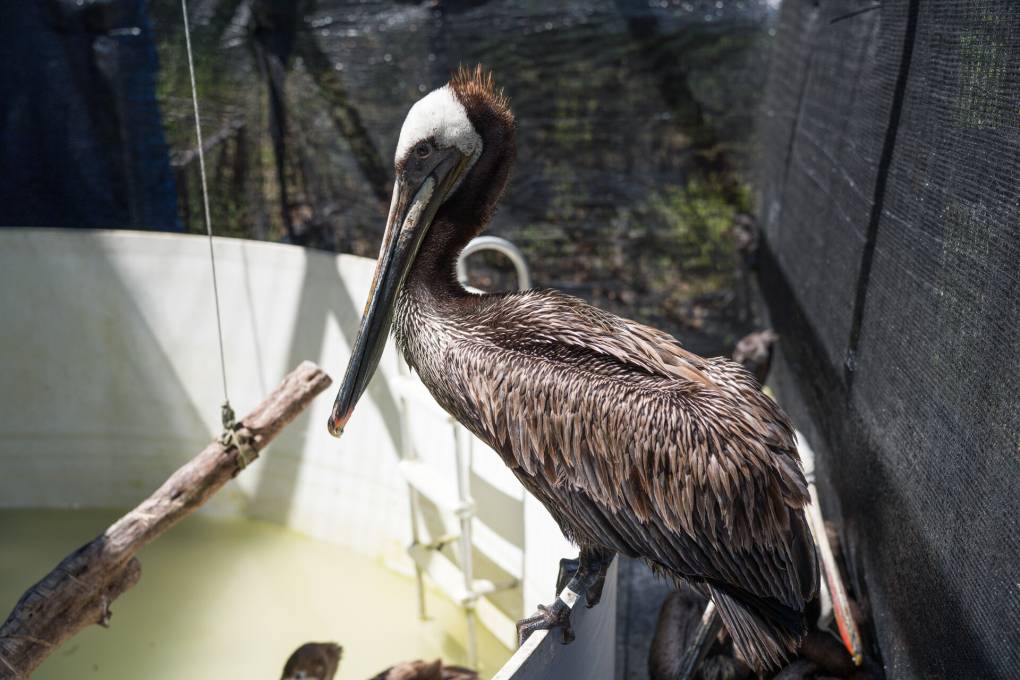
"caption": "A rescued brown pelican perches on the edge of a pool at the SPCA of Monterey County on May 13, 2024.",
"credit": "Alix Soliman/KQED",
"altTag": "A white and brown bird stands on the edge of a white pool.",
"description": null,
"imgSizes": {
"medium": {
"file": "https://cdn.kqed.org/wp-content/uploads/sites/35/2024/05/240513-BrownPelicans-AlixSoliman-01_qut-800x533.jpg",
"width": 800,
"height": 533,
"mimeType": "image/jpeg"
},
"large": {
"file": "https://cdn.kqed.org/wp-content/uploads/sites/35/2024/05/240513-BrownPelicans-AlixSoliman-01_qut-1020x680.jpg",
"width": 1020,
"height": 680,
"mimeType": "image/jpeg"
},
"thumbnail": {
"file": "https://cdn.kqed.org/wp-content/uploads/sites/35/2024/05/240513-BrownPelicans-AlixSoliman-01_qut-160x107.jpg",
"width": 160,
"height": 107,
"mimeType": "image/jpeg"
},
"medium_large": {
"file": "https://cdn.kqed.org/wp-content/uploads/sites/35/2024/05/240513-BrownPelicans-AlixSoliman-01_qut-768x512.jpg",
"width": 768,
"height": 512,
"mimeType": "image/jpeg"
},
"1536x1536": {
"file": "https://cdn.kqed.org/wp-content/uploads/sites/35/2024/05/240513-BrownPelicans-AlixSoliman-01_qut-1536x1024.jpg",
"width": 1536,
"height": 1024,
"mimeType": "image/jpeg"
},
"post-thumbnail": {
"file": "https://cdn.kqed.org/wp-content/uploads/sites/35/2024/05/240513-BrownPelicans-AlixSoliman-01_qut-672x372.jpg",
"width": 672,
"height": 372,
"mimeType": "image/jpeg"
},
"twentyfourteen-full-width": {
"file": "https://cdn.kqed.org/wp-content/uploads/sites/35/2024/05/240513-BrownPelicans-AlixSoliman-01_qut-1038x576.jpg",
"width": 1038,
"height": 576,
"mimeType": "image/jpeg"
},
"kqedFullSize": {
"file": "https://cdn.kqed.org/wp-content/uploads/sites/35/2024/05/240513-BrownPelicans-AlixSoliman-01_qut.jpg",
"width": 1920,
"height": 1280
}
},
"isLoading": false,
"fetchFailed": false
},
"science_1992869": {
"type": "attachments",
"id": "science_1992869",
"meta": {
"index": "attachments_1716263798",
"site": "science",
"id": "1992869",
"found": true
},
"parent": 1992868,
"imgSizes": {
"twentyfourteen-full-width": {
"file": "https://cdn.kqed.org/wp-content/uploads/sites/35/2024/05/montereybayaquarium_seaotter_rockanvil_scallop-6b228a9021812c1d204e8a3a456b5a784db535af-1038x576.jpg",
"width": 1038,
"mimeType": "image/jpeg",
"height": 576
},
"thumbnail": {
"file": "https://cdn.kqed.org/wp-content/uploads/sites/35/2024/05/montereybayaquarium_seaotter_rockanvil_scallop-6b228a9021812c1d204e8a3a456b5a784db535af-160x120.jpg",
"width": 160,
"mimeType": "image/jpeg",
"height": 120
},
"post-thumbnail": {
"file": "https://cdn.kqed.org/wp-content/uploads/sites/35/2024/05/montereybayaquarium_seaotter_rockanvil_scallop-6b228a9021812c1d204e8a3a456b5a784db535af-672x372.jpg",
"width": 672,
"mimeType": "image/jpeg",
"height": 372
},
"kqedFullSize": {
"file": "https://cdn.kqed.org/wp-content/uploads/sites/35/2024/05/montereybayaquarium_seaotter_rockanvil_scallop-6b228a9021812c1d204e8a3a456b5a784db535af.jpg",
"width": 2359,
"height": 1769
},
"2048x2048": {
"file": "https://cdn.kqed.org/wp-content/uploads/sites/35/2024/05/montereybayaquarium_seaotter_rockanvil_scallop-6b228a9021812c1d204e8a3a456b5a784db535af-2048x1536.jpg",
"width": 2048,
"mimeType": "image/jpeg",
"height": 1536
},
"large": {
"file": "https://cdn.kqed.org/wp-content/uploads/sites/35/2024/05/montereybayaquarium_seaotter_rockanvil_scallop-6b228a9021812c1d204e8a3a456b5a784db535af-1020x765.jpg",
"width": 1020,
"mimeType": "image/jpeg",
"height": 765
},
"1536x1536": {
"file": "https://cdn.kqed.org/wp-content/uploads/sites/35/2024/05/montereybayaquarium_seaotter_rockanvil_scallop-6b228a9021812c1d204e8a3a456b5a784db535af-1536x1152.jpg",
"width": 1536,
"mimeType": "image/jpeg",
"height": 1152
},
"full-width": {
"file": "https://cdn.kqed.org/wp-content/uploads/sites/35/2024/05/montereybayaquarium_seaotter_rockanvil_scallop-6b228a9021812c1d204e8a3a456b5a784db535af-1920x1440.jpg",
"width": 1920,
"mimeType": "image/jpeg",
"height": 1440
},
"medium": {
"file": "https://cdn.kqed.org/wp-content/uploads/sites/35/2024/05/montereybayaquarium_seaotter_rockanvil_scallop-6b228a9021812c1d204e8a3a456b5a784db535af-800x600.jpg",
"width": 800,
"mimeType": "image/jpeg",
"height": 600
},
"medium_large": {
"file": "https://cdn.kqed.org/wp-content/uploads/sites/35/2024/05/montereybayaquarium_seaotter_rockanvil_scallop-6b228a9021812c1d204e8a3a456b5a784db535af-768x576.jpg",
"width": 768,
"mimeType": "image/jpeg",
"height": 576
}
},
"publishDate": 1716228869,
"modified": 1716228908,
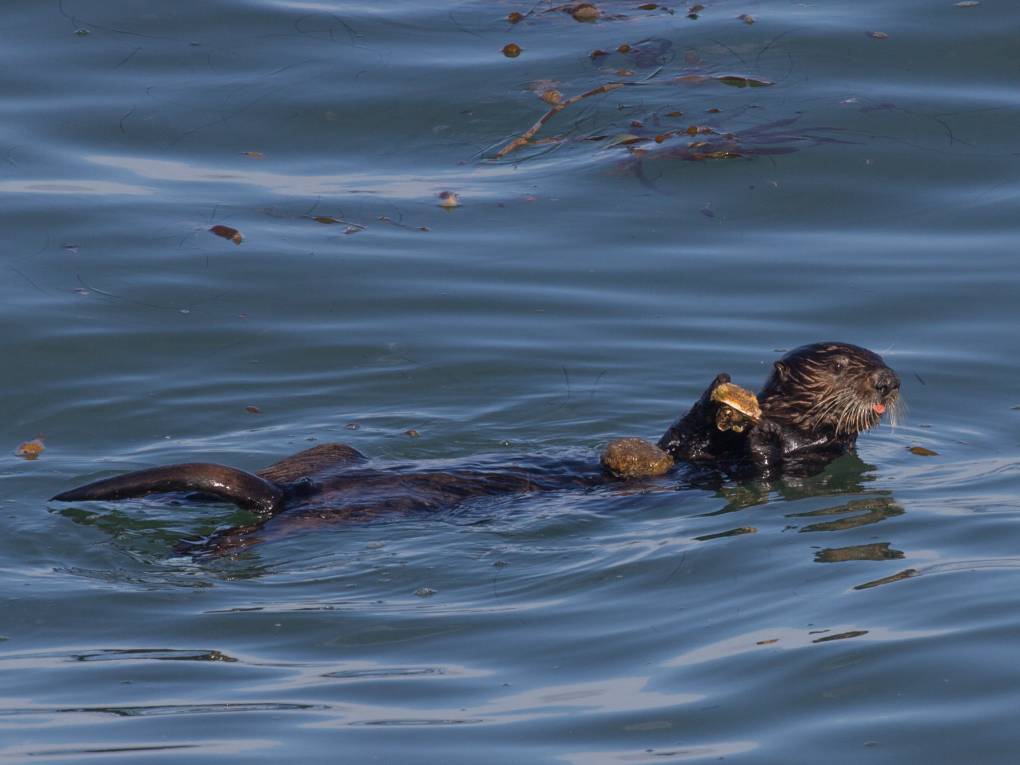
"caption": "A sea otter in Monterey Bay with a rock anvil on its belly and a scallop in its forepaws.",
"description": null,
"title": "A sea otter in Monterey Bay with a rock anvil on its belly and a scallop in its forepaws.",
"credit": "Jessica Fujii",
"status": "inherit",
"altTag": null,
"isLoading": false,
"fetchFailed": false
},
"science_1992725": {
"type": "attachments",
"id": "science_1992725",
"meta": {
"index": "attachments_1716263798",
"site": "science",
"id": "1992725",
"found": true
},
"parent": 1992713,
"imgSizes": {
"twentyfourteen-full-width": {
"file": "https://cdn.kqed.org/wp-content/uploads/sites/35/2024/05/240510-SICK-PELICANS-MD-10-KQED-1-1038x576.jpg",
"width": 1038,
"mimeType": "image/jpeg",
"height": 576
},
"thumbnail": {
"file": "https://cdn.kqed.org/wp-content/uploads/sites/35/2024/05/240510-SICK-PELICANS-MD-10-KQED-1-160x107.jpg",
"width": 160,
"mimeType": "image/jpeg",
"height": 107
},
"post-thumbnail": {
"file": "https://cdn.kqed.org/wp-content/uploads/sites/35/2024/05/240510-SICK-PELICANS-MD-10-KQED-1-672x372.jpg",
"width": 672,
"mimeType": "image/jpeg",
"height": 372
},
"kqedFullSize": {
"file": "https://cdn.kqed.org/wp-content/uploads/sites/35/2024/05/240510-SICK-PELICANS-MD-10-KQED-1.jpg",
"width": 2000,
"height": 1333
},
"large": {
"file": "https://cdn.kqed.org/wp-content/uploads/sites/35/2024/05/240510-SICK-PELICANS-MD-10-KQED-1-1020x680.jpg",
"width": 1020,
"mimeType": "image/jpeg",
"height": 680
},
"1536x1536": {
"file": "https://cdn.kqed.org/wp-content/uploads/sites/35/2024/05/240510-SICK-PELICANS-MD-10-KQED-1-1536x1024.jpg",
"width": 1536,
"mimeType": "image/jpeg",
"height": 1024
},
"full-width": {
"file": "https://cdn.kqed.org/wp-content/uploads/sites/35/2024/05/240510-SICK-PELICANS-MD-10-KQED-1-1920x1280.jpg",
"width": 1920,
"mimeType": "image/jpeg",
"height": 1280
},
"medium": {
"file": "https://cdn.kqed.org/wp-content/uploads/sites/35/2024/05/240510-SICK-PELICANS-MD-10-KQED-1-800x533.jpg",
"width": 800,
"mimeType": "image/jpeg",
"height": 533
},
"medium_large": {
"file": "https://cdn.kqed.org/wp-content/uploads/sites/35/2024/05/240510-SICK-PELICANS-MD-10-KQED-1-768x512.jpg",
"width": 768,
"mimeType": "image/jpeg",
"height": 512
}
},
"publishDate": 1715477285,
"modified": 1715477334,
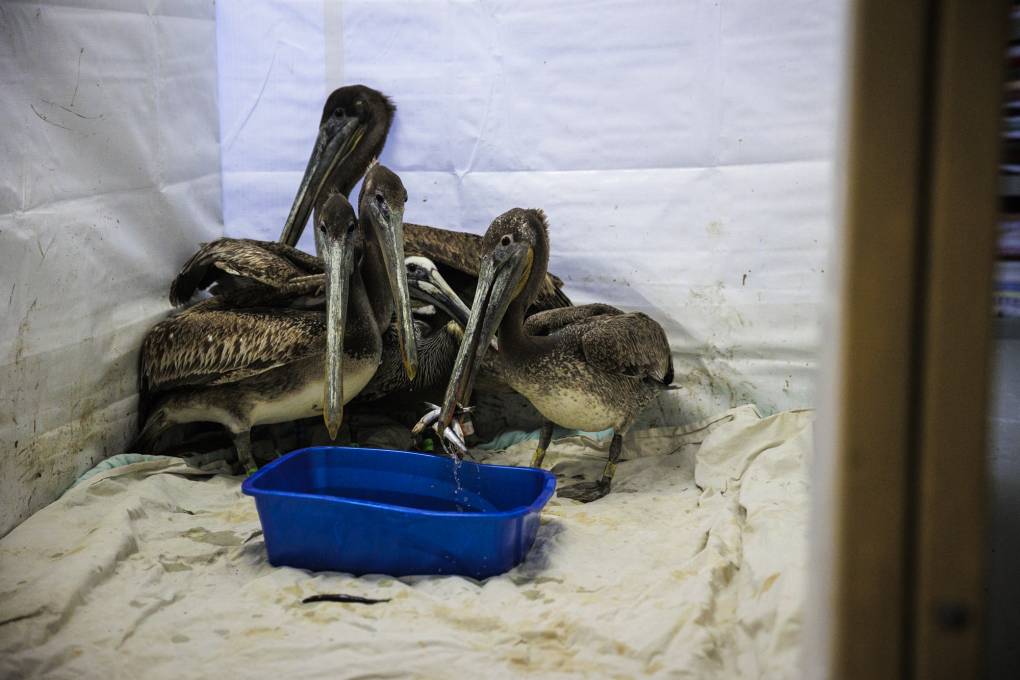
"caption": "Rescued California Brown Pelicans are fed frozen fish at International Bird Rescue in Fairfield on May 11, 2024.",
"description": null,
"title": "240510-SICK PELICANS-MD-10-KQED-1",
"credit": "Martin do Nascimento/KQED",
"status": "inherit",
"altTag": null,
"isLoading": false,
"fetchFailed": false
},
"science_1992704": {
"type": "attachments",
"id": "science_1992704",
"meta": {
"index": "attachments_1716263798",
"site": "science",
"id": "1992704",
"found": true
},
"parent": 1992430,
"imgSizes": {
"twentyfourteen-full-width": {
"file": "https://cdn.kqed.org/wp-content/uploads/sites/35/2024/05/DL1106_Meet_the_Bug_You_Didnt_Know_You_Were_Eating_KQED-B-1038x576.jpg",
"width": 1038,
"mimeType": "image/jpeg",
"height": 576
},
"thumbnail": {
"file": "https://cdn.kqed.org/wp-content/uploads/sites/35/2024/05/DL1106_Meet_the_Bug_You_Didnt_Know_You_Were_Eating_KQED-B-160x90.jpg",
"width": 160,
"mimeType": "image/jpeg",
"height": 90
},
"post-thumbnail": {
"file": "https://cdn.kqed.org/wp-content/uploads/sites/35/2024/05/DL1106_Meet_the_Bug_You_Didnt_Know_You_Were_Eating_KQED-B-672x372.jpg",
"width": 672,
"mimeType": "image/jpeg",
"height": 372
},
"kqedFullSize": {
"file": "https://cdn.kqed.org/wp-content/uploads/sites/35/2024/05/DL1106_Meet_the_Bug_You_Didnt_Know_You_Were_Eating_KQED-B.jpg",
"width": 1920,
"height": 1080
},
"large": {
"file": "https://cdn.kqed.org/wp-content/uploads/sites/35/2024/05/DL1106_Meet_the_Bug_You_Didnt_Know_You_Were_Eating_KQED-B-1020x574.jpg",
"width": 1020,
"mimeType": "image/jpeg",
"height": 574
},
"1536x1536": {
"file": "https://cdn.kqed.org/wp-content/uploads/sites/35/2024/05/DL1106_Meet_the_Bug_You_Didnt_Know_You_Were_Eating_KQED-B-1536x864.jpg",
"width": 1536,
"mimeType": "image/jpeg",
"height": 864
},
"medium": {
"file": "https://cdn.kqed.org/wp-content/uploads/sites/35/2024/05/DL1106_Meet_the_Bug_You_Didnt_Know_You_Were_Eating_KQED-B-800x450.jpg",
"width": 800,
"mimeType": "image/jpeg",
"height": 450
},
"medium_large": {
"file": "https://cdn.kqed.org/wp-content/uploads/sites/35/2024/05/DL1106_Meet_the_Bug_You_Didnt_Know_You_Were_Eating_KQED-B-768x432.jpg",
"width": 768,
"mimeType": "image/jpeg",
"height": 432
}
},
"publishDate": 1715395596,
"modified": 1715395596,
"caption": null,
"description": null,
"title": "DL1106_Meet_the_Bug_You_Didnt_Know_You_Were_Eating_KQED-B",
"credit": null,
"status": "inherit",
"altTag": null,
"isLoading": false,
"fetchFailed": false
},
"science_1992557": {
"type": "attachments",
"id": "science_1992557",
"meta": {
"index": "attachments_1716263798",
"site": "science",
"id": "1992557",
"found": true
},
"parent": 1992580,
"imgSizes": {
"twentyfourteen-full-width": {
"file": "https://cdn.kqed.org/wp-content/uploads/sites/35/2024/05/230814-AlvisoBay-23-BL_qut-1038x576.jpg",
"width": 1038,
"mimeType": "image/jpeg",
"height": 576
},
"thumbnail": {
"file": "https://cdn.kqed.org/wp-content/uploads/sites/35/2024/05/230814-AlvisoBay-23-BL_qut-160x107.jpg",
"width": 160,
"mimeType": "image/jpeg",
"height": 107
},
"post-thumbnail": {
"file": "https://cdn.kqed.org/wp-content/uploads/sites/35/2024/05/230814-AlvisoBay-23-BL_qut-672x372.jpg",
"width": 672,
"mimeType": "image/jpeg",
"height": 372
},
"kqedFullSize": {
"file": "https://cdn.kqed.org/wp-content/uploads/sites/35/2024/05/230814-AlvisoBay-23-BL_qut.jpg",
"width": 1920,
"height": 1280
},
"large": {
"file": "https://cdn.kqed.org/wp-content/uploads/sites/35/2024/05/230814-AlvisoBay-23-BL_qut-1020x680.jpg",
"width": 1020,
"mimeType": "image/jpeg",
"height": 680
},
"1536x1536": {
"file": "https://cdn.kqed.org/wp-content/uploads/sites/35/2024/05/230814-AlvisoBay-23-BL_qut-1536x1024.jpg",
"width": 1536,
"mimeType": "image/jpeg",
"height": 1024
},
"medium": {
"file": "https://cdn.kqed.org/wp-content/uploads/sites/35/2024/05/230814-AlvisoBay-23-BL_qut-800x533.jpg",
"width": 800,
"mimeType": "image/jpeg",
"height": 533
},
"medium_large": {
"file": "https://cdn.kqed.org/wp-content/uploads/sites/35/2024/05/230814-AlvisoBay-23-BL_qut-768x512.jpg",
"width": 768,
"mimeType": "image/jpeg",
"height": 512
}
},
"publishDate": 1714611223,
"modified": 1714829247,
"caption": "Clumps of salt stick out of the water at a salt pond in Alviso on Aug. 15, 2023, a district of San José located on the southern shores of San Francisco Bay.",
"description": null,
"title": "230814-AlvisoBay-23-BL_qut",
"credit": "Beth LaBerge/KQED",
"status": "inherit",
"altTag": null,
"isLoading": false,
"fetchFailed": false
},
"science_1992564": {
"type": "attachments",
"id": "science_1992564",
"meta": {
"index": "attachments_1716263798",
"site": "science",
"id": "1992564",
"found": true
},
"parent": 1992558,
"imgSizes": {
"twentyfourteen-full-width": {
"file": "https://cdn.kqed.org/wp-content/uploads/sites/35/2024/05/GettyImages-93084798-1038x576.jpg",
"width": 1038,
"mimeType": "image/jpeg",
"height": 576
},
"thumbnail": {
"file": "https://cdn.kqed.org/wp-content/uploads/sites/35/2024/05/GettyImages-93084798-160x107.jpg",
"width": 160,
"mimeType": "image/jpeg",
"height": 107
},
"post-thumbnail": {
"file": "https://cdn.kqed.org/wp-content/uploads/sites/35/2024/05/GettyImages-93084798-672x372.jpg",
"width": 672,
"mimeType": "image/jpeg",
"height": 372
},
"kqedFullSize": {
"file": "https://cdn.kqed.org/wp-content/uploads/sites/35/2024/05/GettyImages-93084798-scaled.jpg",
"width": 2560,
"height": 1715
},
"2048x2048": {
"file": "https://cdn.kqed.org/wp-content/uploads/sites/35/2024/05/GettyImages-93084798-2048x1372.jpg",
"width": 2048,
"mimeType": "image/jpeg",
"height": 1372
},
"large": {
"file": "https://cdn.kqed.org/wp-content/uploads/sites/35/2024/05/GettyImages-93084798-1020x683.jpg",
"width": 1020,
"mimeType": "image/jpeg",
"height": 683
},
"1536x1536": {
"file": "https://cdn.kqed.org/wp-content/uploads/sites/35/2024/05/GettyImages-93084798-1536x1029.jpg",
"width": 1536,
"mimeType": "image/jpeg",
"height": 1029
},
"full-width": {
"file": "https://cdn.kqed.org/wp-content/uploads/sites/35/2024/05/GettyImages-93084798-1920x1286.jpg",
"width": 1920,
"mimeType": "image/jpeg",
"height": 1286
},
"medium": {
"file": "https://cdn.kqed.org/wp-content/uploads/sites/35/2024/05/GettyImages-93084798-800x536.jpg",
"width": 800,
"mimeType": "image/jpeg",
"height": 536
},
"medium_large": {
"file": "https://cdn.kqed.org/wp-content/uploads/sites/35/2024/05/GettyImages-93084798-768x515.jpg",
"width": 768,
"mimeType": "image/jpeg",
"height": 515
}
},
"publishDate": 1714667945,
"modified": 1714680033,
"caption": "FathomVerse is a free game that allows anyone with a phone or tablet to participate in ocean exploration and discovery.",
"description": null,
"title": "Jelly fishes",
"credit": "Monterey Bay Aquarium",
"status": "inherit",
"altTag": "Illuminating jellyfish are seen swimming in water that appears to be blue.",
"isLoading": false,
"fetchFailed": false
},
"science_1992343": {
"type": "attachments",
"id": "science_1992343",
"meta": {
"index": "attachments_1716263798",
"site": "science",
"id": "1992343",
"found": true
},
"parent": 1992309,
"imgSizes": {
"twentyfourteen-full-width": {
"file": "https://cdn.kqed.org/wp-content/uploads/sites/35/2024/04/DSC_0117-1038x576.jpg",
"width": 1038,
"mimeType": "image/jpeg",
"height": 576
},
"thumbnail": {
"file": "https://cdn.kqed.org/wp-content/uploads/sites/35/2024/04/DSC_0117-160x107.jpg",
"width": 160,
"mimeType": "image/jpeg",
"height": 107
},
"post-thumbnail": {
"file": "https://cdn.kqed.org/wp-content/uploads/sites/35/2024/04/DSC_0117-672x372.jpg",
"width": 672,
"mimeType": "image/jpeg",
"height": 372
},
"kqedFullSize": {
"file": "https://cdn.kqed.org/wp-content/uploads/sites/35/2024/04/DSC_0117.jpg",
"width": 1620,
"height": 1080
},
"large": {
"file": "https://cdn.kqed.org/wp-content/uploads/sites/35/2024/04/DSC_0117-1020x680.jpg",
"width": 1020,
"mimeType": "image/jpeg",
"height": 680
},
"1536x1536": {
"file": "https://cdn.kqed.org/wp-content/uploads/sites/35/2024/04/DSC_0117-1536x1024.jpg",
"width": 1536,
"mimeType": "image/jpeg",
"height": 1024
},
"medium": {
"file": "https://cdn.kqed.org/wp-content/uploads/sites/35/2024/04/DSC_0117-800x533.jpg",
"width": 800,
"mimeType": "image/jpeg",
"height": 533
},
"medium_large": {
"file": "https://cdn.kqed.org/wp-content/uploads/sites/35/2024/04/DSC_0117-768x512.jpg",
"width": 768,
"mimeType": "image/jpeg",
"height": 512
}
},
"publishDate": 1712809912,
"modified": 1712810045,
"caption": "Empty docks at Fisherman's Warf on April 10, 2024. ",
"description": null,
"title": "DSC_0117",
"credit": "Beth LaBerge/KQED",
"status": "inherit",
"altTag": "Boats and docks as the sun sets.",
"isLoading": false,
"fetchFailed": false
},
"science_1994137": {
"type": "attachments",
"id": "science_1994137",
"meta": {
"index": "attachments_1716263798",
"site": "science",
"id": "1994137",
"found": true
},
"title": "DL1104-These-Solar-Powered-Carnivorous-Flatworms-Divide-and-Conquer-KQED-C",
"publishDate": 1725490208,
"status": "inherit",
"parent": 1991736,
"modified": 1725490208,
"caption": null,
"credit": null,
"altTag": null,
"description": null,
"imgSizes": {
"medium": {
"file": "https://cdn.kqed.org/wp-content/uploads/sites/35/2024/03/DL1104-These-Solar-Powered-Carnivorous-Flatworms-Divide-and-Conquer-KQED-C-1-800x450.jpg",
"width": 800,
"height": 450,
"mimeType": "image/jpeg"
},
"large": {
"file": "https://cdn.kqed.org/wp-content/uploads/sites/35/2024/03/DL1104-These-Solar-Powered-Carnivorous-Flatworms-Divide-and-Conquer-KQED-C-1-1020x574.jpg",
"width": 1020,
"height": 574,
"mimeType": "image/jpeg"
},
"thumbnail": {
"file": "https://cdn.kqed.org/wp-content/uploads/sites/35/2024/03/DL1104-These-Solar-Powered-Carnivorous-Flatworms-Divide-and-Conquer-KQED-C-1-160x90.jpg",
"width": 160,
"height": 90,
"mimeType": "image/jpeg"
},
"medium_large": {
"file": "https://cdn.kqed.org/wp-content/uploads/sites/35/2024/03/DL1104-These-Solar-Powered-Carnivorous-Flatworms-Divide-and-Conquer-KQED-C-1-768x432.jpg",
"width": 768,
"height": 432,
"mimeType": "image/jpeg"
},
"1536x1536": {
"file": "https://cdn.kqed.org/wp-content/uploads/sites/35/2024/03/DL1104-These-Solar-Powered-Carnivorous-Flatworms-Divide-and-Conquer-KQED-C-1-1536x864.jpg",
"width": 1536,
"height": 864,
"mimeType": "image/jpeg"
},
"post-thumbnail": {
"file": "https://cdn.kqed.org/wp-content/uploads/sites/35/2024/03/DL1104-These-Solar-Powered-Carnivorous-Flatworms-Divide-and-Conquer-KQED-C-1-672x372.jpg",
"width": 672,
"height": 372,
"mimeType": "image/jpeg"
},
"twentyfourteen-full-width": {
"file": "https://cdn.kqed.org/wp-content/uploads/sites/35/2024/03/DL1104-These-Solar-Powered-Carnivorous-Flatworms-Divide-and-Conquer-KQED-C-1-1038x576.jpg",
"width": 1038,
"height": 576,
"mimeType": "image/jpeg"
},
"kqedFullSize": {
"file": "https://cdn.kqed.org/wp-content/uploads/sites/35/2024/03/DL1104-These-Solar-Powered-Carnivorous-Flatworms-Divide-and-Conquer-KQED-C-1.jpg",
"width": 1920,
"height": 1080
}
},
"isLoading": false,
"fetchFailed": false
},
"science_1991712": {
"type": "attachments",
"id": "science_1991712",
"meta": {
"index": "attachments_1716263798",
"site": "science",
"id": "1991712",
"found": true
},
"parent": 1991709,
"imgSizes": {
"twentyfourteen-full-width": {
"file": "https://cdn.kqed.org/wp-content/uploads/sites/35/2024/03/iStock-149125297-1038x576.jpg",
"width": 1038,
"mimeType": "image/jpeg",
"height": 576
},
"thumbnail": {
"file": "https://cdn.kqed.org/wp-content/uploads/sites/35/2024/03/iStock-149125297-160x107.jpg",
"width": 160,
"mimeType": "image/jpeg",
"height": 107
},
"post-thumbnail": {
"file": "https://cdn.kqed.org/wp-content/uploads/sites/35/2024/03/iStock-149125297-672x372.jpg",
"width": 672,
"mimeType": "image/jpeg",
"height": 372
},
"kqedFullSize": {
"file": "https://cdn.kqed.org/wp-content/uploads/sites/35/2024/03/iStock-149125297.jpg",
"width": 2121,
"height": 1414
},
"2048x2048": {
"file": "https://cdn.kqed.org/wp-content/uploads/sites/35/2024/03/iStock-149125297-2048x1365.jpg",
"width": 2048,
"mimeType": "image/jpeg",
"height": 1365
},
"large": {
"file": "https://cdn.kqed.org/wp-content/uploads/sites/35/2024/03/iStock-149125297-1020x680.jpg",
"width": 1020,
"mimeType": "image/jpeg",
"height": 680
},
"1536x1536": {
"file": "https://cdn.kqed.org/wp-content/uploads/sites/35/2024/03/iStock-149125297-1536x1024.jpg",
"width": 1536,
"mimeType": "image/jpeg",
"height": 1024
},
"full-width": {
"file": "https://cdn.kqed.org/wp-content/uploads/sites/35/2024/03/iStock-149125297-1920x1280.jpg",
"width": 1920,
"mimeType": "image/jpeg",
"height": 1280
},
"medium": {
"file": "https://cdn.kqed.org/wp-content/uploads/sites/35/2024/03/iStock-149125297-800x533.jpg",
"width": 800,
"mimeType": "image/jpeg",
"height": 533
},
"medium_large": {
"file": "https://cdn.kqed.org/wp-content/uploads/sites/35/2024/03/iStock-149125297-768x512.jpg",
"width": 768,
"mimeType": "image/jpeg",
"height": 512
}
},
"publishDate": 1709663439,
"modified": 1709663472,
"caption": "Red sea urchin on a rock at tide pools in Crystal Cove, California.",
"description": null,
"title": "California Red Sea Urchin",
"credit": "aaronnystrom/iStock",
"status": "inherit",
"altTag": null,
"isLoading": false,
"fetchFailed": false
},
"science_1994138": {
"type": "attachments",
"id": "science_1994138",
"meta": {
"index": "attachments_1716263798",
"site": "science",
"id": "1994138",
"found": true
},
"title": "YoutTube Thumbnail2",
"publishDate": 1725490577,
"status": "inherit",
"parent": 1991514,
"modified": 1725490577,
"caption": null,
"credit": null,
"altTag": null,
"description": null,
"imgSizes": {
"medium": {
"file": "https://cdn.kqed.org/wp-content/uploads/sites/35/2024/02/DEEP_1103_Thats_Not_Rain_Thats_Super_powered_Pee_shield_D-800x450.jpg",
"width": 800,
"height": 450,
"mimeType": "image/jpeg"
},
"large": {
"file": "https://cdn.kqed.org/wp-content/uploads/sites/35/2024/02/DEEP_1103_Thats_Not_Rain_Thats_Super_powered_Pee_shield_D-1020x574.jpg",
"width": 1020,
"height": 574,
"mimeType": "image/jpeg"
},
"thumbnail": {
"file": "https://cdn.kqed.org/wp-content/uploads/sites/35/2024/02/DEEP_1103_Thats_Not_Rain_Thats_Super_powered_Pee_shield_D-160x90.jpg",
"width": 160,
"height": 90,
"mimeType": "image/jpeg"
},
"medium_large": {
"file": "https://cdn.kqed.org/wp-content/uploads/sites/35/2024/02/DEEP_1103_Thats_Not_Rain_Thats_Super_powered_Pee_shield_D-768x432.jpg",
"width": 768,
"height": 432,
"mimeType": "image/jpeg"
},
"1536x1536": {
"file": "https://cdn.kqed.org/wp-content/uploads/sites/35/2024/02/DEEP_1103_Thats_Not_Rain_Thats_Super_powered_Pee_shield_D-1536x864.jpg",
"width": 1536,
"height": 864,
"mimeType": "image/jpeg"
},
"2048x2048": {
"file": "https://cdn.kqed.org/wp-content/uploads/sites/35/2024/02/DEEP_1103_Thats_Not_Rain_Thats_Super_powered_Pee_shield_D-2048x1152.jpg",
"width": 2048,
"height": 1152,
"mimeType": "image/jpeg"
},
"post-thumbnail": {
"file": "https://cdn.kqed.org/wp-content/uploads/sites/35/2024/02/DEEP_1103_Thats_Not_Rain_Thats_Super_powered_Pee_shield_D-672x372.jpg",
"width": 672,
"height": 372,
"mimeType": "image/jpeg"
},
"twentyfourteen-full-width": {
"file": "https://cdn.kqed.org/wp-content/uploads/sites/35/2024/02/DEEP_1103_Thats_Not_Rain_Thats_Super_powered_Pee_shield_D-1038x576.jpg",
"width": 1038,
"height": 576,
"mimeType": "image/jpeg"
},
"full-width": {
"file": "https://cdn.kqed.org/wp-content/uploads/sites/35/2024/02/DEEP_1103_Thats_Not_Rain_Thats_Super_powered_Pee_shield_D-1920x1080.jpg",
"width": 1920,
"height": 1080,
"mimeType": "image/jpeg"
},
"kqedFullSize": {
"file": "https://cdn.kqed.org/wp-content/uploads/sites/35/2024/02/DEEP_1103_Thats_Not_Rain_Thats_Super_powered_Pee_shield_D-scaled.jpg",
"width": 2560,
"height": 1440
}
},
"isLoading": false,
"fetchFailed": false
},
"science_1994139": {
"type": "attachments",
"id": "science_1994139",
"meta": {
"index": "attachments_1716263798",
"site": "science",
"id": "1994139",
"found": true
},
"title": "DL1102-To-Survive-Corals-Turn-the-Ocean-into-a-Giant-Snow-Globe-KQED-C",
"publishDate": 1725490713,
"status": "inherit",
"parent": 1991266,
"modified": 1725490713,
"caption": null,
"credit": null,
"altTag": null,
"description": null,
"imgSizes": {
"medium": {
"file": "https://cdn.kqed.org/wp-content/uploads/sites/35/2024/02/DL1102-To-Survive-Corals-Turn-the-Ocean-into-a-Giant-Snow-Globe-KQED-C-800x450.jpg",
"width": 800,
"height": 450,
"mimeType": "image/jpeg"
},
"large": {
"file": "https://cdn.kqed.org/wp-content/uploads/sites/35/2024/02/DL1102-To-Survive-Corals-Turn-the-Ocean-into-a-Giant-Snow-Globe-KQED-C-1020x574.jpg",
"width": 1020,
"height": 574,
"mimeType": "image/jpeg"
},
"thumbnail": {
"file": "https://cdn.kqed.org/wp-content/uploads/sites/35/2024/02/DL1102-To-Survive-Corals-Turn-the-Ocean-into-a-Giant-Snow-Globe-KQED-C-160x90.jpg",
"width": 160,
"height": 90,
"mimeType": "image/jpeg"
},
"medium_large": {
"file": "https://cdn.kqed.org/wp-content/uploads/sites/35/2024/02/DL1102-To-Survive-Corals-Turn-the-Ocean-into-a-Giant-Snow-Globe-KQED-C-768x432.jpg",
"width": 768,
"height": 432,
"mimeType": "image/jpeg"
},
"1536x1536": {
"file": "https://cdn.kqed.org/wp-content/uploads/sites/35/2024/02/DL1102-To-Survive-Corals-Turn-the-Ocean-into-a-Giant-Snow-Globe-KQED-C-1536x864.jpg",
"width": 1536,
"height": 864,
"mimeType": "image/jpeg"
},
"post-thumbnail": {
"file": "https://cdn.kqed.org/wp-content/uploads/sites/35/2024/02/DL1102-To-Survive-Corals-Turn-the-Ocean-into-a-Giant-Snow-Globe-KQED-C-672x372.jpg",
"width": 672,
"height": 372,
"mimeType": "image/jpeg"
},
"twentyfourteen-full-width": {
"file": "https://cdn.kqed.org/wp-content/uploads/sites/35/2024/02/DL1102-To-Survive-Corals-Turn-the-Ocean-into-a-Giant-Snow-Globe-KQED-C-1038x576.jpg",
"width": 1038,
"height": 576,
"mimeType": "image/jpeg"
},
"kqedFullSize": {
"file": "https://cdn.kqed.org/wp-content/uploads/sites/35/2024/02/DL1102-To-Survive-Corals-Turn-the-Ocean-into-a-Giant-Snow-Globe-KQED-C.jpg",
"width": 1920,
"height": 1080
}
},
"isLoading": false,
"fetchFailed": false
},
"science_1991213": {
"type": "attachments",
"id": "science_1991213",
"meta": {
"index": "attachments_1716263798",
"site": "science",
"id": "1991213",
"found": true
},
"parent": 1991212,
"imgSizes": {
"thumbnail": {
"file": "https://cdn.kqed.org/wp-content/uploads/sites/35/2024/01/26972424160_9285ef31ed_b_custom-c1c4497b82e8dcdad49474b35457fd4b1600ac98-160x63.jpg",
"width": 160,
"mimeType": "image/jpeg",
"height": 63
},
"post-thumbnail": {
"file": "https://cdn.kqed.org/wp-content/uploads/sites/35/2024/01/26972424160_9285ef31ed_b_custom-c1c4497b82e8dcdad49474b35457fd4b1600ac98-672x372.jpg",
"width": 672,
"mimeType": "image/jpeg",
"height": 372
},
"kqedFullSize": {
"file": "https://cdn.kqed.org/wp-content/uploads/sites/35/2024/01/26972424160_9285ef31ed_b_custom-c1c4497b82e8dcdad49474b35457fd4b1600ac98.jpg",
"width": 960,
"height": 375
},
"medium": {
"file": "https://cdn.kqed.org/wp-content/uploads/sites/35/2024/01/26972424160_9285ef31ed_b_custom-c1c4497b82e8dcdad49474b35457fd4b1600ac98-800x313.jpg",
"width": 800,
"mimeType": "image/jpeg",
"height": 313
},
"medium_large": {
"file": "https://cdn.kqed.org/wp-content/uploads/sites/35/2024/01/26972424160_9285ef31ed_b_custom-c1c4497b82e8dcdad49474b35457fd4b1600ac98-768x300.jpg",
"width": 768,
"mimeType": "image/jpeg",
"height": 300
}
},
"publishDate": 1706031321,
"modified": 1706031446,
"caption": "Kelp forests are tiered like terrestrial rainforests and serve as key habitats for many marine animals.",
"description": null,
"title": "Kelp forests",
"credit": "NOAA",
"status": "inherit",
"altTag": null,
"isLoading": false,
"fetchFailed": false
}
},
"audioPlayerReducer": {
"postId": "stream_live",
"isPaused": true,
"isPlaying": false,
"pfsActive": false,
"pledgeModalIsOpen": true,
"playerDrawerIsOpen": false,
"liveAudioPlayStartedAt": 0,
"liveAudioPlayContext": ""
},
"authorsReducer": {
"byline_science_1992933": {
"type": "authors",
"id": "byline_science_1992933",
"meta": {
"override": true
},
"slug": "byline_science_1992933",
"name": "Alix Soliman",
"isLoading": false
},
"byline_science_1992868": {
"type": "authors",
"id": "byline_science_1992868",
"meta": {
"override": true
},
"slug": "byline_science_1992868",
"name": "Nell Greenfieldboyce",
"isLoading": false
},
"byline_science_1992713": {
"type": "authors",
"id": "byline_science_1992713",
"meta": {
"override": true
},
"slug": "byline_science_1992713",
"name": "\u003ca href=\"https://www.kqed.org/author/afinney\">Annelise Finney\u003c/a>",
"isLoading": false
},
"byline_science_1992580": {
"type": "authors",
"id": "byline_science_1992580",
"meta": {
"override": true
},
"slug": "byline_science_1992580",
"name": "\u003ca href=\"https://www.kqed.org/author/jgeha\">Joseph Geha\u003c/a>",
"isLoading": false
},
"byline_science_1991212": {
"type": "authors",
"id": "byline_science_1991212",
"meta": {
"override": true
},
"slug": "byline_science_1991212",
"name": "\u003ca href=\"https://www.npr.org/people/297147967/ari-daniel\">Ari Daniel\u003c/a>",
"isLoading": false
},
"joshua-cassidy": {
"type": "authors",
"id": "6219",
"meta": {
"index": "authors_1716337520",
"id": "6219",
"found": true
},
"name": "Josh Cassidy",
"firstName": "Josh",
"lastName": "Cassidy",
"slug": "joshua-cassidy",
"email": "jcassidy@kqed.org",
"display_author_email": false,
"staff_mastheads": [
"science"
],
"title": "Digital Video Producer",
"bio": "Josh is a Senior Video Producer for KQED Science, and the Lead Producer and Cinematographer for Deep Look. After receiving his BS in Wildlife Biology from Ohio University, he went on to participate in marine mammal research for NOAA, USGS and the Intersea Foundation. He also served as the president of The Pacific Cetacean Group, a nonprofit organization dedicated to teaching students K-6 about whales. Josh studied science and natural history filmmaking at San Francisco State University and Montana State University.",
"avatar": "https://secure.gravatar.com/avatar/f2582a0801a35af53b734d56bcac2bbe?s=600&d=blank&r=g",
"twitter": null,
"facebook": null,
"instagram": null,
"linkedin": null,
"sites": [
{
"site": "science",
"roles": [
"editor"
]
},
{
"site": "quest",
"roles": [
"author",
"edit_others_posts"
]
}
],
"headData": {
"title": "Josh Cassidy | KQED",
"description": "Digital Video Producer",
"ogImgSrc": "https://secure.gravatar.com/avatar/f2582a0801a35af53b734d56bcac2bbe?s=600&d=blank&r=g",
"twImgSrc": "https://secure.gravatar.com/avatar/f2582a0801a35af53b734d56bcac2bbe?s=600&d=blank&r=g"
},
"isLoading": false,
"link": "/author/joshua-cassidy"
},
"smohamad": {
"type": "authors",
"id": "11631",
"meta": {
"index": "authors_1716337520",
"id": "11631",
"found": true
},
"name": "Sarah Mohamad",
"firstName": "Sarah",
"lastName": "Mohamad",
"slug": "smohamad",
"email": "smohamad@KQED.org",
"display_author_email": true,
"staff_mastheads": [],
"title": "Engagement Producer and Reporter, KQED Science",
"bio": "Sarah Mohamad is an audience engagement reporter and producer for KQED Science. She reports on audience-focused science and environment stories and manages the team's social media, newsletter, and engagement efforts. Prior to this role, she played a key role as project manager for NSF's \u003ca href=\"https://www.kqed.org/crackingthecode\">\u003cem>Cracking the Code: Influencing Millennial Science Engagement\u003c/em> \u003c/a>audience research.",
"avatar": "https://secure.gravatar.com/avatar/e6224957cd82d015183756ddde1f928013a563d7ca2e4565f8c4de1ec64886c5?s=600&d=blank&r=g",
"twitter": "sarahkmohamad",
"bluesky": null,
"facebook": null,
"instagram": null,
"linkedin": null,
"sites": [
{
"site": "",
"roles": [
"editor"
]
},
{
"site": "arts",
"roles": [
"editor"
]
},
{
"site": "news",
"roles": [
"editor"
]
},
{
"site": "about",
"roles": [
"editor"
]
},
{
"site": "science",
"roles": [
"editor"
]
}
],
"headData": {
"title": "Sarah Mohamad | KQED",
"description": "Engagement Producer and Reporter, KQED Science",
"ogImgSrc": "https://secure.gravatar.com/avatar/e6224957cd82d015183756ddde1f928013a563d7ca2e4565f8c4de1ec64886c5?s=600&d=blank&r=g",
"twImgSrc": "https://secure.gravatar.com/avatar/e6224957cd82d015183756ddde1f928013a563d7ca2e4565f8c4de1ec64886c5?s=600&d=blank&r=g"
},
"isLoading": false,
"link": "/author/smohamad"
},
"eromero": {
"type": "authors",
"id": "11746",
"meta": {
"index": "authors_1716337520",
"id": "11746",
"found": true
},
"name": "Ezra David Romero",
"firstName": "Ezra David",
"lastName": "Romero",
"slug": "eromero",
"email": "eromero@kqed.org",
"display_author_email": true,
"staff_mastheads": [
"news",
"science"
],
"title": "Climate Reporter",
"bio": "Ezra David Romero is a climate reporter for KQED News. He covers the absence and excess of water in the Bay Area — think sea level rise, flooding and drought. For nearly a decade he’s covered how warming temperatures are altering the lives of Californians. He’s reported on farmers worried their pistachio trees aren’t getting enough sleep, families desperate for water, scientists studying dying giant sequoias, and alongside firefighters containing wildfires. His work has appeared on local stations across California and nationally on public radio shows like Morning Edition, Here and Now, All Things Considered and Science Friday. ",
"avatar": "https://secure.gravatar.com/avatar/c76404d287c10ed40224227551ac36e24352c7306f106632caf6fead76f8801f?s=600&d=blank&r=g",
"twitter": "ezraromero",
"bluesky": null,
"facebook": null,
"instagram": null,
"linkedin": null,
"sites": [
{
"site": "arts",
"roles": [
"editor"
]
},
{
"site": "news",
"roles": [
"editor"
]
},
{
"site": "science",
"roles": [
"editor"
]
},
{
"site": "liveblog",
"roles": [
"author"
]
}
],
"headData": {
"title": "Ezra David Romero | KQED",
"description": "Climate Reporter",
"ogImgSrc": "https://secure.gravatar.com/avatar/c76404d287c10ed40224227551ac36e24352c7306f106632caf6fead76f8801f?s=600&d=blank&r=g",
"twImgSrc": "https://secure.gravatar.com/avatar/c76404d287c10ed40224227551ac36e24352c7306f106632caf6fead76f8801f?s=600&d=blank&r=g"
},
"isLoading": false,
"link": "/author/eromero"
},
"mschiffman": {
"type": "authors",
"id": "11833",
"meta": {
"index": "authors_1716337520",
"id": "11833",
"found": true
},
"name": "Mimi Schiffman",
"firstName": "Mimi",
"lastName": "Schiffman",
"slug": "mschiffman",
"email": "mschiffman@kqed.org",
"display_author_email": false,
"staff_mastheads": [],
"title": "KQED Contributor",
"bio": "Mimi Schiffman is a producer for Deep Look.\r\n\r\nPrior to joining the Deep Look team she made hundreds of stories over more than a decade as a producer, director of photography and/or editor. \r\n\r\nShe's filmed lemurs finger painting (a favorite pastime of the amazing Duke Lemur Center inhabitants), stayed awake for 36 hours while trailing the first person with dwarfism to complete an Ironman (shout out to John Young, aka \"The Hammer\") and got to interview the late, great Anthony Bourdain.\r\n \r\nFun facts: Mimi's first job was weighing foraminifera - single cell organisms - in tiny foil cups, and she once got a river designated as “Wild and scenic.” She’s passionate about animals in general but very specifically her rescue dog, Henry. And her kid, Sierra and husband, Peter.",
"avatar": "https://secure.gravatar.com/avatar/e8b898539bc6a47f47f94992f0f17948?s=600&d=blank&r=g",
"twitter": null,
"facebook": null,
"instagram": null,
"linkedin": null,
"sites": [
{
"site": "science",
"roles": [
"editor"
]
}
],
"headData": {
"title": "Mimi Schiffman | KQED",
"description": "KQED Contributor",
"ogImgSrc": "https://secure.gravatar.com/avatar/e8b898539bc6a47f47f94992f0f17948?s=600&d=blank&r=g",
"twImgSrc": "https://secure.gravatar.com/avatar/e8b898539bc6a47f47f94992f0f17948?s=600&d=blank&r=g"
},
"isLoading": false,
"link": "/author/mschiffman"
},
"rtuiran": {
"type": "authors",
"id": "11858",
"meta": {
"index": "authors_1716337520",
"id": "11858",
"found": true
},
"name": "Rosa Tuirán",
"firstName": "Rosa",
"lastName": "Tuirán",
"slug": "rtuiran",
"email": "rtuiran@kqed.org",
"display_author_email": false,
"staff_mastheads": [
"science"
],
"title": "Digital Video Producer ",
"bio": "Rosa Tuirán is a PBS Accelerator Fellow for Diverse Voices and a video producer for KQED's web science video series, Deep Look. Originally from Mexico City, she studied International Relations for her B.A. After graduating, she pursued her passion for underwater photography in South Africa and later worked as a video journalist for BuzzFeed News in New York City.\r\n\r\nIn 2020, she received her Master of Journalism from the University of California, Berkeley with a focus on documentary filmmaking. During the pandemic's early stages, she was a part of the COVID-19 California reporting initiative with The New York Times and the Investigative Reporting Program. \r\n\r\nHer work has been featured on PBS Frontline, PBS NOVA, CBS News, National Geographic, The Guardian and The New York Times.",
"avatar": "https://secure.gravatar.com/avatar/192c377dfd982c86993f2351bc0d6fb2?s=600&d=blank&r=g",
"twitter": null,
"facebook": null,
"instagram": null,
"linkedin": null,
"sites": [
{
"site": "science",
"roles": [
"editor"
]
}
],
"headData": {
"title": "Rosa Tuirán | KQED",
"description": "Digital Video Producer ",
"ogImgSrc": "https://secure.gravatar.com/avatar/192c377dfd982c86993f2351bc0d6fb2?s=600&d=blank&r=g",
"twImgSrc": "https://secure.gravatar.com/avatar/192c377dfd982c86993f2351bc0d6fb2?s=600&d=blank&r=g"
},
"isLoading": false,
"link": "/author/rtuiran"
}
},
"pagesReducer": {
"science_category_animals": {
"type": "terms",
"id": "science_2874",
"meta": {
"index": "terms_1716263798",
"site": "science",
"id": "2874",
"score": 12.286692
},
"featImg": null,
"name": "Animals",
"description": null,
"taxonomy": "category",
"headData": {
"twImgId": null,
"twTitle": null,
"ogTitle": null,
"ogImgId": null,
"twDescription": null,
"description": null,
"title": "Animals Archives | KQED Science",
"ogDescription": null
},
"ttid": 2874,
"slug": "animals",
"isLoading": false,
"title": "Animals",
"pageMeta": {
"site": "science",
"WpPageTemplate": "page-topic-editorial",
"currentPage": 6
},
"blocks": [
{
"blockName": "kqed/post-list",
"attrs": {
"layout": "cardArticle2",
"query": "posts/science?category=animals",
"seeMore": false,
"paginated": true,
"page": 6
}
},
{
"blockName": "kqed/ad"
}
]
}
},
"pfsSessionReducer": {},
"postsReducer": {
"stream_live": {
"type": "live",
"id": "stream_live",
"audioUrl": "https://streams.kqed.org/kqedradio",
"title": "Live Stream",
"excerpt": "Live Stream information currently unavailable.",
"link": "/radio",
"featImg": "",
"label": {
"name": "KQED Live",
"link": "/"
}
},
"stream_kqedNewscast": {
"type": "posts",
"id": "stream_kqedNewscast",
"audioUrl": "https://www.kqed.org/.stream/anon/radio/RDnews/newscast.mp3?_=1",
"title": "KQED Newscast",
"featImg": "",
"label": {
"name": "88.5 FM",
"link": "/"
}
},
"science_1992933": {
"type": "posts",
"id": "science_1992933",
"meta": {
"index": "posts_1716263798",
"site": "science",
"id": "1992933",
"score": null,
"sort": [
1716469215000
]
},
"guestAuthors": [],
"slug": "california-has-a-theory-on-why-brown-pelicans-are-starving-and-dying",
"title": "California Has a Theory on Why Brown Pelicans Are Starving and Dying",
"publishDate": 1716469215,
"format": "standard",
"headTitle": "California Has a Theory on Why Brown Pelicans Are Starving and Dying | KQED",
"labelTerm": {
"site": "science"
},
"content": "\u003cp>Emaciated brown pelicans are washing up on California shores in the hundreds. State officials and researchers aren’t sure why, but they think it could be weather-related.\u003c/p>\n\u003cp>The state’s working hypothesis is that this situation, similar to what happened in 2022 when nearly 800 starving pelicans were rescued, was likely caused by late spring storms hitting the coast.\u003c/p>\n\u003cp>“The waters were incredibly choppy, it was very windy, visibility was poor,” said Tim Daly, spokesperson for the California Department of Fish and Wildlife. “Our strongest belief at this point is that the pelicans were simply having trouble reaching the fish that were below the surface.”\u003c/p>\n\u003cp>[ad fullwidth]\u003c/p>\n\u003cp>He said there are plenty of fish and noted that anchovies are particularly abundant this year. The pelicans just can’t find them in the murky water.\u003c/p>\n\u003cp>Monterey Bay is a particular hotspot in the state’s rescue effort. The \u003ca href=\"https://www.spcamc.org/programs-resources/wildlife-rescue-rehabilitation/wildlife-rescue.html\">Wildlife Rescue and Rehabilitation Center\u003c/a> at the SPCA of Monterey County has taken in more than 100 famished birds over the past month. Staff there have dedicated two outdoor enclosures to the pelicans and converted a staff bathroom into a heated recovery room for birds that can’t regulate their body temperature. Rescue calls started coming in on April 19 and have not yet stopped.\u003c/p>\n\u003cp>Ciera Duits-Cavanaugh, manager of the wildlife center, said the birds are arriving at half the weight they should be and that most rescues are happening on piers.\u003c/p>\n\u003cfigure id=\"attachment_1992901\" class=\"wp-caption alignnone\" style=\"max-width: 1920px\">\u003cimg loading=\"lazy\" decoding=\"async\" class=\"size-full wp-image-1992901\" src=\"https://cdn.kqed.org/wp-content/uploads/sites/35/2024/05/240513-BrownPelicans-AlixSoliman-06_qut.jpg\" alt=\"A person wearing blue gloves takes a blood sample from a leathery foot of a bird.\" width=\"1920\" height=\"1281\" srcset=\"https://cdn.kqed.org/wp-content/uploads/sites/35/2024/05/240513-BrownPelicans-AlixSoliman-06_qut.jpg 1920w, https://cdn.kqed.org/wp-content/uploads/sites/35/2024/05/240513-BrownPelicans-AlixSoliman-06_qut-800x534.jpg 800w, https://cdn.kqed.org/wp-content/uploads/sites/35/2024/05/240513-BrownPelicans-AlixSoliman-06_qut-1020x681.jpg 1020w, https://cdn.kqed.org/wp-content/uploads/sites/35/2024/05/240513-BrownPelicans-AlixSoliman-06_qut-160x107.jpg 160w, https://cdn.kqed.org/wp-content/uploads/sites/35/2024/05/240513-BrownPelicans-AlixSoliman-06_qut-768x512.jpg 768w, https://cdn.kqed.org/wp-content/uploads/sites/35/2024/05/240513-BrownPelicans-AlixSoliman-06_qut-1536x1025.jpg 1536w\" sizes=\"(max-width: 1920px) 100vw, 1920px\">\u003cfigcaption class=\"wp-caption-text\">Wildlife technicians at SPCA of Monterey County take a blood sample from the foot of a pelican. Like most of the rescued birds, the sample revealed the bird was anemic. \u003ccite>(Alix Soliman/KQED)\u003c/cite>\u003c/figcaption>\u003c/figure>\n\u003cp>“[The birds are] targeting places where there’s easy food, so boats that are off-loading fish onto docks, restaurants — anywhere that they can get a hand-out,” Duits-Cavanaugh said.\u003c/p>\n\u003cp>Cory Utter, the senior wildlife technician at the wildlife center, said they likely are not saving all the pelicans because most people can’t tell if a bird is struggling. There is one sure sign, though.\u003c/p>\n\u003cp>“If you can walk right up to it, and it doesn’t seem bothered by you, then there’s probably something wrong,” Utter said. Officials recommend people call local wildlife centers if that happens.\u003c/p>\n\u003cp>Last week, a mom and her young son reported a weak-looking pelican drooping its beak into a tide pool at Asilomar State Beach in Monterey County. Two SPCA volunteers crouched down on the rocks, scooped up the bird, and placed it in a dog crate. The pelican didn’t resist. After a short drive back to the wildlife center, the volunteers pulled out the crate. The bird’s eyes were open, but its head was cocked to one side, and it was motionless. It had died in transit.\u003c/p>\n\u003ch2>Storms may be to blame\u003c/h2>\n\u003cp>Rebecca Duerr, director of Research and veterinary science at International Bird Rescue, said the explanation that early spring storms limit the bird’s ability to find food makes sense, especially since they’ve tested dead pelicans and ruled out avian flu as a possible cause.\u003c/p>\n\u003cp>“Certainly, the visibility and catchability of fish can be an issue for them because they don’t dive very deep — even the biggest brown pelican can only grab fish about 6 feet deep,” she said.\u003c/p>\n\u003cfigure id=\"attachment_1992900\" class=\"wp-caption alignnone\" style=\"max-width: 1920px\">\u003cimg loading=\"lazy\" decoding=\"async\" class=\"size-full wp-image-1992900\" src=\"https://cdn.kqed.org/wp-content/uploads/sites/35/2024/05/240513-BrownPelicans-AlixSoliman-02_qut.jpg\" alt=\"White and blue birds with long beaks stand on colorful rugs.\" width=\"1920\" height=\"1281\" srcset=\"https://cdn.kqed.org/wp-content/uploads/sites/35/2024/05/240513-BrownPelicans-AlixSoliman-02_qut.jpg 1920w, https://cdn.kqed.org/wp-content/uploads/sites/35/2024/05/240513-BrownPelicans-AlixSoliman-02_qut-800x534.jpg 800w, https://cdn.kqed.org/wp-content/uploads/sites/35/2024/05/240513-BrownPelicans-AlixSoliman-02_qut-1020x681.jpg 1020w, https://cdn.kqed.org/wp-content/uploads/sites/35/2024/05/240513-BrownPelicans-AlixSoliman-02_qut-160x107.jpg 160w, https://cdn.kqed.org/wp-content/uploads/sites/35/2024/05/240513-BrownPelicans-AlixSoliman-02_qut-768x512.jpg 768w, https://cdn.kqed.org/wp-content/uploads/sites/35/2024/05/240513-BrownPelicans-AlixSoliman-02_qut-1536x1025.jpg 1536w\" sizes=\"(max-width: 1920px) 100vw, 1920px\">\u003cfigcaption class=\"wp-caption-text\">Pelicans struggling to regulate their body temperature rest in a warming room at the SPCA Monterey County, between 75–80 degrees Fahrenheit. \u003ccite>(Alix Soliman/KQED)\u003c/cite>\u003c/figcaption>\u003c/figure>\n\u003cp>About one-third to a half of the starving pelicans arriving at rescue centers were injured, she added.\u003c/p>\n\u003cp>“I think that brown pelicans take more risks in their feeding — more likely to go after fishing gear and that sort of stuff — when they’re nutritionally stressed,” Duerr said. “A desperate, hungry pelican can get into trouble.”\u003c/p>\n\u003cp>After an odd weather event in 2010, she said, they were found landing in people’s yards and snatching food off of hot barbecue grills.\u003c/p>\n\u003ch2>Pelicans back from the brink\u003c/h2>\n\u003cp>California brown pelicans \u003ca href=\"https://www.nps.gov/places/000/california-brown-pelican.htm#:~:text=In%20the%201960s%20and%201970s,the%20sea%20as%20the%20cause.\">almost went extinct\u003c/a> in the 1970s. Researchers found that the toxic chemical DDT entered coastal waters, where it was absorbed by the fish pelicans eat. The chemical changed the calcium metabolism in the birds’ bodies, which made them lay eggs with shells too fragile to withstand the weight of incubation. After DDT was banned, the pelicans recovered and were removed from the endangered species list in 2009.\u003c/p>\n\u003cp>[aside postID=science_1992713 hero='https://cdn.kqed.org/wp-content/uploads/sites/35/2024/05/240510-SICK-PELICANS-MD-10-KQED-1-1020x680.jpg']Brown pelicans’ largest breeding colonies are in the Channel Islands and Baja California, Mexico. Nesting season peaks in March and April, and newborns typically arrive in the Bay Area around May. But Duerr said most of the starving pelicans she’s seeing are older.\u003c/p>\n\u003cp>“The Channel Islands colony, we know, has done a lot of chick abandonment, so there probably won’t be any fledglings arriving,” Duerr said.\u003c/p>\n\u003cp>Daniel Anderson is a retired professor from UC Davis who has studied brown pelicans for over 50 years and helped prevent their extinction. He’s planning to check on the Baja colony this month, but he said he’s not optimistic after seeing how they fared earlier this year.\u003c/p>\n\u003cp>“The breeding birds in the Gulf of California are failing miserably,” Anderson said. “Where there would be 20-30,000 nests, this year there were way less than 1000.”\u003c/p>\n\u003cfigure id=\"attachment_1992902\" class=\"wp-caption alignnone\" style=\"max-width: 1920px\">\u003cimg loading=\"lazy\" decoding=\"async\" class=\"size-full wp-image-1992902\" src=\"https://cdn.kqed.org/wp-content/uploads/sites/35/2024/05/240513-BrownPelicans-AlixSoliman-07_qut.jpg\" alt=\"\" width=\"1920\" height=\"1281\" srcset=\"https://cdn.kqed.org/wp-content/uploads/sites/35/2024/05/240513-BrownPelicans-AlixSoliman-07_qut.jpg 1920w, https://cdn.kqed.org/wp-content/uploads/sites/35/2024/05/240513-BrownPelicans-AlixSoliman-07_qut-800x534.jpg 800w, https://cdn.kqed.org/wp-content/uploads/sites/35/2024/05/240513-BrownPelicans-AlixSoliman-07_qut-1020x681.jpg 1020w, https://cdn.kqed.org/wp-content/uploads/sites/35/2024/05/240513-BrownPelicans-AlixSoliman-07_qut-160x107.jpg 160w, https://cdn.kqed.org/wp-content/uploads/sites/35/2024/05/240513-BrownPelicans-AlixSoliman-07_qut-768x512.jpg 768w, https://cdn.kqed.org/wp-content/uploads/sites/35/2024/05/240513-BrownPelicans-AlixSoliman-07_qut-1536x1025.jpg 1536w\" sizes=\"(max-width: 1920px) 100vw, 1920px\">\u003cfigcaption class=\"wp-caption-text\">Nia Newcombe (left) with SPCA volunteers Nancy Cunningham and Philip Johnson after scooping up a starving pelican at Asilomar State Beach. The pelican did not survive. \u003ccite>(Alix Soliman/KQED)\u003c/cite>\u003c/figcaption>\u003c/figure>\n\u003cp>Anderson said the Baja population declined in 2014 during the marine heat wave scientists called “the blob” and has not really recovered since. He also said the pelican population tends to follow the El Niño and La Niña sea surface temperature cycles — doing worse with warm El Niño conditions and better with cold La Niña conditions.\u003c/p>\n\u003cp>California experienced a rare three-year run of La Niña from 2020 to 2023 before El Niño in 2024.\u003c/p>\n\u003cp>The National Oceanic and Atmospheric Administration \u003ca href=\"https://www.cpc.ncep.noaa.gov/products/analysis_monitoring/enso_advisory/ensodisc.shtml\">predicts\u003c/a> we’ll enter neutral conditions soon and may see La Niña emerge this summer. “The surface fish like anchovies, sardines seem to be more available to surface-feeding seabirds during La Niña conditions,” Anderson said.\u003c/p>\n\u003cfigure id=\"attachment_1992898\" class=\"wp-caption alignnone\" style=\"max-width: 1920px\">\u003cimg loading=\"lazy\" decoding=\"async\" class=\"size-full wp-image-1992898\" src=\"https://cdn.kqed.org/wp-content/uploads/sites/35/2024/05/240513-BrownPelicans-AlixSoliman-04_qut.jpg\" alt=\"Six brown and white birds stand inside a fence.\" width=\"1920\" height=\"1281\" srcset=\"https://cdn.kqed.org/wp-content/uploads/sites/35/2024/05/240513-BrownPelicans-AlixSoliman-04_qut.jpg 1920w, https://cdn.kqed.org/wp-content/uploads/sites/35/2024/05/240513-BrownPelicans-AlixSoliman-04_qut-800x534.jpg 800w, https://cdn.kqed.org/wp-content/uploads/sites/35/2024/05/240513-BrownPelicans-AlixSoliman-04_qut-1020x681.jpg 1020w, https://cdn.kqed.org/wp-content/uploads/sites/35/2024/05/240513-BrownPelicans-AlixSoliman-04_qut-160x107.jpg 160w, https://cdn.kqed.org/wp-content/uploads/sites/35/2024/05/240513-BrownPelicans-AlixSoliman-04_qut-768x512.jpg 768w, https://cdn.kqed.org/wp-content/uploads/sites/35/2024/05/240513-BrownPelicans-AlixSoliman-04_qut-1536x1025.jpg 1536w\" sizes=\"(max-width: 1920px) 100vw, 1920px\">\u003cfigcaption class=\"wp-caption-text\">Scraggly birds flap their wings in the breeze and preen their feathers in an enclosure at the SPCA of Monterey County. \u003ccite>(Alix Soliman/KQED)\u003c/cite>\u003c/figcaption>\u003c/figure>\n\u003cp>As climate change is expected to make El Niño cycles \u003ca href=\"https://www.climate.gov/news-features/blogs/enso/has-climate-change-already-affected-enso\">more intense and frequent\u003c/a>, Anderson said pelicans may gradually move north to breed. “It’s a complex situation, and it’s dynamic and moving really fast.”\u003c/p>\n\u003cp>[ad floatright]\u003c/p>\n",
"blocks": [],
"excerpt": "The state’s working hypothesis is that this situation was caused by late spring storms hitting the coast.",
"status": "publish",
"parent": 0,
"modified": 1716478866,
"stats": {
"hasAudio": false,
"hasVideo": false,
"hasChartOrMap": false,
"iframeSrcs": [],
"hasGoogleForm": false,
"hasGallery": false,
"hasHearkenModule": false,
"hasPolis": false,
"paragraphCount": 26,
"wordCount": 1183
},
"headData": {
"title": "California Has a Theory on Why Brown Pelicans Are Starving and Dying | KQED",
"description": "The state’s working hypothesis is that this situation was caused by late spring storms hitting the coast.",
"ogTitle": "",
"ogDescription": "",
"ogImgId": "",
"twTitle": "",
"twDescription": "",
"twImgId": "",
"schema": {
"@context": "https://schema.org",
"@type": "Article",
"headline": "California Has a Theory on Why Brown Pelicans Are Starving and Dying",
"datePublished": "2024-05-23T06:00:15-07:00",
"dateModified": "2024-05-23T08:41:06-07:00",
"image": "https://cdn.kqed.org/wp-content/uploads/2020/02/KQED-OG-Image@1x.png"
}
},
"sticky": false,
"nprByline": "Alix Soliman",
"nprStoryId": "kqed-1992933",
"excludeFromSiteSearch": "Include",
"showOnAuthorArchivePages": "No",
"articleAge": "0",
"path": "/science/1992933/california-has-a-theory-on-why-brown-pelicans-are-starving-and-dying",
"audioTrackLength": null,
"parsedContent": [
{
"type": "contentString",
"content": "\u003cdiv class=\"post-body\">\u003cp>\u003cp>Emaciated brown pelicans are washing up on California shores in the hundreds. State officials and researchers aren’t sure why, but they think it could be weather-related.\u003c/p>\n\u003cp>The state’s working hypothesis is that this situation, similar to what happened in 2022 when nearly 800 starving pelicans were rescued, was likely caused by late spring storms hitting the coast.\u003c/p>\n\u003cp>“The waters were incredibly choppy, it was very windy, visibility was poor,” said Tim Daly, spokesperson for the California Department of Fish and Wildlife. “Our strongest belief at this point is that the pelicans were simply having trouble reaching the fish that were below the surface.”\u003c/p>\n\u003cp>\u003c/p>\u003c/div>",
"attributes": {
"named": {},
"numeric": []
}
},
{
"type": "component",
"content": "",
"name": "ad",
"attributes": {
"named": {
"label": "fullwidth"
},
"numeric": [
"fullwidth"
]
}
},
{
"type": "contentString",
"content": "\u003cdiv class=\"post-body\">\u003cp>\u003c/p>\n\u003cp>He said there are plenty of fish and noted that anchovies are particularly abundant this year. The pelicans just can’t find them in the murky water.\u003c/p>\n\u003cp>Monterey Bay is a particular hotspot in the state’s rescue effort. The \u003ca href=\"https://www.spcamc.org/programs-resources/wildlife-rescue-rehabilitation/wildlife-rescue.html\">Wildlife Rescue and Rehabilitation Center\u003c/a> at the SPCA of Monterey County has taken in more than 100 famished birds over the past month. Staff there have dedicated two outdoor enclosures to the pelicans and converted a staff bathroom into a heated recovery room for birds that can’t regulate their body temperature. Rescue calls started coming in on April 19 and have not yet stopped.\u003c/p>\n\u003cp>Ciera Duits-Cavanaugh, manager of the wildlife center, said the birds are arriving at half the weight they should be and that most rescues are happening on piers.\u003c/p>\n\u003cfigure id=\"attachment_1992901\" class=\"wp-caption alignnone\" style=\"max-width: 1920px\">\u003cimg loading=\"lazy\" decoding=\"async\" class=\"size-full wp-image-1992901\" src=\"https://cdn.kqed.org/wp-content/uploads/sites/35/2024/05/240513-BrownPelicans-AlixSoliman-06_qut.jpg\" alt=\"A person wearing blue gloves takes a blood sample from a leathery foot of a bird.\" width=\"1920\" height=\"1281\" srcset=\"https://cdn.kqed.org/wp-content/uploads/sites/35/2024/05/240513-BrownPelicans-AlixSoliman-06_qut.jpg 1920w, https://cdn.kqed.org/wp-content/uploads/sites/35/2024/05/240513-BrownPelicans-AlixSoliman-06_qut-800x534.jpg 800w, https://cdn.kqed.org/wp-content/uploads/sites/35/2024/05/240513-BrownPelicans-AlixSoliman-06_qut-1020x681.jpg 1020w, https://cdn.kqed.org/wp-content/uploads/sites/35/2024/05/240513-BrownPelicans-AlixSoliman-06_qut-160x107.jpg 160w, https://cdn.kqed.org/wp-content/uploads/sites/35/2024/05/240513-BrownPelicans-AlixSoliman-06_qut-768x512.jpg 768w, https://cdn.kqed.org/wp-content/uploads/sites/35/2024/05/240513-BrownPelicans-AlixSoliman-06_qut-1536x1025.jpg 1536w\" sizes=\"(max-width: 1920px) 100vw, 1920px\">\u003cfigcaption class=\"wp-caption-text\">Wildlife technicians at SPCA of Monterey County take a blood sample from the foot of a pelican. Like most of the rescued birds, the sample revealed the bird was anemic. \u003ccite>(Alix Soliman/KQED)\u003c/cite>\u003c/figcaption>\u003c/figure>\n\u003cp>“[The birds are] targeting places where there’s easy food, so boats that are off-loading fish onto docks, restaurants — anywhere that they can get a hand-out,” Duits-Cavanaugh said.\u003c/p>\n\u003cp>Cory Utter, the senior wildlife technician at the wildlife center, said they likely are not saving all the pelicans because most people can’t tell if a bird is struggling. There is one sure sign, though.\u003c/p>\n\u003cp>“If you can walk right up to it, and it doesn’t seem bothered by you, then there’s probably something wrong,” Utter said. Officials recommend people call local wildlife centers if that happens.\u003c/p>\n\u003cp>Last week, a mom and her young son reported a weak-looking pelican drooping its beak into a tide pool at Asilomar State Beach in Monterey County. Two SPCA volunteers crouched down on the rocks, scooped up the bird, and placed it in a dog crate. The pelican didn’t resist. After a short drive back to the wildlife center, the volunteers pulled out the crate. The bird’s eyes were open, but its head was cocked to one side, and it was motionless. It had died in transit.\u003c/p>\n\u003ch2>Storms may be to blame\u003c/h2>\n\u003cp>Rebecca Duerr, director of Research and veterinary science at International Bird Rescue, said the explanation that early spring storms limit the bird’s ability to find food makes sense, especially since they’ve tested dead pelicans and ruled out avian flu as a possible cause.\u003c/p>\n\u003cp>“Certainly, the visibility and catchability of fish can be an issue for them because they don’t dive very deep — even the biggest brown pelican can only grab fish about 6 feet deep,” she said.\u003c/p>\n\u003cfigure id=\"attachment_1992900\" class=\"wp-caption alignnone\" style=\"max-width: 1920px\">\u003cimg loading=\"lazy\" decoding=\"async\" class=\"size-full wp-image-1992900\" src=\"https://cdn.kqed.org/wp-content/uploads/sites/35/2024/05/240513-BrownPelicans-AlixSoliman-02_qut.jpg\" alt=\"White and blue birds with long beaks stand on colorful rugs.\" width=\"1920\" height=\"1281\" srcset=\"https://cdn.kqed.org/wp-content/uploads/sites/35/2024/05/240513-BrownPelicans-AlixSoliman-02_qut.jpg 1920w, https://cdn.kqed.org/wp-content/uploads/sites/35/2024/05/240513-BrownPelicans-AlixSoliman-02_qut-800x534.jpg 800w, https://cdn.kqed.org/wp-content/uploads/sites/35/2024/05/240513-BrownPelicans-AlixSoliman-02_qut-1020x681.jpg 1020w, https://cdn.kqed.org/wp-content/uploads/sites/35/2024/05/240513-BrownPelicans-AlixSoliman-02_qut-160x107.jpg 160w, https://cdn.kqed.org/wp-content/uploads/sites/35/2024/05/240513-BrownPelicans-AlixSoliman-02_qut-768x512.jpg 768w, https://cdn.kqed.org/wp-content/uploads/sites/35/2024/05/240513-BrownPelicans-AlixSoliman-02_qut-1536x1025.jpg 1536w\" sizes=\"(max-width: 1920px) 100vw, 1920px\">\u003cfigcaption class=\"wp-caption-text\">Pelicans struggling to regulate their body temperature rest in a warming room at the SPCA Monterey County, between 75–80 degrees Fahrenheit. \u003ccite>(Alix Soliman/KQED)\u003c/cite>\u003c/figcaption>\u003c/figure>\n\u003cp>About one-third to a half of the starving pelicans arriving at rescue centers were injured, she added.\u003c/p>\n\u003cp>“I think that brown pelicans take more risks in their feeding — more likely to go after fishing gear and that sort of stuff — when they’re nutritionally stressed,” Duerr said. “A desperate, hungry pelican can get into trouble.”\u003c/p>\n\u003cp>After an odd weather event in 2010, she said, they were found landing in people’s yards and snatching food off of hot barbecue grills.\u003c/p>\n\u003ch2>Pelicans back from the brink\u003c/h2>\n\u003cp>California brown pelicans \u003ca href=\"https://www.nps.gov/places/000/california-brown-pelican.htm#:~:text=In%20the%201960s%20and%201970s,the%20sea%20as%20the%20cause.\">almost went extinct\u003c/a> in the 1970s. Researchers found that the toxic chemical DDT entered coastal waters, where it was absorbed by the fish pelicans eat. The chemical changed the calcium metabolism in the birds’ bodies, which made them lay eggs with shells too fragile to withstand the weight of incubation. After DDT was banned, the pelicans recovered and were removed from the endangered species list in 2009.\u003c/p>\n\u003cp>\u003c/p>\u003c/div>",
"attributes": {
"named": {},
"numeric": []
}
},
{
"type": "component",
"content": "",
"name": "aside",
"attributes": {
"named": {
"postid": "science_1992713",
"hero": "https://cdn.kqed.org/wp-content/uploads/sites/35/2024/05/240510-SICK-PELICANS-MD-10-KQED-1-1020x680.jpg",
"label": ""
},
"numeric": []
}
},
{
"type": "contentString",
"content": "\u003cdiv class=\"post-body\">\u003cp>Brown pelicans’ largest breeding colonies are in the Channel Islands and Baja California, Mexico. Nesting season peaks in March and April, and newborns typically arrive in the Bay Area around May. But Duerr said most of the starving pelicans she’s seeing are older.\u003c/p>\n\u003cp>“The Channel Islands colony, we know, has done a lot of chick abandonment, so there probably won’t be any fledglings arriving,” Duerr said.\u003c/p>\n\u003cp>Daniel Anderson is a retired professor from UC Davis who has studied brown pelicans for over 50 years and helped prevent their extinction. He’s planning to check on the Baja colony this month, but he said he’s not optimistic after seeing how they fared earlier this year.\u003c/p>\n\u003cp>“The breeding birds in the Gulf of California are failing miserably,” Anderson said. “Where there would be 20-30,000 nests, this year there were way less than 1000.”\u003c/p>\n\u003cfigure id=\"attachment_1992902\" class=\"wp-caption alignnone\" style=\"max-width: 1920px\">\u003cimg loading=\"lazy\" decoding=\"async\" class=\"size-full wp-image-1992902\" src=\"https://cdn.kqed.org/wp-content/uploads/sites/35/2024/05/240513-BrownPelicans-AlixSoliman-07_qut.jpg\" alt=\"\" width=\"1920\" height=\"1281\" srcset=\"https://cdn.kqed.org/wp-content/uploads/sites/35/2024/05/240513-BrownPelicans-AlixSoliman-07_qut.jpg 1920w, https://cdn.kqed.org/wp-content/uploads/sites/35/2024/05/240513-BrownPelicans-AlixSoliman-07_qut-800x534.jpg 800w, https://cdn.kqed.org/wp-content/uploads/sites/35/2024/05/240513-BrownPelicans-AlixSoliman-07_qut-1020x681.jpg 1020w, https://cdn.kqed.org/wp-content/uploads/sites/35/2024/05/240513-BrownPelicans-AlixSoliman-07_qut-160x107.jpg 160w, https://cdn.kqed.org/wp-content/uploads/sites/35/2024/05/240513-BrownPelicans-AlixSoliman-07_qut-768x512.jpg 768w, https://cdn.kqed.org/wp-content/uploads/sites/35/2024/05/240513-BrownPelicans-AlixSoliman-07_qut-1536x1025.jpg 1536w\" sizes=\"(max-width: 1920px) 100vw, 1920px\">\u003cfigcaption class=\"wp-caption-text\">Nia Newcombe (left) with SPCA volunteers Nancy Cunningham and Philip Johnson after scooping up a starving pelican at Asilomar State Beach. The pelican did not survive. \u003ccite>(Alix Soliman/KQED)\u003c/cite>\u003c/figcaption>\u003c/figure>\n\u003cp>Anderson said the Baja population declined in 2014 during the marine heat wave scientists called “the blob” and has not really recovered since. He also said the pelican population tends to follow the El Niño and La Niña sea surface temperature cycles — doing worse with warm El Niño conditions and better with cold La Niña conditions.\u003c/p>\n\u003cp>California experienced a rare three-year run of La Niña from 2020 to 2023 before El Niño in 2024.\u003c/p>\n\u003cp>The National Oceanic and Atmospheric Administration \u003ca href=\"https://www.cpc.ncep.noaa.gov/products/analysis_monitoring/enso_advisory/ensodisc.shtml\">predicts\u003c/a> we’ll enter neutral conditions soon and may see La Niña emerge this summer. “The surface fish like anchovies, sardines seem to be more available to surface-feeding seabirds during La Niña conditions,” Anderson said.\u003c/p>\n\u003cfigure id=\"attachment_1992898\" class=\"wp-caption alignnone\" style=\"max-width: 1920px\">\u003cimg loading=\"lazy\" decoding=\"async\" class=\"size-full wp-image-1992898\" src=\"https://cdn.kqed.org/wp-content/uploads/sites/35/2024/05/240513-BrownPelicans-AlixSoliman-04_qut.jpg\" alt=\"Six brown and white birds stand inside a fence.\" width=\"1920\" height=\"1281\" srcset=\"https://cdn.kqed.org/wp-content/uploads/sites/35/2024/05/240513-BrownPelicans-AlixSoliman-04_qut.jpg 1920w, https://cdn.kqed.org/wp-content/uploads/sites/35/2024/05/240513-BrownPelicans-AlixSoliman-04_qut-800x534.jpg 800w, https://cdn.kqed.org/wp-content/uploads/sites/35/2024/05/240513-BrownPelicans-AlixSoliman-04_qut-1020x681.jpg 1020w, https://cdn.kqed.org/wp-content/uploads/sites/35/2024/05/240513-BrownPelicans-AlixSoliman-04_qut-160x107.jpg 160w, https://cdn.kqed.org/wp-content/uploads/sites/35/2024/05/240513-BrownPelicans-AlixSoliman-04_qut-768x512.jpg 768w, https://cdn.kqed.org/wp-content/uploads/sites/35/2024/05/240513-BrownPelicans-AlixSoliman-04_qut-1536x1025.jpg 1536w\" sizes=\"(max-width: 1920px) 100vw, 1920px\">\u003cfigcaption class=\"wp-caption-text\">Scraggly birds flap their wings in the breeze and preen their feathers in an enclosure at the SPCA of Monterey County. \u003ccite>(Alix Soliman/KQED)\u003c/cite>\u003c/figcaption>\u003c/figure>\n\u003cp>As climate change is expected to make El Niño cycles \u003ca href=\"https://www.climate.gov/news-features/blogs/enso/has-climate-change-already-affected-enso\">more intense and frequent\u003c/a>, Anderson said pelicans may gradually move north to breed. “It’s a complex situation, and it’s dynamic and moving really fast.”\u003c/p>\n\u003cp>\u003c/p>\u003c/div>",
"attributes": {
"named": {},
"numeric": []
}
},
{
"type": "component",
"content": "",
"name": "ad",
"attributes": {
"named": {
"label": "floatright"
},
"numeric": [
"floatright"
]
}
},
{
"type": "contentString",
"content": "\u003cdiv class=\"post-body\">\u003cp>\u003c/p>\n\u003c/div>\u003c/p>",
"attributes": {
"named": {},
"numeric": []
}
}
],
"link": "/science/1992933/california-has-a-theory-on-why-brown-pelicans-are-starving-and-dying",
"authors": [
"byline_science_1992933"
],
"categories": [
"science_2874",
"science_35",
"science_40",
"science_4450"
],
"tags": [
"science_163",
"science_4417",
"science_4414",
"science_5319",
"science_5318",
"science_804"
],
"featImg": "science_1992899",
"label": "science"
},
"science_1992868": {
"type": "posts",
"id": "science_1992868",
"meta": {
"index": "posts_1716263798",
"site": "science",
"id": "1992868",
"score": null,
"sort": [
1716301839000
]
},
"guestAuthors": [],
"slug": "when-sea-otters-lose-their-favorite-foods-they-can-use-tools-to-go-after-new-ones",
"title": "When Sea Otters Lose Their Favorite Foods, They Can Use Tools To Go after New Ones",
"publishDate": 1716301839,
"format": "standard",
"headTitle": "When Sea Otters Lose Their Favorite Foods, They Can Use Tools To Go after New Ones | KQED",
"labelTerm": {
"site": "science"
},
"content": "\u003cp>In parts of the ocean where sea otters face stark competition for their favorite kinds of food, some otters are getting by with the help of tools — like rocks and even glass bottles — that let them bash open tougher prey that they wouldn’t otherwise be able to eat.\u003c/p>\n\u003cp>That’s according to a new \u003ca href=\"http://www.science.org/doi/10.1126/science.adj6608\">study\u003c/a> of sea otters in Monterey Bay, California, which looked at the tool use of individual otters to see how it affected their health and nutrition.\u003c/p>\n\u003cp>The findings, published in the journal \u003cem>Science,\u003c/em> reveal how this special skill set may increase their chances of survival in an uncertain world.\u003c/p>\n\u003cp>Sea otters are large marine mammals that spend their days foraging in kelp forests. They dive to the bottom to grab tasty morsels, plus sometimes rocks that they plan to use as tools. They bring these to the surface and float on their backs, using their bellies as tables as they get to work on opening and eating their snacks.\u003c/p>\n\u003cfigure class=\"wp-block-image size-large\">\u003cimg decoding=\"async\" src=\"https://media.npr.org/assets/img/2024/05/17/female_rock_anvil_clam_montereybayaquarium-b0def216156ea3d29e9494e0a0f699b628adcc34.jpg?s=1200&c=75&f=jpeg\" alt=\"A female sea otter floats in Monterey Bay, off the coast of California, with an anvil-like rock on her belly that she will use to help open the clam that she holds in her forepaws.\">\u003cfigcaption>A female sea otter floats in Monterey Bay, off the coast of California, with an anvil-like rock on her belly that she will use to help open the clam that she holds in her forepaws. \u003ccite>(Jessica Fujii)\u003c/cite>\u003c/figcaption>\u003c/figure>\n\u003cp>“Their preferred prey are usually urchins and abalone,” says \u003ca href=\"https://chrisjlaw.github.io/\">Chris Law\u003c/a>, a biologist at the University of Texas and the University of Washington, who notes that urchins and abalone are relatively easy for otters to break apart.\u003c/p>\n\u003cp>[ad fullwidth]\u003c/p>\n\u003cp>But in places where lots of otters live together in Monterey Bay, “unfortunately, all those prey items have been declining or have declined,” Law says.\u003c/p>\n\u003cp>He says there are areas with an over-abundance of urchins — the so-called “urchin barrens” where urchins have eaten all the kelp. Since the kelp is gone, however, these urchins no longer have a good food supply and are thus calorie-poor. They offer little nutritional value for otters, who aren’t interested in consuming these so-called “zombie urchins.”\u003c/p>\n\u003cp>“So that means otters have to eat alternative foods,” Law says. “A lot of those alternative foods are those super-hard-shell prey items that really require some kind of external force to break into.”\u003c/p>\n\u003cp>Snails, for example, are abundant in the bay, but they’re low-calorie and “basically like a rock that you have to break into to eat the insides,” Law says.\u003c/p>\n\u003cp>While sea otters are known for using tools, not all individuals actually wield them. Some otters forgo them entirely and simply specialize in eating soft prey. Some otters use tools occasionally, while others use them most of the time that they’re foraging for food.\u003c/p>\n\u003cp>“We were interested in this tool use variation,” Law says, so he and some colleagues analyzed data on 196 otters in California.\u003c/p>\n\u003cp>These tagged otters get closely monitored by volunteer “otter spotters.” That means researchers know what they’re eating, how big and hard the prey is, and whether the otter used a tool to eat it.\u003c/p>\n\u003cp>It turns out that frequent tool users could eat harder and larger prey, according to a report in the journal \u003cem>Science\u003c/em>. This was particularly important for female otters since they’re smaller than males and cannot bite down with as much force.\u003c/p>\n\u003cp>“They typically wouldn’t be able to break into harder prey,” Law says. “But they use tools more than males, so they’re able to gain access to these novel sources of food items.”\u003c/p>\n\u003cp>What’s more, using tools protected the otters’ teeth. The researchers were able to get dental assessments on their otters and found that tool users had less dental damage from crunching down on hard shells.\u003c/p>\n\u003cp>“Without their teeth, they clearly can’t eat anything. So then they die. What we’re suggesting is that this behavior really allowed them to continue living on despite not having their preferred prey,” Law says.\u003c/p>\n\u003cp>He explains that some otters learn to specialize in eating hard, low-calorie snails, using tools very frequently to “basically become really, really, really good at processing lots and lots and lots of snails every day” instead of searching for high-calorie foods that don’t require tools to open but are in short supply.\u003c/p>\n\u003cp>“This is such an important paper,” says \u003ca href=\"https://www.indianapoliszoo.com/about-the-zoo/\">Rob Shumaker\u003c/a>, president and CEO of the Indianapolis Zoo and one of the authors of a book called \u003cem>Animal Tool Behavior.\u003c/em>\u003c/p>\n\u003cp>He says scientists have spent decades documenting tool use in dozens of species; tool use in sea otters, for example, has been recognized since the 1960s. But now, studies like this one show that this research field is starting to shift.\u003c/p>\n\u003cp>\u003c/p>\n\u003cp>“It’s not about describing the actual tool use or tool manufacture anymore,” Shumaker says. “It’s describing the impact that it has on that animal’s life.”\u003c/p>\n\n",
"blocks": [],
"excerpt": "Some otters rely on tools to bust open hard-shelled prey items like snails, and a new study suggests this tool use is helping them to survive as their favorite, easier-to-eat foods disappear.",
"status": "publish",
"parent": 0,
"modified": 1716253489,
"stats": {
"hasAudio": false,
"hasVideo": false,
"hasChartOrMap": false,
"iframeSrcs": [],
"hasGoogleForm": false,
"hasGallery": false,
"hasHearkenModule": false,
"hasPolis": false,
"paragraphCount": 22,
"wordCount": 845
},
"headData": {
"title": "When Sea Otters Lose Their Favorite Foods, They Can Use Tools To Go after New Ones | KQED",
"description": "Some otters rely on tools to bust open hard-shelled prey items like snails, and a new study suggests this tool use is helping them to survive as their favorite, easier-to-eat foods disappear.",
"ogTitle": "",
"ogDescription": "",
"ogImgId": "",
"twTitle": "",
"twDescription": "",
"twImgId": "",
"schema": {
"@context": "https://schema.org",
"@type": "Article",
"headline": "When Sea Otters Lose Their Favorite Foods, They Can Use Tools To Go after New Ones",
"datePublished": "2024-05-21T07:30:39-07:00",
"dateModified": "2024-05-20T18:04:49-07:00",
"image": "https://cdn.kqed.org/wp-content/uploads/2020/02/KQED-OG-Image@1x.png"
}
},
"sticky": false,
"nprByline": "Nell Greenfieldboyce",
"nprStoryId": "1252214990",
"nprHtmlLink": "https://www.npr.org/2024/05/20/1252214990/sea-otters-tool-use-favorite-foods-disappearing",
"nprRetrievedStory": "1",
"nprPubDate": "2024-05-20T05:00:43-04:00",
"nprStoryDate": "2024-05-20T05:00:43-04:00",
"nprLastModifiedDate": "2024-05-20T10:55:58-04:00",
"nprAudio": "https://ondemand.npr.org/anon.npr-mp3/npr/me/2024/05/20240520_me_when_sea_otters_lose_their_favorite_foods_they_can_use_tools_to_go_after_new_ones.mp3?d=214&size=3434415&e=1252214990&t=progseg&seg=13&p=3",
"excludeFromSiteSearch": "Include",
"showOnAuthorArchivePages": "No",
"articleAge": "0",
"path": "/science/1992868/when-sea-otters-lose-their-favorite-foods-they-can-use-tools-to-go-after-new-ones",
"audioUrl": "https://ondemand.npr.org/anon.npr-mp3/npr/me/2024/05/20240520_me_when_sea_otters_lose_their_favorite_foods_they_can_use_tools_to_go_after_new_ones.mp3?d=214&size=3434415&e=1252214990&t=progseg&seg=13&p=3",
"audioTrackLength": null,
"parsedContent": [
{
"type": "contentString",
"content": "\u003cdiv class=\"post-body\">\u003cp>\u003cp>In parts of the ocean where sea otters face stark competition for their favorite kinds of food, some otters are getting by with the help of tools — like rocks and even glass bottles — that let them bash open tougher prey that they wouldn’t otherwise be able to eat.\u003c/p>\n\u003cp>That’s according to a new \u003ca href=\"http://www.science.org/doi/10.1126/science.adj6608\">study\u003c/a> of sea otters in Monterey Bay, California, which looked at the tool use of individual otters to see how it affected their health and nutrition.\u003c/p>\n\u003cp>The findings, published in the journal \u003cem>Science,\u003c/em> reveal how this special skill set may increase their chances of survival in an uncertain world.\u003c/p>\n\u003cp>Sea otters are large marine mammals that spend their days foraging in kelp forests. They dive to the bottom to grab tasty morsels, plus sometimes rocks that they plan to use as tools. They bring these to the surface and float on their backs, using their bellies as tables as they get to work on opening and eating their snacks.\u003c/p>\n\u003cfigure class=\"wp-block-image size-large\">\u003cimg decoding=\"async\" src=\"https://media.npr.org/assets/img/2024/05/17/female_rock_anvil_clam_montereybayaquarium-b0def216156ea3d29e9494e0a0f699b628adcc34.jpg?s=1200&c=75&f=jpeg\" alt=\"A female sea otter floats in Monterey Bay, off the coast of California, with an anvil-like rock on her belly that she will use to help open the clam that she holds in her forepaws.\">\u003cfigcaption>A female sea otter floats in Monterey Bay, off the coast of California, with an anvil-like rock on her belly that she will use to help open the clam that she holds in her forepaws. \u003ccite>(Jessica Fujii)\u003c/cite>\u003c/figcaption>\u003c/figure>\n\u003cp>“Their preferred prey are usually urchins and abalone,” says \u003ca href=\"https://chrisjlaw.github.io/\">Chris Law\u003c/a>, a biologist at the University of Texas and the University of Washington, who notes that urchins and abalone are relatively easy for otters to break apart.\u003c/p>\n\u003cp>\u003c/p>\u003c/div>",
"attributes": {
"named": {},
"numeric": []
}
},
{
"type": "component",
"content": "",
"name": "ad",
"attributes": {
"named": {
"label": "fullwidth"
},
"numeric": [
"fullwidth"
]
}
},
{
"type": "contentString",
"content": "\u003cdiv class=\"post-body\">\u003cp>\u003c/p>\n\u003cp>But in places where lots of otters live together in Monterey Bay, “unfortunately, all those prey items have been declining or have declined,” Law says.\u003c/p>\n\u003cp>He says there are areas with an over-abundance of urchins — the so-called “urchin barrens” where urchins have eaten all the kelp. Since the kelp is gone, however, these urchins no longer have a good food supply and are thus calorie-poor. They offer little nutritional value for otters, who aren’t interested in consuming these so-called “zombie urchins.”\u003c/p>\n\u003cp>“So that means otters have to eat alternative foods,” Law says. “A lot of those alternative foods are those super-hard-shell prey items that really require some kind of external force to break into.”\u003c/p>\n\u003cp>Snails, for example, are abundant in the bay, but they’re low-calorie and “basically like a rock that you have to break into to eat the insides,” Law says.\u003c/p>\n\u003cp>While sea otters are known for using tools, not all individuals actually wield them. Some otters forgo them entirely and simply specialize in eating soft prey. Some otters use tools occasionally, while others use them most of the time that they’re foraging for food.\u003c/p>\n\u003cp>“We were interested in this tool use variation,” Law says, so he and some colleagues analyzed data on 196 otters in California.\u003c/p>\n\u003cp>These tagged otters get closely monitored by volunteer “otter spotters.” That means researchers know what they’re eating, how big and hard the prey is, and whether the otter used a tool to eat it.\u003c/p>\n\u003cp>It turns out that frequent tool users could eat harder and larger prey, according to a report in the journal \u003cem>Science\u003c/em>. This was particularly important for female otters since they’re smaller than males and cannot bite down with as much force.\u003c/p>\n\u003cp>“They typically wouldn’t be able to break into harder prey,” Law says. “But they use tools more than males, so they’re able to gain access to these novel sources of food items.”\u003c/p>\n\u003cp>What’s more, using tools protected the otters’ teeth. The researchers were able to get dental assessments on their otters and found that tool users had less dental damage from crunching down on hard shells.\u003c/p>\n\u003cp>“Without their teeth, they clearly can’t eat anything. So then they die. What we’re suggesting is that this behavior really allowed them to continue living on despite not having their preferred prey,” Law says.\u003c/p>\n\u003cp>He explains that some otters learn to specialize in eating hard, low-calorie snails, using tools very frequently to “basically become really, really, really good at processing lots and lots and lots of snails every day” instead of searching for high-calorie foods that don’t require tools to open but are in short supply.\u003c/p>\n\u003cp>“This is such an important paper,” says \u003ca href=\"https://www.indianapoliszoo.com/about-the-zoo/\">Rob Shumaker\u003c/a>, president and CEO of the Indianapolis Zoo and one of the authors of a book called \u003cem>Animal Tool Behavior.\u003c/em>\u003c/p>\n\u003cp>He says scientists have spent decades documenting tool use in dozens of species; tool use in sea otters, for example, has been recognized since the 1960s. But now, studies like this one show that this research field is starting to shift.\u003c/p>\n\u003cp>\u003c/p>\n\u003cp>“It’s not about describing the actual tool use or tool manufacture anymore,” Shumaker says. “It’s describing the impact that it has on that animal’s life.”\u003c/p>\n\n\u003c/div>\u003c/p>",
"attributes": {
"named": {},
"numeric": []
}
}
],
"link": "/science/1992868/when-sea-otters-lose-their-favorite-foods-they-can-use-tools-to-go-after-new-ones",
"authors": [
"byline_science_1992868"
],
"categories": [
"science_2874",
"science_35",
"science_40",
"science_4450"
],
"tags": [
"science_119",
"science_5308",
"science_5311"
],
"featImg": "science_1992869",
"label": "science"
},
"science_1992713": {
"type": "posts",
"id": "science_1992713",
"meta": {
"index": "posts_1716263798",
"site": "science",
"id": "1992713",
"score": null,
"sort": [
1715461229000
]
},
"parent": 0,
"labelTerm": {
"site": "science"
},
"blocks": [],
"publishDate": 1715461229,
"format": "standard",
"title": "Sick Brown Pelicans Are Turning Up Along the Coast — and We Don't Know Why",
"headTitle": "Sick Brown Pelicans Are Turning Up Along the Coast — and We Don’t Know Why | KQED",
"content": "\u003cp>Dozens of malnourished and injured brown pelicans are turning up along the Northern California coastline.\u003c/p>\n\u003cp>Russ Curtis, a spokesperson for the nonprofit organization International Bird Rescue, said the organization has also recovered sick pelicans in Southern California. Since April 20, the organization has cared for more than 235 pelicans at its wildlife rescue centers in Fairfield in the Bay Area and San Pedro in Los Angeles.\u003c/p>\n\u003cp>“They’re in really poor physical shape. They’re starving, and they haven’t gotten enough nutrition,” Curtis said in an interview with KQED. Some of the injuries are from fishing lines and hooks.\u003c/p>\n\u003cp>“When there’s not the fishing stock that they can find, they take chances around fishing piers and fishing boats and places where there are people with fishing tackle,” he continued.\u003c/p>\n\u003cfigure id=\"attachment_1992738\" class=\"wp-caption alignnone\" style=\"max-width: 2000px\">\u003cimg loading=\"lazy\" decoding=\"async\" class=\"wp-image-1992738 size-full\" src=\"https://cdn.kqed.org/wp-content/uploads/sites/35/2024/05/240510-SICK-PELICANS-MD-04-KQED-1.jpg\" alt=\"\" width=\"2000\" height=\"1333\" srcset=\"https://cdn.kqed.org/wp-content/uploads/sites/35/2024/05/240510-SICK-PELICANS-MD-04-KQED-1.jpg 2000w, https://cdn.kqed.org/wp-content/uploads/sites/35/2024/05/240510-SICK-PELICANS-MD-04-KQED-1-800x533.jpg 800w, https://cdn.kqed.org/wp-content/uploads/sites/35/2024/05/240510-SICK-PELICANS-MD-04-KQED-1-1020x680.jpg 1020w, https://cdn.kqed.org/wp-content/uploads/sites/35/2024/05/240510-SICK-PELICANS-MD-04-KQED-1-160x107.jpg 160w, https://cdn.kqed.org/wp-content/uploads/sites/35/2024/05/240510-SICK-PELICANS-MD-04-KQED-1-768x512.jpg 768w, https://cdn.kqed.org/wp-content/uploads/sites/35/2024/05/240510-SICK-PELICANS-MD-04-KQED-1-1536x1024.jpg 1536w, https://cdn.kqed.org/wp-content/uploads/sites/35/2024/05/240510-SICK-PELICANS-MD-04-KQED-1-1920x1280.jpg 1920w\" sizes=\"(max-width: 2000px) 100vw, 2000px\">\u003cfigcaption class=\"wp-caption-text\">Caeley Carnahan (left) and Esther Timberlake examine a California Brown Pelican and feed it vitamins in a rehabilitation pen at International Bird Rescue in Fairfield on May 11, 2024. \u003ccite>(Martin do Nascimento/KQED)\u003c/cite>\u003c/figcaption>\u003c/figure>\n\u003cp>Sick birds have been spotted off Alameda Point in the Bay Area, which is a roosting ground for brown pelicans. But many were found where people usually don’t find these stocky, large seabirds. On city streets and parking lots, for example. One bird in Santa Cruz attempted to walk into a bar, Curtis said. The majority of pelicans at the Fairfield center came from the Monterey and Santa Cruz areas.\u003c/p>\n\u003cp>It’s not clear why the birds are having trouble finding food.\u003c/p>\n\u003cp>“It’s still a mystery,” Curtis said. “We haven’t had any conclusive proof of what’s really going out in the wild right now.”\u003c/p>\n\u003cfigure id=\"attachment_1992742\" class=\"wp-caption alignnone\" style=\"max-width: 2000px\">\u003cimg loading=\"lazy\" decoding=\"async\" class=\"wp-image-1992742 size-full\" src=\"https://cdn.kqed.org/wp-content/uploads/sites/35/2024/05/240510-SICK-PELICANS-MD-06-KQED-2-1.jpg\" alt=\"\" width=\"2000\" height=\"1333\" srcset=\"https://cdn.kqed.org/wp-content/uploads/sites/35/2024/05/240510-SICK-PELICANS-MD-06-KQED-2-1.jpg 2000w, https://cdn.kqed.org/wp-content/uploads/sites/35/2024/05/240510-SICK-PELICANS-MD-06-KQED-2-1-800x533.jpg 800w, https://cdn.kqed.org/wp-content/uploads/sites/35/2024/05/240510-SICK-PELICANS-MD-06-KQED-2-1-1020x680.jpg 1020w, https://cdn.kqed.org/wp-content/uploads/sites/35/2024/05/240510-SICK-PELICANS-MD-06-KQED-2-1-160x107.jpg 160w, https://cdn.kqed.org/wp-content/uploads/sites/35/2024/05/240510-SICK-PELICANS-MD-06-KQED-2-1-768x512.jpg 768w, https://cdn.kqed.org/wp-content/uploads/sites/35/2024/05/240510-SICK-PELICANS-MD-06-KQED-2-1-1536x1024.jpg 1536w, https://cdn.kqed.org/wp-content/uploads/sites/35/2024/05/240510-SICK-PELICANS-MD-06-KQED-2-1-1920x1280.jpg 1920w\" sizes=\"(max-width: 2000px) 100vw, 2000px\">\u003cfigcaption class=\"wp-caption-text\">Russ Curtis at International Bird Rescue in Fairfield on May 11, 2024. \u003ccite>(Martin do Nascimento/KQED)\u003c/cite>\u003c/figcaption>\u003c/figure>\n\u003cp>The \u003cem>Los Angeles Times\u003c/em> reported there was a similar spike in malnourished brown pelicans along California’s coast in 2022, with no clear cause. International Bird Rescue reported other spikes in starving brown pelicans in 2010 and 2012.\u003c/p>\n\u003cp>During these prior incidents, International Bird Rescue cared for pelicans for weeks.\u003c/p>\n\u003cp>“We’re not going to release them back out to an area where there is not proper fish stock for them to feed on,” Curtis said. “They would just rebound and probably come back into care at some point.”\u003c/p>\n\u003cfigure id=\"attachment_1992728\" class=\"wp-caption alignnone\" style=\"max-width: 2000px\">\u003cimg loading=\"lazy\" decoding=\"async\" class=\"wp-image-1992728 size-full\" src=\"https://cdn.kqed.org/wp-content/uploads/sites/35/2024/05/240510-SICK-PELICANS-MD-05-KQED-1.jpg\" alt=\"\" width=\"2000\" height=\"1333\" srcset=\"https://cdn.kqed.org/wp-content/uploads/sites/35/2024/05/240510-SICK-PELICANS-MD-05-KQED-1.jpg 2000w, https://cdn.kqed.org/wp-content/uploads/sites/35/2024/05/240510-SICK-PELICANS-MD-05-KQED-1-800x533.jpg 800w, https://cdn.kqed.org/wp-content/uploads/sites/35/2024/05/240510-SICK-PELICANS-MD-05-KQED-1-1020x680.jpg 1020w, https://cdn.kqed.org/wp-content/uploads/sites/35/2024/05/240510-SICK-PELICANS-MD-05-KQED-1-160x107.jpg 160w, https://cdn.kqed.org/wp-content/uploads/sites/35/2024/05/240510-SICK-PELICANS-MD-05-KQED-1-768x512.jpg 768w, https://cdn.kqed.org/wp-content/uploads/sites/35/2024/05/240510-SICK-PELICANS-MD-05-KQED-1-1536x1024.jpg 1536w, https://cdn.kqed.org/wp-content/uploads/sites/35/2024/05/240510-SICK-PELICANS-MD-05-KQED-1-1920x1280.jpg 1920w\" sizes=\"(max-width: 2000px) 100vw, 2000px\">\u003cfigcaption class=\"wp-caption-text\">Rescued California Brown Pelicans in a rehabilitation pen at International Bird Rescue in Fairfield on May 11, 2024. \u003ccite>(Martin do Nascimento/KQED)\u003c/cite>\u003c/figcaption>\u003c/figure>\n\u003cp>While they wait for more information, Curtis said wildlife rescue centers like theirs — which rely on public donations — are feeling a financial squeeze.\u003c/p>\n\u003cp>“At this point, we’re going through about 500 pounds of fish a day just at this center, and that’s about $1,000 a day,” he said.\u003c/p>\n\u003cp>Curtis said the public can help by keeping an eye out for unwell brown pelicans.\u003c/p>\n\u003cfigure id=\"attachment_1992740\" class=\"wp-caption alignnone\" style=\"max-width: 2000px\">\u003cimg loading=\"lazy\" decoding=\"async\" class=\"wp-image-1992740 size-full\" src=\"https://cdn.kqed.org/wp-content/uploads/sites/35/2024/05/240510-SICK-PELICANS-MD-02-KQED-2.jpg\" alt=\"\" width=\"2000\" height=\"1333\" srcset=\"https://cdn.kqed.org/wp-content/uploads/sites/35/2024/05/240510-SICK-PELICANS-MD-02-KQED-2.jpg 2000w, https://cdn.kqed.org/wp-content/uploads/sites/35/2024/05/240510-SICK-PELICANS-MD-02-KQED-2-800x533.jpg 800w, https://cdn.kqed.org/wp-content/uploads/sites/35/2024/05/240510-SICK-PELICANS-MD-02-KQED-2-1020x680.jpg 1020w, https://cdn.kqed.org/wp-content/uploads/sites/35/2024/05/240510-SICK-PELICANS-MD-02-KQED-2-160x107.jpg 160w, https://cdn.kqed.org/wp-content/uploads/sites/35/2024/05/240510-SICK-PELICANS-MD-02-KQED-2-768x512.jpg 768w, https://cdn.kqed.org/wp-content/uploads/sites/35/2024/05/240510-SICK-PELICANS-MD-02-KQED-2-1536x1024.jpg 1536w, https://cdn.kqed.org/wp-content/uploads/sites/35/2024/05/240510-SICK-PELICANS-MD-02-KQED-2-1920x1280.jpg 1920w\" sizes=\"(max-width: 2000px) 100vw, 2000px\">\u003cfigcaption class=\"wp-caption-text\">Julie Skoglund (center) and Caeley Carnahan examine a California Brown Pelican in a rehabilitation pen at International Bird Rescue in Fairfield on May 11, 2024. \u003ccite>(Martin do Nascimento/KQED)\u003c/cite>\u003c/figcaption>\u003c/figure>\n\u003cp>“As you enjoy the warm weather and you’re at the beach or along the coast, if you see a pelican that’s out of place or might have a fishing line injury, if you see something, say something,” Curtis said. “Let your local animal control know that there’s a bird in distress, and let’s get it into care as soon as we can.”\u003c/p>\n\u003cp>\u003cem>If you see an injured or unwell pelican, you can reach International Bird Rescue’s Bird HelpLine at 866-SOS-BIRD or get help by calling your local animal control.\u003c/em>\u003c/p>\n\u003cp>[ad fullwidth]\u003c/p>\n\u003cp>\u003c/p>\n",
"stats": {
"hasVideo": false,
"hasChartOrMap": false,
"hasAudio": false,
"hasPolis": false,
"wordCount": 630,
"hasGoogleForm": false,
"hasGallery": false,
"hasHearkenModule": false,
"iframeSrcs": [],
"paragraphCount": 17
},
"modified": 1715627250,
"excerpt": "International Bird Rescue has recovered dozens of emaciated brown pelicans already. ",
"headData": {
"twImgId": "",
"twTitle": "",
"ogTitle": "",
"ogImgId": "",
"twDescription": "",
"description": "International Bird Rescue has recovered dozens of emaciated brown pelicans already. ",
"title": "Sick Brown Pelicans Are Turning Up Along the Coast — and We Don't Know Why | KQED",
"ogDescription": "",
"schema": {
"@context": "https://schema.org",
"@type": "Article",
"headline": "Sick Brown Pelicans Are Turning Up Along the Coast — and We Don't Know Why",
"datePublished": "2024-05-11T14:00:29-07:00",
"dateModified": "2024-05-13T12:07:30-07:00",
"image": "https://cdn.kqed.org/wp-content/uploads/2020/02/KQED-OG-Image@1x.png"
}
},
"guestAuthors": [],
"slug": "sick-brown-pelicans-are-turning-up-along-the-coast-and-we-dont-know-why",
"status": "publish",
"nprByline": "\u003ca href=\"https://www.kqed.org/author/afinney\">Annelise Finney\u003c/a>",
"excludeFromSiteSearch": "Include",
"sticky": false,
"showOnAuthorArchivePages": "No",
"articleAge": "0",
"nprStoryId": "kqed-1992713",
"path": "/science/1992713/sick-brown-pelicans-are-turning-up-along-the-coast-and-we-dont-know-why",
"audioTrackLength": null,
"parsedContent": [
{
"type": "contentString",
"content": "\u003cdiv class=\"post-body\">\u003cp>\u003cp>Dozens of malnourished and injured brown pelicans are turning up along the Northern California coastline.\u003c/p>\n\u003cp>Russ Curtis, a spokesperson for the nonprofit organization International Bird Rescue, said the organization has also recovered sick pelicans in Southern California. Since April 20, the organization has cared for more than 235 pelicans at its wildlife rescue centers in Fairfield in the Bay Area and San Pedro in Los Angeles.\u003c/p>\n\u003cp>“They’re in really poor physical shape. They’re starving, and they haven’t gotten enough nutrition,” Curtis said in an interview with KQED. Some of the injuries are from fishing lines and hooks.\u003c/p>\n\u003cp>“When there’s not the fishing stock that they can find, they take chances around fishing piers and fishing boats and places where there are people with fishing tackle,” he continued.\u003c/p>\n\u003cfigure id=\"attachment_1992738\" class=\"wp-caption alignnone\" style=\"max-width: 2000px\">\u003cimg loading=\"lazy\" decoding=\"async\" class=\"wp-image-1992738 size-full\" src=\"https://cdn.kqed.org/wp-content/uploads/sites/35/2024/05/240510-SICK-PELICANS-MD-04-KQED-1.jpg\" alt=\"\" width=\"2000\" height=\"1333\" srcset=\"https://cdn.kqed.org/wp-content/uploads/sites/35/2024/05/240510-SICK-PELICANS-MD-04-KQED-1.jpg 2000w, https://cdn.kqed.org/wp-content/uploads/sites/35/2024/05/240510-SICK-PELICANS-MD-04-KQED-1-800x533.jpg 800w, https://cdn.kqed.org/wp-content/uploads/sites/35/2024/05/240510-SICK-PELICANS-MD-04-KQED-1-1020x680.jpg 1020w, https://cdn.kqed.org/wp-content/uploads/sites/35/2024/05/240510-SICK-PELICANS-MD-04-KQED-1-160x107.jpg 160w, https://cdn.kqed.org/wp-content/uploads/sites/35/2024/05/240510-SICK-PELICANS-MD-04-KQED-1-768x512.jpg 768w, https://cdn.kqed.org/wp-content/uploads/sites/35/2024/05/240510-SICK-PELICANS-MD-04-KQED-1-1536x1024.jpg 1536w, https://cdn.kqed.org/wp-content/uploads/sites/35/2024/05/240510-SICK-PELICANS-MD-04-KQED-1-1920x1280.jpg 1920w\" sizes=\"(max-width: 2000px) 100vw, 2000px\">\u003cfigcaption class=\"wp-caption-text\">Caeley Carnahan (left) and Esther Timberlake examine a California Brown Pelican and feed it vitamins in a rehabilitation pen at International Bird Rescue in Fairfield on May 11, 2024. \u003ccite>(Martin do Nascimento/KQED)\u003c/cite>\u003c/figcaption>\u003c/figure>\n\u003cp>Sick birds have been spotted off Alameda Point in the Bay Area, which is a roosting ground for brown pelicans. But many were found where people usually don’t find these stocky, large seabirds. On city streets and parking lots, for example. One bird in Santa Cruz attempted to walk into a bar, Curtis said. The majority of pelicans at the Fairfield center came from the Monterey and Santa Cruz areas.\u003c/p>\n\u003cp>It’s not clear why the birds are having trouble finding food.\u003c/p>\n\u003cp>“It’s still a mystery,” Curtis said. “We haven’t had any conclusive proof of what’s really going out in the wild right now.”\u003c/p>\n\u003cfigure id=\"attachment_1992742\" class=\"wp-caption alignnone\" style=\"max-width: 2000px\">\u003cimg loading=\"lazy\" decoding=\"async\" class=\"wp-image-1992742 size-full\" src=\"https://cdn.kqed.org/wp-content/uploads/sites/35/2024/05/240510-SICK-PELICANS-MD-06-KQED-2-1.jpg\" alt=\"\" width=\"2000\" height=\"1333\" srcset=\"https://cdn.kqed.org/wp-content/uploads/sites/35/2024/05/240510-SICK-PELICANS-MD-06-KQED-2-1.jpg 2000w, https://cdn.kqed.org/wp-content/uploads/sites/35/2024/05/240510-SICK-PELICANS-MD-06-KQED-2-1-800x533.jpg 800w, https://cdn.kqed.org/wp-content/uploads/sites/35/2024/05/240510-SICK-PELICANS-MD-06-KQED-2-1-1020x680.jpg 1020w, https://cdn.kqed.org/wp-content/uploads/sites/35/2024/05/240510-SICK-PELICANS-MD-06-KQED-2-1-160x107.jpg 160w, https://cdn.kqed.org/wp-content/uploads/sites/35/2024/05/240510-SICK-PELICANS-MD-06-KQED-2-1-768x512.jpg 768w, https://cdn.kqed.org/wp-content/uploads/sites/35/2024/05/240510-SICK-PELICANS-MD-06-KQED-2-1-1536x1024.jpg 1536w, https://cdn.kqed.org/wp-content/uploads/sites/35/2024/05/240510-SICK-PELICANS-MD-06-KQED-2-1-1920x1280.jpg 1920w\" sizes=\"(max-width: 2000px) 100vw, 2000px\">\u003cfigcaption class=\"wp-caption-text\">Russ Curtis at International Bird Rescue in Fairfield on May 11, 2024. \u003ccite>(Martin do Nascimento/KQED)\u003c/cite>\u003c/figcaption>\u003c/figure>\n\u003cp>The \u003cem>Los Angeles Times\u003c/em> reported there was a similar spike in malnourished brown pelicans along California’s coast in 2022, with no clear cause. International Bird Rescue reported other spikes in starving brown pelicans in 2010 and 2012.\u003c/p>\n\u003cp>During these prior incidents, International Bird Rescue cared for pelicans for weeks.\u003c/p>\n\u003cp>“We’re not going to release them back out to an area where there is not proper fish stock for them to feed on,” Curtis said. “They would just rebound and probably come back into care at some point.”\u003c/p>\n\u003cfigure id=\"attachment_1992728\" class=\"wp-caption alignnone\" style=\"max-width: 2000px\">\u003cimg loading=\"lazy\" decoding=\"async\" class=\"wp-image-1992728 size-full\" src=\"https://cdn.kqed.org/wp-content/uploads/sites/35/2024/05/240510-SICK-PELICANS-MD-05-KQED-1.jpg\" alt=\"\" width=\"2000\" height=\"1333\" srcset=\"https://cdn.kqed.org/wp-content/uploads/sites/35/2024/05/240510-SICK-PELICANS-MD-05-KQED-1.jpg 2000w, https://cdn.kqed.org/wp-content/uploads/sites/35/2024/05/240510-SICK-PELICANS-MD-05-KQED-1-800x533.jpg 800w, https://cdn.kqed.org/wp-content/uploads/sites/35/2024/05/240510-SICK-PELICANS-MD-05-KQED-1-1020x680.jpg 1020w, https://cdn.kqed.org/wp-content/uploads/sites/35/2024/05/240510-SICK-PELICANS-MD-05-KQED-1-160x107.jpg 160w, https://cdn.kqed.org/wp-content/uploads/sites/35/2024/05/240510-SICK-PELICANS-MD-05-KQED-1-768x512.jpg 768w, https://cdn.kqed.org/wp-content/uploads/sites/35/2024/05/240510-SICK-PELICANS-MD-05-KQED-1-1536x1024.jpg 1536w, https://cdn.kqed.org/wp-content/uploads/sites/35/2024/05/240510-SICK-PELICANS-MD-05-KQED-1-1920x1280.jpg 1920w\" sizes=\"(max-width: 2000px) 100vw, 2000px\">\u003cfigcaption class=\"wp-caption-text\">Rescued California Brown Pelicans in a rehabilitation pen at International Bird Rescue in Fairfield on May 11, 2024. \u003ccite>(Martin do Nascimento/KQED)\u003c/cite>\u003c/figcaption>\u003c/figure>\n\u003cp>While they wait for more information, Curtis said wildlife rescue centers like theirs — which rely on public donations — are feeling a financial squeeze.\u003c/p>\n\u003cp>“At this point, we’re going through about 500 pounds of fish a day just at this center, and that’s about $1,000 a day,” he said.\u003c/p>\n\u003cp>Curtis said the public can help by keeping an eye out for unwell brown pelicans.\u003c/p>\n\u003cfigure id=\"attachment_1992740\" class=\"wp-caption alignnone\" style=\"max-width: 2000px\">\u003cimg loading=\"lazy\" decoding=\"async\" class=\"wp-image-1992740 size-full\" src=\"https://cdn.kqed.org/wp-content/uploads/sites/35/2024/05/240510-SICK-PELICANS-MD-02-KQED-2.jpg\" alt=\"\" width=\"2000\" height=\"1333\" srcset=\"https://cdn.kqed.org/wp-content/uploads/sites/35/2024/05/240510-SICK-PELICANS-MD-02-KQED-2.jpg 2000w, https://cdn.kqed.org/wp-content/uploads/sites/35/2024/05/240510-SICK-PELICANS-MD-02-KQED-2-800x533.jpg 800w, https://cdn.kqed.org/wp-content/uploads/sites/35/2024/05/240510-SICK-PELICANS-MD-02-KQED-2-1020x680.jpg 1020w, https://cdn.kqed.org/wp-content/uploads/sites/35/2024/05/240510-SICK-PELICANS-MD-02-KQED-2-160x107.jpg 160w, https://cdn.kqed.org/wp-content/uploads/sites/35/2024/05/240510-SICK-PELICANS-MD-02-KQED-2-768x512.jpg 768w, https://cdn.kqed.org/wp-content/uploads/sites/35/2024/05/240510-SICK-PELICANS-MD-02-KQED-2-1536x1024.jpg 1536w, https://cdn.kqed.org/wp-content/uploads/sites/35/2024/05/240510-SICK-PELICANS-MD-02-KQED-2-1920x1280.jpg 1920w\" sizes=\"(max-width: 2000px) 100vw, 2000px\">\u003cfigcaption class=\"wp-caption-text\">Julie Skoglund (center) and Caeley Carnahan examine a California Brown Pelican in a rehabilitation pen at International Bird Rescue in Fairfield on May 11, 2024. \u003ccite>(Martin do Nascimento/KQED)\u003c/cite>\u003c/figcaption>\u003c/figure>\n\u003cp>“As you enjoy the warm weather and you’re at the beach or along the coast, if you see a pelican that’s out of place or might have a fishing line injury, if you see something, say something,” Curtis said. “Let your local animal control know that there’s a bird in distress, and let’s get it into care as soon as we can.”\u003c/p>\n\u003cp>\u003cem>If you see an injured or unwell pelican, you can reach International Bird Rescue’s Bird HelpLine at 866-SOS-BIRD or get help by calling your local animal control.\u003c/em>\u003c/p>\n\u003cp>\u003c/p>\u003c/div>",
"attributes": {
"named": {},
"numeric": []
}
},
{
"type": "component",
"content": "",
"name": "ad",
"attributes": {
"named": {
"label": "fullwidth"
},
"numeric": [
"fullwidth"
]
}
},
{
"type": "contentString",
"content": "\u003cdiv class=\"post-body\">\u003cp>\u003c/p>\n\u003cp>\u003c/p>\n\u003c/div>\u003c/p>",
"attributes": {
"named": {},
"numeric": []
}
}
],
"link": "/science/1992713/sick-brown-pelicans-are-turning-up-along-the-coast-and-we-dont-know-why",
"authors": [
"byline_science_1992713"
],
"categories": [
"science_2874",
"science_30",
"science_40",
"science_4450"
],
"tags": [
"science_163",
"science_4417",
"science_4414",
"science_309",
"science_804"
],
"featImg": "science_1992725",
"label": "science"
},
"science_1992430": {
"type": "posts",
"id": "science_1992430",
"meta": {
"index": "posts_1716263798",
"site": "science",
"id": "1992430",
"score": null,
"sort": [
1715090758000
]
},
"guestAuthors": [],
"slug": "meet-the-bug-you-didnt-know-you-were-eating",
"title": "Meet the Bug You Didn't Know You Were Eating",
"publishDate": 1715090758,
"format": "video",
"headTitle": "Meet the Bug You Didn’t Know You Were Eating | KQED",
"labelTerm": {
"term": 1935,
"site": "science"
},
"content": "\u003cp>[dl_subscribe]\u003c/p>\n\u003cp>\u003cem>The cochineal is a tiny insect deeply rooted in the history of Oaxaca, Mexico. Female cochineals spend most of their lives with their heads buried in juicy cactus pads, eating and growing. After cochineals die, their legacy lives on in the brilliant red hue produced by their hemolymph. Dyes made from cochineal have been used in textiles, paintings, and even in your food!\u003c/em>\u003c/p>\n\u003ch3>TRANSCRIPT\u003c/h3>\n\u003cp>You’ve seen this brilliant red before. In textiles, world-renowned paintings, even in the red coats once worn by the British army. In fact, you’ve probably even tasted this color. And it all comes from an insect deeply rooted in the history of Oaxaca, Mexico: cochineal.\u003c/p>\n\u003cp>Instead of blood, most insects and arachnids have hemolymph, which is clear. But the cochineal’s hemolymph is a rich crimson.\u003c/p>\n\u003cp>Despite the vibrant color they produce, their life isn’t exactly adventurous. They begin as a pinhead-sized nymph, also called a crawler, for obvious reasons.\u003c/p>\n\u003cp>[ad fullwidth]\u003c/p>\n\u003cp>It wanders around juicy cactus pads looking for a place to dig in. The nymph starts bright red, but within hours of hatching, it’s coated in fluffy white wax.\u003c/p>\n\u003cp>Filaments of wax ooze out of these pores and grow longer than the nymph’s own body. This coating prevents the insects from drying out in the hot sun.\u003c/p>\n\u003cp>When a female finds the perfect place to dine, she uses her mouth to hook in and hold on. She’ll stay here for the rest of her life, eating, ballooning in size and making even more wax.\u003c/p>\n\u003cp>Males, when they’re a few weeks old, encase themselves in cocoons. When they emerge, butt first, they’ve grown wings.\u003c/p>\n\u003cp>These can help them glide to other nearby cactus pads in search of a mate. But usually a female is just steps away. They get busy.\u003c/p>\n\u003cp>A few weeks after mating, female cochineals lay their eggs. Within minutes, bright red nymphs hatch, often before the eggs have even dropped!\u003c/p>\n\u003cp>So what’s responsible for the cochineal’s deep, dark red? Carminic acid, a bitter substance that deters nearly all predators. But not this hungry beetle larva. It gulps down so many cochineals it turns red itself.\u003c/p>\n\u003cp>No hiding what you had for lunch!\u003c/p>\n\u003cp>Carminic acid is most concentrated in female cochineals, which live three to four months. To harvest female cochineals, people gently brush them off cacti and dry them in the sun. Indigenous people in Mexico cultivated cochineal long before Spain made it a global commodity. In the 1700s, the insect was as valuable as silver. Not only was its pigment beautiful, it was also fade-resistant.\u003c/p>\n\u003cp>In Teotitlán del Valle, a Zapotec town outside Oaxaca city, weaver Marina González grinds dried cochineal on a metate. She dissolves the powder into large tubs of boiling water to dye wool. Next, her son Juan Carlos removes the wool, cleans it and dries it. Juan Carlos’ brother Alejandro uses a loom to transform the colored wool into stunning designs. It takes about 5,000 dried cochineals to dye this medium-sized tapestry.\u003c/p>\n\u003cp>Cochineal shows up in other places too, like your food. Manufacturers often use it as an alternative to artificial dyes. But it may cause allergies, and it is definitely not vegetarian.\u003c/p>\n\u003cp>\u003c/p>\n\u003cp>The cochineal’s lasting, vibrant color may be the closest the natural world has come to making a perfect red. This insect may only live a few months. But its legacy will live on for generations.\u003c/p>\n\n",
"blocks": [],
"excerpt": "The cochineal is a tiny insect deeply rooted in the history of Oaxaca, Mexico. Female cochineals spend most of their lives with their heads buried in juicy cactus pads, eating and growing. After cochineals die, their legacy lives on in the brilliant red hue produced by their hemolymph. Dyes made from cochineal have been used in textiles, paintings, and even in your food!",
"status": "publish",
"parent": 0,
"modified": 1738872721,
"stats": {
"hasAudio": false,
"hasVideo": false,
"hasChartOrMap": false,
"iframeSrcs": [],
"hasGoogleForm": false,
"hasGallery": false,
"hasHearkenModule": false,
"hasPolis": false,
"paragraphCount": 19,
"wordCount": 595
},
"headData": {
"title": "Meet the Bug You Didn't Know You Were Eating | KQED",
"description": "The cochineal is a tiny insect deeply rooted in the history of Oaxaca, Mexico. Female cochineals spend most of their lives with their heads buried in juicy cactus pads, eating and growing. After cochineals die, their legacy lives on in the brilliant red hue produced by their hemolymph. Dyes made from cochineal have been used in textiles, paintings, and even in your food!",
"ogTitle": "",
"ogDescription": "",
"ogImgId": "",
"twTitle": "",
"twDescription": "",
"twImgId": "",
"schema": {
"@context": "https://schema.org",
"@type": "Article",
"headline": "Meet the Bug You Didn't Know You Were Eating",
"datePublished": "2024-05-07T07:05:58-07:00",
"dateModified": "2025-02-06T12:12:01-08:00",
"image": "https://cdn.kqed.org/wp-content/uploads/2020/02/KQED-OG-Image@1x.png"
}
},
"videoEmbed": "https://www.youtube.com/watch?v=JuGfWVBjOxU",
"pbsMediaId": "3091241686",
"sticky": false,
"nprStoryId": "kqed-1992430",
"excludeFromSiteSearch": "Include",
"articleAge": "0",
"path": "/science/1992430/meet-the-bug-you-didnt-know-you-were-eating",
"audioTrackLength": null,
"parsedContent": [
{
"type": "contentString",
"content": "\u003cdiv class=\"post-body\">\u003cp>\u003cp>\u003c/p>\u003c/div>",
"attributes": {
"named": {},
"numeric": []
}
},
{
"type": "component",
"content": "",
"name": "dl_subscribe",
"attributes": {
"named": {
"label": ""
},
"numeric": []
}
},
{
"type": "contentString",
"content": "\u003cdiv class=\"post-body\">\u003cp>\u003c/p>\n\u003cp>\u003cem>The cochineal is a tiny insect deeply rooted in the history of Oaxaca, Mexico. Female cochineals spend most of their lives with their heads buried in juicy cactus pads, eating and growing. After cochineals die, their legacy lives on in the brilliant red hue produced by their hemolymph. Dyes made from cochineal have been used in textiles, paintings, and even in your food!\u003c/em>\u003c/p>\n\u003ch3>TRANSCRIPT\u003c/h3>\n\u003cp>You’ve seen this brilliant red before. In textiles, world-renowned paintings, even in the red coats once worn by the British army. In fact, you’ve probably even tasted this color. And it all comes from an insect deeply rooted in the history of Oaxaca, Mexico: cochineal.\u003c/p>\n\u003cp>Instead of blood, most insects and arachnids have hemolymph, which is clear. But the cochineal’s hemolymph is a rich crimson.\u003c/p>\n\u003cp>Despite the vibrant color they produce, their life isn’t exactly adventurous. They begin as a pinhead-sized nymph, also called a crawler, for obvious reasons.\u003c/p>\n\u003cp>\u003c/p>\u003c/div>",
"attributes": {
"named": {},
"numeric": []
}
},
{
"type": "component",
"content": "",
"name": "ad",
"attributes": {
"named": {
"label": "fullwidth"
},
"numeric": [
"fullwidth"
]
}
},
{
"type": "contentString",
"content": "\u003cdiv class=\"post-body\">\u003cp>\u003c/p>\n\u003cp>It wanders around juicy cactus pads looking for a place to dig in. The nymph starts bright red, but within hours of hatching, it’s coated in fluffy white wax.\u003c/p>\n\u003cp>Filaments of wax ooze out of these pores and grow longer than the nymph’s own body. This coating prevents the insects from drying out in the hot sun.\u003c/p>\n\u003cp>When a female finds the perfect place to dine, she uses her mouth to hook in and hold on. She’ll stay here for the rest of her life, eating, ballooning in size and making even more wax.\u003c/p>\n\u003cp>Males, when they’re a few weeks old, encase themselves in cocoons. When they emerge, butt first, they’ve grown wings.\u003c/p>\n\u003cp>These can help them glide to other nearby cactus pads in search of a mate. But usually a female is just steps away. They get busy.\u003c/p>\n\u003cp>A few weeks after mating, female cochineals lay their eggs. Within minutes, bright red nymphs hatch, often before the eggs have even dropped!\u003c/p>\n\u003cp>So what’s responsible for the cochineal’s deep, dark red? Carminic acid, a bitter substance that deters nearly all predators. But not this hungry beetle larva. It gulps down so many cochineals it turns red itself.\u003c/p>\n\u003cp>No hiding what you had for lunch!\u003c/p>\n\u003cp>Carminic acid is most concentrated in female cochineals, which live three to four months. To harvest female cochineals, people gently brush them off cacti and dry them in the sun. Indigenous people in Mexico cultivated cochineal long before Spain made it a global commodity. In the 1700s, the insect was as valuable as silver. Not only was its pigment beautiful, it was also fade-resistant.\u003c/p>\n\u003cp>In Teotitlán del Valle, a Zapotec town outside Oaxaca city, weaver Marina González grinds dried cochineal on a metate. She dissolves the powder into large tubs of boiling water to dye wool. Next, her son Juan Carlos removes the wool, cleans it and dries it. Juan Carlos’ brother Alejandro uses a loom to transform the colored wool into stunning designs. It takes about 5,000 dried cochineals to dye this medium-sized tapestry.\u003c/p>\n\u003cp>Cochineal shows up in other places too, like your food. Manufacturers often use it as an alternative to artificial dyes. But it may cause allergies, and it is definitely not vegetarian.\u003c/p>\n\u003cp>\u003c/p>\n\u003cp>The cochineal’s lasting, vibrant color may be the closest the natural world has come to making a perfect red. This insect may only live a few months. But its legacy will live on for generations.\u003c/p>\n\n\u003c/div>\u003c/p>",
"attributes": {
"named": {},
"numeric": []
}
}
],
"link": "/science/1992430/meet-the-bug-you-didnt-know-you-were-eating",
"authors": [
"11858"
],
"series": [
"science_1935"
],
"categories": [
"science_2874",
"science_30",
"science_35",
"science_40",
"science_4450",
"science_86"
],
"tags": [
"science_5279",
"science_5276",
"science_5280",
"science_5278",
"science_5277"
],
"featImg": "science_1992704",
"label": "science_1935"
},
"science_1992580": {
"type": "posts",
"id": "science_1992580",
"meta": {
"index": "posts_1716263798",
"site": "science",
"id": "1992580",
"score": null,
"sort": [
1714993230000
]
},
"parent": 0,
"labelTerm": {
"site": "science"
},
"blocks": [],
"publishDate": 1714993230,
"format": "standard",
"title": "From Tunnel Muck to Tidal Marsh, BART Extension Could Benefit the Bay",
"headTitle": "From Tunnel Muck to Tidal Marsh, BART Extension Could Benefit the Bay | KQED",
"content": "\u003cp>The massive infrastructure project to extend BART through Downtown San José and into Santa Clara is inching closer to getting underway.\u003c/p>\n\u003cp>Valley Transportation Authority officials expect the $76 million tunnel boring machine ordered from Germany to be ready to start digging around 2026, making way for two side-by-side tracks along with three underground stations in San José’s Little Portugal neighborhood, Downtown and at Diridon Station.\u003c/p>\n\u003cp>Between the tunneling of nearly 5 miles and other excavation work, officials said the project overall will remove roughly 3.5 million cubic yards of dirt from the ground.\u003c/p>\n\u003cp>But it’s not just potential riders, politicians and transit advocates who are anxiously waiting for the major work to begin; environmentalists working for years to restore historic marshlands in the San Francisco Bay are set to receive a major portion of that dug up earth to support their efforts.\u003c/p>\n\u003cp>The goal is to take the dirt from VTA’s BART to Silicon Valley Phase II project and dump it into the bottoms of former salt production ponds in the South Bay near North San José and Sunnyvale and not far from San José’s Alviso neighborhood.\u003c/p>\n\u003cp>Experts said the material will help accelerate the conversion of those ponds back into tidal marshes — nearly all of which were destroyed by human development in the Bay Area stretching back more than a century.\u003c/p>\n\u003cp>“It’s just a terrific benefit if we can make it work with all the parties in to help us,” said Donna Ball, a senior scientist at San Francisco Estuary Institute.\u003c/p>\n\u003cp>Ball is the lead scientist on the South Bay Salt Pond Restoration Project, a multi-decade effort run by the California Coastal Conservancy and one of several active Bay restoration projects in the region.\u003c/p>\n\u003cfigure id=\"attachment_1992549\" class=\"wp-caption alignnone\" style=\"max-width: 2000px\">\u003cimg loading=\"lazy\" decoding=\"async\" class=\"size-full wp-image-1992549\" src=\"https://cdn.kqed.org/wp-content/uploads/sites/35/2024/05/240501-BART-TUNNEL-MUCK-REUSE-MD-01-KQED.jpg\" alt=\"\" width=\"2000\" height=\"1333\" srcset=\"https://cdn.kqed.org/wp-content/uploads/sites/35/2024/05/240501-BART-TUNNEL-MUCK-REUSE-MD-01-KQED.jpg 2000w, https://cdn.kqed.org/wp-content/uploads/sites/35/2024/05/240501-BART-TUNNEL-MUCK-REUSE-MD-01-KQED-800x533.jpg 800w, https://cdn.kqed.org/wp-content/uploads/sites/35/2024/05/240501-BART-TUNNEL-MUCK-REUSE-MD-01-KQED-1020x680.jpg 1020w, https://cdn.kqed.org/wp-content/uploads/sites/35/2024/05/240501-BART-TUNNEL-MUCK-REUSE-MD-01-KQED-160x107.jpg 160w, https://cdn.kqed.org/wp-content/uploads/sites/35/2024/05/240501-BART-TUNNEL-MUCK-REUSE-MD-01-KQED-768x512.jpg 768w, https://cdn.kqed.org/wp-content/uploads/sites/35/2024/05/240501-BART-TUNNEL-MUCK-REUSE-MD-01-KQED-1536x1024.jpg 1536w, https://cdn.kqed.org/wp-content/uploads/sites/35/2024/05/240501-BART-TUNNEL-MUCK-REUSE-MD-01-KQED-1920x1280.jpg 1920w\" sizes=\"(max-width: 2000px) 100vw, 2000px\">\u003cfigcaption class=\"wp-caption-text\">A walkway leading to pond A12 at Alviso Marina County Park in Alviso on May 1, 2024. \u003ccite>(Martin do Nascimento/KQED)\u003c/cite>\u003c/figcaption>\u003c/figure>\n\u003cp>The restoration project plans to convert 15,000 acres of former Cargill salt ponds — sold to federal and state wildlife agencies in 2003 — back into marshes, which provide a slew of benefits to the region.\u003c/p>\n\u003cp>“Tidal marshes do a lot of things. They do a lot of things for nature, for wildlife, they also do a lot of things for people,” said Dave Halsing, the executive manager for the restoration project.\u003c/p>\n\u003cp>“Marshes clean the waters of the Bay. They absorb greenhouse gasses,” Halsing said. “And then from the human end, they absorb the wave energy, and the tidal flows, and high tides and storm surges, and so they, on their own, provide a certain amount of flood protection benefits to human communities.”\u003c/p>\n\u003cp>And while Bay restoration projects have often made good use of dirt from other construction and infrastructure projects previously, this is the first time the region has seen the use of what’s known as “tunnel muck” specifically to raise the bottoms of a former salt pond.\u003c/p>\n\u003cfigure id=\"attachment_1992551\" class=\"wp-caption alignnone\" style=\"max-width: 2000px\">\u003cimg loading=\"lazy\" decoding=\"async\" class=\"size-full wp-image-1992551\" src=\"https://cdn.kqed.org/wp-content/uploads/sites/35/2024/05/240501-BART-TUNNEL-MUCK-REUSE-MD-05-KQED-scaled.jpg\" alt=\"\" width=\"2000\" height=\"1333\" srcset=\"https://cdn.kqed.org/wp-content/uploads/sites/35/2024/05/240501-BART-TUNNEL-MUCK-REUSE-MD-05-KQED-scaled.jpg 2000w, https://cdn.kqed.org/wp-content/uploads/sites/35/2024/05/240501-BART-TUNNEL-MUCK-REUSE-MD-05-KQED-scaled-800x533.jpg 800w, https://cdn.kqed.org/wp-content/uploads/sites/35/2024/05/240501-BART-TUNNEL-MUCK-REUSE-MD-05-KQED-scaled-1020x680.jpg 1020w, https://cdn.kqed.org/wp-content/uploads/sites/35/2024/05/240501-BART-TUNNEL-MUCK-REUSE-MD-05-KQED-scaled-160x107.jpg 160w, https://cdn.kqed.org/wp-content/uploads/sites/35/2024/05/240501-BART-TUNNEL-MUCK-REUSE-MD-05-KQED-scaled-768x512.jpg 768w, https://cdn.kqed.org/wp-content/uploads/sites/35/2024/05/240501-BART-TUNNEL-MUCK-REUSE-MD-05-KQED-scaled-1536x1024.jpg 1536w, https://cdn.kqed.org/wp-content/uploads/sites/35/2024/05/240501-BART-TUNNEL-MUCK-REUSE-MD-05-KQED-scaled-1920x1280.jpg 1920w\" sizes=\"(max-width: 2000px) 100vw, 2000px\">\u003cfigcaption class=\"wp-caption-text\">Dave Halsing, Executive Project Manager at South Bay Salt Pond Restoration Project, beside A12 pond at Alviso Marina County Park in Alviso on May 1, 2024. \u003ccite>(Martin do Nascimento/KQED)\u003c/cite>\u003c/figcaption>\u003c/figure>\n\u003cp>To make the boring machine’s job easier and ensure all the dirt can be funneled out the back end, the soils will be injected with liquifying and softening agents just ahead of each section of the tunnel being cut.\u003c/p>\n\u003cp>“So what they’re digging through, it starts off as pure, deep bay mud, but when it comes out, it’s a little wetter and a little softer because of all these things they add to it, these conditioners,” Halsing said. That’s the muck.\u003c/p>\n\u003cp>A raft of water regulatory and oversight agencies will take part in evaluating the environmental impact of the whole project, including examining the conditioners and testing the muck to ensure it’s safe to go into the Bay.\u003c/p>\n\u003cp>With the curve of sea level rise estimates expected to get steeper, experts estimate the Bay Area will need \u003ca href=\"https://www.kqed.org/science/1974464/the-next-big-business-in-a-warming-world-mud\">548 million metric tons of sediment to keep up\u003c/a> and to complete critical restoration projects, allowing marshes to form before those areas are inundated with water.\u003c/p>\n\u003cfigure id=\"attachment_1992550\" class=\"wp-caption alignnone\" style=\"max-width: 2000px\">\u003cimg loading=\"lazy\" decoding=\"async\" class=\"size-full wp-image-1992550\" src=\"https://cdn.kqed.org/wp-content/uploads/sites/35/2024/05/240501-BART-TUNNEL-MUCK-REUSE-MD-02-KQED.jpg\" alt=\"\" width=\"2000\" height=\"1333\" srcset=\"https://cdn.kqed.org/wp-content/uploads/sites/35/2024/05/240501-BART-TUNNEL-MUCK-REUSE-MD-02-KQED.jpg 2000w, https://cdn.kqed.org/wp-content/uploads/sites/35/2024/05/240501-BART-TUNNEL-MUCK-REUSE-MD-02-KQED-800x533.jpg 800w, https://cdn.kqed.org/wp-content/uploads/sites/35/2024/05/240501-BART-TUNNEL-MUCK-REUSE-MD-02-KQED-1020x680.jpg 1020w, https://cdn.kqed.org/wp-content/uploads/sites/35/2024/05/240501-BART-TUNNEL-MUCK-REUSE-MD-02-KQED-160x107.jpg 160w, https://cdn.kqed.org/wp-content/uploads/sites/35/2024/05/240501-BART-TUNNEL-MUCK-REUSE-MD-02-KQED-768x512.jpg 768w, https://cdn.kqed.org/wp-content/uploads/sites/35/2024/05/240501-BART-TUNNEL-MUCK-REUSE-MD-02-KQED-1536x1024.jpg 1536w, https://cdn.kqed.org/wp-content/uploads/sites/35/2024/05/240501-BART-TUNNEL-MUCK-REUSE-MD-02-KQED-1920x1280.jpg 1920w\" sizes=\"(max-width: 2000px) 100vw, 2000px\">\u003cfigcaption class=\"wp-caption-text\">Pinkish water at pond A12 Alviso Marina County Park in Alviso on May 1, 2024. \u003ccite>(Martin do Nascimento/KQED)\u003c/cite>\u003c/figcaption>\u003c/figure>\n\u003cp>The naturally available supply of Bay mud and dirt is expected to fall short of what’s needed, making muck, dirt and sediment a hot commodity.\u003c/p>\n\u003cp>Once the material is removed from the tunnel, it’ll need to be brought to the ponds. That might happen by rail, truck, or a pipeline that could be built for this effort, but officials said it’s a bit too soon to say what method will be chosen.\u003c/p>\n\u003cp>However it gets there, though, Halsing is hopeful it’ll be a big boon to the Bay.\u003c/p>\n\u003cp>The restoration project team has been systematically trying to build marshes back up, in part by letting Bay water back into these ponds, like a \u003ca href=\"https://www.tiktok.com/@kqednews/video/7314099619074460970?is_from_webapp=1&sender_device=pc&web_id=7348098946251965994\">levee breaching in Menlo Park in December\u003c/a>. The aim is to bring pond bottoms up to a level where marsh plants, like prolific pickleweed, can grow and spread, creating buffers between the tides and settled areas of the region.\u003c/p>\n\u003cp>The marshes, once established, behave like a sponge, soaking up energy, absorbing water, and protecting infrastructure behind them, Halsing said.\u003c/p>\n\u003cp>But without the aid of fill soil, the process of restoring marshes depends largely on the natural high and low tides that occur twice daily, which deposit only minuscule amounts of sediment with each pass, Halsing said.\u003c/p>\n\u003cfigure id=\"attachment_1992553\" class=\"wp-caption alignnone\" style=\"max-width: 2000px\">\u003cimg loading=\"lazy\" decoding=\"async\" class=\"size-full wp-image-1992553\" src=\"https://cdn.kqed.org/wp-content/uploads/sites/35/2024/05/240501-BART-TUNNEL-MUCK-REUSE-MD-07-KQED.jpg\" alt=\"\" width=\"2000\" height=\"1333\" srcset=\"https://cdn.kqed.org/wp-content/uploads/sites/35/2024/05/240501-BART-TUNNEL-MUCK-REUSE-MD-07-KQED.jpg 2000w, https://cdn.kqed.org/wp-content/uploads/sites/35/2024/05/240501-BART-TUNNEL-MUCK-REUSE-MD-07-KQED-800x533.jpg 800w, https://cdn.kqed.org/wp-content/uploads/sites/35/2024/05/240501-BART-TUNNEL-MUCK-REUSE-MD-07-KQED-1020x680.jpg 1020w, https://cdn.kqed.org/wp-content/uploads/sites/35/2024/05/240501-BART-TUNNEL-MUCK-REUSE-MD-07-KQED-160x107.jpg 160w, https://cdn.kqed.org/wp-content/uploads/sites/35/2024/05/240501-BART-TUNNEL-MUCK-REUSE-MD-07-KQED-768x512.jpg 768w, https://cdn.kqed.org/wp-content/uploads/sites/35/2024/05/240501-BART-TUNNEL-MUCK-REUSE-MD-07-KQED-1536x1024.jpg 1536w, https://cdn.kqed.org/wp-content/uploads/sites/35/2024/05/240501-BART-TUNNEL-MUCK-REUSE-MD-07-KQED-1920x1280.jpg 1920w\" sizes=\"(max-width: 2000px) 100vw, 2000px\">\u003cfigcaption class=\"wp-caption-text\">Pinkish water at pond A12 at Alviso Marina County Park in Alviso on May 1, 2024. \u003ccite>(Martin do Nascimento/KQED)\u003c/cite>\u003c/figcaption>\u003c/figure>\n\u003cp>The millions of yards of muck from the BART extension could shave decades off restoration work.\u003c/p>\n\u003cp>One of the ponds near the Alviso neighborhood where officials are contemplating putting the material, known as pond A12, is today still a deep reddish pink color from bacteria that thrive in deeply salty water. The shores are crusted with white crystallized chunks of salt.\u003c/p>\n\u003cp>“As we move further along and sea level rise is more of a risk, this goal of raising the bottom elevation of these ponds with this imported tunnel material will be a huge kick-start, a jump-start to the natural processes that we would otherwise have to wait for,” Halsing said.\u003c/p>\n\u003cp>Ann Calnan, VTA’s lead for the soil reuse project, said while the agency hopes to bring all 3.5 million cubic yards of soil to the ponds, the final amount will likely be lower. Some of the soil, especially near the surface, might not make the cleanliness cut.\u003c/p>\n\u003cfigure id=\"attachment_1992554\" class=\"wp-caption alignnone\" style=\"max-width: 2000px\">\u003cimg loading=\"lazy\" decoding=\"async\" class=\"size-full wp-image-1992554\" src=\"https://cdn.kqed.org/wp-content/uploads/sites/35/2024/05/240501-BART-TUNNEL-MUCK-REUSE-MD-09-KQED.jpg\" alt=\"\" width=\"2000\" height=\"1333\" srcset=\"https://cdn.kqed.org/wp-content/uploads/sites/35/2024/05/240501-BART-TUNNEL-MUCK-REUSE-MD-09-KQED.jpg 2000w, https://cdn.kqed.org/wp-content/uploads/sites/35/2024/05/240501-BART-TUNNEL-MUCK-REUSE-MD-09-KQED-800x533.jpg 800w, https://cdn.kqed.org/wp-content/uploads/sites/35/2024/05/240501-BART-TUNNEL-MUCK-REUSE-MD-09-KQED-1020x680.jpg 1020w, https://cdn.kqed.org/wp-content/uploads/sites/35/2024/05/240501-BART-TUNNEL-MUCK-REUSE-MD-09-KQED-160x107.jpg 160w, https://cdn.kqed.org/wp-content/uploads/sites/35/2024/05/240501-BART-TUNNEL-MUCK-REUSE-MD-09-KQED-768x512.jpg 768w, https://cdn.kqed.org/wp-content/uploads/sites/35/2024/05/240501-BART-TUNNEL-MUCK-REUSE-MD-09-KQED-1536x1024.jpg 1536w, https://cdn.kqed.org/wp-content/uploads/sites/35/2024/05/240501-BART-TUNNEL-MUCK-REUSE-MD-09-KQED-1920x1280.jpg 1920w\" sizes=\"(max-width: 2000px) 100vw, 2000px\">\u003cfigcaption class=\"wp-caption-text\">Ann Calnan, Environmental Lead at Santa Clara Valley Transportation Authority, at Alviso Marina County Park in Alviso on May 1, 2024. \u003ccite>(Martin do Nascimento/KQED)\u003c/cite>\u003c/figcaption>\u003c/figure>\n\u003cp>Other factors, like weather conditions and breaks in the work periods for nesting seasons and duck hunting, could result in some soil being hauled off to quarries or landfills.\u003c/p>\n\u003cp>Bernice Alaniz, a spokesperson for VTA’s BART project, said while the environmental benefit of the reuse project is one of the main selling points, using the soil for a climate-friendly project could have financial benefits, too.\u003c/p>\n\u003cp>[aside label=\"Related Stories\" postID=\"science_1974464,science_1979603,quest_54442\"]Every truckload of soil taken to a landfill or quarry would cost the agency a “tipping fee” to dump the load. For every truckload, railcar, or pipeline full of soil, the agency can divert it to the ponds, and it can cut those fees, she said.\u003c/p>\n\u003cp>Alaniz said the agency couldn’t provide a total cost for the soil reuse project until further decisions are made during the environmental review and design phases.\u003c/p>\n\u003cp>The transit agency has already received a $1.5 million grant from the California State Coastal Conservancy to help cover the environmental review costs for the project, and the California Wildlife Conservation Board awarded VTA with a $2.98 million grant to help cover the cost of designing the project.\u003c/p>\n\u003cp>Alaniz said the agency plans to seek more grants to cover other costs of the project, as well.\u003c/p>\n\u003cp>[ad fullwidth]\u003c/p>\n\u003cp>[ad floatright]\u003c/p>\n",
"stats": {
"hasVideo": false,
"hasChartOrMap": false,
"hasAudio": false,
"hasPolis": false,
"wordCount": 1382,
"hasGoogleForm": false,
"hasGallery": false,
"hasHearkenModule": false,
"iframeSrcs": [],
"paragraphCount": 34
},
"modified": 1715029050,
"excerpt": "Mud from the making of a massive underground BART tunnel is being eyed to help bring marshes back to life in the South Bay.",
"headData": {
"twImgId": "",
"twTitle": "",
"ogTitle": "",
"ogImgId": "",
"twDescription": "",
"description": "Mud from the making of a massive underground BART tunnel is being eyed to help bring marshes back to life in the South Bay.",
"title": "From Tunnel Muck to Tidal Marsh, BART Extension Could Benefit the Bay | KQED",
"ogDescription": "",
"schema": {
"@context": "https://schema.org",
"@type": "Article",
"headline": "From Tunnel Muck to Tidal Marsh, BART Extension Could Benefit the Bay",
"datePublished": "2024-05-06T04:00:30-07:00",
"dateModified": "2024-05-06T13:57:30-07:00",
"image": "https://cdn.kqed.org/wp-content/uploads/2020/02/KQED-OG-Image@1x.png"
}
},
"guestAuthors": [],
"slug": "from-tunnel-muck-to-tidal-marsh-bart-extension-could-benefit-the-bay",
"status": "publish",
"nprByline": "\u003ca href=\"https://www.kqed.org/author/jgeha\">Joseph Geha\u003c/a>",
"excludeFromSiteSearch": "Include",
"sticky": false,
"showOnAuthorArchivePages": "No",
"articleAge": "0",
"nprStoryId": "kqed-1992580",
"path": "/science/1992580/from-tunnel-muck-to-tidal-marsh-bart-extension-could-benefit-the-bay",
"audioTrackLength": null,
"parsedContent": [
{
"type": "contentString",
"content": "\u003cdiv class=\"post-body\">\u003cp>\u003cp>The massive infrastructure project to extend BART through Downtown San José and into Santa Clara is inching closer to getting underway.\u003c/p>\n\u003cp>Valley Transportation Authority officials expect the $76 million tunnel boring machine ordered from Germany to be ready to start digging around 2026, making way for two side-by-side tracks along with three underground stations in San José’s Little Portugal neighborhood, Downtown and at Diridon Station.\u003c/p>\n\u003cp>Between the tunneling of nearly 5 miles and other excavation work, officials said the project overall will remove roughly 3.5 million cubic yards of dirt from the ground.\u003c/p>\n\u003cp>But it’s not just potential riders, politicians and transit advocates who are anxiously waiting for the major work to begin; environmentalists working for years to restore historic marshlands in the San Francisco Bay are set to receive a major portion of that dug up earth to support their efforts.\u003c/p>\n\u003cp>The goal is to take the dirt from VTA’s BART to Silicon Valley Phase II project and dump it into the bottoms of former salt production ponds in the South Bay near North San José and Sunnyvale and not far from San José’s Alviso neighborhood.\u003c/p>\n\u003cp>Experts said the material will help accelerate the conversion of those ponds back into tidal marshes — nearly all of which were destroyed by human development in the Bay Area stretching back more than a century.\u003c/p>\n\u003cp>“It’s just a terrific benefit if we can make it work with all the parties in to help us,” said Donna Ball, a senior scientist at San Francisco Estuary Institute.\u003c/p>\n\u003cp>Ball is the lead scientist on the South Bay Salt Pond Restoration Project, a multi-decade effort run by the California Coastal Conservancy and one of several active Bay restoration projects in the region.\u003c/p>\n\u003cfigure id=\"attachment_1992549\" class=\"wp-caption alignnone\" style=\"max-width: 2000px\">\u003cimg loading=\"lazy\" decoding=\"async\" class=\"size-full wp-image-1992549\" src=\"https://cdn.kqed.org/wp-content/uploads/sites/35/2024/05/240501-BART-TUNNEL-MUCK-REUSE-MD-01-KQED.jpg\" alt=\"\" width=\"2000\" height=\"1333\" srcset=\"https://cdn.kqed.org/wp-content/uploads/sites/35/2024/05/240501-BART-TUNNEL-MUCK-REUSE-MD-01-KQED.jpg 2000w, https://cdn.kqed.org/wp-content/uploads/sites/35/2024/05/240501-BART-TUNNEL-MUCK-REUSE-MD-01-KQED-800x533.jpg 800w, https://cdn.kqed.org/wp-content/uploads/sites/35/2024/05/240501-BART-TUNNEL-MUCK-REUSE-MD-01-KQED-1020x680.jpg 1020w, https://cdn.kqed.org/wp-content/uploads/sites/35/2024/05/240501-BART-TUNNEL-MUCK-REUSE-MD-01-KQED-160x107.jpg 160w, https://cdn.kqed.org/wp-content/uploads/sites/35/2024/05/240501-BART-TUNNEL-MUCK-REUSE-MD-01-KQED-768x512.jpg 768w, https://cdn.kqed.org/wp-content/uploads/sites/35/2024/05/240501-BART-TUNNEL-MUCK-REUSE-MD-01-KQED-1536x1024.jpg 1536w, https://cdn.kqed.org/wp-content/uploads/sites/35/2024/05/240501-BART-TUNNEL-MUCK-REUSE-MD-01-KQED-1920x1280.jpg 1920w\" sizes=\"(max-width: 2000px) 100vw, 2000px\">\u003cfigcaption class=\"wp-caption-text\">A walkway leading to pond A12 at Alviso Marina County Park in Alviso on May 1, 2024. \u003ccite>(Martin do Nascimento/KQED)\u003c/cite>\u003c/figcaption>\u003c/figure>\n\u003cp>The restoration project plans to convert 15,000 acres of former Cargill salt ponds — sold to federal and state wildlife agencies in 2003 — back into marshes, which provide a slew of benefits to the region.\u003c/p>\n\u003cp>“Tidal marshes do a lot of things. They do a lot of things for nature, for wildlife, they also do a lot of things for people,” said Dave Halsing, the executive manager for the restoration project.\u003c/p>\n\u003cp>“Marshes clean the waters of the Bay. They absorb greenhouse gasses,” Halsing said. “And then from the human end, they absorb the wave energy, and the tidal flows, and high tides and storm surges, and so they, on their own, provide a certain amount of flood protection benefits to human communities.”\u003c/p>\n\u003cp>And while Bay restoration projects have often made good use of dirt from other construction and infrastructure projects previously, this is the first time the region has seen the use of what’s known as “tunnel muck” specifically to raise the bottoms of a former salt pond.\u003c/p>\n\u003cfigure id=\"attachment_1992551\" class=\"wp-caption alignnone\" style=\"max-width: 2000px\">\u003cimg loading=\"lazy\" decoding=\"async\" class=\"size-full wp-image-1992551\" src=\"https://cdn.kqed.org/wp-content/uploads/sites/35/2024/05/240501-BART-TUNNEL-MUCK-REUSE-MD-05-KQED-scaled.jpg\" alt=\"\" width=\"2000\" height=\"1333\" srcset=\"https://cdn.kqed.org/wp-content/uploads/sites/35/2024/05/240501-BART-TUNNEL-MUCK-REUSE-MD-05-KQED-scaled.jpg 2000w, https://cdn.kqed.org/wp-content/uploads/sites/35/2024/05/240501-BART-TUNNEL-MUCK-REUSE-MD-05-KQED-scaled-800x533.jpg 800w, https://cdn.kqed.org/wp-content/uploads/sites/35/2024/05/240501-BART-TUNNEL-MUCK-REUSE-MD-05-KQED-scaled-1020x680.jpg 1020w, https://cdn.kqed.org/wp-content/uploads/sites/35/2024/05/240501-BART-TUNNEL-MUCK-REUSE-MD-05-KQED-scaled-160x107.jpg 160w, https://cdn.kqed.org/wp-content/uploads/sites/35/2024/05/240501-BART-TUNNEL-MUCK-REUSE-MD-05-KQED-scaled-768x512.jpg 768w, https://cdn.kqed.org/wp-content/uploads/sites/35/2024/05/240501-BART-TUNNEL-MUCK-REUSE-MD-05-KQED-scaled-1536x1024.jpg 1536w, https://cdn.kqed.org/wp-content/uploads/sites/35/2024/05/240501-BART-TUNNEL-MUCK-REUSE-MD-05-KQED-scaled-1920x1280.jpg 1920w\" sizes=\"(max-width: 2000px) 100vw, 2000px\">\u003cfigcaption class=\"wp-caption-text\">Dave Halsing, Executive Project Manager at South Bay Salt Pond Restoration Project, beside A12 pond at Alviso Marina County Park in Alviso on May 1, 2024. \u003ccite>(Martin do Nascimento/KQED)\u003c/cite>\u003c/figcaption>\u003c/figure>\n\u003cp>To make the boring machine’s job easier and ensure all the dirt can be funneled out the back end, the soils will be injected with liquifying and softening agents just ahead of each section of the tunnel being cut.\u003c/p>\n\u003cp>“So what they’re digging through, it starts off as pure, deep bay mud, but when it comes out, it’s a little wetter and a little softer because of all these things they add to it, these conditioners,” Halsing said. That’s the muck.\u003c/p>\n\u003cp>A raft of water regulatory and oversight agencies will take part in evaluating the environmental impact of the whole project, including examining the conditioners and testing the muck to ensure it’s safe to go into the Bay.\u003c/p>\n\u003cp>With the curve of sea level rise estimates expected to get steeper, experts estimate the Bay Area will need \u003ca href=\"https://www.kqed.org/science/1974464/the-next-big-business-in-a-warming-world-mud\">548 million metric tons of sediment to keep up\u003c/a> and to complete critical restoration projects, allowing marshes to form before those areas are inundated with water.\u003c/p>\n\u003cfigure id=\"attachment_1992550\" class=\"wp-caption alignnone\" style=\"max-width: 2000px\">\u003cimg loading=\"lazy\" decoding=\"async\" class=\"size-full wp-image-1992550\" src=\"https://cdn.kqed.org/wp-content/uploads/sites/35/2024/05/240501-BART-TUNNEL-MUCK-REUSE-MD-02-KQED.jpg\" alt=\"\" width=\"2000\" height=\"1333\" srcset=\"https://cdn.kqed.org/wp-content/uploads/sites/35/2024/05/240501-BART-TUNNEL-MUCK-REUSE-MD-02-KQED.jpg 2000w, https://cdn.kqed.org/wp-content/uploads/sites/35/2024/05/240501-BART-TUNNEL-MUCK-REUSE-MD-02-KQED-800x533.jpg 800w, https://cdn.kqed.org/wp-content/uploads/sites/35/2024/05/240501-BART-TUNNEL-MUCK-REUSE-MD-02-KQED-1020x680.jpg 1020w, https://cdn.kqed.org/wp-content/uploads/sites/35/2024/05/240501-BART-TUNNEL-MUCK-REUSE-MD-02-KQED-160x107.jpg 160w, https://cdn.kqed.org/wp-content/uploads/sites/35/2024/05/240501-BART-TUNNEL-MUCK-REUSE-MD-02-KQED-768x512.jpg 768w, https://cdn.kqed.org/wp-content/uploads/sites/35/2024/05/240501-BART-TUNNEL-MUCK-REUSE-MD-02-KQED-1536x1024.jpg 1536w, https://cdn.kqed.org/wp-content/uploads/sites/35/2024/05/240501-BART-TUNNEL-MUCK-REUSE-MD-02-KQED-1920x1280.jpg 1920w\" sizes=\"(max-width: 2000px) 100vw, 2000px\">\u003cfigcaption class=\"wp-caption-text\">Pinkish water at pond A12 Alviso Marina County Park in Alviso on May 1, 2024. \u003ccite>(Martin do Nascimento/KQED)\u003c/cite>\u003c/figcaption>\u003c/figure>\n\u003cp>The naturally available supply of Bay mud and dirt is expected to fall short of what’s needed, making muck, dirt and sediment a hot commodity.\u003c/p>\n\u003cp>Once the material is removed from the tunnel, it’ll need to be brought to the ponds. That might happen by rail, truck, or a pipeline that could be built for this effort, but officials said it’s a bit too soon to say what method will be chosen.\u003c/p>\n\u003cp>However it gets there, though, Halsing is hopeful it’ll be a big boon to the Bay.\u003c/p>\n\u003cp>The restoration project team has been systematically trying to build marshes back up, in part by letting Bay water back into these ponds, like a \u003ca href=\"https://www.tiktok.com/@kqednews/video/7314099619074460970?is_from_webapp=1&sender_device=pc&web_id=7348098946251965994\">levee breaching in Menlo Park in December\u003c/a>. The aim is to bring pond bottoms up to a level where marsh plants, like prolific pickleweed, can grow and spread, creating buffers between the tides and settled areas of the region.\u003c/p>\n\u003cp>The marshes, once established, behave like a sponge, soaking up energy, absorbing water, and protecting infrastructure behind them, Halsing said.\u003c/p>\n\u003cp>But without the aid of fill soil, the process of restoring marshes depends largely on the natural high and low tides that occur twice daily, which deposit only minuscule amounts of sediment with each pass, Halsing said.\u003c/p>\n\u003cfigure id=\"attachment_1992553\" class=\"wp-caption alignnone\" style=\"max-width: 2000px\">\u003cimg loading=\"lazy\" decoding=\"async\" class=\"size-full wp-image-1992553\" src=\"https://cdn.kqed.org/wp-content/uploads/sites/35/2024/05/240501-BART-TUNNEL-MUCK-REUSE-MD-07-KQED.jpg\" alt=\"\" width=\"2000\" height=\"1333\" srcset=\"https://cdn.kqed.org/wp-content/uploads/sites/35/2024/05/240501-BART-TUNNEL-MUCK-REUSE-MD-07-KQED.jpg 2000w, https://cdn.kqed.org/wp-content/uploads/sites/35/2024/05/240501-BART-TUNNEL-MUCK-REUSE-MD-07-KQED-800x533.jpg 800w, https://cdn.kqed.org/wp-content/uploads/sites/35/2024/05/240501-BART-TUNNEL-MUCK-REUSE-MD-07-KQED-1020x680.jpg 1020w, https://cdn.kqed.org/wp-content/uploads/sites/35/2024/05/240501-BART-TUNNEL-MUCK-REUSE-MD-07-KQED-160x107.jpg 160w, https://cdn.kqed.org/wp-content/uploads/sites/35/2024/05/240501-BART-TUNNEL-MUCK-REUSE-MD-07-KQED-768x512.jpg 768w, https://cdn.kqed.org/wp-content/uploads/sites/35/2024/05/240501-BART-TUNNEL-MUCK-REUSE-MD-07-KQED-1536x1024.jpg 1536w, https://cdn.kqed.org/wp-content/uploads/sites/35/2024/05/240501-BART-TUNNEL-MUCK-REUSE-MD-07-KQED-1920x1280.jpg 1920w\" sizes=\"(max-width: 2000px) 100vw, 2000px\">\u003cfigcaption class=\"wp-caption-text\">Pinkish water at pond A12 at Alviso Marina County Park in Alviso on May 1, 2024. \u003ccite>(Martin do Nascimento/KQED)\u003c/cite>\u003c/figcaption>\u003c/figure>\n\u003cp>The millions of yards of muck from the BART extension could shave decades off restoration work.\u003c/p>\n\u003cp>One of the ponds near the Alviso neighborhood where officials are contemplating putting the material, known as pond A12, is today still a deep reddish pink color from bacteria that thrive in deeply salty water. The shores are crusted with white crystallized chunks of salt.\u003c/p>\n\u003cp>“As we move further along and sea level rise is more of a risk, this goal of raising the bottom elevation of these ponds with this imported tunnel material will be a huge kick-start, a jump-start to the natural processes that we would otherwise have to wait for,” Halsing said.\u003c/p>\n\u003cp>Ann Calnan, VTA’s lead for the soil reuse project, said while the agency hopes to bring all 3.5 million cubic yards of soil to the ponds, the final amount will likely be lower. Some of the soil, especially near the surface, might not make the cleanliness cut.\u003c/p>\n\u003cfigure id=\"attachment_1992554\" class=\"wp-caption alignnone\" style=\"max-width: 2000px\">\u003cimg loading=\"lazy\" decoding=\"async\" class=\"size-full wp-image-1992554\" src=\"https://cdn.kqed.org/wp-content/uploads/sites/35/2024/05/240501-BART-TUNNEL-MUCK-REUSE-MD-09-KQED.jpg\" alt=\"\" width=\"2000\" height=\"1333\" srcset=\"https://cdn.kqed.org/wp-content/uploads/sites/35/2024/05/240501-BART-TUNNEL-MUCK-REUSE-MD-09-KQED.jpg 2000w, https://cdn.kqed.org/wp-content/uploads/sites/35/2024/05/240501-BART-TUNNEL-MUCK-REUSE-MD-09-KQED-800x533.jpg 800w, https://cdn.kqed.org/wp-content/uploads/sites/35/2024/05/240501-BART-TUNNEL-MUCK-REUSE-MD-09-KQED-1020x680.jpg 1020w, https://cdn.kqed.org/wp-content/uploads/sites/35/2024/05/240501-BART-TUNNEL-MUCK-REUSE-MD-09-KQED-160x107.jpg 160w, https://cdn.kqed.org/wp-content/uploads/sites/35/2024/05/240501-BART-TUNNEL-MUCK-REUSE-MD-09-KQED-768x512.jpg 768w, https://cdn.kqed.org/wp-content/uploads/sites/35/2024/05/240501-BART-TUNNEL-MUCK-REUSE-MD-09-KQED-1536x1024.jpg 1536w, https://cdn.kqed.org/wp-content/uploads/sites/35/2024/05/240501-BART-TUNNEL-MUCK-REUSE-MD-09-KQED-1920x1280.jpg 1920w\" sizes=\"(max-width: 2000px) 100vw, 2000px\">\u003cfigcaption class=\"wp-caption-text\">Ann Calnan, Environmental Lead at Santa Clara Valley Transportation Authority, at Alviso Marina County Park in Alviso on May 1, 2024. \u003ccite>(Martin do Nascimento/KQED)\u003c/cite>\u003c/figcaption>\u003c/figure>\n\u003cp>Other factors, like weather conditions and breaks in the work periods for nesting seasons and duck hunting, could result in some soil being hauled off to quarries or landfills.\u003c/p>\n\u003cp>Bernice Alaniz, a spokesperson for VTA’s BART project, said while the environmental benefit of the reuse project is one of the main selling points, using the soil for a climate-friendly project could have financial benefits, too.\u003c/p>\n\u003cp>\u003c/p>\u003c/div>",
"attributes": {
"named": {},
"numeric": []
}
},
{
"type": "component",
"content": "",
"name": "aside",
"attributes": {
"named": {
"label": "Related Stories ",
"postid": "science_1974464,science_1979603,quest_54442"
},
"numeric": []
}
},
{
"type": "contentString",
"content": "\u003cdiv class=\"post-body\">\u003cp>Every truckload of soil taken to a landfill or quarry would cost the agency a “tipping fee” to dump the load. For every truckload, railcar, or pipeline full of soil, the agency can divert it to the ponds, and it can cut those fees, she said.\u003c/p>\n\u003cp>Alaniz said the agency couldn’t provide a total cost for the soil reuse project until further decisions are made during the environmental review and design phases.\u003c/p>\n\u003cp>The transit agency has already received a $1.5 million grant from the California State Coastal Conservancy to help cover the environmental review costs for the project, and the California Wildlife Conservation Board awarded VTA with a $2.98 million grant to help cover the cost of designing the project.\u003c/p>\n\u003cp>Alaniz said the agency plans to seek more grants to cover other costs of the project, as well.\u003c/p>\n\u003cp>\u003c/p>\u003c/div>",
"attributes": {
"named": {},
"numeric": []
}
},
{
"type": "component",
"content": "",
"name": "ad",
"attributes": {
"named": {
"label": "fullwidth"
},
"numeric": [
"fullwidth"
]
}
},
{
"type": "contentString",
"content": "\u003cdiv class=\"post-body\">\u003cp>\u003c/p>\n\u003cp>\u003c/p>\u003c/div>",
"attributes": {
"named": {},
"numeric": []
}
},
{
"type": "component",
"content": "",
"name": "ad",
"attributes": {
"named": {
"label": "floatright"
},
"numeric": [
"floatright"
]
}
},
{
"type": "contentString",
"content": "\u003cdiv class=\"post-body\">\u003cp>\u003c/p>\n\u003c/div>\u003c/p>",
"attributes": {
"named": {},
"numeric": []
}
}
],
"link": "/science/1992580/from-tunnel-muck-to-tidal-marsh-bart-extension-could-benefit-the-bay",
"authors": [
"byline_science_1992580"
],
"categories": [
"science_2874",
"science_31",
"science_89",
"science_35",
"science_4550",
"science_40",
"science_4450",
"science_98"
],
"tags": [
"science_5298",
"science_4417",
"science_4414",
"science_5177",
"science_5299"
],
"featImg": "science_1992557",
"label": "science"
},
"science_1992558": {
"type": "posts",
"id": "science_1992558",
"meta": {
"index": "posts_1716263798",
"site": "science",
"id": "1992558",
"score": null,
"sort": [
1714734034000
]
},
"parent": 0,
"labelTerm": {
"site": "science"
},
"blocks": [],
"publishDate": 1714734034,
"format": "image",
"title": "How an Ocean Exploration Video Game Out of Monterey Bay Contributes to Science",
"headTitle": "How an Ocean Exploration Video Game Out of Monterey Bay Contributes to Science | KQED",
"content": "\u003cp>As you drift along the currents in our underwater ocean world, you’ll find jellies, sea spiders, starfish, anemones, octopuses, isopods, and so many other species of marine life. Your mission as an ocean explorer is to collect as many species of ocean life as possible, identify them, and contribute to the field of science.\u003c/p>\n\u003cp>That’s the goal of \u003ca href=\"https://www.fathomverse.game/\">FathomVerse\u003c/a>, a new mobile game created by \u003ca href=\"https://www.oceanvisionai.org/\">Ocean Vision AI\u003c/a> at Monterey Bay Aquarium Research Institute, or MBARI. The free game allows anyone with a phone or tablet to participate in ocean exploration and discovery. It was recently launched on the \u003ca href=\"https://apps.apple.com/us/app/fathomverse/id6469854247\">App Store\u003c/a> and \u003ca href=\"https://play.google.com/store/apps/details?id=org.mbari.fathomverse&pcampaignid=web_share&pli=1\">Google Play\u003c/a>.\u003c/p>\n\u003cp>Similar to Animal Crossing and Sims, this \u003ca href=\"https://en.wikipedia.org/wiki/Cozy_game\">cozy game\u003c/a> gives off a relaxing vibe. It takes a gamer deep into the tranquil realms of the blue ocean while ambient music plays in the background as they slowly gather ocean animals as part of a mission. Depending on your mood, you can set the game to play music inspired by ocean soundscape or listen to a hydrophone — a collection of real sounds of the ocean and marine animals like whales, compiled by MBARI’s underwater microphone off California’s coast.\u003c/p>\n\u003cp>The game offers the choice between 40 different animal missions. On each mission, gamers receive a briefing that teaches them how to identify different sea creatures through diagrams that point out important characteristics. The goal of the game is to correctly identify as many marine life as possible, and collect points along the way, while unlocking more complex groups of animal missions.\u003c/p>\n\u003cfigure id=\"attachment_1992562\" class=\"wp-caption alignnone\" style=\"max-width: 1536px\">\u003cimg loading=\"lazy\" decoding=\"async\" class=\"size-full wp-image-1992562\" src=\"https://cdn.kqed.org/wp-content/uploads/sites/35/2024/05/MBARI_FathomVerse_player_commuting_02_horizontal.jpg\" alt=\"\" width=\"1536\" height=\"1024\" srcset=\"https://cdn.kqed.org/wp-content/uploads/sites/35/2024/05/MBARI_FathomVerse_player_commuting_02_horizontal.jpg 1536w, https://cdn.kqed.org/wp-content/uploads/sites/35/2024/05/MBARI_FathomVerse_player_commuting_02_horizontal-800x533.jpg 800w, https://cdn.kqed.org/wp-content/uploads/sites/35/2024/05/MBARI_FathomVerse_player_commuting_02_horizontal-1020x680.jpg 1020w, https://cdn.kqed.org/wp-content/uploads/sites/35/2024/05/MBARI_FathomVerse_player_commuting_02_horizontal-160x107.jpg 160w, https://cdn.kqed.org/wp-content/uploads/sites/35/2024/05/MBARI_FathomVerse_player_commuting_02_horizontal-768x512.jpg 768w\" sizes=\"(max-width: 1536px) 100vw, 1536px\">\u003cfigcaption class=\"wp-caption-text\">FathomVerse is a new mobile game created by Ocean Vision AI at Monterey Bay Aquarium Research Institute, or MBARI.\u003c/figcaption>\u003c/figure>\n\u003cp>“By playing the game, you’re helping to improve AI models that researchers use to understand life in our ocean,” said Lilli Wakinekona Carlsen, engagement coordinator with Ocean Vision AI at MBARI.\u003c/p>\n\u003cp>[ad fullwidth]\u003c/p>\n\u003cp>Thanks to advances in deep-sea imaging technology and remote-operated vehicles, researchers are able to collect massive amounts of visual data from the depths of our ocean — including photos and videos of marine life that’s all available on MBARI’s open-source image database, \u003ca href=\"https://fathomnet.org/fathomnet/#/\">FathomNet\u003c/a>. While AI can help researchers analyze this deluge of visual data more efficiently, we still need expert humans to ensure AI can correctly sort through and categorize underwater creatures.\u003c/p>\n\u003cp>“We need people in the loop to continuously verify and train the [AI] models. And right now, only a small number of experts can do that,” Carlsen said.\u003c/p>\n\u003cp>To solve this problem, FathomVerse seeks to engage ocean enthusiasts around the world to help review and label images so AI can correctly recognize ocean animals. “We were inspired by community science apps like iNaturalist and eBird. And we set out to gamify this process of training and verifying so that more people can join in our effort to improve the AI that we use for ocean exploration,” Carlsen added.\u003c/p>\n\u003cp>https://www.youtube.com/watch?v=KCHd54kkiRs\u003c/p>\n\u003cp>Some inspiration for it came from another game: Pokémon Go. During the height of the pandemic, Kakani Katija saw a resurgence of the game, where players walk around and use their phones to capture Pokémon — imaginary creatures with special powers. She said that there’s a cultural phenomenon in this kind of game.\u003c/p>\n\u003cp>“People are putting in this time and effort to look for animals that don’t even exist. We’ve created a generation of people who could tell you all the minutia around each Pokémon,” Katija said.\u003cbr>\n“I wanted to see the same excitement for ocean life.”\u003c/p>\n\u003cp>Katija is MBARI’s principal engineer who led the development of FathomVerse. She said that there’s a large knowledge gap when it comes to the ocean.\u003c/p>\n\u003cp>“The idea that animals have evolved over really long periods of time to do incredible things, to survive a really difficult and challenging place, there might be secrets there that we can unlock if we could adequately understand and observe them,” she said.\u003c/p>\n\u003cp>To develop FathomVerse, Katija and MBARI software engineers collaborated with game design experts \u003ca href=\"https://www.ranj.com/en/\">&ranj Serious Games\u003c/a> — a Netherlands-based game development studio focused on positive behavioral change through play — and \u003ca href=\"https://www.internetofelephants.com/\">Internet of Elephants\u003c/a>, a nature tech enterprise based in Kenya focused on rekindling relationships between people and wildlife.\u003c/p>\n\u003cp>\u003c/p>\n\u003cp>“The game is an opportunity to accelerate our capabilities of observing life in the ocean while also sharing the excitement and the wonder of the animals that we see with a much broader audience,” Katija said. It’s also an opportunity to lean on AI research and “present the use of AI in a really good light.”\u003c/p>\n\n",
"stats": {
"hasVideo": true,
"hasChartOrMap": false,
"hasAudio": false,
"hasPolis": false,
"wordCount": 806,
"hasGoogleForm": false,
"hasGallery": false,
"hasHearkenModule": false,
"iframeSrcs": [],
"paragraphCount": 16
},
"modified": 1714680036,
"excerpt": "Monterey Bay Aquarium Research Institute's FathomVerse brings you into an underwater world where you are an ocean explorer with a mission to save science. But the game is more than that: it’s helping train an AI model that could help scientists answer key questions about our oceans. ",
"headData": {
"twImgId": "",
"twTitle": "",
"ogTitle": "",
"ogImgId": "",
"twDescription": "",
"description": "Monterey Bay Aquarium Research Institute's FathomVerse brings you into an underwater world where you are an ocean explorer with a mission to save science. But the game is more than that: it’s helping train an AI model that could help scientists answer key questions about our oceans. ",
"title": "How an Ocean Exploration Video Game Out of Monterey Bay Contributes to Science | KQED",
"ogDescription": "",
"schema": {
"@context": "https://schema.org",
"@type": "Article",
"headline": "How an Ocean Exploration Video Game Out of Monterey Bay Contributes to Science",
"datePublished": "2024-05-03T04:00:34-07:00",
"dateModified": "2024-05-02T13:00:36-07:00",
"image": "https://cdn.kqed.org/wp-content/uploads/2020/02/KQED-OG-Image@1x.png"
}
},
"guestAuthors": [],
"slug": "how-an-ocean-exploration-video-game-out-of-monterey-bay-contributes-to-science",
"status": "publish",
"excludeFromSiteSearch": "Include",
"sticky": false,
"articleAge": "0",
"path": "/science/1992558/how-an-ocean-exploration-video-game-out-of-monterey-bay-contributes-to-science",
"audioTrackLength": null,
"parsedContent": [
{
"type": "contentString",
"content": "\u003cdiv class=\"post-body\">\u003cp>\u003cp>As you drift along the currents in our underwater ocean world, you’ll find jellies, sea spiders, starfish, anemones, octopuses, isopods, and so many other species of marine life. Your mission as an ocean explorer is to collect as many species of ocean life as possible, identify them, and contribute to the field of science.\u003c/p>\n\u003cp>That’s the goal of \u003ca href=\"https://www.fathomverse.game/\">FathomVerse\u003c/a>, a new mobile game created by \u003ca href=\"https://www.oceanvisionai.org/\">Ocean Vision AI\u003c/a> at Monterey Bay Aquarium Research Institute, or MBARI. The free game allows anyone with a phone or tablet to participate in ocean exploration and discovery. It was recently launched on the \u003ca href=\"https://apps.apple.com/us/app/fathomverse/id6469854247\">App Store\u003c/a> and \u003ca href=\"https://play.google.com/store/apps/details?id=org.mbari.fathomverse&pcampaignid=web_share&pli=1\">Google Play\u003c/a>.\u003c/p>\n\u003cp>Similar to Animal Crossing and Sims, this \u003ca href=\"https://en.wikipedia.org/wiki/Cozy_game\">cozy game\u003c/a> gives off a relaxing vibe. It takes a gamer deep into the tranquil realms of the blue ocean while ambient music plays in the background as they slowly gather ocean animals as part of a mission. Depending on your mood, you can set the game to play music inspired by ocean soundscape or listen to a hydrophone — a collection of real sounds of the ocean and marine animals like whales, compiled by MBARI’s underwater microphone off California’s coast.\u003c/p>\n\u003cp>The game offers the choice between 40 different animal missions. On each mission, gamers receive a briefing that teaches them how to identify different sea creatures through diagrams that point out important characteristics. The goal of the game is to correctly identify as many marine life as possible, and collect points along the way, while unlocking more complex groups of animal missions.\u003c/p>\n\u003cfigure id=\"attachment_1992562\" class=\"wp-caption alignnone\" style=\"max-width: 1536px\">\u003cimg loading=\"lazy\" decoding=\"async\" class=\"size-full wp-image-1992562\" src=\"https://cdn.kqed.org/wp-content/uploads/sites/35/2024/05/MBARI_FathomVerse_player_commuting_02_horizontal.jpg\" alt=\"\" width=\"1536\" height=\"1024\" srcset=\"https://cdn.kqed.org/wp-content/uploads/sites/35/2024/05/MBARI_FathomVerse_player_commuting_02_horizontal.jpg 1536w, https://cdn.kqed.org/wp-content/uploads/sites/35/2024/05/MBARI_FathomVerse_player_commuting_02_horizontal-800x533.jpg 800w, https://cdn.kqed.org/wp-content/uploads/sites/35/2024/05/MBARI_FathomVerse_player_commuting_02_horizontal-1020x680.jpg 1020w, https://cdn.kqed.org/wp-content/uploads/sites/35/2024/05/MBARI_FathomVerse_player_commuting_02_horizontal-160x107.jpg 160w, https://cdn.kqed.org/wp-content/uploads/sites/35/2024/05/MBARI_FathomVerse_player_commuting_02_horizontal-768x512.jpg 768w\" sizes=\"(max-width: 1536px) 100vw, 1536px\">\u003cfigcaption class=\"wp-caption-text\">FathomVerse is a new mobile game created by Ocean Vision AI at Monterey Bay Aquarium Research Institute, or MBARI.\u003c/figcaption>\u003c/figure>\n\u003cp>“By playing the game, you’re helping to improve AI models that researchers use to understand life in our ocean,” said Lilli Wakinekona Carlsen, engagement coordinator with Ocean Vision AI at MBARI.\u003c/p>\n\u003cp>\u003c/p>\u003c/div>",
"attributes": {
"named": {},
"numeric": []
}
},
{
"type": "component",
"content": "",
"name": "ad",
"attributes": {
"named": {
"label": "fullwidth"
},
"numeric": [
"fullwidth"
]
}
},
{
"type": "contentString",
"content": "\u003cdiv class=\"post-body\">\u003cp>\u003c/p>\n\u003cp>Thanks to advances in deep-sea imaging technology and remote-operated vehicles, researchers are able to collect massive amounts of visual data from the depths of our ocean — including photos and videos of marine life that’s all available on MBARI’s open-source image database, \u003ca href=\"https://fathomnet.org/fathomnet/#/\">FathomNet\u003c/a>. While AI can help researchers analyze this deluge of visual data more efficiently, we still need expert humans to ensure AI can correctly sort through and categorize underwater creatures.\u003c/p>\n\u003cp>“We need people in the loop to continuously verify and train the [AI] models. And right now, only a small number of experts can do that,” Carlsen said.\u003c/p>\n\u003cp>To solve this problem, FathomVerse seeks to engage ocean enthusiasts around the world to help review and label images so AI can correctly recognize ocean animals. “We were inspired by community science apps like iNaturalist and eBird. And we set out to gamify this process of training and verifying so that more people can join in our effort to improve the AI that we use for ocean exploration,” Carlsen added.\u003c/p>\u003c/p>\u003cp>\u003cspan class='utils-parseShortcode-shortcodes-__youtubeShortcode__embedYoutube'>\n \u003cspan class='utils-parseShortcode-shortcodes-__youtubeShortcode__embedYoutubeInside'>\n \u003ciframe\n loading='lazy'\n class='utils-parseShortcode-shortcodes-__youtubeShortcode__youtubePlayer'\n type='text/html'\n src='//www.youtube.com/embed/KCHd54kkiRs'\n title='//www.youtube.com/embed/KCHd54kkiRs'\n allowfullscreen='true'\n style='border:0;'>\u003c/iframe>\n \u003c/span>\n \u003c/span>\u003c/p>\u003cp>\u003cp>Some inspiration for it came from another game: Pokémon Go. During the height of the pandemic, Kakani Katija saw a resurgence of the game, where players walk around and use their phones to capture Pokémon — imaginary creatures with special powers. She said that there’s a cultural phenomenon in this kind of game.\u003c/p>\n\u003cp>“People are putting in this time and effort to look for animals that don’t even exist. We’ve created a generation of people who could tell you all the minutia around each Pokémon,” Katija said.\u003cbr>\n“I wanted to see the same excitement for ocean life.”\u003c/p>\n\u003cp>Katija is MBARI’s principal engineer who led the development of FathomVerse. She said that there’s a large knowledge gap when it comes to the ocean.\u003c/p>\n\u003cp>“The idea that animals have evolved over really long periods of time to do incredible things, to survive a really difficult and challenging place, there might be secrets there that we can unlock if we could adequately understand and observe them,” she said.\u003c/p>\n\u003cp>To develop FathomVerse, Katija and MBARI software engineers collaborated with game design experts \u003ca href=\"https://www.ranj.com/en/\">&ranj Serious Games\u003c/a> — a Netherlands-based game development studio focused on positive behavioral change through play — and \u003ca href=\"https://www.internetofelephants.com/\">Internet of Elephants\u003c/a>, a nature tech enterprise based in Kenya focused on rekindling relationships between people and wildlife.\u003c/p>\n\u003cp>\u003c/p>\n\u003cp>“The game is an opportunity to accelerate our capabilities of observing life in the ocean while also sharing the excitement and the wonder of the animals that we see with a much broader audience,” Katija said. It’s also an opportunity to lean on AI research and “present the use of AI in a really good light.”\u003c/p>\n\n\u003c/div>\u003c/p>",
"attributes": {
"named": {},
"numeric": []
}
}
],
"link": "/science/1992558/how-an-ocean-exploration-video-game-out-of-monterey-bay-contributes-to-science",
"authors": [
"11631"
],
"categories": [
"science_2874",
"science_40",
"science_4450"
],
"tags": [
"science_1120",
"science_843"
],
"featImg": "science_1992564",
"label": "science"
},
"science_1992309": {
"type": "posts",
"id": "science_1992309",
"meta": {
"index": "posts_1716263798",
"site": "science",
"id": "1992309",
"score": null,
"sort": [
1712801467000
]
},
"parent": 0,
"labelTerm": {},
"blocks": [],
"publishDate": 1712801467,
"format": "standard",
"title": "California’s Commercial Salmon Season Is Closed Again This Year",
"headTitle": "California’s Commercial Salmon Season Is Closed Again This Year | KQED",
"content": "\u003cp>Not enough salmon will swim up the state’s rivers to spawn this year to make a commercial salmon season viable, the Pacific Fishery Management Council announced late Wednesday.\u003c/p>\n\u003cp>\u003cspan style=\"font-weight: 400\">“The number of fish that could be available for harvest was so small there was risk that we wouldn’t be able to conduct a fishery and stay within our limitations,” Robin Ehlke, a staff officer with the Salmon and Pacific Halibut Pacific Fishery Management Council, told KQED. \u003c/span>\u003c/p>\n\u003cp>[pullquote size=\"medium\" align=\"right\" citation=\"Matt Juanes, Bay Area fisher\"]‘I’d rather see the fish go back up the river.’[/pullquote]\u003c/p>\n\u003cp>This is the second year in a row that the council voted to close the season, which hundreds of commercial fishers and tribes rely on for their livelihoods and food supplies. This year’s scarcity of Chinook salmon is tied to California’s last drought. The fish have a three-year lifecycle, so the returning fish were born when there wasn’t enough water to thrive. The issues threatening the species extend well beyond the recent dry years.\u003c/p>\n\u003cp>[ad fullwidth]\u003c/p>\n\u003cp>\u003cspan style=\"font-weight: 400\">“We hope the decision gives the benefit to the fish so they can rebuild themselves and be available for fisheries in future years,” Ehlke said.\u003c/span>\u003c/p>\n\u003cp>California’s water management decisions have played a significant role in the species’ decline over the years — cutting off the fish from spawning grounds and decreasing the cold water the salmon need.\u003c/p>\n\u003cp>\u003ca href=\"https://www.kqed.org/science/1984149/as-klamath-dams-come-down-a-once-in-a-generation-river-restoration-begins\">State leaders unveiled a blueprint to boost salmon populations\u003c/a> in January, including tearing down dams that block salmon from spawning grounds and restoring some river flows. However, scientists and environmental groups argue that the pace of the work is too slow and that some salmon runs may not exist by the time the state completes the projects.\u003c/p>\n\u003ch2>‘It comes down to water’\u003c/h2>\n\u003cp>The closing of the salmon season will force Matt Juanes, who docks his green and white 36-foot-long boat, Plumeria, at San Francisco’s Fisherman’s Wharf, to diversify his income this year. Juanes said he will likely lose nearly half his income. “This year is going to be very difficult,” he said.\u003c/p>\n\u003cfigure id=\"attachment_1992315\" class=\"wp-caption aligncenter\" style=\"max-width: 1920px\">\u003ca href=\"https://ww2.kqed.org/science/2024/04/10/californias-commercial-salmon-season-is-closed-again-this-year/230607-salmon-closures-02-ks_qut-2/\" rel=\"attachment wp-att-1992315\">\u003cimg loading=\"lazy\" decoding=\"async\" class=\"wp-image-1992315 size-full\" src=\"https://cdn.kqed.org/wp-content/uploads/sites/35/2024/04/230607-salmon-closures-02-ks_qut-1.jpg\" alt=\"A man dressed in black jacket and a black beanie stands on a boat surrounded by orange and white boating supplies. The sky behind him is purple and pink\" width=\"1920\" height=\"1277\" srcset=\"https://cdn.kqed.org/wp-content/uploads/sites/35/2024/04/230607-salmon-closures-02-ks_qut-1.jpg 1920w, https://cdn.kqed.org/wp-content/uploads/sites/35/2024/04/230607-salmon-closures-02-ks_qut-1-800x532.jpg 800w, https://cdn.kqed.org/wp-content/uploads/sites/35/2024/04/230607-salmon-closures-02-ks_qut-1-1020x678.jpg 1020w, https://cdn.kqed.org/wp-content/uploads/sites/35/2024/04/230607-salmon-closures-02-ks_qut-1-160x106.jpg 160w, https://cdn.kqed.org/wp-content/uploads/sites/35/2024/04/230607-salmon-closures-02-ks_qut-1-768x511.jpg 768w, https://cdn.kqed.org/wp-content/uploads/sites/35/2024/04/230607-salmon-closures-02-ks_qut-1-1536x1022.jpg 1536w\" sizes=\"(max-width: 1920px) 100vw, 1920px\">\u003c/a>\u003cfigcaption class=\"wp-caption-text\">Commercial salmon fisher Matt Juanes prepares to set sail at Pier 47 in San Francisco on June 7, 2023. With California’s salmon season shut down this year, Juanes is pivoting to fish for crab and using his boat to charter tourists. (Kori Suzuki/KQED)\u003c/figcaption>\u003c/figure>\n\u003cp>He’s fished salmon for six years, and the numbers seem to dwindle each season, he said. The closure of the fishery was a gut punch, but he agreed that it was a necessary step for the species to rebound.\u003c/p>\n\u003cp>“I’d rather see the fish go back up the river,” he said. “It comes down to water. If it had rained, we probably wouldn’t be in this predicament.”\u003c/p>\n\u003cp>Drought isn’t the only factor contributing to the demise of California’s salmon.[pullquote size=\"medium\" align=\"right\" citation=\"Robert Lusardi, UC Davis wetlands professor\"]‘That’s a beacon of hope for the future, but it has to happen at a faster rate. We need these habitats like yesterday.’[/pullquote]Also to blame is a \u003ca href=\"https://oehha.ca.gov/climate-change/epic-2022/impacts-vegetation-and-wildlife/chinook-salmon-abundance#:~:text=California%20Chinook%20salmon%20populations%20are,dramatically%20declined%20in%20recent%20years.\">warming and acidifying ocean\u003c/a>, \u003ca href=\"https://www.kqed.org/science/1992122/toxic-dust-threatens-california-salmon-population-lawmaker-seeks-solution\">toxic dust from tires that kills the fish in hours\u003c/a>, dams blocking migration paths, managers diverting water flows for storage and climate-fueled storms complicating river systems.\u003c/p>\n\u003cp>With all these challenges, \u003ca href=\"https://caltrout.org/wp-content/uploads/2017/05/SOS-II-Fish-in-Hot-Water-Report.pdf\">the state could lose nearly half of its native salmon and trout species\u003c/a> within 50 years, according to a study co-authored by UC Davis professor Robert Lusardi.\u003c/p>\n\u003cp>Lusardi, who studies freshwater ecology and wetlands, said the closure of the salmon season is a direct result of humans’ alteration of the salmon habitat. Nearly 2 million salmon historically swam up rivers within the Central Valley. This year, Lusardi expects just over 200,000 to spawn.\u003c/p>\n\u003cp>“What we have left are small populations that I would argue are not diverse, which means they are incapable of acclimating to changing environments,” he said.\u003c/p>\n\u003ch2>‘We need these habitats like yesterday’\u003c/h2>\n\u003cp>In January, \u003ca href=\"https://www.gov.ca.gov/2024/01/30/governor-newsom-launches-californias-salmon-strategy-for-a-hotter-drier-future/\">Gov. Gavin Newsom outlined his administration’s strategy to restore salmon populations\u003c/a> “amidst hotter and drier weather exacerbated by climate change.” The sprawling plan includes improving salmon migration pathways, tearing down dams that block fish from spawning, updating hatcheries and restoring flows in some waterways.\u003c/p>\n\u003cp>California — alongside environmental groups, tribes and scientists — has started to restore floodplains where juvenile fish can grow into what conservationists call “\u003ca href=\"https://www.capradio.org/articles/2018/01/23/a-floating-fillet-rice-farmers-grow-bugs-to-help-restore-californias-salmon/\">floodplain fatties\u003c/a>\u003ca href=\"https://www.capradio.org/articles/2018/01/23/a-floating-fillet-rice-farmers-grow-bugs-to-help-restore-californias-salmon/\">,\u003c/a>” a nickname for the well-fed salmon that feed off bugs in flooded areas. The state is \u003ca href=\"https://www.kqed.org/science/1984149/as-klamath-dams-come-down-a-once-in-a-generation-river-restoration-begins\">removing four hydroelectric dams on the Klamath River partly so fish have more room to spawn\u003c/a>.\u003c/p>\n\u003cp>“That’s a beacon of hope for the future, but it has to happen at a faster rate,” Lusardi said. “We need these habitats like yesterday.”\u003c/p>\n\u003cp>State scientists, including Colin Purdy, environmental program manager for the California Department of Fish and Wildlife, are tasked with implementing the governor’s plan. They have a considerable feat ahead of them. While some of the actions outlined in the state’s new blueprint are already underway, Purdy said changing how fisheries operate “takes years of doing pilot studies to flesh out the details” before hatchery managers can reintroduce the fish into habitats.\u003c/p>\n\u003cp>“The sooner we can get started on that stuff, the better,” he said.\u003c/p>\n\u003cp>The Golden State Salmon Association and other groups critiqued the governor’s plan. They argue that while it has some suitable components, California is also pursuing projects — a new reservoir and a 45-mile water tunnel beneath the Sacramento-San Joaquin River Delta to divert more water south — that could decrease the amount of cold water in rivers where salmon need to live.\u003c/p>\n\u003cp>“We’re being distracted by this smoke and mirrors scenario,” said Scott Artis, the association’s executive director. “If we don’t address the water diversions, we’re going to continue to see salmon numbers decline, and we’re going to continue to be in a situation where there are closures.”\u003c/p>\n\u003cp>\u003c/p>\n",
"stats": {
"hasVideo": false,
"hasChartOrMap": false,
"hasAudio": false,
"hasPolis": false,
"wordCount": 1066,
"hasGoogleForm": false,
"hasGallery": false,
"hasHearkenModule": false,
"iframeSrcs": [],
"paragraphCount": 23
},
"modified": 1712857008,
"excerpt": "Fishery managers announced a closure of the state’s commercial salmon fishing season for the second year in a row due to low fish populations.",
"headData": {
"twImgId": "",
"twTitle": "",
"ogTitle": "",
"ogImgId": "",
"twDescription": "",
"description": "Fishery managers announced a closure of the state’s commercial salmon fishing season for the second year in a row due to low fish populations.",
"title": "California’s Commercial Salmon Season Is Closed Again This Year | KQED",
"ogDescription": "",
"schema": {
"@context": "https://schema.org",
"@type": "Article",
"headline": "California’s Commercial Salmon Season Is Closed Again This Year",
"datePublished": "2024-04-10T19:11:07-07:00",
"dateModified": "2024-04-11T10:36:48-07:00",
"image": "https://cdn.kqed.org/wp-content/uploads/2020/02/KQED-OG-Image@1x.png"
}
},
"guestAuthors": [],
"slug": "californias-commercial-salmon-season-is-closed-again-this-year",
"status": "publish",
"excludeFromSiteSearch": "Include",
"sticky": false,
"source": "Salmon",
"articleAge": "0",
"path": "/science/1992309/californias-commercial-salmon-season-is-closed-again-this-year",
"audioTrackLength": null,
"parsedContent": [
{
"type": "contentString",
"content": "\u003cdiv class=\"post-body\">\u003cp>\u003cp>Not enough salmon will swim up the state’s rivers to spawn this year to make a commercial salmon season viable, the Pacific Fishery Management Council announced late Wednesday.\u003c/p>\n\u003cp>\u003cspan style=\"font-weight: 400\">“The number of fish that could be available for harvest was so small there was risk that we wouldn’t be able to conduct a fishery and stay within our limitations,” Robin Ehlke, a staff officer with the Salmon and Pacific Halibut Pacific Fishery Management Council, told KQED. \u003c/span>\u003c/p>\n\u003cp>\u003c/p>\u003c/div>",
"attributes": {
"named": {},
"numeric": []
}
},
{
"type": "component",
"content": "‘I’d rather see the fish go back up the river.’",
"name": "pullquote",
"attributes": {
"named": {
"size": "medium",
"align": "right",
"citation": "Matt Juanes, Bay Area fisher",
"label": ""
},
"numeric": []
}
},
{
"type": "contentString",
"content": "\u003cdiv class=\"post-body\">\u003cp>\u003c/p>\n\u003cp>This is the second year in a row that the council voted to close the season, which hundreds of commercial fishers and tribes rely on for their livelihoods and food supplies. This year’s scarcity of Chinook salmon is tied to California’s last drought. The fish have a three-year lifecycle, so the returning fish were born when there wasn’t enough water to thrive. The issues threatening the species extend well beyond the recent dry years.\u003c/p>\n\u003cp>\u003c/p>\u003c/div>",
"attributes": {
"named": {},
"numeric": []
}
},
{
"type": "component",
"content": "",
"name": "ad",
"attributes": {
"named": {
"label": "fullwidth"
},
"numeric": [
"fullwidth"
]
}
},
{
"type": "contentString",
"content": "\u003cdiv class=\"post-body\">\u003cp>\u003c/p>\n\u003cp>\u003cspan style=\"font-weight: 400\">“We hope the decision gives the benefit to the fish so they can rebuild themselves and be available for fisheries in future years,” Ehlke said.\u003c/span>\u003c/p>\n\u003cp>California’s water management decisions have played a significant role in the species’ decline over the years — cutting off the fish from spawning grounds and decreasing the cold water the salmon need.\u003c/p>\n\u003cp>\u003ca href=\"https://www.kqed.org/science/1984149/as-klamath-dams-come-down-a-once-in-a-generation-river-restoration-begins\">State leaders unveiled a blueprint to boost salmon populations\u003c/a> in January, including tearing down dams that block salmon from spawning grounds and restoring some river flows. However, scientists and environmental groups argue that the pace of the work is too slow and that some salmon runs may not exist by the time the state completes the projects.\u003c/p>\n\u003ch2>‘It comes down to water’\u003c/h2>\n\u003cp>The closing of the salmon season will force Matt Juanes, who docks his green and white 36-foot-long boat, Plumeria, at San Francisco’s Fisherman’s Wharf, to diversify his income this year. Juanes said he will likely lose nearly half his income. “This year is going to be very difficult,” he said.\u003c/p>\n\u003cfigure id=\"attachment_1992315\" class=\"wp-caption aligncenter\" style=\"max-width: 1920px\">\u003ca href=\"https://ww2.kqed.org/science/2024/04/10/californias-commercial-salmon-season-is-closed-again-this-year/230607-salmon-closures-02-ks_qut-2/\" rel=\"attachment wp-att-1992315\">\u003cimg loading=\"lazy\" decoding=\"async\" class=\"wp-image-1992315 size-full\" src=\"https://cdn.kqed.org/wp-content/uploads/sites/35/2024/04/230607-salmon-closures-02-ks_qut-1.jpg\" alt=\"A man dressed in black jacket and a black beanie stands on a boat surrounded by orange and white boating supplies. The sky behind him is purple and pink\" width=\"1920\" height=\"1277\" srcset=\"https://cdn.kqed.org/wp-content/uploads/sites/35/2024/04/230607-salmon-closures-02-ks_qut-1.jpg 1920w, https://cdn.kqed.org/wp-content/uploads/sites/35/2024/04/230607-salmon-closures-02-ks_qut-1-800x532.jpg 800w, https://cdn.kqed.org/wp-content/uploads/sites/35/2024/04/230607-salmon-closures-02-ks_qut-1-1020x678.jpg 1020w, https://cdn.kqed.org/wp-content/uploads/sites/35/2024/04/230607-salmon-closures-02-ks_qut-1-160x106.jpg 160w, https://cdn.kqed.org/wp-content/uploads/sites/35/2024/04/230607-salmon-closures-02-ks_qut-1-768x511.jpg 768w, https://cdn.kqed.org/wp-content/uploads/sites/35/2024/04/230607-salmon-closures-02-ks_qut-1-1536x1022.jpg 1536w\" sizes=\"(max-width: 1920px) 100vw, 1920px\">\u003c/a>\u003cfigcaption class=\"wp-caption-text\">Commercial salmon fisher Matt Juanes prepares to set sail at Pier 47 in San Francisco on June 7, 2023. With California’s salmon season shut down this year, Juanes is pivoting to fish for crab and using his boat to charter tourists. (Kori Suzuki/KQED)\u003c/figcaption>\u003c/figure>\n\u003cp>He’s fished salmon for six years, and the numbers seem to dwindle each season, he said. The closure of the fishery was a gut punch, but he agreed that it was a necessary step for the species to rebound.\u003c/p>\n\u003cp>“I’d rather see the fish go back up the river,” he said. “It comes down to water. If it had rained, we probably wouldn’t be in this predicament.”\u003c/p>\n\u003cp>Drought isn’t the only factor contributing to the demise of California’s salmon.\u003c/p>\u003c/div>",
"attributes": {
"named": {},
"numeric": []
}
},
{
"type": "component",
"content": "‘That’s a beacon of hope for the future, but it has to happen at a faster rate. We need these habitats like yesterday.’",
"name": "pullquote",
"attributes": {
"named": {
"size": "medium",
"align": "right",
"citation": "Robert Lusardi, UC Davis wetlands professor",
"label": ""
},
"numeric": []
}
},
{
"type": "contentString",
"content": "\u003cdiv class=\"post-body\">\u003cp>Also to blame is a \u003ca href=\"https://oehha.ca.gov/climate-change/epic-2022/impacts-vegetation-and-wildlife/chinook-salmon-abundance#:~:text=California%20Chinook%20salmon%20populations%20are,dramatically%20declined%20in%20recent%20years.\">warming and acidifying ocean\u003c/a>, \u003ca href=\"https://www.kqed.org/science/1992122/toxic-dust-threatens-california-salmon-population-lawmaker-seeks-solution\">toxic dust from tires that kills the fish in hours\u003c/a>, dams blocking migration paths, managers diverting water flows for storage and climate-fueled storms complicating river systems.\u003c/p>\n\u003cp>With all these challenges, \u003ca href=\"https://caltrout.org/wp-content/uploads/2017/05/SOS-II-Fish-in-Hot-Water-Report.pdf\">the state could lose nearly half of its native salmon and trout species\u003c/a> within 50 years, according to a study co-authored by UC Davis professor Robert Lusardi.\u003c/p>\n\u003cp>Lusardi, who studies freshwater ecology and wetlands, said the closure of the salmon season is a direct result of humans’ alteration of the salmon habitat. Nearly 2 million salmon historically swam up rivers within the Central Valley. This year, Lusardi expects just over 200,000 to spawn.\u003c/p>\n\u003cp>“What we have left are small populations that I would argue are not diverse, which means they are incapable of acclimating to changing environments,” he said.\u003c/p>\n\u003ch2>‘We need these habitats like yesterday’\u003c/h2>\n\u003cp>In January, \u003ca href=\"https://www.gov.ca.gov/2024/01/30/governor-newsom-launches-californias-salmon-strategy-for-a-hotter-drier-future/\">Gov. Gavin Newsom outlined his administration’s strategy to restore salmon populations\u003c/a> “amidst hotter and drier weather exacerbated by climate change.” The sprawling plan includes improving salmon migration pathways, tearing down dams that block fish from spawning, updating hatcheries and restoring flows in some waterways.\u003c/p>\n\u003cp>California — alongside environmental groups, tribes and scientists — has started to restore floodplains where juvenile fish can grow into what conservationists call “\u003ca href=\"https://www.capradio.org/articles/2018/01/23/a-floating-fillet-rice-farmers-grow-bugs-to-help-restore-californias-salmon/\">floodplain fatties\u003c/a>\u003ca href=\"https://www.capradio.org/articles/2018/01/23/a-floating-fillet-rice-farmers-grow-bugs-to-help-restore-californias-salmon/\">,\u003c/a>” a nickname for the well-fed salmon that feed off bugs in flooded areas. The state is \u003ca href=\"https://www.kqed.org/science/1984149/as-klamath-dams-come-down-a-once-in-a-generation-river-restoration-begins\">removing four hydroelectric dams on the Klamath River partly so fish have more room to spawn\u003c/a>.\u003c/p>\n\u003cp>“That’s a beacon of hope for the future, but it has to happen at a faster rate,” Lusardi said. “We need these habitats like yesterday.”\u003c/p>\n\u003cp>State scientists, including Colin Purdy, environmental program manager for the California Department of Fish and Wildlife, are tasked with implementing the governor’s plan. They have a considerable feat ahead of them. While some of the actions outlined in the state’s new blueprint are already underway, Purdy said changing how fisheries operate “takes years of doing pilot studies to flesh out the details” before hatchery managers can reintroduce the fish into habitats.\u003c/p>\n\u003cp>“The sooner we can get started on that stuff, the better,” he said.\u003c/p>\n\u003cp>The Golden State Salmon Association and other groups critiqued the governor’s plan. They argue that while it has some suitable components, California is also pursuing projects — a new reservoir and a 45-mile water tunnel beneath the Sacramento-San Joaquin River Delta to divert more water south — that could decrease the amount of cold water in rivers where salmon need to live.\u003c/p>\n\u003cp>“We’re being distracted by this smoke and mirrors scenario,” said Scott Artis, the association’s executive director. “If we don’t address the water diversions, we’re going to continue to see salmon numbers decline, and we’re going to continue to be in a situation where there are closures.”\u003c/p>\n\u003cp>\u003c/p>\n\u003c/div>\u003c/p>",
"attributes": {
"named": {},
"numeric": []
}
}
],
"link": "/science/1992309/californias-commercial-salmon-season-is-closed-again-this-year",
"authors": [
"11746"
],
"categories": [
"science_2874",
"science_31",
"science_35",
"science_36",
"science_4550",
"science_40",
"science_2873",
"science_4450",
"science_98"
],
"tags": [
"science_572",
"science_4417",
"science_4414",
"science_804"
],
"featImg": "science_1992343",
"label": "source_science_1992309"
},
"science_1991736": {
"type": "posts",
"id": "science_1991736",
"meta": {
"index": "posts_1716263798",
"site": "science",
"id": "1991736",
"score": null,
"sort": [
1711468825000
]
},
"guestAuthors": [],
"slug": "these-solar-powered-carnivorous-flatworms-divide-and-conquer",
"title": "These Solar-Powered Carnivorous Flatworms Divide and Conquer",
"publishDate": 1711468825,
"format": "video",
"headTitle": "These Solar-Powered Carnivorous Flatworms Divide and Conquer | KQED",
"labelTerm": {
"term": 1935,
"site": "science"
},
"content": "\u003cp>[dl_subscribe]\u003c/p>\n\u003cp>\u003cem>Tiny marine flatworms called acoels hunt for prey in coral reefs. They’re referred to as “plant-animals” because they’ve got a partnership with photosynthetic algae that live inside of them. But this acoel’s real superpower is its ability to regenerate any part of their body!\u003c/em>\u003c/p>\n\u003ch3>TRANSCRIPT\u003c/h3>\n\u003cp>Those aren’t cornflakes. \u003c/p>\n\u003cp>This rock is absolutely covered with tiny marine flatworms, called acoels. \u003c/p>\n\u003cp>They’re not just an animal. \u003c/p>\n\u003cp>[ad fullwidth]\u003c/p>\n\u003cp>They’re also kind of a plant. \u003c/p>\n\u003cp>And they’re practically immortal.\u003c/p>\n\u003cp>They use simple eyes called ocelli to seek out the sunniest spots on tropical coral reefs.\u003c/p>\n\u003cp>Where they spread themselves out like beach blankets.\u003c/p>\n\u003cp>But they don’t just lay around sunbathing all day.\u003c/p>\n\u003cp>Acoels are also skilled hunters. \u003c/p>\n\u003cp>They catch prey by engulfing them with their body and jamming them into their mouth. \u003c/p>\n\u003cp>You can see their meal trying in vain to escape.\u003c/p>\n\u003cp>Also, they don’t have a butt.\u003c/p>\n\u003cp>Their poop just goes right back out through their mouth.\u003c/p>\n\u003cp>So you wouldn’t want to kiss one.\u003c/p>\n\u003cp>They aren’t just hunters. \u003c/p>\n\u003cp>These acoels are gardeners, too.\u003c/p>\n\u003cp>See those green dots? \u003c/p>\n\u003cp>Those are algae. \u003c/p>\n\u003cp>And those reddish cells belong to the acoel itself.\u003c/p>\n\u003cp>When the sun hits our flatworm friend, the algae inside produce sugars through photosynthesis.\u003c/p>\n\u003cp>Researchers think they share those sugars with their host. \u003c/p>\n\u003cp>In return, the acoel provides its, um, waste, which is kind of like fertilizer for the algae.\u003c/p>\n\u003cp>And the acoel protects its house guests.\u003c/p>\n\u003cp>Researchers think the acoels pack toxic chemicals in those reddish cells.\u003c/p>\n\u003cp>So predators tend to leave them alone.\u003c/p>\n\u003cp>Without its algae, the acoel would eventually die, even if it had plenty of prey to eat. \u003c/p>\n\u003cp>Scientists call a creature like this a holobiont, a single being made up of two or more completely different species. \u003c/p>\n\u003cp>In this case, a solar-powered predator. \u003c/p>\n\u003cp>But that’s not even the weirdest thing about them.\u003c/p>\n\u003cp>Researchers at Stanford University and the University of San Francisco are studying acoels, because of how they regenerate. \u003c/p>\n\u003cp>And to do that …\u003c/p>\n\u003cp>It’ll be OK, I promise. \u003c/p>\n\u003cp>You’d think getting cut in half would be a bad thing, but within minutes, the wounded front half seals up.\u003c/p>\n\u003cp>In a couple days, it’ll have a whole new tail.\u003c/p>\n\u003cp>And the back side?\u003c/p>\n\u003cp>It doesn’t just make a new head. \u003c/p>\n\u003cp>It makes two!\u003c/p>\n\u003cp>But it’s hard to share one body with two heads. \u003c/p>\n\u003cp>So each half eventually pulls away from the other.\u003c/p>\n\u003cp>Where there was once one acoel, now there are three!\u003c/p>\n\u003cp>What seemed like a moment of doom was actually one of rebirth.\u003c/p>\n\u003cp>But they don’t need the researcher’s scalpel; acoels can drop their tail and clone themselves on their own. \u003c/p>\n\u003cp>The acoel and their algae can multiply themselves like this over and over indefinitely, making them functionally immortal.\u003c/p>\n\u003cp>Acoels can do this because they’re packed with stem cells which morph into any body part the acoel needs to regrow.\u003c/p>\n\u003cp>And since they can’t hunt until they grow new heads, they’re extra reliant on the energy they get from their algae.\u003c/p>\n\u003cp>In these desperate times, the acoels even eat some of their algae.\u003c/p>\n\u003cp>Sorry!\u003c/p>\n\u003cp>Every relationship has its challenges. \u003c/p>\n\u003cp>But the acoel and its algae have a deal: \u003c/p>\n\u003cp>\u003c/p>\n\u003cp>By taking advantage of each one’s abilities, they’re greater than the sum of their parts.\u003c/p>\n\n",
"blocks": [],
"excerpt": "Tiny marine flatworms called acoels hunt for prey in coral reefs. They're referred to as “plant-animals'' because they've got a partnership with photosynthetic algae that live inside of them. But this acoel's real superpower is their ability to regenerate any part of their body!",
"status": "publish",
"parent": 0,
"modified": 1738872623,
"stats": {
"hasAudio": false,
"hasVideo": false,
"hasChartOrMap": false,
"iframeSrcs": [],
"hasGoogleForm": false,
"hasGallery": false,
"hasHearkenModule": false,
"hasPolis": false,
"paragraphCount": 54,
"wordCount": 590
},
"headData": {
"title": "These Solar-Powered Carnivorous Flatworms Divide and Conquer | KQED",
"description": "Tiny marine flatworms called acoels hunt for prey in coral reefs. They're referred to as “plant-animals'' because they've got a partnership with photosynthetic algae that live inside of them. But this acoel's real superpower is their ability to regenerate any part of their body!",
"ogTitle": "",
"ogDescription": "",
"ogImgId": "",
"twTitle": "",
"twDescription": "",
"twImgId": "",
"schema": {
"@context": "https://schema.org",
"@type": "Article",
"headline": "These Solar-Powered Carnivorous Flatworms Divide and Conquer",
"datePublished": "2024-03-26T09:00:25-07:00",
"dateModified": "2025-02-06T12:10:23-08:00",
"image": "https://cdn.kqed.org/wp-content/uploads/2020/02/KQED-OG-Image@1x.png"
}
},
"videoEmbed": "https://youtu.be/Tc49xi1ZjTc",
"pbsMediaId": "3089856977",
"sticky": false,
"excludeFromSiteSearch": "Include",
"articleAge": "0",
"path": "/science/1991736/these-solar-powered-carnivorous-flatworms-divide-and-conquer",
"audioTrackLength": null,
"parsedContent": [
{
"type": "contentString",
"content": "\u003cdiv class=\"post-body\">\u003cp>\u003cp>\u003c/p>\u003c/div>",
"attributes": {
"named": {},
"numeric": []
}
},
{
"type": "component",
"content": "",
"name": "dl_subscribe",
"attributes": {
"named": {
"label": ""
},
"numeric": []
}
},
{
"type": "contentString",
"content": "\u003cdiv class=\"post-body\">\u003cp>\u003c/p>\n\u003cp>\u003cem>Tiny marine flatworms called acoels hunt for prey in coral reefs. They’re referred to as “plant-animals” because they’ve got a partnership with photosynthetic algae that live inside of them. But this acoel’s real superpower is its ability to regenerate any part of their body!\u003c/em>\u003c/p>\n\u003ch3>TRANSCRIPT\u003c/h3>\n\u003cp>Those aren’t cornflakes. \u003c/p>\n\u003cp>This rock is absolutely covered with tiny marine flatworms, called acoels. \u003c/p>\n\u003cp>They’re not just an animal. \u003c/p>\n\u003cp>\u003c/p>\u003c/div>",
"attributes": {
"named": {},
"numeric": []
}
},
{
"type": "component",
"content": "",
"name": "ad",
"attributes": {
"named": {
"label": "fullwidth"
},
"numeric": [
"fullwidth"
]
}
},
{
"type": "contentString",
"content": "\u003cdiv class=\"post-body\">\u003cp>\u003c/p>\n\u003cp>They’re also kind of a plant. \u003c/p>\n\u003cp>And they’re practically immortal.\u003c/p>\n\u003cp>They use simple eyes called ocelli to seek out the sunniest spots on tropical coral reefs.\u003c/p>\n\u003cp>Where they spread themselves out like beach blankets.\u003c/p>\n\u003cp>But they don’t just lay around sunbathing all day.\u003c/p>\n\u003cp>Acoels are also skilled hunters. \u003c/p>\n\u003cp>They catch prey by engulfing them with their body and jamming them into their mouth. \u003c/p>\n\u003cp>You can see their meal trying in vain to escape.\u003c/p>\n\u003cp>Also, they don’t have a butt.\u003c/p>\n\u003cp>Their poop just goes right back out through their mouth.\u003c/p>\n\u003cp>So you wouldn’t want to kiss one.\u003c/p>\n\u003cp>They aren’t just hunters. \u003c/p>\n\u003cp>These acoels are gardeners, too.\u003c/p>\n\u003cp>See those green dots? \u003c/p>\n\u003cp>Those are algae. \u003c/p>\n\u003cp>And those reddish cells belong to the acoel itself.\u003c/p>\n\u003cp>When the sun hits our flatworm friend, the algae inside produce sugars through photosynthesis.\u003c/p>\n\u003cp>Researchers think they share those sugars with their host. \u003c/p>\n\u003cp>In return, the acoel provides its, um, waste, which is kind of like fertilizer for the algae.\u003c/p>\n\u003cp>And the acoel protects its house guests.\u003c/p>\n\u003cp>Researchers think the acoels pack toxic chemicals in those reddish cells.\u003c/p>\n\u003cp>So predators tend to leave them alone.\u003c/p>\n\u003cp>Without its algae, the acoel would eventually die, even if it had plenty of prey to eat. \u003c/p>\n\u003cp>Scientists call a creature like this a holobiont, a single being made up of two or more completely different species. \u003c/p>\n\u003cp>In this case, a solar-powered predator. \u003c/p>\n\u003cp>But that’s not even the weirdest thing about them.\u003c/p>\n\u003cp>Researchers at Stanford University and the University of San Francisco are studying acoels, because of how they regenerate. \u003c/p>\n\u003cp>And to do that …\u003c/p>\n\u003cp>It’ll be OK, I promise. \u003c/p>\n\u003cp>You’d think getting cut in half would be a bad thing, but within minutes, the wounded front half seals up.\u003c/p>\n\u003cp>In a couple days, it’ll have a whole new tail.\u003c/p>\n\u003cp>And the back side?\u003c/p>\n\u003cp>It doesn’t just make a new head. \u003c/p>\n\u003cp>It makes two!\u003c/p>\n\u003cp>But it’s hard to share one body with two heads. \u003c/p>\n\u003cp>So each half eventually pulls away from the other.\u003c/p>\n\u003cp>Where there was once one acoel, now there are three!\u003c/p>\n\u003cp>What seemed like a moment of doom was actually one of rebirth.\u003c/p>\n\u003cp>But they don’t need the researcher’s scalpel; acoels can drop their tail and clone themselves on their own. \u003c/p>\n\u003cp>The acoel and their algae can multiply themselves like this over and over indefinitely, making them functionally immortal.\u003c/p>\n\u003cp>Acoels can do this because they’re packed with stem cells which morph into any body part the acoel needs to regrow.\u003c/p>\n\u003cp>And since they can’t hunt until they grow new heads, they’re extra reliant on the energy they get from their algae.\u003c/p>\n\u003cp>In these desperate times, the acoels even eat some of their algae.\u003c/p>\n\u003cp>Sorry!\u003c/p>\n\u003cp>Every relationship has its challenges. \u003c/p>\n\u003cp>But the acoel and its algae have a deal: \u003c/p>\n\u003cp>\u003c/p>\n\u003cp>By taking advantage of each one’s abilities, they’re greater than the sum of their parts.\u003c/p>\n\n\u003c/div>\u003c/p>",
"attributes": {
"named": {},
"numeric": []
}
}
],
"link": "/science/1991736/these-solar-powered-carnivorous-flatworms-divide-and-conquer",
"authors": [
"6219"
],
"series": [
"science_1935"
],
"categories": [
"science_2874",
"science_30",
"science_40",
"science_2873",
"science_4450",
"science_86"
],
"featImg": "science_1994137",
"label": "science_1935"
},
"science_1991709": {
"type": "posts",
"id": "science_1991709",
"meta": {
"index": "posts_1716263798",
"site": "science",
"id": "1991709",
"score": null,
"sort": [
1709899248000
]
},
"guestAuthors": [],
"slug": "the-best-places-to-go-tide-pooling-in-the-bay-area",
"title": "Where to Explore Tide Pools Along the Bay Area Coast",
"publishDate": 1709899248,
"format": "standard",
"headTitle": "Where to Explore Tide Pools Along the Bay Area Coast | KQED",
"labelTerm": {
"site": "science"
},
"content": "\u003cp>If you love discovering the Bay Area’s beautiful coastline, then tide pooling — exploring the tiny basins of seawater and marine life that stud the shore — is one of the most enjoyable things to do out in nature.\u003c/p>\n\u003cp>Sea stars, mussels, barnacles, seaweed, urchins, hermit crabs and \u003ca href=\"https://www.nationalgeographic.com/animals/invertebrates/facts/nudibranchs-1\">nudibranchs\u003c/a> are just a few examples of the many inhabitants hanging out in Bay Area tide pools. The best way to see tide pools — these little pockets of seawater in the ocean’s \u003ca href=\"https://oceanservice.noaa.gov/facts/intertidal-zone.html\">intertidal zones\u003c/a> where the ocean meets the land — is during low tide. This is when some of the most fascinating marine wildlife becomes visible to those who pay close attention.\u003c/p>\n\u003cp>Keep reading for what to know about tide pooling in the Bay Area.\u003c/p>\n\u003cul>\n\u003cli>\u003ca href=\"#tidepool\">\u003cstrong>Jump straight to: The best places for tide pooling\u003c/strong>\u003c/a>\u003c/li>\n\u003c/ul>\n\u003ch2>Intertidal zones are home to ‘the most beautiful organisms’\u003c/h2>\n\u003cp>\u003ca href=\"https://education.nationalgeographic.org/resource/intertidal-zone/\">The intertidal zone, where the ocean meets the land, is an extreme ecosystem that experiences drastic changes. Organisms living in these places are exposed to air during low tides and submerged in seawater during high tides.\u003c/a>\u003c/p>\n\u003cp>So, marine life living in the intertidal zone are usually hardy and tough, which is great for them given how regularly they’re exposed to rough weather conditions, said Allison Gong, marine biologist and biology teacher at Cabrillo College in Aptos. “They are also some of the most beautiful and extraordinary organisms we have on the planet,” she added.[aside postID='science_1985496,science_1983841,science_1602625' label='Related coverage']\u003c/p>\n\u003cp>While seeing marine creatures out in the wild is a rewarding experience on its own, tide pooling is also a great way to learn about our local environment. “It’s a way to understand the connection between global phenomena like climate change and atmospheric rivers and how they impact the environment,” said Sarah Cohen, professor of biology at San Francisco State University.\u003c/p>\n\u003cp>Before going out tide pooling, remember to always be respectful of the ocean and its inhabitants. When you go tide pooling, you are actually temporarily invading these creatures’ homes, Gong said. “The marine animals did not evolve to have people stepping on them or prying them off of rocks,” Gong said. “Visiting the tide pools is a privilege. We need to be nice visitors.”\u003c/p>\n\u003ch2>How to start tide pooling\u003c/h2>\n\u003cp>Tides occur during the rise and fall of the ocean’s waters, caused by \u003ca href=\"https://science.nasa.gov/moon/tides/\">the gravitational pull of the moon and the sun on Earth\u003c/a>. “It’s a beautiful cycle,” Cohen said.\u003c/p>\n\u003cp>Because you want to go tide pooling at the right time — low tide — Cohen said you should plan to be at your desired location an hour before the low tide arrives. This will ensure that you have enough time to get your bearings, plan your visit and enjoy the tide pools before the sea fills back in.\u003c/p>\n\u003cfigure id=\"attachment_1991714\" class=\"wp-caption alignnone\" style=\"max-width: 1024px\">\u003cimg loading=\"lazy\" decoding=\"async\" class=\"size-full wp-image-1991714\" src=\"https://cdn.kqed.org/wp-content/uploads/sites/35/2024/03/gravity-and-bulges.gif\" alt=\"\" width=\"1024\" height=\"600\">\u003cfigcaption class=\"wp-caption-text\">The Moon and Earth exert a gravitational pull on each other. On Earth, the Moon’s gravitational pull causes the oceans to bulge out on both the side closest to the Moon and the side farthest from the Moon. These bulges create high tides. The low points are where low tides occur. \u003ccite>(NASA/Vi Nguyen)\u003c/cite>\u003c/figcaption>\u003c/figure>\n\u003cp>For an optimal experience, look for low tides between -1.0 feet and -1.4 feet on tide charts like \u003ca href=\"https://www.saltwatertides.com/\">Saltwater Tides\u003c/a> or \u003ca href=\"https://tidesandcurrents.noaa.gov/tide_predictions.html\">NOAA Tide Predictions.\u003c/a> And remember, as the days get shorter during the year, the low tides occur later in the day. For example, you’ll find that in the summer, low tides are much earlier than in the winter. So “if you are not an early riser, I recommend making it out to the tide pools in November to April,” said Alison Young, co-director of the Center for Biodiversity and Community Science at the California Academy of Sciences.\u003c/p>\n\u003ch2>How to stay safe while tide pooling\u003c/h2>\n\u003cfigure id=\"attachment_1991726\" class=\"wp-caption alignright\" style=\"max-width: 300px\">\u003cimg loading=\"lazy\" decoding=\"async\" class=\"wp-image-1991726\" src=\"https://cdn.kqed.org/wp-content/uploads/sites/35/2024/03/iStock-1491052469.jpg\" alt=\"\" width=\"300\" height=\"450\" srcset=\"https://cdn.kqed.org/wp-content/uploads/sites/35/2024/03/iStock-1491052469.jpg 1414w, https://cdn.kqed.org/wp-content/uploads/sites/35/2024/03/iStock-1491052469-800x1200.jpg 800w, https://cdn.kqed.org/wp-content/uploads/sites/35/2024/03/iStock-1491052469-1020x1530.jpg 1020w, https://cdn.kqed.org/wp-content/uploads/sites/35/2024/03/iStock-1491052469-160x240.jpg 160w, https://cdn.kqed.org/wp-content/uploads/sites/35/2024/03/iStock-1491052469-768x1152.jpg 768w, https://cdn.kqed.org/wp-content/uploads/sites/35/2024/03/iStock-1491052469-1024x1536.jpg 1024w, https://cdn.kqed.org/wp-content/uploads/sites/35/2024/03/iStock-1491052469-1365x2048.jpg 1365w\" sizes=\"auto, (max-width: 300px) 100vw, 300px\">\u003cfigcaption class=\"wp-caption-text\">Image of a tide pool on California coast filled with vibrant green sea anemone. \u003ccite>(Nicholas Klein/iStock)\u003c/cite>\u003c/figcaption>\u003c/figure>\n\u003cp>The coast is a beautiful place, but \u003ca href=\"https://www.kqed.org/science/1978061/after-their-son-was-swept-into-the-ocean-this-fremont-family-turned-their-grief-into-advocacy\">the ocean can always be dangerous\u003c/a> — even on a calm day.\u003c/p>\n\u003cp>Don’t forget to check with the \u003ca href=\"https://www.weather.gov/mtr/\">National Weather Service’s Bay Area office\u003c/a> for swells, surf warnings, and beach flooding warnings before heading out for your tide pool adventure. For safety reasons, it’s also best to avoid tide pooling during storms and high winds and never keep your back to the ocean.\u003c/p>\n\u003cp>Marine biologist Gong recommended bringing a friend when you’re out tide pooling, especially if it’s your first time. “It’s also more fun to share your discoveries with other people,” she said.\u003c/p>\n\u003cp>Along the coast, you can find organisms attached to rocks or living in the pools that they form. These rocks along Bay Area’’s tide pools can be wet and slick from the surging waves and algae growth, so appropriate footwear like rubber boots with treads can help you from slipping and falling, Young said.\u003c/p>\n\u003cp>[ad fullwidth]\u003c/p>\n\u003ch2>How to keep wildlife safe when tide pooling\u003c/h2>\n\u003cp>While it might be highly tempting to touch the marine creatures, you should always be careful not to harm them. The organisms inhabiting these tide pools are delicate and vulnerable; even a gentle touch or wrong step, however well-intentioned, could disrupt their ecosystem.\u003c/p>\n\u003cp>Sea stars and sea urchins, for example, have a very thin layer of skin over their entire bodies, including their spines. “When you put your hands all over them, you’re kind of smothering them,” SFSU’s Cohen said. They can’t breathe because they breathe through that skin. What’s more, oils and moisturizers that might be on your hands could irritate them, she said.\u003c/p>\n\u003cfigure id=\"attachment_1991710\" class=\"wp-caption alignnone\" style=\"max-width: 2124px\">\u003cimg loading=\"lazy\" decoding=\"async\" class=\"size-full wp-image-1991710\" src=\"https://cdn.kqed.org/wp-content/uploads/sites/35/2024/03/iStock-184909560.jpg\" alt=\"A yellow star fish is seen inside a tide pool against rocks covered in seaweed.\" width=\"2124\" height=\"1411\" srcset=\"https://cdn.kqed.org/wp-content/uploads/sites/35/2024/03/iStock-184909560.jpg 2124w, https://cdn.kqed.org/wp-content/uploads/sites/35/2024/03/iStock-184909560-800x531.jpg 800w, https://cdn.kqed.org/wp-content/uploads/sites/35/2024/03/iStock-184909560-1020x678.jpg 1020w, https://cdn.kqed.org/wp-content/uploads/sites/35/2024/03/iStock-184909560-160x106.jpg 160w, https://cdn.kqed.org/wp-content/uploads/sites/35/2024/03/iStock-184909560-768x510.jpg 768w, https://cdn.kqed.org/wp-content/uploads/sites/35/2024/03/iStock-184909560-1536x1020.jpg 1536w, https://cdn.kqed.org/wp-content/uploads/sites/35/2024/03/iStock-184909560-2048x1361.jpg 2048w, https://cdn.kqed.org/wp-content/uploads/sites/35/2024/03/iStock-184909560-1920x1275.jpg 1920w\" sizes=\"auto, (max-width: 2124px) 100vw, 2124px\">\u003cfigcaption class=\"wp-caption-text\">Close-up of starfish in Pacific Coast tide pool. Taken at Santa Cruz, California. \u003ccite>(GomezDavid/iStock)\u003c/cite>\u003c/figcaption>\u003c/figure>\n\u003cp>Not only are sea stars delicate creatures, but they have also experienced a massive die-off in 2013 due to \u003ca href=\"https://marine.ucsc.edu/data-products/sea-star-wasting/\">“sea star wasting syndrome” (SSWS)\u003c/a>. “Sea stars on our coast have suffered a very large disease event, the largest ever documented in the marine realm,” Cohen said. Some sea star populations are decimated or even locally extinct — which is why it’s especially important to be careful around this particular species, Cohen said. Even if you see a location that seems to have a lot of sea stars, know that their former populations were much greater — and they have an important role in marine ecosystems.\u003c/p>\n\u003cp>The general advice is to admire from afar, take pictures, upload them on \u003ca href=\"https://www.inaturalist.org/\">the iNaturalist app\u003c/a>, and learn more about the species you see in the intertidal. By adding data on iNaturalist, you’re helping scientists and marine biologists to get a snapshot of coastal biodiversity year over year to see how species are moving with warmer waters up the coast, Young said.\u003c/p>\n\u003cp>Another rule of thumb when tide pooling is not to take anything home with you, especially if they are still alive.\u003c/p>\n\u003ch2>\u003ca id=\"tidepool\">\u003c/a>The best places to go tide pooling in or near the Bay Area\u003c/h2>\n\u003cp>During low tides, you can enjoy tide pooling anywhere along the rocky areas of the Bay Area coast. Be sure to check the location’s website for the latest information on weather and beach conditions before heading out. To be with others and learn about the intertidal zone in the summer, you can \u003ca href=\"https://www.calacademy.org/calcoast\">join a BioBlitz organized by the California Academy of Sciences.\u003c/a>\u003c/p>\n\u003cp>Here are some of the more popular tide pooling destinations in and near the Bay Area:\u003c/p>\n\u003cp>\u003cstrong>San Francisco\u003c/strong>\u003c/p>\n\u003cul>\n\u003cli>\u003ca href=\"https://www.parksconservancy.org/parks/china-beach\">China Beach\u003c/a> between Land’s End and Baker Beach\u003c/li>\n\u003cli>\u003ca href=\"https://www.parksconservancy.org/parks/ocean-beach\">Ocean Beach\u003c/a>\u003c/li>\n\u003c/ul>\n\u003cp>\u003cstrong>North Bay\u003c/strong>\u003c/p>\n\u003cul>\n\u003cli>\u003ca href=\"https://www.parks.ca.gov/pages/448/files/SaltPointKruseWebBrochure2010.pdf\">Salt Point State Park, Sonoma County\u003c/a>\u003c/li>\n\u003cli>\u003ca href=\"https://www.bodegabay.com/tide-pools/exploring-the-tide-pools-of-the-sonoma-coast/\">Bodega Bay, Sonoma County\u003c/a>\u003c/li>\n\u003cli>\u003ca href=\"https://www.nps.gov/thingstodo/point-reyes-tidepooling.htm\">Sculptured Beach and Duxbury Reef, Point Reyes National Seashore\u003c/a>\u003c/li>\n\u003cli>\u003ca href=\"https://parks.sonomacounty.ca.gov/visit/find-a-park/shell-beach-coastal-access-trail\">Shell Beach, Sonoma Coast State Park, Sonoma County\u003c/a>\u003c/li>\n\u003cli>\u003ca href=\"https://www.alltrails.com/trail/us/california/palomarin-beach-trail\">Palomarin Beach, Point Reyes National Seashore\u003c/a>\u003c/li>\n\u003c/ul>\n\u003cp>\u003cstrong>East Bay\u003c/strong>\u003c/p>\n\u003cul>\n\u003cli>\u003ca href=\"https://www.ebparks.org/parks/crown-beach\">Crown Memorial State Beach, Alameda County\u003c/a>\u003c/li>\n\u003cli>\u003ca href=\"https://www.ebparks.org/recreation/swimming/keller-beach\">Keller Beach in Richmond, Contra Costa County\u003c/a>\u003c/li>\n\u003c/ul>\n\u003cp>\u003cstrong>Peninsula\u003c/strong>\u003c/p>\n\u003cul>\n\u003cli>\u003ca href=\"https://www.smcgov.org/parks/fitzgerald-marine-reserve\">Fitzgerald Marine Reserve, San Mateo County\u003c/a>\u003c/li>\n\u003cli>\u003ca href=\"https://www.parks.ca.gov/?page_id=524\">Pacifica State Beach, San Mateo County\u003c/a>\u003c/li>\n\u003cli>\u003ca href=\"https://www.parks.ca.gov/?page_id=533%20\">Pigeon Point Lighthouse, San Mateo County\u003c/a>\u003c/li>\n\u003cli>\u003ca href=\"https://www.smcgov.org/parks/pillar-point-bluff\">Pillar Point Bluff, San Mateo County\u003c/a>\u003c/li>\n\u003c/ul>\n\u003cp>\u003cstrong>Others near the Bay Area\u003c/strong>\u003c/p>\n\u003cul>\n\u003cli>\u003ca href=\"http://www.parks.ca.gov/?page_id=541\">Natural Bridges State Beach, Santa Cruz\u003c/a>\u003c/li>\n\u003cli>\u003ca href=\"https://www.californiabeaches.com/beach/davenport-landing-beach/\">Davenport Landing Beach, Davenport\u003c/a>\u003c/li>\n\u003cli>\u003ca href=\"http://www.parks.ca.gov/default.asp?page_id=566\">Asilomar State Beach, Monterey\u003c/a>\u003c/li>\n\u003cli>\u003ca href=\"http://www.parks.ca.gov/?page_id=571\">Point Lobos State Reserve, Monterey\u003c/a>\u003c/li>\n\u003cli>\u003ca href=\"http://www.parks.ca.gov/?page_id=589\">William Randolph Hearst Memorial Beach, San Luis Obispo County\u003c/a>\u003c/li>\n\u003cli>\u003ca href=\"http://www.parks.ca.gov/?page_id=590\">Leffingwell Landing Day Use Area, Hearst San Simeon State Park. San Luis Obispo County\u003c/a>\u003c/li>\n\u003cli>\u003ca href=\"https://www.parks.ca.gov/?page_id=436\">Mackerricher State Park, Mendocino\u003c/a>\u003c/li>\n\u003c/ul>\n\u003cp>[ad floatright]\u003c/p>\n",
"blocks": [],
"excerpt": "The best places to go tide pooling in the Bay Area, with ways to make sure you keep our wildlife (and yourself) safe.",
"status": "publish",
"parent": 0,
"modified": 1749125829,
"stats": {
"hasAudio": false,
"hasVideo": false,
"hasChartOrMap": false,
"iframeSrcs": [],
"hasGoogleForm": false,
"hasGallery": false,
"hasHearkenModule": false,
"hasPolis": false,
"paragraphCount": 28,
"wordCount": 1420
},
"headData": {
"title": "Top Tide Pooling Spots in the Bay Area | KQED",
"description": "Plan your next tide pooling trip along the Bay Area coast. Spot marine life like sea stars and crabs at the best beaches during low tide.",
"ogTitle": "",
"ogDescription": "",
"ogImgId": "",
"twTitle": "",
"twDescription": "",
"twImgId": "",
"socialTitle": "Top Tide Pooling Spots in the Bay Area | KQED",
"socialDescription": "Plan your next tide pooling trip along the Bay Area coast. Spot marine life like sea stars and crabs at the best beaches during low tide.",
"schema": {
"@context": "https://schema.org",
"@type": "Article",
"headline": "Where to Explore Tide Pools Along the Bay Area Coast",
"datePublished": "2024-03-08T04:00:48-08:00",
"dateModified": "2025-06-05T05:17:09-07:00",
"image": "https://cdn.kqed.org/wp-content/uploads/2020/02/KQED-OG-Image@1x.png"
}
},
"sticky": false,
"templateType": "standard",
"featuredImageType": "standard",
"excludeFromSiteSearch": "Include",
"articleAge": "0",
"path": "/science/1991709/the-best-places-to-go-tide-pooling-in-the-bay-area",
"audioTrackLength": null,
"parsedContent": [
{
"type": "contentString",
"content": "\u003cdiv class=\"post-body\">\u003cp>\u003cp>If you love discovering the Bay Area’s beautiful coastline, then tide pooling — exploring the tiny basins of seawater and marine life that stud the shore — is one of the most enjoyable things to do out in nature.\u003c/p>\n\u003cp>Sea stars, mussels, barnacles, seaweed, urchins, hermit crabs and \u003ca href=\"https://www.nationalgeographic.com/animals/invertebrates/facts/nudibranchs-1\">nudibranchs\u003c/a> are just a few examples of the many inhabitants hanging out in Bay Area tide pools. The best way to see tide pools — these little pockets of seawater in the ocean’s \u003ca href=\"https://oceanservice.noaa.gov/facts/intertidal-zone.html\">intertidal zones\u003c/a> where the ocean meets the land — is during low tide. This is when some of the most fascinating marine wildlife becomes visible to those who pay close attention.\u003c/p>\n\u003cp>Keep reading for what to know about tide pooling in the Bay Area.\u003c/p>\n\u003cul>\n\u003cli>\u003ca href=\"#tidepool\">\u003cstrong>Jump straight to: The best places for tide pooling\u003c/strong>\u003c/a>\u003c/li>\n\u003c/ul>\n\u003ch2>Intertidal zones are home to ‘the most beautiful organisms’\u003c/h2>\n\u003cp>\u003ca href=\"https://education.nationalgeographic.org/resource/intertidal-zone/\">The intertidal zone, where the ocean meets the land, is an extreme ecosystem that experiences drastic changes. Organisms living in these places are exposed to air during low tides and submerged in seawater during high tides.\u003c/a>\u003c/p>\n\u003cp>So, marine life living in the intertidal zone are usually hardy and tough, which is great for them given how regularly they’re exposed to rough weather conditions, said Allison Gong, marine biologist and biology teacher at Cabrillo College in Aptos. “They are also some of the most beautiful and extraordinary organisms we have on the planet,” she added.\u003c/p>\u003c/div>",
"attributes": {
"named": {},
"numeric": []
}
},
{
"type": "component",
"content": "",
"name": "aside",
"attributes": {
"named": {
"postid": "science_1985496,science_1983841,science_1602625",
"label": "Related coverage "
},
"numeric": []
}
},
{
"type": "contentString",
"content": "\u003cdiv class=\"post-body\">\u003cp>\u003c/p>\n\u003cp>While seeing marine creatures out in the wild is a rewarding experience on its own, tide pooling is also a great way to learn about our local environment. “It’s a way to understand the connection between global phenomena like climate change and atmospheric rivers and how they impact the environment,” said Sarah Cohen, professor of biology at San Francisco State University.\u003c/p>\n\u003cp>Before going out tide pooling, remember to always be respectful of the ocean and its inhabitants. When you go tide pooling, you are actually temporarily invading these creatures’ homes, Gong said. “The marine animals did not evolve to have people stepping on them or prying them off of rocks,” Gong said. “Visiting the tide pools is a privilege. We need to be nice visitors.”\u003c/p>\n\u003ch2>How to start tide pooling\u003c/h2>\n\u003cp>Tides occur during the rise and fall of the ocean’s waters, caused by \u003ca href=\"https://science.nasa.gov/moon/tides/\">the gravitational pull of the moon and the sun on Earth\u003c/a>. “It’s a beautiful cycle,” Cohen said.\u003c/p>\n\u003cp>Because you want to go tide pooling at the right time — low tide — Cohen said you should plan to be at your desired location an hour before the low tide arrives. This will ensure that you have enough time to get your bearings, plan your visit and enjoy the tide pools before the sea fills back in.\u003c/p>\n\u003cfigure id=\"attachment_1991714\" class=\"wp-caption alignnone\" style=\"max-width: 1024px\">\u003cimg loading=\"lazy\" decoding=\"async\" class=\"size-full wp-image-1991714\" src=\"https://cdn.kqed.org/wp-content/uploads/sites/35/2024/03/gravity-and-bulges.gif\" alt=\"\" width=\"1024\" height=\"600\">\u003cfigcaption class=\"wp-caption-text\">The Moon and Earth exert a gravitational pull on each other. On Earth, the Moon’s gravitational pull causes the oceans to bulge out on both the side closest to the Moon and the side farthest from the Moon. These bulges create high tides. The low points are where low tides occur. \u003ccite>(NASA/Vi Nguyen)\u003c/cite>\u003c/figcaption>\u003c/figure>\n\u003cp>For an optimal experience, look for low tides between -1.0 feet and -1.4 feet on tide charts like \u003ca href=\"https://www.saltwatertides.com/\">Saltwater Tides\u003c/a> or \u003ca href=\"https://tidesandcurrents.noaa.gov/tide_predictions.html\">NOAA Tide Predictions.\u003c/a> And remember, as the days get shorter during the year, the low tides occur later in the day. For example, you’ll find that in the summer, low tides are much earlier than in the winter. So “if you are not an early riser, I recommend making it out to the tide pools in November to April,” said Alison Young, co-director of the Center for Biodiversity and Community Science at the California Academy of Sciences.\u003c/p>\n\u003ch2>How to stay safe while tide pooling\u003c/h2>\n\u003cfigure id=\"attachment_1991726\" class=\"wp-caption alignright\" style=\"max-width: 300px\">\u003cimg loading=\"lazy\" decoding=\"async\" class=\"wp-image-1991726\" src=\"https://cdn.kqed.org/wp-content/uploads/sites/35/2024/03/iStock-1491052469.jpg\" alt=\"\" width=\"300\" height=\"450\" srcset=\"https://cdn.kqed.org/wp-content/uploads/sites/35/2024/03/iStock-1491052469.jpg 1414w, https://cdn.kqed.org/wp-content/uploads/sites/35/2024/03/iStock-1491052469-800x1200.jpg 800w, https://cdn.kqed.org/wp-content/uploads/sites/35/2024/03/iStock-1491052469-1020x1530.jpg 1020w, https://cdn.kqed.org/wp-content/uploads/sites/35/2024/03/iStock-1491052469-160x240.jpg 160w, https://cdn.kqed.org/wp-content/uploads/sites/35/2024/03/iStock-1491052469-768x1152.jpg 768w, https://cdn.kqed.org/wp-content/uploads/sites/35/2024/03/iStock-1491052469-1024x1536.jpg 1024w, https://cdn.kqed.org/wp-content/uploads/sites/35/2024/03/iStock-1491052469-1365x2048.jpg 1365w\" sizes=\"auto, (max-width: 300px) 100vw, 300px\">\u003cfigcaption class=\"wp-caption-text\">Image of a tide pool on California coast filled with vibrant green sea anemone. \u003ccite>(Nicholas Klein/iStock)\u003c/cite>\u003c/figcaption>\u003c/figure>\n\u003cp>The coast is a beautiful place, but \u003ca href=\"https://www.kqed.org/science/1978061/after-their-son-was-swept-into-the-ocean-this-fremont-family-turned-their-grief-into-advocacy\">the ocean can always be dangerous\u003c/a> — even on a calm day.\u003c/p>\n\u003cp>Don’t forget to check with the \u003ca href=\"https://www.weather.gov/mtr/\">National Weather Service’s Bay Area office\u003c/a> for swells, surf warnings, and beach flooding warnings before heading out for your tide pool adventure. For safety reasons, it’s also best to avoid tide pooling during storms and high winds and never keep your back to the ocean.\u003c/p>\n\u003cp>Marine biologist Gong recommended bringing a friend when you’re out tide pooling, especially if it’s your first time. “It’s also more fun to share your discoveries with other people,” she said.\u003c/p>\n\u003cp>Along the coast, you can find organisms attached to rocks or living in the pools that they form. These rocks along Bay Area’’s tide pools can be wet and slick from the surging waves and algae growth, so appropriate footwear like rubber boots with treads can help you from slipping and falling, Young said.\u003c/p>\n\u003cp>\u003c/p>\u003c/div>",
"attributes": {
"named": {},
"numeric": []
}
},
{
"type": "component",
"content": "",
"name": "ad",
"attributes": {
"named": {
"label": "fullwidth"
},
"numeric": [
"fullwidth"
]
}
},
{
"type": "contentString",
"content": "\u003cdiv class=\"post-body\">\u003cp>\u003c/p>\n\u003ch2>How to keep wildlife safe when tide pooling\u003c/h2>\n\u003cp>While it might be highly tempting to touch the marine creatures, you should always be careful not to harm them. The organisms inhabiting these tide pools are delicate and vulnerable; even a gentle touch or wrong step, however well-intentioned, could disrupt their ecosystem.\u003c/p>\n\u003cp>Sea stars and sea urchins, for example, have a very thin layer of skin over their entire bodies, including their spines. “When you put your hands all over them, you’re kind of smothering them,” SFSU’s Cohen said. They can’t breathe because they breathe through that skin. What’s more, oils and moisturizers that might be on your hands could irritate them, she said.\u003c/p>\n\u003cfigure id=\"attachment_1991710\" class=\"wp-caption alignnone\" style=\"max-width: 2124px\">\u003cimg loading=\"lazy\" decoding=\"async\" class=\"size-full wp-image-1991710\" src=\"https://cdn.kqed.org/wp-content/uploads/sites/35/2024/03/iStock-184909560.jpg\" alt=\"A yellow star fish is seen inside a tide pool against rocks covered in seaweed.\" width=\"2124\" height=\"1411\" srcset=\"https://cdn.kqed.org/wp-content/uploads/sites/35/2024/03/iStock-184909560.jpg 2124w, https://cdn.kqed.org/wp-content/uploads/sites/35/2024/03/iStock-184909560-800x531.jpg 800w, https://cdn.kqed.org/wp-content/uploads/sites/35/2024/03/iStock-184909560-1020x678.jpg 1020w, https://cdn.kqed.org/wp-content/uploads/sites/35/2024/03/iStock-184909560-160x106.jpg 160w, https://cdn.kqed.org/wp-content/uploads/sites/35/2024/03/iStock-184909560-768x510.jpg 768w, https://cdn.kqed.org/wp-content/uploads/sites/35/2024/03/iStock-184909560-1536x1020.jpg 1536w, https://cdn.kqed.org/wp-content/uploads/sites/35/2024/03/iStock-184909560-2048x1361.jpg 2048w, https://cdn.kqed.org/wp-content/uploads/sites/35/2024/03/iStock-184909560-1920x1275.jpg 1920w\" sizes=\"auto, (max-width: 2124px) 100vw, 2124px\">\u003cfigcaption class=\"wp-caption-text\">Close-up of starfish in Pacific Coast tide pool. Taken at Santa Cruz, California. \u003ccite>(GomezDavid/iStock)\u003c/cite>\u003c/figcaption>\u003c/figure>\n\u003cp>Not only are sea stars delicate creatures, but they have also experienced a massive die-off in 2013 due to \u003ca href=\"https://marine.ucsc.edu/data-products/sea-star-wasting/\">“sea star wasting syndrome” (SSWS)\u003c/a>. “Sea stars on our coast have suffered a very large disease event, the largest ever documented in the marine realm,” Cohen said. Some sea star populations are decimated or even locally extinct — which is why it’s especially important to be careful around this particular species, Cohen said. Even if you see a location that seems to have a lot of sea stars, know that their former populations were much greater — and they have an important role in marine ecosystems.\u003c/p>\n\u003cp>The general advice is to admire from afar, take pictures, upload them on \u003ca href=\"https://www.inaturalist.org/\">the iNaturalist app\u003c/a>, and learn more about the species you see in the intertidal. By adding data on iNaturalist, you’re helping scientists and marine biologists to get a snapshot of coastal biodiversity year over year to see how species are moving with warmer waters up the coast, Young said.\u003c/p>\n\u003cp>Another rule of thumb when tide pooling is not to take anything home with you, especially if they are still alive.\u003c/p>\n\u003ch2>\u003ca id=\"tidepool\">\u003c/a>The best places to go tide pooling in or near the Bay Area\u003c/h2>\n\u003cp>During low tides, you can enjoy tide pooling anywhere along the rocky areas of the Bay Area coast. Be sure to check the location’s website for the latest information on weather and beach conditions before heading out. To be with others and learn about the intertidal zone in the summer, you can \u003ca href=\"https://www.calacademy.org/calcoast\">join a BioBlitz organized by the California Academy of Sciences.\u003c/a>\u003c/p>\n\u003cp>Here are some of the more popular tide pooling destinations in and near the Bay Area:\u003c/p>\n\u003cp>\u003cstrong>San Francisco\u003c/strong>\u003c/p>\n\u003cul>\n\u003cli>\u003ca href=\"https://www.parksconservancy.org/parks/china-beach\">China Beach\u003c/a> between Land’s End and Baker Beach\u003c/li>\n\u003cli>\u003ca href=\"https://www.parksconservancy.org/parks/ocean-beach\">Ocean Beach\u003c/a>\u003c/li>\n\u003c/ul>\n\u003cp>\u003cstrong>North Bay\u003c/strong>\u003c/p>\n\u003cul>\n\u003cli>\u003ca href=\"https://www.parks.ca.gov/pages/448/files/SaltPointKruseWebBrochure2010.pdf\">Salt Point State Park, Sonoma County\u003c/a>\u003c/li>\n\u003cli>\u003ca href=\"https://www.bodegabay.com/tide-pools/exploring-the-tide-pools-of-the-sonoma-coast/\">Bodega Bay, Sonoma County\u003c/a>\u003c/li>\n\u003cli>\u003ca href=\"https://www.nps.gov/thingstodo/point-reyes-tidepooling.htm\">Sculptured Beach and Duxbury Reef, Point Reyes National Seashore\u003c/a>\u003c/li>\n\u003cli>\u003ca href=\"https://parks.sonomacounty.ca.gov/visit/find-a-park/shell-beach-coastal-access-trail\">Shell Beach, Sonoma Coast State Park, Sonoma County\u003c/a>\u003c/li>\n\u003cli>\u003ca href=\"https://www.alltrails.com/trail/us/california/palomarin-beach-trail\">Palomarin Beach, Point Reyes National Seashore\u003c/a>\u003c/li>\n\u003c/ul>\n\u003cp>\u003cstrong>East Bay\u003c/strong>\u003c/p>\n\u003cul>\n\u003cli>\u003ca href=\"https://www.ebparks.org/parks/crown-beach\">Crown Memorial State Beach, Alameda County\u003c/a>\u003c/li>\n\u003cli>\u003ca href=\"https://www.ebparks.org/recreation/swimming/keller-beach\">Keller Beach in Richmond, Contra Costa County\u003c/a>\u003c/li>\n\u003c/ul>\n\u003cp>\u003cstrong>Peninsula\u003c/strong>\u003c/p>\n\u003cul>\n\u003cli>\u003ca href=\"https://www.smcgov.org/parks/fitzgerald-marine-reserve\">Fitzgerald Marine Reserve, San Mateo County\u003c/a>\u003c/li>\n\u003cli>\u003ca href=\"https://www.parks.ca.gov/?page_id=524\">Pacifica State Beach, San Mateo County\u003c/a>\u003c/li>\n\u003cli>\u003ca href=\"https://www.parks.ca.gov/?page_id=533%20\">Pigeon Point Lighthouse, San Mateo County\u003c/a>\u003c/li>\n\u003cli>\u003ca href=\"https://www.smcgov.org/parks/pillar-point-bluff\">Pillar Point Bluff, San Mateo County\u003c/a>\u003c/li>\n\u003c/ul>\n\u003cp>\u003cstrong>Others near the Bay Area\u003c/strong>\u003c/p>\n\u003cul>\n\u003cli>\u003ca href=\"http://www.parks.ca.gov/?page_id=541\">Natural Bridges State Beach, Santa Cruz\u003c/a>\u003c/li>\n\u003cli>\u003ca href=\"https://www.californiabeaches.com/beach/davenport-landing-beach/\">Davenport Landing Beach, Davenport\u003c/a>\u003c/li>\n\u003cli>\u003ca href=\"http://www.parks.ca.gov/default.asp?page_id=566\">Asilomar State Beach, Monterey\u003c/a>\u003c/li>\n\u003cli>\u003ca href=\"http://www.parks.ca.gov/?page_id=571\">Point Lobos State Reserve, Monterey\u003c/a>\u003c/li>\n\u003cli>\u003ca href=\"http://www.parks.ca.gov/?page_id=589\">William Randolph Hearst Memorial Beach, San Luis Obispo County\u003c/a>\u003c/li>\n\u003cli>\u003ca href=\"http://www.parks.ca.gov/?page_id=590\">Leffingwell Landing Day Use Area, Hearst San Simeon State Park. San Luis Obispo County\u003c/a>\u003c/li>\n\u003cli>\u003ca href=\"https://www.parks.ca.gov/?page_id=436\">Mackerricher State Park, Mendocino\u003c/a>\u003c/li>\n\u003c/ul>\n\u003cp>\u003c/p>\u003c/div>",
"attributes": {
"named": {},
"numeric": []
}
},
{
"type": "component",
"content": "",
"name": "ad",
"attributes": {
"named": {
"label": "floatright"
},
"numeric": [
"floatright"
]
}
},
{
"type": "contentString",
"content": "\u003cdiv class=\"post-body\">\u003cp>\u003c/p>\n\u003c/div>\u003c/p>",
"attributes": {
"named": {},
"numeric": []
}
}
],
"link": "/science/1991709/the-best-places-to-go-tide-pooling-in-the-bay-area",
"authors": [
"11631"
],
"categories": [
"science_2874",
"science_40",
"science_4450"
],
"tags": [
"science_4992",
"science_4417",
"science_2549",
"science_2409",
"science_2688",
"science_179",
"science_324",
"science_1155"
],
"featImg": "science_1991712",
"label": "science"
},
"science_1991514": {
"type": "posts",
"id": "science_1991514",
"meta": {
"index": "posts_1716263798",
"site": "science",
"id": "1991514",
"score": null,
"sort": [
1709049555000
]
},
"guestAuthors": [],
"slug": "sharpshooter-insects-are-real-wizzes-at-whizzing",
"title": "That's Not Rain, That's Super-powered Pee!",
"publishDate": 1709049555,
"format": "video",
"headTitle": "That’s Not Rain, That’s Super-powered Pee! | KQED",
"labelTerm": {
"term": 1935,
"site": "science"
},
"content": "\u003cp>[dl_subscribe]\u003c/p>\n\u003cp>\u003cem>Sharpshooters survive by guzzling a lot of plant sap. But drinking all of that liquid nutrition presents a problem for these tiny insects: how do you move it all out? They’ve perfected a super-propulsive urination technique using a special catapult in their butt.\u003c/em>\u003c/p>\n\u003ch3>TRANSCRIPT\u003c/h3>\n\u003cp>Not a cloud in the sky. So how is it raining under this grapevine?\u003c/p>\n\u003cp>That’s not rain … that’s pee!\u003c/p>\n\u003cp>It comes from this insect, a sharpshooter.\u003c/p>\n\u003cp>[ad fullwidth]\u003c/p>\n\u003cp>And flinging pee rapid-fire like this is crucial to its survival.\u003c/p>\n\u003cp>The sharpshooter gets all its nutrition from the thin, watery liquid inside a plant, called xylem sap, which it sucks out with this tube-shaped stylet.\u003c/p>\n\u003cp>Both the brilliant blue adults and their translucent nymphs feed on the sap in grapevines and other plants.\u003c/p>\n\u003cp>The sap has so little nutrition that sharpshooters need to guzzle nonstop.\u003c/p>\n\u003cp>They consume more than 300 times their body weight a day.\u003c/p>\n\u003cp>That’d be like you downing over 80 bathtubs of cucumber water.\u003c/p>\n\u003cp>Yummmmmm.\u003c/p>\n\u003cp>The sharpshooter uses massive muscles in its head to suck out the liquid.\u003c/p>\n\u003cp>Taking all that liquid in presents a problem – how to move it out.\u003c/p>\n\u003cp>When you’re this small, gravity won’t just roll this effluent away.\u003c/p>\n\u003cp>Instead, surface tension makes the drops stick to the sharpshooter.\u003c/p>\n\u003cp>Gah!\u003c/p>\n\u003cp>And if it can’t remove those drops, the sharpshooter could get sick … or rot.\u003c/p>\n\u003cp>So, best to send that pee flying away as fast as possible.\u003c/p>\n\u003cp>And the sharpshooter has evolved the perfect tool for the job: an anal stylus – or butt flicker, if you will.\u003c/p>\n\u003cp>As the pee flows out of the sharpshooter, it accumulates. When enough of it collects, kapow! The flicker catapults the drop away with tremendous power.\u003c/p>\n\u003cp>They even do it while doing it.\u003c/p>\n\u003cp>Here’s something incredible: Each drop of pee actually travels faster than the speed at which the butt flicker launched it.\u003c/p>\n\u003cp>It’s called superpropulsion.\u003c/p>\n\u003cp>Scientists at Georgia Tech filmed sharpshooters peeing in slo-mo.\u003c/p>\n\u003cp>The researchers noticed that after the sharpshooter forms a pee droplet, it gets compressed.\u003c/p>\n\u003cp>Like what happens to a water balloon that hits the ground and flattens.\u003c/p>\n\u003cp>A force builds in that compression, which then springs the balloon back into shape and away from the surface.\u003c/p>\n\u003cp>The same goes for the drop of pee!\u003c/p>\n\u003cp>It picks up speed as it returns to its orb shape.\u003c/p>\n\u003cp>So, why would researchers want to study insect urination?\u003c/p>\n\u003cp>Learning how sharpshooters eject liquid could help our own tiny devices do the same and be more reliable. Things like hearing aids or phones.\u003c/p>\n\u003cp>Everyone has something they’re good at, right?\u003c/p>\n\u003cp>\u003c/p>\n\u003cp>The sharpshooter, it’s a whiz at whizzing.\u003c/p>\n\n",
"blocks": [],
"excerpt": "Sharpshooters survive by guzzling a lot of plant sap. But drinking all of that liquid nutrition presents a problem for these tiny insects: How do they move it all out? Easy. They've perfected a super-propulsive urination technique using a special catapult in their butt.",
"status": "publish",
"parent": 0,
"modified": 1738872556,
"stats": {
"hasAudio": false,
"hasVideo": false,
"hasChartOrMap": false,
"iframeSrcs": [],
"hasGoogleForm": false,
"hasGallery": false,
"hasHearkenModule": false,
"hasPolis": false,
"paragraphCount": 36,
"wordCount": 462
},
"headData": {
"title": "That's Not Rain, That's Super-powered Pee! | KQED",
"description": "Sharpshooters survive by guzzling a lot of plant sap. But drinking all of that liquid nutrition presents a problem for these tiny insects: How do they move it all out? Easy. They've perfected a super-propulsive urination technique using a special catapult in their butt.",
"ogTitle": "",
"ogDescription": "",
"ogImgId": "",
"twTitle": "",
"twDescription": "",
"twImgId": "",
"schema": {
"@context": "https://schema.org",
"@type": "Article",
"headline": "That's Not Rain, That's Super-powered Pee!",
"datePublished": "2024-02-27T07:59:15-08:00",
"dateModified": "2025-02-06T12:09:16-08:00",
"image": "https://cdn.kqed.org/wp-content/uploads/2020/02/KQED-OG-Image@1x.png"
}
},
"videoEmbed": "https://youtu.be/AWLIlc-IRK4?si=JTrc9OUP7U2wahBD",
"pbsMediaId": "3088976851",
"sticky": false,
"excludeFromSiteSearch": "Include",
"articleAge": "0",
"path": "/science/1991514/sharpshooter-insects-are-real-wizzes-at-whizzing",
"audioTrackLength": null,
"parsedContent": [
{
"type": "contentString",
"content": "\u003cdiv class=\"post-body\">\u003cp>\u003cp>\u003c/p>\u003c/div>",
"attributes": {
"named": {},
"numeric": []
}
},
{
"type": "component",
"content": "",
"name": "dl_subscribe",
"attributes": {
"named": {
"label": ""
},
"numeric": []
}
},
{
"type": "contentString",
"content": "\u003cdiv class=\"post-body\">\u003cp>\u003c/p>\n\u003cp>\u003cem>Sharpshooters survive by guzzling a lot of plant sap. But drinking all of that liquid nutrition presents a problem for these tiny insects: how do you move it all out? They’ve perfected a super-propulsive urination technique using a special catapult in their butt.\u003c/em>\u003c/p>\n\u003ch3>TRANSCRIPT\u003c/h3>\n\u003cp>Not a cloud in the sky. So how is it raining under this grapevine?\u003c/p>\n\u003cp>That’s not rain … that’s pee!\u003c/p>\n\u003cp>It comes from this insect, a sharpshooter.\u003c/p>\n\u003cp>\u003c/p>\u003c/div>",
"attributes": {
"named": {},
"numeric": []
}
},
{
"type": "component",
"content": "",
"name": "ad",
"attributes": {
"named": {
"label": "fullwidth"
},
"numeric": [
"fullwidth"
]
}
},
{
"type": "contentString",
"content": "\u003cdiv class=\"post-body\">\u003cp>\u003c/p>\n\u003cp>And flinging pee rapid-fire like this is crucial to its survival.\u003c/p>\n\u003cp>The sharpshooter gets all its nutrition from the thin, watery liquid inside a plant, called xylem sap, which it sucks out with this tube-shaped stylet.\u003c/p>\n\u003cp>Both the brilliant blue adults and their translucent nymphs feed on the sap in grapevines and other plants.\u003c/p>\n\u003cp>The sap has so little nutrition that sharpshooters need to guzzle nonstop.\u003c/p>\n\u003cp>They consume more than 300 times their body weight a day.\u003c/p>\n\u003cp>That’d be like you downing over 80 bathtubs of cucumber water.\u003c/p>\n\u003cp>Yummmmmm.\u003c/p>\n\u003cp>The sharpshooter uses massive muscles in its head to suck out the liquid.\u003c/p>\n\u003cp>Taking all that liquid in presents a problem – how to move it out.\u003c/p>\n\u003cp>When you’re this small, gravity won’t just roll this effluent away.\u003c/p>\n\u003cp>Instead, surface tension makes the drops stick to the sharpshooter.\u003c/p>\n\u003cp>Gah!\u003c/p>\n\u003cp>And if it can’t remove those drops, the sharpshooter could get sick … or rot.\u003c/p>\n\u003cp>So, best to send that pee flying away as fast as possible.\u003c/p>\n\u003cp>And the sharpshooter has evolved the perfect tool for the job: an anal stylus – or butt flicker, if you will.\u003c/p>\n\u003cp>As the pee flows out of the sharpshooter, it accumulates. When enough of it collects, kapow! The flicker catapults the drop away with tremendous power.\u003c/p>\n\u003cp>They even do it while doing it.\u003c/p>\n\u003cp>Here’s something incredible: Each drop of pee actually travels faster than the speed at which the butt flicker launched it.\u003c/p>\n\u003cp>It’s called superpropulsion.\u003c/p>\n\u003cp>Scientists at Georgia Tech filmed sharpshooters peeing in slo-mo.\u003c/p>\n\u003cp>The researchers noticed that after the sharpshooter forms a pee droplet, it gets compressed.\u003c/p>\n\u003cp>Like what happens to a water balloon that hits the ground and flattens.\u003c/p>\n\u003cp>A force builds in that compression, which then springs the balloon back into shape and away from the surface.\u003c/p>\n\u003cp>The same goes for the drop of pee!\u003c/p>\n\u003cp>It picks up speed as it returns to its orb shape.\u003c/p>\n\u003cp>So, why would researchers want to study insect urination?\u003c/p>\n\u003cp>Learning how sharpshooters eject liquid could help our own tiny devices do the same and be more reliable. Things like hearing aids or phones.\u003c/p>\n\u003cp>Everyone has something they’re good at, right?\u003c/p>\n\u003cp>\u003c/p>\n\u003cp>The sharpshooter, it’s a whiz at whizzing.\u003c/p>\n\n\u003c/div>\u003c/p>",
"attributes": {
"named": {},
"numeric": []
}
}
],
"link": "/science/1991514/sharpshooter-insects-are-real-wizzes-at-whizzing",
"authors": [
"11833"
],
"series": [
"science_1935"
],
"categories": [
"science_2874",
"science_30",
"science_40",
"science_4450",
"science_86"
],
"tags": [
"science_1970"
],
"featImg": "science_1994138",
"label": "science_1935"
},
"science_1991266": {
"type": "posts",
"id": "science_1991266",
"meta": {
"index": "posts_1716263798",
"site": "science",
"id": "1991266",
"score": null,
"sort": [
1707233746000
]
},
"guestAuthors": [],
"slug": "to-survive-corals-turn-the-ocean-into-a-giant-snow-globe",
"title": "A Coral Is Born",
"publishDate": 1707233746,
"format": "video",
"headTitle": "A Coral Is Born | KQED",
"labelTerm": {
"term": 1935,
"site": "science"
},
"content": "\u003cp>[dl_subscribe]\u003c/p>\n\u003cp>\u003cem>When the moon, sun and ocean temperatures all align, an underwater “snowstorm” occurs. Corals put on a massive spawning spectacle by sending tiny white spheres floating up the water column all at once.\u003cem>\u003c/em>\u003c/em>\u003c/p>\n\u003ch3>TRANSCRIPT\u003c/h3>\n\u003cp>Once a year, something astounding happens at Australia’s Great Barrier Reef. It lasts barely half an hour. \u003c/p>\n\u003cp>If you jumped into the water at this very moment, it’d be like swimming through a snow globe, hundreds of kilometers across.\u003c/p>\n\u003cp>But these “snowflakes” are actually packets of eggs and sperm of coral. Corals might look like colorful rocks or undersea gardens, but they’re actually animals. A coral is a colony of hundreds of thousands of tiny individual animals called polyps.\u003c/p>\n\u003cp>[ad fullwidth]\u003c/p>\n\u003cp>[pullquote]\u003cbr>\nADDITIONAL RESOURCES\u003c/p>\n\u003cp>Discover more about coral and the work of the \u003ca href=\"https://www.calacademy.org/about-us/major-initiatives/hope-for-reefs-phase-ii/coral-regeneration-lab-corl/\">Coral Regeneration Lab\u003c/a> at the California Academy of Sciences, where researchers are successfully breeding coral with the hope of regenerating reefs around the world.\u003c/p>\n\u003cp>[/pullquote] \u003c/p>\n\u003cp>Each of these flower-shaped polyps has a mouth and tentacles. Polyps secrete calcium carbonate that creates their skeleton. It gives them structure and anchors them to a rock or the seafloor. \u003c/p>\n\u003cp>Since they can’t move to find a partner and mix up the gene pool, most warm-water corals practice “broadcast spawning.” \u003c/p>\n\u003cp>But with such a short window to meet up, they have to sync it just right. The warming summer waters cue the right month. The light from a waning moon cues the right day, and the setting sun cues the exact minute. Good luck out there!\u003c/p>\n\u003cp>These bundles contain the coral’s gametes — its sperm and eggs. But the gametes don’t mix in there. The bundles float to the surface and burst open.\u003c/p>\n\u003cp>Sperm search out a new egg. Only one of these guys will get in. Look familiar? \u003c/p>\n\u003cp>Once fertilized, it starts dividing and transforms into this adventurous larva called a planula. The planula swims through the sea, searching for a place to settle down. \u003c/p>\n\u003cp>Chemical and light sensors on its backside guide the planula to the perfect spot. It wants what we want: a stable foundation, plenty of sunlight, and room to grow. The planula cements itself into place and morphs into a polyp. \u003c/p>\n\u003cp>As it grows, it absorbs algae called zooxanthellae from the surrounding water. See these green dots? They live inside the polyps.\u003c/p>\n\u003cp>The algae give the coral nutrition and its brilliant colors. Then something curious happens: The polyp clones itself. It grows copies right out of its side, that then bud their own clones. Through broadcast spawning and cloning, corals create the massive reefs we’re familiar with. \u003c/p>\n\u003cp>But reefs are in danger, and that’s not just a problem for the corals.They’re vital ecosystems that provide food and shelter for a quarter of marine life, like fish, crustaceans and sea turtles. Climate change is the main culprit. \u003c/p>\n\u003cp>When ocean waters warm up too much, stressed polyps expel their colorful and nutritious algae. This is coral bleaching. \u003c/p>\n\u003cp>When reefs die and spawning season comes, it’s harder and harder for the eggs and sperm to find each other. \u003c/p>\n\u003cp>So, researchers at the California Academy of Sciences in San Francisco have replicated the delicate spawning conditions in a lab.\u003c/p>\n\u003cp>Lights mimic moon cycles, and heaters simulate the change of seasons. Their goal is to discover the best ways to grow corals, so more scientists can help restore them to the oceans.\u003c/p>\n\u003cp>\u003c/p>\n\u003cp>An underwater blizzard is a thing of beauty, even more so when you consider how this snowstorm can replenish a delicate and threatened ecosystem.\u003c/p>\n\n",
"blocks": [],
"excerpt": "When the moon, sun and ocean temperatures all align, an underwater \"snowstorm\" occurs. Corals put on a massive spawning spectacle, by sending tiny white spheres floating up the water column all at once. \r\n",
"status": "publish",
"parent": 0,
"modified": 1738872499,
"stats": {
"hasAudio": false,
"hasVideo": false,
"hasChartOrMap": false,
"iframeSrcs": [],
"hasGoogleForm": false,
"hasGallery": false,
"hasHearkenModule": false,
"hasPolis": false,
"paragraphCount": 25,
"wordCount": 609
},
"headData": {
"title": "A Coral Is Born | KQED",
"description": "When the moon, sun and ocean temperatures all align, an underwater "snowstorm" occurs. Corals put on a massive spawning spectacle, by sending tiny white spheres floating up the water column all at once. \r\n",
"ogTitle": "",
"ogDescription": "",
"ogImgId": "",
"twTitle": "",
"twDescription": "",
"twImgId": "",
"schema": {
"@context": "https://schema.org",
"@type": "Article",
"headline": "A Coral Is Born",
"datePublished": "2024-02-06T07:35:46-08:00",
"dateModified": "2025-02-06T12:08:19-08:00",
"image": "https://cdn.kqed.org/wp-content/uploads/2020/02/KQED-OG-Image@1x.png"
}
},
"videoEmbed": "https://www.youtube.com/watch?v=SP3nKAqLy4E",
"pbsMediaId": "3088351885",
"sticky": false,
"excludeFromSiteSearch": "Include",
"articleAge": "0",
"path": "/science/1991266/to-survive-corals-turn-the-ocean-into-a-giant-snow-globe",
"audioTrackLength": null,
"parsedContent": [
{
"type": "contentString",
"content": "\u003cdiv class=\"post-body\">\u003cp>\u003cp>\u003c/p>\u003c/div>",
"attributes": {
"named": {},
"numeric": []
}
},
{
"type": "component",
"content": "",
"name": "dl_subscribe",
"attributes": {
"named": {
"label": ""
},
"numeric": []
}
},
{
"type": "contentString",
"content": "\u003cdiv class=\"post-body\">\u003cp>\u003c/p>\n\u003cp>\u003cem>When the moon, sun and ocean temperatures all align, an underwater “snowstorm” occurs. Corals put on a massive spawning spectacle by sending tiny white spheres floating up the water column all at once.\u003cem>\u003c/em>\u003c/em>\u003c/p>\n\u003ch3>TRANSCRIPT\u003c/h3>\n\u003cp>Once a year, something astounding happens at Australia’s Great Barrier Reef. It lasts barely half an hour. \u003c/p>\n\u003cp>If you jumped into the water at this very moment, it’d be like swimming through a snow globe, hundreds of kilometers across.\u003c/p>\n\u003cp>But these “snowflakes” are actually packets of eggs and sperm of coral. Corals might look like colorful rocks or undersea gardens, but they’re actually animals. A coral is a colony of hundreds of thousands of tiny individual animals called polyps.\u003c/p>\n\u003cp>\u003c/p>\u003c/div>",
"attributes": {
"named": {},
"numeric": []
}
},
{
"type": "component",
"content": "",
"name": "ad",
"attributes": {
"named": {
"label": "fullwidth"
},
"numeric": [
"fullwidth"
]
}
},
{
"type": "contentString",
"content": "\u003cdiv class=\"post-body\">\u003cp>\u003c/p>\n\u003cp>\u003c/p>\u003c/div>",
"attributes": {
"named": {},
"numeric": []
}
},
{
"type": "component",
"content": "\u003cbr>\nADDITIONAL RESOURCES\u003c/p>\n\u003cp>Discover more about coral and the work of the \u003ca href=\"https://www.calacademy.org/about-us/major-initiatives/hope-for-reefs-phase-ii/coral-regeneration-lab-corl/\">Coral Regeneration Lab\u003c/a> at the California Academy of Sciences, where researchers are successfully breeding coral with the hope of regenerating reefs around the world.\u003c/p>\n\u003cp>",
"name": "pullquote",
"attributes": {
"named": {
"label": ""
},
"numeric": []
}
},
{
"type": "contentString",
"content": "\u003cdiv class=\"post-body\">\u003cp> \u003c/p>\n\u003cp>Each of these flower-shaped polyps has a mouth and tentacles. Polyps secrete calcium carbonate that creates their skeleton. It gives them structure and anchors them to a rock or the seafloor. \u003c/p>\n\u003cp>Since they can’t move to find a partner and mix up the gene pool, most warm-water corals practice “broadcast spawning.” \u003c/p>\n\u003cp>But with such a short window to meet up, they have to sync it just right. The warming summer waters cue the right month. The light from a waning moon cues the right day, and the setting sun cues the exact minute. Good luck out there!\u003c/p>\n\u003cp>These bundles contain the coral’s gametes — its sperm and eggs. But the gametes don’t mix in there. The bundles float to the surface and burst open.\u003c/p>\n\u003cp>Sperm search out a new egg. Only one of these guys will get in. Look familiar? \u003c/p>\n\u003cp>Once fertilized, it starts dividing and transforms into this adventurous larva called a planula. The planula swims through the sea, searching for a place to settle down. \u003c/p>\n\u003cp>Chemical and light sensors on its backside guide the planula to the perfect spot. It wants what we want: a stable foundation, plenty of sunlight, and room to grow. The planula cements itself into place and morphs into a polyp. \u003c/p>\n\u003cp>As it grows, it absorbs algae called zooxanthellae from the surrounding water. See these green dots? They live inside the polyps.\u003c/p>\n\u003cp>The algae give the coral nutrition and its brilliant colors. Then something curious happens: The polyp clones itself. It grows copies right out of its side, that then bud their own clones. Through broadcast spawning and cloning, corals create the massive reefs we’re familiar with. \u003c/p>\n\u003cp>But reefs are in danger, and that’s not just a problem for the corals.They’re vital ecosystems that provide food and shelter for a quarter of marine life, like fish, crustaceans and sea turtles. Climate change is the main culprit. \u003c/p>\n\u003cp>When ocean waters warm up too much, stressed polyps expel their colorful and nutritious algae. This is coral bleaching. \u003c/p>\n\u003cp>When reefs die and spawning season comes, it’s harder and harder for the eggs and sperm to find each other. \u003c/p>\n\u003cp>So, researchers at the California Academy of Sciences in San Francisco have replicated the delicate spawning conditions in a lab.\u003c/p>\n\u003cp>Lights mimic moon cycles, and heaters simulate the change of seasons. Their goal is to discover the best ways to grow corals, so more scientists can help restore them to the oceans.\u003c/p>\n\u003cp>\u003c/p>\n\u003cp>An underwater blizzard is a thing of beauty, even more so when you consider how this snowstorm can replenish a delicate and threatened ecosystem.\u003c/p>\n\n\u003c/div>\u003c/p>",
"attributes": {
"named": {},
"numeric": []
}
}
],
"link": "/science/1991266/to-survive-corals-turn-the-ocean-into-a-giant-snow-globe",
"authors": [
"11858"
],
"series": [
"science_1935"
],
"categories": [
"science_2874",
"science_30",
"science_31",
"science_32",
"science_35",
"science_2873",
"science_4450",
"science_86",
"science_98"
],
"tags": [
"science_1003",
"science_5232",
"science_4414",
"science_843"
],
"featImg": "science_1994139",
"label": "science_1935"
},
"science_1991212": {
"type": "posts",
"id": "science_1991212",
"meta": {
"index": "posts_1716263798",
"site": "science",
"id": "1991212",
"score": null,
"sort": [
1706040351000
]
},
"parent": 0,
"labelTerm": {},
"blocks": [],
"publishDate": 1706040351,
"format": "standard",
"title": "New Fossils Suggest Kelp Forests Have Swayed in the Seas for at Least 32 Million Years",
"headTitle": "New Fossils Suggest Kelp Forests Have Swayed in the Seas for at Least 32 Million Years | KQED",
"content": "\u003cp>The kelp forests that hug the Pacific coastline are an underwater jungle. They’re a thicket of colossal algae intermixed with a pageant of life that includes snails, urchins, sea lions, sea otters, and a host of seabirds.\u003c/p>\n\u003cp>“The current Pacific kelp forests are the base of very rich shallow marine ecosystems,” says \u003ca href=\"https://ib.berkeley.edu/labs/looy/\">Cindy Looy\u003c/a>, a paleobotanist at the University of California at Berkeley.\u003c/p>\n\u003cp>A study published in \u003ca href=\"https://www.pnas.org/doi/10.1073/pnas.2317054121\">\u003cem>PNAS\u003c/em>\u003c/a> presents new evidence that the first kelps were much older than we once suspected, dating back 32 million years — well before the arrival of many of their present-day animal inhabitants.[aside postID='science_1973217,science_1976045,science_1952335' label='Related coverage']\u003c/p>\n\u003cp>This means that kelp was likely available as a food source for ancient marine mammals. And that the foundation of the ecosystem was already in place when kelp later evolved and grew dramatically in height, providing an even greater range of habitats to the ancestors of the animals we associate with them today.\u003c/p>\n\u003cp>When Looy gazes out at the Pacific Ocean from Point Lobos State Natural Reserve in Monterey, California, she knows the kelp forest with all its attendant species pulsates just below the surface.\u003c/p>\n\u003cp>“Just to think,” she says, “that we now added a little tiny piece of the puzzle of when [the kelps] started and how the ecosystem diversified — that makes me very proud.”\u003c/p>\n\u003ch2>A lucky find at the beach\u003c/h2>\n\u003cp>Jim Goedert is a retired railroad signal inspector. He lives outside of Tacoma, Washington where, for years, he’s regularly driven up to the north side of the Olympic Peninsula to walk along the rocky shoreline.\u003c/p>\n\u003cp>“Gray whales and seals come in, and occasionally orcas,” he says. “There are kelp beds offshore.” At low tide, when large swaths of the beach become exposed, Goedert goes in search of fossils including hard, round masses called concretions.\u003c/p>\n\u003cp>“We would crack these open,” he says. “And sometimes there’s a crab or some other fossil in these rocks. But I would find these little squiggly veins or roots. I couldn’t really tell what they were.”\u003c/p>\n\u003cp>One day, during a break on one of his beach walks, Goedert came across a mound that had washed ashore of kelp holdfasts — the root-like structures that fasten the towering algae to the seafloor.\u003c/p>\n\u003cp>“And I thought, ‘That’s what that thing is — kelp,'” he says. “It was just an aha moment.”\u003c/p>\n\u003cp>Goedert packed up some of his best specimens, drove to the post office, and shipped them to Stockholm to a professional.\u003c/p>\n\u003cp>“He just kept sending me holdfasts,” recounts \u003ca href=\"https://www.nrm.se/english/researchandcollections/palaeobiology/staffandcontacts/steffenkiel.9003235.html\">Steffen Kiel\u003c/a>, a senior curator at the Swedish Museum of Natural History and a collaborator and friend of Goedert’s. Some of the fossils weren’t that impressive but “sometimes they were, like, wow,” he says. Still, “I just left it alone for a few years because, as usual, I had other things to do.”\u003c/p>\n\u003cfigure id=\"attachment_1991214\" class=\"wp-caption alignnone\" style=\"max-width: 2288px\">\u003cimg loading=\"lazy\" decoding=\"async\" class=\"size-full wp-image-1991214\" src=\"https://cdn.kqed.org/wp-content/uploads/sites/35/2024/01/s169277_fossil_kelp_holdfast_custom-de5c315f6055f703f989b0c2da4d52bba05252a2.jpg\" alt=\"\" width=\"2288\" height=\"1626\" srcset=\"https://cdn.kqed.org/wp-content/uploads/sites/35/2024/01/s169277_fossil_kelp_holdfast_custom-de5c315f6055f703f989b0c2da4d52bba05252a2.jpg 2288w, https://cdn.kqed.org/wp-content/uploads/sites/35/2024/01/s169277_fossil_kelp_holdfast_custom-de5c315f6055f703f989b0c2da4d52bba05252a2-800x569.jpg 800w, https://cdn.kqed.org/wp-content/uploads/sites/35/2024/01/s169277_fossil_kelp_holdfast_custom-de5c315f6055f703f989b0c2da4d52bba05252a2-1020x725.jpg 1020w, https://cdn.kqed.org/wp-content/uploads/sites/35/2024/01/s169277_fossil_kelp_holdfast_custom-de5c315f6055f703f989b0c2da4d52bba05252a2-160x114.jpg 160w, https://cdn.kqed.org/wp-content/uploads/sites/35/2024/01/s169277_fossil_kelp_holdfast_custom-de5c315f6055f703f989b0c2da4d52bba05252a2-768x546.jpg 768w, https://cdn.kqed.org/wp-content/uploads/sites/35/2024/01/s169277_fossil_kelp_holdfast_custom-de5c315f6055f703f989b0c2da4d52bba05252a2-1536x1092.jpg 1536w, https://cdn.kqed.org/wp-content/uploads/sites/35/2024/01/s169277_fossil_kelp_holdfast_custom-de5c315f6055f703f989b0c2da4d52bba05252a2-2048x1455.jpg 2048w, https://cdn.kqed.org/wp-content/uploads/sites/35/2024/01/s169277_fossil_kelp_holdfast_custom-de5c315f6055f703f989b0c2da4d52bba05252a2-1920x1364.jpg 1920w\" sizes=\"(max-width: 2288px) 100vw, 2288px\">\u003cfigcaption class=\"wp-caption-text\">A fossil showing kelp ‘holdfasts,’ the root-like structures that serve to tether the algae to the seafloor. \u003ccite>(Steffen Kiel)\u003c/cite>\u003c/figcaption>\u003c/figure>\n\u003ch2>Asking a fossil how old it is\u003c/h2>\n\u003cp>Kelp fossils are exceedingly rare. “We all know things fossilize — big vertebrates, dinosaurs, things with bones and hard parts,” says \u003ca href=\"https://www.ceridwenfraser.com/\">Ceridwyn Fraser\u003c/a>, a marine scientist at the University of Otago in New Zealand. “But kelp is a very squidgy organism.” Plus, says Kiel, “they quickly rot away because they are eaten up by microbes and various animals. Kelps are essential[ly] edible, nutritious soft tissue.” It all adds up to very little kelp making it into the fossil record.\u003c/p>\n\u003cp>Years ago, researchers used a single specimen from California to estimate that complex kelps emerged at least 13 or 14 million years ago. (Complex kelps differ from simple kelps in a few ways, including that they have distinct stems and leaves.) More recently, genetics helped push that date back to at least \u003ca href=\"https://www.sciencedirect.com/science/article/abs/pii/S1055790319300892\">30 million years\u003c/a>. But there was no fossil evidence to back that number up, which made Kiel wonder whether the samples he’d received from Goedert might offer some insight. So eventually, he took a closer look, cutting into them and polishing their surfaces.\u003c/p>\n\u003cp>On one, a splotch of root-like tendrils appears to be draped across the rock. “That’s the holdfast,” Kiel says, pointing. “I have various specimens where they were sitting on a bivalve shell, on a clamshell or especially often on barnacles.”\u003c/p>\n\u003cp>He took one of those fossilized shells that the kelp had glued itself to and performed a chemical analysis involving strontium isotopes to determine its age.\u003c/p>\n\u003cp>“We then knew exactly, pretty much exactly, that these fossils were 32 million years old,” Kiel says. “No doubt about it.”\u003c/p>\n\u003cp>This result confirms the earlier genetics work, but the fossils are stronger proof that complex kelp dates back to the early Oligocene, a time of dramatic global cooling.\u003c/p>\n\u003cp>“The whole world’s oceans got a hell [of a] lot colder right at that time,” Kiel says. “Kelp like it cold. So that was a perfect fit.”\u003c/p>\n\u003cp>[ad fullwidth]\u003c/p>\n\u003ch2>Why the earlier arrival of kelp matters\u003c/h2>\n\u003cp>The fact that complex kelp has been around for so long means a couple of things. First, it helps resolve a puzzle about an ancient vegetarian marine mammal related to today’s manatees called the desmostylian.\u003c/p>\n\u003cp>“People were wondering what they were actually feeding on 30 million years ago,” Kiel says. “What kind of green fresh food would there be? And now, our kelp fossils show, yeah, hippo-sized desmostylians most likely were happily feeding on this kelp.”\u003c/p>\n\u003cp>It’s logical, Looy says: “Kelps can grow incredibly fast, and those desmostylians are relatively big, and they have to eat a lot to stay alive.” Now that the researchers know that both kelp and desmostylians were alive at the same time, “we can more or less rewrite the history of the kelp ecosystems,” she says.\u003c/p>\n\u003cp>Here’s the second insight: “This whole rich ecosystem that we know now must have gradually evolved,” Looy says.\u003c/p>\n\u003cp>That is, for millions of years, the kelp ecosystem was quite simple, with the kelps themselves being somewhat short, maybe a few feet tall. Then, around 14 million years ago, much taller kelps evolved, forming the underwater forests we know today. And that’s when a thriving hub of biodiversity slowly began to materialize in this new wealth of vertical habitat — “all these animals that characterize modern kelp ecosystems — full with all sorts of life,” says Kiel, from invertebrates to larger grazers.\u003c/p>\n\u003cp>Fraser, the marine scientist, says the findings are exciting.\u003c/p>\n\u003cp>“I have been approached before by people who thought they had kelp fossils, and I wasn’t convinced,” says Fraser, who wasn’t involved in the study. “But what we’re looking at are very clearly kelp.”\u003c/p>\n\u003cp>Fraser studies kelp evolution and how its DNA mutates, something she anchors in time using the fossil record.\u003c/p>\n\u003cp>“And the annoying thing about kelp is there’s hardly anything known from the fossil record,” Fraser says. “So this will be a tool that I can use now to better understand how kelps are evolving and what’s happened through time.”\u003c/p>\n\u003cp>Kiel says he’s delighted that, once again, fossils have taught him a familiar yet fundamental lesson about our world.\u003c/p>\n\u003cp>To him, they’re an archive of life throughout Earth’s history — an archive that sometimes washes ashore where all you have to do is look for it.\u003c/p>\n\u003cdiv class=\"fullattribution\">\u003cem>Copyright 2024 NPR. To see more, visit https://www.npr.org.\u003cimg decoding=\"async\" src=\"https://www.google-analytics.com/__utm.gif?utmac=UA-5828686-4&utmdt=New+fossils+suggest+kelp+forests+have+swayed+in+the+seas+for+at+least+32+million+years&utme=8(APIKey)9(MDAxOTAwOTE4MDEyMTkxMDAzNjczZDljZA004)\">\u003c/em>\u003c/div>\n\u003cp>[ad floatright]\u003c/p>\n",
"stats": {
"hasVideo": false,
"hasChartOrMap": false,
"hasAudio": false,
"hasPolis": false,
"wordCount": 1332,
"hasGoogleForm": false,
"hasGallery": false,
"hasHearkenModule": false,
"iframeSrcs": [],
"paragraphCount": 33
},
"modified": 1706040142,
"excerpt": "A new study of kelp forests from the coast of Washington state show that kelp forests, which host all manner of marine life, developed tens of millions of years ago. ",
"headData": {
"twImgId": "",
"twTitle": "",
"ogTitle": "",
"ogImgId": "",
"twDescription": "",
"description": "A new study of kelp forests from the coast of Washington state show that kelp forests, which host all manner of marine life, developed tens of millions of years ago. ",
"title": "New Fossils Suggest Kelp Forests Have Swayed in the Seas for at Least 32 Million Years | KQED",
"ogDescription": "",
"schema": {
"@context": "https://schema.org",
"@type": "Article",
"headline": "New Fossils Suggest Kelp Forests Have Swayed in the Seas for at Least 32 Million Years",
"datePublished": "2024-01-23T12:05:51-08:00",
"dateModified": "2024-01-23T12:02:22-08:00",
"image": "https://cdn.kqed.org/wp-content/uploads/2020/02/KQED-OG-Image@1x.png"
}
},
"guestAuthors": [],
"slug": "new-fossils-suggest-kelp-forests-have-swayed-in-the-seas-for-at-least-32-million-years",
"status": "publish",
"nprApiLink": "http://api.npr.org/query?id=1226146217&apiKey=MDAxOTAwOTE4MDEyMTkxMDAzNjczZDljZA004",
"nprStoryDate": "Tue, 23 Jan 2024 05:00:13 -0500",
"excludeFromSiteSearch": "Include",
"nprLastModifiedDate": "Tue, 23 Jan 2024 05:00:13 -0500",
"nprHtmlLink": "https://www.npr.org/2024/01/23/1226146217/new-fossils-suggest-kelp-forests-have-swayed-in-the-seas-for-at-least-32-million?ft=nprml&f=1226146217",
"nprImageAgency": "NOAA",
"source": "NPR",
"nprStoryId": "1226146217",
"nprByline": "\u003ca href=\"https://www.npr.org/people/297147967/ari-daniel\">Ari Daniel\u003c/a>",
"sticky": false,
"showOnAuthorArchivePages": "No",
"articleAge": "0",
"nprRetrievedStory": "1",
"nprPubDate": "Tue, 23 Jan 2024 05:00:00 -0500",
"path": "/science/1991212/new-fossils-suggest-kelp-forests-have-swayed-in-the-seas-for-at-least-32-million-years",
"audioTrackLength": null,
"parsedContent": [
{
"type": "contentString",
"content": "\u003cdiv class=\"post-body\">\u003cp>\u003cp>The kelp forests that hug the Pacific coastline are an underwater jungle. They’re a thicket of colossal algae intermixed with a pageant of life that includes snails, urchins, sea lions, sea otters, and a host of seabirds.\u003c/p>\n\u003cp>“The current Pacific kelp forests are the base of very rich shallow marine ecosystems,” says \u003ca href=\"https://ib.berkeley.edu/labs/looy/\">Cindy Looy\u003c/a>, a paleobotanist at the University of California at Berkeley.\u003c/p>\n\u003cp>A study published in \u003ca href=\"https://www.pnas.org/doi/10.1073/pnas.2317054121\">\u003cem>PNAS\u003c/em>\u003c/a> presents new evidence that the first kelps were much older than we once suspected, dating back 32 million years — well before the arrival of many of their present-day animal inhabitants.\u003c/p>\u003c/div>",
"attributes": {
"named": {},
"numeric": []
}
},
{
"type": "component",
"content": "",
"name": "aside",
"attributes": {
"named": {
"postid": "science_1973217,science_1976045,science_1952335",
"label": "Related coverage "
},
"numeric": []
}
},
{
"type": "contentString",
"content": "\u003cdiv class=\"post-body\">\u003cp>\u003c/p>\n\u003cp>This means that kelp was likely available as a food source for ancient marine mammals. And that the foundation of the ecosystem was already in place when kelp later evolved and grew dramatically in height, providing an even greater range of habitats to the ancestors of the animals we associate with them today.\u003c/p>\n\u003cp>When Looy gazes out at the Pacific Ocean from Point Lobos State Natural Reserve in Monterey, California, she knows the kelp forest with all its attendant species pulsates just below the surface.\u003c/p>\n\u003cp>“Just to think,” she says, “that we now added a little tiny piece of the puzzle of when [the kelps] started and how the ecosystem diversified — that makes me very proud.”\u003c/p>\n\u003ch2>A lucky find at the beach\u003c/h2>\n\u003cp>Jim Goedert is a retired railroad signal inspector. He lives outside of Tacoma, Washington where, for years, he’s regularly driven up to the north side of the Olympic Peninsula to walk along the rocky shoreline.\u003c/p>\n\u003cp>“Gray whales and seals come in, and occasionally orcas,” he says. “There are kelp beds offshore.” At low tide, when large swaths of the beach become exposed, Goedert goes in search of fossils including hard, round masses called concretions.\u003c/p>\n\u003cp>“We would crack these open,” he says. “And sometimes there’s a crab or some other fossil in these rocks. But I would find these little squiggly veins or roots. I couldn’t really tell what they were.”\u003c/p>\n\u003cp>One day, during a break on one of his beach walks, Goedert came across a mound that had washed ashore of kelp holdfasts — the root-like structures that fasten the towering algae to the seafloor.\u003c/p>\n\u003cp>“And I thought, ‘That’s what that thing is — kelp,'” he says. “It was just an aha moment.”\u003c/p>\n\u003cp>Goedert packed up some of his best specimens, drove to the post office, and shipped them to Stockholm to a professional.\u003c/p>\n\u003cp>“He just kept sending me holdfasts,” recounts \u003ca href=\"https://www.nrm.se/english/researchandcollections/palaeobiology/staffandcontacts/steffenkiel.9003235.html\">Steffen Kiel\u003c/a>, a senior curator at the Swedish Museum of Natural History and a collaborator and friend of Goedert’s. Some of the fossils weren’t that impressive but “sometimes they were, like, wow,” he says. Still, “I just left it alone for a few years because, as usual, I had other things to do.”\u003c/p>\n\u003cfigure id=\"attachment_1991214\" class=\"wp-caption alignnone\" style=\"max-width: 2288px\">\u003cimg loading=\"lazy\" decoding=\"async\" class=\"size-full wp-image-1991214\" src=\"https://cdn.kqed.org/wp-content/uploads/sites/35/2024/01/s169277_fossil_kelp_holdfast_custom-de5c315f6055f703f989b0c2da4d52bba05252a2.jpg\" alt=\"\" width=\"2288\" height=\"1626\" srcset=\"https://cdn.kqed.org/wp-content/uploads/sites/35/2024/01/s169277_fossil_kelp_holdfast_custom-de5c315f6055f703f989b0c2da4d52bba05252a2.jpg 2288w, https://cdn.kqed.org/wp-content/uploads/sites/35/2024/01/s169277_fossil_kelp_holdfast_custom-de5c315f6055f703f989b0c2da4d52bba05252a2-800x569.jpg 800w, https://cdn.kqed.org/wp-content/uploads/sites/35/2024/01/s169277_fossil_kelp_holdfast_custom-de5c315f6055f703f989b0c2da4d52bba05252a2-1020x725.jpg 1020w, https://cdn.kqed.org/wp-content/uploads/sites/35/2024/01/s169277_fossil_kelp_holdfast_custom-de5c315f6055f703f989b0c2da4d52bba05252a2-160x114.jpg 160w, https://cdn.kqed.org/wp-content/uploads/sites/35/2024/01/s169277_fossil_kelp_holdfast_custom-de5c315f6055f703f989b0c2da4d52bba05252a2-768x546.jpg 768w, https://cdn.kqed.org/wp-content/uploads/sites/35/2024/01/s169277_fossil_kelp_holdfast_custom-de5c315f6055f703f989b0c2da4d52bba05252a2-1536x1092.jpg 1536w, https://cdn.kqed.org/wp-content/uploads/sites/35/2024/01/s169277_fossil_kelp_holdfast_custom-de5c315f6055f703f989b0c2da4d52bba05252a2-2048x1455.jpg 2048w, https://cdn.kqed.org/wp-content/uploads/sites/35/2024/01/s169277_fossil_kelp_holdfast_custom-de5c315f6055f703f989b0c2da4d52bba05252a2-1920x1364.jpg 1920w\" sizes=\"(max-width: 2288px) 100vw, 2288px\">\u003cfigcaption class=\"wp-caption-text\">A fossil showing kelp ‘holdfasts,’ the root-like structures that serve to tether the algae to the seafloor. \u003ccite>(Steffen Kiel)\u003c/cite>\u003c/figcaption>\u003c/figure>\n\u003ch2>Asking a fossil how old it is\u003c/h2>\n\u003cp>Kelp fossils are exceedingly rare. “We all know things fossilize — big vertebrates, dinosaurs, things with bones and hard parts,” says \u003ca href=\"https://www.ceridwenfraser.com/\">Ceridwyn Fraser\u003c/a>, a marine scientist at the University of Otago in New Zealand. “But kelp is a very squidgy organism.” Plus, says Kiel, “they quickly rot away because they are eaten up by microbes and various animals. Kelps are essential[ly] edible, nutritious soft tissue.” It all adds up to very little kelp making it into the fossil record.\u003c/p>\n\u003cp>Years ago, researchers used a single specimen from California to estimate that complex kelps emerged at least 13 or 14 million years ago. (Complex kelps differ from simple kelps in a few ways, including that they have distinct stems and leaves.) More recently, genetics helped push that date back to at least \u003ca href=\"https://www.sciencedirect.com/science/article/abs/pii/S1055790319300892\">30 million years\u003c/a>. But there was no fossil evidence to back that number up, which made Kiel wonder whether the samples he’d received from Goedert might offer some insight. So eventually, he took a closer look, cutting into them and polishing their surfaces.\u003c/p>\n\u003cp>On one, a splotch of root-like tendrils appears to be draped across the rock. “That’s the holdfast,” Kiel says, pointing. “I have various specimens where they were sitting on a bivalve shell, on a clamshell or especially often on barnacles.”\u003c/p>\n\u003cp>He took one of those fossilized shells that the kelp had glued itself to and performed a chemical analysis involving strontium isotopes to determine its age.\u003c/p>\n\u003cp>“We then knew exactly, pretty much exactly, that these fossils were 32 million years old,” Kiel says. “No doubt about it.”\u003c/p>\n\u003cp>This result confirms the earlier genetics work, but the fossils are stronger proof that complex kelp dates back to the early Oligocene, a time of dramatic global cooling.\u003c/p>\n\u003cp>“The whole world’s oceans got a hell [of a] lot colder right at that time,” Kiel says. “Kelp like it cold. So that was a perfect fit.”\u003c/p>\n\u003cp>\u003c/p>\u003c/div>",
"attributes": {
"named": {},
"numeric": []
}
},
{
"type": "component",
"content": "",
"name": "ad",
"attributes": {
"named": {
"label": "fullwidth"
},
"numeric": [
"fullwidth"
]
}
},
{
"type": "contentString",
"content": "\u003cdiv class=\"post-body\">\u003cp>\u003c/p>\n\u003ch2>Why the earlier arrival of kelp matters\u003c/h2>\n\u003cp>The fact that complex kelp has been around for so long means a couple of things. First, it helps resolve a puzzle about an ancient vegetarian marine mammal related to today’s manatees called the desmostylian.\u003c/p>\n\u003cp>“People were wondering what they were actually feeding on 30 million years ago,” Kiel says. “What kind of green fresh food would there be? And now, our kelp fossils show, yeah, hippo-sized desmostylians most likely were happily feeding on this kelp.”\u003c/p>\n\u003cp>It’s logical, Looy says: “Kelps can grow incredibly fast, and those desmostylians are relatively big, and they have to eat a lot to stay alive.” Now that the researchers know that both kelp and desmostylians were alive at the same time, “we can more or less rewrite the history of the kelp ecosystems,” she says.\u003c/p>\n\u003cp>Here’s the second insight: “This whole rich ecosystem that we know now must have gradually evolved,” Looy says.\u003c/p>\n\u003cp>That is, for millions of years, the kelp ecosystem was quite simple, with the kelps themselves being somewhat short, maybe a few feet tall. Then, around 14 million years ago, much taller kelps evolved, forming the underwater forests we know today. And that’s when a thriving hub of biodiversity slowly began to materialize in this new wealth of vertical habitat — “all these animals that characterize modern kelp ecosystems — full with all sorts of life,” says Kiel, from invertebrates to larger grazers.\u003c/p>\n\u003cp>Fraser, the marine scientist, says the findings are exciting.\u003c/p>\n\u003cp>“I have been approached before by people who thought they had kelp fossils, and I wasn’t convinced,” says Fraser, who wasn’t involved in the study. “But what we’re looking at are very clearly kelp.”\u003c/p>\n\u003cp>Fraser studies kelp evolution and how its DNA mutates, something she anchors in time using the fossil record.\u003c/p>\n\u003cp>“And the annoying thing about kelp is there’s hardly anything known from the fossil record,” Fraser says. “So this will be a tool that I can use now to better understand how kelps are evolving and what’s happened through time.”\u003c/p>\n\u003cp>Kiel says he’s delighted that, once again, fossils have taught him a familiar yet fundamental lesson about our world.\u003c/p>\n\u003cp>To him, they’re an archive of life throughout Earth’s history — an archive that sometimes washes ashore where all you have to do is look for it.\u003c/p>\n\u003cdiv class=\"fullattribution\">\u003cem>Copyright 2024 NPR. To see more, visit https://www.npr.org.\u003cimg decoding=\"async\" src=\"https://www.google-analytics.com/__utm.gif?utmac=UA-5828686-4&utmdt=New+fossils+suggest+kelp+forests+have+swayed+in+the+seas+for+at+least+32+million+years&utme=8(APIKey)9(MDAxOTAwOTE4MDEyMTkxMDAzNjczZDljZA004)\">\u003c/em>\u003c/div>\n\u003cp>\u003c/p>\u003c/div>",
"attributes": {
"named": {},
"numeric": []
}
},
{
"type": "component",
"content": "",
"name": "ad",
"attributes": {
"named": {
"label": "floatright"
},
"numeric": [
"floatright"
]
}
},
{
"type": "contentString",
"content": "\u003cdiv class=\"post-body\">\u003cp>\u003c/p>\n\u003c/div>\u003c/p>",
"attributes": {
"named": {},
"numeric": []
}
}
],
"link": "/science/1991212/new-fossils-suggest-kelp-forests-have-swayed-in-the-seas-for-at-least-32-million-years",
"authors": [
"byline_science_1991212"
],
"categories": [
"science_2874",
"science_31",
"science_35",
"science_40",
"science_4450"
],
"tags": [
"science_323",
"science_5196",
"science_349",
"science_3265",
"science_2549",
"science_843",
"science_1155"
],
"featImg": "science_1991213",
"label": "source_science_1991212"
}
},
"podcastsReducer": {
"isFetching": false,
"fetchFailed": false,
"hasFetched": false,
"podcasts": {}
},
"radioProgramsReducer": {
"isFetching": false,
"fetchFailed": false,
"hasFetched": false,
"radioPrograms": {}
},
"radioSearchSegmentsReducer": {},
"programsReducer": {
"all-things-considered": {
"id": "all-things-considered",
"title": "All Things Considered",
"info": "Every weekday, \u003cem>All Things Considered\u003c/em> hosts Robert Siegel, Audie Cornish, Ari Shapiro, and Kelly McEvers present the program's trademark mix of news, interviews, commentaries, reviews, and offbeat features. Michel Martin hosts on the weekends.",
"airtime": "MON-FRI 1pm-2pm, 4:30pm-6:30pm\u003cbr />SAT-SUN 5pm-6pm",
"imageSrc": "https://cdn.kqed.org/wp-content/uploads/2024/04/All-Things-Considered-Podcast-Tile-360x360-1.jpg",
"officialWebsiteLink": "https://www.npr.org/programs/all-things-considered/",
"meta": {
"site": "news",
"source": "npr"
},
"link": "/radio/program/all-things-considered"
},
"american-suburb-podcast": {
"id": "american-suburb-podcast",
"title": "American Suburb: The Podcast",
"tagline": "The flip side of gentrification, told through one town",
"info": "Gentrification is changing cities across America, forcing people from neighborhoods they have long called home. Call them the displaced. Now those priced out of the Bay Area are looking for a better life in an unlikely place. American Suburb follows this migration to one California town along the Delta, 45 miles from San Francisco. But is this once sleepy suburb ready for them?",
"imageSrc": "https://cdn.kqed.org/wp-content/uploads/2024/04/American-Suburb-Podcast-Tile-703x703-1.jpg",
"officialWebsiteLink": "/news/series/american-suburb-podcast",
"meta": {
"site": "news",
"source": "kqed",
"order": 19
},
"link": "/news/series/american-suburb-podcast/",
"subscribe": {
"npr": "https://rpb3r.app.goo.gl/RBrW",
"apple": "https://itunes.apple.com/WebObjects/MZStore.woa/wa/viewPodcast?mt=2&id=1287748328",
"tuneIn": "https://tunein.com/radio/American-Suburb-p1086805/",
"rss": "https://ww2.kqed.org/news/series/american-suburb-podcast/feed/podcast",
"google": "https://podcasts.google.com/feed/aHR0cHM6Ly9mZWVkcy5tZWdhcGhvbmUuZm0vS1FJTkMzMDExODgxNjA5"
}
},
"baycurious": {
"id": "baycurious",
"title": "Bay Curious",
"tagline": "Exploring the Bay Area, one question at a time",
"info": "KQED’s new podcast, Bay Curious, gets to the bottom of the mysteries — both profound and peculiar — that give the Bay Area its unique identity. And we’ll do it with your help! You ask the questions. You decide what Bay Curious investigates. And you join us on the journey to find the answers.",
"imageSrc": "https://cdn.kqed.org/wp-content/uploads/2024/04/Bay-Curious-Podcast-Tile-703x703-1.jpg",
"imageAlt": "KQED Bay Curious",
"officialWebsiteLink": "/news/series/baycurious",
"meta": {
"site": "news",
"source": "kqed",
"order": 3
},
"link": "/podcasts/baycurious",
"subscribe": {
"apple": "https://podcasts.apple.com/us/podcast/bay-curious/id1172473406",
"npr": "https://www.npr.org/podcasts/500557090/bay-curious",
"rss": "https://ww2.kqed.org/news/category/bay-curious-podcast/feed/podcast",
"amazon": "https://music.amazon.com/podcasts/9a90d476-aa04-455d-9a4c-0871ed6216d4/bay-curious",
"stitcher": "https://www.stitcher.com/podcast/kqed/bay-curious",
"spotify": "https://open.spotify.com/show/6O76IdmhixfijmhTZLIJ8k"
}
},
"bbc-world-service": {
"id": "bbc-world-service",
"title": "BBC World Service",
"info": "The day's top stories from BBC News compiled twice daily in the week, once at weekends.",
"airtime": "MON-FRI 9pm-10pm, TUE-FRI 1am-2am",
"imageSrc": "https://cdn.kqed.org/wp-content/uploads/2024/04/BBC-World-Service-Podcast-Tile-360x360-1.jpg",
"officialWebsiteLink": "https://www.bbc.co.uk/sounds/play/live:bbc_world_service",
"meta": {
"site": "news",
"source": "BBC World Service"
},
"link": "/radio/program/bbc-world-service",
"subscribe": {
"apple": "https://itunes.apple.com/us/podcast/global-news-podcast/id135067274?mt=2",
"tuneIn": "https://tunein.com/radio/BBC-World-Service-p455581/",
"rss": "https://podcasts.files.bbci.co.uk/p02nq0gn.rss"
}
},
"californiareport": {
"id": "californiareport",
"title": "The California Report",
"tagline": "California, day by day",
"info": "KQED’s statewide radio news program providing daily coverage of issues, trends and public policy decisions.",
"imageSrc": "https://cdn.kqed.org/wp-content/uploads/2024/04/The-California-Report-Podcast-Tile-703x703-1.jpg",
"imageAlt": "KQED The California Report",
"officialWebsiteLink": "/californiareport",
"meta": {
"site": "news",
"source": "kqed",
"order": 8
},
"link": "/californiareport",
"subscribe": {
"apple": "https://podcasts.apple.com/us/podcast/kqeds-the-california-report/id79681292",
"amazon": "https://music.amazon.com/podcasts/26099305-72af-4542-9dde-ac1807fe36d5/kqed-s-the-california-report",
"npr": "https://www.npr.org/podcasts/432285393/the-california-report",
"stitcher": "https://www.stitcher.com/podcast/kqedfm-kqeds-the-california-report-podcast-8838",
"rss": "https://ww2.kqed.org/news/tag/tcram/feed/podcast"
}
},
"californiareportmagazine": {
"id": "californiareportmagazine",
"title": "The California Report Magazine",
"tagline": "Your state, your stories",
"info": "Every week, The California Report Magazine takes you on a road trip for the ears: to visit the places and meet the people who make California unique. The in-depth storytelling podcast from the California Report.",
"airtime": "FRI 4:30pm-5pm, 6:30pm-7pm, 11pm-11:30pm",
"imageSrc": "https://cdn.kqed.org/wp-content/uploads/2024/04/The-California-Report-Magazine-Podcast-Tile-703x703-1.jpg",
"imageAlt": "KQED The California Report Magazine",
"officialWebsiteLink": "/californiareportmagazine",
"meta": {
"site": "news",
"source": "kqed",
"order": 10
},
"link": "/californiareportmagazine",
"subscribe": {
"apple": "https://podcasts.apple.com/us/podcast/the-california-report-magazine/id1314750545",
"google": "https://podcasts.google.com/feed/aHR0cHM6Ly9mZWVkcy5tZWdhcGhvbmUuZm0vS1FJTkM3NjkwNjk1OTAz",
"npr": "https://www.npr.org/podcasts/564733126/the-california-report-magazine",
"stitcher": "https://www.stitcher.com/podcast/kqed/the-california-report-magazine",
"rss": "https://ww2.kqed.org/news/tag/tcrmag/feed/podcast"
}
},
"city-arts": {
"id": "city-arts",
"title": "City Arts & Lectures",
"info": "A one-hour radio program to hear celebrated writers, artists and thinkers address contemporary ideas and values, often discussing the creative process. Please note: tapes or transcripts are not available",
"imageSrc": "https://ww2.kqed.org/radio/wp-content/uploads/sites/50/2018/05/cityartsandlecture-300x300.jpg",
"officialWebsiteLink": "https://www.cityarts.net/",
"airtime": "SUN 1pm-2pm, TUE 10pm, WED 1am",
"meta": {
"site": "news",
"source": "City Arts & Lectures"
},
"link": "https://www.cityarts.net",
"subscribe": {
"tuneIn": "https://tunein.com/radio/City-Arts-and-Lectures-p692/",
"rss": "https://www.cityarts.net/feed/"
}
},
"closealltabs": {
"id": "closealltabs",
"title": "Close All Tabs",
"tagline": "Your irreverent guide to the trends redefining our world",
"info": "Close All Tabs breaks down how digital culture shapes our world through thoughtful insights and irreverent humor.",
"imageSrc": "https://cdn.kqed.org/wp-content/uploads/2025/02/CAT_2_Tile-scaled.jpg",
"imageAlt": "KQED Close All Tabs",
"officialWebsiteLink": "/podcasts/closealltabs",
"meta": {
"site": "news",
"source": "kqed",
"order": 1
},
"link": "/podcasts/closealltabs",
"subscribe": {
"apple": "https://podcasts.apple.com/us/podcast/close-all-tabs/id214663465",
"rss": "https://feeds.megaphone.fm/KQINC6993880386",
"amazon": "https://music.amazon.com/podcasts/92d9d4ac-67a3-4eed-b10a-fb45d45b1ef2/close-all-tabs",
"spotify": "https://open.spotify.com/show/6LAJFHnGK1pYXYzv6SIol6?si=deb0cae19813417c"
}
},
"code-switch-life-kit": {
"id": "code-switch-life-kit",
"title": "Code Switch / Life Kit",
"info": "\u003cem>Code Switch\u003c/em>, which listeners will hear in the first part of the hour, has fearless and much-needed conversations about race. Hosted by journalists of color, the show tackles the subject of race head-on, exploring how it impacts every part of society — from politics and pop culture to history, sports and more.\u003cbr />\u003cbr />\u003cem>Life Kit\u003c/em>, which will be in the second part of the hour, guides you through spaces and feelings no one prepares you for — from finances to mental health, from workplace microaggressions to imposter syndrome, from relationships to parenting. The show features experts with real world experience and shares their knowledge. Because everyone needs a little help being human.\u003cbr />\u003cbr />\u003ca href=\"https://www.npr.org/podcasts/510312/codeswitch\">\u003cem>Code Switch\u003c/em> offical site and podcast\u003c/a>\u003cbr />\u003ca href=\"https://www.npr.org/lifekit\">\u003cem>Life Kit\u003c/em> offical site and podcast\u003c/a>\u003cbr />",
"airtime": "SUN 9pm-10pm",
"imageSrc": "https://cdn.kqed.org/wp-content/uploads/2024/04/Code-Switch-Life-Kit-Podcast-Tile-360x360-1.jpg",
"meta": {
"site": "radio",
"source": "npr"
},
"link": "/radio/program/code-switch-life-kit",
"subscribe": {
"apple": "https://podcasts.apple.com/podcast/1112190608?mt=2&at=11l79Y&ct=nprdirectory",
"google": "https://podcasts.google.com/feed/aHR0cHM6Ly93d3cubnByLm9yZy9yc3MvcG9kY2FzdC5waHA_aWQ9NTEwMzEy",
"spotify": "https://open.spotify.com/show/3bExJ9JQpkwNhoHvaIIuyV",
"rss": "https://feeds.npr.org/510312/podcast.xml"
}
},
"commonwealth-club": {
"id": "commonwealth-club",
"title": "Commonwealth Club of California Podcast",
"info": "The Commonwealth Club of California is the nation's oldest and largest public affairs forum. As a non-partisan forum, The Club brings to the public airwaves diverse viewpoints on important topics. The Club's weekly radio broadcast - the oldest in the U.S., dating back to 1924 - is carried across the nation on public radio stations and is now podcasting. Our website archive features audio of our recent programs, as well as selected speeches from our long and distinguished history. This podcast feed is usually updated twice a week and is always un-edited.",
"airtime": "THU 10pm, FRI 1am",
"imageSrc": "https://cdn.kqed.org/wp-content/uploads/2024/04/Commonwealth-Club-Podcast-Tile-360x360-1.jpg",
"officialWebsiteLink": "https://www.commonwealthclub.org/podcasts",
"meta": {
"site": "news",
"source": "Commonwealth Club of California"
},
"link": "/radio/program/commonwealth-club",
"subscribe": {
"apple": "https://itunes.apple.com/us/podcast/commonwealth-club-of-california-podcast/id976334034?mt=2",
"google": "https://podcasts.google.com/feed/aHR0cDovL3d3dy5jb21tb253ZWFsdGhjbHViLm9yZy9hdWRpby9wb2RjYXN0L3dlZWtseS54bWw",
"tuneIn": "https://tunein.com/radio/Commonwealth-Club-of-California-p1060/"
}
},
"forum": {
"id": "forum",
"title": "Forum",
"tagline": "The conversation starts here",
"info": "KQED’s live call-in program discussing local, state, national and international issues, as well as in-depth interviews.",
"airtime": "MON-FRI 9am-11am, 10pm-11pm",
"imageSrc": "https://cdn.kqed.org/wp-content/uploads/2024/04/Forum-Podcast-Tile-703x703-1.jpg",
"imageAlt": "KQED Forum with Mina Kim and Alexis Madrigal",
"officialWebsiteLink": "/forum",
"meta": {
"site": "news",
"source": "kqed",
"order": 9
},
"link": "/forum",
"subscribe": {
"apple": "https://podcasts.apple.com/us/podcast/kqeds-forum/id73329719",
"google": "https://podcasts.google.com/feed/aHR0cHM6Ly9mZWVkcy5tZWdhcGhvbmUuZm0vS1FJTkM5NTU3MzgxNjMz",
"npr": "https://www.npr.org/podcasts/432307980/forum",
"stitcher": "https://www.stitcher.com/podcast/kqedfm-kqeds-forum-podcast",
"rss": "https://feeds.megaphone.fm/KQINC9557381633"
}
},
"freakonomics-radio": {
"id": "freakonomics-radio",
"title": "Freakonomics Radio",
"info": "Freakonomics Radio is a one-hour award-winning podcast and public-radio project hosted by Stephen Dubner, with co-author Steve Levitt as a regular guest. It is produced in partnership with WNYC.",
"imageSrc": "https://ww2.kqed.org/news/wp-content/uploads/sites/10/2018/05/freakonomicsRadio.png",
"officialWebsiteLink": "http://freakonomics.com/",
"airtime": "SUN 1am-2am, SAT 3pm-4pm",
"meta": {
"site": "radio",
"source": "WNYC"
},
"link": "/radio/program/freakonomics-radio",
"subscribe": {
"npr": "https://rpb3r.app.goo.gl/4s8b",
"apple": "https://itunes.apple.com/us/podcast/freakonomics-radio/id354668519",
"tuneIn": "https://tunein.com/podcasts/WNYC-Podcasts/Freakonomics-Radio-p272293/",
"rss": "https://feeds.feedburner.com/freakonomicsradio"
}
},
"fresh-air": {
"id": "fresh-air",
"title": "Fresh Air",
"info": "Hosted by Terry Gross, \u003cem>Fresh Air from WHYY\u003c/em> is the Peabody Award-winning weekday magazine of contemporary arts and issues. One of public radio's most popular programs, Fresh Air features intimate conversations with today's biggest luminaries.",
"airtime": "MON-FRI 7pm-8pm",
"imageSrc": "https://cdn.kqed.org/wp-content/uploads/2024/04/Fresh-Air-Podcast-Tile-360x360-1.jpg",
"officialWebsiteLink": "https://www.npr.org/programs/fresh-air/",
"meta": {
"site": "radio",
"source": "npr"
},
"link": "/radio/program/fresh-air",
"subscribe": {
"npr": "https://rpb3r.app.goo.gl/4s8b",
"apple": "https://itunes.apple.com/WebObjects/MZStore.woa/wa/viewPodcast?s=143441&mt=2&id=214089682&at=11l79Y&ct=nprdirectory",
"tuneIn": "https://tunein.com/radio/Fresh-Air-p17/",
"rss": "https://feeds.npr.org/381444908/podcast.xml"
}
},
"here-and-now": {
"id": "here-and-now",
"title": "Here & Now",
"info": "A live production of NPR and WBUR Boston, in collaboration with stations across the country, Here & Now reflects the fluid world of news as it's happening in the middle of the day, with timely, in-depth news, interviews and conversation. Hosted by Robin Young, Jeremy Hobson and Tonya Mosley.",
"airtime": "MON-THU 11am-12pm",
"imageSrc": "https://cdn.kqed.org/wp-content/uploads/2024/04/Here-And-Now-Podcast-Tile-360x360-1.jpg",
"officialWebsiteLink": "http://www.wbur.org/hereandnow",
"meta": {
"site": "news",
"source": "npr"
},
"link": "/radio/program/here-and-now",
"subsdcribe": {
"apple": "https://itunes.apple.com/WebObjects/MZStore.woa/wa/viewPodcast?mt=2&id=426698661",
"tuneIn": "https://tunein.com/radio/Here--Now-p211/",
"rss": "https://feeds.npr.org/510051/podcast.xml"
}
},
"hidden-brain": {
"id": "hidden-brain",
"title": "Hidden Brain",
"info": "Shankar Vedantam uses science and storytelling to reveal the unconscious patterns that drive human behavior, shape our choices and direct our relationships.",
"imageSrc": "https://ww2.kqed.org/radio/wp-content/uploads/sites/50/2018/05/hiddenbrain.jpg",
"officialWebsiteLink": "https://www.npr.org/series/423302056/hidden-brain",
"airtime": "SUN 7pm-8pm",
"meta": {
"site": "news",
"source": "NPR"
},
"link": "/radio/program/hidden-brain",
"subscribe": {
"apple": "https://itunes.apple.com/us/podcast/hidden-brain/id1028908750?mt=2",
"tuneIn": "https://tunein.com/podcasts/Science-Podcasts/Hidden-Brain-p787503/",
"rss": "https://feeds.npr.org/510308/podcast.xml"
}
},
"how-i-built-this": {
"id": "how-i-built-this",
"title": "How I Built This with Guy Raz",
"info": "Guy Raz dives into the stories behind some of the world's best known companies. How I Built This weaves a narrative journey about innovators, entrepreneurs and idealists—and the movements they built.",
"imageSrc": "https://ww2.kqed.org/news/wp-content/uploads/sites/10/2018/05/howIBuiltThis.png",
"officialWebsiteLink": "https://www.npr.org/podcasts/510313/how-i-built-this",
"airtime": "SUN 7:30pm-8pm",
"meta": {
"site": "news",
"source": "npr"
},
"link": "/radio/program/how-i-built-this",
"subscribe": {
"npr": "https://rpb3r.app.goo.gl/3zxy",
"apple": "https://itunes.apple.com/us/podcast/how-i-built-this-with-guy-raz/id1150510297?mt=2",
"tuneIn": "https://tunein.com/podcasts/Arts--Culture-Podcasts/How-I-Built-This-p910896/",
"rss": "https://feeds.npr.org/510313/podcast.xml"
}
},
"hyphenacion": {
"id": "hyphenacion",
"title": "Hyphenación",
"tagline": "Where conversation and cultura meet",
"info": "What kind of no sabo word is Hyphenación? For us, it’s about living within a hyphenation. Like being a third-gen Mexican-American from the Texas border now living that Bay Area Chicano life. Like Xorje! Each week we bring together a couple of hyphenated Latinos to talk all about personal life choices: family, careers, relationships, belonging … everything is on the table. ",
"imageSrc": "https://cdn.kqed.org/wp-content/uploads/2025/03/Hyphenacion_FinalAssets_PodcastTile.png",
"imageAlt": "KQED Hyphenación",
"officialWebsiteLink": "/podcasts/hyphenacion",
"meta": {
"site": "news",
"source": "kqed",
"order": 15
},
"link": "/podcasts/hyphenacion",
"subscribe": {
"apple": "https://podcasts.apple.com/us/podcast/hyphenaci%C3%B3n/id1191591838",
"spotify": "https://open.spotify.com/show/2p3Fifq96nw9BPcmFdIq0o?si=39209f7b25774f38",
"youtube": "https://www.youtube.com/c/kqedarts",
"amazon": "https://music.amazon.com/podcasts/6c3dd23c-93fb-4aab-97ba-1725fa6315f1/hyphenaci%C3%B3n",
"rss": "https://feeds.megaphone.fm/KQINC2275451163"
}
},
"jerrybrown": {
"id": "jerrybrown",
"title": "The Political Mind of Jerry Brown",
"tagline": "Lessons from a lifetime in politics",
"info": "The Political Mind of Jerry Brown brings listeners the wisdom of the former Governor, Mayor, and presidential candidate. Scott Shafer interviewed Brown for more than 40 hours, covering the former governor's life and half-century in the political game – and Brown has some lessons he'd like to share. ",
"imageSrc": "https://cdn.kqed.org/wp-content/uploads/2024/04/The-Political-Mind-of-Jerry-Brown-Podcast-Tile-703x703-1.jpg",
"imageAlt": "KQED The Political Mind of Jerry Brown",
"officialWebsiteLink": "/podcasts/jerrybrown",
"meta": {
"site": "news",
"source": "kqed",
"order": 18
},
"link": "/podcasts/jerrybrown",
"subscribe": {
"npr": "https://www.npr.org/podcasts/790253322/the-political-mind-of-jerry-brown",
"apple": "https://itunes.apple.com/us/podcast/id1492194549",
"rss": "https://ww2.kqed.org/news/series/jerrybrown/feed/podcast/",
"tuneIn": "http://tun.in/pjGcK",
"stitcher": "https://www.stitcher.com/podcast/kqed/the-political-mind-of-jerry-brown",
"spotify": "https://open.spotify.com/show/54C1dmuyFyKMFttY6X2j6r?si=K8SgRCoISNK6ZbjpXrX5-w",
"amazon": "https://music.amazon.com/podcasts/44420f75-3b0e-4301-ab3b-16da6b09e543/the-political-mind-of-jerry-brown"
}
},
"latino-usa": {
"id": "latino-usa",
"title": "Latino USA",
"airtime": "MON 1am-2am, SUN 6pm-7pm",
"info": "Latino USA, the radio journal of news and culture, is the only national, English-language radio program produced from a Latino perspective.",
"imageSrc": "https://ww2.kqed.org/radio/wp-content/uploads/sites/50/2018/04/latinoUsa.jpg",
"officialWebsiteLink": "http://latinousa.org/",
"meta": {
"site": "news",
"source": "npr"
},
"link": "/radio/program/latino-usa",
"subscribe": {
"npr": "https://rpb3r.app.goo.gl/xtTd",
"apple": "https://itunes.apple.com/WebObjects/MZStore.woa/wa/viewPodcast?s=143441&mt=2&id=79681317&at=11l79Y&ct=nprdirectory",
"tuneIn": "https://tunein.com/radio/Latino-USA-p621/",
"rss": "https://feeds.npr.org/510016/podcast.xml"
}
},
"marketplace": {
"id": "marketplace",
"title": "Marketplace",
"info": "Our flagship program, helmed by Kai Ryssdal, examines what the day in money delivered, through stories, conversations, newsworthy numbers and more. Updated Monday through Friday at about 3:30 p.m. PT.",
"airtime": "MON-FRI 4pm-4:30pm, MON-WED 6:30pm-7pm",
"imageSrc": "https://cdn.kqed.org/wp-content/uploads/2024/04/Marketplace-Podcast-Tile-360x360-1.jpg",
"officialWebsiteLink": "https://www.marketplace.org/",
"meta": {
"site": "news",
"source": "American Public Media"
},
"link": "/radio/program/marketplace",
"subscribe": {
"apple": "https://itunes.apple.com/WebObjects/MZStore.woa/wa/viewPodcast?s=143441&mt=2&id=201853034&at=11l79Y&ct=nprdirectory",
"tuneIn": "https://tunein.com/radio/APM-Marketplace-p88/",
"rss": "https://feeds.publicradio.org/public_feeds/marketplace-pm/rss/rss"
}
},
"masters-of-scale": {
"id": "masters-of-scale",
"title": "Masters of Scale",
"info": "Masters of Scale is an original podcast in which LinkedIn co-founder and Greylock Partner Reid Hoffman sets out to describe and prove theories that explain how great entrepreneurs take their companies from zero to a gazillion in ingenious fashion.",
"airtime": "Every other Wednesday June 12 through October 16 at 8pm (repeats Thursdays at 2am)",
"imageSrc": "https://cdn.kqed.org/wp-content/uploads/2024/04/Masters-of-Scale-Podcast-Tile-360x360-1.jpg",
"officialWebsiteLink": "https://mastersofscale.com/",
"meta": {
"site": "radio",
"source": "WaitWhat"
},
"link": "/radio/program/masters-of-scale",
"subscribe": {
"apple": "http://mastersofscale.app.link/",
"rss": "https://rss.art19.com/masters-of-scale"
}
},
"mindshift": {
"id": "mindshift",
"title": "MindShift",
"tagline": "A podcast about the future of learning and how we raise our kids",
"info": "The MindShift podcast explores the innovations in education that are shaping how kids learn. Hosts Ki Sung and Katrina Schwartz introduce listeners to educators, researchers, parents and students who are developing effective ways to improve how kids learn. We cover topics like how fed-up administrators are developing surprising tactics to deal with classroom disruptions; how listening to podcasts are helping kids develop reading skills; the consequences of overparenting; and why interdisciplinary learning can engage students on all ends of the traditional achievement spectrum. This podcast is part of the MindShift education site, a division of KQED News. KQED is an NPR/PBS member station based in San Francisco. You can also visit the MindShift website for episodes and supplemental blog posts or tweet us \u003ca href=\"https://twitter.com/MindShiftKQED\">@MindShiftKQED\u003c/a> or visit us at \u003ca href=\"/mindshift\">MindShift.KQED.org\u003c/a>",
"imageSrc": "https://cdn.kqed.org/wp-content/uploads/2024/04/Mindshift-Podcast-Tile-703x703-1.jpg",
"imageAlt": "KQED MindShift: How We Will Learn",
"officialWebsiteLink": "/mindshift/",
"meta": {
"site": "news",
"source": "kqed",
"order": 12
},
"link": "/podcasts/mindshift",
"subscribe": {
"apple": "https://podcasts.apple.com/us/podcast/mindshift-podcast/id1078765985",
"google": "https://podcasts.google.com/feed/aHR0cHM6Ly9mZWVkcy5tZWdhcGhvbmUuZm0vS1FJTkM1NzY0NjAwNDI5",
"npr": "https://www.npr.org/podcasts/464615685/mind-shift-podcast",
"stitcher": "https://www.stitcher.com/podcast/kqed/stories-teachers-share",
"spotify": "https://open.spotify.com/show/0MxSpNYZKNprFLCl7eEtyx"
}
},
"morning-edition": {
"id": "morning-edition",
"title": "Morning Edition",
"info": "\u003cem>Morning Edition\u003c/em> takes listeners around the country and the world with multi-faceted stories and commentaries every weekday. Hosts Steve Inskeep, David Greene and Rachel Martin bring you the latest breaking news and features to prepare you for the day.",
"airtime": "MON-FRI 3am-9am",
"imageSrc": "https://cdn.kqed.org/wp-content/uploads/2024/04/Morning-Edition-Podcast-Tile-360x360-1.jpg",
"officialWebsiteLink": "https://www.npr.org/programs/morning-edition/",
"meta": {
"site": "news",
"source": "npr"
},
"link": "/radio/program/morning-edition"
},
"onourwatch": {
"id": "onourwatch",
"title": "On Our Watch",
"tagline": "Deeply-reported investigative journalism",
"info": "For decades, the process for how police police themselves has been inconsistent – if not opaque. In some states, like California, these proceedings were completely hidden. After a new police transparency law unsealed scores of internal affairs files, our reporters set out to examine these cases and the shadow world of police discipline. On Our Watch brings listeners into the rooms where officers are questioned and witnesses are interrogated to find out who this system is really protecting. Is it the officers, or the public they've sworn to serve?",
"imageSrc": "https://cdn.kqed.org/wp-content/uploads/2024/04/On-Our-Watch-Podcast-Tile-703x703-1.jpg",
"imageAlt": "On Our Watch from NPR and KQED",
"officialWebsiteLink": "/podcasts/onourwatch",
"meta": {
"site": "news",
"source": "kqed",
"order": 11
},
"link": "/podcasts/onourwatch",
"subscribe": {
"apple": "https://podcasts.apple.com/podcast/id1567098962",
"google": "https://podcasts.google.com/feed/aHR0cHM6Ly9mZWVkcy5ucHIub3JnLzUxMDM2MC9wb2RjYXN0LnhtbD9zYz1nb29nbGVwb2RjYXN0cw",
"npr": "https://rpb3r.app.goo.gl/onourwatch",
"spotify": "https://open.spotify.com/show/0OLWoyizopu6tY1XiuX70x",
"tuneIn": "https://tunein.com/radio/On-Our-Watch-p1436229/",
"stitcher": "https://www.stitcher.com/show/on-our-watch",
"rss": "https://feeds.npr.org/510360/podcast.xml"
}
},
"on-the-media": {
"id": "on-the-media",
"title": "On The Media",
"info": "Our weekly podcast explores how the media 'sausage' is made, casts an incisive eye on fluctuations in the marketplace of ideas, and examines threats to the freedom of information and expression in America and abroad. For one hour a week, the show tries to lift the veil from the process of \"making media,\" especially news media, because it's through that lens that we see the world and the world sees us",
"airtime": "SUN 2pm-3pm, MON 12am-1am",
"imageSrc": "https://ww2.kqed.org/radio/wp-content/uploads/sites/50/2018/04/onTheMedia.png",
"officialWebsiteLink": "https://www.wnycstudios.org/shows/otm",
"meta": {
"site": "news",
"source": "wnyc"
},
"link": "/radio/program/on-the-media",
"subscribe": {
"apple": "https://itunes.apple.com/us/podcast/on-the-media/id73330715?mt=2",
"tuneIn": "https://tunein.com/radio/On-the-Media-p69/",
"rss": "http://feeds.wnyc.org/onthemedia"
}
},
"pbs-newshour": {
"id": "pbs-newshour",
"title": "PBS NewsHour",
"info": "Analysis, background reports and updates from the PBS NewsHour putting today's news in context.",
"airtime": "MON-FRI 3pm-4pm",
"imageSrc": "https://cdn.kqed.org/wp-content/uploads/2024/04/PBS-News-Hour-Podcast-Tile-360x360-1.jpg",
"officialWebsiteLink": "https://www.pbs.org/newshour/",
"meta": {
"site": "news",
"source": "pbs"
},
"link": "/radio/program/pbs-newshour",
"subscribe": {
"apple": "https://itunes.apple.com/us/podcast/pbs-newshour-full-show/id394432287?mt=2",
"tuneIn": "https://tunein.com/radio/PBS-NewsHour---Full-Show-p425698/",
"rss": "https://www.pbs.org/newshour/feeds/rss/podcasts/show"
}
},
"perspectives": {
"id": "perspectives",
"title": "Perspectives",
"tagline": "KQED's series of daily listener commentaries since 1991",
"info": "KQED's series of daily listener commentaries since 1991.",
"imageSrc": "https://cdn.kqed.org/wp-content/uploads/2025/01/Perspectives_Tile_Final.jpg",
"imageAlt": "KQED Perspectives",
"officialWebsiteLink": "/perspectives/",
"meta": {
"site": "radio",
"source": "kqed",
"order": 14
},
"link": "/perspectives",
"subscribe": {
"apple": "https://podcasts.apple.com/us/podcast/id73801135",
"npr": "https://www.npr.org/podcasts/432309616/perspectives",
"rss": "https://ww2.kqed.org/perspectives/category/perspectives/feed/",
"google": "https://podcasts.google.com/feed/aHR0cHM6Ly93dzIua3FlZC5vcmcvcGVyc3BlY3RpdmVzL2NhdGVnb3J5L3BlcnNwZWN0aXZlcy9mZWVkLw"
}
},
"planet-money": {
"id": "planet-money",
"title": "Planet Money",
"info": "The economy explained. Imagine you could call up a friend and say, Meet me at the bar and tell me what's going on with the economy. Now imagine that's actually a fun evening.",
"airtime": "SUN 3pm-4pm",
"imageSrc": "https://ww2.kqed.org/radio/wp-content/uploads/sites/50/2018/04/planetmoney.jpg",
"officialWebsiteLink": "https://www.npr.org/sections/money/",
"meta": {
"site": "news",
"source": "npr"
},
"link": "/radio/program/planet-money",
"subscribe": {
"npr": "https://rpb3r.app.goo.gl/M4f5",
"apple": "https://itunes.apple.com/us/podcast/planet-money/id290783428?mt=2",
"tuneIn": "https://tunein.com/podcasts/Business--Economics-Podcasts/Planet-Money-p164680/",
"rss": "https://feeds.npr.org/510289/podcast.xml"
}
},
"politicalbreakdown": {
"id": "politicalbreakdown",
"title": "Political Breakdown",
"tagline": "Politics from a personal perspective",
"info": "Political Breakdown is a new series that explores the political intersection of California and the nation. Each week hosts Scott Shafer and Marisa Lagos are joined with a new special guest to unpack politics -- with personality — and offer an insider’s glimpse at how politics happens.",
"airtime": "THU 6:30pm-7pm",
"imageSrc": "https://cdn.kqed.org/wp-content/uploads/2024/04/Political-Breakdown-2024-Podcast-Tile-703x703-1.jpg",
"imageAlt": "KQED Political Breakdown",
"officialWebsiteLink": "/podcasts/politicalbreakdown",
"meta": {
"site": "radio",
"source": "kqed",
"order": 5
},
"link": "/podcasts/politicalbreakdown",
"subscribe": {
"apple": "https://podcasts.apple.com/us/podcast/political-breakdown/id1327641087",
"amazon": "https://music.amazon.com/podcasts/e0c2d153-ad36-4c8d-901d-f1da6a724824/political-breakdown",
"npr": "https://www.npr.org/podcasts/572155894/political-breakdown",
"stitcher": "https://www.stitcher.com/podcast/kqed/political-breakdown",
"spotify": "https://open.spotify.com/show/07RVyIjIdk2WDuVehvBMoN",
"rss": "https://ww2.kqed.org/news/tag/political-breakdown/feed/podcast"
}
},
"possible": {
"id": "possible",
"title": "Possible",
"info": "Possible is hosted by entrepreneur Reid Hoffman and writer Aria Finger. Together in Possible, Hoffman and Finger lead enlightening discussions about building a brighter collective future. The show features interviews with visionary guests like Trevor Noah, Sam Altman and Janette Sadik-Khan. Possible paints an optimistic portrait of the world we can create through science, policy, business, art and our shared humanity. It asks: What if everything goes right for once? How can we get there? Each episode also includes a short fiction story generated by advanced AI GPT-4, serving as a thought-provoking springboard to speculate how humanity could leverage technology for good.",
"airtime": "SUN 2pm",
"imageSrc": "https://cdn.kqed.org/wp-content/uploads/2024/04/Possible-Podcast-Tile-360x360-1.jpg",
"officialWebsiteLink": "https://www.possible.fm/",
"meta": {
"site": "news",
"source": "Possible"
},
"link": "/radio/program/possible",
"subscribe": {
"apple": "https://podcasts.apple.com/us/podcast/possible/id1677184070",
"spotify": "https://open.spotify.com/show/730YpdUSNlMyPQwNnyjp4k"
}
},
"pri-the-world": {
"id": "pri-the-world",
"title": "PRI's The World: Latest Edition",
"info": "Each weekday, host Marco Werman and his team of producers bring you the world's most interesting stories in an hour of radio that reminds us just how small our planet really is.",
"airtime": "MON-FRI 2pm-3pm",
"imageSrc": "https://cdn.kqed.org/wp-content/uploads/2024/04/The-World-Podcast-Tile-360x360-1.jpg",
"officialWebsiteLink": "https://www.pri.org/programs/the-world",
"meta": {
"site": "news",
"source": "PRI"
},
"link": "/radio/program/pri-the-world",
"subscribe": {
"apple": "https://itunes.apple.com/us/podcast/pris-the-world-latest-edition/id278196007?mt=2",
"tuneIn": "https://tunein.com/podcasts/News--Politics-Podcasts/PRIs-The-World-p24/",
"rss": "http://feeds.feedburner.com/pri/theworld"
}
},
"radiolab": {
"id": "radiolab",
"title": "Radiolab",
"info": "A two-time Peabody Award-winner, Radiolab is an investigation told through sounds and stories, and centered around one big idea. In the Radiolab world, information sounds like music and science and culture collide. Hosted by Jad Abumrad and Robert Krulwich, the show is designed for listeners who demand skepticism, but appreciate wonder. WNYC Studios is the producer of other leading podcasts including Freakonomics Radio, Death, Sex & Money, On the Media and many more.",
"airtime": "SUN 12am-1am, SAT 2pm-3pm",
"imageSrc": "https://ww2.kqed.org/radio/wp-content/uploads/sites/50/2018/04/radiolab1400.png",
"officialWebsiteLink": "https://www.wnycstudios.org/shows/radiolab/",
"meta": {
"site": "science",
"source": "WNYC"
},
"link": "/radio/program/radiolab",
"subscribe": {
"apple": "https://itunes.apple.com/us/podcast/radiolab/id152249110?mt=2",
"tuneIn": "https://tunein.com/radio/RadioLab-p68032/",
"rss": "https://feeds.wnyc.org/radiolab"
}
},
"reveal": {
"id": "reveal",
"title": "Reveal",
"info": "Created by The Center for Investigative Reporting and PRX, Reveal is public radios first one-hour weekly radio show and podcast dedicated to investigative reporting. Credible, fact based and without a partisan agenda, Reveal combines the power and artistry of driveway moment storytelling with data-rich reporting on critically important issues. The result is stories that inform and inspire, arming our listeners with information to right injustices, hold the powerful accountable and improve lives.Reveal is hosted by Al Letson and showcases the award-winning work of CIR and newsrooms large and small across the nation. In a radio and podcast market crowded with choices, Reveal focuses on important and often surprising stories that illuminate the world for our listeners.",
"airtime": "SAT 4pm-5pm",
"imageSrc": "https://ww2.kqed.org/radio/wp-content/uploads/sites/50/2018/04/reveal300px.png",
"officialWebsiteLink": "https://www.revealnews.org/episodes/",
"meta": {
"site": "news",
"source": "npr"
},
"link": "/radio/program/reveal",
"subscribe": {
"apple": "https://itunes.apple.com/us/podcast/reveal/id886009669",
"tuneIn": "https://tunein.com/radio/Reveal-p679597/",
"rss": "http://feeds.revealradio.org/revealpodcast"
}
},
"rightnowish": {
"id": "rightnowish",
"title": "Rightnowish",
"tagline": "Art is where you find it",
"info": "Rightnowish digs into life in the Bay Area right now… ish. Journalist Pendarvis Harshaw takes us to galleries painted on the sides of liquor stores in West Oakland. We'll dance in warehouses in the Bayview, make smoothies with kids in South Berkeley, and listen to classical music in a 1984 Cutlass Supreme in Richmond. Every week, Pen talks to movers and shakers about how the Bay Area shapes what they create, and how they shape the place we call home.",
"imageSrc": "https://cdn.kqed.org/wp-content/uploads/2024/04/Rightnowish-Podcast-Tile-500x500-1.jpg",
"imageAlt": "KQED Rightnowish with Pendarvis Harshaw",
"officialWebsiteLink": "/podcasts/rightnowish",
"meta": {
"site": "arts",
"source": "kqed",
"order": 16
},
"link": "/podcasts/rightnowish",
"subscribe": {
"npr": "https://www.npr.org/podcasts/721590300/rightnowish",
"rss": "https://ww2.kqed.org/arts/programs/rightnowish/feed/podcast",
"apple": "https://podcasts.apple.com/us/podcast/rightnowish/id1482187648",
"stitcher": "https://www.stitcher.com/podcast/kqed/rightnowish",
"google": "https://podcasts.google.com/feed/aHR0cHM6Ly9mZWVkcy5tZWdhcGhvbmUuZm0vS1FJTkMxMjU5MTY3NDc4",
"spotify": "https://open.spotify.com/show/7kEJuafTzTVan7B78ttz1I"
}
},
"science-friday": {
"id": "science-friday",
"title": "Science Friday",
"info": "Science Friday is a weekly science talk show, broadcast live over public radio stations nationwide. Each week, the show focuses on science topics that are in the news and tries to bring an educated, balanced discussion to bear on the scientific issues at hand. Panels of expert guests join host Ira Flatow, a veteran science journalist, to discuss science and to take questions from listeners during the call-in portion of the program.",
"airtime": "FRI 11am-1pm",
"imageSrc": "https://cdn.kqed.org/wp-content/uploads/2024/04/Science-Friday-Podcast-Tile-360x360-1.jpg",
"officialWebsiteLink": "https://www.wnycstudios.org/shows/science-friday",
"meta": {
"site": "news",
"source": "npr"
},
"link": "/radio/program/science-friday",
"subscribe": {
"apple": "https://itunes.apple.com/WebObjects/MZStore.woa/wa/viewPodcast?s=143441&mt=2&id=73329284&at=11l79Y&ct=nprdirectory",
"tuneIn": "https://tunein.com/radio/Science-Friday-p394/",
"rss": "http://feeds.wnyc.org/science-friday"
}
},
"snap-judgment": {
"id": "snap-judgment",
"title": "Snap Judgment",
"tagline": "Real stories with killer beats",
"info": "The Snap Judgment radio show and podcast mixes real stories with killer beats to produce cinematic, dramatic radio. Snap's musical brand of storytelling dares listeners to see the world through the eyes of another. This is storytelling... with a BEAT!! Snap first aired on public radio stations nationwide in July 2010. Today, Snap Judgment airs on over 450 public radio stations and is brought to the airwaves by KQED & PRX.",
"airtime": "SAT 1pm-2pm, 9pm-10pm",
"imageSrc": "https://cdn.kqed.org/wp-content/uploads/2024/05/Snap-Judgment-Podcast-Tile-703x703-1.jpg",
"imageAlt": "KQED Snap Judgment",
"officialWebsiteLink": "https://snapjudgment.org",
"meta": {
"site": "arts",
"source": "kqed",
"order": 4
},
"link": "https://snapjudgment.org",
"subscribe": {
"apple": "https://podcasts.apple.com/us/podcast/snap-judgment/id283657561",
"npr": "https://www.npr.org/podcasts/449018144/snap-judgment",
"stitcher": "https://www.pandora.com/podcast/snap-judgment/PC:241?source=stitcher-sunset",
"spotify": "https://open.spotify.com/show/3Cct7ZWmxHNAtLgBTqjC5v",
"rss": "https://snap.feed.snapjudgment.org/"
}
},
"soldout": {
"id": "soldout",
"title": "SOLD OUT: Rethinking Housing in America",
"tagline": "A new future for housing",
"info": "Sold Out: Rethinking Housing in America",
"imageSrc": "https://cdn.kqed.org/wp-content/uploads/2024/04/Sold-Out-Podcast-Tile-703x703-1.jpg",
"imageAlt": "KQED Sold Out: Rethinking Housing in America",
"officialWebsiteLink": "/podcasts/soldout",
"meta": {
"site": "news",
"source": "kqed",
"order": 13
},
"link": "/podcasts/soldout",
"subscribe": {
"npr": "https://www.npr.org/podcasts/911586047/s-o-l-d-o-u-t-a-new-future-for-housing",
"apple": "https://podcasts.apple.com/us/podcast/introducing-sold-out-rethinking-housing-in-america/id1531354937",
"rss": "https://feeds.megaphone.fm/soldout",
"spotify": "https://open.spotify.com/show/38dTBSk2ISFoPiyYNoKn1X",
"stitcher": "https://www.stitcher.com/podcast/kqed/sold-out-rethinking-housing-in-america",
"tunein": "https://tunein.com/radio/SOLD-OUT-Rethinking-Housing-in-America-p1365871/"
}
},
"spooked": {
"id": "spooked",
"title": "Spooked",
"tagline": "True-life supernatural stories",
"info": "",
"imageSrc": "https://cdn.kqed.org/wp-content/uploads/2024/10/Spooked-Podcast-Tile-703x703-1.jpg",
"imageAlt": "KQED Spooked",
"officialWebsiteLink": "https://spookedpodcast.org/",
"meta": {
"site": "news",
"source": "kqed",
"order": 7
},
"link": "https://spookedpodcast.org/",
"subscribe": {
"apple": "https://podcasts.apple.com/us/podcast/spooked/id1279361017",
"npr": "https://www.npr.org/podcasts/549547848/snap-judgment-presents-spooked",
"spotify": "https://open.spotify.com/show/76571Rfl3m7PLJQZKQIGCT",
"rss": "https://feeds.simplecast.com/TBotaapn"
}
},
"tech-nation": {
"id": "tech-nation",
"title": "Tech Nation Radio Podcast",
"info": "Tech Nation is a weekly public radio program, hosted by Dr. Moira Gunn. Founded in 1993, it has grown from a simple interview show to a multi-faceted production, featuring conversations with noted technology and science leaders, and a weekly science and technology-related commentary.",
"airtime": "FRI 10pm",
"imageSrc": "https://cdn.kqed.org/wp-content/uploads/2024/04/Tech-Nation-Radio-Podcast-Tile-360x360-1.jpg",
"officialWebsiteLink": "http://technation.podomatic.com/",
"meta": {
"site": "science",
"source": "Tech Nation Media"
},
"link": "/radio/program/tech-nation",
"subscribe": {
"rss": "https://technation.podomatic.com/rss2.xml"
}
},
"ted-radio-hour": {
"id": "ted-radio-hour",
"title": "TED Radio Hour",
"info": "The TED Radio Hour is a journey through fascinating ideas, astonishing inventions, fresh approaches to old problems, and new ways to think and create.",
"airtime": "SUN 3pm-4pm, SAT 10pm-11pm",
"imageSrc": "https://ww2.kqed.org/radio/wp-content/uploads/sites/50/2018/04/tedRadioHour.jpg",
"officialWebsiteLink": "https://www.npr.org/programs/ted-radio-hour/?showDate=2018-06-22",
"meta": {
"site": "news",
"source": "npr"
},
"link": "/radio/program/ted-radio-hour",
"subscribe": {
"npr": "https://rpb3r.app.goo.gl/8vsS",
"apple": "https://itunes.apple.com/WebObjects/MZStore.woa/wa/viewPodcast?s=143441&mt=2&id=523121474&at=11l79Y&ct=nprdirectory",
"tuneIn": "https://tunein.com/radio/TED-Radio-Hour-p418021/",
"rss": "https://feeds.npr.org/510298/podcast.xml"
}
},
"thebay": {
"id": "thebay",
"title": "The Bay",
"tagline": "Local news to keep you rooted",
"info": "Host Devin Katayama walks you through the biggest story of the day with reporters and newsmakers.",
"imageSrc": "https://cdn.kqed.org/wp-content/uploads/2024/04/The-Bay-Podcast-Tile-703x703-1.jpg",
"imageAlt": "KQED The Bay",
"officialWebsiteLink": "/podcasts/thebay",
"meta": {
"site": "radio",
"source": "kqed",
"order": 2
},
"link": "/podcasts/thebay",
"subscribe": {
"apple": "https://podcasts.apple.com/us/podcast/the-bay/id1350043452",
"amazon": "https://music.amazon.com/podcasts/d800ea4c-7a2c-42f2-b861-edaf78a5db0b/the-bay",
"npr": "https://www.npr.org/podcasts/586725995/the-bay",
"stitcher": "https://www.stitcher.com/podcast/kqed/the-bay",
"spotify": "https://open.spotify.com/show/4BIKBKIujizLHlIlBNaAqQ",
"rss": "https://feeds.megaphone.fm/KQINC8259786327"
}
},
"thelatest": {
"id": "thelatest",
"title": "The Latest",
"tagline": "Trusted local news in real time",
"info": "",
"imageSrc": "https://cdn.kqed.org/wp-content/uploads/2025/05/The-Latest-2025-Podcast-Tile-703x703-1.jpg",
"imageAlt": "KQED The Latest",
"officialWebsiteLink": "/thelatest",
"meta": {
"site": "news",
"source": "kqed",
"order": 6
},
"link": "/thelatest",
"subscribe": {
"apple": "https://podcasts.apple.com/us/podcast/the-latest-from-kqed/id1197721799",
"npr": "https://www.npr.org/podcasts/1257949365/the-latest-from-k-q-e-d",
"spotify": "https://open.spotify.com/show/5KIIXMgM9GTi5AepwOYvIZ?si=bd3053fec7244dba",
"rss": "https://feeds.megaphone.fm/KQINC9137121918"
}
},
"theleap": {
"id": "theleap",
"title": "The Leap",
"tagline": "What if you closed your eyes, and jumped?",
"info": "Stories about people making dramatic, risky changes, told by award-winning public radio reporter Judy Campbell.",
"imageSrc": "https://cdn.kqed.org/wp-content/uploads/2024/04/The-Leap-Podcast-Tile-703x703-1.jpg",
"imageAlt": "KQED The Leap",
"officialWebsiteLink": "/podcasts/theleap",
"meta": {
"site": "news",
"source": "kqed",
"order": 17
},
"link": "/podcasts/theleap",
"subscribe": {
"apple": "https://podcasts.apple.com/us/podcast/the-leap/id1046668171",
"npr": "https://www.npr.org/podcasts/447248267/the-leap",
"stitcher": "https://www.stitcher.com/podcast/kqed/the-leap",
"spotify": "https://open.spotify.com/show/3sSlVHHzU0ytLwuGs1SD1U",
"rss": "https://ww2.kqed.org/news/programs/the-leap/feed/podcast"
}
},
"the-moth-radio-hour": {
"id": "the-moth-radio-hour",
"title": "The Moth Radio Hour",
"info": "Since its launch in 1997, The Moth has presented thousands of true stories, told live and without notes, to standing-room-only crowds worldwide. Moth storytellers stand alone, under a spotlight, with only a microphone and a roomful of strangers. The storyteller and the audience embark on a high-wire act of shared experience which is both terrifying and exhilarating. Since 2008, The Moth podcast has featured many of our favorite stories told live on Moth stages around the country. For information on all of our programs and live events, visit themoth.org.",
"airtime": "SAT 8pm-9pm and SUN 11am-12pm",
"imageSrc": "https://ww2.kqed.org/radio/wp-content/uploads/sites/50/2018/04/theMoth.jpg",
"officialWebsiteLink": "https://themoth.org/",
"meta": {
"site": "arts",
"source": "prx"
},
"link": "/radio/program/the-moth-radio-hour",
"subscribe": {
"apple": "https://itunes.apple.com/us/podcast/the-moth-podcast/id275699983?mt=2",
"tuneIn": "https://tunein.com/radio/The-Moth-p273888/",
"rss": "http://feeds.themoth.org/themothpodcast"
}
},
"the-new-yorker-radio-hour": {
"id": "the-new-yorker-radio-hour",
"title": "The New Yorker Radio Hour",
"info": "The New Yorker Radio Hour is a weekly program presented by the magazine's editor, David Remnick, and produced by WNYC Studios and The New Yorker. Each episode features a diverse mix of interviews, profiles, storytelling, and an occasional burst of humor inspired by the magazine, and shaped by its writers, artists, and editors. This isn't a radio version of a magazine, but something all its own, reflecting the rich possibilities of audio storytelling and conversation. Theme music for the show was composed and performed by Merrill Garbus of tUnE-YArDs.",
"airtime": "SAT 10am-11am",
"imageSrc": "https://cdn.kqed.org/wp-content/uploads/2024/04/The-New-Yorker-Podcast-Tile-360x360-1.jpg",
"officialWebsiteLink": "https://www.wnycstudios.org/shows/tnyradiohour",
"meta": {
"site": "arts",
"source": "WNYC"
},
"link": "/radio/program/the-new-yorker-radio-hour",
"subscribe": {
"apple": "https://itunes.apple.com/us/podcast/id1050430296",
"tuneIn": "https://tunein.com/podcasts/WNYC-Podcasts/New-Yorker-Radio-Hour-p803804/",
"rss": "https://feeds.feedburner.com/newyorkerradiohour"
}
},
"the-sam-sanders-show": {
"id": "the-sam-sanders-show",
"title": "The Sam Sanders Show",
"info": "One of public radio's most dynamic voices, Sam Sanders helped launch The NPR Politics Podcast and hosted NPR's hit show It's Been A Minute. Now, the award-winning host returns with something brand new, The Sam Sanders Show. Every week, Sam Sanders and friends dig into the culture that shapes our lives: what's driving the biggest trends, how artists really think, and even the memes you can't stop scrolling past. Sam is beloved for his way of unpacking the world and bringing you up close to fresh currents and engaging conversations. The Sam Sanders Show is smart, funny and always a good time.",
"airtime": "FRI 12-1pm AND SAT 11am-12pm",
"imageSrc": "https://cdn.kqed.org/wp-content/uploads/2025/11/The-Sam-Sanders-Show-Podcast-Tile-400x400-1.jpg",
"officialWebsiteLink": "https://www.kcrw.com/shows/the-sam-sanders-show/latest",
"meta": {
"site": "arts",
"source": "KCRW"
},
"link": "https://www.kcrw.com/shows/the-sam-sanders-show/latest",
"subscribe": {
"rss": "https://feed.cdnstream1.com/zjb/feed/download/ac/28/59/ac28594c-e1d0-4231-8728-61865cdc80e8.xml"
}
},
"the-splendid-table": {
"id": "the-splendid-table",
"title": "The Splendid Table",
"info": "\u003cem>The Splendid Table\u003c/em> hosts our nation's conversations about cooking, sustainability and food culture.",
"imageSrc": "https://cdn.kqed.org/wp-content/uploads/2024/04/The-Splendid-Table-Podcast-Tile-360x360-1.jpg",
"officialWebsiteLink": "https://www.splendidtable.org/",
"airtime": "SUN 10-11 pm",
"meta": {
"site": "radio",
"source": "npr"
},
"link": "/radio/program/the-splendid-table"
},
"this-american-life": {
"id": "this-american-life",
"title": "This American Life",
"info": "This American Life is a weekly public radio show, heard by 2.2 million people on more than 500 stations. Another 2.5 million people download the weekly podcast. It is hosted by Ira Glass, produced in collaboration with Chicago Public Media, delivered to stations by PRX The Public Radio Exchange, and has won all of the major broadcasting awards.",
"airtime": "SAT 12pm-1pm, 7pm-8pm",
"imageSrc": "https://ww2.kqed.org/radio/wp-content/uploads/sites/50/2018/04/thisAmericanLife.png",
"officialWebsiteLink": "https://www.thisamericanlife.org/",
"meta": {
"site": "news",
"source": "wbez"
},
"link": "/radio/program/this-american-life",
"subscribe": {
"apple": "https://itunes.apple.com/WebObjects/MZStore.woa/wa/viewPodcast?s=143441&mt=2&id=201671138&at=11l79Y&ct=nprdirectory",
"rss": "https://www.thisamericanlife.org/podcast/rss.xml"
}
},
"tinydeskradio": {
"id": "tinydeskradio",
"title": "Tiny Desk Radio",
"info": "We're bringing the best of Tiny Desk to the airwaves, only on public radio.",
"airtime": "SUN 8pm and SAT 9pm",
"imageSrc": "https://cdn.kqed.org/wp-content/uploads/2025/04/300x300-For-Member-Station-Logo-Tiny-Desk-Radio-@2x.png",
"officialWebsiteLink": "https://www.npr.org/series/g-s1-52030/tiny-desk-radio",
"meta": {
"site": "news",
"source": "npr"
},
"link": "/radio/program/tinydeskradio",
"subscribe": {
"rss": "https://feeds.npr.org/g-s1-52030/rss.xml"
}
},
"wait-wait-dont-tell-me": {
"id": "wait-wait-dont-tell-me",
"title": "Wait Wait... Don't Tell Me!",
"info": "Peter Sagal and Bill Kurtis host the weekly NPR News quiz show alongside some of the best and brightest news and entertainment personalities.",
"airtime": "SUN 10am-11am, SAT 11am-12pm, SAT 6pm-7pm",
"imageSrc": "https://cdn.kqed.org/wp-content/uploads/2024/04/Wait-Wait-Podcast-Tile-300x300-1.jpg",
"officialWebsiteLink": "https://www.npr.org/programs/wait-wait-dont-tell-me/",
"meta": {
"site": "news",
"source": "npr"
},
"link": "/radio/program/wait-wait-dont-tell-me",
"subscribe": {
"npr": "https://rpb3r.app.goo.gl/Xogv",
"apple": "https://itunes.apple.com/WebObjects/MZStore.woa/wa/viewPodcast?s=143441&mt=2&id=121493804&at=11l79Y&ct=nprdirectory",
"tuneIn": "https://tunein.com/radio/Wait-Wait-Dont-Tell-Me-p46/",
"rss": "https://feeds.npr.org/344098539/podcast.xml"
}
},
"weekend-edition-saturday": {
"id": "weekend-edition-saturday",
"title": "Weekend Edition Saturday",
"info": "Weekend Edition Saturday wraps up the week's news and offers a mix of analysis and features on a wide range of topics, including arts, sports, entertainment, and human interest stories. The two-hour program is hosted by NPR's Peabody Award-winning Scott Simon.",
"airtime": "SAT 5am-10am",
"imageSrc": "https://cdn.kqed.org/wp-content/uploads/2024/04/Weekend-Edition-Podcast-Tile-360x360-1.jpg",
"officialWebsiteLink": "https://www.npr.org/programs/weekend-edition-saturday/",
"meta": {
"site": "news",
"source": "npr"
},
"link": "/radio/program/weekend-edition-saturday"
},
"weekend-edition-sunday": {
"id": "weekend-edition-sunday",
"title": "Weekend Edition Sunday",
"info": "Weekend Edition Sunday features interviews with newsmakers, artists, scientists, politicians, musicians, writers, theologians and historians. The program has covered news events from Nelson Mandela's 1990 release from a South African prison to the capture of Saddam Hussein.",
"airtime": "SUN 5am-10am",
"imageSrc": "https://cdn.kqed.org/wp-content/uploads/2024/04/Weekend-Edition-Podcast-Tile-360x360-1.jpg",
"officialWebsiteLink": "https://www.npr.org/programs/weekend-edition-sunday/",
"meta": {
"site": "news",
"source": "npr"
},
"link": "/radio/program/weekend-edition-sunday"
}
},
"racesReducer": {},
"racesGenElectionReducer": {},
"racesGenElection2026Reducer": {},
"racesGenElection2026PresidentialReducer": {},
"radioSchedulesReducer": {},
"listsReducer": {
"posts/science?category=animals": {
"isFetching": false,
"latestQuery": {
"from": 60,
"size": 12
},
"vitalsOnly": false,
"totalRequested": 12,
"isLoading": false,
"isLoadingMore": true,
"total": {
"value": 476,
"relation": "eq"
},
"items": [
"science_1992933",
"science_1992868",
"science_1992713",
"science_1992430",
"science_1992580",
"science_1992558",
"science_1992309",
"science_1991736",
"science_1991709",
"science_1991514",
"science_1991266",
"science_1991212"
],
"complete": true
}
},
"recallGuideReducer": {
"intros": {},
"policy": {},
"candidates": {}
},
"savedArticleReducer": {
"articles": [],
"status": {}
},
"newslettersReducer": {
"isFetching": false,
"fetchFailed": false,
"hasFetched": false,
"newsletters": {},
"isSubscribing": false,
"isUnsubscribing": false,
"subscribedNewsletters": {}
},
"termsReducer": {
"about": {
"name": "About",
"type": "terms",
"id": "about",
"slug": "about",
"link": "/about",
"taxonomy": "site"
},
"arts": {
"name": "Arts & Culture",
"grouping": [
"arts",
"pop",
"trulyca"
],
"description": "KQED Arts provides daily in-depth coverage of the Bay Area's music, art, film, performing arts, literature and arts news, as well as cultural commentary and criticism.",
"type": "terms",
"id": "arts",
"slug": "arts",
"link": "/arts",
"taxonomy": "site"
},
"artschool": {
"name": "Art School",
"parent": "arts",
"type": "terms",
"id": "artschool",
"slug": "artschool",
"link": "/artschool",
"taxonomy": "site"
},
"bayareabites": {
"name": "KQED food",
"grouping": [
"food",
"bayareabites",
"checkplease"
],
"parent": "food",
"type": "terms",
"id": "bayareabites",
"slug": "bayareabites",
"link": "/food",
"taxonomy": "site"
},
"bayareahiphop": {
"name": "Bay Area Hiphop",
"type": "terms",
"id": "bayareahiphop",
"slug": "bayareahiphop",
"link": "/bayareahiphop",
"taxonomy": "site"
},
"campaign21": {
"name": "Campaign 21",
"type": "terms",
"id": "campaign21",
"slug": "campaign21",
"link": "/campaign21",
"taxonomy": "site"
},
"careers": {
"name": "Careers",
"type": "terms",
"id": "careers",
"slug": "careers",
"link": "/careers",
"taxonomy": "site"
},
"checkplease": {
"name": "KQED food",
"grouping": [
"food",
"bayareabites",
"checkplease"
],
"parent": "food",
"type": "terms",
"id": "checkplease",
"slug": "checkplease",
"link": "/food",
"taxonomy": "site"
},
"education": {
"name": "Education",
"grouping": [
"education"
],
"type": "terms",
"id": "education",
"slug": "education",
"link": "/education",
"taxonomy": "site"
},
"elections": {
"name": "Elections",
"type": "terms",
"id": "elections",
"slug": "elections",
"link": "/elections",
"taxonomy": "site"
},
"events": {
"name": "Events",
"type": "terms",
"id": "events",
"slug": "events",
"link": "/events",
"taxonomy": "site"
},
"event": {
"name": "Event",
"alias": "events",
"type": "terms",
"id": "event",
"slug": "event",
"link": "/event",
"taxonomy": "site"
},
"filmschoolshorts": {
"name": "Film School Shorts",
"type": "terms",
"id": "filmschoolshorts",
"slug": "filmschoolshorts",
"link": "/filmschoolshorts",
"taxonomy": "site"
},
"food": {
"name": "KQED food",
"grouping": [
"food",
"bayareabites",
"checkplease"
],
"type": "terms",
"id": "food",
"slug": "food",
"link": "/food",
"taxonomy": "site"
},
"forum": {
"name": "Forum",
"relatedContentQuery": "posts/forum?",
"parent": "news",
"type": "terms",
"id": "forum",
"slug": "forum",
"link": "/forum",
"taxonomy": "site"
},
"futureofyou": {
"name": "Future of You",
"grouping": [
"science",
"futureofyou"
],
"parent": "science",
"type": "terms",
"id": "futureofyou",
"slug": "futureofyou",
"link": "/futureofyou",
"taxonomy": "site"
},
"jpepinheart": {
"name": "KQED food",
"relatedContentQuery": "posts/food,bayareabites,checkplease",
"parent": "food",
"type": "terms",
"id": "jpepinheart",
"slug": "jpepinheart",
"link": "/food",
"taxonomy": "site"
},
"liveblog": {
"name": "Live Blog",
"type": "terms",
"id": "liveblog",
"slug": "liveblog",
"link": "/liveblog",
"taxonomy": "site"
},
"livetv": {
"name": "Live TV",
"parent": "tv",
"type": "terms",
"id": "livetv",
"slug": "livetv",
"link": "/livetv",
"taxonomy": "site"
},
"lowdown": {
"name": "The Lowdown",
"relatedContentQuery": "posts/lowdown?",
"parent": "news",
"type": "terms",
"id": "lowdown",
"slug": "lowdown",
"link": "/lowdown",
"taxonomy": "site"
},
"mindshift": {
"name": "Mindshift",
"parent": "news",
"description": "MindShift explores the future of education by highlighting the innovative – and sometimes counterintuitive – ways educators and parents are helping all children succeed.",
"type": "terms",
"id": "mindshift",
"slug": "mindshift",
"link": "/mindshift",
"taxonomy": "site"
},
"news": {
"name": "News",
"grouping": [
"news",
"forum"
],
"type": "terms",
"id": "news",
"slug": "news",
"link": "/news",
"taxonomy": "site"
},
"newsletters": {
"name": "newsletters",
"type": "terms",
"id": "newsletters",
"slug": "newsletters",
"link": "/newsletters",
"taxonomy": "site"
},
"perspectives": {
"name": "Perspectives",
"parent": "radio",
"type": "terms",
"id": "perspectives",
"slug": "perspectives",
"link": "/perspectives",
"taxonomy": "site"
},
"podcasts": {
"name": "Podcasts",
"type": "terms",
"id": "podcasts",
"slug": "podcasts",
"link": "/podcasts",
"taxonomy": "site"
},
"pop": {
"name": "Pop",
"parent": "arts",
"type": "terms",
"id": "pop",
"slug": "pop",
"link": "/pop",
"taxonomy": "site"
},
"pressroom": {
"name": "Pressroom",
"type": "terms",
"id": "pressroom",
"slug": "pressroom",
"link": "/pressroom",
"taxonomy": "site"
},
"quest": {
"name": "Quest",
"parent": "science",
"type": "terms",
"id": "quest",
"slug": "quest",
"link": "/quest",
"taxonomy": "site"
},
"radio": {
"name": "Radio",
"grouping": [
"forum",
"perspectives"
],
"description": "Listen to KQED Public Radio – home of Forum and The California Report – on 88.5 FM in San Francisco, 89.3 FM in Sacramento, 88.3 FM in Santa Rosa and 88.1 FM in Martinez.",
"type": "terms",
"id": "radio",
"slug": "radio",
"link": "/radio",
"taxonomy": "site"
},
"root": {
"name": "KQED",
"image": "https://ww2.kqed.org/app/uploads/2020/02/KQED-OG-Image@1x.png",
"imageWidth": 1200,
"imageHeight": 630,
"headData": {
"title": "KQED | News, Radio, Podcasts, TV | Public Media for Northern California",
"description": "KQED provides public radio, television, and independent reporting on issues that matter to the Bay Area. We’re the NPR and PBS member station for Northern California."
},
"type": "terms",
"id": "root",
"slug": "root",
"link": "/root",
"taxonomy": "site"
},
"science": {
"name": "Science",
"grouping": [
"science",
"futureofyou"
],
"description": "KQED Science brings you award-winning science and environment coverage from the Bay Area and beyond.",
"type": "terms",
"id": "science",
"slug": "science",
"link": "/science",
"taxonomy": "site"
},
"stateofhealth": {
"name": "State of Health",
"parent": "science",
"type": "terms",
"id": "stateofhealth",
"slug": "stateofhealth",
"link": "/stateofhealth",
"taxonomy": "site"
},
"support": {
"name": "Support",
"type": "terms",
"id": "support",
"slug": "support",
"link": "/support",
"taxonomy": "site"
},
"thedolist": {
"name": "The Do List",
"parent": "arts",
"type": "terms",
"id": "thedolist",
"slug": "thedolist",
"link": "/thedolist",
"taxonomy": "site"
},
"trulyca": {
"name": "Truly CA",
"grouping": [
"arts",
"pop",
"trulyca"
],
"parent": "arts",
"type": "terms",
"id": "trulyca",
"slug": "trulyca",
"link": "/trulyca",
"taxonomy": "site"
},
"tv": {
"name": "TV",
"type": "terms",
"id": "tv",
"slug": "tv",
"link": "/tv",
"taxonomy": "site"
},
"voterguide": {
"name": "Voter Guide",
"parent": "elections",
"alias": "elections",
"type": "terms",
"id": "voterguide",
"slug": "voterguide",
"link": "/voterguide",
"taxonomy": "site"
},
"guiaelectoral": {
"name": "Guia Electoral",
"parent": "elections",
"alias": "elections",
"type": "terms",
"id": "guiaelectoral",
"slug": "guiaelectoral",
"link": "/guiaelectoral",
"taxonomy": "site"
},
"science_category_animals": {
"isLoading": true
},
"science_2874": {
"type": "terms",
"id": "science_2874",
"meta": {
"index": "terms_1716263798",
"site": "science",
"id": "2874",
"found": true
},
"relationships": {},
"featImg": null,
"name": "Animals",
"description": null,
"taxonomy": "category",
"headData": {
"twImgId": null,
"twTitle": null,
"ogTitle": null,
"ogImgId": null,
"twDescription": null,
"description": null,
"title": "Animals Archives | KQED Science",
"ogDescription": null
},
"ttid": 2874,
"slug": "animals",
"isLoading": false,
"link": "/science/category/animals"
},
"source_science_1992309": {
"type": "terms",
"id": "source_science_1992309",
"meta": {
"override": true
},
"name": "Salmon",
"isLoading": false
},
"source_science_1991212": {
"type": "terms",
"id": "source_science_1991212",
"meta": {
"override": true
},
"name": "NPR",
"isLoading": false
},
"science_35": {
"type": "terms",
"id": "science_35",
"meta": {
"index": "terms_1716263798",
"site": "science",
"id": "35",
"found": true
},
"relationships": {},
"featImg": null,
"name": "Environment",
"description": null,
"taxonomy": "category",
"headData": {
"twImgId": null,
"twTitle": null,
"ogTitle": null,
"ogImgId": null,
"twDescription": null,
"description": null,
"title": "Environment Archives | KQED Science",
"ogDescription": null
},
"ttid": 37,
"slug": "environment",
"isLoading": false,
"link": "/science/category/environment"
},
"science_40": {
"type": "terms",
"id": "science_40",
"meta": {
"index": "terms_1716263798",
"site": "science",
"id": "40",
"found": true
},
"relationships": {},
"featImg": null,
"name": "News",
"description": null,
"taxonomy": "category",
"headData": {
"twImgId": null,
"twTitle": null,
"ogTitle": null,
"ogImgId": null,
"twDescription": null,
"description": null,
"title": "News Archives | KQED Science",
"ogDescription": null
},
"ttid": 42,
"slug": "news",
"isLoading": false,
"link": "/science/category/news"
},
"science_4450": {
"type": "terms",
"id": "science_4450",
"meta": {
"index": "terms_1716263798",
"site": "science",
"id": "4450",
"found": true
},
"relationships": {},
"featImg": null,
"name": "Science",
"description": null,
"taxonomy": "category",
"headData": {
"twImgId": null,
"twTitle": null,
"ogTitle": null,
"ogImgId": null,
"twDescription": null,
"description": null,
"title": "Science Archives | KQED Science",
"ogDescription": null
},
"ttid": 4450,
"slug": "science",
"isLoading": false,
"link": "/science/category/science"
},
"science_163": {
"type": "terms",
"id": "science_163",
"meta": {
"index": "terms_1716263798",
"site": "science",
"id": "163",
"found": true
},
"relationships": {},
"featImg": null,
"name": "birds",
"description": null,
"taxonomy": "tag",
"headData": {
"twImgId": null,
"twTitle": null,
"ogTitle": null,
"ogImgId": null,
"twDescription": null,
"description": null,
"title": "birds Archives | KQED Science",
"ogDescription": null
},
"ttid": 167,
"slug": "birds",
"isLoading": false,
"link": "/science/tag/birds"
},
"science_4417": {
"type": "terms",
"id": "science_4417",
"meta": {
"index": "terms_1716263798",
"site": "science",
"id": "4417",
"found": true
},
"relationships": {},
"featImg": null,
"name": "featured-news",
"description": null,
"taxonomy": "tag",
"headData": {
"twImgId": null,
"twTitle": null,
"ogTitle": null,
"ogImgId": null,
"twDescription": null,
"description": null,
"title": "featured-news Archives | KQED Science",
"ogDescription": null
},
"ttid": 4417,
"slug": "featured-news",
"isLoading": false,
"link": "/science/tag/featured-news"
},
"science_4414": {
"type": "terms",
"id": "science_4414",
"meta": {
"index": "terms_1716263798",
"site": "science",
"id": "4414",
"found": true
},
"relationships": {},
"featImg": null,
"name": "featured-science",
"description": null,
"taxonomy": "tag",
"headData": {
"twImgId": null,
"twTitle": null,
"ogTitle": null,
"ogImgId": null,
"twDescription": null,
"description": null,
"title": "featured-science Archives | KQED Science",
"ogDescription": null
},
"ttid": 4414,
"slug": "featured-science",
"isLoading": false,
"link": "/science/tag/featured-science"
},
"science_5319": {
"type": "terms",
"id": "science_5319",
"meta": {
"index": "terms_1716263798",
"site": "science",
"id": "5319",
"found": true
},
"relationships": {},
"name": "pelicans",
"slug": "pelicans",
"taxonomy": "tag",
"description": null,
"featImg": null,
"headData": {
"title": "pelicans Archives | KQED Science",
"description": null,
"ogTitle": null,
"ogDescription": null,
"ogImgId": null,
"twTitle": null,
"twDescription": null,
"twImgId": null
},
"ttid": 5319,
"isLoading": false,
"link": "/science/tag/pelicans"
},
"science_5318": {
"type": "terms",
"id": "science_5318",
"meta": {
"index": "terms_1716263798",
"site": "science",
"id": "5318",
"found": true
},
"relationships": {},
"name": "SPCA",
"slug": "spca",
"taxonomy": "tag",
"description": null,
"featImg": null,
"headData": {
"title": "SPCA Archives | KQED Science",
"description": null,
"ogTitle": null,
"ogDescription": null,
"ogImgId": null,
"twTitle": null,
"twDescription": null,
"twImgId": null
},
"ttid": 5318,
"isLoading": false,
"link": "/science/tag/spca"
},
"science_804": {
"type": "terms",
"id": "science_804",
"meta": {
"index": "terms_1716263798",
"site": "science",
"id": "804",
"found": true
},
"relationships": {},
"featImg": null,
"name": "wildlife",
"description": null,
"taxonomy": "tag",
"headData": {
"twImgId": null,
"twTitle": null,
"ogTitle": null,
"ogImgId": null,
"twDescription": null,
"description": null,
"title": "wildlife Archives | KQED Science",
"ogDescription": null
},
"ttid": 811,
"slug": "wildlife",
"isLoading": false,
"link": "/science/tag/wildlife"
},
"science_5229": {
"type": "terms",
"id": "science_5229",
"meta": {
"index": "terms_1716263798",
"site": "science",
"id": "5229",
"found": true
},
"relationships": {},
"featImg": null,
"name": "Climate",
"description": null,
"taxonomy": "interest",
"headData": {
"twImgId": null,
"twTitle": null,
"ogTitle": null,
"ogImgId": null,
"twDescription": null,
"description": null,
"title": "Climate Archives | KQED Science",
"ogDescription": null
},
"ttid": 5229,
"slug": "climate",
"isLoading": false,
"link": "/science/interest/climate"
},
"science_5212": {
"type": "terms",
"id": "science_5212",
"meta": {
"index": "terms_1716263798",
"site": "science",
"id": "5212",
"found": true
},
"relationships": {},
"featImg": null,
"name": "News",
"description": null,
"taxonomy": "interest",
"headData": {
"twImgId": null,
"twTitle": null,
"ogTitle": null,
"ogImgId": null,
"twDescription": null,
"description": null,
"title": "News Archives | KQED Science",
"ogDescription": null
},
"ttid": 5212,
"slug": "news",
"isLoading": false,
"link": "/science/interest/news"
},
"science_5216": {
"type": "terms",
"id": "science_5216",
"meta": {
"index": "terms_1716263798",
"site": "science",
"id": "5216",
"found": true
},
"relationships": {},
"featImg": null,
"name": "Science",
"description": null,
"taxonomy": "interest",
"headData": {
"twImgId": null,
"twTitle": null,
"ogTitle": null,
"ogImgId": null,
"twDescription": null,
"description": null,
"title": "Science Archives | KQED Science",
"ogDescription": null
},
"ttid": 5216,
"slug": "science",
"isLoading": false,
"link": "/science/interest/science"
},
"science_119": {
"type": "terms",
"id": "science_119",
"meta": {
"index": "terms_1716263798",
"site": "science",
"id": "119",
"found": true
},
"relationships": {},
"featImg": null,
"name": "animal behavior",
"description": null,
"taxonomy": "tag",
"headData": {
"twImgId": null,
"twTitle": null,
"ogTitle": null,
"ogImgId": null,
"twDescription": null,
"description": null,
"title": "animal behavior Archives | KQED Science",
"ogDescription": null
},
"ttid": 123,
"slug": "animal-behavior",
"isLoading": false,
"link": "/science/tag/animal-behavior"
},
"science_5308": {
"type": "terms",
"id": "science_5308",
"meta": {
"index": "terms_1716263798",
"site": "science",
"id": "5308",
"found": true
},
"relationships": {},
"featImg": null,
"name": "sea otters",
"description": null,
"taxonomy": "tag",
"headData": {
"twImgId": null,
"twTitle": null,
"ogTitle": null,
"ogImgId": null,
"twDescription": null,
"description": null,
"title": "sea otters Archives | KQED Science",
"ogDescription": null
},
"ttid": 5308,
"slug": "sea-otters",
"isLoading": false,
"link": "/science/tag/sea-otters"
},
"science_5311": {
"type": "terms",
"id": "science_5311",
"meta": {
"index": "terms_1716263798",
"site": "science",
"id": "5311",
"found": true
},
"relationships": {},
"featImg": null,
"name": "sea urchins",
"description": null,
"taxonomy": "tag",
"headData": {
"twImgId": null,
"twTitle": null,
"ogTitle": null,
"ogImgId": null,
"twDescription": null,
"description": null,
"title": "sea urchins Archives | KQED Science",
"ogDescription": null
},
"ttid": 5311,
"slug": "sea-urchins",
"isLoading": false,
"link": "/science/tag/sea-urchins"
},
"science_30": {
"type": "terms",
"id": "science_30",
"meta": {
"index": "terms_1716263798",
"site": "science",
"id": "30",
"found": true
},
"relationships": {},
"featImg": null,
"name": "Biology",
"description": null,
"taxonomy": "category",
"headData": {
"twImgId": null,
"twTitle": null,
"ogTitle": null,
"ogImgId": null,
"twDescription": null,
"description": null,
"title": "Biology Archives | KQED Science",
"ogDescription": null
},
"ttid": 32,
"slug": "biology",
"isLoading": false,
"link": "/science/category/biology"
},
"science_309": {
"type": "terms",
"id": "science_309",
"meta": {
"index": "terms_1716263798",
"site": "science",
"id": "309",
"found": true
},
"relationships": {},
"featImg": null,
"name": "science",
"description": null,
"taxonomy": "tag",
"headData": {
"twImgId": null,
"twTitle": null,
"ogTitle": null,
"ogImgId": null,
"twDescription": null,
"description": null,
"title": "science Archives | KQED Science",
"ogDescription": null
},
"ttid": 314,
"slug": "science",
"isLoading": false,
"link": "/science/tag/science"
},
"science_5217": {
"type": "terms",
"id": "science_5217",
"meta": {
"index": "terms_1716263798",
"site": "science",
"id": "5217",
"found": true
},
"relationships": {},
"featImg": null,
"name": "California",
"description": null,
"taxonomy": "interest",
"headData": {
"twImgId": null,
"twTitle": null,
"ogTitle": null,
"ogImgId": null,
"twDescription": null,
"description": null,
"title": "California Archives | KQED Science",
"ogDescription": null
},
"ttid": 5217,
"slug": "california",
"isLoading": false,
"link": "/science/interest/california"
},
"science_1935": {
"type": "terms",
"id": "science_1935",
"meta": {
"index": "terms_1716263798",
"site": "science",
"id": "1935",
"found": true
},
"relationships": {},
"featImg": null,
"name": "Deep Look",
"description": "[youtube https://www.youtube.com/watch?v=mpAc7SyETD4?rel=0&w=640&h=360]\r\n\r\n\u003cbr/>\r\n\r\n\u003ch2>About Deep Look\u003c/h2>\r\n\r\n[dl_subscribe]\r\n\r\n\u003cp>See the unseen at the very edge of our visible world. Get a new perspective on our place in the universe and meet extraordinary new friends. Explore big scientific mysteries by going incredibly small with Deep Look, a new ultra-HD (4K) short video series created by KQED San Francisco and presented by PBS Digital Studios.\u003c/p>\r\n\r\n\u003cp>Don't miss an episode! \u003ca href=\"http://goo.gl/8NwXqt\">SUBSCRIBE to Deep Look on YouTube.\u003c/a>\u003c/p>\r\n",
"taxonomy": "series",
"headData": {
"twImgId": null,
"twTitle": null,
"ogTitle": null,
"ogImgId": null,
"twDescription": null,
"description": "[youtube https://www.youtube.com/watch?v=mpAc7SyETD4?rel=0&w=640&h=360] About Deep Look [dl_subscribe] See the unseen at the very edge of our visible world. Get a new perspective on our place in the universe and meet extraordinary new friends. Explore big scientific mysteries by going incredibly small with Deep Look, a new ultra-HD (4K) short video series created by KQED San Francisco and presented by PBS Digital Studios. Don't miss an episode! SUBSCRIBE to Deep Look on YouTube.",
"title": "Deep Look Archives | KQED Science",
"ogDescription": null
},
"ttid": 1946,
"slug": "deep-look",
"isLoading": false,
"link": "/science/series/deep-look"
},
"science_86": {
"type": "terms",
"id": "science_86",
"meta": {
"index": "terms_1716263798",
"site": "science",
"id": "86",
"found": true
},
"relationships": {},
"featImg": null,
"name": "Video",
"description": null,
"taxonomy": "category",
"headData": {
"twImgId": null,
"twTitle": null,
"ogTitle": null,
"ogImgId": null,
"twDescription": null,
"description": null,
"title": "Video Archives | KQED Science",
"ogDescription": null
},
"ttid": 89,
"slug": "video",
"isLoading": false,
"link": "/science/category/video"
},
"science_5279": {
"type": "terms",
"id": "science_5279",
"meta": {
"index": "terms_1716263798",
"site": "science",
"id": "5279",
"found": true
},
"relationships": {},
"featImg": null,
"name": "carmine",
"description": null,
"taxonomy": "tag",
"headData": {
"twImgId": null,
"twTitle": null,
"ogTitle": null,
"ogImgId": null,
"twDescription": null,
"description": null,
"title": "carmine Archives | KQED Science",
"ogDescription": null
},
"ttid": 5279,
"slug": "carmine",
"isLoading": false,
"link": "/science/tag/carmine"
},
"science_5276": {
"type": "terms",
"id": "science_5276",
"meta": {
"index": "terms_1716263798",
"site": "science",
"id": "5276",
"found": true
},
"relationships": {},
"featImg": null,
"name": "cochineal",
"description": null,
"taxonomy": "tag",
"headData": {
"twImgId": null,
"twTitle": null,
"ogTitle": null,
"ogImgId": null,
"twDescription": null,
"description": null,
"title": "cochineal Archives | KQED Science",
"ogDescription": null
},
"ttid": 5276,
"slug": "cochineal",
"isLoading": false,
"link": "/science/tag/cochineal"
},
"science_5280": {
"type": "terms",
"id": "science_5280",
"meta": {
"index": "terms_1716263798",
"site": "science",
"id": "5280",
"found": true
},
"relationships": {},
"featImg": null,
"name": "cochinealdye",
"description": null,
"taxonomy": "tag",
"headData": {
"twImgId": null,
"twTitle": null,
"ogTitle": null,
"ogImgId": null,
"twDescription": null,
"description": null,
"title": "cochinealdye Archives | KQED Science",
"ogDescription": null
},
"ttid": 5280,
"slug": "cochinealdye",
"isLoading": false,
"link": "/science/tag/cochinealdye"
},
"science_5278": {
"type": "terms",
"id": "science_5278",
"meta": {
"index": "terms_1716263798",
"site": "science",
"id": "5278",
"found": true
},
"relationships": {},
"featImg": null,
"name": "Mexico",
"description": null,
"taxonomy": "tag",
"headData": {
"twImgId": null,
"twTitle": null,
"ogTitle": null,
"ogImgId": null,
"twDescription": null,
"description": null,
"title": "Mexico Archives | KQED Science",
"ogDescription": null
},
"ttid": 5278,
"slug": "mexico",
"isLoading": false,
"link": "/science/tag/mexico"
},
"science_5277": {
"type": "terms",
"id": "science_5277",
"meta": {
"index": "terms_1716263798",
"site": "science",
"id": "5277",
"found": true
},
"relationships": {},
"featImg": null,
"name": "oaxaca",
"description": null,
"taxonomy": "tag",
"headData": {
"twImgId": null,
"twTitle": null,
"ogTitle": null,
"ogImgId": null,
"twDescription": null,
"description": null,
"title": "oaxaca Archives | KQED Science",
"ogDescription": null
},
"ttid": 5277,
"slug": "oaxaca",
"isLoading": false,
"link": "/science/tag/oaxaca"
},
"science_31": {
"type": "terms",
"id": "science_31",
"meta": {
"index": "terms_1716263798",
"site": "science",
"id": "31",
"found": true
},
"relationships": {},
"featImg": null,
"name": "Climate",
"description": null,
"taxonomy": "category",
"headData": {
"twImgId": null,
"twTitle": null,
"ogTitle": null,
"ogImgId": null,
"twDescription": null,
"description": null,
"title": "Climate Archives | KQED Science",
"ogDescription": null
},
"ttid": 33,
"slug": "climate",
"isLoading": false,
"link": "/science/category/climate"
},
"science_89": {
"type": "terms",
"id": "science_89",
"meta": {
"index": "terms_1716263798",
"site": "science",
"id": "89",
"found": true
},
"relationships": {},
"featImg": null,
"name": "Engineering",
"description": null,
"taxonomy": "category",
"headData": {
"twImgId": null,
"twTitle": null,
"ogTitle": null,
"ogImgId": null,
"twDescription": null,
"description": null,
"title": "Engineering Archives | KQED Science",
"ogDescription": null
},
"ttid": 92,
"slug": "engineering",
"isLoading": false,
"link": "/science/category/engineering"
},
"science_4550": {
"type": "terms",
"id": "science_4550",
"meta": {
"index": "terms_1716263798",
"site": "science",
"id": "4550",
"found": true
},
"relationships": {},
"featImg": null,
"name": "Local",
"description": null,
"taxonomy": "category",
"headData": {
"twImgId": null,
"twTitle": null,
"ogTitle": null,
"ogImgId": null,
"twDescription": null,
"description": null,
"title": "Local Archives | KQED Science",
"ogDescription": null
},
"ttid": 4550,
"slug": "local",
"isLoading": false,
"link": "/science/category/local"
},
"science_98": {
"type": "terms",
"id": "science_98",
"meta": {
"index": "terms_1716263798",
"site": "science",
"id": "98",
"found": true
},
"relationships": {},
"featImg": null,
"name": "Water",
"description": null,
"taxonomy": "category",
"headData": {
"twImgId": null,
"twTitle": null,
"ogTitle": null,
"ogImgId": null,
"twDescription": null,
"description": null,
"title": "Water Archives | KQED Science",
"ogDescription": null
},
"ttid": 102,
"slug": "water",
"isLoading": false,
"link": "/science/category/water"
},
"science_5298": {
"type": "terms",
"id": "science_5298",
"meta": {
"index": "terms_1716263798",
"site": "science",
"id": "5298",
"found": true
},
"relationships": {},
"featImg": null,
"name": "BART",
"description": null,
"taxonomy": "tag",
"headData": {
"twImgId": null,
"twTitle": null,
"ogTitle": null,
"ogImgId": null,
"twDescription": null,
"description": null,
"title": "BART Archives | KQED Science",
"ogDescription": null
},
"ttid": 5298,
"slug": "bart",
"isLoading": false,
"link": "/science/tag/bart"
},
"science_5177": {
"type": "terms",
"id": "science_5177",
"meta": {
"index": "terms_1716263798",
"site": "science",
"id": "5177",
"found": true
},
"relationships": {},
"featImg": null,
"name": "San Jose",
"description": null,
"taxonomy": "tag",
"headData": {
"twImgId": null,
"twTitle": null,
"ogTitle": null,
"ogImgId": null,
"twDescription": null,
"description": null,
"title": "San Jose Archives | KQED Science",
"ogDescription": null
},
"ttid": 5177,
"slug": "san-jose",
"isLoading": false,
"link": "/science/tag/san-jose"
},
"science_5299": {
"type": "terms",
"id": "science_5299",
"meta": {
"index": "terms_1716263798",
"site": "science",
"id": "5299",
"found": true
},
"relationships": {},
"featImg": null,
"name": "VTA",
"description": null,
"taxonomy": "tag",
"headData": {
"twImgId": null,
"twTitle": null,
"ogTitle": null,
"ogImgId": null,
"twDescription": null,
"description": null,
"title": "VTA Archives | KQED Science",
"ogDescription": null
},
"ttid": 5299,
"slug": "vta",
"isLoading": false,
"link": "/science/tag/vta"
},
"science_5210": {
"type": "terms",
"id": "science_5210",
"meta": {
"index": "terms_1716263798",
"site": "science",
"id": "5210",
"found": true
},
"relationships": {},
"featImg": null,
"name": "South Bay",
"description": null,
"taxonomy": "interest",
"headData": {
"twImgId": null,
"twTitle": null,
"ogTitle": null,
"ogImgId": null,
"twDescription": null,
"description": null,
"title": "South Bay Archives | KQED Science",
"ogDescription": null
},
"ttid": 5210,
"slug": "south-bay",
"isLoading": false,
"link": "/science/interest/south-bay"
},
"science_1120": {
"type": "terms",
"id": "science_1120",
"meta": {
"index": "terms_1716263798",
"site": "science",
"id": "1120",
"found": true
},
"relationships": {},
"featImg": null,
"name": "animals",
"description": null,
"taxonomy": "tag",
"headData": {
"twImgId": null,
"twTitle": null,
"ogTitle": null,
"ogImgId": null,
"twDescription": null,
"description": null,
"title": "animals Archives | KQED Science",
"ogDescription": null
},
"ttid": 1128,
"slug": "animals",
"isLoading": false,
"link": "/science/tag/animals"
},
"science_843": {
"type": "terms",
"id": "science_843",
"meta": {
"index": "terms_1716263798",
"site": "science",
"id": "843",
"found": true
},
"relationships": {},
"featImg": null,
"name": "ocean",
"description": null,
"taxonomy": "tag",
"headData": {
"twImgId": null,
"twTitle": null,
"ogTitle": null,
"ogImgId": null,
"twDescription": null,
"description": null,
"title": "ocean Archives | KQED Science",
"ogDescription": null
},
"ttid": 849,
"slug": "ocean",
"isLoading": false,
"link": "/science/tag/ocean"
},
"science_36": {
"type": "terms",
"id": "science_36",
"meta": {
"index": "terms_1716263798",
"site": "science",
"id": "36",
"found": true
},
"relationships": {},
"featImg": null,
"name": "Food",
"description": null,
"taxonomy": "category",
"headData": {
"twImgId": null,
"twTitle": null,
"ogTitle": null,
"ogImgId": null,
"twDescription": null,
"description": null,
"title": "Food Archives | KQED Science",
"ogDescription": null
},
"ttid": 38,
"slug": "food",
"isLoading": false,
"link": "/science/category/food"
},
"science_2873": {
"type": "terms",
"id": "science_2873",
"meta": {
"index": "terms_1716263798",
"site": "science",
"id": "2873",
"found": true
},
"relationships": {},
"featImg": null,
"name": "Oceans",
"description": null,
"taxonomy": "category",
"headData": {
"twImgId": null,
"twTitle": null,
"ogTitle": null,
"ogImgId": null,
"twDescription": null,
"description": null,
"title": "Oceans Archives | KQED Science",
"ogDescription": null
},
"ttid": 2873,
"slug": "oceans",
"isLoading": false,
"link": "/science/category/oceans"
},
"science_572": {
"type": "terms",
"id": "science_572",
"meta": {
"index": "terms_1716263798",
"site": "science",
"id": "572",
"found": true
},
"relationships": {},
"featImg": null,
"name": "drought",
"description": null,
"taxonomy": "tag",
"headData": {
"twImgId": null,
"twTitle": null,
"ogTitle": null,
"ogImgId": null,
"twDescription": null,
"description": null,
"title": "drought Archives | KQED Science",
"ogDescription": null
},
"ttid": 578,
"slug": "drought",
"isLoading": false,
"link": "/science/tag/drought"
},
"science_4992": {
"type": "terms",
"id": "science_4992",
"meta": {
"index": "terms_1716263798",
"site": "science",
"id": "4992",
"found": true
},
"relationships": {},
"featImg": null,
"name": "audience-news",
"description": null,
"taxonomy": "tag",
"headData": {
"twImgId": null,
"twTitle": null,
"ogTitle": null,
"ogImgId": null,
"twDescription": null,
"description": null,
"title": "audience-news Archives | KQED Science",
"ogDescription": null
},
"ttid": 4992,
"slug": "audience-news",
"isLoading": false,
"link": "/science/tag/audience-news"
},
"science_2549": {
"type": "terms",
"id": "science_2549",
"meta": {
"index": "terms_1716263798",
"site": "science",
"id": "2549",
"found": true
},
"relationships": {},
"featImg": null,
"name": "marine animals",
"description": null,
"taxonomy": "tag",
"headData": {
"twImgId": null,
"twTitle": null,
"ogTitle": null,
"ogImgId": null,
"twDescription": null,
"description": null,
"title": "marine animals Archives | KQED Science",
"ogDescription": null
},
"ttid": 2561,
"slug": "marine-animals",
"isLoading": false,
"link": "/science/tag/marine-animals"
},
"science_2409": {
"type": "terms",
"id": "science_2409",
"meta": {
"index": "terms_1716263798",
"site": "science",
"id": "2409",
"found": true
},
"relationships": {},
"featImg": null,
"name": "marine biology",
"description": null,
"taxonomy": "tag",
"headData": {
"twImgId": null,
"twTitle": null,
"ogTitle": null,
"ogImgId": null,
"twDescription": null,
"description": null,
"title": "marine biology Archives | KQED Science",
"ogDescription": null
},
"ttid": 2421,
"slug": "marine-biology",
"isLoading": false,
"link": "/science/tag/marine-biology"
},
"science_2688": {
"type": "terms",
"id": "science_2688",
"meta": {
"index": "terms_1716263798",
"site": "science",
"id": "2688",
"found": true
},
"relationships": {},
"featImg": null,
"name": "marine life",
"description": null,
"taxonomy": "tag",
"headData": {
"twImgId": null,
"twTitle": null,
"ogTitle": null,
"ogImgId": null,
"twDescription": null,
"description": null,
"title": "marine life Archives | KQED Science",
"ogDescription": null
},
"ttid": 2700,
"slug": "marine-life",
"isLoading": false,
"link": "/science/tag/marine-life"
},
"science_179": {
"type": "terms",
"id": "science_179",
"meta": {
"index": "terms_1716263798",
"site": "science",
"id": "179",
"found": true
},
"relationships": {},
"featImg": null,
"name": "nature",
"description": null,
"taxonomy": "tag",
"headData": {
"twImgId": null,
"twTitle": null,
"ogTitle": null,
"ogImgId": null,
"twDescription": null,
"description": null,
"title": "nature Archives | KQED Science",
"ogDescription": null
},
"ttid": 183,
"slug": "nature",
"isLoading": false,
"link": "/science/tag/nature"
},
"science_324": {
"type": "terms",
"id": "science_324",
"meta": {
"index": "terms_1716263798",
"site": "science",
"id": "324",
"found": true
},
"relationships": {},
"featImg": null,
"name": "oceans",
"description": null,
"taxonomy": "tag",
"headData": {
"twImgId": null,
"twTitle": null,
"ogTitle": null,
"ogImgId": null,
"twDescription": null,
"description": null,
"title": "oceans Archives | KQED Science",
"ogDescription": null
},
"ttid": 330,
"slug": "oceans",
"isLoading": false,
"link": "/science/tag/oceans"
},
"science_1155": {
"type": "terms",
"id": "science_1155",
"meta": {
"index": "terms_1716263798",
"site": "science",
"id": "1155",
"found": true
},
"relationships": {},
"featImg": null,
"name": "pacific ocean",
"description": null,
"taxonomy": "tag",
"headData": {
"twImgId": null,
"twTitle": null,
"ogTitle": null,
"ogImgId": null,
"twDescription": null,
"description": null,
"title": "pacific ocean Archives | KQED Science",
"ogDescription": null
},
"ttid": 1164,
"slug": "pacific-ocean",
"isLoading": false,
"link": "/science/tag/pacific-ocean"
},
"science_1970": {
"type": "terms",
"id": "science_1970",
"meta": {
"index": "terms_1716263798",
"site": "science",
"id": "1970",
"found": true
},
"relationships": {},
"featImg": null,
"name": "deep look",
"description": null,
"taxonomy": "tag",
"headData": {
"twImgId": null,
"twTitle": null,
"ogTitle": null,
"ogImgId": null,
"twDescription": null,
"description": null,
"title": "deep look Archives | KQED Science",
"ogDescription": null
},
"ttid": 1981,
"slug": "deep-look-2",
"isLoading": false,
"link": "/science/tag/deep-look-2"
},
"science_32": {
"type": "terms",
"id": "science_32",
"meta": {
"index": "terms_1716263798",
"site": "science",
"id": "32",
"found": true
},
"relationships": {},
"featImg": null,
"name": "Education",
"description": null,
"taxonomy": "category",
"headData": {
"twImgId": null,
"twTitle": null,
"ogTitle": null,
"ogImgId": null,
"twDescription": null,
"description": null,
"title": "Education Archives | KQED Science",
"ogDescription": null
},
"ttid": 34,
"slug": "education",
"isLoading": false,
"link": "/science/category/education"
},
"science_1003": {
"type": "terms",
"id": "science_1003",
"meta": {
"index": "terms_1716263798",
"site": "science",
"id": "1003",
"found": true
},
"relationships": {},
"featImg": null,
"name": "coral",
"description": null,
"taxonomy": "tag",
"headData": {
"twImgId": null,
"twTitle": null,
"ogTitle": null,
"ogImgId": null,
"twDescription": null,
"description": null,
"title": "coral Archives | KQED Science",
"ogDescription": null
},
"ttid": 1011,
"slug": "coral",
"isLoading": false,
"link": "/science/tag/coral"
},
"science_5232": {
"type": "terms",
"id": "science_5232",
"meta": {
"index": "terms_1716263798",
"site": "science",
"id": "5232",
"found": true
},
"relationships": {},
"featImg": null,
"name": "corals",
"description": null,
"taxonomy": "tag",
"headData": {
"twImgId": null,
"twTitle": null,
"ogTitle": null,
"ogImgId": null,
"twDescription": null,
"description": null,
"title": "corals Archives | KQED Science",
"ogDescription": null
},
"ttid": 5232,
"slug": "corals",
"isLoading": false,
"link": "/science/tag/corals"
},
"science_323": {
"type": "terms",
"id": "science_323",
"meta": {
"index": "terms_1716263798",
"site": "science",
"id": "323",
"found": true
},
"relationships": {},
"featImg": null,
"name": "algae",
"description": null,
"taxonomy": "tag",
"headData": {
"twImgId": null,
"twTitle": null,
"ogTitle": null,
"ogImgId": null,
"twDescription": null,
"description": null,
"title": "algae Archives | KQED Science",
"ogDescription": null
},
"ttid": 329,
"slug": "algae",
"isLoading": false,
"link": "/science/tag/algae"
},
"science_5196": {
"type": "terms",
"id": "science_5196",
"meta": {
"index": "terms_1716263798",
"site": "science",
"id": "5196",
"found": true
},
"relationships": {},
"featImg": null,
"name": "biology",
"description": null,
"taxonomy": "tag",
"headData": {
"twImgId": null,
"twTitle": null,
"ogTitle": null,
"ogImgId": null,
"twDescription": null,
"description": null,
"title": "biology Archives | KQED Science",
"ogDescription": null
},
"ttid": 5196,
"slug": "biology",
"isLoading": false,
"link": "/science/tag/biology"
},
"science_349": {
"type": "terms",
"id": "science_349",
"meta": {
"index": "terms_1716263798",
"site": "science",
"id": "349",
"found": true
},
"relationships": {},
"featImg": null,
"name": "fossils",
"description": null,
"taxonomy": "tag",
"headData": {
"twImgId": null,
"twTitle": null,
"ogTitle": null,
"ogImgId": null,
"twDescription": null,
"description": null,
"title": "fossils Archives | KQED Science",
"ogDescription": null
},
"ttid": 355,
"slug": "fossils",
"isLoading": false,
"link": "/science/tag/fossils"
},
"science_3265": {
"type": "terms",
"id": "science_3265",
"meta": {
"index": "terms_1716263798",
"site": "science",
"id": "3265",
"found": true
},
"relationships": {},
"featImg": null,
"name": "kelp forest",
"description": null,
"taxonomy": "tag",
"headData": {
"twImgId": null,
"twTitle": null,
"ogTitle": null,
"ogImgId": null,
"twDescription": null,
"description": null,
"title": "kelp forest Archives | KQED Science",
"ogDescription": null
},
"ttid": 3265,
"slug": "kelp-forest",
"isLoading": false,
"link": "/science/tag/kelp-forest"
}
},
"userPermissionsReducer": {
"wpLoggedIn": false
},
"eventsReducer": {},
"fssReducer": {},
"tvDailyScheduleReducer": {},
"tvWeeklyScheduleReducer": {},
"tvPrimetimeScheduleReducer": {},
"tvMonthlyScheduleReducer": {},
"userAccountReducer": {
"user": {
"email": null,
"emailStatus": "EMAIL_UNVALIDATED",
"loggedStatus": "LOGGED_OUT",
"loggingChecked": false,
"articles": [],
"firstName": null,
"lastName": null,
"phoneNumber": null,
"fetchingMembership": false,
"membershipError": false,
"memberships": [
{
"id": null,
"startDate": null,
"firstName": null,
"lastName": null,
"familyNumber": null,
"memberNumber": null,
"memberSince": null,
"expirationDate": null,
"pfsEligible": false,
"isSustaining": false,
"membershipLevel": "Prospect",
"membershipStatus": "Non Member",
"lastGiftDate": null,
"renewalDate": null,
"lastDonationAmount": null
}
]
},
"authModal": {
"isOpen": false,
"view": "LANDING_VIEW"
},
"error": null
},
"youthMediaReducer": {},
"checkPleaseReducer": {
"filterData": {
"region": {
"key": "Restaurant Region",
"filters": [
"Any Region"
]
},
"cuisine": {
"key": "Restaurant Cuisine",
"filters": [
"Any Cuisine"
]
}
},
"restaurantDataById": {},
"restaurantIdsSorted": [],
"error": null
},
"userAgentReducer": {
"userAgent": "Mozilla/5.0 AppleWebKit/537.36 (KHTML, like Gecko; compatible; ClaudeBot/1.0; +claudebot@anthropic.com)",
"isBot": true
},
"requestOutcomesReducer": {
"notFound": []
}
}