window.__IS_SSR__=true
window.__INITIAL_STATE__={
"attachmentsReducer": {
"audio_0": {
"type": "attachments",
"id": "audio_0",
"imgSizes": {
"kqedFullSize": {
"file": "https://ww2.kqed.org/news/wp-content/themes/KQED-unified/img/audio_bgs/background0.jpg"
}
}
},
"audio_1": {
"type": "attachments",
"id": "audio_1",
"imgSizes": {
"kqedFullSize": {
"file": "https://ww2.kqed.org/news/wp-content/themes/KQED-unified/img/audio_bgs/background1.jpg"
}
}
},
"audio_2": {
"type": "attachments",
"id": "audio_2",
"imgSizes": {
"kqedFullSize": {
"file": "https://ww2.kqed.org/news/wp-content/themes/KQED-unified/img/audio_bgs/background2.jpg"
}
}
},
"audio_3": {
"type": "attachments",
"id": "audio_3",
"imgSizes": {
"kqedFullSize": {
"file": "https://ww2.kqed.org/news/wp-content/themes/KQED-unified/img/audio_bgs/background3.jpg"
}
}
},
"audio_4": {
"type": "attachments",
"id": "audio_4",
"imgSizes": {
"kqedFullSize": {
"file": "https://ww2.kqed.org/news/wp-content/themes/KQED-unified/img/audio_bgs/background4.jpg"
}
}
},
"placeholder": {
"type": "attachments",
"id": "placeholder",
"imgSizes": {
"thumbnail": {
"file": "https://cdn.kqed.org/wp-content/uploads/2024/12/KQED-Default-Image-816638274-2000x1333-1-160x107.jpg",
"width": 160,
"height": 107,
"mimeType": "image/jpeg"
},
"medium": {
"file": "https://cdn.kqed.org/wp-content/uploads/2024/12/KQED-Default-Image-816638274-2000x1333-1-800x533.jpg",
"width": 800,
"height": 533,
"mimeType": "image/jpeg"
},
"medium_large": {
"file": "https://cdn.kqed.org/wp-content/uploads/2024/12/KQED-Default-Image-816638274-2000x1333-1-768x512.jpg",
"width": 768,
"height": 512,
"mimeType": "image/jpeg"
},
"large": {
"file": "https://cdn.kqed.org/wp-content/uploads/2024/12/KQED-Default-Image-816638274-2000x1333-1-1020x680.jpg",
"width": 1020,
"height": 680,
"mimeType": "image/jpeg"
},
"1536x1536": {
"file": "https://cdn.kqed.org/wp-content/uploads/2024/12/KQED-Default-Image-816638274-2000x1333-1-1536x1024.jpg",
"width": 1536,
"height": 1024,
"mimeType": "image/jpeg"
},
"fd-lrg": {
"file": "https://cdn.kqed.org/wp-content/uploads/2024/12/KQED-Default-Image-816638274-2000x1333-1-1536x1024.jpg",
"width": 1536,
"height": 1024,
"mimeType": "image/jpeg"
},
"fd-med": {
"file": "https://cdn.kqed.org/wp-content/uploads/2024/12/KQED-Default-Image-816638274-2000x1333-1-1020x680.jpg",
"width": 1020,
"height": 680,
"mimeType": "image/jpeg"
},
"fd-sm": {
"file": "https://cdn.kqed.org/wp-content/uploads/2024/12/KQED-Default-Image-816638274-2000x1333-1-800x533.jpg",
"width": 800,
"height": 533,
"mimeType": "image/jpeg"
},
"post-thumbnail": {
"file": "https://cdn.kqed.org/wp-content/uploads/2024/12/KQED-Default-Image-816638274-2000x1333-1-672x372.jpg",
"width": 672,
"height": 372,
"mimeType": "image/jpeg"
},
"twentyfourteen-full-width": {
"file": "https://cdn.kqed.org/wp-content/uploads/2024/12/KQED-Default-Image-816638274-2000x1333-1-1038x576.jpg",
"width": 1038,
"height": 576,
"mimeType": "image/jpeg"
},
"xxsmall": {
"file": "https://cdn.kqed.org/wp-content/uploads/2024/12/KQED-Default-Image-816638274-2000x1333-1-160x107.jpg",
"width": 160,
"height": 107,
"mimeType": "image/jpeg"
},
"xsmall": {
"file": "https://cdn.kqed.org/wp-content/uploads/2024/12/KQED-Default-Image-816638274-2000x1333-1-672x372.jpg",
"width": 672,
"height": 372,
"mimeType": "image/jpeg"
},
"small": {
"file": "https://cdn.kqed.org/wp-content/uploads/2024/12/KQED-Default-Image-816638274-2000x1333-1-672x372.jpg",
"width": 672,
"height": 372,
"mimeType": "image/jpeg"
},
"xlarge": {
"file": "https://cdn.kqed.org/wp-content/uploads/2024/12/KQED-Default-Image-816638274-2000x1333-1-1020x680.jpg",
"width": 1020,
"height": 680,
"mimeType": "image/jpeg"
},
"full-width": {
"file": "https://cdn.kqed.org/wp-content/uploads/2024/12/KQED-Default-Image-816638274-2000x1333-1-1920x1280.jpg",
"width": 1920,
"height": 1280,
"mimeType": "image/jpeg"
},
"guest-author-32": {
"file": "https://cdn.kqed.org/wp-content/uploads/2025/01/KQED-Default-Image-816638274-1333x1333-1-160x160.jpg",
"width": 32,
"height": 32,
"mimeType": "image/jpeg"
},
"guest-author-50": {
"file": "https://cdn.kqed.org/wp-content/uploads/2025/01/KQED-Default-Image-816638274-1333x1333-1-160x160.jpg",
"width": 50,
"height": 50,
"mimeType": "image/jpeg"
},
"guest-author-64": {
"file": "https://cdn.kqed.org/wp-content/uploads/2025/01/KQED-Default-Image-816638274-1333x1333-1-160x160.jpg",
"width": 64,
"height": 64,
"mimeType": "image/jpeg"
},
"guest-author-96": {
"file": "https://cdn.kqed.org/wp-content/uploads/2025/01/KQED-Default-Image-816638274-1333x1333-1-160x160.jpg",
"width": 96,
"height": 96,
"mimeType": "image/jpeg"
},
"guest-author-128": {
"file": "https://cdn.kqed.org/wp-content/uploads/2025/01/KQED-Default-Image-816638274-1333x1333-1-160x160.jpg",
"width": 128,
"height": 128,
"mimeType": "image/jpeg"
},
"detail": {
"file": "https://cdn.kqed.org/wp-content/uploads/2025/01/KQED-Default-Image-816638274-1333x1333-1-160x160.jpg",
"width": 160,
"height": 160,
"mimeType": "image/jpeg"
},
"kqedFullSize": {
"file": "https://cdn.kqed.org/wp-content/uploads/2024/12/KQED-Default-Image-816638274-2000x1333-1.jpg",
"width": 2000,
"height": 1333
}
}
},
"science_1935734": {
"type": "attachments",
"id": "science_1935734",
"meta": {
"index": "attachments_1716263798",
"site": "science",
"id": "1935734",
"found": true
},
"parent": 1935733,
"imgSizes": {
"small": {
"file": "https://ww2.kqed.org/app/uploads/sites/35/2018/12/rtx3befs-adb1a57b5f8231964fa8a4e17839bab11433135e-520x390.jpg",
"width": 520,
"mimeType": "image/jpeg",
"height": 390
},
"twentyfourteen-full-width": {
"file": "https://ww2.kqed.org/app/uploads/sites/35/2018/12/rtx3befs-adb1a57b5f8231964fa8a4e17839bab11433135e-1038x576.jpg",
"width": 1038,
"mimeType": "image/jpeg",
"height": 576
},
"thumbnail": {
"file": "https://ww2.kqed.org/app/uploads/sites/35/2018/12/rtx3befs-adb1a57b5f8231964fa8a4e17839bab11433135e-160x120.jpg",
"width": 160,
"mimeType": "image/jpeg",
"height": 120
},
"fd-sm": {
"file": "https://ww2.kqed.org/app/uploads/sites/35/2018/12/rtx3befs-adb1a57b5f8231964fa8a4e17839bab11433135e-960x720.jpg",
"width": 960,
"mimeType": "image/jpeg",
"height": 720
},
"post-thumbnail": {
"file": "https://ww2.kqed.org/app/uploads/sites/35/2018/12/rtx3befs-adb1a57b5f8231964fa8a4e17839bab11433135e-672x372.jpg",
"width": 672,
"mimeType": "image/jpeg",
"height": 372
},
"xsmall": {
"file": "https://ww2.kqed.org/app/uploads/sites/35/2018/12/rtx3befs-adb1a57b5f8231964fa8a4e17839bab11433135e-375x281.jpg",
"width": 375,
"mimeType": "image/jpeg",
"height": 281
},
"kqedFullSize": {
"file": "https://ww2.kqed.org/app/uploads/sites/35/2018/12/rtx3befs-adb1a57b5f8231964fa8a4e17839bab11433135e.jpg",
"width": 2828,
"height": 2121
},
"large": {
"file": "https://ww2.kqed.org/app/uploads/sites/35/2018/12/rtx3befs-adb1a57b5f8231964fa8a4e17839bab11433135e-1020x765.jpg",
"width": 1020,
"mimeType": "image/jpeg",
"height": 765
},
"xlarge": {
"file": "https://ww2.kqed.org/app/uploads/sites/35/2018/12/rtx3befs-adb1a57b5f8231964fa8a4e17839bab11433135e-1180x885.jpg",
"width": 1180,
"mimeType": "image/jpeg",
"height": 885
},
"complete_open_graph": {
"file": "https://ww2.kqed.org/app/uploads/sites/35/2018/12/rtx3befs-adb1a57b5f8231964fa8a4e17839bab11433135e-1200x900.jpg",
"width": 1200,
"mimeType": "image/jpeg",
"height": 900
},
"guest-author-50": {
"file": "https://ww2.kqed.org/app/uploads/sites/35/2018/12/rtx3befs-adb1a57b5f8231964fa8a4e17839bab11433135e-50x50.jpg",
"width": 50,
"mimeType": "image/jpeg",
"height": 50
},
"guest-author-96": {
"file": "https://ww2.kqed.org/app/uploads/sites/35/2018/12/rtx3befs-adb1a57b5f8231964fa8a4e17839bab11433135e-96x96.jpg",
"width": 96,
"mimeType": "image/jpeg",
"height": 96
},
"medium": {
"file": "https://ww2.kqed.org/app/uploads/sites/35/2018/12/rtx3befs-adb1a57b5f8231964fa8a4e17839bab11433135e-800x600.jpg",
"width": 800,
"mimeType": "image/jpeg",
"height": 600
},
"guest-author-64": {
"file": "https://ww2.kqed.org/app/uploads/sites/35/2018/12/rtx3befs-adb1a57b5f8231964fa8a4e17839bab11433135e-64x64.jpg",
"width": 64,
"mimeType": "image/jpeg",
"height": 64
},
"guest-author-32": {
"file": "https://ww2.kqed.org/app/uploads/sites/35/2018/12/rtx3befs-adb1a57b5f8231964fa8a4e17839bab11433135e-32x32.jpg",
"width": 32,
"mimeType": "image/jpeg",
"height": 32
},
"fd-lrg": {
"file": "https://ww2.kqed.org/app/uploads/sites/35/2018/12/rtx3befs-adb1a57b5f8231964fa8a4e17839bab11433135e-1920x1440.jpg",
"width": 1920,
"mimeType": "image/jpeg",
"height": 1440
},
"fd-med": {
"file": "https://ww2.kqed.org/app/uploads/sites/35/2018/12/rtx3befs-adb1a57b5f8231964fa8a4e17839bab11433135e-1180x885.jpg",
"width": 1180,
"mimeType": "image/jpeg",
"height": 885
},
"full-width": {
"file": "https://ww2.kqed.org/app/uploads/sites/35/2018/12/rtx3befs-adb1a57b5f8231964fa8a4e17839bab11433135e-1920x1440.jpg",
"width": 1920,
"mimeType": "image/jpeg",
"height": 1440
},
"detail": {
"file": "https://ww2.kqed.org/app/uploads/sites/35/2018/12/rtx3befs-adb1a57b5f8231964fa8a4e17839bab11433135e-150x150.jpg",
"width": 150,
"mimeType": "image/jpeg",
"height": 150
},
"medium_large": {
"file": "https://ww2.kqed.org/app/uploads/sites/35/2018/12/rtx3befs-adb1a57b5f8231964fa8a4e17839bab11433135e-768x576.jpg",
"width": 768,
"mimeType": "image/jpeg",
"height": 576
},
"guest-author-128": {
"file": "https://ww2.kqed.org/app/uploads/sites/35/2018/12/rtx3befs-adb1a57b5f8231964fa8a4e17839bab11433135e-128x128.jpg",
"width": 128,
"mimeType": "image/jpeg",
"height": 128
},
"xxsmall": {
"file": "https://ww2.kqed.org/app/uploads/sites/35/2018/12/rtx3befs-adb1a57b5f8231964fa8a4e17839bab11433135e-240x180.jpg",
"width": 240,
"mimeType": "image/jpeg",
"height": 180
}
},
"publishDate": 1544726918,
"modified": 1544727959,
"caption": "Researchers say they've found a way to let queen bees pass on immunity to a devastating disease called American foulbrood. The infectious disease is so deadly, many states and beekeeping groups recommend burning any hive that's been infected. Here, a frame from a normal hive is seen in a photo from 2017.",
"description": "Researchers say they've found a way to let queen bees pass on immunity to a devastating disease called American foulbrood. The infectious disease is so deadly, many states and beekeeping groups recommend burning any hive that's been infected. Here, a frame from a normal hive is seen in a photo from 2017.",
"title": "Researchers say they've found a way to let queen bees pass on immunity to a devastating disease called American foulbrood. The infectious disease is so deadly, many states and beekeeping groups recommend burning any hive that's been infected. Here, a frame from a normal hive is seen in a photo from 2017.",
"credit": "Bernadett Szabo/Reuters",
"status": "inherit",
"isLoading": false,
"fetchFailed": false
},
"science_1935254": {
"type": "attachments",
"id": "science_1935254",
"meta": {
"index": "attachments_1716263798",
"site": "science",
"id": "1935254",
"found": true
},
"parent": 1935212,
"imgSizes": {
"small": {
"file": "https://ww2.kqed.org/app/uploads/sites/35/2018/12/catsingedwhisk-811x542-520x348.jpg",
"width": 520,
"mimeType": "image/jpeg",
"height": 348
},
"thumbnail": {
"file": "https://ww2.kqed.org/app/uploads/sites/35/2018/12/catsingedwhisk-811x542-160x107.jpg",
"width": 160,
"mimeType": "image/jpeg",
"height": 107
},
"post-thumbnail": {
"file": "https://ww2.kqed.org/app/uploads/sites/35/2018/12/catsingedwhisk-811x542-672x372.jpg",
"width": 672,
"mimeType": "image/jpeg",
"height": 372
},
"xsmall": {
"file": "https://ww2.kqed.org/app/uploads/sites/35/2018/12/catsingedwhisk-811x542-375x251.jpg",
"width": 375,
"mimeType": "image/jpeg",
"height": 251
},
"kqedFullSize": {
"file": "https://ww2.kqed.org/app/uploads/sites/35/2018/12/catsingedwhisk-811x542.jpg",
"width": 811,
"height": 542
},
"guest-author-50": {
"file": "https://ww2.kqed.org/app/uploads/sites/35/2018/12/catsingedwhisk-811x542-50x50.jpg",
"width": 50,
"mimeType": "image/jpeg",
"height": 50
},
"guest-author-96": {
"file": "https://ww2.kqed.org/app/uploads/sites/35/2018/12/catsingedwhisk-811x542-96x96.jpg",
"width": 96,
"mimeType": "image/jpeg",
"height": 96
},
"medium": {
"file": "https://ww2.kqed.org/app/uploads/sites/35/2018/12/catsingedwhisk-811x542-800x535.jpg",
"width": 800,
"mimeType": "image/jpeg",
"height": 535
},
"guest-author-64": {
"file": "https://ww2.kqed.org/app/uploads/sites/35/2018/12/catsingedwhisk-811x542-64x64.jpg",
"width": 64,
"mimeType": "image/jpeg",
"height": 64
},
"guest-author-32": {
"file": "https://ww2.kqed.org/app/uploads/sites/35/2018/12/catsingedwhisk-811x542-32x32.jpg",
"width": 32,
"mimeType": "image/jpeg",
"height": 32
},
"detail": {
"file": "https://ww2.kqed.org/app/uploads/sites/35/2018/12/catsingedwhisk-811x542-150x150.jpg",
"width": 150,
"mimeType": "image/jpeg",
"height": 150
},
"medium_large": {
"file": "https://ww2.kqed.org/app/uploads/sites/35/2018/12/catsingedwhisk-811x542-768x513.jpg",
"width": 768,
"mimeType": "image/jpeg",
"height": 513
},
"guest-author-128": {
"file": "https://ww2.kqed.org/app/uploads/sites/35/2018/12/catsingedwhisk-811x542-128x128.jpg",
"width": 128,
"mimeType": "image/jpeg",
"height": 128
},
"xxsmall": {
"file": "https://ww2.kqed.org/app/uploads/sites/35/2018/12/catsingedwhisk-811x542-240x160.jpg",
"width": 240,
"mimeType": "image/jpeg",
"height": 160
}
},
"publishDate": 1544035223,
"modified": 1544035258,
"caption": "A kitten who survived the Camp Fire in Butte County is photographed at the VCA Valley Oak Veterinary Center in Chico, where he is receiving treatment by UC Davis veterinarian Jamie Peyton for burns on his paws.",
"description": null,
"title": "catsingedwhisk-811x542",
"credit": "Karin Higgins/UC Davis",
"status": "inherit",
"isLoading": false,
"fetchFailed": false
},
"science_14458": {
"type": "attachments",
"id": "science_14458",
"meta": {
"index": "attachments_1716263798",
"site": "science",
"id": "14458",
"found": true
},
"parent": 0,
"imgSizes": {
"kqedFullSize": {
"file": "https://ww2.kqed.org/app/uploads/sites/35/2014/02/chinooksalmon1.jpg",
"width": 640,
"height": 360
}
},
"publishDate": 1392846564,
"modified": 1542762388,
"caption": "Juvenile Chinook salmon.",
"description": "Juvenile Chinook salmon.",
"title": "chinooksalmon",
"credit": "Roger Tabor/U.S. Fish and Wildlife Service",
"status": "inherit",
"isLoading": false,
"fetchFailed": false
},
"science_1933977": {
"type": "attachments",
"id": "science_1933977",
"meta": {
"index": "attachments_1716263798",
"site": "science",
"id": "1933977",
"found": true
},
"parent": 1933975,
"imgSizes": {
"small": {
"file": "https://ww2.kqed.org/app/uploads/sites/35/2018/11/RS33606_prop12_02-sfi-520x331.jpg",
"width": 520,
"mimeType": "image/jpeg",
"height": 331
},
"thumbnail": {
"file": "https://ww2.kqed.org/app/uploads/sites/35/2018/11/RS33606_prop12_02-sfi-160x102.jpg",
"width": 160,
"mimeType": "image/jpeg",
"height": 102
},
"xsmall": {
"file": "https://ww2.kqed.org/app/uploads/sites/35/2018/11/RS33606_prop12_02-sfi-375x239.jpg",
"width": 375,
"mimeType": "image/jpeg",
"height": 239
},
"kqedFullSize": {
"file": "https://ww2.kqed.org/app/uploads/sites/35/2018/11/RS33606_prop12_02-sfi.jpg",
"width": 565,
"height": 360
},
"guest-author-50": {
"file": "https://ww2.kqed.org/app/uploads/sites/35/2018/11/RS33606_prop12_02-sfi-50x50.jpg",
"width": 50,
"mimeType": "image/jpeg",
"height": 50
},
"guest-author-96": {
"file": "https://ww2.kqed.org/app/uploads/sites/35/2018/11/RS33606_prop12_02-sfi-96x96.jpg",
"width": 96,
"mimeType": "image/jpeg",
"height": 96
},
"guest-author-64": {
"file": "https://ww2.kqed.org/app/uploads/sites/35/2018/11/RS33606_prop12_02-sfi-64x64.jpg",
"width": 64,
"mimeType": "image/jpeg",
"height": 64
},
"detail": {
"file": "https://ww2.kqed.org/app/uploads/sites/35/2018/11/RS33606_prop12_02-sfi-150x150.jpg",
"width": 150,
"mimeType": "image/jpeg",
"height": 150
},
"guest-author-32": {
"file": "https://ww2.kqed.org/app/uploads/sites/35/2018/11/RS33606_prop12_02-sfi-32x32.jpg",
"width": 32,
"mimeType": "image/jpeg",
"height": 32
},
"guest-author-128": {
"file": "https://ww2.kqed.org/app/uploads/sites/35/2018/11/RS33606_prop12_02-sfi-128x128.jpg",
"width": 128,
"mimeType": "image/jpeg",
"height": 128
},
"xxsmall": {
"file": "https://ww2.kqed.org/app/uploads/sites/35/2018/11/RS33606_prop12_02-sfi-240x153.jpg",
"width": 240,
"mimeType": "image/jpeg",
"height": 153
}
},
"publishDate": 1541462816,
"modified": 1541462858,
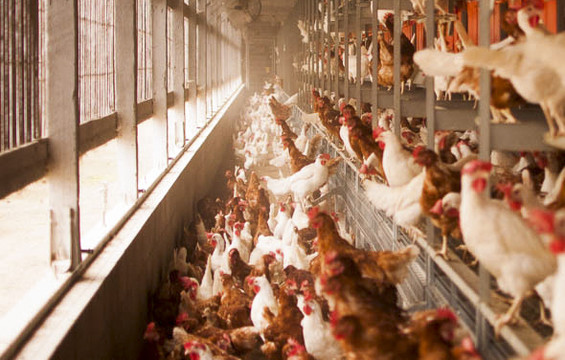
"caption": "Chickens at Frank Hilliker’s Ranch outside of San Diego.",
"description": null,
"title": "RS33606_prop12_02-sfi",
"credit": "Brook Binkowski/KQED",
"status": "inherit",
"isLoading": false,
"fetchFailed": false
},
"science_1933534": {
"type": "attachments",
"id": "science_1933534",
"meta": {
"index": "attachments_1716263798",
"site": "science",
"id": "1933534",
"found": true
},
"parent": 1933532,
"imgSizes": {
"small": {
"file": "https://ww2.kqed.org/app/uploads/sites/35/2018/10/DL520-phead-520x293.jpg",
"width": 520,
"mimeType": "image/jpeg",
"height": 293
},
"twentyfourteen-full-width": {
"file": "https://ww2.kqed.org/app/uploads/sites/35/2018/10/DL520-phead-1038x576.jpg",
"width": 1038,
"mimeType": "image/jpeg",
"height": 576
},
"thumbnail": {
"file": "https://ww2.kqed.org/app/uploads/sites/35/2018/10/DL520-phead-160x90.jpg",
"width": 160,
"mimeType": "image/jpeg",
"height": 90
},
"fd-sm": {
"file": "https://ww2.kqed.org/app/uploads/sites/35/2018/10/DL520-phead-960x540.jpg",
"width": 960,
"mimeType": "image/jpeg",
"height": 540
},
"post-thumbnail": {
"file": "https://ww2.kqed.org/app/uploads/sites/35/2018/10/DL520-phead-672x372.jpg",
"width": 672,
"mimeType": "image/jpeg",
"height": 372
},
"xsmall": {
"file": "https://ww2.kqed.org/app/uploads/sites/35/2018/10/DL520-phead-375x211.jpg",
"width": 375,
"mimeType": "image/jpeg",
"height": 211
},
"kqedFullSize": {
"file": "https://ww2.kqed.org/app/uploads/sites/35/2018/10/DL520-phead.jpg",
"width": 1920,
"height": 1080
},
"large": {
"file": "https://ww2.kqed.org/app/uploads/sites/35/2018/10/DL520-phead-1020x574.jpg",
"width": 1020,
"mimeType": "image/jpeg",
"height": 574
},
"xlarge": {
"file": "https://ww2.kqed.org/app/uploads/sites/35/2018/10/DL520-phead-1180x664.jpg",
"width": 1180,
"mimeType": "image/jpeg",
"height": 664
},
"complete_open_graph": {
"file": "https://ww2.kqed.org/app/uploads/sites/35/2018/10/DL520-phead-1200x675.jpg",
"width": 1200,
"mimeType": "image/jpeg",
"height": 675
},
"guest-author-50": {
"file": "https://ww2.kqed.org/app/uploads/sites/35/2018/10/DL520-phead-50x50.jpg",
"width": 50,
"mimeType": "image/jpeg",
"height": 50
},
"guest-author-96": {
"file": "https://ww2.kqed.org/app/uploads/sites/35/2018/10/DL520-phead-96x96.jpg",
"width": 96,
"mimeType": "image/jpeg",
"height": 96
},
"medium": {
"file": "https://ww2.kqed.org/app/uploads/sites/35/2018/10/DL520-phead-800x450.jpg",
"width": 800,
"mimeType": "image/jpeg",
"height": 450
},
"guest-author-64": {
"file": "https://ww2.kqed.org/app/uploads/sites/35/2018/10/DL520-phead-64x64.jpg",
"width": 64,
"mimeType": "image/jpeg",
"height": 64
},
"guest-author-32": {
"file": "https://ww2.kqed.org/app/uploads/sites/35/2018/10/DL520-phead-32x32.jpg",
"width": 32,
"mimeType": "image/jpeg",
"height": 32
},
"fd-lrg": {
"file": "https://ww2.kqed.org/app/uploads/sites/35/2018/10/DL520-phead-1920x1080.jpg",
"width": 1920,
"mimeType": "image/jpeg",
"height": 1080
},
"fd-med": {
"file": "https://ww2.kqed.org/app/uploads/sites/35/2018/10/DL520-phead-1180x664.jpg",
"width": 1180,
"mimeType": "image/jpeg",
"height": 664
},
"full-width": {
"file": "https://ww2.kqed.org/app/uploads/sites/35/2018/10/DL520-phead-1920x1080.jpg",
"width": 1920,
"mimeType": "image/jpeg",
"height": 1080
},
"detail": {
"file": "https://ww2.kqed.org/app/uploads/sites/35/2018/10/DL520-phead-150x150.jpg",
"width": 150,
"mimeType": "image/jpeg",
"height": 150
},
"medium_large": {
"file": "https://ww2.kqed.org/app/uploads/sites/35/2018/10/DL520-phead-768x432.jpg",
"width": 768,
"mimeType": "image/jpeg",
"height": 432
},
"guest-author-128": {
"file": "https://ww2.kqed.org/app/uploads/sites/35/2018/10/DL520-phead-128x128.jpg",
"width": 128,
"mimeType": "image/jpeg",
"height": 128
},
"xxsmall": {
"file": "https://ww2.kqed.org/app/uploads/sites/35/2018/10/DL520-phead-240x135.jpg",
"width": 240,
"mimeType": "image/jpeg",
"height": 135
}
},
"publishDate": 1540339833,
"modified": 1540339833,
"caption": null,
"description": null,
"title": "DL520-phead",
"credit": null,
"status": "inherit",
"isLoading": false,
"fetchFailed": false
},
"science_1933157": {
"type": "attachments",
"id": "science_1933157",
"meta": {
"index": "attachments_1716263798",
"site": "science",
"id": "1933157",
"found": true
},
"parent": 1933079,
"imgSizes": {
"small": {
"file": "https://ww2.kqed.org/app/uploads/sites/35/2018/10/IMG_6677-520x390.jpg",
"width": 520,
"mimeType": "image/jpeg",
"height": 390
},
"twentyfourteen-full-width": {
"file": "https://ww2.kqed.org/app/uploads/sites/35/2018/10/IMG_6677-1038x576.jpg",
"width": 1038,
"mimeType": "image/jpeg",
"height": 576
},
"thumbnail": {
"file": "https://ww2.kqed.org/app/uploads/sites/35/2018/10/IMG_6677-160x120.jpg",
"width": 160,
"mimeType": "image/jpeg",
"height": 120
},
"fd-sm": {
"file": "https://ww2.kqed.org/app/uploads/sites/35/2018/10/IMG_6677-960x720.jpg",
"width": 960,
"mimeType": "image/jpeg",
"height": 720
},
"post-thumbnail": {
"file": "https://ww2.kqed.org/app/uploads/sites/35/2018/10/IMG_6677-672x372.jpg",
"width": 672,
"mimeType": "image/jpeg",
"height": 372
},
"xsmall": {
"file": "https://ww2.kqed.org/app/uploads/sites/35/2018/10/IMG_6677-375x281.jpg",
"width": 375,
"mimeType": "image/jpeg",
"height": 281
},
"kqedFullSize": {
"file": "https://ww2.kqed.org/app/uploads/sites/35/2018/10/IMG_6677.jpg",
"width": 4032,
"height": 3024
},
"large": {
"file": "https://ww2.kqed.org/app/uploads/sites/35/2018/10/IMG_6677-1020x765.jpg",
"width": 1020,
"mimeType": "image/jpeg",
"height": 765
},
"xlarge": {
"file": "https://ww2.kqed.org/app/uploads/sites/35/2018/10/IMG_6677-1180x885.jpg",
"width": 1180,
"mimeType": "image/jpeg",
"height": 885
},
"complete_open_graph": {
"file": "https://ww2.kqed.org/app/uploads/sites/35/2018/10/IMG_6677-1200x900.jpg",
"width": 1200,
"mimeType": "image/jpeg",
"height": 900
},
"guest-author-50": {
"file": "https://ww2.kqed.org/app/uploads/sites/35/2018/10/IMG_6677-50x50.jpg",
"width": 50,
"mimeType": "image/jpeg",
"height": 50
},
"guest-author-96": {
"file": "https://ww2.kqed.org/app/uploads/sites/35/2018/10/IMG_6677-96x96.jpg",
"width": 96,
"mimeType": "image/jpeg",
"height": 96
},
"medium": {
"file": "https://ww2.kqed.org/app/uploads/sites/35/2018/10/IMG_6677-800x600.jpg",
"width": 800,
"mimeType": "image/jpeg",
"height": 600
},
"guest-author-64": {
"file": "https://ww2.kqed.org/app/uploads/sites/35/2018/10/IMG_6677-64x64.jpg",
"width": 64,
"mimeType": "image/jpeg",
"height": 64
},
"guest-author-32": {
"file": "https://ww2.kqed.org/app/uploads/sites/35/2018/10/IMG_6677-32x32.jpg",
"width": 32,
"mimeType": "image/jpeg",
"height": 32
},
"fd-lrg": {
"file": "https://ww2.kqed.org/app/uploads/sites/35/2018/10/IMG_6677-1920x1440.jpg",
"width": 1920,
"mimeType": "image/jpeg",
"height": 1440
},
"fd-med": {
"file": "https://ww2.kqed.org/app/uploads/sites/35/2018/10/IMG_6677-1180x885.jpg",
"width": 1180,
"mimeType": "image/jpeg",
"height": 885
},
"full-width": {
"file": "https://ww2.kqed.org/app/uploads/sites/35/2018/10/IMG_6677-1920x1440.jpg",
"width": 1920,
"mimeType": "image/jpeg",
"height": 1440
},
"detail": {
"file": "https://ww2.kqed.org/app/uploads/sites/35/2018/10/IMG_6677-150x150.jpg",
"width": 150,
"mimeType": "image/jpeg",
"height": 150
},
"medium_large": {
"file": "https://ww2.kqed.org/app/uploads/sites/35/2018/10/IMG_6677-768x576.jpg",
"width": 768,
"mimeType": "image/jpeg",
"height": 576
},
"guest-author-128": {
"file": "https://ww2.kqed.org/app/uploads/sites/35/2018/10/IMG_6677-128x128.jpg",
"width": 128,
"mimeType": "image/jpeg",
"height": 128
},
"xxsmall": {
"file": "https://ww2.kqed.org/app/uploads/sites/35/2018/10/IMG_6677-240x180.jpg",
"width": 240,
"mimeType": "image/jpeg",
"height": 180
}
},
"publishDate": 1539900767,
"modified": 1539900819,
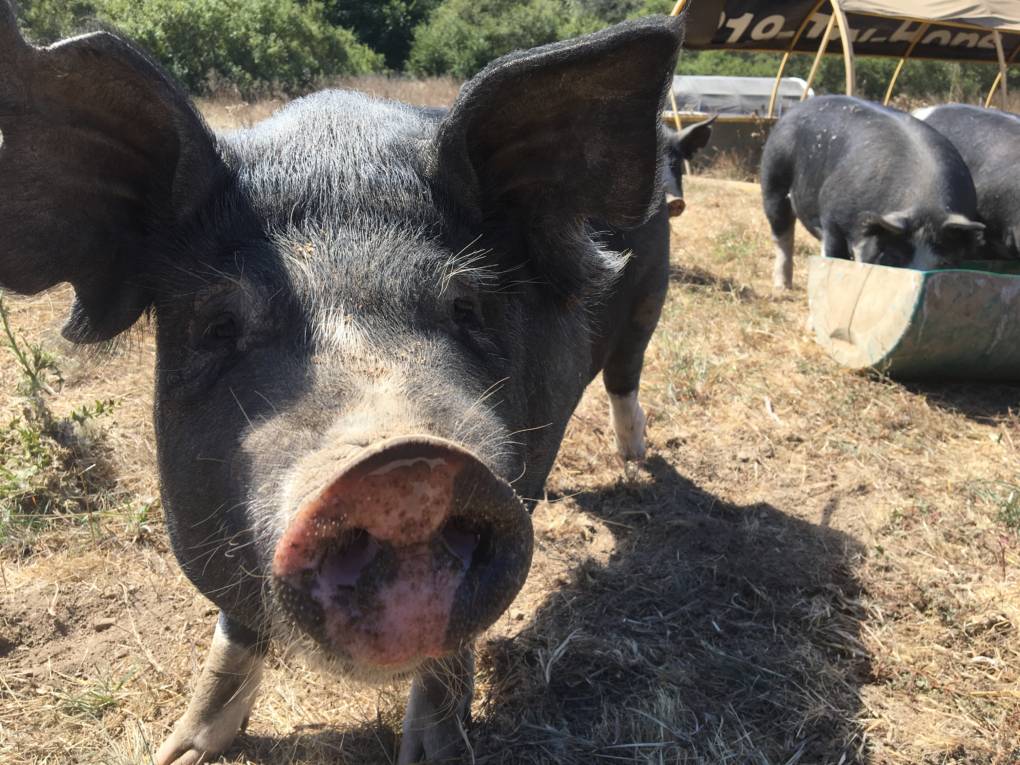
"caption": "A Berkshire pig at Root Down Farm in Pescadero, CA. ",
"description": null,
"title": "IMG_6677",
"credit": "Lesley McClurg/ KQED",
"status": "inherit",
"isLoading": false,
"fetchFailed": false
},
"science_1933881": {
"type": "attachments",
"id": "science_1933881",
"meta": {
"index": "attachments_1716263798",
"site": "science",
"id": "1933881",
"found": true
},
"parent": 1933876,
"imgSizes": {
"small": {
"file": "https://ww2.kqed.org/app/uploads/sites/35/2018/10/GettyImages-809250144-520x311.jpg",
"width": 520,
"mimeType": "image/jpeg",
"height": 311
},
"twentyfourteen-full-width": {
"file": "https://ww2.kqed.org/app/uploads/sites/35/2018/10/GettyImages-809250144-1038x576.jpg",
"width": 1038,
"mimeType": "image/jpeg",
"height": 576
},
"thumbnail": {
"file": "https://ww2.kqed.org/app/uploads/sites/35/2018/10/GettyImages-809250144-160x96.jpg",
"width": 160,
"mimeType": "image/jpeg",
"height": 96
},
"fd-sm": {
"file": "https://ww2.kqed.org/app/uploads/sites/35/2018/10/GettyImages-809250144-960x574.jpg",
"width": 960,
"mimeType": "image/jpeg",
"height": 574
},
"post-thumbnail": {
"file": "https://ww2.kqed.org/app/uploads/sites/35/2018/10/GettyImages-809250144-672x372.jpg",
"width": 672,
"mimeType": "image/jpeg",
"height": 372
},
"xsmall": {
"file": "https://ww2.kqed.org/app/uploads/sites/35/2018/10/GettyImages-809250144-375x224.jpg",
"width": 375,
"mimeType": "image/jpeg",
"height": 224
},
"kqedFullSize": {
"file": "https://ww2.kqed.org/app/uploads/sites/35/2018/10/GettyImages-809250144.jpg",
"width": 5338,
"height": 3192
},
"large": {
"file": "https://ww2.kqed.org/app/uploads/sites/35/2018/10/GettyImages-809250144-1020x610.jpg",
"width": 1020,
"mimeType": "image/jpeg",
"height": 610
},
"xlarge": {
"file": "https://ww2.kqed.org/app/uploads/sites/35/2018/10/GettyImages-809250144-1180x706.jpg",
"width": 1180,
"mimeType": "image/jpeg",
"height": 706
},
"complete_open_graph": {
"file": "https://ww2.kqed.org/app/uploads/sites/35/2018/10/GettyImages-809250144-1200x718.jpg",
"width": 1200,
"mimeType": "image/jpeg",
"height": 718
},
"guest-author-50": {
"file": "https://ww2.kqed.org/app/uploads/sites/35/2018/10/GettyImages-809250144-50x50.jpg",
"width": 50,
"mimeType": "image/jpeg",
"height": 50
},
"guest-author-96": {
"file": "https://ww2.kqed.org/app/uploads/sites/35/2018/10/GettyImages-809250144-96x96.jpg",
"width": 96,
"mimeType": "image/jpeg",
"height": 96
},
"medium": {
"file": "https://ww2.kqed.org/app/uploads/sites/35/2018/10/GettyImages-809250144-800x478.jpg",
"width": 800,
"mimeType": "image/jpeg",
"height": 478
},
"guest-author-64": {
"file": "https://ww2.kqed.org/app/uploads/sites/35/2018/10/GettyImages-809250144-64x64.jpg",
"width": 64,
"mimeType": "image/jpeg",
"height": 64
},
"guest-author-32": {
"file": "https://ww2.kqed.org/app/uploads/sites/35/2018/10/GettyImages-809250144-32x32.jpg",
"width": 32,
"mimeType": "image/jpeg",
"height": 32
},
"fd-lrg": {
"file": "https://ww2.kqed.org/app/uploads/sites/35/2018/10/GettyImages-809250144-1920x1148.jpg",
"width": 1920,
"mimeType": "image/jpeg",
"height": 1148
},
"fd-med": {
"file": "https://ww2.kqed.org/app/uploads/sites/35/2018/10/GettyImages-809250144-1180x706.jpg",
"width": 1180,
"mimeType": "image/jpeg",
"height": 706
},
"full-width": {
"file": "https://ww2.kqed.org/app/uploads/sites/35/2018/10/GettyImages-809250144-1920x1148.jpg",
"width": 1920,
"mimeType": "image/jpeg",
"height": 1148
},
"detail": {
"file": "https://ww2.kqed.org/app/uploads/sites/35/2018/10/GettyImages-809250144-150x150.jpg",
"width": 150,
"mimeType": "image/jpeg",
"height": 150
},
"medium_large": {
"file": "https://ww2.kqed.org/app/uploads/sites/35/2018/10/GettyImages-809250144-768x459.jpg",
"width": 768,
"mimeType": "image/jpeg",
"height": 459
},
"guest-author-128": {
"file": "https://ww2.kqed.org/app/uploads/sites/35/2018/10/GettyImages-809250144-128x128.jpg",
"width": 128,
"mimeType": "image/jpeg",
"height": 128
},
"xxsmall": {
"file": "https://ww2.kqed.org/app/uploads/sites/35/2018/10/GettyImages-809250144-240x144.jpg",
"width": 240,
"mimeType": "image/jpeg",
"height": 144
}
},
"publishDate": 1541008514,
"modified": 1541008638,
"caption": "Protesters dressed-up in grey clothes like Zombies attend an arts performance on July 5, 2017 in Hamburg, northern Germany. ",
"description": null,
"title": "Performance Artists Hold Zombie G20 Protest",
"credit": "Friedemann Vogel-Pool/Getty Images",
"status": "inherit",
"isLoading": false,
"fetchFailed": false
},
"science_1933893": {
"type": "attachments",
"id": "science_1933893",
"meta": {
"index": "attachments_1716263798",
"site": "science",
"id": "1933893",
"found": true
},
"parent": 1933892,
"imgSizes": {
"small": {
"file": "https://ww2.kqed.org/app/uploads/sites/35/2018/10/ngb_oviraptor-nest-a26a8637055975aec6d15b601895bc2a74065ab6-520x390.jpg",
"width": 520,
"mimeType": "image/jpeg",
"height": 390
},
"twentyfourteen-full-width": {
"file": "https://ww2.kqed.org/app/uploads/sites/35/2018/10/ngb_oviraptor-nest-a26a8637055975aec6d15b601895bc2a74065ab6-1038x576.jpg",
"width": 1038,
"mimeType": "image/jpeg",
"height": 576
},
"thumbnail": {
"file": "https://ww2.kqed.org/app/uploads/sites/35/2018/10/ngb_oviraptor-nest-a26a8637055975aec6d15b601895bc2a74065ab6-160x120.jpg",
"width": 160,
"mimeType": "image/jpeg",
"height": 120
},
"fd-sm": {
"file": "https://ww2.kqed.org/app/uploads/sites/35/2018/10/ngb_oviraptor-nest-a26a8637055975aec6d15b601895bc2a74065ab6-960x720.jpg",
"width": 960,
"mimeType": "image/jpeg",
"height": 720
},
"post-thumbnail": {
"file": "https://ww2.kqed.org/app/uploads/sites/35/2018/10/ngb_oviraptor-nest-a26a8637055975aec6d15b601895bc2a74065ab6-672x372.jpg",
"width": 672,
"mimeType": "image/jpeg",
"height": 372
},
"xsmall": {
"file": "https://ww2.kqed.org/app/uploads/sites/35/2018/10/ngb_oviraptor-nest-a26a8637055975aec6d15b601895bc2a74065ab6-375x281.jpg",
"width": 375,
"mimeType": "image/jpeg",
"height": 281
},
"kqedFullSize": {
"file": "https://ww2.kqed.org/app/uploads/sites/35/2018/10/ngb_oviraptor-nest-a26a8637055975aec6d15b601895bc2a74065ab6.jpg",
"width": 4885,
"height": 3663
},
"large": {
"file": "https://ww2.kqed.org/app/uploads/sites/35/2018/10/ngb_oviraptor-nest-a26a8637055975aec6d15b601895bc2a74065ab6-1020x765.jpg",
"width": 1020,
"mimeType": "image/jpeg",
"height": 765
},
"xlarge": {
"file": "https://ww2.kqed.org/app/uploads/sites/35/2018/10/ngb_oviraptor-nest-a26a8637055975aec6d15b601895bc2a74065ab6-1180x885.jpg",
"width": 1180,
"mimeType": "image/jpeg",
"height": 885
},
"complete_open_graph": {
"file": "https://ww2.kqed.org/app/uploads/sites/35/2018/10/ngb_oviraptor-nest-a26a8637055975aec6d15b601895bc2a74065ab6-1200x900.jpg",
"width": 1200,
"mimeType": "image/jpeg",
"height": 900
},
"guest-author-50": {
"file": "https://ww2.kqed.org/app/uploads/sites/35/2018/10/ngb_oviraptor-nest-a26a8637055975aec6d15b601895bc2a74065ab6-50x50.jpg",
"width": 50,
"mimeType": "image/jpeg",
"height": 50
},
"guest-author-96": {
"file": "https://ww2.kqed.org/app/uploads/sites/35/2018/10/ngb_oviraptor-nest-a26a8637055975aec6d15b601895bc2a74065ab6-96x96.jpg",
"width": 96,
"mimeType": "image/jpeg",
"height": 96
},
"medium": {
"file": "https://ww2.kqed.org/app/uploads/sites/35/2018/10/ngb_oviraptor-nest-a26a8637055975aec6d15b601895bc2a74065ab6-800x600.jpg",
"width": 800,
"mimeType": "image/jpeg",
"height": 600
},
"guest-author-64": {
"file": "https://ww2.kqed.org/app/uploads/sites/35/2018/10/ngb_oviraptor-nest-a26a8637055975aec6d15b601895bc2a74065ab6-64x64.jpg",
"width": 64,
"mimeType": "image/jpeg",
"height": 64
},
"guest-author-32": {
"file": "https://ww2.kqed.org/app/uploads/sites/35/2018/10/ngb_oviraptor-nest-a26a8637055975aec6d15b601895bc2a74065ab6-32x32.jpg",
"width": 32,
"mimeType": "image/jpeg",
"height": 32
},
"fd-lrg": {
"file": "https://ww2.kqed.org/app/uploads/sites/35/2018/10/ngb_oviraptor-nest-a26a8637055975aec6d15b601895bc2a74065ab6-1920x1440.jpg",
"width": 1920,
"mimeType": "image/jpeg",
"height": 1440
},
"fd-med": {
"file": "https://ww2.kqed.org/app/uploads/sites/35/2018/10/ngb_oviraptor-nest-a26a8637055975aec6d15b601895bc2a74065ab6-1180x885.jpg",
"width": 1180,
"mimeType": "image/jpeg",
"height": 885
},
"full-width": {
"file": "https://ww2.kqed.org/app/uploads/sites/35/2018/10/ngb_oviraptor-nest-a26a8637055975aec6d15b601895bc2a74065ab6-1920x1440.jpg",
"width": 1920,
"mimeType": "image/jpeg",
"height": 1440
},
"detail": {
"file": "https://ww2.kqed.org/app/uploads/sites/35/2018/10/ngb_oviraptor-nest-a26a8637055975aec6d15b601895bc2a74065ab6-150x150.jpg",
"width": 150,
"mimeType": "image/jpeg",
"height": 150
},
"medium_large": {
"file": "https://ww2.kqed.org/app/uploads/sites/35/2018/10/ngb_oviraptor-nest-a26a8637055975aec6d15b601895bc2a74065ab6-768x576.jpg",
"width": 768,
"mimeType": "image/jpeg",
"height": 576
},
"guest-author-128": {
"file": "https://ww2.kqed.org/app/uploads/sites/35/2018/10/ngb_oviraptor-nest-a26a8637055975aec6d15b601895bc2a74065ab6-128x128.jpg",
"width": 128,
"mimeType": "image/jpeg",
"height": 128
},
"xxsmall": {
"file": "https://ww2.kqed.org/app/uploads/sites/35/2018/10/ngb_oviraptor-nest-a26a8637055975aec6d15b601895bc2a74065ab6-240x180.jpg",
"width": 240,
"mimeType": "image/jpeg",
"height": 180
}
},
"publishDate": 1541013776,
"modified": 1541014697,
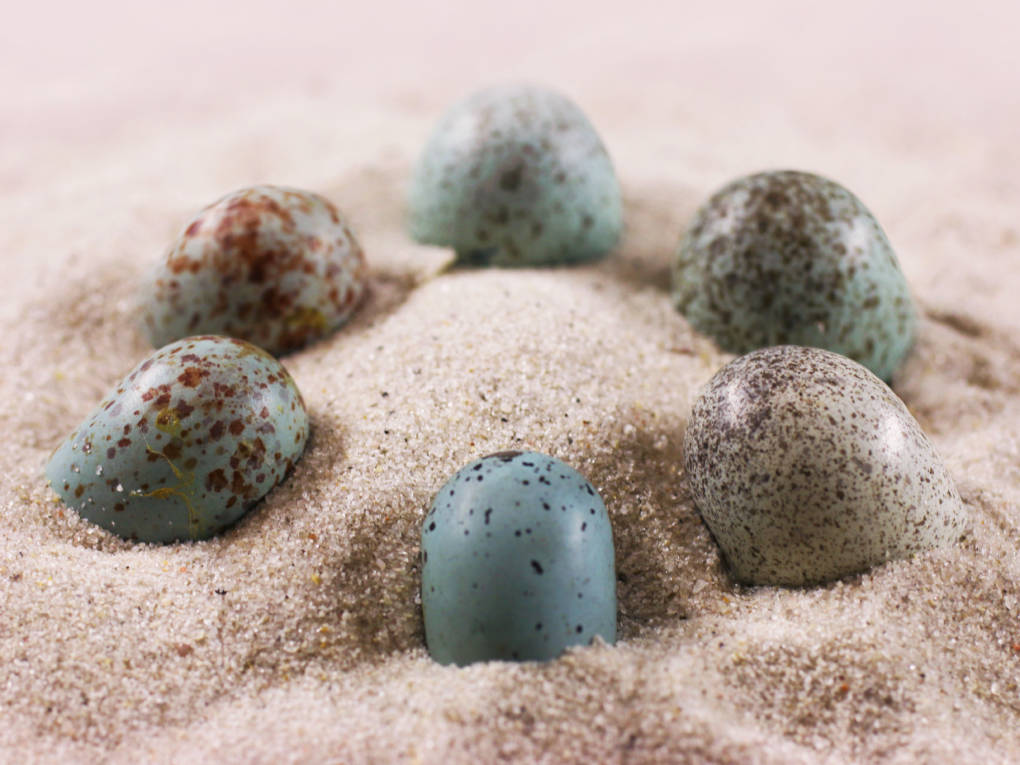
"caption": "Arrangement of colored oviraptor-like eggs in an oviraptorid nest arrangement.",
"description": "Arrangement of colored oviraptor-like eggs in an oviraptorid nest arrangement",
"title": "Arrangement of colored oviraptor-like eggs in an oviraptorid nest arrangement",
"credit": "Jasmina Wiemann/Yale University",
"status": "inherit",
"isLoading": false,
"fetchFailed": false
},
"science_1933828": {
"type": "attachments",
"id": "science_1933828",
"meta": {
"index": "attachments_1716263798",
"site": "science",
"id": "1933828",
"found": true
},
"parent": 1933826,
"imgSizes": {
"small": {
"file": "https://ww2.kqed.org/app/uploads/sites/35/2018/10/CCT-PLSMTLION-1030-02-1-520x390.jpg",
"width": 520,
"mimeType": "image/jpeg",
"height": 390
},
"thumbnail": {
"file": "https://ww2.kqed.org/app/uploads/sites/35/2018/10/CCT-PLSMTLION-1030-02-1-160x120.jpg",
"width": 160,
"mimeType": "image/jpeg",
"height": 120
},
"post-thumbnail": {
"file": "https://ww2.kqed.org/app/uploads/sites/35/2018/10/CCT-PLSMTLION-1030-02-1-672x372.jpg",
"width": 672,
"mimeType": "image/jpeg",
"height": 372
},
"xsmall": {
"file": "https://ww2.kqed.org/app/uploads/sites/35/2018/10/CCT-PLSMTLION-1030-02-1-375x281.jpg",
"width": 375,
"mimeType": "image/jpeg",
"height": 281
},
"kqedFullSize": {
"file": "https://ww2.kqed.org/app/uploads/sites/35/2018/10/CCT-PLSMTLION-1030-02-1.jpg",
"width": 767,
"height": 575
},
"guest-author-50": {
"file": "https://ww2.kqed.org/app/uploads/sites/35/2018/10/CCT-PLSMTLION-1030-02-1-50x50.jpg",
"width": 50,
"mimeType": "image/jpeg",
"height": 50
},
"guest-author-96": {
"file": "https://ww2.kqed.org/app/uploads/sites/35/2018/10/CCT-PLSMTLION-1030-02-1-96x96.jpg",
"width": 96,
"mimeType": "image/jpeg",
"height": 96
},
"guest-author-64": {
"file": "https://ww2.kqed.org/app/uploads/sites/35/2018/10/CCT-PLSMTLION-1030-02-1-64x64.jpg",
"width": 64,
"mimeType": "image/jpeg",
"height": 64
},
"detail": {
"file": "https://ww2.kqed.org/app/uploads/sites/35/2018/10/CCT-PLSMTLION-1030-02-1-150x150.jpg",
"width": 150,
"mimeType": "image/jpeg",
"height": 150
},
"guest-author-32": {
"file": "https://ww2.kqed.org/app/uploads/sites/35/2018/10/CCT-PLSMTLION-1030-02-1-32x32.jpg",
"width": 32,
"mimeType": "image/jpeg",
"height": 32
},
"guest-author-128": {
"file": "https://ww2.kqed.org/app/uploads/sites/35/2018/10/CCT-PLSMTLION-1030-02-1-128x128.jpg",
"width": 128,
"mimeType": "image/jpeg",
"height": 128
},
"xxsmall": {
"file": "https://ww2.kqed.org/app/uploads/sites/35/2018/10/CCT-PLSMTLION-1030-02-1-240x180.jpg",
"width": 240,
"mimeType": "image/jpeg",
"height": 180
}
},
"publishDate": 1540922346,
"modified": 1540922366,
"caption": "Pleasanton police and California Department of Fish and Wildlife officials tend Monday, Oct. 29, 2018 to a male mountain lion tranquilized by four darts after he was found in the 3800 block of Hopyard Drive. ",
"description": null,
"title": "CCT-PLSMTLION-1030-02",
"credit": "Pleasanton Police Department",
"status": "inherit",
"isLoading": false,
"fetchFailed": false
},
"science_1933785": {
"type": "attachments",
"id": "science_1933785",
"meta": {
"index": "attachments_1716263798",
"site": "science",
"id": "1933785",
"found": true
},
"parent": 1933782,
"imgSizes": {
"small": {
"file": "https://ww2.kqed.org/app/uploads/sites/35/2018/10/iStock-949564684-520x347.jpg",
"width": 520,
"mimeType": "image/jpeg",
"height": 347
},
"twentyfourteen-full-width": {
"file": "https://ww2.kqed.org/app/uploads/sites/35/2018/10/iStock-949564684-1038x576.jpg",
"width": 1038,
"mimeType": "image/jpeg",
"height": 576
},
"thumbnail": {
"file": "https://ww2.kqed.org/app/uploads/sites/35/2018/10/iStock-949564684-160x107.jpg",
"width": 160,
"mimeType": "image/jpeg",
"height": 107
},
"fd-sm": {
"file": "https://ww2.kqed.org/app/uploads/sites/35/2018/10/iStock-949564684-960x640.jpg",
"width": 960,
"mimeType": "image/jpeg",
"height": 640
},
"post-thumbnail": {
"file": "https://ww2.kqed.org/app/uploads/sites/35/2018/10/iStock-949564684-672x372.jpg",
"width": 672,
"mimeType": "image/jpeg",
"height": 372
},
"xsmall": {
"file": "https://ww2.kqed.org/app/uploads/sites/35/2018/10/iStock-949564684-375x250.jpg",
"width": 375,
"mimeType": "image/jpeg",
"height": 250
},
"kqedFullSize": {
"file": "https://ww2.kqed.org/app/uploads/sites/35/2018/10/iStock-949564684.jpg",
"width": 4243,
"height": 2829
},
"large": {
"file": "https://ww2.kqed.org/app/uploads/sites/35/2018/10/iStock-949564684-1020x680.jpg",
"width": 1020,
"mimeType": "image/jpeg",
"height": 680
},
"xlarge": {
"file": "https://ww2.kqed.org/app/uploads/sites/35/2018/10/iStock-949564684-1180x787.jpg",
"width": 1180,
"mimeType": "image/jpeg",
"height": 787
},
"complete_open_graph": {
"file": "https://ww2.kqed.org/app/uploads/sites/35/2018/10/iStock-949564684-1200x800.jpg",
"width": 1200,
"mimeType": "image/jpeg",
"height": 800
},
"guest-author-50": {
"file": "https://ww2.kqed.org/app/uploads/sites/35/2018/10/iStock-949564684-50x50.jpg",
"width": 50,
"mimeType": "image/jpeg",
"height": 50
},
"guest-author-96": {
"file": "https://ww2.kqed.org/app/uploads/sites/35/2018/10/iStock-949564684-96x96.jpg",
"width": 96,
"mimeType": "image/jpeg",
"height": 96
},
"medium": {
"file": "https://ww2.kqed.org/app/uploads/sites/35/2018/10/iStock-949564684-800x533.jpg",
"width": 800,
"mimeType": "image/jpeg",
"height": 533
},
"guest-author-64": {
"file": "https://ww2.kqed.org/app/uploads/sites/35/2018/10/iStock-949564684-64x64.jpg",
"width": 64,
"mimeType": "image/jpeg",
"height": 64
},
"guest-author-32": {
"file": "https://ww2.kqed.org/app/uploads/sites/35/2018/10/iStock-949564684-32x32.jpg",
"width": 32,
"mimeType": "image/jpeg",
"height": 32
},
"fd-lrg": {
"file": "https://ww2.kqed.org/app/uploads/sites/35/2018/10/iStock-949564684-1920x1280.jpg",
"width": 1920,
"mimeType": "image/jpeg",
"height": 1280
},
"fd-med": {
"file": "https://ww2.kqed.org/app/uploads/sites/35/2018/10/iStock-949564684-1180x787.jpg",
"width": 1180,
"mimeType": "image/jpeg",
"height": 787
},
"full-width": {
"file": "https://ww2.kqed.org/app/uploads/sites/35/2018/10/iStock-949564684-1920x1280.jpg",
"width": 1920,
"mimeType": "image/jpeg",
"height": 1280
},
"detail": {
"file": "https://ww2.kqed.org/app/uploads/sites/35/2018/10/iStock-949564684-150x150.jpg",
"width": 150,
"mimeType": "image/jpeg",
"height": 150
},
"medium_large": {
"file": "https://ww2.kqed.org/app/uploads/sites/35/2018/10/iStock-949564684-768x512.jpg",
"width": 768,
"mimeType": "image/jpeg",
"height": 512
},
"guest-author-128": {
"file": "https://ww2.kqed.org/app/uploads/sites/35/2018/10/iStock-949564684-128x128.jpg",
"width": 128,
"mimeType": "image/jpeg",
"height": 128
},
"xxsmall": {
"file": "https://ww2.kqed.org/app/uploads/sites/35/2018/10/iStock-949564684-240x160.jpg",
"width": 240,
"mimeType": "image/jpeg",
"height": 160
}
},
"publishDate": 1540847126,
"modified": 1540847174,
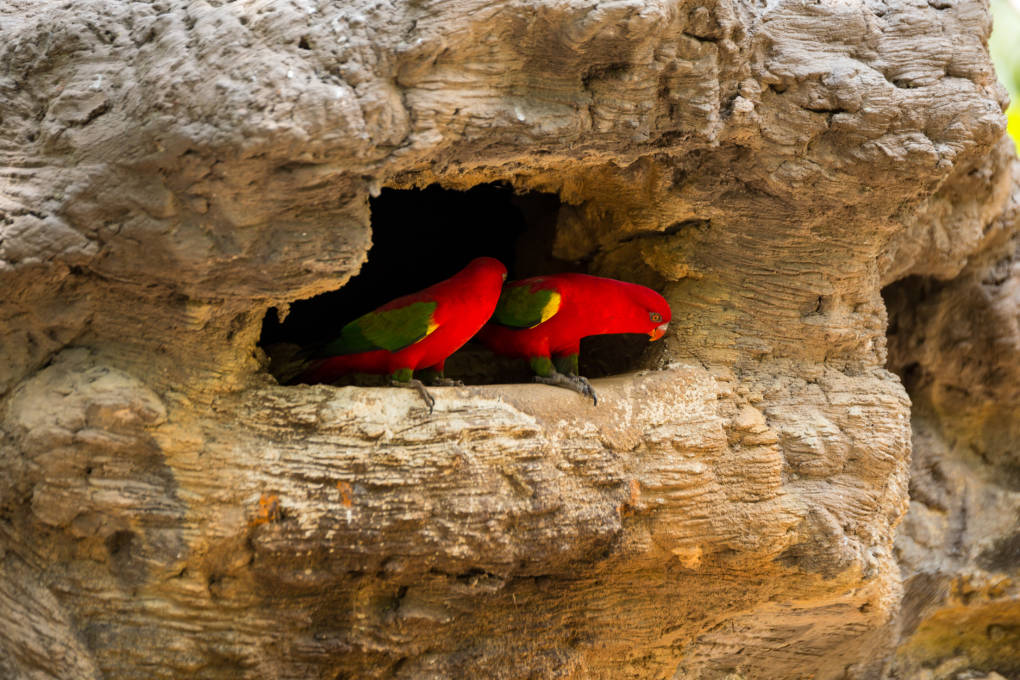
"caption": "The Scarlet Macaw, shown here, in Carara National Park, Costa Rica.",
"description": null,
"title": "Pair of Nesting Scarlet Macaws",
"credit": "iStock",
"status": "inherit",
"isLoading": false,
"fetchFailed": false
},
"science_1933657": {
"type": "attachments",
"id": "science_1933657",
"meta": {
"index": "attachments_1716263798",
"site": "science",
"id": "1933657",
"found": true
},
"parent": 1933645,
"imgSizes": {
"small": {
"file": "https://ww2.kqed.org/app/uploads/sites/35/2018/10/GettyImages-1054021750-520x346.jpg",
"width": 520,
"mimeType": "image/jpeg",
"height": 346
},
"twentyfourteen-full-width": {
"file": "https://ww2.kqed.org/app/uploads/sites/35/2018/10/GettyImages-1054021750-1038x576.jpg",
"width": 1038,
"mimeType": "image/jpeg",
"height": 576
},
"thumbnail": {
"file": "https://ww2.kqed.org/app/uploads/sites/35/2018/10/GettyImages-1054021750-160x106.jpg",
"width": 160,
"mimeType": "image/jpeg",
"height": 106
},
"fd-sm": {
"file": "https://ww2.kqed.org/app/uploads/sites/35/2018/10/GettyImages-1054021750-960x638.jpg",
"width": 960,
"mimeType": "image/jpeg",
"height": 638
},
"post-thumbnail": {
"file": "https://ww2.kqed.org/app/uploads/sites/35/2018/10/GettyImages-1054021750-672x372.jpg",
"width": 672,
"mimeType": "image/jpeg",
"height": 372
},
"xsmall": {
"file": "https://ww2.kqed.org/app/uploads/sites/35/2018/10/GettyImages-1054021750-375x249.jpg",
"width": 375,
"mimeType": "image/jpeg",
"height": 249
},
"kqedFullSize": {
"file": "https://ww2.kqed.org/app/uploads/sites/35/2018/10/GettyImages-1054021750.jpg",
"width": 3000,
"height": 1994
},
"large": {
"file": "https://ww2.kqed.org/app/uploads/sites/35/2018/10/GettyImages-1054021750-1020x678.jpg",
"width": 1020,
"mimeType": "image/jpeg",
"height": 678
},
"xlarge": {
"file": "https://ww2.kqed.org/app/uploads/sites/35/2018/10/GettyImages-1054021750-1180x784.jpg",
"width": 1180,
"mimeType": "image/jpeg",
"height": 784
},
"complete_open_graph": {
"file": "https://ww2.kqed.org/app/uploads/sites/35/2018/10/GettyImages-1054021750-1200x798.jpg",
"width": 1200,
"mimeType": "image/jpeg",
"height": 798
},
"guest-author-50": {
"file": "https://ww2.kqed.org/app/uploads/sites/35/2018/10/GettyImages-1054021750-50x50.jpg",
"width": 50,
"mimeType": "image/jpeg",
"height": 50
},
"guest-author-96": {
"file": "https://ww2.kqed.org/app/uploads/sites/35/2018/10/GettyImages-1054021750-96x96.jpg",
"width": 96,
"mimeType": "image/jpeg",
"height": 96
},
"medium": {
"file": "https://ww2.kqed.org/app/uploads/sites/35/2018/10/GettyImages-1054021750-800x532.jpg",
"width": 800,
"mimeType": "image/jpeg",
"height": 532
},
"guest-author-64": {
"file": "https://ww2.kqed.org/app/uploads/sites/35/2018/10/GettyImages-1054021750-64x64.jpg",
"width": 64,
"mimeType": "image/jpeg",
"height": 64
},
"guest-author-32": {
"file": "https://ww2.kqed.org/app/uploads/sites/35/2018/10/GettyImages-1054021750-32x32.jpg",
"width": 32,
"mimeType": "image/jpeg",
"height": 32
},
"fd-lrg": {
"file": "https://ww2.kqed.org/app/uploads/sites/35/2018/10/GettyImages-1054021750-1920x1276.jpg",
"width": 1920,
"mimeType": "image/jpeg",
"height": 1276
},
"fd-med": {
"file": "https://ww2.kqed.org/app/uploads/sites/35/2018/10/GettyImages-1054021750-1180x784.jpg",
"width": 1180,
"mimeType": "image/jpeg",
"height": 784
},
"full-width": {
"file": "https://ww2.kqed.org/app/uploads/sites/35/2018/10/GettyImages-1054021750-1920x1276.jpg",
"width": 1920,
"mimeType": "image/jpeg",
"height": 1276
},
"detail": {
"file": "https://ww2.kqed.org/app/uploads/sites/35/2018/10/GettyImages-1054021750-150x150.jpg",
"width": 150,
"mimeType": "image/jpeg",
"height": 150
},
"medium_large": {
"file": "https://ww2.kqed.org/app/uploads/sites/35/2018/10/GettyImages-1054021750-768x510.jpg",
"width": 768,
"mimeType": "image/jpeg",
"height": 510
},
"guest-author-128": {
"file": "https://ww2.kqed.org/app/uploads/sites/35/2018/10/GettyImages-1054021750-128x128.jpg",
"width": 128,
"mimeType": "image/jpeg",
"height": 128
},
"xxsmall": {
"file": "https://ww2.kqed.org/app/uploads/sites/35/2018/10/GettyImages-1054021750-240x160.jpg",
"width": 240,
"mimeType": "image/jpeg",
"height": 160
}
},
"publishDate": 1540587823,
"modified": 1540587866,
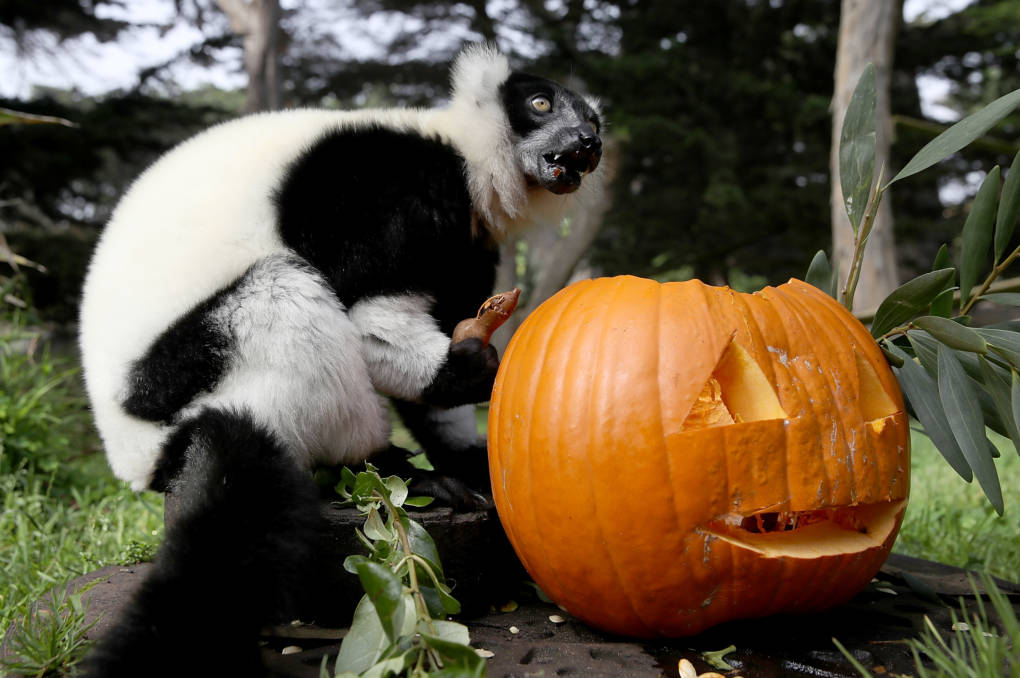
"caption": "A Black and White Ruffed Lemur stands next to a pumpkin at the San Francisco Zoo on October 26, 2018 in San Francisco, California.",
"description": null,
"title": "Lemur's At The San Francisco Zoo Receive Pumpkin Treat Ahead Of Halloween",
"credit": "Justin Sullivan/Getty Images",
"status": "inherit",
"isLoading": false,
"fetchFailed": false
},
"science_1935760": {
"type": "attachments",
"id": "science_1935760",
"meta": {
"index": "attachments_1716263798",
"site": "science",
"id": "1935760",
"found": true
},
"parent": 1933246,
"imgSizes": {
"small": {
"file": "https://ww2.kqed.org/app/uploads/sites/35/2018/10/DL519_Planarians_marquee_w_Phead-520x293.jpg",
"width": 520,
"mimeType": "image/jpeg",
"height": 293
},
"twentyfourteen-full-width": {
"file": "https://ww2.kqed.org/app/uploads/sites/35/2018/10/DL519_Planarians_marquee_w_Phead-1038x576.jpg",
"width": 1038,
"mimeType": "image/jpeg",
"height": 576
},
"thumbnail": {
"file": "https://ww2.kqed.org/app/uploads/sites/35/2018/10/DL519_Planarians_marquee_w_Phead-160x90.jpg",
"width": 160,
"mimeType": "image/jpeg",
"height": 90
},
"fd-sm": {
"file": "https://ww2.kqed.org/app/uploads/sites/35/2018/10/DL519_Planarians_marquee_w_Phead-960x540.jpg",
"width": 960,
"mimeType": "image/jpeg",
"height": 540
},
"post-thumbnail": {
"file": "https://ww2.kqed.org/app/uploads/sites/35/2018/10/DL519_Planarians_marquee_w_Phead-672x372.jpg",
"width": 672,
"mimeType": "image/jpeg",
"height": 372
},
"xsmall": {
"file": "https://ww2.kqed.org/app/uploads/sites/35/2018/10/DL519_Planarians_marquee_w_Phead-375x211.jpg",
"width": 375,
"mimeType": "image/jpeg",
"height": 211
},
"kqedFullSize": {
"file": "https://ww2.kqed.org/app/uploads/sites/35/2018/10/DL519_Planarians_marquee_w_Phead.jpg",
"width": 1920,
"height": 1080
},
"large": {
"file": "https://ww2.kqed.org/app/uploads/sites/35/2018/10/DL519_Planarians_marquee_w_Phead-1020x574.jpg",
"width": 1020,
"mimeType": "image/jpeg",
"height": 574
},
"xlarge": {
"file": "https://ww2.kqed.org/app/uploads/sites/35/2018/10/DL519_Planarians_marquee_w_Phead-1180x664.jpg",
"width": 1180,
"mimeType": "image/jpeg",
"height": 664
},
"complete_open_graph": {
"file": "https://ww2.kqed.org/app/uploads/sites/35/2018/10/DL519_Planarians_marquee_w_Phead-1200x675.jpg",
"width": 1200,
"mimeType": "image/jpeg",
"height": 675
},
"guest-author-50": {
"file": "https://ww2.kqed.org/app/uploads/sites/35/2018/10/DL519_Planarians_marquee_w_Phead-50x50.jpg",
"width": 50,
"mimeType": "image/jpeg",
"height": 50
},
"guest-author-96": {
"file": "https://ww2.kqed.org/app/uploads/sites/35/2018/10/DL519_Planarians_marquee_w_Phead-96x96.jpg",
"width": 96,
"mimeType": "image/jpeg",
"height": 96
},
"medium": {
"file": "https://ww2.kqed.org/app/uploads/sites/35/2018/10/DL519_Planarians_marquee_w_Phead-800x450.jpg",
"width": 800,
"mimeType": "image/jpeg",
"height": 450
},
"guest-author-64": {
"file": "https://ww2.kqed.org/app/uploads/sites/35/2018/10/DL519_Planarians_marquee_w_Phead-64x64.jpg",
"width": 64,
"mimeType": "image/jpeg",
"height": 64
},
"guest-author-32": {
"file": "https://ww2.kqed.org/app/uploads/sites/35/2018/10/DL519_Planarians_marquee_w_Phead-32x32.jpg",
"width": 32,
"mimeType": "image/jpeg",
"height": 32
},
"fd-lrg": {
"file": "https://ww2.kqed.org/app/uploads/sites/35/2018/10/DL519_Planarians_marquee_w_Phead-1920x1080.jpg",
"width": 1920,
"mimeType": "image/jpeg",
"height": 1080
},
"fd-med": {
"file": "https://ww2.kqed.org/app/uploads/sites/35/2018/10/DL519_Planarians_marquee_w_Phead-1180x664.jpg",
"width": 1180,
"mimeType": "image/jpeg",
"height": 664
},
"full-width": {
"file": "https://ww2.kqed.org/app/uploads/sites/35/2018/10/DL519_Planarians_marquee_w_Phead-1920x1080.jpg",
"width": 1920,
"mimeType": "image/jpeg",
"height": 1080
},
"detail": {
"file": "https://ww2.kqed.org/app/uploads/sites/35/2018/10/DL519_Planarians_marquee_w_Phead-150x150.jpg",
"width": 150,
"mimeType": "image/jpeg",
"height": 150
},
"medium_large": {
"file": "https://ww2.kqed.org/app/uploads/sites/35/2018/10/DL519_Planarians_marquee_w_Phead-768x432.jpg",
"width": 768,
"mimeType": "image/jpeg",
"height": 432
},
"guest-author-128": {
"file": "https://ww2.kqed.org/app/uploads/sites/35/2018/10/DL519_Planarians_marquee_w_Phead-128x128.jpg",
"width": 128,
"mimeType": "image/jpeg",
"height": 128
},
"xxsmall": {
"file": "https://ww2.kqed.org/app/uploads/sites/35/2018/10/DL519_Planarians_marquee_w_Phead-240x135.jpg",
"width": 240,
"mimeType": "image/jpeg",
"height": 135
}
},
"publishDate": 1544735625,
"modified": 1544735625,
"caption": null,
"description": null,
"title": "DL519_Planarians_marquee_w_Phead",
"credit": null,
"status": "inherit",
"isLoading": false,
"fetchFailed": false
}
},
"audioPlayerReducer": {
"postId": "stream_live",
"isPaused": true,
"isPlaying": false,
"pfsActive": false,
"pledgeModalIsOpen": true,
"playerDrawerIsOpen": false,
"liveAudioPlayStartedAt": 0,
"liveAudioPlayContext": ""
},
"authorsReducer": {
"byline_science_1935733": {
"type": "authors",
"id": "byline_science_1935733",
"meta": {
"override": true
},
"slug": "byline_science_1935733",
"name": "Bill Chappell\u003cbr />NPR",
"isLoading": false
},
"byline_science_1933892": {
"type": "authors",
"id": "byline_science_1933892",
"meta": {
"override": true
},
"slug": "byline_science_1933892",
"name": "Nell Greenfieldboyce, NPR",
"isLoading": false
},
"byline_science_1933826": {
"type": "authors",
"id": "byline_science_1933826",
"meta": {
"override": true
},
"slug": "byline_science_1933826",
"name": "The Associated Press",
"isLoading": false
},
"byline_science_1933782": {
"type": "authors",
"id": "byline_science_1933782",
"meta": {
"override": true
},
"slug": "byline_science_1933782",
"name": "Christina Larson\u003cbr />The Associated Press",
"isLoading": false
},
"jbrooks": {
"type": "authors",
"id": "80",
"meta": {
"index": "authors_1716337520",
"id": "80",
"found": true
},
"name": "Jon Brooks",
"firstName": "Jon",
"lastName": "Brooks",
"slug": "jbrooks",
"email": "jbrooks@kqed.org",
"display_author_email": true,
"staff_mastheads": [
"science"
],
"title": "Digital Editor",
"bio": "Jon Brooks is a former Digital Editor for KQED Science. He is the former editor of KQED’s daily news blog, News Fix. In 2014, he won a California Journalism Award for his coverage of ride services like Uber and Lyft and the taxi industry. A veteran blogger, he previously worked for Yahoo! in various news writing and editing roles. Jon is also a playwright whose work has been produced in San Francisco, New York, Italy, and around the U.S. He has written about film for his own blog and studied film at Boston University.",
"avatar": "https://secure.gravatar.com/avatar/98887f7ed1c876ed414d4c915e969584?s=600&d=blank&r=g",
"twitter": "jbrooksfoy",
"facebook": null,
"instagram": null,
"linkedin": null,
"sites": [
{
"site": "arts",
"roles": [
"Contributor",
"editor"
]
},
{
"site": "news",
"roles": [
"author"
]
},
{
"site": "futureofyou",
"roles": [
"administrator"
]
},
{
"site": "mindshift",
"roles": [
"editor"
]
},
{
"site": "stateofhealth",
"roles": [
"editor"
]
},
{
"site": "science",
"roles": [
"administrator"
]
},
{
"site": "quest",
"roles": [
"editor"
]
}
],
"headData": {
"title": "Jon Brooks | KQED",
"description": "Digital Editor",
"ogImgSrc": "https://secure.gravatar.com/avatar/98887f7ed1c876ed414d4c915e969584?s=600&d=blank&r=g",
"twImgSrc": "https://secure.gravatar.com/avatar/98887f7ed1c876ed414d4c915e969584?s=600&d=blank&r=g"
},
"isLoading": false,
"link": "/author/jbrooks"
},
"gabriela-quiros": {
"type": "authors",
"id": "6186",
"meta": {
"index": "authors_1716337520",
"id": "6186",
"found": true
},
"name": "Gabriela Quirós",
"firstName": "Gabriela",
"lastName": "Quirós",
"slug": "gabriela-quiros",
"email": "gquiros@kqed.org",
"display_author_email": false,
"staff_mastheads": [],
"title": "Supervising Producer",
"bio": "Gabriela Quirós is the \u003cstrong>supervising producer for KQED's web science video series \u003ca href=\"https://www.kqed.org/deeplook\">Deep Look\u003c/a>\u003c/strong>. She joined KQED as a TV producer when its science series QUEST started in 2006 and has covered everything from Alzheimer’s to bee die-offs to dark energy.\r\n\r\nShe won a 2022 AAAS Kavli Science Journalism Award with a team of her Deep Look colleagues. She has won six regional Emmys as a video producer and has shared eight more as the coordinating producer of Deep Look. The episode she produced about \u003ca href=\"https://www.kqed.org/science/728086/how-mosquitoes-use-six-needles-to-suck-your-blood\">How Mosquitoes Use Six Needles to Suck Your Blood\u003c/a> won a Webby \"People's Voice\" award. She has also earned awards from the Jackson Hole Wildlife Film Festival, the Society of Professional Journalists and the Society of Environmental Journalists.\r\n\r\nHer videos for KQED have also aired on NOVA scienceNOW and the PBS NewsHour, and appeared on NPR.org.\r\n\r\nAs an independent filmmaker, she produced and directed the hour-long documentary \u003ca href=\"http://lpbp.org/beautiful-sin-qa-with-producer-gabriela-quiros/\">\u003cem>Beautiful Sin\u003c/em>\u003c/a>, about the surprising story of how Costa Rica became the only country in the world to outlaw in vitro fertilization. The film aired in 2015 on public television stations throughout the U.S., and in Costa Rica.\r\n\r\nShe started her journalism career as a newspaper reporter in Costa Rica, where she grew up. She won the National Science Journalism Award there for a series of articles about organic agriculture, and developed a life-long interest in health reporting. She moved to the Bay Area in 1996 to study documentary filmmaking at the University of California, Berkeley, where she received master’s degrees in journalism and Latin American studies.",
"avatar": "https://secure.gravatar.com/avatar/6d82c20152affd1b434c31a904c40809?s=600&d=blank&r=g",
"twitter": "gabrielaquirosr",
"facebook": null,
"instagram": null,
"linkedin": null,
"sites": [
{
"site": "science",
"roles": []
},
{
"site": "quest",
"roles": [
"ef_view_calendar",
"ef_view_story_budget"
]
}
],
"headData": {
"title": "Gabriela Quirós | KQED",
"description": "Supervising Producer",
"ogImgSrc": "https://secure.gravatar.com/avatar/6d82c20152affd1b434c31a904c40809?s=600&d=blank&r=g",
"twImgSrc": "https://secure.gravatar.com/avatar/6d82c20152affd1b434c31a904c40809?s=600&d=blank&r=g"
},
"isLoading": false,
"link": "/author/gabriela-quiros"
},
"cveltman": {
"type": "authors",
"id": "8608",
"meta": {
"index": "authors_1716337520",
"id": "8608",
"found": true
},
"name": "Chloe Veltman",
"firstName": "Chloe",
"lastName": "Veltman",
"slug": "cveltman",
"email": "cveltman@kqed.org",
"display_author_email": true,
"staff_mastheads": [],
"title": "Arts and Culture Reporter",
"bio": "Chloe Veltman is a former arts and culture reporter for KQED. Prior to joining the organization, she launched and led the arts bureau at Colorado Public Radio, served as the Bay Area's culture columnist for the New York Times, and was the founder, host and executive producer of VoiceBox, a national award-winning weekly podcast/radio show and live events series all about the human voice. Chloe is the recipient of numerous prizes, grants and fellowships including a Webby Award for her work on interactive storytelling, both the John S Knight Journalism Fellowship and Humanities Center Fellowship at Stanford University, the Sundance Arts Writing Fellowship and a Library of Congress Research Fellowship. She is the author of the book \"On Acting\" and has appeared as a guest lecturer at Yale University and the San Francisco Conservatory of Music among other institutions. She holds a BA in english literature from King's College, Cambridge, and a Masters in Dramaturgy from the Central School of Speech and Drama/Harvard Institute for Advanced Theater Training.\r\n\u003ca href=\"https://www.chloeveltman.com\">www.chloeveltman.com\u003c/a>",
"avatar": "https://secure.gravatar.com/avatar/55403394b00a1ddab683952c2eb2cf85?s=600&d=blank&r=g",
"twitter": "chloeveltman",
"facebook": null,
"instagram": null,
"linkedin": null,
"sites": [
{
"site": "arts",
"roles": []
},
{
"site": "news",
"roles": [
"author"
]
},
{
"site": "pop",
"roles": [
"editor"
]
},
{
"site": "science",
"roles": []
}
],
"headData": {
"title": "Chloe Veltman | KQED",
"description": "Arts and Culture Reporter",
"ogImgSrc": "https://secure.gravatar.com/avatar/55403394b00a1ddab683952c2eb2cf85?s=600&d=blank&r=g",
"twImgSrc": "https://secure.gravatar.com/avatar/55403394b00a1ddab683952c2eb2cf85?s=600&d=blank&r=g"
},
"isLoading": false,
"link": "/author/cveltman"
},
"ekennerson": {
"type": "authors",
"id": "11090",
"meta": {
"index": "authors_1716337520",
"id": "11090",
"found": true
},
"name": "Elliott Kennerson",
"firstName": "Elliott",
"lastName": "Kennerson",
"slug": "ekennerson",
"email": "ekennerson@kqed.org",
"display_author_email": false,
"staff_mastheads": [],
"title": null,
"bio": "Elliott Kennerson joined KQED Science as a Digital Media Producer in 2015. Before joining KQED, he produced the Kickstarter-funded series “Animal R&R” for KPBS in San Diego. Elliott received his M.F.A. training in wildlife documentary at Montana State in Bozeman and holds a B.A. from Yale in archaeology. In his former life as an actor, he was an associate artist with LightBox Theater Company in New York. Elliott is the recipient of a 2017 Regional Emmy for his work as a producer on “Deep Look.\"",
"avatar": "https://secure.gravatar.com/avatar/90ebfa58055409e54c8f8a4c120ecf91?s=600&d=blank&r=g",
"twitter": "edorank",
"facebook": null,
"instagram": null,
"linkedin": null,
"sites": [
{
"site": "science",
"roles": [
"editor"
]
}
],
"headData": {
"title": "Elliott Kennerson | KQED",
"description": null,
"ogImgSrc": "https://secure.gravatar.com/avatar/90ebfa58055409e54c8f8a4c120ecf91?s=600&d=blank&r=g",
"twImgSrc": "https://secure.gravatar.com/avatar/90ebfa58055409e54c8f8a4c120ecf91?s=600&d=blank&r=g"
},
"isLoading": false,
"link": "/author/ekennerson"
},
"lesleymcclurg": {
"type": "authors",
"id": "11229",
"meta": {
"index": "authors_1716337520",
"id": "11229",
"found": true
},
"name": "Lesley McClurg",
"firstName": "Lesley",
"lastName": "McClurg",
"slug": "lesleymcclurg",
"email": "lmcclurg@KQED.org",
"display_author_email": false,
"staff_mastheads": [
"news",
"science"
],
"title": "KQED Health Correspondent",
"bio": "Lesley McClurg is a health correspondent and fill-in host whose work is regularly rebroadcast on NPR and PBS programs. She’s earned multiple regional Emmy awards, a national and a regional Edward R. Murrow award, and was named Best Beat Reporter by the Association of Health Care Journalists. The Society of Professional Journalists has recognized her work several times, and the Society of Environmental Journalists spotlighted her coverage of California’s historic drought.\r\n\r\nBefore joining KQED in 2016, Lesley covered food and sustainability for Capital Public Radio, environmental issues for Colorado Public Radio, and reported for KUOW and KCTS 9 in Seattle. Away from the newsroom, she loves skiing with her daughter, mountain biking with her partner, and playing with Ollie, the family’s goldendoodle. On deadline, she runs almost entirely on chocolate chips.\r\n\r\n ",
"avatar": "https://secure.gravatar.com/avatar/bab49e972ea10c774fe0f5e29dba1722b158f7c0d58a360923d1389d380b2978?s=600&d=blank&r=g",
"twitter": "lesleywmcclurg",
"bluesky": null,
"facebook": null,
"instagram": null,
"linkedin": null,
"sites": [
{
"site": "arts",
"roles": [
"author"
]
},
{
"site": "news",
"roles": [
"editor"
]
},
{
"site": "futureofyou",
"roles": [
"editor"
]
},
{
"site": "stateofhealth",
"roles": [
"author"
]
},
{
"site": "science",
"roles": [
"editor"
]
},
{
"site": "quest",
"roles": [
"subscriber"
]
},
{
"site": "forum",
"roles": [
"administrator"
]
},
{
"site": "liveblog",
"roles": [
"author"
]
}
],
"headData": {
"title": "Lesley McClurg | KQED",
"description": "KQED Health Correspondent",
"ogImgSrc": "https://secure.gravatar.com/avatar/bab49e972ea10c774fe0f5e29dba1722b158f7c0d58a360923d1389d380b2978?s=600&d=blank&r=g",
"twImgSrc": "https://secure.gravatar.com/avatar/bab49e972ea10c774fe0f5e29dba1722b158f7c0d58a360923d1389d380b2978?s=600&d=blank&r=g"
},
"isLoading": false,
"link": "/author/lesleymcclurg"
},
"aahmed": {
"type": "authors",
"id": "11428",
"meta": {
"index": "authors_1716337520",
"id": "11428",
"found": true
},
"name": "Amel Ahmed",
"firstName": "Amel",
"lastName": "Ahmed",
"slug": "aahmed",
"email": "aahmed@kqed.org",
"display_author_email": false,
"staff_mastheads": [],
"title": "KQED Contributor",
"bio": "Amel Ahmed is a reporter for KQED. Prior to joining KQED, Amel worked at Al Jazeera America, Al Jazeera English, Democracy Now! and Punched Productions. She also helped produce \u003cem>Changing Face of Harlem\u003c/em>, a documentary that tracked gentrification in Harlem over a period of ten years. She is a 2013 graduate of Brooklyn Law School and is currently researching war on terror prosecutions for an upcoming book.",
"avatar": "https://secure.gravatar.com/avatar/c8b48ebc98e770640f3013c470d23f3e?s=600&d=blank&r=g",
"twitter": "amelscript",
"facebook": null,
"instagram": null,
"linkedin": null,
"sites": [
{
"site": "futureofyou",
"roles": []
},
{
"site": "science",
"roles": []
}
],
"headData": {
"title": "Amel Ahmed | KQED",
"description": "KQED Contributor",
"ogImgSrc": "https://secure.gravatar.com/avatar/c8b48ebc98e770640f3013c470d23f3e?s=600&d=blank&r=g",
"twImgSrc": "https://secure.gravatar.com/avatar/c8b48ebc98e770640f3013c470d23f3e?s=600&d=blank&r=g"
},
"isLoading": false,
"link": "/author/aahmed"
}
},
"pagesReducer": {
"science_category_animals": {
"type": "terms",
"id": "science_2874",
"meta": {
"index": "terms_1716263798",
"site": "science",
"id": "2874",
"score": 12.286901
},
"featImg": null,
"name": "Animals",
"description": null,
"taxonomy": "category",
"headData": {
"twImgId": null,
"twTitle": null,
"ogTitle": null,
"ogImgId": null,
"twDescription": null,
"description": null,
"title": "Animals Archives | KQED Science",
"ogDescription": null
},
"ttid": 2874,
"slug": "animals",
"isLoading": false,
"title": "Animals",
"pageMeta": {
"site": "science",
"WpPageTemplate": "page-topic-editorial",
"currentPage": 25
},
"blocks": [
{
"blockName": "kqed/post-list",
"attrs": {
"layout": "cardArticle2",
"query": "posts/science?category=animals",
"seeMore": false,
"paginated": true,
"page": 25
}
},
{
"blockName": "kqed/ad"
}
]
}
},
"pfsSessionReducer": {},
"postsReducer": {
"stream_live": {
"type": "live",
"id": "stream_live",
"audioUrl": "https://streams.kqed.org/kqedradio",
"title": "Live Stream",
"excerpt": "Live Stream information currently unavailable.",
"link": "/radio",
"featImg": "",
"label": {
"name": "KQED Live",
"link": "/"
}
},
"stream_kqedNewscast": {
"type": "posts",
"id": "stream_kqedNewscast",
"audioUrl": "https://www.kqed.org/.stream/anon/radio/RDnews/newscast.mp3?_=1",
"title": "KQED Newscast",
"featImg": "",
"label": {
"name": "88.5 FM",
"link": "/"
}
},
"science_1935733": {
"type": "posts",
"id": "science_1935733",
"meta": {
"index": "posts_1716263798",
"site": "science",
"id": "1935733",
"score": null,
"sort": [
1544730072000
]
},
"parent": 0,
"labelTerm": {},
"blocks": [],
"publishDate": 1544730072,
"format": "standard",
"title": "Bee Vaccine Targets Queen to Help Fight Off Deadly Disease",
"headTitle": "Bee Vaccine Targets Queen to Help Fight Off Deadly Disease | KQED",
"content": "\u003cp>Bees may soon get an ally in their fight against bacterial disease — one of the most serious threats the pollinators face — in the form of an edible vaccine. That’s the promise held out by researchers in Finland, who say they’ve made the first-ever vaccine for insects, aimed at helping struggling honeybee populations.\u003c/p>\n\u003cp>The scientists are targeting one of bees’ most deadly enemies: American foulbrood, or AFB, an infectious disease that devastates hives and can spread at a calamitous rate. Often introduced by nurse bees, the disease works by bacteria feeding on larvae — and then generating more spores, to spread further.\u003c/p>\n\u003cp>The idea of a potential new weapon to fight AFB has generated excitement in the beekeeping community, along with some skepticism about the claim of a vaccine — which remains in the testing phase. The news comes three years after the same researchers were hailed in \u003ca href=\"https://entomologytoday.org/2015/08/03/researchers-discover-key-to-bee-vaccination/\">Entomology Today\u003c/a> as discovering the “key to bee vaccination.”\u003c/p>\n\u003cp>Scientists Dalial Freitak and Heli Salmela of the University of Helsinki \u003ca href=\"https://www.helsinki.fi/en/news/sustainability-news/the-first-ever-insect-vaccine-primebee-helps-bees-stay-healthy\">say their new vaccine\u003c/a> solves a vexing problem researchers have faced as they try to save bees from disease. Because insects’ immune systems don’t have antibodies, they essentially lack a “memory” for fighting diseases.\u003c/p>\n\u003caside class=\"pullquote alignright\">‘It’s a death sentence’ for a hive or colony to be diagnosed with the disease, says Toni Burnham, president of the D.C. Beekeepers Alliance in Washington.\u003c/aside>\n\u003cp>Freitak says she and her colleagues were able to get around that limitation, after she realized Salmela’s study of a protein called vitellogenin seemed to complement her own work, in which she found insects that were exposed to bacteria were able to impart an elevated immune response to their offspring.\u003c/p>\n\u003cp>[ad fullwidth]\u003c/p>\n\u003cp>From the university’s news release:\u003c/p>\n\u003cp>“When the queen bee eats something with pathogens in it, the pathogen signature molecules are bound by vitellogenin. Vitellogenin then carries these signature molecules into the queen’s eggs, where they work as inducers for future immune responses.”\u003c/p>\n\u003cp>“Now we’ve discovered the mechanism to show that you can actually vaccinate them,” Freitak said in a news release. “You can transfer a signal from one generation to another.”\u003c/p>\n\u003cfigure id=\"attachment_1935740\" class=\"wp-caption alignnone\" style=\"max-width: 800px\">\u003cimg loading=\"lazy\" decoding=\"async\" class=\"size-medium wp-image-1935740\" src=\"https://ww2.kqed.org/science/wp-content/uploads/sites/35/2018/12/iStock-104936111-800x531.jpg\" alt=\"\" width=\"800\" height=\"531\" srcset=\"https://cdn.kqed.org/wp-content/uploads/sites/35/2018/12/iStock-104936111-800x531.jpg 800w, https://cdn.kqed.org/wp-content/uploads/sites/35/2018/12/iStock-104936111-160x106.jpg 160w, https://cdn.kqed.org/wp-content/uploads/sites/35/2018/12/iStock-104936111-768x510.jpg 768w, https://cdn.kqed.org/wp-content/uploads/sites/35/2018/12/iStock-104936111-1020x677.jpg 1020w, https://cdn.kqed.org/wp-content/uploads/sites/35/2018/12/iStock-104936111-1200x797.jpg 1200w, https://cdn.kqed.org/wp-content/uploads/sites/35/2018/12/iStock-104936111-1920x1275.jpg 1920w, https://cdn.kqed.org/wp-content/uploads/sites/35/2018/12/iStock-104936111-1180x784.jpg 1180w, https://cdn.kqed.org/wp-content/uploads/sites/35/2018/12/iStock-104936111-960x638.jpg 960w, https://cdn.kqed.org/wp-content/uploads/sites/35/2018/12/iStock-104936111-240x159.jpg 240w, https://cdn.kqed.org/wp-content/uploads/sites/35/2018/12/iStock-104936111-375x249.jpg 375w, https://cdn.kqed.org/wp-content/uploads/sites/35/2018/12/iStock-104936111-520x345.jpg 520w\" sizes=\"(max-width: 800px) 100vw, 800px\">\u003cfigcaption class=\"wp-caption-text\">The new vaccine is still undergoing safety tests, but it could represent a breakthrough in the protection of bees, a crucial link in the food chain. Here, bees on a honeycomb in 2010. \u003ccite>(iStock)\u003c/cite>\u003c/figcaption>\u003c/figure>\n\u003cp>Researcher Dr. Michael Goblirsch, of the esteemed \u003ca href=\"https://www.beelab.umn.edu/\">Bee Lab\u003c/a> at the University of Minnesota, has proposed ways to test the vaccine on large bee colonies in field conditions.\u003c/p>\n\u003cp>“Although our immune system and that of insects/invertebrates are different, they both store information about past experience with pathogens and use this information to potentially establish resistance upon subsequent exposure,” Goblirsch said. “With optimization dosage and the timing of delivery under field conditions, it is hoped that a vaccine for bees will increase a colony’s ability to fight infectious disease, making them more productive and healthy. ”\u003c/p>\n\u003cp>The Finnish team calls their vaccine PrimeBEE, and they say it can be delivered to the queen via a sugar patty. Another plan would call for beekeepers to simply order a queen that’s already been vaccinated. While \u003ca href=\"https://primebee.org/\">a website has been created\u003c/a> for that product, it does not list a price — or say when the vaccine might be available commercially.\u003c/p>\n\u003cp>The new vaccine is still undergoing safety tests, but it could represent a breakthrough in the protection of bees, a crucial link in the food chain. In the U.S., their pollination is vital for many foods we eat, from apples and almonds to watermelons and zucchini.\u003c/p>\n\u003cp>When an American foulbrood infection sets in, each brood cell can host millions upon millions of spores. And because of bees’ tidy housekeeping practices, those spores are then spread even further when the bees clean the cell out. The disease can be treated with antibiotics, but no cure is available.\u003c/p>\n\u003cp>“It’s a death sentence” for a hive or colony to be diagnosed with the disease, says Toni Burnham, president of the D.C. Beekeepers Alliance in Washington.\u003c/p>\n\u003cp>In D.C. and Maryland, Burnham says, “if a colony is diagnosed with AFB — regardless of the level of the infestation — it burns. Every bit of it burns; the bees are killed and the woodenware burns, and it’s gone.”\u003c/p>\n\u003cp>Concerns about American foulbrood are so serious, Burnham says, that it’s the main reason why her group recommends never buying used bee hives and other equipment.\u003c/p>\n\u003cp>“They have pulled 100-year-old samples out of storage and have been able to reinoculate honeybee hives with American foulbrood spores,” she says.\u003c/p>\n\u003cp>In addition to AFB, honeybees and other pollinators face a number of existential threats, from diseases and parasites to insecticides. The researchers in Finland say they plan to use the same approach to combat other diseases.\u003c/p>\n\u003cp>“We hope that we can also develop a vaccination against other infections, such as European foulbrood and fungal diseases,” Freitak said in a statement. “We have already started initial tests. The plan is to be able to vaccinate against any microbe.”\u003c/p>\n\u003cp>If the vaccine works as the Finnish team expects, it would be a welcome bit of good news for beekeepers, farmers and advocates for pollinators, who have watched one of the world’s most important insects struggle in recent decades.\u003c/p>\n\u003cp>“We need to help honeybees, absolutely,” Freitak said. “Even improving their life a little would have a big effect on the global scale.”\u003c/p>\n\u003cp>\u003c/p>\n\u003cp>While acknowledging the other problems bees face, she added, “If we can help honeybees to be healthier and if we can save even a small part of the bee population with this invention, I think we have done our good deed and saved the world a little bit.”\u003c/p>\n\u003cdiv class=\"fullattribution\">Copyright 2018 \u003ca href=\"https://www.npr.org\">NPR\u003c/a>.\u003c/div>\n\n",
"stats": {
"hasVideo": false,
"hasChartOrMap": false,
"hasAudio": false,
"hasPolis": false,
"wordCount": 1012,
"hasGoogleForm": false,
"hasGallery": false,
"hasHearkenModule": false,
"iframeSrcs": [],
"paragraphCount": 24
},
"modified": 1704927249,
"excerpt": "American foulbrood is an infectious disease that devastates honeybee hives. Scientists say they've created a vaccine for it despite a big hurdle: Bees don't have antibodies.",
"headData": {
"twImgId": "",
"twTitle": "",
"ogTitle": "",
"ogImgId": "",
"twDescription": "",
"description": "American foulbrood is an infectious disease that devastates honeybee hives. Scientists say they've created a vaccine for it despite a big hurdle: Bees don't have antibodies.",
"title": "Bee Vaccine Targets Queen to Help Fight Off Deadly Disease | KQED",
"ogDescription": "",
"schema": {
"@context": "https://schema.org",
"@type": "Article",
"headline": "Bee Vaccine Targets Queen to Help Fight Off Deadly Disease",
"datePublished": "2018-12-13T11:41:12-08:00",
"dateModified": "2024-01-10T14:54:09-08:00",
"image": "https://cdn.kqed.org/wp-content/uploads/2020/02/KQED-OG-Image@1x.png"
}
},
"guestAuthors": [],
"slug": "bee-vaccine-targets-queen-to-help-fight-off-deadly-disease",
"status": "publish",
"nprApiLink": "http://api.npr.org/query?id=674587061&apiKey=MDAxOTAwOTE4MDEyMTkxMDAzNjczZDljZA004",
"nprByline": "Bill Chappell\u003cbr />NPR",
"nprStoryDate": "Fri, 07 Dec 2018 14:45:11 -0500",
"nprLastModifiedDate": "Tue, 11 Dec 2018 14:19:09 -0500",
"sticky": false,
"nprHtmlLink": "https://www.npr.org/sections/thesalt/2018/12/07/674587061/worlds-first-insect-vaccine-could-help-bees-fight-off-deadly-disease?ft=nprml&f=674587061",
"nprImageAgency": "Reuters",
"nprImageCredit": "Bernadett Szabo",
"source": "Animals",
"nprStoryId": "674587061",
"nprRetrievedStory": "1",
"nprPubDate": "Tue, 11 Dec 2018 14:19:00 -0500",
"path": "/science/1935733/bee-vaccine-targets-queen-to-help-fight-off-deadly-disease",
"audioTrackLength": null,
"parsedContent": [
{
"type": "contentString",
"content": "\u003cdiv class=\"post-body\">\u003cp>\u003cp>Bees may soon get an ally in their fight against bacterial disease — one of the most serious threats the pollinators face — in the form of an edible vaccine. That’s the promise held out by researchers in Finland, who say they’ve made the first-ever vaccine for insects, aimed at helping struggling honeybee populations.\u003c/p>\n\u003cp>The scientists are targeting one of bees’ most deadly enemies: American foulbrood, or AFB, an infectious disease that devastates hives and can spread at a calamitous rate. Often introduced by nurse bees, the disease works by bacteria feeding on larvae — and then generating more spores, to spread further.\u003c/p>\n\u003cp>The idea of a potential new weapon to fight AFB has generated excitement in the beekeeping community, along with some skepticism about the claim of a vaccine — which remains in the testing phase. The news comes three years after the same researchers were hailed in \u003ca href=\"https://entomologytoday.org/2015/08/03/researchers-discover-key-to-bee-vaccination/\">Entomology Today\u003c/a> as discovering the “key to bee vaccination.”\u003c/p>\n\u003cp>Scientists Dalial Freitak and Heli Salmela of the University of Helsinki \u003ca href=\"https://www.helsinki.fi/en/news/sustainability-news/the-first-ever-insect-vaccine-primebee-helps-bees-stay-healthy\">say their new vaccine\u003c/a> solves a vexing problem researchers have faced as they try to save bees from disease. Because insects’ immune systems don’t have antibodies, they essentially lack a “memory” for fighting diseases.\u003c/p>\n\u003caside class=\"pullquote alignright\">‘It’s a death sentence’ for a hive or colony to be diagnosed with the disease, says Toni Burnham, president of the D.C. Beekeepers Alliance in Washington.\u003c/aside>\n\u003cp>Freitak says she and her colleagues were able to get around that limitation, after she realized Salmela’s study of a protein called vitellogenin seemed to complement her own work, in which she found insects that were exposed to bacteria were able to impart an elevated immune response to their offspring.\u003c/p>\n\u003cp>\u003c/p>\u003c/div>",
"attributes": {
"named": {},
"numeric": []
}
},
{
"type": "component",
"content": "",
"name": "ad",
"attributes": {
"named": {
"label": "fullwidth"
},
"numeric": [
"fullwidth"
]
}
},
{
"type": "contentString",
"content": "\u003cdiv class=\"post-body\">\u003cp>\u003c/p>\n\u003cp>From the university’s news release:\u003c/p>\n\u003cp>“When the queen bee eats something with pathogens in it, the pathogen signature molecules are bound by vitellogenin. Vitellogenin then carries these signature molecules into the queen’s eggs, where they work as inducers for future immune responses.”\u003c/p>\n\u003cp>“Now we’ve discovered the mechanism to show that you can actually vaccinate them,” Freitak said in a news release. “You can transfer a signal from one generation to another.”\u003c/p>\n\u003cfigure id=\"attachment_1935740\" class=\"wp-caption alignnone\" style=\"max-width: 800px\">\u003cimg loading=\"lazy\" decoding=\"async\" class=\"size-medium wp-image-1935740\" src=\"https://ww2.kqed.org/science/wp-content/uploads/sites/35/2018/12/iStock-104936111-800x531.jpg\" alt=\"\" width=\"800\" height=\"531\" srcset=\"https://cdn.kqed.org/wp-content/uploads/sites/35/2018/12/iStock-104936111-800x531.jpg 800w, https://cdn.kqed.org/wp-content/uploads/sites/35/2018/12/iStock-104936111-160x106.jpg 160w, https://cdn.kqed.org/wp-content/uploads/sites/35/2018/12/iStock-104936111-768x510.jpg 768w, https://cdn.kqed.org/wp-content/uploads/sites/35/2018/12/iStock-104936111-1020x677.jpg 1020w, https://cdn.kqed.org/wp-content/uploads/sites/35/2018/12/iStock-104936111-1200x797.jpg 1200w, https://cdn.kqed.org/wp-content/uploads/sites/35/2018/12/iStock-104936111-1920x1275.jpg 1920w, https://cdn.kqed.org/wp-content/uploads/sites/35/2018/12/iStock-104936111-1180x784.jpg 1180w, https://cdn.kqed.org/wp-content/uploads/sites/35/2018/12/iStock-104936111-960x638.jpg 960w, https://cdn.kqed.org/wp-content/uploads/sites/35/2018/12/iStock-104936111-240x159.jpg 240w, https://cdn.kqed.org/wp-content/uploads/sites/35/2018/12/iStock-104936111-375x249.jpg 375w, https://cdn.kqed.org/wp-content/uploads/sites/35/2018/12/iStock-104936111-520x345.jpg 520w\" sizes=\"(max-width: 800px) 100vw, 800px\">\u003cfigcaption class=\"wp-caption-text\">The new vaccine is still undergoing safety tests, but it could represent a breakthrough in the protection of bees, a crucial link in the food chain. Here, bees on a honeycomb in 2010. \u003ccite>(iStock)\u003c/cite>\u003c/figcaption>\u003c/figure>\n\u003cp>Researcher Dr. Michael Goblirsch, of the esteemed \u003ca href=\"https://www.beelab.umn.edu/\">Bee Lab\u003c/a> at the University of Minnesota, has proposed ways to test the vaccine on large bee colonies in field conditions.\u003c/p>\n\u003cp>“Although our immune system and that of insects/invertebrates are different, they both store information about past experience with pathogens and use this information to potentially establish resistance upon subsequent exposure,” Goblirsch said. “With optimization dosage and the timing of delivery under field conditions, it is hoped that a vaccine for bees will increase a colony’s ability to fight infectious disease, making them more productive and healthy. ”\u003c/p>\n\u003cp>The Finnish team calls their vaccine PrimeBEE, and they say it can be delivered to the queen via a sugar patty. Another plan would call for beekeepers to simply order a queen that’s already been vaccinated. While \u003ca href=\"https://primebee.org/\">a website has been created\u003c/a> for that product, it does not list a price — or say when the vaccine might be available commercially.\u003c/p>\n\u003cp>The new vaccine is still undergoing safety tests, but it could represent a breakthrough in the protection of bees, a crucial link in the food chain. In the U.S., their pollination is vital for many foods we eat, from apples and almonds to watermelons and zucchini.\u003c/p>\n\u003cp>When an American foulbrood infection sets in, each brood cell can host millions upon millions of spores. And because of bees’ tidy housekeeping practices, those spores are then spread even further when the bees clean the cell out. The disease can be treated with antibiotics, but no cure is available.\u003c/p>\n\u003cp>“It’s a death sentence” for a hive or colony to be diagnosed with the disease, says Toni Burnham, president of the D.C. Beekeepers Alliance in Washington.\u003c/p>\n\u003cp>In D.C. and Maryland, Burnham says, “if a colony is diagnosed with AFB — regardless of the level of the infestation — it burns. Every bit of it burns; the bees are killed and the woodenware burns, and it’s gone.”\u003c/p>\n\u003cp>Concerns about American foulbrood are so serious, Burnham says, that it’s the main reason why her group recommends never buying used bee hives and other equipment.\u003c/p>\n\u003cp>“They have pulled 100-year-old samples out of storage and have been able to reinoculate honeybee hives with American foulbrood spores,” she says.\u003c/p>\n\u003cp>In addition to AFB, honeybees and other pollinators face a number of existential threats, from diseases and parasites to insecticides. The researchers in Finland say they plan to use the same approach to combat other diseases.\u003c/p>\n\u003cp>“We hope that we can also develop a vaccination against other infections, such as European foulbrood and fungal diseases,” Freitak said in a statement. “We have already started initial tests. The plan is to be able to vaccinate against any microbe.”\u003c/p>\n\u003cp>If the vaccine works as the Finnish team expects, it would be a welcome bit of good news for beekeepers, farmers and advocates for pollinators, who have watched one of the world’s most important insects struggle in recent decades.\u003c/p>\n\u003cp>“We need to help honeybees, absolutely,” Freitak said. “Even improving their life a little would have a big effect on the global scale.”\u003c/p>\n\u003cp>\u003c/p>\n\u003cp>While acknowledging the other problems bees face, she added, “If we can help honeybees to be healthier and if we can save even a small part of the bee population with this invention, I think we have done our good deed and saved the world a little bit.”\u003c/p>\n\u003cdiv class=\"fullattribution\">Copyright 2018 \u003ca href=\"https://www.npr.org\">NPR\u003c/a>.\u003c/div>\n\n\u003c/div>\u003c/p>",
"attributes": {
"named": {},
"numeric": []
}
}
],
"link": "/science/1935733/bee-vaccine-targets-queen-to-help-fight-off-deadly-disease",
"authors": [
"byline_science_1935733"
],
"categories": [
"science_2874",
"science_30",
"science_35",
"science_39",
"science_40"
],
"tags": [
"science_1120",
"science_192",
"science_157",
"science_309"
],
"featImg": "science_1935734",
"label": "source_science_1935733"
},
"science_1935212": {
"type": "posts",
"id": "science_1935212",
"meta": {
"index": "posts_1716263798",
"site": "science",
"id": "1935212",
"score": null,
"sort": [
1544049729000
]
},
"parent": 0,
"labelTerm": {
"site": "science"
},
"blocks": [],
"publishDate": 1544049729,
"format": "standard",
"title": "'Little Fish Mitten' Tilapia Skins Used to Treat Cats in Camp Fire",
"headTitle": "‘Little Fish Mitten’ Tilapia Skins Used to Treat Cats in Camp Fire | KQED",
"content": "\u003cp>The Camp Fire in Butte County was the \u003ca href=\"https://www.kqed.org/science/1934332/the-largest-deadliest-and-most-destructive-fires-in-california-history\" target=\"_blank\" rel=\"noopener\">deadliest and most destructive fire\u003c/a> in California history. Adding to the considerable misery are the cats, dogs and other pets badly burned in the blaze. A veterinary center in Chico, just east of the fire, has treated more than 500 injured animals, the vast majority of them cats.\u003c/p>\n\u003cp>“Their paws have been badly burned,” said Dusty Spencer, a veterinary surgeon at the VCA Valley Oak Veterinary Center, in a press release. “Their whiskers are singed or gone. Some of them have had really bad burns on their eyelids and nose.”\u003c/p>\n\u003cp>Twelve of the animals — six dogs and six cats — have undergone a relatively new treatment of applying sterilized tilapia skins to their wounds. The fish skin contains collagen, a protein that can help prevent infection and restore burned skin.\u003c/p>\n\u003cp>Dr. Jamie Peyton, of the UC Davis Veterinary Medical Teaching Hospital, volunteered to treat the animals. She used the technique last year on \u003ca href=\"https://www.kqed.org/science/1919050/bears-burned-in-california-wildfires-go-holistic-for-pain\" target=\"_blank\" rel=\"noopener\">two black bears and a 5-month old mountain lion \u003c/a>found in the Los Padres National Forest after the Thomas Fire. Tilapia skins are just one of the alternative treatments Peyton has used on animals; the others include acupuncture and chiropractic adjustments. She said today she was trying to “push the boundaries of veterinary burn care,” and she has also used tilapia skin to treat wounds on owls, pigs and horses.\u003c/p>\n\u003cp>https://www.youtube.com/watch?v=Oz3EB5AUpQA\u003c/p>\n\u003cp>[ad fullwidth]\u003c/p>\n\u003cp>\u003cstrong>‘Little Fish Mittens’\u003c/strong>\u003c/p>\n\u003cp>The idea of using tilapia skins to treat burns \u003ca href=\"https://www.statnews.com/2017/03/02/brazil-tilapia-skin-burns/\" target=\"_blank\" rel=\"noopener\">first arose in Brazil\u003c/a>.\u003c/p>\n\u003cp>“We got a great surprise when we saw that the amount of collagen proteins, types 1 and 3, which are very important for scarring, exist in large quantities in tilapia skin, even more than in human skin and other skins,” Edmar Maciel, a plastic surgeon and burn specialist, \u003ca href=\"https://www.statnews.com/2017/03/02/brazil-tilapia-skin-burns/\" target=\"_blank\" rel=\"noopener\">told STAT\u003c/a> last year.\u003c/p>\n\u003cp>Peyton says a big advantage of tilapia skin is that it can be changed as infrequently as every two weeks; usually, new bandages have to be applied daily, which is painful for animals and is much more labor-intensive.\u003c/p>\n\u003cp>“If you think about treating a hundred cats and doing a hundred cat and dog bandage changes every day, it’s a lot of manpower,” Peyton said.\u003c/p>\n\u003cp>Among the animals treated in Chico was a 4-month old kitten with third-degree paw burns and the pads of his feet burned off. Peyton also treated an 8-year-old Boston terrier mix named Olivia, who showed up at the \u003ca href=\"https://www.facebook.com/UCDavis/videos/2169008480026935/\" target=\"_blank\" rel=\"noopener\">press conference\u003c/a> today.\u003c/p>\n\u003cp>From the UC Davis \u003ca href=\"https://www.ucdavis.edu/news/dogs-cats-rescued-california-camp-fire-heal-fish-skins\" target=\"_blank\" rel=\"noopener\">statement:\u003c/a>\u003c/p>\n\u003cblockquote>\u003cp>She was found with multiple second-degree burns on her side and legs. Her owners, Curtis and Mindy Stark, were out of town when the Camp Fire started and thought their dog had perished when their home burned down. Fortunately, Olivia had been chipped and was reunited with her owners. VCA Valley Oak veterinarians cleaned Olivia’s wounds, and she was given traditional pain medications. The Starks also agreed to have Olivia treated with tilapia skins…New skin grew on Olivia’s leg burn within five days. Normally, it can take weeks for skin to grow over severe burns.\u003c/p>\u003c/blockquote>\n\u003cp>Mindy Stark, a former resident of Paradise, a town of 27,000 nearly erased by the fire, said that Olivia, sporting big sutures, gauze and wrapped legs, “started off kind of like a mummy” before the tilapia treatment.\u003c/p>\n\u003cp>Curtis Stark said the treatment has helped considerably.\u003c/p>\n\u003cp>“It was a day and night difference,” said Stark. “She got up on the bed and did a back flip. That is the first time we saw her acting like she was before.”\u003c/p>\n\u003cp>He said Olivia likes the taste of the fish, which also helps.\u003c/p>\n\u003cfigure id=\"attachment_1935326\" class=\"wp-caption aligncenter\" style=\"max-width: 713px\">\u003cimg loading=\"lazy\" decoding=\"async\" class=\"wp-image-1935326 \" src=\"https://ww2.kqed.org/science/wp-content/uploads/sites/35/2018/12/oliviaowner-1020x680.jpg\" alt=\"\" width=\"713\" height=\"475\" srcset=\"https://cdn.kqed.org/wp-content/uploads/sites/35/2018/12/oliviaowner-1020x680.jpg 1020w, https://cdn.kqed.org/wp-content/uploads/sites/35/2018/12/oliviaowner-160x107.jpg 160w, https://cdn.kqed.org/wp-content/uploads/sites/35/2018/12/oliviaowner-800x534.jpg 800w, https://cdn.kqed.org/wp-content/uploads/sites/35/2018/12/oliviaowner-768x512.jpg 768w, https://cdn.kqed.org/wp-content/uploads/sites/35/2018/12/oliviaowner-960x640.jpg 960w, https://cdn.kqed.org/wp-content/uploads/sites/35/2018/12/oliviaowner-240x160.jpg 240w, https://cdn.kqed.org/wp-content/uploads/sites/35/2018/12/oliviaowner-375x250.jpg 375w, https://cdn.kqed.org/wp-content/uploads/sites/35/2018/12/oliviaowner-520x347.jpg 520w, https://cdn.kqed.org/wp-content/uploads/sites/35/2018/12/oliviaowner.jpg 1024w\" sizes=\"(max-width: 713px) 100vw, 713px\">\u003cfigcaption class=\"wp-caption-text\">Olivia, a dog that was burned in the Camp Fire in Butte County is held by her owner after receiving treatment. She was recovered six days after the start of the fire. \u003ccite>(Karin Higgins/UC Davis)\u003c/cite>\u003c/figcaption>\u003c/figure>\n\u003cp>When Peyton and colleagues treated the bears and mountain lion last year, they stitched the tilapia skins to their burned paws, which were then wrapped in bandages of rice paper and corn husks; the fish skin eventually falls off when the wound is fully healed. But Peyton doesn’t always use that method on cats, she says, because anesthetizing them can be risky. Instead, she wraps a small strip of tilapia skin on their paws with a bandage.\u003c/p>\n\u003cp>Peyton calls the wrappings “little fish mittens.”\u003c/p>\n\u003cp>In addition to the cats and dogs, Peyton’s team is treating a bobcat.\u003c/p>\n\u003cp>\u003c/p>\n\u003cp>\u003cem>Associated Press contributed to this post.\u003c/em>\u003c/p>\n\n",
"stats": {
"hasVideo": true,
"hasChartOrMap": false,
"hasAudio": false,
"hasPolis": false,
"wordCount": 788,
"hasGoogleForm": false,
"hasGallery": false,
"hasHearkenModule": false,
"iframeSrcs": [],
"paragraphCount": 22
},
"modified": 1704927265,
"excerpt": "A UC Davis doctor has treated eight wounded cats and dogs with fish skins, which can help heal burned paws by transferring collagen.",
"headData": {
"twImgId": "",
"twTitle": "",
"ogTitle": "",
"ogImgId": "",
"twDescription": "",
"description": "A UC Davis doctor has treated eight wounded cats and dogs with fish skins, which can help heal burned paws by transferring collagen.",
"title": "'Little Fish Mitten' Tilapia Skins Used to Treat Cats in Camp Fire | KQED",
"ogDescription": "",
"schema": {
"@context": "https://schema.org",
"@type": "Article",
"headline": "'Little Fish Mitten' Tilapia Skins Used to Treat Cats in Camp Fire",
"datePublished": "2018-12-05T14:42:09-08:00",
"dateModified": "2024-01-10T14:54:25-08:00",
"image": "https://cdn.kqed.org/wp-content/uploads/2020/02/KQED-OG-Image@1x.png"
}
},
"guestAuthors": [],
"slug": "little-fish-mitten-tilapia-skins-used-to-treat-cats-and-dogs-burned-in-camp-fire",
"status": "publish",
"sticky": false,
"path": "/science/1935212/little-fish-mitten-tilapia-skins-used-to-treat-cats-and-dogs-burned-in-camp-fire",
"audioTrackLength": null,
"parsedContent": [
{
"type": "contentString",
"content": "\u003cdiv class=\"post-body\">\u003cp>\u003cp>The Camp Fire in Butte County was the \u003ca href=\"https://www.kqed.org/science/1934332/the-largest-deadliest-and-most-destructive-fires-in-california-history\" target=\"_blank\" rel=\"noopener\">deadliest and most destructive fire\u003c/a> in California history. Adding to the considerable misery are the cats, dogs and other pets badly burned in the blaze. A veterinary center in Chico, just east of the fire, has treated more than 500 injured animals, the vast majority of them cats.\u003c/p>\n\u003cp>“Their paws have been badly burned,” said Dusty Spencer, a veterinary surgeon at the VCA Valley Oak Veterinary Center, in a press release. “Their whiskers are singed or gone. Some of them have had really bad burns on their eyelids and nose.”\u003c/p>\n\u003cp>Twelve of the animals — six dogs and six cats — have undergone a relatively new treatment of applying sterilized tilapia skins to their wounds. The fish skin contains collagen, a protein that can help prevent infection and restore burned skin.\u003c/p>\n\u003cp>Dr. Jamie Peyton, of the UC Davis Veterinary Medical Teaching Hospital, volunteered to treat the animals. She used the technique last year on \u003ca href=\"https://www.kqed.org/science/1919050/bears-burned-in-california-wildfires-go-holistic-for-pain\" target=\"_blank\" rel=\"noopener\">two black bears and a 5-month old mountain lion \u003c/a>found in the Los Padres National Forest after the Thomas Fire. Tilapia skins are just one of the alternative treatments Peyton has used on animals; the others include acupuncture and chiropractic adjustments. She said today she was trying to “push the boundaries of veterinary burn care,” and she has also used tilapia skin to treat wounds on owls, pigs and horses.\u003c/p>\u003c/p>\u003cp>\u003cspan class='utils-parseShortcode-shortcodes-__youtubeShortcode__embedYoutube'>\n \u003cspan class='utils-parseShortcode-shortcodes-__youtubeShortcode__embedYoutubeInside'>\n \u003ciframe\n loading='lazy'\n class='utils-parseShortcode-shortcodes-__youtubeShortcode__youtubePlayer'\n type='text/html'\n src='//www.youtube.com/embed/Oz3EB5AUpQA'\n title='//www.youtube.com/embed/Oz3EB5AUpQA'\n allowfullscreen='true'\n style='border:0;'>\u003c/iframe>\n \u003c/span>\n \u003c/span>\u003c/p>\u003cp>\u003cp>\u003c/p>\u003c/div>",
"attributes": {
"named": {},
"numeric": []
}
},
{
"type": "component",
"content": "",
"name": "ad",
"attributes": {
"named": {
"label": "fullwidth"
},
"numeric": [
"fullwidth"
]
}
},
{
"type": "contentString",
"content": "\u003cdiv class=\"post-body\">\u003cp>\u003c/p>\n\u003cp>\u003cstrong>‘Little Fish Mittens’\u003c/strong>\u003c/p>\n\u003cp>The idea of using tilapia skins to treat burns \u003ca href=\"https://www.statnews.com/2017/03/02/brazil-tilapia-skin-burns/\" target=\"_blank\" rel=\"noopener\">first arose in Brazil\u003c/a>.\u003c/p>\n\u003cp>“We got a great surprise when we saw that the amount of collagen proteins, types 1 and 3, which are very important for scarring, exist in large quantities in tilapia skin, even more than in human skin and other skins,” Edmar Maciel, a plastic surgeon and burn specialist, \u003ca href=\"https://www.statnews.com/2017/03/02/brazil-tilapia-skin-burns/\" target=\"_blank\" rel=\"noopener\">told STAT\u003c/a> last year.\u003c/p>\n\u003cp>Peyton says a big advantage of tilapia skin is that it can be changed as infrequently as every two weeks; usually, new bandages have to be applied daily, which is painful for animals and is much more labor-intensive.\u003c/p>\n\u003cp>“If you think about treating a hundred cats and doing a hundred cat and dog bandage changes every day, it’s a lot of manpower,” Peyton said.\u003c/p>\n\u003cp>Among the animals treated in Chico was a 4-month old kitten with third-degree paw burns and the pads of his feet burned off. Peyton also treated an 8-year-old Boston terrier mix named Olivia, who showed up at the \u003ca href=\"https://www.facebook.com/UCDavis/videos/2169008480026935/\" target=\"_blank\" rel=\"noopener\">press conference\u003c/a> today.\u003c/p>\n\u003cp>From the UC Davis \u003ca href=\"https://www.ucdavis.edu/news/dogs-cats-rescued-california-camp-fire-heal-fish-skins\" target=\"_blank\" rel=\"noopener\">statement:\u003c/a>\u003c/p>\n\u003cblockquote>\u003cp>She was found with multiple second-degree burns on her side and legs. Her owners, Curtis and Mindy Stark, were out of town when the Camp Fire started and thought their dog had perished when their home burned down. Fortunately, Olivia had been chipped and was reunited with her owners. VCA Valley Oak veterinarians cleaned Olivia’s wounds, and she was given traditional pain medications. The Starks also agreed to have Olivia treated with tilapia skins…New skin grew on Olivia’s leg burn within five days. Normally, it can take weeks for skin to grow over severe burns.\u003c/p>\u003c/blockquote>\n\u003cp>Mindy Stark, a former resident of Paradise, a town of 27,000 nearly erased by the fire, said that Olivia, sporting big sutures, gauze and wrapped legs, “started off kind of like a mummy” before the tilapia treatment.\u003c/p>\n\u003cp>Curtis Stark said the treatment has helped considerably.\u003c/p>\n\u003cp>“It was a day and night difference,” said Stark. “She got up on the bed and did a back flip. That is the first time we saw her acting like she was before.”\u003c/p>\n\u003cp>He said Olivia likes the taste of the fish, which also helps.\u003c/p>\n\u003cfigure id=\"attachment_1935326\" class=\"wp-caption aligncenter\" style=\"max-width: 713px\">\u003cimg loading=\"lazy\" decoding=\"async\" class=\"wp-image-1935326 \" src=\"https://ww2.kqed.org/science/wp-content/uploads/sites/35/2018/12/oliviaowner-1020x680.jpg\" alt=\"\" width=\"713\" height=\"475\" srcset=\"https://cdn.kqed.org/wp-content/uploads/sites/35/2018/12/oliviaowner-1020x680.jpg 1020w, https://cdn.kqed.org/wp-content/uploads/sites/35/2018/12/oliviaowner-160x107.jpg 160w, https://cdn.kqed.org/wp-content/uploads/sites/35/2018/12/oliviaowner-800x534.jpg 800w, https://cdn.kqed.org/wp-content/uploads/sites/35/2018/12/oliviaowner-768x512.jpg 768w, https://cdn.kqed.org/wp-content/uploads/sites/35/2018/12/oliviaowner-960x640.jpg 960w, https://cdn.kqed.org/wp-content/uploads/sites/35/2018/12/oliviaowner-240x160.jpg 240w, https://cdn.kqed.org/wp-content/uploads/sites/35/2018/12/oliviaowner-375x250.jpg 375w, https://cdn.kqed.org/wp-content/uploads/sites/35/2018/12/oliviaowner-520x347.jpg 520w, https://cdn.kqed.org/wp-content/uploads/sites/35/2018/12/oliviaowner.jpg 1024w\" sizes=\"(max-width: 713px) 100vw, 713px\">\u003cfigcaption class=\"wp-caption-text\">Olivia, a dog that was burned in the Camp Fire in Butte County is held by her owner after receiving treatment. She was recovered six days after the start of the fire. \u003ccite>(Karin Higgins/UC Davis)\u003c/cite>\u003c/figcaption>\u003c/figure>\n\u003cp>When Peyton and colleagues treated the bears and mountain lion last year, they stitched the tilapia skins to their burned paws, which were then wrapped in bandages of rice paper and corn husks; the fish skin eventually falls off when the wound is fully healed. But Peyton doesn’t always use that method on cats, she says, because anesthetizing them can be risky. Instead, she wraps a small strip of tilapia skin on their paws with a bandage.\u003c/p>\n\u003cp>Peyton calls the wrappings “little fish mittens.”\u003c/p>\n\u003cp>In addition to the cats and dogs, Peyton’s team is treating a bobcat.\u003c/p>\n\u003cp>\u003c/p>\n\u003cp>\u003cem>Associated Press contributed to this post.\u003c/em>\u003c/p>\n\n\u003c/div>\u003c/p>",
"attributes": {
"named": {},
"numeric": []
}
}
],
"link": "/science/1935212/little-fish-mitten-tilapia-skins-used-to-treat-cats-and-dogs-burned-in-camp-fire",
"authors": [
"80"
],
"categories": [
"science_2874",
"science_40"
],
"featImg": "science_1935254",
"label": "science"
},
"science_1934705": {
"type": "posts",
"id": "science_1934705",
"meta": {
"index": "posts_1716263798",
"site": "science",
"id": "1934705",
"score": null,
"sort": [
1542820500000
]
},
"parent": 0,
"labelTerm": {},
"blocks": [],
"publishDate": 1542820500,
"format": "audio",
"title": "Butte County Town Attempts to Save Salmon From Wildfire Devastation",
"headTitle": "Butte County Town Attempts to Save Salmon From Wildfire Devastation | KQED",
"content": "\u003cp>Despite being evacuated nearly two weeks ago from their homes in the wake of spreading wildfires, residents of the town of Butte Creek Canyon — a few miles east of Chico — plan to join forces Wednesday to save the local salmon population.\u003c/p>\n\u003cp>Locals are very proud of these fish.\u003c/p>\n\u003cp>“Butte Creek spring-run salmon are one of the only remaining populations of wild spring-run salmon left in California,” says Allen Harthorn, executive director of \u003ca href=\"http://www.buttecreek.org/\" target=\"_blank\" rel=\"noopener\">The Friends of Butte Creek\u003c/a>, an organization that works to protect the fish, which were once near extinction.\u003c/p>\n\u003cp>\u003ciframe loading=\"lazy\" title=\"Salmon Spawn Day 2\" width=\"500\" height=\"281\" src=\"https://www.youtube.com/embed/QHRkAav97hY?start=236&feature=oembed\" frameborder=\"0\" allow=\"accelerometer; autoplay; clipboard-write; encrypted-media; gyroscope; picture-in-picture; web-share\" allowfullscreen>\u003c/iframe>\u003c/p>\n\u003cp>Now, the fish face a new danger, as rains threaten to wash toxic debris from the nearby wildfires into the creek.\u003c/p>\n\u003cp>[ad fullwidth]\u003c/p>\n\u003cp>“The ash and toxic components in the runoff could just saturate the creek, fill it up with sediment and wipe out this entire year class of spring-run salmon,” said Harthorn, who spoke from a friend’s home in Chico 12 days into his evacuation from Butte Creek Canyon. He said around 100 homes had been destroyed in his town, though his house escaped the flames.\u003c/p>\n\u003cp>With the spawning season recently over, the problem is particularly acute for newborn fish.\u003c/p>\n\u003cfigure id=\"attachment_1934719\" class=\"wp-caption alignleft\" style=\"max-width: 401px\">\u003cimg loading=\"lazy\" decoding=\"async\" class=\"wp-image-1934719 size-full\" src=\"https://ww2.kqed.org/science/wp-content/uploads/sites/35/2018/11/poster.jpg\" alt=\"A fish swims in a blue-green pool.\" width=\"401\" height=\"601\" srcset=\"https://cdn.kqed.org/wp-content/uploads/sites/35/2018/11/poster.jpg 401w, https://cdn.kqed.org/wp-content/uploads/sites/35/2018/11/poster-160x240.jpg 160w, https://cdn.kqed.org/wp-content/uploads/sites/35/2018/11/poster-240x360.jpg 240w, https://cdn.kqed.org/wp-content/uploads/sites/35/2018/11/poster-375x562.jpg 375w\" sizes=\"(max-width: 401px) 100vw, 401px\">\u003cfigcaption class=\"wp-caption-text\">Butte Creek. \u003ccite>(Friends of Butte Creek)\u003c/cite>\u003c/figcaption>\u003c/figure>\n\u003cp>The juvenile salmon at this point are at a very critical stage,” said Harthorn. “The adult fish finish spawning about the middle of October. So all of those eggs were in the gravel. They’ve probably started emerging from the gravel in the last week or so, out swimming around in the creek.”\u003c/p>\n\u003cp>Following a callout on The Friends of the Butte Creek’s \u003ca href=\"https://www.facebook.com/events/2154531704866179/?active_tab=discussion\" target=\"_blank\" rel=\"noopener\">Facebook page, \u003c/a>Harthorn said around 50 volunteers planned to spend Wednesday laying down 800 long rolls of straw, called “wattles,” near burned-out residences and streams.\u003c/p>\n\u003cp>The hope is to ease the flow of the creek and capture the debris.\u003c/p>\n\u003cfigure id=\"attachment_1934715\" class=\"wp-caption alignright\" style=\"max-width: 794px\">\u003cimg loading=\"lazy\" decoding=\"async\" class=\"size-full wp-image-1934715\" src=\"https://ww2.kqed.org/science/wp-content/uploads/sites/35/2018/11/Butte-Creek-salmon.png\" alt=\"Butte Creek salmon.\" width=\"794\" height=\"600\" srcset=\"https://cdn.kqed.org/wp-content/uploads/sites/35/2018/11/Butte-Creek-salmon.png 794w, https://cdn.kqed.org/wp-content/uploads/sites/35/2018/11/Butte-Creek-salmon-160x121.png 160w, https://cdn.kqed.org/wp-content/uploads/sites/35/2018/11/Butte-Creek-salmon-768x580.png 768w, https://cdn.kqed.org/wp-content/uploads/sites/35/2018/11/Butte-Creek-salmon-240x181.png 240w, https://cdn.kqed.org/wp-content/uploads/sites/35/2018/11/Butte-Creek-salmon-375x283.png 375w, https://cdn.kqed.org/wp-content/uploads/sites/35/2018/11/Butte-Creek-salmon-520x393.png 520w\" sizes=\"(max-width: 794px) 100vw, 794px\">\u003cfigcaption class=\"wp-caption-text\">Butte Creek salmon. \u003ccite>(Courtesy of The Friends of Butte Creek)\u003c/cite>\u003c/figcaption>\u003c/figure>\n\u003cp>“The straw wattles will slow down the movement of the water and allow it to seep in as well as capture the ash and potentially other toxic components,” Harthorn said.\u003c/p>\n\u003cp>The task ahead is huge. And Harthorn is also worried about the run-off flowing in from other nearby places destroyed by fire, particularly Paradise.\u003c/p>\n\u003cp>\u003c/p>\n\u003cp>“The unfortunate thing is that Butte Creek meets up with all the tributaries that come off Paradise out in the valley,” Harthorn said. “And all those tributaries are going to be carrying all the runoff from Paradise, which has 5 to 10 times the volume of material and destruction that the Canyon had. So it’s going to be a lot worse. There is a huge effort out there to protect the water quality. But it’s going to be a massive job.”\u003c/p>\n\n",
"stats": {
"hasVideo": true,
"hasChartOrMap": false,
"hasAudio": false,
"hasPolis": false,
"wordCount": 476,
"hasGoogleForm": false,
"hasGallery": false,
"hasHearkenModule": false,
"iframeSrcs": [],
"paragraphCount": 15
},
"modified": 1704927298,
"excerpt": "Recently brought back from the brink of extinction, these fish are now facing a new danger, as rains threaten to wash toxic debris from the nearby wildfires into Butte creek.\r\n\r\n",
"headData": {
"twImgId": "",
"twTitle": "",
"ogTitle": "",
"ogImgId": "",
"twDescription": "",
"description": "Recently brought back from the brink of extinction, these fish are now facing a new danger, as rains threaten to wash toxic debris from the nearby wildfires into Butte creek.\r\n\r\n",
"title": "Butte County Town Attempts to Save Salmon From Wildfire Devastation | KQED",
"ogDescription": "",
"schema": {
"@context": "https://schema.org",
"@type": "Article",
"headline": "Butte County Town Attempts to Save Salmon From Wildfire Devastation",
"datePublished": "2018-11-21T09:15:00-08:00",
"dateModified": "2024-01-10T14:54:58-08:00",
"image": "https://cdn.kqed.org/wp-content/uploads/2020/02/KQED-OG-Image@1x.png"
}
},
"guestAuthors": [],
"slug": "butte-creek-canyon-rally-to-save-salmon-population-from-wildfire-devastation",
"status": "publish",
"audioUrl": "https://www.kqed.org/.stream/anon/radio/RDnews/2018/11/VeltmanButteCreekSalmon.mp3",
"sticky": false,
"audioTrackLength": 107,
"source": "Fires",
"path": "/science/1934705/butte-creek-canyon-rally-to-save-salmon-population-from-wildfire-devastation",
"parsedContent": [
{
"type": "contentString",
"content": "\u003cdiv class=\"post-body\">\u003cp>\u003cp>Despite being evacuated nearly two weeks ago from their homes in the wake of spreading wildfires, residents of the town of Butte Creek Canyon — a few miles east of Chico — plan to join forces Wednesday to save the local salmon population.\u003c/p>\n\u003cp>Locals are very proud of these fish.\u003c/p>\n\u003cp>“Butte Creek spring-run salmon are one of the only remaining populations of wild spring-run salmon left in California,” says Allen Harthorn, executive director of \u003ca href=\"http://www.buttecreek.org/\" target=\"_blank\" rel=\"noopener\">The Friends of Butte Creek\u003c/a>, an organization that works to protect the fish, which were once near extinction.\u003c/p>\n\u003cp>\u003ciframe loading=\"lazy\" title=\"Salmon Spawn Day 2\" width=\"500\" height=\"281\" src=\"https://www.youtube.com/embed/QHRkAav97hY?start=236&feature=oembed\" frameborder=\"0\" allow=\"accelerometer; autoplay; clipboard-write; encrypted-media; gyroscope; picture-in-picture; web-share\" allowfullscreen>\u003c/iframe>\u003c/p>\n\u003cp>Now, the fish face a new danger, as rains threaten to wash toxic debris from the nearby wildfires into the creek.\u003c/p>\n\u003cp>\u003c/p>\u003c/div>",
"attributes": {
"named": {},
"numeric": []
}
},
{
"type": "component",
"content": "",
"name": "ad",
"attributes": {
"named": {
"label": "fullwidth"
},
"numeric": [
"fullwidth"
]
}
},
{
"type": "contentString",
"content": "\u003cdiv class=\"post-body\">\u003cp>\u003c/p>\n\u003cp>“The ash and toxic components in the runoff could just saturate the creek, fill it up with sediment and wipe out this entire year class of spring-run salmon,” said Harthorn, who spoke from a friend’s home in Chico 12 days into his evacuation from Butte Creek Canyon. He said around 100 homes had been destroyed in his town, though his house escaped the flames.\u003c/p>\n\u003cp>With the spawning season recently over, the problem is particularly acute for newborn fish.\u003c/p>\n\u003cfigure id=\"attachment_1934719\" class=\"wp-caption alignleft\" style=\"max-width: 401px\">\u003cimg loading=\"lazy\" decoding=\"async\" class=\"wp-image-1934719 size-full\" src=\"https://ww2.kqed.org/science/wp-content/uploads/sites/35/2018/11/poster.jpg\" alt=\"A fish swims in a blue-green pool.\" width=\"401\" height=\"601\" srcset=\"https://cdn.kqed.org/wp-content/uploads/sites/35/2018/11/poster.jpg 401w, https://cdn.kqed.org/wp-content/uploads/sites/35/2018/11/poster-160x240.jpg 160w, https://cdn.kqed.org/wp-content/uploads/sites/35/2018/11/poster-240x360.jpg 240w, https://cdn.kqed.org/wp-content/uploads/sites/35/2018/11/poster-375x562.jpg 375w\" sizes=\"(max-width: 401px) 100vw, 401px\">\u003cfigcaption class=\"wp-caption-text\">Butte Creek. \u003ccite>(Friends of Butte Creek)\u003c/cite>\u003c/figcaption>\u003c/figure>\n\u003cp>The juvenile salmon at this point are at a very critical stage,” said Harthorn. “The adult fish finish spawning about the middle of October. So all of those eggs were in the gravel. They’ve probably started emerging from the gravel in the last week or so, out swimming around in the creek.”\u003c/p>\n\u003cp>Following a callout on The Friends of the Butte Creek’s \u003ca href=\"https://www.facebook.com/events/2154531704866179/?active_tab=discussion\" target=\"_blank\" rel=\"noopener\">Facebook page, \u003c/a>Harthorn said around 50 volunteers planned to spend Wednesday laying down 800 long rolls of straw, called “wattles,” near burned-out residences and streams.\u003c/p>\n\u003cp>The hope is to ease the flow of the creek and capture the debris.\u003c/p>\n\u003cfigure id=\"attachment_1934715\" class=\"wp-caption alignright\" style=\"max-width: 794px\">\u003cimg loading=\"lazy\" decoding=\"async\" class=\"size-full wp-image-1934715\" src=\"https://ww2.kqed.org/science/wp-content/uploads/sites/35/2018/11/Butte-Creek-salmon.png\" alt=\"Butte Creek salmon.\" width=\"794\" height=\"600\" srcset=\"https://cdn.kqed.org/wp-content/uploads/sites/35/2018/11/Butte-Creek-salmon.png 794w, https://cdn.kqed.org/wp-content/uploads/sites/35/2018/11/Butte-Creek-salmon-160x121.png 160w, https://cdn.kqed.org/wp-content/uploads/sites/35/2018/11/Butte-Creek-salmon-768x580.png 768w, https://cdn.kqed.org/wp-content/uploads/sites/35/2018/11/Butte-Creek-salmon-240x181.png 240w, https://cdn.kqed.org/wp-content/uploads/sites/35/2018/11/Butte-Creek-salmon-375x283.png 375w, https://cdn.kqed.org/wp-content/uploads/sites/35/2018/11/Butte-Creek-salmon-520x393.png 520w\" sizes=\"(max-width: 794px) 100vw, 794px\">\u003cfigcaption class=\"wp-caption-text\">Butte Creek salmon. \u003ccite>(Courtesy of The Friends of Butte Creek)\u003c/cite>\u003c/figcaption>\u003c/figure>\n\u003cp>“The straw wattles will slow down the movement of the water and allow it to seep in as well as capture the ash and potentially other toxic components,” Harthorn said.\u003c/p>\n\u003cp>The task ahead is huge. And Harthorn is also worried about the run-off flowing in from other nearby places destroyed by fire, particularly Paradise.\u003c/p>\n\u003cp>\u003c/p>\n\u003cp>“The unfortunate thing is that Butte Creek meets up with all the tributaries that come off Paradise out in the valley,” Harthorn said. “And all those tributaries are going to be carrying all the runoff from Paradise, which has 5 to 10 times the volume of material and destruction that the Canyon had. So it’s going to be a lot worse. There is a huge effort out there to protect the water quality. But it’s going to be a massive job.”\u003c/p>\n\n\u003c/div>\u003c/p>",
"attributes": {
"named": {},
"numeric": []
}
}
],
"link": "/science/1934705/butte-creek-canyon-rally-to-save-salmon-population-from-wildfire-devastation",
"authors": [
"8608"
],
"categories": [
"science_2874",
"science_35",
"science_40",
"science_98"
],
"tags": [
"science_3820",
"science_3370",
"science_813",
"science_247",
"science_113"
],
"featImg": "science_14458",
"label": "source_science_1934705"
},
"science_1933975": {
"type": "posts",
"id": "science_1933975",
"meta": {
"index": "posts_1716263798",
"site": "science",
"id": "1933975",
"score": null,
"sort": [
1541569968000
]
},
"parent": 0,
"labelTerm": {},
"blocks": [],
"publishDate": 1541569968,
"format": "standard",
"title": "Proposition 12: California Voters Require More Spacious Digs for Farm Animals",
"headTitle": "Proposition 12: California Voters Require More Spacious Digs for Farm Animals | KQED",
"content": "\u003cp>Californians love their critters. And they showed it again on Election Day by banning the sale of pork, eggs or veal from animals confined in tight cages.\u003c/p>\n\u003cp>Voters approved statewide Proposition 12 by a healthy margin of 61 to 39 percent.\u003cbr>\n[election2018result race=3257]\u003cbr>\nThe measure applies to animals in California, and those raised elsewhere for products sold in the Golden State.\u003c/p>\n\u003cp>\u003cstrong>Didn’t We Already Vote on Cage-Free Conditions?\u003c/strong>\u003c/p>\n\u003cp>Residents may have experienced a little déjà vu when they cast their vote for Proposition 12. Back in 2008, voters overwhelmingly passed a strikingly similar animal welfare law. It won by 63-37 percent, losing in Central Valley farm counties, but passing in Los Angeles and Bay Area urban communities by as much as 70 percent or more.\u003c/p>\n\u003cp>The decade-old \u003ca href=\"https://ballotpedia.org/California_Proposition_2,_Standards_for_Confining_Farm_Animals_(2008)\">Proposition 2\u003c/a> promised to give animals enough room to stand up, sit down, turn around and extend their limbs or wings. But some farmers argued the measure’s language was too vague to interpret in practical terms so they challenged the measure in court. Eventually, state agriculture officials ruled that farmers could comply with the law without getting rid of their cages, as long as they provided more space within them. To end confinement altogether, the Humane Society sponsored Proposition 12, which requires each farm animal has a specific amount of floor space.\u003c/p>\n\u003cp>[ad fullwidth]\u003c/p>\n\u003cp>\u003cstrong>New Specifics\u003c/strong>\u003c/p>\n\u003cp>Beginning in 2020, a veal calf must receive 43 square feet, 24 square feet for a breeding pig, and 1 square foot for an egg-laying hen. Cage-free conditions will be mandatory for hens by 2022.\u003c/p>\n\u003cp>The \u003ca href=\"https://www.eggfarmers.org/item/usa-today-asks-national-egg-farmers-the-reasons-for-opposing-prop-12\">Association of California Egg Farmers\u003c/a> and the \u003ca href=\"http://nppc.org/\">National Pork Producers Council\u003c/a> opposed Proposition 12 primarily because the measure applies to all veal, pork and eggs sold in California, even when the animals are raised in other states.\u003c/p>\n\u003cp>\u003cstrong>Potential Price Hikes\u003c/strong>\u003c/p>\n\u003cp>Opponents predict Proposition 12 will lead to higher prices for consumers. The National Pork Producers Council says the industry will have to spend billions on new facilities, costs that will likely trickle down to pork consumers. Economists, though, say it’s tough to forecast exact price increases.\u003c/p>\n\u003cp>It is easier to predict egg prices, as cage-free eggs are already on store shelves. They are usually priced about 50 cents to a dollar more per dozen than conventional eggs.\u003c/p>\n\u003cp>“People spend $50 to $100 a year on eggs,” says UC Davis economist Dan Sumner. “It’ll go up to $100 to $150.”\u003c/p>\n\u003cp>Though another factor could also be at play in egg prices: an uncertain future.\u003c/p>\n\u003cp>“The concern for the people investing in these new standards is that it’s not at all clear that they’re going to last very long,” says Sumner.\u003c/p>\n\u003cp>In fact, animal welfare groups such as \u003ca href=\"https://www.peta.org/blog/why-we-oppose-californias-farmed-animal-initiative-and-you-should-too/\">People for the Ethical Treatment of Animals\u003c/a> opposed Proposition 12. PETA says the measure doesn’t go far enough to protect chickens, which still can be confined in barns if it passes. So, the battle over how much space farm animals deserve is likely not over.\u003c/p>\n\u003cp>\u003c/p>\n\u003cp> \u003c/p>\n\n",
"stats": {
"hasVideo": false,
"hasChartOrMap": false,
"hasAudio": false,
"hasPolis": false,
"wordCount": 534,
"hasGoogleForm": false,
"hasGallery": false,
"hasHearkenModule": false,
"iframeSrcs": [],
"paragraphCount": 17
},
"modified": 1704927327,
"excerpt": "Proposition 12 will effectively outlaw tight cages for pigs, veal calves and egg-laying hens. ",
"headData": {
"twImgId": "",
"twTitle": "",
"ogTitle": "",
"ogImgId": "",
"twDescription": "",
"description": "Proposition 12 will effectively outlaw tight cages for pigs, veal calves and egg-laying hens. ",
"title": "Proposition 12: California Voters Require More Spacious Digs for Farm Animals | KQED",
"ogDescription": "",
"schema": {
"@context": "https://schema.org",
"@type": "Article",
"headline": "Proposition 12: California Voters Require More Spacious Digs for Farm Animals",
"datePublished": "2018-11-06T21:52:48-08:00",
"dateModified": "2024-01-10T14:55:27-08:00",
"image": "https://cdn.kqed.org/wp-content/uploads/2020/02/KQED-OG-Image@1x.png"
}
},
"guestAuthors": [],
"slug": "proposition-12-californians-move-to-require-more-spacious-digs-for-farm-animals",
"status": "publish",
"sticky": false,
"source": "Election 2018",
"path": "/science/1933975/proposition-12-californians-move-to-require-more-spacious-digs-for-farm-animals",
"audioTrackLength": null,
"parsedContent": [
{
"type": "contentString",
"content": "\u003cdiv class=\"post-body\">\u003cp>\u003cp>Californians love their critters. And they showed it again on Election Day by banning the sale of pork, eggs or veal from animals confined in tight cages.\u003c/p>\n\u003cp>Voters approved statewide Proposition 12 by a healthy margin of 61 to 39 percent.\u003cbr>\n\u003c/p>\u003cp>\u003c/p>\u003cp>\u003cbr>\nThe measure applies to animals in California, and those raised elsewhere for products sold in the Golden State.\u003c/p>\n\u003cp>\u003cstrong>Didn’t We Already Vote on Cage-Free Conditions?\u003c/strong>\u003c/p>\n\u003cp>Residents may have experienced a little déjà vu when they cast their vote for Proposition 12. Back in 2008, voters overwhelmingly passed a strikingly similar animal welfare law. It won by 63-37 percent, losing in Central Valley farm counties, but passing in Los Angeles and Bay Area urban communities by as much as 70 percent or more.\u003c/p>\n\u003cp>The decade-old \u003ca href=\"https://ballotpedia.org/California_Proposition_2,_Standards_for_Confining_Farm_Animals_(2008)\">Proposition 2\u003c/a> promised to give animals enough room to stand up, sit down, turn around and extend their limbs or wings. But some farmers argued the measure’s language was too vague to interpret in practical terms so they challenged the measure in court. Eventually, state agriculture officials ruled that farmers could comply with the law without getting rid of their cages, as long as they provided more space within them. To end confinement altogether, the Humane Society sponsored Proposition 12, which requires each farm animal has a specific amount of floor space.\u003c/p>\n\u003cp>\u003c/p>\u003c/div>",
"attributes": {
"named": {},
"numeric": []
}
},
{
"type": "component",
"content": "",
"name": "ad",
"attributes": {
"named": {
"label": "fullwidth"
},
"numeric": [
"fullwidth"
]
}
},
{
"type": "contentString",
"content": "\u003cdiv class=\"post-body\">\u003cp>\u003c/p>\n\u003cp>\u003cstrong>New Specifics\u003c/strong>\u003c/p>\n\u003cp>Beginning in 2020, a veal calf must receive 43 square feet, 24 square feet for a breeding pig, and 1 square foot for an egg-laying hen. Cage-free conditions will be mandatory for hens by 2022.\u003c/p>\n\u003cp>The \u003ca href=\"https://www.eggfarmers.org/item/usa-today-asks-national-egg-farmers-the-reasons-for-opposing-prop-12\">Association of California Egg Farmers\u003c/a> and the \u003ca href=\"http://nppc.org/\">National Pork Producers Council\u003c/a> opposed Proposition 12 primarily because the measure applies to all veal, pork and eggs sold in California, even when the animals are raised in other states.\u003c/p>\n\u003cp>\u003cstrong>Potential Price Hikes\u003c/strong>\u003c/p>\n\u003cp>Opponents predict Proposition 12 will lead to higher prices for consumers. The National Pork Producers Council says the industry will have to spend billions on new facilities, costs that will likely trickle down to pork consumers. Economists, though, say it’s tough to forecast exact price increases.\u003c/p>\n\u003cp>It is easier to predict egg prices, as cage-free eggs are already on store shelves. They are usually priced about 50 cents to a dollar more per dozen than conventional eggs.\u003c/p>\n\u003cp>“People spend $50 to $100 a year on eggs,” says UC Davis economist Dan Sumner. “It’ll go up to $100 to $150.”\u003c/p>\n\u003cp>Though another factor could also be at play in egg prices: an uncertain future.\u003c/p>\n\u003cp>“The concern for the people investing in these new standards is that it’s not at all clear that they’re going to last very long,” says Sumner.\u003c/p>\n\u003cp>In fact, animal welfare groups such as \u003ca href=\"https://www.peta.org/blog/why-we-oppose-californias-farmed-animal-initiative-and-you-should-too/\">People for the Ethical Treatment of Animals\u003c/a> opposed Proposition 12. PETA says the measure doesn’t go far enough to protect chickens, which still can be confined in barns if it passes. So, the battle over how much space farm animals deserve is likely not over.\u003c/p>\n\u003cp>\u003c/p>\n\u003cp> \u003c/p>\n\n\u003c/div>\u003c/p>",
"attributes": {
"named": {},
"numeric": []
}
}
],
"link": "/science/1933975/proposition-12-californians-move-to-require-more-spacious-digs-for-farm-animals",
"authors": [
"11229"
],
"categories": [
"science_2874",
"science_36",
"science_40"
],
"tags": [
"science_2006",
"science_1452",
"science_813"
],
"featImg": "science_1933977",
"label": "source_science_1933975"
},
"science_1933532": {
"type": "posts",
"id": "science_1933532",
"meta": {
"index": "posts_1716263798",
"site": "science",
"id": "1933532",
"score": null,
"sort": [
1541512842000
]
},
"guestAuthors": [],
"slug": "whack-jab-crack-its-a-blackback-land-crab-smackdown",
"title": "Whack! Jab! Crack! It's a Blackback Land Crab Smackdown",
"publishDate": 1541512842,
"format": "video",
"headTitle": "Whack! Jab! Crack! It’s a Blackback Land Crab Smackdown | KQED",
"labelTerm": {
"term": 1935,
"site": "science"
},
"content": "\u003cp>[dl_subscribe]Last month, as much of Colorado was enduring a snowstorm, hundreds of crabs in Fort Collins were enjoying more pleasant conditions: 75-degree heat with 80 percent humidity.\u003c/p>\n\u003cp>In the “Crab Lab” at Colorado State University, crustacean biologist Donald Mykles houses a population of blackback land crabs, natives of the Caribbean, in an environment that mimics their tropical habitat.\u003c/p>\n\u003cfigure id=\"attachment_1933540\" class=\"wp-caption aligncenter\" style=\"max-width: 800px\">\u003cimg loading=\"lazy\" decoding=\"async\" class=\"size-medium wp-image-1933540\" src=\"https://ww2.kqed.org/science/wp-content/uploads/sites/35/2018/11/DL520_BlackbackCrabs_hero-wide_CC-800x450.jpg\" alt=\"\" width=\"800\" height=\"450\" srcset=\"https://cdn.kqed.org/wp-content/uploads/sites/35/2018/11/DL520_BlackbackCrabs_hero-wide_CC-800x450.jpg 800w, https://cdn.kqed.org/wp-content/uploads/sites/35/2018/11/DL520_BlackbackCrabs_hero-wide_CC-160x90.jpg 160w, https://cdn.kqed.org/wp-content/uploads/sites/35/2018/11/DL520_BlackbackCrabs_hero-wide_CC-768x432.jpg 768w, https://cdn.kqed.org/wp-content/uploads/sites/35/2018/11/DL520_BlackbackCrabs_hero-wide_CC-1020x574.jpg 1020w, https://cdn.kqed.org/wp-content/uploads/sites/35/2018/11/DL520_BlackbackCrabs_hero-wide_CC-1200x675.jpg 1200w, https://cdn.kqed.org/wp-content/uploads/sites/35/2018/11/DL520_BlackbackCrabs_hero-wide_CC-1920x1080.jpg 1920w, https://cdn.kqed.org/wp-content/uploads/sites/35/2018/11/DL520_BlackbackCrabs_hero-wide_CC-1180x664.jpg 1180w, https://cdn.kqed.org/wp-content/uploads/sites/35/2018/11/DL520_BlackbackCrabs_hero-wide_CC-960x540.jpg 960w, https://cdn.kqed.org/wp-content/uploads/sites/35/2018/11/DL520_BlackbackCrabs_hero-wide_CC-240x135.jpg 240w, https://cdn.kqed.org/wp-content/uploads/sites/35/2018/11/DL520_BlackbackCrabs_hero-wide_CC-375x211.jpg 375w, https://cdn.kqed.org/wp-content/uploads/sites/35/2018/11/DL520_BlackbackCrabs_hero-wide_CC-520x293.jpg 520w\" sizes=\"auto, (max-width: 800px) 100vw, 800px\">\u003cfigcaption class=\"wp-caption-text\">The blackback land crab is native to the Caribbean. \u003ccite>(Alex Jones)\u003c/cite>\u003c/figcaption>\u003c/figure>\n\u003cp>These warm-weather crabs don’t take to snow. “The blackback land crab is a temperature wimp,” Mykles said. “You can kill one by putting it on ice for five minutes.”\u003c/p>\n\u003cp>Research in the Crab Lab focuses on molting, the process that allows crabs to shed their hard shells when the soft body inside grows too big for its britches. Scientists have long studied molting, but what exactly controls it has remained somewhat mysterious.\u003c/p>\n\u003cp>Mykles’ research examines how molting might be manipulated, in case we ever wanted to, say, engineer a fast-growing variety to feed the world’s appetite for shellfish. Crab is a $700 million industry in the U.S, the second-most valuable seafood menu item after lobster.\u003c/p>\n\u003cp>[ad fullwidth]\u003c/p>\n\u003cp>“If they molt more quickly, they grow more rapidly,” Mykles said, “Instead of two crops per year, you might be able to have three, or perhaps even four.”\u003c/p>\n\u003cp>The chief crab food species are blue crab on the East Coast, Dungeness in California, and king crab in Alaska. Since all crabs share a basic molting mechanism, Mykles’ work with the blackback land crab — which is not a major food source, except in some Caribbean stews — is transferable to the more popular commercial species.\u003c/p>\n\u003cfigure id=\"attachment_1933541\" class=\"wp-caption aligncenter\" style=\"max-width: 800px\">\u003cimg loading=\"lazy\" decoding=\"async\" class=\"wp-image-1933541 size-medium\" src=\"https://ww2.kqed.org/science/wp-content/uploads/sites/35/2018/11/DL520_BlackbackCrabs_don-mykles_CC-800x450.jpg\" alt=\"\" width=\"800\" height=\"450\" srcset=\"https://cdn.kqed.org/wp-content/uploads/sites/35/2018/11/DL520_BlackbackCrabs_don-mykles_CC-800x450.jpg 800w, https://cdn.kqed.org/wp-content/uploads/sites/35/2018/11/DL520_BlackbackCrabs_don-mykles_CC-160x90.jpg 160w, https://cdn.kqed.org/wp-content/uploads/sites/35/2018/11/DL520_BlackbackCrabs_don-mykles_CC-768x432.jpg 768w, https://cdn.kqed.org/wp-content/uploads/sites/35/2018/11/DL520_BlackbackCrabs_don-mykles_CC-1020x574.jpg 1020w, https://cdn.kqed.org/wp-content/uploads/sites/35/2018/11/DL520_BlackbackCrabs_don-mykles_CC-1200x675.jpg 1200w, https://cdn.kqed.org/wp-content/uploads/sites/35/2018/11/DL520_BlackbackCrabs_don-mykles_CC-1920x1080.jpg 1920w, https://cdn.kqed.org/wp-content/uploads/sites/35/2018/11/DL520_BlackbackCrabs_don-mykles_CC-1180x664.jpg 1180w, https://cdn.kqed.org/wp-content/uploads/sites/35/2018/11/DL520_BlackbackCrabs_don-mykles_CC-960x540.jpg 960w, https://cdn.kqed.org/wp-content/uploads/sites/35/2018/11/DL520_BlackbackCrabs_don-mykles_CC-240x135.jpg 240w, https://cdn.kqed.org/wp-content/uploads/sites/35/2018/11/DL520_BlackbackCrabs_don-mykles_CC-375x211.jpg 375w, https://cdn.kqed.org/wp-content/uploads/sites/35/2018/11/DL520_BlackbackCrabs_don-mykles_CC-520x293.jpg 520w\" sizes=\"auto, (max-width: 800px) 100vw, 800px\">\u003cfigcaption class=\"wp-caption-text\">Don Mykles runs the “Crab Lab” at Colorado State University in Fort Collins. \u003ccite>(Alex Jones)\u003c/cite>\u003c/figcaption>\u003c/figure>\n\u003cp>Besides trying to build a better crab, Mykles hopes to understand how rising ocean temperatures and acidity, both associated with global climate change, might play a role in crabs’ ability to keep up with their popularity as a menu item in the future. These environmental factors could affect new shell hardening after a molt, he said.\u003c/p>\n\u003cp>Increasing levels of carbon dioxide in the atmosphere mean more of the gas becomes dissolved in the ocean, especially near the surface where crabs live. In water, carbon dioxide becomes carbonic acid, which breaks down crustacean shells. Warmer temperatures accelerate these reactions.\u003c/p>\n\u003cp>For now, conditions are still in the livable range for crabs and their relatives, Mykles said. “We don’t really know where that threshold is.”\u003c/p>\n\u003cp>The more imminent climate-change worry with crabs is about the plankton that make up their diets. These single-celled organisms are the source of the calcium carbonate critical to shell formation and are more vulnerable to changing ocean conditions.\u003c/p>\n\u003cp>Unlike their tastier cousins, Mykles’ blackback crabs spend most of their lives on land. Females return to the sea only briefly to lay their eggs.\u003c/p>\n\u003cp>On the sand-dune beaches where they live, the males do constant battle over territory. The stakes are high: If one of these baby-faced crabs secures a winning spot, he can invite a mate into his den, 6 or 7 feet beneath the surface.\u003c/p>\n\u003cfigure id=\"attachment_1933544\" class=\"wp-caption aligncenter\" style=\"max-width: 720px\">\u003cimg loading=\"lazy\" decoding=\"async\" class=\"size-full wp-image-1933544\" src=\"https://ww2.kqed.org/science/wp-content/uploads/sites/35/2018/11/DL520_BlackbackCrabs_crabfight-grab_720.gif\" alt=\"\" width=\"720\" height=\"405\">\u003cfigcaption class=\"wp-caption-text\">Blackback land crabs can tear each other apart in their battles for territory. \u003ccite>(Alex Jones)\u003c/cite>\u003c/figcaption>\u003c/figure>\n\u003cp>With all this roughhousing, more than feelings get hurt. “These crabs are not very nice. They live in large colonies. They attack each other, and they’ll eat each other,” Mykles said.\u003c/p>\n\u003cp>The male crabs inevitably lose limbs and damage their shells in constant dust-ups. Luckily, like many other arthropods, a group that includes insects and spiders, these crabs can release a leg or claw voluntarily if threatened. It’s not unusual to see animals in the field missing two or three walking legs.\u003c/p>\n\u003cp>The limbs regrow at the next molt, which is typically once a year for an adult. When a molt cycle begins, tiny limb buds form where a leg or a claw has been lost. Over the next six to eight weeks, the buds enlarge while the crab reabsorbs calcium from its old shell and secretes a new, paper-thin one underneath.\u003c/p>\n\u003cp>In the last hour of the cycle, the crab gulps air to create enough internal pressure to pop open the top of its shell, called the carapace. As the crab pushes its way out, the same internal pressure helps uncoil the new legs. The replacement shell thickens and hardens, and the crab eats the old shell.\u003c/p>\n\u003cfigure id=\"attachment_1933542\" class=\"wp-caption aligncenter\" style=\"max-width: 800px\">\u003cimg loading=\"lazy\" decoding=\"async\" class=\"size-medium wp-image-1933542\" src=\"https://ww2.kqed.org/science/wp-content/uploads/sites/35/2018/11/DL520_BlackbackCrabs_limb-bud-xcu_CC-800x450.jpg\" alt=\"\" width=\"800\" height=\"450\" srcset=\"https://cdn.kqed.org/wp-content/uploads/sites/35/2018/11/DL520_BlackbackCrabs_limb-bud-xcu_CC-800x450.jpg 800w, https://cdn.kqed.org/wp-content/uploads/sites/35/2018/11/DL520_BlackbackCrabs_limb-bud-xcu_CC-160x90.jpg 160w, https://cdn.kqed.org/wp-content/uploads/sites/35/2018/11/DL520_BlackbackCrabs_limb-bud-xcu_CC-768x432.jpg 768w, https://cdn.kqed.org/wp-content/uploads/sites/35/2018/11/DL520_BlackbackCrabs_limb-bud-xcu_CC-1020x574.jpg 1020w, https://cdn.kqed.org/wp-content/uploads/sites/35/2018/11/DL520_BlackbackCrabs_limb-bud-xcu_CC-1200x675.jpg 1200w, https://cdn.kqed.org/wp-content/uploads/sites/35/2018/11/DL520_BlackbackCrabs_limb-bud-xcu_CC-1920x1080.jpg 1920w, https://cdn.kqed.org/wp-content/uploads/sites/35/2018/11/DL520_BlackbackCrabs_limb-bud-xcu_CC-1180x664.jpg 1180w, https://cdn.kqed.org/wp-content/uploads/sites/35/2018/11/DL520_BlackbackCrabs_limb-bud-xcu_CC-960x540.jpg 960w, https://cdn.kqed.org/wp-content/uploads/sites/35/2018/11/DL520_BlackbackCrabs_limb-bud-xcu_CC-240x135.jpg 240w, https://cdn.kqed.org/wp-content/uploads/sites/35/2018/11/DL520_BlackbackCrabs_limb-bud-xcu_CC-375x211.jpg 375w, https://cdn.kqed.org/wp-content/uploads/sites/35/2018/11/DL520_BlackbackCrabs_limb-bud-xcu_CC-520x293.jpg 520w\" sizes=\"auto, (max-width: 800px) 100vw, 800px\">\u003cfigcaption class=\"wp-caption-text\">During a crab’s molt cycle, tiny buds sprout in the sockets where it lost legs. \u003ccite>(Alex Jones)\u003c/cite>\u003c/figcaption>\u003c/figure>\n\u003cp>The clues about how to produce molting on demand have been stacking up for decades.\u003c/p>\n\u003cp>It turns out that the control center lies in an unexpected place: the crab’s eyestalks, where a master nerve cluster like the human pituitary gland orders up a cocktail of hormones from an array of secondary glands.\u003c/p>\n\u003cp>Because of the location of this so-called X-organ, identified in the 1950s, Mykles and others have guessed that visual cues, like the number of nearby crabs or the length of daylight, could play a role in determining when it’s time for a change of shell.\u003c/p>\n\u003cp>What’s more, the hormones from X-organ don’t induce molting — they prevent it. Without the enzymes that keep molting in check, a crab would be constantly cycling through new shells. Such unbridled molting is fatal to a crab — after a few rounds, they get stuck trying to get out of the last shell.\u003c/p>\n\u003cp>In the 1970s, Dorothy Skinner at Oak Ridge National Laboratory in Tennessee hit on something else. Despite its very small brain, the blackback can count, at least when it comes to its legs. Consistently, her research found, if a crab loses five legs or more, molting starts ahead of schedule.\u003c/p>\n\u003cp>While these discoveries relied on classic scientific approaches, such as behavioral studies, the current work in the Crab Lab employs newly developed gene-based tools. In particular, High-Throughput Sequencing or HTS, which tracks which crab genes are most active at different points in the molt cycle, is opening a lot of avenues of research.\u003c/p>\n\u003cp>[ad floatright]\u003c/p>\n\u003cp>“Ultimately, what I’d like to do is use genomic tools to knock out the molt-inhibiting hormone,” said Mykles. “It really has revolutionized our work.”\u003c/p>\n\u003cfigure id=\"attachment_1933545\" class=\"wp-caption aligncenter\" style=\"max-width: 720px\">\u003cimg loading=\"lazy\" decoding=\"async\" class=\"size-full wp-image-1933545\" src=\"https://ww2.kqed.org/science/wp-content/uploads/sites/35/2018/11/DL520_BlackbackCrabs_sunset_720.gif\" alt=\"\" width=\"720\" height=\"405\">\u003cfigcaption class=\"wp-caption-text\">At sunset, blackback land crabs return to their dens. \u003ccite>(Alex Jones)\u003c/cite>\u003c/figcaption>\u003c/figure>\n\n",
"blocks": [],
"excerpt": "These Caribbean crabs will tear each other limb from limb. Luckily, they molt and regrow lost legs. ",
"status": "publish",
"parent": 0,
"modified": 1738968654,
"stats": {
"hasAudio": false,
"hasVideo": false,
"hasChartOrMap": false,
"iframeSrcs": [],
"hasGoogleForm": false,
"hasGallery": false,
"hasHearkenModule": false,
"hasPolis": false,
"paragraphCount": 26,
"wordCount": 1101
},
"headData": {
"title": "Whack! Jab! Crack! It's a Blackback Land Crab Smackdown | KQED",
"description": "These Caribbean crabs will tear each other limb from limb. Luckily, they molt and regrow lost legs. ",
"ogTitle": "",
"ogDescription": "",
"ogImgId": "",
"twTitle": "",
"twDescription": "",
"twImgId": "",
"schema": {
"@context": "https://schema.org",
"@type": "Article",
"headline": "Whack! Jab! Crack! It's a Blackback Land Crab Smackdown",
"datePublished": "2018-11-06T06:00:42-08:00",
"dateModified": "2025-02-07T14:50:54-08:00",
"image": "https://cdn.kqed.org/wp-content/uploads/2020/02/KQED-OG-Image@1x.png"
}
},
"videoEmbed": "https://www.youtube.com/watch?v=KBMUhG0aEFg",
"pbsMediaId": "3018196594",
"sticky": false,
"nprStoryId": "kqed-1933532",
"excludeFromSiteSearch": "Include",
"articleAge": "0",
"path": "/science/1933532/whack-jab-crack-its-a-blackback-land-crab-smackdown",
"audioTrackLength": null,
"parsedContent": [
{
"type": "contentString",
"content": "\u003cdiv class=\"post-body\">\u003cp>\u003cp>\u003c/p>\u003c/div>",
"attributes": {
"named": {},
"numeric": []
}
},
{
"type": "component",
"content": "",
"name": "dl_subscribe",
"attributes": {
"named": {
"label": ""
},
"numeric": []
}
},
{
"type": "contentString",
"content": "\u003cdiv class=\"post-body\">\u003cp>Last month, as much of Colorado was enduring a snowstorm, hundreds of crabs in Fort Collins were enjoying more pleasant conditions: 75-degree heat with 80 percent humidity.\u003c/p>\n\u003cp>In the “Crab Lab” at Colorado State University, crustacean biologist Donald Mykles houses a population of blackback land crabs, natives of the Caribbean, in an environment that mimics their tropical habitat.\u003c/p>\n\u003cfigure id=\"attachment_1933540\" class=\"wp-caption aligncenter\" style=\"max-width: 800px\">\u003cimg loading=\"lazy\" decoding=\"async\" class=\"size-medium wp-image-1933540\" src=\"https://ww2.kqed.org/science/wp-content/uploads/sites/35/2018/11/DL520_BlackbackCrabs_hero-wide_CC-800x450.jpg\" alt=\"\" width=\"800\" height=\"450\" srcset=\"https://cdn.kqed.org/wp-content/uploads/sites/35/2018/11/DL520_BlackbackCrabs_hero-wide_CC-800x450.jpg 800w, https://cdn.kqed.org/wp-content/uploads/sites/35/2018/11/DL520_BlackbackCrabs_hero-wide_CC-160x90.jpg 160w, https://cdn.kqed.org/wp-content/uploads/sites/35/2018/11/DL520_BlackbackCrabs_hero-wide_CC-768x432.jpg 768w, https://cdn.kqed.org/wp-content/uploads/sites/35/2018/11/DL520_BlackbackCrabs_hero-wide_CC-1020x574.jpg 1020w, https://cdn.kqed.org/wp-content/uploads/sites/35/2018/11/DL520_BlackbackCrabs_hero-wide_CC-1200x675.jpg 1200w, https://cdn.kqed.org/wp-content/uploads/sites/35/2018/11/DL520_BlackbackCrabs_hero-wide_CC-1920x1080.jpg 1920w, https://cdn.kqed.org/wp-content/uploads/sites/35/2018/11/DL520_BlackbackCrabs_hero-wide_CC-1180x664.jpg 1180w, https://cdn.kqed.org/wp-content/uploads/sites/35/2018/11/DL520_BlackbackCrabs_hero-wide_CC-960x540.jpg 960w, https://cdn.kqed.org/wp-content/uploads/sites/35/2018/11/DL520_BlackbackCrabs_hero-wide_CC-240x135.jpg 240w, https://cdn.kqed.org/wp-content/uploads/sites/35/2018/11/DL520_BlackbackCrabs_hero-wide_CC-375x211.jpg 375w, https://cdn.kqed.org/wp-content/uploads/sites/35/2018/11/DL520_BlackbackCrabs_hero-wide_CC-520x293.jpg 520w\" sizes=\"auto, (max-width: 800px) 100vw, 800px\">\u003cfigcaption class=\"wp-caption-text\">The blackback land crab is native to the Caribbean. \u003ccite>(Alex Jones)\u003c/cite>\u003c/figcaption>\u003c/figure>\n\u003cp>These warm-weather crabs don’t take to snow. “The blackback land crab is a temperature wimp,” Mykles said. “You can kill one by putting it on ice for five minutes.”\u003c/p>\n\u003cp>Research in the Crab Lab focuses on molting, the process that allows crabs to shed their hard shells when the soft body inside grows too big for its britches. Scientists have long studied molting, but what exactly controls it has remained somewhat mysterious.\u003c/p>\n\u003cp>Mykles’ research examines how molting might be manipulated, in case we ever wanted to, say, engineer a fast-growing variety to feed the world’s appetite for shellfish. Crab is a $700 million industry in the U.S, the second-most valuable seafood menu item after lobster.\u003c/p>\n\u003cp>\u003c/p>\u003c/div>",
"attributes": {
"named": {},
"numeric": []
}
},
{
"type": "component",
"content": "",
"name": "ad",
"attributes": {
"named": {
"label": "fullwidth"
},
"numeric": [
"fullwidth"
]
}
},
{
"type": "contentString",
"content": "\u003cdiv class=\"post-body\">\u003cp>\u003c/p>\n\u003cp>“If they molt more quickly, they grow more rapidly,” Mykles said, “Instead of two crops per year, you might be able to have three, or perhaps even four.”\u003c/p>\n\u003cp>The chief crab food species are blue crab on the East Coast, Dungeness in California, and king crab in Alaska. Since all crabs share a basic molting mechanism, Mykles’ work with the blackback land crab — which is not a major food source, except in some Caribbean stews — is transferable to the more popular commercial species.\u003c/p>\n\u003cfigure id=\"attachment_1933541\" class=\"wp-caption aligncenter\" style=\"max-width: 800px\">\u003cimg loading=\"lazy\" decoding=\"async\" class=\"wp-image-1933541 size-medium\" src=\"https://ww2.kqed.org/science/wp-content/uploads/sites/35/2018/11/DL520_BlackbackCrabs_don-mykles_CC-800x450.jpg\" alt=\"\" width=\"800\" height=\"450\" srcset=\"https://cdn.kqed.org/wp-content/uploads/sites/35/2018/11/DL520_BlackbackCrabs_don-mykles_CC-800x450.jpg 800w, https://cdn.kqed.org/wp-content/uploads/sites/35/2018/11/DL520_BlackbackCrabs_don-mykles_CC-160x90.jpg 160w, https://cdn.kqed.org/wp-content/uploads/sites/35/2018/11/DL520_BlackbackCrabs_don-mykles_CC-768x432.jpg 768w, https://cdn.kqed.org/wp-content/uploads/sites/35/2018/11/DL520_BlackbackCrabs_don-mykles_CC-1020x574.jpg 1020w, https://cdn.kqed.org/wp-content/uploads/sites/35/2018/11/DL520_BlackbackCrabs_don-mykles_CC-1200x675.jpg 1200w, https://cdn.kqed.org/wp-content/uploads/sites/35/2018/11/DL520_BlackbackCrabs_don-mykles_CC-1920x1080.jpg 1920w, https://cdn.kqed.org/wp-content/uploads/sites/35/2018/11/DL520_BlackbackCrabs_don-mykles_CC-1180x664.jpg 1180w, https://cdn.kqed.org/wp-content/uploads/sites/35/2018/11/DL520_BlackbackCrabs_don-mykles_CC-960x540.jpg 960w, https://cdn.kqed.org/wp-content/uploads/sites/35/2018/11/DL520_BlackbackCrabs_don-mykles_CC-240x135.jpg 240w, https://cdn.kqed.org/wp-content/uploads/sites/35/2018/11/DL520_BlackbackCrabs_don-mykles_CC-375x211.jpg 375w, https://cdn.kqed.org/wp-content/uploads/sites/35/2018/11/DL520_BlackbackCrabs_don-mykles_CC-520x293.jpg 520w\" sizes=\"auto, (max-width: 800px) 100vw, 800px\">\u003cfigcaption class=\"wp-caption-text\">Don Mykles runs the “Crab Lab” at Colorado State University in Fort Collins. \u003ccite>(Alex Jones)\u003c/cite>\u003c/figcaption>\u003c/figure>\n\u003cp>Besides trying to build a better crab, Mykles hopes to understand how rising ocean temperatures and acidity, both associated with global climate change, might play a role in crabs’ ability to keep up with their popularity as a menu item in the future. These environmental factors could affect new shell hardening after a molt, he said.\u003c/p>\n\u003cp>Increasing levels of carbon dioxide in the atmosphere mean more of the gas becomes dissolved in the ocean, especially near the surface where crabs live. In water, carbon dioxide becomes carbonic acid, which breaks down crustacean shells. Warmer temperatures accelerate these reactions.\u003c/p>\n\u003cp>For now, conditions are still in the livable range for crabs and their relatives, Mykles said. “We don’t really know where that threshold is.”\u003c/p>\n\u003cp>The more imminent climate-change worry with crabs is about the plankton that make up their diets. These single-celled organisms are the source of the calcium carbonate critical to shell formation and are more vulnerable to changing ocean conditions.\u003c/p>\n\u003cp>Unlike their tastier cousins, Mykles’ blackback crabs spend most of their lives on land. Females return to the sea only briefly to lay their eggs.\u003c/p>\n\u003cp>On the sand-dune beaches where they live, the males do constant battle over territory. The stakes are high: If one of these baby-faced crabs secures a winning spot, he can invite a mate into his den, 6 or 7 feet beneath the surface.\u003c/p>\n\u003cfigure id=\"attachment_1933544\" class=\"wp-caption aligncenter\" style=\"max-width: 720px\">\u003cimg loading=\"lazy\" decoding=\"async\" class=\"size-full wp-image-1933544\" src=\"https://ww2.kqed.org/science/wp-content/uploads/sites/35/2018/11/DL520_BlackbackCrabs_crabfight-grab_720.gif\" alt=\"\" width=\"720\" height=\"405\">\u003cfigcaption class=\"wp-caption-text\">Blackback land crabs can tear each other apart in their battles for territory. \u003ccite>(Alex Jones)\u003c/cite>\u003c/figcaption>\u003c/figure>\n\u003cp>With all this roughhousing, more than feelings get hurt. “These crabs are not very nice. They live in large colonies. They attack each other, and they’ll eat each other,” Mykles said.\u003c/p>\n\u003cp>The male crabs inevitably lose limbs and damage their shells in constant dust-ups. Luckily, like many other arthropods, a group that includes insects and spiders, these crabs can release a leg or claw voluntarily if threatened. It’s not unusual to see animals in the field missing two or three walking legs.\u003c/p>\n\u003cp>The limbs regrow at the next molt, which is typically once a year for an adult. When a molt cycle begins, tiny limb buds form where a leg or a claw has been lost. Over the next six to eight weeks, the buds enlarge while the crab reabsorbs calcium from its old shell and secretes a new, paper-thin one underneath.\u003c/p>\n\u003cp>In the last hour of the cycle, the crab gulps air to create enough internal pressure to pop open the top of its shell, called the carapace. As the crab pushes its way out, the same internal pressure helps uncoil the new legs. The replacement shell thickens and hardens, and the crab eats the old shell.\u003c/p>\n\u003cfigure id=\"attachment_1933542\" class=\"wp-caption aligncenter\" style=\"max-width: 800px\">\u003cimg loading=\"lazy\" decoding=\"async\" class=\"size-medium wp-image-1933542\" src=\"https://ww2.kqed.org/science/wp-content/uploads/sites/35/2018/11/DL520_BlackbackCrabs_limb-bud-xcu_CC-800x450.jpg\" alt=\"\" width=\"800\" height=\"450\" srcset=\"https://cdn.kqed.org/wp-content/uploads/sites/35/2018/11/DL520_BlackbackCrabs_limb-bud-xcu_CC-800x450.jpg 800w, https://cdn.kqed.org/wp-content/uploads/sites/35/2018/11/DL520_BlackbackCrabs_limb-bud-xcu_CC-160x90.jpg 160w, https://cdn.kqed.org/wp-content/uploads/sites/35/2018/11/DL520_BlackbackCrabs_limb-bud-xcu_CC-768x432.jpg 768w, https://cdn.kqed.org/wp-content/uploads/sites/35/2018/11/DL520_BlackbackCrabs_limb-bud-xcu_CC-1020x574.jpg 1020w, https://cdn.kqed.org/wp-content/uploads/sites/35/2018/11/DL520_BlackbackCrabs_limb-bud-xcu_CC-1200x675.jpg 1200w, https://cdn.kqed.org/wp-content/uploads/sites/35/2018/11/DL520_BlackbackCrabs_limb-bud-xcu_CC-1920x1080.jpg 1920w, https://cdn.kqed.org/wp-content/uploads/sites/35/2018/11/DL520_BlackbackCrabs_limb-bud-xcu_CC-1180x664.jpg 1180w, https://cdn.kqed.org/wp-content/uploads/sites/35/2018/11/DL520_BlackbackCrabs_limb-bud-xcu_CC-960x540.jpg 960w, https://cdn.kqed.org/wp-content/uploads/sites/35/2018/11/DL520_BlackbackCrabs_limb-bud-xcu_CC-240x135.jpg 240w, https://cdn.kqed.org/wp-content/uploads/sites/35/2018/11/DL520_BlackbackCrabs_limb-bud-xcu_CC-375x211.jpg 375w, https://cdn.kqed.org/wp-content/uploads/sites/35/2018/11/DL520_BlackbackCrabs_limb-bud-xcu_CC-520x293.jpg 520w\" sizes=\"auto, (max-width: 800px) 100vw, 800px\">\u003cfigcaption class=\"wp-caption-text\">During a crab’s molt cycle, tiny buds sprout in the sockets where it lost legs. \u003ccite>(Alex Jones)\u003c/cite>\u003c/figcaption>\u003c/figure>\n\u003cp>The clues about how to produce molting on demand have been stacking up for decades.\u003c/p>\n\u003cp>It turns out that the control center lies in an unexpected place: the crab’s eyestalks, where a master nerve cluster like the human pituitary gland orders up a cocktail of hormones from an array of secondary glands.\u003c/p>\n\u003cp>Because of the location of this so-called X-organ, identified in the 1950s, Mykles and others have guessed that visual cues, like the number of nearby crabs or the length of daylight, could play a role in determining when it’s time for a change of shell.\u003c/p>\n\u003cp>What’s more, the hormones from X-organ don’t induce molting — they prevent it. Without the enzymes that keep molting in check, a crab would be constantly cycling through new shells. Such unbridled molting is fatal to a crab — after a few rounds, they get stuck trying to get out of the last shell.\u003c/p>\n\u003cp>In the 1970s, Dorothy Skinner at Oak Ridge National Laboratory in Tennessee hit on something else. Despite its very small brain, the blackback can count, at least when it comes to its legs. Consistently, her research found, if a crab loses five legs or more, molting starts ahead of schedule.\u003c/p>\n\u003cp>While these discoveries relied on classic scientific approaches, such as behavioral studies, the current work in the Crab Lab employs newly developed gene-based tools. In particular, High-Throughput Sequencing or HTS, which tracks which crab genes are most active at different points in the molt cycle, is opening a lot of avenues of research.\u003c/p>\n\u003cp>\u003c/p>\u003c/div>",
"attributes": {
"named": {},
"numeric": []
}
},
{
"type": "component",
"content": "",
"name": "ad",
"attributes": {
"named": {
"label": "floatright"
},
"numeric": [
"floatright"
]
}
},
{
"type": "contentString",
"content": "\u003cdiv class=\"post-body\">\u003cp>\u003c/p>\n\u003cp>“Ultimately, what I’d like to do is use genomic tools to knock out the molt-inhibiting hormone,” said Mykles. “It really has revolutionized our work.”\u003c/p>\n\u003cfigure id=\"attachment_1933545\" class=\"wp-caption aligncenter\" style=\"max-width: 720px\">\u003cimg loading=\"lazy\" decoding=\"async\" class=\"size-full wp-image-1933545\" src=\"https://ww2.kqed.org/science/wp-content/uploads/sites/35/2018/11/DL520_BlackbackCrabs_sunset_720.gif\" alt=\"\" width=\"720\" height=\"405\">\u003cfigcaption class=\"wp-caption-text\">At sunset, blackback land crabs return to their dens. \u003ccite>(Alex Jones)\u003c/cite>\u003c/figcaption>\u003c/figure>\n\n\u003c/div>\u003c/p>",
"attributes": {
"named": {},
"numeric": []
}
}
],
"link": "/science/1933532/whack-jab-crack-its-a-blackback-land-crab-smackdown",
"authors": [
"11090"
],
"series": [
"science_1935"
],
"categories": [
"science_2874",
"science_30",
"science_31",
"science_35",
"science_40",
"science_86"
],
"tags": [
"science_1275"
],
"featImg": "science_1933534",
"label": "science_1935"
},
"science_1933079": {
"type": "posts",
"id": "science_1933079",
"meta": {
"index": "posts_1716263798",
"site": "science",
"id": "1933079",
"score": null,
"sort": [
1541491267000
]
},
"parent": 0,
"labelTerm": {},
"blocks": [],
"publishDate": 1541491267,
"format": "audio",
"title": "California Votes on More Space for Farm Animals ... Again",
"headTitle": "California Votes on More Space for Farm Animals … Again | KQED",
"content": "\u003cp>\u003cspan style=\"font-weight: 400\">California voters will soon decide whether to ban the sale of meat and eggs from farm animals raised in cages. A November ballot measure, \u003ca href=\"https://www.oag.ca.gov/system/files/initiatives/pdfs/17-0026%20%28Animal%20Cruelty%29_0.pdf\" target=\"_blank\" rel=\"noopener\">Proposition 12\u003c/a>, would require more spacious digs for pigs, veal calves and egg-laying hens. \u003c/span>\u003c/p>\n\u003cp>\u003cspan style=\"font-weight: 400\">If you’re experiencing a bit of déjà vu right now, it makes sense. \u003c/span>\u003c/p>\n\u003cp>\u003cspan style=\"font-weight: 400\">Back in 2008, voters overwhelmingly passed a strikingly similar animal welfare law. It won by 63-37 percent, losing in Central Valley farm counties, but passing in Los Angeles and Bay Area urban communities by as much as 70 percent or more.\u003c/span>\u003c/p>\n\u003cp>\u003cstrong>The Back Story\u003c/strong>\u003c/p>\n\u003caside class=\"pullquote alignright\">‘The point for me is to raise animals in a way that they were intended to live.’\u003ccite>Dede Boies, Root Down Farm\u003c/cite>\u003c/aside>\n\u003cp>\u003ca href=\"https://ballotpedia.org/California_Proposition_2,_Standards_for_Confining_Farm_Animals_(2008)\">\u003cspan style=\"font-weight: 400\">Proposition 2\u003c/span>\u003c/a>\u003cspan style=\"font-weight: 400\"> promised to give animals enough room to stand up, sit down, and turn around and extend their limbs or wings. \u003c/span>\u003cspan style=\"font-weight: 400\">But some farmers argued the measure’s language was too vague to interpret in practical terms.\u003c/span>\u003c/p>\n\u003cp>For example, we \u003ca href=\"https://www.kqed.org/news/10394188/whos-watching-the-henhouse-to-enforce-californias-new-egg-law\" target=\"_blank\" rel=\"noopener\">talked back then\u003c/a> to San Diego chicken farmer \u003ca href=\"http://www.hillikereggs.com/eggs/Home.html\" target=\"_blank\" rel=\"noopener\">Frank Hilliker\u003c/a> about the law.\u003c/p>\n\u003cp>“Chickens don’t do pirouettes,” Hilliker said in 2015. “They don’t soar like an eagle — they don’t extend their wings, they kind of keep them in close and flap them, but they never extend them fully.”\u003c/p>\n\u003cfigure id=\"attachment_1933331\" class=\"wp-caption alignnone\" style=\"max-width: 880px\">\u003cimg loading=\"lazy\" decoding=\"async\" class=\"wp-image-1933331 size-full\" style=\"font-weight: bold;background-color: transparent;color: #767676\" src=\"https://ww2.kqed.org/science/wp-content/uploads/sites/35/2018/10/Hens-take-2.jpg\" alt=\"\" width=\"880\" height=\"550\" srcset=\"https://cdn.kqed.org/wp-content/uploads/sites/35/2018/10/Hens-take-2.jpg 880w, https://cdn.kqed.org/wp-content/uploads/sites/35/2018/10/Hens-take-2-160x100.jpg 160w, https://cdn.kqed.org/wp-content/uploads/sites/35/2018/10/Hens-take-2-800x500.jpg 800w, https://cdn.kqed.org/wp-content/uploads/sites/35/2018/10/Hens-take-2-768x480.jpg 768w, https://cdn.kqed.org/wp-content/uploads/sites/35/2018/10/Hens-take-2-240x150.jpg 240w, https://cdn.kqed.org/wp-content/uploads/sites/35/2018/10/Hens-take-2-375x234.jpg 375w, https://cdn.kqed.org/wp-content/uploads/sites/35/2018/10/Hens-take-2-520x325.jpg 520w\" sizes=\"(max-width: 880px) 100vw, 880px\">\u003cfigcaption class=\"wp-caption-text\">Chickens in battery cages at Hilliker Ranch near San Diego. \u003ccite>(Brooke Binkowski/KQED)\u003c/cite>\u003c/figcaption>\u003c/figure>\n\u003cp>After the 2008 law took effect, state agriculture officials ruled that farmers could comply with the law without getting rid of their cages as long as they provided more space within them.\u003c/p>\n\u003cp>Hilliker met the law’s requirements by moving half of his chickens out of cages, which increased the net space for those remaining.\u003c/p>\n\u003cp>To end confinement altogether, the Human Society sponsored Proposition 12.\u003c/p>\n\u003cp>\u003cstrong>Proponents\u003c/strong>\u003c/p>\n\u003caside class=\"pullquote alignright\">‘You know I don’t believe fundamentally that animals have the same rights as humans.’\u003ccite>Ken Maschhoff, pork farmer\u003c/cite>\u003c/aside>\n\u003cp>The measure is also endorsed by the American Society for the Prevention of Cruelty to Animals, the Sierra Club, the California Democratic Party, the United Farm Workers, and the Center for Food Safety. The \u003ca href=\"https://preventcrueltyca.com/\" target=\"_blank\" rel=\"noopener\">Yes on 12\u003c/a> campaign has raised $6.1 million as of Sept. 28, while the opponents, \u003ca href=\"https://stoptherottenegginitiative.org/\" target=\"_blank\" rel=\"noopener\">Stop the Rotten Egg Initiative, \u003c/a>have raised about $566,000. The next financial reporting \u003ca class=\"customToolTip\" href=\"https://ballotpedia.org/California_Proposition_12,_Farm_Animal_Confinement_Initiative_(2018)#\">deadline\u003c/a> is Oct. 25.\u003c/p>\n\u003cp>\u003cspan style=\"font-weight: 400\">Dede\u003c/span> \u003cspan style=\"font-weight: 400\">Boies\u003c/span>\u003cspan style=\"font-weight: 400\"> supports the measure because it aligns with her farming philosophy. She raises chickens, ducks, turkeys and pigs on \u003ca href=\"http://www.rootdownfarm.org/\" target=\"_blank\" rel=\"noopener\">Root Down Farm\u003c/a>, a huge open field in Pescadero, about an hour south of San Francisco.\u003c/span>\u003c/p>\n\u003cp>\u003cspan style=\"font-weight: 400\">“The point for me is to raise animals in a way that they were intended to live,” says Boies. “And to basically give them the best life possible.”\u003c/span>\u003c/p>\n\u003cp>\u003cspan style=\"font-weight: 400\">For Boies, confining animals in cages reduces them to products.\u003c/span>\u003c/p>\n\u003cfigure id=\"attachment_1933346\" class=\"wp-caption aligncenter\" style=\"max-width: 1053px\">\u003cimg loading=\"lazy\" decoding=\"async\" class=\"wp-image-1933346 size-full\" title=\"Lesley McClurg/ KQED\" src=\"https://ww2.kqed.org/science/wp-content/uploads/sites/35/2018/10/IMG_6685-1-e1539993976705.jpg\" alt=\"\" width=\"1053\" height=\"849\" srcset=\"https://cdn.kqed.org/wp-content/uploads/sites/35/2018/10/IMG_6685-1-e1539993976705.jpg 1053w, https://cdn.kqed.org/wp-content/uploads/sites/35/2018/10/IMG_6685-1-e1539993976705-160x129.jpg 160w, https://cdn.kqed.org/wp-content/uploads/sites/35/2018/10/IMG_6685-1-e1539993976705-800x645.jpg 800w, https://cdn.kqed.org/wp-content/uploads/sites/35/2018/10/IMG_6685-1-e1539993976705-768x619.jpg 768w, https://cdn.kqed.org/wp-content/uploads/sites/35/2018/10/IMG_6685-1-e1539993976705-1020x822.jpg 1020w, https://cdn.kqed.org/wp-content/uploads/sites/35/2018/10/IMG_6685-1-e1539993976705-960x774.jpg 960w, https://cdn.kqed.org/wp-content/uploads/sites/35/2018/10/IMG_6685-1-e1539993976705-240x194.jpg 240w, https://cdn.kqed.org/wp-content/uploads/sites/35/2018/10/IMG_6685-1-e1539993976705-375x302.jpg 375w, https://cdn.kqed.org/wp-content/uploads/sites/35/2018/10/IMG_6685-1-e1539993976705-520x419.jpg 520w\" sizes=\"(max-width: 1053px) 100vw, 1053px\">\u003cfigcaption class=\"wp-caption-text\">Dede Boies strokes her Berkshire pigs at Root Down Farm in Pescadero, California \u003ccite>(Lesley McClurg/ KQED)\u003c/cite>\u003c/figcaption>\u003c/figure>\n\u003cp>\u003cspan style=\"font-weight: 400\">Proposition 12 requires each farm animal to have a specific amount of floor space beginning in 2020: 43 square feet for a veal calf; 24 square feet for a breeding pig; and 1 square foot for an egg-laying hen. Cage-free conditions will be mandatory for hens by 2022. \u003c/span>\u003c/p>\n\u003cp>\u003cstrong>Opponents\u003c/strong>\u003c/p>\n\u003cp>\u003cspan style=\"font-weight: 400\">The \u003ca href=\"https://www.eggfarmers.org/item/usa-today-asks-national-egg-farmers-the-reasons-for-opposing-prop-12\" target=\"_blank\" rel=\"noopener\">Association of California Egg Farmers\u003c/a> and the \u003ca href=\"http://nppc.org/\" target=\"_blank\" rel=\"noopener\">National Pork Producers Council\u003c/a> oppose Proposition 12 primarily because the measure applies to \u003cem>all\u003c/em> veal, pork and eggs sold in California, even when the animals are raised in other states. \u003c/span>\u003c/p>\n\u003cp>\u003cspan style=\"font-weight: 400\">Ken Maschhoff is a fifth-generation hog farmer based in Carlyle, Illinois, who runs one of the largest pork operations in the U.S.\u003c/span>\u003c/p>\n\u003cp>“I certainly have a bone to pick with those that try to force their agenda and those costs on to others that would just as soon not bear those,” says Maschhoff.\u003c/p>\n\u003cfigure id=\"attachment_1933350\" class=\"wp-caption aligncenter\" style=\"max-width: 1079px\">\u003cimg loading=\"lazy\" decoding=\"async\" class=\"wp-image-1933350 size-full\" title=\"Courtesy of National Pork Producers Council \" src=\"https://ww2.kqed.org/science/wp-content/uploads/sites/35/2018/10/SowHousing010-e1539994352599.jpg\" alt=\"\" width=\"1079\" height=\"771\" srcset=\"https://cdn.kqed.org/wp-content/uploads/sites/35/2018/10/SowHousing010-e1539994352599.jpg 1079w, https://cdn.kqed.org/wp-content/uploads/sites/35/2018/10/SowHousing010-e1539994352599-160x114.jpg 160w, https://cdn.kqed.org/wp-content/uploads/sites/35/2018/10/SowHousing010-e1539994352599-800x572.jpg 800w, https://cdn.kqed.org/wp-content/uploads/sites/35/2018/10/SowHousing010-e1539994352599-768x549.jpg 768w, https://cdn.kqed.org/wp-content/uploads/sites/35/2018/10/SowHousing010-e1539994352599-1020x729.jpg 1020w, https://cdn.kqed.org/wp-content/uploads/sites/35/2018/10/SowHousing010-e1539994352599-960x686.jpg 960w, https://cdn.kqed.org/wp-content/uploads/sites/35/2018/10/SowHousing010-e1539994352599-240x171.jpg 240w, https://cdn.kqed.org/wp-content/uploads/sites/35/2018/10/SowHousing010-e1539994352599-375x268.jpg 375w, https://cdn.kqed.org/wp-content/uploads/sites/35/2018/10/SowHousing010-e1539994352599-520x372.jpg 520w\" sizes=\"(max-width: 1079px) 100vw, 1079px\">\u003cfigcaption class=\"wp-caption-text\">Pigs in gestation crates. \u003ccite>(Courtesy of the National Pork Producers Council)\u003c/cite>\u003c/figcaption>\u003c/figure>\n\u003cp>\u003cspan style=\"font-weight: 400\">When his pigs are pregnant, which occurs twice a year or so, they’re confined for about 100 days in a gestation crate \u003c/span>that is 7 to 8 feet long and 24 to 30 inches wide. It does not allow the pigs to turn around.\u003c/p>\n\u003cp>\u003cspan style=\"font-weight: 400\">Maschhoff says confining pigs during pregnancy is both humane and cost-effective because it prevents fighting between the animals, allowing more piglets to survive in the womb. \u003c/span>\u003c/p>\n\u003cp>\u003cspan style=\"font-weight: 400\">“I don’t believe fundamentally that animals have the same rights as humans,” says Maschhoff. “I believe that farmers, ranchers, veterinarians, are animal welfare-ists. So there’s a difference between animal rights and animal welfare.”\u003c/span>\u003cbr>\n[ad fullwidth]\u003c/p>\n\u003cp>\u003cstrong>What’s This Going To Cost Consumers?\u003c/strong>\u003c/p>\n\u003cp>\u003cspan style=\"font-weight: 400\">Maschhoff says Proposition 12 will require the pork industry to spend billions on new facilities, costs that will likely trickle down to pork consumers. Economists, though, say it’s tough to forecast exact price increases. \u003c/span>\u003c/p>\n\u003cp>\u003cspan style=\"font-weight: 400\">It’s easier to predict egg prices because cage-free eggs are already on store shelves. They’re usually priced at about 50 cents to a dollar more per dozen than conventional eggs.\u003c/span>\u003c/p>\n\u003cp>\u003cspan style=\"font-weight: 400\">“People spend $50 to $100 a year on eggs,” says UC Davis economist Dan Sumner. “It’ll go up to $100 to $150.”\u003c/span>\u003c/p>\n\u003cp>\u003cspan style=\"font-weight: 400\">Though another factor could also be at play in egg prices: an uncertain future. \u003c/span>\u003c/p>\n\u003cp>\u003cspan style=\"font-weight: 400\">“The concern for the people investing in these new standards is that it’s not at all clear that they’re going to last very long,” says Sumner. \u003c/span>\u003c/p>\n\u003cp>\u003cspan style=\"font-weight: 400\">In fact, animal welfare groups such as \u003ca href=\"https://www.peta.org/blog/why-we-oppose-californias-farmed-animal-initiative-and-you-should-too/\" target=\"_blank\" rel=\"noopener\">People for the Ethical Treatment of Animals\u003c/a> are opposed. PETA says the measure doesn’t go far enough to protect chickens, which still can be confined in barns if it passes. So, even if voters approve Proposition 12 on Nov. 6, the battle over how much space farm animals need is likely not over.\u003c/span>\u003c/p>\n\u003cp> \u003c/p>\n\u003cp>\u003c/p>\n",
"stats": {
"hasVideo": false,
"hasChartOrMap": false,
"hasAudio": false,
"hasPolis": false,
"wordCount": 1003,
"hasGoogleForm": false,
"hasGallery": false,
"hasHearkenModule": false,
"iframeSrcs": [],
"paragraphCount": 31
},
"modified": 1704927331,
"excerpt": "The ballot measure could end tight cages for veal calves, pigs and egg-laying hens both inside California and beyond state lines. ",
"headData": {
"twImgId": "",
"twTitle": "",
"ogTitle": "",
"ogImgId": "",
"twDescription": "",
"description": "The ballot measure could end tight cages for veal calves, pigs and egg-laying hens both inside California and beyond state lines. ",
"title": "California Votes on More Space for Farm Animals ... Again | KQED",
"ogDescription": "",
"schema": {
"@context": "https://schema.org",
"@type": "Article",
"headline": "California Votes on More Space for Farm Animals ... Again",
"datePublished": "2018-11-06T00:01:07-08:00",
"dateModified": "2024-01-10T14:55:31-08:00",
"image": "https://cdn.kqed.org/wp-content/uploads/2020/02/KQED-OG-Image@1x.png"
}
},
"guestAuthors": [],
"slug": "california-votes-on-more-space-for-farm-animals-again",
"status": "publish",
"audioUrl": "https://www.kqed.org/.stream/anon/radio/RDnews/2018/10/McClurgProp12Animals.mp3",
"sticky": false,
"audioTrackLength": 286,
"path": "/science/1933079/california-votes-on-more-space-for-farm-animals-again",
"parsedContent": [
{
"type": "contentString",
"content": "\u003cdiv class=\"post-body\">\u003cp>\u003cp>\u003cspan style=\"font-weight: 400\">California voters will soon decide whether to ban the sale of meat and eggs from farm animals raised in cages. A November ballot measure, \u003ca href=\"https://www.oag.ca.gov/system/files/initiatives/pdfs/17-0026%20%28Animal%20Cruelty%29_0.pdf\" target=\"_blank\" rel=\"noopener\">Proposition 12\u003c/a>, would require more spacious digs for pigs, veal calves and egg-laying hens. \u003c/span>\u003c/p>\n\u003cp>\u003cspan style=\"font-weight: 400\">If you’re experiencing a bit of déjà vu right now, it makes sense. \u003c/span>\u003c/p>\n\u003cp>\u003cspan style=\"font-weight: 400\">Back in 2008, voters overwhelmingly passed a strikingly similar animal welfare law. It won by 63-37 percent, losing in Central Valley farm counties, but passing in Los Angeles and Bay Area urban communities by as much as 70 percent or more.\u003c/span>\u003c/p>\n\u003cp>\u003cstrong>The Back Story\u003c/strong>\u003c/p>\n\u003caside class=\"pullquote alignright\">‘The point for me is to raise animals in a way that they were intended to live.’\u003ccite>Dede Boies, Root Down Farm\u003c/cite>\u003c/aside>\n\u003cp>\u003ca href=\"https://ballotpedia.org/California_Proposition_2,_Standards_for_Confining_Farm_Animals_(2008)\">\u003cspan style=\"font-weight: 400\">Proposition 2\u003c/span>\u003c/a>\u003cspan style=\"font-weight: 400\"> promised to give animals enough room to stand up, sit down, and turn around and extend their limbs or wings. \u003c/span>\u003cspan style=\"font-weight: 400\">But some farmers argued the measure’s language was too vague to interpret in practical terms.\u003c/span>\u003c/p>\n\u003cp>For example, we \u003ca href=\"https://www.kqed.org/news/10394188/whos-watching-the-henhouse-to-enforce-californias-new-egg-law\" target=\"_blank\" rel=\"noopener\">talked back then\u003c/a> to San Diego chicken farmer \u003ca href=\"http://www.hillikereggs.com/eggs/Home.html\" target=\"_blank\" rel=\"noopener\">Frank Hilliker\u003c/a> about the law.\u003c/p>\n\u003cp>“Chickens don’t do pirouettes,” Hilliker said in 2015. “They don’t soar like an eagle — they don’t extend their wings, they kind of keep them in close and flap them, but they never extend them fully.”\u003c/p>\n\u003cfigure id=\"attachment_1933331\" class=\"wp-caption alignnone\" style=\"max-width: 880px\">\u003cimg loading=\"lazy\" decoding=\"async\" class=\"wp-image-1933331 size-full\" style=\"font-weight: bold;background-color: transparent;color: #767676\" src=\"https://ww2.kqed.org/science/wp-content/uploads/sites/35/2018/10/Hens-take-2.jpg\" alt=\"\" width=\"880\" height=\"550\" srcset=\"https://cdn.kqed.org/wp-content/uploads/sites/35/2018/10/Hens-take-2.jpg 880w, https://cdn.kqed.org/wp-content/uploads/sites/35/2018/10/Hens-take-2-160x100.jpg 160w, https://cdn.kqed.org/wp-content/uploads/sites/35/2018/10/Hens-take-2-800x500.jpg 800w, https://cdn.kqed.org/wp-content/uploads/sites/35/2018/10/Hens-take-2-768x480.jpg 768w, https://cdn.kqed.org/wp-content/uploads/sites/35/2018/10/Hens-take-2-240x150.jpg 240w, https://cdn.kqed.org/wp-content/uploads/sites/35/2018/10/Hens-take-2-375x234.jpg 375w, https://cdn.kqed.org/wp-content/uploads/sites/35/2018/10/Hens-take-2-520x325.jpg 520w\" sizes=\"(max-width: 880px) 100vw, 880px\">\u003cfigcaption class=\"wp-caption-text\">Chickens in battery cages at Hilliker Ranch near San Diego. \u003ccite>(Brooke Binkowski/KQED)\u003c/cite>\u003c/figcaption>\u003c/figure>\n\u003cp>After the 2008 law took effect, state agriculture officials ruled that farmers could comply with the law without getting rid of their cages as long as they provided more space within them.\u003c/p>\n\u003cp>Hilliker met the law’s requirements by moving half of his chickens out of cages, which increased the net space for those remaining.\u003c/p>\n\u003cp>To end confinement altogether, the Human Society sponsored Proposition 12.\u003c/p>\n\u003cp>\u003cstrong>Proponents\u003c/strong>\u003c/p>\n\u003caside class=\"pullquote alignright\">‘You know I don’t believe fundamentally that animals have the same rights as humans.’\u003ccite>Ken Maschhoff, pork farmer\u003c/cite>\u003c/aside>\n\u003cp>The measure is also endorsed by the American Society for the Prevention of Cruelty to Animals, the Sierra Club, the California Democratic Party, the United Farm Workers, and the Center for Food Safety. The \u003ca href=\"https://preventcrueltyca.com/\" target=\"_blank\" rel=\"noopener\">Yes on 12\u003c/a> campaign has raised $6.1 million as of Sept. 28, while the opponents, \u003ca href=\"https://stoptherottenegginitiative.org/\" target=\"_blank\" rel=\"noopener\">Stop the Rotten Egg Initiative, \u003c/a>have raised about $566,000. The next financial reporting \u003ca class=\"customToolTip\" href=\"https://ballotpedia.org/California_Proposition_12,_Farm_Animal_Confinement_Initiative_(2018)#\">deadline\u003c/a> is Oct. 25.\u003c/p>\n\u003cp>\u003cspan style=\"font-weight: 400\">Dede\u003c/span> \u003cspan style=\"font-weight: 400\">Boies\u003c/span>\u003cspan style=\"font-weight: 400\"> supports the measure because it aligns with her farming philosophy. She raises chickens, ducks, turkeys and pigs on \u003ca href=\"http://www.rootdownfarm.org/\" target=\"_blank\" rel=\"noopener\">Root Down Farm\u003c/a>, a huge open field in Pescadero, about an hour south of San Francisco.\u003c/span>\u003c/p>\n\u003cp>\u003cspan style=\"font-weight: 400\">“The point for me is to raise animals in a way that they were intended to live,” says Boies. “And to basically give them the best life possible.”\u003c/span>\u003c/p>\n\u003cp>\u003cspan style=\"font-weight: 400\">For Boies, confining animals in cages reduces them to products.\u003c/span>\u003c/p>\n\u003cfigure id=\"attachment_1933346\" class=\"wp-caption aligncenter\" style=\"max-width: 1053px\">\u003cimg loading=\"lazy\" decoding=\"async\" class=\"wp-image-1933346 size-full\" title=\"Lesley McClurg/ KQED\" src=\"https://ww2.kqed.org/science/wp-content/uploads/sites/35/2018/10/IMG_6685-1-e1539993976705.jpg\" alt=\"\" width=\"1053\" height=\"849\" srcset=\"https://cdn.kqed.org/wp-content/uploads/sites/35/2018/10/IMG_6685-1-e1539993976705.jpg 1053w, https://cdn.kqed.org/wp-content/uploads/sites/35/2018/10/IMG_6685-1-e1539993976705-160x129.jpg 160w, https://cdn.kqed.org/wp-content/uploads/sites/35/2018/10/IMG_6685-1-e1539993976705-800x645.jpg 800w, https://cdn.kqed.org/wp-content/uploads/sites/35/2018/10/IMG_6685-1-e1539993976705-768x619.jpg 768w, https://cdn.kqed.org/wp-content/uploads/sites/35/2018/10/IMG_6685-1-e1539993976705-1020x822.jpg 1020w, https://cdn.kqed.org/wp-content/uploads/sites/35/2018/10/IMG_6685-1-e1539993976705-960x774.jpg 960w, https://cdn.kqed.org/wp-content/uploads/sites/35/2018/10/IMG_6685-1-e1539993976705-240x194.jpg 240w, https://cdn.kqed.org/wp-content/uploads/sites/35/2018/10/IMG_6685-1-e1539993976705-375x302.jpg 375w, https://cdn.kqed.org/wp-content/uploads/sites/35/2018/10/IMG_6685-1-e1539993976705-520x419.jpg 520w\" sizes=\"(max-width: 1053px) 100vw, 1053px\">\u003cfigcaption class=\"wp-caption-text\">Dede Boies strokes her Berkshire pigs at Root Down Farm in Pescadero, California \u003ccite>(Lesley McClurg/ KQED)\u003c/cite>\u003c/figcaption>\u003c/figure>\n\u003cp>\u003cspan style=\"font-weight: 400\">Proposition 12 requires each farm animal to have a specific amount of floor space beginning in 2020: 43 square feet for a veal calf; 24 square feet for a breeding pig; and 1 square foot for an egg-laying hen. Cage-free conditions will be mandatory for hens by 2022. \u003c/span>\u003c/p>\n\u003cp>\u003cstrong>Opponents\u003c/strong>\u003c/p>\n\u003cp>\u003cspan style=\"font-weight: 400\">The \u003ca href=\"https://www.eggfarmers.org/item/usa-today-asks-national-egg-farmers-the-reasons-for-opposing-prop-12\" target=\"_blank\" rel=\"noopener\">Association of California Egg Farmers\u003c/a> and the \u003ca href=\"http://nppc.org/\" target=\"_blank\" rel=\"noopener\">National Pork Producers Council\u003c/a> oppose Proposition 12 primarily because the measure applies to \u003cem>all\u003c/em> veal, pork and eggs sold in California, even when the animals are raised in other states. \u003c/span>\u003c/p>\n\u003cp>\u003cspan style=\"font-weight: 400\">Ken Maschhoff is a fifth-generation hog farmer based in Carlyle, Illinois, who runs one of the largest pork operations in the U.S.\u003c/span>\u003c/p>\n\u003cp>“I certainly have a bone to pick with those that try to force their agenda and those costs on to others that would just as soon not bear those,” says Maschhoff.\u003c/p>\n\u003cfigure id=\"attachment_1933350\" class=\"wp-caption aligncenter\" style=\"max-width: 1079px\">\u003cimg loading=\"lazy\" decoding=\"async\" class=\"wp-image-1933350 size-full\" title=\"Courtesy of National Pork Producers Council \" src=\"https://ww2.kqed.org/science/wp-content/uploads/sites/35/2018/10/SowHousing010-e1539994352599.jpg\" alt=\"\" width=\"1079\" height=\"771\" srcset=\"https://cdn.kqed.org/wp-content/uploads/sites/35/2018/10/SowHousing010-e1539994352599.jpg 1079w, https://cdn.kqed.org/wp-content/uploads/sites/35/2018/10/SowHousing010-e1539994352599-160x114.jpg 160w, https://cdn.kqed.org/wp-content/uploads/sites/35/2018/10/SowHousing010-e1539994352599-800x572.jpg 800w, https://cdn.kqed.org/wp-content/uploads/sites/35/2018/10/SowHousing010-e1539994352599-768x549.jpg 768w, https://cdn.kqed.org/wp-content/uploads/sites/35/2018/10/SowHousing010-e1539994352599-1020x729.jpg 1020w, https://cdn.kqed.org/wp-content/uploads/sites/35/2018/10/SowHousing010-e1539994352599-960x686.jpg 960w, https://cdn.kqed.org/wp-content/uploads/sites/35/2018/10/SowHousing010-e1539994352599-240x171.jpg 240w, https://cdn.kqed.org/wp-content/uploads/sites/35/2018/10/SowHousing010-e1539994352599-375x268.jpg 375w, https://cdn.kqed.org/wp-content/uploads/sites/35/2018/10/SowHousing010-e1539994352599-520x372.jpg 520w\" sizes=\"(max-width: 1079px) 100vw, 1079px\">\u003cfigcaption class=\"wp-caption-text\">Pigs in gestation crates. \u003ccite>(Courtesy of the National Pork Producers Council)\u003c/cite>\u003c/figcaption>\u003c/figure>\n\u003cp>\u003cspan style=\"font-weight: 400\">When his pigs are pregnant, which occurs twice a year or so, they’re confined for about 100 days in a gestation crate \u003c/span>that is 7 to 8 feet long and 24 to 30 inches wide. It does not allow the pigs to turn around.\u003c/p>\n\u003cp>\u003cspan style=\"font-weight: 400\">Maschhoff says confining pigs during pregnancy is both humane and cost-effective because it prevents fighting between the animals, allowing more piglets to survive in the womb. \u003c/span>\u003c/p>\n\u003cp>\u003cspan style=\"font-weight: 400\">“I don’t believe fundamentally that animals have the same rights as humans,” says Maschhoff. “I believe that farmers, ranchers, veterinarians, are animal welfare-ists. So there’s a difference between animal rights and animal welfare.”\u003c/span>\u003cbr>\n\u003c/p>\u003c/div>",
"attributes": {
"named": {},
"numeric": []
}
},
{
"type": "component",
"content": "",
"name": "ad",
"attributes": {
"named": {
"label": "fullwidth"
},
"numeric": [
"fullwidth"
]
}
},
{
"type": "contentString",
"content": "\u003cdiv class=\"post-body\">\u003cp>\u003c/p>\n\u003cp>\u003cstrong>What’s This Going To Cost Consumers?\u003c/strong>\u003c/p>\n\u003cp>\u003cspan style=\"font-weight: 400\">Maschhoff says Proposition 12 will require the pork industry to spend billions on new facilities, costs that will likely trickle down to pork consumers. Economists, though, say it’s tough to forecast exact price increases. \u003c/span>\u003c/p>\n\u003cp>\u003cspan style=\"font-weight: 400\">It’s easier to predict egg prices because cage-free eggs are already on store shelves. They’re usually priced at about 50 cents to a dollar more per dozen than conventional eggs.\u003c/span>\u003c/p>\n\u003cp>\u003cspan style=\"font-weight: 400\">“People spend $50 to $100 a year on eggs,” says UC Davis economist Dan Sumner. “It’ll go up to $100 to $150.”\u003c/span>\u003c/p>\n\u003cp>\u003cspan style=\"font-weight: 400\">Though another factor could also be at play in egg prices: an uncertain future. \u003c/span>\u003c/p>\n\u003cp>\u003cspan style=\"font-weight: 400\">“The concern for the people investing in these new standards is that it’s not at all clear that they’re going to last very long,” says Sumner. \u003c/span>\u003c/p>\n\u003cp>\u003cspan style=\"font-weight: 400\">In fact, animal welfare groups such as \u003ca href=\"https://www.peta.org/blog/why-we-oppose-californias-farmed-animal-initiative-and-you-should-too/\" target=\"_blank\" rel=\"noopener\">People for the Ethical Treatment of Animals\u003c/a> are opposed. PETA says the measure doesn’t go far enough to protect chickens, which still can be confined in barns if it passes. So, even if voters approve Proposition 12 on Nov. 6, the battle over how much space farm animals need is likely not over.\u003c/span>\u003c/p>\n\u003cp> \u003c/p>\n\u003cp>\u003c/p>\n\u003c/div>\u003c/p>",
"attributes": {
"named": {},
"numeric": []
}
}
],
"link": "/science/1933079/california-votes-on-more-space-for-farm-animals-again",
"authors": [
"11229"
],
"categories": [
"science_2874",
"science_36",
"science_40"
],
"tags": [
"science_2006",
"science_1452"
],
"featImg": "science_1933157",
"label": "science"
},
"science_1933876": {
"type": "posts",
"id": "science_1933876",
"meta": {
"index": "posts_1716263798",
"site": "science",
"id": "1933876",
"score": null,
"sort": [
1541027739000
]
},
"parent": 0,
"labelTerm": {},
"blocks": [],
"publishDate": 1541027739,
"format": "aside",
"title": "Parasites Raise Unsettling Questions About Human Free Will",
"headTitle": "Parasites Raise Unsettling Questions About Human Free Will | KQED",
"content": "\u003cp>https://www.youtube.com/watch?v=ovo_T0KqdYg\u003c/p>\n\u003cp>When people think of zombies, it’s usually in a fictional context or in connection with Halloween. But science writer Matt Simon, whose spent an awful lot of time studying parasites, says that the concept of brain control is not entirely far-fetched.\u003c/p>\n\u003cp>Parasites are nature’s body snatchers. They latch on to their host and manipulate the organism’s behavior, according to Simon, author of “\u003ca href=\"https://www.penguinrandomhouse.com/books/553657/plight-of-the-living-dead-by-matt-simon/9780143131410/\" target=\"_blank\" rel=\"noopener\">Plight of the Living Dead: What Real-Life Zombies Reveal About Our World — and Ourselves\u003c/a>.”[contextly_sidebar id=”sySsxX0TNpCyTcjs0WjKuNkHvdAWB9pa”]\u003c/p>\n\u003cp>Take the example of the jewel wasp, who injects a mind-altering substance into a cockroach’s brain and then guides it into a burrow. Here, the roach allows itself to be used as shelter and food for the wasp’s larvae.\u003c/p>\n\u003cfigure id=\"attachment_1933916\" class=\"wp-caption aligncenter\" style=\"max-width: 640px\">\u003cimg loading=\"lazy\" decoding=\"async\" class=\"size-large wp-image-1933916\" src=\"https://ww2.kqed.org/science/wp-content/uploads/sites/35/2018/10/iStock-969381884-1020x680.jpg\" alt=\"\" width=\"640\" height=\"427\" srcset=\"https://cdn.kqed.org/wp-content/uploads/sites/35/2018/10/iStock-969381884-1020x680.jpg 1020w, https://cdn.kqed.org/wp-content/uploads/sites/35/2018/10/iStock-969381884-160x107.jpg 160w, https://cdn.kqed.org/wp-content/uploads/sites/35/2018/10/iStock-969381884-800x533.jpg 800w, https://cdn.kqed.org/wp-content/uploads/sites/35/2018/10/iStock-969381884-768x512.jpg 768w, https://cdn.kqed.org/wp-content/uploads/sites/35/2018/10/iStock-969381884-1200x800.jpg 1200w, https://cdn.kqed.org/wp-content/uploads/sites/35/2018/10/iStock-969381884-1920x1280.jpg 1920w, https://cdn.kqed.org/wp-content/uploads/sites/35/2018/10/iStock-969381884-1180x787.jpg 1180w, https://cdn.kqed.org/wp-content/uploads/sites/35/2018/10/iStock-969381884-960x640.jpg 960w, https://cdn.kqed.org/wp-content/uploads/sites/35/2018/10/iStock-969381884-240x160.jpg 240w, https://cdn.kqed.org/wp-content/uploads/sites/35/2018/10/iStock-969381884-375x250.jpg 375w, https://cdn.kqed.org/wp-content/uploads/sites/35/2018/10/iStock-969381884-520x347.jpg 520w\" sizes=\"(max-width: 640px) 100vw, 640px\">\u003cfigcaption class=\"wp-caption-text\">An image of the jewel wasp on a brown branch. \u003ccite>(iStock)\u003c/cite>\u003c/figcaption>\u003c/figure>\n\u003cp>Or consider the horsehair worm, which grows inside a cricket’s stomach, persuading it to hurl itself into a body of water, where the worm can find other parasites to mate with.\u003c/p>\n\u003cp>[ad fullwidth]\u003c/p>\n\u003cp>And there are humans, about a third of whom may carry a parasite known as Toxoplasma that’s been linked to risky behavior and schizophrenia. Pregnant women are typically told not to handle cat litter, where this parasite usually shows up.\u003c/p>\n\u003cp>Toxoplasma is actually meant to work on rodents, making them attracted to cat urine and thereby bringing them closer to their prey. The cat can then easily pounce on the infected rodent, which then ends up in the cat’s stomach, where the parasite can complete its life cycle.\u003c/p>\n\u003cp>Because our brain structure is similar to a rodent’s, the parasite can influence our behavior as well. And while those behaviors are not as pronounced as in infected rodents, Simon says some studies show that risk-taking behavior in men goes up, while in women, the parasite has been linked to suicide rates and schizophrenia.\u003c/p>\n\u003cp>There’s also the rabies virus.\u003c/p>\n\u003cp>“If you’ve ever seen videos of people in the throes of an infection, it’s really difficult to watch,” Simon said Wednesday on KQED’s program Forum. “Part of the manipulation of the parasite is to […] keep the host from washing out that virus. So the manipulation is don’t drink water. Not only that, be afraid of water.”\u003c/p>\n\u003cp>Simon says the virus essentially strips people of their humanity.\u003c/p>\n\u003cp>\u003cstrong>Human Free Will\u003c/strong>\u003c/p>\n\u003cp>Parasites take us into frightening realms of biology that raise intriguing questions about human free will and personal autonomy.\u003c/p>\n\u003cp>For Simon, it serves as a humbling reminder that we’re not all that different from simpler organisms that share our planet.[contextly_sidebar id=”nyNxzAGwHdPVtG5ZnMrI4yRUIjRMpB1C”]\u003c/p>\n\u003cp>“We’re made of meat, like every other organism,’ says Simon. “We think that we have these great big intellects, these wonderful egos, and consciousness and free will. But at the very base of it is this pure biology that these parasites are manipulating.”\u003c/p>\n\u003cp>How much of our behavior then can we chalk up to our brains and how much of it might be the manipulations of bad actors in our heads?\u003c/p>\n\u003cp>“Maybe we’re compelled by forces of nature as well as our own neural patterns, much more than we’d like to recognize or believe,” says Forum host Michael Krasny.\u003c/p>\n\u003cp>Simon points to the growing debate surrounding social media use and mind control. Former social media executives in recent months have said that \u003ca href=\"https://www.theguardian.com/technology/2017/nov/09/facebook-sean-parker-vulnerability-brain-psychology\" target=\"_blank\" rel=\"noopener\">they specifically designed \u003c/a>these platforms to be addictive.\u003c/p>\n\u003cp>“It comes down to the dopamine chemical, which makes us social. But these pathways are continuing to be exploited,” says Simon. “Is that something you’re really choosing to do or that dopamine ordering you around?”[contextly_sidebar id=”z74gNyv5Njdi4jnUM2vQbJxa2XHN1A1G”]\u003c/p>\n\u003cp>Simon says that, as humans, we need to believe in free will in order for society to function.\u003c/p>\n\u003cp>“You have to have society hold people responsible for their actions,” says Simon. “But it’s really interesting to think about these parasites that are manipulating behavior, how they might be turning us into not just humans but something kind of a hybrid in our behavior.”\u003c/p>\n\u003cp>And as much as we know about parasites, the ones we haven’t uncovered yet are just as unsettling.\u003c/p>\n\u003cp>\u003c/p>\n\u003cp>“There could be so many out there that we don’t know about because maybe the parasites are manipulating the smells of their host or the sounds that they make,” says Simon. “And we’re just not equipped as humans, as visual creatures, to understand it.”\u003c/p>\n\n",
"stats": {
"hasVideo": true,
"hasChartOrMap": false,
"hasAudio": false,
"hasPolis": false,
"wordCount": 806,
"hasGoogleForm": false,
"hasGallery": false,
"hasHearkenModule": false,
"iframeSrcs": [],
"paragraphCount": 24
},
"modified": 1704927333,
"excerpt": "An examination of parasites may cause you to question whether you really make your own decisions. ",
"headData": {
"twImgId": "",
"twTitle": "",
"ogTitle": "",
"ogImgId": "",
"twDescription": "",
"description": "An examination of parasites may cause you to question whether you really make your own decisions. ",
"title": "Parasites Raise Unsettling Questions About Human Free Will | KQED",
"ogDescription": "",
"schema": {
"@context": "https://schema.org",
"@type": "Article",
"headline": "Parasites Raise Unsettling Questions About Human Free Will",
"datePublished": "2018-10-31T16:15:39-07:00",
"dateModified": "2024-01-10T14:55:33-08:00",
"image": "https://cdn.kqed.org/wp-content/uploads/2020/02/KQED-OG-Image@1x.png"
}
},
"guestAuthors": [],
"slug": "parasites-raise-unsettling-questions-about-human-free-will",
"status": "publish",
"sticky": false,
"source": "Animals",
"path": "/science/1933876/parasites-raise-unsettling-questions-about-human-free-will",
"audioTrackLength": null,
"parsedContent": [
{
"type": "contentString",
"content": "\u003cdiv class=\"post-body\">\u003cp>\u003c/p>\u003cp>\u003cspan class='utils-parseShortcode-shortcodes-__youtubeShortcode__embedYoutube'>\n \u003cspan class='utils-parseShortcode-shortcodes-__youtubeShortcode__embedYoutubeInside'>\n \u003ciframe\n loading='lazy'\n class='utils-parseShortcode-shortcodes-__youtubeShortcode__youtubePlayer'\n type='text/html'\n src='//www.youtube.com/embed/ovo_T0KqdYg'\n title='//www.youtube.com/embed/ovo_T0KqdYg'\n allowfullscreen='true'\n style='border:0;'>\u003c/iframe>\n \u003c/span>\n \u003c/span>\u003c/p>\u003cp>\u003cp>When people think of zombies, it’s usually in a fictional context or in connection with Halloween. But science writer Matt Simon, whose spent an awful lot of time studying parasites, says that the concept of brain control is not entirely far-fetched.\u003c/p>\n\u003cp>Parasites are nature’s body snatchers. They latch on to their host and manipulate the organism’s behavior, according to Simon, author of “\u003ca href=\"https://www.penguinrandomhouse.com/books/553657/plight-of-the-living-dead-by-matt-simon/9780143131410/\" target=\"_blank\" rel=\"noopener\">Plight of the Living Dead: What Real-Life Zombies Reveal About Our World — and Ourselves\u003c/a>.”\u003c/p>\u003cp>\u003c/p>\u003cp>\u003c/p>\n\u003cp>Take the example of the jewel wasp, who injects a mind-altering substance into a cockroach’s brain and then guides it into a burrow. Here, the roach allows itself to be used as shelter and food for the wasp’s larvae.\u003c/p>\n\u003cfigure id=\"attachment_1933916\" class=\"wp-caption aligncenter\" style=\"max-width: 640px\">\u003cimg loading=\"lazy\" decoding=\"async\" class=\"size-large wp-image-1933916\" src=\"https://ww2.kqed.org/science/wp-content/uploads/sites/35/2018/10/iStock-969381884-1020x680.jpg\" alt=\"\" width=\"640\" height=\"427\" srcset=\"https://cdn.kqed.org/wp-content/uploads/sites/35/2018/10/iStock-969381884-1020x680.jpg 1020w, https://cdn.kqed.org/wp-content/uploads/sites/35/2018/10/iStock-969381884-160x107.jpg 160w, https://cdn.kqed.org/wp-content/uploads/sites/35/2018/10/iStock-969381884-800x533.jpg 800w, https://cdn.kqed.org/wp-content/uploads/sites/35/2018/10/iStock-969381884-768x512.jpg 768w, https://cdn.kqed.org/wp-content/uploads/sites/35/2018/10/iStock-969381884-1200x800.jpg 1200w, https://cdn.kqed.org/wp-content/uploads/sites/35/2018/10/iStock-969381884-1920x1280.jpg 1920w, https://cdn.kqed.org/wp-content/uploads/sites/35/2018/10/iStock-969381884-1180x787.jpg 1180w, https://cdn.kqed.org/wp-content/uploads/sites/35/2018/10/iStock-969381884-960x640.jpg 960w, https://cdn.kqed.org/wp-content/uploads/sites/35/2018/10/iStock-969381884-240x160.jpg 240w, https://cdn.kqed.org/wp-content/uploads/sites/35/2018/10/iStock-969381884-375x250.jpg 375w, https://cdn.kqed.org/wp-content/uploads/sites/35/2018/10/iStock-969381884-520x347.jpg 520w\" sizes=\"(max-width: 640px) 100vw, 640px\">\u003cfigcaption class=\"wp-caption-text\">An image of the jewel wasp on a brown branch. \u003ccite>(iStock)\u003c/cite>\u003c/figcaption>\u003c/figure>\n\u003cp>Or consider the horsehair worm, which grows inside a cricket’s stomach, persuading it to hurl itself into a body of water, where the worm can find other parasites to mate with.\u003c/p>\n\u003cp>\u003c/p>\u003c/div>",
"attributes": {
"named": {},
"numeric": []
}
},
{
"type": "component",
"content": "",
"name": "ad",
"attributes": {
"named": {
"label": "fullwidth"
},
"numeric": [
"fullwidth"
]
}
},
{
"type": "contentString",
"content": "\u003cdiv class=\"post-body\">\u003cp>\u003c/p>\n\u003cp>And there are humans, about a third of whom may carry a parasite known as Toxoplasma that’s been linked to risky behavior and schizophrenia. Pregnant women are typically told not to handle cat litter, where this parasite usually shows up.\u003c/p>\n\u003cp>Toxoplasma is actually meant to work on rodents, making them attracted to cat urine and thereby bringing them closer to their prey. The cat can then easily pounce on the infected rodent, which then ends up in the cat’s stomach, where the parasite can complete its life cycle.\u003c/p>\n\u003cp>Because our brain structure is similar to a rodent’s, the parasite can influence our behavior as well. And while those behaviors are not as pronounced as in infected rodents, Simon says some studies show that risk-taking behavior in men goes up, while in women, the parasite has been linked to suicide rates and schizophrenia.\u003c/p>\n\u003cp>There’s also the rabies virus.\u003c/p>\n\u003cp>“If you’ve ever seen videos of people in the throes of an infection, it’s really difficult to watch,” Simon said Wednesday on KQED’s program Forum. “Part of the manipulation of the parasite is to […] keep the host from washing out that virus. So the manipulation is don’t drink water. Not only that, be afraid of water.”\u003c/p>\n\u003cp>Simon says the virus essentially strips people of their humanity.\u003c/p>\n\u003cp>\u003cstrong>Human Free Will\u003c/strong>\u003c/p>\n\u003cp>Parasites take us into frightening realms of biology that raise intriguing questions about human free will and personal autonomy.\u003c/p>\n\u003cp>For Simon, it serves as a humbling reminder that we’re not all that different from simpler organisms that share our planet.\u003c/p>\u003cp>\u003c/p>\u003cp>\u003c/p>\n\u003cp>“We’re made of meat, like every other organism,’ says Simon. “We think that we have these great big intellects, these wonderful egos, and consciousness and free will. But at the very base of it is this pure biology that these parasites are manipulating.”\u003c/p>\n\u003cp>How much of our behavior then can we chalk up to our brains and how much of it might be the manipulations of bad actors in our heads?\u003c/p>\n\u003cp>“Maybe we’re compelled by forces of nature as well as our own neural patterns, much more than we’d like to recognize or believe,” says Forum host Michael Krasny.\u003c/p>\n\u003cp>Simon points to the growing debate surrounding social media use and mind control. Former social media executives in recent months have said that \u003ca href=\"https://www.theguardian.com/technology/2017/nov/09/facebook-sean-parker-vulnerability-brain-psychology\" target=\"_blank\" rel=\"noopener\">they specifically designed \u003c/a>these platforms to be addictive.\u003c/p>\n\u003cp>“It comes down to the dopamine chemical, which makes us social. But these pathways are continuing to be exploited,” says Simon. “Is that something you’re really choosing to do or that dopamine ordering you around?”\u003c/p>\u003cp>\u003c/p>\u003cp>\u003c/p>\n\u003cp>Simon says that, as humans, we need to believe in free will in order for society to function.\u003c/p>\n\u003cp>“You have to have society hold people responsible for their actions,” says Simon. “But it’s really interesting to think about these parasites that are manipulating behavior, how they might be turning us into not just humans but something kind of a hybrid in our behavior.”\u003c/p>\n\u003cp>And as much as we know about parasites, the ones we haven’t uncovered yet are just as unsettling.\u003c/p>\n\u003cp>\u003c/p>\n\u003cp>“There could be so many out there that we don’t know about because maybe the parasites are manipulating the smells of their host or the sounds that they make,” says Simon. “And we’re just not equipped as humans, as visual creatures, to understand it.”\u003c/p>\n\n\u003c/div>\u003c/p>",
"attributes": {
"named": {},
"numeric": []
}
}
],
"link": "/science/1933876/parasites-raise-unsettling-questions-about-human-free-will",
"authors": [
"11428"
],
"categories": [
"science_2874",
"science_30",
"science_35",
"science_39",
"science_40"
],
"tags": [
"science_3370",
"science_1342",
"science_309"
],
"featImg": "science_1933881",
"label": "source_science_1933876"
},
"science_1933892": {
"type": "posts",
"id": "science_1933892",
"meta": {
"index": "posts_1716263798",
"site": "science",
"id": "1933892",
"score": null,
"sort": [
1541014706000
]
},
"parent": 0,
"labelTerm": {},
"blocks": [],
"publishDate": 1541014706,
"format": "standard",
"title": "Birds Got Their Colorful, Speckled Eggs From Dinosaurs",
"headTitle": "Birds Got Their Colorful, Speckled Eggs From Dinosaurs | KQED",
"content": "\u003cp>The rainbow of hues seen in modern bird eggs probably evolved in birds’ dinosaur ancestors, which had eggs with colorful and speckled shells.\u003c/p>\n\u003cp>That’s according to a new \u003ca href=\"https://www.nature.com/articles/s41586-018-0646-5\" target=\"_blank\" rel=\"noopener\">study\u003c/a> of fossil eggs in the journal \u003cem>Nature\u003c/em>. Researchers found that birds’ close dinosaur relatives had eggs with traces of two pigments—a red-brown one and a blue-green one. This same pair of pigments mixes and matches in today’s bird eggs to produce colors ranging from robin’s egg blue to red to yellow to green.[contextly_sidebar id=”dYwN8IzeZkjGTC8EFvbDSnsZto3vse6g”]\u003c/p>\n\u003cp>“There is a huge diversity in egg color and pattern. For a long, long time people have assumed that egg color is a trait that is unique to our modern birds,” says \u003ca href=\"https://people.earth.yale.edu/profile/jasmina-wiemann/about\" target=\"_blank\" rel=\"noopener\">Jasmina Wiemann\u003c/a>, a paleontologist at Yale University. She says that assumption was based on the fact that birds’ closest living relative, the crocodiles, “have completely uncolored, unpigmented eggs.”\u003c/p>\n\u003cp>To see if colored eggs might actually go further back in history, she and her colleagues started by looking at the eggs of oviraptors– a relative of the velociraptor made famous in the movie Jurassic Park.\u003c/p>\n\u003cp>“This dinosaur is particularly interesting because oviraptors are the first dinosaurs that built open nests,” she says, explaining that earlier dinosaurs buried eggs underground, where color wouldn’t be expected to make any difference.\u003c/p>\n\u003cp>[ad fullwidth]\u003c/p>\n\u003cp>“Once you start to build an open nest, your eggs are exposed to the environment,” she notes. Out there, colors and patterns could provide camouflage or help dinosaurs recognize their own eggs.\u003c/p>\n\u003cp>Inside some 66-million-year-old oviraptor egg fossils, her team \u003ca href=\"https://peerj.com/articles/3706/\">found\u003c/a> small concentrations of both pigments that color modern bird eggs. That was intriguing. Still, it was just one dinosaur.\u003c/p>\n\u003cp>Now the researchers have analyzed egg shells from more. “We tried to cover the major branches of dinosaurs to get a good idea for all non-avian dinosaurs,” she says.\u003c/p>\n\u003cp>They found no pigments in birds’ distant dinosaur relatives, such as the groups that include triceratops and the long-necked diplodocus.[contextly_sidebar id=”7yFoK9agiDfXhBDNRT8EMxd5Il1xtowT”]\u003c/p>\n\u003cp>The red-brown and blue-green pigments were present, however, in eggshells from the group of dinosaurs that includes birds and their close relatives. These pigments were built into the shells in the same sophisticated way that they are in modern birds’ eggs–and Wiemann thinks this can’t be a coincidence.\u003c/p>\n\u003cp>“We have, very likely, a single evolutionary origin of egg color,” she says.\u003c/p>\n\u003cp>What’s more, the analysis of pigments showed that dinosaur eggs even had spots and speckles. And that surprised \u003ca href=\"https://www.cowbirdlab.org/\" target=\"_blank\" rel=\"noopener\">Mark Hauber\u003c/a>, an ornithologist and expert on eggs at the University of Illinois, Urbana-Champaign.\u003c/p>\n\u003cp>“We not only know now that dinosaur eggs were colorful, but they were speckled, which is a whole other aspect of diversity,” says Hauber.\u003c/p>\n\u003cp>Dinosaurs may have needed these fancy eggs for all the same reasons as birds, suggesting that their behavior could have been just as complex.\u003c/p>\n\u003cp>“Dinosaur eggs could have been camouflaged, they could have been individually recognized, they could have been mimetic,” says Hauber. “So there are all the functions that are associated with spotting patterns on eggs that we did not even consider for dinosaur eggs.”\u003c/p>\n\u003cp>\u003c/p>\n\u003cp>Plus, says Hauber, maybe distinctive colors and markings were linked to some egg-related dinosaur business we haven’t even thought of. A certain egg color might have warned would-be predators of danger, he says, “and that could be that the mama dinosaur comes back, or papa dinosaur comes back, and will beat you up.”\u003c/p>\n\u003cdiv class=\"fullattribution\">Copyright 2018 NPR. To see more, visit http://www.npr.org/.\u003cimg decoding=\"async\" src=\"https://www.google-analytics.com/__utm.gif?utmac=UA-5828686-4&utmdt=Birds+Got+Their+Colorful%2C+Speckled+Eggs+From+Dinosaurs&utme=8(APIKey)9(MDAxOTAwOTE4MDEyMTkxMDAzNjczZDljZA004)\">\u003c/div>\n\n",
"stats": {
"hasVideo": false,
"hasChartOrMap": false,
"hasAudio": false,
"hasPolis": false,
"wordCount": 635,
"hasGoogleForm": false,
"hasGallery": false,
"hasHearkenModule": false,
"iframeSrcs": [],
"paragraphCount": 18
},
"modified": 1704927335,
"excerpt": "A new \u003ca href=\"https://www.nature.com/articles/s41586-018-0646-5\">study\u003c/a> found that birds' dinosaur relatives had eggs with traces of two pigments—a red-brown one and a blue-green one. In today's birds that might produce a color such as robin's egg blue.",
"headData": {
"twImgId": "",
"twTitle": "",
"ogTitle": "",
"ogImgId": "",
"twDescription": "",
"description": "A new study found that birds' dinosaur relatives had eggs with traces of two pigments—a red-brown one and a blue-green one. In today's birds that might produce a color such as robin's egg blue.",
"title": "Birds Got Their Colorful, Speckled Eggs From Dinosaurs | KQED",
"ogDescription": "",
"schema": {
"@context": "https://schema.org",
"@type": "Article",
"headline": "Birds Got Their Colorful, Speckled Eggs From Dinosaurs",
"datePublished": "2018-10-31T12:38:26-07:00",
"dateModified": "2024-01-10T14:55:35-08:00",
"image": "https://cdn.kqed.org/wp-content/uploads/2020/02/KQED-OG-Image@1x.png"
}
},
"guestAuthors": [],
"slug": "birds-got-their-colorful-speckled-eggs-from-dinosaurs",
"status": "publish",
"nprApiLink": "http://api.npr.org/query?id=662515369&apiKey=MDAxOTAwOTE4MDEyMTkxMDAzNjczZDljZA004",
"nprByline": "Nell Greenfieldboyce, NPR",
"nprStoryDate": "Wed, 31 Oct 2018 14:40:52 -0400",
"nprLastModifiedDate": "Wed, 31 Oct 2018 14:40:52 -0400",
"sticky": false,
"nprHtmlLink": "https://www.npr.org/2018/10/31/662515369/birds-got-their-colorful-speckled-eggs-from-dinosaurs?ft=nprml&f=662515369",
"nprImageAgency": "Jasmina Wiemann/Yale University",
"source": "Animals",
"nprStoryId": "662515369",
"nprRetrievedStory": "1",
"nprPubDate": "Wed, 31 Oct 2018 14:40:00 -0400",
"path": "/science/1933892/birds-got-their-colorful-speckled-eggs-from-dinosaurs",
"audioTrackLength": null,
"parsedContent": [
{
"type": "contentString",
"content": "\u003cdiv class=\"post-body\">\u003cp>\u003cp>The rainbow of hues seen in modern bird eggs probably evolved in birds’ dinosaur ancestors, which had eggs with colorful and speckled shells.\u003c/p>\n\u003cp>That’s according to a new \u003ca href=\"https://www.nature.com/articles/s41586-018-0646-5\" target=\"_blank\" rel=\"noopener\">study\u003c/a> of fossil eggs in the journal \u003cem>Nature\u003c/em>. Researchers found that birds’ close dinosaur relatives had eggs with traces of two pigments—a red-brown one and a blue-green one. This same pair of pigments mixes and matches in today’s bird eggs to produce colors ranging from robin’s egg blue to red to yellow to green.\u003c/p>\u003cp>\u003c/p>\u003cp>\u003c/p>\n\u003cp>“There is a huge diversity in egg color and pattern. For a long, long time people have assumed that egg color is a trait that is unique to our modern birds,” says \u003ca href=\"https://people.earth.yale.edu/profile/jasmina-wiemann/about\" target=\"_blank\" rel=\"noopener\">Jasmina Wiemann\u003c/a>, a paleontologist at Yale University. She says that assumption was based on the fact that birds’ closest living relative, the crocodiles, “have completely uncolored, unpigmented eggs.”\u003c/p>\n\u003cp>To see if colored eggs might actually go further back in history, she and her colleagues started by looking at the eggs of oviraptors– a relative of the velociraptor made famous in the movie Jurassic Park.\u003c/p>\n\u003cp>“This dinosaur is particularly interesting because oviraptors are the first dinosaurs that built open nests,” she says, explaining that earlier dinosaurs buried eggs underground, where color wouldn’t be expected to make any difference.\u003c/p>\n\u003cp>\u003c/p>\u003c/div>",
"attributes": {
"named": {},
"numeric": []
}
},
{
"type": "component",
"content": "",
"name": "ad",
"attributes": {
"named": {
"label": "fullwidth"
},
"numeric": [
"fullwidth"
]
}
},
{
"type": "contentString",
"content": "\u003cdiv class=\"post-body\">\u003cp>\u003c/p>\n\u003cp>“Once you start to build an open nest, your eggs are exposed to the environment,” she notes. Out there, colors and patterns could provide camouflage or help dinosaurs recognize their own eggs.\u003c/p>\n\u003cp>Inside some 66-million-year-old oviraptor egg fossils, her team \u003ca href=\"https://peerj.com/articles/3706/\">found\u003c/a> small concentrations of both pigments that color modern bird eggs. That was intriguing. Still, it was just one dinosaur.\u003c/p>\n\u003cp>Now the researchers have analyzed egg shells from more. “We tried to cover the major branches of dinosaurs to get a good idea for all non-avian dinosaurs,” she says.\u003c/p>\n\u003cp>They found no pigments in birds’ distant dinosaur relatives, such as the groups that include triceratops and the long-necked diplodocus.\u003c/p>\u003cp>\u003c/p>\u003cp>\u003c/p>\n\u003cp>The red-brown and blue-green pigments were present, however, in eggshells from the group of dinosaurs that includes birds and their close relatives. These pigments were built into the shells in the same sophisticated way that they are in modern birds’ eggs–and Wiemann thinks this can’t be a coincidence.\u003c/p>\n\u003cp>“We have, very likely, a single evolutionary origin of egg color,” she says.\u003c/p>\n\u003cp>What’s more, the analysis of pigments showed that dinosaur eggs even had spots and speckles. And that surprised \u003ca href=\"https://www.cowbirdlab.org/\" target=\"_blank\" rel=\"noopener\">Mark Hauber\u003c/a>, an ornithologist and expert on eggs at the University of Illinois, Urbana-Champaign.\u003c/p>\n\u003cp>“We not only know now that dinosaur eggs were colorful, but they were speckled, which is a whole other aspect of diversity,” says Hauber.\u003c/p>\n\u003cp>Dinosaurs may have needed these fancy eggs for all the same reasons as birds, suggesting that their behavior could have been just as complex.\u003c/p>\n\u003cp>“Dinosaur eggs could have been camouflaged, they could have been individually recognized, they could have been mimetic,” says Hauber. “So there are all the functions that are associated with spotting patterns on eggs that we did not even consider for dinosaur eggs.”\u003c/p>\n\u003cp>\u003c/p>\n\u003cp>Plus, says Hauber, maybe distinctive colors and markings were linked to some egg-related dinosaur business we haven’t even thought of. A certain egg color might have warned would-be predators of danger, he says, “and that could be that the mama dinosaur comes back, or papa dinosaur comes back, and will beat you up.”\u003c/p>\n\u003cdiv class=\"fullattribution\">Copyright 2018 NPR. To see more, visit http://www.npr.org/.\u003cimg decoding=\"async\" src=\"https://www.google-analytics.com/__utm.gif?utmac=UA-5828686-4&utmdt=Birds+Got+Their+Colorful%2C+Speckled+Eggs+From+Dinosaurs&utme=8(APIKey)9(MDAxOTAwOTE4MDEyMTkxMDAzNjczZDljZA004)\">\u003c/div>\n\n\u003c/div>\u003c/p>",
"attributes": {
"named": {},
"numeric": []
}
}
],
"link": "/science/1933892/birds-got-their-colorful-speckled-eggs-from-dinosaurs",
"authors": [
"byline_science_1933892"
],
"categories": [
"science_2874",
"science_35",
"science_40"
],
"tags": [
"science_1120",
"science_2145",
"science_116"
],
"featImg": "science_1933893",
"label": "source_science_1933892"
},
"science_1933826": {
"type": "posts",
"id": "science_1933826",
"meta": {
"index": "posts_1716263798",
"site": "science",
"id": "1933826",
"score": null,
"sort": [
1540922521000
]
},
"parent": 0,
"labelTerm": {},
"blocks": [],
"publishDate": 1540922521,
"format": "standard",
"title": "Mountain Lion Roaming Pleasanton Business Lot Sedated, Captured",
"headTitle": "Mountain Lion Roaming Pleasanton Business Lot Sedated, Captured | KQED",
"content": "\u003cp>A mountain lion roaming the parking lot of a busy office complex in Pleasanton has been tranquilized and removed with some high-tech help.\u003c/p>\n\u003cp>Police in Pleasanton, California, and California Department of Fish and Wildlife officers used a drone with thermal imaging cameras to track the puma, which appears to be about a year old and healthy at about 80 pounds.\u003c/p>\n\u003cp>The Puma was first seen roaming the complex on Hopyard Drive on Monday afternoon. Landscapers\u003ca href=\"https://www.eastbaytimes.com/2018/10/29/police-wildlife-officials-respond-to-pleasanton-mountain-lion-sighting/\" target=\"_blank\" rel=\"noopener\"> working nearby\u003c/a> first spotted the animal and called police, according to a local paper.\u003c/p>\n\u003cp>Once located, officers used four tranquilizer darts to sedate the puma, which was then removed from area bushes around 8:20 p.m.\u003c/p>\n\u003cp>https://twitter.com/pleasantonpd/status/1057109391130845184\u003c/p>\n\u003cp>[ad fullwidth]\u003c/p>\n\u003cp>Fish and Wildlife Lt. Clayton Garrett said they were in a hurry to get the job done so that the animal could be released in a more suitable wilderness area.\u003c/p>\n\u003cp>He said what they didn’t want is for him to wake up while they’re driving him out to a safer spot.\u003c/p>\n\u003cp>\u003c/p>\n\u003cp>\u003cem>Amel Ahmed contributed to this report.\u003c/em>\u003c/p>\n\n",
"stats": {
"hasVideo": false,
"hasChartOrMap": false,
"hasAudio": false,
"hasPolis": false,
"wordCount": 184,
"hasGoogleForm": false,
"hasGallery": false,
"hasHearkenModule": false,
"iframeSrcs": [],
"paragraphCount": 9
},
"modified": 1704927338,
"excerpt": "Police officers and wildlife officials captured a mountain lion in Pleasanton after it was seen roaming near a business park.",
"headData": {
"twImgId": "",
"twTitle": "",
"ogTitle": "",
"ogImgId": "",
"twDescription": "",
"description": "Police officers and wildlife officials captured a mountain lion in Pleasanton after it was seen roaming near a business park.",
"title": "Mountain Lion Roaming Pleasanton Business Lot Sedated, Captured | KQED",
"ogDescription": "",
"schema": {
"@context": "https://schema.org",
"@type": "Article",
"headline": "Mountain Lion Roaming Pleasanton Business Lot Sedated, Captured",
"datePublished": "2018-10-30T11:02:01-07:00",
"dateModified": "2024-01-10T14:55:38-08:00",
"image": "https://cdn.kqed.org/wp-content/uploads/2020/02/KQED-OG-Image@1x.png"
}
},
"guestAuthors": [],
"slug": "mountain-lion-roaming-pleasanton-business-lot-sedated-captured",
"status": "publish",
"nprByline": "The Associated Press",
"sticky": false,
"source": "Animals",
"path": "/science/1933826/mountain-lion-roaming-pleasanton-business-lot-sedated-captured",
"audioTrackLength": null,
"parsedContent": [
{
"type": "contentString",
"content": "\u003cdiv class=\"post-body\">\u003cp>\u003cp>A mountain lion roaming the parking lot of a busy office complex in Pleasanton has been tranquilized and removed with some high-tech help.\u003c/p>\n\u003cp>Police in Pleasanton, California, and California Department of Fish and Wildlife officers used a drone with thermal imaging cameras to track the puma, which appears to be about a year old and healthy at about 80 pounds.\u003c/p>\n\u003cp>The Puma was first seen roaming the complex on Hopyard Drive on Monday afternoon. Landscapers\u003ca href=\"https://www.eastbaytimes.com/2018/10/29/police-wildlife-officials-respond-to-pleasanton-mountain-lion-sighting/\" target=\"_blank\" rel=\"noopener\"> working nearby\u003c/a> first spotted the animal and called police, according to a local paper.\u003c/p>\n\u003cp>Once located, officers used four tranquilizer darts to sedate the puma, which was then removed from area bushes around 8:20 p.m.\u003c/p>\u003c/p>\u003c/div>",
"attributes": {
"named": {},
"numeric": []
}
},
{
"type": "component",
"content": "",
"name": "singleTwitterStatus",
"attributes": {
"named": {
"id": "1057109391130845184"
},
"numeric": []
}
},
{
"type": "contentString",
"content": "\u003cdiv class=\"post-body\">\u003cp>\n\u003cp>\u003c/p>\u003c/div>",
"attributes": {
"named": {},
"numeric": []
}
},
{
"type": "component",
"content": "",
"name": "ad",
"attributes": {
"named": {
"label": "fullwidth"
},
"numeric": [
"fullwidth"
]
}
},
{
"type": "contentString",
"content": "\u003cdiv class=\"post-body\">\u003cp>\u003c/p>\n\u003cp>Fish and Wildlife Lt. Clayton Garrett said they were in a hurry to get the job done so that the animal could be released in a more suitable wilderness area.\u003c/p>\n\u003cp>He said what they didn’t want is for him to wake up while they’re driving him out to a safer spot.\u003c/p>\n\u003cp>\u003c/p>\n\u003cp>\u003cem>Amel Ahmed contributed to this report.\u003c/em>\u003c/p>\n\n\u003c/div>\u003c/p>",
"attributes": {
"named": {},
"numeric": []
}
}
],
"link": "/science/1933826/mountain-lion-roaming-pleasanton-business-lot-sedated-captured",
"authors": [
"byline_science_1933826"
],
"categories": [
"science_2874",
"science_35",
"science_37",
"science_40"
],
"tags": [
"science_1120",
"science_192"
],
"featImg": "science_1933828",
"label": "source_science_1933826"
},
"science_1933782": {
"type": "posts",
"id": "science_1933782",
"meta": {
"index": "posts_1716263798",
"site": "science",
"id": "1933782",
"score": null,
"sort": [
1540847331000
]
},
"parent": 0,
"labelTerm": {},
"blocks": [],
"publishDate": 1540847331,
"format": "standard",
"title": "Mountain Birds Headed to Extinction as Planet Warms",
"headTitle": "Mountain Birds Headed to Extinction as Planet Warms | KQED",
"content": "\u003cp>A meticulous re-creation of a 3-decade-old study of birds on a mountainside in Peru has given scientists a rare chance to prove how the changing climate is pushing species out of the places they are best adapted to.\u003c/p>\n\u003cp>Surveys of more than 400 species of birds in 1985 and then in 2017 have found that populations of almost all had declined, as many as eight had disappeared completely, and nearly all had moved to higher elevations in what scientists call “an escalator to extinction.” [contextly_sidebar id=”6gG5vgIlAjF6hOsgaO5jhFk7coUpEZoe”]\u003c/p>\n\u003cp>“Once you move up as far as you can go, there’s nowhere else left,” said John W. Fitzpatrick, a study author and director of the Cornell Laboratory of Ornithology. “On this particular mountain, some ridgetop bird populations were literally wiped out.”\u003c/p>\n\u003cp>It’s not certain whether the birds shifted ranges because of temperature changes, or indirect impacts, such as shifts in the ranges of insects or seeds that they feed on.\u003c/p>\n\u003cp>These findings, published Monday in the Proceedings of the National Academy of Sciences, confirm what biologists had long suspected, but had few opportunities to confirm. The existence of a 1985 survey of birds on the same mountain gave scientists a rare and useful baseline.\u003c/p>\n\u003cp>[ad fullwidth]\u003c/p>\n\u003cp>Past research has documented habitats of birds and other species moving up in elevation or latitude in response to warming temperatures. But Mark Urban, director of the Center of Biological Risk at the University of Connecticut, who was not involved in the study said it was the first to prove what climate change models predicted: that rising temperatures will lead to local extinctions.\u003c/p>\n\u003cp>“A study like this where you have historical data you can go back to and compare is very rare,” said Urban. “As long as the species can disperse, you will see species marching up the mountain, until that escalator becomes a stairway to heaven.”\u003c/p>\n\u003cp>In 1985, Fitzpatrick established a basecamp alongside a river running down a mountain slope in southeastern Peru, aiming to catalog the habitat ranges of tropical bird species that lived there. His team spent several weeks trekking up and down the Cerro de Pantiacolla, using fine nets called mist nets to catch and release birds, and keeping detailed journals of birds they caught, spotted or heard chirping in the forests.[contextly_sidebar id=”99E6eWIPdLj4fjPWEK5Gm9yVCbnuDmqc”]\u003c/p>\n\u003cdiv id=\"div-gpt-ad-1470255291270-1\" class=\"DFPSlot\">\n\u003cdiv id=\"google_ads_iframe_15786418/APNews/site/article/midarticle2_0__container__\">Two years ago, Fitzpatrick passed his journals, photos and other records to Benjamin Freeman, a postdoctoral fellow at the Biodiversity Research Centre at the University of British Columbia. Freeman, who has been researching tropical birds for more than a decade, set out to recreate the journey in August and September of 2017. Using old photos of mountain views, his team located the same basecamp.\u003c/div>\n\u003cdiv>\u003c/div>\n\u003c/div>\n\u003cp>Freeman largely recreated Fitzpatrick’s path and methodology to see what had happened in the intervening years, a period when average mean temperatures on the mountain rose 0.76 degrees Fahrenheit. Because the mountain lies at the edge of a national park, the area hadn’t been disturbed.\u003c/p>\n\u003cp>In addition to unfurling 40-foot mist nets on the slopes, Freeman’s team placed 20 microphone boxes on the mountain to record the chirps of birds that might not easily be seen.\u003c/p>\n\u003cp>“We found that the bird communities were moving up the slope to reach the climate conditions to which they were originally adapted,” said Freeman, the lead author of the study. Near the top of the mountain the bird species moved higher by 321 feet, on average.\u003c/p>\n\u003cp>“We think temperature is the master-switch in explaining why species live where they do on mountain slopes,” said Freeman. “A huge majority of species in our study were doing the same thing.”\u003c/p>\n\u003cp>\u003c/p>\n\u003cp>Birds adapted to live within narrow temperature bands – in regions without wide seasonal variations – may be particularly vulnerable to climate change, Fitzpatrick said. “We should expect that what’s happening on this mountaintop is happening more generally in the Andes, and other tropical mountain ranges,” he said.\u003c/p>\n\n",
"stats": {
"hasVideo": false,
"hasChartOrMap": false,
"hasAudio": false,
"hasPolis": false,
"wordCount": 688,
"hasGoogleForm": false,
"hasGallery": false,
"hasHearkenModule": false,
"iframeSrcs": [],
"paragraphCount": 15
},
"modified": 1704927343,
"excerpt": "Surveys of more than 400 species of birds have found that populations of almost all had declined while as many as eight species had disappeared completely.",
"headData": {
"twImgId": "",
"twTitle": "",
"ogTitle": "",
"ogImgId": "",
"twDescription": "",
"description": "Surveys of more than 400 species of birds have found that populations of almost all had declined while as many as eight species had disappeared completely.",
"title": "Mountain Birds Headed to Extinction as Planet Warms | KQED",
"ogDescription": "",
"schema": {
"@context": "https://schema.org",
"@type": "Article",
"headline": "Mountain Birds Headed to Extinction as Planet Warms",
"datePublished": "2018-10-29T14:08:51-07:00",
"dateModified": "2024-01-10T14:55:43-08:00",
"image": "https://cdn.kqed.org/wp-content/uploads/2020/02/KQED-OG-Image@1x.png"
}
},
"guestAuthors": [],
"slug": "mountain-birds-headed-to-extinction-as-planet-warms",
"status": "publish",
"nprByline": "Christina Larson\u003cbr />The Associated Press",
"sticky": false,
"source": "Animals",
"path": "/science/1933782/mountain-birds-headed-to-extinction-as-planet-warms",
"audioTrackLength": null,
"parsedContent": [
{
"type": "contentString",
"content": "\u003cdiv class=\"post-body\">\u003cp>\u003cp>A meticulous re-creation of a 3-decade-old study of birds on a mountainside in Peru has given scientists a rare chance to prove how the changing climate is pushing species out of the places they are best adapted to.\u003c/p>\n\u003cp>Surveys of more than 400 species of birds in 1985 and then in 2017 have found that populations of almost all had declined, as many as eight had disappeared completely, and nearly all had moved to higher elevations in what scientists call “an escalator to extinction.” \u003c/p>\u003cp>\u003c/p>\u003cp>\u003c/p>\n\u003cp>“Once you move up as far as you can go, there’s nowhere else left,” said John W. Fitzpatrick, a study author and director of the Cornell Laboratory of Ornithology. “On this particular mountain, some ridgetop bird populations were literally wiped out.”\u003c/p>\n\u003cp>It’s not certain whether the birds shifted ranges because of temperature changes, or indirect impacts, such as shifts in the ranges of insects or seeds that they feed on.\u003c/p>\n\u003cp>These findings, published Monday in the Proceedings of the National Academy of Sciences, confirm what biologists had long suspected, but had few opportunities to confirm. The existence of a 1985 survey of birds on the same mountain gave scientists a rare and useful baseline.\u003c/p>\n\u003cp>\u003c/p>\u003c/div>",
"attributes": {
"named": {},
"numeric": []
}
},
{
"type": "component",
"content": "",
"name": "ad",
"attributes": {
"named": {
"label": "fullwidth"
},
"numeric": [
"fullwidth"
]
}
},
{
"type": "contentString",
"content": "\u003cdiv class=\"post-body\">\u003cp>\u003c/p>\n\u003cp>Past research has documented habitats of birds and other species moving up in elevation or latitude in response to warming temperatures. But Mark Urban, director of the Center of Biological Risk at the University of Connecticut, who was not involved in the study said it was the first to prove what climate change models predicted: that rising temperatures will lead to local extinctions.\u003c/p>\n\u003cp>“A study like this where you have historical data you can go back to and compare is very rare,” said Urban. “As long as the species can disperse, you will see species marching up the mountain, until that escalator becomes a stairway to heaven.”\u003c/p>\n\u003cp>In 1985, Fitzpatrick established a basecamp alongside a river running down a mountain slope in southeastern Peru, aiming to catalog the habitat ranges of tropical bird species that lived there. His team spent several weeks trekking up and down the Cerro de Pantiacolla, using fine nets called mist nets to catch and release birds, and keeping detailed journals of birds they caught, spotted or heard chirping in the forests.\u003c/p>\u003cp>\u003c/p>\u003cp>\u003c/p>\n\u003cdiv id=\"div-gpt-ad-1470255291270-1\" class=\"DFPSlot\">\n\u003cdiv id=\"google_ads_iframe_15786418/APNews/site/article/midarticle2_0__container__\">Two years ago, Fitzpatrick passed his journals, photos and other records to Benjamin Freeman, a postdoctoral fellow at the Biodiversity Research Centre at the University of British Columbia. Freeman, who has been researching tropical birds for more than a decade, set out to recreate the journey in August and September of 2017. Using old photos of mountain views, his team located the same basecamp.\u003c/div>\n\u003cdiv>\u003c/div>\n\u003c/div>\n\u003cp>Freeman largely recreated Fitzpatrick’s path and methodology to see what had happened in the intervening years, a period when average mean temperatures on the mountain rose 0.76 degrees Fahrenheit. Because the mountain lies at the edge of a national park, the area hadn’t been disturbed.\u003c/p>\n\u003cp>In addition to unfurling 40-foot mist nets on the slopes, Freeman’s team placed 20 microphone boxes on the mountain to record the chirps of birds that might not easily be seen.\u003c/p>\n\u003cp>“We found that the bird communities were moving up the slope to reach the climate conditions to which they were originally adapted,” said Freeman, the lead author of the study. Near the top of the mountain the bird species moved higher by 321 feet, on average.\u003c/p>\n\u003cp>“We think temperature is the master-switch in explaining why species live where they do on mountain slopes,” said Freeman. “A huge majority of species in our study were doing the same thing.”\u003c/p>\n\u003cp>\u003c/p>\n\u003cp>Birds adapted to live within narrow temperature bands – in regions without wide seasonal variations – may be particularly vulnerable to climate change, Fitzpatrick said. “We should expect that what’s happening on this mountaintop is happening more generally in the Andes, and other tropical mountain ranges,” he said.\u003c/p>\n\n\u003c/div>\u003c/p>",
"attributes": {
"named": {},
"numeric": []
}
}
],
"link": "/science/1933782/mountain-birds-headed-to-extinction-as-planet-warms",
"authors": [
"byline_science_1933782"
],
"categories": [
"science_2874",
"science_31",
"science_35",
"science_40"
],
"tags": [
"science_163",
"science_194",
"science_192",
"science_556"
],
"featImg": "science_1933785",
"label": "source_science_1933782"
},
"science_1933645": {
"type": "posts",
"id": "science_1933645",
"meta": {
"index": "posts_1716263798",
"site": "science",
"id": "1933645",
"score": null,
"sort": [
1540593901000
]
},
"parent": 0,
"labelTerm": {},
"blocks": [],
"publishDate": 1540593901,
"format": "standard",
"title": "Celebrate Halloween With These Spooky Bay Area Science Events",
"headTitle": "Celebrate Halloween With These Spooky Bay Area Science Events | KQED",
"content": "\u003cp>Get your science thrills on at any one of these special Halloween-themed events planned throughout the Bay Area.\u003c/p>\n\u003cp>From haunted tours and pumpkin catapults, to creepy crawly bugs and magic tricks, we’ve put together a Halloween guide for science lovers. Put on a costume and head down to any one of these seriously spooky science events.\u003c/p>\n\u003cp>\u003cstrong>Friday, Oct. 26\u003c/strong>\u003c/p>\n\u003cp>October Night Hike\u003cbr>\n6 p.m. to 9 p.m. (Ages 12+)\u003cstrong>\u003cbr>\n\u003c/strong>\u003ca href=\"https://www.eventbrite.com/e/october-night-hike-tickets-51053165392\" target=\"_blank\" rel=\"noopener\">Joaquin Miller Park\u003c/a>\u003c/p>\n\u003cdiv id=\"evernote\">\n\u003cp>Face your arachnophobia or bathe in your arachnophilia at this naturalist-led walk at Joaquin Miller Park. Come seek out the park’s many spiders and bats and use UV flashlights to look for fluorescing scorpions. RSVP required.\u003c/p>\n\u003cp>KQED: \u003cem>Deep Look’s\u003c/em> Creepy Creature Videos\u003cbr>\n7 p.m. to 9 p.m.\u003cbr>\n\u003ca href=\"http://www.bayareasciencefestival.org/event/kqed-deep-look/\" target=\"_blank\" rel=\"noopener\">Bluxome Center\u003c/a>\u003c/p>\n\u003cp>Come meet the producers of\u003cem> Deep Look\u003c/em> and hear harrowing tales of how they captured the fascinating imagery for some of their creepy creature videos including black widows, flesh eating beetles, ticks, whispering bats and more. Also enjoy hands-on activities that might test your fear factor!\u003c/p>\n\u003c/div>\n\u003cdiv id=\"detail_left\">\n\u003cp>\u003cstrong>Saturday, Oct. 27\u003c/strong>\u003c/p>\n\u003cp>\u003cimg loading=\"lazy\" decoding=\"async\" class=\"aligncenter size-full wp-image-1933654\" src=\"https://ww2.kqed.org/science/wp-content/uploads/sites/35/2018/10/pumpkincatapult.jpg\" alt=\"\" width=\"865\" height=\"358\" srcset=\"https://cdn.kqed.org/wp-content/uploads/sites/35/2018/10/pumpkincatapult.jpg 865w, https://cdn.kqed.org/wp-content/uploads/sites/35/2018/10/pumpkincatapult-160x66.jpg 160w, https://cdn.kqed.org/wp-content/uploads/sites/35/2018/10/pumpkincatapult-800x331.jpg 800w, https://cdn.kqed.org/wp-content/uploads/sites/35/2018/10/pumpkincatapult-768x318.jpg 768w, https://cdn.kqed.org/wp-content/uploads/sites/35/2018/10/pumpkincatapult-240x99.jpg 240w, https://cdn.kqed.org/wp-content/uploads/sites/35/2018/10/pumpkincatapult-375x155.jpg 375w, https://cdn.kqed.org/wp-content/uploads/sites/35/2018/10/pumpkincatapult-520x215.jpg 520w\" sizes=\"(max-width: 865px) 100vw, 865px\">\u003c/p>\n\u003c/div>\n\u003cp>Happy Creepy Halloween: Pumpkin Catapults & Spooky Critters\u003cbr>\n11 a.m. to 3 p.m.\u003cbr>\n\u003ca href=\"https://www.lawrencehallofscience.org/visit/events/happy-creepy-halloween\" target=\"_blank\" rel=\"noopener\">Lawrence Hall of Science\u003c/a>\u003c/p>\n\u003cp>[ad fullwidth]\u003c/p>\n\u003cp>Featuring special Halloween-themed activities in the Ingenuity Lab and Animal Discovery Room. Come watch a giant trebuchet send pumpkins flying across the sky and learn about engineering. Use the basics of engineering and physics to design hydraulic lifts. Then, grab some pumpkins and test the strength of your own hydraulic creation. The Hall’s Animal Discovery Room is also getting in the Halloween spirit with a collection of animal skeletons, brains, mealworms and other creepy animals.\u003c/p>\n\u003cp>Science Saturday: Bats, Spiders, and Snakes\u003cbr>\n10 a.m. to 3 p.m.\u003cbr>\n\u003ca href=\"https://www.pgmuseum.org/museum-events/2018/10/27/bats-spiders-snakes-science-saturday\" target=\"_blank\" rel=\"noopener\">Pacific Grove Museum of Natural History\u003c/a>\u003c/p>\n\u003cp>Featuring a showcase of live snakes and lizards. There will also be a special spider workshop. The event is an official stop for the ‘Trick or Treat on Lighthouse’ event in downtown Pacific Grove. Come for the candy and stay for the science fun. Costumes welcome.\u003c/p>\n\u003cp>Sensory Tricks and Science Treats\u003cbr>\n8 p.m. to 11 p.m., $5\u003cbr>\n\u003ca href=\"https://www.eventbrite.com/e/sensory-tricks-and-science-treats-tickets-50671027407\" target=\"_blank\" rel=\"noopener\">Red Victorian\u003c/a>\u003c/p>\n\u003cp>Celebrating the joys of inquiry through illusions, magic tricks, logic puzzles and philosophical exploration, while drinking special concoctions from the cash bar. Guests are invited to bring their own math puzzles, games, illusions, or magic tricks to share! This is a Celebration of Mind Halloween party and fundraiser for the\u003ca href=\"http://www.paradoxlab.org.\" target=\"_blank\" rel=\"noopener\"> Paradox Lab\u003c/a>, a nonprofit startup with the aim of interesting kids in science.\u003c/p>\n\u003cp>\u003cstrong>Sunday, Oct. 28\u003c/strong>\u003c/p>\n\u003cp>Marine Science Sunday: Creatures of the Deep\u003cbr>\n12 p.m. to 2 p.m.\u003cbr>\n\u003ca href=\"http://tmmc.marinemammalcenter.org/site/Calendar/366484691?view=Detail&id=107204\" target=\"_blank\" rel=\"noopener\">Marine Mammal Center\u003c/a>\u003c/p>\n\u003cp>Featuring creepy tales about animals that live in the deepest, darkest parts of the ocean, such as the vampire squid and goblin shark. Learn how elephant seals can dive to 5,000 feet and stay underwater for two hours at a time without imploding. Discover how a sperm whale searches for its nemesis, the mysterious giant squid.\u003c/p>\n\u003cp>\u003cstrong>Monday, Oct. 29\u003c/strong>\u003c/p>\n\u003cp>Doing the Devil’s Work: Bay Area Satanism and Political Activism\u003cbr>\nDoors open at 7 p.m.\u003cbr>\n$8 in advance, $10 at the door\u003cbr>\n\u003ca href=\"https://eastbay.nerdnite.com/\" target=\"_blank\" rel=\"noopener\">Club 21 \u003c/a>(Ages 21+)\u003c/p>\n\u003cdiv id=\"evernote\">\n\u003cdiv class=\"PostContent\">Modern Satanism has a long history in the Bay Area, consisting of decades of left wing political work. Far from being baby-eating devil worshipers, modern Satanists act as an adversary against the mainstream, combining occult aesthetics with activism to protect religious pluralism. Learn about the history of Bay Area black masses and Satanism’s non-biblical origins.\u003c/div>\n\u003c/div>\n\u003cp>\u003cstrong>\u003cbr>\nTuesday, Oct. 30\u003c/strong>\u003c/p>\n\u003cp>Spooky Hands-on Science at the Farmers Market\u003cbr>\n\u003cspan class=\"tribe-event-date-start\">2 p.m. to \u003c/span>\u003cspan class=\"tribe-event-time\">6 p.m.\u003cbr>\n\u003ca href=\"http://www.bayareasciencefestival.org/venue/south-berkeley-farmers-market-2/\" target=\"_blank\" rel=\"noopener\">South Berkeley Farmers’ Market\u003c/a>\u003cbr>\n\u003c/span>\u003c/p>\n\u003cp>Explore what you eat and learn about the biology, chemistry, physics and even math of your food. Get hands-on and join scientists for some fun investigations at the South Berkeley Farmer’s Market.\u003c/p>\n\u003cp>\u003cstrong>Wednesday, Oct. 31\u003c/strong>\u003c/p>\n\u003cp>Mission Science SPOOK-shop!\u003cbr>\n\u003ctime>5:30 p.m. to 8 p.m.\u003c/time>\u003cstrong>\u003ctime>\u003cbr>\n\u003c/time>\u003c/strong>\u003ca href=\"http://www.bayareascience.org/calendar/link/index.php?tID=1&oID=24109\" target=\"_blank\" rel=\"noopener\">Mission Science Workshop \u003c/a>\u003c/p>\n\u003cp>The Mission Science Workshop’s exhibits come to life and take over for one haunted evening. Come explore the scary side of science: walk inside the belly of an actual whale, dissect an eyeball, meet a python, dance with skeletons and more!\u003c/p>\n\u003cp>\u003c/p>\n\u003cp> \u003c/p>\n\n",
"stats": {
"hasVideo": false,
"hasChartOrMap": false,
"hasAudio": false,
"hasPolis": false,
"wordCount": 718,
"hasGoogleForm": false,
"hasGallery": false,
"hasHearkenModule": false,
"iframeSrcs": [],
"paragraphCount": 28
},
"modified": 1704927352,
"excerpt": "The Bay Area is serving up seriously spooky science events all week for people of all ages. ",
"headData": {
"twImgId": "",
"twTitle": "",
"ogTitle": "",
"ogImgId": "",
"twDescription": "",
"description": "The Bay Area is serving up seriously spooky science events all week for people of all ages. ",
"title": "Celebrate Halloween With These Spooky Bay Area Science Events | KQED",
"ogDescription": "",
"schema": {
"@context": "https://schema.org",
"@type": "Article",
"headline": "Celebrate Halloween With These Spooky Bay Area Science Events",
"datePublished": "2018-10-26T15:45:01-07:00",
"dateModified": "2024-01-10T14:55:52-08:00",
"image": "https://cdn.kqed.org/wp-content/uploads/2020/02/KQED-OG-Image@1x.png"
}
},
"guestAuthors": [],
"slug": "celebrate-halloween-with-these-spooky-science-events",
"status": "publish",
"sticky": false,
"source": "Events",
"path": "/science/1933645/celebrate-halloween-with-these-spooky-science-events",
"audioTrackLength": null,
"parsedContent": [
{
"type": "contentString",
"content": "\u003cdiv class=\"post-body\">\u003cp>\u003cp>Get your science thrills on at any one of these special Halloween-themed events planned throughout the Bay Area.\u003c/p>\n\u003cp>From haunted tours and pumpkin catapults, to creepy crawly bugs and magic tricks, we’ve put together a Halloween guide for science lovers. Put on a costume and head down to any one of these seriously spooky science events.\u003c/p>\n\u003cp>\u003cstrong>Friday, Oct. 26\u003c/strong>\u003c/p>\n\u003cp>October Night Hike\u003cbr>\n6 p.m. to 9 p.m. (Ages 12+)\u003cstrong>\u003cbr>\n\u003c/strong>\u003ca href=\"https://www.eventbrite.com/e/october-night-hike-tickets-51053165392\" target=\"_blank\" rel=\"noopener\">Joaquin Miller Park\u003c/a>\u003c/p>\n\u003cdiv id=\"evernote\">\n\u003cp>Face your arachnophobia or bathe in your arachnophilia at this naturalist-led walk at Joaquin Miller Park. Come seek out the park’s many spiders and bats and use UV flashlights to look for fluorescing scorpions. RSVP required.\u003c/p>\n\u003cp>KQED: \u003cem>Deep Look’s\u003c/em> Creepy Creature Videos\u003cbr>\n7 p.m. to 9 p.m.\u003cbr>\n\u003ca href=\"http://www.bayareasciencefestival.org/event/kqed-deep-look/\" target=\"_blank\" rel=\"noopener\">Bluxome Center\u003c/a>\u003c/p>\n\u003cp>Come meet the producers of\u003cem> Deep Look\u003c/em> and hear harrowing tales of how they captured the fascinating imagery for some of their creepy creature videos including black widows, flesh eating beetles, ticks, whispering bats and more. Also enjoy hands-on activities that might test your fear factor!\u003c/p>\n\u003c/div>\n\u003cdiv id=\"detail_left\">\n\u003cp>\u003cstrong>Saturday, Oct. 27\u003c/strong>\u003c/p>\n\u003cp>\u003cimg loading=\"lazy\" decoding=\"async\" class=\"aligncenter size-full wp-image-1933654\" src=\"https://ww2.kqed.org/science/wp-content/uploads/sites/35/2018/10/pumpkincatapult.jpg\" alt=\"\" width=\"865\" height=\"358\" srcset=\"https://cdn.kqed.org/wp-content/uploads/sites/35/2018/10/pumpkincatapult.jpg 865w, https://cdn.kqed.org/wp-content/uploads/sites/35/2018/10/pumpkincatapult-160x66.jpg 160w, https://cdn.kqed.org/wp-content/uploads/sites/35/2018/10/pumpkincatapult-800x331.jpg 800w, https://cdn.kqed.org/wp-content/uploads/sites/35/2018/10/pumpkincatapult-768x318.jpg 768w, https://cdn.kqed.org/wp-content/uploads/sites/35/2018/10/pumpkincatapult-240x99.jpg 240w, https://cdn.kqed.org/wp-content/uploads/sites/35/2018/10/pumpkincatapult-375x155.jpg 375w, https://cdn.kqed.org/wp-content/uploads/sites/35/2018/10/pumpkincatapult-520x215.jpg 520w\" sizes=\"(max-width: 865px) 100vw, 865px\">\u003c/p>\n\u003c/div>\n\u003cp>Happy Creepy Halloween: Pumpkin Catapults & Spooky Critters\u003cbr>\n11 a.m. to 3 p.m.\u003cbr>\n\u003ca href=\"https://www.lawrencehallofscience.org/visit/events/happy-creepy-halloween\" target=\"_blank\" rel=\"noopener\">Lawrence Hall of Science\u003c/a>\u003c/p>\n\u003cp>\u003c/p>\u003c/div>",
"attributes": {
"named": {},
"numeric": []
}
},
{
"type": "component",
"content": "",
"name": "ad",
"attributes": {
"named": {
"label": "fullwidth"
},
"numeric": [
"fullwidth"
]
}
},
{
"type": "contentString",
"content": "\u003cdiv class=\"post-body\">\u003cp>\u003c/p>\n\u003cp>Featuring special Halloween-themed activities in the Ingenuity Lab and Animal Discovery Room. Come watch a giant trebuchet send pumpkins flying across the sky and learn about engineering. Use the basics of engineering and physics to design hydraulic lifts. Then, grab some pumpkins and test the strength of your own hydraulic creation. The Hall’s Animal Discovery Room is also getting in the Halloween spirit with a collection of animal skeletons, brains, mealworms and other creepy animals.\u003c/p>\n\u003cp>Science Saturday: Bats, Spiders, and Snakes\u003cbr>\n10 a.m. to 3 p.m.\u003cbr>\n\u003ca href=\"https://www.pgmuseum.org/museum-events/2018/10/27/bats-spiders-snakes-science-saturday\" target=\"_blank\" rel=\"noopener\">Pacific Grove Museum of Natural History\u003c/a>\u003c/p>\n\u003cp>Featuring a showcase of live snakes and lizards. There will also be a special spider workshop. The event is an official stop for the ‘Trick or Treat on Lighthouse’ event in downtown Pacific Grove. Come for the candy and stay for the science fun. Costumes welcome.\u003c/p>\n\u003cp>Sensory Tricks and Science Treats\u003cbr>\n8 p.m. to 11 p.m., $5\u003cbr>\n\u003ca href=\"https://www.eventbrite.com/e/sensory-tricks-and-science-treats-tickets-50671027407\" target=\"_blank\" rel=\"noopener\">Red Victorian\u003c/a>\u003c/p>\n\u003cp>Celebrating the joys of inquiry through illusions, magic tricks, logic puzzles and philosophical exploration, while drinking special concoctions from the cash bar. Guests are invited to bring their own math puzzles, games, illusions, or magic tricks to share! This is a Celebration of Mind Halloween party and fundraiser for the\u003ca href=\"http://www.paradoxlab.org.\" target=\"_blank\" rel=\"noopener\"> Paradox Lab\u003c/a>, a nonprofit startup with the aim of interesting kids in science.\u003c/p>\n\u003cp>\u003cstrong>Sunday, Oct. 28\u003c/strong>\u003c/p>\n\u003cp>Marine Science Sunday: Creatures of the Deep\u003cbr>\n12 p.m. to 2 p.m.\u003cbr>\n\u003ca href=\"http://tmmc.marinemammalcenter.org/site/Calendar/366484691?view=Detail&id=107204\" target=\"_blank\" rel=\"noopener\">Marine Mammal Center\u003c/a>\u003c/p>\n\u003cp>Featuring creepy tales about animals that live in the deepest, darkest parts of the ocean, such as the vampire squid and goblin shark. Learn how elephant seals can dive to 5,000 feet and stay underwater for two hours at a time without imploding. Discover how a sperm whale searches for its nemesis, the mysterious giant squid.\u003c/p>\n\u003cp>\u003cstrong>Monday, Oct. 29\u003c/strong>\u003c/p>\n\u003cp>Doing the Devil’s Work: Bay Area Satanism and Political Activism\u003cbr>\nDoors open at 7 p.m.\u003cbr>\n$8 in advance, $10 at the door\u003cbr>\n\u003ca href=\"https://eastbay.nerdnite.com/\" target=\"_blank\" rel=\"noopener\">Club 21 \u003c/a>(Ages 21+)\u003c/p>\n\u003cdiv id=\"evernote\">\n\u003cdiv class=\"PostContent\">Modern Satanism has a long history in the Bay Area, consisting of decades of left wing political work. Far from being baby-eating devil worshipers, modern Satanists act as an adversary against the mainstream, combining occult aesthetics with activism to protect religious pluralism. Learn about the history of Bay Area black masses and Satanism’s non-biblical origins.\u003c/div>\n\u003c/div>\n\u003cp>\u003cstrong>\u003cbr>\nTuesday, Oct. 30\u003c/strong>\u003c/p>\n\u003cp>Spooky Hands-on Science at the Farmers Market\u003cbr>\n\u003cspan class=\"tribe-event-date-start\">2 p.m. to \u003c/span>\u003cspan class=\"tribe-event-time\">6 p.m.\u003cbr>\n\u003ca href=\"http://www.bayareasciencefestival.org/venue/south-berkeley-farmers-market-2/\" target=\"_blank\" rel=\"noopener\">South Berkeley Farmers’ Market\u003c/a>\u003cbr>\n\u003c/span>\u003c/p>\n\u003cp>Explore what you eat and learn about the biology, chemistry, physics and even math of your food. Get hands-on and join scientists for some fun investigations at the South Berkeley Farmer’s Market.\u003c/p>\n\u003cp>\u003cstrong>Wednesday, Oct. 31\u003c/strong>\u003c/p>\n\u003cp>Mission Science SPOOK-shop!\u003cbr>\n\u003ctime>5:30 p.m. to 8 p.m.\u003c/time>\u003cstrong>\u003ctime>\u003cbr>\n\u003c/time>\u003c/strong>\u003ca href=\"http://www.bayareascience.org/calendar/link/index.php?tID=1&oID=24109\" target=\"_blank\" rel=\"noopener\">Mission Science Workshop \u003c/a>\u003c/p>\n\u003cp>The Mission Science Workshop’s exhibits come to life and take over for one haunted evening. Come explore the scary side of science: walk inside the belly of an actual whale, dissect an eyeball, meet a python, dance with skeletons and more!\u003c/p>\n\u003cp>\u003c/p>\n\u003cp> \u003c/p>\n\n\u003c/div>\u003c/p>",
"attributes": {
"named": {},
"numeric": []
}
}
],
"link": "/science/1933645/celebrate-halloween-with-these-spooky-science-events",
"authors": [
"11428"
],
"categories": [
"science_2874",
"science_32",
"science_89",
"science_35",
"science_37",
"science_36",
"science_40",
"science_42"
],
"tags": [
"science_856",
"science_3370",
"science_309"
],
"featImg": "science_1933657",
"label": "source_science_1933645"
},
"science_1933246": {
"type": "posts",
"id": "science_1933246",
"meta": {
"index": "posts_1716263798",
"site": "science",
"id": "1933246",
"score": null,
"sort": [
1540299648000
]
},
"guestAuthors": [],
"slug": "want-a-whole-new-body-ask-this-flatworm-how",
"title": "Want a Whole New Body? Ask This Flatworm How",
"publishDate": 1540299648,
"format": "video",
"headTitle": "Want a Whole New Body? Ask This Flatworm How | KQED",
"labelTerm": {
"term": 1935,
"site": "science"
},
"content": "\u003cp>[dl_subscribe]Nelson Hall wants you to know that the googly-eyed flatworm he just sliced into four pieces is going to be OK. In fact, it’s going to be great.\u003c/p>\n\u003cp>Three of the flatworm’s four pieces have started to wriggle away from each other; its head is moving in circles under Hall’s microscope.\u003c/p>\n\u003cp>“The head will just go off and do its own thing,” said \u003ca href=\"https://wanglab.stanford.edu/members\">Hall\u003c/a>, a doctoral student of bioengineering at Stanford University. \u003c/p>\n\u003cfigure id=\"attachment_1933173\" class=\"wp-caption aligncenter\" style=\"max-width: 500px\">\u003ca href=\"https://ww2.kqed.org/science/wp-content/uploads/sites/35/2018/10/DL_519Planarians_PLANARIAN_PIECES_MOVE_AWAY_FM_EACH_OTHER.gif\">\u003cimg loading=\"lazy\" decoding=\"async\" class=\"size-full wp-image-1933173\" src=\"https://ww2.kqed.org/science/wp-content/uploads/sites/35/2018/10/DL_519Planarians_PLANARIAN_PIECES_MOVE_AWAY_FM_EACH_OTHER.gif\" alt=\"\" width=\"500\" height=\"281\">\u003c/a>\u003cfigcaption class=\"wp-caption-text\">A type of flatworm called a planarian has been sliced into four at Stanford University as part of research into its ability to regenerate its entire body. \u003ccite>(Josh Cassidy/KQED)\u003c/cite>\u003c/figcaption>\u003c/figure>\n\u003cp>But in three weeks, the head, as well as the other pieces, will each have grown into a complete flatworm just like the one Hall sliced up, dark brown and about a half-inch long.\u003c/p>\n\u003cp>Hall and \u003ca href=\"http://www.bio.sdsu.edu/faculty/zayas/links.html\">researchers around the world\u003c/a> are hard at work trying to understand how these flatworms, called planarians, use powerful stem cells to regenerate their entire bodies, an ability humans can only dream of. When we suffer a severe injury, the best we can hope for is that our wounds will heal. But our limbs don’t grow right back if they are cut off, the way that planarians do.\u003c/p>\n\u003cp>[ad fullwidth]\u003c/p>\n\u003cp>“Healing is more like closing the wound and cleaning debris. It’s too short of a process to have tissue replacement,” said Hall. “Regeneration is replacing the tissue that was lost.”\u003c/p>\n\u003cfigure id=\"attachment_1933175\" class=\"wp-caption aligncenter\" style=\"max-width: 1920px\">\u003ca href=\"https://ww2.kqed.org/science/wp-content/uploads/sites/35/2018/10/DL_519Planarians_SCHMIDTEA_MEDITERRANEA_1920.jpg\">\u003cimg loading=\"lazy\" decoding=\"async\" class=\"size-full wp-image-1933175\" src=\"https://ww2.kqed.org/science/wp-content/uploads/sites/35/2018/10/DL_519Planarians_SCHMIDTEA_MEDITERRANEA_1920.jpg\" alt=\"\" width=\"1920\" height=\"1081\">\u003c/a>\u003cfigcaption class=\"wp-caption-text\">Schmidtea mediterranea is one type of planarian that scientists are studying. It comes from Barcelona, Spain, and is commonly half an inch long. \u003ccite>(Josh Cassidy/KQED)\u003c/cite>\u003c/figcaption>\u003c/figure>\n\u003cp>Other animals like starfish, salamanders and crabs can regrow a tail or a leg. Planarians, on the other hand, can regrow their entire bodies — even their heads, which only a few animals can do.\u003c/p>\n\u003cfigure id=\"attachment_1933262\" class=\"wp-caption aligncenter\" style=\"max-width: 500px\">\u003ca href=\"https://ww2.kqed.org/science/wp-content/uploads/sites/35/2018/10/DL_519Planarians_GIRARDIA_DOROTOCEPHALA_PLANARIAN_SWIMS.gif\">\u003cimg loading=\"lazy\" decoding=\"async\" class=\"size-full wp-image-1933262\" src=\"https://ww2.kqed.org/science/wp-content/uploads/sites/35/2018/10/DL_519Planarians_GIRARDIA_DOROTOCEPHALA_PLANARIAN_SWIMS.gif\" alt=\"\" width=\"500\" height=\"281\">\u003c/a>\u003cfigcaption class=\"wp-caption-text\">This planarian called Girardia dorotocephala can be found in San Francisco’s Golden Gate Park. The two structures on its head aren’t ears; they’re called auricles and it uses them to feel around. \u003ccite>(Josh Cassidy/KQED)\u003c/cite>\u003c/figcaption>\u003c/figure>\n\u003cp>Key to planarians’ regenerative ability are powerful cells called pluripotent stem cells, which make up one-fifth of their bodies and can grow into every new body part. Humans have pluripotent stem cells only during the embryonic stage, before birth. After that, we mostly lose our ability to sprout new organs.\u003c/p>\n\u003cp>“We have a couple of tissues that can regenerate, like the liver, the outer layers of the skin and the inner layers of the intestine, and the bone marrow,” said \u003ca href=\"http://www.mirm.pitt.edu/badylak/\">Dr. Stephen Badylak\u003c/a>, deputy director of the McGowan Institute for Regenerative Medicine at the University of Pittsburgh. “But the way we heal most tissues is by forming scar tissue.”\u003c/p>\n\u003cp>Scientists hope that studying planarians could lead to treatments for humans in which our stem cells could be coaxed one day to regrow severed limbs or sick organs.\u003c/p>\n\u003cp>Doctors are limited in what they can currently do to help people who lose a limb or part of one. Badylak, who doesn’t study planarians, has developed a treatment at the University of Pittsburgh that helps patients regrow their fingertips after an accident.\u003c/p>\n\u003cfigure id=\"attachment_1933185\" class=\"wp-caption aligncenter\" style=\"max-width: 1920px\">\u003ca href=\"https://ww2.kqed.org/science/wp-content/uploads/sites/35/2018/10/DL_519Planarians_HUMAN_FINGERTIP_REGROWING_DEEPA_KULKARNI_1920.jpg\">\u003cimg loading=\"lazy\" decoding=\"async\" class=\"wp-image-1933185 size-full\" src=\"https://ww2.kqed.org/science/wp-content/uploads/sites/35/2018/10/DL_519Planarians_HUMAN_FINGERTIP_REGROWING_DEEPA_KULKARNI_1920.jpg\" alt=\"\" width=\"1920\" height=\"1080\">\u003c/a>\u003cfigcaption class=\"wp-caption-text\">Deepa Kulkarni, of Davis, California, regrew the tip of her pinky finger in 2010. Doctors can help patients regrow only a fingertip, not a whole finger, because the treatment relies on stem cells from the base of the nail. \u003ccite>(Deepa Kulkarni)\u003c/cite>\u003c/figcaption>\u003c/figure>\n\u003cp>He applies a powder made of animal collagen and substances that stimulate cells to grow, to help form a scaffold that attracts stem cells from the parts of the nail bed that weren’t cut off. The stem cells regrow the fingertip, which isn’t identical to the one that was cut off but is functional.\u003c/p>\n\u003cp>Dr. Badylak and his team also have been able to help patients regrow 30 to 40 percent of the muscle they lost after catastrophic injuries caused by roadside bombs or motorcycle accidents. He said much more could be done with increased knowledge about stem cells, and he’s excited by what scientists are learning about planarians.\u003c/p>\n\u003cp>“There’s a tremendous amount to be gained by comparing the genes of regenerative species and non-regenerative species and seeing where the similarities and the differences are,” Badylak said.\u003c/p>\n\u003cp>At Stanford University, Hall is working to make a green fluorescent planarian, one that would be genetically engineered with a protein to glow green under a certain type of light. This would allow researchers to insert different genes into planarians and study what the genes do.\u003c/p>\n\u003cfigure id=\"attachment_1933239\" class=\"wp-caption aligncenter\" style=\"max-width: 1920px\">\u003ca href=\"https://ww2.kqed.org/science/wp-content/uploads/sites/35/2018/10/DL_519Planarians_NELSON_HALL_AT_STANFORD_1920.jpg\">\u003cimg loading=\"lazy\" decoding=\"async\" class=\"size-full wp-image-1933239\" src=\"https://ww2.kqed.org/science/wp-content/uploads/sites/35/2018/10/DL_519Planarians_NELSON_HALL_AT_STANFORD_1920.jpg\" alt=\"\" width=\"1920\" height=\"1080\">\u003c/a>\u003cfigcaption class=\"wp-caption-text\">Nelson Hall examines a planarian under the microscope at Stanford University. \u003ccite>(Gabriela Quirós/KQED)\u003c/cite>\u003c/figcaption>\u003c/figure>\n\u003cp>“How do we genetically modify these worms so that we can put in our own genes,” asked Hall, “or remove existing genes to better understand how their regenerative programs function?”\u003c/p>\n\u003cp>A chunk of planarian with no tail and no head can regrow both in three weeks, and the process is astounding to watch.\u003c/p>\n\u003cp>In one week, two tiny little spots appear on the piece of planarian: new eyes grown from scratch. But the planarian, if you can call it that yet, still looks like a blob.\u003c/p>\n\u003cfigure id=\"attachment_1933191\" class=\"wp-caption aligncenter\" style=\"max-width: 1920px\">\u003ca href=\"https://ww2.kqed.org/science/wp-content/uploads/sites/35/2018/10/DL_519Planarians_REGENERATING_PLANARIAN_DAY7_HAS_EYES_1920.jpg\">\u003cimg loading=\"lazy\" decoding=\"async\" class=\"size-full wp-image-1933191\" src=\"https://ww2.kqed.org/science/wp-content/uploads/sites/35/2018/10/DL_519Planarians_REGENERATING_PLANARIAN_DAY7_HAS_EYES_1920.jpg\" alt=\"\" width=\"1920\" height=\"1080\">\u003c/a>\u003cfigcaption class=\"wp-caption-text\">After seven days, a chunk of planarian has started to regrow its eyes. \u003ccite>(Josh Cassidy/KQED)\u003c/cite>\u003c/figcaption>\u003c/figure>\n\u003cp>By Day 12, it has grown a new head and a new tail, both of them translucent — they’ll turn brown in another week. By now, it can eat, using a white, muscly tube called the pharynx, which operates something like a vacuum cleaner, extending out of the planarian’s body and sucking up bits of food.\u003c/p>\n\u003cfigure id=\"attachment_1933192\" class=\"wp-caption aligncenter\" style=\"max-width: 500px\">\u003ca href=\"https://ww2.kqed.org/science/wp-content/uploads/sites/35/2018/10/DL_519Planarians_REGENERATING_PLANARIAN_ON_DAY12.gif\">\u003cimg loading=\"lazy\" decoding=\"async\" class=\"size-full wp-image-1933192\" src=\"https://ww2.kqed.org/science/wp-content/uploads/sites/35/2018/10/DL_519Planarians_REGENERATING_PLANARIAN_ON_DAY12.gif\" alt=\"\" width=\"500\" height=\"281\">\u003c/a>\u003cfigcaption class=\"wp-caption-text\">What was once a chunk of planarian has a new head and tail by Day 12. \u003ccite>(Josh Cassidy/KQED)\u003c/cite>\u003c/figcaption>\u003c/figure>\n\u003cp>In the ponds and springs where they’re found, planarians feed on tiny animals and decomposing plants. But in the lab, they’re picky. Hall feeds them a beef liver paste, basically pate.\u003c/p>\n\u003cp>“It has to be organic, grass-fed calf liver,” Hall said.\u003c/p>\n\u003cfigure id=\"attachment_1933245\" class=\"wp-caption aligncenter\" style=\"max-width: 1920px\">\u003ca href=\"https://ww2.kqed.org/science/wp-content/uploads/sites/35/2018/10/DL_519Planarians_PHARYNX_SUCKS_UP_BEEF_LIVER_1920.jpg\">\u003cimg loading=\"lazy\" decoding=\"async\" class=\"size-full wp-image-1933245\" src=\"https://ww2.kqed.org/science/wp-content/uploads/sites/35/2018/10/DL_519Planarians_PHARYNX_SUCKS_UP_BEEF_LIVER_1920.jpg\" alt=\"\" width=\"1920\" height=\"1080\">\u003c/a>\u003cfigcaption class=\"wp-caption-text\">A planarian uses a white muscly tube called the pharynx to feed on beef liver at a lab at Stanford. \u003ccite>(Josh Cassidy/KQED)\u003c/cite>\u003c/figcaption>\u003c/figure>\n\u003cfigure id=\"attachment_1933268\" class=\"wp-caption aligncenter\" style=\"max-width: 500px\">\u003ca href=\"https://ww2.kqed.org/science/wp-content/uploads/sites/35/2018/10/DL_519Planarians_PLANARIAN_EATS_BEEF_LIVER_W_ITS_PHARYNX.gif\">\u003cimg loading=\"lazy\" decoding=\"async\" class=\"size-full wp-image-1933268\" src=\"https://ww2.kqed.org/science/wp-content/uploads/sites/35/2018/10/DL_519Planarians_PLANARIAN_EATS_BEEF_LIVER_W_ITS_PHARYNX.gif\" alt=\"\" width=\"500\" height=\"281\">\u003c/a>\u003cfigcaption class=\"wp-caption-text\">Once the meal is done, the pharynx retracts into the planarian’s body. \u003ccite>(Josh Cassidy/KQED)\u003c/cite>\u003c/figcaption>\u003c/figure>\n\u003cp>Some kinds of planarians can use regeneration to reproduce without having sex. These asexual planarians break their bodies in two and grow a new planarian from each half. Within the same species there are also planarians that reproduce sexually, by laying eggs after mating.\u003c/p>\n\u003cp>“It’s the same species that does both, which is kind of a weird thing,” said biologist \u003ca href=\"https://wanglab.stanford.edu/members\">Dania Nanes Sarfati\u003c/a>, a doctoral student at Stanford who is studying their sexual organs.\u003c/p>\n\u003cp>Researchers haven’t found much evidence that regeneration helps planarians regrow after an attack. Instead, they seem to dissuade predators with an uninviting slime that covers their bodies.\u003c/p>\n\u003cp>“In nature, they’re not being cut up into fragments,” said \u003ca href=\"http://www.bio.sdsu.edu/faculty/zayas/index.html\">Ricardo Zayas\u003c/a>, a neurobiologist who studies planarians at San Diego State University.\u003c/p>\n\u003cfigure id=\"attachment_1933260\" class=\"wp-caption aligncenter\" style=\"max-width: 500px\">\u003ca href=\"https://ww2.kqed.org/science/wp-content/uploads/sites/35/2018/10/DL_519Planarians_PLANARIAN_CU.gif\">\u003cimg loading=\"lazy\" decoding=\"async\" class=\"size-full wp-image-1933260\" src=\"https://ww2.kqed.org/science/wp-content/uploads/sites/35/2018/10/DL_519Planarians_PLANARIAN_CU.gif\" alt=\"\" width=\"500\" height=\"281\">\u003c/a>\u003cfigcaption class=\"wp-caption-text\">Planarians are covered in a slime that helps protect them from predators. \u003ccite>(Josh Cassidy/KQED)\u003c/cite>\u003c/figcaption>\u003c/figure>\n\u003cp>Zayas is studying how, after their heads are cut off in the lab, planarians are able to regrow dozens of types of neurons that help them detect their environment.\u003c/p>\n\u003cp>“How do they smell food, how do they feel touch?” Zayas said. “And the neurons that are responsible for doing that, how do they regenerate and how do they make them function?”\u003c/p>\n\u003cfigure id=\"attachment_1933174\" class=\"wp-caption aligncenter\" style=\"max-width: 500px\">\u003ca href=\"https://ww2.kqed.org/science/wp-content/uploads/sites/35/2018/10/DL_519Planarians_PLANARIAN_HEAD_SWIMS.gif\">\u003cimg loading=\"lazy\" decoding=\"async\" class=\"size-full wp-image-1933174\" src=\"https://ww2.kqed.org/science/wp-content/uploads/sites/35/2018/10/DL_519Planarians_PLANARIAN_HEAD_SWIMS.gif\" alt=\"\" width=\"500\" height=\"281\">\u003c/a>\u003cfigcaption class=\"wp-caption-text\">A planarian head swims in water, three days after it was separated from the rest of the animal’s body. \u003ccite>(Josh Cassidy/KQED)\u003c/cite>\u003c/figcaption>\u003c/figure>\n\u003cp>Scientists are trying to figure out exactly how planarians do it, and maybe one day these humble flatworms could inspire new ways to heal our injuries.\u003c/p>\n\u003cp>[ad floatright]\u003c/p>\n\u003cp>\u003cem>Allie Weill contributed reporting. \u003c/em>\u003c/p>\n\n",
"blocks": [],
"excerpt": "An injured planarian can regrow every body part — even a new head. Scientists want to know how.",
"status": "publish",
"parent": 0,
"modified": 1738968742,
"stats": {
"hasAudio": false,
"hasVideo": false,
"hasChartOrMap": false,
"iframeSrcs": [],
"hasGoogleForm": false,
"hasGallery": false,
"hasHearkenModule": false,
"hasPolis": false,
"paragraphCount": 31,
"wordCount": 1339
},
"headData": {
"title": "Want a Whole New Body? Ask This Flatworm How | KQED",
"description": "An injured planarian can regrow every body part — even a new head. Scientists want to know how.",
"ogTitle": "",
"ogDescription": "",
"ogImgId": "",
"twTitle": "",
"twDescription": "",
"twImgId": "",
"schema": {
"@context": "https://schema.org",
"@type": "Article",
"headline": "Want a Whole New Body? Ask This Flatworm How",
"datePublished": "2018-10-23T06:00:48-07:00",
"dateModified": "2025-02-07T14:52:22-08:00",
"image": "https://cdn.kqed.org/wp-content/uploads/2020/02/KQED-OG-Image@1x.png"
}
},
"primaryCategory": {
"termId": 2874,
"slug": "animals",
"name": "Animals"
},
"videoEmbed": "https://youtu.be/m12xsf5g3Bo",
"pbsMediaId": "3018196231",
"sticky": false,
"nprStoryId": "kqed-1933246",
"excludeFromSiteSearch": "Include",
"articleAge": "0",
"path": "/science/1933246/want-a-whole-new-body-ask-this-flatworm-how",
"audioTrackLength": null,
"parsedContent": [
{
"type": "contentString",
"content": "\u003cdiv class=\"post-body\">\u003cp>\u003cp>\u003c/p>\u003c/div>",
"attributes": {
"named": {},
"numeric": []
}
},
{
"type": "component",
"content": "",
"name": "dl_subscribe",
"attributes": {
"named": {
"label": ""
},
"numeric": []
}
},
{
"type": "contentString",
"content": "\u003cdiv class=\"post-body\">\u003cp>Nelson Hall wants you to know that the googly-eyed flatworm he just sliced into four pieces is going to be OK. In fact, it’s going to be great.\u003c/p>\n\u003cp>Three of the flatworm’s four pieces have started to wriggle away from each other; its head is moving in circles under Hall’s microscope.\u003c/p>\n\u003cp>“The head will just go off and do its own thing,” said \u003ca href=\"https://wanglab.stanford.edu/members\">Hall\u003c/a>, a doctoral student of bioengineering at Stanford University. \u003c/p>\n\u003cfigure id=\"attachment_1933173\" class=\"wp-caption aligncenter\" style=\"max-width: 500px\">\u003ca href=\"https://ww2.kqed.org/science/wp-content/uploads/sites/35/2018/10/DL_519Planarians_PLANARIAN_PIECES_MOVE_AWAY_FM_EACH_OTHER.gif\">\u003cimg loading=\"lazy\" decoding=\"async\" class=\"size-full wp-image-1933173\" src=\"https://ww2.kqed.org/science/wp-content/uploads/sites/35/2018/10/DL_519Planarians_PLANARIAN_PIECES_MOVE_AWAY_FM_EACH_OTHER.gif\" alt=\"\" width=\"500\" height=\"281\">\u003c/a>\u003cfigcaption class=\"wp-caption-text\">A type of flatworm called a planarian has been sliced into four at Stanford University as part of research into its ability to regenerate its entire body. \u003ccite>(Josh Cassidy/KQED)\u003c/cite>\u003c/figcaption>\u003c/figure>\n\u003cp>But in three weeks, the head, as well as the other pieces, will each have grown into a complete flatworm just like the one Hall sliced up, dark brown and about a half-inch long.\u003c/p>\n\u003cp>Hall and \u003ca href=\"http://www.bio.sdsu.edu/faculty/zayas/links.html\">researchers around the world\u003c/a> are hard at work trying to understand how these flatworms, called planarians, use powerful stem cells to regenerate their entire bodies, an ability humans can only dream of. When we suffer a severe injury, the best we can hope for is that our wounds will heal. But our limbs don’t grow right back if they are cut off, the way that planarians do.\u003c/p>\n\u003cp>\u003c/p>\u003c/div>",
"attributes": {
"named": {},
"numeric": []
}
},
{
"type": "component",
"content": "",
"name": "ad",
"attributes": {
"named": {
"label": "fullwidth"
},
"numeric": [
"fullwidth"
]
}
},
{
"type": "contentString",
"content": "\u003cdiv class=\"post-body\">\u003cp>\u003c/p>\n\u003cp>“Healing is more like closing the wound and cleaning debris. It’s too short of a process to have tissue replacement,” said Hall. “Regeneration is replacing the tissue that was lost.”\u003c/p>\n\u003cfigure id=\"attachment_1933175\" class=\"wp-caption aligncenter\" style=\"max-width: 1920px\">\u003ca href=\"https://ww2.kqed.org/science/wp-content/uploads/sites/35/2018/10/DL_519Planarians_SCHMIDTEA_MEDITERRANEA_1920.jpg\">\u003cimg loading=\"lazy\" decoding=\"async\" class=\"size-full wp-image-1933175\" src=\"https://ww2.kqed.org/science/wp-content/uploads/sites/35/2018/10/DL_519Planarians_SCHMIDTEA_MEDITERRANEA_1920.jpg\" alt=\"\" width=\"1920\" height=\"1081\">\u003c/a>\u003cfigcaption class=\"wp-caption-text\">Schmidtea mediterranea is one type of planarian that scientists are studying. It comes from Barcelona, Spain, and is commonly half an inch long. \u003ccite>(Josh Cassidy/KQED)\u003c/cite>\u003c/figcaption>\u003c/figure>\n\u003cp>Other animals like starfish, salamanders and crabs can regrow a tail or a leg. Planarians, on the other hand, can regrow their entire bodies — even their heads, which only a few animals can do.\u003c/p>\n\u003cfigure id=\"attachment_1933262\" class=\"wp-caption aligncenter\" style=\"max-width: 500px\">\u003ca href=\"https://ww2.kqed.org/science/wp-content/uploads/sites/35/2018/10/DL_519Planarians_GIRARDIA_DOROTOCEPHALA_PLANARIAN_SWIMS.gif\">\u003cimg loading=\"lazy\" decoding=\"async\" class=\"size-full wp-image-1933262\" src=\"https://ww2.kqed.org/science/wp-content/uploads/sites/35/2018/10/DL_519Planarians_GIRARDIA_DOROTOCEPHALA_PLANARIAN_SWIMS.gif\" alt=\"\" width=\"500\" height=\"281\">\u003c/a>\u003cfigcaption class=\"wp-caption-text\">This planarian called Girardia dorotocephala can be found in San Francisco’s Golden Gate Park. The two structures on its head aren’t ears; they’re called auricles and it uses them to feel around. \u003ccite>(Josh Cassidy/KQED)\u003c/cite>\u003c/figcaption>\u003c/figure>\n\u003cp>Key to planarians’ regenerative ability are powerful cells called pluripotent stem cells, which make up one-fifth of their bodies and can grow into every new body part. Humans have pluripotent stem cells only during the embryonic stage, before birth. After that, we mostly lose our ability to sprout new organs.\u003c/p>\n\u003cp>“We have a couple of tissues that can regenerate, like the liver, the outer layers of the skin and the inner layers of the intestine, and the bone marrow,” said \u003ca href=\"http://www.mirm.pitt.edu/badylak/\">Dr. Stephen Badylak\u003c/a>, deputy director of the McGowan Institute for Regenerative Medicine at the University of Pittsburgh. “But the way we heal most tissues is by forming scar tissue.”\u003c/p>\n\u003cp>Scientists hope that studying planarians could lead to treatments for humans in which our stem cells could be coaxed one day to regrow severed limbs or sick organs.\u003c/p>\n\u003cp>Doctors are limited in what they can currently do to help people who lose a limb or part of one. Badylak, who doesn’t study planarians, has developed a treatment at the University of Pittsburgh that helps patients regrow their fingertips after an accident.\u003c/p>\n\u003cfigure id=\"attachment_1933185\" class=\"wp-caption aligncenter\" style=\"max-width: 1920px\">\u003ca href=\"https://ww2.kqed.org/science/wp-content/uploads/sites/35/2018/10/DL_519Planarians_HUMAN_FINGERTIP_REGROWING_DEEPA_KULKARNI_1920.jpg\">\u003cimg loading=\"lazy\" decoding=\"async\" class=\"wp-image-1933185 size-full\" src=\"https://ww2.kqed.org/science/wp-content/uploads/sites/35/2018/10/DL_519Planarians_HUMAN_FINGERTIP_REGROWING_DEEPA_KULKARNI_1920.jpg\" alt=\"\" width=\"1920\" height=\"1080\">\u003c/a>\u003cfigcaption class=\"wp-caption-text\">Deepa Kulkarni, of Davis, California, regrew the tip of her pinky finger in 2010. Doctors can help patients regrow only a fingertip, not a whole finger, because the treatment relies on stem cells from the base of the nail. \u003ccite>(Deepa Kulkarni)\u003c/cite>\u003c/figcaption>\u003c/figure>\n\u003cp>He applies a powder made of animal collagen and substances that stimulate cells to grow, to help form a scaffold that attracts stem cells from the parts of the nail bed that weren’t cut off. The stem cells regrow the fingertip, which isn’t identical to the one that was cut off but is functional.\u003c/p>\n\u003cp>Dr. Badylak and his team also have been able to help patients regrow 30 to 40 percent of the muscle they lost after catastrophic injuries caused by roadside bombs or motorcycle accidents. He said much more could be done with increased knowledge about stem cells, and he’s excited by what scientists are learning about planarians.\u003c/p>\n\u003cp>“There’s a tremendous amount to be gained by comparing the genes of regenerative species and non-regenerative species and seeing where the similarities and the differences are,” Badylak said.\u003c/p>\n\u003cp>At Stanford University, Hall is working to make a green fluorescent planarian, one that would be genetically engineered with a protein to glow green under a certain type of light. This would allow researchers to insert different genes into planarians and study what the genes do.\u003c/p>\n\u003cfigure id=\"attachment_1933239\" class=\"wp-caption aligncenter\" style=\"max-width: 1920px\">\u003ca href=\"https://ww2.kqed.org/science/wp-content/uploads/sites/35/2018/10/DL_519Planarians_NELSON_HALL_AT_STANFORD_1920.jpg\">\u003cimg loading=\"lazy\" decoding=\"async\" class=\"size-full wp-image-1933239\" src=\"https://ww2.kqed.org/science/wp-content/uploads/sites/35/2018/10/DL_519Planarians_NELSON_HALL_AT_STANFORD_1920.jpg\" alt=\"\" width=\"1920\" height=\"1080\">\u003c/a>\u003cfigcaption class=\"wp-caption-text\">Nelson Hall examines a planarian under the microscope at Stanford University. \u003ccite>(Gabriela Quirós/KQED)\u003c/cite>\u003c/figcaption>\u003c/figure>\n\u003cp>“How do we genetically modify these worms so that we can put in our own genes,” asked Hall, “or remove existing genes to better understand how their regenerative programs function?”\u003c/p>\n\u003cp>A chunk of planarian with no tail and no head can regrow both in three weeks, and the process is astounding to watch.\u003c/p>\n\u003cp>In one week, two tiny little spots appear on the piece of planarian: new eyes grown from scratch. But the planarian, if you can call it that yet, still looks like a blob.\u003c/p>\n\u003cfigure id=\"attachment_1933191\" class=\"wp-caption aligncenter\" style=\"max-width: 1920px\">\u003ca href=\"https://ww2.kqed.org/science/wp-content/uploads/sites/35/2018/10/DL_519Planarians_REGENERATING_PLANARIAN_DAY7_HAS_EYES_1920.jpg\">\u003cimg loading=\"lazy\" decoding=\"async\" class=\"size-full wp-image-1933191\" src=\"https://ww2.kqed.org/science/wp-content/uploads/sites/35/2018/10/DL_519Planarians_REGENERATING_PLANARIAN_DAY7_HAS_EYES_1920.jpg\" alt=\"\" width=\"1920\" height=\"1080\">\u003c/a>\u003cfigcaption class=\"wp-caption-text\">After seven days, a chunk of planarian has started to regrow its eyes. \u003ccite>(Josh Cassidy/KQED)\u003c/cite>\u003c/figcaption>\u003c/figure>\n\u003cp>By Day 12, it has grown a new head and a new tail, both of them translucent — they’ll turn brown in another week. By now, it can eat, using a white, muscly tube called the pharynx, which operates something like a vacuum cleaner, extending out of the planarian’s body and sucking up bits of food.\u003c/p>\n\u003cfigure id=\"attachment_1933192\" class=\"wp-caption aligncenter\" style=\"max-width: 500px\">\u003ca href=\"https://ww2.kqed.org/science/wp-content/uploads/sites/35/2018/10/DL_519Planarians_REGENERATING_PLANARIAN_ON_DAY12.gif\">\u003cimg loading=\"lazy\" decoding=\"async\" class=\"size-full wp-image-1933192\" src=\"https://ww2.kqed.org/science/wp-content/uploads/sites/35/2018/10/DL_519Planarians_REGENERATING_PLANARIAN_ON_DAY12.gif\" alt=\"\" width=\"500\" height=\"281\">\u003c/a>\u003cfigcaption class=\"wp-caption-text\">What was once a chunk of planarian has a new head and tail by Day 12. \u003ccite>(Josh Cassidy/KQED)\u003c/cite>\u003c/figcaption>\u003c/figure>\n\u003cp>In the ponds and springs where they’re found, planarians feed on tiny animals and decomposing plants. But in the lab, they’re picky. Hall feeds them a beef liver paste, basically pate.\u003c/p>\n\u003cp>“It has to be organic, grass-fed calf liver,” Hall said.\u003c/p>\n\u003cfigure id=\"attachment_1933245\" class=\"wp-caption aligncenter\" style=\"max-width: 1920px\">\u003ca href=\"https://ww2.kqed.org/science/wp-content/uploads/sites/35/2018/10/DL_519Planarians_PHARYNX_SUCKS_UP_BEEF_LIVER_1920.jpg\">\u003cimg loading=\"lazy\" decoding=\"async\" class=\"size-full wp-image-1933245\" src=\"https://ww2.kqed.org/science/wp-content/uploads/sites/35/2018/10/DL_519Planarians_PHARYNX_SUCKS_UP_BEEF_LIVER_1920.jpg\" alt=\"\" width=\"1920\" height=\"1080\">\u003c/a>\u003cfigcaption class=\"wp-caption-text\">A planarian uses a white muscly tube called the pharynx to feed on beef liver at a lab at Stanford. \u003ccite>(Josh Cassidy/KQED)\u003c/cite>\u003c/figcaption>\u003c/figure>\n\u003cfigure id=\"attachment_1933268\" class=\"wp-caption aligncenter\" style=\"max-width: 500px\">\u003ca href=\"https://ww2.kqed.org/science/wp-content/uploads/sites/35/2018/10/DL_519Planarians_PLANARIAN_EATS_BEEF_LIVER_W_ITS_PHARYNX.gif\">\u003cimg loading=\"lazy\" decoding=\"async\" class=\"size-full wp-image-1933268\" src=\"https://ww2.kqed.org/science/wp-content/uploads/sites/35/2018/10/DL_519Planarians_PLANARIAN_EATS_BEEF_LIVER_W_ITS_PHARYNX.gif\" alt=\"\" width=\"500\" height=\"281\">\u003c/a>\u003cfigcaption class=\"wp-caption-text\">Once the meal is done, the pharynx retracts into the planarian’s body. \u003ccite>(Josh Cassidy/KQED)\u003c/cite>\u003c/figcaption>\u003c/figure>\n\u003cp>Some kinds of planarians can use regeneration to reproduce without having sex. These asexual planarians break their bodies in two and grow a new planarian from each half. Within the same species there are also planarians that reproduce sexually, by laying eggs after mating.\u003c/p>\n\u003cp>“It’s the same species that does both, which is kind of a weird thing,” said biologist \u003ca href=\"https://wanglab.stanford.edu/members\">Dania Nanes Sarfati\u003c/a>, a doctoral student at Stanford who is studying their sexual organs.\u003c/p>\n\u003cp>Researchers haven’t found much evidence that regeneration helps planarians regrow after an attack. Instead, they seem to dissuade predators with an uninviting slime that covers their bodies.\u003c/p>\n\u003cp>“In nature, they’re not being cut up into fragments,” said \u003ca href=\"http://www.bio.sdsu.edu/faculty/zayas/index.html\">Ricardo Zayas\u003c/a>, a neurobiologist who studies planarians at San Diego State University.\u003c/p>\n\u003cfigure id=\"attachment_1933260\" class=\"wp-caption aligncenter\" style=\"max-width: 500px\">\u003ca href=\"https://ww2.kqed.org/science/wp-content/uploads/sites/35/2018/10/DL_519Planarians_PLANARIAN_CU.gif\">\u003cimg loading=\"lazy\" decoding=\"async\" class=\"size-full wp-image-1933260\" src=\"https://ww2.kqed.org/science/wp-content/uploads/sites/35/2018/10/DL_519Planarians_PLANARIAN_CU.gif\" alt=\"\" width=\"500\" height=\"281\">\u003c/a>\u003cfigcaption class=\"wp-caption-text\">Planarians are covered in a slime that helps protect them from predators. \u003ccite>(Josh Cassidy/KQED)\u003c/cite>\u003c/figcaption>\u003c/figure>\n\u003cp>Zayas is studying how, after their heads are cut off in the lab, planarians are able to regrow dozens of types of neurons that help them detect their environment.\u003c/p>\n\u003cp>“How do they smell food, how do they feel touch?” Zayas said. “And the neurons that are responsible for doing that, how do they regenerate and how do they make them function?”\u003c/p>\n\u003cfigure id=\"attachment_1933174\" class=\"wp-caption aligncenter\" style=\"max-width: 500px\">\u003ca href=\"https://ww2.kqed.org/science/wp-content/uploads/sites/35/2018/10/DL_519Planarians_PLANARIAN_HEAD_SWIMS.gif\">\u003cimg loading=\"lazy\" decoding=\"async\" class=\"size-full wp-image-1933174\" src=\"https://ww2.kqed.org/science/wp-content/uploads/sites/35/2018/10/DL_519Planarians_PLANARIAN_HEAD_SWIMS.gif\" alt=\"\" width=\"500\" height=\"281\">\u003c/a>\u003cfigcaption class=\"wp-caption-text\">A planarian head swims in water, three days after it was separated from the rest of the animal’s body. \u003ccite>(Josh Cassidy/KQED)\u003c/cite>\u003c/figcaption>\u003c/figure>\n\u003cp>Scientists are trying to figure out exactly how planarians do it, and maybe one day these humble flatworms could inspire new ways to heal our injuries.\u003c/p>\n\u003cp>\u003c/p>\u003c/div>",
"attributes": {
"named": {},
"numeric": []
}
},
{
"type": "component",
"content": "",
"name": "ad",
"attributes": {
"named": {
"label": "floatright"
},
"numeric": [
"floatright"
]
}
},
{
"type": "contentString",
"content": "\u003cdiv class=\"post-body\">\u003cp>\u003c/p>\n\u003cp>\u003cem>Allie Weill contributed reporting. \u003c/em>\u003c/p>\n\n\u003c/div>\u003c/p>",
"attributes": {
"named": {},
"numeric": []
}
}
],
"link": "/science/1933246/want-a-whole-new-body-ask-this-flatworm-how",
"authors": [
"6186"
],
"series": [
"science_1935"
],
"categories": [
"science_2874",
"science_39",
"science_86"
],
"tags": [
"science_1970"
],
"featImg": "science_1935760",
"label": "science_1935"
}
},
"podcastsReducer": {
"isFetching": false,
"fetchFailed": false,
"hasFetched": false,
"podcasts": {}
},
"radioProgramsReducer": {
"isFetching": false,
"fetchFailed": false,
"hasFetched": false,
"radioPrograms": {}
},
"radioSearchSegmentsReducer": {},
"programsReducer": {
"all-things-considered": {
"id": "all-things-considered",
"title": "All Things Considered",
"info": "Every weekday, \u003cem>All Things Considered\u003c/em> hosts Robert Siegel, Audie Cornish, Ari Shapiro, and Kelly McEvers present the program's trademark mix of news, interviews, commentaries, reviews, and offbeat features. Michel Martin hosts on the weekends.",
"airtime": "MON-FRI 1pm-2pm, 4:30pm-6:30pm\u003cbr />SAT-SUN 5pm-6pm",
"imageSrc": "https://cdn.kqed.org/wp-content/uploads/2024/04/All-Things-Considered-Podcast-Tile-360x360-1.jpg",
"officialWebsiteLink": "https://www.npr.org/programs/all-things-considered/",
"meta": {
"site": "news",
"source": "npr"
},
"link": "/radio/program/all-things-considered"
},
"american-suburb-podcast": {
"id": "american-suburb-podcast",
"title": "American Suburb: The Podcast",
"tagline": "The flip side of gentrification, told through one town",
"info": "Gentrification is changing cities across America, forcing people from neighborhoods they have long called home. Call them the displaced. Now those priced out of the Bay Area are looking for a better life in an unlikely place. American Suburb follows this migration to one California town along the Delta, 45 miles from San Francisco. But is this once sleepy suburb ready for them?",
"imageSrc": "https://cdn.kqed.org/wp-content/uploads/2024/04/American-Suburb-Podcast-Tile-703x703-1.jpg",
"officialWebsiteLink": "/news/series/american-suburb-podcast",
"meta": {
"site": "news",
"source": "kqed",
"order": 19
},
"link": "/news/series/american-suburb-podcast/",
"subscribe": {
"npr": "https://rpb3r.app.goo.gl/RBrW",
"apple": "https://itunes.apple.com/WebObjects/MZStore.woa/wa/viewPodcast?mt=2&id=1287748328",
"tuneIn": "https://tunein.com/radio/American-Suburb-p1086805/",
"rss": "https://ww2.kqed.org/news/series/american-suburb-podcast/feed/podcast",
"google": "https://podcasts.google.com/feed/aHR0cHM6Ly9mZWVkcy5tZWdhcGhvbmUuZm0vS1FJTkMzMDExODgxNjA5"
}
},
"baycurious": {
"id": "baycurious",
"title": "Bay Curious",
"tagline": "Exploring the Bay Area, one question at a time",
"info": "KQED’s new podcast, Bay Curious, gets to the bottom of the mysteries — both profound and peculiar — that give the Bay Area its unique identity. And we’ll do it with your help! You ask the questions. You decide what Bay Curious investigates. And you join us on the journey to find the answers.",
"imageSrc": "https://cdn.kqed.org/wp-content/uploads/2024/04/Bay-Curious-Podcast-Tile-703x703-1.jpg",
"imageAlt": "KQED Bay Curious",
"officialWebsiteLink": "/news/series/baycurious",
"meta": {
"site": "news",
"source": "kqed",
"order": 3
},
"link": "/podcasts/baycurious",
"subscribe": {
"apple": "https://podcasts.apple.com/us/podcast/bay-curious/id1172473406",
"npr": "https://www.npr.org/podcasts/500557090/bay-curious",
"rss": "https://ww2.kqed.org/news/category/bay-curious-podcast/feed/podcast",
"amazon": "https://music.amazon.com/podcasts/9a90d476-aa04-455d-9a4c-0871ed6216d4/bay-curious",
"stitcher": "https://www.stitcher.com/podcast/kqed/bay-curious",
"spotify": "https://open.spotify.com/show/6O76IdmhixfijmhTZLIJ8k"
}
},
"bbc-world-service": {
"id": "bbc-world-service",
"title": "BBC World Service",
"info": "The day's top stories from BBC News compiled twice daily in the week, once at weekends.",
"airtime": "MON-FRI 9pm-10pm, TUE-FRI 1am-2am",
"imageSrc": "https://cdn.kqed.org/wp-content/uploads/2024/04/BBC-World-Service-Podcast-Tile-360x360-1.jpg",
"officialWebsiteLink": "https://www.bbc.co.uk/sounds/play/live:bbc_world_service",
"meta": {
"site": "news",
"source": "BBC World Service"
},
"link": "/radio/program/bbc-world-service",
"subscribe": {
"apple": "https://itunes.apple.com/us/podcast/global-news-podcast/id135067274?mt=2",
"tuneIn": "https://tunein.com/radio/BBC-World-Service-p455581/",
"rss": "https://podcasts.files.bbci.co.uk/p02nq0gn.rss"
}
},
"californiareport": {
"id": "californiareport",
"title": "The California Report",
"tagline": "California, day by day",
"info": "KQED’s statewide radio news program providing daily coverage of issues, trends and public policy decisions.",
"imageSrc": "https://cdn.kqed.org/wp-content/uploads/2024/04/The-California-Report-Podcast-Tile-703x703-1.jpg",
"imageAlt": "KQED The California Report",
"officialWebsiteLink": "/californiareport",
"meta": {
"site": "news",
"source": "kqed",
"order": 8
},
"link": "/californiareport",
"subscribe": {
"apple": "https://podcasts.apple.com/us/podcast/kqeds-the-california-report/id79681292",
"amazon": "https://music.amazon.com/podcasts/26099305-72af-4542-9dde-ac1807fe36d5/kqed-s-the-california-report",
"npr": "https://www.npr.org/podcasts/432285393/the-california-report",
"stitcher": "https://www.stitcher.com/podcast/kqedfm-kqeds-the-california-report-podcast-8838",
"rss": "https://ww2.kqed.org/news/tag/tcram/feed/podcast"
}
},
"californiareportmagazine": {
"id": "californiareportmagazine",
"title": "The California Report Magazine",
"tagline": "Your state, your stories",
"info": "Every week, The California Report Magazine takes you on a road trip for the ears: to visit the places and meet the people who make California unique. The in-depth storytelling podcast from the California Report.",
"airtime": "FRI 4:30pm-5pm, 6:30pm-7pm, 11pm-11:30pm",
"imageSrc": "https://cdn.kqed.org/wp-content/uploads/2024/04/The-California-Report-Magazine-Podcast-Tile-703x703-1.jpg",
"imageAlt": "KQED The California Report Magazine",
"officialWebsiteLink": "/californiareportmagazine",
"meta": {
"site": "news",
"source": "kqed",
"order": 10
},
"link": "/californiareportmagazine",
"subscribe": {
"apple": "https://podcasts.apple.com/us/podcast/the-california-report-magazine/id1314750545",
"google": "https://podcasts.google.com/feed/aHR0cHM6Ly9mZWVkcy5tZWdhcGhvbmUuZm0vS1FJTkM3NjkwNjk1OTAz",
"npr": "https://www.npr.org/podcasts/564733126/the-california-report-magazine",
"stitcher": "https://www.stitcher.com/podcast/kqed/the-california-report-magazine",
"rss": "https://ww2.kqed.org/news/tag/tcrmag/feed/podcast"
}
},
"city-arts": {
"id": "city-arts",
"title": "City Arts & Lectures",
"info": "A one-hour radio program to hear celebrated writers, artists and thinkers address contemporary ideas and values, often discussing the creative process. Please note: tapes or transcripts are not available",
"imageSrc": "https://ww2.kqed.org/radio/wp-content/uploads/sites/50/2018/05/cityartsandlecture-300x300.jpg",
"officialWebsiteLink": "https://www.cityarts.net/",
"airtime": "SUN 1pm-2pm, TUE 10pm, WED 1am",
"meta": {
"site": "news",
"source": "City Arts & Lectures"
},
"link": "https://www.cityarts.net",
"subscribe": {
"tuneIn": "https://tunein.com/radio/City-Arts-and-Lectures-p692/",
"rss": "https://www.cityarts.net/feed/"
}
},
"closealltabs": {
"id": "closealltabs",
"title": "Close All Tabs",
"tagline": "Your irreverent guide to the trends redefining our world",
"info": "Close All Tabs breaks down how digital culture shapes our world through thoughtful insights and irreverent humor.",
"imageSrc": "https://cdn.kqed.org/wp-content/uploads/2025/02/CAT_2_Tile-scaled.jpg",
"imageAlt": "KQED Close All Tabs",
"officialWebsiteLink": "/podcasts/closealltabs",
"meta": {
"site": "news",
"source": "kqed",
"order": 1
},
"link": "/podcasts/closealltabs",
"subscribe": {
"apple": "https://podcasts.apple.com/us/podcast/close-all-tabs/id214663465",
"rss": "https://feeds.megaphone.fm/KQINC6993880386",
"amazon": "https://music.amazon.com/podcasts/92d9d4ac-67a3-4eed-b10a-fb45d45b1ef2/close-all-tabs",
"spotify": "https://open.spotify.com/show/6LAJFHnGK1pYXYzv6SIol6?si=deb0cae19813417c"
}
},
"code-switch-life-kit": {
"id": "code-switch-life-kit",
"title": "Code Switch / Life Kit",
"info": "\u003cem>Code Switch\u003c/em>, which listeners will hear in the first part of the hour, has fearless and much-needed conversations about race. Hosted by journalists of color, the show tackles the subject of race head-on, exploring how it impacts every part of society — from politics and pop culture to history, sports and more.\u003cbr />\u003cbr />\u003cem>Life Kit\u003c/em>, which will be in the second part of the hour, guides you through spaces and feelings no one prepares you for — from finances to mental health, from workplace microaggressions to imposter syndrome, from relationships to parenting. The show features experts with real world experience and shares their knowledge. Because everyone needs a little help being human.\u003cbr />\u003cbr />\u003ca href=\"https://www.npr.org/podcasts/510312/codeswitch\">\u003cem>Code Switch\u003c/em> offical site and podcast\u003c/a>\u003cbr />\u003ca href=\"https://www.npr.org/lifekit\">\u003cem>Life Kit\u003c/em> offical site and podcast\u003c/a>\u003cbr />",
"airtime": "SUN 9pm-10pm",
"imageSrc": "https://cdn.kqed.org/wp-content/uploads/2024/04/Code-Switch-Life-Kit-Podcast-Tile-360x360-1.jpg",
"meta": {
"site": "radio",
"source": "npr"
},
"link": "/radio/program/code-switch-life-kit",
"subscribe": {
"apple": "https://podcasts.apple.com/podcast/1112190608?mt=2&at=11l79Y&ct=nprdirectory",
"google": "https://podcasts.google.com/feed/aHR0cHM6Ly93d3cubnByLm9yZy9yc3MvcG9kY2FzdC5waHA_aWQ9NTEwMzEy",
"spotify": "https://open.spotify.com/show/3bExJ9JQpkwNhoHvaIIuyV",
"rss": "https://feeds.npr.org/510312/podcast.xml"
}
},
"commonwealth-club": {
"id": "commonwealth-club",
"title": "Commonwealth Club of California Podcast",
"info": "The Commonwealth Club of California is the nation's oldest and largest public affairs forum. As a non-partisan forum, The Club brings to the public airwaves diverse viewpoints on important topics. The Club's weekly radio broadcast - the oldest in the U.S., dating back to 1924 - is carried across the nation on public radio stations and is now podcasting. Our website archive features audio of our recent programs, as well as selected speeches from our long and distinguished history. This podcast feed is usually updated twice a week and is always un-edited.",
"airtime": "THU 10pm, FRI 1am",
"imageSrc": "https://cdn.kqed.org/wp-content/uploads/2024/04/Commonwealth-Club-Podcast-Tile-360x360-1.jpg",
"officialWebsiteLink": "https://www.commonwealthclub.org/podcasts",
"meta": {
"site": "news",
"source": "Commonwealth Club of California"
},
"link": "/radio/program/commonwealth-club",
"subscribe": {
"apple": "https://itunes.apple.com/us/podcast/commonwealth-club-of-california-podcast/id976334034?mt=2",
"google": "https://podcasts.google.com/feed/aHR0cDovL3d3dy5jb21tb253ZWFsdGhjbHViLm9yZy9hdWRpby9wb2RjYXN0L3dlZWtseS54bWw",
"tuneIn": "https://tunein.com/radio/Commonwealth-Club-of-California-p1060/"
}
},
"forum": {
"id": "forum",
"title": "Forum",
"tagline": "The conversation starts here",
"info": "KQED’s live call-in program discussing local, state, national and international issues, as well as in-depth interviews.",
"airtime": "MON-FRI 9am-11am, 10pm-11pm",
"imageSrc": "https://cdn.kqed.org/wp-content/uploads/2024/04/Forum-Podcast-Tile-703x703-1.jpg",
"imageAlt": "KQED Forum with Mina Kim and Alexis Madrigal",
"officialWebsiteLink": "/forum",
"meta": {
"site": "news",
"source": "kqed",
"order": 9
},
"link": "/forum",
"subscribe": {
"apple": "https://podcasts.apple.com/us/podcast/kqeds-forum/id73329719",
"google": "https://podcasts.google.com/feed/aHR0cHM6Ly9mZWVkcy5tZWdhcGhvbmUuZm0vS1FJTkM5NTU3MzgxNjMz",
"npr": "https://www.npr.org/podcasts/432307980/forum",
"stitcher": "https://www.stitcher.com/podcast/kqedfm-kqeds-forum-podcast",
"rss": "https://feeds.megaphone.fm/KQINC9557381633"
}
},
"freakonomics-radio": {
"id": "freakonomics-radio",
"title": "Freakonomics Radio",
"info": "Freakonomics Radio is a one-hour award-winning podcast and public-radio project hosted by Stephen Dubner, with co-author Steve Levitt as a regular guest. It is produced in partnership with WNYC.",
"imageSrc": "https://ww2.kqed.org/news/wp-content/uploads/sites/10/2018/05/freakonomicsRadio.png",
"officialWebsiteLink": "http://freakonomics.com/",
"airtime": "SUN 1am-2am, SAT 3pm-4pm",
"meta": {
"site": "radio",
"source": "WNYC"
},
"link": "/radio/program/freakonomics-radio",
"subscribe": {
"npr": "https://rpb3r.app.goo.gl/4s8b",
"apple": "https://itunes.apple.com/us/podcast/freakonomics-radio/id354668519",
"tuneIn": "https://tunein.com/podcasts/WNYC-Podcasts/Freakonomics-Radio-p272293/",
"rss": "https://feeds.feedburner.com/freakonomicsradio"
}
},
"fresh-air": {
"id": "fresh-air",
"title": "Fresh Air",
"info": "Hosted by Terry Gross, \u003cem>Fresh Air from WHYY\u003c/em> is the Peabody Award-winning weekday magazine of contemporary arts and issues. One of public radio's most popular programs, Fresh Air features intimate conversations with today's biggest luminaries.",
"airtime": "MON-FRI 7pm-8pm",
"imageSrc": "https://cdn.kqed.org/wp-content/uploads/2024/04/Fresh-Air-Podcast-Tile-360x360-1.jpg",
"officialWebsiteLink": "https://www.npr.org/programs/fresh-air/",
"meta": {
"site": "radio",
"source": "npr"
},
"link": "/radio/program/fresh-air",
"subscribe": {
"npr": "https://rpb3r.app.goo.gl/4s8b",
"apple": "https://itunes.apple.com/WebObjects/MZStore.woa/wa/viewPodcast?s=143441&mt=2&id=214089682&at=11l79Y&ct=nprdirectory",
"tuneIn": "https://tunein.com/radio/Fresh-Air-p17/",
"rss": "https://feeds.npr.org/381444908/podcast.xml"
}
},
"here-and-now": {
"id": "here-and-now",
"title": "Here & Now",
"info": "A live production of NPR and WBUR Boston, in collaboration with stations across the country, Here & Now reflects the fluid world of news as it's happening in the middle of the day, with timely, in-depth news, interviews and conversation. Hosted by Robin Young, Jeremy Hobson and Tonya Mosley.",
"airtime": "MON-THU 11am-12pm",
"imageSrc": "https://cdn.kqed.org/wp-content/uploads/2024/04/Here-And-Now-Podcast-Tile-360x360-1.jpg",
"officialWebsiteLink": "http://www.wbur.org/hereandnow",
"meta": {
"site": "news",
"source": "npr"
},
"link": "/radio/program/here-and-now",
"subsdcribe": {
"apple": "https://itunes.apple.com/WebObjects/MZStore.woa/wa/viewPodcast?mt=2&id=426698661",
"tuneIn": "https://tunein.com/radio/Here--Now-p211/",
"rss": "https://feeds.npr.org/510051/podcast.xml"
}
},
"hidden-brain": {
"id": "hidden-brain",
"title": "Hidden Brain",
"info": "Shankar Vedantam uses science and storytelling to reveal the unconscious patterns that drive human behavior, shape our choices and direct our relationships.",
"imageSrc": "https://ww2.kqed.org/radio/wp-content/uploads/sites/50/2018/05/hiddenbrain.jpg",
"officialWebsiteLink": "https://www.npr.org/series/423302056/hidden-brain",
"airtime": "SUN 7pm-8pm",
"meta": {
"site": "news",
"source": "NPR"
},
"link": "/radio/program/hidden-brain",
"subscribe": {
"apple": "https://itunes.apple.com/us/podcast/hidden-brain/id1028908750?mt=2",
"tuneIn": "https://tunein.com/podcasts/Science-Podcasts/Hidden-Brain-p787503/",
"rss": "https://feeds.npr.org/510308/podcast.xml"
}
},
"how-i-built-this": {
"id": "how-i-built-this",
"title": "How I Built This with Guy Raz",
"info": "Guy Raz dives into the stories behind some of the world's best known companies. How I Built This weaves a narrative journey about innovators, entrepreneurs and idealists—and the movements they built.",
"imageSrc": "https://ww2.kqed.org/news/wp-content/uploads/sites/10/2018/05/howIBuiltThis.png",
"officialWebsiteLink": "https://www.npr.org/podcasts/510313/how-i-built-this",
"airtime": "SUN 7:30pm-8pm",
"meta": {
"site": "news",
"source": "npr"
},
"link": "/radio/program/how-i-built-this",
"subscribe": {
"npr": "https://rpb3r.app.goo.gl/3zxy",
"apple": "https://itunes.apple.com/us/podcast/how-i-built-this-with-guy-raz/id1150510297?mt=2",
"tuneIn": "https://tunein.com/podcasts/Arts--Culture-Podcasts/How-I-Built-This-p910896/",
"rss": "https://feeds.npr.org/510313/podcast.xml"
}
},
"hyphenacion": {
"id": "hyphenacion",
"title": "Hyphenación",
"tagline": "Where conversation and cultura meet",
"info": "What kind of no sabo word is Hyphenación? For us, it’s about living within a hyphenation. Like being a third-gen Mexican-American from the Texas border now living that Bay Area Chicano life. Like Xorje! Each week we bring together a couple of hyphenated Latinos to talk all about personal life choices: family, careers, relationships, belonging … everything is on the table. ",
"imageSrc": "https://cdn.kqed.org/wp-content/uploads/2025/03/Hyphenacion_FinalAssets_PodcastTile.png",
"imageAlt": "KQED Hyphenación",
"officialWebsiteLink": "/podcasts/hyphenacion",
"meta": {
"site": "news",
"source": "kqed",
"order": 15
},
"link": "/podcasts/hyphenacion",
"subscribe": {
"apple": "https://podcasts.apple.com/us/podcast/hyphenaci%C3%B3n/id1191591838",
"spotify": "https://open.spotify.com/show/2p3Fifq96nw9BPcmFdIq0o?si=39209f7b25774f38",
"youtube": "https://www.youtube.com/c/kqedarts",
"amazon": "https://music.amazon.com/podcasts/6c3dd23c-93fb-4aab-97ba-1725fa6315f1/hyphenaci%C3%B3n",
"rss": "https://feeds.megaphone.fm/KQINC2275451163"
}
},
"jerrybrown": {
"id": "jerrybrown",
"title": "The Political Mind of Jerry Brown",
"tagline": "Lessons from a lifetime in politics",
"info": "The Political Mind of Jerry Brown brings listeners the wisdom of the former Governor, Mayor, and presidential candidate. Scott Shafer interviewed Brown for more than 40 hours, covering the former governor's life and half-century in the political game – and Brown has some lessons he'd like to share. ",
"imageSrc": "https://cdn.kqed.org/wp-content/uploads/2024/04/The-Political-Mind-of-Jerry-Brown-Podcast-Tile-703x703-1.jpg",
"imageAlt": "KQED The Political Mind of Jerry Brown",
"officialWebsiteLink": "/podcasts/jerrybrown",
"meta": {
"site": "news",
"source": "kqed",
"order": 18
},
"link": "/podcasts/jerrybrown",
"subscribe": {
"npr": "https://www.npr.org/podcasts/790253322/the-political-mind-of-jerry-brown",
"apple": "https://itunes.apple.com/us/podcast/id1492194549",
"rss": "https://ww2.kqed.org/news/series/jerrybrown/feed/podcast/",
"tuneIn": "http://tun.in/pjGcK",
"stitcher": "https://www.stitcher.com/podcast/kqed/the-political-mind-of-jerry-brown",
"spotify": "https://open.spotify.com/show/54C1dmuyFyKMFttY6X2j6r?si=K8SgRCoISNK6ZbjpXrX5-w",
"amazon": "https://music.amazon.com/podcasts/44420f75-3b0e-4301-ab3b-16da6b09e543/the-political-mind-of-jerry-brown"
}
},
"latino-usa": {
"id": "latino-usa",
"title": "Latino USA",
"airtime": "MON 1am-2am, SUN 6pm-7pm",
"info": "Latino USA, the radio journal of news and culture, is the only national, English-language radio program produced from a Latino perspective.",
"imageSrc": "https://ww2.kqed.org/radio/wp-content/uploads/sites/50/2018/04/latinoUsa.jpg",
"officialWebsiteLink": "http://latinousa.org/",
"meta": {
"site": "news",
"source": "npr"
},
"link": "/radio/program/latino-usa",
"subscribe": {
"npr": "https://rpb3r.app.goo.gl/xtTd",
"apple": "https://itunes.apple.com/WebObjects/MZStore.woa/wa/viewPodcast?s=143441&mt=2&id=79681317&at=11l79Y&ct=nprdirectory",
"tuneIn": "https://tunein.com/radio/Latino-USA-p621/",
"rss": "https://feeds.npr.org/510016/podcast.xml"
}
},
"marketplace": {
"id": "marketplace",
"title": "Marketplace",
"info": "Our flagship program, helmed by Kai Ryssdal, examines what the day in money delivered, through stories, conversations, newsworthy numbers and more. Updated Monday through Friday at about 3:30 p.m. PT.",
"airtime": "MON-FRI 4pm-4:30pm, MON-WED 6:30pm-7pm",
"imageSrc": "https://cdn.kqed.org/wp-content/uploads/2024/04/Marketplace-Podcast-Tile-360x360-1.jpg",
"officialWebsiteLink": "https://www.marketplace.org/",
"meta": {
"site": "news",
"source": "American Public Media"
},
"link": "/radio/program/marketplace",
"subscribe": {
"apple": "https://itunes.apple.com/WebObjects/MZStore.woa/wa/viewPodcast?s=143441&mt=2&id=201853034&at=11l79Y&ct=nprdirectory",
"tuneIn": "https://tunein.com/radio/APM-Marketplace-p88/",
"rss": "https://feeds.publicradio.org/public_feeds/marketplace-pm/rss/rss"
}
},
"masters-of-scale": {
"id": "masters-of-scale",
"title": "Masters of Scale",
"info": "Masters of Scale is an original podcast in which LinkedIn co-founder and Greylock Partner Reid Hoffman sets out to describe and prove theories that explain how great entrepreneurs take their companies from zero to a gazillion in ingenious fashion.",
"airtime": "Every other Wednesday June 12 through October 16 at 8pm (repeats Thursdays at 2am)",
"imageSrc": "https://cdn.kqed.org/wp-content/uploads/2024/04/Masters-of-Scale-Podcast-Tile-360x360-1.jpg",
"officialWebsiteLink": "https://mastersofscale.com/",
"meta": {
"site": "radio",
"source": "WaitWhat"
},
"link": "/radio/program/masters-of-scale",
"subscribe": {
"apple": "http://mastersofscale.app.link/",
"rss": "https://rss.art19.com/masters-of-scale"
}
},
"mindshift": {
"id": "mindshift",
"title": "MindShift",
"tagline": "A podcast about the future of learning and how we raise our kids",
"info": "The MindShift podcast explores the innovations in education that are shaping how kids learn. Hosts Ki Sung and Katrina Schwartz introduce listeners to educators, researchers, parents and students who are developing effective ways to improve how kids learn. We cover topics like how fed-up administrators are developing surprising tactics to deal with classroom disruptions; how listening to podcasts are helping kids develop reading skills; the consequences of overparenting; and why interdisciplinary learning can engage students on all ends of the traditional achievement spectrum. This podcast is part of the MindShift education site, a division of KQED News. KQED is an NPR/PBS member station based in San Francisco. You can also visit the MindShift website for episodes and supplemental blog posts or tweet us \u003ca href=\"https://twitter.com/MindShiftKQED\">@MindShiftKQED\u003c/a> or visit us at \u003ca href=\"/mindshift\">MindShift.KQED.org\u003c/a>",
"imageSrc": "https://cdn.kqed.org/wp-content/uploads/2024/04/Mindshift-Podcast-Tile-703x703-1.jpg",
"imageAlt": "KQED MindShift: How We Will Learn",
"officialWebsiteLink": "/mindshift/",
"meta": {
"site": "news",
"source": "kqed",
"order": 12
},
"link": "/podcasts/mindshift",
"subscribe": {
"apple": "https://podcasts.apple.com/us/podcast/mindshift-podcast/id1078765985",
"google": "https://podcasts.google.com/feed/aHR0cHM6Ly9mZWVkcy5tZWdhcGhvbmUuZm0vS1FJTkM1NzY0NjAwNDI5",
"npr": "https://www.npr.org/podcasts/464615685/mind-shift-podcast",
"stitcher": "https://www.stitcher.com/podcast/kqed/stories-teachers-share",
"spotify": "https://open.spotify.com/show/0MxSpNYZKNprFLCl7eEtyx"
}
},
"morning-edition": {
"id": "morning-edition",
"title": "Morning Edition",
"info": "\u003cem>Morning Edition\u003c/em> takes listeners around the country and the world with multi-faceted stories and commentaries every weekday. Hosts Steve Inskeep, David Greene and Rachel Martin bring you the latest breaking news and features to prepare you for the day.",
"airtime": "MON-FRI 3am-9am",
"imageSrc": "https://cdn.kqed.org/wp-content/uploads/2024/04/Morning-Edition-Podcast-Tile-360x360-1.jpg",
"officialWebsiteLink": "https://www.npr.org/programs/morning-edition/",
"meta": {
"site": "news",
"source": "npr"
},
"link": "/radio/program/morning-edition"
},
"onourwatch": {
"id": "onourwatch",
"title": "On Our Watch",
"tagline": "Deeply-reported investigative journalism",
"info": "For decades, the process for how police police themselves has been inconsistent – if not opaque. In some states, like California, these proceedings were completely hidden. After a new police transparency law unsealed scores of internal affairs files, our reporters set out to examine these cases and the shadow world of police discipline. On Our Watch brings listeners into the rooms where officers are questioned and witnesses are interrogated to find out who this system is really protecting. Is it the officers, or the public they've sworn to serve?",
"imageSrc": "https://cdn.kqed.org/wp-content/uploads/2024/04/On-Our-Watch-Podcast-Tile-703x703-1.jpg",
"imageAlt": "On Our Watch from NPR and KQED",
"officialWebsiteLink": "/podcasts/onourwatch",
"meta": {
"site": "news",
"source": "kqed",
"order": 11
},
"link": "/podcasts/onourwatch",
"subscribe": {
"apple": "https://podcasts.apple.com/podcast/id1567098962",
"google": "https://podcasts.google.com/feed/aHR0cHM6Ly9mZWVkcy5ucHIub3JnLzUxMDM2MC9wb2RjYXN0LnhtbD9zYz1nb29nbGVwb2RjYXN0cw",
"npr": "https://rpb3r.app.goo.gl/onourwatch",
"spotify": "https://open.spotify.com/show/0OLWoyizopu6tY1XiuX70x",
"tuneIn": "https://tunein.com/radio/On-Our-Watch-p1436229/",
"stitcher": "https://www.stitcher.com/show/on-our-watch",
"rss": "https://feeds.npr.org/510360/podcast.xml"
}
},
"on-the-media": {
"id": "on-the-media",
"title": "On The Media",
"info": "Our weekly podcast explores how the media 'sausage' is made, casts an incisive eye on fluctuations in the marketplace of ideas, and examines threats to the freedom of information and expression in America and abroad. For one hour a week, the show tries to lift the veil from the process of \"making media,\" especially news media, because it's through that lens that we see the world and the world sees us",
"airtime": "SUN 2pm-3pm, MON 12am-1am",
"imageSrc": "https://ww2.kqed.org/radio/wp-content/uploads/sites/50/2018/04/onTheMedia.png",
"officialWebsiteLink": "https://www.wnycstudios.org/shows/otm",
"meta": {
"site": "news",
"source": "wnyc"
},
"link": "/radio/program/on-the-media",
"subscribe": {
"apple": "https://itunes.apple.com/us/podcast/on-the-media/id73330715?mt=2",
"tuneIn": "https://tunein.com/radio/On-the-Media-p69/",
"rss": "http://feeds.wnyc.org/onthemedia"
}
},
"pbs-newshour": {
"id": "pbs-newshour",
"title": "PBS NewsHour",
"info": "Analysis, background reports and updates from the PBS NewsHour putting today's news in context.",
"airtime": "MON-FRI 3pm-4pm",
"imageSrc": "https://cdn.kqed.org/wp-content/uploads/2024/04/PBS-News-Hour-Podcast-Tile-360x360-1.jpg",
"officialWebsiteLink": "https://www.pbs.org/newshour/",
"meta": {
"site": "news",
"source": "pbs"
},
"link": "/radio/program/pbs-newshour",
"subscribe": {
"apple": "https://itunes.apple.com/us/podcast/pbs-newshour-full-show/id394432287?mt=2",
"tuneIn": "https://tunein.com/radio/PBS-NewsHour---Full-Show-p425698/",
"rss": "https://www.pbs.org/newshour/feeds/rss/podcasts/show"
}
},
"perspectives": {
"id": "perspectives",
"title": "Perspectives",
"tagline": "KQED's series of daily listener commentaries since 1991",
"info": "KQED's series of daily listener commentaries since 1991.",
"imageSrc": "https://cdn.kqed.org/wp-content/uploads/2025/01/Perspectives_Tile_Final.jpg",
"imageAlt": "KQED Perspectives",
"officialWebsiteLink": "/perspectives/",
"meta": {
"site": "radio",
"source": "kqed",
"order": 14
},
"link": "/perspectives",
"subscribe": {
"apple": "https://podcasts.apple.com/us/podcast/id73801135",
"npr": "https://www.npr.org/podcasts/432309616/perspectives",
"rss": "https://ww2.kqed.org/perspectives/category/perspectives/feed/",
"google": "https://podcasts.google.com/feed/aHR0cHM6Ly93dzIua3FlZC5vcmcvcGVyc3BlY3RpdmVzL2NhdGVnb3J5L3BlcnNwZWN0aXZlcy9mZWVkLw"
}
},
"planet-money": {
"id": "planet-money",
"title": "Planet Money",
"info": "The economy explained. Imagine you could call up a friend and say, Meet me at the bar and tell me what's going on with the economy. Now imagine that's actually a fun evening.",
"airtime": "SUN 3pm-4pm",
"imageSrc": "https://ww2.kqed.org/radio/wp-content/uploads/sites/50/2018/04/planetmoney.jpg",
"officialWebsiteLink": "https://www.npr.org/sections/money/",
"meta": {
"site": "news",
"source": "npr"
},
"link": "/radio/program/planet-money",
"subscribe": {
"npr": "https://rpb3r.app.goo.gl/M4f5",
"apple": "https://itunes.apple.com/us/podcast/planet-money/id290783428?mt=2",
"tuneIn": "https://tunein.com/podcasts/Business--Economics-Podcasts/Planet-Money-p164680/",
"rss": "https://feeds.npr.org/510289/podcast.xml"
}
},
"politicalbreakdown": {
"id": "politicalbreakdown",
"title": "Political Breakdown",
"tagline": "Politics from a personal perspective",
"info": "Political Breakdown is a new series that explores the political intersection of California and the nation. Each week hosts Scott Shafer and Marisa Lagos are joined with a new special guest to unpack politics -- with personality — and offer an insider’s glimpse at how politics happens.",
"airtime": "THU 6:30pm-7pm",
"imageSrc": "https://cdn.kqed.org/wp-content/uploads/2024/04/Political-Breakdown-2024-Podcast-Tile-703x703-1.jpg",
"imageAlt": "KQED Political Breakdown",
"officialWebsiteLink": "/podcasts/politicalbreakdown",
"meta": {
"site": "radio",
"source": "kqed",
"order": 5
},
"link": "/podcasts/politicalbreakdown",
"subscribe": {
"apple": "https://podcasts.apple.com/us/podcast/political-breakdown/id1327641087",
"amazon": "https://music.amazon.com/podcasts/e0c2d153-ad36-4c8d-901d-f1da6a724824/political-breakdown",
"npr": "https://www.npr.org/podcasts/572155894/political-breakdown",
"stitcher": "https://www.stitcher.com/podcast/kqed/political-breakdown",
"spotify": "https://open.spotify.com/show/07RVyIjIdk2WDuVehvBMoN",
"rss": "https://ww2.kqed.org/news/tag/political-breakdown/feed/podcast"
}
},
"possible": {
"id": "possible",
"title": "Possible",
"info": "Possible is hosted by entrepreneur Reid Hoffman and writer Aria Finger. Together in Possible, Hoffman and Finger lead enlightening discussions about building a brighter collective future. The show features interviews with visionary guests like Trevor Noah, Sam Altman and Janette Sadik-Khan. Possible paints an optimistic portrait of the world we can create through science, policy, business, art and our shared humanity. It asks: What if everything goes right for once? How can we get there? Each episode also includes a short fiction story generated by advanced AI GPT-4, serving as a thought-provoking springboard to speculate how humanity could leverage technology for good.",
"airtime": "SUN 2pm",
"imageSrc": "https://cdn.kqed.org/wp-content/uploads/2024/04/Possible-Podcast-Tile-360x360-1.jpg",
"officialWebsiteLink": "https://www.possible.fm/",
"meta": {
"site": "news",
"source": "Possible"
},
"link": "/radio/program/possible",
"subscribe": {
"apple": "https://podcasts.apple.com/us/podcast/possible/id1677184070",
"spotify": "https://open.spotify.com/show/730YpdUSNlMyPQwNnyjp4k"
}
},
"pri-the-world": {
"id": "pri-the-world",
"title": "PRI's The World: Latest Edition",
"info": "Each weekday, host Marco Werman and his team of producers bring you the world's most interesting stories in an hour of radio that reminds us just how small our planet really is.",
"airtime": "MON-FRI 2pm-3pm",
"imageSrc": "https://cdn.kqed.org/wp-content/uploads/2024/04/The-World-Podcast-Tile-360x360-1.jpg",
"officialWebsiteLink": "https://www.pri.org/programs/the-world",
"meta": {
"site": "news",
"source": "PRI"
},
"link": "/radio/program/pri-the-world",
"subscribe": {
"apple": "https://itunes.apple.com/us/podcast/pris-the-world-latest-edition/id278196007?mt=2",
"tuneIn": "https://tunein.com/podcasts/News--Politics-Podcasts/PRIs-The-World-p24/",
"rss": "http://feeds.feedburner.com/pri/theworld"
}
},
"radiolab": {
"id": "radiolab",
"title": "Radiolab",
"info": "A two-time Peabody Award-winner, Radiolab is an investigation told through sounds and stories, and centered around one big idea. In the Radiolab world, information sounds like music and science and culture collide. Hosted by Jad Abumrad and Robert Krulwich, the show is designed for listeners who demand skepticism, but appreciate wonder. WNYC Studios is the producer of other leading podcasts including Freakonomics Radio, Death, Sex & Money, On the Media and many more.",
"airtime": "SUN 12am-1am, SAT 2pm-3pm",
"imageSrc": "https://ww2.kqed.org/radio/wp-content/uploads/sites/50/2018/04/radiolab1400.png",
"officialWebsiteLink": "https://www.wnycstudios.org/shows/radiolab/",
"meta": {
"site": "science",
"source": "WNYC"
},
"link": "/radio/program/radiolab",
"subscribe": {
"apple": "https://itunes.apple.com/us/podcast/radiolab/id152249110?mt=2",
"tuneIn": "https://tunein.com/radio/RadioLab-p68032/",
"rss": "https://feeds.wnyc.org/radiolab"
}
},
"reveal": {
"id": "reveal",
"title": "Reveal",
"info": "Created by The Center for Investigative Reporting and PRX, Reveal is public radios first one-hour weekly radio show and podcast dedicated to investigative reporting. Credible, fact based and without a partisan agenda, Reveal combines the power and artistry of driveway moment storytelling with data-rich reporting on critically important issues. The result is stories that inform and inspire, arming our listeners with information to right injustices, hold the powerful accountable and improve lives.Reveal is hosted by Al Letson and showcases the award-winning work of CIR and newsrooms large and small across the nation. In a radio and podcast market crowded with choices, Reveal focuses on important and often surprising stories that illuminate the world for our listeners.",
"airtime": "SAT 4pm-5pm",
"imageSrc": "https://ww2.kqed.org/radio/wp-content/uploads/sites/50/2018/04/reveal300px.png",
"officialWebsiteLink": "https://www.revealnews.org/episodes/",
"meta": {
"site": "news",
"source": "npr"
},
"link": "/radio/program/reveal",
"subscribe": {
"apple": "https://itunes.apple.com/us/podcast/reveal/id886009669",
"tuneIn": "https://tunein.com/radio/Reveal-p679597/",
"rss": "http://feeds.revealradio.org/revealpodcast"
}
},
"rightnowish": {
"id": "rightnowish",
"title": "Rightnowish",
"tagline": "Art is where you find it",
"info": "Rightnowish digs into life in the Bay Area right now… ish. Journalist Pendarvis Harshaw takes us to galleries painted on the sides of liquor stores in West Oakland. We'll dance in warehouses in the Bayview, make smoothies with kids in South Berkeley, and listen to classical music in a 1984 Cutlass Supreme in Richmond. Every week, Pen talks to movers and shakers about how the Bay Area shapes what they create, and how they shape the place we call home.",
"imageSrc": "https://cdn.kqed.org/wp-content/uploads/2024/04/Rightnowish-Podcast-Tile-500x500-1.jpg",
"imageAlt": "KQED Rightnowish with Pendarvis Harshaw",
"officialWebsiteLink": "/podcasts/rightnowish",
"meta": {
"site": "arts",
"source": "kqed",
"order": 16
},
"link": "/podcasts/rightnowish",
"subscribe": {
"npr": "https://www.npr.org/podcasts/721590300/rightnowish",
"rss": "https://ww2.kqed.org/arts/programs/rightnowish/feed/podcast",
"apple": "https://podcasts.apple.com/us/podcast/rightnowish/id1482187648",
"stitcher": "https://www.stitcher.com/podcast/kqed/rightnowish",
"google": "https://podcasts.google.com/feed/aHR0cHM6Ly9mZWVkcy5tZWdhcGhvbmUuZm0vS1FJTkMxMjU5MTY3NDc4",
"spotify": "https://open.spotify.com/show/7kEJuafTzTVan7B78ttz1I"
}
},
"science-friday": {
"id": "science-friday",
"title": "Science Friday",
"info": "Science Friday is a weekly science talk show, broadcast live over public radio stations nationwide. Each week, the show focuses on science topics that are in the news and tries to bring an educated, balanced discussion to bear on the scientific issues at hand. Panels of expert guests join host Ira Flatow, a veteran science journalist, to discuss science and to take questions from listeners during the call-in portion of the program.",
"airtime": "FRI 11am-1pm",
"imageSrc": "https://cdn.kqed.org/wp-content/uploads/2024/04/Science-Friday-Podcast-Tile-360x360-1.jpg",
"officialWebsiteLink": "https://www.wnycstudios.org/shows/science-friday",
"meta": {
"site": "news",
"source": "npr"
},
"link": "/radio/program/science-friday",
"subscribe": {
"apple": "https://itunes.apple.com/WebObjects/MZStore.woa/wa/viewPodcast?s=143441&mt=2&id=73329284&at=11l79Y&ct=nprdirectory",
"tuneIn": "https://tunein.com/radio/Science-Friday-p394/",
"rss": "http://feeds.wnyc.org/science-friday"
}
},
"snap-judgment": {
"id": "snap-judgment",
"title": "Snap Judgment",
"tagline": "Real stories with killer beats",
"info": "The Snap Judgment radio show and podcast mixes real stories with killer beats to produce cinematic, dramatic radio. Snap's musical brand of storytelling dares listeners to see the world through the eyes of another. This is storytelling... with a BEAT!! Snap first aired on public radio stations nationwide in July 2010. Today, Snap Judgment airs on over 450 public radio stations and is brought to the airwaves by KQED & PRX.",
"airtime": "SAT 1pm-2pm, 9pm-10pm",
"imageSrc": "https://cdn.kqed.org/wp-content/uploads/2024/05/Snap-Judgment-Podcast-Tile-703x703-1.jpg",
"imageAlt": "KQED Snap Judgment",
"officialWebsiteLink": "https://snapjudgment.org",
"meta": {
"site": "arts",
"source": "kqed",
"order": 4
},
"link": "https://snapjudgment.org",
"subscribe": {
"apple": "https://podcasts.apple.com/us/podcast/snap-judgment/id283657561",
"npr": "https://www.npr.org/podcasts/449018144/snap-judgment",
"stitcher": "https://www.pandora.com/podcast/snap-judgment/PC:241?source=stitcher-sunset",
"spotify": "https://open.spotify.com/show/3Cct7ZWmxHNAtLgBTqjC5v",
"rss": "https://snap.feed.snapjudgment.org/"
}
},
"soldout": {
"id": "soldout",
"title": "SOLD OUT: Rethinking Housing in America",
"tagline": "A new future for housing",
"info": "Sold Out: Rethinking Housing in America",
"imageSrc": "https://cdn.kqed.org/wp-content/uploads/2024/04/Sold-Out-Podcast-Tile-703x703-1.jpg",
"imageAlt": "KQED Sold Out: Rethinking Housing in America",
"officialWebsiteLink": "/podcasts/soldout",
"meta": {
"site": "news",
"source": "kqed",
"order": 13
},
"link": "/podcasts/soldout",
"subscribe": {
"npr": "https://www.npr.org/podcasts/911586047/s-o-l-d-o-u-t-a-new-future-for-housing",
"apple": "https://podcasts.apple.com/us/podcast/introducing-sold-out-rethinking-housing-in-america/id1531354937",
"rss": "https://feeds.megaphone.fm/soldout",
"spotify": "https://open.spotify.com/show/38dTBSk2ISFoPiyYNoKn1X",
"stitcher": "https://www.stitcher.com/podcast/kqed/sold-out-rethinking-housing-in-america",
"tunein": "https://tunein.com/radio/SOLD-OUT-Rethinking-Housing-in-America-p1365871/"
}
},
"spooked": {
"id": "spooked",
"title": "Spooked",
"tagline": "True-life supernatural stories",
"info": "",
"imageSrc": "https://cdn.kqed.org/wp-content/uploads/2024/10/Spooked-Podcast-Tile-703x703-1.jpg",
"imageAlt": "KQED Spooked",
"officialWebsiteLink": "https://spookedpodcast.org/",
"meta": {
"site": "news",
"source": "kqed",
"order": 7
},
"link": "https://spookedpodcast.org/",
"subscribe": {
"apple": "https://podcasts.apple.com/us/podcast/spooked/id1279361017",
"npr": "https://www.npr.org/podcasts/549547848/snap-judgment-presents-spooked",
"spotify": "https://open.spotify.com/show/76571Rfl3m7PLJQZKQIGCT",
"rss": "https://feeds.simplecast.com/TBotaapn"
}
},
"tech-nation": {
"id": "tech-nation",
"title": "Tech Nation Radio Podcast",
"info": "Tech Nation is a weekly public radio program, hosted by Dr. Moira Gunn. Founded in 1993, it has grown from a simple interview show to a multi-faceted production, featuring conversations with noted technology and science leaders, and a weekly science and technology-related commentary.",
"airtime": "FRI 10pm",
"imageSrc": "https://cdn.kqed.org/wp-content/uploads/2024/04/Tech-Nation-Radio-Podcast-Tile-360x360-1.jpg",
"officialWebsiteLink": "http://technation.podomatic.com/",
"meta": {
"site": "science",
"source": "Tech Nation Media"
},
"link": "/radio/program/tech-nation",
"subscribe": {
"rss": "https://technation.podomatic.com/rss2.xml"
}
},
"ted-radio-hour": {
"id": "ted-radio-hour",
"title": "TED Radio Hour",
"info": "The TED Radio Hour is a journey through fascinating ideas, astonishing inventions, fresh approaches to old problems, and new ways to think and create.",
"airtime": "SUN 3pm-4pm, SAT 10pm-11pm",
"imageSrc": "https://ww2.kqed.org/radio/wp-content/uploads/sites/50/2018/04/tedRadioHour.jpg",
"officialWebsiteLink": "https://www.npr.org/programs/ted-radio-hour/?showDate=2018-06-22",
"meta": {
"site": "news",
"source": "npr"
},
"link": "/radio/program/ted-radio-hour",
"subscribe": {
"npr": "https://rpb3r.app.goo.gl/8vsS",
"apple": "https://itunes.apple.com/WebObjects/MZStore.woa/wa/viewPodcast?s=143441&mt=2&id=523121474&at=11l79Y&ct=nprdirectory",
"tuneIn": "https://tunein.com/radio/TED-Radio-Hour-p418021/",
"rss": "https://feeds.npr.org/510298/podcast.xml"
}
},
"thebay": {
"id": "thebay",
"title": "The Bay",
"tagline": "Local news to keep you rooted",
"info": "Host Devin Katayama walks you through the biggest story of the day with reporters and newsmakers.",
"imageSrc": "https://cdn.kqed.org/wp-content/uploads/2024/04/The-Bay-Podcast-Tile-703x703-1.jpg",
"imageAlt": "KQED The Bay",
"officialWebsiteLink": "/podcasts/thebay",
"meta": {
"site": "radio",
"source": "kqed",
"order": 2
},
"link": "/podcasts/thebay",
"subscribe": {
"apple": "https://podcasts.apple.com/us/podcast/the-bay/id1350043452",
"amazon": "https://music.amazon.com/podcasts/d800ea4c-7a2c-42f2-b861-edaf78a5db0b/the-bay",
"npr": "https://www.npr.org/podcasts/586725995/the-bay",
"stitcher": "https://www.stitcher.com/podcast/kqed/the-bay",
"spotify": "https://open.spotify.com/show/4BIKBKIujizLHlIlBNaAqQ",
"rss": "https://feeds.megaphone.fm/KQINC8259786327"
}
},
"thelatest": {
"id": "thelatest",
"title": "The Latest",
"tagline": "Trusted local news in real time",
"info": "",
"imageSrc": "https://cdn.kqed.org/wp-content/uploads/2025/05/The-Latest-2025-Podcast-Tile-703x703-1.jpg",
"imageAlt": "KQED The Latest",
"officialWebsiteLink": "/thelatest",
"meta": {
"site": "news",
"source": "kqed",
"order": 6
},
"link": "/thelatest",
"subscribe": {
"apple": "https://podcasts.apple.com/us/podcast/the-latest-from-kqed/id1197721799",
"npr": "https://www.npr.org/podcasts/1257949365/the-latest-from-k-q-e-d",
"spotify": "https://open.spotify.com/show/5KIIXMgM9GTi5AepwOYvIZ?si=bd3053fec7244dba",
"rss": "https://feeds.megaphone.fm/KQINC9137121918"
}
},
"theleap": {
"id": "theleap",
"title": "The Leap",
"tagline": "What if you closed your eyes, and jumped?",
"info": "Stories about people making dramatic, risky changes, told by award-winning public radio reporter Judy Campbell.",
"imageSrc": "https://cdn.kqed.org/wp-content/uploads/2024/04/The-Leap-Podcast-Tile-703x703-1.jpg",
"imageAlt": "KQED The Leap",
"officialWebsiteLink": "/podcasts/theleap",
"meta": {
"site": "news",
"source": "kqed",
"order": 17
},
"link": "/podcasts/theleap",
"subscribe": {
"apple": "https://podcasts.apple.com/us/podcast/the-leap/id1046668171",
"npr": "https://www.npr.org/podcasts/447248267/the-leap",
"stitcher": "https://www.stitcher.com/podcast/kqed/the-leap",
"spotify": "https://open.spotify.com/show/3sSlVHHzU0ytLwuGs1SD1U",
"rss": "https://ww2.kqed.org/news/programs/the-leap/feed/podcast"
}
},
"the-moth-radio-hour": {
"id": "the-moth-radio-hour",
"title": "The Moth Radio Hour",
"info": "Since its launch in 1997, The Moth has presented thousands of true stories, told live and without notes, to standing-room-only crowds worldwide. Moth storytellers stand alone, under a spotlight, with only a microphone and a roomful of strangers. The storyteller and the audience embark on a high-wire act of shared experience which is both terrifying and exhilarating. Since 2008, The Moth podcast has featured many of our favorite stories told live on Moth stages around the country. For information on all of our programs and live events, visit themoth.org.",
"airtime": "SAT 8pm-9pm and SUN 11am-12pm",
"imageSrc": "https://ww2.kqed.org/radio/wp-content/uploads/sites/50/2018/04/theMoth.jpg",
"officialWebsiteLink": "https://themoth.org/",
"meta": {
"site": "arts",
"source": "prx"
},
"link": "/radio/program/the-moth-radio-hour",
"subscribe": {
"apple": "https://itunes.apple.com/us/podcast/the-moth-podcast/id275699983?mt=2",
"tuneIn": "https://tunein.com/radio/The-Moth-p273888/",
"rss": "http://feeds.themoth.org/themothpodcast"
}
},
"the-new-yorker-radio-hour": {
"id": "the-new-yorker-radio-hour",
"title": "The New Yorker Radio Hour",
"info": "The New Yorker Radio Hour is a weekly program presented by the magazine's editor, David Remnick, and produced by WNYC Studios and The New Yorker. Each episode features a diverse mix of interviews, profiles, storytelling, and an occasional burst of humor inspired by the magazine, and shaped by its writers, artists, and editors. This isn't a radio version of a magazine, but something all its own, reflecting the rich possibilities of audio storytelling and conversation. Theme music for the show was composed and performed by Merrill Garbus of tUnE-YArDs.",
"airtime": "SAT 10am-11am",
"imageSrc": "https://cdn.kqed.org/wp-content/uploads/2024/04/The-New-Yorker-Podcast-Tile-360x360-1.jpg",
"officialWebsiteLink": "https://www.wnycstudios.org/shows/tnyradiohour",
"meta": {
"site": "arts",
"source": "WNYC"
},
"link": "/radio/program/the-new-yorker-radio-hour",
"subscribe": {
"apple": "https://itunes.apple.com/us/podcast/id1050430296",
"tuneIn": "https://tunein.com/podcasts/WNYC-Podcasts/New-Yorker-Radio-Hour-p803804/",
"rss": "https://feeds.feedburner.com/newyorkerradiohour"
}
},
"the-sam-sanders-show": {
"id": "the-sam-sanders-show",
"title": "The Sam Sanders Show",
"info": "One of public radio's most dynamic voices, Sam Sanders helped launch The NPR Politics Podcast and hosted NPR's hit show It's Been A Minute. Now, the award-winning host returns with something brand new, The Sam Sanders Show. Every week, Sam Sanders and friends dig into the culture that shapes our lives: what's driving the biggest trends, how artists really think, and even the memes you can't stop scrolling past. Sam is beloved for his way of unpacking the world and bringing you up close to fresh currents and engaging conversations. The Sam Sanders Show is smart, funny and always a good time.",
"airtime": "FRI 12-1pm AND SAT 11am-12pm",
"imageSrc": "https://cdn.kqed.org/wp-content/uploads/2025/11/The-Sam-Sanders-Show-Podcast-Tile-400x400-1.jpg",
"officialWebsiteLink": "https://www.kcrw.com/shows/the-sam-sanders-show/latest",
"meta": {
"site": "arts",
"source": "KCRW"
},
"link": "https://www.kcrw.com/shows/the-sam-sanders-show/latest",
"subscribe": {
"rss": "https://feed.cdnstream1.com/zjb/feed/download/ac/28/59/ac28594c-e1d0-4231-8728-61865cdc80e8.xml"
}
},
"the-splendid-table": {
"id": "the-splendid-table",
"title": "The Splendid Table",
"info": "\u003cem>The Splendid Table\u003c/em> hosts our nation's conversations about cooking, sustainability and food culture.",
"imageSrc": "https://cdn.kqed.org/wp-content/uploads/2024/04/The-Splendid-Table-Podcast-Tile-360x360-1.jpg",
"officialWebsiteLink": "https://www.splendidtable.org/",
"airtime": "SUN 10-11 pm",
"meta": {
"site": "radio",
"source": "npr"
},
"link": "/radio/program/the-splendid-table"
},
"this-american-life": {
"id": "this-american-life",
"title": "This American Life",
"info": "This American Life is a weekly public radio show, heard by 2.2 million people on more than 500 stations. Another 2.5 million people download the weekly podcast. It is hosted by Ira Glass, produced in collaboration with Chicago Public Media, delivered to stations by PRX The Public Radio Exchange, and has won all of the major broadcasting awards.",
"airtime": "SAT 12pm-1pm, 7pm-8pm",
"imageSrc": "https://ww2.kqed.org/radio/wp-content/uploads/sites/50/2018/04/thisAmericanLife.png",
"officialWebsiteLink": "https://www.thisamericanlife.org/",
"meta": {
"site": "news",
"source": "wbez"
},
"link": "/radio/program/this-american-life",
"subscribe": {
"apple": "https://itunes.apple.com/WebObjects/MZStore.woa/wa/viewPodcast?s=143441&mt=2&id=201671138&at=11l79Y&ct=nprdirectory",
"rss": "https://www.thisamericanlife.org/podcast/rss.xml"
}
},
"tinydeskradio": {
"id": "tinydeskradio",
"title": "Tiny Desk Radio",
"info": "We're bringing the best of Tiny Desk to the airwaves, only on public radio.",
"airtime": "SUN 8pm and SAT 9pm",
"imageSrc": "https://cdn.kqed.org/wp-content/uploads/2025/04/300x300-For-Member-Station-Logo-Tiny-Desk-Radio-@2x.png",
"officialWebsiteLink": "https://www.npr.org/series/g-s1-52030/tiny-desk-radio",
"meta": {
"site": "news",
"source": "npr"
},
"link": "/radio/program/tinydeskradio",
"subscribe": {
"rss": "https://feeds.npr.org/g-s1-52030/rss.xml"
}
},
"wait-wait-dont-tell-me": {
"id": "wait-wait-dont-tell-me",
"title": "Wait Wait... Don't Tell Me!",
"info": "Peter Sagal and Bill Kurtis host the weekly NPR News quiz show alongside some of the best and brightest news and entertainment personalities.",
"airtime": "SUN 10am-11am, SAT 11am-12pm, SAT 6pm-7pm",
"imageSrc": "https://cdn.kqed.org/wp-content/uploads/2024/04/Wait-Wait-Podcast-Tile-300x300-1.jpg",
"officialWebsiteLink": "https://www.npr.org/programs/wait-wait-dont-tell-me/",
"meta": {
"site": "news",
"source": "npr"
},
"link": "/radio/program/wait-wait-dont-tell-me",
"subscribe": {
"npr": "https://rpb3r.app.goo.gl/Xogv",
"apple": "https://itunes.apple.com/WebObjects/MZStore.woa/wa/viewPodcast?s=143441&mt=2&id=121493804&at=11l79Y&ct=nprdirectory",
"tuneIn": "https://tunein.com/radio/Wait-Wait-Dont-Tell-Me-p46/",
"rss": "https://feeds.npr.org/344098539/podcast.xml"
}
},
"weekend-edition-saturday": {
"id": "weekend-edition-saturday",
"title": "Weekend Edition Saturday",
"info": "Weekend Edition Saturday wraps up the week's news and offers a mix of analysis and features on a wide range of topics, including arts, sports, entertainment, and human interest stories. The two-hour program is hosted by NPR's Peabody Award-winning Scott Simon.",
"airtime": "SAT 5am-10am",
"imageSrc": "https://cdn.kqed.org/wp-content/uploads/2024/04/Weekend-Edition-Podcast-Tile-360x360-1.jpg",
"officialWebsiteLink": "https://www.npr.org/programs/weekend-edition-saturday/",
"meta": {
"site": "news",
"source": "npr"
},
"link": "/radio/program/weekend-edition-saturday"
},
"weekend-edition-sunday": {
"id": "weekend-edition-sunday",
"title": "Weekend Edition Sunday",
"info": "Weekend Edition Sunday features interviews with newsmakers, artists, scientists, politicians, musicians, writers, theologians and historians. The program has covered news events from Nelson Mandela's 1990 release from a South African prison to the capture of Saddam Hussein.",
"airtime": "SUN 5am-10am",
"imageSrc": "https://cdn.kqed.org/wp-content/uploads/2024/04/Weekend-Edition-Podcast-Tile-360x360-1.jpg",
"officialWebsiteLink": "https://www.npr.org/programs/weekend-edition-sunday/",
"meta": {
"site": "news",
"source": "npr"
},
"link": "/radio/program/weekend-edition-sunday"
}
},
"racesReducer": {},
"racesGenElectionReducer": {},
"racesGenElection2026Reducer": {},
"racesGenElection2026PresidentialReducer": {},
"radioSchedulesReducer": {},
"listsReducer": {
"posts/science?category=animals": {
"isFetching": false,
"latestQuery": {
"from": 288,
"size": 12
},
"vitalsOnly": false,
"totalRequested": 12,
"isLoading": false,
"isLoadingMore": true,
"total": {
"value": 476,
"relation": "eq"
},
"items": [
"science_1935733",
"science_1935212",
"science_1934705",
"science_1933975",
"science_1933532",
"science_1933079",
"science_1933876",
"science_1933892",
"science_1933826",
"science_1933782",
"science_1933645",
"science_1933246"
],
"complete": true
}
},
"recallGuideReducer": {
"intros": {},
"policy": {},
"candidates": {}
},
"savedArticleReducer": {
"articles": [],
"status": {}
},
"newslettersReducer": {
"isFetching": false,
"fetchFailed": false,
"hasFetched": false,
"newsletters": {},
"isSubscribing": false,
"isUnsubscribing": false,
"subscribedNewsletters": {}
},
"termsReducer": {
"about": {
"name": "About",
"type": "terms",
"id": "about",
"slug": "about",
"link": "/about",
"taxonomy": "site"
},
"arts": {
"name": "Arts & Culture",
"grouping": [
"arts",
"pop",
"trulyca"
],
"description": "KQED Arts provides daily in-depth coverage of the Bay Area's music, art, film, performing arts, literature and arts news, as well as cultural commentary and criticism.",
"type": "terms",
"id": "arts",
"slug": "arts",
"link": "/arts",
"taxonomy": "site"
},
"artschool": {
"name": "Art School",
"parent": "arts",
"type": "terms",
"id": "artschool",
"slug": "artschool",
"link": "/artschool",
"taxonomy": "site"
},
"bayareabites": {
"name": "KQED food",
"grouping": [
"food",
"bayareabites",
"checkplease"
],
"parent": "food",
"type": "terms",
"id": "bayareabites",
"slug": "bayareabites",
"link": "/food",
"taxonomy": "site"
},
"bayareahiphop": {
"name": "Bay Area Hiphop",
"type": "terms",
"id": "bayareahiphop",
"slug": "bayareahiphop",
"link": "/bayareahiphop",
"taxonomy": "site"
},
"campaign21": {
"name": "Campaign 21",
"type": "terms",
"id": "campaign21",
"slug": "campaign21",
"link": "/campaign21",
"taxonomy": "site"
},
"careers": {
"name": "Careers",
"type": "terms",
"id": "careers",
"slug": "careers",
"link": "/careers",
"taxonomy": "site"
},
"checkplease": {
"name": "KQED food",
"grouping": [
"food",
"bayareabites",
"checkplease"
],
"parent": "food",
"type": "terms",
"id": "checkplease",
"slug": "checkplease",
"link": "/food",
"taxonomy": "site"
},
"education": {
"name": "Education",
"grouping": [
"education"
],
"type": "terms",
"id": "education",
"slug": "education",
"link": "/education",
"taxonomy": "site"
},
"elections": {
"name": "Elections",
"type": "terms",
"id": "elections",
"slug": "elections",
"link": "/elections",
"taxonomy": "site"
},
"events": {
"name": "Events",
"type": "terms",
"id": "events",
"slug": "events",
"link": "/events",
"taxonomy": "site"
},
"event": {
"name": "Event",
"alias": "events",
"type": "terms",
"id": "event",
"slug": "event",
"link": "/event",
"taxonomy": "site"
},
"filmschoolshorts": {
"name": "Film School Shorts",
"type": "terms",
"id": "filmschoolshorts",
"slug": "filmschoolshorts",
"link": "/filmschoolshorts",
"taxonomy": "site"
},
"food": {
"name": "KQED food",
"grouping": [
"food",
"bayareabites",
"checkplease"
],
"type": "terms",
"id": "food",
"slug": "food",
"link": "/food",
"taxonomy": "site"
},
"forum": {
"name": "Forum",
"relatedContentQuery": "posts/forum?",
"parent": "news",
"type": "terms",
"id": "forum",
"slug": "forum",
"link": "/forum",
"taxonomy": "site"
},
"futureofyou": {
"name": "Future of You",
"grouping": [
"science",
"futureofyou"
],
"parent": "science",
"type": "terms",
"id": "futureofyou",
"slug": "futureofyou",
"link": "/futureofyou",
"taxonomy": "site"
},
"jpepinheart": {
"name": "KQED food",
"relatedContentQuery": "posts/food,bayareabites,checkplease",
"parent": "food",
"type": "terms",
"id": "jpepinheart",
"slug": "jpepinheart",
"link": "/food",
"taxonomy": "site"
},
"liveblog": {
"name": "Live Blog",
"type": "terms",
"id": "liveblog",
"slug": "liveblog",
"link": "/liveblog",
"taxonomy": "site"
},
"livetv": {
"name": "Live TV",
"parent": "tv",
"type": "terms",
"id": "livetv",
"slug": "livetv",
"link": "/livetv",
"taxonomy": "site"
},
"lowdown": {
"name": "The Lowdown",
"relatedContentQuery": "posts/lowdown?",
"parent": "news",
"type": "terms",
"id": "lowdown",
"slug": "lowdown",
"link": "/lowdown",
"taxonomy": "site"
},
"mindshift": {
"name": "Mindshift",
"parent": "news",
"description": "MindShift explores the future of education by highlighting the innovative – and sometimes counterintuitive – ways educators and parents are helping all children succeed.",
"type": "terms",
"id": "mindshift",
"slug": "mindshift",
"link": "/mindshift",
"taxonomy": "site"
},
"news": {
"name": "News",
"grouping": [
"news",
"forum"
],
"type": "terms",
"id": "news",
"slug": "news",
"link": "/news",
"taxonomy": "site"
},
"newsletters": {
"name": "newsletters",
"type": "terms",
"id": "newsletters",
"slug": "newsletters",
"link": "/newsletters",
"taxonomy": "site"
},
"perspectives": {
"name": "Perspectives",
"parent": "radio",
"type": "terms",
"id": "perspectives",
"slug": "perspectives",
"link": "/perspectives",
"taxonomy": "site"
},
"podcasts": {
"name": "Podcasts",
"type": "terms",
"id": "podcasts",
"slug": "podcasts",
"link": "/podcasts",
"taxonomy": "site"
},
"pop": {
"name": "Pop",
"parent": "arts",
"type": "terms",
"id": "pop",
"slug": "pop",
"link": "/pop",
"taxonomy": "site"
},
"pressroom": {
"name": "Pressroom",
"type": "terms",
"id": "pressroom",
"slug": "pressroom",
"link": "/pressroom",
"taxonomy": "site"
},
"quest": {
"name": "Quest",
"parent": "science",
"type": "terms",
"id": "quest",
"slug": "quest",
"link": "/quest",
"taxonomy": "site"
},
"radio": {
"name": "Radio",
"grouping": [
"forum",
"perspectives"
],
"description": "Listen to KQED Public Radio – home of Forum and The California Report – on 88.5 FM in San Francisco, 89.3 FM in Sacramento, 88.3 FM in Santa Rosa and 88.1 FM in Martinez.",
"type": "terms",
"id": "radio",
"slug": "radio",
"link": "/radio",
"taxonomy": "site"
},
"root": {
"name": "KQED",
"image": "https://ww2.kqed.org/app/uploads/2020/02/KQED-OG-Image@1x.png",
"imageWidth": 1200,
"imageHeight": 630,
"headData": {
"title": "KQED | News, Radio, Podcasts, TV | Public Media for Northern California",
"description": "KQED provides public radio, television, and independent reporting on issues that matter to the Bay Area. We’re the NPR and PBS member station for Northern California."
},
"type": "terms",
"id": "root",
"slug": "root",
"link": "/root",
"taxonomy": "site"
},
"science": {
"name": "Science",
"grouping": [
"science",
"futureofyou"
],
"description": "KQED Science brings you award-winning science and environment coverage from the Bay Area and beyond.",
"type": "terms",
"id": "science",
"slug": "science",
"link": "/science",
"taxonomy": "site"
},
"stateofhealth": {
"name": "State of Health",
"parent": "science",
"type": "terms",
"id": "stateofhealth",
"slug": "stateofhealth",
"link": "/stateofhealth",
"taxonomy": "site"
},
"support": {
"name": "Support",
"type": "terms",
"id": "support",
"slug": "support",
"link": "/support",
"taxonomy": "site"
},
"thedolist": {
"name": "The Do List",
"parent": "arts",
"type": "terms",
"id": "thedolist",
"slug": "thedolist",
"link": "/thedolist",
"taxonomy": "site"
},
"trulyca": {
"name": "Truly CA",
"grouping": [
"arts",
"pop",
"trulyca"
],
"parent": "arts",
"type": "terms",
"id": "trulyca",
"slug": "trulyca",
"link": "/trulyca",
"taxonomy": "site"
},
"tv": {
"name": "TV",
"type": "terms",
"id": "tv",
"slug": "tv",
"link": "/tv",
"taxonomy": "site"
},
"voterguide": {
"name": "Voter Guide",
"parent": "elections",
"alias": "elections",
"type": "terms",
"id": "voterguide",
"slug": "voterguide",
"link": "/voterguide",
"taxonomy": "site"
},
"guiaelectoral": {
"name": "Guia Electoral",
"parent": "elections",
"alias": "elections",
"type": "terms",
"id": "guiaelectoral",
"slug": "guiaelectoral",
"link": "/guiaelectoral",
"taxonomy": "site"
},
"science_category_animals": {
"isLoading": true
},
"science_2874": {
"type": "terms",
"id": "science_2874",
"meta": {
"index": "terms_1716263798",
"site": "science",
"id": "2874",
"found": true
},
"relationships": {},
"featImg": null,
"name": "Animals",
"description": null,
"taxonomy": "category",
"headData": {
"twImgId": null,
"twTitle": null,
"ogTitle": null,
"ogImgId": null,
"twDescription": null,
"description": null,
"title": "Animals Archives | KQED Science",
"ogDescription": null
},
"ttid": 2874,
"slug": "animals",
"isLoading": false,
"link": "/science/category/animals"
},
"source_science_1935733": {
"type": "terms",
"id": "source_science_1935733",
"meta": {
"override": true
},
"name": "Animals",
"isLoading": false
},
"source_science_1934705": {
"type": "terms",
"id": "source_science_1934705",
"meta": {
"override": true
},
"name": "Fires",
"isLoading": false
},
"source_science_1933975": {
"type": "terms",
"id": "source_science_1933975",
"meta": {
"override": true
},
"name": "Election 2018",
"isLoading": false
},
"source_science_1933876": {
"type": "terms",
"id": "source_science_1933876",
"meta": {
"override": true
},
"name": "Animals",
"isLoading": false
},
"source_science_1933892": {
"type": "terms",
"id": "source_science_1933892",
"meta": {
"override": true
},
"name": "Animals",
"isLoading": false
},
"source_science_1933826": {
"type": "terms",
"id": "source_science_1933826",
"meta": {
"override": true
},
"name": "Animals",
"isLoading": false
},
"source_science_1933782": {
"type": "terms",
"id": "source_science_1933782",
"meta": {
"override": true
},
"name": "Animals",
"isLoading": false
},
"source_science_1933645": {
"type": "terms",
"id": "source_science_1933645",
"meta": {
"override": true
},
"name": "Events",
"isLoading": false
},
"science_30": {
"type": "terms",
"id": "science_30",
"meta": {
"index": "terms_1716263798",
"site": "science",
"id": "30",
"found": true
},
"relationships": {},
"featImg": null,
"name": "Biology",
"description": null,
"taxonomy": "category",
"headData": {
"twImgId": null,
"twTitle": null,
"ogTitle": null,
"ogImgId": null,
"twDescription": null,
"description": null,
"title": "Biology Archives | KQED Science",
"ogDescription": null
},
"ttid": 32,
"slug": "biology",
"isLoading": false,
"link": "/science/category/biology"
},
"science_35": {
"type": "terms",
"id": "science_35",
"meta": {
"index": "terms_1716263798",
"site": "science",
"id": "35",
"found": true
},
"relationships": {},
"featImg": null,
"name": "Environment",
"description": null,
"taxonomy": "category",
"headData": {
"twImgId": null,
"twTitle": null,
"ogTitle": null,
"ogImgId": null,
"twDescription": null,
"description": null,
"title": "Environment Archives | KQED Science",
"ogDescription": null
},
"ttid": 37,
"slug": "environment",
"isLoading": false,
"link": "/science/category/environment"
},
"science_39": {
"type": "terms",
"id": "science_39",
"meta": {
"index": "terms_1716263798",
"site": "science",
"id": "39",
"found": true
},
"relationships": {},
"featImg": null,
"name": "Health",
"description": null,
"taxonomy": "category",
"headData": {
"twImgId": null,
"twTitle": null,
"ogTitle": null,
"ogImgId": null,
"twDescription": null,
"description": null,
"title": "Health Archives | KQED Science",
"ogDescription": null
},
"ttid": 41,
"slug": "health",
"isLoading": false,
"link": "/science/category/health"
},
"science_40": {
"type": "terms",
"id": "science_40",
"meta": {
"index": "terms_1716263798",
"site": "science",
"id": "40",
"found": true
},
"relationships": {},
"featImg": null,
"name": "News",
"description": null,
"taxonomy": "category",
"headData": {
"twImgId": null,
"twTitle": null,
"ogTitle": null,
"ogImgId": null,
"twDescription": null,
"description": null,
"title": "News Archives | KQED Science",
"ogDescription": null
},
"ttid": 42,
"slug": "news",
"isLoading": false,
"link": "/science/category/news"
},
"science_1120": {
"type": "terms",
"id": "science_1120",
"meta": {
"index": "terms_1716263798",
"site": "science",
"id": "1120",
"found": true
},
"relationships": {},
"featImg": null,
"name": "animals",
"description": null,
"taxonomy": "tag",
"headData": {
"twImgId": null,
"twTitle": null,
"ogTitle": null,
"ogImgId": null,
"twDescription": null,
"description": null,
"title": "animals Archives | KQED Science",
"ogDescription": null
},
"ttid": 1128,
"slug": "animals",
"isLoading": false,
"link": "/science/tag/animals"
},
"science_192": {
"type": "terms",
"id": "science_192",
"meta": {
"index": "terms_1716263798",
"site": "science",
"id": "192",
"found": true
},
"relationships": {},
"featImg": null,
"name": "environment",
"description": null,
"taxonomy": "tag",
"headData": {
"twImgId": null,
"twTitle": null,
"ogTitle": null,
"ogImgId": null,
"twDescription": null,
"description": null,
"title": "environment Archives | KQED Science",
"ogDescription": null
},
"ttid": 196,
"slug": "environment-2",
"isLoading": false,
"link": "/science/tag/environment-2"
},
"science_157": {
"type": "terms",
"id": "science_157",
"meta": {
"index": "terms_1716263798",
"site": "science",
"id": "157",
"found": true
},
"relationships": {},
"featImg": null,
"name": "insects",
"description": null,
"taxonomy": "tag",
"headData": {
"twImgId": null,
"twTitle": null,
"ogTitle": null,
"ogImgId": null,
"twDescription": null,
"description": null,
"title": "insects Archives | KQED Science",
"ogDescription": null
},
"ttid": 161,
"slug": "insects",
"isLoading": false,
"link": "/science/tag/insects"
},
"science_309": {
"type": "terms",
"id": "science_309",
"meta": {
"index": "terms_1716263798",
"site": "science",
"id": "309",
"found": true
},
"relationships": {},
"featImg": null,
"name": "science",
"description": null,
"taxonomy": "tag",
"headData": {
"twImgId": null,
"twTitle": null,
"ogTitle": null,
"ogImgId": null,
"twDescription": null,
"description": null,
"title": "science Archives | KQED Science",
"ogDescription": null
},
"ttid": 314,
"slug": "science",
"isLoading": false,
"link": "/science/tag/science"
},
"science_98": {
"type": "terms",
"id": "science_98",
"meta": {
"index": "terms_1716263798",
"site": "science",
"id": "98",
"found": true
},
"relationships": {},
"featImg": null,
"name": "Water",
"description": null,
"taxonomy": "category",
"headData": {
"twImgId": null,
"twTitle": null,
"ogTitle": null,
"ogImgId": null,
"twDescription": null,
"description": null,
"title": "Water Archives | KQED Science",
"ogDescription": null
},
"ttid": 102,
"slug": "water",
"isLoading": false,
"link": "/science/category/water"
},
"science_3820": {
"type": "terms",
"id": "science_3820",
"meta": {
"index": "terms_1716263798",
"site": "science",
"id": "3820",
"found": true
},
"relationships": {},
"featImg": null,
"name": "camp fire",
"description": null,
"taxonomy": "tag",
"headData": {
"twImgId": null,
"twTitle": null,
"ogTitle": null,
"ogImgId": null,
"twDescription": null,
"description": null,
"title": "camp fire Archives | KQED Science",
"ogDescription": null
},
"ttid": 3820,
"slug": "camp-fire",
"isLoading": false,
"link": "/science/tag/camp-fire"
},
"science_3370": {
"type": "terms",
"id": "science_3370",
"meta": {
"index": "terms_1716263798",
"site": "science",
"id": "3370",
"found": true
},
"relationships": {},
"featImg": null,
"name": "featured",
"description": null,
"taxonomy": "tag",
"headData": {
"twImgId": null,
"twTitle": null,
"ogTitle": null,
"ogImgId": null,
"twDescription": null,
"description": null,
"title": "featured Archives | KQED Science",
"ogDescription": null
},
"ttid": 3370,
"slug": "featured",
"isLoading": false,
"link": "/science/tag/featured"
},
"science_813": {
"type": "terms",
"id": "science_813",
"meta": {
"index": "terms_1716263798",
"site": "science",
"id": "813",
"found": true
},
"relationships": {},
"featImg": null,
"name": "news",
"description": null,
"taxonomy": "tag",
"headData": {
"twImgId": null,
"twTitle": null,
"ogTitle": null,
"ogImgId": null,
"twDescription": null,
"description": null,
"title": "news Archives | KQED Science",
"ogDescription": null
},
"ttid": 820,
"slug": "news-2",
"isLoading": false,
"link": "/science/tag/news-2"
},
"science_247": {
"type": "terms",
"id": "science_247",
"meta": {
"index": "terms_1716263798",
"site": "science",
"id": "247",
"found": true
},
"relationships": {},
"featImg": null,
"name": "salmon",
"description": null,
"taxonomy": "tag",
"headData": {
"twImgId": null,
"twTitle": null,
"ogTitle": null,
"ogImgId": null,
"twDescription": null,
"description": null,
"title": "salmon Archives | KQED Science",
"ogDescription": null
},
"ttid": 251,
"slug": "salmon",
"isLoading": false,
"link": "/science/tag/salmon"
},
"science_113": {
"type": "terms",
"id": "science_113",
"meta": {
"index": "terms_1716263798",
"site": "science",
"id": "113",
"found": true
},
"relationships": {},
"featImg": null,
"name": "wildfire",
"description": null,
"taxonomy": "tag",
"headData": {
"twImgId": null,
"twTitle": null,
"ogTitle": null,
"ogImgId": null,
"twDescription": null,
"description": null,
"title": "wildfire Archives | KQED Science",
"ogDescription": null
},
"ttid": 117,
"slug": "wildfire",
"isLoading": false,
"link": "/science/tag/wildfire"
},
"science_36": {
"type": "terms",
"id": "science_36",
"meta": {
"index": "terms_1716263798",
"site": "science",
"id": "36",
"found": true
},
"relationships": {},
"featImg": null,
"name": "Food",
"description": null,
"taxonomy": "category",
"headData": {
"twImgId": null,
"twTitle": null,
"ogTitle": null,
"ogImgId": null,
"twDescription": null,
"description": null,
"title": "Food Archives | KQED Science",
"ogDescription": null
},
"ttid": 38,
"slug": "food",
"isLoading": false,
"link": "/science/category/food"
},
"science_2006": {
"type": "terms",
"id": "science_2006",
"meta": {
"index": "terms_1716263798",
"site": "science",
"id": "2006",
"found": true
},
"relationships": {},
"featImg": null,
"name": "election",
"description": null,
"taxonomy": "tag",
"headData": {
"twImgId": null,
"twTitle": null,
"ogTitle": null,
"ogImgId": null,
"twDescription": null,
"description": null,
"title": "election Archives | KQED Science",
"ogDescription": null
},
"ttid": 2017,
"slug": "election",
"isLoading": false,
"link": "/science/tag/election"
},
"science_1452": {
"type": "terms",
"id": "science_1452",
"meta": {
"index": "terms_1716263798",
"site": "science",
"id": "1452",
"found": true
},
"relationships": {},
"featImg": null,
"name": "farming",
"description": null,
"taxonomy": "tag",
"headData": {
"twImgId": null,
"twTitle": null,
"ogTitle": null,
"ogImgId": null,
"twDescription": null,
"description": null,
"title": "farming Archives | KQED Science",
"ogDescription": null
},
"ttid": 1461,
"slug": "farming",
"isLoading": false,
"link": "/science/tag/farming"
},
"science_1935": {
"type": "terms",
"id": "science_1935",
"meta": {
"index": "terms_1716263798",
"site": "science",
"id": "1935",
"found": true
},
"relationships": {},
"featImg": null,
"name": "Deep Look",
"description": "[youtube https://www.youtube.com/watch?v=mpAc7SyETD4?rel=0&w=640&h=360]\r\n\r\n\u003cbr/>\r\n\r\n\u003ch2>About Deep Look\u003c/h2>\r\n\r\n[dl_subscribe]\r\n\r\n\u003cp>See the unseen at the very edge of our visible world. Get a new perspective on our place in the universe and meet extraordinary new friends. Explore big scientific mysteries by going incredibly small with Deep Look, a new ultra-HD (4K) short video series created by KQED San Francisco and presented by PBS Digital Studios.\u003c/p>\r\n\r\n\u003cp>Don't miss an episode! \u003ca href=\"http://goo.gl/8NwXqt\">SUBSCRIBE to Deep Look on YouTube.\u003c/a>\u003c/p>\r\n",
"taxonomy": "series",
"headData": {
"twImgId": null,
"twTitle": null,
"ogTitle": null,
"ogImgId": null,
"twDescription": null,
"description": "[youtube https://www.youtube.com/watch?v=mpAc7SyETD4?rel=0&w=640&h=360] About Deep Look [dl_subscribe] See the unseen at the very edge of our visible world. Get a new perspective on our place in the universe and meet extraordinary new friends. Explore big scientific mysteries by going incredibly small with Deep Look, a new ultra-HD (4K) short video series created by KQED San Francisco and presented by PBS Digital Studios. Don't miss an episode! SUBSCRIBE to Deep Look on YouTube.",
"title": "Deep Look Archives | KQED Science",
"ogDescription": null
},
"ttid": 1946,
"slug": "deep-look",
"isLoading": false,
"link": "/science/series/deep-look"
},
"science_31": {
"type": "terms",
"id": "science_31",
"meta": {
"index": "terms_1716263798",
"site": "science",
"id": "31",
"found": true
},
"relationships": {},
"featImg": null,
"name": "Climate",
"description": null,
"taxonomy": "category",
"headData": {
"twImgId": null,
"twTitle": null,
"ogTitle": null,
"ogImgId": null,
"twDescription": null,
"description": null,
"title": "Climate Archives | KQED Science",
"ogDescription": null
},
"ttid": 33,
"slug": "climate",
"isLoading": false,
"link": "/science/category/climate"
},
"science_86": {
"type": "terms",
"id": "science_86",
"meta": {
"index": "terms_1716263798",
"site": "science",
"id": "86",
"found": true
},
"relationships": {},
"featImg": null,
"name": "Video",
"description": null,
"taxonomy": "category",
"headData": {
"twImgId": null,
"twTitle": null,
"ogTitle": null,
"ogImgId": null,
"twDescription": null,
"description": null,
"title": "Video Archives | KQED Science",
"ogDescription": null
},
"ttid": 89,
"slug": "video",
"isLoading": false,
"link": "/science/category/video"
},
"science_1275": {
"type": "terms",
"id": "science_1275",
"meta": {
"index": "terms_1716263798",
"site": "science",
"id": "1275",
"found": true
},
"relationships": {},
"featImg": null,
"name": "fishing",
"description": null,
"taxonomy": "tag",
"headData": {
"twImgId": null,
"twTitle": null,
"ogTitle": null,
"ogImgId": null,
"twDescription": null,
"description": null,
"title": "fishing Archives | KQED Science",
"ogDescription": null
},
"ttid": 1284,
"slug": "fishing",
"isLoading": false,
"link": "/science/tag/fishing"
},
"science_1342": {
"type": "terms",
"id": "science_1342",
"meta": {
"index": "terms_1716263798",
"site": "science",
"id": "1342",
"found": true
},
"relationships": {},
"featImg": null,
"name": "psychology",
"description": null,
"taxonomy": "tag",
"headData": {
"twImgId": null,
"twTitle": null,
"ogTitle": null,
"ogImgId": null,
"twDescription": null,
"description": null,
"title": "psychology Archives | KQED Science",
"ogDescription": null
},
"ttid": 1351,
"slug": "psychology",
"isLoading": false,
"link": "/science/tag/psychology"
},
"science_2145": {
"type": "terms",
"id": "science_2145",
"meta": {
"index": "terms_1716263798",
"site": "science",
"id": "2145",
"found": true
},
"relationships": {},
"featImg": null,
"name": "dinosaurs",
"description": null,
"taxonomy": "tag",
"headData": {
"twImgId": null,
"twTitle": null,
"ogTitle": null,
"ogImgId": null,
"twDescription": null,
"description": null,
"title": "dinosaurs Archives | KQED Science",
"ogDescription": null
},
"ttid": 2156,
"slug": "dinosaurs",
"isLoading": false,
"link": "/science/tag/dinosaurs"
},
"science_116": {
"type": "terms",
"id": "science_116",
"meta": {
"index": "terms_1716263798",
"site": "science",
"id": "116",
"found": true
},
"relationships": {},
"featImg": null,
"name": "evolution",
"description": null,
"taxonomy": "tag",
"headData": {
"twImgId": null,
"twTitle": null,
"ogTitle": null,
"ogImgId": null,
"twDescription": null,
"description": null,
"title": "evolution Archives | KQED Science",
"ogDescription": null
},
"ttid": 120,
"slug": "evolution",
"isLoading": false,
"link": "/science/tag/evolution"
},
"science_37": {
"type": "terms",
"id": "science_37",
"meta": {
"index": "terms_1716263798",
"site": "science",
"id": "37",
"found": true
},
"relationships": {},
"featImg": null,
"name": "Events",
"description": null,
"taxonomy": "category",
"headData": {
"twImgId": null,
"twTitle": null,
"ogTitle": null,
"ogImgId": null,
"twDescription": null,
"description": null,
"title": "Events Archives | KQED Science",
"ogDescription": null
},
"ttid": 39,
"slug": "events",
"isLoading": false,
"link": "/science/category/events"
},
"science_163": {
"type": "terms",
"id": "science_163",
"meta": {
"index": "terms_1716263798",
"site": "science",
"id": "163",
"found": true
},
"relationships": {},
"featImg": null,
"name": "birds",
"description": null,
"taxonomy": "tag",
"headData": {
"twImgId": null,
"twTitle": null,
"ogTitle": null,
"ogImgId": null,
"twDescription": null,
"description": null,
"title": "birds Archives | KQED Science",
"ogDescription": null
},
"ttid": 167,
"slug": "birds",
"isLoading": false,
"link": "/science/tag/birds"
},
"science_194": {
"type": "terms",
"id": "science_194",
"meta": {
"index": "terms_1716263798",
"site": "science",
"id": "194",
"found": true
},
"relationships": {},
"featImg": null,
"name": "climate change",
"description": null,
"taxonomy": "tag",
"headData": {
"twImgId": null,
"twTitle": null,
"ogTitle": null,
"ogImgId": null,
"twDescription": null,
"description": null,
"title": "climate change Archives | KQED Science",
"ogDescription": null
},
"ttid": 198,
"slug": "climate-change",
"isLoading": false,
"link": "/science/tag/climate-change"
},
"science_556": {
"type": "terms",
"id": "science_556",
"meta": {
"index": "terms_1716263798",
"site": "science",
"id": "556",
"found": true
},
"relationships": {},
"featImg": null,
"name": "global warming",
"description": null,
"taxonomy": "tag",
"headData": {
"twImgId": null,
"twTitle": null,
"ogTitle": null,
"ogImgId": null,
"twDescription": null,
"description": null,
"title": "global warming Archives | KQED Science",
"ogDescription": null
},
"ttid": 562,
"slug": "global-warming",
"isLoading": false,
"link": "/science/tag/global-warming"
},
"science_32": {
"type": "terms",
"id": "science_32",
"meta": {
"index": "terms_1716263798",
"site": "science",
"id": "32",
"found": true
},
"relationships": {},
"featImg": null,
"name": "Education",
"description": null,
"taxonomy": "category",
"headData": {
"twImgId": null,
"twTitle": null,
"ogTitle": null,
"ogImgId": null,
"twDescription": null,
"description": null,
"title": "Education Archives | KQED Science",
"ogDescription": null
},
"ttid": 34,
"slug": "education",
"isLoading": false,
"link": "/science/category/education"
},
"science_89": {
"type": "terms",
"id": "science_89",
"meta": {
"index": "terms_1716263798",
"site": "science",
"id": "89",
"found": true
},
"relationships": {},
"featImg": null,
"name": "Engineering",
"description": null,
"taxonomy": "category",
"headData": {
"twImgId": null,
"twTitle": null,
"ogTitle": null,
"ogImgId": null,
"twDescription": null,
"description": null,
"title": "Engineering Archives | KQED Science",
"ogDescription": null
},
"ttid": 92,
"slug": "engineering",
"isLoading": false,
"link": "/science/category/engineering"
},
"science_42": {
"type": "terms",
"id": "science_42",
"meta": {
"index": "terms_1716263798",
"site": "science",
"id": "42",
"found": true
},
"relationships": {},
"featImg": null,
"name": "Physics",
"description": null,
"taxonomy": "category",
"headData": {
"twImgId": null,
"twTitle": null,
"ogTitle": null,
"ogImgId": null,
"twDescription": null,
"description": null,
"title": "Physics Archives | KQED Science",
"ogDescription": null
},
"ttid": 44,
"slug": "physics",
"isLoading": false,
"link": "/science/category/physics"
},
"science_856": {
"type": "terms",
"id": "science_856",
"meta": {
"index": "terms_1716263798",
"site": "science",
"id": "856",
"found": true
},
"relationships": {},
"featImg": null,
"name": "bay area",
"description": null,
"taxonomy": "tag",
"headData": {
"twImgId": null,
"twTitle": null,
"ogTitle": null,
"ogImgId": null,
"twDescription": null,
"description": null,
"title": "bay area Archives | KQED Science",
"ogDescription": null
},
"ttid": 862,
"slug": "bay-area",
"isLoading": false,
"link": "/science/tag/bay-area"
},
"science_1970": {
"type": "terms",
"id": "science_1970",
"meta": {
"index": "terms_1716263798",
"site": "science",
"id": "1970",
"found": true
},
"relationships": {},
"featImg": null,
"name": "deep look",
"description": null,
"taxonomy": "tag",
"headData": {
"twImgId": null,
"twTitle": null,
"ogTitle": null,
"ogImgId": null,
"twDescription": null,
"description": null,
"title": "deep look Archives | KQED Science",
"ogDescription": null
},
"ttid": 1981,
"slug": "deep-look-2",
"isLoading": false,
"link": "/science/tag/deep-look-2"
}
},
"userPermissionsReducer": {
"wpLoggedIn": false
},
"eventsReducer": {},
"fssReducer": {},
"tvDailyScheduleReducer": {},
"tvWeeklyScheduleReducer": {},
"tvPrimetimeScheduleReducer": {},
"tvMonthlyScheduleReducer": {},
"userAccountReducer": {
"user": {
"email": null,
"emailStatus": "EMAIL_UNVALIDATED",
"loggedStatus": "LOGGED_OUT",
"loggingChecked": false,
"articles": [],
"firstName": null,
"lastName": null,
"phoneNumber": null,
"fetchingMembership": false,
"membershipError": false,
"memberships": [
{
"id": null,
"startDate": null,
"firstName": null,
"lastName": null,
"familyNumber": null,
"memberNumber": null,
"memberSince": null,
"expirationDate": null,
"pfsEligible": false,
"isSustaining": false,
"membershipLevel": "Prospect",
"membershipStatus": "Non Member",
"lastGiftDate": null,
"renewalDate": null,
"lastDonationAmount": null
}
]
},
"authModal": {
"isOpen": false,
"view": "LANDING_VIEW"
},
"error": null
},
"youthMediaReducer": {},
"checkPleaseReducer": {
"filterData": {
"region": {
"key": "Restaurant Region",
"filters": [
"Any Region"
]
},
"cuisine": {
"key": "Restaurant Cuisine",
"filters": [
"Any Cuisine"
]
}
},
"restaurantDataById": {},
"restaurantIdsSorted": [],
"error": null
},
"userAgentReducer": {
"userAgent": "Mozilla/5.0 AppleWebKit/537.36 (KHTML, like Gecko; compatible; ClaudeBot/1.0; +claudebot@anthropic.com)",
"isBot": true
},
"requestOutcomesReducer": {
"notFound": []
}
}