window.__IS_SSR__=true
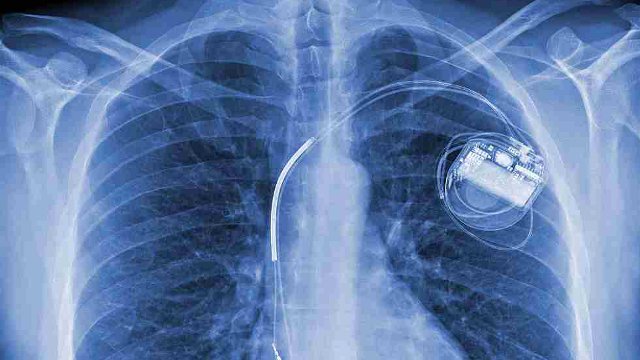
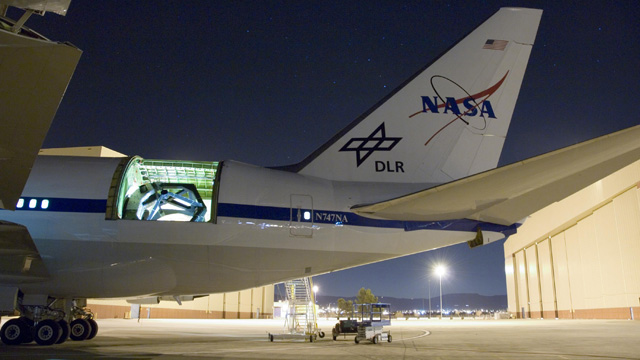
window.__INITIAL_STATE__={
"attachmentsReducer": {
"audio_0": {
"type": "attachments",
"id": "audio_0",
"imgSizes": {
"kqedFullSize": {
"file": "https://ww2.kqed.org/news/wp-content/themes/KQED-unified/img/audio_bgs/background0.jpg"
}
}
},
"audio_1": {
"type": "attachments",
"id": "audio_1",
"imgSizes": {
"kqedFullSize": {
"file": "https://ww2.kqed.org/news/wp-content/themes/KQED-unified/img/audio_bgs/background1.jpg"
}
}
},
"audio_2": {
"type": "attachments",
"id": "audio_2",
"imgSizes": {
"kqedFullSize": {
"file": "https://ww2.kqed.org/news/wp-content/themes/KQED-unified/img/audio_bgs/background2.jpg"
}
}
},
"audio_3": {
"type": "attachments",
"id": "audio_3",
"imgSizes": {
"kqedFullSize": {
"file": "https://ww2.kqed.org/news/wp-content/themes/KQED-unified/img/audio_bgs/background3.jpg"
}
}
},
"audio_4": {
"type": "attachments",
"id": "audio_4",
"imgSizes": {
"kqedFullSize": {
"file": "https://ww2.kqed.org/news/wp-content/themes/KQED-unified/img/audio_bgs/background4.jpg"
}
}
},
"placeholder": {
"type": "attachments",
"id": "placeholder",
"imgSizes": {
"thumbnail": {
"file": "https://cdn.kqed.org/wp-content/uploads/2024/12/KQED-Default-Image-816638274-2000x1333-1-160x107.jpg",
"width": 160,
"height": 107,
"mimeType": "image/jpeg"
},
"medium": {
"file": "https://cdn.kqed.org/wp-content/uploads/2024/12/KQED-Default-Image-816638274-2000x1333-1-800x533.jpg",
"width": 800,
"height": 533,
"mimeType": "image/jpeg"
},
"medium_large": {
"file": "https://cdn.kqed.org/wp-content/uploads/2024/12/KQED-Default-Image-816638274-2000x1333-1-768x512.jpg",
"width": 768,
"height": 512,
"mimeType": "image/jpeg"
},
"large": {
"file": "https://cdn.kqed.org/wp-content/uploads/2024/12/KQED-Default-Image-816638274-2000x1333-1-1020x680.jpg",
"width": 1020,
"height": 680,
"mimeType": "image/jpeg"
},
"1536x1536": {
"file": "https://cdn.kqed.org/wp-content/uploads/2024/12/KQED-Default-Image-816638274-2000x1333-1-1536x1024.jpg",
"width": 1536,
"height": 1024,
"mimeType": "image/jpeg"
},
"fd-lrg": {
"file": "https://cdn.kqed.org/wp-content/uploads/2024/12/KQED-Default-Image-816638274-2000x1333-1-1536x1024.jpg",
"width": 1536,
"height": 1024,
"mimeType": "image/jpeg"
},
"fd-med": {
"file": "https://cdn.kqed.org/wp-content/uploads/2024/12/KQED-Default-Image-816638274-2000x1333-1-1020x680.jpg",
"width": 1020,
"height": 680,
"mimeType": "image/jpeg"
},
"fd-sm": {
"file": "https://cdn.kqed.org/wp-content/uploads/2024/12/KQED-Default-Image-816638274-2000x1333-1-800x533.jpg",
"width": 800,
"height": 533,
"mimeType": "image/jpeg"
},
"post-thumbnail": {
"file": "https://cdn.kqed.org/wp-content/uploads/2024/12/KQED-Default-Image-816638274-2000x1333-1-672x372.jpg",
"width": 672,
"height": 372,
"mimeType": "image/jpeg"
},
"twentyfourteen-full-width": {
"file": "https://cdn.kqed.org/wp-content/uploads/2024/12/KQED-Default-Image-816638274-2000x1333-1-1038x576.jpg",
"width": 1038,
"height": 576,
"mimeType": "image/jpeg"
},
"xxsmall": {
"file": "https://cdn.kqed.org/wp-content/uploads/2024/12/KQED-Default-Image-816638274-2000x1333-1-160x107.jpg",
"width": 160,
"height": 107,
"mimeType": "image/jpeg"
},
"xsmall": {
"file": "https://cdn.kqed.org/wp-content/uploads/2024/12/KQED-Default-Image-816638274-2000x1333-1-672x372.jpg",
"width": 672,
"height": 372,
"mimeType": "image/jpeg"
},
"small": {
"file": "https://cdn.kqed.org/wp-content/uploads/2024/12/KQED-Default-Image-816638274-2000x1333-1-672x372.jpg",
"width": 672,
"height": 372,
"mimeType": "image/jpeg"
},
"xlarge": {
"file": "https://cdn.kqed.org/wp-content/uploads/2024/12/KQED-Default-Image-816638274-2000x1333-1-1020x680.jpg",
"width": 1020,
"height": 680,
"mimeType": "image/jpeg"
},
"full-width": {
"file": "https://cdn.kqed.org/wp-content/uploads/2024/12/KQED-Default-Image-816638274-2000x1333-1-1920x1280.jpg",
"width": 1920,
"height": 1280,
"mimeType": "image/jpeg"
},
"guest-author-32": {
"file": "https://cdn.kqed.org/wp-content/uploads/2025/01/KQED-Default-Image-816638274-1333x1333-1-160x160.jpg",
"width": 32,
"height": 32,
"mimeType": "image/jpeg"
},
"guest-author-50": {
"file": "https://cdn.kqed.org/wp-content/uploads/2025/01/KQED-Default-Image-816638274-1333x1333-1-160x160.jpg",
"width": 50,
"height": 50,
"mimeType": "image/jpeg"
},
"guest-author-64": {
"file": "https://cdn.kqed.org/wp-content/uploads/2025/01/KQED-Default-Image-816638274-1333x1333-1-160x160.jpg",
"width": 64,
"height": 64,
"mimeType": "image/jpeg"
},
"guest-author-96": {
"file": "https://cdn.kqed.org/wp-content/uploads/2025/01/KQED-Default-Image-816638274-1333x1333-1-160x160.jpg",
"width": 96,
"height": 96,
"mimeType": "image/jpeg"
},
"guest-author-128": {
"file": "https://cdn.kqed.org/wp-content/uploads/2025/01/KQED-Default-Image-816638274-1333x1333-1-160x160.jpg",
"width": 128,
"height": 128,
"mimeType": "image/jpeg"
},
"detail": {
"file": "https://cdn.kqed.org/wp-content/uploads/2025/01/KQED-Default-Image-816638274-1333x1333-1-160x160.jpg",
"width": 160,
"height": 160,
"mimeType": "image/jpeg"
},
"kqedFullSize": {
"file": "https://cdn.kqed.org/wp-content/uploads/2024/12/KQED-Default-Image-816638274-2000x1333-1.jpg",
"width": 2000,
"height": 1333
}
}
},
"quest_31386": {
"type": "attachments",
"id": "quest_31386",
"meta": {
"index": "attachments_1716263798",
"site": "quest",
"id": "31386",
"found": true
},
"parent": 31368,
"imgSizes": {
"thumbnail": {
"file": "https://ww2.kqed.org/app/uploads/sites/39/2012/02/x-ray-hugocampos-pa_scaled-400x225.jpg",
"width": 400,
"mimeType": "image/jpeg",
"height": 225
},
"kqedFullSize": {
"file": "https://ww2.kqed.org/app/uploads/sites/39/2012/02/x-ray-hugocampos-pa_scaled.jpg",
"width": 640,
"height": 360
},
"guest-author-96": {
"file": "https://ww2.kqed.org/app/uploads/sites/39/2012/02/x-ray-hugocampos-pa_scaled-96x96.jpg",
"width": 96,
"mimeType": "image/jpeg",
"height": 96
},
"guest-author-64": {
"file": "https://ww2.kqed.org/app/uploads/sites/39/2012/02/x-ray-hugocampos-pa_scaled-64x64.jpg",
"width": 64,
"mimeType": "image/jpeg",
"height": 64
},
"detail": {
"file": "https://ww2.kqed.org/app/uploads/sites/39/2012/02/x-ray-hugocampos-pa_scaled-75x75.jpg",
"width": 75,
"mimeType": "image/jpeg",
"height": 75
},
"guest-author-32": {
"file": "https://ww2.kqed.org/app/uploads/sites/39/2012/02/x-ray-hugocampos-pa_scaled-32x32.jpg",
"width": 32,
"mimeType": "image/jpeg",
"height": 32
},
"guest-author-128": {
"file": "https://ww2.kqed.org/app/uploads/sites/39/2012/02/x-ray-hugocampos-pa_scaled-128x128.jpg",
"width": 128,
"mimeType": "image/jpeg",
"height": 128
}
},
"publishDate": 1330046671,
"modified": 1330046671,
"caption": "An X-ray showing Hugo Campos's ICD. (Courtesy of Hugo Campos)",
"description": null,
"title": "An X-ray showing Hugo Campos's ICD",
"credit": null,
"status": "inherit",
"isLoading": false,
"fetchFailed": false
},
"quest_26551": {
"type": "attachments",
"id": "quest_26551",
"meta": {
"index": "attachments_1716263798",
"site": "quest",
"id": "26551",
"found": true
},
"parent": 26549,
"imgSizes": {
"thumbnail": {
"file": "https://ww2.kqed.org/app/uploads/sites/39/2011/10/NASA-Sofia-400x225.jpg",
"width": 400,
"mimeType": "image/jpeg",
"height": 225
},
"kqedFullSize": {
"file": "https://ww2.kqed.org/app/uploads/sites/39/2011/10/NASA-Sofia.jpg",
"width": 640,
"height": 360
},
"guest-author-96": {
"file": "https://ww2.kqed.org/app/uploads/sites/39/2011/10/NASA-Sofia-96x96.jpg",
"width": 96,
"mimeType": "image/jpeg",
"height": 96
},
"guest-author-64": {
"file": "https://ww2.kqed.org/app/uploads/sites/39/2011/10/NASA-Sofia-64x64.jpg",
"width": 64,
"mimeType": "image/jpeg",
"height": 64
},
"detail": {
"file": "https://ww2.kqed.org/app/uploads/sites/39/2011/10/NASA-Sofia-75x75.jpg",
"width": 75,
"mimeType": "image/jpeg",
"height": 75
},
"guest-author-32": {
"file": "https://ww2.kqed.org/app/uploads/sites/39/2011/10/NASA-Sofia-32x32.jpg",
"width": 32,
"mimeType": "image/jpeg",
"height": 32
},
"guest-author-128": {
"file": "https://ww2.kqed.org/app/uploads/sites/39/2011/10/NASA-Sofia-128x128.jpg",
"width": 128,
"mimeType": "image/jpeg",
"height": 128
}
},
"publishDate": 1319850333,
"modified": 1319850333,
"caption": "NASA's Stratospheric Observatory for Infrared Astronomy, also known as SOFIA. (Photo: NASA)",
"description": null,
"title": "NASA-Sofia",
"credit": null,
"status": "inherit",
"isLoading": false,
"fetchFailed": false
},
"quest_30424": {
"type": "attachments",
"id": "quest_30424",
"meta": {
"index": "attachments_1716263798",
"site": "quest",
"id": "30424",
"found": true
},
"parent": 30411,
"imgSizes": {
"thumbnail": {
"file": "https://ww2.kqed.org/app/uploads/sites/39/2012/02/Pavement1-400x225.jpg",
"width": 400,
"mimeType": "image/jpeg",
"height": 225
},
"kqedFullSize": {
"file": "https://ww2.kqed.org/app/uploads/sites/39/2012/02/Pavement1.jpg",
"width": 640,
"height": 360
},
"guest-author-96": {
"file": "https://ww2.kqed.org/app/uploads/sites/39/2012/02/Pavement1-96x96.jpg",
"width": 96,
"mimeType": "image/jpeg",
"height": 96
},
"guest-author-64": {
"file": "https://ww2.kqed.org/app/uploads/sites/39/2012/02/Pavement1-64x64.jpg",
"width": 64,
"mimeType": "image/jpeg",
"height": 64
},
"detail": {
"file": "https://ww2.kqed.org/app/uploads/sites/39/2012/02/Pavement1-75x75.jpg",
"width": 75,
"mimeType": "image/jpeg",
"height": 75
},
"guest-author-32": {
"file": "https://ww2.kqed.org/app/uploads/sites/39/2012/02/Pavement1-32x32.jpg",
"width": 32,
"mimeType": "image/jpeg",
"height": 32
},
"guest-author-128": {
"file": "https://ww2.kqed.org/app/uploads/sites/39/2012/02/Pavement1-128x128.jpg",
"width": 128,
"mimeType": "image/jpeg",
"height": 128
}
},
"publishDate": 1328901607,
"modified": 1328901607,
"caption": "A test patch of pavement at the UC Pavement Research Center. ",
"description": null,
"title": "Pavement",
"credit": null,
"status": "inherit",
"isLoading": false,
"fetchFailed": false
},
"quest_30146": {
"type": "attachments",
"id": "quest_30146",
"meta": {
"index": "attachments_1716263798",
"site": "quest",
"id": "30146",
"found": true
},
"parent": 30134,
"imgSizes": {
"thumbnail": {
"file": "https://ww2.kqed.org/app/uploads/sites/39/2012/02/hills-400x225.jpg",
"width": 400,
"mimeType": "image/jpeg",
"height": 225
},
"kqedFullSize": {
"file": "https://ww2.kqed.org/app/uploads/sites/39/2012/02/hills.jpg",
"width": 640,
"height": 360
},
"guest-author-96": {
"file": "https://ww2.kqed.org/app/uploads/sites/39/2012/02/hills-96x96.jpg",
"width": 96,
"mimeType": "image/jpeg",
"height": 96
},
"guest-author-64": {
"file": "https://ww2.kqed.org/app/uploads/sites/39/2012/02/hills-64x64.jpg",
"width": 64,
"mimeType": "image/jpeg",
"height": 64
},
"detail": {
"file": "https://ww2.kqed.org/app/uploads/sites/39/2012/02/hills-75x75.jpg",
"width": 75,
"mimeType": "image/jpeg",
"height": 75
},
"guest-author-32": {
"file": "https://ww2.kqed.org/app/uploads/sites/39/2012/02/hills-32x32.jpg",
"width": 32,
"mimeType": "image/jpeg",
"height": 32
},
"guest-author-128": {
"file": "https://ww2.kqed.org/app/uploads/sites/39/2012/02/hills-128x128.jpg",
"width": 128,
"mimeType": "image/jpeg",
"height": 128
}
},
"publishDate": 1328228062,
"modified": 1328228062,
"caption": "Rancho Corral de Tierra's nearly 4,000 acres overlook the Pacific, just south of Devil's Slide. ",
"description": null,
"title": "hills",
"credit": null,
"status": "inherit",
"isLoading": false,
"fetchFailed": false
},
"quest_29972": {
"type": "attachments",
"id": "quest_29972",
"meta": {
"index": "attachments_1716263798",
"site": "quest",
"id": "29972",
"found": true
},
"parent": 29849,
"imgSizes": {
"thumbnail": {
"file": "https://ww2.kqed.org/app/uploads/sites/39/2012/01/xray-400x300.jpg",
"width": 400,
"mimeType": "image/jpeg",
"height": 300
},
"post-thumbnail": {
"file": "https://ww2.kqed.org/app/uploads/sites/39/2012/01/xray-640x372.jpg",
"width": 640,
"mimeType": "image/jpeg",
"height": 372
},
"kqedFullSize": {
"file": "https://ww2.kqed.org/app/uploads/sites/39/2012/01/xray.jpg",
"width": 640,
"height": 480
},
"guest-author-96": {
"file": "https://ww2.kqed.org/app/uploads/sites/39/2012/01/xray-96x96.jpg",
"width": 96,
"mimeType": "image/jpeg",
"height": 96
},
"guest-author-64": {
"file": "https://ww2.kqed.org/app/uploads/sites/39/2012/01/xray-64x64.jpg",
"width": 64,
"mimeType": "image/jpeg",
"height": 64
},
"detail": {
"file": "https://ww2.kqed.org/app/uploads/sites/39/2012/01/xray-75x75.jpg",
"width": 75,
"mimeType": "image/jpeg",
"height": 75
},
"guest-author-32": {
"file": "https://ww2.kqed.org/app/uploads/sites/39/2012/01/xray-32x32.jpg",
"width": 32,
"mimeType": "image/jpeg",
"height": 32
},
"guest-author-128": {
"file": "https://ww2.kqed.org/app/uploads/sites/39/2012/01/xray-128x128.jpg",
"width": 128,
"mimeType": "image/jpeg",
"height": 128
}
},
"publishDate": 1327733731,
"modified": 1327733731,
"caption": null,
"description": null,
"title": "xray",
"credit": null,
"status": "inherit",
"isLoading": false,
"fetchFailed": false
},
"quest_29622": {
"type": "attachments",
"id": "quest_29622",
"meta": {
"index": "attachments_1716263798",
"site": "quest",
"id": "29622",
"found": true
},
"parent": 29620,
"imgSizes": {
"thumbnail": {
"file": "https://ww2.kqed.org/app/uploads/sites/39/2012/01/IMG_4428-400x225.jpg",
"width": 400,
"mimeType": "image/jpeg",
"height": 225
},
"kqedFullSize": {
"file": "https://ww2.kqed.org/app/uploads/sites/39/2012/01/IMG_4428.jpg",
"width": 640,
"height": 360
},
"guest-author-96": {
"file": "https://ww2.kqed.org/app/uploads/sites/39/2012/01/IMG_4428-96x96.jpg",
"width": 96,
"mimeType": "image/jpeg",
"height": 96
},
"guest-author-64": {
"file": "https://ww2.kqed.org/app/uploads/sites/39/2012/01/IMG_4428-64x64.jpg",
"width": 64,
"mimeType": "image/jpeg",
"height": 64
},
"detail": {
"file": "https://ww2.kqed.org/app/uploads/sites/39/2012/01/IMG_4428-75x75.jpg",
"width": 75,
"mimeType": "image/jpeg",
"height": 75
},
"guest-author-32": {
"file": "https://ww2.kqed.org/app/uploads/sites/39/2012/01/IMG_4428-32x32.jpg",
"width": 32,
"mimeType": "image/jpeg",
"height": 32
},
"guest-author-128": {
"file": "https://ww2.kqed.org/app/uploads/sites/39/2012/01/IMG_4428-128x128.jpg",
"width": 128,
"mimeType": "image/jpeg",
"height": 128
}
},
"publishDate": 1327012787,
"modified": 1327012787,
"caption": "The new all-eletric Nissan Leaf. (Photo: Josh Cassidy)",
"description": null,
"title": "IMG_4428",
"credit": null,
"status": "inherit",
"isLoading": false,
"fetchFailed": false
},
"quest_29456": {
"type": "attachments",
"id": "quest_29456",
"meta": {
"index": "attachments_1716263798",
"site": "quest",
"id": "29456",
"found": true
},
"parent": 29446,
"imgSizes": {
"thumbnail": {
"file": "https://ww2.kqed.org/app/uploads/sites/39/2012/01/LBNL-400x225.jpg",
"width": 400,
"mimeType": "image/jpeg",
"height": 225
},
"kqedFullSize": {
"file": "https://ww2.kqed.org/app/uploads/sites/39/2012/01/LBNL.jpg",
"width": 640,
"height": 360
},
"guest-author-96": {
"file": "https://ww2.kqed.org/app/uploads/sites/39/2012/01/LBNL-96x96.jpg",
"width": 96,
"mimeType": "image/jpeg",
"height": 96
},
"guest-author-64": {
"file": "https://ww2.kqed.org/app/uploads/sites/39/2012/01/LBNL-64x64.jpg",
"width": 64,
"mimeType": "image/jpeg",
"height": 64
},
"detail": {
"file": "https://ww2.kqed.org/app/uploads/sites/39/2012/01/LBNL-75x75.jpg",
"width": 75,
"mimeType": "image/jpeg",
"height": 75
},
"guest-author-32": {
"file": "https://ww2.kqed.org/app/uploads/sites/39/2012/01/LBNL-32x32.jpg",
"width": 32,
"mimeType": "image/jpeg",
"height": 32
},
"guest-author-128": {
"file": "https://ww2.kqed.org/app/uploads/sites/39/2012/01/LBNL-128x128.jpg",
"width": 128,
"mimeType": "image/jpeg",
"height": 128
}
},
"publishDate": 1326497205,
"modified": 1326497205,
"caption": null,
"description": null,
"title": "LBNL",
"credit": null,
"status": "inherit",
"isLoading": false,
"fetchFailed": false
},
"quest_28889": {
"type": "attachments",
"id": "quest_28889",
"meta": {
"index": "attachments_1716263798",
"site": "quest",
"id": "28889",
"found": true
},
"parent": 28837,
"imgSizes": {
"thumbnail": {
"file": "https://ww2.kqed.org/app/uploads/sites/39/2011/12/bird-count-13-400x217.jpg",
"width": 400,
"mimeType": "image/jpeg",
"height": 217
},
"kqedFullSize": {
"file": "https://ww2.kqed.org/app/uploads/sites/39/2011/12/bird-count-13.jpg",
"width": 660,
"height": 358
},
"guest-author-96": {
"file": "https://ww2.kqed.org/app/uploads/sites/39/2011/12/bird-count-13-96x96.jpg",
"width": 96,
"mimeType": "image/jpeg",
"height": 96
},
"guest-author-64": {
"file": "https://ww2.kqed.org/app/uploads/sites/39/2011/12/bird-count-13-64x64.jpg",
"width": 64,
"mimeType": "image/jpeg",
"height": 64
},
"detail": {
"file": "https://ww2.kqed.org/app/uploads/sites/39/2011/12/bird-count-13-75x75.jpg",
"width": 75,
"mimeType": "image/jpeg",
"height": 75
},
"guest-author-32": {
"file": "https://ww2.kqed.org/app/uploads/sites/39/2011/12/bird-count-13-32x32.jpg",
"width": 32,
"mimeType": "image/jpeg",
"height": 32
},
"guest-author-128": {
"file": "https://ww2.kqed.org/app/uploads/sites/39/2011/12/bird-count-13-128x128.jpg",
"width": 128,
"mimeType": "image/jpeg",
"height": 128
}
},
"publishDate": 1325191868,
"modified": 1325191868,
"caption": null,
"description": null,
"title": "Audubon bird count volunteers",
"credit": null,
"status": "inherit",
"isLoading": false,
"fetchFailed": false
},
"quest_28710": {
"type": "attachments",
"id": "quest_28710",
"meta": {
"index": "attachments_1716263798",
"site": "quest",
"id": "28710",
"found": true
},
"parent": 17084,
"imgSizes": {
"thumbnail": {
"file": "https://ww2.kqed.org/app/uploads/sites/39/2011/12/640px-Hoover_Dam_01-400x300.jpg",
"width": 400,
"mimeType": "image/jpeg",
"height": 300
},
"post-thumbnail": {
"file": "https://ww2.kqed.org/app/uploads/sites/39/2011/12/640px-Hoover_Dam_01-640x372.jpg",
"width": 640,
"mimeType": "image/jpeg",
"height": 372
},
"kqedFullSize": {
"file": "https://ww2.kqed.org/app/uploads/sites/39/2011/12/640px-Hoover_Dam_01.jpg",
"width": 640,
"height": 480
},
"guest-author-96": {
"file": "https://ww2.kqed.org/app/uploads/sites/39/2011/12/640px-Hoover_Dam_01-96x96.jpg",
"width": 96,
"mimeType": "image/jpeg",
"height": 96
},
"guest-author-64": {
"file": "https://ww2.kqed.org/app/uploads/sites/39/2011/12/640px-Hoover_Dam_01-64x64.jpg",
"width": 64,
"mimeType": "image/jpeg",
"height": 64
},
"detail": {
"file": "https://ww2.kqed.org/app/uploads/sites/39/2011/12/640px-Hoover_Dam_01-75x75.jpg",
"width": 75,
"mimeType": "image/jpeg",
"height": 75
},
"guest-author-32": {
"file": "https://ww2.kqed.org/app/uploads/sites/39/2011/12/640px-Hoover_Dam_01-32x32.jpg",
"width": 32,
"mimeType": "image/jpeg",
"height": 32
},
"guest-author-128": {
"file": "https://ww2.kqed.org/app/uploads/sites/39/2011/12/640px-Hoover_Dam_01-128x128.jpg",
"width": 128,
"mimeType": "image/jpeg",
"height": 128
}
},
"publishDate": 1324663915,
"modified": 1324663915,
"caption": null,
"description": null,
"title": "640px-Hoover_Dam_01",
"credit": null,
"status": "inherit",
"isLoading": false,
"fetchFailed": false
},
"quest_28041": {
"type": "attachments",
"id": "quest_28041",
"meta": {
"index": "attachments_1716263798",
"site": "quest",
"id": "28041",
"found": true
},
"parent": 28033,
"imgSizes": {
"thumbnail": {
"file": "https://ww2.kqed.org/app/uploads/sites/39/2011/12/nano-400x225.jpg",
"width": 400,
"mimeType": "image/jpeg",
"height": 225
},
"kqedFullSize": {
"file": "https://ww2.kqed.org/app/uploads/sites/39/2011/12/nano.jpg",
"width": 640,
"height": 360
},
"guest-author-96": {
"file": "https://ww2.kqed.org/app/uploads/sites/39/2011/12/nano-96x96.jpg",
"width": 96,
"mimeType": "image/jpeg",
"height": 96
},
"guest-author-64": {
"file": "https://ww2.kqed.org/app/uploads/sites/39/2011/12/nano-64x64.jpg",
"width": 64,
"mimeType": "image/jpeg",
"height": 64
},
"detail": {
"file": "https://ww2.kqed.org/app/uploads/sites/39/2011/12/nano-75x75.jpg",
"width": 75,
"mimeType": "image/jpeg",
"height": 75
},
"guest-author-32": {
"file": "https://ww2.kqed.org/app/uploads/sites/39/2011/12/nano-32x32.jpg",
"width": 32,
"mimeType": "image/jpeg",
"height": 32
},
"guest-author-128": {
"file": "https://ww2.kqed.org/app/uploads/sites/39/2011/12/nano-128x128.jpg",
"width": 128,
"mimeType": "image/jpeg",
"height": 128
}
},
"publishDate": 1322860848,
"modified": 1322860848,
"caption": null,
"description": null,
"title": "nano",
"credit": null,
"status": "inherit",
"isLoading": false,
"fetchFailed": false
},
"quest_28569": {
"type": "attachments",
"id": "quest_28569",
"meta": {
"index": "attachments_1716263798",
"site": "quest",
"id": "28569",
"found": true
},
"parent": 28567,
"imgSizes": {
"thumbnail": {
"file": "https://ww2.kqed.org/app/uploads/sites/39/2011/12/DSC00009-400x225.jpg",
"width": 400,
"mimeType": "image/jpeg",
"height": 225
},
"kqedFullSize": {
"file": "https://ww2.kqed.org/app/uploads/sites/39/2011/12/DSC00009.jpg",
"width": 640,
"height": 360
},
"guest-author-96": {
"file": "https://ww2.kqed.org/app/uploads/sites/39/2011/12/DSC00009-96x96.jpg",
"width": 96,
"mimeType": "image/jpeg",
"height": 96
},
"guest-author-64": {
"file": "https://ww2.kqed.org/app/uploads/sites/39/2011/12/DSC00009-64x64.jpg",
"width": 64,
"mimeType": "image/jpeg",
"height": 64
},
"detail": {
"file": "https://ww2.kqed.org/app/uploads/sites/39/2011/12/DSC00009-75x75.jpg",
"width": 75,
"mimeType": "image/jpeg",
"height": 75
},
"guest-author-32": {
"file": "https://ww2.kqed.org/app/uploads/sites/39/2011/12/DSC00009-32x32.jpg",
"width": 32,
"mimeType": "image/jpeg",
"height": 32
},
"guest-author-128": {
"file": "https://ww2.kqed.org/app/uploads/sites/39/2011/12/DSC00009-128x128.jpg",
"width": 128,
"mimeType": "image/jpeg",
"height": 128
}
},
"publishDate": 1324075744,
"modified": 1324075744,
"caption": "A woody grass called Miscanthus is one of the biofuel feedstocks being examined.",
"description": null,
"title": "DSC00009",
"credit": null,
"status": "inherit",
"isLoading": false,
"fetchFailed": false
}
},
"audioPlayerReducer": {
"postId": "stream_live",
"isPaused": true,
"isPlaying": false,
"pfsActive": false,
"pledgeModalIsOpen": true,
"playerDrawerIsOpen": false,
"liveAudioPlayStartedAt": 0,
"liveAudioPlayContext": ""
},
"authorsReducer": {
"amystanden": {
"type": "authors",
"id": "210",
"meta": {
"index": "authors_1716337520",
"id": "210",
"found": true
},
"name": "Amy Standen",
"firstName": "Amy",
"lastName": "Standen",
"slug": "amystanden",
"email": "astanden@kqed.org",
"display_author_email": false,
"staff_mastheads": [],
"title": "KQED Contributor",
"bio": "Amy Standen (@amystanden) is co-host of #\u003ca href=\"https://ww2.kqed.org/news/programs/the-leap\">TheLeapPodcast\u003c/a> (subscribe on iTunes or Stitcher!) and host of KQED and PBSDigital Studios' science video series, \u003ca href=\"https://www.youtube.com/user/KQEDDeepLook\">Deep Look\u003c/a>. Her science radio stories appear on KQED and NPR.\r\n\r\nEmail her at astanden@kqed.org",
"avatar": "https://secure.gravatar.com/avatar/3d021b72de685a788b0487b059d0a6a1?s=600&d=blank&r=g",
"twitter": null,
"facebook": null,
"instagram": null,
"linkedin": null,
"sites": [
{
"site": "news",
"roles": [
"subscriber"
]
},
{
"site": "futureofyou",
"roles": [
"subscriber"
]
},
{
"site": "stateofhealth",
"roles": [
"subscriber"
]
},
{
"site": "science",
"roles": []
},
{
"site": "quest",
"roles": [
"subscriber"
]
}
],
"headData": {
"title": "Amy Standen | KQED",
"description": "KQED Contributor",
"ogImgSrc": "https://secure.gravatar.com/avatar/3d021b72de685a788b0487b059d0a6a1?s=600&d=blank&r=g",
"twImgSrc": "https://secure.gravatar.com/avatar/3d021b72de685a788b0487b059d0a6a1?s=600&d=blank&r=g"
},
"isLoading": false,
"link": "/author/amystanden"
},
"andrea-kissack": {
"type": "authors",
"id": "212",
"meta": {
"index": "authors_1716337520",
"id": "212",
"found": true
},
"name": "Andrea Kissack",
"firstName": "Andrea",
"lastName": "Kissack",
"slug": "andrea-kissack",
"email": "akissack@kqed.org",
"display_author_email": false,
"staff_mastheads": [],
"title": "KQED Contributor",
"bio": "Andrea has nearly three decades of experience working as a reporter, anchor, producer and editor for public radio, large market television news and CBS radio. In her current role as KQED’s Sr. Science Editor, Andrea helps lead a talented team covering science, technology, health and the environment for broadcast and digital platforms. Most recently she helped KQED launch a new, multimedia initiative covering the intersection of technology, health and medical science. She has earned a number of accolades for her work including awards from the Radio and Television News Directors Association, the National Academy of Television Arts and Sciences and the Associated Press. Her work can be seen, and heard, on a number of networks, Including NPR, PBS, CBS and the BBC.",
"avatar": "https://secure.gravatar.com/avatar/3eae7a251f0aee43b3c0137a636cb386?s=600&d=blank&r=g",
"twitter": "andreakissack",
"facebook": null,
"instagram": null,
"linkedin": null,
"sites": [
{
"site": "news",
"roles": [
"subscriber"
]
},
{
"site": "stateofhealth",
"roles": [
"subscriber"
]
},
{
"site": "science",
"roles": []
},
{
"site": "quest",
"roles": [
"add_users",
"create_users",
"edit_files",
"edit_users",
"level_10",
"level_8",
"level_9",
"promote_users",
"view_cimy_extra_fields",
"subscriber"
]
}
],
"headData": {
"title": "Andrea Kissack | KQED",
"description": "KQED Contributor",
"ogImgSrc": "https://secure.gravatar.com/avatar/3eae7a251f0aee43b3c0137a636cb386?s=600&d=blank&r=g",
"twImgSrc": "https://secure.gravatar.com/avatar/3eae7a251f0aee43b3c0137a636cb386?s=600&d=blank&r=g"
},
"isLoading": false,
"link": "/author/andrea-kissack"
},
"laurensommer": {
"type": "authors",
"id": "239",
"meta": {
"index": "authors_1716337520",
"id": "239",
"found": true
},
"name": "Lauren Sommer",
"firstName": "Lauren",
"lastName": "Sommer",
"slug": "laurensommer",
"email": "lsommer@kqed.org",
"display_author_email": false,
"staff_mastheads": [],
"title": "KQED Contributor",
"bio": "Lauren is a radio reporter formerly covering environment, water, and energy for KQED Science. As part of her day job, she has scaled Sierra Nevada peaks, run from charging elephant seals, and desperately tried to get her sea legs - all in pursuit of good radio. Her work has appeared on Marketplace, Living on Earth, Science Friday and NPR's Morning Edition and All Things Considered. You can find her on Twitter at \u003ca href=\"https://twitter.com/lesommer\">@lesommer\u003c/a>.",
"avatar": "https://secure.gravatar.com/avatar/33aa3772bb86c6ad45b8aca6a238bbdf?s=600&d=blank&r=g",
"twitter": null,
"facebook": null,
"instagram": null,
"linkedin": null,
"sites": [
{
"site": "news",
"roles": [
"author"
]
},
{
"site": "science",
"roles": [
"editor",
"manage_content_types",
"manage_taxonomies"
]
},
{
"site": "quest",
"roles": [
"editor"
]
}
],
"headData": {
"title": "Lauren Sommer | KQED",
"description": "KQED Contributor",
"ogImgSrc": "https://secure.gravatar.com/avatar/33aa3772bb86c6ad45b8aca6a238bbdf?s=600&d=blank&r=g",
"twImgSrc": "https://secure.gravatar.com/avatar/33aa3772bb86c6ad45b8aca6a238bbdf?s=600&d=blank&r=g"
},
"isLoading": false,
"link": "/author/laurensommer"
},
"jennyoh": {
"type": "authors",
"id": "2100",
"meta": {
"index": "authors_1716337520",
"id": "2100",
"found": true
},
"name": "Jenny Oh",
"firstName": "Jenny",
"lastName": "Oh",
"slug": "jennyoh",
"email": "joh@kqed.org",
"display_author_email": false,
"staff_mastheads": [],
"title": "Audience Engagement Producer, Deep Look",
"bio": "Jenny is an Emmy Award-winning producer and is currently the Audience Engagement Producer for KQED Science's \u003cem>Deep Look\u003c/em> online video series. She was also a long-time contributor to Bay Area Bites, KQED's popular food blog. Jenny graduated with honors from New York University’s Tisch School of the Arts Film and Television program and has worked for WNET/PBS, The Learning Channel, Sundance Channel, HBO and the University of California.",
"avatar": "https://secure.gravatar.com/avatar/7ddda0ed657e46dbe66083f569967752?s=600&d=mm&r=g",
"twitter": null,
"facebook": null,
"instagram": null,
"linkedin": null,
"sites": [
{
"site": "arts",
"roles": []
},
{
"site": "pop",
"roles": []
},
{
"site": "about",
"roles": []
},
{
"site": "bayareabites",
"roles": []
},
{
"site": "science",
"roles": []
},
{
"site": "education",
"roles": []
},
{
"site": "quest",
"roles": []
},
{
"site": "food",
"roles": []
}
],
"headData": {
"title": "Jenny Oh | KQED",
"description": "Audience Engagement Producer, Deep Look",
"ogImgSrc": "https://secure.gravatar.com/avatar/7ddda0ed657e46dbe66083f569967752?s=600&d=mm&r=g",
"twImgSrc": "https://secure.gravatar.com/avatar/7ddda0ed657e46dbe66083f569967752?s=600&d=mm&r=g"
},
"isLoading": false,
"link": "/author/jennyoh"
}
},
"pagesReducer": {
"quest_tag_audio": {
"type": "terms",
"id": "quest_252",
"meta": {
"index": "terms_1716263798",
"site": "quest",
"id": "252",
"score": 8.7980385
},
"featImg": null,
"name": "audio",
"description": null,
"taxonomy": "tag",
"headData": {
"twImgId": null,
"twTitle": null,
"ogTitle": null,
"ogImgId": null,
"twDescription": null,
"description": null,
"title": "audio Archives | KQED Arts",
"ogDescription": null
},
"ttid": 254,
"slug": "audio",
"isLoading": false,
"title": "audio",
"pageMeta": {
"site": "quest",
"WpPageTemplate": "page-topic-editorial",
"currentPage": 9
},
"blocks": [
{
"blockName": "kqed/post-list",
"attrs": {
"layout": "cardArticle2",
"query": "posts/quest?tag=audio",
"seeMore": false,
"paginated": true,
"page": 9
}
},
{
"blockName": "kqed/ad"
}
]
}
},
"pfsSessionReducer": {},
"postsReducer": {
"stream_live": {
"type": "live",
"id": "stream_live",
"audioUrl": "https://hls.kqed.org/hls/kqed_app/playlist.m3u8",
"title": "Live Stream",
"excerpt": "Live Stream information currently unavailable.",
"link": "/radio",
"featImg": "",
"label": {
"name": "KQED Live",
"link": "/"
}
},
"stream_kqedNewscast": {
"type": "posts",
"id": "stream_kqedNewscast",
"audioUrl": "https://www.kqed.org/.stream/anon/radio/RDnews/newscast.mp3?_=1",
"title": "KQED Newscast",
"featImg": "",
"label": {
"name": "88.5 FM",
"link": "/"
}
},
"quest_31368": {
"type": "posts",
"id": "quest_31368",
"meta": {
"index": "posts_1716263798",
"site": "quest",
"id": "31368",
"score": null,
"sort": [
1330110037000
]
},
"parent": 0,
"labelTerm": {
"site": "quest"
},
"blocks": [],
"publishDate": 1330110037,
"format": "audio",
"disqusTitle": "Eavesdropping on the Heart: A Patient’s Campaign for Access",
"title": "Eavesdropping on the Heart: A Patient’s Campaign for Access",
"headTitle": "QUEST | KQED Science",
"content": "\u003cp>http://www.kqed.org/.stream/anon/radio/quest/2012/02/2012-02-27-quest.mp3\u003c/p>\n\u003cfigure id=\"attachment_31386\" class=\"wp-caption alignleft\" style=\"max-width: 300px\">\u003ca href=\"http://ww2.kqed.org/quest/wp-content/uploads/sites/39/2012/02/x-ray-hugocampos-pa_scaled.jpg\">\u003cimg src=\"http://ww2.kqed.org/quest/wp-content/uploads/sites/39/2012/02/x-ray-hugocampos-pa_scaled-300x169.jpg\" alt=\"\" title=\"An X-ray showing Hugo Campos's ICD\" width=\"300\" height=\"169\" class=\"size-thumbnail wp-image-31386\">\u003c/a>\u003cfigcaption class=\"wp-caption-text\">An X-ray showing Hugo Campos's ICD. (Courtesy of Hugo Campos)\u003c/figcaption>\u003c/figure>\n\u003cp>Each year, hundreds of thousands of Americans are implanted with tiny, battery-controlled devices that regulate the beating of their hearts. Those devices transmit streams of medical data directly to doctors. \u003c/p>\n\u003cp>Many of these are ICDs – implantable cardioverter-defibrillators. They’re miraculous, life saving devices. \u003c/p>\n\u003cp>Consider what happened one October afternoon to 45 year-old \u003ca href=\"http://www.mercurynews.com/health/ci_19847981\">Hugo Campos\u003c/a>, who lives in Oakland. \u003c/p>\n\u003cp>Campos was in San Francisco’s Mission District on his way to meet a friend for lunch, when suddenly he felt weak, as if about to faint. \u003c/p>\n\u003cp>[ad fullwidth]\u003c/p>\n\u003cp>He was on the corner of 16th and Valencia Streets, “not a pretty place to pass out,” he says. \u003c/p>\n\u003cp>“My concern was not falling where people had spit! I'm facing death and I'm worried about falling where there's spit.”\u003c/p>\n\u003cp>He felt an urgent need to call his partner, tell him where he was. But there was no time. Campos’s brain was shutting down. \u003c/p>\n\u003cp>“So I leaned against the wall and I expected to fall. And then it passed. It went away.”\u003c/p>\n\u003cp>Campos has a genetic heart disease called hypertrophic cardiomyopathy, a thickening of the heart muscle that can prevent the heart from effectively pumping blood to the brain and body. \u003c/p>\n\u003cp>Luckily for Campos, his doctors were able to diagnose the disease before it suddenly killed him, as it does in many young athletes, for example. In 2007, Campos had the ICD implanted in his chest.\u003c/p>\n\u003cfigure id=\"attachment_31387\" class=\"wp-caption alignleft\" style=\"max-width: 300px\">\u003ca href=\"http://ww2.kqed.org/quest/wp-content/uploads/sites/39/2012/02/HC_Scale.jpg\">\u003cimg src=\"http://ww2.kqed.org/quest/wp-content/uploads/sites/39/2012/02/HC_Scale-300x169.jpg\" alt=\"\" title=\"Hugo Campos\" width=\"300\" height=\"169\" class=\"size-thumbnail wp-image-31387\">\u003c/a>\u003cfigcaption class=\"wp-caption-text\">Hugo Campos\u003c/figcaption>\u003c/figure>\n\u003cp>On that October afternoon, the device had two options: It could deliver a powerful jolt of electricity – like those defibrillator paddles you’ve seen on TV. Instead, it acted like a pacemaker, delivering small electrical pulses that coax the heart back to its normal rhythm. \u003c/p>\n\u003cp>The ICD probably saved his life. \u003c/p>\n\u003cp>“All systems are go again,” he says, recalling that moment. “You feel the blood rushing to your head. It feels great. Life feels great. It feels outstanding.”\u003c/p>\n\u003cp>While life-saving, the ICD comes with a downside. When the device performs its defibrillator function, the shock is powerful and can be excruciating. Some ICDs have been known to defibrillate spontaneously, an experience patients describe as \u003ca href=\"http://circep.ahajournals.org/content/4/2/242.extract\">traumatic\u003c/a>.\u003c/p>\n\u003cp>The fear of a shock, along with the ever-present possibility of sudden heart failure and death, has changed Campos. \u003c/p>\n\u003cp>It’s given him a fervent desire to know, and to control as best he can, what’s happening inside his body. \u003c/p>\n\u003cp>Campos is a web designer, and you could describe his attitude as a Silicon Valley approach to heath: He’s had his genome sequenced. He sleeps with a Zeo sleep monitor, and goes nowhere without his FitBit pedometer. Last December, Campos \u003ca href=\"http://quantifiedself.com/hugo-campos/\">photographed\u003c/a> every morsel of food he ate, for a month, removing meat and dairy from his diet. \u003c/p>\n\u003cp>Campos wants the same access to what’s happening inside his ICD. He doesn’t want to have to go to his doctor for the occasional print out of his intracardiac electrogram. He wants the complete raw data, on demand. \u003c/p>\n\u003cp>In 2009, Medtronic, which makes Campos's ICD, told him that the data was only available through his doctor. Since then, he’s met with Medtronic officials and made his case widely in the media (including this recent \u003ca href=\"http://www.mercurynews.com/health/ci_19847981\">Mercury News story\u003c/a>) and online, in a widely-watched \u003ca href=\"http://www.tedxcambridge.com/thrive/hugo-campos/\">TedX talk\u003c/a>. Another inquiry to Medtronic, in 2011 generated a similar response. \u003c/p>\n\u003cp>Meanwhile, other patients, like \u003ca href=\"http://icdusergroup.blogspot.com/2011/12/karen-sandler-cyber-lawyer-running-on.html\">Karen Sandler\u003c/a>, of Massachussets, make Campos’s demands look modest in comparison. A freedom of information lawyer, Sandler wants the full source code for her ICD. \u003c/p>\n\u003cp>“We are seeing a cultural shift,” says Paul Tang, a physician in Palo Alto who has advised the White House on health information policy. \u003c/p>\n\u003cp>Tang believes this whole issue of data and access is just starting to unfold.\u003c/p>\n\u003cp>He says soon, many more of us will have devices in our lives that can monitor our health and transmit that information to our doctors. Our iPhones can tell doctors how much we're exercising. The bathroom scale can report weight gain. Credit card companies could even tell our doctor what kinds of food we're buying.\u003c/p>\n\u003cp>“In the future,” says Tang, “I think we’re going to take advantage of much more of these signals that either emanate from your body, or can be determined noninvasively, and provide feedback on how the things you do in everyday life affect your health.” \u003c/p>\n\u003cp>Tang sees this new age of medical data as a boon for patients, a way to fully engage people in their health, so that they can see the way day-to-day decisions affect their body. \u003c/p>\n\u003cp>He says the The Patient Protection and Affordable Care Act, signed by President Obama in 2010, will give patients far more access to their medical data than every before.\u003c/p>\n\u003cp>But Campos worries that the sheer volume of new data being created, as well as the ability to remotely transmit that data directly to physicians, could end up shutting patients out of their own healthcare, even replacing traditional visits to the doctor's office. \u003c/p>\n\u003cp>He says unless patients start demanding full access to their medical data now, they risk being left out of the loop.\u003c/p>\n\u003cp>“I should be in charge of it in the same way I'm in charge of my financial information,” he says. “It’s just a matter of putting the patient in the center of their own care.”\u003c/p>\n\u003cp>Meanwhile, Campos’s ICD crusade seems to be working. A spokesman for Medtronic says the company is now willing to give Campos his raw data, and is working on ways to make this happen. The spokesman added that the company is willing to do the same for other ICD patients who request to see their raw data, as well. \u003c/p>\n\u003cp>\u003c/p>\n\u003cp>Campos says he’ll believe it when he sees it. \u003c/p>\n\n",
"disqusIdentifier": "31368 http://science.kqed.org/quest/?post_type=audio_reports&p=31368",
"disqusUrl": "https://ww2.kqed.org/quest/2012/02/24/eavesdropping-on-the-heart-a-patient%e2%80%99s-campaign-for-access/",
"stats": {
"hasVideo": false,
"hasChartOrMap": false,
"hasAudio": true,
"hasPolis": false,
"wordCount": 1026,
"hasGoogleForm": false,
"hasGallery": false,
"hasHearkenModule": false,
"iframeSrcs": [],
"paragraphCount": 33
},
"modified": 1370996717,
"excerpt": "You could call it a sort of Silicon Valley approach to health: Campos has had his genome sequenced; he sleeps with a sleep monitor, and goes nowhere without his pedometer. He wants the same access to the information coming out of his own heart. ",
"headData": {
"twImgId": "",
"twTitle": "",
"ogTitle": "",
"ogImgId": "",
"twDescription": "",
"description": "You could call it a sort of Silicon Valley approach to health: Campos has had his genome sequenced; he sleeps with a sleep monitor, and goes nowhere without his pedometer. He wants the same access to the information coming out of his own heart. ",
"title": "Eavesdropping on the Heart: A Patient’s Campaign for Access | KQED",
"ogDescription": "",
"schema": {
"@context": "https://schema.org",
"@type": "Article",
"headline": "Eavesdropping on the Heart: A Patient’s Campaign for Access",
"datePublished": "2012-02-24T11:00:37-08:00",
"dateModified": "2013-06-11T17:25:17-07:00",
"image": "https://cdn.kqed.org/wp-content/uploads/2020/02/KQED-OG-Image@1x.png"
}
},
"guestAuthors": [],
"slug": "eavesdropping-on-the-heart-a-patient%e2%80%99s-campaign-for-access",
"status": "publish",
"path": "/quest/31368/eavesdropping-on-the-heart-a-patient%e2%80%99s-campaign-for-access",
"audioUrl": "http://www.kqed.org/.stream/anon/radio/quest/2012/02/2012-02-27-quest.mp3",
"audioDuration": null,
"audioTrackLength": null,
"parsedContent": [
{
"type": "contentString",
"content": "\u003cdiv class=\"post-body\">\u003cp>\u003cp>http://www.kqed.org/.stream/anon/radio/quest/2012/02/2012-02-27-quest.mp3\u003c/p>\n\u003cfigure id=\"attachment_31386\" class=\"wp-caption alignleft\" style=\"max-width: 300px\">\u003ca href=\"http://ww2.kqed.org/quest/wp-content/uploads/sites/39/2012/02/x-ray-hugocampos-pa_scaled.jpg\">\u003cimg src=\"http://ww2.kqed.org/quest/wp-content/uploads/sites/39/2012/02/x-ray-hugocampos-pa_scaled-300x169.jpg\" alt=\"\" title=\"An X-ray showing Hugo Campos's ICD\" width=\"300\" height=\"169\" class=\"size-thumbnail wp-image-31386\">\u003c/a>\u003cfigcaption class=\"wp-caption-text\">An X-ray showing Hugo Campos's ICD. (Courtesy of Hugo Campos)\u003c/figcaption>\u003c/figure>\n\u003cp>Each year, hundreds of thousands of Americans are implanted with tiny, battery-controlled devices that regulate the beating of their hearts. Those devices transmit streams of medical data directly to doctors. \u003c/p>\n\u003cp>Many of these are ICDs – implantable cardioverter-defibrillators. They’re miraculous, life saving devices. \u003c/p>\n\u003cp>Consider what happened one October afternoon to 45 year-old \u003ca href=\"http://www.mercurynews.com/health/ci_19847981\">Hugo Campos\u003c/a>, who lives in Oakland. \u003c/p>\n\u003cp>Campos was in San Francisco’s Mission District on his way to meet a friend for lunch, when suddenly he felt weak, as if about to faint. \u003c/p>\n\u003cp>\u003c/p>\u003c/div>",
"attributes": {
"named": {},
"numeric": []
}
},
{
"type": "component",
"content": "",
"name": "ad",
"attributes": {
"named": {
"label": "fullwidth"
},
"numeric": [
"fullwidth"
]
}
},
{
"type": "contentString",
"content": "\u003cdiv class=\"post-body\">\u003cp>\u003c/p>\n\u003cp>He was on the corner of 16th and Valencia Streets, “not a pretty place to pass out,” he says. \u003c/p>\n\u003cp>“My concern was not falling where people had spit! I'm facing death and I'm worried about falling where there's spit.”\u003c/p>\n\u003cp>He felt an urgent need to call his partner, tell him where he was. But there was no time. Campos’s brain was shutting down. \u003c/p>\n\u003cp>“So I leaned against the wall and I expected to fall. And then it passed. It went away.”\u003c/p>\n\u003cp>Campos has a genetic heart disease called hypertrophic cardiomyopathy, a thickening of the heart muscle that can prevent the heart from effectively pumping blood to the brain and body. \u003c/p>\n\u003cp>Luckily for Campos, his doctors were able to diagnose the disease before it suddenly killed him, as it does in many young athletes, for example. In 2007, Campos had the ICD implanted in his chest.\u003c/p>\n\u003cfigure id=\"attachment_31387\" class=\"wp-caption alignleft\" style=\"max-width: 300px\">\u003ca href=\"http://ww2.kqed.org/quest/wp-content/uploads/sites/39/2012/02/HC_Scale.jpg\">\u003cimg src=\"http://ww2.kqed.org/quest/wp-content/uploads/sites/39/2012/02/HC_Scale-300x169.jpg\" alt=\"\" title=\"Hugo Campos\" width=\"300\" height=\"169\" class=\"size-thumbnail wp-image-31387\">\u003c/a>\u003cfigcaption class=\"wp-caption-text\">Hugo Campos\u003c/figcaption>\u003c/figure>\n\u003cp>On that October afternoon, the device had two options: It could deliver a powerful jolt of electricity – like those defibrillator paddles you’ve seen on TV. Instead, it acted like a pacemaker, delivering small electrical pulses that coax the heart back to its normal rhythm. \u003c/p>\n\u003cp>The ICD probably saved his life. \u003c/p>\n\u003cp>“All systems are go again,” he says, recalling that moment. “You feel the blood rushing to your head. It feels great. Life feels great. It feels outstanding.”\u003c/p>\n\u003cp>While life-saving, the ICD comes with a downside. When the device performs its defibrillator function, the shock is powerful and can be excruciating. Some ICDs have been known to defibrillate spontaneously, an experience patients describe as \u003ca href=\"http://circep.ahajournals.org/content/4/2/242.extract\">traumatic\u003c/a>.\u003c/p>\n\u003cp>The fear of a shock, along with the ever-present possibility of sudden heart failure and death, has changed Campos. \u003c/p>\n\u003cp>It’s given him a fervent desire to know, and to control as best he can, what’s happening inside his body. \u003c/p>\n\u003cp>Campos is a web designer, and you could describe his attitude as a Silicon Valley approach to heath: He’s had his genome sequenced. He sleeps with a Zeo sleep monitor, and goes nowhere without his FitBit pedometer. Last December, Campos \u003ca href=\"http://quantifiedself.com/hugo-campos/\">photographed\u003c/a> every morsel of food he ate, for a month, removing meat and dairy from his diet. \u003c/p>\n\u003cp>Campos wants the same access to what’s happening inside his ICD. He doesn’t want to have to go to his doctor for the occasional print out of his intracardiac electrogram. He wants the complete raw data, on demand. \u003c/p>\n\u003cp>In 2009, Medtronic, which makes Campos's ICD, told him that the data was only available through his doctor. Since then, he’s met with Medtronic officials and made his case widely in the media (including this recent \u003ca href=\"http://www.mercurynews.com/health/ci_19847981\">Mercury News story\u003c/a>) and online, in a widely-watched \u003ca href=\"http://www.tedxcambridge.com/thrive/hugo-campos/\">TedX talk\u003c/a>. Another inquiry to Medtronic, in 2011 generated a similar response. \u003c/p>\n\u003cp>Meanwhile, other patients, like \u003ca href=\"http://icdusergroup.blogspot.com/2011/12/karen-sandler-cyber-lawyer-running-on.html\">Karen Sandler\u003c/a>, of Massachussets, make Campos’s demands look modest in comparison. A freedom of information lawyer, Sandler wants the full source code for her ICD. \u003c/p>\n\u003cp>“We are seeing a cultural shift,” says Paul Tang, a physician in Palo Alto who has advised the White House on health information policy. \u003c/p>\n\u003cp>Tang believes this whole issue of data and access is just starting to unfold.\u003c/p>\n\u003cp>He says soon, many more of us will have devices in our lives that can monitor our health and transmit that information to our doctors. Our iPhones can tell doctors how much we're exercising. The bathroom scale can report weight gain. Credit card companies could even tell our doctor what kinds of food we're buying.\u003c/p>\n\u003cp>“In the future,” says Tang, “I think we’re going to take advantage of much more of these signals that either emanate from your body, or can be determined noninvasively, and provide feedback on how the things you do in everyday life affect your health.” \u003c/p>\n\u003cp>Tang sees this new age of medical data as a boon for patients, a way to fully engage people in their health, so that they can see the way day-to-day decisions affect their body. \u003c/p>\n\u003cp>He says the The Patient Protection and Affordable Care Act, signed by President Obama in 2010, will give patients far more access to their medical data than every before.\u003c/p>\n\u003cp>But Campos worries that the sheer volume of new data being created, as well as the ability to remotely transmit that data directly to physicians, could end up shutting patients out of their own healthcare, even replacing traditional visits to the doctor's office. \u003c/p>\n\u003cp>He says unless patients start demanding full access to their medical data now, they risk being left out of the loop.\u003c/p>\n\u003cp>“I should be in charge of it in the same way I'm in charge of my financial information,” he says. “It’s just a matter of putting the patient in the center of their own care.”\u003c/p>\n\u003cp>Meanwhile, Campos’s ICD crusade seems to be working. A spokesman for Medtronic says the company is now willing to give Campos his raw data, and is working on ways to make this happen. The spokesman added that the company is willing to do the same for other ICD patients who request to see their raw data, as well. \u003c/p>\n\u003cp>\u003c/p>\n\u003cp>Campos says he’ll believe it when he sees it. \u003c/p>\n\n\u003c/div>\u003c/p>",
"attributes": {
"named": {},
"numeric": []
}
}
],
"link": "/quest/31368/eavesdropping-on-the-heart-a-patient%e2%80%99s-campaign-for-access",
"authors": [
"210"
],
"categories": [
"quest_12"
],
"tags": [
"quest_252",
"quest_21",
"quest_13201",
"quest_10737",
"quest_10735",
"quest_10736",
"quest_10738",
"quest_13203",
"quest_13202"
],
"featImg": "quest_31386",
"label": "quest"
},
"quest_26549": {
"type": "posts",
"id": "quest_26549",
"meta": {
"index": "posts_1716263798",
"site": "quest",
"id": "26549",
"score": null,
"sort": [
1329498023000
]
},
"parent": 0,
"labelTerm": {
"site": "quest"
},
"blocks": [],
"publishDate": 1329498023,
"format": "audio",
"disqusTitle": "Up All Night on NASA's Flying Telescope",
"title": "Up All Night on NASA's Flying Telescope",
"headTitle": "QUEST | KQED Science",
"content": "\u003cp>http://www.kqed.org/.stream/anon/radio/quest/2012/02/2012-02-20-quest.mp3\u003c/p>\n\u003cfigure id=\"attachment_26551\" class=\"wp-caption alignleft\" style=\"max-width: 300px\">\u003ca href=\"http://ww2.kqed.org/quest/wp-content/uploads/sites/39/2011/10/NASA-Sofia.jpg\">\u003cimg src=\"http://ww2.kqed.org/quest/wp-content/uploads/sites/39/2011/10/NASA-Sofia-300x169.jpg\" alt=\"\" title=\"NASA-Sofia\" width=\"300\" height=\"169\" class=\"size-thumbnail wp-image-26551\">\u003c/a>\u003cfigcaption class=\"wp-caption-text\">NASA's Stratospheric Observatory for Infrared Astronomy, also known as SOFIA. (Photo: NASA)\u003c/figcaption>\u003c/figure>\n\u003cp>The new \u003ca href=\"http://www.sofia.usra.edu/\">SOFIA observatory\u003c/a> isn't your average NASA project. Engineers took a 30-year old 747 airplane, cut a hole in the side and installed a 17-ton telescope. Most telescopes are either on the ground or somewhere in orbit, but SOFIA falls somewhere in the middle, flying around at about 40,000 feet.\u003c/p>\n\u003cp>I got the chance to hitch a ride on one of its recent research flights as the plane left Moffett Field at the \u003ca href=\"http://www.nasa.gov/centers/ames/home/index.html\">NASA Ames Research Center\u003c/a>. It's definitely not the kind of flight where you get a bag of peanuts and movie. \u003c/p>\n\u003cp>The researchers take advantage of the nighttime sky, so we left at dusk for 10-hour tour flying zigzags across the Pacific Ocean. Each leg of the journey is carefully calculated so the telescope can pinpoint a far away star. The plane interior is packed with computers and equipment. It also lacks insulation since much of it was removed to install the telescope, so it's both cold and loud inside. \u003c/p>\n\u003cp>At four in the morning, the astronomers are still hard at work. If they're as tired as I am, they certainly aren't showing it.\u003c/p>\n\u003cp>[ad fullwidth]\u003c/p>\n\u003cp>\"For me, this is very exciting,\" says Ian McLean, a professor at the University of California-Los Angeles. He usually works on the ground. \"All my career has been ground-based astronomy. So, it's only my second flight.\"\u003c/p>\n\u003cp>McLean says there's a good reason to do astronomy in the stratosphere. The atmosphere is thinner, which means it's easier for the telescope to see the stars. \"It's almost as good as space,\" says McLean. \"Not quite, but almost.\" \u003c/p>\n\u003cp>And unlike the \u003ca href=\"http://hubblesite.org/\">Hubble Space Telescope\u003c/a>, this telescope lands everyday, which means the scientists can update and fix the equipment. \"By the time you get a mission into orbit, the technology you're using is relatively old. Here we can stay state of the art all the time,\" says McLean. NASA began developing SOFIA in 1997 and almost cancelled the project at one point. It flew its first science mission in November 2010 and now costs about $80 million a year to operate.\u003c/p>\n\u003cp>\u003cstrong>Searching for a \"Holy Grail\"\u003c/strong>\u003c/p>\n\u003cp>McLean says the SOFIA telescope could show astronomers something that's considered a Holy Grail in their field: seeing a star being born. It happens in huge, dusty clouds – stellar nurseries, as Mclean calls them. \"The cloud is huge, light years across and it's gradually contracting to form a whole nursery of stars.\"\u003c/p>\n\u003cfigure id=\"attachment_26560\" class=\"wp-caption alignright\" style=\"max-width: 320px\">\u003ca href=\"http://ww2.kqed.org/quest/wp-content/uploads/sites/39/2011/10/SOFIA_101711_JoshC_7679.jpg\">\u003cimg src=\"http://ww2.kqed.org/quest/wp-content/uploads/sites/39/2011/10/SOFIA_101711_JoshC_7679.jpg\" alt=\"\" title=\"SOFIA_101711_JoshC_7679\" width=\"320\" height=\"207\" class=\"size-full wp-image-26560\">\u003c/a>\u003cfigcaption class=\"wp-caption-text\">Inside NASA's SOFIA Observatory, somewhere over the Pacific Ocean.\u003c/figcaption>\u003c/figure>\n\u003cp>But there's a problem. Astronomers can't see what's happening inside the clouds because, once again, they're made of dust and it's hard to see through.\u003c/p>\n\u003cp>\"We don't mean dust bunnies, but we mean little, tiny little grains of solid material. Doesn't matter how big a telescope you have, you can't see inside it,\" McLean says.\u003c/p>\n\u003cp>That's why SOFIA looks at a special kind of light called \u003ca href=\"http://science.hq.nasa.gov/kids/imagers/ems/index.html\">infrared light\u003c/a>. If you look through a telescope on the ground, you're looking at the visible light from space – the light our eyes can see. Infrared light is invisible to us, but it penetrates space dust, which means the telescope can see through the dust too.\u003c/p>\n\u003cp>\"You get to see what you can't see with your eye. It's like a window has been opened,\" says McLean. They're looking for exactly how stellar nurseries give birth to young stars. McLean says catching a star as it's forming can reveal clues about how own solar system formed. \u003c/p>\n\u003cp>But star birth isn't the only thing these researchers want to see. They're also looking at the way stars die.\u003c/p>\n\u003cp>\u003cstrong>A Star on the Way Out\u003c/strong>\u003c/p>\n\u003cp>As the plane makes as sharp right turn, the telescope focuses on an object called NGC 7027. It's a \u003ca href=\"http://en.wikipedia.org/wiki/Planetary_nebula\">planetary nebula\u003c/a> – also known as a dying star. McLean and his team are capturing an infrared image of the nebula, which is about 3,000 light years away. They can also see what it's made of.\u003c/p>\n\u003cp>\"It has a distinctive shape. It's oval. There's a hole in the middle and that's because it literally is a shell of gas that came off the star,\" says McLean.\u003c/p>\n\u003cp>7027 is dying because the star has run out of fuel – the same fate that our sun will face in about five billion years. As it dies, the star casts off its outer layers, shedding huge amounts of material to form a cloud around it. But it's not entirely a sad story.\u003c/p>\n\u003cp>\"It won't be wasted,\" says McLean. \"The material that was thrown off by that star in its dying phase, somewhere, millions, perhaps billions of years from now, will find its way into a new star and the planets that form around it.\"\u003c/p>\n\u003cp>From dead stars come new stars – and planets like our own. The oxygen and nitrogen in our bodies were once formed inside a star. \"The cosmos is within us,\" as astronomer \u003ca href=\"http://www.carlsagan.com/\">Carl Sagan\u003c/a> once said. \"We're made of star stuff.\"\u003c/p>\n\u003cp>As sky begins to lighten, we descend towards the Dryden Aircraft Operations Facility in the Mojave Desert, where the plane is based. The SOFIA telescope is now undergoing service upgrades and then will return to the skies three times a week. Astronomers from around the world are lining up to get on board.\u003c/p>\n\u003cp>\u003c/p>\n\u003cp>\u003ciframe src=\"http://kqed03.streamguys.us/anon.kqed/slideshow/sofia_slideshow/_files/iframe.html?noscale=640x393\" width=\"640\" height=\"393\" scrolling=\"no\" frameborder=\"0\">\u003c/iframe>\u003c/p>\n\n",
"disqusIdentifier": "26549 http://science.kqed.org/quest/audio/up-all-night-on-nasas-flying-telescope/",
"disqusUrl": "https://ww2.kqed.org/quest/2012/02/17/up-all-night-on-nasas-flying-telescope/",
"stats": {
"hasVideo": false,
"hasChartOrMap": true,
"hasAudio": true,
"hasPolis": false,
"wordCount": 947,
"hasGoogleForm": false,
"hasGallery": false,
"hasHearkenModule": false,
"iframeSrcs": [
"http://kqed03.streamguys.us/anon.kqed/slideshow/sofia_slideshow/_files/iframe.html"
],
"paragraphCount": 24
},
"modified": 1329840247,
"excerpt": "The Obama Administration’s new budget for NASA was released last week, and calls for cuts to many space programs. But one California-based project is likely to get more money. The SOFIA flying observatory, a telescope mounted on an airplane, is considered more nimble and cost-effective than other projects. Reporter Lauren Sommer recently caught a ride as it flew over the Pacific Ocean.",
"headData": {
"twImgId": "",
"twTitle": "",
"ogTitle": "",
"ogImgId": "",
"twDescription": "",
"description": "",
"title": "Up All Night on NASA's Flying Telescope | KQED",
"ogDescription": "",
"schema": {
"@context": "https://schema.org",
"@type": "Article",
"headline": "Up All Night on NASA's Flying Telescope",
"datePublished": "2012-02-17T09:00:23-08:00",
"dateModified": "2012-02-21T08:04:07-08:00",
"image": "https://cdn.kqed.org/wp-content/uploads/2020/02/KQED-OG-Image@1x.png"
}
},
"guestAuthors": [],
"slug": "up-all-night-on-nasas-flying-telescope",
"status": "publish",
"path": "/quest/26549/up-all-night-on-nasas-flying-telescope",
"audioUrl": "http://www.kqed.org/.stream/anon/radio/quest/2012/02/2012-02-20-quest.mp3",
"audioDuration": null,
"audioTrackLength": null,
"parsedContent": [
{
"type": "contentString",
"content": "\u003cdiv class=\"post-body\">\u003cp>\u003cp>http://www.kqed.org/.stream/anon/radio/quest/2012/02/2012-02-20-quest.mp3\u003c/p>\n\u003cfigure id=\"attachment_26551\" class=\"wp-caption alignleft\" style=\"max-width: 300px\">\u003ca href=\"http://ww2.kqed.org/quest/wp-content/uploads/sites/39/2011/10/NASA-Sofia.jpg\">\u003cimg src=\"http://ww2.kqed.org/quest/wp-content/uploads/sites/39/2011/10/NASA-Sofia-300x169.jpg\" alt=\"\" title=\"NASA-Sofia\" width=\"300\" height=\"169\" class=\"size-thumbnail wp-image-26551\">\u003c/a>\u003cfigcaption class=\"wp-caption-text\">NASA's Stratospheric Observatory for Infrared Astronomy, also known as SOFIA. (Photo: NASA)\u003c/figcaption>\u003c/figure>\n\u003cp>The new \u003ca href=\"http://www.sofia.usra.edu/\">SOFIA observatory\u003c/a> isn't your average NASA project. Engineers took a 30-year old 747 airplane, cut a hole in the side and installed a 17-ton telescope. Most telescopes are either on the ground or somewhere in orbit, but SOFIA falls somewhere in the middle, flying around at about 40,000 feet.\u003c/p>\n\u003cp>I got the chance to hitch a ride on one of its recent research flights as the plane left Moffett Field at the \u003ca href=\"http://www.nasa.gov/centers/ames/home/index.html\">NASA Ames Research Center\u003c/a>. It's definitely not the kind of flight where you get a bag of peanuts and movie. \u003c/p>\n\u003cp>The researchers take advantage of the nighttime sky, so we left at dusk for 10-hour tour flying zigzags across the Pacific Ocean. Each leg of the journey is carefully calculated so the telescope can pinpoint a far away star. The plane interior is packed with computers and equipment. It also lacks insulation since much of it was removed to install the telescope, so it's both cold and loud inside. \u003c/p>\n\u003cp>At four in the morning, the astronomers are still hard at work. If they're as tired as I am, they certainly aren't showing it.\u003c/p>\n\u003cp>\u003c/p>\u003c/div>",
"attributes": {
"named": {},
"numeric": []
}
},
{
"type": "component",
"content": "",
"name": "ad",
"attributes": {
"named": {
"label": "fullwidth"
},
"numeric": [
"fullwidth"
]
}
},
{
"type": "contentString",
"content": "\u003cdiv class=\"post-body\">\u003cp>\u003c/p>\n\u003cp>\"For me, this is very exciting,\" says Ian McLean, a professor at the University of California-Los Angeles. He usually works on the ground. \"All my career has been ground-based astronomy. So, it's only my second flight.\"\u003c/p>\n\u003cp>McLean says there's a good reason to do astronomy in the stratosphere. The atmosphere is thinner, which means it's easier for the telescope to see the stars. \"It's almost as good as space,\" says McLean. \"Not quite, but almost.\" \u003c/p>\n\u003cp>And unlike the \u003ca href=\"http://hubblesite.org/\">Hubble Space Telescope\u003c/a>, this telescope lands everyday, which means the scientists can update and fix the equipment. \"By the time you get a mission into orbit, the technology you're using is relatively old. Here we can stay state of the art all the time,\" says McLean. NASA began developing SOFIA in 1997 and almost cancelled the project at one point. It flew its first science mission in November 2010 and now costs about $80 million a year to operate.\u003c/p>\n\u003cp>\u003cstrong>Searching for a \"Holy Grail\"\u003c/strong>\u003c/p>\n\u003cp>McLean says the SOFIA telescope could show astronomers something that's considered a Holy Grail in their field: seeing a star being born. It happens in huge, dusty clouds – stellar nurseries, as Mclean calls them. \"The cloud is huge, light years across and it's gradually contracting to form a whole nursery of stars.\"\u003c/p>\n\u003cfigure id=\"attachment_26560\" class=\"wp-caption alignright\" style=\"max-width: 320px\">\u003ca href=\"http://ww2.kqed.org/quest/wp-content/uploads/sites/39/2011/10/SOFIA_101711_JoshC_7679.jpg\">\u003cimg src=\"http://ww2.kqed.org/quest/wp-content/uploads/sites/39/2011/10/SOFIA_101711_JoshC_7679.jpg\" alt=\"\" title=\"SOFIA_101711_JoshC_7679\" width=\"320\" height=\"207\" class=\"size-full wp-image-26560\">\u003c/a>\u003cfigcaption class=\"wp-caption-text\">Inside NASA's SOFIA Observatory, somewhere over the Pacific Ocean.\u003c/figcaption>\u003c/figure>\n\u003cp>But there's a problem. Astronomers can't see what's happening inside the clouds because, once again, they're made of dust and it's hard to see through.\u003c/p>\n\u003cp>\"We don't mean dust bunnies, but we mean little, tiny little grains of solid material. Doesn't matter how big a telescope you have, you can't see inside it,\" McLean says.\u003c/p>\n\u003cp>That's why SOFIA looks at a special kind of light called \u003ca href=\"http://science.hq.nasa.gov/kids/imagers/ems/index.html\">infrared light\u003c/a>. If you look through a telescope on the ground, you're looking at the visible light from space – the light our eyes can see. Infrared light is invisible to us, but it penetrates space dust, which means the telescope can see through the dust too.\u003c/p>\n\u003cp>\"You get to see what you can't see with your eye. It's like a window has been opened,\" says McLean. They're looking for exactly how stellar nurseries give birth to young stars. McLean says catching a star as it's forming can reveal clues about how own solar system formed. \u003c/p>\n\u003cp>But star birth isn't the only thing these researchers want to see. They're also looking at the way stars die.\u003c/p>\n\u003cp>\u003cstrong>A Star on the Way Out\u003c/strong>\u003c/p>\n\u003cp>As the plane makes as sharp right turn, the telescope focuses on an object called NGC 7027. It's a \u003ca href=\"http://en.wikipedia.org/wiki/Planetary_nebula\">planetary nebula\u003c/a> – also known as a dying star. McLean and his team are capturing an infrared image of the nebula, which is about 3,000 light years away. They can also see what it's made of.\u003c/p>\n\u003cp>\"It has a distinctive shape. It's oval. There's a hole in the middle and that's because it literally is a shell of gas that came off the star,\" says McLean.\u003c/p>\n\u003cp>7027 is dying because the star has run out of fuel – the same fate that our sun will face in about five billion years. As it dies, the star casts off its outer layers, shedding huge amounts of material to form a cloud around it. But it's not entirely a sad story.\u003c/p>\n\u003cp>\"It won't be wasted,\" says McLean. \"The material that was thrown off by that star in its dying phase, somewhere, millions, perhaps billions of years from now, will find its way into a new star and the planets that form around it.\"\u003c/p>\n\u003cp>From dead stars come new stars – and planets like our own. The oxygen and nitrogen in our bodies were once formed inside a star. \"The cosmos is within us,\" as astronomer \u003ca href=\"http://www.carlsagan.com/\">Carl Sagan\u003c/a> once said. \"We're made of star stuff.\"\u003c/p>\n\u003cp>As sky begins to lighten, we descend towards the Dryden Aircraft Operations Facility in the Mojave Desert, where the plane is based. The SOFIA telescope is now undergoing service upgrades and then will return to the skies three times a week. Astronomers from around the world are lining up to get on board.\u003c/p>\n\u003cp>\u003c/p>\n\u003cp>\u003ciframe src=\"http://kqed03.streamguys.us/anon.kqed/slideshow/sofia_slideshow/_files/iframe.html?noscale=640x393\" width=\"640\" height=\"393\" scrolling=\"no\" frameborder=\"0\">\u003c/iframe>\u003c/p>\n\n\u003c/div>\u003c/p>",
"attributes": {
"named": {},
"numeric": []
}
}
],
"link": "/quest/26549/up-all-night-on-nasas-flying-telescope",
"authors": [
"239"
],
"categories": [
"quest_3",
"quest_8"
],
"tags": [
"quest_13192",
"quest_246",
"quest_252",
"quest_3577",
"quest_1469",
"quest_1657",
"quest_1918",
"quest_13203",
"quest_2033",
"quest_13202",
"quest_2739",
"quest_2780",
"quest_2808",
"quest_2891",
"quest_3034"
],
"featImg": "quest_26551",
"label": "quest"
},
"quest_30411": {
"type": "posts",
"id": "quest_30411",
"meta": {
"index": "posts_1716263798",
"site": "quest",
"id": "30411",
"score": null,
"sort": [
1328901989000
]
},
"parent": 0,
"labelTerm": {},
"blocks": [],
"publishDate": 1328901989,
"format": "audio",
"disqusTitle": "Building Better Roads with Next Generation Pavement",
"title": "Building Better Roads with Next Generation Pavement",
"headTitle": "QUEST | KQED Science",
"content": "\u003cp>If you’ve driven around California lately, you might not be surprised to hear that the state’s roads and highways aren’t in great shape. A third of Bay Area roads are in poor condition and funding is dwindling on the state and federal level. That’s something Congress is discussing in Washington this week.\u003c/p>\n\u003cp>Meanwhile, researchers at two University of California campuses are trying to find ways to stretch those sparse dollars by making pavement quieter, greener and more durable.\u003c/p>\n\u003cp>\u003cstrong>Saving the life of roads\u003c/strong>\u003c/p>\n\u003cp>John Harvey of the \u003ca href=\"http://www.ucprc.ucdavis.edu/\">UC Pavement Research Center\u003c/a> is a sort of pavement doctor. \"A pothole is when you put the electric paddles [to it]. The pavement is dead. You should never get to a pothole.\" You can probably guess what he talks about on long car trips. \"Actually I’ve had people threaten to kick me out of the car.\"\u003c/p>\n\u003cp>https://www.youtube.com/watch?v=l0T0W2_LX-g\u003c/p>\n\u003cp>[ad fullwidth]\u003c/p>\n\u003cp>At UC Davis’s pavement testing facility, a huge machine is rolling a truck tire over a patch of asphalt. \"It goes back and forth,\" says Harvey. \"We’re probably looking at 20, 22,000 repetitions a day.\" \u003c/p>\n\u003cp>This machine simulates years of traffic in just weeks or months, which shows whether a pavement will last or fall apart - like the rutted test patch Harvey shows me nearby. \"There’s all kind of cracks all over it and that is a structural failure.\" Roads fail because of repeated stress, especially from heavy-duty vehicles. \"We only really design for truck traffic. You don’t even count the cars. They’re irrelevant.\"\u003c/p>\n\u003cp>If a road’s first enemy is trucks, its second is weather. Temperature changes from night to day, or summer to winter, cause roads to curl. And just like a paperclip, if you bend it enough, it breaks. \"You get enough cracking, the cracks connect up. And so the piece is just sitting in there with no connection and it pops out under traffic.\" Cities often fill potholes as a stop-gap, but Harvey says it’s a temporary fix. \"Maximum life of a pothole repair: one year.\"\u003c/p>\n\u003cp>Of course, the hurdle to fixing roads is cost. In 2009, Caltrans estimated that it needed more than six billion dollars to repair state highways. With the state budget in trouble, it got 1.5 billion.\u003c/p>\n\u003cp>\u003cstrong>Federal Aid Highway Act of 1956\u003c/strong>\u003c/p>\n\u003cfigure id=\"attachment_30440\" class=\"wp-caption alignright\" style=\"max-width: 253px\">\u003cimg class=\"size-thumbnail wp-image-30440\" title=\"Pavement-samples\" src=\"http://ww2.kqed.org/quest/wp-content/uploads/sites/39/2012/02/Pavement-samples-253x169.jpg\" alt=\"\" width=\"253\" height=\"169\">\u003cfigcaption class=\"wp-caption-text\">Samples of asphalt being tested at UC Davis.\u003c/figcaption>\u003c/figure>\n\u003cp>Back in the 1950s, road funding was plentiful. Car sales skyrocketed after World War II, which led Congress to pass the \u003ca href=\"http://www.ourdocuments.gov/doc.php?flash=true&doc=88\">Highway Act\u003c/a>, providing 51 billion dollars to be spent on highway construction. Around the same time, the Pavement Research Center was founded at UC Berkeley, just as engineering professor Carl Monismith arrived on campus. He says with the building boom, the state and federal government needed funding to maintain the roads. So, they set up gas taxes. \"The California tax in 1963 was 11 cents. And that bought a lot. It’s probably 18 cents now at the most.\"\u003c/p>\n\u003cp>Gas tax revenue has also fallen as cars have become more fuel efficient. That’s led analysts to predict that the federal Highway Trust Fund will be bankrupt by 2014. Monismith says many cities are already behind on maintaining their roads, so it’s tough to build new durable roads, which are more expensive. \"The Roman roads have lasted, what, twenty-some hundred years. But we couldn’t build them like that today.\"\u003c/p>\n\u003cp>The good news is - given the country spends an estimated 100 billion dollars a year on roads, even small improvements make a big difference.\u003c/p>\n\u003cp>\u003cstrong>Quieter pavement\u003c/strong>\u003c/p>\n\u003cfigure id=\"attachment_30437\" class=\"wp-caption alignleft\" style=\"max-width: 249px\">\u003cimg class=\"size-thumbnail wp-image-30437\" title=\"Sound-microphones\" src=\"http://ww2.kqed.org/quest/wp-content/uploads/sites/39/2012/02/Sound-microphones-249x169.jpg\" alt=\"\" width=\"249\" height=\"169\">\u003cfigcaption class=\"wp-caption-text\">Researchers use the microphones on this “noise car” to measure the sound coming from the tires.\u003c/figcaption>\u003c/figure>\n\u003cp>In a garage at UC Davis, John Harvey shows me what they use to test some of those improvements. This \"noise car\" is a Ford Escape hybrid with a large contraption on the back bumper. Harvey says, \"These are directional microphones. So the idea is to screen out everything but the noise coming from the tire-pavement interface.\"\u003c/p>\n\u003cp>You probably know the sound of the wooshing of a freeway. At high speeds, that noise is mostly coming from the pavement. \"The tire is squeezing air out from under it continuously and that’s the hissing sound.\" The microphones on this car are just inches from the ground, so Harvey and his team can record newly designed quieter pavements, like sections of concrete installed on I-5 in Sacramento. \"We’re designing the pavement so the surface is porous and the air can be squeezed out from the tire and actually squeezed down into the pavement and that drops the noise considerably.\"\u003c/p>\n\u003cp>Freeway noise is mostly controlled with sound walls in California, but Harvey says they’re often more expensive than building the road itself. Some next-generation pavements will also save money for consumers - since roads affect how much fuel a car uses. \"You’re consuming energy in your shock absorber. And your tires are actually consuming energy. They’re interacting with the surface of the road.\" The bumpier the road, the more work your car has to do.\u003c/p>\n\u003cp>\u003c/p>\n\u003cp>\"When you smooth a road, you can get two to five percent improvement in fuel economy, depending on the current roughness.\" And since that affects all the cars on the road, Harvey says it’s a way to cut greenhouse gas emissions under California’s landmark climate change law. Cleaner car regulations will undoubtedly make up the bulk of those cuts, but Harvey hopes that pavement will also get its due.\u003c/p>\n\n",
"disqusIdentifier": "30411 http://science.kqed.org/quest/?post_type=audio_reports&p=30411",
"disqusUrl": "https://ww2.kqed.org/quest/2012/02/10/building-better-roads/",
"stats": {
"hasVideo": true,
"hasChartOrMap": false,
"hasAudio": false,
"hasPolis": false,
"wordCount": 957,
"hasGoogleForm": false,
"hasGallery": false,
"hasHearkenModule": false,
"iframeSrcs": [],
"paragraphCount": 19
},
"modified": 1450495479,
"excerpt": "A third of Bay Area roads are in poor condition and funding is dwindling on the state and federal level. That’s something Congress is discussing in Washington this week. Meanwhile, researchers at two University of California campuses are trying to find ways to stretch those sparse dollars, by making pavement quieter, greener and more durable.",
"headData": {
"twImgId": "",
"twTitle": "",
"ogTitle": "",
"ogImgId": "",
"twDescription": "",
"description": "A third of Bay Area roads are in poor condition and funding is dwindling on the state and federal level. That’s something Congress is discussing in Washington this week. Meanwhile, researchers at two University of California campuses are trying to find ways to stretch those sparse dollars, by making pavement quieter, greener and more durable.",
"title": "Building Better Roads with Next Generation Pavement | KQED",
"ogDescription": "",
"schema": {
"@context": "https://schema.org",
"@type": "Article",
"headline": "Building Better Roads with Next Generation Pavement",
"datePublished": "2012-02-10T11:26:29-08:00",
"dateModified": "2015-12-18T19:24:39-08:00",
"image": "https://cdn.kqed.org/wp-content/uploads/2020/02/KQED-OG-Image@1x.png"
}
},
"guestAuthors": [],
"slug": "building-better-roads",
"status": "publish",
"sourceUrl": "https://ww2.kqed.org/quest/category/engineering/",
"audioUrl": "http://www.kqed.org/.stream/anon/radio/quest/2012/02/2012-02-13-quest.mp3",
"source": "Engineering",
"path": "/quest/30411/building-better-roads",
"audioDuration": null,
"audioTrackLength": null,
"parsedContent": [
{
"type": "contentString",
"content": "\u003cdiv class=\"post-body\">\u003cp>\u003cp>If you’ve driven around California lately, you might not be surprised to hear that the state’s roads and highways aren’t in great shape. A third of Bay Area roads are in poor condition and funding is dwindling on the state and federal level. That’s something Congress is discussing in Washington this week.\u003c/p>\n\u003cp>Meanwhile, researchers at two University of California campuses are trying to find ways to stretch those sparse dollars by making pavement quieter, greener and more durable.\u003c/p>\n\u003cp>\u003cstrong>Saving the life of roads\u003c/strong>\u003c/p>\n\u003cp>John Harvey of the \u003ca href=\"http://www.ucprc.ucdavis.edu/\">UC Pavement Research Center\u003c/a> is a sort of pavement doctor. \"A pothole is when you put the electric paddles [to it]. The pavement is dead. You should never get to a pothole.\" You can probably guess what he talks about on long car trips. \"Actually I’ve had people threaten to kick me out of the car.\"\u003c/p>\u003c/p>\u003cp>\u003cspan class='utils-parseShortcode-shortcodes-__youtubeShortcode__embedYoutube'>\n \u003cspan class='utils-parseShortcode-shortcodes-__youtubeShortcode__embedYoutubeInside'>\n \u003ciframe\n loading='lazy'\n class='utils-parseShortcode-shortcodes-__youtubeShortcode__youtubePlayer'\n type='text/html'\n src='//www.youtube.com/embed/l0T0W2_LX-g'\n title='//www.youtube.com/embed/l0T0W2_LX-g'\n allowfullscreen='true'\n style='border:0;'>\u003c/iframe>\n \u003c/span>\n \u003c/span>\u003c/p>\u003cp>\u003cp>\u003c/p>\u003c/div>",
"attributes": {
"named": {},
"numeric": []
}
},
{
"type": "component",
"content": "",
"name": "ad",
"attributes": {
"named": {
"label": "fullwidth"
},
"numeric": [
"fullwidth"
]
}
},
{
"type": "contentString",
"content": "\u003cdiv class=\"post-body\">\u003cp>\u003c/p>\n\u003cp>At UC Davis’s pavement testing facility, a huge machine is rolling a truck tire over a patch of asphalt. \"It goes back and forth,\" says Harvey. \"We’re probably looking at 20, 22,000 repetitions a day.\" \u003c/p>\n\u003cp>This machine simulates years of traffic in just weeks or months, which shows whether a pavement will last or fall apart - like the rutted test patch Harvey shows me nearby. \"There’s all kind of cracks all over it and that is a structural failure.\" Roads fail because of repeated stress, especially from heavy-duty vehicles. \"We only really design for truck traffic. You don’t even count the cars. They’re irrelevant.\"\u003c/p>\n\u003cp>If a road’s first enemy is trucks, its second is weather. Temperature changes from night to day, or summer to winter, cause roads to curl. And just like a paperclip, if you bend it enough, it breaks. \"You get enough cracking, the cracks connect up. And so the piece is just sitting in there with no connection and it pops out under traffic.\" Cities often fill potholes as a stop-gap, but Harvey says it’s a temporary fix. \"Maximum life of a pothole repair: one year.\"\u003c/p>\n\u003cp>Of course, the hurdle to fixing roads is cost. In 2009, Caltrans estimated that it needed more than six billion dollars to repair state highways. With the state budget in trouble, it got 1.5 billion.\u003c/p>\n\u003cp>\u003cstrong>Federal Aid Highway Act of 1956\u003c/strong>\u003c/p>\n\u003cfigure id=\"attachment_30440\" class=\"wp-caption alignright\" style=\"max-width: 253px\">\u003cimg class=\"size-thumbnail wp-image-30440\" title=\"Pavement-samples\" src=\"http://ww2.kqed.org/quest/wp-content/uploads/sites/39/2012/02/Pavement-samples-253x169.jpg\" alt=\"\" width=\"253\" height=\"169\">\u003cfigcaption class=\"wp-caption-text\">Samples of asphalt being tested at UC Davis.\u003c/figcaption>\u003c/figure>\n\u003cp>Back in the 1950s, road funding was plentiful. Car sales skyrocketed after World War II, which led Congress to pass the \u003ca href=\"http://www.ourdocuments.gov/doc.php?flash=true&doc=88\">Highway Act\u003c/a>, providing 51 billion dollars to be spent on highway construction. Around the same time, the Pavement Research Center was founded at UC Berkeley, just as engineering professor Carl Monismith arrived on campus. He says with the building boom, the state and federal government needed funding to maintain the roads. So, they set up gas taxes. \"The California tax in 1963 was 11 cents. And that bought a lot. It’s probably 18 cents now at the most.\"\u003c/p>\n\u003cp>Gas tax revenue has also fallen as cars have become more fuel efficient. That’s led analysts to predict that the federal Highway Trust Fund will be bankrupt by 2014. Monismith says many cities are already behind on maintaining their roads, so it’s tough to build new durable roads, which are more expensive. \"The Roman roads have lasted, what, twenty-some hundred years. But we couldn’t build them like that today.\"\u003c/p>\n\u003cp>The good news is - given the country spends an estimated 100 billion dollars a year on roads, even small improvements make a big difference.\u003c/p>\n\u003cp>\u003cstrong>Quieter pavement\u003c/strong>\u003c/p>\n\u003cfigure id=\"attachment_30437\" class=\"wp-caption alignleft\" style=\"max-width: 249px\">\u003cimg class=\"size-thumbnail wp-image-30437\" title=\"Sound-microphones\" src=\"http://ww2.kqed.org/quest/wp-content/uploads/sites/39/2012/02/Sound-microphones-249x169.jpg\" alt=\"\" width=\"249\" height=\"169\">\u003cfigcaption class=\"wp-caption-text\">Researchers use the microphones on this “noise car” to measure the sound coming from the tires.\u003c/figcaption>\u003c/figure>\n\u003cp>In a garage at UC Davis, John Harvey shows me what they use to test some of those improvements. This \"noise car\" is a Ford Escape hybrid with a large contraption on the back bumper. Harvey says, \"These are directional microphones. So the idea is to screen out everything but the noise coming from the tire-pavement interface.\"\u003c/p>\n\u003cp>You probably know the sound of the wooshing of a freeway. At high speeds, that noise is mostly coming from the pavement. \"The tire is squeezing air out from under it continuously and that’s the hissing sound.\" The microphones on this car are just inches from the ground, so Harvey and his team can record newly designed quieter pavements, like sections of concrete installed on I-5 in Sacramento. \"We’re designing the pavement so the surface is porous and the air can be squeezed out from the tire and actually squeezed down into the pavement and that drops the noise considerably.\"\u003c/p>\n\u003cp>Freeway noise is mostly controlled with sound walls in California, but Harvey says they’re often more expensive than building the road itself. Some next-generation pavements will also save money for consumers - since roads affect how much fuel a car uses. \"You’re consuming energy in your shock absorber. And your tires are actually consuming energy. They’re interacting with the surface of the road.\" The bumpier the road, the more work your car has to do.\u003c/p>\n\u003cp>\u003c/p>\n\u003cp>\"When you smooth a road, you can get two to five percent improvement in fuel economy, depending on the current roughness.\" And since that affects all the cars on the road, Harvey says it’s a way to cut greenhouse gas emissions under California’s landmark climate change law. Cleaner car regulations will undoubtedly make up the bulk of those cuts, but Harvey hopes that pavement will also get its due.\u003c/p>\n\n\u003c/div>\u003c/p>",
"attributes": {
"named": {},
"numeric": []
}
}
],
"link": "/quest/30411/building-better-roads",
"authors": [
"239"
],
"categories": [
"quest_8",
"quest_17"
],
"tags": [
"quest_252",
"quest_499",
"quest_10688",
"quest_13203",
"quest_10695",
"quest_13",
"quest_10696",
"quest_10697",
"quest_10686",
"quest_3000",
"quest_10687"
],
"featImg": "quest_30424",
"label": "source_quest_30411"
},
"quest_30134": {
"type": "posts",
"id": "quest_30134",
"meta": {
"index": "posts_1716263798",
"site": "quest",
"id": "30134",
"score": null,
"sort": [
1328288978000
]
},
"parent": 0,
"labelTerm": {
"site": "quest"
},
"blocks": [],
"publishDate": 1328288978,
"format": "audio",
"disqusTitle": "The Bay Area's National Park Expands South",
"title": "The Bay Area's National Park Expands South",
"headTitle": "QUEST | KQED Science",
"content": "\u003cp>http://www.kqed.org/.stream/anon/radio/quest/2012/02/2012-02-06-quest.mp3\u003c/p>\n\u003cfigure id=\"attachment_30146\" class=\"wp-caption alignleft\" style=\"max-width: 300px\">\u003ca href=\"http://ww2.kqed.org/quest/wp-content/uploads/sites/39/2012/02/hills.jpg\">\u003cimg src=\"http://ww2.kqed.org/quest/wp-content/uploads/sites/39/2012/02/hills-300x169.jpg\" alt=\"\" title=\"hills\" width=\"300\" height=\"169\" class=\"size-thumbnail wp-image-30146\">\u003c/a>\u003cfigcaption class=\"wp-caption-text\">Rancho Corral de Tierra's nearly 4,000 acres overlook the Pacific, just south of Devil's Slide. \u003c/figcaption>\u003c/figure>\n\u003cp>Golden Gate National Recreation Area, which includes Alcatraz Island, the Marin Headlands, Muir Woods and many other Bay Area landmarks, has added one more piece to its portfolio: a large chunk of the Peninsula south of Devil's Slide. \u003c/p>\n\u003cp>Negotiations to incorporate \u003ca href=\"http://www.nps.gov/goga/rcdt.htm\">Rancho Corral de Tierra\u003c/a> into the park took ten years and ended plans by a developer to build pricey homes in the Half Moon Bay area. \u003c/p>\n\u003cp>On the day I visited Rancho Corral de Tierra, a thick fog hung under the peak of Montara Mountain, blocking what might otherwise have been views straight out to the Farallon Islands and Mount Tamalpais.\u003c/p>\n\u003cp>But with 3,800 acres of Cypress trees and rolling hills, you could almost imagine what the California coast looked like when Spanish explorers wandered by just north of here in 1769. \u003c/p>\n\u003cp>[ad fullwidth]\u003c/p>\n\u003cp>\u003cstrong>Close Calls with Development\u003c/strong>\u003c/p>\n\u003cp>It was almost a golf course. \u003c/p>\n\u003cp>Audrey Rust, president emeritus of the \u003ca href=\"http://www.openspacetrust.org/index.html\">Peninsula Open Space Trust\u003c/a>, known as POST, says she’d been eyeing this piece of land since she began working at the trust 25 years ago. Flat in the lowlands with a scenic backdrop of ridges, it attracted development plans of every stripe, says Rust. \u003c/p>\n\u003cfigure id=\"attachment_30148\" class=\"wp-caption alignleft\" style=\"max-width: 300px\">\u003ca href=\"http://ww2.kqed.org/quest/wp-content/uploads/sites/39/2012/02/map.jpg\">\u003cimg src=\"http://ww2.kqed.org/quest/wp-content/uploads/sites/39/2012/02/map-300x169.jpg\" alt=\"\" title=\"map\" width=\"300\" height=\"169\" class=\"size-thumbnail wp-image-30148\">\u003c/a>\u003cfigcaption class=\"wp-caption-text\">Courtesy of Golden Gate National Recreation Area.\u003c/figcaption>\u003c/figure>\n\u003cp>“A golf course, housing, gated communities... everything,” says Rust. \u003c/p>\n\u003cp>Rust, and others, believed the ranch provided such valuable habitat and open space that it might qualify to become part of the national park system. \u003c/p>\n\u003cp>“It’s only seven miles south from the border of San Francisco,” says Rust, “and it's teeming with wildlife. Mountain lions are abundant. Deer. Every critter you can think of that's native to this area.”\u003c/p>\n\u003cp>Acquiring the ranch was a huge project, requiring fund-raising on a scale closer to what you might expect from a major hospital or university. POST launched a campaign called Saving the Endangered Coast with the goal of raising 200 million dollars and saving 20 thousand acres of land, including the ranch. \u003c/p>\n\u003cfigure id=\"attachment_30147\" class=\"wp-caption alignright\" style=\"max-width: 300px\">\u003ca href=\"http://ww2.kqed.org/quest/wp-content/uploads/sites/39/2012/02/P1070898.jpg\">\u003cimg src=\"http://ww2.kqed.org/quest/wp-content/uploads/sites/39/2012/02/P1070898-300x169.jpg\" alt=\"\" title=\"P1070898\" width=\"300\" height=\"169\" class=\"size-thumbnail wp-image-30147\">\u003c/a>\u003cfigcaption class=\"wp-caption-text\">Audrey Rust helped raise $200 million dollars to save Rancho Corral de Tierra\u003c/figcaption>\u003c/figure>\n\u003cp>They couldn’t have asked for a better fundraising moment. Rust raised $100 million from Silicon Valley: $50 million each from the Packard and Moore Foundations.\u003c/p>\n\u003cp>The funding let POST \u003ca href=\"http://www.mercurynews.com/san-mateo-county-times/ci_19533133\">buy the sprawling ranch\u003c/a> for $29 million and then hold onto it for nine years until the state government and Congress provided the money to acquire it for the same price. After much political wrangling, Congressional approval to add it to the national park system finally came through last summer. Rust was ecstatic.\u003c/p>\n\u003cp>“[We were] jumping around and sometimes crying. But now, it just feels right to know this beautiful place will be here forever.”\u003c/p>\n\u003cfigure id=\"attachment_30154\" class=\"wp-caption alignleft\" style=\"max-width: 300px\">\u003ca href=\"http://ww2.kqed.org/quest/wp-content/uploads/sites/39/2012/02/horsefarm.jpg\">\u003cimg src=\"http://ww2.kqed.org/quest/wp-content/uploads/sites/39/2012/02/horsefarm-300x169.jpg\" alt=\"\" title=\"horsefarm\" width=\"300\" height=\"169\" class=\"size-thumbnail wp-image-30154\">\u003c/a>\u003cfigcaption class=\"wp-caption-text\">The land includes a working horse farm and Brussels sprouts fields. \u003c/figcaption>\u003c/figure>\n\u003cp>\u003cstrong>A Southern Entryway to Golden Gate National Recreation Area\u003c/strong>\u003c/p>\n\u003cp>From the National Park’s perspective, the addition of the ranch is historic. Alex Picavet, with the GGNRA, calls the ranch “the largest land acquisition for Golden Gate National Recreation Area pretty much since it began.”\u003c/p>\n\u003cp>As national parks go, \u003ca href=\"http://www.nps.gov/goga/index.htm\">Golden Gate\u003c/a> is a little unusual. Its 82,000 acres of parkland are scattered around the Bay Area, from Muir Woods to Alcatraz Island and Ocean Beach in San Francisco. But the new land on the Peninsula means that about half of the park -- which was founded in 1972 -- is now in San Mateo County, with this new chunk forming the southernmost border.\u003c/p>\n\u003cp>“We’re calling this the southern entryway to Golden Gate National Recreation Area,” says Picavet.\u003c/p>\n\u003cp>Now that Rust and others have taken the long view, people like Susie Bennett can focus on the small things.\u003c/p>\n\u003cp>As we hiked up the ridge, Bennett, a natural resource specialist for the GGNRA, stopped and pointed to a little yellow flower with heart-shaped petals, “this area’s local plant celebrity.” \u003c/p>\n\u003cfigure id=\"attachment_30149\" class=\"wp-caption alignleft\" style=\"max-width: 300px\">\u003ca href=\"http://ww2.kqed.org/quest/wp-content/uploads/sites/39/2012/02/Hickmans.jpg\">\u003cimg src=\"http://ww2.kqed.org/quest/wp-content/uploads/sites/39/2012/02/Hickmans-300x169.jpg\" alt=\"\" title=\"Hickmans\" width=\"300\" height=\"169\" class=\"size-thumbnail wp-image-30149\">\u003c/a>\u003cfigcaption class=\"wp-caption-text\">The endangered hickman's potentilla has been found in only two places in the world. \u003c/figcaption>\u003c/figure>\n\u003cp>Hickman's potentilla is found in only two places in the world: here, and in Monterey. It’s the ranch’s only federally recognized endangered species. “It’s a plant we’d like to focus some management on,” says Bennett.\u003c/p>\n\u003cp>In taking over this land, the National Park Service is doing a lot more than just putting up new signs.\u003c/p>\n\u003cp>There will be scientists studying the land, and workers clearing out invasive species. The system of informal trails that locals have used for years will get an overhaul.\u003c/p>\n\u003cp>\u003cstrong>Balancing the Needs of Habitat and Local Dog-walkers\u003c/strong>\u003c/p>\n\u003cp>And like any new neighbor, the park is going to have to win over local residents, especially on the topic of dogs.\u003c/p>\n\u003cp>Bill and Peggy Bechtell live in a comfortable ranch home in Montara, just across the street from the park. They’ve been walking their dog, Kalie, here for years. They say they're apprehensive about their new neighbors. \u003c/p>\n\u003cfigure id=\"attachment_30151\" class=\"wp-caption alignright\" style=\"max-width: 300px\">\u003ca href=\"http://ww2.kqed.org/quest/wp-content/uploads/sites/39/2012/02/Bechtells.jpg\">\u003cimg src=\"http://ww2.kqed.org/quest/wp-content/uploads/sites/39/2012/02/Bechtells-300x169.jpg\" alt=\"\" title=\"Bechtells\" width=\"300\" height=\"169\" class=\"size-thumbnail wp-image-30151\">\u003c/a>\u003cfigcaption class=\"wp-caption-text\">Montara residents Bill and Peggy Bechtell have been walking their dogs off-leash on the ranch for decades. \u003c/figcaption>\u003c/figure>\n\u003cp>“We've had nothing but great community here for 32 years, and the minute they come, they ruin it,” says Peggy Bechtell.\u003c/p>\n\u003cp>Bechtell is referring to \u003ca href=\"http://ww2.kqed.org/news/2012/02/01/interview-with-eyewitness-to-dog-walking-taser-incident-at-ggnra/\">an incident\u003c/a>, about a week ago, that made national headlines.\u003c/p>\n\u003cp>According to the GGNRA, Gary Hesterberg of Montara was walking his two dogs off leash, in violation of park rules. A ranger tried to give him a ticket, but he gave her a false name and refused to stop. Critics call it excessive force, and \u003ca href=\"http://www.mercurynews.com/san-mateo-county-times/ci_19872293\">a local congresswoman\u003c/a> wants an independent investigation.\u003c/p>\n\u003cp>National parks, as a rule, don’t allow off-leash dogs. It’s been a sticking point for some in the Bay Area for more than a decade and, as a result, the park has made exceptions in places like Fort Funston and the Marin Headlands. A \u003ca href=\"http://www.nps.gov/goga/parkmgmt/dog-management.htm\">final, formal dog policy\u003c/a> has long been in development. \u003c/p>\n\u003cp>Officials had originally hoped that the new park addition at Rancho Corral de Tierra would follow the more restrictive National Park standards, with limited, leash-only dog areas. Park officials say dogs can interfere with efforts to nurture and restore the area's native ecosystem. \u003c/p>\n\u003cp>Bill Bechtell, who has been taking his dogs here since the 1980s, says that policy is unfair to Montara locals. \u003c/p>\n\u003cp>“There’s plenty of room for open space, animals, wildlife, everything. And recreation!” he says. \u003c/p>\n\u003cp>Last week, park officials announced their intention to include the ranch in the broader environmental review of off-leash dog areas in parts of GGNRA, which opens up the possibility that off-leash areas could eventually be established at Rancho Corral de Tierra. \u003c/p>\n\u003cp>“It’s not going to be overnight that we all come together and speak the same language,” says GGNRA’s Picavet. “But we are looking forward to building that relationship together. We’re here for the long haul.”\u003c/p>\n\u003cp>[ad floatright]\u003c/p>\n\u003cp>Over the next year, GGNRA will be working out parking, signage, and other issues, including dog policy. The property is currently open to visitors. \u003c/p>\n\n",
"disqusIdentifier": "30134 http://science.kqed.org/quest/?post_type=audio_reports&p=30134",
"disqusUrl": "https://ww2.kqed.org/quest/2012/02/03/bay-area-national-park-expands-south/",
"stats": {
"hasVideo": false,
"hasChartOrMap": false,
"hasAudio": true,
"hasPolis": false,
"wordCount": 1231,
"hasGoogleForm": false,
"hasGallery": false,
"hasHearkenModule": false,
"iframeSrcs": [],
"paragraphCount": 38
},
"modified": 1370996744,
"excerpt": "The addition of Rancho Corral de Tierra is historic, "the largest land acquisition for Golden Gate National Recreation Area pretty much since it began." \r\n",
"headData": {
"twImgId": "",
"twTitle": "",
"ogTitle": "",
"ogImgId": "",
"twDescription": "",
"description": "The addition of Rancho Corral de Tierra is historic, "the largest land acquisition for Golden Gate National Recreation Area pretty much since it began." \r\n",
"title": "The Bay Area's National Park Expands South | KQED",
"ogDescription": "",
"schema": {
"@context": "https://schema.org",
"@type": "Article",
"headline": "The Bay Area's National Park Expands South",
"datePublished": "2012-02-03T09:09:38-08:00",
"dateModified": "2013-06-11T17:25:44-07:00",
"image": "https://cdn.kqed.org/wp-content/uploads/2020/02/KQED-OG-Image@1x.png"
}
},
"guestAuthors": [],
"slug": "bay-area-national-park-expands-south",
"status": "publish",
"WpOldSlug": "montara-residents-now-have-ggnra-for-a-neighbor",
"path": "/quest/30134/bay-area-national-park-expands-south",
"audioUrl": "http://www.kqed.org/.stream/anon/radio/quest/2012/02/2012-02-06-quest.mp3",
"audioDuration": null,
"audioTrackLength": null,
"parsedContent": [
{
"type": "contentString",
"content": "\u003cdiv class=\"post-body\">\u003cp>\u003cp>http://www.kqed.org/.stream/anon/radio/quest/2012/02/2012-02-06-quest.mp3\u003c/p>\n\u003cfigure id=\"attachment_30146\" class=\"wp-caption alignleft\" style=\"max-width: 300px\">\u003ca href=\"http://ww2.kqed.org/quest/wp-content/uploads/sites/39/2012/02/hills.jpg\">\u003cimg src=\"http://ww2.kqed.org/quest/wp-content/uploads/sites/39/2012/02/hills-300x169.jpg\" alt=\"\" title=\"hills\" width=\"300\" height=\"169\" class=\"size-thumbnail wp-image-30146\">\u003c/a>\u003cfigcaption class=\"wp-caption-text\">Rancho Corral de Tierra's nearly 4,000 acres overlook the Pacific, just south of Devil's Slide. \u003c/figcaption>\u003c/figure>\n\u003cp>Golden Gate National Recreation Area, which includes Alcatraz Island, the Marin Headlands, Muir Woods and many other Bay Area landmarks, has added one more piece to its portfolio: a large chunk of the Peninsula south of Devil's Slide. \u003c/p>\n\u003cp>Negotiations to incorporate \u003ca href=\"http://www.nps.gov/goga/rcdt.htm\">Rancho Corral de Tierra\u003c/a> into the park took ten years and ended plans by a developer to build pricey homes in the Half Moon Bay area. \u003c/p>\n\u003cp>On the day I visited Rancho Corral de Tierra, a thick fog hung under the peak of Montara Mountain, blocking what might otherwise have been views straight out to the Farallon Islands and Mount Tamalpais.\u003c/p>\n\u003cp>But with 3,800 acres of Cypress trees and rolling hills, you could almost imagine what the California coast looked like when Spanish explorers wandered by just north of here in 1769. \u003c/p>\n\u003cp>\u003c/p>\u003c/div>",
"attributes": {
"named": {},
"numeric": []
}
},
{
"type": "component",
"content": "",
"name": "ad",
"attributes": {
"named": {
"label": "fullwidth"
},
"numeric": [
"fullwidth"
]
}
},
{
"type": "contentString",
"content": "\u003cdiv class=\"post-body\">\u003cp>\u003c/p>\n\u003cp>\u003cstrong>Close Calls with Development\u003c/strong>\u003c/p>\n\u003cp>It was almost a golf course. \u003c/p>\n\u003cp>Audrey Rust, president emeritus of the \u003ca href=\"http://www.openspacetrust.org/index.html\">Peninsula Open Space Trust\u003c/a>, known as POST, says she’d been eyeing this piece of land since she began working at the trust 25 years ago. Flat in the lowlands with a scenic backdrop of ridges, it attracted development plans of every stripe, says Rust. \u003c/p>\n\u003cfigure id=\"attachment_30148\" class=\"wp-caption alignleft\" style=\"max-width: 300px\">\u003ca href=\"http://ww2.kqed.org/quest/wp-content/uploads/sites/39/2012/02/map.jpg\">\u003cimg src=\"http://ww2.kqed.org/quest/wp-content/uploads/sites/39/2012/02/map-300x169.jpg\" alt=\"\" title=\"map\" width=\"300\" height=\"169\" class=\"size-thumbnail wp-image-30148\">\u003c/a>\u003cfigcaption class=\"wp-caption-text\">Courtesy of Golden Gate National Recreation Area.\u003c/figcaption>\u003c/figure>\n\u003cp>“A golf course, housing, gated communities... everything,” says Rust. \u003c/p>\n\u003cp>Rust, and others, believed the ranch provided such valuable habitat and open space that it might qualify to become part of the national park system. \u003c/p>\n\u003cp>“It’s only seven miles south from the border of San Francisco,” says Rust, “and it's teeming with wildlife. Mountain lions are abundant. Deer. Every critter you can think of that's native to this area.”\u003c/p>\n\u003cp>Acquiring the ranch was a huge project, requiring fund-raising on a scale closer to what you might expect from a major hospital or university. POST launched a campaign called Saving the Endangered Coast with the goal of raising 200 million dollars and saving 20 thousand acres of land, including the ranch. \u003c/p>\n\u003cfigure id=\"attachment_30147\" class=\"wp-caption alignright\" style=\"max-width: 300px\">\u003ca href=\"http://ww2.kqed.org/quest/wp-content/uploads/sites/39/2012/02/P1070898.jpg\">\u003cimg src=\"http://ww2.kqed.org/quest/wp-content/uploads/sites/39/2012/02/P1070898-300x169.jpg\" alt=\"\" title=\"P1070898\" width=\"300\" height=\"169\" class=\"size-thumbnail wp-image-30147\">\u003c/a>\u003cfigcaption class=\"wp-caption-text\">Audrey Rust helped raise $200 million dollars to save Rancho Corral de Tierra\u003c/figcaption>\u003c/figure>\n\u003cp>They couldn’t have asked for a better fundraising moment. Rust raised $100 million from Silicon Valley: $50 million each from the Packard and Moore Foundations.\u003c/p>\n\u003cp>The funding let POST \u003ca href=\"http://www.mercurynews.com/san-mateo-county-times/ci_19533133\">buy the sprawling ranch\u003c/a> for $29 million and then hold onto it for nine years until the state government and Congress provided the money to acquire it for the same price. After much political wrangling, Congressional approval to add it to the national park system finally came through last summer. Rust was ecstatic.\u003c/p>\n\u003cp>“[We were] jumping around and sometimes crying. But now, it just feels right to know this beautiful place will be here forever.”\u003c/p>\n\u003cfigure id=\"attachment_30154\" class=\"wp-caption alignleft\" style=\"max-width: 300px\">\u003ca href=\"http://ww2.kqed.org/quest/wp-content/uploads/sites/39/2012/02/horsefarm.jpg\">\u003cimg src=\"http://ww2.kqed.org/quest/wp-content/uploads/sites/39/2012/02/horsefarm-300x169.jpg\" alt=\"\" title=\"horsefarm\" width=\"300\" height=\"169\" class=\"size-thumbnail wp-image-30154\">\u003c/a>\u003cfigcaption class=\"wp-caption-text\">The land includes a working horse farm and Brussels sprouts fields. \u003c/figcaption>\u003c/figure>\n\u003cp>\u003cstrong>A Southern Entryway to Golden Gate National Recreation Area\u003c/strong>\u003c/p>\n\u003cp>From the National Park’s perspective, the addition of the ranch is historic. Alex Picavet, with the GGNRA, calls the ranch “the largest land acquisition for Golden Gate National Recreation Area pretty much since it began.”\u003c/p>\n\u003cp>As national parks go, \u003ca href=\"http://www.nps.gov/goga/index.htm\">Golden Gate\u003c/a> is a little unusual. Its 82,000 acres of parkland are scattered around the Bay Area, from Muir Woods to Alcatraz Island and Ocean Beach in San Francisco. But the new land on the Peninsula means that about half of the park -- which was founded in 1972 -- is now in San Mateo County, with this new chunk forming the southernmost border.\u003c/p>\n\u003cp>“We’re calling this the southern entryway to Golden Gate National Recreation Area,” says Picavet.\u003c/p>\n\u003cp>Now that Rust and others have taken the long view, people like Susie Bennett can focus on the small things.\u003c/p>\n\u003cp>As we hiked up the ridge, Bennett, a natural resource specialist for the GGNRA, stopped and pointed to a little yellow flower with heart-shaped petals, “this area’s local plant celebrity.” \u003c/p>\n\u003cfigure id=\"attachment_30149\" class=\"wp-caption alignleft\" style=\"max-width: 300px\">\u003ca href=\"http://ww2.kqed.org/quest/wp-content/uploads/sites/39/2012/02/Hickmans.jpg\">\u003cimg src=\"http://ww2.kqed.org/quest/wp-content/uploads/sites/39/2012/02/Hickmans-300x169.jpg\" alt=\"\" title=\"Hickmans\" width=\"300\" height=\"169\" class=\"size-thumbnail wp-image-30149\">\u003c/a>\u003cfigcaption class=\"wp-caption-text\">The endangered hickman's potentilla has been found in only two places in the world. \u003c/figcaption>\u003c/figure>\n\u003cp>Hickman's potentilla is found in only two places in the world: here, and in Monterey. It’s the ranch’s only federally recognized endangered species. “It’s a plant we’d like to focus some management on,” says Bennett.\u003c/p>\n\u003cp>In taking over this land, the National Park Service is doing a lot more than just putting up new signs.\u003c/p>\n\u003cp>There will be scientists studying the land, and workers clearing out invasive species. The system of informal trails that locals have used for years will get an overhaul.\u003c/p>\n\u003cp>\u003cstrong>Balancing the Needs of Habitat and Local Dog-walkers\u003c/strong>\u003c/p>\n\u003cp>And like any new neighbor, the park is going to have to win over local residents, especially on the topic of dogs.\u003c/p>\n\u003cp>Bill and Peggy Bechtell live in a comfortable ranch home in Montara, just across the street from the park. They’ve been walking their dog, Kalie, here for years. They say they're apprehensive about their new neighbors. \u003c/p>\n\u003cfigure id=\"attachment_30151\" class=\"wp-caption alignright\" style=\"max-width: 300px\">\u003ca href=\"http://ww2.kqed.org/quest/wp-content/uploads/sites/39/2012/02/Bechtells.jpg\">\u003cimg src=\"http://ww2.kqed.org/quest/wp-content/uploads/sites/39/2012/02/Bechtells-300x169.jpg\" alt=\"\" title=\"Bechtells\" width=\"300\" height=\"169\" class=\"size-thumbnail wp-image-30151\">\u003c/a>\u003cfigcaption class=\"wp-caption-text\">Montara residents Bill and Peggy Bechtell have been walking their dogs off-leash on the ranch for decades. \u003c/figcaption>\u003c/figure>\n\u003cp>“We've had nothing but great community here for 32 years, and the minute they come, they ruin it,” says Peggy Bechtell.\u003c/p>\n\u003cp>Bechtell is referring to \u003ca href=\"http://ww2.kqed.org/news/2012/02/01/interview-with-eyewitness-to-dog-walking-taser-incident-at-ggnra/\">an incident\u003c/a>, about a week ago, that made national headlines.\u003c/p>\n\u003cp>According to the GGNRA, Gary Hesterberg of Montara was walking his two dogs off leash, in violation of park rules. A ranger tried to give him a ticket, but he gave her a false name and refused to stop. Critics call it excessive force, and \u003ca href=\"http://www.mercurynews.com/san-mateo-county-times/ci_19872293\">a local congresswoman\u003c/a> wants an independent investigation.\u003c/p>\n\u003cp>National parks, as a rule, don’t allow off-leash dogs. It’s been a sticking point for some in the Bay Area for more than a decade and, as a result, the park has made exceptions in places like Fort Funston and the Marin Headlands. A \u003ca href=\"http://www.nps.gov/goga/parkmgmt/dog-management.htm\">final, formal dog policy\u003c/a> has long been in development. \u003c/p>\n\u003cp>Officials had originally hoped that the new park addition at Rancho Corral de Tierra would follow the more restrictive National Park standards, with limited, leash-only dog areas. Park officials say dogs can interfere with efforts to nurture and restore the area's native ecosystem. \u003c/p>\n\u003cp>Bill Bechtell, who has been taking his dogs here since the 1980s, says that policy is unfair to Montara locals. \u003c/p>\n\u003cp>“There’s plenty of room for open space, animals, wildlife, everything. And recreation!” he says. \u003c/p>\n\u003cp>Last week, park officials announced their intention to include the ranch in the broader environmental review of off-leash dog areas in parts of GGNRA, which opens up the possibility that off-leash areas could eventually be established at Rancho Corral de Tierra. \u003c/p>\n\u003cp>“It’s not going to be overnight that we all come together and speak the same language,” says GGNRA’s Picavet. “But we are looking forward to building that relationship together. We’re here for the long haul.”\u003c/p>\n\u003cp>\u003c/p>\u003c/div>",
"attributes": {
"named": {},
"numeric": []
}
},
{
"type": "component",
"content": "",
"name": "ad",
"attributes": {
"named": {
"label": "floatright"
},
"numeric": [
"floatright"
]
}
},
{
"type": "contentString",
"content": "\u003cdiv class=\"post-body\">\u003cp>\u003c/p>\n\u003cp>Over the next year, GGNRA will be working out parking, signage, and other issues, including dog policy. The property is currently open to visitors. \u003c/p>\n\n\u003c/div>\u003c/p>",
"attributes": {
"named": {},
"numeric": []
}
}
],
"link": "/quest/30134/bay-area-national-park-expands-south",
"authors": [
"210"
],
"categories": [
"quest_9"
],
"tags": [
"quest_10677",
"quest_252",
"quest_10680",
"quest_1208",
"quest_10674",
"quest_3313",
"quest_1863",
"quest_13203",
"quest_10676",
"quest_10153",
"quest_13202",
"quest_10675",
"quest_10678",
"quest_10679"
],
"featImg": "quest_30146",
"label": "quest"
},
"quest_29849": {
"type": "posts",
"id": "quest_29849",
"meta": {
"index": "posts_1716263798",
"site": "quest",
"id": "29849",
"score": null,
"sort": [
1327733857000
]
},
"parent": 0,
"labelTerm": {
"site": "quest"
},
"blocks": [],
"publishDate": 1327733857,
"format": "audio",
"disqusTitle": "Surgeons Seek Kid-Sized Tools for the Operating Room ",
"title": "Surgeons Seek Kid-Sized Tools for the Operating Room ",
"headTitle": "QUEST | KQED Science",
"content": "\u003cp>http://www.kqed.org/.stream/anon/radio/quest/2012/01/2012-01-30-quest.mp3\u003c/p>\n\u003cp>\u003ca href=\"http://ww2.kqed.org/quest/wp-content/uploads/sites/39/2012/01/xray.jpg\">\u003cimg src=\"http://ww2.kqed.org/quest/wp-content/uploads/sites/39/2012/01/xray-337x253.jpg\" alt=\"xray\" title=\"xray\" width=\"337\" height=\"253\" class=\"alignleft size-medium wp-image-29972\">\u003c/a>If you’ve ever spent time in Silicon Valley or among hi-tech entrepreneurs, you may have heard the term “Valley of Death.” It’s used to describe the huge gulf that can exist between coming up with a new idea, and getting a product to market. \u003c/p>\n\u003cp>It's a problem in hospitals, too. Just take the neonatal intensive care unit at the University of California San Francisco. \u003c/p>\n\u003cp>On a recent morning, Mardi Thompson was swaddling a baby the size of a burrito with firm assurance. She's been a nurse here for 13 years.\u003c/p>\n\u003cp>Some of the babies who come through here were born prematurely. Others were born with congenital defects; some part of their internal anatomy didn’t develop the way it’s supposed to.\u003c/p>\n\u003cp>[ad fullwidth]\u003c/p>\n\u003cp>\"Maybe their diaphragm is missing, or part of their intestine is outside of their chest,\" says Thompson. Some suffer from a condition called esophageal atresia, in which the child's feeding tube isn't properly connected to her stomach. That condition affects roughly one in every 4,000 children. \u003c/p>\n\u003cp>\u003cstrong>Working with Tools Too Big for the Job\u003c/strong>\u003c/p>\n\u003cp>They are what Sanjeev Dutta refers to as \"plumbing problems.\"\u003c/p>\n\u003cp>Dutta is a pediatric surgeon at Lucile Packard Children’s Hospital, in Palo Alto, where he operates on children with these and other problems. He says often, the instruments he uses when he does these surgeries weren’t built for tiny babies. They were made for adults. \u003c/p>\n\u003cp>\"We struggle with instruments that were never designed for the type of patient we are working on, and we adapt.\"\u003c/p>\n\u003cp>Dutta says the issue here isn’t safety. Most of these surgeries are, by now, pretty routine. But pediatric surgeons have to improvise in ways other surgeons don’t. \u003c/p>\n\u003cp>Working with tools that are several times too large for his tiny patients, Dutta is sometimes forced to stand a foot and a half away from his patient.\u003c/p>\n\u003cp>Size isn't the only problem pediatric surgeons face. Many pediatric procedures are specific to infants and children, fixes to problems that, unaddressed, would be fatal. In such cases, often the right tools simply don't exist. \u003c/p>\n\u003cp>Partly because of problems like these, pediatric surgeons have a reputation as being mavericks, people who are particularly good at improvising the tools they might need to operate successfully. No one fits that mold as well as \u003ca href=\"http://fetus.ucsfmedicalcenter.org/our_team/harrison_bio.asp\">Michael Harrison\u003c/a>, at UCSF.\u003cbr>\n\u003cstrong>\u003cbr>\nA History of Improvisation and Innovation\u003c/strong>\u003c/p>\n\u003cp>Harrison is known as the father of fetal surgery. He says twenty years ago, when the field was just getting started, his team had to make almost everything from scratch.\u003c/p>\n\u003cp>\"We had to make all the tools and devices that allowed the fetal surgery, [the tools for] the the mom, and opening and closing the uterus. All that stuff we had to make up, because the tools were ten times too big.\"\u003c/p>\n\u003cp>Harrison describes this era -- the 1970s and early 80s -- as a golden age of pediatric surgery, a time when you could rig up a new tool or procedure, run tests on animals, if necessary, and then bring it into the operating room. He says he never felt like they had a choice.\u003c/p>\n\u003cp>\"It’s almost a moral imperative. It’s usually in a circumstance where this kid is going to die. The only way we think we might be able to save him is this new way. We’d have to have this thing. Let’s do it. And that’s what we can’t do now.\"\u003c/p>\n\u003cp>In the mid 1970s, the FDA began regulating \u003ca href=\"http://www.fda.gov/MedicalDevices/default.htm\">surgical devices\u003c/a>, much the same way it regulates drugs. It can take a decade to get a device through the regulatory process, sometimes longer for pediatrics.\u003c/p>\n\u003cp>Harrison says this -- along with the fact that many pediatric surgical procedures are rare -- has had a chilling effect on medical device manufacturers. \u003c/p>\n\u003cp>\"The market is too small to justify the research and development for new devices,\" he says. \"That’s the fundamental problem.\"\u003c/p>\n\u003cp>In 2007, Congress passed the Pediatric Medical Device Act, which set aside a small pot of money, \u003ca href=\"http://www.pediatricdeviceconsortium.org/resources/regulation\">administered\u003c/a> through the FDA’s Office of Orphan Products, to spur innovation in the field of pediatric surgery. \u003c/p>\n\u003cp>The program was initially intended to receive $6 million for each two-year cycle, but appropriations have come out much lower: $2 million dollars for 2009-2010 and $3 million for 2011-2012. \u003c/p>\n\u003cp>The idea is to bring together doctors and engineers to solve problems in pediatric surgery. These are the kinds of partnerships that Mike Harrison has been trying to forge for a decade. He says it can be a culture clash.\u003c/p>\n\u003cp>\"We’re, you know, sort of blood and guts. We're saying, 'hey we've got to have this device, we’re going into the operating room tomorrow.' And they were thinking nanotechnology and PhDs.\"\u003c/p>\n\u003cp>\u003cstrong>\u003cbr>\nDeveloping Tomorrow's Kid-Sized Tools\u003c/strong>\u003c/p>\n\u003cp>But the FDA money is making these partnerships routine at a\u003ca href=\"http://www.fda.gov/ForIndustry/DevelopingProductsforRareDiseasesConditions/PediatricDeviceConsortiaGrantsProgram/ucm272643.htm\"> handful of institutions \u003c/a>across the country, including Georgia, Michigan, and here in the Bay Area.\u003c/p>\n\u003cfigure id=\"attachment_29855\" class=\"wp-caption alignright\" style=\"max-width: 300px\">\u003ca href=\"http://ww2.kqed.org/quest/wp-content/uploads/sites/39/2012/01/Pectus-implant-gen-3.jpg\">\u003cimg src=\"http://ww2.kqed.org/quest/wp-content/uploads/sites/39/2012/01/Pectus-implant-gen-3-300x169.jpg\" alt=\"\" title=\"Pectus implant gen 3\" width=\"300\" height=\"169\" class=\"size-thumbnail wp-image-29855\">\u003c/a>\u003cfigcaption class=\"wp-caption-text\">The Magnetic Mini Mover uses two rare earth magnets to slowly reconfigure a sunken chest, similar in concept to orthodontics. Courtesy UCSF. \u003c/figcaption>\u003c/figure>\n\u003cp>UCSF has received about a million dollars since 2009. That money has supported the development of \u003ca href=\"http://www.pediatricdeviceconsortium.org/devices\">tools\u003c/a> to treat scoliosis, kidney failure and sunken chest, among other conditions. The \u003ca href=\"http://www.pediatricdeviceconsortium.org/devices/magnetic-mini-mover\">pectus, or sunken chest device\u003c/a>, is in clinical trials. \u003c/p>\n\u003cp>In Palo Alto, Sanjeev Dutta has \u003ca href=\"http://mistralpediatric.org/team.html\">paired up\u003c/a> with an engineer named Pablo Garcia, from SRI International, in Menlo Park. In 2009, he and Sanjeev Dutta received 500 thousand dollars to fund their collaboration.\u003c/p>\n\u003cp>Garcia says there was an adjustment period on both sides, as he and Dutta learned how to collaborate. \"When you actually put yourself in shoes of surgeon, things you thought were important actually are not. And things that you overlooked turn out to be the driving factors.\"\u003c/p>\n\u003cp>At one of their first meetings, says Garcia, Dutta asked whether a certain robotic instrument could be made smaller. \"Sure,\" said Garcia. \"But it'll take five to ten years.\"\u003c/p>\n\u003cp>One of the projects Garcia has developed in collaboration with Dutta is a catheter used to deliver nerve blocks to kids who have broken, for example, an arm or a leg. \u003c/p>\n\u003cp>Current catheters, says Garcia, \"are placed blindly, based on anatomical landmarks, and they often get dislodged. So the catheter we designed has some features in the tip that allow it to grab onto the tissue, lock onto it, and navigate it in a more effective way than the current catheters.\" \u003c/p>\n\u003cp>One of Dutta's favorite tools is a device used to treat esophageal atresia. The surgery is complex and often invasive. Dutta says many surgeons rely on the same techniques they've been using for decades. A newer, less invasive method is becoming more common, but it's technically very difficult. Dutta and Garcia have developed a tool designed to make the less invasive procedure much easier, so that more kids can recover faster, and with less scarring. \u003c/p>\n\u003cfigure id=\"attachment_29857\" class=\"wp-caption alignright\" style=\"max-width: 225px\">\u003ca href=\"http://ww2.kqed.org/quest/wp-content/uploads/sites/39/2012/01/pyloromyotomy-combo-tool.jpg\">\u003cimg src=\"http://ww2.kqed.org/quest/wp-content/uploads/sites/39/2012/01/pyloromyotomy-combo-tool-225x169.jpg\" alt=\"\" title=\"pyloromyotomy combo tool\" width=\"225\" height=\"169\" class=\"size-thumbnail wp-image-29857\">\u003c/a>\u003cfigcaption class=\"wp-caption-text\">A prototype tool used to perform cutting and spreading functions in the treatment of esophageal atresia. Courtesy SRI International. \u003c/figcaption>\u003c/figure>\n\u003cp>The tool is just a prototype now, with many stages of trials standing between it and the operating room. With Dutta and Garcia's FDA funding running out, they'll need to find other ways to fund their work on this and other devices. Dutta hopes that private philanthropy can bridge the gap between R&D and commercialization.\u003c/p>\n\u003cp>Dutta says he knows, from the perspective of a commercial manufacturer, that the market for a tool like this is just too small to be profitable. \"Eyes glaze over,\" he says, \"if they hear ten thousand cases a year.\" \u003c/p>\n\u003cp>But what people need to realize, he says, is that the market could be a lot bigger. What’s helpful to kids could be useful in adult surgeries, too.\u003c/p>\n\u003cp>\"What we need to do is figure out how we can connect the two markets,\" he says, \"and make them sort of symbiotic.\"\u003c/p>\n\u003cp>[ad floatright]\u003c/p>\n\u003cp>In other words, Dutta and others are learning how to be not just surgeons, but entrepreneurs. Their business will be nurturing these products to the point where someone else will see the profit in making them.\u003c/p>\n\n",
"disqusIdentifier": "29849 http://science.kqed.org/quest/?post_type=audio_reports&p=29849",
"disqusUrl": "https://ww2.kqed.org/quest/2012/01/27/surgeons-seek-kid-sized-tools-for-the-operating-room/",
"stats": {
"hasVideo": false,
"hasChartOrMap": false,
"hasAudio": true,
"hasPolis": false,
"wordCount": 1409,
"hasGoogleForm": false,
"hasGallery": false,
"hasHearkenModule": false,
"iframeSrcs": [],
"paragraphCount": 40
},
"modified": 1370996777,
"excerpt": "If you’ve ever spent time in Silicon Valley or among hi-tech entrepreneurs, you may have heard the term “Valley of Death.” It’s used to describe the huge gulf that can exist between coming up with a new idea, and getting a product to market. Well, this is a real problem in hospitals, too. Especially when it comes to kids. ",
"headData": {
"twImgId": "",
"twTitle": "",
"ogTitle": "",
"ogImgId": "",
"twDescription": "",
"description": "If you’ve ever spent time in Silicon Valley or among hi-tech entrepreneurs, you may have heard the term “Valley of Death.” It’s used to describe the huge gulf that can exist between coming up with a new idea, and getting a product to market. Well, this is a real problem in hospitals, too. Especially when it comes to kids. ",
"title": "Surgeons Seek Kid-Sized Tools for the Operating Room | KQED",
"ogDescription": "",
"schema": {
"@context": "https://schema.org",
"@type": "Article",
"headline": "Surgeons Seek Kid-Sized Tools for the Operating Room ",
"datePublished": "2012-01-27T22:57:37-08:00",
"dateModified": "2013-06-11T17:26:17-07:00",
"image": "https://cdn.kqed.org/wp-content/uploads/2020/02/KQED-OG-Image@1x.png"
}
},
"guestAuthors": [],
"slug": "surgeons-seek-kid-sized-tools-for-the-operating-room",
"status": "publish",
"path": "/quest/29849/surgeons-seek-kid-sized-tools-for-the-operating-room",
"audioUrl": "http://www.kqed.org/.stream/anon/radio/quest/2012/01/2012-01-30-quest.mp3",
"audioDuration": null,
"audioTrackLength": null,
"parsedContent": [
{
"type": "contentString",
"content": "\u003cdiv class=\"post-body\">\u003cp>\u003cp>http://www.kqed.org/.stream/anon/radio/quest/2012/01/2012-01-30-quest.mp3\u003c/p>\n\u003cp>\u003ca href=\"http://ww2.kqed.org/quest/wp-content/uploads/sites/39/2012/01/xray.jpg\">\u003cimg src=\"http://ww2.kqed.org/quest/wp-content/uploads/sites/39/2012/01/xray-337x253.jpg\" alt=\"xray\" title=\"xray\" width=\"337\" height=\"253\" class=\"alignleft size-medium wp-image-29972\">\u003c/a>If you’ve ever spent time in Silicon Valley or among hi-tech entrepreneurs, you may have heard the term “Valley of Death.” It’s used to describe the huge gulf that can exist between coming up with a new idea, and getting a product to market. \u003c/p>\n\u003cp>It's a problem in hospitals, too. Just take the neonatal intensive care unit at the University of California San Francisco. \u003c/p>\n\u003cp>On a recent morning, Mardi Thompson was swaddling a baby the size of a burrito with firm assurance. She's been a nurse here for 13 years.\u003c/p>\n\u003cp>Some of the babies who come through here were born prematurely. Others were born with congenital defects; some part of their internal anatomy didn’t develop the way it’s supposed to.\u003c/p>\n\u003cp>\u003c/p>\u003c/div>",
"attributes": {
"named": {},
"numeric": []
}
},
{
"type": "component",
"content": "",
"name": "ad",
"attributes": {
"named": {
"label": "fullwidth"
},
"numeric": [
"fullwidth"
]
}
},
{
"type": "contentString",
"content": "\u003cdiv class=\"post-body\">\u003cp>\u003c/p>\n\u003cp>\"Maybe their diaphragm is missing, or part of their intestine is outside of their chest,\" says Thompson. Some suffer from a condition called esophageal atresia, in which the child's feeding tube isn't properly connected to her stomach. That condition affects roughly one in every 4,000 children. \u003c/p>\n\u003cp>\u003cstrong>Working with Tools Too Big for the Job\u003c/strong>\u003c/p>\n\u003cp>They are what Sanjeev Dutta refers to as \"plumbing problems.\"\u003c/p>\n\u003cp>Dutta is a pediatric surgeon at Lucile Packard Children’s Hospital, in Palo Alto, where he operates on children with these and other problems. He says often, the instruments he uses when he does these surgeries weren’t built for tiny babies. They were made for adults. \u003c/p>\n\u003cp>\"We struggle with instruments that were never designed for the type of patient we are working on, and we adapt.\"\u003c/p>\n\u003cp>Dutta says the issue here isn’t safety. Most of these surgeries are, by now, pretty routine. But pediatric surgeons have to improvise in ways other surgeons don’t. \u003c/p>\n\u003cp>Working with tools that are several times too large for his tiny patients, Dutta is sometimes forced to stand a foot and a half away from his patient.\u003c/p>\n\u003cp>Size isn't the only problem pediatric surgeons face. Many pediatric procedures are specific to infants and children, fixes to problems that, unaddressed, would be fatal. In such cases, often the right tools simply don't exist. \u003c/p>\n\u003cp>Partly because of problems like these, pediatric surgeons have a reputation as being mavericks, people who are particularly good at improvising the tools they might need to operate successfully. No one fits that mold as well as \u003ca href=\"http://fetus.ucsfmedicalcenter.org/our_team/harrison_bio.asp\">Michael Harrison\u003c/a>, at UCSF.\u003cbr>\n\u003cstrong>\u003cbr>\nA History of Improvisation and Innovation\u003c/strong>\u003c/p>\n\u003cp>Harrison is known as the father of fetal surgery. He says twenty years ago, when the field was just getting started, his team had to make almost everything from scratch.\u003c/p>\n\u003cp>\"We had to make all the tools and devices that allowed the fetal surgery, [the tools for] the the mom, and opening and closing the uterus. All that stuff we had to make up, because the tools were ten times too big.\"\u003c/p>\n\u003cp>Harrison describes this era -- the 1970s and early 80s -- as a golden age of pediatric surgery, a time when you could rig up a new tool or procedure, run tests on animals, if necessary, and then bring it into the operating room. He says he never felt like they had a choice.\u003c/p>\n\u003cp>\"It’s almost a moral imperative. It’s usually in a circumstance where this kid is going to die. The only way we think we might be able to save him is this new way. We’d have to have this thing. Let’s do it. And that’s what we can’t do now.\"\u003c/p>\n\u003cp>In the mid 1970s, the FDA began regulating \u003ca href=\"http://www.fda.gov/MedicalDevices/default.htm\">surgical devices\u003c/a>, much the same way it regulates drugs. It can take a decade to get a device through the regulatory process, sometimes longer for pediatrics.\u003c/p>\n\u003cp>Harrison says this -- along with the fact that many pediatric surgical procedures are rare -- has had a chilling effect on medical device manufacturers. \u003c/p>\n\u003cp>\"The market is too small to justify the research and development for new devices,\" he says. \"That’s the fundamental problem.\"\u003c/p>\n\u003cp>In 2007, Congress passed the Pediatric Medical Device Act, which set aside a small pot of money, \u003ca href=\"http://www.pediatricdeviceconsortium.org/resources/regulation\">administered\u003c/a> through the FDA’s Office of Orphan Products, to spur innovation in the field of pediatric surgery. \u003c/p>\n\u003cp>The program was initially intended to receive $6 million for each two-year cycle, but appropriations have come out much lower: $2 million dollars for 2009-2010 and $3 million for 2011-2012. \u003c/p>\n\u003cp>The idea is to bring together doctors and engineers to solve problems in pediatric surgery. These are the kinds of partnerships that Mike Harrison has been trying to forge for a decade. He says it can be a culture clash.\u003c/p>\n\u003cp>\"We’re, you know, sort of blood and guts. We're saying, 'hey we've got to have this device, we’re going into the operating room tomorrow.' And they were thinking nanotechnology and PhDs.\"\u003c/p>\n\u003cp>\u003cstrong>\u003cbr>\nDeveloping Tomorrow's Kid-Sized Tools\u003c/strong>\u003c/p>\n\u003cp>But the FDA money is making these partnerships routine at a\u003ca href=\"http://www.fda.gov/ForIndustry/DevelopingProductsforRareDiseasesConditions/PediatricDeviceConsortiaGrantsProgram/ucm272643.htm\"> handful of institutions \u003c/a>across the country, including Georgia, Michigan, and here in the Bay Area.\u003c/p>\n\u003cfigure id=\"attachment_29855\" class=\"wp-caption alignright\" style=\"max-width: 300px\">\u003ca href=\"http://ww2.kqed.org/quest/wp-content/uploads/sites/39/2012/01/Pectus-implant-gen-3.jpg\">\u003cimg src=\"http://ww2.kqed.org/quest/wp-content/uploads/sites/39/2012/01/Pectus-implant-gen-3-300x169.jpg\" alt=\"\" title=\"Pectus implant gen 3\" width=\"300\" height=\"169\" class=\"size-thumbnail wp-image-29855\">\u003c/a>\u003cfigcaption class=\"wp-caption-text\">The Magnetic Mini Mover uses two rare earth magnets to slowly reconfigure a sunken chest, similar in concept to orthodontics. Courtesy UCSF. \u003c/figcaption>\u003c/figure>\n\u003cp>UCSF has received about a million dollars since 2009. That money has supported the development of \u003ca href=\"http://www.pediatricdeviceconsortium.org/devices\">tools\u003c/a> to treat scoliosis, kidney failure and sunken chest, among other conditions. The \u003ca href=\"http://www.pediatricdeviceconsortium.org/devices/magnetic-mini-mover\">pectus, or sunken chest device\u003c/a>, is in clinical trials. \u003c/p>\n\u003cp>In Palo Alto, Sanjeev Dutta has \u003ca href=\"http://mistralpediatric.org/team.html\">paired up\u003c/a> with an engineer named Pablo Garcia, from SRI International, in Menlo Park. In 2009, he and Sanjeev Dutta received 500 thousand dollars to fund their collaboration.\u003c/p>\n\u003cp>Garcia says there was an adjustment period on both sides, as he and Dutta learned how to collaborate. \"When you actually put yourself in shoes of surgeon, things you thought were important actually are not. And things that you overlooked turn out to be the driving factors.\"\u003c/p>\n\u003cp>At one of their first meetings, says Garcia, Dutta asked whether a certain robotic instrument could be made smaller. \"Sure,\" said Garcia. \"But it'll take five to ten years.\"\u003c/p>\n\u003cp>One of the projects Garcia has developed in collaboration with Dutta is a catheter used to deliver nerve blocks to kids who have broken, for example, an arm or a leg. \u003c/p>\n\u003cp>Current catheters, says Garcia, \"are placed blindly, based on anatomical landmarks, and they often get dislodged. So the catheter we designed has some features in the tip that allow it to grab onto the tissue, lock onto it, and navigate it in a more effective way than the current catheters.\" \u003c/p>\n\u003cp>One of Dutta's favorite tools is a device used to treat esophageal atresia. The surgery is complex and often invasive. Dutta says many surgeons rely on the same techniques they've been using for decades. A newer, less invasive method is becoming more common, but it's technically very difficult. Dutta and Garcia have developed a tool designed to make the less invasive procedure much easier, so that more kids can recover faster, and with less scarring. \u003c/p>\n\u003cfigure id=\"attachment_29857\" class=\"wp-caption alignright\" style=\"max-width: 225px\">\u003ca href=\"http://ww2.kqed.org/quest/wp-content/uploads/sites/39/2012/01/pyloromyotomy-combo-tool.jpg\">\u003cimg src=\"http://ww2.kqed.org/quest/wp-content/uploads/sites/39/2012/01/pyloromyotomy-combo-tool-225x169.jpg\" alt=\"\" title=\"pyloromyotomy combo tool\" width=\"225\" height=\"169\" class=\"size-thumbnail wp-image-29857\">\u003c/a>\u003cfigcaption class=\"wp-caption-text\">A prototype tool used to perform cutting and spreading functions in the treatment of esophageal atresia. Courtesy SRI International. \u003c/figcaption>\u003c/figure>\n\u003cp>The tool is just a prototype now, with many stages of trials standing between it and the operating room. With Dutta and Garcia's FDA funding running out, they'll need to find other ways to fund their work on this and other devices. Dutta hopes that private philanthropy can bridge the gap between R&D and commercialization.\u003c/p>\n\u003cp>Dutta says he knows, from the perspective of a commercial manufacturer, that the market for a tool like this is just too small to be profitable. \"Eyes glaze over,\" he says, \"if they hear ten thousand cases a year.\" \u003c/p>\n\u003cp>But what people need to realize, he says, is that the market could be a lot bigger. What’s helpful to kids could be useful in adult surgeries, too.\u003c/p>\n\u003cp>\"What we need to do is figure out how we can connect the two markets,\" he says, \"and make them sort of symbiotic.\"\u003c/p>\n\u003cp>\u003c/p>\u003c/div>",
"attributes": {
"named": {},
"numeric": []
}
},
{
"type": "component",
"content": "",
"name": "ad",
"attributes": {
"named": {
"label": "floatright"
},
"numeric": [
"floatright"
]
}
},
{
"type": "contentString",
"content": "\u003cdiv class=\"post-body\">\u003cp>\u003c/p>\n\u003cp>In other words, Dutta and others are learning how to be not just surgeons, but entrepreneurs. Their business will be nurturing these products to the point where someone else will see the profit in making them.\u003c/p>\n\n\u003c/div>\u003c/p>",
"attributes": {
"named": {},
"numeric": []
}
}
],
"link": "/quest/29849/surgeons-seek-kid-sized-tools-for-the-operating-room",
"authors": [
"210"
],
"categories": [
"quest_8",
"quest_12"
],
"tags": [
"quest_252",
"quest_10652",
"quest_13203",
"quest_10653",
"quest_10649",
"quest_13202",
"quest_10650",
"quest_10651"
],
"featImg": "quest_29972",
"label": "quest"
},
"quest_29620": {
"type": "posts",
"id": "quest_29620",
"meta": {
"index": "posts_1716263798",
"site": "quest",
"id": "29620",
"score": null,
"sort": [
1327012402000
]
},
"parent": 0,
"labelTerm": {
"site": "quest",
"term": 10636
},
"blocks": [],
"publishDate": 1327012402,
"format": "audio",
"disqusTitle": "California Pushes to Get Clean Cars on the Road",
"title": "California Pushes to Get Clean Cars on the Road",
"headTitle": "Clean Car Diaries | QUEST | KQED Science",
"content": "\u003cp>http://www.kqed.org/.stream/anon/radio/quest/2012/01/2012-01-23-quest.mp3\u003c/p>\n\u003cfigure id=\"attachment_29622\" class=\"wp-caption alignleft\" style=\"max-width: 300px\">\u003ca href=\"http://ww2.kqed.org/quest/wp-content/uploads/sites/39/2012/01/IMG_4428.jpg\">\u003cimg src=\"http://ww2.kqed.org/quest/wp-content/uploads/sites/39/2012/01/IMG_4428-300x169.jpg\" alt=\"\" title=\"IMG_4428\" width=\"300\" height=\"169\" class=\"size-thumbnail wp-image-29622\">\u003c/a>\u003cfigcaption class=\"wp-caption-text\">The new all-electric Nissan Leaf. (Photo: Josh Cassidy)\u003c/figcaption>\u003c/figure>\n\u003cp>This week, California officials are voting on the toughest new regulations in the country to promote cleaner cars. If passed, by 2025, 15% of new cars and trucks sold in the state would have to be powered by batteries, hydrogen fuel cells or other technology that produces little or no air pollution. \u003c/p>\n\u003cp>These kind of tough mandates have been tried before and they failed. But officials are confident that era of electric vehicle as finally arrived in California. That’s becoming the case in the Bay Area, which has been a strong market for advanced cars since the first Prius came out a decade ago.\u003c/p>\n\u003cp>“This is a Prius V,” says Joe Testa at Downtown Toyota in Oakland, showing one of \u003ca href=\"http://www.toyota.com/prius-hybrid-family/\">several new Prius models\u003c/a> that Toyota is releasing this year. “It’s the longer, wagon style, so it has a little more room.” Testa says there’s already a waiting list for the new Prius Plug-in, which comes out in March. \u003c/p>\n\u003cp>Toyota came out with hybrids ahead of other carmakers, maybe because the company anticipated changes in the market. Or, as some believe, it was due to a California state agency.\u003c/p>\n\u003cp>[ad fullwidth]\u003c/p>\n\u003cp>“We have been at the forefront of encouraging, and some would people would say forcing, new technologies. The Prius hybrid electric vehicle is an example of that,” says Tom Cackette. Chief Deputy Director of the \u003ca href=\"http://www.arb.ca.gov/homepage.htm\">California Air Resources Board\u003c/a>. \u003c/p>\n\u003cp>\u003cstrong>California’s Clean Car History \u003c/strong>\u003c/p>\n\u003cp>Cackette says to see California’s legacy of shaping national car policy, you have to go back to 1975. The state had a growing smog problem, so the air board required cars to have catalytic converters. The federal government followed. California then \u003ca href=\"http://www.arb.ca.gov/html/brochure/history.htm\">tightened air pollution rules\u003c/a> for cars. And tightened them again. “And almost in every case, the federal government would follow two, three, four, five years later.”\u003c/p>\n\u003cp>Today, new cars emit 99 percent less smog than cars did in the 1960s. “It’s probably the most successful environmental program in the world,” says Cackette.\u003c/p>\n\u003cp>[box size=small align=right color=white]\u003cstrong>Clean car diaries\u003c/strong>\u003c/p>\n\u003cp>What’s it like to drive an electric car on an everyday basis? \u003ca href=\"http://ww2.kqed.org/quest/series/clean-car-diaries/\">Check out our new blog\u003c/a> with lessons from early adopters.[/box]\u003c/p>\n\u003cp>Now, California has a new goal: dramatically \u003ca href=\"http://www.arb.ca.gov/cc/cleanenergy/cleanenergy.htm\">cutting greenhouse gas emissions\u003c/a> to fight climate change. Transportation accounts for 40% of the state’s emissions. “The number one strategy to reduce greenhouse gases is these car standards,” he says.\u003c/p>\n\u003cp>\u003ca href=\"http://www.arb.ca.gov/msprog/consumer_info/advanced_clean_cars/consumer_acc.htm\">The proposed standards\u003c/a> would cut greenhouse gas emissions from new cars in half by 2025. “We actually worked very closely under the federal government under the Obama Administration and we’ve jointly developed the standards. So they won’t just apply in California. But they’ll apply nationwide.”\u003c/p>\n\u003cp>Meeting these tougher standards will raise car prices by about $1900, but Cackette says those costs would be offset by fuel savings. \u003c/p>\n\u003cp>\u003cstrong>Jumpstarting Electric Car Sales\u003c/strong>\u003c/p>\n\u003cp>On top of that, California is taking an even bolder step, requiring automakers to sell increasing numbers of clean cars in the state. By 2025, they’d have to sell almost a million and half vehicles that run on electricity or hydrogen fuel cells. \u003c/p>\n\u003cp>The thing is – California has tried this before. And it didn’t work. “I guess I would call it a little too visionary perhaps,” says Cackette. In 1990, the Air Resources Board mandated that 10 percent of new car sales be “\u003ca href=\"http://www.arb.ca.gov/msprog/consumer_info/advanced_clean_cars/consumer_acc_technology.htm\">zero emission\u003c/a>” cars by 2003.\u003c/p>\n\u003cp>“Obviously that didn’t happen. The price of gas was cheap in those times. The price of the technologies were high,” he says. The air board loosened the rules to include hybrid cars and cleaner gasoline engines, which he says drove carmakers to develop them faster. \u003c/p>\n\u003cp>Now, Cackette believes that technology has come of age. Nissan is selling the all-electric Leaf and Chevy is selling the Volt, a plug-in hybrid. And there’s another big difference.\u003c/p>\n\u003cp>\u003cstrong>Automakers Onboard \u003c/strong>\u003c/p>\n\u003cp>“The car manufacturers were adamantly opposed to the concept of government telling them they needed to build a new type of technology. That’s changed.”\u003c/p>\n\u003cp>“You are seeing more agreement between automakers and California and the federal government,” agrees Gloria Bergquist, a spokeswoman for the Alliance of Automobile Manufacturers in Washington DC.\u003c/p>\n\u003cp>“Automakers have invested billions of dollars in these technologies. And so in some ways we have similar interests. Our interest in recouping our investment is now aligned with the societal imperative to get more of these vehicles on the road,” she says.\u003c/p>\n\u003cp>Bergquist says meeting the mandate calling for carmakers to sell a certain number of clean vehicles will ultimately depend on consumers. “There’s still a concern about what the consumer acceptance of these technologies is going to be and that can make a mandate very scary.”\u003c/p>\n\u003cp>\u003cstrong>Groups Push for Tougher Rules\u003c/strong>\u003c/p>\n\u003cp>“We think California could be bolder,” says Don Anair is with the Union of Concerned Scientists, a non-profit group that supports even stronger clean car rules.\u003c/p>\n\u003cp>“We need that technology to advance for the technology cost to come down and make these vehicles accessible to more and more consumers. By having a more aggressive standard, that gives more certainty to investors that California is committed.” Anair wants to see tougher standards sooner rather than later, since it takes 15 years on average for the entire fleet of cars on the road to turn over. \u003c/p>\n\u003cp>If the new rules are successful, electric cars could be adopted at a much faster pace. Tom Cackette of the Air Resources Board says they’re doing all they can to encourage consumers to buy them, including funding a popular rebate program and working with companies to build an electric car charging infrastructure.\u003c/p>\n\u003cp>[ad floatright]\u003c/p>\n\u003cp>“Right now, you’ve got to sort of have a jumpstart to this whole process and in the absence of a jumpstart, there’s a chance that it will fail,” he says.\u003c/p>\n\u003cfigure id=\"attachment_29644\" class=\"wp-caption aligncenter\" style=\"max-width: 600px\">\u003ca href=\"http://ww2.kqed.org/quest/wp-content/uploads/sites/39/2012/01/ARB-chart.jpg\">\u003cimg src=\"http://ww2.kqed.org/quest/wp-content/uploads/sites/39/2012/01/ARB-chart.jpg\" alt=\"\" title=\"ARB-chart\" width=\"600\" height=\"318\" class=\"size-full wp-image-29644\" srcset=\"https://ww2.kqed.org/app/uploads/sites/39/2012/01/ARB-chart.jpg 600w, https://ww2.kqed.org/app/uploads/sites/39/2012/01/ARB-chart-400x212.jpg 400w\" sizes=\"(max-width: 600px) 100vw, 600px\">\u003c/a>\u003cfigcaption class=\"wp-caption-text\">A projection of how zero emissions vehicles like electric cars will be 87% of all cars on the road in California by 2025. Source: California Air Resources Board.\u003c/figcaption>\u003c/figure>\n\n",
"disqusIdentifier": "29620 http://science.kqed.org/quest/audio/california-pushes-to-get-clean-cars-on-the-road/",
"disqusUrl": "https://ww2.kqed.org/quest/2012/01/19/california-pushes-to-get-clean-cars-on-the-road/",
"stats": {
"hasVideo": false,
"hasChartOrMap": false,
"hasAudio": true,
"hasPolis": false,
"wordCount": 1084,
"hasGoogleForm": false,
"hasGallery": false,
"hasHearkenModule": false,
"iframeSrcs": [],
"paragraphCount": 30
},
"modified": 1335464834,
"excerpt": "California officials are considering the toughest regulations in the country to promote sales of cars powered by batteries, hydrogen fuel cells or other technology that produces little or no air pollution. These kind of tough mandates have been tried before but they failed. So is this finally the right time for the clean car? ",
"headData": {
"twImgId": "",
"twTitle": "",
"ogTitle": "",
"ogImgId": "",
"twDescription": "",
"description": "California officials are considering the toughest regulations in the country to promote sales of cars powered by batteries, hydrogen fuel cells or other technology that produces little or no air pollution. These kind of tough mandates have been tried before but they failed. So is this finally the right time for the clean car? ",
"title": "California Pushes to Get Clean Cars on the Road | KQED",
"ogDescription": "",
"schema": {
"@context": "https://schema.org",
"@type": "Article",
"headline": "California Pushes to Get Clean Cars on the Road",
"datePublished": "2012-01-19T14:33:22-08:00",
"dateModified": "2012-04-26T11:27:14-07:00",
"image": "https://cdn.kqed.org/wp-content/uploads/2020/02/KQED-OG-Image@1x.png"
}
},
"guestAuthors": [],
"slug": "california-pushes-to-get-clean-cars-on-the-road",
"status": "publish",
"path": "/quest/29620/california-pushes-to-get-clean-cars-on-the-road",
"audioUrl": "http://www.kqed.org/.stream/anon/radio/quest/2012/01/2012-01-23-quest.mp3",
"audioDuration": null,
"audioTrackLength": null,
"parsedContent": [
{
"type": "contentString",
"content": "\u003cdiv class=\"post-body\">\u003cp>\u003cp>http://www.kqed.org/.stream/anon/radio/quest/2012/01/2012-01-23-quest.mp3\u003c/p>\n\u003cfigure id=\"attachment_29622\" class=\"wp-caption alignleft\" style=\"max-width: 300px\">\u003ca href=\"http://ww2.kqed.org/quest/wp-content/uploads/sites/39/2012/01/IMG_4428.jpg\">\u003cimg src=\"http://ww2.kqed.org/quest/wp-content/uploads/sites/39/2012/01/IMG_4428-300x169.jpg\" alt=\"\" title=\"IMG_4428\" width=\"300\" height=\"169\" class=\"size-thumbnail wp-image-29622\">\u003c/a>\u003cfigcaption class=\"wp-caption-text\">The new all-electric Nissan Leaf. (Photo: Josh Cassidy)\u003c/figcaption>\u003c/figure>\n\u003cp>This week, California officials are voting on the toughest new regulations in the country to promote cleaner cars. If passed, by 2025, 15% of new cars and trucks sold in the state would have to be powered by batteries, hydrogen fuel cells or other technology that produces little or no air pollution. \u003c/p>\n\u003cp>These kind of tough mandates have been tried before and they failed. But officials are confident that era of electric vehicle as finally arrived in California. That’s becoming the case in the Bay Area, which has been a strong market for advanced cars since the first Prius came out a decade ago.\u003c/p>\n\u003cp>“This is a Prius V,” says Joe Testa at Downtown Toyota in Oakland, showing one of \u003ca href=\"http://www.toyota.com/prius-hybrid-family/\">several new Prius models\u003c/a> that Toyota is releasing this year. “It’s the longer, wagon style, so it has a little more room.” Testa says there’s already a waiting list for the new Prius Plug-in, which comes out in March. \u003c/p>\n\u003cp>Toyota came out with hybrids ahead of other carmakers, maybe because the company anticipated changes in the market. Or, as some believe, it was due to a California state agency.\u003c/p>\n\u003cp>\u003c/p>\u003c/div>",
"attributes": {
"named": {},
"numeric": []
}
},
{
"type": "component",
"content": "",
"name": "ad",
"attributes": {
"named": {
"label": "fullwidth"
},
"numeric": [
"fullwidth"
]
}
},
{
"type": "contentString",
"content": "\u003cdiv class=\"post-body\">\u003cp>\u003c/p>\n\u003cp>“We have been at the forefront of encouraging, and some would people would say forcing, new technologies. The Prius hybrid electric vehicle is an example of that,” says Tom Cackette. Chief Deputy Director of the \u003ca href=\"http://www.arb.ca.gov/homepage.htm\">California Air Resources Board\u003c/a>. \u003c/p>\n\u003cp>\u003cstrong>California’s Clean Car History \u003c/strong>\u003c/p>\n\u003cp>Cackette says to see California’s legacy of shaping national car policy, you have to go back to 1975. The state had a growing smog problem, so the air board required cars to have catalytic converters. The federal government followed. California then \u003ca href=\"http://www.arb.ca.gov/html/brochure/history.htm\">tightened air pollution rules\u003c/a> for cars. And tightened them again. “And almost in every case, the federal government would follow two, three, four, five years later.”\u003c/p>\n\u003cp>Today, new cars emit 99 percent less smog than cars did in the 1960s. “It’s probably the most successful environmental program in the world,” says Cackette.\u003c/p>\n\u003cp>[box size=small align=right color=white]\u003cstrong>Clean car diaries\u003c/strong>\u003c/p>\n\u003cp>What’s it like to drive an electric car on an everyday basis? \u003ca href=\"http://ww2.kqed.org/quest/series/clean-car-diaries/\">Check out our new blog\u003c/a> with lessons from early adopters.[/box]\u003c/p>\n\u003cp>Now, California has a new goal: dramatically \u003ca href=\"http://www.arb.ca.gov/cc/cleanenergy/cleanenergy.htm\">cutting greenhouse gas emissions\u003c/a> to fight climate change. Transportation accounts for 40% of the state’s emissions. “The number one strategy to reduce greenhouse gases is these car standards,” he says.\u003c/p>\n\u003cp>\u003ca href=\"http://www.arb.ca.gov/msprog/consumer_info/advanced_clean_cars/consumer_acc.htm\">The proposed standards\u003c/a> would cut greenhouse gas emissions from new cars in half by 2025. “We actually worked very closely under the federal government under the Obama Administration and we’ve jointly developed the standards. So they won’t just apply in California. But they’ll apply nationwide.”\u003c/p>\n\u003cp>Meeting these tougher standards will raise car prices by about $1900, but Cackette says those costs would be offset by fuel savings. \u003c/p>\n\u003cp>\u003cstrong>Jumpstarting Electric Car Sales\u003c/strong>\u003c/p>\n\u003cp>On top of that, California is taking an even bolder step, requiring automakers to sell increasing numbers of clean cars in the state. By 2025, they’d have to sell almost a million and half vehicles that run on electricity or hydrogen fuel cells. \u003c/p>\n\u003cp>The thing is – California has tried this before. And it didn’t work. “I guess I would call it a little too visionary perhaps,” says Cackette. In 1990, the Air Resources Board mandated that 10 percent of new car sales be “\u003ca href=\"http://www.arb.ca.gov/msprog/consumer_info/advanced_clean_cars/consumer_acc_technology.htm\">zero emission\u003c/a>” cars by 2003.\u003c/p>\n\u003cp>“Obviously that didn’t happen. The price of gas was cheap in those times. The price of the technologies were high,” he says. The air board loosened the rules to include hybrid cars and cleaner gasoline engines, which he says drove carmakers to develop them faster. \u003c/p>\n\u003cp>Now, Cackette believes that technology has come of age. Nissan is selling the all-electric Leaf and Chevy is selling the Volt, a plug-in hybrid. And there’s another big difference.\u003c/p>\n\u003cp>\u003cstrong>Automakers Onboard \u003c/strong>\u003c/p>\n\u003cp>“The car manufacturers were adamantly opposed to the concept of government telling them they needed to build a new type of technology. That’s changed.”\u003c/p>\n\u003cp>“You are seeing more agreement between automakers and California and the federal government,” agrees Gloria Bergquist, a spokeswoman for the Alliance of Automobile Manufacturers in Washington DC.\u003c/p>\n\u003cp>“Automakers have invested billions of dollars in these technologies. And so in some ways we have similar interests. Our interest in recouping our investment is now aligned with the societal imperative to get more of these vehicles on the road,” she says.\u003c/p>\n\u003cp>Bergquist says meeting the mandate calling for carmakers to sell a certain number of clean vehicles will ultimately depend on consumers. “There’s still a concern about what the consumer acceptance of these technologies is going to be and that can make a mandate very scary.”\u003c/p>\n\u003cp>\u003cstrong>Groups Push for Tougher Rules\u003c/strong>\u003c/p>\n\u003cp>“We think California could be bolder,” says Don Anair is with the Union of Concerned Scientists, a non-profit group that supports even stronger clean car rules.\u003c/p>\n\u003cp>“We need that technology to advance for the technology cost to come down and make these vehicles accessible to more and more consumers. By having a more aggressive standard, that gives more certainty to investors that California is committed.” Anair wants to see tougher standards sooner rather than later, since it takes 15 years on average for the entire fleet of cars on the road to turn over. \u003c/p>\n\u003cp>If the new rules are successful, electric cars could be adopted at a much faster pace. Tom Cackette of the Air Resources Board says they’re doing all they can to encourage consumers to buy them, including funding a popular rebate program and working with companies to build an electric car charging infrastructure.\u003c/p>\n\u003cp>\u003c/p>\u003c/div>",
"attributes": {
"named": {},
"numeric": []
}
},
{
"type": "component",
"content": "",
"name": "ad",
"attributes": {
"named": {
"label": "floatright"
},
"numeric": [
"floatright"
]
}
},
{
"type": "contentString",
"content": "\u003cdiv class=\"post-body\">\u003cp>\u003c/p>\n\u003cp>“Right now, you’ve got to sort of have a jumpstart to this whole process and in the absence of a jumpstart, there’s a chance that it will fail,” he says.\u003c/p>\n\u003cfigure id=\"attachment_29644\" class=\"wp-caption aligncenter\" style=\"max-width: 600px\">\u003ca href=\"http://ww2.kqed.org/quest/wp-content/uploads/sites/39/2012/01/ARB-chart.jpg\">\u003cimg src=\"http://ww2.kqed.org/quest/wp-content/uploads/sites/39/2012/01/ARB-chart.jpg\" alt=\"\" title=\"ARB-chart\" width=\"600\" height=\"318\" class=\"size-full wp-image-29644\" srcset=\"https://ww2.kqed.org/app/uploads/sites/39/2012/01/ARB-chart.jpg 600w, https://ww2.kqed.org/app/uploads/sites/39/2012/01/ARB-chart-400x212.jpg 400w\" sizes=\"(max-width: 600px) 100vw, 600px\">\u003c/a>\u003cfigcaption class=\"wp-caption-text\">A projection of how zero emissions vehicles like electric cars will be 87% of all cars on the road in California by 2025. Source: California Air Resources Board.\u003c/figcaption>\u003c/figure>\n\n\u003c/div>\u003c/p>",
"attributes": {
"named": {},
"numeric": []
}
}
],
"link": "/quest/29620/california-pushes-to-get-clean-cars-on-the-road",
"authors": [
"239"
],
"series": [
"quest_10636"
],
"categories": [
"quest_8",
"quest_9"
],
"tags": [
"quest_54",
"quest_94",
"quest_252",
"quest_481",
"quest_499",
"quest_569",
"quest_621",
"quest_950",
"quest_1271",
"quest_1427",
"quest_13203",
"quest_1997",
"quest_13202",
"quest_2669"
],
"featImg": "quest_29622",
"label": "quest_10636"
},
"quest_29446": {
"type": "posts",
"id": "quest_29446",
"meta": {
"index": "posts_1716263798",
"site": "quest",
"id": "29446",
"score": null,
"sort": [
1326497740000
]
},
"parent": 0,
"labelTerm": {
"site": "quest"
},
"blocks": [],
"publishDate": 1326497740,
"format": "audio",
"disqusTitle": "Six Bay Area Cities Play the Waiting Game",
"title": "Six Bay Area Cities Play the Waiting Game",
"headTitle": "QUEST | KQED Science",
"content": "\u003cp>http://www.kqed.org/.stream/anon/radio/quest/2012/01/2012-01-16-quest.mp3\u003c/p>\n\u003cp>\u003ca href=\"http://ww2.kqed.org/quest/wp-content/uploads/sites/39/2012/01/LBNL.jpg\">\u003cimg src=\"http://ww2.kqed.org/quest/wp-content/uploads/sites/39/2012/01/LBNL.jpg\" alt=\"LBNL\" title=\"LBNL\" width=\"640\" height=\"360\" class=\"alignnone size-full wp-image-29456\" srcset=\"https://ww2.kqed.org/app/uploads/sites/39/2012/01/LBNL.jpg 640w, https://ww2.kqed.org/app/uploads/sites/39/2012/01/LBNL-400x225.jpg 400w\" sizes=\"(max-width: 640px) 100vw, 640px\">\u003c/a>\u003c/p>\n\u003cp>This month may be the moment of truth for six Bay Area communities. Each one is vying to be the new home of a high-profile national research center. But when it comes to development in the Bay Area, there are no easy answers. \u003c/p>\n\u003cp>Oakland, Alameda, and Berkeley, Emeryville, Albany, and Richmond are the six cities in the running for what you might call the 2012 Cadillac of Bay Area Development Projects: A \u003ca href=\"http://www.lbl.gov/community/second-campus/index.html\">new, second campus for the Lawrence Berkeley National Laboratory.\u003cbr>\n\u003c/a>\u003cbr>\n\u003ca href=\"http://www.bcdc.ca.gov/staff_roster.shtml\">Will Travis\u003c/a> – who, until recently, headed the Bay Conservation and Development Commission, a state agency that regulates building around the bay – says, sure, big development projects happen all the time in the Bay Area. But Lawrence Berkeley labs is what he calls \"a platinum level, marquee\" project. \u003c/p>\n\u003cp>Since it was founded in 1931, thirteen Nobel prizes have been won on work done here. Sixteen elements added to the periodic table. World-famous innovations in medical science, alternative energy and atomic research that helped win World War II. \u003c/p>\n\u003cp>[ad fullwidth]\u003c/p>\n\u003cp>\"It reflects who we are as a society, a knowledge-based society,\" says Travis, \"and this is the epitome of that.\" \u003c/p>\n\u003cp>With a staff of \u003ca href=\"http://www.lbl.gov/LBL-PID/Lab_Facts/index.html\">4,000 and a budget of more than $800 million\u003c/a>, the Lawrence Berkeley Lab has been overflowing its headquarters in the Berkeley Hills for some time. Research on \u003ca href=\"http://apps1.eere.energy.gov/news/news_detail.cfm/news_id=17669\">biofuels\u003c/a> and other fields has spilled over to satellite offices in Emeryville and Walnut Creek. The idea is to consolidate those operations into a second campus.\u003c/p>\n\u003cp>For several Bay Area cities, this seems like a dream opportunity. \u003c/p>\n\u003cp>On a blindingly sunny day in November, Alameda city development manager Jennifer Ott took me on a tour of Alameda's contender in the race: a 50-acre waterfront property in the Alameda Naval Air Station. \u003c/p>\n\u003cp>Gesturing to what now looks like a concrete wasteland – albeit with a spectacular Bay view – Ott described a bustling campus and waterfront promenade. Retail shops and restaurants, a jogging path. \u003c/p>\n\u003cp>She says when the Navy decommissioned the Air Station 15 years ago, the city lost thousands of jobs. The lab would be a chance to bring this area back to life. \u003c/p>\n\u003cp>So, \u003ca href=\"http://www.cityofalamedaca.gov/City-Hall/Lawrence-Berkeley-National-Lab-Request-for-Qualification\">Alameda is offering the site\u003c/a> to the lab for free, which says a lot, especially when you consider that – as because it’s a national lab – the campus will contribute nothing in local property taxes \u003c/p>\n\u003cp>Ott says It’s still worth it. \u003c/p>\n\u003cp>\"They will shop in our stores,\" says Ott, \"eat in our restaurants. And we also believe that they will attract other private development to the area that will bring tax revenue into the city and jobs.\" \u003c/p>\n\u003cp>The need for jobs unites all six of the possible sites. But here’s something else many of them have in common: They're flat and by the water. \u003c/p>\n\u003cp>And that presents a problem that no one has much experience dealing with says Will Travis. \u003c/p>\n\u003cp>\"The fact that these areas are low-lying and vulnerable to sea level rise isn't something that's been integrated into regulatory process yet.\"\u003c/p>\n\u003cp>San Francisco Bay waters \u003ca href=\"http://www.bcdc.ca.gov/planning/climate_change/index_map.shtml\">are expected to rise\u003c/a> steadily in coming years: 16 inches by 2050, up to 55 inches by the end of the century. \u003c/p>\n\u003cp>But the more imminent threat, says Travis, is storms. \u003c/p>\n\u003cp>\"The scientists are telling us that we will have more extreme events more often. And we’re seeing it. \u003c/p>\n\u003cp>Travis believes that sea-level rise is something that can be designed around with stilts, or artificial hills, setbacks. His former agency, the BCDC is charged with writing those guidelines. \u003c/p>\n\u003cp>But at a certain point, says Heather Cooley, of the Oakland-based Pacific Institute, there will be places simply not worth developing. Places we will just abandon to the rising waters. \u003c/p>\n\u003cp>\"We will need to have those sorts of conversations,\" says Cooley. But she adds that nobody in the Bay Area seems quite ready to have them yet. \u003c/p>\n\u003cp>Other hard conversations are taking place just north, near the Albany/Berkeley border at Golden Gate Fields.\u003c/p>\n\u003cp>On the day I visited, a thoroughbred named \"I'm Tops\" is getting a pedicure, his hooves filed down and shiny new aluminum shoes fitted with nails and a hammer.\u003c/p>\n\u003cp>\"This is a dying art,\" said Peter Tunney, my guide and a member of the Stronach Group, the private racing firm that owns this racetrack and others. \u003c/p>\n\u003cp>Tunney has been in the racing business most of his adult life. But he said betting had declined in recent years. Sometime, the grandstands were only half-full. \u003c/p>\n\u003cp>Horse racing, said Tunney, \"has become a television sport. We have all learned that we don’t need grandstands anymore.\"\u003c/p>\n\u003cp>If Lawrence Berkeley \u003ca href=\"http://www.eastbayexpress.com/92510/archives/2011/03/08/golden-gate-fields-submits-bid-for-lawrence-berkeley-lab\">chooses this spot\u003c/a> to put its new campus, the racetrack, built in 1941, would be torn down. The lab would either buy the property, or lease it from the Stronach Group. \u003c/p>\n\u003cp>Racing would continue, said Tunney, just somewhere smaller inland like Pleasanton.\u003c/p>\n\u003cp>\"We're in the racing business. We’ll stay in the racing biz. We’re just following this through as a potential option.\" \u003c/p>\n\u003cp>If the lab chooses \u003ca href=\"http://albany.patch.com/articles/new-berkeley-lab-design-comes-monday-from-golden-gate-fields\">Albany\u003c/a>, there will be some hurdles. Birders say the construction could damage precious habitat near the track.\u003c/p>\n\u003cp>And losing the track would cost the city of Albany about a million and a half tax dollars that it takes in from the track each year, money that funds its schools, among other things. By law, residents here would have the right to vote on whether to allow the lab or not, which could add time and risk to the process\u003c/p>\n\u003cp>There are no easy answers, says the BCDC's Will Travis. \"And I think that’s what’s taking so long. We have a series of imperfect alternatives.\"\u003c/p>\n\u003cp>\u003ca href=\"https://richmondconfidential.org/2011/05/10/richmond-named-as-finalist-in-lawrence-berkeley-national-lab-campus-bid/\">One final option \u003c/a>is to build out the Richmond Field Station, off of I-580, and just north of the racetrack. The Field station, which Lawrence Berkeley Lab already owns, currently houses several scientific projects, including an earthquake simulator and UC Berkeley's Forest Products Lab. \u003c/p>\n\u003cp>[ad floatright]\u003c/p>\n\u003cp>A spokesman for the lab says a decision should be out within the month. They hope to have the new facilities up and running by 2016. \u003c/p>\n\n",
"disqusIdentifier": "29446 http://science.kqed.org/quest/?post_type=audio_reports&p=29446",
"disqusUrl": "https://ww2.kqed.org/quest/2012/01/13/six-bay-area-cities-play-the-waiting-game/",
"stats": {
"hasVideo": false,
"hasChartOrMap": false,
"hasAudio": true,
"hasPolis": false,
"wordCount": 1054,
"hasGoogleForm": false,
"hasGallery": false,
"hasHearkenModule": false,
"iframeSrcs": [],
"paragraphCount": 37
},
"modified": 1370996815,
"excerpt": "This month may be the moment of truth for six Bay Area communities. Each one is vying to be the new home of a high-profile national research center. But when it comes to development in the Bay Area, there are no easy answers. ",
"headData": {
"twImgId": "",
"twTitle": "",
"ogTitle": "",
"ogImgId": "",
"twDescription": "",
"description": "This month may be the moment of truth for six Bay Area communities. Each one is vying to be the new home of a high-profile national research center. But when it comes to development in the Bay Area, there are no easy answers. ",
"title": "Six Bay Area Cities Play the Waiting Game | KQED",
"ogDescription": "",
"schema": {
"@context": "https://schema.org",
"@type": "Article",
"headline": "Six Bay Area Cities Play the Waiting Game",
"datePublished": "2012-01-13T15:35:40-08:00",
"dateModified": "2013-06-11T17:26:55-07:00",
"image": "https://cdn.kqed.org/wp-content/uploads/2020/02/KQED-OG-Image@1x.png"
}
},
"guestAuthors": [],
"slug": "six-bay-area-cities-play-the-waiting-game",
"status": "publish",
"path": "/quest/29446/six-bay-area-cities-play-the-waiting-game",
"audioUrl": "http://www.kqed.org/.stream/anon/radio/quest/2012/01/2012-01-16-quest.mp3",
"audioDuration": null,
"audioTrackLength": null,
"parsedContent": [
{
"type": "contentString",
"content": "\u003cdiv class=\"post-body\">\u003cp>\u003cp>http://www.kqed.org/.stream/anon/radio/quest/2012/01/2012-01-16-quest.mp3\u003c/p>\n\u003cp>\u003ca href=\"http://ww2.kqed.org/quest/wp-content/uploads/sites/39/2012/01/LBNL.jpg\">\u003cimg src=\"http://ww2.kqed.org/quest/wp-content/uploads/sites/39/2012/01/LBNL.jpg\" alt=\"LBNL\" title=\"LBNL\" width=\"640\" height=\"360\" class=\"alignnone size-full wp-image-29456\" srcset=\"https://ww2.kqed.org/app/uploads/sites/39/2012/01/LBNL.jpg 640w, https://ww2.kqed.org/app/uploads/sites/39/2012/01/LBNL-400x225.jpg 400w\" sizes=\"(max-width: 640px) 100vw, 640px\">\u003c/a>\u003c/p>\n\u003cp>This month may be the moment of truth for six Bay Area communities. Each one is vying to be the new home of a high-profile national research center. But when it comes to development in the Bay Area, there are no easy answers. \u003c/p>\n\u003cp>Oakland, Alameda, and Berkeley, Emeryville, Albany, and Richmond are the six cities in the running for what you might call the 2012 Cadillac of Bay Area Development Projects: A \u003ca href=\"http://www.lbl.gov/community/second-campus/index.html\">new, second campus for the Lawrence Berkeley National Laboratory.\u003cbr>\n\u003c/a>\u003cbr>\n\u003ca href=\"http://www.bcdc.ca.gov/staff_roster.shtml\">Will Travis\u003c/a> – who, until recently, headed the Bay Conservation and Development Commission, a state agency that regulates building around the bay – says, sure, big development projects happen all the time in the Bay Area. But Lawrence Berkeley labs is what he calls \"a platinum level, marquee\" project. \u003c/p>\n\u003cp>Since it was founded in 1931, thirteen Nobel prizes have been won on work done here. Sixteen elements added to the periodic table. World-famous innovations in medical science, alternative energy and atomic research that helped win World War II. \u003c/p>\n\u003cp>\u003c/p>\u003c/div>",
"attributes": {
"named": {},
"numeric": []
}
},
{
"type": "component",
"content": "",
"name": "ad",
"attributes": {
"named": {
"label": "fullwidth"
},
"numeric": [
"fullwidth"
]
}
},
{
"type": "contentString",
"content": "\u003cdiv class=\"post-body\">\u003cp>\u003c/p>\n\u003cp>\"It reflects who we are as a society, a knowledge-based society,\" says Travis, \"and this is the epitome of that.\" \u003c/p>\n\u003cp>With a staff of \u003ca href=\"http://www.lbl.gov/LBL-PID/Lab_Facts/index.html\">4,000 and a budget of more than $800 million\u003c/a>, the Lawrence Berkeley Lab has been overflowing its headquarters in the Berkeley Hills for some time. Research on \u003ca href=\"http://apps1.eere.energy.gov/news/news_detail.cfm/news_id=17669\">biofuels\u003c/a> and other fields has spilled over to satellite offices in Emeryville and Walnut Creek. The idea is to consolidate those operations into a second campus.\u003c/p>\n\u003cp>For several Bay Area cities, this seems like a dream opportunity. \u003c/p>\n\u003cp>On a blindingly sunny day in November, Alameda city development manager Jennifer Ott took me on a tour of Alameda's contender in the race: a 50-acre waterfront property in the Alameda Naval Air Station. \u003c/p>\n\u003cp>Gesturing to what now looks like a concrete wasteland – albeit with a spectacular Bay view – Ott described a bustling campus and waterfront promenade. Retail shops and restaurants, a jogging path. \u003c/p>\n\u003cp>She says when the Navy decommissioned the Air Station 15 years ago, the city lost thousands of jobs. The lab would be a chance to bring this area back to life. \u003c/p>\n\u003cp>So, \u003ca href=\"http://www.cityofalamedaca.gov/City-Hall/Lawrence-Berkeley-National-Lab-Request-for-Qualification\">Alameda is offering the site\u003c/a> to the lab for free, which says a lot, especially when you consider that – as because it’s a national lab – the campus will contribute nothing in local property taxes \u003c/p>\n\u003cp>Ott says It’s still worth it. \u003c/p>\n\u003cp>\"They will shop in our stores,\" says Ott, \"eat in our restaurants. And we also believe that they will attract other private development to the area that will bring tax revenue into the city and jobs.\" \u003c/p>\n\u003cp>The need for jobs unites all six of the possible sites. But here’s something else many of them have in common: They're flat and by the water. \u003c/p>\n\u003cp>And that presents a problem that no one has much experience dealing with says Will Travis. \u003c/p>\n\u003cp>\"The fact that these areas are low-lying and vulnerable to sea level rise isn't something that's been integrated into regulatory process yet.\"\u003c/p>\n\u003cp>San Francisco Bay waters \u003ca href=\"http://www.bcdc.ca.gov/planning/climate_change/index_map.shtml\">are expected to rise\u003c/a> steadily in coming years: 16 inches by 2050, up to 55 inches by the end of the century. \u003c/p>\n\u003cp>But the more imminent threat, says Travis, is storms. \u003c/p>\n\u003cp>\"The scientists are telling us that we will have more extreme events more often. And we’re seeing it. \u003c/p>\n\u003cp>Travis believes that sea-level rise is something that can be designed around with stilts, or artificial hills, setbacks. His former agency, the BCDC is charged with writing those guidelines. \u003c/p>\n\u003cp>But at a certain point, says Heather Cooley, of the Oakland-based Pacific Institute, there will be places simply not worth developing. Places we will just abandon to the rising waters. \u003c/p>\n\u003cp>\"We will need to have those sorts of conversations,\" says Cooley. But she adds that nobody in the Bay Area seems quite ready to have them yet. \u003c/p>\n\u003cp>Other hard conversations are taking place just north, near the Albany/Berkeley border at Golden Gate Fields.\u003c/p>\n\u003cp>On the day I visited, a thoroughbred named \"I'm Tops\" is getting a pedicure, his hooves filed down and shiny new aluminum shoes fitted with nails and a hammer.\u003c/p>\n\u003cp>\"This is a dying art,\" said Peter Tunney, my guide and a member of the Stronach Group, the private racing firm that owns this racetrack and others. \u003c/p>\n\u003cp>Tunney has been in the racing business most of his adult life. But he said betting had declined in recent years. Sometime, the grandstands were only half-full. \u003c/p>\n\u003cp>Horse racing, said Tunney, \"has become a television sport. We have all learned that we don’t need grandstands anymore.\"\u003c/p>\n\u003cp>If Lawrence Berkeley \u003ca href=\"http://www.eastbayexpress.com/92510/archives/2011/03/08/golden-gate-fields-submits-bid-for-lawrence-berkeley-lab\">chooses this spot\u003c/a> to put its new campus, the racetrack, built in 1941, would be torn down. The lab would either buy the property, or lease it from the Stronach Group. \u003c/p>\n\u003cp>Racing would continue, said Tunney, just somewhere smaller inland like Pleasanton.\u003c/p>\n\u003cp>\"We're in the racing business. We’ll stay in the racing biz. We’re just following this through as a potential option.\" \u003c/p>\n\u003cp>If the lab chooses \u003ca href=\"http://albany.patch.com/articles/new-berkeley-lab-design-comes-monday-from-golden-gate-fields\">Albany\u003c/a>, there will be some hurdles. Birders say the construction could damage precious habitat near the track.\u003c/p>\n\u003cp>And losing the track would cost the city of Albany about a million and a half tax dollars that it takes in from the track each year, money that funds its schools, among other things. By law, residents here would have the right to vote on whether to allow the lab or not, which could add time and risk to the process\u003c/p>\n\u003cp>There are no easy answers, says the BCDC's Will Travis. \"And I think that’s what’s taking so long. We have a series of imperfect alternatives.\"\u003c/p>\n\u003cp>\u003ca href=\"https://richmondconfidential.org/2011/05/10/richmond-named-as-finalist-in-lawrence-berkeley-national-lab-campus-bid/\">One final option \u003c/a>is to build out the Richmond Field Station, off of I-580, and just north of the racetrack. The Field station, which Lawrence Berkeley Lab already owns, currently houses several scientific projects, including an earthquake simulator and UC Berkeley's Forest Products Lab. \u003c/p>\n\u003cp>\u003c/p>\u003c/div>",
"attributes": {
"named": {},
"numeric": []
}
},
{
"type": "component",
"content": "",
"name": "ad",
"attributes": {
"named": {
"label": "floatright"
},
"numeric": [
"floatright"
]
}
},
{
"type": "contentString",
"content": "\u003cdiv class=\"post-body\">\u003cp>\u003c/p>\n\u003cp>A spokesman for the lab says a decision should be out within the month. They hope to have the new facilities up and running by 2016. \u003c/p>\n\n\u003c/div>\u003c/p>",
"attributes": {
"named": {},
"numeric": []
}
}
],
"link": "/quest/29446/six-bay-area-cities-play-the-waiting-game",
"authors": [
"210"
],
"categories": [
"quest_9"
],
"tags": [
"quest_10623",
"quest_10260",
"quest_252",
"quest_10626",
"quest_10625",
"quest_817",
"quest_10624",
"quest_10620",
"quest_13212",
"quest_1626",
"quest_13203",
"quest_13202",
"quest_10622",
"quest_2559",
"quest_10621"
],
"featImg": "quest_29456",
"label": "quest"
},
"quest_28837": {
"type": "posts",
"id": "quest_28837",
"meta": {
"index": "posts_1716263798",
"site": "quest",
"id": "28837",
"score": null,
"sort": [
1325275242000
]
},
"parent": 0,
"labelTerm": {
"site": "quest"
},
"blocks": [],
"publishDate": 1325275242,
"format": "audio",
"disqusTitle": "A Census for the Birds",
"title": "A Census for the Birds",
"headTitle": "QUEST | KQED Science",
"content": "\u003cp>http://www.kqed.org/.stream/anon/radio/quest/2012/01/2012-01-02-quest.mp3\u003c/p>\n\u003cp>\u003cimg src=\"http://ww2.kqed.org/quest/wp-content/uploads/sites/39/2011/12/bird-count-101.jpg\" alt=\"Kevin McKereghan, Audubon volunteer\" title=\"Kevin McKereghan, Audubon volunteer\" width=\"275\" height=\"191\" class=\"alignleft size-full wp-image-28862\">In the final days of the holiday season, when shoppers were crowding malls and searching the internet for sales, Kevin McKereghan was also looking for a last-minute find. “Oop, there it is, all teed up for us, a peregrine,” exclaimed McKereghan. Bundled up in a heavy brown parka and a red and gold wool hat, he has just spotted a peregrine falcon on a wire.\u003cbr>\n\u003cstrong>\u003cbr>\nStarting at Dawn\u003c/strong>\u003c/p>\n\u003cp>The San Francisco audio engineer rose early to spend a cold December Sunday taking part in \u003ca href=\"http://birds.audubon.org/get-involved-christmas-bird-count\">the annual Audubon Christmas Bird Count\u003c/a>. During the last two weeks of every year, rain or shine, volunteers looking for birds spread out over 22,000 locations including such countries as Peru, Guam, Haiti, the U.S. and Canada. The count is one of the oldest, and largest, citizen science events in the world. \u003ca href=\"http://birds.audubon.org/history-christmas-bird-count\">The tradition\u003c/a> has been taking place since 1900, when birders proposed a ‘kinder’ alternative to an annual bird hunt – a bird survey that scientists now rely on to determine how bird populations are changing. \u003c/p>\n\u003cp>\u003ca href=\"http://www.goldengateaudubon.org/birding-resources/christmas-bird-counts/\"> \u003c/a>\u003c/p>\n\u003cfigure id=\"attachment_28913\" class=\"wp-caption alignright\" style=\"max-width: 300px\">\u003ca href=\"http://ww2.kqed.org/quest/audio/a-census-for-the-birds/oyster-catcher-3/\" rel=\"attachment wp-att-28913\">\u003cimg src=\"http://ww2.kqed.org/quest/wp-content/uploads/sites/39/2011/12/Oyster-catcher2.jpg\" alt=\"Oyster catcher. Photo, Alan Krakauer\" title=\"Oyster catcher. Photo, Alan Krakauer\" width=\"300\" height=\"205\" class=\"size-full wp-image-28913\">\u003c/a>\u003cfigcaption class=\"wp-caption-text\">Oyster catcher. Photo, Alan Krakauer\u003c/figcaption>\u003c/figure>\n\u003cp>This year, as part of \u003ca href=\"http://www.goldengateaudubon.org/birding-resources/christmas-bird-counts/\" target=\"_blank\">Oakland’s 71st count\u003c/a>, group leader McKereghan and seven volunteers are surveying an urbanized swath of shore along I-80 from Emeryville to Albany. “We’ve got to cover everything, the good and the bad. We will spend a lot of time in parking lots and roadways,” explains McKereghan. A 10 a.m. check-in confirms the group already has spotted more than 30 species including six ruddy ducks, six mallards one great egret and one oyster catcher. McKereghan takes the numbers down on a new iPhone app, the first time he’s not using a pen and paper check list.\u003cbr>\n\u003cstrong>\u003cbr>\nTips for Counting Birds\u003c/strong>\u003c/p>\n\u003cp>[ad fullwidth]\u003c/p>\n\u003cp>Now you might wonder, as I did, how one actually counts birds. I mean, it’s not like they are exactly… cooperative. “Certain things like eagles, you take note of the direction and time they are headed. You have to assume that we are missing a huge number of birds so I think it sort of averages itself out nicely,” says McKereghan. He says that when it comes to large flocks, like black birds on a wire next to Golden Gate Fields race track, it’s best to count in groups of ten, rather than individuals. \u003cimg src=\"http://ww2.kqed.org/quest/wp-content/uploads/sites/39/2011/12/bird-count-111.jpg\" alt=\"Counting birds at Golden Gate Fields\" title=\"Counting birds at Golden Gate Fields\" width=\"300\" height=\"205\" class=\"alignleft size-full wp-image-28879\">Part of McKereghan’s count area includes the horse track, and his group is given access each year prior to race time. As jockeys put their horses through early morning runs, these bird watchers gather at the top of the bleachers -- oblivious to the race horses below. Peering through scopes and binoculars, all eyes are trained on the edge of one of two ponds in the middle of the track. A small brown marsh bird known as a Wilson’s snipe has been spotted. “It has little stripes on its head, oh I have a good view,” exclaims one birder.\u003c/p>\n\u003cp>\u003cstrong>A Popular Hobby\u003c/strong>\u003c/p>\n\u003cp>You may have noticed birders get really excited over things that non-birders would not even notice. But these folks are definitely not alone. \u003ca href=\"http://www.fws.gov/birds/\">The U.S. Fish and Wildlife Service estimates\u003c/a> there are about 48 million birders in the U.S. - that’s more than twice as large as the television audience for the World Series. These hobbyists obsess over birds the way some fans obsess about sports. \u003c/p>\n\u003cfigure id=\"attachment_28884\" class=\"wp-caption alignright\" style=\"max-width: 229px\">\u003cimg src=\"http://ww2.kqed.org/quest/wp-content/uploads/sites/39/2011/12/Phila-2.jpg\" alt=\"Phila Rogers, Audubon volunteer\" title=\"Phila Rogers, Audubon volunteer\" width=\"229\" height=\"300\" class=\"size-full wp-image-28884\">\u003cfigcaption class=\"wp-caption-text\">Audubon volunteer Phila Rogers. Photo Credit, Nancy Warren\u003c/figcaption>\u003c/figure>\n\u003cp>80-year-old Phila Rogers has been birding since she was eight. She explains the hobby as a kind of ‘madness.’ “You know, I took time off to have children and have love affairs but the birding was always there it was ready to bubble up from everything else,” says Rogers. The long time birder has served her time slogging through rain and chilly temperatures to complete the Christmas Count. Now Rogers participates as one of a few feeder watchers who observe birds, in her case, from her living room through a window onto her backyard deck, high in the Berkeley hills. You would think Rogers has seen it all but this year offered something really exciting. “For the first time in almost sixty years of watching birds at these feeders on this hill I see a white-throated sparrow. This is so big. So I actually took pictures. For me it was really exciting because it’s count day,” she says. Rogers could hardly wait to share her find at the area count compilation dinner.\u003c/p>\n\u003cp>\u003cstrong>Compilation Dinner\u003c/strong>\u003c/p>\n\u003cp>About one hundred birders gather in the community hall of a church in north Berkeley. Tired and hungry from a long day in the field, the volunteers turn in their check lists and warm up on hot chocolate. Although these birders skewed older, there were a few counters under 12, one already asleep on his dad’s lap. I caught up with two members of my group from earlier, Kevin McKereghan and Alan Krakauer, both excited over their high species count for the day, 110 total. Says Krakauer, \"We had nice weather which is sort of a double bonus. For me Wild Turkeys were a big surprise to see way down into the flats and the urban area.” Kevin McKereghan thinks for a moment about what sighting most surprised him, “I think the white-throated swift and the pygmy nuthatch.” This year was even more special for the local birders because of the release of the long-awaited \u003ca href=\"http://www.ohloneaudubon.org/index.php/birding/breeding-bird-atlas\">Alameda County Breeding Bird Atlas\u003c/a>. \u003c/p>\n\u003cfigure id=\"attachment_28969\" class=\"wp-caption alignleft\" style=\"max-width: 300px\">\u003cimg src=\"http://ww2.kqed.org/quest/wp-content/uploads/sites/39/2011/12/turkeys.jpg\" alt=\"Wild turkeys\" title=\"Wild Turkeys\" width=\"300\" height=\"229\" class=\"size-full wp-image-28969\">\u003cfigcaption class=\"wp-caption-text\">Wild turkeys. Photo, Alan Krakauer\u003c/figcaption>\u003c/figure>\n\u003cp>[ad floatright]\u003c/p>\n\u003cp>As the evening went on, Oakland Count leaders Bob Lewis and Dave Quady, who both got up at 2:30 in the morning to count owls, ran through a check list of common birds. Next, presentations were given on special sightings and omissions. While some species like peregrine falcons and wild turkeys have been growing in number, the bird count also has shown some troubling trends. The \u003ca href=\"http://www.audubon.org/\">National Audubon Society\u003c/a> has documented a 40 percent drop in migratory birds over the past four decades, some common bird numbers have dropped by half, and there has been a move by some species north which could be an indicator of climate change. With the data, Audubon tries to take steps to mitigate some of the changes. \u003c/p>\n\n",
"disqusIdentifier": "28837 http://science.kqed.org/quest/?post_type=audio_reports&p=28837",
"disqusUrl": "https://ww2.kqed.org/quest/2011/12/30/a-census-for-the-birds/",
"stats": {
"hasVideo": false,
"hasChartOrMap": false,
"hasAudio": true,
"hasPolis": false,
"wordCount": 1084,
"hasGoogleForm": false,
"hasGallery": false,
"hasHearkenModule": false,
"iframeSrcs": [],
"paragraphCount": 13
},
"modified": 1443825573,
"excerpt": "Grab your binoculars and checklist! The annual Audubon Christmas Bird Count is under way. During the last two weeks of the year, from dawn to dusk volunteers spread out over 22,000 count areas, including Peru, Haiti, the U.S. and Canada. Their tally is used by scientists to understand changes in bird populations.",
"headData": {
"twImgId": "",
"twTitle": "",
"ogTitle": "",
"ogImgId": "",
"twDescription": "",
"description": "Grab your binoculars and checklist! The annual Audubon Christmas Bird Count is under way. During the last two weeks of the year, from dawn to dusk volunteers spread out over 22,000 count areas, including Peru, Haiti, the U.S. and Canada. Their tally is used by scientists to understand changes in bird populations.",
"title": "A Census for the Birds | KQED",
"ogDescription": "",
"schema": {
"@context": "https://schema.org",
"@type": "Article",
"headline": "A Census for the Birds",
"datePublished": "2011-12-30T12:00:42-08:00",
"dateModified": "2015-10-02T15:39:33-07:00",
"image": "https://cdn.kqed.org/wp-content/uploads/2020/02/KQED-OG-Image@1x.png"
}
},
"guestAuthors": [],
"slug": "a-census-for-the-birds",
"status": "publish",
"path": "/quest/28837/a-census-for-the-birds",
"audioUrl": "http://www.kqed.org/.stream/anon/radio/quest/2012/01/2012-01-02-quest.mp3",
"audioDuration": null,
"audioTrackLength": null,
"parsedContent": [
{
"type": "contentString",
"content": "\u003cdiv class=\"post-body\">\u003cp>\u003cp>http://www.kqed.org/.stream/anon/radio/quest/2012/01/2012-01-02-quest.mp3\u003c/p>\n\u003cp>\u003cimg src=\"http://ww2.kqed.org/quest/wp-content/uploads/sites/39/2011/12/bird-count-101.jpg\" alt=\"Kevin McKereghan, Audubon volunteer\" title=\"Kevin McKereghan, Audubon volunteer\" width=\"275\" height=\"191\" class=\"alignleft size-full wp-image-28862\">In the final days of the holiday season, when shoppers were crowding malls and searching the internet for sales, Kevin McKereghan was also looking for a last-minute find. “Oop, there it is, all teed up for us, a peregrine,” exclaimed McKereghan. Bundled up in a heavy brown parka and a red and gold wool hat, he has just spotted a peregrine falcon on a wire.\u003cbr>\n\u003cstrong>\u003cbr>\nStarting at Dawn\u003c/strong>\u003c/p>\n\u003cp>The San Francisco audio engineer rose early to spend a cold December Sunday taking part in \u003ca href=\"http://birds.audubon.org/get-involved-christmas-bird-count\">the annual Audubon Christmas Bird Count\u003c/a>. During the last two weeks of every year, rain or shine, volunteers looking for birds spread out over 22,000 locations including such countries as Peru, Guam, Haiti, the U.S. and Canada. The count is one of the oldest, and largest, citizen science events in the world. \u003ca href=\"http://birds.audubon.org/history-christmas-bird-count\">The tradition\u003c/a> has been taking place since 1900, when birders proposed a ‘kinder’ alternative to an annual bird hunt – a bird survey that scientists now rely on to determine how bird populations are changing. \u003c/p>\n\u003cp>\u003ca href=\"http://www.goldengateaudubon.org/birding-resources/christmas-bird-counts/\"> \u003c/a>\u003c/p>\n\u003cfigure id=\"attachment_28913\" class=\"wp-caption alignright\" style=\"max-width: 300px\">\u003ca href=\"http://ww2.kqed.org/quest/audio/a-census-for-the-birds/oyster-catcher-3/\" rel=\"attachment wp-att-28913\">\u003cimg src=\"http://ww2.kqed.org/quest/wp-content/uploads/sites/39/2011/12/Oyster-catcher2.jpg\" alt=\"Oyster catcher. Photo, Alan Krakauer\" title=\"Oyster catcher. Photo, Alan Krakauer\" width=\"300\" height=\"205\" class=\"size-full wp-image-28913\">\u003c/a>\u003cfigcaption class=\"wp-caption-text\">Oyster catcher. Photo, Alan Krakauer\u003c/figcaption>\u003c/figure>\n\u003cp>This year, as part of \u003ca href=\"http://www.goldengateaudubon.org/birding-resources/christmas-bird-counts/\" target=\"_blank\">Oakland’s 71st count\u003c/a>, group leader McKereghan and seven volunteers are surveying an urbanized swath of shore along I-80 from Emeryville to Albany. “We’ve got to cover everything, the good and the bad. We will spend a lot of time in parking lots and roadways,” explains McKereghan. A 10 a.m. check-in confirms the group already has spotted more than 30 species including six ruddy ducks, six mallards one great egret and one oyster catcher. McKereghan takes the numbers down on a new iPhone app, the first time he’s not using a pen and paper check list.\u003cbr>\n\u003cstrong>\u003cbr>\nTips for Counting Birds\u003c/strong>\u003c/p>\n\u003cp>\u003c/p>\u003c/div>",
"attributes": {
"named": {},
"numeric": []
}
},
{
"type": "component",
"content": "",
"name": "ad",
"attributes": {
"named": {
"label": "fullwidth"
},
"numeric": [
"fullwidth"
]
}
},
{
"type": "contentString",
"content": "\u003cdiv class=\"post-body\">\u003cp>\u003c/p>\n\u003cp>Now you might wonder, as I did, how one actually counts birds. I mean, it’s not like they are exactly… cooperative. “Certain things like eagles, you take note of the direction and time they are headed. You have to assume that we are missing a huge number of birds so I think it sort of averages itself out nicely,” says McKereghan. He says that when it comes to large flocks, like black birds on a wire next to Golden Gate Fields race track, it’s best to count in groups of ten, rather than individuals. \u003cimg src=\"http://ww2.kqed.org/quest/wp-content/uploads/sites/39/2011/12/bird-count-111.jpg\" alt=\"Counting birds at Golden Gate Fields\" title=\"Counting birds at Golden Gate Fields\" width=\"300\" height=\"205\" class=\"alignleft size-full wp-image-28879\">Part of McKereghan’s count area includes the horse track, and his group is given access each year prior to race time. As jockeys put their horses through early morning runs, these bird watchers gather at the top of the bleachers -- oblivious to the race horses below. Peering through scopes and binoculars, all eyes are trained on the edge of one of two ponds in the middle of the track. A small brown marsh bird known as a Wilson’s snipe has been spotted. “It has little stripes on its head, oh I have a good view,” exclaims one birder.\u003c/p>\n\u003cp>\u003cstrong>A Popular Hobby\u003c/strong>\u003c/p>\n\u003cp>You may have noticed birders get really excited over things that non-birders would not even notice. But these folks are definitely not alone. \u003ca href=\"http://www.fws.gov/birds/\">The U.S. Fish and Wildlife Service estimates\u003c/a> there are about 48 million birders in the U.S. - that’s more than twice as large as the television audience for the World Series. These hobbyists obsess over birds the way some fans obsess about sports. \u003c/p>\n\u003cfigure id=\"attachment_28884\" class=\"wp-caption alignright\" style=\"max-width: 229px\">\u003cimg src=\"http://ww2.kqed.org/quest/wp-content/uploads/sites/39/2011/12/Phila-2.jpg\" alt=\"Phila Rogers, Audubon volunteer\" title=\"Phila Rogers, Audubon volunteer\" width=\"229\" height=\"300\" class=\"size-full wp-image-28884\">\u003cfigcaption class=\"wp-caption-text\">Audubon volunteer Phila Rogers. Photo Credit, Nancy Warren\u003c/figcaption>\u003c/figure>\n\u003cp>80-year-old Phila Rogers has been birding since she was eight. She explains the hobby as a kind of ‘madness.’ “You know, I took time off to have children and have love affairs but the birding was always there it was ready to bubble up from everything else,” says Rogers. The long time birder has served her time slogging through rain and chilly temperatures to complete the Christmas Count. Now Rogers participates as one of a few feeder watchers who observe birds, in her case, from her living room through a window onto her backyard deck, high in the Berkeley hills. You would think Rogers has seen it all but this year offered something really exciting. “For the first time in almost sixty years of watching birds at these feeders on this hill I see a white-throated sparrow. This is so big. So I actually took pictures. For me it was really exciting because it’s count day,” she says. Rogers could hardly wait to share her find at the area count compilation dinner.\u003c/p>\n\u003cp>\u003cstrong>Compilation Dinner\u003c/strong>\u003c/p>\n\u003cp>About one hundred birders gather in the community hall of a church in north Berkeley. Tired and hungry from a long day in the field, the volunteers turn in their check lists and warm up on hot chocolate. Although these birders skewed older, there were a few counters under 12, one already asleep on his dad’s lap. I caught up with two members of my group from earlier, Kevin McKereghan and Alan Krakauer, both excited over their high species count for the day, 110 total. Says Krakauer, \"We had nice weather which is sort of a double bonus. For me Wild Turkeys were a big surprise to see way down into the flats and the urban area.” Kevin McKereghan thinks for a moment about what sighting most surprised him, “I think the white-throated swift and the pygmy nuthatch.” This year was even more special for the local birders because of the release of the long-awaited \u003ca href=\"http://www.ohloneaudubon.org/index.php/birding/breeding-bird-atlas\">Alameda County Breeding Bird Atlas\u003c/a>. \u003c/p>\n\u003cfigure id=\"attachment_28969\" class=\"wp-caption alignleft\" style=\"max-width: 300px\">\u003cimg src=\"http://ww2.kqed.org/quest/wp-content/uploads/sites/39/2011/12/turkeys.jpg\" alt=\"Wild turkeys\" title=\"Wild Turkeys\" width=\"300\" height=\"229\" class=\"size-full wp-image-28969\">\u003cfigcaption class=\"wp-caption-text\">Wild turkeys. Photo, Alan Krakauer\u003c/figcaption>\u003c/figure>\n\u003cp>\u003c/p>\u003c/div>",
"attributes": {
"named": {},
"numeric": []
}
},
{
"type": "component",
"content": "",
"name": "ad",
"attributes": {
"named": {
"label": "floatright"
},
"numeric": [
"floatright"
]
}
},
{
"type": "contentString",
"content": "\u003cdiv class=\"post-body\">\u003cp>\u003c/p>\n\u003cp>As the evening went on, Oakland Count leaders Bob Lewis and Dave Quady, who both got up at 2:30 in the morning to count owls, ran through a check list of common birds. Next, presentations were given on special sightings and omissions. While some species like peregrine falcons and wild turkeys have been growing in number, the bird count also has shown some troubling trends. The \u003ca href=\"http://www.audubon.org/\">National Audubon Society\u003c/a> has documented a 40 percent drop in migratory birds over the past four decades, some common bird numbers have dropped by half, and there has been a move by some species north which could be an indicator of climate change. With the data, Audubon tries to take steps to mitigate some of the changes. \u003c/p>\n\n\u003c/div>\u003c/p>",
"attributes": {
"named": {},
"numeric": []
}
}
],
"link": "/quest/28837/a-census-for-the-birds",
"authors": [
"212"
],
"categories": [
"quest_9"
],
"tags": [
"quest_252",
"quest_10595",
"quest_10596",
"quest_13199",
"quest_10597",
"quest_13203",
"quest_10598",
"quest_3699",
"quest_13"
],
"featImg": "quest_28889",
"label": "quest"
},
"quest_17084": {
"type": "posts",
"id": "quest_17084",
"meta": {
"index": "posts_1716263798",
"site": "quest",
"id": "17084",
"score": null,
"sort": [
1324663020000
]
},
"parent": 0,
"labelTerm": {
"site": "quest"
},
"blocks": [],
"publishDate": 1324663020,
"format": "audio",
"disqusTitle": "Climate Change Throws a Wrench in Water and Weather Forecasts",
"title": "Climate Change Throws a Wrench in Water and Weather Forecasts",
"headTitle": "QUEST | KQED Science",
"content": "\u003cp>http://www.kqed.org/.stream/anon/radio/quest/2011/12/2011-12-26-quest.mp3\u003c/p>\n\u003cp>2011 has been a record-breaking year for extreme weather events. There were a dozen disasters nationwide that cost more than a billion dollars, including floods and heat waves. Both the government and insurance companies try to plan for these events by predicting the risk. But climate change is making that tougher.\u003c/p>\n\u003cp>Most of us don't think about risk. We think about randomness. That's illustrated by a scene in the 1982 movie, \"\u003ca href=\"http://en.wikipedia.org/wiki/The_World_According_to_Garp\">The World According to Garp\u003c/a>\", where Robin Williams is shopping for a new house with his wife. They're standing in front of one home when a plane crashes into it.\u003c/p>\n\u003cp>Despite the crash, the Robin Williams character agrees to buy the house saying, \"It's been pre-disastered! We'll be safe here.\"\u003c/p>\n\u003cp>That may not be a typical reaction, but climatologist Kelly Redmond says it reveals a lot about how we think about risk. \"It has to do with how we describe rare things. We spend societally an enormous amount of resources and time and attention guarding against the very worst possibilities.\"\u003c/p>\n\u003cp>[ad fullwidth]\u003c/p>\n\u003cp>You've probably heard of the \"\u003ca href=\"http://pubs.usgs.gov/fs/FS-229-96/\">100-year flood\u003c/a>.\" That's a flood so severe that it has a one in one hundred chance of happening every year. But how do we know that?\u003c/p>\n\u003cp>\"About the only way we can get at how rare a rare thing is is by looking at a past record,\" says Redmond. So for floods, government agencies look into the historical record to see when floods happened in the past. They use that record to predict future flood risk.\u003c/p>\n\u003cp>But this relies on a very basic assumption. According to Redmond, the assumption is that the statistics of the future will look like the statistics of the past.\u003c/p>\n\u003cp>There's a fancy term for this – it's called \u003ca href=\"http://aquadoc.typepad.com/waterwired/2008/02/stationarity-is.html\">stationarity\u003c/a>. But there's a problem.\u003c/p>\n\u003cp>\"What we don't know but what we suspect with changes in climate is that those statistics, especially about rare things, may change,\" says Redmond.\u003c/p>\n\u003cp>The US is already warming. Climate models show that western states could see more extreme weather as the climate continues to change. So, Redmond says, chances are good the future won't look like the recent past.\u003c/p>\n\u003cp>Jeanine Jones of the California Department Water of Resources agrees, saying \"a lot of California's existing infrastructure was designed on assumptions that are no longer valid.\"\u003c/p>\n\u003cp>\u003cstrong>History of Water Forecasting in the West\u003c/strong>\u003c/p>\n\u003cp>Jones says using the past as a guide for the future is a huge part of water planning and building codes. The idea was first adopted in the 1940s and 50s, when dams and infrastructure were built at record speed in western states.\u003c/p>\n\u003cp>\"Congress was looking at all these water development plans coming in from the Corps of Engineers and the Bureau of Reclamation and wanting a common standard to compare all the projects,\" says Jones.\u003c/p>\n\u003cp>So they forecasted flood risk and water supply by looking at historical data. \"But they had very short data records. Maybe they only measured records of 20 years, 50 years. And that's not really very long,\" Jones says.\u003c/p>\n\u003cp>Today, everything from building codes to home insurance is based on this short window of data. And so is another critical forecast.\u003c/p>\n\u003cp>During the winter, surveyors measure the Sierra Nevada snow pack every month, so they can crunch the numbers and predict the year's water supply.\u003c/p>\n\u003cp>\"It is very widely used by reservoir operators, by water agencies, by farmers who are looking at what are my chances for having a full water supply,\" says Jones.\u003c/p>\n\u003cp>But climate models show that more precipitation will fall as rain in California, instead of snow. And that means spring runoff could behave very differently. \"At some point, conditions will change enough that we've reached a tipping point where those statistical approaches really aren't valid anymore,\" Jones says.\u003c/p>\n\u003cp>An accurate water forecast is crucial to California's economy. So Jones says water officials are looking at using computer models to forecast spring runoff.\u003c/p>\n\u003cp>But when it comes to updating flood risk and building codes to reflect climate change, Kelly Redmond says that could take decades. \"We have to get a buy in from the engineering community, the city planners. Because there's so much expense to goes into building a bridge or a culvert or a building.\"\u003c/p>\n\u003cp>\u003cstrong>A New Breed of Insurance Company\u003c/strong>\u003c/p>\n\u003cp>There is one industry that's taking note of climate change – insurance.\u003c/p>\n\u003cp>\"The increased variability in climate is going to start to dramatically affect the profits of corporations worldwide,\" says David Friedberg, CEO of San Francisco-based \u003ca href=\"http://www.climate.com/\">The Climate Corporation\u003c/a>.\u003c/p>\n\u003cp>The Climate Corporation is something of a next generation insurance company. They start with computer models that simulate weather and climate patterns. \"We then use those sorts of models to determine what sort of price we should charge for certain weather events occurring,\" says Friedberg.\u003c/p>\n\u003cp>The company works mostly with farmers, insuring them against extreme weather for between 40 and 400 dollars an acre. \"There's a range of things that can occur and that range is certainly widening. And as a result we should start to charge more for those sorts of events when we're insuring them.\"\u003c/p>\n\u003cp>\u003c/p>\n\u003cp>Friedberg says this kind of insurance makes sense to a lot of farmers they work with, who are already noticing changing weather patterns. Investor Vinod Kholsa and Google have also noticed and put millions into the company. They're betting new software will be the answer when today's methods no longer work.\u003c/p>\n\n",
"disqusIdentifier": "17084 http://science.kqed.org/quest/audio/insuring-for-extreme-weather/",
"disqusUrl": "https://ww2.kqed.org/quest/2011/12/23/insuring-for-extreme-weather/",
"stats": {
"hasVideo": false,
"hasChartOrMap": false,
"hasAudio": true,
"hasPolis": false,
"wordCount": 939,
"hasGoogleForm": false,
"hasGallery": false,
"hasHearkenModule": false,
"iframeSrcs": [],
"paragraphCount": 29
},
"modified": 1366927270,
"excerpt": "2011 has been a record-breaking year for extreme weather events. Both the government and insurance companies try to plan for these events by predicting the risk. But as Lauren Sommer reports, climate change is making that tougher. \r\n\r\n",
"headData": {
"twImgId": "",
"twTitle": "",
"ogTitle": "",
"ogImgId": "",
"twDescription": "",
"description": "2011 has been a record-breaking year for extreme weather events. Both the government and insurance companies try to plan for these events by predicting the risk. But as Lauren Sommer reports, climate change is making that tougher. \r\n\r\n",
"title": "Climate Change Throws a Wrench in Water and Weather Forecasts | KQED",
"ogDescription": "",
"schema": {
"@context": "https://schema.org",
"@type": "Article",
"headline": "Climate Change Throws a Wrench in Water and Weather Forecasts",
"datePublished": "2011-12-23T09:57:00-08:00",
"dateModified": "2013-04-25T15:01:10-07:00",
"image": "https://cdn.kqed.org/wp-content/uploads/2020/02/KQED-OG-Image@1x.png"
}
},
"guestAuthors": [],
"slug": "insuring-for-extreme-weather",
"status": "publish",
"path": "/quest/17084/insuring-for-extreme-weather",
"audioUrl": "http://www.kqed.org/.stream/anon/radio/quest/2011/12/2011-12-26-quest.mp3",
"audioDuration": null,
"audioTrackLength": null,
"parsedContent": [
{
"type": "contentString",
"content": "\u003cdiv class=\"post-body\">\u003cp>\u003cp>http://www.kqed.org/.stream/anon/radio/quest/2011/12/2011-12-26-quest.mp3\u003c/p>\n\u003cp>2011 has been a record-breaking year for extreme weather events. There were a dozen disasters nationwide that cost more than a billion dollars, including floods and heat waves. Both the government and insurance companies try to plan for these events by predicting the risk. But climate change is making that tougher.\u003c/p>\n\u003cp>Most of us don't think about risk. We think about randomness. That's illustrated by a scene in the 1982 movie, \"\u003ca href=\"http://en.wikipedia.org/wiki/The_World_According_to_Garp\">The World According to Garp\u003c/a>\", where Robin Williams is shopping for a new house with his wife. They're standing in front of one home when a plane crashes into it.\u003c/p>\n\u003cp>Despite the crash, the Robin Williams character agrees to buy the house saying, \"It's been pre-disastered! We'll be safe here.\"\u003c/p>\n\u003cp>That may not be a typical reaction, but climatologist Kelly Redmond says it reveals a lot about how we think about risk. \"It has to do with how we describe rare things. We spend societally an enormous amount of resources and time and attention guarding against the very worst possibilities.\"\u003c/p>\n\u003cp>\u003c/p>\u003c/div>",
"attributes": {
"named": {},
"numeric": []
}
},
{
"type": "component",
"content": "",
"name": "ad",
"attributes": {
"named": {
"label": "fullwidth"
},
"numeric": [
"fullwidth"
]
}
},
{
"type": "contentString",
"content": "\u003cdiv class=\"post-body\">\u003cp>\u003c/p>\n\u003cp>You've probably heard of the \"\u003ca href=\"http://pubs.usgs.gov/fs/FS-229-96/\">100-year flood\u003c/a>.\" That's a flood so severe that it has a one in one hundred chance of happening every year. But how do we know that?\u003c/p>\n\u003cp>\"About the only way we can get at how rare a rare thing is is by looking at a past record,\" says Redmond. So for floods, government agencies look into the historical record to see when floods happened in the past. They use that record to predict future flood risk.\u003c/p>\n\u003cp>But this relies on a very basic assumption. According to Redmond, the assumption is that the statistics of the future will look like the statistics of the past.\u003c/p>\n\u003cp>There's a fancy term for this – it's called \u003ca href=\"http://aquadoc.typepad.com/waterwired/2008/02/stationarity-is.html\">stationarity\u003c/a>. But there's a problem.\u003c/p>\n\u003cp>\"What we don't know but what we suspect with changes in climate is that those statistics, especially about rare things, may change,\" says Redmond.\u003c/p>\n\u003cp>The US is already warming. Climate models show that western states could see more extreme weather as the climate continues to change. So, Redmond says, chances are good the future won't look like the recent past.\u003c/p>\n\u003cp>Jeanine Jones of the California Department Water of Resources agrees, saying \"a lot of California's existing infrastructure was designed on assumptions that are no longer valid.\"\u003c/p>\n\u003cp>\u003cstrong>History of Water Forecasting in the West\u003c/strong>\u003c/p>\n\u003cp>Jones says using the past as a guide for the future is a huge part of water planning and building codes. The idea was first adopted in the 1940s and 50s, when dams and infrastructure were built at record speed in western states.\u003c/p>\n\u003cp>\"Congress was looking at all these water development plans coming in from the Corps of Engineers and the Bureau of Reclamation and wanting a common standard to compare all the projects,\" says Jones.\u003c/p>\n\u003cp>So they forecasted flood risk and water supply by looking at historical data. \"But they had very short data records. Maybe they only measured records of 20 years, 50 years. And that's not really very long,\" Jones says.\u003c/p>\n\u003cp>Today, everything from building codes to home insurance is based on this short window of data. And so is another critical forecast.\u003c/p>\n\u003cp>During the winter, surveyors measure the Sierra Nevada snow pack every month, so they can crunch the numbers and predict the year's water supply.\u003c/p>\n\u003cp>\"It is very widely used by reservoir operators, by water agencies, by farmers who are looking at what are my chances for having a full water supply,\" says Jones.\u003c/p>\n\u003cp>But climate models show that more precipitation will fall as rain in California, instead of snow. And that means spring runoff could behave very differently. \"At some point, conditions will change enough that we've reached a tipping point where those statistical approaches really aren't valid anymore,\" Jones says.\u003c/p>\n\u003cp>An accurate water forecast is crucial to California's economy. So Jones says water officials are looking at using computer models to forecast spring runoff.\u003c/p>\n\u003cp>But when it comes to updating flood risk and building codes to reflect climate change, Kelly Redmond says that could take decades. \"We have to get a buy in from the engineering community, the city planners. Because there's so much expense to goes into building a bridge or a culvert or a building.\"\u003c/p>\n\u003cp>\u003cstrong>A New Breed of Insurance Company\u003c/strong>\u003c/p>\n\u003cp>There is one industry that's taking note of climate change – insurance.\u003c/p>\n\u003cp>\"The increased variability in climate is going to start to dramatically affect the profits of corporations worldwide,\" says David Friedberg, CEO of San Francisco-based \u003ca href=\"http://www.climate.com/\">The Climate Corporation\u003c/a>.\u003c/p>\n\u003cp>The Climate Corporation is something of a next generation insurance company. They start with computer models that simulate weather and climate patterns. \"We then use those sorts of models to determine what sort of price we should charge for certain weather events occurring,\" says Friedberg.\u003c/p>\n\u003cp>The company works mostly with farmers, insuring them against extreme weather for between 40 and 400 dollars an acre. \"There's a range of things that can occur and that range is certainly widening. And as a result we should start to charge more for those sorts of events when we're insuring them.\"\u003c/p>\n\u003cp>\u003c/p>\n\u003cp>Friedberg says this kind of insurance makes sense to a lot of farmers they work with, who are already noticing changing weather patterns. Investor Vinod Kholsa and Google have also noticed and put millions into the company. They're betting new software will be the answer when today's methods no longer work.\u003c/p>\n\n\u003c/div>\u003c/p>",
"attributes": {
"named": {},
"numeric": []
}
}
],
"link": "/quest/17084/insuring-for-extreme-weather",
"authors": [
"239"
],
"categories": [
"quest_6",
"quest_11766"
],
"tags": [
"quest_252",
"quest_13203",
"quest_13202",
"quest_19"
],
"featImg": "quest_28710",
"label": "quest"
},
"quest_28033": {
"type": "posts",
"id": "quest_28033",
"meta": {
"index": "posts_1716263798",
"site": "quest",
"id": "28033",
"score": null,
"sort": [
1324489157000
]
},
"parent": 0,
"labelTerm": {
"site": "quest"
},
"blocks": [],
"publishDate": 1324489157,
"format": "video",
"title": "Top KQED QUEST Stories of 2011",
"headTitle": "Top KQED QUEST Stories of 2011 | KQED",
"content": "\u003cp>\u003ca href=\"http://ww2.kqed.org/quest/wp-content/uploads/sites/39/2011/12/nano.jpg\">\u003cimg decoding=\"async\" loading=\"lazy\" src=\"http://ww2.kqed.org/quest/wp-content/uploads/sites/39/2011/12/nano-300x169.jpg\" alt=\"nano\" title=\"nano\" width=\"300\" height=\"169\" class=\"alignleft size-thumbnail wp-image-28041\">\u003c/a>\u003c/p>\n\u003cp>From hackerspaces to banana slugs, flying telescopes to cheese — it’s been a quite a diverse year of storytelling here at QUEST. Here’s a round-up of the top 10 video and audio stories and blog posts (based on page views) that you’ve enjoyed from the past year. Please let us know what other stories you’ve enjoyed in the comments section below, and if there’s anything you’d like to see in the coming season!\u003cbr>\n\u003cbr>\u003c/p>\n\u003cp>\u003ca href=\"http://ww2.kqed.org/quest/video/stem-cell-gold-rush/\" target=\"_blank\" rel=\"noopener\">Stem Cell Gold Rush \u003c/a>\u003cbr>\n\u003ca href=\"http://ww2.kqed.org/quest/video/science-on-the-spot-banana-slugs-unpeeled/\" target=\"_blank\" rel=\"noopener\">Science on the SPOT: Banana Slugs Unpeeled \u003c/a>\u003cbr>\n\u003ca href=\"http://ww2.kqed.org/quest/video/dark-energy/\" target=\"_blank\" rel=\"noopener\">Berkeley Lab Physicist Shares Nobel\u003c/a>\u003cbr>\n\u003ca href=\"http://ww2.kqed.org/quest/video/science-on-the-spot-open-source-creativity-hackerspaces/\" target=\"_blank\" rel=\"noopener\">Science on the SPOT: Open Source Creativity – Hackerspaces\u003c/a>\u003cbr>\n\u003ca href=\"http://ww2.kqed.org/quest/video/super-laser-at-the-national-ignition-facility/\" target=\"_blank\" rel=\"noopener\">Super Laser at the National Ignition Facility\u003c/a>\u003cbr>\n\u003ca href=\"http://ww2.kqed.org/quest/video/the-worlds-most-powerful-microscope/\" target=\"_blank\" rel=\"noopener\">The World’s Most Powerful Microscope \u003c/a>\u003cbr>\n\u003ca href=\"http://ww2.kqed.org/quest/video/the-science-art-of-cheese/\" target=\"_blank\" rel=\"noopener\">The Science & Art of Cheese \u003c/a>\u003cbr>\n\u003ca href=\"http://ww2.kqed.org/quest/video/mt-umunhum-return-to-the-summit/\" target=\"_blank\" rel=\"noopener\">Mt. Umunhum: Return to the Summit\u003c/a>\u003cbr>\n\u003ca href=\"http://ww2.kqed.org/quest/video/the-fierce-humboldt-squid/\" target=\"_blank\" rel=\"noopener\">The Fierce Humboldt Squid \u003c/a>\u003c/p>\n\u003cp>\u003cstrong>AUDIO:\u003c/strong>\u003c/p>\n\u003cp>\u003ca href=\"http://ww2.kqed.org/quest/audio/up-all-night-on-nasas-flying-telescope/\" target=\"_blank\" rel=\"noopener\">\u003cstrong>Up All Night on NASA’s Flying Telescope/a>\u003c/strong>\u003c/a>\u003c/p>\n\u003cp>[ad fullwidth]\u003c/p>\n\u003cp>\u003ca href=\"http://ww2.kqed.org/quest/audio/the-lost-lagoon/\" target=\"_blank\" rel=\"noopener\">The Lost Lagoon\u003c/a>\u003cbr>\n\u003ca href=\"/quest/audio/energy-saving-windows-get-smarter/\" target=\"_blank\" rel=\"noopener\">Energy-Saving Windows Get Smarter \u003c/a>\u003cbr>\n\u003ca href=\"http://ww2.kqed.org/quest/audio/the-amazing-transformation-of-san-franciscos-sludge-puddle/\" target=\"_blank\" rel=\"noopener\">The Amazing Transformation of San Francisco’s “Sludge Puddle” \u003c/a>\u003cbr>\n\u003ca href=\"http://ww2.kqed.org/quest/2011/06/24/supercomputing-draft/\" target=\"_blank\" rel=\"noopener\">Supercomputers Hit an Energy Wall \u003c/a>\u003cbr>\n\u003ca href=\"http://ww2.kqed.org/quest/audio/from-tunnel-to-tap-quake-proofing-our-water-supply/\" target=\"_blank\" rel=\"noopener\">From Tunnel to Tap: Quake-Proofing Our Water Supply \u003c/a>\u003cbr>\n\u003ca href=\"http://ww2.kqed.org/quest/audio/a-big-captivating-idea-the-bay-area-ridge-trail/\" target=\"_blank\" rel=\"noopener\">“A Big, Captivating Idea”: The Bay Area Ridge Trail \u003c/a>\u003cbr>\n\u003ca href=\"http://ww2.kqed.org/quest/audio/architecture-for-the-birds/\" target=\"_blank\" rel=\"noopener\">Architecture for the Birds \u003c/a>\u003cbr>\n\u003ca href=\"http://ww2.kqed.org/quest/audio/gulls-threaten-south-bay-salt-pond-restoration-work/\" target=\"_blank\" rel=\"noopener\">Gulls Threaten South Bay Salt Pond Restoration Work \u003c/a>\u003cbr>\n\u003ca href=\"http://ww2.kqed.org/quest/audio/in-a-sea-of-energy-data-utilities-try-to-inspire-conservation/\" target=\"_blank\" rel=\"noopener\">In a Sea of Energy Data, Utilities Try to Inspire Conservation \u003c/a>\u003c/p>\n\u003cp>\u003cstrong>BLOG:\u003c/strong>\u003c/p>\n\u003cp>\u003c/p>\n\u003cp>\u003ca href=\"http://ww2.kqed.org/quest/2008/03/17/explosive-hypothesis-about-humans-lack-of-genetic-diversity/\" target=\"_blank\" rel=\"noopener\">Explosive hypothesis about humans’ lack of genetic diversity \u003c/a>\u003cbr>\n\u003ca href=\"http://ww2.kqed.org/quest/2011/07/01/diet-sodas-may-not-be-as-harmless-as-you-think/\" target=\"_blank\" rel=\"noopener\">Diet Sodas May Not Be As Harmless As You Think\u003c/a>\u003cbr>\n\u003ca href=\"http://ww2.kqed.org/quest/2010/10/13/health-officials-to-consider-tightening-vaccine-exemptions/\" target=\"_blank\" rel=\"noopener\">Health Officials to Consider Tightening Vaccine Exemptions\u003c/a>\u003cbr>\n\u003ca href=\"http://ww2.kqed.org/quest/2011/02/18/scientists-understand-heart-disease-better-still-give-bad-advice/\" target=\"_blank\" rel=\"noopener\">Scientists Understand Heart Disease Better, Still Give Bad Advice\u003c/a>\u003cbr>\n\u003ca href=\"http://ww2.kqed.org/quest/2009/06/24/the-megalodons-descendents/\" target=\"_blank\" rel=\"noopener\">The Megalodon’s Descendants \u003c/a>\u003cbr>\n\u003ca href=\"http://ww2.kqed.org/quest/2008/02/20/famous-african-american-scientists-innovators-part-ii/\" target=\"_blank\" rel=\"noopener\">Famous African American Scientists & Innovators: Part II\u003cbr>\n\u003c/a>\u003ca href=\"http://ww2.kqed.org/quest/2009/04/30/swine-flu-a-virus-or-a-bacteria/\" target=\"_blank\" rel=\"noopener\">Swine Flu – A Virus or a Bacteria? \u003c/a>\u003cbr>\n\u003ca href=\"http://ww2.kqed.org/quest/2010/11/16/dont-get-hacked-by-firesheep-over-open-wi-fi/\" target=\"_blank\" rel=\"noopener\">Cyber Wolves in (Fire)Sheep Clothing\u003c/a>\u003cbr>\n\u003ca href=\"http://ww2.kqed.org/quest/2007/07/05/why-mosquitoes-buzz-in-peoples-ears/\" target=\"_blank\" rel=\"noopener\">Why Do Mosquitoes Buzz in People’s Ears?\u003c/a>\u003cbr>\n\u003ca href=\"http://ww2.kqed.org/quest/2011/01/19/15-months-later-rediscovered-san-francisco-plant-thrives/\" target=\"_blank\" rel=\"noopener\">15 Months Later, Rediscovered San Francisco Plant Thrives\u003c/a>\u003c/p>\n\n",
"stats": {
"hasVideo": false,
"hasChartOrMap": false,
"hasAudio": false,
"hasPolis": false,
"wordCount": 303,
"hasGoogleForm": false,
"hasGallery": false,
"hasHearkenModule": false,
"iframeSrcs": [],
"paragraphCount": 10
},
"modified": 1684973859,
"excerpt": "From hackerspaces to banana slugs, flying telescopes to cheese - it's been a quite a diverse year of storytelling here at QUEST. Here's a round-up of the top 10 video and audio stories and blog posts that you've enjoyed from the past year.",
"headData": {
"twImgId": "",
"twTitle": "",
"ogTitle": "",
"ogImgId": "",
"twDescription": "",
"description": "From hackerspaces to banana slugs, flying telescopes to cheese - it's been a quite a diverse year of storytelling here at QUEST. Here's a round-up of the top 10 video and audio stories and blog posts that you've enjoyed from the past year.",
"title": "Top KQED QUEST Stories of 2011 | KQED",
"ogDescription": "",
"schema": {
"@context": "https://schema.org",
"@type": "Article",
"headline": "Top KQED QUEST Stories of 2011",
"datePublished": "2011-12-21T09:39:17-08:00",
"dateModified": "2023-05-24T17:17:39-07:00",
"image": "https://cdn.kqed.org/wp-content/uploads/2020/02/KQED-OG-Image@1x.png"
}
},
"guestAuthors": [],
"slug": "top-kqed-quest-stories-of-2011",
"status": "publish",
"templateType": "standard",
"excludeFromSiteSearch": "Include",
"featuredImageType": "standard",
"articleAge": "0",
"path": "/quest/28033/top-kqed-quest-stories-of-2011",
"audioTrackLength": null,
"parsedContent": [
{
"type": "contentString",
"content": "\u003cdiv class=\"post-body\">\u003cp>\u003cp>\u003ca href=\"http://ww2.kqed.org/quest/wp-content/uploads/sites/39/2011/12/nano.jpg\">\u003cimg decoding=\"async\" loading=\"lazy\" src=\"http://ww2.kqed.org/quest/wp-content/uploads/sites/39/2011/12/nano-300x169.jpg\" alt=\"nano\" title=\"nano\" width=\"300\" height=\"169\" class=\"alignleft size-thumbnail wp-image-28041\">\u003c/a>\u003c/p>\n\u003cp>From hackerspaces to banana slugs, flying telescopes to cheese — it’s been a quite a diverse year of storytelling here at QUEST. Here’s a round-up of the top 10 video and audio stories and blog posts (based on page views) that you’ve enjoyed from the past year. Please let us know what other stories you’ve enjoyed in the comments section below, and if there’s anything you’d like to see in the coming season!\u003cbr>\n\u003cbr>\u003c/p>\n\u003cp>\u003ca href=\"http://ww2.kqed.org/quest/video/stem-cell-gold-rush/\" target=\"_blank\" rel=\"noopener\">Stem Cell Gold Rush \u003c/a>\u003cbr>\n\u003ca href=\"http://ww2.kqed.org/quest/video/science-on-the-spot-banana-slugs-unpeeled/\" target=\"_blank\" rel=\"noopener\">Science on the SPOT: Banana Slugs Unpeeled \u003c/a>\u003cbr>\n\u003ca href=\"http://ww2.kqed.org/quest/video/dark-energy/\" target=\"_blank\" rel=\"noopener\">Berkeley Lab Physicist Shares Nobel\u003c/a>\u003cbr>\n\u003ca href=\"http://ww2.kqed.org/quest/video/science-on-the-spot-open-source-creativity-hackerspaces/\" target=\"_blank\" rel=\"noopener\">Science on the SPOT: Open Source Creativity – Hackerspaces\u003c/a>\u003cbr>\n\u003ca href=\"http://ww2.kqed.org/quest/video/super-laser-at-the-national-ignition-facility/\" target=\"_blank\" rel=\"noopener\">Super Laser at the National Ignition Facility\u003c/a>\u003cbr>\n\u003ca href=\"http://ww2.kqed.org/quest/video/the-worlds-most-powerful-microscope/\" target=\"_blank\" rel=\"noopener\">The World’s Most Powerful Microscope \u003c/a>\u003cbr>\n\u003ca href=\"http://ww2.kqed.org/quest/video/the-science-art-of-cheese/\" target=\"_blank\" rel=\"noopener\">The Science & Art of Cheese \u003c/a>\u003cbr>\n\u003ca href=\"http://ww2.kqed.org/quest/video/mt-umunhum-return-to-the-summit/\" target=\"_blank\" rel=\"noopener\">Mt. Umunhum: Return to the Summit\u003c/a>\u003cbr>\n\u003ca href=\"http://ww2.kqed.org/quest/video/the-fierce-humboldt-squid/\" target=\"_blank\" rel=\"noopener\">The Fierce Humboldt Squid \u003c/a>\u003c/p>\n\u003cp>\u003cstrong>AUDIO:\u003c/strong>\u003c/p>\n\u003cp>\u003ca href=\"http://ww2.kqed.org/quest/audio/up-all-night-on-nasas-flying-telescope/\" target=\"_blank\" rel=\"noopener\">\u003cstrong>Up All Night on NASA’s Flying Telescope/a>\u003c/strong>\u003c/a>\u003c/p>\n\u003cp>\u003c/p>\u003c/div>",
"attributes": {
"named": {},
"numeric": []
}
},
{
"type": "component",
"content": "",
"name": "ad",
"attributes": {
"named": {
"label": "fullwidth"
},
"numeric": [
"fullwidth"
]
}
},
{
"type": "contentString",
"content": "\u003cdiv class=\"post-body\">\u003cp>\u003c/p>\n\u003cp>\u003ca href=\"http://ww2.kqed.org/quest/audio/the-lost-lagoon/\" target=\"_blank\" rel=\"noopener\">The Lost Lagoon\u003c/a>\u003cbr>\n\u003ca href=\"/quest/audio/energy-saving-windows-get-smarter/\" target=\"_blank\" rel=\"noopener\">Energy-Saving Windows Get Smarter \u003c/a>\u003cbr>\n\u003ca href=\"http://ww2.kqed.org/quest/audio/the-amazing-transformation-of-san-franciscos-sludge-puddle/\" target=\"_blank\" rel=\"noopener\">The Amazing Transformation of San Francisco’s “Sludge Puddle” \u003c/a>\u003cbr>\n\u003ca href=\"http://ww2.kqed.org/quest/2011/06/24/supercomputing-draft/\" target=\"_blank\" rel=\"noopener\">Supercomputers Hit an Energy Wall \u003c/a>\u003cbr>\n\u003ca href=\"http://ww2.kqed.org/quest/audio/from-tunnel-to-tap-quake-proofing-our-water-supply/\" target=\"_blank\" rel=\"noopener\">From Tunnel to Tap: Quake-Proofing Our Water Supply \u003c/a>\u003cbr>\n\u003ca href=\"http://ww2.kqed.org/quest/audio/a-big-captivating-idea-the-bay-area-ridge-trail/\" target=\"_blank\" rel=\"noopener\">“A Big, Captivating Idea”: The Bay Area Ridge Trail \u003c/a>\u003cbr>\n\u003ca href=\"http://ww2.kqed.org/quest/audio/architecture-for-the-birds/\" target=\"_blank\" rel=\"noopener\">Architecture for the Birds \u003c/a>\u003cbr>\n\u003ca href=\"http://ww2.kqed.org/quest/audio/gulls-threaten-south-bay-salt-pond-restoration-work/\" target=\"_blank\" rel=\"noopener\">Gulls Threaten South Bay Salt Pond Restoration Work \u003c/a>\u003cbr>\n\u003ca href=\"http://ww2.kqed.org/quest/audio/in-a-sea-of-energy-data-utilities-try-to-inspire-conservation/\" target=\"_blank\" rel=\"noopener\">In a Sea of Energy Data, Utilities Try to Inspire Conservation \u003c/a>\u003c/p>\n\u003cp>\u003cstrong>BLOG:\u003c/strong>\u003c/p>\n\u003cp>\u003c/p>\n\u003cp>\u003ca href=\"http://ww2.kqed.org/quest/2008/03/17/explosive-hypothesis-about-humans-lack-of-genetic-diversity/\" target=\"_blank\" rel=\"noopener\">Explosive hypothesis about humans’ lack of genetic diversity \u003c/a>\u003cbr>\n\u003ca href=\"http://ww2.kqed.org/quest/2011/07/01/diet-sodas-may-not-be-as-harmless-as-you-think/\" target=\"_blank\" rel=\"noopener\">Diet Sodas May Not Be As Harmless As You Think\u003c/a>\u003cbr>\n\u003ca href=\"http://ww2.kqed.org/quest/2010/10/13/health-officials-to-consider-tightening-vaccine-exemptions/\" target=\"_blank\" rel=\"noopener\">Health Officials to Consider Tightening Vaccine Exemptions\u003c/a>\u003cbr>\n\u003ca href=\"http://ww2.kqed.org/quest/2011/02/18/scientists-understand-heart-disease-better-still-give-bad-advice/\" target=\"_blank\" rel=\"noopener\">Scientists Understand Heart Disease Better, Still Give Bad Advice\u003c/a>\u003cbr>\n\u003ca href=\"http://ww2.kqed.org/quest/2009/06/24/the-megalodons-descendents/\" target=\"_blank\" rel=\"noopener\">The Megalodon’s Descendants \u003c/a>\u003cbr>\n\u003ca href=\"http://ww2.kqed.org/quest/2008/02/20/famous-african-american-scientists-innovators-part-ii/\" target=\"_blank\" rel=\"noopener\">Famous African American Scientists & Innovators: Part II\u003cbr>\n\u003c/a>\u003ca href=\"http://ww2.kqed.org/quest/2009/04/30/swine-flu-a-virus-or-a-bacteria/\" target=\"_blank\" rel=\"noopener\">Swine Flu – A Virus or a Bacteria? \u003c/a>\u003cbr>\n\u003ca href=\"http://ww2.kqed.org/quest/2010/11/16/dont-get-hacked-by-firesheep-over-open-wi-fi/\" target=\"_blank\" rel=\"noopener\">Cyber Wolves in (Fire)Sheep Clothing\u003c/a>\u003cbr>\n\u003ca href=\"http://ww2.kqed.org/quest/2007/07/05/why-mosquitoes-buzz-in-peoples-ears/\" target=\"_blank\" rel=\"noopener\">Why Do Mosquitoes Buzz in People’s Ears?\u003c/a>\u003cbr>\n\u003ca href=\"http://ww2.kqed.org/quest/2011/01/19/15-months-later-rediscovered-san-francisco-plant-thrives/\" target=\"_blank\" rel=\"noopener\">15 Months Later, Rediscovered San Francisco Plant Thrives\u003c/a>\u003c/p>\n\n\u003c/div>\u003c/p>",
"attributes": {
"named": {},
"numeric": []
}
}
],
"link": "/quest/28033/top-kqed-quest-stories-of-2011",
"authors": [
"2100"
],
"categories": [
"quest_3",
"quest_4",
"quest_5",
"quest_6",
"quest_8",
"quest_9",
"quest_11",
"quest_12",
"quest_16"
],
"tags": [
"quest_10583",
"quest_252",
"quest_3351",
"quest_2349",
"quest_13",
"quest_10524",
"quest_3071"
],
"featImg": "quest_28041",
"label": "quest"
},
"quest_28567": {
"type": "posts",
"id": "quest_28567",
"meta": {
"index": "posts_1716263798",
"site": "quest",
"id": "28567",
"score": null,
"sort": [
1324080013000
]
},
"parent": 0,
"labelTerm": {
"site": "quest"
},
"blocks": [],
"publishDate": 1324080013,
"format": "audio",
"disqusTitle": "Biofuels Face a Reality Check",
"title": "Biofuels Face a Reality Check",
"headTitle": "QUEST | KQED Science",
"content": "\u003cp>http://www.kqed.org/.stream/anon/radio/quest/2011/12/2011-12-19-quest.mp3\u003c/p>\n\u003cfigure id=\"attachment_28569\" class=\"wp-caption alignleft\" style=\"max-width: 300px\">\u003ca href=\"http://ww2.kqed.org/quest/wp-content/uploads/sites/39/2011/12/DSC00009.jpg\">\u003cimg class=\"size-thumbnail wp-image-28569\" title=\"DSC00009\" src=\"http://ww2.kqed.org/quest/wp-content/uploads/sites/39/2011/12/DSC00009-300x169.jpg\" alt=\"\" width=\"300\" height=\"169\">\u003c/a>\u003cfigcaption class=\"wp-caption-text\">A woody grass called Miscanthus is one of the biofuel feedstocks being examined.\u003c/figcaption>\u003c/figure>\n\u003cp>Despite all the buzz around biofuels, commercial production has been slow to scale up. As a result, the EPA scaled back its goals for advanced biofuels earlier this year. Still, some Bay Area scientists recently made a breakthrough that could move us one step closer to a day when our cars run on fuels from plants.\u003c/p>\n\u003cp>The idea behind biofuels is pretty simple. Plants take sunlight and use that energy to make sugars. The biofuels industry wants to transform those sugars into fuel. That requires some molecular rearranging, so they’re looking to microbes to do the job.\u003c/p>\n\u003cp>At the \u003ca href=\"http://www.jbei.org/\">Joint BioEnergy Institute\u003c/a> (JBEI) in Emeryville, e.coli is the microbe of choice. Researcher Greg Bokinsky shows me racks of glass tubes that are home to e.coli cultures that have been biologically engineered. They’ve created e.coli that munch on a woody plant called \u003ca href=\"http://en.wikipedia.org/wiki/Panicum_virgatum\">switchgrass\u003c/a>.\u003c/p>\n\u003cp>If you’ve heard anything about biofuels, you’ve probably heard about ethanol that’s made from corn, which you can buy at gas stations today. But ethanol can’t be transported long distances because it corrodes pipelines. And using corn for fuel has also raised some concerns.\u003c/p>\n\u003cp>[ad fullwidth]\u003c/p>\n\u003cp>“Corn is used extensively to feed animals. Corn is also used for some food as well, human consumption. So we want to be very careful about using corn itself,” says Jay Keasling, CEO of JBEI.\u003c/p>\n\u003cp>\u003cstrong>Engineering Microbes\u003c/strong>\u003c/p>\n\u003cp>JBEI was founded 5 years ago with a $125 million grant from the Department of Energy. It’s a partnership between UC Berkeley, Lawrence Berkeley National Lab and other groups with the mission of creating biofuels from plants that aren’t used for food – also known as cellulosic biofuels.\u003c/p>\n\u003cp>“Switchgrass is one that gets mentioned a lot,” says Keasling. “Switchgrass is a native to much of the Midwest. It grows without a lot of water and fertilizer.”\u003c/p>\n\u003cp>But unlocking the energy inside switchgrass is no easy task. “Plants have evolved to be tough. There are beetles, there are fungi that want to attack them all the time and get access to those sugars. So they’ve evolved defense mechanisms,” he says.\u003c/p>\n\u003cp>\u003ca href=\"http://ww2.kqed.org/quest/wp-content/uploads/sites/39/2011/12/DSC00005-2.jpg\">\u003cimg class=\"alignleft size-full wp-image-28582\" title=\"DSC00005-2\" src=\"http://ww2.kqed.org/quest/wp-content/uploads/sites/39/2011/12/DSC00005-2.jpg\" alt=\"A jar of ground-up switchgrass at the Joint BioEnergy Institute.\" width=\"240\" height=\"194\">\u003c/a>\u003c/p>\n\u003cp>The first line of defense is like a barbed wire fence. Plants protect their sugars with a tough material called lignin. Keasling’s team breaks through it using a liquid salt solution.\u003c/p>\n\u003cp>Once it’s gone, the sugars still have to be broken down further. Most companies use industrial enzymes to do that. But this is where Keasling’s \u003ca href=\"http://newscenter.lbl.gov/news-releases/2011/11/29/e-coli-make-three-fuels/\">engineered e.coli\u003c/a> comes in.\u003c/p>\n\u003cp>“What we’ve done is we’ve gone to places like the rainforest in Puerto Rico and to compost piles. We’ve sequenced the organisms that are breaking down that biomass and then cloned those genes into e.coli,” Keasling says.\u003c/p>\n\u003cp>The e.coli break down the sugars for themselves, saving an expensive step in the process. Using the sugars, they produce fuels. “Really they’re pooping out fuels,” says Keasling. “And these are fuels that can be put directly into gasoline engines, diesel engines or jet engines.” These microbes are an exciting breakthrough for Keasling, since they could help bring down the cost of production.\u003c/p>\n\u003cp>\u003cstrong>Federal Goals Scale Back\u003c/strong>\u003c/p>\n\u003cp>The federal government was once excited about cellulosic biofuels, too. In 2006, former President George W Bush included them in his State of the Union address, saying “we'll also fund additional research in cutting-edge methods of producing ethanol, not just from corn but from wood chips and stalks or switchgrass. Our goal is to make this new kind of ethanol practical and competitive within 6 years.”\u003c/p>\n\u003cp>Congress set up tax credits for cellulosic biofuels with a goal of seeing 500 million gallons produced in 2012. Since then, the industry has faced a harsh reality. The \u003ca href=\"http://yosemite.epa.gov/opa/admpress.nsf/1e5ab1124055f3b28525781f0042ed40/477321f362225aac852578b60068bf16!OpenDocument\">goal for next year\u003c/a> has been cut back to just 12 million gallons.\u003c/p>\n\u003cp>“It was oversold. There was a lot of hype around it. It’s a tough problem. We can’t expect this to happen overnight,” says Keasling.\u003c/p>\n\u003cp>Keasling says if there’s anything that casts a shadow over biofuels, it’s the price of their biggest competitor. “If oil is under $100 a barrel, we’re not going to see many advanced biofuels on the market. They’re just not going to be able to compete. It’s virtually impossible,” he says.\u003c/p>\n\u003cp>Chris Somerville, director of the \u003ca href=\"http://www.energybiosciencesinstitute.org/\">Energy Biosciences Institute\u003c/a> (EBI), agrees. “The costs are still not where we need them to be.” EBI is also run by UC Berkeley and Berkeley Lab, among other collaborators. It was started with a $500 million grant from BP.\u003c/p>\n\u003cp>Like JBEI, EBI’s mission is also engineering cellulosic biofuels. They’ve developed specially engineered yeast that eat feedstocks like miscanthus. “It’s going to be another 10 years before it really scales up. And it’s not because there’s a big problem. It’s just takes time to build and bring online big industrial facilities that are first of a kind.”\u003c/p>\n\u003cp>Companies, including BP, are now building commercial-scale biofuel plants. But the science is evolving so quickly, Somerville says it’s hard for companies to commit. “If you’re a company that has to lay down some hundreds of millions of dollars for a new facility and you look around and everyday, there’s new advances, you think, well maybe I’ll wait until next week and build a better facility.”\u003c/p>\n\u003cp>Although some in Congress are impatient over the progress of advanced biofuels, Somerville is confident that it’s just a matter of time before the industry scales up. “What we’re really trying to do is change the world. And we have this huge entrenched energy sector. And so there’s lots of entrenched players that don’t welcome change.”\u003c/p>\n\u003cp>\u003c/p>\n\u003cp>And he says, if we care about addressing climate change, we won’t be able to do it without remaking the fuels that go in our cars.\u003c/p>\n\n",
"disqusIdentifier": "28567 http://science.kqed.org/quest/audio/biofuels-face-a-reality-check/",
"disqusUrl": "https://ww2.kqed.org/quest/2011/12/16/biofuels-face-a-reality-check/",
"stats": {
"hasVideo": false,
"hasChartOrMap": false,
"hasAudio": true,
"hasPolis": false,
"wordCount": 1080,
"hasGoogleForm": false,
"hasGallery": false,
"hasHearkenModule": false,
"iframeSrcs": [],
"paragraphCount": 26
},
"modified": 1366739106,
"excerpt": "Despite the buzz around biofuels, the industry been slow to scale up. But Bay Area researchers are making breakthroughs that could move us one step closer to having our cars run on fuels from plants. ",
"headData": {
"twImgId": "",
"twTitle": "",
"ogTitle": "",
"ogImgId": "",
"twDescription": "",
"description": "",
"title": "Biofuels Face a Reality Check | KQED",
"ogDescription": "",
"schema": {
"@context": "https://schema.org",
"@type": "Article",
"headline": "Biofuels Face a Reality Check",
"datePublished": "2011-12-16T16:00:13-08:00",
"dateModified": "2013-04-23T10:45:06-07:00",
"image": "https://cdn.kqed.org/wp-content/uploads/2020/02/KQED-OG-Image@1x.png"
}
},
"guestAuthors": [],
"slug": "biofuels-face-a-reality-check",
"status": "publish",
"path": "/quest/28567/biofuels-face-a-reality-check",
"audioUrl": "http://www.kqed.org/.stream/anon/radio/quest/2011/12/2011-12-19-quest.mp3",
"audioDuration": null,
"audioTrackLength": null,
"parsedContent": [
{
"type": "contentString",
"content": "\u003cdiv class=\"post-body\">\u003cp>\u003cp>http://www.kqed.org/.stream/anon/radio/quest/2011/12/2011-12-19-quest.mp3\u003c/p>\n\u003cfigure id=\"attachment_28569\" class=\"wp-caption alignleft\" style=\"max-width: 300px\">\u003ca href=\"http://ww2.kqed.org/quest/wp-content/uploads/sites/39/2011/12/DSC00009.jpg\">\u003cimg class=\"size-thumbnail wp-image-28569\" title=\"DSC00009\" src=\"http://ww2.kqed.org/quest/wp-content/uploads/sites/39/2011/12/DSC00009-300x169.jpg\" alt=\"\" width=\"300\" height=\"169\">\u003c/a>\u003cfigcaption class=\"wp-caption-text\">A woody grass called Miscanthus is one of the biofuel feedstocks being examined.\u003c/figcaption>\u003c/figure>\n\u003cp>Despite all the buzz around biofuels, commercial production has been slow to scale up. As a result, the EPA scaled back its goals for advanced biofuels earlier this year. Still, some Bay Area scientists recently made a breakthrough that could move us one step closer to a day when our cars run on fuels from plants.\u003c/p>\n\u003cp>The idea behind biofuels is pretty simple. Plants take sunlight and use that energy to make sugars. The biofuels industry wants to transform those sugars into fuel. That requires some molecular rearranging, so they’re looking to microbes to do the job.\u003c/p>\n\u003cp>At the \u003ca href=\"http://www.jbei.org/\">Joint BioEnergy Institute\u003c/a> (JBEI) in Emeryville, e.coli is the microbe of choice. Researcher Greg Bokinsky shows me racks of glass tubes that are home to e.coli cultures that have been biologically engineered. They’ve created e.coli that munch on a woody plant called \u003ca href=\"http://en.wikipedia.org/wiki/Panicum_virgatum\">switchgrass\u003c/a>.\u003c/p>\n\u003cp>If you’ve heard anything about biofuels, you’ve probably heard about ethanol that’s made from corn, which you can buy at gas stations today. But ethanol can’t be transported long distances because it corrodes pipelines. And using corn for fuel has also raised some concerns.\u003c/p>\n\u003cp>\u003c/p>\u003c/div>",
"attributes": {
"named": {},
"numeric": []
}
},
{
"type": "component",
"content": "",
"name": "ad",
"attributes": {
"named": {
"label": "fullwidth"
},
"numeric": [
"fullwidth"
]
}
},
{
"type": "contentString",
"content": "\u003cdiv class=\"post-body\">\u003cp>\u003c/p>\n\u003cp>“Corn is used extensively to feed animals. Corn is also used for some food as well, human consumption. So we want to be very careful about using corn itself,” says Jay Keasling, CEO of JBEI.\u003c/p>\n\u003cp>\u003cstrong>Engineering Microbes\u003c/strong>\u003c/p>\n\u003cp>JBEI was founded 5 years ago with a $125 million grant from the Department of Energy. It’s a partnership between UC Berkeley, Lawrence Berkeley National Lab and other groups with the mission of creating biofuels from plants that aren’t used for food – also known as cellulosic biofuels.\u003c/p>\n\u003cp>“Switchgrass is one that gets mentioned a lot,” says Keasling. “Switchgrass is a native to much of the Midwest. It grows without a lot of water and fertilizer.”\u003c/p>\n\u003cp>But unlocking the energy inside switchgrass is no easy task. “Plants have evolved to be tough. There are beetles, there are fungi that want to attack them all the time and get access to those sugars. So they’ve evolved defense mechanisms,” he says.\u003c/p>\n\u003cp>\u003ca href=\"http://ww2.kqed.org/quest/wp-content/uploads/sites/39/2011/12/DSC00005-2.jpg\">\u003cimg class=\"alignleft size-full wp-image-28582\" title=\"DSC00005-2\" src=\"http://ww2.kqed.org/quest/wp-content/uploads/sites/39/2011/12/DSC00005-2.jpg\" alt=\"A jar of ground-up switchgrass at the Joint BioEnergy Institute.\" width=\"240\" height=\"194\">\u003c/a>\u003c/p>\n\u003cp>The first line of defense is like a barbed wire fence. Plants protect their sugars with a tough material called lignin. Keasling’s team breaks through it using a liquid salt solution.\u003c/p>\n\u003cp>Once it’s gone, the sugars still have to be broken down further. Most companies use industrial enzymes to do that. But this is where Keasling’s \u003ca href=\"http://newscenter.lbl.gov/news-releases/2011/11/29/e-coli-make-three-fuels/\">engineered e.coli\u003c/a> comes in.\u003c/p>\n\u003cp>“What we’ve done is we’ve gone to places like the rainforest in Puerto Rico and to compost piles. We’ve sequenced the organisms that are breaking down that biomass and then cloned those genes into e.coli,” Keasling says.\u003c/p>\n\u003cp>The e.coli break down the sugars for themselves, saving an expensive step in the process. Using the sugars, they produce fuels. “Really they’re pooping out fuels,” says Keasling. “And these are fuels that can be put directly into gasoline engines, diesel engines or jet engines.” These microbes are an exciting breakthrough for Keasling, since they could help bring down the cost of production.\u003c/p>\n\u003cp>\u003cstrong>Federal Goals Scale Back\u003c/strong>\u003c/p>\n\u003cp>The federal government was once excited about cellulosic biofuels, too. In 2006, former President George W Bush included them in his State of the Union address, saying “we'll also fund additional research in cutting-edge methods of producing ethanol, not just from corn but from wood chips and stalks or switchgrass. Our goal is to make this new kind of ethanol practical and competitive within 6 years.”\u003c/p>\n\u003cp>Congress set up tax credits for cellulosic biofuels with a goal of seeing 500 million gallons produced in 2012. Since then, the industry has faced a harsh reality. The \u003ca href=\"http://yosemite.epa.gov/opa/admpress.nsf/1e5ab1124055f3b28525781f0042ed40/477321f362225aac852578b60068bf16!OpenDocument\">goal for next year\u003c/a> has been cut back to just 12 million gallons.\u003c/p>\n\u003cp>“It was oversold. There was a lot of hype around it. It’s a tough problem. We can’t expect this to happen overnight,” says Keasling.\u003c/p>\n\u003cp>Keasling says if there’s anything that casts a shadow over biofuels, it’s the price of their biggest competitor. “If oil is under $100 a barrel, we’re not going to see many advanced biofuels on the market. They’re just not going to be able to compete. It’s virtually impossible,” he says.\u003c/p>\n\u003cp>Chris Somerville, director of the \u003ca href=\"http://www.energybiosciencesinstitute.org/\">Energy Biosciences Institute\u003c/a> (EBI), agrees. “The costs are still not where we need them to be.” EBI is also run by UC Berkeley and Berkeley Lab, among other collaborators. It was started with a $500 million grant from BP.\u003c/p>\n\u003cp>Like JBEI, EBI’s mission is also engineering cellulosic biofuels. They’ve developed specially engineered yeast that eat feedstocks like miscanthus. “It’s going to be another 10 years before it really scales up. And it’s not because there’s a big problem. It’s just takes time to build and bring online big industrial facilities that are first of a kind.”\u003c/p>\n\u003cp>Companies, including BP, are now building commercial-scale biofuel plants. But the science is evolving so quickly, Somerville says it’s hard for companies to commit. “If you’re a company that has to lay down some hundreds of millions of dollars for a new facility and you look around and everyday, there’s new advances, you think, well maybe I’ll wait until next week and build a better facility.”\u003c/p>\n\u003cp>Although some in Congress are impatient over the progress of advanced biofuels, Somerville is confident that it’s just a matter of time before the industry scales up. “What we’re really trying to do is change the world. And we have this huge entrenched energy sector. And so there’s lots of entrenched players that don’t welcome change.”\u003c/p>\n\u003cp>\u003c/p>\n\u003cp>And he says, if we care about addressing climate change, we won’t be able to do it without remaking the fuels that go in our cars.\u003c/p>\n\n\u003c/div>\u003c/p>",
"attributes": {
"named": {},
"numeric": []
}
}
],
"link": "/quest/28567/biofuels-face-a-reality-check",
"authors": [
"239"
],
"categories": [
"quest_4",
"quest_6",
"quest_11765",
"quest_9"
],
"tags": [
"quest_252",
"quest_329",
"quest_3483",
"quest_529",
"quest_10572",
"quest_984",
"quest_1023",
"quest_10573",
"quest_1173",
"quest_1523",
"quest_1630",
"quest_1812",
"quest_13203",
"quest_13202",
"quest_2983"
],
"featImg": "quest_28569",
"label": "quest"
},
"quest_28257": {
"type": "posts",
"id": "quest_28257",
"meta": {
"index": "posts_1716263798",
"site": "quest",
"id": "28257",
"score": null,
"sort": [
1323459513000
]
},
"parent": 0,
"labelTerm": {
"site": "quest"
},
"blocks": [],
"publishDate": 1323459513,
"format": "audio",
"disqusTitle": "Can PTSD Nightmares Be Cured?",
"title": "Can PTSD Nightmares Be Cured?",
"headTitle": "QUEST | KQED Science",
"content": "\u003cp>http://www.kqed.org/.stream/anon/radio/quest/2011/12/2011-12-12-quest.mp3\u003c/p>\n\u003cfigure id=\"attachment_28265\" class=\"wp-caption alignleft\" style=\"max-width: 300px\">\u003ca href=\"http://ww2.kqed.org/quest/wp-content/uploads/sites/39/2011/12/Kreep_Bed_Flickr_REV.jpg\">\u003cimg src=\"http://ww2.kqed.org/quest/wp-content/uploads/sites/39/2011/12/Kreep_Bed_Flickr_REV-300x169.jpg\" alt=\"\" title=\"Kreep_Bed_Flickr_REV\" width=\"300\" height=\"169\" class=\"size-thumbnail wp-image-28265\">\u003c/a>\u003cfigcaption class=\"wp-caption-text\">In many PTSD patients, sleep problems such as insomnia and nightmares are the most common complaint. (Photo courtesy of Flickr user <a href=\"http://www.flickr.com/photos/kreep\" target=\"_blank\">Kreep</a>.)\u003c/figcaption>\u003c/figure>\n\u003cp>Sam Brace doesn’t want to talk about what he saw when he was a soldier in Iraq eight years ago. Brace is an inpatient at a PTSD treatment center run by the Department of Veterans Affairs in Menlo Park, and that trauma is something he’s actively trying not to dwell on. But what he can’t control are his dreams.\u003c/p>\n\u003cp>\"When I was overseas we hit an IED, um…\" he says, trailing off. \"When I have a nightmare normally it’s something related to that. \"\u003c/p>\n\u003cp>In the past, scientists who study PTSD thought of nightmares and insomnia as byproducts of the disorder, side effects that could only be targeted through daytime interventions, such as cognitive behavioral therapy. But that view is changing. \u003c/p>\n\u003cp>In Sam Brace and others afflicted with PTSD, nightmares and insomnia lead to alcoholism and drug abuse, and the inability to function well during the day. Doctors who treat PTSD say that sleep is central to the disorder, and that restoring it may go a long way toward helping patients return to normal lives.\u003c/p>\n\u003cp>[ad fullwidth]\u003c/p>\n\u003cp>\u003cstrong>\"Wacky\" dreams are healthy dreams\u003c/strong>\u003c/p>\n\u003cp>Steve Woodward, a psychiatrist with the National Center for PTSD in Menlo Park says the hallmark of a healthy dream is that it seems kind of random.\u003c/p>\n\u003cp>\"They’re wacky,\" says Woodward. \"They associate things that are not normally associated.\"\u003c/p>\n\u003cp>PTSD dreams, in contrast, are like a broken record: the same, real-life event, played over and over again. Woodward says he's seen patients haunted by the same true-to-life nightmare for twenty years.\u003c/p>\n\u003cp>The question scientists had was: why? Why can't people with PTSD sleep normally?\u003c/p>\n\u003cp>\u003cstrong>Healthy sleep as therapy\u003c/strong>\u003c/p>\n\u003cp>\u003ca href=\"http://walkerlab.berkeley.edu/people.html\">Matthew Walker\u003c/a> is a sleep researcher at the University of California, Berkeley. One of his particular interests is in rapid eye movement, or REM. It’s the stage of sleep where a lot of dreaming occurs.\u003c/p>\n\u003cp>REM sleep is also the only time of the day that the brain stops producing a kind of adrenaline called norepinephrine. That fact struck Walker as an intriguing mystery. Why would rapid eye movement sleep suppress this neurochemical, he wondered. Is there any function to that?\u003c/p>\n\u003cp>What Walker and his colleagues \u003ca href=\"http://www.ncbi.nlm.nih.gov/pubmed/22119526\">found\u003c/a> is that in healthy people, REM sleep is kind of like therapy. It's an adrenaline-free environment where the brain can process its memories while stripping away their sharp, emotional edges.\u003c/p>\n\u003cp>\"When you come back the next day,\" says Walker, \"yes, you can better recollect [the memory]. But also, it doesn’t trigger that same visceral reaction that you had at the time of learning.\"\u003c/p>\n\u003cp>Emotions are useful, says Walker, because they show us what really matters to us. But it's not useful to hold onto what he calls the \"emotional blanket,\" that accompanied the original event. The emotions, he says, \"have done their job. Now it’s time to hold on to the information of that memory, but let go of the emotion.\"\u003c/p>\n\u003cp>\u003cstrong>\"Broken\" REM sleep\u003c/strong>\u003c/p>\n\u003cp>Walker believes that in many people who have PTSD, REM sleep is broken. Something about PTSD either causes the brain to be overly sensitive to norepinephrine, or forces the brain to create too much of it. The brain's adrenaline system is effectively out of whack.\u003c/p>\n\u003cp>As a result, REM sleep is no longer theraputic. The PTSD brain can't process tough memories, so it just cycles through them, again and again.\u003c/p>\n\u003cp>Which begs a question: What if you could change that? What if you could make the adrenaline go away?\u003c/p>\n\u003cp>\u003cstrong>An old drug finds a new role\u003c/strong>\u003c/p>\n\u003cp>Murray Raskind directs Mental Health Services for the Department of Veterans Affairs Puget Sound Health Care System. About a decade ago, he became interested in a drug called Prazosin, which was traditionally used to treat high blood pressure.\u003c/p>\n\u003cp>Prazosin can be bought generically for about ten cents a pill. It can have the side effect of making people dizzy. For the most part, it's been supplanted by other, more recent hypertension drugs, whose effects last longer. But Prazosin turned out to have another use: It makes the PTSD brain less receptive to adrenaline.\u003c/p>\n\u003cp>As a result, as Raskind discovered, prazosin can change the way those patients dream.\u003c/p>\n\u003cp>Raskind tells the story of one of the first vets he ever treated with prazosin, a veteran Raskind calls Charles, who spent 13 months in a combat infantry unit in Vietnam.\u003c/p>\n\u003cp>What haunted Charles was one specific event from his service: Under an ambush by Vietcong forces, Charles and a fellow soldier, his closest friend, found themselves trapped in a landing zone in the jungle. Charles watched as his friend was killed by a mortar round. Fragments of the round pierced Charles' right knee, leaving him unable to run. Charles was saved at the last minute by troops in a Huey helicopter, just as Vietcong forces climbed through the wire to reach him.\u003c/p>\n\u003cp>\"This near-death experience,\" says Raskind, \"and even more distressing, the death of his best friend, whose death he felt he was unable to prevent, haunted him most nights, every week, year in and year out.\"\u003c/p>\n\u003cp>After a few weeks of Prazosin, Charles came in for a follow-up appointment. He told Raskind that he didn't think the drug was working. He was still dreaming, just about something else.\u003c/p>\n\u003cp>According to Raskind, the dream went like this: \"I'm in my fifth-grade classroom. And there’s a test, and if I don’t pass the test, I’m not gonna be promoted to the next grade. And I never even got the assignment!”\u003c/p>\n\u003cp>It was the stress dream, says Raskind, of a healthy brain, trying to work things out. \"I said 'Charles, that’s MY nightmare!'\" Raskind recalls.\u003c/p>\n\u003cp>So far the studies on prazosin have been small (abstracts can be found online, \u003ca href=\"http://www.ncbi.nlm.nih.gov/pubmed?term=Thompson%20CE%2C%20Taylor%20FB%2C%20McFall%20ME%2C%20Barnes%20RF%2C%20Raskind%20MA\">here\u003c/a> and \u003ca href=\"http://www.ncbi.nlm.nih.gov/pubmed/20473055\">here\u003c/a> and \u003ca href=\"http://www.ncbi.nlm.nih.gov/pubmed/20726290\">here\u003c/a> – as well as of a 2008 round-up of data, \u003ca href=\"http://www.ncbi.nlm.nih.gov/pubmed/18387899\">here\u003c/a>) but promising in decreasing nightmares and helping people sleep longer.\u003c/p>\n\u003cp>Other small studies involving non-combat PTSD – people who had been victims of \u003ca href=\"http://www.ncbi.nlm.nih.gov/pmc/articles/PMC2350188/?tool=pubmed\">crime and sexual assault\u003c/a>, as well as \u003ca href=\"http://www.ncbi.nlm.nih.gov/pubmed/19934720\">refugees\u003c/a> – found an improvement in the quality of their dreams, and overall sleep, as well.\u003c/p>\n\u003cp>The Department of Veterans Affairs is undergoing \u003ca href=\"http://www.research.va.gov/programs/csp/csp563.cfm\">its own study \u003c/a>on prazosin in PTSD, which is taking part in 13 medical centers across the country. But is already prescribing the drug to about 15 percent of its PTSD patients -- about 70,000 people.\u003c/p>\n\u003cp>Murray Raskind, for one, would like to see that number rise.\u003c/p>\n\u003cp>[ad floatright]\u003c/p>\n\u003cp>\"For us,\" he says, \"it's a simple thing that works.\"\u003c/p>\n\n",
"disqusIdentifier": "28257 http://science.kqed.org/quest/?post_type=audio_reports&p=28257",
"disqusUrl": "https://ww2.kqed.org/quest/2011/12/09/can-ptsd-nightmares-be-cured/",
"stats": {
"hasVideo": false,
"hasChartOrMap": false,
"hasAudio": true,
"hasPolis": false,
"wordCount": 1166,
"hasGoogleForm": false,
"hasGallery": false,
"hasHearkenModule": false,
"iframeSrcs": [],
"paragraphCount": 36
},
"modified": 1370996846,
"excerpt": "The hallmark of a healthy dream is its weirdness. PTSD dreams, in contrast, are like a broken record, the same, real-life event, played over and over again, in some patients, for decades. ",
"headData": {
"twImgId": "",
"twTitle": "",
"ogTitle": "",
"ogImgId": "",
"twDescription": "",
"description": "The hallmark of a healthy dream is its weirdness. PTSD dreams, in contrast, are like a broken record, the same, real-life event, played over and over again, in some patients, for decades. ",
"title": "Can PTSD Nightmares Be Cured? | KQED",
"ogDescription": "",
"schema": {
"@context": "https://schema.org",
"@type": "Article",
"headline": "Can PTSD Nightmares Be Cured?",
"datePublished": "2011-12-09T11:38:33-08:00",
"dateModified": "2013-06-11T17:27:26-07:00",
"image": "https://cdn.kqed.org/wp-content/uploads/2020/02/KQED-OG-Image@1x.png"
}
},
"guestAuthors": [],
"slug": "can-ptsd-nightmares-be-cured",
"status": "publish",
"path": "/quest/28257/can-ptsd-nightmares-be-cured",
"audioUrl": "http://www.kqed.org/.stream/anon/radio/quest/2011/12/2011-12-12-quest.mp3",
"audioDuration": null,
"audioTrackLength": null,
"parsedContent": [
{
"type": "contentString",
"content": "\u003cdiv class=\"post-body\">\u003cp>\u003cp>http://www.kqed.org/.stream/anon/radio/quest/2011/12/2011-12-12-quest.mp3\u003c/p>\n\u003cfigure id=\"attachment_28265\" class=\"wp-caption alignleft\" style=\"max-width: 300px\">\u003ca href=\"http://ww2.kqed.org/quest/wp-content/uploads/sites/39/2011/12/Kreep_Bed_Flickr_REV.jpg\">\u003cimg src=\"http://ww2.kqed.org/quest/wp-content/uploads/sites/39/2011/12/Kreep_Bed_Flickr_REV-300x169.jpg\" alt=\"\" title=\"Kreep_Bed_Flickr_REV\" width=\"300\" height=\"169\" class=\"size-thumbnail wp-image-28265\">\u003c/a>\u003cfigcaption class=\"wp-caption-text\">In many PTSD patients, sleep problems such as insomnia and nightmares are the most common complaint. (Photo courtesy of Flickr user <a href=\"http://www.flickr.com/photos/kreep\" target=\"_blank\">Kreep</a>.)\u003c/figcaption>\u003c/figure>\n\u003cp>Sam Brace doesn’t want to talk about what he saw when he was a soldier in Iraq eight years ago. Brace is an inpatient at a PTSD treatment center run by the Department of Veterans Affairs in Menlo Park, and that trauma is something he’s actively trying not to dwell on. But what he can’t control are his dreams.\u003c/p>\n\u003cp>\"When I was overseas we hit an IED, um…\" he says, trailing off. \"When I have a nightmare normally it’s something related to that. \"\u003c/p>\n\u003cp>In the past, scientists who study PTSD thought of nightmares and insomnia as byproducts of the disorder, side effects that could only be targeted through daytime interventions, such as cognitive behavioral therapy. But that view is changing. \u003c/p>\n\u003cp>In Sam Brace and others afflicted with PTSD, nightmares and insomnia lead to alcoholism and drug abuse, and the inability to function well during the day. Doctors who treat PTSD say that sleep is central to the disorder, and that restoring it may go a long way toward helping patients return to normal lives.\u003c/p>\n\u003cp>\u003c/p>\u003c/div>",
"attributes": {
"named": {},
"numeric": []
}
},
{
"type": "component",
"content": "",
"name": "ad",
"attributes": {
"named": {
"label": "fullwidth"
},
"numeric": [
"fullwidth"
]
}
},
{
"type": "contentString",
"content": "\u003cdiv class=\"post-body\">\u003cp>\u003c/p>\n\u003cp>\u003cstrong>\"Wacky\" dreams are healthy dreams\u003c/strong>\u003c/p>\n\u003cp>Steve Woodward, a psychiatrist with the National Center for PTSD in Menlo Park says the hallmark of a healthy dream is that it seems kind of random.\u003c/p>\n\u003cp>\"They’re wacky,\" says Woodward. \"They associate things that are not normally associated.\"\u003c/p>\n\u003cp>PTSD dreams, in contrast, are like a broken record: the same, real-life event, played over and over again. Woodward says he's seen patients haunted by the same true-to-life nightmare for twenty years.\u003c/p>\n\u003cp>The question scientists had was: why? Why can't people with PTSD sleep normally?\u003c/p>\n\u003cp>\u003cstrong>Healthy sleep as therapy\u003c/strong>\u003c/p>\n\u003cp>\u003ca href=\"http://walkerlab.berkeley.edu/people.html\">Matthew Walker\u003c/a> is a sleep researcher at the University of California, Berkeley. One of his particular interests is in rapid eye movement, or REM. It’s the stage of sleep where a lot of dreaming occurs.\u003c/p>\n\u003cp>REM sleep is also the only time of the day that the brain stops producing a kind of adrenaline called norepinephrine. That fact struck Walker as an intriguing mystery. Why would rapid eye movement sleep suppress this neurochemical, he wondered. Is there any function to that?\u003c/p>\n\u003cp>What Walker and his colleagues \u003ca href=\"http://www.ncbi.nlm.nih.gov/pubmed/22119526\">found\u003c/a> is that in healthy people, REM sleep is kind of like therapy. It's an adrenaline-free environment where the brain can process its memories while stripping away their sharp, emotional edges.\u003c/p>\n\u003cp>\"When you come back the next day,\" says Walker, \"yes, you can better recollect [the memory]. But also, it doesn’t trigger that same visceral reaction that you had at the time of learning.\"\u003c/p>\n\u003cp>Emotions are useful, says Walker, because they show us what really matters to us. But it's not useful to hold onto what he calls the \"emotional blanket,\" that accompanied the original event. The emotions, he says, \"have done their job. Now it’s time to hold on to the information of that memory, but let go of the emotion.\"\u003c/p>\n\u003cp>\u003cstrong>\"Broken\" REM sleep\u003c/strong>\u003c/p>\n\u003cp>Walker believes that in many people who have PTSD, REM sleep is broken. Something about PTSD either causes the brain to be overly sensitive to norepinephrine, or forces the brain to create too much of it. The brain's adrenaline system is effectively out of whack.\u003c/p>\n\u003cp>As a result, REM sleep is no longer theraputic. The PTSD brain can't process tough memories, so it just cycles through them, again and again.\u003c/p>\n\u003cp>Which begs a question: What if you could change that? What if you could make the adrenaline go away?\u003c/p>\n\u003cp>\u003cstrong>An old drug finds a new role\u003c/strong>\u003c/p>\n\u003cp>Murray Raskind directs Mental Health Services for the Department of Veterans Affairs Puget Sound Health Care System. About a decade ago, he became interested in a drug called Prazosin, which was traditionally used to treat high blood pressure.\u003c/p>\n\u003cp>Prazosin can be bought generically for about ten cents a pill. It can have the side effect of making people dizzy. For the most part, it's been supplanted by other, more recent hypertension drugs, whose effects last longer. But Prazosin turned out to have another use: It makes the PTSD brain less receptive to adrenaline.\u003c/p>\n\u003cp>As a result, as Raskind discovered, prazosin can change the way those patients dream.\u003c/p>\n\u003cp>Raskind tells the story of one of the first vets he ever treated with prazosin, a veteran Raskind calls Charles, who spent 13 months in a combat infantry unit in Vietnam.\u003c/p>\n\u003cp>What haunted Charles was one specific event from his service: Under an ambush by Vietcong forces, Charles and a fellow soldier, his closest friend, found themselves trapped in a landing zone in the jungle. Charles watched as his friend was killed by a mortar round. Fragments of the round pierced Charles' right knee, leaving him unable to run. Charles was saved at the last minute by troops in a Huey helicopter, just as Vietcong forces climbed through the wire to reach him.\u003c/p>\n\u003cp>\"This near-death experience,\" says Raskind, \"and even more distressing, the death of his best friend, whose death he felt he was unable to prevent, haunted him most nights, every week, year in and year out.\"\u003c/p>\n\u003cp>After a few weeks of Prazosin, Charles came in for a follow-up appointment. He told Raskind that he didn't think the drug was working. He was still dreaming, just about something else.\u003c/p>\n\u003cp>According to Raskind, the dream went like this: \"I'm in my fifth-grade classroom. And there’s a test, and if I don’t pass the test, I’m not gonna be promoted to the next grade. And I never even got the assignment!”\u003c/p>\n\u003cp>It was the stress dream, says Raskind, of a healthy brain, trying to work things out. \"I said 'Charles, that’s MY nightmare!'\" Raskind recalls.\u003c/p>\n\u003cp>So far the studies on prazosin have been small (abstracts can be found online, \u003ca href=\"http://www.ncbi.nlm.nih.gov/pubmed?term=Thompson%20CE%2C%20Taylor%20FB%2C%20McFall%20ME%2C%20Barnes%20RF%2C%20Raskind%20MA\">here\u003c/a> and \u003ca href=\"http://www.ncbi.nlm.nih.gov/pubmed/20473055\">here\u003c/a> and \u003ca href=\"http://www.ncbi.nlm.nih.gov/pubmed/20726290\">here\u003c/a> – as well as of a 2008 round-up of data, \u003ca href=\"http://www.ncbi.nlm.nih.gov/pubmed/18387899\">here\u003c/a>) but promising in decreasing nightmares and helping people sleep longer.\u003c/p>\n\u003cp>Other small studies involving non-combat PTSD – people who had been victims of \u003ca href=\"http://www.ncbi.nlm.nih.gov/pmc/articles/PMC2350188/?tool=pubmed\">crime and sexual assault\u003c/a>, as well as \u003ca href=\"http://www.ncbi.nlm.nih.gov/pubmed/19934720\">refugees\u003c/a> – found an improvement in the quality of their dreams, and overall sleep, as well.\u003c/p>\n\u003cp>The Department of Veterans Affairs is undergoing \u003ca href=\"http://www.research.va.gov/programs/csp/csp563.cfm\">its own study \u003c/a>on prazosin in PTSD, which is taking part in 13 medical centers across the country. But is already prescribing the drug to about 15 percent of its PTSD patients -- about 70,000 people.\u003c/p>\n\u003cp>Murray Raskind, for one, would like to see that number rise.\u003c/p>\n\u003cp>\u003c/p>\u003c/div>",
"attributes": {
"named": {},
"numeric": []
}
},
{
"type": "component",
"content": "",
"name": "ad",
"attributes": {
"named": {
"label": "floatright"
},
"numeric": [
"floatright"
]
}
},
{
"type": "contentString",
"content": "\u003cdiv class=\"post-body\">\u003cp>\u003c/p>\n\u003cp>\"For us,\" he says, \"it's a simple thing that works.\"\u003c/p>\n\n\u003c/div>\u003c/p>",
"attributes": {
"named": {},
"numeric": []
}
}
],
"link": "/quest/28257/can-ptsd-nightmares-be-cured",
"authors": [
"210"
],
"categories": [
"quest_12"
],
"tags": [
"quest_252",
"quest_22",
"quest_10537",
"quest_10536",
"quest_13203",
"quest_10532",
"quest_10533",
"quest_2328",
"quest_13202",
"quest_10538",
"quest_10535",
"quest_2655",
"quest_10534",
"quest_10531"
],
"label": "quest"
}
},
"podcastsReducer": {
"isFetching": false,
"fetchFailed": false,
"hasFetched": false,
"podcasts": {}
},
"radioProgramsReducer": {
"isFetching": false,
"fetchFailed": false,
"hasFetched": false,
"radioPrograms": {}
},
"radioSearchSegmentsReducer": {},
"programsReducer": {
"all-things-considered": {
"id": "all-things-considered",
"title": "All Things Considered",
"info": "Every weekday, \u003cem>All Things Considered\u003c/em> hosts Robert Siegel, Audie Cornish, Ari Shapiro, and Kelly McEvers present the program's trademark mix of news, interviews, commentaries, reviews, and offbeat features. Michel Martin hosts on the weekends.",
"airtime": "MON-FRI 1pm-2pm, 4:30pm-6:30pm\u003cbr />SAT-SUN 5pm-6pm",
"imageSrc": "https://cdn.kqed.org/wp-content/uploads/2024/04/All-Things-Considered-Podcast-Tile-360x360-1.jpg",
"officialWebsiteLink": "https://www.npr.org/programs/all-things-considered/",
"meta": {
"site": "news",
"source": "npr"
},
"link": "/radio/program/all-things-considered"
},
"american-suburb-podcast": {
"id": "american-suburb-podcast",
"title": "American Suburb: The Podcast",
"tagline": "The flip side of gentrification, told through one town",
"info": "Gentrification is changing cities across America, forcing people from neighborhoods they have long called home. Call them the displaced. Now those priced out of the Bay Area are looking for a better life in an unlikely place. American Suburb follows this migration to one California town along the Delta, 45 miles from San Francisco. But is this once sleepy suburb ready for them?",
"imageSrc": "https://cdn.kqed.org/wp-content/uploads/2024/04/American-Suburb-Podcast-Tile-703x703-1.jpg",
"officialWebsiteLink": "/news/series/american-suburb-podcast",
"meta": {
"site": "news",
"source": "kqed",
"order": 19
},
"link": "/news/series/american-suburb-podcast/",
"subscribe": {
"npr": "https://rpb3r.app.goo.gl/RBrW",
"apple": "https://itunes.apple.com/WebObjects/MZStore.woa/wa/viewPodcast?mt=2&id=1287748328",
"tuneIn": "https://tunein.com/radio/American-Suburb-p1086805/",
"rss": "https://ww2.kqed.org/news/series/american-suburb-podcast/feed/podcast",
"google": "https://podcasts.google.com/feed/aHR0cHM6Ly9mZWVkcy5tZWdhcGhvbmUuZm0vS1FJTkMzMDExODgxNjA5"
}
},
"baycurious": {
"id": "baycurious",
"title": "Bay Curious",
"tagline": "Exploring the Bay Area, one question at a time",
"info": "KQED’s new podcast, Bay Curious, gets to the bottom of the mysteries — both profound and peculiar — that give the Bay Area its unique identity. And we’ll do it with your help! You ask the questions. You decide what Bay Curious investigates. And you join us on the journey to find the answers.",
"imageSrc": "https://cdn.kqed.org/wp-content/uploads/2024/04/Bay-Curious-Podcast-Tile-703x703-1.jpg",
"imageAlt": "KQED Bay Curious",
"officialWebsiteLink": "/news/series/baycurious",
"meta": {
"site": "news",
"source": "kqed",
"order": 3
},
"link": "/podcasts/baycurious",
"subscribe": {
"apple": "https://podcasts.apple.com/us/podcast/bay-curious/id1172473406",
"npr": "https://www.npr.org/podcasts/500557090/bay-curious",
"rss": "https://ww2.kqed.org/news/category/bay-curious-podcast/feed/podcast",
"amazon": "https://music.amazon.com/podcasts/9a90d476-aa04-455d-9a4c-0871ed6216d4/bay-curious",
"stitcher": "https://www.stitcher.com/podcast/kqed/bay-curious",
"spotify": "https://open.spotify.com/show/6O76IdmhixfijmhTZLIJ8k"
}
},
"bbc-world-service": {
"id": "bbc-world-service",
"title": "BBC World Service",
"info": "The day's top stories from BBC News compiled twice daily in the week, once at weekends.",
"airtime": "MON-FRI 9pm-10pm, TUE-FRI 1am-2am",
"imageSrc": "https://cdn.kqed.org/wp-content/uploads/2024/04/BBC-World-Service-Podcast-Tile-360x360-1.jpg",
"officialWebsiteLink": "https://www.bbc.co.uk/sounds/play/live:bbc_world_service",
"meta": {
"site": "news",
"source": "BBC World Service"
},
"link": "/radio/program/bbc-world-service",
"subscribe": {
"apple": "https://itunes.apple.com/us/podcast/global-news-podcast/id135067274?mt=2",
"tuneIn": "https://tunein.com/radio/BBC-World-Service-p455581/",
"rss": "https://podcasts.files.bbci.co.uk/p02nq0gn.rss"
}
},
"californiareport": {
"id": "californiareport",
"title": "The California Report",
"tagline": "California, day by day",
"info": "KQED’s statewide radio news program providing daily coverage of issues, trends and public policy decisions.",
"imageSrc": "https://cdn.kqed.org/wp-content/uploads/2024/04/The-California-Report-Podcast-Tile-703x703-1.jpg",
"imageAlt": "KQED The California Report",
"officialWebsiteLink": "/californiareport",
"meta": {
"site": "news",
"source": "kqed",
"order": 8
},
"link": "/californiareport",
"subscribe": {
"apple": "https://podcasts.apple.com/us/podcast/kqeds-the-california-report/id79681292",
"amazon": "https://music.amazon.com/podcasts/26099305-72af-4542-9dde-ac1807fe36d5/kqed-s-the-california-report",
"npr": "https://www.npr.org/podcasts/432285393/the-california-report",
"stitcher": "https://www.stitcher.com/podcast/kqedfm-kqeds-the-california-report-podcast-8838",
"rss": "https://ww2.kqed.org/news/tag/tcram/feed/podcast"
}
},
"californiareportmagazine": {
"id": "californiareportmagazine",
"title": "The California Report Magazine",
"tagline": "Your state, your stories",
"info": "Every week, The California Report Magazine takes you on a road trip for the ears: to visit the places and meet the people who make California unique. The in-depth storytelling podcast from the California Report.",
"airtime": "FRI 4:30pm-5pm, 6:30pm-7pm, 11pm-11:30pm",
"imageSrc": "https://cdn.kqed.org/wp-content/uploads/2024/04/The-California-Report-Magazine-Podcast-Tile-703x703-1.jpg",
"imageAlt": "KQED The California Report Magazine",
"officialWebsiteLink": "/californiareportmagazine",
"meta": {
"site": "news",
"source": "kqed",
"order": 10
},
"link": "/californiareportmagazine",
"subscribe": {
"apple": "https://podcasts.apple.com/us/podcast/the-california-report-magazine/id1314750545",
"google": "https://podcasts.google.com/feed/aHR0cHM6Ly9mZWVkcy5tZWdhcGhvbmUuZm0vS1FJTkM3NjkwNjk1OTAz",
"npr": "https://www.npr.org/podcasts/564733126/the-california-report-magazine",
"stitcher": "https://www.stitcher.com/podcast/kqed/the-california-report-magazine",
"rss": "https://ww2.kqed.org/news/tag/tcrmag/feed/podcast"
}
},
"city-arts": {
"id": "city-arts",
"title": "City Arts & Lectures",
"info": "A one-hour radio program to hear celebrated writers, artists and thinkers address contemporary ideas and values, often discussing the creative process. Please note: tapes or transcripts are not available",
"imageSrc": "https://ww2.kqed.org/radio/wp-content/uploads/sites/50/2018/05/cityartsandlecture-300x300.jpg",
"officialWebsiteLink": "https://www.cityarts.net/",
"airtime": "SUN 1pm-2pm, TUE 10pm, WED 1am",
"meta": {
"site": "news",
"source": "City Arts & Lectures"
},
"link": "https://www.cityarts.net",
"subscribe": {
"tuneIn": "https://tunein.com/radio/City-Arts-and-Lectures-p692/",
"rss": "https://www.cityarts.net/feed/"
}
},
"closealltabs": {
"id": "closealltabs",
"title": "Close All Tabs",
"tagline": "Your irreverent guide to the trends redefining our world",
"info": "Close All Tabs breaks down how digital culture shapes our world through thoughtful insights and irreverent humor.",
"imageSrc": "https://cdn.kqed.org/wp-content/uploads/2025/02/CAT_2_Tile-scaled.jpg",
"imageAlt": "KQED Close All Tabs",
"officialWebsiteLink": "/podcasts/closealltabs",
"meta": {
"site": "news",
"source": "kqed",
"order": 1
},
"link": "/podcasts/closealltabs",
"subscribe": {
"apple": "https://podcasts.apple.com/us/podcast/close-all-tabs/id214663465",
"rss": "https://feeds.megaphone.fm/KQINC6993880386",
"amazon": "https://music.amazon.com/podcasts/92d9d4ac-67a3-4eed-b10a-fb45d45b1ef2/close-all-tabs",
"spotify": "https://open.spotify.com/show/6LAJFHnGK1pYXYzv6SIol6?si=deb0cae19813417c"
}
},
"code-switch-life-kit": {
"id": "code-switch-life-kit",
"title": "Code Switch / Life Kit",
"info": "\u003cem>Code Switch\u003c/em>, which listeners will hear in the first part of the hour, has fearless and much-needed conversations about race. Hosted by journalists of color, the show tackles the subject of race head-on, exploring how it impacts every part of society — from politics and pop culture to history, sports and more.\u003cbr />\u003cbr />\u003cem>Life Kit\u003c/em>, which will be in the second part of the hour, guides you through spaces and feelings no one prepares you for — from finances to mental health, from workplace microaggressions to imposter syndrome, from relationships to parenting. The show features experts with real world experience and shares their knowledge. Because everyone needs a little help being human.\u003cbr />\u003cbr />\u003ca href=\"https://www.npr.org/podcasts/510312/codeswitch\">\u003cem>Code Switch\u003c/em> offical site and podcast\u003c/a>\u003cbr />\u003ca href=\"https://www.npr.org/lifekit\">\u003cem>Life Kit\u003c/em> offical site and podcast\u003c/a>\u003cbr />",
"airtime": "SUN 9pm-10pm",
"imageSrc": "https://cdn.kqed.org/wp-content/uploads/2024/04/Code-Switch-Life-Kit-Podcast-Tile-360x360-1.jpg",
"meta": {
"site": "radio",
"source": "npr"
},
"link": "/radio/program/code-switch-life-kit",
"subscribe": {
"apple": "https://podcasts.apple.com/podcast/1112190608?mt=2&at=11l79Y&ct=nprdirectory",
"google": "https://podcasts.google.com/feed/aHR0cHM6Ly93d3cubnByLm9yZy9yc3MvcG9kY2FzdC5waHA_aWQ9NTEwMzEy",
"spotify": "https://open.spotify.com/show/3bExJ9JQpkwNhoHvaIIuyV",
"rss": "https://feeds.npr.org/510312/podcast.xml"
}
},
"commonwealth-club": {
"id": "commonwealth-club",
"title": "Commonwealth Club of California Podcast",
"info": "The Commonwealth Club of California is the nation's oldest and largest public affairs forum. As a non-partisan forum, The Club brings to the public airwaves diverse viewpoints on important topics. The Club's weekly radio broadcast - the oldest in the U.S., dating back to 1924 - is carried across the nation on public radio stations and is now podcasting. Our website archive features audio of our recent programs, as well as selected speeches from our long and distinguished history. This podcast feed is usually updated twice a week and is always un-edited.",
"airtime": "THU 10pm, FRI 1am",
"imageSrc": "https://cdn.kqed.org/wp-content/uploads/2024/04/Commonwealth-Club-Podcast-Tile-360x360-1.jpg",
"officialWebsiteLink": "https://www.commonwealthclub.org/podcasts",
"meta": {
"site": "news",
"source": "Commonwealth Club of California"
},
"link": "/radio/program/commonwealth-club",
"subscribe": {
"apple": "https://itunes.apple.com/us/podcast/commonwealth-club-of-california-podcast/id976334034?mt=2",
"google": "https://podcasts.google.com/feed/aHR0cDovL3d3dy5jb21tb253ZWFsdGhjbHViLm9yZy9hdWRpby9wb2RjYXN0L3dlZWtseS54bWw",
"tuneIn": "https://tunein.com/radio/Commonwealth-Club-of-California-p1060/"
}
},
"forum": {
"id": "forum",
"title": "Forum",
"tagline": "The conversation starts here",
"info": "KQED’s live call-in program discussing local, state, national and international issues, as well as in-depth interviews.",
"airtime": "MON-FRI 9am-11am, 10pm-11pm",
"imageSrc": "https://cdn.kqed.org/wp-content/uploads/2024/04/Forum-Podcast-Tile-703x703-1.jpg",
"imageAlt": "KQED Forum with Mina Kim and Alexis Madrigal",
"officialWebsiteLink": "/forum",
"meta": {
"site": "news",
"source": "kqed",
"order": 9
},
"link": "/forum",
"subscribe": {
"apple": "https://podcasts.apple.com/us/podcast/kqeds-forum/id73329719",
"google": "https://podcasts.google.com/feed/aHR0cHM6Ly9mZWVkcy5tZWdhcGhvbmUuZm0vS1FJTkM5NTU3MzgxNjMz",
"npr": "https://www.npr.org/podcasts/432307980/forum",
"stitcher": "https://www.stitcher.com/podcast/kqedfm-kqeds-forum-podcast",
"rss": "https://feeds.megaphone.fm/KQINC9557381633"
}
},
"freakonomics-radio": {
"id": "freakonomics-radio",
"title": "Freakonomics Radio",
"info": "Freakonomics Radio is a one-hour award-winning podcast and public-radio project hosted by Stephen Dubner, with co-author Steve Levitt as a regular guest. It is produced in partnership with WNYC.",
"imageSrc": "https://ww2.kqed.org/news/wp-content/uploads/sites/10/2018/05/freakonomicsRadio.png",
"officialWebsiteLink": "http://freakonomics.com/",
"airtime": "SUN 1am-2am, SAT 3pm-4pm",
"meta": {
"site": "radio",
"source": "WNYC"
},
"link": "/radio/program/freakonomics-radio",
"subscribe": {
"npr": "https://rpb3r.app.goo.gl/4s8b",
"apple": "https://itunes.apple.com/us/podcast/freakonomics-radio/id354668519",
"tuneIn": "https://tunein.com/podcasts/WNYC-Podcasts/Freakonomics-Radio-p272293/",
"rss": "https://feeds.feedburner.com/freakonomicsradio"
}
},
"fresh-air": {
"id": "fresh-air",
"title": "Fresh Air",
"info": "Hosted by Terry Gross, \u003cem>Fresh Air from WHYY\u003c/em> is the Peabody Award-winning weekday magazine of contemporary arts and issues. One of public radio's most popular programs, Fresh Air features intimate conversations with today's biggest luminaries.",
"airtime": "MON-FRI 7pm-8pm",
"imageSrc": "https://cdn.kqed.org/wp-content/uploads/2024/04/Fresh-Air-Podcast-Tile-360x360-1.jpg",
"officialWebsiteLink": "https://www.npr.org/programs/fresh-air/",
"meta": {
"site": "radio",
"source": "npr"
},
"link": "/radio/program/fresh-air",
"subscribe": {
"npr": "https://rpb3r.app.goo.gl/4s8b",
"apple": "https://itunes.apple.com/WebObjects/MZStore.woa/wa/viewPodcast?s=143441&mt=2&id=214089682&at=11l79Y&ct=nprdirectory",
"tuneIn": "https://tunein.com/radio/Fresh-Air-p17/",
"rss": "https://feeds.npr.org/381444908/podcast.xml"
}
},
"here-and-now": {
"id": "here-and-now",
"title": "Here & Now",
"info": "A live production of NPR and WBUR Boston, in collaboration with stations across the country, Here & Now reflects the fluid world of news as it's happening in the middle of the day, with timely, in-depth news, interviews and conversation. Hosted by Robin Young, Jeremy Hobson and Tonya Mosley.",
"airtime": "MON-THU 11am-12pm",
"imageSrc": "https://cdn.kqed.org/wp-content/uploads/2024/04/Here-And-Now-Podcast-Tile-360x360-1.jpg",
"officialWebsiteLink": "http://www.wbur.org/hereandnow",
"meta": {
"site": "news",
"source": "npr"
},
"link": "/radio/program/here-and-now",
"subsdcribe": {
"apple": "https://itunes.apple.com/WebObjects/MZStore.woa/wa/viewPodcast?mt=2&id=426698661",
"tuneIn": "https://tunein.com/radio/Here--Now-p211/",
"rss": "https://feeds.npr.org/510051/podcast.xml"
}
},
"hidden-brain": {
"id": "hidden-brain",
"title": "Hidden Brain",
"info": "Shankar Vedantam uses science and storytelling to reveal the unconscious patterns that drive human behavior, shape our choices and direct our relationships.",
"imageSrc": "https://ww2.kqed.org/radio/wp-content/uploads/sites/50/2018/05/hiddenbrain.jpg",
"officialWebsiteLink": "https://www.npr.org/series/423302056/hidden-brain",
"airtime": "SUN 7pm-8pm",
"meta": {
"site": "news",
"source": "NPR"
},
"link": "/radio/program/hidden-brain",
"subscribe": {
"apple": "https://itunes.apple.com/us/podcast/hidden-brain/id1028908750?mt=2",
"tuneIn": "https://tunein.com/podcasts/Science-Podcasts/Hidden-Brain-p787503/",
"rss": "https://feeds.npr.org/510308/podcast.xml"
}
},
"how-i-built-this": {
"id": "how-i-built-this",
"title": "How I Built This with Guy Raz",
"info": "Guy Raz dives into the stories behind some of the world's best known companies. How I Built This weaves a narrative journey about innovators, entrepreneurs and idealists—and the movements they built.",
"imageSrc": "https://ww2.kqed.org/news/wp-content/uploads/sites/10/2018/05/howIBuiltThis.png",
"officialWebsiteLink": "https://www.npr.org/podcasts/510313/how-i-built-this",
"airtime": "SUN 7:30pm-8pm",
"meta": {
"site": "news",
"source": "npr"
},
"link": "/radio/program/how-i-built-this",
"subscribe": {
"npr": "https://rpb3r.app.goo.gl/3zxy",
"apple": "https://itunes.apple.com/us/podcast/how-i-built-this-with-guy-raz/id1150510297?mt=2",
"tuneIn": "https://tunein.com/podcasts/Arts--Culture-Podcasts/How-I-Built-This-p910896/",
"rss": "https://feeds.npr.org/510313/podcast.xml"
}
},
"hyphenacion": {
"id": "hyphenacion",
"title": "Hyphenación",
"tagline": "Where conversation and cultura meet",
"info": "What kind of no sabo word is Hyphenación? For us, it’s about living within a hyphenation. Like being a third-gen Mexican-American from the Texas border now living that Bay Area Chicano life. Like Xorje! Each week we bring together a couple of hyphenated Latinos to talk all about personal life choices: family, careers, relationships, belonging … everything is on the table. ",
"imageSrc": "https://cdn.kqed.org/wp-content/uploads/2025/03/Hyphenacion_FinalAssets_PodcastTile.png",
"imageAlt": "KQED Hyphenación",
"officialWebsiteLink": "/podcasts/hyphenacion",
"meta": {
"site": "news",
"source": "kqed",
"order": 15
},
"link": "/podcasts/hyphenacion",
"subscribe": {
"apple": "https://podcasts.apple.com/us/podcast/hyphenaci%C3%B3n/id1191591838",
"spotify": "https://open.spotify.com/show/2p3Fifq96nw9BPcmFdIq0o?si=39209f7b25774f38",
"youtube": "https://www.youtube.com/c/kqedarts",
"amazon": "https://music.amazon.com/podcasts/6c3dd23c-93fb-4aab-97ba-1725fa6315f1/hyphenaci%C3%B3n",
"rss": "https://feeds.megaphone.fm/KQINC2275451163"
}
},
"jerrybrown": {
"id": "jerrybrown",
"title": "The Political Mind of Jerry Brown",
"tagline": "Lessons from a lifetime in politics",
"info": "The Political Mind of Jerry Brown brings listeners the wisdom of the former Governor, Mayor, and presidential candidate. Scott Shafer interviewed Brown for more than 40 hours, covering the former governor's life and half-century in the political game – and Brown has some lessons he'd like to share. ",
"imageSrc": "https://cdn.kqed.org/wp-content/uploads/2024/04/The-Political-Mind-of-Jerry-Brown-Podcast-Tile-703x703-1.jpg",
"imageAlt": "KQED The Political Mind of Jerry Brown",
"officialWebsiteLink": "/podcasts/jerrybrown",
"meta": {
"site": "news",
"source": "kqed",
"order": 18
},
"link": "/podcasts/jerrybrown",
"subscribe": {
"npr": "https://www.npr.org/podcasts/790253322/the-political-mind-of-jerry-brown",
"apple": "https://itunes.apple.com/us/podcast/id1492194549",
"rss": "https://ww2.kqed.org/news/series/jerrybrown/feed/podcast/",
"tuneIn": "http://tun.in/pjGcK",
"stitcher": "https://www.stitcher.com/podcast/kqed/the-political-mind-of-jerry-brown",
"spotify": "https://open.spotify.com/show/54C1dmuyFyKMFttY6X2j6r?si=K8SgRCoISNK6ZbjpXrX5-w",
"amazon": "https://music.amazon.com/podcasts/44420f75-3b0e-4301-ab3b-16da6b09e543/the-political-mind-of-jerry-brown"
}
},
"latino-usa": {
"id": "latino-usa",
"title": "Latino USA",
"airtime": "MON 1am-2am, SUN 6pm-7pm",
"info": "Latino USA, the radio journal of news and culture, is the only national, English-language radio program produced from a Latino perspective.",
"imageSrc": "https://ww2.kqed.org/radio/wp-content/uploads/sites/50/2018/04/latinoUsa.jpg",
"officialWebsiteLink": "http://latinousa.org/",
"meta": {
"site": "news",
"source": "npr"
},
"link": "/radio/program/latino-usa",
"subscribe": {
"npr": "https://rpb3r.app.goo.gl/xtTd",
"apple": "https://itunes.apple.com/WebObjects/MZStore.woa/wa/viewPodcast?s=143441&mt=2&id=79681317&at=11l79Y&ct=nprdirectory",
"tuneIn": "https://tunein.com/radio/Latino-USA-p621/",
"rss": "https://feeds.npr.org/510016/podcast.xml"
}
},
"marketplace": {
"id": "marketplace",
"title": "Marketplace",
"info": "Our flagship program, helmed by Kai Ryssdal, examines what the day in money delivered, through stories, conversations, newsworthy numbers and more. Updated Monday through Friday at about 3:30 p.m. PT.",
"airtime": "MON-FRI 4pm-4:30pm, MON-WED 6:30pm-7pm",
"imageSrc": "https://cdn.kqed.org/wp-content/uploads/2024/04/Marketplace-Podcast-Tile-360x360-1.jpg",
"officialWebsiteLink": "https://www.marketplace.org/",
"meta": {
"site": "news",
"source": "American Public Media"
},
"link": "/radio/program/marketplace",
"subscribe": {
"apple": "https://itunes.apple.com/WebObjects/MZStore.woa/wa/viewPodcast?s=143441&mt=2&id=201853034&at=11l79Y&ct=nprdirectory",
"tuneIn": "https://tunein.com/radio/APM-Marketplace-p88/",
"rss": "https://feeds.publicradio.org/public_feeds/marketplace-pm/rss/rss"
}
},
"masters-of-scale": {
"id": "masters-of-scale",
"title": "Masters of Scale",
"info": "Masters of Scale is an original podcast in which LinkedIn co-founder and Greylock Partner Reid Hoffman sets out to describe and prove theories that explain how great entrepreneurs take their companies from zero to a gazillion in ingenious fashion.",
"airtime": "Every other Wednesday June 12 through October 16 at 8pm (repeats Thursdays at 2am)",
"imageSrc": "https://cdn.kqed.org/wp-content/uploads/2024/04/Masters-of-Scale-Podcast-Tile-360x360-1.jpg",
"officialWebsiteLink": "https://mastersofscale.com/",
"meta": {
"site": "radio",
"source": "WaitWhat"
},
"link": "/radio/program/masters-of-scale",
"subscribe": {
"apple": "http://mastersofscale.app.link/",
"rss": "https://rss.art19.com/masters-of-scale"
}
},
"mindshift": {
"id": "mindshift",
"title": "MindShift",
"tagline": "A podcast about the future of learning and how we raise our kids",
"info": "The MindShift podcast explores the innovations in education that are shaping how kids learn. Hosts Ki Sung and Katrina Schwartz introduce listeners to educators, researchers, parents and students who are developing effective ways to improve how kids learn. We cover topics like how fed-up administrators are developing surprising tactics to deal with classroom disruptions; how listening to podcasts are helping kids develop reading skills; the consequences of overparenting; and why interdisciplinary learning can engage students on all ends of the traditional achievement spectrum. This podcast is part of the MindShift education site, a division of KQED News. KQED is an NPR/PBS member station based in San Francisco. You can also visit the MindShift website for episodes and supplemental blog posts or tweet us \u003ca href=\"https://twitter.com/MindShiftKQED\">@MindShiftKQED\u003c/a> or visit us at \u003ca href=\"/mindshift\">MindShift.KQED.org\u003c/a>",
"imageSrc": "https://cdn.kqed.org/wp-content/uploads/2024/04/Mindshift-Podcast-Tile-703x703-1.jpg",
"imageAlt": "KQED MindShift: How We Will Learn",
"officialWebsiteLink": "/mindshift/",
"meta": {
"site": "news",
"source": "kqed",
"order": 12
},
"link": "/podcasts/mindshift",
"subscribe": {
"apple": "https://podcasts.apple.com/us/podcast/mindshift-podcast/id1078765985",
"google": "https://podcasts.google.com/feed/aHR0cHM6Ly9mZWVkcy5tZWdhcGhvbmUuZm0vS1FJTkM1NzY0NjAwNDI5",
"npr": "https://www.npr.org/podcasts/464615685/mind-shift-podcast",
"stitcher": "https://www.stitcher.com/podcast/kqed/stories-teachers-share",
"spotify": "https://open.spotify.com/show/0MxSpNYZKNprFLCl7eEtyx"
}
},
"morning-edition": {
"id": "morning-edition",
"title": "Morning Edition",
"info": "\u003cem>Morning Edition\u003c/em> takes listeners around the country and the world with multi-faceted stories and commentaries every weekday. Hosts Steve Inskeep, David Greene and Rachel Martin bring you the latest breaking news and features to prepare you for the day.",
"airtime": "MON-FRI 3am-9am",
"imageSrc": "https://cdn.kqed.org/wp-content/uploads/2024/04/Morning-Edition-Podcast-Tile-360x360-1.jpg",
"officialWebsiteLink": "https://www.npr.org/programs/morning-edition/",
"meta": {
"site": "news",
"source": "npr"
},
"link": "/radio/program/morning-edition"
},
"onourwatch": {
"id": "onourwatch",
"title": "On Our Watch",
"tagline": "Deeply-reported investigative journalism",
"info": "For decades, the process for how police police themselves has been inconsistent – if not opaque. In some states, like California, these proceedings were completely hidden. After a new police transparency law unsealed scores of internal affairs files, our reporters set out to examine these cases and the shadow world of police discipline. On Our Watch brings listeners into the rooms where officers are questioned and witnesses are interrogated to find out who this system is really protecting. Is it the officers, or the public they've sworn to serve?",
"imageSrc": "https://cdn.kqed.org/wp-content/uploads/2024/04/On-Our-Watch-Podcast-Tile-703x703-1.jpg",
"imageAlt": "On Our Watch from NPR and KQED",
"officialWebsiteLink": "/podcasts/onourwatch",
"meta": {
"site": "news",
"source": "kqed",
"order": 11
},
"link": "/podcasts/onourwatch",
"subscribe": {
"apple": "https://podcasts.apple.com/podcast/id1567098962",
"google": "https://podcasts.google.com/feed/aHR0cHM6Ly9mZWVkcy5ucHIub3JnLzUxMDM2MC9wb2RjYXN0LnhtbD9zYz1nb29nbGVwb2RjYXN0cw",
"npr": "https://rpb3r.app.goo.gl/onourwatch",
"spotify": "https://open.spotify.com/show/0OLWoyizopu6tY1XiuX70x",
"tuneIn": "https://tunein.com/radio/On-Our-Watch-p1436229/",
"stitcher": "https://www.stitcher.com/show/on-our-watch",
"rss": "https://feeds.npr.org/510360/podcast.xml"
}
},
"on-the-media": {
"id": "on-the-media",
"title": "On The Media",
"info": "Our weekly podcast explores how the media 'sausage' is made, casts an incisive eye on fluctuations in the marketplace of ideas, and examines threats to the freedom of information and expression in America and abroad. For one hour a week, the show tries to lift the veil from the process of \"making media,\" especially news media, because it's through that lens that we see the world and the world sees us",
"airtime": "SUN 2pm-3pm, MON 12am-1am",
"imageSrc": "https://ww2.kqed.org/radio/wp-content/uploads/sites/50/2018/04/onTheMedia.png",
"officialWebsiteLink": "https://www.wnycstudios.org/shows/otm",
"meta": {
"site": "news",
"source": "wnyc"
},
"link": "/radio/program/on-the-media",
"subscribe": {
"apple": "https://itunes.apple.com/us/podcast/on-the-media/id73330715?mt=2",
"tuneIn": "https://tunein.com/radio/On-the-Media-p69/",
"rss": "http://feeds.wnyc.org/onthemedia"
}
},
"pbs-newshour": {
"id": "pbs-newshour",
"title": "PBS NewsHour",
"info": "Analysis, background reports and updates from the PBS NewsHour putting today's news in context.",
"airtime": "MON-FRI 3pm-4pm",
"imageSrc": "https://cdn.kqed.org/wp-content/uploads/2024/04/PBS-News-Hour-Podcast-Tile-360x360-1.jpg",
"officialWebsiteLink": "https://www.pbs.org/newshour/",
"meta": {
"site": "news",
"source": "pbs"
},
"link": "/radio/program/pbs-newshour",
"subscribe": {
"apple": "https://itunes.apple.com/us/podcast/pbs-newshour-full-show/id394432287?mt=2",
"tuneIn": "https://tunein.com/radio/PBS-NewsHour---Full-Show-p425698/",
"rss": "https://www.pbs.org/newshour/feeds/rss/podcasts/show"
}
},
"perspectives": {
"id": "perspectives",
"title": "Perspectives",
"tagline": "KQED's series of daily listener commentaries since 1991",
"info": "KQED's series of daily listener commentaries since 1991.",
"imageSrc": "https://cdn.kqed.org/wp-content/uploads/2025/01/Perspectives_Tile_Final.jpg",
"imageAlt": "KQED Perspectives",
"officialWebsiteLink": "/perspectives/",
"meta": {
"site": "radio",
"source": "kqed",
"order": 14
},
"link": "/perspectives",
"subscribe": {
"apple": "https://podcasts.apple.com/us/podcast/id73801135",
"npr": "https://www.npr.org/podcasts/432309616/perspectives",
"rss": "https://ww2.kqed.org/perspectives/category/perspectives/feed/",
"google": "https://podcasts.google.com/feed/aHR0cHM6Ly93dzIua3FlZC5vcmcvcGVyc3BlY3RpdmVzL2NhdGVnb3J5L3BlcnNwZWN0aXZlcy9mZWVkLw"
}
},
"planet-money": {
"id": "planet-money",
"title": "Planet Money",
"info": "The economy explained. Imagine you could call up a friend and say, Meet me at the bar and tell me what's going on with the economy. Now imagine that's actually a fun evening.",
"airtime": "SUN 3pm-4pm",
"imageSrc": "https://ww2.kqed.org/radio/wp-content/uploads/sites/50/2018/04/planetmoney.jpg",
"officialWebsiteLink": "https://www.npr.org/sections/money/",
"meta": {
"site": "news",
"source": "npr"
},
"link": "/radio/program/planet-money",
"subscribe": {
"npr": "https://rpb3r.app.goo.gl/M4f5",
"apple": "https://itunes.apple.com/us/podcast/planet-money/id290783428?mt=2",
"tuneIn": "https://tunein.com/podcasts/Business--Economics-Podcasts/Planet-Money-p164680/",
"rss": "https://feeds.npr.org/510289/podcast.xml"
}
},
"politicalbreakdown": {
"id": "politicalbreakdown",
"title": "Political Breakdown",
"tagline": "Politics from a personal perspective",
"info": "Political Breakdown is a new series that explores the political intersection of California and the nation. Each week hosts Scott Shafer and Marisa Lagos are joined with a new special guest to unpack politics -- with personality — and offer an insider’s glimpse at how politics happens.",
"airtime": "THU 6:30pm-7pm",
"imageSrc": "https://cdn.kqed.org/wp-content/uploads/2024/04/Political-Breakdown-2024-Podcast-Tile-703x703-1.jpg",
"imageAlt": "KQED Political Breakdown",
"officialWebsiteLink": "/podcasts/politicalbreakdown",
"meta": {
"site": "radio",
"source": "kqed",
"order": 5
},
"link": "/podcasts/politicalbreakdown",
"subscribe": {
"apple": "https://podcasts.apple.com/us/podcast/political-breakdown/id1327641087",
"amazon": "https://music.amazon.com/podcasts/e0c2d153-ad36-4c8d-901d-f1da6a724824/political-breakdown",
"npr": "https://www.npr.org/podcasts/572155894/political-breakdown",
"stitcher": "https://www.stitcher.com/podcast/kqed/political-breakdown",
"spotify": "https://open.spotify.com/show/07RVyIjIdk2WDuVehvBMoN",
"rss": "https://ww2.kqed.org/news/tag/political-breakdown/feed/podcast"
}
},
"possible": {
"id": "possible",
"title": "Possible",
"info": "Possible is hosted by entrepreneur Reid Hoffman and writer Aria Finger. Together in Possible, Hoffman and Finger lead enlightening discussions about building a brighter collective future. The show features interviews with visionary guests like Trevor Noah, Sam Altman and Janette Sadik-Khan. Possible paints an optimistic portrait of the world we can create through science, policy, business, art and our shared humanity. It asks: What if everything goes right for once? How can we get there? Each episode also includes a short fiction story generated by advanced AI GPT-4, serving as a thought-provoking springboard to speculate how humanity could leverage technology for good.",
"airtime": "SUN 2pm",
"imageSrc": "https://cdn.kqed.org/wp-content/uploads/2024/04/Possible-Podcast-Tile-360x360-1.jpg",
"officialWebsiteLink": "https://www.possible.fm/",
"meta": {
"site": "news",
"source": "Possible"
},
"link": "/radio/program/possible",
"subscribe": {
"apple": "https://podcasts.apple.com/us/podcast/possible/id1677184070",
"spotify": "https://open.spotify.com/show/730YpdUSNlMyPQwNnyjp4k"
}
},
"pri-the-world": {
"id": "pri-the-world",
"title": "PRI's The World: Latest Edition",
"info": "Each weekday, host Marco Werman and his team of producers bring you the world's most interesting stories in an hour of radio that reminds us just how small our planet really is.",
"airtime": "MON-FRI 2pm-3pm",
"imageSrc": "https://cdn.kqed.org/wp-content/uploads/2024/04/The-World-Podcast-Tile-360x360-1.jpg",
"officialWebsiteLink": "https://www.pri.org/programs/the-world",
"meta": {
"site": "news",
"source": "PRI"
},
"link": "/radio/program/pri-the-world",
"subscribe": {
"apple": "https://itunes.apple.com/us/podcast/pris-the-world-latest-edition/id278196007?mt=2",
"tuneIn": "https://tunein.com/podcasts/News--Politics-Podcasts/PRIs-The-World-p24/",
"rss": "http://feeds.feedburner.com/pri/theworld"
}
},
"radiolab": {
"id": "radiolab",
"title": "Radiolab",
"info": "A two-time Peabody Award-winner, Radiolab is an investigation told through sounds and stories, and centered around one big idea. In the Radiolab world, information sounds like music and science and culture collide. Hosted by Jad Abumrad and Robert Krulwich, the show is designed for listeners who demand skepticism, but appreciate wonder. WNYC Studios is the producer of other leading podcasts including Freakonomics Radio, Death, Sex & Money, On the Media and many more.",
"airtime": "SUN 12am-1am, SAT 2pm-3pm",
"imageSrc": "https://ww2.kqed.org/radio/wp-content/uploads/sites/50/2018/04/radiolab1400.png",
"officialWebsiteLink": "https://www.wnycstudios.org/shows/radiolab/",
"meta": {
"site": "science",
"source": "WNYC"
},
"link": "/radio/program/radiolab",
"subscribe": {
"apple": "https://itunes.apple.com/us/podcast/radiolab/id152249110?mt=2",
"tuneIn": "https://tunein.com/radio/RadioLab-p68032/",
"rss": "https://feeds.wnyc.org/radiolab"
}
},
"reveal": {
"id": "reveal",
"title": "Reveal",
"info": "Created by The Center for Investigative Reporting and PRX, Reveal is public radios first one-hour weekly radio show and podcast dedicated to investigative reporting. Credible, fact based and without a partisan agenda, Reveal combines the power and artistry of driveway moment storytelling with data-rich reporting on critically important issues. The result is stories that inform and inspire, arming our listeners with information to right injustices, hold the powerful accountable and improve lives.Reveal is hosted by Al Letson and showcases the award-winning work of CIR and newsrooms large and small across the nation. In a radio and podcast market crowded with choices, Reveal focuses on important and often surprising stories that illuminate the world for our listeners.",
"airtime": "SAT 4pm-5pm",
"imageSrc": "https://ww2.kqed.org/radio/wp-content/uploads/sites/50/2018/04/reveal300px.png",
"officialWebsiteLink": "https://www.revealnews.org/episodes/",
"meta": {
"site": "news",
"source": "npr"
},
"link": "/radio/program/reveal",
"subscribe": {
"apple": "https://itunes.apple.com/us/podcast/reveal/id886009669",
"tuneIn": "https://tunein.com/radio/Reveal-p679597/",
"rss": "http://feeds.revealradio.org/revealpodcast"
}
},
"rightnowish": {
"id": "rightnowish",
"title": "Rightnowish",
"tagline": "Art is where you find it",
"info": "Rightnowish digs into life in the Bay Area right now… ish. Journalist Pendarvis Harshaw takes us to galleries painted on the sides of liquor stores in West Oakland. We'll dance in warehouses in the Bayview, make smoothies with kids in South Berkeley, and listen to classical music in a 1984 Cutlass Supreme in Richmond. Every week, Pen talks to movers and shakers about how the Bay Area shapes what they create, and how they shape the place we call home.",
"imageSrc": "https://cdn.kqed.org/wp-content/uploads/2024/04/Rightnowish-Podcast-Tile-500x500-1.jpg",
"imageAlt": "KQED Rightnowish with Pendarvis Harshaw",
"officialWebsiteLink": "/podcasts/rightnowish",
"meta": {
"site": "arts",
"source": "kqed",
"order": 16
},
"link": "/podcasts/rightnowish",
"subscribe": {
"npr": "https://www.npr.org/podcasts/721590300/rightnowish",
"rss": "https://ww2.kqed.org/arts/programs/rightnowish/feed/podcast",
"apple": "https://podcasts.apple.com/us/podcast/rightnowish/id1482187648",
"stitcher": "https://www.stitcher.com/podcast/kqed/rightnowish",
"google": "https://podcasts.google.com/feed/aHR0cHM6Ly9mZWVkcy5tZWdhcGhvbmUuZm0vS1FJTkMxMjU5MTY3NDc4",
"spotify": "https://open.spotify.com/show/7kEJuafTzTVan7B78ttz1I"
}
},
"science-friday": {
"id": "science-friday",
"title": "Science Friday",
"info": "Science Friday is a weekly science talk show, broadcast live over public radio stations nationwide. Each week, the show focuses on science topics that are in the news and tries to bring an educated, balanced discussion to bear on the scientific issues at hand. Panels of expert guests join host Ira Flatow, a veteran science journalist, to discuss science and to take questions from listeners during the call-in portion of the program.",
"airtime": "FRI 11am-1pm",
"imageSrc": "https://cdn.kqed.org/wp-content/uploads/2024/04/Science-Friday-Podcast-Tile-360x360-1.jpg",
"officialWebsiteLink": "https://www.wnycstudios.org/shows/science-friday",
"meta": {
"site": "news",
"source": "npr"
},
"link": "/radio/program/science-friday",
"subscribe": {
"apple": "https://itunes.apple.com/WebObjects/MZStore.woa/wa/viewPodcast?s=143441&mt=2&id=73329284&at=11l79Y&ct=nprdirectory",
"tuneIn": "https://tunein.com/radio/Science-Friday-p394/",
"rss": "http://feeds.wnyc.org/science-friday"
}
},
"snap-judgment": {
"id": "snap-judgment",
"title": "Snap Judgment",
"tagline": "Real stories with killer beats",
"info": "The Snap Judgment radio show and podcast mixes real stories with killer beats to produce cinematic, dramatic radio. Snap's musical brand of storytelling dares listeners to see the world through the eyes of another. This is storytelling... with a BEAT!! Snap first aired on public radio stations nationwide in July 2010. Today, Snap Judgment airs on over 450 public radio stations and is brought to the airwaves by KQED & PRX.",
"airtime": "SAT 1pm-2pm, 9pm-10pm",
"imageSrc": "https://cdn.kqed.org/wp-content/uploads/2024/05/Snap-Judgment-Podcast-Tile-703x703-1.jpg",
"imageAlt": "KQED Snap Judgment",
"officialWebsiteLink": "https://snapjudgment.org",
"meta": {
"site": "arts",
"source": "kqed",
"order": 4
},
"link": "https://snapjudgment.org",
"subscribe": {
"apple": "https://podcasts.apple.com/us/podcast/snap-judgment/id283657561",
"npr": "https://www.npr.org/podcasts/449018144/snap-judgment",
"stitcher": "https://www.pandora.com/podcast/snap-judgment/PC:241?source=stitcher-sunset",
"spotify": "https://open.spotify.com/show/3Cct7ZWmxHNAtLgBTqjC5v",
"rss": "https://snap.feed.snapjudgment.org/"
}
},
"soldout": {
"id": "soldout",
"title": "SOLD OUT: Rethinking Housing in America",
"tagline": "A new future for housing",
"info": "Sold Out: Rethinking Housing in America",
"imageSrc": "https://cdn.kqed.org/wp-content/uploads/2024/04/Sold-Out-Podcast-Tile-703x703-1.jpg",
"imageAlt": "KQED Sold Out: Rethinking Housing in America",
"officialWebsiteLink": "/podcasts/soldout",
"meta": {
"site": "news",
"source": "kqed",
"order": 13
},
"link": "/podcasts/soldout",
"subscribe": {
"npr": "https://www.npr.org/podcasts/911586047/s-o-l-d-o-u-t-a-new-future-for-housing",
"apple": "https://podcasts.apple.com/us/podcast/introducing-sold-out-rethinking-housing-in-america/id1531354937",
"rss": "https://feeds.megaphone.fm/soldout",
"spotify": "https://open.spotify.com/show/38dTBSk2ISFoPiyYNoKn1X",
"stitcher": "https://www.stitcher.com/podcast/kqed/sold-out-rethinking-housing-in-america",
"tunein": "https://tunein.com/radio/SOLD-OUT-Rethinking-Housing-in-America-p1365871/"
}
},
"spooked": {
"id": "spooked",
"title": "Spooked",
"tagline": "True-life supernatural stories",
"info": "",
"imageSrc": "https://cdn.kqed.org/wp-content/uploads/2024/10/Spooked-Podcast-Tile-703x703-1.jpg",
"imageAlt": "KQED Spooked",
"officialWebsiteLink": "https://spookedpodcast.org/",
"meta": {
"site": "news",
"source": "kqed",
"order": 7
},
"link": "https://spookedpodcast.org/",
"subscribe": {
"apple": "https://podcasts.apple.com/us/podcast/spooked/id1279361017",
"npr": "https://www.npr.org/podcasts/549547848/snap-judgment-presents-spooked",
"spotify": "https://open.spotify.com/show/76571Rfl3m7PLJQZKQIGCT",
"rss": "https://feeds.simplecast.com/TBotaapn"
}
},
"tech-nation": {
"id": "tech-nation",
"title": "Tech Nation Radio Podcast",
"info": "Tech Nation is a weekly public radio program, hosted by Dr. Moira Gunn. Founded in 1993, it has grown from a simple interview show to a multi-faceted production, featuring conversations with noted technology and science leaders, and a weekly science and technology-related commentary.",
"airtime": "FRI 10pm",
"imageSrc": "https://cdn.kqed.org/wp-content/uploads/2024/04/Tech-Nation-Radio-Podcast-Tile-360x360-1.jpg",
"officialWebsiteLink": "http://technation.podomatic.com/",
"meta": {
"site": "science",
"source": "Tech Nation Media"
},
"link": "/radio/program/tech-nation",
"subscribe": {
"rss": "https://technation.podomatic.com/rss2.xml"
}
},
"ted-radio-hour": {
"id": "ted-radio-hour",
"title": "TED Radio Hour",
"info": "The TED Radio Hour is a journey through fascinating ideas, astonishing inventions, fresh approaches to old problems, and new ways to think and create.",
"airtime": "SUN 3pm-4pm, SAT 10pm-11pm",
"imageSrc": "https://ww2.kqed.org/radio/wp-content/uploads/sites/50/2018/04/tedRadioHour.jpg",
"officialWebsiteLink": "https://www.npr.org/programs/ted-radio-hour/?showDate=2018-06-22",
"meta": {
"site": "news",
"source": "npr"
},
"link": "/radio/program/ted-radio-hour",
"subscribe": {
"npr": "https://rpb3r.app.goo.gl/8vsS",
"apple": "https://itunes.apple.com/WebObjects/MZStore.woa/wa/viewPodcast?s=143441&mt=2&id=523121474&at=11l79Y&ct=nprdirectory",
"tuneIn": "https://tunein.com/radio/TED-Radio-Hour-p418021/",
"rss": "https://feeds.npr.org/510298/podcast.xml"
}
},
"thebay": {
"id": "thebay",
"title": "The Bay",
"tagline": "Local news to keep you rooted",
"info": "Host Devin Katayama walks you through the biggest story of the day with reporters and newsmakers.",
"imageSrc": "https://cdn.kqed.org/wp-content/uploads/2024/04/The-Bay-Podcast-Tile-703x703-1.jpg",
"imageAlt": "KQED The Bay",
"officialWebsiteLink": "/podcasts/thebay",
"meta": {
"site": "radio",
"source": "kqed",
"order": 2
},
"link": "/podcasts/thebay",
"subscribe": {
"apple": "https://podcasts.apple.com/us/podcast/the-bay/id1350043452",
"amazon": "https://music.amazon.com/podcasts/d800ea4c-7a2c-42f2-b861-edaf78a5db0b/the-bay",
"npr": "https://www.npr.org/podcasts/586725995/the-bay",
"stitcher": "https://www.stitcher.com/podcast/kqed/the-bay",
"spotify": "https://open.spotify.com/show/4BIKBKIujizLHlIlBNaAqQ",
"rss": "https://feeds.megaphone.fm/KQINC8259786327"
}
},
"thelatest": {
"id": "thelatest",
"title": "The Latest",
"tagline": "Trusted local news in real time",
"info": "",
"imageSrc": "https://cdn.kqed.org/wp-content/uploads/2025/05/The-Latest-2025-Podcast-Tile-703x703-1.jpg",
"imageAlt": "KQED The Latest",
"officialWebsiteLink": "/thelatest",
"meta": {
"site": "news",
"source": "kqed",
"order": 6
},
"link": "/thelatest",
"subscribe": {
"apple": "https://podcasts.apple.com/us/podcast/the-latest-from-kqed/id1197721799",
"npr": "https://www.npr.org/podcasts/1257949365/the-latest-from-k-q-e-d",
"spotify": "https://open.spotify.com/show/5KIIXMgM9GTi5AepwOYvIZ?si=bd3053fec7244dba",
"rss": "https://feeds.megaphone.fm/KQINC9137121918"
}
},
"theleap": {
"id": "theleap",
"title": "The Leap",
"tagline": "What if you closed your eyes, and jumped?",
"info": "Stories about people making dramatic, risky changes, told by award-winning public radio reporter Judy Campbell.",
"imageSrc": "https://cdn.kqed.org/wp-content/uploads/2024/04/The-Leap-Podcast-Tile-703x703-1.jpg",
"imageAlt": "KQED The Leap",
"officialWebsiteLink": "/podcasts/theleap",
"meta": {
"site": "news",
"source": "kqed",
"order": 17
},
"link": "/podcasts/theleap",
"subscribe": {
"apple": "https://podcasts.apple.com/us/podcast/the-leap/id1046668171",
"npr": "https://www.npr.org/podcasts/447248267/the-leap",
"stitcher": "https://www.stitcher.com/podcast/kqed/the-leap",
"spotify": "https://open.spotify.com/show/3sSlVHHzU0ytLwuGs1SD1U",
"rss": "https://ww2.kqed.org/news/programs/the-leap/feed/podcast"
}
},
"the-moth-radio-hour": {
"id": "the-moth-radio-hour",
"title": "The Moth Radio Hour",
"info": "Since its launch in 1997, The Moth has presented thousands of true stories, told live and without notes, to standing-room-only crowds worldwide. Moth storytellers stand alone, under a spotlight, with only a microphone and a roomful of strangers. The storyteller and the audience embark on a high-wire act of shared experience which is both terrifying and exhilarating. Since 2008, The Moth podcast has featured many of our favorite stories told live on Moth stages around the country. For information on all of our programs and live events, visit themoth.org.",
"airtime": "SAT 8pm-9pm and SUN 11am-12pm",
"imageSrc": "https://ww2.kqed.org/radio/wp-content/uploads/sites/50/2018/04/theMoth.jpg",
"officialWebsiteLink": "https://themoth.org/",
"meta": {
"site": "arts",
"source": "prx"
},
"link": "/radio/program/the-moth-radio-hour",
"subscribe": {
"apple": "https://itunes.apple.com/us/podcast/the-moth-podcast/id275699983?mt=2",
"tuneIn": "https://tunein.com/radio/The-Moth-p273888/",
"rss": "http://feeds.themoth.org/themothpodcast"
}
},
"the-new-yorker-radio-hour": {
"id": "the-new-yorker-radio-hour",
"title": "The New Yorker Radio Hour",
"info": "The New Yorker Radio Hour is a weekly program presented by the magazine's editor, David Remnick, and produced by WNYC Studios and The New Yorker. Each episode features a diverse mix of interviews, profiles, storytelling, and an occasional burst of humor inspired by the magazine, and shaped by its writers, artists, and editors. This isn't a radio version of a magazine, but something all its own, reflecting the rich possibilities of audio storytelling and conversation. Theme music for the show was composed and performed by Merrill Garbus of tUnE-YArDs.",
"airtime": "SAT 10am-11am",
"imageSrc": "https://cdn.kqed.org/wp-content/uploads/2024/04/The-New-Yorker-Podcast-Tile-360x360-1.jpg",
"officialWebsiteLink": "https://www.wnycstudios.org/shows/tnyradiohour",
"meta": {
"site": "arts",
"source": "WNYC"
},
"link": "/radio/program/the-new-yorker-radio-hour",
"subscribe": {
"apple": "https://itunes.apple.com/us/podcast/id1050430296",
"tuneIn": "https://tunein.com/podcasts/WNYC-Podcasts/New-Yorker-Radio-Hour-p803804/",
"rss": "https://feeds.feedburner.com/newyorkerradiohour"
}
},
"the-sam-sanders-show": {
"id": "the-sam-sanders-show",
"title": "The Sam Sanders Show",
"info": "One of public radio's most dynamic voices, Sam Sanders helped launch The NPR Politics Podcast and hosted NPR's hit show It's Been A Minute. Now, the award-winning host returns with something brand new, The Sam Sanders Show. Every week, Sam Sanders and friends dig into the culture that shapes our lives: what's driving the biggest trends, how artists really think, and even the memes you can't stop scrolling past. Sam is beloved for his way of unpacking the world and bringing you up close to fresh currents and engaging conversations. The Sam Sanders Show is smart, funny and always a good time.",
"airtime": "FRI 12-1pm AND SAT 11am-12pm",
"imageSrc": "https://cdn.kqed.org/wp-content/uploads/2025/11/The-Sam-Sanders-Show-Podcast-Tile-400x400-1.jpg",
"officialWebsiteLink": "https://www.kcrw.com/shows/the-sam-sanders-show/latest",
"meta": {
"site": "arts",
"source": "KCRW"
},
"link": "https://www.kcrw.com/shows/the-sam-sanders-show/latest",
"subscribe": {
"rss": "https://feed.cdnstream1.com/zjb/feed/download/ac/28/59/ac28594c-e1d0-4231-8728-61865cdc80e8.xml"
}
},
"the-splendid-table": {
"id": "the-splendid-table",
"title": "The Splendid Table",
"info": "\u003cem>The Splendid Table\u003c/em> hosts our nation's conversations about cooking, sustainability and food culture.",
"imageSrc": "https://cdn.kqed.org/wp-content/uploads/2024/04/The-Splendid-Table-Podcast-Tile-360x360-1.jpg",
"officialWebsiteLink": "https://www.splendidtable.org/",
"airtime": "SUN 10-11 pm",
"meta": {
"site": "radio",
"source": "npr"
},
"link": "/radio/program/the-splendid-table"
},
"this-american-life": {
"id": "this-american-life",
"title": "This American Life",
"info": "This American Life is a weekly public radio show, heard by 2.2 million people on more than 500 stations. Another 2.5 million people download the weekly podcast. It is hosted by Ira Glass, produced in collaboration with Chicago Public Media, delivered to stations by PRX The Public Radio Exchange, and has won all of the major broadcasting awards.",
"airtime": "SAT 12pm-1pm, 7pm-8pm",
"imageSrc": "https://ww2.kqed.org/radio/wp-content/uploads/sites/50/2018/04/thisAmericanLife.png",
"officialWebsiteLink": "https://www.thisamericanlife.org/",
"meta": {
"site": "news",
"source": "wbez"
},
"link": "/radio/program/this-american-life",
"subscribe": {
"apple": "https://itunes.apple.com/WebObjects/MZStore.woa/wa/viewPodcast?s=143441&mt=2&id=201671138&at=11l79Y&ct=nprdirectory",
"rss": "https://www.thisamericanlife.org/podcast/rss.xml"
}
},
"tinydeskradio": {
"id": "tinydeskradio",
"title": "Tiny Desk Radio",
"info": "We're bringing the best of Tiny Desk to the airwaves, only on public radio.",
"airtime": "SUN 8pm and SAT 9pm",
"imageSrc": "https://cdn.kqed.org/wp-content/uploads/2025/04/300x300-For-Member-Station-Logo-Tiny-Desk-Radio-@2x.png",
"officialWebsiteLink": "https://www.npr.org/series/g-s1-52030/tiny-desk-radio",
"meta": {
"site": "news",
"source": "npr"
},
"link": "/radio/program/tinydeskradio",
"subscribe": {
"rss": "https://feeds.npr.org/g-s1-52030/rss.xml"
}
},
"wait-wait-dont-tell-me": {
"id": "wait-wait-dont-tell-me",
"title": "Wait Wait... Don't Tell Me!",
"info": "Peter Sagal and Bill Kurtis host the weekly NPR News quiz show alongside some of the best and brightest news and entertainment personalities.",
"airtime": "SUN 10am-11am, SAT 11am-12pm, SAT 6pm-7pm",
"imageSrc": "https://cdn.kqed.org/wp-content/uploads/2024/04/Wait-Wait-Podcast-Tile-300x300-1.jpg",
"officialWebsiteLink": "https://www.npr.org/programs/wait-wait-dont-tell-me/",
"meta": {
"site": "news",
"source": "npr"
},
"link": "/radio/program/wait-wait-dont-tell-me",
"subscribe": {
"npr": "https://rpb3r.app.goo.gl/Xogv",
"apple": "https://itunes.apple.com/WebObjects/MZStore.woa/wa/viewPodcast?s=143441&mt=2&id=121493804&at=11l79Y&ct=nprdirectory",
"tuneIn": "https://tunein.com/radio/Wait-Wait-Dont-Tell-Me-p46/",
"rss": "https://feeds.npr.org/344098539/podcast.xml"
}
},
"weekend-edition-saturday": {
"id": "weekend-edition-saturday",
"title": "Weekend Edition Saturday",
"info": "Weekend Edition Saturday wraps up the week's news and offers a mix of analysis and features on a wide range of topics, including arts, sports, entertainment, and human interest stories. The two-hour program is hosted by NPR's Peabody Award-winning Scott Simon.",
"airtime": "SAT 5am-10am",
"imageSrc": "https://cdn.kqed.org/wp-content/uploads/2024/04/Weekend-Edition-Podcast-Tile-360x360-1.jpg",
"officialWebsiteLink": "https://www.npr.org/programs/weekend-edition-saturday/",
"meta": {
"site": "news",
"source": "npr"
},
"link": "/radio/program/weekend-edition-saturday"
},
"weekend-edition-sunday": {
"id": "weekend-edition-sunday",
"title": "Weekend Edition Sunday",
"info": "Weekend Edition Sunday features interviews with newsmakers, artists, scientists, politicians, musicians, writers, theologians and historians. The program has covered news events from Nelson Mandela's 1990 release from a South African prison to the capture of Saddam Hussein.",
"airtime": "SUN 5am-10am",
"imageSrc": "https://cdn.kqed.org/wp-content/uploads/2024/04/Weekend-Edition-Podcast-Tile-360x360-1.jpg",
"officialWebsiteLink": "https://www.npr.org/programs/weekend-edition-sunday/",
"meta": {
"site": "news",
"source": "npr"
},
"link": "/radio/program/weekend-edition-sunday"
}
},
"racesReducer": {},
"racesGenElectionReducer": {},
"racesGenElection2026Reducer": {},
"racesGeneralEl2026Reducer": {},
"radioSchedulesReducer": {},
"listsReducer": {
"posts/quest?tag=audio": {
"isFetching": false,
"latestQuery": {
"from": 96,
"size": 12
},
"vitalsOnly": false,
"totalRequested": 12,
"isLoading": false,
"isLoadingMore": true,
"total": {
"value": 549,
"relation": "eq"
},
"items": [
"quest_31368",
"quest_26549",
"quest_30411",
"quest_30134",
"quest_29849",
"quest_29620",
"quest_29446",
"quest_28837",
"quest_17084",
"quest_28033",
"quest_28567",
"quest_28257"
],
"complete": true
}
},
"recallGuideReducer": {
"intros": {},
"policy": {},
"candidates": {}
},
"savedArticleReducer": {
"articles": [],
"status": {}
},
"newslettersReducer": {
"isFetching": false,
"fetchFailed": false,
"hasFetched": false,
"newsletters": {},
"isSubscribing": false,
"isUnsubscribing": false,
"subscribedNewsletters": {}
},
"termsReducer": {
"about": {
"name": "About",
"type": "terms",
"id": "about",
"slug": "about",
"link": "/about",
"taxonomy": "site"
},
"arts": {
"name": "Arts & Culture",
"grouping": [
"arts",
"pop",
"trulyca"
],
"description": "KQED Arts provides daily in-depth coverage of the Bay Area's music, art, film, performing arts, literature and arts news, as well as cultural commentary and criticism.",
"type": "terms",
"id": "arts",
"slug": "arts",
"link": "/arts",
"taxonomy": "site"
},
"artschool": {
"name": "Art School",
"parent": "arts",
"type": "terms",
"id": "artschool",
"slug": "artschool",
"link": "/artschool",
"taxonomy": "site"
},
"bayareabites": {
"name": "KQED food",
"grouping": [
"food",
"bayareabites",
"checkplease"
],
"parent": "food",
"type": "terms",
"id": "bayareabites",
"slug": "bayareabites",
"link": "/food",
"taxonomy": "site"
},
"bayareahiphop": {
"name": "Bay Area Hiphop",
"type": "terms",
"id": "bayareahiphop",
"slug": "bayareahiphop",
"link": "/bayareahiphop",
"taxonomy": "site"
},
"campaign21": {
"name": "Campaign 21",
"type": "terms",
"id": "campaign21",
"slug": "campaign21",
"link": "/campaign21",
"taxonomy": "site"
},
"careers": {
"name": "Careers",
"type": "terms",
"id": "careers",
"slug": "careers",
"link": "/careers",
"taxonomy": "site"
},
"checkplease": {
"name": "KQED food",
"grouping": [
"food",
"bayareabites",
"checkplease"
],
"parent": "food",
"type": "terms",
"id": "checkplease",
"slug": "checkplease",
"link": "/food",
"taxonomy": "site"
},
"education": {
"name": "Education",
"grouping": [
"education"
],
"type": "terms",
"id": "education",
"slug": "education",
"link": "/education",
"taxonomy": "site"
},
"elections": {
"name": "Elections",
"type": "terms",
"id": "elections",
"slug": "elections",
"link": "/elections",
"taxonomy": "site"
},
"events": {
"name": "Events",
"type": "terms",
"id": "events",
"slug": "events",
"link": "/events",
"taxonomy": "site"
},
"event": {
"name": "Event",
"alias": "events",
"type": "terms",
"id": "event",
"slug": "event",
"link": "/event",
"taxonomy": "site"
},
"filmschoolshorts": {
"name": "Film School Shorts",
"type": "terms",
"id": "filmschoolshorts",
"slug": "filmschoolshorts",
"link": "/filmschoolshorts",
"taxonomy": "site"
},
"food": {
"name": "KQED food",
"grouping": [
"food",
"bayareabites",
"checkplease"
],
"type": "terms",
"id": "food",
"slug": "food",
"link": "/food",
"taxonomy": "site"
},
"forum": {
"name": "Forum",
"relatedContentQuery": "posts/forum?",
"parent": "news",
"type": "terms",
"id": "forum",
"slug": "forum",
"link": "/forum",
"taxonomy": "site"
},
"futureofyou": {
"name": "Future of You",
"grouping": [
"science",
"futureofyou"
],
"parent": "science",
"type": "terms",
"id": "futureofyou",
"slug": "futureofyou",
"link": "/futureofyou",
"taxonomy": "site"
},
"jpepinheart": {
"name": "KQED food",
"relatedContentQuery": "posts/food,bayareabites,checkplease",
"parent": "food",
"type": "terms",
"id": "jpepinheart",
"slug": "jpepinheart",
"link": "/food",
"taxonomy": "site"
},
"liveblog": {
"name": "Live Blog",
"type": "terms",
"id": "liveblog",
"slug": "liveblog",
"link": "/liveblog",
"taxonomy": "site"
},
"livetv": {
"name": "Live TV",
"parent": "tv",
"type": "terms",
"id": "livetv",
"slug": "livetv",
"link": "/livetv",
"taxonomy": "site"
},
"lowdown": {
"name": "The Lowdown",
"relatedContentQuery": "posts/lowdown?",
"parent": "news",
"type": "terms",
"id": "lowdown",
"slug": "lowdown",
"link": "/lowdown",
"taxonomy": "site"
},
"mindshift": {
"name": "Mindshift",
"parent": "news",
"description": "MindShift explores the future of education by highlighting the innovative – and sometimes counterintuitive – ways educators and parents are helping all children succeed.",
"type": "terms",
"id": "mindshift",
"slug": "mindshift",
"link": "/mindshift",
"taxonomy": "site"
},
"news": {
"name": "News",
"grouping": [
"news",
"forum"
],
"type": "terms",
"id": "news",
"slug": "news",
"link": "/news",
"taxonomy": "site"
},
"newsletters": {
"name": "newsletters",
"type": "terms",
"id": "newsletters",
"slug": "newsletters",
"link": "/newsletters",
"taxonomy": "site"
},
"perspectives": {
"name": "Perspectives",
"parent": "radio",
"type": "terms",
"id": "perspectives",
"slug": "perspectives",
"link": "/perspectives",
"taxonomy": "site"
},
"podcasts": {
"name": "Podcasts",
"type": "terms",
"id": "podcasts",
"slug": "podcasts",
"link": "/podcasts",
"taxonomy": "site"
},
"pop": {
"name": "Pop",
"parent": "arts",
"type": "terms",
"id": "pop",
"slug": "pop",
"link": "/pop",
"taxonomy": "site"
},
"pressroom": {
"name": "Pressroom",
"type": "terms",
"id": "pressroom",
"slug": "pressroom",
"link": "/pressroom",
"taxonomy": "site"
},
"quest": {
"name": "Quest",
"parent": "science",
"type": "terms",
"id": "quest",
"slug": "quest",
"link": "/quest",
"taxonomy": "site"
},
"radio": {
"name": "Radio",
"grouping": [
"forum",
"perspectives"
],
"description": "Listen to KQED Public Radio – home of Forum and The California Report – on 88.5 FM in San Francisco, 89.3 FM in Sacramento, 88.3 FM in Santa Rosa and 88.1 FM in Martinez.",
"type": "terms",
"id": "radio",
"slug": "radio",
"link": "/radio",
"taxonomy": "site"
},
"root": {
"name": "KQED",
"image": "https://ww2.kqed.org/app/uploads/2020/02/KQED-OG-Image@1x.png",
"imageWidth": 1200,
"imageHeight": 630,
"headData": {
"title": "KQED | News, Radio, Podcasts, TV | Public Media for Northern California",
"description": "KQED provides public radio, television, and independent reporting on issues that matter to the Bay Area. We’re the NPR and PBS member station for Northern California."
},
"type": "terms",
"id": "root",
"slug": "root",
"link": "/root",
"taxonomy": "site"
},
"science": {
"name": "Science",
"grouping": [
"science",
"futureofyou"
],
"description": "KQED Science brings you award-winning science and environment coverage from the Bay Area and beyond.",
"type": "terms",
"id": "science",
"slug": "science",
"link": "/science",
"taxonomy": "site"
},
"stateofhealth": {
"name": "State of Health",
"parent": "science",
"type": "terms",
"id": "stateofhealth",
"slug": "stateofhealth",
"link": "/stateofhealth",
"taxonomy": "site"
},
"support": {
"name": "Support",
"type": "terms",
"id": "support",
"slug": "support",
"link": "/support",
"taxonomy": "site"
},
"thedolist": {
"name": "The Do List",
"parent": "arts",
"type": "terms",
"id": "thedolist",
"slug": "thedolist",
"link": "/thedolist",
"taxonomy": "site"
},
"trulyca": {
"name": "Truly CA",
"grouping": [
"arts",
"pop",
"trulyca"
],
"parent": "arts",
"type": "terms",
"id": "trulyca",
"slug": "trulyca",
"link": "/trulyca",
"taxonomy": "site"
},
"tv": {
"name": "TV",
"type": "terms",
"id": "tv",
"slug": "tv",
"link": "/tv",
"taxonomy": "site"
},
"voterguide": {
"name": "Voter Guide",
"parent": "elections",
"alias": "elections",
"type": "terms",
"id": "voterguide",
"slug": "voterguide",
"link": "/voterguide",
"taxonomy": "site"
},
"guiaelectoral": {
"name": "Guia Electoral",
"parent": "elections",
"alias": "elections",
"type": "terms",
"id": "guiaelectoral",
"slug": "guiaelectoral",
"link": "/guiaelectoral",
"taxonomy": "site"
},
"quest_tag_audio": {
"isLoading": true
},
"quest_252": {
"type": "terms",
"id": "quest_252",
"meta": {
"index": "terms_1716263798",
"site": "quest",
"id": "252",
"found": true
},
"relationships": {},
"featImg": null,
"name": "audio",
"description": null,
"taxonomy": "tag",
"headData": {
"twImgId": null,
"twTitle": null,
"ogTitle": null,
"ogImgId": null,
"twDescription": null,
"description": null,
"title": "audio Archives | KQED Arts",
"ogDescription": null
},
"ttid": 254,
"slug": "audio",
"isLoading": false,
"link": "/quest/tag/audio"
},
"source_quest_30411": {
"type": "terms",
"id": "source_quest_30411",
"meta": {
"override": true
},
"name": "Engineering",
"link": "https://ww2.kqed.org/quest/category/engineering/",
"isLoading": false
},
"quest_12": {
"type": "terms",
"id": "quest_12",
"meta": {
"index": "terms_1716263798",
"site": "quest",
"id": "12",
"found": true
},
"relationships": {},
"featImg": null,
"name": "Health",
"description": null,
"taxonomy": "category",
"headData": {
"twImgId": null,
"twTitle": null,
"ogTitle": null,
"ogImgId": null,
"twDescription": null,
"description": null,
"title": "Health Archives | KQED Arts",
"ogDescription": null
},
"ttid": 13,
"slug": "health",
"isLoading": false,
"link": "/quest/category/health"
},
"quest_21": {
"type": "terms",
"id": "quest_21",
"meta": {
"index": "terms_1716263798",
"site": "quest",
"id": "21",
"found": true
},
"relationships": {},
"featImg": null,
"name": "Delta-Mendota Canal",
"description": null,
"taxonomy": "tag",
"headData": {
"twImgId": null,
"twTitle": null,
"ogTitle": null,
"ogImgId": null,
"twDescription": null,
"description": null,
"title": "Delta-Mendota Canal Archives | KQED Arts",
"ogDescription": null
},
"ttid": 22,
"slug": "delta-mendota-canal",
"isLoading": false,
"link": "/quest/tag/delta-mendota-canal"
},
"quest_13201": {
"type": "terms",
"id": "quest_13201",
"meta": {
"index": "terms_1716263798",
"site": "quest",
"id": "13201",
"found": true
},
"relationships": {},
"featImg": null,
"name": "Health",
"description": null,
"taxonomy": "tag",
"headData": {
"twImgId": null,
"twTitle": null,
"ogTitle": null,
"ogImgId": null,
"twDescription": null,
"description": null,
"title": "Health Archives | KQED Arts",
"ogDescription": null
},
"ttid": 1338,
"slug": "health",
"isLoading": false,
"link": "/quest/tag/health"
},
"quest_10737": {
"type": "terms",
"id": "quest_10737",
"meta": {
"index": "terms_1716263798",
"site": "quest",
"id": "10737",
"found": true
},
"relationships": {},
"featImg": null,
"name": "hypertrophic cardiomyopathy",
"description": null,
"taxonomy": "tag",
"headData": {
"twImgId": null,
"twTitle": null,
"ogTitle": null,
"ogImgId": null,
"twDescription": null,
"description": null,
"title": "hypertrophic cardiomyopathy Archives | KQED Arts",
"ogDescription": null
},
"ttid": 10770,
"slug": "hypertrophic-cardiomyopathy",
"isLoading": false,
"link": "/quest/tag/hypertrophic-cardiomyopathy"
},
"quest_10735": {
"type": "terms",
"id": "quest_10735",
"meta": {
"index": "terms_1716263798",
"site": "quest",
"id": "10735",
"found": true
},
"relationships": {},
"featImg": null,
"name": "ICD",
"description": null,
"taxonomy": "tag",
"headData": {
"twImgId": null,
"twTitle": null,
"ogTitle": null,
"ogImgId": null,
"twDescription": null,
"description": null,
"title": "ICD Archives | KQED Arts",
"ogDescription": null
},
"ttid": 10768,
"slug": "icd",
"isLoading": false,
"link": "/quest/tag/icd"
},
"quest_10736": {
"type": "terms",
"id": "quest_10736",
"meta": {
"index": "terms_1716263798",
"site": "quest",
"id": "10736",
"found": true
},
"relationships": {},
"featImg": null,
"name": "implantable cardioverter-defibrillator",
"description": null,
"taxonomy": "tag",
"headData": {
"twImgId": null,
"twTitle": null,
"ogTitle": null,
"ogImgId": null,
"twDescription": null,
"description": null,
"title": "implantable cardioverter-defibrillator Archives | KQED Arts",
"ogDescription": null
},
"ttid": 10769,
"slug": "implantable-cardioverter-defibrillator",
"isLoading": false,
"link": "/quest/tag/implantable-cardioverter-defibrillator"
},
"quest_10738": {
"type": "terms",
"id": "quest_10738",
"meta": {
"index": "terms_1716263798",
"site": "quest",
"id": "10738",
"found": true
},
"relationships": {},
"featImg": null,
"name": "Karen Sandler",
"description": null,
"taxonomy": "tag",
"headData": {
"twImgId": null,
"twTitle": null,
"ogTitle": null,
"ogImgId": null,
"twDescription": null,
"description": null,
"title": "Karen Sandler Archives | KQED Arts",
"ogDescription": null
},
"ttid": 10771,
"slug": "karen-sandler",
"isLoading": false,
"link": "/quest/tag/karen-sandler"
},
"quest_13203": {
"type": "terms",
"id": "quest_13203",
"meta": {
"index": "terms_1716263798",
"site": "quest",
"id": "13203",
"found": true
},
"relationships": {},
"featImg": null,
"name": "News",
"description": null,
"taxonomy": "tag",
"headData": {
"twImgId": null,
"twTitle": null,
"ogTitle": null,
"ogImgId": null,
"twDescription": null,
"description": null,
"title": "News Archives | KQED Arts",
"ogDescription": null
},
"ttid": 2001,
"slug": "news",
"isLoading": false,
"link": "/quest/tag/news"
},
"quest_13202": {
"type": "terms",
"id": "quest_13202",
"meta": {
"index": "terms_1716263798",
"site": "quest",
"id": "13202",
"found": true
},
"relationships": {},
"featImg": null,
"name": "QUEST Northern California",
"description": "KQED serves the people of Northern California with a public-supported alternative to commercial media. Home to the most listened-to public radio station in the nation, one of the highest-rated public television services and an award-winning education program, and as a leader and innovator in interactive technology, KQED takes people of all ages on journeys of exploration — exposing them to new people, places and ideas.",
"taxonomy": "tag",
"headData": {
"twImgId": null,
"twTitle": null,
"ogTitle": null,
"ogImgId": null,
"twDescription": null,
"description": "KQED serves the people of Northern California with a public-supported alternative to commercial media. Home to the most listened-to public radio station in the nation, one of the highest-rated public television services and an award-winning education program, and as a leader and innovator in interactive technology, KQED takes people of all ages on journeys of exploration — exposing them to new people, places and ideas.",
"title": "QUEST Northern California Archives | KQED Arts",
"ogDescription": null
},
"ttid": 3254,
"slug": "northern-california",
"isLoading": false,
"link": "/quest/tag/northern-california"
},
"quest_3": {
"type": "terms",
"id": "quest_3",
"meta": {
"index": "terms_1716263798",
"site": "quest",
"id": "3",
"found": true
},
"relationships": {},
"featImg": null,
"name": "Astronomy",
"description": null,
"taxonomy": "category",
"headData": {
"twImgId": null,
"twTitle": null,
"ogTitle": null,
"ogImgId": null,
"twDescription": null,
"description": null,
"title": "Astronomy Archives | KQED Arts",
"ogDescription": null
},
"ttid": 3,
"slug": "astronomy",
"isLoading": false,
"link": "/quest/category/astronomy"
},
"quest_8": {
"type": "terms",
"id": "quest_8",
"meta": {
"index": "terms_1716263798",
"site": "quest",
"id": "8",
"found": true
},
"relationships": {},
"featImg": null,
"name": "Engineering",
"description": null,
"taxonomy": "category",
"headData": {
"twImgId": null,
"twTitle": null,
"ogTitle": null,
"ogImgId": null,
"twDescription": null,
"description": null,
"title": "Engineering Archives | KQED Arts",
"ogDescription": null
},
"ttid": 9,
"slug": "engineering",
"isLoading": false,
"link": "/quest/category/engineering"
},
"quest_13192": {
"type": "terms",
"id": "quest_13192",
"meta": {
"index": "terms_1716263798",
"site": "quest",
"id": "13192",
"found": true
},
"relationships": {},
"featImg": null,
"name": "Astronomy",
"description": null,
"taxonomy": "tag",
"headData": {
"twImgId": null,
"twTitle": null,
"ogTitle": null,
"ogImgId": null,
"twDescription": null,
"description": null,
"title": "Astronomy Archives | KQED Arts",
"ogDescription": null
},
"ttid": 245,
"slug": "astronomy",
"isLoading": false,
"link": "/quest/tag/astronomy"
},
"quest_246": {
"type": "terms",
"id": "quest_246",
"meta": {
"index": "terms_1716263798",
"site": "quest",
"id": "246",
"found": true
},
"relationships": {},
"featImg": null,
"name": "atmosphere",
"description": null,
"taxonomy": "tag",
"headData": {
"twImgId": null,
"twTitle": null,
"ogTitle": null,
"ogImgId": null,
"twDescription": null,
"description": null,
"title": "atmosphere Archives | KQED Arts",
"ogDescription": null
},
"ttid": 248,
"slug": "atmosphere",
"isLoading": false,
"link": "/quest/tag/atmosphere"
},
"quest_3577": {
"type": "terms",
"id": "quest_3577",
"meta": {
"index": "terms_1716263798",
"site": "quest",
"id": "3577",
"found": true
},
"relationships": {},
"featImg": null,
"name": "flight",
"description": null,
"taxonomy": "tag",
"headData": {
"twImgId": null,
"twTitle": null,
"ogTitle": null,
"ogImgId": null,
"twDescription": null,
"description": null,
"title": "flight Archives | KQED Arts",
"ogDescription": null
},
"ttid": 3604,
"slug": "flight",
"isLoading": false,
"link": "/quest/tag/flight"
},
"quest_1469": {
"type": "terms",
"id": "quest_1469",
"meta": {
"index": "terms_1716263798",
"site": "quest",
"id": "1469",
"found": true
},
"relationships": {},
"featImg": null,
"name": "infrared light",
"description": null,
"taxonomy": "tag",
"headData": {
"twImgId": null,
"twTitle": null,
"ogTitle": null,
"ogImgId": null,
"twDescription": null,
"description": null,
"title": "infrared light Archives | KQED Arts",
"ogDescription": null
},
"ttid": 1480,
"slug": "infrared-light",
"isLoading": false,
"link": "/quest/tag/infrared-light"
},
"quest_1657": {
"type": "terms",
"id": "quest_1657",
"meta": {
"index": "terms_1716263798",
"site": "quest",
"id": "1657",
"found": true
},
"relationships": {},
"featImg": null,
"name": "light",
"description": null,
"taxonomy": "tag",
"headData": {
"twImgId": null,
"twTitle": null,
"ogTitle": null,
"ogImgId": null,
"twDescription": null,
"description": null,
"title": "light Archives | KQED Arts",
"ogDescription": null
},
"ttid": 1669,
"slug": "light",
"isLoading": false,
"link": "/quest/tag/light"
},
"quest_1918": {
"type": "terms",
"id": "quest_1918",
"meta": {
"index": "terms_1716263798",
"site": "quest",
"id": "1918",
"found": true
},
"relationships": {},
"featImg": null,
"name": "nasa",
"description": null,
"taxonomy": "tag",
"headData": {
"twImgId": null,
"twTitle": null,
"ogTitle": null,
"ogImgId": null,
"twDescription": null,
"description": null,
"title": "nasa Archives | KQED Arts",
"ogDescription": null
},
"ttid": 1930,
"slug": "nasa",
"isLoading": false,
"link": "/quest/tag/nasa"
},
"quest_2033": {
"type": "terms",
"id": "quest_2033",
"meta": {
"index": "terms_1716263798",
"site": "quest",
"id": "2033",
"found": true
},
"relationships": {},
"featImg": null,
"name": "observatory",
"description": null,
"taxonomy": "tag",
"headData": {
"twImgId": null,
"twTitle": null,
"ogTitle": null,
"ogImgId": null,
"twDescription": null,
"description": null,
"title": "observatory Archives | KQED Arts",
"ogDescription": null
},
"ttid": 2046,
"slug": "observatory",
"isLoading": false,
"link": "/quest/tag/observatory"
},
"quest_2739": {
"type": "terms",
"id": "quest_2739",
"meta": {
"index": "terms_1716263798",
"site": "quest",
"id": "2739",
"found": true
},
"relationships": {},
"featImg": null,
"name": "space",
"description": null,
"taxonomy": "tag",
"headData": {
"twImgId": null,
"twTitle": null,
"ogTitle": null,
"ogImgId": null,
"twDescription": null,
"description": null,
"title": "space Archives | KQED Arts",
"ogDescription": null
},
"ttid": 2755,
"slug": "space",
"isLoading": false,
"link": "/quest/tag/space"
},
"quest_2780": {
"type": "terms",
"id": "quest_2780",
"meta": {
"index": "terms_1716263798",
"site": "quest",
"id": "2780",
"found": true
},
"relationships": {},
"featImg": null,
"name": "stars",
"description": null,
"taxonomy": "tag",
"headData": {
"twImgId": null,
"twTitle": null,
"ogTitle": null,
"ogImgId": null,
"twDescription": null,
"description": null,
"title": "stars Archives | KQED Arts",
"ogDescription": null
},
"ttid": 2796,
"slug": "stars",
"isLoading": false,
"link": "/quest/tag/stars"
},
"quest_2808": {
"type": "terms",
"id": "quest_2808",
"meta": {
"index": "terms_1716263798",
"site": "quest",
"id": "2808",
"found": true
},
"relationships": {},
"featImg": null,
"name": "Stratospheric Observatory For Infrared Astronomy",
"description": null,
"taxonomy": "tag",
"headData": {
"twImgId": null,
"twTitle": null,
"ogTitle": null,
"ogImgId": null,
"twDescription": null,
"description": null,
"title": "Stratospheric Observatory For Infrared Astronomy Archives | KQED Arts",
"ogDescription": null
},
"ttid": 2824,
"slug": "stratospheric-observatory-for-infrared-astronomy",
"isLoading": false,
"link": "/quest/tag/stratospheric-observatory-for-infrared-astronomy"
},
"quest_2891": {
"type": "terms",
"id": "quest_2891",
"meta": {
"index": "terms_1716263798",
"site": "quest",
"id": "2891",
"found": true
},
"relationships": {},
"featImg": null,
"name": "telescope",
"description": null,
"taxonomy": "tag",
"headData": {
"twImgId": null,
"twTitle": null,
"ogTitle": null,
"ogImgId": null,
"twDescription": null,
"description": null,
"title": "telescope Archives | KQED Arts",
"ogDescription": null
},
"ttid": 2907,
"slug": "telescope",
"isLoading": false,
"link": "/quest/tag/telescope"
},
"quest_3034": {
"type": "terms",
"id": "quest_3034",
"meta": {
"index": "terms_1716263798",
"site": "quest",
"id": "3034",
"found": true
},
"relationships": {},
"featImg": null,
"name": "universe",
"description": null,
"taxonomy": "tag",
"headData": {
"twImgId": null,
"twTitle": null,
"ogTitle": null,
"ogImgId": null,
"twDescription": null,
"description": null,
"title": "universe Archives | KQED Arts",
"ogDescription": null
},
"ttid": 3051,
"slug": "universe",
"isLoading": false,
"link": "/quest/tag/universe"
},
"quest_17": {
"type": "terms",
"id": "quest_17",
"meta": {
"index": "terms_1716263798",
"site": "quest",
"id": "17",
"found": true
},
"relationships": {},
"featImg": null,
"name": "Radio",
"description": null,
"taxonomy": "category",
"headData": {
"twImgId": null,
"twTitle": null,
"ogTitle": null,
"ogImgId": null,
"twDescription": null,
"description": null,
"title": "Radio Archives | KQED Arts",
"ogDescription": null
},
"ttid": 18,
"slug": "radio",
"isLoading": false,
"link": "/quest/category/radio"
},
"quest_499": {
"type": "terms",
"id": "quest_499",
"meta": {
"index": "terms_1716263798",
"site": "quest",
"id": "499",
"found": true
},
"relationships": {},
"featImg": null,
"name": "cars",
"description": null,
"taxonomy": "tag",
"headData": {
"twImgId": null,
"twTitle": null,
"ogTitle": null,
"ogImgId": null,
"twDescription": null,
"description": null,
"title": "cars Archives | KQED Arts",
"ogDescription": null
},
"ttid": 502,
"slug": "cars",
"isLoading": false,
"link": "/quest/tag/cars"
},
"quest_10688": {
"type": "terms",
"id": "quest_10688",
"meta": {
"index": "terms_1716263798",
"site": "quest",
"id": "10688",
"found": true
},
"relationships": {},
"featImg": null,
"name": "Federal Highway Act 1956",
"description": null,
"taxonomy": "tag",
"headData": {
"twImgId": null,
"twTitle": null,
"ogTitle": null,
"ogImgId": null,
"twDescription": null,
"description": null,
"title": "Federal Highway Act 1956 Archives | KQED Arts",
"ogDescription": null
},
"ttid": 10721,
"slug": "federal-highway-act-1956",
"isLoading": false,
"link": "/quest/tag/federal-highway-act-1956"
},
"quest_10695": {
"type": "terms",
"id": "quest_10695",
"meta": {
"index": "terms_1716263798",
"site": "quest",
"id": "10695",
"found": true
},
"relationships": {},
"featImg": null,
"name": "pavement",
"description": null,
"taxonomy": "tag",
"headData": {
"twImgId": null,
"twTitle": null,
"ogTitle": null,
"ogImgId": null,
"twDescription": null,
"description": null,
"title": "pavement Archives | KQED Arts",
"ogDescription": null
},
"ttid": 10728,
"slug": "pavement",
"isLoading": false,
"link": "/quest/tag/pavement"
},
"quest_13": {
"type": "terms",
"id": "quest_13",
"meta": {
"index": "terms_1716263798",
"site": "quest",
"id": "13",
"found": true
},
"relationships": {},
"featImg": null,
"name": "QUEST Northern California",
"description": null,
"taxonomy": "tag",
"headData": {
"twImgId": null,
"twTitle": null,
"ogTitle": null,
"ogImgId": null,
"twDescription": null,
"description": null,
"title": "QUEST Northern California Archives | KQED Arts",
"ogDescription": null
},
"ttid": 1594,
"slug": "northern-california",
"isLoading": false,
"link": "/quest/tag/northern-california"
},
"quest_10696": {
"type": "terms",
"id": "quest_10696",
"meta": {
"index": "terms_1716263798",
"site": "quest",
"id": "10696",
"found": true
},
"relationships": {},
"featImg": null,
"name": "roads",
"description": null,
"taxonomy": "tag",
"headData": {
"twImgId": null,
"twTitle": null,
"ogTitle": null,
"ogImgId": null,
"twDescription": null,
"description": null,
"title": "roads Archives | KQED Arts",
"ogDescription": null
},
"ttid": 10729,
"slug": "roads",
"isLoading": false,
"link": "/quest/tag/roads"
},
"quest_10697": {
"type": "terms",
"id": "quest_10697",
"meta": {
"index": "terms_1716263798",
"site": "quest",
"id": "10697",
"found": true
},
"relationships": {},
"featImg": null,
"name": "transporation",
"description": null,
"taxonomy": "tag",
"headData": {
"twImgId": null,
"twTitle": null,
"ogTitle": null,
"ogImgId": null,
"twDescription": null,
"description": null,
"title": "transporation Archives | KQED Arts",
"ogDescription": null
},
"ttid": 10730,
"slug": "transporation",
"isLoading": false,
"link": "/quest/tag/transporation"
},
"quest_10686": {
"type": "terms",
"id": "quest_10686",
"meta": {
"index": "terms_1716263798",
"site": "quest",
"id": "10686",
"found": true
},
"relationships": {},
"featImg": null,
"name": "transportation bill",
"description": null,
"taxonomy": "tag",
"headData": {
"twImgId": null,
"twTitle": null,
"ogTitle": null,
"ogImgId": null,
"twDescription": null,
"description": null,
"title": "transportation bill Archives | KQED Arts",
"ogDescription": null
},
"ttid": 10719,
"slug": "transportation-bill",
"isLoading": false,
"link": "/quest/tag/transportation-bill"
},
"quest_3000": {
"type": "terms",
"id": "quest_3000",
"meta": {
"index": "terms_1716263798",
"site": "quest",
"id": "3000",
"found": true
},
"relationships": {},
"featImg": null,
"name": "trucks",
"description": null,
"taxonomy": "tag",
"headData": {
"twImgId": null,
"twTitle": null,
"ogTitle": null,
"ogImgId": null,
"twDescription": null,
"description": null,
"title": "trucks Archives | KQED Arts",
"ogDescription": null
},
"ttid": 3016,
"slug": "trucks",
"isLoading": false,
"link": "/quest/tag/trucks"
},
"quest_10687": {
"type": "terms",
"id": "quest_10687",
"meta": {
"index": "terms_1716263798",
"site": "quest",
"id": "10687",
"found": true
},
"relationships": {},
"featImg": null,
"name": "UC Pavement Research Center",
"description": null,
"taxonomy": "tag",
"headData": {
"twImgId": null,
"twTitle": null,
"ogTitle": null,
"ogImgId": null,
"twDescription": null,
"description": null,
"title": "UC Pavement Research Center Archives | KQED Arts",
"ogDescription": null
},
"ttid": 10720,
"slug": "uc-pavement-research-center",
"isLoading": false,
"link": "/quest/tag/uc-pavement-research-center"
},
"quest_9": {
"type": "terms",
"id": "quest_9",
"meta": {
"index": "terms_1716263798",
"site": "quest",
"id": "9",
"found": true
},
"relationships": {},
"featImg": null,
"name": "Environment",
"description": null,
"taxonomy": "category",
"headData": {
"twImgId": null,
"twTitle": null,
"ogTitle": null,
"ogImgId": null,
"twDescription": null,
"description": null,
"title": "Environment Archives | KQED Arts",
"ogDescription": null
},
"ttid": 10,
"slug": "environment",
"isLoading": false,
"link": "/quest/category/environment"
},
"quest_10677": {
"type": "terms",
"id": "quest_10677",
"meta": {
"index": "terms_1716263798",
"site": "quest",
"id": "10677",
"found": true
},
"relationships": {},
"featImg": null,
"name": "alex picavet",
"description": null,
"taxonomy": "tag",
"headData": {
"twImgId": null,
"twTitle": null,
"ogTitle": null,
"ogImgId": null,
"twDescription": null,
"description": null,
"title": "alex picavet Archives | KQED Arts",
"ogDescription": null
},
"ttid": 10710,
"slug": "alex-picavet",
"isLoading": false,
"link": "/quest/tag/alex-picavet"
},
"quest_10680": {
"type": "terms",
"id": "quest_10680",
"meta": {
"index": "terms_1716263798",
"site": "quest",
"id": "10680",
"found": true
},
"relationships": {},
"featImg": null,
"name": "bechtell",
"description": null,
"taxonomy": "tag",
"headData": {
"twImgId": null,
"twTitle": null,
"ogTitle": null,
"ogImgId": null,
"twDescription": null,
"description": null,
"title": "bechtell Archives | KQED Arts",
"ogDescription": null
},
"ttid": 10713,
"slug": "bechtell",
"isLoading": false,
"link": "/quest/tag/bechtell"
},
"quest_1208": {
"type": "terms",
"id": "quest_1208",
"meta": {
"index": "terms_1716263798",
"site": "quest",
"id": "1208",
"found": true
},
"relationships": {},
"featImg": null,
"name": "GGNRA",
"description": null,
"taxonomy": "tag",
"headData": {
"twImgId": null,
"twTitle": null,
"ogTitle": null,
"ogImgId": null,
"twDescription": null,
"description": null,
"title": "GGNRA Archives | KQED Arts",
"ogDescription": null
},
"ttid": 1218,
"slug": "ggnra",
"isLoading": false,
"link": "/quest/tag/ggnra"
},
"quest_10674": {
"type": "terms",
"id": "quest_10674",
"meta": {
"index": "terms_1716263798",
"site": "quest",
"id": "10674",
"found": true
},
"relationships": {},
"featImg": null,
"name": "Golden Gate National park",
"description": null,
"taxonomy": "tag",
"headData": {
"twImgId": null,
"twTitle": null,
"ogTitle": null,
"ogImgId": null,
"twDescription": null,
"description": null,
"title": "Golden Gate National park Archives | KQED Arts",
"ogDescription": null
},
"ttid": 10707,
"slug": "golden-gate-national-park",
"isLoading": false,
"link": "/quest/tag/golden-gate-national-park"
},
"quest_3313": {
"type": "terms",
"id": "quest_3313",
"meta": {
"index": "terms_1716263798",
"site": "quest",
"id": "3313",
"found": true
},
"relationships": {},
"featImg": null,
"name": "Golden Gate National Parks Conservancy",
"description": "http://www.parksconservancy.org/",
"taxonomy": "tag",
"headData": {
"twImgId": null,
"twTitle": null,
"ogTitle": null,
"ogImgId": null,
"twDescription": null,
"description": "http://www.parksconservancy.org/",
"title": "Golden Gate National Parks Conservancy Archives | KQED Arts",
"ogDescription": null
},
"ttid": 3336,
"slug": "golden-gate-national-parks-conservancy",
"isLoading": false,
"link": "/quest/tag/golden-gate-national-parks-conservancy"
},
"quest_1863": {
"type": "terms",
"id": "quest_1863",
"meta": {
"index": "terms_1716263798",
"site": "quest",
"id": "1863",
"found": true
},
"relationships": {},
"featImg": null,
"name": "montara",
"description": null,
"taxonomy": "tag",
"headData": {
"twImgId": null,
"twTitle": null,
"ogTitle": null,
"ogImgId": null,
"twDescription": null,
"description": null,
"title": "montara Archives | KQED Arts",
"ogDescription": null
},
"ttid": 1875,
"slug": "montara",
"isLoading": false,
"link": "/quest/tag/montara"
},
"quest_10676": {
"type": "terms",
"id": "quest_10676",
"meta": {
"index": "terms_1716263798",
"site": "quest",
"id": "10676",
"found": true
},
"relationships": {},
"featImg": null,
"name": "peninsula open space trust",
"description": null,
"taxonomy": "tag",
"headData": {
"twImgId": null,
"twTitle": null,
"ogTitle": null,
"ogImgId": null,
"twDescription": null,
"description": null,
"title": "peninsula open space trust Archives | KQED Arts",
"ogDescription": null
},
"ttid": 10709,
"slug": "peninsula-open-space-trust",
"isLoading": false,
"link": "/quest/tag/peninsula-open-space-trust"
},
"quest_10153": {
"type": "terms",
"id": "quest_10153",
"meta": {
"index": "terms_1716263798",
"site": "quest",
"id": "10153",
"found": true
},
"relationships": {},
"featImg": null,
"name": "POST",
"description": null,
"taxonomy": "tag",
"headData": {
"twImgId": null,
"twTitle": null,
"ogTitle": null,
"ogImgId": null,
"twDescription": null,
"description": null,
"title": "POST Archives | KQED Arts",
"ogDescription": null
},
"ttid": 10186,
"slug": "post",
"isLoading": false,
"link": "/quest/tag/post"
},
"quest_10675": {
"type": "terms",
"id": "quest_10675",
"meta": {
"index": "terms_1716263798",
"site": "quest",
"id": "10675",
"found": true
},
"relationships": {},
"featImg": null,
"name": "rancho corral de tierra",
"description": null,
"taxonomy": "tag",
"headData": {
"twImgId": null,
"twTitle": null,
"ogTitle": null,
"ogImgId": null,
"twDescription": null,
"description": null,
"title": "rancho corral de tierra Archives | KQED Arts",
"ogDescription": null
},
"ttid": 10708,
"slug": "rancho-corral-de-tierra",
"isLoading": false,
"link": "/quest/tag/rancho-corral-de-tierra"
},
"quest_10678": {
"type": "terms",
"id": "quest_10678",
"meta": {
"index": "terms_1716263798",
"site": "quest",
"id": "10678",
"found": true
},
"relationships": {},
"featImg": null,
"name": "suzie bennet",
"description": null,
"taxonomy": "tag",
"headData": {
"twImgId": null,
"twTitle": null,
"ogTitle": null,
"ogImgId": null,
"twDescription": null,
"description": null,
"title": "suzie bennet Archives | KQED Arts",
"ogDescription": null
},
"ttid": 10711,
"slug": "suzie-bennet",
"isLoading": false,
"link": "/quest/tag/suzie-bennet"
},
"quest_10679": {
"type": "terms",
"id": "quest_10679",
"meta": {
"index": "terms_1716263798",
"site": "quest",
"id": "10679",
"found": true
},
"relationships": {},
"featImg": null,
"name": "taser",
"description": null,
"taxonomy": "tag",
"headData": {
"twImgId": null,
"twTitle": null,
"ogTitle": null,
"ogImgId": null,
"twDescription": null,
"description": null,
"title": "taser Archives | KQED Arts",
"ogDescription": null
},
"ttid": 10712,
"slug": "taser",
"isLoading": false,
"link": "/quest/tag/taser"
},
"quest_10652": {
"type": "terms",
"id": "quest_10652",
"meta": {
"index": "terms_1716263798",
"site": "quest",
"id": "10652",
"found": true
},
"relationships": {},
"featImg": null,
"name": "michael harrison",
"description": null,
"taxonomy": "tag",
"headData": {
"twImgId": null,
"twTitle": null,
"ogTitle": null,
"ogImgId": null,
"twDescription": null,
"description": null,
"title": "michael harrison Archives | KQED Arts",
"ogDescription": null
},
"ttid": 10685,
"slug": "michael-harrison",
"isLoading": false,
"link": "/quest/tag/michael-harrison"
},
"quest_10653": {
"type": "terms",
"id": "quest_10653",
"meta": {
"index": "terms_1716263798",
"site": "quest",
"id": "10653",
"found": true
},
"relationships": {},
"featImg": null,
"name": "pablo Garcia",
"description": null,
"taxonomy": "tag",
"headData": {
"twImgId": null,
"twTitle": null,
"ogTitle": null,
"ogImgId": null,
"twDescription": null,
"description": null,
"title": "pablo Garcia Archives | KQED Arts",
"ogDescription": null
},
"ttid": 10686,
"slug": "pablo-garcia",
"isLoading": false,
"link": "/quest/tag/pablo-garcia"
},
"quest_10649": {
"type": "terms",
"id": "quest_10649",
"meta": {
"index": "terms_1716263798",
"site": "quest",
"id": "10649",
"found": true
},
"relationships": {},
"featImg": null,
"name": "pediatric device consortium",
"description": null,
"taxonomy": "tag",
"headData": {
"twImgId": null,
"twTitle": null,
"ogTitle": null,
"ogImgId": null,
"twDescription": null,
"description": null,
"title": "pediatric device consortium Archives | KQED Arts",
"ogDescription": null
},
"ttid": 10682,
"slug": "pediatric-device-consortium",
"isLoading": false,
"link": "/quest/tag/pediatric-device-consortium"
},
"quest_10650": {
"type": "terms",
"id": "quest_10650",
"meta": {
"index": "terms_1716263798",
"site": "quest",
"id": "10650",
"found": true
},
"relationships": {},
"featImg": null,
"name": "sanjeev dutta",
"description": null,
"taxonomy": "tag",
"headData": {
"twImgId": null,
"twTitle": null,
"ogTitle": null,
"ogImgId": null,
"twDescription": null,
"description": null,
"title": "sanjeev dutta Archives | KQED Arts",
"ogDescription": null
},
"ttid": 10683,
"slug": "sanjeev-dutta",
"isLoading": false,
"link": "/quest/tag/sanjeev-dutta"
},
"quest_10651": {
"type": "terms",
"id": "quest_10651",
"meta": {
"index": "terms_1716263798",
"site": "quest",
"id": "10651",
"found": true
},
"relationships": {},
"featImg": null,
"name": "SRI",
"description": null,
"taxonomy": "tag",
"headData": {
"twImgId": null,
"twTitle": null,
"ogTitle": null,
"ogImgId": null,
"twDescription": null,
"description": null,
"title": "SRI Archives | KQED Arts",
"ogDescription": null
},
"ttid": 10684,
"slug": "sri",
"isLoading": false,
"link": "/quest/tag/sri"
},
"quest_10636": {
"type": "terms",
"id": "quest_10636",
"meta": {
"index": "terms_1716263798",
"site": "quest",
"id": "10636",
"found": true
},
"relationships": {},
"featImg": null,
"name": "Clean Car Diaries",
"description": "With a number of electric cars hitting the roads, we asked every day drivers of these new clean vehicles to share their stories. Quest’s editor, Andrea Kissack, just began driving an all-electric Nissan Leaf and will lead us through her journey as well as other early adopters’ tales. You can read all about it in our new blog series. ",
"taxonomy": "series",
"headData": {
"twImgId": null,
"twTitle": null,
"ogTitle": null,
"ogImgId": null,
"twDescription": null,
"description": "With a number of electric cars hitting the roads, we asked every day drivers of these new clean vehicles to share their stories. Quest’s editor, Andrea Kissack, just began driving an all-electric Nissan Leaf and will lead us through her journey as well as other early adopters’ tales. You can read all about it in our new blog series.",
"title": "Clean Car Diaries Archives | KQED Arts",
"ogDescription": null
},
"ttid": 10669,
"slug": "clean-car-diaries",
"isLoading": false,
"link": "/quest/series/clean-car-diaries"
},
"quest_54": {
"type": "terms",
"id": "quest_54",
"meta": {
"index": "terms_1716263798",
"site": "quest",
"id": "54",
"found": true
},
"relationships": {},
"featImg": null,
"name": "Ab32",
"description": null,
"taxonomy": "tag",
"headData": {
"twImgId": null,
"twTitle": null,
"ogTitle": null,
"ogImgId": null,
"twDescription": null,
"description": null,
"title": "Ab32 Archives | KQED Arts",
"ogDescription": null
},
"ttid": 55,
"slug": "ab32",
"isLoading": false,
"link": "/quest/tag/ab32"
},
"quest_94": {
"type": "terms",
"id": "quest_94",
"meta": {
"index": "terms_1716263798",
"site": "quest",
"id": "94",
"found": true
},
"relationships": {},
"featImg": null,
"name": "air pollution",
"description": null,
"taxonomy": "tag",
"headData": {
"twImgId": null,
"twTitle": null,
"ogTitle": null,
"ogImgId": null,
"twDescription": null,
"description": null,
"title": "air pollution Archives | KQED Arts",
"ogDescription": null
},
"ttid": 95,
"slug": "air-pollution",
"isLoading": false,
"link": "/quest/tag/air-pollution"
},
"quest_481": {
"type": "terms",
"id": "quest_481",
"meta": {
"index": "terms_1716263798",
"site": "quest",
"id": "481",
"found": true
},
"relationships": {},
"featImg": null,
"name": "CARB",
"description": null,
"taxonomy": "tag",
"headData": {
"twImgId": null,
"twTitle": null,
"ogTitle": null,
"ogImgId": null,
"twDescription": null,
"description": null,
"title": "CARB Archives | KQED Arts",
"ogDescription": null
},
"ttid": 484,
"slug": "carb",
"isLoading": false,
"link": "/quest/tag/carb"
},
"quest_569": {
"type": "terms",
"id": "quest_569",
"meta": {
"index": "terms_1716263798",
"site": "quest",
"id": "569",
"found": true
},
"relationships": {},
"featImg": null,
"name": "chevy volt",
"description": null,
"taxonomy": "tag",
"headData": {
"twImgId": null,
"twTitle": null,
"ogTitle": null,
"ogImgId": null,
"twDescription": null,
"description": null,
"title": "chevy volt Archives | KQED Arts",
"ogDescription": null
},
"ttid": 573,
"slug": "chevy-volt",
"isLoading": false,
"link": "/quest/tag/chevy-volt"
},
"quest_621": {
"type": "terms",
"id": "quest_621",
"meta": {
"index": "terms_1716263798",
"site": "quest",
"id": "621",
"found": true
},
"relationships": {},
"featImg": null,
"name": "climate change",
"description": null,
"taxonomy": "tag",
"headData": {
"twImgId": null,
"twTitle": null,
"ogTitle": null,
"ogImgId": null,
"twDescription": null,
"description": null,
"title": "climate change Archives | KQED Arts",
"ogDescription": null
},
"ttid": 626,
"slug": "climate-change",
"isLoading": false,
"link": "/quest/tag/climate-change"
},
"quest_950": {
"type": "terms",
"id": "quest_950",
"meta": {
"index": "terms_1716263798",
"site": "quest",
"id": "950",
"found": true
},
"relationships": {},
"featImg": null,
"name": "electric car",
"description": null,
"taxonomy": "tag",
"headData": {
"twImgId": null,
"twTitle": null,
"ogTitle": null,
"ogImgId": null,
"twDescription": null,
"description": null,
"title": "electric car Archives | KQED Arts",
"ogDescription": null
},
"ttid": 956,
"slug": "electric-car",
"isLoading": false,
"link": "/quest/tag/electric-car"
},
"quest_1271": {
"type": "terms",
"id": "quest_1271",
"meta": {
"index": "terms_1716263798",
"site": "quest",
"id": "1271",
"found": true
},
"relationships": {},
"featImg": null,
"name": "greenhouse gas",
"description": null,
"taxonomy": "tag",
"headData": {
"twImgId": null,
"twTitle": null,
"ogTitle": null,
"ogImgId": null,
"twDescription": null,
"description": null,
"title": "greenhouse gas Archives | KQED Arts",
"ogDescription": null
},
"ttid": 1281,
"slug": "greenhouse-gas",
"isLoading": false,
"link": "/quest/tag/greenhouse-gas"
},
"quest_1427": {
"type": "terms",
"id": "quest_1427",
"meta": {
"index": "terms_1716263798",
"site": "quest",
"id": "1427",
"found": true
},
"relationships": {},
"featImg": null,
"name": "hydrogen highway",
"description": null,
"taxonomy": "tag",
"headData": {
"twImgId": null,
"twTitle": null,
"ogTitle": null,
"ogImgId": null,
"twDescription": null,
"description": null,
"title": "hydrogen highway Archives | KQED Arts",
"ogDescription": null
},
"ttid": 1438,
"slug": "hydrogen-highway",
"isLoading": false,
"link": "/quest/tag/hydrogen-highway"
},
"quest_1997": {
"type": "terms",
"id": "quest_1997",
"meta": {
"index": "terms_1716263798",
"site": "quest",
"id": "1997",
"found": true
},
"relationships": {},
"featImg": null,
"name": "nissan leaf",
"description": null,
"taxonomy": "tag",
"headData": {
"twImgId": null,
"twTitle": null,
"ogTitle": null,
"ogImgId": null,
"twDescription": null,
"description": null,
"title": "nissan leaf Archives | KQED Arts",
"ogDescription": null
},
"ttid": 2010,
"slug": "nissan-leaf",
"isLoading": false,
"link": "/quest/tag/nissan-leaf"
},
"quest_2669": {
"type": "terms",
"id": "quest_2669",
"meta": {
"index": "terms_1716263798",
"site": "quest",
"id": "2669",
"found": true
},
"relationships": {},
"featImg": null,
"name": "smog",
"description": null,
"taxonomy": "tag",
"headData": {
"twImgId": null,
"twTitle": null,
"ogTitle": null,
"ogImgId": null,
"twDescription": null,
"description": null,
"title": "smog Archives | KQED Arts",
"ogDescription": null
},
"ttid": 2685,
"slug": "smog",
"isLoading": false,
"link": "/quest/tag/smog"
},
"quest_10623": {
"type": "terms",
"id": "quest_10623",
"meta": {
"index": "terms_1716263798",
"site": "quest",
"id": "10623",
"found": true
},
"relationships": {},
"featImg": null,
"name": "alameda naval air base",
"description": null,
"taxonomy": "tag",
"headData": {
"twImgId": null,
"twTitle": null,
"ogTitle": null,
"ogImgId": null,
"twDescription": null,
"description": null,
"title": "alameda naval air base Archives | KQED Arts",
"ogDescription": null
},
"ttid": 10656,
"slug": "alameda-naval-air-base",
"isLoading": false,
"link": "/quest/tag/alameda-naval-air-base"
},
"quest_10260": {
"type": "terms",
"id": "quest_10260",
"meta": {
"index": "terms_1716263798",
"site": "quest",
"id": "10260",
"found": true
},
"relationships": {},
"featImg": null,
"name": "albany",
"description": null,
"taxonomy": "tag",
"headData": {
"twImgId": null,
"twTitle": null,
"ogTitle": null,
"ogImgId": null,
"twDescription": null,
"description": null,
"title": "albany Archives | KQED Arts",
"ogDescription": null
},
"ttid": 10293,
"slug": "albany",
"isLoading": false,
"link": "/quest/tag/albany"
},
"quest_10626": {
"type": "terms",
"id": "quest_10626",
"meta": {
"index": "terms_1716263798",
"site": "quest",
"id": "10626",
"found": true
},
"relationships": {},
"featImg": null,
"name": "bay area conservation and development corporation",
"description": null,
"taxonomy": "tag",
"headData": {
"twImgId": null,
"twTitle": null,
"ogTitle": null,
"ogImgId": null,
"twDescription": null,
"description": null,
"title": "bay area conservation and development corporation Archives | KQED Arts",
"ogDescription": null
},
"ttid": 10659,
"slug": "bay-area-conservation-and-development-corporation",
"isLoading": false,
"link": "/quest/tag/bay-area-conservation-and-development-corporation"
},
"quest_10625": {
"type": "terms",
"id": "quest_10625",
"meta": {
"index": "terms_1716263798",
"site": "quest",
"id": "10625",
"found": true
},
"relationships": {},
"featImg": null,
"name": "brooklyn Basin",
"description": null,
"taxonomy": "tag",
"headData": {
"twImgId": null,
"twTitle": null,
"ogTitle": null,
"ogImgId": null,
"twDescription": null,
"description": null,
"title": "brooklyn Basin Archives | KQED Arts",
"ogDescription": null
},
"ttid": 10658,
"slug": "brooklyn-basin",
"isLoading": false,
"link": "/quest/tag/brooklyn-basin"
},
"quest_817": {
"type": "terms",
"id": "quest_817",
"meta": {
"index": "terms_1716263798",
"site": "quest",
"id": "817",
"found": true
},
"relationships": {},
"featImg": null,
"name": "development",
"description": null,
"taxonomy": "tag",
"headData": {
"twImgId": null,
"twTitle": null,
"ogTitle": null,
"ogImgId": null,
"twDescription": null,
"description": null,
"title": "development Archives | KQED Arts",
"ogDescription": null
},
"ttid": 822,
"slug": "development",
"isLoading": false,
"link": "/quest/tag/development"
},
"quest_10624": {
"type": "terms",
"id": "quest_10624",
"meta": {
"index": "terms_1716263798",
"site": "quest",
"id": "10624",
"found": true
},
"relationships": {},
"featImg": null,
"name": "emeryville",
"description": null,
"taxonomy": "tag",
"headData": {
"twImgId": null,
"twTitle": null,
"ogTitle": null,
"ogImgId": null,
"twDescription": null,
"description": null,
"title": "emeryville Archives | KQED Arts",
"ogDescription": null
},
"ttid": 10657,
"slug": "emeryville",
"isLoading": false,
"link": "/quest/tag/emeryville"
},
"quest_10620": {
"type": "terms",
"id": "quest_10620",
"meta": {
"index": "terms_1716263798",
"site": "quest",
"id": "10620",
"found": true
},
"relationships": {},
"featImg": null,
"name": "golden gate fields",
"description": null,
"taxonomy": "tag",
"headData": {
"twImgId": null,
"twTitle": null,
"ogTitle": null,
"ogImgId": null,
"twDescription": null,
"description": null,
"title": "golden gate fields Archives | KQED Arts",
"ogDescription": null
},
"ttid": 10653,
"slug": "golden-gate-fields",
"isLoading": false,
"link": "/quest/tag/golden-gate-fields"
},
"quest_13212": {
"type": "terms",
"id": "quest_13212",
"meta": {
"index": "terms_1716263798",
"site": "quest",
"id": "13212",
"found": true
},
"relationships": {},
"featImg": null,
"name": "Lawrence Berkeley National Laboratory",
"description": null,
"taxonomy": "tag",
"headData": {
"twImgId": null,
"twTitle": null,
"ogTitle": null,
"ogImgId": null,
"twDescription": null,
"description": null,
"title": "Lawrence Berkeley National Laboratory Archives | KQED Arts",
"ogDescription": null
},
"ttid": 1638,
"slug": "lawrence-berkeley-national-laboratory",
"isLoading": false,
"link": "/quest/tag/lawrence-berkeley-national-laboratory"
},
"quest_1626": {
"type": "terms",
"id": "quest_1626",
"meta": {
"index": "terms_1716263798",
"site": "quest",
"id": "1626",
"found": true
},
"relationships": {},
"featImg": null,
"name": "Lawrence Berkeley National Laboratory",
"description": "http://www.lbl.gov/",
"taxonomy": "tag",
"headData": {
"twImgId": null,
"twTitle": null,
"ogTitle": null,
"ogImgId": null,
"twDescription": null,
"description": "http://www.lbl.gov/",
"title": "Lawrence Berkeley National Laboratory Archives | KQED Arts",
"ogDescription": null
},
"ttid": 3338,
"slug": "lawrence-berkeley-national-laboratory",
"isLoading": false,
"link": "/quest/tag/lawrence-berkeley-national-laboratory"
},
"quest_10622": {
"type": "terms",
"id": "quest_10622",
"meta": {
"index": "terms_1716263798",
"site": "quest",
"id": "10622",
"found": true
},
"relationships": {},
"featImg": null,
"name": "richmond field station",
"description": null,
"taxonomy": "tag",
"headData": {
"twImgId": null,
"twTitle": null,
"ogTitle": null,
"ogImgId": null,
"twDescription": null,
"description": null,
"title": "richmond field station Archives | KQED Arts",
"ogDescription": null
},
"ttid": 10655,
"slug": "richmond-field-station",
"isLoading": false,
"link": "/quest/tag/richmond-field-station"
},
"quest_2559": {
"type": "terms",
"id": "quest_2559",
"meta": {
"index": "terms_1716263798",
"site": "quest",
"id": "2559",
"found": true
},
"relationships": {},
"featImg": null,
"name": "sea level rise",
"description": null,
"taxonomy": "tag",
"headData": {
"twImgId": null,
"twTitle": null,
"ogTitle": null,
"ogImgId": null,
"twDescription": null,
"description": null,
"title": "sea level rise Archives | KQED Arts",
"ogDescription": null
},
"ttid": 2575,
"slug": "sea-level-rise",
"isLoading": false,
"link": "/quest/tag/sea-level-rise"
},
"quest_10621": {
"type": "terms",
"id": "quest_10621",
"meta": {
"index": "terms_1716263798",
"site": "quest",
"id": "10621",
"found": true
},
"relationships": {},
"featImg": null,
"name": "second campus",
"description": null,
"taxonomy": "tag",
"headData": {
"twImgId": null,
"twTitle": null,
"ogTitle": null,
"ogImgId": null,
"twDescription": null,
"description": null,
"title": "second campus Archives | KQED Arts",
"ogDescription": null
},
"ttid": 10654,
"slug": "second-campus",
"isLoading": false,
"link": "/quest/tag/second-campus"
},
"quest_10595": {
"type": "terms",
"id": "quest_10595",
"meta": {
"index": "terms_1716263798",
"site": "quest",
"id": "10595",
"found": true
},
"relationships": {},
"featImg": null,
"name": "Audubon Society",
"description": null,
"taxonomy": "tag",
"headData": {
"twImgId": null,
"twTitle": null,
"ogTitle": null,
"ogImgId": null,
"twDescription": null,
"description": null,
"title": "Audubon Society Archives | KQED Arts",
"ogDescription": null
},
"ttid": 10628,
"slug": "audubon-society",
"isLoading": false,
"link": "/quest/tag/audubon-society"
},
"quest_10596": {
"type": "terms",
"id": "quest_10596",
"meta": {
"index": "terms_1716263798",
"site": "quest",
"id": "10596",
"found": true
},
"relationships": {},
"featImg": null,
"name": "Christmas Bird Count",
"description": null,
"taxonomy": "tag",
"headData": {
"twImgId": null,
"twTitle": null,
"ogTitle": null,
"ogImgId": null,
"twDescription": null,
"description": null,
"title": "Christmas Bird Count Archives | KQED Arts",
"ogDescription": null
},
"ttid": 10629,
"slug": "christmas-bird-count",
"isLoading": false,
"link": "/quest/tag/christmas-bird-count"
},
"quest_13199": {
"type": "terms",
"id": "quest_13199",
"meta": {
"index": "terms_1716263798",
"site": "quest",
"id": "13199",
"found": true
},
"relationships": {},
"featImg": null,
"name": "Events",
"description": null,
"taxonomy": "tag",
"headData": {
"twImgId": null,
"twTitle": null,
"ogTitle": null,
"ogImgId": null,
"twDescription": null,
"description": null,
"title": "Events Archives | KQED Arts",
"ogDescription": null
},
"ttid": 1038,
"slug": "events",
"isLoading": false,
"link": "/quest/tag/events"
},
"quest_10597": {
"type": "terms",
"id": "quest_10597",
"meta": {
"index": "terms_1716263798",
"site": "quest",
"id": "10597",
"found": true
},
"relationships": {},
"featImg": null,
"name": "Golden Gate Christmas Bird Count",
"description": null,
"taxonomy": "tag",
"headData": {
"twImgId": null,
"twTitle": null,
"ogTitle": null,
"ogImgId": null,
"twDescription": null,
"description": null,
"title": "Golden Gate Christmas Bird Count Archives | KQED Arts",
"ogDescription": null
},
"ttid": 10630,
"slug": "golden-gate-christmas-bird-count",
"isLoading": false,
"link": "/quest/tag/golden-gate-christmas-bird-count"
},
"quest_10598": {
"type": "terms",
"id": "quest_10598",
"meta": {
"index": "terms_1716263798",
"site": "quest",
"id": "10598",
"found": true
},
"relationships": {},
"featImg": null,
"name": "Oakland bird count",
"description": null,
"taxonomy": "tag",
"headData": {
"twImgId": null,
"twTitle": null,
"ogTitle": null,
"ogImgId": null,
"twDescription": null,
"description": null,
"title": "Oakland bird count Archives | KQED Arts",
"ogDescription": null
},
"ttid": 10631,
"slug": "oakland-bird-count",
"isLoading": false,
"link": "/quest/tag/oakland-bird-count"
},
"quest_3699": {
"type": "terms",
"id": "quest_3699",
"meta": {
"index": "terms_1716263798",
"site": "quest",
"id": "3699",
"found": true
},
"relationships": {},
"featImg": null,
"name": "peregrine falcon",
"description": null,
"taxonomy": "tag",
"headData": {
"twImgId": null,
"twTitle": null,
"ogTitle": null,
"ogImgId": null,
"twDescription": null,
"description": null,
"title": "peregrine falcon Archives | KQED Arts",
"ogDescription": null
},
"ttid": 3727,
"slug": "peregrine-falcon",
"isLoading": false,
"link": "/quest/tag/peregrine-falcon"
},
"quest_6": {
"type": "terms",
"id": "quest_6",
"meta": {
"index": "terms_1716263798",
"site": "quest",
"id": "6",
"found": true
},
"relationships": {},
"featImg": null,
"name": "Climate",
"description": null,
"taxonomy": "category",
"headData": {
"twImgId": null,
"twTitle": null,
"ogTitle": null,
"ogImgId": null,
"twDescription": null,
"description": null,
"title": "Climate Archives | KQED Arts",
"ogDescription": null
},
"ttid": 7,
"slug": "climate",
"isLoading": false,
"link": "/quest/category/climate"
},
"quest_11766": {
"type": "terms",
"id": "quest_11766",
"meta": {
"index": "terms_1716263798",
"site": "quest",
"id": "11766",
"found": true
},
"relationships": {},
"featImg": null,
"name": "Water",
"description": null,
"taxonomy": "category",
"headData": {
"twImgId": null,
"twTitle": null,
"ogTitle": null,
"ogImgId": null,
"twDescription": null,
"description": null,
"title": "Water Archives | KQED Arts",
"ogDescription": null
},
"ttid": 11800,
"slug": "water",
"isLoading": false,
"link": "/quest/category/water"
},
"quest_19": {
"type": "terms",
"id": "quest_19",
"meta": {
"index": "terms_1716263798",
"site": "quest",
"id": "19",
"found": true
},
"relationships": {},
"featImg": null,
"name": "Weather",
"description": null,
"taxonomy": "tag",
"headData": {
"twImgId": null,
"twTitle": null,
"ogTitle": null,
"ogImgId": null,
"twDescription": null,
"description": null,
"title": "Weather Archives | KQED Arts",
"ogDescription": null
},
"ttid": 3143,
"slug": "weather",
"isLoading": false,
"link": "/quest/tag/weather"
},
"quest_4": {
"type": "terms",
"id": "quest_4",
"meta": {
"index": "terms_1716263798",
"site": "quest",
"id": "4",
"found": true
},
"relationships": {},
"featImg": null,
"name": "Biology",
"description": null,
"taxonomy": "category",
"headData": {
"twImgId": null,
"twTitle": null,
"ogTitle": null,
"ogImgId": null,
"twDescription": null,
"description": null,
"title": "Biology Archives | KQED Arts",
"ogDescription": null
},
"ttid": 4,
"slug": "biology",
"isLoading": false,
"link": "/quest/category/biology"
},
"quest_5": {
"type": "terms",
"id": "quest_5",
"meta": {
"index": "terms_1716263798",
"site": "quest",
"id": "5",
"found": true
},
"relationships": {},
"featImg": null,
"name": "Chemistry",
"description": null,
"taxonomy": "category",
"headData": {
"twImgId": null,
"twTitle": null,
"ogTitle": null,
"ogImgId": null,
"twDescription": null,
"description": null,
"title": "Chemistry Archives | KQED Arts",
"ogDescription": null
},
"ttid": 6,
"slug": "chemistry",
"isLoading": false,
"link": "/quest/category/chemistry"
},
"quest_11": {
"type": "terms",
"id": "quest_11",
"meta": {
"index": "terms_1716263798",
"site": "quest",
"id": "11",
"found": true
},
"relationships": {},
"featImg": null,
"name": "Geology",
"description": null,
"taxonomy": "category",
"headData": {
"twImgId": null,
"twTitle": null,
"ogTitle": null,
"ogImgId": null,
"twDescription": null,
"description": null,
"title": "Geology Archives | KQED Arts",
"ogDescription": null
},
"ttid": 12,
"slug": "geology",
"isLoading": false,
"link": "/quest/category/geology"
},
"quest_16": {
"type": "terms",
"id": "quest_16",
"meta": {
"index": "terms_1716263798",
"site": "quest",
"id": "16",
"found": true
},
"relationships": {},
"featImg": null,
"name": "Physics",
"description": null,
"taxonomy": "category",
"headData": {
"twImgId": null,
"twTitle": null,
"ogTitle": null,
"ogImgId": null,
"twDescription": null,
"description": null,
"title": "Physics Archives | KQED Arts",
"ogDescription": null
},
"ttid": 17,
"slug": "physics",
"isLoading": false,
"link": "/quest/category/physics"
},
"quest_10583": {
"type": "terms",
"id": "quest_10583",
"meta": {
"index": "terms_1716263798",
"site": "quest",
"id": "10583",
"found": true
},
"relationships": {},
"featImg": null,
"name": "2011",
"description": null,
"taxonomy": "tag",
"headData": {
"twImgId": null,
"twTitle": null,
"ogTitle": null,
"ogImgId": null,
"twDescription": null,
"description": null,
"title": "2011 Archives | KQED Arts",
"ogDescription": null
},
"ttid": 10616,
"slug": "2011",
"isLoading": false,
"link": "/quest/tag/2011"
},
"quest_3351": {
"type": "terms",
"id": "quest_3351",
"meta": {
"index": "terms_1716263798",
"site": "quest",
"id": "3351",
"found": true
},
"relationships": {},
"featImg": null,
"name": "kqed",
"description": null,
"taxonomy": "tag",
"headData": {
"twImgId": null,
"twTitle": null,
"ogTitle": null,
"ogImgId": null,
"twDescription": null,
"description": null,
"title": "kqed Archives | KQED Arts",
"ogDescription": null
},
"ttid": 3376,
"slug": "kqed",
"isLoading": false,
"link": "/quest/tag/kqed"
},
"quest_2349": {
"type": "terms",
"id": "quest_2349",
"meta": {
"index": "terms_1716263798",
"site": "quest",
"id": "2349",
"found": true
},
"relationships": {},
"featImg": null,
"name": "QUEST",
"description": null,
"taxonomy": "tag",
"headData": {
"twImgId": null,
"twTitle": null,
"ogTitle": null,
"ogImgId": null,
"twDescription": null,
"description": null,
"title": "QUEST Archives | KQED Arts",
"ogDescription": null
},
"ttid": 2364,
"slug": "quest",
"isLoading": false,
"link": "/quest/tag/quest"
},
"quest_10524": {
"type": "terms",
"id": "quest_10524",
"meta": {
"index": "terms_1716263798",
"site": "quest",
"id": "10524",
"found": true
},
"relationships": {},
"featImg": null,
"name": "top 10 stories",
"description": null,
"taxonomy": "tag",
"headData": {
"twImgId": null,
"twTitle": null,
"ogTitle": null,
"ogImgId": null,
"twDescription": null,
"description": null,
"title": "top 10 stories Archives | KQED Arts",
"ogDescription": null
},
"ttid": 10557,
"slug": "top-10-stories",
"isLoading": false,
"link": "/quest/tag/top-10-stories"
},
"quest_3071": {
"type": "terms",
"id": "quest_3071",
"meta": {
"index": "terms_1716263798",
"site": "quest",
"id": "3071",
"found": true
},
"relationships": {},
"featImg": null,
"name": "video",
"description": null,
"taxonomy": "tag",
"headData": {
"twImgId": null,
"twTitle": null,
"ogTitle": null,
"ogImgId": null,
"twDescription": null,
"description": null,
"title": "video Archives | KQED Arts",
"ogDescription": null
},
"ttid": 3088,
"slug": "tag-video",
"isLoading": false,
"link": "/quest/tag/tag-video"
},
"quest_11765": {
"type": "terms",
"id": "quest_11765",
"meta": {
"index": "terms_1716263798",
"site": "quest",
"id": "11765",
"found": true
},
"relationships": {},
"featImg": null,
"name": "Energy",
"description": null,
"taxonomy": "category",
"headData": {
"twImgId": null,
"twTitle": null,
"ogTitle": null,
"ogImgId": null,
"twDescription": null,
"description": null,
"title": "Energy Archives | KQED Arts",
"ogDescription": null
},
"ttid": 11799,
"slug": "energy",
"isLoading": false,
"link": "/quest/category/energy"
},
"quest_329": {
"type": "terms",
"id": "quest_329",
"meta": {
"index": "terms_1716263798",
"site": "quest",
"id": "329",
"found": true
},
"relationships": {},
"featImg": null,
"name": "biofuels",
"description": null,
"taxonomy": "tag",
"headData": {
"twImgId": null,
"twTitle": null,
"ogTitle": null,
"ogImgId": null,
"twDescription": null,
"description": null,
"title": "biofuels Archives | KQED Arts",
"ogDescription": null
},
"ttid": 331,
"slug": "biofuels",
"isLoading": false,
"link": "/quest/tag/biofuels"
},
"quest_3483": {
"type": "terms",
"id": "quest_3483",
"meta": {
"index": "terms_1716263798",
"site": "quest",
"id": "3483",
"found": true
},
"relationships": {},
"featImg": null,
"name": "biomass",
"description": null,
"taxonomy": "tag",
"headData": {
"twImgId": null,
"twTitle": null,
"ogTitle": null,
"ogImgId": null,
"twDescription": null,
"description": null,
"title": "biomass Archives | KQED Arts",
"ogDescription": null
},
"ttid": 3510,
"slug": "biomass",
"isLoading": false,
"link": "/quest/tag/biomass"
},
"quest_529": {
"type": "terms",
"id": "quest_529",
"meta": {
"index": "terms_1716263798",
"site": "quest",
"id": "529",
"found": true
},
"relationships": {},
"featImg": null,
"name": "cellulosic biofuel",
"description": null,
"taxonomy": "tag",
"headData": {
"twImgId": null,
"twTitle": null,
"ogTitle": null,
"ogImgId": null,
"twDescription": null,
"description": null,
"title": "cellulosic biofuel Archives | KQED Arts",
"ogDescription": null
},
"ttid": 532,
"slug": "cellulosic-biofuel",
"isLoading": false,
"link": "/quest/tag/cellulosic-biofuel"
},
"quest_10572": {
"type": "terms",
"id": "quest_10572",
"meta": {
"index": "terms_1716263798",
"site": "quest",
"id": "10572",
"found": true
},
"relationships": {},
"featImg": null,
"name": "ebi",
"description": null,
"taxonomy": "tag",
"headData": {
"twImgId": null,
"twTitle": null,
"ogTitle": null,
"ogImgId": null,
"twDescription": null,
"description": null,
"title": "ebi Archives | KQED Arts",
"ogDescription": null
},
"ttid": 10605,
"slug": "ebi",
"isLoading": false,
"link": "/quest/tag/ebi"
},
"quest_984": {
"type": "terms",
"id": "quest_984",
"meta": {
"index": "terms_1716263798",
"site": "quest",
"id": "984",
"found": true
},
"relationships": {},
"featImg": null,
"name": "energy",
"description": null,
"taxonomy": "tag",
"headData": {
"twImgId": null,
"twTitle": null,
"ogTitle": null,
"ogImgId": null,
"twDescription": null,
"description": null,
"title": "energy Archives | KQED Arts",
"ogDescription": null
},
"ttid": 990,
"slug": "tag-energy",
"isLoading": false,
"link": "/quest/tag/tag-energy"
},
"quest_1023": {
"type": "terms",
"id": "quest_1023",
"meta": {
"index": "terms_1716263798",
"site": "quest",
"id": "1023",
"found": true
},
"relationships": {},
"featImg": null,
"name": "ethanol",
"description": null,
"taxonomy": "tag",
"headData": {
"twImgId": null,
"twTitle": null,
"ogTitle": null,
"ogImgId": null,
"twDescription": null,
"description": null,
"title": "ethanol Archives | KQED Arts",
"ogDescription": null
},
"ttid": 1031,
"slug": "ethanol",
"isLoading": false,
"link": "/quest/tag/ethanol"
},
"quest_10573": {
"type": "terms",
"id": "quest_10573",
"meta": {
"index": "terms_1716263798",
"site": "quest",
"id": "10573",
"found": true
},
"relationships": {},
"featImg": null,
"name": "fuels",
"description": null,
"taxonomy": "tag",
"headData": {
"twImgId": null,
"twTitle": null,
"ogTitle": null,
"ogImgId": null,
"twDescription": null,
"description": null,
"title": "fuels Archives | KQED Arts",
"ogDescription": null
},
"ttid": 10606,
"slug": "fuels",
"isLoading": false,
"link": "/quest/tag/fuels"
},
"quest_1173": {
"type": "terms",
"id": "quest_1173",
"meta": {
"index": "terms_1716263798",
"site": "quest",
"id": "1173",
"found": true
},
"relationships": {},
"featImg": null,
"name": "gas",
"description": null,
"taxonomy": "tag",
"headData": {
"twImgId": null,
"twTitle": null,
"ogTitle": null,
"ogImgId": null,
"twDescription": null,
"description": null,
"title": "gas Archives | KQED Arts",
"ogDescription": null
},
"ttid": 1182,
"slug": "gas",
"isLoading": false,
"link": "/quest/tag/gas"
},
"quest_1523": {
"type": "terms",
"id": "quest_1523",
"meta": {
"index": "terms_1716263798",
"site": "quest",
"id": "1523",
"found": true
},
"relationships": {},
"featImg": null,
"name": "jbei",
"description": null,
"taxonomy": "tag",
"headData": {
"twImgId": null,
"twTitle": null,
"ogTitle": null,
"ogImgId": null,
"twDescription": null,
"description": null,
"title": "jbei Archives | KQED Arts",
"ogDescription": null
},
"ttid": 1534,
"slug": "jbei",
"isLoading": false,
"link": "/quest/tag/jbei"
},
"quest_1630": {
"type": "terms",
"id": "quest_1630",
"meta": {
"index": "terms_1716263798",
"site": "quest",
"id": "1630",
"found": true
},
"relationships": {},
"featImg": null,
"name": "lbnl",
"description": null,
"taxonomy": "tag",
"headData": {
"twImgId": null,
"twTitle": null,
"ogTitle": null,
"ogImgId": null,
"twDescription": null,
"description": null,
"title": "lbnl Archives | KQED Arts",
"ogDescription": null
},
"ttid": 1642,
"slug": "lbnl",
"isLoading": false,
"link": "/quest/tag/lbnl"
},
"quest_1812": {
"type": "terms",
"id": "quest_1812",
"meta": {
"index": "terms_1716263798",
"site": "quest",
"id": "1812",
"found": true
},
"relationships": {},
"featImg": null,
"name": "microbes",
"description": null,
"taxonomy": "tag",
"headData": {
"twImgId": null,
"twTitle": null,
"ogTitle": null,
"ogImgId": null,
"twDescription": null,
"description": null,
"title": "microbes Archives | KQED Arts",
"ogDescription": null
},
"ttid": 1824,
"slug": "microbes",
"isLoading": false,
"link": "/quest/tag/microbes"
},
"quest_2983": {
"type": "terms",
"id": "quest_2983",
"meta": {
"index": "terms_1716263798",
"site": "quest",
"id": "2983",
"found": true
},
"relationships": {},
"featImg": null,
"name": "transportation",
"description": null,
"taxonomy": "tag",
"headData": {
"twImgId": null,
"twTitle": null,
"ogTitle": null,
"ogImgId": null,
"twDescription": null,
"description": null,
"title": "transportation Archives | KQED Arts",
"ogDescription": null
},
"ttid": 2999,
"slug": "transportation",
"isLoading": false,
"link": "/quest/tag/transportation"
},
"quest_22": {
"type": "terms",
"id": "quest_22",
"meta": {
"index": "terms_1716263798",
"site": "quest",
"id": "22",
"found": true
},
"relationships": {},
"featImg": null,
"name": "Doug Nomura",
"description": null,
"taxonomy": "tag",
"headData": {
"twImgId": null,
"twTitle": null,
"ogTitle": null,
"ogImgId": null,
"twDescription": null,
"description": null,
"title": "Doug Nomura Archives | KQED Arts",
"ogDescription": null
},
"ttid": 23,
"slug": "doug-nomura",
"isLoading": false,
"link": "/quest/tag/doug-nomura"
},
"quest_10537": {
"type": "terms",
"id": "quest_10537",
"meta": {
"index": "terms_1716263798",
"site": "quest",
"id": "10537",
"found": true
},
"relationships": {},
"featImg": null,
"name": "Matthew Walker",
"description": null,
"taxonomy": "tag",
"headData": {
"twImgId": null,
"twTitle": null,
"ogTitle": null,
"ogImgId": null,
"twDescription": null,
"description": null,
"title": "Matthew Walker Archives | KQED Arts",
"ogDescription": null
},
"ttid": 10570,
"slug": "matthew-walker",
"isLoading": false,
"link": "/quest/tag/matthew-walker"
},
"quest_10536": {
"type": "terms",
"id": "quest_10536",
"meta": {
"index": "terms_1716263798",
"site": "quest",
"id": "10536",
"found": true
},
"relationships": {},
"featImg": null,
"name": "murray raskind",
"description": null,
"taxonomy": "tag",
"headData": {
"twImgId": null,
"twTitle": null,
"ogTitle": null,
"ogImgId": null,
"twDescription": null,
"description": null,
"title": "murray raskind Archives | KQED Arts",
"ogDescription": null
},
"ttid": 10569,
"slug": "murray-raskind",
"isLoading": false,
"link": "/quest/tag/murray-raskind"
},
"quest_10532": {
"type": "terms",
"id": "quest_10532",
"meta": {
"index": "terms_1716263798",
"site": "quest",
"id": "10532",
"found": true
},
"relationships": {},
"featImg": null,
"name": "nightmares",
"description": null,
"taxonomy": "tag",
"headData": {
"twImgId": null,
"twTitle": null,
"ogTitle": null,
"ogImgId": null,
"twDescription": null,
"description": null,
"title": "nightmares Archives | KQED Arts",
"ogDescription": null
},
"ttid": 10565,
"slug": "nightmares",
"isLoading": false,
"link": "/quest/tag/nightmares"
},
"quest_10533": {
"type": "terms",
"id": "quest_10533",
"meta": {
"index": "terms_1716263798",
"site": "quest",
"id": "10533",
"found": true
},
"relationships": {},
"featImg": null,
"name": "prazosin",
"description": null,
"taxonomy": "tag",
"headData": {
"twImgId": null,
"twTitle": null,
"ogTitle": null,
"ogImgId": null,
"twDescription": null,
"description": null,
"title": "prazosin Archives | KQED Arts",
"ogDescription": null
},
"ttid": 10566,
"slug": "prazosin",
"isLoading": false,
"link": "/quest/tag/prazosin"
},
"quest_2328": {
"type": "terms",
"id": "quest_2328",
"meta": {
"index": "terms_1716263798",
"site": "quest",
"id": "2328",
"found": true
},
"relationships": {},
"featImg": null,
"name": "PTSD",
"description": null,
"taxonomy": "tag",
"headData": {
"twImgId": null,
"twTitle": null,
"ogTitle": null,
"ogImgId": null,
"twDescription": null,
"description": null,
"title": "PTSD Archives | KQED Arts",
"ogDescription": null
},
"ttid": 2343,
"slug": "ptsd",
"isLoading": false,
"link": "/quest/tag/ptsd"
},
"quest_10538": {
"type": "terms",
"id": "quest_10538",
"meta": {
"index": "terms_1716263798",
"site": "quest",
"id": "10538",
"found": true
},
"relationships": {},
"featImg": null,
"name": "REM",
"description": null,
"taxonomy": "tag",
"headData": {
"twImgId": null,
"twTitle": null,
"ogTitle": null,
"ogImgId": null,
"twDescription": null,
"description": null,
"title": "REM Archives | KQED Arts",
"ogDescription": null
},
"ttid": 10571,
"slug": "rem",
"isLoading": false,
"link": "/quest/tag/rem"
},
"quest_10535": {
"type": "terms",
"id": "quest_10535",
"meta": {
"index": "terms_1716263798",
"site": "quest",
"id": "10535",
"found": true
},
"relationships": {},
"featImg": null,
"name": "sam brace",
"description": null,
"taxonomy": "tag",
"headData": {
"twImgId": null,
"twTitle": null,
"ogTitle": null,
"ogImgId": null,
"twDescription": null,
"description": null,
"title": "sam brace Archives | KQED Arts",
"ogDescription": null
},
"ttid": 10568,
"slug": "sam-brace",
"isLoading": false,
"link": "/quest/tag/sam-brace"
},
"quest_2655": {
"type": "terms",
"id": "quest_2655",
"meta": {
"index": "terms_1716263798",
"site": "quest",
"id": "2655",
"found": true
},
"relationships": {},
"featImg": null,
"name": "sleep",
"description": null,
"taxonomy": "tag",
"headData": {
"twImgId": null,
"twTitle": null,
"ogTitle": null,
"ogImgId": null,
"twDescription": null,
"description": null,
"title": "sleep Archives | KQED Arts",
"ogDescription": null
},
"ttid": 2671,
"slug": "sleep",
"isLoading": false,
"link": "/quest/tag/sleep"
},
"quest_10534": {
"type": "terms",
"id": "quest_10534",
"meta": {
"index": "terms_1716263798",
"site": "quest",
"id": "10534",
"found": true
},
"relationships": {},
"featImg": null,
"name": "steve woodward",
"description": null,
"taxonomy": "tag",
"headData": {
"twImgId": null,
"twTitle": null,
"ogTitle": null,
"ogImgId": null,
"twDescription": null,
"description": null,
"title": "steve woodward Archives | KQED Arts",
"ogDescription": null
},
"ttid": 10567,
"slug": "steve-woodward",
"isLoading": false,
"link": "/quest/tag/steve-woodward"
},
"quest_10531": {
"type": "terms",
"id": "quest_10531",
"meta": {
"index": "terms_1716263798",
"site": "quest",
"id": "10531",
"found": true
},
"relationships": {},
"featImg": null,
"name": "VA",
"description": null,
"taxonomy": "tag",
"headData": {
"twImgId": null,
"twTitle": null,
"ogTitle": null,
"ogImgId": null,
"twDescription": null,
"description": null,
"title": "VA Archives | KQED Arts",
"ogDescription": null
},
"ttid": 10564,
"slug": "va",
"isLoading": false,
"link": "/quest/tag/va"
}
},
"userPermissionsReducer": {
"wpLoggedIn": false
},
"eventsReducer": {},
"fssReducer": {},
"tvDailyScheduleReducer": {},
"tvWeeklyScheduleReducer": {},
"tvPrimetimeScheduleReducer": {},
"tvMonthlyScheduleReducer": {},
"userAccountReducer": {
"user": {
"email": null,
"emailStatus": "EMAIL_UNVALIDATED",
"loggedStatus": "LOGGED_OUT",
"loggingChecked": false,
"articles": [],
"firstName": null,
"lastName": null,
"phoneNumber": null,
"fetchingMembership": false,
"membershipError": false,
"memberships": [
{
"id": null,
"startDate": null,
"firstName": null,
"lastName": null,
"familyNumber": null,
"memberNumber": null,
"memberSince": null,
"expirationDate": null,
"pfsEligible": false,
"isSustaining": false,
"membershipLevel": "Prospect",
"membershipStatus": "Non Member",
"lastGiftDate": null,
"renewalDate": null,
"lastDonationAmount": null
}
]
},
"authModal": {
"isOpen": false,
"view": "LANDING_VIEW"
},
"error": null
},
"youthMediaReducer": {},
"checkPleaseReducer": {
"filterData": {
"region": {
"key": "Restaurant Region",
"filters": [
"Any Region"
]
},
"cuisine": {
"key": "Restaurant Cuisine",
"filters": [
"Any Cuisine"
]
}
},
"restaurantDataById": {},
"restaurantIdsSorted": [],
"error": null
},
"userAgentReducer": {
"userAgent": "Mozilla/5.0 AppleWebKit/537.36 (KHTML, like Gecko; compatible; ClaudeBot/1.0; +claudebot@anthropic.com)",
"isBot": true
},
"requestOutcomesReducer": {
"notFound": []
},
"navPromosReducer": {
"isFetching": false,
"fetchFailed": false,
"hasFetched": true,
"promos": {
"news": {
"name": "2026 Voter Guide",
"link": "/voterguide",
"imageURL": "https://cdn.kqed.org/wp-content/uploads/2026/10/Nav-News-Nov2026ElectionCoverage@2x-7bd4aad4.png",
"description": "Get informed in minutes with our Voter Guide for California’s November 3 election."
},
"podcasts-radio": {},
"video-tv": {},
"events": {},
"support": {}
}
}
}