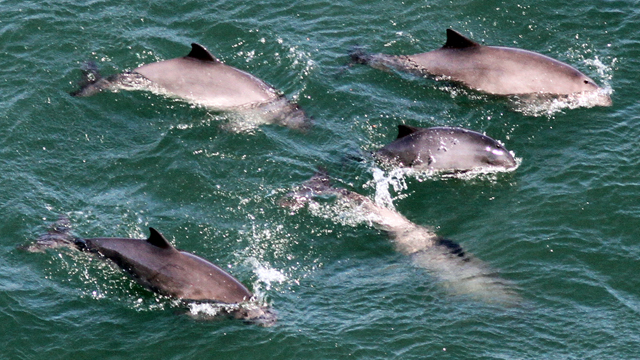
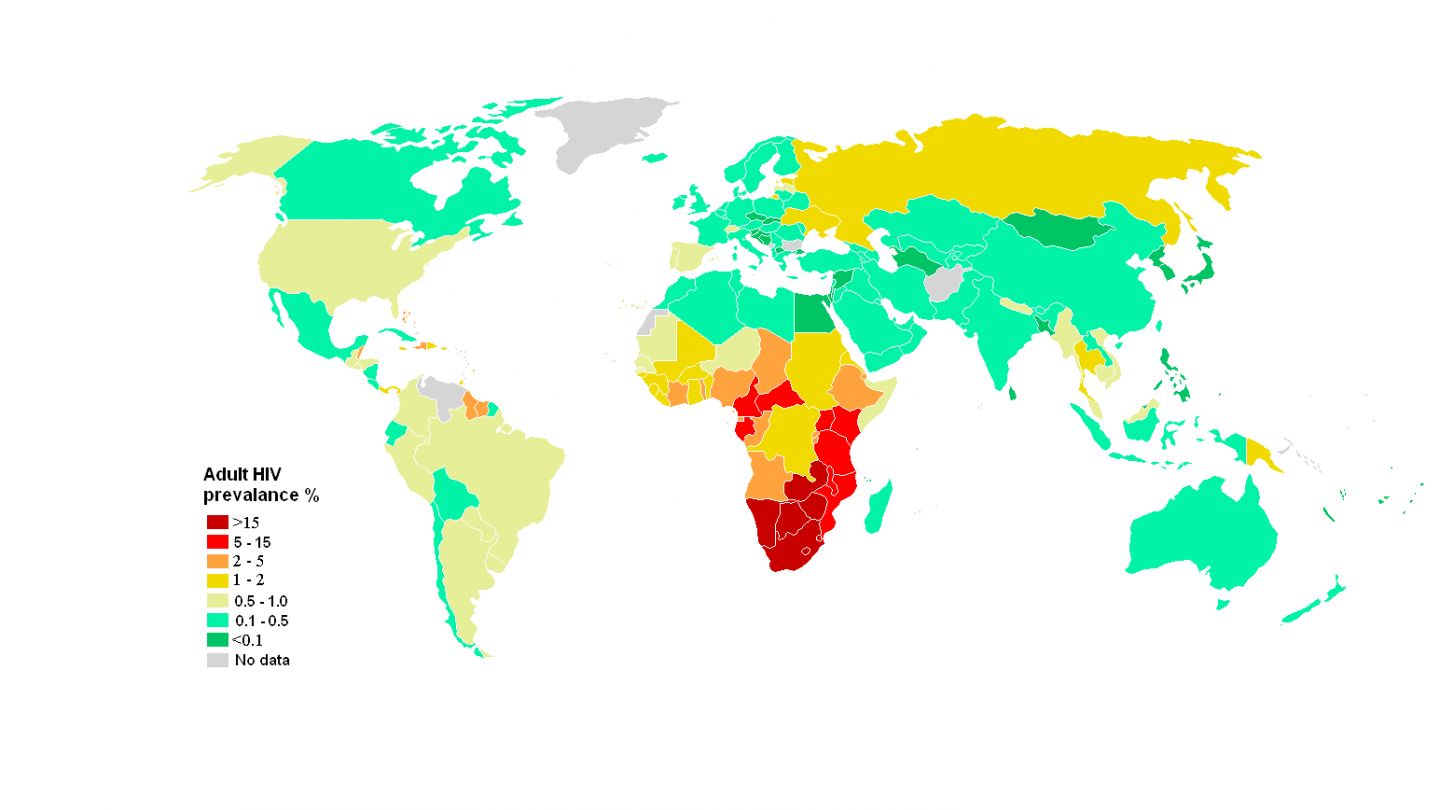
window.__IS_SSR__=true
window.__INITIAL_STATE__={
"attachmentsReducer": {
"audio_0": {
"type": "attachments",
"id": "audio_0",
"imgSizes": {
"kqedFullSize": {
"file": "https://ww2.kqed.org/news/wp-content/themes/KQED-unified/img/audio_bgs/background0.jpg"
}
}
},
"audio_1": {
"type": "attachments",
"id": "audio_1",
"imgSizes": {
"kqedFullSize": {
"file": "https://ww2.kqed.org/news/wp-content/themes/KQED-unified/img/audio_bgs/background1.jpg"
}
}
},
"audio_2": {
"type": "attachments",
"id": "audio_2",
"imgSizes": {
"kqedFullSize": {
"file": "https://ww2.kqed.org/news/wp-content/themes/KQED-unified/img/audio_bgs/background2.jpg"
}
}
},
"audio_3": {
"type": "attachments",
"id": "audio_3",
"imgSizes": {
"kqedFullSize": {
"file": "https://ww2.kqed.org/news/wp-content/themes/KQED-unified/img/audio_bgs/background3.jpg"
}
}
},
"audio_4": {
"type": "attachments",
"id": "audio_4",
"imgSizes": {
"kqedFullSize": {
"file": "https://ww2.kqed.org/news/wp-content/themes/KQED-unified/img/audio_bgs/background4.jpg"
}
}
},
"placeholder": {
"type": "attachments",
"id": "placeholder",
"imgSizes": {
"thumbnail": {
"file": "https://cdn.kqed.org/wp-content/uploads/2024/12/KQED-Default-Image-816638274-2000x1333-1-160x107.jpg",
"width": 160,
"height": 107,
"mimeType": "image/jpeg"
},
"medium": {
"file": "https://cdn.kqed.org/wp-content/uploads/2024/12/KQED-Default-Image-816638274-2000x1333-1-800x533.jpg",
"width": 800,
"height": 533,
"mimeType": "image/jpeg"
},
"medium_large": {
"file": "https://cdn.kqed.org/wp-content/uploads/2024/12/KQED-Default-Image-816638274-2000x1333-1-768x512.jpg",
"width": 768,
"height": 512,
"mimeType": "image/jpeg"
},
"large": {
"file": "https://cdn.kqed.org/wp-content/uploads/2024/12/KQED-Default-Image-816638274-2000x1333-1-1020x680.jpg",
"width": 1020,
"height": 680,
"mimeType": "image/jpeg"
},
"1536x1536": {
"file": "https://cdn.kqed.org/wp-content/uploads/2024/12/KQED-Default-Image-816638274-2000x1333-1-1536x1024.jpg",
"width": 1536,
"height": 1024,
"mimeType": "image/jpeg"
},
"fd-lrg": {
"file": "https://cdn.kqed.org/wp-content/uploads/2024/12/KQED-Default-Image-816638274-2000x1333-1-1536x1024.jpg",
"width": 1536,
"height": 1024,
"mimeType": "image/jpeg"
},
"fd-med": {
"file": "https://cdn.kqed.org/wp-content/uploads/2024/12/KQED-Default-Image-816638274-2000x1333-1-1020x680.jpg",
"width": 1020,
"height": 680,
"mimeType": "image/jpeg"
},
"fd-sm": {
"file": "https://cdn.kqed.org/wp-content/uploads/2024/12/KQED-Default-Image-816638274-2000x1333-1-800x533.jpg",
"width": 800,
"height": 533,
"mimeType": "image/jpeg"
},
"post-thumbnail": {
"file": "https://cdn.kqed.org/wp-content/uploads/2024/12/KQED-Default-Image-816638274-2000x1333-1-672x372.jpg",
"width": 672,
"height": 372,
"mimeType": "image/jpeg"
},
"twentyfourteen-full-width": {
"file": "https://cdn.kqed.org/wp-content/uploads/2024/12/KQED-Default-Image-816638274-2000x1333-1-1038x576.jpg",
"width": 1038,
"height": 576,
"mimeType": "image/jpeg"
},
"xxsmall": {
"file": "https://cdn.kqed.org/wp-content/uploads/2024/12/KQED-Default-Image-816638274-2000x1333-1-160x107.jpg",
"width": 160,
"height": 107,
"mimeType": "image/jpeg"
},
"xsmall": {
"file": "https://cdn.kqed.org/wp-content/uploads/2024/12/KQED-Default-Image-816638274-2000x1333-1-672x372.jpg",
"width": 672,
"height": 372,
"mimeType": "image/jpeg"
},
"small": {
"file": "https://cdn.kqed.org/wp-content/uploads/2024/12/KQED-Default-Image-816638274-2000x1333-1-672x372.jpg",
"width": 672,
"height": 372,
"mimeType": "image/jpeg"
},
"xlarge": {
"file": "https://cdn.kqed.org/wp-content/uploads/2024/12/KQED-Default-Image-816638274-2000x1333-1-1020x680.jpg",
"width": 1020,
"height": 680,
"mimeType": "image/jpeg"
},
"full-width": {
"file": "https://cdn.kqed.org/wp-content/uploads/2024/12/KQED-Default-Image-816638274-2000x1333-1-1920x1280.jpg",
"width": 1920,
"height": 1280,
"mimeType": "image/jpeg"
},
"guest-author-32": {
"file": "https://cdn.kqed.org/wp-content/uploads/2025/01/KQED-Default-Image-816638274-1333x1333-1-160x160.jpg",
"width": 32,
"height": 32,
"mimeType": "image/jpeg"
},
"guest-author-50": {
"file": "https://cdn.kqed.org/wp-content/uploads/2025/01/KQED-Default-Image-816638274-1333x1333-1-160x160.jpg",
"width": 50,
"height": 50,
"mimeType": "image/jpeg"
},
"guest-author-64": {
"file": "https://cdn.kqed.org/wp-content/uploads/2025/01/KQED-Default-Image-816638274-1333x1333-1-160x160.jpg",
"width": 64,
"height": 64,
"mimeType": "image/jpeg"
},
"guest-author-96": {
"file": "https://cdn.kqed.org/wp-content/uploads/2025/01/KQED-Default-Image-816638274-1333x1333-1-160x160.jpg",
"width": 96,
"height": 96,
"mimeType": "image/jpeg"
},
"guest-author-128": {
"file": "https://cdn.kqed.org/wp-content/uploads/2025/01/KQED-Default-Image-816638274-1333x1333-1-160x160.jpg",
"width": 128,
"height": 128,
"mimeType": "image/jpeg"
},
"detail": {
"file": "https://cdn.kqed.org/wp-content/uploads/2025/01/KQED-Default-Image-816638274-1333x1333-1-160x160.jpg",
"width": 160,
"height": 160,
"mimeType": "image/jpeg"
},
"kqedFullSize": {
"file": "https://cdn.kqed.org/wp-content/uploads/2024/12/KQED-Default-Image-816638274-2000x1333-1.jpg",
"width": 2000,
"height": 1333
}
}
},
"quest_27963": {
"type": "attachments",
"id": "quest_27963",
"meta": {
"index": "attachments_1716263798",
"site": "quest",
"id": "27963",
"found": true
},
"parent": 27960,
"imgSizes": {
"thumbnail": {
"file": "https://ww2.kqed.org/app/uploads/sites/39/2011/12/quinnblog-net-marqueeimagecropped-400x225.jpg",
"width": 400,
"mimeType": "image/jpeg",
"height": 225
},
"kqedFullSize": {
"file": "https://ww2.kqed.org/app/uploads/sites/39/2011/12/quinnblog-net-marqueeimagecropped.jpg",
"width": 640,
"height": 360
},
"guest-author-96": {
"file": "https://ww2.kqed.org/app/uploads/sites/39/2011/12/quinnblog-net-marqueeimagecropped-96x96.jpg",
"width": 96,
"mimeType": "image/jpeg",
"height": 96
},
"guest-author-64": {
"file": "https://ww2.kqed.org/app/uploads/sites/39/2011/12/quinnblog-net-marqueeimagecropped-64x64.jpg",
"width": 64,
"mimeType": "image/jpeg",
"height": 64
},
"detail": {
"file": "https://ww2.kqed.org/app/uploads/sites/39/2011/12/quinnblog-net-marqueeimagecropped-75x75.jpg",
"width": 75,
"mimeType": "image/jpeg",
"height": 75
},
"guest-author-32": {
"file": "https://ww2.kqed.org/app/uploads/sites/39/2011/12/quinnblog-net-marqueeimagecropped-32x32.jpg",
"width": 32,
"mimeType": "image/jpeg",
"height": 32
},
"guest-author-128": {
"file": "https://ww2.kqed.org/app/uploads/sites/39/2011/12/quinnblog-net-marqueeimagecropped-128x128.jpg",
"width": 128,
"mimeType": "image/jpeg",
"height": 128
}
},
"publishDate": 1322613975,
"modified": 1322613975,
"caption": null,
"description": null,
"title": "quinnblog-net-marqueeimagecropped",
"credit": null,
"status": "inherit",
"isLoading": false,
"fetchFailed": false
},
"quest_28068": {
"type": "attachments",
"id": "quest_28068",
"meta": {
"index": "attachments_1716263798",
"site": "quest",
"id": "28068",
"found": true
},
"parent": 28060,
"imgSizes": {
"thumbnail": {
"file": "https://ww2.kqed.org/app/uploads/sites/39/2011/12/Porpoise-1-400x225.jpg",
"width": 400,
"mimeType": "image/jpeg",
"height": 225
},
"kqedFullSize": {
"file": "https://ww2.kqed.org/app/uploads/sites/39/2011/12/Porpoise-1.jpg",
"width": 640,
"height": 360
},
"guest-author-96": {
"file": "https://ww2.kqed.org/app/uploads/sites/39/2011/12/Porpoise-1-96x96.jpg",
"width": 96,
"mimeType": "image/jpeg",
"height": 96
},
"guest-author-64": {
"file": "https://ww2.kqed.org/app/uploads/sites/39/2011/12/Porpoise-1-64x64.jpg",
"width": 64,
"mimeType": "image/jpeg",
"height": 64
},
"detail": {
"file": "https://ww2.kqed.org/app/uploads/sites/39/2011/12/Porpoise-1-75x75.jpg",
"width": 75,
"mimeType": "image/jpeg",
"height": 75
},
"guest-author-32": {
"file": "https://ww2.kqed.org/app/uploads/sites/39/2011/12/Porpoise-1-32x32.jpg",
"width": 32,
"mimeType": "image/jpeg",
"height": 32
},
"guest-author-128": {
"file": "https://ww2.kqed.org/app/uploads/sites/39/2011/12/Porpoise-1-128x128.jpg",
"width": 128,
"mimeType": "image/jpeg",
"height": 128
}
},
"publishDate": 1322865654,
"modified": 1322865654,
"caption": "Harbor porposes as seen from the Golden Gate Bridge. (Photo: William Keener/Golden Gate Cetacean Research)",
"description": null,
"title": "Porpoises",
"credit": null,
"status": "inherit",
"isLoading": false,
"fetchFailed": false
},
"quest_27718": {
"type": "attachments",
"id": "quest_27718",
"meta": {
"index": "attachments_1716263798",
"site": "quest",
"id": "27718",
"found": true
},
"parent": 27668,
"imgSizes": {
"twentyfourteen-full-width": {
"file": "https://ww2.kqed.org/app/uploads/sites/39/2011/11/HIVmap-1038x576.jpg",
"width": 1038,
"mimeType": "image/jpeg",
"height": 576
},
"thumbnail": {
"file": "https://ww2.kqed.org/app/uploads/sites/39/2011/11/HIVmap-400x225.jpg",
"width": 400,
"mimeType": "image/jpeg",
"height": 225
},
"fd-sm": {
"file": "https://ww2.kqed.org/app/uploads/sites/39/2011/11/HIVmap-960x540.jpg",
"width": 960,
"mimeType": "image/jpeg",
"height": 540
},
"post-thumbnail": {
"file": "https://ww2.kqed.org/app/uploads/sites/39/2011/11/HIVmap-672x372.jpg",
"width": 672,
"mimeType": "image/jpeg",
"height": 372
},
"kqedFullSize": {
"file": "https://ww2.kqed.org/app/uploads/sites/39/2011/11/HIVmap.jpg",
"width": 1544,
"height": 868
},
"large": {
"file": "https://ww2.kqed.org/app/uploads/sites/39/2011/11/HIVmap-1440x810.jpg",
"width": 1440,
"mimeType": "image/jpeg",
"height": 810
},
"guest-author-96": {
"file": "https://ww2.kqed.org/app/uploads/sites/39/2011/11/HIVmap-96x96.jpg",
"width": 96,
"mimeType": "image/jpeg",
"height": 96
},
"medium": {
"file": "https://ww2.kqed.org/app/uploads/sites/39/2011/11/HIVmap-800x450.jpg",
"width": 800,
"mimeType": "image/jpeg",
"height": 450
},
"guest-author-64": {
"file": "https://ww2.kqed.org/app/uploads/sites/39/2011/11/HIVmap-64x64.jpg",
"width": 64,
"mimeType": "image/jpeg",
"height": 64
},
"guest-author-32": {
"file": "https://ww2.kqed.org/app/uploads/sites/39/2011/11/HIVmap-32x32.jpg",
"width": 32,
"mimeType": "image/jpeg",
"height": 32
},
"fd-med": {
"file": "https://ww2.kqed.org/app/uploads/sites/39/2011/11/HIVmap-1180x663.jpg",
"width": 1180,
"mimeType": "image/jpeg",
"height": 663
},
"detail": {
"file": "https://ww2.kqed.org/app/uploads/sites/39/2011/11/HIVmap-75x75.jpg",
"width": 75,
"mimeType": "image/jpeg",
"height": 75
},
"guest-author-128": {
"file": "https://ww2.kqed.org/app/uploads/sites/39/2011/11/HIVmap-128x128.jpg",
"width": 128,
"mimeType": "image/jpeg",
"height": 128
}
},
"publishDate": 1321991328,
"modified": 1321991328,
"caption": null,
"description": null,
"title": "HIVmap",
"credit": null,
"status": "inherit",
"isLoading": false,
"fetchFailed": false
},
"quest_26844": {
"type": "attachments",
"id": "quest_26844",
"meta": {
"index": "attachments_1716263798",
"site": "quest",
"id": "26844",
"found": true
},
"parent": 26829,
"imgSizes": {
"thumbnail": {
"file": "https://ww2.kqed.org/app/uploads/sites/39/2011/11/schuler_2-400x225.jpg",
"width": 400,
"mimeType": "image/jpeg",
"height": 225
},
"kqedFullSize": {
"file": "https://ww2.kqed.org/app/uploads/sites/39/2011/11/schuler_2.jpg",
"width": 640,
"height": 360
},
"guest-author-96": {
"file": "https://ww2.kqed.org/app/uploads/sites/39/2011/11/schuler_2-96x96.jpg",
"width": 96,
"mimeType": "image/jpeg",
"height": 96
},
"guest-author-64": {
"file": "https://ww2.kqed.org/app/uploads/sites/39/2011/11/schuler_2-64x64.jpg",
"width": 64,
"mimeType": "image/jpeg",
"height": 64
},
"detail": {
"file": "https://ww2.kqed.org/app/uploads/sites/39/2011/11/schuler_2-75x75.jpg",
"width": 75,
"mimeType": "image/jpeg",
"height": 75
},
"guest-author-32": {
"file": "https://ww2.kqed.org/app/uploads/sites/39/2011/11/schuler_2-32x32.jpg",
"width": 32,
"mimeType": "image/jpeg",
"height": 32
},
"guest-author-128": {
"file": "https://ww2.kqed.org/app/uploads/sites/39/2011/11/schuler_2-128x128.jpg",
"width": 128,
"mimeType": "image/jpeg",
"height": 128
}
},
"publishDate": 1320362721,
"modified": 1320362721,
"caption": "Carl Schuler is one of 10,000 vets to have donated blood samples to the Million Veteran Program.",
"description": "A VA nurse draws blood from Carl Schuler's arm. Carl Schuler, who served two tours in Iraq, is one of 10 thousand vets to have donated blood samples to the Million Veteran Program.",
"title": "schuler_2",
"credit": null,
"status": "inherit",
"isLoading": false,
"fetchFailed": false
},
"quest_26185": {
"type": "attachments",
"id": "quest_26185",
"meta": {
"index": "attachments_1716263798",
"site": "quest",
"id": "26185",
"found": true
},
"parent": 26175,
"imgSizes": {
"thumbnail": {
"file": "https://ww2.kqed.org/app/uploads/sites/39/2011/10/Sierra-Vista-TRail_adj-400x225.jpg",
"width": 400,
"mimeType": "image/jpeg",
"height": 225
},
"kqedFullSize": {
"file": "https://ww2.kqed.org/app/uploads/sites/39/2011/10/Sierra-Vista-TRail_adj.jpg",
"width": 640,
"height": 360
},
"guest-author-96": {
"file": "https://ww2.kqed.org/app/uploads/sites/39/2011/10/Sierra-Vista-TRail_adj-96x96.jpg",
"width": 96,
"mimeType": "image/jpeg",
"height": 96
},
"guest-author-64": {
"file": "https://ww2.kqed.org/app/uploads/sites/39/2011/10/Sierra-Vista-TRail_adj-64x64.jpg",
"width": 64,
"mimeType": "image/jpeg",
"height": 64
},
"detail": {
"file": "https://ww2.kqed.org/app/uploads/sites/39/2011/10/Sierra-Vista-TRail_adj-75x75.jpg",
"width": 75,
"mimeType": "image/jpeg",
"height": 75
},
"guest-author-32": {
"file": "https://ww2.kqed.org/app/uploads/sites/39/2011/10/Sierra-Vista-TRail_adj-32x32.jpg",
"width": 32,
"mimeType": "image/jpeg",
"height": 32
},
"guest-author-128": {
"file": "https://ww2.kqed.org/app/uploads/sites/39/2011/10/Sierra-Vista-TRail_adj-128x128.jpg",
"width": 128,
"mimeType": "image/jpeg",
"height": 128
}
},
"publishDate": 1319175545,
"modified": 1319175545,
"caption": "Sierra Vista Open Space Preserveadds five miles of hiking and biking trails to the Bay Area Ridge Trail. (Photo courtesy of Stephen Joseph)",
"description": "The Sierra Vista Open Space Preserve adds five miles of hiking and biking trails to the Bay Area Ridge trail.",
"title": "Sierra Vista TRail_adj",
"credit": null,
"status": "inherit",
"isLoading": false,
"fetchFailed": false
},
"quest_25984": {
"type": "attachments",
"id": "quest_25984",
"meta": {
"index": "attachments_1716263798",
"site": "quest",
"id": "25984",
"found": true
},
"parent": 25947,
"imgSizes": {
"thumbnail": {
"file": "https://ww2.kqed.org/app/uploads/sites/39/2011/10/todays-Bay_640-400x225.jpg",
"width": 400,
"mimeType": "image/jpeg",
"height": 225
},
"kqedFullSize": {
"file": "https://ww2.kqed.org/app/uploads/sites/39/2011/10/todays-Bay_640.jpg",
"width": 640,
"height": 360
},
"guest-author-96": {
"file": "https://ww2.kqed.org/app/uploads/sites/39/2011/10/todays-Bay_640-96x96.jpg",
"width": 96,
"mimeType": "image/jpeg",
"height": 96
},
"guest-author-64": {
"file": "https://ww2.kqed.org/app/uploads/sites/39/2011/10/todays-Bay_640-64x64.jpg",
"width": 64,
"mimeType": "image/jpeg",
"height": 64
},
"detail": {
"file": "https://ww2.kqed.org/app/uploads/sites/39/2011/10/todays-Bay_640-75x75.jpg",
"width": 75,
"mimeType": "image/jpeg",
"height": 75
},
"guest-author-32": {
"file": "https://ww2.kqed.org/app/uploads/sites/39/2011/10/todays-Bay_640-32x32.jpg",
"width": 32,
"mimeType": "image/jpeg",
"height": 32
},
"guest-author-128": {
"file": "https://ww2.kqed.org/app/uploads/sites/39/2011/10/todays-Bay_640-128x128.jpg",
"width": 128,
"mimeType": "image/jpeg",
"height": 128
}
},
"publishDate": 1318612603,
"modified": 1318612603,
"caption": null,
"description": null,
"title": "todays-Bay_640",
"credit": null,
"status": "inherit",
"isLoading": false,
"fetchFailed": false
},
"quest_25820": {
"type": "attachments",
"id": "quest_25820",
"meta": {
"index": "attachments_1716263798",
"site": "quest",
"id": "25820",
"found": true
},
"parent": 25818,
"imgSizes": {
"thumbnail": {
"file": "https://ww2.kqed.org/app/uploads/sites/39/2011/10/Smart-home-640-400x225.jpg",
"width": 400,
"mimeType": "image/jpeg",
"height": 225
},
"kqedFullSize": {
"file": "https://ww2.kqed.org/app/uploads/sites/39/2011/10/Smart-home-640.jpg",
"width": 640,
"height": 360
},
"guest-author-96": {
"file": "https://ww2.kqed.org/app/uploads/sites/39/2011/10/Smart-home-640-96x96.jpg",
"width": 96,
"mimeType": "image/jpeg",
"height": 96
},
"guest-author-64": {
"file": "https://ww2.kqed.org/app/uploads/sites/39/2011/10/Smart-home-640-64x64.jpg",
"width": 64,
"mimeType": "image/jpeg",
"height": 64
},
"detail": {
"file": "https://ww2.kqed.org/app/uploads/sites/39/2011/10/Smart-home-640-75x75.jpg",
"width": 75,
"mimeType": "image/jpeg",
"height": 75
},
"guest-author-32": {
"file": "https://ww2.kqed.org/app/uploads/sites/39/2011/10/Smart-home-640-32x32.jpg",
"width": 32,
"mimeType": "image/jpeg",
"height": 32
},
"guest-author-128": {
"file": "https://ww2.kqed.org/app/uploads/sites/39/2011/10/Smart-home-640-128x128.jpg",
"width": 128,
"mimeType": "image/jpeg",
"height": 128
}
},
"publishDate": 1318020024,
"modified": 1318020024,
"caption": "A \"smart\" demonstration home set up by Southern California Edison. (Photo: Lauren Sommer)",
"description": null,
"title": "Smart-home-640",
"credit": null,
"status": "inherit",
"isLoading": false,
"fetchFailed": false
},
"quest_25596": {
"type": "attachments",
"id": "quest_25596",
"meta": {
"index": "attachments_1716263798",
"site": "quest",
"id": "25596",
"found": true
},
"parent": 25572,
"imgSizes": {
"twentyfourteen-full-width": {
"file": "https://ww2.kqed.org/app/uploads/sites/39/2011/09/military-1038x576.jpg",
"width": 1038,
"mimeType": "image/jpeg",
"height": 576
},
"thumbnail": {
"file": "https://ww2.kqed.org/app/uploads/sites/39/2011/09/military-400x225.jpg",
"width": 400,
"mimeType": "image/jpeg",
"height": 225
},
"fd-sm": {
"file": "https://ww2.kqed.org/app/uploads/sites/39/2011/09/military-960x540.jpg",
"width": 960,
"mimeType": "image/jpeg",
"height": 540
},
"post-thumbnail": {
"file": "https://ww2.kqed.org/app/uploads/sites/39/2011/09/military-672x372.jpg",
"width": 672,
"mimeType": "image/jpeg",
"height": 372
},
"kqedFullSize": {
"file": "https://ww2.kqed.org/app/uploads/sites/39/2011/09/military.jpg",
"width": 2008,
"height": 1129
},
"large": {
"file": "https://ww2.kqed.org/app/uploads/sites/39/2011/09/military-1440x810.jpg",
"width": 1440,
"mimeType": "image/jpeg",
"height": 810
},
"guest-author-96": {
"file": "https://ww2.kqed.org/app/uploads/sites/39/2011/09/military-96x96.jpg",
"width": 96,
"mimeType": "image/jpeg",
"height": 96
},
"medium": {
"file": "https://ww2.kqed.org/app/uploads/sites/39/2011/09/military-800x450.jpg",
"width": 800,
"mimeType": "image/jpeg",
"height": 450
},
"guest-author-64": {
"file": "https://ww2.kqed.org/app/uploads/sites/39/2011/09/military-64x64.jpg",
"width": 64,
"mimeType": "image/jpeg",
"height": 64
},
"guest-author-32": {
"file": "https://ww2.kqed.org/app/uploads/sites/39/2011/09/military-32x32.jpg",
"width": 32,
"mimeType": "image/jpeg",
"height": 32
},
"fd-lrg": {
"file": "https://ww2.kqed.org/app/uploads/sites/39/2011/09/military-1920x1080.jpg",
"width": 1920,
"mimeType": "image/jpeg",
"height": 1080
},
"fd-med": {
"file": "https://ww2.kqed.org/app/uploads/sites/39/2011/09/military-1180x663.jpg",
"width": 1180,
"mimeType": "image/jpeg",
"height": 663
},
"detail": {
"file": "https://ww2.kqed.org/app/uploads/sites/39/2011/09/military-75x75.jpg",
"width": 75,
"mimeType": "image/jpeg",
"height": 75
},
"guest-author-128": {
"file": "https://ww2.kqed.org/app/uploads/sites/39/2011/09/military-128x128.jpg",
"width": 128,
"mimeType": "image/jpeg",
"height": 128
}
},
"publishDate": 1317400359,
"modified": 1317400359,
"caption": null,
"description": null,
"title": "military",
"credit": null,
"status": "inherit",
"isLoading": false,
"fetchFailed": false
},
"quest_24897": {
"type": "attachments",
"id": "quest_24897",
"meta": {
"index": "attachments_1716263798",
"site": "quest",
"id": "24897",
"found": true
},
"parent": 24892,
"imgSizes": {
"thumbnail": {
"file": "https://ww2.kqed.org/app/uploads/sites/39/2011/09/WHYY-Marquee-1-IMG_1305-400x225.jpg",
"width": 400,
"mimeType": "image/jpeg",
"height": 225
},
"kqedFullSize": {
"file": "https://ww2.kqed.org/app/uploads/sites/39/2011/09/WHYY-Marquee-1-IMG_1305.jpg",
"width": 640,
"height": 360
},
"guest-author-96": {
"file": "https://ww2.kqed.org/app/uploads/sites/39/2011/09/WHYY-Marquee-1-IMG_1305-96x96.jpg",
"width": 96,
"mimeType": "image/jpeg",
"height": 96
},
"guest-author-64": {
"file": "https://ww2.kqed.org/app/uploads/sites/39/2011/09/WHYY-Marquee-1-IMG_1305-64x64.jpg",
"width": 64,
"mimeType": "image/jpeg",
"height": 64
},
"detail": {
"file": "https://ww2.kqed.org/app/uploads/sites/39/2011/09/WHYY-Marquee-1-IMG_1305-75x75.jpg",
"width": 75,
"mimeType": "image/jpeg",
"height": 75
},
"guest-author-32": {
"file": "https://ww2.kqed.org/app/uploads/sites/39/2011/09/WHYY-Marquee-1-IMG_1305-32x32.jpg",
"width": 32,
"mimeType": "image/jpeg",
"height": 32
},
"guest-author-128": {
"file": "https://ww2.kqed.org/app/uploads/sites/39/2011/09/WHYY-Marquee-1-IMG_1305-128x128.jpg",
"width": 128,
"mimeType": "image/jpeg",
"height": 128
}
},
"publishDate": 1316643770,
"modified": 1316643770,
"caption": null,
"description": null,
"title": "WHYY Marquee 1 - IMG_1305",
"credit": null,
"status": "inherit",
"isLoading": false,
"fetchFailed": false
},
"quest_24539": {
"type": "attachments",
"id": "quest_24539",
"meta": {
"index": "attachments_1716263798",
"site": "quest",
"id": "24539",
"found": true
},
"parent": 24536,
"imgSizes": {
"thumbnail": {
"file": "https://ww2.kqed.org/app/uploads/sites/39/2011/09/wcpn_coal_marquee640-400x225.jpg",
"width": 400,
"mimeType": "image/jpeg",
"height": 225
},
"kqedFullSize": {
"file": "https://ww2.kqed.org/app/uploads/sites/39/2011/09/wcpn_coal_marquee640.jpg",
"width": 640,
"height": 360
},
"guest-author-96": {
"file": "https://ww2.kqed.org/app/uploads/sites/39/2011/09/wcpn_coal_marquee640-96x96.jpg",
"width": 96,
"mimeType": "image/jpeg",
"height": 96
},
"guest-author-64": {
"file": "https://ww2.kqed.org/app/uploads/sites/39/2011/09/wcpn_coal_marquee640-64x64.jpg",
"width": 64,
"mimeType": "image/jpeg",
"height": 64
},
"detail": {
"file": "https://ww2.kqed.org/app/uploads/sites/39/2011/09/wcpn_coal_marquee640-75x75.jpg",
"width": 75,
"mimeType": "image/jpeg",
"height": 75
},
"guest-author-32": {
"file": "https://ww2.kqed.org/app/uploads/sites/39/2011/09/wcpn_coal_marquee640-32x32.jpg",
"width": 32,
"mimeType": "image/jpeg",
"height": 32
},
"guest-author-128": {
"file": "https://ww2.kqed.org/app/uploads/sites/39/2011/09/wcpn_coal_marquee640-128x128.jpg",
"width": 128,
"mimeType": "image/jpeg",
"height": 128
}
},
"publishDate": 1316198392,
"modified": 1316198392,
"caption": null,
"description": null,
"title": "wcpn_coal_marquee640",
"credit": null,
"status": "inherit",
"isLoading": false,
"fetchFailed": false
},
"quest_25033": {
"type": "attachments",
"id": "quest_25033",
"meta": {
"index": "attachments_1716263798",
"site": "quest",
"id": "25033",
"found": true
},
"parent": 25030,
"imgSizes": {
"thumbnail": {
"file": "https://ww2.kqed.org/app/uploads/sites/39/2011/09/coal-nebraksa640-400x225.jpg",
"width": 400,
"mimeType": "image/jpeg",
"height": 225
},
"kqedFullSize": {
"file": "https://ww2.kqed.org/app/uploads/sites/39/2011/09/coal-nebraksa640.jpg",
"width": 640,
"height": 360
},
"guest-author-96": {
"file": "https://ww2.kqed.org/app/uploads/sites/39/2011/09/coal-nebraksa640-96x96.jpg",
"width": 96,
"mimeType": "image/jpeg",
"height": 96
},
"guest-author-64": {
"file": "https://ww2.kqed.org/app/uploads/sites/39/2011/09/coal-nebraksa640-64x64.jpg",
"width": 64,
"mimeType": "image/jpeg",
"height": 64
},
"detail": {
"file": "https://ww2.kqed.org/app/uploads/sites/39/2011/09/coal-nebraksa640-75x75.jpg",
"width": 75,
"mimeType": "image/jpeg",
"height": 75
},
"guest-author-32": {
"file": "https://ww2.kqed.org/app/uploads/sites/39/2011/09/coal-nebraksa640-32x32.jpg",
"width": 32,
"mimeType": "image/jpeg",
"height": 32
},
"guest-author-128": {
"file": "https://ww2.kqed.org/app/uploads/sites/39/2011/09/coal-nebraksa640-128x128.jpg",
"width": 128,
"mimeType": "image/jpeg",
"height": 128
}
},
"publishDate": 1316724863,
"modified": 1316724863,
"caption": "Sheldon Station coal fired power plant produces 140 pounds of mercury per year. ",
"description": null,
"title": "coal-nebraksa640",
"credit": null,
"status": "inherit",
"isLoading": false,
"fetchFailed": false
},
"quest_25095": {
"type": "attachments",
"id": "quest_25095",
"meta": {
"index": "attachments_1716263798",
"site": "quest",
"id": "25095",
"found": true
},
"parent": 25082,
"imgSizes": {
"thumbnail": {
"file": "https://ww2.kqed.org/app/uploads/sites/39/2011/09/Coal-Plant-400x225.jpg",
"width": 400,
"mimeType": "image/jpeg",
"height": 225
},
"kqedFullSize": {
"file": "https://ww2.kqed.org/app/uploads/sites/39/2011/09/Coal-Plant.jpg",
"width": 640,
"height": 360
},
"guest-author-96": {
"file": "https://ww2.kqed.org/app/uploads/sites/39/2011/09/Coal-Plant-96x96.jpg",
"width": 96,
"mimeType": "image/jpeg",
"height": 96
},
"guest-author-64": {
"file": "https://ww2.kqed.org/app/uploads/sites/39/2011/09/Coal-Plant-64x64.jpg",
"width": 64,
"mimeType": "image/jpeg",
"height": 64
},
"detail": {
"file": "https://ww2.kqed.org/app/uploads/sites/39/2011/09/Coal-Plant-75x75.jpg",
"width": 75,
"mimeType": "image/jpeg",
"height": 75
},
"guest-author-32": {
"file": "https://ww2.kqed.org/app/uploads/sites/39/2011/09/Coal-Plant-32x32.jpg",
"width": 32,
"mimeType": "image/jpeg",
"height": 32
},
"guest-author-128": {
"file": "https://ww2.kqed.org/app/uploads/sites/39/2011/09/Coal-Plant-128x128.jpg",
"width": 128,
"mimeType": "image/jpeg",
"height": 128
}
},
"publishDate": 1316810263,
"modified": 1316810263,
"caption": "The coal-fired San Juan Generating Station in New Mexico. (Photo: Matt Preusch)",
"description": null,
"title": "Coal Plant",
"credit": null,
"status": "inherit",
"isLoading": false,
"fetchFailed": false
}
},
"audioPlayerReducer": {
"postId": "stream_live",
"isPaused": true,
"isPlaying": false,
"pfsActive": false,
"pledgeModalIsOpen": true,
"playerDrawerIsOpen": false,
"liveAudioPlayStartedAt": 0,
"liveAudioPlayContext": ""
},
"authorsReducer": {
"amystanden": {
"type": "authors",
"id": "210",
"meta": {
"index": "authors_1716337520",
"id": "210",
"found": true
},
"name": "Amy Standen",
"firstName": "Amy",
"lastName": "Standen",
"slug": "amystanden",
"email": "astanden@kqed.org",
"display_author_email": false,
"staff_mastheads": [],
"title": "KQED Contributor",
"bio": "Amy Standen (@amystanden) is co-host of #\u003ca href=\"https://ww2.kqed.org/news/programs/the-leap\">TheLeapPodcast\u003c/a> (subscribe on iTunes or Stitcher!) and host of KQED and PBSDigital Studios' science video series, \u003ca href=\"https://www.youtube.com/user/KQEDDeepLook\">Deep Look\u003c/a>. Her science radio stories appear on KQED and NPR.\r\n\r\nEmail her at astanden@kqed.org",
"avatar": "https://secure.gravatar.com/avatar/3d021b72de685a788b0487b059d0a6a1?s=600&d=blank&r=g",
"twitter": null,
"facebook": null,
"instagram": null,
"linkedin": null,
"sites": [
{
"site": "news",
"roles": [
"subscriber"
]
},
{
"site": "futureofyou",
"roles": [
"subscriber"
]
},
{
"site": "stateofhealth",
"roles": [
"subscriber"
]
},
{
"site": "science",
"roles": []
},
{
"site": "quest",
"roles": [
"subscriber"
]
}
],
"headData": {
"title": "Amy Standen | KQED",
"description": "KQED Contributor",
"ogImgSrc": "https://secure.gravatar.com/avatar/3d021b72de685a788b0487b059d0a6a1?s=600&d=blank&r=g",
"twImgSrc": "https://secure.gravatar.com/avatar/3d021b72de685a788b0487b059d0a6a1?s=600&d=blank&r=g"
},
"isLoading": false,
"link": "/author/amystanden"
},
"andrea-kissack": {
"type": "authors",
"id": "212",
"meta": {
"index": "authors_1716337520",
"id": "212",
"found": true
},
"name": "Andrea Kissack",
"firstName": "Andrea",
"lastName": "Kissack",
"slug": "andrea-kissack",
"email": "akissack@kqed.org",
"display_author_email": false,
"staff_mastheads": [],
"title": "KQED Contributor",
"bio": "Andrea has nearly three decades of experience working as a reporter, anchor, producer and editor for public radio, large market television news and CBS radio. In her current role as KQED’s Sr. Science Editor, Andrea helps lead a talented team covering science, technology, health and the environment for broadcast and digital platforms. Most recently she helped KQED launch a new, multimedia initiative covering the intersection of technology, health and medical science. She has earned a number of accolades for her work including awards from the Radio and Television News Directors Association, the National Academy of Television Arts and Sciences and the Associated Press. Her work can be seen, and heard, on a number of networks, Including NPR, PBS, CBS and the BBC.",
"avatar": "https://secure.gravatar.com/avatar/3eae7a251f0aee43b3c0137a636cb386?s=600&d=blank&r=g",
"twitter": "andreakissack",
"facebook": null,
"instagram": null,
"linkedin": null,
"sites": [
{
"site": "news",
"roles": [
"subscriber"
]
},
{
"site": "stateofhealth",
"roles": [
"subscriber"
]
},
{
"site": "science",
"roles": []
},
{
"site": "quest",
"roles": [
"add_users",
"create_users",
"edit_files",
"edit_users",
"level_10",
"level_8",
"level_9",
"promote_users",
"view_cimy_extra_fields",
"subscriber"
]
}
],
"headData": {
"title": "Andrea Kissack | KQED",
"description": "KQED Contributor",
"ogImgSrc": "https://secure.gravatar.com/avatar/3eae7a251f0aee43b3c0137a636cb386?s=600&d=blank&r=g",
"twImgSrc": "https://secure.gravatar.com/avatar/3eae7a251f0aee43b3c0137a636cb386?s=600&d=blank&r=g"
},
"isLoading": false,
"link": "/author/andrea-kissack"
},
"laurensommer": {
"type": "authors",
"id": "239",
"meta": {
"index": "authors_1716337520",
"id": "239",
"found": true
},
"name": "Lauren Sommer",
"firstName": "Lauren",
"lastName": "Sommer",
"slug": "laurensommer",
"email": "lsommer@kqed.org",
"display_author_email": false,
"staff_mastheads": [],
"title": "KQED Contributor",
"bio": "Lauren is a radio reporter formerly covering environment, water, and energy for KQED Science. As part of her day job, she has scaled Sierra Nevada peaks, run from charging elephant seals, and desperately tried to get her sea legs - all in pursuit of good radio. Her work has appeared on Marketplace, Living on Earth, Science Friday and NPR's Morning Edition and All Things Considered. You can find her on Twitter at \u003ca href=\"https://twitter.com/lesommer\">@lesommer\u003c/a>.",
"avatar": "https://secure.gravatar.com/avatar/33aa3772bb86c6ad45b8aca6a238bbdf?s=600&d=blank&r=g",
"twitter": null,
"facebook": null,
"instagram": null,
"linkedin": null,
"sites": [
{
"site": "news",
"roles": [
"author"
]
},
{
"site": "science",
"roles": [
"editor",
"manage_content_types",
"manage_taxonomies"
]
},
{
"site": "quest",
"roles": [
"editor"
]
}
],
"headData": {
"title": "Lauren Sommer | KQED",
"description": "KQED Contributor",
"ogImgSrc": "https://secure.gravatar.com/avatar/33aa3772bb86c6ad45b8aca6a238bbdf?s=600&d=blank&r=g",
"twImgSrc": "https://secure.gravatar.com/avatar/33aa3772bb86c6ad45b8aca6a238bbdf?s=600&d=blank&r=g"
},
"isLoading": false,
"link": "/author/laurensommer"
},
"grantgerlock": {
"type": "authors",
"id": "10231",
"meta": {
"index": "authors_1716337520",
"id": "10231",
"found": true
},
"name": "Grant Gerlock",
"firstName": "Grant",
"lastName": "Gerlock",
"slug": "grantgerlock",
"email": "ggerlock@netnebraska.org",
"display_author_email": false,
"staff_mastheads": [],
"title": null,
"bio": "Grant Gerlock is a reporter and the host of Morning Edition on NET Radio, Nebraska’s statewide NPR network. In 3 years at NET Radio he has covered rising land values, raw milk regulations, food security, and a controversial oil pipeline project. Before coming to NET he was a graduate assistant in news at WMUB at Miami University. When he’s not on the radio, Grant enjoys biking and gardening with his family in Lincoln, Nebraska.",
"avatar": "https://secure.gravatar.com/avatar/0e2c4a789680f3af627ed5da426902a0?s=600&d=blank&r=g",
"twitter": null,
"facebook": null,
"instagram": null,
"linkedin": null,
"sites": [
{
"site": "quest",
"roles": [
"coordinator",
"subscriber"
]
}
],
"headData": {
"title": "Grant Gerlock | KQED",
"description": null,
"ogImgSrc": "https://secure.gravatar.com/avatar/0e2c4a789680f3af627ed5da426902a0?s=600&d=blank&r=g",
"twImgSrc": "https://secure.gravatar.com/avatar/0e2c4a789680f3af627ed5da426902a0?s=600&d=blank&r=g"
},
"isLoading": false,
"link": "/author/grantgerlock"
},
"anneglausser": {
"type": "authors",
"id": "10270",
"meta": {
"index": "authors_1716337520",
"id": "10270",
"found": true
},
"name": "Anne Glausser",
"firstName": "Anne",
"lastName": "Glausser",
"slug": "anneglausser",
"email": "anne.glausser@ideastream.org",
"display_author_email": false,
"staff_mastheads": [],
"title": null,
"bio": "Anne Glausser is the Coordinating Producer for QUEST Ohio. Before taking on this role, she was WCPN 90.3 FM & WVIZ/PBS ideastream’s health reporter and produced award-winning radio pieces. She’s spent time on both coasts (her college mascot was the banana slug!), but grew up in the Midwest and is happy to be back home. She got started in radio at PRI’s Living on Earth, and has also spent time as a researcher at the Harvard School of Public Health. Anne got her SM from MIT’s Graduate Program in Science Writing.",
"avatar": "https://secure.gravatar.com/avatar/cb2272efe9d1c6b409249b4273bcef1b?s=600&d=blank&r=g",
"twitter": null,
"facebook": null,
"instagram": null,
"linkedin": null,
"sites": [
{
"site": "quest",
"roles": [
"leadcoordinator",
"subscriber"
]
}
],
"headData": {
"title": "Anne Glausser | KQED",
"description": null,
"ogImgSrc": "https://secure.gravatar.com/avatar/cb2272efe9d1c6b409249b4273bcef1b?s=600&d=blank&r=g",
"twImgSrc": "https://secure.gravatar.com/avatar/cb2272efe9d1c6b409249b4273bcef1b?s=600&d=blank&r=g"
},
"isLoading": false,
"link": "/author/anneglausser"
},
"carolynbeeler": {
"type": "authors",
"id": "10274",
"meta": {
"index": "authors_1716337520",
"id": "10274",
"found": true
},
"name": "Carolyn Beeler",
"firstName": "Carolyn",
"lastName": "Beeler",
"slug": "carolynbeeler",
"email": "cbeeler@whyy.org",
"display_author_email": false,
"staff_mastheads": [],
"title": null,
"bio": "Carolyn Beeler is a health and science reporter at WHYY in Philadelphia. She studied print journalism but caught the radio bug as a Kroc Fellow at NPR. Her work has taken her to the bottom of a bat cave and the middle of a jellyfish-infested bay, and her pieces have aired nationally on Morning Edition, All Things Considered and Weekend Edition. She has worked as a journalist in Chicago, Washington, D.C., Seattle and Cape Town, South Africa. Carolyn studied journalism at Northwestern University.",
"avatar": "https://secure.gravatar.com/avatar/80491078c3441d3543b88cc94bd78164?s=600&d=blank&r=g",
"twitter": null,
"facebook": null,
"instagram": null,
"linkedin": null,
"sites": [
{
"site": "quest",
"roles": [
"subscriber"
]
}
],
"headData": {
"title": "Carolyn Beeler | KQED",
"description": null,
"ogImgSrc": "https://secure.gravatar.com/avatar/80491078c3441d3543b88cc94bd78164?s=600&d=blank&r=g",
"twImgSrc": "https://secure.gravatar.com/avatar/80491078c3441d3543b88cc94bd78164?s=600&d=blank&r=g"
},
"isLoading": false,
"link": "/author/carolynbeeler"
},
"johnquinn": {
"type": "authors",
"id": "10309",
"meta": {
"index": "authors_1716337520",
"id": "10309",
"found": true
},
"name": "John Quinn",
"firstName": "John",
"lastName": "Quinn",
"slug": "johnquinn",
"email": "jquinn2@unl.edu",
"display_author_email": false,
"staff_mastheads": [],
"title": null,
"bio": "John Quinn is a Postdoctoral Researcher in the UNL School of Natural Resources with research emphasizing concerns related to biodiversity conservation in managed ecosystems; in particular avian ecology, agroecology, and the role of birding as a medium for environmental awareness and education. His current research focuses how organic agricultural landscapes in Nebraska can be structured & managed to maintain food production while conserving biodiversity and enhancing ecosystem services.",
"avatar": "https://secure.gravatar.com/avatar/3c9277f83b6bf0dd7242222ec7ec50c8?s=600&d=blank&r=g",
"twitter": null,
"facebook": null,
"instagram": null,
"linkedin": null,
"sites": [
{
"site": "quest",
"roles": [
"subscriber"
]
}
],
"headData": {
"title": "John Quinn | KQED",
"description": null,
"ogImgSrc": "https://secure.gravatar.com/avatar/3c9277f83b6bf0dd7242222ec7ec50c8?s=600&d=blank&r=g",
"twImgSrc": "https://secure.gravatar.com/avatar/3c9277f83b6bf0dd7242222ec7ec50c8?s=600&d=blank&r=g"
},
"isLoading": false,
"link": "/author/johnquinn"
}
},
"pagesReducer": {
"quest_tag_audio": {
"type": "terms",
"id": "quest_252",
"meta": {
"index": "terms_1716263798",
"site": "quest",
"id": "252",
"score": 8.7980385
},
"featImg": null,
"name": "audio",
"description": null,
"taxonomy": "tag",
"headData": {
"twImgId": null,
"twTitle": null,
"ogTitle": null,
"ogImgId": null,
"twDescription": null,
"description": null,
"title": "audio Archives | KQED Arts",
"ogDescription": null
},
"ttid": 254,
"slug": "audio",
"isLoading": false,
"title": "audio",
"pageMeta": {
"site": "quest",
"WpPageTemplate": "page-topic-editorial",
"currentPage": 10
},
"blocks": [
{
"blockName": "kqed/post-list",
"attrs": {
"layout": "cardArticle2",
"query": "posts/quest?tag=audio",
"seeMore": false,
"paginated": true,
"page": 10
}
},
{
"blockName": "kqed/ad"
}
]
}
},
"pfsSessionReducer": {},
"postsReducer": {
"stream_live": {
"type": "live",
"id": "stream_live",
"audioUrl": "https://hls.kqed.org/hls/kqed_app/playlist.m3u8",
"title": "Live Stream",
"excerpt": "Live Stream information currently unavailable.",
"link": "/radio",
"featImg": "",
"label": {
"name": "KQED Live",
"link": "/"
}
},
"stream_kqedNewscast": {
"type": "posts",
"id": "stream_kqedNewscast",
"audioUrl": "https://www.kqed.org/.stream/anon/radio/RDnews/newscast.mp3?_=1",
"title": "KQED Newscast",
"featImg": "",
"label": {
"name": "88.5 FM",
"link": "/"
}
},
"quest_27960": {
"type": "posts",
"id": "quest_27960",
"meta": {
"index": "posts_1716263798",
"site": "quest",
"id": "27960",
"score": null,
"sort": [
1323190813000
]
},
"parent": 0,
"labelTerm": {
"site": "quest"
},
"blocks": [],
"publishDate": 1323190813,
"format": "standard",
"disqusTitle": "Songbirds as a Measure of Farm Sustainability",
"title": "Songbirds as a Measure of Farm Sustainability",
"headTitle": "QUEST | KQED Science",
"content": "\u003cfigure id=\"attachment_27964\" class=\"wp-caption alignleft\" style=\"max-width: 300px\">\u003ca href=\"http://ww2.kqed.org/quest/wp-content/uploads/sites/39/2011/12/dickcissel.jpg\">\u003cimg class=\"size-thumbnail wp-image-27964\" title=\"dickcissel\" src=\"http://ww2.kqed.org/quest/wp-content/uploads/sites/39/2011/12/dickcissel-300x169.jpg\" alt=\"Dickcissel - a grassland bird. Photo Credit: Amy Larson \" width=\"300\" height=\"169\">\u003c/a>\u003cfigcaption class=\"wp-caption-text\">Dickcissel - a grassland bird. Photo Credit: Amy Larson\u003c/figcaption>\u003c/figure>\n\u003cp>In an effort to improve the sustainability and health of their land, farmers are increasingly interested in taking a systems approach to farmland management. A systems approach acknowledges the key connections between ecological, economic, and social components. Given the ensuing complexity, measuring the health of a farm system requires good diagnostic tools. In addition, these tools need to be clear and straightforward.\u003c/p>\n\u003cp>Our current effort at the University of Nebraska Lincoln to develop a set of such indicators for farmers, the \u003ca href=\"http://hfi.unl.edu/hfi.shtml\">Healthy Farm Index\u003c/a>, focuses on biodiversity and ecosystem services at the farm scale. One indicator in the index is the presences of a given set of birds on the farm. Birds are a popular indicator because they are sensitive to change in farm practices, found broadly in the environment, and are easy to detect by sight and sound.\u003c/p>\n\u003cp>The ability to detect birds by sound has spurred our research group to develop resources to aid farmers and other people interested in the songs and calls of farmland birds. As researchers, we use auditory detections of birds as one of our primary monitoring tools. With acoustic recorders, we have recorded the songs and calls of our local bird communities. Back in the lab, we use software to identify and isolate the best songs and calls. These vocalizations have been posted to our website, \u003ca href=\"http://mediahub.unl.edu/channels/186\">Farmland Birds of Nebraska\u003c/a>, and distributed back to farmers and others interested on CDs. With the acoustic recordings, farmers can select a group of indicator species suitable for their area, learn its call, and listen for the bird while working in the field. This information can be used by the farmer in assessing their own farm or can be shared more broadly with researchers.\u003c/p>\n\u003cp>The recordings also allow farmers to share with consumers (many of whom are birders) an added environmental benefit of their farm. This spring we were able to take these recorded vocalizations back to one of our participating farms. In partnership with \u003ca href=\"http://www.commongoodfarm.com/\">Common Good Farm\u003c/a>, we hosted a “Birding on the Farm” tour. Local residents and other farmers spent the morning listening for and identifying the community of birds at the farm. New and experienced birders alike were surprised at the diversity found on the single farm.\u003c/p>\n\u003cp>In the coming months, we are expanding our network of recorders. This winter we will be monitoring winter bird communities on participating farms and testing the influences that road noise may have on bird vocalization and communication.\u003c/p>\n\u003cp>[ad fullwidth]\u003c/p>\u003cp>\u003c/p>\n",
"disqusIdentifier": "27960 http://science.kqed.org/quest/?p=27960",
"disqusUrl": "https://ww2.kqed.org/quest/2011/12/06/songbirds-as-a-measure-of-farm-sustainability/",
"stats": {
"hasVideo": false,
"hasChartOrMap": false,
"hasAudio": false,
"hasPolis": false,
"wordCount": 422,
"hasGoogleForm": false,
"hasGallery": false,
"hasHearkenModule": false,
"iframeSrcs": [],
"paragraphCount": 7
},
"modified": 1366754361,
"excerpt": "John Quinn, a researcher at the University of Nebraska-Lincoln, explains how he collects and uses bird calls to establish an indicator for farm healthiness known as the Healthy Farm Index. ",
"headData": {
"twImgId": "",
"twTitle": "",
"ogTitle": "",
"ogImgId": "",
"twDescription": "",
"description": "John Quinn, a researcher at the University of Nebraska-Lincoln, explains how he collects and uses bird calls to establish an indicator for farm healthiness known as the Healthy Farm Index. ",
"title": "Songbirds as a Measure of Farm Sustainability | KQED",
"ogDescription": "",
"schema": {
"@context": "https://schema.org",
"@type": "Article",
"headline": "Songbirds as a Measure of Farm Sustainability",
"datePublished": "2011-12-06T09:00:13-08:00",
"dateModified": "2013-04-23T14:59:21-07:00",
"image": "https://cdn.kqed.org/wp-content/uploads/2020/02/KQED-OG-Image@1x.png"
}
},
"guestAuthors": [],
"slug": "songbirds-as-a-measure-of-farm-sustainability",
"status": "publish",
"path": "/quest/27960/songbirds-as-a-measure-of-farm-sustainability",
"audioTrackLength": null,
"parsedContent": [
{
"type": "contentString",
"content": "\u003cdiv class=\"post-body\">\u003cp>\u003cfigure id=\"attachment_27964\" class=\"wp-caption alignleft\" style=\"max-width: 300px\">\u003ca href=\"http://ww2.kqed.org/quest/wp-content/uploads/sites/39/2011/12/dickcissel.jpg\">\u003cimg class=\"size-thumbnail wp-image-27964\" title=\"dickcissel\" src=\"http://ww2.kqed.org/quest/wp-content/uploads/sites/39/2011/12/dickcissel-300x169.jpg\" alt=\"Dickcissel - a grassland bird. Photo Credit: Amy Larson \" width=\"300\" height=\"169\">\u003c/a>\u003cfigcaption class=\"wp-caption-text\">Dickcissel - a grassland bird. Photo Credit: Amy Larson\u003c/figcaption>\u003c/figure>\n\u003cp>In an effort to improve the sustainability and health of their land, farmers are increasingly interested in taking a systems approach to farmland management. A systems approach acknowledges the key connections between ecological, economic, and social components. Given the ensuing complexity, measuring the health of a farm system requires good diagnostic tools. In addition, these tools need to be clear and straightforward.\u003c/p>\n\u003cp>Our current effort at the University of Nebraska Lincoln to develop a set of such indicators for farmers, the \u003ca href=\"http://hfi.unl.edu/hfi.shtml\">Healthy Farm Index\u003c/a>, focuses on biodiversity and ecosystem services at the farm scale. One indicator in the index is the presences of a given set of birds on the farm. Birds are a popular indicator because they are sensitive to change in farm practices, found broadly in the environment, and are easy to detect by sight and sound.\u003c/p>\n\u003cp>The ability to detect birds by sound has spurred our research group to develop resources to aid farmers and other people interested in the songs and calls of farmland birds. As researchers, we use auditory detections of birds as one of our primary monitoring tools. With acoustic recorders, we have recorded the songs and calls of our local bird communities. Back in the lab, we use software to identify and isolate the best songs and calls. These vocalizations have been posted to our website, \u003ca href=\"http://mediahub.unl.edu/channels/186\">Farmland Birds of Nebraska\u003c/a>, and distributed back to farmers and others interested on CDs. With the acoustic recordings, farmers can select a group of indicator species suitable for their area, learn its call, and listen for the bird while working in the field. This information can be used by the farmer in assessing their own farm or can be shared more broadly with researchers.\u003c/p>\n\u003cp>The recordings also allow farmers to share with consumers (many of whom are birders) an added environmental benefit of their farm. This spring we were able to take these recorded vocalizations back to one of our participating farms. In partnership with \u003ca href=\"http://www.commongoodfarm.com/\">Common Good Farm\u003c/a>, we hosted a “Birding on the Farm” tour. Local residents and other farmers spent the morning listening for and identifying the community of birds at the farm. New and experienced birders alike were surprised at the diversity found on the single farm.\u003c/p>\n\u003cp>In the coming months, we are expanding our network of recorders. This winter we will be monitoring winter bird communities on participating farms and testing the influences that road noise may have on bird vocalization and communication.\u003c/p>\n\u003cp>\u003c/p>\u003c/div>",
"attributes": {
"named": {},
"numeric": []
}
},
{
"type": "component",
"content": "",
"name": "ad",
"attributes": {
"named": {
"label": "fullwidth"
},
"numeric": [
"fullwidth"
]
}
},
{
"type": "contentString",
"content": "\u003cdiv class=\"post-body\">\u003cp>\u003c/p>\u003cp>\u003c/p>\n\u003c/div>\u003c/p>",
"attributes": {
"named": {},
"numeric": []
}
}
],
"link": "/quest/27960/songbirds-as-a-measure-of-farm-sustainability",
"authors": [
"10309"
],
"categories": [
"quest_4",
"quest_9",
"quest_3229"
],
"tags": [
"quest_10512",
"quest_10513",
"quest_85",
"quest_252",
"quest_326",
"quest_10514",
"quest_921",
"quest_1073",
"quest_10510",
"quest_3351",
"quest_3930",
"quest_3929",
"quest_2141",
"quest_2349",
"quest_3289",
"quest_2731",
"quest_2844",
"quest_13364",
"quest_10511"
],
"featImg": "quest_27963",
"label": "quest"
},
"quest_28060": {
"type": "posts",
"id": "quest_28060",
"meta": {
"index": "posts_1716263798",
"site": "quest",
"id": "28060",
"score": null,
"sort": [
1322870409000
]
},
"parent": 0,
"labelTerm": {},
"blocks": [],
"publishDate": 1322870409,
"format": "audio",
"disqusTitle": "Porpoises Return to San Francisco Bay",
"title": "Porpoises Return to San Francisco Bay",
"headTitle": "QUEST | KQED Science",
"content": "\u003cp>\u003ca href=\"http://www.acsonline.org/factpack/HarborPorpoise.htm\">Harbor porpoises\u003c/a> haven't been seen in San Francisco Bay for more than 60 years. But now, they're coming back through the Golden Gate in growing numbers and researchers are trying to understand why they’re returning.\u003c/p>\n\u003cp>The best place to look for them is 220 feet above the water on the pedestrian walkway across the Golden Gate Bridge. That's where Bill Keener of \u003ca href=\"http://www.ggcetacean.org/Home_Page.html\">Golden Gate Cetacean Research\u003c/a> photographs them, holding a massive telephoto lens over the side of the railing.\u003c/p>\n\u003cp>\"There's a porpoise right there, coming very, very close,\" he says pointing. A dark shape appears in the water. It's a harbor porpoise, coming up for air. \"And here's a mother and calf coming straight at us.\"\u003c/p>\n\u003cp>The porpoises have dark gray backs and pale bellies. They're about five feet long, smaller than most of their dolphin relatives.\u003c/p>\n\u003cp>\"Look at that! That one's on its side,\" Keener says. \"The porpoise turned on its side. It's spinning and it's feeding.\"\u003c/p>\n\u003cp>[ad fullwidth]\u003c/p>\n\u003cp>Porpoises spin as they go after schools of herring and anchovies, which means these porpoises are feeding in the middle of a heavily-trafficked shipping lane. \"The porpoises have found a way to not only avoid the ships, but it's also the noise they make,\" says Keener.\u003c/p>\n\u003cp>\u003cstrong>Studying a Shy Marine Mammal\u003c/strong>\u003c/p>\n\u003cp>Seeing this behavior is huge for Keener. Harbor porpoises are notoriously shy in the open ocean, so they're tough for researchers to study. Here in the bay, Keener and his colleagues have identified 250 individual porpoises with their photos by looking for \u003ca href=\"http://www.ggcetacean.org/Harbor_Porpoise.html\">unique scars and color patterns\u003c/a> on the animals.\u003c/p>\n\u003cfigure id=\"attachment_28094\" class=\"wp-caption alignleft\" style=\"max-width: 283px\">\u003ca href=\"http://ww2.kqed.org/quest/wp-content/uploads/sites/39/2011/12/Porpoise-mating-bahvior.jpg\">\u003cimg class=\"size-full wp-image-28094\" title=\"Porpoise-mating-bahvior\" src=\"http://ww2.kqed.org/quest/wp-content/uploads/sites/39/2011/12/Porpoise-mating-bahvior.jpg\" alt=\"\" width=\"283\" height=\"215\">\u003c/a>\u003cfigcaption class=\"wp-caption-text\">Porpoise mating display as seen from the bridge. (Photo: William Keener/Golden Gate Cetacean Research)\u003c/figcaption>\u003c/figure>\n\u003cp>When these researchers first started their work on the bridge, they caused a bit of a stir. \"You noticed there was a Golden Gate Bridge patrol officer here just a few minutes ago,\" says Keener. \"Well, we're staring down at the water for hours. They'd start getting worried about us. But they know us now. They know what we're doing.\"\u003c/p>\n\u003cp>Of course, the big question is why harbor porpoises disappeared in the first place. Keener says the bay has historically been porpoise habitat. Their bones have been found from hundreds of years ago.\u003c/p>\n\u003cp>\"And then there were reports in the 1930s. And then we don't really have reports from around World War II. And there were a lot of things going on during World War II that could have caused that.\"\u003c/p>\n\u003cp>San Francisco Bay became a wartime port and a major ship-building center. The Navy strung a \u003ca href=\"http://www.militarymuseum.org/Tiburon.html\">seven-mile-long net underwater\u003c/a> across the opening of the bay to keep out Japanese submarines. Hundreds of \u003ca href=\"http://www.nps.gov/goga/historyculture/mines-and-submarines.htm\">mines were planted\u003c/a> in the waters outside the Golden Gate.\u003c/p>\n\u003cp>Keener says all that activity certainly would have disturbed the porpoises. But there's a bigger change that may have driven them away.\u003c/p>\n\u003cp>\u003cstrong>The Changing Bay\u003c/strong>\u003c/p>\n\u003caside class=\"alignright\">\u003cstrong>Seeing Porpoises\u003c/strong>\n\u003cp>The best time to spot harbor porpoises from the Golden Gate Bridge walkway is an hour or two prior to a high tide. Check out a \u003ca href=\"http://cencoos.org/sections/conditions/tides.shtml\">tide table\u003c/a> to time your visit and \u003ca href=\"http://www.ggcetacean.org/Contact_Us.html\">report your sightings\u003c/a> online.\u003c/p>\u003c/aside>\n\u003cp>To see it, we head toward the Golden Gate Bridge on a twenty-two foot boat with Jonathan Stern, a whale researcher at San Francisco State University. Stern was the first person to spot the porpoises in the bay three years ago.\u003c/p>\n\u003cp>\"I just couldn't figure out what they were doing here. It's like when you see somebody you're used to seeing at work and you see them somewhere, in Hawaii or something. What are you doing here? You're out of place,\" says Stern.\u003c/p>\n\u003cp>The bay we're gliding over today is a far cry from the bay in the 1950s and 60s. As the Bay Area boomed, so did water pollution. Keener says raw sewage used to flow right into the bay. \"I remember coming across the Bay Bridge when I was very young and it would just smell. It would stink.\"\u003c/p>\n\u003cp>After the Clean Water Act was passed in 1972, the bay's water quality began to improve. But Stern says it took time for the food web to come back. \"It takes the biology a while to track the chemistry. So it's not surprising that it's taken years for this ecosystem to generate like this.\"\u003c/p>\n\u003cp>Stern says it's also possible that the porpoises had to rediscover the bay. \"Because over 60 years, we're talking about a number of generations of porpoises. So it's quite likely that San Francisco Bay as a location, as a habitat was out of the institutional memory of the harbor porpoises off the coast here.\"\u003c/p>\n\u003cfigure id=\"attachment_28091\" class=\"wp-caption alignleft\" style=\"max-width: 320px\">\u003ca href=\"http://ww2.kqed.org/quest/wp-content/uploads/sites/39/2011/12/Porpoise2-web1.jpg\">\u003cimg class=\"size-full wp-image-28091\" title=\"Porpoise2-web\" src=\"http://ww2.kqed.org/quest/wp-content/uploads/sites/39/2011/12/Porpoise2-web1.jpg\" alt=\"\" width=\"320\" height=\"213\">\u003c/a>\u003cfigcaption class=\"wp-caption-text\">Bill Keener and Jonathan Stern search for porpoises in the bay.\u003c/figcaption>\u003c/figure>\n\u003cp>As we slow down under the bridge's span, Keener keeps an eye out. \"There are porpoises between us and the south tower at 200 yards,\" he says.\u003c/p>\n\u003cp>Keener and Stern have a special permit that allows them to approach the porpoises. We wait, listening for them to surface.\u003c/p>\n\u003cp>\"I just heard one here. Here's a cow-calf pair close to the boat and we'll hear this puff,\" Keener says.\u003c/p>\n\u003cp>We hear two loud puffs as the porpoises surface just off the bow. \"The old time sailors used to call them puffing pigs. That's the exhalation,\" says Keener.\u003c/p>\n\u003cp>The harbor porpoises seem calm around boats in the bay, which Stern says will let researchers study their life cycle and social structure, as well as how they might react to big events like the upcoming America's Cup race. Overall, he says it's a good sign that the porpoises are here.\u003c/p>\n\u003cp>\u003c/p>\n\u003cp>\"It's one of those very few good news environmental stories. And it's in our backyard. You know, there was the will to get the bay cleaner and we're now starting to see the effects of that. It gives one hope.\"\u003c/p>\n\n",
"disqusIdentifier": "28060 http://science.kqed.org/quest/audio/porpoises-return-to-san-francisco-bay/",
"disqusUrl": "https://ww2.kqed.org/quest/2011/12/02/porpoises-return-to-san-francisco-bay/",
"stats": {
"hasVideo": false,
"hasChartOrMap": false,
"hasAudio": false,
"hasPolis": false,
"wordCount": 1005,
"hasGoogleForm": false,
"hasGallery": false,
"hasHearkenModule": false,
"iframeSrcs": [],
"paragraphCount": 28
},
"modified": 1450495655,
"excerpt": "Harbor porpoises haven’t been seen in San Francisco Bay for more than 60 years. Now, they’re returning in growing numbers and researchers are working to understand why.\r\n\r\n",
"headData": {
"twImgId": "",
"twTitle": "",
"ogTitle": "",
"ogImgId": "",
"twDescription": "",
"description": "",
"title": "Porpoises Return to San Francisco Bay | KQED",
"ogDescription": "",
"schema": {
"@context": "https://schema.org",
"@type": "Article",
"headline": "Porpoises Return to San Francisco Bay",
"datePublished": "2011-12-02T16:00:09-08:00",
"dateModified": "2015-12-18T19:27:35-08:00",
"image": "https://cdn.kqed.org/wp-content/uploads/2020/02/KQED-OG-Image@1x.png"
}
},
"guestAuthors": [],
"slug": "porpoises-return-to-san-francisco-bay",
"status": "publish",
"sourceUrl": "https://ww2.kqed.org/quest/category/biology/",
"audioUrl": "http://www.kqed.org/.stream/anon/radio/quest/2011/12/2011-12-05-quest.mp3",
"source": "Biology",
"path": "/quest/28060/porpoises-return-to-san-francisco-bay",
"audioDuration": null,
"audioTrackLength": null,
"parsedContent": [
{
"type": "contentString",
"content": "\u003cdiv class=\"post-body\">\u003cp>\u003cp>\u003ca href=\"http://www.acsonline.org/factpack/HarborPorpoise.htm\">Harbor porpoises\u003c/a> haven't been seen in San Francisco Bay for more than 60 years. But now, they're coming back through the Golden Gate in growing numbers and researchers are trying to understand why they’re returning.\u003c/p>\n\u003cp>The best place to look for them is 220 feet above the water on the pedestrian walkway across the Golden Gate Bridge. That's where Bill Keener of \u003ca href=\"http://www.ggcetacean.org/Home_Page.html\">Golden Gate Cetacean Research\u003c/a> photographs them, holding a massive telephoto lens over the side of the railing.\u003c/p>\n\u003cp>\"There's a porpoise right there, coming very, very close,\" he says pointing. A dark shape appears in the water. It's a harbor porpoise, coming up for air. \"And here's a mother and calf coming straight at us.\"\u003c/p>\n\u003cp>The porpoises have dark gray backs and pale bellies. They're about five feet long, smaller than most of their dolphin relatives.\u003c/p>\n\u003cp>\"Look at that! That one's on its side,\" Keener says. \"The porpoise turned on its side. It's spinning and it's feeding.\"\u003c/p>\n\u003cp>\u003c/p>\u003c/div>",
"attributes": {
"named": {},
"numeric": []
}
},
{
"type": "component",
"content": "",
"name": "ad",
"attributes": {
"named": {
"label": "fullwidth"
},
"numeric": [
"fullwidth"
]
}
},
{
"type": "contentString",
"content": "\u003cdiv class=\"post-body\">\u003cp>\u003c/p>\n\u003cp>Porpoises spin as they go after schools of herring and anchovies, which means these porpoises are feeding in the middle of a heavily-trafficked shipping lane. \"The porpoises have found a way to not only avoid the ships, but it's also the noise they make,\" says Keener.\u003c/p>\n\u003cp>\u003cstrong>Studying a Shy Marine Mammal\u003c/strong>\u003c/p>\n\u003cp>Seeing this behavior is huge for Keener. Harbor porpoises are notoriously shy in the open ocean, so they're tough for researchers to study. Here in the bay, Keener and his colleagues have identified 250 individual porpoises with their photos by looking for \u003ca href=\"http://www.ggcetacean.org/Harbor_Porpoise.html\">unique scars and color patterns\u003c/a> on the animals.\u003c/p>\n\u003cfigure id=\"attachment_28094\" class=\"wp-caption alignleft\" style=\"max-width: 283px\">\u003ca href=\"http://ww2.kqed.org/quest/wp-content/uploads/sites/39/2011/12/Porpoise-mating-bahvior.jpg\">\u003cimg class=\"size-full wp-image-28094\" title=\"Porpoise-mating-bahvior\" src=\"http://ww2.kqed.org/quest/wp-content/uploads/sites/39/2011/12/Porpoise-mating-bahvior.jpg\" alt=\"\" width=\"283\" height=\"215\">\u003c/a>\u003cfigcaption class=\"wp-caption-text\">Porpoise mating display as seen from the bridge. (Photo: William Keener/Golden Gate Cetacean Research)\u003c/figcaption>\u003c/figure>\n\u003cp>When these researchers first started their work on the bridge, they caused a bit of a stir. \"You noticed there was a Golden Gate Bridge patrol officer here just a few minutes ago,\" says Keener. \"Well, we're staring down at the water for hours. They'd start getting worried about us. But they know us now. They know what we're doing.\"\u003c/p>\n\u003cp>Of course, the big question is why harbor porpoises disappeared in the first place. Keener says the bay has historically been porpoise habitat. Their bones have been found from hundreds of years ago.\u003c/p>\n\u003cp>\"And then there were reports in the 1930s. And then we don't really have reports from around World War II. And there were a lot of things going on during World War II that could have caused that.\"\u003c/p>\n\u003cp>San Francisco Bay became a wartime port and a major ship-building center. The Navy strung a \u003ca href=\"http://www.militarymuseum.org/Tiburon.html\">seven-mile-long net underwater\u003c/a> across the opening of the bay to keep out Japanese submarines. Hundreds of \u003ca href=\"http://www.nps.gov/goga/historyculture/mines-and-submarines.htm\">mines were planted\u003c/a> in the waters outside the Golden Gate.\u003c/p>\n\u003cp>Keener says all that activity certainly would have disturbed the porpoises. But there's a bigger change that may have driven them away.\u003c/p>\n\u003cp>\u003cstrong>The Changing Bay\u003c/strong>\u003c/p>\n\u003caside class=\"alignright\">\u003cstrong>Seeing Porpoises\u003c/strong>\n\u003cp>The best time to spot harbor porpoises from the Golden Gate Bridge walkway is an hour or two prior to a high tide. Check out a \u003ca href=\"http://cencoos.org/sections/conditions/tides.shtml\">tide table\u003c/a> to time your visit and \u003ca href=\"http://www.ggcetacean.org/Contact_Us.html\">report your sightings\u003c/a> online.\u003c/p>\u003c/aside>\n\u003cp>To see it, we head toward the Golden Gate Bridge on a twenty-two foot boat with Jonathan Stern, a whale researcher at San Francisco State University. Stern was the first person to spot the porpoises in the bay three years ago.\u003c/p>\n\u003cp>\"I just couldn't figure out what they were doing here. It's like when you see somebody you're used to seeing at work and you see them somewhere, in Hawaii or something. What are you doing here? You're out of place,\" says Stern.\u003c/p>\n\u003cp>The bay we're gliding over today is a far cry from the bay in the 1950s and 60s. As the Bay Area boomed, so did water pollution. Keener says raw sewage used to flow right into the bay. \"I remember coming across the Bay Bridge when I was very young and it would just smell. It would stink.\"\u003c/p>\n\u003cp>After the Clean Water Act was passed in 1972, the bay's water quality began to improve. But Stern says it took time for the food web to come back. \"It takes the biology a while to track the chemistry. So it's not surprising that it's taken years for this ecosystem to generate like this.\"\u003c/p>\n\u003cp>Stern says it's also possible that the porpoises had to rediscover the bay. \"Because over 60 years, we're talking about a number of generations of porpoises. So it's quite likely that San Francisco Bay as a location, as a habitat was out of the institutional memory of the harbor porpoises off the coast here.\"\u003c/p>\n\u003cfigure id=\"attachment_28091\" class=\"wp-caption alignleft\" style=\"max-width: 320px\">\u003ca href=\"http://ww2.kqed.org/quest/wp-content/uploads/sites/39/2011/12/Porpoise2-web1.jpg\">\u003cimg class=\"size-full wp-image-28091\" title=\"Porpoise2-web\" src=\"http://ww2.kqed.org/quest/wp-content/uploads/sites/39/2011/12/Porpoise2-web1.jpg\" alt=\"\" width=\"320\" height=\"213\">\u003c/a>\u003cfigcaption class=\"wp-caption-text\">Bill Keener and Jonathan Stern search for porpoises in the bay.\u003c/figcaption>\u003c/figure>\n\u003cp>As we slow down under the bridge's span, Keener keeps an eye out. \"There are porpoises between us and the south tower at 200 yards,\" he says.\u003c/p>\n\u003cp>Keener and Stern have a special permit that allows them to approach the porpoises. We wait, listening for them to surface.\u003c/p>\n\u003cp>\"I just heard one here. Here's a cow-calf pair close to the boat and we'll hear this puff,\" Keener says.\u003c/p>\n\u003cp>We hear two loud puffs as the porpoises surface just off the bow. \"The old time sailors used to call them puffing pigs. That's the exhalation,\" says Keener.\u003c/p>\n\u003cp>The harbor porpoises seem calm around boats in the bay, which Stern says will let researchers study their life cycle and social structure, as well as how they might react to big events like the upcoming America's Cup race. Overall, he says it's a good sign that the porpoises are here.\u003c/p>\n\u003cp>\u003c/p>\n\u003cp>\"It's one of those very few good news environmental stories. And it's in our backyard. You know, there was the will to get the bay cleaner and we're now starting to see the effects of that. It gives one hope.\"\u003c/p>\n\n\u003c/div>\u003c/p>",
"attributes": {
"named": {},
"numeric": []
}
}
],
"link": "/quest/28060/porpoises-return-to-san-francisco-bay",
"authors": [
"239"
],
"categories": [
"quest_4",
"quest_9",
"quest_17"
],
"tags": [
"quest_252",
"quest_13178",
"quest_326",
"quest_1099",
"quest_10523",
"quest_10103",
"quest_1741",
"quest_13203",
"quest_2034",
"quest_2262",
"quest_13",
"quest_2487",
"quest_3155"
],
"featImg": "quest_28068",
"label": "source_quest_28060"
},
"quest_27668": {
"type": "posts",
"id": "quest_27668",
"meta": {
"index": "posts_1716263798",
"site": "quest",
"id": "27668",
"score": null,
"sort": [
1322175629000
]
},
"parent": 0,
"labelTerm": {
"site": "quest"
},
"blocks": [],
"publishDate": 1322175629,
"format": "audio",
"disqusTitle": "HIV: Searching For a Cure",
"title": "HIV: Searching For a Cure",
"headTitle": "QUEST | KQED Science",
"content": "\u003cp>http://www.kqed.org/.stream/anon/radio/quest/2011/11/2011-11-28-quest.mp3\u003c/p>\n\u003cp>\u003cimg src=\"http://ww2.kqed.org/quest/wp-content/uploads/sites/39/2011/11/Greene-Santiago-08-185x253.jpg\" alt=\"Dr. Warner Greene\" title=\"Dr. Warner Greene\" width=\"185\" height=\"253\" class=\"alignleft size-medium wp-image-27672\">Thursday, December 1st is \u003ca href=\"http://www.worldaidsday.org/\">World AIDS Day\u003c/a>, a time to remember those who have died from the disease and focus on efforts to defeat the virus. It’s been thirty years since the first cases of AIDS were identified. QUEST's Andrea Kissack recently spoke with \u003ca href=\"http://www.gladstone.ucsf.edu/gladstone/site/greene/\">Warner Greene\u003c/a>, Director of the \u003ca href=\"http://www.gladstone.ucsf.edu/gladstone/site/gweb1/\">Gladstone Institute\u003c/a> of Virology and Immunology in San Francisco about the latest in HIV research. \u003c/p>\n\u003cp>More than 60-million people are infected with HIV, worldwide, and more than 25 million have died of the virus according to Greene. While HIV has become more of a chronic disease in the U.S., thanks to progress in \u003ca href=\"http://en.wikipedia.org/wiki/Antiretroviral_drug\">antiretrovirals\u003c/a>, it still continues to expand across the globe. In Sub-Saharan Africa, approximately 25 million people are living with the disease. In fact, for every person put on antiretrovirals, two more become infected. Says Greene, “We do not yet have a winning strategy in Africa.”\u003c/p>\n\u003cp>Greene views HIV research now as three big unanswered questions:\u003c/p>\n\u003col>\n1) We need a vaccine for those that are not infected\n\u003cp>2) We need a cure for those that are infected\u003c/p>\n\u003cp>3) We need to understand why individuals who are on antiretrovirals, and doing well, are dying ten to fifteen years before their time.\u003c/p>\u003c/ol>\n\u003cp>Greene says scientists at Gladstone, and around the world, are looking at promising research that could one day lead to a cure. “Right now people have to take the antiretroviral medicines for their entire life because there is a small set of cells that are harboring a latent or sleeping form of the virus which is not affected by antiretrovirals but once in a while it wakes up and spits out new virus. But if you remove antiretroviral therapy, after years of successful treatment, the slumbering virus can rekindle the entire fire and lead to a full blown infection within weeks. There are programs being funded by the federal government to attack these latent reservoirs,” says Greene who is working on the latency challenge at Gladstone. \u003c/p>\n\u003cp>[ad fullwidth]\u003c/p>\n\u003cp>The biggest breaks in HIV research, according to Greene, include identifying the HIV virus, the advancement of antiretroviral therapy and the discovery that circumcision could drastically reduce the spread of the virus. \u003c/p>\n\u003cp>\u003c/p>\n\u003cp>Says Greene, “HIV is like no other virus. On the one hand it acts like a guided missile that attacks the immune system and on the other it has this amazing ability to change its form. It is like the virus is always a step ahead.”\u003c/p>\n\n",
"disqusIdentifier": "27668 http://science.kqed.org/quest/?post_type=audio_reports&p=27668",
"disqusUrl": "https://ww2.kqed.org/quest/2011/11/24/hiv-searching-for-a-cure/",
"stats": {
"hasVideo": false,
"hasChartOrMap": false,
"hasAudio": true,
"hasPolis": false,
"wordCount": 434,
"hasGoogleForm": false,
"hasGallery": false,
"hasHearkenModule": false,
"iframeSrcs": [],
"paragraphCount": 10
},
"modified": 1443825505,
"excerpt": "As we approach World AIDS Day, QUEST's Andrea Kissack talks with one of the world's top HIV/AIDS researchers about progress in the search to find a cure.",
"headData": {
"twImgId": "",
"twTitle": "",
"ogTitle": "",
"ogImgId": "",
"twDescription": "",
"description": "As we approach World AIDS Day, QUEST's Andrea Kissack talks with one of the world's top HIV/AIDS researchers about progress in the search to find a cure.",
"title": "HIV: Searching For a Cure | KQED",
"ogDescription": "",
"schema": {
"@context": "https://schema.org",
"@type": "Article",
"headline": "HIV: Searching For a Cure",
"datePublished": "2011-11-24T15:00:29-08:00",
"dateModified": "2015-10-02T15:38:25-07:00",
"image": "https://cdn.kqed.org/wp-content/uploads/2020/02/KQED-OG-Image@1x.png"
}
},
"guestAuthors": [],
"slug": "hiv-searching-for-a-cure",
"status": "publish",
"path": "/quest/27668/hiv-searching-for-a-cure",
"audioUrl": "http://www.kqed.org/.stream/anon/radio/quest/2011/11/2011-11-28-quest.mp3",
"audioDuration": null,
"audioTrackLength": null,
"parsedContent": [
{
"type": "contentString",
"content": "\u003cdiv class=\"post-body\">\u003cp>\u003cp>http://www.kqed.org/.stream/anon/radio/quest/2011/11/2011-11-28-quest.mp3\u003c/p>\n\u003cp>\u003cimg src=\"http://ww2.kqed.org/quest/wp-content/uploads/sites/39/2011/11/Greene-Santiago-08-185x253.jpg\" alt=\"Dr. Warner Greene\" title=\"Dr. Warner Greene\" width=\"185\" height=\"253\" class=\"alignleft size-medium wp-image-27672\">Thursday, December 1st is \u003ca href=\"http://www.worldaidsday.org/\">World AIDS Day\u003c/a>, a time to remember those who have died from the disease and focus on efforts to defeat the virus. It’s been thirty years since the first cases of AIDS were identified. QUEST's Andrea Kissack recently spoke with \u003ca href=\"http://www.gladstone.ucsf.edu/gladstone/site/greene/\">Warner Greene\u003c/a>, Director of the \u003ca href=\"http://www.gladstone.ucsf.edu/gladstone/site/gweb1/\">Gladstone Institute\u003c/a> of Virology and Immunology in San Francisco about the latest in HIV research. \u003c/p>\n\u003cp>More than 60-million people are infected with HIV, worldwide, and more than 25 million have died of the virus according to Greene. While HIV has become more of a chronic disease in the U.S., thanks to progress in \u003ca href=\"http://en.wikipedia.org/wiki/Antiretroviral_drug\">antiretrovirals\u003c/a>, it still continues to expand across the globe. In Sub-Saharan Africa, approximately 25 million people are living with the disease. In fact, for every person put on antiretrovirals, two more become infected. Says Greene, “We do not yet have a winning strategy in Africa.”\u003c/p>\n\u003cp>Greene views HIV research now as three big unanswered questions:\u003c/p>\n\u003col>\n1) We need a vaccine for those that are not infected\n\u003cp>2) We need a cure for those that are infected\u003c/p>\n\u003cp>3) We need to understand why individuals who are on antiretrovirals, and doing well, are dying ten to fifteen years before their time.\u003c/p>\u003c/ol>\n\u003cp>Greene says scientists at Gladstone, and around the world, are looking at promising research that could one day lead to a cure. “Right now people have to take the antiretroviral medicines for their entire life because there is a small set of cells that are harboring a latent or sleeping form of the virus which is not affected by antiretrovirals but once in a while it wakes up and spits out new virus. But if you remove antiretroviral therapy, after years of successful treatment, the slumbering virus can rekindle the entire fire and lead to a full blown infection within weeks. There are programs being funded by the federal government to attack these latent reservoirs,” says Greene who is working on the latency challenge at Gladstone. \u003c/p>\n\u003cp>\u003c/p>\u003c/div>",
"attributes": {
"named": {},
"numeric": []
}
},
{
"type": "component",
"content": "",
"name": "ad",
"attributes": {
"named": {
"label": "fullwidth"
},
"numeric": [
"fullwidth"
]
}
},
{
"type": "contentString",
"content": "\u003cdiv class=\"post-body\">\u003cp>\u003c/p>\n\u003cp>The biggest breaks in HIV research, according to Greene, include identifying the HIV virus, the advancement of antiretroviral therapy and the discovery that circumcision could drastically reduce the spread of the virus. \u003c/p>\n\u003cp>\u003c/p>\n\u003cp>Says Greene, “HIV is like no other virus. On the one hand it acts like a guided missile that attacks the immune system and on the other it has this amazing ability to change its form. It is like the virus is always a step ahead.”\u003c/p>\n\n\u003c/div>\u003c/p>",
"attributes": {
"named": {},
"numeric": []
}
}
],
"link": "/quest/27668/hiv-searching-for-a-cure",
"authors": [
"212"
],
"categories": [
"quest_4",
"quest_12"
],
"tags": [
"quest_89",
"quest_10487",
"quest_252",
"quest_10483",
"quest_10482",
"quest_1375",
"quest_10484",
"quest_10486",
"quest_13203",
"quest_13",
"quest_10488",
"quest_10485"
],
"featImg": "quest_27718",
"label": "quest"
},
"quest_26829": {
"type": "posts",
"id": "quest_26829",
"meta": {
"index": "posts_1716263798",
"site": "quest",
"id": "26829",
"score": null,
"sort": [
1320436852000
]
},
"parent": 0,
"labelTerm": {
"site": "quest"
},
"blocks": [],
"publishDate": 1320436852,
"format": "audio",
"disqusTitle": "From Swords to Test Tubes: The Million Veteran Program",
"title": "From Swords to Test Tubes: The Million Veteran Program",
"headTitle": "QUEST | KQED Science",
"content": "\u003cp>http://www.kqed.org/.stream/anon/radio/quest/2011/11/2011-11-07-quest.mp3\u003c/p>\n\u003cfigure id=\"attachment_26844\" class=\"wp-caption alignleft\" style=\"max-width: 640px\">\u003ca href=\"http://ww2.kqed.org/quest/wp-content/uploads/sites/39/2011/11/schuler_2.jpg\">\u003cimg src=\"http://ww2.kqed.org/quest/wp-content/uploads/sites/39/2011/11/schuler_2.jpg\" alt=\"\" title=\"schuler_2\" width=\"640\" height=\"360\" class=\"size-full wp-image-26844\" srcset=\"https://ww2.kqed.org/app/uploads/sites/39/2011/11/schuler_2.jpg 640w, https://ww2.kqed.org/app/uploads/sites/39/2011/11/schuler_2-400x225.jpg 400w\" sizes=\"(max-width: 640px) 100vw, 640px\">\u003c/a>\u003cfigcaption class=\"wp-caption-text\">Carl Schuler is one of 10,000 vets to have donated blood samples to the Million Veteran Program.\u003c/figcaption>\u003c/figure>\n\u003cp>Every year, on Veterans Day, we hear stories about bravery on the battlefield, or the challenges returning veterans face.\u003c/p>\n\u003cp>This story is about a different type of military service: It’s \u003ca href=\"http://www.research.va.gov/mvp/\">a project\u003c/a> where veterans help scientists learn more about conditions like cancer and post-traumatic stress disorder.\u003c/p>\n\u003cp>It's what brought Carl Schuler to the VA Medical Center in Palo Alto one sunny October morning. \u003c/p>\n\u003cp>Schuler served in the military for ten years, completing two tours in Iraq. The second tour was in Fallujah, where he oversaw a batallion of 18 soldiers. \u003c/p>\n\u003cp>[ad fullwidth]\u003c/p>\n\u003cp>What haunts him about his time in Iraq is the fact that he came home largely unscathed. That was not the case for his best friend, who was badly injured by an IED. \u003c/p>\n\u003cp>\"You start thinking, well, how fair is that?\" says Schuler. \"Here's my friend, 88 percent burned, two people in his battalion killed. And here I am in a similar situation and we're all OK. It's a tough thing to deal with.\"\u003c/p>\n\u003cp>Back in the States, Schuler struggled with problems that will sound familiar to a lot of returning vets. He's had to tame his road rage. And sometimes, he can be a bit withdrawn.\u003c/p>\n\u003cp>What's gotten him through this is helping other returning soldiers. He is now a fellow for a group called \u003ca href=\"http://www.missioncontinues.org/\">The Mission Continues\u003c/a>. His placement is with a group called \u003ca href=\"https://app01.usatogether.org/\">USA Together\u003c/a>, counseling Bay Area vets who are having financial problems.\u003c/p>\n\u003cp>It’s that same impulse -- to help vets – that brought him down to the VA Medical Center in Palo Alto on a recent morning. \u003c/p>\n\u003cp>Schuler came to take part in something called the \u003ca href=\"http://www.research.va.gov/mvp/\">Million Veterans Program\u003c/a>, or MVP. It is a project to build the largest database of medical information in the world, with both medical histories and blood samples from one million US vets. The Medical Center in Palo Alto is one of 33 VA hospitals across the country taking part, with the ultimate goal of making participation available to all veterans enrolled in the VA healthcare system. The recruitment will last between five and seven years. In 2012 alone, the program is projected to cost $19.8 million. \u003c/p>\n\u003cp>What makes this program possible is something that puts the VA well ahead of the curve, when it comes to health care: electronic medical records.\u003c/p>\n\u003cp>At a time when virtually every other sector of the economy has gone online, medicine has lagged behind. Most American doctors still carry paper files when they go into see a patient. Less than a third of hospitals have digitized records.\u003c/p>\n\u003cp>But VA abounds in electronic data, says the VA’s Dr. Jennifer Hoblyn. She says in addition to clinical records of its 8.6 million patients, the VA also has annual assessments that it uses to track patients, including evaluations of depression, PTSD, alcoholic substances, traumatic brain injury, and other conditions. All of the information is digitized and available to VA doctors. \u003c/p>\n\u003cp>\"It's an amazing medical record,\" says Hoblyn, \"and it stretches back 25 years.\" \u003c/p>\n\u003cp>Now, the VA wants to pair that information -- detached from individual names -- with anonymous blood samples from a million vets. It would be the biggest medical database in the world.\u003c/p>\n\u003cp>That's an exciting prospect for people like Robert Hiatt, who chairs the Department of Epidemiology and Biostatisticsis at UCSF.\u003c/p>\n\u003cp>Hiatt says when he started out in his field, researchers would send staff with clipboards from doctor’s office to doctor’s office, pulling folders from shelves and manually tallying up the data.\u003c/p>\n\u003cp>Electronic databases have made this type of research vastly faster and more powerful. A massive database like what the VA is building would allow Hiatt to compare thousands of anonymous medical records with just a few keystrokes. \u003c/p>\n\u003cp>It would help him and other researchers look for genetic explanations to the mystery of why some people get sick with diseases like lung cancer, and others don't. \u003c/p>\n\u003cp>\"We know smoking leads to lung cancer, but not everyone who smokes gets lung cancer,\" says Hiatt. \"And some people who get lung cancer don't smoke. Is that because of some genetic predisposition? Or some large genetic protective effect?\"\u003c/p>\n\u003cp>Those types of questions are common in epidemiology, as well as in drug development, where researchers try and understand why some drugs work for some people, but not others.\u003c/p>\n\u003cp>At the VA, one major focus of research is on PTSD, which is relatively common, but hard to predict. Some soldiers suffer terribly. Others don't. To understand why, you need to look for patterns, across large numbers of vets.\u003c/p>\n\u003cp>Joel Kupersmith, the VA's Chief Research and Development Officer, says the MVP will allow VA researchers to compare the genes of people who have PTSD with others who don't. They’ll also take environmental factors into consideration: Where a vet lives, what other conditions he or she has, what he or she might have been exposed to in the service. \u003c/p>\n\u003cp>\"It gets to be very complicated,\" says Kupersmith, \"and you need large numbers to sort it out.\"\u003c/p>\n\u003cp>It's a bit like an impressionist painting that only comes into focus when you stand far away from it. The more data, says UCSF’s Robert Hiatt, the stronger your conclusions.\u003c/p>\n\u003cp>\"Big numbers are important because effects are small. In order to see effects and have some confidence in them, you need large numbers.\" \u003c/p>\n\u003cp>Recently, the Million Veteran Project signed on its ten thousandth participant. \u003c/p>\n\u003cp>\u003ca href=\"http://ww2.kqed.org/quest/wp-content/uploads/sites/39/2011/11/Flier.jpg\">\u003cimg src=\"http://ww2.kqed.org/quest/wp-content/uploads/sites/39/2011/11/Flier-300x169.jpg\" alt=\"\" title=\"Flier\" width=\"300\" height=\"169\" class=\"alignleft size-thumbnail wp-image-26846\">\u003c/a>\u003c/p>\n\u003cp>The VA's Kupersmith believes that in 18 months they’ll pass the half-million mark. That would put them well ahead of the other medical databases currently available to researchers, including \u003ca href=\"http://www.dor.kaiser.org/external/DORExternal/rpgeh/index.aspx\">Kaiser Permanete's biobank\u003c/a>, which includes anonymous saliva samples -- containing DNA -- from 170,000 Kaiser patients, and is aiming for 500,000 participants. \u003c/p>\n\u003cp>To reach its goal, VA staff will have to convince hundreds of thousands of veterans to come in and donate blood. They'll also have to reassure them that the information will be kept private.\u003c/p>\n\u003cp>\"The info is totally de-identified,\" says the VA's Jennifer Hoblyn. \"Each sample gets a unique study info number. So actually it won’t be connected with your name whatsoever.\"\u003c/p>\n\u003cp>Schuler says he knows this information isn't likely to improve his own health, or even that of the soldiers he served with. But he considers it an extension of his work to help other vets, \"another piece of the puzzle,\" he says.\u003c/p>\n\u003cp>[ad floatright]\u003c/p>\n\u003cp>It's a way to continue his service, even now that he's back home.\u003c/p>\n\n",
"disqusIdentifier": "26829 http://science.kqed.org/quest/?post_type=audio_reports&p=26829",
"disqusUrl": "https://ww2.kqed.org/quest/2011/11/04/from-swords-to-test-tubes-the-million-veteran-program/",
"stats": {
"hasVideo": false,
"hasChartOrMap": false,
"hasAudio": true,
"hasPolis": false,
"wordCount": 1136,
"hasGoogleForm": false,
"hasGallery": false,
"hasHearkenModule": false,
"iframeSrcs": [],
"paragraphCount": 35
},
"modified": 1370996909,
"excerpt": "A massive database like what the VA is building would allow scientists to compare thousands of anonymous medical records with just a few keystrokes, to study conditions such as cancer and PTSD. ",
"headData": {
"twImgId": "",
"twTitle": "",
"ogTitle": "",
"ogImgId": "",
"twDescription": "",
"description": "A massive database like what the VA is building would allow scientists to compare thousands of anonymous medical records with just a few keystrokes, to study conditions such as cancer and PTSD. ",
"title": "From Swords to Test Tubes: The Million Veteran Program | KQED",
"ogDescription": "",
"schema": {
"@context": "https://schema.org",
"@type": "Article",
"headline": "From Swords to Test Tubes: The Million Veteran Program",
"datePublished": "2011-11-04T13:00:52-07:00",
"dateModified": "2013-06-11T17:28:29-07:00",
"image": "https://cdn.kqed.org/wp-content/uploads/2020/02/KQED-OG-Image@1x.png"
}
},
"guestAuthors": [],
"slug": "from-swords-to-test-tubes-the-million-veteran-program",
"status": "publish",
"path": "/quest/26829/from-swords-to-test-tubes-the-million-veteran-program",
"audioUrl": "http://www.kqed.org/.stream/anon/radio/quest/2011/11/2011-11-07-quest.mp3",
"audioDuration": null,
"audioTrackLength": null,
"parsedContent": [
{
"type": "contentString",
"content": "\u003cdiv class=\"post-body\">\u003cp>\u003cp>http://www.kqed.org/.stream/anon/radio/quest/2011/11/2011-11-07-quest.mp3\u003c/p>\n\u003cfigure id=\"attachment_26844\" class=\"wp-caption alignleft\" style=\"max-width: 640px\">\u003ca href=\"http://ww2.kqed.org/quest/wp-content/uploads/sites/39/2011/11/schuler_2.jpg\">\u003cimg src=\"http://ww2.kqed.org/quest/wp-content/uploads/sites/39/2011/11/schuler_2.jpg\" alt=\"\" title=\"schuler_2\" width=\"640\" height=\"360\" class=\"size-full wp-image-26844\" srcset=\"https://ww2.kqed.org/app/uploads/sites/39/2011/11/schuler_2.jpg 640w, https://ww2.kqed.org/app/uploads/sites/39/2011/11/schuler_2-400x225.jpg 400w\" sizes=\"(max-width: 640px) 100vw, 640px\">\u003c/a>\u003cfigcaption class=\"wp-caption-text\">Carl Schuler is one of 10,000 vets to have donated blood samples to the Million Veteran Program.\u003c/figcaption>\u003c/figure>\n\u003cp>Every year, on Veterans Day, we hear stories about bravery on the battlefield, or the challenges returning veterans face.\u003c/p>\n\u003cp>This story is about a different type of military service: It’s \u003ca href=\"http://www.research.va.gov/mvp/\">a project\u003c/a> where veterans help scientists learn more about conditions like cancer and post-traumatic stress disorder.\u003c/p>\n\u003cp>It's what brought Carl Schuler to the VA Medical Center in Palo Alto one sunny October morning. \u003c/p>\n\u003cp>Schuler served in the military for ten years, completing two tours in Iraq. The second tour was in Fallujah, where he oversaw a batallion of 18 soldiers. \u003c/p>\n\u003cp>\u003c/p>\u003c/div>",
"attributes": {
"named": {},
"numeric": []
}
},
{
"type": "component",
"content": "",
"name": "ad",
"attributes": {
"named": {
"label": "fullwidth"
},
"numeric": [
"fullwidth"
]
}
},
{
"type": "contentString",
"content": "\u003cdiv class=\"post-body\">\u003cp>\u003c/p>\n\u003cp>What haunts him about his time in Iraq is the fact that he came home largely unscathed. That was not the case for his best friend, who was badly injured by an IED. \u003c/p>\n\u003cp>\"You start thinking, well, how fair is that?\" says Schuler. \"Here's my friend, 88 percent burned, two people in his battalion killed. And here I am in a similar situation and we're all OK. It's a tough thing to deal with.\"\u003c/p>\n\u003cp>Back in the States, Schuler struggled with problems that will sound familiar to a lot of returning vets. He's had to tame his road rage. And sometimes, he can be a bit withdrawn.\u003c/p>\n\u003cp>What's gotten him through this is helping other returning soldiers. He is now a fellow for a group called \u003ca href=\"http://www.missioncontinues.org/\">The Mission Continues\u003c/a>. His placement is with a group called \u003ca href=\"https://app01.usatogether.org/\">USA Together\u003c/a>, counseling Bay Area vets who are having financial problems.\u003c/p>\n\u003cp>It’s that same impulse -- to help vets – that brought him down to the VA Medical Center in Palo Alto on a recent morning. \u003c/p>\n\u003cp>Schuler came to take part in something called the \u003ca href=\"http://www.research.va.gov/mvp/\">Million Veterans Program\u003c/a>, or MVP. It is a project to build the largest database of medical information in the world, with both medical histories and blood samples from one million US vets. The Medical Center in Palo Alto is one of 33 VA hospitals across the country taking part, with the ultimate goal of making participation available to all veterans enrolled in the VA healthcare system. The recruitment will last between five and seven years. In 2012 alone, the program is projected to cost $19.8 million. \u003c/p>\n\u003cp>What makes this program possible is something that puts the VA well ahead of the curve, when it comes to health care: electronic medical records.\u003c/p>\n\u003cp>At a time when virtually every other sector of the economy has gone online, medicine has lagged behind. Most American doctors still carry paper files when they go into see a patient. Less than a third of hospitals have digitized records.\u003c/p>\n\u003cp>But VA abounds in electronic data, says the VA’s Dr. Jennifer Hoblyn. She says in addition to clinical records of its 8.6 million patients, the VA also has annual assessments that it uses to track patients, including evaluations of depression, PTSD, alcoholic substances, traumatic brain injury, and other conditions. All of the information is digitized and available to VA doctors. \u003c/p>\n\u003cp>\"It's an amazing medical record,\" says Hoblyn, \"and it stretches back 25 years.\" \u003c/p>\n\u003cp>Now, the VA wants to pair that information -- detached from individual names -- with anonymous blood samples from a million vets. It would be the biggest medical database in the world.\u003c/p>\n\u003cp>That's an exciting prospect for people like Robert Hiatt, who chairs the Department of Epidemiology and Biostatisticsis at UCSF.\u003c/p>\n\u003cp>Hiatt says when he started out in his field, researchers would send staff with clipboards from doctor’s office to doctor’s office, pulling folders from shelves and manually tallying up the data.\u003c/p>\n\u003cp>Electronic databases have made this type of research vastly faster and more powerful. A massive database like what the VA is building would allow Hiatt to compare thousands of anonymous medical records with just a few keystrokes. \u003c/p>\n\u003cp>It would help him and other researchers look for genetic explanations to the mystery of why some people get sick with diseases like lung cancer, and others don't. \u003c/p>\n\u003cp>\"We know smoking leads to lung cancer, but not everyone who smokes gets lung cancer,\" says Hiatt. \"And some people who get lung cancer don't smoke. Is that because of some genetic predisposition? Or some large genetic protective effect?\"\u003c/p>\n\u003cp>Those types of questions are common in epidemiology, as well as in drug development, where researchers try and understand why some drugs work for some people, but not others.\u003c/p>\n\u003cp>At the VA, one major focus of research is on PTSD, which is relatively common, but hard to predict. Some soldiers suffer terribly. Others don't. To understand why, you need to look for patterns, across large numbers of vets.\u003c/p>\n\u003cp>Joel Kupersmith, the VA's Chief Research and Development Officer, says the MVP will allow VA researchers to compare the genes of people who have PTSD with others who don't. They’ll also take environmental factors into consideration: Where a vet lives, what other conditions he or she has, what he or she might have been exposed to in the service. \u003c/p>\n\u003cp>\"It gets to be very complicated,\" says Kupersmith, \"and you need large numbers to sort it out.\"\u003c/p>\n\u003cp>It's a bit like an impressionist painting that only comes into focus when you stand far away from it. The more data, says UCSF’s Robert Hiatt, the stronger your conclusions.\u003c/p>\n\u003cp>\"Big numbers are important because effects are small. In order to see effects and have some confidence in them, you need large numbers.\" \u003c/p>\n\u003cp>Recently, the Million Veteran Project signed on its ten thousandth participant. \u003c/p>\n\u003cp>\u003ca href=\"http://ww2.kqed.org/quest/wp-content/uploads/sites/39/2011/11/Flier.jpg\">\u003cimg src=\"http://ww2.kqed.org/quest/wp-content/uploads/sites/39/2011/11/Flier-300x169.jpg\" alt=\"\" title=\"Flier\" width=\"300\" height=\"169\" class=\"alignleft size-thumbnail wp-image-26846\">\u003c/a>\u003c/p>\n\u003cp>The VA's Kupersmith believes that in 18 months they’ll pass the half-million mark. That would put them well ahead of the other medical databases currently available to researchers, including \u003ca href=\"http://www.dor.kaiser.org/external/DORExternal/rpgeh/index.aspx\">Kaiser Permanete's biobank\u003c/a>, which includes anonymous saliva samples -- containing DNA -- from 170,000 Kaiser patients, and is aiming for 500,000 participants. \u003c/p>\n\u003cp>To reach its goal, VA staff will have to convince hundreds of thousands of veterans to come in and donate blood. They'll also have to reassure them that the information will be kept private.\u003c/p>\n\u003cp>\"The info is totally de-identified,\" says the VA's Jennifer Hoblyn. \"Each sample gets a unique study info number. So actually it won’t be connected with your name whatsoever.\"\u003c/p>\n\u003cp>Schuler says he knows this information isn't likely to improve his own health, or even that of the soldiers he served with. But he considers it an extension of his work to help other vets, \"another piece of the puzzle,\" he says.\u003c/p>\n\u003cp>\u003c/p>\u003c/div>",
"attributes": {
"named": {},
"numeric": []
}
},
{
"type": "component",
"content": "",
"name": "ad",
"attributes": {
"named": {
"label": "floatright"
},
"numeric": [
"floatright"
]
}
},
{
"type": "contentString",
"content": "\u003cdiv class=\"post-body\">\u003cp>\u003c/p>\n\u003cp>It's a way to continue his service, even now that he's back home.\u003c/p>\n\n\u003c/div>\u003c/p>",
"attributes": {
"named": {},
"numeric": []
}
}
],
"link": "/quest/26829/from-swords-to-test-tubes-the-million-veteran-program",
"authors": [
"210"
],
"categories": [
"quest_4",
"quest_12"
],
"tags": [
"quest_252",
"quest_10410",
"quest_10409",
"quest_13203",
"quest_2328",
"quest_13202",
"quest_3314",
"quest_3025",
"quest_10411"
],
"featImg": "quest_26844",
"label": "quest"
},
"quest_26175": {
"type": "posts",
"id": "quest_26175",
"meta": {
"index": "posts_1716263798",
"site": "quest",
"id": "26175",
"score": null,
"sort": [
1319227839000
]
},
"parent": 0,
"labelTerm": {
"site": "quest",
"term": 3359
},
"blocks": [],
"publishDate": 1319227839,
"format": "audio",
"disqusTitle": "\"A Big, Captivating Idea\": The Bay Area Ridge Trail",
"title": "\"A Big, Captivating Idea\": The Bay Area Ridge Trail",
"headTitle": "QUEST | KQED Science",
"content": "\u003cp>http://www.kqed.org/.stream/anon/radio/quest/2011/10/2011-10-24-quest.mp3\u003c/p>\n\u003cfigure id=\"attachment_26185\" class=\"wp-caption alignleft\" style=\"max-width: 450px\">\u003ca href=\"http://ww2.kqed.org/quest/wp-content/uploads/sites/39/2011/10/Sierra-Vista-TRail_adj.jpg\">\u003cimg src=\"http://ww2.kqed.org/quest/wp-content/uploads/sites/39/2011/10/Sierra-Vista-TRail_adj-450x253.jpg\" alt=\"\" title=\"Sierra Vista TRail_adj\" width=\"450\" height=\"253\" class=\"size-medium wp-image-26185\">\u003c/a>\u003cfigcaption class=\"wp-caption-text\">Sierra Vista Open Space Preserve adds five miles of hiking and biking trails to the Bay Area Ridge Trail. (Photo courtesy of Stephen Joseph)\u003c/figcaption>\u003c/figure>\n\u003cp>When it's complete, the \u003ca href=\"http://www.ridgetrail.org/\">Bay Area Ridge Trail\u003c/a> will stretch 550 miles around the Bay Area. It'll link the redwood forests of the Santa Cruz Mountains to the Golden Gate Bridge, the vineyards of Napa and Sonoma to the Eucalyptus groves of Tilden Park in Oakland. \u003c/p>\n\u003cp>And as often as possible, it'll give hikers, mountain bikers, and horseback riders a view of \u003ca href=\"http://ww2.kqed.org/quest/audio/the-amazing-transformation-of-san-franciscos-sludge-puddle/\">the bay\u003c/a> that is the \"centralizing feature\" of this region, says Janet McBride, executive director of the non-profit \u003ca href=\"http://www.ridgetrail.org/\">Bay Area Ridge Trail Council\u003c/a>.\u003c/p>\n\u003cp>\u003cem>\u003ca href=\"http://ww2.kqed.org/quest/wp-content/uploads/sites/39/2011/10/ridgetrailoverviewmapsep09.pdf\">See the full map of the Bay Area Ridge Trail (pdf).\u003c/a>\u003cbr>\n\u003c/em>\u003cbr>\nMcBride and her staff of six work out of a cluttered office in San Francisco’s Presidio district. It’s an incongruously small operation for such a vast project. So far, it's taken 20 years to complete the first 332 miles of the Bay Ridge trail. McBride predicts it'll be another 20 years before it's complete. \u003c/p>\n\u003cp>Think of it as an Appalachian Trail for the current crop of two-year olds. \u003c/p>\n\u003cp>[ad fullwidth]\u003c/p>\n\u003cp>\"Toddlers today who are just beginning to walk, when they celebrate their 21st birthday, they could travel continuously along the ridge trail route,\" says McBride. \u003c/p>\n\u003cp>\u003ca href=\"http://ww2.kqed.org/quest/wp-content/uploads/sites/39/2011/10/TrailMap_Cropped.jpg\">\u003cimg src=\"http://ww2.kqed.org/quest/wp-content/uploads/sites/39/2011/10/TrailMap_Cropped-450x253.jpg\" alt=\"\" title=\"TrailMap_Cropped\" width=\"450\" height=\"253\" class=\"alignright size-medium wp-image-26184\">\u003c/a>\u003c/p>\n\u003cp>\u003cstrong>A New, Five-Mile Addition \u003c/strong>\u003c/p>\n\u003cp>On October 22nd, McBride and others will be at the Sierra Vista Open Space Preserve \u003ca href=\"http://www.openspaceauthority.org/\">celebrating\u003c/a> the latest addition to the Bay Trail: The \u003ca href=\"http://www.openspaceauthority.org/trails/sierra.html\">Sierra Vista Open Space Preserve\u003c/a>. Sierra Vista's five miles of trails constitute the biggest section of Bay Area Ridge trail to open up on four years. \u003c/p>\n\u003cp>Right now, the trail is reachable from Alum Rock Park -- one of the oldest parks in California -- by a steep climb up grassy slopes and through oak woodlands to an altitude of 2500 feet. The reward is a spectacular view over Silicon Valley, clear across to the Santa Cruz Mountains. You can actually look \u003cem>down\u003c/em> at planes taking off from San Jose. \u003c/p>\n\u003cp>The next step is to build a staging area at the top, with a small parking lot, restrooms and some informational signs, so that people can come here directly, without having to hike all the way up from the valley floor. \u003c/p>\n\u003cp>Historically, this is ranch land. But today, Sierra Vista's only permanent residents are Corriente cattle, here to do absolutely nothing but munch on grass, to keep the risk of wildfires down and help maintain wildlife habitat. \u003c/p>\n\u003cp>Dana Litwin, a volunteer coordinator for the Santa Clara Open Space Authority, points out that the peace and quiet up on Sierra Vista are in stark contrast to what's going on below, in the valley. \u003c/p>\n\u003cfigure id=\"attachment_26183\" class=\"wp-caption alignleft\" style=\"max-width: 450px\">\u003ca href=\"http://ww2.kqed.org/quest/wp-content/uploads/sites/39/2011/10/LItwin_Mackenzie_adj.jpg\">\u003cimg src=\"http://ww2.kqed.org/quest/wp-content/uploads/sites/39/2011/10/LItwin_Mackenzie_adj-450x253.jpg\" alt=\"\" title=\"LItwin_Mackenzie_adj\" width=\"450\" height=\"253\" class=\"size-medium wp-image-26183\">\u003c/a>\u003cfigcaption class=\"wp-caption-text\">Santa Clara Open Space Authority's Dana Litwin and Andrea Mackenzie helped secure the latest chunk of the Ridge Trail, overlooking San Jose.\u003c/figcaption>\u003c/figure>\n\u003cp>\"If you want to get away from a screen for a while, you can come up here and get that break and be reminded that there are things that have value that were here long before any of us.\"\u003cbr>\n\u003cstrong>\u003cbr>\nAn Expensive, Time-Consuming Process\u003c/strong>\u003c/p>\n\u003cp>Obtaining this land took about five years of negotiations with a handful of landowners, descendants of ranching families. Much – though not all – of the money came from a $12 dollar parcel tax on every home in Santa Clara County. The planned staging area will cost about $400,000. Then, there will be the costs of maintenance.\u003c/p>\n\u003cp>These kinds of calculations \u003ca href=\"http://www.mercurynews.com/bay-area-ridge-trail/ci_15159951\">are being carried out\u003c/a> in all nine Bay Area counties, as local open space districts try to figure out how to make their respective chunks of the Ridge Trail a reality. The negotiations are often complicated and can last years. Some landowners are willing to put easements on their land that protect the trail in perpetuity; others sell the land outright. Many landowners worry about trespassing, trash, and property values. Sometimes they can be convinced, other times the trail must be re-routed around them. \u003c/p>\n\u003cp>It all costs money. \u003c/p>\n\u003cp>In addition to what counties have been able to raise independently, much of the money is from the state: open space bonds approved by California voters. But most of that money runs out in two years. \u003c/p>\n\u003cp>Janet McBride says in a tight economic climate, it’s hard to know when is the right time to come back to voters to ask for more money. But she's optimistic. \u003c/p>\n\u003cp>\u003c/p>\n\u003cp>\"I’m confident that Californians, and especially residents in the Bay Area are not going to walk away from their parks and open spaces,\" McBride says. \"It’s just too important to our quality of life.\"\u003c/p>\n\u003cfigure id=\"attachment_26182\" class=\"wp-caption aligncenter\" style=\"max-width: 450px\">\u003ca href=\"http://ww2.kqed.org/quest/wp-content/uploads/sites/39/2011/10/Downhill_CREDIT-OSA-STAFF_adj.jpg\">\u003cimg src=\"http://ww2.kqed.org/quest/wp-content/uploads/sites/39/2011/10/Downhill_CREDIT-OSA-STAFF_adj-450x253.jpg\" alt=\"\" title=\"Downhill_CREDIT OSA STAFF_adj\" width=\"450\" height=\"253\" class=\"size-medium wp-image-26182\">\u003c/a>\u003cfigcaption class=\"wp-caption-text\">The Sierra Vista trail (photo courtesy of Open Space Authority staff)\u003c/figcaption>\u003c/figure>\n\n",
"disqusIdentifier": "26175 http://science.kqed.org/quest/?post_type=audio_reports&p=26175",
"disqusUrl": "https://ww2.kqed.org/quest/2011/10/21/a-big-captivating-idea-the-bay-area-ridge-trail/",
"stats": {
"hasVideo": false,
"hasChartOrMap": false,
"hasAudio": true,
"hasPolis": false,
"wordCount": 810,
"hasGoogleForm": false,
"hasGallery": false,
"hasHearkenModule": false,
"iframeSrcs": [],
"paragraphCount": 21
},
"modified": 1370996956,
"excerpt": "Like the great pyramids of Egypt, the 550-mile Ridge Trail will take generations to complete. Think of it as a local Appalachian Trail for the current crop of two-year olds. ",
"headData": {
"twImgId": "",
"twTitle": "",
"ogTitle": "",
"ogImgId": "",
"twDescription": "",
"description": "Like the great pyramids of Egypt, the 550-mile Ridge Trail will take generations to complete. Think of it as a local Appalachian Trail for the current crop of two-year olds. ",
"title": "\"A Big, Captivating Idea\": The Bay Area Ridge Trail | KQED",
"ogDescription": "",
"schema": {
"@context": "https://schema.org",
"@type": "Article",
"headline": "\"A Big, Captivating Idea\": The Bay Area Ridge Trail",
"datePublished": "2011-10-21T13:10:39-07:00",
"dateModified": "2013-06-11T17:29:16-07:00",
"image": "https://cdn.kqed.org/wp-content/uploads/2020/02/KQED-OG-Image@1x.png"
}
},
"guestAuthors": [],
"slug": "a-big-captivating-idea-the-bay-area-ridge-trail",
"status": "publish",
"path": "/quest/26175/a-big-captivating-idea-the-bay-area-ridge-trail",
"audioUrl": "http://www.kqed.org/.stream/anon/radio/quest/2011/10/2011-10-24-quest.mp3",
"audioDuration": null,
"audioTrackLength": null,
"parsedContent": [
{
"type": "contentString",
"content": "\u003cdiv class=\"post-body\">\u003cp>\u003cp>http://www.kqed.org/.stream/anon/radio/quest/2011/10/2011-10-24-quest.mp3\u003c/p>\n\u003cfigure id=\"attachment_26185\" class=\"wp-caption alignleft\" style=\"max-width: 450px\">\u003ca href=\"http://ww2.kqed.org/quest/wp-content/uploads/sites/39/2011/10/Sierra-Vista-TRail_adj.jpg\">\u003cimg src=\"http://ww2.kqed.org/quest/wp-content/uploads/sites/39/2011/10/Sierra-Vista-TRail_adj-450x253.jpg\" alt=\"\" title=\"Sierra Vista TRail_adj\" width=\"450\" height=\"253\" class=\"size-medium wp-image-26185\">\u003c/a>\u003cfigcaption class=\"wp-caption-text\">Sierra Vista Open Space Preserve adds five miles of hiking and biking trails to the Bay Area Ridge Trail. (Photo courtesy of Stephen Joseph)\u003c/figcaption>\u003c/figure>\n\u003cp>When it's complete, the \u003ca href=\"http://www.ridgetrail.org/\">Bay Area Ridge Trail\u003c/a> will stretch 550 miles around the Bay Area. It'll link the redwood forests of the Santa Cruz Mountains to the Golden Gate Bridge, the vineyards of Napa and Sonoma to the Eucalyptus groves of Tilden Park in Oakland. \u003c/p>\n\u003cp>And as often as possible, it'll give hikers, mountain bikers, and horseback riders a view of \u003ca href=\"http://ww2.kqed.org/quest/audio/the-amazing-transformation-of-san-franciscos-sludge-puddle/\">the bay\u003c/a> that is the \"centralizing feature\" of this region, says Janet McBride, executive director of the non-profit \u003ca href=\"http://www.ridgetrail.org/\">Bay Area Ridge Trail Council\u003c/a>.\u003c/p>\n\u003cp>\u003cem>\u003ca href=\"http://ww2.kqed.org/quest/wp-content/uploads/sites/39/2011/10/ridgetrailoverviewmapsep09.pdf\">See the full map of the Bay Area Ridge Trail (pdf).\u003c/a>\u003cbr>\n\u003c/em>\u003cbr>\nMcBride and her staff of six work out of a cluttered office in San Francisco’s Presidio district. It’s an incongruously small operation for such a vast project. So far, it's taken 20 years to complete the first 332 miles of the Bay Ridge trail. McBride predicts it'll be another 20 years before it's complete. \u003c/p>\n\u003cp>Think of it as an Appalachian Trail for the current crop of two-year olds. \u003c/p>\n\u003cp>\u003c/p>\u003c/div>",
"attributes": {
"named": {},
"numeric": []
}
},
{
"type": "component",
"content": "",
"name": "ad",
"attributes": {
"named": {
"label": "fullwidth"
},
"numeric": [
"fullwidth"
]
}
},
{
"type": "contentString",
"content": "\u003cdiv class=\"post-body\">\u003cp>\u003c/p>\n\u003cp>\"Toddlers today who are just beginning to walk, when they celebrate their 21st birthday, they could travel continuously along the ridge trail route,\" says McBride. \u003c/p>\n\u003cp>\u003ca href=\"http://ww2.kqed.org/quest/wp-content/uploads/sites/39/2011/10/TrailMap_Cropped.jpg\">\u003cimg src=\"http://ww2.kqed.org/quest/wp-content/uploads/sites/39/2011/10/TrailMap_Cropped-450x253.jpg\" alt=\"\" title=\"TrailMap_Cropped\" width=\"450\" height=\"253\" class=\"alignright size-medium wp-image-26184\">\u003c/a>\u003c/p>\n\u003cp>\u003cstrong>A New, Five-Mile Addition \u003c/strong>\u003c/p>\n\u003cp>On October 22nd, McBride and others will be at the Sierra Vista Open Space Preserve \u003ca href=\"http://www.openspaceauthority.org/\">celebrating\u003c/a> the latest addition to the Bay Trail: The \u003ca href=\"http://www.openspaceauthority.org/trails/sierra.html\">Sierra Vista Open Space Preserve\u003c/a>. Sierra Vista's five miles of trails constitute the biggest section of Bay Area Ridge trail to open up on four years. \u003c/p>\n\u003cp>Right now, the trail is reachable from Alum Rock Park -- one of the oldest parks in California -- by a steep climb up grassy slopes and through oak woodlands to an altitude of 2500 feet. The reward is a spectacular view over Silicon Valley, clear across to the Santa Cruz Mountains. You can actually look \u003cem>down\u003c/em> at planes taking off from San Jose. \u003c/p>\n\u003cp>The next step is to build a staging area at the top, with a small parking lot, restrooms and some informational signs, so that people can come here directly, without having to hike all the way up from the valley floor. \u003c/p>\n\u003cp>Historically, this is ranch land. But today, Sierra Vista's only permanent residents are Corriente cattle, here to do absolutely nothing but munch on grass, to keep the risk of wildfires down and help maintain wildlife habitat. \u003c/p>\n\u003cp>Dana Litwin, a volunteer coordinator for the Santa Clara Open Space Authority, points out that the peace and quiet up on Sierra Vista are in stark contrast to what's going on below, in the valley. \u003c/p>\n\u003cfigure id=\"attachment_26183\" class=\"wp-caption alignleft\" style=\"max-width: 450px\">\u003ca href=\"http://ww2.kqed.org/quest/wp-content/uploads/sites/39/2011/10/LItwin_Mackenzie_adj.jpg\">\u003cimg src=\"http://ww2.kqed.org/quest/wp-content/uploads/sites/39/2011/10/LItwin_Mackenzie_adj-450x253.jpg\" alt=\"\" title=\"LItwin_Mackenzie_adj\" width=\"450\" height=\"253\" class=\"size-medium wp-image-26183\">\u003c/a>\u003cfigcaption class=\"wp-caption-text\">Santa Clara Open Space Authority's Dana Litwin and Andrea Mackenzie helped secure the latest chunk of the Ridge Trail, overlooking San Jose.\u003c/figcaption>\u003c/figure>\n\u003cp>\"If you want to get away from a screen for a while, you can come up here and get that break and be reminded that there are things that have value that were here long before any of us.\"\u003cbr>\n\u003cstrong>\u003cbr>\nAn Expensive, Time-Consuming Process\u003c/strong>\u003c/p>\n\u003cp>Obtaining this land took about five years of negotiations with a handful of landowners, descendants of ranching families. Much – though not all – of the money came from a $12 dollar parcel tax on every home in Santa Clara County. The planned staging area will cost about $400,000. Then, there will be the costs of maintenance.\u003c/p>\n\u003cp>These kinds of calculations \u003ca href=\"http://www.mercurynews.com/bay-area-ridge-trail/ci_15159951\">are being carried out\u003c/a> in all nine Bay Area counties, as local open space districts try to figure out how to make their respective chunks of the Ridge Trail a reality. The negotiations are often complicated and can last years. Some landowners are willing to put easements on their land that protect the trail in perpetuity; others sell the land outright. Many landowners worry about trespassing, trash, and property values. Sometimes they can be convinced, other times the trail must be re-routed around them. \u003c/p>\n\u003cp>It all costs money. \u003c/p>\n\u003cp>In addition to what counties have been able to raise independently, much of the money is from the state: open space bonds approved by California voters. But most of that money runs out in two years. \u003c/p>\n\u003cp>Janet McBride says in a tight economic climate, it’s hard to know when is the right time to come back to voters to ask for more money. But she's optimistic. \u003c/p>\n\u003cp>\u003c/p>\n\u003cp>\"I’m confident that Californians, and especially residents in the Bay Area are not going to walk away from their parks and open spaces,\" McBride says. \"It’s just too important to our quality of life.\"\u003c/p>\n\u003cfigure id=\"attachment_26182\" class=\"wp-caption aligncenter\" style=\"max-width: 450px\">\u003ca href=\"http://ww2.kqed.org/quest/wp-content/uploads/sites/39/2011/10/Downhill_CREDIT-OSA-STAFF_adj.jpg\">\u003cimg src=\"http://ww2.kqed.org/quest/wp-content/uploads/sites/39/2011/10/Downhill_CREDIT-OSA-STAFF_adj-450x253.jpg\" alt=\"\" title=\"Downhill_CREDIT OSA STAFF_adj\" width=\"450\" height=\"253\" class=\"size-medium wp-image-26182\">\u003c/a>\u003cfigcaption class=\"wp-caption-text\">The Sierra Vista trail (photo courtesy of Open Space Authority staff)\u003c/figcaption>\u003c/figure>\n\n\u003c/div>\u003c/p>",
"attributes": {
"named": {},
"numeric": []
}
}
],
"link": "/quest/26175/a-big-captivating-idea-the-bay-area-ridge-trail",
"authors": [
"210"
],
"categories": [
"quest_9"
],
"tags": [
"quest_10318",
"quest_252",
"quest_10313",
"quest_10319",
"quest_10315",
"quest_10317",
"quest_13203",
"quest_2074",
"quest_13202",
"quest_10316",
"quest_10314"
],
"collections": [
"quest_3359"
],
"featImg": "quest_26185",
"label": "quest_3359"
},
"quest_25947": {
"type": "posts",
"id": "quest_25947",
"meta": {
"index": "posts_1716263798",
"site": "quest",
"id": "25947",
"score": null,
"sort": [
1318624246000
]
},
"parent": 0,
"labelTerm": {
"site": "quest",
"term": 3359
},
"blocks": [],
"publishDate": 1318624246,
"format": "audio",
"disqusTitle": "The Amazing Transformation of San Francisco's \"Sludge Puddle\"",
"title": "The Amazing Transformation of San Francisco's \"Sludge Puddle\"",
"headTitle": "QUEST | KQED Science",
"content": "\u003cp>http://www.kqed.org/.stream/anon/radio/quest/2011/10/2011-10-17-quest.mp3\u003c/p>\n\u003cp>Fifty years ago, the shoreline of the San Francisco Bay was almost entirely privately owned. Even if you’d wanted to go down and sit by the water, you couldn’t have. And you probably wouldn't have wanted to in the first place, says David Lewis.\u003c/p>\n\u003cp>\"The bay was choked with sewage and toxic waste. There were no environmental laws, no regulations. The bay was really dying before our eyes.\"\u003c/p>\n\u003cfigure id=\"attachment_25953\" class=\"wp-caption alignleft\" style=\"max-width: 350px\">\u003ca href=\"http://ww2.kqed.org/quest/wp-content/uploads/sites/39/2011/10/bayside-junk.jpg\">\u003cimg class=\"size-medium wp-image-25953\" title=\"bayside junk\" src=\"http://ww2.kqed.org/quest/wp-content/uploads/sites/39/2011/10/bayside-junk-350x253.jpg\" alt=\"\" width=\"350\" height=\"253\">\u003c/a>\u003cfigcaption class=\"wp-caption-text\">The SF Bay was a convenient place fo dump garbage.\u003c/figcaption>\u003c/figure>\n\u003cp>Lewis is executive director of Save the Bay. For decades, he says, the bay had functioned as official and unofficial trash dump for nearly every city on its perimeter.\u003c/p>\n\u003cp>\u003cstrong>\u003cbr>\nSan Francisco Bay's Grim Future\u003c/strong>\u003c/p>\n\u003cp>[ad fullwidth]\u003c/p>\n\u003cp>Dumping garbage into the bay wasn’t only convenient, it served the larger goal of getting rid of the bay entirely.\u003c/p>\n\u003cp>\"There was a proposal by the Rockefeller brothers,\" says Lewis, \"to actually chop down the top of San Bruno Mountain and move it by conveyor belt to the west side of the bay, creating more fill the size of Manhattan out in the bay.\"\u003c/p>\n\u003cp>According to Richard Walker, a professor of geography at UC Berkeley, this was the ethos of the day: The bay served no purpose. To fill it up was to make it useful.\u003c/p>\n\u003cp>\"We’d had the depression, the war. There was lot of money to be made in expanding cities, expanding highways, building bridges,\" he says.\u003c/p>\n\u003cp>In 1959, the United States Army Corps of Engineers released a study showing that 70 percent of the San Francisco Bay could be filled and transformed into usable land. The City of Berkeley, meanwhile, had proposed to double its size by extending three miles into the bay.\u003c/p>\n\u003cfigure id=\"attachment_25954\" class=\"wp-caption alignleft\" style=\"max-width: 300px\">\u003ca href=\"http://ww2.kqed.org/quest/wp-content/uploads/sites/39/2011/10/Esther-Kay-Sylvia_adj.jpg\">\u003cimg class=\"size-thumbnail wp-image-25954\" title=\"Esther Kay Sylvia_adj\" src=\"http://ww2.kqed.org/quest/wp-content/uploads/sites/39/2011/10/Esther-Kay-Sylvia_adj-300x169.jpg\" alt=\"\" width=\"300\" height=\"169\">\u003c/a>\u003cfigcaption class=\"wp-caption-text\">Save the Bay's founders: Kay Kerr, Sylvia McLaughlin, and Esther Gulick\u003c/figcaption>\u003c/figure>\n\u003cp>This caught the attention of three Berkeley women: \u003ca href=\"http://articles.sfgate.com/2003-10-05/living/17512857_1_berkeley-hills-point-molate-shoreline\">Sylvia McLaughlin\u003c/a>, Catherine \"Kay\" Kerr, and Esther Gulick. Married to prominent UC Berkeley faculty members, the women had strong political connections in the area, as well as to local groups such as the Sierra Club.\u003c/p>\n\u003cp>They decided to call a meeting of local conservationists (the word \"environmentalist\" didn't exist yet). Once those activists found out about the plans for the bay, surely they'd swing into action.\u003c/p>\n\u003cp>But they didn't.\u003c/p>\n\u003cp>\"They were all busy doing their own things,\" recalls McLaughlin, who is now 94 and lives in the Berkeley hills. \"They were saving the redwoods, this and that. They said they they understood the need but they were too busy to help.\"\u003cbr>\n\u003cstrong>\u003cbr>\nA New Movement Takes Shape\u003c/strong>\u003c/p>\n\u003cp>And so, in 1961, Save the Bay was born as a campaign to stop cities from filling in the Bay. McLaughlin says it was not always a popular position to take. \"I got called all kinds of names, not very complementary,\" she recalls.\u003c/p>\n\u003cp>But while developers complained, Save the Bay was growing as an organization, in ways that other groups hadn’t thought to do in the past.\u003c/p>\n\u003cp>\u003ca href=\"http://ww2.kqed.org/quest/wp-content/uploads/sites/39/2011/10/Warning-sign_adj.jpg\">\u003cimg class=\"alignright size-thumbnail wp-image-25956\" title=\"Warning sign_adj\" src=\"http://ww2.kqed.org/quest/wp-content/uploads/sites/39/2011/10/Warning-sign_adj-297x169.jpg\" alt=\"\" width=\"297\" height=\"169\">\u003c/a>\u003c/p>\n\u003cp>\"They very wisely turned themselves into a mass organization by charging $1 for membership,\" says UC Berkeley's Walker. \"And they very quickly had thousands, even tens of thousands of members within two years.\"\u003c/p>\n\u003cp>In addition to its vast membership, Save the Bay rallied the media. Pete Seeger even wrote \u003ca href=\"http://new.music.yahoo.com/pete-seeger/tracks/70-miles--177241411\">a song about the Bay\u003c/a>, calling it a \"sludge puddle, sad and gray.\"\u003c/p>\n\u003cp>Until this point, says Walker, environmentalism had been a small, elite movement. But Save the Bay changed that. It resembled other major movements of the day, civil rights, free speech, and, eventually, the anti-war movement: Popular movements of ordinary people, trying to change policy.\u003c/p>\n\u003cp>\"Save the Bay is absolutely there at the birth of that kind of popular environmentalism,\" says Walker.\u003c/p>\n\u003cp>\u003cstrong>It Worked.\u003cbr>\n\u003c/strong>\u003cbr>\nIn 1965, California passed the McAteer Petris Act, which created a new agency, the Bay Conservation and Development Commission, which has the power to stop development on the Bay.\u003c/p>\n\u003cp>Thanks to that, to the 1972 Clean Water Act and other laws, the bay is much cleaner. And after decades of shrinking, it’s getting bigger, thanks to wetland restoration. That leaves a host of new challenges, including sea level rise and invasive species.\u003c/p>\n\u003cp>But we’re starting from a different place now than we were in the sixties. And that is thanks to the deceptively simple idea that occurred to Sylvia McLaughlin, while looking out of her window, half a century ago.\u003c/p>\n\u003cp>\"This is something we don’t have a lot of other places,\" she says \"and we have to take care of it.\"\u003c/p>\n\u003cp>\u003cem>You can watch excerpts of the wonderful, four-part documentary \"Saving the Bay,\" on \u003ca href=\"http://www.savingthebay.org/\">the show's website\u003c/a>. \u003c/em>\u003c/p>\n\u003cp>\u003c/p>\n\u003cp>\u003ciframe src=\"http://kqed03.streamguys.us/anon.kqed/slideshow/saving_the_bay_slideshow/_files/iframe.html?noscale=640x423\" frameborder=\"0\" scrolling=\"no\" width=\"640\" height=\"423\">\u003c/iframe>\u003c/p>\n\n",
"disqusIdentifier": "25947 http://science.kqed.org/quest/?post_type=audio_reports&p=25947",
"disqusUrl": "https://ww2.kqed.org/quest/2011/10/14/the-amazing-transformation-of-san-franciscos-sludge-puddle/",
"stats": {
"hasVideo": false,
"hasChartOrMap": true,
"hasAudio": true,
"hasPolis": false,
"wordCount": 795,
"hasGoogleForm": false,
"hasGallery": false,
"hasHearkenModule": false,
"iframeSrcs": [
"http://kqed03.streamguys.us/anon.kqed/slideshow/saving_the_bay_slideshow/_files/iframe.html"
],
"paragraphCount": 28
},
"modified": 1370996992,
"excerpt": "Dumping garbage into the bay wasn’t only convenient, it served the larger goal of getting rid of the bay entirely. ",
"headData": {
"twImgId": "",
"twTitle": "",
"ogTitle": "",
"ogImgId": "",
"twDescription": "",
"description": "Dumping garbage into the bay wasn’t only convenient, it served the larger goal of getting rid of the bay entirely. ",
"title": "The Amazing Transformation of San Francisco's \"Sludge Puddle\" | KQED",
"ogDescription": "",
"schema": {
"@context": "https://schema.org",
"@type": "Article",
"headline": "The Amazing Transformation of San Francisco's \"Sludge Puddle\"",
"datePublished": "2011-10-14T13:30:46-07:00",
"dateModified": "2013-06-11T17:29:52-07:00",
"image": "https://cdn.kqed.org/wp-content/uploads/2020/02/KQED-OG-Image@1x.png"
}
},
"guestAuthors": [],
"slug": "the-amazing-transformation-of-san-franciscos-sludge-puddle",
"status": "publish",
"path": "/quest/25947/the-amazing-transformation-of-san-franciscos-sludge-puddle",
"audioUrl": "http://www.kqed.org/.stream/anon/radio/quest/2011/10/2011-10-17-quest.mp3",
"audioDuration": null,
"audioTrackLength": null,
"parsedContent": [
{
"type": "contentString",
"content": "\u003cdiv class=\"post-body\">\u003cp>\u003cp>http://www.kqed.org/.stream/anon/radio/quest/2011/10/2011-10-17-quest.mp3\u003c/p>\n\u003cp>Fifty years ago, the shoreline of the San Francisco Bay was almost entirely privately owned. Even if you’d wanted to go down and sit by the water, you couldn’t have. And you probably wouldn't have wanted to in the first place, says David Lewis.\u003c/p>\n\u003cp>\"The bay was choked with sewage and toxic waste. There were no environmental laws, no regulations. The bay was really dying before our eyes.\"\u003c/p>\n\u003cfigure id=\"attachment_25953\" class=\"wp-caption alignleft\" style=\"max-width: 350px\">\u003ca href=\"http://ww2.kqed.org/quest/wp-content/uploads/sites/39/2011/10/bayside-junk.jpg\">\u003cimg class=\"size-medium wp-image-25953\" title=\"bayside junk\" src=\"http://ww2.kqed.org/quest/wp-content/uploads/sites/39/2011/10/bayside-junk-350x253.jpg\" alt=\"\" width=\"350\" height=\"253\">\u003c/a>\u003cfigcaption class=\"wp-caption-text\">The SF Bay was a convenient place fo dump garbage.\u003c/figcaption>\u003c/figure>\n\u003cp>Lewis is executive director of Save the Bay. For decades, he says, the bay had functioned as official and unofficial trash dump for nearly every city on its perimeter.\u003c/p>\n\u003cp>\u003cstrong>\u003cbr>\nSan Francisco Bay's Grim Future\u003c/strong>\u003c/p>\n\u003cp>\u003c/p>\u003c/div>",
"attributes": {
"named": {},
"numeric": []
}
},
{
"type": "component",
"content": "",
"name": "ad",
"attributes": {
"named": {
"label": "fullwidth"
},
"numeric": [
"fullwidth"
]
}
},
{
"type": "contentString",
"content": "\u003cdiv class=\"post-body\">\u003cp>\u003c/p>\n\u003cp>Dumping garbage into the bay wasn’t only convenient, it served the larger goal of getting rid of the bay entirely.\u003c/p>\n\u003cp>\"There was a proposal by the Rockefeller brothers,\" says Lewis, \"to actually chop down the top of San Bruno Mountain and move it by conveyor belt to the west side of the bay, creating more fill the size of Manhattan out in the bay.\"\u003c/p>\n\u003cp>According to Richard Walker, a professor of geography at UC Berkeley, this was the ethos of the day: The bay served no purpose. To fill it up was to make it useful.\u003c/p>\n\u003cp>\"We’d had the depression, the war. There was lot of money to be made in expanding cities, expanding highways, building bridges,\" he says.\u003c/p>\n\u003cp>In 1959, the United States Army Corps of Engineers released a study showing that 70 percent of the San Francisco Bay could be filled and transformed into usable land. The City of Berkeley, meanwhile, had proposed to double its size by extending three miles into the bay.\u003c/p>\n\u003cfigure id=\"attachment_25954\" class=\"wp-caption alignleft\" style=\"max-width: 300px\">\u003ca href=\"http://ww2.kqed.org/quest/wp-content/uploads/sites/39/2011/10/Esther-Kay-Sylvia_adj.jpg\">\u003cimg class=\"size-thumbnail wp-image-25954\" title=\"Esther Kay Sylvia_adj\" src=\"http://ww2.kqed.org/quest/wp-content/uploads/sites/39/2011/10/Esther-Kay-Sylvia_adj-300x169.jpg\" alt=\"\" width=\"300\" height=\"169\">\u003c/a>\u003cfigcaption class=\"wp-caption-text\">Save the Bay's founders: Kay Kerr, Sylvia McLaughlin, and Esther Gulick\u003c/figcaption>\u003c/figure>\n\u003cp>This caught the attention of three Berkeley women: \u003ca href=\"http://articles.sfgate.com/2003-10-05/living/17512857_1_berkeley-hills-point-molate-shoreline\">Sylvia McLaughlin\u003c/a>, Catherine \"Kay\" Kerr, and Esther Gulick. Married to prominent UC Berkeley faculty members, the women had strong political connections in the area, as well as to local groups such as the Sierra Club.\u003c/p>\n\u003cp>They decided to call a meeting of local conservationists (the word \"environmentalist\" didn't exist yet). Once those activists found out about the plans for the bay, surely they'd swing into action.\u003c/p>\n\u003cp>But they didn't.\u003c/p>\n\u003cp>\"They were all busy doing their own things,\" recalls McLaughlin, who is now 94 and lives in the Berkeley hills. \"They were saving the redwoods, this and that. They said they they understood the need but they were too busy to help.\"\u003cbr>\n\u003cstrong>\u003cbr>\nA New Movement Takes Shape\u003c/strong>\u003c/p>\n\u003cp>And so, in 1961, Save the Bay was born as a campaign to stop cities from filling in the Bay. McLaughlin says it was not always a popular position to take. \"I got called all kinds of names, not very complementary,\" she recalls.\u003c/p>\n\u003cp>But while developers complained, Save the Bay was growing as an organization, in ways that other groups hadn’t thought to do in the past.\u003c/p>\n\u003cp>\u003ca href=\"http://ww2.kqed.org/quest/wp-content/uploads/sites/39/2011/10/Warning-sign_adj.jpg\">\u003cimg class=\"alignright size-thumbnail wp-image-25956\" title=\"Warning sign_adj\" src=\"http://ww2.kqed.org/quest/wp-content/uploads/sites/39/2011/10/Warning-sign_adj-297x169.jpg\" alt=\"\" width=\"297\" height=\"169\">\u003c/a>\u003c/p>\n\u003cp>\"They very wisely turned themselves into a mass organization by charging $1 for membership,\" says UC Berkeley's Walker. \"And they very quickly had thousands, even tens of thousands of members within two years.\"\u003c/p>\n\u003cp>In addition to its vast membership, Save the Bay rallied the media. Pete Seeger even wrote \u003ca href=\"http://new.music.yahoo.com/pete-seeger/tracks/70-miles--177241411\">a song about the Bay\u003c/a>, calling it a \"sludge puddle, sad and gray.\"\u003c/p>\n\u003cp>Until this point, says Walker, environmentalism had been a small, elite movement. But Save the Bay changed that. It resembled other major movements of the day, civil rights, free speech, and, eventually, the anti-war movement: Popular movements of ordinary people, trying to change policy.\u003c/p>\n\u003cp>\"Save the Bay is absolutely there at the birth of that kind of popular environmentalism,\" says Walker.\u003c/p>\n\u003cp>\u003cstrong>It Worked.\u003cbr>\n\u003c/strong>\u003cbr>\nIn 1965, California passed the McAteer Petris Act, which created a new agency, the Bay Conservation and Development Commission, which has the power to stop development on the Bay.\u003c/p>\n\u003cp>Thanks to that, to the 1972 Clean Water Act and other laws, the bay is much cleaner. And after decades of shrinking, it’s getting bigger, thanks to wetland restoration. That leaves a host of new challenges, including sea level rise and invasive species.\u003c/p>\n\u003cp>But we’re starting from a different place now than we were in the sixties. And that is thanks to the deceptively simple idea that occurred to Sylvia McLaughlin, while looking out of her window, half a century ago.\u003c/p>\n\u003cp>\"This is something we don’t have a lot of other places,\" she says \"and we have to take care of it.\"\u003c/p>\n\u003cp>\u003cem>You can watch excerpts of the wonderful, four-part documentary \"Saving the Bay,\" on \u003ca href=\"http://www.savingthebay.org/\">the show's website\u003c/a>. \u003c/em>\u003c/p>\n\u003cp>\u003c/p>\n\u003cp>\u003ciframe src=\"http://kqed03.streamguys.us/anon.kqed/slideshow/saving_the_bay_slideshow/_files/iframe.html?noscale=640x423\" frameborder=\"0\" scrolling=\"no\" width=\"640\" height=\"423\">\u003c/iframe>\u003c/p>\n\n\u003c/div>\u003c/p>",
"attributes": {
"named": {},
"numeric": []
}
}
],
"link": "/quest/25947/the-amazing-transformation-of-san-franciscos-sludge-puddle",
"authors": [
"210"
],
"categories": [
"quest_9",
"quest_11766"
],
"tags": [
"quest_252",
"quest_13203",
"quest_10277",
"quest_13202",
"quest_2487",
"quest_10275",
"quest_10276"
],
"collections": [
"quest_3359"
],
"featImg": "quest_25984",
"label": "quest_3359"
},
"quest_25818": {
"type": "posts",
"id": "quest_25818",
"meta": {
"index": "posts_1716263798",
"site": "quest",
"id": "25818",
"score": null,
"sort": [
1318019691000
]
},
"parent": 0,
"labelTerm": {
"site": "quest",
"term": 3357
},
"blocks": [],
"publishDate": 1318019691,
"format": "audio",
"disqusTitle": "In a Sea of Energy Data, Utilities Try to Inspire Conservation",
"title": "In a Sea of Energy Data, Utilities Try to Inspire Conservation",
"headTitle": "QUEST | KQED Science",
"content": "\u003cp>http://www.kqed.org/.stream/anon/radio/quest/2011/10/2011-10-10-quest.mp3\u003c/p>\n\u003cfigure id=\"attachment_25820\" class=\"wp-caption alignleft\" style=\"max-width: 300px\">\u003ca href=\"http://ww2.kqed.org/quest/wp-content/uploads/sites/39/2011/10/Smart-home-640.jpg\">\u003cimg class=\"size-thumbnail wp-image-25820\" title=\"Smart-home-640\" src=\"http://ww2.kqed.org/quest/wp-content/uploads/sites/39/2011/10/Smart-home-640-300x169.jpg\" alt=\"\" width=\"300\" height=\"169\">\u003c/a>\u003cfigcaption class=\"wp-caption-text\">A \"smart\" demonstration home set up by Southern California Edison. (Photo: Lauren Sommer)\u003c/figcaption>\u003c/figure>\n\u003cp>California's electric utilities have installed more than 11 million smart meters in homes and businesses around the state. Which means for the first time, customers can see how much electricity they're using every hour, instead of once-a-month when the bill comes.\u003c/p>\n\u003cp>Consumers use less energy, studies have shown, when they can see that real-time data. But getting customers to pay attention in the first place may be the biggest hurdle.\u003c/p>\n\u003cp>Digital smart meters provide a stream of energy use data, which industry analysts say has the potential to remake our homes. That's evident just outside of Los Angeles, where \u003ca href=\"http://www.sce.com/default.htm\">Southern California Edison\u003c/a> has set up a \"smart\" demonstration home.\u003c/p>\n\u003cp>\"Above us we have photovoltaic solar panels to the left used for generating electricity and a solar thermal water heating system,\" says Cynthia Miller as she leads a tour of the \"\u003ca href=\"http://www.sce.com/b-sb/energy-centers/ctac/tour-ctac/smart-energy-experience.htm\">Smart Energy Experience\u003c/a>.\"\u003c/p>\n\u003cp>[ad fullwidth]\u003c/p>\n\u003cp>\"You might notice that we have some nice appliances,\" she says, pointing to the kitchen. The house is a green gadget-lovers dream. There's an electric car in the garage, LED lights, and a \"smart\" washing machine that communicates with the dryer.\u003c/p>\n\u003cp>\"They're able to talk to each other so the washer can tell the dryer what its washing and the dryer can determine the optimal heat setting for that particular load of laundry,\" Miller says.\u003c/p>\n\u003cp>There's also a small screen in the kitchen that shows how much power the house is using at any given moment. Miller demonstrates what happens when you turn the toaster on. \"And we'll see a jump here... and there we go. The jump happened and it's 1.7 kilowatts at 41 cents per hour.\"\u003c/p>\n\u003cp>The real intelligence of this house is its ability to communicate with the electric grid through its \u003ca href=\"http://www.sdge.com/smartmeter/homeAreaNetwork.shtml\">Home Area Network\u003c/a>. So on a hot summer day, when SCE is cranking out power, the utility could send a message to your house that kicks your home into conservation mode.\u003c/p>\n\u003cp>\"You notice my lights have dimmed, the ceiling fan turned on, the shades are coming down,\" says Miller. The thermostat turns up to 73 degrees and the air-conditioning shuts off. SCE would offer this as a voluntary program with financial incentives to sweeten the deal.\u003c/p>\n\u003cp>\"You know, what we anticipate is the awareness is really going to drive a change in behavior for our customers because this information is compelling,\" says Miller.\u003c/p>\n\u003cp>\u003cstrong>Swimming in a Sea of Data\u003c/strong>\u003c/p>\n\u003cp>Of course, our homes today aren't quite as advanced. That's evident every time I log into my \u003ca href=\"http://www.pge.com/smartmeter/\">PG&E SmartMeter account\u003c/a>.\u003c/p>\n\u003cfigure id=\"attachment_25873\" class=\"wp-caption alignright\" style=\"max-width: 300px\">\u003ca href=\"http://ww2.kqed.org/quest/wp-content/uploads/sites/39/2011/10/PGE-current21.jpg\">\u003cimg class=\"size-full wp-image-25873\" title=\"PGE current2\" src=\"http://ww2.kqed.org/quest/wp-content/uploads/sites/39/2011/10/PGE-current21.jpg\" alt=\"My home energy use on PG&E's website.\" width=\"300\" height=\"169\">\u003c/a>\u003cfigcaption class=\"wp-caption-text\">My home energy use on PG&E's website.\u003c/figcaption>\u003c/figure>\n\u003cp>My account shows charts of my home's daily and hourly energy use. But, for the average consumer like me, it doesn't tell me a lot. I see a few spikes in the chart where clearly my husband and I used more electricity, but what caused it? Neither of us could figure it out.\u003c/p>\n\u003cp>\"For most people, including for me, that really is not very useful information,\" says Jim Sweeney, director of the \u003ca href=\"http://peec.stanford.edu/index.php\">Precourt Energy Efficiency Center\u003c/a> at Stanford University.\u003c/p>\n\u003cp>Studies have shown that consumers reduce their energy use by as much as 10 percent when they have smart meter data like mine. Sweeney says they also studied that with a group of Google employees.\u003c/p>\n\u003cp>\"The results have been very disappointing. In the first month, there was a significant reduction of energy use, but by end of three or four months, they were back to the same amount. This becomes an interesting toy or gimmick for people at first, but then they get tired of doing it and they revert right back to the old behavior patterns,\" Sweeney says.\u003c/p>\n\u003cp>\u003cstrong>No One Said Change Was Easy\u003c/strong>\u003c/p>\n\u003cp>Sweeney says using electricity in our homes is a lot like going grocery shopping in a store with no price tags. \"There are flank steak and chuck steak and hamburger. But you've never seen a price tag ever in a grocery store. How good a shopper would you be with that little information?\"\u003c/p>\n\u003cp>There are reasons to pay attention to energy, whether it's to reduce your carbon footprint or save money on your utility bill. But even though electricity may seem expensive, Sweeney says it's only a small part of the average household's income.\u003c/p>\n\u003cp>\"We use 2.3 percent of our disposable personal income for electricity, natural gas and all other energy in the house. So if you have work hard to save that, you're probably not going to do it,\" he says.\u003c/p>\n\u003cp>Sweeney believes the key is to attach a price tag to the decisions we make the second we make them. So, if you turn up your air conditioning, the thermostat tells you how much more you're spending.\u003c/p>\n\u003cp>The technology to do that isn't far away. Today's smart meters already have the capability to talk to your house through a home area network. The California Public Utilities Commission also \u003ca href=\"http://docs.cpuc.ca.gov/published/News_release/140316.htm\">recently ruled\u003c/a> that utilities must make customers' energy use data available to third-party companies that sell home energy management systems, if a customer purchases one.\u003c/p>\n\u003cp>But utilities have a long way to go to get customers to think this way. Only 20 percent of PG&E customers have set up online accounts. And according to one study, consumers interact with their utilities for only six minutes a year on average.\u003c/p>\n\u003cp>\u003cstrong>Clean Tech Companies Search for the Secret Recipe\u003c/strong>\u003c/p>\n\u003cp>\"We have to get it right when we have those six minutes,\" says Dan Yates, CEO of \u003ca href=\"http://opower.com/\">Opower\u003c/a>, a smart grid technology company that's trying to find the secret sauce of behavioral change. PG&E has hired Opower to redesign the website I was looking at. (\u003ca href=\"http://ww2.kqed.org/quest/2011/10/07/what-makes-us-conserve-energy-6-lessons-from-the-smart-grid/\">Check out a preview here\u003c/a>.)\u003c/p>\n\u003cp>\"People don't want data, they want insights. So, I always joke that my mom is my litmus test. And I know that she would never spend a minute looking at raw energy data. But what she would love to find out is that her freezer is very energy intensive,\" he says.\u003c/p>\n\u003cp>Working with other utilities, Opower says their program has helped households cut their energy use by one to three percent and the change sticks. They do that by showing customers how their energy use compares to similar homes in their neighborhood. (\u003ca href=\"http://ww2.kqed.org/quest/2011/10/07/what-makes-us-conserve-energy-6-lessons-from-the-smart-grid/\">More about what motivates us\u003c/a>).\u003c/p>\n\u003cp>\"It's not shame. It is really just recognizing an addressable opportunity to reduce usage. And then when you start to have people's attention, the key comes down to have relevant, targeting insights,\" says Yates.\u003c/p>\n\u003cp>[ad floatright]\u003c/p>\n\u003cp>Yates says for utilities that are used to dealing with hardware, working with behavioral science is a new challenge. But it's one with the potential to remake the way we consume energy. PG&E's redesigned SmartMeter website will be available by the end of the year.\u003c/p>\n\n",
"disqusIdentifier": "25818 http://science.kqed.org/quest/audio/in-a-sea-of-energy-data-utilities-try-to-inspire-conservation/",
"disqusUrl": "https://ww2.kqed.org/quest/2011/10/07/in-a-sea-of-energy-data-utilities-try-to-inspire-conservation/",
"stats": {
"hasVideo": false,
"hasChartOrMap": false,
"hasAudio": true,
"hasPolis": false,
"wordCount": 1188,
"hasGoogleForm": false,
"hasGallery": false,
"hasHearkenModule": false,
"iframeSrcs": [],
"paragraphCount": 31
},
"modified": 1366919611,
"excerpt": "Smart meters are providing California households with their hourly and daily energy use information for the first time. Consumers use less electricity, studies have shown, when they can see that data. But getting them to pay attention to energy in the first place may be the biggest hurdle.",
"headData": {
"twImgId": "",
"twTitle": "",
"ogTitle": "",
"ogImgId": "",
"twDescription": "",
"description": "",
"title": "In a Sea of Energy Data, Utilities Try to Inspire Conservation | KQED",
"ogDescription": "",
"schema": {
"@context": "https://schema.org",
"@type": "Article",
"headline": "In a Sea of Energy Data, Utilities Try to Inspire Conservation",
"datePublished": "2011-10-07T13:34:51-07:00",
"dateModified": "2013-04-25T12:53:31-07:00",
"image": "https://cdn.kqed.org/wp-content/uploads/2020/02/KQED-OG-Image@1x.png"
}
},
"guestAuthors": [],
"slug": "in-a-sea-of-energy-data-utilities-try-to-inspire-conservation",
"status": "publish",
"path": "/quest/25818/in-a-sea-of-energy-data-utilities-try-to-inspire-conservation",
"audioUrl": "http://www.kqed.org/.stream/anon/radio/quest/2011/10/2011-10-10-quest.mp3",
"audioDuration": null,
"audioTrackLength": null,
"parsedContent": [
{
"type": "contentString",
"content": "\u003cdiv class=\"post-body\">\u003cp>\u003cp>http://www.kqed.org/.stream/anon/radio/quest/2011/10/2011-10-10-quest.mp3\u003c/p>\n\u003cfigure id=\"attachment_25820\" class=\"wp-caption alignleft\" style=\"max-width: 300px\">\u003ca href=\"http://ww2.kqed.org/quest/wp-content/uploads/sites/39/2011/10/Smart-home-640.jpg\">\u003cimg class=\"size-thumbnail wp-image-25820\" title=\"Smart-home-640\" src=\"http://ww2.kqed.org/quest/wp-content/uploads/sites/39/2011/10/Smart-home-640-300x169.jpg\" alt=\"\" width=\"300\" height=\"169\">\u003c/a>\u003cfigcaption class=\"wp-caption-text\">A \"smart\" demonstration home set up by Southern California Edison. (Photo: Lauren Sommer)\u003c/figcaption>\u003c/figure>\n\u003cp>California's electric utilities have installed more than 11 million smart meters in homes and businesses around the state. Which means for the first time, customers can see how much electricity they're using every hour, instead of once-a-month when the bill comes.\u003c/p>\n\u003cp>Consumers use less energy, studies have shown, when they can see that real-time data. But getting customers to pay attention in the first place may be the biggest hurdle.\u003c/p>\n\u003cp>Digital smart meters provide a stream of energy use data, which industry analysts say has the potential to remake our homes. That's evident just outside of Los Angeles, where \u003ca href=\"http://www.sce.com/default.htm\">Southern California Edison\u003c/a> has set up a \"smart\" demonstration home.\u003c/p>\n\u003cp>\"Above us we have photovoltaic solar panels to the left used for generating electricity and a solar thermal water heating system,\" says Cynthia Miller as she leads a tour of the \"\u003ca href=\"http://www.sce.com/b-sb/energy-centers/ctac/tour-ctac/smart-energy-experience.htm\">Smart Energy Experience\u003c/a>.\"\u003c/p>\n\u003cp>\u003c/p>\u003c/div>",
"attributes": {
"named": {},
"numeric": []
}
},
{
"type": "component",
"content": "",
"name": "ad",
"attributes": {
"named": {
"label": "fullwidth"
},
"numeric": [
"fullwidth"
]
}
},
{
"type": "contentString",
"content": "\u003cdiv class=\"post-body\">\u003cp>\u003c/p>\n\u003cp>\"You might notice that we have some nice appliances,\" she says, pointing to the kitchen. The house is a green gadget-lovers dream. There's an electric car in the garage, LED lights, and a \"smart\" washing machine that communicates with the dryer.\u003c/p>\n\u003cp>\"They're able to talk to each other so the washer can tell the dryer what its washing and the dryer can determine the optimal heat setting for that particular load of laundry,\" Miller says.\u003c/p>\n\u003cp>There's also a small screen in the kitchen that shows how much power the house is using at any given moment. Miller demonstrates what happens when you turn the toaster on. \"And we'll see a jump here... and there we go. The jump happened and it's 1.7 kilowatts at 41 cents per hour.\"\u003c/p>\n\u003cp>The real intelligence of this house is its ability to communicate with the electric grid through its \u003ca href=\"http://www.sdge.com/smartmeter/homeAreaNetwork.shtml\">Home Area Network\u003c/a>. So on a hot summer day, when SCE is cranking out power, the utility could send a message to your house that kicks your home into conservation mode.\u003c/p>\n\u003cp>\"You notice my lights have dimmed, the ceiling fan turned on, the shades are coming down,\" says Miller. The thermostat turns up to 73 degrees and the air-conditioning shuts off. SCE would offer this as a voluntary program with financial incentives to sweeten the deal.\u003c/p>\n\u003cp>\"You know, what we anticipate is the awareness is really going to drive a change in behavior for our customers because this information is compelling,\" says Miller.\u003c/p>\n\u003cp>\u003cstrong>Swimming in a Sea of Data\u003c/strong>\u003c/p>\n\u003cp>Of course, our homes today aren't quite as advanced. That's evident every time I log into my \u003ca href=\"http://www.pge.com/smartmeter/\">PG&E SmartMeter account\u003c/a>.\u003c/p>\n\u003cfigure id=\"attachment_25873\" class=\"wp-caption alignright\" style=\"max-width: 300px\">\u003ca href=\"http://ww2.kqed.org/quest/wp-content/uploads/sites/39/2011/10/PGE-current21.jpg\">\u003cimg class=\"size-full wp-image-25873\" title=\"PGE current2\" src=\"http://ww2.kqed.org/quest/wp-content/uploads/sites/39/2011/10/PGE-current21.jpg\" alt=\"My home energy use on PG&E's website.\" width=\"300\" height=\"169\">\u003c/a>\u003cfigcaption class=\"wp-caption-text\">My home energy use on PG&E's website.\u003c/figcaption>\u003c/figure>\n\u003cp>My account shows charts of my home's daily and hourly energy use. But, for the average consumer like me, it doesn't tell me a lot. I see a few spikes in the chart where clearly my husband and I used more electricity, but what caused it? Neither of us could figure it out.\u003c/p>\n\u003cp>\"For most people, including for me, that really is not very useful information,\" says Jim Sweeney, director of the \u003ca href=\"http://peec.stanford.edu/index.php\">Precourt Energy Efficiency Center\u003c/a> at Stanford University.\u003c/p>\n\u003cp>Studies have shown that consumers reduce their energy use by as much as 10 percent when they have smart meter data like mine. Sweeney says they also studied that with a group of Google employees.\u003c/p>\n\u003cp>\"The results have been very disappointing. In the first month, there was a significant reduction of energy use, but by end of three or four months, they were back to the same amount. This becomes an interesting toy or gimmick for people at first, but then they get tired of doing it and they revert right back to the old behavior patterns,\" Sweeney says.\u003c/p>\n\u003cp>\u003cstrong>No One Said Change Was Easy\u003c/strong>\u003c/p>\n\u003cp>Sweeney says using electricity in our homes is a lot like going grocery shopping in a store with no price tags. \"There are flank steak and chuck steak and hamburger. But you've never seen a price tag ever in a grocery store. How good a shopper would you be with that little information?\"\u003c/p>\n\u003cp>There are reasons to pay attention to energy, whether it's to reduce your carbon footprint or save money on your utility bill. But even though electricity may seem expensive, Sweeney says it's only a small part of the average household's income.\u003c/p>\n\u003cp>\"We use 2.3 percent of our disposable personal income for electricity, natural gas and all other energy in the house. So if you have work hard to save that, you're probably not going to do it,\" he says.\u003c/p>\n\u003cp>Sweeney believes the key is to attach a price tag to the decisions we make the second we make them. So, if you turn up your air conditioning, the thermostat tells you how much more you're spending.\u003c/p>\n\u003cp>The technology to do that isn't far away. Today's smart meters already have the capability to talk to your house through a home area network. The California Public Utilities Commission also \u003ca href=\"http://docs.cpuc.ca.gov/published/News_release/140316.htm\">recently ruled\u003c/a> that utilities must make customers' energy use data available to third-party companies that sell home energy management systems, if a customer purchases one.\u003c/p>\n\u003cp>But utilities have a long way to go to get customers to think this way. Only 20 percent of PG&E customers have set up online accounts. And according to one study, consumers interact with their utilities for only six minutes a year on average.\u003c/p>\n\u003cp>\u003cstrong>Clean Tech Companies Search for the Secret Recipe\u003c/strong>\u003c/p>\n\u003cp>\"We have to get it right when we have those six minutes,\" says Dan Yates, CEO of \u003ca href=\"http://opower.com/\">Opower\u003c/a>, a smart grid technology company that's trying to find the secret sauce of behavioral change. PG&E has hired Opower to redesign the website I was looking at. (\u003ca href=\"http://ww2.kqed.org/quest/2011/10/07/what-makes-us-conserve-energy-6-lessons-from-the-smart-grid/\">Check out a preview here\u003c/a>.)\u003c/p>\n\u003cp>\"People don't want data, they want insights. So, I always joke that my mom is my litmus test. And I know that she would never spend a minute looking at raw energy data. But what she would love to find out is that her freezer is very energy intensive,\" he says.\u003c/p>\n\u003cp>Working with other utilities, Opower says their program has helped households cut their energy use by one to three percent and the change sticks. They do that by showing customers how their energy use compares to similar homes in their neighborhood. (\u003ca href=\"http://ww2.kqed.org/quest/2011/10/07/what-makes-us-conserve-energy-6-lessons-from-the-smart-grid/\">More about what motivates us\u003c/a>).\u003c/p>\n\u003cp>\"It's not shame. It is really just recognizing an addressable opportunity to reduce usage. And then when you start to have people's attention, the key comes down to have relevant, targeting insights,\" says Yates.\u003c/p>\n\u003cp>\u003c/p>\u003c/div>",
"attributes": {
"named": {},
"numeric": []
}
},
{
"type": "component",
"content": "",
"name": "ad",
"attributes": {
"named": {
"label": "floatright"
},
"numeric": [
"floatright"
]
}
},
{
"type": "contentString",
"content": "\u003cdiv class=\"post-body\">\u003cp>\u003c/p>\n\u003cp>Yates says for utilities that are used to dealing with hardware, working with behavioral science is a new challenge. But it's one with the potential to remake the way we consume energy. PG&E's redesigned SmartMeter website will be available by the end of the year.\u003c/p>\n\n\u003c/div>\u003c/p>",
"attributes": {
"named": {},
"numeric": []
}
}
],
"link": "/quest/25818/in-a-sea-of-energy-data-utilities-try-to-inspire-conservation",
"authors": [
"239"
],
"categories": [
"quest_11765",
"quest_8",
"quest_9"
],
"tags": [
"quest_252",
"quest_684",
"quest_686",
"quest_10195",
"quest_954",
"quest_984",
"quest_987",
"quest_1379",
"quest_13203",
"quest_2172",
"quest_13202",
"quest_2663"
],
"collections": [
"quest_3357"
],
"featImg": "quest_25820",
"label": "quest_3357"
},
"quest_25572": {
"type": "posts",
"id": "quest_25572",
"meta": {
"index": "posts_1716263798",
"site": "quest",
"id": "25572",
"score": null,
"sort": [
1317412834000
]
},
"parent": 0,
"labelTerm": {
"site": "quest",
"term": 3357
},
"blocks": [],
"publishDate": 1317412834,
"format": "audio",
"disqusTitle": "Clean Tech Earns Its Stripes",
"title": "Clean Tech Earns Its Stripes",
"headTitle": "QUEST | KQED Science",
"content": "\u003cp>http://www.kqed.org/.stream/anon/radio/quest/2011/10/2011-10-03-quest.mp3\u003c/p>\n\u003cfigure id=\"attachment_25574\" class=\"wp-caption alignleft\" style=\"max-width: 354px\">\u003ca href=\"http://ww2.kqed.org/quest/wp-content/uploads/sites/39/2011/09/BEST-101022-N-6889J-107.jpg\">\u003cimg class=\"size-medium wp-image-25574\" title=\"A Riverine Command Boat running on a 50/50 blend of algae-based and traditional fuel.\" src=\"http://ww2.kqed.org/quest/wp-content/uploads/sites/39/2011/09/BEST-101022-N-6889J-107-354x253.jpg\" alt=\"\" width=\"354\" height=\"253\">\u003c/a>\u003cfigcaption class=\"wp-caption-text\">A Riverine Command Boat running on a 50/50 blend of algae-based and traditional fuel.\u003c/figcaption>\u003c/figure>\n\u003cp>Here's a question: Who’s the largest energy user, by far, in the United States?\u003c/p>\n\u003cp>Answer: the U.S. Military. Its annual energy bill runs about $15 billion dollars a year, which is why the Department of Defense has developed a keen interest in finding other ways to meet its energy needs, including investing in alternative energy.\u003c/p>\n\u003cp>Traditionally, the military has been deeply dependent on fossil fuels, which power its helicopters and ships, as well as over a hundred thousand diesel generators that keep tents air conditioned and batteries charged in places like Iraq and Afghanistan.\u003c/p>\n\u003cp>But on the battlefield, oil can be a dangerous liability. Last year there were more than a thousand attacks on US military fuel convoys. US Navy Secretary Ray Mabus says in order to be an effective military force, you have to know what your own vulnerabilities are.\u003c/p>\n\u003cp>[ad fullwidth]\u003c/p>\n\u003cp>\"One of the ones that rose to the top was our dependence on fossil fuels,\" says Mabus.\u003cbr>\n\u003cstrong>\u003cbr>\nThe Price -- and Opportunity -- of Instability\u003c/strong>\u003c/p>\n\u003cp>Fossil fuels aren't just highly flammable, they can also require doing business with the very countries the US is often in conflict with. Political instability often leads to price spikes. Take, for example, the recent conflict in Libya.\u003c/p>\n\u003cp>\"Libya is a big oil producer, but not the biggest one,\" says Mabus. \"But simply the disruption in Libya caused the price of oil to go up almost $30 a barrel.\"\u003c/p>\n\u003cp>That's no small hiccup for an organization that consumes 300,000 barrels of oil a day.\u003c/p>\n\u003cp>Even an increase of just one dollar a barrel can force a major reshuffling of funds, says Mabus. \"Every time the price of oil goes up a dollar a barrel it costs the Navy an extra $31 million in fuel costs.\"\u003c/p>\n\u003cp>\"The only place we have to get that is from our readiness account,\" he says, \"so [there are] fewer flying hours, less training.\"\u003c/p>\n\u003cp>This sensitivity to price spikes has sent the military in what might seem an unlikely direction: It’s become a major investor in alternative energy.\u003c/p>\n\u003cp>Phyllis Cuttino directs the clean energy program for the \u003ca href=\"http://www.pewenvironment.org/campaigns/pew-energy-and-climate-campaign/id/8589935316\">Pew Charitable Trusts\u003c/a> and is author of a recent report on the military and alternative energy, \u003ca href=\"http://www.pewenvironment.org/news-room/reports/from-barracks-to-battlefield-clean-energy-innovation-and-americas-armed-forces-85899364060\">From Barracks to the Battlefield: Clean Energy Innovation and America's Armed Forces\u003c/a>.\u003c/p>\n\u003cp>She says whatever the military can do to reduce fuel use, it's doing. According to the report, over the last four years the military has tripled its investment in technologies like biofuels, solar panels, and electric vehicles, to $1.2 billion a year.\u003c/p>\n\u003cp>\"The Department of Defense is not doing all this work in biofuels and efficiency, for example, because they are green, or because they are environmentalists,\" says Cuttino. \"They are doing it because they want to increase effectiveness and reduce costs.\"\u003c/p>\n\u003cp>\u003cstrong>New Partnerships in Silicon Valley\u003c/strong>\u003c/p>\n\u003cp>That’s been a boon for people like Bob MacDonald, the CTO and co-founder of Skyline Solar, in Mountain View, California. Skyline's solar arrays are relatively low-tech, made from off-the-shelf components and are easy to assemble.\u003c/p>\n\u003cfigure id=\"attachment_25579\" class=\"wp-caption alignright\" style=\"max-width: 189px\">\u003ca href=\"http://ww2.kqed.org/quest/wp-content/uploads/sites/39/2011/09/Bob-MacDonald-e1317365300647.jpg\">\u003cimg class=\"size-medium wp-image-25579\" title=\"Bob MacDonald helped get Skyline Solar its $1.58 million military contract\" src=\"http://ww2.kqed.org/quest/wp-content/uploads/sites/39/2011/09/Bob-MacDonald-e1317365300647-189x253.jpg\" alt=\"\" width=\"189\" height=\"253\">\u003c/a>\u003cfigcaption class=\"wp-caption-text\">Bob MacDonald helped get Skyline Solar its $1.58 million military contract\u003c/figcaption>\u003c/figure>\n\u003cp>A few years ago, MacDonald saw that the military was looking for clean tech companies like his to partner with. He flew to Washington to present Skyline's product. He says it was a bit intimidating.\u003c/p>\n\u003cp>\"There was a lot of brass,\" he recalls, \"literally, a lot of stripes and shoulder adornments around the table. I kept it simple. Sir, yes sir.\"\u003c/p>\n\u003cp>MacDonald soon realized his audience had a lot in common with the venture capitalists he does business with out here in California. The military officials liked that Skyline's components are easy to source and that they're portable. An added benefit is the stealth effect, says MacDonald: Solar panels are a lot quieter than a diesel generator.\u003c/p>\n\u003cp>Macdonald has a \u003ca href=\"http://www.pv-tech.org/news/project_focus_skyline_solar_to_deploy_two_100kw_demo_systems_on_u.s._milita\">$1.58 million contract\u003c/a> to try out his arrays on two US military bases, one in Texas, one in Southern California. If the pilot is successful, he’d like to see his systems operating overseas, powering remote bases in Iraq and Afghanistan.\u003c/p>\n\u003cp>Solazyme, in South San Francisco, is also benefiting from military investment.\u003c/p>\n\u003cp>The company's algae-based biofuel is being tested in Seahawk helicopters, as well as Navy vessels in Virginia and other parts of the country. CEO Jonathan Wolfson says the $8 million military contract is less than a quarter of his company's revenue, but it sends a powerful message to other investors.\u003c/p>\n\u003cfigure id=\"attachment_25580\" class=\"wp-caption alignright\" style=\"max-width: 337px\">\u003ca href=\"http://ww2.kqed.org/quest/wp-content/uploads/sites/39/2011/09/GOOD_WOLFSON-012.jpg\">\u003cimg class=\"size-medium wp-image-25580\" title=\"Jonathan Wolfson is CEO of Solazyme, which produces algae-based biofuel for the US Navy\" src=\"http://ww2.kqed.org/quest/wp-content/uploads/sites/39/2011/09/GOOD_WOLFSON-012-337x253.jpg\" alt=\"\" width=\"337\" height=\"253\">\u003c/a>\u003cfigcaption class=\"wp-caption-text\">Jonathan Wolfson is CEO of Solazyme, which produces algae-based biofuel for the US Navy\u003c/figcaption>\u003c/figure>\n\u003cp>\"I mean, eight years ago we were five people with a completely delusional dream,\" says Wolfson. \"So go from that to [being partnered with] an entity like the military, which is very, very disciplined and demands an enormous level of discipline out of its suppliers. It does really good things to help a company like Solazyme.\"\u003c/p>\n\u003cp>\u003cstrong>Bridging the \"Valley of Death\" Between Innovation and the Market\u003cbr>\n\u003c/strong>\u003c/p>\n\u003cp>Wolfson says by the sheer force of its purchasing power, the military can transform a technology from cutting edge to mainstream. He points out that it's happened before.\u003c/p>\n\u003cp>\"People forget that the Internet they go log onto every day was funded by the Department of Defense. They forget that the entire semiconductor industry was [built up] by they Defense Department. They were the ones that got the first orders and got the first plants built.\"\u003c/p>\n\u003cp>\u003cstrong>\u003cbr>\nThe Solyndra Effect\u003c/strong>\u003c/p>\n\u003cp>Lately, in Washington, the words “clean technology” have become \u003ca href=\"http://www.mercurynews.com/business/ci_18887134\">a political flashpoint\u003c/a>. At a \u003ca href=\"http://www.nytimes.com/2011/09/23/science/earth/23energy.html\">September 22 hearing\u003c/a> focused on the bankruptcy of Fremont-based solar panel maker Solyndra. Issa, who chairs the House Oversight and Government Reform Committee railed against the Obama Administration's investments in alternative technology.\u003c/p>\n\u003cp>\"The Obama Administration has systematically waged a war on carbon-based energy in pursuit of new green energy,\" said Issa. \"Jobs have not been produced in a sustained fashion or in the number promised and bills of taxpayer dollars have done little to truly stimulate the economy.\"\u003c/p>\n\u003cp>Issa and other Republicans have argued government should avoid investing in clean tech all together. And this has put Navy Secretary Mabus in a curious position: A high level military official turned into one of clean tech’s most vocal defenders. He says as the head of the US Navy, that’s his job.\u003c/p>\n\u003cp>\"We’re doing this to become a better military, to make us better war fighters. We’re doing this as a matter of security, of energy security and national security. The fundamental purpose of our doing this is so that we will be better at the mission that the US has given us.\"\u003c/p>\n\u003cp>[ad floatright]\u003c/p>\n\u003cp>Mabus says \u003ca href=\"http://www.navy.mil/search/display.asp?story_id=56757\">his goal \u003c/a>is that by the year 2020, the Navy and Marine Corps will get at least half its fuel from non fossil-fuel sources.\u003c/p>\n\n",
"disqusIdentifier": "25572 http://science.kqed.org/quest/?post_type=audio_reports&p=25572",
"disqusUrl": "https://ww2.kqed.org/quest/2011/09/30/clean-tech-earns-its-stripes/",
"stats": {
"hasVideo": false,
"hasChartOrMap": false,
"hasAudio": true,
"hasPolis": false,
"wordCount": 1186,
"hasGoogleForm": false,
"hasGallery": false,
"hasHearkenModule": false,
"iframeSrcs": [],
"paragraphCount": 34
},
"modified": 1370997071,
"excerpt": "The largest energy user in the United States is the U.S. Military. Its annual energy bill runs about $15 billion dollars a year, which is why the Department of Defense has developed a keen interest in finding other ways to meet its energy needs, including investing in alternative energy. ",
"headData": {
"twImgId": "",
"twTitle": "",
"ogTitle": "",
"ogImgId": "",
"twDescription": "",
"description": "The largest energy user in the United States is the U.S. Military. Its annual energy bill runs about $15 billion dollars a year, which is why the Department of Defense has developed a keen interest in finding other ways to meet its energy needs, including investing in alternative energy. ",
"title": "Clean Tech Earns Its Stripes | KQED",
"ogDescription": "",
"schema": {
"@context": "https://schema.org",
"@type": "Article",
"headline": "Clean Tech Earns Its Stripes",
"datePublished": "2011-09-30T13:00:34-07:00",
"dateModified": "2013-06-11T17:31:11-07:00",
"image": "https://cdn.kqed.org/wp-content/uploads/2020/02/KQED-OG-Image@1x.png"
}
},
"guestAuthors": [],
"slug": "clean-tech-earns-its-stripes",
"status": "publish",
"path": "/quest/25572/clean-tech-earns-its-stripes",
"audioUrl": "http://www.kqed.org/.stream/anon/radio/quest/2011/10/2011-10-03-quest.mp3",
"audioDuration": null,
"audioTrackLength": null,
"parsedContent": [
{
"type": "contentString",
"content": "\u003cdiv class=\"post-body\">\u003cp>\u003cp>http://www.kqed.org/.stream/anon/radio/quest/2011/10/2011-10-03-quest.mp3\u003c/p>\n\u003cfigure id=\"attachment_25574\" class=\"wp-caption alignleft\" style=\"max-width: 354px\">\u003ca href=\"http://ww2.kqed.org/quest/wp-content/uploads/sites/39/2011/09/BEST-101022-N-6889J-107.jpg\">\u003cimg class=\"size-medium wp-image-25574\" title=\"A Riverine Command Boat running on a 50/50 blend of algae-based and traditional fuel.\" src=\"http://ww2.kqed.org/quest/wp-content/uploads/sites/39/2011/09/BEST-101022-N-6889J-107-354x253.jpg\" alt=\"\" width=\"354\" height=\"253\">\u003c/a>\u003cfigcaption class=\"wp-caption-text\">A Riverine Command Boat running on a 50/50 blend of algae-based and traditional fuel.\u003c/figcaption>\u003c/figure>\n\u003cp>Here's a question: Who’s the largest energy user, by far, in the United States?\u003c/p>\n\u003cp>Answer: the U.S. Military. Its annual energy bill runs about $15 billion dollars a year, which is why the Department of Defense has developed a keen interest in finding other ways to meet its energy needs, including investing in alternative energy.\u003c/p>\n\u003cp>Traditionally, the military has been deeply dependent on fossil fuels, which power its helicopters and ships, as well as over a hundred thousand diesel generators that keep tents air conditioned and batteries charged in places like Iraq and Afghanistan.\u003c/p>\n\u003cp>But on the battlefield, oil can be a dangerous liability. Last year there were more than a thousand attacks on US military fuel convoys. US Navy Secretary Ray Mabus says in order to be an effective military force, you have to know what your own vulnerabilities are.\u003c/p>\n\u003cp>\u003c/p>\u003c/div>",
"attributes": {
"named": {},
"numeric": []
}
},
{
"type": "component",
"content": "",
"name": "ad",
"attributes": {
"named": {
"label": "fullwidth"
},
"numeric": [
"fullwidth"
]
}
},
{
"type": "contentString",
"content": "\u003cdiv class=\"post-body\">\u003cp>\u003c/p>\n\u003cp>\"One of the ones that rose to the top was our dependence on fossil fuels,\" says Mabus.\u003cbr>\n\u003cstrong>\u003cbr>\nThe Price -- and Opportunity -- of Instability\u003c/strong>\u003c/p>\n\u003cp>Fossil fuels aren't just highly flammable, they can also require doing business with the very countries the US is often in conflict with. Political instability often leads to price spikes. Take, for example, the recent conflict in Libya.\u003c/p>\n\u003cp>\"Libya is a big oil producer, but not the biggest one,\" says Mabus. \"But simply the disruption in Libya caused the price of oil to go up almost $30 a barrel.\"\u003c/p>\n\u003cp>That's no small hiccup for an organization that consumes 300,000 barrels of oil a day.\u003c/p>\n\u003cp>Even an increase of just one dollar a barrel can force a major reshuffling of funds, says Mabus. \"Every time the price of oil goes up a dollar a barrel it costs the Navy an extra $31 million in fuel costs.\"\u003c/p>\n\u003cp>\"The only place we have to get that is from our readiness account,\" he says, \"so [there are] fewer flying hours, less training.\"\u003c/p>\n\u003cp>This sensitivity to price spikes has sent the military in what might seem an unlikely direction: It’s become a major investor in alternative energy.\u003c/p>\n\u003cp>Phyllis Cuttino directs the clean energy program for the \u003ca href=\"http://www.pewenvironment.org/campaigns/pew-energy-and-climate-campaign/id/8589935316\">Pew Charitable Trusts\u003c/a> and is author of a recent report on the military and alternative energy, \u003ca href=\"http://www.pewenvironment.org/news-room/reports/from-barracks-to-battlefield-clean-energy-innovation-and-americas-armed-forces-85899364060\">From Barracks to the Battlefield: Clean Energy Innovation and America's Armed Forces\u003c/a>.\u003c/p>\n\u003cp>She says whatever the military can do to reduce fuel use, it's doing. According to the report, over the last four years the military has tripled its investment in technologies like biofuels, solar panels, and electric vehicles, to $1.2 billion a year.\u003c/p>\n\u003cp>\"The Department of Defense is not doing all this work in biofuels and efficiency, for example, because they are green, or because they are environmentalists,\" says Cuttino. \"They are doing it because they want to increase effectiveness and reduce costs.\"\u003c/p>\n\u003cp>\u003cstrong>New Partnerships in Silicon Valley\u003c/strong>\u003c/p>\n\u003cp>That’s been a boon for people like Bob MacDonald, the CTO and co-founder of Skyline Solar, in Mountain View, California. Skyline's solar arrays are relatively low-tech, made from off-the-shelf components and are easy to assemble.\u003c/p>\n\u003cfigure id=\"attachment_25579\" class=\"wp-caption alignright\" style=\"max-width: 189px\">\u003ca href=\"http://ww2.kqed.org/quest/wp-content/uploads/sites/39/2011/09/Bob-MacDonald-e1317365300647.jpg\">\u003cimg class=\"size-medium wp-image-25579\" title=\"Bob MacDonald helped get Skyline Solar its $1.58 million military contract\" src=\"http://ww2.kqed.org/quest/wp-content/uploads/sites/39/2011/09/Bob-MacDonald-e1317365300647-189x253.jpg\" alt=\"\" width=\"189\" height=\"253\">\u003c/a>\u003cfigcaption class=\"wp-caption-text\">Bob MacDonald helped get Skyline Solar its $1.58 million military contract\u003c/figcaption>\u003c/figure>\n\u003cp>A few years ago, MacDonald saw that the military was looking for clean tech companies like his to partner with. He flew to Washington to present Skyline's product. He says it was a bit intimidating.\u003c/p>\n\u003cp>\"There was a lot of brass,\" he recalls, \"literally, a lot of stripes and shoulder adornments around the table. I kept it simple. Sir, yes sir.\"\u003c/p>\n\u003cp>MacDonald soon realized his audience had a lot in common with the venture capitalists he does business with out here in California. The military officials liked that Skyline's components are easy to source and that they're portable. An added benefit is the stealth effect, says MacDonald: Solar panels are a lot quieter than a diesel generator.\u003c/p>\n\u003cp>Macdonald has a \u003ca href=\"http://www.pv-tech.org/news/project_focus_skyline_solar_to_deploy_two_100kw_demo_systems_on_u.s._milita\">$1.58 million contract\u003c/a> to try out his arrays on two US military bases, one in Texas, one in Southern California. If the pilot is successful, he’d like to see his systems operating overseas, powering remote bases in Iraq and Afghanistan.\u003c/p>\n\u003cp>Solazyme, in South San Francisco, is also benefiting from military investment.\u003c/p>\n\u003cp>The company's algae-based biofuel is being tested in Seahawk helicopters, as well as Navy vessels in Virginia and other parts of the country. CEO Jonathan Wolfson says the $8 million military contract is less than a quarter of his company's revenue, but it sends a powerful message to other investors.\u003c/p>\n\u003cfigure id=\"attachment_25580\" class=\"wp-caption alignright\" style=\"max-width: 337px\">\u003ca href=\"http://ww2.kqed.org/quest/wp-content/uploads/sites/39/2011/09/GOOD_WOLFSON-012.jpg\">\u003cimg class=\"size-medium wp-image-25580\" title=\"Jonathan Wolfson is CEO of Solazyme, which produces algae-based biofuel for the US Navy\" src=\"http://ww2.kqed.org/quest/wp-content/uploads/sites/39/2011/09/GOOD_WOLFSON-012-337x253.jpg\" alt=\"\" width=\"337\" height=\"253\">\u003c/a>\u003cfigcaption class=\"wp-caption-text\">Jonathan Wolfson is CEO of Solazyme, which produces algae-based biofuel for the US Navy\u003c/figcaption>\u003c/figure>\n\u003cp>\"I mean, eight years ago we were five people with a completely delusional dream,\" says Wolfson. \"So go from that to [being partnered with] an entity like the military, which is very, very disciplined and demands an enormous level of discipline out of its suppliers. It does really good things to help a company like Solazyme.\"\u003c/p>\n\u003cp>\u003cstrong>Bridging the \"Valley of Death\" Between Innovation and the Market\u003cbr>\n\u003c/strong>\u003c/p>\n\u003cp>Wolfson says by the sheer force of its purchasing power, the military can transform a technology from cutting edge to mainstream. He points out that it's happened before.\u003c/p>\n\u003cp>\"People forget that the Internet they go log onto every day was funded by the Department of Defense. They forget that the entire semiconductor industry was [built up] by they Defense Department. They were the ones that got the first orders and got the first plants built.\"\u003c/p>\n\u003cp>\u003cstrong>\u003cbr>\nThe Solyndra Effect\u003c/strong>\u003c/p>\n\u003cp>Lately, in Washington, the words “clean technology” have become \u003ca href=\"http://www.mercurynews.com/business/ci_18887134\">a political flashpoint\u003c/a>. At a \u003ca href=\"http://www.nytimes.com/2011/09/23/science/earth/23energy.html\">September 22 hearing\u003c/a> focused on the bankruptcy of Fremont-based solar panel maker Solyndra. Issa, who chairs the House Oversight and Government Reform Committee railed against the Obama Administration's investments in alternative technology.\u003c/p>\n\u003cp>\"The Obama Administration has systematically waged a war on carbon-based energy in pursuit of new green energy,\" said Issa. \"Jobs have not been produced in a sustained fashion or in the number promised and bills of taxpayer dollars have done little to truly stimulate the economy.\"\u003c/p>\n\u003cp>Issa and other Republicans have argued government should avoid investing in clean tech all together. And this has put Navy Secretary Mabus in a curious position: A high level military official turned into one of clean tech’s most vocal defenders. He says as the head of the US Navy, that’s his job.\u003c/p>\n\u003cp>\"We’re doing this to become a better military, to make us better war fighters. We’re doing this as a matter of security, of energy security and national security. The fundamental purpose of our doing this is so that we will be better at the mission that the US has given us.\"\u003c/p>\n\u003cp>\u003c/p>\u003c/div>",
"attributes": {
"named": {},
"numeric": []
}
},
{
"type": "component",
"content": "",
"name": "ad",
"attributes": {
"named": {
"label": "floatright"
},
"numeric": [
"floatright"
]
}
},
{
"type": "contentString",
"content": "\u003cdiv class=\"post-body\">\u003cp>\u003c/p>\n\u003cp>Mabus says \u003ca href=\"http://www.navy.mil/search/display.asp?story_id=56757\">his goal \u003c/a>is that by the year 2020, the Navy and Marine Corps will get at least half its fuel from non fossil-fuel sources.\u003c/p>\n\n\u003c/div>\u003c/p>",
"attributes": {
"named": {},
"numeric": []
}
}
],
"link": "/quest/25572/clean-tech-earns-its-stripes",
"authors": [
"210"
],
"categories": [
"quest_6",
"quest_11765",
"quest_9"
],
"tags": [
"quest_127",
"quest_252",
"quest_329",
"quest_10247",
"quest_13203",
"quest_13202",
"quest_10249",
"quest_10248",
"quest_2693",
"quest_2722",
"quest_10250"
],
"collections": [
"quest_3357"
],
"featImg": "quest_25596",
"label": "quest_3357"
},
"quest_24892": {
"type": "posts",
"id": "quest_24892",
"meta": {
"index": "posts_1716263798",
"site": "quest",
"id": "24892",
"score": null,
"sort": [
1316816253000
]
},
"parent": 0,
"labelTerm": {
"site": "quest",
"term": 10214
},
"blocks": [],
"publishDate": 1316816253,
"format": "audio",
"disqusTitle": "The View from Coal Country in the Age of Green",
"title": "The View from Coal Country in the Age of Green",
"headTitle": "Coal at the Crossroads | QUEST | KQED Science",
"content": "\u003cp>http://www.kqed.org/.stream/anon/radio/quest/2011/09/2011-9-23-quest-philadelphia-coal.mp3\u003c/p>\n\u003cp>\u003cstrong>Coal produces nearly half the electricity in the U.S., but the mercury, sulfur dioxide and carbon dioxide it emits also make it one of the most controversial energy sources. New EPA regulations and a national Sierra Club \u003ca href=\"http://beyondcoal.org/\" target=\"_top\">campaign\u003c/a> to try to shutter the industry have added to rising anti-coal sentiment. For many environmental activists, coal represents an old, dirty source of power, but for coal-mining communities around the country, the story is different. Carolyn Beeler of WHYY reports for our special radio series, \u003ca href=\"http://ww2.kqed.org/quest/series/coal-at-the-crossroads/\">Coal at the Crossroads\u003c/a>.\u003c/strong>\u003c/p>\n\u003cdiv style=\"border-bottom: 1px dotted #cecece;height: 20px;margin-bottom: 10px\">\u003c/div>\n\u003cp> \u003c/p>\n\u003cp>\u003ca href=\"http://ww2.kqed.org/quest/wp-content/uploads/sites/39/2011/09/WHYY-Image3-plant.jpg\">\u003cimg class=\"alignleft size-thumbnail wp-image-24896\" title=\"WHYY Image3 - plant\" src=\"http://ww2.kqed.org/quest/wp-content/uploads/sites/39/2011/09/WHYY-Image3-plant-300x169.jpg\" alt=\"coal plant\" width=\"300\" height=\"169\">\u003c/a>\u003cstrong>Coal still king in Greene County, Pa.\u003c/strong>\u003c/p>\n\u003cp>\u003ca href=\"http://www.co.greene.pa.us/\" target=\"_top\">Greene County\u003c/a> is in the far southwest corner of Pennsylvania. It is bordered on two sides by West Virginia, and outside of its towns, it is filled with winding country roads flanked by rolling hills. Here, coal still reigns.\u003c/p>\n\u003cp>[ad fullwidth]\u003c/p>\n\u003cp>Every summer, the county hosts the \u003ca href=\"http://www.kingcoalshow.org/\" target=\"_top\">King Coal Show\u003c/a>, a week-long festival with mine rescue contests, a parade, and the Pennsylvania Bituminous Coal Queen Pageant. On a stormy Sunday evening in August, high school girls in evening gowns touted their coal-mining pedigrees along with their good grades and volunteer work. Like many in the area, most could find a great-grandfather, uncle or father who worked in the mines to claim as their connection to the industry.\u003c/p>\n\u003cp>Here, said County Commissioner Pam Snyder, coal is not a dirty four-letter word.\u003c/p>\n\u003cp>“Coal means jobs, sustainability on our tax base, families being able to make a good living, raise their children, have decent health-care,” Snyder said.\u003c/p>\n\u003cp>Today, the coal patch towns that used to dot the county are a thing of the past, but one in five jobs in Greene County is still in mining, and Snyder said a third of the county’s general fund comes from taxes on coal.\u003c/p>\n\u003cp>Snyder said she does not see anti-coal campaigns as an attack on her community’s way of life. Rather, it is more like a misunderstanding.\u003c/p>\n\u003cp>“I think if you live in a part of the country where coal has no place and never existed, you \u003cem>are\u003c/em> just used to turning on your light switch,” Snyder said, “never giving thought to where that electricity’s being powered from or how it’s getting into (your) home.”\u003c/p>\n\u003cp>Snyder said she understands why people take their power for granted, but argues those who oppose coal as a power source need to realize how big a role it plays in the nation’s energy portfolio.\u003c/p>\n\u003cp>\u003ciframe src=\"http://kqed03.streamguys.us/anon.kqed/slideshow/WHYY_coal_slideshow/_files/iframe.html?noscale=640x393\" frameborder=\"0\" scrolling=\"no\" width=\"640\" height=\"393\">\u003c/iframe>\u003c/p>\n\u003cp>\u003cstrong>‘You need to be mining coal to get paid’\u003c/strong>\u003c/p>\n\u003cp>Greene County is home to four major underground mines, including two of the largest in the country, Enlow Fork and Bailey Mine, which together span 22 miles north to south and spill into neighboring West Virginia.\u003c/p>\n\u003cp>\u003ca href=\"http://ww2.kqed.org/quest/wp-content/uploads/sites/39/2011/09/WHYY-Marquee-1-IMG_1305.jpg\">\u003cimg class=\"alignright size-thumbnail wp-image-24897\" title=\"WHYY Marquee 1 - IMG_1305\" src=\"http://ww2.kqed.org/quest/wp-content/uploads/sites/39/2011/09/WHYY-Marquee-1-IMG_1305-300x169.jpg\" alt=\"coal mine\" width=\"300\" height=\"169\">\u003c/a>Miners at \u003ca href=\"http://www.consolenergy.com/\" target=\"_top\">Consol Energy\u003c/a>’s Bailey mine ride an elevator down 700 feet and take a half-hour-long ride on an underground trolley just to get to the job site. There, a massive automated shearing machine lumbers along an exposed wall of coal and slices away at the coal seam. Braces hold the ceiling up until the cutting drums have cleared, then re-position farther down the wall. Chunks periodically fall from the ceiling into a sludge of water and coal dust.\u003c/p>\n\u003cp>Highly mechanized \u003ca href=\"http://en.wikipedia.org/wiki/Longwall_mining\" target=\"_top\">longwall mining\u003c/a> is a far cry from the days of pick-axes and canaries, but mining is still hard, dirty work. Yet, it pays well, an average of almost $90,000, much higher than the county average.\u003c/p>\n\u003cp>In August, the Obama administration put in place new rules designed to cut the amount of air pollution from coal-fired power plants by more than half, a move the EPA says would reduce asthma, bronchitis and heart attacks in 31 states. The EPA is drafting global warming rules that could hit coal even harder.\u003c/p>\n\u003cp>Tom Mills, who has been working in Cumberland Mine in Greene County for five years, said he sees new regulations as a threat.\u003c/p>\n\u003cp>“No matter what you always worry about your job,” Mills said. “You need to be mining coal to get paid. And if they shut these power plants down, these coal-fired power plants, what are they going to use the coal for?”\u003c/p>\n\u003cp>Like many in the industry, Mills said the future of energy lies in cleaner-burning coal, not in renewable sources.\u003c/p>\n\u003cp>“Instead of the Sierra Club donating money to shut these places down, maybe they should have donated those millions of dollars to technology to make them burn cleaner,” Mills said.\u003c/p>\n\u003cp>Mills is not the only one feeling threatened. Billboards touting the reliability and affordability of coal over renewables pepper the highway in Southwestern Pennsylvania, paid for by a \u003ca href=\"http://www.families4pacoal.org/\" target=\"_top\">group\u003c/a> called “Families Organized to Represent the Coal Economy.”\u003c/p>\n\u003cp>\u003cstrong>New energy sources in coal’s backyard\u003c/strong>\u003c/p>\n\u003cp>Perhaps a more immediate threat than new EPA regulations, though, is the natural gas boom. The tapping of huge reserves in the Marcellus Shale formation right in Greene County and across the region has driven down the price of natural gas and made it more competitive.\u003c/p>\n\u003cp>\u003ca href=\"http://ww2.kqed.org/quest/wp-content/uploads/sites/39/2011/09/WHYY-Image2-IMG_1360.jpg\">\u003cimg class=\"alignleft size-thumbnail wp-image-24895\" title=\"WHYY Image2 IMG_1360\" src=\"http://ww2.kqed.org/quest/wp-content/uploads/sites/39/2011/09/WHYY-Image2-IMG_1360-300x169.jpg\" alt=\"coal billboard\" width=\"300\" height=\"169\">\u003c/a>Jimmy Brock, chief operating officer for coal for Consol Energy, which owns Bailey mine and also has natural gas operations, said natural gas and new regulations could cut into the market for coal. But if demand drops domestically, he said he is confident the international markets will make up the difference.\u003c/p>\n\u003cp>“I am not worried for the future of the coal,” Brock said. “I believe coal’s here today, I believe it’ll be here tomorrow, and I believe it’ll be here for many years to come.”\u003c/p>\n\u003cp>Greene County Commissioner Pam Snyder put it differently. Although she said a serious blow to the coal industry would cripple her county’s economy, “nobody’s pushing panic buttons yet.”\u003c/p>\n\u003cp>[ad floatright]\u003c/p>\n\u003cp>The share of the nation's electricity generated by coal during the first quarter of this year was at its \u003ca href=\"http://www.eia.gov/todayinenergy/detail.cfm?id=2391\" target=\"_top\">lowest\u003c/a> in more than 30 years, due largely to low natural gas prices. But with U.S. demand for electricity expected to grow by about a third in the next quarter century, the industry says King Coal is here to stay.\u003c/p>\n\n",
"disqusIdentifier": "24892 http://science.kqed.org/quest/?post_type=audio_reports&p=24892",
"disqusUrl": "https://ww2.kqed.org/quest/2011/09/23/the-view-from-coal-country-in-the-age-of-green/",
"stats": {
"hasVideo": false,
"hasChartOrMap": true,
"hasAudio": true,
"hasPolis": false,
"wordCount": 1081,
"hasGoogleForm": false,
"hasGallery": false,
"hasHearkenModule": false,
"iframeSrcs": [
"http://kqed03.streamguys.us/anon.kqed/slideshow/WHYY_coal_slideshow/_files/iframe.html"
],
"paragraphCount": 29
},
"modified": 1443832297,
"excerpt": "Coal produces nearly half the electricity in the U.S., but the mercury, sulfur dioxide and carbon dioxide it emits also makes it one of the most controversial energy sources. For many environmental activists, coal represents an old, dirty source of power, but for coal-mining communities around the country, the story is different.",
"headData": {
"twImgId": "",
"twTitle": "",
"ogTitle": "",
"ogImgId": "",
"twDescription": "",
"description": "Coal produces nearly half the electricity in the U.S., but the mercury, sulfur dioxide and carbon dioxide it emits also makes it one of the most controversial energy sources. For many environmental activists, coal represents an old, dirty source of power, but for coal-mining communities around the country, the story is different.",
"title": "The View from Coal Country in the Age of Green | KQED",
"ogDescription": "",
"schema": {
"@context": "https://schema.org",
"@type": "Article",
"headline": "The View from Coal Country in the Age of Green",
"datePublished": "2011-09-23T15:17:33-07:00",
"dateModified": "2015-10-02T17:31:37-07:00",
"image": "https://cdn.kqed.org/wp-content/uploads/2020/02/KQED-OG-Image@1x.png"
}
},
"guestAuthors": [],
"slug": "the-view-from-coal-country-in-the-age-of-green",
"status": "publish",
"path": "/quest/24892/the-view-from-coal-country-in-the-age-of-green",
"audioUrl": "http://www.kqed.org/.stream/anon/radio/quest/2011/09/2011-9-23-quest-philadelphia-coal.mp3",
"audioDuration": null,
"audioTrackLength": null,
"parsedContent": [
{
"type": "contentString",
"content": "\u003cdiv class=\"post-body\">\u003cp>\u003cp>http://www.kqed.org/.stream/anon/radio/quest/2011/09/2011-9-23-quest-philadelphia-coal.mp3\u003c/p>\n\u003cp>\u003cstrong>Coal produces nearly half the electricity in the U.S., but the mercury, sulfur dioxide and carbon dioxide it emits also make it one of the most controversial energy sources. New EPA regulations and a national Sierra Club \u003ca href=\"http://beyondcoal.org/\" target=\"_top\">campaign\u003c/a> to try to shutter the industry have added to rising anti-coal sentiment. For many environmental activists, coal represents an old, dirty source of power, but for coal-mining communities around the country, the story is different. Carolyn Beeler of WHYY reports for our special radio series, \u003ca href=\"http://ww2.kqed.org/quest/series/coal-at-the-crossroads/\">Coal at the Crossroads\u003c/a>.\u003c/strong>\u003c/p>\n\u003cdiv style=\"border-bottom: 1px dotted #cecece;height: 20px;margin-bottom: 10px\">\u003c/div>\n\u003cp> \u003c/p>\n\u003cp>\u003ca href=\"http://ww2.kqed.org/quest/wp-content/uploads/sites/39/2011/09/WHYY-Image3-plant.jpg\">\u003cimg class=\"alignleft size-thumbnail wp-image-24896\" title=\"WHYY Image3 - plant\" src=\"http://ww2.kqed.org/quest/wp-content/uploads/sites/39/2011/09/WHYY-Image3-plant-300x169.jpg\" alt=\"coal plant\" width=\"300\" height=\"169\">\u003c/a>\u003cstrong>Coal still king in Greene County, Pa.\u003c/strong>\u003c/p>\n\u003cp>\u003ca href=\"http://www.co.greene.pa.us/\" target=\"_top\">Greene County\u003c/a> is in the far southwest corner of Pennsylvania. It is bordered on two sides by West Virginia, and outside of its towns, it is filled with winding country roads flanked by rolling hills. Here, coal still reigns.\u003c/p>\n\u003cp>\u003c/p>\u003c/div>",
"attributes": {
"named": {},
"numeric": []
}
},
{
"type": "component",
"content": "",
"name": "ad",
"attributes": {
"named": {
"label": "fullwidth"
},
"numeric": [
"fullwidth"
]
}
},
{
"type": "contentString",
"content": "\u003cdiv class=\"post-body\">\u003cp>\u003c/p>\n\u003cp>Every summer, the county hosts the \u003ca href=\"http://www.kingcoalshow.org/\" target=\"_top\">King Coal Show\u003c/a>, a week-long festival with mine rescue contests, a parade, and the Pennsylvania Bituminous Coal Queen Pageant. On a stormy Sunday evening in August, high school girls in evening gowns touted their coal-mining pedigrees along with their good grades and volunteer work. Like many in the area, most could find a great-grandfather, uncle or father who worked in the mines to claim as their connection to the industry.\u003c/p>\n\u003cp>Here, said County Commissioner Pam Snyder, coal is not a dirty four-letter word.\u003c/p>\n\u003cp>“Coal means jobs, sustainability on our tax base, families being able to make a good living, raise their children, have decent health-care,” Snyder said.\u003c/p>\n\u003cp>Today, the coal patch towns that used to dot the county are a thing of the past, but one in five jobs in Greene County is still in mining, and Snyder said a third of the county’s general fund comes from taxes on coal.\u003c/p>\n\u003cp>Snyder said she does not see anti-coal campaigns as an attack on her community’s way of life. Rather, it is more like a misunderstanding.\u003c/p>\n\u003cp>“I think if you live in a part of the country where coal has no place and never existed, you \u003cem>are\u003c/em> just used to turning on your light switch,” Snyder said, “never giving thought to where that electricity’s being powered from or how it’s getting into (your) home.”\u003c/p>\n\u003cp>Snyder said she understands why people take their power for granted, but argues those who oppose coal as a power source need to realize how big a role it plays in the nation’s energy portfolio.\u003c/p>\n\u003cp>\u003ciframe src=\"http://kqed03.streamguys.us/anon.kqed/slideshow/WHYY_coal_slideshow/_files/iframe.html?noscale=640x393\" frameborder=\"0\" scrolling=\"no\" width=\"640\" height=\"393\">\u003c/iframe>\u003c/p>\n\u003cp>\u003cstrong>‘You need to be mining coal to get paid’\u003c/strong>\u003c/p>\n\u003cp>Greene County is home to four major underground mines, including two of the largest in the country, Enlow Fork and Bailey Mine, which together span 22 miles north to south and spill into neighboring West Virginia.\u003c/p>\n\u003cp>\u003ca href=\"http://ww2.kqed.org/quest/wp-content/uploads/sites/39/2011/09/WHYY-Marquee-1-IMG_1305.jpg\">\u003cimg class=\"alignright size-thumbnail wp-image-24897\" title=\"WHYY Marquee 1 - IMG_1305\" src=\"http://ww2.kqed.org/quest/wp-content/uploads/sites/39/2011/09/WHYY-Marquee-1-IMG_1305-300x169.jpg\" alt=\"coal mine\" width=\"300\" height=\"169\">\u003c/a>Miners at \u003ca href=\"http://www.consolenergy.com/\" target=\"_top\">Consol Energy\u003c/a>’s Bailey mine ride an elevator down 700 feet and take a half-hour-long ride on an underground trolley just to get to the job site. There, a massive automated shearing machine lumbers along an exposed wall of coal and slices away at the coal seam. Braces hold the ceiling up until the cutting drums have cleared, then re-position farther down the wall. Chunks periodically fall from the ceiling into a sludge of water and coal dust.\u003c/p>\n\u003cp>Highly mechanized \u003ca href=\"http://en.wikipedia.org/wiki/Longwall_mining\" target=\"_top\">longwall mining\u003c/a> is a far cry from the days of pick-axes and canaries, but mining is still hard, dirty work. Yet, it pays well, an average of almost $90,000, much higher than the county average.\u003c/p>\n\u003cp>In August, the Obama administration put in place new rules designed to cut the amount of air pollution from coal-fired power plants by more than half, a move the EPA says would reduce asthma, bronchitis and heart attacks in 31 states. The EPA is drafting global warming rules that could hit coal even harder.\u003c/p>\n\u003cp>Tom Mills, who has been working in Cumberland Mine in Greene County for five years, said he sees new regulations as a threat.\u003c/p>\n\u003cp>“No matter what you always worry about your job,” Mills said. “You need to be mining coal to get paid. And if they shut these power plants down, these coal-fired power plants, what are they going to use the coal for?”\u003c/p>\n\u003cp>Like many in the industry, Mills said the future of energy lies in cleaner-burning coal, not in renewable sources.\u003c/p>\n\u003cp>“Instead of the Sierra Club donating money to shut these places down, maybe they should have donated those millions of dollars to technology to make them burn cleaner,” Mills said.\u003c/p>\n\u003cp>Mills is not the only one feeling threatened. Billboards touting the reliability and affordability of coal over renewables pepper the highway in Southwestern Pennsylvania, paid for by a \u003ca href=\"http://www.families4pacoal.org/\" target=\"_top\">group\u003c/a> called “Families Organized to Represent the Coal Economy.”\u003c/p>\n\u003cp>\u003cstrong>New energy sources in coal’s backyard\u003c/strong>\u003c/p>\n\u003cp>Perhaps a more immediate threat than new EPA regulations, though, is the natural gas boom. The tapping of huge reserves in the Marcellus Shale formation right in Greene County and across the region has driven down the price of natural gas and made it more competitive.\u003c/p>\n\u003cp>\u003ca href=\"http://ww2.kqed.org/quest/wp-content/uploads/sites/39/2011/09/WHYY-Image2-IMG_1360.jpg\">\u003cimg class=\"alignleft size-thumbnail wp-image-24895\" title=\"WHYY Image2 IMG_1360\" src=\"http://ww2.kqed.org/quest/wp-content/uploads/sites/39/2011/09/WHYY-Image2-IMG_1360-300x169.jpg\" alt=\"coal billboard\" width=\"300\" height=\"169\">\u003c/a>Jimmy Brock, chief operating officer for coal for Consol Energy, which owns Bailey mine and also has natural gas operations, said natural gas and new regulations could cut into the market for coal. But if demand drops domestically, he said he is confident the international markets will make up the difference.\u003c/p>\n\u003cp>“I am not worried for the future of the coal,” Brock said. “I believe coal’s here today, I believe it’ll be here tomorrow, and I believe it’ll be here for many years to come.”\u003c/p>\n\u003cp>Greene County Commissioner Pam Snyder put it differently. Although she said a serious blow to the coal industry would cripple her county’s economy, “nobody’s pushing panic buttons yet.”\u003c/p>\n\u003cp>\u003c/p>\u003c/div>",
"attributes": {
"named": {},
"numeric": []
}
},
{
"type": "component",
"content": "",
"name": "ad",
"attributes": {
"named": {
"label": "floatright"
},
"numeric": [
"floatright"
]
}
},
{
"type": "contentString",
"content": "\u003cdiv class=\"post-body\">\u003cp>\u003c/p>\n\u003cp>The share of the nation's electricity generated by coal during the first quarter of this year was at its \u003ca href=\"http://www.eia.gov/todayinenergy/detail.cfm?id=2391\" target=\"_top\">lowest\u003c/a> in more than 30 years, due largely to low natural gas prices. But with U.S. demand for electricity expected to grow by about a third in the next quarter century, the industry says King Coal is here to stay.\u003c/p>\n\n\u003c/div>\u003c/p>",
"attributes": {
"named": {},
"numeric": []
}
}
],
"link": "/quest/24892/the-view-from-coal-country-in-the-age-of-green",
"authors": [
"10274"
],
"series": [
"quest_10214"
],
"categories": [
"quest_11765",
"quest_9"
],
"tags": [
"quest_252",
"quest_10193",
"quest_485",
"quest_638",
"quest_10198",
"quest_10194",
"quest_10195",
"quest_10196",
"quest_1791",
"quest_10197",
"quest_3291"
],
"featImg": "quest_24897",
"label": "quest_10214"
},
"quest_24536": {
"type": "posts",
"id": "quest_24536",
"meta": {
"index": "posts_1716263798",
"site": "quest",
"id": "24536",
"score": null,
"sort": [
1316815392000
]
},
"parent": 0,
"labelTerm": {
"site": "quest",
"term": 10214
},
"blocks": [],
"publishDate": 1316815392,
"format": "audio",
"disqusTitle": "A Difficult Path for Clean Coal",
"title": "A Difficult Path for Clean Coal",
"headTitle": "Coal at the Crossroads | QUEST | KQED Science",
"content": "\u003cp>http://www.kqed.org/.stream/anon/radio/quest/2011/09/2011-9-23-quest-ohio-coal.mp3\u003c/p>\n\u003cp>\u003cstrong>Coal generates half of all the electricity in the U.S. It’s also the biggest source of global-warming emissions and other air pollution. The coal industry acknowledges this but says the answer is not to phase out coal, but instead to produce \"clean coal.\" Among the strategies for doing this is building carbon sequestration plants, where the carbon generated from burning coal is pumped underground. But despite years of promises, no carbon sequestration plants are in operation in the U.S. Anne Glausser of QUEST Ohio reports on the difficult path for clean coal for our special radio series, \u003ca href=\"http://ww2.kqed.org/quest/series/coal-at-the-crossroads/\">Coal at the Crossroads\u003c/a>.\u003c/strong>\u003c/p>\n\u003cdiv style=\"border-bottom: 1px dotted #cecece;height: 20px;margin-bottom: 10px\">\u003c/div>\n\u003cp>\u003cbr clear=\"all\">\u003c/p>\n\u003cfigure id=\"attachment_24539\" class=\"wp-caption alignleft\" style=\"max-width: 300px\">\u003cimg class=\"size-thumbnail wp-image-24539\" title=\"wcpn_coal_marquee640\" src=\"http://ww2.kqed.org/quest/wp-content/uploads/sites/39/2011/09/wcpn_coal_marquee640-300x169.jpg\" alt=\"wcpn coal marquee\" width=\"300\" height=\"169\">\u003cfigcaption class=\"wp-caption-text\">taking measurements during carbon storage project in Canton, Ohio. Courtesy ODNR.\u003c/figcaption>\u003c/figure>\n\u003cp>Coal generates half of all the electricity in the U.S. It’s also the biggest source of global-warming emissions and other air pollution. The coal industry acknowledges this but says the answer is not to phase out coal, but instead to produce “clean coal.” Among the strategies for doing this is building carbon sequestration plants, where the carbon generated from burning coal is pumped underground. But despite years of promises, no carbon sequestration plants are in operation in the U.S. Anne Glausser reports on the difficult path for clean coal.\u003c/p>\n\u003cp>It’s noon on a humid Ohio summer day. About 10 miles southeast of the city of Canton, Chris Perry, a geologist with the Ohio Department of Natural Resources, is standing in a patch of woods next to an oil well. Over the chatter of cicadas, Perry explains why this well is of particular interest to him: “We did what we call a ‘huff and puff,’ or a cyclic CO2 test—we injected 80 tons of CO2.”\u003c/p>\n\u003cfigure id=\"attachment_24659\" class=\"wp-caption alignright\" style=\"max-width: 189px\">\u003cimg class=\"size-medium wp-image-24659\" title=\"Chris Perry, geologist with the Ohio Dept of Natural Resources\" src=\"http://ww2.kqed.org/quest/wp-content/uploads/sites/39/2011/09/Chris-Perry-geologist-with-the-Ohio-Dept-of-Natural-Resources-189x253.jpg\" alt=\"Chris Perry, geologist with the Ohio Dept of Natural Resources\" width=\"189\" height=\"253\">\u003cfigcaption class=\"wp-caption-text\">Chris Perry, geologist with the Ohio Dept of Natural Resources, stands next to an oil well in Canton, Ohio where his research team injected CO2 for permanent storage.\u003c/figcaption>\u003c/figure>\n\u003cp>Perry’s part of a \u003ca href=\"http://216.109.210.162/\">research team\u003c/a> that’s looking into how we can store carbon dioxide, in places like this oil well. The researchers “injected” carbon into this well, to test its ability to trap—or sequester—the potent greenhouse gas.\u003c/p>\n\u003cp>[ad fullwidth]\u003c/p>\n\u003cp>And on this small scale project, Perry’s group was successful. “The volume of CO2 we put in the well entered into the rock matrix, entered into that porous sandstone, so the CO2 was stored,” says Perry.\u003c/p>\n\u003cp>The U.S. Department of Energy has spent more than 4 billion dollars on clean coal projects like this, but despite the investment, none of them have really taken off. Early this summer one of the nation’s largest generators of electricity—Ohio-based \u003ca href=\"http://www.aep.com/newsroom/newsreleases/?id=1704\">American Electric Power\u003c/a>—decided to cancel a promising carbon storage project at its plant in West Virginia. “It was a huge blow,” says geologist Chris Perry, “because it was really perhaps the leading industrial funded Co2 sequestration study underway in the United States.”\u003c/p>\n\u003cp>So, why pull the plug? Nick Akins, president of American Electric Power, says that it just didn’t make economic sense, given the hefty price tag of carbon capture and storage, and waning political support for climate legislation. “The DOE had funded projects about 50%. And so it was left for us to look at that project and fund the other 50%. And this project was $664 million dollars. So not a small number,” says Akins.\u003c/p>\n\u003cp>AEP had already spent 140-million dollars of its own funds on a smaller-scale pilot study, and state regulators wouldn’t let the company pass along the cost of developing the technology onto rate paying customers. “And that’s why we put it on the shelf,” says Akins.\u003c/p>\n\u003cfigure id=\"attachment_24657\" class=\"wp-caption alignleft\" style=\"max-width: 305px\">\u003cimg class=\"size-medium wp-image-24657\" title=\"Carbon storage process\" src=\"http://ww2.kqed.org/quest/wp-content/uploads/sites/39/2011/09/Carbon-storage-process-305x253.png\" alt=\"Carbon storage process\" width=\"305\" height=\"253\">\u003cfigcaption class=\"wp-caption-text\">Carbon storage process. Courtesy ODNR\u003c/figcaption>\u003c/figure>\n\u003cp>The company is also in the midst of trying to comply with a \u003ca href=\"http://www.epa.gov/airtransport/basic.html\">new federal rule\u003c/a> that requires coal plants to reduce emissions of two main components of smog. Operators will either have to spend money to upgrade plants or shut older plants down. “I think clean coal is definitely fighting a war, at this point,” says Akins, “I think there definitely is a view that coal should be shut down, that it needs to be taken offline to reduce emissions, but keep in mind, these plants produce 45-48% of the energy mix of this country.”\u003c/p>\n\u003cp>Sandy Buchanan is Executive Director of \u003ca href=\"http://ohiocitizen.org/\">Ohio Citizen Action\u003c/a>, a non-profit organization that targets polluting industries and she is a “clean coal” skeptic. “The idea of clean coal has always been a way for the coal industry to try to prop itself up,” says Buchanan, “they’ve received in Ohio literally millions of dollars of tax-payer subsidies for research projects, all of which have turned out to be unproductive, extremely expensive, and have not worked.”\u003c/p>\n\u003cp>Buchanan says the money should be put instead toward renewable energy and efficiency research, and that coal needs to be phased out. “The thing to do with coal is leave it in the ground,” says Buchanan.\u003c/p>\n\u003cp>\u003c/p>\n\u003cp>One thing Buchanan and American Electric Power President Nick Akins agree on: right now, “clean coal” isn’t delivering. The carbon storage process is just too expensive. But strict new regulations on burning coal could force the issue-- the Obama administration is writing \u003ca href=\"http://www.epa.gov/airquality/ghgsettlement.html\">new EPA rules\u003c/a> that would place mandatory national limits on greenhouse gas emissions. While environmentalists seek the end of coal, Akins says that’s just not feasible. “In order to continue feeding the insatiable desire of the electrification of this economy,” says Akins, “we need everything. And coal has to remain a part.”\u003c/p>\n\n",
"disqusIdentifier": "24536 http://science.kqed.org/quest/?post_type=audio_reports&p=24536",
"disqusUrl": "https://ww2.kqed.org/quest/2011/09/23/a-difficult-path-for-clean-coal/",
"stats": {
"hasVideo": false,
"hasChartOrMap": false,
"hasAudio": true,
"hasPolis": false,
"wordCount": 989,
"hasGoogleForm": false,
"hasGallery": false,
"hasHearkenModule": false,
"iframeSrcs": [],
"paragraphCount": 15
},
"modified": 1443825996,
"excerpt": "Coal generates half of all the electricity in the U.S. It’s also the biggest source of global-warming emissions and other air pollution. The coal industry says the answer is not to phase out coal, but instead to produce “clean coal.” Anne Glausser of QUEST Ohio reports on the difficult path for clean coal.",
"headData": {
"twImgId": "",
"twTitle": "",
"ogTitle": "",
"ogImgId": "",
"twDescription": "",
"description": "Coal generates half of all the electricity in the U.S. It’s also the biggest source of global-warming emissions and other air pollution. The coal industry says the answer is not to phase out coal, but instead to produce “clean coal.” Anne Glausser of QUEST Ohio reports on the difficult path for clean coal.",
"title": "A Difficult Path for Clean Coal | KQED",
"ogDescription": "",
"schema": {
"@context": "https://schema.org",
"@type": "Article",
"headline": "A Difficult Path for Clean Coal",
"datePublished": "2011-09-23T15:03:12-07:00",
"dateModified": "2015-10-02T15:46:36-07:00",
"image": "https://cdn.kqed.org/wp-content/uploads/2020/02/KQED-OG-Image@1x.png"
}
},
"guestAuthors": [],
"slug": "a-difficult-path-for-clean-coal",
"status": "publish",
"path": "/quest/24536/a-difficult-path-for-clean-coal",
"audioUrl": "http://www.kqed.org/.stream/anon/radio/quest/2011/09/2011-9-23-quest-ohio-coal.mp3",
"audioDuration": null,
"audioTrackLength": null,
"parsedContent": [
{
"type": "contentString",
"content": "\u003cdiv class=\"post-body\">\u003cp>\u003cp>http://www.kqed.org/.stream/anon/radio/quest/2011/09/2011-9-23-quest-ohio-coal.mp3\u003c/p>\n\u003cp>\u003cstrong>Coal generates half of all the electricity in the U.S. It’s also the biggest source of global-warming emissions and other air pollution. The coal industry acknowledges this but says the answer is not to phase out coal, but instead to produce \"clean coal.\" Among the strategies for doing this is building carbon sequestration plants, where the carbon generated from burning coal is pumped underground. But despite years of promises, no carbon sequestration plants are in operation in the U.S. Anne Glausser of QUEST Ohio reports on the difficult path for clean coal for our special radio series, \u003ca href=\"http://ww2.kqed.org/quest/series/coal-at-the-crossroads/\">Coal at the Crossroads\u003c/a>.\u003c/strong>\u003c/p>\n\u003cdiv style=\"border-bottom: 1px dotted #cecece;height: 20px;margin-bottom: 10px\">\u003c/div>\n\u003cp>\u003cbr clear=\"all\">\u003c/p>\n\u003cfigure id=\"attachment_24539\" class=\"wp-caption alignleft\" style=\"max-width: 300px\">\u003cimg class=\"size-thumbnail wp-image-24539\" title=\"wcpn_coal_marquee640\" src=\"http://ww2.kqed.org/quest/wp-content/uploads/sites/39/2011/09/wcpn_coal_marquee640-300x169.jpg\" alt=\"wcpn coal marquee\" width=\"300\" height=\"169\">\u003cfigcaption class=\"wp-caption-text\">taking measurements during carbon storage project in Canton, Ohio. Courtesy ODNR.\u003c/figcaption>\u003c/figure>\n\u003cp>Coal generates half of all the electricity in the U.S. It’s also the biggest source of global-warming emissions and other air pollution. The coal industry acknowledges this but says the answer is not to phase out coal, but instead to produce “clean coal.” Among the strategies for doing this is building carbon sequestration plants, where the carbon generated from burning coal is pumped underground. But despite years of promises, no carbon sequestration plants are in operation in the U.S. Anne Glausser reports on the difficult path for clean coal.\u003c/p>\n\u003cp>It’s noon on a humid Ohio summer day. About 10 miles southeast of the city of Canton, Chris Perry, a geologist with the Ohio Department of Natural Resources, is standing in a patch of woods next to an oil well. Over the chatter of cicadas, Perry explains why this well is of particular interest to him: “We did what we call a ‘huff and puff,’ or a cyclic CO2 test—we injected 80 tons of CO2.”\u003c/p>\n\u003cfigure id=\"attachment_24659\" class=\"wp-caption alignright\" style=\"max-width: 189px\">\u003cimg class=\"size-medium wp-image-24659\" title=\"Chris Perry, geologist with the Ohio Dept of Natural Resources\" src=\"http://ww2.kqed.org/quest/wp-content/uploads/sites/39/2011/09/Chris-Perry-geologist-with-the-Ohio-Dept-of-Natural-Resources-189x253.jpg\" alt=\"Chris Perry, geologist with the Ohio Dept of Natural Resources\" width=\"189\" height=\"253\">\u003cfigcaption class=\"wp-caption-text\">Chris Perry, geologist with the Ohio Dept of Natural Resources, stands next to an oil well in Canton, Ohio where his research team injected CO2 for permanent storage.\u003c/figcaption>\u003c/figure>\n\u003cp>Perry’s part of a \u003ca href=\"http://216.109.210.162/\">research team\u003c/a> that’s looking into how we can store carbon dioxide, in places like this oil well. The researchers “injected” carbon into this well, to test its ability to trap—or sequester—the potent greenhouse gas.\u003c/p>\n\u003cp>\u003c/p>\u003c/div>",
"attributes": {
"named": {},
"numeric": []
}
},
{
"type": "component",
"content": "",
"name": "ad",
"attributes": {
"named": {
"label": "fullwidth"
},
"numeric": [
"fullwidth"
]
}
},
{
"type": "contentString",
"content": "\u003cdiv class=\"post-body\">\u003cp>\u003c/p>\n\u003cp>And on this small scale project, Perry’s group was successful. “The volume of CO2 we put in the well entered into the rock matrix, entered into that porous sandstone, so the CO2 was stored,” says Perry.\u003c/p>\n\u003cp>The U.S. Department of Energy has spent more than 4 billion dollars on clean coal projects like this, but despite the investment, none of them have really taken off. Early this summer one of the nation’s largest generators of electricity—Ohio-based \u003ca href=\"http://www.aep.com/newsroom/newsreleases/?id=1704\">American Electric Power\u003c/a>—decided to cancel a promising carbon storage project at its plant in West Virginia. “It was a huge blow,” says geologist Chris Perry, “because it was really perhaps the leading industrial funded Co2 sequestration study underway in the United States.”\u003c/p>\n\u003cp>So, why pull the plug? Nick Akins, president of American Electric Power, says that it just didn’t make economic sense, given the hefty price tag of carbon capture and storage, and waning political support for climate legislation. “The DOE had funded projects about 50%. And so it was left for us to look at that project and fund the other 50%. And this project was $664 million dollars. So not a small number,” says Akins.\u003c/p>\n\u003cp>AEP had already spent 140-million dollars of its own funds on a smaller-scale pilot study, and state regulators wouldn’t let the company pass along the cost of developing the technology onto rate paying customers. “And that’s why we put it on the shelf,” says Akins.\u003c/p>\n\u003cfigure id=\"attachment_24657\" class=\"wp-caption alignleft\" style=\"max-width: 305px\">\u003cimg class=\"size-medium wp-image-24657\" title=\"Carbon storage process\" src=\"http://ww2.kqed.org/quest/wp-content/uploads/sites/39/2011/09/Carbon-storage-process-305x253.png\" alt=\"Carbon storage process\" width=\"305\" height=\"253\">\u003cfigcaption class=\"wp-caption-text\">Carbon storage process. Courtesy ODNR\u003c/figcaption>\u003c/figure>\n\u003cp>The company is also in the midst of trying to comply with a \u003ca href=\"http://www.epa.gov/airtransport/basic.html\">new federal rule\u003c/a> that requires coal plants to reduce emissions of two main components of smog. Operators will either have to spend money to upgrade plants or shut older plants down. “I think clean coal is definitely fighting a war, at this point,” says Akins, “I think there definitely is a view that coal should be shut down, that it needs to be taken offline to reduce emissions, but keep in mind, these plants produce 45-48% of the energy mix of this country.”\u003c/p>\n\u003cp>Sandy Buchanan is Executive Director of \u003ca href=\"http://ohiocitizen.org/\">Ohio Citizen Action\u003c/a>, a non-profit organization that targets polluting industries and she is a “clean coal” skeptic. “The idea of clean coal has always been a way for the coal industry to try to prop itself up,” says Buchanan, “they’ve received in Ohio literally millions of dollars of tax-payer subsidies for research projects, all of which have turned out to be unproductive, extremely expensive, and have not worked.”\u003c/p>\n\u003cp>Buchanan says the money should be put instead toward renewable energy and efficiency research, and that coal needs to be phased out. “The thing to do with coal is leave it in the ground,” says Buchanan.\u003c/p>\n\u003cp>\u003c/p>\n\u003cp>One thing Buchanan and American Electric Power President Nick Akins agree on: right now, “clean coal” isn’t delivering. The carbon storage process is just too expensive. But strict new regulations on burning coal could force the issue-- the Obama administration is writing \u003ca href=\"http://www.epa.gov/airquality/ghgsettlement.html\">new EPA rules\u003c/a> that would place mandatory national limits on greenhouse gas emissions. While environmentalists seek the end of coal, Akins says that’s just not feasible. “In order to continue feeding the insatiable desire of the electrification of this economy,” says Akins, “we need everything. And coal has to remain a part.”\u003c/p>\n\n\u003c/div>\u003c/p>",
"attributes": {
"named": {},
"numeric": []
}
}
],
"link": "/quest/24536/a-difficult-path-for-clean-coal",
"authors": [
"10270"
],
"series": [
"quest_10214"
],
"categories": [
"quest_11765",
"quest_9"
],
"tags": [
"quest_252",
"quest_10170",
"quest_10429"
],
"featImg": "quest_24539",
"label": "quest_10214"
},
"quest_25030": {
"type": "posts",
"id": "quest_25030",
"meta": {
"index": "posts_1716263798",
"site": "quest",
"id": "25030",
"score": null,
"sort": [
1316814893000
]
},
"parent": 0,
"labelTerm": {
"site": "quest",
"term": 10214
},
"blocks": [],
"publishDate": 1316814893,
"format": "audio",
"disqusTitle": "Mercury Rises on Coal Costs",
"title": "Mercury Rises on Coal Costs",
"headTitle": "Coal at the Crossroads | QUEST | KQED Science",
"content": "\u003cp>http://www.kqed.org/.stream/anon/radio/quest/2011/09/2011-9-23-quest-nebraska-coal.mp3\u003c/p>\n\u003cp>\u003cstrong>Half of the airborne mercury pollution in the US comes from coal-fired power plants. After years of study and debate, the Environmental Protection Agency is planning to announce new limits on mercury from coal plants in November. Meanwhile, utilities are scrambling to meet other new federal regulations and industry groups are asking the government to slow down. Grant Gerlock of NET Nebaska reports for our special radio series, \u003ca href=\"http://ww2.kqed.org/quest/series/coal-at-the-crossroads/\">Coal at the Crossroads\u003c/a>.\u003c/strong>\u003c/p>\n\u003cdiv style=\"border-bottom:1px dotted #cecece;height:20px;margin-bottom:10px\"> \u003c/div>\n\u003cp>\u003cbr clear=\"all\">\u003c/p>\n\u003cfigure id=\"attachment_25034\" class=\"wp-caption alignleft\" style=\"max-width: 253px\">\u003cimg src=\"http://ww2.kqed.org/quest/wp-content/uploads/sites/39/2011/09/coal-nebraksa-inline640-253x169.jpg\" alt=\"Bluestem Lake near Lincoln, Nebraska\" title=\"Bluestem Lake near Lincoln, Nebraska\" width=\"253\" height=\"169\" class=\"size-thumbnail wp-image-25034\">\u003cfigcaption class=\"wp-caption-text\">Bluestem Lake near Lincoln, Nebraska.\u003c/figcaption>\u003c/figure>\n\u003cp>Bluestem Lake near Lincoln, Nebraska is five miles north of a coal-fired power plant. It is also one of 85 bodies of water in the state under a consumption advisory because of fish found to have elevated levels of mercury in their tissues. Half of the airborne mercury pollution in the US comes from coal-fired power plants. After years of study and debate, the EPA is planning to announce new limits on mercury from coal plants in November. Ken Winston of the Nebraska Sierra Club believes the agency is doing the right thing.\u003c/p>\n\u003cp>“When you burn coal, mercury goes up into the atmosphere,” Winston said. “It comes down in the form of rain. Fish eat it. People eat the fish. It can be very damaging and have long term negative impact on the development of children. So it’s something we need to get out of the environment as much as possible.”\u003c/p>\n\u003cp>[ad fullwidth]\u003c/p>\n\u003cp>The EPA says its proposed new mercury rules could reduce emissions across the country by 91%. Meanwhile, utilities are scrambling to meet other new federal regulations and industry groups are asking the government to slow down. The Nebraska Public Power District operates two coal plants. Under the proposed mercury rule Environmental Manager, Joe Citta, says the utility will need to install equipment that uses activated carbon in order to remove even more mercury than control systems already in place.\u003c/p>\n\u003cfigure id=\"attachment_25033\" class=\"wp-caption alignright\" style=\"max-width: 300px\">\u003ca href=\"http://ww2.kqed.org/quest/wp-content/uploads/sites/39/2011/09/coal-nebraksa640.jpg\">\u003cimg src=\"http://ww2.kqed.org/quest/wp-content/uploads/sites/39/2011/09/coal-nebraksa640-300x169.jpg\" alt=\"coal plant\" title=\"coal-nebraksa640\" width=\"300\" height=\"169\" class=\"size-thumbnail wp-image-25033\">\u003c/a>\u003cfigcaption class=\"wp-caption-text\">Sheldon Station coal fired power plant produces 140 pounds of mercury per year. \u003c/figcaption>\u003c/figure>\n\u003cp>“The system is several million dollars,” Citta said. “But what really makes it expensive is the operating cost because activated carbon is rather pricey.”\u003c/p>\n\u003cp>NPPD will spend 35 million dollars to meet another new regulation reducing smog-forming pollutants that cross state lines. That rule, the Cross-State Air Pollution Rule (CSAPR), was announced in July and takes effect in January. Citta says it requires more cuts than many in the industry expected for pollutants like nitrogen oxides (NOx) and sulfur dioxide (SO2).\u003c/p>\n\u003cp>“This caught our state, many other states also,” Citta said. When the final rule came out they had reduced those by an additional 40%. Then with only 6 months to comply…We felt the proposed rule was manageable. We would have had to do some things. But they were certainly more achievable than this additional 40% reduction.”\u003c/p>\n\u003cp>Nebraska utilities feeling rushed by regulation are hoping to get some extra time. The Nebraska Attorney General’s office is working on a lawsuit against the interstate smog rule that a spokesperson says would protect utilities and consumers from costly federal overreach. A bill in the House of Representatives could slow things down by commissioning a study on the economic impact of the EPA’s emissions agenda. Steve Gates of the American Coalition for Clean Coal Energy says it is a reaction to a lot of regulation in a short period of time.\u003c/p>\n\u003cp>“In a state like Nebraska where 65% of our electricity comes from coal, something is going to happen and the guess is electricity prices go up immediately,” Gates said. “You know, there’s just a lot of economic implications that really should be looked at before we jump into something that no one knows the outcome economically.”\u003c/p>\n\u003cp>Nebraska rails are a major thoroughfare from Wyoming to power plants in the Midwest and southern Plains. Gates says the state’s economic ties to coal show the advantage of having easy access to inexpensive energy.\u003c/p>\n\u003cp>“We’re fortunate enough to be in the top ten lowest states for electricity in the country,” Gates said. “What we need to do is find a balance between reducing emissions the best we can while also keeping an eye on what we’re going to do to local economies if we enact something too quickly.”\u003c/p>\n\u003cp>The EPA claims that the mercury rule will have a positive economic impact in the end by providing health savings of up to $140 billion from reduced asthma, heart disease and other serious ailments. Gates says the EPA underestimates the cumulative impact of multiple rules all coming down at once, particularly in a bad economy. The Sierra Club’s Ken Winston believes power companies are capable of covering costs that they have not paid in the past.\u003c/p>\n\u003cp>“They can absorb the cost of making these changes much more easily than a person can,” Winston said. “An individual whose child doesn’t develop appropriately because they’ve had mercury poisoning, that’s a life that’s destroyed and we can’t tolerate that.” \u003c/p>\n\u003ch3>Additional Links\u003c/h3>\n\u003cp>\u003c/p>\n\u003cp>\u003c/p>\n\u003cul>\n\u003cli>\u003ca href=\"http://www.nppd.com/\">Nebraska Public Power District (NPPD)\u003c/a>\u003c/li>\n\u003cli>\u003ca href=\"http://www.epa.gov/airquality/powerplanttoxics/\">EPA mercury rule\u003c/a> \u003c/li>\n\u003cli>\u003ca href=\"http://sierranebraska.org/\">Nebraska Sierra Club\u003c/a>\u003c/li>\n\u003cli>\u003ca href=\"http://www.sierraclub.org/coal/map/\">Sierra Club - Beyond Coal\u003c/a>\u003c/li>\n\u003cli>\u003ca href=\"http://www.deq.state.ne.us/SurfaceW.nsf/Pages/FCA\">Fish consumption advisories page\u003c/a>\u003c/li>\n\u003cli>\u003ca href=\"http://www.epa.gov/crossstaterule/\">Cross-State Air Pollution Rule (CSAPR)\u003c/a> \u003c/li>\n\u003cli>\u003ca href=\"http://www.chron.com/business/energy/article/Texas-sues-EPA-to-block-new-pollution-rule-2182573.php\">Houtson Chronicle - Texas sues EPA to block new pollution rule\u003c/a>\u003c/li>\n\u003cli>\u003ca href=\"http://journalstar.com/news/local/article_f3cf3df3-af06-5791-9e50-07b5b597e476.html\">Nebraska AG lawsuit story\u003c/a>\u003c/li>\n\u003cli>\u003ca href=\"http://www.washingtonpost.com/business/white-house-threatens-veto-of-house-bill-to-delay-epa-pollution-rules/2011/09/21/gIQAk2pNlK_story.html\">Washington Post - White House threatens veto of House bill to delay EPA pollution rules\u003c/a>\u003c/li>\n\u003cli>\u003ca href=\"http://cleancoalusa.org/\">The American Coalition for Clean Coal Electricity (ACCCE)\u003c/a> \u003c/li>\n\u003c/ul>\n\n",
"disqusIdentifier": "25030 http://science.kqed.org/quest/?post_type=audio_reports&p=25030",
"disqusUrl": "https://ww2.kqed.org/quest/2011/09/23/mercury-rises-on-coal-costs/",
"stats": {
"hasVideo": false,
"hasChartOrMap": false,
"hasAudio": true,
"hasPolis": false,
"wordCount": 948,
"hasGoogleForm": false,
"hasGallery": false,
"hasHearkenModule": false,
"iframeSrcs": [],
"paragraphCount": 17
},
"modified": 1316816350,
"excerpt": "Half of the airborne mercury pollution in the US comes from coal-fired power plants. After years of study and debate, the Environmental Protection Agency is planning to announce new limits on mercury from coal plants in November. Meanwhile, utilities are scrambling to meet other new federal regulations and industry groups are asking the government to slow down.",
"headData": {
"twImgId": "",
"twTitle": "",
"ogTitle": "",
"ogImgId": "",
"twDescription": "",
"description": "Half of the airborne mercury pollution in the US comes from coal-fired power plants. After years of study and debate, the Environmental Protection Agency is planning to announce new limits on mercury from coal plants in November. Meanwhile, utilities are scrambling to meet other new federal regulations and industry groups are asking the government to slow down.",
"title": "Mercury Rises on Coal Costs | KQED",
"ogDescription": "",
"schema": {
"@context": "https://schema.org",
"@type": "Article",
"headline": "Mercury Rises on Coal Costs",
"datePublished": "2011-09-23T14:54:53-07:00",
"dateModified": "2011-09-23T15:19:10-07:00",
"image": "https://cdn.kqed.org/wp-content/uploads/2020/02/KQED-OG-Image@1x.png"
}
},
"guestAuthors": [],
"slug": "mercury-rises-on-coal-costs",
"status": "publish",
"path": "/quest/25030/mercury-rises-on-coal-costs",
"audioUrl": "http://www.kqed.org/.stream/anon/radio/quest/2011/09/2011-9-23-quest-nebraska-coal.mp3",
"audioDuration": null,
"audioTrackLength": null,
"parsedContent": [
{
"type": "contentString",
"content": "\u003cdiv class=\"post-body\">\u003cp>\u003cp>http://www.kqed.org/.stream/anon/radio/quest/2011/09/2011-9-23-quest-nebraska-coal.mp3\u003c/p>\n\u003cp>\u003cstrong>Half of the airborne mercury pollution in the US comes from coal-fired power plants. After years of study and debate, the Environmental Protection Agency is planning to announce new limits on mercury from coal plants in November. Meanwhile, utilities are scrambling to meet other new federal regulations and industry groups are asking the government to slow down. Grant Gerlock of NET Nebaska reports for our special radio series, \u003ca href=\"http://ww2.kqed.org/quest/series/coal-at-the-crossroads/\">Coal at the Crossroads\u003c/a>.\u003c/strong>\u003c/p>\n\u003cdiv style=\"border-bottom:1px dotted #cecece;height:20px;margin-bottom:10px\"> \u003c/div>\n\u003cp>\u003cbr clear=\"all\">\u003c/p>\n\u003cfigure id=\"attachment_25034\" class=\"wp-caption alignleft\" style=\"max-width: 253px\">\u003cimg src=\"http://ww2.kqed.org/quest/wp-content/uploads/sites/39/2011/09/coal-nebraksa-inline640-253x169.jpg\" alt=\"Bluestem Lake near Lincoln, Nebraska\" title=\"Bluestem Lake near Lincoln, Nebraska\" width=\"253\" height=\"169\" class=\"size-thumbnail wp-image-25034\">\u003cfigcaption class=\"wp-caption-text\">Bluestem Lake near Lincoln, Nebraska.\u003c/figcaption>\u003c/figure>\n\u003cp>Bluestem Lake near Lincoln, Nebraska is five miles north of a coal-fired power plant. It is also one of 85 bodies of water in the state under a consumption advisory because of fish found to have elevated levels of mercury in their tissues. Half of the airborne mercury pollution in the US comes from coal-fired power plants. After years of study and debate, the EPA is planning to announce new limits on mercury from coal plants in November. Ken Winston of the Nebraska Sierra Club believes the agency is doing the right thing.\u003c/p>\n\u003cp>“When you burn coal, mercury goes up into the atmosphere,” Winston said. “It comes down in the form of rain. Fish eat it. People eat the fish. It can be very damaging and have long term negative impact on the development of children. So it’s something we need to get out of the environment as much as possible.”\u003c/p>\n\u003cp>\u003c/p>\u003c/div>",
"attributes": {
"named": {},
"numeric": []
}
},
{
"type": "component",
"content": "",
"name": "ad",
"attributes": {
"named": {
"label": "fullwidth"
},
"numeric": [
"fullwidth"
]
}
},
{
"type": "contentString",
"content": "\u003cdiv class=\"post-body\">\u003cp>\u003c/p>\n\u003cp>The EPA says its proposed new mercury rules could reduce emissions across the country by 91%. Meanwhile, utilities are scrambling to meet other new federal regulations and industry groups are asking the government to slow down. The Nebraska Public Power District operates two coal plants. Under the proposed mercury rule Environmental Manager, Joe Citta, says the utility will need to install equipment that uses activated carbon in order to remove even more mercury than control systems already in place.\u003c/p>\n\u003cfigure id=\"attachment_25033\" class=\"wp-caption alignright\" style=\"max-width: 300px\">\u003ca href=\"http://ww2.kqed.org/quest/wp-content/uploads/sites/39/2011/09/coal-nebraksa640.jpg\">\u003cimg src=\"http://ww2.kqed.org/quest/wp-content/uploads/sites/39/2011/09/coal-nebraksa640-300x169.jpg\" alt=\"coal plant\" title=\"coal-nebraksa640\" width=\"300\" height=\"169\" class=\"size-thumbnail wp-image-25033\">\u003c/a>\u003cfigcaption class=\"wp-caption-text\">Sheldon Station coal fired power plant produces 140 pounds of mercury per year. \u003c/figcaption>\u003c/figure>\n\u003cp>“The system is several million dollars,” Citta said. “But what really makes it expensive is the operating cost because activated carbon is rather pricey.”\u003c/p>\n\u003cp>NPPD will spend 35 million dollars to meet another new regulation reducing smog-forming pollutants that cross state lines. That rule, the Cross-State Air Pollution Rule (CSAPR), was announced in July and takes effect in January. Citta says it requires more cuts than many in the industry expected for pollutants like nitrogen oxides (NOx) and sulfur dioxide (SO2).\u003c/p>\n\u003cp>“This caught our state, many other states also,” Citta said. When the final rule came out they had reduced those by an additional 40%. Then with only 6 months to comply…We felt the proposed rule was manageable. We would have had to do some things. But they were certainly more achievable than this additional 40% reduction.”\u003c/p>\n\u003cp>Nebraska utilities feeling rushed by regulation are hoping to get some extra time. The Nebraska Attorney General’s office is working on a lawsuit against the interstate smog rule that a spokesperson says would protect utilities and consumers from costly federal overreach. A bill in the House of Representatives could slow things down by commissioning a study on the economic impact of the EPA’s emissions agenda. Steve Gates of the American Coalition for Clean Coal Energy says it is a reaction to a lot of regulation in a short period of time.\u003c/p>\n\u003cp>“In a state like Nebraska where 65% of our electricity comes from coal, something is going to happen and the guess is electricity prices go up immediately,” Gates said. “You know, there’s just a lot of economic implications that really should be looked at before we jump into something that no one knows the outcome economically.”\u003c/p>\n\u003cp>Nebraska rails are a major thoroughfare from Wyoming to power plants in the Midwest and southern Plains. Gates says the state’s economic ties to coal show the advantage of having easy access to inexpensive energy.\u003c/p>\n\u003cp>“We’re fortunate enough to be in the top ten lowest states for electricity in the country,” Gates said. “What we need to do is find a balance between reducing emissions the best we can while also keeping an eye on what we’re going to do to local economies if we enact something too quickly.”\u003c/p>\n\u003cp>The EPA claims that the mercury rule will have a positive economic impact in the end by providing health savings of up to $140 billion from reduced asthma, heart disease and other serious ailments. Gates says the EPA underestimates the cumulative impact of multiple rules all coming down at once, particularly in a bad economy. The Sierra Club’s Ken Winston believes power companies are capable of covering costs that they have not paid in the past.\u003c/p>\n\u003cp>“They can absorb the cost of making these changes much more easily than a person can,” Winston said. “An individual whose child doesn’t develop appropriately because they’ve had mercury poisoning, that’s a life that’s destroyed and we can’t tolerate that.” \u003c/p>\n\u003ch3>Additional Links\u003c/h3>\n\u003cp>\u003c/p>\n\u003cp>\u003c/p>\n\u003cul>\n\u003cli>\u003ca href=\"http://www.nppd.com/\">Nebraska Public Power District (NPPD)\u003c/a>\u003c/li>\n\u003cli>\u003ca href=\"http://www.epa.gov/airquality/powerplanttoxics/\">EPA mercury rule\u003c/a> \u003c/li>\n\u003cli>\u003ca href=\"http://sierranebraska.org/\">Nebraska Sierra Club\u003c/a>\u003c/li>\n\u003cli>\u003ca href=\"http://www.sierraclub.org/coal/map/\">Sierra Club - Beyond Coal\u003c/a>\u003c/li>\n\u003cli>\u003ca href=\"http://www.deq.state.ne.us/SurfaceW.nsf/Pages/FCA\">Fish consumption advisories page\u003c/a>\u003c/li>\n\u003cli>\u003ca href=\"http://www.epa.gov/crossstaterule/\">Cross-State Air Pollution Rule (CSAPR)\u003c/a> \u003c/li>\n\u003cli>\u003ca href=\"http://www.chron.com/business/energy/article/Texas-sues-EPA-to-block-new-pollution-rule-2182573.php\">Houtson Chronicle - Texas sues EPA to block new pollution rule\u003c/a>\u003c/li>\n\u003cli>\u003ca href=\"http://journalstar.com/news/local/article_f3cf3df3-af06-5791-9e50-07b5b597e476.html\">Nebraska AG lawsuit story\u003c/a>\u003c/li>\n\u003cli>\u003ca href=\"http://www.washingtonpost.com/business/white-house-threatens-veto-of-house-bill-to-delay-epa-pollution-rules/2011/09/21/gIQAk2pNlK_story.html\">Washington Post - White House threatens veto of House bill to delay EPA pollution rules\u003c/a>\u003c/li>\n\u003cli>\u003ca href=\"http://cleancoalusa.org/\">The American Coalition for Clean Coal Electricity (ACCCE)\u003c/a> \u003c/li>\n\u003c/ul>\n\n\u003c/div>\u003c/p>",
"attributes": {
"named": {},
"numeric": []
}
}
],
"link": "/quest/25030/mercury-rises-on-coal-costs",
"authors": [
"10231"
],
"series": [
"quest_10214"
],
"categories": [
"quest_9"
],
"tags": [
"quest_252",
"quest_482",
"quest_10217",
"quest_638",
"quest_3923",
"quest_923",
"quest_954",
"quest_10215",
"quest_1009",
"quest_3351",
"quest_9934",
"quest_1791",
"quest_3930",
"quest_3929",
"quest_10216",
"quest_2257",
"quest_2349",
"quest_3289",
"quest_3734"
],
"featImg": "quest_25033",
"label": "quest_10214"
},
"quest_25082": {
"type": "posts",
"id": "quest_25082",
"meta": {
"index": "posts_1716263798",
"site": "quest",
"id": "25082",
"score": null,
"sort": [
1316806734000
]
},
"parent": 0,
"labelTerm": {
"site": "quest",
"term": 10214
},
"blocks": [],
"publishDate": 1316806734,
"format": "audio",
"title": "As Renewables Boom, California Struggles to Quit Coal",
"headTitle": "As Renewables Boom, California Struggles to Quit Coal | KQED",
"content": "\u003cp>http://www.kqed.org/.stream/anon/radio/quest/2011/09/2011-09-26-quest.mp3\u003c/p>\n\u003cp>\u003cstrong>California is known for its “green” reputation. Just look at all the new solar and wind farms popping up around the state. So it might be a surprise that residents in Southern California still depend on coal power when they turn on the lights. The region’s utilities are struggling to wean themselves off coal energy. As Lauren Sommer reports for our series \u003ca href=\"http://ww2.kqed.org/quest/series/coal-at-the-crossroads/\">Coal at the Crossroads\u003c/a>, utilities around the country may soon be facing the same battle.\u003c/strong>\u003c/p>\n\u003cdiv style=\"border-bottom: 1px dotted #cecece;height: 20px;margin-bottom: 10px\">\u003c/div>\n\u003cp> \u003c/p>\n\u003cfigure id=\"attachment_25095\" class=\"wp-caption alignleft\" style=\"max-width: 300px\">\u003ca href=\"http://ww2.kqed.org/quest/wp-content/uploads/sites/39/2011/09/Coal-Plant.jpg\">\u003cimg decoding=\"async\" loading=\"lazy\" class=\"size-thumbnail wp-image-25095\" title=\"Coal Plant\" src=\"http://ww2.kqed.org/quest/wp-content/uploads/sites/39/2011/09/Coal-Plant-300x169.jpg\" alt=\"\" width=\"300\" height=\"169\">\u003c/a>\u003cfigcaption class=\"wp-caption-text\">The coal-fired San Juan Generating Station in New Mexico. (Photo: Matt Preusch)\u003c/figcaption>\u003c/figure>\n\u003cp>Massive coal-fired power plants aren’t something you’ll find within California’s borders. To find the source of the state’s coal power, you have to go to places like northern New Mexico, where the San Juan Generating Station is located.\u003c/p>\n\u003cp>“We currently have unit four offline, but units one, two and three are operating at full load,” says Pat Themig, Vice President of Generation for \u003ca href=\"http://www.pnm.com/\">PNM\u003c/a>, the New Mexico utility that runs the plant.\u003c/p>\n\u003cp>[ad fullwidth]\u003c/p>\n\u003cp>“If you see the line where the stack is, everything going behind that is scrubber,” he says, pointing past a towering smokestack.\u003c/p>\n\u003cp>Those scrubbers remove pollutants from the air emissions. But PNM has struggled to meet air quality standards and last month, the Environmental Protection Agency \u003ca href=\"http://www.pnmresources.com/press/releasedetail.cfm?ReleaseID=606130\">ordered the plant\u003c/a> to install new pollution control equipment. Those costs are generally passed on to the power plant owners, which, in this case, are utilities in Arizona, New Mexico and California. The San Juan Generating Station \u003ca href=\"http://energyalmanac.ca.gov/powerplants/coal_plants_ownership.html\">supplies power to several California cities\u003c/a> and the Southern California Public Power Authority.\u003c/p>\n\u003cp>“People would be very surprised to know, particularly in Los Angeles, that historically, more of our electricity comes from coal fired power than from any other source,” says Evan Gillespie of the Sierra Club’s “Beyond Coal” campaign.\u003c/p>\n\u003cp>“Several decades ago, Los Angeles made a number of bad bets on coal fired power plants – that that would be the way of the future. That has clearly turned out to not be the case,” he says.\u003c/p>\n\u003cp>Gillespie is talking about one particular utility: the \u003ca href=\"http://www.ladwp.com/ladwp/homepage.jsp\">Los Angeles Department of Water and Power\u003c/a> (DWP). It’s the largest municipal utility in the country.\u003c/p>\n\u003cp>\u003cstrong>Challenges for Los Angeles Utility \u003c/strong>\u003c/p>\n\u003cp>“We get about 40 percent today from coal and that is all out of state coal,” says General Manager Ron Nichols. It comes from two coal-fired power plants, the \u003ca href=\"http://www.srpnet.com/about/stations/navajo.aspx\">Navajo Generating Station\u003c/a> in Arizona and the \u003ca href=\"http://www.ipautah.com/\">Intermountain Power Project\u003c/a> in Utah.\u003c/p>\n\u003cp>Historically, coal has been attractive to utilities for two reasons: it’s reliable and cheap. “Coal tends to come around 5 to 6 cents a kilowatt hour. Our renewable portfolio today is around about 11 cents,” says Nichols.\u003c/p>\n\u003cp>But that’s changing, according to Nichols and most of the energy industry. Renewable energy is getting cheaper, while coal is getting more expensive due to stricter air pollution rules.\u003c/p>\n\u003cp>Two years ago, Los Angeles Mayor Antonio Villaraigosa set a goal for DWP. “I’m directing the CEO of the Department of Water and Power to take every action necessary to reach these goals and eliminate the use of coal by 2020.”\u003c/p>\n\u003cp>Meeting that 2020 goal isn’t something DWP managers have committed to. That’s because DWP’s contract with the Utah coal plant isn’t up until 2027. Nichols says ending it early is difficult because they have to negotiate with the plant’s many owners.\u003c/p>\n\u003cp>But perhaps the bigger challenge is: that coal power has to be replaced with something else.\u003c/p>\n\u003cp>“Within a decade and a half, we’re going have replaced on the order of 70 percent of our total power supply. And for a utility that thinks in decades, that’s rocket fast,” says Nichols.\u003c/p>\n\u003cp>DWP must generate a third of its electricity from renewable sources by 2020, according to state law. But the problem with solar and wind power is that it fluctuates. The sun doesn’t shine all the time and the wind stops blowing. Utilities often use electricity from natural gas power plants to fill in power gaps. But DWP has a problem there too.\u003c/p>\n\u003cp>\u003cstrong>Billion-Dollar Revamp for Natural Gas Plants \u003c/strong>\u003c/p>\n\u003cp>DWP relies on three coastal natural gas power plants, including the Haynes Generating Station in Long Beach. The 1800-megawatt power plant was built more than 50 years ago.\u003c/p>\n\u003cp>“If we walk out here, I’ll show you how we get the ocean water,” says DWP projects manager Nazih Batarseh. “For these old power plants, we use ocean water for cooling. And then we return it back into the ocean.”\u003c/p>\n\u003cp>The technique is known as \u003ca href=\"http://www.swrcb.ca.gov/water_issues/programs/ocean/cwa316/\">once-through-cooling\u003c/a>. Everyday, almost 700 million gallons of seawater is pumped through power plant. That water holds fish larvae and plankton that die in the process. So last year, the State Water Resources Control Board ruled that coastal power plants must switch to a new cooling method over the next decade.\u003c/p>\n\u003cp>“It’s a huge project. It is something that requires us to take plants down, plant by plant, and completely rebuild them. And those are plants that are key to our reliability,” says Nichols.\u003c/p>\n\u003cp>Ron Nichols says rebuilding three natural gas plants will cost DWP $2.2 billion dollars. The utility recently convinced the water board to \u003ca href=\"http://www.swrcb.ca.gov/water_issues/programs/ocean/cwa316/\">give it an extension to 2029\u003c/a>.\u003c/p>\n\u003cp>Add that to investing in more renewable energy and moving away from coal power and it’s a challenging time for the utility.\u003c/p>\n\u003cp>“It is a transition that every utility in the country will make says,” Evan Gillespie of the Sierra Club.\u003c/p>\n\u003cp>Gillespie says Los Angeles’s challenges are a snapshot of what utilities around the country will be facing as the country gradually puts national global warming rules in place. And he says those that embrace renewable energy first will benefit the most.\u003c/p>\n\u003cp>[ad floatright]\u003c/p>\n\u003cp>“A lot of these investments, while they create a lot of jobs, jobs that we desperately need, these are also investments that are going to modernize the utility. And I think the opportunity here in Los Angeles is to help provide that roadmap to help these other utilities around the country manage that transition,” says Gillespie.\u003c/p>\n\n",
"stats": {
"hasVideo": false,
"hasChartOrMap": false,
"hasAudio": true,
"hasPolis": false,
"wordCount": 1092,
"hasGoogleForm": false,
"hasGallery": false,
"hasHearkenModule": false,
"iframeSrcs": [],
"paragraphCount": 29
},
"modified": 1684972311,
"excerpt": "California is known for its \"green\" reputation, so it might be a surprise that residents in Southern California still depend on coal power when they turn on the lights.",
"headData": {
"twImgId": "",
"twTitle": "",
"ogTitle": "",
"ogImgId": "",
"twDescription": "",
"description": "California is known for its "green" reputation, so it might be a surprise that residents in Southern California still depend on coal power when they turn on the lights.",
"title": "As Renewables Boom, California Struggles to Quit Coal | KQED",
"ogDescription": "",
"schema": {
"@context": "https://schema.org",
"@type": "Article",
"headline": "As Renewables Boom, California Struggles to Quit Coal",
"datePublished": "2011-09-23T12:38:54-07:00",
"dateModified": "2023-05-24T16:51:51-07:00",
"image": "https://cdn.kqed.org/wp-content/uploads/2020/02/KQED-OG-Image@1x.png"
}
},
"guestAuthors": [],
"slug": "as-renewables-boom-california-struggles-to-quit-coal",
"status": "publish",
"templateType": "standard",
"excludeFromSiteSearch": "Include",
"featuredImageType": "standard",
"articleAge": "0",
"path": "/quest/25082/as-renewables-boom-california-struggles-to-quit-coal",
"audioUrl": "http://www.kqed.org/.stream/anon/radio/quest/2011/09/2011-09-26-quest.mp3",
"audioDuration": null,
"audioTrackLength": null,
"parsedContent": [
{
"type": "contentString",
"content": "\u003cdiv class=\"post-body\">\u003cp>\u003cp>http://www.kqed.org/.stream/anon/radio/quest/2011/09/2011-09-26-quest.mp3\u003c/p>\n\u003cp>\u003cstrong>California is known for its “green” reputation. Just look at all the new solar and wind farms popping up around the state. So it might be a surprise that residents in Southern California still depend on coal power when they turn on the lights. The region’s utilities are struggling to wean themselves off coal energy. As Lauren Sommer reports for our series \u003ca href=\"http://ww2.kqed.org/quest/series/coal-at-the-crossroads/\">Coal at the Crossroads\u003c/a>, utilities around the country may soon be facing the same battle.\u003c/strong>\u003c/p>\n\u003cdiv style=\"border-bottom: 1px dotted #cecece;height: 20px;margin-bottom: 10px\">\u003c/div>\n\u003cp> \u003c/p>\n\u003cfigure id=\"attachment_25095\" class=\"wp-caption alignleft\" style=\"max-width: 300px\">\u003ca href=\"http://ww2.kqed.org/quest/wp-content/uploads/sites/39/2011/09/Coal-Plant.jpg\">\u003cimg decoding=\"async\" loading=\"lazy\" class=\"size-thumbnail wp-image-25095\" title=\"Coal Plant\" src=\"http://ww2.kqed.org/quest/wp-content/uploads/sites/39/2011/09/Coal-Plant-300x169.jpg\" alt=\"\" width=\"300\" height=\"169\">\u003c/a>\u003cfigcaption class=\"wp-caption-text\">The coal-fired San Juan Generating Station in New Mexico. (Photo: Matt Preusch)\u003c/figcaption>\u003c/figure>\n\u003cp>Massive coal-fired power plants aren’t something you’ll find within California’s borders. To find the source of the state’s coal power, you have to go to places like northern New Mexico, where the San Juan Generating Station is located.\u003c/p>\n\u003cp>“We currently have unit four offline, but units one, two and three are operating at full load,” says Pat Themig, Vice President of Generation for \u003ca href=\"http://www.pnm.com/\">PNM\u003c/a>, the New Mexico utility that runs the plant.\u003c/p>\n\u003cp>\u003c/p>\u003c/div>",
"attributes": {
"named": {},
"numeric": []
}
},
{
"type": "component",
"content": "",
"name": "ad",
"attributes": {
"named": {
"label": "fullwidth"
},
"numeric": [
"fullwidth"
]
}
},
{
"type": "contentString",
"content": "\u003cdiv class=\"post-body\">\u003cp>\u003c/p>\n\u003cp>“If you see the line where the stack is, everything going behind that is scrubber,” he says, pointing past a towering smokestack.\u003c/p>\n\u003cp>Those scrubbers remove pollutants from the air emissions. But PNM has struggled to meet air quality standards and last month, the Environmental Protection Agency \u003ca href=\"http://www.pnmresources.com/press/releasedetail.cfm?ReleaseID=606130\">ordered the plant\u003c/a> to install new pollution control equipment. Those costs are generally passed on to the power plant owners, which, in this case, are utilities in Arizona, New Mexico and California. The San Juan Generating Station \u003ca href=\"http://energyalmanac.ca.gov/powerplants/coal_plants_ownership.html\">supplies power to several California cities\u003c/a> and the Southern California Public Power Authority.\u003c/p>\n\u003cp>“People would be very surprised to know, particularly in Los Angeles, that historically, more of our electricity comes from coal fired power than from any other source,” says Evan Gillespie of the Sierra Club’s “Beyond Coal” campaign.\u003c/p>\n\u003cp>“Several decades ago, Los Angeles made a number of bad bets on coal fired power plants – that that would be the way of the future. That has clearly turned out to not be the case,” he says.\u003c/p>\n\u003cp>Gillespie is talking about one particular utility: the \u003ca href=\"http://www.ladwp.com/ladwp/homepage.jsp\">Los Angeles Department of Water and Power\u003c/a> (DWP). It’s the largest municipal utility in the country.\u003c/p>\n\u003cp>\u003cstrong>Challenges for Los Angeles Utility \u003c/strong>\u003c/p>\n\u003cp>“We get about 40 percent today from coal and that is all out of state coal,” says General Manager Ron Nichols. It comes from two coal-fired power plants, the \u003ca href=\"http://www.srpnet.com/about/stations/navajo.aspx\">Navajo Generating Station\u003c/a> in Arizona and the \u003ca href=\"http://www.ipautah.com/\">Intermountain Power Project\u003c/a> in Utah.\u003c/p>\n\u003cp>Historically, coal has been attractive to utilities for two reasons: it’s reliable and cheap. “Coal tends to come around 5 to 6 cents a kilowatt hour. Our renewable portfolio today is around about 11 cents,” says Nichols.\u003c/p>\n\u003cp>But that’s changing, according to Nichols and most of the energy industry. Renewable energy is getting cheaper, while coal is getting more expensive due to stricter air pollution rules.\u003c/p>\n\u003cp>Two years ago, Los Angeles Mayor Antonio Villaraigosa set a goal for DWP. “I’m directing the CEO of the Department of Water and Power to take every action necessary to reach these goals and eliminate the use of coal by 2020.”\u003c/p>\n\u003cp>Meeting that 2020 goal isn’t something DWP managers have committed to. That’s because DWP’s contract with the Utah coal plant isn’t up until 2027. Nichols says ending it early is difficult because they have to negotiate with the plant’s many owners.\u003c/p>\n\u003cp>But perhaps the bigger challenge is: that coal power has to be replaced with something else.\u003c/p>\n\u003cp>“Within a decade and a half, we’re going have replaced on the order of 70 percent of our total power supply. And for a utility that thinks in decades, that’s rocket fast,” says Nichols.\u003c/p>\n\u003cp>DWP must generate a third of its electricity from renewable sources by 2020, according to state law. But the problem with solar and wind power is that it fluctuates. The sun doesn’t shine all the time and the wind stops blowing. Utilities often use electricity from natural gas power plants to fill in power gaps. But DWP has a problem there too.\u003c/p>\n\u003cp>\u003cstrong>Billion-Dollar Revamp for Natural Gas Plants \u003c/strong>\u003c/p>\n\u003cp>DWP relies on three coastal natural gas power plants, including the Haynes Generating Station in Long Beach. The 1800-megawatt power plant was built more than 50 years ago.\u003c/p>\n\u003cp>“If we walk out here, I’ll show you how we get the ocean water,” says DWP projects manager Nazih Batarseh. “For these old power plants, we use ocean water for cooling. And then we return it back into the ocean.”\u003c/p>\n\u003cp>The technique is known as \u003ca href=\"http://www.swrcb.ca.gov/water_issues/programs/ocean/cwa316/\">once-through-cooling\u003c/a>. Everyday, almost 700 million gallons of seawater is pumped through power plant. That water holds fish larvae and plankton that die in the process. So last year, the State Water Resources Control Board ruled that coastal power plants must switch to a new cooling method over the next decade.\u003c/p>\n\u003cp>“It’s a huge project. It is something that requires us to take plants down, plant by plant, and completely rebuild them. And those are plants that are key to our reliability,” says Nichols.\u003c/p>\n\u003cp>Ron Nichols says rebuilding three natural gas plants will cost DWP $2.2 billion dollars. The utility recently convinced the water board to \u003ca href=\"http://www.swrcb.ca.gov/water_issues/programs/ocean/cwa316/\">give it an extension to 2029\u003c/a>.\u003c/p>\n\u003cp>Add that to investing in more renewable energy and moving away from coal power and it’s a challenging time for the utility.\u003c/p>\n\u003cp>“It is a transition that every utility in the country will make says,” Evan Gillespie of the Sierra Club.\u003c/p>\n\u003cp>Gillespie says Los Angeles’s challenges are a snapshot of what utilities around the country will be facing as the country gradually puts national global warming rules in place. And he says those that embrace renewable energy first will benefit the most.\u003c/p>\n\u003cp>\u003c/p>\u003c/div>",
"attributes": {
"named": {},
"numeric": []
}
},
{
"type": "component",
"content": "",
"name": "ad",
"attributes": {
"named": {
"label": "floatright"
},
"numeric": [
"floatright"
]
}
},
{
"type": "contentString",
"content": "\u003cdiv class=\"post-body\">\u003cp>\u003c/p>\n\u003cp>“A lot of these investments, while they create a lot of jobs, jobs that we desperately need, these are also investments that are going to modernize the utility. And I think the opportunity here in Los Angeles is to help provide that roadmap to help these other utilities around the country manage that transition,” says Gillespie.\u003c/p>\n\n\u003c/div>\u003c/p>",
"attributes": {
"named": {},
"numeric": []
}
}
],
"link": "/quest/25082/as-renewables-boom-california-struggles-to-quit-coal",
"authors": [
"239"
],
"series": [
"quest_10214"
],
"categories": [
"quest_11765",
"quest_8",
"quest_9"
],
"tags": [
"quest_94",
"quest_252",
"quest_638",
"quest_954",
"quest_984",
"quest_1134",
"quest_10223",
"quest_13203",
"quest_2270",
"quest_13",
"quest_2409",
"quest_2693",
"quest_3164"
],
"featImg": "quest_25095",
"label": "quest_10214"
}
},
"podcastsReducer": {
"isFetching": false,
"fetchFailed": false,
"hasFetched": false,
"podcasts": {}
},
"radioProgramsReducer": {
"isFetching": false,
"fetchFailed": false,
"hasFetched": false,
"radioPrograms": {}
},
"radioSearchSegmentsReducer": {},
"programsReducer": {
"all-things-considered": {
"id": "all-things-considered",
"title": "All Things Considered",
"info": "Every weekday, \u003cem>All Things Considered\u003c/em> hosts Robert Siegel, Audie Cornish, Ari Shapiro, and Kelly McEvers present the program's trademark mix of news, interviews, commentaries, reviews, and offbeat features. Michel Martin hosts on the weekends.",
"airtime": "MON-FRI 1pm-2pm, 4:30pm-6:30pm\u003cbr />SAT-SUN 5pm-6pm",
"imageSrc": "https://cdn.kqed.org/wp-content/uploads/2024/04/All-Things-Considered-Podcast-Tile-360x360-1.jpg",
"officialWebsiteLink": "https://www.npr.org/programs/all-things-considered/",
"meta": {
"site": "news",
"source": "npr"
},
"link": "/radio/program/all-things-considered"
},
"american-suburb-podcast": {
"id": "american-suburb-podcast",
"title": "American Suburb: The Podcast",
"tagline": "The flip side of gentrification, told through one town",
"info": "Gentrification is changing cities across America, forcing people from neighborhoods they have long called home. Call them the displaced. Now those priced out of the Bay Area are looking for a better life in an unlikely place. American Suburb follows this migration to one California town along the Delta, 45 miles from San Francisco. But is this once sleepy suburb ready for them?",
"imageSrc": "https://cdn.kqed.org/wp-content/uploads/2024/04/American-Suburb-Podcast-Tile-703x703-1.jpg",
"officialWebsiteLink": "/news/series/american-suburb-podcast",
"meta": {
"site": "news",
"source": "kqed",
"order": 19
},
"link": "/news/series/american-suburb-podcast/",
"subscribe": {
"npr": "https://rpb3r.app.goo.gl/RBrW",
"apple": "https://itunes.apple.com/WebObjects/MZStore.woa/wa/viewPodcast?mt=2&id=1287748328",
"tuneIn": "https://tunein.com/radio/American-Suburb-p1086805/",
"rss": "https://ww2.kqed.org/news/series/american-suburb-podcast/feed/podcast",
"google": "https://podcasts.google.com/feed/aHR0cHM6Ly9mZWVkcy5tZWdhcGhvbmUuZm0vS1FJTkMzMDExODgxNjA5"
}
},
"baycurious": {
"id": "baycurious",
"title": "Bay Curious",
"tagline": "Exploring the Bay Area, one question at a time",
"info": "KQED’s new podcast, Bay Curious, gets to the bottom of the mysteries — both profound and peculiar — that give the Bay Area its unique identity. And we’ll do it with your help! You ask the questions. You decide what Bay Curious investigates. And you join us on the journey to find the answers.",
"imageSrc": "https://cdn.kqed.org/wp-content/uploads/2024/04/Bay-Curious-Podcast-Tile-703x703-1.jpg",
"imageAlt": "KQED Bay Curious",
"officialWebsiteLink": "/news/series/baycurious",
"meta": {
"site": "news",
"source": "kqed",
"order": 3
},
"link": "/podcasts/baycurious",
"subscribe": {
"apple": "https://podcasts.apple.com/us/podcast/bay-curious/id1172473406",
"npr": "https://www.npr.org/podcasts/500557090/bay-curious",
"rss": "https://ww2.kqed.org/news/category/bay-curious-podcast/feed/podcast",
"amazon": "https://music.amazon.com/podcasts/9a90d476-aa04-455d-9a4c-0871ed6216d4/bay-curious",
"stitcher": "https://www.stitcher.com/podcast/kqed/bay-curious",
"spotify": "https://open.spotify.com/show/6O76IdmhixfijmhTZLIJ8k"
}
},
"bbc-world-service": {
"id": "bbc-world-service",
"title": "BBC World Service",
"info": "The day's top stories from BBC News compiled twice daily in the week, once at weekends.",
"airtime": "MON-FRI 9pm-10pm, TUE-FRI 1am-2am",
"imageSrc": "https://cdn.kqed.org/wp-content/uploads/2024/04/BBC-World-Service-Podcast-Tile-360x360-1.jpg",
"officialWebsiteLink": "https://www.bbc.co.uk/sounds/play/live:bbc_world_service",
"meta": {
"site": "news",
"source": "BBC World Service"
},
"link": "/radio/program/bbc-world-service",
"subscribe": {
"apple": "https://itunes.apple.com/us/podcast/global-news-podcast/id135067274?mt=2",
"tuneIn": "https://tunein.com/radio/BBC-World-Service-p455581/",
"rss": "https://podcasts.files.bbci.co.uk/p02nq0gn.rss"
}
},
"californiareport": {
"id": "californiareport",
"title": "The California Report",
"tagline": "California, day by day",
"info": "KQED’s statewide radio news program providing daily coverage of issues, trends and public policy decisions.",
"imageSrc": "https://cdn.kqed.org/wp-content/uploads/2024/04/The-California-Report-Podcast-Tile-703x703-1.jpg",
"imageAlt": "KQED The California Report",
"officialWebsiteLink": "/californiareport",
"meta": {
"site": "news",
"source": "kqed",
"order": 8
},
"link": "/californiareport",
"subscribe": {
"apple": "https://podcasts.apple.com/us/podcast/kqeds-the-california-report/id79681292",
"amazon": "https://music.amazon.com/podcasts/26099305-72af-4542-9dde-ac1807fe36d5/kqed-s-the-california-report",
"npr": "https://www.npr.org/podcasts/432285393/the-california-report",
"stitcher": "https://www.stitcher.com/podcast/kqedfm-kqeds-the-california-report-podcast-8838",
"rss": "https://ww2.kqed.org/news/tag/tcram/feed/podcast"
}
},
"californiareportmagazine": {
"id": "californiareportmagazine",
"title": "The California Report Magazine",
"tagline": "Your state, your stories",
"info": "Every week, The California Report Magazine takes you on a road trip for the ears: to visit the places and meet the people who make California unique. The in-depth storytelling podcast from the California Report.",
"airtime": "FRI 4:30pm-5pm, 6:30pm-7pm, 11pm-11:30pm",
"imageSrc": "https://cdn.kqed.org/wp-content/uploads/2024/04/The-California-Report-Magazine-Podcast-Tile-703x703-1.jpg",
"imageAlt": "KQED The California Report Magazine",
"officialWebsiteLink": "/californiareportmagazine",
"meta": {
"site": "news",
"source": "kqed",
"order": 10
},
"link": "/californiareportmagazine",
"subscribe": {
"apple": "https://podcasts.apple.com/us/podcast/the-california-report-magazine/id1314750545",
"google": "https://podcasts.google.com/feed/aHR0cHM6Ly9mZWVkcy5tZWdhcGhvbmUuZm0vS1FJTkM3NjkwNjk1OTAz",
"npr": "https://www.npr.org/podcasts/564733126/the-california-report-magazine",
"stitcher": "https://www.stitcher.com/podcast/kqed/the-california-report-magazine",
"rss": "https://ww2.kqed.org/news/tag/tcrmag/feed/podcast"
}
},
"city-arts": {
"id": "city-arts",
"title": "City Arts & Lectures",
"info": "A one-hour radio program to hear celebrated writers, artists and thinkers address contemporary ideas and values, often discussing the creative process. Please note: tapes or transcripts are not available",
"imageSrc": "https://ww2.kqed.org/radio/wp-content/uploads/sites/50/2018/05/cityartsandlecture-300x300.jpg",
"officialWebsiteLink": "https://www.cityarts.net/",
"airtime": "SUN 1pm-2pm, TUE 10pm, WED 1am",
"meta": {
"site": "news",
"source": "City Arts & Lectures"
},
"link": "https://www.cityarts.net",
"subscribe": {
"tuneIn": "https://tunein.com/radio/City-Arts-and-Lectures-p692/",
"rss": "https://www.cityarts.net/feed/"
}
},
"closealltabs": {
"id": "closealltabs",
"title": "Close All Tabs",
"tagline": "Your irreverent guide to the trends redefining our world",
"info": "Close All Tabs breaks down how digital culture shapes our world through thoughtful insights and irreverent humor.",
"imageSrc": "https://cdn.kqed.org/wp-content/uploads/2025/02/CAT_2_Tile-scaled.jpg",
"imageAlt": "KQED Close All Tabs",
"officialWebsiteLink": "/podcasts/closealltabs",
"meta": {
"site": "news",
"source": "kqed",
"order": 1
},
"link": "/podcasts/closealltabs",
"subscribe": {
"apple": "https://podcasts.apple.com/us/podcast/close-all-tabs/id214663465",
"rss": "https://feeds.megaphone.fm/KQINC6993880386",
"amazon": "https://music.amazon.com/podcasts/92d9d4ac-67a3-4eed-b10a-fb45d45b1ef2/close-all-tabs",
"spotify": "https://open.spotify.com/show/6LAJFHnGK1pYXYzv6SIol6?si=deb0cae19813417c"
}
},
"code-switch-life-kit": {
"id": "code-switch-life-kit",
"title": "Code Switch / Life Kit",
"info": "\u003cem>Code Switch\u003c/em>, which listeners will hear in the first part of the hour, has fearless and much-needed conversations about race. Hosted by journalists of color, the show tackles the subject of race head-on, exploring how it impacts every part of society — from politics and pop culture to history, sports and more.\u003cbr />\u003cbr />\u003cem>Life Kit\u003c/em>, which will be in the second part of the hour, guides you through spaces and feelings no one prepares you for — from finances to mental health, from workplace microaggressions to imposter syndrome, from relationships to parenting. The show features experts with real world experience and shares their knowledge. Because everyone needs a little help being human.\u003cbr />\u003cbr />\u003ca href=\"https://www.npr.org/podcasts/510312/codeswitch\">\u003cem>Code Switch\u003c/em> offical site and podcast\u003c/a>\u003cbr />\u003ca href=\"https://www.npr.org/lifekit\">\u003cem>Life Kit\u003c/em> offical site and podcast\u003c/a>\u003cbr />",
"airtime": "SUN 9pm-10pm",
"imageSrc": "https://cdn.kqed.org/wp-content/uploads/2024/04/Code-Switch-Life-Kit-Podcast-Tile-360x360-1.jpg",
"meta": {
"site": "radio",
"source": "npr"
},
"link": "/radio/program/code-switch-life-kit",
"subscribe": {
"apple": "https://podcasts.apple.com/podcast/1112190608?mt=2&at=11l79Y&ct=nprdirectory",
"google": "https://podcasts.google.com/feed/aHR0cHM6Ly93d3cubnByLm9yZy9yc3MvcG9kY2FzdC5waHA_aWQ9NTEwMzEy",
"spotify": "https://open.spotify.com/show/3bExJ9JQpkwNhoHvaIIuyV",
"rss": "https://feeds.npr.org/510312/podcast.xml"
}
},
"commonwealth-club": {
"id": "commonwealth-club",
"title": "Commonwealth Club of California Podcast",
"info": "The Commonwealth Club of California is the nation's oldest and largest public affairs forum. As a non-partisan forum, The Club brings to the public airwaves diverse viewpoints on important topics. The Club's weekly radio broadcast - the oldest in the U.S., dating back to 1924 - is carried across the nation on public radio stations and is now podcasting. Our website archive features audio of our recent programs, as well as selected speeches from our long and distinguished history. This podcast feed is usually updated twice a week and is always un-edited.",
"airtime": "THU 10pm, FRI 1am",
"imageSrc": "https://cdn.kqed.org/wp-content/uploads/2024/04/Commonwealth-Club-Podcast-Tile-360x360-1.jpg",
"officialWebsiteLink": "https://www.commonwealthclub.org/podcasts",
"meta": {
"site": "news",
"source": "Commonwealth Club of California"
},
"link": "/radio/program/commonwealth-club",
"subscribe": {
"apple": "https://itunes.apple.com/us/podcast/commonwealth-club-of-california-podcast/id976334034?mt=2",
"google": "https://podcasts.google.com/feed/aHR0cDovL3d3dy5jb21tb253ZWFsdGhjbHViLm9yZy9hdWRpby9wb2RjYXN0L3dlZWtseS54bWw",
"tuneIn": "https://tunein.com/radio/Commonwealth-Club-of-California-p1060/"
}
},
"forum": {
"id": "forum",
"title": "Forum",
"tagline": "The conversation starts here",
"info": "KQED’s live call-in program discussing local, state, national and international issues, as well as in-depth interviews.",
"airtime": "MON-FRI 9am-11am, 10pm-11pm",
"imageSrc": "https://cdn.kqed.org/wp-content/uploads/2024/04/Forum-Podcast-Tile-703x703-1.jpg",
"imageAlt": "KQED Forum with Mina Kim and Alexis Madrigal",
"officialWebsiteLink": "/forum",
"meta": {
"site": "news",
"source": "kqed",
"order": 9
},
"link": "/forum",
"subscribe": {
"apple": "https://podcasts.apple.com/us/podcast/kqeds-forum/id73329719",
"google": "https://podcasts.google.com/feed/aHR0cHM6Ly9mZWVkcy5tZWdhcGhvbmUuZm0vS1FJTkM5NTU3MzgxNjMz",
"npr": "https://www.npr.org/podcasts/432307980/forum",
"stitcher": "https://www.stitcher.com/podcast/kqedfm-kqeds-forum-podcast",
"rss": "https://feeds.megaphone.fm/KQINC9557381633"
}
},
"freakonomics-radio": {
"id": "freakonomics-radio",
"title": "Freakonomics Radio",
"info": "Freakonomics Radio is a one-hour award-winning podcast and public-radio project hosted by Stephen Dubner, with co-author Steve Levitt as a regular guest. It is produced in partnership with WNYC.",
"imageSrc": "https://ww2.kqed.org/news/wp-content/uploads/sites/10/2018/05/freakonomicsRadio.png",
"officialWebsiteLink": "http://freakonomics.com/",
"airtime": "SUN 1am-2am, SAT 3pm-4pm",
"meta": {
"site": "radio",
"source": "WNYC"
},
"link": "/radio/program/freakonomics-radio",
"subscribe": {
"npr": "https://rpb3r.app.goo.gl/4s8b",
"apple": "https://itunes.apple.com/us/podcast/freakonomics-radio/id354668519",
"tuneIn": "https://tunein.com/podcasts/WNYC-Podcasts/Freakonomics-Radio-p272293/",
"rss": "https://feeds.feedburner.com/freakonomicsradio"
}
},
"fresh-air": {
"id": "fresh-air",
"title": "Fresh Air",
"info": "Hosted by Terry Gross, \u003cem>Fresh Air from WHYY\u003c/em> is the Peabody Award-winning weekday magazine of contemporary arts and issues. One of public radio's most popular programs, Fresh Air features intimate conversations with today's biggest luminaries.",
"airtime": "MON-FRI 7pm-8pm",
"imageSrc": "https://cdn.kqed.org/wp-content/uploads/2024/04/Fresh-Air-Podcast-Tile-360x360-1.jpg",
"officialWebsiteLink": "https://www.npr.org/programs/fresh-air/",
"meta": {
"site": "radio",
"source": "npr"
},
"link": "/radio/program/fresh-air",
"subscribe": {
"npr": "https://rpb3r.app.goo.gl/4s8b",
"apple": "https://itunes.apple.com/WebObjects/MZStore.woa/wa/viewPodcast?s=143441&mt=2&id=214089682&at=11l79Y&ct=nprdirectory",
"tuneIn": "https://tunein.com/radio/Fresh-Air-p17/",
"rss": "https://feeds.npr.org/381444908/podcast.xml"
}
},
"here-and-now": {
"id": "here-and-now",
"title": "Here & Now",
"info": "A live production of NPR and WBUR Boston, in collaboration with stations across the country, Here & Now reflects the fluid world of news as it's happening in the middle of the day, with timely, in-depth news, interviews and conversation. Hosted by Robin Young, Jeremy Hobson and Tonya Mosley.",
"airtime": "MON-THU 11am-12pm",
"imageSrc": "https://cdn.kqed.org/wp-content/uploads/2024/04/Here-And-Now-Podcast-Tile-360x360-1.jpg",
"officialWebsiteLink": "http://www.wbur.org/hereandnow",
"meta": {
"site": "news",
"source": "npr"
},
"link": "/radio/program/here-and-now",
"subsdcribe": {
"apple": "https://itunes.apple.com/WebObjects/MZStore.woa/wa/viewPodcast?mt=2&id=426698661",
"tuneIn": "https://tunein.com/radio/Here--Now-p211/",
"rss": "https://feeds.npr.org/510051/podcast.xml"
}
},
"hidden-brain": {
"id": "hidden-brain",
"title": "Hidden Brain",
"info": "Shankar Vedantam uses science and storytelling to reveal the unconscious patterns that drive human behavior, shape our choices and direct our relationships.",
"imageSrc": "https://ww2.kqed.org/radio/wp-content/uploads/sites/50/2018/05/hiddenbrain.jpg",
"officialWebsiteLink": "https://www.npr.org/series/423302056/hidden-brain",
"airtime": "SUN 7pm-8pm",
"meta": {
"site": "news",
"source": "NPR"
},
"link": "/radio/program/hidden-brain",
"subscribe": {
"apple": "https://itunes.apple.com/us/podcast/hidden-brain/id1028908750?mt=2",
"tuneIn": "https://tunein.com/podcasts/Science-Podcasts/Hidden-Brain-p787503/",
"rss": "https://feeds.npr.org/510308/podcast.xml"
}
},
"how-i-built-this": {
"id": "how-i-built-this",
"title": "How I Built This with Guy Raz",
"info": "Guy Raz dives into the stories behind some of the world's best known companies. How I Built This weaves a narrative journey about innovators, entrepreneurs and idealists—and the movements they built.",
"imageSrc": "https://ww2.kqed.org/news/wp-content/uploads/sites/10/2018/05/howIBuiltThis.png",
"officialWebsiteLink": "https://www.npr.org/podcasts/510313/how-i-built-this",
"airtime": "SUN 7:30pm-8pm",
"meta": {
"site": "news",
"source": "npr"
},
"link": "/radio/program/how-i-built-this",
"subscribe": {
"npr": "https://rpb3r.app.goo.gl/3zxy",
"apple": "https://itunes.apple.com/us/podcast/how-i-built-this-with-guy-raz/id1150510297?mt=2",
"tuneIn": "https://tunein.com/podcasts/Arts--Culture-Podcasts/How-I-Built-This-p910896/",
"rss": "https://feeds.npr.org/510313/podcast.xml"
}
},
"hyphenacion": {
"id": "hyphenacion",
"title": "Hyphenación",
"tagline": "Where conversation and cultura meet",
"info": "What kind of no sabo word is Hyphenación? For us, it’s about living within a hyphenation. Like being a third-gen Mexican-American from the Texas border now living that Bay Area Chicano life. Like Xorje! Each week we bring together a couple of hyphenated Latinos to talk all about personal life choices: family, careers, relationships, belonging … everything is on the table. ",
"imageSrc": "https://cdn.kqed.org/wp-content/uploads/2025/03/Hyphenacion_FinalAssets_PodcastTile.png",
"imageAlt": "KQED Hyphenación",
"officialWebsiteLink": "/podcasts/hyphenacion",
"meta": {
"site": "news",
"source": "kqed",
"order": 15
},
"link": "/podcasts/hyphenacion",
"subscribe": {
"apple": "https://podcasts.apple.com/us/podcast/hyphenaci%C3%B3n/id1191591838",
"spotify": "https://open.spotify.com/show/2p3Fifq96nw9BPcmFdIq0o?si=39209f7b25774f38",
"youtube": "https://www.youtube.com/c/kqedarts",
"amazon": "https://music.amazon.com/podcasts/6c3dd23c-93fb-4aab-97ba-1725fa6315f1/hyphenaci%C3%B3n",
"rss": "https://feeds.megaphone.fm/KQINC2275451163"
}
},
"jerrybrown": {
"id": "jerrybrown",
"title": "The Political Mind of Jerry Brown",
"tagline": "Lessons from a lifetime in politics",
"info": "The Political Mind of Jerry Brown brings listeners the wisdom of the former Governor, Mayor, and presidential candidate. Scott Shafer interviewed Brown for more than 40 hours, covering the former governor's life and half-century in the political game – and Brown has some lessons he'd like to share. ",
"imageSrc": "https://cdn.kqed.org/wp-content/uploads/2024/04/The-Political-Mind-of-Jerry-Brown-Podcast-Tile-703x703-1.jpg",
"imageAlt": "KQED The Political Mind of Jerry Brown",
"officialWebsiteLink": "/podcasts/jerrybrown",
"meta": {
"site": "news",
"source": "kqed",
"order": 18
},
"link": "/podcasts/jerrybrown",
"subscribe": {
"npr": "https://www.npr.org/podcasts/790253322/the-political-mind-of-jerry-brown",
"apple": "https://itunes.apple.com/us/podcast/id1492194549",
"rss": "https://ww2.kqed.org/news/series/jerrybrown/feed/podcast/",
"tuneIn": "http://tun.in/pjGcK",
"stitcher": "https://www.stitcher.com/podcast/kqed/the-political-mind-of-jerry-brown",
"spotify": "https://open.spotify.com/show/54C1dmuyFyKMFttY6X2j6r?si=K8SgRCoISNK6ZbjpXrX5-w",
"amazon": "https://music.amazon.com/podcasts/44420f75-3b0e-4301-ab3b-16da6b09e543/the-political-mind-of-jerry-brown"
}
},
"latino-usa": {
"id": "latino-usa",
"title": "Latino USA",
"airtime": "MON 1am-2am, SUN 6pm-7pm",
"info": "Latino USA, the radio journal of news and culture, is the only national, English-language radio program produced from a Latino perspective.",
"imageSrc": "https://ww2.kqed.org/radio/wp-content/uploads/sites/50/2018/04/latinoUsa.jpg",
"officialWebsiteLink": "http://latinousa.org/",
"meta": {
"site": "news",
"source": "npr"
},
"link": "/radio/program/latino-usa",
"subscribe": {
"npr": "https://rpb3r.app.goo.gl/xtTd",
"apple": "https://itunes.apple.com/WebObjects/MZStore.woa/wa/viewPodcast?s=143441&mt=2&id=79681317&at=11l79Y&ct=nprdirectory",
"tuneIn": "https://tunein.com/radio/Latino-USA-p621/",
"rss": "https://feeds.npr.org/510016/podcast.xml"
}
},
"marketplace": {
"id": "marketplace",
"title": "Marketplace",
"info": "Our flagship program, helmed by Kai Ryssdal, examines what the day in money delivered, through stories, conversations, newsworthy numbers and more. Updated Monday through Friday at about 3:30 p.m. PT.",
"airtime": "MON-FRI 4pm-4:30pm, MON-WED 6:30pm-7pm",
"imageSrc": "https://cdn.kqed.org/wp-content/uploads/2024/04/Marketplace-Podcast-Tile-360x360-1.jpg",
"officialWebsiteLink": "https://www.marketplace.org/",
"meta": {
"site": "news",
"source": "American Public Media"
},
"link": "/radio/program/marketplace",
"subscribe": {
"apple": "https://itunes.apple.com/WebObjects/MZStore.woa/wa/viewPodcast?s=143441&mt=2&id=201853034&at=11l79Y&ct=nprdirectory",
"tuneIn": "https://tunein.com/radio/APM-Marketplace-p88/",
"rss": "https://feeds.publicradio.org/public_feeds/marketplace-pm/rss/rss"
}
},
"masters-of-scale": {
"id": "masters-of-scale",
"title": "Masters of Scale",
"info": "Masters of Scale is an original podcast in which LinkedIn co-founder and Greylock Partner Reid Hoffman sets out to describe and prove theories that explain how great entrepreneurs take their companies from zero to a gazillion in ingenious fashion.",
"airtime": "Every other Wednesday June 12 through October 16 at 8pm (repeats Thursdays at 2am)",
"imageSrc": "https://cdn.kqed.org/wp-content/uploads/2024/04/Masters-of-Scale-Podcast-Tile-360x360-1.jpg",
"officialWebsiteLink": "https://mastersofscale.com/",
"meta": {
"site": "radio",
"source": "WaitWhat"
},
"link": "/radio/program/masters-of-scale",
"subscribe": {
"apple": "http://mastersofscale.app.link/",
"rss": "https://rss.art19.com/masters-of-scale"
}
},
"mindshift": {
"id": "mindshift",
"title": "MindShift",
"tagline": "A podcast about the future of learning and how we raise our kids",
"info": "The MindShift podcast explores the innovations in education that are shaping how kids learn. Hosts Ki Sung and Katrina Schwartz introduce listeners to educators, researchers, parents and students who are developing effective ways to improve how kids learn. We cover topics like how fed-up administrators are developing surprising tactics to deal with classroom disruptions; how listening to podcasts are helping kids develop reading skills; the consequences of overparenting; and why interdisciplinary learning can engage students on all ends of the traditional achievement spectrum. This podcast is part of the MindShift education site, a division of KQED News. KQED is an NPR/PBS member station based in San Francisco. You can also visit the MindShift website for episodes and supplemental blog posts or tweet us \u003ca href=\"https://twitter.com/MindShiftKQED\">@MindShiftKQED\u003c/a> or visit us at \u003ca href=\"/mindshift\">MindShift.KQED.org\u003c/a>",
"imageSrc": "https://cdn.kqed.org/wp-content/uploads/2024/04/Mindshift-Podcast-Tile-703x703-1.jpg",
"imageAlt": "KQED MindShift: How We Will Learn",
"officialWebsiteLink": "/mindshift/",
"meta": {
"site": "news",
"source": "kqed",
"order": 12
},
"link": "/podcasts/mindshift",
"subscribe": {
"apple": "https://podcasts.apple.com/us/podcast/mindshift-podcast/id1078765985",
"google": "https://podcasts.google.com/feed/aHR0cHM6Ly9mZWVkcy5tZWdhcGhvbmUuZm0vS1FJTkM1NzY0NjAwNDI5",
"npr": "https://www.npr.org/podcasts/464615685/mind-shift-podcast",
"stitcher": "https://www.stitcher.com/podcast/kqed/stories-teachers-share",
"spotify": "https://open.spotify.com/show/0MxSpNYZKNprFLCl7eEtyx"
}
},
"morning-edition": {
"id": "morning-edition",
"title": "Morning Edition",
"info": "\u003cem>Morning Edition\u003c/em> takes listeners around the country and the world with multi-faceted stories and commentaries every weekday. Hosts Steve Inskeep, David Greene and Rachel Martin bring you the latest breaking news and features to prepare you for the day.",
"airtime": "MON-FRI 3am-9am",
"imageSrc": "https://cdn.kqed.org/wp-content/uploads/2024/04/Morning-Edition-Podcast-Tile-360x360-1.jpg",
"officialWebsiteLink": "https://www.npr.org/programs/morning-edition/",
"meta": {
"site": "news",
"source": "npr"
},
"link": "/radio/program/morning-edition"
},
"onourwatch": {
"id": "onourwatch",
"title": "On Our Watch",
"tagline": "Deeply-reported investigative journalism",
"info": "For decades, the process for how police police themselves has been inconsistent – if not opaque. In some states, like California, these proceedings were completely hidden. After a new police transparency law unsealed scores of internal affairs files, our reporters set out to examine these cases and the shadow world of police discipline. On Our Watch brings listeners into the rooms where officers are questioned and witnesses are interrogated to find out who this system is really protecting. Is it the officers, or the public they've sworn to serve?",
"imageSrc": "https://cdn.kqed.org/wp-content/uploads/2024/04/On-Our-Watch-Podcast-Tile-703x703-1.jpg",
"imageAlt": "On Our Watch from NPR and KQED",
"officialWebsiteLink": "/podcasts/onourwatch",
"meta": {
"site": "news",
"source": "kqed",
"order": 11
},
"link": "/podcasts/onourwatch",
"subscribe": {
"apple": "https://podcasts.apple.com/podcast/id1567098962",
"google": "https://podcasts.google.com/feed/aHR0cHM6Ly9mZWVkcy5ucHIub3JnLzUxMDM2MC9wb2RjYXN0LnhtbD9zYz1nb29nbGVwb2RjYXN0cw",
"npr": "https://rpb3r.app.goo.gl/onourwatch",
"spotify": "https://open.spotify.com/show/0OLWoyizopu6tY1XiuX70x",
"tuneIn": "https://tunein.com/radio/On-Our-Watch-p1436229/",
"stitcher": "https://www.stitcher.com/show/on-our-watch",
"rss": "https://feeds.npr.org/510360/podcast.xml"
}
},
"on-the-media": {
"id": "on-the-media",
"title": "On The Media",
"info": "Our weekly podcast explores how the media 'sausage' is made, casts an incisive eye on fluctuations in the marketplace of ideas, and examines threats to the freedom of information and expression in America and abroad. For one hour a week, the show tries to lift the veil from the process of \"making media,\" especially news media, because it's through that lens that we see the world and the world sees us",
"airtime": "SUN 2pm-3pm, MON 12am-1am",
"imageSrc": "https://ww2.kqed.org/radio/wp-content/uploads/sites/50/2018/04/onTheMedia.png",
"officialWebsiteLink": "https://www.wnycstudios.org/shows/otm",
"meta": {
"site": "news",
"source": "wnyc"
},
"link": "/radio/program/on-the-media",
"subscribe": {
"apple": "https://itunes.apple.com/us/podcast/on-the-media/id73330715?mt=2",
"tuneIn": "https://tunein.com/radio/On-the-Media-p69/",
"rss": "http://feeds.wnyc.org/onthemedia"
}
},
"pbs-newshour": {
"id": "pbs-newshour",
"title": "PBS NewsHour",
"info": "Analysis, background reports and updates from the PBS NewsHour putting today's news in context.",
"airtime": "MON-FRI 3pm-4pm",
"imageSrc": "https://cdn.kqed.org/wp-content/uploads/2024/04/PBS-News-Hour-Podcast-Tile-360x360-1.jpg",
"officialWebsiteLink": "https://www.pbs.org/newshour/",
"meta": {
"site": "news",
"source": "pbs"
},
"link": "/radio/program/pbs-newshour",
"subscribe": {
"apple": "https://itunes.apple.com/us/podcast/pbs-newshour-full-show/id394432287?mt=2",
"tuneIn": "https://tunein.com/radio/PBS-NewsHour---Full-Show-p425698/",
"rss": "https://www.pbs.org/newshour/feeds/rss/podcasts/show"
}
},
"perspectives": {
"id": "perspectives",
"title": "Perspectives",
"tagline": "KQED's series of daily listener commentaries since 1991",
"info": "KQED's series of daily listener commentaries since 1991.",
"imageSrc": "https://cdn.kqed.org/wp-content/uploads/2025/01/Perspectives_Tile_Final.jpg",
"imageAlt": "KQED Perspectives",
"officialWebsiteLink": "/perspectives/",
"meta": {
"site": "radio",
"source": "kqed",
"order": 14
},
"link": "/perspectives",
"subscribe": {
"apple": "https://podcasts.apple.com/us/podcast/id73801135",
"npr": "https://www.npr.org/podcasts/432309616/perspectives",
"rss": "https://ww2.kqed.org/perspectives/category/perspectives/feed/",
"google": "https://podcasts.google.com/feed/aHR0cHM6Ly93dzIua3FlZC5vcmcvcGVyc3BlY3RpdmVzL2NhdGVnb3J5L3BlcnNwZWN0aXZlcy9mZWVkLw"
}
},
"planet-money": {
"id": "planet-money",
"title": "Planet Money",
"info": "The economy explained. Imagine you could call up a friend and say, Meet me at the bar and tell me what's going on with the economy. Now imagine that's actually a fun evening.",
"airtime": "SUN 3pm-4pm",
"imageSrc": "https://ww2.kqed.org/radio/wp-content/uploads/sites/50/2018/04/planetmoney.jpg",
"officialWebsiteLink": "https://www.npr.org/sections/money/",
"meta": {
"site": "news",
"source": "npr"
},
"link": "/radio/program/planet-money",
"subscribe": {
"npr": "https://rpb3r.app.goo.gl/M4f5",
"apple": "https://itunes.apple.com/us/podcast/planet-money/id290783428?mt=2",
"tuneIn": "https://tunein.com/podcasts/Business--Economics-Podcasts/Planet-Money-p164680/",
"rss": "https://feeds.npr.org/510289/podcast.xml"
}
},
"politicalbreakdown": {
"id": "politicalbreakdown",
"title": "Political Breakdown",
"tagline": "Politics from a personal perspective",
"info": "Political Breakdown is a new series that explores the political intersection of California and the nation. Each week hosts Scott Shafer and Marisa Lagos are joined with a new special guest to unpack politics -- with personality — and offer an insider’s glimpse at how politics happens.",
"airtime": "THU 6:30pm-7pm",
"imageSrc": "https://cdn.kqed.org/wp-content/uploads/2024/04/Political-Breakdown-2024-Podcast-Tile-703x703-1.jpg",
"imageAlt": "KQED Political Breakdown",
"officialWebsiteLink": "/podcasts/politicalbreakdown",
"meta": {
"site": "radio",
"source": "kqed",
"order": 5
},
"link": "/podcasts/politicalbreakdown",
"subscribe": {
"apple": "https://podcasts.apple.com/us/podcast/political-breakdown/id1327641087",
"amazon": "https://music.amazon.com/podcasts/e0c2d153-ad36-4c8d-901d-f1da6a724824/political-breakdown",
"npr": "https://www.npr.org/podcasts/572155894/political-breakdown",
"stitcher": "https://www.stitcher.com/podcast/kqed/political-breakdown",
"spotify": "https://open.spotify.com/show/07RVyIjIdk2WDuVehvBMoN",
"rss": "https://ww2.kqed.org/news/tag/political-breakdown/feed/podcast"
}
},
"possible": {
"id": "possible",
"title": "Possible",
"info": "Possible is hosted by entrepreneur Reid Hoffman and writer Aria Finger. Together in Possible, Hoffman and Finger lead enlightening discussions about building a brighter collective future. The show features interviews with visionary guests like Trevor Noah, Sam Altman and Janette Sadik-Khan. Possible paints an optimistic portrait of the world we can create through science, policy, business, art and our shared humanity. It asks: What if everything goes right for once? How can we get there? Each episode also includes a short fiction story generated by advanced AI GPT-4, serving as a thought-provoking springboard to speculate how humanity could leverage technology for good.",
"airtime": "SUN 2pm",
"imageSrc": "https://cdn.kqed.org/wp-content/uploads/2024/04/Possible-Podcast-Tile-360x360-1.jpg",
"officialWebsiteLink": "https://www.possible.fm/",
"meta": {
"site": "news",
"source": "Possible"
},
"link": "/radio/program/possible",
"subscribe": {
"apple": "https://podcasts.apple.com/us/podcast/possible/id1677184070",
"spotify": "https://open.spotify.com/show/730YpdUSNlMyPQwNnyjp4k"
}
},
"pri-the-world": {
"id": "pri-the-world",
"title": "PRI's The World: Latest Edition",
"info": "Each weekday, host Marco Werman and his team of producers bring you the world's most interesting stories in an hour of radio that reminds us just how small our planet really is.",
"airtime": "MON-FRI 2pm-3pm",
"imageSrc": "https://cdn.kqed.org/wp-content/uploads/2024/04/The-World-Podcast-Tile-360x360-1.jpg",
"officialWebsiteLink": "https://www.pri.org/programs/the-world",
"meta": {
"site": "news",
"source": "PRI"
},
"link": "/radio/program/pri-the-world",
"subscribe": {
"apple": "https://itunes.apple.com/us/podcast/pris-the-world-latest-edition/id278196007?mt=2",
"tuneIn": "https://tunein.com/podcasts/News--Politics-Podcasts/PRIs-The-World-p24/",
"rss": "http://feeds.feedburner.com/pri/theworld"
}
},
"radiolab": {
"id": "radiolab",
"title": "Radiolab",
"info": "A two-time Peabody Award-winner, Radiolab is an investigation told through sounds and stories, and centered around one big idea. In the Radiolab world, information sounds like music and science and culture collide. Hosted by Jad Abumrad and Robert Krulwich, the show is designed for listeners who demand skepticism, but appreciate wonder. WNYC Studios is the producer of other leading podcasts including Freakonomics Radio, Death, Sex & Money, On the Media and many more.",
"airtime": "SUN 12am-1am, SAT 2pm-3pm",
"imageSrc": "https://ww2.kqed.org/radio/wp-content/uploads/sites/50/2018/04/radiolab1400.png",
"officialWebsiteLink": "https://www.wnycstudios.org/shows/radiolab/",
"meta": {
"site": "science",
"source": "WNYC"
},
"link": "/radio/program/radiolab",
"subscribe": {
"apple": "https://itunes.apple.com/us/podcast/radiolab/id152249110?mt=2",
"tuneIn": "https://tunein.com/radio/RadioLab-p68032/",
"rss": "https://feeds.wnyc.org/radiolab"
}
},
"reveal": {
"id": "reveal",
"title": "Reveal",
"info": "Created by The Center for Investigative Reporting and PRX, Reveal is public radios first one-hour weekly radio show and podcast dedicated to investigative reporting. Credible, fact based and without a partisan agenda, Reveal combines the power and artistry of driveway moment storytelling with data-rich reporting on critically important issues. The result is stories that inform and inspire, arming our listeners with information to right injustices, hold the powerful accountable and improve lives.Reveal is hosted by Al Letson and showcases the award-winning work of CIR and newsrooms large and small across the nation. In a radio and podcast market crowded with choices, Reveal focuses on important and often surprising stories that illuminate the world for our listeners.",
"airtime": "SAT 4pm-5pm",
"imageSrc": "https://ww2.kqed.org/radio/wp-content/uploads/sites/50/2018/04/reveal300px.png",
"officialWebsiteLink": "https://www.revealnews.org/episodes/",
"meta": {
"site": "news",
"source": "npr"
},
"link": "/radio/program/reveal",
"subscribe": {
"apple": "https://itunes.apple.com/us/podcast/reveal/id886009669",
"tuneIn": "https://tunein.com/radio/Reveal-p679597/",
"rss": "http://feeds.revealradio.org/revealpodcast"
}
},
"rightnowish": {
"id": "rightnowish",
"title": "Rightnowish",
"tagline": "Art is where you find it",
"info": "Rightnowish digs into life in the Bay Area right now… ish. Journalist Pendarvis Harshaw takes us to galleries painted on the sides of liquor stores in West Oakland. We'll dance in warehouses in the Bayview, make smoothies with kids in South Berkeley, and listen to classical music in a 1984 Cutlass Supreme in Richmond. Every week, Pen talks to movers and shakers about how the Bay Area shapes what they create, and how they shape the place we call home.",
"imageSrc": "https://cdn.kqed.org/wp-content/uploads/2024/04/Rightnowish-Podcast-Tile-500x500-1.jpg",
"imageAlt": "KQED Rightnowish with Pendarvis Harshaw",
"officialWebsiteLink": "/podcasts/rightnowish",
"meta": {
"site": "arts",
"source": "kqed",
"order": 16
},
"link": "/podcasts/rightnowish",
"subscribe": {
"npr": "https://www.npr.org/podcasts/721590300/rightnowish",
"rss": "https://ww2.kqed.org/arts/programs/rightnowish/feed/podcast",
"apple": "https://podcasts.apple.com/us/podcast/rightnowish/id1482187648",
"stitcher": "https://www.stitcher.com/podcast/kqed/rightnowish",
"google": "https://podcasts.google.com/feed/aHR0cHM6Ly9mZWVkcy5tZWdhcGhvbmUuZm0vS1FJTkMxMjU5MTY3NDc4",
"spotify": "https://open.spotify.com/show/7kEJuafTzTVan7B78ttz1I"
}
},
"science-friday": {
"id": "science-friday",
"title": "Science Friday",
"info": "Science Friday is a weekly science talk show, broadcast live over public radio stations nationwide. Each week, the show focuses on science topics that are in the news and tries to bring an educated, balanced discussion to bear on the scientific issues at hand. Panels of expert guests join host Ira Flatow, a veteran science journalist, to discuss science and to take questions from listeners during the call-in portion of the program.",
"airtime": "FRI 11am-1pm",
"imageSrc": "https://cdn.kqed.org/wp-content/uploads/2024/04/Science-Friday-Podcast-Tile-360x360-1.jpg",
"officialWebsiteLink": "https://www.wnycstudios.org/shows/science-friday",
"meta": {
"site": "news",
"source": "npr"
},
"link": "/radio/program/science-friday",
"subscribe": {
"apple": "https://itunes.apple.com/WebObjects/MZStore.woa/wa/viewPodcast?s=143441&mt=2&id=73329284&at=11l79Y&ct=nprdirectory",
"tuneIn": "https://tunein.com/radio/Science-Friday-p394/",
"rss": "http://feeds.wnyc.org/science-friday"
}
},
"snap-judgment": {
"id": "snap-judgment",
"title": "Snap Judgment",
"tagline": "Real stories with killer beats",
"info": "The Snap Judgment radio show and podcast mixes real stories with killer beats to produce cinematic, dramatic radio. Snap's musical brand of storytelling dares listeners to see the world through the eyes of another. This is storytelling... with a BEAT!! Snap first aired on public radio stations nationwide in July 2010. Today, Snap Judgment airs on over 450 public radio stations and is brought to the airwaves by KQED & PRX.",
"airtime": "SAT 1pm-2pm, 9pm-10pm",
"imageSrc": "https://cdn.kqed.org/wp-content/uploads/2024/05/Snap-Judgment-Podcast-Tile-703x703-1.jpg",
"imageAlt": "KQED Snap Judgment",
"officialWebsiteLink": "https://snapjudgment.org",
"meta": {
"site": "arts",
"source": "kqed",
"order": 4
},
"link": "https://snapjudgment.org",
"subscribe": {
"apple": "https://podcasts.apple.com/us/podcast/snap-judgment/id283657561",
"npr": "https://www.npr.org/podcasts/449018144/snap-judgment",
"stitcher": "https://www.pandora.com/podcast/snap-judgment/PC:241?source=stitcher-sunset",
"spotify": "https://open.spotify.com/show/3Cct7ZWmxHNAtLgBTqjC5v",
"rss": "https://snap.feed.snapjudgment.org/"
}
},
"soldout": {
"id": "soldout",
"title": "SOLD OUT: Rethinking Housing in America",
"tagline": "A new future for housing",
"info": "Sold Out: Rethinking Housing in America",
"imageSrc": "https://cdn.kqed.org/wp-content/uploads/2024/04/Sold-Out-Podcast-Tile-703x703-1.jpg",
"imageAlt": "KQED Sold Out: Rethinking Housing in America",
"officialWebsiteLink": "/podcasts/soldout",
"meta": {
"site": "news",
"source": "kqed",
"order": 13
},
"link": "/podcasts/soldout",
"subscribe": {
"npr": "https://www.npr.org/podcasts/911586047/s-o-l-d-o-u-t-a-new-future-for-housing",
"apple": "https://podcasts.apple.com/us/podcast/introducing-sold-out-rethinking-housing-in-america/id1531354937",
"rss": "https://feeds.megaphone.fm/soldout",
"spotify": "https://open.spotify.com/show/38dTBSk2ISFoPiyYNoKn1X",
"stitcher": "https://www.stitcher.com/podcast/kqed/sold-out-rethinking-housing-in-america",
"tunein": "https://tunein.com/radio/SOLD-OUT-Rethinking-Housing-in-America-p1365871/"
}
},
"spooked": {
"id": "spooked",
"title": "Spooked",
"tagline": "True-life supernatural stories",
"info": "",
"imageSrc": "https://cdn.kqed.org/wp-content/uploads/2024/10/Spooked-Podcast-Tile-703x703-1.jpg",
"imageAlt": "KQED Spooked",
"officialWebsiteLink": "https://spookedpodcast.org/",
"meta": {
"site": "news",
"source": "kqed",
"order": 7
},
"link": "https://spookedpodcast.org/",
"subscribe": {
"apple": "https://podcasts.apple.com/us/podcast/spooked/id1279361017",
"npr": "https://www.npr.org/podcasts/549547848/snap-judgment-presents-spooked",
"spotify": "https://open.spotify.com/show/76571Rfl3m7PLJQZKQIGCT",
"rss": "https://feeds.simplecast.com/TBotaapn"
}
},
"tech-nation": {
"id": "tech-nation",
"title": "Tech Nation Radio Podcast",
"info": "Tech Nation is a weekly public radio program, hosted by Dr. Moira Gunn. Founded in 1993, it has grown from a simple interview show to a multi-faceted production, featuring conversations with noted technology and science leaders, and a weekly science and technology-related commentary.",
"airtime": "FRI 10pm",
"imageSrc": "https://cdn.kqed.org/wp-content/uploads/2024/04/Tech-Nation-Radio-Podcast-Tile-360x360-1.jpg",
"officialWebsiteLink": "http://technation.podomatic.com/",
"meta": {
"site": "science",
"source": "Tech Nation Media"
},
"link": "/radio/program/tech-nation",
"subscribe": {
"rss": "https://technation.podomatic.com/rss2.xml"
}
},
"ted-radio-hour": {
"id": "ted-radio-hour",
"title": "TED Radio Hour",
"info": "The TED Radio Hour is a journey through fascinating ideas, astonishing inventions, fresh approaches to old problems, and new ways to think and create.",
"airtime": "SUN 3pm-4pm, SAT 10pm-11pm",
"imageSrc": "https://ww2.kqed.org/radio/wp-content/uploads/sites/50/2018/04/tedRadioHour.jpg",
"officialWebsiteLink": "https://www.npr.org/programs/ted-radio-hour/?showDate=2018-06-22",
"meta": {
"site": "news",
"source": "npr"
},
"link": "/radio/program/ted-radio-hour",
"subscribe": {
"npr": "https://rpb3r.app.goo.gl/8vsS",
"apple": "https://itunes.apple.com/WebObjects/MZStore.woa/wa/viewPodcast?s=143441&mt=2&id=523121474&at=11l79Y&ct=nprdirectory",
"tuneIn": "https://tunein.com/radio/TED-Radio-Hour-p418021/",
"rss": "https://feeds.npr.org/510298/podcast.xml"
}
},
"thebay": {
"id": "thebay",
"title": "The Bay",
"tagline": "Local news to keep you rooted",
"info": "Host Devin Katayama walks you through the biggest story of the day with reporters and newsmakers.",
"imageSrc": "https://cdn.kqed.org/wp-content/uploads/2024/04/The-Bay-Podcast-Tile-703x703-1.jpg",
"imageAlt": "KQED The Bay",
"officialWebsiteLink": "/podcasts/thebay",
"meta": {
"site": "radio",
"source": "kqed",
"order": 2
},
"link": "/podcasts/thebay",
"subscribe": {
"apple": "https://podcasts.apple.com/us/podcast/the-bay/id1350043452",
"amazon": "https://music.amazon.com/podcasts/d800ea4c-7a2c-42f2-b861-edaf78a5db0b/the-bay",
"npr": "https://www.npr.org/podcasts/586725995/the-bay",
"stitcher": "https://www.stitcher.com/podcast/kqed/the-bay",
"spotify": "https://open.spotify.com/show/4BIKBKIujizLHlIlBNaAqQ",
"rss": "https://feeds.megaphone.fm/KQINC8259786327"
}
},
"thelatest": {
"id": "thelatest",
"title": "The Latest",
"tagline": "Trusted local news in real time",
"info": "",
"imageSrc": "https://cdn.kqed.org/wp-content/uploads/2025/05/The-Latest-2025-Podcast-Tile-703x703-1.jpg",
"imageAlt": "KQED The Latest",
"officialWebsiteLink": "/thelatest",
"meta": {
"site": "news",
"source": "kqed",
"order": 6
},
"link": "/thelatest",
"subscribe": {
"apple": "https://podcasts.apple.com/us/podcast/the-latest-from-kqed/id1197721799",
"npr": "https://www.npr.org/podcasts/1257949365/the-latest-from-k-q-e-d",
"spotify": "https://open.spotify.com/show/5KIIXMgM9GTi5AepwOYvIZ?si=bd3053fec7244dba",
"rss": "https://feeds.megaphone.fm/KQINC9137121918"
}
},
"theleap": {
"id": "theleap",
"title": "The Leap",
"tagline": "What if you closed your eyes, and jumped?",
"info": "Stories about people making dramatic, risky changes, told by award-winning public radio reporter Judy Campbell.",
"imageSrc": "https://cdn.kqed.org/wp-content/uploads/2024/04/The-Leap-Podcast-Tile-703x703-1.jpg",
"imageAlt": "KQED The Leap",
"officialWebsiteLink": "/podcasts/theleap",
"meta": {
"site": "news",
"source": "kqed",
"order": 17
},
"link": "/podcasts/theleap",
"subscribe": {
"apple": "https://podcasts.apple.com/us/podcast/the-leap/id1046668171",
"npr": "https://www.npr.org/podcasts/447248267/the-leap",
"stitcher": "https://www.stitcher.com/podcast/kqed/the-leap",
"spotify": "https://open.spotify.com/show/3sSlVHHzU0ytLwuGs1SD1U",
"rss": "https://ww2.kqed.org/news/programs/the-leap/feed/podcast"
}
},
"the-moth-radio-hour": {
"id": "the-moth-radio-hour",
"title": "The Moth Radio Hour",
"info": "Since its launch in 1997, The Moth has presented thousands of true stories, told live and without notes, to standing-room-only crowds worldwide. Moth storytellers stand alone, under a spotlight, with only a microphone and a roomful of strangers. The storyteller and the audience embark on a high-wire act of shared experience which is both terrifying and exhilarating. Since 2008, The Moth podcast has featured many of our favorite stories told live on Moth stages around the country. For information on all of our programs and live events, visit themoth.org.",
"airtime": "SAT 8pm-9pm and SUN 11am-12pm",
"imageSrc": "https://ww2.kqed.org/radio/wp-content/uploads/sites/50/2018/04/theMoth.jpg",
"officialWebsiteLink": "https://themoth.org/",
"meta": {
"site": "arts",
"source": "prx"
},
"link": "/radio/program/the-moth-radio-hour",
"subscribe": {
"apple": "https://itunes.apple.com/us/podcast/the-moth-podcast/id275699983?mt=2",
"tuneIn": "https://tunein.com/radio/The-Moth-p273888/",
"rss": "http://feeds.themoth.org/themothpodcast"
}
},
"the-new-yorker-radio-hour": {
"id": "the-new-yorker-radio-hour",
"title": "The New Yorker Radio Hour",
"info": "The New Yorker Radio Hour is a weekly program presented by the magazine's editor, David Remnick, and produced by WNYC Studios and The New Yorker. Each episode features a diverse mix of interviews, profiles, storytelling, and an occasional burst of humor inspired by the magazine, and shaped by its writers, artists, and editors. This isn't a radio version of a magazine, but something all its own, reflecting the rich possibilities of audio storytelling and conversation. Theme music for the show was composed and performed by Merrill Garbus of tUnE-YArDs.",
"airtime": "SAT 10am-11am",
"imageSrc": "https://cdn.kqed.org/wp-content/uploads/2024/04/The-New-Yorker-Podcast-Tile-360x360-1.jpg",
"officialWebsiteLink": "https://www.wnycstudios.org/shows/tnyradiohour",
"meta": {
"site": "arts",
"source": "WNYC"
},
"link": "/radio/program/the-new-yorker-radio-hour",
"subscribe": {
"apple": "https://itunes.apple.com/us/podcast/id1050430296",
"tuneIn": "https://tunein.com/podcasts/WNYC-Podcasts/New-Yorker-Radio-Hour-p803804/",
"rss": "https://feeds.feedburner.com/newyorkerradiohour"
}
},
"the-sam-sanders-show": {
"id": "the-sam-sanders-show",
"title": "The Sam Sanders Show",
"info": "One of public radio's most dynamic voices, Sam Sanders helped launch The NPR Politics Podcast and hosted NPR's hit show It's Been A Minute. Now, the award-winning host returns with something brand new, The Sam Sanders Show. Every week, Sam Sanders and friends dig into the culture that shapes our lives: what's driving the biggest trends, how artists really think, and even the memes you can't stop scrolling past. Sam is beloved for his way of unpacking the world and bringing you up close to fresh currents and engaging conversations. The Sam Sanders Show is smart, funny and always a good time.",
"airtime": "FRI 12-1pm AND SAT 11am-12pm",
"imageSrc": "https://cdn.kqed.org/wp-content/uploads/2025/11/The-Sam-Sanders-Show-Podcast-Tile-400x400-1.jpg",
"officialWebsiteLink": "https://www.kcrw.com/shows/the-sam-sanders-show/latest",
"meta": {
"site": "arts",
"source": "KCRW"
},
"link": "https://www.kcrw.com/shows/the-sam-sanders-show/latest",
"subscribe": {
"rss": "https://feed.cdnstream1.com/zjb/feed/download/ac/28/59/ac28594c-e1d0-4231-8728-61865cdc80e8.xml"
}
},
"the-splendid-table": {
"id": "the-splendid-table",
"title": "The Splendid Table",
"info": "\u003cem>The Splendid Table\u003c/em> hosts our nation's conversations about cooking, sustainability and food culture.",
"imageSrc": "https://cdn.kqed.org/wp-content/uploads/2024/04/The-Splendid-Table-Podcast-Tile-360x360-1.jpg",
"officialWebsiteLink": "https://www.splendidtable.org/",
"airtime": "SUN 10-11 pm",
"meta": {
"site": "radio",
"source": "npr"
},
"link": "/radio/program/the-splendid-table"
},
"this-american-life": {
"id": "this-american-life",
"title": "This American Life",
"info": "This American Life is a weekly public radio show, heard by 2.2 million people on more than 500 stations. Another 2.5 million people download the weekly podcast. It is hosted by Ira Glass, produced in collaboration with Chicago Public Media, delivered to stations by PRX The Public Radio Exchange, and has won all of the major broadcasting awards.",
"airtime": "SAT 12pm-1pm, 7pm-8pm",
"imageSrc": "https://ww2.kqed.org/radio/wp-content/uploads/sites/50/2018/04/thisAmericanLife.png",
"officialWebsiteLink": "https://www.thisamericanlife.org/",
"meta": {
"site": "news",
"source": "wbez"
},
"link": "/radio/program/this-american-life",
"subscribe": {
"apple": "https://itunes.apple.com/WebObjects/MZStore.woa/wa/viewPodcast?s=143441&mt=2&id=201671138&at=11l79Y&ct=nprdirectory",
"rss": "https://www.thisamericanlife.org/podcast/rss.xml"
}
},
"tinydeskradio": {
"id": "tinydeskradio",
"title": "Tiny Desk Radio",
"info": "We're bringing the best of Tiny Desk to the airwaves, only on public radio.",
"airtime": "SUN 8pm and SAT 9pm",
"imageSrc": "https://cdn.kqed.org/wp-content/uploads/2025/04/300x300-For-Member-Station-Logo-Tiny-Desk-Radio-@2x.png",
"officialWebsiteLink": "https://www.npr.org/series/g-s1-52030/tiny-desk-radio",
"meta": {
"site": "news",
"source": "npr"
},
"link": "/radio/program/tinydeskradio",
"subscribe": {
"rss": "https://feeds.npr.org/g-s1-52030/rss.xml"
}
},
"wait-wait-dont-tell-me": {
"id": "wait-wait-dont-tell-me",
"title": "Wait Wait... Don't Tell Me!",
"info": "Peter Sagal and Bill Kurtis host the weekly NPR News quiz show alongside some of the best and brightest news and entertainment personalities.",
"airtime": "SUN 10am-11am, SAT 11am-12pm, SAT 6pm-7pm",
"imageSrc": "https://cdn.kqed.org/wp-content/uploads/2024/04/Wait-Wait-Podcast-Tile-300x300-1.jpg",
"officialWebsiteLink": "https://www.npr.org/programs/wait-wait-dont-tell-me/",
"meta": {
"site": "news",
"source": "npr"
},
"link": "/radio/program/wait-wait-dont-tell-me",
"subscribe": {
"npr": "https://rpb3r.app.goo.gl/Xogv",
"apple": "https://itunes.apple.com/WebObjects/MZStore.woa/wa/viewPodcast?s=143441&mt=2&id=121493804&at=11l79Y&ct=nprdirectory",
"tuneIn": "https://tunein.com/radio/Wait-Wait-Dont-Tell-Me-p46/",
"rss": "https://feeds.npr.org/344098539/podcast.xml"
}
},
"weekend-edition-saturday": {
"id": "weekend-edition-saturday",
"title": "Weekend Edition Saturday",
"info": "Weekend Edition Saturday wraps up the week's news and offers a mix of analysis and features on a wide range of topics, including arts, sports, entertainment, and human interest stories. The two-hour program is hosted by NPR's Peabody Award-winning Scott Simon.",
"airtime": "SAT 5am-10am",
"imageSrc": "https://cdn.kqed.org/wp-content/uploads/2024/04/Weekend-Edition-Podcast-Tile-360x360-1.jpg",
"officialWebsiteLink": "https://www.npr.org/programs/weekend-edition-saturday/",
"meta": {
"site": "news",
"source": "npr"
},
"link": "/radio/program/weekend-edition-saturday"
},
"weekend-edition-sunday": {
"id": "weekend-edition-sunday",
"title": "Weekend Edition Sunday",
"info": "Weekend Edition Sunday features interviews with newsmakers, artists, scientists, politicians, musicians, writers, theologians and historians. The program has covered news events from Nelson Mandela's 1990 release from a South African prison to the capture of Saddam Hussein.",
"airtime": "SUN 5am-10am",
"imageSrc": "https://cdn.kqed.org/wp-content/uploads/2024/04/Weekend-Edition-Podcast-Tile-360x360-1.jpg",
"officialWebsiteLink": "https://www.npr.org/programs/weekend-edition-sunday/",
"meta": {
"site": "news",
"source": "npr"
},
"link": "/radio/program/weekend-edition-sunday"
}
},
"racesReducer": {},
"racesGenElectionReducer": {},
"racesGenElection2026Reducer": {},
"racesGeneralEl2026Reducer": {},
"radioSchedulesReducer": {},
"listsReducer": {
"posts/quest?tag=audio": {
"isFetching": false,
"latestQuery": {
"from": 108,
"size": 12
},
"vitalsOnly": false,
"totalRequested": 12,
"isLoading": false,
"isLoadingMore": true,
"total": {
"value": 549,
"relation": "eq"
},
"items": [
"quest_27960",
"quest_28060",
"quest_27668",
"quest_26829",
"quest_26175",
"quest_25947",
"quest_25818",
"quest_25572",
"quest_24892",
"quest_24536",
"quest_25030",
"quest_25082"
],
"complete": true
}
},
"recallGuideReducer": {
"intros": {},
"policy": {},
"candidates": {}
},
"savedArticleReducer": {
"articles": [],
"status": {}
},
"newslettersReducer": {
"isFetching": false,
"fetchFailed": false,
"hasFetched": false,
"newsletters": {},
"isSubscribing": false,
"isUnsubscribing": false,
"subscribedNewsletters": {}
},
"termsReducer": {
"about": {
"name": "About",
"type": "terms",
"id": "about",
"slug": "about",
"link": "/about",
"taxonomy": "site"
},
"arts": {
"name": "Arts & Culture",
"grouping": [
"arts",
"pop",
"trulyca"
],
"description": "KQED Arts provides daily in-depth coverage of the Bay Area's music, art, film, performing arts, literature and arts news, as well as cultural commentary and criticism.",
"type": "terms",
"id": "arts",
"slug": "arts",
"link": "/arts",
"taxonomy": "site"
},
"artschool": {
"name": "Art School",
"parent": "arts",
"type": "terms",
"id": "artschool",
"slug": "artschool",
"link": "/artschool",
"taxonomy": "site"
},
"bayareabites": {
"name": "KQED food",
"grouping": [
"food",
"bayareabites",
"checkplease"
],
"parent": "food",
"type": "terms",
"id": "bayareabites",
"slug": "bayareabites",
"link": "/food",
"taxonomy": "site"
},
"bayareahiphop": {
"name": "Bay Area Hiphop",
"type": "terms",
"id": "bayareahiphop",
"slug": "bayareahiphop",
"link": "/bayareahiphop",
"taxonomy": "site"
},
"campaign21": {
"name": "Campaign 21",
"type": "terms",
"id": "campaign21",
"slug": "campaign21",
"link": "/campaign21",
"taxonomy": "site"
},
"careers": {
"name": "Careers",
"type": "terms",
"id": "careers",
"slug": "careers",
"link": "/careers",
"taxonomy": "site"
},
"checkplease": {
"name": "KQED food",
"grouping": [
"food",
"bayareabites",
"checkplease"
],
"parent": "food",
"type": "terms",
"id": "checkplease",
"slug": "checkplease",
"link": "/food",
"taxonomy": "site"
},
"education": {
"name": "Education",
"grouping": [
"education"
],
"type": "terms",
"id": "education",
"slug": "education",
"link": "/education",
"taxonomy": "site"
},
"elections": {
"name": "Elections",
"type": "terms",
"id": "elections",
"slug": "elections",
"link": "/elections",
"taxonomy": "site"
},
"events": {
"name": "Events",
"type": "terms",
"id": "events",
"slug": "events",
"link": "/events",
"taxonomy": "site"
},
"event": {
"name": "Event",
"alias": "events",
"type": "terms",
"id": "event",
"slug": "event",
"link": "/event",
"taxonomy": "site"
},
"filmschoolshorts": {
"name": "Film School Shorts",
"type": "terms",
"id": "filmschoolshorts",
"slug": "filmschoolshorts",
"link": "/filmschoolshorts",
"taxonomy": "site"
},
"food": {
"name": "KQED food",
"grouping": [
"food",
"bayareabites",
"checkplease"
],
"type": "terms",
"id": "food",
"slug": "food",
"link": "/food",
"taxonomy": "site"
},
"forum": {
"name": "Forum",
"relatedContentQuery": "posts/forum?",
"parent": "news",
"type": "terms",
"id": "forum",
"slug": "forum",
"link": "/forum",
"taxonomy": "site"
},
"futureofyou": {
"name": "Future of You",
"grouping": [
"science",
"futureofyou"
],
"parent": "science",
"type": "terms",
"id": "futureofyou",
"slug": "futureofyou",
"link": "/futureofyou",
"taxonomy": "site"
},
"jpepinheart": {
"name": "KQED food",
"relatedContentQuery": "posts/food,bayareabites,checkplease",
"parent": "food",
"type": "terms",
"id": "jpepinheart",
"slug": "jpepinheart",
"link": "/food",
"taxonomy": "site"
},
"liveblog": {
"name": "Live Blog",
"type": "terms",
"id": "liveblog",
"slug": "liveblog",
"link": "/liveblog",
"taxonomy": "site"
},
"livetv": {
"name": "Live TV",
"parent": "tv",
"type": "terms",
"id": "livetv",
"slug": "livetv",
"link": "/livetv",
"taxonomy": "site"
},
"lowdown": {
"name": "The Lowdown",
"relatedContentQuery": "posts/lowdown?",
"parent": "news",
"type": "terms",
"id": "lowdown",
"slug": "lowdown",
"link": "/lowdown",
"taxonomy": "site"
},
"mindshift": {
"name": "Mindshift",
"parent": "news",
"description": "MindShift explores the future of education by highlighting the innovative – and sometimes counterintuitive – ways educators and parents are helping all children succeed.",
"type": "terms",
"id": "mindshift",
"slug": "mindshift",
"link": "/mindshift",
"taxonomy": "site"
},
"news": {
"name": "News",
"grouping": [
"news",
"forum"
],
"type": "terms",
"id": "news",
"slug": "news",
"link": "/news",
"taxonomy": "site"
},
"newsletters": {
"name": "newsletters",
"type": "terms",
"id": "newsletters",
"slug": "newsletters",
"link": "/newsletters",
"taxonomy": "site"
},
"perspectives": {
"name": "Perspectives",
"parent": "radio",
"type": "terms",
"id": "perspectives",
"slug": "perspectives",
"link": "/perspectives",
"taxonomy": "site"
},
"podcasts": {
"name": "Podcasts",
"type": "terms",
"id": "podcasts",
"slug": "podcasts",
"link": "/podcasts",
"taxonomy": "site"
},
"pop": {
"name": "Pop",
"parent": "arts",
"type": "terms",
"id": "pop",
"slug": "pop",
"link": "/pop",
"taxonomy": "site"
},
"pressroom": {
"name": "Pressroom",
"type": "terms",
"id": "pressroom",
"slug": "pressroom",
"link": "/pressroom",
"taxonomy": "site"
},
"quest": {
"name": "Quest",
"parent": "science",
"type": "terms",
"id": "quest",
"slug": "quest",
"link": "/quest",
"taxonomy": "site"
},
"radio": {
"name": "Radio",
"grouping": [
"forum",
"perspectives"
],
"description": "Listen to KQED Public Radio – home of Forum and The California Report – on 88.5 FM in San Francisco, 89.3 FM in Sacramento, 88.3 FM in Santa Rosa and 88.1 FM in Martinez.",
"type": "terms",
"id": "radio",
"slug": "radio",
"link": "/radio",
"taxonomy": "site"
},
"root": {
"name": "KQED",
"image": "https://ww2.kqed.org/app/uploads/2020/02/KQED-OG-Image@1x.png",
"imageWidth": 1200,
"imageHeight": 630,
"headData": {
"title": "KQED | News, Radio, Podcasts, TV | Public Media for Northern California",
"description": "KQED provides public radio, television, and independent reporting on issues that matter to the Bay Area. We’re the NPR and PBS member station for Northern California."
},
"type": "terms",
"id": "root",
"slug": "root",
"link": "/root",
"taxonomy": "site"
},
"science": {
"name": "Science",
"grouping": [
"science",
"futureofyou"
],
"description": "KQED Science brings you award-winning science and environment coverage from the Bay Area and beyond.",
"type": "terms",
"id": "science",
"slug": "science",
"link": "/science",
"taxonomy": "site"
},
"stateofhealth": {
"name": "State of Health",
"parent": "science",
"type": "terms",
"id": "stateofhealth",
"slug": "stateofhealth",
"link": "/stateofhealth",
"taxonomy": "site"
},
"support": {
"name": "Support",
"type": "terms",
"id": "support",
"slug": "support",
"link": "/support",
"taxonomy": "site"
},
"thedolist": {
"name": "The Do List",
"parent": "arts",
"type": "terms",
"id": "thedolist",
"slug": "thedolist",
"link": "/thedolist",
"taxonomy": "site"
},
"trulyca": {
"name": "Truly CA",
"grouping": [
"arts",
"pop",
"trulyca"
],
"parent": "arts",
"type": "terms",
"id": "trulyca",
"slug": "trulyca",
"link": "/trulyca",
"taxonomy": "site"
},
"tv": {
"name": "TV",
"type": "terms",
"id": "tv",
"slug": "tv",
"link": "/tv",
"taxonomy": "site"
},
"voterguide": {
"name": "Voter Guide",
"parent": "elections",
"alias": "elections",
"type": "terms",
"id": "voterguide",
"slug": "voterguide",
"link": "/voterguide",
"taxonomy": "site"
},
"guiaelectoral": {
"name": "Guia Electoral",
"parent": "elections",
"alias": "elections",
"type": "terms",
"id": "guiaelectoral",
"slug": "guiaelectoral",
"link": "/guiaelectoral",
"taxonomy": "site"
},
"quest_tag_audio": {
"isLoading": true
},
"quest_252": {
"type": "terms",
"id": "quest_252",
"meta": {
"index": "terms_1716263798",
"site": "quest",
"id": "252",
"found": true
},
"relationships": {},
"featImg": null,
"name": "audio",
"description": null,
"taxonomy": "tag",
"headData": {
"twImgId": null,
"twTitle": null,
"ogTitle": null,
"ogImgId": null,
"twDescription": null,
"description": null,
"title": "audio Archives | KQED Arts",
"ogDescription": null
},
"ttid": 254,
"slug": "audio",
"isLoading": false,
"link": "/quest/tag/audio"
},
"source_quest_28060": {
"type": "terms",
"id": "source_quest_28060",
"meta": {
"override": true
},
"name": "Biology",
"link": "https://ww2.kqed.org/quest/category/biology/",
"isLoading": false
},
"quest_4": {
"type": "terms",
"id": "quest_4",
"meta": {
"index": "terms_1716263798",
"site": "quest",
"id": "4",
"found": true
},
"relationships": {},
"featImg": null,
"name": "Biology",
"description": null,
"taxonomy": "category",
"headData": {
"twImgId": null,
"twTitle": null,
"ogTitle": null,
"ogImgId": null,
"twDescription": null,
"description": null,
"title": "Biology Archives | KQED Arts",
"ogDescription": null
},
"ttid": 4,
"slug": "biology",
"isLoading": false,
"link": "/quest/category/biology"
},
"quest_9": {
"type": "terms",
"id": "quest_9",
"meta": {
"index": "terms_1716263798",
"site": "quest",
"id": "9",
"found": true
},
"relationships": {},
"featImg": null,
"name": "Environment",
"description": null,
"taxonomy": "category",
"headData": {
"twImgId": null,
"twTitle": null,
"ogTitle": null,
"ogImgId": null,
"twDescription": null,
"description": null,
"title": "Environment Archives | KQED Arts",
"ogDescription": null
},
"ttid": 10,
"slug": "environment",
"isLoading": false,
"link": "/quest/category/environment"
},
"quest_3229": {
"type": "terms",
"id": "quest_3229",
"meta": {
"index": "terms_1716263798",
"site": "quest",
"id": "3229",
"found": true
},
"relationships": {},
"featImg": null,
"name": "Food",
"description": null,
"taxonomy": "category",
"headData": {
"twImgId": null,
"twTitle": null,
"ogTitle": null,
"ogImgId": null,
"twDescription": null,
"description": null,
"title": "Food Archives | KQED Arts",
"ogDescription": null
},
"ttid": 3248,
"slug": "food",
"isLoading": false,
"link": "/quest/category/food"
},
"quest_10512": {
"type": "terms",
"id": "quest_10512",
"meta": {
"index": "terms_1716263798",
"site": "quest",
"id": "10512",
"found": true
},
"relationships": {},
"featImg": null,
"name": "acoustic recorders",
"description": null,
"taxonomy": "tag",
"headData": {
"twImgId": null,
"twTitle": null,
"ogTitle": null,
"ogImgId": null,
"twDescription": null,
"description": null,
"title": "acoustic recorders Archives | KQED Arts",
"ogDescription": null
},
"ttid": 10545,
"slug": "acoustic-recorders",
"isLoading": false,
"link": "/quest/tag/acoustic-recorders"
},
"quest_10513": {
"type": "terms",
"id": "quest_10513",
"meta": {
"index": "terms_1716263798",
"site": "quest",
"id": "10513",
"found": true
},
"relationships": {},
"featImg": null,
"name": "acoustics",
"description": null,
"taxonomy": "tag",
"headData": {
"twImgId": null,
"twTitle": null,
"ogTitle": null,
"ogImgId": null,
"twDescription": null,
"description": null,
"title": "acoustics Archives | KQED Arts",
"ogDescription": null
},
"ttid": 10546,
"slug": "acoustics",
"isLoading": false,
"link": "/quest/tag/acoustics"
},
"quest_85": {
"type": "terms",
"id": "quest_85",
"meta": {
"index": "terms_1716263798",
"site": "quest",
"id": "85",
"found": true
},
"relationships": {},
"featImg": null,
"name": "agriculture",
"description": null,
"taxonomy": "tag",
"headData": {
"twImgId": null,
"twTitle": null,
"ogTitle": null,
"ogImgId": null,
"twDescription": null,
"description": null,
"title": "agriculture Archives | KQED Arts",
"ogDescription": null
},
"ttid": 86,
"slug": "agriculture",
"isLoading": false,
"link": "/quest/tag/agriculture"
},
"quest_326": {
"type": "terms",
"id": "quest_326",
"meta": {
"index": "terms_1716263798",
"site": "quest",
"id": "326",
"found": true
},
"relationships": {},
"featImg": null,
"name": "biodiversity",
"description": null,
"taxonomy": "tag",
"headData": {
"twImgId": null,
"twTitle": null,
"ogTitle": null,
"ogImgId": null,
"twDescription": null,
"description": null,
"title": "biodiversity Archives | KQED Arts",
"ogDescription": null
},
"ttid": 328,
"slug": "tag-biodiversity",
"isLoading": false,
"link": "/quest/tag/tag-biodiversity"
},
"quest_10514": {
"type": "terms",
"id": "quest_10514",
"meta": {
"index": "terms_1716263798",
"site": "quest",
"id": "10514",
"found": true
},
"relationships": {},
"featImg": null,
"name": "birding",
"description": null,
"taxonomy": "tag",
"headData": {
"twImgId": null,
"twTitle": null,
"ogTitle": null,
"ogImgId": null,
"twDescription": null,
"description": null,
"title": "birding Archives | KQED Arts",
"ogDescription": null
},
"ttid": 10547,
"slug": "birding",
"isLoading": false,
"link": "/quest/tag/birding"
},
"quest_921": {
"type": "terms",
"id": "quest_921",
"meta": {
"index": "terms_1716263798",
"site": "quest",
"id": "921",
"found": true
},
"relationships": {},
"featImg": null,
"name": "ecology",
"description": null,
"taxonomy": "tag",
"headData": {
"twImgId": null,
"twTitle": null,
"ogTitle": null,
"ogImgId": null,
"twDescription": null,
"description": null,
"title": "ecology Archives | KQED Arts",
"ogDescription": null
},
"ttid": 926,
"slug": "ecology",
"isLoading": false,
"link": "/quest/tag/ecology"
},
"quest_1073": {
"type": "terms",
"id": "quest_1073",
"meta": {
"index": "terms_1716263798",
"site": "quest",
"id": "1073",
"found": true
},
"relationships": {},
"featImg": null,
"name": "farming",
"description": null,
"taxonomy": "tag",
"headData": {
"twImgId": null,
"twTitle": null,
"ogTitle": null,
"ogImgId": null,
"twDescription": null,
"description": null,
"title": "farming Archives | KQED Arts",
"ogDescription": null
},
"ttid": 1082,
"slug": "farming",
"isLoading": false,
"link": "/quest/tag/farming"
},
"quest_10510": {
"type": "terms",
"id": "quest_10510",
"meta": {
"index": "terms_1716263798",
"site": "quest",
"id": "10510",
"found": true
},
"relationships": {},
"featImg": null,
"name": "Healthy Farm Index",
"description": null,
"taxonomy": "tag",
"headData": {
"twImgId": null,
"twTitle": null,
"ogTitle": null,
"ogImgId": null,
"twDescription": null,
"description": null,
"title": "Healthy Farm Index Archives | KQED Arts",
"ogDescription": null
},
"ttid": 10543,
"slug": "healthy-farm-index",
"isLoading": false,
"link": "/quest/tag/healthy-farm-index"
},
"quest_3351": {
"type": "terms",
"id": "quest_3351",
"meta": {
"index": "terms_1716263798",
"site": "quest",
"id": "3351",
"found": true
},
"relationships": {},
"featImg": null,
"name": "kqed",
"description": null,
"taxonomy": "tag",
"headData": {
"twImgId": null,
"twTitle": null,
"ogTitle": null,
"ogImgId": null,
"twDescription": null,
"description": null,
"title": "kqed Archives | KQED Arts",
"ogDescription": null
},
"ttid": 3376,
"slug": "kqed",
"isLoading": false,
"link": "/quest/tag/kqed"
},
"quest_3930": {
"type": "terms",
"id": "quest_3930",
"meta": {
"index": "terms_1716263798",
"site": "quest",
"id": "3930",
"found": true
},
"relationships": {},
"featImg": null,
"name": "Nebraska",
"description": null,
"taxonomy": "tag",
"headData": {
"twImgId": null,
"twTitle": null,
"ogTitle": null,
"ogImgId": null,
"twDescription": null,
"description": null,
"title": "Nebraska Archives | KQED Arts",
"ogDescription": null
},
"ttid": 3958,
"slug": "nebraska-2",
"isLoading": false,
"link": "/quest/tag/nebraska-2"
},
"quest_3929": {
"type": "terms",
"id": "quest_3929",
"meta": {
"index": "terms_1716263798",
"site": "quest",
"id": "3929",
"found": true
},
"relationships": {},
"featImg": null,
"name": "NET",
"description": null,
"taxonomy": "tag",
"headData": {
"twImgId": null,
"twTitle": null,
"ogTitle": null,
"ogImgId": null,
"twDescription": null,
"description": null,
"title": "NET Archives | KQED Arts",
"ogDescription": null
},
"ttid": 3957,
"slug": "net",
"isLoading": false,
"link": "/quest/tag/net"
},
"quest_2141": {
"type": "terms",
"id": "quest_2141",
"meta": {
"index": "terms_1716263798",
"site": "quest",
"id": "2141",
"found": true
},
"relationships": {},
"featImg": null,
"name": "pbs",
"description": null,
"taxonomy": "tag",
"headData": {
"twImgId": null,
"twTitle": null,
"ogTitle": null,
"ogImgId": null,
"twDescription": null,
"description": null,
"title": "pbs Archives | KQED Arts",
"ogDescription": null
},
"ttid": 2155,
"slug": "pbs",
"isLoading": false,
"link": "/quest/tag/pbs"
},
"quest_2349": {
"type": "terms",
"id": "quest_2349",
"meta": {
"index": "terms_1716263798",
"site": "quest",
"id": "2349",
"found": true
},
"relationships": {},
"featImg": null,
"name": "QUEST",
"description": null,
"taxonomy": "tag",
"headData": {
"twImgId": null,
"twTitle": null,
"ogTitle": null,
"ogImgId": null,
"twDescription": null,
"description": null,
"title": "QUEST Archives | KQED Arts",
"ogDescription": null
},
"ttid": 2364,
"slug": "quest",
"isLoading": false,
"link": "/quest/tag/quest"
},
"quest_3289": {
"type": "terms",
"id": "quest_3289",
"meta": {
"index": "terms_1716263798",
"site": "quest",
"id": "3289",
"found": true
},
"relationships": {},
"featImg": null,
"name": "QUEST Nebraska",
"description": "\r\n\u003ca href=\"http://www.netnebraska.org\">Nebraska Educational Telecommunications – NET\u003c/a> – operates Nebraska's state-wide public radio and television networks from its headquarters in Lincoln. On a weekly basis, 100 thousand Nebraskans listen to NET Radio, and 1 million tune in to NET Television.\r\n\r\nNET is respected throughout the public broadcasting system for its creative capacity to produce major media initiatives. One of the top-tier public media organizations, NET regularly creates high quality documentaries for PBS, including \u003cem>its\u003c/em> recent two-part documentary special \u003cem>Great Plains – America’s Lingering Wild \u003c/em>which will be carried on PBS stations in the fall of 2013. NET embraces the role of public media to inform, enlighten, and enrich its communities. Its science focus is vital to Nebraska’s local and regional economies, its civic discourse, and future educational achievements. This approach, which is meant to reach multiple audiences, speaks to NET’s belief in the power of public media to inspire and educate. Tying together all of NET’s science productions, services and affiliations is the NET Science site: \u003ca href=\"http://www.netNebraska.org/science\">www.netNebraska.org/science\u003c/a>\r\n\r\nNET is a member of the Nebraska Virtual Partnership, formed to serve learners from preschool through high school, and to emphasize science, technology, engineering and math. The Nebraska Virtual Library will include digital learning objects produced by QUEST: \u003ca href=\"http://www.net.pbslearningmedia.org\">www.net.pbslearningmedia.org\u003c/a>",
"taxonomy": "tag",
"headData": {
"twImgId": null,
"twTitle": null,
"ogTitle": null,
"ogImgId": null,
"twDescription": null,
"description": "Nebraska Educational Telecommunications – NET – operates Nebraska's state-wide public radio and television networks from its headquarters in Lincoln. On a weekly basis, 100 thousand Nebraskans listen to NET Radio, and 1 million tune in to NET Television. NET is respected throughout the public broadcasting system for its creative capacity to produce major media initiatives. One of the top-tier public media organizations, NET regularly creates high quality documentaries for PBS, including its recent two-part documentary special Great Plains – America’s Lingering Wild which will be carried on PBS stations in the fall of 2013. NET embraces the role of public media to inform, enlighten, and enrich its communities. Its science focus is vital to Nebraska’s local and regional economies, its civic discourse, and future educational achievements. This approach, which is meant to reach multiple audiences, speaks to NET’s belief in the power of public media to inspire and educate. Tying together all of NET’s science productions, services and affiliations is the NET Science site: www.netNebraska.org/science NET is a member of the Nebraska Virtual Partnership, formed to serve learners from preschool through high school, and to emphasize science, technology, engineering and math. The Nebraska Virtual Library will include digital learning objects produced by QUEST: www.net.pbslearningmedia.org",
"title": "QUEST Nebraska Archives | KQED Arts",
"ogDescription": null
},
"ttid": 3310,
"slug": "nebraska",
"isLoading": false,
"link": "/quest/tag/nebraska"
},
"quest_2731": {
"type": "terms",
"id": "quest_2731",
"meta": {
"index": "terms_1716263798",
"site": "quest",
"id": "2731",
"found": true
},
"relationships": {},
"featImg": null,
"name": "sound",
"description": null,
"taxonomy": "tag",
"headData": {
"twImgId": null,
"twTitle": null,
"ogTitle": null,
"ogImgId": null,
"twDescription": null,
"description": null,
"title": "sound Archives | KQED Arts",
"ogDescription": null
},
"ttid": 2747,
"slug": "sound",
"isLoading": false,
"link": "/quest/tag/sound"
},
"quest_2844": {
"type": "terms",
"id": "quest_2844",
"meta": {
"index": "terms_1716263798",
"site": "quest",
"id": "2844",
"found": true
},
"relationships": {},
"featImg": null,
"name": "sustainability",
"description": null,
"taxonomy": "tag",
"headData": {
"twImgId": null,
"twTitle": null,
"ogTitle": null,
"ogImgId": null,
"twDescription": null,
"description": null,
"title": "sustainability Archives | KQED Arts",
"ogDescription": null
},
"ttid": 2860,
"slug": "sustainability",
"isLoading": false,
"link": "/quest/tag/sustainability"
},
"quest_13364": {
"type": "terms",
"id": "quest_13364",
"meta": {
"index": "terms_1716263798",
"site": "quest",
"id": "13364",
"found": true
},
"relationships": {},
"featImg": null,
"name": "sustainable food",
"description": null,
"taxonomy": "tag",
"headData": {
"twImgId": null,
"twTitle": null,
"ogTitle": null,
"ogImgId": null,
"twDescription": null,
"description": null,
"title": "sustainable food Archives | KQED Arts",
"ogDescription": null
},
"ttid": 13372,
"slug": "sustainable-food",
"isLoading": false,
"link": "/quest/tag/sustainable-food"
},
"quest_10511": {
"type": "terms",
"id": "quest_10511",
"meta": {
"index": "terms_1716263798",
"site": "quest",
"id": "10511",
"found": true
},
"relationships": {},
"featImg": null,
"name": "University of Nebraska-Lincoln",
"description": null,
"taxonomy": "tag",
"headData": {
"twImgId": null,
"twTitle": null,
"ogTitle": null,
"ogImgId": null,
"twDescription": null,
"description": null,
"title": "University of Nebraska-Lincoln Archives | KQED Arts",
"ogDescription": null
},
"ttid": 10544,
"slug": "university-of-nebraska-lincoln",
"isLoading": false,
"link": "/quest/tag/university-of-nebraska-lincoln"
},
"quest_17": {
"type": "terms",
"id": "quest_17",
"meta": {
"index": "terms_1716263798",
"site": "quest",
"id": "17",
"found": true
},
"relationships": {},
"featImg": null,
"name": "Radio",
"description": null,
"taxonomy": "category",
"headData": {
"twImgId": null,
"twTitle": null,
"ogTitle": null,
"ogImgId": null,
"twDescription": null,
"description": null,
"title": "Radio Archives | KQED Arts",
"ogDescription": null
},
"ttid": 18,
"slug": "radio",
"isLoading": false,
"link": "/quest/category/radio"
},
"quest_13178": {
"type": "terms",
"id": "quest_13178",
"meta": {
"index": "terms_1716263798",
"site": "quest",
"id": "13178",
"found": true
},
"relationships": {},
"featImg": null,
"name": "BBL",
"description": null,
"taxonomy": "tag",
"headData": {
"twImgId": null,
"twTitle": null,
"ogTitle": null,
"ogImgId": null,
"twDescription": null,
"description": null,
"title": "BBL Archives | KQED Arts",
"ogDescription": null
},
"ttid": 13351,
"slug": "bbl",
"isLoading": false,
"link": "/quest/tag/bbl"
},
"quest_1099": {
"type": "terms",
"id": "quest_1099",
"meta": {
"index": "terms_1716263798",
"site": "quest",
"id": "1099",
"found": true
},
"relationships": {},
"featImg": null,
"name": "fish",
"description": null,
"taxonomy": "tag",
"headData": {
"twImgId": null,
"twTitle": null,
"ogTitle": null,
"ogImgId": null,
"twDescription": null,
"description": null,
"title": "fish Archives | KQED Arts",
"ogDescription": null
},
"ttid": 1108,
"slug": "fish",
"isLoading": false,
"link": "/quest/tag/fish"
},
"quest_10523": {
"type": "terms",
"id": "quest_10523",
"meta": {
"index": "terms_1716263798",
"site": "quest",
"id": "10523",
"found": true
},
"relationships": {},
"featImg": null,
"name": "golden gate",
"description": null,
"taxonomy": "tag",
"headData": {
"twImgId": null,
"twTitle": null,
"ogTitle": null,
"ogImgId": null,
"twDescription": null,
"description": null,
"title": "golden gate Archives | KQED Arts",
"ogDescription": null
},
"ttid": 10556,
"slug": "golden-gate",
"isLoading": false,
"link": "/quest/tag/golden-gate"
},
"quest_10103": {
"type": "terms",
"id": "quest_10103",
"meta": {
"index": "terms_1716263798",
"site": "quest",
"id": "10103",
"found": true
},
"relationships": {},
"featImg": null,
"name": "marine biology",
"description": null,
"taxonomy": "tag",
"headData": {
"twImgId": null,
"twTitle": null,
"ogTitle": null,
"ogImgId": null,
"twDescription": null,
"description": null,
"title": "marine biology Archives | KQED Arts",
"ogDescription": null
},
"ttid": 10135,
"slug": "marine-biology",
"isLoading": false,
"link": "/quest/tag/marine-biology"
},
"quest_1741": {
"type": "terms",
"id": "quest_1741",
"meta": {
"index": "terms_1716263798",
"site": "quest",
"id": "1741",
"found": true
},
"relationships": {},
"featImg": null,
"name": "marine mammal",
"description": null,
"taxonomy": "tag",
"headData": {
"twImgId": null,
"twTitle": null,
"ogTitle": null,
"ogImgId": null,
"twDescription": null,
"description": null,
"title": "marine mammal Archives | KQED Arts",
"ogDescription": null
},
"ttid": 1753,
"slug": "marine-mammal",
"isLoading": false,
"link": "/quest/tag/marine-mammal"
},
"quest_13203": {
"type": "terms",
"id": "quest_13203",
"meta": {
"index": "terms_1716263798",
"site": "quest",
"id": "13203",
"found": true
},
"relationships": {},
"featImg": null,
"name": "News",
"description": null,
"taxonomy": "tag",
"headData": {
"twImgId": null,
"twTitle": null,
"ogTitle": null,
"ogImgId": null,
"twDescription": null,
"description": null,
"title": "News Archives | KQED Arts",
"ogDescription": null
},
"ttid": 2001,
"slug": "news",
"isLoading": false,
"link": "/quest/tag/news"
},
"quest_2034": {
"type": "terms",
"id": "quest_2034",
"meta": {
"index": "terms_1716263798",
"site": "quest",
"id": "2034",
"found": true
},
"relationships": {},
"featImg": null,
"name": "ocean",
"description": null,
"taxonomy": "tag",
"headData": {
"twImgId": null,
"twTitle": null,
"ogTitle": null,
"ogImgId": null,
"twDescription": null,
"description": null,
"title": "ocean Archives | KQED Arts",
"ogDescription": null
},
"ttid": 2047,
"slug": "ocean",
"isLoading": false,
"link": "/quest/tag/ocean"
},
"quest_2262": {
"type": "terms",
"id": "quest_2262",
"meta": {
"index": "terms_1716263798",
"site": "quest",
"id": "2262",
"found": true
},
"relationships": {},
"featImg": null,
"name": "porpoise",
"description": null,
"taxonomy": "tag",
"headData": {
"twImgId": null,
"twTitle": null,
"ogTitle": null,
"ogImgId": null,
"twDescription": null,
"description": null,
"title": "porpoise Archives | KQED Arts",
"ogDescription": null
},
"ttid": 2277,
"slug": "porpoise",
"isLoading": false,
"link": "/quest/tag/porpoise"
},
"quest_13": {
"type": "terms",
"id": "quest_13",
"meta": {
"index": "terms_1716263798",
"site": "quest",
"id": "13",
"found": true
},
"relationships": {},
"featImg": null,
"name": "QUEST Northern California",
"description": null,
"taxonomy": "tag",
"headData": {
"twImgId": null,
"twTitle": null,
"ogTitle": null,
"ogImgId": null,
"twDescription": null,
"description": null,
"title": "QUEST Northern California Archives | KQED Arts",
"ogDescription": null
},
"ttid": 1594,
"slug": "northern-california",
"isLoading": false,
"link": "/quest/tag/northern-california"
},
"quest_2487": {
"type": "terms",
"id": "quest_2487",
"meta": {
"index": "terms_1716263798",
"site": "quest",
"id": "2487",
"found": true
},
"relationships": {},
"featImg": null,
"name": "san francisco bay",
"description": null,
"taxonomy": "tag",
"headData": {
"twImgId": null,
"twTitle": null,
"ogTitle": null,
"ogImgId": null,
"twDescription": null,
"description": null,
"title": "san francisco bay Archives | KQED Arts",
"ogDescription": null
},
"ttid": 2503,
"slug": "san-francisco-bay",
"isLoading": false,
"link": "/quest/tag/san-francisco-bay"
},
"quest_3155": {
"type": "terms",
"id": "quest_3155",
"meta": {
"index": "terms_1716263798",
"site": "quest",
"id": "3155",
"found": true
},
"relationships": {},
"featImg": null,
"name": "wildlife",
"description": null,
"taxonomy": "tag",
"headData": {
"twImgId": null,
"twTitle": null,
"ogTitle": null,
"ogImgId": null,
"twDescription": null,
"description": null,
"title": "wildlife Archives | KQED Arts",
"ogDescription": null
},
"ttid": 3173,
"slug": "wildlife",
"isLoading": false,
"link": "/quest/tag/wildlife"
},
"quest_12": {
"type": "terms",
"id": "quest_12",
"meta": {
"index": "terms_1716263798",
"site": "quest",
"id": "12",
"found": true
},
"relationships": {},
"featImg": null,
"name": "Health",
"description": null,
"taxonomy": "category",
"headData": {
"twImgId": null,
"twTitle": null,
"ogTitle": null,
"ogImgId": null,
"twDescription": null,
"description": null,
"title": "Health Archives | KQED Arts",
"ogDescription": null
},
"ttid": 13,
"slug": "health",
"isLoading": false,
"link": "/quest/category/health"
},
"quest_89": {
"type": "terms",
"id": "quest_89",
"meta": {
"index": "terms_1716263798",
"site": "quest",
"id": "89",
"found": true
},
"relationships": {},
"featImg": null,
"name": "AIDS",
"description": null,
"taxonomy": "tag",
"headData": {
"twImgId": null,
"twTitle": null,
"ogTitle": null,
"ogImgId": null,
"twDescription": null,
"description": null,
"title": "AIDS Archives | KQED Arts",
"ogDescription": null
},
"ttid": 90,
"slug": "aids",
"isLoading": false,
"link": "/quest/tag/aids"
},
"quest_10487": {
"type": "terms",
"id": "quest_10487",
"meta": {
"index": "terms_1716263798",
"site": "quest",
"id": "10487",
"found": true
},
"relationships": {},
"featImg": null,
"name": "antiretrovirals",
"description": null,
"taxonomy": "tag",
"headData": {
"twImgId": null,
"twTitle": null,
"ogTitle": null,
"ogImgId": null,
"twDescription": null,
"description": null,
"title": "antiretrovirals Archives | KQED Arts",
"ogDescription": null
},
"ttid": 10520,
"slug": "antiretrovirals",
"isLoading": false,
"link": "/quest/tag/antiretrovirals"
},
"quest_10483": {
"type": "terms",
"id": "quest_10483",
"meta": {
"index": "terms_1716263798",
"site": "quest",
"id": "10483",
"found": true
},
"relationships": {},
"featImg": null,
"name": "Dr. Warner Greene",
"description": null,
"taxonomy": "tag",
"headData": {
"twImgId": null,
"twTitle": null,
"ogTitle": null,
"ogImgId": null,
"twDescription": null,
"description": null,
"title": "Dr. Warner Greene Archives | KQED Arts",
"ogDescription": null
},
"ttid": 10516,
"slug": "dr-warner-greene",
"isLoading": false,
"link": "/quest/tag/dr-warner-greene"
},
"quest_10482": {
"type": "terms",
"id": "quest_10482",
"meta": {
"index": "terms_1716263798",
"site": "quest",
"id": "10482",
"found": true
},
"relationships": {},
"featImg": null,
"name": "Gladstone Institute",
"description": null,
"taxonomy": "tag",
"headData": {
"twImgId": null,
"twTitle": null,
"ogTitle": null,
"ogImgId": null,
"twDescription": null,
"description": null,
"title": "Gladstone Institute Archives | KQED Arts",
"ogDescription": null
},
"ttid": 10515,
"slug": "gladstone-institute",
"isLoading": false,
"link": "/quest/tag/gladstone-institute"
},
"quest_1375": {
"type": "terms",
"id": "quest_1375",
"meta": {
"index": "terms_1716263798",
"site": "quest",
"id": "1375",
"found": true
},
"relationships": {},
"featImg": null,
"name": "HIV",
"description": null,
"taxonomy": "tag",
"headData": {
"twImgId": null,
"twTitle": null,
"ogTitle": null,
"ogImgId": null,
"twDescription": null,
"description": null,
"title": "HIV Archives | KQED Arts",
"ogDescription": null
},
"ttid": 1386,
"slug": "hiv",
"isLoading": false,
"link": "/quest/tag/hiv"
},
"quest_10484": {
"type": "terms",
"id": "quest_10484",
"meta": {
"index": "terms_1716263798",
"site": "quest",
"id": "10484",
"found": true
},
"relationships": {},
"featImg": null,
"name": "immunology",
"description": null,
"taxonomy": "tag",
"headData": {
"twImgId": null,
"twTitle": null,
"ogTitle": null,
"ogImgId": null,
"twDescription": null,
"description": null,
"title": "immunology Archives | KQED Arts",
"ogDescription": null
},
"ttid": 10517,
"slug": "immunology",
"isLoading": false,
"link": "/quest/tag/immunology"
},
"quest_10486": {
"type": "terms",
"id": "quest_10486",
"meta": {
"index": "terms_1716263798",
"site": "quest",
"id": "10486",
"found": true
},
"relationships": {},
"featImg": null,
"name": "latency",
"description": null,
"taxonomy": "tag",
"headData": {
"twImgId": null,
"twTitle": null,
"ogTitle": null,
"ogImgId": null,
"twDescription": null,
"description": null,
"title": "latency Archives | KQED Arts",
"ogDescription": null
},
"ttid": 10519,
"slug": "latency",
"isLoading": false,
"link": "/quest/tag/latency"
},
"quest_10488": {
"type": "terms",
"id": "quest_10488",
"meta": {
"index": "terms_1716263798",
"site": "quest",
"id": "10488",
"found": true
},
"relationships": {},
"featImg": null,
"name": "Sub-Sahran Africa",
"description": null,
"taxonomy": "tag",
"headData": {
"twImgId": null,
"twTitle": null,
"ogTitle": null,
"ogImgId": null,
"twDescription": null,
"description": null,
"title": "Sub-Sahran Africa Archives | KQED Arts",
"ogDescription": null
},
"ttid": 10521,
"slug": "sub-sahran-africa",
"isLoading": false,
"link": "/quest/tag/sub-sahran-africa"
},
"quest_10485": {
"type": "terms",
"id": "quest_10485",
"meta": {
"index": "terms_1716263798",
"site": "quest",
"id": "10485",
"found": true
},
"relationships": {},
"featImg": null,
"name": "virology",
"description": null,
"taxonomy": "tag",
"headData": {
"twImgId": null,
"twTitle": null,
"ogTitle": null,
"ogImgId": null,
"twDescription": null,
"description": null,
"title": "virology Archives | KQED Arts",
"ogDescription": null
},
"ttid": 10518,
"slug": "virology",
"isLoading": false,
"link": "/quest/tag/virology"
},
"quest_10410": {
"type": "terms",
"id": "quest_10410",
"meta": {
"index": "terms_1716263798",
"site": "quest",
"id": "10410",
"found": true
},
"relationships": {},
"featImg": null,
"name": "million Veterans program",
"description": null,
"taxonomy": "tag",
"headData": {
"twImgId": null,
"twTitle": null,
"ogTitle": null,
"ogImgId": null,
"twDescription": null,
"description": null,
"title": "million Veterans program Archives | KQED Arts",
"ogDescription": null
},
"ttid": 10443,
"slug": "million-veterans-program",
"isLoading": false,
"link": "/quest/tag/million-veterans-program"
},
"quest_10409": {
"type": "terms",
"id": "quest_10409",
"meta": {
"index": "terms_1716263798",
"site": "quest",
"id": "10409",
"found": true
},
"relationships": {},
"featImg": null,
"name": "MVP",
"description": null,
"taxonomy": "tag",
"headData": {
"twImgId": null,
"twTitle": null,
"ogTitle": null,
"ogImgId": null,
"twDescription": null,
"description": null,
"title": "MVP Archives | KQED Arts",
"ogDescription": null
},
"ttid": 10442,
"slug": "mvp",
"isLoading": false,
"link": "/quest/tag/mvp"
},
"quest_2328": {
"type": "terms",
"id": "quest_2328",
"meta": {
"index": "terms_1716263798",
"site": "quest",
"id": "2328",
"found": true
},
"relationships": {},
"featImg": null,
"name": "PTSD",
"description": null,
"taxonomy": "tag",
"headData": {
"twImgId": null,
"twTitle": null,
"ogTitle": null,
"ogImgId": null,
"twDescription": null,
"description": null,
"title": "PTSD Archives | KQED Arts",
"ogDescription": null
},
"ttid": 2343,
"slug": "ptsd",
"isLoading": false,
"link": "/quest/tag/ptsd"
},
"quest_13202": {
"type": "terms",
"id": "quest_13202",
"meta": {
"index": "terms_1716263798",
"site": "quest",
"id": "13202",
"found": true
},
"relationships": {},
"featImg": null,
"name": "QUEST Northern California",
"description": "KQED serves the people of Northern California with a public-supported alternative to commercial media. Home to the most listened-to public radio station in the nation, one of the highest-rated public television services and an award-winning education program, and as a leader and innovator in interactive technology, KQED takes people of all ages on journeys of exploration — exposing them to new people, places and ideas.",
"taxonomy": "tag",
"headData": {
"twImgId": null,
"twTitle": null,
"ogTitle": null,
"ogImgId": null,
"twDescription": null,
"description": "KQED serves the people of Northern California with a public-supported alternative to commercial media. Home to the most listened-to public radio station in the nation, one of the highest-rated public television services and an award-winning education program, and as a leader and innovator in interactive technology, KQED takes people of all ages on journeys of exploration — exposing them to new people, places and ideas.",
"title": "QUEST Northern California Archives | KQED Arts",
"ogDescription": null
},
"ttid": 3254,
"slug": "northern-california",
"isLoading": false,
"link": "/quest/tag/northern-california"
},
"quest_3314": {
"type": "terms",
"id": "quest_3314",
"meta": {
"index": "terms_1716263798",
"site": "quest",
"id": "3314",
"found": true
},
"relationships": {},
"featImg": null,
"name": "The J. David Gladstone Institutes",
"description": "http://www.gladstone.ucsf.edu/",
"taxonomy": "tag",
"headData": {
"twImgId": null,
"twTitle": null,
"ogTitle": null,
"ogImgId": null,
"twDescription": null,
"description": "http://www.gladstone.ucsf.edu/",
"title": "The J. David Gladstone Institutes Archives | KQED Arts",
"ogDescription": null
},
"ttid": 3337,
"slug": "the-j-david-gladstone-institutes",
"isLoading": false,
"link": "/quest/tag/the-j-david-gladstone-institutes"
},
"quest_3025": {
"type": "terms",
"id": "quest_3025",
"meta": {
"index": "terms_1716263798",
"site": "quest",
"id": "3025",
"found": true
},
"relationships": {},
"featImg": null,
"name": "UCSF",
"description": null,
"taxonomy": "tag",
"headData": {
"twImgId": null,
"twTitle": null,
"ogTitle": null,
"ogImgId": null,
"twDescription": null,
"description": null,
"title": "UCSF Archives | KQED Arts",
"ogDescription": null
},
"ttid": 3042,
"slug": "ucsf",
"isLoading": false,
"link": "/quest/tag/ucsf"
},
"quest_10411": {
"type": "terms",
"id": "quest_10411",
"meta": {
"index": "terms_1716263798",
"site": "quest",
"id": "10411",
"found": true
},
"relationships": {},
"featImg": null,
"name": "VA Medical Center",
"description": null,
"taxonomy": "tag",
"headData": {
"twImgId": null,
"twTitle": null,
"ogTitle": null,
"ogImgId": null,
"twDescription": null,
"description": null,
"title": "VA Medical Center Archives | KQED Arts",
"ogDescription": null
},
"ttid": 10444,
"slug": "va-medical-center",
"isLoading": false,
"link": "/quest/tag/va-medical-center"
},
"quest_10318": {
"type": "terms",
"id": "quest_10318",
"meta": {
"index": "terms_1716263798",
"site": "quest",
"id": "10318",
"found": true
},
"relationships": {},
"featImg": null,
"name": "Andrea Mackenzie",
"description": null,
"taxonomy": "tag",
"headData": {
"twImgId": null,
"twTitle": null,
"ogTitle": null,
"ogImgId": null,
"twDescription": null,
"description": null,
"title": "Andrea Mackenzie Archives | KQED Arts",
"ogDescription": null
},
"ttid": 10351,
"slug": "andrea-mackenzie",
"isLoading": false,
"link": "/quest/tag/andrea-mackenzie"
},
"quest_10313": {
"type": "terms",
"id": "quest_10313",
"meta": {
"index": "terms_1716263798",
"site": "quest",
"id": "10313",
"found": true
},
"relationships": {},
"featImg": null,
"name": "Bay Area Ridge Trail",
"description": null,
"taxonomy": "tag",
"headData": {
"twImgId": null,
"twTitle": null,
"ogTitle": null,
"ogImgId": null,
"twDescription": null,
"description": null,
"title": "Bay Area Ridge Trail Archives | KQED Arts",
"ogDescription": null
},
"ttid": 10346,
"slug": "bay-area-ridge-trail",
"isLoading": false,
"link": "/quest/tag/bay-area-ridge-trail"
},
"quest_10319": {
"type": "terms",
"id": "quest_10319",
"meta": {
"index": "terms_1716263798",
"site": "quest",
"id": "10319",
"found": true
},
"relationships": {},
"featImg": null,
"name": "Dana Litwin",
"description": null,
"taxonomy": "tag",
"headData": {
"twImgId": null,
"twTitle": null,
"ogTitle": null,
"ogImgId": null,
"twDescription": null,
"description": null,
"title": "Dana Litwin Archives | KQED Arts",
"ogDescription": null
},
"ttid": 10352,
"slug": "dana-litwin",
"isLoading": false,
"link": "/quest/tag/dana-litwin"
},
"quest_10315": {
"type": "terms",
"id": "quest_10315",
"meta": {
"index": "terms_1716263798",
"site": "quest",
"id": "10315",
"found": true
},
"relationships": {},
"featImg": null,
"name": "hiking trail",
"description": null,
"taxonomy": "tag",
"headData": {
"twImgId": null,
"twTitle": null,
"ogTitle": null,
"ogImgId": null,
"twDescription": null,
"description": null,
"title": "hiking trail Archives | KQED Arts",
"ogDescription": null
},
"ttid": 10348,
"slug": "hiking-trail",
"isLoading": false,
"link": "/quest/tag/hiking-trail"
},
"quest_10317": {
"type": "terms",
"id": "quest_10317",
"meta": {
"index": "terms_1716263798",
"site": "quest",
"id": "10317",
"found": true
},
"relationships": {},
"featImg": null,
"name": "Janet McBride",
"description": null,
"taxonomy": "tag",
"headData": {
"twImgId": null,
"twTitle": null,
"ogTitle": null,
"ogImgId": null,
"twDescription": null,
"description": null,
"title": "Janet McBride Archives | KQED Arts",
"ogDescription": null
},
"ttid": 10350,
"slug": "janet-mcbride",
"isLoading": false,
"link": "/quest/tag/janet-mcbride"
},
"quest_2074": {
"type": "terms",
"id": "quest_2074",
"meta": {
"index": "terms_1716263798",
"site": "quest",
"id": "2074",
"found": true
},
"relationships": {},
"featImg": null,
"name": "open space",
"description": null,
"taxonomy": "tag",
"headData": {
"twImgId": null,
"twTitle": null,
"ogTitle": null,
"ogImgId": null,
"twDescription": null,
"description": null,
"title": "open space Archives | KQED Arts",
"ogDescription": null
},
"ttid": 2087,
"slug": "open-space",
"isLoading": false,
"link": "/quest/tag/open-space"
},
"quest_10316": {
"type": "terms",
"id": "quest_10316",
"meta": {
"index": "terms_1716263798",
"site": "quest",
"id": "10316",
"found": true
},
"relationships": {},
"featImg": null,
"name": "santa clara open space authority",
"description": null,
"taxonomy": "tag",
"headData": {
"twImgId": null,
"twTitle": null,
"ogTitle": null,
"ogImgId": null,
"twDescription": null,
"description": null,
"title": "santa clara open space authority Archives | KQED Arts",
"ogDescription": null
},
"ttid": 10349,
"slug": "santa-clara-open-space-authority",
"isLoading": false,
"link": "/quest/tag/santa-clara-open-space-authority"
},
"quest_10314": {
"type": "terms",
"id": "quest_10314",
"meta": {
"index": "terms_1716263798",
"site": "quest",
"id": "10314",
"found": true
},
"relationships": {},
"featImg": null,
"name": "sierra vista",
"description": null,
"taxonomy": "tag",
"headData": {
"twImgId": null,
"twTitle": null,
"ogTitle": null,
"ogImgId": null,
"twDescription": null,
"description": null,
"title": "sierra vista Archives | KQED Arts",
"ogDescription": null
},
"ttid": 10347,
"slug": "sierra-vista",
"isLoading": false,
"link": "/quest/tag/sierra-vista"
},
"quest_3359": {
"type": "terms",
"id": "quest_3359",
"meta": {
"index": "terms_1716263798",
"site": "quest",
"id": "3359",
"found": true
},
"relationships": {},
"featImg": null,
"name": "San Francisco Bay",
"description": "\u003cstrong>Dive into our extensive selection of stories about our beautiful bay.\u003c/strong>",
"taxonomy": "collection",
"headData": {
"twImgId": null,
"twTitle": null,
"ogTitle": null,
"ogImgId": null,
"twDescription": null,
"description": "Embark on a journey to explore KQED's extensive selection of stories about our the beautiful San Francisco Bay.",
"title": "San Francisco Bay - Collection of Articles | KQED",
"ogDescription": null
},
"ttid": 3384,
"slug": "sfbay",
"isLoading": false,
"link": "/quest/collection/sfbay"
},
"quest_11766": {
"type": "terms",
"id": "quest_11766",
"meta": {
"index": "terms_1716263798",
"site": "quest",
"id": "11766",
"found": true
},
"relationships": {},
"featImg": null,
"name": "Water",
"description": null,
"taxonomy": "category",
"headData": {
"twImgId": null,
"twTitle": null,
"ogTitle": null,
"ogImgId": null,
"twDescription": null,
"description": null,
"title": "Water Archives | KQED Arts",
"ogDescription": null
},
"ttid": 11800,
"slug": "water",
"isLoading": false,
"link": "/quest/category/water"
},
"quest_10277": {
"type": "terms",
"id": "quest_10277",
"meta": {
"index": "terms_1716263798",
"site": "quest",
"id": "10277",
"found": true
},
"relationships": {},
"featImg": null,
"name": "pete seeger",
"description": null,
"taxonomy": "tag",
"headData": {
"twImgId": null,
"twTitle": null,
"ogTitle": null,
"ogImgId": null,
"twDescription": null,
"description": null,
"title": "pete seeger Archives | KQED Arts",
"ogDescription": null
},
"ttid": 10310,
"slug": "pete-seeger",
"isLoading": false,
"link": "/quest/tag/pete-seeger"
},
"quest_10275": {
"type": "terms",
"id": "quest_10275",
"meta": {
"index": "terms_1716263798",
"site": "quest",
"id": "10275",
"found": true
},
"relationships": {},
"featImg": null,
"name": "save the bay",
"description": null,
"taxonomy": "tag",
"headData": {
"twImgId": null,
"twTitle": null,
"ogTitle": null,
"ogImgId": null,
"twDescription": null,
"description": null,
"title": "save the bay Archives | KQED Arts",
"ogDescription": null
},
"ttid": 10308,
"slug": "save-the-bay",
"isLoading": false,
"link": "/quest/tag/save-the-bay"
},
"quest_10276": {
"type": "terms",
"id": "quest_10276",
"meta": {
"index": "terms_1716263798",
"site": "quest",
"id": "10276",
"found": true
},
"relationships": {},
"featImg": null,
"name": "sylvia McLaughlin",
"description": null,
"taxonomy": "tag",
"headData": {
"twImgId": null,
"twTitle": null,
"ogTitle": null,
"ogImgId": null,
"twDescription": null,
"description": null,
"title": "sylvia McLaughlin Archives | KQED Arts",
"ogDescription": null
},
"ttid": 10309,
"slug": "sylvia-mclaughlin",
"isLoading": false,
"link": "/quest/tag/sylvia-mclaughlin"
},
"quest_11765": {
"type": "terms",
"id": "quest_11765",
"meta": {
"index": "terms_1716263798",
"site": "quest",
"id": "11765",
"found": true
},
"relationships": {},
"featImg": null,
"name": "Energy",
"description": null,
"taxonomy": "category",
"headData": {
"twImgId": null,
"twTitle": null,
"ogTitle": null,
"ogImgId": null,
"twDescription": null,
"description": null,
"title": "Energy Archives | KQED Arts",
"ogDescription": null
},
"ttid": 11799,
"slug": "energy",
"isLoading": false,
"link": "/quest/category/energy"
},
"quest_8": {
"type": "terms",
"id": "quest_8",
"meta": {
"index": "terms_1716263798",
"site": "quest",
"id": "8",
"found": true
},
"relationships": {},
"featImg": null,
"name": "Engineering",
"description": null,
"taxonomy": "category",
"headData": {
"twImgId": null,
"twTitle": null,
"ogTitle": null,
"ogImgId": null,
"twDescription": null,
"description": null,
"title": "Engineering Archives | KQED Arts",
"ogDescription": null
},
"ttid": 9,
"slug": "engineering",
"isLoading": false,
"link": "/quest/category/engineering"
},
"quest_684": {
"type": "terms",
"id": "quest_684",
"meta": {
"index": "terms_1716263798",
"site": "quest",
"id": "684",
"found": true
},
"relationships": {},
"featImg": null,
"name": "conservation",
"description": null,
"taxonomy": "tag",
"headData": {
"twImgId": null,
"twTitle": null,
"ogTitle": null,
"ogImgId": null,
"twDescription": null,
"description": null,
"title": "conservation Archives | KQED Arts",
"ogDescription": null
},
"ttid": 689,
"slug": "conservation",
"isLoading": false,
"link": "/quest/tag/conservation"
},
"quest_686": {
"type": "terms",
"id": "quest_686",
"meta": {
"index": "terms_1716263798",
"site": "quest",
"id": "686",
"found": true
},
"relationships": {},
"featImg": null,
"name": "consumers",
"description": null,
"taxonomy": "tag",
"headData": {
"twImgId": null,
"twTitle": null,
"ogTitle": null,
"ogImgId": null,
"twDescription": null,
"description": null,
"title": "consumers Archives | KQED Arts",
"ogDescription": null
},
"ttid": 691,
"slug": "consumers",
"isLoading": false,
"link": "/quest/tag/consumers"
},
"quest_10195": {
"type": "terms",
"id": "quest_10195",
"meta": {
"index": "terms_1716263798",
"site": "quest",
"id": "10195",
"found": true
},
"relationships": {},
"featImg": null,
"name": "electric generation",
"description": null,
"taxonomy": "tag",
"headData": {
"twImgId": null,
"twTitle": null,
"ogTitle": null,
"ogImgId": null,
"twDescription": null,
"description": null,
"title": "electric generation Archives | KQED Arts",
"ogDescription": null
},
"ttid": 10228,
"slug": "electric-generation",
"isLoading": false,
"link": "/quest/tag/electric-generation"
},
"quest_954": {
"type": "terms",
"id": "quest_954",
"meta": {
"index": "terms_1716263798",
"site": "quest",
"id": "954",
"found": true
},
"relationships": {},
"featImg": null,
"name": "electricity",
"description": null,
"taxonomy": "tag",
"headData": {
"twImgId": null,
"twTitle": null,
"ogTitle": null,
"ogImgId": null,
"twDescription": null,
"description": null,
"title": "electricity Archives | KQED Arts",
"ogDescription": null
},
"ttid": 960,
"slug": "electricity",
"isLoading": false,
"link": "/quest/tag/electricity"
},
"quest_984": {
"type": "terms",
"id": "quest_984",
"meta": {
"index": "terms_1716263798",
"site": "quest",
"id": "984",
"found": true
},
"relationships": {},
"featImg": null,
"name": "energy",
"description": null,
"taxonomy": "tag",
"headData": {
"twImgId": null,
"twTitle": null,
"ogTitle": null,
"ogImgId": null,
"twDescription": null,
"description": null,
"title": "energy Archives | KQED Arts",
"ogDescription": null
},
"ttid": 990,
"slug": "tag-energy",
"isLoading": false,
"link": "/quest/tag/tag-energy"
},
"quest_987": {
"type": "terms",
"id": "quest_987",
"meta": {
"index": "terms_1716263798",
"site": "quest",
"id": "987",
"found": true
},
"relationships": {},
"featImg": null,
"name": "energy efficiency",
"description": null,
"taxonomy": "tag",
"headData": {
"twImgId": null,
"twTitle": null,
"ogTitle": null,
"ogImgId": null,
"twDescription": null,
"description": null,
"title": "energy efficiency Archives | KQED Arts",
"ogDescription": null
},
"ttid": 993,
"slug": "energy-efficiency",
"isLoading": false,
"link": "/quest/tag/energy-efficiency"
},
"quest_1379": {
"type": "terms",
"id": "quest_1379",
"meta": {
"index": "terms_1716263798",
"site": "quest",
"id": "1379",
"found": true
},
"relationships": {},
"featImg": null,
"name": "home",
"description": null,
"taxonomy": "tag",
"headData": {
"twImgId": null,
"twTitle": null,
"ogTitle": null,
"ogImgId": null,
"twDescription": null,
"description": null,
"title": "home Archives | KQED Arts",
"ogDescription": null
},
"ttid": 1390,
"slug": "home",
"isLoading": false,
"link": "/quest/tag/home"
},
"quest_2172": {
"type": "terms",
"id": "quest_2172",
"meta": {
"index": "terms_1716263798",
"site": "quest",
"id": "2172",
"found": true
},
"relationships": {},
"featImg": null,
"name": "PG&E",
"description": null,
"taxonomy": "tag",
"headData": {
"twImgId": null,
"twTitle": null,
"ogTitle": null,
"ogImgId": null,
"twDescription": null,
"description": null,
"title": "PG&E Archives | KQED Arts",
"ogDescription": null
},
"ttid": 2186,
"slug": "pge",
"isLoading": false,
"link": "/quest/tag/pge"
},
"quest_2663": {
"type": "terms",
"id": "quest_2663",
"meta": {
"index": "terms_1716263798",
"site": "quest",
"id": "2663",
"found": true
},
"relationships": {},
"featImg": null,
"name": "smart meter",
"description": null,
"taxonomy": "tag",
"headData": {
"twImgId": null,
"twTitle": null,
"ogTitle": null,
"ogImgId": null,
"twDescription": null,
"description": null,
"title": "smart meter Archives | KQED Arts",
"ogDescription": null
},
"ttid": 2679,
"slug": "smart-meter",
"isLoading": false,
"link": "/quest/tag/smart-meter"
},
"quest_3357": {
"type": "terms",
"id": "quest_3357",
"meta": {
"index": "terms_1716263798",
"site": "quest",
"id": "3357",
"found": true
},
"relationships": {},
"featImg": null,
"name": "Clean Energy",
"description": "\u003cstrong>A special collection of our in-depth clean energy coverage.\u003c/strong>",
"taxonomy": "collection",
"headData": {
"twImgId": null,
"twTitle": null,
"ogTitle": null,
"ogImgId": null,
"twDescription": null,
"description": "A special collection of our in-depth clean energy coverage.",
"title": "Clean Energy Archives | KQED Arts",
"ogDescription": null
},
"ttid": 3382,
"slug": "clean-energy",
"isLoading": false,
"link": "/quest/collection/clean-energy"
},
"quest_6": {
"type": "terms",
"id": "quest_6",
"meta": {
"index": "terms_1716263798",
"site": "quest",
"id": "6",
"found": true
},
"relationships": {},
"featImg": null,
"name": "Climate",
"description": null,
"taxonomy": "category",
"headData": {
"twImgId": null,
"twTitle": null,
"ogTitle": null,
"ogImgId": null,
"twDescription": null,
"description": null,
"title": "Climate Archives | KQED Arts",
"ogDescription": null
},
"ttid": 7,
"slug": "climate",
"isLoading": false,
"link": "/quest/category/climate"
},
"quest_127": {
"type": "terms",
"id": "quest_127",
"meta": {
"index": "terms_1716263798",
"site": "quest",
"id": "127",
"found": true
},
"relationships": {},
"featImg": null,
"name": "alternative energy",
"description": null,
"taxonomy": "tag",
"headData": {
"twImgId": null,
"twTitle": null,
"ogTitle": null,
"ogImgId": null,
"twDescription": null,
"description": null,
"title": "alternative energy Archives | KQED Arts",
"ogDescription": null
},
"ttid": 128,
"slug": "alternative-energy",
"isLoading": false,
"link": "/quest/tag/alternative-energy"
},
"quest_329": {
"type": "terms",
"id": "quest_329",
"meta": {
"index": "terms_1716263798",
"site": "quest",
"id": "329",
"found": true
},
"relationships": {},
"featImg": null,
"name": "biofuels",
"description": null,
"taxonomy": "tag",
"headData": {
"twImgId": null,
"twTitle": null,
"ogTitle": null,
"ogImgId": null,
"twDescription": null,
"description": null,
"title": "biofuels Archives | KQED Arts",
"ogDescription": null
},
"ttid": 331,
"slug": "biofuels",
"isLoading": false,
"link": "/quest/tag/biofuels"
},
"quest_10247": {
"type": "terms",
"id": "quest_10247",
"meta": {
"index": "terms_1716263798",
"site": "quest",
"id": "10247",
"found": true
},
"relationships": {},
"featImg": null,
"name": "clean technology",
"description": null,
"taxonomy": "tag",
"headData": {
"twImgId": null,
"twTitle": null,
"ogTitle": null,
"ogImgId": null,
"twDescription": null,
"description": null,
"title": "clean technology Archives | KQED Arts",
"ogDescription": null
},
"ttid": 10280,
"slug": "clean-technology",
"isLoading": false,
"link": "/quest/tag/clean-technology"
},
"quest_10249": {
"type": "terms",
"id": "quest_10249",
"meta": {
"index": "terms_1716263798",
"site": "quest",
"id": "10249",
"found": true
},
"relationships": {},
"featImg": null,
"name": "Ray Mabus",
"description": null,
"taxonomy": "tag",
"headData": {
"twImgId": null,
"twTitle": null,
"ogTitle": null,
"ogImgId": null,
"twDescription": null,
"description": null,
"title": "Ray Mabus Archives | KQED Arts",
"ogDescription": null
},
"ttid": 10282,
"slug": "ray-mabus",
"isLoading": false,
"link": "/quest/tag/ray-mabus"
},
"quest_10248": {
"type": "terms",
"id": "quest_10248",
"meta": {
"index": "terms_1716263798",
"site": "quest",
"id": "10248",
"found": true
},
"relationships": {},
"featImg": null,
"name": "skyline solar",
"description": null,
"taxonomy": "tag",
"headData": {
"twImgId": null,
"twTitle": null,
"ogTitle": null,
"ogImgId": null,
"twDescription": null,
"description": null,
"title": "skyline solar Archives | KQED Arts",
"ogDescription": null
},
"ttid": 10281,
"slug": "skyline-solar",
"isLoading": false,
"link": "/quest/tag/skyline-solar"
},
"quest_2693": {
"type": "terms",
"id": "quest_2693",
"meta": {
"index": "terms_1716263798",
"site": "quest",
"id": "2693",
"found": true
},
"relationships": {},
"featImg": null,
"name": "solar",
"description": null,
"taxonomy": "tag",
"headData": {
"twImgId": null,
"twTitle": null,
"ogTitle": null,
"ogImgId": null,
"twDescription": null,
"description": null,
"title": "solar Archives | KQED Arts",
"ogDescription": null
},
"ttid": 2709,
"slug": "solar",
"isLoading": false,
"link": "/quest/tag/solar"
},
"quest_2722": {
"type": "terms",
"id": "quest_2722",
"meta": {
"index": "terms_1716263798",
"site": "quest",
"id": "2722",
"found": true
},
"relationships": {},
"featImg": null,
"name": "solazyme",
"description": null,
"taxonomy": "tag",
"headData": {
"twImgId": null,
"twTitle": null,
"ogTitle": null,
"ogImgId": null,
"twDescription": null,
"description": null,
"title": "solazyme Archives | KQED Arts",
"ogDescription": null
},
"ttid": 2738,
"slug": "solazyme",
"isLoading": false,
"link": "/quest/tag/solazyme"
},
"quest_10250": {
"type": "terms",
"id": "quest_10250",
"meta": {
"index": "terms_1716263798",
"site": "quest",
"id": "10250",
"found": true
},
"relationships": {},
"featImg": null,
"name": "US Navy",
"description": null,
"taxonomy": "tag",
"headData": {
"twImgId": null,
"twTitle": null,
"ogTitle": null,
"ogImgId": null,
"twDescription": null,
"description": null,
"title": "US Navy Archives | KQED Arts",
"ogDescription": null
},
"ttid": 10283,
"slug": "us-navy",
"isLoading": false,
"link": "/quest/tag/us-navy"
},
"quest_10214": {
"type": "terms",
"id": "quest_10214",
"meta": {
"index": "terms_1716263798",
"site": "quest",
"id": "10214",
"found": true
},
"relationships": {},
"featImg": null,
"name": "Coal at the Crossroads",
"description": "QUEST investigates coal, the most plentiful--yet dirtiest--fossil fuel in America. Coal generates nearly half of all electricity nationwide. Yet with mounting new pollution regulations, health concerns and the rise of renewable energy, is America starting to turn against coal the way it slowly turned against tobacco? Find out with four different reports.",
"taxonomy": "series",
"headData": {
"twImgId": null,
"twTitle": null,
"ogTitle": null,
"ogImgId": null,
"twDescription": null,
"description": "QUEST investigates coal, the most plentiful--yet dirtiest--fossil fuel in America. Coal generates nearly half of all electricity nationwide. Yet with mounting new pollution regulations, health concerns and the rise of renewable energy, is America starting to turn against coal the way it slowly turned against tobacco? Find out with four different reports.",
"title": "Coal at the Crossroads Archives | KQED Arts",
"ogDescription": null
},
"ttid": 10247,
"slug": "coal-at-the-crossroads",
"isLoading": false,
"link": "/quest/series/coal-at-the-crossroads"
},
"quest_10193": {
"type": "terms",
"id": "quest_10193",
"meta": {
"index": "terms_1716263798",
"site": "quest",
"id": "10193",
"found": true
},
"relationships": {},
"featImg": null,
"name": "Bailey mine",
"description": null,
"taxonomy": "tag",
"headData": {
"twImgId": null,
"twTitle": null,
"ogTitle": null,
"ogImgId": null,
"twDescription": null,
"description": null,
"title": "Bailey mine Archives | KQED Arts",
"ogDescription": null
},
"ttid": 10226,
"slug": "bailey-mine",
"isLoading": false,
"link": "/quest/tag/bailey-mine"
},
"quest_485": {
"type": "terms",
"id": "quest_485",
"meta": {
"index": "terms_1716263798",
"site": "quest",
"id": "485",
"found": true
},
"relationships": {},
"featImg": null,
"name": "carbon dioxide",
"description": null,
"taxonomy": "tag",
"headData": {
"twImgId": null,
"twTitle": null,
"ogTitle": null,
"ogImgId": null,
"twDescription": null,
"description": null,
"title": "carbon dioxide Archives | KQED Arts",
"ogDescription": null
},
"ttid": 488,
"slug": "carbon-dioxide",
"isLoading": false,
"link": "/quest/tag/carbon-dioxide"
},
"quest_638": {
"type": "terms",
"id": "quest_638",
"meta": {
"index": "terms_1716263798",
"site": "quest",
"id": "638",
"found": true
},
"relationships": {},
"featImg": null,
"name": "coal",
"description": null,
"taxonomy": "tag",
"headData": {
"twImgId": null,
"twTitle": null,
"ogTitle": null,
"ogImgId": null,
"twDescription": null,
"description": null,
"title": "coal Archives | KQED Arts",
"ogDescription": null
},
"ttid": 643,
"slug": "coal",
"isLoading": false,
"link": "/quest/tag/coal"
},
"quest_10198": {
"type": "terms",
"id": "quest_10198",
"meta": {
"index": "terms_1716263798",
"site": "quest",
"id": "10198",
"found": true
},
"relationships": {},
"featImg": null,
"name": "coal queen pageant",
"description": null,
"taxonomy": "tag",
"headData": {
"twImgId": null,
"twTitle": null,
"ogTitle": null,
"ogImgId": null,
"twDescription": null,
"description": null,
"title": "coal queen pageant Archives | KQED Arts",
"ogDescription": null
},
"ttid": 10231,
"slug": "coal-queen-pageant",
"isLoading": false,
"link": "/quest/tag/coal-queen-pageant"
},
"quest_10194": {
"type": "terms",
"id": "quest_10194",
"meta": {
"index": "terms_1716263798",
"site": "quest",
"id": "10194",
"found": true
},
"relationships": {},
"featImg": null,
"name": "Consol Energy",
"description": null,
"taxonomy": "tag",
"headData": {
"twImgId": null,
"twTitle": null,
"ogTitle": null,
"ogImgId": null,
"twDescription": null,
"description": null,
"title": "Consol Energy Archives | KQED Arts",
"ogDescription": null
},
"ttid": 10227,
"slug": "consol-energy",
"isLoading": false,
"link": "/quest/tag/consol-energy"
},
"quest_10196": {
"type": "terms",
"id": "quest_10196",
"meta": {
"index": "terms_1716263798",
"site": "quest",
"id": "10196",
"found": true
},
"relationships": {},
"featImg": null,
"name": "Greene County",
"description": null,
"taxonomy": "tag",
"headData": {
"twImgId": null,
"twTitle": null,
"ogTitle": null,
"ogImgId": null,
"twDescription": null,
"description": null,
"title": "Greene County Archives | KQED Arts",
"ogDescription": null
},
"ttid": 10229,
"slug": "greene-county",
"isLoading": false,
"link": "/quest/tag/greene-county"
},
"quest_1791": {
"type": "terms",
"id": "quest_1791",
"meta": {
"index": "terms_1716263798",
"site": "quest",
"id": "1791",
"found": true
},
"relationships": {},
"featImg": null,
"name": "mercury",
"description": null,
"taxonomy": "tag",
"headData": {
"twImgId": null,
"twTitle": null,
"ogTitle": null,
"ogImgId": null,
"twDescription": null,
"description": null,
"title": "mercury Archives | KQED Arts",
"ogDescription": null
},
"ttid": 1803,
"slug": "mercury",
"isLoading": false,
"link": "/quest/tag/mercury"
},
"quest_10197": {
"type": "terms",
"id": "quest_10197",
"meta": {
"index": "terms_1716263798",
"site": "quest",
"id": "10197",
"found": true
},
"relationships": {},
"featImg": null,
"name": "Pennsylvania Bituminous Coal show",
"description": null,
"taxonomy": "tag",
"headData": {
"twImgId": null,
"twTitle": null,
"ogTitle": null,
"ogImgId": null,
"twDescription": null,
"description": null,
"title": "Pennsylvania Bituminous Coal show Archives | KQED Arts",
"ogDescription": null
},
"ttid": 10230,
"slug": "pennsylvania-bituminous-coal-show",
"isLoading": false,
"link": "/quest/tag/pennsylvania-bituminous-coal-show"
},
"quest_3291": {
"type": "terms",
"id": "quest_3291",
"meta": {
"index": "terms_1716263798",
"site": "quest",
"id": "3291",
"found": true
},
"relationships": {},
"featImg": null,
"name": "QUEST Philadelphia",
"description": "\u003ca href=\"http://www.whyy.org\">WHYY\u003c/a> is Greater Philadelphia's leading public media provider, having served southeastern Pennsylvania, southern New Jersey and all of Delaware for more than 50 years. An NPR and PBS member station, WHYY reaches and engages about 1 million television viewers and 410,000 radio listeners a week and 90,000 unique website visitors a month.",
"taxonomy": "tag",
"headData": {
"twImgId": null,
"twTitle": null,
"ogTitle": null,
"ogImgId": null,
"twDescription": null,
"description": "WHYY is Greater Philadelphia's leading public media provider, having served southeastern Pennsylvania, southern New Jersey and all of Delaware for more than 50 years. An NPR and PBS member station, WHYY reaches and engages about 1 million television viewers and 410,000 radio listeners a week and 90,000 unique website visitors a month.",
"title": "QUEST Philadelphia Archives | KQED Arts",
"ogDescription": null
},
"ttid": 3312,
"slug": "philadelphia",
"isLoading": false,
"link": "/quest/tag/philadelphia"
},
"quest_10170": {
"type": "terms",
"id": "quest_10170",
"meta": {
"index": "terms_1716263798",
"site": "quest",
"id": "10170",
"found": true
},
"relationships": {},
"featImg": null,
"name": "Clean coal; CO2; greenhouse gas; EPA; carbon sequestration; carbon capture and storage; AEP",
"description": null,
"taxonomy": "tag",
"headData": {
"twImgId": null,
"twTitle": null,
"ogTitle": null,
"ogImgId": null,
"twDescription": null,
"description": null,
"title": "Clean coal; CO2; greenhouse gas; EPA; carbon sequestration; carbon capture and storage; AEP Archives | KQED Arts",
"ogDescription": null
},
"ttid": 10203,
"slug": "clean-coal-co2-greenhouse-gas-epa-carbon-sequestration-carbon-capture-and-storage-aep",
"isLoading": false,
"link": "/quest/tag/clean-coal-co2-greenhouse-gas-epa-carbon-sequestration-carbon-capture-and-storage-aep"
},
"quest_10429": {
"type": "terms",
"id": "quest_10429",
"meta": {
"index": "terms_1716263798",
"site": "quest",
"id": "10429",
"found": true
},
"relationships": {},
"featImg": null,
"name": "quest ohio",
"description": null,
"taxonomy": "tag",
"headData": {
"twImgId": null,
"twTitle": null,
"ogTitle": null,
"ogImgId": null,
"twDescription": null,
"description": null,
"title": "quest ohio Archives | KQED Arts",
"ogDescription": null
},
"ttid": 10462,
"slug": "quest-ohio",
"isLoading": false,
"link": "/quest/tag/quest-ohio"
},
"quest_482": {
"type": "terms",
"id": "quest_482",
"meta": {
"index": "terms_1716263798",
"site": "quest",
"id": "482",
"found": true
},
"relationships": {},
"featImg": null,
"name": "carbon",
"description": null,
"taxonomy": "tag",
"headData": {
"twImgId": null,
"twTitle": null,
"ogTitle": null,
"ogImgId": null,
"twDescription": null,
"description": null,
"title": "carbon Archives | KQED Arts",
"ogDescription": null
},
"ttid": 485,
"slug": "carbon",
"isLoading": false,
"link": "/quest/tag/carbon"
},
"quest_10217": {
"type": "terms",
"id": "quest_10217",
"meta": {
"index": "terms_1716263798",
"site": "quest",
"id": "10217",
"found": true
},
"relationships": {},
"featImg": null,
"name": "CLEAN AIR",
"description": null,
"taxonomy": "tag",
"headData": {
"twImgId": null,
"twTitle": null,
"ogTitle": null,
"ogImgId": null,
"twDescription": null,
"description": null,
"title": "CLEAN AIR Archives | KQED Arts",
"ogDescription": null
},
"ttid": 10250,
"slug": "clean-air",
"isLoading": false,
"link": "/quest/tag/clean-air"
},
"quest_3923": {
"type": "terms",
"id": "quest_3923",
"meta": {
"index": "terms_1716263798",
"site": "quest",
"id": "3923",
"found": true
},
"relationships": {},
"featImg": null,
"name": "cpb",
"description": null,
"taxonomy": "tag",
"headData": {
"twImgId": null,
"twTitle": null,
"ogTitle": null,
"ogImgId": null,
"twDescription": null,
"description": null,
"title": "cpb Archives | KQED Arts",
"ogDescription": null
},
"ttid": 3951,
"slug": "cpb",
"isLoading": false,
"link": "/quest/tag/cpb"
},
"quest_923": {
"type": "terms",
"id": "quest_923",
"meta": {
"index": "terms_1716263798",
"site": "quest",
"id": "923",
"found": true
},
"relationships": {},
"featImg": null,
"name": "economy",
"description": null,
"taxonomy": "tag",
"headData": {
"twImgId": null,
"twTitle": null,
"ogTitle": null,
"ogImgId": null,
"twDescription": null,
"description": null,
"title": "economy Archives | KQED Arts",
"ogDescription": null
},
"ttid": 928,
"slug": "economy",
"isLoading": false,
"link": "/quest/tag/economy"
},
"quest_10215": {
"type": "terms",
"id": "quest_10215",
"meta": {
"index": "terms_1716263798",
"site": "quest",
"id": "10215",
"found": true
},
"relationships": {},
"featImg": null,
"name": "ENVIRONMENTAL PROTECTION AGENCY",
"description": null,
"taxonomy": "tag",
"headData": {
"twImgId": null,
"twTitle": null,
"ogTitle": null,
"ogImgId": null,
"twDescription": null,
"description": null,
"title": "ENVIRONMENTAL PROTECTION AGENCY Archives | KQED Arts",
"ogDescription": null
},
"ttid": 10248,
"slug": "environmental-protection-agency",
"isLoading": false,
"link": "/quest/tag/environmental-protection-agency"
},
"quest_1009": {
"type": "terms",
"id": "quest_1009",
"meta": {
"index": "terms_1716263798",
"site": "quest",
"id": "1009",
"found": true
},
"relationships": {},
"featImg": null,
"name": "epa",
"description": null,
"taxonomy": "tag",
"headData": {
"twImgId": null,
"twTitle": null,
"ogTitle": null,
"ogImgId": null,
"twDescription": null,
"description": null,
"title": "epa Archives | KQED Arts",
"ogDescription": null
},
"ttid": 1017,
"slug": "epa",
"isLoading": false,
"link": "/quest/tag/epa"
},
"quest_9934": {
"type": "terms",
"id": "quest_9934",
"meta": {
"index": "terms_1716263798",
"site": "quest",
"id": "9934",
"found": true
},
"relationships": {},
"featImg": null,
"name": "Lincoln",
"description": null,
"taxonomy": "tag",
"headData": {
"twImgId": null,
"twTitle": null,
"ogTitle": null,
"ogImgId": null,
"twDescription": null,
"description": null,
"title": "Lincoln Archives | KQED Arts",
"ogDescription": null
},
"ttid": 9964,
"slug": "lincoln",
"isLoading": false,
"link": "/quest/tag/lincoln"
},
"quest_10216": {
"type": "terms",
"id": "quest_10216",
"meta": {
"index": "terms_1716263798",
"site": "quest",
"id": "10216",
"found": true
},
"relationships": {},
"featImg": null,
"name": "NPPD",
"description": null,
"taxonomy": "tag",
"headData": {
"twImgId": null,
"twTitle": null,
"ogTitle": null,
"ogImgId": null,
"twDescription": null,
"description": null,
"title": "NPPD Archives | KQED Arts",
"ogDescription": null
},
"ttid": 10249,
"slug": "nppd",
"isLoading": false,
"link": "/quest/tag/nppd"
},
"quest_2257": {
"type": "terms",
"id": "quest_2257",
"meta": {
"index": "terms_1716263798",
"site": "quest",
"id": "2257",
"found": true
},
"relationships": {},
"featImg": null,
"name": "pollution",
"description": null,
"taxonomy": "tag",
"headData": {
"twImgId": null,
"twTitle": null,
"ogTitle": null,
"ogImgId": null,
"twDescription": null,
"description": null,
"title": "pollution Archives | KQED Arts",
"ogDescription": null
},
"ttid": 2272,
"slug": "pollution",
"isLoading": false,
"link": "/quest/tag/pollution"
},
"quest_3734": {
"type": "terms",
"id": "quest_3734",
"meta": {
"index": "terms_1716263798",
"site": "quest",
"id": "3734",
"found": true
},
"relationships": {},
"featImg": null,
"name": "regulation",
"description": null,
"taxonomy": "tag",
"headData": {
"twImgId": null,
"twTitle": null,
"ogTitle": null,
"ogImgId": null,
"twDescription": null,
"description": null,
"title": "regulation Archives | KQED Arts",
"ogDescription": null
},
"ttid": 3762,
"slug": "regulation",
"isLoading": false,
"link": "/quest/tag/regulation"
},
"quest_94": {
"type": "terms",
"id": "quest_94",
"meta": {
"index": "terms_1716263798",
"site": "quest",
"id": "94",
"found": true
},
"relationships": {},
"featImg": null,
"name": "air pollution",
"description": null,
"taxonomy": "tag",
"headData": {
"twImgId": null,
"twTitle": null,
"ogTitle": null,
"ogImgId": null,
"twDescription": null,
"description": null,
"title": "air pollution Archives | KQED Arts",
"ogDescription": null
},
"ttid": 95,
"slug": "air-pollution",
"isLoading": false,
"link": "/quest/tag/air-pollution"
},
"quest_1134": {
"type": "terms",
"id": "quest_1134",
"meta": {
"index": "terms_1716263798",
"site": "quest",
"id": "1134",
"found": true
},
"relationships": {},
"featImg": null,
"name": "fossil fuels",
"description": null,
"taxonomy": "tag",
"headData": {
"twImgId": null,
"twTitle": null,
"ogTitle": null,
"ogImgId": null,
"twDescription": null,
"description": null,
"title": "fossil fuels Archives | KQED Arts",
"ogDescription": null
},
"ttid": 1143,
"slug": "fossil-fuels",
"isLoading": false,
"link": "/quest/tag/fossil-fuels"
},
"quest_10223": {
"type": "terms",
"id": "quest_10223",
"meta": {
"index": "terms_1716263798",
"site": "quest",
"id": "10223",
"found": true
},
"relationships": {},
"featImg": null,
"name": "los angeles",
"description": null,
"taxonomy": "tag",
"headData": {
"twImgId": null,
"twTitle": null,
"ogTitle": null,
"ogImgId": null,
"twDescription": null,
"description": null,
"title": "los angeles Archives | KQED Arts",
"ogDescription": null
},
"ttid": 10256,
"slug": "los-angeles",
"isLoading": false,
"link": "/quest/tag/los-angeles"
},
"quest_2270": {
"type": "terms",
"id": "quest_2270",
"meta": {
"index": "terms_1716263798",
"site": "quest",
"id": "2270",
"found": true
},
"relationships": {},
"featImg": null,
"name": "power",
"description": null,
"taxonomy": "tag",
"headData": {
"twImgId": null,
"twTitle": null,
"ogTitle": null,
"ogImgId": null,
"twDescription": null,
"description": null,
"title": "power Archives | KQED Arts",
"ogDescription": null
},
"ttid": 2285,
"slug": "power",
"isLoading": false,
"link": "/quest/tag/power"
},
"quest_2409": {
"type": "terms",
"id": "quest_2409",
"meta": {
"index": "terms_1716263798",
"site": "quest",
"id": "2409",
"found": true
},
"relationships": {},
"featImg": null,
"name": "renewable energy",
"description": null,
"taxonomy": "tag",
"headData": {
"twImgId": null,
"twTitle": null,
"ogTitle": null,
"ogImgId": null,
"twDescription": null,
"description": null,
"title": "renewable energy Archives | KQED Arts",
"ogDescription": null
},
"ttid": 2425,
"slug": "renewable-energy",
"isLoading": false,
"link": "/quest/tag/renewable-energy"
},
"quest_3164": {
"type": "terms",
"id": "quest_3164",
"meta": {
"index": "terms_1716263798",
"site": "quest",
"id": "3164",
"found": true
},
"relationships": {},
"featImg": null,
"name": "wind",
"description": null,
"taxonomy": "tag",
"headData": {
"twImgId": null,
"twTitle": null,
"ogTitle": null,
"ogImgId": null,
"twDescription": null,
"description": null,
"title": "wind Archives | KQED Arts",
"ogDescription": null
},
"ttid": 3182,
"slug": "wind",
"isLoading": false,
"link": "/quest/tag/wind"
}
},
"userPermissionsReducer": {
"wpLoggedIn": false
},
"eventsReducer": {},
"fssReducer": {},
"tvDailyScheduleReducer": {},
"tvWeeklyScheduleReducer": {},
"tvPrimetimeScheduleReducer": {},
"tvMonthlyScheduleReducer": {},
"userAccountReducer": {
"user": {
"email": null,
"emailStatus": "EMAIL_UNVALIDATED",
"loggedStatus": "LOGGED_OUT",
"loggingChecked": false,
"articles": [],
"firstName": null,
"lastName": null,
"phoneNumber": null,
"fetchingMembership": false,
"membershipError": false,
"memberships": [
{
"id": null,
"startDate": null,
"firstName": null,
"lastName": null,
"familyNumber": null,
"memberNumber": null,
"memberSince": null,
"expirationDate": null,
"pfsEligible": false,
"isSustaining": false,
"membershipLevel": "Prospect",
"membershipStatus": "Non Member",
"lastGiftDate": null,
"renewalDate": null,
"lastDonationAmount": null
}
]
},
"authModal": {
"isOpen": false,
"view": "LANDING_VIEW"
},
"error": null
},
"youthMediaReducer": {},
"checkPleaseReducer": {
"filterData": {
"region": {
"key": "Restaurant Region",
"filters": [
"Any Region"
]
},
"cuisine": {
"key": "Restaurant Cuisine",
"filters": [
"Any Cuisine"
]
}
},
"restaurantDataById": {},
"restaurantIdsSorted": [],
"error": null
},
"userAgentReducer": {
"userAgent": "Mozilla/5.0 AppleWebKit/537.36 (KHTML, like Gecko; compatible; ClaudeBot/1.0; +claudebot@anthropic.com)",
"isBot": true
},
"requestOutcomesReducer": {
"notFound": []
},
"navPromosReducer": {
"isFetching": false,
"fetchFailed": false,
"hasFetched": true,
"promos": {
"news": {
"name": "2026 Voter Guide",
"link": "/voterguide",
"imageURL": "https://cdn.kqed.org/wp-content/uploads/2026/10/Nav-News-Nov2026ElectionCoverage@2x-7bd4aad4.png",
"description": "Get informed in minutes with our Voter Guide for California’s November 3 election."
},
"podcasts-radio": {},
"video-tv": {},
"events": {},
"support": {}
}
}
}