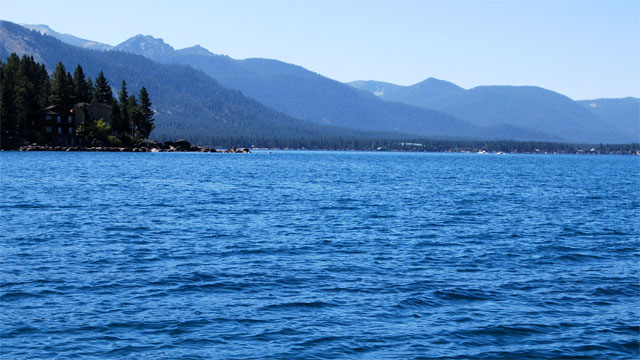
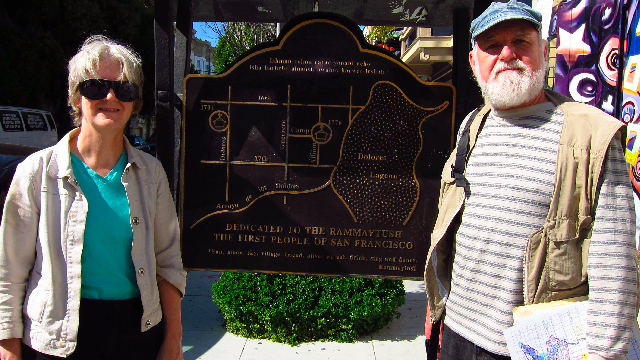
window.__IS_SSR__=true
window.__INITIAL_STATE__={
"attachmentsReducer": {
"audio_0": {
"type": "attachments",
"id": "audio_0",
"imgSizes": {
"kqedFullSize": {
"file": "https://ww2.kqed.org/news/wp-content/themes/KQED-unified/img/audio_bgs/background0.jpg"
}
}
},
"audio_1": {
"type": "attachments",
"id": "audio_1",
"imgSizes": {
"kqedFullSize": {
"file": "https://ww2.kqed.org/news/wp-content/themes/KQED-unified/img/audio_bgs/background1.jpg"
}
}
},
"audio_2": {
"type": "attachments",
"id": "audio_2",
"imgSizes": {
"kqedFullSize": {
"file": "https://ww2.kqed.org/news/wp-content/themes/KQED-unified/img/audio_bgs/background2.jpg"
}
}
},
"audio_3": {
"type": "attachments",
"id": "audio_3",
"imgSizes": {
"kqedFullSize": {
"file": "https://ww2.kqed.org/news/wp-content/themes/KQED-unified/img/audio_bgs/background3.jpg"
}
}
},
"audio_4": {
"type": "attachments",
"id": "audio_4",
"imgSizes": {
"kqedFullSize": {
"file": "https://ww2.kqed.org/news/wp-content/themes/KQED-unified/img/audio_bgs/background4.jpg"
}
}
},
"placeholder": {
"type": "attachments",
"id": "placeholder",
"imgSizes": {
"thumbnail": {
"file": "https://cdn.kqed.org/wp-content/uploads/2024/12/KQED-Default-Image-816638274-2000x1333-1-160x107.jpg",
"width": 160,
"height": 107,
"mimeType": "image/jpeg"
},
"medium": {
"file": "https://cdn.kqed.org/wp-content/uploads/2024/12/KQED-Default-Image-816638274-2000x1333-1-800x533.jpg",
"width": 800,
"height": 533,
"mimeType": "image/jpeg"
},
"medium_large": {
"file": "https://cdn.kqed.org/wp-content/uploads/2024/12/KQED-Default-Image-816638274-2000x1333-1-768x512.jpg",
"width": 768,
"height": 512,
"mimeType": "image/jpeg"
},
"large": {
"file": "https://cdn.kqed.org/wp-content/uploads/2024/12/KQED-Default-Image-816638274-2000x1333-1-1020x680.jpg",
"width": 1020,
"height": 680,
"mimeType": "image/jpeg"
},
"1536x1536": {
"file": "https://cdn.kqed.org/wp-content/uploads/2024/12/KQED-Default-Image-816638274-2000x1333-1-1536x1024.jpg",
"width": 1536,
"height": 1024,
"mimeType": "image/jpeg"
},
"fd-lrg": {
"file": "https://cdn.kqed.org/wp-content/uploads/2024/12/KQED-Default-Image-816638274-2000x1333-1-1536x1024.jpg",
"width": 1536,
"height": 1024,
"mimeType": "image/jpeg"
},
"fd-med": {
"file": "https://cdn.kqed.org/wp-content/uploads/2024/12/KQED-Default-Image-816638274-2000x1333-1-1020x680.jpg",
"width": 1020,
"height": 680,
"mimeType": "image/jpeg"
},
"fd-sm": {
"file": "https://cdn.kqed.org/wp-content/uploads/2024/12/KQED-Default-Image-816638274-2000x1333-1-800x533.jpg",
"width": 800,
"height": 533,
"mimeType": "image/jpeg"
},
"post-thumbnail": {
"file": "https://cdn.kqed.org/wp-content/uploads/2024/12/KQED-Default-Image-816638274-2000x1333-1-672x372.jpg",
"width": 672,
"height": 372,
"mimeType": "image/jpeg"
},
"twentyfourteen-full-width": {
"file": "https://cdn.kqed.org/wp-content/uploads/2024/12/KQED-Default-Image-816638274-2000x1333-1-1038x576.jpg",
"width": 1038,
"height": 576,
"mimeType": "image/jpeg"
},
"xxsmall": {
"file": "https://cdn.kqed.org/wp-content/uploads/2024/12/KQED-Default-Image-816638274-2000x1333-1-160x107.jpg",
"width": 160,
"height": 107,
"mimeType": "image/jpeg"
},
"xsmall": {
"file": "https://cdn.kqed.org/wp-content/uploads/2024/12/KQED-Default-Image-816638274-2000x1333-1-672x372.jpg",
"width": 672,
"height": 372,
"mimeType": "image/jpeg"
},
"small": {
"file": "https://cdn.kqed.org/wp-content/uploads/2024/12/KQED-Default-Image-816638274-2000x1333-1-672x372.jpg",
"width": 672,
"height": 372,
"mimeType": "image/jpeg"
},
"xlarge": {
"file": "https://cdn.kqed.org/wp-content/uploads/2024/12/KQED-Default-Image-816638274-2000x1333-1-1020x680.jpg",
"width": 1020,
"height": 680,
"mimeType": "image/jpeg"
},
"full-width": {
"file": "https://cdn.kqed.org/wp-content/uploads/2024/12/KQED-Default-Image-816638274-2000x1333-1-1920x1280.jpg",
"width": 1920,
"height": 1280,
"mimeType": "image/jpeg"
},
"guest-author-32": {
"file": "https://cdn.kqed.org/wp-content/uploads/2025/01/KQED-Default-Image-816638274-1333x1333-1-160x160.jpg",
"width": 32,
"height": 32,
"mimeType": "image/jpeg"
},
"guest-author-50": {
"file": "https://cdn.kqed.org/wp-content/uploads/2025/01/KQED-Default-Image-816638274-1333x1333-1-160x160.jpg",
"width": 50,
"height": 50,
"mimeType": "image/jpeg"
},
"guest-author-64": {
"file": "https://cdn.kqed.org/wp-content/uploads/2025/01/KQED-Default-Image-816638274-1333x1333-1-160x160.jpg",
"width": 64,
"height": 64,
"mimeType": "image/jpeg"
},
"guest-author-96": {
"file": "https://cdn.kqed.org/wp-content/uploads/2025/01/KQED-Default-Image-816638274-1333x1333-1-160x160.jpg",
"width": 96,
"height": 96,
"mimeType": "image/jpeg"
},
"guest-author-128": {
"file": "https://cdn.kqed.org/wp-content/uploads/2025/01/KQED-Default-Image-816638274-1333x1333-1-160x160.jpg",
"width": 128,
"height": 128,
"mimeType": "image/jpeg"
},
"detail": {
"file": "https://cdn.kqed.org/wp-content/uploads/2025/01/KQED-Default-Image-816638274-1333x1333-1-160x160.jpg",
"width": 160,
"height": 160,
"mimeType": "image/jpeg"
},
"kqedFullSize": {
"file": "https://cdn.kqed.org/wp-content/uploads/2024/12/KQED-Default-Image-816638274-2000x1333-1.jpg",
"width": 2000,
"height": 1333
}
}
},
"quest_24562": {
"type": "attachments",
"id": "quest_24562",
"meta": {
"index": "attachments_1716263798",
"site": "quest",
"id": "24562",
"found": true
},
"parent": 24531,
"imgSizes": {
"thumbnail": {
"file": "https://ww2.kqed.org/app/uploads/sites/39/2011/09/Lake-Tahoe-400x225.jpg",
"width": 400,
"mimeType": "image/jpeg",
"height": 225
},
"kqedFullSize": {
"file": "https://ww2.kqed.org/app/uploads/sites/39/2011/09/Lake-Tahoe.jpg",
"width": 640,
"height": 360
},
"guest-author-96": {
"file": "https://ww2.kqed.org/app/uploads/sites/39/2011/09/Lake-Tahoe-96x96.jpg",
"width": 96,
"mimeType": "image/jpeg",
"height": 96
},
"guest-author-64": {
"file": "https://ww2.kqed.org/app/uploads/sites/39/2011/09/Lake-Tahoe-64x64.jpg",
"width": 64,
"mimeType": "image/jpeg",
"height": 64
},
"detail": {
"file": "https://ww2.kqed.org/app/uploads/sites/39/2011/09/Lake-Tahoe-75x75.jpg",
"width": 75,
"mimeType": "image/jpeg",
"height": 75
},
"guest-author-32": {
"file": "https://ww2.kqed.org/app/uploads/sites/39/2011/09/Lake-Tahoe-32x32.jpg",
"width": 32,
"mimeType": "image/jpeg",
"height": 32
},
"guest-author-128": {
"file": "https://ww2.kqed.org/app/uploads/sites/39/2011/09/Lake-Tahoe-128x128.jpg",
"width": 128,
"mimeType": "image/jpeg",
"height": 128
}
},
"publishDate": 1316209359,
"modified": 1316209359,
"caption": "Scientists see climate change. Credit: Lauren Sommer.",
"description": null,
"title": "Lake Tahoe",
"credit": null,
"status": "inherit",
"isLoading": false,
"fetchFailed": false
},
"quest_24225": {
"type": "attachments",
"id": "quest_24225",
"meta": {
"index": "attachments_1716263798",
"site": "quest",
"id": "24225",
"found": true
},
"parent": 23936,
"imgSizes": {
"thumbnail": {
"file": "https://ww2.kqed.org/app/uploads/sites/39/2011/09/doloresmarquee640-400x225.jpg",
"width": 400,
"mimeType": "image/jpeg",
"height": 225
},
"kqedFullSize": {
"file": "https://ww2.kqed.org/app/uploads/sites/39/2011/09/doloresmarquee640.jpg",
"width": 640,
"height": 360
},
"guest-author-96": {
"file": "https://ww2.kqed.org/app/uploads/sites/39/2011/09/doloresmarquee640-96x96.jpg",
"width": 96,
"mimeType": "image/jpeg",
"height": 96
},
"guest-author-64": {
"file": "https://ww2.kqed.org/app/uploads/sites/39/2011/09/doloresmarquee640-64x64.jpg",
"width": 64,
"mimeType": "image/jpeg",
"height": 64
},
"detail": {
"file": "https://ww2.kqed.org/app/uploads/sites/39/2011/09/doloresmarquee640-75x75.jpg",
"width": 75,
"mimeType": "image/jpeg",
"height": 75
},
"guest-author-32": {
"file": "https://ww2.kqed.org/app/uploads/sites/39/2011/09/doloresmarquee640-32x32.jpg",
"width": 32,
"mimeType": "image/jpeg",
"height": 32
},
"guest-author-128": {
"file": "https://ww2.kqed.org/app/uploads/sites/39/2011/09/doloresmarquee640-128x128.jpg",
"width": 128,
"mimeType": "image/jpeg",
"height": 128
}
},
"publishDate": 1315675315,
"modified": 1315675315,
"caption": "Did San Francisco's Dolores Lagoon ever exist?",
"description": null,
"title": "doloresmarquee640",
"credit": null,
"status": "inherit",
"isLoading": false,
"fetchFailed": false
},
"quest_23003": {
"type": "attachments",
"id": "quest_23003",
"meta": {
"index": "attachments_1716263798",
"site": "quest",
"id": "23003",
"found": true
},
"parent": 22995,
"imgSizes": {
"thumbnail": {
"file": "https://ww2.kqed.org/app/uploads/sites/39/2011/08/5-47_epa-2-way640-400x225.jpg",
"width": 400,
"mimeType": "image/jpeg",
"height": 225
},
"kqedFullSize": {
"file": "https://ww2.kqed.org/app/uploads/sites/39/2011/08/5-47_epa-2-way640.jpg",
"width": 640,
"height": 360
},
"guest-author-96": {
"file": "https://ww2.kqed.org/app/uploads/sites/39/2011/08/5-47_epa-2-way640-96x96.jpg",
"width": 96,
"mimeType": "image/jpeg",
"height": 96
},
"guest-author-64": {
"file": "https://ww2.kqed.org/app/uploads/sites/39/2011/08/5-47_epa-2-way640-64x64.jpg",
"width": 64,
"mimeType": "image/jpeg",
"height": 64
},
"detail": {
"file": "https://ww2.kqed.org/app/uploads/sites/39/2011/08/5-47_epa-2-way640-75x75.jpg",
"width": 75,
"mimeType": "image/jpeg",
"height": 75
},
"guest-author-32": {
"file": "https://ww2.kqed.org/app/uploads/sites/39/2011/08/5-47_epa-2-way640-32x32.jpg",
"width": 32,
"mimeType": "image/jpeg",
"height": 32
},
"guest-author-128": {
"file": "https://ww2.kqed.org/app/uploads/sites/39/2011/08/5-47_epa-2-way640-128x128.jpg",
"width": 128,
"mimeType": "image/jpeg",
"height": 128
}
},
"publishDate": 1313796907,
"modified": 1313796907,
"caption": null,
"description": null,
"title": "5-47_epa-2-way640",
"credit": null,
"status": "inherit",
"isLoading": false,
"fetchFailed": false
},
"quest_22272": {
"type": "attachments",
"id": "quest_22272",
"meta": {
"index": "attachments_1716263798",
"site": "quest",
"id": "22272",
"found": true
},
"parent": 22231,
"imgSizes": {
"thumbnail": {
"file": "https://ww2.kqed.org/app/uploads/sites/39/2011/08/hetch640-400x225.jpg",
"width": 400,
"mimeType": "image/jpeg",
"height": 225
},
"kqedFullSize": {
"file": "https://ww2.kqed.org/app/uploads/sites/39/2011/08/hetch640.jpg",
"width": 640,
"height": 360
},
"guest-author-96": {
"file": "https://ww2.kqed.org/app/uploads/sites/39/2011/08/hetch640-96x96.jpg",
"width": 96,
"mimeType": "image/jpeg",
"height": 96
},
"guest-author-64": {
"file": "https://ww2.kqed.org/app/uploads/sites/39/2011/08/hetch640-64x64.jpg",
"width": 64,
"mimeType": "image/jpeg",
"height": 64
},
"detail": {
"file": "https://ww2.kqed.org/app/uploads/sites/39/2011/08/hetch640-75x75.jpg",
"width": 75,
"mimeType": "image/jpeg",
"height": 75
},
"guest-author-32": {
"file": "https://ww2.kqed.org/app/uploads/sites/39/2011/08/hetch640-32x32.jpg",
"width": 32,
"mimeType": "image/jpeg",
"height": 32
},
"guest-author-128": {
"file": "https://ww2.kqed.org/app/uploads/sites/39/2011/08/hetch640-128x128.jpg",
"width": 128,
"mimeType": "image/jpeg",
"height": 128
}
},
"publishDate": 1312569199,
"modified": 1312569199,
"caption": "Next time we see this machine, it'll be on the other side of the Bay, in Newark.",
"description": null,
"title": "hetch640",
"credit": null,
"status": "inherit",
"isLoading": false,
"fetchFailed": false
},
"quest_21399": {
"type": "attachments",
"id": "quest_21399",
"meta": {
"index": "attachments_1716263798",
"site": "quest",
"id": "21399",
"found": true
},
"parent": 21396,
"imgSizes": {
"thumbnail": {
"file": "https://ww2.kqed.org/app/uploads/sites/39/2011/07/Saltworks-640-400x225.jpg",
"width": 400,
"mimeType": "image/jpeg",
"height": 225
},
"kqedFullSize": {
"file": "https://ww2.kqed.org/app/uploads/sites/39/2011/07/Saltworks-640.jpg",
"width": 640,
"height": 360
},
"guest-author-96": {
"file": "https://ww2.kqed.org/app/uploads/sites/39/2011/07/Saltworks-640-96x96.jpg",
"width": 96,
"mimeType": "image/jpeg",
"height": 96
},
"guest-author-64": {
"file": "https://ww2.kqed.org/app/uploads/sites/39/2011/07/Saltworks-640-64x64.jpg",
"width": 64,
"mimeType": "image/jpeg",
"height": 64
},
"detail": {
"file": "https://ww2.kqed.org/app/uploads/sites/39/2011/07/Saltworks-640-75x75.jpg",
"width": 75,
"mimeType": "image/jpeg",
"height": 75
},
"guest-author-32": {
"file": "https://ww2.kqed.org/app/uploads/sites/39/2011/07/Saltworks-640-32x32.jpg",
"width": 32,
"mimeType": "image/jpeg",
"height": 32
},
"guest-author-128": {
"file": "https://ww2.kqed.org/app/uploads/sites/39/2011/07/Saltworks-640-128x128.jpg",
"width": 128,
"mimeType": "image/jpeg",
"height": 128
}
},
"publishDate": 1311813408,
"modified": 1311813408,
"caption": "Salt ponds in Redwood City",
"description": null,
"title": "Saltworks-640",
"credit": null,
"status": "inherit",
"isLoading": false,
"fetchFailed": false
},
"quest_20997": {
"type": "attachments",
"id": "quest_20997",
"meta": {
"index": "attachments_1716263798",
"site": "quest",
"id": "20997",
"found": true
},
"parent": 20990,
"imgSizes": {
"thumbnail": {
"file": "https://ww2.kqed.org/app/uploads/sites/39/2011/07/Federal-Building_640-400x225.jpg",
"width": 400,
"mimeType": "image/jpeg",
"height": 225
},
"kqedFullSize": {
"file": "https://ww2.kqed.org/app/uploads/sites/39/2011/07/Federal-Building_640.jpg",
"width": 640,
"height": 360
},
"guest-author-96": {
"file": "https://ww2.kqed.org/app/uploads/sites/39/2011/07/Federal-Building_640-96x96.jpg",
"width": 96,
"mimeType": "image/jpeg",
"height": 96
},
"guest-author-64": {
"file": "https://ww2.kqed.org/app/uploads/sites/39/2011/07/Federal-Building_640-64x64.jpg",
"width": 64,
"mimeType": "image/jpeg",
"height": 64
},
"detail": {
"file": "https://ww2.kqed.org/app/uploads/sites/39/2011/07/Federal-Building_640-75x75.jpg",
"width": 75,
"mimeType": "image/jpeg",
"height": 75
},
"guest-author-32": {
"file": "https://ww2.kqed.org/app/uploads/sites/39/2011/07/Federal-Building_640-32x32.jpg",
"width": 32,
"mimeType": "image/jpeg",
"height": 32
},
"guest-author-128": {
"file": "https://ww2.kqed.org/app/uploads/sites/39/2011/07/Federal-Building_640-128x128.jpg",
"width": 128,
"mimeType": "image/jpeg",
"height": 128
}
},
"publishDate": 1311283194,
"modified": 1311283194,
"caption": "Its mesh screens make San Francisco's Federal Building one of the most bird-friendly buildings in town. (Image by JDX, via Flickr Creative Commons) ",
"description": null,
"title": "San Francisco Federal Building",
"credit": null,
"status": "inherit",
"isLoading": false,
"fetchFailed": false
},
"quest_20492": {
"type": "attachments",
"id": "quest_20492",
"meta": {
"index": "attachments_1716263798",
"site": "quest",
"id": "20492",
"found": true
},
"parent": 20488,
"imgSizes": {
"thumbnail": {
"file": "https://ww2.kqed.org/app/uploads/sites/39/2011/07/GullATTPark-400x225.jpg",
"width": 400,
"mimeType": "image/jpeg",
"height": 225
},
"kqedFullSize": {
"file": "https://ww2.kqed.org/app/uploads/sites/39/2011/07/GullATTPark.jpg",
"width": 640,
"height": 360
},
"guest-author-96": {
"file": "https://ww2.kqed.org/app/uploads/sites/39/2011/07/GullATTPark-96x96.jpg",
"width": 96,
"mimeType": "image/jpeg",
"height": 96
},
"guest-author-64": {
"file": "https://ww2.kqed.org/app/uploads/sites/39/2011/07/GullATTPark-64x64.jpg",
"width": 64,
"mimeType": "image/jpeg",
"height": 64
},
"detail": {
"file": "https://ww2.kqed.org/app/uploads/sites/39/2011/07/GullATTPark-75x75.jpg",
"width": 75,
"mimeType": "image/jpeg",
"height": 75
},
"guest-author-32": {
"file": "https://ww2.kqed.org/app/uploads/sites/39/2011/07/GullATTPark-32x32.jpg",
"width": 32,
"mimeType": "image/jpeg",
"height": 32
},
"guest-author-128": {
"file": "https://ww2.kqed.org/app/uploads/sites/39/2011/07/GullATTPark-128x128.jpg",
"width": 128,
"mimeType": "image/jpeg",
"height": 128
}
},
"publishDate": 1310770011,
"modified": 1310770011,
"caption": "Gulls making fast work of AT&T Park leftovers. Credit: Flickr, Malingering.",
"description": null,
"title": "GullATTPark",
"credit": null,
"status": "inherit",
"isLoading": false,
"fetchFailed": false
},
"quest_20423": {
"type": "attachments",
"id": "quest_20423",
"meta": {
"index": "attachments_1716263798",
"site": "quest",
"id": "20423",
"found": true
},
"parent": 20389,
"imgSizes": {
"thumbnail": {
"file": "https://ww2.kqed.org/app/uploads/sites/39/2011/07/Gull-photo-400x225.jpg",
"width": 400,
"mimeType": "image/jpeg",
"height": 225
},
"kqedFullSize": {
"file": "https://ww2.kqed.org/app/uploads/sites/39/2011/07/Gull-photo.jpg",
"width": 640,
"height": 360
},
"guest-author-96": {
"file": "https://ww2.kqed.org/app/uploads/sites/39/2011/07/Gull-photo-96x96.jpg",
"width": 96,
"mimeType": "image/jpeg",
"height": 96
},
"guest-author-64": {
"file": "https://ww2.kqed.org/app/uploads/sites/39/2011/07/Gull-photo-64x64.jpg",
"width": 64,
"mimeType": "image/jpeg",
"height": 64
},
"detail": {
"file": "https://ww2.kqed.org/app/uploads/sites/39/2011/07/Gull-photo-75x75.jpg",
"width": 75,
"mimeType": "image/jpeg",
"height": 75
},
"guest-author-32": {
"file": "https://ww2.kqed.org/app/uploads/sites/39/2011/07/Gull-photo-32x32.jpg",
"width": 32,
"mimeType": "image/jpeg",
"height": 32
},
"guest-author-128": {
"file": "https://ww2.kqed.org/app/uploads/sites/39/2011/07/Gull-photo-128x128.jpg",
"width": 128,
"mimeType": "image/jpeg",
"height": 128
}
},
"publishDate": 1310764750,
"modified": 1310764750,
"caption": "A California gull tagged by USGS scientists. Credit: Josh Ackerman/USGS",
"description": null,
"title": "Gull-photo",
"credit": null,
"status": "inherit",
"isLoading": false,
"fetchFailed": false
},
"quest_20227": {
"type": "attachments",
"id": "quest_20227",
"meta": {
"index": "attachments_1716263798",
"site": "quest",
"id": "20227",
"found": true
},
"parent": 20215,
"imgSizes": {
"twentyfourteen-full-width": {
"file": "https://ww2.kqed.org/app/uploads/sites/39/2011/07/e-waste-circuitboards-univ640-1038x576.jpg",
"width": 1038,
"mimeType": "image/jpeg",
"height": 576
},
"thumbnail": {
"file": "https://ww2.kqed.org/app/uploads/sites/39/2011/07/e-waste-circuitboards-univ640-400x225.jpg",
"width": 400,
"mimeType": "image/jpeg",
"height": 225
},
"fd-sm": {
"file": "https://ww2.kqed.org/app/uploads/sites/39/2011/07/e-waste-circuitboards-univ640-960x540.jpg",
"width": 960,
"mimeType": "image/jpeg",
"height": 540
},
"post-thumbnail": {
"file": "https://ww2.kqed.org/app/uploads/sites/39/2011/07/e-waste-circuitboards-univ640-672x372.jpg",
"width": 672,
"mimeType": "image/jpeg",
"height": 372
},
"kqedFullSize": {
"file": "https://ww2.kqed.org/app/uploads/sites/39/2011/07/e-waste-circuitboards-univ640.jpg",
"width": 3686,
"height": 2074
},
"large": {
"file": "https://ww2.kqed.org/app/uploads/sites/39/2011/07/e-waste-circuitboards-univ640-1440x810.jpg",
"width": 1440,
"mimeType": "image/jpeg",
"height": 810
},
"guest-author-96": {
"file": "https://ww2.kqed.org/app/uploads/sites/39/2011/07/e-waste-circuitboards-univ640-96x96.jpg",
"width": 96,
"mimeType": "image/jpeg",
"height": 96
},
"medium": {
"file": "https://ww2.kqed.org/app/uploads/sites/39/2011/07/e-waste-circuitboards-univ640-800x450.jpg",
"width": 800,
"mimeType": "image/jpeg",
"height": 450
},
"guest-author-64": {
"file": "https://ww2.kqed.org/app/uploads/sites/39/2011/07/e-waste-circuitboards-univ640-64x64.jpg",
"width": 64,
"mimeType": "image/jpeg",
"height": 64
},
"guest-author-32": {
"file": "https://ww2.kqed.org/app/uploads/sites/39/2011/07/e-waste-circuitboards-univ640-32x32.jpg",
"width": 32,
"mimeType": "image/jpeg",
"height": 32
},
"fd-lrg": {
"file": "https://ww2.kqed.org/app/uploads/sites/39/2011/07/e-waste-circuitboards-univ640-1920x1080.jpg",
"width": 1920,
"mimeType": "image/jpeg",
"height": 1080
},
"fd-med": {
"file": "https://ww2.kqed.org/app/uploads/sites/39/2011/07/e-waste-circuitboards-univ640-1180x664.jpg",
"width": 1180,
"mimeType": "image/jpeg",
"height": 664
},
"detail": {
"file": "https://ww2.kqed.org/app/uploads/sites/39/2011/07/e-waste-circuitboards-univ640-75x75.jpg",
"width": 75,
"mimeType": "image/jpeg",
"height": 75
},
"guest-author-128": {
"file": "https://ww2.kqed.org/app/uploads/sites/39/2011/07/e-waste-circuitboards-univ640-128x128.jpg",
"width": 128,
"mimeType": "image/jpeg",
"height": 128
}
},
"publishDate": 1310683420,
"modified": 1310683420,
"caption": null,
"description": null,
"title": "e-waste-circuitboards-univ640",
"credit": null,
"status": "inherit",
"isLoading": false,
"fetchFailed": false
},
"quest_20053": {
"type": "attachments",
"id": "quest_20053",
"meta": {
"index": "attachments_1716263798",
"site": "quest",
"id": "20053",
"found": true
},
"parent": 0,
"imgSizes": {
"thumbnail": {
"file": "https://ww2.kqed.org/app/uploads/sites/39/2011/07/Bioplastic_packaging640-400x225.jpg",
"width": 400,
"mimeType": "image/jpeg",
"height": 225
},
"fd-sm": {
"file": "https://ww2.kqed.org/app/uploads/sites/39/2011/07/Bioplastic_packaging640-960x540.jpg",
"width": 960,
"mimeType": "image/jpeg",
"height": 540
},
"post-thumbnail": {
"file": "https://ww2.kqed.org/app/uploads/sites/39/2011/07/Bioplastic_packaging640-672x372.jpg",
"width": 672,
"mimeType": "image/jpeg",
"height": 372
},
"kqedFullSize": {
"file": "https://ww2.kqed.org/app/uploads/sites/39/2011/07/Bioplastic_packaging640.jpg",
"width": 967,
"height": 544
},
"guest-author-96": {
"file": "https://ww2.kqed.org/app/uploads/sites/39/2011/07/Bioplastic_packaging640-96x96.jpg",
"width": 96,
"mimeType": "image/jpeg",
"height": 96
},
"medium": {
"file": "https://ww2.kqed.org/app/uploads/sites/39/2011/07/Bioplastic_packaging640-800x450.jpg",
"width": 800,
"mimeType": "image/jpeg",
"height": 450
},
"guest-author-64": {
"file": "https://ww2.kqed.org/app/uploads/sites/39/2011/07/Bioplastic_packaging640-64x64.jpg",
"width": 64,
"mimeType": "image/jpeg",
"height": 64
},
"detail": {
"file": "https://ww2.kqed.org/app/uploads/sites/39/2011/07/Bioplastic_packaging640-75x75.jpg",
"width": 75,
"mimeType": "image/jpeg",
"height": 75
},
"guest-author-32": {
"file": "https://ww2.kqed.org/app/uploads/sites/39/2011/07/Bioplastic_packaging640-32x32.jpg",
"width": 32,
"mimeType": "image/jpeg",
"height": 32
},
"guest-author-128": {
"file": "https://ww2.kqed.org/app/uploads/sites/39/2011/07/Bioplastic_packaging640-128x128.jpg",
"width": 128,
"mimeType": "image/jpeg",
"height": 128
}
},
"publishDate": 1310595021,
"modified": 1310595021,
"caption": null,
"description": null,
"title": "Bioplastic_packaging640",
"credit": null,
"status": "inherit",
"isLoading": false,
"fetchFailed": false
},
"quest_20040": {
"type": "attachments",
"id": "quest_20040",
"meta": {
"index": "attachments_1716263798",
"site": "quest",
"id": "20040",
"found": true
},
"parent": 20037,
"imgSizes": {
"thumbnail": {
"file": "https://ww2.kqed.org/app/uploads/sites/39/2011/07/recycling1-640x360-400x225.jpg",
"width": 400,
"mimeType": "image/jpeg",
"height": 225
},
"kqedFullSize": {
"file": "https://ww2.kqed.org/app/uploads/sites/39/2011/07/recycling1-640x360.jpg",
"width": 640,
"height": 360
},
"guest-author-96": {
"file": "https://ww2.kqed.org/app/uploads/sites/39/2011/07/recycling1-640x360-96x96.jpg",
"width": 96,
"mimeType": "image/jpeg",
"height": 96
},
"guest-author-64": {
"file": "https://ww2.kqed.org/app/uploads/sites/39/2011/07/recycling1-640x360-64x64.jpg",
"width": 64,
"mimeType": "image/jpeg",
"height": 64
},
"detail": {
"file": "https://ww2.kqed.org/app/uploads/sites/39/2011/07/recycling1-640x360-75x75.jpg",
"width": 75,
"mimeType": "image/jpeg",
"height": 75
},
"guest-author-32": {
"file": "https://ww2.kqed.org/app/uploads/sites/39/2011/07/recycling1-640x360-32x32.jpg",
"width": 32,
"mimeType": "image/jpeg",
"height": 32
},
"guest-author-128": {
"file": "https://ww2.kqed.org/app/uploads/sites/39/2011/07/recycling1-640x360-128x128.jpg",
"width": 128,
"mimeType": "image/jpeg",
"height": 128
}
},
"publishDate": 1310592736,
"modified": 1310592736,
"caption": null,
"description": null,
"title": "recycling1-640x360",
"credit": null,
"status": "inherit",
"isLoading": false,
"fetchFailed": false
},
"quest_19286": {
"type": "attachments",
"id": "quest_19286",
"meta": {
"index": "attachments_1716263798",
"site": "quest",
"id": "19286",
"found": true
},
"parent": 19263,
"imgSizes": {
"thumbnail": {
"file": "https://ww2.kqed.org/app/uploads/sites/39/2011/07/recycling640-400x225.jpg",
"width": 400,
"mimeType": "image/jpeg",
"height": 225
},
"kqedFullSize": {
"file": "https://ww2.kqed.org/app/uploads/sites/39/2011/07/recycling640.jpg",
"width": 640,
"height": 360
},
"guest-author-96": {
"file": "https://ww2.kqed.org/app/uploads/sites/39/2011/07/recycling640-96x96.jpg",
"width": 96,
"mimeType": "image/jpeg",
"height": 96
},
"guest-author-64": {
"file": "https://ww2.kqed.org/app/uploads/sites/39/2011/07/recycling640-64x64.jpg",
"width": 64,
"mimeType": "image/jpeg",
"height": 64
},
"detail": {
"file": "https://ww2.kqed.org/app/uploads/sites/39/2011/07/recycling640-75x75.jpg",
"width": 75,
"mimeType": "image/jpeg",
"height": 75
},
"guest-author-32": {
"file": "https://ww2.kqed.org/app/uploads/sites/39/2011/07/recycling640-32x32.jpg",
"width": 32,
"mimeType": "image/jpeg",
"height": 32
},
"guest-author-128": {
"file": "https://ww2.kqed.org/app/uploads/sites/39/2011/07/recycling640-128x128.jpg",
"width": 128,
"mimeType": "image/jpeg",
"height": 128
}
},
"publishDate": 1309996340,
"modified": 1309996340,
"caption": null,
"description": null,
"title": "recycling640",
"credit": null,
"status": "inherit",
"isLoading": false,
"fetchFailed": false
}
},
"audioPlayerReducer": {
"postId": "stream_live",
"isPaused": true,
"isPlaying": false,
"pfsActive": false,
"pledgeModalIsOpen": true,
"playerDrawerIsOpen": false,
"liveAudioPlayStartedAt": 0,
"liveAudioPlayContext": ""
},
"authorsReducer": {
"amystanden": {
"type": "authors",
"id": "210",
"meta": {
"index": "authors_1716337520",
"id": "210",
"found": true
},
"name": "Amy Standen",
"firstName": "Amy",
"lastName": "Standen",
"slug": "amystanden",
"email": "astanden@kqed.org",
"display_author_email": false,
"staff_mastheads": [],
"title": "KQED Contributor",
"bio": "Amy Standen (@amystanden) is co-host of #\u003ca href=\"https://ww2.kqed.org/news/programs/the-leap\">TheLeapPodcast\u003c/a> (subscribe on iTunes or Stitcher!) and host of KQED and PBSDigital Studios' science video series, \u003ca href=\"https://www.youtube.com/user/KQEDDeepLook\">Deep Look\u003c/a>. Her science radio stories appear on KQED and NPR.\r\n\r\nEmail her at astanden@kqed.org",
"avatar": "https://secure.gravatar.com/avatar/3d021b72de685a788b0487b059d0a6a1?s=600&d=blank&r=g",
"twitter": null,
"facebook": null,
"instagram": null,
"linkedin": null,
"sites": [
{
"site": "news",
"roles": [
"subscriber"
]
},
{
"site": "futureofyou",
"roles": [
"subscriber"
]
},
{
"site": "stateofhealth",
"roles": [
"subscriber"
]
},
{
"site": "science",
"roles": []
},
{
"site": "quest",
"roles": [
"subscriber"
]
}
],
"headData": {
"title": "Amy Standen | KQED",
"description": "KQED Contributor",
"ogImgSrc": "https://secure.gravatar.com/avatar/3d021b72de685a788b0487b059d0a6a1?s=600&d=blank&r=g",
"twImgSrc": "https://secure.gravatar.com/avatar/3d021b72de685a788b0487b059d0a6a1?s=600&d=blank&r=g"
},
"isLoading": false,
"link": "/author/amystanden"
},
"andrea-kissack": {
"type": "authors",
"id": "212",
"meta": {
"index": "authors_1716337520",
"id": "212",
"found": true
},
"name": "Andrea Kissack",
"firstName": "Andrea",
"lastName": "Kissack",
"slug": "andrea-kissack",
"email": "akissack@kqed.org",
"display_author_email": false,
"staff_mastheads": [],
"title": "KQED Contributor",
"bio": "Andrea has nearly three decades of experience working as a reporter, anchor, producer and editor for public radio, large market television news and CBS radio. In her current role as KQED’s Sr. Science Editor, Andrea helps lead a talented team covering science, technology, health and the environment for broadcast and digital platforms. Most recently she helped KQED launch a new, multimedia initiative covering the intersection of technology, health and medical science. She has earned a number of accolades for her work including awards from the Radio and Television News Directors Association, the National Academy of Television Arts and Sciences and the Associated Press. Her work can be seen, and heard, on a number of networks, Including NPR, PBS, CBS and the BBC.",
"avatar": "https://secure.gravatar.com/avatar/3eae7a251f0aee43b3c0137a636cb386?s=600&d=blank&r=g",
"twitter": "andreakissack",
"facebook": null,
"instagram": null,
"linkedin": null,
"sites": [
{
"site": "news",
"roles": [
"subscriber"
]
},
{
"site": "stateofhealth",
"roles": [
"subscriber"
]
},
{
"site": "science",
"roles": []
},
{
"site": "quest",
"roles": [
"add_users",
"create_users",
"edit_files",
"edit_users",
"level_10",
"level_8",
"level_9",
"promote_users",
"view_cimy_extra_fields",
"subscriber"
]
}
],
"headData": {
"title": "Andrea Kissack | KQED",
"description": "KQED Contributor",
"ogImgSrc": "https://secure.gravatar.com/avatar/3eae7a251f0aee43b3c0137a636cb386?s=600&d=blank&r=g",
"twImgSrc": "https://secure.gravatar.com/avatar/3eae7a251f0aee43b3c0137a636cb386?s=600&d=blank&r=g"
},
"isLoading": false,
"link": "/author/andrea-kissack"
},
"laurensommer": {
"type": "authors",
"id": "239",
"meta": {
"index": "authors_1716337520",
"id": "239",
"found": true
},
"name": "Lauren Sommer",
"firstName": "Lauren",
"lastName": "Sommer",
"slug": "laurensommer",
"email": "lsommer@kqed.org",
"display_author_email": false,
"staff_mastheads": [],
"title": "KQED Contributor",
"bio": "Lauren is a radio reporter formerly covering environment, water, and energy for KQED Science. As part of her day job, she has scaled Sierra Nevada peaks, run from charging elephant seals, and desperately tried to get her sea legs - all in pursuit of good radio. Her work has appeared on Marketplace, Living on Earth, Science Friday and NPR's Morning Edition and All Things Considered. You can find her on Twitter at \u003ca href=\"https://twitter.com/lesommer\">@lesommer\u003c/a>.",
"avatar": "https://secure.gravatar.com/avatar/33aa3772bb86c6ad45b8aca6a238bbdf?s=600&d=blank&r=g",
"twitter": null,
"facebook": null,
"instagram": null,
"linkedin": null,
"sites": [
{
"site": "news",
"roles": [
"author"
]
},
{
"site": "science",
"roles": [
"editor",
"manage_content_types",
"manage_taxonomies"
]
},
{
"site": "quest",
"roles": [
"editor"
]
}
],
"headData": {
"title": "Lauren Sommer | KQED",
"description": "KQED Contributor",
"ogImgSrc": "https://secure.gravatar.com/avatar/33aa3772bb86c6ad45b8aca6a238bbdf?s=600&d=blank&r=g",
"twImgSrc": "https://secure.gravatar.com/avatar/33aa3772bb86c6ad45b8aca6a238bbdf?s=600&d=blank&r=g"
},
"isLoading": false,
"link": "/author/laurensommer"
},
"kerrygrens": {
"type": "authors",
"id": "10230",
"meta": {
"index": "authors_1716337520",
"id": "10230",
"found": true
},
"name": "Kerry Grens",
"firstName": "Kerry",
"lastName": "Grens",
"slug": "kerrygrens",
"email": "kgrens@whyy.org",
"display_author_email": false,
"staff_mastheads": [],
"title": null,
"bio": "Kerry Grens has been a health and science reporter at WHYY since 2007, filing stories for radio, tv and web. Her radio career began through a AAAS fellowship at KUNC in Colorado, and Kerry has since worked as a reporter at New Hampshire Public Radio and The Scientist magazine. Her stories have appeared on NPR, Marketplace, Voice of America and in Nature magazine, and she is a regular contributor to Reuters Health. Kerry's reporting has earned numerous awards from state chapters of the Society of Professional Journalists and the AP Broadcasters Association. Kerry has a bachelors degree in biology from Loyola University Chicago and a master's degree in biological sciences from Stanford University.",
"avatar": "https://secure.gravatar.com/avatar/e48884329c76690d88bd508e095fa715?s=600&d=blank&r=g",
"twitter": null,
"facebook": null,
"instagram": null,
"linkedin": null,
"sites": [
{
"site": "quest",
"roles": [
"subscriber"
]
}
],
"headData": {
"title": "Kerry Grens | KQED",
"description": null,
"ogImgSrc": "https://secure.gravatar.com/avatar/e48884329c76690d88bd508e095fa715?s=600&d=blank&r=g",
"twImgSrc": "https://secure.gravatar.com/avatar/e48884329c76690d88bd508e095fa715?s=600&d=blank&r=g"
},
"isLoading": false,
"link": "/author/kerrygrens"
},
"grantgerlock": {
"type": "authors",
"id": "10231",
"meta": {
"index": "authors_1716337520",
"id": "10231",
"found": true
},
"name": "Grant Gerlock",
"firstName": "Grant",
"lastName": "Gerlock",
"slug": "grantgerlock",
"email": "ggerlock@netnebraska.org",
"display_author_email": false,
"staff_mastheads": [],
"title": null,
"bio": "Grant Gerlock is a reporter and the host of Morning Edition on NET Radio, Nebraska’s statewide NPR network. In 3 years at NET Radio he has covered rising land values, raw milk regulations, food security, and a controversial oil pipeline project. Before coming to NET he was a graduate assistant in news at WMUB at Miami University. When he’s not on the radio, Grant enjoys biking and gardening with his family in Lincoln, Nebraska.",
"avatar": "https://secure.gravatar.com/avatar/0e2c4a789680f3af627ed5da426902a0?s=600&d=blank&r=g",
"twitter": null,
"facebook": null,
"instagram": null,
"linkedin": null,
"sites": [
{
"site": "quest",
"roles": [
"coordinator",
"subscriber"
]
}
],
"headData": {
"title": "Grant Gerlock | KQED",
"description": null,
"ogImgSrc": "https://secure.gravatar.com/avatar/0e2c4a789680f3af627ed5da426902a0?s=600&d=blank&r=g",
"twImgSrc": "https://secure.gravatar.com/avatar/0e2c4a789680f3af627ed5da426902a0?s=600&d=blank&r=g"
},
"isLoading": false,
"link": "/author/grantgerlock"
},
"toddwitter": {
"type": "authors",
"id": "10235",
"meta": {
"index": "authors_1716337520",
"id": "10235",
"found": true
},
"name": "Todd Witter",
"firstName": "Todd",
"lastName": "Witter",
"slug": "toddwitter",
"email": "todd.witter@wpr.org",
"display_author_email": false,
"staff_mastheads": [],
"title": null,
"bio": "Before joining the world of public radio, Todd was a drummer with several Chicago-area bands and managed to find himself performing on MTV’s “Club MTV with Downtown Julie Brown.” Knowing he couldn’t top that musical accomplishment, Todd moved on to greater auditory territory by becoming the local host of Morning Edition in the booming metropolis of Rhinelander, Wisconsin – Home of the Hodag! Since then, Todd has worked as a freelance producer for the environment news service, The Great Lakes Radio Consortium (now The Environment Report), writes, edits and produces stories and essays on life in Wisconsin for Wisconsin Public Radio, and has been the producer of several nationally-distributed programs from WPR, including Public Radio International’s Michael Feldman’s Whad’Ya Know?",
"avatar": "https://secure.gravatar.com/avatar/29d0f2ce08961892f4a735a72ef7747c?s=600&d=blank&r=g",
"twitter": null,
"facebook": null,
"instagram": null,
"linkedin": null,
"sites": [
{
"site": "quest",
"roles": [
"subscriber"
]
}
],
"headData": {
"title": "Todd Witter | KQED",
"description": null,
"ogImgSrc": "https://secure.gravatar.com/avatar/29d0f2ce08961892f4a735a72ef7747c?s=600&d=blank&r=g",
"twImgSrc": "https://secure.gravatar.com/avatar/29d0f2ce08961892f4a735a72ef7747c?s=600&d=blank&r=g"
},
"isLoading": false,
"link": "/author/toddwitter"
}
},
"pagesReducer": {
"quest_tag_audio": {
"type": "terms",
"id": "quest_252",
"meta": {
"index": "terms_1716263798",
"site": "quest",
"id": "252",
"score": 8.7980385
},
"featImg": null,
"name": "audio",
"description": null,
"taxonomy": "tag",
"headData": {
"twImgId": null,
"twTitle": null,
"ogTitle": null,
"ogImgId": null,
"twDescription": null,
"description": null,
"title": "audio Archives | KQED Arts",
"ogDescription": null
},
"ttid": 254,
"slug": "audio",
"isLoading": false,
"title": "audio",
"pageMeta": {
"site": "quest",
"WpPageTemplate": "page-topic-editorial",
"currentPage": 11
},
"blocks": [
{
"blockName": "kqed/post-list",
"attrs": {
"layout": "cardArticle2",
"query": "posts/quest?tag=audio",
"seeMore": false,
"paginated": true,
"page": 11
}
},
{
"blockName": "kqed/ad"
}
]
}
},
"pfsSessionReducer": {},
"postsReducer": {
"stream_live": {
"type": "live",
"id": "stream_live",
"audioUrl": "https://hls.kqed.org/hls/kqed_app/playlist.m3u8",
"title": "Live Stream",
"excerpt": "Live Stream information currently unavailable.",
"link": "/radio",
"featImg": "",
"label": {
"name": "KQED Live",
"link": "/"
}
},
"stream_kqedNewscast": {
"type": "posts",
"id": "stream_kqedNewscast",
"audioUrl": "https://www.kqed.org/.stream/anon/radio/RDnews/newscast.mp3?_=1",
"title": "KQED Newscast",
"featImg": "",
"label": {
"name": "88.5 FM",
"link": "/"
}
},
"quest_24531": {
"type": "posts",
"id": "quest_24531",
"meta": {
"index": "posts_1716263798",
"site": "quest",
"id": "24531",
"score": null,
"sort": [
1316206803000
]
},
"parent": 0,
"labelTerm": {
"site": "quest"
},
"blocks": [],
"publishDate": 1316206803,
"format": "audio",
"disqusTitle": "Climate Change Could Mean Cloudy Future for Lake Tahoe",
"title": "Climate Change Could Mean Cloudy Future for Lake Tahoe",
"headTitle": "QUEST | KQED Science",
"content": "\u003cp>http://www.kqed.org/.stream/anon/radio/quest/2011/09/2011-09-19-quest.mp3\u003c/p>\n\u003cfigure id=\"attachment_24562\" class=\"wp-caption alignleft\" style=\"max-width: 300px\">\u003ca href=\"http://ww2.kqed.org/quest/wp-content/uploads/sites/39/2011/09/Lake-Tahoe.jpg\">\u003cimg class=\"size-thumbnail wp-image-24562\" title=\"Lake Tahoe\" src=\"http://ww2.kqed.org/quest/wp-content/uploads/sites/39/2011/09/Lake-Tahoe-300x169.jpg\" alt=\"\" width=\"300\" height=\"169\">\u003c/a>\u003cfigcaption class=\"wp-caption-text\">Climate change and invasive species threaten Lake Tahoe just as restoration funding dwindles. (Photo: Lauren Sommer)\u003c/figcaption>\u003c/figure>\n\u003cp>Over the last 15 years, more than a billion dollars has been spent to protect Lake Tahoe's clear waters from runoff and erosion. Now, new threats to lake's clarity are emerging, just as restoration funding is drying up.\u003c/p>\n\u003cp>Researchers from UC Davis are hot on the trail of one of those threats. On a recent late summer morning, Katie Webb and a team from UC Davis's \u003ca href=\"http://terc.ucdavis.edu/\">Tahoe Environmental Research Center\u003c/a> went looking for it on a boat near South Lake Tahoe.\u003c/p>\n\u003cp>\"So what we're looking for is a metal clam corral,\" Webb says, pulling on her scuba gear. The \"clam corral\" is a wire basket that holds clams living on the lake bottom. Webb swims down to it and attaches a rope, so the team can pull it on board.\u003c/p>\n\u003cp>The clams inside are \u003ca href=\"http://terc.ucdavis.edu/research/aquaticinvasives.html\">Asian clams\u003c/a>, an invasive species. They were not a welcome visitor when they were discovered in Lake Tahoe in 2002. Webb and her team are monitoring these corralled clams to see how fast the population is growing.\u003c/p>\n\u003cp>[ad fullwidth]\u003c/p>\n\u003cp>\"So you can see this individual is number 11,\" she says, pointing to a tiny number super-glued on its shell. They use the numbers to track individuals over time. \"We can see how much they've grown since we checked them in February and it should be a lot. They grow a lot in the summertime,\" Webb says.\u003c/p>\n\u003cp>\"What they do is somewhat disturbing,\" says Geoff Schladow, director of the Tahoe Environmental Research Center. Asian clams filter massive amounts of lake water and that's where the problem starts.\u003c/p>\n\u003cp>\"Of everything they filter, they consume about 10 percent of it and 90 percent they excrete. So their excretions are like these huge nutrient bombs,\" Schladow says.\u003c/p>\n\u003cfigure id=\"attachment_24565\" class=\"wp-caption alignright\" style=\"max-width: 192px\">\u003ca href=\"http://ww2.kqed.org/quest/wp-content/uploads/sites/39/2011/09/Asianclam.jpg\">\u003cimg class=\"size-thumbnail wp-image-24565\" title=\"Asianclam\" src=\"http://ww2.kqed.org/quest/wp-content/uploads/sites/39/2011/09/Asianclam-192x169.jpg\" alt=\"\" width=\"192\" height=\"169\">\u003c/a>\u003cfigcaption class=\"wp-caption-text\">UC Davis researcher Katie Webb holds an Asian clam from their population study. (Photo: Lauren Sommer)\u003c/figcaption>\u003c/figure>\n\u003cp>With thousands of clams per square meter in some parts of the lake, their \"nutrient bombs\" help create algae blooms.\u003c/p>\n\u003cp>\"So you have this bright green, stringy algae, sort of clinging to the bottom, a few tens of yards from the beach. People would be astounded to see this cause it looks like any place but Tahoe,\" he says.\u003c/p>\n\u003cp>In the face of this invasion, a team from UC Davis has been experimenting with \u003ca href=\"http://terc.ucdavis.edu/research/aquaticinvasives.html\">rubber mats that suffocate Asian clams\u003c/a> on the lake bottom. So far, the treatment looks promising.\u003c/p>\n\u003cp>\u003cstrong>Tahoe Basin Building Boom\u003c/strong>\u003c/p>\n\u003cp>Keeping the lake blue - and not green - has been a rallying cry for both environmental groups and Tahoe's tourism industry. Forty years ago, scientists could see 100 feet into the lake. Today, the clarity has decreased significantly to 64 feet.\u003c/p>\n\u003cp>\"We're essentially like a bowl and what happens on the land affects the water,\" says Julie Regan of the \u003ca href=\"http://www.trpa.org/\">Tahoe Regional Planning Agency\u003c/a>. The agency oversees development on both the California and Nevada sides.\u003c/p>\n\u003cp>\"What happened on the land in the 50s, 60s and 70s is that we had a lot of development – rampant overdevelopment,\" she says. Tahoe hosted 1960 Winter Olympics at Squaw Valley. Casinos went up. Building was booming. And soon, the region had a runoff problem.\u003c/p>\n\u003cp>\"It's driveways. It's houses. What you cover on the land then interferes with the soils ability to filter runoff. That's what's causing clarity loss,\" says Regan.\u003c/p>\n\u003cp>Over the past 15 years, local agencies have tried to stop this decline with $1.5 billion of federal, state and local money. They've preserved open space and built projects to control erosion and filter runoff.\u003c/p>\n\u003cp>\"In 2008 we got the news from the scientific community that we had stopped the slide and decline of lake clarity. That was great news,\" says Regan.\u003c/p>\n\u003cp>\u003cstrong>Scientists See Climate Change Impacts\u003c/strong>\u003c/p>\n\u003cp>In 2010, however, researchers at UC Davis found the \u003ca href=\"http://terc.ucdavis.edu/images/SecchiDepthChart_1967-2010.jpg\">second worst clarity level ever recorded\u003c/a>. Geoff Schladow says runoff isn't the only culprit.\u003c/p>\n\u003cp>\"What we've had just in the last few years is this explosion, this large increase in algae and they seem to be concentrated right near the surface,\" says Schladow.\u003c/p>\n\u003cp>These algae are invisible to the eye, but they're the right size to make the water look cloudier. Normally, they're competing with large algae near the surface. But Schladow says that's changing. Algae are heavier than water, so they gradually sink.\u003c/p>\n\u003cp>\"The algae in the past tended to be mixed by the wind every few days. So if you're a large algae and you sank down 50 or 100 feet, you could be brought up again into the light by mixing.\"\u003c/p>\n\u003cp>Recently, the lake hasn't been mixing as much. The reason, Schladow thinks, is that the surface waters of the lake have gotten warmer with climate change. Warmer water is lighter than the cold, dense water at the bottom of the lake. So it's little bit like oil and water. The layers of the lake are more resistant to mixing.\u003c/p>\n\u003cp>\"Now when we have less mixing, the large algae sink out. All we're left with are the small ones. And so their numbers are going up,\" says Schladow.\u003c/p>\n\u003cp>After decades of conservation work to reduce runoff, a lot of people are disappointed to see climate change posing a new threat to Lake Tahoe's clarity.\u003c/p>\n\u003cp>Schladow thinks it's not hopeless. \"It's a call to redouble what we're doing, not to give up and walk away. It's now needed not just to restore clarity but to ward off what may be some pretty uncomfortable and disturbing features of climate change.\"\u003c/p>\n\u003cp>\u003cstrong>Restoration Funds Running Out\u003c/strong>\u003c/p>\n\u003cp>After an unprecedented influx of restoration funding, resources are now running low. Senator Dianne Feinstein introduced the Lake Tahoe Restoration Act of 2011 in Congress to authorize more, but has said she's not optimistic about getting it passed.\u003c/p>\n\u003cp>\"We know the funding picture could potentially be bleak, so we're looking to any strategy that we can to keep this momentum going in terms of restoration,\" says Julie Regan of TRPA.\u003c/p>\n\u003cp>[ad floatright]\u003c/p>\n\u003cp>On top of that, Nevada is threatening to end its forty-year partnership with California by pulling out of the Tahoe Regional Planning Agency, unless concessions are made about its voting power on new development. Regan says it's just one more challenge that will make the next few years a critical time for Lake Tahoe's future.\u003c/p>\n\n",
"disqusIdentifier": "24531 http://science.kqed.org/quest/audio/climate-change-could-mean-cloudy-future-for-lake-tahoe/",
"disqusUrl": "https://ww2.kqed.org/quest/2011/09/16/climate-change-could-mean-cloudy-future-for-lake-tahoe/",
"stats": {
"hasVideo": false,
"hasChartOrMap": false,
"hasAudio": true,
"hasPolis": false,
"wordCount": 1096,
"hasGoogleForm": false,
"hasGallery": false,
"hasHearkenModule": false,
"iframeSrcs": [],
"paragraphCount": 32
},
"modified": 1366919762,
"excerpt": "Over the last 15 years, more than a billion dollars has been spent to protect Lake Tahoe's clear waters from runoff and erosion. Now, new threats to lake's clarity are emerging, just as restoration funding is drying up. ",
"headData": {
"twImgId": "",
"twTitle": "",
"ogTitle": "",
"ogImgId": "",
"twDescription": "",
"description": "",
"title": "Climate Change Could Mean Cloudy Future for Lake Tahoe | KQED",
"ogDescription": "",
"schema": {
"@context": "https://schema.org",
"@type": "Article",
"headline": "Climate Change Could Mean Cloudy Future for Lake Tahoe",
"datePublished": "2011-09-16T14:00:03-07:00",
"dateModified": "2013-04-25T12:56:02-07:00",
"image": "https://cdn.kqed.org/wp-content/uploads/2020/02/KQED-OG-Image@1x.png"
}
},
"guestAuthors": [],
"slug": "climate-change-could-mean-cloudy-future-for-lake-tahoe",
"status": "publish",
"path": "/quest/24531/climate-change-could-mean-cloudy-future-for-lake-tahoe",
"audioUrl": "http://www.kqed.org/.stream/anon/radio/quest/2011/09/2011-09-19-quest.mp3",
"audioDuration": null,
"audioTrackLength": null,
"parsedContent": [
{
"type": "contentString",
"content": "\u003cdiv class=\"post-body\">\u003cp>\u003cp>http://www.kqed.org/.stream/anon/radio/quest/2011/09/2011-09-19-quest.mp3\u003c/p>\n\u003cfigure id=\"attachment_24562\" class=\"wp-caption alignleft\" style=\"max-width: 300px\">\u003ca href=\"http://ww2.kqed.org/quest/wp-content/uploads/sites/39/2011/09/Lake-Tahoe.jpg\">\u003cimg class=\"size-thumbnail wp-image-24562\" title=\"Lake Tahoe\" src=\"http://ww2.kqed.org/quest/wp-content/uploads/sites/39/2011/09/Lake-Tahoe-300x169.jpg\" alt=\"\" width=\"300\" height=\"169\">\u003c/a>\u003cfigcaption class=\"wp-caption-text\">Climate change and invasive species threaten Lake Tahoe just as restoration funding dwindles. (Photo: Lauren Sommer)\u003c/figcaption>\u003c/figure>\n\u003cp>Over the last 15 years, more than a billion dollars has been spent to protect Lake Tahoe's clear waters from runoff and erosion. Now, new threats to lake's clarity are emerging, just as restoration funding is drying up.\u003c/p>\n\u003cp>Researchers from UC Davis are hot on the trail of one of those threats. On a recent late summer morning, Katie Webb and a team from UC Davis's \u003ca href=\"http://terc.ucdavis.edu/\">Tahoe Environmental Research Center\u003c/a> went looking for it on a boat near South Lake Tahoe.\u003c/p>\n\u003cp>\"So what we're looking for is a metal clam corral,\" Webb says, pulling on her scuba gear. The \"clam corral\" is a wire basket that holds clams living on the lake bottom. Webb swims down to it and attaches a rope, so the team can pull it on board.\u003c/p>\n\u003cp>The clams inside are \u003ca href=\"http://terc.ucdavis.edu/research/aquaticinvasives.html\">Asian clams\u003c/a>, an invasive species. They were not a welcome visitor when they were discovered in Lake Tahoe in 2002. Webb and her team are monitoring these corralled clams to see how fast the population is growing.\u003c/p>\n\u003cp>\u003c/p>\u003c/div>",
"attributes": {
"named": {},
"numeric": []
}
},
{
"type": "component",
"content": "",
"name": "ad",
"attributes": {
"named": {
"label": "fullwidth"
},
"numeric": [
"fullwidth"
]
}
},
{
"type": "contentString",
"content": "\u003cdiv class=\"post-body\">\u003cp>\u003c/p>\n\u003cp>\"So you can see this individual is number 11,\" she says, pointing to a tiny number super-glued on its shell. They use the numbers to track individuals over time. \"We can see how much they've grown since we checked them in February and it should be a lot. They grow a lot in the summertime,\" Webb says.\u003c/p>\n\u003cp>\"What they do is somewhat disturbing,\" says Geoff Schladow, director of the Tahoe Environmental Research Center. Asian clams filter massive amounts of lake water and that's where the problem starts.\u003c/p>\n\u003cp>\"Of everything they filter, they consume about 10 percent of it and 90 percent they excrete. So their excretions are like these huge nutrient bombs,\" Schladow says.\u003c/p>\n\u003cfigure id=\"attachment_24565\" class=\"wp-caption alignright\" style=\"max-width: 192px\">\u003ca href=\"http://ww2.kqed.org/quest/wp-content/uploads/sites/39/2011/09/Asianclam.jpg\">\u003cimg class=\"size-thumbnail wp-image-24565\" title=\"Asianclam\" src=\"http://ww2.kqed.org/quest/wp-content/uploads/sites/39/2011/09/Asianclam-192x169.jpg\" alt=\"\" width=\"192\" height=\"169\">\u003c/a>\u003cfigcaption class=\"wp-caption-text\">UC Davis researcher Katie Webb holds an Asian clam from their population study. (Photo: Lauren Sommer)\u003c/figcaption>\u003c/figure>\n\u003cp>With thousands of clams per square meter in some parts of the lake, their \"nutrient bombs\" help create algae blooms.\u003c/p>\n\u003cp>\"So you have this bright green, stringy algae, sort of clinging to the bottom, a few tens of yards from the beach. People would be astounded to see this cause it looks like any place but Tahoe,\" he says.\u003c/p>\n\u003cp>In the face of this invasion, a team from UC Davis has been experimenting with \u003ca href=\"http://terc.ucdavis.edu/research/aquaticinvasives.html\">rubber mats that suffocate Asian clams\u003c/a> on the lake bottom. So far, the treatment looks promising.\u003c/p>\n\u003cp>\u003cstrong>Tahoe Basin Building Boom\u003c/strong>\u003c/p>\n\u003cp>Keeping the lake blue - and not green - has been a rallying cry for both environmental groups and Tahoe's tourism industry. Forty years ago, scientists could see 100 feet into the lake. Today, the clarity has decreased significantly to 64 feet.\u003c/p>\n\u003cp>\"We're essentially like a bowl and what happens on the land affects the water,\" says Julie Regan of the \u003ca href=\"http://www.trpa.org/\">Tahoe Regional Planning Agency\u003c/a>. The agency oversees development on both the California and Nevada sides.\u003c/p>\n\u003cp>\"What happened on the land in the 50s, 60s and 70s is that we had a lot of development – rampant overdevelopment,\" she says. Tahoe hosted 1960 Winter Olympics at Squaw Valley. Casinos went up. Building was booming. And soon, the region had a runoff problem.\u003c/p>\n\u003cp>\"It's driveways. It's houses. What you cover on the land then interferes with the soils ability to filter runoff. That's what's causing clarity loss,\" says Regan.\u003c/p>\n\u003cp>Over the past 15 years, local agencies have tried to stop this decline with $1.5 billion of federal, state and local money. They've preserved open space and built projects to control erosion and filter runoff.\u003c/p>\n\u003cp>\"In 2008 we got the news from the scientific community that we had stopped the slide and decline of lake clarity. That was great news,\" says Regan.\u003c/p>\n\u003cp>\u003cstrong>Scientists See Climate Change Impacts\u003c/strong>\u003c/p>\n\u003cp>In 2010, however, researchers at UC Davis found the \u003ca href=\"http://terc.ucdavis.edu/images/SecchiDepthChart_1967-2010.jpg\">second worst clarity level ever recorded\u003c/a>. Geoff Schladow says runoff isn't the only culprit.\u003c/p>\n\u003cp>\"What we've had just in the last few years is this explosion, this large increase in algae and they seem to be concentrated right near the surface,\" says Schladow.\u003c/p>\n\u003cp>These algae are invisible to the eye, but they're the right size to make the water look cloudier. Normally, they're competing with large algae near the surface. But Schladow says that's changing. Algae are heavier than water, so they gradually sink.\u003c/p>\n\u003cp>\"The algae in the past tended to be mixed by the wind every few days. So if you're a large algae and you sank down 50 or 100 feet, you could be brought up again into the light by mixing.\"\u003c/p>\n\u003cp>Recently, the lake hasn't been mixing as much. The reason, Schladow thinks, is that the surface waters of the lake have gotten warmer with climate change. Warmer water is lighter than the cold, dense water at the bottom of the lake. So it's little bit like oil and water. The layers of the lake are more resistant to mixing.\u003c/p>\n\u003cp>\"Now when we have less mixing, the large algae sink out. All we're left with are the small ones. And so their numbers are going up,\" says Schladow.\u003c/p>\n\u003cp>After decades of conservation work to reduce runoff, a lot of people are disappointed to see climate change posing a new threat to Lake Tahoe's clarity.\u003c/p>\n\u003cp>Schladow thinks it's not hopeless. \"It's a call to redouble what we're doing, not to give up and walk away. It's now needed not just to restore clarity but to ward off what may be some pretty uncomfortable and disturbing features of climate change.\"\u003c/p>\n\u003cp>\u003cstrong>Restoration Funds Running Out\u003c/strong>\u003c/p>\n\u003cp>After an unprecedented influx of restoration funding, resources are now running low. Senator Dianne Feinstein introduced the Lake Tahoe Restoration Act of 2011 in Congress to authorize more, but has said she's not optimistic about getting it passed.\u003c/p>\n\u003cp>\"We know the funding picture could potentially be bleak, so we're looking to any strategy that we can to keep this momentum going in terms of restoration,\" says Julie Regan of TRPA.\u003c/p>\n\u003cp>\u003c/p>\u003c/div>",
"attributes": {
"named": {},
"numeric": []
}
},
{
"type": "component",
"content": "",
"name": "ad",
"attributes": {
"named": {
"label": "floatright"
},
"numeric": [
"floatright"
]
}
},
{
"type": "contentString",
"content": "\u003cdiv class=\"post-body\">\u003cp>\u003c/p>\n\u003cp>On top of that, Nevada is threatening to end its forty-year partnership with California by pulling out of the Tahoe Regional Planning Agency, unless concessions are made about its voting power on new development. Regan says it's just one more challenge that will make the next few years a critical time for Lake Tahoe's future.\u003c/p>\n\n\u003c/div>\u003c/p>",
"attributes": {
"named": {},
"numeric": []
}
}
],
"link": "/quest/24531/climate-change-could-mean-cloudy-future-for-lake-tahoe",
"authors": [
"239"
],
"categories": [
"quest_6",
"quest_9"
],
"tags": [
"quest_10177",
"quest_252",
"quest_621",
"quest_1489",
"quest_10174",
"quest_13203",
"quest_2257",
"quest_13202",
"quest_10179",
"quest_10175",
"quest_3108",
"quest_10178"
],
"featImg": "quest_24562",
"label": "quest"
},
"quest_23936": {
"type": "posts",
"id": "quest_23936",
"meta": {
"index": "posts_1716263798",
"site": "quest",
"id": "23936",
"score": null,
"sort": [
1315596480000
]
},
"parent": 0,
"labelTerm": {},
"blocks": [],
"publishDate": 1315596480,
"format": "audio",
"disqusTitle": "The Lost Lagoon",
"title": "The Lost Lagoon",
"headTitle": "QUEST | KQED Science",
"content": "\u003cp>At first glance, it seems like a pretty esoteric controversy: Did a famous, now-vanished lake ever exist in the first place? \u003c/p>\n\u003cp>But the Dolores Lagoon isn't just any old lake. It's San Francisco's Plymouth Rock, the place where the modern city was supposedly founded. Questioning its existence is a little like suggesting that Plymouth Rock wasn’t in Massachusetts at all, or the Gold Rush didn’t begin at Sutter’s Mill. For Christopher Richard, a curator at the Oakland Museum, it’s become an obsession. For others, it’s sacrilege. \u003c/p>\n\u003cfigure id=\"attachment_24228\" class=\"wp-caption alignright\" style=\"max-width: 325px\">\u003ca href=\"http://ww2.kqed.org/quest/wp-content/uploads/sites/39/2011/09/1912-Eldridge.jpg\">\u003cimg src=\"http://ww2.kqed.org/quest/wp-content/uploads/sites/39/2011/09/1912-Eldridge-325x253.jpg\" alt=\"\" title=\"San Francisco\" width=\"325\" height=\"253\" class=\"size-medium wp-image-24228\">\u003c/a>\u003cfigcaption class=\"wp-caption-text\">This 1912 map includes the Laguna Dolores\u003c/figcaption>\u003c/figure>\n\u003cp>This month, Richard, along with his collaborator, geologist Janet Sowers, are getting something like a final word on the matter: A \u003ca href=\"http://museumca.org/creeks/crkmap.html\">new revised version\u003c/a> of San Francisco’s Creek and Watershed Map is being released by the Oakland Museum. For the first time, it excludes the old Dolores Lagoon that was once said to engulf Mission and Valencia streets between 15th and 18th streets. I called Richard to ask for an explanation. \u003c/p>\n\u003cp>We met in a porn studio.\u003c/p>\n\u003cp>Though you wouldn’t know it from their wide range of video offerings online, Kink.com is \u003ca href=\"http://www.sfarmory.com/\">one of the best places\u003c/a> in San Francisco to see the ways fresh water still moves underneath the Mission district, despite the efforts of a century of city planners to excise San Francisco's erstwhile creeks and marshes from the urban landscape. \u003c/p>\n\u003cp>[ad fullwidth]\u003c/p>\n\u003cp>Kink's basement is below the neighborhood's water table, which means water is constantly seeping in through cracks in the walls. In the rainy season, sump pumps suck thousands of gallons of fresh water out of this basement each day. \u003c/p>\n\u003cfigure id=\"attachment_24393\" class=\"wp-caption alignleft\" style=\"max-width: 353px\">\u003ca href=\"http://ww2.kqed.org/quest/wp-content/uploads/sites/39/2011/09/Kink-Creek.jpg\">\u003cimg src=\"http://ww2.kqed.org/quest/wp-content/uploads/sites/39/2011/09/Kink-Creek-353x253.jpg\" alt=\"\" title=\"Kink Creek\" width=\"353\" height=\"253\" class=\"size-medium wp-image-24393\">\u003c/a>\u003cfigcaption class=\"wp-caption-text\">Kink.com's underground creek is not something you want to throw a line into. \u003c/figcaption>\u003c/figure>\n\u003cp>Chris Gaw, who directs arts and facilities for kink, and unit production manager Duke Cole, were kind enough to give us a tour. Chris says once, not long after Kink.com bought the historic building, they held a mud-wrestling match in one of the ponds that form on the floor of the basement. That was before they took the water in for testing. Lab results showed e.coli. Now they steer clear of it.\u003c/p>\n\u003cp>What has Sowers and Richard tromping through adult film sets is a longstanding interest in water. Not just any water, but the streams and marshes that are now invisible, because they have been filled and paved over, channeled into pipes and sewers under our city streets.\u003c/p>\n\u003cp>In that way, Richard and Sowers function as water detectives, looking for clues of the city’s long-lost aquatic past. Recently, they believe, they solved a mystery that had nagged them for years.\u003c/p>\n\u003cp>\u003cstrong>Where a modern multicultural city began\u003c/strong>\u003c/p>\n\u003cp>After we leave Kink.com, Richard, Sowers, and I walk a few blocks south, to Albion Street, a narrow lane between Valencia and Guerrero, and bordered by 16th and 17th streets. We stop at a bronze plaque. Richard reads the first sentence aloud:\u003c/p>\n\u003cp>\"Site of the original Mission Dolores Chapel and Dolores Lagoon. On June 29th, 1776, Father Francisco Palou, a member of the Anza expedition, had a brushwood shelter built here, on the edge of a now-vanished lake, \u003cem>Lago de los Dolores\u003c/em> (Lake of the Sorrows), and offered the first mass.\"\u003c/p>\n\u003cp>\u003ciframe src=\"http://kqed03.streamguys.us/anon.kqed/slideshow/lagunadolores_slideshow/_files/iframe.html?noscale=620x533\" width=\"620\" height=\"533\" scrolling=\"no\" frameborder=\"0\">\u003c/iframe>\u003c/p>\n\u003cp>The settlers had walked north from Monterey, up to San Francisco. But what they found was sand. There was nowhere to graze the cattle. So they set up camp in the city’s south east corner, on the shores of a lagoon, called Laguna Dolores, where Ohlone Indians fished and paddled canoes.\u003c/p>\n\u003cp>\"At that moment, two cultures encountered each other, tried to deal with each other,\" says Andy Galvan, an Ohlone and curator at \u003ca href=\"http://www.missiondolores.org/\">Mission Dolores\u003c/a>. \"And today we are a very multicultural city, and that’s something to be very proud of.\"\u003c/p>\n\u003cp>\u003cstrong>Decoding the myth\u003c/strong>\u003c/p>\n\u003cp>The problem with this long-told story, as recounted on the plaque on Albion street, says Christopher Richard, is that a lagoon couldn’t have existed here.\u003c/p>\n\u003cp>He pulls out a topographical map, and points to the place we’re standing. He says back in the 18th century, it overlooked a creek bed, a canyon. \u003c/p>\n\u003cp>\"You can't have a lake on a highland,\" he says. \"You can't have a lake in a bathtub when you've pulled the plug. The water would have immediately drained away.\"\u003c/p>\n\u003cp>When Richard and Sowers produced the 2007 version of the map, they left the lake on it. \"We couldn't come up with a strong enough argument to not put it on,\" says Sowers. \u003c/p>\n\u003cfigure id=\"attachment_24395\" class=\"wp-caption alignright\" style=\"max-width: 257px\">\u003ca href=\"http://ww2.kqed.org/quest/wp-content/uploads/sites/39/2011/09/OMCA-20112.jpg\">\u003cimg src=\"http://ww2.kqed.org/quest/wp-content/uploads/sites/39/2011/09/OMCA-20112-257x253.jpg\" alt=\"\" title=\"OMCA 2011\" width=\"257\" height=\"253\" class=\"size-medium wp-image-24395\">\u003c/a>\u003cfigcaption class=\"wp-caption-text\">On the updated, 2011 Watershed Map, the historic Dolores Lagoon is gone.\u003c/figcaption>\u003c/figure>\n\u003cp>But the mystery of the Laguna nagged at Richard, so he started looking into historical records, many of which had only recently become available online. \u003c/p>\n\u003cp>Today, he says the myth of the lagoon can be traced back to a single paragraph, written by the Spanish explorer Juan Bautista de Anza in March, 1776.\u003c/p>\n\u003cp>“After continuing to the southeast a league and a half along the coast of the \u003cem>estero\u003c/em>, I found a good site for planting crops with irrigation by taking the water from an \u003cem>ojo de agua o fuente\u003c/em>…” the passage begins. \u003c/p>\n\u003cp>What’s confusing about this passage, according to Richard, is that de Anza is actually talking about three separate bodies of water: A creek, here in the Mission, and two different lakes: one in the Presidio, one in Cow Hollow. \u003c/p>\n\u003cp>But a hundred years later, historians got confused. They thought deAnza had described a lake in the Mission District. San Francisco, they said, was founded on the banks of a lake. Generations of map-makers then followed suit.\u003c/p>\n\u003cp>\u003cstrong>What difference does it make? \u003c/strong>\u003c/p>\n\u003cp>Richard’s and Sowers' work has ignited a controversy. One local resident, who helped get the plaque put up, said he was too angry to even be interviewed. He and others spent years researching the Lagoon and its history. They feel confident there was a lake here. Now someone’s telling them they were wrong?\u003c/p>\n\u003cp>While Richard, Sowers and I were studying the plaque, a car pulled into the driveway of the adjacent apartment building. Tom Schmidt, a software engineer got out. I asked him what he thinks of the plaque.\u003c/p>\n\u003cp>\"Honestly it’s the bane of my existence, that sign,\" said Schmidt. \u003c/p>\n\u003cp>He told us the sign attracts tour buses, groups of school kids, drunk teenagers. It's a nuisance. But even beyond that, he's just not really sure what the point is. \u003c/p>\n\u003cp>\"It would be one thing if there were some historical buildings to look at here,\" he said. \"But there are just apartment buildings now, bars and homeless people. There's nothing here.\"\u003c/p>\n\u003cp>To, Janet Sowers, that is the point. We can't see anymore what this city looked like 250 years ago. So you have to you use your imagination.\u003c/p>\n\u003cp>\"Imagine it as grassland,\" she says. \"Imagine it with cattle grazing on it. And imagine being able to see the Mission Dolores over that distance, without any of these buildings in the way.\"\u003c/p>\n\u003cp>But to do this, it helps to have a few clues. Richard says his job is making sure they’re good ones. \"Our lives are dedicated to finding out what is from what isn’t,\" he says. \"That’s what a scientist does.\"\u003c/p>\n\u003cp>[ad floatright]\u003c/p>\n\u003cp>Richard and Sowers would like to see the plaque taken down, or at least revised, but that idea is bound to be controversial in the neighborhood. The final decision belongs to California's Office of Historic Preservation. That process could take years.\u003c/p>\n\n",
"disqusIdentifier": "23936 http://science.kqed.org/quest/?post_type=audio_reports&p=23936",
"disqusUrl": "https://ww2.kqed.org/quest/2011/09/09/the-lost-lagoon/",
"stats": {
"hasVideo": false,
"hasChartOrMap": true,
"hasAudio": false,
"hasPolis": false,
"wordCount": 1294,
"hasGoogleForm": false,
"hasGallery": false,
"hasHearkenModule": false,
"iframeSrcs": [
"http://kqed03.streamguys.us/anon.kqed/slideshow/lagunadolores_slideshow/_files/iframe.html"
],
"paragraphCount": 37
},
"modified": 1450498954,
"excerpt": "Oakland Museum curator Christopher Richard and geologist Janet Sowers function as water detectives, looking for clues of the city’s long-lost aquatic past. Recently, they believe, they solved a mystery that had nagged them for years.",
"headData": {
"twImgId": "",
"twTitle": "",
"ogTitle": "",
"ogImgId": "",
"twDescription": "",
"description": "Oakland Museum curator Christopher Richard and geologist Janet Sowers function as water detectives, looking for clues of the city’s long-lost aquatic past. Recently, they believe, they solved a mystery that had nagged them for years.",
"title": "The Lost Lagoon | KQED",
"ogDescription": "",
"schema": {
"@context": "https://schema.org",
"@type": "Article",
"headline": "The Lost Lagoon",
"datePublished": "2011-09-09T12:28:00-07:00",
"dateModified": "2015-12-18T20:22:34-08:00",
"image": "https://cdn.kqed.org/wp-content/uploads/2020/02/KQED-OG-Image@1x.png"
}
},
"guestAuthors": [],
"slug": "the-lost-lagoon",
"status": "publish",
"sourceUrl": "http://ww2.kqed.org/quest/category/geology/",
"audioUrl": "http://www.kqed.org/.stream/anon/radio/quest/2011/09/2011-09-12-quest.mp3",
"source": "Geology",
"path": "/quest/23936/the-lost-lagoon",
"audioDuration": null,
"audioTrackLength": null,
"parsedContent": [
{
"type": "contentString",
"content": "\u003cdiv class=\"post-body\">\u003cp>\u003cp>At first glance, it seems like a pretty esoteric controversy: Did a famous, now-vanished lake ever exist in the first place? \u003c/p>\n\u003cp>But the Dolores Lagoon isn't just any old lake. It's San Francisco's Plymouth Rock, the place where the modern city was supposedly founded. Questioning its existence is a little like suggesting that Plymouth Rock wasn’t in Massachusetts at all, or the Gold Rush didn’t begin at Sutter’s Mill. For Christopher Richard, a curator at the Oakland Museum, it’s become an obsession. For others, it’s sacrilege. \u003c/p>\n\u003cfigure id=\"attachment_24228\" class=\"wp-caption alignright\" style=\"max-width: 325px\">\u003ca href=\"http://ww2.kqed.org/quest/wp-content/uploads/sites/39/2011/09/1912-Eldridge.jpg\">\u003cimg src=\"http://ww2.kqed.org/quest/wp-content/uploads/sites/39/2011/09/1912-Eldridge-325x253.jpg\" alt=\"\" title=\"San Francisco\" width=\"325\" height=\"253\" class=\"size-medium wp-image-24228\">\u003c/a>\u003cfigcaption class=\"wp-caption-text\">This 1912 map includes the Laguna Dolores\u003c/figcaption>\u003c/figure>\n\u003cp>This month, Richard, along with his collaborator, geologist Janet Sowers, are getting something like a final word on the matter: A \u003ca href=\"http://museumca.org/creeks/crkmap.html\">new revised version\u003c/a> of San Francisco’s Creek and Watershed Map is being released by the Oakland Museum. For the first time, it excludes the old Dolores Lagoon that was once said to engulf Mission and Valencia streets between 15th and 18th streets. I called Richard to ask for an explanation. \u003c/p>\n\u003cp>We met in a porn studio.\u003c/p>\n\u003cp>Though you wouldn’t know it from their wide range of video offerings online, Kink.com is \u003ca href=\"http://www.sfarmory.com/\">one of the best places\u003c/a> in San Francisco to see the ways fresh water still moves underneath the Mission district, despite the efforts of a century of city planners to excise San Francisco's erstwhile creeks and marshes from the urban landscape. \u003c/p>\n\u003cp>\u003c/p>\u003c/div>",
"attributes": {
"named": {},
"numeric": []
}
},
{
"type": "component",
"content": "",
"name": "ad",
"attributes": {
"named": {
"label": "fullwidth"
},
"numeric": [
"fullwidth"
]
}
},
{
"type": "contentString",
"content": "\u003cdiv class=\"post-body\">\u003cp>\u003c/p>\n\u003cp>Kink's basement is below the neighborhood's water table, which means water is constantly seeping in through cracks in the walls. In the rainy season, sump pumps suck thousands of gallons of fresh water out of this basement each day. \u003c/p>\n\u003cfigure id=\"attachment_24393\" class=\"wp-caption alignleft\" style=\"max-width: 353px\">\u003ca href=\"http://ww2.kqed.org/quest/wp-content/uploads/sites/39/2011/09/Kink-Creek.jpg\">\u003cimg src=\"http://ww2.kqed.org/quest/wp-content/uploads/sites/39/2011/09/Kink-Creek-353x253.jpg\" alt=\"\" title=\"Kink Creek\" width=\"353\" height=\"253\" class=\"size-medium wp-image-24393\">\u003c/a>\u003cfigcaption class=\"wp-caption-text\">Kink.com's underground creek is not something you want to throw a line into. \u003c/figcaption>\u003c/figure>\n\u003cp>Chris Gaw, who directs arts and facilities for kink, and unit production manager Duke Cole, were kind enough to give us a tour. Chris says once, not long after Kink.com bought the historic building, they held a mud-wrestling match in one of the ponds that form on the floor of the basement. That was before they took the water in for testing. Lab results showed e.coli. Now they steer clear of it.\u003c/p>\n\u003cp>What has Sowers and Richard tromping through adult film sets is a longstanding interest in water. Not just any water, but the streams and marshes that are now invisible, because they have been filled and paved over, channeled into pipes and sewers under our city streets.\u003c/p>\n\u003cp>In that way, Richard and Sowers function as water detectives, looking for clues of the city’s long-lost aquatic past. Recently, they believe, they solved a mystery that had nagged them for years.\u003c/p>\n\u003cp>\u003cstrong>Where a modern multicultural city began\u003c/strong>\u003c/p>\n\u003cp>After we leave Kink.com, Richard, Sowers, and I walk a few blocks south, to Albion Street, a narrow lane between Valencia and Guerrero, and bordered by 16th and 17th streets. We stop at a bronze plaque. Richard reads the first sentence aloud:\u003c/p>\n\u003cp>\"Site of the original Mission Dolores Chapel and Dolores Lagoon. On June 29th, 1776, Father Francisco Palou, a member of the Anza expedition, had a brushwood shelter built here, on the edge of a now-vanished lake, \u003cem>Lago de los Dolores\u003c/em> (Lake of the Sorrows), and offered the first mass.\"\u003c/p>\n\u003cp>\u003ciframe src=\"http://kqed03.streamguys.us/anon.kqed/slideshow/lagunadolores_slideshow/_files/iframe.html?noscale=620x533\" width=\"620\" height=\"533\" scrolling=\"no\" frameborder=\"0\">\u003c/iframe>\u003c/p>\n\u003cp>The settlers had walked north from Monterey, up to San Francisco. But what they found was sand. There was nowhere to graze the cattle. So they set up camp in the city’s south east corner, on the shores of a lagoon, called Laguna Dolores, where Ohlone Indians fished and paddled canoes.\u003c/p>\n\u003cp>\"At that moment, two cultures encountered each other, tried to deal with each other,\" says Andy Galvan, an Ohlone and curator at \u003ca href=\"http://www.missiondolores.org/\">Mission Dolores\u003c/a>. \"And today we are a very multicultural city, and that’s something to be very proud of.\"\u003c/p>\n\u003cp>\u003cstrong>Decoding the myth\u003c/strong>\u003c/p>\n\u003cp>The problem with this long-told story, as recounted on the plaque on Albion street, says Christopher Richard, is that a lagoon couldn’t have existed here.\u003c/p>\n\u003cp>He pulls out a topographical map, and points to the place we’re standing. He says back in the 18th century, it overlooked a creek bed, a canyon. \u003c/p>\n\u003cp>\"You can't have a lake on a highland,\" he says. \"You can't have a lake in a bathtub when you've pulled the plug. The water would have immediately drained away.\"\u003c/p>\n\u003cp>When Richard and Sowers produced the 2007 version of the map, they left the lake on it. \"We couldn't come up with a strong enough argument to not put it on,\" says Sowers. \u003c/p>\n\u003cfigure id=\"attachment_24395\" class=\"wp-caption alignright\" style=\"max-width: 257px\">\u003ca href=\"http://ww2.kqed.org/quest/wp-content/uploads/sites/39/2011/09/OMCA-20112.jpg\">\u003cimg src=\"http://ww2.kqed.org/quest/wp-content/uploads/sites/39/2011/09/OMCA-20112-257x253.jpg\" alt=\"\" title=\"OMCA 2011\" width=\"257\" height=\"253\" class=\"size-medium wp-image-24395\">\u003c/a>\u003cfigcaption class=\"wp-caption-text\">On the updated, 2011 Watershed Map, the historic Dolores Lagoon is gone.\u003c/figcaption>\u003c/figure>\n\u003cp>But the mystery of the Laguna nagged at Richard, so he started looking into historical records, many of which had only recently become available online. \u003c/p>\n\u003cp>Today, he says the myth of the lagoon can be traced back to a single paragraph, written by the Spanish explorer Juan Bautista de Anza in March, 1776.\u003c/p>\n\u003cp>“After continuing to the southeast a league and a half along the coast of the \u003cem>estero\u003c/em>, I found a good site for planting crops with irrigation by taking the water from an \u003cem>ojo de agua o fuente\u003c/em>…” the passage begins. \u003c/p>\n\u003cp>What’s confusing about this passage, according to Richard, is that de Anza is actually talking about three separate bodies of water: A creek, here in the Mission, and two different lakes: one in the Presidio, one in Cow Hollow. \u003c/p>\n\u003cp>But a hundred years later, historians got confused. They thought deAnza had described a lake in the Mission District. San Francisco, they said, was founded on the banks of a lake. Generations of map-makers then followed suit.\u003c/p>\n\u003cp>\u003cstrong>What difference does it make? \u003c/strong>\u003c/p>\n\u003cp>Richard’s and Sowers' work has ignited a controversy. One local resident, who helped get the plaque put up, said he was too angry to even be interviewed. He and others spent years researching the Lagoon and its history. They feel confident there was a lake here. Now someone’s telling them they were wrong?\u003c/p>\n\u003cp>While Richard, Sowers and I were studying the plaque, a car pulled into the driveway of the adjacent apartment building. Tom Schmidt, a software engineer got out. I asked him what he thinks of the plaque.\u003c/p>\n\u003cp>\"Honestly it’s the bane of my existence, that sign,\" said Schmidt. \u003c/p>\n\u003cp>He told us the sign attracts tour buses, groups of school kids, drunk teenagers. It's a nuisance. But even beyond that, he's just not really sure what the point is. \u003c/p>\n\u003cp>\"It would be one thing if there were some historical buildings to look at here,\" he said. \"But there are just apartment buildings now, bars and homeless people. There's nothing here.\"\u003c/p>\n\u003cp>To, Janet Sowers, that is the point. We can't see anymore what this city looked like 250 years ago. So you have to you use your imagination.\u003c/p>\n\u003cp>\"Imagine it as grassland,\" she says. \"Imagine it with cattle grazing on it. And imagine being able to see the Mission Dolores over that distance, without any of these buildings in the way.\"\u003c/p>\n\u003cp>But to do this, it helps to have a few clues. Richard says his job is making sure they’re good ones. \"Our lives are dedicated to finding out what is from what isn’t,\" he says. \"That’s what a scientist does.\"\u003c/p>\n\u003cp>\u003c/p>\u003c/div>",
"attributes": {
"named": {},
"numeric": []
}
},
{
"type": "component",
"content": "",
"name": "ad",
"attributes": {
"named": {
"label": "floatright"
},
"numeric": [
"floatright"
]
}
},
{
"type": "contentString",
"content": "\u003cdiv class=\"post-body\">\u003cp>\u003c/p>\n\u003cp>Richard and Sowers would like to see the plaque taken down, or at least revised, but that idea is bound to be controversial in the neighborhood. The final decision belongs to California's Office of Historic Preservation. That process could take years.\u003c/p>\n\n\u003c/div>\u003c/p>",
"attributes": {
"named": {},
"numeric": []
}
}
],
"link": "/quest/23936/the-lost-lagoon",
"authors": [
"210"
],
"categories": [
"quest_11",
"quest_17"
],
"tags": [
"quest_10086",
"quest_252",
"quest_10080",
"quest_10079",
"quest_10081",
"quest_10083",
"quest_10082",
"quest_10078",
"quest_10087",
"quest_10085",
"quest_13203",
"quest_13",
"quest_10084"
],
"featImg": "quest_24225",
"label": "source_quest_23936"
},
"quest_22995": {
"type": "posts",
"id": "quest_22995",
"meta": {
"index": "posts_1716263798",
"site": "quest",
"id": "22995",
"score": null,
"sort": [
1313799567000
]
},
"parent": 0,
"labelTerm": {
"site": "quest"
},
"blocks": [],
"publishDate": 1313799567,
"format": "audio",
"disqusTitle": "California Gets New Environmental Chief",
"title": "California Gets New Environmental Chief",
"headTitle": "QUEST | KQED Science",
"content": "\u003cp>http://www.kqed.org/.stream/anon/radio/quest/2011/08/2011-08-22-quest.mp3\u003c/p>\n\u003cp>\u003cimg src=\"http://ww2.kqed.org/quest/wp-content/uploads/sites/39/2011/08/5-47_epa-2-way640-300x169.jpg\" alt=\"\" title=\"5-47_epa-2-way640\" width=\"300\" height=\"169\" class=\"alignright size-thumbnail wp-image-23003\">Governor Jerry Brown’s pick to head the \u003ca href=\"http://www.calepa.ca.gov/\">California Environmental Protection Agency\u003c/a> started his new position at the beginning of this month. \u003ca href=\"http://www.ibabuzz.com/politics/2011/07/12/brown-names-new-calepa-chief-from-castro-valley/\">Matt Rodriquez\u003c/a> has a big job in front of him and with the opportunity comes a lot of challenges. In his first interview as acting Cal EPA chief, Andrea Kissack talks with Rodriquez about his background and what he sees as some of the environmental priorities in California. \u003c/p>\n\u003cp>Just what drew Rodriquez to seek the top environmental post in California? Rodriquez says he spent more time at Disneyland when he was young than out in nature camping but he developed a passion for clean air and soil and promoting what seemed right. His last post was as chief assistant attorney general under then attorney general, and now governor, Jerry Brown. In his former position he focused on state environmental law. As Rodriquez takes on his new post, he is focused on curbing green house gases and learning more about the chemicals in our products. The new Cal EPA chief isn’t willing to talk much about the pesticide \u003ca href=\"http://ww2.kqed.org/quest/tag/methyl-iodide/\">methyl iodide\u003c/a>, a controversial replacement to methyl bromide. But he does say he is looking into concerns that methyl iodide may cause harmful health effects. A coalition of environmental and farm worker groups has filed a suit to ban the use of methyl iodide in California. Governor Arnold Schwarzenegger approved the use of the pesticide just before leaving office.\u003c/p>\n\u003cp>Rodriquez also has to figure out how to protect the state’s environment in the face of budget cutbacks. He says he is looking at creative solutions that could involve some partnerships with industry and non- profits. Rodriquez still needs to be confirmed by the state legislature. \u003c/p>\n\u003cp>[ad fullwidth]\u003c/p>\u003cp>\u003c/p>\n",
"disqusIdentifier": "22995 http://science.kqed.org/quest/?post_type=audio_reports&p=22995",
"disqusUrl": "https://ww2.kqed.org/quest/2011/08/19/california-gets-new-environmental-chief/",
"stats": {
"hasVideo": false,
"hasChartOrMap": false,
"hasAudio": true,
"hasPolis": false,
"wordCount": 306,
"hasGoogleForm": false,
"hasGallery": false,
"hasHearkenModule": false,
"iframeSrcs": [],
"paragraphCount": 5
},
"modified": 1314731715,
"excerpt": "California's new environmental chief is in the first month of his new position. With budget cuts, environmental lawsuits and a mandate to cut green house gasses, Matt Rodriquez has a big job in front of him. ",
"headData": {
"twImgId": "",
"twTitle": "",
"ogTitle": "",
"ogImgId": "",
"twDescription": "",
"description": "California's new environmental chief is in the first month of his new position. With budget cuts, environmental lawsuits and a mandate to cut green house gasses, Matt Rodriquez has a big job in front of him. ",
"title": "California Gets New Environmental Chief | KQED",
"ogDescription": "",
"schema": {
"@context": "https://schema.org",
"@type": "Article",
"headline": "California Gets New Environmental Chief",
"datePublished": "2011-08-19T17:19:27-07:00",
"dateModified": "2011-08-30T12:15:15-07:00",
"image": "https://cdn.kqed.org/wp-content/uploads/2020/02/KQED-OG-Image@1x.png"
}
},
"guestAuthors": [],
"slug": "california-gets-new-environmental-chief",
"status": "publish",
"WpOldSlug": "who-is-matt-rodriquez",
"path": "/quest/22995/california-gets-new-environmental-chief",
"audioUrl": "http://www.kqed.org/.stream/anon/radio/quest/2011/08/2011-08-22-quest.mp3",
"audioDuration": null,
"audioTrackLength": null,
"parsedContent": [
{
"type": "contentString",
"content": "\u003cdiv class=\"post-body\">\u003cp>\u003cp>http://www.kqed.org/.stream/anon/radio/quest/2011/08/2011-08-22-quest.mp3\u003c/p>\n\u003cp>\u003cimg src=\"http://ww2.kqed.org/quest/wp-content/uploads/sites/39/2011/08/5-47_epa-2-way640-300x169.jpg\" alt=\"\" title=\"5-47_epa-2-way640\" width=\"300\" height=\"169\" class=\"alignright size-thumbnail wp-image-23003\">Governor Jerry Brown’s pick to head the \u003ca href=\"http://www.calepa.ca.gov/\">California Environmental Protection Agency\u003c/a> started his new position at the beginning of this month. \u003ca href=\"http://www.ibabuzz.com/politics/2011/07/12/brown-names-new-calepa-chief-from-castro-valley/\">Matt Rodriquez\u003c/a> has a big job in front of him and with the opportunity comes a lot of challenges. In his first interview as acting Cal EPA chief, Andrea Kissack talks with Rodriquez about his background and what he sees as some of the environmental priorities in California. \u003c/p>\n\u003cp>Just what drew Rodriquez to seek the top environmental post in California? Rodriquez says he spent more time at Disneyland when he was young than out in nature camping but he developed a passion for clean air and soil and promoting what seemed right. His last post was as chief assistant attorney general under then attorney general, and now governor, Jerry Brown. In his former position he focused on state environmental law. As Rodriquez takes on his new post, he is focused on curbing green house gases and learning more about the chemicals in our products. The new Cal EPA chief isn’t willing to talk much about the pesticide \u003ca href=\"http://ww2.kqed.org/quest/tag/methyl-iodide/\">methyl iodide\u003c/a>, a controversial replacement to methyl bromide. But he does say he is looking into concerns that methyl iodide may cause harmful health effects. A coalition of environmental and farm worker groups has filed a suit to ban the use of methyl iodide in California. Governor Arnold Schwarzenegger approved the use of the pesticide just before leaving office.\u003c/p>\n\u003cp>Rodriquez also has to figure out how to protect the state’s environment in the face of budget cutbacks. He says he is looking at creative solutions that could involve some partnerships with industry and non- profits. Rodriquez still needs to be confirmed by the state legislature. \u003c/p>\n\u003cp>\u003c/p>\u003c/div>",
"attributes": {
"named": {},
"numeric": []
}
},
{
"type": "component",
"content": "",
"name": "ad",
"attributes": {
"named": {
"label": "fullwidth"
},
"numeric": [
"fullwidth"
]
}
},
{
"type": "contentString",
"content": "\u003cdiv class=\"post-body\">\u003cp>\u003c/p>\u003cp>\u003c/p>\n\u003c/div>\u003c/p>",
"attributes": {
"named": {},
"numeric": []
}
}
],
"link": "/quest/22995/california-gets-new-environmental-chief",
"authors": [
"212"
],
"categories": [
"quest_9"
],
"tags": [
"quest_252",
"quest_10000",
"quest_9997",
"quest_9998",
"quest_3351",
"quest_9999",
"quest_1804",
"quest_13203",
"quest_2141",
"quest_2349",
"quest_13202"
],
"featImg": "quest_23003",
"label": "quest"
},
"quest_22231": {
"type": "posts",
"id": "quest_22231",
"meta": {
"index": "posts_1716263798",
"site": "quest",
"id": "22231",
"score": null,
"sort": [
1312574427000
]
},
"parent": 0,
"labelTerm": {
"site": "quest",
"term": 3359
},
"blocks": [],
"publishDate": 1312574427,
"format": "audio",
"disqusTitle": "From Tunnel to Tap: Quake-Proofing Our Water Supply",
"title": "From Tunnel to Tap: Quake-Proofing Our Water Supply",
"headTitle": "QUEST | KQED Science",
"content": "\u003cp>http://www.kqed.org/.stream/anon/radio/quest/2011/08/2011-08-08-quest.mp3\u003c/p>\n\u003cfigure id=\"attachment_22272\" class=\"wp-caption alignleft\" style=\"max-width: 300px\">\u003ca href=\"http://ww2.kqed.org/quest/wp-content/uploads/sites/39/2011/08/hetch640.jpg\">\u003cimg src=\"http://ww2.kqed.org/quest/wp-content/uploads/sites/39/2011/08/hetch640-300x169.jpg\" alt=\"tunnel boring machine\" title=\"hetch640\" width=\"300\" height=\"169\" class=\"size-thumbnail wp-image-22272\">\u003c/a>\u003cfigcaption class=\"wp-caption-text\">Next time we see this machine, it'll be on the other side of the Bay, in Newark.\u003c/figcaption>\u003c/figure>\n\u003cp>As you head past East Palo Alto, toward the soon-to-be western end of the new Bay tunnel, it is easy to start thinking you're in the wrong place. There's nothing to see, just acres of flat bayside grassland off of Highway 101. \u003c/p>\n\u003cp>And then, suddenly, there it is: a big, deep hole in the ground. \u003c/p>\n\u003cp>What looks like a round elevator shaft the width of a five-lane freeway is the start of \u003ca href=\"http://sfwater.org/bids/projectDetail.aspx?prj_id=259\">a tunnel\u003c/a> that will, eventually, stretch five miles across the Bay. Bob Mues, like a lot of people here, says it’s one of the most exciting engineering projects he’s ever worked on.\u003c/p>\n\u003cp>Like me, he’s wearing a hard hat, neon vest, and safety glasses. \u003ci>(See them for yourself in the slide show farther down on this page.)\u003c/i> He’s a construction manager for the San Francisco Public Utilities Commission, which is running this project. Mues says this is the first tunnel \u003ci>ever\u003c/i> dug beneath the bay, despite what many BART riders may believe.\u003c/p>\n\u003cp>[ad fullwidth]\u003c/p>\n\u003cp>\"I was around when we built the BART tunnel,\" he says. \"The BART tunnel is a sunken tube.\" \u003c/p>\n\u003cp>\u003ci>(Scroll down to the bottom of this page to see an amazing 1940 silent film about Hetch Hetchy's construction -- a colossal undertaking at the time -- starring the ever-thirsty \"Miss San Francisco.\" A few highlights: a 28.5 mile tunnel \"the longest ever driven by man,\" workers being searched for tobacco before they enter the mine... probably a good idea when you're working with explosives, and the moment, on October 28, 1943, when the first trickle of water from Hetchy Hetchy reached the Peninsula.)\u003c/i>\u003c/p>\n\u003cp>Mues points to the bottom of the shaft, to a white steel cylinder the size of a school bus, with a red tip. This is the star of the show, a state-of-the-art tunnel boring machine, arrived from Japan in May. To picture how it works, think about a circular cheese grater. The kind where you crank the wheel, and grated cheese falls out the middle.\u003c/p>\n\u003cp>But the machine does more than just dig. Mues says it functions like an underground factory. \"The machine eats dirt, and extrudes finished concrete pipe in 5-foot lengths,\" he says.\u003c/p>\n\u003cp>All that discarded dirt (with a consistency like potters' clay, Mues says) will ooze out past the drill and onto conveyor belts that snake back through the tunnel, to Palo Alto. From there, it'll be trucked to Bair Island, near Redwood City, where it'll be used for \u003ca href=\"http://www.redwoodcity.org/manager/news/2007/bair-restoration.html\">wetland restoration\u003c/a>.\u003c/p>\n\u003cp>And the next time anyone sees the drill, it’ll be on the other side of the Bay, in Newark. Mues says tunnel construction will take about 23 months. On average, that's 50 feet of tunnel a day. \u003c/p>\n\u003cp>\u003cstrong>Hetch Hetchy's Overhaul\u003c/strong>\u003c/p>\n\u003cp>The Bay tunnel is just one part of a \u003ca href=\"http://sfwater.org/index.aspx?page=114\">vast overhaul of the Hetch Hetchy system\u003c/a>, which carries water 167 miles from the Tuolumne River, near Yosemite, to Bay Area taps. There are \u003ca href=\"http://sfwater.org/bids/projectList.aspx\">81 projects in all\u003c/a>: pipes, water treatment centers, dams, reservoirs, all replaced or retrofitted with stronger, more durable parts. \u003c/p>\n\u003cp>All together, these projects will cost 4.6 billion dollars, and if you drink Hetch Hetchy water, you’re helping pay for it, thanks to a ballot measure that voters approved in 2002.\u003c/p>\n\u003cp>If it seems surprising, especially in this current budget climate, that Hetch Hetchy customers would have approved such an expensive project, one that essentially doubles many customers’ water bills (at a time when water systems seemed to be working just fine), consider what was then still a recent memory: Loma Prieta.\u003c/p>\n\u003cp>\"Really, 1989 was a catalyst,\" says David Schwartz, an earthquake geologist with the United States Geological Survey. \"It told everyone 'Hey, wake up Bay Area. You know, we’ve gone a long time, since 1906 with nothing happening, but we have big quakes in our future.'\"\u003c/p>\n\u003cp>Schwartz and other geologists believe the next big quake is likely to come from the Hayward Fault, which runs through Berkeley and Oakland. Carbon dating shows that over the last 1700 years, the Hayward Fault has erupted approximately once every 140 years. The last major quake on it was in 1868, 143 years ago.\u003c/p>\n\u003cp>\"So certainly in the next couple decades we really expect to see a 6.8 or a 6.9, maybe a 7 on the Hayward Fault,\" says Schwartz.\u003c/p>\n\u003cp>\u003ciframe src=\"http://kqed03.streamguys.us/anon.kqed/slideshow/hetchhetchy_radio_slideshow/_files/iframe.html?noscale=640x423\" width=\"640\" height=\"423\" scrolling=\"no\" frameborder=\"0\">\u003c/iframe>\u003c/p>\n\u003cp>\u003cstrong>Learning from Earthquakes\u003c/strong>\u003c/p>\n\u003cp>All earthquakes are wake-up calls. Take the 1906 quake, which rendered San Francisco, and its fire stations, virtually without water for days.\u003c/p>\n\u003cp>\"Essentially the entire city burned down,\" says Julie Labonte. She's a civil engineer tasked with overseeing all 81 projects of the Water System Improvement Program, as it's called. Labonte says after 1906, city officials vowed never to let the city burn again.\u003c/p>\n\u003cp>\"That’s when city officials went to the Department of the Interior, to petition for the rights to water on the Hetch Hetchy Valley,\" she says.\u003c/p>\n\u003cp>That decision -- to build a dam in Yosemite -- sparked \u003ca href=\"http://www.sierraclub.org/ca/hetchhetchy/\">a bitter battle\u003c/a> with the Sierra Club. Some environmentalists still want the \u003ca href=\"http://www.hetchhetchy.org/\">dam torn down\u003c/a>. But today, Hetch Hetchy supplies 90 percent of the water to San Francisco and Penninsula residents. It’s some of the cleanest water in the country. The 1906 earthquake is what got the system built.\u003c/p>\n\u003cp>Engineers at the Bay tunnel hope they can get it done before the next big quake hits. The tunnel is designed to last a century. It’s projected to cost $313 million and be complete by 2015.\u003c/p>\n\u003cp>\u003c/p>\n\u003cp>\u003cobject width=\"640\" height=\"390\">\u003cparam name=\"movie\" value=\"http://www.youtube.com/v/pSzgwjc8CeE&hl=en_US&feature=player_embedded&version=3\">\u003cparam name=\"allowFullScreen\" value=\"true\">\u003cparam name=\"allowScriptAccess\" value=\"always\">\u003cembed src=\"http://www.youtube.com/v/pSzgwjc8CeE&hl=en_US&feature=player_embedded&version=3\" type=\"application/x-shockwave-flash\" allowfullscreen=\"true\" allowscriptaccess=\"always\" width=\"640\" height=\"390\">\u003c/embed>\u003c/object>\u003c/p>\n\n",
"disqusIdentifier": "22231 http://science.kqed.org/quest/?post_type=audio_reports&p=22231",
"disqusUrl": "https://ww2.kqed.org/quest/2011/08/05/from-tunnel-to-tap-quake-proofing-our-water-supply/",
"stats": {
"hasVideo": false,
"hasChartOrMap": true,
"hasAudio": true,
"hasPolis": false,
"wordCount": 972,
"hasGoogleForm": false,
"hasGallery": false,
"hasHearkenModule": false,
"iframeSrcs": [
"http://kqed03.streamguys.us/anon.kqed/slideshow/hetchhetchy_radio_slideshow/_files/iframe.html"
],
"paragraphCount": 27
},
"modified": 1370997185,
"excerpt": "The Bay Area's vast Hetchy Hetchy system, \"a dream in granite, concrete, and steel,\" is getting an overhaul. The system carries water 167 miles from Yosemite to Bay Area taps; pretty soon that voyage will include the Bay's first true tunnel. ",
"headData": {
"twImgId": "",
"twTitle": "",
"ogTitle": "",
"ogImgId": "",
"twDescription": "",
"description": "The Bay Area's vast Hetchy Hetchy system, "a dream in granite, concrete, and steel," is getting an overhaul. The system carries water 167 miles from Yosemite to Bay Area taps; pretty soon that voyage will include the Bay's first true tunnel. ",
"title": "From Tunnel to Tap: Quake-Proofing Our Water Supply | KQED",
"ogDescription": "",
"schema": {
"@context": "https://schema.org",
"@type": "Article",
"headline": "From Tunnel to Tap: Quake-Proofing Our Water Supply",
"datePublished": "2011-08-05T13:00:27-07:00",
"dateModified": "2013-06-11T17:33:05-07:00",
"image": "https://cdn.kqed.org/wp-content/uploads/2020/02/KQED-OG-Image@1x.png"
}
},
"guestAuthors": [],
"slug": "from-tunnel-to-tap-quake-proofing-our-water-supply",
"status": "publish",
"path": "/quest/22231/from-tunnel-to-tap-quake-proofing-our-water-supply",
"audioUrl": "http://www.kqed.org/.stream/anon/radio/quest/2011/08/2011-08-08-quest.mp3",
"audioDuration": null,
"audioTrackLength": null,
"parsedContent": [
{
"type": "contentString",
"content": "\u003cdiv class=\"post-body\">\u003cp>\u003cp>http://www.kqed.org/.stream/anon/radio/quest/2011/08/2011-08-08-quest.mp3\u003c/p>\n\u003cfigure id=\"attachment_22272\" class=\"wp-caption alignleft\" style=\"max-width: 300px\">\u003ca href=\"http://ww2.kqed.org/quest/wp-content/uploads/sites/39/2011/08/hetch640.jpg\">\u003cimg src=\"http://ww2.kqed.org/quest/wp-content/uploads/sites/39/2011/08/hetch640-300x169.jpg\" alt=\"tunnel boring machine\" title=\"hetch640\" width=\"300\" height=\"169\" class=\"size-thumbnail wp-image-22272\">\u003c/a>\u003cfigcaption class=\"wp-caption-text\">Next time we see this machine, it'll be on the other side of the Bay, in Newark.\u003c/figcaption>\u003c/figure>\n\u003cp>As you head past East Palo Alto, toward the soon-to-be western end of the new Bay tunnel, it is easy to start thinking you're in the wrong place. There's nothing to see, just acres of flat bayside grassland off of Highway 101. \u003c/p>\n\u003cp>And then, suddenly, there it is: a big, deep hole in the ground. \u003c/p>\n\u003cp>What looks like a round elevator shaft the width of a five-lane freeway is the start of \u003ca href=\"http://sfwater.org/bids/projectDetail.aspx?prj_id=259\">a tunnel\u003c/a> that will, eventually, stretch five miles across the Bay. Bob Mues, like a lot of people here, says it’s one of the most exciting engineering projects he’s ever worked on.\u003c/p>\n\u003cp>Like me, he’s wearing a hard hat, neon vest, and safety glasses. \u003ci>(See them for yourself in the slide show farther down on this page.)\u003c/i> He’s a construction manager for the San Francisco Public Utilities Commission, which is running this project. Mues says this is the first tunnel \u003ci>ever\u003c/i> dug beneath the bay, despite what many BART riders may believe.\u003c/p>\n\u003cp>\u003c/p>\u003c/div>",
"attributes": {
"named": {},
"numeric": []
}
},
{
"type": "component",
"content": "",
"name": "ad",
"attributes": {
"named": {
"label": "fullwidth"
},
"numeric": [
"fullwidth"
]
}
},
{
"type": "contentString",
"content": "\u003cdiv class=\"post-body\">\u003cp>\u003c/p>\n\u003cp>\"I was around when we built the BART tunnel,\" he says. \"The BART tunnel is a sunken tube.\" \u003c/p>\n\u003cp>\u003ci>(Scroll down to the bottom of this page to see an amazing 1940 silent film about Hetch Hetchy's construction -- a colossal undertaking at the time -- starring the ever-thirsty \"Miss San Francisco.\" A few highlights: a 28.5 mile tunnel \"the longest ever driven by man,\" workers being searched for tobacco before they enter the mine... probably a good idea when you're working with explosives, and the moment, on October 28, 1943, when the first trickle of water from Hetchy Hetchy reached the Peninsula.)\u003c/i>\u003c/p>\n\u003cp>Mues points to the bottom of the shaft, to a white steel cylinder the size of a school bus, with a red tip. This is the star of the show, a state-of-the-art tunnel boring machine, arrived from Japan in May. To picture how it works, think about a circular cheese grater. The kind where you crank the wheel, and grated cheese falls out the middle.\u003c/p>\n\u003cp>But the machine does more than just dig. Mues says it functions like an underground factory. \"The machine eats dirt, and extrudes finished concrete pipe in 5-foot lengths,\" he says.\u003c/p>\n\u003cp>All that discarded dirt (with a consistency like potters' clay, Mues says) will ooze out past the drill and onto conveyor belts that snake back through the tunnel, to Palo Alto. From there, it'll be trucked to Bair Island, near Redwood City, where it'll be used for \u003ca href=\"http://www.redwoodcity.org/manager/news/2007/bair-restoration.html\">wetland restoration\u003c/a>.\u003c/p>\n\u003cp>And the next time anyone sees the drill, it’ll be on the other side of the Bay, in Newark. Mues says tunnel construction will take about 23 months. On average, that's 50 feet of tunnel a day. \u003c/p>\n\u003cp>\u003cstrong>Hetch Hetchy's Overhaul\u003c/strong>\u003c/p>\n\u003cp>The Bay tunnel is just one part of a \u003ca href=\"http://sfwater.org/index.aspx?page=114\">vast overhaul of the Hetch Hetchy system\u003c/a>, which carries water 167 miles from the Tuolumne River, near Yosemite, to Bay Area taps. There are \u003ca href=\"http://sfwater.org/bids/projectList.aspx\">81 projects in all\u003c/a>: pipes, water treatment centers, dams, reservoirs, all replaced or retrofitted with stronger, more durable parts. \u003c/p>\n\u003cp>All together, these projects will cost 4.6 billion dollars, and if you drink Hetch Hetchy water, you’re helping pay for it, thanks to a ballot measure that voters approved in 2002.\u003c/p>\n\u003cp>If it seems surprising, especially in this current budget climate, that Hetch Hetchy customers would have approved such an expensive project, one that essentially doubles many customers’ water bills (at a time when water systems seemed to be working just fine), consider what was then still a recent memory: Loma Prieta.\u003c/p>\n\u003cp>\"Really, 1989 was a catalyst,\" says David Schwartz, an earthquake geologist with the United States Geological Survey. \"It told everyone 'Hey, wake up Bay Area. You know, we’ve gone a long time, since 1906 with nothing happening, but we have big quakes in our future.'\"\u003c/p>\n\u003cp>Schwartz and other geologists believe the next big quake is likely to come from the Hayward Fault, which runs through Berkeley and Oakland. Carbon dating shows that over the last 1700 years, the Hayward Fault has erupted approximately once every 140 years. The last major quake on it was in 1868, 143 years ago.\u003c/p>\n\u003cp>\"So certainly in the next couple decades we really expect to see a 6.8 or a 6.9, maybe a 7 on the Hayward Fault,\" says Schwartz.\u003c/p>\n\u003cp>\u003ciframe src=\"http://kqed03.streamguys.us/anon.kqed/slideshow/hetchhetchy_radio_slideshow/_files/iframe.html?noscale=640x423\" width=\"640\" height=\"423\" scrolling=\"no\" frameborder=\"0\">\u003c/iframe>\u003c/p>\n\u003cp>\u003cstrong>Learning from Earthquakes\u003c/strong>\u003c/p>\n\u003cp>All earthquakes are wake-up calls. Take the 1906 quake, which rendered San Francisco, and its fire stations, virtually without water for days.\u003c/p>\n\u003cp>\"Essentially the entire city burned down,\" says Julie Labonte. She's a civil engineer tasked with overseeing all 81 projects of the Water System Improvement Program, as it's called. Labonte says after 1906, city officials vowed never to let the city burn again.\u003c/p>\n\u003cp>\"That’s when city officials went to the Department of the Interior, to petition for the rights to water on the Hetch Hetchy Valley,\" she says.\u003c/p>\n\u003cp>That decision -- to build a dam in Yosemite -- sparked \u003ca href=\"http://www.sierraclub.org/ca/hetchhetchy/\">a bitter battle\u003c/a> with the Sierra Club. Some environmentalists still want the \u003ca href=\"http://www.hetchhetchy.org/\">dam torn down\u003c/a>. But today, Hetch Hetchy supplies 90 percent of the water to San Francisco and Penninsula residents. It’s some of the cleanest water in the country. The 1906 earthquake is what got the system built.\u003c/p>\n\u003cp>Engineers at the Bay tunnel hope they can get it done before the next big quake hits. The tunnel is designed to last a century. It’s projected to cost $313 million and be complete by 2015.\u003c/p>\n\u003cp>\u003c/p>\n\u003cp>\u003cobject width=\"640\" height=\"390\">\u003cparam name=\"movie\" value=\"http://www.youtube.com/v/pSzgwjc8CeE&hl=en_US&feature=player_embedded&version=3\">\u003cparam name=\"allowFullScreen\" value=\"true\">\u003cparam name=\"allowScriptAccess\" value=\"always\">\u003cembed src=\"http://www.youtube.com/v/pSzgwjc8CeE&hl=en_US&feature=player_embedded&version=3\" type=\"application/x-shockwave-flash\" allowfullscreen=\"true\" allowscriptaccess=\"always\" width=\"640\" height=\"390\">\u003c/embed>\u003c/object>\u003c/p>\n\n\u003c/div>\u003c/p>",
"attributes": {
"named": {},
"numeric": []
}
}
],
"link": "/quest/22231/from-tunnel-to-tap-quake-proofing-our-water-supply",
"authors": [
"210"
],
"categories": [
"quest_8",
"quest_9",
"quest_11"
],
"tags": [
"quest_252",
"quest_9961",
"quest_9962",
"quest_3608",
"quest_9960",
"quest_13203",
"quest_13202",
"quest_2490",
"quest_3321",
"quest_9958",
"quest_9959"
],
"collections": [
"quest_3359"
],
"featImg": "quest_22272",
"label": "quest_3359"
},
"quest_21396": {
"type": "posts",
"id": "quest_21396",
"meta": {
"index": "posts_1716263798",
"site": "quest",
"id": "21396",
"score": null,
"sort": [
1311966042000
]
},
"parent": 0,
"labelTerm": {
"site": "quest",
"term": 3359
},
"blocks": [],
"publishDate": 1311966042,
"format": "audio",
"disqusTitle": "Rough Waters for Sea Level Rise Planning",
"title": "Rough Waters for Sea Level Rise Planning",
"headTitle": "QUEST | KQED Science",
"content": "\u003cp>http://www.kqed.org/.stream/anon/radio/quest/2011/08/2011-08-01-quest.mp3\u003c/p>\n\u003cfigure id=\"attachment_21399\" class=\"wp-caption alignleft\" style=\"max-width: 300px\">\u003ca href=\"http://ww2.kqed.org/quest/wp-content/uploads/sites/39/2011/07/Saltworks-640.jpg\">\u003cimg src=\"http://ww2.kqed.org/quest/wp-content/uploads/sites/39/2011/07/Saltworks-640-300x169.jpg\" alt=\"\" title=\"Saltworks-640\" width=\"300\" height=\"169\" class=\"size-thumbnail wp-image-21399\">\u003c/a>\u003cfigcaption class=\"wp-caption-text\">Salt ponds in Redwood City where the new Saltworks development is proposed. Photo: Lauren Sommer.\u003c/figcaption>\u003c/figure>\n\u003cp>What do Bay Area airports and some big Silicon Valley companies have in common? They sit right on the edge of San Francisco Bay, where sea level rise is expected to have a big impact by the end of the century. \u003c/p>\n\u003cp>That may seem far in the future, but state agencies are preparing for climate change now by writing new rules for construction along the bay's shoreline. As you can imagine, developers and environmentalists aren't exactly seeing eye to eye. \u003c/p>\n\u003cp>That's evident on a patch of land at the edge of the bay in Redwood City. For more than a century, it's been home to one thing: salt.\u003c/p>\n\u003cp>\"As you look out, you can see it looks sort of like a frozen pond,\" says David Smith, a Senior Vice President with DMB Associates. He's standing next to flat, industrial ponds filled with crystallizing salt. \"On a typical season, you would hope to establish a layer of 8 to 12 inches.\"\u003c/p>\n\u003cp>[ad fullwidth]\u003c/p>\n\u003cp>\u003ca href=\"http://www.cargill.com/salt/\">Cargill Salt\u003c/a> owns these ponds as part of their salt-harvesting operations. Smith is with a developer that's working with Cargill on a different vision for these more than 1400 acres.\u003c/p>\n\u003cp>\"Welcome to the Redwood City Saltworks site,\" he says. \u003ca href=\"http://www.rcsaltworks.com/\">Saltworks\u003c/a> is DMB's proposal for 8,000 to 12,000 new housing units. \"Half of the site would be dedicated to open spaces uses including tidal marsh restoration and then the other half would be this integrated, transit-oriented development.\" \u003c/p>\n\u003cp>Smith says it's housing that's sorely needed in the Bay Area. \"You have had the explosion of economic success of Silicon Valley. We should be ashamed of our inability or unwillingness to provide housing to support those workers and that economic activity.\"\u003c/p>\n\u003cp>David Lewis, Executive Director of \u003ca href=\"http://www.savesfbay.org/\">Save the Bay\u003c/a>, is on the other side of the issue. \"This site is not a site for housing,\" he says.\u003c/p>\n\u003cp>\"Salt ponds in Redwood City are actually one of the last unprotected areas that could be restored to tidal marsh for San Francisco Bay.\"\u003c/p>\n\u003cp>It seems like a pretty typical story: a developer wants prime land to build on and environmental groups want to see wildlife habitat restored. But there's a twist, as David Smith points to on one particular map.\u003c/p>\n\u003cp>\u003cstrong>Bay Waters Rising\u003c/strong>\u003c/p>\n\u003cp>\"What we're looking at is a blue inundation zone and it depicts the projections for sea level rise for the region around Redwood City,\" Smith says, pointing to map showing the low-lying parts of the bay's shoreline at risk from sea level rise – which includes the land we're standing on. \u003c/p>\n\u003cp>Smith says their plan calls for a three mile levee to protect the development from the bay. Projections from state scientists show sea level could rise by nearly six feet by the end of the century. \u003c/p>\n\u003cp>\"We'd like to ignore it. But if we ignore it, we're ignoring it at our own economic peril,\" says Will Travis, Executive Director of the \u003ca href=\"http://www.bcdc.ca.gov/\">Bay Conservation and Development Commission\u003c/a>. BCDC is the state agency with jurisdiction over the bay.\u003c/p>\n\u003cp>\"We're building things now that will be around for a hundred years. And we should, we believe, think about how those cities, how those communities will remain viable and sustainable,\" he says.\u003c/p>\n\u003cp>BCDC is \u003ca href=\"http://www.bcdc.ca.gov/proposed_bay_plan/bp_amend_1-08.shtml\">writing new regulations\u003c/a> for development along the shore, which they'll use in future permitting decisions. They've been guided by a state plan from the Schwarzenegger administration called the California Climate Adaptation Strategy. It discourages building in low-lying areas and encourages wetland restoration.\u003c/p>\n\u003cp>\"Wetlands are wonderful for dealing with climate change. Wetlands soak up flood water. So the wider the wetland in the front, the lower the levee can be in the back,\" says Travis.\u003c/p>\n\u003cp>\u003cstrong>Battle Over Shoreline Rules\u003c/strong>\u003c/p>\n\u003cp>But when BCDC released the first draft of its new development policy two years ago, the agency faced a wave of protest, especially from folks who see bay front property as prime real estate. \u003c/p>\n\u003cp>\"It tried to do too much too fast,\" says Jim Wunderman, president of the \u003ca href=\"http://www.bayareacouncil.org/\">Bay Area Council\u003c/a>, a group representing business interests.\u003c/p>\n\u003cp>\"We should be absolutely concerned about sea level rise, but we shouldn't allow the concern about it to say let's just stop doing everything,\" he says. \u003c/p>\n\u003cp>A number of bay-front cities had the same complaint. Public meetings got ugly. \"People said things that they probably weren't proud of when the meeting was over and I know we've had epithets hurled at us,\" says Wunderman.\u003c/p>\n\u003cp>So BCDC backed off a little, saying that new development would be considered on a case by case basis. David Lewis of Save the Bay says those changes concern him, because the policy is leading the way for others.\u003c/p>\n\u003cp>\"Most small cities don't have the resources to change the way they plan and permit developments with a big change like sea level rise. I think BCDC's at the forefront and it should be brave about doing the right thing,\" says Lewis.\u003c/p>\n\u003cp>Will Travis of BCDC says the changes were necessary, so the plan works for the dozens of cities it involves. \"We want to achieve environmental protection. We have to, but not at the expense of regional prosperity. So we're trying to achieve that balance.\"\u003c/p>\n\u003cp>The challenge, Travis says, is making a global issue like climate change part of regional planning.\u003c/p>\n\u003cp>\"A society likes dealing with climate change at the abstract. It's when you actually get down to doing something about it that people have concerns.\"\u003c/p>\n\u003cp>In October, BCDC expects to finalize the sea level rise policy that will govern development along San Francisco Bay for years to come.\u003cbr>\n\u003cbr>\n\u003c/p>\u003ch3>Additional Links\u003c/h3>\n\u003cp>\u003c/p>\n\u003cul>\n\u003cli>\u003ca href=\"http://www.bcdc.ca.gov/proposed_bay_plan/bp_amend_1-08.shtml\">More about BCDC's Sea Level Rise Plan\u003c/a>\u003c/li>\n\u003cli>\u003ca href=\"http://www.bcdc.ca.gov/planning/climate_change/index_map.shtml\">San Francisco Bay Sea Level Rise Map\u003c/a>\u003c/li>\n\u003c/ul>\n\u003cp>\u003c/p>\n\u003cp>\u003c/p>\n\n",
"disqusIdentifier": "21396 http://science.kqed.org/quest/audio/rough-waters-for-sea-level-rise-planning/",
"disqusUrl": "https://ww2.kqed.org/quest/2011/07/29/rough-waters-for-sea-level-rise-planning/",
"stats": {
"hasVideo": false,
"hasChartOrMap": false,
"hasAudio": true,
"hasPolis": false,
"wordCount": 998,
"hasGoogleForm": false,
"hasGallery": false,
"hasHearkenModule": false,
"iframeSrcs": [],
"paragraphCount": 32
},
"modified": 1313430366,
"excerpt": "What do Bay Area airports and some big Silicon Valley companies have in common? They sit right on the edge of San Francisco Bay, where sea level rise is expected to have a big impact by the end of the century. ",
"headData": {
"twImgId": "",
"twTitle": "",
"ogTitle": "",
"ogImgId": "",
"twDescription": "",
"description": "",
"title": "Rough Waters for Sea Level Rise Planning | KQED",
"ogDescription": "",
"schema": {
"@context": "https://schema.org",
"@type": "Article",
"headline": "Rough Waters for Sea Level Rise Planning",
"datePublished": "2011-07-29T12:00:42-07:00",
"dateModified": "2011-08-15T10:46:06-07:00",
"image": "https://cdn.kqed.org/wp-content/uploads/2020/02/KQED-OG-Image@1x.png"
}
},
"guestAuthors": [],
"slug": "rough-waters-for-sea-level-rise-planning",
"status": "publish",
"path": "/quest/21396/rough-waters-for-sea-level-rise-planning",
"audioUrl": "http://www.kqed.org/.stream/anon/radio/quest/2011/08/2011-08-01-quest.mp3",
"audioDuration": null,
"audioTrackLength": null,
"parsedContent": [
{
"type": "contentString",
"content": "\u003cdiv class=\"post-body\">\u003cp>\u003cp>http://www.kqed.org/.stream/anon/radio/quest/2011/08/2011-08-01-quest.mp3\u003c/p>\n\u003cfigure id=\"attachment_21399\" class=\"wp-caption alignleft\" style=\"max-width: 300px\">\u003ca href=\"http://ww2.kqed.org/quest/wp-content/uploads/sites/39/2011/07/Saltworks-640.jpg\">\u003cimg src=\"http://ww2.kqed.org/quest/wp-content/uploads/sites/39/2011/07/Saltworks-640-300x169.jpg\" alt=\"\" title=\"Saltworks-640\" width=\"300\" height=\"169\" class=\"size-thumbnail wp-image-21399\">\u003c/a>\u003cfigcaption class=\"wp-caption-text\">Salt ponds in Redwood City where the new Saltworks development is proposed. Photo: Lauren Sommer.\u003c/figcaption>\u003c/figure>\n\u003cp>What do Bay Area airports and some big Silicon Valley companies have in common? They sit right on the edge of San Francisco Bay, where sea level rise is expected to have a big impact by the end of the century. \u003c/p>\n\u003cp>That may seem far in the future, but state agencies are preparing for climate change now by writing new rules for construction along the bay's shoreline. As you can imagine, developers and environmentalists aren't exactly seeing eye to eye. \u003c/p>\n\u003cp>That's evident on a patch of land at the edge of the bay in Redwood City. For more than a century, it's been home to one thing: salt.\u003c/p>\n\u003cp>\"As you look out, you can see it looks sort of like a frozen pond,\" says David Smith, a Senior Vice President with DMB Associates. He's standing next to flat, industrial ponds filled with crystallizing salt. \"On a typical season, you would hope to establish a layer of 8 to 12 inches.\"\u003c/p>\n\u003cp>\u003c/p>\u003c/div>",
"attributes": {
"named": {},
"numeric": []
}
},
{
"type": "component",
"content": "",
"name": "ad",
"attributes": {
"named": {
"label": "fullwidth"
},
"numeric": [
"fullwidth"
]
}
},
{
"type": "contentString",
"content": "\u003cdiv class=\"post-body\">\u003cp>\u003c/p>\n\u003cp>\u003ca href=\"http://www.cargill.com/salt/\">Cargill Salt\u003c/a> owns these ponds as part of their salt-harvesting operations. Smith is with a developer that's working with Cargill on a different vision for these more than 1400 acres.\u003c/p>\n\u003cp>\"Welcome to the Redwood City Saltworks site,\" he says. \u003ca href=\"http://www.rcsaltworks.com/\">Saltworks\u003c/a> is DMB's proposal for 8,000 to 12,000 new housing units. \"Half of the site would be dedicated to open spaces uses including tidal marsh restoration and then the other half would be this integrated, transit-oriented development.\" \u003c/p>\n\u003cp>Smith says it's housing that's sorely needed in the Bay Area. \"You have had the explosion of economic success of Silicon Valley. We should be ashamed of our inability or unwillingness to provide housing to support those workers and that economic activity.\"\u003c/p>\n\u003cp>David Lewis, Executive Director of \u003ca href=\"http://www.savesfbay.org/\">Save the Bay\u003c/a>, is on the other side of the issue. \"This site is not a site for housing,\" he says.\u003c/p>\n\u003cp>\"Salt ponds in Redwood City are actually one of the last unprotected areas that could be restored to tidal marsh for San Francisco Bay.\"\u003c/p>\n\u003cp>It seems like a pretty typical story: a developer wants prime land to build on and environmental groups want to see wildlife habitat restored. But there's a twist, as David Smith points to on one particular map.\u003c/p>\n\u003cp>\u003cstrong>Bay Waters Rising\u003c/strong>\u003c/p>\n\u003cp>\"What we're looking at is a blue inundation zone and it depicts the projections for sea level rise for the region around Redwood City,\" Smith says, pointing to map showing the low-lying parts of the bay's shoreline at risk from sea level rise – which includes the land we're standing on. \u003c/p>\n\u003cp>Smith says their plan calls for a three mile levee to protect the development from the bay. Projections from state scientists show sea level could rise by nearly six feet by the end of the century. \u003c/p>\n\u003cp>\"We'd like to ignore it. But if we ignore it, we're ignoring it at our own economic peril,\" says Will Travis, Executive Director of the \u003ca href=\"http://www.bcdc.ca.gov/\">Bay Conservation and Development Commission\u003c/a>. BCDC is the state agency with jurisdiction over the bay.\u003c/p>\n\u003cp>\"We're building things now that will be around for a hundred years. And we should, we believe, think about how those cities, how those communities will remain viable and sustainable,\" he says.\u003c/p>\n\u003cp>BCDC is \u003ca href=\"http://www.bcdc.ca.gov/proposed_bay_plan/bp_amend_1-08.shtml\">writing new regulations\u003c/a> for development along the shore, which they'll use in future permitting decisions. They've been guided by a state plan from the Schwarzenegger administration called the California Climate Adaptation Strategy. It discourages building in low-lying areas and encourages wetland restoration.\u003c/p>\n\u003cp>\"Wetlands are wonderful for dealing with climate change. Wetlands soak up flood water. So the wider the wetland in the front, the lower the levee can be in the back,\" says Travis.\u003c/p>\n\u003cp>\u003cstrong>Battle Over Shoreline Rules\u003c/strong>\u003c/p>\n\u003cp>But when BCDC released the first draft of its new development policy two years ago, the agency faced a wave of protest, especially from folks who see bay front property as prime real estate. \u003c/p>\n\u003cp>\"It tried to do too much too fast,\" says Jim Wunderman, president of the \u003ca href=\"http://www.bayareacouncil.org/\">Bay Area Council\u003c/a>, a group representing business interests.\u003c/p>\n\u003cp>\"We should be absolutely concerned about sea level rise, but we shouldn't allow the concern about it to say let's just stop doing everything,\" he says. \u003c/p>\n\u003cp>A number of bay-front cities had the same complaint. Public meetings got ugly. \"People said things that they probably weren't proud of when the meeting was over and I know we've had epithets hurled at us,\" says Wunderman.\u003c/p>\n\u003cp>So BCDC backed off a little, saying that new development would be considered on a case by case basis. David Lewis of Save the Bay says those changes concern him, because the policy is leading the way for others.\u003c/p>\n\u003cp>\"Most small cities don't have the resources to change the way they plan and permit developments with a big change like sea level rise. I think BCDC's at the forefront and it should be brave about doing the right thing,\" says Lewis.\u003c/p>\n\u003cp>Will Travis of BCDC says the changes were necessary, so the plan works for the dozens of cities it involves. \"We want to achieve environmental protection. We have to, but not at the expense of regional prosperity. So we're trying to achieve that balance.\"\u003c/p>\n\u003cp>The challenge, Travis says, is making a global issue like climate change part of regional planning.\u003c/p>\n\u003cp>\"A society likes dealing with climate change at the abstract. It's when you actually get down to doing something about it that people have concerns.\"\u003c/p>\n\u003cp>In October, BCDC expects to finalize the sea level rise policy that will govern development along San Francisco Bay for years to come.\u003cbr>\n\u003cbr>\n\u003c/p>\u003ch3>Additional Links\u003c/h3>\n\u003cp>\u003c/p>\n\u003cul>\n\u003cli>\u003ca href=\"http://www.bcdc.ca.gov/proposed_bay_plan/bp_amend_1-08.shtml\">More about BCDC's Sea Level Rise Plan\u003c/a>\u003c/li>\n\u003cli>\u003ca href=\"http://www.bcdc.ca.gov/planning/climate_change/index_map.shtml\">San Francisco Bay Sea Level Rise Map\u003c/a>\u003c/li>\n\u003c/ul>\n\u003cp>\u003c/p>\n\u003cp>\u003c/p>\n\n\u003c/div>\u003c/p>",
"attributes": {
"named": {},
"numeric": []
}
}
],
"link": "/quest/21396/rough-waters-for-sea-level-rise-planning",
"authors": [
"239"
],
"categories": [
"quest_8",
"quest_9"
],
"tags": [
"quest_252",
"quest_284",
"quest_340",
"quest_9791",
"quest_9821",
"quest_9818",
"quest_13203",
"quest_13202",
"quest_2423",
"quest_2483",
"quest_9820",
"quest_9819"
],
"collections": [
"quest_3359"
],
"featImg": "quest_21399",
"label": "quest_3359"
},
"quest_20990": {
"type": "posts",
"id": "quest_20990",
"meta": {
"index": "posts_1716263798",
"site": "quest",
"id": "20990",
"score": null,
"sort": [
1311616021000
]
},
"parent": 0,
"labelTerm": {
"site": "quest"
},
"blocks": [],
"publishDate": 1311616021,
"format": "audio",
"disqusTitle": "Architecture for the Birds",
"title": "Architecture for the Birds",
"headTitle": "QUEST | KQED Science",
"content": "\u003cp>http://www.kqed.org/.stream/anon/radio/quest/2011/07/2011-07-25-quest.mp3\u003c/p>\n\u003cfigure id=\"attachment_20997\" class=\"wp-caption alignleft\" style=\"max-width: 300px\">\u003cimg src=\"http://ww2.kqed.org/quest/wp-content/uploads/sites/39/2011/07/Federal-Building_640-300x169.jpg\" alt=\"\" title=\"San Francisco Federal Building\" width=\"300\" height=\"169\" class=\"size-thumbnail wp-image-20997\">\u003cfigcaption class=\"wp-caption-text\">Its mesh-screens make San Francisco's Federal Building one of the most bird-friendly building in the city. (image by JDX, courtest of Flickr Creative Commons) \u003c/figcaption>\u003c/figure>\n\u003cp>Whenever Mike Lynes drives over the Bay Bridge into San Francisco and sees the sparkling blue citadel that is Rincon Tower, he doesn’t think about the modern architecture or the sleek design. He thinks about one thing: dead birds.\u003c/p>\n\u003cp>“The façade of this building, basically on all sides, is almost entirely glass,” he says.\u003c/p>\n\u003cp>Lynes is the Conservation Director and General Counsel for the \u003ca href=\"http://www.goldengateaudubon.org/\">Golden Gate Audubon Society\u003c/a>. He says if you are a bird – say, a western flycatcher, migrating north from Mexico – what you see in all that blue glass is a great wide expanse of sky. “So, the bird thinks it’s flying into open air. And in that situation, the bird never has a chance.”\u003c/p>\n\u003cp>\u003ci>Scroll down the page to see examples of bird-friendly architecture in the US.\u003c/i>\u003c/p>\n\u003cp>[ad fullwidth]\u003c/p>\n\u003cp>\u003cstrong>Death by Window, Turbine, or Cat\u003c/strong> \u003c/p>\n\u003cp>The death toll from bird collisions is even higher than you might think.\u003c/p>\n\u003cp>According to the \u003ca href=\"http://www.fws.gov/migratorybirds/\">U.S. Fish and Wildlife Service’s Migratory Bird Program\u003c/a>, as many as one billion birds die each year in collisions with man-made structures. Office buildings, particularly plate-glass covered office buildings, make up a bulk of that number. \u003c/p>\n\u003cp>For comparison, according to the American Bird Conservancy, 440,000 birds a year die when they fly into the blades of a wind turbine, while a \u003ci>billion\u003c/i> more are killed by cats. Habitat loss, pesticides, and other threats bring the toll up near five billion bird deaths a year. \u003c/p>\n\u003cp>Recently, lawmakers have started to do something about this problem. A federal bill, the \u003ca href=\"http://www.govtrack.us/congress/bill.xpd?bill=h112-1643\">Bird-Safe Buildings Act of 2011\u003c/a>, is under consideration in the House of Representatives. Chicago has established bird-friendly development rules. Now San Francisco may follow suit with \u003ca href=\"http://www.sf-planning.org/index.aspx?page=2506\">its own ordinance\u003c/a>. \u003c/p>\n\u003cfigure id=\"attachment_21011\" class=\"wp-caption alignright\" style=\"max-width: 269px\">\u003cimg src=\"http://ww2.kqed.org/quest/wp-content/uploads/sites/39/2011/07/GlassyBldgs_take2-269x360.jpg\" alt=\"\" title=\"Glassy skyscrapers\" width=\"269\" height=\"360\" class=\"size-large wp-image-21011\">\u003cfigcaption class=\"wp-caption-text\">Through bird eyes, buildings like these look like wide-open sky. \u003c/figcaption>\u003c/figure>\n\u003cp>San Francisco is already home to a model of bird-safe architecture, the new Federal Building, on Seventh and Mission streets. Whether he meant to or not, architect Thom Mayne did birds a big favor when he designed a large mesh screen over the building’s windows. Mike Lynes says it may be the most bird-protective building in the city. “It basically looks like a big solid object in the landscape that a bird needs to avoid,” he says. \u003c/p>\n\u003cp>The proposed ordinance would not require that all new buildings look like the Federal Building. \u003c/p>\n\u003cp>To begin with, the rules would apply only to buildings in critical bird areas, like near Golden Gate Park, or along the San Francisco Bay. Glass on the lower 60 feet of these buildings would have to be either covered, slanted, or otherwise altered to be less reflective. \u003c/p>\n\u003cp>\u003cstrong>A \"Notorious\" City to Build in\u003c/strong>\u003c/p>\n\u003cp>This will add cost, says Craig Hartman, a partner at the architectural firm Skidmore, Owings, and Merrill, a firm that designs high-rises and has an office in San Francisco. But what worries him more is the possibility of yet another obstacle in a city he says is already notorious for development-hostile regulation. \u003c/p>\n\u003cp>“The real issue,” says Hartman, “is adding yet another hurdle to the process of development in a city like San Francisco that already has enormous number of barriers and hurdles in the first place.”\u003c/p>\n\u003cp>\u003cstrong>The Missing BIrds\u003c/strong>\u003c/p>\n\u003cp>But others, like Alicia King with the U.S. Fish and Wildlife’s Migratory Bird Program, say it’s important to consider what cities have lost: literally billions of birds that once shared our skies, and now don’t.\u003c/p>\n\u003cp>She if we could flash back 150 years or so, the streets wouldn’t just look different. They’d sound different too. \u003c/p>\n\u003cp>“It would sound beautiful, because we’d be able to hear birds in the morning, like cerulean warblers, and wood thrushes. I’d have more hummingbirds at my hummingbird feeder, and I’d be thrilled!”\u003c/p>\n\u003cp>San Francisco’s planning department approved the bird-safe rules on July 14th. The city’s Board of Supervisors, is expected to take a final vote later this summer.\u003c/p>\n\u003cp>\u003c/p>\n\u003cp>\u003ciframe src=\"http://kqed03.streamguys.us/anon.kqed/slideshow/Bird_Architecture_SS/_files/iframe.html?noscale=640x423\" width=\"640\" height=\"423\" scrolling=\"no\" frameborder=\"0\">\u003c/iframe>\u003c/p>\n\n",
"disqusIdentifier": "20990 http://science.kqed.org/quest/?post_type=audio_reports&p=20990",
"disqusUrl": "https://ww2.kqed.org/quest/2011/07/25/architecture-for-the-birds/",
"stats": {
"hasVideo": false,
"hasChartOrMap": true,
"hasAudio": true,
"hasPolis": false,
"wordCount": 739,
"hasGoogleForm": false,
"hasGallery": false,
"hasHearkenModule": false,
"iframeSrcs": [
"http://kqed03.streamguys.us/anon.kqed/slideshow/Bird_Architecture_SS/_files/iframe.html"
],
"paragraphCount": 23
},
"modified": 1370997216,
"excerpt": "According to the U.S. Fish and Wildlife Service, as many as one \u003ci>billion\u003c/i> birds die each year in collisions with man-made structures. Recently, lawmakers have started to do something about this problem. ",
"headData": {
"twImgId": "",
"twTitle": "",
"ogTitle": "",
"ogImgId": "",
"twDescription": "",
"description": "",
"title": "Architecture for the Birds | KQED",
"ogDescription": "",
"schema": {
"@context": "https://schema.org",
"@type": "Article",
"headline": "Architecture for the Birds",
"datePublished": "2011-07-25T10:47:01-07:00",
"dateModified": "2013-06-11T17:33:36-07:00",
"image": "https://cdn.kqed.org/wp-content/uploads/2020/02/KQED-OG-Image@1x.png"
}
},
"guestAuthors": [],
"slug": "architecture-for-the-birds",
"status": "publish",
"path": "/quest/20990/architecture-for-the-birds",
"audioUrl": "http://www.kqed.org/.stream/anon/radio/quest/2011/07/2011-07-25-quest.mp3",
"audioDuration": null,
"audioTrackLength": null,
"parsedContent": [
{
"type": "contentString",
"content": "\u003cdiv class=\"post-body\">\u003cp>\u003cp>http://www.kqed.org/.stream/anon/radio/quest/2011/07/2011-07-25-quest.mp3\u003c/p>\n\u003cfigure id=\"attachment_20997\" class=\"wp-caption alignleft\" style=\"max-width: 300px\">\u003cimg src=\"http://ww2.kqed.org/quest/wp-content/uploads/sites/39/2011/07/Federal-Building_640-300x169.jpg\" alt=\"\" title=\"San Francisco Federal Building\" width=\"300\" height=\"169\" class=\"size-thumbnail wp-image-20997\">\u003cfigcaption class=\"wp-caption-text\">Its mesh-screens make San Francisco's Federal Building one of the most bird-friendly building in the city. (image by JDX, courtest of Flickr Creative Commons) \u003c/figcaption>\u003c/figure>\n\u003cp>Whenever Mike Lynes drives over the Bay Bridge into San Francisco and sees the sparkling blue citadel that is Rincon Tower, he doesn’t think about the modern architecture or the sleek design. He thinks about one thing: dead birds.\u003c/p>\n\u003cp>“The façade of this building, basically on all sides, is almost entirely glass,” he says.\u003c/p>\n\u003cp>Lynes is the Conservation Director and General Counsel for the \u003ca href=\"http://www.goldengateaudubon.org/\">Golden Gate Audubon Society\u003c/a>. He says if you are a bird – say, a western flycatcher, migrating north from Mexico – what you see in all that blue glass is a great wide expanse of sky. “So, the bird thinks it’s flying into open air. And in that situation, the bird never has a chance.”\u003c/p>\n\u003cp>\u003ci>Scroll down the page to see examples of bird-friendly architecture in the US.\u003c/i>\u003c/p>\n\u003cp>\u003c/p>\u003c/div>",
"attributes": {
"named": {},
"numeric": []
}
},
{
"type": "component",
"content": "",
"name": "ad",
"attributes": {
"named": {
"label": "fullwidth"
},
"numeric": [
"fullwidth"
]
}
},
{
"type": "contentString",
"content": "\u003cdiv class=\"post-body\">\u003cp>\u003c/p>\n\u003cp>\u003cstrong>Death by Window, Turbine, or Cat\u003c/strong> \u003c/p>\n\u003cp>The death toll from bird collisions is even higher than you might think.\u003c/p>\n\u003cp>According to the \u003ca href=\"http://www.fws.gov/migratorybirds/\">U.S. Fish and Wildlife Service’s Migratory Bird Program\u003c/a>, as many as one billion birds die each year in collisions with man-made structures. Office buildings, particularly plate-glass covered office buildings, make up a bulk of that number. \u003c/p>\n\u003cp>For comparison, according to the American Bird Conservancy, 440,000 birds a year die when they fly into the blades of a wind turbine, while a \u003ci>billion\u003c/i> more are killed by cats. Habitat loss, pesticides, and other threats bring the toll up near five billion bird deaths a year. \u003c/p>\n\u003cp>Recently, lawmakers have started to do something about this problem. A federal bill, the \u003ca href=\"http://www.govtrack.us/congress/bill.xpd?bill=h112-1643\">Bird-Safe Buildings Act of 2011\u003c/a>, is under consideration in the House of Representatives. Chicago has established bird-friendly development rules. Now San Francisco may follow suit with \u003ca href=\"http://www.sf-planning.org/index.aspx?page=2506\">its own ordinance\u003c/a>. \u003c/p>\n\u003cfigure id=\"attachment_21011\" class=\"wp-caption alignright\" style=\"max-width: 269px\">\u003cimg src=\"http://ww2.kqed.org/quest/wp-content/uploads/sites/39/2011/07/GlassyBldgs_take2-269x360.jpg\" alt=\"\" title=\"Glassy skyscrapers\" width=\"269\" height=\"360\" class=\"size-large wp-image-21011\">\u003cfigcaption class=\"wp-caption-text\">Through bird eyes, buildings like these look like wide-open sky. \u003c/figcaption>\u003c/figure>\n\u003cp>San Francisco is already home to a model of bird-safe architecture, the new Federal Building, on Seventh and Mission streets. Whether he meant to or not, architect Thom Mayne did birds a big favor when he designed a large mesh screen over the building’s windows. Mike Lynes says it may be the most bird-protective building in the city. “It basically looks like a big solid object in the landscape that a bird needs to avoid,” he says. \u003c/p>\n\u003cp>The proposed ordinance would not require that all new buildings look like the Federal Building. \u003c/p>\n\u003cp>To begin with, the rules would apply only to buildings in critical bird areas, like near Golden Gate Park, or along the San Francisco Bay. Glass on the lower 60 feet of these buildings would have to be either covered, slanted, or otherwise altered to be less reflective. \u003c/p>\n\u003cp>\u003cstrong>A \"Notorious\" City to Build in\u003c/strong>\u003c/p>\n\u003cp>This will add cost, says Craig Hartman, a partner at the architectural firm Skidmore, Owings, and Merrill, a firm that designs high-rises and has an office in San Francisco. But what worries him more is the possibility of yet another obstacle in a city he says is already notorious for development-hostile regulation. \u003c/p>\n\u003cp>“The real issue,” says Hartman, “is adding yet another hurdle to the process of development in a city like San Francisco that already has enormous number of barriers and hurdles in the first place.”\u003c/p>\n\u003cp>\u003cstrong>The Missing BIrds\u003c/strong>\u003c/p>\n\u003cp>But others, like Alicia King with the U.S. Fish and Wildlife’s Migratory Bird Program, say it’s important to consider what cities have lost: literally billions of birds that once shared our skies, and now don’t.\u003c/p>\n\u003cp>She if we could flash back 150 years or so, the streets wouldn’t just look different. They’d sound different too. \u003c/p>\n\u003cp>“It would sound beautiful, because we’d be able to hear birds in the morning, like cerulean warblers, and wood thrushes. I’d have more hummingbirds at my hummingbird feeder, and I’d be thrilled!”\u003c/p>\n\u003cp>San Francisco’s planning department approved the bird-safe rules on July 14th. The city’s Board of Supervisors, is expected to take a final vote later this summer.\u003c/p>\n\u003cp>\u003c/p>\n\u003cp>\u003ciframe src=\"http://kqed03.streamguys.us/anon.kqed/slideshow/Bird_Architecture_SS/_files/iframe.html?noscale=640x423\" width=\"640\" height=\"423\" scrolling=\"no\" frameborder=\"0\">\u003c/iframe>\u003c/p>\n\n\u003c/div>\u003c/p>",
"attributes": {
"named": {},
"numeric": []
}
}
],
"link": "/quest/20990/architecture-for-the-birds",
"authors": [
"210"
],
"categories": [
"quest_4",
"quest_9"
],
"tags": [
"quest_9899",
"quest_9898",
"quest_252",
"quest_9893",
"quest_9892",
"quest_9894",
"quest_9901",
"quest_1236",
"quest_9896",
"quest_9897",
"quest_13203",
"quest_13202",
"quest_9900",
"quest_9895"
],
"featImg": "quest_20997",
"label": "quest"
},
"quest_20488": {
"type": "posts",
"id": "quest_20488",
"meta": {
"index": "posts_1716263798",
"site": "quest",
"id": "20488",
"score": null,
"sort": [
1310769653000
]
},
"parent": 0,
"labelTerm": {
"site": "quest"
},
"blocks": [],
"publishDate": 1310769653,
"format": "audio",
"disqusTitle": "How Do Gulls Know When Giants Games are Ending?",
"title": "How Do Gulls Know When Giants Games are Ending?",
"headTitle": "QUEST | KQED Science",
"content": "\u003cfigure id=\"attachment_20492\" class=\"wp-caption alignleft\" style=\"max-width: 300px\">\u003ca href=\"http://ww2.kqed.org/quest/2011/07/15/how-do-gulls-know-when-giants-games-are-ending/gullattpark/\" rel=\"attachment wp-att-20492\">\u003cimg src=\"http://ww2.kqed.org/quest/wp-content/uploads/sites/39/2011/07/GullATTPark-300x169.jpg\" alt=\"\" title=\"GullATTPark\" width=\"300\" height=\"169\" class=\"size-thumbnail wp-image-20492\">\u003c/a>\u003cfigcaption class=\"wp-caption-text\">Gulls making fast work of AT&T Park leftovers. Credit: Flickr, Malingering.\u003c/figcaption>\u003c/figure>\n\u003cp>In a \u003ca href=\"http://ww2.kqed.org/quest/audio/gulls-threaten-south-bay-salt-pond-restoration-work/\">QUEST radio story on Monday\u003c/a>, I cover the Bay Area's California gull population becoming a major concern for the South Bay Salt Pond Restoration Project. Thousands of acres of industrial salt ponds are being restored for shorebirds and other wildlife. And that restoration work is creating a big opportunity for some very aggressive gulls.\u003c/p>\n\u003cp>While reporting the story, I stumbled upon a mystery that's well-known to San Francisco Giants fans: Some gulls have an uncanny way of showing up at AT&T Park during the eighth or ninth inning of a ballgame.\u003c/p>\n\u003cp>Day game or night game, the gulls bizarrely seem to know when the game is close to ending, pouncing on leftover hot dogs and garlic fries. As Giants broadcaster Mike Krukow said, \"if you were a gull, where would you be?\"\u003c/p>\n\u003cp>There are a lot of popular theories about how the gulls time their arrival so well. Do they recognize the illustrious beard of Giants closer Brian Wilson? Do they know “Take Me Out to the Ballgame,” a tune that's always sung during the seventh inning stretch?\u003c/p>\n\u003cp>I spoke to a few local experts to get their take...\u003c/p>\n\u003cp>[ad fullwidth]\u003c/p>\n\u003cp>\u003cstrong>Dan Murphy, Volunteer with Golden Gate Audubon:\u003c/strong>\u003c/p>\n\u003cblockquote>\u003cp>It's a crime of opportunity. They're very well attuned to our behavior and our trash. When there are large numbers of people in the stands, gulls don't come into the ballpark. But they can sense when things are starting to wind down. A lot of people leave the game before it's over, so they might be clued in by people moving out of the upper deck toward the eighth inning. That makes sense since they seem to settle on the left field side first.\u003c/p>\u003c/blockquote>\n\u003cp>If a game goes into extra innings, the gulls still seem to know when the ninth inning is. You'll see them sitting on the roof or on the big glove in the outfield, waiting for the game to end. That may still be due to the fans that leave early, but they seem to have a sense of how long games normally go. It's likely that a few birds are always watching and as soon as a few birds go in, others will follow. They're really good at what they do. They find food sources and use them to the max.\u003c/p>\n\u003cp>\u003cstrong>David Shuford, Biologist with PRBO Conservation Science:\u003c/strong>\u003c/p>\n\u003cblockquote>\u003cp>Gulls spend their day cruising around a lot. But once they figure something out, they tend to come back. So even though the ninth inning doesn't happen at the same time each day, once a few gulls pick up on it, you'll soon have a crowd. It's possible that they can recognize the sounds, too, like songs that are played during the game. Gulls are pretty good about sound. \u003c/p>\n\u003cp>In general, they're really good at figuring things out. Like when local dumps are closed on the weekends, the gulls seem to know that and don't show up on those days. It's hard to know if they truly know what Saturday is. They may just be cruising by and not see any action, so they don't land. But they seem to recognize the pattern.\u003c/p>\n\u003cp>Gulls have an advantage - they're total generalists. They're smart and they're tough. They can eat just about anything too. They go after fish, garbage, and other birds. Some of our work on the Farallon Islands has shown that gulls can actually recognize certain individual people as well.\u003c/p>\u003c/blockquote>\n\u003cp>\u003cstrong>Josh Ackerman, Research Wildlife Biologist with USGS:\u003c/strong>\u003c/p>\n\u003cp>They do exactly that same thing at the landfills in the Bay Area. We've done studies on gulls where we've tagged them with transmitters and tracked them daily for two years. California gulls depend on a few of the landfills in the South Bay for food. They arrive exactly when the dumps open and leave right when they close, since the trash piles are covered up when the landfill isn't operating. From our studies, we know that the gulls cover a lot of territory during the day, so it's not a big deal for them to travel to find food. \u003c/p>\n\u003cp>\u003cstrong>George Costa, Senior Vice President of Ballpark Operations at AT&T Park:\u003c/strong>\u003c/p>\n\u003cp>We've seen an uptick. There seem to be more gulls lately. They always time their arrival to an inning or two innings before the game ends. They're creatures of habit. They know where the food is and that crowds mean food. They're never here except for game days, but if there's a game, they crash the party every night. \u003c/p>\n\u003cp>It's a series of triggers that tells them it's time. They see the lights and the crowds. There are food smells, like the garlic fries. It's a combination of all those things. You'll see the gulls line up on the left field roof before the game ends. We see the scouts come in and they cue the rest of the gulls. \u003c/p>\n\u003cp>\u003c/p>\n\u003cp>It's a nuisance really and the fans don't enjoy it. So we're looking at a variety of possibilities to deal with it, including having a falcon on site. They've used them at other ballparks and they seem to work there. You won't get rid of the gulls completely, but we think it would get rid of about 80 percent. We have to retrain these gulls.\u003c/p>\n\n",
"disqusIdentifier": "20488 http://science.kqed.org/quest/2011/07/15/how-do-gulls-know-when-giants-games-are-ending/",
"disqusUrl": "https://ww2.kqed.org/quest/2011/07/15/how-do-gulls-know-when-giants-games-are-ending/",
"stats": {
"hasVideo": false,
"hasChartOrMap": false,
"hasAudio": false,
"hasPolis": false,
"wordCount": 932,
"hasGoogleForm": false,
"hasGallery": false,
"hasHearkenModule": false,
"iframeSrcs": [],
"paragraphCount": 20
},
"modified": 1310776805,
"excerpt": "Gulls mysteriously show up at AT&T Park during the ninth inning of every San Francisco Giants game. How do they time their arrival so well? Local experts weigh in.",
"headData": {
"twImgId": "",
"twTitle": "",
"ogTitle": "",
"ogImgId": "",
"twDescription": "",
"description": "",
"title": "How Do Gulls Know When Giants Games are Ending? | KQED",
"ogDescription": "",
"schema": {
"@context": "https://schema.org",
"@type": "Article",
"headline": "How Do Gulls Know When Giants Games are Ending?",
"datePublished": "2011-07-15T15:40:53-07:00",
"dateModified": "2011-07-15T17:40:05-07:00",
"image": "https://cdn.kqed.org/wp-content/uploads/2020/02/KQED-OG-Image@1x.png"
}
},
"guestAuthors": [],
"slug": "how-do-gulls-know-when-giants-games-are-ending",
"status": "publish",
"path": "/quest/20488/how-do-gulls-know-when-giants-games-are-ending",
"audioTrackLength": null,
"parsedContent": [
{
"type": "contentString",
"content": "\u003cdiv class=\"post-body\">\u003cp>\u003cfigure id=\"attachment_20492\" class=\"wp-caption alignleft\" style=\"max-width: 300px\">\u003ca href=\"http://ww2.kqed.org/quest/2011/07/15/how-do-gulls-know-when-giants-games-are-ending/gullattpark/\" rel=\"attachment wp-att-20492\">\u003cimg src=\"http://ww2.kqed.org/quest/wp-content/uploads/sites/39/2011/07/GullATTPark-300x169.jpg\" alt=\"\" title=\"GullATTPark\" width=\"300\" height=\"169\" class=\"size-thumbnail wp-image-20492\">\u003c/a>\u003cfigcaption class=\"wp-caption-text\">Gulls making fast work of AT&T Park leftovers. Credit: Flickr, Malingering.\u003c/figcaption>\u003c/figure>\n\u003cp>In a \u003ca href=\"http://ww2.kqed.org/quest/audio/gulls-threaten-south-bay-salt-pond-restoration-work/\">QUEST radio story on Monday\u003c/a>, I cover the Bay Area's California gull population becoming a major concern for the South Bay Salt Pond Restoration Project. Thousands of acres of industrial salt ponds are being restored for shorebirds and other wildlife. And that restoration work is creating a big opportunity for some very aggressive gulls.\u003c/p>\n\u003cp>While reporting the story, I stumbled upon a mystery that's well-known to San Francisco Giants fans: Some gulls have an uncanny way of showing up at AT&T Park during the eighth or ninth inning of a ballgame.\u003c/p>\n\u003cp>Day game or night game, the gulls bizarrely seem to know when the game is close to ending, pouncing on leftover hot dogs and garlic fries. As Giants broadcaster Mike Krukow said, \"if you were a gull, where would you be?\"\u003c/p>\n\u003cp>There are a lot of popular theories about how the gulls time their arrival so well. Do they recognize the illustrious beard of Giants closer Brian Wilson? Do they know “Take Me Out to the Ballgame,” a tune that's always sung during the seventh inning stretch?\u003c/p>\n\u003cp>I spoke to a few local experts to get their take...\u003c/p>\n\u003cp>\u003c/p>\u003c/div>",
"attributes": {
"named": {},
"numeric": []
}
},
{
"type": "component",
"content": "",
"name": "ad",
"attributes": {
"named": {
"label": "fullwidth"
},
"numeric": [
"fullwidth"
]
}
},
{
"type": "contentString",
"content": "\u003cdiv class=\"post-body\">\u003cp>\u003c/p>\n\u003cp>\u003cstrong>Dan Murphy, Volunteer with Golden Gate Audubon:\u003c/strong>\u003c/p>\n\u003cblockquote>\u003cp>It's a crime of opportunity. They're very well attuned to our behavior and our trash. When there are large numbers of people in the stands, gulls don't come into the ballpark. But they can sense when things are starting to wind down. A lot of people leave the game before it's over, so they might be clued in by people moving out of the upper deck toward the eighth inning. That makes sense since they seem to settle on the left field side first.\u003c/p>\u003c/blockquote>\n\u003cp>If a game goes into extra innings, the gulls still seem to know when the ninth inning is. You'll see them sitting on the roof or on the big glove in the outfield, waiting for the game to end. That may still be due to the fans that leave early, but they seem to have a sense of how long games normally go. It's likely that a few birds are always watching and as soon as a few birds go in, others will follow. They're really good at what they do. They find food sources and use them to the max.\u003c/p>\n\u003cp>\u003cstrong>David Shuford, Biologist with PRBO Conservation Science:\u003c/strong>\u003c/p>\n\u003cblockquote>\u003cp>Gulls spend their day cruising around a lot. But once they figure something out, they tend to come back. So even though the ninth inning doesn't happen at the same time each day, once a few gulls pick up on it, you'll soon have a crowd. It's possible that they can recognize the sounds, too, like songs that are played during the game. Gulls are pretty good about sound. \u003c/p>\n\u003cp>In general, they're really good at figuring things out. Like when local dumps are closed on the weekends, the gulls seem to know that and don't show up on those days. It's hard to know if they truly know what Saturday is. They may just be cruising by and not see any action, so they don't land. But they seem to recognize the pattern.\u003c/p>\n\u003cp>Gulls have an advantage - they're total generalists. They're smart and they're tough. They can eat just about anything too. They go after fish, garbage, and other birds. Some of our work on the Farallon Islands has shown that gulls can actually recognize certain individual people as well.\u003c/p>\u003c/blockquote>\n\u003cp>\u003cstrong>Josh Ackerman, Research Wildlife Biologist with USGS:\u003c/strong>\u003c/p>\n\u003cp>They do exactly that same thing at the landfills in the Bay Area. We've done studies on gulls where we've tagged them with transmitters and tracked them daily for two years. California gulls depend on a few of the landfills in the South Bay for food. They arrive exactly when the dumps open and leave right when they close, since the trash piles are covered up when the landfill isn't operating. From our studies, we know that the gulls cover a lot of territory during the day, so it's not a big deal for them to travel to find food. \u003c/p>\n\u003cp>\u003cstrong>George Costa, Senior Vice President of Ballpark Operations at AT&T Park:\u003c/strong>\u003c/p>\n\u003cp>We've seen an uptick. There seem to be more gulls lately. They always time their arrival to an inning or two innings before the game ends. They're creatures of habit. They know where the food is and that crowds mean food. They're never here except for game days, but if there's a game, they crash the party every night. \u003c/p>\n\u003cp>It's a series of triggers that tells them it's time. They see the lights and the crowds. There are food smells, like the garlic fries. It's a combination of all those things. You'll see the gulls line up on the left field roof before the game ends. We see the scouts come in and they cue the rest of the gulls. \u003c/p>\n\u003cp>\u003c/p>\n\u003cp>It's a nuisance really and the fans don't enjoy it. So we're looking at a variety of possibilities to deal with it, including having a falcon on site. They've used them at other ballparks and they seem to work there. You won't get rid of the gulls completely, but we think it would get rid of about 80 percent. We have to retrain these gulls.\u003c/p>\n\n\u003c/div>\u003c/p>",
"attributes": {
"named": {},
"numeric": []
}
}
],
"link": "/quest/20488/how-do-gulls-know-when-giants-games-are-ending",
"authors": [
"239"
],
"categories": [
"quest_9"
],
"tags": [
"quest_252",
"quest_279",
"quest_340",
"quest_9832",
"quest_9818",
"quest_13202",
"quest_2487",
"quest_9833"
],
"featImg": "quest_20492",
"label": "quest"
},
"quest_20389": {
"type": "posts",
"id": "quest_20389",
"meta": {
"index": "posts_1716263798",
"site": "quest",
"id": "20389",
"score": null,
"sort": [
1310763611000
]
},
"parent": 0,
"labelTerm": {
"site": "quest",
"term": 3359
},
"blocks": [],
"publishDate": 1310763611,
"format": "audio",
"disqusTitle": "Gulls Threaten South Bay Salt Pond Restoration Work",
"title": "Gulls Threaten South Bay Salt Pond Restoration Work",
"headTitle": "QUEST | KQED Science",
"content": "\u003cp>http://www.kqed.org/.stream/anon/radio/quest/2011/07/2011-07-18-quest.mp3\u003c/p>\n\u003cfigure id=\"attachment_20423\" class=\"wp-caption alignleft\" style=\"max-width: 300px\">\u003cimg class=\"size-thumbnail wp-image-20423\" title=\"Gull-photo\" src=\"http://ww2.kqed.org/quest/wp-content/uploads/sites/39/2011/07/Gull-photo-300x169.jpg\" alt=\"\" width=\"300\" height=\"169\">\u003cfigcaption class=\"wp-caption-text\">A California gull tagged by USGS scientists. Credit: Josh Ackerman/USGS\u003c/figcaption>\u003c/figure>\n\u003cp>One of the most ambitious wetland restoration projects in the country is underway in San Francisco Bay. For more than a century, the South Bay shoreline has been home to industrial salt ponds. Now, thousands of acres of those ponds are being restored for shorebirds and wildlife. But that is creating an opportunity for a very problematic bird.\u003c/p>\n\u003cp>The Bay Area's gulls are well-known to San Francisco Giants fans. At one recent game, as the Giants staged a late comeback during the ninth inning hundreds of gulls appeared out of the night sky. Like clockwork, they show up just before the game ends.\u003c/p>\n\u003cp>\"Don't ask me how. They just know,\" says Mike Krukow, a broadcaster with the Giants. \"They come in and it's always with two outs to go in the ninth inning and there they are.\"\u003c/p>\n\u003cp>The attraction, of course, is the food. \"It's pizza. They've got garlic fries. They really love the garlic fries by the way,\" he says.\u003c/p>\n\u003cp>[ad fullwidth]\u003c/p>\n\u003cp>How gulls time their arrival so well is a little bit of a mystery. But their numbers have grown so high that the ballpark is considering bringing in a falcon to scare them away. But that's not possible everywhere...\u003c/p>\n\u003cp>\u003cstrong>South Bay Shorebirds on the Menu\u003c/strong>\u003c/p>\n\u003cp>At the southern end of the bay near Alviso, a crew from the \u003ca href=\"http://www.werc.usgs.gov/\">US Geological Survey\u003c/a> is working on a small island in the middle of a former salt pond. It's home to a colony of \u003ca href=\"http://www.allaboutbirds.org/guide/Forsters_Tern/lifehistory\">Forster's terns\u003c/a>.\u003c/p>\n\u003cp>\"Hey, what was the band number on that chick?\" asks Garth Herring, one of the scientists on the project. The team measures and bands the small, speckled tern chicks. A few of them get radio transmitters.\u003c/p>\n\u003cp>\"When that transmitter is attached to a live chick, the transmitter beeps at a very specific rate,\" says Herring.\u003c/p>\n\u003cp>If the chick dies, the beep slows down. But you might wonder – why do they need to know if a chick is dead?\u003c/p>\n\u003cp>\"Just to the north of us roughly about a mile, there's one of the largest \u003ca href=\"http://www.allaboutbirds.org/guide/california_gull/id\">California gull\u003c/a> colonies. They'll come in, grab the chick. And they get back to the gull colony and they regurgitate to their chicks,\" he says.\u003c/p>\n\u003cp>At which point the tern chick – and transmitter – is inside the gull – until it passes through, that is. That's when Herring and his team go looking for it.\u003c/p>\n\u003cp>\"It's pretty common that we find just a small pile of bones, the radio transmitter and the band that was associated with that Forster's tern chick,\" says Herring.\u003c/p>\n\u003cp>Herring says they've found that gulls only prey on the terns at certain times of day. \"It's timed pretty well with when the local landfill sites are closing down. They're flying back to the colonies and are picking up chicks probably around 6 o'clock on average.\"\u003c/p>\n\u003cp>Last year, 40 percent of the tern chicks they tagged were eaten by gulls. \"It certainly does suggest that California gulls do have the potential to have a big impact on these breeding water birds here,\" he says.\u003c/p>\n\u003cp>\u003cstrong>Gulls Gone Wild\u003c/strong>\u003c/p>\n\u003cp>\"They're the big bully,\" says Cheryl Strong , a biologist with the U.S. Fish and Wildlife Service. \"They're very opportunistic and they do really well with humans.\"\u003c/p>\n\u003cp>California gulls didn't always call San Francisco Bay home. In the 1980s, a small group began nesting on one of the salt ponds. Now, that population has exploded.\u003c/p>\n\u003cp>\"California gulls are one of the earliest nesting species and they're also probably the most aggressive. So they show up first that they can easily take over an area,\" says Strong.\u003c/p>\n\u003cp>The \u003ca href=\"http://www.southbayrestoration.org/\">South Bay Salt Pond Restoration Project\u003c/a> has spent millions restoring pond habitat for Forster's terns, American avocets and the threatened western snowy plover.\u003c/p>\n\u003cp>But it's a conservation Catch-22. As more habitat is restored for shorebirds, it also creates more habitat for gulls. And as former salt ponds are flooded during the restoration, the gulls are looking for new places to nest.\u003c/p>\n\u003cp>\"With 40,000 gulls, there's not a lot of room for other birds,\" says Strong.\u003c/p>\n\u003cp>Strong says the Fish and Wildlife Service is writing a plan to manage the gulls. One option is killing the birds. But gulls can live up to 25 years and with an endless food source at landfills nearby, she says there's only so much they could do.\u003c/p>\n\u003cp>\"If you're talking about removing birds lethally, it's just not feasible. They are a part of our landscape, like it or not,\" she says.\u003c/p>\n\u003cp>For now, they're trying something else.\u003c/p>\n\u003cp>\u003cstrong>Gull Hazing Underway\u003c/strong>\u003c/p>\n\u003cp>\"So up ahead there are some gulls doing some courtship behaviors on the levee which is definitely a bad sign,\" says Caitlin Robinson-Nilsen of the \u003ca href=\"http://www.sfbbo.org/\">San Francisco Bay Bird Observatory\u003c/a>. She's looking at a large flock of gulls on a salt pond near Fremont.\u003c/p>\n\u003cp>\"This is one of the areas where we definitely don't want them to nest. One of the salt ponds we're standing right next to is a historic nesting site of the western snowy plover.\"\u003c/p>\n\u003cp>So, Robinson-Nilsen's job is to haze the gulls. She uses a whistle and walks down the levee. The gulls aren't happy about it.\u003c/p>\n\u003cp>\"They'll dive bomb you and hit you in your head. They're very good at pooping you. They have pretty good aim that way.\"\u003c/p>\n\u003cp>Robinson-Nislen says they're hazing gulls twice a day to keep them from nesting next to sensitive shorebirds. So far, it looks like it's working. But with millions of tax dollars being spent on restoring more habitat, biologists expect they'll be doing a lot more gull management in the years ahead.\u003c/p>\n\u003cp>\u003c/p>\n\u003cp>\u003cspan style=\"text-decoration: underline\">\u003cstrong>Additional Links\u003c/strong>\u003c/span>\u003c/p>\n\u003cul>\n\u003cli>\u003ca href=\"http://www.southbayrestoration.org/\">South Bay Salt Pond Restoration Project\u003c/a>\u003c/li>\n\u003cli>\u003ca href=\"http://www.werc.usgs.gov/outreach.aspx?RecordID=54\">Help Track the California Gull\u003c/a>\u003c/li>\n\u003c/ul>\n\n",
"disqusIdentifier": "20389 http://science.kqed.org/quest/audio/gulls-threaten-south-bay-salt-pond-restoration-work/",
"disqusUrl": "https://ww2.kqed.org/quest/2011/07/15/gulls-threaten-south-bay-salt-pond-restoration-work/",
"stats": {
"hasVideo": false,
"hasChartOrMap": false,
"hasAudio": true,
"hasPolis": false,
"wordCount": 1010,
"hasGoogleForm": false,
"hasGallery": false,
"hasHearkenModule": false,
"iframeSrcs": [],
"paragraphCount": 34
},
"modified": 1443826119,
"excerpt": "One of the most ambitious wetland restoration projects in the country is underway in San Francisco Bay. Thousands of acres of those ponds are being restored for shorebirds and wildlife. ",
"headData": {
"twImgId": "",
"twTitle": "",
"ogTitle": "",
"ogImgId": "",
"twDescription": "",
"description": "",
"title": "Gulls Threaten South Bay Salt Pond Restoration Work | KQED",
"ogDescription": "",
"schema": {
"@context": "https://schema.org",
"@type": "Article",
"headline": "Gulls Threaten South Bay Salt Pond Restoration Work",
"datePublished": "2011-07-15T14:00:11-07:00",
"dateModified": "2015-10-02T15:48:39-07:00",
"image": "https://cdn.kqed.org/wp-content/uploads/2020/02/KQED-OG-Image@1x.png"
}
},
"guestAuthors": [],
"slug": "gulls-threaten-south-bay-salt-pond-restoration-work",
"status": "publish",
"path": "/quest/20389/gulls-threaten-south-bay-salt-pond-restoration-work",
"audioUrl": "http://www.kqed.org/.stream/anon/radio/quest/2011/07/2011-07-18-quest.mp3",
"audioDuration": null,
"audioTrackLength": null,
"parsedContent": [
{
"type": "contentString",
"content": "\u003cdiv class=\"post-body\">\u003cp>\u003cp>http://www.kqed.org/.stream/anon/radio/quest/2011/07/2011-07-18-quest.mp3\u003c/p>\n\u003cfigure id=\"attachment_20423\" class=\"wp-caption alignleft\" style=\"max-width: 300px\">\u003cimg class=\"size-thumbnail wp-image-20423\" title=\"Gull-photo\" src=\"http://ww2.kqed.org/quest/wp-content/uploads/sites/39/2011/07/Gull-photo-300x169.jpg\" alt=\"\" width=\"300\" height=\"169\">\u003cfigcaption class=\"wp-caption-text\">A California gull tagged by USGS scientists. Credit: Josh Ackerman/USGS\u003c/figcaption>\u003c/figure>\n\u003cp>One of the most ambitious wetland restoration projects in the country is underway in San Francisco Bay. For more than a century, the South Bay shoreline has been home to industrial salt ponds. Now, thousands of acres of those ponds are being restored for shorebirds and wildlife. But that is creating an opportunity for a very problematic bird.\u003c/p>\n\u003cp>The Bay Area's gulls are well-known to San Francisco Giants fans. At one recent game, as the Giants staged a late comeback during the ninth inning hundreds of gulls appeared out of the night sky. Like clockwork, they show up just before the game ends.\u003c/p>\n\u003cp>\"Don't ask me how. They just know,\" says Mike Krukow, a broadcaster with the Giants. \"They come in and it's always with two outs to go in the ninth inning and there they are.\"\u003c/p>\n\u003cp>The attraction, of course, is the food. \"It's pizza. They've got garlic fries. They really love the garlic fries by the way,\" he says.\u003c/p>\n\u003cp>\u003c/p>\u003c/div>",
"attributes": {
"named": {},
"numeric": []
}
},
{
"type": "component",
"content": "",
"name": "ad",
"attributes": {
"named": {
"label": "fullwidth"
},
"numeric": [
"fullwidth"
]
}
},
{
"type": "contentString",
"content": "\u003cdiv class=\"post-body\">\u003cp>\u003c/p>\n\u003cp>How gulls time their arrival so well is a little bit of a mystery. But their numbers have grown so high that the ballpark is considering bringing in a falcon to scare them away. But that's not possible everywhere...\u003c/p>\n\u003cp>\u003cstrong>South Bay Shorebirds on the Menu\u003c/strong>\u003c/p>\n\u003cp>At the southern end of the bay near Alviso, a crew from the \u003ca href=\"http://www.werc.usgs.gov/\">US Geological Survey\u003c/a> is working on a small island in the middle of a former salt pond. It's home to a colony of \u003ca href=\"http://www.allaboutbirds.org/guide/Forsters_Tern/lifehistory\">Forster's terns\u003c/a>.\u003c/p>\n\u003cp>\"Hey, what was the band number on that chick?\" asks Garth Herring, one of the scientists on the project. The team measures and bands the small, speckled tern chicks. A few of them get radio transmitters.\u003c/p>\n\u003cp>\"When that transmitter is attached to a live chick, the transmitter beeps at a very specific rate,\" says Herring.\u003c/p>\n\u003cp>If the chick dies, the beep slows down. But you might wonder – why do they need to know if a chick is dead?\u003c/p>\n\u003cp>\"Just to the north of us roughly about a mile, there's one of the largest \u003ca href=\"http://www.allaboutbirds.org/guide/california_gull/id\">California gull\u003c/a> colonies. They'll come in, grab the chick. And they get back to the gull colony and they regurgitate to their chicks,\" he says.\u003c/p>\n\u003cp>At which point the tern chick – and transmitter – is inside the gull – until it passes through, that is. That's when Herring and his team go looking for it.\u003c/p>\n\u003cp>\"It's pretty common that we find just a small pile of bones, the radio transmitter and the band that was associated with that Forster's tern chick,\" says Herring.\u003c/p>\n\u003cp>Herring says they've found that gulls only prey on the terns at certain times of day. \"It's timed pretty well with when the local landfill sites are closing down. They're flying back to the colonies and are picking up chicks probably around 6 o'clock on average.\"\u003c/p>\n\u003cp>Last year, 40 percent of the tern chicks they tagged were eaten by gulls. \"It certainly does suggest that California gulls do have the potential to have a big impact on these breeding water birds here,\" he says.\u003c/p>\n\u003cp>\u003cstrong>Gulls Gone Wild\u003c/strong>\u003c/p>\n\u003cp>\"They're the big bully,\" says Cheryl Strong , a biologist with the U.S. Fish and Wildlife Service. \"They're very opportunistic and they do really well with humans.\"\u003c/p>\n\u003cp>California gulls didn't always call San Francisco Bay home. In the 1980s, a small group began nesting on one of the salt ponds. Now, that population has exploded.\u003c/p>\n\u003cp>\"California gulls are one of the earliest nesting species and they're also probably the most aggressive. So they show up first that they can easily take over an area,\" says Strong.\u003c/p>\n\u003cp>The \u003ca href=\"http://www.southbayrestoration.org/\">South Bay Salt Pond Restoration Project\u003c/a> has spent millions restoring pond habitat for Forster's terns, American avocets and the threatened western snowy plover.\u003c/p>\n\u003cp>But it's a conservation Catch-22. As more habitat is restored for shorebirds, it also creates more habitat for gulls. And as former salt ponds are flooded during the restoration, the gulls are looking for new places to nest.\u003c/p>\n\u003cp>\"With 40,000 gulls, there's not a lot of room for other birds,\" says Strong.\u003c/p>\n\u003cp>Strong says the Fish and Wildlife Service is writing a plan to manage the gulls. One option is killing the birds. But gulls can live up to 25 years and with an endless food source at landfills nearby, she says there's only so much they could do.\u003c/p>\n\u003cp>\"If you're talking about removing birds lethally, it's just not feasible. They are a part of our landscape, like it or not,\" she says.\u003c/p>\n\u003cp>For now, they're trying something else.\u003c/p>\n\u003cp>\u003cstrong>Gull Hazing Underway\u003c/strong>\u003c/p>\n\u003cp>\"So up ahead there are some gulls doing some courtship behaviors on the levee which is definitely a bad sign,\" says Caitlin Robinson-Nilsen of the \u003ca href=\"http://www.sfbbo.org/\">San Francisco Bay Bird Observatory\u003c/a>. She's looking at a large flock of gulls on a salt pond near Fremont.\u003c/p>\n\u003cp>\"This is one of the areas where we definitely don't want them to nest. One of the salt ponds we're standing right next to is a historic nesting site of the western snowy plover.\"\u003c/p>\n\u003cp>So, Robinson-Nilsen's job is to haze the gulls. She uses a whistle and walks down the levee. The gulls aren't happy about it.\u003c/p>\n\u003cp>\"They'll dive bomb you and hit you in your head. They're very good at pooping you. They have pretty good aim that way.\"\u003c/p>\n\u003cp>Robinson-Nislen says they're hazing gulls twice a day to keep them from nesting next to sensitive shorebirds. So far, it looks like it's working. But with millions of tax dollars being spent on restoring more habitat, biologists expect they'll be doing a lot more gull management in the years ahead.\u003c/p>\n\u003cp>\u003c/p>\n\u003cp>\u003cspan style=\"text-decoration: underline\">\u003cstrong>Additional Links\u003c/strong>\u003c/span>\u003c/p>\n\u003cul>\n\u003cli>\u003ca href=\"http://www.southbayrestoration.org/\">South Bay Salt Pond Restoration Project\u003c/a>\u003c/li>\n\u003cli>\u003ca href=\"http://www.werc.usgs.gov/outreach.aspx?RecordID=54\">Help Track the California Gull\u003c/a>\u003c/li>\n\u003c/ul>\n\n\u003c/div>\u003c/p>",
"attributes": {
"named": {},
"numeric": []
}
}
],
"link": "/quest/20389/gulls-threaten-south-bay-salt-pond-restoration-work",
"authors": [
"239"
],
"categories": [
"quest_4",
"quest_9"
],
"tags": [
"quest_252",
"quest_284",
"quest_340",
"quest_9791",
"quest_9821",
"quest_9818",
"quest_13203",
"quest_13",
"quest_2423",
"quest_2483",
"quest_9820",
"quest_9819"
],
"collections": [
"quest_3359"
],
"featImg": "quest_20423",
"label": "quest_3359"
},
"quest_20215": {
"type": "posts",
"id": "quest_20215",
"meta": {
"index": "posts_1716263798",
"site": "quest",
"id": "20215",
"score": null,
"sort": [
1310682064000
]
},
"parent": 0,
"labelTerm": {
"site": "quest",
"term": 9815
},
"blocks": [],
"publishDate": 1310682064,
"format": "audio",
"disqusTitle": "E-Waste Programs Reach Milestone",
"title": "E-Waste Programs Reach Milestone",
"headTitle": "Recycling in America | QUEST | KQED Science",
"content": "\u003cp>http://www.kqed.org/.stream/anon/radio/quest/2011/07/2011-7-15-quest-wisconsin-ewaste.mp3\u003c/p>\n\u003cp>\n\u003cem>Slideshow below produced by \u003ca href=\"http://ww2.kqed.org/quest/author/finnryan/\" title=\"Finn Ryan\" target=\"_blank\">Finn Ryan\u003c/a> of \u003ca href=\"http://ww2.kqed.org/quest/tag/wisconsin/\" title=\"QUEST Wisconsin\" target=\"_blank\">QUEST Wisconsin\u003c/a>.\u003c/em>\u003c/p>\n\u003cp>\u003cstrong>Every year, Americans throw away more than 300 million outdated lap tops, cell phones, printers, broken computer monitors and old television sets. But only 18-percent of all that electronic waste is recycled, according to the EPA. Hoping to cut down on the growing mountain of high-tech trash, two dozen states have passed laws that require the electronics industry to pay to set up recycling programs. But navigating this patchwork of legislation has been a challenge. From Wisconsin, Todd Witter reports.\u003c/strong>\u003c/p>\n\u003cdiv style=\"border-bottom:1px dotted #cecece;height:20px;margin-bottom:10px\"> \u003c/div>\n\u003cp>\u003cbr clear=\"all\">\u003c/p>\n\u003cp>\u003ca href=\"http://ww2.kqed.org/quest/wp-content/uploads/sites/39/2011/07/e-waste-circuitboards-univ640.jpg\">\u003cimg class=\"alignleft size-thumbnail wp-image-20227\" title=\"e-waste-circuitboards-univ640\" src=\"http://ww2.kqed.org/quest/wp-content/uploads/sites/39/2011/07/e-waste-circuitboards-univ640-300x169.jpg\" alt=\"\" width=\"300\" height=\"169\">\u003c/a>In a dark industrial building in south central Wisconsin, stacks of old television sets, computer monitors and electronic gadgets spread out as far as the eye can see..Jim Cornwell is the president of \u003ca href=\"http://universalrecyclers.com/\">Universal Recycling Technologies\u003c/a> in Janesville, Wisconsin and he's giving us a tour of what he calls the “cradle-to-grave” electronics recycling facility.\u003c/p>\n\u003cp>[ad fullwidth]\u003c/p>\n\u003cp>“You can see behind the employees the conveyor with all the CRT picture tubes,” Corwell explains. “And those tubes are going up into the machine that separates the leaded glass from the borosilicate, or panel, glass. From there it goes into another machine that we built that actually cleans the glass so we can send it back to the glass manufacturers for reuse.”\u003c/p>\n\u003cp>Since \u003ca href=\"http://www4.uwm.edu/shwec/publications/cabinet/recycling/Electronics%20Recycling_New%20Law1.pdf\">Wisconsin's E-waste law\u003c/a> took effect last year, Cornwell has added over 40 new employees at the Janesville facility. And while the state did not keep ewaste data before the program began, they have seen a 34% increase in ewaste collections in the last 6 months. The law has helped take in what would have languished in someone’s basement or, worse, been dumped illegally in a landfill. Illegal because all of that e-waste is loaded with nasty chemicals and heavy metals like lead, cadmium and mercury.\u003c/p>\n\u003cp>Sheila Davis is executive director of the Silicon Valley Toxics Coalition, based in San Jose, California. Davis says that there are over 4,500 chemicals that are used to make a flat-panel display in your average television set.\u003c/p>\n\u003cp>“And the same with your computer,” Davis adds. “There's over a thousand different kind of chemicals that go into making an integrated circuit board in your computer console. That's a lot of chemicals and when you throw them away, those chemicals go somewhere. And right now there's really not a safe place for them to go.”\u003c/p>\n\u003cp>\u003ca href=\"http://ww2.kqed.org/quest/wp-content/uploads/sites/39/2011/07/e-waste-CRTscrap-univ640.jpg\">\u003cimg class=\"alignright size-thumbnail wp-image-20228\" title=\"e-waste-CRTscrap-univ640\" src=\"http://ww2.kqed.org/quest/wp-content/uploads/sites/39/2011/07/e-waste-CRTscrap-univ640-300x169.jpg\" alt=\"\" width=\"300\" height=\"169\">\u003c/a>\u003c/p>\n\u003cp>That's why Wisconsin and 23 other states have enacted so-called “take-back” legislation over the past decade. The laws require electronics manufacturers to provide for the collection and recycling of e-waste. In Wisconsin, manufacturers need to collect and recycle 80 percent of the amount of electronics they sell in the state. If they can't collect that much, they're fined. But Wisconsin’s law is different than many of the other states with ewaste laws. And that’s making it difficult for electronics producers, says Walter Alcorn, a vice president with the Consumer Electronics Association, an industry group based in Washington, D.C.\u003c/p>\n\u003cp>“There’s some, I believe 19 different sets of registration requirements that exist across the states,” Alcorn explains. “These create additional compliance costs that really don’t go toward getting more electronics recycled, which is ultimately the goal of this whole effort I believe.”\u003c/p>\n\u003cp>Alcorn adds that a federal E-waste law would eliminate some of the redundancies as well as what he calls the “dead weight” costs of administering 24 different programs.\u003c/p>\n\u003cp>“These are costs that don’t go toward collecting or recycling used electronics, but go to something else that would not be necessary if there were a national system for recycling electronics.”\u003c/p>\n\u003cp>Although there is a bill in Congress that would curtail E-waste exports to some developing countries, there is nothing in the works to coordinate producer responsibility. That’s because there is wide disagreement between the computer industry, TV industry, environmental groups, retailers, and other players over how strict a law should be, if there are fees involved, and other details that involve potentially billions of dollars in costs.\u003c/p>\n\u003cp>Jason Linell is executive director of the National Center for Electronics Recycling, a non-profit organization that assists in promoting recycling programs across the country. He suggests that a national takeback law might be easier to administer, but not all manufacturers will embrace it.\u003c/p>\n\u003cp>“It’s not something the industry will talk about a whole lot,” Linnell says. “But privately they’ll say, maybe it’s better that we only have 25 states now and not 50, because that’s a whole lot more people if we have all 50 states covered and potentially a whole lot more volume that we’d be responsible for collecting and funding the recycling of.”\u003c/p>\n\u003cp>New E-waste laws take effect this year in New York, New Jersey, South Carolina and Vermont. But even with them, one-third of Americans still live in states with no e-waste recycling laws. And until that changes, experts say, millions of obsolete cell phones, broken VCRs and unwanted TVs will keep heading for landfills.\u003c/p>\n\u003ch3>Audio Slideshow\u003c/h3>\n\u003cp>\u003ciframe src=\"http://kqed03.streamguys.us/anon.kqed/slideshow/wisconsin_ewaste_ss/_files/iframe.html?noscale=640x393\" width=\"640\" height=\"393\" scrolling=\"no\" frameborder=\"0\">\u003c/iframe>\u003c/p>\n\u003cp>\u003c/p>\n\u003cp>\u003cstrong>Additional Links:\u003c/strong>\u003c/p>\n\u003cul>\n\u003cli>\u003ca href=\"http://www.cawrecycles.org/issues/ca_e-waste/other_states\">E-waste lesislation passed in various U.S. states\u003c/a>\u003c/li>\n\u003cli>\u003ca href=\"http://www4.uwm.edu/shwec/publications/cabinet/recycling/Electronics%20Recycling_New%20Law1.pdf\">Information on Wisconsin E-waste law\u003c/a>\u003c/li>\n\u003c/ul>\n\n",
"disqusIdentifier": "20215 http://science.kqed.org/quest/audio/e-waste-programs-reach-milestone/",
"disqusUrl": "https://ww2.kqed.org/quest/2011/07/14/e-waste-programs-reach-milestone/",
"stats": {
"hasVideo": false,
"hasChartOrMap": true,
"hasAudio": true,
"hasPolis": false,
"wordCount": 923,
"hasGoogleForm": false,
"hasGallery": false,
"hasHearkenModule": false,
"iframeSrcs": [
"http://kqed03.streamguys.us/anon.kqed/slideshow/wisconsin_ewaste_ss/_files/iframe.html"
],
"paragraphCount": 21
},
"modified": 1443826105,
"excerpt": "Every year, only 18-percent of all American electronic waste is recycled, according to the EPA. Hoping to cut down on the growing mountain of high-tech trash, two dozen states have passed laws that require the electronics industry to pay to set up recycling programs. But navigating this patchwork of legislation has been a challenge.",
"headData": {
"twImgId": "",
"twTitle": "",
"ogTitle": "",
"ogImgId": "",
"twDescription": "",
"description": "",
"title": "E-Waste Programs Reach Milestone | KQED",
"ogDescription": "",
"schema": {
"@context": "https://schema.org",
"@type": "Article",
"headline": "E-Waste Programs Reach Milestone",
"datePublished": "2011-07-14T15:21:04-07:00",
"dateModified": "2015-10-02T15:48:25-07:00",
"image": "https://cdn.kqed.org/wp-content/uploads/2020/02/KQED-OG-Image@1x.png"
}
},
"guestAuthors": [],
"slug": "e-waste-programs-reach-milestone",
"status": "publish",
"path": "/quest/20215/e-waste-programs-reach-milestone",
"audioUrl": "http://www.kqed.org/.stream/anon/radio/quest/2011/07/2011-7-15-quest-wisconsin-ewaste.mp3",
"audioDuration": null,
"audioTrackLength": null,
"parsedContent": [
{
"type": "contentString",
"content": "\u003cdiv class=\"post-body\">\u003cp>\u003cp>http://www.kqed.org/.stream/anon/radio/quest/2011/07/2011-7-15-quest-wisconsin-ewaste.mp3\u003c/p>\n\u003cp>\n\u003cem>Slideshow below produced by \u003ca href=\"http://ww2.kqed.org/quest/author/finnryan/\" title=\"Finn Ryan\" target=\"_blank\">Finn Ryan\u003c/a> of \u003ca href=\"http://ww2.kqed.org/quest/tag/wisconsin/\" title=\"QUEST Wisconsin\" target=\"_blank\">QUEST Wisconsin\u003c/a>.\u003c/em>\u003c/p>\n\u003cp>\u003cstrong>Every year, Americans throw away more than 300 million outdated lap tops, cell phones, printers, broken computer monitors and old television sets. But only 18-percent of all that electronic waste is recycled, according to the EPA. Hoping to cut down on the growing mountain of high-tech trash, two dozen states have passed laws that require the electronics industry to pay to set up recycling programs. But navigating this patchwork of legislation has been a challenge. From Wisconsin, Todd Witter reports.\u003c/strong>\u003c/p>\n\u003cdiv style=\"border-bottom:1px dotted #cecece;height:20px;margin-bottom:10px\"> \u003c/div>\n\u003cp>\u003cbr clear=\"all\">\u003c/p>\n\u003cp>\u003ca href=\"http://ww2.kqed.org/quest/wp-content/uploads/sites/39/2011/07/e-waste-circuitboards-univ640.jpg\">\u003cimg class=\"alignleft size-thumbnail wp-image-20227\" title=\"e-waste-circuitboards-univ640\" src=\"http://ww2.kqed.org/quest/wp-content/uploads/sites/39/2011/07/e-waste-circuitboards-univ640-300x169.jpg\" alt=\"\" width=\"300\" height=\"169\">\u003c/a>In a dark industrial building in south central Wisconsin, stacks of old television sets, computer monitors and electronic gadgets spread out as far as the eye can see..Jim Cornwell is the president of \u003ca href=\"http://universalrecyclers.com/\">Universal Recycling Technologies\u003c/a> in Janesville, Wisconsin and he's giving us a tour of what he calls the “cradle-to-grave” electronics recycling facility.\u003c/p>\n\u003cp>\u003c/p>\u003c/div>",
"attributes": {
"named": {},
"numeric": []
}
},
{
"type": "component",
"content": "",
"name": "ad",
"attributes": {
"named": {
"label": "fullwidth"
},
"numeric": [
"fullwidth"
]
}
},
{
"type": "contentString",
"content": "\u003cdiv class=\"post-body\">\u003cp>\u003c/p>\n\u003cp>“You can see behind the employees the conveyor with all the CRT picture tubes,” Corwell explains. “And those tubes are going up into the machine that separates the leaded glass from the borosilicate, or panel, glass. From there it goes into another machine that we built that actually cleans the glass so we can send it back to the glass manufacturers for reuse.”\u003c/p>\n\u003cp>Since \u003ca href=\"http://www4.uwm.edu/shwec/publications/cabinet/recycling/Electronics%20Recycling_New%20Law1.pdf\">Wisconsin's E-waste law\u003c/a> took effect last year, Cornwell has added over 40 new employees at the Janesville facility. And while the state did not keep ewaste data before the program began, they have seen a 34% increase in ewaste collections in the last 6 months. The law has helped take in what would have languished in someone’s basement or, worse, been dumped illegally in a landfill. Illegal because all of that e-waste is loaded with nasty chemicals and heavy metals like lead, cadmium and mercury.\u003c/p>\n\u003cp>Sheila Davis is executive director of the Silicon Valley Toxics Coalition, based in San Jose, California. Davis says that there are over 4,500 chemicals that are used to make a flat-panel display in your average television set.\u003c/p>\n\u003cp>“And the same with your computer,” Davis adds. “There's over a thousand different kind of chemicals that go into making an integrated circuit board in your computer console. That's a lot of chemicals and when you throw them away, those chemicals go somewhere. And right now there's really not a safe place for them to go.”\u003c/p>\n\u003cp>\u003ca href=\"http://ww2.kqed.org/quest/wp-content/uploads/sites/39/2011/07/e-waste-CRTscrap-univ640.jpg\">\u003cimg class=\"alignright size-thumbnail wp-image-20228\" title=\"e-waste-CRTscrap-univ640\" src=\"http://ww2.kqed.org/quest/wp-content/uploads/sites/39/2011/07/e-waste-CRTscrap-univ640-300x169.jpg\" alt=\"\" width=\"300\" height=\"169\">\u003c/a>\u003c/p>\n\u003cp>That's why Wisconsin and 23 other states have enacted so-called “take-back” legislation over the past decade. The laws require electronics manufacturers to provide for the collection and recycling of e-waste. In Wisconsin, manufacturers need to collect and recycle 80 percent of the amount of electronics they sell in the state. If they can't collect that much, they're fined. But Wisconsin’s law is different than many of the other states with ewaste laws. And that’s making it difficult for electronics producers, says Walter Alcorn, a vice president with the Consumer Electronics Association, an industry group based in Washington, D.C.\u003c/p>\n\u003cp>“There’s some, I believe 19 different sets of registration requirements that exist across the states,” Alcorn explains. “These create additional compliance costs that really don’t go toward getting more electronics recycled, which is ultimately the goal of this whole effort I believe.”\u003c/p>\n\u003cp>Alcorn adds that a federal E-waste law would eliminate some of the redundancies as well as what he calls the “dead weight” costs of administering 24 different programs.\u003c/p>\n\u003cp>“These are costs that don’t go toward collecting or recycling used electronics, but go to something else that would not be necessary if there were a national system for recycling electronics.”\u003c/p>\n\u003cp>Although there is a bill in Congress that would curtail E-waste exports to some developing countries, there is nothing in the works to coordinate producer responsibility. That’s because there is wide disagreement between the computer industry, TV industry, environmental groups, retailers, and other players over how strict a law should be, if there are fees involved, and other details that involve potentially billions of dollars in costs.\u003c/p>\n\u003cp>Jason Linell is executive director of the National Center for Electronics Recycling, a non-profit organization that assists in promoting recycling programs across the country. He suggests that a national takeback law might be easier to administer, but not all manufacturers will embrace it.\u003c/p>\n\u003cp>“It’s not something the industry will talk about a whole lot,” Linnell says. “But privately they’ll say, maybe it’s better that we only have 25 states now and not 50, because that’s a whole lot more people if we have all 50 states covered and potentially a whole lot more volume that we’d be responsible for collecting and funding the recycling of.”\u003c/p>\n\u003cp>New E-waste laws take effect this year in New York, New Jersey, South Carolina and Vermont. But even with them, one-third of Americans still live in states with no e-waste recycling laws. And until that changes, experts say, millions of obsolete cell phones, broken VCRs and unwanted TVs will keep heading for landfills.\u003c/p>\n\u003ch3>Audio Slideshow\u003c/h3>\n\u003cp>\u003ciframe src=\"http://kqed03.streamguys.us/anon.kqed/slideshow/wisconsin_ewaste_ss/_files/iframe.html?noscale=640x393\" width=\"640\" height=\"393\" scrolling=\"no\" frameborder=\"0\">\u003c/iframe>\u003c/p>\n\u003cp>\u003c/p>\n\u003cp>\u003cstrong>Additional Links:\u003c/strong>\u003c/p>\n\u003cul>\n\u003cli>\u003ca href=\"http://www.cawrecycles.org/issues/ca_e-waste/other_states\">E-waste lesislation passed in various U.S. states\u003c/a>\u003c/li>\n\u003cli>\u003ca href=\"http://www4.uwm.edu/shwec/publications/cabinet/recycling/Electronics%20Recycling_New%20Law1.pdf\">Information on Wisconsin E-waste law\u003c/a>\u003c/li>\n\u003c/ul>\n\n\u003c/div>\u003c/p>",
"attributes": {
"named": {},
"numeric": []
}
}
],
"link": "/quest/20215/e-waste-programs-reach-milestone",
"authors": [
"10235",
"10304"
],
"series": [
"quest_9815"
],
"categories": [
"quest_9"
],
"tags": [
"quest_252",
"quest_9808",
"quest_9810",
"quest_9813",
"quest_12355",
"quest_2388",
"quest_9812",
"quest_9811",
"quest_9809"
],
"featImg": "quest_20227",
"label": "quest_9815"
},
"quest_20063": {
"type": "posts",
"id": "quest_20063",
"meta": {
"index": "posts_1716263798",
"site": "quest",
"id": "20063",
"score": null,
"sort": [
1310595626000
]
},
"parent": 0,
"labelTerm": {
"site": "quest",
"term": 9815
},
"blocks": [],
"publishDate": 1310595626,
"format": "audio",
"disqusTitle": "Bioplastic Boom",
"title": "Bioplastic Boom",
"headTitle": "Recycling in America | QUEST | KQED Science",
"content": "\u003cp>http://www.kqed.org/.stream/anon/radio/quest/2011/07/2011-7-15-quest-nebraska-bioplastic.mp3\u003c/p>\n\u003cp>\n\u003cstrong>Companies like Coca-Cola, Pepsi, and Heinz ketchup have determined that plastic made from plants -- not oil -- makes sense both for the environment and for business. The growing demand has meant a boom in the bioplastic industry. Could this mean the end of the plastic bottle as we know it?\u003c/strong>\u003c/p>\n\u003cdiv style=\"border-bottom:1px dotted #cecece;height:20px;margin-bottom:10px\"> \u003c/div>\n\u003cp>\u003cbr clear=\"all\">\u003c/p>\n\u003cp>\u003ca href=\"http://ww2.kqed.org/quest/wp-content/uploads/sites/39/2011/07/Corn_Field640.jpg\">\u003cimg src=\"http://ww2.kqed.org/quest/wp-content/uploads/sites/39/2011/07/Corn_Field640-300x169.jpg\" alt=\"\" title=\"Corn_Field640\" width=\"300\" height=\"169\" class=\"alignleft size-thumbnail wp-image-20086\">\u003c/a>In a cornfield west of Lincoln, Nebraska dark green stalks rise chest-high from the soil and wind around the hill in perfect rows. Sunlight flashes on the leaves as they brush against each other in a gust of wind. The field will produce thousands of bushels of corn to be used in products ranging from cattle feed and corn syrup to ethanol and even plastic.\u003c/p>\n\u003cp>About 75 miles away, at a facility near Blair, Nebraska a constant rushing sound comes from long tubes that lead to gleaming steel silos. It sounds like kernels of corn, but it is actually millions of small plastic pellets. The pellets are plastic resin – the raw material for everything from food containers to carpet. For the last 10 years, a company called \u003ca href=\"http://www.natureworksllc.com/\">Nature Works\u003c/a> has used corn, instead of oil or natural gas, to make “bioplastic” near Blair. Nature Works is partially owned by the giant ag corporation, Cargill, and makes more bioplastic than any company in the world. Steve Bray is Director of Manufacturing.\u003c/p>\n\u003cp>[ad fullwidth]\u003c/p>\n\u003cp>“The capacity of the plant is 300 million pounds of polymer per year,” Bray said.\u003c/p>\n\u003cp>The bioplastic plant has not yet reached that capacity, but it is getting close.\u003c/p>\n\u003cp>“In the first three years of operation we saw triple-digit growth,” he said. “Almost every year it’s been double-digit growth. When the worldwide economy fell in 2008-2009 that slowed us down, but even then we had growth. Now that the economy is coming back we’re seeing very strong growth again.”\u003c/p>\n\u003cp>Nature Works production grew in the range of 20-30% in the last year. That kind of growth is happening across the bioplastic industry. Kent Furst is an analyst with the market research firm, the \u003ca href=\"http://www.freedoniagroup.com/\">Freedonia Group\u003c/a>, based in Cleveland. He says even traditional plastic makers are investing bioplastic.\u003c/p>\n\u003cp>“Whether you look at it in pounds or dollars, it’s really growing very fast,” Furst said. “We expect the industry to double in size in the next 3 or 4 years.”\u003cbr>\n\u003ca href=\"http://ww2.kqed.org/quest/wp-content/uploads/sites/39/2011/07/NatureWorks_Ingeo_Pellets640.jpg\">\u003cimg src=\"http://ww2.kqed.org/quest/wp-content/uploads/sites/39/2011/07/NatureWorks_Ingeo_Pellets640-300x169.jpg\" alt=\"\" title=\"NatureWorks_Ingeo_Pellets640\" width=\"300\" height=\"169\" class=\"alignright size-thumbnail wp-image-20084\">\u003c/a>\u003cbr>\nThat kind of growth is impressive, but bioplastics are actually less than 1 percent of the overall plastics market. Still, Furst says bioplastics are beating even the most optimistic forecasts. So why are companies using more bioplastic now? Furst says consumer interest is part of it. More people are shopping for sustainability. But it is the price of oil that is making it affordable for manufacturers to make the switch.\u003c/p>\n\u003cp>“With the price of oil and natural gas in the early part of the last decade being so low, you didn’t see as much actual market interest in bioplastics,” Furst said. “But as the price of oil and natural gas rose in the later part of the decade I think that’s when you saw how fast bioplastics could be competitive with conventional plastics on price.”\u003c/p>\n\u003cp>Searching the shelves of a supermarket in Lincoln, Nebraska it is still difficult to find bioplastic, but a couple examples show how some major corporations are beginning to buy in. A bag of Sun Chips is made by Frito-Lay, which is owned by \u003ca href=\"http://www.plasticsnews.com/headlines2.html?id=21416&q=coca+cola+heinz\">Pepsi Co\u003c/a>. The bag is made from Nature Works bioplastic, so both the container and the food inside are made of corn. Pepsi also announced that it is developing a 100% plant-based soda bottle. An Odwalla juice bottle made by Pepsi’s rival, \u003ca href=\"http://www.plasticsnews.com/headlines2.html?id=21787&q=COCA+COLA\">Coca-Cola\u003c/a>, is made with bioplastic from the Brazilian company, Braskem. They make plastic from sugar cane. Coke also announced it is coming out with a soda bottle that is 30% bioplastic.\u003c/p>\n\u003cp>But not all biplastics are made equal and that could start to cause some problems as they become more common. Paul Fowler, Executive Director of the \u003ca href=\"http://www.uwsp.edu/WIST/index.aspx\">Wisconsin Institute for Sustainable Technology\u003c/a>, describes a growing bioplastics divide.\u003c/p>\n\u003cp>“Bioplastic could mean that the material is biodegradable, or it could mean that it’s bio-based, or it could mean that it’s both,” Fowler said.\u003c/p>\n\u003cp>The differences in chemistry among bioplastics mean that some plant-based containers are biodegradable but hard to recycle. Others are easy to recycle but do not biodegrade.\u003c/p>\n\u003cp>Take, for instance, the Sun Chips bag made from Nature Works bioplastic, called PLA for polylactic acid. What sets PLA apart is that it is completely biodegradable, in the right conditions. But not many recyclers handle PLA because it can contaminate the traditional recycling stream.\u003c/p>\n\u003cp>\u003ca href=\"http://ww2.kqed.org/quest/wp-content/uploads/sites/39/2011/07/Bioplastic_packaging640.jpg\">\u003cimg class=\"alignleft size-thumbnail wp-image-20053\" title=\"Bioplastic_packaging640\" src=\"http://ww2.kqed.org/quest/wp-content/uploads/sites/39/2011/07/Bioplastic_packaging640-300x169.jpg\" alt=\"\" width=\"300\" height=\"169\">\u003c/a>\u003c/p>\n\u003cp>The Odwalla bottle on the other hand is made from Braskem bioplastic. It is made from sugar, but after it has been used it is no different from a bottle made from oil. It can be recycled almost anywhere in the country, but it does not biodegrade. So to compost or recycle? Fowler says there is room for both.\u003c/p>\n\u003cp>“If you consider the landscape for all the various products that are made from plastics, then there is a space for everyone within that landscape,” Fowler said.\u003c/p>\n\u003cp>But Fowler says it does leave consumers with a lot to learn. As more bioplastic shows up on grocery store shelves, sustainable minded consumers will need to be prepared to choose from new shades of green.\u003c/p>\n\u003cp>\u003c/p>\n\u003cp>\u003cstrong>Additional Links: \u003c/strong>\u003c/p>\n\u003cul>\n\u003cli>\u003ca href=\"http://www.plasticsnews.com/headlines2.html?id=21732&q=ingeo\">Nature Works picks Asia for second bioplastic\u003c/a>\u003c/li>\n\u003cli>\u003ca href=\"http://www.europeanplasticsnews.com/subscriber/newscat2.html?cat=1&channel=620&id=1298281829\">Nestle looks at bioplastic\u003c/a>\u003c/li>\n\u003cli>\u003ca href=\"http://www.biopolymersummit.com/biopolymers-symposium-agenda.aspx\">2011 Biopolymers Symposium\u003c/a>\u003c/li>\n\u003c/ul>\n\n",
"disqusIdentifier": "20063 http://science.kqed.org/quest/audio/bioplastic-boom/",
"disqusUrl": "https://ww2.kqed.org/quest/2011/07/13/bioplastic-boom/",
"stats": {
"hasVideo": false,
"hasChartOrMap": false,
"hasAudio": true,
"hasPolis": false,
"wordCount": 965,
"hasGoogleForm": false,
"hasGallery": false,
"hasHearkenModule": false,
"iframeSrcs": [],
"paragraphCount": 22
},
"modified": 1321646195,
"excerpt": "Companies like Coca-Cola, Pepsi, and Heinz ketchup have determined that plastic made from plants -- not oil -- makes sense both for the environment and for business. The growing demand has meant a boom in the bioplastic industry. Could this mean the end of the plastic bottle as we know it?",
"headData": {
"twImgId": "",
"twTitle": "",
"ogTitle": "",
"ogImgId": "",
"twDescription": "",
"description": "",
"title": "Bioplastic Boom | KQED",
"ogDescription": "",
"schema": {
"@context": "https://schema.org",
"@type": "Article",
"headline": "Bioplastic Boom",
"datePublished": "2011-07-13T15:20:26-07:00",
"dateModified": "2011-11-18T11:56:35-08:00",
"image": "https://cdn.kqed.org/wp-content/uploads/2020/02/KQED-OG-Image@1x.png"
}
},
"guestAuthors": [],
"slug": "bioplastic-boom",
"status": "publish",
"path": "/quest/20063/bioplastic-boom",
"audioUrl": "http://www.kqed.org/.stream/anon/radio/quest/2011/07/2011-7-15-quest-nebraska-bioplastic.mp3",
"audioDuration": null,
"audioTrackLength": null,
"parsedContent": [
{
"type": "contentString",
"content": "\u003cdiv class=\"post-body\">\u003cp>\u003cp>http://www.kqed.org/.stream/anon/radio/quest/2011/07/2011-7-15-quest-nebraska-bioplastic.mp3\u003c/p>\n\u003cp>\n\u003cstrong>Companies like Coca-Cola, Pepsi, and Heinz ketchup have determined that plastic made from plants -- not oil -- makes sense both for the environment and for business. The growing demand has meant a boom in the bioplastic industry. Could this mean the end of the plastic bottle as we know it?\u003c/strong>\u003c/p>\n\u003cdiv style=\"border-bottom:1px dotted #cecece;height:20px;margin-bottom:10px\"> \u003c/div>\n\u003cp>\u003cbr clear=\"all\">\u003c/p>\n\u003cp>\u003ca href=\"http://ww2.kqed.org/quest/wp-content/uploads/sites/39/2011/07/Corn_Field640.jpg\">\u003cimg src=\"http://ww2.kqed.org/quest/wp-content/uploads/sites/39/2011/07/Corn_Field640-300x169.jpg\" alt=\"\" title=\"Corn_Field640\" width=\"300\" height=\"169\" class=\"alignleft size-thumbnail wp-image-20086\">\u003c/a>In a cornfield west of Lincoln, Nebraska dark green stalks rise chest-high from the soil and wind around the hill in perfect rows. Sunlight flashes on the leaves as they brush against each other in a gust of wind. The field will produce thousands of bushels of corn to be used in products ranging from cattle feed and corn syrup to ethanol and even plastic.\u003c/p>\n\u003cp>About 75 miles away, at a facility near Blair, Nebraska a constant rushing sound comes from long tubes that lead to gleaming steel silos. It sounds like kernels of corn, but it is actually millions of small plastic pellets. The pellets are plastic resin – the raw material for everything from food containers to carpet. For the last 10 years, a company called \u003ca href=\"http://www.natureworksllc.com/\">Nature Works\u003c/a> has used corn, instead of oil or natural gas, to make “bioplastic” near Blair. Nature Works is partially owned by the giant ag corporation, Cargill, and makes more bioplastic than any company in the world. Steve Bray is Director of Manufacturing.\u003c/p>\n\u003cp>\u003c/p>\u003c/div>",
"attributes": {
"named": {},
"numeric": []
}
},
{
"type": "component",
"content": "",
"name": "ad",
"attributes": {
"named": {
"label": "fullwidth"
},
"numeric": [
"fullwidth"
]
}
},
{
"type": "contentString",
"content": "\u003cdiv class=\"post-body\">\u003cp>\u003c/p>\n\u003cp>“The capacity of the plant is 300 million pounds of polymer per year,” Bray said.\u003c/p>\n\u003cp>The bioplastic plant has not yet reached that capacity, but it is getting close.\u003c/p>\n\u003cp>“In the first three years of operation we saw triple-digit growth,” he said. “Almost every year it’s been double-digit growth. When the worldwide economy fell in 2008-2009 that slowed us down, but even then we had growth. Now that the economy is coming back we’re seeing very strong growth again.”\u003c/p>\n\u003cp>Nature Works production grew in the range of 20-30% in the last year. That kind of growth is happening across the bioplastic industry. Kent Furst is an analyst with the market research firm, the \u003ca href=\"http://www.freedoniagroup.com/\">Freedonia Group\u003c/a>, based in Cleveland. He says even traditional plastic makers are investing bioplastic.\u003c/p>\n\u003cp>“Whether you look at it in pounds or dollars, it’s really growing very fast,” Furst said. “We expect the industry to double in size in the next 3 or 4 years.”\u003cbr>\n\u003ca href=\"http://ww2.kqed.org/quest/wp-content/uploads/sites/39/2011/07/NatureWorks_Ingeo_Pellets640.jpg\">\u003cimg src=\"http://ww2.kqed.org/quest/wp-content/uploads/sites/39/2011/07/NatureWorks_Ingeo_Pellets640-300x169.jpg\" alt=\"\" title=\"NatureWorks_Ingeo_Pellets640\" width=\"300\" height=\"169\" class=\"alignright size-thumbnail wp-image-20084\">\u003c/a>\u003cbr>\nThat kind of growth is impressive, but bioplastics are actually less than 1 percent of the overall plastics market. Still, Furst says bioplastics are beating even the most optimistic forecasts. So why are companies using more bioplastic now? Furst says consumer interest is part of it. More people are shopping for sustainability. But it is the price of oil that is making it affordable for manufacturers to make the switch.\u003c/p>\n\u003cp>“With the price of oil and natural gas in the early part of the last decade being so low, you didn’t see as much actual market interest in bioplastics,” Furst said. “But as the price of oil and natural gas rose in the later part of the decade I think that’s when you saw how fast bioplastics could be competitive with conventional plastics on price.”\u003c/p>\n\u003cp>Searching the shelves of a supermarket in Lincoln, Nebraska it is still difficult to find bioplastic, but a couple examples show how some major corporations are beginning to buy in. A bag of Sun Chips is made by Frito-Lay, which is owned by \u003ca href=\"http://www.plasticsnews.com/headlines2.html?id=21416&q=coca+cola+heinz\">Pepsi Co\u003c/a>. The bag is made from Nature Works bioplastic, so both the container and the food inside are made of corn. Pepsi also announced that it is developing a 100% plant-based soda bottle. An Odwalla juice bottle made by Pepsi’s rival, \u003ca href=\"http://www.plasticsnews.com/headlines2.html?id=21787&q=COCA+COLA\">Coca-Cola\u003c/a>, is made with bioplastic from the Brazilian company, Braskem. They make plastic from sugar cane. Coke also announced it is coming out with a soda bottle that is 30% bioplastic.\u003c/p>\n\u003cp>But not all biplastics are made equal and that could start to cause some problems as they become more common. Paul Fowler, Executive Director of the \u003ca href=\"http://www.uwsp.edu/WIST/index.aspx\">Wisconsin Institute for Sustainable Technology\u003c/a>, describes a growing bioplastics divide.\u003c/p>\n\u003cp>“Bioplastic could mean that the material is biodegradable, or it could mean that it’s bio-based, or it could mean that it’s both,” Fowler said.\u003c/p>\n\u003cp>The differences in chemistry among bioplastics mean that some plant-based containers are biodegradable but hard to recycle. Others are easy to recycle but do not biodegrade.\u003c/p>\n\u003cp>Take, for instance, the Sun Chips bag made from Nature Works bioplastic, called PLA for polylactic acid. What sets PLA apart is that it is completely biodegradable, in the right conditions. But not many recyclers handle PLA because it can contaminate the traditional recycling stream.\u003c/p>\n\u003cp>\u003ca href=\"http://ww2.kqed.org/quest/wp-content/uploads/sites/39/2011/07/Bioplastic_packaging640.jpg\">\u003cimg class=\"alignleft size-thumbnail wp-image-20053\" title=\"Bioplastic_packaging640\" src=\"http://ww2.kqed.org/quest/wp-content/uploads/sites/39/2011/07/Bioplastic_packaging640-300x169.jpg\" alt=\"\" width=\"300\" height=\"169\">\u003c/a>\u003c/p>\n\u003cp>The Odwalla bottle on the other hand is made from Braskem bioplastic. It is made from sugar, but after it has been used it is no different from a bottle made from oil. It can be recycled almost anywhere in the country, but it does not biodegrade. So to compost or recycle? Fowler says there is room for both.\u003c/p>\n\u003cp>“If you consider the landscape for all the various products that are made from plastics, then there is a space for everyone within that landscape,” Fowler said.\u003c/p>\n\u003cp>But Fowler says it does leave consumers with a lot to learn. As more bioplastic shows up on grocery store shelves, sustainable minded consumers will need to be prepared to choose from new shades of green.\u003c/p>\n\u003cp>\u003c/p>\n\u003cp>\u003cstrong>Additional Links: \u003c/strong>\u003c/p>\n\u003cul>\n\u003cli>\u003ca href=\"http://www.plasticsnews.com/headlines2.html?id=21732&q=ingeo\">Nature Works picks Asia for second bioplastic\u003c/a>\u003c/li>\n\u003cli>\u003ca href=\"http://www.europeanplasticsnews.com/subscriber/newscat2.html?cat=1&channel=620&id=1298281829\">Nestle looks at bioplastic\u003c/a>\u003c/li>\n\u003cli>\u003ca href=\"http://www.biopolymersummit.com/biopolymers-symposium-agenda.aspx\">2011 Biopolymers Symposium\u003c/a>\u003c/li>\n\u003c/ul>\n\n\u003c/div>\u003c/p>",
"attributes": {
"named": {},
"numeric": []
}
}
],
"link": "/quest/20063/bioplastic-boom",
"authors": [
"10231"
],
"series": [
"quest_9815"
],
"categories": [
"quest_4",
"quest_9"
],
"tags": [
"quest_252",
"quest_9788",
"quest_9789",
"quest_9790",
"quest_9791",
"quest_9792",
"quest_9793",
"quest_9794",
"quest_702",
"quest_9795",
"quest_9796",
"quest_9797",
"quest_3930",
"quest_9798",
"quest_9799",
"quest_9800",
"quest_3289",
"quest_9801",
"quest_9802"
],
"featImg": "quest_20053",
"label": "quest_9815"
},
"quest_20037": {
"type": "posts",
"id": "quest_20037",
"meta": {
"index": "posts_1716263798",
"site": "quest",
"id": "20037",
"score": null,
"sort": [
1310592039000
]
},
"parent": 0,
"labelTerm": {
"site": "quest",
"term": 9815
},
"blocks": [],
"publishDate": 1310592039,
"format": "audio",
"title": "Revisiting Mandatory Recycling",
"headTitle": "Revisiting Mandatory Recycling | KQED",
"content": "\u003cp>http://www.kqed.org/.stream/anon/radio/quest/2011/07/2011-7-15-quest-philadelphia-recycling.mp3\u003c/p>\n\u003cp> \u003c/p>\n\u003cp>\u003cstrong>Until very recently Philadelphians recycled a dismal five-percent of their trash. But all that began to change a few years ago when the city stepped up its mandatory recycling program and cracked down on violators. Now residents are diverting nearly 20-percent of their trash – and that’s saving the city fees from expensive landfills. In our continuing series on \u003ca href=\"http://ww2.kqed.org/quest/series/recycling-in-america/\">Recycling in America\u003c/a>, Kerry Grens, from WHYY, reports on how a little consequence can go a long way to changing behavior.\u003c/strong>\u003c/p>\n\u003cdiv style=\"border-bottom:1px dotted #cecece;height:20px;margin-bottom:10px\"> \u003c/div>\n\u003cp>\u003cbr clear=\"all\">\u003c/p>\n\u003cp>\u003ca href=\"http://ww2.kqed.org/quest/wp-content/uploads/sites/39/2011/07/recycling1-640x360.jpg\">\u003cimg decoding=\"async\" loading=\"lazy\" src=\"http://ww2.kqed.org/quest/wp-content/uploads/sites/39/2011/07/recycling1-640x360-300x169.jpg\" alt=\"\" title=\"recycling1-640x360\" width=\"300\" height=\"169\" class=\"alignleft size-thumbnail wp-image-20040\">\u003c/a>Bright blue recycling bins neatly line 45th Street on Philadelphia’s west side. William Taylor, a recycling truck driver and a reverend, treats his routes kind of like a recycling ministry, doing whatever he can to get people on board.\u003c/p>\n\u003cp>[ad fullwidth]\u003c/p>\n\u003cp>“This is one of the better neighborhoods for recycling,” Taylor said. “They have more of a clue of what’s supposed to be in the bucket. Some other neighborhoods, they don’t have a clue.”\u003c/p>\n\u003cp>It’s hard to blame residents for being confused.\u003c/p>\n\u003cp>It used to be that people had to separate their recyclables: cans in one bucket, glass in another, and so on. Then the city rolled out “single stream” recycling: just one big blue bin for all recyclables.\u003c/p>\n\u003cp>“People just didn’t know what was recyclable,” says Carlton Williams, the deputy commissioner of the \u003ca href=\"http://www.phila.gov/streets/recycling.html\">Streets Department\u003c/a>. “People said, ‘I’m confused, I’m not going to figure it out anymore, I’ll just throw it in the trash.’” \u003c/p>\n\u003cp>Philadelphia was the first city in the country to enact mandatory curbside recycling in 1987, and it’s one of the toughest laws in the nation.\u003c/p>\n\u003cp>Other cities like San Diego and Seattle have followed suit, but Philadelphia’s recycling rates were low for years.\u003c/p>\n\u003cp>So when mayor Michael Nutter took office in 2008, he got serious. The city started picking up recycling each week, instead of once every two weeks. It added plastics and cardboard to the list of acceptable items. It spent millions of dollars on trucks, bins, advertising and education.\u003c/p>\n\u003cp>Philadelphia had a good incentive: it could earn money selling recyclables, while saving money on high tipping fees for hauling rubbish to landfills or incinerators. \u003c/p>\n\u003cp>“We’re at an all time high of $65 a ton for recycling for the city of Philadelphia. That is phenomenal. We’re paying $66.50 a ton when we throw things away as trash,” says Williams.\u003c/p>\n\u003cp>To keep garbage costs in check, and to cash in by collecting more recycled material, the city sent dozens of city workers out roaming the streets, and they began hitting scofflaws in the pocketbook.\u003c/p>\n\u003cp>That’s where Kerry Withers, a \u003ca href=\"http://www.phila.gov/streets/sweep.html\">SWEEP officer\u003c/a>, comes in.\u003c/p>\n\u003cp>“Sweep stands for Streets Walkways Education and Enforcement Program,” explains Withers.\u003c/p>\n\u003cp>In other words, he’s the trash police. \u003c/p>\n\u003cp>“If we see most of the people have blue bins around here, what we’ll look for is somebody who doesn’t have one and that prompts us to check if they’re recycling or not,” says Withers, as he snaps on blue latex gloves and walks up to a house, its front yard groomed with flower beds.\u003c/p>\n\u003cp>\u003ca href=\"http://ww2.kqed.org/quest/wp-content/uploads/sites/39/2011/07/recycling2-640x360.jpg\">\u003cimg decoding=\"async\" loading=\"lazy\" src=\"http://ww2.kqed.org/quest/wp-content/uploads/sites/39/2011/07/recycling2-640x360-300x169.jpg\" alt=\"\" title=\"recycling2-640x360\" width=\"300\" height=\"169\" class=\"alignright size-thumbnail wp-image-20039\">\u003c/a>“Like right here, you have your soda, your plastics, inside of the trash,” says Withers, opening black trash bags. “You have your cardboard right there that’s not flattened down.”\u003c/p>\n\u003cp>Withers walks up to the home owner, Thessalonia Sharpe, who comes out to her porch.\u003c/p>\n\u003cp>“You just got to let me know that you’re going to recycle. That’s all I need to know,” he says to her.\u003c/p>\n\u003cp>“I’m trying,” says Sharpe. “I’m just cleaning out my basement, I thought that was all cardboard paper and stuff like that.”\u003c/p>\n\u003cp>“All your cardboards should be broken down,” he instructs her.\u003c/p>\n\u003cp>This time Withers gives Sharpe a warning, but he regularly writes $50 tickets for people who don’t recycle. \u003c/p>\n\u003cp>Some Philadelphia residents have paid thousands of dollars in trash and recycling tickets, including property owner Jacquie Stevens.\u003c/p>\n\u003cp>“Otherwise known as Madame Trash. That’s how I feel,” says Stevens. “I’m a landlord in the city of Philadelphia, regretfully.” \u003c/p>\n\u003cp>Stevens owns 13 properties, which means she’s responsible for all the recycling misdeeds of those 13 properties. She says digging through her tenants’ trash is a violation of their privacy.\u003c/p>\n\u003cp>“I put up a no trespassing sign. Doesn’t make any difference to them. They’re on the hunt for money. Like a gambler went mad, you know?” says Stevens.\u003c/p>\n\u003cp>Since January of 2010, Philadelphia has issued about 24,000 tickets.\u003c/p>\n\u003cp>Though Philadelphia’s approach to getting people to recycle might anger some, it clearly has worked. \u003c/p>\n\u003cp>“We’ve been averaging about 9900 tons a month [of recycling material], which is an all-time high,” says Deputy Commissioner Williams.\u003c/p>\n\u003cp>Between the money not spent in landfill fees and the money earned selling recycled materials, the city is realizing a net savings of about one million dollars a month. \u003c/p>\n\u003cp>\u003c/p>\n\u003cp>Hoping to get those numbers even higher, the Streets Department has now dangled a carrot in front of residents, a coupon rewards program http://www.phillyrecyclingpays.com/recycling-rewards-detail.asp for anyone who recycles. The program is too new to tell whether it’s any more effective than writing tickets, but it’s bound to be more popular.\u003c/p>\n\n",
"stats": {
"hasVideo": false,
"hasChartOrMap": false,
"hasAudio": true,
"hasPolis": false,
"wordCount": 972,
"hasGoogleForm": false,
"hasGallery": false,
"hasHearkenModule": false,
"iframeSrcs": [],
"paragraphCount": 34
},
"modified": 1684974059,
"excerpt": "Until very recently Philadelphians recycled a dismal five-percent of their trash. But all that began to change a few years ago when the city stepped up its mandatory recycling program and cracked down on violators. ",
"headData": {
"twImgId": "",
"twTitle": "",
"ogTitle": "",
"ogImgId": "",
"twDescription": "",
"description": "Until very recently Philadelphians recycled a dismal five-percent of their trash. But all that began to change a few years ago when the city stepped up its mandatory recycling program and cracked down on violators. ",
"title": "Revisiting Mandatory Recycling | KQED",
"ogDescription": "",
"schema": {
"@context": "https://schema.org",
"@type": "Article",
"headline": "Revisiting Mandatory Recycling",
"datePublished": "2011-07-13T14:20:39-07:00",
"dateModified": "2023-05-24T17:20:59-07:00",
"image": "https://cdn.kqed.org/wp-content/uploads/2020/02/KQED-OG-Image@1x.png"
}
},
"guestAuthors": [],
"slug": "revisiting-mandatory-recycling",
"status": "publish",
"templateType": "standard",
"excludeFromSiteSearch": "Include",
"featuredImageType": "standard",
"articleAge": "0",
"path": "/quest/20037/revisiting-mandatory-recycling",
"audioUrl": "http://www.kqed.org/.stream/anon/radio/quest/2011/07/2011-7-15-quest-philadelphia-recycling.mp3",
"audioDuration": null,
"audioTrackLength": null,
"parsedContent": [
{
"type": "contentString",
"content": "\u003cdiv class=\"post-body\">\u003cp>\u003cp>http://www.kqed.org/.stream/anon/radio/quest/2011/07/2011-7-15-quest-philadelphia-recycling.mp3\u003c/p>\n\u003cp> \u003c/p>\n\u003cp>\u003cstrong>Until very recently Philadelphians recycled a dismal five-percent of their trash. But all that began to change a few years ago when the city stepped up its mandatory recycling program and cracked down on violators. Now residents are diverting nearly 20-percent of their trash – and that’s saving the city fees from expensive landfills. In our continuing series on \u003ca href=\"http://ww2.kqed.org/quest/series/recycling-in-america/\">Recycling in America\u003c/a>, Kerry Grens, from WHYY, reports on how a little consequence can go a long way to changing behavior.\u003c/strong>\u003c/p>\n\u003cdiv style=\"border-bottom:1px dotted #cecece;height:20px;margin-bottom:10px\"> \u003c/div>\n\u003cp>\u003cbr clear=\"all\">\u003c/p>\n\u003cp>\u003ca href=\"http://ww2.kqed.org/quest/wp-content/uploads/sites/39/2011/07/recycling1-640x360.jpg\">\u003cimg decoding=\"async\" loading=\"lazy\" src=\"http://ww2.kqed.org/quest/wp-content/uploads/sites/39/2011/07/recycling1-640x360-300x169.jpg\" alt=\"\" title=\"recycling1-640x360\" width=\"300\" height=\"169\" class=\"alignleft size-thumbnail wp-image-20040\">\u003c/a>Bright blue recycling bins neatly line 45th Street on Philadelphia’s west side. William Taylor, a recycling truck driver and a reverend, treats his routes kind of like a recycling ministry, doing whatever he can to get people on board.\u003c/p>\n\u003cp>\u003c/p>\u003c/div>",
"attributes": {
"named": {},
"numeric": []
}
},
{
"type": "component",
"content": "",
"name": "ad",
"attributes": {
"named": {
"label": "fullwidth"
},
"numeric": [
"fullwidth"
]
}
},
{
"type": "contentString",
"content": "\u003cdiv class=\"post-body\">\u003cp>\u003c/p>\n\u003cp>“This is one of the better neighborhoods for recycling,” Taylor said. “They have more of a clue of what’s supposed to be in the bucket. Some other neighborhoods, they don’t have a clue.”\u003c/p>\n\u003cp>It’s hard to blame residents for being confused.\u003c/p>\n\u003cp>It used to be that people had to separate their recyclables: cans in one bucket, glass in another, and so on. Then the city rolled out “single stream” recycling: just one big blue bin for all recyclables.\u003c/p>\n\u003cp>“People just didn’t know what was recyclable,” says Carlton Williams, the deputy commissioner of the \u003ca href=\"http://www.phila.gov/streets/recycling.html\">Streets Department\u003c/a>. “People said, ‘I’m confused, I’m not going to figure it out anymore, I’ll just throw it in the trash.’” \u003c/p>\n\u003cp>Philadelphia was the first city in the country to enact mandatory curbside recycling in 1987, and it’s one of the toughest laws in the nation.\u003c/p>\n\u003cp>Other cities like San Diego and Seattle have followed suit, but Philadelphia’s recycling rates were low for years.\u003c/p>\n\u003cp>So when mayor Michael Nutter took office in 2008, he got serious. The city started picking up recycling each week, instead of once every two weeks. It added plastics and cardboard to the list of acceptable items. It spent millions of dollars on trucks, bins, advertising and education.\u003c/p>\n\u003cp>Philadelphia had a good incentive: it could earn money selling recyclables, while saving money on high tipping fees for hauling rubbish to landfills or incinerators. \u003c/p>\n\u003cp>“We’re at an all time high of $65 a ton for recycling for the city of Philadelphia. That is phenomenal. We’re paying $66.50 a ton when we throw things away as trash,” says Williams.\u003c/p>\n\u003cp>To keep garbage costs in check, and to cash in by collecting more recycled material, the city sent dozens of city workers out roaming the streets, and they began hitting scofflaws in the pocketbook.\u003c/p>\n\u003cp>That’s where Kerry Withers, a \u003ca href=\"http://www.phila.gov/streets/sweep.html\">SWEEP officer\u003c/a>, comes in.\u003c/p>\n\u003cp>“Sweep stands for Streets Walkways Education and Enforcement Program,” explains Withers.\u003c/p>\n\u003cp>In other words, he’s the trash police. \u003c/p>\n\u003cp>“If we see most of the people have blue bins around here, what we’ll look for is somebody who doesn’t have one and that prompts us to check if they’re recycling or not,” says Withers, as he snaps on blue latex gloves and walks up to a house, its front yard groomed with flower beds.\u003c/p>\n\u003cp>\u003ca href=\"http://ww2.kqed.org/quest/wp-content/uploads/sites/39/2011/07/recycling2-640x360.jpg\">\u003cimg decoding=\"async\" loading=\"lazy\" src=\"http://ww2.kqed.org/quest/wp-content/uploads/sites/39/2011/07/recycling2-640x360-300x169.jpg\" alt=\"\" title=\"recycling2-640x360\" width=\"300\" height=\"169\" class=\"alignright size-thumbnail wp-image-20039\">\u003c/a>“Like right here, you have your soda, your plastics, inside of the trash,” says Withers, opening black trash bags. “You have your cardboard right there that’s not flattened down.”\u003c/p>\n\u003cp>Withers walks up to the home owner, Thessalonia Sharpe, who comes out to her porch.\u003c/p>\n\u003cp>“You just got to let me know that you’re going to recycle. That’s all I need to know,” he says to her.\u003c/p>\n\u003cp>“I’m trying,” says Sharpe. “I’m just cleaning out my basement, I thought that was all cardboard paper and stuff like that.”\u003c/p>\n\u003cp>“All your cardboards should be broken down,” he instructs her.\u003c/p>\n\u003cp>This time Withers gives Sharpe a warning, but he regularly writes $50 tickets for people who don’t recycle. \u003c/p>\n\u003cp>Some Philadelphia residents have paid thousands of dollars in trash and recycling tickets, including property owner Jacquie Stevens.\u003c/p>\n\u003cp>“Otherwise known as Madame Trash. That’s how I feel,” says Stevens. “I’m a landlord in the city of Philadelphia, regretfully.” \u003c/p>\n\u003cp>Stevens owns 13 properties, which means she’s responsible for all the recycling misdeeds of those 13 properties. She says digging through her tenants’ trash is a violation of their privacy.\u003c/p>\n\u003cp>“I put up a no trespassing sign. Doesn’t make any difference to them. They’re on the hunt for money. Like a gambler went mad, you know?” says Stevens.\u003c/p>\n\u003cp>Since January of 2010, Philadelphia has issued about 24,000 tickets.\u003c/p>\n\u003cp>Though Philadelphia’s approach to getting people to recycle might anger some, it clearly has worked. \u003c/p>\n\u003cp>“We’ve been averaging about 9900 tons a month [of recycling material], which is an all-time high,” says Deputy Commissioner Williams.\u003c/p>\n\u003cp>Between the money not spent in landfill fees and the money earned selling recycled materials, the city is realizing a net savings of about one million dollars a month. \u003c/p>\n\u003cp>\u003c/p>\n\u003cp>Hoping to get those numbers even higher, the Streets Department has now dangled a carrot in front of residents, a coupon rewards program http://www.phillyrecyclingpays.com/recycling-rewards-detail.asp for anyone who recycles. The program is too new to tell whether it’s any more effective than writing tickets, but it’s bound to be more popular.\u003c/p>\n\n\u003c/div>\u003c/p>",
"attributes": {
"named": {},
"numeric": []
}
}
],
"link": "/quest/20037/revisiting-mandatory-recycling",
"authors": [
"10230"
],
"series": [
"quest_9815"
],
"categories": [
"quest_9"
],
"tags": [
"quest_252",
"quest_9763",
"quest_9768",
"quest_9769",
"quest_3291",
"quest_9764",
"quest_2388",
"quest_9770",
"quest_9767",
"quest_9765",
"quest_9766"
],
"featImg": "quest_20040",
"label": "quest_9815"
},
"quest_19263": {
"type": "posts",
"id": "quest_19263",
"meta": {
"index": "posts_1716263798",
"site": "quest",
"id": "19263",
"score": null,
"sort": [
1310144403000
]
},
"parent": 0,
"labelTerm": {
"site": "quest",
"term": 9815
},
"blocks": [],
"publishDate": 1310144403,
"format": "audio",
"disqusTitle": "Boom Times For The Recycling Industry",
"title": "Boom Times For The Recycling Industry",
"headTitle": "Recycling in America | QUEST | KQED Science",
"content": "\u003cp>http://www.kqed.org/.stream/anon/radio/quest/2011/07/2011-07-11-quest.mp3\u003c/p>\n\u003cp> \u003c/p>\n\u003cp>\u003cstrong>Here's one silver lining to a slow economy: High recycling rates. Americans are wasting far less, and recycling far more. Nowhere is the trend as strong as in California. As Amy Standen reports, this change is sending ripple effects throughout the economy.\u003c/strong>\u003c/p>\n\u003cdiv style=\"border-bottom:1px dotted #cecece;height:20px;margin-bottom:10px\"> \u003c/div>\n\u003cp>\u003cbr clear=\"all\">\u003c/p>\n\u003cp>\u003cimg src=\"http://ww2.kqed.org/quest/wp-content/uploads/sites/39/2011/07/recycling640-300x169.jpg\" alt=\"\" title=\"recycling640\" width=\"300\" height=\"169\" class=\"alignleft size-medium wp-image-19286\">Monet Coleman, I think it’s fair to say, is not your average dyed-in-the-wool, tree-hugging environmentalist. She says until recently, “I never thought to recycle. Ever.”\u003c/p>\n\u003cp>[ad fullwidth]\u003c/p>\n\u003cp>But a couple months ago, Coleman ran out of gas money and was late to her classes at nursing school. She wasn’t finding part time work. And that’s when she started getting a lot more enthusiastic about garbage. A few weeks ago, she made eighty dollars collecting cans and bottles from family members’ homes and around her complex, and bringing them to \u003ca href=\"http://www.alliancerecycling.net/\">Alliance Recycling\u003c/a>, a buy-back center in Emeryville. \u003c/p>\n\u003cp>“Recycling is making the way for me now,” she says. “I guess it’s my job.”\u003c/p>\n\u003cp>That’s true of a lot more people than it used to be, says Jay Anast, who owns Alliance Recycling. A few years ago, the only people who came in here were were pushing shopping carts. Now, he’s seeing late model Toyotas.\u003c/p>\n\u003cp>“Since the economy burst,” says Anast, “we’ve seen more of your middle-class types. We’re getting quite a bit of that now.”\u003c/p>\n\u003cp>A lot of this stuff would have been put out on the curbside and recycled anyway. But some of it wouldn’t have, which is one reason that recycling rates across the country have soared, according to Jerry Powell, who edits \u003ca href=\"http://www.resource-recycling.com/\">Resource Recycling Magazine\u003c/a>, based in Portland, Oregon.\u003c/p>\n\u003cp>Powell says nationwide, \u003ca href=\"http://resource-recycling.com/node/1827\">58 percent of aluminum cans are recycled\u003c/a>, the highest rate in 11 years. Soon, he predicts, more cans will be recycled than ever before.\u003c/p>\n\u003cp>Here in California, the rates are even higher, thanks in part to the state’s \u003ca href=\"http://www.bottlebill.org/legislation/usa/california.htm\">bottle bill\u003c/a>, which puts a five-cent redemption value on every aluminum, glass, and plastic beverage container, from soda cans to water bottles. (You can see which 11 states in the US have bottle bills \u003ca href=\"http://www.bottlebill.org/legislation/usa.htm\">on this map\u003c/a>.) Last year, 82 percent of cans and bottles sold in California were recycled. That’s up from 55 percent in 2003.\u003c/p>\n\u003cp>People are recycling vastly more than they used to. It’s a big shift. Recycling was once the icing. Now, it’s the cake. And no where is this change as stark as it is in San Francisco, where the city now recycles or composts \u003ca href=\"http://sfmayor.typepad.com/sf_mayor/2010/08/mayor-newsom-announces-san-franciscos-waste-diversion-rate-at-77-percent-shattering-city-goal-and-national-recycling-reco.html\">almost 80 percent of its waste,\u003c/a> sending 30 percent to the landfill. “Fifteen years ago, it was completely the opposite,” says Powell.\u003c/p>\n\u003cp>As a result of both high recycling rates, and increasing scarcity of natural resources, recycling is a bigger part of our economy than it has ever been before. Entire industries, here, and abroad, literally can’t survive without those bottles, cans, and cardboard boxes you put on the curb, or bring to a recycling center.\u003c/p>\n\u003cp>“If the total recycling industry said ‘stop,’, says Powell, “ you wouldn’t have an American car made. They’re mainly made out of recycled steel. You wouldn’t have beverages as we have today. You’d have half the newspaper, because you could only get half the paper. Recycling is now just part of the normal economic order.”\u003c/p>\n\u003cp>But when people start recycling even more and throwing away less, there are growing pains.\u003c/p>\n\u003cp>For example, Berkeley. For years, the city billed residents for garbage pick-up. Recycling was free, as a way of encouraging people to do more of it. But when people started throwing away less garbage, \u003ca href=\"http://articles.sfgate.com/2010-02-09/bay-area/17872973_1_diversion-rate-recycling-garbage\">the city’s revenues dropped\u003c/a>. The city has raised garbage rates three times in as many years.\u003c/p>\n\u003cp>And then, consider the landfills.\u003c/p>\n\u003cp>Under a baking blue sky at \u003ca href=\"http://wmcabay.wm.com/landfills/altamont.htm\">Altamont Landfill\u003c/a>, near Livermore, a bulldozer rakes over the days’ trash. It’s been trucked up here from San Francisco and Alameda County and is now being crushed into the hillside.\u003c/p>\n\u003cp>Ken Lewis, area director for this landfill, and I stand on a massive pile of old garbage. It contains almost every scrap of trash tossed by San Francisco residents for the past 30 years.\u003c/p>\n\u003cp>In the industry, it’s called “municipal solid waste,” says Lewis, “paper, organic materials, plastics, film plastic bottles, a lot of materials you’d find in any household that’s been thrown out over the last years.”\u003c/p>\n\u003cp>But times have changed. Almost every one of those things is now recyclable, which means, more and more, they aren’t ending up here. Add the fact that, in a recession people buy less stuff, and you have a landfill that’s taking in about two thirds of what it accepted in 2000, says Lewis. He says volumes are way down from San Francisco, Alameda County, and virtually every other jurisdiction as well.\u003c/p>\n\u003cp>Once upon a time, California’s politicians warned about a landfill crisis. Now, the state finds itself with enough \u003ca href=\"http://www.standard.net/topics/economy/2011/06/09/garbage-declines-economy-easing-landfill-pressure\">existing landfill space \u003c/a>to last nearly 50 years.\u003c/p>\n\u003cp>But it also means that, as garbage sent to landfills, decreases, the companies that run the landfills must find ways to diversify their businesses. They must find ways to make a profit off of \u003ci>not\u003c/i> throwing stuff away. \u003c/p>\n\u003cp>Houston-based Waste Management, which owns the Altamont landfill, is a good example. Over the last few years, the company has been buying up composting facilities across the country. It runs more recycling operations than any other single company.\u003c/p>\n\u003cp>And a couple years ago this landfill \u003ca href=\"http://www.chron.com/disp/story.mpl/business/energy/5741065.html\">took a step ahead\u003c/a> of any other such site in the country. It opened up the first landfill-gas-to-liquid-natural-gas facility in the country. This way, the company can benefit from all those rotting banana peels inside the landfill. As the garbage decomposes, it lets off natural gas, including methane. The landfill has built a facility to suck these gasses out of the landfill, and send them to a processing facility, where they’re converted into liquid natural gas.\u003c/p>\n\u003cp>This gas now fuels Waste Management’s trucks.\u003c/p>\n\u003cp>[jwplayer config=\"QUEST Video Player Inline II\" mediaid=\"19771\"]\u003c/p>\n\u003cp>[ad floatright]\u003c/p>\n\u003cp>Slideshow Producer: Kate Szrom\u003c/p>\n\n",
"disqusIdentifier": "19263 http://science.kqed.org/quest/?post_type=audio_reports&p=19263",
"disqusUrl": "https://ww2.kqed.org/quest/2011/07/08/boom-times-for-the-recycling-industry/",
"stats": {
"hasVideo": false,
"hasChartOrMap": false,
"hasAudio": true,
"hasPolis": false,
"wordCount": 1096,
"hasGoogleForm": false,
"hasGallery": false,
"hasHearkenModule": false,
"iframeSrcs": [],
"paragraphCount": 29
},
"modified": 1370997249,
"excerpt": "Here's one silver lining to a slow economy: High recycling rates. Americans are wasting far less, and recycling far more. Nowhere is the trend as strong as in California. As Amy Standen reports, this change is sending ripple effects throughout the economy.",
"headData": {
"twImgId": "",
"twTitle": "",
"ogTitle": "",
"ogImgId": "",
"twDescription": "",
"description": "",
"title": "Boom Times For The Recycling Industry | KQED",
"ogDescription": "",
"schema": {
"@context": "https://schema.org",
"@type": "Article",
"headline": "Boom Times For The Recycling Industry",
"datePublished": "2011-07-08T10:00:03-07:00",
"dateModified": "2013-06-11T17:34:09-07:00",
"image": "https://cdn.kqed.org/wp-content/uploads/2020/02/KQED-OG-Image@1x.png"
}
},
"guestAuthors": [],
"slug": "boom-times-for-the-recycling-industry",
"status": "publish",
"path": "/quest/19263/boom-times-for-the-recycling-industry",
"audioUrl": "http://www.kqed.org/.stream/anon/radio/quest/2011/07/2011-07-11-quest.mp3",
"audioDuration": null,
"audioTrackLength": null,
"parsedContent": [
{
"type": "contentString",
"content": "\u003cdiv class=\"post-body\">\u003cp>\u003cp>http://www.kqed.org/.stream/anon/radio/quest/2011/07/2011-07-11-quest.mp3\u003c/p>\n\u003cp> \u003c/p>\n\u003cp>\u003cstrong>Here's one silver lining to a slow economy: High recycling rates. Americans are wasting far less, and recycling far more. Nowhere is the trend as strong as in California. As Amy Standen reports, this change is sending ripple effects throughout the economy.\u003c/strong>\u003c/p>\n\u003cdiv style=\"border-bottom:1px dotted #cecece;height:20px;margin-bottom:10px\"> \u003c/div>\n\u003cp>\u003cbr clear=\"all\">\u003c/p>\n\u003cp>\u003cimg src=\"http://ww2.kqed.org/quest/wp-content/uploads/sites/39/2011/07/recycling640-300x169.jpg\" alt=\"\" title=\"recycling640\" width=\"300\" height=\"169\" class=\"alignleft size-medium wp-image-19286\">Monet Coleman, I think it’s fair to say, is not your average dyed-in-the-wool, tree-hugging environmentalist. She says until recently, “I never thought to recycle. Ever.”\u003c/p>\n\u003cp>\u003c/p>\u003c/div>",
"attributes": {
"named": {},
"numeric": []
}
},
{
"type": "component",
"content": "",
"name": "ad",
"attributes": {
"named": {
"label": "fullwidth"
},
"numeric": [
"fullwidth"
]
}
},
{
"type": "contentString",
"content": "\u003cdiv class=\"post-body\">\u003cp>\u003c/p>\n\u003cp>But a couple months ago, Coleman ran out of gas money and was late to her classes at nursing school. She wasn’t finding part time work. And that’s when she started getting a lot more enthusiastic about garbage. A few weeks ago, she made eighty dollars collecting cans and bottles from family members’ homes and around her complex, and bringing them to \u003ca href=\"http://www.alliancerecycling.net/\">Alliance Recycling\u003c/a>, a buy-back center in Emeryville. \u003c/p>\n\u003cp>“Recycling is making the way for me now,” she says. “I guess it’s my job.”\u003c/p>\n\u003cp>That’s true of a lot more people than it used to be, says Jay Anast, who owns Alliance Recycling. A few years ago, the only people who came in here were were pushing shopping carts. Now, he’s seeing late model Toyotas.\u003c/p>\n\u003cp>“Since the economy burst,” says Anast, “we’ve seen more of your middle-class types. We’re getting quite a bit of that now.”\u003c/p>\n\u003cp>A lot of this stuff would have been put out on the curbside and recycled anyway. But some of it wouldn’t have, which is one reason that recycling rates across the country have soared, according to Jerry Powell, who edits \u003ca href=\"http://www.resource-recycling.com/\">Resource Recycling Magazine\u003c/a>, based in Portland, Oregon.\u003c/p>\n\u003cp>Powell says nationwide, \u003ca href=\"http://resource-recycling.com/node/1827\">58 percent of aluminum cans are recycled\u003c/a>, the highest rate in 11 years. Soon, he predicts, more cans will be recycled than ever before.\u003c/p>\n\u003cp>Here in California, the rates are even higher, thanks in part to the state’s \u003ca href=\"http://www.bottlebill.org/legislation/usa/california.htm\">bottle bill\u003c/a>, which puts a five-cent redemption value on every aluminum, glass, and plastic beverage container, from soda cans to water bottles. (You can see which 11 states in the US have bottle bills \u003ca href=\"http://www.bottlebill.org/legislation/usa.htm\">on this map\u003c/a>.) Last year, 82 percent of cans and bottles sold in California were recycled. That’s up from 55 percent in 2003.\u003c/p>\n\u003cp>People are recycling vastly more than they used to. It’s a big shift. Recycling was once the icing. Now, it’s the cake. And no where is this change as stark as it is in San Francisco, where the city now recycles or composts \u003ca href=\"http://sfmayor.typepad.com/sf_mayor/2010/08/mayor-newsom-announces-san-franciscos-waste-diversion-rate-at-77-percent-shattering-city-goal-and-national-recycling-reco.html\">almost 80 percent of its waste,\u003c/a> sending 30 percent to the landfill. “Fifteen years ago, it was completely the opposite,” says Powell.\u003c/p>\n\u003cp>As a result of both high recycling rates, and increasing scarcity of natural resources, recycling is a bigger part of our economy than it has ever been before. Entire industries, here, and abroad, literally can’t survive without those bottles, cans, and cardboard boxes you put on the curb, or bring to a recycling center.\u003c/p>\n\u003cp>“If the total recycling industry said ‘stop,’, says Powell, “ you wouldn’t have an American car made. They’re mainly made out of recycled steel. You wouldn’t have beverages as we have today. You’d have half the newspaper, because you could only get half the paper. Recycling is now just part of the normal economic order.”\u003c/p>\n\u003cp>But when people start recycling even more and throwing away less, there are growing pains.\u003c/p>\n\u003cp>For example, Berkeley. For years, the city billed residents for garbage pick-up. Recycling was free, as a way of encouraging people to do more of it. But when people started throwing away less garbage, \u003ca href=\"http://articles.sfgate.com/2010-02-09/bay-area/17872973_1_diversion-rate-recycling-garbage\">the city’s revenues dropped\u003c/a>. The city has raised garbage rates three times in as many years.\u003c/p>\n\u003cp>And then, consider the landfills.\u003c/p>\n\u003cp>Under a baking blue sky at \u003ca href=\"http://wmcabay.wm.com/landfills/altamont.htm\">Altamont Landfill\u003c/a>, near Livermore, a bulldozer rakes over the days’ trash. It’s been trucked up here from San Francisco and Alameda County and is now being crushed into the hillside.\u003c/p>\n\u003cp>Ken Lewis, area director for this landfill, and I stand on a massive pile of old garbage. It contains almost every scrap of trash tossed by San Francisco residents for the past 30 years.\u003c/p>\n\u003cp>In the industry, it’s called “municipal solid waste,” says Lewis, “paper, organic materials, plastics, film plastic bottles, a lot of materials you’d find in any household that’s been thrown out over the last years.”\u003c/p>\n\u003cp>But times have changed. Almost every one of those things is now recyclable, which means, more and more, they aren’t ending up here. Add the fact that, in a recession people buy less stuff, and you have a landfill that’s taking in about two thirds of what it accepted in 2000, says Lewis. He says volumes are way down from San Francisco, Alameda County, and virtually every other jurisdiction as well.\u003c/p>\n\u003cp>Once upon a time, California’s politicians warned about a landfill crisis. Now, the state finds itself with enough \u003ca href=\"http://www.standard.net/topics/economy/2011/06/09/garbage-declines-economy-easing-landfill-pressure\">existing landfill space \u003c/a>to last nearly 50 years.\u003c/p>\n\u003cp>But it also means that, as garbage sent to landfills, decreases, the companies that run the landfills must find ways to diversify their businesses. They must find ways to make a profit off of \u003ci>not\u003c/i> throwing stuff away. \u003c/p>\n\u003cp>Houston-based Waste Management, which owns the Altamont landfill, is a good example. Over the last few years, the company has been buying up composting facilities across the country. It runs more recycling operations than any other single company.\u003c/p>\n\u003cp>And a couple years ago this landfill \u003ca href=\"http://www.chron.com/disp/story.mpl/business/energy/5741065.html\">took a step ahead\u003c/a> of any other such site in the country. It opened up the first landfill-gas-to-liquid-natural-gas facility in the country. This way, the company can benefit from all those rotting banana peels inside the landfill. As the garbage decomposes, it lets off natural gas, including methane. The landfill has built a facility to suck these gasses out of the landfill, and send them to a processing facility, where they’re converted into liquid natural gas.\u003c/p>\n\u003cp>This gas now fuels Waste Management’s trucks.\u003c/p>\n\u003cp>[jwplayer config=\"QUEST Video Player Inline II\" mediaid=\"19771\"]\u003c/p>\n\u003cp>\u003c/p>\u003c/div>",
"attributes": {
"named": {},
"numeric": []
}
},
{
"type": "component",
"content": "",
"name": "ad",
"attributes": {
"named": {
"label": "floatright"
},
"numeric": [
"floatright"
]
}
},
{
"type": "contentString",
"content": "\u003cdiv class=\"post-body\">\u003cp>\u003c/p>\n\u003cp>Slideshow Producer: Kate Szrom\u003c/p>\n\n\u003c/div>\u003c/p>",
"attributes": {
"named": {},
"numeric": []
}
}
],
"link": "/quest/19263/boom-times-for-the-recycling-industry",
"authors": [
"210"
],
"series": [
"quest_9815"
],
"categories": [
"quest_9"
],
"tags": [
"quest_3953",
"quest_252",
"quest_3956",
"quest_3967",
"quest_3968",
"quest_3969",
"quest_1607",
"quest_3972",
"quest_13203",
"quest_13202",
"quest_2388",
"quest_3984"
],
"featImg": "quest_19286",
"label": "quest_9815"
}
},
"podcastsReducer": {
"isFetching": false,
"fetchFailed": false,
"hasFetched": false,
"podcasts": {}
},
"radioProgramsReducer": {
"isFetching": false,
"fetchFailed": false,
"hasFetched": false,
"radioPrograms": {}
},
"radioSearchSegmentsReducer": {},
"programsReducer": {
"all-things-considered": {
"id": "all-things-considered",
"title": "All Things Considered",
"info": "Every weekday, \u003cem>All Things Considered\u003c/em> hosts Robert Siegel, Audie Cornish, Ari Shapiro, and Kelly McEvers present the program's trademark mix of news, interviews, commentaries, reviews, and offbeat features. Michel Martin hosts on the weekends.",
"airtime": "MON-FRI 1pm-2pm, 4:30pm-6:30pm\u003cbr />SAT-SUN 5pm-6pm",
"imageSrc": "https://cdn.kqed.org/wp-content/uploads/2024/04/All-Things-Considered-Podcast-Tile-360x360-1.jpg",
"officialWebsiteLink": "https://www.npr.org/programs/all-things-considered/",
"meta": {
"site": "news",
"source": "npr"
},
"link": "/radio/program/all-things-considered"
},
"american-suburb-podcast": {
"id": "american-suburb-podcast",
"title": "American Suburb: The Podcast",
"tagline": "The flip side of gentrification, told through one town",
"info": "Gentrification is changing cities across America, forcing people from neighborhoods they have long called home. Call them the displaced. Now those priced out of the Bay Area are looking for a better life in an unlikely place. American Suburb follows this migration to one California town along the Delta, 45 miles from San Francisco. But is this once sleepy suburb ready for them?",
"imageSrc": "https://cdn.kqed.org/wp-content/uploads/2024/04/American-Suburb-Podcast-Tile-703x703-1.jpg",
"officialWebsiteLink": "/news/series/american-suburb-podcast",
"meta": {
"site": "news",
"source": "kqed",
"order": 19
},
"link": "/news/series/american-suburb-podcast/",
"subscribe": {
"npr": "https://rpb3r.app.goo.gl/RBrW",
"apple": "https://itunes.apple.com/WebObjects/MZStore.woa/wa/viewPodcast?mt=2&id=1287748328",
"tuneIn": "https://tunein.com/radio/American-Suburb-p1086805/",
"rss": "https://ww2.kqed.org/news/series/american-suburb-podcast/feed/podcast",
"google": "https://podcasts.google.com/feed/aHR0cHM6Ly9mZWVkcy5tZWdhcGhvbmUuZm0vS1FJTkMzMDExODgxNjA5"
}
},
"baycurious": {
"id": "baycurious",
"title": "Bay Curious",
"tagline": "Exploring the Bay Area, one question at a time",
"info": "KQED’s new podcast, Bay Curious, gets to the bottom of the mysteries — both profound and peculiar — that give the Bay Area its unique identity. And we’ll do it with your help! You ask the questions. You decide what Bay Curious investigates. And you join us on the journey to find the answers.",
"imageSrc": "https://cdn.kqed.org/wp-content/uploads/2024/04/Bay-Curious-Podcast-Tile-703x703-1.jpg",
"imageAlt": "KQED Bay Curious",
"officialWebsiteLink": "/news/series/baycurious",
"meta": {
"site": "news",
"source": "kqed",
"order": 3
},
"link": "/podcasts/baycurious",
"subscribe": {
"apple": "https://podcasts.apple.com/us/podcast/bay-curious/id1172473406",
"npr": "https://www.npr.org/podcasts/500557090/bay-curious",
"rss": "https://ww2.kqed.org/news/category/bay-curious-podcast/feed/podcast",
"amazon": "https://music.amazon.com/podcasts/9a90d476-aa04-455d-9a4c-0871ed6216d4/bay-curious",
"stitcher": "https://www.stitcher.com/podcast/kqed/bay-curious",
"spotify": "https://open.spotify.com/show/6O76IdmhixfijmhTZLIJ8k"
}
},
"bbc-world-service": {
"id": "bbc-world-service",
"title": "BBC World Service",
"info": "The day's top stories from BBC News compiled twice daily in the week, once at weekends.",
"airtime": "MON-FRI 9pm-10pm, TUE-FRI 1am-2am",
"imageSrc": "https://cdn.kqed.org/wp-content/uploads/2024/04/BBC-World-Service-Podcast-Tile-360x360-1.jpg",
"officialWebsiteLink": "https://www.bbc.co.uk/sounds/play/live:bbc_world_service",
"meta": {
"site": "news",
"source": "BBC World Service"
},
"link": "/radio/program/bbc-world-service",
"subscribe": {
"apple": "https://itunes.apple.com/us/podcast/global-news-podcast/id135067274?mt=2",
"tuneIn": "https://tunein.com/radio/BBC-World-Service-p455581/",
"rss": "https://podcasts.files.bbci.co.uk/p02nq0gn.rss"
}
},
"californiareport": {
"id": "californiareport",
"title": "The California Report",
"tagline": "California, day by day",
"info": "KQED’s statewide radio news program providing daily coverage of issues, trends and public policy decisions.",
"imageSrc": "https://cdn.kqed.org/wp-content/uploads/2024/04/The-California-Report-Podcast-Tile-703x703-1.jpg",
"imageAlt": "KQED The California Report",
"officialWebsiteLink": "/californiareport",
"meta": {
"site": "news",
"source": "kqed",
"order": 8
},
"link": "/californiareport",
"subscribe": {
"apple": "https://podcasts.apple.com/us/podcast/kqeds-the-california-report/id79681292",
"amazon": "https://music.amazon.com/podcasts/26099305-72af-4542-9dde-ac1807fe36d5/kqed-s-the-california-report",
"npr": "https://www.npr.org/podcasts/432285393/the-california-report",
"stitcher": "https://www.stitcher.com/podcast/kqedfm-kqeds-the-california-report-podcast-8838",
"rss": "https://ww2.kqed.org/news/tag/tcram/feed/podcast"
}
},
"californiareportmagazine": {
"id": "californiareportmagazine",
"title": "The California Report Magazine",
"tagline": "Your state, your stories",
"info": "Every week, The California Report Magazine takes you on a road trip for the ears: to visit the places and meet the people who make California unique. The in-depth storytelling podcast from the California Report.",
"airtime": "FRI 4:30pm-5pm, 6:30pm-7pm, 11pm-11:30pm",
"imageSrc": "https://cdn.kqed.org/wp-content/uploads/2024/04/The-California-Report-Magazine-Podcast-Tile-703x703-1.jpg",
"imageAlt": "KQED The California Report Magazine",
"officialWebsiteLink": "/californiareportmagazine",
"meta": {
"site": "news",
"source": "kqed",
"order": 10
},
"link": "/californiareportmagazine",
"subscribe": {
"apple": "https://podcasts.apple.com/us/podcast/the-california-report-magazine/id1314750545",
"google": "https://podcasts.google.com/feed/aHR0cHM6Ly9mZWVkcy5tZWdhcGhvbmUuZm0vS1FJTkM3NjkwNjk1OTAz",
"npr": "https://www.npr.org/podcasts/564733126/the-california-report-magazine",
"stitcher": "https://www.stitcher.com/podcast/kqed/the-california-report-magazine",
"rss": "https://ww2.kqed.org/news/tag/tcrmag/feed/podcast"
}
},
"city-arts": {
"id": "city-arts",
"title": "City Arts & Lectures",
"info": "A one-hour radio program to hear celebrated writers, artists and thinkers address contemporary ideas and values, often discussing the creative process. Please note: tapes or transcripts are not available",
"imageSrc": "https://ww2.kqed.org/radio/wp-content/uploads/sites/50/2018/05/cityartsandlecture-300x300.jpg",
"officialWebsiteLink": "https://www.cityarts.net/",
"airtime": "SUN 1pm-2pm, TUE 10pm, WED 1am",
"meta": {
"site": "news",
"source": "City Arts & Lectures"
},
"link": "https://www.cityarts.net",
"subscribe": {
"tuneIn": "https://tunein.com/radio/City-Arts-and-Lectures-p692/",
"rss": "https://www.cityarts.net/feed/"
}
},
"closealltabs": {
"id": "closealltabs",
"title": "Close All Tabs",
"tagline": "Your irreverent guide to the trends redefining our world",
"info": "Close All Tabs breaks down how digital culture shapes our world through thoughtful insights and irreverent humor.",
"imageSrc": "https://cdn.kqed.org/wp-content/uploads/2025/02/CAT_2_Tile-scaled.jpg",
"imageAlt": "KQED Close All Tabs",
"officialWebsiteLink": "/podcasts/closealltabs",
"meta": {
"site": "news",
"source": "kqed",
"order": 1
},
"link": "/podcasts/closealltabs",
"subscribe": {
"apple": "https://podcasts.apple.com/us/podcast/close-all-tabs/id214663465",
"rss": "https://feeds.megaphone.fm/KQINC6993880386",
"amazon": "https://music.amazon.com/podcasts/92d9d4ac-67a3-4eed-b10a-fb45d45b1ef2/close-all-tabs",
"spotify": "https://open.spotify.com/show/6LAJFHnGK1pYXYzv6SIol6?si=deb0cae19813417c"
}
},
"code-switch-life-kit": {
"id": "code-switch-life-kit",
"title": "Code Switch / Life Kit",
"info": "\u003cem>Code Switch\u003c/em>, which listeners will hear in the first part of the hour, has fearless and much-needed conversations about race. Hosted by journalists of color, the show tackles the subject of race head-on, exploring how it impacts every part of society — from politics and pop culture to history, sports and more.\u003cbr />\u003cbr />\u003cem>Life Kit\u003c/em>, which will be in the second part of the hour, guides you through spaces and feelings no one prepares you for — from finances to mental health, from workplace microaggressions to imposter syndrome, from relationships to parenting. The show features experts with real world experience and shares their knowledge. Because everyone needs a little help being human.\u003cbr />\u003cbr />\u003ca href=\"https://www.npr.org/podcasts/510312/codeswitch\">\u003cem>Code Switch\u003c/em> offical site and podcast\u003c/a>\u003cbr />\u003ca href=\"https://www.npr.org/lifekit\">\u003cem>Life Kit\u003c/em> offical site and podcast\u003c/a>\u003cbr />",
"airtime": "SUN 9pm-10pm",
"imageSrc": "https://cdn.kqed.org/wp-content/uploads/2024/04/Code-Switch-Life-Kit-Podcast-Tile-360x360-1.jpg",
"meta": {
"site": "radio",
"source": "npr"
},
"link": "/radio/program/code-switch-life-kit",
"subscribe": {
"apple": "https://podcasts.apple.com/podcast/1112190608?mt=2&at=11l79Y&ct=nprdirectory",
"google": "https://podcasts.google.com/feed/aHR0cHM6Ly93d3cubnByLm9yZy9yc3MvcG9kY2FzdC5waHA_aWQ9NTEwMzEy",
"spotify": "https://open.spotify.com/show/3bExJ9JQpkwNhoHvaIIuyV",
"rss": "https://feeds.npr.org/510312/podcast.xml"
}
},
"commonwealth-club": {
"id": "commonwealth-club",
"title": "Commonwealth Club of California Podcast",
"info": "The Commonwealth Club of California is the nation's oldest and largest public affairs forum. As a non-partisan forum, The Club brings to the public airwaves diverse viewpoints on important topics. The Club's weekly radio broadcast - the oldest in the U.S., dating back to 1924 - is carried across the nation on public radio stations and is now podcasting. Our website archive features audio of our recent programs, as well as selected speeches from our long and distinguished history. This podcast feed is usually updated twice a week and is always un-edited.",
"airtime": "THU 10pm, FRI 1am",
"imageSrc": "https://cdn.kqed.org/wp-content/uploads/2024/04/Commonwealth-Club-Podcast-Tile-360x360-1.jpg",
"officialWebsiteLink": "https://www.commonwealthclub.org/podcasts",
"meta": {
"site": "news",
"source": "Commonwealth Club of California"
},
"link": "/radio/program/commonwealth-club",
"subscribe": {
"apple": "https://itunes.apple.com/us/podcast/commonwealth-club-of-california-podcast/id976334034?mt=2",
"google": "https://podcasts.google.com/feed/aHR0cDovL3d3dy5jb21tb253ZWFsdGhjbHViLm9yZy9hdWRpby9wb2RjYXN0L3dlZWtseS54bWw",
"tuneIn": "https://tunein.com/radio/Commonwealth-Club-of-California-p1060/"
}
},
"forum": {
"id": "forum",
"title": "Forum",
"tagline": "The conversation starts here",
"info": "KQED’s live call-in program discussing local, state, national and international issues, as well as in-depth interviews.",
"airtime": "MON-FRI 9am-11am, 10pm-11pm",
"imageSrc": "https://cdn.kqed.org/wp-content/uploads/2024/04/Forum-Podcast-Tile-703x703-1.jpg",
"imageAlt": "KQED Forum with Mina Kim and Alexis Madrigal",
"officialWebsiteLink": "/forum",
"meta": {
"site": "news",
"source": "kqed",
"order": 9
},
"link": "/forum",
"subscribe": {
"apple": "https://podcasts.apple.com/us/podcast/kqeds-forum/id73329719",
"google": "https://podcasts.google.com/feed/aHR0cHM6Ly9mZWVkcy5tZWdhcGhvbmUuZm0vS1FJTkM5NTU3MzgxNjMz",
"npr": "https://www.npr.org/podcasts/432307980/forum",
"stitcher": "https://www.stitcher.com/podcast/kqedfm-kqeds-forum-podcast",
"rss": "https://feeds.megaphone.fm/KQINC9557381633"
}
},
"freakonomics-radio": {
"id": "freakonomics-radio",
"title": "Freakonomics Radio",
"info": "Freakonomics Radio is a one-hour award-winning podcast and public-radio project hosted by Stephen Dubner, with co-author Steve Levitt as a regular guest. It is produced in partnership with WNYC.",
"imageSrc": "https://ww2.kqed.org/news/wp-content/uploads/sites/10/2018/05/freakonomicsRadio.png",
"officialWebsiteLink": "http://freakonomics.com/",
"airtime": "SUN 1am-2am, SAT 3pm-4pm",
"meta": {
"site": "radio",
"source": "WNYC"
},
"link": "/radio/program/freakonomics-radio",
"subscribe": {
"npr": "https://rpb3r.app.goo.gl/4s8b",
"apple": "https://itunes.apple.com/us/podcast/freakonomics-radio/id354668519",
"tuneIn": "https://tunein.com/podcasts/WNYC-Podcasts/Freakonomics-Radio-p272293/",
"rss": "https://feeds.feedburner.com/freakonomicsradio"
}
},
"fresh-air": {
"id": "fresh-air",
"title": "Fresh Air",
"info": "Hosted by Terry Gross, \u003cem>Fresh Air from WHYY\u003c/em> is the Peabody Award-winning weekday magazine of contemporary arts and issues. One of public radio's most popular programs, Fresh Air features intimate conversations with today's biggest luminaries.",
"airtime": "MON-FRI 7pm-8pm",
"imageSrc": "https://cdn.kqed.org/wp-content/uploads/2024/04/Fresh-Air-Podcast-Tile-360x360-1.jpg",
"officialWebsiteLink": "https://www.npr.org/programs/fresh-air/",
"meta": {
"site": "radio",
"source": "npr"
},
"link": "/radio/program/fresh-air",
"subscribe": {
"npr": "https://rpb3r.app.goo.gl/4s8b",
"apple": "https://itunes.apple.com/WebObjects/MZStore.woa/wa/viewPodcast?s=143441&mt=2&id=214089682&at=11l79Y&ct=nprdirectory",
"tuneIn": "https://tunein.com/radio/Fresh-Air-p17/",
"rss": "https://feeds.npr.org/381444908/podcast.xml"
}
},
"here-and-now": {
"id": "here-and-now",
"title": "Here & Now",
"info": "A live production of NPR and WBUR Boston, in collaboration with stations across the country, Here & Now reflects the fluid world of news as it's happening in the middle of the day, with timely, in-depth news, interviews and conversation. Hosted by Robin Young, Jeremy Hobson and Tonya Mosley.",
"airtime": "MON-THU 11am-12pm",
"imageSrc": "https://cdn.kqed.org/wp-content/uploads/2024/04/Here-And-Now-Podcast-Tile-360x360-1.jpg",
"officialWebsiteLink": "http://www.wbur.org/hereandnow",
"meta": {
"site": "news",
"source": "npr"
},
"link": "/radio/program/here-and-now",
"subsdcribe": {
"apple": "https://itunes.apple.com/WebObjects/MZStore.woa/wa/viewPodcast?mt=2&id=426698661",
"tuneIn": "https://tunein.com/radio/Here--Now-p211/",
"rss": "https://feeds.npr.org/510051/podcast.xml"
}
},
"hidden-brain": {
"id": "hidden-brain",
"title": "Hidden Brain",
"info": "Shankar Vedantam uses science and storytelling to reveal the unconscious patterns that drive human behavior, shape our choices and direct our relationships.",
"imageSrc": "https://ww2.kqed.org/radio/wp-content/uploads/sites/50/2018/05/hiddenbrain.jpg",
"officialWebsiteLink": "https://www.npr.org/series/423302056/hidden-brain",
"airtime": "SUN 7pm-8pm",
"meta": {
"site": "news",
"source": "NPR"
},
"link": "/radio/program/hidden-brain",
"subscribe": {
"apple": "https://itunes.apple.com/us/podcast/hidden-brain/id1028908750?mt=2",
"tuneIn": "https://tunein.com/podcasts/Science-Podcasts/Hidden-Brain-p787503/",
"rss": "https://feeds.npr.org/510308/podcast.xml"
}
},
"how-i-built-this": {
"id": "how-i-built-this",
"title": "How I Built This with Guy Raz",
"info": "Guy Raz dives into the stories behind some of the world's best known companies. How I Built This weaves a narrative journey about innovators, entrepreneurs and idealists—and the movements they built.",
"imageSrc": "https://ww2.kqed.org/news/wp-content/uploads/sites/10/2018/05/howIBuiltThis.png",
"officialWebsiteLink": "https://www.npr.org/podcasts/510313/how-i-built-this",
"airtime": "SUN 7:30pm-8pm",
"meta": {
"site": "news",
"source": "npr"
},
"link": "/radio/program/how-i-built-this",
"subscribe": {
"npr": "https://rpb3r.app.goo.gl/3zxy",
"apple": "https://itunes.apple.com/us/podcast/how-i-built-this-with-guy-raz/id1150510297?mt=2",
"tuneIn": "https://tunein.com/podcasts/Arts--Culture-Podcasts/How-I-Built-This-p910896/",
"rss": "https://feeds.npr.org/510313/podcast.xml"
}
},
"hyphenacion": {
"id": "hyphenacion",
"title": "Hyphenación",
"tagline": "Where conversation and cultura meet",
"info": "What kind of no sabo word is Hyphenación? For us, it’s about living within a hyphenation. Like being a third-gen Mexican-American from the Texas border now living that Bay Area Chicano life. Like Xorje! Each week we bring together a couple of hyphenated Latinos to talk all about personal life choices: family, careers, relationships, belonging … everything is on the table. ",
"imageSrc": "https://cdn.kqed.org/wp-content/uploads/2025/03/Hyphenacion_FinalAssets_PodcastTile.png",
"imageAlt": "KQED Hyphenación",
"officialWebsiteLink": "/podcasts/hyphenacion",
"meta": {
"site": "news",
"source": "kqed",
"order": 15
},
"link": "/podcasts/hyphenacion",
"subscribe": {
"apple": "https://podcasts.apple.com/us/podcast/hyphenaci%C3%B3n/id1191591838",
"spotify": "https://open.spotify.com/show/2p3Fifq96nw9BPcmFdIq0o?si=39209f7b25774f38",
"youtube": "https://www.youtube.com/c/kqedarts",
"amazon": "https://music.amazon.com/podcasts/6c3dd23c-93fb-4aab-97ba-1725fa6315f1/hyphenaci%C3%B3n",
"rss": "https://feeds.megaphone.fm/KQINC2275451163"
}
},
"jerrybrown": {
"id": "jerrybrown",
"title": "The Political Mind of Jerry Brown",
"tagline": "Lessons from a lifetime in politics",
"info": "The Political Mind of Jerry Brown brings listeners the wisdom of the former Governor, Mayor, and presidential candidate. Scott Shafer interviewed Brown for more than 40 hours, covering the former governor's life and half-century in the political game – and Brown has some lessons he'd like to share. ",
"imageSrc": "https://cdn.kqed.org/wp-content/uploads/2024/04/The-Political-Mind-of-Jerry-Brown-Podcast-Tile-703x703-1.jpg",
"imageAlt": "KQED The Political Mind of Jerry Brown",
"officialWebsiteLink": "/podcasts/jerrybrown",
"meta": {
"site": "news",
"source": "kqed",
"order": 18
},
"link": "/podcasts/jerrybrown",
"subscribe": {
"npr": "https://www.npr.org/podcasts/790253322/the-political-mind-of-jerry-brown",
"apple": "https://itunes.apple.com/us/podcast/id1492194549",
"rss": "https://ww2.kqed.org/news/series/jerrybrown/feed/podcast/",
"tuneIn": "http://tun.in/pjGcK",
"stitcher": "https://www.stitcher.com/podcast/kqed/the-political-mind-of-jerry-brown",
"spotify": "https://open.spotify.com/show/54C1dmuyFyKMFttY6X2j6r?si=K8SgRCoISNK6ZbjpXrX5-w",
"amazon": "https://music.amazon.com/podcasts/44420f75-3b0e-4301-ab3b-16da6b09e543/the-political-mind-of-jerry-brown"
}
},
"latino-usa": {
"id": "latino-usa",
"title": "Latino USA",
"airtime": "MON 1am-2am, SUN 6pm-7pm",
"info": "Latino USA, the radio journal of news and culture, is the only national, English-language radio program produced from a Latino perspective.",
"imageSrc": "https://ww2.kqed.org/radio/wp-content/uploads/sites/50/2018/04/latinoUsa.jpg",
"officialWebsiteLink": "http://latinousa.org/",
"meta": {
"site": "news",
"source": "npr"
},
"link": "/radio/program/latino-usa",
"subscribe": {
"npr": "https://rpb3r.app.goo.gl/xtTd",
"apple": "https://itunes.apple.com/WebObjects/MZStore.woa/wa/viewPodcast?s=143441&mt=2&id=79681317&at=11l79Y&ct=nprdirectory",
"tuneIn": "https://tunein.com/radio/Latino-USA-p621/",
"rss": "https://feeds.npr.org/510016/podcast.xml"
}
},
"marketplace": {
"id": "marketplace",
"title": "Marketplace",
"info": "Our flagship program, helmed by Kai Ryssdal, examines what the day in money delivered, through stories, conversations, newsworthy numbers and more. Updated Monday through Friday at about 3:30 p.m. PT.",
"airtime": "MON-FRI 4pm-4:30pm, MON-WED 6:30pm-7pm",
"imageSrc": "https://cdn.kqed.org/wp-content/uploads/2024/04/Marketplace-Podcast-Tile-360x360-1.jpg",
"officialWebsiteLink": "https://www.marketplace.org/",
"meta": {
"site": "news",
"source": "American Public Media"
},
"link": "/radio/program/marketplace",
"subscribe": {
"apple": "https://itunes.apple.com/WebObjects/MZStore.woa/wa/viewPodcast?s=143441&mt=2&id=201853034&at=11l79Y&ct=nprdirectory",
"tuneIn": "https://tunein.com/radio/APM-Marketplace-p88/",
"rss": "https://feeds.publicradio.org/public_feeds/marketplace-pm/rss/rss"
}
},
"masters-of-scale": {
"id": "masters-of-scale",
"title": "Masters of Scale",
"info": "Masters of Scale is an original podcast in which LinkedIn co-founder and Greylock Partner Reid Hoffman sets out to describe and prove theories that explain how great entrepreneurs take their companies from zero to a gazillion in ingenious fashion.",
"airtime": "Every other Wednesday June 12 through October 16 at 8pm (repeats Thursdays at 2am)",
"imageSrc": "https://cdn.kqed.org/wp-content/uploads/2024/04/Masters-of-Scale-Podcast-Tile-360x360-1.jpg",
"officialWebsiteLink": "https://mastersofscale.com/",
"meta": {
"site": "radio",
"source": "WaitWhat"
},
"link": "/radio/program/masters-of-scale",
"subscribe": {
"apple": "http://mastersofscale.app.link/",
"rss": "https://rss.art19.com/masters-of-scale"
}
},
"mindshift": {
"id": "mindshift",
"title": "MindShift",
"tagline": "A podcast about the future of learning and how we raise our kids",
"info": "The MindShift podcast explores the innovations in education that are shaping how kids learn. Hosts Ki Sung and Katrina Schwartz introduce listeners to educators, researchers, parents and students who are developing effective ways to improve how kids learn. We cover topics like how fed-up administrators are developing surprising tactics to deal with classroom disruptions; how listening to podcasts are helping kids develop reading skills; the consequences of overparenting; and why interdisciplinary learning can engage students on all ends of the traditional achievement spectrum. This podcast is part of the MindShift education site, a division of KQED News. KQED is an NPR/PBS member station based in San Francisco. You can also visit the MindShift website for episodes and supplemental blog posts or tweet us \u003ca href=\"https://twitter.com/MindShiftKQED\">@MindShiftKQED\u003c/a> or visit us at \u003ca href=\"/mindshift\">MindShift.KQED.org\u003c/a>",
"imageSrc": "https://cdn.kqed.org/wp-content/uploads/2024/04/Mindshift-Podcast-Tile-703x703-1.jpg",
"imageAlt": "KQED MindShift: How We Will Learn",
"officialWebsiteLink": "/mindshift/",
"meta": {
"site": "news",
"source": "kqed",
"order": 12
},
"link": "/podcasts/mindshift",
"subscribe": {
"apple": "https://podcasts.apple.com/us/podcast/mindshift-podcast/id1078765985",
"google": "https://podcasts.google.com/feed/aHR0cHM6Ly9mZWVkcy5tZWdhcGhvbmUuZm0vS1FJTkM1NzY0NjAwNDI5",
"npr": "https://www.npr.org/podcasts/464615685/mind-shift-podcast",
"stitcher": "https://www.stitcher.com/podcast/kqed/stories-teachers-share",
"spotify": "https://open.spotify.com/show/0MxSpNYZKNprFLCl7eEtyx"
}
},
"morning-edition": {
"id": "morning-edition",
"title": "Morning Edition",
"info": "\u003cem>Morning Edition\u003c/em> takes listeners around the country and the world with multi-faceted stories and commentaries every weekday. Hosts Steve Inskeep, David Greene and Rachel Martin bring you the latest breaking news and features to prepare you for the day.",
"airtime": "MON-FRI 3am-9am",
"imageSrc": "https://cdn.kqed.org/wp-content/uploads/2024/04/Morning-Edition-Podcast-Tile-360x360-1.jpg",
"officialWebsiteLink": "https://www.npr.org/programs/morning-edition/",
"meta": {
"site": "news",
"source": "npr"
},
"link": "/radio/program/morning-edition"
},
"onourwatch": {
"id": "onourwatch",
"title": "On Our Watch",
"tagline": "Deeply-reported investigative journalism",
"info": "For decades, the process for how police police themselves has been inconsistent – if not opaque. In some states, like California, these proceedings were completely hidden. After a new police transparency law unsealed scores of internal affairs files, our reporters set out to examine these cases and the shadow world of police discipline. On Our Watch brings listeners into the rooms where officers are questioned and witnesses are interrogated to find out who this system is really protecting. Is it the officers, or the public they've sworn to serve?",
"imageSrc": "https://cdn.kqed.org/wp-content/uploads/2024/04/On-Our-Watch-Podcast-Tile-703x703-1.jpg",
"imageAlt": "On Our Watch from NPR and KQED",
"officialWebsiteLink": "/podcasts/onourwatch",
"meta": {
"site": "news",
"source": "kqed",
"order": 11
},
"link": "/podcasts/onourwatch",
"subscribe": {
"apple": "https://podcasts.apple.com/podcast/id1567098962",
"google": "https://podcasts.google.com/feed/aHR0cHM6Ly9mZWVkcy5ucHIub3JnLzUxMDM2MC9wb2RjYXN0LnhtbD9zYz1nb29nbGVwb2RjYXN0cw",
"npr": "https://rpb3r.app.goo.gl/onourwatch",
"spotify": "https://open.spotify.com/show/0OLWoyizopu6tY1XiuX70x",
"tuneIn": "https://tunein.com/radio/On-Our-Watch-p1436229/",
"stitcher": "https://www.stitcher.com/show/on-our-watch",
"rss": "https://feeds.npr.org/510360/podcast.xml"
}
},
"on-the-media": {
"id": "on-the-media",
"title": "On The Media",
"info": "Our weekly podcast explores how the media 'sausage' is made, casts an incisive eye on fluctuations in the marketplace of ideas, and examines threats to the freedom of information and expression in America and abroad. For one hour a week, the show tries to lift the veil from the process of \"making media,\" especially news media, because it's through that lens that we see the world and the world sees us",
"airtime": "SUN 2pm-3pm, MON 12am-1am",
"imageSrc": "https://ww2.kqed.org/radio/wp-content/uploads/sites/50/2018/04/onTheMedia.png",
"officialWebsiteLink": "https://www.wnycstudios.org/shows/otm",
"meta": {
"site": "news",
"source": "wnyc"
},
"link": "/radio/program/on-the-media",
"subscribe": {
"apple": "https://itunes.apple.com/us/podcast/on-the-media/id73330715?mt=2",
"tuneIn": "https://tunein.com/radio/On-the-Media-p69/",
"rss": "http://feeds.wnyc.org/onthemedia"
}
},
"pbs-newshour": {
"id": "pbs-newshour",
"title": "PBS NewsHour",
"info": "Analysis, background reports and updates from the PBS NewsHour putting today's news in context.",
"airtime": "MON-FRI 3pm-4pm",
"imageSrc": "https://cdn.kqed.org/wp-content/uploads/2024/04/PBS-News-Hour-Podcast-Tile-360x360-1.jpg",
"officialWebsiteLink": "https://www.pbs.org/newshour/",
"meta": {
"site": "news",
"source": "pbs"
},
"link": "/radio/program/pbs-newshour",
"subscribe": {
"apple": "https://itunes.apple.com/us/podcast/pbs-newshour-full-show/id394432287?mt=2",
"tuneIn": "https://tunein.com/radio/PBS-NewsHour---Full-Show-p425698/",
"rss": "https://www.pbs.org/newshour/feeds/rss/podcasts/show"
}
},
"perspectives": {
"id": "perspectives",
"title": "Perspectives",
"tagline": "KQED's series of daily listener commentaries since 1991",
"info": "KQED's series of daily listener commentaries since 1991.",
"imageSrc": "https://cdn.kqed.org/wp-content/uploads/2025/01/Perspectives_Tile_Final.jpg",
"imageAlt": "KQED Perspectives",
"officialWebsiteLink": "/perspectives/",
"meta": {
"site": "radio",
"source": "kqed",
"order": 14
},
"link": "/perspectives",
"subscribe": {
"apple": "https://podcasts.apple.com/us/podcast/id73801135",
"npr": "https://www.npr.org/podcasts/432309616/perspectives",
"rss": "https://ww2.kqed.org/perspectives/category/perspectives/feed/",
"google": "https://podcasts.google.com/feed/aHR0cHM6Ly93dzIua3FlZC5vcmcvcGVyc3BlY3RpdmVzL2NhdGVnb3J5L3BlcnNwZWN0aXZlcy9mZWVkLw"
}
},
"planet-money": {
"id": "planet-money",
"title": "Planet Money",
"info": "The economy explained. Imagine you could call up a friend and say, Meet me at the bar and tell me what's going on with the economy. Now imagine that's actually a fun evening.",
"airtime": "SUN 3pm-4pm",
"imageSrc": "https://ww2.kqed.org/radio/wp-content/uploads/sites/50/2018/04/planetmoney.jpg",
"officialWebsiteLink": "https://www.npr.org/sections/money/",
"meta": {
"site": "news",
"source": "npr"
},
"link": "/radio/program/planet-money",
"subscribe": {
"npr": "https://rpb3r.app.goo.gl/M4f5",
"apple": "https://itunes.apple.com/us/podcast/planet-money/id290783428?mt=2",
"tuneIn": "https://tunein.com/podcasts/Business--Economics-Podcasts/Planet-Money-p164680/",
"rss": "https://feeds.npr.org/510289/podcast.xml"
}
},
"politicalbreakdown": {
"id": "politicalbreakdown",
"title": "Political Breakdown",
"tagline": "Politics from a personal perspective",
"info": "Political Breakdown is a new series that explores the political intersection of California and the nation. Each week hosts Scott Shafer and Marisa Lagos are joined with a new special guest to unpack politics -- with personality — and offer an insider’s glimpse at how politics happens.",
"airtime": "THU 6:30pm-7pm",
"imageSrc": "https://cdn.kqed.org/wp-content/uploads/2024/04/Political-Breakdown-2024-Podcast-Tile-703x703-1.jpg",
"imageAlt": "KQED Political Breakdown",
"officialWebsiteLink": "/podcasts/politicalbreakdown",
"meta": {
"site": "radio",
"source": "kqed",
"order": 5
},
"link": "/podcasts/politicalbreakdown",
"subscribe": {
"apple": "https://podcasts.apple.com/us/podcast/political-breakdown/id1327641087",
"amazon": "https://music.amazon.com/podcasts/e0c2d153-ad36-4c8d-901d-f1da6a724824/political-breakdown",
"npr": "https://www.npr.org/podcasts/572155894/political-breakdown",
"stitcher": "https://www.stitcher.com/podcast/kqed/political-breakdown",
"spotify": "https://open.spotify.com/show/07RVyIjIdk2WDuVehvBMoN",
"rss": "https://ww2.kqed.org/news/tag/political-breakdown/feed/podcast"
}
},
"possible": {
"id": "possible",
"title": "Possible",
"info": "Possible is hosted by entrepreneur Reid Hoffman and writer Aria Finger. Together in Possible, Hoffman and Finger lead enlightening discussions about building a brighter collective future. The show features interviews with visionary guests like Trevor Noah, Sam Altman and Janette Sadik-Khan. Possible paints an optimistic portrait of the world we can create through science, policy, business, art and our shared humanity. It asks: What if everything goes right for once? How can we get there? Each episode also includes a short fiction story generated by advanced AI GPT-4, serving as a thought-provoking springboard to speculate how humanity could leverage technology for good.",
"airtime": "SUN 2pm",
"imageSrc": "https://cdn.kqed.org/wp-content/uploads/2024/04/Possible-Podcast-Tile-360x360-1.jpg",
"officialWebsiteLink": "https://www.possible.fm/",
"meta": {
"site": "news",
"source": "Possible"
},
"link": "/radio/program/possible",
"subscribe": {
"apple": "https://podcasts.apple.com/us/podcast/possible/id1677184070",
"spotify": "https://open.spotify.com/show/730YpdUSNlMyPQwNnyjp4k"
}
},
"pri-the-world": {
"id": "pri-the-world",
"title": "PRI's The World: Latest Edition",
"info": "Each weekday, host Marco Werman and his team of producers bring you the world's most interesting stories in an hour of radio that reminds us just how small our planet really is.",
"airtime": "MON-FRI 2pm-3pm",
"imageSrc": "https://cdn.kqed.org/wp-content/uploads/2024/04/The-World-Podcast-Tile-360x360-1.jpg",
"officialWebsiteLink": "https://www.pri.org/programs/the-world",
"meta": {
"site": "news",
"source": "PRI"
},
"link": "/radio/program/pri-the-world",
"subscribe": {
"apple": "https://itunes.apple.com/us/podcast/pris-the-world-latest-edition/id278196007?mt=2",
"tuneIn": "https://tunein.com/podcasts/News--Politics-Podcasts/PRIs-The-World-p24/",
"rss": "http://feeds.feedburner.com/pri/theworld"
}
},
"radiolab": {
"id": "radiolab",
"title": "Radiolab",
"info": "A two-time Peabody Award-winner, Radiolab is an investigation told through sounds and stories, and centered around one big idea. In the Radiolab world, information sounds like music and science and culture collide. Hosted by Jad Abumrad and Robert Krulwich, the show is designed for listeners who demand skepticism, but appreciate wonder. WNYC Studios is the producer of other leading podcasts including Freakonomics Radio, Death, Sex & Money, On the Media and many more.",
"airtime": "SUN 12am-1am, SAT 2pm-3pm",
"imageSrc": "https://ww2.kqed.org/radio/wp-content/uploads/sites/50/2018/04/radiolab1400.png",
"officialWebsiteLink": "https://www.wnycstudios.org/shows/radiolab/",
"meta": {
"site": "science",
"source": "WNYC"
},
"link": "/radio/program/radiolab",
"subscribe": {
"apple": "https://itunes.apple.com/us/podcast/radiolab/id152249110?mt=2",
"tuneIn": "https://tunein.com/radio/RadioLab-p68032/",
"rss": "https://feeds.wnyc.org/radiolab"
}
},
"reveal": {
"id": "reveal",
"title": "Reveal",
"info": "Created by The Center for Investigative Reporting and PRX, Reveal is public radios first one-hour weekly radio show and podcast dedicated to investigative reporting. Credible, fact based and without a partisan agenda, Reveal combines the power and artistry of driveway moment storytelling with data-rich reporting on critically important issues. The result is stories that inform and inspire, arming our listeners with information to right injustices, hold the powerful accountable and improve lives.Reveal is hosted by Al Letson and showcases the award-winning work of CIR and newsrooms large and small across the nation. In a radio and podcast market crowded with choices, Reveal focuses on important and often surprising stories that illuminate the world for our listeners.",
"airtime": "SAT 4pm-5pm",
"imageSrc": "https://ww2.kqed.org/radio/wp-content/uploads/sites/50/2018/04/reveal300px.png",
"officialWebsiteLink": "https://www.revealnews.org/episodes/",
"meta": {
"site": "news",
"source": "npr"
},
"link": "/radio/program/reveal",
"subscribe": {
"apple": "https://itunes.apple.com/us/podcast/reveal/id886009669",
"tuneIn": "https://tunein.com/radio/Reveal-p679597/",
"rss": "http://feeds.revealradio.org/revealpodcast"
}
},
"rightnowish": {
"id": "rightnowish",
"title": "Rightnowish",
"tagline": "Art is where you find it",
"info": "Rightnowish digs into life in the Bay Area right now… ish. Journalist Pendarvis Harshaw takes us to galleries painted on the sides of liquor stores in West Oakland. We'll dance in warehouses in the Bayview, make smoothies with kids in South Berkeley, and listen to classical music in a 1984 Cutlass Supreme in Richmond. Every week, Pen talks to movers and shakers about how the Bay Area shapes what they create, and how they shape the place we call home.",
"imageSrc": "https://cdn.kqed.org/wp-content/uploads/2024/04/Rightnowish-Podcast-Tile-500x500-1.jpg",
"imageAlt": "KQED Rightnowish with Pendarvis Harshaw",
"officialWebsiteLink": "/podcasts/rightnowish",
"meta": {
"site": "arts",
"source": "kqed",
"order": 16
},
"link": "/podcasts/rightnowish",
"subscribe": {
"npr": "https://www.npr.org/podcasts/721590300/rightnowish",
"rss": "https://ww2.kqed.org/arts/programs/rightnowish/feed/podcast",
"apple": "https://podcasts.apple.com/us/podcast/rightnowish/id1482187648",
"stitcher": "https://www.stitcher.com/podcast/kqed/rightnowish",
"google": "https://podcasts.google.com/feed/aHR0cHM6Ly9mZWVkcy5tZWdhcGhvbmUuZm0vS1FJTkMxMjU5MTY3NDc4",
"spotify": "https://open.spotify.com/show/7kEJuafTzTVan7B78ttz1I"
}
},
"science-friday": {
"id": "science-friday",
"title": "Science Friday",
"info": "Science Friday is a weekly science talk show, broadcast live over public radio stations nationwide. Each week, the show focuses on science topics that are in the news and tries to bring an educated, balanced discussion to bear on the scientific issues at hand. Panels of expert guests join host Ira Flatow, a veteran science journalist, to discuss science and to take questions from listeners during the call-in portion of the program.",
"airtime": "FRI 11am-1pm",
"imageSrc": "https://cdn.kqed.org/wp-content/uploads/2024/04/Science-Friday-Podcast-Tile-360x360-1.jpg",
"officialWebsiteLink": "https://www.wnycstudios.org/shows/science-friday",
"meta": {
"site": "news",
"source": "npr"
},
"link": "/radio/program/science-friday",
"subscribe": {
"apple": "https://itunes.apple.com/WebObjects/MZStore.woa/wa/viewPodcast?s=143441&mt=2&id=73329284&at=11l79Y&ct=nprdirectory",
"tuneIn": "https://tunein.com/radio/Science-Friday-p394/",
"rss": "http://feeds.wnyc.org/science-friday"
}
},
"snap-judgment": {
"id": "snap-judgment",
"title": "Snap Judgment",
"tagline": "Real stories with killer beats",
"info": "The Snap Judgment radio show and podcast mixes real stories with killer beats to produce cinematic, dramatic radio. Snap's musical brand of storytelling dares listeners to see the world through the eyes of another. This is storytelling... with a BEAT!! Snap first aired on public radio stations nationwide in July 2010. Today, Snap Judgment airs on over 450 public radio stations and is brought to the airwaves by KQED & PRX.",
"airtime": "SAT 1pm-2pm, 9pm-10pm",
"imageSrc": "https://cdn.kqed.org/wp-content/uploads/2024/05/Snap-Judgment-Podcast-Tile-703x703-1.jpg",
"imageAlt": "KQED Snap Judgment",
"officialWebsiteLink": "https://snapjudgment.org",
"meta": {
"site": "arts",
"source": "kqed",
"order": 4
},
"link": "https://snapjudgment.org",
"subscribe": {
"apple": "https://podcasts.apple.com/us/podcast/snap-judgment/id283657561",
"npr": "https://www.npr.org/podcasts/449018144/snap-judgment",
"stitcher": "https://www.pandora.com/podcast/snap-judgment/PC:241?source=stitcher-sunset",
"spotify": "https://open.spotify.com/show/3Cct7ZWmxHNAtLgBTqjC5v",
"rss": "https://snap.feed.snapjudgment.org/"
}
},
"soldout": {
"id": "soldout",
"title": "SOLD OUT: Rethinking Housing in America",
"tagline": "A new future for housing",
"info": "Sold Out: Rethinking Housing in America",
"imageSrc": "https://cdn.kqed.org/wp-content/uploads/2024/04/Sold-Out-Podcast-Tile-703x703-1.jpg",
"imageAlt": "KQED Sold Out: Rethinking Housing in America",
"officialWebsiteLink": "/podcasts/soldout",
"meta": {
"site": "news",
"source": "kqed",
"order": 13
},
"link": "/podcasts/soldout",
"subscribe": {
"npr": "https://www.npr.org/podcasts/911586047/s-o-l-d-o-u-t-a-new-future-for-housing",
"apple": "https://podcasts.apple.com/us/podcast/introducing-sold-out-rethinking-housing-in-america/id1531354937",
"rss": "https://feeds.megaphone.fm/soldout",
"spotify": "https://open.spotify.com/show/38dTBSk2ISFoPiyYNoKn1X",
"stitcher": "https://www.stitcher.com/podcast/kqed/sold-out-rethinking-housing-in-america",
"tunein": "https://tunein.com/radio/SOLD-OUT-Rethinking-Housing-in-America-p1365871/"
}
},
"spooked": {
"id": "spooked",
"title": "Spooked",
"tagline": "True-life supernatural stories",
"info": "",
"imageSrc": "https://cdn.kqed.org/wp-content/uploads/2024/10/Spooked-Podcast-Tile-703x703-1.jpg",
"imageAlt": "KQED Spooked",
"officialWebsiteLink": "https://spookedpodcast.org/",
"meta": {
"site": "news",
"source": "kqed",
"order": 7
},
"link": "https://spookedpodcast.org/",
"subscribe": {
"apple": "https://podcasts.apple.com/us/podcast/spooked/id1279361017",
"npr": "https://www.npr.org/podcasts/549547848/snap-judgment-presents-spooked",
"spotify": "https://open.spotify.com/show/76571Rfl3m7PLJQZKQIGCT",
"rss": "https://feeds.simplecast.com/TBotaapn"
}
},
"tech-nation": {
"id": "tech-nation",
"title": "Tech Nation Radio Podcast",
"info": "Tech Nation is a weekly public radio program, hosted by Dr. Moira Gunn. Founded in 1993, it has grown from a simple interview show to a multi-faceted production, featuring conversations with noted technology and science leaders, and a weekly science and technology-related commentary.",
"airtime": "FRI 10pm",
"imageSrc": "https://cdn.kqed.org/wp-content/uploads/2024/04/Tech-Nation-Radio-Podcast-Tile-360x360-1.jpg",
"officialWebsiteLink": "http://technation.podomatic.com/",
"meta": {
"site": "science",
"source": "Tech Nation Media"
},
"link": "/radio/program/tech-nation",
"subscribe": {
"rss": "https://technation.podomatic.com/rss2.xml"
}
},
"ted-radio-hour": {
"id": "ted-radio-hour",
"title": "TED Radio Hour",
"info": "The TED Radio Hour is a journey through fascinating ideas, astonishing inventions, fresh approaches to old problems, and new ways to think and create.",
"airtime": "SUN 3pm-4pm, SAT 10pm-11pm",
"imageSrc": "https://ww2.kqed.org/radio/wp-content/uploads/sites/50/2018/04/tedRadioHour.jpg",
"officialWebsiteLink": "https://www.npr.org/programs/ted-radio-hour/?showDate=2018-06-22",
"meta": {
"site": "news",
"source": "npr"
},
"link": "/radio/program/ted-radio-hour",
"subscribe": {
"npr": "https://rpb3r.app.goo.gl/8vsS",
"apple": "https://itunes.apple.com/WebObjects/MZStore.woa/wa/viewPodcast?s=143441&mt=2&id=523121474&at=11l79Y&ct=nprdirectory",
"tuneIn": "https://tunein.com/radio/TED-Radio-Hour-p418021/",
"rss": "https://feeds.npr.org/510298/podcast.xml"
}
},
"thebay": {
"id": "thebay",
"title": "The Bay",
"tagline": "Local news to keep you rooted",
"info": "Host Devin Katayama walks you through the biggest story of the day with reporters and newsmakers.",
"imageSrc": "https://cdn.kqed.org/wp-content/uploads/2024/04/The-Bay-Podcast-Tile-703x703-1.jpg",
"imageAlt": "KQED The Bay",
"officialWebsiteLink": "/podcasts/thebay",
"meta": {
"site": "radio",
"source": "kqed",
"order": 2
},
"link": "/podcasts/thebay",
"subscribe": {
"apple": "https://podcasts.apple.com/us/podcast/the-bay/id1350043452",
"amazon": "https://music.amazon.com/podcasts/d800ea4c-7a2c-42f2-b861-edaf78a5db0b/the-bay",
"npr": "https://www.npr.org/podcasts/586725995/the-bay",
"stitcher": "https://www.stitcher.com/podcast/kqed/the-bay",
"spotify": "https://open.spotify.com/show/4BIKBKIujizLHlIlBNaAqQ",
"rss": "https://feeds.megaphone.fm/KQINC8259786327"
}
},
"thelatest": {
"id": "thelatest",
"title": "The Latest",
"tagline": "Trusted local news in real time",
"info": "",
"imageSrc": "https://cdn.kqed.org/wp-content/uploads/2025/05/The-Latest-2025-Podcast-Tile-703x703-1.jpg",
"imageAlt": "KQED The Latest",
"officialWebsiteLink": "/thelatest",
"meta": {
"site": "news",
"source": "kqed",
"order": 6
},
"link": "/thelatest",
"subscribe": {
"apple": "https://podcasts.apple.com/us/podcast/the-latest-from-kqed/id1197721799",
"npr": "https://www.npr.org/podcasts/1257949365/the-latest-from-k-q-e-d",
"spotify": "https://open.spotify.com/show/5KIIXMgM9GTi5AepwOYvIZ?si=bd3053fec7244dba",
"rss": "https://feeds.megaphone.fm/KQINC9137121918"
}
},
"theleap": {
"id": "theleap",
"title": "The Leap",
"tagline": "What if you closed your eyes, and jumped?",
"info": "Stories about people making dramatic, risky changes, told by award-winning public radio reporter Judy Campbell.",
"imageSrc": "https://cdn.kqed.org/wp-content/uploads/2024/04/The-Leap-Podcast-Tile-703x703-1.jpg",
"imageAlt": "KQED The Leap",
"officialWebsiteLink": "/podcasts/theleap",
"meta": {
"site": "news",
"source": "kqed",
"order": 17
},
"link": "/podcasts/theleap",
"subscribe": {
"apple": "https://podcasts.apple.com/us/podcast/the-leap/id1046668171",
"npr": "https://www.npr.org/podcasts/447248267/the-leap",
"stitcher": "https://www.stitcher.com/podcast/kqed/the-leap",
"spotify": "https://open.spotify.com/show/3sSlVHHzU0ytLwuGs1SD1U",
"rss": "https://ww2.kqed.org/news/programs/the-leap/feed/podcast"
}
},
"the-moth-radio-hour": {
"id": "the-moth-radio-hour",
"title": "The Moth Radio Hour",
"info": "Since its launch in 1997, The Moth has presented thousands of true stories, told live and without notes, to standing-room-only crowds worldwide. Moth storytellers stand alone, under a spotlight, with only a microphone and a roomful of strangers. The storyteller and the audience embark on a high-wire act of shared experience which is both terrifying and exhilarating. Since 2008, The Moth podcast has featured many of our favorite stories told live on Moth stages around the country. For information on all of our programs and live events, visit themoth.org.",
"airtime": "SAT 8pm-9pm and SUN 11am-12pm",
"imageSrc": "https://ww2.kqed.org/radio/wp-content/uploads/sites/50/2018/04/theMoth.jpg",
"officialWebsiteLink": "https://themoth.org/",
"meta": {
"site": "arts",
"source": "prx"
},
"link": "/radio/program/the-moth-radio-hour",
"subscribe": {
"apple": "https://itunes.apple.com/us/podcast/the-moth-podcast/id275699983?mt=2",
"tuneIn": "https://tunein.com/radio/The-Moth-p273888/",
"rss": "http://feeds.themoth.org/themothpodcast"
}
},
"the-new-yorker-radio-hour": {
"id": "the-new-yorker-radio-hour",
"title": "The New Yorker Radio Hour",
"info": "The New Yorker Radio Hour is a weekly program presented by the magazine's editor, David Remnick, and produced by WNYC Studios and The New Yorker. Each episode features a diverse mix of interviews, profiles, storytelling, and an occasional burst of humor inspired by the magazine, and shaped by its writers, artists, and editors. This isn't a radio version of a magazine, but something all its own, reflecting the rich possibilities of audio storytelling and conversation. Theme music for the show was composed and performed by Merrill Garbus of tUnE-YArDs.",
"airtime": "SAT 10am-11am",
"imageSrc": "https://cdn.kqed.org/wp-content/uploads/2024/04/The-New-Yorker-Podcast-Tile-360x360-1.jpg",
"officialWebsiteLink": "https://www.wnycstudios.org/shows/tnyradiohour",
"meta": {
"site": "arts",
"source": "WNYC"
},
"link": "/radio/program/the-new-yorker-radio-hour",
"subscribe": {
"apple": "https://itunes.apple.com/us/podcast/id1050430296",
"tuneIn": "https://tunein.com/podcasts/WNYC-Podcasts/New-Yorker-Radio-Hour-p803804/",
"rss": "https://feeds.feedburner.com/newyorkerradiohour"
}
},
"the-sam-sanders-show": {
"id": "the-sam-sanders-show",
"title": "The Sam Sanders Show",
"info": "One of public radio's most dynamic voices, Sam Sanders helped launch The NPR Politics Podcast and hosted NPR's hit show It's Been A Minute. Now, the award-winning host returns with something brand new, The Sam Sanders Show. Every week, Sam Sanders and friends dig into the culture that shapes our lives: what's driving the biggest trends, how artists really think, and even the memes you can't stop scrolling past. Sam is beloved for his way of unpacking the world and bringing you up close to fresh currents and engaging conversations. The Sam Sanders Show is smart, funny and always a good time.",
"airtime": "FRI 12-1pm AND SAT 11am-12pm",
"imageSrc": "https://cdn.kqed.org/wp-content/uploads/2025/11/The-Sam-Sanders-Show-Podcast-Tile-400x400-1.jpg",
"officialWebsiteLink": "https://www.kcrw.com/shows/the-sam-sanders-show/latest",
"meta": {
"site": "arts",
"source": "KCRW"
},
"link": "https://www.kcrw.com/shows/the-sam-sanders-show/latest",
"subscribe": {
"rss": "https://feed.cdnstream1.com/zjb/feed/download/ac/28/59/ac28594c-e1d0-4231-8728-61865cdc80e8.xml"
}
},
"the-splendid-table": {
"id": "the-splendid-table",
"title": "The Splendid Table",
"info": "\u003cem>The Splendid Table\u003c/em> hosts our nation's conversations about cooking, sustainability and food culture.",
"imageSrc": "https://cdn.kqed.org/wp-content/uploads/2024/04/The-Splendid-Table-Podcast-Tile-360x360-1.jpg",
"officialWebsiteLink": "https://www.splendidtable.org/",
"airtime": "SUN 10-11 pm",
"meta": {
"site": "radio",
"source": "npr"
},
"link": "/radio/program/the-splendid-table"
},
"this-american-life": {
"id": "this-american-life",
"title": "This American Life",
"info": "This American Life is a weekly public radio show, heard by 2.2 million people on more than 500 stations. Another 2.5 million people download the weekly podcast. It is hosted by Ira Glass, produced in collaboration with Chicago Public Media, delivered to stations by PRX The Public Radio Exchange, and has won all of the major broadcasting awards.",
"airtime": "SAT 12pm-1pm, 7pm-8pm",
"imageSrc": "https://ww2.kqed.org/radio/wp-content/uploads/sites/50/2018/04/thisAmericanLife.png",
"officialWebsiteLink": "https://www.thisamericanlife.org/",
"meta": {
"site": "news",
"source": "wbez"
},
"link": "/radio/program/this-american-life",
"subscribe": {
"apple": "https://itunes.apple.com/WebObjects/MZStore.woa/wa/viewPodcast?s=143441&mt=2&id=201671138&at=11l79Y&ct=nprdirectory",
"rss": "https://www.thisamericanlife.org/podcast/rss.xml"
}
},
"tinydeskradio": {
"id": "tinydeskradio",
"title": "Tiny Desk Radio",
"info": "We're bringing the best of Tiny Desk to the airwaves, only on public radio.",
"airtime": "SUN 8pm and SAT 9pm",
"imageSrc": "https://cdn.kqed.org/wp-content/uploads/2025/04/300x300-For-Member-Station-Logo-Tiny-Desk-Radio-@2x.png",
"officialWebsiteLink": "https://www.npr.org/series/g-s1-52030/tiny-desk-radio",
"meta": {
"site": "news",
"source": "npr"
},
"link": "/radio/program/tinydeskradio",
"subscribe": {
"rss": "https://feeds.npr.org/g-s1-52030/rss.xml"
}
},
"wait-wait-dont-tell-me": {
"id": "wait-wait-dont-tell-me",
"title": "Wait Wait... Don't Tell Me!",
"info": "Peter Sagal and Bill Kurtis host the weekly NPR News quiz show alongside some of the best and brightest news and entertainment personalities.",
"airtime": "SUN 10am-11am, SAT 11am-12pm, SAT 6pm-7pm",
"imageSrc": "https://cdn.kqed.org/wp-content/uploads/2024/04/Wait-Wait-Podcast-Tile-300x300-1.jpg",
"officialWebsiteLink": "https://www.npr.org/programs/wait-wait-dont-tell-me/",
"meta": {
"site": "news",
"source": "npr"
},
"link": "/radio/program/wait-wait-dont-tell-me",
"subscribe": {
"npr": "https://rpb3r.app.goo.gl/Xogv",
"apple": "https://itunes.apple.com/WebObjects/MZStore.woa/wa/viewPodcast?s=143441&mt=2&id=121493804&at=11l79Y&ct=nprdirectory",
"tuneIn": "https://tunein.com/radio/Wait-Wait-Dont-Tell-Me-p46/",
"rss": "https://feeds.npr.org/344098539/podcast.xml"
}
},
"weekend-edition-saturday": {
"id": "weekend-edition-saturday",
"title": "Weekend Edition Saturday",
"info": "Weekend Edition Saturday wraps up the week's news and offers a mix of analysis and features on a wide range of topics, including arts, sports, entertainment, and human interest stories. The two-hour program is hosted by NPR's Peabody Award-winning Scott Simon.",
"airtime": "SAT 5am-10am",
"imageSrc": "https://cdn.kqed.org/wp-content/uploads/2024/04/Weekend-Edition-Podcast-Tile-360x360-1.jpg",
"officialWebsiteLink": "https://www.npr.org/programs/weekend-edition-saturday/",
"meta": {
"site": "news",
"source": "npr"
},
"link": "/radio/program/weekend-edition-saturday"
},
"weekend-edition-sunday": {
"id": "weekend-edition-sunday",
"title": "Weekend Edition Sunday",
"info": "Weekend Edition Sunday features interviews with newsmakers, artists, scientists, politicians, musicians, writers, theologians and historians. The program has covered news events from Nelson Mandela's 1990 release from a South African prison to the capture of Saddam Hussein.",
"airtime": "SUN 5am-10am",
"imageSrc": "https://cdn.kqed.org/wp-content/uploads/2024/04/Weekend-Edition-Podcast-Tile-360x360-1.jpg",
"officialWebsiteLink": "https://www.npr.org/programs/weekend-edition-sunday/",
"meta": {
"site": "news",
"source": "npr"
},
"link": "/radio/program/weekend-edition-sunday"
}
},
"racesReducer": {},
"racesGenElectionReducer": {},
"racesGenElection2026Reducer": {},
"racesGeneralEl2026Reducer": {},
"radioSchedulesReducer": {},
"listsReducer": {
"posts/quest?tag=audio": {
"isFetching": false,
"latestQuery": {
"from": 120,
"size": 12
},
"vitalsOnly": false,
"totalRequested": 12,
"isLoading": false,
"isLoadingMore": true,
"total": {
"value": 549,
"relation": "eq"
},
"items": [
"quest_24531",
"quest_23936",
"quest_22995",
"quest_22231",
"quest_21396",
"quest_20990",
"quest_20488",
"quest_20389",
"quest_20215",
"quest_20063",
"quest_20037",
"quest_19263"
],
"complete": true
}
},
"recallGuideReducer": {
"intros": {},
"policy": {},
"candidates": {}
},
"savedArticleReducer": {
"articles": [],
"status": {}
},
"newslettersReducer": {
"isFetching": false,
"fetchFailed": false,
"hasFetched": false,
"newsletters": {},
"isSubscribing": false,
"isUnsubscribing": false,
"subscribedNewsletters": {}
},
"termsReducer": {
"about": {
"name": "About",
"type": "terms",
"id": "about",
"slug": "about",
"link": "/about",
"taxonomy": "site"
},
"arts": {
"name": "Arts & Culture",
"grouping": [
"arts",
"pop",
"trulyca"
],
"description": "KQED Arts provides daily in-depth coverage of the Bay Area's music, art, film, performing arts, literature and arts news, as well as cultural commentary and criticism.",
"type": "terms",
"id": "arts",
"slug": "arts",
"link": "/arts",
"taxonomy": "site"
},
"artschool": {
"name": "Art School",
"parent": "arts",
"type": "terms",
"id": "artschool",
"slug": "artschool",
"link": "/artschool",
"taxonomy": "site"
},
"bayareabites": {
"name": "KQED food",
"grouping": [
"food",
"bayareabites",
"checkplease"
],
"parent": "food",
"type": "terms",
"id": "bayareabites",
"slug": "bayareabites",
"link": "/food",
"taxonomy": "site"
},
"bayareahiphop": {
"name": "Bay Area Hiphop",
"type": "terms",
"id": "bayareahiphop",
"slug": "bayareahiphop",
"link": "/bayareahiphop",
"taxonomy": "site"
},
"campaign21": {
"name": "Campaign 21",
"type": "terms",
"id": "campaign21",
"slug": "campaign21",
"link": "/campaign21",
"taxonomy": "site"
},
"careers": {
"name": "Careers",
"type": "terms",
"id": "careers",
"slug": "careers",
"link": "/careers",
"taxonomy": "site"
},
"checkplease": {
"name": "KQED food",
"grouping": [
"food",
"bayareabites",
"checkplease"
],
"parent": "food",
"type": "terms",
"id": "checkplease",
"slug": "checkplease",
"link": "/food",
"taxonomy": "site"
},
"education": {
"name": "Education",
"grouping": [
"education"
],
"type": "terms",
"id": "education",
"slug": "education",
"link": "/education",
"taxonomy": "site"
},
"elections": {
"name": "Elections",
"type": "terms",
"id": "elections",
"slug": "elections",
"link": "/elections",
"taxonomy": "site"
},
"events": {
"name": "Events",
"type": "terms",
"id": "events",
"slug": "events",
"link": "/events",
"taxonomy": "site"
},
"event": {
"name": "Event",
"alias": "events",
"type": "terms",
"id": "event",
"slug": "event",
"link": "/event",
"taxonomy": "site"
},
"filmschoolshorts": {
"name": "Film School Shorts",
"type": "terms",
"id": "filmschoolshorts",
"slug": "filmschoolshorts",
"link": "/filmschoolshorts",
"taxonomy": "site"
},
"food": {
"name": "KQED food",
"grouping": [
"food",
"bayareabites",
"checkplease"
],
"type": "terms",
"id": "food",
"slug": "food",
"link": "/food",
"taxonomy": "site"
},
"forum": {
"name": "Forum",
"relatedContentQuery": "posts/forum?",
"parent": "news",
"type": "terms",
"id": "forum",
"slug": "forum",
"link": "/forum",
"taxonomy": "site"
},
"futureofyou": {
"name": "Future of You",
"grouping": [
"science",
"futureofyou"
],
"parent": "science",
"type": "terms",
"id": "futureofyou",
"slug": "futureofyou",
"link": "/futureofyou",
"taxonomy": "site"
},
"jpepinheart": {
"name": "KQED food",
"relatedContentQuery": "posts/food,bayareabites,checkplease",
"parent": "food",
"type": "terms",
"id": "jpepinheart",
"slug": "jpepinheart",
"link": "/food",
"taxonomy": "site"
},
"liveblog": {
"name": "Live Blog",
"type": "terms",
"id": "liveblog",
"slug": "liveblog",
"link": "/liveblog",
"taxonomy": "site"
},
"livetv": {
"name": "Live TV",
"parent": "tv",
"type": "terms",
"id": "livetv",
"slug": "livetv",
"link": "/livetv",
"taxonomy": "site"
},
"lowdown": {
"name": "The Lowdown",
"relatedContentQuery": "posts/lowdown?",
"parent": "news",
"type": "terms",
"id": "lowdown",
"slug": "lowdown",
"link": "/lowdown",
"taxonomy": "site"
},
"mindshift": {
"name": "Mindshift",
"parent": "news",
"description": "MindShift explores the future of education by highlighting the innovative – and sometimes counterintuitive – ways educators and parents are helping all children succeed.",
"type": "terms",
"id": "mindshift",
"slug": "mindshift",
"link": "/mindshift",
"taxonomy": "site"
},
"news": {
"name": "News",
"grouping": [
"news",
"forum"
],
"type": "terms",
"id": "news",
"slug": "news",
"link": "/news",
"taxonomy": "site"
},
"newsletters": {
"name": "newsletters",
"type": "terms",
"id": "newsletters",
"slug": "newsletters",
"link": "/newsletters",
"taxonomy": "site"
},
"perspectives": {
"name": "Perspectives",
"parent": "radio",
"type": "terms",
"id": "perspectives",
"slug": "perspectives",
"link": "/perspectives",
"taxonomy": "site"
},
"podcasts": {
"name": "Podcasts",
"type": "terms",
"id": "podcasts",
"slug": "podcasts",
"link": "/podcasts",
"taxonomy": "site"
},
"pop": {
"name": "Pop",
"parent": "arts",
"type": "terms",
"id": "pop",
"slug": "pop",
"link": "/pop",
"taxonomy": "site"
},
"pressroom": {
"name": "Pressroom",
"type": "terms",
"id": "pressroom",
"slug": "pressroom",
"link": "/pressroom",
"taxonomy": "site"
},
"quest": {
"name": "Quest",
"parent": "science",
"type": "terms",
"id": "quest",
"slug": "quest",
"link": "/quest",
"taxonomy": "site"
},
"radio": {
"name": "Radio",
"grouping": [
"forum",
"perspectives"
],
"description": "Listen to KQED Public Radio – home of Forum and The California Report – on 88.5 FM in San Francisco, 89.3 FM in Sacramento, 88.3 FM in Santa Rosa and 88.1 FM in Martinez.",
"type": "terms",
"id": "radio",
"slug": "radio",
"link": "/radio",
"taxonomy": "site"
},
"root": {
"name": "KQED",
"image": "https://ww2.kqed.org/app/uploads/2020/02/KQED-OG-Image@1x.png",
"imageWidth": 1200,
"imageHeight": 630,
"headData": {
"title": "KQED | News, Radio, Podcasts, TV | Public Media for Northern California",
"description": "KQED provides public radio, television, and independent reporting on issues that matter to the Bay Area. We’re the NPR and PBS member station for Northern California."
},
"type": "terms",
"id": "root",
"slug": "root",
"link": "/root",
"taxonomy": "site"
},
"science": {
"name": "Science",
"grouping": [
"science",
"futureofyou"
],
"description": "KQED Science brings you award-winning science and environment coverage from the Bay Area and beyond.",
"type": "terms",
"id": "science",
"slug": "science",
"link": "/science",
"taxonomy": "site"
},
"stateofhealth": {
"name": "State of Health",
"parent": "science",
"type": "terms",
"id": "stateofhealth",
"slug": "stateofhealth",
"link": "/stateofhealth",
"taxonomy": "site"
},
"support": {
"name": "Support",
"type": "terms",
"id": "support",
"slug": "support",
"link": "/support",
"taxonomy": "site"
},
"thedolist": {
"name": "The Do List",
"parent": "arts",
"type": "terms",
"id": "thedolist",
"slug": "thedolist",
"link": "/thedolist",
"taxonomy": "site"
},
"trulyca": {
"name": "Truly CA",
"grouping": [
"arts",
"pop",
"trulyca"
],
"parent": "arts",
"type": "terms",
"id": "trulyca",
"slug": "trulyca",
"link": "/trulyca",
"taxonomy": "site"
},
"tv": {
"name": "TV",
"type": "terms",
"id": "tv",
"slug": "tv",
"link": "/tv",
"taxonomy": "site"
},
"voterguide": {
"name": "Voter Guide",
"parent": "elections",
"alias": "elections",
"type": "terms",
"id": "voterguide",
"slug": "voterguide",
"link": "/voterguide",
"taxonomy": "site"
},
"guiaelectoral": {
"name": "Guia Electoral",
"parent": "elections",
"alias": "elections",
"type": "terms",
"id": "guiaelectoral",
"slug": "guiaelectoral",
"link": "/guiaelectoral",
"taxonomy": "site"
},
"quest_tag_audio": {
"isLoading": true
},
"quest_252": {
"type": "terms",
"id": "quest_252",
"meta": {
"index": "terms_1716263798",
"site": "quest",
"id": "252",
"found": true
},
"relationships": {},
"featImg": null,
"name": "audio",
"description": null,
"taxonomy": "tag",
"headData": {
"twImgId": null,
"twTitle": null,
"ogTitle": null,
"ogImgId": null,
"twDescription": null,
"description": null,
"title": "audio Archives | KQED Arts",
"ogDescription": null
},
"ttid": 254,
"slug": "audio",
"isLoading": false,
"link": "/quest/tag/audio"
},
"source_quest_23936": {
"type": "terms",
"id": "source_quest_23936",
"meta": {
"override": true
},
"name": "Geology",
"link": "http://ww2.kqed.org/quest/category/geology/",
"isLoading": false
},
"quest_6": {
"type": "terms",
"id": "quest_6",
"meta": {
"index": "terms_1716263798",
"site": "quest",
"id": "6",
"found": true
},
"relationships": {},
"featImg": null,
"name": "Climate",
"description": null,
"taxonomy": "category",
"headData": {
"twImgId": null,
"twTitle": null,
"ogTitle": null,
"ogImgId": null,
"twDescription": null,
"description": null,
"title": "Climate Archives | KQED Arts",
"ogDescription": null
},
"ttid": 7,
"slug": "climate",
"isLoading": false,
"link": "/quest/category/climate"
},
"quest_9": {
"type": "terms",
"id": "quest_9",
"meta": {
"index": "terms_1716263798",
"site": "quest",
"id": "9",
"found": true
},
"relationships": {},
"featImg": null,
"name": "Environment",
"description": null,
"taxonomy": "category",
"headData": {
"twImgId": null,
"twTitle": null,
"ogTitle": null,
"ogImgId": null,
"twDescription": null,
"description": null,
"title": "Environment Archives | KQED Arts",
"ogDescription": null
},
"ttid": 10,
"slug": "environment",
"isLoading": false,
"link": "/quest/category/environment"
},
"quest_10177": {
"type": "terms",
"id": "quest_10177",
"meta": {
"index": "terms_1716263798",
"site": "quest",
"id": "10177",
"found": true
},
"relationships": {},
"featImg": null,
"name": "asian clam",
"description": null,
"taxonomy": "tag",
"headData": {
"twImgId": null,
"twTitle": null,
"ogTitle": null,
"ogImgId": null,
"twDescription": null,
"description": null,
"title": "asian clam Archives | KQED Arts",
"ogDescription": null
},
"ttid": 10210,
"slug": "asian-clam",
"isLoading": false,
"link": "/quest/tag/asian-clam"
},
"quest_621": {
"type": "terms",
"id": "quest_621",
"meta": {
"index": "terms_1716263798",
"site": "quest",
"id": "621",
"found": true
},
"relationships": {},
"featImg": null,
"name": "climate change",
"description": null,
"taxonomy": "tag",
"headData": {
"twImgId": null,
"twTitle": null,
"ogTitle": null,
"ogImgId": null,
"twDescription": null,
"description": null,
"title": "climate change Archives | KQED Arts",
"ogDescription": null
},
"ttid": 626,
"slug": "climate-change",
"isLoading": false,
"link": "/quest/tag/climate-change"
},
"quest_1489": {
"type": "terms",
"id": "quest_1489",
"meta": {
"index": "terms_1716263798",
"site": "quest",
"id": "1489",
"found": true
},
"relationships": {},
"featImg": null,
"name": "invasive species",
"description": null,
"taxonomy": "tag",
"headData": {
"twImgId": null,
"twTitle": null,
"ogTitle": null,
"ogImgId": null,
"twDescription": null,
"description": null,
"title": "invasive species Archives | KQED Arts",
"ogDescription": null
},
"ttid": 1500,
"slug": "invasive-species",
"isLoading": false,
"link": "/quest/tag/invasive-species"
},
"quest_10174": {
"type": "terms",
"id": "quest_10174",
"meta": {
"index": "terms_1716263798",
"site": "quest",
"id": "10174",
"found": true
},
"relationships": {},
"featImg": null,
"name": "Lake Tahoe",
"description": null,
"taxonomy": "tag",
"headData": {
"twImgId": null,
"twTitle": null,
"ogTitle": null,
"ogImgId": null,
"twDescription": null,
"description": null,
"title": "Lake Tahoe Archives | KQED Arts",
"ogDescription": null
},
"ttid": 10207,
"slug": "lake-tahoe",
"isLoading": false,
"link": "/quest/tag/lake-tahoe"
},
"quest_13203": {
"type": "terms",
"id": "quest_13203",
"meta": {
"index": "terms_1716263798",
"site": "quest",
"id": "13203",
"found": true
},
"relationships": {},
"featImg": null,
"name": "News",
"description": null,
"taxonomy": "tag",
"headData": {
"twImgId": null,
"twTitle": null,
"ogTitle": null,
"ogImgId": null,
"twDescription": null,
"description": null,
"title": "News Archives | KQED Arts",
"ogDescription": null
},
"ttid": 2001,
"slug": "news",
"isLoading": false,
"link": "/quest/tag/news"
},
"quest_2257": {
"type": "terms",
"id": "quest_2257",
"meta": {
"index": "terms_1716263798",
"site": "quest",
"id": "2257",
"found": true
},
"relationships": {},
"featImg": null,
"name": "pollution",
"description": null,
"taxonomy": "tag",
"headData": {
"twImgId": null,
"twTitle": null,
"ogTitle": null,
"ogImgId": null,
"twDescription": null,
"description": null,
"title": "pollution Archives | KQED Arts",
"ogDescription": null
},
"ttid": 2272,
"slug": "pollution",
"isLoading": false,
"link": "/quest/tag/pollution"
},
"quest_13202": {
"type": "terms",
"id": "quest_13202",
"meta": {
"index": "terms_1716263798",
"site": "quest",
"id": "13202",
"found": true
},
"relationships": {},
"featImg": null,
"name": "QUEST Northern California",
"description": "KQED serves the people of Northern California with a public-supported alternative to commercial media. Home to the most listened-to public radio station in the nation, one of the highest-rated public television services and an award-winning education program, and as a leader and innovator in interactive technology, KQED takes people of all ages on journeys of exploration — exposing them to new people, places and ideas.",
"taxonomy": "tag",
"headData": {
"twImgId": null,
"twTitle": null,
"ogTitle": null,
"ogImgId": null,
"twDescription": null,
"description": "KQED serves the people of Northern California with a public-supported alternative to commercial media. Home to the most listened-to public radio station in the nation, one of the highest-rated public television services and an award-winning education program, and as a leader and innovator in interactive technology, KQED takes people of all ages on journeys of exploration — exposing them to new people, places and ideas.",
"title": "QUEST Northern California Archives | KQED Arts",
"ogDescription": null
},
"ttid": 3254,
"slug": "northern-california",
"isLoading": false,
"link": "/quest/tag/northern-california"
},
"quest_10179": {
"type": "terms",
"id": "quest_10179",
"meta": {
"index": "terms_1716263798",
"site": "quest",
"id": "10179",
"found": true
},
"relationships": {},
"featImg": null,
"name": "runoff",
"description": null,
"taxonomy": "tag",
"headData": {
"twImgId": null,
"twTitle": null,
"ogTitle": null,
"ogImgId": null,
"twDescription": null,
"description": null,
"title": "runoff Archives | KQED Arts",
"ogDescription": null
},
"ttid": 10212,
"slug": "runoff",
"isLoading": false,
"link": "/quest/tag/runoff"
},
"quest_10175": {
"type": "terms",
"id": "quest_10175",
"meta": {
"index": "terms_1716263798",
"site": "quest",
"id": "10175",
"found": true
},
"relationships": {},
"featImg": null,
"name": "Tahoe",
"description": null,
"taxonomy": "tag",
"headData": {
"twImgId": null,
"twTitle": null,
"ogTitle": null,
"ogImgId": null,
"twDescription": null,
"description": null,
"title": "Tahoe Archives | KQED Arts",
"ogDescription": null
},
"ttid": 10208,
"slug": "tahoe",
"isLoading": false,
"link": "/quest/tag/tahoe"
},
"quest_3108": {
"type": "terms",
"id": "quest_3108",
"meta": {
"index": "terms_1716263798",
"site": "quest",
"id": "3108",
"found": true
},
"relationships": {},
"featImg": null,
"name": "water",
"description": null,
"taxonomy": "tag",
"headData": {
"twImgId": null,
"twTitle": null,
"ogTitle": null,
"ogImgId": null,
"twDescription": null,
"description": null,
"title": "water Archives | KQED Arts",
"ogDescription": null
},
"ttid": 3125,
"slug": "tag-water",
"isLoading": false,
"link": "/quest/tag/tag-water"
},
"quest_10178": {
"type": "terms",
"id": "quest_10178",
"meta": {
"index": "terms_1716263798",
"site": "quest",
"id": "10178",
"found": true
},
"relationships": {},
"featImg": null,
"name": "water clarity",
"description": null,
"taxonomy": "tag",
"headData": {
"twImgId": null,
"twTitle": null,
"ogTitle": null,
"ogImgId": null,
"twDescription": null,
"description": null,
"title": "water clarity Archives | KQED Arts",
"ogDescription": null
},
"ttid": 10211,
"slug": "water-clarity",
"isLoading": false,
"link": "/quest/tag/water-clarity"
},
"quest_11": {
"type": "terms",
"id": "quest_11",
"meta": {
"index": "terms_1716263798",
"site": "quest",
"id": "11",
"found": true
},
"relationships": {},
"featImg": null,
"name": "Geology",
"description": null,
"taxonomy": "category",
"headData": {
"twImgId": null,
"twTitle": null,
"ogTitle": null,
"ogImgId": null,
"twDescription": null,
"description": null,
"title": "Geology Archives | KQED Arts",
"ogDescription": null
},
"ttid": 12,
"slug": "geology",
"isLoading": false,
"link": "/quest/category/geology"
},
"quest_17": {
"type": "terms",
"id": "quest_17",
"meta": {
"index": "terms_1716263798",
"site": "quest",
"id": "17",
"found": true
},
"relationships": {},
"featImg": null,
"name": "Radio",
"description": null,
"taxonomy": "category",
"headData": {
"twImgId": null,
"twTitle": null,
"ogTitle": null,
"ogImgId": null,
"twDescription": null,
"description": null,
"title": "Radio Archives | KQED Arts",
"ogDescription": null
},
"ttid": 18,
"slug": "radio",
"isLoading": false,
"link": "/quest/category/radio"
},
"quest_10086": {
"type": "terms",
"id": "quest_10086",
"meta": {
"index": "terms_1716263798",
"site": "quest",
"id": "10086",
"found": true
},
"relationships": {},
"featImg": null,
"name": "arrollo dolores",
"description": null,
"taxonomy": "tag",
"headData": {
"twImgId": null,
"twTitle": null,
"ogTitle": null,
"ogImgId": null,
"twDescription": null,
"description": null,
"title": "arrollo dolores Archives | KQED Arts",
"ogDescription": null
},
"ttid": 10118,
"slug": "arrollo-dolores",
"isLoading": false,
"link": "/quest/tag/arrollo-dolores"
},
"quest_10080": {
"type": "terms",
"id": "quest_10080",
"meta": {
"index": "terms_1716263798",
"site": "quest",
"id": "10080",
"found": true
},
"relationships": {},
"featImg": null,
"name": "christopher richard",
"description": null,
"taxonomy": "tag",
"headData": {
"twImgId": null,
"twTitle": null,
"ogTitle": null,
"ogImgId": null,
"twDescription": null,
"description": null,
"title": "christopher richard Archives | KQED Arts",
"ogDescription": null
},
"ttid": 10112,
"slug": "christopher-richard",
"isLoading": false,
"link": "/quest/tag/christopher-richard"
},
"quest_10079": {
"type": "terms",
"id": "quest_10079",
"meta": {
"index": "terms_1716263798",
"site": "quest",
"id": "10079",
"found": true
},
"relationships": {},
"featImg": null,
"name": "dolores lagoon",
"description": null,
"taxonomy": "tag",
"headData": {
"twImgId": null,
"twTitle": null,
"ogTitle": null,
"ogImgId": null,
"twDescription": null,
"description": null,
"title": "dolores lagoon Archives | KQED Arts",
"ogDescription": null
},
"ttid": 10111,
"slug": "dolores-lagoon",
"isLoading": false,
"link": "/quest/tag/dolores-lagoon"
},
"quest_10081": {
"type": "terms",
"id": "quest_10081",
"meta": {
"index": "terms_1716263798",
"site": "quest",
"id": "10081",
"found": true
},
"relationships": {},
"featImg": null,
"name": "janet sower",
"description": null,
"taxonomy": "tag",
"headData": {
"twImgId": null,
"twTitle": null,
"ogTitle": null,
"ogImgId": null,
"twDescription": null,
"description": null,
"title": "janet sower Archives | KQED Arts",
"ogDescription": null
},
"ttid": 10113,
"slug": "janet-sower",
"isLoading": false,
"link": "/quest/tag/janet-sower"
},
"quest_10083": {
"type": "terms",
"id": "quest_10083",
"meta": {
"index": "terms_1716263798",
"site": "quest",
"id": "10083",
"found": true
},
"relationships": {},
"featImg": null,
"name": "juan batista de Anza",
"description": null,
"taxonomy": "tag",
"headData": {
"twImgId": null,
"twTitle": null,
"ogTitle": null,
"ogImgId": null,
"twDescription": null,
"description": null,
"title": "juan batista de Anza Archives | KQED Arts",
"ogDescription": null
},
"ttid": 10115,
"slug": "juan-batista-de-anza",
"isLoading": false,
"link": "/quest/tag/juan-batista-de-anza"
},
"quest_10082": {
"type": "terms",
"id": "quest_10082",
"meta": {
"index": "terms_1716263798",
"site": "quest",
"id": "10082",
"found": true
},
"relationships": {},
"featImg": null,
"name": "kink.com",
"description": null,
"taxonomy": "tag",
"headData": {
"twImgId": null,
"twTitle": null,
"ogTitle": null,
"ogImgId": null,
"twDescription": null,
"description": null,
"title": "kink.com Archives | KQED Arts",
"ogDescription": null
},
"ttid": 10114,
"slug": "kink-com",
"isLoading": false,
"link": "/quest/tag/kink-com"
},
"quest_10078": {
"type": "terms",
"id": "quest_10078",
"meta": {
"index": "terms_1716263798",
"site": "quest",
"id": "10078",
"found": true
},
"relationships": {},
"featImg": null,
"name": "laguna dolores",
"description": null,
"taxonomy": "tag",
"headData": {
"twImgId": null,
"twTitle": null,
"ogTitle": null,
"ogImgId": null,
"twDescription": null,
"description": null,
"title": "laguna dolores Archives | KQED Arts",
"ogDescription": null
},
"ttid": 10110,
"slug": "laguna-dolores",
"isLoading": false,
"link": "/quest/tag/laguna-dolores"
},
"quest_10087": {
"type": "terms",
"id": "quest_10087",
"meta": {
"index": "terms_1716263798",
"site": "quest",
"id": "10087",
"found": true
},
"relationships": {},
"featImg": null,
"name": "mission creek",
"description": null,
"taxonomy": "tag",
"headData": {
"twImgId": null,
"twTitle": null,
"ogTitle": null,
"ogImgId": null,
"twDescription": null,
"description": null,
"title": "mission creek Archives | KQED Arts",
"ogDescription": null
},
"ttid": 10119,
"slug": "mission-creek",
"isLoading": false,
"link": "/quest/tag/mission-creek"
},
"quest_10085": {
"type": "terms",
"id": "quest_10085",
"meta": {
"index": "terms_1716263798",
"site": "quest",
"id": "10085",
"found": true
},
"relationships": {},
"featImg": null,
"name": "mission district",
"description": null,
"taxonomy": "tag",
"headData": {
"twImgId": null,
"twTitle": null,
"ogTitle": null,
"ogImgId": null,
"twDescription": null,
"description": null,
"title": "mission district Archives | KQED Arts",
"ogDescription": null
},
"ttid": 10117,
"slug": "mission-district",
"isLoading": false,
"link": "/quest/tag/mission-district"
},
"quest_13": {
"type": "terms",
"id": "quest_13",
"meta": {
"index": "terms_1716263798",
"site": "quest",
"id": "13",
"found": true
},
"relationships": {},
"featImg": null,
"name": "QUEST Northern California",
"description": null,
"taxonomy": "tag",
"headData": {
"twImgId": null,
"twTitle": null,
"ogTitle": null,
"ogImgId": null,
"twDescription": null,
"description": null,
"title": "QUEST Northern California Archives | KQED Arts",
"ogDescription": null
},
"ttid": 1594,
"slug": "northern-california",
"isLoading": false,
"link": "/quest/tag/northern-california"
},
"quest_10084": {
"type": "terms",
"id": "quest_10084",
"meta": {
"index": "terms_1716263798",
"site": "quest",
"id": "10084",
"found": true
},
"relationships": {},
"featImg": null,
"name": "san francisco history",
"description": null,
"taxonomy": "tag",
"headData": {
"twImgId": null,
"twTitle": null,
"ogTitle": null,
"ogImgId": null,
"twDescription": null,
"description": null,
"title": "san francisco history Archives | KQED Arts",
"ogDescription": null
},
"ttid": 10116,
"slug": "san-francisco-history",
"isLoading": false,
"link": "/quest/tag/san-francisco-history"
},
"quest_10000": {
"type": "terms",
"id": "quest_10000",
"meta": {
"index": "terms_1716263798",
"site": "quest",
"id": "10000",
"found": true
},
"relationships": {},
"featImg": null,
"name": "Cal EPA",
"description": null,
"taxonomy": "tag",
"headData": {
"twImgId": null,
"twTitle": null,
"ogTitle": null,
"ogImgId": null,
"twDescription": null,
"description": null,
"title": "Cal EPA Archives | KQED Arts",
"ogDescription": null
},
"ttid": 10030,
"slug": "cal-epa",
"isLoading": false,
"link": "/quest/tag/cal-epa"
},
"quest_9997": {
"type": "terms",
"id": "quest_9997",
"meta": {
"index": "terms_1716263798",
"site": "quest",
"id": "9997",
"found": true
},
"relationships": {},
"featImg": null,
"name": "California Environmental Protection Agency",
"description": null,
"taxonomy": "tag",
"headData": {
"twImgId": null,
"twTitle": null,
"ogTitle": null,
"ogImgId": null,
"twDescription": null,
"description": null,
"title": "California Environmental Protection Agency Archives | KQED Arts",
"ogDescription": null
},
"ttid": 10027,
"slug": "california-environmental-protection-agency",
"isLoading": false,
"link": "/quest/tag/california-environmental-protection-agency"
},
"quest_9998": {
"type": "terms",
"id": "quest_9998",
"meta": {
"index": "terms_1716263798",
"site": "quest",
"id": "9998",
"found": true
},
"relationships": {},
"featImg": null,
"name": "Jerry Brown",
"description": null,
"taxonomy": "tag",
"headData": {
"twImgId": null,
"twTitle": null,
"ogTitle": null,
"ogImgId": null,
"twDescription": null,
"description": null,
"title": "Jerry Brown Archives | KQED Arts",
"ogDescription": null
},
"ttid": 10028,
"slug": "jerry-brown",
"isLoading": false,
"link": "/quest/tag/jerry-brown"
},
"quest_3351": {
"type": "terms",
"id": "quest_3351",
"meta": {
"index": "terms_1716263798",
"site": "quest",
"id": "3351",
"found": true
},
"relationships": {},
"featImg": null,
"name": "kqed",
"description": null,
"taxonomy": "tag",
"headData": {
"twImgId": null,
"twTitle": null,
"ogTitle": null,
"ogImgId": null,
"twDescription": null,
"description": null,
"title": "kqed Archives | KQED Arts",
"ogDescription": null
},
"ttid": 3376,
"slug": "kqed",
"isLoading": false,
"link": "/quest/tag/kqed"
},
"quest_9999": {
"type": "terms",
"id": "quest_9999",
"meta": {
"index": "terms_1716263798",
"site": "quest",
"id": "9999",
"found": true
},
"relationships": {},
"featImg": null,
"name": "Matt Rodriquez",
"description": null,
"taxonomy": "tag",
"headData": {
"twImgId": null,
"twTitle": null,
"ogTitle": null,
"ogImgId": null,
"twDescription": null,
"description": null,
"title": "Matt Rodriquez Archives | KQED Arts",
"ogDescription": null
},
"ttid": 10029,
"slug": "matt-rodriquez",
"isLoading": false,
"link": "/quest/tag/matt-rodriquez"
},
"quest_1804": {
"type": "terms",
"id": "quest_1804",
"meta": {
"index": "terms_1716263798",
"site": "quest",
"id": "1804",
"found": true
},
"relationships": {},
"featImg": null,
"name": "methyl iodide",
"description": null,
"taxonomy": "tag",
"headData": {
"twImgId": null,
"twTitle": null,
"ogTitle": null,
"ogImgId": null,
"twDescription": null,
"description": null,
"title": "methyl iodide Archives | KQED Arts",
"ogDescription": null
},
"ttid": 1816,
"slug": "methyl-iodide",
"isLoading": false,
"link": "/quest/tag/methyl-iodide"
},
"quest_2141": {
"type": "terms",
"id": "quest_2141",
"meta": {
"index": "terms_1716263798",
"site": "quest",
"id": "2141",
"found": true
},
"relationships": {},
"featImg": null,
"name": "pbs",
"description": null,
"taxonomy": "tag",
"headData": {
"twImgId": null,
"twTitle": null,
"ogTitle": null,
"ogImgId": null,
"twDescription": null,
"description": null,
"title": "pbs Archives | KQED Arts",
"ogDescription": null
},
"ttid": 2155,
"slug": "pbs",
"isLoading": false,
"link": "/quest/tag/pbs"
},
"quest_2349": {
"type": "terms",
"id": "quest_2349",
"meta": {
"index": "terms_1716263798",
"site": "quest",
"id": "2349",
"found": true
},
"relationships": {},
"featImg": null,
"name": "QUEST",
"description": null,
"taxonomy": "tag",
"headData": {
"twImgId": null,
"twTitle": null,
"ogTitle": null,
"ogImgId": null,
"twDescription": null,
"description": null,
"title": "QUEST Archives | KQED Arts",
"ogDescription": null
},
"ttid": 2364,
"slug": "quest",
"isLoading": false,
"link": "/quest/tag/quest"
},
"quest_8": {
"type": "terms",
"id": "quest_8",
"meta": {
"index": "terms_1716263798",
"site": "quest",
"id": "8",
"found": true
},
"relationships": {},
"featImg": null,
"name": "Engineering",
"description": null,
"taxonomy": "category",
"headData": {
"twImgId": null,
"twTitle": null,
"ogTitle": null,
"ogImgId": null,
"twDescription": null,
"description": null,
"title": "Engineering Archives | KQED Arts",
"ogDescription": null
},
"ttid": 9,
"slug": "engineering",
"isLoading": false,
"link": "/quest/category/engineering"
},
"quest_9961": {
"type": "terms",
"id": "quest_9961",
"meta": {
"index": "terms_1716263798",
"site": "quest",
"id": "9961",
"found": true
},
"relationships": {},
"featImg": null,
"name": "Bob Mues",
"description": null,
"taxonomy": "tag",
"headData": {
"twImgId": null,
"twTitle": null,
"ogTitle": null,
"ogImgId": null,
"twDescription": null,
"description": null,
"title": "Bob Mues Archives | KQED Arts",
"ogDescription": null
},
"ttid": 9991,
"slug": "bob-mues",
"isLoading": false,
"link": "/quest/tag/bob-mues"
},
"quest_9962": {
"type": "terms",
"id": "quest_9962",
"meta": {
"index": "terms_1716263798",
"site": "quest",
"id": "9962",
"found": true
},
"relationships": {},
"featImg": null,
"name": "David Schwartz",
"description": null,
"taxonomy": "tag",
"headData": {
"twImgId": null,
"twTitle": null,
"ogTitle": null,
"ogImgId": null,
"twDescription": null,
"description": null,
"title": "David Schwartz Archives | KQED Arts",
"ogDescription": null
},
"ttid": 9992,
"slug": "david-schwartz",
"isLoading": false,
"link": "/quest/tag/david-schwartz"
},
"quest_3608": {
"type": "terms",
"id": "quest_3608",
"meta": {
"index": "terms_1716263798",
"site": "quest",
"id": "3608",
"found": true
},
"relationships": {},
"featImg": null,
"name": "hetch hetchy",
"description": null,
"taxonomy": "tag",
"headData": {
"twImgId": null,
"twTitle": null,
"ogTitle": null,
"ogImgId": null,
"twDescription": null,
"description": null,
"title": "hetch hetchy Archives | KQED Arts",
"ogDescription": null
},
"ttid": 3635,
"slug": "hetch-hetchy",
"isLoading": false,
"link": "/quest/tag/hetch-hetchy"
},
"quest_9960": {
"type": "terms",
"id": "quest_9960",
"meta": {
"index": "terms_1716263798",
"site": "quest",
"id": "9960",
"found": true
},
"relationships": {},
"featImg": null,
"name": "Julie Labonte",
"description": null,
"taxonomy": "tag",
"headData": {
"twImgId": null,
"twTitle": null,
"ogTitle": null,
"ogImgId": null,
"twDescription": null,
"description": null,
"title": "Julie Labonte Archives | KQED Arts",
"ogDescription": null
},
"ttid": 9990,
"slug": "julie-labonte",
"isLoading": false,
"link": "/quest/tag/julie-labonte"
},
"quest_2490": {
"type": "terms",
"id": "quest_2490",
"meta": {
"index": "terms_1716263798",
"site": "quest",
"id": "2490",
"found": true
},
"relationships": {},
"featImg": null,
"name": "San Francisco Public Utilities Commission",
"description": null,
"taxonomy": "tag",
"headData": {
"twImgId": null,
"twTitle": null,
"ogTitle": null,
"ogImgId": null,
"twDescription": null,
"description": null,
"title": "San Francisco Public Utilities Commission Archives | KQED Arts",
"ogDescription": null
},
"ttid": 2506,
"slug": "san-francisco-public-utilities-commission",
"isLoading": false,
"link": "/quest/tag/san-francisco-public-utilities-commission"
},
"quest_3321": {
"type": "terms",
"id": "quest_3321",
"meta": {
"index": "terms_1716263798",
"site": "quest",
"id": "3321",
"found": true
},
"relationships": {},
"featImg": null,
"name": "United States Geological Survey (USGS)",
"description": "http://www.usgs.gov/",
"taxonomy": "tag",
"headData": {
"twImgId": null,
"twTitle": null,
"ogTitle": null,
"ogImgId": null,
"twDescription": null,
"description": "http://www.usgs.gov/",
"title": "United States Geological Survey (USGS) Archives | KQED Arts",
"ogDescription": null
},
"ttid": 3346,
"slug": "united-states-geological-survey",
"isLoading": false,
"link": "/quest/tag/united-states-geological-survey"
},
"quest_9958": {
"type": "terms",
"id": "quest_9958",
"meta": {
"index": "terms_1716263798",
"site": "quest",
"id": "9958",
"found": true
},
"relationships": {},
"featImg": null,
"name": "water system improvement project",
"description": null,
"taxonomy": "tag",
"headData": {
"twImgId": null,
"twTitle": null,
"ogTitle": null,
"ogImgId": null,
"twDescription": null,
"description": null,
"title": "water system improvement project Archives | KQED Arts",
"ogDescription": null
},
"ttid": 9988,
"slug": "water-system-improvement-project",
"isLoading": false,
"link": "/quest/tag/water-system-improvement-project"
},
"quest_9959": {
"type": "terms",
"id": "quest_9959",
"meta": {
"index": "terms_1716263798",
"site": "quest",
"id": "9959",
"found": true
},
"relationships": {},
"featImg": null,
"name": "WSIP",
"description": null,
"taxonomy": "tag",
"headData": {
"twImgId": null,
"twTitle": null,
"ogTitle": null,
"ogImgId": null,
"twDescription": null,
"description": null,
"title": "WSIP Archives | KQED Arts",
"ogDescription": null
},
"ttid": 9989,
"slug": "wsip",
"isLoading": false,
"link": "/quest/tag/wsip"
},
"quest_3359": {
"type": "terms",
"id": "quest_3359",
"meta": {
"index": "terms_1716263798",
"site": "quest",
"id": "3359",
"found": true
},
"relationships": {},
"featImg": null,
"name": "San Francisco Bay",
"description": "\u003cstrong>Dive into our extensive selection of stories about our beautiful bay.\u003c/strong>",
"taxonomy": "collection",
"headData": {
"twImgId": null,
"twTitle": null,
"ogTitle": null,
"ogImgId": null,
"twDescription": null,
"description": "Embark on a journey to explore KQED's extensive selection of stories about our the beautiful San Francisco Bay.",
"title": "San Francisco Bay - Collection of Articles | KQED",
"ogDescription": null
},
"ttid": 3384,
"slug": "sfbay",
"isLoading": false,
"link": "/quest/collection/sfbay"
},
"quest_284": {
"type": "terms",
"id": "quest_284",
"meta": {
"index": "terms_1716263798",
"site": "quest",
"id": "284",
"found": true
},
"relationships": {},
"featImg": null,
"name": "bay",
"description": null,
"taxonomy": "tag",
"headData": {
"twImgId": null,
"twTitle": null,
"ogTitle": null,
"ogImgId": null,
"twDescription": null,
"description": null,
"title": "bay Archives | KQED Arts",
"ogDescription": null
},
"ttid": 286,
"slug": "bay",
"isLoading": false,
"link": "/quest/tag/bay"
},
"quest_340": {
"type": "terms",
"id": "quest_340",
"meta": {
"index": "terms_1716263798",
"site": "quest",
"id": "340",
"found": true
},
"relationships": {},
"featImg": null,
"name": "birds",
"description": null,
"taxonomy": "tag",
"headData": {
"twImgId": null,
"twTitle": null,
"ogTitle": null,
"ogImgId": null,
"twDescription": null,
"description": null,
"title": "birds Archives | KQED Arts",
"ogDescription": null
},
"ttid": 343,
"slug": "birds",
"isLoading": false,
"link": "/quest/tag/birds"
},
"quest_9791": {
"type": "terms",
"id": "quest_9791",
"meta": {
"index": "terms_1716263798",
"site": "quest",
"id": "9791",
"found": true
},
"relationships": {},
"featImg": null,
"name": "cargill",
"description": null,
"taxonomy": "tag",
"headData": {
"twImgId": null,
"twTitle": null,
"ogTitle": null,
"ogImgId": null,
"twDescription": null,
"description": null,
"title": "cargill Archives | KQED Arts",
"ogDescription": null
},
"ttid": 9821,
"slug": "cargill",
"isLoading": false,
"link": "/quest/tag/cargill"
},
"quest_9821": {
"type": "terms",
"id": "quest_9821",
"meta": {
"index": "terms_1716263798",
"site": "quest",
"id": "9821",
"found": true
},
"relationships": {},
"featImg": null,
"name": "fish and widlife",
"description": null,
"taxonomy": "tag",
"headData": {
"twImgId": null,
"twTitle": null,
"ogTitle": null,
"ogImgId": null,
"twDescription": null,
"description": null,
"title": "fish and widlife Archives | KQED Arts",
"ogDescription": null
},
"ttid": 9851,
"slug": "fish-and-widlife",
"isLoading": false,
"link": "/quest/tag/fish-and-widlife"
},
"quest_9818": {
"type": "terms",
"id": "quest_9818",
"meta": {
"index": "terms_1716263798",
"site": "quest",
"id": "9818",
"found": true
},
"relationships": {},
"featImg": null,
"name": "gulls",
"description": null,
"taxonomy": "tag",
"headData": {
"twImgId": null,
"twTitle": null,
"ogTitle": null,
"ogImgId": null,
"twDescription": null,
"description": null,
"title": "gulls Archives | KQED Arts",
"ogDescription": null
},
"ttid": 9848,
"slug": "gulls",
"isLoading": false,
"link": "/quest/tag/gulls"
},
"quest_2423": {
"type": "terms",
"id": "quest_2423",
"meta": {
"index": "terms_1716263798",
"site": "quest",
"id": "2423",
"found": true
},
"relationships": {},
"featImg": null,
"name": "restoration",
"description": null,
"taxonomy": "tag",
"headData": {
"twImgId": null,
"twTitle": null,
"ogTitle": null,
"ogImgId": null,
"twDescription": null,
"description": null,
"title": "restoration Archives | KQED Arts",
"ogDescription": null
},
"ttid": 2439,
"slug": "restoration",
"isLoading": false,
"link": "/quest/tag/restoration"
},
"quest_2483": {
"type": "terms",
"id": "quest_2483",
"meta": {
"index": "terms_1716263798",
"site": "quest",
"id": "2483",
"found": true
},
"relationships": {},
"featImg": null,
"name": "salt ponds",
"description": null,
"taxonomy": "tag",
"headData": {
"twImgId": null,
"twTitle": null,
"ogTitle": null,
"ogImgId": null,
"twDescription": null,
"description": null,
"title": "salt ponds Archives | KQED Arts",
"ogDescription": null
},
"ttid": 2499,
"slug": "salt-ponds",
"isLoading": false,
"link": "/quest/tag/salt-ponds"
},
"quest_9820": {
"type": "terms",
"id": "quest_9820",
"meta": {
"index": "terms_1716263798",
"site": "quest",
"id": "9820",
"found": true
},
"relationships": {},
"featImg": null,
"name": "shorebirds",
"description": null,
"taxonomy": "tag",
"headData": {
"twImgId": null,
"twTitle": null,
"ogTitle": null,
"ogImgId": null,
"twDescription": null,
"description": null,
"title": "shorebirds Archives | KQED Arts",
"ogDescription": null
},
"ttid": 9850,
"slug": "shorebirds",
"isLoading": false,
"link": "/quest/tag/shorebirds"
},
"quest_9819": {
"type": "terms",
"id": "quest_9819",
"meta": {
"index": "terms_1716263798",
"site": "quest",
"id": "9819",
"found": true
},
"relationships": {},
"featImg": null,
"name": "south bay",
"description": null,
"taxonomy": "tag",
"headData": {
"twImgId": null,
"twTitle": null,
"ogTitle": null,
"ogImgId": null,
"twDescription": null,
"description": null,
"title": "south bay Archives | KQED Arts",
"ogDescription": null
},
"ttid": 9849,
"slug": "south-bay",
"isLoading": false,
"link": "/quest/tag/south-bay"
},
"quest_4": {
"type": "terms",
"id": "quest_4",
"meta": {
"index": "terms_1716263798",
"site": "quest",
"id": "4",
"found": true
},
"relationships": {},
"featImg": null,
"name": "Biology",
"description": null,
"taxonomy": "category",
"headData": {
"twImgId": null,
"twTitle": null,
"ogTitle": null,
"ogImgId": null,
"twDescription": null,
"description": null,
"title": "Biology Archives | KQED Arts",
"ogDescription": null
},
"ttid": 4,
"slug": "biology",
"isLoading": false,
"link": "/quest/category/biology"
},
"quest_9899": {
"type": "terms",
"id": "quest_9899",
"meta": {
"index": "terms_1716263798",
"site": "quest",
"id": "9899",
"found": true
},
"relationships": {},
"featImg": null,
"name": "alicia frances king",
"description": null,
"taxonomy": "tag",
"headData": {
"twImgId": null,
"twTitle": null,
"ogTitle": null,
"ogImgId": null,
"twDescription": null,
"description": null,
"title": "alicia frances king Archives | KQED Arts",
"ogDescription": null
},
"ttid": 9929,
"slug": "alicia-frances-king",
"isLoading": false,
"link": "/quest/tag/alicia-frances-king"
},
"quest_9898": {
"type": "terms",
"id": "quest_9898",
"meta": {
"index": "terms_1716263798",
"site": "quest",
"id": "9898",
"found": true
},
"relationships": {},
"featImg": null,
"name": "alicia kind",
"description": null,
"taxonomy": "tag",
"headData": {
"twImgId": null,
"twTitle": null,
"ogTitle": null,
"ogImgId": null,
"twDescription": null,
"description": null,
"title": "alicia kind Archives | KQED Arts",
"ogDescription": null
},
"ttid": 9928,
"slug": "alicia-kind",
"isLoading": false,
"link": "/quest/tag/alicia-kind"
},
"quest_9893": {
"type": "terms",
"id": "quest_9893",
"meta": {
"index": "terms_1716263798",
"site": "quest",
"id": "9893",
"found": true
},
"relationships": {},
"featImg": null,
"name": "bird collisions",
"description": null,
"taxonomy": "tag",
"headData": {
"twImgId": null,
"twTitle": null,
"ogTitle": null,
"ogImgId": null,
"twDescription": null,
"description": null,
"title": "bird collisions Archives | KQED Arts",
"ogDescription": null
},
"ttid": 9923,
"slug": "bird-collisions",
"isLoading": false,
"link": "/quest/tag/bird-collisions"
},
"quest_9892": {
"type": "terms",
"id": "quest_9892",
"meta": {
"index": "terms_1716263798",
"site": "quest",
"id": "9892",
"found": true
},
"relationships": {},
"featImg": null,
"name": "bird-safe architecture",
"description": null,
"taxonomy": "tag",
"headData": {
"twImgId": null,
"twTitle": null,
"ogTitle": null,
"ogImgId": null,
"twDescription": null,
"description": null,
"title": "bird-safe architecture Archives | KQED Arts",
"ogDescription": null
},
"ttid": 9922,
"slug": "bird-safe-architecture",
"isLoading": false,
"link": "/quest/tag/bird-safe-architecture"
},
"quest_9894": {
"type": "terms",
"id": "quest_9894",
"meta": {
"index": "terms_1716263798",
"site": "quest",
"id": "9894",
"found": true
},
"relationships": {},
"featImg": null,
"name": "Bird-Safe Buildings Act of 2011",
"description": null,
"taxonomy": "tag",
"headData": {
"twImgId": null,
"twTitle": null,
"ogTitle": null,
"ogImgId": null,
"twDescription": null,
"description": null,
"title": "Bird-Safe Buildings Act of 2011 Archives | KQED Arts",
"ogDescription": null
},
"ttid": 9924,
"slug": "bird-safe-buildings-act-of-2011",
"isLoading": false,
"link": "/quest/tag/bird-safe-buildings-act-of-2011"
},
"quest_9901": {
"type": "terms",
"id": "quest_9901",
"meta": {
"index": "terms_1716263798",
"site": "quest",
"id": "9901",
"found": true
},
"relationships": {},
"featImg": null,
"name": "Craig Hartman",
"description": null,
"taxonomy": "tag",
"headData": {
"twImgId": null,
"twTitle": null,
"ogTitle": null,
"ogImgId": null,
"twDescription": null,
"description": null,
"title": "Craig Hartman Archives | KQED Arts",
"ogDescription": null
},
"ttid": 9931,
"slug": "craig-hartman",
"isLoading": false,
"link": "/quest/tag/craig-hartman"
},
"quest_1236": {
"type": "terms",
"id": "quest_1236",
"meta": {
"index": "terms_1716263798",
"site": "quest",
"id": "1236",
"found": true
},
"relationships": {},
"featImg": null,
"name": "Golden Gate Audubon Society",
"description": null,
"taxonomy": "tag",
"headData": {
"twImgId": null,
"twTitle": null,
"ogTitle": null,
"ogImgId": null,
"twDescription": null,
"description": null,
"title": "Golden Gate Audubon Society Archives | KQED Arts",
"ogDescription": null
},
"ttid": 1246,
"slug": "golden-gate-audubon-society",
"isLoading": false,
"link": "/quest/tag/golden-gate-audubon-society"
},
"quest_9896": {
"type": "terms",
"id": "quest_9896",
"meta": {
"index": "terms_1716263798",
"site": "quest",
"id": "9896",
"found": true
},
"relationships": {},
"featImg": null,
"name": "Migratory Bird Program",
"description": null,
"taxonomy": "tag",
"headData": {
"twImgId": null,
"twTitle": null,
"ogTitle": null,
"ogImgId": null,
"twDescription": null,
"description": null,
"title": "Migratory Bird Program Archives | KQED Arts",
"ogDescription": null
},
"ttid": 9926,
"slug": "migratory-bird-program",
"isLoading": false,
"link": "/quest/tag/migratory-bird-program"
},
"quest_9897": {
"type": "terms",
"id": "quest_9897",
"meta": {
"index": "terms_1716263798",
"site": "quest",
"id": "9897",
"found": true
},
"relationships": {},
"featImg": null,
"name": "Mike Lynes",
"description": null,
"taxonomy": "tag",
"headData": {
"twImgId": null,
"twTitle": null,
"ogTitle": null,
"ogImgId": null,
"twDescription": null,
"description": null,
"title": "Mike Lynes Archives | KQED Arts",
"ogDescription": null
},
"ttid": 9927,
"slug": "mike-lynes",
"isLoading": false,
"link": "/quest/tag/mike-lynes"
},
"quest_9900": {
"type": "terms",
"id": "quest_9900",
"meta": {
"index": "terms_1716263798",
"site": "quest",
"id": "9900",
"found": true
},
"relationships": {},
"featImg": null,
"name": "san francisco federal building",
"description": null,
"taxonomy": "tag",
"headData": {
"twImgId": null,
"twTitle": null,
"ogTitle": null,
"ogImgId": null,
"twDescription": null,
"description": null,
"title": "san francisco federal building Archives | KQED Arts",
"ogDescription": null
},
"ttid": 9930,
"slug": "san-francisco-federal-building",
"isLoading": false,
"link": "/quest/tag/san-francisco-federal-building"
},
"quest_9895": {
"type": "terms",
"id": "quest_9895",
"meta": {
"index": "terms_1716263798",
"site": "quest",
"id": "9895",
"found": true
},
"relationships": {},
"featImg": null,
"name": "U.S. Fish and Wildlife Service",
"description": null,
"taxonomy": "tag",
"headData": {
"twImgId": null,
"twTitle": null,
"ogTitle": null,
"ogImgId": null,
"twDescription": null,
"description": null,
"title": "U.S. Fish and Wildlife Service Archives | KQED Arts",
"ogDescription": null
},
"ttid": 9925,
"slug": "u-s-fish-and-wildlife-service",
"isLoading": false,
"link": "/quest/tag/u-s-fish-and-wildlife-service"
},
"quest_279": {
"type": "terms",
"id": "quest_279",
"meta": {
"index": "terms_1716263798",
"site": "quest",
"id": "279",
"found": true
},
"relationships": {},
"featImg": null,
"name": "baseball",
"description": null,
"taxonomy": "tag",
"headData": {
"twImgId": null,
"twTitle": null,
"ogTitle": null,
"ogImgId": null,
"twDescription": null,
"description": null,
"title": "baseball Archives | KQED Arts",
"ogDescription": null
},
"ttid": 281,
"slug": "baseball",
"isLoading": false,
"link": "/quest/tag/baseball"
},
"quest_9832": {
"type": "terms",
"id": "quest_9832",
"meta": {
"index": "terms_1716263798",
"site": "quest",
"id": "9832",
"found": true
},
"relationships": {},
"featImg": null,
"name": "giants",
"description": null,
"taxonomy": "tag",
"headData": {
"twImgId": null,
"twTitle": null,
"ogTitle": null,
"ogImgId": null,
"twDescription": null,
"description": null,
"title": "giants Archives | KQED Arts",
"ogDescription": null
},
"ttid": 9862,
"slug": "giants",
"isLoading": false,
"link": "/quest/tag/giants"
},
"quest_2487": {
"type": "terms",
"id": "quest_2487",
"meta": {
"index": "terms_1716263798",
"site": "quest",
"id": "2487",
"found": true
},
"relationships": {},
"featImg": null,
"name": "san francisco bay",
"description": null,
"taxonomy": "tag",
"headData": {
"twImgId": null,
"twTitle": null,
"ogTitle": null,
"ogImgId": null,
"twDescription": null,
"description": null,
"title": "san francisco bay Archives | KQED Arts",
"ogDescription": null
},
"ttid": 2503,
"slug": "san-francisco-bay",
"isLoading": false,
"link": "/quest/tag/san-francisco-bay"
},
"quest_9833": {
"type": "terms",
"id": "quest_9833",
"meta": {
"index": "terms_1716263798",
"site": "quest",
"id": "9833",
"found": true
},
"relationships": {},
"featImg": null,
"name": "San Francisco Giants",
"description": null,
"taxonomy": "tag",
"headData": {
"twImgId": null,
"twTitle": null,
"ogTitle": null,
"ogImgId": null,
"twDescription": null,
"description": null,
"title": "San Francisco Giants Archives | KQED Arts",
"ogDescription": null
},
"ttid": 9863,
"slug": "san-francisco-giants",
"isLoading": false,
"link": "/quest/tag/san-francisco-giants"
},
"quest_9815": {
"type": "terms",
"id": "quest_9815",
"meta": {
"index": "terms_1716263798",
"site": "quest",
"id": "9815",
"found": true
},
"relationships": {},
"featImg": null,
"name": "Recycling in America",
"description": "Once the hobby of a small number of environmentalists, recycling is now a multi-billion dollar industry. Here is a look at how changing economic times are affecting four states' efforts to deal with waste.",
"taxonomy": "series",
"headData": {
"twImgId": null,
"twTitle": null,
"ogTitle": null,
"ogImgId": null,
"twDescription": null,
"description": "Once the hobby of a small number of environmentalists, recycling is now a multi-billion dollar industry. Here is a look at how changing economic times are affecting four states' efforts to deal with waste.",
"title": "Recycling in America Archives | KQED Arts",
"ogDescription": null
},
"ttid": 9845,
"slug": "recycling-in-america",
"isLoading": false,
"link": "/quest/series/recycling-in-america"
},
"quest_9808": {
"type": "terms",
"id": "quest_9808",
"meta": {
"index": "terms_1716263798",
"site": "quest",
"id": "9808",
"found": true
},
"relationships": {},
"featImg": null,
"name": "E-waste",
"description": null,
"taxonomy": "tag",
"headData": {
"twImgId": null,
"twTitle": null,
"ogTitle": null,
"ogImgId": null,
"twDescription": null,
"description": null,
"title": "E-waste Archives | KQED Arts",
"ogDescription": null
},
"ttid": 9838,
"slug": "e-waste",
"isLoading": false,
"link": "/quest/tag/e-waste"
},
"quest_9810": {
"type": "terms",
"id": "quest_9810",
"meta": {
"index": "terms_1716263798",
"site": "quest",
"id": "9810",
"found": true
},
"relationships": {},
"featImg": null,
"name": "E-waste laws",
"description": null,
"taxonomy": "tag",
"headData": {
"twImgId": null,
"twTitle": null,
"ogTitle": null,
"ogImgId": null,
"twDescription": null,
"description": null,
"title": "E-waste laws Archives | KQED Arts",
"ogDescription": null
},
"ttid": 9840,
"slug": "e-waste-laws",
"isLoading": false,
"link": "/quest/tag/e-waste-laws"
},
"quest_9813": {
"type": "terms",
"id": "quest_9813",
"meta": {
"index": "terms_1716263798",
"site": "quest",
"id": "9813",
"found": true
},
"relationships": {},
"featImg": null,
"name": "National Center for Electronics Recycling",
"description": null,
"taxonomy": "tag",
"headData": {
"twImgId": null,
"twTitle": null,
"ogTitle": null,
"ogImgId": null,
"twDescription": null,
"description": null,
"title": "National Center for Electronics Recycling Archives | KQED Arts",
"ogDescription": null
},
"ttid": 9843,
"slug": "national-center-for-electronics-recycling",
"isLoading": false,
"link": "/quest/tag/national-center-for-electronics-recycling"
},
"quest_12355": {
"type": "terms",
"id": "quest_12355",
"meta": {
"index": "terms_1716263798",
"site": "quest",
"id": "12355",
"found": true
},
"relationships": {},
"featImg": null,
"name": "QUEST Wisconsin",
"description": null,
"taxonomy": "tag",
"headData": {
"twImgId": null,
"twTitle": null,
"ogTitle": null,
"ogImgId": null,
"twDescription": null,
"description": null,
"title": "QUEST Wisconsin Archives | KQED Arts",
"ogDescription": null
},
"ttid": 12500,
"slug": "quest-wisconsin",
"isLoading": false,
"link": "/quest/tag/quest-wisconsin"
},
"quest_2388": {
"type": "terms",
"id": "quest_2388",
"meta": {
"index": "terms_1716263798",
"site": "quest",
"id": "2388",
"found": true
},
"relationships": {},
"featImg": null,
"name": "recycling",
"description": null,
"taxonomy": "tag",
"headData": {
"twImgId": null,
"twTitle": null,
"ogTitle": null,
"ogImgId": null,
"twDescription": null,
"description": null,
"title": "recycling Archives | KQED Arts",
"ogDescription": null
},
"ttid": 2404,
"slug": "recycling",
"isLoading": false,
"link": "/quest/tag/recycling"
},
"quest_9812": {
"type": "terms",
"id": "quest_9812",
"meta": {
"index": "terms_1716263798",
"site": "quest",
"id": "9812",
"found": true
},
"relationships": {},
"featImg": null,
"name": "Silicon Valley Toxics Coalition",
"description": null,
"taxonomy": "tag",
"headData": {
"twImgId": null,
"twTitle": null,
"ogTitle": null,
"ogImgId": null,
"twDescription": null,
"description": null,
"title": "Silicon Valley Toxics Coalition Archives | KQED Arts",
"ogDescription": null
},
"ttid": 9842,
"slug": "silicon-valley-toxics-coalition",
"isLoading": false,
"link": "/quest/tag/silicon-valley-toxics-coalition"
},
"quest_9811": {
"type": "terms",
"id": "quest_9811",
"meta": {
"index": "terms_1716263798",
"site": "quest",
"id": "9811",
"found": true
},
"relationships": {},
"featImg": null,
"name": "Universal Recycling Technologies",
"description": null,
"taxonomy": "tag",
"headData": {
"twImgId": null,
"twTitle": null,
"ogTitle": null,
"ogImgId": null,
"twDescription": null,
"description": null,
"title": "Universal Recycling Technologies Archives | KQED Arts",
"ogDescription": null
},
"ttid": 9841,
"slug": "universal-recycling-technologies",
"isLoading": false,
"link": "/quest/tag/universal-recycling-technologies"
},
"quest_9809": {
"type": "terms",
"id": "quest_9809",
"meta": {
"index": "terms_1716263798",
"site": "quest",
"id": "9809",
"found": true
},
"relationships": {},
"featImg": null,
"name": "Wisconsin E-waste law",
"description": null,
"taxonomy": "tag",
"headData": {
"twImgId": null,
"twTitle": null,
"ogTitle": null,
"ogImgId": null,
"twDescription": null,
"description": null,
"title": "Wisconsin E-waste law Archives | KQED Arts",
"ogDescription": null
},
"ttid": 9839,
"slug": "wisconsin-e-waste-law",
"isLoading": false,
"link": "/quest/tag/wisconsin-e-waste-law"
},
"quest_9788": {
"type": "terms",
"id": "quest_9788",
"meta": {
"index": "terms_1716263798",
"site": "quest",
"id": "9788",
"found": true
},
"relationships": {},
"featImg": null,
"name": "biodegradable",
"description": null,
"taxonomy": "tag",
"headData": {
"twImgId": null,
"twTitle": null,
"ogTitle": null,
"ogImgId": null,
"twDescription": null,
"description": null,
"title": "biodegradable Archives | KQED Arts",
"ogDescription": null
},
"ttid": 9818,
"slug": "biodegradable",
"isLoading": false,
"link": "/quest/tag/biodegradable"
},
"quest_9789": {
"type": "terms",
"id": "quest_9789",
"meta": {
"index": "terms_1716263798",
"site": "quest",
"id": "9789",
"found": true
},
"relationships": {},
"featImg": null,
"name": "bioplastic",
"description": null,
"taxonomy": "tag",
"headData": {
"twImgId": null,
"twTitle": null,
"ogTitle": null,
"ogImgId": null,
"twDescription": null,
"description": null,
"title": "bioplastic Archives | KQED Arts",
"ogDescription": null
},
"ttid": 9819,
"slug": "bioplastic",
"isLoading": false,
"link": "/quest/tag/bioplastic"
},
"quest_9790": {
"type": "terms",
"id": "quest_9790",
"meta": {
"index": "terms_1716263798",
"site": "quest",
"id": "9790",
"found": true
},
"relationships": {},
"featImg": null,
"name": "braskem",
"description": null,
"taxonomy": "tag",
"headData": {
"twImgId": null,
"twTitle": null,
"ogTitle": null,
"ogImgId": null,
"twDescription": null,
"description": null,
"title": "braskem Archives | KQED Arts",
"ogDescription": null
},
"ttid": 9820,
"slug": "braskem",
"isLoading": false,
"link": "/quest/tag/braskem"
},
"quest_9792": {
"type": "terms",
"id": "quest_9792",
"meta": {
"index": "terms_1716263798",
"site": "quest",
"id": "9792",
"found": true
},
"relationships": {},
"featImg": null,
"name": "coca-cola",
"description": null,
"taxonomy": "tag",
"headData": {
"twImgId": null,
"twTitle": null,
"ogTitle": null,
"ogImgId": null,
"twDescription": null,
"description": null,
"title": "coca-cola Archives | KQED Arts",
"ogDescription": null
},
"ttid": 9822,
"slug": "coca-cola",
"isLoading": false,
"link": "/quest/tag/coca-cola"
},
"quest_9793": {
"type": "terms",
"id": "quest_9793",
"meta": {
"index": "terms_1716263798",
"site": "quest",
"id": "9793",
"found": true
},
"relationships": {},
"featImg": null,
"name": "coke",
"description": null,
"taxonomy": "tag",
"headData": {
"twImgId": null,
"twTitle": null,
"ogTitle": null,
"ogImgId": null,
"twDescription": null,
"description": null,
"title": "coke Archives | KQED Arts",
"ogDescription": null
},
"ttid": 9823,
"slug": "coke",
"isLoading": false,
"link": "/quest/tag/coke"
},
"quest_9794": {
"type": "terms",
"id": "quest_9794",
"meta": {
"index": "terms_1716263798",
"site": "quest",
"id": "9794",
"found": true
},
"relationships": {},
"featImg": null,
"name": "compostable",
"description": null,
"taxonomy": "tag",
"headData": {
"twImgId": null,
"twTitle": null,
"ogTitle": null,
"ogImgId": null,
"twDescription": null,
"description": null,
"title": "compostable Archives | KQED Arts",
"ogDescription": null
},
"ttid": 9824,
"slug": "compostable",
"isLoading": false,
"link": "/quest/tag/compostable"
},
"quest_702": {
"type": "terms",
"id": "quest_702",
"meta": {
"index": "terms_1716263798",
"site": "quest",
"id": "702",
"found": true
},
"relationships": {},
"featImg": null,
"name": "corn",
"description": null,
"taxonomy": "tag",
"headData": {
"twImgId": null,
"twTitle": null,
"ogTitle": null,
"ogImgId": null,
"twDescription": null,
"description": null,
"title": "corn Archives | KQED Arts",
"ogDescription": null
},
"ttid": 707,
"slug": "corn",
"isLoading": false,
"link": "/quest/tag/corn"
},
"quest_9795": {
"type": "terms",
"id": "quest_9795",
"meta": {
"index": "terms_1716263798",
"site": "quest",
"id": "9795",
"found": true
},
"relationships": {},
"featImg": null,
"name": "frito-lay",
"description": null,
"taxonomy": "tag",
"headData": {
"twImgId": null,
"twTitle": null,
"ogTitle": null,
"ogImgId": null,
"twDescription": null,
"description": null,
"title": "frito-lay Archives | KQED Arts",
"ogDescription": null
},
"ttid": 9825,
"slug": "frito-lay",
"isLoading": false,
"link": "/quest/tag/frito-lay"
},
"quest_9796": {
"type": "terms",
"id": "quest_9796",
"meta": {
"index": "terms_1716263798",
"site": "quest",
"id": "9796",
"found": true
},
"relationships": {},
"featImg": null,
"name": "ingeo",
"description": null,
"taxonomy": "tag",
"headData": {
"twImgId": null,
"twTitle": null,
"ogTitle": null,
"ogImgId": null,
"twDescription": null,
"description": null,
"title": "ingeo Archives | KQED Arts",
"ogDescription": null
},
"ttid": 9826,
"slug": "ingeo",
"isLoading": false,
"link": "/quest/tag/ingeo"
},
"quest_9797": {
"type": "terms",
"id": "quest_9797",
"meta": {
"index": "terms_1716263798",
"site": "quest",
"id": "9797",
"found": true
},
"relationships": {},
"featImg": null,
"name": "natureworks",
"description": null,
"taxonomy": "tag",
"headData": {
"twImgId": null,
"twTitle": null,
"ogTitle": null,
"ogImgId": null,
"twDescription": null,
"description": null,
"title": "natureworks Archives | KQED Arts",
"ogDescription": null
},
"ttid": 9827,
"slug": "natureworks",
"isLoading": false,
"link": "/quest/tag/natureworks"
},
"quest_3930": {
"type": "terms",
"id": "quest_3930",
"meta": {
"index": "terms_1716263798",
"site": "quest",
"id": "3930",
"found": true
},
"relationships": {},
"featImg": null,
"name": "Nebraska",
"description": null,
"taxonomy": "tag",
"headData": {
"twImgId": null,
"twTitle": null,
"ogTitle": null,
"ogImgId": null,
"twDescription": null,
"description": null,
"title": "Nebraska Archives | KQED Arts",
"ogDescription": null
},
"ttid": 3958,
"slug": "nebraska-2",
"isLoading": false,
"link": "/quest/tag/nebraska-2"
},
"quest_9798": {
"type": "terms",
"id": "quest_9798",
"meta": {
"index": "terms_1716263798",
"site": "quest",
"id": "9798",
"found": true
},
"relationships": {},
"featImg": null,
"name": "odwalla",
"description": null,
"taxonomy": "tag",
"headData": {
"twImgId": null,
"twTitle": null,
"ogTitle": null,
"ogImgId": null,
"twDescription": null,
"description": null,
"title": "odwalla Archives | KQED Arts",
"ogDescription": null
},
"ttid": 9828,
"slug": "odwalla",
"isLoading": false,
"link": "/quest/tag/odwalla"
},
"quest_9799": {
"type": "terms",
"id": "quest_9799",
"meta": {
"index": "terms_1716263798",
"site": "quest",
"id": "9799",
"found": true
},
"relationships": {},
"featImg": null,
"name": "pepsi",
"description": null,
"taxonomy": "tag",
"headData": {
"twImgId": null,
"twTitle": null,
"ogTitle": null,
"ogImgId": null,
"twDescription": null,
"description": null,
"title": "pepsi Archives | KQED Arts",
"ogDescription": null
},
"ttid": 9829,
"slug": "pepsi",
"isLoading": false,
"link": "/quest/tag/pepsi"
},
"quest_9800": {
"type": "terms",
"id": "quest_9800",
"meta": {
"index": "terms_1716263798",
"site": "quest",
"id": "9800",
"found": true
},
"relationships": {},
"featImg": null,
"name": "polylactic acid",
"description": null,
"taxonomy": "tag",
"headData": {
"twImgId": null,
"twTitle": null,
"ogTitle": null,
"ogImgId": null,
"twDescription": null,
"description": null,
"title": "polylactic acid Archives | KQED Arts",
"ogDescription": null
},
"ttid": 9830,
"slug": "polylactic-acid",
"isLoading": false,
"link": "/quest/tag/polylactic-acid"
},
"quest_3289": {
"type": "terms",
"id": "quest_3289",
"meta": {
"index": "terms_1716263798",
"site": "quest",
"id": "3289",
"found": true
},
"relationships": {},
"featImg": null,
"name": "QUEST Nebraska",
"description": "\r\n\u003ca href=\"http://www.netnebraska.org\">Nebraska Educational Telecommunications – NET\u003c/a> – operates Nebraska's state-wide public radio and television networks from its headquarters in Lincoln. On a weekly basis, 100 thousand Nebraskans listen to NET Radio, and 1 million tune in to NET Television.\r\n\r\nNET is respected throughout the public broadcasting system for its creative capacity to produce major media initiatives. One of the top-tier public media organizations, NET regularly creates high quality documentaries for PBS, including \u003cem>its\u003c/em> recent two-part documentary special \u003cem>Great Plains – America’s Lingering Wild \u003c/em>which will be carried on PBS stations in the fall of 2013. NET embraces the role of public media to inform, enlighten, and enrich its communities. Its science focus is vital to Nebraska’s local and regional economies, its civic discourse, and future educational achievements. This approach, which is meant to reach multiple audiences, speaks to NET’s belief in the power of public media to inspire and educate. Tying together all of NET’s science productions, services and affiliations is the NET Science site: \u003ca href=\"http://www.netNebraska.org/science\">www.netNebraska.org/science\u003c/a>\r\n\r\nNET is a member of the Nebraska Virtual Partnership, formed to serve learners from preschool through high school, and to emphasize science, technology, engineering and math. The Nebraska Virtual Library will include digital learning objects produced by QUEST: \u003ca href=\"http://www.net.pbslearningmedia.org\">www.net.pbslearningmedia.org\u003c/a>",
"taxonomy": "tag",
"headData": {
"twImgId": null,
"twTitle": null,
"ogTitle": null,
"ogImgId": null,
"twDescription": null,
"description": "Nebraska Educational Telecommunications – NET – operates Nebraska's state-wide public radio and television networks from its headquarters in Lincoln. On a weekly basis, 100 thousand Nebraskans listen to NET Radio, and 1 million tune in to NET Television. NET is respected throughout the public broadcasting system for its creative capacity to produce major media initiatives. One of the top-tier public media organizations, NET regularly creates high quality documentaries for PBS, including its recent two-part documentary special Great Plains – America’s Lingering Wild which will be carried on PBS stations in the fall of 2013. NET embraces the role of public media to inform, enlighten, and enrich its communities. Its science focus is vital to Nebraska’s local and regional economies, its civic discourse, and future educational achievements. This approach, which is meant to reach multiple audiences, speaks to NET’s belief in the power of public media to inspire and educate. Tying together all of NET’s science productions, services and affiliations is the NET Science site: www.netNebraska.org/science NET is a member of the Nebraska Virtual Partnership, formed to serve learners from preschool through high school, and to emphasize science, technology, engineering and math. The Nebraska Virtual Library will include digital learning objects produced by QUEST: www.net.pbslearningmedia.org",
"title": "QUEST Nebraska Archives | KQED Arts",
"ogDescription": null
},
"ttid": 3310,
"slug": "nebraska",
"isLoading": false,
"link": "/quest/tag/nebraska"
},
"quest_9801": {
"type": "terms",
"id": "quest_9801",
"meta": {
"index": "terms_1716263798",
"site": "quest",
"id": "9801",
"found": true
},
"relationships": {},
"featImg": null,
"name": "recyclable",
"description": null,
"taxonomy": "tag",
"headData": {
"twImgId": null,
"twTitle": null,
"ogTitle": null,
"ogImgId": null,
"twDescription": null,
"description": null,
"title": "recyclable Archives | KQED Arts",
"ogDescription": null
},
"ttid": 9831,
"slug": "recyclable",
"isLoading": false,
"link": "/quest/tag/recyclable"
},
"quest_9802": {
"type": "terms",
"id": "quest_9802",
"meta": {
"index": "terms_1716263798",
"site": "quest",
"id": "9802",
"found": true
},
"relationships": {},
"featImg": null,
"name": "sunchips",
"description": null,
"taxonomy": "tag",
"headData": {
"twImgId": null,
"twTitle": null,
"ogTitle": null,
"ogImgId": null,
"twDescription": null,
"description": null,
"title": "sunchips Archives | KQED Arts",
"ogDescription": null
},
"ttid": 9832,
"slug": "sunchips",
"isLoading": false,
"link": "/quest/tag/sunchips"
},
"quest_9763": {
"type": "terms",
"id": "quest_9763",
"meta": {
"index": "terms_1716263798",
"site": "quest",
"id": "9763",
"found": true
},
"relationships": {},
"featImg": null,
"name": "mandatory recycling",
"description": null,
"taxonomy": "tag",
"headData": {
"twImgId": null,
"twTitle": null,
"ogTitle": null,
"ogImgId": null,
"twDescription": null,
"description": null,
"title": "mandatory recycling Archives | KQED Arts",
"ogDescription": null
},
"ttid": 9793,
"slug": "mandatory-recycling",
"isLoading": false,
"link": "/quest/tag/mandatory-recycling"
},
"quest_9768": {
"type": "terms",
"id": "quest_9768",
"meta": {
"index": "terms_1716263798",
"site": "quest",
"id": "9768",
"found": true
},
"relationships": {},
"featImg": null,
"name": "Philadelphia recycling",
"description": null,
"taxonomy": "tag",
"headData": {
"twImgId": null,
"twTitle": null,
"ogTitle": null,
"ogImgId": null,
"twDescription": null,
"description": null,
"title": "Philadelphia recycling Archives | KQED Arts",
"ogDescription": null
},
"ttid": 9798,
"slug": "philadelphia-recycling",
"isLoading": false,
"link": "/quest/tag/philadelphia-recycling"
},
"quest_9769": {
"type": "terms",
"id": "quest_9769",
"meta": {
"index": "terms_1716263798",
"site": "quest",
"id": "9769",
"found": true
},
"relationships": {},
"featImg": null,
"name": "Philadelphia SWEEP",
"description": null,
"taxonomy": "tag",
"headData": {
"twImgId": null,
"twTitle": null,
"ogTitle": null,
"ogImgId": null,
"twDescription": null,
"description": null,
"title": "Philadelphia SWEEP Archives | KQED Arts",
"ogDescription": null
},
"ttid": 9799,
"slug": "philadelphia-sweep",
"isLoading": false,
"link": "/quest/tag/philadelphia-sweep"
},
"quest_3291": {
"type": "terms",
"id": "quest_3291",
"meta": {
"index": "terms_1716263798",
"site": "quest",
"id": "3291",
"found": true
},
"relationships": {},
"featImg": null,
"name": "QUEST Philadelphia",
"description": "\u003ca href=\"http://www.whyy.org\">WHYY\u003c/a> is Greater Philadelphia's leading public media provider, having served southeastern Pennsylvania, southern New Jersey and all of Delaware for more than 50 years. An NPR and PBS member station, WHYY reaches and engages about 1 million television viewers and 410,000 radio listeners a week and 90,000 unique website visitors a month.",
"taxonomy": "tag",
"headData": {
"twImgId": null,
"twTitle": null,
"ogTitle": null,
"ogImgId": null,
"twDescription": null,
"description": "WHYY is Greater Philadelphia's leading public media provider, having served southeastern Pennsylvania, southern New Jersey and all of Delaware for more than 50 years. An NPR and PBS member station, WHYY reaches and engages about 1 million television viewers and 410,000 radio listeners a week and 90,000 unique website visitors a month.",
"title": "QUEST Philadelphia Archives | KQED Arts",
"ogDescription": null
},
"ttid": 3312,
"slug": "philadelphia",
"isLoading": false,
"link": "/quest/tag/philadelphia"
},
"quest_9764": {
"type": "terms",
"id": "quest_9764",
"meta": {
"index": "terms_1716263798",
"site": "quest",
"id": "9764",
"found": true
},
"relationships": {},
"featImg": null,
"name": "recycle bank",
"description": null,
"taxonomy": "tag",
"headData": {
"twImgId": null,
"twTitle": null,
"ogTitle": null,
"ogImgId": null,
"twDescription": null,
"description": null,
"title": "recycle bank Archives | KQED Arts",
"ogDescription": null
},
"ttid": 9794,
"slug": "recycle-bank",
"isLoading": false,
"link": "/quest/tag/recycle-bank"
},
"quest_9770": {
"type": "terms",
"id": "quest_9770",
"meta": {
"index": "terms_1716263798",
"site": "quest",
"id": "9770",
"found": true
},
"relationships": {},
"featImg": null,
"name": "recycling enforcement",
"description": null,
"taxonomy": "tag",
"headData": {
"twImgId": null,
"twTitle": null,
"ogTitle": null,
"ogImgId": null,
"twDescription": null,
"description": null,
"title": "recycling enforcement Archives | KQED Arts",
"ogDescription": null
},
"ttid": 9800,
"slug": "recycling-enforcement",
"isLoading": false,
"link": "/quest/tag/recycling-enforcement"
},
"quest_9767": {
"type": "terms",
"id": "quest_9767",
"meta": {
"index": "terms_1716263798",
"site": "quest",
"id": "9767",
"found": true
},
"relationships": {},
"featImg": null,
"name": "recycling rate",
"description": null,
"taxonomy": "tag",
"headData": {
"twImgId": null,
"twTitle": null,
"ogTitle": null,
"ogImgId": null,
"twDescription": null,
"description": null,
"title": "recycling rate Archives | KQED Arts",
"ogDescription": null
},
"ttid": 9797,
"slug": "recycling-rate",
"isLoading": false,
"link": "/quest/tag/recycling-rate"
},
"quest_9765": {
"type": "terms",
"id": "quest_9765",
"meta": {
"index": "terms_1716263798",
"site": "quest",
"id": "9765",
"found": true
},
"relationships": {},
"featImg": null,
"name": "recycling rewards",
"description": null,
"taxonomy": "tag",
"headData": {
"twImgId": null,
"twTitle": null,
"ogTitle": null,
"ogImgId": null,
"twDescription": null,
"description": null,
"title": "recycling rewards Archives | KQED Arts",
"ogDescription": null
},
"ttid": 9795,
"slug": "recycling-rewards",
"isLoading": false,
"link": "/quest/tag/recycling-rewards"
},
"quest_9766": {
"type": "terms",
"id": "quest_9766",
"meta": {
"index": "terms_1716263798",
"site": "quest",
"id": "9766",
"found": true
},
"relationships": {},
"featImg": null,
"name": "single stream",
"description": null,
"taxonomy": "tag",
"headData": {
"twImgId": null,
"twTitle": null,
"ogTitle": null,
"ogImgId": null,
"twDescription": null,
"description": null,
"title": "single stream Archives | KQED Arts",
"ogDescription": null
},
"ttid": 9796,
"slug": "single-stream",
"isLoading": false,
"link": "/quest/tag/single-stream"
},
"quest_3953": {
"type": "terms",
"id": "quest_3953",
"meta": {
"index": "terms_1716263798",
"site": "quest",
"id": "3953",
"found": true
},
"relationships": {},
"featImg": null,
"name": "altamont",
"description": null,
"taxonomy": "tag",
"headData": {
"twImgId": null,
"twTitle": null,
"ogTitle": null,
"ogImgId": null,
"twDescription": null,
"description": null,
"title": "altamont Archives | KQED Arts",
"ogDescription": null
},
"ttid": 3981,
"slug": "altamont",
"isLoading": false,
"link": "/quest/tag/altamont"
},
"quest_3956": {
"type": "terms",
"id": "quest_3956",
"meta": {
"index": "terms_1716263798",
"site": "quest",
"id": "3956",
"found": true
},
"relationships": {},
"featImg": null,
"name": "bottle bill",
"description": null,
"taxonomy": "tag",
"headData": {
"twImgId": null,
"twTitle": null,
"ogTitle": null,
"ogImgId": null,
"twDescription": null,
"description": null,
"title": "bottle bill Archives | KQED Arts",
"ogDescription": null
},
"ttid": 3984,
"slug": "bottle-bill",
"isLoading": false,
"link": "/quest/tag/bottle-bill"
},
"quest_3967": {
"type": "terms",
"id": "quest_3967",
"meta": {
"index": "terms_1716263798",
"site": "quest",
"id": "3967",
"found": true
},
"relationships": {},
"featImg": null,
"name": "jay anast",
"description": null,
"taxonomy": "tag",
"headData": {
"twImgId": null,
"twTitle": null,
"ogTitle": null,
"ogImgId": null,
"twDescription": null,
"description": null,
"title": "jay anast Archives | KQED Arts",
"ogDescription": null
},
"ttid": 3995,
"slug": "jay-anast",
"isLoading": false,
"link": "/quest/tag/jay-anast"
},
"quest_3968": {
"type": "terms",
"id": "quest_3968",
"meta": {
"index": "terms_1716263798",
"site": "quest",
"id": "3968",
"found": true
},
"relationships": {},
"featImg": null,
"name": "jerry powell",
"description": null,
"taxonomy": "tag",
"headData": {
"twImgId": null,
"twTitle": null,
"ogTitle": null,
"ogImgId": null,
"twDescription": null,
"description": null,
"title": "jerry powell Archives | KQED Arts",
"ogDescription": null
},
"ttid": 3996,
"slug": "jerry-powell",
"isLoading": false,
"link": "/quest/tag/jerry-powell"
},
"quest_3969": {
"type": "terms",
"id": "quest_3969",
"meta": {
"index": "terms_1716263798",
"site": "quest",
"id": "3969",
"found": true
},
"relationships": {},
"featImg": null,
"name": "Ken lewis",
"description": null,
"taxonomy": "tag",
"headData": {
"twImgId": null,
"twTitle": null,
"ogTitle": null,
"ogImgId": null,
"twDescription": null,
"description": null,
"title": "Ken lewis Archives | KQED Arts",
"ogDescription": null
},
"ttid": 3997,
"slug": "ken-lewis",
"isLoading": false,
"link": "/quest/tag/ken-lewis"
},
"quest_1607": {
"type": "terms",
"id": "quest_1607",
"meta": {
"index": "terms_1716263798",
"site": "quest",
"id": "1607",
"found": true
},
"relationships": {},
"featImg": null,
"name": "landfill",
"description": null,
"taxonomy": "tag",
"headData": {
"twImgId": null,
"twTitle": null,
"ogTitle": null,
"ogImgId": null,
"twDescription": null,
"description": null,
"title": "landfill Archives | KQED Arts",
"ogDescription": null
},
"ttid": 1619,
"slug": "landfill",
"isLoading": false,
"link": "/quest/tag/landfill"
},
"quest_3972": {
"type": "terms",
"id": "quest_3972",
"meta": {
"index": "terms_1716263798",
"site": "quest",
"id": "3972",
"found": true
},
"relationships": {},
"featImg": null,
"name": "monet coleman",
"description": null,
"taxonomy": "tag",
"headData": {
"twImgId": null,
"twTitle": null,
"ogTitle": null,
"ogImgId": null,
"twDescription": null,
"description": null,
"title": "monet coleman Archives | KQED Arts",
"ogDescription": null
},
"ttid": 4000,
"slug": "monet-coleman",
"isLoading": false,
"link": "/quest/tag/monet-coleman"
},
"quest_3984": {
"type": "terms",
"id": "quest_3984",
"meta": {
"index": "terms_1716263798",
"site": "quest",
"id": "3984",
"found": true
},
"relationships": {},
"featImg": null,
"name": "waste management",
"description": null,
"taxonomy": "tag",
"headData": {
"twImgId": null,
"twTitle": null,
"ogTitle": null,
"ogImgId": null,
"twDescription": null,
"description": null,
"title": "waste management Archives | KQED Arts",
"ogDescription": null
},
"ttid": 4012,
"slug": "waste-management",
"isLoading": false,
"link": "/quest/tag/waste-management"
}
},
"userPermissionsReducer": {
"wpLoggedIn": false
},
"eventsReducer": {},
"fssReducer": {},
"tvDailyScheduleReducer": {},
"tvWeeklyScheduleReducer": {},
"tvPrimetimeScheduleReducer": {},
"tvMonthlyScheduleReducer": {},
"userAccountReducer": {
"user": {
"email": null,
"emailStatus": "EMAIL_UNVALIDATED",
"loggedStatus": "LOGGED_OUT",
"loggingChecked": false,
"articles": [],
"firstName": null,
"lastName": null,
"phoneNumber": null,
"fetchingMembership": false,
"membershipError": false,
"memberships": [
{
"id": null,
"startDate": null,
"firstName": null,
"lastName": null,
"familyNumber": null,
"memberNumber": null,
"memberSince": null,
"expirationDate": null,
"pfsEligible": false,
"isSustaining": false,
"membershipLevel": "Prospect",
"membershipStatus": "Non Member",
"lastGiftDate": null,
"renewalDate": null,
"lastDonationAmount": null
}
]
},
"authModal": {
"isOpen": false,
"view": "LANDING_VIEW"
},
"error": null
},
"youthMediaReducer": {},
"checkPleaseReducer": {
"filterData": {
"region": {
"key": "Restaurant Region",
"filters": [
"Any Region"
]
},
"cuisine": {
"key": "Restaurant Cuisine",
"filters": [
"Any Cuisine"
]
}
},
"restaurantDataById": {},
"restaurantIdsSorted": [],
"error": null
},
"userAgentReducer": {
"userAgent": "Mozilla/5.0 AppleWebKit/537.36 (KHTML, like Gecko; compatible; ClaudeBot/1.0; +claudebot@anthropic.com)",
"isBot": true
},
"requestOutcomesReducer": {
"notFound": []
},
"navPromosReducer": {
"isFetching": false,
"fetchFailed": false,
"hasFetched": true,
"promos": {
"news": {
"name": "2026 Voter Guide",
"link": "/voterguide",
"imageURL": "https://cdn.kqed.org/wp-content/uploads/2026/10/Nav-News-Nov2026ElectionCoverage@2x-7bd4aad4.png",
"description": "Get informed in minutes with our Voter Guide for California’s November 3 election."
},
"podcasts-radio": {},
"video-tv": {},
"events": {},
"support": {}
}
}
}