window.__IS_SSR__=true
window.__INITIAL_STATE__={
"attachmentsReducer": {
"audio_0": {
"type": "attachments",
"id": "audio_0",
"imgSizes": {
"kqedFullSize": {
"file": "https://ww2.kqed.org/news/wp-content/themes/KQED-unified/img/audio_bgs/background0.jpg"
}
}
},
"audio_1": {
"type": "attachments",
"id": "audio_1",
"imgSizes": {
"kqedFullSize": {
"file": "https://ww2.kqed.org/news/wp-content/themes/KQED-unified/img/audio_bgs/background1.jpg"
}
}
},
"audio_2": {
"type": "attachments",
"id": "audio_2",
"imgSizes": {
"kqedFullSize": {
"file": "https://ww2.kqed.org/news/wp-content/themes/KQED-unified/img/audio_bgs/background2.jpg"
}
}
},
"audio_3": {
"type": "attachments",
"id": "audio_3",
"imgSizes": {
"kqedFullSize": {
"file": "https://ww2.kqed.org/news/wp-content/themes/KQED-unified/img/audio_bgs/background3.jpg"
}
}
},
"audio_4": {
"type": "attachments",
"id": "audio_4",
"imgSizes": {
"kqedFullSize": {
"file": "https://ww2.kqed.org/news/wp-content/themes/KQED-unified/img/audio_bgs/background4.jpg"
}
}
},
"placeholder": {
"type": "attachments",
"id": "placeholder",
"imgSizes": {
"thumbnail": {
"file": "https://cdn.kqed.org/wp-content/uploads/2024/12/KQED-Default-Image-816638274-2000x1333-1-160x107.jpg",
"width": 160,
"height": 107,
"mimeType": "image/jpeg"
},
"medium": {
"file": "https://cdn.kqed.org/wp-content/uploads/2024/12/KQED-Default-Image-816638274-2000x1333-1-800x533.jpg",
"width": 800,
"height": 533,
"mimeType": "image/jpeg"
},
"medium_large": {
"file": "https://cdn.kqed.org/wp-content/uploads/2024/12/KQED-Default-Image-816638274-2000x1333-1-768x512.jpg",
"width": 768,
"height": 512,
"mimeType": "image/jpeg"
},
"large": {
"file": "https://cdn.kqed.org/wp-content/uploads/2024/12/KQED-Default-Image-816638274-2000x1333-1-1020x680.jpg",
"width": 1020,
"height": 680,
"mimeType": "image/jpeg"
},
"1536x1536": {
"file": "https://cdn.kqed.org/wp-content/uploads/2024/12/KQED-Default-Image-816638274-2000x1333-1-1536x1024.jpg",
"width": 1536,
"height": 1024,
"mimeType": "image/jpeg"
},
"fd-lrg": {
"file": "https://cdn.kqed.org/wp-content/uploads/2024/12/KQED-Default-Image-816638274-2000x1333-1-1536x1024.jpg",
"width": 1536,
"height": 1024,
"mimeType": "image/jpeg"
},
"fd-med": {
"file": "https://cdn.kqed.org/wp-content/uploads/2024/12/KQED-Default-Image-816638274-2000x1333-1-1020x680.jpg",
"width": 1020,
"height": 680,
"mimeType": "image/jpeg"
},
"fd-sm": {
"file": "https://cdn.kqed.org/wp-content/uploads/2024/12/KQED-Default-Image-816638274-2000x1333-1-800x533.jpg",
"width": 800,
"height": 533,
"mimeType": "image/jpeg"
},
"post-thumbnail": {
"file": "https://cdn.kqed.org/wp-content/uploads/2024/12/KQED-Default-Image-816638274-2000x1333-1-672x372.jpg",
"width": 672,
"height": 372,
"mimeType": "image/jpeg"
},
"twentyfourteen-full-width": {
"file": "https://cdn.kqed.org/wp-content/uploads/2024/12/KQED-Default-Image-816638274-2000x1333-1-1038x576.jpg",
"width": 1038,
"height": 576,
"mimeType": "image/jpeg"
},
"xxsmall": {
"file": "https://cdn.kqed.org/wp-content/uploads/2024/12/KQED-Default-Image-816638274-2000x1333-1-160x107.jpg",
"width": 160,
"height": 107,
"mimeType": "image/jpeg"
},
"xsmall": {
"file": "https://cdn.kqed.org/wp-content/uploads/2024/12/KQED-Default-Image-816638274-2000x1333-1-672x372.jpg",
"width": 672,
"height": 372,
"mimeType": "image/jpeg"
},
"small": {
"file": "https://cdn.kqed.org/wp-content/uploads/2024/12/KQED-Default-Image-816638274-2000x1333-1-672x372.jpg",
"width": 672,
"height": 372,
"mimeType": "image/jpeg"
},
"xlarge": {
"file": "https://cdn.kqed.org/wp-content/uploads/2024/12/KQED-Default-Image-816638274-2000x1333-1-1020x680.jpg",
"width": 1020,
"height": 680,
"mimeType": "image/jpeg"
},
"full-width": {
"file": "https://cdn.kqed.org/wp-content/uploads/2024/12/KQED-Default-Image-816638274-2000x1333-1-1920x1280.jpg",
"width": 1920,
"height": 1280,
"mimeType": "image/jpeg"
},
"guest-author-32": {
"file": "https://cdn.kqed.org/wp-content/uploads/2025/01/KQED-Default-Image-816638274-1333x1333-1-160x160.jpg",
"width": 32,
"height": 32,
"mimeType": "image/jpeg"
},
"guest-author-50": {
"file": "https://cdn.kqed.org/wp-content/uploads/2025/01/KQED-Default-Image-816638274-1333x1333-1-160x160.jpg",
"width": 50,
"height": 50,
"mimeType": "image/jpeg"
},
"guest-author-64": {
"file": "https://cdn.kqed.org/wp-content/uploads/2025/01/KQED-Default-Image-816638274-1333x1333-1-160x160.jpg",
"width": 64,
"height": 64,
"mimeType": "image/jpeg"
},
"guest-author-96": {
"file": "https://cdn.kqed.org/wp-content/uploads/2025/01/KQED-Default-Image-816638274-1333x1333-1-160x160.jpg",
"width": 96,
"height": 96,
"mimeType": "image/jpeg"
},
"guest-author-128": {
"file": "https://cdn.kqed.org/wp-content/uploads/2025/01/KQED-Default-Image-816638274-1333x1333-1-160x160.jpg",
"width": 128,
"height": 128,
"mimeType": "image/jpeg"
},
"detail": {
"file": "https://cdn.kqed.org/wp-content/uploads/2025/01/KQED-Default-Image-816638274-1333x1333-1-160x160.jpg",
"width": 160,
"height": 160,
"mimeType": "image/jpeg"
},
"kqedFullSize": {
"file": "https://cdn.kqed.org/wp-content/uploads/2024/12/KQED-Default-Image-816638274-2000x1333-1.jpg",
"width": 2000,
"height": 1333
}
}
},
"quest_43009": {
"type": "attachments",
"id": "quest_43009",
"meta": {
"index": "attachments_1716263798",
"site": "quest",
"id": "43009",
"found": true
},
"parent": 43000,
"imgSizes": {
"thumbnail": {
"file": "https://ww2.kqed.org/app/uploads/sites/39/2012/08/Lexus-Photo1-400x225.jpg",
"width": 400,
"mimeType": "image/jpeg",
"height": 225
},
"kqedFullSize": {
"file": "https://ww2.kqed.org/app/uploads/sites/39/2012/08/Lexus-Photo1.jpg",
"width": 640,
"height": 360
},
"guest-author-96": {
"file": "https://ww2.kqed.org/app/uploads/sites/39/2012/08/Lexus-Photo1-96x96.jpg",
"width": 96,
"mimeType": "image/jpeg",
"height": 96
},
"guest-author-64": {
"file": "https://ww2.kqed.org/app/uploads/sites/39/2012/08/Lexus-Photo1-64x64.jpg",
"width": 64,
"mimeType": "image/jpeg",
"height": 64
},
"detail": {
"file": "https://ww2.kqed.org/app/uploads/sites/39/2012/08/Lexus-Photo1-75x75.jpg",
"width": 75,
"mimeType": "image/jpeg",
"height": 75
},
"guest-author-32": {
"file": "https://ww2.kqed.org/app/uploads/sites/39/2012/08/Lexus-Photo1-32x32.jpg",
"width": 32,
"mimeType": "image/jpeg",
"height": 32
},
"guest-author-128": {
"file": "https://ww2.kqed.org/app/uploads/sites/39/2012/08/Lexus-Photo1-128x128.jpg",
"width": 128,
"mimeType": "image/jpeg",
"height": 128
}
},
"publishDate": 1345765251,
"modified": 1345765251,
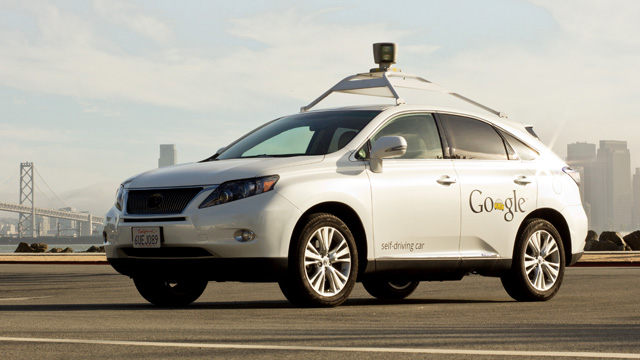
"caption": "One of Google's self-driving cars. (Image: Google)",
"description": null,
"title": "Lexus-Photo1",
"credit": null,
"status": "inherit",
"isLoading": false,
"fetchFailed": false
},
"quest_42808": {
"type": "attachments",
"id": "quest_42808",
"meta": {
"index": "attachments_1716263798",
"site": "quest",
"id": "42808",
"found": true
},
"parent": 42806,
"imgSizes": {
"thumbnail": {
"file": "https://ww2.kqed.org/app/uploads/sites/39/2012/08/Tomatoes-640-400x225.jpg",
"width": 400,
"mimeType": "image/jpeg",
"height": 225
},
"kqedFullSize": {
"file": "https://ww2.kqed.org/app/uploads/sites/39/2012/08/Tomatoes-640.jpg",
"width": 640,
"height": 360
},
"guest-author-96": {
"file": "https://ww2.kqed.org/app/uploads/sites/39/2012/08/Tomatoes-640-96x96.jpg",
"width": 96,
"mimeType": "image/jpeg",
"height": 96
},
"guest-author-64": {
"file": "https://ww2.kqed.org/app/uploads/sites/39/2012/08/Tomatoes-640-64x64.jpg",
"width": 64,
"mimeType": "image/jpeg",
"height": 64
},
"detail": {
"file": "https://ww2.kqed.org/app/uploads/sites/39/2012/08/Tomatoes-640-75x75.jpg",
"width": 75,
"mimeType": "image/jpeg",
"height": 75
},
"guest-author-32": {
"file": "https://ww2.kqed.org/app/uploads/sites/39/2012/08/Tomatoes-640-32x32.jpg",
"width": 32,
"mimeType": "image/jpeg",
"height": 32
},
"guest-author-128": {
"file": "https://ww2.kqed.org/app/uploads/sites/39/2012/08/Tomatoes-640-128x128.jpg",
"width": 128,
"mimeType": "image/jpeg",
"height": 128
}
},
"publishDate": 1345232728,
"modified": 1345232728,
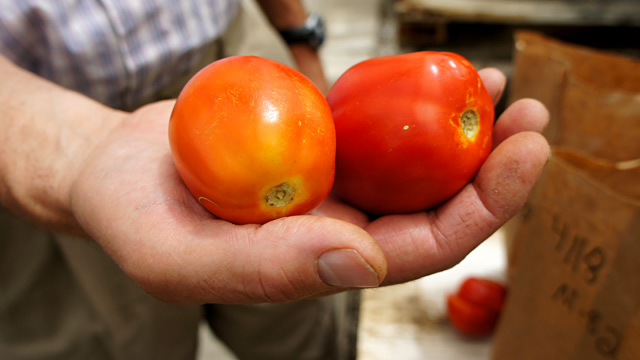
"caption": "UC Davis's Roger Chetelat holds a few \"square tomatoes.\"",
"description": null,
"title": "SONY DSC",
"credit": null,
"status": "inherit",
"isLoading": false,
"fetchFailed": false
},
"quest_41749": {
"type": "attachments",
"id": "quest_41749",
"meta": {
"index": "attachments_1716263798",
"site": "quest",
"id": "41749",
"found": true
},
"parent": 41693,
"imgSizes": {
"thumbnail": {
"file": "https://ww2.kqed.org/app/uploads/sites/39/2012/08/AppLink_Mobile_Apps_640-400x225.jpg",
"width": 400,
"mimeType": "image/jpeg",
"height": 225
},
"kqedFullSize": {
"file": "https://ww2.kqed.org/app/uploads/sites/39/2012/08/AppLink_Mobile_Apps_640.jpg",
"width": 640,
"height": 360
},
"guest-author-96": {
"file": "https://ww2.kqed.org/app/uploads/sites/39/2012/08/AppLink_Mobile_Apps_640-96x96.jpg",
"width": 96,
"mimeType": "image/jpeg",
"height": 96
},
"guest-author-64": {
"file": "https://ww2.kqed.org/app/uploads/sites/39/2012/08/AppLink_Mobile_Apps_640-64x64.jpg",
"width": 64,
"mimeType": "image/jpeg",
"height": 64
},
"detail": {
"file": "https://ww2.kqed.org/app/uploads/sites/39/2012/08/AppLink_Mobile_Apps_640-75x75.jpg",
"width": 75,
"mimeType": "image/jpeg",
"height": 75
},
"guest-author-32": {
"file": "https://ww2.kqed.org/app/uploads/sites/39/2012/08/AppLink_Mobile_Apps_640-32x32.jpg",
"width": 32,
"mimeType": "image/jpeg",
"height": 32
},
"guest-author-128": {
"file": "https://ww2.kqed.org/app/uploads/sites/39/2012/08/AppLink_Mobile_Apps_640-128x128.jpg",
"width": 128,
"mimeType": "image/jpeg",
"height": 128
}
},
"publishDate": 1343943490,
"modified": 1343943490,
"caption": null,
"description": null,
"title": "AppLink_Mobile_Apps_640",
"credit": null,
"status": "inherit",
"isLoading": false,
"fetchFailed": false
},
"quest_41804": {
"type": "attachments",
"id": "quest_41804",
"meta": {
"index": "attachments_1716263798",
"site": "quest",
"id": "41804",
"found": true
},
"parent": 41786,
"imgSizes": {
"thumbnail": {
"file": "https://ww2.kqed.org/app/uploads/sites/39/2012/08/PIA15791_modest-400x225.jpg",
"width": 400,
"mimeType": "image/jpeg",
"height": 225
},
"kqedFullSize": {
"file": "https://ww2.kqed.org/app/uploads/sites/39/2012/08/PIA15791_modest.jpg",
"width": 640,
"height": 360
},
"guest-author-96": {
"file": "https://ww2.kqed.org/app/uploads/sites/39/2012/08/PIA15791_modest-96x96.jpg",
"width": 96,
"mimeType": "image/jpeg",
"height": 96
},
"guest-author-64": {
"file": "https://ww2.kqed.org/app/uploads/sites/39/2012/08/PIA15791_modest-64x64.jpg",
"width": 64,
"mimeType": "image/jpeg",
"height": 64
},
"detail": {
"file": "https://ww2.kqed.org/app/uploads/sites/39/2012/08/PIA15791_modest-75x75.jpg",
"width": 75,
"mimeType": "image/jpeg",
"height": 75
},
"guest-author-32": {
"file": "https://ww2.kqed.org/app/uploads/sites/39/2012/08/PIA15791_modest-32x32.jpg",
"width": 32,
"mimeType": "image/jpeg",
"height": 32
},
"guest-author-128": {
"file": "https://ww2.kqed.org/app/uploads/sites/39/2012/08/PIA15791_modest-128x128.jpg",
"width": 128,
"mimeType": "image/jpeg",
"height": 128
}
},
"publishDate": 1343946288,
"modified": 1343946288,
"caption": null,
"description": "The rover's 7-foot arm can collect sample material from inside of rocks and a scoop can pick up samples of soil. The arm can sieve the samples and deliver fine powder to instruments inside the rover for thorough analysis. ",
"title": "Mars Science Laboratory Curiosity rover (photo courtesy NASA)",
"credit": null,
"status": "inherit",
"isLoading": false,
"fetchFailed": false
},
"quest_41547": {
"type": "attachments",
"id": "quest_41547",
"meta": {
"index": "attachments_1716263798",
"site": "quest",
"id": "41547",
"found": true
},
"parent": 41545,
"imgSizes": {
"thumbnail": {
"file": "https://ww2.kqed.org/app/uploads/sites/39/2012/07/BearHunting-400x225.jpg",
"width": 400,
"mimeType": "image/jpeg",
"height": 225
},
"kqedFullSize": {
"file": "https://ww2.kqed.org/app/uploads/sites/39/2012/07/BearHunting.jpg",
"width": 640,
"height": 360
},
"guest-author-96": {
"file": "https://ww2.kqed.org/app/uploads/sites/39/2012/07/BearHunting-96x96.jpg",
"width": 96,
"mimeType": "image/jpeg",
"height": 96
},
"guest-author-64": {
"file": "https://ww2.kqed.org/app/uploads/sites/39/2012/07/BearHunting-64x64.jpg",
"width": 64,
"mimeType": "image/jpeg",
"height": 64
},
"detail": {
"file": "https://ww2.kqed.org/app/uploads/sites/39/2012/07/BearHunting-75x75.jpg",
"width": 75,
"mimeType": "image/jpeg",
"height": 75
},
"guest-author-32": {
"file": "https://ww2.kqed.org/app/uploads/sites/39/2012/07/BearHunting-32x32.jpg",
"width": 32,
"mimeType": "image/jpeg",
"height": 32
},
"guest-author-128": {
"file": "https://ww2.kqed.org/app/uploads/sites/39/2012/07/BearHunting-128x128.jpg",
"width": 128,
"mimeType": "image/jpeg",
"height": 128
}
},
"publishDate": 1343423593,
"modified": 1343423593,
"caption": "Osage, one of Dan Tichenor's trailhounds.",
"description": null,
"title": "BearHunting",
"credit": null,
"status": "inherit",
"isLoading": false,
"fetchFailed": false
},
"quest_41261": {
"type": "attachments",
"id": "quest_41261",
"meta": {
"index": "attachments_1716263798",
"site": "quest",
"id": "41261",
"found": true
},
"parent": 41171,
"imgSizes": {
"thumbnail": {
"file": "https://ww2.kqed.org/app/uploads/sites/39/2012/07/red-ribbon2-e1342808778190-400x225.jpg",
"width": 400,
"mimeType": "image/jpeg",
"height": 225
},
"kqedFullSize": {
"file": "https://ww2.kqed.org/app/uploads/sites/39/2012/07/red-ribbon2-e1342808778190.jpg",
"width": 639,
"height": 359
},
"guest-author-96": {
"file": "https://ww2.kqed.org/app/uploads/sites/39/2012/07/red-ribbon2-e1342808778190-96x96.jpg",
"width": 96,
"mimeType": "image/jpeg",
"height": 96
},
"guest-author-64": {
"file": "https://ww2.kqed.org/app/uploads/sites/39/2012/07/red-ribbon2-e1342808778190-64x64.jpg",
"width": 64,
"mimeType": "image/jpeg",
"height": 64
},
"detail": {
"file": "https://ww2.kqed.org/app/uploads/sites/39/2012/07/red-ribbon2-e1342808778190-75x75.jpg",
"width": 75,
"mimeType": "image/jpeg",
"height": 75
},
"guest-author-32": {
"file": "https://ww2.kqed.org/app/uploads/sites/39/2012/07/red-ribbon2-e1342808778190-32x32.jpg",
"width": 32,
"mimeType": "image/jpeg",
"height": 32
},
"guest-author-128": {
"file": "https://ww2.kqed.org/app/uploads/sites/39/2012/07/red-ribbon2-e1342808778190-128x128.jpg",
"width": 128,
"mimeType": "image/jpeg",
"height": 128
}
},
"publishDate": 1342808728,
"modified": 1342808728,
"caption": null,
"description": null,
"title": "red-ribbon2",
"credit": null,
"status": "inherit",
"isLoading": false,
"fetchFailed": false
},
"quest_40317": {
"type": "attachments",
"id": "quest_40317",
"meta": {
"index": "attachments_1716263798",
"site": "quest",
"id": "40317",
"found": true
},
"parent": 40314,
"imgSizes": {
"thumbnail": {
"file": "https://ww2.kqed.org/app/uploads/sites/39/2012/06/NuStar-400x226.jpg",
"width": 400,
"mimeType": "image/jpeg",
"height": 226
},
"kqedFullSize": {
"file": "https://ww2.kqed.org/app/uploads/sites/39/2012/06/NuStar.jpg",
"width": 640,
"height": 361
},
"guest-author-96": {
"file": "https://ww2.kqed.org/app/uploads/sites/39/2012/06/NuStar-96x96.jpg",
"width": 96,
"mimeType": "image/jpeg",
"height": 96
},
"guest-author-64": {
"file": "https://ww2.kqed.org/app/uploads/sites/39/2012/06/NuStar-64x64.jpg",
"width": 64,
"mimeType": "image/jpeg",
"height": 64
},
"detail": {
"file": "https://ww2.kqed.org/app/uploads/sites/39/2012/06/NuStar-75x75.jpg",
"width": 75,
"mimeType": "image/jpeg",
"height": 75
},
"guest-author-32": {
"file": "https://ww2.kqed.org/app/uploads/sites/39/2012/06/NuStar-32x32.jpg",
"width": 32,
"mimeType": "image/jpeg",
"height": 32
},
"guest-author-128": {
"file": "https://ww2.kqed.org/app/uploads/sites/39/2012/06/NuStar-128x128.jpg",
"width": 128,
"mimeType": "image/jpeg",
"height": 128
}
},
"publishDate": 1340929784,
"modified": 1340929784,
"caption": "An artist's rendering of the NuStar telescope in space. (Image: NASA)",
"description": null,
"title": "NuStar",
"credit": null,
"status": "inherit",
"isLoading": false,
"fetchFailed": false
},
"quest_39941": {
"type": "attachments",
"id": "quest_39941",
"meta": {
"index": "attachments_1716263798",
"site": "quest",
"id": "39941",
"found": true
},
"parent": 39936,
"imgSizes": {
"thumbnail": {
"file": "https://ww2.kqed.org/app/uploads/sites/39/2012/06/Alvin_at_Titanic_640-400x225.jpg",
"width": 400,
"mimeType": "image/jpeg",
"height": 225
},
"kqedFullSize": {
"file": "https://ww2.kqed.org/app/uploads/sites/39/2012/06/Alvin_at_Titanic_640.jpg",
"width": 640,
"height": 360
},
"guest-author-96": {
"file": "https://ww2.kqed.org/app/uploads/sites/39/2012/06/Alvin_at_Titanic_640-96x96.jpg",
"width": 96,
"mimeType": "image/jpeg",
"height": 96
},
"guest-author-64": {
"file": "https://ww2.kqed.org/app/uploads/sites/39/2012/06/Alvin_at_Titanic_640-64x64.jpg",
"width": 64,
"mimeType": "image/jpeg",
"height": 64
},
"detail": {
"file": "https://ww2.kqed.org/app/uploads/sites/39/2012/06/Alvin_at_Titanic_640-75x75.jpg",
"width": 75,
"mimeType": "image/jpeg",
"height": 75
},
"guest-author-32": {
"file": "https://ww2.kqed.org/app/uploads/sites/39/2012/06/Alvin_at_Titanic_640-32x32.jpg",
"width": 32,
"mimeType": "image/jpeg",
"height": 32
},
"guest-author-128": {
"file": "https://ww2.kqed.org/app/uploads/sites/39/2012/06/Alvin_at_Titanic_640-128x128.jpg",
"width": 128,
"mimeType": "image/jpeg",
"height": 128
}
},
"publishDate": 1340323180,
"modified": 1340323180,
"caption": "Alvin on the deck of the Titanic with light shining on bulkhead porthole. Image taken by cameras on the ROV Jason Jr. (Photo courtesy of WHOI)",
"description": "Alvin on the deck of the Titanic with light shining on bulkhead porthole. Image taken by cameras on the ROV Jason Jr. ",
"title": "Alvin_at_Titanic_640",
"credit": null,
"status": "inherit",
"isLoading": false,
"fetchFailed": false
},
"quest_39648": {
"type": "attachments",
"id": "quest_39648",
"meta": {
"index": "attachments_1716263798",
"site": "quest",
"id": "39648",
"found": true
},
"parent": 39647,
"imgSizes": {
"thumbnail": {
"file": "https://ww2.kqed.org/app/uploads/sites/39/2012/06/robosquirrel-400x225.jpg",
"width": 400,
"mimeType": "image/jpeg",
"height": 225
},
"kqedFullSize": {
"file": "https://ww2.kqed.org/app/uploads/sites/39/2012/06/robosquirrel.jpg",
"width": 640,
"height": 360
},
"guest-author-96": {
"file": "https://ww2.kqed.org/app/uploads/sites/39/2012/06/robosquirrel-96x96.jpg",
"width": 96,
"mimeType": "image/jpeg",
"height": 96
},
"guest-author-64": {
"file": "https://ww2.kqed.org/app/uploads/sites/39/2012/06/robosquirrel-64x64.jpg",
"width": 64,
"mimeType": "image/jpeg",
"height": 64
},
"detail": {
"file": "https://ww2.kqed.org/app/uploads/sites/39/2012/06/robosquirrel-75x75.jpg",
"width": 75,
"mimeType": "image/jpeg",
"height": 75
},
"guest-author-32": {
"file": "https://ww2.kqed.org/app/uploads/sites/39/2012/06/robosquirrel-32x32.jpg",
"width": 32,
"mimeType": "image/jpeg",
"height": 32
},
"guest-author-128": {
"file": "https://ww2.kqed.org/app/uploads/sites/39/2012/06/robosquirrel-128x128.jpg",
"width": 128,
"mimeType": "image/jpeg",
"height": 128
}
},
"publishDate": 1339794086,
"modified": 1339794086,
"caption": "Robo-squirrel, the robotic squirrel in the hills of San Jose. ",
"description": null,
"title": "SONY DSC",
"credit": null,
"status": "inherit",
"isLoading": false,
"fetchFailed": false
},
"quest_38983": {
"type": "attachments",
"id": "quest_38983",
"meta": {
"index": "attachments_1716263798",
"site": "quest",
"id": "38983",
"found": true
},
"parent": 38943,
"imgSizes": {
"thumbnail": {
"file": "https://ww2.kqed.org/app/uploads/sites/39/2012/05/NewME_Marquee-400x225.jpg",
"width": 400,
"mimeType": "image/jpeg",
"height": 225
},
"kqedFullSize": {
"file": "https://ww2.kqed.org/app/uploads/sites/39/2012/05/NewME_Marquee.jpg",
"width": 640,
"height": 360
},
"guest-author-96": {
"file": "https://ww2.kqed.org/app/uploads/sites/39/2012/05/NewME_Marquee-96x96.jpg",
"width": 96,
"mimeType": "image/jpeg",
"height": 96
},
"guest-author-64": {
"file": "https://ww2.kqed.org/app/uploads/sites/39/2012/05/NewME_Marquee-64x64.jpg",
"width": 64,
"mimeType": "image/jpeg",
"height": 64
},
"detail": {
"file": "https://ww2.kqed.org/app/uploads/sites/39/2012/05/NewME_Marquee-75x75.jpg",
"width": 75,
"mimeType": "image/jpeg",
"height": 75
},
"guest-author-32": {
"file": "https://ww2.kqed.org/app/uploads/sites/39/2012/05/NewME_Marquee-32x32.jpg",
"width": 32,
"mimeType": "image/jpeg",
"height": 32
},
"guest-author-128": {
"file": "https://ww2.kqed.org/app/uploads/sites/39/2012/05/NewME_Marquee-128x128.jpg",
"width": 128,
"mimeType": "image/jpeg",
"height": 128
}
},
"publishDate": 1338501959,
"modified": 1338501959,
"caption": "the 2012 NewME founders at Demo Day. (Photo by Josh Cassidy)",
"description": null,
"title": "NewME_Marquee",
"credit": null,
"status": "inherit",
"isLoading": false,
"fetchFailed": false
},
"quest_39015": {
"type": "attachments",
"id": "quest_39015",
"meta": {
"index": "attachments_1716263798",
"site": "quest",
"id": "39015",
"found": true
},
"parent": 38924,
"imgSizes": {
"thumbnail": {
"file": "https://ww2.kqed.org/app/uploads/sites/39/2012/05/NewME_Marquee1-400x225.jpg",
"width": 400,
"mimeType": "image/jpeg",
"height": 225
},
"kqedFullSize": {
"file": "https://ww2.kqed.org/app/uploads/sites/39/2012/05/NewME_Marquee1.jpg",
"width": 640,
"height": 360
},
"guest-author-96": {
"file": "https://ww2.kqed.org/app/uploads/sites/39/2012/05/NewME_Marquee1-96x96.jpg",
"width": 96,
"mimeType": "image/jpeg",
"height": 96
},
"guest-author-64": {
"file": "https://ww2.kqed.org/app/uploads/sites/39/2012/05/NewME_Marquee1-64x64.jpg",
"width": 64,
"mimeType": "image/jpeg",
"height": 64
},
"detail": {
"file": "https://ww2.kqed.org/app/uploads/sites/39/2012/05/NewME_Marquee1-75x75.jpg",
"width": 75,
"mimeType": "image/jpeg",
"height": 75
},
"guest-author-32": {
"file": "https://ww2.kqed.org/app/uploads/sites/39/2012/05/NewME_Marquee1-32x32.jpg",
"width": 32,
"mimeType": "image/jpeg",
"height": 32
},
"guest-author-128": {
"file": "https://ww2.kqed.org/app/uploads/sites/39/2012/05/NewME_Marquee1-128x128.jpg",
"width": 128,
"mimeType": "image/jpeg",
"height": 128
}
},
"publishDate": 1338503158,
"modified": 1338503158,
"caption": null,
"description": null,
"title": "NewME_Marquee",
"credit": null,
"status": "inherit",
"isLoading": false,
"fetchFailed": false
},
"quest_27273": {
"type": "attachments",
"id": "quest_27273",
"meta": {
"index": "attachments_1716263798",
"site": "quest",
"id": "27273",
"found": true
},
"parent": 27270,
"imgSizes": {
"thumbnail": {
"file": "https://ww2.kqed.org/app/uploads/sites/39/2011/11/windowstestfac-400x225.jpg",
"width": 400,
"mimeType": "image/jpeg",
"height": 225
},
"kqedFullSize": {
"file": "https://ww2.kqed.org/app/uploads/sites/39/2011/11/windowstestfac.jpg",
"width": 640,
"height": 360
},
"guest-author-96": {
"file": "https://ww2.kqed.org/app/uploads/sites/39/2011/11/windowstestfac-96x96.jpg",
"width": 96,
"mimeType": "image/jpeg",
"height": 96
},
"guest-author-64": {
"file": "https://ww2.kqed.org/app/uploads/sites/39/2011/11/windowstestfac-64x64.jpg",
"width": 64,
"mimeType": "image/jpeg",
"height": 64
},
"detail": {
"file": "https://ww2.kqed.org/app/uploads/sites/39/2011/11/windowstestfac-75x75.jpg",
"width": 75,
"mimeType": "image/jpeg",
"height": 75
},
"guest-author-32": {
"file": "https://ww2.kqed.org/app/uploads/sites/39/2011/11/windowstestfac-32x32.jpg",
"width": 32,
"mimeType": "image/jpeg",
"height": 32
},
"guest-author-128": {
"file": "https://ww2.kqed.org/app/uploads/sites/39/2011/11/windowstestfac-128x128.jpg",
"width": 128,
"mimeType": "image/jpeg",
"height": 128
}
},
"publishDate": 1320969547,
"modified": 1320969547,
"caption": "The windows testing facility at Lawrence Berkeley National Lab. (Photo: LBNL)",
"description": null,
"title": "windowstestfac",
"credit": null,
"status": "inherit",
"isLoading": false,
"fetchFailed": false
}
},
"audioPlayerReducer": {
"postId": "stream_live",
"isPaused": true,
"isPlaying": false,
"pfsActive": false,
"pledgeModalIsOpen": true,
"playerDrawerIsOpen": false,
"liveAudioPlayStartedAt": 0,
"liveAudioPlayContext": ""
},
"authorsReducer": {
"amystanden": {
"type": "authors",
"id": "210",
"meta": {
"index": "authors_1716337520",
"id": "210",
"found": true
},
"name": "Amy Standen",
"firstName": "Amy",
"lastName": "Standen",
"slug": "amystanden",
"email": "astanden@kqed.org",
"display_author_email": false,
"staff_mastheads": [],
"title": "KQED Contributor",
"bio": "Amy Standen (@amystanden) is co-host of #\u003ca href=\"https://ww2.kqed.org/news/programs/the-leap\">TheLeapPodcast\u003c/a> (subscribe on iTunes or Stitcher!) and host of KQED and PBSDigital Studios' science video series, \u003ca href=\"https://www.youtube.com/user/KQEDDeepLook\">Deep Look\u003c/a>. Her science radio stories appear on KQED and NPR.\r\n\r\nEmail her at astanden@kqed.org",
"avatar": "https://secure.gravatar.com/avatar/3d021b72de685a788b0487b059d0a6a1?s=600&d=blank&r=g",
"twitter": null,
"facebook": null,
"instagram": null,
"linkedin": null,
"sites": [
{
"site": "news",
"roles": [
"subscriber"
]
},
{
"site": "futureofyou",
"roles": [
"subscriber"
]
},
{
"site": "stateofhealth",
"roles": [
"subscriber"
]
},
{
"site": "science",
"roles": []
},
{
"site": "quest",
"roles": [
"subscriber"
]
}
],
"headData": {
"title": "Amy Standen | KQED",
"description": "KQED Contributor",
"ogImgSrc": "https://secure.gravatar.com/avatar/3d021b72de685a788b0487b059d0a6a1?s=600&d=blank&r=g",
"twImgSrc": "https://secure.gravatar.com/avatar/3d021b72de685a788b0487b059d0a6a1?s=600&d=blank&r=g"
},
"isLoading": false,
"link": "/author/amystanden"
},
"andrea-kissack": {
"type": "authors",
"id": "212",
"meta": {
"index": "authors_1716337520",
"id": "212",
"found": true
},
"name": "Andrea Kissack",
"firstName": "Andrea",
"lastName": "Kissack",
"slug": "andrea-kissack",
"email": "akissack@kqed.org",
"display_author_email": false,
"staff_mastheads": [],
"title": "KQED Contributor",
"bio": "Andrea has nearly three decades of experience working as a reporter, anchor, producer and editor for public radio, large market television news and CBS radio. In her current role as KQED’s Sr. Science Editor, Andrea helps lead a talented team covering science, technology, health and the environment for broadcast and digital platforms. Most recently she helped KQED launch a new, multimedia initiative covering the intersection of technology, health and medical science. She has earned a number of accolades for her work including awards from the Radio and Television News Directors Association, the National Academy of Television Arts and Sciences and the Associated Press. Her work can be seen, and heard, on a number of networks, Including NPR, PBS, CBS and the BBC.",
"avatar": "https://secure.gravatar.com/avatar/3eae7a251f0aee43b3c0137a636cb386?s=600&d=blank&r=g",
"twitter": "andreakissack",
"facebook": null,
"instagram": null,
"linkedin": null,
"sites": [
{
"site": "news",
"roles": [
"subscriber"
]
},
{
"site": "stateofhealth",
"roles": [
"subscriber"
]
},
{
"site": "science",
"roles": []
},
{
"site": "quest",
"roles": [
"add_users",
"create_users",
"edit_files",
"edit_users",
"level_10",
"level_8",
"level_9",
"promote_users",
"view_cimy_extra_fields",
"subscriber"
]
}
],
"headData": {
"title": "Andrea Kissack | KQED",
"description": "KQED Contributor",
"ogImgSrc": "https://secure.gravatar.com/avatar/3eae7a251f0aee43b3c0137a636cb386?s=600&d=blank&r=g",
"twImgSrc": "https://secure.gravatar.com/avatar/3eae7a251f0aee43b3c0137a636cb386?s=600&d=blank&r=g"
},
"isLoading": false,
"link": "/author/andrea-kissack"
},
"laurensommer": {
"type": "authors",
"id": "239",
"meta": {
"index": "authors_1716337520",
"id": "239",
"found": true
},
"name": "Lauren Sommer",
"firstName": "Lauren",
"lastName": "Sommer",
"slug": "laurensommer",
"email": "lsommer@kqed.org",
"display_author_email": false,
"staff_mastheads": [],
"title": "KQED Contributor",
"bio": "Lauren is a radio reporter formerly covering environment, water, and energy for KQED Science. As part of her day job, she has scaled Sierra Nevada peaks, run from charging elephant seals, and desperately tried to get her sea legs - all in pursuit of good radio. Her work has appeared on Marketplace, Living on Earth, Science Friday and NPR's Morning Edition and All Things Considered. You can find her on Twitter at \u003ca href=\"https://twitter.com/lesommer\">@lesommer\u003c/a>.",
"avatar": "https://secure.gravatar.com/avatar/33aa3772bb86c6ad45b8aca6a238bbdf?s=600&d=blank&r=g",
"twitter": null,
"facebook": null,
"instagram": null,
"linkedin": null,
"sites": [
{
"site": "news",
"roles": [
"author"
]
},
{
"site": "science",
"roles": [
"editor",
"manage_content_types",
"manage_taxonomies"
]
},
{
"site": "quest",
"roles": [
"editor"
]
}
],
"headData": {
"title": "Lauren Sommer | KQED",
"description": "KQED Contributor",
"ogImgSrc": "https://secure.gravatar.com/avatar/33aa3772bb86c6ad45b8aca6a238bbdf?s=600&d=blank&r=g",
"twImgSrc": "https://secure.gravatar.com/avatar/33aa3772bb86c6ad45b8aca6a238bbdf?s=600&d=blank&r=g"
},
"isLoading": false,
"link": "/author/laurensommer"
},
"joshua-cassidy": {
"type": "authors",
"id": "6219",
"meta": {
"index": "authors_1716337520",
"id": "6219",
"found": true
},
"name": "Josh Cassidy",
"firstName": "Josh",
"lastName": "Cassidy",
"slug": "joshua-cassidy",
"email": "jcassidy@kqed.org",
"display_author_email": false,
"staff_mastheads": [
"science"
],
"title": "Digital Video Producer",
"bio": "Josh is a Senior Video Producer for KQED Science, and the Lead Producer and Cinematographer for Deep Look. After receiving his BS in Wildlife Biology from Ohio University, he went on to participate in marine mammal research for NOAA, USGS and the Intersea Foundation. He also served as the president of The Pacific Cetacean Group, a nonprofit organization dedicated to teaching students K-6 about whales. Josh studied science and natural history filmmaking at San Francisco State University and Montana State University.",
"avatar": "https://secure.gravatar.com/avatar/f2582a0801a35af53b734d56bcac2bbe?s=600&d=blank&r=g",
"twitter": null,
"facebook": null,
"instagram": null,
"linkedin": null,
"sites": [
{
"site": "science",
"roles": [
"editor"
]
},
{
"site": "quest",
"roles": [
"author",
"edit_others_posts"
]
}
],
"headData": {
"title": "Josh Cassidy | KQED",
"description": "Digital Video Producer",
"ogImgSrc": "https://secure.gravatar.com/avatar/f2582a0801a35af53b734d56bcac2bbe?s=600&d=blank&r=g",
"twImgSrc": "https://secure.gravatar.com/avatar/f2582a0801a35af53b734d56bcac2bbe?s=600&d=blank&r=g"
},
"isLoading": false,
"link": "/author/joshua-cassidy"
},
"ckhickey": {
"type": "authors",
"id": "10374",
"meta": {
"index": "authors_1716337520",
"id": "10374",
"found": true
},
"name": "C.K. Hickey",
"firstName": "C.K.",
"lastName": "Hickey",
"slug": "ckhickey",
"email": "chickey@kqed.org",
"display_author_email": false,
"staff_mastheads": [],
"title": null,
"bio": "C.K. Hickey is the content intern for QUEST. He graduated from UC Santa Barbara with a degree in Film and Media Studies in 2008, and is currently a student at the UC Berkeley Graduate School of Journalism. \r\n\r\nC.K. thinks of himself as a multimedia adventurer. He's always looking for new and interesting ways to deliver the news, such as newsgames and infographics. Before coming to QUEST he reported for Salon, Patch, Mission Local, East Bay Express and Current TV. In his spare time he enjoys his piano, a good book, a good meal, struggling to keep up with his Twitter feed, transportation, the environment, birdwatching, movies/TV/video games, and hiking. But not all at once.",
"avatar": "https://secure.gravatar.com/avatar/6f1cacd286c15c7dfde528fc3b061a19?s=600&d=blank&r=g",
"twitter": null,
"facebook": null,
"instagram": null,
"linkedin": null,
"sites": [
{
"site": "quest",
"roles": [
"subscriber"
]
}
],
"headData": {
"title": "C.K. Hickey | KQED",
"description": null,
"ogImgSrc": "https://secure.gravatar.com/avatar/6f1cacd286c15c7dfde528fc3b061a19?s=600&d=blank&r=g",
"twImgSrc": "https://secure.gravatar.com/avatar/6f1cacd286c15c7dfde528fc3b061a19?s=600&d=blank&r=g"
},
"isLoading": false,
"link": "/author/ckhickey"
}
},
"pagesReducer": {
"quest_tag_audio": {
"type": "terms",
"id": "quest_252",
"meta": {
"index": "terms_1716263798",
"site": "quest",
"id": "252",
"score": 8.7980585
},
"featImg": null,
"name": "audio",
"description": null,
"taxonomy": "tag",
"headData": {
"twImgId": null,
"twTitle": null,
"ogTitle": null,
"ogImgId": null,
"twDescription": null,
"description": null,
"title": "audio Archives | KQED Arts",
"ogDescription": null
},
"ttid": 254,
"slug": "audio",
"isLoading": false,
"title": "audio",
"pageMeta": {
"site": "quest",
"WpPageTemplate": "page-topic-editorial",
"currentPage": 7
},
"blocks": [
{
"blockName": "kqed/post-list",
"attrs": {
"layout": "cardArticle2",
"query": "posts/quest?tag=audio",
"seeMore": false,
"paginated": true,
"page": 7
}
},
{
"blockName": "kqed/ad"
}
]
}
},
"pfsSessionReducer": {},
"postsReducer": {
"stream_live": {
"type": "live",
"id": "stream_live",
"audioUrl": "https://hls.kqed.org/hls/kqed_app/playlist.m3u8",
"title": "Live Stream",
"excerpt": "Live Stream information currently unavailable.",
"link": "/radio",
"featImg": "",
"label": {
"name": "KQED Live",
"link": "/"
}
},
"stream_kqedNewscast": {
"type": "posts",
"id": "stream_kqedNewscast",
"audioUrl": "https://www.kqed.org/.stream/anon/radio/RDnews/newscast.mp3?_=1",
"title": "KQED Newscast",
"featImg": "",
"label": {
"name": "88.5 FM",
"link": "/"
}
},
"quest_43000": {
"type": "posts",
"id": "quest_43000",
"meta": {
"index": "posts_1716263798",
"site": "quest",
"id": "43000",
"score": null,
"sort": [
1345842666000
]
},
"parent": 0,
"labelTerm": {
"site": "quest"
},
"blocks": [],
"publishDate": 1345842666,
"format": "audio",
"disqusTitle": "California Considers Giving Self-Driving Cars Green Light",
"title": "California Considers Giving Self-Driving Cars Green Light",
"headTitle": "QUEST | KQED Science",
"content": "\u003cp>http://www.kqed.org/.stream/anon/radio/quest/2012/08/2012-08-27-quest.mp3\u003c/p>\n\u003cfigure id=\"attachment_43009\" class=\"wp-caption alignleft\" style=\"max-width: 300px\">\u003ca href=\"http://ww2.kqed.org/quest/wp-content/uploads/sites/39/2012/08/Lexus-Photo1.jpg\">\u003cimg class=\"size-thumbnail wp-image-43009\" title=\"Lexus-Photo1\" src=\"http://ww2.kqed.org/quest/wp-content/uploads/sites/39/2012/08/Lexus-Photo1-300x169.jpg\" alt=\"\" width=\"300\" height=\"169\">\u003c/a>\u003cfigcaption class=\"wp-caption-text\">One of Google's self-driving cars. (Image: Google)\u003c/figcaption>\u003c/figure>\n\u003cp>It’s every commuter’s dream – you’re stuck in an epic traffic jam and with the press of a button, your car does the driving for you. Now, thanks to companies like Google, robotic car technology isn’t far off. This week, the state legislature is considering a bill that would set up rules for putting self-driving cars on the road.\u003c/p>\n\u003cp>The technology has evolved rapidly. Just five years ago, I was in an empty parking lot in Mountain View, taking a ride in what was once an extremely rare vehicle.\u003c/p>\n\u003cp>“We’re seeing a 3-D rendering of Junior’s understanding of the world. So you see the car, but around the car you see the sensor data,” said Mike Montemerlo, pointing to a laptop screen. At the time, he was an engineer at Stanford University working on Junior, the robotic car. I was tagging along on one of Junior’s test drives.\u003c/p>\n\u003cp>“We’ve parked this Tuareg in the way here so he has to maneuver around it to fit into his parking spot,” he said. Using lasers mounted on all sides of the car, Junior avoided the other car and swung into a parking place, its steering wheel turning back and forth independently.\u003c/p>\n\u003cp>[ad fullwidth]\u003c/p>\n\u003cp>Junior had a lot in common with a teenage driver. “He’s still not very smooth, but we hope he’s reasonably safe,” said Montemerlo at the time.\u003c/p>\n\u003cp>What a difference five years can make.\u003c/p>\n\u003cp>“We just announced that we’ve driven over 300,000 miles without incident while the cars in are autonomous mode,” says Leslie Miller, public policy manager at Google.\u003c/p>\n\u003cp>The company has driven away with robotic car technology, so to speak. Google has a dozen of these cars and for the past few years, they’ve been testing and tweaking them. “The vehicles have been on highways, in congested urban streets. We’ve been down curvy roads including over the Santa Cruz Mountains,” she says.\u003c/p>\n\u003cp>Someone’s been in the driver’s seat for all those test drives, just in case. But the cars are in sort of a legal gray area. “No state in the country built rules of the road with the idea that autos would be able to operate without a driver behind the wheel. So we want to help establish these parameters,” says Miller.\u003c/p>\n\u003cp>That’s why Google is sponsoring a bill in the California Legislature that would allow self-driving cars on the road. It also instructs the DMV to set up safety standards for the cars. That includes things like: if the car’s computer crashes, it comes to a complete stop.\u003c/p>\n\u003cfigure id=\"attachment_43011\" class=\"wp-caption alignright\" style=\"max-width: 274px\">\u003ca href=\"http://ww2.kqed.org/quest/wp-content/uploads/sites/39/2012/08/Nevadacar.jpg\">\u003cimg class=\"size-full wp-image-43011\" title=\"Nevadacar\" src=\"http://ww2.kqed.org/quest/wp-content/uploads/sites/39/2012/08/Nevadacar.jpg\" alt=\"\" width=\"274\" height=\"227\">\u003c/a>\u003cfigcaption class=\"wp-caption-text\">A Google car with a special Nevada license plate. (Image: Nevada DMV)\u003c/figcaption>\u003c/figure>\n\u003cp>Nevada and Florida have already passed similar bills and earlier this year, Nevada was the first state to officially license Google’s self-driving Priuses. The cars were given special red license plates. Miller says they’re hoping to see the legislation spread nationwide.\u003c/p>\n\u003cp>“For Google, the interest is reducing the number of accidents and fatalities that are caused by human error on the road. The technology is not going to be distracted by grabbing the phone or eating lunch or putting mascara on,” says Miller.\u003c/p>\n\u003cp>Google hasn’t said what its business plan is for the technology, but many in the industry expect fully self-driving cars to be available in showrooms as early as 2025. That raises a host of legal issues.\u003c/p>\n\u003cp>“In California, the biggest issue right now has to do with liability,” says Daniel Gage, spokesman for the Alliance of Automobile Manufacturers.\u003c/p>\n\u003cp>Gage says while a lot of car companies are developing their own autonomous technology, they’re opposing California’s self-driving car bill over legal concerns. If one of these cars crashes itself, automakers don’t want to be held responsible when a third party like Google installs the technology. “This is a big issue for automakers. It always has been and it probably always will be.”\u003c/p>\n\u003cp>“Eventually there will be incidents and there will be litigation,” says Bryant Walker Smith, fellow at Stanford Law School. Privacy groups, he says, are concerned about the personal data these cars might record, since they clearly know where you are.\u003c/p>\n\u003cp>Then there’s the question of how tough safety standards should be. “Should these vehicles be expected to drive perfectly without any collisions ever? Should they be expected to perform as well as a perfect human driver or an average human driver or better than an impaired human driver?” says Smith.\u003c/p>\n\u003cp>Even trickier are cases where we make moral decisions as drivers. “Say if a vehicle has to choose between hitting a child in the street or swerving and going off of a cliff. That’s a decision that someone would make in the spur of the moment. Do they save their life or somebody else’s? What decision would a vehicle make and who would be responsible for making that decision?\u003c/p>\n\u003cp>If these seem like heavy issues for a state agency to figure out, Smith says there will be a transition to self-driving automobiles. Automakers have already rolled out technology that warns drivers about their blind spot and helps them avoid accidents.\u003c/p>\n\u003cp>Despite the questions that remain, the impact, says Smith, will be huge. “Our existing world is one in which 30,000 people die in the United States on the road every year. Drivers who are impaired or unqualified are behind the wheel. I would ask is the status quo acceptable?” he says.\u003c/p>\n\u003cp>If the California Legislature passes the self-driving cars bill, the Governor has until September 30th to sign it.\u003cbr>\n\u003cem>\u003cbr>\nHere's a video from Google showcasing their technology:\u003c/em>\u003c/p>\n\u003cp>\u003c/p>\n\u003cp>[youtube=http://www.youtube.com/watch?v=cdgQpa1pUUE]\u003c/p>\n\n",
"disqusIdentifier": "43000 http://science.kqed.org/quest/?post_type=audio_reports&p=43000",
"disqusUrl": "https://ww2.kqed.org/quest/2012/08/24/california-considers-giving-self-driving-cars-green-light/",
"stats": {
"hasVideo": true,
"hasChartOrMap": false,
"hasAudio": true,
"hasPolis": false,
"wordCount": 1035,
"hasGoogleForm": false,
"hasGallery": false,
"hasHearkenModule": false,
"iframeSrcs": [],
"paragraphCount": 24
},
"modified": 1346782211,
"excerpt": "California is considering rules that would allow self-driving cars on the road, but making rules for robots is no simple task.",
"headData": {
"twImgId": "",
"twTitle": "",
"ogTitle": "",
"ogImgId": "",
"twDescription": "",
"description": "California is considering rules that would allow self-driving cars on the road, but making rules for robots is no simple task.",
"title": "California Considers Giving Self-Driving Cars Green Light | KQED",
"ogDescription": "",
"schema": {
"@context": "https://schema.org",
"@type": "Article",
"headline": "California Considers Giving Self-Driving Cars Green Light",
"datePublished": "2012-08-24T14:11:06-07:00",
"dateModified": "2012-09-04T11:10:11-07:00",
"image": "https://cdn.kqed.org/wp-content/uploads/2020/02/KQED-OG-Image@1x.png"
}
},
"guestAuthors": [],
"slug": "california-considers-giving-self-driving-cars-green-light",
"status": "publish",
"path": "/quest/43000/california-considers-giving-self-driving-cars-green-light",
"audioUrl": "http://www.kqed.org/.stream/anon/radio/quest/2012/08/2012-08-27-quest.mp3",
"audioDuration": null,
"audioTrackLength": null,
"parsedContent": [
{
"type": "contentString",
"content": "\u003cdiv class=\"post-body\">\u003cp>\u003cp>http://www.kqed.org/.stream/anon/radio/quest/2012/08/2012-08-27-quest.mp3\u003c/p>\n\u003cfigure id=\"attachment_43009\" class=\"wp-caption alignleft\" style=\"max-width: 300px\">\u003ca href=\"http://ww2.kqed.org/quest/wp-content/uploads/sites/39/2012/08/Lexus-Photo1.jpg\">\u003cimg class=\"size-thumbnail wp-image-43009\" title=\"Lexus-Photo1\" src=\"http://ww2.kqed.org/quest/wp-content/uploads/sites/39/2012/08/Lexus-Photo1-300x169.jpg\" alt=\"\" width=\"300\" height=\"169\">\u003c/a>\u003cfigcaption class=\"wp-caption-text\">One of Google's self-driving cars. (Image: Google)\u003c/figcaption>\u003c/figure>\n\u003cp>It’s every commuter’s dream – you’re stuck in an epic traffic jam and with the press of a button, your car does the driving for you. Now, thanks to companies like Google, robotic car technology isn’t far off. This week, the state legislature is considering a bill that would set up rules for putting self-driving cars on the road.\u003c/p>\n\u003cp>The technology has evolved rapidly. Just five years ago, I was in an empty parking lot in Mountain View, taking a ride in what was once an extremely rare vehicle.\u003c/p>\n\u003cp>“We’re seeing a 3-D rendering of Junior’s understanding of the world. So you see the car, but around the car you see the sensor data,” said Mike Montemerlo, pointing to a laptop screen. At the time, he was an engineer at Stanford University working on Junior, the robotic car. I was tagging along on one of Junior’s test drives.\u003c/p>\n\u003cp>“We’ve parked this Tuareg in the way here so he has to maneuver around it to fit into his parking spot,” he said. Using lasers mounted on all sides of the car, Junior avoided the other car and swung into a parking place, its steering wheel turning back and forth independently.\u003c/p>\n\u003cp>\u003c/p>\u003c/div>",
"attributes": {
"named": {},
"numeric": []
}
},
{
"type": "component",
"content": "",
"name": "ad",
"attributes": {
"named": {
"label": "fullwidth"
},
"numeric": [
"fullwidth"
]
}
},
{
"type": "contentString",
"content": "\u003cdiv class=\"post-body\">\u003cp>\u003c/p>\n\u003cp>Junior had a lot in common with a teenage driver. “He’s still not very smooth, but we hope he’s reasonably safe,” said Montemerlo at the time.\u003c/p>\n\u003cp>What a difference five years can make.\u003c/p>\n\u003cp>“We just announced that we’ve driven over 300,000 miles without incident while the cars in are autonomous mode,” says Leslie Miller, public policy manager at Google.\u003c/p>\n\u003cp>The company has driven away with robotic car technology, so to speak. Google has a dozen of these cars and for the past few years, they’ve been testing and tweaking them. “The vehicles have been on highways, in congested urban streets. We’ve been down curvy roads including over the Santa Cruz Mountains,” she says.\u003c/p>\n\u003cp>Someone’s been in the driver’s seat for all those test drives, just in case. But the cars are in sort of a legal gray area. “No state in the country built rules of the road with the idea that autos would be able to operate without a driver behind the wheel. So we want to help establish these parameters,” says Miller.\u003c/p>\n\u003cp>That’s why Google is sponsoring a bill in the California Legislature that would allow self-driving cars on the road. It also instructs the DMV to set up safety standards for the cars. That includes things like: if the car’s computer crashes, it comes to a complete stop.\u003c/p>\n\u003cfigure id=\"attachment_43011\" class=\"wp-caption alignright\" style=\"max-width: 274px\">\u003ca href=\"http://ww2.kqed.org/quest/wp-content/uploads/sites/39/2012/08/Nevadacar.jpg\">\u003cimg class=\"size-full wp-image-43011\" title=\"Nevadacar\" src=\"http://ww2.kqed.org/quest/wp-content/uploads/sites/39/2012/08/Nevadacar.jpg\" alt=\"\" width=\"274\" height=\"227\">\u003c/a>\u003cfigcaption class=\"wp-caption-text\">A Google car with a special Nevada license plate. (Image: Nevada DMV)\u003c/figcaption>\u003c/figure>\n\u003cp>Nevada and Florida have already passed similar bills and earlier this year, Nevada was the first state to officially license Google’s self-driving Priuses. The cars were given special red license plates. Miller says they’re hoping to see the legislation spread nationwide.\u003c/p>\n\u003cp>“For Google, the interest is reducing the number of accidents and fatalities that are caused by human error on the road. The technology is not going to be distracted by grabbing the phone or eating lunch or putting mascara on,” says Miller.\u003c/p>\n\u003cp>Google hasn’t said what its business plan is for the technology, but many in the industry expect fully self-driving cars to be available in showrooms as early as 2025. That raises a host of legal issues.\u003c/p>\n\u003cp>“In California, the biggest issue right now has to do with liability,” says Daniel Gage, spokesman for the Alliance of Automobile Manufacturers.\u003c/p>\n\u003cp>Gage says while a lot of car companies are developing their own autonomous technology, they’re opposing California’s self-driving car bill over legal concerns. If one of these cars crashes itself, automakers don’t want to be held responsible when a third party like Google installs the technology. “This is a big issue for automakers. It always has been and it probably always will be.”\u003c/p>\n\u003cp>“Eventually there will be incidents and there will be litigation,” says Bryant Walker Smith, fellow at Stanford Law School. Privacy groups, he says, are concerned about the personal data these cars might record, since they clearly know where you are.\u003c/p>\n\u003cp>Then there’s the question of how tough safety standards should be. “Should these vehicles be expected to drive perfectly without any collisions ever? Should they be expected to perform as well as a perfect human driver or an average human driver or better than an impaired human driver?” says Smith.\u003c/p>\n\u003cp>Even trickier are cases where we make moral decisions as drivers. “Say if a vehicle has to choose between hitting a child in the street or swerving and going off of a cliff. That’s a decision that someone would make in the spur of the moment. Do they save their life or somebody else’s? What decision would a vehicle make and who would be responsible for making that decision?\u003c/p>\n\u003cp>If these seem like heavy issues for a state agency to figure out, Smith says there will be a transition to self-driving automobiles. Automakers have already rolled out technology that warns drivers about their blind spot and helps them avoid accidents.\u003c/p>\n\u003cp>Despite the questions that remain, the impact, says Smith, will be huge. “Our existing world is one in which 30,000 people die in the United States on the road every year. Drivers who are impaired or unqualified are behind the wheel. I would ask is the status quo acceptable?” he says.\u003c/p>\n\u003cp>If the California Legislature passes the self-driving cars bill, the Governor has until September 30th to sign it.\u003cbr>\n\u003cem>\u003cbr>\nHere's a video from Google showcasing their technology:\u003c/em>\u003c/p>\n\u003cp>\u003c/p>\n\u003cp>\u003c/p>\u003cp>\u003cspan class='utils-parseShortcode-shortcodes-__youtubeShortcode__embedYoutube'>\n \u003cspan class='utils-parseShortcode-shortcodes-__youtubeShortcode__embedYoutubeInside'>\n \u003ciframe\n loading='lazy'\n class='utils-parseShortcode-shortcodes-__youtubeShortcode__youtubePlayer'\n type='text/html'\n src='//www.youtube.com/embed/cdgQpa1pUUE'\n title='//www.youtube.com/embed/cdgQpa1pUUE'\n allowfullscreen='true'\n style='border:0;'>\u003c/iframe>\n \u003c/span>\n \u003c/span>\u003c/p>\u003cp>\u003c/p>\n\n\u003c/div>\u003c/p>",
"attributes": {
"named": {},
"numeric": []
}
}
],
"link": "/quest/43000/california-considers-giving-self-driving-cars-green-light",
"authors": [
"239"
],
"categories": [
"quest_8"
],
"tags": [
"quest_252",
"quest_262",
"quest_499",
"quest_13197",
"quest_1240",
"quest_11386",
"quest_13203",
"quest_13202",
"quest_10696",
"quest_2443",
"quest_3739",
"quest_2973"
],
"featImg": "quest_43009",
"label": "quest"
},
"quest_42806": {
"type": "posts",
"id": "quest_42806",
"meta": {
"index": "posts_1716263798",
"site": "quest",
"id": "42806",
"score": null,
"sort": [
1345240126000
]
},
"parent": 0,
"labelTerm": {},
"blocks": [],
"publishDate": 1345240126,
"format": "audio",
"disqusTitle": "Building a Better, Tastier Tomato",
"title": "Building a Better, Tastier Tomato",
"headTitle": "QUEST | KQED Science",
"content": "\u003cp>Decades ago, researchers figured out how to create the picture-perfect tomato that travels well and is available year-round. The trouble is, as any supermarket shopper can tell you, tomatoes that look great sometimes taste terrible.\u003c/p>\n\u003cp>It’s not hard to see how much some tomatoes have changed. Just take the trucks on California highways during the summer, each pulling a double trailer stacked high with tomatoes. There’s a reason the tomatoes at the bottom of the pile aren’t squished into a tomato-y mess. That's thanks to the \u003ca href=\"http://daviswiki.org/square_tomato\">square tomato\u003c/a>.\u003c/p>\n\u003cp>“The square tomato is kind of a misnomer,” says Roger Chetelat, director of the Tomato Genetics Resource Center at the University of California-Davis. We’re in a greenhouse on campus where he’s holding a few square tomatoes.\u003c/p>\n\u003cp>“You can see they’re not square but they are blocky,” he says. The tomatoes are sort of flat on the side and are firm to the touch even though they’re ripe, sort of like a baseball. “I think I’d prefer to have a tomato like that thrown at me than a baseball, but yeah, they’re pretty tough,” Chetelat says.\u003c/p>\n\u003cp>Fifty years ago, farmers were looking for tougher tomatoes that could withstand new mechanical picking machines. So, plant breeders at UC Davis created a tomato with thick skin and a firm, meaty inside. California’s tomato production boomed.\u003c/p>\n\u003cp>[ad fullwidth]\u003c/p>\n\u003cp>\u003cstrong>Unintended Genetic Consequences\u003c/strong>\u003c/p>\n\u003cp>But the era of modern plant breeding came with some unintended effects, as UC Davis researcher Ann Powell discovered.\u003c/p>\n\u003cp>She demonstrates with a genetic taste test, of sorts. “We can try one of these,” she says, cutting up a standard grocery store tomato. “Tastes tomato-y.”\u003c/p>\n\u003cfigure id=\"attachment_42812\" class=\"wp-caption alignright\" style=\"max-width: 300px\">\u003ca href=\"http://ww2.kqed.org/quest/wp-content/uploads/sites/39/2012/08/GreenShoulders.jpg\">\u003cimg class=\"size-full wp-image-42812\" title=\"SONY DSC\" src=\"http://ww2.kqed.org/quest/wp-content/uploads/sites/39/2012/08/GreenShoulders.jpg\" alt=\"\" width=\"300\" height=\"197\">\u003c/a>\u003cfigcaption class=\"wp-caption-text\">Young tomatoes with green shoulders on the left and no shoulders on the right.\u003c/figcaption>\u003c/figure>\n\u003cp>The other one we’re sampling has what Powell calls “green shoulders.” That means, as it grew, the tomato was dark green on top around the stem – something that’s controlled by a specific gene.\u003c/p>\n\u003cp>“They’re sweeter,” Powell says, tasting it. “Whether it’s all due to that particular gene, I can’t tell you. But, I don’t know, you can taste the difference.”\u003c/p>\n\u003cp>If green shoulders don’t sound familiar, that’s because most commercial tomatoes don’t have them anymore. Seventy years ago, breeders selected for uniformly light green tomatoes with no shoulders, which stood out better against the plant’s dark leaves.\u003c/p>\n\u003cp>“They’re a lot easier to see so a farmer could judge his yield. They could see how productive the plants were a lot easier,” says Powell. Their uniform color was also more attractive to consumers.\u003c/p>\n\u003cp>It turns out, those green shoulders have a key job. “We found that it influences the amount of sugar in the ripe fruit,” she says. The dark green parts have more chloroplasts, which turn sunlight into sugars.\u003c/p>\n\u003cp>“It made about a 20 percent difference in the amount of sugars. I think of it a little bit like how you eat berries. Most of us, including me, sprinkle a little bit of sugar on top to sort of enhance the flavor,” says Powell.\u003c/p>\n\u003cfigure id=\"attachment_42819\" class=\"wp-caption alignleft\" style=\"max-width: 300px\">\u003ca href=\"http://ww2.kqed.org/quest/wp-content/uploads/sites/39/2012/08/Powell.jpg\">\u003cimg class=\"size-full wp-image-42819\" title=\"Powell\" src=\"http://ww2.kqed.org/quest/wp-content/uploads/sites/39/2012/08/Powell.jpg\" alt=\"\" width=\"300\" height=\"212\">\u003c/a>\u003cfigcaption class=\"wp-caption-text\">Ann Powell looks at tomatoes in a UC Davis greenhouse.\u003c/figcaption>\u003c/figure>\n\u003cp>Most heirloom tomatoes still have green shoulders, but Powell says now that they know about this gene, plant breeders could put it back in commercial varieties. And since the tomato genome was sequenced earlier this year, there are still other flavor genes to study.\u003c/p>\n\u003cp>\u003cstrong>Focusing on Taste and Nutrition\u003c/strong>\u003c/p>\n\u003cp>“We’ve modified and changed our food radically,” says Alyson Mitchell, professor in UC Davis’s Food Science and Technology Department.\u003c/p>\n\u003cp>“We’ve bred these seeds and plants to have all of these other characteristics: uniform shape, size, color, good disease resistance, high yield,” she says. That’s had major benefits: produce is widely available and more affordable.\u003c/p>\n\u003cp>On the other hand, “we’ve absolutely not paid attention to flavor and nutrition. You know, we’re telling children, eat more fruits and vegetables at a time that fruits and vegetables have never tasted worse,” Mitchell says.\u003c/p>\n\u003cp>Scientists are just starting to understand the molecular compounds that control taste and nutrition. “What we do know is that not all tomatoes are the same. Different cultivars have different levels of nutrients in them,” she says.\u003c/p>\n\u003cp>Growing them organically can also change the levels of nutrients. In a ten-year controlled study of tomatoes, organic tomatoes showed higher levels of antioxidants and molecules that make up flavor and color. But researchers still aren’t sure which of these compounds are the most important for our health. Take flavonoids, which have gotten a lot of hype as antioxidants.\u003c/p>\n\u003cp>“There are about sixteen hundred described flavonoids to date and we don’t even really at this point understand what that complement is, let alone what all of those different compounds do to benefit our health,” Mitchell says.\u003c/p>\n\u003cp>Even if there is one nutrient that stands out, it’s not always easy to enhance it. Take the case of “super broccoli.” “So they made this broccoli and the idea was to market it as a super broccoli because it had very high levels of this antioxidant, quercetin. Well quercetin is really bitter and they sat a bunch of people down to eat and nobody could eat it, it was so awful,” says Mitchell.\u003c/p>\n\u003cp>\u003c/p>\n\u003cp>Mitchell says it’s probably the combination of nutrients that gives produce its punch, which they’re working to understand better. Until then, she says, there is one way to make sure you’re getting those benefits: follow your mom’s advice and eat more fruits and vegetables.\u003c/p>\n\n",
"disqusIdentifier": "42806 http://science.kqed.org/quest/?post_type=audio_reports&p=42806",
"disqusUrl": "https://ww2.kqed.org/quest/2012/08/17/building-a-better-tastier-tomato/",
"stats": {
"hasVideo": false,
"hasChartOrMap": false,
"hasAudio": false,
"hasPolis": false,
"wordCount": 1010,
"hasGoogleForm": false,
"hasGallery": false,
"hasHearkenModule": false,
"iframeSrcs": [],
"paragraphCount": 26
},
"modified": 1450496230,
"excerpt": "Many tomatoes have been bred to travel well and look appealing, but now researchers are focusing on making them more nutritious and better tasting.",
"headData": {
"twImgId": "",
"twTitle": "",
"ogTitle": "",
"ogImgId": "",
"twDescription": "",
"description": "Many tomatoes have been bred to travel well and look appealing, but now researchers are focusing on making them more nutritious and better tasting.",
"title": "Building a Better, Tastier Tomato | KQED",
"ogDescription": "",
"schema": {
"@context": "https://schema.org",
"@type": "Article",
"headline": "Building a Better, Tastier Tomato",
"datePublished": "2012-08-17T14:48:46-07:00",
"dateModified": "2015-12-18T19:37:10-08:00",
"image": "https://cdn.kqed.org/wp-content/uploads/2020/02/KQED-OG-Image@1x.png"
}
},
"guestAuthors": [],
"slug": "building-a-better-tastier-tomato",
"status": "publish",
"sourceUrl": "http://ww2.kqed.org/quest/category/food/",
"audioUrl": "http://www.kqed.org/.stream/anon/radio/quest/2012/08/2012-08-20-quest.mp3",
"source": "Food",
"path": "/quest/42806/building-a-better-tastier-tomato",
"audioDuration": null,
"audioTrackLength": null,
"parsedContent": [
{
"type": "contentString",
"content": "\u003cdiv class=\"post-body\">\u003cp>\u003cp>Decades ago, researchers figured out how to create the picture-perfect tomato that travels well and is available year-round. The trouble is, as any supermarket shopper can tell you, tomatoes that look great sometimes taste terrible.\u003c/p>\n\u003cp>It’s not hard to see how much some tomatoes have changed. Just take the trucks on California highways during the summer, each pulling a double trailer stacked high with tomatoes. There’s a reason the tomatoes at the bottom of the pile aren’t squished into a tomato-y mess. That's thanks to the \u003ca href=\"http://daviswiki.org/square_tomato\">square tomato\u003c/a>.\u003c/p>\n\u003cp>“The square tomato is kind of a misnomer,” says Roger Chetelat, director of the Tomato Genetics Resource Center at the University of California-Davis. We’re in a greenhouse on campus where he’s holding a few square tomatoes.\u003c/p>\n\u003cp>“You can see they’re not square but they are blocky,” he says. The tomatoes are sort of flat on the side and are firm to the touch even though they’re ripe, sort of like a baseball. “I think I’d prefer to have a tomato like that thrown at me than a baseball, but yeah, they’re pretty tough,” Chetelat says.\u003c/p>\n\u003cp>Fifty years ago, farmers were looking for tougher tomatoes that could withstand new mechanical picking machines. So, plant breeders at UC Davis created a tomato with thick skin and a firm, meaty inside. California’s tomato production boomed.\u003c/p>\n\u003cp>\u003c/p>\u003c/div>",
"attributes": {
"named": {},
"numeric": []
}
},
{
"type": "component",
"content": "",
"name": "ad",
"attributes": {
"named": {
"label": "fullwidth"
},
"numeric": [
"fullwidth"
]
}
},
{
"type": "contentString",
"content": "\u003cdiv class=\"post-body\">\u003cp>\u003c/p>\n\u003cp>\u003cstrong>Unintended Genetic Consequences\u003c/strong>\u003c/p>\n\u003cp>But the era of modern plant breeding came with some unintended effects, as UC Davis researcher Ann Powell discovered.\u003c/p>\n\u003cp>She demonstrates with a genetic taste test, of sorts. “We can try one of these,” she says, cutting up a standard grocery store tomato. “Tastes tomato-y.”\u003c/p>\n\u003cfigure id=\"attachment_42812\" class=\"wp-caption alignright\" style=\"max-width: 300px\">\u003ca href=\"http://ww2.kqed.org/quest/wp-content/uploads/sites/39/2012/08/GreenShoulders.jpg\">\u003cimg class=\"size-full wp-image-42812\" title=\"SONY DSC\" src=\"http://ww2.kqed.org/quest/wp-content/uploads/sites/39/2012/08/GreenShoulders.jpg\" alt=\"\" width=\"300\" height=\"197\">\u003c/a>\u003cfigcaption class=\"wp-caption-text\">Young tomatoes with green shoulders on the left and no shoulders on the right.\u003c/figcaption>\u003c/figure>\n\u003cp>The other one we’re sampling has what Powell calls “green shoulders.” That means, as it grew, the tomato was dark green on top around the stem – something that’s controlled by a specific gene.\u003c/p>\n\u003cp>“They’re sweeter,” Powell says, tasting it. “Whether it’s all due to that particular gene, I can’t tell you. But, I don’t know, you can taste the difference.”\u003c/p>\n\u003cp>If green shoulders don’t sound familiar, that’s because most commercial tomatoes don’t have them anymore. Seventy years ago, breeders selected for uniformly light green tomatoes with no shoulders, which stood out better against the plant’s dark leaves.\u003c/p>\n\u003cp>“They’re a lot easier to see so a farmer could judge his yield. They could see how productive the plants were a lot easier,” says Powell. Their uniform color was also more attractive to consumers.\u003c/p>\n\u003cp>It turns out, those green shoulders have a key job. “We found that it influences the amount of sugar in the ripe fruit,” she says. The dark green parts have more chloroplasts, which turn sunlight into sugars.\u003c/p>\n\u003cp>“It made about a 20 percent difference in the amount of sugars. I think of it a little bit like how you eat berries. Most of us, including me, sprinkle a little bit of sugar on top to sort of enhance the flavor,” says Powell.\u003c/p>\n\u003cfigure id=\"attachment_42819\" class=\"wp-caption alignleft\" style=\"max-width: 300px\">\u003ca href=\"http://ww2.kqed.org/quest/wp-content/uploads/sites/39/2012/08/Powell.jpg\">\u003cimg class=\"size-full wp-image-42819\" title=\"Powell\" src=\"http://ww2.kqed.org/quest/wp-content/uploads/sites/39/2012/08/Powell.jpg\" alt=\"\" width=\"300\" height=\"212\">\u003c/a>\u003cfigcaption class=\"wp-caption-text\">Ann Powell looks at tomatoes in a UC Davis greenhouse.\u003c/figcaption>\u003c/figure>\n\u003cp>Most heirloom tomatoes still have green shoulders, but Powell says now that they know about this gene, plant breeders could put it back in commercial varieties. And since the tomato genome was sequenced earlier this year, there are still other flavor genes to study.\u003c/p>\n\u003cp>\u003cstrong>Focusing on Taste and Nutrition\u003c/strong>\u003c/p>\n\u003cp>“We’ve modified and changed our food radically,” says Alyson Mitchell, professor in UC Davis’s Food Science and Technology Department.\u003c/p>\n\u003cp>“We’ve bred these seeds and plants to have all of these other characteristics: uniform shape, size, color, good disease resistance, high yield,” she says. That’s had major benefits: produce is widely available and more affordable.\u003c/p>\n\u003cp>On the other hand, “we’ve absolutely not paid attention to flavor and nutrition. You know, we’re telling children, eat more fruits and vegetables at a time that fruits and vegetables have never tasted worse,” Mitchell says.\u003c/p>\n\u003cp>Scientists are just starting to understand the molecular compounds that control taste and nutrition. “What we do know is that not all tomatoes are the same. Different cultivars have different levels of nutrients in them,” she says.\u003c/p>\n\u003cp>Growing them organically can also change the levels of nutrients. In a ten-year controlled study of tomatoes, organic tomatoes showed higher levels of antioxidants and molecules that make up flavor and color. But researchers still aren’t sure which of these compounds are the most important for our health. Take flavonoids, which have gotten a lot of hype as antioxidants.\u003c/p>\n\u003cp>“There are about sixteen hundred described flavonoids to date and we don’t even really at this point understand what that complement is, let alone what all of those different compounds do to benefit our health,” Mitchell says.\u003c/p>\n\u003cp>Even if there is one nutrient that stands out, it’s not always easy to enhance it. Take the case of “super broccoli.” “So they made this broccoli and the idea was to market it as a super broccoli because it had very high levels of this antioxidant, quercetin. Well quercetin is really bitter and they sat a bunch of people down to eat and nobody could eat it, it was so awful,” says Mitchell.\u003c/p>\n\u003cp>\u003c/p>\n\u003cp>Mitchell says it’s probably the combination of nutrients that gives produce its punch, which they’re working to understand better. Until then, she says, there is one way to make sure you’re getting those benefits: follow your mom’s advice and eat more fruits and vegetables.\u003c/p>\n\n\u003c/div>\u003c/p>",
"attributes": {
"named": {},
"numeric": []
}
}
],
"link": "/quest/42806/building-a-better-tastier-tomato",
"authors": [
"239"
],
"categories": [
"quest_4",
"quest_5",
"quest_9",
"quest_3229",
"quest_17"
],
"tags": [
"quest_252",
"quest_733",
"quest_1122",
"quest_1197",
"quest_10106",
"quest_13203",
"quest_2088",
"quest_10926",
"quest_2220",
"quest_3716",
"quest_13",
"quest_13364",
"quest_11374",
"quest_3022"
],
"featImg": "quest_42808",
"label": "source_quest_42806"
},
"quest_41693": {
"type": "posts",
"id": "quest_41693",
"meta": {
"index": "posts_1716263798",
"site": "quest",
"id": "41693",
"score": null,
"sort": [
1344610842000
]
},
"parent": 0,
"labelTerm": {
"site": "quest",
"term": 10636
},
"blocks": [],
"publishDate": 1344610842,
"format": "audio",
"disqusTitle": "Internet in Cars: From the Desktop to the Dashboard",
"title": "Internet in Cars: From the Desktop to the Dashboard",
"headTitle": "Clean Car Diaries | QUEST | KQED Science",
"content": "\u003cp>http://www.kqed.org/.stream/anon/radio/quest/2012/08/2012-08-13-quest.mp3\u003c/p>\n\u003cfigure id=\"attachment_41868\" class=\"wp-caption alignleft\" style=\"max-width: 649px\">\u003cimg class=\"size-full wp-image-41868\" title=\"BMW car\" src=\"http://ww2.kqed.org/quest/wp-content/uploads/sites/39/2012/08/REDCAR.jpg\" alt=\"BMW car\" width=\"649\" height=\"358\" srcset=\"https://ww2.kqed.org/app/uploads/sites/39/2012/08/REDCAR.jpg 649w, https://ww2.kqed.org/app/uploads/sites/39/2012/08/REDCAR-400x221.jpg 400w\" sizes=\"(max-width: 649px) 100vw, 649px\">\u003cfigcaption class=\"wp-caption-text\">BMW's production convertible. Photo: Joshua Cassidy\u003c/figcaption>\u003c/figure>\n\u003cp> \u003c/p>\n\u003cp>Americans spend much of their time sitting in two places: behind the wheel of their cars and in front of their computer screens. So it makes sense that Detroit auto companies and Silicon Valley technology companies would eventually try to figure out how to combine these two key parts of American society. As \u003ca href=\"http://ww2.kqed.org/quest/author/andrea-kissack/\">Andrea Kissack\u003c/a> reports, putting Internet access in cars may be the ultimate in mobile technology, but it comes with a host of opportunities as well as dangers.\u003cbr>\n---\u003c/p>\n\u003cp>\u003cstrong>A Smart Phone on Wheels\u003c/strong>\u003c/p>\n\u003cp>It’s a sunny day in San Francisco’s Mission neighborhood. I am taking a spin with Rob Passaro, the head of BMW’s app center in Mountain View. We’re driving a shiny red BMW convertible, it’s a test car--loaded with some of the car maker’s latest high-tech entertainment features.\u003c/p>\n\u003cp>[ad fullwidth]\u003c/p>\n\u003cp>“Here we are driving the streets of SF, and let’s say I really would like to hear some of my favorite music,\" says Passaro. \"Luckily I’m a Mog subscriber.”\u003c/p>\n\u003cfigure id=\"attachment_41699\" class=\"wp-caption alignright\" style=\"max-width: 450px\">\u003cimg class=\"size-medium wp-image-41699\" title=\"IMG_0530_640\" src=\"http://ww2.kqed.org/quest/wp-content/uploads/sites/39/2012/08/IMG_0530_640-450x253.jpg\" alt=\"\" width=\"450\" height=\"253\">\u003cfigcaption class=\"wp-caption-text\">Hungry? BMW's iDrive system allows users to access popular features such as Yelp. Photo: Joshua Cassidy.\u003c/figcaption>\u003c/figure>\n\u003cp>Passaro snaps his iPhone into a cradle between the front seats and uses a rotating knob down by his gear shift to control his infotainment choices, which are displayed on a screen in the dashboard. The car is now recognizing one of his phone’s music apps.\u003c/p>\n\u003cp>“ [It's] streaming through the iPhone and heard through my audio system in the car,” explains Passaro. An acoustic Fleetwood Mac song soon fills the cabin.\u003c/p>\n\u003cp>“I think the best way to think about it is the automotive screen is really like a fourth screen. You have TV, you have your laptop, you have mobile, you have automotive,” says Passaro.\u003c/p>\n\u003cp>While many drivers already use things like Bluetooth technology to sync their phones with their cars to make telephone calls, this is different. The smart phone connects to BMW’s iDrive system, an onboard computer with internet capability that allows drivers to access features like news, music, Yelp and email - all of which are already programmed into the car. Drivers also can access a number of third party apps through a plugged-in internet-enabled device.\u003c/p>\n\u003cp>As Passaro puts it, it’s a smart phone on wheels.\u003c/p>\n\u003cp>And what’s a smart phone, without access to social media? Like several car companies, BMW offers a feature, in its newer models, that displays as well as reads, Facebook and Twitter updates through a connected iPhone.\u003c/p>\n\u003cp>Next summer BMW will be integrating into its electronics system the velvet-toned voice of Apple’s Siri. Passaro says BMW has worked hard to establish relationships with big tech companies.\u003c/p>\n\u003cp>“We are finally playing in the same realm as the Apples and the Googles,\" he says. \"We can play with them so we think a lot of good things can come out of that.”\u003c/p>\n\u003cp>\u003cstrong>Ford and Hackathons\u003c/strong>\u003c/p>\n\u003cp>Since BMW established a presence in Silicon Valley well over a decade ago, several other auto makers have made the move to tap into the area’s tech innovation. Julius Marchwiki is Global Product Manager for Sync App Link at Ford.\u003c/p>\n\u003cfigure id=\"attachment_41744\" class=\"wp-caption alignleft\" style=\"max-width: 450px\">\u003cimg class=\"size-medium wp-image-41744\" title=\"AppLink_Pandora_640\" src=\"http://ww2.kqed.org/quest/wp-content/uploads/sites/39/2012/08/AppLink_Pandora_640-450x253.jpg\" alt=\"\" width=\"450\" height=\"253\">\u003cfigcaption class=\"wp-caption-text\">Ford's SYNC technology in the 2012 Ford Fiesta (image provided by Ford Motor Company).\u003c/figcaption>\u003c/figure>\n\u003cp>“Being in Silicon Valley really brings app developers to your door,” Marchwiki says.\u003c/p>\n\u003cp>Ford opened a research office in Palo Alto earlier this year. Ford engineers already have held two “hackathons” – intense brainstorming sessions with Facebook app designers.\u003c/p>\n\u003cp>One of the first use cases Marchwiki says he saw with the group of hackathon members was the concept that since they are all in this younger age group, (we can use) planning events on Facebook.\u003c/p>\n\u003cp>\"And we mention that we used to get into our cars. We knew we had some place to be, we didn’t know exactly where to go,\" he says. \"So that was one of the first things we explored was - is there a way to start linking these great Facebook services into your navigation system?”\u003c/p>\n\u003cp>\u003cstrong>Driver Distraction\u003c/strong>\u003c/p>\n\u003cp>Ford is exploring ways to integrate Facebook into its voice controlled Sync system, Marchwicki says the company is trying to find the right social media apps that are both useful to drivers and safe. With the increasing number of in-car electronics you can guess that driver distraction is becoming a big concern.\u003cbr>\nSome of the new features are just too tempting, take for instance the dashboard display on Tesla’s new Model S. The Silicon Valley-based electric car maker is offering a screen nearly the size of two iPads, with a built in web browser that shows high definition videos, maps and web pages. Some sobering facts, though, the CDC says more than 1200 people are injured and 15 die each day in crashes in the U.S. due to distracted driving. \u003c/p>\n\u003cfigure id=\"attachment_41700\" class=\"wp-caption alignright\" style=\"max-width: 268px\">\u003cimg class=\"size-large wp-image-41700\" title=\"6231565611_b7bda784c8_o_edit\" src=\"http://ww2.kqed.org/quest/wp-content/uploads/sites/39/2012/08/6231565611_b7bda784c8_o_edit-268x360.jpg\" alt=\"\" width=\"268\" height=\"360\">\u003cfigcaption class=\"wp-caption-text\">The 17-inch center panel screen on Tesla's Model S lets the driver control everything from navigation to basic web browsing (photo by Flickr user pkingDesign).\u003c/figcaption>\u003c/figure>\n\u003cp>California is ahead of most states. It already has laws on the books that ban hand held texting as well as surfing the web from a display screen while driving.\u003c/p>\n\u003cp>\"The government has to play a role to guard and watch what’s happening in this space,\" says Thilo Koslowski, a senior analyst with the technology research company Gartner. \"Ultimately it’s the users fault, but the manufacturers have the responsibility to create these systems and educate consumers on when they can use them and what the risks are involved in this.\"\u003c/p>\n\u003cp>Thilo Koslowski has been looking at the convergence of technology and cars for fifteen years.\u003c/p>\n\u003cp>\"There is a hype shaping up with the automotive industry,\" he says. \"I see more and more of what is happening today does not need to be translated to the vehicle. They are just trying to copy and paste it into the vehicle, such as mobile services focused on social media.\"\u003c/p>\n\u003cp>Koslowski’s company has surveyed consumers and found that most are not so interested in keeping up with tweets while in the car. He says they want more road data through enhanced navigation and hands-free phone service.\u003c/p>\n\u003cp>\"Similar to ten years ago, phones became smart phones. We are seeing the same transition now with automobiles where we are getting from basic transportation to intelligent mobility,\" Koslowski says.\u003c/p>\n\u003cp>[ad floatright]\u003c/p>\n\u003cp>Koslowski believes by 2016 most consumers will expect smart phone integration in cars and he says this is just the beginning of the connected drive. He expects that soon we will be using apps to connect to large amounts of data stored online that could include our cars' maintenance records, road conditions and traffic information generated from other cars. \u003c/p>\n\n",
"disqusIdentifier": "41693 http://science.kqed.org/quest/?post_type=audio_reports&p=41693",
"disqusUrl": "https://ww2.kqed.org/quest/2012/08/10/internet-in-cars-from-the-desktop-to-the-dashboard/",
"stats": {
"hasVideo": false,
"hasChartOrMap": false,
"hasAudio": true,
"hasPolis": false,
"wordCount": 1180,
"hasGoogleForm": false,
"hasGallery": false,
"hasHearkenModule": false,
"iframeSrcs": [],
"paragraphCount": 29
},
"modified": 1443824998,
"excerpt": "Car companies and Silicon Valley tech companies pair up to make smarter cars. But what happens when the internet makes its way into our dashboards?",
"headData": {
"twImgId": "",
"twTitle": "",
"ogTitle": "",
"ogImgId": "",
"twDescription": "",
"description": "Car companies and Silicon Valley tech companies pair up to make smarter cars. But what happens when the internet makes its way into our dashboards?",
"title": "Internet in Cars: From the Desktop to the Dashboard | KQED",
"ogDescription": "",
"schema": {
"@context": "https://schema.org",
"@type": "Article",
"headline": "Internet in Cars: From the Desktop to the Dashboard",
"datePublished": "2012-08-10T08:00:42-07:00",
"dateModified": "2015-10-02T15:29:58-07:00",
"image": "https://cdn.kqed.org/wp-content/uploads/2020/02/KQED-OG-Image@1x.png"
}
},
"guestAuthors": [],
"slug": "internet-in-cars-from-the-desktop-to-the-dashboard",
"status": "publish",
"path": "/quest/41693/internet-in-cars-from-the-desktop-to-the-dashboard",
"audioUrl": "http://www.kqed.org/.stream/anon/radio/quest/2012/08/2012-08-13-quest.mp3",
"audioDuration": null,
"audioTrackLength": null,
"parsedContent": [
{
"type": "contentString",
"content": "\u003cdiv class=\"post-body\">\u003cp>\u003cp>http://www.kqed.org/.stream/anon/radio/quest/2012/08/2012-08-13-quest.mp3\u003c/p>\n\u003cfigure id=\"attachment_41868\" class=\"wp-caption alignleft\" style=\"max-width: 649px\">\u003cimg class=\"size-full wp-image-41868\" title=\"BMW car\" src=\"http://ww2.kqed.org/quest/wp-content/uploads/sites/39/2012/08/REDCAR.jpg\" alt=\"BMW car\" width=\"649\" height=\"358\" srcset=\"https://ww2.kqed.org/app/uploads/sites/39/2012/08/REDCAR.jpg 649w, https://ww2.kqed.org/app/uploads/sites/39/2012/08/REDCAR-400x221.jpg 400w\" sizes=\"(max-width: 649px) 100vw, 649px\">\u003cfigcaption class=\"wp-caption-text\">BMW's production convertible. Photo: Joshua Cassidy\u003c/figcaption>\u003c/figure>\n\u003cp> \u003c/p>\n\u003cp>Americans spend much of their time sitting in two places: behind the wheel of their cars and in front of their computer screens. So it makes sense that Detroit auto companies and Silicon Valley technology companies would eventually try to figure out how to combine these two key parts of American society. As \u003ca href=\"http://ww2.kqed.org/quest/author/andrea-kissack/\">Andrea Kissack\u003c/a> reports, putting Internet access in cars may be the ultimate in mobile technology, but it comes with a host of opportunities as well as dangers.\u003cbr>\n---\u003c/p>\n\u003cp>\u003cstrong>A Smart Phone on Wheels\u003c/strong>\u003c/p>\n\u003cp>It’s a sunny day in San Francisco’s Mission neighborhood. I am taking a spin with Rob Passaro, the head of BMW’s app center in Mountain View. We’re driving a shiny red BMW convertible, it’s a test car--loaded with some of the car maker’s latest high-tech entertainment features.\u003c/p>\n\u003cp>\u003c/p>\u003c/div>",
"attributes": {
"named": {},
"numeric": []
}
},
{
"type": "component",
"content": "",
"name": "ad",
"attributes": {
"named": {
"label": "fullwidth"
},
"numeric": [
"fullwidth"
]
}
},
{
"type": "contentString",
"content": "\u003cdiv class=\"post-body\">\u003cp>\u003c/p>\n\u003cp>“Here we are driving the streets of SF, and let’s say I really would like to hear some of my favorite music,\" says Passaro. \"Luckily I’m a Mog subscriber.”\u003c/p>\n\u003cfigure id=\"attachment_41699\" class=\"wp-caption alignright\" style=\"max-width: 450px\">\u003cimg class=\"size-medium wp-image-41699\" title=\"IMG_0530_640\" src=\"http://ww2.kqed.org/quest/wp-content/uploads/sites/39/2012/08/IMG_0530_640-450x253.jpg\" alt=\"\" width=\"450\" height=\"253\">\u003cfigcaption class=\"wp-caption-text\">Hungry? BMW's iDrive system allows users to access popular features such as Yelp. Photo: Joshua Cassidy.\u003c/figcaption>\u003c/figure>\n\u003cp>Passaro snaps his iPhone into a cradle between the front seats and uses a rotating knob down by his gear shift to control his infotainment choices, which are displayed on a screen in the dashboard. The car is now recognizing one of his phone’s music apps.\u003c/p>\n\u003cp>“ [It's] streaming through the iPhone and heard through my audio system in the car,” explains Passaro. An acoustic Fleetwood Mac song soon fills the cabin.\u003c/p>\n\u003cp>“I think the best way to think about it is the automotive screen is really like a fourth screen. You have TV, you have your laptop, you have mobile, you have automotive,” says Passaro.\u003c/p>\n\u003cp>While many drivers already use things like Bluetooth technology to sync their phones with their cars to make telephone calls, this is different. The smart phone connects to BMW’s iDrive system, an onboard computer with internet capability that allows drivers to access features like news, music, Yelp and email - all of which are already programmed into the car. Drivers also can access a number of third party apps through a plugged-in internet-enabled device.\u003c/p>\n\u003cp>As Passaro puts it, it’s a smart phone on wheels.\u003c/p>\n\u003cp>And what’s a smart phone, without access to social media? Like several car companies, BMW offers a feature, in its newer models, that displays as well as reads, Facebook and Twitter updates through a connected iPhone.\u003c/p>\n\u003cp>Next summer BMW will be integrating into its electronics system the velvet-toned voice of Apple’s Siri. Passaro says BMW has worked hard to establish relationships with big tech companies.\u003c/p>\n\u003cp>“We are finally playing in the same realm as the Apples and the Googles,\" he says. \"We can play with them so we think a lot of good things can come out of that.”\u003c/p>\n\u003cp>\u003cstrong>Ford and Hackathons\u003c/strong>\u003c/p>\n\u003cp>Since BMW established a presence in Silicon Valley well over a decade ago, several other auto makers have made the move to tap into the area’s tech innovation. Julius Marchwiki is Global Product Manager for Sync App Link at Ford.\u003c/p>\n\u003cfigure id=\"attachment_41744\" class=\"wp-caption alignleft\" style=\"max-width: 450px\">\u003cimg class=\"size-medium wp-image-41744\" title=\"AppLink_Pandora_640\" src=\"http://ww2.kqed.org/quest/wp-content/uploads/sites/39/2012/08/AppLink_Pandora_640-450x253.jpg\" alt=\"\" width=\"450\" height=\"253\">\u003cfigcaption class=\"wp-caption-text\">Ford's SYNC technology in the 2012 Ford Fiesta (image provided by Ford Motor Company).\u003c/figcaption>\u003c/figure>\n\u003cp>“Being in Silicon Valley really brings app developers to your door,” Marchwiki says.\u003c/p>\n\u003cp>Ford opened a research office in Palo Alto earlier this year. Ford engineers already have held two “hackathons” – intense brainstorming sessions with Facebook app designers.\u003c/p>\n\u003cp>One of the first use cases Marchwiki says he saw with the group of hackathon members was the concept that since they are all in this younger age group, (we can use) planning events on Facebook.\u003c/p>\n\u003cp>\"And we mention that we used to get into our cars. We knew we had some place to be, we didn’t know exactly where to go,\" he says. \"So that was one of the first things we explored was - is there a way to start linking these great Facebook services into your navigation system?”\u003c/p>\n\u003cp>\u003cstrong>Driver Distraction\u003c/strong>\u003c/p>\n\u003cp>Ford is exploring ways to integrate Facebook into its voice controlled Sync system, Marchwicki says the company is trying to find the right social media apps that are both useful to drivers and safe. With the increasing number of in-car electronics you can guess that driver distraction is becoming a big concern.\u003cbr>\nSome of the new features are just too tempting, take for instance the dashboard display on Tesla’s new Model S. The Silicon Valley-based electric car maker is offering a screen nearly the size of two iPads, with a built in web browser that shows high definition videos, maps and web pages. Some sobering facts, though, the CDC says more than 1200 people are injured and 15 die each day in crashes in the U.S. due to distracted driving. \u003c/p>\n\u003cfigure id=\"attachment_41700\" class=\"wp-caption alignright\" style=\"max-width: 268px\">\u003cimg class=\"size-large wp-image-41700\" title=\"6231565611_b7bda784c8_o_edit\" src=\"http://ww2.kqed.org/quest/wp-content/uploads/sites/39/2012/08/6231565611_b7bda784c8_o_edit-268x360.jpg\" alt=\"\" width=\"268\" height=\"360\">\u003cfigcaption class=\"wp-caption-text\">The 17-inch center panel screen on Tesla's Model S lets the driver control everything from navigation to basic web browsing (photo by Flickr user pkingDesign).\u003c/figcaption>\u003c/figure>\n\u003cp>California is ahead of most states. It already has laws on the books that ban hand held texting as well as surfing the web from a display screen while driving.\u003c/p>\n\u003cp>\"The government has to play a role to guard and watch what’s happening in this space,\" says Thilo Koslowski, a senior analyst with the technology research company Gartner. \"Ultimately it’s the users fault, but the manufacturers have the responsibility to create these systems and educate consumers on when they can use them and what the risks are involved in this.\"\u003c/p>\n\u003cp>Thilo Koslowski has been looking at the convergence of technology and cars for fifteen years.\u003c/p>\n\u003cp>\"There is a hype shaping up with the automotive industry,\" he says. \"I see more and more of what is happening today does not need to be translated to the vehicle. They are just trying to copy and paste it into the vehicle, such as mobile services focused on social media.\"\u003c/p>\n\u003cp>Koslowski’s company has surveyed consumers and found that most are not so interested in keeping up with tweets while in the car. He says they want more road data through enhanced navigation and hands-free phone service.\u003c/p>\n\u003cp>\"Similar to ten years ago, phones became smart phones. We are seeing the same transition now with automobiles where we are getting from basic transportation to intelligent mobility,\" Koslowski says.\u003c/p>\n\u003cp>\u003c/p>\u003c/div>",
"attributes": {
"named": {},
"numeric": []
}
},
{
"type": "component",
"content": "",
"name": "ad",
"attributes": {
"named": {
"label": "floatright"
},
"numeric": [
"floatright"
]
}
},
{
"type": "contentString",
"content": "\u003cdiv class=\"post-body\">\u003cp>\u003c/p>\n\u003cp>Koslowski believes by 2016 most consumers will expect smart phone integration in cars and he says this is just the beginning of the connected drive. He expects that soon we will be using apps to connect to large amounts of data stored online that could include our cars' maintenance records, road conditions and traffic information generated from other cars. \u003c/p>\n\n\u003c/div>\u003c/p>",
"attributes": {
"named": {},
"numeric": []
}
}
],
"link": "/quest/41693/internet-in-cars-from-the-desktop-to-the-dashboard",
"authors": [
"212"
],
"series": [
"quest_10636"
],
"categories": [
"quest_8"
],
"tags": [
"quest_252",
"quest_11342",
"quest_11346",
"quest_11344",
"quest_11343",
"quest_11341",
"quest_13203",
"quest_13",
"quest_11345",
"quest_11361",
"quest_11360"
],
"featImg": "quest_41749",
"label": "quest_10636"
},
"quest_41786": {
"type": "posts",
"id": "quest_41786",
"meta": {
"index": "posts_1716263798",
"site": "quest",
"id": "41786",
"score": null,
"sort": [
1344277810000
]
},
"parent": 0,
"labelTerm": {
"site": "quest"
},
"blocks": [],
"publishDate": 1344277810,
"format": "audio",
"title": "NASA's Mars Lander: The Exploration Begins",
"headTitle": "NASA’s Mars Lander: The Exploration Begins | KQED",
"content": "\u003cp>http://www.kqed.org/.stream/anon/radio/quest/2012/08/2012-08-06-quest.mp3\u003c/p>\n\u003cp>\u003ca href=\"http://ww2.kqed.org/quest/wp-content/uploads/sites/39/2012/08/PIA15791_modest.jpg\">\u003cimg decoding=\"async\" loading=\"lazy\" src=\"http://ww2.kqed.org/quest/wp-content/uploads/sites/39/2012/08/PIA15791_modest-300x169.jpg\" alt=\"\" title=\"Mars Science Laboratory Curiosity rover (photo courtesy NASA)\" width=\"300\" height=\"169\" class=\"alignleft size-thumbnail wp-image-41804\">\u003c/a>\u003c/p>\n\u003cp>Late Sunday night, scientists at NASA’s Jet Propulsion Laboratory in Pasadena cheered as the Curiosity lander ended its 352 million-mile journey, arriving – intact – onto the surface of Mars. The nail-biting landing procedure had been called the “\u003ca href=\"http://www.jpl.nasa.gov/video/index.cfm?id=1090\">Seven Minutes of Terror\u003c/a>,” based on how long it took the lander to cut its speed from 13 thousand miles an hour… to zero.\u003c/p>\n\u003cp>For scientists at NASA Ames in Moffet Field, the work is just beginning. NASA Ames senior scientist David Blake designed CheMin, one of the scientific instruments that hitched a ride to Mars aboard Curiosity. \u003ca href=\"http://mars.jpl.nasa.gov/msl/mission/instruments/spectrometers/chemin/\">CheMin\u003c/a>, short for Chemistry & Mineralogy, uses x-ray diffraction to analyze soil and rock samples that the nuclear-powered rover will collect as it explores the Martian surface. \u003c/p>\n\u003cp>That data, which will be transmitted back to Earth, may help scientists solve one of the Red Planet’s most compelling mysteries: whether water once flowed over its now-parched surface. \u003c/p>\n\u003cp>[ad fullwidth]\u003c/p>\n\u003cp>The mission is expected to last two years, but could go on much longer, depending on Curiosity’s life span. The lander can meander up to 12 miles over the Martian surface, with a speed limit of about 300 feet per hour. All the while, Curiosity’s 17 cameras are designed to stream images back to Earth of what it finds.\u003cbr>\n\u003cstrong>\u003cbr>\nKQED News anchor Joshua Johnson spoke with NASA’s David Blake just hours after the landing.\u003cbr>\n\u003c/strong>\u003cem>\u003cbr>\n\u003cstrong>Johnson:\u003c/strong> Good morning!\u003c/em>\u003c/p>\n\u003cp>\u003cstrong>Blake: \u003c/strong>Good morning.\u003c/p>\n\u003cp>\u003cstrong>Johnson:\u003c/strong> Congratulations, first of all. I’m sure you were up all night watching the landing. \u003c/p>\n\u003cp>\u003cstrong>Blake:\u003c/strong> Well, yeah, to say it was exciting is an understatement. You know once the vehicle hit the atmosphere of Mars, and things went so fast, it was almost like your brain couldn’t follow, and when those first thumbnails came down, it was just pandemonium. Everybody just erupted and started screaming and hugging each other. \u003c/p>\n\u003cp>\u003cstrong>Johnson:\u003c/strong> I imagine that seven minutes started to feel like seven seconds as the time slowed down. \u003c/p>\n\u003cp>\u003cstrong>Blake:\u003c/strong> It was amazing, and the control room was live saying ‘OK the heat shield has been released. OK the parachute has been deployed. The sky crane is operating.’ It was just unbelievable. \u003c/p>\n\u003cp>\u003cstrong>Johnson:\u003c/strong> So tell me a little bit about where Curiosity landed? Why did you choose this particular spot? And did the lander hit its mark?\u003c/p>\n\u003cp>\u003cstrong>Blake:\u003c/strong> Well, we think it did. We don’t know exactly where it landed but its certain it landed within the ellipse. Gale Crater is one of the oldest and deepest craters on Mars and we know that very early on Mars’ time it filled to the brim with sediment and that sediment solidified to make a rock and then later on a lot of that sediment was eroded out by wind and we are left with this big mountain in the middle called, we call it Mount Sharp. And Mount Sharp is 5,000 meters of stratify sediment and the geologist can basically read this like a book, so we are going to start from the bottom and work our way up and this will tell us a lot about the conditions of very early Mars.\u003c/p>\n\u003cp>\u003cstrong>Johnson:\u003c/strong> It sounds like, to put this in some perspective, it’s almost like landing this device at the bottom of the Grand Canyon. Is what it sounds like. \u003c/p>\n\u003cp>\u003cstrong>Blake:\u003c/strong> Yeah, it is very similar, similar distance down, actually greater distance of strata. And so the rover planners have actually figured out, they figured this out from pictures long ago, long ago being months, where we are going to go if we land where we say we did and going up in a canyon and to the left and to the right So they have the plans of where to go already done.\u003c/p>\n\u003cp>\u003cstrong>Johnson:\u003c/strong> Here in the Bay Area it sounds like scientists worked on one aspect of the lander, in particular called CheMin. Describe what CheMin is and how it works?\u003c/p>\n\u003cp>\u003cstrong>Blake:\u003c/strong> Well CheMin is one of two laboratory quality instruments that’s inside the body of the rover, and what CheMin does is it determines the mineralogy of all the sediments, or the drilled rock, that is delivered to it by the arm of the rover. And the interesting thing about minerals is that, if you know the minerals that are present in a rock, you can say what the environment was in which the rock formed. And so, what CheMin will do is it will tell you the conditions of formation of these rocks that are 3.5 – 4 billion years old in Gale Crater on Mount Sharp.\u003c/p>\n\u003cp>\u003cstrong>Johnson:\u003c/strong> And that would also include if there was once water there, right?\u003c/p>\n\u003cp>\u003cstrong>Blake:\u003c/strong> Well, that’s exactly right. We know from orbital assets that like the CRISM instrument on Mars’ reconnaissance orbiter that there are hydrated minerals, such as clays and hydrated sulfates, that are present where we are. And these hydrated minerals, we will be able to tell them with CheMin very easily. And these hydrated minerals tell us that there very likely was a habitable environment – that is, an environment where life could have begun or could have persisted over time very early in Mars history. \u003c/p>\n\u003cp>\u003cstrong>Johnson:\u003c/strong> Let’s finish with the two big questions, how soon do we see results and how soon do we send people to Mars?\u003c/p>\n\u003cp>\u003cstrong>Blake:\u003c/strong> We are going to get pictures back really continuously starting last night and certainly today. My instrument would not really deliver a result for probably three weeks to a month, and the reason being is that engineers are testing everything out, and we are kind of in the last of a first time use series. So by the time everything is checked out and the arm and the drill, then they will deliver a sample to us. \u003c/p>\n\u003cp>\u003cstrong>Johnson:\u003c/strong> And in terms of sending people to Mars? That’s a long ways off I imagine. \u003c/p>\n\u003cp>\u003cstrong>Blake:\u003c/strong> That’s kind of at the end of the chart. We are a step along the way. That’s just a huge challenge even compared to this, which was, to me, other worldly. \u003c/p>\n\u003cp>\u003cstrong>Johnson:\u003c/strong> Well it’s incredible that you got this far. Congratulations, David Blake is senior scientist at NASA AMES, in Moffett Field. Thank you for talking with us, and again, congratulations.\u003c/p>\n\u003cp>\u003cstrong>Blake:\u003c/strong> Well thank you. It was very enjoyable. \u003c/p>\n\u003ch3>More Pictures of Curiosity Lander and Landing Site\u003c/h3>\n\u003cp> \u003c/p>\n\u003cfigure id=\"attachment_41810\" class=\"wp-caption alignleft\" style=\"max-width: 640px\">\u003cimg decoding=\"async\" loading=\"lazy\" src=\"http://ww2.kqed.org/quest/wp-content/uploads/sites/39/2012/08/MtSharp_insideGayleCrater.jpg\" alt=\"\" title=\"Destination: Gale Crater (photo: NASA)\" width=\"640\" height=\"360\" class=\"size-thumbnail wp-image-41810\" srcset=\"https://ww2.kqed.org/app/uploads/sites/39/2012/08/MtSharp_insideGayleCrater.jpg 640w, https://ww2.kqed.org/app/uploads/sites/39/2012/08/MtSharp_insideGayleCrater-400x225.jpg 400w\" sizes=\"(max-width: 640px) 100vw, 640px\">\u003cfigcaption class=\"wp-caption-text\">Curiosity will land near the foot of Mt. Sharp, inside Gale Crater. Over its two-year mission, Curiosity will explore the crater and mountain to investigate whether this area of Mars has ever offered conditions favorable for life.\u003c/figcaption>\u003c/figure>\n\u003cp>\u003c/p>\n\u003cfigure id=\"attachment_41811\" class=\"wp-caption alignleft\" style=\"max-width: 640px\">\u003cimg decoding=\"async\" loading=\"lazy\" src=\"http://ww2.kqed.org/quest/wp-content/uploads/sites/39/2012/08/Rover-in-profile.jpg\" alt=\"\" title=\"The Curiosity rover in profile (Photo: NASA)\" width=\"640\" height=\"360\" class=\"size-thumbnail wp-image-41811\" srcset=\"https://ww2.kqed.org/app/uploads/sites/39/2012/08/Rover-in-profile.jpg 640w, https://ww2.kqed.org/app/uploads/sites/39/2012/08/Rover-in-profile-400x225.jpg 400w\" sizes=\"(max-width: 640px) 100vw, 640px\">\u003cfigcaption class=\"wp-caption-text\">About the size of a small SUV, NASA's Curiosity rover has six-wheel drive and the ability to turn in place a full 360 degrees, as well as the agility to climb steep hills. \u003c/figcaption>\u003c/figure>\n\u003cp>\u003c/p>\n\u003cfigure id=\"attachment_41812\" class=\"wp-caption alignright\" style=\"max-width: 640px\">\u003cimg decoding=\"async\" loading=\"lazy\" src=\"http://ww2.kqed.org/quest/wp-content/uploads/sites/39/2012/08/Rover-cameras.jpg\" alt=\"\" title=\"Rover cameras ( photo: NASA/JPL-Caltech)\" width=\"640\" height=\"360\" class=\"size-thumbnail wp-image-41812\" srcset=\"https://ww2.kqed.org/app/uploads/sites/39/2012/08/Rover-cameras.jpg 640w, https://ww2.kqed.org/app/uploads/sites/39/2012/08/Rover-cameras-400x225.jpg 400w\" sizes=\"(max-width: 640px) 100vw, 640px\">\u003cfigcaption class=\"wp-caption-text\">Curiosity is equipped with 17 cameras, and the capability to send high-definition images of the Martian surface back to Earth. \u003c/figcaption>\u003c/figure>\n\u003cp>[ad floatright]\u003c/p>\n\u003cp>\n\u003cbr clear=\"all\">\u003c/p>\n\n",
"stats": {
"hasVideo": false,
"hasChartOrMap": false,
"hasAudio": true,
"hasPolis": false,
"wordCount": 1205,
"hasGoogleForm": false,
"hasGallery": false,
"hasHearkenModule": false,
"iframeSrcs": [],
"paragraphCount": 29
},
"modified": 1684973758,
"excerpt": "NASA's Curiosity lander has ended its 352 million-mile journey, landing safely on the surface of Mars. For scientists at NASA Ames in Moffet Field, the work is just beginning. ",
"headData": {
"twImgId": "",
"twTitle": "",
"ogTitle": "",
"ogImgId": "",
"twDescription": "",
"description": "NASA's Curiosity lander has ended its 352 million-mile journey, landing safely on the surface of Mars. For scientists at NASA Ames in Moffet Field, the work is just beginning. ",
"title": "NASA's Mars Lander: The Exploration Begins | KQED",
"ogDescription": "",
"schema": {
"@context": "https://schema.org",
"@type": "Article",
"headline": "NASA's Mars Lander: The Exploration Begins",
"datePublished": "2012-08-06T11:30:10-07:00",
"dateModified": "2023-05-24T17:15:58-07:00",
"image": "https://cdn.kqed.org/wp-content/uploads/2020/02/KQED-OG-Image@1x.png"
}
},
"guestAuthors": [],
"slug": "nasas-mars-lander-the-exploration-begins",
"status": "publish",
"templateType": "standard",
"excludeFromSiteSearch": "Include",
"featuredImageType": "standard",
"articleAge": "0",
"path": "/quest/41786/nasas-mars-lander-the-exploration-begins",
"audioUrl": "http://www.kqed.org/.stream/anon/radio/quest/2012/08/2012-08-06-quest.mp3",
"audioDuration": null,
"audioTrackLength": null,
"parsedContent": [
{
"type": "contentString",
"content": "\u003cdiv class=\"post-body\">\u003cp>\u003cp>http://www.kqed.org/.stream/anon/radio/quest/2012/08/2012-08-06-quest.mp3\u003c/p>\n\u003cp>\u003ca href=\"http://ww2.kqed.org/quest/wp-content/uploads/sites/39/2012/08/PIA15791_modest.jpg\">\u003cimg decoding=\"async\" loading=\"lazy\" src=\"http://ww2.kqed.org/quest/wp-content/uploads/sites/39/2012/08/PIA15791_modest-300x169.jpg\" alt=\"\" title=\"Mars Science Laboratory Curiosity rover (photo courtesy NASA)\" width=\"300\" height=\"169\" class=\"alignleft size-thumbnail wp-image-41804\">\u003c/a>\u003c/p>\n\u003cp>Late Sunday night, scientists at NASA’s Jet Propulsion Laboratory in Pasadena cheered as the Curiosity lander ended its 352 million-mile journey, arriving – intact – onto the surface of Mars. The nail-biting landing procedure had been called the “\u003ca href=\"http://www.jpl.nasa.gov/video/index.cfm?id=1090\">Seven Minutes of Terror\u003c/a>,” based on how long it took the lander to cut its speed from 13 thousand miles an hour… to zero.\u003c/p>\n\u003cp>For scientists at NASA Ames in Moffet Field, the work is just beginning. NASA Ames senior scientist David Blake designed CheMin, one of the scientific instruments that hitched a ride to Mars aboard Curiosity. \u003ca href=\"http://mars.jpl.nasa.gov/msl/mission/instruments/spectrometers/chemin/\">CheMin\u003c/a>, short for Chemistry & Mineralogy, uses x-ray diffraction to analyze soil and rock samples that the nuclear-powered rover will collect as it explores the Martian surface. \u003c/p>\n\u003cp>That data, which will be transmitted back to Earth, may help scientists solve one of the Red Planet’s most compelling mysteries: whether water once flowed over its now-parched surface. \u003c/p>\n\u003cp>\u003c/p>\u003c/div>",
"attributes": {
"named": {},
"numeric": []
}
},
{
"type": "component",
"content": "",
"name": "ad",
"attributes": {
"named": {
"label": "fullwidth"
},
"numeric": [
"fullwidth"
]
}
},
{
"type": "contentString",
"content": "\u003cdiv class=\"post-body\">\u003cp>\u003c/p>\n\u003cp>The mission is expected to last two years, but could go on much longer, depending on Curiosity’s life span. The lander can meander up to 12 miles over the Martian surface, with a speed limit of about 300 feet per hour. All the while, Curiosity’s 17 cameras are designed to stream images back to Earth of what it finds.\u003cbr>\n\u003cstrong>\u003cbr>\nKQED News anchor Joshua Johnson spoke with NASA’s David Blake just hours after the landing.\u003cbr>\n\u003c/strong>\u003cem>\u003cbr>\n\u003cstrong>Johnson:\u003c/strong> Good morning!\u003c/em>\u003c/p>\n\u003cp>\u003cstrong>Blake: \u003c/strong>Good morning.\u003c/p>\n\u003cp>\u003cstrong>Johnson:\u003c/strong> Congratulations, first of all. I’m sure you were up all night watching the landing. \u003c/p>\n\u003cp>\u003cstrong>Blake:\u003c/strong> Well, yeah, to say it was exciting is an understatement. You know once the vehicle hit the atmosphere of Mars, and things went so fast, it was almost like your brain couldn’t follow, and when those first thumbnails came down, it was just pandemonium. Everybody just erupted and started screaming and hugging each other. \u003c/p>\n\u003cp>\u003cstrong>Johnson:\u003c/strong> I imagine that seven minutes started to feel like seven seconds as the time slowed down. \u003c/p>\n\u003cp>\u003cstrong>Blake:\u003c/strong> It was amazing, and the control room was live saying ‘OK the heat shield has been released. OK the parachute has been deployed. The sky crane is operating.’ It was just unbelievable. \u003c/p>\n\u003cp>\u003cstrong>Johnson:\u003c/strong> So tell me a little bit about where Curiosity landed? Why did you choose this particular spot? And did the lander hit its mark?\u003c/p>\n\u003cp>\u003cstrong>Blake:\u003c/strong> Well, we think it did. We don’t know exactly where it landed but its certain it landed within the ellipse. Gale Crater is one of the oldest and deepest craters on Mars and we know that very early on Mars’ time it filled to the brim with sediment and that sediment solidified to make a rock and then later on a lot of that sediment was eroded out by wind and we are left with this big mountain in the middle called, we call it Mount Sharp. And Mount Sharp is 5,000 meters of stratify sediment and the geologist can basically read this like a book, so we are going to start from the bottom and work our way up and this will tell us a lot about the conditions of very early Mars.\u003c/p>\n\u003cp>\u003cstrong>Johnson:\u003c/strong> It sounds like, to put this in some perspective, it’s almost like landing this device at the bottom of the Grand Canyon. Is what it sounds like. \u003c/p>\n\u003cp>\u003cstrong>Blake:\u003c/strong> Yeah, it is very similar, similar distance down, actually greater distance of strata. And so the rover planners have actually figured out, they figured this out from pictures long ago, long ago being months, where we are going to go if we land where we say we did and going up in a canyon and to the left and to the right So they have the plans of where to go already done.\u003c/p>\n\u003cp>\u003cstrong>Johnson:\u003c/strong> Here in the Bay Area it sounds like scientists worked on one aspect of the lander, in particular called CheMin. Describe what CheMin is and how it works?\u003c/p>\n\u003cp>\u003cstrong>Blake:\u003c/strong> Well CheMin is one of two laboratory quality instruments that’s inside the body of the rover, and what CheMin does is it determines the mineralogy of all the sediments, or the drilled rock, that is delivered to it by the arm of the rover. And the interesting thing about minerals is that, if you know the minerals that are present in a rock, you can say what the environment was in which the rock formed. And so, what CheMin will do is it will tell you the conditions of formation of these rocks that are 3.5 – 4 billion years old in Gale Crater on Mount Sharp.\u003c/p>\n\u003cp>\u003cstrong>Johnson:\u003c/strong> And that would also include if there was once water there, right?\u003c/p>\n\u003cp>\u003cstrong>Blake:\u003c/strong> Well, that’s exactly right. We know from orbital assets that like the CRISM instrument on Mars’ reconnaissance orbiter that there are hydrated minerals, such as clays and hydrated sulfates, that are present where we are. And these hydrated minerals, we will be able to tell them with CheMin very easily. And these hydrated minerals tell us that there very likely was a habitable environment – that is, an environment where life could have begun or could have persisted over time very early in Mars history. \u003c/p>\n\u003cp>\u003cstrong>Johnson:\u003c/strong> Let’s finish with the two big questions, how soon do we see results and how soon do we send people to Mars?\u003c/p>\n\u003cp>\u003cstrong>Blake:\u003c/strong> We are going to get pictures back really continuously starting last night and certainly today. My instrument would not really deliver a result for probably three weeks to a month, and the reason being is that engineers are testing everything out, and we are kind of in the last of a first time use series. So by the time everything is checked out and the arm and the drill, then they will deliver a sample to us. \u003c/p>\n\u003cp>\u003cstrong>Johnson:\u003c/strong> And in terms of sending people to Mars? That’s a long ways off I imagine. \u003c/p>\n\u003cp>\u003cstrong>Blake:\u003c/strong> That’s kind of at the end of the chart. We are a step along the way. That’s just a huge challenge even compared to this, which was, to me, other worldly. \u003c/p>\n\u003cp>\u003cstrong>Johnson:\u003c/strong> Well it’s incredible that you got this far. Congratulations, David Blake is senior scientist at NASA AMES, in Moffett Field. Thank you for talking with us, and again, congratulations.\u003c/p>\n\u003cp>\u003cstrong>Blake:\u003c/strong> Well thank you. It was very enjoyable. \u003c/p>\n\u003ch3>More Pictures of Curiosity Lander and Landing Site\u003c/h3>\n\u003cp> \u003c/p>\n\u003cfigure id=\"attachment_41810\" class=\"wp-caption alignleft\" style=\"max-width: 640px\">\u003cimg decoding=\"async\" loading=\"lazy\" src=\"http://ww2.kqed.org/quest/wp-content/uploads/sites/39/2012/08/MtSharp_insideGayleCrater.jpg\" alt=\"\" title=\"Destination: Gale Crater (photo: NASA)\" width=\"640\" height=\"360\" class=\"size-thumbnail wp-image-41810\" srcset=\"https://ww2.kqed.org/app/uploads/sites/39/2012/08/MtSharp_insideGayleCrater.jpg 640w, https://ww2.kqed.org/app/uploads/sites/39/2012/08/MtSharp_insideGayleCrater-400x225.jpg 400w\" sizes=\"(max-width: 640px) 100vw, 640px\">\u003cfigcaption class=\"wp-caption-text\">Curiosity will land near the foot of Mt. Sharp, inside Gale Crater. Over its two-year mission, Curiosity will explore the crater and mountain to investigate whether this area of Mars has ever offered conditions favorable for life.\u003c/figcaption>\u003c/figure>\n\u003cp>\u003c/p>\n\u003cfigure id=\"attachment_41811\" class=\"wp-caption alignleft\" style=\"max-width: 640px\">\u003cimg decoding=\"async\" loading=\"lazy\" src=\"http://ww2.kqed.org/quest/wp-content/uploads/sites/39/2012/08/Rover-in-profile.jpg\" alt=\"\" title=\"The Curiosity rover in profile (Photo: NASA)\" width=\"640\" height=\"360\" class=\"size-thumbnail wp-image-41811\" srcset=\"https://ww2.kqed.org/app/uploads/sites/39/2012/08/Rover-in-profile.jpg 640w, https://ww2.kqed.org/app/uploads/sites/39/2012/08/Rover-in-profile-400x225.jpg 400w\" sizes=\"(max-width: 640px) 100vw, 640px\">\u003cfigcaption class=\"wp-caption-text\">About the size of a small SUV, NASA's Curiosity rover has six-wheel drive and the ability to turn in place a full 360 degrees, as well as the agility to climb steep hills. \u003c/figcaption>\u003c/figure>\n\u003cp>\u003c/p>\n\u003cfigure id=\"attachment_41812\" class=\"wp-caption alignright\" style=\"max-width: 640px\">\u003cimg decoding=\"async\" loading=\"lazy\" src=\"http://ww2.kqed.org/quest/wp-content/uploads/sites/39/2012/08/Rover-cameras.jpg\" alt=\"\" title=\"Rover cameras ( photo: NASA/JPL-Caltech)\" width=\"640\" height=\"360\" class=\"size-thumbnail wp-image-41812\" srcset=\"https://ww2.kqed.org/app/uploads/sites/39/2012/08/Rover-cameras.jpg 640w, https://ww2.kqed.org/app/uploads/sites/39/2012/08/Rover-cameras-400x225.jpg 400w\" sizes=\"(max-width: 640px) 100vw, 640px\">\u003cfigcaption class=\"wp-caption-text\">Curiosity is equipped with 17 cameras, and the capability to send high-definition images of the Martian surface back to Earth. \u003c/figcaption>\u003c/figure>\n\u003cp>\u003c/p>\u003c/div>",
"attributes": {
"named": {},
"numeric": []
}
},
{
"type": "component",
"content": "",
"name": "ad",
"attributes": {
"named": {
"label": "floatright"
},
"numeric": [
"floatright"
]
}
},
{
"type": "contentString",
"content": "\u003cdiv class=\"post-body\">\u003cp>\u003c/p>\n\u003cp>\n\u003cbr clear=\"all\">\u003c/p>\n\n\u003c/div>\u003c/p>",
"attributes": {
"named": {},
"numeric": []
}
}
],
"link": "/quest/41786/nasas-mars-lander-the-exploration-begins",
"authors": [
"210"
],
"categories": [
"quest_3",
"quest_8"
],
"tags": [
"quest_237",
"quest_252",
"quest_11326",
"quest_742",
"quest_3539",
"quest_1606",
"quest_1751",
"quest_1918",
"quest_13203",
"quest_13"
],
"featImg": "quest_41804",
"label": "quest"
},
"quest_41545": {
"type": "posts",
"id": "quest_41545",
"meta": {
"index": "posts_1716263798",
"site": "quest",
"id": "41545",
"score": null,
"sort": [
1343425555000
]
},
"parent": 0,
"labelTerm": {
"site": "quest"
},
"blocks": [],
"publishDate": 1343425555,
"format": "audio",
"disqusTitle": "California Considers Banning Dogs in Bear Hunts",
"title": "California Considers Banning Dogs in Bear Hunts",
"headTitle": "QUEST | KQED Science",
"content": "\u003cp>http://www.kqed.org/.stream/anon/radio/quest/2012/07/2012-07-30-quest.mp3\u003c/p>\n\u003cfigure id=\"attachment_41547\" class=\"wp-caption alignleft\" style=\"max-width: 300px\">\u003ca href=\"http://ww2.kqed.org/quest/wp-content/uploads/sites/39/2012/07/BearHunting.jpg\">\u003cimg class=\"size-thumbnail wp-image-41547\" title=\"BearHunting\" src=\"http://ww2.kqed.org/quest/wp-content/uploads/sites/39/2012/07/BearHunting-300x169.jpg\" alt=\"\" width=\"300\" height=\"169\">\u003c/a>\u003cfigcaption class=\"wp-caption-text\">Osage, one of Dan Tichenor's trailhounds.\u003c/figcaption>\u003c/figure>\n\u003cp>You won’t find grizzly bears in California anymore, but black bears are plentiful and every year, hunters kill about 1,700 of them. About half the time, they do this with dogs, which track the bears through the forest and corner them in trees.\u003c/p>\n\u003cp>Now, the state legislature is considering a bill that would end that practice and the legislation has sparked strong feelings on both sides of California’s urban-rural divide.\u003c/p>\n\u003cp>Hounds are a way of life for Dan Tichenor, who has six Plott hounds at his Castro Valley home, including nine-year-old Osage.\u003c/p>\n\u003cp>“He’s been on a lot of bear tracks – more than a hundred in his life,” says Tichenor. The dogs are open trailers, trained to bark when they’re tracking a scent.\u003c/p>\n\u003cp>[ad fullwidth]\u003c/p>\n\u003cp>Tichenor explains the process through a video of a recent bear hunt. The dogs run off, their noses to the ground, periodically letting out a loud bawl. It helps the hunters follow them and, Tichenor says, gives the bears plenty of warning. The goal in this kind of hunting, is to get the bear to climb a tree.\u003c/p>\n\u003cp>“You wonder why does a 300-pound bear climb a tree over a 56-pound dog? Black bears evolved with Grizzly bears. So they have an instinct to climb trees to get away from danger,” he says.\u003c/p>\n\u003cp>In the video, Tichenor and two friends approach a bear in a tree. “Yeah, I’m reading him a just a good, adult bear,” he says. Most of the time Tichenor practices what he calls “catch and release” – letting the bear go once the dogs tree the bear. But not this time.\u003c/p>\n\u003cfigure id=\"attachment_41550\" class=\"wp-caption alignleft\" style=\"max-width: 277px\">\u003ca href=\"http://ww2.kqed.org/quest/wp-content/uploads/sites/39/2012/07/DSC00274.jpg\">\u003cimg class=\"size-medium wp-image-41550\" title=\"DSC00274\" src=\"http://ww2.kqed.org/quest/wp-content/uploads/sites/39/2012/07/DSC00274-277x253.jpg\" alt=\"\" width=\"277\" height=\"253\">\u003c/a>\u003cfigcaption class=\"wp-caption-text\">Dan Tichenor at his home in Castro Valley.\u003c/figcaption>\u003c/figure>\n\u003cp>“We’re clear. Go right ahead.” says Tichenor. The hunter takes aim with his rifle, and after a single shot, the bear drops from the tree. “Hey way to go, Bill,” Tichenor says in the video. “That was an instantaneous kill. I never saw one drop so quick.”\u003c/p>\n\u003cp>\u003cstrong>New Bill Would Ban Hounds\u003c/strong>\u003c/p>\n\u003cp>\"It’s just a menacing, reckless pursuit,” says Jennifer Fearing, California Director for the Humane Society of the United States.\u003c/p>\n\u003cp>“There is nothing humane about chasing and harassing an animal like a bear for hours and miles on end until it’s so exhausted that it climbs a tree,” she says. Fearing says hounding is stressful for the bears and puts the dogs in harm's way.\u003c/p>\n\u003cp>The Humane Society is sponsoring a bill that would ban the use of hounds in both bear and bobcat hunting in the state. If the legislation fails, they’re not afraid to take it a step further.\u003c/p>\n\u003cp>“The CEO of the Humane Society of the United States, my boss, has already pledged to pursue a ballot measure that would go ahead and eliminate their rights to pursue bears at all,” says Fearing.\u003c/p>\n\u003cp>\u003cstrong>Black Bears Doing Well\u003c/strong>\u003c/p>\n\u003cp>Bear hunting is regulated by California’s Department of Fish and Game. Department biologist Cristen Langner says with around 35,000 black bears in the state, the population can support it.\u003c/p>\n\u003cp>“It’s a very modest harvest, compared to what we think the population can handle,” says Langner.\u003c/p>\n\u003cp>Dan Tichenor says dogs are part of this tradition and actually make hunting more humane, because hunters are closer when they take their shot.\u003c/p>\n\u003cp>“Typically, you have a clean kill and you have much less risk of an injury or a fatal injury that takes a long time for the animal to die,” he says.\u003c/p>\n\u003cp>Jennifer Fearing of the Humane Society says she knows hunters won’t agree with her – but if they want to preserve their lifestyle, she thinks they need to make some changes.\u003c/p>\n\u003cp>“Less than one percent of Californians hunt and these hunting traditions that they want to maintain, they really depend on how non-hunters view the legitimacy of hunting practices,” says Fearing.\u003c/p>\n\u003cp>\u003c/p>\n\u003cp>The state senate passed the bear hunting bill in May. The assembly is expected to take it up when they return in August.\u003c/p>\n\n",
"disqusIdentifier": "41545 http://science.kqed.org/quest/?post_type=audio_reports&p=41545",
"disqusUrl": "https://ww2.kqed.org/quest/2012/07/27/california-considers-banning-dogs-in-bear-hunts/",
"stats": {
"hasVideo": false,
"hasChartOrMap": false,
"hasAudio": true,
"hasPolis": false,
"wordCount": 733,
"hasGoogleForm": false,
"hasGallery": false,
"hasHearkenModule": false,
"iframeSrcs": [],
"paragraphCount": 23
},
"modified": 1344279459,
"excerpt": "The legislature is considering a bill that would ban the use of hounds in both bear and bobcat hunting in the state.",
"headData": {
"twImgId": "",
"twTitle": "",
"ogTitle": "",
"ogImgId": "",
"twDescription": "",
"description": "The legislature is considering a bill that would ban the use of hounds in both bear and bobcat hunting in the state.",
"title": "California Considers Banning Dogs in Bear Hunts | KQED",
"ogDescription": "",
"schema": {
"@context": "https://schema.org",
"@type": "Article",
"headline": "California Considers Banning Dogs in Bear Hunts",
"datePublished": "2012-07-27T14:45:55-07:00",
"dateModified": "2012-08-06T11:57:39-07:00",
"image": "https://cdn.kqed.org/wp-content/uploads/2020/02/KQED-OG-Image@1x.png"
}
},
"guestAuthors": [],
"slug": "california-considers-banning-dogs-in-bear-hunts",
"status": "publish",
"path": "/quest/41545/california-considers-banning-dogs-in-bear-hunts",
"audioUrl": "http://www.kqed.org/.stream/anon/radio/quest/2012/07/2012-07-30-quest.mp3",
"audioDuration": null,
"audioTrackLength": null,
"parsedContent": [
{
"type": "contentString",
"content": "\u003cdiv class=\"post-body\">\u003cp>\u003cp>http://www.kqed.org/.stream/anon/radio/quest/2012/07/2012-07-30-quest.mp3\u003c/p>\n\u003cfigure id=\"attachment_41547\" class=\"wp-caption alignleft\" style=\"max-width: 300px\">\u003ca href=\"http://ww2.kqed.org/quest/wp-content/uploads/sites/39/2012/07/BearHunting.jpg\">\u003cimg class=\"size-thumbnail wp-image-41547\" title=\"BearHunting\" src=\"http://ww2.kqed.org/quest/wp-content/uploads/sites/39/2012/07/BearHunting-300x169.jpg\" alt=\"\" width=\"300\" height=\"169\">\u003c/a>\u003cfigcaption class=\"wp-caption-text\">Osage, one of Dan Tichenor's trailhounds.\u003c/figcaption>\u003c/figure>\n\u003cp>You won’t find grizzly bears in California anymore, but black bears are plentiful and every year, hunters kill about 1,700 of them. About half the time, they do this with dogs, which track the bears through the forest and corner them in trees.\u003c/p>\n\u003cp>Now, the state legislature is considering a bill that would end that practice and the legislation has sparked strong feelings on both sides of California’s urban-rural divide.\u003c/p>\n\u003cp>Hounds are a way of life for Dan Tichenor, who has six Plott hounds at his Castro Valley home, including nine-year-old Osage.\u003c/p>\n\u003cp>“He’s been on a lot of bear tracks – more than a hundred in his life,” says Tichenor. The dogs are open trailers, trained to bark when they’re tracking a scent.\u003c/p>\n\u003cp>\u003c/p>\u003c/div>",
"attributes": {
"named": {},
"numeric": []
}
},
{
"type": "component",
"content": "",
"name": "ad",
"attributes": {
"named": {
"label": "fullwidth"
},
"numeric": [
"fullwidth"
]
}
},
{
"type": "contentString",
"content": "\u003cdiv class=\"post-body\">\u003cp>\u003c/p>\n\u003cp>Tichenor explains the process through a video of a recent bear hunt. The dogs run off, their noses to the ground, periodically letting out a loud bawl. It helps the hunters follow them and, Tichenor says, gives the bears plenty of warning. The goal in this kind of hunting, is to get the bear to climb a tree.\u003c/p>\n\u003cp>“You wonder why does a 300-pound bear climb a tree over a 56-pound dog? Black bears evolved with Grizzly bears. So they have an instinct to climb trees to get away from danger,” he says.\u003c/p>\n\u003cp>In the video, Tichenor and two friends approach a bear in a tree. “Yeah, I’m reading him a just a good, adult bear,” he says. Most of the time Tichenor practices what he calls “catch and release” – letting the bear go once the dogs tree the bear. But not this time.\u003c/p>\n\u003cfigure id=\"attachment_41550\" class=\"wp-caption alignleft\" style=\"max-width: 277px\">\u003ca href=\"http://ww2.kqed.org/quest/wp-content/uploads/sites/39/2012/07/DSC00274.jpg\">\u003cimg class=\"size-medium wp-image-41550\" title=\"DSC00274\" src=\"http://ww2.kqed.org/quest/wp-content/uploads/sites/39/2012/07/DSC00274-277x253.jpg\" alt=\"\" width=\"277\" height=\"253\">\u003c/a>\u003cfigcaption class=\"wp-caption-text\">Dan Tichenor at his home in Castro Valley.\u003c/figcaption>\u003c/figure>\n\u003cp>“We’re clear. Go right ahead.” says Tichenor. The hunter takes aim with his rifle, and after a single shot, the bear drops from the tree. “Hey way to go, Bill,” Tichenor says in the video. “That was an instantaneous kill. I never saw one drop so quick.”\u003c/p>\n\u003cp>\u003cstrong>New Bill Would Ban Hounds\u003c/strong>\u003c/p>\n\u003cp>\"It’s just a menacing, reckless pursuit,” says Jennifer Fearing, California Director for the Humane Society of the United States.\u003c/p>\n\u003cp>“There is nothing humane about chasing and harassing an animal like a bear for hours and miles on end until it’s so exhausted that it climbs a tree,” she says. Fearing says hounding is stressful for the bears and puts the dogs in harm's way.\u003c/p>\n\u003cp>The Humane Society is sponsoring a bill that would ban the use of hounds in both bear and bobcat hunting in the state. If the legislation fails, they’re not afraid to take it a step further.\u003c/p>\n\u003cp>“The CEO of the Humane Society of the United States, my boss, has already pledged to pursue a ballot measure that would go ahead and eliminate their rights to pursue bears at all,” says Fearing.\u003c/p>\n\u003cp>\u003cstrong>Black Bears Doing Well\u003c/strong>\u003c/p>\n\u003cp>Bear hunting is regulated by California’s Department of Fish and Game. Department biologist Cristen Langner says with around 35,000 black bears in the state, the population can support it.\u003c/p>\n\u003cp>“It’s a very modest harvest, compared to what we think the population can handle,” says Langner.\u003c/p>\n\u003cp>Dan Tichenor says dogs are part of this tradition and actually make hunting more humane, because hunters are closer when they take their shot.\u003c/p>\n\u003cp>“Typically, you have a clean kill and you have much less risk of an injury or a fatal injury that takes a long time for the animal to die,” he says.\u003c/p>\n\u003cp>Jennifer Fearing of the Humane Society says she knows hunters won’t agree with her – but if they want to preserve their lifestyle, she thinks they need to make some changes.\u003c/p>\n\u003cp>“Less than one percent of Californians hunt and these hunting traditions that they want to maintain, they really depend on how non-hunters view the legitimacy of hunting practices,” says Fearing.\u003c/p>\n\u003cp>\u003c/p>\n\u003cp>The state senate passed the bear hunting bill in May. The assembly is expected to take it up when they return in August.\u003c/p>\n\n\u003c/div>\u003c/p>",
"attributes": {
"named": {},
"numeric": []
}
}
],
"link": "/quest/41545/california-considers-banning-dogs-in-bear-hunts",
"authors": [
"239"
],
"categories": [
"quest_4",
"quest_9"
],
"tags": [
"quest_252",
"quest_11321",
"quest_11276",
"quest_9944",
"quest_857",
"quest_1419",
"quest_13203",
"quest_13202"
],
"featImg": "quest_41547",
"label": "quest"
},
"quest_41171": {
"type": "posts",
"id": "quest_41171",
"meta": {
"index": "posts_1716263798",
"site": "quest",
"id": "41171",
"score": null,
"sort": [
1342809108000
]
},
"parent": 0,
"labelTerm": {
"site": "quest"
},
"blocks": [],
"publishDate": 1342809108,
"format": "audio",
"disqusTitle": "A Unique HIV Case Inspires New Research",
"title": "A Unique HIV Case Inspires New Research",
"headTitle": "QUEST | KQED Science",
"content": "\u003cp>http://www.kqed.org/.stream/anon/radio/quest/2012/07/2012-07-23-quest.mp3\u003c/p>\n\u003cp>\u003cem>For the first time in more than 20 years, the International AIDS Conference is being held in the U.S. In 2010, President Obama lifted a more than two decade old travel ban on HIV positive people entering the country. The conference begins July 23\u003csup>rd\u003c/sup> in Washington D.C. One of the topics sure to be high on the agenda is: Where are we with a cure? More than 34 million people are living with HIV/AIDS worldwide, but only one person has apparently been cured of the virus.\u003c/em>\u003c/p>\n\u003cp>\u003cem>\u003ca href=\"https://ww2.kqed.org/quest/author/amystanden/\">Amy Standen\u003c/a> spoke with the man known in some research circles as \u003cstrong>“the Berlin Patient.”\u003c/strong>\u003c/em>\u003c/p>\n\u003cp>\u003cstrong>THE BERLIN PATIENT\u003c/strong>\u003c/p>\n\u003cfigure id=\"attachment_41219\" class=\"wp-caption alignleft\" style=\"max-width: 160px\">\u003cimg class=\"size-full wp-image-41219 \" title=\"brown_160\" src=\"http://ww2.kqed.org/quest/wp-content/uploads/sites/39/2012/07/brown_160.jpg\" alt=\"\" width=\"160\" height=\"160\" srcset=\"https://ww2.kqed.org/app/uploads/sites/39/2012/07/brown_160.jpg 160w, https://ww2.kqed.org/app/uploads/sites/39/2012/07/brown_160-32x32.jpg 32w, https://ww2.kqed.org/app/uploads/sites/39/2012/07/brown_160-64x64.jpg 64w, https://ww2.kqed.org/app/uploads/sites/39/2012/07/brown_160-96x96.jpg 96w, https://ww2.kqed.org/app/uploads/sites/39/2012/07/brown_160-128x128.jpg 128w, https://ww2.kqed.org/app/uploads/sites/39/2012/07/brown_160-75x75.jpg 75w\" sizes=\"(max-width: 160px) 100vw, 160px\">\u003cfigcaption class=\"wp-caption-text\">Timothy Brown (photo: timothyrbrown.com)\u003c/figcaption>\u003c/figure>\n\u003cp>\u003cstrong>\u003ca href=\"http://timothyrbrown.com/\">Timothy Ray Brown\u003c/a>\u003c/strong> was diagnosed with HIV in 1995, when he was living in Berlin. Nine years later, still in Germany, he received another devastating diagnosis: leukemia.\u003c/p>\n\u003cp>[ad fullwidth]\u003c/p>\n\u003cp>His doctor there had a novel idea. Maybe he could treat both diseases at once, by giving Brown a bone marrow transplant from a very specific type of donor, one who was CCR5 negative.\u003c/p>\n\u003cp>“It took 67 tries to find the right person,” says Brown.\u003c/p>\n\u003cp>The CCR5 mutation turns up in about one percent of Northern European descendants. It makes them naturally resistant to HIV infection.\u003c/p>\n\u003cp>Brown received two bone marrow transplants, one in 2007 and one in 2008, both from the same donor. The procedures were arduous, with lasting complications. But they also left Brown with a new immune system.\u003c/p>\n\u003cp>Brown, who is 46 and now lives in San Francisco, has apparently been free of the virus for about five years, and takes no HIV medications. Meanwhile, he’s watched friends die of the disease he no longer has.\u003c/p>\n\u003cp>“Being the only one in the world... I kind of have a slight guilt feeling about it,” he says.\u003c/p>\n\u003cp>Brown says he knows his treatment was risky and expensive, and that many researchers believe it's not a practical response to the worldwide AIDS epidemic. But he’s counting on science to change that.\u003c/p>\n\u003cp>Says Brown, “I’m hoping that when, and if, there is a cure it can be administered to the entire world. And I think that’s going to happen. I’m hoping for it.\"\u003c/p>\n\u003cp>\u003cstrong>THE TOOLS OF GENETIC ENGINEERING\u003cbr>\n\u003c/strong>\u003c/p>\n\u003cp>\u003cem>California researchers are trying to replicate Timothy Brown’s treatment through a controversial gene therapy technique using stem cells. \u003ca href=\"http://ww2.kqed.org/quest/author/andrea-kissack/\">Andrea Kissack\u003c/a> spoke with one of those scientists, \u003cstrong>\u003ca href=\"http://pibbs.usc.edu/faculty/profile/?fid=186\">Paula Cannon\u003c/a>,\u003c/strong> a microbiologist at the University of Southern California.\u003c/em>\u003c/p>\n\u003cfigure id=\"attachment_41200\" class=\"wp-caption alignleft\" style=\"max-width: 160px\">\u003cimg class=\"size-full wp-image-41200\" title=\"Cannon_160\" src=\"http://ww2.kqed.org/quest/wp-content/uploads/sites/39/2012/07/Cannon_160.jpg\" alt=\"\" width=\"160\" height=\"160\" srcset=\"https://ww2.kqed.org/app/uploads/sites/39/2012/07/Cannon_160.jpg 160w, https://ww2.kqed.org/app/uploads/sites/39/2012/07/Cannon_160-32x32.jpg 32w, https://ww2.kqed.org/app/uploads/sites/39/2012/07/Cannon_160-64x64.jpg 64w, https://ww2.kqed.org/app/uploads/sites/39/2012/07/Cannon_160-96x96.jpg 96w, https://ww2.kqed.org/app/uploads/sites/39/2012/07/Cannon_160-128x128.jpg 128w, https://ww2.kqed.org/app/uploads/sites/39/2012/07/Cannon_160-75x75.jpg 75w\" sizes=\"(max-width: 160px) 100vw, 160px\">\u003cfigcaption class=\"wp-caption-text\">Paula Cannon, Keck School of Medicine, University of Southern California (photo: USC)\u003c/figcaption>\u003c/figure>\n\u003cp>\u003cstrong>You have been working with a technique that has proved successful in mice and will soon be expanding into human trials. How are you trying to replicate the apparent cure that has happened for Timothy Brown?\u003c/strong>\u003c/p>\n\u003cp>What we don’t want to have to do is do the same procedure that Timothy underwent. So let’s instead, how about the idea of taking some bone marrow stem cells from an AIDS patient, and engineering them so that we can make some of them also HIV resistant?\u003c/p>\n\u003cp>And the idea is we can do that, because now we have the genetic tools that allow us to go in and find the CCR5 gene in those stem cells and basically, like using a pair of scissors, we can cut it out. And then asking whether those cells that are now HIV resistant are gonna be powerful enough to actually sort of stop HIV in its tracks in patients.\u003c/p>\n\u003cp>\u003cstrong>So you are taking stem cells from patients and cutting out one protein and then putting the cells back, through a method like an IV?\u003c/strong>\u003c/p>\n\u003cp>Yes, we're trying to do the poor man’s version of what happened to Timothy Ray Brown. We’re going to use the tools of genetic engineering to snip out the CCR5 gene in a patient’s own cells, and in that way make some part of their immune system be resistant to HIV.\u003c/p>\n\u003cp>\u003cstrong>Last month there were some reports that Timothy Brown may not be virus free. What do you think about that? Is there a disagreement over detection levels or are there different kinds of cures?\u003c/strong>\u003c/p>\n\u003cp>By my definition of a cure which is for five years now he has had no replicating virus in his body, he is not able to infect anybody and he doesn’t have to take drugs. He is cured as far as I am concerned. If you want to get into semantics, one of the things that scientists are curious about is did we manage to remove every last trace of virus from his body or does he have some bits of dead virus floating around? I guess if you look long enough and hard enough – absolutely, we would find some traces of HIV. Importantly, if we are trying to develop ways to take lessons that happened to Timothy, and develop a treatment that can be given to people without needing a bone marrow transplant, to my mind the best possible outcome is that we find that Timothy still has these little remnants of HIV but despite that he is able to control it and he has cured himself through having this HIV resistant immune system.\u003c/p>\n\u003cp>\u003cstrong>You are using funds from the California Stem Cell Bond to help with this research?\u003c/strong>\u003c/p>\n\u003cp>That’s correct, and that’s been really, really important. When we first started this sort of work, we were doing it in collaboration with a biotech company in the Bay Area. And we were able to go to the California Institute of Regenerative Medicine, which is the agency that was set up after the stem cell initiative in 2004.\u003c/p>\n\u003cp>We were able to persuade them, I think, not just that in this way we could be using stem cells to really deliver a therapy to HIV-positive people, but also that the sort of techniques that we were developing in this way are going to have applications beyond HIV.\u003c/p>\n\u003cp>\u003cstrong>One of the challenges with stem cell therapy is the high cost of research and the distant payoff for the whole thing. So you are going to start the human trials in 2014 – what are you looking at in terms of seeing some signs if some of this gene therapy is working?\u003c/strong>\u003c/p>\n\u003cp>We have a series of benchmarks that we would look for. First of all, do we see any evidence that the CCR-5 negative cells are appearing in the patients after we give them the stem cells back? Are the levels of these cells increasing, which would suggest they have a selective advantage in the body?\u003c/p>\n\u003cp>We hope, of course, to end up with the situation, as happened with Timothy, whereby we can take the patients off the drugs, and they are themselves able to suppress and control the virus. I think for me, I’m very optimistic about it, because what we’re talking about are new types of medicine – gene therapies, cellular therapies – and we certainly don’t have the processes in place to make this cheap and easy yet. But I happen to believe that that’s just an engineering problem.\u003c/p>\n\u003cp>[ad floatright]\u003c/p>\n\u003cp>If this works, if these sort of therapies can really allow people to live without taking drugs and to cure themselves of HIV, there’s gonna be such excitement about this, such a big effort into figuring out how to do it at scale, to do it cheaply. We’re just gonna invent whole different ways of doing medicine.\u003c/p>\n\n",
"disqusIdentifier": "41171 http://science.kqed.org/quest/?post_type=audio_reports&p=41171",
"disqusUrl": "https://ww2.kqed.org/quest/2012/07/20/a-unique-hiv-case-inspires-new-research/",
"stats": {
"hasVideo": false,
"hasChartOrMap": false,
"hasAudio": true,
"hasPolis": false,
"wordCount": 1301,
"hasGoogleForm": false,
"hasGallery": false,
"hasHearkenModule": false,
"iframeSrcs": [],
"paragraphCount": 30
},
"modified": 1443825091,
"excerpt": "More than 34 million people live with HIV/AIDS worldwide but only one person may have been cured of the virus. We look at promising, genetic research that is aimed at replicating this apparent cure.",
"headData": {
"twImgId": "",
"twTitle": "",
"ogTitle": "",
"ogImgId": "",
"twDescription": "",
"description": "More than 34 million people live with HIV/AIDS worldwide but only one person may have been cured of the virus. We look at promising, genetic research that is aimed at replicating this apparent cure.",
"title": "A Unique HIV Case Inspires New Research | KQED",
"ogDescription": "",
"schema": {
"@context": "https://schema.org",
"@type": "Article",
"headline": "A Unique HIV Case Inspires New Research",
"datePublished": "2012-07-20T11:31:48-07:00",
"dateModified": "2015-10-02T15:31:31-07:00",
"image": "https://cdn.kqed.org/wp-content/uploads/2020/02/KQED-OG-Image@1x.png"
}
},
"guestAuthors": [],
"slug": "a-unique-hiv-case-inspires-new-research",
"status": "publish",
"path": "/quest/41171/a-unique-hiv-case-inspires-new-research",
"audioUrl": "http://www.kqed.org/.stream/anon/radio/quest/2012/07/2012-07-23-quest.mp3",
"audioDuration": null,
"audioTrackLength": null,
"parsedContent": [
{
"type": "contentString",
"content": "\u003cdiv class=\"post-body\">\u003cp>\u003cp>http://www.kqed.org/.stream/anon/radio/quest/2012/07/2012-07-23-quest.mp3\u003c/p>\n\u003cp>\u003cem>For the first time in more than 20 years, the International AIDS Conference is being held in the U.S. In 2010, President Obama lifted a more than two decade old travel ban on HIV positive people entering the country. The conference begins July 23\u003csup>rd\u003c/sup> in Washington D.C. One of the topics sure to be high on the agenda is: Where are we with a cure? More than 34 million people are living with HIV/AIDS worldwide, but only one person has apparently been cured of the virus.\u003c/em>\u003c/p>\n\u003cp>\u003cem>\u003ca href=\"https://ww2.kqed.org/quest/author/amystanden/\">Amy Standen\u003c/a> spoke with the man known in some research circles as \u003cstrong>“the Berlin Patient.”\u003c/strong>\u003c/em>\u003c/p>\n\u003cp>\u003cstrong>THE BERLIN PATIENT\u003c/strong>\u003c/p>\n\u003cfigure id=\"attachment_41219\" class=\"wp-caption alignleft\" style=\"max-width: 160px\">\u003cimg class=\"size-full wp-image-41219 \" title=\"brown_160\" src=\"http://ww2.kqed.org/quest/wp-content/uploads/sites/39/2012/07/brown_160.jpg\" alt=\"\" width=\"160\" height=\"160\" srcset=\"https://ww2.kqed.org/app/uploads/sites/39/2012/07/brown_160.jpg 160w, https://ww2.kqed.org/app/uploads/sites/39/2012/07/brown_160-32x32.jpg 32w, https://ww2.kqed.org/app/uploads/sites/39/2012/07/brown_160-64x64.jpg 64w, https://ww2.kqed.org/app/uploads/sites/39/2012/07/brown_160-96x96.jpg 96w, https://ww2.kqed.org/app/uploads/sites/39/2012/07/brown_160-128x128.jpg 128w, https://ww2.kqed.org/app/uploads/sites/39/2012/07/brown_160-75x75.jpg 75w\" sizes=\"(max-width: 160px) 100vw, 160px\">\u003cfigcaption class=\"wp-caption-text\">Timothy Brown (photo: timothyrbrown.com)\u003c/figcaption>\u003c/figure>\n\u003cp>\u003cstrong>\u003ca href=\"http://timothyrbrown.com/\">Timothy Ray Brown\u003c/a>\u003c/strong> was diagnosed with HIV in 1995, when he was living in Berlin. Nine years later, still in Germany, he received another devastating diagnosis: leukemia.\u003c/p>\n\u003cp>\u003c/p>\u003c/div>",
"attributes": {
"named": {},
"numeric": []
}
},
{
"type": "component",
"content": "",
"name": "ad",
"attributes": {
"named": {
"label": "fullwidth"
},
"numeric": [
"fullwidth"
]
}
},
{
"type": "contentString",
"content": "\u003cdiv class=\"post-body\">\u003cp>\u003c/p>\n\u003cp>His doctor there had a novel idea. Maybe he could treat both diseases at once, by giving Brown a bone marrow transplant from a very specific type of donor, one who was CCR5 negative.\u003c/p>\n\u003cp>“It took 67 tries to find the right person,” says Brown.\u003c/p>\n\u003cp>The CCR5 mutation turns up in about one percent of Northern European descendants. It makes them naturally resistant to HIV infection.\u003c/p>\n\u003cp>Brown received two bone marrow transplants, one in 2007 and one in 2008, both from the same donor. The procedures were arduous, with lasting complications. But they also left Brown with a new immune system.\u003c/p>\n\u003cp>Brown, who is 46 and now lives in San Francisco, has apparently been free of the virus for about five years, and takes no HIV medications. Meanwhile, he’s watched friends die of the disease he no longer has.\u003c/p>\n\u003cp>“Being the only one in the world... I kind of have a slight guilt feeling about it,” he says.\u003c/p>\n\u003cp>Brown says he knows his treatment was risky and expensive, and that many researchers believe it's not a practical response to the worldwide AIDS epidemic. But he’s counting on science to change that.\u003c/p>\n\u003cp>Says Brown, “I’m hoping that when, and if, there is a cure it can be administered to the entire world. And I think that’s going to happen. I’m hoping for it.\"\u003c/p>\n\u003cp>\u003cstrong>THE TOOLS OF GENETIC ENGINEERING\u003cbr>\n\u003c/strong>\u003c/p>\n\u003cp>\u003cem>California researchers are trying to replicate Timothy Brown’s treatment through a controversial gene therapy technique using stem cells. \u003ca href=\"http://ww2.kqed.org/quest/author/andrea-kissack/\">Andrea Kissack\u003c/a> spoke with one of those scientists, \u003cstrong>\u003ca href=\"http://pibbs.usc.edu/faculty/profile/?fid=186\">Paula Cannon\u003c/a>,\u003c/strong> a microbiologist at the University of Southern California.\u003c/em>\u003c/p>\n\u003cfigure id=\"attachment_41200\" class=\"wp-caption alignleft\" style=\"max-width: 160px\">\u003cimg class=\"size-full wp-image-41200\" title=\"Cannon_160\" src=\"http://ww2.kqed.org/quest/wp-content/uploads/sites/39/2012/07/Cannon_160.jpg\" alt=\"\" width=\"160\" height=\"160\" srcset=\"https://ww2.kqed.org/app/uploads/sites/39/2012/07/Cannon_160.jpg 160w, https://ww2.kqed.org/app/uploads/sites/39/2012/07/Cannon_160-32x32.jpg 32w, https://ww2.kqed.org/app/uploads/sites/39/2012/07/Cannon_160-64x64.jpg 64w, https://ww2.kqed.org/app/uploads/sites/39/2012/07/Cannon_160-96x96.jpg 96w, https://ww2.kqed.org/app/uploads/sites/39/2012/07/Cannon_160-128x128.jpg 128w, https://ww2.kqed.org/app/uploads/sites/39/2012/07/Cannon_160-75x75.jpg 75w\" sizes=\"(max-width: 160px) 100vw, 160px\">\u003cfigcaption class=\"wp-caption-text\">Paula Cannon, Keck School of Medicine, University of Southern California (photo: USC)\u003c/figcaption>\u003c/figure>\n\u003cp>\u003cstrong>You have been working with a technique that has proved successful in mice and will soon be expanding into human trials. How are you trying to replicate the apparent cure that has happened for Timothy Brown?\u003c/strong>\u003c/p>\n\u003cp>What we don’t want to have to do is do the same procedure that Timothy underwent. So let’s instead, how about the idea of taking some bone marrow stem cells from an AIDS patient, and engineering them so that we can make some of them also HIV resistant?\u003c/p>\n\u003cp>And the idea is we can do that, because now we have the genetic tools that allow us to go in and find the CCR5 gene in those stem cells and basically, like using a pair of scissors, we can cut it out. And then asking whether those cells that are now HIV resistant are gonna be powerful enough to actually sort of stop HIV in its tracks in patients.\u003c/p>\n\u003cp>\u003cstrong>So you are taking stem cells from patients and cutting out one protein and then putting the cells back, through a method like an IV?\u003c/strong>\u003c/p>\n\u003cp>Yes, we're trying to do the poor man’s version of what happened to Timothy Ray Brown. We’re going to use the tools of genetic engineering to snip out the CCR5 gene in a patient’s own cells, and in that way make some part of their immune system be resistant to HIV.\u003c/p>\n\u003cp>\u003cstrong>Last month there were some reports that Timothy Brown may not be virus free. What do you think about that? Is there a disagreement over detection levels or are there different kinds of cures?\u003c/strong>\u003c/p>\n\u003cp>By my definition of a cure which is for five years now he has had no replicating virus in his body, he is not able to infect anybody and he doesn’t have to take drugs. He is cured as far as I am concerned. If you want to get into semantics, one of the things that scientists are curious about is did we manage to remove every last trace of virus from his body or does he have some bits of dead virus floating around? I guess if you look long enough and hard enough – absolutely, we would find some traces of HIV. Importantly, if we are trying to develop ways to take lessons that happened to Timothy, and develop a treatment that can be given to people without needing a bone marrow transplant, to my mind the best possible outcome is that we find that Timothy still has these little remnants of HIV but despite that he is able to control it and he has cured himself through having this HIV resistant immune system.\u003c/p>\n\u003cp>\u003cstrong>You are using funds from the California Stem Cell Bond to help with this research?\u003c/strong>\u003c/p>\n\u003cp>That’s correct, and that’s been really, really important. When we first started this sort of work, we were doing it in collaboration with a biotech company in the Bay Area. And we were able to go to the California Institute of Regenerative Medicine, which is the agency that was set up after the stem cell initiative in 2004.\u003c/p>\n\u003cp>We were able to persuade them, I think, not just that in this way we could be using stem cells to really deliver a therapy to HIV-positive people, but also that the sort of techniques that we were developing in this way are going to have applications beyond HIV.\u003c/p>\n\u003cp>\u003cstrong>One of the challenges with stem cell therapy is the high cost of research and the distant payoff for the whole thing. So you are going to start the human trials in 2014 – what are you looking at in terms of seeing some signs if some of this gene therapy is working?\u003c/strong>\u003c/p>\n\u003cp>We have a series of benchmarks that we would look for. First of all, do we see any evidence that the CCR-5 negative cells are appearing in the patients after we give them the stem cells back? Are the levels of these cells increasing, which would suggest they have a selective advantage in the body?\u003c/p>\n\u003cp>We hope, of course, to end up with the situation, as happened with Timothy, whereby we can take the patients off the drugs, and they are themselves able to suppress and control the virus. I think for me, I’m very optimistic about it, because what we’re talking about are new types of medicine – gene therapies, cellular therapies – and we certainly don’t have the processes in place to make this cheap and easy yet. But I happen to believe that that’s just an engineering problem.\u003c/p>\n\u003cp>\u003c/p>\u003c/div>",
"attributes": {
"named": {},
"numeric": []
}
},
{
"type": "component",
"content": "",
"name": "ad",
"attributes": {
"named": {
"label": "floatright"
},
"numeric": [
"floatright"
]
}
},
{
"type": "contentString",
"content": "\u003cdiv class=\"post-body\">\u003cp>\u003c/p>\n\u003cp>If this works, if these sort of therapies can really allow people to live without taking drugs and to cure themselves of HIV, there’s gonna be such excitement about this, such a big effort into figuring out how to do it at scale, to do it cheaply. We’re just gonna invent whole different ways of doing medicine.\u003c/p>\n\n\u003c/div>\u003c/p>",
"attributes": {
"named": {},
"numeric": []
}
}
],
"link": "/quest/41171/a-unique-hiv-case-inspires-new-research",
"authors": [
"212"
],
"categories": [
"quest_4",
"quest_12"
],
"tags": [
"quest_252",
"quest_11306",
"quest_517",
"quest_1375",
"quest_11308",
"quest_13203",
"quest_11309",
"quest_13",
"quest_11307"
],
"featImg": "quest_41261",
"label": "quest"
},
"quest_40314": {
"type": "posts",
"id": "quest_40314",
"meta": {
"index": "posts_1716263798",
"site": "quest",
"id": "40314",
"score": null,
"sort": [
1341006334000
]
},
"parent": 0,
"labelTerm": {
"site": "quest"
},
"blocks": [],
"publishDate": 1341006334,
"format": "audio",
"disqusTitle": "Space Telescope to Begin Search for Black Holes",
"title": "Space Telescope to Begin Search for Black Holes",
"headTitle": "QUEST | KQED Science",
"content": "\u003cp>http://www.kqed.org/.stream/anon/radio/quest/2012/07/2012-07-02-quest.mp3\u003c/p>\n\u003cfigure id=\"attachment_40317\" class=\"wp-caption alignleft\" style=\"max-width: 300px\">\u003ca href=\"http://ww2.kqed.org/quest/wp-content/uploads/sites/39/2012/06/NuStar.jpg\">\u003cimg class=\"size-thumbnail wp-image-40317\" title=\"NuStar\" src=\"http://ww2.kqed.org/quest/wp-content/uploads/sites/39/2012/06/NuStar-300x169.jpg\" alt=\"\" width=\"300\" height=\"169\">\u003c/a>\u003cfigcaption class=\"wp-caption-text\">An artist's rendering of the NuStar telescope in space. (Image: NASA)\u003c/figcaption>\u003c/figure>\n\u003cp>About two weeks ago, NASA launched the NuStar telescope into space. Scientists on the ground at UC Berkeley are communicating with it, getting it ready for its mission to search the universe for black holes.\u003c/p>\n\u003cp>Mission control is a small room on the UC Berkeley campus, where about a dozen people with headsets are glued to their laptops. Every 90 minutes or so, they communicate with NuStar from a ground station as it passes over, flying about 350 miles above the Earth.\u003c/p>\n\u003cp>“So on the monitor over there shows the track of NuStar in its orbit,” says Fiona Harrison, principal scientist for the mission. If there’s one word that describes her last few weeks, it’s: “nail-biting.”\u003c/p>\n\u003cp>The beginning of a space telescope’s life is particularly stressful. The team has to turn on the school-bus-size telescope remotely, step by step, checking the electronics as they go. If all goes well, in a little over a week, the $170 million dollar telescope will begin its hunt for black holes.\u003c/p>\n\u003cp>[ad fullwidth]\u003c/p>\n\u003cp>“Well, we’re not actually seeing the black hole. That’s a common misconception. What you’re actually seeing is the stuff that’s attracted to it,” says Harrison.\u003c/p>\n\u003cp>\u003cstrong>What is a Black Hole?\u003c/strong>\u003c/p>\n\u003cp>“Theoretically, black holes are really quite simple,” says Alex Filippenko, an astronomy professor at UC Berkeley.\u003c/p>\n\u003cp>To explain them, he uses a not-so-scientific source: the 1979 Disney movie “The Black Hole.” “It’s a sci-fi movie that has these crewmembers go into a black hole while they’re in a spaceship.”\u003c/p>\n\u003cp>In one clip, the crew’s spaceship gets closer to the center of the black hole and they’re inescapably pulled in. Filippenko says that part is true. They’re being drawn in by gravity. “Gravity is enormously important. You can say it’s the sculptor of the universe.”\u003c/p>\n\u003cp>[youtube=http://www.youtube.com/watch?v=0WjAWDVaYcA]\u003c/p>\n\u003cp>Throw a tennis ball here on Earth and it falls back to the ground. But shoot a rocket into space and it escapes the planet’s gravity, no problem. That’s because, in the grand scheme of things, the Earth isn’t very big or dense.\u003c/p>\n\u003cp>Black holes, on the other hand, form from much bigger objects. When a massive star explodes, the core collapses down into a tiny point.\u003c/p>\n\u003cp>“Matter has been compressed so much, that the gravity around it has become really, really strong,” says Filippenko. “Not even light can escape.”\u003c/p>\n\u003cp>From here on out, though, the movie gets a few things wrong. The crew flies through the black hole, emerging unscathed into another universe.\u003c/p>\n\u003cp>“No, I don’t think so. There are all kinds of ways in which you would die a horrible death,” says Filippenko. For one, gravity would rip you apart. “We say that you would be ‘spaghetti-fied.”\u003c/p>\n\u003cp>But there’s another problem. Black holes pull in tons of gas and dust, just like water going down a drain. It swirls faster and faster and gets hotter and hotter. “You would be zapped. You would be vaporized by all the radiation coming from this hot disc of material swirling in,” says Filippenko.\u003c/p>\n\u003cp>The NuStar telescope will be looking for this swirling material. It emits x-ray light, like the kind you find in a doctor’s office. The x-ray images from NuStar will be 10 times crisper than captured ever before.\u003c/p>\n\u003cp>\u003cstrong>Black Hole Mysteries\u003c/strong>\u003c/p>\n\u003cp>Scientists are hoping this will give them more clues about the mysteries surrounding black holes – like how they grow.\u003c/p>\n\u003cp>“They eat dramatically but rarely,” says Eliot Quataert, astronomy professor at UC Berkeley. He says black holes grow just like we do – by eating. There are millions of black holes around our galaxy, but at the very center, there’s a supermassive black hole that’s eaten quite a bit.\u003c/p>\n\u003cp>“The misconception that’s out there a little is that black holes are a vacuum cleaner that will inevitably suck in everything around them,” says Quataert. For the most part, black holes are on a forced diet. They’ve already eaten everything close by.\u003c/p>\n\u003cp>“But then every once in a while, there will be a lot of gas that gets funneled to the center of a galaxy and the black hole will grow in a big spurt.”\u003c/p>\n\u003cp>Quataert says seeing this black hole mealtime with the NuStar telescope could reveal more about the extreme physics behind it. That, in turn, can answer questions about how galaxies and solar systems form -- essentially, why our little planet is here at all.\u003c/p>\n\u003cp>“These are conditions that you can’t reproduce anywhere on Earth, so they provide a window into physics that you can’t study in any other way,” says Quataert.\u003c/p>\n\u003cp>\u003cstrong>Black Hole Belches\u003c/strong>\u003c/p>\n\u003cp>The NuStar telescope will also be looking for a strange phenomenon – something made famous by Homer Simpson: burps.\u003c/p>\n\u003cp>“You can think about this black hole burping as if you’re on a feeding frenzy and you can’t fit that many hot dogs in your mouth,” says Joshua Bloom, an associate professor at UC Berkeley.\u003c/p>\n\u003cp>Early last year, astronomers noticed a star that had wandered too close to a black hole. “You would see the star getting pulled apart almost like taffy,” he says.\u003c/p>\n\u003cp>As it devoured the star, the black hole spit out a huge jet of material – a burp. That might sound weird. Nothing can escape a black hole, right?\u003c/p>\n\u003cp>“You’re right. These are sort of the Las Vegas of the universe – what happens in a black hole stays inside of a black hole. But on the outskirts of them, that is where there’s tremendous action,” says Bloom.\u003c/p>\n\u003cp>So far, astronomers haven’t observed many of these burps and they aren’t exactly sure why they happen. Bloom has his fingers crossed that the NuStar telescope will see more of them. “We are really on the receiving end of this grand experiment in the universe. The real hope is that we find something that hasn't been envisioned yet.”\u003c/p>\n\u003cp>[ad floatright]\u003c/p>\n\u003cp>The NuStar mission is expected to last at least two years.\u003c/p>\n\n",
"disqusIdentifier": "40314 http://science.kqed.org/quest/?post_type=audio_reports&p=40314",
"disqusUrl": "https://ww2.kqed.org/quest/2012/06/29/space-telescope-to-begin-search-for-black-holes/",
"stats": {
"hasVideo": true,
"hasChartOrMap": false,
"hasAudio": true,
"hasPolis": false,
"wordCount": 1121,
"hasGoogleForm": false,
"hasGallery": false,
"hasHearkenModule": false,
"iframeSrcs": [],
"paragraphCount": 34
},
"modified": 1341603456,
"excerpt": "NASA's newest space telescope, NuStar, will soon begin its hunt for black holes. Scientists are hoping to learn more about how they grow and why they're such messy eaters.",
"headData": {
"twImgId": "",
"twTitle": "",
"ogTitle": "",
"ogImgId": "",
"twDescription": "",
"description": "NASA's newest space telescope, NuStar, will soon begin its hunt for black holes. Scientists are hoping to learn more about how they grow and why they're such messy eaters.",
"title": "Space Telescope to Begin Search for Black Holes | KQED",
"ogDescription": "",
"schema": {
"@context": "https://schema.org",
"@type": "Article",
"headline": "Space Telescope to Begin Search for Black Holes",
"datePublished": "2012-06-29T14:45:34-07:00",
"dateModified": "2012-07-06T12:37:36-07:00",
"image": "https://cdn.kqed.org/wp-content/uploads/2020/02/KQED-OG-Image@1x.png"
}
},
"guestAuthors": [],
"slug": "space-telescope-to-begin-search-for-black-holes",
"status": "publish",
"path": "/quest/40314/space-telescope-to-begin-search-for-black-holes",
"audioUrl": "http://www.kqed.org/.stream/anon/radio/quest/2012/07/2012-07-02-quest.mp3",
"audioDuration": null,
"audioTrackLength": null,
"parsedContent": [
{
"type": "contentString",
"content": "\u003cdiv class=\"post-body\">\u003cp>\u003cp>http://www.kqed.org/.stream/anon/radio/quest/2012/07/2012-07-02-quest.mp3\u003c/p>\n\u003cfigure id=\"attachment_40317\" class=\"wp-caption alignleft\" style=\"max-width: 300px\">\u003ca href=\"http://ww2.kqed.org/quest/wp-content/uploads/sites/39/2012/06/NuStar.jpg\">\u003cimg class=\"size-thumbnail wp-image-40317\" title=\"NuStar\" src=\"http://ww2.kqed.org/quest/wp-content/uploads/sites/39/2012/06/NuStar-300x169.jpg\" alt=\"\" width=\"300\" height=\"169\">\u003c/a>\u003cfigcaption class=\"wp-caption-text\">An artist's rendering of the NuStar telescope in space. (Image: NASA)\u003c/figcaption>\u003c/figure>\n\u003cp>About two weeks ago, NASA launched the NuStar telescope into space. Scientists on the ground at UC Berkeley are communicating with it, getting it ready for its mission to search the universe for black holes.\u003c/p>\n\u003cp>Mission control is a small room on the UC Berkeley campus, where about a dozen people with headsets are glued to their laptops. Every 90 minutes or so, they communicate with NuStar from a ground station as it passes over, flying about 350 miles above the Earth.\u003c/p>\n\u003cp>“So on the monitor over there shows the track of NuStar in its orbit,” says Fiona Harrison, principal scientist for the mission. If there’s one word that describes her last few weeks, it’s: “nail-biting.”\u003c/p>\n\u003cp>The beginning of a space telescope’s life is particularly stressful. The team has to turn on the school-bus-size telescope remotely, step by step, checking the electronics as they go. If all goes well, in a little over a week, the $170 million dollar telescope will begin its hunt for black holes.\u003c/p>\n\u003cp>\u003c/p>\u003c/div>",
"attributes": {
"named": {},
"numeric": []
}
},
{
"type": "component",
"content": "",
"name": "ad",
"attributes": {
"named": {
"label": "fullwidth"
},
"numeric": [
"fullwidth"
]
}
},
{
"type": "contentString",
"content": "\u003cdiv class=\"post-body\">\u003cp>\u003c/p>\n\u003cp>“Well, we’re not actually seeing the black hole. That’s a common misconception. What you’re actually seeing is the stuff that’s attracted to it,” says Harrison.\u003c/p>\n\u003cp>\u003cstrong>What is a Black Hole?\u003c/strong>\u003c/p>\n\u003cp>“Theoretically, black holes are really quite simple,” says Alex Filippenko, an astronomy professor at UC Berkeley.\u003c/p>\n\u003cp>To explain them, he uses a not-so-scientific source: the 1979 Disney movie “The Black Hole.” “It’s a sci-fi movie that has these crewmembers go into a black hole while they’re in a spaceship.”\u003c/p>\n\u003cp>In one clip, the crew’s spaceship gets closer to the center of the black hole and they’re inescapably pulled in. Filippenko says that part is true. They’re being drawn in by gravity. “Gravity is enormously important. You can say it’s the sculptor of the universe.”\u003c/p>\n\u003cp>\u003c/p>\u003cp>\u003cspan class='utils-parseShortcode-shortcodes-__youtubeShortcode__embedYoutube'>\n \u003cspan class='utils-parseShortcode-shortcodes-__youtubeShortcode__embedYoutubeInside'>\n \u003ciframe\n loading='lazy'\n class='utils-parseShortcode-shortcodes-__youtubeShortcode__youtubePlayer'\n type='text/html'\n src='//www.youtube.com/embed/0WjAWDVaYcA'\n title='//www.youtube.com/embed/0WjAWDVaYcA'\n allowfullscreen='true'\n style='border:0;'>\u003c/iframe>\n \u003c/span>\n \u003c/span>\u003c/p>\u003cp>\u003c/p>\n\u003cp>Throw a tennis ball here on Earth and it falls back to the ground. But shoot a rocket into space and it escapes the planet’s gravity, no problem. That’s because, in the grand scheme of things, the Earth isn’t very big or dense.\u003c/p>\n\u003cp>Black holes, on the other hand, form from much bigger objects. When a massive star explodes, the core collapses down into a tiny point.\u003c/p>\n\u003cp>“Matter has been compressed so much, that the gravity around it has become really, really strong,” says Filippenko. “Not even light can escape.”\u003c/p>\n\u003cp>From here on out, though, the movie gets a few things wrong. The crew flies through the black hole, emerging unscathed into another universe.\u003c/p>\n\u003cp>“No, I don’t think so. There are all kinds of ways in which you would die a horrible death,” says Filippenko. For one, gravity would rip you apart. “We say that you would be ‘spaghetti-fied.”\u003c/p>\n\u003cp>But there’s another problem. Black holes pull in tons of gas and dust, just like water going down a drain. It swirls faster and faster and gets hotter and hotter. “You would be zapped. You would be vaporized by all the radiation coming from this hot disc of material swirling in,” says Filippenko.\u003c/p>\n\u003cp>The NuStar telescope will be looking for this swirling material. It emits x-ray light, like the kind you find in a doctor’s office. The x-ray images from NuStar will be 10 times crisper than captured ever before.\u003c/p>\n\u003cp>\u003cstrong>Black Hole Mysteries\u003c/strong>\u003c/p>\n\u003cp>Scientists are hoping this will give them more clues about the mysteries surrounding black holes – like how they grow.\u003c/p>\n\u003cp>“They eat dramatically but rarely,” says Eliot Quataert, astronomy professor at UC Berkeley. He says black holes grow just like we do – by eating. There are millions of black holes around our galaxy, but at the very center, there’s a supermassive black hole that’s eaten quite a bit.\u003c/p>\n\u003cp>“The misconception that’s out there a little is that black holes are a vacuum cleaner that will inevitably suck in everything around them,” says Quataert. For the most part, black holes are on a forced diet. They’ve already eaten everything close by.\u003c/p>\n\u003cp>“But then every once in a while, there will be a lot of gas that gets funneled to the center of a galaxy and the black hole will grow in a big spurt.”\u003c/p>\n\u003cp>Quataert says seeing this black hole mealtime with the NuStar telescope could reveal more about the extreme physics behind it. That, in turn, can answer questions about how galaxies and solar systems form -- essentially, why our little planet is here at all.\u003c/p>\n\u003cp>“These are conditions that you can’t reproduce anywhere on Earth, so they provide a window into physics that you can’t study in any other way,” says Quataert.\u003c/p>\n\u003cp>\u003cstrong>Black Hole Belches\u003c/strong>\u003c/p>\n\u003cp>The NuStar telescope will also be looking for a strange phenomenon – something made famous by Homer Simpson: burps.\u003c/p>\n\u003cp>“You can think about this black hole burping as if you’re on a feeding frenzy and you can’t fit that many hot dogs in your mouth,” says Joshua Bloom, an associate professor at UC Berkeley.\u003c/p>\n\u003cp>Early last year, astronomers noticed a star that had wandered too close to a black hole. “You would see the star getting pulled apart almost like taffy,” he says.\u003c/p>\n\u003cp>As it devoured the star, the black hole spit out a huge jet of material – a burp. That might sound weird. Nothing can escape a black hole, right?\u003c/p>\n\u003cp>“You’re right. These are sort of the Las Vegas of the universe – what happens in a black hole stays inside of a black hole. But on the outskirts of them, that is where there’s tremendous action,” says Bloom.\u003c/p>\n\u003cp>So far, astronomers haven’t observed many of these burps and they aren’t exactly sure why they happen. Bloom has his fingers crossed that the NuStar telescope will see more of them. “We are really on the receiving end of this grand experiment in the universe. The real hope is that we find something that hasn't been envisioned yet.”\u003c/p>\n\u003cp>\u003c/p>\u003c/div>",
"attributes": {
"named": {},
"numeric": []
}
},
{
"type": "component",
"content": "",
"name": "ad",
"attributes": {
"named": {
"label": "floatright"
},
"numeric": [
"floatright"
]
}
},
{
"type": "contentString",
"content": "\u003cdiv class=\"post-body\">\u003cp>\u003c/p>\n\u003cp>The NuStar mission is expected to last at least two years.\u003c/p>\n\n\u003c/div>\u003c/p>",
"attributes": {
"named": {},
"numeric": []
}
}
],
"link": "/quest/40314/space-telescope-to-begin-search-for-black-holes",
"authors": [
"239"
],
"categories": [
"quest_3",
"quest_16"
],
"tags": [
"quest_13192",
"quest_252",
"quest_11252",
"quest_10280",
"quest_1918",
"quest_13203",
"quest_13205",
"quest_13202",
"quest_10282",
"quest_2739",
"quest_2891",
"quest_3021"
],
"featImg": "quest_40317",
"label": "quest"
},
"quest_39936": {
"type": "posts",
"id": "quest_39936",
"meta": {
"index": "posts_1716263798",
"site": "quest",
"id": "39936",
"score": null,
"sort": [
1340377684000
]
},
"parent": 0,
"labelTerm": {},
"blocks": [],
"publishDate": 1340377684,
"format": "audio",
"disqusTitle": "From Alvin to Robots: Deep Changes in Ocean Science",
"title": "From Alvin to Robots: Deep Changes in Ocean Science",
"headTitle": "QUEST | KQED Science",
"content": "\u003cp>Later this year, an iconic instrument of science returns to the sea: Alvin, the submersible that captured the first images of the Titanic wreck and discovered countless new species in exotic places like hydrothermal vents at the bottom of the ocean floor.\u003c/p>\n\u003cp>Ocean technology has come a long way since Alvin made its first dive in 1964. Increasingly, scientists rely on robots, rather than manned submarines such as Alvin, to explore the ocean.\u003c/p>\n\u003cp>But when humans no longer put themselves at risk in the ocean depths, do we lose the thrill of exploration?\u003c/p>\n\u003cp>\u003cstrong>The thrill, and the danger, of ocean exploration\u003c/strong>\u003c/p>\n\u003cp>It was 1991, Bob Vrijenhoek and another ocean researcher, Richard Lutz, were leading an expedition off the coast of Oregon.\u003c/p>\n\u003cp>[ad fullwidth]\u003c/p>\n\u003cp>It was the last dive of the trip, and the stakes were high. In order to justify the steep expense of an Alvin expedition – some $30,000 a day -- they needed more samples.\u003c/p>\n\u003cp>\u003cimg class=\"aligncenter size-full wp-image-39947\" title=\"AlvinHistory3\" src=\"http://ww2.kqed.org/quest/wp-content/uploads/sites/39/2012/06/AlvinHistory3.jpg\" alt=\"\" width=\"640\" height=\"360\" srcset=\"https://ww2.kqed.org/app/uploads/sites/39/2012/06/AlvinHistory3.jpg 640w, https://ww2.kqed.org/app/uploads/sites/39/2012/06/AlvinHistory3-400x225.jpg 400w\" sizes=\"(max-width: 640px) 100vw, 640px\">\u003cbr>\n\u003cem>Graphic by C.K. Hickey; photo by \u003ca href=\"http://www.whoi.edu/\">Woods Hole Oceanographic Institution\u003c/a>.\u003c/em>\u003c/p>\n\u003cp>Cindy Van Dover, herself an ocean scientist who today leads Duke University’s Marine Laboratory, was Alvin's pilot that day. “We were looking for what we call seeps on the sea floor, places where we have these really dense populations of invertebrates.”\u003c/p>\n\u003cp>But in the search for clams, Alvin had been steadily skimming up mud from the ocean surface, 500 pounds of it.\u003c/p>\n\u003cp>The scientists decided to head to a different spot. But when Van Dover pulled the thrusters to leave the floor, nothing happened.\u003c/p>\n\u003cp>\u003cstrong>\u003cbr>\n\"We are not moving.\"\u003c/strong>\u003c/p>\n\u003cp>No one knew what was wrong. Alvin’s portholes face outward, not down, so there was no way of seeing all the mud on the bottom of the vessel.\u003c/p>\n\u003cfigure id=\"attachment_39942\" class=\"wp-caption alignright\" style=\"max-width: 400px\">\u003cimg src=\"http://ww2.kqed.org/quest/wp-content/uploads/sites/39/2012/06/alvin_atlantis5_C_640-400x225.jpg\" alt=\"The WHOI-operated research vessel Atlantis serves as support vessel for Alvin operations. During each recovery, two certified swimmers help bring the submersible back to the ship. Photo by Amy Nevala, Woods Hole Oceanographic Institution.\" width=\"400\" height=\"225\" class=\"size-thumbnail wp-image-39942\" srcset=\"https://ww2.kqed.org/app/uploads/sites/39/2012/06/alvin_atlantis5_C_640-400x225.jpg 400w, https://ww2.kqed.org/app/uploads/sites/39/2012/06/alvin_atlantis5_C_640.jpg 640w\" sizes=\"(max-width: 400px) 100vw, 400px\">\u003cfigcaption class=\"wp-caption-text\">The WHOI-operated research vessel Atlantis serves as support vessel for Alvin operations. During each recovery, two certified swimmers help bring the submersible back to the ship. Photo by Amy Nevala, Woods Hole Oceanographic Institution.\u003c/figcaption>\u003c/figure>\n\u003cp>Recalls Vrijenhoek, todaya senior scientist at the Monterey Bay Aquarium Research Institute. “they had no idea whether the sub was stuck in an old fisherman’s drift net, whether it was hung up on a cable? Or maybe a giant squid?”\u003c/p>\n\u003cp>Van Dover radioed up to the ship.\u003c/p>\n\u003cp>“You know, here’s the situation,” she recalls saying, “I’m on the sea floor, I can’t get up off the bottom. I’ve tried the thrusters, I’ve dumped ballast water.\"\u003c/p>\n\u003cp>If all else failed, Van Dover and the others knew they had one last option. Alvin’s titanium sphere, which holds the passengers and life-support systems, is attached to the rest of the sub with a single screw. With the turn of a key, Van Dover could unbolt the screw, releasing the sphere – “like a ping pong ball,” as Vrijenhoek says – to float up to the surface.\u003c/p>\n\u003cp>No one had ever done this before.\u003c/p>\n\u003cp>In consultation with the technicians on the ship above, Van Dover began dumping steel weights. Over the course of about an hour, 600 pounds of weights fell to the ocean floor.\u003c/p>\n\u003cp>Alvin started to lift, dragging 500 pounds of useless mud.\u003c/p>\n\u003cp>\u003cimg class=\"aligncenter size-full wp-image-39956\" title=\"AlvinUpgrades2\" src=\"http://ww2.kqed.org/quest/wp-content/uploads/sites/39/2012/06/AlvinUpgrades2.jpg\" alt=\"\" width=\"640\" height=\"360\" srcset=\"https://ww2.kqed.org/app/uploads/sites/39/2012/06/AlvinUpgrades2.jpg 640w, https://ww2.kqed.org/app/uploads/sites/39/2012/06/AlvinUpgrades2-400x225.jpg 400w\" sizes=\"(max-width: 640px) 100vw, 640px\">\u003cbr>\n\u003cem>Graphic by C.K. Hickey; illustration by \u003ca href=\"http://www.whoi.edu/\">Woods Hole Oceanographic Institution\u003c/a>.\u003c/em>\u003c/p>\n\u003cp>\u003cstrong>The romance of being there\u003c/strong>\u003c/p>\n\u003cp>Van Dover says she always knew they’d be ok. But this is one of those old science yarns that gets repeated over and over. It seems to sum up the adventure and the risk that deep ocean science is all about.\u003c/p>\n\u003cp>“Of course, you’re cold and shivering and you haven’t gone to the bathroom in eight hours,” says Vrijenhoek, “but the experience is incredible. You’re sitting there with two miles of water above your head. It’s dangerous, romantic, it’s an adventure, it’s exciting. And I think the lure of it is what drew many of us into this and kept us there for years. It’s just an exciting thing to do.”\u003c/p>\n\u003cp>But this experience is increasingly rare. It’s a lot like what’s happened in space exploration: fewer astronauts, more machines.\u003c/p>\n\u003cp>Twenty years ago, Alvin was one of a small fleet of subs available to scientists. Several have been retired or sold. Two others, owned by the University of Hawaii, are \u003ca href=\"http://www.staradvertiser.com/s?action=login&f=y&id=149463615&id=149463615\">being threatened \u003c/a>by budget cuts. \u003c/p>\n\u003cp>Increasingly, robots, not people, are exploring ocean depths.\u003c/p>\n\u003cp>\u003cimg class=\"aligncenter size-full wp-image-39949\" title=\"New_Sphere_Interior\" src=\"http://ww2.kqed.org/quest/wp-content/uploads/sites/39/2012/06/New_Sphere_Interior.jpg\" alt=\"\" width=\"640\" height=\"360\" srcset=\"https://ww2.kqed.org/app/uploads/sites/39/2012/06/New_Sphere_Interior.jpg 640w, https://ww2.kqed.org/app/uploads/sites/39/2012/06/New_Sphere_Interior-400x225.jpg 400w\" sizes=\"(max-width: 640px) 100vw, 640px\">\u003cbr>\n\u003cem>Graphic by C.K. Hickey; illustration by \u003ca href=\"http://www.whoi.edu/\">Woods Hole Oceanographic Institution\u003c/a>.\u003c/em>\u003c/p>\n\u003cp>\u003cstrong>Meet the robots\u003c/strong>\u003c/p>\n\u003cp>At a warehouse in Alameda, California, Meghan Donohue, a technician for Scripps Institution of Oceanography, in San Diego, shows off a brand new remote operated vehicle, or ROV. It’s a robot, a little bigger than a refrigerator.\u003c/p>\n\u003cp>A 12-hour dive with the new ROV costs about a tenth of Alvin’s price. That’s because scientists don’t go underwater. They stay up above the waves in a converted 30-foot shipping container that can be lifted with a forklift onto the ship.\u003c/p>\n\u003cfigure id=\"attachment_39946\" class=\"wp-caption alignleft\" style=\"max-width: 300px\">\u003ca href=\"http://ww2.kqed.org/quest/wp-content/uploads/sites/39/2012/06/vent_new1_620.jpg\">\u003cimg src=\"http://ww2.kqed.org/quest/wp-content/uploads/sites/39/2012/06/vent_new1_620-300x169.jpg\" alt=\"\" title=\"vent_new1_620\" width=\"300\" height=\"169\" class=\"size-thumbnail wp-image-39946\">\u003c/a>\u003cfigcaption class=\"wp-caption-text\">MBARI's Ventana ROV has six zoom cameras and can reach depths of over a mile. (Image courtesy of MBARI.)\u003c/figcaption>\u003c/figure>\n\u003cp>Inside the container, two office chairs face a wall of computer monitors. Joysticks control the robots movements, as well as a mechanical arm that can be used to pick up samples.\u003c/p>\n\u003cp>On a calm day, you might forget you’re on a boat. It feels like the windowless office of a used car lot.\u003c/p>\n\u003cp>\u003cstrong>Is the thrill gone?\u003c/strong>\u003c/p>\n\u003cp>Now, to a lot of people, this might sound like a bit of a let down. Instead of looking through a porthole, you’re looking at it through computer monitor.\u003c/p>\n\u003cp>But to Bruce Appelgate, a researcher at Scripps and head of its ship program, it’s obvious: ROVs are just better.\u003c/p>\n\u003cp>“We can return much more data, better observations, give more people opportunities than you can with a submersible. It’s really a no brainer,” he says.\u003c/p>\n\u003cp>\u003cstrong>\u003cbr>\nFaster, Cheaper, Safer\u003c/strong>\u003c/p>\n\u003cp>ROV work is vastly less expensive than booking a trip on Alvin. Because ROVs are tethered to the ship, they're less reliant on battery power, and can stay down for 12-hour stretches, or longer.\u003c/p>\n\u003cp>At MBARI, in Moss Landing, California, two large-scale scientific ROVs have been exploring ocean depths and making discoveries for years. One of them, the ROV Ventana, has completed more dives than any ROV in the world: 3,600 dives since its purchase in 1989. \u003c/p>\n\u003cp>Scientists, both at MBARI and other research centers, cite the benefit of collaboration that ROV work allows. Freed from the space limitations of a tiny submersible, an ROV research team might include half a dozen scientists -- for example, a biologist, geologist and chemist, all looking at the same site through the ROVs monitors. \u003c/p>\n\u003cp>And an ROV’s high-definition cameras allow for better observations.\u003c/p>\n\u003cfigure id=\"attachment_39944\" class=\"wp-caption alignright\" style=\"max-width: 300px\">\u003ca href=\"http://ww2.kqed.org/quest/wp-content/uploads/sites/39/2012/06/controlroom_reynoldssherlockvonthun1_620.jpg\">\u003cimg src=\"http://ww2.kqed.org/quest/wp-content/uploads/sites/39/2012/06/controlroom_reynoldssherlockvonthun1_620-300x169.jpg\" alt=\"\" title=\"controlroom_reynoldssherlockvonthun1_620\" width=\"300\" height=\"169\" class=\"size-thumbnail wp-image-39944\">\u003c/a>\u003cfigcaption class=\"wp-caption-text\">Inside an ROV control room. (Photo courtesy of MBARI.)\u003c/figcaption>\u003c/figure>\n\u003cp>“On the Alvin, you're limited to just a few degrees out of a small porthole,” says Appelgate. “Compare that with an HD video broadcast that you can pan and zoom. It's night and day.”\u003c/p>\n\u003cp>But what about the romance?\u003c/p>\n\u003cp>“I get wistful thinking about the days when I used to sniff mimeographs in third grade,” he says, laughing. “Well we don't use that technology anymore, either.”\u003c/p>\n\u003cp>Of course science is more than technology. It has to be inspiring. Kids need to get excited about exploration, so that they’ll grow up and do more science.\u003c/p>\n\u003cp>\u003cstrong>\"Just look at James Cameron.\"\u003cbr>\n\u003c/strong>\u003c/p>\n\u003cp>Cindy Van Dover wonders if robots can really have that effect. Look, she says, at filmmaker James Cameron, who made a \u003ca href=\"http://news.nationalgeographic.com/news/2012/03/120325-james-cameron-mariana-trench-challenger-deepest-returns-science-sub/\">much-publicized dive\u003c/a> to the deepest part of the ocean back in March.\u003c/p>\n\u003cfigure id=\"attachment_40040\" class=\"wp-caption alignright\" style=\"max-width: 300px\">\u003ca href=\"http://ww2.kqed.org/quest/wp-content/uploads/sites/39/2012/06/osedax_scale.jpg\">\u003cimg src=\"http://ww2.kqed.org/quest/wp-content/uploads/sites/39/2012/06/osedax_scale-300x169.jpg\" alt=\"\" title=\"Osedax roseus on whale bone - 1018-m whalefall\" width=\"300\" height=\"169\" class=\"size-thumbnail wp-image-40040\">\u003c/a>\u003cfigcaption class=\"wp-caption-text\">Bob Vrijenhoek and his team used MBARI's ROV \"Tiburon\" to discover the osedax worm, which thrive on the bones of whale carcasses on the ocean floor. Each female worm contains 30-100 microscopic male worms.\u003c/figcaption>\u003c/figure>\n\u003cp>After all, she says, robots had already made that dive. Outside of the scientific community, few people noticed.\u003c/p>\n\u003cp>“Why was everyone so excited about Cameron being the third person to get to the bottom of the Challenger Deep? It’s that he was there.”\u003c/p>\n\u003cp>Another concern is funding. Without popular excitement, it’s harder for scientists to get grants for their work.\u003c/p>\n\u003cp>“Humans are meant to adventure and explore,\" says Vrijenhoek, \"and if we just do this with machines, well, that's fine, science progresses well and happily. But once you put human beings in the picture, then the popular opinion and popular support for it changes.”\u003c/p>\n\u003cp>Scientists do still have Alvin. In fact, in December, the sub returns from a two-year upgrade. Built in 1964 to withstand depths of eight thousand feet, the new and improved Alvin will soon be able to sink 21 thousand feet – that’s four miles beneath the ocean surface.\u003c/p>\n\u003cp>In the future, robots may be making most of the dives. But a lucky few scientists will go deeper than ever before.\u003c/p>\n\u003cp>[ad floatright]\u003c/p>\n\u003cp> \u003c/p>\n\n",
"disqusIdentifier": "39936 http://science.kqed.org/quest/?post_type=audio_reports&p=39936",
"disqusUrl": "https://ww2.kqed.org/quest/2012/06/22/from-alvin-to-robots-changes-in-ocean-science/",
"stats": {
"hasVideo": false,
"hasChartOrMap": false,
"hasAudio": false,
"hasPolis": false,
"wordCount": 1545,
"hasGoogleForm": false,
"hasGallery": false,
"hasHearkenModule": false,
"iframeSrcs": [],
"paragraphCount": 55
},
"modified": 1450492886,
"excerpt": "Ocean technology has come a long ways since the submersible Alvin made its first dive in 1964. Increasingly, scientists rely on robots, rather than manned subs like Alvin, to explore the earth's depths. But can remote-control exploration capture the thrill of science? ",
"headData": {
"twImgId": "",
"twTitle": "",
"ogTitle": "",
"ogImgId": "",
"twDescription": "",
"description": "Ocean technology has come a long ways since the submersible Alvin made its first dive in 1964. Increasingly, scientists rely on robots, rather than manned subs like Alvin, to explore the earth's depths. But can remote-control exploration capture the thrill of science? ",
"title": "From Alvin to Robots: Deep Changes in Ocean Science | KQED",
"ogDescription": "",
"schema": {
"@context": "https://schema.org",
"@type": "Article",
"headline": "From Alvin to Robots: Deep Changes in Ocean Science",
"datePublished": "2012-06-22T08:08:04-07:00",
"dateModified": "2015-12-18T18:41:26-08:00",
"image": "https://cdn.kqed.org/wp-content/uploads/2020/02/KQED-OG-Image@1x.png"
}
},
"guestAuthors": [],
"slug": "from-alvin-to-robots-changes-in-ocean-science",
"status": "publish",
"sourceUrl": "https://ww2.kqed.org/quest/category/Engineering/",
"audioUrl": "http://www.kqed.org/.stream/anon/radio/quest/2012/06/2012-06-25-quest.mp3",
"source": "Engineering",
"path": "/quest/39936/from-alvin-to-robots-changes-in-ocean-science",
"audioDuration": null,
"audioTrackLength": null,
"parsedContent": [
{
"type": "contentString",
"content": "\u003cdiv class=\"post-body\">\u003cp>\u003cp>Later this year, an iconic instrument of science returns to the sea: Alvin, the submersible that captured the first images of the Titanic wreck and discovered countless new species in exotic places like hydrothermal vents at the bottom of the ocean floor.\u003c/p>\n\u003cp>Ocean technology has come a long way since Alvin made its first dive in 1964. Increasingly, scientists rely on robots, rather than manned submarines such as Alvin, to explore the ocean.\u003c/p>\n\u003cp>But when humans no longer put themselves at risk in the ocean depths, do we lose the thrill of exploration?\u003c/p>\n\u003cp>\u003cstrong>The thrill, and the danger, of ocean exploration\u003c/strong>\u003c/p>\n\u003cp>It was 1991, Bob Vrijenhoek and another ocean researcher, Richard Lutz, were leading an expedition off the coast of Oregon.\u003c/p>\n\u003cp>\u003c/p>\u003c/div>",
"attributes": {
"named": {},
"numeric": []
}
},
{
"type": "component",
"content": "",
"name": "ad",
"attributes": {
"named": {
"label": "fullwidth"
},
"numeric": [
"fullwidth"
]
}
},
{
"type": "contentString",
"content": "\u003cdiv class=\"post-body\">\u003cp>\u003c/p>\n\u003cp>It was the last dive of the trip, and the stakes were high. In order to justify the steep expense of an Alvin expedition – some $30,000 a day -- they needed more samples.\u003c/p>\n\u003cp>\u003cimg class=\"aligncenter size-full wp-image-39947\" title=\"AlvinHistory3\" src=\"http://ww2.kqed.org/quest/wp-content/uploads/sites/39/2012/06/AlvinHistory3.jpg\" alt=\"\" width=\"640\" height=\"360\" srcset=\"https://ww2.kqed.org/app/uploads/sites/39/2012/06/AlvinHistory3.jpg 640w, https://ww2.kqed.org/app/uploads/sites/39/2012/06/AlvinHistory3-400x225.jpg 400w\" sizes=\"(max-width: 640px) 100vw, 640px\">\u003cbr>\n\u003cem>Graphic by C.K. Hickey; photo by \u003ca href=\"http://www.whoi.edu/\">Woods Hole Oceanographic Institution\u003c/a>.\u003c/em>\u003c/p>\n\u003cp>Cindy Van Dover, herself an ocean scientist who today leads Duke University’s Marine Laboratory, was Alvin's pilot that day. “We were looking for what we call seeps on the sea floor, places where we have these really dense populations of invertebrates.”\u003c/p>\n\u003cp>But in the search for clams, Alvin had been steadily skimming up mud from the ocean surface, 500 pounds of it.\u003c/p>\n\u003cp>The scientists decided to head to a different spot. But when Van Dover pulled the thrusters to leave the floor, nothing happened.\u003c/p>\n\u003cp>\u003cstrong>\u003cbr>\n\"We are not moving.\"\u003c/strong>\u003c/p>\n\u003cp>No one knew what was wrong. Alvin’s portholes face outward, not down, so there was no way of seeing all the mud on the bottom of the vessel.\u003c/p>\n\u003cfigure id=\"attachment_39942\" class=\"wp-caption alignright\" style=\"max-width: 400px\">\u003cimg src=\"http://ww2.kqed.org/quest/wp-content/uploads/sites/39/2012/06/alvin_atlantis5_C_640-400x225.jpg\" alt=\"The WHOI-operated research vessel Atlantis serves as support vessel for Alvin operations. During each recovery, two certified swimmers help bring the submersible back to the ship. Photo by Amy Nevala, Woods Hole Oceanographic Institution.\" width=\"400\" height=\"225\" class=\"size-thumbnail wp-image-39942\" srcset=\"https://ww2.kqed.org/app/uploads/sites/39/2012/06/alvin_atlantis5_C_640-400x225.jpg 400w, https://ww2.kqed.org/app/uploads/sites/39/2012/06/alvin_atlantis5_C_640.jpg 640w\" sizes=\"(max-width: 400px) 100vw, 400px\">\u003cfigcaption class=\"wp-caption-text\">The WHOI-operated research vessel Atlantis serves as support vessel for Alvin operations. During each recovery, two certified swimmers help bring the submersible back to the ship. Photo by Amy Nevala, Woods Hole Oceanographic Institution.\u003c/figcaption>\u003c/figure>\n\u003cp>Recalls Vrijenhoek, todaya senior scientist at the Monterey Bay Aquarium Research Institute. “they had no idea whether the sub was stuck in an old fisherman’s drift net, whether it was hung up on a cable? Or maybe a giant squid?”\u003c/p>\n\u003cp>Van Dover radioed up to the ship.\u003c/p>\n\u003cp>“You know, here’s the situation,” she recalls saying, “I’m on the sea floor, I can’t get up off the bottom. I’ve tried the thrusters, I’ve dumped ballast water.\"\u003c/p>\n\u003cp>If all else failed, Van Dover and the others knew they had one last option. Alvin’s titanium sphere, which holds the passengers and life-support systems, is attached to the rest of the sub with a single screw. With the turn of a key, Van Dover could unbolt the screw, releasing the sphere – “like a ping pong ball,” as Vrijenhoek says – to float up to the surface.\u003c/p>\n\u003cp>No one had ever done this before.\u003c/p>\n\u003cp>In consultation with the technicians on the ship above, Van Dover began dumping steel weights. Over the course of about an hour, 600 pounds of weights fell to the ocean floor.\u003c/p>\n\u003cp>Alvin started to lift, dragging 500 pounds of useless mud.\u003c/p>\n\u003cp>\u003cimg class=\"aligncenter size-full wp-image-39956\" title=\"AlvinUpgrades2\" src=\"http://ww2.kqed.org/quest/wp-content/uploads/sites/39/2012/06/AlvinUpgrades2.jpg\" alt=\"\" width=\"640\" height=\"360\" srcset=\"https://ww2.kqed.org/app/uploads/sites/39/2012/06/AlvinUpgrades2.jpg 640w, https://ww2.kqed.org/app/uploads/sites/39/2012/06/AlvinUpgrades2-400x225.jpg 400w\" sizes=\"(max-width: 640px) 100vw, 640px\">\u003cbr>\n\u003cem>Graphic by C.K. Hickey; illustration by \u003ca href=\"http://www.whoi.edu/\">Woods Hole Oceanographic Institution\u003c/a>.\u003c/em>\u003c/p>\n\u003cp>\u003cstrong>The romance of being there\u003c/strong>\u003c/p>\n\u003cp>Van Dover says she always knew they’d be ok. But this is one of those old science yarns that gets repeated over and over. It seems to sum up the adventure and the risk that deep ocean science is all about.\u003c/p>\n\u003cp>“Of course, you’re cold and shivering and you haven’t gone to the bathroom in eight hours,” says Vrijenhoek, “but the experience is incredible. You’re sitting there with two miles of water above your head. It’s dangerous, romantic, it’s an adventure, it’s exciting. And I think the lure of it is what drew many of us into this and kept us there for years. It’s just an exciting thing to do.”\u003c/p>\n\u003cp>But this experience is increasingly rare. It’s a lot like what’s happened in space exploration: fewer astronauts, more machines.\u003c/p>\n\u003cp>Twenty years ago, Alvin was one of a small fleet of subs available to scientists. Several have been retired or sold. Two others, owned by the University of Hawaii, are \u003ca href=\"http://www.staradvertiser.com/s?action=login&f=y&id=149463615&id=149463615\">being threatened \u003c/a>by budget cuts. \u003c/p>\n\u003cp>Increasingly, robots, not people, are exploring ocean depths.\u003c/p>\n\u003cp>\u003cimg class=\"aligncenter size-full wp-image-39949\" title=\"New_Sphere_Interior\" src=\"http://ww2.kqed.org/quest/wp-content/uploads/sites/39/2012/06/New_Sphere_Interior.jpg\" alt=\"\" width=\"640\" height=\"360\" srcset=\"https://ww2.kqed.org/app/uploads/sites/39/2012/06/New_Sphere_Interior.jpg 640w, https://ww2.kqed.org/app/uploads/sites/39/2012/06/New_Sphere_Interior-400x225.jpg 400w\" sizes=\"(max-width: 640px) 100vw, 640px\">\u003cbr>\n\u003cem>Graphic by C.K. Hickey; illustration by \u003ca href=\"http://www.whoi.edu/\">Woods Hole Oceanographic Institution\u003c/a>.\u003c/em>\u003c/p>\n\u003cp>\u003cstrong>Meet the robots\u003c/strong>\u003c/p>\n\u003cp>At a warehouse in Alameda, California, Meghan Donohue, a technician for Scripps Institution of Oceanography, in San Diego, shows off a brand new remote operated vehicle, or ROV. It’s a robot, a little bigger than a refrigerator.\u003c/p>\n\u003cp>A 12-hour dive with the new ROV costs about a tenth of Alvin’s price. That’s because scientists don’t go underwater. They stay up above the waves in a converted 30-foot shipping container that can be lifted with a forklift onto the ship.\u003c/p>\n\u003cfigure id=\"attachment_39946\" class=\"wp-caption alignleft\" style=\"max-width: 300px\">\u003ca href=\"http://ww2.kqed.org/quest/wp-content/uploads/sites/39/2012/06/vent_new1_620.jpg\">\u003cimg src=\"http://ww2.kqed.org/quest/wp-content/uploads/sites/39/2012/06/vent_new1_620-300x169.jpg\" alt=\"\" title=\"vent_new1_620\" width=\"300\" height=\"169\" class=\"size-thumbnail wp-image-39946\">\u003c/a>\u003cfigcaption class=\"wp-caption-text\">MBARI's Ventana ROV has six zoom cameras and can reach depths of over a mile. (Image courtesy of MBARI.)\u003c/figcaption>\u003c/figure>\n\u003cp>Inside the container, two office chairs face a wall of computer monitors. Joysticks control the robots movements, as well as a mechanical arm that can be used to pick up samples.\u003c/p>\n\u003cp>On a calm day, you might forget you’re on a boat. It feels like the windowless office of a used car lot.\u003c/p>\n\u003cp>\u003cstrong>Is the thrill gone?\u003c/strong>\u003c/p>\n\u003cp>Now, to a lot of people, this might sound like a bit of a let down. Instead of looking through a porthole, you’re looking at it through computer monitor.\u003c/p>\n\u003cp>But to Bruce Appelgate, a researcher at Scripps and head of its ship program, it’s obvious: ROVs are just better.\u003c/p>\n\u003cp>“We can return much more data, better observations, give more people opportunities than you can with a submersible. It’s really a no brainer,” he says.\u003c/p>\n\u003cp>\u003cstrong>\u003cbr>\nFaster, Cheaper, Safer\u003c/strong>\u003c/p>\n\u003cp>ROV work is vastly less expensive than booking a trip on Alvin. Because ROVs are tethered to the ship, they're less reliant on battery power, and can stay down for 12-hour stretches, or longer.\u003c/p>\n\u003cp>At MBARI, in Moss Landing, California, two large-scale scientific ROVs have been exploring ocean depths and making discoveries for years. One of them, the ROV Ventana, has completed more dives than any ROV in the world: 3,600 dives since its purchase in 1989. \u003c/p>\n\u003cp>Scientists, both at MBARI and other research centers, cite the benefit of collaboration that ROV work allows. Freed from the space limitations of a tiny submersible, an ROV research team might include half a dozen scientists -- for example, a biologist, geologist and chemist, all looking at the same site through the ROVs monitors. \u003c/p>\n\u003cp>And an ROV’s high-definition cameras allow for better observations.\u003c/p>\n\u003cfigure id=\"attachment_39944\" class=\"wp-caption alignright\" style=\"max-width: 300px\">\u003ca href=\"http://ww2.kqed.org/quest/wp-content/uploads/sites/39/2012/06/controlroom_reynoldssherlockvonthun1_620.jpg\">\u003cimg src=\"http://ww2.kqed.org/quest/wp-content/uploads/sites/39/2012/06/controlroom_reynoldssherlockvonthun1_620-300x169.jpg\" alt=\"\" title=\"controlroom_reynoldssherlockvonthun1_620\" width=\"300\" height=\"169\" class=\"size-thumbnail wp-image-39944\">\u003c/a>\u003cfigcaption class=\"wp-caption-text\">Inside an ROV control room. (Photo courtesy of MBARI.)\u003c/figcaption>\u003c/figure>\n\u003cp>“On the Alvin, you're limited to just a few degrees out of a small porthole,” says Appelgate. “Compare that with an HD video broadcast that you can pan and zoom. It's night and day.”\u003c/p>\n\u003cp>But what about the romance?\u003c/p>\n\u003cp>“I get wistful thinking about the days when I used to sniff mimeographs in third grade,” he says, laughing. “Well we don't use that technology anymore, either.”\u003c/p>\n\u003cp>Of course science is more than technology. It has to be inspiring. Kids need to get excited about exploration, so that they’ll grow up and do more science.\u003c/p>\n\u003cp>\u003cstrong>\"Just look at James Cameron.\"\u003cbr>\n\u003c/strong>\u003c/p>\n\u003cp>Cindy Van Dover wonders if robots can really have that effect. Look, she says, at filmmaker James Cameron, who made a \u003ca href=\"http://news.nationalgeographic.com/news/2012/03/120325-james-cameron-mariana-trench-challenger-deepest-returns-science-sub/\">much-publicized dive\u003c/a> to the deepest part of the ocean back in March.\u003c/p>\n\u003cfigure id=\"attachment_40040\" class=\"wp-caption alignright\" style=\"max-width: 300px\">\u003ca href=\"http://ww2.kqed.org/quest/wp-content/uploads/sites/39/2012/06/osedax_scale.jpg\">\u003cimg src=\"http://ww2.kqed.org/quest/wp-content/uploads/sites/39/2012/06/osedax_scale-300x169.jpg\" alt=\"\" title=\"Osedax roseus on whale bone - 1018-m whalefall\" width=\"300\" height=\"169\" class=\"size-thumbnail wp-image-40040\">\u003c/a>\u003cfigcaption class=\"wp-caption-text\">Bob Vrijenhoek and his team used MBARI's ROV \"Tiburon\" to discover the osedax worm, which thrive on the bones of whale carcasses on the ocean floor. Each female worm contains 30-100 microscopic male worms.\u003c/figcaption>\u003c/figure>\n\u003cp>After all, she says, robots had already made that dive. Outside of the scientific community, few people noticed.\u003c/p>\n\u003cp>“Why was everyone so excited about Cameron being the third person to get to the bottom of the Challenger Deep? It’s that he was there.”\u003c/p>\n\u003cp>Another concern is funding. Without popular excitement, it’s harder for scientists to get grants for their work.\u003c/p>\n\u003cp>“Humans are meant to adventure and explore,\" says Vrijenhoek, \"and if we just do this with machines, well, that's fine, science progresses well and happily. But once you put human beings in the picture, then the popular opinion and popular support for it changes.”\u003c/p>\n\u003cp>Scientists do still have Alvin. In fact, in December, the sub returns from a two-year upgrade. Built in 1964 to withstand depths of eight thousand feet, the new and improved Alvin will soon be able to sink 21 thousand feet – that’s four miles beneath the ocean surface.\u003c/p>\n\u003cp>In the future, robots may be making most of the dives. But a lucky few scientists will go deeper than ever before.\u003c/p>\n\u003cp>\u003c/p>\u003c/div>",
"attributes": {
"named": {},
"numeric": []
}
},
{
"type": "component",
"content": "",
"name": "ad",
"attributes": {
"named": {
"label": "floatright"
},
"numeric": [
"floatright"
]
}
},
{
"type": "contentString",
"content": "\u003cdiv class=\"post-body\">\u003cp>\u003c/p>\n\u003cp> \u003c/p>\n\n\u003c/div>\u003c/p>",
"attributes": {
"named": {},
"numeric": []
}
}
],
"link": "/quest/39936/from-alvin-to-robots-changes-in-ocean-science",
"authors": [
"210"
],
"categories": [
"quest_4",
"quest_8",
"quest_17"
],
"tags": [
"quest_11229",
"quest_11231",
"quest_252",
"quest_11233",
"quest_1773",
"quest_3316",
"quest_13203",
"quest_2045",
"quest_13",
"quest_2456",
"quest_11232",
"quest_11230"
],
"featImg": "quest_39941",
"label": "source_quest_39936"
},
"quest_39647": {
"type": "posts",
"id": "quest_39647",
"meta": {
"index": "posts_1716263798",
"site": "quest",
"id": "39647",
"score": null,
"sort": [
1339794001000
]
},
"parent": 0,
"labelTerm": {
"site": "quest"
},
"blocks": [],
"publishDate": 1339794001,
"format": "audio",
"disqusTitle": "Bio-Robotics: Biology Goes High-Tech",
"title": "Bio-Robotics: Biology Goes High-Tech",
"headTitle": "QUEST | KQED Science",
"content": "\u003cp>http://www.kqed.org/.stream/anon/radio/quest/2012/06/2012-06-18-quest.mp3\u003c/p>\n\u003cfigure id=\"attachment_39648\" class=\"wp-caption alignleft\" style=\"max-width: 300px\">\u003ca href=\"http://ww2.kqed.org/quest/wp-content/uploads/sites/39/2012/06/robosquirrel.jpg\">\u003cimg src=\"http://ww2.kqed.org/quest/wp-content/uploads/sites/39/2012/06/robosquirrel-300x169.jpg\" alt=\"\" title=\"SONY DSC\" width=\"300\" height=\"169\" class=\"size-thumbnail wp-image-39648\">\u003c/a>\u003cfigcaption class=\"wp-caption-text\">Robo-squirrel, the robotic squirrel in the hills of San Jose. \u003c/figcaption>\u003c/figure>\n\u003cp>The Bay Area may be the high-tech capital of the nation, but increasingly, biologists working at some of the area’s universities are turning to technology, too. The game-changing field of “bio-robotics” is opening a new window onto animal behavior.\u003c/p>\n\u003cp>That can be seen in the hills high above San Jose, where there’s a timeless battle going on between predator and prey - California ground squirrels and \u003ca href=\"http://www.californiaherps.com/snakes/pages/c.o.oreganus.html\">Northern Pacific rattlesnakes\u003c/a>. \u003c/p>\n\u003cp>Rulon Clark, a biologist at San Diego State University, is studying this unique interaction at the Blue Oak Ranch Reserve. As he shows me the field site, he warns me that the grassy hills are chock full of rattlesnakes. “Just try to watch where you’re stepping,” he says. \u003c/p>\n\u003cp>Clark and his team monitor these snakes with web cameras set up outside their underground burrows – sort of like rattlesnake reality TV. They also capture snakes and give them radio tags.\u003c/p>\n\u003cp>[ad fullwidth]\u003c/p>\n\u003cp>Using the signal, Clark tracks a male snake named Vader (one of several Star Wars-named snakes) to a small patch of grass that looks rattlesnake-free -- until Clark points out a colored marker.\u003c/p>\n\u003cp> “See that little splash of pink? That’s his rattle segment,” he says. “He’s really hard to make out. This is a stereotypical ambush posture.”\u003c/p>\n\u003cp>The coiled rattlesnake is waiting for ground squirrels, which run all over these hills eating seeds and grass. “They’re like a loaded gun. They’re just ready to launch.”\u003c/p>\n\u003cp>\u003cstrong>Squirrels and Snakes Nose to Nose\u003c/strong>\u003c/p>\n\u003cp>Rattlesnakes have a powerful sense of smell and heat-sensitive vision. They strike and inject deadly venom in half a second flat. Against a predator like that, most animals would run away.\u003c/p>\n\u003cp>“Our tendency for snakes is to get out of there, right? But the squirrels, they’ll cautiously approach,” says Clark.\u003c/p>\n\u003cp>The squirrels stand their ground, inching closer to a coiled snake. They do a strange dance, \u003ca href=\"http://www.youtube.com/watch?v=1NQWDv3XSWE\">waving their tails\u003c/a> back and forth rapidly. “They’ll tail flag – that’s this anti-snake display that they give,” Clark says. \u003c/p>\n\u003cp>The squirrels also pump blood to their tails, increasing the temperature a few degrees. Amazingly, they only do this with rattlesnakes, which can detect the heat. Clark says these squirrel tricks seem to work – the snakes tend to give up.\u003c/p>\n\u003cp>[youtube=http://www.youtube.com/watch?v=H0hyursVxG0]\u003c/p>\n\u003cp>“This tail-flagging has co-evolved with the snakes into a signal of sorts,” Clark says. But exactly what the signals are in this complex predator-prey dialogue is hard to study. So, Clark is enlisting a special agent, named “robo-squirrel.”\u003c/p>\n\u003cp>“Robo-squirrel is an actual ground squirrel that’s taxidermied so it’s hollow inside,” says Clark. Built by engineers at UC Davis, the robot has a mechanical tail that moves back and forth and heats up, just like a live squirrel.\u003c/p>\n\u003cp>Robo-squirrel moves towards a snake on a track and Clark cues different versions of the squirrel dance so he can study the snake’s response. Does it bite or back off? Clark says this kind of technology has changed the way biologists study animal communication.\u003c/p>\n\u003cp>But squirrels aren’t the only animals going high-tech...\u003c/p>\n\u003cp>\u003cstrong>Six-Legged Disappearing Act\u003c/strong>\u003c/p>\n\u003cp>“We think cockroaches are also disgusting, like most people do, but they have a lot of secrets,” says \u003ca href=\"http://polypedal.berkeley.edu/twiki/bin/view/PolyPEDAL/WebHome\">Robert Full\u003c/a>, a biology professor at UC Berkeley. He studies how cockroaches get around so well and lately, he’s been trying to understand how these crafty critters seem to vanish as soon as you get close.\u003c/p>\n\u003cp>Full shows me a high-speed video of a cockroach running off a platform. “So they run really fast to the end of the ledge and hook their hind legs on like grappling hooks,” he says.\u003c/p>\n\u003cfigure id=\"attachment_39655\" class=\"wp-caption alignleft\" style=\"max-width: 310px\">\u003ca href=\"http://ww2.kqed.org/quest/wp-content/uploads/sites/39/2012/06/dash.jpg\">\u003cimg src=\"http://ww2.kqed.org/quest/wp-content/uploads/sites/39/2012/06/dash.jpg\" alt=\"\" title=\"SONY DSC\" width=\"310\" height=\"213\" class=\"size-full wp-image-39655\">\u003c/a>\u003cfigcaption class=\"wp-caption-text\">DASH, the robotic cockroach at UC Berkeley.\u003c/figcaption>\u003c/figure>\n\u003cp>The cockroach grabs the edge, flips over, and holds on to the bottom of ledge upside-down. This happens faster than humans can react, so it looks like the cockroach disappears.\u003c/p>\n\u003cp>Full says this isn’t just a good escape trick. “We use a lot of the principles we discover to inspire the design of the next generation of robots.“ He called up his engineering colleague Ron Fearing and asked, “can we demonstrate the agility of small robots by trying to do a behavior like this?”\u003c/p>\n\u003cp>They enlisted DASH, a robotic cockroach. It’s about four inches long and is made of a paper exoskeleton. It runs about the same speed as a cockroach.\u003c/p>\n\u003cp>In another high-speed video, the robotic cockroach does the same trick, flipping around a ledge with the help of a Velcro pad. Full says this kind of agility could help them build robots for real world situations, like helping emergency responders.\u003c/p>\n\u003cp>[youtube=http://www.youtube.com/watch?v=EP-v1z2prg8]\u003c/p>\n\u003cp>“If you really want to make search and rescue robots that can go into rubble. Imagine something from an explosion or a tornado or an earthquake, then you’re going to need something far more maneuverable than we have now,” Full says. The robotic cockroaches also serve as physical models, teaching them about the mechanics of real roaches. \u003c/p>\n\u003cp>\u003c/p>\n\u003cp>Full says technology and robotics are reshaping the field of biology. “Now you have the capability easily of high speed cameras, of remote monitoring, of just seeing thing at the organism level in the lab and in the field. Now, you have new hypotheses that you couldn’t possibly have before.”\u003c/p>\n\n",
"disqusIdentifier": "39647 http://science.kqed.org/quest/?post_type=audio_reports&p=39647",
"disqusUrl": "https://ww2.kqed.org/quest/2012/06/15/bio-robotics-biology-goes-high-tech/",
"stats": {
"hasVideo": true,
"hasChartOrMap": false,
"hasAudio": true,
"hasPolis": false,
"wordCount": 985,
"hasGoogleForm": false,
"hasGallery": false,
"hasHearkenModule": false,
"iframeSrcs": [],
"paragraphCount": 29
},
"modified": 1341603612,
"excerpt": "Meet \"robo-squirrel.\" New technology in the emerging field of bio-robotics is helping biologists learn more about animal behavior.",
"headData": {
"twImgId": "",
"twTitle": "",
"ogTitle": "",
"ogImgId": "",
"twDescription": "",
"description": "Meet "robo-squirrel." New technology in the emerging field of bio-robotics is helping biologists learn more about animal behavior.",
"title": "Bio-Robotics: Biology Goes High-Tech | KQED",
"ogDescription": "",
"schema": {
"@context": "https://schema.org",
"@type": "Article",
"headline": "Bio-Robotics: Biology Goes High-Tech",
"datePublished": "2012-06-15T14:00:01-07:00",
"dateModified": "2012-07-06T12:40:12-07:00",
"image": "https://cdn.kqed.org/wp-content/uploads/2020/02/KQED-OG-Image@1x.png"
}
},
"guestAuthors": [],
"slug": "bio-robotics-biology-goes-high-tech",
"status": "publish",
"path": "/quest/39647/bio-robotics-biology-goes-high-tech",
"audioUrl": "http://www.kqed.org/.stream/anon/radio/quest/2012/06/2012-06-18-quest.mp3",
"audioDuration": null,
"audioTrackLength": null,
"parsedContent": [
{
"type": "contentString",
"content": "\u003cdiv class=\"post-body\">\u003cp>\u003cp>http://www.kqed.org/.stream/anon/radio/quest/2012/06/2012-06-18-quest.mp3\u003c/p>\n\u003cfigure id=\"attachment_39648\" class=\"wp-caption alignleft\" style=\"max-width: 300px\">\u003ca href=\"http://ww2.kqed.org/quest/wp-content/uploads/sites/39/2012/06/robosquirrel.jpg\">\u003cimg src=\"http://ww2.kqed.org/quest/wp-content/uploads/sites/39/2012/06/robosquirrel-300x169.jpg\" alt=\"\" title=\"SONY DSC\" width=\"300\" height=\"169\" class=\"size-thumbnail wp-image-39648\">\u003c/a>\u003cfigcaption class=\"wp-caption-text\">Robo-squirrel, the robotic squirrel in the hills of San Jose. \u003c/figcaption>\u003c/figure>\n\u003cp>The Bay Area may be the high-tech capital of the nation, but increasingly, biologists working at some of the area’s universities are turning to technology, too. The game-changing field of “bio-robotics” is opening a new window onto animal behavior.\u003c/p>\n\u003cp>That can be seen in the hills high above San Jose, where there’s a timeless battle going on between predator and prey - California ground squirrels and \u003ca href=\"http://www.californiaherps.com/snakes/pages/c.o.oreganus.html\">Northern Pacific rattlesnakes\u003c/a>. \u003c/p>\n\u003cp>Rulon Clark, a biologist at San Diego State University, is studying this unique interaction at the Blue Oak Ranch Reserve. As he shows me the field site, he warns me that the grassy hills are chock full of rattlesnakes. “Just try to watch where you’re stepping,” he says. \u003c/p>\n\u003cp>Clark and his team monitor these snakes with web cameras set up outside their underground burrows – sort of like rattlesnake reality TV. They also capture snakes and give them radio tags.\u003c/p>\n\u003cp>\u003c/p>\u003c/div>",
"attributes": {
"named": {},
"numeric": []
}
},
{
"type": "component",
"content": "",
"name": "ad",
"attributes": {
"named": {
"label": "fullwidth"
},
"numeric": [
"fullwidth"
]
}
},
{
"type": "contentString",
"content": "\u003cdiv class=\"post-body\">\u003cp>\u003c/p>\n\u003cp>Using the signal, Clark tracks a male snake named Vader (one of several Star Wars-named snakes) to a small patch of grass that looks rattlesnake-free -- until Clark points out a colored marker.\u003c/p>\n\u003cp> “See that little splash of pink? That’s his rattle segment,” he says. “He’s really hard to make out. This is a stereotypical ambush posture.”\u003c/p>\n\u003cp>The coiled rattlesnake is waiting for ground squirrels, which run all over these hills eating seeds and grass. “They’re like a loaded gun. They’re just ready to launch.”\u003c/p>\n\u003cp>\u003cstrong>Squirrels and Snakes Nose to Nose\u003c/strong>\u003c/p>\n\u003cp>Rattlesnakes have a powerful sense of smell and heat-sensitive vision. They strike and inject deadly venom in half a second flat. Against a predator like that, most animals would run away.\u003c/p>\n\u003cp>“Our tendency for snakes is to get out of there, right? But the squirrels, they’ll cautiously approach,” says Clark.\u003c/p>\n\u003cp>The squirrels stand their ground, inching closer to a coiled snake. They do a strange dance, \u003ca href=\"http://www.youtube.com/watch?v=1NQWDv3XSWE\">waving their tails\u003c/a> back and forth rapidly. “They’ll tail flag – that’s this anti-snake display that they give,” Clark says. \u003c/p>\n\u003cp>The squirrels also pump blood to their tails, increasing the temperature a few degrees. Amazingly, they only do this with rattlesnakes, which can detect the heat. Clark says these squirrel tricks seem to work – the snakes tend to give up.\u003c/p>\n\u003cp>\u003c/p>\u003cp>\u003cspan class='utils-parseShortcode-shortcodes-__youtubeShortcode__embedYoutube'>\n \u003cspan class='utils-parseShortcode-shortcodes-__youtubeShortcode__embedYoutubeInside'>\n \u003ciframe\n loading='lazy'\n class='utils-parseShortcode-shortcodes-__youtubeShortcode__youtubePlayer'\n type='text/html'\n src='//www.youtube.com/embed/H0hyursVxG0'\n title='//www.youtube.com/embed/H0hyursVxG0'\n allowfullscreen='true'\n style='border:0;'>\u003c/iframe>\n \u003c/span>\n \u003c/span>\u003c/p>\u003cp>\u003c/p>\n\u003cp>“This tail-flagging has co-evolved with the snakes into a signal of sorts,” Clark says. But exactly what the signals are in this complex predator-prey dialogue is hard to study. So, Clark is enlisting a special agent, named “robo-squirrel.”\u003c/p>\n\u003cp>“Robo-squirrel is an actual ground squirrel that’s taxidermied so it’s hollow inside,” says Clark. Built by engineers at UC Davis, the robot has a mechanical tail that moves back and forth and heats up, just like a live squirrel.\u003c/p>\n\u003cp>Robo-squirrel moves towards a snake on a track and Clark cues different versions of the squirrel dance so he can study the snake’s response. Does it bite or back off? Clark says this kind of technology has changed the way biologists study animal communication.\u003c/p>\n\u003cp>But squirrels aren’t the only animals going high-tech...\u003c/p>\n\u003cp>\u003cstrong>Six-Legged Disappearing Act\u003c/strong>\u003c/p>\n\u003cp>“We think cockroaches are also disgusting, like most people do, but they have a lot of secrets,” says \u003ca href=\"http://polypedal.berkeley.edu/twiki/bin/view/PolyPEDAL/WebHome\">Robert Full\u003c/a>, a biology professor at UC Berkeley. He studies how cockroaches get around so well and lately, he’s been trying to understand how these crafty critters seem to vanish as soon as you get close.\u003c/p>\n\u003cp>Full shows me a high-speed video of a cockroach running off a platform. “So they run really fast to the end of the ledge and hook their hind legs on like grappling hooks,” he says.\u003c/p>\n\u003cfigure id=\"attachment_39655\" class=\"wp-caption alignleft\" style=\"max-width: 310px\">\u003ca href=\"http://ww2.kqed.org/quest/wp-content/uploads/sites/39/2012/06/dash.jpg\">\u003cimg src=\"http://ww2.kqed.org/quest/wp-content/uploads/sites/39/2012/06/dash.jpg\" alt=\"\" title=\"SONY DSC\" width=\"310\" height=\"213\" class=\"size-full wp-image-39655\">\u003c/a>\u003cfigcaption class=\"wp-caption-text\">DASH, the robotic cockroach at UC Berkeley.\u003c/figcaption>\u003c/figure>\n\u003cp>The cockroach grabs the edge, flips over, and holds on to the bottom of ledge upside-down. This happens faster than humans can react, so it looks like the cockroach disappears.\u003c/p>\n\u003cp>Full says this isn’t just a good escape trick. “We use a lot of the principles we discover to inspire the design of the next generation of robots.“ He called up his engineering colleague Ron Fearing and asked, “can we demonstrate the agility of small robots by trying to do a behavior like this?”\u003c/p>\n\u003cp>They enlisted DASH, a robotic cockroach. It’s about four inches long and is made of a paper exoskeleton. It runs about the same speed as a cockroach.\u003c/p>\n\u003cp>In another high-speed video, the robotic cockroach does the same trick, flipping around a ledge with the help of a Velcro pad. Full says this kind of agility could help them build robots for real world situations, like helping emergency responders.\u003c/p>\n\u003cp>\u003c/p>\u003cp>\u003cspan class='utils-parseShortcode-shortcodes-__youtubeShortcode__embedYoutube'>\n \u003cspan class='utils-parseShortcode-shortcodes-__youtubeShortcode__embedYoutubeInside'>\n \u003ciframe\n loading='lazy'\n class='utils-parseShortcode-shortcodes-__youtubeShortcode__youtubePlayer'\n type='text/html'\n src='//www.youtube.com/embed/EP-v1z2prg8'\n title='//www.youtube.com/embed/EP-v1z2prg8'\n allowfullscreen='true'\n style='border:0;'>\u003c/iframe>\n \u003c/span>\n \u003c/span>\u003c/p>\u003cp>\u003c/p>\n\u003cp>“If you really want to make search and rescue robots that can go into rubble. Imagine something from an explosion or a tornado or an earthquake, then you’re going to need something far more maneuverable than we have now,” Full says. The robotic cockroaches also serve as physical models, teaching them about the mechanics of real roaches. \u003c/p>\n\u003cp>\u003c/p>\n\u003cp>Full says technology and robotics are reshaping the field of biology. “Now you have the capability easily of high speed cameras, of remote monitoring, of just seeing thing at the organism level in the lab and in the field. Now, you have new hypotheses that you couldn’t possibly have before.”\u003c/p>\n\n\u003c/div>\u003c/p>",
"attributes": {
"named": {},
"numeric": []
}
}
],
"link": "/quest/39647/bio-robotics-biology-goes-high-tech",
"authors": [
"239"
],
"categories": [
"quest_4",
"quest_8"
],
"tags": [
"quest_11211",
"quest_252",
"quest_332",
"quest_11210",
"quest_13197",
"quest_13203",
"quest_2275",
"quest_2291",
"quest_2443",
"quest_3739",
"quest_2676",
"quest_11209",
"quest_3021"
],
"featImg": "quest_39648",
"label": "quest"
},
"quest_38943": {
"type": "posts",
"id": "quest_38943",
"meta": {
"index": "posts_1716263798",
"site": "quest",
"id": "38943",
"score": null,
"sort": [
1339181983000
]
},
"parent": 0,
"labelTerm": {
"site": "quest"
},
"blocks": [],
"publishDate": 1339181983,
"format": "audio",
"disqusTitle": "Diversity in the Valley: The NewME Accelerator (Part Two)",
"title": "Diversity in the Valley: The NewME Accelerator (Part Two)",
"headTitle": "QUEST | KQED Science",
"content": "\u003cp>http://www.kqed.org/.stream/anon/radio/quest/2012/06/2012-06-11-quest.mp3\u003c/p>\n\u003cp>Even during the economic downturn, innovators and entrepreneurs in Silicon Valley have found a way to get rich and change the world. But that success has left out large groups of people. \u003c/p>\n\u003cp>A new program called the \u003ca href=\"http://www.newmeaccelerator.com/\">NewME Accelerator\u003c/a>, for New Media Entrepreneurship aims to change this. It’s designed to encourage women and minorities to found technology companies.\u003c/p>\n\u003cp>Seven participants from around the country shared a house in San Francisco for three months, got coached on their business plans and perfect the art of the pitch. \u003c/p>\n\u003cp>Rachel Brooks, founder of \u003ca href=\"http://citizenmade.co/\">Citizen Made\u003c/a>, is 25 and from Chicago. In terms of pitching, she’d say she has some work to do. At her first pitch session, in the first week of the NewME program, she spoke in a rush of words, the black notebook in her hand trembling. \u003c/p>\n\u003cp>[ad fullwidth]\u003c/p>\n\u003cp>“I was the first one to go, I had no idea what to expect,” she recalled. “And I was terrified, right? I was terrible. Really bad!”\u003c/p>\n\u003cp>\u003ciframe style=\"border: 0px none;overflow: hidden\" src=\"http://www.ckhickey.com/wp-content/uploads/2012/05/20120525_NewME_CH7.html\" frameborder=\"0\" scrolling=\"no\" width=\"620\" height=\"845\">\u003c/iframe>\u003c/p>\n\u003cp>In Silicon Valley, the pitch is everything. It’s how you create buzz about your company and how you convince investors to write you checks. \u003c/p>\n\u003cp>\u003cstrong>Women bring in less investment\u003c/strong>\u003c/p>\n\u003cp>And for women, in particular, this is key. According to \u003ca href=\"http://www.cbinsights.com/blog/venture-capital/venture-capital-human-capital-report\">one recent report\u003c/a>, fewer than ten percent of tech companies \u003ca href=\"http://gsm.ucdavis.edu/digital-publication/2011-uc-davis-study-california-women-business-leaders\">are started by women\u003c/a>. That has a lot to do with the fact that there are fewer women in university computer and engineering programs. \u003c/p>\n\u003cp>But when women do start companies, they attract half the outside capital that male-owned firms bring in, according to \u003ca href=\"http://www.kauffman.org/newsroom/women-launch-high-tech-firms-with-less-financial-capital-than-men.aspx\">one report\u003c/a>. \u003c/p>\n\u003cp>The pitch is central to attracting investors. And it makes \u003ca href=\"http://realityreporting.com/\">Amanda McClure\u003c/a> uncomfortable. \u003c/p>\n\u003cp>She and Rachel Brooks are the two women participants in NewME. She says she understands it’s important to be succinct. But there’s something about the pitch with all its bluster and swagger that she doesn’t relate to. \u003c/p>\n\u003cp>“I mean, how would you describe Facebook in two minutes?” she says. “From a female’s perspective, it’s almost a platform for competition. Like who’s the winner? It feels like an ultra-masculine environment.”\u003c/p>\n\u003cp>Heidi Roizen says she hears from women like Amanda all the time. \u003c/p>\n\u003cp>Roizen started out as an entrepreneur in the Valley in the 1980s. Today she’s a venture capitalist and she also coaches would-be entrepreneurs at Stanford University. \u003c/p>\n\u003cp>“I think you can group women entrepreneurs and you can find things they do that are very different. They're uncomfortable not knowing an answer, they are uncomfortable taking credit, and they are uncomfortable making bold statements.” \u003c/p>\n\u003cp>Roizen emphasizes that she’s generalizing here. Many, many women don’t fit that mold at all. \u003c/p>\n\u003cp>\u003cstrong>Heidi vs Howard\u003c/strong>\u003c/p>\n\u003cp>But she says when women do succeed, they face a different reception in the business world. \u003c/p>\n\u003cp>In fact, Roizen herself helped demonstrate this. \u003c/p>\n\u003cp>A few years ago, a Harvard business school professor did an experiment. \u003ca href=\"http://www.gsb.stanford.edu/news/headlines/wim_martin07.shtml\">He took\u003c/a> Heidi’s career, her resume, essentially, and \u003ca href=\"http://open.salon.com/blog/shannon_kelley/2011/01/04/the_likability_problem\">taught it\u003c/a> to two groups of students. With one difference: He taught one as the Heidi Roizen case, and he taught one as the Howard Roizen case. \u003c/p>\n\u003cp>Then the professor asked each group: Would you hire this person?\u003c/p>\n\u003cp>Howard and Heidi, said the students, were equally competent. But, recalls Roizen, “Howard was more likeable. A person you felt like you could work with. A person you felt like you could trust.” \u003c/p>\n\u003cp>In the student’s eyes, Heidi’s success made her seem aggressive, self-promoting. \u003c/p>\n\u003cp>I asked Roizen how this made her feel, after all, the students were evaluating her. \u003c/p>\n\u003cp>She sighed. “You know, how can you be pissed off? It's reality.”\u003c/p>\n\u003cp>“I guess it made me think, ‘Hey, I did even better than I thought because there was this bias against me. But some people are for you and some people are against you, no matter what you are or who you are.”\u003c/p>\n\u003cp>Roizen says women like Rachel Brooks and Amanda McClure have one good option: To ignore whatever bias may be out there. To take the fact they’re a minority in the Valley, and use it to their advantage. \u003c/p>\n\u003cp>“If you're the only woman in the room and you raise your hand, there's a good chance your question is going to get answered,” says Roizen. “If you wait afterwards and go meet the speaker, there’s a good chance you’re going to meet the speaker. You stand out.” \u003c/p>\n\u003cp>\u003cstrong>Perfecting the pitch\u003c/strong>\u003c/p>\n\u003cp>Over the course of NewME’s three-month program, the participants have plenty of opportunities to stand out. They make the rounds of all the big Silicon Valley companies. They have sit downs with venture capitalists, mentors from dozens of companies, including NewME’s founders, which include Google and Hewlett Packard. \u003c/p>\n\u003cp>And all that coaching? It seems to pay off. \u003c/p>\n\u003cp>In the last week of the program, Rachel and the others get another chance to pitch their companies, this time at Google’s San Francisco office. \u003c/p>\n\u003cp>In the audience are representatives from at least three venture capital firms. \u003c/p>\n\u003cp>Brooks sounds much more confident. The notebook is gone. One by one, the founders, all women or African American, make their pitches with confidence and a little bit of swagger.\u003c/p>\n\u003cp>Two weeks after the NewME program wraps up, it’s too early to tell which of these companies will succeed. Three have pulled in some investment -- nothing huge, but a start. \u003c/p>\n\u003cp>\u003c/p>\n\u003cp>Rachel and Amanda, along with their teammates, are still paying their own way. They’re forging ahead, living cheap, building their companies and getting customers. They say they’re in this for the long haul. \u003c/p>\n\n",
"disqusIdentifier": "38943 http://science.kqed.org/quest/?post_type=audio_reports&p=38943",
"disqusUrl": "https://ww2.kqed.org/quest/2012/06/08/diversity-in-the-valley-the-newme-accelerator-part-two/",
"stats": {
"hasVideo": false,
"hasChartOrMap": true,
"hasAudio": true,
"hasPolis": false,
"wordCount": 994,
"hasGoogleForm": false,
"hasGallery": false,
"hasHearkenModule": false,
"iframeSrcs": [
"http://www.ckhickey.com/wp-content/uploads/2012/05/20120525_NewME_CH7.html"
],
"paragraphCount": 39
},
"modified": 1370996515,
"excerpt": "This week we’re back in Silicon Valley, with a program called NewME, or New Media Entrepreneurship. It’s designed to encourage women and minorities to found technology companies. Seven participants from around the country shared a house in San Francisco for three months, got coached on their business plans and attempted to perfect the art of the pitch. ",
"headData": {
"twImgId": "",
"twTitle": "",
"ogTitle": "",
"ogImgId": "",
"twDescription": "",
"description": "This week we’re back in Silicon Valley, with a program called NewME, or New Media Entrepreneurship. It’s designed to encourage women and minorities to found technology companies. Seven participants from around the country shared a house in San Francisco for three months, got coached on their business plans and attempted to perfect the art of the pitch. ",
"title": "Diversity in the Valley: The NewME Accelerator (Part Two) | KQED",
"ogDescription": "",
"schema": {
"@context": "https://schema.org",
"@type": "Article",
"headline": "Diversity in the Valley: The NewME Accelerator (Part Two)",
"datePublished": "2012-06-08T11:59:43-07:00",
"dateModified": "2013-06-11T17:21:55-07:00",
"image": "https://cdn.kqed.org/wp-content/uploads/2020/02/KQED-OG-Image@1x.png"
}
},
"guestAuthors": [],
"slug": "diversity-in-the-valley-the-newme-accelerator-part-two",
"status": "publish",
"path": "/quest/38943/diversity-in-the-valley-the-newme-accelerator-part-two",
"audioUrl": "http://www.kqed.org/.stream/anon/radio/quest/2012/06/2012-06-11-quest.mp3",
"audioDuration": null,
"audioTrackLength": null,
"parsedContent": [
{
"type": "contentString",
"content": "\u003cdiv class=\"post-body\">\u003cp>\u003cp>http://www.kqed.org/.stream/anon/radio/quest/2012/06/2012-06-11-quest.mp3\u003c/p>\n\u003cp>Even during the economic downturn, innovators and entrepreneurs in Silicon Valley have found a way to get rich and change the world. But that success has left out large groups of people. \u003c/p>\n\u003cp>A new program called the \u003ca href=\"http://www.newmeaccelerator.com/\">NewME Accelerator\u003c/a>, for New Media Entrepreneurship aims to change this. It’s designed to encourage women and minorities to found technology companies.\u003c/p>\n\u003cp>Seven participants from around the country shared a house in San Francisco for three months, got coached on their business plans and perfect the art of the pitch. \u003c/p>\n\u003cp>Rachel Brooks, founder of \u003ca href=\"http://citizenmade.co/\">Citizen Made\u003c/a>, is 25 and from Chicago. In terms of pitching, she’d say she has some work to do. At her first pitch session, in the first week of the NewME program, she spoke in a rush of words, the black notebook in her hand trembling. \u003c/p>\n\u003cp>\u003c/p>\u003c/div>",
"attributes": {
"named": {},
"numeric": []
}
},
{
"type": "component",
"content": "",
"name": "ad",
"attributes": {
"named": {
"label": "fullwidth"
},
"numeric": [
"fullwidth"
]
}
},
{
"type": "contentString",
"content": "\u003cdiv class=\"post-body\">\u003cp>\u003c/p>\n\u003cp>“I was the first one to go, I had no idea what to expect,” she recalled. “And I was terrified, right? I was terrible. Really bad!”\u003c/p>\n\u003cp>\u003ciframe style=\"border: 0px none;overflow: hidden\" src=\"http://www.ckhickey.com/wp-content/uploads/2012/05/20120525_NewME_CH7.html\" frameborder=\"0\" scrolling=\"no\" width=\"620\" height=\"845\">\u003c/iframe>\u003c/p>\n\u003cp>In Silicon Valley, the pitch is everything. It’s how you create buzz about your company and how you convince investors to write you checks. \u003c/p>\n\u003cp>\u003cstrong>Women bring in less investment\u003c/strong>\u003c/p>\n\u003cp>And for women, in particular, this is key. According to \u003ca href=\"http://www.cbinsights.com/blog/venture-capital/venture-capital-human-capital-report\">one recent report\u003c/a>, fewer than ten percent of tech companies \u003ca href=\"http://gsm.ucdavis.edu/digital-publication/2011-uc-davis-study-california-women-business-leaders\">are started by women\u003c/a>. That has a lot to do with the fact that there are fewer women in university computer and engineering programs. \u003c/p>\n\u003cp>But when women do start companies, they attract half the outside capital that male-owned firms bring in, according to \u003ca href=\"http://www.kauffman.org/newsroom/women-launch-high-tech-firms-with-less-financial-capital-than-men.aspx\">one report\u003c/a>. \u003c/p>\n\u003cp>The pitch is central to attracting investors. And it makes \u003ca href=\"http://realityreporting.com/\">Amanda McClure\u003c/a> uncomfortable. \u003c/p>\n\u003cp>She and Rachel Brooks are the two women participants in NewME. She says she understands it’s important to be succinct. But there’s something about the pitch with all its bluster and swagger that she doesn’t relate to. \u003c/p>\n\u003cp>“I mean, how would you describe Facebook in two minutes?” she says. “From a female’s perspective, it’s almost a platform for competition. Like who’s the winner? It feels like an ultra-masculine environment.”\u003c/p>\n\u003cp>Heidi Roizen says she hears from women like Amanda all the time. \u003c/p>\n\u003cp>Roizen started out as an entrepreneur in the Valley in the 1980s. Today she’s a venture capitalist and she also coaches would-be entrepreneurs at Stanford University. \u003c/p>\n\u003cp>“I think you can group women entrepreneurs and you can find things they do that are very different. They're uncomfortable not knowing an answer, they are uncomfortable taking credit, and they are uncomfortable making bold statements.” \u003c/p>\n\u003cp>Roizen emphasizes that she’s generalizing here. Many, many women don’t fit that mold at all. \u003c/p>\n\u003cp>\u003cstrong>Heidi vs Howard\u003c/strong>\u003c/p>\n\u003cp>But she says when women do succeed, they face a different reception in the business world. \u003c/p>\n\u003cp>In fact, Roizen herself helped demonstrate this. \u003c/p>\n\u003cp>A few years ago, a Harvard business school professor did an experiment. \u003ca href=\"http://www.gsb.stanford.edu/news/headlines/wim_martin07.shtml\">He took\u003c/a> Heidi’s career, her resume, essentially, and \u003ca href=\"http://open.salon.com/blog/shannon_kelley/2011/01/04/the_likability_problem\">taught it\u003c/a> to two groups of students. With one difference: He taught one as the Heidi Roizen case, and he taught one as the Howard Roizen case. \u003c/p>\n\u003cp>Then the professor asked each group: Would you hire this person?\u003c/p>\n\u003cp>Howard and Heidi, said the students, were equally competent. But, recalls Roizen, “Howard was more likeable. A person you felt like you could work with. A person you felt like you could trust.” \u003c/p>\n\u003cp>In the student’s eyes, Heidi’s success made her seem aggressive, self-promoting. \u003c/p>\n\u003cp>I asked Roizen how this made her feel, after all, the students were evaluating her. \u003c/p>\n\u003cp>She sighed. “You know, how can you be pissed off? It's reality.”\u003c/p>\n\u003cp>“I guess it made me think, ‘Hey, I did even better than I thought because there was this bias against me. But some people are for you and some people are against you, no matter what you are or who you are.”\u003c/p>\n\u003cp>Roizen says women like Rachel Brooks and Amanda McClure have one good option: To ignore whatever bias may be out there. To take the fact they’re a minority in the Valley, and use it to their advantage. \u003c/p>\n\u003cp>“If you're the only woman in the room and you raise your hand, there's a good chance your question is going to get answered,” says Roizen. “If you wait afterwards and go meet the speaker, there’s a good chance you’re going to meet the speaker. You stand out.” \u003c/p>\n\u003cp>\u003cstrong>Perfecting the pitch\u003c/strong>\u003c/p>\n\u003cp>Over the course of NewME’s three-month program, the participants have plenty of opportunities to stand out. They make the rounds of all the big Silicon Valley companies. They have sit downs with venture capitalists, mentors from dozens of companies, including NewME’s founders, which include Google and Hewlett Packard. \u003c/p>\n\u003cp>And all that coaching? It seems to pay off. \u003c/p>\n\u003cp>In the last week of the program, Rachel and the others get another chance to pitch their companies, this time at Google’s San Francisco office. \u003c/p>\n\u003cp>In the audience are representatives from at least three venture capital firms. \u003c/p>\n\u003cp>Brooks sounds much more confident. The notebook is gone. One by one, the founders, all women or African American, make their pitches with confidence and a little bit of swagger.\u003c/p>\n\u003cp>Two weeks after the NewME program wraps up, it’s too early to tell which of these companies will succeed. Three have pulled in some investment -- nothing huge, but a start. \u003c/p>\n\u003cp>\u003c/p>\n\u003cp>Rachel and Amanda, along with their teammates, are still paying their own way. They’re forging ahead, living cheap, building their companies and getting customers. They say they’re in this for the long haul. \u003c/p>\n\n\u003c/div>\u003c/p>",
"attributes": {
"named": {},
"numeric": []
}
}
],
"link": "/quest/38943/diversity-in-the-valley-the-newme-accelerator-part-two",
"authors": [
"210"
],
"tags": [
"quest_60",
"quest_252",
"quest_11167",
"quest_11170",
"quest_11172",
"quest_11166",
"quest_13203",
"quest_13202",
"quest_11168",
"quest_11171",
"quest_11173"
],
"featImg": "quest_38983",
"label": "quest"
},
"quest_38924": {
"type": "posts",
"id": "quest_38924",
"meta": {
"index": "posts_1716263798",
"site": "quest",
"id": "38924",
"score": null,
"sort": [
1338593475000
]
},
"parent": 0,
"labelTerm": {
"site": "quest"
},
"blocks": [],
"publishDate": 1338593475,
"format": "audio",
"disqusTitle": "Diversity in the Valley: The NewME Accelerator (Part One)",
"title": "Diversity in the Valley: The NewME Accelerator (Part One)",
"headTitle": "QUEST | KQED Science",
"content": "\u003cp>http://www.kqed.org/.stream/anon/radio/quest/2012/06/2012-06-04-quest.mp3\u003c/p>\n\u003cp>If there is a founding belief to Silicon Valley, it’s this: the idea is everything.\u003c/p>\n\u003cp>May’s Facebook IPO seemed like the perfect illustration. A simple idea, conceived by a college student, became a hundred-billion dollar empire in just eight years.\u003c/p>\n\u003cp>But if you look around Silicon Valley, ideas all seem to be coming from the same kind of people. By one recent estimate, one percent of technology entrepreneurs were African American. Only eight percent of companies were founded by women. Mark Zuckerberg isn’t just a model of success in the Valley, he’s a blueprint.\u003c/p>\n\u003cp>One program aims to change this by encouraging more women and minorities to launch companies. It’s called \u003ca href=\"http://www.newmeaccelerator.com/\">NewMe, for New Media Entrepreneurship\u003c/a>.\u003c/p>\n\u003cp>[ad fullwidth]\u003c/p>\n\u003cp>Chris Lyons, from Johns Creek Georgia, is one of the participants. Like a lot of people in Silicon Valley, he seems almost predestined for entrepreneurship. When he was 12, he started mowing lawns.\u003c/p>\n\u003cp>\u003ciframe style=\"border: 0px none; overflow: hidden;\" src=\"http://kqed03.streamguys.us/anon.kqed/slideshow/newme/20120525_NewME_CH8.html\" frameborder=\"0\" scrolling=\"no\" width=\"620\" height=\"845\">\u003c/iframe>\u003cbr>\n\u003cem>Interactive news package designed by C.K. Hickey, using photos taken by \u003ca href=\"http://ww2.kqed.org/quest/author/joshua-cassidy/\">Joshua Cassidy\u003c/a>.\u003c/em>\u003c/p>\n\u003cp>“I would push my lawn mower up and down the hill with one hand and carry the rolling trash can for the other,” says Lyons. “I had over 30 lawns. Then I bought a John Deere tractor. By the time I was 16, I had two employees.”\u003c/p>\n\u003cp>Now, someone like this isn’t going to stay in John’s Creek forever. By the time he was 25, Lyons had set his sights on Silicon Valley. “I want to be in an area that nurtures strong willed, forward thinking, individuals,” he says. “And there's no better place than Silicon Valley or San Francisco.”\u003c/p>\n\u003cp>\u003cstrong>\"It’s about how our brains are wired.\"\u003cbr>\n\u003c/strong>\u003cbr>\nBut when you look at Silicon Valley, especially at people who are starting businesses, few of them look like Chris Lyons, who is black. And that fact tends to perpetuate itself, says venture capitalist and \u003ca href=\"http://www.lpfi.org/history\">diversity consultant\u003c/a> Freada Kapor Klein.\u003c/p>\n\u003cp>“This isn’t about being bigots, says Klein. “It isn’t about who’s mean spirited and who’s enlightened. It’s about how our brains are wired.”\u003c/p>\n\u003cp>Klein says it’s human nature: People tend to help people who look like them, and who come from the same backgrounds. She says it’s largely unconscious. “We’re not even aware of that hurdle we’ve put in the place of a different kind of entrepreneur.”\u003c/p>\n\u003cp>That’s why Klein and her husband, Mitch Kapor, are among the supporters for the NewME accelerator. Its founder and CEO is Angela Benton.\u003c/p>\n\u003cp>For three months, seven “founders” as they’re called, shared a four-bedroom house in San Francisco’s Inner Sunset neighborhood.\u003c/p>\n\u003cp>“Like Real World for geeks,” said Rachel Brooks, a stylish 25-year old from Chicago.\u003c/p>\n\u003cp>Each of the founders has a business.\u003c/p>\n\u003cp>Chris Lyons is the founder of \u003ca href=\"www.picturemenu.com\">PictureMenu\u003c/a>, which helps restaurants put their menus online. Rachel's company, \u003ca href=\"citizenmade.co\">Citizen Made\u003c/a> lets online merchants make their products customizable.\u003c/p>\n\u003cp>\u003cem>(See the interactive photos above for more about each of the founders’ companies.)\u003c/em>\u003c/p>\n\u003cp>Freada Kapor Klein says the NewME program is a two-way street. Without diversity, she says, the industry – and the rest of us – miss out.\u003c/p>\n\u003cp>“If we've got a very insular world, then the kinds of companies that are created will most scratch the itch of a particular set of people, and ignore everyone else,” says Klein.\u003c/p>\n\u003cp>\u003cstrong>\u003cbr>\nRoadblocks to diversity\u003c/strong>\u003c/p>\n\u003cp>One major source of Silicon Valley’s homogeneity is what’s called the pipeline issue. There just aren’t a lot of women, African Americans, and Latinos enrolling in science and engineering programs, which are the fields that typically lead to technology success.\u003c/p>\n\u003cp>But there are subtler forces at work, too, says Chris Bennett, a NewME alum and entrepreneur who helped start Black Founders, a group based in San Francisco.\u003c/p>\n\u003cp>“No one’s going say ‘I’m not going to fund you because you’re black,’” says Bennett. “But I do know, from talking to investors and entrepreneurs, black and white, everyone will tell you that there’s a bias.”\u003c/p>\n\u003cp>Nnena Ukuku, an attorney who advises start-ups, and fellow Black Founders member, calls it “a chicken-and-egg issue.”\u003c/p>\n\u003cp>“Some people have never seen a successful black entrepreneur,” she says, “so they can’t envision it. But the [black entpreneurs] are out there. It’s a mess!”\u003c/p>\n\u003cp>A mess, she means, because tangled up in all of this are the roadblocks that women and people of color often put in front of themselves.\u003c/p>\n\u003cp>“That’s a much deeper issue,” says Ukuku, laughing.\u003c/p>\n\u003cp>Ukuku says one thing she hears all the time from women and minority entrepreneurs is that they feel like they have to outshine everyone else, just to deserve a place here.\u003c/p>\n\u003cp>“Whereas I’ll talk to some of my friends, who I adore, who don’t fit into one of those two buckets and they’ll say: ‘I got an idea. I’m going for it!’”\u003c/p>\n\u003cp>Ukuku says it’s the same kind of confidence that she sees in her own relatives back in Nigeria.\u003c/p>\n\u003cp>“They’re the majority in that culture,” she says. “There’s just an assumption that you’ll succeed. Like, why wouldn’t you?”\u003c/p>\n\u003cp>\u003cstrong>Pitch day\u003c/strong>\u003c/p>\n\u003cp>It’s that kind of confidence that Chris Lyons and the other founders were trying to cultivate on Day Two of NewME, which took place at Google headquarters in Mountain View.\u003c/p>\n\u003cp>It was every bit the dot-com fantasy they expected.\u003c/p>\n\u003cp>“I just walked outside and they’re playing pool, and drinking coffee,” marvels Chris Lyons, giddily. “And I saw a yoga session when we walked in here!”\u003c/p>\n\u003cp>But he’s nervous too. Tonight is a bit of an initiation. It’s the founders’ first pitch session. Each will have two minutes to present his or her company to a room of 150 or so people, including six critics in the “Dragons' Den,” who will critique the pitches onstage.\u003c/p>\n\u003cp>Chris Lyons is last on the list. He flashes a huge smile. “How’s everyone doing today?” he begins.\u003c/p>\n\u003cp>His pitch starts out pretty strong, with a succinct description of pictureMENU and what it will offer restaurants. But then it gets a little muddy, with vague descriptions of features that will eventually be offered.\u003c/p>\n\u003cp>\"It was a great first half, then it went off the rails,” says Chris Genteel, Development Manager for Global Diversity at Google, is one of the judges. “I didn’t get a sense of the one problem you’re trying to solve.”\u003c/p>\n\u003cp>[ad floatright]\u003c/p>\n\u003cp>It’s a tough knock for Chris. But he’s just getting started. For him and the others, the next three months will be about honing their pitches, making contacts. And for some of them, attracting investment.\u003c/p>\n\n",
"disqusIdentifier": "38924 http://science.kqed.org/quest/?p=38924",
"disqusUrl": "https://ww2.kqed.org/quest/2012/06/01/diversity-in-the-valley-the-newme-accelerator-part-one/",
"stats": {
"hasVideo": false,
"hasChartOrMap": true,
"hasAudio": true,
"hasPolis": false,
"wordCount": 1241,
"hasGoogleForm": false,
"hasGallery": false,
"hasHearkenModule": false,
"iframeSrcs": [
"http://kqed03.streamguys.us/anon.kqed/slideshow/newme/20120525_NewME_CH8.html"
],
"paragraphCount": 42
},
"modified": 1341943203,
"excerpt": "If you look around Silicon Valley, ideas all seem to be coming from the same kind of people. By a recent estimate, one percent of technology entrepreneurs were African American. Only eight percent of companies were founded by women. One program aims to change this by encouraging more women and minorities to launch companies.",
"headData": {
"twImgId": "",
"twTitle": "",
"ogTitle": "",
"ogImgId": "",
"twDescription": "",
"description": "If you look around Silicon Valley, ideas all seem to be coming from the same kind of people. By a recent estimate, one percent of technology entrepreneurs were African American. Only eight percent of companies were founded by women. One program aims to change this by encouraging more women and minorities to launch companies.",
"title": "Diversity in the Valley: The NewME Accelerator (Part One) | KQED",
"ogDescription": "",
"schema": {
"@context": "https://schema.org",
"@type": "Article",
"headline": "Diversity in the Valley: The NewME Accelerator (Part One)",
"datePublished": "2012-06-01T16:31:15-07:00",
"dateModified": "2012-07-10T11:00:03-07:00",
"image": "https://cdn.kqed.org/wp-content/uploads/2020/02/KQED-OG-Image@1x.png"
}
},
"guestAuthors": [],
"slug": "diversity-in-the-valley-the-newme-accelerator-part-one",
"status": "publish",
"path": "/quest/38924/diversity-in-the-valley-the-newme-accelerator-part-one",
"audioUrl": "http://www.kqed.org/.stream/anon/radio/quest/2012/06/2012-06-04-quest.mp3",
"audioDuration": null,
"audioTrackLength": null,
"parsedContent": [
{
"type": "contentString",
"content": "\u003cdiv class=\"post-body\">\u003cp>\u003cp>http://www.kqed.org/.stream/anon/radio/quest/2012/06/2012-06-04-quest.mp3\u003c/p>\n\u003cp>If there is a founding belief to Silicon Valley, it’s this: the idea is everything.\u003c/p>\n\u003cp>May’s Facebook IPO seemed like the perfect illustration. A simple idea, conceived by a college student, became a hundred-billion dollar empire in just eight years.\u003c/p>\n\u003cp>But if you look around Silicon Valley, ideas all seem to be coming from the same kind of people. By one recent estimate, one percent of technology entrepreneurs were African American. Only eight percent of companies were founded by women. Mark Zuckerberg isn’t just a model of success in the Valley, he’s a blueprint.\u003c/p>\n\u003cp>One program aims to change this by encouraging more women and minorities to launch companies. It’s called \u003ca href=\"http://www.newmeaccelerator.com/\">NewMe, for New Media Entrepreneurship\u003c/a>.\u003c/p>\n\u003cp>\u003c/p>\u003c/div>",
"attributes": {
"named": {},
"numeric": []
}
},
{
"type": "component",
"content": "",
"name": "ad",
"attributes": {
"named": {
"label": "fullwidth"
},
"numeric": [
"fullwidth"
]
}
},
{
"type": "contentString",
"content": "\u003cdiv class=\"post-body\">\u003cp>\u003c/p>\n\u003cp>Chris Lyons, from Johns Creek Georgia, is one of the participants. Like a lot of people in Silicon Valley, he seems almost predestined for entrepreneurship. When he was 12, he started mowing lawns.\u003c/p>\n\u003cp>\u003ciframe style=\"border: 0px none; overflow: hidden;\" src=\"http://kqed03.streamguys.us/anon.kqed/slideshow/newme/20120525_NewME_CH8.html\" frameborder=\"0\" scrolling=\"no\" width=\"620\" height=\"845\">\u003c/iframe>\u003cbr>\n\u003cem>Interactive news package designed by C.K. Hickey, using photos taken by \u003ca href=\"http://ww2.kqed.org/quest/author/joshua-cassidy/\">Joshua Cassidy\u003c/a>.\u003c/em>\u003c/p>\n\u003cp>“I would push my lawn mower up and down the hill with one hand and carry the rolling trash can for the other,” says Lyons. “I had over 30 lawns. Then I bought a John Deere tractor. By the time I was 16, I had two employees.”\u003c/p>\n\u003cp>Now, someone like this isn’t going to stay in John’s Creek forever. By the time he was 25, Lyons had set his sights on Silicon Valley. “I want to be in an area that nurtures strong willed, forward thinking, individuals,” he says. “And there's no better place than Silicon Valley or San Francisco.”\u003c/p>\n\u003cp>\u003cstrong>\"It’s about how our brains are wired.\"\u003cbr>\n\u003c/strong>\u003cbr>\nBut when you look at Silicon Valley, especially at people who are starting businesses, few of them look like Chris Lyons, who is black. And that fact tends to perpetuate itself, says venture capitalist and \u003ca href=\"http://www.lpfi.org/history\">diversity consultant\u003c/a> Freada Kapor Klein.\u003c/p>\n\u003cp>“This isn’t about being bigots, says Klein. “It isn’t about who’s mean spirited and who’s enlightened. It’s about how our brains are wired.”\u003c/p>\n\u003cp>Klein says it’s human nature: People tend to help people who look like them, and who come from the same backgrounds. She says it’s largely unconscious. “We’re not even aware of that hurdle we’ve put in the place of a different kind of entrepreneur.”\u003c/p>\n\u003cp>That’s why Klein and her husband, Mitch Kapor, are among the supporters for the NewME accelerator. Its founder and CEO is Angela Benton.\u003c/p>\n\u003cp>For three months, seven “founders” as they’re called, shared a four-bedroom house in San Francisco’s Inner Sunset neighborhood.\u003c/p>\n\u003cp>“Like Real World for geeks,” said Rachel Brooks, a stylish 25-year old from Chicago.\u003c/p>\n\u003cp>Each of the founders has a business.\u003c/p>\n\u003cp>Chris Lyons is the founder of \u003ca href=\"www.picturemenu.com\">PictureMenu\u003c/a>, which helps restaurants put their menus online. Rachel's company, \u003ca href=\"citizenmade.co\">Citizen Made\u003c/a> lets online merchants make their products customizable.\u003c/p>\n\u003cp>\u003cem>(See the interactive photos above for more about each of the founders’ companies.)\u003c/em>\u003c/p>\n\u003cp>Freada Kapor Klein says the NewME program is a two-way street. Without diversity, she says, the industry – and the rest of us – miss out.\u003c/p>\n\u003cp>“If we've got a very insular world, then the kinds of companies that are created will most scratch the itch of a particular set of people, and ignore everyone else,” says Klein.\u003c/p>\n\u003cp>\u003cstrong>\u003cbr>\nRoadblocks to diversity\u003c/strong>\u003c/p>\n\u003cp>One major source of Silicon Valley’s homogeneity is what’s called the pipeline issue. There just aren’t a lot of women, African Americans, and Latinos enrolling in science and engineering programs, which are the fields that typically lead to technology success.\u003c/p>\n\u003cp>But there are subtler forces at work, too, says Chris Bennett, a NewME alum and entrepreneur who helped start Black Founders, a group based in San Francisco.\u003c/p>\n\u003cp>“No one’s going say ‘I’m not going to fund you because you’re black,’” says Bennett. “But I do know, from talking to investors and entrepreneurs, black and white, everyone will tell you that there’s a bias.”\u003c/p>\n\u003cp>Nnena Ukuku, an attorney who advises start-ups, and fellow Black Founders member, calls it “a chicken-and-egg issue.”\u003c/p>\n\u003cp>“Some people have never seen a successful black entrepreneur,” she says, “so they can’t envision it. But the [black entpreneurs] are out there. It’s a mess!”\u003c/p>\n\u003cp>A mess, she means, because tangled up in all of this are the roadblocks that women and people of color often put in front of themselves.\u003c/p>\n\u003cp>“That’s a much deeper issue,” says Ukuku, laughing.\u003c/p>\n\u003cp>Ukuku says one thing she hears all the time from women and minority entrepreneurs is that they feel like they have to outshine everyone else, just to deserve a place here.\u003c/p>\n\u003cp>“Whereas I’ll talk to some of my friends, who I adore, who don’t fit into one of those two buckets and they’ll say: ‘I got an idea. I’m going for it!’”\u003c/p>\n\u003cp>Ukuku says it’s the same kind of confidence that she sees in her own relatives back in Nigeria.\u003c/p>\n\u003cp>“They’re the majority in that culture,” she says. “There’s just an assumption that you’ll succeed. Like, why wouldn’t you?”\u003c/p>\n\u003cp>\u003cstrong>Pitch day\u003c/strong>\u003c/p>\n\u003cp>It’s that kind of confidence that Chris Lyons and the other founders were trying to cultivate on Day Two of NewME, which took place at Google headquarters in Mountain View.\u003c/p>\n\u003cp>It was every bit the dot-com fantasy they expected.\u003c/p>\n\u003cp>“I just walked outside and they’re playing pool, and drinking coffee,” marvels Chris Lyons, giddily. “And I saw a yoga session when we walked in here!”\u003c/p>\n\u003cp>But he’s nervous too. Tonight is a bit of an initiation. It’s the founders’ first pitch session. Each will have two minutes to present his or her company to a room of 150 or so people, including six critics in the “Dragons' Den,” who will critique the pitches onstage.\u003c/p>\n\u003cp>Chris Lyons is last on the list. He flashes a huge smile. “How’s everyone doing today?” he begins.\u003c/p>\n\u003cp>His pitch starts out pretty strong, with a succinct description of pictureMENU and what it will offer restaurants. But then it gets a little muddy, with vague descriptions of features that will eventually be offered.\u003c/p>\n\u003cp>\"It was a great first half, then it went off the rails,” says Chris Genteel, Development Manager for Global Diversity at Google, is one of the judges. “I didn’t get a sense of the one problem you’re trying to solve.”\u003c/p>\n\u003cp>\u003c/p>\u003c/div>",
"attributes": {
"named": {},
"numeric": []
}
},
{
"type": "component",
"content": "",
"name": "ad",
"attributes": {
"named": {
"label": "floatright"
},
"numeric": [
"floatright"
]
}
},
{
"type": "contentString",
"content": "\u003cdiv class=\"post-body\">\u003cp>\u003c/p>\n\u003cp>It’s a tough knock for Chris. But he’s just getting started. For him and the others, the next three months will be about honing their pitches, making contacts. And for some of them, attracting investment.\u003c/p>\n\n\u003c/div>\u003c/p>",
"attributes": {
"named": {},
"numeric": []
}
}
],
"link": "/quest/38924/diversity-in-the-valley-the-newme-accelerator-part-one",
"authors": [
"10374",
"6219"
],
"categories": [
"quest_8"
],
"tags": [
"quest_60",
"quest_252",
"quest_844",
"quest_11167",
"quest_11169",
"quest_11166",
"quest_13203",
"quest_13202",
"quest_11168",
"quest_3180"
],
"featImg": "quest_39015",
"label": "quest"
},
"quest_27270": {
"type": "posts",
"id": "quest_27270",
"meta": {
"index": "posts_1716263798",
"site": "quest",
"id": "27270",
"score": null,
"sort": [
1337972401000
]
},
"parent": 0,
"labelTerm": {
"site": "quest",
"term": 3357
},
"blocks": [],
"publishDate": 1337972401,
"format": "audio",
"disqusTitle": "Energy-Saving Windows Get Smarter",
"title": "Energy-Saving Windows Get Smarter",
"headTitle": "QUEST | KQED Science",
"content": "\u003cp>http://www.kqed.org/.stream/anon/radio/quest/2012/05/2012-05-28-quest.mp3\u003c/p>\n\u003cfigure id=\"attachment_27273\" class=\"wp-caption alignleft\" style=\"max-width: 300px\">\u003ca href=\"http://ww2.kqed.org/quest/wp-content/uploads/sites/39/2011/11/windowstestfac.jpg\">\u003cimg class=\"size-thumbnail wp-image-27273\" title=\"windowstestfac\" src=\"http://ww2.kqed.org/quest/wp-content/uploads/sites/39/2011/11/windowstestfac-300x169.jpg\" alt=\"\" width=\"300\" height=\"169\">\u003c/a>\u003cfigcaption class=\"wp-caption-text\">The window testing facility at Lawrence Berkeley National Lab. (Photo: LBNL)\u003c/figcaption>\u003c/figure>\n\u003cp>Windows may not be as sexy as solar panels or electric cars, but they play a major role in energy efficiency. Buildings are responsible for 40% of the country’s energy use, which is why researchers at \u003ca href=\"http://btech.lbl.gov/\">Lawrence Berkeley National Laboratory\u003c/a> are trying to improve windows by making them smarter.\u003c/p>\n\u003cp>As Berkeley Lab engineer Howdy Goudey demonstrates in his lab, studying windows involves some pretty complex physics.\u003c/p>\n\u003cp>“So we use an infrared camera to study heat transfer in windows,” he says, pointing to a normal-looking video camera that senses heat instead of visible light. Goudey uses the camera to study how windows lose energy.\u003c/p>\n\u003cp>For the most part, windows simply aren’t good insulators. They leak heat in the winter when we want a warm house and they let heat in during the summer. Many homes still have single-pane windows, which were the name of the game in the 1940s and 50s when California was booming.\u003c/p>\n\u003cp>[ad fullwidth]\u003c/p>\n\u003cp>That changed when energy prices sky-rocketed in the 1970s. Double-pane windows became common. And then came double-pane windows with invisible coatings, which are twice as efficient. Today, they make up more than half of windows sold.\u003c/p>\n\u003cp>\u003cstrong>Measuring Low-e Windows\u003c/strong>\u003c/p>\n\u003cp>Goudey demonstrates how they work by turning on two heat lamps. “You’ve seen them in a diner keeping food warm,\" he says, putting them behind two identical-looking double-pane windows.\u003c/p>\n\u003cp>We stand in front of one window, which feels like standing in the sun. “But if you hold your hand to other one, compared to this one, it’s very dramatic,” Goudey says.\u003c/p>\n\u003cfigure id=\"attachment_27278\" class=\"wp-caption alignright\" style=\"max-width: 300px\">\u003ca href=\"http://ww2.kqed.org/quest/wp-content/uploads/sites/39/2011/11/clear-dual-air-vinyl-vs.-lowe-dual-Argon-vinyl-18C-21C.jpg\">\u003cimg class=\"size-full wp-image-27278\" title=\"clear-dual-air-vinyl-vs.-lowe-dual-Argon-vinyl--18C-21C\" src=\"http://ww2.kqed.org/quest/wp-content/uploads/sites/39/2011/11/clear-dual-air-vinyl-vs.-lowe-dual-Argon-vinyl-18C-21C.jpg\" alt=\"\" width=\"300\" height=\"204\">\u003c/a>\u003cfigcaption class=\"wp-caption-text\">An infrared image of two windows during winter conditions, as seen from the inside of a room. The window on the right has a low-e coating while the window on the left doesn't. Warmer temperatures mean a better insulating window. (Image: LBNL)\u003c/figcaption>\u003c/figure>\n\u003cp>The second window is cooler because it has a \u003ca href=\"http://www.efficientwindows.org/lowe.cfm\">low-emissivity coating\u003c/a>, or low-e, as its known. It’s an invisible layer of metal on the glass that acts as an insulator. And it does one more thing.\u003c/p>\n\u003cp>When sunlight shines directly through a window, it provides both light and heat. Most of us want light coming in, but heat is the last thing we want on a hot summer day. So, the coating on the window blocks the heat from the sun (in the form of infrared light), while letting in the visible light. This is known as solar gain. (\u003ca href=\"http://www.efficientwindows.org/\">Check out this guide\u003c/a> for more on what to look for when buying windows.)\u003c/p>\n\u003cp>“If you have a few windows in a room with direct sun on them, its equivalent to running a little space heater. So it’s significant energy,” says Goudey.\u003c/p>\n\u003cp>However, on a cold winter day, the extra heat from sun would be helpful. “You’d actually like that solar energy to come in and help heat the space,” he says.\u003c/p>\n\u003cp>That’s why researchers are working to develop a “smart” or dynamic window that can change based on the weather or temperature.\u003c/p>\n\u003cp>\u003cstrong>Using Nanotechnology to Make Windows Smarter\u003c/strong>\u003c/p>\n\u003cp>At Berkeley Lab’s \u003ca href=\"http://foundry.lbl.gov/\">Molecular Foundry\u003c/a>, Delia Milliron grows tiny nanocrystals that will eventually become a window coating.\u003c/p>\n\u003cp>“Nanocrystals are very small,” says Milliron. “Way smaller than you can see with your eyes. And so that’s why when we spread them out in a coating on the window, you don’t see anything.”\u003c/p>\n\u003cp>Milliron’s coating is dynamic. In one setting, it lets in both the light and heat from the sun. But, apply an electric charge of a couple volts and the window blocks the heat from the sun, while still letting light in.\u003c/p>\n\u003cp>Ideally, these windows would be controlled by your heating and cooling system, which could adjust them based on the weather. Milliron and her team are currently working on the coating itself. Their next step is to build a full-scale prototype. Other companies also have similar kinds of dynamic windows in the works.\u003c/p>\n\u003cp>\u003cstrong>Windows as Energy Suppliers\u003c/strong>\u003c/p>\n\u003cp>This changes the conversation about windows, says Stephen Selkowitz, head of building technologies at Berkeley Lab. Before, windows were energy losers. Now, windows could actually make buildings more efficient. And that means big cost savings.\u003c/p>\n\u003cp>“If we add up all the energy and economic impact of windows in the US, it costs building owners about $40 billion a year. And I’d rather have the $40 billion in my pocket than sort of sending it out the window,” says Selkowitz.\u003c/p>\n\u003cp>Smart windows could start appearing in larger projects like office buildings next year and should be more widely available to homeowners in three to five years. But they could be twice as expensive as today's windows. Selkowitz expects the cost coming down as manufacturing ramps up.\u003c/p>\n\u003cp>“The biggest expense in replacing windows is often the labor of replacing the window. And if you already decided to put a new window in, the marginal cost of going to a much better window is almost always worth it,” he says.\u003c/p>\n\u003cp>\u003c/p>\n\u003cp>So, while it may be only a few tech-geeks that spring for smart windows at first, Selkowitz says that leads the way for the rest of us – and for new buildings codes, where technology can have a much broader impact.\u003c/p>\n\n",
"disqusIdentifier": "27270 http://science.kqed.org/quest/audio/energy-saving-windows-get-smarter/",
"disqusUrl": "https://ww2.kqed.org/quest/2012/05/25/energy-saving-windows-get-smarter/",
"stats": {
"hasVideo": false,
"hasChartOrMap": false,
"hasAudio": true,
"hasPolis": false,
"wordCount": 938,
"hasGoogleForm": false,
"hasGallery": false,
"hasHearkenModule": false,
"iframeSrcs": [],
"paragraphCount": 26
},
"modified": 1367348465,
"excerpt": "Buildings are responsible for 40% of the country’s energy use. So, researchers are trying improve our energy efficiency by making windows dynamic and intelligent.\r\n\r\n \r\n\r\n",
"headData": {
"twImgId": "",
"twTitle": "",
"ogTitle": "",
"ogImgId": "",
"twDescription": "",
"description": "",
"title": "Energy-Saving Windows Get Smarter | KQED",
"ogDescription": "",
"schema": {
"@context": "https://schema.org",
"@type": "Article",
"headline": "Energy-Saving Windows Get Smarter",
"datePublished": "2012-05-25T12:00:01-07:00",
"dateModified": "2013-04-30T12:01:05-07:00",
"image": "https://cdn.kqed.org/wp-content/uploads/2020/02/KQED-OG-Image@1x.png"
}
},
"guestAuthors": [],
"slug": "energy-saving-windows-get-smarter",
"status": "publish",
"path": "/quest/27270/energy-saving-windows-get-smarter",
"audioUrl": "http://www.kqed.org/.stream/anon/radio/quest/2012/05/2012-05-28-quest.mp3",
"audioDuration": null,
"audioTrackLength": null,
"parsedContent": [
{
"type": "contentString",
"content": "\u003cdiv class=\"post-body\">\u003cp>\u003cp>http://www.kqed.org/.stream/anon/radio/quest/2012/05/2012-05-28-quest.mp3\u003c/p>\n\u003cfigure id=\"attachment_27273\" class=\"wp-caption alignleft\" style=\"max-width: 300px\">\u003ca href=\"http://ww2.kqed.org/quest/wp-content/uploads/sites/39/2011/11/windowstestfac.jpg\">\u003cimg class=\"size-thumbnail wp-image-27273\" title=\"windowstestfac\" src=\"http://ww2.kqed.org/quest/wp-content/uploads/sites/39/2011/11/windowstestfac-300x169.jpg\" alt=\"\" width=\"300\" height=\"169\">\u003c/a>\u003cfigcaption class=\"wp-caption-text\">The window testing facility at Lawrence Berkeley National Lab. (Photo: LBNL)\u003c/figcaption>\u003c/figure>\n\u003cp>Windows may not be as sexy as solar panels or electric cars, but they play a major role in energy efficiency. Buildings are responsible for 40% of the country’s energy use, which is why researchers at \u003ca href=\"http://btech.lbl.gov/\">Lawrence Berkeley National Laboratory\u003c/a> are trying to improve windows by making them smarter.\u003c/p>\n\u003cp>As Berkeley Lab engineer Howdy Goudey demonstrates in his lab, studying windows involves some pretty complex physics.\u003c/p>\n\u003cp>“So we use an infrared camera to study heat transfer in windows,” he says, pointing to a normal-looking video camera that senses heat instead of visible light. Goudey uses the camera to study how windows lose energy.\u003c/p>\n\u003cp>For the most part, windows simply aren’t good insulators. They leak heat in the winter when we want a warm house and they let heat in during the summer. Many homes still have single-pane windows, which were the name of the game in the 1940s and 50s when California was booming.\u003c/p>\n\u003cp>\u003c/p>\u003c/div>",
"attributes": {
"named": {},
"numeric": []
}
},
{
"type": "component",
"content": "",
"name": "ad",
"attributes": {
"named": {
"label": "fullwidth"
},
"numeric": [
"fullwidth"
]
}
},
{
"type": "contentString",
"content": "\u003cdiv class=\"post-body\">\u003cp>\u003c/p>\n\u003cp>That changed when energy prices sky-rocketed in the 1970s. Double-pane windows became common. And then came double-pane windows with invisible coatings, which are twice as efficient. Today, they make up more than half of windows sold.\u003c/p>\n\u003cp>\u003cstrong>Measuring Low-e Windows\u003c/strong>\u003c/p>\n\u003cp>Goudey demonstrates how they work by turning on two heat lamps. “You’ve seen them in a diner keeping food warm,\" he says, putting them behind two identical-looking double-pane windows.\u003c/p>\n\u003cp>We stand in front of one window, which feels like standing in the sun. “But if you hold your hand to other one, compared to this one, it’s very dramatic,” Goudey says.\u003c/p>\n\u003cfigure id=\"attachment_27278\" class=\"wp-caption alignright\" style=\"max-width: 300px\">\u003ca href=\"http://ww2.kqed.org/quest/wp-content/uploads/sites/39/2011/11/clear-dual-air-vinyl-vs.-lowe-dual-Argon-vinyl-18C-21C.jpg\">\u003cimg class=\"size-full wp-image-27278\" title=\"clear-dual-air-vinyl-vs.-lowe-dual-Argon-vinyl--18C-21C\" src=\"http://ww2.kqed.org/quest/wp-content/uploads/sites/39/2011/11/clear-dual-air-vinyl-vs.-lowe-dual-Argon-vinyl-18C-21C.jpg\" alt=\"\" width=\"300\" height=\"204\">\u003c/a>\u003cfigcaption class=\"wp-caption-text\">An infrared image of two windows during winter conditions, as seen from the inside of a room. The window on the right has a low-e coating while the window on the left doesn't. Warmer temperatures mean a better insulating window. (Image: LBNL)\u003c/figcaption>\u003c/figure>\n\u003cp>The second window is cooler because it has a \u003ca href=\"http://www.efficientwindows.org/lowe.cfm\">low-emissivity coating\u003c/a>, or low-e, as its known. It’s an invisible layer of metal on the glass that acts as an insulator. And it does one more thing.\u003c/p>\n\u003cp>When sunlight shines directly through a window, it provides both light and heat. Most of us want light coming in, but heat is the last thing we want on a hot summer day. So, the coating on the window blocks the heat from the sun (in the form of infrared light), while letting in the visible light. This is known as solar gain. (\u003ca href=\"http://www.efficientwindows.org/\">Check out this guide\u003c/a> for more on what to look for when buying windows.)\u003c/p>\n\u003cp>“If you have a few windows in a room with direct sun on them, its equivalent to running a little space heater. So it’s significant energy,” says Goudey.\u003c/p>\n\u003cp>However, on a cold winter day, the extra heat from sun would be helpful. “You’d actually like that solar energy to come in and help heat the space,” he says.\u003c/p>\n\u003cp>That’s why researchers are working to develop a “smart” or dynamic window that can change based on the weather or temperature.\u003c/p>\n\u003cp>\u003cstrong>Using Nanotechnology to Make Windows Smarter\u003c/strong>\u003c/p>\n\u003cp>At Berkeley Lab’s \u003ca href=\"http://foundry.lbl.gov/\">Molecular Foundry\u003c/a>, Delia Milliron grows tiny nanocrystals that will eventually become a window coating.\u003c/p>\n\u003cp>“Nanocrystals are very small,” says Milliron. “Way smaller than you can see with your eyes. And so that’s why when we spread them out in a coating on the window, you don’t see anything.”\u003c/p>\n\u003cp>Milliron’s coating is dynamic. In one setting, it lets in both the light and heat from the sun. But, apply an electric charge of a couple volts and the window blocks the heat from the sun, while still letting light in.\u003c/p>\n\u003cp>Ideally, these windows would be controlled by your heating and cooling system, which could adjust them based on the weather. Milliron and her team are currently working on the coating itself. Their next step is to build a full-scale prototype. Other companies also have similar kinds of dynamic windows in the works.\u003c/p>\n\u003cp>\u003cstrong>Windows as Energy Suppliers\u003c/strong>\u003c/p>\n\u003cp>This changes the conversation about windows, says Stephen Selkowitz, head of building technologies at Berkeley Lab. Before, windows were energy losers. Now, windows could actually make buildings more efficient. And that means big cost savings.\u003c/p>\n\u003cp>“If we add up all the energy and economic impact of windows in the US, it costs building owners about $40 billion a year. And I’d rather have the $40 billion in my pocket than sort of sending it out the window,” says Selkowitz.\u003c/p>\n\u003cp>Smart windows could start appearing in larger projects like office buildings next year and should be more widely available to homeowners in three to five years. But they could be twice as expensive as today's windows. Selkowitz expects the cost coming down as manufacturing ramps up.\u003c/p>\n\u003cp>“The biggest expense in replacing windows is often the labor of replacing the window. And if you already decided to put a new window in, the marginal cost of going to a much better window is almost always worth it,” he says.\u003c/p>\n\u003cp>\u003c/p>\n\u003cp>So, while it may be only a few tech-geeks that spring for smart windows at first, Selkowitz says that leads the way for the rest of us – and for new buildings codes, where technology can have a much broader impact.\u003c/p>\n\n\u003c/div>\u003c/p>",
"attributes": {
"named": {},
"numeric": []
}
}
],
"link": "/quest/27270/energy-saving-windows-get-smarter",
"authors": [
"239"
],
"categories": [
"quest_11765",
"quest_8",
"quest_9",
"quest_16"
],
"tags": [
"quest_252",
"quest_404",
"quest_984",
"quest_987",
"quest_13197",
"quest_1396",
"quest_13212",
"quest_13203",
"quest_13205",
"quest_13202",
"quest_10438"
],
"collections": [
"quest_3357"
],
"featImg": "quest_27273",
"label": "quest_3357"
}
},
"podcastsReducer": {
"isFetching": false,
"fetchFailed": false,
"hasFetched": false,
"podcasts": {}
},
"radioProgramsReducer": {
"isFetching": false,
"fetchFailed": false,
"hasFetched": false,
"radioPrograms": {}
},
"radioSearchSegmentsReducer": {},
"programsReducer": {
"all-things-considered": {
"id": "all-things-considered",
"title": "All Things Considered",
"info": "Every weekday, \u003cem>All Things Considered\u003c/em> hosts Robert Siegel, Audie Cornish, Ari Shapiro, and Kelly McEvers present the program's trademark mix of news, interviews, commentaries, reviews, and offbeat features. Michel Martin hosts on the weekends.",
"airtime": "MON-FRI 1pm-2pm, 4:30pm-6:30pm\u003cbr />SAT-SUN 5pm-6pm",
"imageSrc": "https://cdn.kqed.org/wp-content/uploads/2024/04/All-Things-Considered-Podcast-Tile-360x360-1.jpg",
"officialWebsiteLink": "https://www.npr.org/programs/all-things-considered/",
"meta": {
"site": "news",
"source": "npr"
},
"link": "/radio/program/all-things-considered"
},
"american-suburb-podcast": {
"id": "american-suburb-podcast",
"title": "American Suburb: The Podcast",
"tagline": "The flip side of gentrification, told through one town",
"info": "Gentrification is changing cities across America, forcing people from neighborhoods they have long called home. Call them the displaced. Now those priced out of the Bay Area are looking for a better life in an unlikely place. American Suburb follows this migration to one California town along the Delta, 45 miles from San Francisco. But is this once sleepy suburb ready for them?",
"imageSrc": "https://cdn.kqed.org/wp-content/uploads/2024/04/American-Suburb-Podcast-Tile-703x703-1.jpg",
"officialWebsiteLink": "/news/series/american-suburb-podcast",
"meta": {
"site": "news",
"source": "kqed",
"order": 19
},
"link": "/news/series/american-suburb-podcast/",
"subscribe": {
"npr": "https://rpb3r.app.goo.gl/RBrW",
"apple": "https://itunes.apple.com/WebObjects/MZStore.woa/wa/viewPodcast?mt=2&id=1287748328",
"tuneIn": "https://tunein.com/radio/American-Suburb-p1086805/",
"rss": "https://ww2.kqed.org/news/series/american-suburb-podcast/feed/podcast",
"google": "https://podcasts.google.com/feed/aHR0cHM6Ly9mZWVkcy5tZWdhcGhvbmUuZm0vS1FJTkMzMDExODgxNjA5"
}
},
"baycurious": {
"id": "baycurious",
"title": "Bay Curious",
"tagline": "Exploring the Bay Area, one question at a time",
"info": "KQED’s new podcast, Bay Curious, gets to the bottom of the mysteries — both profound and peculiar — that give the Bay Area its unique identity. And we’ll do it with your help! You ask the questions. You decide what Bay Curious investigates. And you join us on the journey to find the answers.",
"imageSrc": "https://cdn.kqed.org/wp-content/uploads/2024/04/Bay-Curious-Podcast-Tile-703x703-1.jpg",
"imageAlt": "KQED Bay Curious",
"officialWebsiteLink": "/news/series/baycurious",
"meta": {
"site": "news",
"source": "kqed",
"order": 3
},
"link": "/podcasts/baycurious",
"subscribe": {
"apple": "https://podcasts.apple.com/us/podcast/bay-curious/id1172473406",
"npr": "https://www.npr.org/podcasts/500557090/bay-curious",
"rss": "https://ww2.kqed.org/news/category/bay-curious-podcast/feed/podcast",
"amazon": "https://music.amazon.com/podcasts/9a90d476-aa04-455d-9a4c-0871ed6216d4/bay-curious",
"stitcher": "https://www.stitcher.com/podcast/kqed/bay-curious",
"spotify": "https://open.spotify.com/show/6O76IdmhixfijmhTZLIJ8k"
}
},
"bbc-world-service": {
"id": "bbc-world-service",
"title": "BBC World Service",
"info": "The day's top stories from BBC News compiled twice daily in the week, once at weekends.",
"airtime": "MON-FRI 9pm-10pm, TUE-FRI 1am-2am",
"imageSrc": "https://cdn.kqed.org/wp-content/uploads/2024/04/BBC-World-Service-Podcast-Tile-360x360-1.jpg",
"officialWebsiteLink": "https://www.bbc.co.uk/sounds/play/live:bbc_world_service",
"meta": {
"site": "news",
"source": "BBC World Service"
},
"link": "/radio/program/bbc-world-service",
"subscribe": {
"apple": "https://itunes.apple.com/us/podcast/global-news-podcast/id135067274?mt=2",
"tuneIn": "https://tunein.com/radio/BBC-World-Service-p455581/",
"rss": "https://podcasts.files.bbci.co.uk/p02nq0gn.rss"
}
},
"californiareport": {
"id": "californiareport",
"title": "The California Report",
"tagline": "California, day by day",
"info": "KQED’s statewide radio news program providing daily coverage of issues, trends and public policy decisions.",
"imageSrc": "https://cdn.kqed.org/wp-content/uploads/2024/04/The-California-Report-Podcast-Tile-703x703-1.jpg",
"imageAlt": "KQED The California Report",
"officialWebsiteLink": "/californiareport",
"meta": {
"site": "news",
"source": "kqed",
"order": 8
},
"link": "/californiareport",
"subscribe": {
"apple": "https://podcasts.apple.com/us/podcast/kqeds-the-california-report/id79681292",
"amazon": "https://music.amazon.com/podcasts/26099305-72af-4542-9dde-ac1807fe36d5/kqed-s-the-california-report",
"npr": "https://www.npr.org/podcasts/432285393/the-california-report",
"stitcher": "https://www.stitcher.com/podcast/kqedfm-kqeds-the-california-report-podcast-8838",
"rss": "https://ww2.kqed.org/news/tag/tcram/feed/podcast"
}
},
"californiareportmagazine": {
"id": "californiareportmagazine",
"title": "The California Report Magazine",
"tagline": "Your state, your stories",
"info": "Every week, The California Report Magazine takes you on a road trip for the ears: to visit the places and meet the people who make California unique. The in-depth storytelling podcast from the California Report.",
"airtime": "FRI 4:30pm-5pm, 6:30pm-7pm, 11pm-11:30pm",
"imageSrc": "https://cdn.kqed.org/wp-content/uploads/2024/04/The-California-Report-Magazine-Podcast-Tile-703x703-1.jpg",
"imageAlt": "KQED The California Report Magazine",
"officialWebsiteLink": "/californiareportmagazine",
"meta": {
"site": "news",
"source": "kqed",
"order": 10
},
"link": "/californiareportmagazine",
"subscribe": {
"apple": "https://podcasts.apple.com/us/podcast/the-california-report-magazine/id1314750545",
"google": "https://podcasts.google.com/feed/aHR0cHM6Ly9mZWVkcy5tZWdhcGhvbmUuZm0vS1FJTkM3NjkwNjk1OTAz",
"npr": "https://www.npr.org/podcasts/564733126/the-california-report-magazine",
"stitcher": "https://www.stitcher.com/podcast/kqed/the-california-report-magazine",
"rss": "https://ww2.kqed.org/news/tag/tcrmag/feed/podcast"
}
},
"city-arts": {
"id": "city-arts",
"title": "City Arts & Lectures",
"info": "A one-hour radio program to hear celebrated writers, artists and thinkers address contemporary ideas and values, often discussing the creative process. Please note: tapes or transcripts are not available",
"imageSrc": "https://ww2.kqed.org/radio/wp-content/uploads/sites/50/2018/05/cityartsandlecture-300x300.jpg",
"officialWebsiteLink": "https://www.cityarts.net/",
"airtime": "SUN 1pm-2pm, TUE 10pm, WED 1am",
"meta": {
"site": "news",
"source": "City Arts & Lectures"
},
"link": "https://www.cityarts.net",
"subscribe": {
"tuneIn": "https://tunein.com/radio/City-Arts-and-Lectures-p692/",
"rss": "https://www.cityarts.net/feed/"
}
},
"closealltabs": {
"id": "closealltabs",
"title": "Close All Tabs",
"tagline": "Your irreverent guide to the trends redefining our world",
"info": "Close All Tabs breaks down how digital culture shapes our world through thoughtful insights and irreverent humor.",
"imageSrc": "https://cdn.kqed.org/wp-content/uploads/2025/02/CAT_2_Tile-scaled.jpg",
"imageAlt": "KQED Close All Tabs",
"officialWebsiteLink": "/podcasts/closealltabs",
"meta": {
"site": "news",
"source": "kqed",
"order": 1
},
"link": "/podcasts/closealltabs",
"subscribe": {
"apple": "https://podcasts.apple.com/us/podcast/close-all-tabs/id214663465",
"rss": "https://feeds.megaphone.fm/KQINC6993880386",
"amazon": "https://music.amazon.com/podcasts/92d9d4ac-67a3-4eed-b10a-fb45d45b1ef2/close-all-tabs",
"spotify": "https://open.spotify.com/show/6LAJFHnGK1pYXYzv6SIol6?si=deb0cae19813417c"
}
},
"code-switch-life-kit": {
"id": "code-switch-life-kit",
"title": "Code Switch / Life Kit",
"info": "\u003cem>Code Switch\u003c/em>, which listeners will hear in the first part of the hour, has fearless and much-needed conversations about race. Hosted by journalists of color, the show tackles the subject of race head-on, exploring how it impacts every part of society — from politics and pop culture to history, sports and more.\u003cbr />\u003cbr />\u003cem>Life Kit\u003c/em>, which will be in the second part of the hour, guides you through spaces and feelings no one prepares you for — from finances to mental health, from workplace microaggressions to imposter syndrome, from relationships to parenting. The show features experts with real world experience and shares their knowledge. Because everyone needs a little help being human.\u003cbr />\u003cbr />\u003ca href=\"https://www.npr.org/podcasts/510312/codeswitch\">\u003cem>Code Switch\u003c/em> offical site and podcast\u003c/a>\u003cbr />\u003ca href=\"https://www.npr.org/lifekit\">\u003cem>Life Kit\u003c/em> offical site and podcast\u003c/a>\u003cbr />",
"airtime": "SUN 9pm-10pm",
"imageSrc": "https://cdn.kqed.org/wp-content/uploads/2024/04/Code-Switch-Life-Kit-Podcast-Tile-360x360-1.jpg",
"meta": {
"site": "radio",
"source": "npr"
},
"link": "/radio/program/code-switch-life-kit",
"subscribe": {
"apple": "https://podcasts.apple.com/podcast/1112190608?mt=2&at=11l79Y&ct=nprdirectory",
"google": "https://podcasts.google.com/feed/aHR0cHM6Ly93d3cubnByLm9yZy9yc3MvcG9kY2FzdC5waHA_aWQ9NTEwMzEy",
"spotify": "https://open.spotify.com/show/3bExJ9JQpkwNhoHvaIIuyV",
"rss": "https://feeds.npr.org/510312/podcast.xml"
}
},
"commonwealth-club": {
"id": "commonwealth-club",
"title": "Commonwealth Club of California Podcast",
"info": "The Commonwealth Club of California is the nation's oldest and largest public affairs forum. As a non-partisan forum, The Club brings to the public airwaves diverse viewpoints on important topics. The Club's weekly radio broadcast - the oldest in the U.S., dating back to 1924 - is carried across the nation on public radio stations and is now podcasting. Our website archive features audio of our recent programs, as well as selected speeches from our long and distinguished history. This podcast feed is usually updated twice a week and is always un-edited.",
"airtime": "THU 10pm, FRI 1am",
"imageSrc": "https://cdn.kqed.org/wp-content/uploads/2024/04/Commonwealth-Club-Podcast-Tile-360x360-1.jpg",
"officialWebsiteLink": "https://www.commonwealthclub.org/podcasts",
"meta": {
"site": "news",
"source": "Commonwealth Club of California"
},
"link": "/radio/program/commonwealth-club",
"subscribe": {
"apple": "https://itunes.apple.com/us/podcast/commonwealth-club-of-california-podcast/id976334034?mt=2",
"google": "https://podcasts.google.com/feed/aHR0cDovL3d3dy5jb21tb253ZWFsdGhjbHViLm9yZy9hdWRpby9wb2RjYXN0L3dlZWtseS54bWw",
"tuneIn": "https://tunein.com/radio/Commonwealth-Club-of-California-p1060/"
}
},
"forum": {
"id": "forum",
"title": "Forum",
"tagline": "The conversation starts here",
"info": "KQED’s live call-in program discussing local, state, national and international issues, as well as in-depth interviews.",
"airtime": "MON-FRI 9am-11am, 10pm-11pm",
"imageSrc": "https://cdn.kqed.org/wp-content/uploads/2024/04/Forum-Podcast-Tile-703x703-1.jpg",
"imageAlt": "KQED Forum with Mina Kim and Alexis Madrigal",
"officialWebsiteLink": "/forum",
"meta": {
"site": "news",
"source": "kqed",
"order": 9
},
"link": "/forum",
"subscribe": {
"apple": "https://podcasts.apple.com/us/podcast/kqeds-forum/id73329719",
"google": "https://podcasts.google.com/feed/aHR0cHM6Ly9mZWVkcy5tZWdhcGhvbmUuZm0vS1FJTkM5NTU3MzgxNjMz",
"npr": "https://www.npr.org/podcasts/432307980/forum",
"stitcher": "https://www.stitcher.com/podcast/kqedfm-kqeds-forum-podcast",
"rss": "https://feeds.megaphone.fm/KQINC9557381633"
}
},
"freakonomics-radio": {
"id": "freakonomics-radio",
"title": "Freakonomics Radio",
"info": "Freakonomics Radio is a one-hour award-winning podcast and public-radio project hosted by Stephen Dubner, with co-author Steve Levitt as a regular guest. It is produced in partnership with WNYC.",
"imageSrc": "https://ww2.kqed.org/news/wp-content/uploads/sites/10/2018/05/freakonomicsRadio.png",
"officialWebsiteLink": "http://freakonomics.com/",
"airtime": "SUN 1am-2am, SAT 3pm-4pm",
"meta": {
"site": "radio",
"source": "WNYC"
},
"link": "/radio/program/freakonomics-radio",
"subscribe": {
"npr": "https://rpb3r.app.goo.gl/4s8b",
"apple": "https://itunes.apple.com/us/podcast/freakonomics-radio/id354668519",
"tuneIn": "https://tunein.com/podcasts/WNYC-Podcasts/Freakonomics-Radio-p272293/",
"rss": "https://feeds.feedburner.com/freakonomicsradio"
}
},
"fresh-air": {
"id": "fresh-air",
"title": "Fresh Air",
"info": "Hosted by Terry Gross, \u003cem>Fresh Air from WHYY\u003c/em> is the Peabody Award-winning weekday magazine of contemporary arts and issues. One of public radio's most popular programs, Fresh Air features intimate conversations with today's biggest luminaries.",
"airtime": "MON-FRI 7pm-8pm",
"imageSrc": "https://cdn.kqed.org/wp-content/uploads/2024/04/Fresh-Air-Podcast-Tile-360x360-1.jpg",
"officialWebsiteLink": "https://www.npr.org/programs/fresh-air/",
"meta": {
"site": "radio",
"source": "npr"
},
"link": "/radio/program/fresh-air",
"subscribe": {
"npr": "https://rpb3r.app.goo.gl/4s8b",
"apple": "https://itunes.apple.com/WebObjects/MZStore.woa/wa/viewPodcast?s=143441&mt=2&id=214089682&at=11l79Y&ct=nprdirectory",
"tuneIn": "https://tunein.com/radio/Fresh-Air-p17/",
"rss": "https://feeds.npr.org/381444908/podcast.xml"
}
},
"here-and-now": {
"id": "here-and-now",
"title": "Here & Now",
"info": "A live production of NPR and WBUR Boston, in collaboration with stations across the country, Here & Now reflects the fluid world of news as it's happening in the middle of the day, with timely, in-depth news, interviews and conversation. Hosted by Robin Young, Jeremy Hobson and Tonya Mosley.",
"airtime": "MON-THU 11am-12pm",
"imageSrc": "https://cdn.kqed.org/wp-content/uploads/2024/04/Here-And-Now-Podcast-Tile-360x360-1.jpg",
"officialWebsiteLink": "http://www.wbur.org/hereandnow",
"meta": {
"site": "news",
"source": "npr"
},
"link": "/radio/program/here-and-now",
"subsdcribe": {
"apple": "https://itunes.apple.com/WebObjects/MZStore.woa/wa/viewPodcast?mt=2&id=426698661",
"tuneIn": "https://tunein.com/radio/Here--Now-p211/",
"rss": "https://feeds.npr.org/510051/podcast.xml"
}
},
"hidden-brain": {
"id": "hidden-brain",
"title": "Hidden Brain",
"info": "Shankar Vedantam uses science and storytelling to reveal the unconscious patterns that drive human behavior, shape our choices and direct our relationships.",
"imageSrc": "https://ww2.kqed.org/radio/wp-content/uploads/sites/50/2018/05/hiddenbrain.jpg",
"officialWebsiteLink": "https://www.npr.org/series/423302056/hidden-brain",
"airtime": "SUN 7pm-8pm",
"meta": {
"site": "news",
"source": "NPR"
},
"link": "/radio/program/hidden-brain",
"subscribe": {
"apple": "https://itunes.apple.com/us/podcast/hidden-brain/id1028908750?mt=2",
"tuneIn": "https://tunein.com/podcasts/Science-Podcasts/Hidden-Brain-p787503/",
"rss": "https://feeds.npr.org/510308/podcast.xml"
}
},
"how-i-built-this": {
"id": "how-i-built-this",
"title": "How I Built This with Guy Raz",
"info": "Guy Raz dives into the stories behind some of the world's best known companies. How I Built This weaves a narrative journey about innovators, entrepreneurs and idealists—and the movements they built.",
"imageSrc": "https://ww2.kqed.org/news/wp-content/uploads/sites/10/2018/05/howIBuiltThis.png",
"officialWebsiteLink": "https://www.npr.org/podcasts/510313/how-i-built-this",
"airtime": "SUN 7:30pm-8pm",
"meta": {
"site": "news",
"source": "npr"
},
"link": "/radio/program/how-i-built-this",
"subscribe": {
"npr": "https://rpb3r.app.goo.gl/3zxy",
"apple": "https://itunes.apple.com/us/podcast/how-i-built-this-with-guy-raz/id1150510297?mt=2",
"tuneIn": "https://tunein.com/podcasts/Arts--Culture-Podcasts/How-I-Built-This-p910896/",
"rss": "https://feeds.npr.org/510313/podcast.xml"
}
},
"hyphenacion": {
"id": "hyphenacion",
"title": "Hyphenación",
"tagline": "Where conversation and cultura meet",
"info": "What kind of no sabo word is Hyphenación? For us, it’s about living within a hyphenation. Like being a third-gen Mexican-American from the Texas border now living that Bay Area Chicano life. Like Xorje! Each week we bring together a couple of hyphenated Latinos to talk all about personal life choices: family, careers, relationships, belonging … everything is on the table. ",
"imageSrc": "https://cdn.kqed.org/wp-content/uploads/2025/03/Hyphenacion_FinalAssets_PodcastTile.png",
"imageAlt": "KQED Hyphenación",
"officialWebsiteLink": "/podcasts/hyphenacion",
"meta": {
"site": "news",
"source": "kqed",
"order": 15
},
"link": "/podcasts/hyphenacion",
"subscribe": {
"apple": "https://podcasts.apple.com/us/podcast/hyphenaci%C3%B3n/id1191591838",
"spotify": "https://open.spotify.com/show/2p3Fifq96nw9BPcmFdIq0o?si=39209f7b25774f38",
"youtube": "https://www.youtube.com/c/kqedarts",
"amazon": "https://music.amazon.com/podcasts/6c3dd23c-93fb-4aab-97ba-1725fa6315f1/hyphenaci%C3%B3n",
"rss": "https://feeds.megaphone.fm/KQINC2275451163"
}
},
"jerrybrown": {
"id": "jerrybrown",
"title": "The Political Mind of Jerry Brown",
"tagline": "Lessons from a lifetime in politics",
"info": "The Political Mind of Jerry Brown brings listeners the wisdom of the former Governor, Mayor, and presidential candidate. Scott Shafer interviewed Brown for more than 40 hours, covering the former governor's life and half-century in the political game – and Brown has some lessons he'd like to share. ",
"imageSrc": "https://cdn.kqed.org/wp-content/uploads/2024/04/The-Political-Mind-of-Jerry-Brown-Podcast-Tile-703x703-1.jpg",
"imageAlt": "KQED The Political Mind of Jerry Brown",
"officialWebsiteLink": "/podcasts/jerrybrown",
"meta": {
"site": "news",
"source": "kqed",
"order": 18
},
"link": "/podcasts/jerrybrown",
"subscribe": {
"npr": "https://www.npr.org/podcasts/790253322/the-political-mind-of-jerry-brown",
"apple": "https://itunes.apple.com/us/podcast/id1492194549",
"rss": "https://ww2.kqed.org/news/series/jerrybrown/feed/podcast/",
"tuneIn": "http://tun.in/pjGcK",
"stitcher": "https://www.stitcher.com/podcast/kqed/the-political-mind-of-jerry-brown",
"spotify": "https://open.spotify.com/show/54C1dmuyFyKMFttY6X2j6r?si=K8SgRCoISNK6ZbjpXrX5-w",
"amazon": "https://music.amazon.com/podcasts/44420f75-3b0e-4301-ab3b-16da6b09e543/the-political-mind-of-jerry-brown"
}
},
"latino-usa": {
"id": "latino-usa",
"title": "Latino USA",
"airtime": "MON 1am-2am, SUN 6pm-7pm",
"info": "Latino USA, the radio journal of news and culture, is the only national, English-language radio program produced from a Latino perspective.",
"imageSrc": "https://ww2.kqed.org/radio/wp-content/uploads/sites/50/2018/04/latinoUsa.jpg",
"officialWebsiteLink": "http://latinousa.org/",
"meta": {
"site": "news",
"source": "npr"
},
"link": "/radio/program/latino-usa",
"subscribe": {
"npr": "https://rpb3r.app.goo.gl/xtTd",
"apple": "https://itunes.apple.com/WebObjects/MZStore.woa/wa/viewPodcast?s=143441&mt=2&id=79681317&at=11l79Y&ct=nprdirectory",
"tuneIn": "https://tunein.com/radio/Latino-USA-p621/",
"rss": "https://feeds.npr.org/510016/podcast.xml"
}
},
"marketplace": {
"id": "marketplace",
"title": "Marketplace",
"info": "Our flagship program, helmed by Kai Ryssdal, examines what the day in money delivered, through stories, conversations, newsworthy numbers and more. Updated Monday through Friday at about 3:30 p.m. PT.",
"airtime": "MON-FRI 4pm-4:30pm, MON-WED 6:30pm-7pm",
"imageSrc": "https://cdn.kqed.org/wp-content/uploads/2024/04/Marketplace-Podcast-Tile-360x360-1.jpg",
"officialWebsiteLink": "https://www.marketplace.org/",
"meta": {
"site": "news",
"source": "American Public Media"
},
"link": "/radio/program/marketplace",
"subscribe": {
"apple": "https://itunes.apple.com/WebObjects/MZStore.woa/wa/viewPodcast?s=143441&mt=2&id=201853034&at=11l79Y&ct=nprdirectory",
"tuneIn": "https://tunein.com/radio/APM-Marketplace-p88/",
"rss": "https://feeds.publicradio.org/public_feeds/marketplace-pm/rss/rss"
}
},
"masters-of-scale": {
"id": "masters-of-scale",
"title": "Masters of Scale",
"info": "Masters of Scale is an original podcast in which LinkedIn co-founder and Greylock Partner Reid Hoffman sets out to describe and prove theories that explain how great entrepreneurs take their companies from zero to a gazillion in ingenious fashion.",
"airtime": "Every other Wednesday June 12 through October 16 at 8pm (repeats Thursdays at 2am)",
"imageSrc": "https://cdn.kqed.org/wp-content/uploads/2024/04/Masters-of-Scale-Podcast-Tile-360x360-1.jpg",
"officialWebsiteLink": "https://mastersofscale.com/",
"meta": {
"site": "radio",
"source": "WaitWhat"
},
"link": "/radio/program/masters-of-scale",
"subscribe": {
"apple": "http://mastersofscale.app.link/",
"rss": "https://rss.art19.com/masters-of-scale"
}
},
"mindshift": {
"id": "mindshift",
"title": "MindShift",
"tagline": "A podcast about the future of learning and how we raise our kids",
"info": "The MindShift podcast explores the innovations in education that are shaping how kids learn. Hosts Ki Sung and Katrina Schwartz introduce listeners to educators, researchers, parents and students who are developing effective ways to improve how kids learn. We cover topics like how fed-up administrators are developing surprising tactics to deal with classroom disruptions; how listening to podcasts are helping kids develop reading skills; the consequences of overparenting; and why interdisciplinary learning can engage students on all ends of the traditional achievement spectrum. This podcast is part of the MindShift education site, a division of KQED News. KQED is an NPR/PBS member station based in San Francisco. You can also visit the MindShift website for episodes and supplemental blog posts or tweet us \u003ca href=\"https://twitter.com/MindShiftKQED\">@MindShiftKQED\u003c/a> or visit us at \u003ca href=\"/mindshift\">MindShift.KQED.org\u003c/a>",
"imageSrc": "https://cdn.kqed.org/wp-content/uploads/2024/04/Mindshift-Podcast-Tile-703x703-1.jpg",
"imageAlt": "KQED MindShift: How We Will Learn",
"officialWebsiteLink": "/mindshift/",
"meta": {
"site": "news",
"source": "kqed",
"order": 12
},
"link": "/podcasts/mindshift",
"subscribe": {
"apple": "https://podcasts.apple.com/us/podcast/mindshift-podcast/id1078765985",
"google": "https://podcasts.google.com/feed/aHR0cHM6Ly9mZWVkcy5tZWdhcGhvbmUuZm0vS1FJTkM1NzY0NjAwNDI5",
"npr": "https://www.npr.org/podcasts/464615685/mind-shift-podcast",
"stitcher": "https://www.stitcher.com/podcast/kqed/stories-teachers-share",
"spotify": "https://open.spotify.com/show/0MxSpNYZKNprFLCl7eEtyx"
}
},
"morning-edition": {
"id": "morning-edition",
"title": "Morning Edition",
"info": "\u003cem>Morning Edition\u003c/em> takes listeners around the country and the world with multi-faceted stories and commentaries every weekday. Hosts Steve Inskeep, David Greene and Rachel Martin bring you the latest breaking news and features to prepare you for the day.",
"airtime": "MON-FRI 3am-9am",
"imageSrc": "https://cdn.kqed.org/wp-content/uploads/2024/04/Morning-Edition-Podcast-Tile-360x360-1.jpg",
"officialWebsiteLink": "https://www.npr.org/programs/morning-edition/",
"meta": {
"site": "news",
"source": "npr"
},
"link": "/radio/program/morning-edition"
},
"onourwatch": {
"id": "onourwatch",
"title": "On Our Watch",
"tagline": "Deeply-reported investigative journalism",
"info": "For decades, the process for how police police themselves has been inconsistent – if not opaque. In some states, like California, these proceedings were completely hidden. After a new police transparency law unsealed scores of internal affairs files, our reporters set out to examine these cases and the shadow world of police discipline. On Our Watch brings listeners into the rooms where officers are questioned and witnesses are interrogated to find out who this system is really protecting. Is it the officers, or the public they've sworn to serve?",
"imageSrc": "https://cdn.kqed.org/wp-content/uploads/2024/04/On-Our-Watch-Podcast-Tile-703x703-1.jpg",
"imageAlt": "On Our Watch from NPR and KQED",
"officialWebsiteLink": "/podcasts/onourwatch",
"meta": {
"site": "news",
"source": "kqed",
"order": 11
},
"link": "/podcasts/onourwatch",
"subscribe": {
"apple": "https://podcasts.apple.com/podcast/id1567098962",
"google": "https://podcasts.google.com/feed/aHR0cHM6Ly9mZWVkcy5ucHIub3JnLzUxMDM2MC9wb2RjYXN0LnhtbD9zYz1nb29nbGVwb2RjYXN0cw",
"npr": "https://rpb3r.app.goo.gl/onourwatch",
"spotify": "https://open.spotify.com/show/0OLWoyizopu6tY1XiuX70x",
"tuneIn": "https://tunein.com/radio/On-Our-Watch-p1436229/",
"stitcher": "https://www.stitcher.com/show/on-our-watch",
"rss": "https://feeds.npr.org/510360/podcast.xml"
}
},
"on-the-media": {
"id": "on-the-media",
"title": "On The Media",
"info": "Our weekly podcast explores how the media 'sausage' is made, casts an incisive eye on fluctuations in the marketplace of ideas, and examines threats to the freedom of information and expression in America and abroad. For one hour a week, the show tries to lift the veil from the process of \"making media,\" especially news media, because it's through that lens that we see the world and the world sees us",
"airtime": "SUN 2pm-3pm, MON 12am-1am",
"imageSrc": "https://ww2.kqed.org/radio/wp-content/uploads/sites/50/2018/04/onTheMedia.png",
"officialWebsiteLink": "https://www.wnycstudios.org/shows/otm",
"meta": {
"site": "news",
"source": "wnyc"
},
"link": "/radio/program/on-the-media",
"subscribe": {
"apple": "https://itunes.apple.com/us/podcast/on-the-media/id73330715?mt=2",
"tuneIn": "https://tunein.com/radio/On-the-Media-p69/",
"rss": "http://feeds.wnyc.org/onthemedia"
}
},
"pbs-newshour": {
"id": "pbs-newshour",
"title": "PBS NewsHour",
"info": "Analysis, background reports and updates from the PBS NewsHour putting today's news in context.",
"airtime": "MON-FRI 3pm-4pm",
"imageSrc": "https://cdn.kqed.org/wp-content/uploads/2024/04/PBS-News-Hour-Podcast-Tile-360x360-1.jpg",
"officialWebsiteLink": "https://www.pbs.org/newshour/",
"meta": {
"site": "news",
"source": "pbs"
},
"link": "/radio/program/pbs-newshour",
"subscribe": {
"apple": "https://itunes.apple.com/us/podcast/pbs-newshour-full-show/id394432287?mt=2",
"tuneIn": "https://tunein.com/radio/PBS-NewsHour---Full-Show-p425698/",
"rss": "https://www.pbs.org/newshour/feeds/rss/podcasts/show"
}
},
"perspectives": {
"id": "perspectives",
"title": "Perspectives",
"tagline": "KQED's series of daily listener commentaries since 1991",
"info": "KQED's series of daily listener commentaries since 1991.",
"imageSrc": "https://cdn.kqed.org/wp-content/uploads/2025/01/Perspectives_Tile_Final.jpg",
"imageAlt": "KQED Perspectives",
"officialWebsiteLink": "/perspectives/",
"meta": {
"site": "radio",
"source": "kqed",
"order": 14
},
"link": "/perspectives",
"subscribe": {
"apple": "https://podcasts.apple.com/us/podcast/id73801135",
"npr": "https://www.npr.org/podcasts/432309616/perspectives",
"rss": "https://ww2.kqed.org/perspectives/category/perspectives/feed/",
"google": "https://podcasts.google.com/feed/aHR0cHM6Ly93dzIua3FlZC5vcmcvcGVyc3BlY3RpdmVzL2NhdGVnb3J5L3BlcnNwZWN0aXZlcy9mZWVkLw"
}
},
"planet-money": {
"id": "planet-money",
"title": "Planet Money",
"info": "The economy explained. Imagine you could call up a friend and say, Meet me at the bar and tell me what's going on with the economy. Now imagine that's actually a fun evening.",
"airtime": "SUN 3pm-4pm",
"imageSrc": "https://ww2.kqed.org/radio/wp-content/uploads/sites/50/2018/04/planetmoney.jpg",
"officialWebsiteLink": "https://www.npr.org/sections/money/",
"meta": {
"site": "news",
"source": "npr"
},
"link": "/radio/program/planet-money",
"subscribe": {
"npr": "https://rpb3r.app.goo.gl/M4f5",
"apple": "https://itunes.apple.com/us/podcast/planet-money/id290783428?mt=2",
"tuneIn": "https://tunein.com/podcasts/Business--Economics-Podcasts/Planet-Money-p164680/",
"rss": "https://feeds.npr.org/510289/podcast.xml"
}
},
"politicalbreakdown": {
"id": "politicalbreakdown",
"title": "Political Breakdown",
"tagline": "Politics from a personal perspective",
"info": "Political Breakdown is a new series that explores the political intersection of California and the nation. Each week hosts Scott Shafer and Marisa Lagos are joined with a new special guest to unpack politics -- with personality — and offer an insider’s glimpse at how politics happens.",
"airtime": "THU 6:30pm-7pm",
"imageSrc": "https://cdn.kqed.org/wp-content/uploads/2024/04/Political-Breakdown-2024-Podcast-Tile-703x703-1.jpg",
"imageAlt": "KQED Political Breakdown",
"officialWebsiteLink": "/podcasts/politicalbreakdown",
"meta": {
"site": "radio",
"source": "kqed",
"order": 5
},
"link": "/podcasts/politicalbreakdown",
"subscribe": {
"apple": "https://podcasts.apple.com/us/podcast/political-breakdown/id1327641087",
"amazon": "https://music.amazon.com/podcasts/e0c2d153-ad36-4c8d-901d-f1da6a724824/political-breakdown",
"npr": "https://www.npr.org/podcasts/572155894/political-breakdown",
"stitcher": "https://www.stitcher.com/podcast/kqed/political-breakdown",
"spotify": "https://open.spotify.com/show/07RVyIjIdk2WDuVehvBMoN",
"rss": "https://ww2.kqed.org/news/tag/political-breakdown/feed/podcast"
}
},
"possible": {
"id": "possible",
"title": "Possible",
"info": "Possible is hosted by entrepreneur Reid Hoffman and writer Aria Finger. Together in Possible, Hoffman and Finger lead enlightening discussions about building a brighter collective future. The show features interviews with visionary guests like Trevor Noah, Sam Altman and Janette Sadik-Khan. Possible paints an optimistic portrait of the world we can create through science, policy, business, art and our shared humanity. It asks: What if everything goes right for once? How can we get there? Each episode also includes a short fiction story generated by advanced AI GPT-4, serving as a thought-provoking springboard to speculate how humanity could leverage technology for good.",
"airtime": "SUN 2pm",
"imageSrc": "https://cdn.kqed.org/wp-content/uploads/2024/04/Possible-Podcast-Tile-360x360-1.jpg",
"officialWebsiteLink": "https://www.possible.fm/",
"meta": {
"site": "news",
"source": "Possible"
},
"link": "/radio/program/possible",
"subscribe": {
"apple": "https://podcasts.apple.com/us/podcast/possible/id1677184070",
"spotify": "https://open.spotify.com/show/730YpdUSNlMyPQwNnyjp4k"
}
},
"pri-the-world": {
"id": "pri-the-world",
"title": "PRI's The World: Latest Edition",
"info": "Each weekday, host Marco Werman and his team of producers bring you the world's most interesting stories in an hour of radio that reminds us just how small our planet really is.",
"airtime": "MON-FRI 2pm-3pm",
"imageSrc": "https://cdn.kqed.org/wp-content/uploads/2024/04/The-World-Podcast-Tile-360x360-1.jpg",
"officialWebsiteLink": "https://www.pri.org/programs/the-world",
"meta": {
"site": "news",
"source": "PRI"
},
"link": "/radio/program/pri-the-world",
"subscribe": {
"apple": "https://itunes.apple.com/us/podcast/pris-the-world-latest-edition/id278196007?mt=2",
"tuneIn": "https://tunein.com/podcasts/News--Politics-Podcasts/PRIs-The-World-p24/",
"rss": "http://feeds.feedburner.com/pri/theworld"
}
},
"radiolab": {
"id": "radiolab",
"title": "Radiolab",
"info": "A two-time Peabody Award-winner, Radiolab is an investigation told through sounds and stories, and centered around one big idea. In the Radiolab world, information sounds like music and science and culture collide. Hosted by Jad Abumrad and Robert Krulwich, the show is designed for listeners who demand skepticism, but appreciate wonder. WNYC Studios is the producer of other leading podcasts including Freakonomics Radio, Death, Sex & Money, On the Media and many more.",
"airtime": "SUN 12am-1am, SAT 2pm-3pm",
"imageSrc": "https://ww2.kqed.org/radio/wp-content/uploads/sites/50/2018/04/radiolab1400.png",
"officialWebsiteLink": "https://www.wnycstudios.org/shows/radiolab/",
"meta": {
"site": "science",
"source": "WNYC"
},
"link": "/radio/program/radiolab",
"subscribe": {
"apple": "https://itunes.apple.com/us/podcast/radiolab/id152249110?mt=2",
"tuneIn": "https://tunein.com/radio/RadioLab-p68032/",
"rss": "https://feeds.wnyc.org/radiolab"
}
},
"reveal": {
"id": "reveal",
"title": "Reveal",
"info": "Created by The Center for Investigative Reporting and PRX, Reveal is public radios first one-hour weekly radio show and podcast dedicated to investigative reporting. Credible, fact based and without a partisan agenda, Reveal combines the power and artistry of driveway moment storytelling with data-rich reporting on critically important issues. The result is stories that inform and inspire, arming our listeners with information to right injustices, hold the powerful accountable and improve lives.Reveal is hosted by Al Letson and showcases the award-winning work of CIR and newsrooms large and small across the nation. In a radio and podcast market crowded with choices, Reveal focuses on important and often surprising stories that illuminate the world for our listeners.",
"airtime": "SAT 4pm-5pm",
"imageSrc": "https://ww2.kqed.org/radio/wp-content/uploads/sites/50/2018/04/reveal300px.png",
"officialWebsiteLink": "https://www.revealnews.org/episodes/",
"meta": {
"site": "news",
"source": "npr"
},
"link": "/radio/program/reveal",
"subscribe": {
"apple": "https://itunes.apple.com/us/podcast/reveal/id886009669",
"tuneIn": "https://tunein.com/radio/Reveal-p679597/",
"rss": "http://feeds.revealradio.org/revealpodcast"
}
},
"rightnowish": {
"id": "rightnowish",
"title": "Rightnowish",
"tagline": "Art is where you find it",
"info": "Rightnowish digs into life in the Bay Area right now… ish. Journalist Pendarvis Harshaw takes us to galleries painted on the sides of liquor stores in West Oakland. We'll dance in warehouses in the Bayview, make smoothies with kids in South Berkeley, and listen to classical music in a 1984 Cutlass Supreme in Richmond. Every week, Pen talks to movers and shakers about how the Bay Area shapes what they create, and how they shape the place we call home.",
"imageSrc": "https://cdn.kqed.org/wp-content/uploads/2024/04/Rightnowish-Podcast-Tile-500x500-1.jpg",
"imageAlt": "KQED Rightnowish with Pendarvis Harshaw",
"officialWebsiteLink": "/podcasts/rightnowish",
"meta": {
"site": "arts",
"source": "kqed",
"order": 16
},
"link": "/podcasts/rightnowish",
"subscribe": {
"npr": "https://www.npr.org/podcasts/721590300/rightnowish",
"rss": "https://ww2.kqed.org/arts/programs/rightnowish/feed/podcast",
"apple": "https://podcasts.apple.com/us/podcast/rightnowish/id1482187648",
"stitcher": "https://www.stitcher.com/podcast/kqed/rightnowish",
"google": "https://podcasts.google.com/feed/aHR0cHM6Ly9mZWVkcy5tZWdhcGhvbmUuZm0vS1FJTkMxMjU5MTY3NDc4",
"spotify": "https://open.spotify.com/show/7kEJuafTzTVan7B78ttz1I"
}
},
"science-friday": {
"id": "science-friday",
"title": "Science Friday",
"info": "Science Friday is a weekly science talk show, broadcast live over public radio stations nationwide. Each week, the show focuses on science topics that are in the news and tries to bring an educated, balanced discussion to bear on the scientific issues at hand. Panels of expert guests join host Ira Flatow, a veteran science journalist, to discuss science and to take questions from listeners during the call-in portion of the program.",
"airtime": "FRI 11am-1pm",
"imageSrc": "https://cdn.kqed.org/wp-content/uploads/2024/04/Science-Friday-Podcast-Tile-360x360-1.jpg",
"officialWebsiteLink": "https://www.wnycstudios.org/shows/science-friday",
"meta": {
"site": "news",
"source": "npr"
},
"link": "/radio/program/science-friday",
"subscribe": {
"apple": "https://itunes.apple.com/WebObjects/MZStore.woa/wa/viewPodcast?s=143441&mt=2&id=73329284&at=11l79Y&ct=nprdirectory",
"tuneIn": "https://tunein.com/radio/Science-Friday-p394/",
"rss": "http://feeds.wnyc.org/science-friday"
}
},
"snap-judgment": {
"id": "snap-judgment",
"title": "Snap Judgment",
"tagline": "Real stories with killer beats",
"info": "The Snap Judgment radio show and podcast mixes real stories with killer beats to produce cinematic, dramatic radio. Snap's musical brand of storytelling dares listeners to see the world through the eyes of another. This is storytelling... with a BEAT!! Snap first aired on public radio stations nationwide in July 2010. Today, Snap Judgment airs on over 450 public radio stations and is brought to the airwaves by KQED & PRX.",
"airtime": "SAT 1pm-2pm, 9pm-10pm",
"imageSrc": "https://cdn.kqed.org/wp-content/uploads/2024/05/Snap-Judgment-Podcast-Tile-703x703-1.jpg",
"imageAlt": "KQED Snap Judgment",
"officialWebsiteLink": "https://snapjudgment.org",
"meta": {
"site": "arts",
"source": "kqed",
"order": 4
},
"link": "https://snapjudgment.org",
"subscribe": {
"apple": "https://podcasts.apple.com/us/podcast/snap-judgment/id283657561",
"npr": "https://www.npr.org/podcasts/449018144/snap-judgment",
"stitcher": "https://www.pandora.com/podcast/snap-judgment/PC:241?source=stitcher-sunset",
"spotify": "https://open.spotify.com/show/3Cct7ZWmxHNAtLgBTqjC5v",
"rss": "https://snap.feed.snapjudgment.org/"
}
},
"soldout": {
"id": "soldout",
"title": "SOLD OUT: Rethinking Housing in America",
"tagline": "A new future for housing",
"info": "Sold Out: Rethinking Housing in America",
"imageSrc": "https://cdn.kqed.org/wp-content/uploads/2024/04/Sold-Out-Podcast-Tile-703x703-1.jpg",
"imageAlt": "KQED Sold Out: Rethinking Housing in America",
"officialWebsiteLink": "/podcasts/soldout",
"meta": {
"site": "news",
"source": "kqed",
"order": 13
},
"link": "/podcasts/soldout",
"subscribe": {
"npr": "https://www.npr.org/podcasts/911586047/s-o-l-d-o-u-t-a-new-future-for-housing",
"apple": "https://podcasts.apple.com/us/podcast/introducing-sold-out-rethinking-housing-in-america/id1531354937",
"rss": "https://feeds.megaphone.fm/soldout",
"spotify": "https://open.spotify.com/show/38dTBSk2ISFoPiyYNoKn1X",
"stitcher": "https://www.stitcher.com/podcast/kqed/sold-out-rethinking-housing-in-america",
"tunein": "https://tunein.com/radio/SOLD-OUT-Rethinking-Housing-in-America-p1365871/"
}
},
"spooked": {
"id": "spooked",
"title": "Spooked",
"tagline": "True-life supernatural stories",
"info": "",
"imageSrc": "https://cdn.kqed.org/wp-content/uploads/2024/10/Spooked-Podcast-Tile-703x703-1.jpg",
"imageAlt": "KQED Spooked",
"officialWebsiteLink": "https://spookedpodcast.org/",
"meta": {
"site": "news",
"source": "kqed",
"order": 7
},
"link": "https://spookedpodcast.org/",
"subscribe": {
"apple": "https://podcasts.apple.com/us/podcast/spooked/id1279361017",
"npr": "https://www.npr.org/podcasts/549547848/snap-judgment-presents-spooked",
"spotify": "https://open.spotify.com/show/76571Rfl3m7PLJQZKQIGCT",
"rss": "https://feeds.simplecast.com/TBotaapn"
}
},
"tech-nation": {
"id": "tech-nation",
"title": "Tech Nation Radio Podcast",
"info": "Tech Nation is a weekly public radio program, hosted by Dr. Moira Gunn. Founded in 1993, it has grown from a simple interview show to a multi-faceted production, featuring conversations with noted technology and science leaders, and a weekly science and technology-related commentary.",
"airtime": "FRI 10pm",
"imageSrc": "https://cdn.kqed.org/wp-content/uploads/2024/04/Tech-Nation-Radio-Podcast-Tile-360x360-1.jpg",
"officialWebsiteLink": "http://technation.podomatic.com/",
"meta": {
"site": "science",
"source": "Tech Nation Media"
},
"link": "/radio/program/tech-nation",
"subscribe": {
"rss": "https://technation.podomatic.com/rss2.xml"
}
},
"ted-radio-hour": {
"id": "ted-radio-hour",
"title": "TED Radio Hour",
"info": "The TED Radio Hour is a journey through fascinating ideas, astonishing inventions, fresh approaches to old problems, and new ways to think and create.",
"airtime": "SUN 3pm-4pm, SAT 10pm-11pm",
"imageSrc": "https://ww2.kqed.org/radio/wp-content/uploads/sites/50/2018/04/tedRadioHour.jpg",
"officialWebsiteLink": "https://www.npr.org/programs/ted-radio-hour/?showDate=2018-06-22",
"meta": {
"site": "news",
"source": "npr"
},
"link": "/radio/program/ted-radio-hour",
"subscribe": {
"npr": "https://rpb3r.app.goo.gl/8vsS",
"apple": "https://itunes.apple.com/WebObjects/MZStore.woa/wa/viewPodcast?s=143441&mt=2&id=523121474&at=11l79Y&ct=nprdirectory",
"tuneIn": "https://tunein.com/radio/TED-Radio-Hour-p418021/",
"rss": "https://feeds.npr.org/510298/podcast.xml"
}
},
"thebay": {
"id": "thebay",
"title": "The Bay",
"tagline": "Local news to keep you rooted",
"info": "Host Devin Katayama walks you through the biggest story of the day with reporters and newsmakers.",
"imageSrc": "https://cdn.kqed.org/wp-content/uploads/2024/04/The-Bay-Podcast-Tile-703x703-1.jpg",
"imageAlt": "KQED The Bay",
"officialWebsiteLink": "/podcasts/thebay",
"meta": {
"site": "radio",
"source": "kqed",
"order": 2
},
"link": "/podcasts/thebay",
"subscribe": {
"apple": "https://podcasts.apple.com/us/podcast/the-bay/id1350043452",
"amazon": "https://music.amazon.com/podcasts/d800ea4c-7a2c-42f2-b861-edaf78a5db0b/the-bay",
"npr": "https://www.npr.org/podcasts/586725995/the-bay",
"stitcher": "https://www.stitcher.com/podcast/kqed/the-bay",
"spotify": "https://open.spotify.com/show/4BIKBKIujizLHlIlBNaAqQ",
"rss": "https://feeds.megaphone.fm/KQINC8259786327"
}
},
"thelatest": {
"id": "thelatest",
"title": "The Latest",
"tagline": "Trusted local news in real time",
"info": "",
"imageSrc": "https://cdn.kqed.org/wp-content/uploads/2025/05/The-Latest-2025-Podcast-Tile-703x703-1.jpg",
"imageAlt": "KQED The Latest",
"officialWebsiteLink": "/thelatest",
"meta": {
"site": "news",
"source": "kqed",
"order": 6
},
"link": "/thelatest",
"subscribe": {
"apple": "https://podcasts.apple.com/us/podcast/the-latest-from-kqed/id1197721799",
"npr": "https://www.npr.org/podcasts/1257949365/the-latest-from-k-q-e-d",
"spotify": "https://open.spotify.com/show/5KIIXMgM9GTi5AepwOYvIZ?si=bd3053fec7244dba",
"rss": "https://feeds.megaphone.fm/KQINC9137121918"
}
},
"theleap": {
"id": "theleap",
"title": "The Leap",
"tagline": "What if you closed your eyes, and jumped?",
"info": "Stories about people making dramatic, risky changes, told by award-winning public radio reporter Judy Campbell.",
"imageSrc": "https://cdn.kqed.org/wp-content/uploads/2024/04/The-Leap-Podcast-Tile-703x703-1.jpg",
"imageAlt": "KQED The Leap",
"officialWebsiteLink": "/podcasts/theleap",
"meta": {
"site": "news",
"source": "kqed",
"order": 17
},
"link": "/podcasts/theleap",
"subscribe": {
"apple": "https://podcasts.apple.com/us/podcast/the-leap/id1046668171",
"npr": "https://www.npr.org/podcasts/447248267/the-leap",
"stitcher": "https://www.stitcher.com/podcast/kqed/the-leap",
"spotify": "https://open.spotify.com/show/3sSlVHHzU0ytLwuGs1SD1U",
"rss": "https://ww2.kqed.org/news/programs/the-leap/feed/podcast"
}
},
"the-moth-radio-hour": {
"id": "the-moth-radio-hour",
"title": "The Moth Radio Hour",
"info": "Since its launch in 1997, The Moth has presented thousands of true stories, told live and without notes, to standing-room-only crowds worldwide. Moth storytellers stand alone, under a spotlight, with only a microphone and a roomful of strangers. The storyteller and the audience embark on a high-wire act of shared experience which is both terrifying and exhilarating. Since 2008, The Moth podcast has featured many of our favorite stories told live on Moth stages around the country. For information on all of our programs and live events, visit themoth.org.",
"airtime": "SAT 8pm-9pm and SUN 11am-12pm",
"imageSrc": "https://ww2.kqed.org/radio/wp-content/uploads/sites/50/2018/04/theMoth.jpg",
"officialWebsiteLink": "https://themoth.org/",
"meta": {
"site": "arts",
"source": "prx"
},
"link": "/radio/program/the-moth-radio-hour",
"subscribe": {
"apple": "https://itunes.apple.com/us/podcast/the-moth-podcast/id275699983?mt=2",
"tuneIn": "https://tunein.com/radio/The-Moth-p273888/",
"rss": "http://feeds.themoth.org/themothpodcast"
}
},
"the-new-yorker-radio-hour": {
"id": "the-new-yorker-radio-hour",
"title": "The New Yorker Radio Hour",
"info": "The New Yorker Radio Hour is a weekly program presented by the magazine's editor, David Remnick, and produced by WNYC Studios and The New Yorker. Each episode features a diverse mix of interviews, profiles, storytelling, and an occasional burst of humor inspired by the magazine, and shaped by its writers, artists, and editors. This isn't a radio version of a magazine, but something all its own, reflecting the rich possibilities of audio storytelling and conversation. Theme music for the show was composed and performed by Merrill Garbus of tUnE-YArDs.",
"airtime": "SAT 10am-11am",
"imageSrc": "https://cdn.kqed.org/wp-content/uploads/2024/04/The-New-Yorker-Podcast-Tile-360x360-1.jpg",
"officialWebsiteLink": "https://www.wnycstudios.org/shows/tnyradiohour",
"meta": {
"site": "arts",
"source": "WNYC"
},
"link": "/radio/program/the-new-yorker-radio-hour",
"subscribe": {
"apple": "https://itunes.apple.com/us/podcast/id1050430296",
"tuneIn": "https://tunein.com/podcasts/WNYC-Podcasts/New-Yorker-Radio-Hour-p803804/",
"rss": "https://feeds.feedburner.com/newyorkerradiohour"
}
},
"the-sam-sanders-show": {
"id": "the-sam-sanders-show",
"title": "The Sam Sanders Show",
"info": "One of public radio's most dynamic voices, Sam Sanders helped launch The NPR Politics Podcast and hosted NPR's hit show It's Been A Minute. Now, the award-winning host returns with something brand new, The Sam Sanders Show. Every week, Sam Sanders and friends dig into the culture that shapes our lives: what's driving the biggest trends, how artists really think, and even the memes you can't stop scrolling past. Sam is beloved for his way of unpacking the world and bringing you up close to fresh currents and engaging conversations. The Sam Sanders Show is smart, funny and always a good time.",
"airtime": "FRI 12-1pm AND SAT 11am-12pm",
"imageSrc": "https://cdn.kqed.org/wp-content/uploads/2025/11/The-Sam-Sanders-Show-Podcast-Tile-400x400-1.jpg",
"officialWebsiteLink": "https://www.kcrw.com/shows/the-sam-sanders-show/latest",
"meta": {
"site": "arts",
"source": "KCRW"
},
"link": "https://www.kcrw.com/shows/the-sam-sanders-show/latest",
"subscribe": {
"rss": "https://feed.cdnstream1.com/zjb/feed/download/ac/28/59/ac28594c-e1d0-4231-8728-61865cdc80e8.xml"
}
},
"the-splendid-table": {
"id": "the-splendid-table",
"title": "The Splendid Table",
"info": "\u003cem>The Splendid Table\u003c/em> hosts our nation's conversations about cooking, sustainability and food culture.",
"imageSrc": "https://cdn.kqed.org/wp-content/uploads/2024/04/The-Splendid-Table-Podcast-Tile-360x360-1.jpg",
"officialWebsiteLink": "https://www.splendidtable.org/",
"airtime": "SUN 10-11 pm",
"meta": {
"site": "radio",
"source": "npr"
},
"link": "/radio/program/the-splendid-table"
},
"this-american-life": {
"id": "this-american-life",
"title": "This American Life",
"info": "This American Life is a weekly public radio show, heard by 2.2 million people on more than 500 stations. Another 2.5 million people download the weekly podcast. It is hosted by Ira Glass, produced in collaboration with Chicago Public Media, delivered to stations by PRX The Public Radio Exchange, and has won all of the major broadcasting awards.",
"airtime": "SAT 12pm-1pm, 7pm-8pm",
"imageSrc": "https://ww2.kqed.org/radio/wp-content/uploads/sites/50/2018/04/thisAmericanLife.png",
"officialWebsiteLink": "https://www.thisamericanlife.org/",
"meta": {
"site": "news",
"source": "wbez"
},
"link": "/radio/program/this-american-life",
"subscribe": {
"apple": "https://itunes.apple.com/WebObjects/MZStore.woa/wa/viewPodcast?s=143441&mt=2&id=201671138&at=11l79Y&ct=nprdirectory",
"rss": "https://www.thisamericanlife.org/podcast/rss.xml"
}
},
"tinydeskradio": {
"id": "tinydeskradio",
"title": "Tiny Desk Radio",
"info": "We're bringing the best of Tiny Desk to the airwaves, only on public radio.",
"airtime": "SUN 8pm and SAT 9pm",
"imageSrc": "https://cdn.kqed.org/wp-content/uploads/2025/04/300x300-For-Member-Station-Logo-Tiny-Desk-Radio-@2x.png",
"officialWebsiteLink": "https://www.npr.org/series/g-s1-52030/tiny-desk-radio",
"meta": {
"site": "news",
"source": "npr"
},
"link": "/radio/program/tinydeskradio",
"subscribe": {
"rss": "https://feeds.npr.org/g-s1-52030/rss.xml"
}
},
"wait-wait-dont-tell-me": {
"id": "wait-wait-dont-tell-me",
"title": "Wait Wait... Don't Tell Me!",
"info": "Peter Sagal and Bill Kurtis host the weekly NPR News quiz show alongside some of the best and brightest news and entertainment personalities.",
"airtime": "SUN 10am-11am, SAT 11am-12pm, SAT 6pm-7pm",
"imageSrc": "https://cdn.kqed.org/wp-content/uploads/2024/04/Wait-Wait-Podcast-Tile-300x300-1.jpg",
"officialWebsiteLink": "https://www.npr.org/programs/wait-wait-dont-tell-me/",
"meta": {
"site": "news",
"source": "npr"
},
"link": "/radio/program/wait-wait-dont-tell-me",
"subscribe": {
"npr": "https://rpb3r.app.goo.gl/Xogv",
"apple": "https://itunes.apple.com/WebObjects/MZStore.woa/wa/viewPodcast?s=143441&mt=2&id=121493804&at=11l79Y&ct=nprdirectory",
"tuneIn": "https://tunein.com/radio/Wait-Wait-Dont-Tell-Me-p46/",
"rss": "https://feeds.npr.org/344098539/podcast.xml"
}
},
"weekend-edition-saturday": {
"id": "weekend-edition-saturday",
"title": "Weekend Edition Saturday",
"info": "Weekend Edition Saturday wraps up the week's news and offers a mix of analysis and features on a wide range of topics, including arts, sports, entertainment, and human interest stories. The two-hour program is hosted by NPR's Peabody Award-winning Scott Simon.",
"airtime": "SAT 5am-10am",
"imageSrc": "https://cdn.kqed.org/wp-content/uploads/2024/04/Weekend-Edition-Podcast-Tile-360x360-1.jpg",
"officialWebsiteLink": "https://www.npr.org/programs/weekend-edition-saturday/",
"meta": {
"site": "news",
"source": "npr"
},
"link": "/radio/program/weekend-edition-saturday"
},
"weekend-edition-sunday": {
"id": "weekend-edition-sunday",
"title": "Weekend Edition Sunday",
"info": "Weekend Edition Sunday features interviews with newsmakers, artists, scientists, politicians, musicians, writers, theologians and historians. The program has covered news events from Nelson Mandela's 1990 release from a South African prison to the capture of Saddam Hussein.",
"airtime": "SUN 5am-10am",
"imageSrc": "https://cdn.kqed.org/wp-content/uploads/2024/04/Weekend-Edition-Podcast-Tile-360x360-1.jpg",
"officialWebsiteLink": "https://www.npr.org/programs/weekend-edition-sunday/",
"meta": {
"site": "news",
"source": "npr"
},
"link": "/radio/program/weekend-edition-sunday"
}
},
"racesReducer": {},
"racesGenElectionReducer": {},
"racesGenElection2026Reducer": {},
"racesGeneralEl2026Reducer": {},
"radioSchedulesReducer": {},
"listsReducer": {
"posts/quest?tag=audio": {
"isFetching": false,
"latestQuery": {
"from": 72,
"size": 12
},
"vitalsOnly": false,
"totalRequested": 12,
"isLoading": false,
"isLoadingMore": true,
"total": {
"value": 549,
"relation": "eq"
},
"items": [
"quest_43000",
"quest_42806",
"quest_41693",
"quest_41786",
"quest_41545",
"quest_41171",
"quest_40314",
"quest_39936",
"quest_39647",
"quest_38943",
"quest_38924",
"quest_27270"
],
"complete": true
}
},
"recallGuideReducer": {
"intros": {},
"policy": {},
"candidates": {}
},
"savedArticleReducer": {
"articles": [],
"status": {}
},
"newslettersReducer": {
"isFetching": false,
"fetchFailed": false,
"hasFetched": false,
"newsletters": {},
"isSubscribing": false,
"isUnsubscribing": false,
"subscribedNewsletters": {}
},
"termsReducer": {
"about": {
"name": "About",
"type": "terms",
"id": "about",
"slug": "about",
"link": "/about",
"taxonomy": "site"
},
"arts": {
"name": "Arts & Culture",
"grouping": [
"arts",
"pop",
"trulyca"
],
"description": "KQED Arts provides daily in-depth coverage of the Bay Area's music, art, film, performing arts, literature and arts news, as well as cultural commentary and criticism.",
"type": "terms",
"id": "arts",
"slug": "arts",
"link": "/arts",
"taxonomy": "site"
},
"artschool": {
"name": "Art School",
"parent": "arts",
"type": "terms",
"id": "artschool",
"slug": "artschool",
"link": "/artschool",
"taxonomy": "site"
},
"bayareabites": {
"name": "KQED food",
"grouping": [
"food",
"bayareabites",
"checkplease"
],
"parent": "food",
"type": "terms",
"id": "bayareabites",
"slug": "bayareabites",
"link": "/food",
"taxonomy": "site"
},
"bayareahiphop": {
"name": "Bay Area Hiphop",
"type": "terms",
"id": "bayareahiphop",
"slug": "bayareahiphop",
"link": "/bayareahiphop",
"taxonomy": "site"
},
"campaign21": {
"name": "Campaign 21",
"type": "terms",
"id": "campaign21",
"slug": "campaign21",
"link": "/campaign21",
"taxonomy": "site"
},
"careers": {
"name": "Careers",
"type": "terms",
"id": "careers",
"slug": "careers",
"link": "/careers",
"taxonomy": "site"
},
"checkplease": {
"name": "KQED food",
"grouping": [
"food",
"bayareabites",
"checkplease"
],
"parent": "food",
"type": "terms",
"id": "checkplease",
"slug": "checkplease",
"link": "/food",
"taxonomy": "site"
},
"education": {
"name": "Education",
"grouping": [
"education"
],
"type": "terms",
"id": "education",
"slug": "education",
"link": "/education",
"taxonomy": "site"
},
"elections": {
"name": "Elections",
"type": "terms",
"id": "elections",
"slug": "elections",
"link": "/elections",
"taxonomy": "site"
},
"events": {
"name": "Events",
"type": "terms",
"id": "events",
"slug": "events",
"link": "/events",
"taxonomy": "site"
},
"event": {
"name": "Event",
"alias": "events",
"type": "terms",
"id": "event",
"slug": "event",
"link": "/event",
"taxonomy": "site"
},
"filmschoolshorts": {
"name": "Film School Shorts",
"type": "terms",
"id": "filmschoolshorts",
"slug": "filmschoolshorts",
"link": "/filmschoolshorts",
"taxonomy": "site"
},
"food": {
"name": "KQED food",
"grouping": [
"food",
"bayareabites",
"checkplease"
],
"type": "terms",
"id": "food",
"slug": "food",
"link": "/food",
"taxonomy": "site"
},
"forum": {
"name": "Forum",
"relatedContentQuery": "posts/forum?",
"parent": "news",
"type": "terms",
"id": "forum",
"slug": "forum",
"link": "/forum",
"taxonomy": "site"
},
"futureofyou": {
"name": "Future of You",
"grouping": [
"science",
"futureofyou"
],
"parent": "science",
"type": "terms",
"id": "futureofyou",
"slug": "futureofyou",
"link": "/futureofyou",
"taxonomy": "site"
},
"jpepinheart": {
"name": "KQED food",
"relatedContentQuery": "posts/food,bayareabites,checkplease",
"parent": "food",
"type": "terms",
"id": "jpepinheart",
"slug": "jpepinheart",
"link": "/food",
"taxonomy": "site"
},
"liveblog": {
"name": "Live Blog",
"type": "terms",
"id": "liveblog",
"slug": "liveblog",
"link": "/liveblog",
"taxonomy": "site"
},
"livetv": {
"name": "Live TV",
"parent": "tv",
"type": "terms",
"id": "livetv",
"slug": "livetv",
"link": "/livetv",
"taxonomy": "site"
},
"lowdown": {
"name": "The Lowdown",
"relatedContentQuery": "posts/lowdown?",
"parent": "news",
"type": "terms",
"id": "lowdown",
"slug": "lowdown",
"link": "/lowdown",
"taxonomy": "site"
},
"mindshift": {
"name": "Mindshift",
"parent": "news",
"description": "MindShift explores the future of education by highlighting the innovative – and sometimes counterintuitive – ways educators and parents are helping all children succeed.",
"type": "terms",
"id": "mindshift",
"slug": "mindshift",
"link": "/mindshift",
"taxonomy": "site"
},
"news": {
"name": "News",
"grouping": [
"news",
"forum"
],
"type": "terms",
"id": "news",
"slug": "news",
"link": "/news",
"taxonomy": "site"
},
"newsletters": {
"name": "newsletters",
"type": "terms",
"id": "newsletters",
"slug": "newsletters",
"link": "/newsletters",
"taxonomy": "site"
},
"perspectives": {
"name": "Perspectives",
"parent": "radio",
"type": "terms",
"id": "perspectives",
"slug": "perspectives",
"link": "/perspectives",
"taxonomy": "site"
},
"podcasts": {
"name": "Podcasts",
"type": "terms",
"id": "podcasts",
"slug": "podcasts",
"link": "/podcasts",
"taxonomy": "site"
},
"pop": {
"name": "Pop",
"parent": "arts",
"type": "terms",
"id": "pop",
"slug": "pop",
"link": "/pop",
"taxonomy": "site"
},
"pressroom": {
"name": "Pressroom",
"type": "terms",
"id": "pressroom",
"slug": "pressroom",
"link": "/pressroom",
"taxonomy": "site"
},
"quest": {
"name": "Quest",
"parent": "science",
"type": "terms",
"id": "quest",
"slug": "quest",
"link": "/quest",
"taxonomy": "site"
},
"radio": {
"name": "Radio",
"grouping": [
"forum",
"perspectives"
],
"description": "Listen to KQED Public Radio – home of Forum and The California Report – on 88.5 FM in San Francisco, 89.3 FM in Sacramento, 88.3 FM in Santa Rosa and 88.1 FM in Martinez.",
"type": "terms",
"id": "radio",
"slug": "radio",
"link": "/radio",
"taxonomy": "site"
},
"root": {
"name": "KQED",
"image": "https://ww2.kqed.org/app/uploads/2020/02/KQED-OG-Image@1x.png",
"imageWidth": 1200,
"imageHeight": 630,
"headData": {
"title": "KQED | News, Radio, Podcasts, TV | Public Media for Northern California",
"description": "KQED provides public radio, television, and independent reporting on issues that matter to the Bay Area. We’re the NPR and PBS member station for Northern California."
},
"type": "terms",
"id": "root",
"slug": "root",
"link": "/root",
"taxonomy": "site"
},
"science": {
"name": "Science",
"grouping": [
"science",
"futureofyou"
],
"description": "KQED Science brings you award-winning science and environment coverage from the Bay Area and beyond.",
"type": "terms",
"id": "science",
"slug": "science",
"link": "/science",
"taxonomy": "site"
},
"stateofhealth": {
"name": "State of Health",
"parent": "science",
"type": "terms",
"id": "stateofhealth",
"slug": "stateofhealth",
"link": "/stateofhealth",
"taxonomy": "site"
},
"support": {
"name": "Support",
"type": "terms",
"id": "support",
"slug": "support",
"link": "/support",
"taxonomy": "site"
},
"thedolist": {
"name": "The Do List",
"parent": "arts",
"type": "terms",
"id": "thedolist",
"slug": "thedolist",
"link": "/thedolist",
"taxonomy": "site"
},
"trulyca": {
"name": "Truly CA",
"grouping": [
"arts",
"pop",
"trulyca"
],
"parent": "arts",
"type": "terms",
"id": "trulyca",
"slug": "trulyca",
"link": "/trulyca",
"taxonomy": "site"
},
"tv": {
"name": "TV",
"type": "terms",
"id": "tv",
"slug": "tv",
"link": "/tv",
"taxonomy": "site"
},
"voterguide": {
"name": "Voter Guide",
"parent": "elections",
"alias": "elections",
"type": "terms",
"id": "voterguide",
"slug": "voterguide",
"link": "/voterguide",
"taxonomy": "site"
},
"guiaelectoral": {
"name": "Guia Electoral",
"parent": "elections",
"alias": "elections",
"type": "terms",
"id": "guiaelectoral",
"slug": "guiaelectoral",
"link": "/guiaelectoral",
"taxonomy": "site"
},
"quest_tag_audio": {
"isLoading": true
},
"quest_252": {
"type": "terms",
"id": "quest_252",
"meta": {
"index": "terms_1716263798",
"site": "quest",
"id": "252",
"found": true
},
"relationships": {},
"featImg": null,
"name": "audio",
"description": null,
"taxonomy": "tag",
"headData": {
"twImgId": null,
"twTitle": null,
"ogTitle": null,
"ogImgId": null,
"twDescription": null,
"description": null,
"title": "audio Archives | KQED Arts",
"ogDescription": null
},
"ttid": 254,
"slug": "audio",
"isLoading": false,
"link": "/quest/tag/audio"
},
"source_quest_42806": {
"type": "terms",
"id": "source_quest_42806",
"meta": {
"override": true
},
"name": "Food",
"link": "http://ww2.kqed.org/quest/category/food/",
"isLoading": false
},
"source_quest_39936": {
"type": "terms",
"id": "source_quest_39936",
"meta": {
"override": true
},
"name": "Engineering",
"link": "https://ww2.kqed.org/quest/category/Engineering/",
"isLoading": false
},
"quest_8": {
"type": "terms",
"id": "quest_8",
"meta": {
"index": "terms_1716263798",
"site": "quest",
"id": "8",
"found": true
},
"relationships": {},
"featImg": null,
"name": "Engineering",
"description": null,
"taxonomy": "category",
"headData": {
"twImgId": null,
"twTitle": null,
"ogTitle": null,
"ogImgId": null,
"twDescription": null,
"description": null,
"title": "Engineering Archives | KQED Arts",
"ogDescription": null
},
"ttid": 9,
"slug": "engineering",
"isLoading": false,
"link": "/quest/category/engineering"
},
"quest_262": {
"type": "terms",
"id": "quest_262",
"meta": {
"index": "terms_1716263798",
"site": "quest",
"id": "262",
"found": true
},
"relationships": {},
"featImg": null,
"name": "autonomous vehicle",
"description": null,
"taxonomy": "tag",
"headData": {
"twImgId": null,
"twTitle": null,
"ogTitle": null,
"ogImgId": null,
"twDescription": null,
"description": null,
"title": "autonomous vehicle Archives | KQED Arts",
"ogDescription": null
},
"ttid": 264,
"slug": "autonomous-vehicle",
"isLoading": false,
"link": "/quest/tag/autonomous-vehicle"
},
"quest_499": {
"type": "terms",
"id": "quest_499",
"meta": {
"index": "terms_1716263798",
"site": "quest",
"id": "499",
"found": true
},
"relationships": {},
"featImg": null,
"name": "cars",
"description": null,
"taxonomy": "tag",
"headData": {
"twImgId": null,
"twTitle": null,
"ogTitle": null,
"ogImgId": null,
"twDescription": null,
"description": null,
"title": "cars Archives | KQED Arts",
"ogDescription": null
},
"ttid": 502,
"slug": "cars",
"isLoading": false,
"link": "/quest/tag/cars"
},
"quest_13197": {
"type": "terms",
"id": "quest_13197",
"meta": {
"index": "terms_1716263798",
"site": "quest",
"id": "13197",
"found": true
},
"relationships": {},
"featImg": null,
"name": "Engineering",
"description": null,
"taxonomy": "tag",
"headData": {
"twImgId": null,
"twTitle": null,
"ogTitle": null,
"ogImgId": null,
"twDescription": null,
"description": null,
"title": "Engineering Archives | KQED Arts",
"ogDescription": null
},
"ttid": 1005,
"slug": "engineering",
"isLoading": false,
"link": "/quest/tag/engineering"
},
"quest_1240": {
"type": "terms",
"id": "quest_1240",
"meta": {
"index": "terms_1716263798",
"site": "quest",
"id": "1240",
"found": true
},
"relationships": {},
"featImg": null,
"name": "google",
"description": null,
"taxonomy": "tag",
"headData": {
"twImgId": null,
"twTitle": null,
"ogTitle": null,
"ogImgId": null,
"twDescription": null,
"description": null,
"title": "google Archives | KQED Arts",
"ogDescription": null
},
"ttid": 1250,
"slug": "google",
"isLoading": false,
"link": "/quest/tag/google"
},
"quest_11386": {
"type": "terms",
"id": "quest_11386",
"meta": {
"index": "terms_1716263798",
"site": "quest",
"id": "11386",
"found": true
},
"relationships": {},
"featImg": null,
"name": "legislature",
"description": null,
"taxonomy": "tag",
"headData": {
"twImgId": null,
"twTitle": null,
"ogTitle": null,
"ogImgId": null,
"twDescription": null,
"description": null,
"title": "legislature Archives | KQED Arts",
"ogDescription": null
},
"ttid": 11419,
"slug": "legislature",
"isLoading": false,
"link": "/quest/tag/legislature"
},
"quest_13203": {
"type": "terms",
"id": "quest_13203",
"meta": {
"index": "terms_1716263798",
"site": "quest",
"id": "13203",
"found": true
},
"relationships": {},
"featImg": null,
"name": "News",
"description": null,
"taxonomy": "tag",
"headData": {
"twImgId": null,
"twTitle": null,
"ogTitle": null,
"ogImgId": null,
"twDescription": null,
"description": null,
"title": "News Archives | KQED Arts",
"ogDescription": null
},
"ttid": 2001,
"slug": "news",
"isLoading": false,
"link": "/quest/tag/news"
},
"quest_13202": {
"type": "terms",
"id": "quest_13202",
"meta": {
"index": "terms_1716263798",
"site": "quest",
"id": "13202",
"found": true
},
"relationships": {},
"featImg": null,
"name": "QUEST Northern California",
"description": "KQED serves the people of Northern California with a public-supported alternative to commercial media. Home to the most listened-to public radio station in the nation, one of the highest-rated public television services and an award-winning education program, and as a leader and innovator in interactive technology, KQED takes people of all ages on journeys of exploration — exposing them to new people, places and ideas.",
"taxonomy": "tag",
"headData": {
"twImgId": null,
"twTitle": null,
"ogTitle": null,
"ogImgId": null,
"twDescription": null,
"description": "KQED serves the people of Northern California with a public-supported alternative to commercial media. Home to the most listened-to public radio station in the nation, one of the highest-rated public television services and an award-winning education program, and as a leader and innovator in interactive technology, KQED takes people of all ages on journeys of exploration — exposing them to new people, places and ideas.",
"title": "QUEST Northern California Archives | KQED Arts",
"ogDescription": null
},
"ttid": 3254,
"slug": "northern-california",
"isLoading": false,
"link": "/quest/tag/northern-california"
},
"quest_10696": {
"type": "terms",
"id": "quest_10696",
"meta": {
"index": "terms_1716263798",
"site": "quest",
"id": "10696",
"found": true
},
"relationships": {},
"featImg": null,
"name": "roads",
"description": null,
"taxonomy": "tag",
"headData": {
"twImgId": null,
"twTitle": null,
"ogTitle": null,
"ogImgId": null,
"twDescription": null,
"description": null,
"title": "roads Archives | KQED Arts",
"ogDescription": null
},
"ttid": 10729,
"slug": "roads",
"isLoading": false,
"link": "/quest/tag/roads"
},
"quest_2443": {
"type": "terms",
"id": "quest_2443",
"meta": {
"index": "terms_1716263798",
"site": "quest",
"id": "2443",
"found": true
},
"relationships": {},
"featImg": null,
"name": "robotics",
"description": null,
"taxonomy": "tag",
"headData": {
"twImgId": null,
"twTitle": null,
"ogTitle": null,
"ogImgId": null,
"twDescription": null,
"description": null,
"title": "robotics Archives | KQED Arts",
"ogDescription": null
},
"ttid": 2459,
"slug": "robotics",
"isLoading": false,
"link": "/quest/tag/robotics"
},
"quest_3739": {
"type": "terms",
"id": "quest_3739",
"meta": {
"index": "terms_1716263798",
"site": "quest",
"id": "3739",
"found": true
},
"relationships": {},
"featImg": null,
"name": "robots",
"description": null,
"taxonomy": "tag",
"headData": {
"twImgId": null,
"twTitle": null,
"ogTitle": null,
"ogImgId": null,
"twDescription": null,
"description": null,
"title": "robots Archives | KQED Arts",
"ogDescription": null
},
"ttid": 3767,
"slug": "robots",
"isLoading": false,
"link": "/quest/tag/robots"
},
"quest_2973": {
"type": "terms",
"id": "quest_2973",
"meta": {
"index": "terms_1716263798",
"site": "quest",
"id": "2973",
"found": true
},
"relationships": {},
"featImg": null,
"name": "traffic",
"description": null,
"taxonomy": "tag",
"headData": {
"twImgId": null,
"twTitle": null,
"ogTitle": null,
"ogImgId": null,
"twDescription": null,
"description": null,
"title": "traffic Archives | KQED Arts",
"ogDescription": null
},
"ttid": 2989,
"slug": "traffic",
"isLoading": false,
"link": "/quest/tag/traffic"
},
"quest_4": {
"type": "terms",
"id": "quest_4",
"meta": {
"index": "terms_1716263798",
"site": "quest",
"id": "4",
"found": true
},
"relationships": {},
"featImg": null,
"name": "Biology",
"description": null,
"taxonomy": "category",
"headData": {
"twImgId": null,
"twTitle": null,
"ogTitle": null,
"ogImgId": null,
"twDescription": null,
"description": null,
"title": "Biology Archives | KQED Arts",
"ogDescription": null
},
"ttid": 4,
"slug": "biology",
"isLoading": false,
"link": "/quest/category/biology"
},
"quest_5": {
"type": "terms",
"id": "quest_5",
"meta": {
"index": "terms_1716263798",
"site": "quest",
"id": "5",
"found": true
},
"relationships": {},
"featImg": null,
"name": "Chemistry",
"description": null,
"taxonomy": "category",
"headData": {
"twImgId": null,
"twTitle": null,
"ogTitle": null,
"ogImgId": null,
"twDescription": null,
"description": null,
"title": "Chemistry Archives | KQED Arts",
"ogDescription": null
},
"ttid": 6,
"slug": "chemistry",
"isLoading": false,
"link": "/quest/category/chemistry"
},
"quest_9": {
"type": "terms",
"id": "quest_9",
"meta": {
"index": "terms_1716263798",
"site": "quest",
"id": "9",
"found": true
},
"relationships": {},
"featImg": null,
"name": "Environment",
"description": null,
"taxonomy": "category",
"headData": {
"twImgId": null,
"twTitle": null,
"ogTitle": null,
"ogImgId": null,
"twDescription": null,
"description": null,
"title": "Environment Archives | KQED Arts",
"ogDescription": null
},
"ttid": 10,
"slug": "environment",
"isLoading": false,
"link": "/quest/category/environment"
},
"quest_3229": {
"type": "terms",
"id": "quest_3229",
"meta": {
"index": "terms_1716263798",
"site": "quest",
"id": "3229",
"found": true
},
"relationships": {},
"featImg": null,
"name": "Food",
"description": null,
"taxonomy": "category",
"headData": {
"twImgId": null,
"twTitle": null,
"ogTitle": null,
"ogImgId": null,
"twDescription": null,
"description": null,
"title": "Food Archives | KQED Arts",
"ogDescription": null
},
"ttid": 3248,
"slug": "food",
"isLoading": false,
"link": "/quest/category/food"
},
"quest_17": {
"type": "terms",
"id": "quest_17",
"meta": {
"index": "terms_1716263798",
"site": "quest",
"id": "17",
"found": true
},
"relationships": {},
"featImg": null,
"name": "Radio",
"description": null,
"taxonomy": "category",
"headData": {
"twImgId": null,
"twTitle": null,
"ogTitle": null,
"ogImgId": null,
"twDescription": null,
"description": null,
"title": "Radio Archives | KQED Arts",
"ogDescription": null
},
"ttid": 18,
"slug": "radio",
"isLoading": false,
"link": "/quest/category/radio"
},
"quest_733": {
"type": "terms",
"id": "quest_733",
"meta": {
"index": "terms_1716263798",
"site": "quest",
"id": "733",
"found": true
},
"relationships": {},
"featImg": null,
"name": "crops",
"description": null,
"taxonomy": "tag",
"headData": {
"twImgId": null,
"twTitle": null,
"ogTitle": null,
"ogImgId": null,
"twDescription": null,
"description": null,
"title": "crops Archives | KQED Arts",
"ogDescription": null
},
"ttid": 738,
"slug": "crops",
"isLoading": false,
"link": "/quest/tag/crops"
},
"quest_1122": {
"type": "terms",
"id": "quest_1122",
"meta": {
"index": "terms_1716263798",
"site": "quest",
"id": "1122",
"found": true
},
"relationships": {},
"featImg": null,
"name": "food",
"description": null,
"taxonomy": "tag",
"headData": {
"twImgId": null,
"twTitle": null,
"ogTitle": null,
"ogImgId": null,
"twDescription": null,
"description": null,
"title": "food Archives | KQED Arts",
"ogDescription": null
},
"ttid": 1131,
"slug": "tag-food",
"isLoading": false,
"link": "/quest/tag/tag-food"
},
"quest_1197": {
"type": "terms",
"id": "quest_1197",
"meta": {
"index": "terms_1716263798",
"site": "quest",
"id": "1197",
"found": true
},
"relationships": {},
"featImg": null,
"name": "genetics",
"description": null,
"taxonomy": "tag",
"headData": {
"twImgId": null,
"twTitle": null,
"ogTitle": null,
"ogImgId": null,
"twDescription": null,
"description": null,
"title": "genetics Archives | KQED Arts",
"ogDescription": null
},
"ttid": 1206,
"slug": "genetics",
"isLoading": false,
"link": "/quest/tag/genetics"
},
"quest_10106": {
"type": "terms",
"id": "quest_10106",
"meta": {
"index": "terms_1716263798",
"site": "quest",
"id": "10106",
"found": true
},
"relationships": {},
"featImg": null,
"name": "heirloom tomatoes",
"description": null,
"taxonomy": "tag",
"headData": {
"twImgId": null,
"twTitle": null,
"ogTitle": null,
"ogImgId": null,
"twDescription": null,
"description": null,
"title": "heirloom tomatoes Archives | KQED Arts",
"ogDescription": null
},
"ttid": 10138,
"slug": "heirloom-tomatoes",
"isLoading": false,
"link": "/quest/tag/heirloom-tomatoes"
},
"quest_2088": {
"type": "terms",
"id": "quest_2088",
"meta": {
"index": "terms_1716263798",
"site": "quest",
"id": "2088",
"found": true
},
"relationships": {},
"featImg": null,
"name": "organic",
"description": null,
"taxonomy": "tag",
"headData": {
"twImgId": null,
"twTitle": null,
"ogTitle": null,
"ogImgId": null,
"twDescription": null,
"description": null,
"title": "organic Archives | KQED Arts",
"ogDescription": null
},
"ttid": 2101,
"slug": "organic",
"isLoading": false,
"link": "/quest/tag/organic"
},
"quest_10926": {
"type": "terms",
"id": "quest_10926",
"meta": {
"index": "terms_1716263798",
"site": "quest",
"id": "10926",
"found": true
},
"relationships": {},
"featImg": null,
"name": "plant breeding",
"description": null,
"taxonomy": "tag",
"headData": {
"twImgId": null,
"twTitle": null,
"ogTitle": null,
"ogImgId": null,
"twDescription": null,
"description": null,
"title": "plant breeding Archives | KQED Arts",
"ogDescription": null
},
"ttid": 10959,
"slug": "plant-breeding",
"isLoading": false,
"link": "/quest/tag/plant-breeding"
},
"quest_2220": {
"type": "terms",
"id": "quest_2220",
"meta": {
"index": "terms_1716263798",
"site": "quest",
"id": "2220",
"found": true
},
"relationships": {},
"featImg": null,
"name": "plants",
"description": null,
"taxonomy": "tag",
"headData": {
"twImgId": null,
"twTitle": null,
"ogTitle": null,
"ogImgId": null,
"twDescription": null,
"description": null,
"title": "plants Archives | KQED Arts",
"ogDescription": null
},
"ttid": 2235,
"slug": "plants",
"isLoading": false,
"link": "/quest/tag/plants"
},
"quest_3716": {
"type": "terms",
"id": "quest_3716",
"meta": {
"index": "terms_1716263798",
"site": "quest",
"id": "3716",
"found": true
},
"relationships": {},
"featImg": null,
"name": "produce",
"description": null,
"taxonomy": "tag",
"headData": {
"twImgId": null,
"twTitle": null,
"ogTitle": null,
"ogImgId": null,
"twDescription": null,
"description": null,
"title": "produce Archives | KQED Arts",
"ogDescription": null
},
"ttid": 3744,
"slug": "produce",
"isLoading": false,
"link": "/quest/tag/produce"
},
"quest_13": {
"type": "terms",
"id": "quest_13",
"meta": {
"index": "terms_1716263798",
"site": "quest",
"id": "13",
"found": true
},
"relationships": {},
"featImg": null,
"name": "QUEST Northern California",
"description": null,
"taxonomy": "tag",
"headData": {
"twImgId": null,
"twTitle": null,
"ogTitle": null,
"ogImgId": null,
"twDescription": null,
"description": null,
"title": "QUEST Northern California Archives | KQED Arts",
"ogDescription": null
},
"ttid": 1594,
"slug": "northern-california",
"isLoading": false,
"link": "/quest/tag/northern-california"
},
"quest_13364": {
"type": "terms",
"id": "quest_13364",
"meta": {
"index": "terms_1716263798",
"site": "quest",
"id": "13364",
"found": true
},
"relationships": {},
"featImg": null,
"name": "sustainable food",
"description": null,
"taxonomy": "tag",
"headData": {
"twImgId": null,
"twTitle": null,
"ogTitle": null,
"ogImgId": null,
"twDescription": null,
"description": null,
"title": "sustainable food Archives | KQED Arts",
"ogDescription": null
},
"ttid": 13372,
"slug": "sustainable-food",
"isLoading": false,
"link": "/quest/tag/sustainable-food"
},
"quest_11374": {
"type": "terms",
"id": "quest_11374",
"meta": {
"index": "terms_1716263798",
"site": "quest",
"id": "11374",
"found": true
},
"relationships": {},
"featImg": null,
"name": "tomato",
"description": null,
"taxonomy": "tag",
"headData": {
"twImgId": null,
"twTitle": null,
"ogTitle": null,
"ogImgId": null,
"twDescription": null,
"description": null,
"title": "tomato Archives | KQED Arts",
"ogDescription": null
},
"ttid": 11407,
"slug": "tomato",
"isLoading": false,
"link": "/quest/tag/tomato"
},
"quest_3022": {
"type": "terms",
"id": "quest_3022",
"meta": {
"index": "terms_1716263798",
"site": "quest",
"id": "3022",
"found": true
},
"relationships": {},
"featImg": null,
"name": "UC Davis",
"description": null,
"taxonomy": "tag",
"headData": {
"twImgId": null,
"twTitle": null,
"ogTitle": null,
"ogImgId": null,
"twDescription": null,
"description": null,
"title": "UC Davis Archives | KQED Arts",
"ogDescription": null
},
"ttid": 3039,
"slug": "uc-davis",
"isLoading": false,
"link": "/quest/tag/uc-davis"
},
"quest_10636": {
"type": "terms",
"id": "quest_10636",
"meta": {
"index": "terms_1716263798",
"site": "quest",
"id": "10636",
"found": true
},
"relationships": {},
"featImg": null,
"name": "Clean Car Diaries",
"description": "With a number of electric cars hitting the roads, we asked every day drivers of these new clean vehicles to share their stories. Quest’s editor, Andrea Kissack, just began driving an all-electric Nissan Leaf and will lead us through her journey as well as other early adopters’ tales. You can read all about it in our new blog series. ",
"taxonomy": "series",
"headData": {
"twImgId": null,
"twTitle": null,
"ogTitle": null,
"ogImgId": null,
"twDescription": null,
"description": "With a number of electric cars hitting the roads, we asked every day drivers of these new clean vehicles to share their stories. Quest’s editor, Andrea Kissack, just began driving an all-electric Nissan Leaf and will lead us through her journey as well as other early adopters’ tales. You can read all about it in our new blog series.",
"title": "Clean Car Diaries Archives | KQED Arts",
"ogDescription": null
},
"ttid": 10669,
"slug": "clean-car-diaries",
"isLoading": false,
"link": "/quest/series/clean-car-diaries"
},
"quest_11342": {
"type": "terms",
"id": "quest_11342",
"meta": {
"index": "terms_1716263798",
"site": "quest",
"id": "11342",
"found": true
},
"relationships": {},
"featImg": null,
"name": "BMW's idrive",
"description": null,
"taxonomy": "tag",
"headData": {
"twImgId": null,
"twTitle": null,
"ogTitle": null,
"ogImgId": null,
"twDescription": null,
"description": null,
"title": "BMW's idrive Archives | KQED Arts",
"ogDescription": null
},
"ttid": 11375,
"slug": "bmws-idrive",
"isLoading": false,
"link": "/quest/tag/bmws-idrive"
},
"quest_11346": {
"type": "terms",
"id": "quest_11346",
"meta": {
"index": "terms_1716263798",
"site": "quest",
"id": "11346",
"found": true
},
"relationships": {},
"featImg": null,
"name": "facebook in cars",
"description": null,
"taxonomy": "tag",
"headData": {
"twImgId": null,
"twTitle": null,
"ogTitle": null,
"ogImgId": null,
"twDescription": null,
"description": null,
"title": "facebook in cars Archives | KQED Arts",
"ogDescription": null
},
"ttid": 11379,
"slug": "facebook-in-cars",
"isLoading": false,
"link": "/quest/tag/facebook-in-cars"
},
"quest_11344": {
"type": "terms",
"id": "quest_11344",
"meta": {
"index": "terms_1716263798",
"site": "quest",
"id": "11344",
"found": true
},
"relationships": {},
"featImg": null,
"name": "Ford AppLink",
"description": null,
"taxonomy": "tag",
"headData": {
"twImgId": null,
"twTitle": null,
"ogTitle": null,
"ogImgId": null,
"twDescription": null,
"description": null,
"title": "Ford AppLink Archives | KQED Arts",
"ogDescription": null
},
"ttid": 11377,
"slug": "ford-applink",
"isLoading": false,
"link": "/quest/tag/ford-applink"
},
"quest_11343": {
"type": "terms",
"id": "quest_11343",
"meta": {
"index": "terms_1716263798",
"site": "quest",
"id": "11343",
"found": true
},
"relationships": {},
"featImg": null,
"name": "Ford Sync",
"description": null,
"taxonomy": "tag",
"headData": {
"twImgId": null,
"twTitle": null,
"ogTitle": null,
"ogImgId": null,
"twDescription": null,
"description": null,
"title": "Ford Sync Archives | KQED Arts",
"ogDescription": null
},
"ttid": 11376,
"slug": "ford-sync",
"isLoading": false,
"link": "/quest/tag/ford-sync"
},
"quest_11341": {
"type": "terms",
"id": "quest_11341",
"meta": {
"index": "terms_1716263798",
"site": "quest",
"id": "11341",
"found": true
},
"relationships": {},
"featImg": null,
"name": "internet in cars",
"description": null,
"taxonomy": "tag",
"headData": {
"twImgId": null,
"twTitle": null,
"ogTitle": null,
"ogImgId": null,
"twDescription": null,
"description": null,
"title": "internet in cars Archives | KQED Arts",
"ogDescription": null
},
"ttid": 11374,
"slug": "internet-in-cars",
"isLoading": false,
"link": "/quest/tag/internet-in-cars"
},
"quest_11345": {
"type": "terms",
"id": "quest_11345",
"meta": {
"index": "terms_1716263798",
"site": "quest",
"id": "11345",
"found": true
},
"relationships": {},
"featImg": null,
"name": "siri in cars",
"description": null,
"taxonomy": "tag",
"headData": {
"twImgId": null,
"twTitle": null,
"ogTitle": null,
"ogImgId": null,
"twDescription": null,
"description": null,
"title": "siri in cars Archives | KQED Arts",
"ogDescription": null
},
"ttid": 11378,
"slug": "siri-in-cars",
"isLoading": false,
"link": "/quest/tag/siri-in-cars"
},
"quest_11361": {
"type": "terms",
"id": "quest_11361",
"meta": {
"index": "terms_1716263798",
"site": "quest",
"id": "11361",
"found": true
},
"relationships": {},
"featImg": null,
"name": "Tesla Model S",
"description": null,
"taxonomy": "tag",
"headData": {
"twImgId": null,
"twTitle": null,
"ogTitle": null,
"ogImgId": null,
"twDescription": null,
"description": null,
"title": "Tesla Model S Archives | KQED Arts",
"ogDescription": null
},
"ttid": 11394,
"slug": "tesla-model-s",
"isLoading": false,
"link": "/quest/tag/tesla-model-s"
},
"quest_11360": {
"type": "terms",
"id": "quest_11360",
"meta": {
"index": "terms_1716263798",
"site": "quest",
"id": "11360",
"found": true
},
"relationships": {},
"featImg": null,
"name": "twitter in cars",
"description": null,
"taxonomy": "tag",
"headData": {
"twImgId": null,
"twTitle": null,
"ogTitle": null,
"ogImgId": null,
"twDescription": null,
"description": null,
"title": "twitter in cars Archives | KQED Arts",
"ogDescription": null
},
"ttid": 11393,
"slug": "twitter-in-cars",
"isLoading": false,
"link": "/quest/tag/twitter-in-cars"
},
"quest_3": {
"type": "terms",
"id": "quest_3",
"meta": {
"index": "terms_1716263798",
"site": "quest",
"id": "3",
"found": true
},
"relationships": {},
"featImg": null,
"name": "Astronomy",
"description": null,
"taxonomy": "category",
"headData": {
"twImgId": null,
"twTitle": null,
"ogTitle": null,
"ogImgId": null,
"twDescription": null,
"description": null,
"title": "Astronomy Archives | KQED Arts",
"ogDescription": null
},
"ttid": 3,
"slug": "astronomy",
"isLoading": false,
"link": "/quest/category/astronomy"
},
"quest_237": {
"type": "terms",
"id": "quest_237",
"meta": {
"index": "terms_1716263798",
"site": "quest",
"id": "237",
"found": true
},
"relationships": {},
"featImg": null,
"name": "astrobiology",
"description": null,
"taxonomy": "tag",
"headData": {
"twImgId": null,
"twTitle": null,
"ogTitle": null,
"ogImgId": null,
"twDescription": null,
"description": null,
"title": "astrobiology Archives | KQED Arts",
"ogDescription": null
},
"ttid": 238,
"slug": "astrobiology",
"isLoading": false,
"link": "/quest/tag/astrobiology"
},
"quest_11326": {
"type": "terms",
"id": "quest_11326",
"meta": {
"index": "terms_1716263798",
"site": "quest",
"id": "11326",
"found": true
},
"relationships": {},
"featImg": null,
"name": "CheMin",
"description": null,
"taxonomy": "tag",
"headData": {
"twImgId": null,
"twTitle": null,
"ogTitle": null,
"ogImgId": null,
"twDescription": null,
"description": null,
"title": "CheMin Archives | KQED Arts",
"ogDescription": null
},
"ttid": 11359,
"slug": "chemin",
"isLoading": false,
"link": "/quest/tag/chemin"
},
"quest_742": {
"type": "terms",
"id": "quest_742",
"meta": {
"index": "terms_1716263798",
"site": "quest",
"id": "742",
"found": true
},
"relationships": {},
"featImg": null,
"name": "curiosity",
"description": null,
"taxonomy": "tag",
"headData": {
"twImgId": null,
"twTitle": null,
"ogTitle": null,
"ogImgId": null,
"twDescription": null,
"description": null,
"title": "curiosity Archives | KQED Arts",
"ogDescription": null
},
"ttid": 747,
"slug": "curiosity",
"isLoading": false,
"link": "/quest/tag/curiosity"
},
"quest_3539": {
"type": "terms",
"id": "quest_3539",
"meta": {
"index": "terms_1716263798",
"site": "quest",
"id": "3539",
"found": true
},
"relationships": {},
"featImg": null,
"name": "David Blake",
"description": null,
"taxonomy": "tag",
"headData": {
"twImgId": null,
"twTitle": null,
"ogTitle": null,
"ogImgId": null,
"twDescription": null,
"description": null,
"title": "David Blake Archives | KQED Arts",
"ogDescription": null
},
"ttid": 3566,
"slug": "david-blake",
"isLoading": false,
"link": "/quest/tag/david-blake"
},
"quest_1606": {
"type": "terms",
"id": "quest_1606",
"meta": {
"index": "terms_1716263798",
"site": "quest",
"id": "1606",
"found": true
},
"relationships": {},
"featImg": null,
"name": "lander",
"description": null,
"taxonomy": "tag",
"headData": {
"twImgId": null,
"twTitle": null,
"ogTitle": null,
"ogImgId": null,
"twDescription": null,
"description": null,
"title": "lander Archives | KQED Arts",
"ogDescription": null
},
"ttid": 1618,
"slug": "lander",
"isLoading": false,
"link": "/quest/tag/lander"
},
"quest_1751": {
"type": "terms",
"id": "quest_1751",
"meta": {
"index": "terms_1716263798",
"site": "quest",
"id": "1751",
"found": true
},
"relationships": {},
"featImg": null,
"name": "mars",
"description": null,
"taxonomy": "tag",
"headData": {
"twImgId": null,
"twTitle": null,
"ogTitle": null,
"ogImgId": null,
"twDescription": null,
"description": null,
"title": "mars Archives | KQED Arts",
"ogDescription": null
},
"ttid": 1763,
"slug": "mars",
"isLoading": false,
"link": "/quest/tag/mars"
},
"quest_1918": {
"type": "terms",
"id": "quest_1918",
"meta": {
"index": "terms_1716263798",
"site": "quest",
"id": "1918",
"found": true
},
"relationships": {},
"featImg": null,
"name": "nasa",
"description": null,
"taxonomy": "tag",
"headData": {
"twImgId": null,
"twTitle": null,
"ogTitle": null,
"ogImgId": null,
"twDescription": null,
"description": null,
"title": "nasa Archives | KQED Arts",
"ogDescription": null
},
"ttid": 1930,
"slug": "nasa",
"isLoading": false,
"link": "/quest/tag/nasa"
},
"quest_11321": {
"type": "terms",
"id": "quest_11321",
"meta": {
"index": "terms_1716263798",
"site": "quest",
"id": "11321",
"found": true
},
"relationships": {},
"featImg": null,
"name": "bears",
"description": null,
"taxonomy": "tag",
"headData": {
"twImgId": null,
"twTitle": null,
"ogTitle": null,
"ogImgId": null,
"twDescription": null,
"description": null,
"title": "bears Archives | KQED Arts",
"ogDescription": null
},
"ttid": 11354,
"slug": "bears",
"isLoading": false,
"link": "/quest/tag/bears"
},
"quest_11276": {
"type": "terms",
"id": "quest_11276",
"meta": {
"index": "terms_1716263798",
"site": "quest",
"id": "11276",
"found": true
},
"relationships": {},
"featImg": null,
"name": "bobcats",
"description": null,
"taxonomy": "tag",
"headData": {
"twImgId": null,
"twTitle": null,
"ogTitle": null,
"ogImgId": null,
"twDescription": null,
"description": null,
"title": "bobcats Archives | KQED Arts",
"ogDescription": null
},
"ttid": 11309,
"slug": "bobcats",
"isLoading": false,
"link": "/quest/tag/bobcats"
},
"quest_9944": {
"type": "terms",
"id": "quest_9944",
"meta": {
"index": "terms_1716263798",
"site": "quest",
"id": "9944",
"found": true
},
"relationships": {},
"featImg": null,
"name": "California Department of Fish and Game",
"description": null,
"taxonomy": "tag",
"headData": {
"twImgId": null,
"twTitle": null,
"ogTitle": null,
"ogImgId": null,
"twDescription": null,
"description": null,
"title": "California Department of Fish and Game Archives | KQED Arts",
"ogDescription": null
},
"ttid": 9974,
"slug": "california-department-of-fish-and-game",
"isLoading": false,
"link": "/quest/tag/california-department-of-fish-and-game"
},
"quest_857": {
"type": "terms",
"id": "quest_857",
"meta": {
"index": "terms_1716263798",
"site": "quest",
"id": "857",
"found": true
},
"relationships": {},
"featImg": null,
"name": "dogs",
"description": null,
"taxonomy": "tag",
"headData": {
"twImgId": null,
"twTitle": null,
"ogTitle": null,
"ogImgId": null,
"twDescription": null,
"description": null,
"title": "dogs Archives | KQED Arts",
"ogDescription": null
},
"ttid": 862,
"slug": "dogs",
"isLoading": false,
"link": "/quest/tag/dogs"
},
"quest_1419": {
"type": "terms",
"id": "quest_1419",
"meta": {
"index": "terms_1716263798",
"site": "quest",
"id": "1419",
"found": true
},
"relationships": {},
"featImg": null,
"name": "hunting",
"description": null,
"taxonomy": "tag",
"headData": {
"twImgId": null,
"twTitle": null,
"ogTitle": null,
"ogImgId": null,
"twDescription": null,
"description": null,
"title": "hunting Archives | KQED Arts",
"ogDescription": null
},
"ttid": 1430,
"slug": "hunting",
"isLoading": false,
"link": "/quest/tag/hunting"
},
"quest_12": {
"type": "terms",
"id": "quest_12",
"meta": {
"index": "terms_1716263798",
"site": "quest",
"id": "12",
"found": true
},
"relationships": {},
"featImg": null,
"name": "Health",
"description": null,
"taxonomy": "category",
"headData": {
"twImgId": null,
"twTitle": null,
"ogTitle": null,
"ogImgId": null,
"twDescription": null,
"description": null,
"title": "Health Archives | KQED Arts",
"ogDescription": null
},
"ttid": 13,
"slug": "health",
"isLoading": false,
"link": "/quest/category/health"
},
"quest_11306": {
"type": "terms",
"id": "quest_11306",
"meta": {
"index": "terms_1716263798",
"site": "quest",
"id": "11306",
"found": true
},
"relationships": {},
"featImg": null,
"name": "berlin patient",
"description": null,
"taxonomy": "tag",
"headData": {
"twImgId": null,
"twTitle": null,
"ogTitle": null,
"ogImgId": null,
"twDescription": null,
"description": null,
"title": "berlin patient Archives | KQED Arts",
"ogDescription": null
},
"ttid": 11339,
"slug": "berlin-patient",
"isLoading": false,
"link": "/quest/tag/berlin-patient"
},
"quest_517": {
"type": "terms",
"id": "quest_517",
"meta": {
"index": "terms_1716263798",
"site": "quest",
"id": "517",
"found": true
},
"relationships": {},
"featImg": null,
"name": "CCR5",
"description": null,
"taxonomy": "tag",
"headData": {
"twImgId": null,
"twTitle": null,
"ogTitle": null,
"ogImgId": null,
"twDescription": null,
"description": null,
"title": "CCR5 Archives | KQED Arts",
"ogDescription": null
},
"ttid": 520,
"slug": "ccr5",
"isLoading": false,
"link": "/quest/tag/ccr5"
},
"quest_1375": {
"type": "terms",
"id": "quest_1375",
"meta": {
"index": "terms_1716263798",
"site": "quest",
"id": "1375",
"found": true
},
"relationships": {},
"featImg": null,
"name": "HIV",
"description": null,
"taxonomy": "tag",
"headData": {
"twImgId": null,
"twTitle": null,
"ogTitle": null,
"ogImgId": null,
"twDescription": null,
"description": null,
"title": "HIV Archives | KQED Arts",
"ogDescription": null
},
"ttid": 1386,
"slug": "hiv",
"isLoading": false,
"link": "/quest/tag/hiv"
},
"quest_11308": {
"type": "terms",
"id": "quest_11308",
"meta": {
"index": "terms_1716263798",
"site": "quest",
"id": "11308",
"found": true
},
"relationships": {},
"featImg": null,
"name": "International Aids conference",
"description": null,
"taxonomy": "tag",
"headData": {
"twImgId": null,
"twTitle": null,
"ogTitle": null,
"ogImgId": null,
"twDescription": null,
"description": null,
"title": "International Aids conference Archives | KQED Arts",
"ogDescription": null
},
"ttid": 11341,
"slug": "international-aids-conference",
"isLoading": false,
"link": "/quest/tag/international-aids-conference"
},
"quest_11309": {
"type": "terms",
"id": "quest_11309",
"meta": {
"index": "terms_1716263798",
"site": "quest",
"id": "11309",
"found": true
},
"relationships": {},
"featImg": null,
"name": "paula cannon",
"description": null,
"taxonomy": "tag",
"headData": {
"twImgId": null,
"twTitle": null,
"ogTitle": null,
"ogImgId": null,
"twDescription": null,
"description": null,
"title": "paula cannon Archives | KQED Arts",
"ogDescription": null
},
"ttid": 11342,
"slug": "paula-cannon",
"isLoading": false,
"link": "/quest/tag/paula-cannon"
},
"quest_11307": {
"type": "terms",
"id": "quest_11307",
"meta": {
"index": "terms_1716263798",
"site": "quest",
"id": "11307",
"found": true
},
"relationships": {},
"featImg": null,
"name": "timothy brown",
"description": null,
"taxonomy": "tag",
"headData": {
"twImgId": null,
"twTitle": null,
"ogTitle": null,
"ogImgId": null,
"twDescription": null,
"description": null,
"title": "timothy brown Archives | KQED Arts",
"ogDescription": null
},
"ttid": 11340,
"slug": "timothy-brown",
"isLoading": false,
"link": "/quest/tag/timothy-brown"
},
"quest_16": {
"type": "terms",
"id": "quest_16",
"meta": {
"index": "terms_1716263798",
"site": "quest",
"id": "16",
"found": true
},
"relationships": {},
"featImg": null,
"name": "Physics",
"description": null,
"taxonomy": "category",
"headData": {
"twImgId": null,
"twTitle": null,
"ogTitle": null,
"ogImgId": null,
"twDescription": null,
"description": null,
"title": "Physics Archives | KQED Arts",
"ogDescription": null
},
"ttid": 17,
"slug": "physics",
"isLoading": false,
"link": "/quest/category/physics"
},
"quest_13192": {
"type": "terms",
"id": "quest_13192",
"meta": {
"index": "terms_1716263798",
"site": "quest",
"id": "13192",
"found": true
},
"relationships": {},
"featImg": null,
"name": "Astronomy",
"description": null,
"taxonomy": "tag",
"headData": {
"twImgId": null,
"twTitle": null,
"ogTitle": null,
"ogImgId": null,
"twDescription": null,
"description": null,
"title": "Astronomy Archives | KQED Arts",
"ogDescription": null
},
"ttid": 245,
"slug": "astronomy",
"isLoading": false,
"link": "/quest/tag/astronomy"
},
"quest_11252": {
"type": "terms",
"id": "quest_11252",
"meta": {
"index": "terms_1716263798",
"site": "quest",
"id": "11252",
"found": true
},
"relationships": {},
"featImg": null,
"name": "black hole",
"description": null,
"taxonomy": "tag",
"headData": {
"twImgId": null,
"twTitle": null,
"ogTitle": null,
"ogImgId": null,
"twDescription": null,
"description": null,
"title": "black hole Archives | KQED Arts",
"ogDescription": null
},
"ttid": 11285,
"slug": "black-hole",
"isLoading": false,
"link": "/quest/tag/black-hole"
},
"quest_10280": {
"type": "terms",
"id": "quest_10280",
"meta": {
"index": "terms_1716263798",
"site": "quest",
"id": "10280",
"found": true
},
"relationships": {},
"featImg": null,
"name": "einstein",
"description": null,
"taxonomy": "tag",
"headData": {
"twImgId": null,
"twTitle": null,
"ogTitle": null,
"ogImgId": null,
"twDescription": null,
"description": null,
"title": "einstein Archives | KQED Arts",
"ogDescription": null
},
"ttid": 10313,
"slug": "einstein",
"isLoading": false,
"link": "/quest/tag/einstein"
},
"quest_13205": {
"type": "terms",
"id": "quest_13205",
"meta": {
"index": "terms_1716263798",
"site": "quest",
"id": "13205",
"found": true
},
"relationships": {},
"featImg": null,
"name": "Physics",
"description": null,
"taxonomy": "tag",
"headData": {
"twImgId": null,
"twTitle": null,
"ogTitle": null,
"ogImgId": null,
"twDescription": null,
"description": null,
"title": "Physics Archives | KQED Arts",
"ogDescription": null
},
"ttid": 2211,
"slug": "physics",
"isLoading": false,
"link": "/quest/tag/physics"
},
"quest_10282": {
"type": "terms",
"id": "quest_10282",
"meta": {
"index": "terms_1716263798",
"site": "quest",
"id": "10282",
"found": true
},
"relationships": {},
"featImg": null,
"name": "relativity",
"description": null,
"taxonomy": "tag",
"headData": {
"twImgId": null,
"twTitle": null,
"ogTitle": null,
"ogImgId": null,
"twDescription": null,
"description": null,
"title": "relativity Archives | KQED Arts",
"ogDescription": null
},
"ttid": 10315,
"slug": "relativity",
"isLoading": false,
"link": "/quest/tag/relativity"
},
"quest_2739": {
"type": "terms",
"id": "quest_2739",
"meta": {
"index": "terms_1716263798",
"site": "quest",
"id": "2739",
"found": true
},
"relationships": {},
"featImg": null,
"name": "space",
"description": null,
"taxonomy": "tag",
"headData": {
"twImgId": null,
"twTitle": null,
"ogTitle": null,
"ogImgId": null,
"twDescription": null,
"description": null,
"title": "space Archives | KQED Arts",
"ogDescription": null
},
"ttid": 2755,
"slug": "space",
"isLoading": false,
"link": "/quest/tag/space"
},
"quest_2891": {
"type": "terms",
"id": "quest_2891",
"meta": {
"index": "terms_1716263798",
"site": "quest",
"id": "2891",
"found": true
},
"relationships": {},
"featImg": null,
"name": "telescope",
"description": null,
"taxonomy": "tag",
"headData": {
"twImgId": null,
"twTitle": null,
"ogTitle": null,
"ogImgId": null,
"twDescription": null,
"description": null,
"title": "telescope Archives | KQED Arts",
"ogDescription": null
},
"ttid": 2907,
"slug": "telescope",
"isLoading": false,
"link": "/quest/tag/telescope"
},
"quest_3021": {
"type": "terms",
"id": "quest_3021",
"meta": {
"index": "terms_1716263798",
"site": "quest",
"id": "3021",
"found": true
},
"relationships": {},
"featImg": null,
"name": "UC Berkeley",
"description": null,
"taxonomy": "tag",
"headData": {
"twImgId": null,
"twTitle": null,
"ogTitle": null,
"ogImgId": null,
"twDescription": null,
"description": null,
"title": "UC Berkeley Archives | KQED Arts",
"ogDescription": null
},
"ttid": 3038,
"slug": "uc-berkeley",
"isLoading": false,
"link": "/quest/tag/uc-berkeley"
},
"quest_11229": {
"type": "terms",
"id": "quest_11229",
"meta": {
"index": "terms_1716263798",
"site": "quest",
"id": "11229",
"found": true
},
"relationships": {},
"featImg": null,
"name": "Alvin",
"description": null,
"taxonomy": "tag",
"headData": {
"twImgId": null,
"twTitle": null,
"ogTitle": null,
"ogImgId": null,
"twDescription": null,
"description": null,
"title": "Alvin Archives | KQED Arts",
"ogDescription": null
},
"ttid": 11262,
"slug": "alvin",
"isLoading": false,
"link": "/quest/tag/alvin"
},
"quest_11231": {
"type": "terms",
"id": "quest_11231",
"meta": {
"index": "terms_1716263798",
"site": "quest",
"id": "11231",
"found": true
},
"relationships": {},
"featImg": null,
"name": "appelgate",
"description": null,
"taxonomy": "tag",
"headData": {
"twImgId": null,
"twTitle": null,
"ogTitle": null,
"ogImgId": null,
"twDescription": null,
"description": null,
"title": "appelgate Archives | KQED Arts",
"ogDescription": null
},
"ttid": 11264,
"slug": "appelgate",
"isLoading": false,
"link": "/quest/tag/appelgate"
},
"quest_11233": {
"type": "terms",
"id": "quest_11233",
"meta": {
"index": "terms_1716263798",
"site": "quest",
"id": "11233",
"found": true
},
"relationships": {},
"featImg": null,
"name": "cindy van dover",
"description": null,
"taxonomy": "tag",
"headData": {
"twImgId": null,
"twTitle": null,
"ogTitle": null,
"ogImgId": null,
"twDescription": null,
"description": null,
"title": "cindy van dover Archives | KQED Arts",
"ogDescription": null
},
"ttid": 11266,
"slug": "cindy-van-dover",
"isLoading": false,
"link": "/quest/tag/cindy-van-dover"
},
"quest_1773": {
"type": "terms",
"id": "quest_1773",
"meta": {
"index": "terms_1716263798",
"site": "quest",
"id": "1773",
"found": true
},
"relationships": {},
"featImg": null,
"name": "MBARI",
"description": null,
"taxonomy": "tag",
"headData": {
"twImgId": null,
"twTitle": null,
"ogTitle": null,
"ogImgId": null,
"twDescription": null,
"description": null,
"title": "MBARI Archives | KQED Arts",
"ogDescription": null
},
"ttid": 1785,
"slug": "mbari",
"isLoading": false,
"link": "/quest/tag/mbari"
},
"quest_3316": {
"type": "terms",
"id": "quest_3316",
"meta": {
"index": "terms_1716263798",
"site": "quest",
"id": "3316",
"found": true
},
"relationships": {},
"featImg": null,
"name": "Monterey Bay Aquarium Research Institute (MBARI)",
"description": "http://www.mbari.org/",
"taxonomy": "tag",
"headData": {
"twImgId": null,
"twTitle": null,
"ogTitle": null,
"ogImgId": null,
"twDescription": null,
"description": "http://www.mbari.org/",
"title": "Monterey Bay Aquarium Research Institute (MBARI) Archives | KQED Arts",
"ogDescription": null
},
"ttid": 3341,
"slug": "monterey-bay-aquarium-research-institute",
"isLoading": false,
"link": "/quest/tag/monterey-bay-aquarium-research-institute"
},
"quest_2045": {
"type": "terms",
"id": "quest_2045",
"meta": {
"index": "terms_1716263798",
"site": "quest",
"id": "2045",
"found": true
},
"relationships": {},
"featImg": null,
"name": "Oceanography",
"description": null,
"taxonomy": "tag",
"headData": {
"twImgId": null,
"twTitle": null,
"ogTitle": null,
"ogImgId": null,
"twDescription": null,
"description": null,
"title": "Oceanography Archives | KQED Arts",
"ogDescription": null
},
"ttid": 2058,
"slug": "oceanography",
"isLoading": false,
"link": "/quest/tag/oceanography"
},
"quest_2456": {
"type": "terms",
"id": "quest_2456",
"meta": {
"index": "terms_1716263798",
"site": "quest",
"id": "2456",
"found": true
},
"relationships": {},
"featImg": null,
"name": "ROV",
"description": null,
"taxonomy": "tag",
"headData": {
"twImgId": null,
"twTitle": null,
"ogTitle": null,
"ogImgId": null,
"twDescription": null,
"description": null,
"title": "ROV Archives | KQED Arts",
"ogDescription": null
},
"ttid": 2472,
"slug": "rov",
"isLoading": false,
"link": "/quest/tag/rov"
},
"quest_11232": {
"type": "terms",
"id": "quest_11232",
"meta": {
"index": "terms_1716263798",
"site": "quest",
"id": "11232",
"found": true
},
"relationships": {},
"featImg": null,
"name": "scripps",
"description": null,
"taxonomy": "tag",
"headData": {
"twImgId": null,
"twTitle": null,
"ogTitle": null,
"ogImgId": null,
"twDescription": null,
"description": null,
"title": "scripps Archives | KQED Arts",
"ogDescription": null
},
"ttid": 11265,
"slug": "scripps",
"isLoading": false,
"link": "/quest/tag/scripps"
},
"quest_11230": {
"type": "terms",
"id": "quest_11230",
"meta": {
"index": "terms_1716263798",
"site": "quest",
"id": "11230",
"found": true
},
"relationships": {},
"featImg": null,
"name": "vrijenjoek",
"description": null,
"taxonomy": "tag",
"headData": {
"twImgId": null,
"twTitle": null,
"ogTitle": null,
"ogImgId": null,
"twDescription": null,
"description": null,
"title": "vrijenjoek Archives | KQED Arts",
"ogDescription": null
},
"ttid": 11263,
"slug": "vrijenjoek",
"isLoading": false,
"link": "/quest/tag/vrijenjoek"
},
"quest_11211": {
"type": "terms",
"id": "quest_11211",
"meta": {
"index": "terms_1716263798",
"site": "quest",
"id": "11211",
"found": true
},
"relationships": {},
"featImg": null,
"name": "animal communication",
"description": null,
"taxonomy": "tag",
"headData": {
"twImgId": null,
"twTitle": null,
"ogTitle": null,
"ogImgId": null,
"twDescription": null,
"description": null,
"title": "animal communication Archives | KQED Arts",
"ogDescription": null
},
"ttid": 11244,
"slug": "animal-communication",
"isLoading": false,
"link": "/quest/tag/animal-communication"
},
"quest_332": {
"type": "terms",
"id": "quest_332",
"meta": {
"index": "terms_1716263798",
"site": "quest",
"id": "332",
"found": true
},
"relationships": {},
"featImg": null,
"name": "biomimicry",
"description": null,
"taxonomy": "tag",
"headData": {
"twImgId": null,
"twTitle": null,
"ogTitle": null,
"ogImgId": null,
"twDescription": null,
"description": null,
"title": "biomimicry Archives | KQED Arts",
"ogDescription": null
},
"ttid": 335,
"slug": "biomimicry",
"isLoading": false,
"link": "/quest/tag/biomimicry"
},
"quest_11210": {
"type": "terms",
"id": "quest_11210",
"meta": {
"index": "terms_1716263798",
"site": "quest",
"id": "11210",
"found": true
},
"relationships": {},
"featImg": null,
"name": "cockroaches",
"description": null,
"taxonomy": "tag",
"headData": {
"twImgId": null,
"twTitle": null,
"ogTitle": null,
"ogImgId": null,
"twDescription": null,
"description": null,
"title": "cockroaches Archives | KQED Arts",
"ogDescription": null
},
"ttid": 11243,
"slug": "cockroaches",
"isLoading": false,
"link": "/quest/tag/cockroaches"
},
"quest_2275": {
"type": "terms",
"id": "quest_2275",
"meta": {
"index": "terms_1716263798",
"site": "quest",
"id": "2275",
"found": true
},
"relationships": {},
"featImg": null,
"name": "predator",
"description": null,
"taxonomy": "tag",
"headData": {
"twImgId": null,
"twTitle": null,
"ogTitle": null,
"ogImgId": null,
"twDescription": null,
"description": null,
"title": "predator Archives | KQED Arts",
"ogDescription": null
},
"ttid": 2290,
"slug": "predator",
"isLoading": false,
"link": "/quest/tag/predator"
},
"quest_2291": {
"type": "terms",
"id": "quest_2291",
"meta": {
"index": "terms_1716263798",
"site": "quest",
"id": "2291",
"found": true
},
"relationships": {},
"featImg": null,
"name": "prey",
"description": null,
"taxonomy": "tag",
"headData": {
"twImgId": null,
"twTitle": null,
"ogTitle": null,
"ogImgId": null,
"twDescription": null,
"description": null,
"title": "prey Archives | KQED Arts",
"ogDescription": null
},
"ttid": 2306,
"slug": "prey",
"isLoading": false,
"link": "/quest/tag/prey"
},
"quest_2676": {
"type": "terms",
"id": "quest_2676",
"meta": {
"index": "terms_1716263798",
"site": "quest",
"id": "2676",
"found": true
},
"relationships": {},
"featImg": null,
"name": "snakes",
"description": null,
"taxonomy": "tag",
"headData": {
"twImgId": null,
"twTitle": null,
"ogTitle": null,
"ogImgId": null,
"twDescription": null,
"description": null,
"title": "snakes Archives | KQED Arts",
"ogDescription": null
},
"ttid": 2692,
"slug": "snakes",
"isLoading": false,
"link": "/quest/tag/snakes"
},
"quest_11209": {
"type": "terms",
"id": "quest_11209",
"meta": {
"index": "terms_1716263798",
"site": "quest",
"id": "11209",
"found": true
},
"relationships": {},
"featImg": null,
"name": "squirrels",
"description": null,
"taxonomy": "tag",
"headData": {
"twImgId": null,
"twTitle": null,
"ogTitle": null,
"ogImgId": null,
"twDescription": null,
"description": null,
"title": "squirrels Archives | KQED Arts",
"ogDescription": null
},
"ttid": 11242,
"slug": "squirrels",
"isLoading": false,
"link": "/quest/tag/squirrels"
},
"quest_60": {
"type": "terms",
"id": "quest_60",
"meta": {
"index": "terms_1716263798",
"site": "quest",
"id": "60",
"found": true
},
"relationships": {},
"featImg": null,
"name": "accelerator",
"description": null,
"taxonomy": "tag",
"headData": {
"twImgId": null,
"twTitle": null,
"ogTitle": null,
"ogImgId": null,
"twDescription": null,
"description": null,
"title": "accelerator Archives | KQED Arts",
"ogDescription": null
},
"ttid": 61,
"slug": "accelerator",
"isLoading": false,
"link": "/quest/tag/accelerator"
},
"quest_11167": {
"type": "terms",
"id": "quest_11167",
"meta": {
"index": "terms_1716263798",
"site": "quest",
"id": "11167",
"found": true
},
"relationships": {},
"featImg": null,
"name": "entrepreneur",
"description": null,
"taxonomy": "tag",
"headData": {
"twImgId": null,
"twTitle": null,
"ogTitle": null,
"ogImgId": null,
"twDescription": null,
"description": null,
"title": "entrepreneur Archives | KQED Arts",
"ogDescription": null
},
"ttid": 11200,
"slug": "entrepreneur",
"isLoading": false,
"link": "/quest/tag/entrepreneur"
},
"quest_11170": {
"type": "terms",
"id": "quest_11170",
"meta": {
"index": "terms_1716263798",
"site": "quest",
"id": "11170",
"found": true
},
"relationships": {},
"featImg": null,
"name": "founders",
"description": null,
"taxonomy": "tag",
"headData": {
"twImgId": null,
"twTitle": null,
"ogTitle": null,
"ogImgId": null,
"twDescription": null,
"description": null,
"title": "founders Archives | KQED Arts",
"ogDescription": null
},
"ttid": 11203,
"slug": "founders",
"isLoading": false,
"link": "/quest/tag/founders"
},
"quest_11172": {
"type": "terms",
"id": "quest_11172",
"meta": {
"index": "terms_1716263798",
"site": "quest",
"id": "11172",
"found": true
},
"relationships": {},
"featImg": null,
"name": "high tech",
"description": null,
"taxonomy": "tag",
"headData": {
"twImgId": null,
"twTitle": null,
"ogTitle": null,
"ogImgId": null,
"twDescription": null,
"description": null,
"title": "high tech Archives | KQED Arts",
"ogDescription": null
},
"ttid": 11205,
"slug": "high-tech",
"isLoading": false,
"link": "/quest/tag/high-tech"
},
"quest_11166": {
"type": "terms",
"id": "quest_11166",
"meta": {
"index": "terms_1716263798",
"site": "quest",
"id": "11166",
"found": true
},
"relationships": {},
"featImg": null,
"name": "newme",
"description": null,
"taxonomy": "tag",
"headData": {
"twImgId": null,
"twTitle": null,
"ogTitle": null,
"ogImgId": null,
"twDescription": null,
"description": null,
"title": "newme Archives | KQED Arts",
"ogDescription": null
},
"ttid": 11199,
"slug": "newme",
"isLoading": false,
"link": "/quest/tag/newme"
},
"quest_11168": {
"type": "terms",
"id": "quest_11168",
"meta": {
"index": "terms_1716263798",
"site": "quest",
"id": "11168",
"found": true
},
"relationships": {},
"featImg": null,
"name": "silicon valley",
"description": null,
"taxonomy": "tag",
"headData": {
"twImgId": null,
"twTitle": null,
"ogTitle": null,
"ogImgId": null,
"twDescription": null,
"description": null,
"title": "silicon valley Archives | KQED Arts",
"ogDescription": null
},
"ttid": 11201,
"slug": "silicon-valley",
"isLoading": false,
"link": "/quest/tag/silicon-valley"
},
"quest_11171": {
"type": "terms",
"id": "quest_11171",
"meta": {
"index": "terms_1716263798",
"site": "quest",
"id": "11171",
"found": true
},
"relationships": {},
"featImg": null,
"name": "start up",
"description": null,
"taxonomy": "tag",
"headData": {
"twImgId": null,
"twTitle": null,
"ogTitle": null,
"ogImgId": null,
"twDescription": null,
"description": null,
"title": "start up Archives | KQED Arts",
"ogDescription": null
},
"ttid": 11204,
"slug": "start-up",
"isLoading": false,
"link": "/quest/tag/start-up"
},
"quest_11173": {
"type": "terms",
"id": "quest_11173",
"meta": {
"index": "terms_1716263798",
"site": "quest",
"id": "11173",
"found": true
},
"relationships": {},
"featImg": null,
"name": "venture capital",
"description": null,
"taxonomy": "tag",
"headData": {
"twImgId": null,
"twTitle": null,
"ogTitle": null,
"ogImgId": null,
"twDescription": null,
"description": null,
"title": "venture capital Archives | KQED Arts",
"ogDescription": null
},
"ttid": 11206,
"slug": "venture-capital",
"isLoading": false,
"link": "/quest/tag/venture-capital"
},
"quest_844": {
"type": "terms",
"id": "quest_844",
"meta": {
"index": "terms_1716263798",
"site": "quest",
"id": "844",
"found": true
},
"relationships": {},
"featImg": null,
"name": "diversity",
"description": null,
"taxonomy": "tag",
"headData": {
"twImgId": null,
"twTitle": null,
"ogTitle": null,
"ogImgId": null,
"twDescription": null,
"description": null,
"title": "diversity Archives | KQED Arts",
"ogDescription": null
},
"ttid": 849,
"slug": "diversity",
"isLoading": false,
"link": "/quest/tag/diversity"
},
"quest_11169": {
"type": "terms",
"id": "quest_11169",
"meta": {
"index": "terms_1716263798",
"site": "quest",
"id": "11169",
"found": true
},
"relationships": {},
"featImg": null,
"name": "minorities",
"description": null,
"taxonomy": "tag",
"headData": {
"twImgId": null,
"twTitle": null,
"ogTitle": null,
"ogImgId": null,
"twDescription": null,
"description": null,
"title": "minorities Archives | KQED Arts",
"ogDescription": null
},
"ttid": 11202,
"slug": "minorities",
"isLoading": false,
"link": "/quest/tag/minorities"
},
"quest_3180": {
"type": "terms",
"id": "quest_3180",
"meta": {
"index": "terms_1716263798",
"site": "quest",
"id": "3180",
"found": true
},
"relationships": {},
"featImg": null,
"name": "women",
"description": null,
"taxonomy": "tag",
"headData": {
"twImgId": null,
"twTitle": null,
"ogTitle": null,
"ogImgId": null,
"twDescription": null,
"description": null,
"title": "women Archives | KQED Arts",
"ogDescription": null
},
"ttid": 3198,
"slug": "women",
"isLoading": false,
"link": "/quest/tag/women"
},
"quest_11765": {
"type": "terms",
"id": "quest_11765",
"meta": {
"index": "terms_1716263798",
"site": "quest",
"id": "11765",
"found": true
},
"relationships": {},
"featImg": null,
"name": "Energy",
"description": null,
"taxonomy": "category",
"headData": {
"twImgId": null,
"twTitle": null,
"ogTitle": null,
"ogImgId": null,
"twDescription": null,
"description": null,
"title": "Energy Archives | KQED Arts",
"ogDescription": null
},
"ttid": 11799,
"slug": "energy",
"isLoading": false,
"link": "/quest/category/energy"
},
"quest_404": {
"type": "terms",
"id": "quest_404",
"meta": {
"index": "terms_1716263798",
"site": "quest",
"id": "404",
"found": true
},
"relationships": {},
"featImg": null,
"name": "building",
"description": null,
"taxonomy": "tag",
"headData": {
"twImgId": null,
"twTitle": null,
"ogTitle": null,
"ogImgId": null,
"twDescription": null,
"description": null,
"title": "building Archives | KQED Arts",
"ogDescription": null
},
"ttid": 407,
"slug": "building",
"isLoading": false,
"link": "/quest/tag/building"
},
"quest_984": {
"type": "terms",
"id": "quest_984",
"meta": {
"index": "terms_1716263798",
"site": "quest",
"id": "984",
"found": true
},
"relationships": {},
"featImg": null,
"name": "energy",
"description": null,
"taxonomy": "tag",
"headData": {
"twImgId": null,
"twTitle": null,
"ogTitle": null,
"ogImgId": null,
"twDescription": null,
"description": null,
"title": "energy Archives | KQED Arts",
"ogDescription": null
},
"ttid": 990,
"slug": "tag-energy",
"isLoading": false,
"link": "/quest/tag/tag-energy"
},
"quest_987": {
"type": "terms",
"id": "quest_987",
"meta": {
"index": "terms_1716263798",
"site": "quest",
"id": "987",
"found": true
},
"relationships": {},
"featImg": null,
"name": "energy efficiency",
"description": null,
"taxonomy": "tag",
"headData": {
"twImgId": null,
"twTitle": null,
"ogTitle": null,
"ogImgId": null,
"twDescription": null,
"description": null,
"title": "energy efficiency Archives | KQED Arts",
"ogDescription": null
},
"ttid": 993,
"slug": "energy-efficiency",
"isLoading": false,
"link": "/quest/tag/energy-efficiency"
},
"quest_1396": {
"type": "terms",
"id": "quest_1396",
"meta": {
"index": "terms_1716263798",
"site": "quest",
"id": "1396",
"found": true
},
"relationships": {},
"featImg": null,
"name": "house",
"description": null,
"taxonomy": "tag",
"headData": {
"twImgId": null,
"twTitle": null,
"ogTitle": null,
"ogImgId": null,
"twDescription": null,
"description": null,
"title": "house Archives | KQED Arts",
"ogDescription": null
},
"ttid": 1407,
"slug": "house",
"isLoading": false,
"link": "/quest/tag/house"
},
"quest_13212": {
"type": "terms",
"id": "quest_13212",
"meta": {
"index": "terms_1716263798",
"site": "quest",
"id": "13212",
"found": true
},
"relationships": {},
"featImg": null,
"name": "Lawrence Berkeley National Laboratory",
"description": null,
"taxonomy": "tag",
"headData": {
"twImgId": null,
"twTitle": null,
"ogTitle": null,
"ogImgId": null,
"twDescription": null,
"description": null,
"title": "Lawrence Berkeley National Laboratory Archives | KQED Arts",
"ogDescription": null
},
"ttid": 1638,
"slug": "lawrence-berkeley-national-laboratory",
"isLoading": false,
"link": "/quest/tag/lawrence-berkeley-national-laboratory"
},
"quest_10438": {
"type": "terms",
"id": "quest_10438",
"meta": {
"index": "terms_1716263798",
"site": "quest",
"id": "10438",
"found": true
},
"relationships": {},
"featImg": null,
"name": "windows",
"description": null,
"taxonomy": "tag",
"headData": {
"twImgId": null,
"twTitle": null,
"ogTitle": null,
"ogImgId": null,
"twDescription": null,
"description": null,
"title": "windows Archives | KQED Arts",
"ogDescription": null
},
"ttid": 10471,
"slug": "windows",
"isLoading": false,
"link": "/quest/tag/windows"
},
"quest_3357": {
"type": "terms",
"id": "quest_3357",
"meta": {
"index": "terms_1716263798",
"site": "quest",
"id": "3357",
"found": true
},
"relationships": {},
"featImg": null,
"name": "Clean Energy",
"description": "\u003cstrong>A special collection of our in-depth clean energy coverage.\u003c/strong>",
"taxonomy": "collection",
"headData": {
"twImgId": null,
"twTitle": null,
"ogTitle": null,
"ogImgId": null,
"twDescription": null,
"description": "A special collection of our in-depth clean energy coverage.",
"title": "Clean Energy Archives | KQED Arts",
"ogDescription": null
},
"ttid": 3382,
"slug": "clean-energy",
"isLoading": false,
"link": "/quest/collection/clean-energy"
}
},
"userPermissionsReducer": {
"wpLoggedIn": false
},
"eventsReducer": {},
"fssReducer": {},
"tvDailyScheduleReducer": {},
"tvWeeklyScheduleReducer": {},
"tvPrimetimeScheduleReducer": {},
"tvMonthlyScheduleReducer": {},
"userAccountReducer": {
"user": {
"email": null,
"emailStatus": "EMAIL_UNVALIDATED",
"loggedStatus": "LOGGED_OUT",
"loggingChecked": false,
"articles": [],
"firstName": null,
"lastName": null,
"phoneNumber": null,
"fetchingMembership": false,
"membershipError": false,
"memberships": [
{
"id": null,
"startDate": null,
"firstName": null,
"lastName": null,
"familyNumber": null,
"memberNumber": null,
"memberSince": null,
"expirationDate": null,
"pfsEligible": false,
"isSustaining": false,
"membershipLevel": "Prospect",
"membershipStatus": "Non Member",
"lastGiftDate": null,
"renewalDate": null,
"lastDonationAmount": null
}
]
},
"authModal": {
"isOpen": false,
"view": "LANDING_VIEW"
},
"error": null
},
"youthMediaReducer": {},
"checkPleaseReducer": {
"filterData": {
"region": {
"key": "Restaurant Region",
"filters": [
"Any Region"
]
},
"cuisine": {
"key": "Restaurant Cuisine",
"filters": [
"Any Cuisine"
]
}
},
"restaurantDataById": {},
"restaurantIdsSorted": [],
"error": null
},
"userAgentReducer": {
"userAgent": "Mozilla/5.0 AppleWebKit/537.36 (KHTML, like Gecko; compatible; ClaudeBot/1.0; +claudebot@anthropic.com)",
"isBot": true
},
"requestOutcomesReducer": {
"notFound": []
},
"navPromosReducer": {
"isFetching": false,
"fetchFailed": false,
"hasFetched": true,
"promos": {
"news": {
"name": "2026 Voter Guide",
"link": "/voterguide",
"imageURL": "https://cdn.kqed.org/wp-content/uploads/2026/10/Nav-News-Nov2026ElectionCoverage@2x-7bd4aad4.png",
"description": "Get informed in minutes with our Voter Guide for California’s November 3 election."
},
"podcasts-radio": {},
"video-tv": {},
"events": {},
"support": {}
}
}
}