window.__IS_SSR__=true
window.__INITIAL_STATE__={
"attachmentsReducer": {
"audio_0": {
"type": "attachments",
"id": "audio_0",
"imgSizes": {
"kqedFullSize": {
"file": "https://ww2.kqed.org/news/wp-content/themes/KQED-unified/img/audio_bgs/background0.jpg"
}
}
},
"audio_1": {
"type": "attachments",
"id": "audio_1",
"imgSizes": {
"kqedFullSize": {
"file": "https://ww2.kqed.org/news/wp-content/themes/KQED-unified/img/audio_bgs/background1.jpg"
}
}
},
"audio_2": {
"type": "attachments",
"id": "audio_2",
"imgSizes": {
"kqedFullSize": {
"file": "https://ww2.kqed.org/news/wp-content/themes/KQED-unified/img/audio_bgs/background2.jpg"
}
}
},
"audio_3": {
"type": "attachments",
"id": "audio_3",
"imgSizes": {
"kqedFullSize": {
"file": "https://ww2.kqed.org/news/wp-content/themes/KQED-unified/img/audio_bgs/background3.jpg"
}
}
},
"audio_4": {
"type": "attachments",
"id": "audio_4",
"imgSizes": {
"kqedFullSize": {
"file": "https://ww2.kqed.org/news/wp-content/themes/KQED-unified/img/audio_bgs/background4.jpg"
}
}
},
"placeholder": {
"type": "attachments",
"id": "placeholder",
"imgSizes": {
"thumbnail": {
"file": "https://cdn.kqed.org/wp-content/uploads/2024/12/KQED-Default-Image-816638274-2000x1333-1-160x107.jpg",
"width": 160,
"height": 107,
"mimeType": "image/jpeg"
},
"medium": {
"file": "https://cdn.kqed.org/wp-content/uploads/2024/12/KQED-Default-Image-816638274-2000x1333-1-800x533.jpg",
"width": 800,
"height": 533,
"mimeType": "image/jpeg"
},
"medium_large": {
"file": "https://cdn.kqed.org/wp-content/uploads/2024/12/KQED-Default-Image-816638274-2000x1333-1-768x512.jpg",
"width": 768,
"height": 512,
"mimeType": "image/jpeg"
},
"large": {
"file": "https://cdn.kqed.org/wp-content/uploads/2024/12/KQED-Default-Image-816638274-2000x1333-1-1020x680.jpg",
"width": 1020,
"height": 680,
"mimeType": "image/jpeg"
},
"1536x1536": {
"file": "https://cdn.kqed.org/wp-content/uploads/2024/12/KQED-Default-Image-816638274-2000x1333-1-1536x1024.jpg",
"width": 1536,
"height": 1024,
"mimeType": "image/jpeg"
},
"fd-lrg": {
"file": "https://cdn.kqed.org/wp-content/uploads/2024/12/KQED-Default-Image-816638274-2000x1333-1-1536x1024.jpg",
"width": 1536,
"height": 1024,
"mimeType": "image/jpeg"
},
"fd-med": {
"file": "https://cdn.kqed.org/wp-content/uploads/2024/12/KQED-Default-Image-816638274-2000x1333-1-1020x680.jpg",
"width": 1020,
"height": 680,
"mimeType": "image/jpeg"
},
"fd-sm": {
"file": "https://cdn.kqed.org/wp-content/uploads/2024/12/KQED-Default-Image-816638274-2000x1333-1-800x533.jpg",
"width": 800,
"height": 533,
"mimeType": "image/jpeg"
},
"post-thumbnail": {
"file": "https://cdn.kqed.org/wp-content/uploads/2024/12/KQED-Default-Image-816638274-2000x1333-1-672x372.jpg",
"width": 672,
"height": 372,
"mimeType": "image/jpeg"
},
"twentyfourteen-full-width": {
"file": "https://cdn.kqed.org/wp-content/uploads/2024/12/KQED-Default-Image-816638274-2000x1333-1-1038x576.jpg",
"width": 1038,
"height": 576,
"mimeType": "image/jpeg"
},
"xxsmall": {
"file": "https://cdn.kqed.org/wp-content/uploads/2024/12/KQED-Default-Image-816638274-2000x1333-1-160x107.jpg",
"width": 160,
"height": 107,
"mimeType": "image/jpeg"
},
"xsmall": {
"file": "https://cdn.kqed.org/wp-content/uploads/2024/12/KQED-Default-Image-816638274-2000x1333-1-672x372.jpg",
"width": 672,
"height": 372,
"mimeType": "image/jpeg"
},
"small": {
"file": "https://cdn.kqed.org/wp-content/uploads/2024/12/KQED-Default-Image-816638274-2000x1333-1-672x372.jpg",
"width": 672,
"height": 372,
"mimeType": "image/jpeg"
},
"xlarge": {
"file": "https://cdn.kqed.org/wp-content/uploads/2024/12/KQED-Default-Image-816638274-2000x1333-1-1020x680.jpg",
"width": 1020,
"height": 680,
"mimeType": "image/jpeg"
},
"full-width": {
"file": "https://cdn.kqed.org/wp-content/uploads/2024/12/KQED-Default-Image-816638274-2000x1333-1-1920x1280.jpg",
"width": 1920,
"height": 1280,
"mimeType": "image/jpeg"
},
"guest-author-32": {
"file": "https://cdn.kqed.org/wp-content/uploads/2025/01/KQED-Default-Image-816638274-1333x1333-1-160x160.jpg",
"width": 32,
"height": 32,
"mimeType": "image/jpeg"
},
"guest-author-50": {
"file": "https://cdn.kqed.org/wp-content/uploads/2025/01/KQED-Default-Image-816638274-1333x1333-1-160x160.jpg",
"width": 50,
"height": 50,
"mimeType": "image/jpeg"
},
"guest-author-64": {
"file": "https://cdn.kqed.org/wp-content/uploads/2025/01/KQED-Default-Image-816638274-1333x1333-1-160x160.jpg",
"width": 64,
"height": 64,
"mimeType": "image/jpeg"
},
"guest-author-96": {
"file": "https://cdn.kqed.org/wp-content/uploads/2025/01/KQED-Default-Image-816638274-1333x1333-1-160x160.jpg",
"width": 96,
"height": 96,
"mimeType": "image/jpeg"
},
"guest-author-128": {
"file": "https://cdn.kqed.org/wp-content/uploads/2025/01/KQED-Default-Image-816638274-1333x1333-1-160x160.jpg",
"width": 128,
"height": 128,
"mimeType": "image/jpeg"
},
"detail": {
"file": "https://cdn.kqed.org/wp-content/uploads/2025/01/KQED-Default-Image-816638274-1333x1333-1-160x160.jpg",
"width": 160,
"height": 160,
"mimeType": "image/jpeg"
},
"kqedFullSize": {
"file": "https://cdn.kqed.org/wp-content/uploads/2024/12/KQED-Default-Image-816638274-2000x1333-1.jpg",
"width": 2000,
"height": 1333
}
}
},
"quest_46765": {
"type": "attachments",
"id": "quest_46765",
"meta": {
"index": "attachments_1716263798",
"site": "quest",
"id": "46765",
"found": true
},
"parent": 46763,
"imgSizes": {
"thumbnail": {
"file": "https://ww2.kqed.org/app/uploads/sites/39/2012/11/DSC00476-400x225.jpg",
"width": 400,
"mimeType": "image/jpeg",
"height": 225
},
"kqedFullSize": {
"file": "https://ww2.kqed.org/app/uploads/sites/39/2012/11/DSC00476.jpg",
"width": 640,
"height": 360
},
"guest-author-96": {
"file": "https://ww2.kqed.org/app/uploads/sites/39/2012/11/DSC00476-96x96.jpg",
"width": 96,
"mimeType": "image/jpeg",
"height": 96
},
"guest-author-64": {
"file": "https://ww2.kqed.org/app/uploads/sites/39/2012/11/DSC00476-64x64.jpg",
"width": 64,
"mimeType": "image/jpeg",
"height": 64
},
"detail": {
"file": "https://ww2.kqed.org/app/uploads/sites/39/2012/11/DSC00476-75x75.jpg",
"width": 75,
"mimeType": "image/jpeg",
"height": 75
},
"guest-author-32": {
"file": "https://ww2.kqed.org/app/uploads/sites/39/2012/11/DSC00476-32x32.jpg",
"width": 32,
"mimeType": "image/jpeg",
"height": 32
},
"guest-author-128": {
"file": "https://ww2.kqed.org/app/uploads/sites/39/2012/11/DSC00476-128x128.jpg",
"width": 128,
"mimeType": "image/jpeg",
"height": 128
}
},
"publishDate": 1351883788,
"modified": 1351883788,
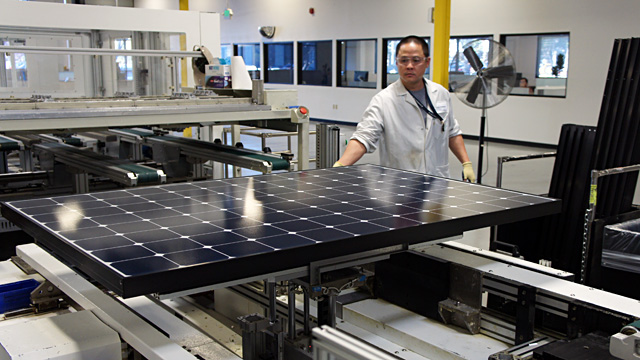
"caption": "A worker handles solar panels at SunPower's manufacturing plant near San Jose.",
"description": null,
"title": "DSC00476",
"credit": null,
"status": "inherit",
"isLoading": false,
"fetchFailed": false
},
"quest_46459": {
"type": "attachments",
"id": "quest_46459",
"meta": {
"index": "attachments_1716263798",
"site": "quest",
"id": "46459",
"found": true
},
"parent": 46412,
"imgSizes": {
"thumbnail": {
"file": "https://ww2.kqed.org/app/uploads/sites/39/2012/10/NIF640-400x225.jpg",
"width": 400,
"mimeType": "image/jpeg",
"height": 225
},
"kqedFullSize": {
"file": "https://ww2.kqed.org/app/uploads/sites/39/2012/10/NIF640.jpg",
"width": 640,
"height": 360
},
"guest-author-96": {
"file": "https://ww2.kqed.org/app/uploads/sites/39/2012/10/NIF640-96x96.jpg",
"width": 96,
"mimeType": "image/jpeg",
"height": 96
},
"guest-author-64": {
"file": "https://ww2.kqed.org/app/uploads/sites/39/2012/10/NIF640-64x64.jpg",
"width": 64,
"mimeType": "image/jpeg",
"height": 64
},
"detail": {
"file": "https://ww2.kqed.org/app/uploads/sites/39/2012/10/NIF640-75x75.jpg",
"width": 75,
"mimeType": "image/jpeg",
"height": 75
},
"guest-author-32": {
"file": "https://ww2.kqed.org/app/uploads/sites/39/2012/10/NIF640-32x32.jpg",
"width": 32,
"mimeType": "image/jpeg",
"height": 32
},
"guest-author-128": {
"file": "https://ww2.kqed.org/app/uploads/sites/39/2012/10/NIF640-128x128.jpg",
"width": 128,
"mimeType": "image/jpeg",
"height": 128
}
},
"publishDate": 1351275455,
"modified": 1351275455,
"caption": null,
"description": null,
"title": "NIF640",
"credit": null,
"status": "inherit",
"isLoading": false,
"fetchFailed": false
},
"quest_46113": {
"type": "attachments",
"id": "quest_46113",
"meta": {
"index": "attachments_1716263798",
"site": "quest",
"id": "46113",
"found": true
},
"parent": 46098,
"imgSizes": {
"thumbnail": {
"file": "https://ww2.kqed.org/app/uploads/sites/39/2012/10/Tianjinpanorama640x3601-400x225.jpg",
"width": 400,
"mimeType": "image/jpeg",
"height": 225
},
"kqedFullSize": {
"file": "https://ww2.kqed.org/app/uploads/sites/39/2012/10/Tianjinpanorama640x3601.jpg",
"width": 640,
"height": 360
},
"guest-author-96": {
"file": "https://ww2.kqed.org/app/uploads/sites/39/2012/10/Tianjinpanorama640x3601-96x96.jpg",
"width": 96,
"mimeType": "image/jpeg",
"height": 96
},
"guest-author-64": {
"file": "https://ww2.kqed.org/app/uploads/sites/39/2012/10/Tianjinpanorama640x3601-64x64.jpg",
"width": 64,
"mimeType": "image/jpeg",
"height": 64
},
"detail": {
"file": "https://ww2.kqed.org/app/uploads/sites/39/2012/10/Tianjinpanorama640x3601-75x75.jpg",
"width": 75,
"mimeType": "image/jpeg",
"height": 75
},
"guest-author-32": {
"file": "https://ww2.kqed.org/app/uploads/sites/39/2012/10/Tianjinpanorama640x3601-32x32.jpg",
"width": 32,
"mimeType": "image/jpeg",
"height": 32
},
"guest-author-128": {
"file": "https://ww2.kqed.org/app/uploads/sites/39/2012/10/Tianjinpanorama640x3601-128x128.jpg",
"width": 128,
"mimeType": "image/jpeg",
"height": 128
}
},
"publishDate": 1350433594,
"modified": 1350433594,
"caption": null,
"description": null,
"title": "Tianjinpanorama640x360",
"credit": null,
"status": "inherit",
"isLoading": false,
"fetchFailed": false
},
"quest_46057": {
"type": "attachments",
"id": "quest_46057",
"meta": {
"index": "attachments_1716263798",
"site": "quest",
"id": "46057",
"found": true
},
"parent": 46030,
"imgSizes": {
"thumbnail": {
"file": "https://ww2.kqed.org/app/uploads/sites/39/2012/10/PTSD.Med-image-cropped-400x225.png",
"width": 400,
"mimeType": "image/png",
"height": 225
},
"kqedFullSize": {
"file": "https://ww2.kqed.org/app/uploads/sites/39/2012/10/PTSD.Med-image-cropped.png",
"width": 640,
"height": 360
},
"guest-author-96": {
"file": "https://ww2.kqed.org/app/uploads/sites/39/2012/10/PTSD.Med-image-cropped-96x96.png",
"width": 96,
"mimeType": "image/png",
"height": 96
},
"guest-author-64": {
"file": "https://ww2.kqed.org/app/uploads/sites/39/2012/10/PTSD.Med-image-cropped-64x64.png",
"width": 64,
"mimeType": "image/png",
"height": 64
},
"detail": {
"file": "https://ww2.kqed.org/app/uploads/sites/39/2012/10/PTSD.Med-image-cropped-75x75.png",
"width": 75,
"mimeType": "image/png",
"height": 75
},
"guest-author-32": {
"file": "https://ww2.kqed.org/app/uploads/sites/39/2012/10/PTSD.Med-image-cropped-32x32.png",
"width": 32,
"mimeType": "image/png",
"height": 32
},
"guest-author-128": {
"file": "https://ww2.kqed.org/app/uploads/sites/39/2012/10/PTSD.Med-image-cropped-128x128.png",
"width": 128,
"mimeType": "image/png",
"height": 128
}
},
"publishDate": 1350075684,
"modified": 1350075684,
"caption": null,
"description": null,
"title": "PTSD.Med image cropped",
"credit": null,
"status": "inherit",
"isLoading": false,
"fetchFailed": false
},
"quest_45706": {
"type": "attachments",
"id": "quest_45706",
"meta": {
"index": "attachments_1716263798",
"site": "quest",
"id": "45706",
"found": true
},
"parent": 45692,
"imgSizes": {
"thumbnail": {
"file": "https://ww2.kqed.org/app/uploads/sites/39/2012/10/hetchhetchy-400x225.jpg",
"width": 400,
"mimeType": "image/jpeg",
"height": 225
},
"kqedFullSize": {
"file": "https://ww2.kqed.org/app/uploads/sites/39/2012/10/hetchhetchy.jpg",
"width": 640,
"height": 360
},
"guest-author-96": {
"file": "https://ww2.kqed.org/app/uploads/sites/39/2012/10/hetchhetchy-96x96.jpg",
"width": 96,
"mimeType": "image/jpeg",
"height": 96
},
"guest-author-64": {
"file": "https://ww2.kqed.org/app/uploads/sites/39/2012/10/hetchhetchy-64x64.jpg",
"width": 64,
"mimeType": "image/jpeg",
"height": 64
},
"detail": {
"file": "https://ww2.kqed.org/app/uploads/sites/39/2012/10/hetchhetchy-75x75.jpg",
"width": 75,
"mimeType": "image/jpeg",
"height": 75
},
"guest-author-32": {
"file": "https://ww2.kqed.org/app/uploads/sites/39/2012/10/hetchhetchy-32x32.jpg",
"width": 32,
"mimeType": "image/jpeg",
"height": 32
},
"guest-author-128": {
"file": "https://ww2.kqed.org/app/uploads/sites/39/2012/10/hetchhetchy-128x128.jpg",
"width": 128,
"mimeType": "image/jpeg",
"height": 128
}
},
"publishDate": 1349397991,
"modified": 1349397991,
"caption": null,
"description": null,
"title": "hetchhetchy",
"credit": null,
"status": "inherit",
"isLoading": false,
"fetchFailed": false
},
"quest_45257": {
"type": "attachments",
"id": "quest_45257",
"meta": {
"index": "attachments_1716263798",
"site": "quest",
"id": "45257",
"found": true
},
"parent": 45235,
"imgSizes": {
"thumbnail": {
"file": "https://ww2.kqed.org/app/uploads/sites/39/2012/09/pika640x360-400x225.jpg",
"width": 400,
"mimeType": "image/jpeg",
"height": 225
},
"kqedFullSize": {
"file": "https://ww2.kqed.org/app/uploads/sites/39/2012/09/pika640x360.jpg",
"width": 640,
"height": 360
},
"guest-author-96": {
"file": "https://ww2.kqed.org/app/uploads/sites/39/2012/09/pika640x360-96x96.jpg",
"width": 96,
"mimeType": "image/jpeg",
"height": 96
},
"guest-author-64": {
"file": "https://ww2.kqed.org/app/uploads/sites/39/2012/09/pika640x360-64x64.jpg",
"width": 64,
"mimeType": "image/jpeg",
"height": 64
},
"detail": {
"file": "https://ww2.kqed.org/app/uploads/sites/39/2012/09/pika640x360-75x75.jpg",
"width": 75,
"mimeType": "image/jpeg",
"height": 75
},
"guest-author-32": {
"file": "https://ww2.kqed.org/app/uploads/sites/39/2012/09/pika640x360-32x32.jpg",
"width": 32,
"mimeType": "image/jpeg",
"height": 32
},
"guest-author-128": {
"file": "https://ww2.kqed.org/app/uploads/sites/39/2012/09/pika640x360-128x128.jpg",
"width": 128,
"mimeType": "image/jpeg",
"height": 128
}
},
"publishDate": 1348786456,
"modified": 1348786456,
"caption": "The American pika lives at high elevations in the American West. Photo: Doug Von Gausig/Naturesongs.com",
"description": null,
"title": "pika640x360",
"credit": null,
"status": "inherit",
"isLoading": false,
"fetchFailed": false
},
"quest_45325": {
"type": "attachments",
"id": "quest_45325",
"meta": {
"index": "attachments_1716263798",
"site": "quest",
"id": "45325",
"found": true
},
"parent": 45272,
"imgSizes": {
"thumbnail": {
"file": "https://ww2.kqed.org/app/uploads/sites/39/2012/09/shafterpump20120927-400x225.jpg",
"width": 400,
"mimeType": "image/jpeg",
"height": 225
},
"kqedFullSize": {
"file": "https://ww2.kqed.org/app/uploads/sites/39/2012/09/shafterpump20120927.jpg",
"width": 640,
"height": 360
},
"guest-author-96": {
"file": "https://ww2.kqed.org/app/uploads/sites/39/2012/09/shafterpump20120927-96x96.jpg",
"width": 96,
"mimeType": "image/jpeg",
"height": 96
},
"guest-author-64": {
"file": "https://ww2.kqed.org/app/uploads/sites/39/2012/09/shafterpump20120927-64x64.jpg",
"width": 64,
"mimeType": "image/jpeg",
"height": 64
},
"detail": {
"file": "https://ww2.kqed.org/app/uploads/sites/39/2012/09/shafterpump20120927-75x75.jpg",
"width": 75,
"mimeType": "image/jpeg",
"height": 75
},
"guest-author-32": {
"file": "https://ww2.kqed.org/app/uploads/sites/39/2012/09/shafterpump20120927-32x32.jpg",
"width": 32,
"mimeType": "image/jpeg",
"height": 32
},
"guest-author-128": {
"file": "https://ww2.kqed.org/app/uploads/sites/39/2012/09/shafterpump20120927-128x128.jpg",
"width": 128,
"mimeType": "image/jpeg",
"height": 128
}
},
"publishDate": 1348793402,
"modified": 1348793402,
"caption": null,
"description": null,
"title": "shafterpump20120927",
"credit": null,
"status": "inherit",
"isLoading": false,
"fetchFailed": false
},
"quest_44525": {
"type": "attachments",
"id": "quest_44525",
"meta": {
"index": "attachments_1716263798",
"site": "quest",
"id": "44525",
"found": true
},
"parent": 44496,
"imgSizes": {
"thumbnail": {
"file": "https://ww2.kqed.org/app/uploads/sites/39/2012/09/IMG_24291-e1348179997154-400x225.jpg",
"width": 400,
"mimeType": "image/jpeg",
"height": 225
},
"kqedFullSize": {
"file": "https://ww2.kqed.org/app/uploads/sites/39/2012/09/IMG_24291-e1348179997154.jpg",
"width": 639,
"height": 359
},
"guest-author-96": {
"file": "https://ww2.kqed.org/app/uploads/sites/39/2012/09/IMG_24291-e1348179997154-96x96.jpg",
"width": 96,
"mimeType": "image/jpeg",
"height": 96
},
"guest-author-64": {
"file": "https://ww2.kqed.org/app/uploads/sites/39/2012/09/IMG_24291-e1348179997154-64x64.jpg",
"width": 64,
"mimeType": "image/jpeg",
"height": 64
},
"detail": {
"file": "https://ww2.kqed.org/app/uploads/sites/39/2012/09/IMG_24291-e1348179997154-75x75.jpg",
"width": 75,
"mimeType": "image/jpeg",
"height": 75
},
"guest-author-32": {
"file": "https://ww2.kqed.org/app/uploads/sites/39/2012/09/IMG_24291-e1348179997154-32x32.jpg",
"width": 32,
"mimeType": "image/jpeg",
"height": 32
},
"guest-author-128": {
"file": "https://ww2.kqed.org/app/uploads/sites/39/2012/09/IMG_24291-e1348179997154-128x128.jpg",
"width": 128,
"mimeType": "image/jpeg",
"height": 128
}
},
"publishDate": 1348179938,
"modified": 1348179938,
"caption": null,
"description": null,
"title": "tomatoes",
"credit": null,
"status": "inherit",
"isLoading": false,
"fetchFailed": false
},
"quest_44609": {
"type": "attachments",
"id": "quest_44609",
"meta": {
"index": "attachments_1716263798",
"site": "quest",
"id": "44609",
"found": true
},
"parent": 44529,
"imgSizes": {
"thumbnail": {
"file": "https://ww2.kqed.org/app/uploads/sites/39/2012/09/photo-1-e1348249778966-400x224.jpg",
"width": 400,
"mimeType": "image/jpeg",
"height": 224
},
"kqedFullSize": {
"file": "https://ww2.kqed.org/app/uploads/sites/39/2012/09/photo-1-e1348249778966.jpg",
"width": 640,
"height": 359
},
"guest-author-96": {
"file": "https://ww2.kqed.org/app/uploads/sites/39/2012/09/photo-1-e1348249778966-96x96.jpg",
"width": 96,
"mimeType": "image/jpeg",
"height": 96
},
"guest-author-64": {
"file": "https://ww2.kqed.org/app/uploads/sites/39/2012/09/photo-1-e1348249778966-64x64.jpg",
"width": 64,
"mimeType": "image/jpeg",
"height": 64
},
"detail": {
"file": "https://ww2.kqed.org/app/uploads/sites/39/2012/09/photo-1-e1348249778966-75x75.jpg",
"width": 75,
"mimeType": "image/jpeg",
"height": 75
},
"guest-author-32": {
"file": "https://ww2.kqed.org/app/uploads/sites/39/2012/09/photo-1-e1348249778966-32x32.jpg",
"width": 32,
"mimeType": "image/jpeg",
"height": 32
},
"guest-author-128": {
"file": "https://ww2.kqed.org/app/uploads/sites/39/2012/09/photo-1-e1348249778966-128x128.jpg",
"width": 128,
"mimeType": "image/jpeg",
"height": 128
}
},
"publishDate": 1348249722,
"modified": 1464384443,
"caption": "The Endeavour flys over the Golden Gate Bridge",
"description": null,
"title": "endeavour GG Bridge",
"credit": "Sevda Eris/KQED",
"status": "inherit",
"isLoading": false,
"fetchFailed": false
},
"quest_44046": {
"type": "attachments",
"id": "quest_44046",
"meta": {
"index": "attachments_1716263798",
"site": "quest",
"id": "44046",
"found": true
},
"parent": 44015,
"imgSizes": {
"thumbnail": {
"file": "https://ww2.kqed.org/app/uploads/sites/39/2012/09/nailbiting-400x225.jpg",
"width": 400,
"mimeType": "image/jpeg",
"height": 225
},
"kqedFullSize": {
"file": "https://ww2.kqed.org/app/uploads/sites/39/2012/09/nailbiting.jpg",
"width": 640,
"height": 360
},
"guest-author-96": {
"file": "https://ww2.kqed.org/app/uploads/sites/39/2012/09/nailbiting-96x96.jpg",
"width": 96,
"mimeType": "image/jpeg",
"height": 96
},
"guest-author-64": {
"file": "https://ww2.kqed.org/app/uploads/sites/39/2012/09/nailbiting-64x64.jpg",
"width": 64,
"mimeType": "image/jpeg",
"height": 64
},
"detail": {
"file": "https://ww2.kqed.org/app/uploads/sites/39/2012/09/nailbiting-75x75.jpg",
"width": 75,
"mimeType": "image/jpeg",
"height": 75
},
"guest-author-32": {
"file": "https://ww2.kqed.org/app/uploads/sites/39/2012/09/nailbiting-32x32.jpg",
"width": 32,
"mimeType": "image/jpeg",
"height": 32
},
"guest-author-128": {
"file": "https://ww2.kqed.org/app/uploads/sites/39/2012/09/nailbiting-128x128.jpg",
"width": 128,
"mimeType": "image/jpeg",
"height": 128
}
},
"publishDate": 1347650289,
"modified": 1347650289,
"caption": null,
"description": null,
"title": "nailbiting",
"credit": null,
"status": "inherit",
"isLoading": false,
"fetchFailed": false
},
"quest_43647": {
"type": "attachments",
"id": "quest_43647",
"meta": {
"index": "attachments_1716263798",
"site": "quest",
"id": "43647",
"found": true
},
"parent": 43643,
"imgSizes": {
"thumbnail": {
"file": "https://ww2.kqed.org/app/uploads/sites/39/2012/09/plants_scaled-400x225.jpg",
"width": 400,
"mimeType": "image/jpeg",
"height": 225
},
"kqedFullSize": {
"file": "https://ww2.kqed.org/app/uploads/sites/39/2012/09/plants_scaled.jpg",
"width": 640,
"height": 360
},
"guest-author-96": {
"file": "https://ww2.kqed.org/app/uploads/sites/39/2012/09/plants_scaled-96x96.jpg",
"width": 96,
"mimeType": "image/jpeg",
"height": 96
},
"guest-author-64": {
"file": "https://ww2.kqed.org/app/uploads/sites/39/2012/09/plants_scaled-64x64.jpg",
"width": 64,
"mimeType": "image/jpeg",
"height": 64
},
"detail": {
"file": "https://ww2.kqed.org/app/uploads/sites/39/2012/09/plants_scaled-75x75.jpg",
"width": 75,
"mimeType": "image/jpeg",
"height": 75
},
"guest-author-32": {
"file": "https://ww2.kqed.org/app/uploads/sites/39/2012/09/plants_scaled-32x32.jpg",
"width": 32,
"mimeType": "image/jpeg",
"height": 32
},
"guest-author-128": {
"file": "https://ww2.kqed.org/app/uploads/sites/39/2012/09/plants_scaled-128x128.jpg",
"width": 128,
"mimeType": "image/jpeg",
"height": 128
}
},
"publishDate": 1346975220,
"modified": 1346975220,
"caption": "Lettuce plants genetically engineered to withstand heat",
"description": null,
"title": "plants_scaled",
"credit": null,
"status": "inherit",
"isLoading": false,
"fetchFailed": false
},
"quest_22837": {
"type": "attachments",
"id": "quest_22837",
"meta": {
"index": "attachments_1716263798",
"site": "quest",
"id": "22837",
"found": true
},
"parent": 22785,
"imgSizes": {
"thumbnail": {
"file": "https://ww2.kqed.org/app/uploads/sites/39/2011/08/P1010772-400x225.jpg",
"width": 400,
"mimeType": "image/jpeg",
"height": 225
},
"kqedFullSize": {
"file": "https://ww2.kqed.org/app/uploads/sites/39/2011/08/P1010772.jpg",
"width": 640,
"height": 360
},
"guest-author-96": {
"file": "https://ww2.kqed.org/app/uploads/sites/39/2011/08/P1010772-96x96.jpg",
"width": 96,
"mimeType": "image/jpeg",
"height": 96
},
"guest-author-64": {
"file": "https://ww2.kqed.org/app/uploads/sites/39/2011/08/P1010772-64x64.jpg",
"width": 64,
"mimeType": "image/jpeg",
"height": 64
},
"detail": {
"file": "https://ww2.kqed.org/app/uploads/sites/39/2011/08/P1010772-75x75.jpg",
"width": 75,
"mimeType": "image/jpeg",
"height": 75
},
"guest-author-32": {
"file": "https://ww2.kqed.org/app/uploads/sites/39/2011/08/P1010772-32x32.jpg",
"width": 32,
"mimeType": "image/jpeg",
"height": 32
},
"guest-author-128": {
"file": "https://ww2.kqed.org/app/uploads/sites/39/2011/08/P1010772-128x128.jpg",
"width": 128,
"mimeType": "image/jpeg",
"height": 128
}
},
"publishDate": 1313186485,
"modified": 1313186485,
"caption": "Sauvignon Blach",
"description": null,
"title": "Wine grapes",
"credit": null,
"status": "inherit",
"isLoading": false,
"fetchFailed": false
}
},
"audioPlayerReducer": {
"postId": "stream_live",
"isPaused": true,
"isPlaying": false,
"pfsActive": false,
"pledgeModalIsOpen": true,
"playerDrawerIsOpen": false,
"liveAudioPlayStartedAt": 0,
"liveAudioPlayContext": ""
},
"authorsReducer": {
"mollysamuel": {
"type": "authors",
"id": "200",
"meta": {
"index": "authors_1716337520",
"id": "200",
"found": true
},
"name": "Molly Samuel",
"firstName": "Molly",
"lastName": "Samuel",
"slug": "mollysamuel",
"email": "msamuel@kqed.org",
"display_author_email": false,
"staff_mastheads": [],
"title": null,
"bio": "Molly Samuel joined KQED as an intern in 2007, and since then has worked here as a reporter, producer, director and blogger. Before becoming KQED Science’s Multimedia Producer, she was a producer for Climate Watch. Molly has also reported for NPR, KALW and High Country News, and has produced audio stories for The Encyclopedia of Life and the Oakland Museum of California. She was a fellow with the Middlebury Fellowships in Environmental Journalism and a journalist-in-residence at the National Evolutionary Synthesis Center. Molly has a degree in Ancient Greek from Oberlin College and is a co-founder of the record label True Panther Sounds.",
"avatar": "https://secure.gravatar.com/avatar/a6abd3b949a89fe5109fa9917631d0b6?s=600&d=blank&r=g",
"twitter": null,
"facebook": null,
"instagram": null,
"linkedin": null,
"sites": [
{
"site": "news",
"roles": [
"subscriber"
]
},
{
"site": "stateofhealth",
"roles": [
"subscriber"
]
},
{
"site": "science",
"roles": [
"subscriber"
]
},
{
"site": "quest",
"roles": [
"edit_users",
"subscriber"
]
}
],
"headData": {
"title": "Molly Samuel | KQED",
"description": null,
"ogImgSrc": "https://secure.gravatar.com/avatar/a6abd3b949a89fe5109fa9917631d0b6?s=600&d=blank&r=g",
"twImgSrc": "https://secure.gravatar.com/avatar/a6abd3b949a89fe5109fa9917631d0b6?s=600&d=blank&r=g"
},
"isLoading": false,
"link": "/author/mollysamuel"
},
"amystanden": {
"type": "authors",
"id": "210",
"meta": {
"index": "authors_1716337520",
"id": "210",
"found": true
},
"name": "Amy Standen",
"firstName": "Amy",
"lastName": "Standen",
"slug": "amystanden",
"email": "astanden@kqed.org",
"display_author_email": false,
"staff_mastheads": [],
"title": "KQED Contributor",
"bio": "Amy Standen (@amystanden) is co-host of #\u003ca href=\"https://ww2.kqed.org/news/programs/the-leap\">TheLeapPodcast\u003c/a> (subscribe on iTunes or Stitcher!) and host of KQED and PBSDigital Studios' science video series, \u003ca href=\"https://www.youtube.com/user/KQEDDeepLook\">Deep Look\u003c/a>. Her science radio stories appear on KQED and NPR.\r\n\r\nEmail her at astanden@kqed.org",
"avatar": "https://secure.gravatar.com/avatar/3d021b72de685a788b0487b059d0a6a1?s=600&d=blank&r=g",
"twitter": null,
"facebook": null,
"instagram": null,
"linkedin": null,
"sites": [
{
"site": "news",
"roles": [
"subscriber"
]
},
{
"site": "futureofyou",
"roles": [
"subscriber"
]
},
{
"site": "stateofhealth",
"roles": [
"subscriber"
]
},
{
"site": "science",
"roles": []
},
{
"site": "quest",
"roles": [
"subscriber"
]
}
],
"headData": {
"title": "Amy Standen | KQED",
"description": "KQED Contributor",
"ogImgSrc": "https://secure.gravatar.com/avatar/3d021b72de685a788b0487b059d0a6a1?s=600&d=blank&r=g",
"twImgSrc": "https://secure.gravatar.com/avatar/3d021b72de685a788b0487b059d0a6a1?s=600&d=blank&r=g"
},
"isLoading": false,
"link": "/author/amystanden"
},
"cmiller": {
"type": "authors",
"id": "221",
"meta": {
"index": "authors_1716337520",
"id": "221",
"found": true
},
"name": "Craig Miller",
"firstName": "Craig",
"lastName": "Miller",
"slug": "cmiller",
"email": "craig@voxterra.net",
"display_author_email": false,
"staff_mastheads": [
"science"
],
"title": "Editor Emeritus, Science",
"bio": "Craig is a former KQED Science editor, specializing in weather, climate, water & energy issues, with a little seismology thrown in just to shake things up. Prior to that, he launched and led the station's award-winning multimedia project, Climate Watch. Craig is also an accomplished writer/producer of television documentaries, with a focus on natural resource issues.",
"avatar": "https://secure.gravatar.com/avatar/b91661df645e001a9cafe0861fa685f9?s=600&d=blank&r=g",
"twitter": "voxterra",
"facebook": null,
"instagram": null,
"linkedin": null,
"sites": [
{
"site": "news",
"roles": [
"author"
]
},
{
"site": "futureofyou",
"roles": [
"editor"
]
},
{
"site": "stateofhealth",
"roles": [
"author"
]
},
{
"site": "science",
"roles": [
"editor"
]
},
{
"site": "quest",
"roles": [
"editor"
]
}
],
"headData": {
"title": "Craig Miller | KQED",
"description": "Editor Emeritus, Science",
"ogImgSrc": "https://secure.gravatar.com/avatar/b91661df645e001a9cafe0861fa685f9?s=600&d=blank&r=g",
"twImgSrc": "https://secure.gravatar.com/avatar/b91661df645e001a9cafe0861fa685f9?s=600&d=blank&r=g"
},
"isLoading": false,
"link": "/author/cmiller"
},
"laurensommer": {
"type": "authors",
"id": "239",
"meta": {
"index": "authors_1716337520",
"id": "239",
"found": true
},
"name": "Lauren Sommer",
"firstName": "Lauren",
"lastName": "Sommer",
"slug": "laurensommer",
"email": "lsommer@kqed.org",
"display_author_email": false,
"staff_mastheads": [],
"title": "KQED Contributor",
"bio": "Lauren is a radio reporter formerly covering environment, water, and energy for KQED Science. As part of her day job, she has scaled Sierra Nevada peaks, run from charging elephant seals, and desperately tried to get her sea legs - all in pursuit of good radio. Her work has appeared on Marketplace, Living on Earth, Science Friday and NPR's Morning Edition and All Things Considered. You can find her on Twitter at \u003ca href=\"https://twitter.com/lesommer\">@lesommer\u003c/a>.",
"avatar": "https://secure.gravatar.com/avatar/33aa3772bb86c6ad45b8aca6a238bbdf?s=600&d=blank&r=g",
"twitter": null,
"facebook": null,
"instagram": null,
"linkedin": null,
"sites": [
{
"site": "news",
"roles": [
"author"
]
},
{
"site": "science",
"roles": [
"editor",
"manage_content_types",
"manage_taxonomies"
]
},
{
"site": "quest",
"roles": [
"editor"
]
}
],
"headData": {
"title": "Lauren Sommer | KQED",
"description": "KQED Contributor",
"ogImgSrc": "https://secure.gravatar.com/avatar/33aa3772bb86c6ad45b8aca6a238bbdf?s=600&d=blank&r=g",
"twImgSrc": "https://secure.gravatar.com/avatar/33aa3772bb86c6ad45b8aca6a238bbdf?s=600&d=blank&r=g"
},
"isLoading": false,
"link": "/author/laurensommer"
},
"marjoriesun": {
"type": "authors",
"id": "10391",
"meta": {
"index": "authors_1716337520",
"id": "10391",
"found": true
},
"name": "Marjorie Sun",
"firstName": "Marjorie",
"lastName": "Sun",
"slug": "marjoriesun",
"email": "fakeemail@gmail.com",
"display_author_email": false,
"staff_mastheads": [],
"title": null,
"bio": null,
"avatar": "https://secure.gravatar.com/avatar/bdf7e04ec578e3d8369b119b89106f18?s=600&d=blank&r=g",
"twitter": null,
"facebook": null,
"instagram": null,
"linkedin": null,
"sites": [
{
"site": "quest",
"roles": [
"subscriber"
]
}
],
"headData": {
"title": "Marjorie Sun | KQED",
"description": null,
"ogImgSrc": "https://secure.gravatar.com/avatar/bdf7e04ec578e3d8369b119b89106f18?s=600&d=blank&r=g",
"twImgSrc": "https://secure.gravatar.com/avatar/bdf7e04ec578e3d8369b119b89106f18?s=600&d=blank&r=g"
},
"isLoading": false,
"link": "/author/marjoriesun"
}
},
"pagesReducer": {
"quest_tag_audio": {
"type": "terms",
"id": "quest_252",
"meta": {
"index": "terms_1716263798",
"site": "quest",
"id": "252",
"score": 8.7980385
},
"featImg": null,
"name": "audio",
"description": null,
"taxonomy": "tag",
"headData": {
"twImgId": null,
"twTitle": null,
"ogTitle": null,
"ogImgId": null,
"twDescription": null,
"description": null,
"title": "audio Archives | KQED Arts",
"ogDescription": null
},
"ttid": 254,
"slug": "audio",
"isLoading": false,
"title": "audio",
"pageMeta": {
"site": "quest",
"WpPageTemplate": "page-topic-editorial",
"currentPage": 6
},
"blocks": [
{
"blockName": "kqed/post-list",
"attrs": {
"layout": "cardArticle2",
"query": "posts/quest?tag=audio",
"seeMore": false,
"paginated": true,
"page": 6
}
},
{
"blockName": "kqed/ad"
}
]
}
},
"pfsSessionReducer": {},
"postsReducer": {
"stream_live": {
"type": "live",
"id": "stream_live",
"audioUrl": "https://hls.kqed.org/hls/kqed_app/playlist.m3u8",
"title": "Live Stream",
"excerpt": "Live Stream information currently unavailable.",
"link": "/radio",
"featImg": "",
"label": {
"name": "KQED Live",
"link": "/"
}
},
"stream_kqedNewscast": {
"type": "posts",
"id": "stream_kqedNewscast",
"audioUrl": "https://www.kqed.org/.stream/anon/radio/RDnews/newscast.mp3?_=1",
"title": "KQED Newscast",
"featImg": "",
"label": {
"name": "88.5 FM",
"link": "/"
}
},
"quest_46763": {
"type": "posts",
"id": "quest_46763",
"meta": {
"index": "posts_1716263798",
"site": "quest",
"id": "46763",
"score": null,
"sort": [
1351888273000
]
},
"parent": 0,
"labelTerm": {
"site": "quest"
},
"blocks": [],
"publishDate": 1351888273,
"format": "audio",
"disqusTitle": "Looming Trade War Shakes Up U.S. Solar Industry",
"title": "Looming Trade War Shakes Up U.S. Solar Industry",
"headTitle": "QUEST | KQED Science",
"content": "\u003cp>http://www.kqed.org/.stream/anon/radio/quest/2012/11/20121105quest.mp3\u003c/p>\n\u003cfigure id=\"attachment_46765\" class=\"wp-caption alignleft\" style=\"max-width: 300px\">\u003ca href=\"http://ww2.kqed.org/quest/wp-content/uploads/sites/39/2012/11/DSC00476.jpg\">\u003cimg class=\"size-thumbnail wp-image-46765\" title=\"DSC00476\" src=\"http://ww2.kqed.org/quest/wp-content/uploads/sites/39/2012/11/DSC00476-300x169.jpg\" alt=\"\" width=\"300\" height=\"169\">\u003c/a>\u003cfigcaption class=\"wp-caption-text\">A worker handles solar panels at SunPower's manufacturing plant near San Jose.\u003c/figcaption>\u003c/figure>\n\u003cp>Talk to anyone in the solar industry and they’ll tell you: it’s the best of times, it’s the worst of times. Solar installations are booming, but there’s also a looming trade war with China. Citing illegal subsidies, U.S. officials have placed trade tariffs on Chinese solar panels. American solar companies are split on whether it will be good or bad for the industry.\u003c/p>\n\u003cp>\u003cstrong>A Solar Manufacturer\u003c/strong>\u003c/p>\n\u003cp>At SunPower’s solar manufacturing plant near San Jose, workers screw frames onto shiny, six-foot solar panels as they come off the line. “We are running 24 hours a day,” says quality engineer Eric Kao.\u003c/p>\n\u003cp>This plant has had a long list of notable visitors: Governors Jerry Brown and Arnold Schwarzenegger, Energy Secretary Steven Chu. That’s because SunPower is one of the top suppliers in the country -- and because there aren’t many solar plants left to visit. It’s getting lonely to be an American solar manufacturer.\u003c/p>\n\u003cp>[ad fullwidth]\u003c/p>\n\u003cp>“It’s going to require being lonely to be one of the winners but it’s unfortunate that there aren’t many American solar companies,” says Tom Werner, CEO of SunPower. He says five years ago, things were looking good for U.S. solar manufacturers. There were growing markets in Germany, Japan and California.\u003c/p>\n\u003cp>“Many of the industry participants were making good profits. Well, that attracts competition,” he says. Chinese manufacturers flooded the market with solar panels. Within four years, panel prices fell seventy five percent.\u003c/p>\n\u003cp>“The economics have gotten way, way more challenging. It's difficult for some companies to make it,” Werner says. SunPower has survived, but is just hoping to break even this year.\u003c/p>\n\u003cp>Last year, several American solar panel companies filed a trade complaint against China, saying Chinese solar companies are getting illegal subsidies and are dumping panels on the US market. In May, the U.S. Commerce Department agreed and levied trade tariffs of 25 to 35 percent.\u003c/p>\n\u003cp>Werner says while SunPower didn’t directly join the complaint, it does stand to gain. “Let’s just say it won’t hurt our pricing but I don’t know if it will be a big advantage. Having a trade war is definitely not good for the industry so we need to sort this out.”\u003c/p>\n\u003cp>The solar industry doesn’t need more bad news, says Werner, especially after the political scandal over one particular bankrupt solar company. “It’s amazing how many people know the name of that company.”\u003c/p>\n\u003cp>Solyndra, that is. It’s a name Werner avoids saying, much like like Lord Voldemort in Harry Potter. “Well see, if I name the company then I’m just propagating the whole deal,” Werner says. Tariffs or no tariffs, Werner says some US manufacturers may not make it either. It’s an entirely different story with solar installers.\u003c/p>\n\u003cp>\u003cstrong>Flip Side: A Solar Installer\u003c/strong>\u003c/p>\n\u003cp>At Sungevity’s Oakland headquarters, a team of sales people grabs maracas off their desks. “So the maraca shake happens when there’s a sale,” says Danny Kennedy, president of Sungevity.\u003c/p>\n\u003cp>Sungevity is one part power company, one part internet startup. It designs residential solar systems virtually by using satellite photos of each house. Like online shopping, Sungevity makes a sale before a truck ever goes out. And sales have been good.\u003c/p>\n\u003cp>“We grew gangbusters in 2010. Doubled again in ‘11. Have continued to grow this year,” says Kennedy. That’s thanks to a new option for customers to lease a solar system, instead of buying it upfront. It’s also more affordable because panels are cheaper.\u003c/p>\n\u003cp>“This is something I think we should celebrate – the fact that we’re driving cost out of clean energy,” he says.\u003c/p>\n\u003cp>Sungevity buys panels from the US, Korea and from China. Even with the trade tariffs, prices are about the same because Chinese solar companies have found a loophole. The tariffs are only on solar cells, not the entire solar panel. So, the cells are manufactured offshore and put into panels in China.\u003c/p>\n\u003cp>But Kennedy says focusing on these manufacturing jobs is a mistake. The real green jobs are elsewhere. “There’s more job density in the sales, finance, installation and maintenance end of the value chain than there is in the factory. It’s probably a ratio of three to one.”\u003c/p>\n\u003cp>California leads the nation in solar jobs. Kennedy is concerned that a trade war with China would put them at risk.\u003c/p>\n\u003cp>“It’s crazy talk. We’re growing faster than any industry over a hundred billion dollars in value in the global economy. And yet, there is this nabobs of negativity around us that are causing concerns in the investment community,” says Kennedy.\u003c/p>\n\u003cp>\u003cstrong>Solar’s Teenage Years\u003cbr>\n\u003c/strong>\u003cbr>\nAll of this adds up to some major growing pains for the industry. “It is totally a teenager in a lot of ways,” says Dan Kammen, a professor at UC Berkeley.\u003c/p>\n\u003cp>“The industry is growing dramatically. There’s also incredible turmoil. And there are some teenagers who are clearly going to be young prodigies and others who are going to go into rehab,” says Kammen.\u003c/p>\n\u003cp>When companies fight over market share and race to the lowest price, Kammen says it’s the startups with cutting-edge technology that just can’t compete.\u003c/p>\n\u003cp>“A battle between the two biggest players, the US and China, is one where we might actually have casualties that aren’t just business casualties, they’re actually, pieces of innovation getting lost.”\u003c/p>\n\u003cp>\u003c/p>\n\u003cp>The trade tariffs won’t be final until the US International Trade Commission rules on whether China has been illegally subsidizing their solar industry. That decision is expected on Wednesday.\u003c/p>\n\n",
"disqusIdentifier": "46763 http://science.kqed.org/quest/?post_type=audio_reports&p=46763",
"disqusUrl": "https://ww2.kqed.org/quest/2012/11/02/looming-trade-war-shakes-up-u-s-solar-industry/",
"stats": {
"hasVideo": false,
"hasChartOrMap": false,
"hasAudio": true,
"hasPolis": false,
"wordCount": 1032,
"hasGoogleForm": false,
"hasGallery": false,
"hasHearkenModule": false,
"iframeSrcs": [],
"paragraphCount": 27
},
"modified": 1367353159,
"excerpt": "Federal officials have put trade tariffs on Chinese solar panels. American solar companies are split on whether it will be good or bad for the industry.",
"headData": {
"twImgId": "",
"twTitle": "",
"ogTitle": "",
"ogImgId": "",
"twDescription": "",
"description": "Federal officials have put trade tariffs on Chinese solar panels. American solar companies are split on whether it will be good or bad for the industry.",
"title": "Looming Trade War Shakes Up U.S. Solar Industry | KQED",
"ogDescription": "",
"schema": {
"@context": "https://schema.org",
"@type": "Article",
"headline": "Looming Trade War Shakes Up U.S. Solar Industry",
"datePublished": "2012-11-02T13:31:13-07:00",
"dateModified": "2013-04-30T13:19:19-07:00",
"image": "https://cdn.kqed.org/wp-content/uploads/2020/02/KQED-OG-Image@1x.png"
}
},
"guestAuthors": [],
"slug": "looming-trade-war-shakes-up-u-s-solar-industry",
"status": "publish",
"WpOldSlug": "west-coast-a-test-bed-for-ocean-acidification-2",
"path": "/quest/46763/looming-trade-war-shakes-up-u-s-solar-industry",
"audioUrl": "http://www.kqed.org/.stream/anon/radio/quest/2012/11/20121105quest.mp3",
"audioDuration": null,
"audioTrackLength": null,
"parsedContent": [
{
"type": "contentString",
"content": "\u003cdiv class=\"post-body\">\u003cp>\u003c/p>\u003c/div>",
"attributes": {
"named": {},
"numeric": []
}
},
{
"type": "component",
"content": "",
"name": "audioLink",
"attributes": {
"named": {
"src": "http://www.kqed.org/.stream/anon/radio/quest/2012/11/20121105quest.mp3"
},
"numeric": []
}
},
{
"type": "contentString",
"content": "\u003cdiv class=\"post-body\">\u003cp>\u003cfigure id=\"attachment_46765\" class=\"wp-caption alignleft\" style=\"max-width: 300px\">\u003ca href=\"http://ww2.kqed.org/quest/wp-content/uploads/sites/39/2012/11/DSC00476.jpg\">\u003cimg class=\"size-thumbnail wp-image-46765\" title=\"DSC00476\" src=\"http://ww2.kqed.org/quest/wp-content/uploads/sites/39/2012/11/DSC00476-300x169.jpg\" alt=\"\" width=\"300\" height=\"169\">\u003c/a>\u003cfigcaption class=\"wp-caption-text\">A worker handles solar panels at SunPower's manufacturing plant near San Jose.\u003c/figcaption>\u003c/figure>\n\u003cp>Talk to anyone in the solar industry and they’ll tell you: it’s the best of times, it’s the worst of times. Solar installations are booming, but there’s also a looming trade war with China. Citing illegal subsidies, U.S. officials have placed trade tariffs on Chinese solar panels. American solar companies are split on whether it will be good or bad for the industry.\u003c/p>\n\u003cp>\u003cstrong>A Solar Manufacturer\u003c/strong>\u003c/p>\n\u003cp>At SunPower’s solar manufacturing plant near San Jose, workers screw frames onto shiny, six-foot solar panels as they come off the line. “We are running 24 hours a day,” says quality engineer Eric Kao.\u003c/p>\n\u003cp>This plant has had a long list of notable visitors: Governors Jerry Brown and Arnold Schwarzenegger, Energy Secretary Steven Chu. That’s because SunPower is one of the top suppliers in the country -- and because there aren’t many solar plants left to visit. It’s getting lonely to be an American solar manufacturer.\u003c/p>\n\u003cp>\u003c/p>\u003c/div>",
"attributes": {
"named": {},
"numeric": []
}
},
{
"type": "component",
"content": "",
"name": "ad",
"attributes": {
"named": {
"label": "fullwidth"
},
"numeric": [
"fullwidth"
]
}
},
{
"type": "contentString",
"content": "\u003cdiv class=\"post-body\">\u003cp>\u003c/p>\n\u003cp>“It’s going to require being lonely to be one of the winners but it’s unfortunate that there aren’t many American solar companies,” says Tom Werner, CEO of SunPower. He says five years ago, things were looking good for U.S. solar manufacturers. There were growing markets in Germany, Japan and California.\u003c/p>\n\u003cp>“Many of the industry participants were making good profits. Well, that attracts competition,” he says. Chinese manufacturers flooded the market with solar panels. Within four years, panel prices fell seventy five percent.\u003c/p>\n\u003cp>“The economics have gotten way, way more challenging. It's difficult for some companies to make it,” Werner says. SunPower has survived, but is just hoping to break even this year.\u003c/p>\n\u003cp>Last year, several American solar panel companies filed a trade complaint against China, saying Chinese solar companies are getting illegal subsidies and are dumping panels on the US market. In May, the U.S. Commerce Department agreed and levied trade tariffs of 25 to 35 percent.\u003c/p>\n\u003cp>Werner says while SunPower didn’t directly join the complaint, it does stand to gain. “Let’s just say it won’t hurt our pricing but I don’t know if it will be a big advantage. Having a trade war is definitely not good for the industry so we need to sort this out.”\u003c/p>\n\u003cp>The solar industry doesn’t need more bad news, says Werner, especially after the political scandal over one particular bankrupt solar company. “It’s amazing how many people know the name of that company.”\u003c/p>\n\u003cp>Solyndra, that is. It’s a name Werner avoids saying, much like like Lord Voldemort in Harry Potter. “Well see, if I name the company then I’m just propagating the whole deal,” Werner says. Tariffs or no tariffs, Werner says some US manufacturers may not make it either. It’s an entirely different story with solar installers.\u003c/p>\n\u003cp>\u003cstrong>Flip Side: A Solar Installer\u003c/strong>\u003c/p>\n\u003cp>At Sungevity’s Oakland headquarters, a team of sales people grabs maracas off their desks. “So the maraca shake happens when there’s a sale,” says Danny Kennedy, president of Sungevity.\u003c/p>\n\u003cp>Sungevity is one part power company, one part internet startup. It designs residential solar systems virtually by using satellite photos of each house. Like online shopping, Sungevity makes a sale before a truck ever goes out. And sales have been good.\u003c/p>\n\u003cp>“We grew gangbusters in 2010. Doubled again in ‘11. Have continued to grow this year,” says Kennedy. That’s thanks to a new option for customers to lease a solar system, instead of buying it upfront. It’s also more affordable because panels are cheaper.\u003c/p>\n\u003cp>“This is something I think we should celebrate – the fact that we’re driving cost out of clean energy,” he says.\u003c/p>\n\u003cp>Sungevity buys panels from the US, Korea and from China. Even with the trade tariffs, prices are about the same because Chinese solar companies have found a loophole. The tariffs are only on solar cells, not the entire solar panel. So, the cells are manufactured offshore and put into panels in China.\u003c/p>\n\u003cp>But Kennedy says focusing on these manufacturing jobs is a mistake. The real green jobs are elsewhere. “There’s more job density in the sales, finance, installation and maintenance end of the value chain than there is in the factory. It’s probably a ratio of three to one.”\u003c/p>\n\u003cp>California leads the nation in solar jobs. Kennedy is concerned that a trade war with China would put them at risk.\u003c/p>\n\u003cp>“It’s crazy talk. We’re growing faster than any industry over a hundred billion dollars in value in the global economy. And yet, there is this nabobs of negativity around us that are causing concerns in the investment community,” says Kennedy.\u003c/p>\n\u003cp>\u003cstrong>Solar’s Teenage Years\u003cbr>\n\u003c/strong>\u003cbr>\nAll of this adds up to some major growing pains for the industry. “It is totally a teenager in a lot of ways,” says Dan Kammen, a professor at UC Berkeley.\u003c/p>\n\u003cp>“The industry is growing dramatically. There’s also incredible turmoil. And there are some teenagers who are clearly going to be young prodigies and others who are going to go into rehab,” says Kammen.\u003c/p>\n\u003cp>When companies fight over market share and race to the lowest price, Kammen says it’s the startups with cutting-edge technology that just can’t compete.\u003c/p>\n\u003cp>“A battle between the two biggest players, the US and China, is one where we might actually have casualties that aren’t just business casualties, they’re actually, pieces of innovation getting lost.”\u003c/p>\n\u003cp>\u003c/p>\n\u003cp>The trade tariffs won’t be final until the US International Trade Commission rules on whether China has been illegally subsidizing their solar industry. That decision is expected on Wednesday.\u003c/p>\n\n\u003c/div>\u003c/p>",
"attributes": {
"named": {},
"numeric": []
}
}
],
"link": "/quest/46763/looming-trade-war-shakes-up-u-s-solar-industry",
"authors": [
"239"
],
"categories": [
"quest_11765",
"quest_8",
"quest_9"
],
"tags": [
"quest_252",
"quest_438",
"quest_582",
"quest_11518",
"quest_11588",
"quest_13203",
"quest_2270",
"quest_2409",
"quest_2693",
"quest_2708",
"quest_11586",
"quest_11587"
],
"featImg": "quest_46765",
"label": "quest"
},
"quest_46412": {
"type": "posts",
"id": "quest_46412",
"meta": {
"index": "posts_1716263798",
"site": "quest",
"id": "46412",
"score": null,
"sort": [
1351362659000
]
},
"parent": 0,
"labelTerm": {},
"blocks": [],
"publishDate": 1351362659,
"format": "audio",
"disqusTitle": "In Livermore, Still Waiting on Nuclear Fusion",
"title": "In Livermore, Still Waiting on Nuclear Fusion",
"headTitle": "QUEST | KQED Science",
"content": "\u003cp>The National Ignition Facility in Livermore, California, has been called a modern-day moon-shot, a project of \"revolutionary science,\" and \"the mother of all boondoggles.\"\u003c/p>\n\u003cp>NIF, as it's known, is a five-billion dollar, taxpayer-funded super laser project whose goal is to create nuclear fusion – a tiny star – inside a laboratory. But so far, that hasn't happened.\u003c/p>\n\u003cp>The facility, which began operating in 2009 after a decade of construction at a cost of almost $4 billion, points 192 football-field-sized lasers at one tiny capsule the size of a peppercorn and filled with hydrogen. It creates degrees of heat and pressure never before achieved in a lab.\u003c/p>\n\u003cp>Standing outside NIF’s target chamber in 2008, about a year before NIF’s dedication, Director Ed Moses called NIF “more far-out, and far cooler than anything in science fiction or fantasy.”\u003cbr>\n\u003cstrong>\u003cbr>\nA tiny star for a blip in time\u003c/strong>\u003c/p>\n\u003cp>“For a brief period of time, not a hundredth or a thousandth, but a billionth of a second,” explained Moses, “we will raise the temperature of the target to a hundred million degrees.\u003c/p>\n\u003cp>[ad fullwidth]\u003c/p>\n\u003cp>“That’s higher temperature and more pressure than exists at the center of our sun. It’s a hundred million times more pressure than you’ll find at the deepest part of the ocean.”\u003c/p>\n\u003cp>Under those conditions, the hydrogen atoms could enter into a state of controlled nuclear fusion. (In nuclear \u003cem>fission\u003c/em>, as in nuclear power plants, energy is generated by splitting atoms. Fusion is the opposite: Atoms are smashed together.)\u003c/p>\n\u003cp>The goal is referred to as “ignition.” It would put out more energy than the lasers had put in to it.\u003c/p>\n\u003cfigure id=\"attachment_46415\" class=\"wp-caption alignright\" style=\"max-width: 172px\">\u003ca href=\"http://ww2.kqed.org/quest/wp-content/uploads/sites/39/2012/10/Hohlraum-dime-copy.jpg\">\u003cimg class=\"size-thumbnail wp-image-46415\" title=\"Hohlraum & dime copy\" src=\"http://ww2.kqed.org/quest/wp-content/uploads/sites/39/2012/10/Hohlraum-dime-copy-172x169.jpg\" alt=\"\" width=\"172\" height=\"169\">\u003c/a>\u003cfigcaption class=\"wp-caption-text\">192 powerful lasers create star-like conditions inside a peppercorn-sized \"hohlarum.\" Credit: NIF\u003c/figcaption>\u003c/figure>\n\u003cp>If scientists can make ignition happen at NIF, that achievement could, theoretically, be parlayed into a new kind of nuclear power plant. Unlike fission plants, which eat up uranium and generate radioactive waste, these fusion plants would run on water, and create virtually no waste at all.\u003cbr>\n\u003cstrong>\u003cbr>\nWaiting to ignite\u003c/strong>\u003c/p>\n\u003cp>At NIF's \u003ca href=\"http://www.youtube.com/watch?v=ZmaDCgpHcH0\">dedication\u003c/a> in 2009, George Miller, then-head of the Lawrence Livermore National Laboratory, seemed to believe that ignition was right around the corner.\u003c/p>\n\u003cp>“I think we will get ignition,” Miller told the crowd. “I think we'll get ignition relatively shortly after we turn the facility on.”\u003c/p>\n\u003cp>Since then, the strength and functionality of the lasers have received praise from the physics community.\u003c/p>\n\u003cp>“The laser has been working phenomenally,” said Christopher Deeney, who directs the Division of Defense Science at the National Nuclear Security Administration, which oversees NIF. “It's the most controllable, precise laser the community has ever built.”\u003c/p>\n\u003cp>But ignition – the goal at the center of NIF’s name -- hasn’t happened. “We just haven't gotten it to burn yet,” explained Moses at a recent interview.\u003c/p>\n\u003cfigure id=\"attachment_46416\" class=\"wp-caption alignright\" style=\"max-width: 300px\">\u003ca href=\"http://ww2.kqed.org/quest/wp-content/uploads/sites/39/2012/10/LaserBay-0506-11956DP_14-300dp-1-copy.jpg\">\u003cimg class=\"size-thumbnail wp-image-46416\" title=\"NIF-0506-11956_14: LB2 from crane (west view)\" src=\"http://ww2.kqed.org/quest/wp-content/uploads/sites/39/2012/10/LaserBay-0506-11956DP_14-300dp-1-copy-300x169.jpg\" alt=\"n Facility)\" width=\"300\" height=\"169\">\u003c/a>\u003cfigcaption class=\"wp-caption-text\">Inside NIF, a football-field sized array of lasers. Credit: NIF\u003c/figcaption>\u003c/figure>\n\u003cp>In a July 19, 2012 report, the NNSA concluded that “the probability of ignition before the end of December is extremely low.” The report called the functionality of the lasers “outstanding,” but blamed NIF’s computer simulations for the failure to ignite.\u003c/p>\n\u003cp>An NNSA ignition deadline of October 1, 2012, has now come and gone.\u003c/p>\n\u003cp>Moses bridles at the idea that anyone can put a deadline on this achievement.\u003c/p>\n\u003cp>“We never guaranteed anything on any particular date,” he says. “People have to sort of get used to that. That’s what great science is.”\u003c/p>\n\u003cp>Nevertheless, by law, on November 30th, Department of Energy Secretary Steven Chu is required to report to Congress on why NIF hasn't met its goal, despite significant cost to taxpayers: about 300 million dollars a year on top of over three billion in construction costs.\u003c/p>\n\u003cp>For Christopher Paine, a longtime NIF critic with the Natural Resources Defense council, this amounts to an “I told you so” moment.\u003c/p>\n\u003cp>“This project has gone on a long time,” he says, “billions of dollars invested. But to what end?\"\u003cbr>\n\u003cstrong>\u003cbr>\nWhat is NIF for?\u003c/strong>\u003c/p>\n\u003cp>Paine's criticism of NIF boils down to two objections: the project's expense and what you might call a muddled sense of purpose. What, in other words, is NIF for?\u003c/p>\n\u003cp>There are three answers to that question, explains a 2009 NIF \u003ca href=\"https://www.youtube.com/watch?v=yixhyPN0r3g\">promotional video\u003c/a>.\u003c/p>\n\u003cp>“NIF will explore controlled nuclear fusion to ensure global security, enable sustainable clean energy, and advance our understanding of the universe.”\u003c/p>\n\u003cp>Let’s break that down.\u003c/p>\n\u003cp>\u003cem>Reason number one:\u003c/em> Global security. This is the primary intent of NIF, and it has to do with the fact that actual nuclear bomb tests have been banned worldwide.\u003c/p>\n\u003cp>Because NIF simulates a nuclear reaction in a tiny pellet, you could test the strength of nuclear bombs without having to actually explode them.\u003c/p>\n\u003cp>Paine believes that’s unnecessary. \"We haven’t had NIF for the last 20 years,\" he says, \"and we've been maintaining the stockpile.\"\u003c/p>\n\u003cp>NNSA\"s Deeney disagrees, calling NIF a “key element in our stockpile stewardship program.” He says important experiments can be done at NIF even without ignition. “We're committed to NIF for the long term,” he says.\u003c/p>\n\u003cp>\u003cem>Reason number two:\u003c/em> Clean, fusion energy. This is a very long-term goal. Even if NIF does achieve ignition, it could take decades to adapt that technology into a working fusion power plant, something that could power a light bulb in your house.\u003cbr>\n\u003cstrong>\u003cbr>\nA 100-year solution to a 20-year emergency\u003c/strong>\u003c/p>\n\u003cp>Paine says with climate change, we don't have that kind of time.\u003c/p>\n\u003cp>“Dealing with climate change is a 20-30 year planetary emergency,” says Paine. “Fusion energy is irrelevant to that timescale. Humanity needs to change its ways now. It needed to change its ways yesterday. Fusion energy is a 50 to 100-year project with no assurance of success.”\u003c/p>\n\u003cfigure id=\"attachment_46418\" class=\"wp-caption alignleft\" style=\"max-width: 450px\">\u003ca href=\"http://ww2.kqed.org/quest/wp-content/uploads/sites/39/2012/10/target-chamber-install.jpg\">\u003cimg class=\"size-medium wp-image-46418\" title=\"target chamber install\" src=\"http://ww2.kqed.org/quest/wp-content/uploads/sites/39/2012/10/target-chamber-install-450x253.jpg\" alt=\"N\" width=\"450\" height=\"253\">\u003c/a>\u003cfigcaption class=\"wp-caption-text\">NIF's 192 lasers culminate inside this target chamber, which contains the hohlraum. Credit: NIF\u003c/figcaption>\u003c/figure>\n\u003cp>But it's \u003cem>the third reason\u003c/em>, to “advance our understanding of the universe,” that Moses emphasizes these days.\u003c/p>\n\u003cp>“The Higgs Boson was just discovered at the [Large Hadron Collider] in CERN, at a cost of ten billion dollars,” he points out. “Was it late? Was it early? Was it on time?”\u003c/p>\n\u003cp>The answer, he says: Who cares? Moses calls these types of projects “grand challenge science,” and insists they cannot be performed on deadline.\u003c/p>\n\u003cp>“It’s not grand challenge science if you know the answer before you start,” says Moses. “And this is exactly that.”\u003c/p>\n\u003cp>NNSA's Christopher Deeney also declines to predict when NIF will achieve its goal.\u003c/p>\n\u003cp>“Right now we will not make a prediction of when ignition will happen,” he says. “It's still a discovery science project. Right now it's unpredictable.”\u003c/p>\n\u003cp>That's the case NIF's advocates will have to make to Congress at the end of this year. It’s worked so far. After all, NIF has something for both sides of the aisle: Democrats like clean energy, Republicans like weapons security.\u003c/p>\n\u003cp>[ad floatright]\u003c/p>\n\u003cp>But everyone likes a breakthrough, and at NIF, that's still out of reach.\u003c/p>\n\n",
"disqusIdentifier": "46412 http://science.kqed.org/quest/?post_type=audio_reports&p=46412",
"disqusUrl": "https://ww2.kqed.org/quest/2012/10/27/in-livermore-still-waiting-on-nuclear-fusion/",
"stats": {
"hasVideo": false,
"hasChartOrMap": false,
"hasAudio": false,
"hasPolis": false,
"wordCount": 1253,
"hasGoogleForm": false,
"hasGallery": false,
"hasHearkenModule": false,
"iframeSrcs": [],
"paragraphCount": 42
},
"modified": 1450494943,
"excerpt": "The National Ignition Facility in Livermore, California, has been called a modern-day moon-shot, a project of \"revolutionary science,\" and \"the mother of all boondoggles.\" NIF, as it's known, is a five-billion dollar, taxpayer-funded super laser project whose goal is to create nuclear fusion – a tiny star – inside a laboratory. But so far, that hasn't happened.\r\n",
"headData": {
"twImgId": "",
"twTitle": "",
"ogTitle": "",
"ogImgId": "",
"twDescription": "",
"description": "The National Ignition Facility in Livermore, California, has been called a modern-day moon-shot, a project of "revolutionary science," and "the mother of all boondoggles." NIF, as it's known, is a five-billion dollar, taxpayer-funded super laser project whose goal is to create nuclear fusion – a tiny star – inside a laboratory. But so far, that hasn't happened.\r\n",
"title": "In Livermore, Still Waiting on Nuclear Fusion | KQED",
"ogDescription": "",
"schema": {
"@context": "https://schema.org",
"@type": "Article",
"headline": "In Livermore, Still Waiting on Nuclear Fusion",
"datePublished": "2012-10-27T11:30:59-07:00",
"dateModified": "2015-12-18T19:15:43-08:00",
"image": "https://cdn.kqed.org/wp-content/uploads/2020/02/KQED-OG-Image@1x.png"
}
},
"guestAuthors": [],
"slug": "in-livermore-still-waiting-on-nuclear-fusion",
"status": "publish",
"sourceUrl": "http://ww2.kqed.org/quest/category/engineering/",
"audioUrl": "http://www.kqed.org/.stream/anon/radio/quest/2012/10/20121029science.mp3",
"source": "Engineering",
"path": "/quest/46412/in-livermore-still-waiting-on-nuclear-fusion",
"audioDuration": null,
"audioTrackLength": null,
"parsedContent": [
{
"type": "contentString",
"content": "\u003cdiv class=\"post-body\">\u003cp>\u003cp>The National Ignition Facility in Livermore, California, has been called a modern-day moon-shot, a project of \"revolutionary science,\" and \"the mother of all boondoggles.\"\u003c/p>\n\u003cp>NIF, as it's known, is a five-billion dollar, taxpayer-funded super laser project whose goal is to create nuclear fusion – a tiny star – inside a laboratory. But so far, that hasn't happened.\u003c/p>\n\u003cp>The facility, which began operating in 2009 after a decade of construction at a cost of almost $4 billion, points 192 football-field-sized lasers at one tiny capsule the size of a peppercorn and filled with hydrogen. It creates degrees of heat and pressure never before achieved in a lab.\u003c/p>\n\u003cp>Standing outside NIF’s target chamber in 2008, about a year before NIF’s dedication, Director Ed Moses called NIF “more far-out, and far cooler than anything in science fiction or fantasy.”\u003cbr>\n\u003cstrong>\u003cbr>\nA tiny star for a blip in time\u003c/strong>\u003c/p>\n\u003cp>“For a brief period of time, not a hundredth or a thousandth, but a billionth of a second,” explained Moses, “we will raise the temperature of the target to a hundred million degrees.\u003c/p>\n\u003cp>\u003c/p>\u003c/div>",
"attributes": {
"named": {},
"numeric": []
}
},
{
"type": "component",
"content": "",
"name": "ad",
"attributes": {
"named": {
"label": "fullwidth"
},
"numeric": [
"fullwidth"
]
}
},
{
"type": "contentString",
"content": "\u003cdiv class=\"post-body\">\u003cp>\u003c/p>\n\u003cp>“That’s higher temperature and more pressure than exists at the center of our sun. It’s a hundred million times more pressure than you’ll find at the deepest part of the ocean.”\u003c/p>\n\u003cp>Under those conditions, the hydrogen atoms could enter into a state of controlled nuclear fusion. (In nuclear \u003cem>fission\u003c/em>, as in nuclear power plants, energy is generated by splitting atoms. Fusion is the opposite: Atoms are smashed together.)\u003c/p>\n\u003cp>The goal is referred to as “ignition.” It would put out more energy than the lasers had put in to it.\u003c/p>\n\u003cfigure id=\"attachment_46415\" class=\"wp-caption alignright\" style=\"max-width: 172px\">\u003ca href=\"http://ww2.kqed.org/quest/wp-content/uploads/sites/39/2012/10/Hohlraum-dime-copy.jpg\">\u003cimg class=\"size-thumbnail wp-image-46415\" title=\"Hohlraum & dime copy\" src=\"http://ww2.kqed.org/quest/wp-content/uploads/sites/39/2012/10/Hohlraum-dime-copy-172x169.jpg\" alt=\"\" width=\"172\" height=\"169\">\u003c/a>\u003cfigcaption class=\"wp-caption-text\">192 powerful lasers create star-like conditions inside a peppercorn-sized \"hohlarum.\" Credit: NIF\u003c/figcaption>\u003c/figure>\n\u003cp>If scientists can make ignition happen at NIF, that achievement could, theoretically, be parlayed into a new kind of nuclear power plant. Unlike fission plants, which eat up uranium and generate radioactive waste, these fusion plants would run on water, and create virtually no waste at all.\u003cbr>\n\u003cstrong>\u003cbr>\nWaiting to ignite\u003c/strong>\u003c/p>\n\u003cp>At NIF's \u003ca href=\"http://www.youtube.com/watch?v=ZmaDCgpHcH0\">dedication\u003c/a> in 2009, George Miller, then-head of the Lawrence Livermore National Laboratory, seemed to believe that ignition was right around the corner.\u003c/p>\n\u003cp>“I think we will get ignition,” Miller told the crowd. “I think we'll get ignition relatively shortly after we turn the facility on.”\u003c/p>\n\u003cp>Since then, the strength and functionality of the lasers have received praise from the physics community.\u003c/p>\n\u003cp>“The laser has been working phenomenally,” said Christopher Deeney, who directs the Division of Defense Science at the National Nuclear Security Administration, which oversees NIF. “It's the most controllable, precise laser the community has ever built.”\u003c/p>\n\u003cp>But ignition – the goal at the center of NIF’s name -- hasn’t happened. “We just haven't gotten it to burn yet,” explained Moses at a recent interview.\u003c/p>\n\u003cfigure id=\"attachment_46416\" class=\"wp-caption alignright\" style=\"max-width: 300px\">\u003ca href=\"http://ww2.kqed.org/quest/wp-content/uploads/sites/39/2012/10/LaserBay-0506-11956DP_14-300dp-1-copy.jpg\">\u003cimg class=\"size-thumbnail wp-image-46416\" title=\"NIF-0506-11956_14: LB2 from crane (west view)\" src=\"http://ww2.kqed.org/quest/wp-content/uploads/sites/39/2012/10/LaserBay-0506-11956DP_14-300dp-1-copy-300x169.jpg\" alt=\"n Facility)\" width=\"300\" height=\"169\">\u003c/a>\u003cfigcaption class=\"wp-caption-text\">Inside NIF, a football-field sized array of lasers. Credit: NIF\u003c/figcaption>\u003c/figure>\n\u003cp>In a July 19, 2012 report, the NNSA concluded that “the probability of ignition before the end of December is extremely low.” The report called the functionality of the lasers “outstanding,” but blamed NIF’s computer simulations for the failure to ignite.\u003c/p>\n\u003cp>An NNSA ignition deadline of October 1, 2012, has now come and gone.\u003c/p>\n\u003cp>Moses bridles at the idea that anyone can put a deadline on this achievement.\u003c/p>\n\u003cp>“We never guaranteed anything on any particular date,” he says. “People have to sort of get used to that. That’s what great science is.”\u003c/p>\n\u003cp>Nevertheless, by law, on November 30th, Department of Energy Secretary Steven Chu is required to report to Congress on why NIF hasn't met its goal, despite significant cost to taxpayers: about 300 million dollars a year on top of over three billion in construction costs.\u003c/p>\n\u003cp>For Christopher Paine, a longtime NIF critic with the Natural Resources Defense council, this amounts to an “I told you so” moment.\u003c/p>\n\u003cp>“This project has gone on a long time,” he says, “billions of dollars invested. But to what end?\"\u003cbr>\n\u003cstrong>\u003cbr>\nWhat is NIF for?\u003c/strong>\u003c/p>\n\u003cp>Paine's criticism of NIF boils down to two objections: the project's expense and what you might call a muddled sense of purpose. What, in other words, is NIF for?\u003c/p>\n\u003cp>There are three answers to that question, explains a 2009 NIF \u003ca href=\"https://www.youtube.com/watch?v=yixhyPN0r3g\">promotional video\u003c/a>.\u003c/p>\n\u003cp>“NIF will explore controlled nuclear fusion to ensure global security, enable sustainable clean energy, and advance our understanding of the universe.”\u003c/p>\n\u003cp>Let’s break that down.\u003c/p>\n\u003cp>\u003cem>Reason number one:\u003c/em> Global security. This is the primary intent of NIF, and it has to do with the fact that actual nuclear bomb tests have been banned worldwide.\u003c/p>\n\u003cp>Because NIF simulates a nuclear reaction in a tiny pellet, you could test the strength of nuclear bombs without having to actually explode them.\u003c/p>\n\u003cp>Paine believes that’s unnecessary. \"We haven’t had NIF for the last 20 years,\" he says, \"and we've been maintaining the stockpile.\"\u003c/p>\n\u003cp>NNSA\"s Deeney disagrees, calling NIF a “key element in our stockpile stewardship program.” He says important experiments can be done at NIF even without ignition. “We're committed to NIF for the long term,” he says.\u003c/p>\n\u003cp>\u003cem>Reason number two:\u003c/em> Clean, fusion energy. This is a very long-term goal. Even if NIF does achieve ignition, it could take decades to adapt that technology into a working fusion power plant, something that could power a light bulb in your house.\u003cbr>\n\u003cstrong>\u003cbr>\nA 100-year solution to a 20-year emergency\u003c/strong>\u003c/p>\n\u003cp>Paine says with climate change, we don't have that kind of time.\u003c/p>\n\u003cp>“Dealing with climate change is a 20-30 year planetary emergency,” says Paine. “Fusion energy is irrelevant to that timescale. Humanity needs to change its ways now. It needed to change its ways yesterday. Fusion energy is a 50 to 100-year project with no assurance of success.”\u003c/p>\n\u003cfigure id=\"attachment_46418\" class=\"wp-caption alignleft\" style=\"max-width: 450px\">\u003ca href=\"http://ww2.kqed.org/quest/wp-content/uploads/sites/39/2012/10/target-chamber-install.jpg\">\u003cimg class=\"size-medium wp-image-46418\" title=\"target chamber install\" src=\"http://ww2.kqed.org/quest/wp-content/uploads/sites/39/2012/10/target-chamber-install-450x253.jpg\" alt=\"N\" width=\"450\" height=\"253\">\u003c/a>\u003cfigcaption class=\"wp-caption-text\">NIF's 192 lasers culminate inside this target chamber, which contains the hohlraum. Credit: NIF\u003c/figcaption>\u003c/figure>\n\u003cp>But it's \u003cem>the third reason\u003c/em>, to “advance our understanding of the universe,” that Moses emphasizes these days.\u003c/p>\n\u003cp>“The Higgs Boson was just discovered at the [Large Hadron Collider] in CERN, at a cost of ten billion dollars,” he points out. “Was it late? Was it early? Was it on time?”\u003c/p>\n\u003cp>The answer, he says: Who cares? Moses calls these types of projects “grand challenge science,” and insists they cannot be performed on deadline.\u003c/p>\n\u003cp>“It’s not grand challenge science if you know the answer before you start,” says Moses. “And this is exactly that.”\u003c/p>\n\u003cp>NNSA's Christopher Deeney also declines to predict when NIF will achieve its goal.\u003c/p>\n\u003cp>“Right now we will not make a prediction of when ignition will happen,” he says. “It's still a discovery science project. Right now it's unpredictable.”\u003c/p>\n\u003cp>That's the case NIF's advocates will have to make to Congress at the end of this year. It’s worked so far. After all, NIF has something for both sides of the aisle: Democrats like clean energy, Republicans like weapons security.\u003c/p>\n\u003cp>\u003c/p>\u003c/div>",
"attributes": {
"named": {},
"numeric": []
}
},
{
"type": "component",
"content": "",
"name": "ad",
"attributes": {
"named": {
"label": "floatright"
},
"numeric": [
"floatright"
]
}
},
{
"type": "contentString",
"content": "\u003cdiv class=\"post-body\">\u003cp>\u003c/p>\n\u003cp>But everyone likes a breakthrough, and at NIF, that's still out of reach.\u003c/p>\n\n\u003c/div>\u003c/p>",
"attributes": {
"named": {},
"numeric": []
}
}
],
"link": "/quest/46412/in-livermore-still-waiting-on-nuclear-fusion",
"authors": [
"210"
],
"categories": [
"quest_11765",
"quest_8",
"quest_17"
],
"tags": [
"quest_252",
"quest_11568",
"quest_23",
"quest_11566",
"quest_11194",
"quest_11567",
"quest_1926",
"quest_13203",
"quest_1992",
"quest_11565"
],
"collections": [
"quest_3357"
],
"featImg": "quest_46459",
"label": "source_quest_46412"
},
"quest_46098": {
"type": "posts",
"id": "quest_46098",
"meta": {
"index": "posts_1716263798",
"site": "quest",
"id": "46098",
"score": null,
"sort": [
1350669616000
]
},
"parent": 0,
"labelTerm": {
"site": "quest"
},
"blocks": [],
"publishDate": 1350669616,
"format": "audio",
"disqusTitle": "China Tries Greening from the Ground Up",
"title": "China Tries Greening from the Ground Up",
"headTitle": "QUEST | KQED Science",
"content": "\u003cp>http://www.kqed.org/.stream/anon/radio/quest/2012/10/20121022science.mp3\u003c/p>\n\u003cfigure id=\"attachment_46106\" class=\"wp-caption alignleft\" style=\"max-width: 323px\">\u003cimg class=\"size-full wp-image-46106 \" title=\"Tianjinpanorama640x360\" src=\"http://ww2.kqed.org/quest/wp-content/uploads/sites/39/2012/10/Tianjinpanorama640x360.jpg\" alt=\"\" width=\"323\" height=\"177\" srcset=\"https://ww2.kqed.org/app/uploads/sites/39/2012/10/Tianjinpanorama640x360.jpg 673w, https://ww2.kqed.org/app/uploads/sites/39/2012/10/Tianjinpanorama640x360-400x219.jpg 400w, https://ww2.kqed.org/app/uploads/sites/39/2012/10/Tianjinpanorama640x360-672x369.jpg 672w\" sizes=\"(max-width: 323px) 100vw, 323px\">\u003cfigcaption class=\"wp-caption-text\">A sustainable city built from scratch: That's what developers are aiming for with Tianjin Eco-city. Photo: Marjorie Sun\u003c/figcaption>\u003c/figure>\n\u003cp>From green building rules to carpool privileges for electric cars, California has moved in recent years to plan for a more sustainable future. It’s a trend here, but nowhere is the urgency greater than in China, where hundreds of millions of people are moving to cities in pursuit of a better life.\u003c/p>\n\u003cp>China’s urbanization has come at a tremendous cost: pollution, traffic congestion, surging energy use and more carbon dioxide emissions. Now, China is partnering with experts in the Bay Area on a huge experiment—building new cities to be environmentally sustainable.\u003c/p>\n\u003cp>\u003cstrong>China’s Eco-city Showcase\u003c/strong>\u003c/p>\n\u003cp>Zhang Xi is a pretty, willowy woman. And she’s an urban pioneer. She and her family are among the first tenants of Tianjin Eco-city, a showcase for China’s push to build sustainable cities from scratch. Zhang moved here from Beijing, about an hour to the north by bullet train. She was enticed by a new job and a shorter commute to work. Much shorter.\u003c/p>\n\u003cp>[ad fullwidth]\u003c/p>\n\u003cp>“It’s just three minutes by elevator, so it's really convenient,” Zhang told me through a translator. She \"used to take the subway for half an hour, then change to a bus. That would take one hour.\"\u003c/p>\n\u003cp>Now Zhang, a customer service rep, lives and works in the same high-rise. Her quick commute—albeit an extreme case--is one of the core principles of an eco-city: cut car use. Walkable streets are key too-- short city blocks, intersections that are easy to cross.\u003c/p>\n\u003cp>The area bears no resemblance to what was here just a few years ago. \"When this project was first conceived in 2007, this was just a barren site,” said Ho Tong Yen, CEO of the company developing the Tianjin Eco-city and the visionary for this $8 billion experiment. “It comprised saline and alkaline land, polluted water bodies. There was nothing inherently ‘eco’ about this site at all.\"\u003c/p>\n\u003cp>But with the backing of the governments of China and Singapore, developers cleaned up the site. Clusters of new high-rises now dot the flat terrain here, with more under construction. There’s a mix of public housing and private, upscale apartments, all built to be energy-efficient.\u003c/p>\n\u003cp>Five thousand families have already bought homes here. By 2020, if plans pan out, Tianjin Eco-city will swell to 350,000--nearly the size of Oakland. This development is one of dozens of pilot projects around China spearheaded by the central government to serve as models for future cities.\u003c/p>\n\u003cp>\u003cstrong>Rural Migration Fuels Urban Problems\u003c/strong>\u003c/p>\n\u003cp>The need is urgent. In the past year, the number of people living in cities here surpassed the rural population for the first time. While this migration has fueled China’s remarkable economic boom, major cities--like Beijing—are beset with pollution and traffic congestion, which wastes energy. What’s more, commutes between home and work are often long, which means more pollution and greenhouse gases. That’s because single-use zoning often separates commercial districts from residential areas.\u003c/p>\n\u003cp>The problems are sure to worsen without better planning. By 2030, as many as 300 million more Chinese are expected to move from the countryside to urban areas. That’s enough people to create 79 cities the size of Los Angeles.\u003c/p>\n\u003cp>\u003cstrong>Tapping California for Advice\u003c/strong>\u003c/p>\n\u003cp>So to prepare for that, several Chinese cities have partnered with a Bay Area firm for advice. One tip they got from Peter Calthorpe, president of Calthorpe Associates, an urban design group based in Berkeley: good urban design comes first, then add clean technology.\u003c/p>\n\u003cp>When the mayor of a major Chinese city asked Calthorpe to redesign an area for a million-and-a-half people, the first things to go were the really long city blocks that are typical here. \"We got in and modified the street system so there were more human-scale blocks and smaller streets everywhere,” says Calthorpe. “We mixed the land use so you didn’t have to walk very far to school, parks or stores. And we concentrated development around the transit stations.”\u003c/p>\n\u003cp>Calthorpe has applied some of the same principles to projects in the Bay Area, including new developments at Alameda Point and Bay Meadows in San Mateo.\u003c/p>\n\u003cp>\u003cstrong>How ‘Eco’ is Tianjin Eco-City?\u003c/strong>\u003c/p>\n\u003cp>But Tianjin Eco-city executive Ho Tong Yen says, \"There is no one definition of what it means to be an eco-city. So what we have done is put together a set of key performance indicators, which we think are stretch targets; they are ambitious but achievable.” Those include 20% of the town’s electricity from renewable sources (low by some standards today), and half its water from harvesting rain and other “non-traditional” sources.\u003c/p>\n\u003cp>At a popular new Korean restaurant in Tianjin Eco-city, it’s lunchtime and the place is packed. The restaurant is just a couple minutes walk from apartments and offices. Eventually there will be a light rail system and a large park extending through the middle of the city. But clearly there are still some design flaws to work out.\u003c/p>\n\u003cp>\"So just to get around the corner and up the street you have to walk a really long way,” says Cecilia Springer. She’s a Fulbright scholar who’s studied Tianjin Eco-city. “You can't really cut through the middle of the blocks.\" She also points out that to get to the closest major city center--in Tianjin--you have to get in a car and drive at least a half an hour. \"So one could call it a Chinese suburb,” Springer says, “and that raises a lot of questions of how green can a suburb can really be.\"\u003c/p>\n\u003cp>\u003c/p>\n\u003cp>Another valid question is how many “green suburbs” it will take to arrest the environmental consequences of China’s economic growth. It’s a race against time as millions more migrate to the nation’s cities and China’s growing middle class pursues a more comfortable, “Western” lifestyle.\u003c/p>\n\n",
"disqusIdentifier": "46098 http://science.kqed.org/quest/?post_type=audio_reports&p=46098",
"disqusUrl": "https://ww2.kqed.org/quest/2012/10/19/china-tries-greening-from-the-ground-up/",
"stats": {
"hasVideo": false,
"hasChartOrMap": false,
"hasAudio": true,
"hasPolis": false,
"wordCount": 1070,
"hasGoogleForm": false,
"hasGallery": false,
"hasHearkenModule": false,
"iframeSrcs": [],
"paragraphCount": 23
},
"modified": 1443824461,
"excerpt": "Green building and sustainable design are a trend in California, but nowhere is the urgency greater than in China, where hundreds of millions of people are moving to cities in pursuit of a better life.",
"headData": {
"twImgId": "",
"twTitle": "",
"ogTitle": "",
"ogImgId": "",
"twDescription": "",
"description": "Green building and sustainable design are a trend in California, but nowhere is the urgency greater than in China, where hundreds of millions of people are moving to cities in pursuit of a better life.",
"title": "China Tries Greening from the Ground Up | KQED",
"ogDescription": "",
"schema": {
"@context": "https://schema.org",
"@type": "Article",
"headline": "China Tries Greening from the Ground Up",
"datePublished": "2012-10-19T11:00:16-07:00",
"dateModified": "2015-10-02T15:21:01-07:00",
"image": "https://cdn.kqed.org/wp-content/uploads/2020/02/KQED-OG-Image@1x.png"
}
},
"guestAuthors": [],
"slug": "china-tries-greening-from-the-ground-up",
"status": "publish",
"path": "/quest/46098/china-tries-greening-from-the-ground-up",
"audioUrl": "http://www.kqed.org/.stream/anon/radio/quest/2012/10/20121022science.mp3",
"audioDuration": null,
"audioTrackLength": null,
"parsedContent": [
{
"type": "contentString",
"content": "\u003cdiv class=\"post-body\">\u003cp>\u003c/p>\u003c/div>",
"attributes": {
"named": {},
"numeric": []
}
},
{
"type": "component",
"content": "",
"name": "audioLink",
"attributes": {
"named": {
"src": "http://www.kqed.org/.stream/anon/radio/quest/2012/10/20121022science.mp3"
},
"numeric": []
}
},
{
"type": "contentString",
"content": "\u003cdiv class=\"post-body\">\u003cp>\u003cfigure id=\"attachment_46106\" class=\"wp-caption alignleft\" style=\"max-width: 323px\">\u003cimg class=\"size-full wp-image-46106 \" title=\"Tianjinpanorama640x360\" src=\"http://ww2.kqed.org/quest/wp-content/uploads/sites/39/2012/10/Tianjinpanorama640x360.jpg\" alt=\"\" width=\"323\" height=\"177\" srcset=\"https://ww2.kqed.org/app/uploads/sites/39/2012/10/Tianjinpanorama640x360.jpg 673w, https://ww2.kqed.org/app/uploads/sites/39/2012/10/Tianjinpanorama640x360-400x219.jpg 400w, https://ww2.kqed.org/app/uploads/sites/39/2012/10/Tianjinpanorama640x360-672x369.jpg 672w\" sizes=\"(max-width: 323px) 100vw, 323px\">\u003cfigcaption class=\"wp-caption-text\">A sustainable city built from scratch: That's what developers are aiming for with Tianjin Eco-city. Photo: Marjorie Sun\u003c/figcaption>\u003c/figure>\n\u003cp>From green building rules to carpool privileges for electric cars, California has moved in recent years to plan for a more sustainable future. It’s a trend here, but nowhere is the urgency greater than in China, where hundreds of millions of people are moving to cities in pursuit of a better life.\u003c/p>\n\u003cp>China’s urbanization has come at a tremendous cost: pollution, traffic congestion, surging energy use and more carbon dioxide emissions. Now, China is partnering with experts in the Bay Area on a huge experiment—building new cities to be environmentally sustainable.\u003c/p>\n\u003cp>\u003cstrong>China’s Eco-city Showcase\u003c/strong>\u003c/p>\n\u003cp>Zhang Xi is a pretty, willowy woman. And she’s an urban pioneer. She and her family are among the first tenants of Tianjin Eco-city, a showcase for China’s push to build sustainable cities from scratch. Zhang moved here from Beijing, about an hour to the north by bullet train. She was enticed by a new job and a shorter commute to work. Much shorter.\u003c/p>\n\u003cp>\u003c/p>\u003c/div>",
"attributes": {
"named": {},
"numeric": []
}
},
{
"type": "component",
"content": "",
"name": "ad",
"attributes": {
"named": {
"label": "fullwidth"
},
"numeric": [
"fullwidth"
]
}
},
{
"type": "contentString",
"content": "\u003cdiv class=\"post-body\">\u003cp>\u003c/p>\n\u003cp>“It’s just three minutes by elevator, so it's really convenient,” Zhang told me through a translator. She \"used to take the subway for half an hour, then change to a bus. That would take one hour.\"\u003c/p>\n\u003cp>Now Zhang, a customer service rep, lives and works in the same high-rise. Her quick commute—albeit an extreme case--is one of the core principles of an eco-city: cut car use. Walkable streets are key too-- short city blocks, intersections that are easy to cross.\u003c/p>\n\u003cp>The area bears no resemblance to what was here just a few years ago. \"When this project was first conceived in 2007, this was just a barren site,” said Ho Tong Yen, CEO of the company developing the Tianjin Eco-city and the visionary for this $8 billion experiment. “It comprised saline and alkaline land, polluted water bodies. There was nothing inherently ‘eco’ about this site at all.\"\u003c/p>\n\u003cp>But with the backing of the governments of China and Singapore, developers cleaned up the site. Clusters of new high-rises now dot the flat terrain here, with more under construction. There’s a mix of public housing and private, upscale apartments, all built to be energy-efficient.\u003c/p>\n\u003cp>Five thousand families have already bought homes here. By 2020, if plans pan out, Tianjin Eco-city will swell to 350,000--nearly the size of Oakland. This development is one of dozens of pilot projects around China spearheaded by the central government to serve as models for future cities.\u003c/p>\n\u003cp>\u003cstrong>Rural Migration Fuels Urban Problems\u003c/strong>\u003c/p>\n\u003cp>The need is urgent. In the past year, the number of people living in cities here surpassed the rural population for the first time. While this migration has fueled China’s remarkable economic boom, major cities--like Beijing—are beset with pollution and traffic congestion, which wastes energy. What’s more, commutes between home and work are often long, which means more pollution and greenhouse gases. That’s because single-use zoning often separates commercial districts from residential areas.\u003c/p>\n\u003cp>The problems are sure to worsen without better planning. By 2030, as many as 300 million more Chinese are expected to move from the countryside to urban areas. That’s enough people to create 79 cities the size of Los Angeles.\u003c/p>\n\u003cp>\u003cstrong>Tapping California for Advice\u003c/strong>\u003c/p>\n\u003cp>So to prepare for that, several Chinese cities have partnered with a Bay Area firm for advice. One tip they got from Peter Calthorpe, president of Calthorpe Associates, an urban design group based in Berkeley: good urban design comes first, then add clean technology.\u003c/p>\n\u003cp>When the mayor of a major Chinese city asked Calthorpe to redesign an area for a million-and-a-half people, the first things to go were the really long city blocks that are typical here. \"We got in and modified the street system so there were more human-scale blocks and smaller streets everywhere,” says Calthorpe. “We mixed the land use so you didn’t have to walk very far to school, parks or stores. And we concentrated development around the transit stations.”\u003c/p>\n\u003cp>Calthorpe has applied some of the same principles to projects in the Bay Area, including new developments at Alameda Point and Bay Meadows in San Mateo.\u003c/p>\n\u003cp>\u003cstrong>How ‘Eco’ is Tianjin Eco-City?\u003c/strong>\u003c/p>\n\u003cp>But Tianjin Eco-city executive Ho Tong Yen says, \"There is no one definition of what it means to be an eco-city. So what we have done is put together a set of key performance indicators, which we think are stretch targets; they are ambitious but achievable.” Those include 20% of the town’s electricity from renewable sources (low by some standards today), and half its water from harvesting rain and other “non-traditional” sources.\u003c/p>\n\u003cp>At a popular new Korean restaurant in Tianjin Eco-city, it’s lunchtime and the place is packed. The restaurant is just a couple minutes walk from apartments and offices. Eventually there will be a light rail system and a large park extending through the middle of the city. But clearly there are still some design flaws to work out.\u003c/p>\n\u003cp>\"So just to get around the corner and up the street you have to walk a really long way,” says Cecilia Springer. She’s a Fulbright scholar who’s studied Tianjin Eco-city. “You can't really cut through the middle of the blocks.\" She also points out that to get to the closest major city center--in Tianjin--you have to get in a car and drive at least a half an hour. \"So one could call it a Chinese suburb,” Springer says, “and that raises a lot of questions of how green can a suburb can really be.\"\u003c/p>\n\u003cp>\u003c/p>\n\u003cp>Another valid question is how many “green suburbs” it will take to arrest the environmental consequences of China’s economic growth. It’s a race against time as millions more migrate to the nation’s cities and China’s growing middle class pursues a more comfortable, “Western” lifestyle.\u003c/p>\n\n\u003c/div>\u003c/p>",
"attributes": {
"named": {},
"numeric": []
}
}
],
"link": "/quest/46098/china-tries-greening-from-the-ground-up",
"authors": [
"10391"
],
"categories": [
"quest_6",
"quest_11765",
"quest_8",
"quest_9"
],
"tags": [
"quest_252",
"quest_1263",
"quest_11194",
"quest_13203",
"quest_11541",
"quest_11536"
],
"featImg": "quest_46113",
"label": "quest"
},
"quest_46030": {
"type": "posts",
"id": "quest_46030",
"meta": {
"index": "posts_1716263798",
"site": "quest",
"id": "46030",
"score": null,
"sort": [
1350075886000
]
},
"parent": 0,
"labelTerm": {
"site": "quest"
},
"blocks": [],
"publishDate": 1350075886,
"format": "audio",
"disqusTitle": "Can Meditation Ease PTSD in Combat Vets?",
"title": "Can Meditation Ease PTSD in Combat Vets?",
"headTitle": "QUEST | KQED Science",
"content": "\u003cp>http://www.kqed.org/.stream/anon/radio/quest/2012/10/20121015scienceptsd.mp3\u003c/p>\n\u003cp>\u003ca href=\"http://ww2.kqed.org/quest/wp-content/uploads/sites/39/2012/10/PTSD.Med-image-cropped.png\">\u003cimg src=\"http://ww2.kqed.org/quest/wp-content/uploads/sites/39/2012/10/PTSD.Med-image-cropped-300x169.png\" alt=\"\" title=\"PTSD.Med image cropped\" width=\"300\" height=\"169\" class=\"alignleft size-thumbnail wp-image-46057\">\u003c/a>\u003cbr>\nAmong veterans, mental disorders such as post-traumatic stress disorder are epidemic. The Department of Veterans Affairs estimates that one in every four Iraq or Afghanistan vets is suffering from PTSD. It’s one reason suicide is now the leading cause of death among active-duty soldiers. \u003c/p>\n\u003cp>This crisis has led the VA to explore treatments that would have been considered decidedly from-the-fringes a generation ago. Some of that work is taking place at the Menlo Park division of the VA Palo Alto Medical Center.\u003cbr>\n\u003cstrong>\u003cbr>\n\"My little safe zone\"\u003c/strong>\u003c/p>\n\u003cp>John Montgomery is a Vietnam vet with a bushy gray mustache and a tattoo of a scorpion on each forearm. During his time here in the residential PTSD program, he’s been thinking a lot about his life before the war. \u003c/p>\n\u003cp>“We were dirt farmer kids,” he tells me. “It was the summer of 1957. We were irrigating 80 acres of cotton. My brother was yelling off in the distance and I was just laying back on a haystack…” \u003c/p>\n\u003cp>[ad fullwidth]\u003c/p>\n\u003cp>Montgomery trails off for a moment, lost in the memory. \u003c/p>\n\u003cp>“Yeah, that's my little safe zone,” he says.\u003c/p>\n\u003cp>But when he talks about Vietnam and what he saw there, something in his voice changes, ramps up. \u003c/p>\n\u003cp>The image he can’t shake – even now, nearly four decades after his return – is of Vietnamese children trying to kill him. \u003c/p>\n\u003cp>“Our society teaches us to go to school, live with our families and stuff, not to blow somebody else up,\" he says, as his voice grows louder. \"They were after you, you know?”\u003c/p>\n\u003cp>Today, after what he calls decades of failed relationships and self-abuse, Montgomery is finally getting help for PTSD, a diagnosis he hadn’t even heard of until a few years ago. \u003c/p>\n\u003cp>Part of his treatment is a twice-weekly guided meditation session. \u003c/p>\n\u003cp>On a recent afternoon, five men settle into armchairs arranged in a circle. One younger vet in board shorts and flip flops lies down on the floor. Two of the vets served in Vietnam; three younger men served in Iraq. A couple of therapy dogs, golden retrievers named Eldridge and Elaine, settle at their owners’ feet. \u003c/p>\n\u003cp>Leah Weiss -- a meditation trainer from Stanford’s Center for Compassion and Altruism Research and Education -- begins to lead. “Let’s start with three deep cleansing breaths,” she tells the men. \u003c/p>\n\u003cp>\u003cstrong>An old approach, revisited\u003c/strong>\u003c/p>\n\u003cp>What’s taking place in this room has been happening on a small scale for decades, says Stephen Xenakis. He’s a retired brigadier general who formerly oversaw the army’s medical system. \u003c/p>\n\u003cp>In the 1970s, Xenakis worked as a psychiatrist with Vietnam vets at the former Letterman Army Medical Center, in San Francisco’s Presidio. He says meditation was one of several Eastern-inspired treatments he and others were experimenting with. \u003c/p>\n\u003cp>Even back then, he says, it was clear that \u003ca href=\"http://www.ncbi.nlm.nih.gov/pubmed/22669968\">meditation could help calm\u003c/a> the nervous systems of not just veterans, but prisoners and people suffering from trauma. \u003c/p>\n\u003cp>But getting the VA to integrate meditation into its standard treatment was tough, especially after the late 1980s, when drugs like Prozac came on the scene. The drugs were easy to study and prescribe, cheap to administer. For a lot of patients, they were very effective. \u003c/p>\n\u003cp>“I think in many ways,” he says,” these other options that we had learned were helpful back in the ‘70s kind of fell off to the wayside”. \u003c/p>\n\u003cp>In recent years, it’s become clear that drugs are no panacea. Side effects are common. And for about half of PTSD patients, the drugs don’t work at all. A recent \u003ca href=\"http://www.iom.edu/Reports/2012/Treatment-for-Posttraumatic-Stress-Disorder-in-Military-and-Veteran-Populations-Initial-Assessment.aspx\">report\u003c/a> from the Institute of Medicine concluded that \"the evidence is inadequate\" to demonstrate that SSRIs, like Prozac, are generally effective in treating PTSD. \u003c/p>\n\u003cp>Those limitations have renewed interest in other approaches, such as meditation. \u003c/p>\n\u003cp>\u003cstrong>What meditation may do to the brain\u003c/strong>\u003c/p>\n\u003cp>Back in the TV room at the Menlo Park VA, Weiss’s voice is calm, almost hypnotic. She tells the men to “bring to mind a stranger, maybe someone you pass by when you’re commuting.”\u003c/p>\n\u003cp>“Consider,” she instructs them, “that just like me, this person has had ups and downs in his or her life. Just like me, this person has had goals and dreams. Just like me, this person knows what it’s like to be disappointed, or afraid.”\u003c/p>\n\u003cp>This particular meditation -– it’s called “\u003ca href=\"http://www.ncbi.nlm.nih.gov/pubmed/21840289\">compassion meditation\u003c/a>” -- aims at a specific and widely held hypothesis about what is happening in the brain of someone like John Montgomery, the Vietnam vet. \u003c/p>\n\u003cp>The idea is that in combat, a switch -- a fight-or-flight survival mode located in a part of the brain called the amygdala -- has been turned on, and become essentially stuck. Meanwhile, another part, the frontal cortex, takes the backseat. And that’s critical. Because this part of the brain helps us relate to other people. \u003c/p>\n\u003cp>“The frontal cortex,” says Stephen Xenakis, “is what allows us to have relationships and families, what gives us a sense that there are rules of society and morality. It's part of what is different about our brains from even other primates, and clearly other mammals.\"\u003c/p>\n\u003cp>Whether or not this kind of meditation is effective in treating PTSD is, from a scientific standpoint, still unknown. Studies have shown that repeated sessions can increase \"positive affect\" and \"social connectedness,\" both of which are deficient in PTSD patients, according to a \u003ca href=\"http://www.ncbi.nlm.nih.gov/pubmed/22669968\">2012 meta-analysis\u003c/a> on the efficacy of different kinds of meditation in treating PTSD. \u003c/p>\n\u003cp>Meditation in general, wrote the authors, \"holds some promise\" as a treatment for PTSD.\u003c/p>\n\u003cp>\u003cstrong>\u003cbr>\nAdvice from an older veteran\u003c/strong>\u003c/p>\n\u003cp>After about 20 minutes, Weiss asks the men to open their eyes and to reflect on what the meditation made them feel. \u003c/p>\n\u003cp>Most of these men have been taking part in these sessions for a couple months now. They’ve been listening to CDs with Weiss’s voice back in their rooms. They say they feel calmer, more compassionate to other people. \u003c/p>\n\u003cp>But one of them, Esteban Brojas, is newer to this. Brojas served during the Iraq invasion in 2003. In some ways, he says, it’s like he’s still there. \u003c/p>\n\u003cp>Coming back to civilian life has been “a culture shock,” he says. “You’re still with that adrenaline; you’re still hyper-vigilant.” \u003c/p>\n\u003cp>Brojas’s wife gave birth to their daughter while he was in Iraq. When he came back, he didn’t know how to hold her. “After taking someone's life? It’s hard,” he says. \u003c/p>\n\u003cp>As he speaks, Brojas’s voice starts to tremble and speed up. He rubs his hands together quickly as he rocks back and forth in his armchair. \u003c/p>\n\u003cp>“After the fact that you're going into a building and there's a grenade being popped and there's a woman and a child in there? It's hard. To come home and hold your daughter in your hands?”\u003c/p>\n\u003cp>Doreen, the therapist steps in. “I would say…” she begins, tentatively. \u003c/p>\n\u003cp>But it's John Montgomery, the Vietnam vet across the room, who knows what to do. \u003c/p>\n\u003cp>“You're not there,” he tells Brojas, firmly. “You're right here. You're not there right now. You’re in it. It'll take time. It's like a wave coming. It’ll subside.”\u003c/p>\n\u003cp>[ad floatright]\u003c/p>\n\u003cp>Montgomery’s doing something he thought he had forgotten how to do: feel compassion. In a few weeks, he’ll leave this program and go back to his family – a different man, he hopes, than he was when he came here. \u003c/p>\n\n",
"disqusIdentifier": "46030 http://science.kqed.org/quest/?post_type=audio_reports&p=46030",
"disqusUrl": "https://ww2.kqed.org/quest/2012/10/12/can-meditation-ease-ptsd-in-combat-vets/",
"stats": {
"hasVideo": false,
"hasChartOrMap": false,
"hasAudio": true,
"hasPolis": false,
"wordCount": 1347,
"hasGoogleForm": false,
"hasGallery": false,
"hasHearkenModule": false,
"iframeSrcs": [],
"paragraphCount": 43
},
"modified": 1370996308,
"excerpt": "The crisis of mental disorders such as PTSD has forced the military to rediscover therapies that would have considered from-the-fringes a generation ago. ",
"headData": {
"twImgId": "",
"twTitle": "",
"ogTitle": "",
"ogImgId": "",
"twDescription": "",
"description": "The crisis of mental disorders such as PTSD has forced the military to rediscover therapies that would have considered from-the-fringes a generation ago. ",
"title": "Can Meditation Ease PTSD in Combat Vets? | KQED",
"ogDescription": "",
"schema": {
"@context": "https://schema.org",
"@type": "Article",
"headline": "Can Meditation Ease PTSD in Combat Vets?",
"datePublished": "2012-10-12T14:04:46-07:00",
"dateModified": "2013-06-11T17:18:28-07:00",
"image": "https://cdn.kqed.org/wp-content/uploads/2020/02/KQED-OG-Image@1x.png"
}
},
"guestAuthors": [],
"slug": "can-meditation-ease-ptsd-in-combat-vets",
"status": "publish",
"path": "/quest/46030/can-meditation-ease-ptsd-in-combat-vets",
"audioUrl": "http://www.kqed.org/.stream/anon/radio/quest/2012/10/20121015scienceptsd.mp3",
"audioDuration": null,
"audioTrackLength": null,
"parsedContent": [
{
"type": "contentString",
"content": "\u003cdiv class=\"post-body\">\u003cp>\u003c/p>\u003c/div>",
"attributes": {
"named": {},
"numeric": []
}
},
{
"type": "component",
"content": "",
"name": "audioLink",
"attributes": {
"named": {
"src": "http://www.kqed.org/.stream/anon/radio/quest/2012/10/20121015scienceptsd.mp3"
},
"numeric": []
}
},
{
"type": "contentString",
"content": "\u003cdiv class=\"post-body\">\u003cp>\u003cp>\u003ca href=\"http://ww2.kqed.org/quest/wp-content/uploads/sites/39/2012/10/PTSD.Med-image-cropped.png\">\u003cimg src=\"http://ww2.kqed.org/quest/wp-content/uploads/sites/39/2012/10/PTSD.Med-image-cropped-300x169.png\" alt=\"\" title=\"PTSD.Med image cropped\" width=\"300\" height=\"169\" class=\"alignleft size-thumbnail wp-image-46057\">\u003c/a>\u003cbr>\nAmong veterans, mental disorders such as post-traumatic stress disorder are epidemic. The Department of Veterans Affairs estimates that one in every four Iraq or Afghanistan vets is suffering from PTSD. It’s one reason suicide is now the leading cause of death among active-duty soldiers. \u003c/p>\n\u003cp>This crisis has led the VA to explore treatments that would have been considered decidedly from-the-fringes a generation ago. Some of that work is taking place at the Menlo Park division of the VA Palo Alto Medical Center.\u003cbr>\n\u003cstrong>\u003cbr>\n\"My little safe zone\"\u003c/strong>\u003c/p>\n\u003cp>John Montgomery is a Vietnam vet with a bushy gray mustache and a tattoo of a scorpion on each forearm. During his time here in the residential PTSD program, he’s been thinking a lot about his life before the war. \u003c/p>\n\u003cp>“We were dirt farmer kids,” he tells me. “It was the summer of 1957. We were irrigating 80 acres of cotton. My brother was yelling off in the distance and I was just laying back on a haystack…” \u003c/p>\n\u003cp>\u003c/p>\u003c/div>",
"attributes": {
"named": {},
"numeric": []
}
},
{
"type": "component",
"content": "",
"name": "ad",
"attributes": {
"named": {
"label": "fullwidth"
},
"numeric": [
"fullwidth"
]
}
},
{
"type": "contentString",
"content": "\u003cdiv class=\"post-body\">\u003cp>\u003c/p>\n\u003cp>Montgomery trails off for a moment, lost in the memory. \u003c/p>\n\u003cp>“Yeah, that's my little safe zone,” he says.\u003c/p>\n\u003cp>But when he talks about Vietnam and what he saw there, something in his voice changes, ramps up. \u003c/p>\n\u003cp>The image he can’t shake – even now, nearly four decades after his return – is of Vietnamese children trying to kill him. \u003c/p>\n\u003cp>“Our society teaches us to go to school, live with our families and stuff, not to blow somebody else up,\" he says, as his voice grows louder. \"They were after you, you know?”\u003c/p>\n\u003cp>Today, after what he calls decades of failed relationships and self-abuse, Montgomery is finally getting help for PTSD, a diagnosis he hadn’t even heard of until a few years ago. \u003c/p>\n\u003cp>Part of his treatment is a twice-weekly guided meditation session. \u003c/p>\n\u003cp>On a recent afternoon, five men settle into armchairs arranged in a circle. One younger vet in board shorts and flip flops lies down on the floor. Two of the vets served in Vietnam; three younger men served in Iraq. A couple of therapy dogs, golden retrievers named Eldridge and Elaine, settle at their owners’ feet. \u003c/p>\n\u003cp>Leah Weiss -- a meditation trainer from Stanford’s Center for Compassion and Altruism Research and Education -- begins to lead. “Let’s start with three deep cleansing breaths,” she tells the men. \u003c/p>\n\u003cp>\u003cstrong>An old approach, revisited\u003c/strong>\u003c/p>\n\u003cp>What’s taking place in this room has been happening on a small scale for decades, says Stephen Xenakis. He’s a retired brigadier general who formerly oversaw the army’s medical system. \u003c/p>\n\u003cp>In the 1970s, Xenakis worked as a psychiatrist with Vietnam vets at the former Letterman Army Medical Center, in San Francisco’s Presidio. He says meditation was one of several Eastern-inspired treatments he and others were experimenting with. \u003c/p>\n\u003cp>Even back then, he says, it was clear that \u003ca href=\"http://www.ncbi.nlm.nih.gov/pubmed/22669968\">meditation could help calm\u003c/a> the nervous systems of not just veterans, but prisoners and people suffering from trauma. \u003c/p>\n\u003cp>But getting the VA to integrate meditation into its standard treatment was tough, especially after the late 1980s, when drugs like Prozac came on the scene. The drugs were easy to study and prescribe, cheap to administer. For a lot of patients, they were very effective. \u003c/p>\n\u003cp>“I think in many ways,” he says,” these other options that we had learned were helpful back in the ‘70s kind of fell off to the wayside”. \u003c/p>\n\u003cp>In recent years, it’s become clear that drugs are no panacea. Side effects are common. And for about half of PTSD patients, the drugs don’t work at all. A recent \u003ca href=\"http://www.iom.edu/Reports/2012/Treatment-for-Posttraumatic-Stress-Disorder-in-Military-and-Veteran-Populations-Initial-Assessment.aspx\">report\u003c/a> from the Institute of Medicine concluded that \"the evidence is inadequate\" to demonstrate that SSRIs, like Prozac, are generally effective in treating PTSD. \u003c/p>\n\u003cp>Those limitations have renewed interest in other approaches, such as meditation. \u003c/p>\n\u003cp>\u003cstrong>What meditation may do to the brain\u003c/strong>\u003c/p>\n\u003cp>Back in the TV room at the Menlo Park VA, Weiss’s voice is calm, almost hypnotic. She tells the men to “bring to mind a stranger, maybe someone you pass by when you’re commuting.”\u003c/p>\n\u003cp>“Consider,” she instructs them, “that just like me, this person has had ups and downs in his or her life. Just like me, this person has had goals and dreams. Just like me, this person knows what it’s like to be disappointed, or afraid.”\u003c/p>\n\u003cp>This particular meditation -– it’s called “\u003ca href=\"http://www.ncbi.nlm.nih.gov/pubmed/21840289\">compassion meditation\u003c/a>” -- aims at a specific and widely held hypothesis about what is happening in the brain of someone like John Montgomery, the Vietnam vet. \u003c/p>\n\u003cp>The idea is that in combat, a switch -- a fight-or-flight survival mode located in a part of the brain called the amygdala -- has been turned on, and become essentially stuck. Meanwhile, another part, the frontal cortex, takes the backseat. And that’s critical. Because this part of the brain helps us relate to other people. \u003c/p>\n\u003cp>“The frontal cortex,” says Stephen Xenakis, “is what allows us to have relationships and families, what gives us a sense that there are rules of society and morality. It's part of what is different about our brains from even other primates, and clearly other mammals.\"\u003c/p>\n\u003cp>Whether or not this kind of meditation is effective in treating PTSD is, from a scientific standpoint, still unknown. Studies have shown that repeated sessions can increase \"positive affect\" and \"social connectedness,\" both of which are deficient in PTSD patients, according to a \u003ca href=\"http://www.ncbi.nlm.nih.gov/pubmed/22669968\">2012 meta-analysis\u003c/a> on the efficacy of different kinds of meditation in treating PTSD. \u003c/p>\n\u003cp>Meditation in general, wrote the authors, \"holds some promise\" as a treatment for PTSD.\u003c/p>\n\u003cp>\u003cstrong>\u003cbr>\nAdvice from an older veteran\u003c/strong>\u003c/p>\n\u003cp>After about 20 minutes, Weiss asks the men to open their eyes and to reflect on what the meditation made them feel. \u003c/p>\n\u003cp>Most of these men have been taking part in these sessions for a couple months now. They’ve been listening to CDs with Weiss’s voice back in their rooms. They say they feel calmer, more compassionate to other people. \u003c/p>\n\u003cp>But one of them, Esteban Brojas, is newer to this. Brojas served during the Iraq invasion in 2003. In some ways, he says, it’s like he’s still there. \u003c/p>\n\u003cp>Coming back to civilian life has been “a culture shock,” he says. “You’re still with that adrenaline; you’re still hyper-vigilant.” \u003c/p>\n\u003cp>Brojas’s wife gave birth to their daughter while he was in Iraq. When he came back, he didn’t know how to hold her. “After taking someone's life? It’s hard,” he says. \u003c/p>\n\u003cp>As he speaks, Brojas’s voice starts to tremble and speed up. He rubs his hands together quickly as he rocks back and forth in his armchair. \u003c/p>\n\u003cp>“After the fact that you're going into a building and there's a grenade being popped and there's a woman and a child in there? It's hard. To come home and hold your daughter in your hands?”\u003c/p>\n\u003cp>Doreen, the therapist steps in. “I would say…” she begins, tentatively. \u003c/p>\n\u003cp>But it's John Montgomery, the Vietnam vet across the room, who knows what to do. \u003c/p>\n\u003cp>“You're not there,” he tells Brojas, firmly. “You're right here. You're not there right now. You’re in it. It'll take time. It's like a wave coming. It’ll subside.”\u003c/p>\n\u003cp>\u003c/p>\u003c/div>",
"attributes": {
"named": {},
"numeric": []
}
},
{
"type": "component",
"content": "",
"name": "ad",
"attributes": {
"named": {
"label": "floatright"
},
"numeric": [
"floatright"
]
}
},
{
"type": "contentString",
"content": "\u003cdiv class=\"post-body\">\u003cp>\u003c/p>\n\u003cp>Montgomery’s doing something he thought he had forgotten how to do: feel compassion. In a few weeks, he’ll leave this program and go back to his family – a different man, he hopes, than he was when he came here. \u003c/p>\n\n\u003c/div>\u003c/p>",
"attributes": {
"named": {},
"numeric": []
}
}
],
"link": "/quest/46030/can-meditation-ease-ptsd-in-combat-vets",
"authors": [
"210"
],
"categories": [
"quest_4",
"quest_12"
],
"tags": [
"quest_252",
"quest_11533",
"quest_11531",
"quest_11518",
"quest_11532",
"quest_1784",
"quest_13203",
"quest_2266",
"quest_2328",
"quest_11530",
"quest_10531",
"quest_11529",
"quest_11528"
],
"featImg": "quest_46057",
"label": "quest"
},
"quest_45692": {
"type": "posts",
"id": "quest_45692",
"meta": {
"index": "posts_1716263798",
"site": "quest",
"id": "45692",
"score": null,
"sort": [
1349453448000
]
},
"parent": 0,
"labelTerm": {},
"blocks": [],
"publishDate": 1349453448,
"format": "audio",
"disqusTitle": "Century-Old Battle Over Yosemite's 'Second Valley' Heats Up",
"title": "Century-Old Battle Over Yosemite's 'Second Valley' Heats Up",
"headTitle": "QUEST | KQED Science",
"content": "\u003cp>When San Francisco voters head to the polls in a few weeks, they’ll be weighing in on one of California’s oldest environmental battles. A large part of San Francisco’s water supply is stored inside a national park – in a reservoir built in Yosemite’s Hetch Hetchy Valley.\u003c/p>\n\u003cp>Environmentalists all the way back to John Muir have called on the city to store its water elsewhere so the valley can be restored. A November ballot measure would require the city to develop a plan to do that. But the battle over Hetch Hetchy is just as fierce today as it was a century ago.\u003c/p>\n\u003cp>It’s evident when you drive up to the entrance booth in Yosemite National Park on your way to Hetch Hetchy Reservoir. The ranger hands you a brochure from the San Francisco Public Utilities Commission that reads: “20th century engineering marvel. Hetch Hetchy Reservoir is the keystone of this clean, efficient water and power delivery system.”\u003c/p>\n\u003cp>Why would a city agency pass out promotional pamphlets about a reservoir? Probably to respond to people like Mike Marshall.\u003c/p>\n\u003cp>“This belongs to the American people. And what we can do – what San Francisco can be leaders in is draining this and bringing this incredible place back to life,” says Marshall, director of Restore Hetch Hetchy.\u003c/p>\n\u003cp>[ad fullwidth]\u003c/p>\n\u003cp>His group has a singular goal: drain the reservoir and make the valley a second Yosemite Valley. And for the first time in decades, that goal is in reach. Measure F on the San Francisco ballot would require the public utilities commission to draw up a plan, at the cost of $8 million, for draining the reservoir and finding new water storage. In 2016, that plan would go before San Francisco voters.\u003c/p>\n\u003cfigure id=\"attachment_45701\" class=\"wp-caption alignright\" style=\"max-width: 320px\">\u003ca href=\"http://ww2.kqed.org/quest/wp-content/uploads/sites/39/2012/10/HetchHistoric.jpg\">\u003cimg class=\"size-full wp-image-45701\" title=\"HetchHistoric\" src=\"http://ww2.kqed.org/quest/wp-content/uploads/sites/39/2012/10/HetchHistoric.jpg\" alt=\"\" width=\"320\" height=\"217\">\u003c/a>\u003cfigcaption class=\"wp-caption-text\">Hetch Hetchy Valley in 1906. Photo: USGS.\u003c/figcaption>\u003c/figure>\n\u003cp>“We thought ‘what a great debate to have.’ Now that we know what we know, should we revisit a decision 100 years ago that had huge environmental consequences?” Marshall says.\u003c/p>\n\u003cp>\u003cstrong>History of a Valley Turned Reservoir\u003c/strong>\u003c/p>\n\u003cp>Yosemite was already a national park when San Francisco went looking for a reliable water supply a century ago. The idea for a new reservoir didn’t get much traction until the 1906 earthquake, when much of the city burned to the ground. “They used that as a rallying cry and it was a huge battle in Congress,” Marshall says.\u003c/p>\n\u003cp>Naturalist John Muir led the fight against it. He wrote about the valley’s sheer granite cliffs and scenic waterfalls, calling it a twin to Yosemite Valley.\u003c/p>\n\u003cp>Eventually, he lost, and San Francisco began building the O’Shaughnessy dam in 1914 to collect water from the Tuolumne River. “Although they lost the battle, they launched a national environmental movement.”\u003c/p>\n\u003cp>Today the valley is under 300 feet of water, which supplies two and a half million people in San Francisco and cities around Silicon Valley. But the battle over Hetch Hetchy never really went away. In 1955, Sierra Club director David Brower made a film called “\u003ca href=\"http://vimeo.com/47620162\">Two Yosemites\u003c/a>.”\u003c/p>\n\u003cp>In 1988, the National Park Service \u003ca href=\"http://www.sierraclub.org/ca/hetchhetchy/nps_hh_restoration.pdf\">released a study\u003c/a> about what would happen to the landscape if the reservoir was drained.\u003c/p>\n\u003cp>“Within a year of the river reclaiming itself, you’ll start to see green meadows along the banks. And within a few years you’ll start to see saplings and trees come up,” Marshall says. Within 50 years, the report says, oak woodlands would return and pine trees would be 50 feet tall.\u003c/p>\n\u003cp>Of course, there’s the question of what happens to the water supply. Marshall says it can be stored elsewhere. “People mistakenly believe Hetch Hetchy is our only reservoir. It’s one of nine reservoirs. So what our initiative does is ask San Francisco to plan to consolidate from nine to eight reservoirs.”\u003c/p>\n\u003cp>Marshall says by expanding other reservoirs, using underground storage and recycling more water, San Francisco could make up for Hetch Hetchy’s storage. “We don’t recycle any water. We’ve stopped, for all intents and purposes, using groundwater, except for a little bit. Those are things we’re going to have to do anyway.\"\u003c/p>\n\u003cp>\u003cstrong>'Things Were Different Then'\u003c/strong>\u003c/p>\n\u003cp>“We are looking at recycled water. We are building recycled water plants. We are building groundwater pumping wells,” says Michael Carlin, deputy general manager of the San Francisco PUC.\u003c/p>\n\u003cfigure id=\"attachment_45703\" class=\"wp-caption alignleft\" style=\"max-width: 320px\">\u003ca href=\"http://ww2.kqed.org/quest/wp-content/uploads/sites/39/2012/10/DSC00377.jpg\">\u003cimg class=\"size-full wp-image-45703\" title=\"DSC00377\" src=\"http://ww2.kqed.org/quest/wp-content/uploads/sites/39/2012/10/DSC00377.jpg\" alt=\"\" width=\"320\" height=\"213\">\u003c/a>\u003cfigcaption class=\"wp-caption-text\">The Tuolumne River emerges below the O’Shaughnessy dam.\u003c/figcaption>\u003c/figure>\n\u003cp>“We’re looking at all those things. And to say, gee whiz, you also should just plan that your system is gone... doesn’t make any sense.” As a public employee, Carlin says he can’t take a position on the issue, but he has concerns.\u003c/p>\n\u003cp>The Hetch Hetchy system is reliable, he says. The water is so clean, it doesn’t require filtration. And the PUC doesn’t own all the reservoirs in the system, so Carlin says they’d have to rely on other water districts if the reservoir was drained.\u003c/p>\n\u003cp>“Asking them if they’re willing to store San Francisco’s water there, the answer that we’ve gotten from them at least is no,” says Carlin.\u003c/p>\n\u003cp>Then there’s the cost. Studies throughout the years have put it between one and 10 billion dollars.\u003c/p>\n\u003cp>The SFPUC has never studied it, but Carlin doubts that would help. “There have been extensive studies in the past. They have come to the same conclusion which is just a set of questions. And the issue is whether any additional study will just lead you to the same set of questions.”\u003c/p>\n\u003cp>The ballot measure has a number of opponents: San Francisco Mayor Ed Lee, Senator Dianne Feinstein and the Silicon Valley Leadership Group, who say it’s a huge risk, because businesses depend on reliable water.\u003c/p>\n\u003cp>“If we were to propose building this reservoir today in a national park, chances are it wouldn’t happen. But it happened in 1913. Things were different then,” Carlin says.\u003c/p>\n\u003cp>\u003c/p>\n\u003cp>On November 6th, San Francisco voters will decide if they want to take a step toward rewriting that history.\u003c/p>\n\n",
"disqusIdentifier": "45692 http://science.kqed.org/quest/?post_type=audio_reports&p=45692",
"disqusUrl": "https://ww2.kqed.org/quest/2012/10/05/century-old-battle-over-yosemites-second-valley-heats-up/",
"stats": {
"hasVideo": false,
"hasChartOrMap": false,
"hasAudio": false,
"hasPolis": false,
"wordCount": 1060,
"hasGoogleForm": false,
"hasGallery": false,
"hasHearkenModule": false,
"iframeSrcs": [],
"paragraphCount": 28
},
"modified": 1450498888,
"excerpt": "One of California's oldest environmental battles is on the San Francisco ballot. Hetch Hetchy Valley in Yosemite National Park holds most of San Francisco's water supply. But some environmental groups want to turn back the clock.",
"headData": {
"twImgId": "",
"twTitle": "",
"ogTitle": "",
"ogImgId": "",
"twDescription": "",
"description": "One of California's oldest environmental battles is on the San Francisco ballot. Hetch Hetchy Valley in Yosemite National Park holds most of San Francisco's water supply. But some environmental groups want to turn back the clock.",
"title": "Century-Old Battle Over Yosemite's 'Second Valley' Heats Up | KQED",
"ogDescription": "",
"schema": {
"@context": "https://schema.org",
"@type": "Article",
"headline": "Century-Old Battle Over Yosemite's 'Second Valley' Heats Up",
"datePublished": "2012-10-05T09:10:48-07:00",
"dateModified": "2015-12-18T20:21:28-08:00",
"image": "https://cdn.kqed.org/wp-content/uploads/2020/02/KQED-OG-Image@1x.png"
}
},
"guestAuthors": [],
"slug": "century-old-battle-over-yosemites-second-valley-heats-up",
"status": "publish",
"sourceUrl": "https://ww2.kqed.org/quest/category/environment/",
"audioUrl": "http://www.kqed.org/.stream/anon/radio/quest/2012/10/20121008science.mp3",
"source": "Environment",
"WpOldSlug": "west-coast-a-test-bed-for-ocean-acidification-2",
"path": "/quest/45692/century-old-battle-over-yosemites-second-valley-heats-up",
"audioDuration": null,
"audioTrackLength": null,
"parsedContent": [
{
"type": "contentString",
"content": "\u003cdiv class=\"post-body\">\u003cp>\u003cp>When San Francisco voters head to the polls in a few weeks, they’ll be weighing in on one of California’s oldest environmental battles. A large part of San Francisco’s water supply is stored inside a national park – in a reservoir built in Yosemite’s Hetch Hetchy Valley.\u003c/p>\n\u003cp>Environmentalists all the way back to John Muir have called on the city to store its water elsewhere so the valley can be restored. A November ballot measure would require the city to develop a plan to do that. But the battle over Hetch Hetchy is just as fierce today as it was a century ago.\u003c/p>\n\u003cp>It’s evident when you drive up to the entrance booth in Yosemite National Park on your way to Hetch Hetchy Reservoir. The ranger hands you a brochure from the San Francisco Public Utilities Commission that reads: “20th century engineering marvel. Hetch Hetchy Reservoir is the keystone of this clean, efficient water and power delivery system.”\u003c/p>\n\u003cp>Why would a city agency pass out promotional pamphlets about a reservoir? Probably to respond to people like Mike Marshall.\u003c/p>\n\u003cp>“This belongs to the American people. And what we can do – what San Francisco can be leaders in is draining this and bringing this incredible place back to life,” says Marshall, director of Restore Hetch Hetchy.\u003c/p>\n\u003cp>\u003c/p>\u003c/div>",
"attributes": {
"named": {},
"numeric": []
}
},
{
"type": "component",
"content": "",
"name": "ad",
"attributes": {
"named": {
"label": "fullwidth"
},
"numeric": [
"fullwidth"
]
}
},
{
"type": "contentString",
"content": "\u003cdiv class=\"post-body\">\u003cp>\u003c/p>\n\u003cp>His group has a singular goal: drain the reservoir and make the valley a second Yosemite Valley. And for the first time in decades, that goal is in reach. Measure F on the San Francisco ballot would require the public utilities commission to draw up a plan, at the cost of $8 million, for draining the reservoir and finding new water storage. In 2016, that plan would go before San Francisco voters.\u003c/p>\n\u003cfigure id=\"attachment_45701\" class=\"wp-caption alignright\" style=\"max-width: 320px\">\u003ca href=\"http://ww2.kqed.org/quest/wp-content/uploads/sites/39/2012/10/HetchHistoric.jpg\">\u003cimg class=\"size-full wp-image-45701\" title=\"HetchHistoric\" src=\"http://ww2.kqed.org/quest/wp-content/uploads/sites/39/2012/10/HetchHistoric.jpg\" alt=\"\" width=\"320\" height=\"217\">\u003c/a>\u003cfigcaption class=\"wp-caption-text\">Hetch Hetchy Valley in 1906. Photo: USGS.\u003c/figcaption>\u003c/figure>\n\u003cp>“We thought ‘what a great debate to have.’ Now that we know what we know, should we revisit a decision 100 years ago that had huge environmental consequences?” Marshall says.\u003c/p>\n\u003cp>\u003cstrong>History of a Valley Turned Reservoir\u003c/strong>\u003c/p>\n\u003cp>Yosemite was already a national park when San Francisco went looking for a reliable water supply a century ago. The idea for a new reservoir didn’t get much traction until the 1906 earthquake, when much of the city burned to the ground. “They used that as a rallying cry and it was a huge battle in Congress,” Marshall says.\u003c/p>\n\u003cp>Naturalist John Muir led the fight against it. He wrote about the valley’s sheer granite cliffs and scenic waterfalls, calling it a twin to Yosemite Valley.\u003c/p>\n\u003cp>Eventually, he lost, and San Francisco began building the O’Shaughnessy dam in 1914 to collect water from the Tuolumne River. “Although they lost the battle, they launched a national environmental movement.”\u003c/p>\n\u003cp>Today the valley is under 300 feet of water, which supplies two and a half million people in San Francisco and cities around Silicon Valley. But the battle over Hetch Hetchy never really went away. In 1955, Sierra Club director David Brower made a film called “\u003ca href=\"http://vimeo.com/47620162\">Two Yosemites\u003c/a>.”\u003c/p>\n\u003cp>In 1988, the National Park Service \u003ca href=\"http://www.sierraclub.org/ca/hetchhetchy/nps_hh_restoration.pdf\">released a study\u003c/a> about what would happen to the landscape if the reservoir was drained.\u003c/p>\n\u003cp>“Within a year of the river reclaiming itself, you’ll start to see green meadows along the banks. And within a few years you’ll start to see saplings and trees come up,” Marshall says. Within 50 years, the report says, oak woodlands would return and pine trees would be 50 feet tall.\u003c/p>\n\u003cp>Of course, there’s the question of what happens to the water supply. Marshall says it can be stored elsewhere. “People mistakenly believe Hetch Hetchy is our only reservoir. It’s one of nine reservoirs. So what our initiative does is ask San Francisco to plan to consolidate from nine to eight reservoirs.”\u003c/p>\n\u003cp>Marshall says by expanding other reservoirs, using underground storage and recycling more water, San Francisco could make up for Hetch Hetchy’s storage. “We don’t recycle any water. We’ve stopped, for all intents and purposes, using groundwater, except for a little bit. Those are things we’re going to have to do anyway.\"\u003c/p>\n\u003cp>\u003cstrong>'Things Were Different Then'\u003c/strong>\u003c/p>\n\u003cp>“We are looking at recycled water. We are building recycled water plants. We are building groundwater pumping wells,” says Michael Carlin, deputy general manager of the San Francisco PUC.\u003c/p>\n\u003cfigure id=\"attachment_45703\" class=\"wp-caption alignleft\" style=\"max-width: 320px\">\u003ca href=\"http://ww2.kqed.org/quest/wp-content/uploads/sites/39/2012/10/DSC00377.jpg\">\u003cimg class=\"size-full wp-image-45703\" title=\"DSC00377\" src=\"http://ww2.kqed.org/quest/wp-content/uploads/sites/39/2012/10/DSC00377.jpg\" alt=\"\" width=\"320\" height=\"213\">\u003c/a>\u003cfigcaption class=\"wp-caption-text\">The Tuolumne River emerges below the O’Shaughnessy dam.\u003c/figcaption>\u003c/figure>\n\u003cp>“We’re looking at all those things. And to say, gee whiz, you also should just plan that your system is gone... doesn’t make any sense.” As a public employee, Carlin says he can’t take a position on the issue, but he has concerns.\u003c/p>\n\u003cp>The Hetch Hetchy system is reliable, he says. The water is so clean, it doesn’t require filtration. And the PUC doesn’t own all the reservoirs in the system, so Carlin says they’d have to rely on other water districts if the reservoir was drained.\u003c/p>\n\u003cp>“Asking them if they’re willing to store San Francisco’s water there, the answer that we’ve gotten from them at least is no,” says Carlin.\u003c/p>\n\u003cp>Then there’s the cost. Studies throughout the years have put it between one and 10 billion dollars.\u003c/p>\n\u003cp>The SFPUC has never studied it, but Carlin doubts that would help. “There have been extensive studies in the past. They have come to the same conclusion which is just a set of questions. And the issue is whether any additional study will just lead you to the same set of questions.”\u003c/p>\n\u003cp>The ballot measure has a number of opponents: San Francisco Mayor Ed Lee, Senator Dianne Feinstein and the Silicon Valley Leadership Group, who say it’s a huge risk, because businesses depend on reliable water.\u003c/p>\n\u003cp>“If we were to propose building this reservoir today in a national park, chances are it wouldn’t happen. But it happened in 1913. Things were different then,” Carlin says.\u003c/p>\n\u003cp>\u003c/p>\n\u003cp>On November 6th, San Francisco voters will decide if they want to take a step toward rewriting that history.\u003c/p>\n\n\u003c/div>\u003c/p>",
"attributes": {
"named": {},
"numeric": []
}
}
],
"link": "/quest/45692/century-old-battle-over-yosemites-second-valley-heats-up",
"authors": [
"239"
],
"categories": [
"quest_8",
"quest_9",
"quest_17",
"quest_11766"
],
"tags": [
"quest_252",
"quest_3608",
"quest_10180",
"quest_11194",
"quest_1930",
"quest_13203",
"quest_11519",
"quest_2629",
"quest_3108",
"quest_3340",
"quest_3201"
],
"featImg": "quest_45706",
"label": "source_quest_45692"
},
"quest_45235": {
"type": "posts",
"id": "quest_45235",
"meta": {
"index": "posts_1716263798",
"site": "quest",
"id": "45235",
"score": null,
"sort": [
1348860643000
]
},
"parent": 0,
"labelTerm": {
"site": "quest"
},
"blocks": [],
"publishDate": 1348860643,
"format": "audio",
"disqusTitle": "Counting Climate-Challenged Pikas",
"title": "Counting Climate-Challenged Pikas",
"headTitle": "QUEST | KQED Science",
"content": "\u003cp>http://www.kqed.org/.stream/anon/radio/quest/2012/10/2012-10-01-quest.mp3\u003c/p>\n\u003cp>The American pika is a squeaky little animal that lives at high elevations in mountains in the West. It could one day have a huge influence on America’s battles over climate change. And a new program is enlisting students to help scientists learn more about the critters.\u003c/p>\n\u003cp>\u003cstrong>Meet the Pika\u003c/strong>\u003c/p>\n\u003cfigure id=\"attachment_45257\" class=\"wp-caption alignleft\" style=\"max-width: 307px\">\u003cimg class=\"size-full wp-image-45257 \" title=\"pika640x360\" src=\"http://ww2.kqed.org/quest/wp-content/uploads/sites/39/2012/09/pika640x360.jpg\" alt=\"\" width=\"307\" height=\"173\" srcset=\"https://ww2.kqed.org/app/uploads/sites/39/2012/09/pika640x360.jpg 640w, https://ww2.kqed.org/app/uploads/sites/39/2012/09/pika640x360-400x225.jpg 400w\" sizes=\"(max-width: 307px) 100vw, 307px\">\u003cfigcaption class=\"wp-caption-text\">The American pika lives at high elevations in the American West. Photo: Doug Von Gausig/Naturesongs.com\u003c/figcaption>\u003c/figure>\n\u003cp>In a campground near Lake Tahoe, a group of seventh and eighth graders from West Oakland Middle School are sitting around a campfire, getting to know ecologist Joseph Stewart. And he's introducing them to his work. Stewart works with the California Department of Fish and Game and is a grad student at the University of Nevada-Reno, where he studies pikas.\u003c/p>\n\u003cp>\"This is a picture of a pika,\" Stewart says. He pulls out a photo and the campers click on their flashlights to see it.\u003c/p>\n\u003cp>[ad fullwidth]\u003c/p>\n\u003cp>\"Ooh, they're cute,\" says seventh-grader Anisa Moore.\u003c/p>\n\u003cp>Pikas are related to rabbits. They're about the size of hamsters, with no tails and round Mickey Mouse ears. They live in rock piles at high elevations, and are adapted to cold temperatures. When it gets too hot, they hide out under the rocks. So Stewart is trying to figure out if pikas don't do well in the heat, what will happen to them as the climate continues to warm.\u003c/p>\n\u003cp>\"They've been petitioned for listing under the Endangered Species Act because of climate change,\" he explains to the students. \"But when the Fish and Wildlife Service reviewed that petition, they pretty much said that we don't know enough about how pikas are doing. We need more data.\"\u003c/p>\n\u003cp>Two years ago, the Obama administration decided \u003ca href=\"http://www.fws.gov/mountain-prairie/species/mammals/americanpika/\">not to protect pikas as endangered\u003c/a>. But \u003ca href=\"http://www.dfg.ca.gov/wildlife/nongame/CPC/\">California is still considering it\u003c/a>. If the state does decide to add them to its endangered species list, pikas would become the first species here to be listed as threatened primarily because of climate change. If the state starts protecting animals because of climate change, things that affect the climate, like new fossil-fuel power plants or clearcut logging projects, could be slowed.\u003c/p>\n\u003cp>The students are here with Howard Nathel, who volunteers at their school and organized the project. They'll survey likely pika habitat, to help figure out where pikas still live, and in what locations they once lived, but don't anymore.\u003c/p>\n\u003cp>\u003cstrong>In the Wilderness\u003c/strong>\u003c/p>\n\u003cfigure id=\"attachment_45290\" class=\"wp-caption alignleft\" style=\"max-width: 189px\">\u003cimg class=\"size-medium wp-image-45290\" title=\"IMG_4146\" src=\"http://ww2.kqed.org/quest/wp-content/uploads/sites/39/2012/09/IMG_4146-189x253.jpg\" alt=\"\" width=\"189\" height=\"253\">\u003cfigcaption class=\"wp-caption-text\">Fredrikka Lake at the border of Desolation Wilderness. Photo: Molly Samuel\u003c/figcaption>\u003c/figure>\n\u003cp>To get to pika habitat, the students have to hike. Lake Tahoe isn't high enough for the cold-loving creatures.\u003c/p>\n\u003cp>They're heading to Tamarack Lake, a bright blue lake surrounded by granite and pine trees in the Desolation Wilderness near South Lake Tahoe. At about 7800 feet in elevation, it's in prime pika territory.\u003c/p>\n\u003cp>The next morning, Anton Jackson and Joe Green get their first glimpse of a pika as it scurries across the rocks.\u003c/p>\n\u003cp>\"You guys see that?\" Stewart points it out to them.\u003c/p>\n\u003cp>\"Yeah,\" Jackson says. \"It's right there. It's really small. It's on that little rock.\"\u003c/p>\n\u003cp>\"That's hecka small,\" says Green.\u003c/p>\n\u003cp>The group that's leading this trip is \u003ca href=\"http://www.adventureandscience.org/\">Adventurers and Scientists for Conservation\u003c/a> (ASC), a Montana-based non-profit. Usually the organization puts outdoor athletes -- hikers, climbers, kayakers -- in touch with scientists who study plants and animals in hard-to-reach places, like Mt. Everest, the Australian Outback or the Amazon.\u003c/p>\n\u003cp>This is the first trip the group has organized for students.\u003c/p>\n\u003cp>\"It's such a cool way for them to have fun, to grow a lot, and to be excited about what it is to be a scientist,\" says Gregg Treinish, the founder of ASC. \"And to have that idea in their heads that, 'Hey I can be a scientist. Hey, I can do this.'\"\u003c/p>\n\u003cp>The students learn to take down the data they need: where they are, what time it is, and whether or not they found pikas. Stewart explains the best way to figure out if a pika lives -- or has lived -- in the area is by looking for pika pellets, which look like brown-green peppercorns. De'Jon Banks quickly finds some.\u003c/p>\n\u003cfigure id=\"attachment_45285\" class=\"wp-caption alignleft\" style=\"max-width: 337px\">\u003cimg class=\"size-medium wp-image-45285\" title=\"IMG_4168\" src=\"http://ww2.kqed.org/quest/wp-content/uploads/sites/39/2012/09/IMG_4168-337x253.jpg\" alt=\"\" width=\"337\" height=\"253\">\u003cfigcaption class=\"wp-caption-text\">(From left to right) Brendan Weiner, Howard Nathel, De'Jon Banks, Fredrick Lake, Joseph Stewart, Anton Jackson and Joe Green look for pikas. Photo: Molly Samuel/KQED\u003c/figcaption>\u003c/figure>\n\u003cp>\"Oh, this pika poop right here?\" He asks.\u003c/p>\n\u003cp>\"Let's see. Looks like it. Looks like you found some,\" Stewart says. \"So I'll write down that we found some...\"\u003c/p>\n\u003cp>\"Old pika poop,\" Banks offers.\u003c/p>\n\u003cp>This data will go into \u003ca href=\"http://www.inaturalist.org/\">iNaturalist\u003c/a>, a website where citizen scientists can upload their observations for scientists to use. This is the first time anyone's surveyed the area around Tamarack Lake for pikas.\u003c/p>\n\u003cp>Treinish says, this project isn’t just good for science, it’s also good for the students, who are going beyond pre-set lab experiments, and learning to do actual field work.\u003c/p>\n\u003cp>\"They're in 7th grade from West Oakland, and they're going to be part of science, they're part of our scientific understanding of the world. And that's a really cool thing,\" he says.\u003c/p>\n\u003cp>\u003cstrong>Pikas in the Past, Present and Future\u003c/strong>\u003c/p>\n\u003cp>Later in the day, Stewart takes me to one of the sites he's studied. As it starts to cool off around dusk, the pikas emerge from under the rocks and begin calling. Their chirps bounce off the granite boulders.\u003c/p>\n\u003cp>\"I don't think there will be pikas here in 50 years,\" Stewart tells me. \"Right now it seems like there's tons, but if you change the climate, if it's on average a couple degrees Celsius warmer here, it's not going to be climaticly suitable for pikas.\"\u003c/p>\n\u003cp>Pikas have been moving uphill since the last ice age, to keep up with the cooler temperatures they've evolved to live in. As part of his research, Stewart searches for spots that would be good pika habitat if they were higher and cooler. When he finds pika pellets in those locations, he can tell they once lived there.\u003c/p>\n\u003cp>As the climate continues to warm, their range will get even smaller. Stewart says anthropogenic climate change means, they may disappear from Northern California entirely.\u003c/p>\n\u003cp>\u003cstrong>Pika Policy\u003c/strong>\u003c/p>\n\u003cp>The more scientists know about their numbers, the better informed government leaders will be when deciding whether to classify them as endangered.\u003c/p>\n\u003cp>[ad floatright]\u003c/p>\n\u003cp>The California Department of Fish and Game is expected to recommend whether or not to list the pika as threatened later this year.\u003c/p>\n\n",
"disqusIdentifier": "45235 http://science.kqed.org/quest/?post_type=audio_reports&p=45235",
"disqusUrl": "https://ww2.kqed.org/quest/2012/09/28/counting-climate-challenged-pikas/",
"stats": {
"hasVideo": false,
"hasChartOrMap": false,
"hasAudio": true,
"hasPolis": false,
"wordCount": 1119,
"hasGoogleForm": false,
"hasGallery": false,
"hasHearkenModule": false,
"iframeSrcs": [],
"paragraphCount": 36
},
"modified": 1443824456,
"excerpt": "A group of West Oakland students treks up to the Sierra to try to help a small mammal that may be threatened by climate change. ",
"headData": {
"twImgId": "",
"twTitle": "",
"ogTitle": "",
"ogImgId": "",
"twDescription": "",
"description": "A group of West Oakland students treks up to the Sierra to try to help a small mammal that may be threatened by climate change. ",
"title": "Counting Climate-Challenged Pikas | KQED",
"ogDescription": "",
"schema": {
"@context": "https://schema.org",
"@type": "Article",
"headline": "Counting Climate-Challenged Pikas",
"datePublished": "2012-09-28T12:30:43-07:00",
"dateModified": "2015-10-02T15:20:56-07:00",
"image": "https://cdn.kqed.org/wp-content/uploads/2020/02/KQED-OG-Image@1x.png"
}
},
"guestAuthors": [],
"slug": "counting-climate-challenged-pikas",
"status": "publish",
"path": "/quest/45235/counting-climate-challenged-pikas",
"audioUrl": "http://www.kqed.org/.stream/anon/radio/quest/2012/10/2012-10-01-quest.mp3",
"audioDuration": null,
"audioTrackLength": null,
"parsedContent": [
{
"type": "contentString",
"content": "\u003cdiv class=\"post-body\">\u003cp>\u003cp>http://www.kqed.org/.stream/anon/radio/quest/2012/10/2012-10-01-quest.mp3\u003c/p>\n\u003cp>The American pika is a squeaky little animal that lives at high elevations in mountains in the West. It could one day have a huge influence on America’s battles over climate change. And a new program is enlisting students to help scientists learn more about the critters.\u003c/p>\n\u003cp>\u003cstrong>Meet the Pika\u003c/strong>\u003c/p>\n\u003cfigure id=\"attachment_45257\" class=\"wp-caption alignleft\" style=\"max-width: 307px\">\u003cimg class=\"size-full wp-image-45257 \" title=\"pika640x360\" src=\"http://ww2.kqed.org/quest/wp-content/uploads/sites/39/2012/09/pika640x360.jpg\" alt=\"\" width=\"307\" height=\"173\" srcset=\"https://ww2.kqed.org/app/uploads/sites/39/2012/09/pika640x360.jpg 640w, https://ww2.kqed.org/app/uploads/sites/39/2012/09/pika640x360-400x225.jpg 400w\" sizes=\"(max-width: 307px) 100vw, 307px\">\u003cfigcaption class=\"wp-caption-text\">The American pika lives at high elevations in the American West. Photo: Doug Von Gausig/Naturesongs.com\u003c/figcaption>\u003c/figure>\n\u003cp>In a campground near Lake Tahoe, a group of seventh and eighth graders from West Oakland Middle School are sitting around a campfire, getting to know ecologist Joseph Stewart. And he's introducing them to his work. Stewart works with the California Department of Fish and Game and is a grad student at the University of Nevada-Reno, where he studies pikas.\u003c/p>\n\u003cp>\"This is a picture of a pika,\" Stewart says. He pulls out a photo and the campers click on their flashlights to see it.\u003c/p>\n\u003cp>\u003c/p>\u003c/div>",
"attributes": {
"named": {},
"numeric": []
}
},
{
"type": "component",
"content": "",
"name": "ad",
"attributes": {
"named": {
"label": "fullwidth"
},
"numeric": [
"fullwidth"
]
}
},
{
"type": "contentString",
"content": "\u003cdiv class=\"post-body\">\u003cp>\u003c/p>\n\u003cp>\"Ooh, they're cute,\" says seventh-grader Anisa Moore.\u003c/p>\n\u003cp>Pikas are related to rabbits. They're about the size of hamsters, with no tails and round Mickey Mouse ears. They live in rock piles at high elevations, and are adapted to cold temperatures. When it gets too hot, they hide out under the rocks. So Stewart is trying to figure out if pikas don't do well in the heat, what will happen to them as the climate continues to warm.\u003c/p>\n\u003cp>\"They've been petitioned for listing under the Endangered Species Act because of climate change,\" he explains to the students. \"But when the Fish and Wildlife Service reviewed that petition, they pretty much said that we don't know enough about how pikas are doing. We need more data.\"\u003c/p>\n\u003cp>Two years ago, the Obama administration decided \u003ca href=\"http://www.fws.gov/mountain-prairie/species/mammals/americanpika/\">not to protect pikas as endangered\u003c/a>. But \u003ca href=\"http://www.dfg.ca.gov/wildlife/nongame/CPC/\">California is still considering it\u003c/a>. If the state does decide to add them to its endangered species list, pikas would become the first species here to be listed as threatened primarily because of climate change. If the state starts protecting animals because of climate change, things that affect the climate, like new fossil-fuel power plants or clearcut logging projects, could be slowed.\u003c/p>\n\u003cp>The students are here with Howard Nathel, who volunteers at their school and organized the project. They'll survey likely pika habitat, to help figure out where pikas still live, and in what locations they once lived, but don't anymore.\u003c/p>\n\u003cp>\u003cstrong>In the Wilderness\u003c/strong>\u003c/p>\n\u003cfigure id=\"attachment_45290\" class=\"wp-caption alignleft\" style=\"max-width: 189px\">\u003cimg class=\"size-medium wp-image-45290\" title=\"IMG_4146\" src=\"http://ww2.kqed.org/quest/wp-content/uploads/sites/39/2012/09/IMG_4146-189x253.jpg\" alt=\"\" width=\"189\" height=\"253\">\u003cfigcaption class=\"wp-caption-text\">Fredrikka Lake at the border of Desolation Wilderness. Photo: Molly Samuel\u003c/figcaption>\u003c/figure>\n\u003cp>To get to pika habitat, the students have to hike. Lake Tahoe isn't high enough for the cold-loving creatures.\u003c/p>\n\u003cp>They're heading to Tamarack Lake, a bright blue lake surrounded by granite and pine trees in the Desolation Wilderness near South Lake Tahoe. At about 7800 feet in elevation, it's in prime pika territory.\u003c/p>\n\u003cp>The next morning, Anton Jackson and Joe Green get their first glimpse of a pika as it scurries across the rocks.\u003c/p>\n\u003cp>\"You guys see that?\" Stewart points it out to them.\u003c/p>\n\u003cp>\"Yeah,\" Jackson says. \"It's right there. It's really small. It's on that little rock.\"\u003c/p>\n\u003cp>\"That's hecka small,\" says Green.\u003c/p>\n\u003cp>The group that's leading this trip is \u003ca href=\"http://www.adventureandscience.org/\">Adventurers and Scientists for Conservation\u003c/a> (ASC), a Montana-based non-profit. Usually the organization puts outdoor athletes -- hikers, climbers, kayakers -- in touch with scientists who study plants and animals in hard-to-reach places, like Mt. Everest, the Australian Outback or the Amazon.\u003c/p>\n\u003cp>This is the first trip the group has organized for students.\u003c/p>\n\u003cp>\"It's such a cool way for them to have fun, to grow a lot, and to be excited about what it is to be a scientist,\" says Gregg Treinish, the founder of ASC. \"And to have that idea in their heads that, 'Hey I can be a scientist. Hey, I can do this.'\"\u003c/p>\n\u003cp>The students learn to take down the data they need: where they are, what time it is, and whether or not they found pikas. Stewart explains the best way to figure out if a pika lives -- or has lived -- in the area is by looking for pika pellets, which look like brown-green peppercorns. De'Jon Banks quickly finds some.\u003c/p>\n\u003cfigure id=\"attachment_45285\" class=\"wp-caption alignleft\" style=\"max-width: 337px\">\u003cimg class=\"size-medium wp-image-45285\" title=\"IMG_4168\" src=\"http://ww2.kqed.org/quest/wp-content/uploads/sites/39/2012/09/IMG_4168-337x253.jpg\" alt=\"\" width=\"337\" height=\"253\">\u003cfigcaption class=\"wp-caption-text\">(From left to right) Brendan Weiner, Howard Nathel, De'Jon Banks, Fredrick Lake, Joseph Stewart, Anton Jackson and Joe Green look for pikas. Photo: Molly Samuel/KQED\u003c/figcaption>\u003c/figure>\n\u003cp>\"Oh, this pika poop right here?\" He asks.\u003c/p>\n\u003cp>\"Let's see. Looks like it. Looks like you found some,\" Stewart says. \"So I'll write down that we found some...\"\u003c/p>\n\u003cp>\"Old pika poop,\" Banks offers.\u003c/p>\n\u003cp>This data will go into \u003ca href=\"http://www.inaturalist.org/\">iNaturalist\u003c/a>, a website where citizen scientists can upload their observations for scientists to use. This is the first time anyone's surveyed the area around Tamarack Lake for pikas.\u003c/p>\n\u003cp>Treinish says, this project isn’t just good for science, it’s also good for the students, who are going beyond pre-set lab experiments, and learning to do actual field work.\u003c/p>\n\u003cp>\"They're in 7th grade from West Oakland, and they're going to be part of science, they're part of our scientific understanding of the world. And that's a really cool thing,\" he says.\u003c/p>\n\u003cp>\u003cstrong>Pikas in the Past, Present and Future\u003c/strong>\u003c/p>\n\u003cp>Later in the day, Stewart takes me to one of the sites he's studied. As it starts to cool off around dusk, the pikas emerge from under the rocks and begin calling. Their chirps bounce off the granite boulders.\u003c/p>\n\u003cp>\"I don't think there will be pikas here in 50 years,\" Stewart tells me. \"Right now it seems like there's tons, but if you change the climate, if it's on average a couple degrees Celsius warmer here, it's not going to be climaticly suitable for pikas.\"\u003c/p>\n\u003cp>Pikas have been moving uphill since the last ice age, to keep up with the cooler temperatures they've evolved to live in. As part of his research, Stewart searches for spots that would be good pika habitat if they were higher and cooler. When he finds pika pellets in those locations, he can tell they once lived there.\u003c/p>\n\u003cp>As the climate continues to warm, their range will get even smaller. Stewart says anthropogenic climate change means, they may disappear from Northern California entirely.\u003c/p>\n\u003cp>\u003cstrong>Pika Policy\u003c/strong>\u003c/p>\n\u003cp>The more scientists know about their numbers, the better informed government leaders will be when deciding whether to classify them as endangered.\u003c/p>\n\u003cp>\u003c/p>\u003c/div>",
"attributes": {
"named": {},
"numeric": []
}
},
{
"type": "component",
"content": "",
"name": "ad",
"attributes": {
"named": {
"label": "floatright"
},
"numeric": [
"floatright"
]
}
},
{
"type": "contentString",
"content": "\u003cdiv class=\"post-body\">\u003cp>\u003c/p>\n\u003cp>The California Department of Fish and Game is expected to recommend whether or not to list the pika as threatened later this year.\u003c/p>\n\n\u003c/div>\u003c/p>",
"attributes": {
"named": {},
"numeric": []
}
}
],
"link": "/quest/45235/counting-climate-challenged-pikas",
"authors": [
"200"
],
"categories": [
"quest_4",
"quest_6",
"quest_9"
],
"tags": [
"quest_11506",
"quest_252",
"quest_326",
"quest_609",
"quest_11194",
"quest_13203",
"quest_11504"
],
"featImg": "quest_45257",
"label": "quest"
},
"quest_45272": {
"type": "posts",
"id": "quest_45272",
"meta": {
"index": "posts_1716263798",
"site": "quest",
"id": "45272",
"score": null,
"sort": [
1348857005000
]
},
"parent": 0,
"labelTerm": {},
"blocks": [],
"publishDate": 1348857005,
"format": "audio",
"disqusTitle": "Water Banks: A Hedge Against Shrinking Supplies in a Changing Climate",
"title": "Water Banks: A Hedge Against Shrinking Supplies in a Changing Climate",
"headTitle": "Heat and Harvest | QUEST | KQED Science",
"content": "\u003cp>When you make that long drive up or down I-5, look east. You see fields and orchards stretching to the Sierra, livestock and this time of year, lots of tomato trucks. What you don’t see is California’s largest permanent reservoir. Because it’s underground in the rock formations known as “aquifers.”\u003c/p>\n\u003cp>For years, farms and cities have pumped water out to meet their needs. But now, as water supplies dwindle, there’s a major movement afoot to put some water back.\u003c/p>\n\u003cp>On a recent trip to Kern County, Harry Starkey unlocked the gate to some big electric pumps, to explain how. We were somewhere west of Bakersfield, surrounded by low-lying fields known as the “North Recharge and Recovery project for the West Kern Water District.\"\u003c/p>\n\u003cp>Starkey is general manager of the District. But he’s also a banker. And these pumps are his “ATM.” Deposits are made here--not in dollars--but in acre-feet of water.\u003c/p>\n\u003cp>“It’s a lot more impressive when there’s water in it,” said Starkey. On this predictably hot, dry day in the San Joaquin Valley, there was no water anywhere in sight.\u003c/p>\n\u003cp>[ad fullwidth]\u003c/p>\n\u003cp>West Kern was the first to formally start using the aquifers that lie underneath the San Joaquin Valley as the vault for what’s come to be known as “groundwater banking.” That was nearly 40 years ago. Now it’s one of almost a dozen groundwater banks in the region, designed to capture water in wet years and save it for a non-rainy day.\u003c/p>\n\u003cp>“We can take these high-flow occurrences, these flashy occasions when water arrives and there’s no home for it, the farmers don’t need it, the reservoirs are full in southern California, and then we have the ability to store that water underground,” explained Starkey.\u003c/p>\n\u003cp>His district doesn’t have any groundwater of its own. It’s had to buy land outside the district and pipe water to it, to let it soak in.\u003c/p>\n\u003cp>“And so what you’re looking for are sandy soils,” he continued. “And where do you find those? You find them proximate to river courses.”\u003c/p>\n\u003cp>Tapping the occasional spring pulse from the Kern River and other sources, water banks in this part of state have been able to squirrel away as much as three million acre-feet of water, equivalent to more than half the capacity of Shasta Lake...as near as they can tell.\u003c/p>\n\u003cp>It’s not exactly the kind of banking you’re used to, where you go down to the ATM, feed it some cash or a check, it spits out a receipt and you know exactly how much money you have in your account and how much you can take out. With groundwater banking, the “vault” is an unseen rock formation somewhere underground, so checking your balance involves a little more guesswork.\u003c/p>\n\u003cp>“Right now, it’s ‘current balance’ we think,” says Eric Averett, who runs the Rosedale-Rio Bravo Water Storage District on the west side of Bakersfield. “But everyone’s looking at that balance and saying, ‘I’m not sure I agree with that.’” In 2010, his district ended up in court with some neighboring water bankers, when it seemed like some of his customers’ “deposits” had diminished. Their wells were drying up.\u003c/p>\n\u003cfigure id=\"attachment_45306\" class=\"wp-caption alignleft\" style=\"max-width: 337px\">\u003cimg class=\"size-medium wp-image-45306\" title=\"IMG_2527\" src=\"http://ww2.kqed.org/quest/wp-content/uploads/sites/39/2012/09/IMG_2527-337x253.jpg\" alt=\"\" width=\"337\" height=\"253\">\u003cfigcaption class=\"wp-caption-text\">Harry Starkey at the “ATM.” Pumps like this are the tools for making “deposits” and “withdrawals” at Kern County’s various water banks. Starkey’s West Kern Water District is adding a solar array to power these pumps. Photo: Craig Miller\u003c/figcaption>\u003c/figure>\n\u003cp>“Clearly the groundwater system is a dynamic system,” he told me. “It’s like a river underneath the ground, and it does move and the benefits associated with the water when you put them into the ground are transient. And I think we’re learning that.”\u003c/p>\n\u003cp>They’ve learned, for instance, that about four percent of the water put into the ground may not come back out. It can migrate to another place and become irretrievable--think of it as Nature’s ATM fee.\u003c/p>\n\u003cp>Still, groundwater banking is getting big buzz in water circles of late, because frankly, it beats the alternative: building more dams and reservoirs to store surface water. It beats it from a financial standpoint--and is far more palatable to environmentalists.\u003c/p>\n\u003cp>Not that it’s cheap. It takes a lot of expensive plumbing to pump and move the water around to where it’s stored and retrieved. Districts down here just completed a $60 million-dollar expansion of something called the Cross Valley Canal, to shuttle water back and forth between the east and west sides of the Valley. But that’s chicken feed compared to the price of a new dam.\u003c/p>\n\u003cp>“I think water banking has proven out,” says Starkey. “It’s now sexy to kind of embrace it and look at it and people are wanting to borrow from what’s being done here.”\u003c/p>\n\u003cp>He says water planners and managers from all over the world have come through to study Kern’s approach to groundwater banking. It’s not surprising. Aquifers around the world are severely overdrawn, including some in the Central Valley—in particular, the area near Bakersfield known as the Tulare Basin. Managing Southern California’s surface and groundwater together, aan approach known to water wonks as “conjunctive management,” could ease that problem and mean far less reliance on water imported from the fragile Sacramento Delta--if they can get it right.\u003c/p>\n\u003cp>“Within Kern we’re saying we better start doing these things, and we better start doing them together,” concedes Averett. He and others have put their legal squabbles on hold while they work out the kinks. California’s groundwater has been called the least monitored, least regulated in the nation. State regulators are under pressure to fix that and are watching this experiment closely.\u003c/p>\n\u003cp>“There have been a few hiccups along the way,” says Ellen Hanak, a water analyst with the Public Policy Institute of California. But Hanak is impressed with the experiment so far, and agrees that in the long run, the most efficient way to manage groundwater is by the folks sitting on top of it.\u003c/p>\n\u003cp>Officials in the Valley are racing to prove that they can manage groundwater resources without more regulation. “We understand it from a technical standpoint, from an institutional standpoint, in a way that the state of California never could,” says Starkey. His colleague Averett puts it more bluntly: “We’re all kind of in this together, sink or swim. We all rely upon this geologic formation for our groundwater. And you know, we’re gonna live or die together.”\u003c/p>\n\u003cp>[ad floatright]\u003c/p>\n\u003cp>\u003cem>The television documentary, \u003c/em>Heat and Harvest\u003cem>, premieres tonight at 7:30on KQED 9. And you'll find the entire multimedia series on KQED’s \u003ca href=\"http://ww2.kqed.org/quest/series/heat-and-harvest/\">Heat and Harvest website\u003c/a>.\u003c/em>\u003c/p>\n\n",
"disqusIdentifier": "45272 http://science.kqed.org/quest/?post_type=audio_reports&p=45272",
"disqusUrl": "https://ww2.kqed.org/quest/2012/09/28/water-banks-a-hedge-against-shrinking-supplies-in-a-changing-climate/",
"stats": {
"hasVideo": false,
"hasChartOrMap": false,
"hasAudio": false,
"hasPolis": false,
"wordCount": 1231,
"hasGoogleForm": false,
"hasGallery": false,
"hasHearkenModule": false,
"iframeSrcs": [],
"paragraphCount": 24
},
"modified": 1450498751,
"excerpt": "For years, farms and cities have pumped water out to meet their needs. But now, as water supplies dwindle, there’s a major movement afoot to put some water back.",
"headData": {
"twImgId": "",
"twTitle": "",
"ogTitle": "",
"ogImgId": "",
"twDescription": "",
"description": "For years, farms and cities have pumped water out to meet their needs. But now, as water supplies dwindle, there’s a major movement afoot to put some water back.",
"title": "Water Banks: A Hedge Against Shrinking Supplies in a Changing Climate | KQED",
"ogDescription": "",
"schema": {
"@context": "https://schema.org",
"@type": "Article",
"headline": "Water Banks: A Hedge Against Shrinking Supplies in a Changing Climate",
"datePublished": "2012-09-28T11:30:05-07:00",
"dateModified": "2015-12-18T20:19:11-08:00",
"image": "https://cdn.kqed.org/wp-content/uploads/2020/02/KQED-OG-Image@1x.png"
}
},
"guestAuthors": [],
"slug": "water-banks-a-hedge-against-shrinking-supplies-in-a-changing-climate",
"status": "publish",
"sourceUrl": "https://ww2.kqed.org/quest/category/climate/",
"audioUrl": "http://www.kqed.org/.stream/anon/radio/tcr/2012/09/2012-09-28a-tcr.mp3",
"source": "Climate",
"path": "/quest/45272/water-banks-a-hedge-against-shrinking-supplies-in-a-changing-climate",
"audioDuration": null,
"audioTrackLength": null,
"parsedContent": [
{
"type": "contentString",
"content": "\u003cdiv class=\"post-body\">\u003cp>\u003cp>When you make that long drive up or down I-5, look east. You see fields and orchards stretching to the Sierra, livestock and this time of year, lots of tomato trucks. What you don’t see is California’s largest permanent reservoir. Because it’s underground in the rock formations known as “aquifers.”\u003c/p>\n\u003cp>For years, farms and cities have pumped water out to meet their needs. But now, as water supplies dwindle, there’s a major movement afoot to put some water back.\u003c/p>\n\u003cp>On a recent trip to Kern County, Harry Starkey unlocked the gate to some big electric pumps, to explain how. We were somewhere west of Bakersfield, surrounded by low-lying fields known as the “North Recharge and Recovery project for the West Kern Water District.\"\u003c/p>\n\u003cp>Starkey is general manager of the District. But he’s also a banker. And these pumps are his “ATM.” Deposits are made here--not in dollars--but in acre-feet of water.\u003c/p>\n\u003cp>“It’s a lot more impressive when there’s water in it,” said Starkey. On this predictably hot, dry day in the San Joaquin Valley, there was no water anywhere in sight.\u003c/p>\n\u003cp>\u003c/p>\u003c/div>",
"attributes": {
"named": {},
"numeric": []
}
},
{
"type": "component",
"content": "",
"name": "ad",
"attributes": {
"named": {
"label": "fullwidth"
},
"numeric": [
"fullwidth"
]
}
},
{
"type": "contentString",
"content": "\u003cdiv class=\"post-body\">\u003cp>\u003c/p>\n\u003cp>West Kern was the first to formally start using the aquifers that lie underneath the San Joaquin Valley as the vault for what’s come to be known as “groundwater banking.” That was nearly 40 years ago. Now it’s one of almost a dozen groundwater banks in the region, designed to capture water in wet years and save it for a non-rainy day.\u003c/p>\n\u003cp>“We can take these high-flow occurrences, these flashy occasions when water arrives and there’s no home for it, the farmers don’t need it, the reservoirs are full in southern California, and then we have the ability to store that water underground,” explained Starkey.\u003c/p>\n\u003cp>His district doesn’t have any groundwater of its own. It’s had to buy land outside the district and pipe water to it, to let it soak in.\u003c/p>\n\u003cp>“And so what you’re looking for are sandy soils,” he continued. “And where do you find those? You find them proximate to river courses.”\u003c/p>\n\u003cp>Tapping the occasional spring pulse from the Kern River and other sources, water banks in this part of state have been able to squirrel away as much as three million acre-feet of water, equivalent to more than half the capacity of Shasta Lake...as near as they can tell.\u003c/p>\n\u003cp>It’s not exactly the kind of banking you’re used to, where you go down to the ATM, feed it some cash or a check, it spits out a receipt and you know exactly how much money you have in your account and how much you can take out. With groundwater banking, the “vault” is an unseen rock formation somewhere underground, so checking your balance involves a little more guesswork.\u003c/p>\n\u003cp>“Right now, it’s ‘current balance’ we think,” says Eric Averett, who runs the Rosedale-Rio Bravo Water Storage District on the west side of Bakersfield. “But everyone’s looking at that balance and saying, ‘I’m not sure I agree with that.’” In 2010, his district ended up in court with some neighboring water bankers, when it seemed like some of his customers’ “deposits” had diminished. Their wells were drying up.\u003c/p>\n\u003cfigure id=\"attachment_45306\" class=\"wp-caption alignleft\" style=\"max-width: 337px\">\u003cimg class=\"size-medium wp-image-45306\" title=\"IMG_2527\" src=\"http://ww2.kqed.org/quest/wp-content/uploads/sites/39/2012/09/IMG_2527-337x253.jpg\" alt=\"\" width=\"337\" height=\"253\">\u003cfigcaption class=\"wp-caption-text\">Harry Starkey at the “ATM.” Pumps like this are the tools for making “deposits” and “withdrawals” at Kern County’s various water banks. Starkey’s West Kern Water District is adding a solar array to power these pumps. Photo: Craig Miller\u003c/figcaption>\u003c/figure>\n\u003cp>“Clearly the groundwater system is a dynamic system,” he told me. “It’s like a river underneath the ground, and it does move and the benefits associated with the water when you put them into the ground are transient. And I think we’re learning that.”\u003c/p>\n\u003cp>They’ve learned, for instance, that about four percent of the water put into the ground may not come back out. It can migrate to another place and become irretrievable--think of it as Nature’s ATM fee.\u003c/p>\n\u003cp>Still, groundwater banking is getting big buzz in water circles of late, because frankly, it beats the alternative: building more dams and reservoirs to store surface water. It beats it from a financial standpoint--and is far more palatable to environmentalists.\u003c/p>\n\u003cp>Not that it’s cheap. It takes a lot of expensive plumbing to pump and move the water around to where it’s stored and retrieved. Districts down here just completed a $60 million-dollar expansion of something called the Cross Valley Canal, to shuttle water back and forth between the east and west sides of the Valley. But that’s chicken feed compared to the price of a new dam.\u003c/p>\n\u003cp>“I think water banking has proven out,” says Starkey. “It’s now sexy to kind of embrace it and look at it and people are wanting to borrow from what’s being done here.”\u003c/p>\n\u003cp>He says water planners and managers from all over the world have come through to study Kern’s approach to groundwater banking. It’s not surprising. Aquifers around the world are severely overdrawn, including some in the Central Valley—in particular, the area near Bakersfield known as the Tulare Basin. Managing Southern California’s surface and groundwater together, aan approach known to water wonks as “conjunctive management,” could ease that problem and mean far less reliance on water imported from the fragile Sacramento Delta--if they can get it right.\u003c/p>\n\u003cp>“Within Kern we’re saying we better start doing these things, and we better start doing them together,” concedes Averett. He and others have put their legal squabbles on hold while they work out the kinks. California’s groundwater has been called the least monitored, least regulated in the nation. State regulators are under pressure to fix that and are watching this experiment closely.\u003c/p>\n\u003cp>“There have been a few hiccups along the way,” says Ellen Hanak, a water analyst with the Public Policy Institute of California. But Hanak is impressed with the experiment so far, and agrees that in the long run, the most efficient way to manage groundwater is by the folks sitting on top of it.\u003c/p>\n\u003cp>Officials in the Valley are racing to prove that they can manage groundwater resources without more regulation. “We understand it from a technical standpoint, from an institutional standpoint, in a way that the state of California never could,” says Starkey. His colleague Averett puts it more bluntly: “We’re all kind of in this together, sink or swim. We all rely upon this geologic formation for our groundwater. And you know, we’re gonna live or die together.”\u003c/p>\n\u003cp>\u003c/p>\u003c/div>",
"attributes": {
"named": {},
"numeric": []
}
},
{
"type": "component",
"content": "",
"name": "ad",
"attributes": {
"named": {
"label": "floatright"
},
"numeric": [
"floatright"
]
}
},
{
"type": "contentString",
"content": "\u003cdiv class=\"post-body\">\u003cp>\u003c/p>\n\u003cp>\u003cem>The television documentary, \u003c/em>Heat and Harvest\u003cem>, premieres tonight at 7:30on KQED 9. And you'll find the entire multimedia series on KQED’s \u003ca href=\"http://ww2.kqed.org/quest/series/heat-and-harvest/\">Heat and Harvest website\u003c/a>.\u003c/em>\u003c/p>\n\n\u003c/div>\u003c/p>",
"attributes": {
"named": {},
"numeric": []
}
}
],
"link": "/quest/45272/water-banks-a-hedge-against-shrinking-supplies-in-a-changing-climate",
"authors": [
"221"
],
"series": [
"quest_13295"
],
"categories": [
"quest_6",
"quest_9",
"quest_17",
"quest_11766"
],
"tags": [
"quest_85",
"quest_252",
"quest_11463",
"quest_11194",
"quest_3108",
"quest_11510"
],
"featImg": "quest_45325",
"label": "source_quest_45272"
},
"quest_44496": {
"type": "posts",
"id": "quest_44496",
"meta": {
"index": "posts_1716263798",
"site": "quest",
"id": "44496",
"score": null,
"sort": [
1348444841000
]
},
"parent": 0,
"labelTerm": {
"site": "quest",
"term": 13295
},
"blocks": [],
"publishDate": 1348444841,
"format": "video",
"disqusTitle": "Heat, Salt and Pests Threaten California Fields",
"title": "Heat, Salt and Pests Threaten California Fields",
"headTitle": "Heat and Harvest | QUEST | KQED Science",
"content": "\u003cp>http://www.kqed.org/.stream/anon/radio/quest/2012/09/2012-09-24-quest.mp3\u003c/p>\n\u003cp>\u003ca href=\"http://ww2.kqed.org/quest/wp-content/uploads/sites/39/2012/09/IMG_24291-e1348179997154.jpg\">\u003cimg class=\"alignnone size-full wp-image-44525\" title=\"tomatoes\" src=\"http://ww2.kqed.org/quest/wp-content/uploads/sites/39/2012/09/IMG_24291-e1348179997154.jpg\" alt=\"tomatoes\" width=\"639\" height=\"359\" srcset=\"https://ww2.kqed.org/app/uploads/sites/39/2012/09/IMG_24291-e1348179997154.jpg 639w, https://ww2.kqed.org/app/uploads/sites/39/2012/09/IMG_24291-e1348179997154-400x225.jpg 400w\" sizes=\"(max-width: 639px) 100vw, 639px\">\u003c/a>\u003c/p>\n\u003cp>This summer, while the media was full of images of desiccated corn stalks in the Midwest, climate change was quietly creeping up on the California farm belt. The effects of rising temperatures, encroaching pests and shrinking water supplies are all showing up in California fields, threatening a $30 billion-dollar industry and putting pressure on produce prices.\u003c/p>\n\u003cp>Now those concerns — and some possible solutions — are explored in a new documentary, \u003ca href=\"http://ow.ly/dSjxu\">Heat and Harvest,\u003c/a> co-reported by \u003ca href=\"https://ww2.kqed.org/quest/author/cmiller/\">KQED Science Editor Craig Miller \u003c/a>and \u003ca href=\"http://californiawatch.org/user/mark-schapiro\">Mark Schapiro of the Center for Investigative Reporting\u003c/a>, whose forthcoming book examines the financial costs of America’s carbon footprint. In this conversation, the two compare notes from their reporting.\u003c/p>\n\u003cp>MARK SCHAPIRO: Let's remember, farmers are the ones who experience climate change most directly of all of us. So the extraordinary heat — really the volatility of the heat when it's showing up at different times — has had a major impact on the types of crops being grown.\u003c/p>\n\u003cp>[ad fullwidth]\u003c/p>\n\u003cp>CRAIG MILLER: Yeah, a lot of people think about the nice warm, consistent growing climate that California has. But I think what a lot of people don't realize is that many crops need some relief from that warmth and heat, in order to develop properly, right?\u003c/p>\n\u003cp>MS: Yes, that was interesting. I certainly didn't expect, when I was reporting, to find that cherries, for example, are extremely sensitive to climactic conditions. They need to get cold in the winter so that they can kind of hibernate, and preserve their energy for when they blossom. Well, we've been seeing less of that chill factor here in the state of California. We've also been seeing less fog.\u003c/p>\n\u003cp>CM: …in the inland areas.\u003c/p>\n\u003cp>MS: In the inland areas, you know, we're talking about the Central Valley. And so you've seen pretty significant drop-offs in cherry production\u003c/p>\n\u003cp>CM: And also what we're seeing are some of the indirect effects of temperatures on crops, such as what turned up in our reporting on a tiny little bug called the psyllid, which is making its home in California's potato and tomato fields, and can do enormous damage, as John Trumble, an entomologist at UC Riverside told us:\u003c/p>\n\u003cp>\u003cem>\"The losses in San Diego County alone were about 85% of total productivity in 2004-2005; the losses were substantial. They were so large in Mexico, and Baja in particular, that they began planting tomatoes in screen houses, instead of large thousands-of-acre fields.\"\u003c/em>\u003c/p>\n\u003cp>MS: What are these, bugs that are more accustomed to warmer climates somewhere else in the world?\u003c/p>\n\u003cp>CM: Yeah, the psyllids have always been in California at least part time. They would move up from Mexico; in the case of California, they're coming from Baja, basically. They would move into California during the summer season, and then retreat during the winters. But researchers at UC Riverside found just a few years ago, all of the sudden, they're not retreating anymore. They're staying over the winter. And because they're staying here during the winter, they can start a lot earlier and do a lot more damage. And they're being found farther and farther North all the time. They've been found in Northern California, and even up in Idaho, which of course is big-time potato country.\u003c/p>\n\u003cp>I think we all know that water is becoming a bigger and bigger issue in California, particularly for agriculture, but there's this interesting connection with salt. Talk about that.\u003c/p>\n\u003cp>MS: Right, remember that the Central Valley is built on top of what used to be the ocean, and like, 2 million years ago you'd go surfing in Modesto [both laugh]. So, that salt is at rest deep inside the aquifer. All those years of pumping ground water has brought huge amounts of salt to the surface, which they used to drain with water. So number one, you have an increasing problem with salt, and you have farmers who are utilizing water with salt that is actually hurting their plants. We talk about that in the documentary; we show farmers whose crops have been directly impacted.\u003c/p>\n\u003cp>CM: Almonds, in particular - another huge crop.\u003c/p>\n\u003cp>MS: Right, right. And two, you have the rising sea level. So, remember: climate change, rising sea level, could be as much as a foot-and-a-half by 2050, according to the National Academy of Sciences. And all of that saltwater coming into the Delta…\u003c/p>\n\u003cp>CM: …pushing back on it, basically.\u003c/p>\n\u003cp>MS: Exactly. What you've got is the state of California now committing huge amounts of its freshwater — that precious freshwater, the water that actually does come out of the mountains —is used to actually push back the salt water in the Sacramento delta to prevent it from coming down into the Central Valley. So, as a result, you have two things happening with water: One, less is falling as snow, so it's not preserved in the mountains in a big reservoir, and two, huge amounts of that freshwater is needed to hold back the rising sea.\u003c/p>\n\u003cp>CM: Did you get the sense, in your reporting, that there are solutions out there for these problems, or not yet?\u003c/p>\n\u003cp>MS: Uh, good question, I mean basically look, the overall solution is going to be to slow the rate of climate change. That is the overall big solution that you cannot get around.\u003c/p>\n\u003cp>CM: Right, reducing the carbon footprint.\u003c/p>\n\u003cp>MS: Reducing the carbon footprint. Short of that, you have scientists who are trying to develop new crop varieties that are more resistant to salt, more resistant to heat, and don’t need as much chill. And these are efforts. We visited one of the nurseries, I know you've talked to some of the scientists involved in the pest department--so they're trying very hard to kind of adapt to this circumstance. We'll see how effective that is, really.\u003c/p>\n\u003cp>\u003c/p>\n\u003cp>\u003cem>See and hear more about all of the issues discussed here in the documentary, \u003cstrong>Heat and Harvest\u003c/strong>, which premieres Friday, September 28, on KQED TV, at 7:30 pm.\u003cbr>\n\u003c/em>\u003c/p>\n\n",
"disqusIdentifier": "44496 http://science.kqed.org/quest/?post_type=audio_reports&p=44496",
"disqusUrl": "https://ww2.kqed.org/quest/2012/09/23/heat-and-harvest-2/",
"stats": {
"hasVideo": false,
"hasChartOrMap": false,
"hasAudio": true,
"hasPolis": false,
"wordCount": 1050,
"hasGoogleForm": false,
"hasGallery": false,
"hasHearkenModule": false,
"iframeSrcs": [],
"paragraphCount": 25
},
"modified": 1443824660,
"excerpt": "California's warming climate is having a big impact on farmers. Find out more from our multimedia series, \"Heat and Harvest.\"",
"headData": {
"twImgId": "",
"twTitle": "",
"ogTitle": "",
"ogImgId": "",
"twDescription": "",
"description": "California's warming climate is having a big impact on farmers. Find out more from our multimedia series, "Heat and Harvest."",
"title": "Heat, Salt and Pests Threaten California Fields | KQED",
"ogDescription": "",
"schema": {
"@context": "https://schema.org",
"@type": "Article",
"headline": "Heat, Salt and Pests Threaten California Fields",
"datePublished": "2012-09-23T17:00:41-07:00",
"dateModified": "2015-10-02T15:24:20-07:00",
"image": "https://cdn.kqed.org/wp-content/uploads/2020/02/KQED-OG-Image@1x.png"
}
},
"guestAuthors": [],
"slug": "heat-and-harvest-2",
"status": "publish",
"path": "/quest/44496/heat-and-harvest-2",
"audioUrl": "http://www.kqed.org/.stream/anon/radio/quest/2012/09/2012-09-24-quest.mp3",
"audioDuration": null,
"audioTrackLength": null,
"parsedContent": [
{
"type": "contentString",
"content": "\u003cdiv class=\"post-body\">\u003cp>\u003cp>http://www.kqed.org/.stream/anon/radio/quest/2012/09/2012-09-24-quest.mp3\u003c/p>\n\u003cp>\u003ca href=\"http://ww2.kqed.org/quest/wp-content/uploads/sites/39/2012/09/IMG_24291-e1348179997154.jpg\">\u003cimg class=\"alignnone size-full wp-image-44525\" title=\"tomatoes\" src=\"http://ww2.kqed.org/quest/wp-content/uploads/sites/39/2012/09/IMG_24291-e1348179997154.jpg\" alt=\"tomatoes\" width=\"639\" height=\"359\" srcset=\"https://ww2.kqed.org/app/uploads/sites/39/2012/09/IMG_24291-e1348179997154.jpg 639w, https://ww2.kqed.org/app/uploads/sites/39/2012/09/IMG_24291-e1348179997154-400x225.jpg 400w\" sizes=\"(max-width: 639px) 100vw, 639px\">\u003c/a>\u003c/p>\n\u003cp>This summer, while the media was full of images of desiccated corn stalks in the Midwest, climate change was quietly creeping up on the California farm belt. The effects of rising temperatures, encroaching pests and shrinking water supplies are all showing up in California fields, threatening a $30 billion-dollar industry and putting pressure on produce prices.\u003c/p>\n\u003cp>Now those concerns — and some possible solutions — are explored in a new documentary, \u003ca href=\"http://ow.ly/dSjxu\">Heat and Harvest,\u003c/a> co-reported by \u003ca href=\"https://ww2.kqed.org/quest/author/cmiller/\">KQED Science Editor Craig Miller \u003c/a>and \u003ca href=\"http://californiawatch.org/user/mark-schapiro\">Mark Schapiro of the Center for Investigative Reporting\u003c/a>, whose forthcoming book examines the financial costs of America’s carbon footprint. In this conversation, the two compare notes from their reporting.\u003c/p>\n\u003cp>MARK SCHAPIRO: Let's remember, farmers are the ones who experience climate change most directly of all of us. So the extraordinary heat — really the volatility of the heat when it's showing up at different times — has had a major impact on the types of crops being grown.\u003c/p>\n\u003cp>\u003c/p>\u003c/div>",
"attributes": {
"named": {},
"numeric": []
}
},
{
"type": "component",
"content": "",
"name": "ad",
"attributes": {
"named": {
"label": "fullwidth"
},
"numeric": [
"fullwidth"
]
}
},
{
"type": "contentString",
"content": "\u003cdiv class=\"post-body\">\u003cp>\u003c/p>\n\u003cp>CRAIG MILLER: Yeah, a lot of people think about the nice warm, consistent growing climate that California has. But I think what a lot of people don't realize is that many crops need some relief from that warmth and heat, in order to develop properly, right?\u003c/p>\n\u003cp>MS: Yes, that was interesting. I certainly didn't expect, when I was reporting, to find that cherries, for example, are extremely sensitive to climactic conditions. They need to get cold in the winter so that they can kind of hibernate, and preserve their energy for when they blossom. Well, we've been seeing less of that chill factor here in the state of California. We've also been seeing less fog.\u003c/p>\n\u003cp>CM: …in the inland areas.\u003c/p>\n\u003cp>MS: In the inland areas, you know, we're talking about the Central Valley. And so you've seen pretty significant drop-offs in cherry production\u003c/p>\n\u003cp>CM: And also what we're seeing are some of the indirect effects of temperatures on crops, such as what turned up in our reporting on a tiny little bug called the psyllid, which is making its home in California's potato and tomato fields, and can do enormous damage, as John Trumble, an entomologist at UC Riverside told us:\u003c/p>\n\u003cp>\u003cem>\"The losses in San Diego County alone were about 85% of total productivity in 2004-2005; the losses were substantial. They were so large in Mexico, and Baja in particular, that they began planting tomatoes in screen houses, instead of large thousands-of-acre fields.\"\u003c/em>\u003c/p>\n\u003cp>MS: What are these, bugs that are more accustomed to warmer climates somewhere else in the world?\u003c/p>\n\u003cp>CM: Yeah, the psyllids have always been in California at least part time. They would move up from Mexico; in the case of California, they're coming from Baja, basically. They would move into California during the summer season, and then retreat during the winters. But researchers at UC Riverside found just a few years ago, all of the sudden, they're not retreating anymore. They're staying over the winter. And because they're staying here during the winter, they can start a lot earlier and do a lot more damage. And they're being found farther and farther North all the time. They've been found in Northern California, and even up in Idaho, which of course is big-time potato country.\u003c/p>\n\u003cp>I think we all know that water is becoming a bigger and bigger issue in California, particularly for agriculture, but there's this interesting connection with salt. Talk about that.\u003c/p>\n\u003cp>MS: Right, remember that the Central Valley is built on top of what used to be the ocean, and like, 2 million years ago you'd go surfing in Modesto [both laugh]. So, that salt is at rest deep inside the aquifer. All those years of pumping ground water has brought huge amounts of salt to the surface, which they used to drain with water. So number one, you have an increasing problem with salt, and you have farmers who are utilizing water with salt that is actually hurting their plants. We talk about that in the documentary; we show farmers whose crops have been directly impacted.\u003c/p>\n\u003cp>CM: Almonds, in particular - another huge crop.\u003c/p>\n\u003cp>MS: Right, right. And two, you have the rising sea level. So, remember: climate change, rising sea level, could be as much as a foot-and-a-half by 2050, according to the National Academy of Sciences. And all of that saltwater coming into the Delta…\u003c/p>\n\u003cp>CM: …pushing back on it, basically.\u003c/p>\n\u003cp>MS: Exactly. What you've got is the state of California now committing huge amounts of its freshwater — that precious freshwater, the water that actually does come out of the mountains —is used to actually push back the salt water in the Sacramento delta to prevent it from coming down into the Central Valley. So, as a result, you have two things happening with water: One, less is falling as snow, so it's not preserved in the mountains in a big reservoir, and two, huge amounts of that freshwater is needed to hold back the rising sea.\u003c/p>\n\u003cp>CM: Did you get the sense, in your reporting, that there are solutions out there for these problems, or not yet?\u003c/p>\n\u003cp>MS: Uh, good question, I mean basically look, the overall solution is going to be to slow the rate of climate change. That is the overall big solution that you cannot get around.\u003c/p>\n\u003cp>CM: Right, reducing the carbon footprint.\u003c/p>\n\u003cp>MS: Reducing the carbon footprint. Short of that, you have scientists who are trying to develop new crop varieties that are more resistant to salt, more resistant to heat, and don’t need as much chill. And these are efforts. We visited one of the nurseries, I know you've talked to some of the scientists involved in the pest department--so they're trying very hard to kind of adapt to this circumstance. We'll see how effective that is, really.\u003c/p>\n\u003cp>\u003c/p>\n\u003cp>\u003cem>See and hear more about all of the issues discussed here in the documentary, \u003cstrong>Heat and Harvest\u003c/strong>, which premieres Friday, September 28, on KQED TV, at 7:30 pm.\u003cbr>\n\u003c/em>\u003c/p>\n\n\u003c/div>\u003c/p>",
"attributes": {
"named": {},
"numeric": []
}
}
],
"link": "/quest/44496/heat-and-harvest-2",
"authors": [
"221"
],
"series": [
"quest_13295"
],
"categories": [
"quest_6",
"quest_9",
"quest_3229"
],
"tags": [
"quest_85",
"quest_252",
"quest_11484",
"quest_13195",
"quest_11463",
"quest_11194",
"quest_13364",
"quest_2893"
],
"featImg": "quest_44525",
"label": "quest_13295"
},
"quest_44529": {
"type": "posts",
"id": "quest_44529",
"meta": {
"index": "posts_1716263798",
"site": "quest",
"id": "44529",
"score": null,
"sort": [
1348186422000
]
},
"parent": 0,
"labelTerm": {
"site": "quest"
},
"blocks": [],
"publishDate": 1348186422,
"format": "audio",
"disqusTitle": "Space Shuttle Endeavour Makes a Bay Area Victory Lap",
"title": "Space Shuttle Endeavour Makes a Bay Area Victory Lap",
"headTitle": "QUEST | KQED Science",
"content": "\u003cp>http://www.kqed.org/.stream/anon/radio/RDnews/2012/09/ShuttleSpotStanden.mp3\u003c/p>\n\u003cp>\u003ca href=\"http://ww2.kqed.org/quest/wp-content/uploads/sites/39/2012/09/photo-1-e1348249778966.jpg\">\u003cimg src=\"http://ww2.kqed.org/quest/wp-content/uploads/sites/39/2012/09/photo-1-e1348249778966.jpg\" alt=\"endeavour GG Bridge\" title=\"endeavour GG Bridge\" width=\"640\" height=\"359\" class=\"alignnone size-full wp-image-44609\" srcset=\"https://ww2.kqed.org/app/uploads/sites/39/2012/09/photo-1-e1348249778966.jpg 640w, https://ww2.kqed.org/app/uploads/sites/39/2012/09/photo-1-e1348249778966-400x224.jpg 400w\" sizes=\"(max-width: 640px) 100vw, 640px\">\u003c/a>\u003c/p>\n\u003cp>[\u003ca href=\"http://storify.com/kqedscience/spotting-the-space-shuttle-endeavour-in-bay-area-s\" target=\"_blank\">View the story \"Spotting the Space Shuttle Endeavour in Bay Area Skies\" on Storify\u003c/a>]\u003c/p>\n\u003cp>The space shuttle Endeavour logged 122 million miles over its 20-year career. \u003c/p>\n\u003cp>Friday morning’s journey will add a final thousand or so as the shuttle makes its way from Edwards Air Force Base in Southern California, up to the Bay Area, then down toward Los Angeles. \u003c/p>\n\u003cp>[ad fullwidth]\u003c/p>\n\u003cp>The Endeavour flyover will make for a striking sight: piggybacked to a 747, the shuttle will be flying at a low altitude of 1500 feet in some parts of the Bay Area.\u003c/p>\n\u003cp>\u003ca href=\"http://www.chabotspace.org/index.htm\" target=\"_blank\">Chabot Space and Science Center\u003c/a> in Oakland is opening its doors at 8AM for a viewing party, says the center’s \u003ca href=\"http://ww2.kqed.org/quest/author/ben-burress/\" target=\"_blank\">Ben Burress\u003c/a>. \u003c/p>\n\u003cp>“Fifteen-hundred feet, coincidentally is the altitude here at Chabot, so we expect to see a very good side view,” he says. \u003c/p>\n\u003cp>Bay Area residents will get their best views around 9:30 AM, as the shuttle crosses the Bay toward the Golden Gate Bridge and Crissy Fields, then heads down the peninsula toward Los Angeles. \u003c/p>\n\u003cp>\u003cstrong>The End of an Era\u003c/strong>\u003c/p>\n\u003cp>Friday’s trip marks the end of an era, not just for the Endeavour, but for NASA’s entire space shuttle program, which was conceived in 1972 and ultimately put five shuttles into space. \u003c/p>\n\u003cp>NASA's shuttle program aimed to made space a place astronauts didn't just visit occasionally, but actually \u003cem>worked\u003c/em>. \u003c/p>\n\u003cp>Just three years after putting a man on the moon, NASA's Space Shuttle program envisioned a series of reusable, utility-scale workhorses. \u003c/p>\n\u003cp>Endeavour was exactly that, says Burress.\u003c/p>\n\u003cp>“Some people described it as a large pick up truck,” he says. “Its vision was that it would be able to take large satellites and other equipment into lower-earth orbit.”\u003c/p>\n\u003cp>The Endeavour replaced the Space Shuttle Challenger, which exploded just after takeoff in 1986, killing seven astronauts. \u003c/p>\n\u003cp>Between 1992 and its final trip in 2011, the Endeavour ferried pieces of the International Space Station and the Hubble telescope into place and fixed a malfunctioning communications satellite, among \u003ca href=\"http://www.nasa.gov/centers/kennedy/shuttleoperations/orbiters/endeavour-info.html\">other missions\u003c/a>. \u003c/p>\n\u003cp>Endeavour will spend its retirement at the California Science Center in Los Angeles. \u003c/p>\n\u003cp>For Burress, like most people, Friday will be the first – and last – glimpse of a space shuttle in the air. \u003c/p>\n\u003cp>\u003c/p>\n\u003cp>“Probably from now on, we’ll only see them on the ground,” he says. \u003c/p>\n\n",
"disqusIdentifier": "44529 http://science.kqed.org/quest/?post_type=audio_reports&p=44529",
"disqusUrl": "https://ww2.kqed.org/quest/2012/09/20/space-shuttle-endeavour-makes-a-bay-area-victory-lap/",
"stats": {
"hasVideo": false,
"hasChartOrMap": false,
"hasAudio": true,
"hasPolis": false,
"wordCount": 416,
"hasGoogleForm": false,
"hasGallery": false,
"hasHearkenModule": false,
"iframeSrcs": [],
"paragraphCount": 21
},
"modified": 1464384448,
"excerpt": "The Endeavour flyover will make for a striking sight: Piggybacked to a 747, the shuttle will be flying at a low altitude of 1500 feet in some parts of the Bay Area.",
"headData": {
"twImgId": "",
"twTitle": "",
"ogTitle": "",
"ogImgId": "",
"twDescription": "",
"description": "The Endeavour flyover will make for a striking sight: Piggybacked to a 747, the shuttle will be flying at a low altitude of 1500 feet in some parts of the Bay Area.",
"title": "Space Shuttle Endeavour Makes a Bay Area Victory Lap | KQED",
"ogDescription": "",
"schema": {
"@context": "https://schema.org",
"@type": "Article",
"headline": "Space Shuttle Endeavour Makes a Bay Area Victory Lap",
"datePublished": "2012-09-20T17:13:42-07:00",
"dateModified": "2016-05-27T14:27:28-07:00",
"image": "https://cdn.kqed.org/wp-content/uploads/2020/02/KQED-OG-Image@1x.png"
}
},
"guestAuthors": [],
"slug": "space-shuttle-endeavour-makes-a-bay-area-victory-lap",
"status": "publish",
"WpOldSlug": "space-shuttle-endeavor-makes-a-bay-area-victory-lap",
"path": "/quest/44529/space-shuttle-endeavour-makes-a-bay-area-victory-lap",
"audioUrl": "http://www.kqed.org/.stream/anon/radio/RDnews/2012/09/ShuttleSpotStanden.mp3",
"audioDuration": null,
"audioTrackLength": null,
"parsedContent": [
{
"type": "contentString",
"content": "\u003cdiv class=\"post-body\">\u003cp>\u003c/p>\u003c/div>",
"attributes": {
"named": {},
"numeric": []
}
},
{
"type": "component",
"content": "",
"name": "audioLink",
"attributes": {
"named": {
"src": "http://www.kqed.org/.stream/anon/radio/RDnews/2012/09/ShuttleSpotStanden.mp3"
},
"numeric": []
}
},
{
"type": "contentString",
"content": "\u003cdiv class=\"post-body\">\u003cp>\u003cp>\u003ca href=\"http://ww2.kqed.org/quest/wp-content/uploads/sites/39/2012/09/photo-1-e1348249778966.jpg\">\u003cimg src=\"http://ww2.kqed.org/quest/wp-content/uploads/sites/39/2012/09/photo-1-e1348249778966.jpg\" alt=\"endeavour GG Bridge\" title=\"endeavour GG Bridge\" width=\"640\" height=\"359\" class=\"alignnone size-full wp-image-44609\" srcset=\"https://ww2.kqed.org/app/uploads/sites/39/2012/09/photo-1-e1348249778966.jpg 640w, https://ww2.kqed.org/app/uploads/sites/39/2012/09/photo-1-e1348249778966-400x224.jpg 400w\" sizes=\"(max-width: 640px) 100vw, 640px\">\u003c/a>\u003c/p>\n\u003cp>[\u003ca href=\"http://storify.com/kqedscience/spotting-the-space-shuttle-endeavour-in-bay-area-s\" target=\"_blank\">View the story \"Spotting the Space Shuttle Endeavour in Bay Area Skies\" on Storify\u003c/a>]\u003c/p>\n\u003cp>The space shuttle Endeavour logged 122 million miles over its 20-year career. \u003c/p>\n\u003cp>Friday morning’s journey will add a final thousand or so as the shuttle makes its way from Edwards Air Force Base in Southern California, up to the Bay Area, then down toward Los Angeles. \u003c/p>\n\u003cp>\u003c/p>\u003c/div>",
"attributes": {
"named": {},
"numeric": []
}
},
{
"type": "component",
"content": "",
"name": "ad",
"attributes": {
"named": {
"label": "fullwidth"
},
"numeric": [
"fullwidth"
]
}
},
{
"type": "contentString",
"content": "\u003cdiv class=\"post-body\">\u003cp>\u003c/p>\n\u003cp>The Endeavour flyover will make for a striking sight: piggybacked to a 747, the shuttle will be flying at a low altitude of 1500 feet in some parts of the Bay Area.\u003c/p>\n\u003cp>\u003ca href=\"http://www.chabotspace.org/index.htm\" target=\"_blank\">Chabot Space and Science Center\u003c/a> in Oakland is opening its doors at 8AM for a viewing party, says the center’s \u003ca href=\"http://ww2.kqed.org/quest/author/ben-burress/\" target=\"_blank\">Ben Burress\u003c/a>. \u003c/p>\n\u003cp>“Fifteen-hundred feet, coincidentally is the altitude here at Chabot, so we expect to see a very good side view,” he says. \u003c/p>\n\u003cp>Bay Area residents will get their best views around 9:30 AM, as the shuttle crosses the Bay toward the Golden Gate Bridge and Crissy Fields, then heads down the peninsula toward Los Angeles. \u003c/p>\n\u003cp>\u003cstrong>The End of an Era\u003c/strong>\u003c/p>\n\u003cp>Friday’s trip marks the end of an era, not just for the Endeavour, but for NASA’s entire space shuttle program, which was conceived in 1972 and ultimately put five shuttles into space. \u003c/p>\n\u003cp>NASA's shuttle program aimed to made space a place astronauts didn't just visit occasionally, but actually \u003cem>worked\u003c/em>. \u003c/p>\n\u003cp>Just three years after putting a man on the moon, NASA's Space Shuttle program envisioned a series of reusable, utility-scale workhorses. \u003c/p>\n\u003cp>Endeavour was exactly that, says Burress.\u003c/p>\n\u003cp>“Some people described it as a large pick up truck,” he says. “Its vision was that it would be able to take large satellites and other equipment into lower-earth orbit.”\u003c/p>\n\u003cp>The Endeavour replaced the Space Shuttle Challenger, which exploded just after takeoff in 1986, killing seven astronauts. \u003c/p>\n\u003cp>Between 1992 and its final trip in 2011, the Endeavour ferried pieces of the International Space Station and the Hubble telescope into place and fixed a malfunctioning communications satellite, among \u003ca href=\"http://www.nasa.gov/centers/kennedy/shuttleoperations/orbiters/endeavour-info.html\">other missions\u003c/a>. \u003c/p>\n\u003cp>Endeavour will spend its retirement at the California Science Center in Los Angeles. \u003c/p>\n\u003cp>For Burress, like most people, Friday will be the first – and last – glimpse of a space shuttle in the air. \u003c/p>\n\u003cp>\u003c/p>\n\u003cp>“Probably from now on, we’ll only see them on the ground,” he says. \u003c/p>\n\n\u003c/div>\u003c/p>",
"attributes": {
"named": {},
"numeric": []
}
}
],
"link": "/quest/44529/space-shuttle-endeavour-makes-a-bay-area-victory-lap",
"authors": [
"210"
],
"categories": [
"quest_3"
],
"tags": [
"quest_252",
"quest_306",
"quest_543",
"quest_544",
"quest_11473",
"quest_1918",
"quest_13203",
"quest_13",
"quest_3775"
],
"featImg": "quest_44609",
"label": "quest"
},
"quest_44015": {
"type": "posts",
"id": "quest_44015",
"meta": {
"index": "posts_1716263798",
"site": "quest",
"id": "44015",
"score": null,
"sort": [
1347649221000
]
},
"parent": 0,
"labelTerm": {},
"blocks": [],
"publishDate": 1347649221,
"format": "audio",
"disqusTitle": "Is Nail Biting a Pathology? Or Just a Bad Habit?",
"title": "Is Nail Biting a Pathology? Or Just a Bad Habit?",
"headTitle": "QUEST | KQED Science",
"content": "\u003cfigure id=\"attachment_44025\" class=\"wp-caption alignleft\" style=\"max-width: 450px\">\u003ca href=\"http://ww2.kqed.org/quest/wp-content/uploads/sites/39/2012/09/OCD-Mice.jpg\">\u003cimg class=\"size-medium wp-image-44025\" title='\"OCD\" Mice' src=\"http://ww2.kqed.org/quest/wp-content/uploads/sites/39/2012/09/OCD-Mice-450x253.jpg\" alt=\"\" width=\"450\" height=\"253\">\u003c/a>\u003cfigcaption class=\"wp-caption-text\">Mice bred with a Slitrk5 mutation groom themselves compulsively. Video still courtesy of Nature and Francis Lee\u003c/figcaption>\u003c/figure>\n\u003cp>The field of psychiatry is going through major changes this year. For the first time in almost two decades, the Diagnostic and Statistical Manual of Mental Disorders, or DSM, as people in the field call it, is getting \u003ca href=\"http://www.dsm5.org/about/Pages/DSMVOverview.aspx\">an overhaul\u003c/a>.\u003c/p>\n\u003cp>Among the proposed changes: a new category called \u003ca href=\"http://www.dsm5.org/proposedrevision/Pages/Obsessive-CompulsiveandRelatedDisorders.aspx\">Obsessive Compulsive and Related Disorders\u003c/a>. It would include not just OCD, but other, more common, disorders, including one I know all too well.\u003c/p>\n\u003cp>I’m a nail biter. And I can tell you the exact moment I became one. I was six years old, watching my mom get dressed for work. As she paused to mull something over, she chewed on the nail of her index finger. How cool! How grown-up, I thought. I think I’ll try it.\u003c/p>\n\u003cp>I never stopped. In fact, for 30 years, I bit them to the nubs. It was embarrassing. For me, it’s like wearing your neuroses on your sleeve. At parties, I learned to wrap my fingers all the way around my wine glass, so that my nails faced my chest. I hated filling out forms in public places.\u003c/p>\n\u003cp>Then, recently, something happened that made me finally quit biting my nails. I’ll get to that in a bit.\u003c/p>\n\u003cp>[ad fullwidth]\u003c/p>\n\u003cp>But I was feeling pretty pleased with myself when I spread my hands out in front of Carol Matthews. She’s a psychiatrist at the University of California San Francisco.\u003cbr>\n\u003cstrong>\u003cbr>\n\"Pathological Grooming\"\u003c/strong>\u003c/p>\n\u003cp>“Well, I can see you’re a nail biter,” she told me. Your cuticles are pushed back and you have the bumpiness you see with chronic nail biters. But it’s not bad. It looks like you’re a recovered nail biter, is what I’d say.”\u003c/p>\n\u003cp>Matthews specializes in pathological grooming, a group of behaviors that includes nail biting, although nail biters rarely come in for treatment. She says the patients she sees the most are the trichotillomaniacs, people who pull their hair out.\u003c/p>\n\u003cp>“\u003ca href=\"http://www.trich.org/\">Trichotillomania\u003c/a> is the most socially visible,” says Matthews. “It's much harder to hide the fact that you don't have eyebrows or that you have a big bald spot, so it’s much more distressing to people. Skin picking comes next.”\u003c/p>\n\u003cp>In a sense, these behaviors stem from a normal, evolutionarily adaptive behavior: grooming. But in pathological groomers, those behaviors go haywire. Instead of being triggered by, say, a hangnail, a pathological nail-biter will be triggered by all sorts of things: driving, reading a book, or feeling anxious.\u003c/p>\n\u003cp>\u003cstrong>From \"Not-Otherwise Classified\" to \"Obsessive-Compulsive Spectrum\"\u003c/strong>\u003c/p>\n\u003cp>Until recently these pathological grooming behaviors were classified almost as an afterthought in the DSM: “Impulse-Control Disorders Not Otherwise Classified.”\u003c/p>\n\u003cp>But the new DSM, the DSM-5, proposes \u003ca href=\"http://www.dsm5.org/proposedrevision/Pages/Obsessive-CompulsiveandRelatedDisorders.aspx\">something different. \u003c/a>\u003c/p>\n\u003cp>It creates a category called Obsessive Compulsive and Related Disorders that includes classic OCD behaviors, people who wash their hands compulsively or have to line up their shoes a certain way. The idea is to expand this group so that it includes not just OCD, but pathological grooming, as well as hoarding and several other disorders.\u003c/p>\n\u003cp>This does not mean that insurance companies are going to raise premiums on nail biters, or issue policy-mandated manicures. (In fact nail biting, itself, isn’t even specifically mentioned in the DSM-5, because in the vast majority of cases, it’s not disabling enough to count as a “disorder.”)\u003c/p>\n\u003cp>But the new classification does give nail biters – and psychiatrists – another way to think about something that used to be considered simply a bad habit. And that raises some questions.\u003c/p>\n\u003cp>For one, says Mathews, “There’s always the worry of are we over-pathologizing normal behaviors. That’s always a worry with the DSM.”\u003c/p>\n\u003cp>And does this grouping make sense?\u003c/p>\n\u003cp>\u003cstrong>\u003cbr>\nNail biting? It's a little bit fun. \u003c/strong>\u003c/p>\n\u003cp>After all, there are real differences between OCD and those of us who pick, pull, or bite, including one big one.\u003c/p>\n\u003cp>“In OCD,” says Matthews, “the compulsion is really unwanted.”\u003c/p>\n\u003cp>People with OCD don’t want to be washing their hands, or checking the stove over and over again, she says. They’re terrified that if they don’t do it, something bad will happen.\u003c/p>\n\u003cp>But the biters hair pullers and skin pickers? They tell a different story. Matthews says she hears this from her pathological groomers all the time: They enjoy it.\u003c/p>\n\u003cp>“It's rewarding. It feels good,” she says. “When you get the right nail, it feels good. It’s kind of a funny sense of reward, but it’s a reward.”\u003c/p>\n\u003cp>Another consideration for the drafters of the DSM-5, when cataloguing all these disorders, is genetics. Are there genetic signatures that help explain both OCD and pathological grooming? Do the two behaviors share any genetic markers? And to what extent are these behaviors hereditary?\u003c/p>\n\u003cp>\u003cstrong>Meet the OCD mouse\u003c/strong>\u003c/p>\n\u003cp>Francis Lee is a neuroscientist at Weill Cornell Medical College in New York. He studies mice.\u003c/p>\n\u003cp>A few years ago, a colleague – another mouse guy -- came to Lee with a mystery: a mouse, bred with a specific gene mutation, that was behaving very oddly.\u003c/p>\n\u003cp>“I was dumbstruck,” he says.\u003c/p>\n\u003cp>The mouse was doing something Lee instantly recognized from his work as a psychiatrist, studying people.\u003c/p>\n\u003cp>http://www.youtube.com/watch?v=9X88bMINXWs\u003c/p>\n\u003cp>“It was hunched over,” Lee says, “repetitively moving its front paws over its eyes and ears.”\u003c/p>\n\u003cp>In mice, as in many animals, such grooming behaviors are normal and healthy. But these mice were doing it at a completely different scale. Whereas normal mice might groom themselves for a couple of seconds, mice with this genetic mutation – the Slitrk5 deficiency – groom in bursts of 30 seconds or longer, then start all over again just seconds later.\u003c/p>\n\u003cp>In fact, the mice groom so much, they give themselves bald spots.\u003c/p>\n\u003cp>“They remove the hair from around their eyes. They actually look like they have little white rings around their eyes,” says Lee\u003c/p>\n\u003cp>To Lee, who \u003ca href=\"http://www.ncbi.nlm.nih.gov/pubmed?term=slitrk5%20deficiency\">published this work\u003c/a> in Nature Medicine in 2010, this mouse-brand of pathological grooming looks like OCD: a repetitive behavior that the mice are compelled to do. And just like people with OCD, these mice, he says, often exhibit high levels of anxiety and fearfulness. In fact, they’re some of the most fearful, risk-averse mice he’s ever seen.\u003c/p>\n\u003cp>Lee’s work shows that in mice, a single gene tweak can cause OCD-like symptoms, including over-grooming. Now, scientists are trying to find out whether the same mutations might contribute to OCD, or pathological-grooming, in people.\u003cbr>\n\u003cstrong>\u003cbr>\nThe (bitten) apple never falls far from the tree\u003c/strong>\u003c/p>\n\u003cp>Which brings me to the reason that I finally quit. My daughter Cora, age 3, recently started biting her own nails.\u003c/p>\n\u003cp>When I asked her about it, she explained, “I don’t want to put my fingers in my mouth. I just do it even though I don’t want to.”\u003c/p>\n\u003cp>\u003ca href=\"http://ww2.kqed.org/quest/wp-content/uploads/sites/39/2012/09/OCD-Mouse_close-up.jpg\">\u003cimg class=\"alignright size-thumbnail wp-image-44026\" title=\"OCD Mouse\" src=\"http://ww2.kqed.org/quest/wp-content/uploads/sites/39/2012/09/OCD-Mouse_close-up-300x169.jpg\" alt=\"\" width=\"300\" height=\"169\">\u003c/a>\u003c/p>\n\u003cp>I felt terrible about this. Either I’d waited too long to stop biting my nails and Cora had learned from watching me -- the same way I had, with my own mother -- or I'd passed on some pathological grooming gene that had her doomed from the start.\u003c/p>\n\u003cp>Worse, I was making her feel bad about it.\u003c/p>\n\u003cp>“I’m gonna stop doing it,” she told me. “Why?” I asked. “Because you don’t like me to, remember?\" she replied.\u003c/p>\n\u003cp>In many ways, these questions the DSM is grappling with are the same ones we parents have about our kids. Are our genes their destiny? What’s a bad habit, and what’s a pathology?\u003c/p>\n\u003cp>[ad floatright]\u003c/p>\n\u003cp>The newly revised DSM-5 will be \u003ca href=\"http://www.mdconferencefinder.com/US/California/San+Francisco/Medical-Conferences-2012/166th+Annual+Meeting+of+the+American+Psychiatric+Association+APA+2013-2402.html\">released \u003c/a>in San Francisco in May 2013. Maybe around the time Cora’s own kids start biting their nails, she’ll have better answers than we do now.\u003c/p>\n\n",
"disqusIdentifier": "44015 http://science.kqed.org/quest/?post_type=audio_reports&p=44015",
"disqusUrl": "https://ww2.kqed.org/quest/2012/09/14/is-nail-biting-a-pathology-or-just-a-bad-habit/",
"stats": {
"hasVideo": false,
"hasChartOrMap": false,
"hasAudio": false,
"hasPolis": false,
"wordCount": 1385,
"hasGoogleForm": false,
"hasGallery": false,
"hasHearkenModule": false,
"iframeSrcs": [],
"paragraphCount": 46
},
"modified": 1450490431,
"excerpt": "Nail biting -- like skin picking and hair tending -- stems from an evolutionarily adaptive behavior: grooming. But in \"pathological groomers,\" as they're known in in the world of psychiatry, that healthy urge goes haywire. ",
"headData": {
"twImgId": "",
"twTitle": "",
"ogTitle": "",
"ogImgId": "",
"twDescription": "",
"description": "Nail biting -- like skin picking and hair tending -- stems from an evolutionarily adaptive behavior: grooming. But in "pathological groomers," as they're known in in the world of psychiatry, that healthy urge goes haywire. ",
"title": "Is Nail Biting a Pathology? Or Just a Bad Habit? | KQED",
"ogDescription": "",
"schema": {
"@context": "https://schema.org",
"@type": "Article",
"headline": "Is Nail Biting a Pathology? Or Just a Bad Habit?",
"datePublished": "2012-09-14T12:00:21-07:00",
"dateModified": "2015-12-18T18:00:31-08:00",
"image": "https://cdn.kqed.org/wp-content/uploads/2020/02/KQED-OG-Image@1x.png"
}
},
"guestAuthors": [],
"slug": "is-nail-biting-a-pathology-or-just-a-bad-habit",
"status": "publish",
"sourceUrl": "http://ww2.kqed.org/quest/category/health/",
"audioUrl": "http://www.kqed.org/.stream/anon/radio/quest/2012/09/2012-09-17-quest.mp3",
"source": "Health",
"path": "/quest/44015/is-nail-biting-a-pathology-or-just-a-bad-habit",
"audioDuration": null,
"audioTrackLength": null,
"parsedContent": [
{
"type": "contentString",
"content": "\u003cdiv class=\"post-body\">\u003cp>\u003cfigure id=\"attachment_44025\" class=\"wp-caption alignleft\" style=\"max-width: 450px\">\u003ca href=\"http://ww2.kqed.org/quest/wp-content/uploads/sites/39/2012/09/OCD-Mice.jpg\">\u003cimg class=\"size-medium wp-image-44025\" title='\"OCD\" Mice' src=\"http://ww2.kqed.org/quest/wp-content/uploads/sites/39/2012/09/OCD-Mice-450x253.jpg\" alt=\"\" width=\"450\" height=\"253\">\u003c/a>\u003cfigcaption class=\"wp-caption-text\">Mice bred with a Slitrk5 mutation groom themselves compulsively. Video still courtesy of Nature and Francis Lee\u003c/figcaption>\u003c/figure>\n\u003cp>The field of psychiatry is going through major changes this year. For the first time in almost two decades, the Diagnostic and Statistical Manual of Mental Disorders, or DSM, as people in the field call it, is getting \u003ca href=\"http://www.dsm5.org/about/Pages/DSMVOverview.aspx\">an overhaul\u003c/a>.\u003c/p>\n\u003cp>Among the proposed changes: a new category called \u003ca href=\"http://www.dsm5.org/proposedrevision/Pages/Obsessive-CompulsiveandRelatedDisorders.aspx\">Obsessive Compulsive and Related Disorders\u003c/a>. It would include not just OCD, but other, more common, disorders, including one I know all too well.\u003c/p>\n\u003cp>I’m a nail biter. And I can tell you the exact moment I became one. I was six years old, watching my mom get dressed for work. As she paused to mull something over, she chewed on the nail of her index finger. How cool! How grown-up, I thought. I think I’ll try it.\u003c/p>\n\u003cp>I never stopped. In fact, for 30 years, I bit them to the nubs. It was embarrassing. For me, it’s like wearing your neuroses on your sleeve. At parties, I learned to wrap my fingers all the way around my wine glass, so that my nails faced my chest. I hated filling out forms in public places.\u003c/p>\n\u003cp>Then, recently, something happened that made me finally quit biting my nails. I’ll get to that in a bit.\u003c/p>\n\u003cp>\u003c/p>\u003c/div>",
"attributes": {
"named": {},
"numeric": []
}
},
{
"type": "component",
"content": "",
"name": "ad",
"attributes": {
"named": {
"label": "fullwidth"
},
"numeric": [
"fullwidth"
]
}
},
{
"type": "contentString",
"content": "\u003cdiv class=\"post-body\">\u003cp>\u003c/p>\n\u003cp>But I was feeling pretty pleased with myself when I spread my hands out in front of Carol Matthews. She’s a psychiatrist at the University of California San Francisco.\u003cbr>\n\u003cstrong>\u003cbr>\n\"Pathological Grooming\"\u003c/strong>\u003c/p>\n\u003cp>“Well, I can see you’re a nail biter,” she told me. Your cuticles are pushed back and you have the bumpiness you see with chronic nail biters. But it’s not bad. It looks like you’re a recovered nail biter, is what I’d say.”\u003c/p>\n\u003cp>Matthews specializes in pathological grooming, a group of behaviors that includes nail biting, although nail biters rarely come in for treatment. She says the patients she sees the most are the trichotillomaniacs, people who pull their hair out.\u003c/p>\n\u003cp>“\u003ca href=\"http://www.trich.org/\">Trichotillomania\u003c/a> is the most socially visible,” says Matthews. “It's much harder to hide the fact that you don't have eyebrows or that you have a big bald spot, so it’s much more distressing to people. Skin picking comes next.”\u003c/p>\n\u003cp>In a sense, these behaviors stem from a normal, evolutionarily adaptive behavior: grooming. But in pathological groomers, those behaviors go haywire. Instead of being triggered by, say, a hangnail, a pathological nail-biter will be triggered by all sorts of things: driving, reading a book, or feeling anxious.\u003c/p>\n\u003cp>\u003cstrong>From \"Not-Otherwise Classified\" to \"Obsessive-Compulsive Spectrum\"\u003c/strong>\u003c/p>\n\u003cp>Until recently these pathological grooming behaviors were classified almost as an afterthought in the DSM: “Impulse-Control Disorders Not Otherwise Classified.”\u003c/p>\n\u003cp>But the new DSM, the DSM-5, proposes \u003ca href=\"http://www.dsm5.org/proposedrevision/Pages/Obsessive-CompulsiveandRelatedDisorders.aspx\">something different. \u003c/a>\u003c/p>\n\u003cp>It creates a category called Obsessive Compulsive and Related Disorders that includes classic OCD behaviors, people who wash their hands compulsively or have to line up their shoes a certain way. The idea is to expand this group so that it includes not just OCD, but pathological grooming, as well as hoarding and several other disorders.\u003c/p>\n\u003cp>This does not mean that insurance companies are going to raise premiums on nail biters, or issue policy-mandated manicures. (In fact nail biting, itself, isn’t even specifically mentioned in the DSM-5, because in the vast majority of cases, it’s not disabling enough to count as a “disorder.”)\u003c/p>\n\u003cp>But the new classification does give nail biters – and psychiatrists – another way to think about something that used to be considered simply a bad habit. And that raises some questions.\u003c/p>\n\u003cp>For one, says Mathews, “There’s always the worry of are we over-pathologizing normal behaviors. That’s always a worry with the DSM.”\u003c/p>\n\u003cp>And does this grouping make sense?\u003c/p>\n\u003cp>\u003cstrong>\u003cbr>\nNail biting? It's a little bit fun. \u003c/strong>\u003c/p>\n\u003cp>After all, there are real differences between OCD and those of us who pick, pull, or bite, including one big one.\u003c/p>\n\u003cp>“In OCD,” says Matthews, “the compulsion is really unwanted.”\u003c/p>\n\u003cp>People with OCD don’t want to be washing their hands, or checking the stove over and over again, she says. They’re terrified that if they don’t do it, something bad will happen.\u003c/p>\n\u003cp>But the biters hair pullers and skin pickers? They tell a different story. Matthews says she hears this from her pathological groomers all the time: They enjoy it.\u003c/p>\n\u003cp>“It's rewarding. It feels good,” she says. “When you get the right nail, it feels good. It’s kind of a funny sense of reward, but it’s a reward.”\u003c/p>\n\u003cp>Another consideration for the drafters of the DSM-5, when cataloguing all these disorders, is genetics. Are there genetic signatures that help explain both OCD and pathological grooming? Do the two behaviors share any genetic markers? And to what extent are these behaviors hereditary?\u003c/p>\n\u003cp>\u003cstrong>Meet the OCD mouse\u003c/strong>\u003c/p>\n\u003cp>Francis Lee is a neuroscientist at Weill Cornell Medical College in New York. He studies mice.\u003c/p>\n\u003cp>A few years ago, a colleague – another mouse guy -- came to Lee with a mystery: a mouse, bred with a specific gene mutation, that was behaving very oddly.\u003c/p>\n\u003cp>“I was dumbstruck,” he says.\u003c/p>\n\u003cp>The mouse was doing something Lee instantly recognized from his work as a psychiatrist, studying people.\u003c/p>\u003c/p>\u003cp>\u003cspan class='utils-parseShortcode-shortcodes-__youtubeShortcode__embedYoutube'>\n \u003cspan class='utils-parseShortcode-shortcodes-__youtubeShortcode__embedYoutubeInside'>\n \u003ciframe\n loading='lazy'\n class='utils-parseShortcode-shortcodes-__youtubeShortcode__youtubePlayer'\n type='text/html'\n src='//www.youtube.com/embed/9X88bMINXWs'\n title='//www.youtube.com/embed/9X88bMINXWs'\n allowfullscreen='true'\n style='border:0;'>\u003c/iframe>\n \u003c/span>\n \u003c/span>\u003c/p>\u003cp>\u003cp>“It was hunched over,” Lee says, “repetitively moving its front paws over its eyes and ears.”\u003c/p>\n\u003cp>In mice, as in many animals, such grooming behaviors are normal and healthy. But these mice were doing it at a completely different scale. Whereas normal mice might groom themselves for a couple of seconds, mice with this genetic mutation – the Slitrk5 deficiency – groom in bursts of 30 seconds or longer, then start all over again just seconds later.\u003c/p>\n\u003cp>In fact, the mice groom so much, they give themselves bald spots.\u003c/p>\n\u003cp>“They remove the hair from around their eyes. They actually look like they have little white rings around their eyes,” says Lee\u003c/p>\n\u003cp>To Lee, who \u003ca href=\"http://www.ncbi.nlm.nih.gov/pubmed?term=slitrk5%20deficiency\">published this work\u003c/a> in Nature Medicine in 2010, this mouse-brand of pathological grooming looks like OCD: a repetitive behavior that the mice are compelled to do. And just like people with OCD, these mice, he says, often exhibit high levels of anxiety and fearfulness. In fact, they’re some of the most fearful, risk-averse mice he’s ever seen.\u003c/p>\n\u003cp>Lee’s work shows that in mice, a single gene tweak can cause OCD-like symptoms, including over-grooming. Now, scientists are trying to find out whether the same mutations might contribute to OCD, or pathological-grooming, in people.\u003cbr>\n\u003cstrong>\u003cbr>\nThe (bitten) apple never falls far from the tree\u003c/strong>\u003c/p>\n\u003cp>Which brings me to the reason that I finally quit. My daughter Cora, age 3, recently started biting her own nails.\u003c/p>\n\u003cp>When I asked her about it, she explained, “I don’t want to put my fingers in my mouth. I just do it even though I don’t want to.”\u003c/p>\n\u003cp>\u003ca href=\"http://ww2.kqed.org/quest/wp-content/uploads/sites/39/2012/09/OCD-Mouse_close-up.jpg\">\u003cimg class=\"alignright size-thumbnail wp-image-44026\" title=\"OCD Mouse\" src=\"http://ww2.kqed.org/quest/wp-content/uploads/sites/39/2012/09/OCD-Mouse_close-up-300x169.jpg\" alt=\"\" width=\"300\" height=\"169\">\u003c/a>\u003c/p>\n\u003cp>I felt terrible about this. Either I’d waited too long to stop biting my nails and Cora had learned from watching me -- the same way I had, with my own mother -- or I'd passed on some pathological grooming gene that had her doomed from the start.\u003c/p>\n\u003cp>Worse, I was making her feel bad about it.\u003c/p>\n\u003cp>“I’m gonna stop doing it,” she told me. “Why?” I asked. “Because you don’t like me to, remember?\" she replied.\u003c/p>\n\u003cp>In many ways, these questions the DSM is grappling with are the same ones we parents have about our kids. Are our genes their destiny? What’s a bad habit, and what’s a pathology?\u003c/p>\n\u003cp>\u003c/p>\u003c/div>",
"attributes": {
"named": {},
"numeric": []
}
},
{
"type": "component",
"content": "",
"name": "ad",
"attributes": {
"named": {
"label": "floatright"
},
"numeric": [
"floatright"
]
}
},
{
"type": "contentString",
"content": "\u003cdiv class=\"post-body\">\u003cp>\u003c/p>\n\u003cp>The newly revised DSM-5 will be \u003ca href=\"http://www.mdconferencefinder.com/US/California/San+Francisco/Medical-Conferences-2012/166th+Annual+Meeting+of+the+American+Psychiatric+Association+APA+2013-2402.html\">released \u003c/a>in San Francisco in May 2013. Maybe around the time Cora’s own kids start biting their nails, she’ll have better answers than we do now.\u003c/p>\n\n\u003c/div>\u003c/p>",
"attributes": {
"named": {},
"numeric": []
}
}
],
"link": "/quest/44015/is-nail-biting-a-pathology-or-just-a-bad-habit",
"authors": [
"210"
],
"categories": [
"quest_4",
"quest_12",
"quest_17"
],
"tags": [
"quest_252",
"quest_11447",
"quest_11449",
"quest_3351",
"quest_11448",
"quest_13203",
"quest_11446",
"quest_11450",
"quest_11444",
"quest_2141",
"quest_11451",
"quest_2349",
"quest_13"
],
"featImg": "quest_44046",
"label": "source_quest_44015"
},
"quest_43643": {
"type": "posts",
"id": "quest_43643",
"meta": {
"index": "posts_1716263798",
"site": "quest",
"id": "43643",
"score": null,
"sort": [
1347038316000
]
},
"parent": 0,
"labelTerm": {},
"blocks": [],
"publishDate": 1347038316,
"format": "audio",
"disqusTitle": "California's Prop. 37: Are GMO Labels a Scarlet Letter?",
"title": "California's Prop. 37: Are GMO Labels a Scarlet Letter?",
"headTitle": "QUEST | KQED Science",
"content": "\u003cp>Proposition 37 could make California the first state in the country to require labels on foods made with genetically-modified ingredients. It’s shaping up to be one of the most contentious -- and certainly the most expensive -- battles on the state’s November ballot.\u003c/p>\n\u003cp>On one side are organic food groups that have spent about $3 million in support of the labeling law. On the other are biotech firms like Monsanto, and food giants like Pepsi, Sara Lee, and General Mills, which have contributed upwards of $28 million to try and keep GMO labels off food packages.\u003c/p>\n\u003cp>If Proposition 37 passes, you’ll see a change in nearly every part of the grocery store.\u003c/p>\n\u003cp>Take the cereal aisle, where Stacy Malkan with the \"Yes on 37\" campaign recently picked up a box of granola and pointed to the ingredients panel.\u003c/p>\n\u003cp>“Many of these products have corn syrup, cornstarch, sugar beets, and soy products that are genetically engineered,\" she said.\u003c/p>\n\u003cp>[ad fullwidth]\u003c/p>\n\u003cp>In the United States, up to 90 percent of those foods are grown from seeds that have been genetically modified. Scientists made changes in the plants’ DNA to make the crop, for example, resist pests, or stay fresh longer.\u003c/p>\n\u003cp>Malkan thinks that's something consumers should know about.\u003cbr>\n\u003cstrong>\u003cbr>\nWould labels inform people? Or scare them?\u003c/strong>\u003c/p>\n\u003cp>“It's not a warning sticker,” she says. “[it’s not] a skull and crossbones or anything. It's literally just a few words added to existing labels, just indicating [the food was] partially produced with genetic engineering.\u003c/p>\n\u003cp>But to the \"No On 37\" camp, there is nothing benign about a label.\u003c/p>\n\u003cp>Take, for instance, Kent Bradford, a professor of plant science at the University of California, Davis, and director of its Seed Biotechnology Center.\u003c/p>\n\u003cp>Bradford's team works with, among other plants, lettuce.\u003c/p>\n\u003cfigure id=\"attachment_43645\" class=\"wp-caption alignright\" style=\"max-width: 450px\">\u003ca href=\"http://ww2.kqed.org/quest/wp-content/uploads/sites/39/2012/09/Bradford_scaled.jpg\">\u003cimg class=\"size-medium wp-image-43645\" title=\"Bradford_scaled\" src=\"http://ww2.kqed.org/quest/wp-content/uploads/sites/39/2012/09/Bradford_scaled-450x253.jpg\" alt=\"\" width=\"450\" height=\"253\">\u003c/a>\u003cfigcaption class=\"wp-caption-text\">Kent Bradford directs UC Davis's Seed Biotechnology Center\u003c/figcaption>\u003c/figure>\n\u003cp>California supplies 80 percent of the nation's lettuce. But growers here, he says, increasingly find themselves at odds with a fact of nature.\u003c/p>\n\u003cp>Lettuce, he says, evolved for a Mediterranean climate. Its seeds lay dormant when it’s hot, and germinate when it rains.\u003c/p>\n\u003cp>But it’s getting hotter here in California. And farmers want to be able to grow lettuce year-round, not just when it rains. So Bradford’s team is developing a new kind of lettuce seed.\u003c/p>\n\u003cp>He points to several strands of straggly, stringy lettuce. At this overgrown stage, it's not appetizing-looking produce. But Bradford says these plants could help farmers adapt to a changing climate.\u003c/p>\n\u003cp>\"What we've identified here is if we turn off this one gene, it eliminates that mechanism of inability to germinate at high temperature,\" he says.\u003c/p>\n\u003cp>\u003cstrong>GM isn't an ingredient, it's a technology \u003c/strong>\u003c/p>\n\u003cp>Part of what bothers Bradford about Proposition 37 is that genetic modification isn’t an ingredient, like saturated fat. It's a technology, one capable of creating countless variations on nature, some of them potentially very useful.\u003c/p>\n\u003cfigure id=\"attachment_43644\" class=\"wp-caption alignleft\" style=\"max-width: 300px\">\u003ca href=\"http://ww2.kqed.org/quest/wp-content/uploads/sites/39/2012/09/Lettuce_scaled.jpg\">\u003cimg class=\"size-thumbnail wp-image-43644\" title=\"Lettuce_scaled\" src=\"http://ww2.kqed.org/quest/wp-content/uploads/sites/39/2012/09/Lettuce_scaled-300x169.jpg\" alt=\"\" width=\"300\" height=\"169\">\u003c/a>\u003cfigcaption class=\"wp-caption-text\">Genetically-engineered lettuce can sprout in a hot, dry climate.\u003c/figcaption>\u003c/figure>\n\u003cp>\"You wouldn't want to label a screwdriver as dangerous just because someone might poke it through their hand or something.\"\u003c/p>\n\u003cp>Bradford fears that if Prop 37 passes, consumers will regard those GMO label as a scarlet letter, a signal that the entire technology is flawed and dangerous.\u003c/p>\n\u003cp>\"Why would they be putting this on the label if it weren’t something I should be concerned about?\"\u003c/p>\n\u003cp>Indeed, that's the question many consumers have about genetically modified foods: Are they safe?\u003c/p>\n\u003cp>\u003cstrong>Is GM safe? Grappling with a scarcity of science\u003c/strong>\u003c/p>\n\u003cp>Unfortunately, the body of peer-reviewed research on GM foods is tiny, consisting of a handful of small studies done on mice. Some of these studies suggest possible links to immune-system impairment and other problems. Compared to the amount of research done on, for instance, BPA, it's a drop in the bucket.\u003c/p>\n\u003cp>Both the American Medical Association and the FDA say that genetically-modified foods are safe to eat and do not need to be labeled.\u003c/p>\n\u003cp>But Prop. 37 advocates and critics of GM foods say the fact that the science is nascent only underscores the need for greater regulation and labeling.\u003c/p>\n\u003cp>They say the process of genetic engineering can be imprecise, and that plant scientists may not always know the full, long-term implications of the crops they develop.\u003c/p>\n\u003cp>\"The jury is still out on the health effects,\" says Yes on 37's Stacy Malkan. \"And in many ways, the evidence hasn’t even been presented.\"\u003c/p>\n\u003cp>Such concerns are widespread in Europe, where GM labeling is mandatory. But that's also increasingly the case in California, where a recent poll found 65 percent of voters planning to support Prop. 37.\u003c/p>\n\u003cp>Here in the states, at least, it wasn't always this way.\u003c/p>\n\u003cp>\u003cstrong>We've been here before: The lesson of the Flavr Savr tomato \u003c/strong>\u003c/p>\n\u003cp>Belinda Martineau was a plant scientist at the Davis-based biotech firm Calgene in the late 1980s and early 90s. She was part of the team that helped invent the Flavr Savr tomato, the world’s first commercially-available genetically modified whole food.\u003c/p>\n\u003cp>Martineau says she and others at Calgene weren't sure how the Flavr Savr was going to go over with the public.\u003c/p>\n\u003cp>\"Jurassic Park came out while we were readying the tomato for the marketplace,\" she recalls. \"We were worried about it. We were worried about the public’s perception.\"\u003c/p>\n\u003cfigure id=\"attachment_43663\" class=\"wp-caption alignleft\" style=\"max-width: 315px\">\u003ca href=\"http://ww2.kqed.org/quest/wp-content/uploads/sites/39/2012/09/Martineau.jpg\">\u003cimg class=\"size-medium wp-image-43663\" title=\"Martineau\" src=\"http://ww2.kqed.org/quest/wp-content/uploads/sites/39/2012/09/Martineau-315x253.jpg\" alt=\"\" width=\"315\" height=\"253\">\u003c/a>\u003cfigcaption class=\"wp-caption-text\">Belinda Martineau helped develop the Flavr Savr tomato\u003c/figcaption>\u003c/figure>\n\u003cp>So Calgene made a choice: total transparency. The Flavr Savr wasn’t just labeled, it came with a brochure shaped like a tomato.\u003c/p>\n\u003cp>\"It actually explained the genetic engineering technology in lay terms that people could understand,\" \"And it had a 1-800 number, in case people wanted to learn more.\"\u003c/p>\n\u003cp>No laws required that Calgene label the tomato. Martineau says the company wanted to label the Flavr Savr because they were proud of it.\u003c/p>\n\u003cp>\u003cstrong>\"We wanted to be transparent\"\u003c/strong>\u003c/p>\n\u003cp>\"We believed in what we were doing. We thought if we were careful about it, and transparent, that we could convince the public that they should be as enthusiastic about it as we were.\"\u003c/p>\n\u003cp>And shoppers were enthusiastic. In Davis, where Martineau lives, Flavr Savrs flew off the shelves.\u003c/p>\n\u003cp>\"They had a policy at the local IGA that you could only purchase two Flavr Savor tomatoes per person, per day,\" says Martineau. \"How they kept track of that, I don't know.\"\u003c/p>\n\u003cp>What ultimately killed the Flavr Savr wasn't the public’s fear of genetic engineering. It was the technology itself. Flavr Savrs didn’t taste better than regular tomatoes and they were too difficult to transport.\u003c/p>\n\u003cp>For Martineau, there’s a lesson here. Not labeling, she says, makes the industry look like it has something to hide. She believes labeling is an opportunity.\u003c/p>\n\u003cp>\"This is one of the best ways the industry can turn public opinion around, is to be honest, to be transparent. And to come out and be proud of their products.\"\u003c/p>\n\u003cp>[ad floatright]\u003c/p>\n\u003cp>If Proposition 37 passes on November 6, the question is whether the public will see those labels the same way Martineau does.\u003c/p>\n\n",
"disqusIdentifier": "43643 http://science.kqed.org/quest/?post_type=audio_reports&p=43643",
"disqusUrl": "https://ww2.kqed.org/quest/2012/09/07/californias-prop-37-are-gmo-labels-a-scarlet-letter/",
"stats": {
"hasVideo": false,
"hasChartOrMap": false,
"hasAudio": false,
"hasPolis": false,
"wordCount": 1214,
"hasGoogleForm": false,
"hasGallery": false,
"hasHearkenModule": false,
"iframeSrcs": [],
"paragraphCount": 47
},
"modified": 1450498455,
"excerpt": "Proposition 37 could make California the first state in the country to require \"Made with GMO\" labels on genetically-engineered foods. But would the labels inform people? Or scare them? ",
"headData": {
"twImgId": "",
"twTitle": "",
"ogTitle": "",
"ogImgId": "",
"twDescription": "",
"description": "Proposition 37 could make California the first state in the country to require "Made with GMO" labels on genetically-engineered foods. But would the labels inform people? Or scare them? ",
"title": "California's Prop. 37: Are GMO Labels a Scarlet Letter? | KQED",
"ogDescription": "",
"schema": {
"@context": "https://schema.org",
"@type": "Article",
"headline": "California's Prop. 37: Are GMO Labels a Scarlet Letter?",
"datePublished": "2012-09-07T10:18:36-07:00",
"dateModified": "2015-12-18T20:14:15-08:00",
"image": "https://cdn.kqed.org/wp-content/uploads/2020/02/KQED-OG-Image@1x.png"
}
},
"guestAuthors": [],
"slug": "californias-prop-37-are-gmo-labels-a-scarlet-letter",
"status": "publish",
"sourceUrl": "https://ww2.kqed.org/quest/category/food/",
"audioUrl": "http://www.kqed.org/.stream/anon/radio/quest/2012/09/2012-09-10-quest.mp3",
"source": "Food",
"path": "/quest/43643/californias-prop-37-are-gmo-labels-a-scarlet-letter",
"audioDuration": null,
"audioTrackLength": null,
"parsedContent": [
{
"type": "contentString",
"content": "\u003cdiv class=\"post-body\">\u003cp>\u003cp>Proposition 37 could make California the first state in the country to require labels on foods made with genetically-modified ingredients. It’s shaping up to be one of the most contentious -- and certainly the most expensive -- battles on the state’s November ballot.\u003c/p>\n\u003cp>On one side are organic food groups that have spent about $3 million in support of the labeling law. On the other are biotech firms like Monsanto, and food giants like Pepsi, Sara Lee, and General Mills, which have contributed upwards of $28 million to try and keep GMO labels off food packages.\u003c/p>\n\u003cp>If Proposition 37 passes, you’ll see a change in nearly every part of the grocery store.\u003c/p>\n\u003cp>Take the cereal aisle, where Stacy Malkan with the \"Yes on 37\" campaign recently picked up a box of granola and pointed to the ingredients panel.\u003c/p>\n\u003cp>“Many of these products have corn syrup, cornstarch, sugar beets, and soy products that are genetically engineered,\" she said.\u003c/p>\n\u003cp>\u003c/p>\u003c/div>",
"attributes": {
"named": {},
"numeric": []
}
},
{
"type": "component",
"content": "",
"name": "ad",
"attributes": {
"named": {
"label": "fullwidth"
},
"numeric": [
"fullwidth"
]
}
},
{
"type": "contentString",
"content": "\u003cdiv class=\"post-body\">\u003cp>\u003c/p>\n\u003cp>In the United States, up to 90 percent of those foods are grown from seeds that have been genetically modified. Scientists made changes in the plants’ DNA to make the crop, for example, resist pests, or stay fresh longer.\u003c/p>\n\u003cp>Malkan thinks that's something consumers should know about.\u003cbr>\n\u003cstrong>\u003cbr>\nWould labels inform people? Or scare them?\u003c/strong>\u003c/p>\n\u003cp>“It's not a warning sticker,” she says. “[it’s not] a skull and crossbones or anything. It's literally just a few words added to existing labels, just indicating [the food was] partially produced with genetic engineering.\u003c/p>\n\u003cp>But to the \"No On 37\" camp, there is nothing benign about a label.\u003c/p>\n\u003cp>Take, for instance, Kent Bradford, a professor of plant science at the University of California, Davis, and director of its Seed Biotechnology Center.\u003c/p>\n\u003cp>Bradford's team works with, among other plants, lettuce.\u003c/p>\n\u003cfigure id=\"attachment_43645\" class=\"wp-caption alignright\" style=\"max-width: 450px\">\u003ca href=\"http://ww2.kqed.org/quest/wp-content/uploads/sites/39/2012/09/Bradford_scaled.jpg\">\u003cimg class=\"size-medium wp-image-43645\" title=\"Bradford_scaled\" src=\"http://ww2.kqed.org/quest/wp-content/uploads/sites/39/2012/09/Bradford_scaled-450x253.jpg\" alt=\"\" width=\"450\" height=\"253\">\u003c/a>\u003cfigcaption class=\"wp-caption-text\">Kent Bradford directs UC Davis's Seed Biotechnology Center\u003c/figcaption>\u003c/figure>\n\u003cp>California supplies 80 percent of the nation's lettuce. But growers here, he says, increasingly find themselves at odds with a fact of nature.\u003c/p>\n\u003cp>Lettuce, he says, evolved for a Mediterranean climate. Its seeds lay dormant when it’s hot, and germinate when it rains.\u003c/p>\n\u003cp>But it’s getting hotter here in California. And farmers want to be able to grow lettuce year-round, not just when it rains. So Bradford’s team is developing a new kind of lettuce seed.\u003c/p>\n\u003cp>He points to several strands of straggly, stringy lettuce. At this overgrown stage, it's not appetizing-looking produce. But Bradford says these plants could help farmers adapt to a changing climate.\u003c/p>\n\u003cp>\"What we've identified here is if we turn off this one gene, it eliminates that mechanism of inability to germinate at high temperature,\" he says.\u003c/p>\n\u003cp>\u003cstrong>GM isn't an ingredient, it's a technology \u003c/strong>\u003c/p>\n\u003cp>Part of what bothers Bradford about Proposition 37 is that genetic modification isn’t an ingredient, like saturated fat. It's a technology, one capable of creating countless variations on nature, some of them potentially very useful.\u003c/p>\n\u003cfigure id=\"attachment_43644\" class=\"wp-caption alignleft\" style=\"max-width: 300px\">\u003ca href=\"http://ww2.kqed.org/quest/wp-content/uploads/sites/39/2012/09/Lettuce_scaled.jpg\">\u003cimg class=\"size-thumbnail wp-image-43644\" title=\"Lettuce_scaled\" src=\"http://ww2.kqed.org/quest/wp-content/uploads/sites/39/2012/09/Lettuce_scaled-300x169.jpg\" alt=\"\" width=\"300\" height=\"169\">\u003c/a>\u003cfigcaption class=\"wp-caption-text\">Genetically-engineered lettuce can sprout in a hot, dry climate.\u003c/figcaption>\u003c/figure>\n\u003cp>\"You wouldn't want to label a screwdriver as dangerous just because someone might poke it through their hand or something.\"\u003c/p>\n\u003cp>Bradford fears that if Prop 37 passes, consumers will regard those GMO label as a scarlet letter, a signal that the entire technology is flawed and dangerous.\u003c/p>\n\u003cp>\"Why would they be putting this on the label if it weren’t something I should be concerned about?\"\u003c/p>\n\u003cp>Indeed, that's the question many consumers have about genetically modified foods: Are they safe?\u003c/p>\n\u003cp>\u003cstrong>Is GM safe? Grappling with a scarcity of science\u003c/strong>\u003c/p>\n\u003cp>Unfortunately, the body of peer-reviewed research on GM foods is tiny, consisting of a handful of small studies done on mice. Some of these studies suggest possible links to immune-system impairment and other problems. Compared to the amount of research done on, for instance, BPA, it's a drop in the bucket.\u003c/p>\n\u003cp>Both the American Medical Association and the FDA say that genetically-modified foods are safe to eat and do not need to be labeled.\u003c/p>\n\u003cp>But Prop. 37 advocates and critics of GM foods say the fact that the science is nascent only underscores the need for greater regulation and labeling.\u003c/p>\n\u003cp>They say the process of genetic engineering can be imprecise, and that plant scientists may not always know the full, long-term implications of the crops they develop.\u003c/p>\n\u003cp>\"The jury is still out on the health effects,\" says Yes on 37's Stacy Malkan. \"And in many ways, the evidence hasn’t even been presented.\"\u003c/p>\n\u003cp>Such concerns are widespread in Europe, where GM labeling is mandatory. But that's also increasingly the case in California, where a recent poll found 65 percent of voters planning to support Prop. 37.\u003c/p>\n\u003cp>Here in the states, at least, it wasn't always this way.\u003c/p>\n\u003cp>\u003cstrong>We've been here before: The lesson of the Flavr Savr tomato \u003c/strong>\u003c/p>\n\u003cp>Belinda Martineau was a plant scientist at the Davis-based biotech firm Calgene in the late 1980s and early 90s. She was part of the team that helped invent the Flavr Savr tomato, the world’s first commercially-available genetically modified whole food.\u003c/p>\n\u003cp>Martineau says she and others at Calgene weren't sure how the Flavr Savr was going to go over with the public.\u003c/p>\n\u003cp>\"Jurassic Park came out while we were readying the tomato for the marketplace,\" she recalls. \"We were worried about it. We were worried about the public’s perception.\"\u003c/p>\n\u003cfigure id=\"attachment_43663\" class=\"wp-caption alignleft\" style=\"max-width: 315px\">\u003ca href=\"http://ww2.kqed.org/quest/wp-content/uploads/sites/39/2012/09/Martineau.jpg\">\u003cimg class=\"size-medium wp-image-43663\" title=\"Martineau\" src=\"http://ww2.kqed.org/quest/wp-content/uploads/sites/39/2012/09/Martineau-315x253.jpg\" alt=\"\" width=\"315\" height=\"253\">\u003c/a>\u003cfigcaption class=\"wp-caption-text\">Belinda Martineau helped develop the Flavr Savr tomato\u003c/figcaption>\u003c/figure>\n\u003cp>So Calgene made a choice: total transparency. The Flavr Savr wasn’t just labeled, it came with a brochure shaped like a tomato.\u003c/p>\n\u003cp>\"It actually explained the genetic engineering technology in lay terms that people could understand,\" \"And it had a 1-800 number, in case people wanted to learn more.\"\u003c/p>\n\u003cp>No laws required that Calgene label the tomato. Martineau says the company wanted to label the Flavr Savr because they were proud of it.\u003c/p>\n\u003cp>\u003cstrong>\"We wanted to be transparent\"\u003c/strong>\u003c/p>\n\u003cp>\"We believed in what we were doing. We thought if we were careful about it, and transparent, that we could convince the public that they should be as enthusiastic about it as we were.\"\u003c/p>\n\u003cp>And shoppers were enthusiastic. In Davis, where Martineau lives, Flavr Savrs flew off the shelves.\u003c/p>\n\u003cp>\"They had a policy at the local IGA that you could only purchase two Flavr Savor tomatoes per person, per day,\" says Martineau. \"How they kept track of that, I don't know.\"\u003c/p>\n\u003cp>What ultimately killed the Flavr Savr wasn't the public’s fear of genetic engineering. It was the technology itself. Flavr Savrs didn’t taste better than regular tomatoes and they were too difficult to transport.\u003c/p>\n\u003cp>For Martineau, there’s a lesson here. Not labeling, she says, makes the industry look like it has something to hide. She believes labeling is an opportunity.\u003c/p>\n\u003cp>\"This is one of the best ways the industry can turn public opinion around, is to be honest, to be transparent. And to come out and be proud of their products.\"\u003c/p>\n\u003cp>\u003c/p>\u003c/div>",
"attributes": {
"named": {},
"numeric": []
}
},
{
"type": "component",
"content": "",
"name": "ad",
"attributes": {
"named": {
"label": "floatright"
},
"numeric": [
"floatright"
]
}
},
{
"type": "contentString",
"content": "\u003cdiv class=\"post-body\">\u003cp>\u003c/p>\n\u003cp>If Proposition 37 passes on November 6, the question is whether the public will see those labels the same way Martineau does.\u003c/p>\n\n\u003c/div>\u003c/p>",
"attributes": {
"named": {},
"numeric": []
}
}
],
"link": "/quest/43643/californias-prop-37-are-gmo-labels-a-scarlet-letter",
"authors": [
"210"
],
"categories": [
"quest_4",
"quest_8",
"quest_3229",
"quest_17"
],
"tags": [
"quest_252",
"quest_11425",
"quest_11426",
"quest_11420",
"quest_1196",
"quest_1228",
"quest_11422",
"quest_13203",
"quest_11419",
"quest_13",
"quest_11421",
"quest_13364",
"quest_3022"
],
"featImg": "quest_43647",
"label": "source_quest_43643"
},
"quest_22785": {
"type": "posts",
"id": "quest_22785",
"meta": {
"index": "posts_1716263798",
"site": "quest",
"id": "22785",
"score": null,
"sort": [
1346774404000
]
},
"parent": 0,
"labelTerm": {},
"blocks": [],
"publishDate": 1346774404,
"format": "audio",
"disqusTitle": "The Heat is On For California Wines",
"title": "The Heat is On For California Wines",
"headTitle": "Heat and Harvest | QUEST | KQED Science",
"content": "\u003cp>You've probably heard of the wines that made Napa and Sonoma famous, like Cabernet Sauvignon or Chardonnay. But what about \u003ca href=\"http://en.wikipedia.org/wiki/Negroamaro\">Negroamaro\u003c/a> or \u003ca href=\"http://en.wikipedia.org/wiki/Nero_d%27Avola\">Nero d'Avola\u003c/a>?\u003c/p>\n\u003cp>They're wine grapes that are well-adapted to hotter climates – the kind of conditions that California may be facing as the climate continues to warm. But for wineries that have staked their reputations on certain wines, adapting to climate change could be a tough sell.\u003c/p>\n\u003cp>Talk to any wine lover in California and they'll tell you how lucky they are to live in such rich wine-producing region. Take the recent meeting of the San Francisco Wine Lovers Group at Toast wine bar in Oakland, where the favorites are California Pinot Noir, Russian River Zinfandel, and Napa Cabernet.\u003c/p>\n\u003cp>In fact, the type of grape – or varietal - is how most of us think about wine.\u003c/p>\n\u003cp>\"That's the big problem,\" says Andy Walker, a grape breeder in \u003ca href=\"http://wineserver.ucdavis.edu/\">Viticulture and Enology\u003c/a> at the University of California-Davis. \"We've spent the last 100 years emphasizing varieties and we've really marketed those names very effectively.\"\u003c/p>\n\u003cp>[ad fullwidth]\u003c/p>\n\u003cp>Walker is strolling through UC Davis's test vineyard, where hundreds of different wine grapes from around the world are grown. The vast majority are unknown to consumers, because most wineries focus on only a handful of grapes. \"Chardonnay, cabernet, merlot, pinot noir – those would make up probably a large percentage,\" he says.\u003c/p>\n\u003cp>Those are all French varieties, mostly suited for cool climates. California is warm by comparison and thanks to climate change, it's expected to get a lot warmer. Extreme heat can be the enemy of good wine. \"It destroys acidity primarily and it changes color and aromatics,\" says Walker.\u003c/p>\n\u003cp>According to \u003ca href=\"http://news.stanford.edu/news/2011/june/wines-global-warming-063011.html\">a recent study\u003c/a> from Stanford University, about two degrees of warming could reduce California's premium wine-growing land by 30 to 50 percent. That could happen as soon as 2040. Water supply is also expected to be an issue.\u003c/p>\n\u003cp>\"I think the interesting thing for me as a breeder is to take advantage of this and say, OK, here's a chance now to change thought and let's actually readapt varieties to California,\" he says.\u003c/p>\n\u003cfigure id=\"attachment_22840\" class=\"wp-caption alignright\" style=\"max-width: 253px\">\u003ca href=\"http://ww2.kqed.org/quest/wp-content/uploads/sites/39/2011/08/P1010793.jpg\">\u003cimg class=\"size-thumbnail wp-image-22840\" title=\"UC Davis \" src=\"http://ww2.kqed.org/quest/wp-content/uploads/sites/39/2011/08/P1010793-253x169.jpg\" alt=\"\" width=\"253\" height=\"169\">\u003c/a>\u003cfigcaption class=\"wp-caption-text\">Andy Walker walks through UC Davis's test vineyard.\u003c/figcaption>\u003c/figure>\n\u003cp>But in many circles, grape breeding is a dirty term, according to Walker.\u003c/p>\n\u003cp>\"Viticulture is the most backward form of horticulture that exists. We use these varieties that haven't been changed for decades, for millennia in some cases. And it really doesn't make any sense.\"\u003c/p>\n\u003cp>The problem starts in today's vineyards. If you look at rows of Pinot Noir vines, you aren't just looking at the original varietal. You're looking at clones. That's because vines are grown from a branch that's taken off an existing plant.\u003c/p>\n\u003cp>\"Pinot noir is being propagated year after year after year. This essentially means that grapes have not been having sex very much,\" says Sean Myles , a geneticist at the Nova Scotia Agricultural College.\u003c/p>\n\u003cp>He says breeding is key for other crops, since farmers need seeds to plant every year. Wine grapes miss this opportunity to develop adaptability and disease resistance, since vines don't grow from seeds\u003c/p>\n\u003cp>\"That means that we're not allowing the genetic material to be shuffled anymore. That genetic material is now standing still in time. And while the pathogens are evolving, the pinot noir is not,\" says Myles.\u003c/p>\n\u003cp>Andy Walker says there's plenty of genetic diversity out there for breeding, if you wanted to make today's varieties more heat tolerant or drought resistant. But there's a very big problem. Once your breed your pinot noir with something else, you can't call it pinot noir anymore.\u003c/p>\n\u003cp>\"The last decision that hardest. Can we market this variety? We know it produces exceptional wine. We know the quality is better. But the next step is can we actually market it,\" says Walker.\u003c/p>\n\u003cp>That's a deal breaker for many vineyards, who think consumers won't buy varieties they don't recognize. Walker says looking ahead to climate change, there are already varieties out there today from Italy and Spain that would do well in a warmer California. \"We could produce Barbera instead, or Negroamaro or Nero d'Avola from southern Italy and we'd be far better ahead.\"\u003c/p>\n\u003cp>These lush reds are popular in Italy but not so well known to Californians. Walker says it'll come down to marketing. \"I don't think it's the consumer that's gonna make the shift. They have to be directed.\"\u003c/p>\n\u003cp>\"I think it's really a pull from consumers,\" says Nick Dokoozlian, a Vice President at \u003ca href=\"http://gallo.com/\">E & J Gallo Winery\u003c/a>, the largest family-owned winery in the US. \"In most cases, we're responding to consumer demand for a cultivar.\"\u003c/p>\n\u003cp>Dokoozlian says Gallo has been testing new wine varieties throughout its vineyards and has found some promising grapes. \"The problem is we can't necessarily sell those varieties. Consumers aren't aware of them. The marketing aspect of climate change and the adaptation to climate change, really, the hurdles on the marketing side are much, much more significant.\"\u003c/p>\n\u003cp>Since vineyards can last up to 30 years, he says switching varieties is a major financial gamble. \"The wine business is an extremely capital intensive business. The financial risk of planting the wrong variety in the wrong place is pretty significant.\"\u003c/p>\n\u003cp>\u003c/p>\n\u003cp>Still, given the temperature and water supply changes projected for California, Dokoozlian sees the market shifting eventually. \"I'm looking forward to having world-class California Nero d'Avola soon.\"\u003c/p>\n\n",
"disqusIdentifier": "22785 http://science.kqed.org/quest/audio/heat-is-on-for-california-wines/",
"disqusUrl": "https://ww2.kqed.org/quest/2012/09/04/heat-is-on-for-california-wines/",
"stats": {
"hasVideo": false,
"hasChartOrMap": false,
"hasAudio": false,
"hasPolis": false,
"wordCount": 934,
"hasGoogleForm": false,
"hasGallery": false,
"hasHearkenModule": false,
"iframeSrcs": [],
"paragraphCount": 25
},
"modified": 1450495858,
"excerpt": "You’ve probably heard of the wines that made Napa and Sonoma famous, like Cabernet Sauvignon or Chardonnay. But what about Negroamaro or Nero d’Avola? They’re wine grapes that are well-adapted to hotter temperatures -- the kind of conditions that California may be facing as the climate continues to warm. ",
"headData": {
"twImgId": "",
"twTitle": "",
"ogTitle": "",
"ogImgId": "",
"twDescription": "",
"description": "",
"title": "The Heat is On For California Wines | KQED",
"ogDescription": "",
"schema": {
"@context": "https://schema.org",
"@type": "Article",
"headline": "The Heat is On For California Wines",
"datePublished": "2012-09-04T09:00:04-07:00",
"dateModified": "2015-12-18T19:30:58-08:00",
"image": "https://cdn.kqed.org/wp-content/uploads/2020/02/KQED-OG-Image@1x.png"
}
},
"guestAuthors": [],
"slug": "heat-is-on-for-california-wines",
"status": "publish",
"sourceUrl": "http://ww2.kqed.org/quest/category/climate/",
"audioUrl": "http://www.kqed.org/.stream/anon/radio/quest/2012/09/2012-09-03-quest.mp3",
"source": "Climate",
"path": "/quest/22785/heat-is-on-for-california-wines",
"audioDuration": null,
"audioTrackLength": null,
"parsedContent": [
{
"type": "contentString",
"content": "\u003cdiv class=\"post-body\">\u003cp>\u003cp>You've probably heard of the wines that made Napa and Sonoma famous, like Cabernet Sauvignon or Chardonnay. But what about \u003ca href=\"http://en.wikipedia.org/wiki/Negroamaro\">Negroamaro\u003c/a> or \u003ca href=\"http://en.wikipedia.org/wiki/Nero_d%27Avola\">Nero d'Avola\u003c/a>?\u003c/p>\n\u003cp>They're wine grapes that are well-adapted to hotter climates – the kind of conditions that California may be facing as the climate continues to warm. But for wineries that have staked their reputations on certain wines, adapting to climate change could be a tough sell.\u003c/p>\n\u003cp>Talk to any wine lover in California and they'll tell you how lucky they are to live in such rich wine-producing region. Take the recent meeting of the San Francisco Wine Lovers Group at Toast wine bar in Oakland, where the favorites are California Pinot Noir, Russian River Zinfandel, and Napa Cabernet.\u003c/p>\n\u003cp>In fact, the type of grape – or varietal - is how most of us think about wine.\u003c/p>\n\u003cp>\"That's the big problem,\" says Andy Walker, a grape breeder in \u003ca href=\"http://wineserver.ucdavis.edu/\">Viticulture and Enology\u003c/a> at the University of California-Davis. \"We've spent the last 100 years emphasizing varieties and we've really marketed those names very effectively.\"\u003c/p>\n\u003cp>\u003c/p>\u003c/div>",
"attributes": {
"named": {},
"numeric": []
}
},
{
"type": "component",
"content": "",
"name": "ad",
"attributes": {
"named": {
"label": "fullwidth"
},
"numeric": [
"fullwidth"
]
}
},
{
"type": "contentString",
"content": "\u003cdiv class=\"post-body\">\u003cp>\u003c/p>\n\u003cp>Walker is strolling through UC Davis's test vineyard, where hundreds of different wine grapes from around the world are grown. The vast majority are unknown to consumers, because most wineries focus on only a handful of grapes. \"Chardonnay, cabernet, merlot, pinot noir – those would make up probably a large percentage,\" he says.\u003c/p>\n\u003cp>Those are all French varieties, mostly suited for cool climates. California is warm by comparison and thanks to climate change, it's expected to get a lot warmer. Extreme heat can be the enemy of good wine. \"It destroys acidity primarily and it changes color and aromatics,\" says Walker.\u003c/p>\n\u003cp>According to \u003ca href=\"http://news.stanford.edu/news/2011/june/wines-global-warming-063011.html\">a recent study\u003c/a> from Stanford University, about two degrees of warming could reduce California's premium wine-growing land by 30 to 50 percent. That could happen as soon as 2040. Water supply is also expected to be an issue.\u003c/p>\n\u003cp>\"I think the interesting thing for me as a breeder is to take advantage of this and say, OK, here's a chance now to change thought and let's actually readapt varieties to California,\" he says.\u003c/p>\n\u003cfigure id=\"attachment_22840\" class=\"wp-caption alignright\" style=\"max-width: 253px\">\u003ca href=\"http://ww2.kqed.org/quest/wp-content/uploads/sites/39/2011/08/P1010793.jpg\">\u003cimg class=\"size-thumbnail wp-image-22840\" title=\"UC Davis \" src=\"http://ww2.kqed.org/quest/wp-content/uploads/sites/39/2011/08/P1010793-253x169.jpg\" alt=\"\" width=\"253\" height=\"169\">\u003c/a>\u003cfigcaption class=\"wp-caption-text\">Andy Walker walks through UC Davis's test vineyard.\u003c/figcaption>\u003c/figure>\n\u003cp>But in many circles, grape breeding is a dirty term, according to Walker.\u003c/p>\n\u003cp>\"Viticulture is the most backward form of horticulture that exists. We use these varieties that haven't been changed for decades, for millennia in some cases. And it really doesn't make any sense.\"\u003c/p>\n\u003cp>The problem starts in today's vineyards. If you look at rows of Pinot Noir vines, you aren't just looking at the original varietal. You're looking at clones. That's because vines are grown from a branch that's taken off an existing plant.\u003c/p>\n\u003cp>\"Pinot noir is being propagated year after year after year. This essentially means that grapes have not been having sex very much,\" says Sean Myles , a geneticist at the Nova Scotia Agricultural College.\u003c/p>\n\u003cp>He says breeding is key for other crops, since farmers need seeds to plant every year. Wine grapes miss this opportunity to develop adaptability and disease resistance, since vines don't grow from seeds\u003c/p>\n\u003cp>\"That means that we're not allowing the genetic material to be shuffled anymore. That genetic material is now standing still in time. And while the pathogens are evolving, the pinot noir is not,\" says Myles.\u003c/p>\n\u003cp>Andy Walker says there's plenty of genetic diversity out there for breeding, if you wanted to make today's varieties more heat tolerant or drought resistant. But there's a very big problem. Once your breed your pinot noir with something else, you can't call it pinot noir anymore.\u003c/p>\n\u003cp>\"The last decision that hardest. Can we market this variety? We know it produces exceptional wine. We know the quality is better. But the next step is can we actually market it,\" says Walker.\u003c/p>\n\u003cp>That's a deal breaker for many vineyards, who think consumers won't buy varieties they don't recognize. Walker says looking ahead to climate change, there are already varieties out there today from Italy and Spain that would do well in a warmer California. \"We could produce Barbera instead, or Negroamaro or Nero d'Avola from southern Italy and we'd be far better ahead.\"\u003c/p>\n\u003cp>These lush reds are popular in Italy but not so well known to Californians. Walker says it'll come down to marketing. \"I don't think it's the consumer that's gonna make the shift. They have to be directed.\"\u003c/p>\n\u003cp>\"I think it's really a pull from consumers,\" says Nick Dokoozlian, a Vice President at \u003ca href=\"http://gallo.com/\">E & J Gallo Winery\u003c/a>, the largest family-owned winery in the US. \"In most cases, we're responding to consumer demand for a cultivar.\"\u003c/p>\n\u003cp>Dokoozlian says Gallo has been testing new wine varieties throughout its vineyards and has found some promising grapes. \"The problem is we can't necessarily sell those varieties. Consumers aren't aware of them. The marketing aspect of climate change and the adaptation to climate change, really, the hurdles on the marketing side are much, much more significant.\"\u003c/p>\n\u003cp>Since vineyards can last up to 30 years, he says switching varieties is a major financial gamble. \"The wine business is an extremely capital intensive business. The financial risk of planting the wrong variety in the wrong place is pretty significant.\"\u003c/p>\n\u003cp>\u003c/p>\n\u003cp>Still, given the temperature and water supply changes projected for California, Dokoozlian sees the market shifting eventually. \"I'm looking forward to having world-class California Nero d'Avola soon.\"\u003c/p>\n\n\u003c/div>\u003c/p>",
"attributes": {
"named": {},
"numeric": []
}
}
],
"link": "/quest/22785/heat-is-on-for-california-wines",
"authors": [
"239"
],
"series": [
"quest_13295"
],
"categories": [
"quest_4",
"quest_6",
"quest_9"
],
"tags": [
"quest_252",
"quest_9990",
"quest_13195",
"quest_621",
"quest_1197",
"quest_9989",
"quest_1914",
"quest_13203",
"quest_9991",
"quest_2220",
"quest_13",
"quest_2727",
"quest_3022",
"quest_3171"
],
"collections": [
"quest_3354"
],
"featImg": "quest_22837",
"label": "source_quest_22785"
}
},
"podcastsReducer": {
"isFetching": false,
"fetchFailed": false,
"hasFetched": false,
"podcasts": {}
},
"radioProgramsReducer": {
"isFetching": false,
"fetchFailed": false,
"hasFetched": false,
"radioPrograms": {}
},
"radioSearchSegmentsReducer": {},
"programsReducer": {
"all-things-considered": {
"id": "all-things-considered",
"title": "All Things Considered",
"info": "Every weekday, \u003cem>All Things Considered\u003c/em> hosts Robert Siegel, Audie Cornish, Ari Shapiro, and Kelly McEvers present the program's trademark mix of news, interviews, commentaries, reviews, and offbeat features. Michel Martin hosts on the weekends.",
"airtime": "MON-FRI 1pm-2pm, 4:30pm-6:30pm\u003cbr />SAT-SUN 5pm-6pm",
"imageSrc": "https://cdn.kqed.org/wp-content/uploads/2024/04/All-Things-Considered-Podcast-Tile-360x360-1.jpg",
"officialWebsiteLink": "https://www.npr.org/programs/all-things-considered/",
"meta": {
"site": "news",
"source": "npr"
},
"link": "/radio/program/all-things-considered"
},
"american-suburb-podcast": {
"id": "american-suburb-podcast",
"title": "American Suburb: The Podcast",
"tagline": "The flip side of gentrification, told through one town",
"info": "Gentrification is changing cities across America, forcing people from neighborhoods they have long called home. Call them the displaced. Now those priced out of the Bay Area are looking for a better life in an unlikely place. American Suburb follows this migration to one California town along the Delta, 45 miles from San Francisco. But is this once sleepy suburb ready for them?",
"imageSrc": "https://cdn.kqed.org/wp-content/uploads/2024/04/American-Suburb-Podcast-Tile-703x703-1.jpg",
"officialWebsiteLink": "/news/series/american-suburb-podcast",
"meta": {
"site": "news",
"source": "kqed",
"order": 19
},
"link": "/news/series/american-suburb-podcast/",
"subscribe": {
"npr": "https://rpb3r.app.goo.gl/RBrW",
"apple": "https://itunes.apple.com/WebObjects/MZStore.woa/wa/viewPodcast?mt=2&id=1287748328",
"tuneIn": "https://tunein.com/radio/American-Suburb-p1086805/",
"rss": "https://ww2.kqed.org/news/series/american-suburb-podcast/feed/podcast",
"google": "https://podcasts.google.com/feed/aHR0cHM6Ly9mZWVkcy5tZWdhcGhvbmUuZm0vS1FJTkMzMDExODgxNjA5"
}
},
"baycurious": {
"id": "baycurious",
"title": "Bay Curious",
"tagline": "Exploring the Bay Area, one question at a time",
"info": "KQED’s new podcast, Bay Curious, gets to the bottom of the mysteries — both profound and peculiar — that give the Bay Area its unique identity. And we’ll do it with your help! You ask the questions. You decide what Bay Curious investigates. And you join us on the journey to find the answers.",
"imageSrc": "https://cdn.kqed.org/wp-content/uploads/2024/04/Bay-Curious-Podcast-Tile-703x703-1.jpg",
"imageAlt": "KQED Bay Curious",
"officialWebsiteLink": "/news/series/baycurious",
"meta": {
"site": "news",
"source": "kqed",
"order": 3
},
"link": "/podcasts/baycurious",
"subscribe": {
"apple": "https://podcasts.apple.com/us/podcast/bay-curious/id1172473406",
"npr": "https://www.npr.org/podcasts/500557090/bay-curious",
"rss": "https://ww2.kqed.org/news/category/bay-curious-podcast/feed/podcast",
"amazon": "https://music.amazon.com/podcasts/9a90d476-aa04-455d-9a4c-0871ed6216d4/bay-curious",
"stitcher": "https://www.stitcher.com/podcast/kqed/bay-curious",
"spotify": "https://open.spotify.com/show/6O76IdmhixfijmhTZLIJ8k"
}
},
"bbc-world-service": {
"id": "bbc-world-service",
"title": "BBC World Service",
"info": "The day's top stories from BBC News compiled twice daily in the week, once at weekends.",
"airtime": "MON-FRI 9pm-10pm, TUE-FRI 1am-2am",
"imageSrc": "https://cdn.kqed.org/wp-content/uploads/2024/04/BBC-World-Service-Podcast-Tile-360x360-1.jpg",
"officialWebsiteLink": "https://www.bbc.co.uk/sounds/play/live:bbc_world_service",
"meta": {
"site": "news",
"source": "BBC World Service"
},
"link": "/radio/program/bbc-world-service",
"subscribe": {
"apple": "https://itunes.apple.com/us/podcast/global-news-podcast/id135067274?mt=2",
"tuneIn": "https://tunein.com/radio/BBC-World-Service-p455581/",
"rss": "https://podcasts.files.bbci.co.uk/p02nq0gn.rss"
}
},
"californiareport": {
"id": "californiareport",
"title": "The California Report",
"tagline": "California, day by day",
"info": "KQED’s statewide radio news program providing daily coverage of issues, trends and public policy decisions.",
"imageSrc": "https://cdn.kqed.org/wp-content/uploads/2024/04/The-California-Report-Podcast-Tile-703x703-1.jpg",
"imageAlt": "KQED The California Report",
"officialWebsiteLink": "/californiareport",
"meta": {
"site": "news",
"source": "kqed",
"order": 8
},
"link": "/californiareport",
"subscribe": {
"apple": "https://podcasts.apple.com/us/podcast/kqeds-the-california-report/id79681292",
"amazon": "https://music.amazon.com/podcasts/26099305-72af-4542-9dde-ac1807fe36d5/kqed-s-the-california-report",
"npr": "https://www.npr.org/podcasts/432285393/the-california-report",
"stitcher": "https://www.stitcher.com/podcast/kqedfm-kqeds-the-california-report-podcast-8838",
"rss": "https://ww2.kqed.org/news/tag/tcram/feed/podcast"
}
},
"californiareportmagazine": {
"id": "californiareportmagazine",
"title": "The California Report Magazine",
"tagline": "Your state, your stories",
"info": "Every week, The California Report Magazine takes you on a road trip for the ears: to visit the places and meet the people who make California unique. The in-depth storytelling podcast from the California Report.",
"airtime": "FRI 4:30pm-5pm, 6:30pm-7pm, 11pm-11:30pm",
"imageSrc": "https://cdn.kqed.org/wp-content/uploads/2024/04/The-California-Report-Magazine-Podcast-Tile-703x703-1.jpg",
"imageAlt": "KQED The California Report Magazine",
"officialWebsiteLink": "/californiareportmagazine",
"meta": {
"site": "news",
"source": "kqed",
"order": 10
},
"link": "/californiareportmagazine",
"subscribe": {
"apple": "https://podcasts.apple.com/us/podcast/the-california-report-magazine/id1314750545",
"google": "https://podcasts.google.com/feed/aHR0cHM6Ly9mZWVkcy5tZWdhcGhvbmUuZm0vS1FJTkM3NjkwNjk1OTAz",
"npr": "https://www.npr.org/podcasts/564733126/the-california-report-magazine",
"stitcher": "https://www.stitcher.com/podcast/kqed/the-california-report-magazine",
"rss": "https://ww2.kqed.org/news/tag/tcrmag/feed/podcast"
}
},
"city-arts": {
"id": "city-arts",
"title": "City Arts & Lectures",
"info": "A one-hour radio program to hear celebrated writers, artists and thinkers address contemporary ideas and values, often discussing the creative process. Please note: tapes or transcripts are not available",
"imageSrc": "https://ww2.kqed.org/radio/wp-content/uploads/sites/50/2018/05/cityartsandlecture-300x300.jpg",
"officialWebsiteLink": "https://www.cityarts.net/",
"airtime": "SUN 1pm-2pm, TUE 10pm, WED 1am",
"meta": {
"site": "news",
"source": "City Arts & Lectures"
},
"link": "https://www.cityarts.net",
"subscribe": {
"tuneIn": "https://tunein.com/radio/City-Arts-and-Lectures-p692/",
"rss": "https://www.cityarts.net/feed/"
}
},
"closealltabs": {
"id": "closealltabs",
"title": "Close All Tabs",
"tagline": "Your irreverent guide to the trends redefining our world",
"info": "Close All Tabs breaks down how digital culture shapes our world through thoughtful insights and irreverent humor.",
"imageSrc": "https://cdn.kqed.org/wp-content/uploads/2025/02/CAT_2_Tile-scaled.jpg",
"imageAlt": "KQED Close All Tabs",
"officialWebsiteLink": "/podcasts/closealltabs",
"meta": {
"site": "news",
"source": "kqed",
"order": 1
},
"link": "/podcasts/closealltabs",
"subscribe": {
"apple": "https://podcasts.apple.com/us/podcast/close-all-tabs/id214663465",
"rss": "https://feeds.megaphone.fm/KQINC6993880386",
"amazon": "https://music.amazon.com/podcasts/92d9d4ac-67a3-4eed-b10a-fb45d45b1ef2/close-all-tabs",
"spotify": "https://open.spotify.com/show/6LAJFHnGK1pYXYzv6SIol6?si=deb0cae19813417c"
}
},
"code-switch-life-kit": {
"id": "code-switch-life-kit",
"title": "Code Switch / Life Kit",
"info": "\u003cem>Code Switch\u003c/em>, which listeners will hear in the first part of the hour, has fearless and much-needed conversations about race. Hosted by journalists of color, the show tackles the subject of race head-on, exploring how it impacts every part of society — from politics and pop culture to history, sports and more.\u003cbr />\u003cbr />\u003cem>Life Kit\u003c/em>, which will be in the second part of the hour, guides you through spaces and feelings no one prepares you for — from finances to mental health, from workplace microaggressions to imposter syndrome, from relationships to parenting. The show features experts with real world experience and shares their knowledge. Because everyone needs a little help being human.\u003cbr />\u003cbr />\u003ca href=\"https://www.npr.org/podcasts/510312/codeswitch\">\u003cem>Code Switch\u003c/em> offical site and podcast\u003c/a>\u003cbr />\u003ca href=\"https://www.npr.org/lifekit\">\u003cem>Life Kit\u003c/em> offical site and podcast\u003c/a>\u003cbr />",
"airtime": "SUN 9pm-10pm",
"imageSrc": "https://cdn.kqed.org/wp-content/uploads/2024/04/Code-Switch-Life-Kit-Podcast-Tile-360x360-1.jpg",
"meta": {
"site": "radio",
"source": "npr"
},
"link": "/radio/program/code-switch-life-kit",
"subscribe": {
"apple": "https://podcasts.apple.com/podcast/1112190608?mt=2&at=11l79Y&ct=nprdirectory",
"google": "https://podcasts.google.com/feed/aHR0cHM6Ly93d3cubnByLm9yZy9yc3MvcG9kY2FzdC5waHA_aWQ9NTEwMzEy",
"spotify": "https://open.spotify.com/show/3bExJ9JQpkwNhoHvaIIuyV",
"rss": "https://feeds.npr.org/510312/podcast.xml"
}
},
"commonwealth-club": {
"id": "commonwealth-club",
"title": "Commonwealth Club of California Podcast",
"info": "The Commonwealth Club of California is the nation's oldest and largest public affairs forum. As a non-partisan forum, The Club brings to the public airwaves diverse viewpoints on important topics. The Club's weekly radio broadcast - the oldest in the U.S., dating back to 1924 - is carried across the nation on public radio stations and is now podcasting. Our website archive features audio of our recent programs, as well as selected speeches from our long and distinguished history. This podcast feed is usually updated twice a week and is always un-edited.",
"airtime": "THU 10pm, FRI 1am",
"imageSrc": "https://cdn.kqed.org/wp-content/uploads/2024/04/Commonwealth-Club-Podcast-Tile-360x360-1.jpg",
"officialWebsiteLink": "https://www.commonwealthclub.org/podcasts",
"meta": {
"site": "news",
"source": "Commonwealth Club of California"
},
"link": "/radio/program/commonwealth-club",
"subscribe": {
"apple": "https://itunes.apple.com/us/podcast/commonwealth-club-of-california-podcast/id976334034?mt=2",
"google": "https://podcasts.google.com/feed/aHR0cDovL3d3dy5jb21tb253ZWFsdGhjbHViLm9yZy9hdWRpby9wb2RjYXN0L3dlZWtseS54bWw",
"tuneIn": "https://tunein.com/radio/Commonwealth-Club-of-California-p1060/"
}
},
"forum": {
"id": "forum",
"title": "Forum",
"tagline": "The conversation starts here",
"info": "KQED’s live call-in program discussing local, state, national and international issues, as well as in-depth interviews.",
"airtime": "MON-FRI 9am-11am, 10pm-11pm",
"imageSrc": "https://cdn.kqed.org/wp-content/uploads/2024/04/Forum-Podcast-Tile-703x703-1.jpg",
"imageAlt": "KQED Forum with Mina Kim and Alexis Madrigal",
"officialWebsiteLink": "/forum",
"meta": {
"site": "news",
"source": "kqed",
"order": 9
},
"link": "/forum",
"subscribe": {
"apple": "https://podcasts.apple.com/us/podcast/kqeds-forum/id73329719",
"google": "https://podcasts.google.com/feed/aHR0cHM6Ly9mZWVkcy5tZWdhcGhvbmUuZm0vS1FJTkM5NTU3MzgxNjMz",
"npr": "https://www.npr.org/podcasts/432307980/forum",
"stitcher": "https://www.stitcher.com/podcast/kqedfm-kqeds-forum-podcast",
"rss": "https://feeds.megaphone.fm/KQINC9557381633"
}
},
"freakonomics-radio": {
"id": "freakonomics-radio",
"title": "Freakonomics Radio",
"info": "Freakonomics Radio is a one-hour award-winning podcast and public-radio project hosted by Stephen Dubner, with co-author Steve Levitt as a regular guest. It is produced in partnership with WNYC.",
"imageSrc": "https://ww2.kqed.org/news/wp-content/uploads/sites/10/2018/05/freakonomicsRadio.png",
"officialWebsiteLink": "http://freakonomics.com/",
"airtime": "SUN 1am-2am, SAT 3pm-4pm",
"meta": {
"site": "radio",
"source": "WNYC"
},
"link": "/radio/program/freakonomics-radio",
"subscribe": {
"npr": "https://rpb3r.app.goo.gl/4s8b",
"apple": "https://itunes.apple.com/us/podcast/freakonomics-radio/id354668519",
"tuneIn": "https://tunein.com/podcasts/WNYC-Podcasts/Freakonomics-Radio-p272293/",
"rss": "https://feeds.feedburner.com/freakonomicsradio"
}
},
"fresh-air": {
"id": "fresh-air",
"title": "Fresh Air",
"info": "Hosted by Terry Gross, \u003cem>Fresh Air from WHYY\u003c/em> is the Peabody Award-winning weekday magazine of contemporary arts and issues. One of public radio's most popular programs, Fresh Air features intimate conversations with today's biggest luminaries.",
"airtime": "MON-FRI 7pm-8pm",
"imageSrc": "https://cdn.kqed.org/wp-content/uploads/2024/04/Fresh-Air-Podcast-Tile-360x360-1.jpg",
"officialWebsiteLink": "https://www.npr.org/programs/fresh-air/",
"meta": {
"site": "radio",
"source": "npr"
},
"link": "/radio/program/fresh-air",
"subscribe": {
"npr": "https://rpb3r.app.goo.gl/4s8b",
"apple": "https://itunes.apple.com/WebObjects/MZStore.woa/wa/viewPodcast?s=143441&mt=2&id=214089682&at=11l79Y&ct=nprdirectory",
"tuneIn": "https://tunein.com/radio/Fresh-Air-p17/",
"rss": "https://feeds.npr.org/381444908/podcast.xml"
}
},
"here-and-now": {
"id": "here-and-now",
"title": "Here & Now",
"info": "A live production of NPR and WBUR Boston, in collaboration with stations across the country, Here & Now reflects the fluid world of news as it's happening in the middle of the day, with timely, in-depth news, interviews and conversation. Hosted by Robin Young, Jeremy Hobson and Tonya Mosley.",
"airtime": "MON-THU 11am-12pm",
"imageSrc": "https://cdn.kqed.org/wp-content/uploads/2024/04/Here-And-Now-Podcast-Tile-360x360-1.jpg",
"officialWebsiteLink": "http://www.wbur.org/hereandnow",
"meta": {
"site": "news",
"source": "npr"
},
"link": "/radio/program/here-and-now",
"subsdcribe": {
"apple": "https://itunes.apple.com/WebObjects/MZStore.woa/wa/viewPodcast?mt=2&id=426698661",
"tuneIn": "https://tunein.com/radio/Here--Now-p211/",
"rss": "https://feeds.npr.org/510051/podcast.xml"
}
},
"hidden-brain": {
"id": "hidden-brain",
"title": "Hidden Brain",
"info": "Shankar Vedantam uses science and storytelling to reveal the unconscious patterns that drive human behavior, shape our choices and direct our relationships.",
"imageSrc": "https://ww2.kqed.org/radio/wp-content/uploads/sites/50/2018/05/hiddenbrain.jpg",
"officialWebsiteLink": "https://www.npr.org/series/423302056/hidden-brain",
"airtime": "SUN 7pm-8pm",
"meta": {
"site": "news",
"source": "NPR"
},
"link": "/radio/program/hidden-brain",
"subscribe": {
"apple": "https://itunes.apple.com/us/podcast/hidden-brain/id1028908750?mt=2",
"tuneIn": "https://tunein.com/podcasts/Science-Podcasts/Hidden-Brain-p787503/",
"rss": "https://feeds.npr.org/510308/podcast.xml"
}
},
"how-i-built-this": {
"id": "how-i-built-this",
"title": "How I Built This with Guy Raz",
"info": "Guy Raz dives into the stories behind some of the world's best known companies. How I Built This weaves a narrative journey about innovators, entrepreneurs and idealists—and the movements they built.",
"imageSrc": "https://ww2.kqed.org/news/wp-content/uploads/sites/10/2018/05/howIBuiltThis.png",
"officialWebsiteLink": "https://www.npr.org/podcasts/510313/how-i-built-this",
"airtime": "SUN 7:30pm-8pm",
"meta": {
"site": "news",
"source": "npr"
},
"link": "/radio/program/how-i-built-this",
"subscribe": {
"npr": "https://rpb3r.app.goo.gl/3zxy",
"apple": "https://itunes.apple.com/us/podcast/how-i-built-this-with-guy-raz/id1150510297?mt=2",
"tuneIn": "https://tunein.com/podcasts/Arts--Culture-Podcasts/How-I-Built-This-p910896/",
"rss": "https://feeds.npr.org/510313/podcast.xml"
}
},
"hyphenacion": {
"id": "hyphenacion",
"title": "Hyphenación",
"tagline": "Where conversation and cultura meet",
"info": "What kind of no sabo word is Hyphenación? For us, it’s about living within a hyphenation. Like being a third-gen Mexican-American from the Texas border now living that Bay Area Chicano life. Like Xorje! Each week we bring together a couple of hyphenated Latinos to talk all about personal life choices: family, careers, relationships, belonging … everything is on the table. ",
"imageSrc": "https://cdn.kqed.org/wp-content/uploads/2025/03/Hyphenacion_FinalAssets_PodcastTile.png",
"imageAlt": "KQED Hyphenación",
"officialWebsiteLink": "/podcasts/hyphenacion",
"meta": {
"site": "news",
"source": "kqed",
"order": 15
},
"link": "/podcasts/hyphenacion",
"subscribe": {
"apple": "https://podcasts.apple.com/us/podcast/hyphenaci%C3%B3n/id1191591838",
"spotify": "https://open.spotify.com/show/2p3Fifq96nw9BPcmFdIq0o?si=39209f7b25774f38",
"youtube": "https://www.youtube.com/c/kqedarts",
"amazon": "https://music.amazon.com/podcasts/6c3dd23c-93fb-4aab-97ba-1725fa6315f1/hyphenaci%C3%B3n",
"rss": "https://feeds.megaphone.fm/KQINC2275451163"
}
},
"jerrybrown": {
"id": "jerrybrown",
"title": "The Political Mind of Jerry Brown",
"tagline": "Lessons from a lifetime in politics",
"info": "The Political Mind of Jerry Brown brings listeners the wisdom of the former Governor, Mayor, and presidential candidate. Scott Shafer interviewed Brown for more than 40 hours, covering the former governor's life and half-century in the political game – and Brown has some lessons he'd like to share. ",
"imageSrc": "https://cdn.kqed.org/wp-content/uploads/2024/04/The-Political-Mind-of-Jerry-Brown-Podcast-Tile-703x703-1.jpg",
"imageAlt": "KQED The Political Mind of Jerry Brown",
"officialWebsiteLink": "/podcasts/jerrybrown",
"meta": {
"site": "news",
"source": "kqed",
"order": 18
},
"link": "/podcasts/jerrybrown",
"subscribe": {
"npr": "https://www.npr.org/podcasts/790253322/the-political-mind-of-jerry-brown",
"apple": "https://itunes.apple.com/us/podcast/id1492194549",
"rss": "https://ww2.kqed.org/news/series/jerrybrown/feed/podcast/",
"tuneIn": "http://tun.in/pjGcK",
"stitcher": "https://www.stitcher.com/podcast/kqed/the-political-mind-of-jerry-brown",
"spotify": "https://open.spotify.com/show/54C1dmuyFyKMFttY6X2j6r?si=K8SgRCoISNK6ZbjpXrX5-w",
"amazon": "https://music.amazon.com/podcasts/44420f75-3b0e-4301-ab3b-16da6b09e543/the-political-mind-of-jerry-brown"
}
},
"latino-usa": {
"id": "latino-usa",
"title": "Latino USA",
"airtime": "MON 1am-2am, SUN 6pm-7pm",
"info": "Latino USA, the radio journal of news and culture, is the only national, English-language radio program produced from a Latino perspective.",
"imageSrc": "https://ww2.kqed.org/radio/wp-content/uploads/sites/50/2018/04/latinoUsa.jpg",
"officialWebsiteLink": "http://latinousa.org/",
"meta": {
"site": "news",
"source": "npr"
},
"link": "/radio/program/latino-usa",
"subscribe": {
"npr": "https://rpb3r.app.goo.gl/xtTd",
"apple": "https://itunes.apple.com/WebObjects/MZStore.woa/wa/viewPodcast?s=143441&mt=2&id=79681317&at=11l79Y&ct=nprdirectory",
"tuneIn": "https://tunein.com/radio/Latino-USA-p621/",
"rss": "https://feeds.npr.org/510016/podcast.xml"
}
},
"marketplace": {
"id": "marketplace",
"title": "Marketplace",
"info": "Our flagship program, helmed by Kai Ryssdal, examines what the day in money delivered, through stories, conversations, newsworthy numbers and more. Updated Monday through Friday at about 3:30 p.m. PT.",
"airtime": "MON-FRI 4pm-4:30pm, MON-WED 6:30pm-7pm",
"imageSrc": "https://cdn.kqed.org/wp-content/uploads/2024/04/Marketplace-Podcast-Tile-360x360-1.jpg",
"officialWebsiteLink": "https://www.marketplace.org/",
"meta": {
"site": "news",
"source": "American Public Media"
},
"link": "/radio/program/marketplace",
"subscribe": {
"apple": "https://itunes.apple.com/WebObjects/MZStore.woa/wa/viewPodcast?s=143441&mt=2&id=201853034&at=11l79Y&ct=nprdirectory",
"tuneIn": "https://tunein.com/radio/APM-Marketplace-p88/",
"rss": "https://feeds.publicradio.org/public_feeds/marketplace-pm/rss/rss"
}
},
"masters-of-scale": {
"id": "masters-of-scale",
"title": "Masters of Scale",
"info": "Masters of Scale is an original podcast in which LinkedIn co-founder and Greylock Partner Reid Hoffman sets out to describe and prove theories that explain how great entrepreneurs take their companies from zero to a gazillion in ingenious fashion.",
"airtime": "Every other Wednesday June 12 through October 16 at 8pm (repeats Thursdays at 2am)",
"imageSrc": "https://cdn.kqed.org/wp-content/uploads/2024/04/Masters-of-Scale-Podcast-Tile-360x360-1.jpg",
"officialWebsiteLink": "https://mastersofscale.com/",
"meta": {
"site": "radio",
"source": "WaitWhat"
},
"link": "/radio/program/masters-of-scale",
"subscribe": {
"apple": "http://mastersofscale.app.link/",
"rss": "https://rss.art19.com/masters-of-scale"
}
},
"mindshift": {
"id": "mindshift",
"title": "MindShift",
"tagline": "A podcast about the future of learning and how we raise our kids",
"info": "The MindShift podcast explores the innovations in education that are shaping how kids learn. Hosts Ki Sung and Katrina Schwartz introduce listeners to educators, researchers, parents and students who are developing effective ways to improve how kids learn. We cover topics like how fed-up administrators are developing surprising tactics to deal with classroom disruptions; how listening to podcasts are helping kids develop reading skills; the consequences of overparenting; and why interdisciplinary learning can engage students on all ends of the traditional achievement spectrum. This podcast is part of the MindShift education site, a division of KQED News. KQED is an NPR/PBS member station based in San Francisco. You can also visit the MindShift website for episodes and supplemental blog posts or tweet us \u003ca href=\"https://twitter.com/MindShiftKQED\">@MindShiftKQED\u003c/a> or visit us at \u003ca href=\"/mindshift\">MindShift.KQED.org\u003c/a>",
"imageSrc": "https://cdn.kqed.org/wp-content/uploads/2024/04/Mindshift-Podcast-Tile-703x703-1.jpg",
"imageAlt": "KQED MindShift: How We Will Learn",
"officialWebsiteLink": "/mindshift/",
"meta": {
"site": "news",
"source": "kqed",
"order": 12
},
"link": "/podcasts/mindshift",
"subscribe": {
"apple": "https://podcasts.apple.com/us/podcast/mindshift-podcast/id1078765985",
"google": "https://podcasts.google.com/feed/aHR0cHM6Ly9mZWVkcy5tZWdhcGhvbmUuZm0vS1FJTkM1NzY0NjAwNDI5",
"npr": "https://www.npr.org/podcasts/464615685/mind-shift-podcast",
"stitcher": "https://www.stitcher.com/podcast/kqed/stories-teachers-share",
"spotify": "https://open.spotify.com/show/0MxSpNYZKNprFLCl7eEtyx"
}
},
"morning-edition": {
"id": "morning-edition",
"title": "Morning Edition",
"info": "\u003cem>Morning Edition\u003c/em> takes listeners around the country and the world with multi-faceted stories and commentaries every weekday. Hosts Steve Inskeep, David Greene and Rachel Martin bring you the latest breaking news and features to prepare you for the day.",
"airtime": "MON-FRI 3am-9am",
"imageSrc": "https://cdn.kqed.org/wp-content/uploads/2024/04/Morning-Edition-Podcast-Tile-360x360-1.jpg",
"officialWebsiteLink": "https://www.npr.org/programs/morning-edition/",
"meta": {
"site": "news",
"source": "npr"
},
"link": "/radio/program/morning-edition"
},
"onourwatch": {
"id": "onourwatch",
"title": "On Our Watch",
"tagline": "Deeply-reported investigative journalism",
"info": "For decades, the process for how police police themselves has been inconsistent – if not opaque. In some states, like California, these proceedings were completely hidden. After a new police transparency law unsealed scores of internal affairs files, our reporters set out to examine these cases and the shadow world of police discipline. On Our Watch brings listeners into the rooms where officers are questioned and witnesses are interrogated to find out who this system is really protecting. Is it the officers, or the public they've sworn to serve?",
"imageSrc": "https://cdn.kqed.org/wp-content/uploads/2024/04/On-Our-Watch-Podcast-Tile-703x703-1.jpg",
"imageAlt": "On Our Watch from NPR and KQED",
"officialWebsiteLink": "/podcasts/onourwatch",
"meta": {
"site": "news",
"source": "kqed",
"order": 11
},
"link": "/podcasts/onourwatch",
"subscribe": {
"apple": "https://podcasts.apple.com/podcast/id1567098962",
"google": "https://podcasts.google.com/feed/aHR0cHM6Ly9mZWVkcy5ucHIub3JnLzUxMDM2MC9wb2RjYXN0LnhtbD9zYz1nb29nbGVwb2RjYXN0cw",
"npr": "https://rpb3r.app.goo.gl/onourwatch",
"spotify": "https://open.spotify.com/show/0OLWoyizopu6tY1XiuX70x",
"tuneIn": "https://tunein.com/radio/On-Our-Watch-p1436229/",
"stitcher": "https://www.stitcher.com/show/on-our-watch",
"rss": "https://feeds.npr.org/510360/podcast.xml"
}
},
"on-the-media": {
"id": "on-the-media",
"title": "On The Media",
"info": "Our weekly podcast explores how the media 'sausage' is made, casts an incisive eye on fluctuations in the marketplace of ideas, and examines threats to the freedom of information and expression in America and abroad. For one hour a week, the show tries to lift the veil from the process of \"making media,\" especially news media, because it's through that lens that we see the world and the world sees us",
"airtime": "SUN 2pm-3pm, MON 12am-1am",
"imageSrc": "https://ww2.kqed.org/radio/wp-content/uploads/sites/50/2018/04/onTheMedia.png",
"officialWebsiteLink": "https://www.wnycstudios.org/shows/otm",
"meta": {
"site": "news",
"source": "wnyc"
},
"link": "/radio/program/on-the-media",
"subscribe": {
"apple": "https://itunes.apple.com/us/podcast/on-the-media/id73330715?mt=2",
"tuneIn": "https://tunein.com/radio/On-the-Media-p69/",
"rss": "http://feeds.wnyc.org/onthemedia"
}
},
"pbs-newshour": {
"id": "pbs-newshour",
"title": "PBS NewsHour",
"info": "Analysis, background reports and updates from the PBS NewsHour putting today's news in context.",
"airtime": "MON-FRI 3pm-4pm",
"imageSrc": "https://cdn.kqed.org/wp-content/uploads/2024/04/PBS-News-Hour-Podcast-Tile-360x360-1.jpg",
"officialWebsiteLink": "https://www.pbs.org/newshour/",
"meta": {
"site": "news",
"source": "pbs"
},
"link": "/radio/program/pbs-newshour",
"subscribe": {
"apple": "https://itunes.apple.com/us/podcast/pbs-newshour-full-show/id394432287?mt=2",
"tuneIn": "https://tunein.com/radio/PBS-NewsHour---Full-Show-p425698/",
"rss": "https://www.pbs.org/newshour/feeds/rss/podcasts/show"
}
},
"perspectives": {
"id": "perspectives",
"title": "Perspectives",
"tagline": "KQED's series of daily listener commentaries since 1991",
"info": "KQED's series of daily listener commentaries since 1991.",
"imageSrc": "https://cdn.kqed.org/wp-content/uploads/2025/01/Perspectives_Tile_Final.jpg",
"imageAlt": "KQED Perspectives",
"officialWebsiteLink": "/perspectives/",
"meta": {
"site": "radio",
"source": "kqed",
"order": 14
},
"link": "/perspectives",
"subscribe": {
"apple": "https://podcasts.apple.com/us/podcast/id73801135",
"npr": "https://www.npr.org/podcasts/432309616/perspectives",
"rss": "https://ww2.kqed.org/perspectives/category/perspectives/feed/",
"google": "https://podcasts.google.com/feed/aHR0cHM6Ly93dzIua3FlZC5vcmcvcGVyc3BlY3RpdmVzL2NhdGVnb3J5L3BlcnNwZWN0aXZlcy9mZWVkLw"
}
},
"planet-money": {
"id": "planet-money",
"title": "Planet Money",
"info": "The economy explained. Imagine you could call up a friend and say, Meet me at the bar and tell me what's going on with the economy. Now imagine that's actually a fun evening.",
"airtime": "SUN 3pm-4pm",
"imageSrc": "https://ww2.kqed.org/radio/wp-content/uploads/sites/50/2018/04/planetmoney.jpg",
"officialWebsiteLink": "https://www.npr.org/sections/money/",
"meta": {
"site": "news",
"source": "npr"
},
"link": "/radio/program/planet-money",
"subscribe": {
"npr": "https://rpb3r.app.goo.gl/M4f5",
"apple": "https://itunes.apple.com/us/podcast/planet-money/id290783428?mt=2",
"tuneIn": "https://tunein.com/podcasts/Business--Economics-Podcasts/Planet-Money-p164680/",
"rss": "https://feeds.npr.org/510289/podcast.xml"
}
},
"politicalbreakdown": {
"id": "politicalbreakdown",
"title": "Political Breakdown",
"tagline": "Politics from a personal perspective",
"info": "Political Breakdown is a new series that explores the political intersection of California and the nation. Each week hosts Scott Shafer and Marisa Lagos are joined with a new special guest to unpack politics -- with personality — and offer an insider’s glimpse at how politics happens.",
"airtime": "THU 6:30pm-7pm",
"imageSrc": "https://cdn.kqed.org/wp-content/uploads/2024/04/Political-Breakdown-2024-Podcast-Tile-703x703-1.jpg",
"imageAlt": "KQED Political Breakdown",
"officialWebsiteLink": "/podcasts/politicalbreakdown",
"meta": {
"site": "radio",
"source": "kqed",
"order": 5
},
"link": "/podcasts/politicalbreakdown",
"subscribe": {
"apple": "https://podcasts.apple.com/us/podcast/political-breakdown/id1327641087",
"amazon": "https://music.amazon.com/podcasts/e0c2d153-ad36-4c8d-901d-f1da6a724824/political-breakdown",
"npr": "https://www.npr.org/podcasts/572155894/political-breakdown",
"stitcher": "https://www.stitcher.com/podcast/kqed/political-breakdown",
"spotify": "https://open.spotify.com/show/07RVyIjIdk2WDuVehvBMoN",
"rss": "https://ww2.kqed.org/news/tag/political-breakdown/feed/podcast"
}
},
"possible": {
"id": "possible",
"title": "Possible",
"info": "Possible is hosted by entrepreneur Reid Hoffman and writer Aria Finger. Together in Possible, Hoffman and Finger lead enlightening discussions about building a brighter collective future. The show features interviews with visionary guests like Trevor Noah, Sam Altman and Janette Sadik-Khan. Possible paints an optimistic portrait of the world we can create through science, policy, business, art and our shared humanity. It asks: What if everything goes right for once? How can we get there? Each episode also includes a short fiction story generated by advanced AI GPT-4, serving as a thought-provoking springboard to speculate how humanity could leverage technology for good.",
"airtime": "SUN 2pm",
"imageSrc": "https://cdn.kqed.org/wp-content/uploads/2024/04/Possible-Podcast-Tile-360x360-1.jpg",
"officialWebsiteLink": "https://www.possible.fm/",
"meta": {
"site": "news",
"source": "Possible"
},
"link": "/radio/program/possible",
"subscribe": {
"apple": "https://podcasts.apple.com/us/podcast/possible/id1677184070",
"spotify": "https://open.spotify.com/show/730YpdUSNlMyPQwNnyjp4k"
}
},
"pri-the-world": {
"id": "pri-the-world",
"title": "PRI's The World: Latest Edition",
"info": "Each weekday, host Marco Werman and his team of producers bring you the world's most interesting stories in an hour of radio that reminds us just how small our planet really is.",
"airtime": "MON-FRI 2pm-3pm",
"imageSrc": "https://cdn.kqed.org/wp-content/uploads/2024/04/The-World-Podcast-Tile-360x360-1.jpg",
"officialWebsiteLink": "https://www.pri.org/programs/the-world",
"meta": {
"site": "news",
"source": "PRI"
},
"link": "/radio/program/pri-the-world",
"subscribe": {
"apple": "https://itunes.apple.com/us/podcast/pris-the-world-latest-edition/id278196007?mt=2",
"tuneIn": "https://tunein.com/podcasts/News--Politics-Podcasts/PRIs-The-World-p24/",
"rss": "http://feeds.feedburner.com/pri/theworld"
}
},
"radiolab": {
"id": "radiolab",
"title": "Radiolab",
"info": "A two-time Peabody Award-winner, Radiolab is an investigation told through sounds and stories, and centered around one big idea. In the Radiolab world, information sounds like music and science and culture collide. Hosted by Jad Abumrad and Robert Krulwich, the show is designed for listeners who demand skepticism, but appreciate wonder. WNYC Studios is the producer of other leading podcasts including Freakonomics Radio, Death, Sex & Money, On the Media and many more.",
"airtime": "SUN 12am-1am, SAT 2pm-3pm",
"imageSrc": "https://ww2.kqed.org/radio/wp-content/uploads/sites/50/2018/04/radiolab1400.png",
"officialWebsiteLink": "https://www.wnycstudios.org/shows/radiolab/",
"meta": {
"site": "science",
"source": "WNYC"
},
"link": "/radio/program/radiolab",
"subscribe": {
"apple": "https://itunes.apple.com/us/podcast/radiolab/id152249110?mt=2",
"tuneIn": "https://tunein.com/radio/RadioLab-p68032/",
"rss": "https://feeds.wnyc.org/radiolab"
}
},
"reveal": {
"id": "reveal",
"title": "Reveal",
"info": "Created by The Center for Investigative Reporting and PRX, Reveal is public radios first one-hour weekly radio show and podcast dedicated to investigative reporting. Credible, fact based and without a partisan agenda, Reveal combines the power and artistry of driveway moment storytelling with data-rich reporting on critically important issues. The result is stories that inform and inspire, arming our listeners with information to right injustices, hold the powerful accountable and improve lives.Reveal is hosted by Al Letson and showcases the award-winning work of CIR and newsrooms large and small across the nation. In a radio and podcast market crowded with choices, Reveal focuses on important and often surprising stories that illuminate the world for our listeners.",
"airtime": "SAT 4pm-5pm",
"imageSrc": "https://ww2.kqed.org/radio/wp-content/uploads/sites/50/2018/04/reveal300px.png",
"officialWebsiteLink": "https://www.revealnews.org/episodes/",
"meta": {
"site": "news",
"source": "npr"
},
"link": "/radio/program/reveal",
"subscribe": {
"apple": "https://itunes.apple.com/us/podcast/reveal/id886009669",
"tuneIn": "https://tunein.com/radio/Reveal-p679597/",
"rss": "http://feeds.revealradio.org/revealpodcast"
}
},
"rightnowish": {
"id": "rightnowish",
"title": "Rightnowish",
"tagline": "Art is where you find it",
"info": "Rightnowish digs into life in the Bay Area right now… ish. Journalist Pendarvis Harshaw takes us to galleries painted on the sides of liquor stores in West Oakland. We'll dance in warehouses in the Bayview, make smoothies with kids in South Berkeley, and listen to classical music in a 1984 Cutlass Supreme in Richmond. Every week, Pen talks to movers and shakers about how the Bay Area shapes what they create, and how they shape the place we call home.",
"imageSrc": "https://cdn.kqed.org/wp-content/uploads/2024/04/Rightnowish-Podcast-Tile-500x500-1.jpg",
"imageAlt": "KQED Rightnowish with Pendarvis Harshaw",
"officialWebsiteLink": "/podcasts/rightnowish",
"meta": {
"site": "arts",
"source": "kqed",
"order": 16
},
"link": "/podcasts/rightnowish",
"subscribe": {
"npr": "https://www.npr.org/podcasts/721590300/rightnowish",
"rss": "https://ww2.kqed.org/arts/programs/rightnowish/feed/podcast",
"apple": "https://podcasts.apple.com/us/podcast/rightnowish/id1482187648",
"stitcher": "https://www.stitcher.com/podcast/kqed/rightnowish",
"google": "https://podcasts.google.com/feed/aHR0cHM6Ly9mZWVkcy5tZWdhcGhvbmUuZm0vS1FJTkMxMjU5MTY3NDc4",
"spotify": "https://open.spotify.com/show/7kEJuafTzTVan7B78ttz1I"
}
},
"science-friday": {
"id": "science-friday",
"title": "Science Friday",
"info": "Science Friday is a weekly science talk show, broadcast live over public radio stations nationwide. Each week, the show focuses on science topics that are in the news and tries to bring an educated, balanced discussion to bear on the scientific issues at hand. Panels of expert guests join host Ira Flatow, a veteran science journalist, to discuss science and to take questions from listeners during the call-in portion of the program.",
"airtime": "FRI 11am-1pm",
"imageSrc": "https://cdn.kqed.org/wp-content/uploads/2024/04/Science-Friday-Podcast-Tile-360x360-1.jpg",
"officialWebsiteLink": "https://www.wnycstudios.org/shows/science-friday",
"meta": {
"site": "news",
"source": "npr"
},
"link": "/radio/program/science-friday",
"subscribe": {
"apple": "https://itunes.apple.com/WebObjects/MZStore.woa/wa/viewPodcast?s=143441&mt=2&id=73329284&at=11l79Y&ct=nprdirectory",
"tuneIn": "https://tunein.com/radio/Science-Friday-p394/",
"rss": "http://feeds.wnyc.org/science-friday"
}
},
"snap-judgment": {
"id": "snap-judgment",
"title": "Snap Judgment",
"tagline": "Real stories with killer beats",
"info": "The Snap Judgment radio show and podcast mixes real stories with killer beats to produce cinematic, dramatic radio. Snap's musical brand of storytelling dares listeners to see the world through the eyes of another. This is storytelling... with a BEAT!! Snap first aired on public radio stations nationwide in July 2010. Today, Snap Judgment airs on over 450 public radio stations and is brought to the airwaves by KQED & PRX.",
"airtime": "SAT 1pm-2pm, 9pm-10pm",
"imageSrc": "https://cdn.kqed.org/wp-content/uploads/2024/05/Snap-Judgment-Podcast-Tile-703x703-1.jpg",
"imageAlt": "KQED Snap Judgment",
"officialWebsiteLink": "https://snapjudgment.org",
"meta": {
"site": "arts",
"source": "kqed",
"order": 4
},
"link": "https://snapjudgment.org",
"subscribe": {
"apple": "https://podcasts.apple.com/us/podcast/snap-judgment/id283657561",
"npr": "https://www.npr.org/podcasts/449018144/snap-judgment",
"stitcher": "https://www.pandora.com/podcast/snap-judgment/PC:241?source=stitcher-sunset",
"spotify": "https://open.spotify.com/show/3Cct7ZWmxHNAtLgBTqjC5v",
"rss": "https://snap.feed.snapjudgment.org/"
}
},
"soldout": {
"id": "soldout",
"title": "SOLD OUT: Rethinking Housing in America",
"tagline": "A new future for housing",
"info": "Sold Out: Rethinking Housing in America",
"imageSrc": "https://cdn.kqed.org/wp-content/uploads/2024/04/Sold-Out-Podcast-Tile-703x703-1.jpg",
"imageAlt": "KQED Sold Out: Rethinking Housing in America",
"officialWebsiteLink": "/podcasts/soldout",
"meta": {
"site": "news",
"source": "kqed",
"order": 13
},
"link": "/podcasts/soldout",
"subscribe": {
"npr": "https://www.npr.org/podcasts/911586047/s-o-l-d-o-u-t-a-new-future-for-housing",
"apple": "https://podcasts.apple.com/us/podcast/introducing-sold-out-rethinking-housing-in-america/id1531354937",
"rss": "https://feeds.megaphone.fm/soldout",
"spotify": "https://open.spotify.com/show/38dTBSk2ISFoPiyYNoKn1X",
"stitcher": "https://www.stitcher.com/podcast/kqed/sold-out-rethinking-housing-in-america",
"tunein": "https://tunein.com/radio/SOLD-OUT-Rethinking-Housing-in-America-p1365871/"
}
},
"spooked": {
"id": "spooked",
"title": "Spooked",
"tagline": "True-life supernatural stories",
"info": "",
"imageSrc": "https://cdn.kqed.org/wp-content/uploads/2024/10/Spooked-Podcast-Tile-703x703-1.jpg",
"imageAlt": "KQED Spooked",
"officialWebsiteLink": "https://spookedpodcast.org/",
"meta": {
"site": "news",
"source": "kqed",
"order": 7
},
"link": "https://spookedpodcast.org/",
"subscribe": {
"apple": "https://podcasts.apple.com/us/podcast/spooked/id1279361017",
"npr": "https://www.npr.org/podcasts/549547848/snap-judgment-presents-spooked",
"spotify": "https://open.spotify.com/show/76571Rfl3m7PLJQZKQIGCT",
"rss": "https://feeds.simplecast.com/TBotaapn"
}
},
"tech-nation": {
"id": "tech-nation",
"title": "Tech Nation Radio Podcast",
"info": "Tech Nation is a weekly public radio program, hosted by Dr. Moira Gunn. Founded in 1993, it has grown from a simple interview show to a multi-faceted production, featuring conversations with noted technology and science leaders, and a weekly science and technology-related commentary.",
"airtime": "FRI 10pm",
"imageSrc": "https://cdn.kqed.org/wp-content/uploads/2024/04/Tech-Nation-Radio-Podcast-Tile-360x360-1.jpg",
"officialWebsiteLink": "http://technation.podomatic.com/",
"meta": {
"site": "science",
"source": "Tech Nation Media"
},
"link": "/radio/program/tech-nation",
"subscribe": {
"rss": "https://technation.podomatic.com/rss2.xml"
}
},
"ted-radio-hour": {
"id": "ted-radio-hour",
"title": "TED Radio Hour",
"info": "The TED Radio Hour is a journey through fascinating ideas, astonishing inventions, fresh approaches to old problems, and new ways to think and create.",
"airtime": "SUN 3pm-4pm, SAT 10pm-11pm",
"imageSrc": "https://ww2.kqed.org/radio/wp-content/uploads/sites/50/2018/04/tedRadioHour.jpg",
"officialWebsiteLink": "https://www.npr.org/programs/ted-radio-hour/?showDate=2018-06-22",
"meta": {
"site": "news",
"source": "npr"
},
"link": "/radio/program/ted-radio-hour",
"subscribe": {
"npr": "https://rpb3r.app.goo.gl/8vsS",
"apple": "https://itunes.apple.com/WebObjects/MZStore.woa/wa/viewPodcast?s=143441&mt=2&id=523121474&at=11l79Y&ct=nprdirectory",
"tuneIn": "https://tunein.com/radio/TED-Radio-Hour-p418021/",
"rss": "https://feeds.npr.org/510298/podcast.xml"
}
},
"thebay": {
"id": "thebay",
"title": "The Bay",
"tagline": "Local news to keep you rooted",
"info": "Host Devin Katayama walks you through the biggest story of the day with reporters and newsmakers.",
"imageSrc": "https://cdn.kqed.org/wp-content/uploads/2024/04/The-Bay-Podcast-Tile-703x703-1.jpg",
"imageAlt": "KQED The Bay",
"officialWebsiteLink": "/podcasts/thebay",
"meta": {
"site": "radio",
"source": "kqed",
"order": 2
},
"link": "/podcasts/thebay",
"subscribe": {
"apple": "https://podcasts.apple.com/us/podcast/the-bay/id1350043452",
"amazon": "https://music.amazon.com/podcasts/d800ea4c-7a2c-42f2-b861-edaf78a5db0b/the-bay",
"npr": "https://www.npr.org/podcasts/586725995/the-bay",
"stitcher": "https://www.stitcher.com/podcast/kqed/the-bay",
"spotify": "https://open.spotify.com/show/4BIKBKIujizLHlIlBNaAqQ",
"rss": "https://feeds.megaphone.fm/KQINC8259786327"
}
},
"thelatest": {
"id": "thelatest",
"title": "The Latest",
"tagline": "Trusted local news in real time",
"info": "",
"imageSrc": "https://cdn.kqed.org/wp-content/uploads/2025/05/The-Latest-2025-Podcast-Tile-703x703-1.jpg",
"imageAlt": "KQED The Latest",
"officialWebsiteLink": "/thelatest",
"meta": {
"site": "news",
"source": "kqed",
"order": 6
},
"link": "/thelatest",
"subscribe": {
"apple": "https://podcasts.apple.com/us/podcast/the-latest-from-kqed/id1197721799",
"npr": "https://www.npr.org/podcasts/1257949365/the-latest-from-k-q-e-d",
"spotify": "https://open.spotify.com/show/5KIIXMgM9GTi5AepwOYvIZ?si=bd3053fec7244dba",
"rss": "https://feeds.megaphone.fm/KQINC9137121918"
}
},
"theleap": {
"id": "theleap",
"title": "The Leap",
"tagline": "What if you closed your eyes, and jumped?",
"info": "Stories about people making dramatic, risky changes, told by award-winning public radio reporter Judy Campbell.",
"imageSrc": "https://cdn.kqed.org/wp-content/uploads/2024/04/The-Leap-Podcast-Tile-703x703-1.jpg",
"imageAlt": "KQED The Leap",
"officialWebsiteLink": "/podcasts/theleap",
"meta": {
"site": "news",
"source": "kqed",
"order": 17
},
"link": "/podcasts/theleap",
"subscribe": {
"apple": "https://podcasts.apple.com/us/podcast/the-leap/id1046668171",
"npr": "https://www.npr.org/podcasts/447248267/the-leap",
"stitcher": "https://www.stitcher.com/podcast/kqed/the-leap",
"spotify": "https://open.spotify.com/show/3sSlVHHzU0ytLwuGs1SD1U",
"rss": "https://ww2.kqed.org/news/programs/the-leap/feed/podcast"
}
},
"the-moth-radio-hour": {
"id": "the-moth-radio-hour",
"title": "The Moth Radio Hour",
"info": "Since its launch in 1997, The Moth has presented thousands of true stories, told live and without notes, to standing-room-only crowds worldwide. Moth storytellers stand alone, under a spotlight, with only a microphone and a roomful of strangers. The storyteller and the audience embark on a high-wire act of shared experience which is both terrifying and exhilarating. Since 2008, The Moth podcast has featured many of our favorite stories told live on Moth stages around the country. For information on all of our programs and live events, visit themoth.org.",
"airtime": "SAT 8pm-9pm and SUN 11am-12pm",
"imageSrc": "https://ww2.kqed.org/radio/wp-content/uploads/sites/50/2018/04/theMoth.jpg",
"officialWebsiteLink": "https://themoth.org/",
"meta": {
"site": "arts",
"source": "prx"
},
"link": "/radio/program/the-moth-radio-hour",
"subscribe": {
"apple": "https://itunes.apple.com/us/podcast/the-moth-podcast/id275699983?mt=2",
"tuneIn": "https://tunein.com/radio/The-Moth-p273888/",
"rss": "http://feeds.themoth.org/themothpodcast"
}
},
"the-new-yorker-radio-hour": {
"id": "the-new-yorker-radio-hour",
"title": "The New Yorker Radio Hour",
"info": "The New Yorker Radio Hour is a weekly program presented by the magazine's editor, David Remnick, and produced by WNYC Studios and The New Yorker. Each episode features a diverse mix of interviews, profiles, storytelling, and an occasional burst of humor inspired by the magazine, and shaped by its writers, artists, and editors. This isn't a radio version of a magazine, but something all its own, reflecting the rich possibilities of audio storytelling and conversation. Theme music for the show was composed and performed by Merrill Garbus of tUnE-YArDs.",
"airtime": "SAT 10am-11am",
"imageSrc": "https://cdn.kqed.org/wp-content/uploads/2024/04/The-New-Yorker-Podcast-Tile-360x360-1.jpg",
"officialWebsiteLink": "https://www.wnycstudios.org/shows/tnyradiohour",
"meta": {
"site": "arts",
"source": "WNYC"
},
"link": "/radio/program/the-new-yorker-radio-hour",
"subscribe": {
"apple": "https://itunes.apple.com/us/podcast/id1050430296",
"tuneIn": "https://tunein.com/podcasts/WNYC-Podcasts/New-Yorker-Radio-Hour-p803804/",
"rss": "https://feeds.feedburner.com/newyorkerradiohour"
}
},
"the-sam-sanders-show": {
"id": "the-sam-sanders-show",
"title": "The Sam Sanders Show",
"info": "One of public radio's most dynamic voices, Sam Sanders helped launch The NPR Politics Podcast and hosted NPR's hit show It's Been A Minute. Now, the award-winning host returns with something brand new, The Sam Sanders Show. Every week, Sam Sanders and friends dig into the culture that shapes our lives: what's driving the biggest trends, how artists really think, and even the memes you can't stop scrolling past. Sam is beloved for his way of unpacking the world and bringing you up close to fresh currents and engaging conversations. The Sam Sanders Show is smart, funny and always a good time.",
"airtime": "FRI 12-1pm AND SAT 11am-12pm",
"imageSrc": "https://cdn.kqed.org/wp-content/uploads/2025/11/The-Sam-Sanders-Show-Podcast-Tile-400x400-1.jpg",
"officialWebsiteLink": "https://www.kcrw.com/shows/the-sam-sanders-show/latest",
"meta": {
"site": "arts",
"source": "KCRW"
},
"link": "https://www.kcrw.com/shows/the-sam-sanders-show/latest",
"subscribe": {
"rss": "https://feed.cdnstream1.com/zjb/feed/download/ac/28/59/ac28594c-e1d0-4231-8728-61865cdc80e8.xml"
}
},
"the-splendid-table": {
"id": "the-splendid-table",
"title": "The Splendid Table",
"info": "\u003cem>The Splendid Table\u003c/em> hosts our nation's conversations about cooking, sustainability and food culture.",
"imageSrc": "https://cdn.kqed.org/wp-content/uploads/2024/04/The-Splendid-Table-Podcast-Tile-360x360-1.jpg",
"officialWebsiteLink": "https://www.splendidtable.org/",
"airtime": "SUN 10-11 pm",
"meta": {
"site": "radio",
"source": "npr"
},
"link": "/radio/program/the-splendid-table"
},
"this-american-life": {
"id": "this-american-life",
"title": "This American Life",
"info": "This American Life is a weekly public radio show, heard by 2.2 million people on more than 500 stations. Another 2.5 million people download the weekly podcast. It is hosted by Ira Glass, produced in collaboration with Chicago Public Media, delivered to stations by PRX The Public Radio Exchange, and has won all of the major broadcasting awards.",
"airtime": "SAT 12pm-1pm, 7pm-8pm",
"imageSrc": "https://ww2.kqed.org/radio/wp-content/uploads/sites/50/2018/04/thisAmericanLife.png",
"officialWebsiteLink": "https://www.thisamericanlife.org/",
"meta": {
"site": "news",
"source": "wbez"
},
"link": "/radio/program/this-american-life",
"subscribe": {
"apple": "https://itunes.apple.com/WebObjects/MZStore.woa/wa/viewPodcast?s=143441&mt=2&id=201671138&at=11l79Y&ct=nprdirectory",
"rss": "https://www.thisamericanlife.org/podcast/rss.xml"
}
},
"tinydeskradio": {
"id": "tinydeskradio",
"title": "Tiny Desk Radio",
"info": "We're bringing the best of Tiny Desk to the airwaves, only on public radio.",
"airtime": "SUN 8pm and SAT 9pm",
"imageSrc": "https://cdn.kqed.org/wp-content/uploads/2025/04/300x300-For-Member-Station-Logo-Tiny-Desk-Radio-@2x.png",
"officialWebsiteLink": "https://www.npr.org/series/g-s1-52030/tiny-desk-radio",
"meta": {
"site": "news",
"source": "npr"
},
"link": "/radio/program/tinydeskradio",
"subscribe": {
"rss": "https://feeds.npr.org/g-s1-52030/rss.xml"
}
},
"wait-wait-dont-tell-me": {
"id": "wait-wait-dont-tell-me",
"title": "Wait Wait... Don't Tell Me!",
"info": "Peter Sagal and Bill Kurtis host the weekly NPR News quiz show alongside some of the best and brightest news and entertainment personalities.",
"airtime": "SUN 10am-11am, SAT 11am-12pm, SAT 6pm-7pm",
"imageSrc": "https://cdn.kqed.org/wp-content/uploads/2024/04/Wait-Wait-Podcast-Tile-300x300-1.jpg",
"officialWebsiteLink": "https://www.npr.org/programs/wait-wait-dont-tell-me/",
"meta": {
"site": "news",
"source": "npr"
},
"link": "/radio/program/wait-wait-dont-tell-me",
"subscribe": {
"npr": "https://rpb3r.app.goo.gl/Xogv",
"apple": "https://itunes.apple.com/WebObjects/MZStore.woa/wa/viewPodcast?s=143441&mt=2&id=121493804&at=11l79Y&ct=nprdirectory",
"tuneIn": "https://tunein.com/radio/Wait-Wait-Dont-Tell-Me-p46/",
"rss": "https://feeds.npr.org/344098539/podcast.xml"
}
},
"weekend-edition-saturday": {
"id": "weekend-edition-saturday",
"title": "Weekend Edition Saturday",
"info": "Weekend Edition Saturday wraps up the week's news and offers a mix of analysis and features on a wide range of topics, including arts, sports, entertainment, and human interest stories. The two-hour program is hosted by NPR's Peabody Award-winning Scott Simon.",
"airtime": "SAT 5am-10am",
"imageSrc": "https://cdn.kqed.org/wp-content/uploads/2024/04/Weekend-Edition-Podcast-Tile-360x360-1.jpg",
"officialWebsiteLink": "https://www.npr.org/programs/weekend-edition-saturday/",
"meta": {
"site": "news",
"source": "npr"
},
"link": "/radio/program/weekend-edition-saturday"
},
"weekend-edition-sunday": {
"id": "weekend-edition-sunday",
"title": "Weekend Edition Sunday",
"info": "Weekend Edition Sunday features interviews with newsmakers, artists, scientists, politicians, musicians, writers, theologians and historians. The program has covered news events from Nelson Mandela's 1990 release from a South African prison to the capture of Saddam Hussein.",
"airtime": "SUN 5am-10am",
"imageSrc": "https://cdn.kqed.org/wp-content/uploads/2024/04/Weekend-Edition-Podcast-Tile-360x360-1.jpg",
"officialWebsiteLink": "https://www.npr.org/programs/weekend-edition-sunday/",
"meta": {
"site": "news",
"source": "npr"
},
"link": "/radio/program/weekend-edition-sunday"
}
},
"racesReducer": {},
"racesGenElectionReducer": {},
"racesGenElection2026Reducer": {},
"racesGeneralEl2026Reducer": {},
"radioSchedulesReducer": {},
"listsReducer": {
"posts/quest?tag=audio": {
"isFetching": false,
"latestQuery": {
"from": 60,
"size": 12
},
"vitalsOnly": false,
"totalRequested": 12,
"isLoading": false,
"isLoadingMore": true,
"total": {
"value": 549,
"relation": "eq"
},
"items": [
"quest_46763",
"quest_46412",
"quest_46098",
"quest_46030",
"quest_45692",
"quest_45235",
"quest_45272",
"quest_44496",
"quest_44529",
"quest_44015",
"quest_43643",
"quest_22785"
],
"complete": true
}
},
"recallGuideReducer": {
"intros": {},
"policy": {},
"candidates": {}
},
"savedArticleReducer": {
"articles": [],
"status": {}
},
"newslettersReducer": {
"isFetching": false,
"fetchFailed": false,
"hasFetched": false,
"newsletters": {},
"isSubscribing": false,
"isUnsubscribing": false,
"subscribedNewsletters": {}
},
"termsReducer": {
"about": {
"name": "About",
"type": "terms",
"id": "about",
"slug": "about",
"link": "/about",
"taxonomy": "site"
},
"arts": {
"name": "Arts & Culture",
"grouping": [
"arts",
"pop",
"trulyca"
],
"description": "KQED Arts provides daily in-depth coverage of the Bay Area's music, art, film, performing arts, literature and arts news, as well as cultural commentary and criticism.",
"type": "terms",
"id": "arts",
"slug": "arts",
"link": "/arts",
"taxonomy": "site"
},
"artschool": {
"name": "Art School",
"parent": "arts",
"type": "terms",
"id": "artschool",
"slug": "artschool",
"link": "/artschool",
"taxonomy": "site"
},
"bayareabites": {
"name": "KQED food",
"grouping": [
"food",
"bayareabites",
"checkplease"
],
"parent": "food",
"type": "terms",
"id": "bayareabites",
"slug": "bayareabites",
"link": "/food",
"taxonomy": "site"
},
"bayareahiphop": {
"name": "Bay Area Hiphop",
"type": "terms",
"id": "bayareahiphop",
"slug": "bayareahiphop",
"link": "/bayareahiphop",
"taxonomy": "site"
},
"campaign21": {
"name": "Campaign 21",
"type": "terms",
"id": "campaign21",
"slug": "campaign21",
"link": "/campaign21",
"taxonomy": "site"
},
"careers": {
"name": "Careers",
"type": "terms",
"id": "careers",
"slug": "careers",
"link": "/careers",
"taxonomy": "site"
},
"checkplease": {
"name": "KQED food",
"grouping": [
"food",
"bayareabites",
"checkplease"
],
"parent": "food",
"type": "terms",
"id": "checkplease",
"slug": "checkplease",
"link": "/food",
"taxonomy": "site"
},
"education": {
"name": "Education",
"grouping": [
"education"
],
"type": "terms",
"id": "education",
"slug": "education",
"link": "/education",
"taxonomy": "site"
},
"elections": {
"name": "Elections",
"type": "terms",
"id": "elections",
"slug": "elections",
"link": "/elections",
"taxonomy": "site"
},
"events": {
"name": "Events",
"type": "terms",
"id": "events",
"slug": "events",
"link": "/events",
"taxonomy": "site"
},
"event": {
"name": "Event",
"alias": "events",
"type": "terms",
"id": "event",
"slug": "event",
"link": "/event",
"taxonomy": "site"
},
"filmschoolshorts": {
"name": "Film School Shorts",
"type": "terms",
"id": "filmschoolshorts",
"slug": "filmschoolshorts",
"link": "/filmschoolshorts",
"taxonomy": "site"
},
"food": {
"name": "KQED food",
"grouping": [
"food",
"bayareabites",
"checkplease"
],
"type": "terms",
"id": "food",
"slug": "food",
"link": "/food",
"taxonomy": "site"
},
"forum": {
"name": "Forum",
"relatedContentQuery": "posts/forum?",
"parent": "news",
"type": "terms",
"id": "forum",
"slug": "forum",
"link": "/forum",
"taxonomy": "site"
},
"futureofyou": {
"name": "Future of You",
"grouping": [
"science",
"futureofyou"
],
"parent": "science",
"type": "terms",
"id": "futureofyou",
"slug": "futureofyou",
"link": "/futureofyou",
"taxonomy": "site"
},
"jpepinheart": {
"name": "KQED food",
"relatedContentQuery": "posts/food,bayareabites,checkplease",
"parent": "food",
"type": "terms",
"id": "jpepinheart",
"slug": "jpepinheart",
"link": "/food",
"taxonomy": "site"
},
"liveblog": {
"name": "Live Blog",
"type": "terms",
"id": "liveblog",
"slug": "liveblog",
"link": "/liveblog",
"taxonomy": "site"
},
"livetv": {
"name": "Live TV",
"parent": "tv",
"type": "terms",
"id": "livetv",
"slug": "livetv",
"link": "/livetv",
"taxonomy": "site"
},
"lowdown": {
"name": "The Lowdown",
"relatedContentQuery": "posts/lowdown?",
"parent": "news",
"type": "terms",
"id": "lowdown",
"slug": "lowdown",
"link": "/lowdown",
"taxonomy": "site"
},
"mindshift": {
"name": "Mindshift",
"parent": "news",
"description": "MindShift explores the future of education by highlighting the innovative – and sometimes counterintuitive – ways educators and parents are helping all children succeed.",
"type": "terms",
"id": "mindshift",
"slug": "mindshift",
"link": "/mindshift",
"taxonomy": "site"
},
"news": {
"name": "News",
"grouping": [
"news",
"forum"
],
"type": "terms",
"id": "news",
"slug": "news",
"link": "/news",
"taxonomy": "site"
},
"newsletters": {
"name": "newsletters",
"type": "terms",
"id": "newsletters",
"slug": "newsletters",
"link": "/newsletters",
"taxonomy": "site"
},
"perspectives": {
"name": "Perspectives",
"parent": "radio",
"type": "terms",
"id": "perspectives",
"slug": "perspectives",
"link": "/perspectives",
"taxonomy": "site"
},
"podcasts": {
"name": "Podcasts",
"type": "terms",
"id": "podcasts",
"slug": "podcasts",
"link": "/podcasts",
"taxonomy": "site"
},
"pop": {
"name": "Pop",
"parent": "arts",
"type": "terms",
"id": "pop",
"slug": "pop",
"link": "/pop",
"taxonomy": "site"
},
"pressroom": {
"name": "Pressroom",
"type": "terms",
"id": "pressroom",
"slug": "pressroom",
"link": "/pressroom",
"taxonomy": "site"
},
"quest": {
"name": "Quest",
"parent": "science",
"type": "terms",
"id": "quest",
"slug": "quest",
"link": "/quest",
"taxonomy": "site"
},
"radio": {
"name": "Radio",
"grouping": [
"forum",
"perspectives"
],
"description": "Listen to KQED Public Radio – home of Forum and The California Report – on 88.5 FM in San Francisco, 89.3 FM in Sacramento, 88.3 FM in Santa Rosa and 88.1 FM in Martinez.",
"type": "terms",
"id": "radio",
"slug": "radio",
"link": "/radio",
"taxonomy": "site"
},
"root": {
"name": "KQED",
"image": "https://ww2.kqed.org/app/uploads/2020/02/KQED-OG-Image@1x.png",
"imageWidth": 1200,
"imageHeight": 630,
"headData": {
"title": "KQED | News, Radio, Podcasts, TV | Public Media for Northern California",
"description": "KQED provides public radio, television, and independent reporting on issues that matter to the Bay Area. We’re the NPR and PBS member station for Northern California."
},
"type": "terms",
"id": "root",
"slug": "root",
"link": "/root",
"taxonomy": "site"
},
"science": {
"name": "Science",
"grouping": [
"science",
"futureofyou"
],
"description": "KQED Science brings you award-winning science and environment coverage from the Bay Area and beyond.",
"type": "terms",
"id": "science",
"slug": "science",
"link": "/science",
"taxonomy": "site"
},
"stateofhealth": {
"name": "State of Health",
"parent": "science",
"type": "terms",
"id": "stateofhealth",
"slug": "stateofhealth",
"link": "/stateofhealth",
"taxonomy": "site"
},
"support": {
"name": "Support",
"type": "terms",
"id": "support",
"slug": "support",
"link": "/support",
"taxonomy": "site"
},
"thedolist": {
"name": "The Do List",
"parent": "arts",
"type": "terms",
"id": "thedolist",
"slug": "thedolist",
"link": "/thedolist",
"taxonomy": "site"
},
"trulyca": {
"name": "Truly CA",
"grouping": [
"arts",
"pop",
"trulyca"
],
"parent": "arts",
"type": "terms",
"id": "trulyca",
"slug": "trulyca",
"link": "/trulyca",
"taxonomy": "site"
},
"tv": {
"name": "TV",
"type": "terms",
"id": "tv",
"slug": "tv",
"link": "/tv",
"taxonomy": "site"
},
"voterguide": {
"name": "Voter Guide",
"parent": "elections",
"alias": "elections",
"type": "terms",
"id": "voterguide",
"slug": "voterguide",
"link": "/voterguide",
"taxonomy": "site"
},
"guiaelectoral": {
"name": "Guia Electoral",
"parent": "elections",
"alias": "elections",
"type": "terms",
"id": "guiaelectoral",
"slug": "guiaelectoral",
"link": "/guiaelectoral",
"taxonomy": "site"
},
"quest_tag_audio": {
"isLoading": true
},
"quest_252": {
"type": "terms",
"id": "quest_252",
"meta": {
"index": "terms_1716263798",
"site": "quest",
"id": "252",
"found": true
},
"relationships": {},
"featImg": null,
"name": "audio",
"description": null,
"taxonomy": "tag",
"headData": {
"twImgId": null,
"twTitle": null,
"ogTitle": null,
"ogImgId": null,
"twDescription": null,
"description": null,
"title": "audio Archives | KQED Arts",
"ogDescription": null
},
"ttid": 254,
"slug": "audio",
"isLoading": false,
"link": "/quest/tag/audio"
},
"source_quest_46412": {
"type": "terms",
"id": "source_quest_46412",
"meta": {
"override": true
},
"name": "Engineering",
"link": "http://ww2.kqed.org/quest/category/engineering/",
"isLoading": false
},
"source_quest_45692": {
"type": "terms",
"id": "source_quest_45692",
"meta": {
"override": true
},
"name": "Environment",
"link": "https://ww2.kqed.org/quest/category/environment/",
"isLoading": false
},
"source_quest_45272": {
"type": "terms",
"id": "source_quest_45272",
"meta": {
"override": true
},
"name": "Climate",
"link": "https://ww2.kqed.org/quest/category/climate/",
"isLoading": false
},
"source_quest_44015": {
"type": "terms",
"id": "source_quest_44015",
"meta": {
"override": true
},
"name": "Health",
"link": "http://ww2.kqed.org/quest/category/health/",
"isLoading": false
},
"source_quest_43643": {
"type": "terms",
"id": "source_quest_43643",
"meta": {
"override": true
},
"name": "Food",
"link": "https://ww2.kqed.org/quest/category/food/",
"isLoading": false
},
"source_quest_22785": {
"type": "terms",
"id": "source_quest_22785",
"meta": {
"override": true
},
"name": "Climate",
"link": "http://ww2.kqed.org/quest/category/climate/",
"isLoading": false
},
"quest_11765": {
"type": "terms",
"id": "quest_11765",
"meta": {
"index": "terms_1716263798",
"site": "quest",
"id": "11765",
"found": true
},
"relationships": {},
"featImg": null,
"name": "Energy",
"description": null,
"taxonomy": "category",
"headData": {
"twImgId": null,
"twTitle": null,
"ogTitle": null,
"ogImgId": null,
"twDescription": null,
"description": null,
"title": "Energy Archives | KQED Arts",
"ogDescription": null
},
"ttid": 11799,
"slug": "energy",
"isLoading": false,
"link": "/quest/category/energy"
},
"quest_8": {
"type": "terms",
"id": "quest_8",
"meta": {
"index": "terms_1716263798",
"site": "quest",
"id": "8",
"found": true
},
"relationships": {},
"featImg": null,
"name": "Engineering",
"description": null,
"taxonomy": "category",
"headData": {
"twImgId": null,
"twTitle": null,
"ogTitle": null,
"ogImgId": null,
"twDescription": null,
"description": null,
"title": "Engineering Archives | KQED Arts",
"ogDescription": null
},
"ttid": 9,
"slug": "engineering",
"isLoading": false,
"link": "/quest/category/engineering"
},
"quest_9": {
"type": "terms",
"id": "quest_9",
"meta": {
"index": "terms_1716263798",
"site": "quest",
"id": "9",
"found": true
},
"relationships": {},
"featImg": null,
"name": "Environment",
"description": null,
"taxonomy": "category",
"headData": {
"twImgId": null,
"twTitle": null,
"ogTitle": null,
"ogImgId": null,
"twDescription": null,
"description": null,
"title": "Environment Archives | KQED Arts",
"ogDescription": null
},
"ttid": 10,
"slug": "environment",
"isLoading": false,
"link": "/quest/category/environment"
},
"quest_438": {
"type": "terms",
"id": "quest_438",
"meta": {
"index": "terms_1716263798",
"site": "quest",
"id": "438",
"found": true
},
"relationships": {},
"featImg": null,
"name": "california",
"description": null,
"taxonomy": "tag",
"headData": {
"twImgId": null,
"twTitle": null,
"ogTitle": null,
"ogImgId": null,
"twDescription": null,
"description": null,
"title": "california Archives | KQED Arts",
"ogDescription": null
},
"ttid": 441,
"slug": "california",
"isLoading": false,
"link": "/quest/tag/california"
},
"quest_582": {
"type": "terms",
"id": "quest_582",
"meta": {
"index": "terms_1716263798",
"site": "quest",
"id": "582",
"found": true
},
"relationships": {},
"featImg": null,
"name": "china",
"description": null,
"taxonomy": "tag",
"headData": {
"twImgId": null,
"twTitle": null,
"ogTitle": null,
"ogImgId": null,
"twDescription": null,
"description": null,
"title": "china Archives | KQED Arts",
"ogDescription": null
},
"ttid": 586,
"slug": "china",
"isLoading": false,
"link": "/quest/tag/china"
},
"quest_11518": {
"type": "terms",
"id": "quest_11518",
"meta": {
"index": "terms_1716263798",
"site": "quest",
"id": "11518",
"found": true
},
"relationships": {},
"featImg": null,
"name": "KQED Science",
"description": null,
"taxonomy": "tag",
"headData": {
"twImgId": null,
"twTitle": null,
"ogTitle": null,
"ogImgId": null,
"twDescription": null,
"description": null,
"title": "KQED Science Archives | KQED Arts",
"ogDescription": null
},
"ttid": 11552,
"slug": "kqedscience",
"isLoading": false,
"link": "/quest/tag/kqedscience"
},
"quest_11588": {
"type": "terms",
"id": "quest_11588",
"meta": {
"index": "terms_1716263798",
"site": "quest",
"id": "11588",
"found": true
},
"relationships": {},
"featImg": null,
"name": "manufacturing",
"description": null,
"taxonomy": "tag",
"headData": {
"twImgId": null,
"twTitle": null,
"ogTitle": null,
"ogImgId": null,
"twDescription": null,
"description": null,
"title": "manufacturing Archives | KQED Arts",
"ogDescription": null
},
"ttid": 11622,
"slug": "manufacturing",
"isLoading": false,
"link": "/quest/tag/manufacturing"
},
"quest_13203": {
"type": "terms",
"id": "quest_13203",
"meta": {
"index": "terms_1716263798",
"site": "quest",
"id": "13203",
"found": true
},
"relationships": {},
"featImg": null,
"name": "News",
"description": null,
"taxonomy": "tag",
"headData": {
"twImgId": null,
"twTitle": null,
"ogTitle": null,
"ogImgId": null,
"twDescription": null,
"description": null,
"title": "News Archives | KQED Arts",
"ogDescription": null
},
"ttid": 2001,
"slug": "news",
"isLoading": false,
"link": "/quest/tag/news"
},
"quest_2270": {
"type": "terms",
"id": "quest_2270",
"meta": {
"index": "terms_1716263798",
"site": "quest",
"id": "2270",
"found": true
},
"relationships": {},
"featImg": null,
"name": "power",
"description": null,
"taxonomy": "tag",
"headData": {
"twImgId": null,
"twTitle": null,
"ogTitle": null,
"ogImgId": null,
"twDescription": null,
"description": null,
"title": "power Archives | KQED Arts",
"ogDescription": null
},
"ttid": 2285,
"slug": "power",
"isLoading": false,
"link": "/quest/tag/power"
},
"quest_2409": {
"type": "terms",
"id": "quest_2409",
"meta": {
"index": "terms_1716263798",
"site": "quest",
"id": "2409",
"found": true
},
"relationships": {},
"featImg": null,
"name": "renewable energy",
"description": null,
"taxonomy": "tag",
"headData": {
"twImgId": null,
"twTitle": null,
"ogTitle": null,
"ogImgId": null,
"twDescription": null,
"description": null,
"title": "renewable energy Archives | KQED Arts",
"ogDescription": null
},
"ttid": 2425,
"slug": "renewable-energy",
"isLoading": false,
"link": "/quest/tag/renewable-energy"
},
"quest_2693": {
"type": "terms",
"id": "quest_2693",
"meta": {
"index": "terms_1716263798",
"site": "quest",
"id": "2693",
"found": true
},
"relationships": {},
"featImg": null,
"name": "solar",
"description": null,
"taxonomy": "tag",
"headData": {
"twImgId": null,
"twTitle": null,
"ogTitle": null,
"ogImgId": null,
"twDescription": null,
"description": null,
"title": "solar Archives | KQED Arts",
"ogDescription": null
},
"ttid": 2709,
"slug": "solar",
"isLoading": false,
"link": "/quest/tag/solar"
},
"quest_2708": {
"type": "terms",
"id": "quest_2708",
"meta": {
"index": "terms_1716263798",
"site": "quest",
"id": "2708",
"found": true
},
"relationships": {},
"featImg": null,
"name": "solar panels",
"description": null,
"taxonomy": "tag",
"headData": {
"twImgId": null,
"twTitle": null,
"ogTitle": null,
"ogImgId": null,
"twDescription": null,
"description": null,
"title": "solar panels Archives | KQED Arts",
"ogDescription": null
},
"ttid": 2724,
"slug": "solar-panels",
"isLoading": false,
"link": "/quest/tag/solar-panels"
},
"quest_11586": {
"type": "terms",
"id": "quest_11586",
"meta": {
"index": "terms_1716263798",
"site": "quest",
"id": "11586",
"found": true
},
"relationships": {},
"featImg": null,
"name": "sunpower",
"description": null,
"taxonomy": "tag",
"headData": {
"twImgId": null,
"twTitle": null,
"ogTitle": null,
"ogImgId": null,
"twDescription": null,
"description": null,
"title": "sunpower Archives | KQED Arts",
"ogDescription": null
},
"ttid": 11620,
"slug": "sunpower",
"isLoading": false,
"link": "/quest/tag/sunpower"
},
"quest_11587": {
"type": "terms",
"id": "quest_11587",
"meta": {
"index": "terms_1716263798",
"site": "quest",
"id": "11587",
"found": true
},
"relationships": {},
"featImg": null,
"name": "trade",
"description": null,
"taxonomy": "tag",
"headData": {
"twImgId": null,
"twTitle": null,
"ogTitle": null,
"ogImgId": null,
"twDescription": null,
"description": null,
"title": "trade Archives | KQED Arts",
"ogDescription": null
},
"ttid": 11621,
"slug": "trade",
"isLoading": false,
"link": "/quest/tag/trade"
},
"quest_17": {
"type": "terms",
"id": "quest_17",
"meta": {
"index": "terms_1716263798",
"site": "quest",
"id": "17",
"found": true
},
"relationships": {},
"featImg": null,
"name": "Radio",
"description": null,
"taxonomy": "category",
"headData": {
"twImgId": null,
"twTitle": null,
"ogTitle": null,
"ogImgId": null,
"twDescription": null,
"description": null,
"title": "Radio Archives | KQED Arts",
"ogDescription": null
},
"ttid": 18,
"slug": "radio",
"isLoading": false,
"link": "/quest/category/radio"
},
"quest_11568": {
"type": "terms",
"id": "quest_11568",
"meta": {
"index": "terms_1716263798",
"site": "quest",
"id": "11568",
"found": true
},
"relationships": {},
"featImg": null,
"name": "christopher Paine",
"description": null,
"taxonomy": "tag",
"headData": {
"twImgId": null,
"twTitle": null,
"ogTitle": null,
"ogImgId": null,
"twDescription": null,
"description": null,
"title": "christopher Paine Archives | KQED Arts",
"ogDescription": null
},
"ttid": 11602,
"slug": "christopher-paine",
"isLoading": false,
"link": "/quest/tag/christopher-paine"
},
"quest_23": {
"type": "terms",
"id": "quest_23",
"meta": {
"index": "terms_1716263798",
"site": "quest",
"id": "23",
"found": true
},
"relationships": {},
"featImg": null,
"name": "ed moses",
"description": null,
"taxonomy": "tag",
"headData": {
"twImgId": null,
"twTitle": null,
"ogTitle": null,
"ogImgId": null,
"twDescription": null,
"description": null,
"title": "ed moses Archives | KQED Arts",
"ogDescription": null
},
"ttid": 24,
"slug": "ed-moses",
"isLoading": false,
"link": "/quest/tag/ed-moses"
},
"quest_11566": {
"type": "terms",
"id": "quest_11566",
"meta": {
"index": "terms_1716263798",
"site": "quest",
"id": "11566",
"found": true
},
"relationships": {},
"featImg": null,
"name": "inertial confinement fusion",
"description": null,
"taxonomy": "tag",
"headData": {
"twImgId": null,
"twTitle": null,
"ogTitle": null,
"ogImgId": null,
"twDescription": null,
"description": null,
"title": "inertial confinement fusion Archives | KQED Arts",
"ogDescription": null
},
"ttid": 11600,
"slug": "inertial-confinement-fusion",
"isLoading": false,
"link": "/quest/tag/inertial-confinement-fusion"
},
"quest_11194": {
"type": "terms",
"id": "quest_11194",
"meta": {
"index": "terms_1716263798",
"site": "quest",
"id": "11194",
"found": true
},
"relationships": {},
"featImg": null,
"name": "kqed science",
"description": null,
"taxonomy": "tag",
"headData": {
"twImgId": null,
"twTitle": null,
"ogTitle": null,
"ogImgId": null,
"twDescription": null,
"description": null,
"title": "kqed science Archives | KQED Arts",
"ogDescription": null
},
"ttid": 11227,
"slug": "kqed-science",
"isLoading": false,
"link": "/quest/tag/kqed-science"
},
"quest_11567": {
"type": "terms",
"id": "quest_11567",
"meta": {
"index": "terms_1716263798",
"site": "quest",
"id": "11567",
"found": true
},
"relationships": {},
"featImg": null,
"name": "nataional nuclear security administration",
"description": null,
"taxonomy": "tag",
"headData": {
"twImgId": null,
"twTitle": null,
"ogTitle": null,
"ogImgId": null,
"twDescription": null,
"description": null,
"title": "nataional nuclear security administration Archives | KQED Arts",
"ogDescription": null
},
"ttid": 11601,
"slug": "nataional-nuclear-security-administration",
"isLoading": false,
"link": "/quest/tag/nataional-nuclear-security-administration"
},
"quest_1926": {
"type": "terms",
"id": "quest_1926",
"meta": {
"index": "terms_1716263798",
"site": "quest",
"id": "1926",
"found": true
},
"relationships": {},
"featImg": null,
"name": "national ignition facility",
"description": null,
"taxonomy": "tag",
"headData": {
"twImgId": null,
"twTitle": null,
"ogTitle": null,
"ogImgId": null,
"twDescription": null,
"description": null,
"title": "national ignition facility Archives | KQED Arts",
"ogDescription": null
},
"ttid": 1938,
"slug": "national-ignition-facility",
"isLoading": false,
"link": "/quest/tag/national-ignition-facility"
},
"quest_1992": {
"type": "terms",
"id": "quest_1992",
"meta": {
"index": "terms_1716263798",
"site": "quest",
"id": "1992",
"found": true
},
"relationships": {},
"featImg": null,
"name": "NIF",
"description": null,
"taxonomy": "tag",
"headData": {
"twImgId": null,
"twTitle": null,
"ogTitle": null,
"ogImgId": null,
"twDescription": null,
"description": null,
"title": "NIF Archives | KQED Arts",
"ogDescription": null
},
"ttid": 2005,
"slug": "nif",
"isLoading": false,
"link": "/quest/tag/nif"
},
"quest_11565": {
"type": "terms",
"id": "quest_11565",
"meta": {
"index": "terms_1716263798",
"site": "quest",
"id": "11565",
"found": true
},
"relationships": {},
"featImg": null,
"name": "nuclear fusion",
"description": null,
"taxonomy": "tag",
"headData": {
"twImgId": null,
"twTitle": null,
"ogTitle": null,
"ogImgId": null,
"twDescription": null,
"description": null,
"title": "nuclear fusion Archives | KQED Arts",
"ogDescription": null
},
"ttid": 11599,
"slug": "nuclear-fusion",
"isLoading": false,
"link": "/quest/tag/nuclear-fusion"
},
"quest_3357": {
"type": "terms",
"id": "quest_3357",
"meta": {
"index": "terms_1716263798",
"site": "quest",
"id": "3357",
"found": true
},
"relationships": {},
"featImg": null,
"name": "Clean Energy",
"description": "\u003cstrong>A special collection of our in-depth clean energy coverage.\u003c/strong>",
"taxonomy": "collection",
"headData": {
"twImgId": null,
"twTitle": null,
"ogTitle": null,
"ogImgId": null,
"twDescription": null,
"description": "A special collection of our in-depth clean energy coverage.",
"title": "Clean Energy Archives | KQED Arts",
"ogDescription": null
},
"ttid": 3382,
"slug": "clean-energy",
"isLoading": false,
"link": "/quest/collection/clean-energy"
},
"quest_6": {
"type": "terms",
"id": "quest_6",
"meta": {
"index": "terms_1716263798",
"site": "quest",
"id": "6",
"found": true
},
"relationships": {},
"featImg": null,
"name": "Climate",
"description": null,
"taxonomy": "category",
"headData": {
"twImgId": null,
"twTitle": null,
"ogTitle": null,
"ogImgId": null,
"twDescription": null,
"description": null,
"title": "Climate Archives | KQED Arts",
"ogDescription": null
},
"ttid": 7,
"slug": "climate",
"isLoading": false,
"link": "/quest/category/climate"
},
"quest_1263": {
"type": "terms",
"id": "quest_1263",
"meta": {
"index": "terms_1716263798",
"site": "quest",
"id": "1263",
"found": true
},
"relationships": {},
"featImg": null,
"name": "green building",
"description": null,
"taxonomy": "tag",
"headData": {
"twImgId": null,
"twTitle": null,
"ogTitle": null,
"ogImgId": null,
"twDescription": null,
"description": null,
"title": "green building Archives | KQED Arts",
"ogDescription": null
},
"ttid": 1273,
"slug": "green-building",
"isLoading": false,
"link": "/quest/tag/green-building"
},
"quest_11541": {
"type": "terms",
"id": "quest_11541",
"meta": {
"index": "terms_1716263798",
"site": "quest",
"id": "11541",
"found": true
},
"relationships": {},
"featImg": null,
"name": "Tianjin Eco-city",
"description": null,
"taxonomy": "tag",
"headData": {
"twImgId": null,
"twTitle": null,
"ogTitle": null,
"ogImgId": null,
"twDescription": null,
"description": null,
"title": "Tianjin Eco-city Archives | KQED Arts",
"ogDescription": null
},
"ttid": 11575,
"slug": "tianjin-eco-city",
"isLoading": false,
"link": "/quest/tag/tianjin-eco-city"
},
"quest_11536": {
"type": "terms",
"id": "quest_11536",
"meta": {
"index": "terms_1716263798",
"site": "quest",
"id": "11536",
"found": true
},
"relationships": {},
"featImg": null,
"name": "urban planning",
"description": null,
"taxonomy": "tag",
"headData": {
"twImgId": null,
"twTitle": null,
"ogTitle": null,
"ogImgId": null,
"twDescription": null,
"description": null,
"title": "urban planning Archives | KQED Arts",
"ogDescription": null
},
"ttid": 11570,
"slug": "urban-planning",
"isLoading": false,
"link": "/quest/tag/urban-planning"
},
"quest_4": {
"type": "terms",
"id": "quest_4",
"meta": {
"index": "terms_1716263798",
"site": "quest",
"id": "4",
"found": true
},
"relationships": {},
"featImg": null,
"name": "Biology",
"description": null,
"taxonomy": "category",
"headData": {
"twImgId": null,
"twTitle": null,
"ogTitle": null,
"ogImgId": null,
"twDescription": null,
"description": null,
"title": "Biology Archives | KQED Arts",
"ogDescription": null
},
"ttid": 4,
"slug": "biology",
"isLoading": false,
"link": "/quest/category/biology"
},
"quest_12": {
"type": "terms",
"id": "quest_12",
"meta": {
"index": "terms_1716263798",
"site": "quest",
"id": "12",
"found": true
},
"relationships": {},
"featImg": null,
"name": "Health",
"description": null,
"taxonomy": "category",
"headData": {
"twImgId": null,
"twTitle": null,
"ogTitle": null,
"ogImgId": null,
"twDescription": null,
"description": null,
"title": "Health Archives | KQED Arts",
"ogDescription": null
},
"ttid": 13,
"slug": "health",
"isLoading": false,
"link": "/quest/category/health"
},
"quest_11533": {
"type": "terms",
"id": "quest_11533",
"meta": {
"index": "terms_1716263798",
"site": "quest",
"id": "11533",
"found": true
},
"relationships": {},
"featImg": null,
"name": "center for compassion and altruism research and education",
"description": null,
"taxonomy": "tag",
"headData": {
"twImgId": null,
"twTitle": null,
"ogTitle": null,
"ogImgId": null,
"twDescription": null,
"description": null,
"title": "center for compassion and altruism research and education Archives | KQED Arts",
"ogDescription": null
},
"ttid": 11567,
"slug": "center-for-compassion-and-altruism-research-and-education",
"isLoading": false,
"link": "/quest/tag/center-for-compassion-and-altruism-research-and-education"
},
"quest_11531": {
"type": "terms",
"id": "quest_11531",
"meta": {
"index": "terms_1716263798",
"site": "quest",
"id": "11531",
"found": true
},
"relationships": {},
"featImg": null,
"name": "compassion meditation",
"description": null,
"taxonomy": "tag",
"headData": {
"twImgId": null,
"twTitle": null,
"ogTitle": null,
"ogImgId": null,
"twDescription": null,
"description": null,
"title": "compassion meditation Archives | KQED Arts",
"ogDescription": null
},
"ttid": 11565,
"slug": "compassion-meditation",
"isLoading": false,
"link": "/quest/tag/compassion-meditation"
},
"quest_11532": {
"type": "terms",
"id": "quest_11532",
"meta": {
"index": "terms_1716263798",
"site": "quest",
"id": "11532",
"found": true
},
"relationships": {},
"featImg": null,
"name": "loving kindness meditation",
"description": null,
"taxonomy": "tag",
"headData": {
"twImgId": null,
"twTitle": null,
"ogTitle": null,
"ogImgId": null,
"twDescription": null,
"description": null,
"title": "loving kindness meditation Archives | KQED Arts",
"ogDescription": null
},
"ttid": 11566,
"slug": "loving-kindness-meditation",
"isLoading": false,
"link": "/quest/tag/loving-kindness-meditation"
},
"quest_1784": {
"type": "terms",
"id": "quest_1784",
"meta": {
"index": "terms_1716263798",
"site": "quest",
"id": "1784",
"found": true
},
"relationships": {},
"featImg": null,
"name": "meditation",
"description": null,
"taxonomy": "tag",
"headData": {
"twImgId": null,
"twTitle": null,
"ogTitle": null,
"ogImgId": null,
"twDescription": null,
"description": null,
"title": "meditation Archives | KQED Arts",
"ogDescription": null
},
"ttid": 1796,
"slug": "meditation",
"isLoading": false,
"link": "/quest/tag/meditation"
},
"quest_2266": {
"type": "terms",
"id": "quest_2266",
"meta": {
"index": "terms_1716263798",
"site": "quest",
"id": "2266",
"found": true
},
"relationships": {},
"featImg": null,
"name": "post traumatic stress disorder",
"description": null,
"taxonomy": "tag",
"headData": {
"twImgId": null,
"twTitle": null,
"ogTitle": null,
"ogImgId": null,
"twDescription": null,
"description": null,
"title": "post traumatic stress disorder Archives | KQED Arts",
"ogDescription": null
},
"ttid": 2281,
"slug": "post-traumatic-stress-disorder",
"isLoading": false,
"link": "/quest/tag/post-traumatic-stress-disorder"
},
"quest_2328": {
"type": "terms",
"id": "quest_2328",
"meta": {
"index": "terms_1716263798",
"site": "quest",
"id": "2328",
"found": true
},
"relationships": {},
"featImg": null,
"name": "PTSD",
"description": null,
"taxonomy": "tag",
"headData": {
"twImgId": null,
"twTitle": null,
"ogTitle": null,
"ogImgId": null,
"twDescription": null,
"description": null,
"title": "PTSD Archives | KQED Arts",
"ogDescription": null
},
"ttid": 2343,
"slug": "ptsd",
"isLoading": false,
"link": "/quest/tag/ptsd"
},
"quest_11530": {
"type": "terms",
"id": "quest_11530",
"meta": {
"index": "terms_1716263798",
"site": "quest",
"id": "11530",
"found": true
},
"relationships": {},
"featImg": null,
"name": "trauma",
"description": null,
"taxonomy": "tag",
"headData": {
"twImgId": null,
"twTitle": null,
"ogTitle": null,
"ogImgId": null,
"twDescription": null,
"description": null,
"title": "trauma Archives | KQED Arts",
"ogDescription": null
},
"ttid": 11564,
"slug": "trauma",
"isLoading": false,
"link": "/quest/tag/trauma"
},
"quest_10531": {
"type": "terms",
"id": "quest_10531",
"meta": {
"index": "terms_1716263798",
"site": "quest",
"id": "10531",
"found": true
},
"relationships": {},
"featImg": null,
"name": "VA",
"description": null,
"taxonomy": "tag",
"headData": {
"twImgId": null,
"twTitle": null,
"ogTitle": null,
"ogImgId": null,
"twDescription": null,
"description": null,
"title": "VA Archives | KQED Arts",
"ogDescription": null
},
"ttid": 10564,
"slug": "va",
"isLoading": false,
"link": "/quest/tag/va"
},
"quest_11529": {
"type": "terms",
"id": "quest_11529",
"meta": {
"index": "terms_1716263798",
"site": "quest",
"id": "11529",
"found": true
},
"relationships": {},
"featImg": null,
"name": "veterans",
"description": null,
"taxonomy": "tag",
"headData": {
"twImgId": null,
"twTitle": null,
"ogTitle": null,
"ogImgId": null,
"twDescription": null,
"description": null,
"title": "veterans Archives | KQED Arts",
"ogDescription": null
},
"ttid": 11563,
"slug": "veterans",
"isLoading": false,
"link": "/quest/tag/veterans"
},
"quest_11528": {
"type": "terms",
"id": "quest_11528",
"meta": {
"index": "terms_1716263798",
"site": "quest",
"id": "11528",
"found": true
},
"relationships": {},
"featImg": null,
"name": "vietnam vet",
"description": null,
"taxonomy": "tag",
"headData": {
"twImgId": null,
"twTitle": null,
"ogTitle": null,
"ogImgId": null,
"twDescription": null,
"description": null,
"title": "vietnam vet Archives | KQED Arts",
"ogDescription": null
},
"ttid": 11562,
"slug": "vietnam-vet",
"isLoading": false,
"link": "/quest/tag/vietnam-vet"
},
"quest_11766": {
"type": "terms",
"id": "quest_11766",
"meta": {
"index": "terms_1716263798",
"site": "quest",
"id": "11766",
"found": true
},
"relationships": {},
"featImg": null,
"name": "Water",
"description": null,
"taxonomy": "category",
"headData": {
"twImgId": null,
"twTitle": null,
"ogTitle": null,
"ogImgId": null,
"twDescription": null,
"description": null,
"title": "Water Archives | KQED Arts",
"ogDescription": null
},
"ttid": 11800,
"slug": "water",
"isLoading": false,
"link": "/quest/category/water"
},
"quest_3608": {
"type": "terms",
"id": "quest_3608",
"meta": {
"index": "terms_1716263798",
"site": "quest",
"id": "3608",
"found": true
},
"relationships": {},
"featImg": null,
"name": "hetch hetchy",
"description": null,
"taxonomy": "tag",
"headData": {
"twImgId": null,
"twTitle": null,
"ogTitle": null,
"ogImgId": null,
"twDescription": null,
"description": null,
"title": "hetch hetchy Archives | KQED Arts",
"ogDescription": null
},
"ttid": 3635,
"slug": "hetch-hetchy",
"isLoading": false,
"link": "/quest/tag/hetch-hetchy"
},
"quest_10180": {
"type": "terms",
"id": "quest_10180",
"meta": {
"index": "terms_1716263798",
"site": "quest",
"id": "10180",
"found": true
},
"relationships": {},
"featImg": null,
"name": "John Muir",
"description": null,
"taxonomy": "tag",
"headData": {
"twImgId": null,
"twTitle": null,
"ogTitle": null,
"ogImgId": null,
"twDescription": null,
"description": null,
"title": "John Muir Archives | KQED Arts",
"ogDescription": null
},
"ttid": 10213,
"slug": "john-muir",
"isLoading": false,
"link": "/quest/tag/john-muir"
},
"quest_1930": {
"type": "terms",
"id": "quest_1930",
"meta": {
"index": "terms_1716263798",
"site": "quest",
"id": "1930",
"found": true
},
"relationships": {},
"featImg": null,
"name": "national park",
"description": null,
"taxonomy": "tag",
"headData": {
"twImgId": null,
"twTitle": null,
"ogTitle": null,
"ogImgId": null,
"twDescription": null,
"description": null,
"title": "national park Archives | KQED Arts",
"ogDescription": null
},
"ttid": 1942,
"slug": "national-park",
"isLoading": false,
"link": "/quest/tag/national-park"
},
"quest_11519": {
"type": "terms",
"id": "quest_11519",
"meta": {
"index": "terms_1716263798",
"site": "quest",
"id": "11519",
"found": true
},
"relationships": {},
"featImg": null,
"name": "sfpuc",
"description": null,
"taxonomy": "tag",
"headData": {
"twImgId": null,
"twTitle": null,
"ogTitle": null,
"ogImgId": null,
"twDescription": null,
"description": null,
"title": "sfpuc Archives | KQED Arts",
"ogDescription": null
},
"ttid": 11553,
"slug": "sfpuc",
"isLoading": false,
"link": "/quest/tag/sfpuc"
},
"quest_2629": {
"type": "terms",
"id": "quest_2629",
"meta": {
"index": "terms_1716263798",
"site": "quest",
"id": "2629",
"found": true
},
"relationships": {},
"featImg": null,
"name": "Sierra Club",
"description": null,
"taxonomy": "tag",
"headData": {
"twImgId": null,
"twTitle": null,
"ogTitle": null,
"ogImgId": null,
"twDescription": null,
"description": null,
"title": "Sierra Club Archives | KQED Arts",
"ogDescription": null
},
"ttid": 2645,
"slug": "sierra-club",
"isLoading": false,
"link": "/quest/tag/sierra-club"
},
"quest_3108": {
"type": "terms",
"id": "quest_3108",
"meta": {
"index": "terms_1716263798",
"site": "quest",
"id": "3108",
"found": true
},
"relationships": {},
"featImg": null,
"name": "water",
"description": null,
"taxonomy": "tag",
"headData": {
"twImgId": null,
"twTitle": null,
"ogTitle": null,
"ogImgId": null,
"twDescription": null,
"description": null,
"title": "water Archives | KQED Arts",
"ogDescription": null
},
"ttid": 3125,
"slug": "tag-water",
"isLoading": false,
"link": "/quest/tag/tag-water"
},
"quest_3340": {
"type": "terms",
"id": "quest_3340",
"meta": {
"index": "terms_1716263798",
"site": "quest",
"id": "3340",
"found": true
},
"relationships": {},
"featImg": null,
"name": "water supply",
"description": null,
"taxonomy": "tag",
"headData": {
"twImgId": null,
"twTitle": null,
"ogTitle": null,
"ogImgId": null,
"twDescription": null,
"description": null,
"title": "water supply Archives | KQED Arts",
"ogDescription": null
},
"ttid": 3365,
"slug": "water-supply",
"isLoading": false,
"link": "/quest/tag/water-supply"
},
"quest_3201": {
"type": "terms",
"id": "quest_3201",
"meta": {
"index": "terms_1716263798",
"site": "quest",
"id": "3201",
"found": true
},
"relationships": {},
"featImg": null,
"name": "yosemite",
"description": null,
"taxonomy": "tag",
"headData": {
"twImgId": null,
"twTitle": null,
"ogTitle": null,
"ogImgId": null,
"twDescription": null,
"description": null,
"title": "yosemite Archives | KQED Arts",
"ogDescription": null
},
"ttid": 3219,
"slug": "yosemite",
"isLoading": false,
"link": "/quest/tag/yosemite"
},
"quest_11506": {
"type": "terms",
"id": "quest_11506",
"meta": {
"index": "terms_1716263798",
"site": "quest",
"id": "11506",
"found": true
},
"relationships": {},
"featImg": null,
"name": "Adventurers and Scientists for Conservation",
"description": null,
"taxonomy": "tag",
"headData": {
"twImgId": null,
"twTitle": null,
"ogTitle": null,
"ogImgId": null,
"twDescription": null,
"description": null,
"title": "Adventurers and Scientists for Conservation Archives | KQED Arts",
"ogDescription": null
},
"ttid": 11540,
"slug": "adventurers-and-scientists-for-conservation",
"isLoading": false,
"link": "/quest/tag/adventurers-and-scientists-for-conservation"
},
"quest_326": {
"type": "terms",
"id": "quest_326",
"meta": {
"index": "terms_1716263798",
"site": "quest",
"id": "326",
"found": true
},
"relationships": {},
"featImg": null,
"name": "biodiversity",
"description": null,
"taxonomy": "tag",
"headData": {
"twImgId": null,
"twTitle": null,
"ogTitle": null,
"ogImgId": null,
"twDescription": null,
"description": null,
"title": "biodiversity Archives | KQED Arts",
"ogDescription": null
},
"ttid": 328,
"slug": "tag-biodiversity",
"isLoading": false,
"link": "/quest/tag/tag-biodiversity"
},
"quest_609": {
"type": "terms",
"id": "quest_609",
"meta": {
"index": "terms_1716263798",
"site": "quest",
"id": "609",
"found": true
},
"relationships": {},
"featImg": null,
"name": "citizen science",
"description": null,
"taxonomy": "tag",
"headData": {
"twImgId": null,
"twTitle": null,
"ogTitle": null,
"ogImgId": null,
"twDescription": null,
"description": null,
"title": "citizen science Archives | KQED Arts",
"ogDescription": null
},
"ttid": 613,
"slug": "citizen-science",
"isLoading": false,
"link": "/quest/tag/citizen-science"
},
"quest_11504": {
"type": "terms",
"id": "quest_11504",
"meta": {
"index": "terms_1716263798",
"site": "quest",
"id": "11504",
"found": true
},
"relationships": {},
"featImg": null,
"name": "pikas",
"description": null,
"taxonomy": "tag",
"headData": {
"twImgId": null,
"twTitle": null,
"ogTitle": null,
"ogImgId": null,
"twDescription": null,
"description": null,
"title": "pikas Archives | KQED Arts",
"ogDescription": null
},
"ttid": 11538,
"slug": "pikas",
"isLoading": false,
"link": "/quest/tag/pikas"
},
"quest_13295": {
"type": "terms",
"id": "quest_13295",
"meta": {
"index": "terms_1716263798",
"site": "quest",
"id": "13295",
"found": true
},
"relationships": {},
"featImg": null,
"name": "Heat and Harvest",
"description": "\u003ca href=\"http://www.cironline.org\">\u003c/a>California's farmers may be on a collision course with our changing climate. Find out what's at stake for this $30 billion-dollar industry -- and your grocery bill. This multimedia series is a co-production of KQED and the \u003ca href=\"http://www.cironline.org\">Center for Investigative Reporting\u003c/a>. ",
"taxonomy": "series",
"headData": {
"twImgId": null,
"twTitle": null,
"ogTitle": null,
"ogImgId": null,
"twDescription": null,
"description": "California's farmers may be on a collision course with our changing climate. Find out what's at stake for this $30 billion-dollar industry -- and your grocery bill. This multimedia series is a co-production of KQED and the Center for Investigative Reporting.",
"title": "Heat and Harvest Archives | KQED Arts",
"ogDescription": null
},
"ttid": 11496,
"slug": "heat-and-harvest",
"isLoading": false,
"link": "/quest/series/heat-and-harvest"
},
"quest_85": {
"type": "terms",
"id": "quest_85",
"meta": {
"index": "terms_1716263798",
"site": "quest",
"id": "85",
"found": true
},
"relationships": {},
"featImg": null,
"name": "agriculture",
"description": null,
"taxonomy": "tag",
"headData": {
"twImgId": null,
"twTitle": null,
"ogTitle": null,
"ogImgId": null,
"twDescription": null,
"description": null,
"title": "agriculture Archives | KQED Arts",
"ogDescription": null
},
"ttid": 86,
"slug": "agriculture",
"isLoading": false,
"link": "/quest/tag/agriculture"
},
"quest_11463": {
"type": "terms",
"id": "quest_11463",
"meta": {
"index": "terms_1716263798",
"site": "quest",
"id": "11463",
"found": true
},
"relationships": {},
"featImg": null,
"name": "Heat and Harvest",
"description": null,
"taxonomy": "tag",
"headData": {
"twImgId": null,
"twTitle": null,
"ogTitle": null,
"ogImgId": null,
"twDescription": null,
"description": null,
"title": "Heat and Harvest Archives | KQED Arts",
"ogDescription": null
},
"ttid": 11507,
"slug": "heat-and-harvest",
"isLoading": false,
"link": "/quest/tag/heat-and-harvest"
},
"quest_11510": {
"type": "terms",
"id": "quest_11510",
"meta": {
"index": "terms_1716263798",
"site": "quest",
"id": "11510",
"found": true
},
"relationships": {},
"featImg": null,
"name": "water banking",
"description": null,
"taxonomy": "tag",
"headData": {
"twImgId": null,
"twTitle": null,
"ogTitle": null,
"ogImgId": null,
"twDescription": null,
"description": null,
"title": "water banking Archives | KQED Arts",
"ogDescription": null
},
"ttid": 11544,
"slug": "water-banking",
"isLoading": false,
"link": "/quest/tag/water-banking"
},
"quest_3229": {
"type": "terms",
"id": "quest_3229",
"meta": {
"index": "terms_1716263798",
"site": "quest",
"id": "3229",
"found": true
},
"relationships": {},
"featImg": null,
"name": "Food",
"description": null,
"taxonomy": "category",
"headData": {
"twImgId": null,
"twTitle": null,
"ogTitle": null,
"ogImgId": null,
"twDescription": null,
"description": null,
"title": "Food Archives | KQED Arts",
"ogDescription": null
},
"ttid": 3248,
"slug": "food",
"isLoading": false,
"link": "/quest/category/food"
},
"quest_11484": {
"type": "terms",
"id": "quest_11484",
"meta": {
"index": "terms_1716263798",
"site": "quest",
"id": "11484",
"found": true
},
"relationships": {},
"featImg": null,
"name": "Center for Investigative Reporting",
"description": null,
"taxonomy": "tag",
"headData": {
"twImgId": null,
"twTitle": null,
"ogTitle": null,
"ogImgId": null,
"twDescription": null,
"description": null,
"title": "Center for Investigative Reporting Archives | KQED Arts",
"ogDescription": null
},
"ttid": 11518,
"slug": "center-for-investigative-reporting",
"isLoading": false,
"link": "/quest/tag/center-for-investigative-reporting"
},
"quest_13195": {
"type": "terms",
"id": "quest_13195",
"meta": {
"index": "terms_1716263798",
"site": "quest",
"id": "13195",
"found": true
},
"relationships": {},
"featImg": null,
"name": "Climate",
"description": null,
"taxonomy": "tag",
"headData": {
"twImgId": null,
"twTitle": null,
"ogTitle": null,
"ogImgId": null,
"twDescription": null,
"description": null,
"title": "Climate Archives | KQED Arts",
"ogDescription": null
},
"ttid": 625,
"slug": "climate",
"isLoading": false,
"link": "/quest/tag/climate"
},
"quest_13364": {
"type": "terms",
"id": "quest_13364",
"meta": {
"index": "terms_1716263798",
"site": "quest",
"id": "13364",
"found": true
},
"relationships": {},
"featImg": null,
"name": "sustainable food",
"description": null,
"taxonomy": "tag",
"headData": {
"twImgId": null,
"twTitle": null,
"ogTitle": null,
"ogImgId": null,
"twDescription": null,
"description": null,
"title": "sustainable food Archives | KQED Arts",
"ogDescription": null
},
"ttid": 13372,
"slug": "sustainable-food",
"isLoading": false,
"link": "/quest/tag/sustainable-food"
},
"quest_2893": {
"type": "terms",
"id": "quest_2893",
"meta": {
"index": "terms_1716263798",
"site": "quest",
"id": "2893",
"found": true
},
"relationships": {},
"featImg": null,
"name": "television",
"description": null,
"taxonomy": "tag",
"headData": {
"twImgId": null,
"twTitle": null,
"ogTitle": null,
"ogImgId": null,
"twDescription": null,
"description": null,
"title": "television Archives | KQED Arts",
"ogDescription": null
},
"ttid": 2909,
"slug": "quest-television",
"isLoading": false,
"link": "/quest/tag/quest-television"
},
"quest_3": {
"type": "terms",
"id": "quest_3",
"meta": {
"index": "terms_1716263798",
"site": "quest",
"id": "3",
"found": true
},
"relationships": {},
"featImg": null,
"name": "Astronomy",
"description": null,
"taxonomy": "category",
"headData": {
"twImgId": null,
"twTitle": null,
"ogTitle": null,
"ogImgId": null,
"twDescription": null,
"description": null,
"title": "Astronomy Archives | KQED Arts",
"ogDescription": null
},
"ttid": 3,
"slug": "astronomy",
"isLoading": false,
"link": "/quest/category/astronomy"
},
"quest_306": {
"type": "terms",
"id": "quest_306",
"meta": {
"index": "terms_1716263798",
"site": "quest",
"id": "306",
"found": true
},
"relationships": {},
"featImg": null,
"name": "Ben Burress",
"description": null,
"taxonomy": "tag",
"headData": {
"twImgId": null,
"twTitle": null,
"ogTitle": null,
"ogImgId": null,
"twDescription": null,
"description": null,
"title": "Ben Burress Archives | KQED Arts",
"ogDescription": null
},
"ttid": 308,
"slug": "ben-burress",
"isLoading": false,
"link": "/quest/tag/ben-burress"
},
"quest_543": {
"type": "terms",
"id": "quest_543",
"meta": {
"index": "terms_1716263798",
"site": "quest",
"id": "543",
"found": true
},
"relationships": {},
"featImg": null,
"name": "chabot",
"description": null,
"taxonomy": "tag",
"headData": {
"twImgId": null,
"twTitle": null,
"ogTitle": null,
"ogImgId": null,
"twDescription": null,
"description": null,
"title": "chabot Archives | KQED Arts",
"ogDescription": null
},
"ttid": 546,
"slug": "chabot",
"isLoading": false,
"link": "/quest/tag/chabot"
},
"quest_544": {
"type": "terms",
"id": "quest_544",
"meta": {
"index": "terms_1716263798",
"site": "quest",
"id": "544",
"found": true
},
"relationships": {},
"featImg": null,
"name": "Chabot Space & Science Center",
"description": "http://www.chabotspace.org/",
"taxonomy": "tag",
"headData": {
"twImgId": null,
"twTitle": null,
"ogTitle": null,
"ogImgId": null,
"twDescription": null,
"description": "http://www.chabotspace.org/",
"title": "Chabot Space & Science Center Archives | KQED Arts",
"ogDescription": null
},
"ttid": 3332,
"slug": "chabot-space-science-center",
"isLoading": false,
"link": "/quest/tag/chabot-space-science-center"
},
"quest_11473": {
"type": "terms",
"id": "quest_11473",
"meta": {
"index": "terms_1716263798",
"site": "quest",
"id": "11473",
"found": true
},
"relationships": {},
"featImg": null,
"name": "endeavor",
"description": null,
"taxonomy": "tag",
"headData": {
"twImgId": null,
"twTitle": null,
"ogTitle": null,
"ogImgId": null,
"twDescription": null,
"description": null,
"title": "endeavor Archives | KQED Arts",
"ogDescription": null
},
"ttid": 11506,
"slug": "endeavor",
"isLoading": false,
"link": "/quest/tag/endeavor"
},
"quest_1918": {
"type": "terms",
"id": "quest_1918",
"meta": {
"index": "terms_1716263798",
"site": "quest",
"id": "1918",
"found": true
},
"relationships": {},
"featImg": null,
"name": "nasa",
"description": null,
"taxonomy": "tag",
"headData": {
"twImgId": null,
"twTitle": null,
"ogTitle": null,
"ogImgId": null,
"twDescription": null,
"description": null,
"title": "nasa Archives | KQED Arts",
"ogDescription": null
},
"ttid": 1930,
"slug": "nasa",
"isLoading": false,
"link": "/quest/tag/nasa"
},
"quest_13": {
"type": "terms",
"id": "quest_13",
"meta": {
"index": "terms_1716263798",
"site": "quest",
"id": "13",
"found": true
},
"relationships": {},
"featImg": null,
"name": "QUEST Northern California",
"description": null,
"taxonomy": "tag",
"headData": {
"twImgId": null,
"twTitle": null,
"ogTitle": null,
"ogImgId": null,
"twDescription": null,
"description": null,
"title": "QUEST Northern California Archives | KQED Arts",
"ogDescription": null
},
"ttid": 1594,
"slug": "northern-california",
"isLoading": false,
"link": "/quest/tag/northern-california"
},
"quest_3775": {
"type": "terms",
"id": "quest_3775",
"meta": {
"index": "terms_1716263798",
"site": "quest",
"id": "3775",
"found": true
},
"relationships": {},
"featImg": null,
"name": "space shuttle",
"description": null,
"taxonomy": "tag",
"headData": {
"twImgId": null,
"twTitle": null,
"ogTitle": null,
"ogImgId": null,
"twDescription": null,
"description": null,
"title": "space shuttle Archives | KQED Arts",
"ogDescription": null
},
"ttid": 3803,
"slug": "space-shuttle",
"isLoading": false,
"link": "/quest/tag/space-shuttle"
},
"quest_11447": {
"type": "terms",
"id": "quest_11447",
"meta": {
"index": "terms_1716263798",
"site": "quest",
"id": "11447",
"found": true
},
"relationships": {},
"featImg": null,
"name": "Diagnostic and Statistical Manual of Mental Disorders",
"description": null,
"taxonomy": "tag",
"headData": {
"twImgId": null,
"twTitle": null,
"ogTitle": null,
"ogImgId": null,
"twDescription": null,
"description": null,
"title": "Diagnostic and Statistical Manual of Mental Disorders Archives | KQED Arts",
"ogDescription": null
},
"ttid": 11480,
"slug": "diagnostic-and-statistical-manual-of-mental-disorders",
"isLoading": false,
"link": "/quest/tag/diagnostic-and-statistical-manual-of-mental-disorders"
},
"quest_11449": {
"type": "terms",
"id": "quest_11449",
"meta": {
"index": "terms_1716263798",
"site": "quest",
"id": "11449",
"found": true
},
"relationships": {},
"featImg": null,
"name": "DSM",
"description": null,
"taxonomy": "tag",
"headData": {
"twImgId": null,
"twTitle": null,
"ogTitle": null,
"ogImgId": null,
"twDescription": null,
"description": null,
"title": "DSM Archives | KQED Arts",
"ogDescription": null
},
"ttid": 11482,
"slug": "dsm",
"isLoading": false,
"link": "/quest/tag/dsm"
},
"quest_3351": {
"type": "terms",
"id": "quest_3351",
"meta": {
"index": "terms_1716263798",
"site": "quest",
"id": "3351",
"found": true
},
"relationships": {},
"featImg": null,
"name": "kqed",
"description": null,
"taxonomy": "tag",
"headData": {
"twImgId": null,
"twTitle": null,
"ogTitle": null,
"ogImgId": null,
"twDescription": null,
"description": null,
"title": "kqed Archives | KQED Arts",
"ogDescription": null
},
"ttid": 3376,
"slug": "kqed",
"isLoading": false,
"link": "/quest/tag/kqed"
},
"quest_11448": {
"type": "terms",
"id": "quest_11448",
"meta": {
"index": "terms_1716263798",
"site": "quest",
"id": "11448",
"found": true
},
"relationships": {},
"featImg": null,
"name": "nail biting",
"description": null,
"taxonomy": "tag",
"headData": {
"twImgId": null,
"twTitle": null,
"ogTitle": null,
"ogImgId": null,
"twDescription": null,
"description": null,
"title": "nail biting Archives | KQED Arts",
"ogDescription": null
},
"ttid": 11481,
"slug": "nail-biting",
"isLoading": false,
"link": "/quest/tag/nail-biting"
},
"quest_11446": {
"type": "terms",
"id": "quest_11446",
"meta": {
"index": "terms_1716263798",
"site": "quest",
"id": "11446",
"found": true
},
"relationships": {},
"featImg": null,
"name": "Obsessive Compulsive and Related Disorders",
"description": null,
"taxonomy": "tag",
"headData": {
"twImgId": null,
"twTitle": null,
"ogTitle": null,
"ogImgId": null,
"twDescription": null,
"description": null,
"title": "Obsessive Compulsive and Related Disorders Archives | KQED Arts",
"ogDescription": null
},
"ttid": 11479,
"slug": "obsessive-compulsive-and-related-disorders",
"isLoading": false,
"link": "/quest/tag/obsessive-compulsive-and-related-disorders"
},
"quest_11450": {
"type": "terms",
"id": "quest_11450",
"meta": {
"index": "terms_1716263798",
"site": "quest",
"id": "11450",
"found": true
},
"relationships": {},
"featImg": null,
"name": "OCD",
"description": null,
"taxonomy": "tag",
"headData": {
"twImgId": null,
"twTitle": null,
"ogTitle": null,
"ogImgId": null,
"twDescription": null,
"description": null,
"title": "OCD Archives | KQED Arts",
"ogDescription": null
},
"ttid": 11483,
"slug": "ocd",
"isLoading": false,
"link": "/quest/tag/ocd"
},
"quest_11444": {
"type": "terms",
"id": "quest_11444",
"meta": {
"index": "terms_1716263798",
"site": "quest",
"id": "11444",
"found": true
},
"relationships": {},
"featImg": null,
"name": "pathology",
"description": null,
"taxonomy": "tag",
"headData": {
"twImgId": null,
"twTitle": null,
"ogTitle": null,
"ogImgId": null,
"twDescription": null,
"description": null,
"title": "pathology Archives | KQED Arts",
"ogDescription": null
},
"ttid": 11477,
"slug": "pathology",
"isLoading": false,
"link": "/quest/tag/pathology"
},
"quest_2141": {
"type": "terms",
"id": "quest_2141",
"meta": {
"index": "terms_1716263798",
"site": "quest",
"id": "2141",
"found": true
},
"relationships": {},
"featImg": null,
"name": "pbs",
"description": null,
"taxonomy": "tag",
"headData": {
"twImgId": null,
"twTitle": null,
"ogTitle": null,
"ogImgId": null,
"twDescription": null,
"description": null,
"title": "pbs Archives | KQED Arts",
"ogDescription": null
},
"ttid": 2155,
"slug": "pbs",
"isLoading": false,
"link": "/quest/tag/pbs"
},
"quest_11451": {
"type": "terms",
"id": "quest_11451",
"meta": {
"index": "terms_1716263798",
"site": "quest",
"id": "11451",
"found": true
},
"relationships": {},
"featImg": null,
"name": "psychiatry",
"description": null,
"taxonomy": "tag",
"headData": {
"twImgId": null,
"twTitle": null,
"ogTitle": null,
"ogImgId": null,
"twDescription": null,
"description": null,
"title": "psychiatry Archives | KQED Arts",
"ogDescription": null
},
"ttid": 11484,
"slug": "psychiatry",
"isLoading": false,
"link": "/quest/tag/psychiatry"
},
"quest_2349": {
"type": "terms",
"id": "quest_2349",
"meta": {
"index": "terms_1716263798",
"site": "quest",
"id": "2349",
"found": true
},
"relationships": {},
"featImg": null,
"name": "QUEST",
"description": null,
"taxonomy": "tag",
"headData": {
"twImgId": null,
"twTitle": null,
"ogTitle": null,
"ogImgId": null,
"twDescription": null,
"description": null,
"title": "QUEST Archives | KQED Arts",
"ogDescription": null
},
"ttid": 2364,
"slug": "quest",
"isLoading": false,
"link": "/quest/tag/quest"
},
"quest_11425": {
"type": "terms",
"id": "quest_11425",
"meta": {
"index": "terms_1716263798",
"site": "quest",
"id": "11425",
"found": true
},
"relationships": {},
"featImg": null,
"name": "Belinda Martineau",
"description": null,
"taxonomy": "tag",
"headData": {
"twImgId": null,
"twTitle": null,
"ogTitle": null,
"ogImgId": null,
"twDescription": null,
"description": null,
"title": "Belinda Martineau Archives | KQED Arts",
"ogDescription": null
},
"ttid": 11458,
"slug": "belinda-martineau",
"isLoading": false,
"link": "/quest/tag/belinda-martineau"
},
"quest_11426": {
"type": "terms",
"id": "quest_11426",
"meta": {
"index": "terms_1716263798",
"site": "quest",
"id": "11426",
"found": true
},
"relationships": {},
"featImg": null,
"name": "Flavr Savr",
"description": null,
"taxonomy": "tag",
"headData": {
"twImgId": null,
"twTitle": null,
"ogTitle": null,
"ogImgId": null,
"twDescription": null,
"description": null,
"title": "Flavr Savr Archives | KQED Arts",
"ogDescription": null
},
"ttid": 11459,
"slug": "flavr-savr",
"isLoading": false,
"link": "/quest/tag/flavr-savr"
},
"quest_11420": {
"type": "terms",
"id": "quest_11420",
"meta": {
"index": "terms_1716263798",
"site": "quest",
"id": "11420",
"found": true
},
"relationships": {},
"featImg": null,
"name": "genetically engineered",
"description": null,
"taxonomy": "tag",
"headData": {
"twImgId": null,
"twTitle": null,
"ogTitle": null,
"ogImgId": null,
"twDescription": null,
"description": null,
"title": "genetically engineered Archives | KQED Arts",
"ogDescription": null
},
"ttid": 11453,
"slug": "genetically-engineered",
"isLoading": false,
"link": "/quest/tag/genetically-engineered"
},
"quest_1196": {
"type": "terms",
"id": "quest_1196",
"meta": {
"index": "terms_1716263798",
"site": "quest",
"id": "1196",
"found": true
},
"relationships": {},
"featImg": null,
"name": "genetically modified",
"description": null,
"taxonomy": "tag",
"headData": {
"twImgId": null,
"twTitle": null,
"ogTitle": null,
"ogImgId": null,
"twDescription": null,
"description": null,
"title": "genetically modified Archives | KQED Arts",
"ogDescription": null
},
"ttid": 1205,
"slug": "genetically-modified",
"isLoading": false,
"link": "/quest/tag/genetically-modified"
},
"quest_1228": {
"type": "terms",
"id": "quest_1228",
"meta": {
"index": "terms_1716263798",
"site": "quest",
"id": "1228",
"found": true
},
"relationships": {},
"featImg": null,
"name": "GMO",
"description": null,
"taxonomy": "tag",
"headData": {
"twImgId": null,
"twTitle": null,
"ogTitle": null,
"ogImgId": null,
"twDescription": null,
"description": null,
"title": "GMO Archives | KQED Arts",
"ogDescription": null
},
"ttid": 1238,
"slug": "gmo",
"isLoading": false,
"link": "/quest/tag/gmo"
},
"quest_11422": {
"type": "terms",
"id": "quest_11422",
"meta": {
"index": "terms_1716263798",
"site": "quest",
"id": "11422",
"found": true
},
"relationships": {},
"featImg": null,
"name": "Kent Bradford",
"description": null,
"taxonomy": "tag",
"headData": {
"twImgId": null,
"twTitle": null,
"ogTitle": null,
"ogImgId": null,
"twDescription": null,
"description": null,
"title": "Kent Bradford Archives | KQED Arts",
"ogDescription": null
},
"ttid": 11455,
"slug": "kent-bradford",
"isLoading": false,
"link": "/quest/tag/kent-bradford"
},
"quest_11419": {
"type": "terms",
"id": "quest_11419",
"meta": {
"index": "terms_1716263798",
"site": "quest",
"id": "11419",
"found": true
},
"relationships": {},
"featImg": null,
"name": "proposition 37",
"description": null,
"taxonomy": "tag",
"headData": {
"twImgId": null,
"twTitle": null,
"ogTitle": null,
"ogImgId": null,
"twDescription": null,
"description": null,
"title": "proposition 37 Archives | KQED Arts",
"ogDescription": null
},
"ttid": 11452,
"slug": "proposition-37",
"isLoading": false,
"link": "/quest/tag/proposition-37"
},
"quest_11421": {
"type": "terms",
"id": "quest_11421",
"meta": {
"index": "terms_1716263798",
"site": "quest",
"id": "11421",
"found": true
},
"relationships": {},
"featImg": null,
"name": "Stacy Malkan",
"description": null,
"taxonomy": "tag",
"headData": {
"twImgId": null,
"twTitle": null,
"ogTitle": null,
"ogImgId": null,
"twDescription": null,
"description": null,
"title": "Stacy Malkan Archives | KQED Arts",
"ogDescription": null
},
"ttid": 11454,
"slug": "stacy-malkan",
"isLoading": false,
"link": "/quest/tag/stacy-malkan"
},
"quest_3022": {
"type": "terms",
"id": "quest_3022",
"meta": {
"index": "terms_1716263798",
"site": "quest",
"id": "3022",
"found": true
},
"relationships": {},
"featImg": null,
"name": "UC Davis",
"description": null,
"taxonomy": "tag",
"headData": {
"twImgId": null,
"twTitle": null,
"ogTitle": null,
"ogImgId": null,
"twDescription": null,
"description": null,
"title": "UC Davis Archives | KQED Arts",
"ogDescription": null
},
"ttid": 3039,
"slug": "uc-davis",
"isLoading": false,
"link": "/quest/tag/uc-davis"
},
"quest_9990": {
"type": "terms",
"id": "quest_9990",
"meta": {
"index": "terms_1716263798",
"site": "quest",
"id": "9990",
"found": true
},
"relationships": {},
"featImg": null,
"name": "breeding",
"description": null,
"taxonomy": "tag",
"headData": {
"twImgId": null,
"twTitle": null,
"ogTitle": null,
"ogImgId": null,
"twDescription": null,
"description": null,
"title": "breeding Archives | KQED Arts",
"ogDescription": null
},
"ttid": 10020,
"slug": "breeding",
"isLoading": false,
"link": "/quest/tag/breeding"
},
"quest_621": {
"type": "terms",
"id": "quest_621",
"meta": {
"index": "terms_1716263798",
"site": "quest",
"id": "621",
"found": true
},
"relationships": {},
"featImg": null,
"name": "climate change",
"description": null,
"taxonomy": "tag",
"headData": {
"twImgId": null,
"twTitle": null,
"ogTitle": null,
"ogImgId": null,
"twDescription": null,
"description": null,
"title": "climate change Archives | KQED Arts",
"ogDescription": null
},
"ttid": 626,
"slug": "climate-change",
"isLoading": false,
"link": "/quest/tag/climate-change"
},
"quest_1197": {
"type": "terms",
"id": "quest_1197",
"meta": {
"index": "terms_1716263798",
"site": "quest",
"id": "1197",
"found": true
},
"relationships": {},
"featImg": null,
"name": "genetics",
"description": null,
"taxonomy": "tag",
"headData": {
"twImgId": null,
"twTitle": null,
"ogTitle": null,
"ogImgId": null,
"twDescription": null,
"description": null,
"title": "genetics Archives | KQED Arts",
"ogDescription": null
},
"ttid": 1206,
"slug": "genetics",
"isLoading": false,
"link": "/quest/tag/genetics"
},
"quest_9989": {
"type": "terms",
"id": "quest_9989",
"meta": {
"index": "terms_1716263798",
"site": "quest",
"id": "9989",
"found": true
},
"relationships": {},
"featImg": null,
"name": "grapes",
"description": null,
"taxonomy": "tag",
"headData": {
"twImgId": null,
"twTitle": null,
"ogTitle": null,
"ogImgId": null,
"twDescription": null,
"description": null,
"title": "grapes Archives | KQED Arts",
"ogDescription": null
},
"ttid": 10019,
"slug": "grapes",
"isLoading": false,
"link": "/quest/tag/grapes"
},
"quest_1914": {
"type": "terms",
"id": "quest_1914",
"meta": {
"index": "terms_1716263798",
"site": "quest",
"id": "1914",
"found": true
},
"relationships": {},
"featImg": null,
"name": "napa",
"description": null,
"taxonomy": "tag",
"headData": {
"twImgId": null,
"twTitle": null,
"ogTitle": null,
"ogImgId": null,
"twDescription": null,
"description": null,
"title": "napa Archives | KQED Arts",
"ogDescription": null
},
"ttid": 1926,
"slug": "napa",
"isLoading": false,
"link": "/quest/tag/napa"
},
"quest_9991": {
"type": "terms",
"id": "quest_9991",
"meta": {
"index": "terms_1716263798",
"site": "quest",
"id": "9991",
"found": true
},
"relationships": {},
"featImg": null,
"name": "pinot noir",
"description": null,
"taxonomy": "tag",
"headData": {
"twImgId": null,
"twTitle": null,
"ogTitle": null,
"ogImgId": null,
"twDescription": null,
"description": null,
"title": "pinot noir Archives | KQED Arts",
"ogDescription": null
},
"ttid": 10021,
"slug": "pinot-noir",
"isLoading": false,
"link": "/quest/tag/pinot-noir"
},
"quest_2220": {
"type": "terms",
"id": "quest_2220",
"meta": {
"index": "terms_1716263798",
"site": "quest",
"id": "2220",
"found": true
},
"relationships": {},
"featImg": null,
"name": "plants",
"description": null,
"taxonomy": "tag",
"headData": {
"twImgId": null,
"twTitle": null,
"ogTitle": null,
"ogImgId": null,
"twDescription": null,
"description": null,
"title": "plants Archives | KQED Arts",
"ogDescription": null
},
"ttid": 2235,
"slug": "plants",
"isLoading": false,
"link": "/quest/tag/plants"
},
"quest_2727": {
"type": "terms",
"id": "quest_2727",
"meta": {
"index": "terms_1716263798",
"site": "quest",
"id": "2727",
"found": true
},
"relationships": {},
"featImg": null,
"name": "sonoma",
"description": null,
"taxonomy": "tag",
"headData": {
"twImgId": null,
"twTitle": null,
"ogTitle": null,
"ogImgId": null,
"twDescription": null,
"description": null,
"title": "sonoma Archives | KQED Arts",
"ogDescription": null
},
"ttid": 2743,
"slug": "sonoma",
"isLoading": false,
"link": "/quest/tag/sonoma"
},
"quest_3171": {
"type": "terms",
"id": "quest_3171",
"meta": {
"index": "terms_1716263798",
"site": "quest",
"id": "3171",
"found": true
},
"relationships": {},
"featImg": null,
"name": "wine",
"description": null,
"taxonomy": "tag",
"headData": {
"twImgId": null,
"twTitle": null,
"ogTitle": null,
"ogImgId": null,
"twDescription": null,
"description": null,
"title": "wine Archives | KQED Arts",
"ogDescription": null
},
"ttid": 3189,
"slug": "wine",
"isLoading": false,
"link": "/quest/tag/wine"
},
"quest_3354": {
"type": "terms",
"id": "quest_3354",
"meta": {
"index": "terms_1716263798",
"site": "quest",
"id": "3354",
"found": true
},
"relationships": {},
"featImg": null,
"name": "Food and Wine",
"description": "\u003cstrong>Sample our tasty coverage of local food and wine stories.\u003c/strong>",
"taxonomy": "collection",
"headData": {
"twImgId": null,
"twTitle": null,
"ogTitle": null,
"ogImgId": null,
"twDescription": null,
"description": "Sample our tasty coverage of local food and wine stories.",
"title": "Food and Wine Archives | KQED Arts",
"ogDescription": null
},
"ttid": 3379,
"slug": "food-and-wine",
"isLoading": false,
"link": "/quest/collection/food-and-wine"
}
},
"userPermissionsReducer": {
"wpLoggedIn": false
},
"eventsReducer": {},
"fssReducer": {},
"tvDailyScheduleReducer": {},
"tvWeeklyScheduleReducer": {},
"tvPrimetimeScheduleReducer": {},
"tvMonthlyScheduleReducer": {},
"userAccountReducer": {
"user": {
"email": null,
"emailStatus": "EMAIL_UNVALIDATED",
"loggedStatus": "LOGGED_OUT",
"loggingChecked": false,
"articles": [],
"firstName": null,
"lastName": null,
"phoneNumber": null,
"fetchingMembership": false,
"membershipError": false,
"memberships": [
{
"id": null,
"startDate": null,
"firstName": null,
"lastName": null,
"familyNumber": null,
"memberNumber": null,
"memberSince": null,
"expirationDate": null,
"pfsEligible": false,
"isSustaining": false,
"membershipLevel": "Prospect",
"membershipStatus": "Non Member",
"lastGiftDate": null,
"renewalDate": null,
"lastDonationAmount": null
}
]
},
"authModal": {
"isOpen": false,
"view": "LANDING_VIEW"
},
"error": null
},
"youthMediaReducer": {},
"checkPleaseReducer": {
"filterData": {
"region": {
"key": "Restaurant Region",
"filters": [
"Any Region"
]
},
"cuisine": {
"key": "Restaurant Cuisine",
"filters": [
"Any Cuisine"
]
}
},
"restaurantDataById": {},
"restaurantIdsSorted": [],
"error": null
},
"userAgentReducer": {
"userAgent": "Mozilla/5.0 AppleWebKit/537.36 (KHTML, like Gecko; compatible; ClaudeBot/1.0; +claudebot@anthropic.com)",
"isBot": true
},
"requestOutcomesReducer": {
"notFound": []
},
"navPromosReducer": {
"isFetching": false,
"fetchFailed": false,
"hasFetched": true,
"promos": {
"news": {
"name": "2026 Voter Guide",
"link": "/voterguide",
"imageURL": "https://cdn.kqed.org/wp-content/uploads/2026/10/Nav-News-Nov2026ElectionCoverage@2x-7bd4aad4.png",
"description": "Get informed in minutes with our Voter Guide for California’s November 3 election."
},
"podcasts-radio": {},
"video-tv": {},
"events": {},
"support": {}
}
}
}