window.__IS_SSR__=true
window.__INITIAL_STATE__={
"attachmentsReducer": {
"audio_0": {
"type": "attachments",
"id": "audio_0",
"imgSizes": {
"kqedFullSize": {
"file": "https://ww2.kqed.org/news/wp-content/themes/KQED-unified/img/audio_bgs/background0.jpg"
}
}
},
"audio_1": {
"type": "attachments",
"id": "audio_1",
"imgSizes": {
"kqedFullSize": {
"file": "https://ww2.kqed.org/news/wp-content/themes/KQED-unified/img/audio_bgs/background1.jpg"
}
}
},
"audio_2": {
"type": "attachments",
"id": "audio_2",
"imgSizes": {
"kqedFullSize": {
"file": "https://ww2.kqed.org/news/wp-content/themes/KQED-unified/img/audio_bgs/background2.jpg"
}
}
},
"audio_3": {
"type": "attachments",
"id": "audio_3",
"imgSizes": {
"kqedFullSize": {
"file": "https://ww2.kqed.org/news/wp-content/themes/KQED-unified/img/audio_bgs/background3.jpg"
}
}
},
"audio_4": {
"type": "attachments",
"id": "audio_4",
"imgSizes": {
"kqedFullSize": {
"file": "https://ww2.kqed.org/news/wp-content/themes/KQED-unified/img/audio_bgs/background4.jpg"
}
}
},
"placeholder": {
"type": "attachments",
"id": "placeholder",
"imgSizes": {
"thumbnail": {
"file": "https://cdn.kqed.org/wp-content/uploads/2024/12/KQED-Default-Image-816638274-2000x1333-1-160x107.jpg",
"width": 160,
"height": 107,
"mimeType": "image/jpeg"
},
"medium": {
"file": "https://cdn.kqed.org/wp-content/uploads/2024/12/KQED-Default-Image-816638274-2000x1333-1-800x533.jpg",
"width": 800,
"height": 533,
"mimeType": "image/jpeg"
},
"medium_large": {
"file": "https://cdn.kqed.org/wp-content/uploads/2024/12/KQED-Default-Image-816638274-2000x1333-1-768x512.jpg",
"width": 768,
"height": 512,
"mimeType": "image/jpeg"
},
"large": {
"file": "https://cdn.kqed.org/wp-content/uploads/2024/12/KQED-Default-Image-816638274-2000x1333-1-1020x680.jpg",
"width": 1020,
"height": 680,
"mimeType": "image/jpeg"
},
"1536x1536": {
"file": "https://cdn.kqed.org/wp-content/uploads/2024/12/KQED-Default-Image-816638274-2000x1333-1-1536x1024.jpg",
"width": 1536,
"height": 1024,
"mimeType": "image/jpeg"
},
"fd-lrg": {
"file": "https://cdn.kqed.org/wp-content/uploads/2024/12/KQED-Default-Image-816638274-2000x1333-1-1536x1024.jpg",
"width": 1536,
"height": 1024,
"mimeType": "image/jpeg"
},
"fd-med": {
"file": "https://cdn.kqed.org/wp-content/uploads/2024/12/KQED-Default-Image-816638274-2000x1333-1-1020x680.jpg",
"width": 1020,
"height": 680,
"mimeType": "image/jpeg"
},
"fd-sm": {
"file": "https://cdn.kqed.org/wp-content/uploads/2024/12/KQED-Default-Image-816638274-2000x1333-1-800x533.jpg",
"width": 800,
"height": 533,
"mimeType": "image/jpeg"
},
"post-thumbnail": {
"file": "https://cdn.kqed.org/wp-content/uploads/2024/12/KQED-Default-Image-816638274-2000x1333-1-672x372.jpg",
"width": 672,
"height": 372,
"mimeType": "image/jpeg"
},
"twentyfourteen-full-width": {
"file": "https://cdn.kqed.org/wp-content/uploads/2024/12/KQED-Default-Image-816638274-2000x1333-1-1038x576.jpg",
"width": 1038,
"height": 576,
"mimeType": "image/jpeg"
},
"xxsmall": {
"file": "https://cdn.kqed.org/wp-content/uploads/2024/12/KQED-Default-Image-816638274-2000x1333-1-160x107.jpg",
"width": 160,
"height": 107,
"mimeType": "image/jpeg"
},
"xsmall": {
"file": "https://cdn.kqed.org/wp-content/uploads/2024/12/KQED-Default-Image-816638274-2000x1333-1-672x372.jpg",
"width": 672,
"height": 372,
"mimeType": "image/jpeg"
},
"small": {
"file": "https://cdn.kqed.org/wp-content/uploads/2024/12/KQED-Default-Image-816638274-2000x1333-1-672x372.jpg",
"width": 672,
"height": 372,
"mimeType": "image/jpeg"
},
"xlarge": {
"file": "https://cdn.kqed.org/wp-content/uploads/2024/12/KQED-Default-Image-816638274-2000x1333-1-1020x680.jpg",
"width": 1020,
"height": 680,
"mimeType": "image/jpeg"
},
"full-width": {
"file": "https://cdn.kqed.org/wp-content/uploads/2024/12/KQED-Default-Image-816638274-2000x1333-1-1920x1280.jpg",
"width": 1920,
"height": 1280,
"mimeType": "image/jpeg"
},
"guest-author-32": {
"file": "https://cdn.kqed.org/wp-content/uploads/2025/01/KQED-Default-Image-816638274-1333x1333-1-160x160.jpg",
"width": 32,
"height": 32,
"mimeType": "image/jpeg"
},
"guest-author-50": {
"file": "https://cdn.kqed.org/wp-content/uploads/2025/01/KQED-Default-Image-816638274-1333x1333-1-160x160.jpg",
"width": 50,
"height": 50,
"mimeType": "image/jpeg"
},
"guest-author-64": {
"file": "https://cdn.kqed.org/wp-content/uploads/2025/01/KQED-Default-Image-816638274-1333x1333-1-160x160.jpg",
"width": 64,
"height": 64,
"mimeType": "image/jpeg"
},
"guest-author-96": {
"file": "https://cdn.kqed.org/wp-content/uploads/2025/01/KQED-Default-Image-816638274-1333x1333-1-160x160.jpg",
"width": 96,
"height": 96,
"mimeType": "image/jpeg"
},
"guest-author-128": {
"file": "https://cdn.kqed.org/wp-content/uploads/2025/01/KQED-Default-Image-816638274-1333x1333-1-160x160.jpg",
"width": 128,
"height": 128,
"mimeType": "image/jpeg"
},
"detail": {
"file": "https://cdn.kqed.org/wp-content/uploads/2025/01/KQED-Default-Image-816638274-1333x1333-1-160x160.jpg",
"width": 160,
"height": 160,
"mimeType": "image/jpeg"
},
"kqedFullSize": {
"file": "https://cdn.kqed.org/wp-content/uploads/2024/12/KQED-Default-Image-816638274-2000x1333-1.jpg",
"width": 2000,
"height": 1333
}
}
},
"perspectives_201601147044": {
"type": "attachments",
"id": "perspectives_201601147044",
"meta": {
"index": "attachments_1716263798",
"site": "perspectives",
"id": "201601147044",
"found": true
},
"title": "Marilyn Englander",
"publishDate": 1770840165,
"status": "inherit",
"parent": 201601147043,
"modified": 1770840177,
"caption": null,
"credit": null,
"altTag": null,
"description": null,
"imgSizes": {
"thumbnail": {
"file": "https://cdn.kqed.org/wp-content/uploads/sites/44/2026/02/IMG_1843-160x169.jpeg",
"width": 160,
"height": 169,
"mimeType": "image/jpeg"
},
"medium_large": {
"file": "https://cdn.kqed.org/wp-content/uploads/sites/44/2026/02/IMG_1843-768x812.jpeg",
"width": 768,
"height": 812,
"mimeType": "image/jpeg"
},
"1536x1536": {
"file": "https://cdn.kqed.org/wp-content/uploads/sites/44/2026/02/IMG_1843-1452x1536.jpeg",
"width": 1452,
"height": 1536,
"mimeType": "image/jpeg"
},
"post-thumbnail": {
"file": "https://cdn.kqed.org/wp-content/uploads/sites/44/2026/02/IMG_1843-672x372.jpeg",
"width": 672,
"height": 372,
"mimeType": "image/jpeg"
},
"twentyfourteen-full-width": {
"file": "https://cdn.kqed.org/wp-content/uploads/sites/44/2026/02/IMG_1843-1038x576.jpeg",
"width": 1038,
"height": 576,
"mimeType": "image/jpeg"
},
"kqedFullSize": {
"file": "https://cdn.kqed.org/wp-content/uploads/sites/44/2026/02/IMG_1843.jpeg",
"width": 1609,
"height": 1702
}
},
"isLoading": false,
"fetchFailed": false
},
"perspectives_201601147776": {
"type": "attachments",
"id": "perspectives_201601147776",
"meta": {
"index": "attachments_1716263798",
"site": "perspectives",
"id": "201601147776",
"found": true
},
"title": "260814-Perspectives-TylerStreet-01-BL_qed",
"publishDate": 1786988730,
"status": "inherit",
"parent": 0,
"modified": 1786988744,
"caption": "Tyler Street poses for a portrait at the KQED offices in San Francisco on Aug. 14, 2026.",
"credit": "Beth LaBerge/KQED",
"altTag": null,
"description": null,
"imgSizes": {
"thumbnail": {
"file": "https://cdn.kqed.org/wp-content/uploads/sites/44/2026/08/260814-Perspectives-TylerStreet-01-BL_qed-160x107.jpg",
"width": 160,
"height": 107,
"mimeType": "image/jpeg"
},
"medium_large": {
"file": "https://cdn.kqed.org/wp-content/uploads/sites/44/2026/08/260814-Perspectives-TylerStreet-01-BL_qed-768x512.jpg",
"width": 768,
"height": 512,
"mimeType": "image/jpeg"
},
"1536x1536": {
"file": "https://cdn.kqed.org/wp-content/uploads/sites/44/2026/08/260814-Perspectives-TylerStreet-01-BL_qed-1536x1024.jpg",
"width": 1536,
"height": 1024,
"mimeType": "image/jpeg"
},
"post-thumbnail": {
"file": "https://cdn.kqed.org/wp-content/uploads/sites/44/2026/08/260814-Perspectives-TylerStreet-01-BL_qed-672x372.jpg",
"width": 672,
"height": 372,
"mimeType": "image/jpeg"
},
"twentyfourteen-full-width": {
"file": "https://cdn.kqed.org/wp-content/uploads/sites/44/2026/08/260814-Perspectives-TylerStreet-01-BL_qed-1038x576.jpg",
"width": 1038,
"height": 576,
"mimeType": "image/jpeg"
},
"kqedFullSize": {
"file": "https://cdn.kqed.org/wp-content/uploads/sites/44/2026/08/260814-Perspectives-TylerStreet-01-BL_qed.jpg",
"width": 1999,
"height": 1333
}
},
"isLoading": false,
"fetchFailed": false
},
"perspectives_201601147792": {
"type": "attachments",
"id": "perspectives_201601147792",
"meta": {
"index": "attachments_1716263798",
"site": "perspectives",
"id": "201601147792",
"found": true
},
"title": "Vivian Ho 2",
"publishDate": 1787158626,
"status": "inherit",
"parent": 201601147777,
"modified": 1787158644,
"caption": null,
"credit": null,
"altTag": null,
"description": null,
"imgSizes": {
"thumbnail": {
"file": "https://cdn.kqed.org/wp-content/uploads/sites/44/2026/08/IMG_8511-160x211.jpeg",
"width": 160,
"height": 211,
"mimeType": "image/jpeg"
},
"medium_large": {
"file": "https://cdn.kqed.org/wp-content/uploads/sites/44/2026/08/IMG_8511-768x1014.jpeg",
"width": 768,
"height": 1014,
"mimeType": "image/jpeg"
},
"1536x1536": {
"file": "https://cdn.kqed.org/wp-content/uploads/sites/44/2026/08/IMG_8511-1163x1536.jpeg",
"width": 1163,
"height": 1536,
"mimeType": "image/jpeg"
},
"post-thumbnail": {
"file": "https://cdn.kqed.org/wp-content/uploads/sites/44/2026/08/IMG_8511-672x372.jpeg",
"width": 672,
"height": 372,
"mimeType": "image/jpeg"
},
"twentyfourteen-full-width": {
"file": "https://cdn.kqed.org/wp-content/uploads/sites/44/2026/08/IMG_8511-1038x576.jpeg",
"width": 1038,
"height": 576,
"mimeType": "image/jpeg"
},
"kqedFullSize": {
"file": "https://cdn.kqed.org/wp-content/uploads/sites/44/2026/08/IMG_8511.jpeg",
"width": 1179,
"height": 1557
}
},
"isLoading": false,
"fetchFailed": false
},
"perspectives_201601147741": {
"type": "attachments",
"id": "perspectives_201601147741",
"meta": {
"index": "attachments_1716263798",
"site": "perspectives",
"id": "201601147741",
"found": true
},
"title": "Martha Olsen Joyce at KQED in San Francisco on Aug. 6, 2026.",
"publishDate": 1786057961,
"status": "inherit",
"parent": 0,
"modified": 1786058128,
"caption": "Martha Olsen Joyce at KQED in San Francisco on Aug. 6, 2026.",
"credit": "Spencer Whitney/KQED",
"altTag": null,
"description": null,
"imgSizes": {
"thumbnail": {
"file": "https://cdn.kqed.org/wp-content/uploads/sites/44/2026/08/260805-MARTHA-OLSEN-JOYCE-PERSPECTIVES-SW-01-KQED-160x106.jpg",
"width": 160,
"height": 106,
"mimeType": "image/jpeg"
},
"medium_large": {
"file": "https://cdn.kqed.org/wp-content/uploads/sites/44/2026/08/260805-MARTHA-OLSEN-JOYCE-PERSPECTIVES-SW-01-KQED-768x511.jpg",
"width": 768,
"height": 511,
"mimeType": "image/jpeg"
},
"1536x1536": {
"file": "https://cdn.kqed.org/wp-content/uploads/sites/44/2026/08/260805-MARTHA-OLSEN-JOYCE-PERSPECTIVES-SW-01-KQED-1536x1022.jpg",
"width": 1536,
"height": 1022,
"mimeType": "image/jpeg"
},
"post-thumbnail": {
"file": "https://cdn.kqed.org/wp-content/uploads/sites/44/2026/08/260805-MARTHA-OLSEN-JOYCE-PERSPECTIVES-SW-01-KQED-672x372.jpg",
"width": 672,
"height": 372,
"mimeType": "image/jpeg"
},
"twentyfourteen-full-width": {
"file": "https://cdn.kqed.org/wp-content/uploads/sites/44/2026/08/260805-MARTHA-OLSEN-JOYCE-PERSPECTIVES-SW-01-KQED-1038x576.jpg",
"width": 1038,
"height": 576,
"mimeType": "image/jpeg"
},
"kqedFullSize": {
"file": "https://cdn.kqed.org/wp-content/uploads/sites/44/2026/08/260805-MARTHA-OLSEN-JOYCE-PERSPECTIVES-SW-01-KQED.jpg",
"width": 2000,
"height": 1331
}
},
"isLoading": false,
"fetchFailed": false
},
"perspectives_201601147774": {
"type": "attachments",
"id": "perspectives_201601147774",
"meta": {
"index": "attachments_1716263798",
"site": "perspectives",
"id": "201601147774",
"found": true
},
"title": "Michelle Matosian",
"publishDate": 1786670807,
"status": "inherit",
"parent": 201601147760,
"modified": 1786670807,
"caption": null,
"credit": null,
"altTag": null,
"description": null,
"imgSizes": {
"thumbnail": {
"file": "https://cdn.kqed.org/wp-content/uploads/sites/44/2026/08/Michelle-Matosian-160x234.png",
"width": 160,
"height": 234,
"mimeType": "image/png"
},
"medium_large": {
"file": "https://cdn.kqed.org/wp-content/uploads/sites/44/2026/08/Michelle-Matosian-768x1122.png",
"width": 768,
"height": 1122,
"mimeType": "image/png"
},
"post-thumbnail": {
"file": "https://cdn.kqed.org/wp-content/uploads/sites/44/2026/08/Michelle-Matosian-672x372.png",
"width": 672,
"height": 372,
"mimeType": "image/png"
},
"twentyfourteen-full-width": {
"file": "https://cdn.kqed.org/wp-content/uploads/sites/44/2026/08/Michelle-Matosian-994x576.png",
"width": 994,
"height": 576,
"mimeType": "image/png"
},
"kqedFullSize": {
"file": "https://cdn.kqed.org/wp-content/uploads/sites/44/2026/08/Michelle-Matosian.png",
"width": 994,
"height": 1452
}
},
"isLoading": false,
"fetchFailed": false
},
"perspectives_201601147601": {
"type": "attachments",
"id": "perspectives_201601147601",
"meta": {
"index": "attachments_1716263798",
"site": "perspectives",
"id": "201601147601",
"found": true
},
"title": "Oi-Yan Chung",
"publishDate": 1783618793,
"status": "inherit",
"parent": 201601147600,
"modified": 1783618793,
"caption": null,
"credit": null,
"altTag": null,
"description": null,
"imgSizes": {
"thumbnail": {
"file": "https://cdn.kqed.org/wp-content/uploads/sites/44/2026/07/Oi-Yan-Chung-160x208.jpeg",
"width": 160,
"height": 208,
"mimeType": "image/jpeg"
},
"kqedFullSize": {
"file": "https://cdn.kqed.org/wp-content/uploads/sites/44/2026/07/Oi-Yan-Chung.jpeg",
"width": 241,
"height": 313
}
},
"isLoading": false,
"fetchFailed": false
},
"perspectives_201601147749": {
"type": "attachments",
"id": "perspectives_201601147749",
"meta": {
"index": "attachments_1716263798",
"site": "perspectives",
"id": "201601147749",
"found": true
},
"title": "Emmett Yu",
"publishDate": 1786464527,
"status": "inherit",
"parent": 201601147748,
"modified": 1786464527,
"caption": null,
"credit": null,
"altTag": null,
"description": null,
"imgSizes": {
"thumbnail": {
"file": "https://cdn.kqed.org/wp-content/uploads/sites/44/2026/08/Emmett-Yu-160x193.jpeg",
"width": 160,
"height": 193,
"mimeType": "image/jpeg"
},
"medium_large": {
"file": "https://cdn.kqed.org/wp-content/uploads/sites/44/2026/08/Emmett-Yu-768x927.jpeg",
"width": 768,
"height": 927,
"mimeType": "image/jpeg"
},
"1536x1536": {
"file": "https://cdn.kqed.org/wp-content/uploads/sites/44/2026/08/Emmett-Yu-1272x1536.jpeg",
"width": 1272,
"height": 1536,
"mimeType": "image/jpeg"
},
"post-thumbnail": {
"file": "https://cdn.kqed.org/wp-content/uploads/sites/44/2026/08/Emmett-Yu-672x372.jpeg",
"width": 672,
"height": 372,
"mimeType": "image/jpeg"
},
"twentyfourteen-full-width": {
"file": "https://cdn.kqed.org/wp-content/uploads/sites/44/2026/08/Emmett-Yu-1038x576.jpeg",
"width": 1038,
"height": 576,
"mimeType": "image/jpeg"
},
"kqedFullSize": {
"file": "https://cdn.kqed.org/wp-content/uploads/sites/44/2026/08/Emmett-Yu.jpeg",
"width": 1681,
"height": 2030
}
},
"isLoading": false,
"fetchFailed": false
},
"perspectives_201601147347": {
"type": "attachments",
"id": "perspectives_201601147347",
"meta": {
"index": "attachments_1716263798",
"site": "perspectives",
"id": "201601147347",
"found": true
},
"title": "Lisa Liu Grady at KQED in San Francisco on May 8, 2026.",
"publishDate": 1778264077,
"status": "inherit",
"parent": 0,
"modified": 1778264085,
"caption": "Lisa Liu Grady at KQED in San Francisco on May 8, 2026.",
"credit": "Martin do Nascimento/KQED",
"altTag": null,
"description": null,
"imgSizes": {
"thumbnail": {
"file": "https://cdn.kqed.org/wp-content/uploads/sites/44/2026/05/260508-LISA-LIU-GRADY-PERSPECTIVES-MD-01-KQED-160x107.jpg",
"width": 160,
"height": 107,
"mimeType": "image/jpeg"
},
"medium_large": {
"file": "https://cdn.kqed.org/wp-content/uploads/sites/44/2026/05/260508-LISA-LIU-GRADY-PERSPECTIVES-MD-01-KQED-768x512.jpg",
"width": 768,
"height": 512,
"mimeType": "image/jpeg"
},
"1536x1536": {
"file": "https://cdn.kqed.org/wp-content/uploads/sites/44/2026/05/260508-LISA-LIU-GRADY-PERSPECTIVES-MD-01-KQED-1536x1024.jpg",
"width": 1536,
"height": 1024,
"mimeType": "image/jpeg"
},
"post-thumbnail": {
"file": "https://cdn.kqed.org/wp-content/uploads/sites/44/2026/05/260508-LISA-LIU-GRADY-PERSPECTIVES-MD-01-KQED-672x372.jpg",
"width": 672,
"height": 372,
"mimeType": "image/jpeg"
},
"twentyfourteen-full-width": {
"file": "https://cdn.kqed.org/wp-content/uploads/sites/44/2026/05/260508-LISA-LIU-GRADY-PERSPECTIVES-MD-01-KQED-1038x576.jpg",
"width": 1038,
"height": 576,
"mimeType": "image/jpeg"
},
"kqedFullSize": {
"file": "https://cdn.kqed.org/wp-content/uploads/sites/44/2026/05/260508-LISA-LIU-GRADY-PERSPECTIVES-MD-01-KQED.jpg",
"width": 2000,
"height": 1333
}
},
"isLoading": false,
"fetchFailed": false
},
"perspectives_201601147738": {
"type": "attachments",
"id": "perspectives_201601147738",
"meta": {
"index": "attachments_1716263798",
"site": "perspectives",
"id": "201601147738",
"found": true
},
"title": "Nidia Trujillo Headshot",
"publishDate": 1786045636,
"status": "inherit",
"parent": 201601147735,
"modified": 1786045636,
"caption": null,
"credit": null,
"altTag": null,
"description": null,
"imgSizes": {
"medium": {
"file": "https://cdn.kqed.org/wp-content/uploads/sites/44/2026/08/Nidia-Trujillo-Headshot-2000x2262.jpeg",
"width": 2000,
"height": 2262,
"mimeType": "image/jpeg"
},
"large": {
"file": "https://cdn.kqed.org/wp-content/uploads/sites/44/2026/08/Nidia-Trujillo-Headshot-2000x2262.jpeg",
"width": 2000,
"height": 2262,
"mimeType": "image/jpeg"
},
"thumbnail": {
"file": "https://cdn.kqed.org/wp-content/uploads/sites/44/2026/08/Nidia-Trujillo-Headshot-160x181.jpeg",
"width": 160,
"height": 181,
"mimeType": "image/jpeg"
},
"medium_large": {
"file": "https://cdn.kqed.org/wp-content/uploads/sites/44/2026/08/Nidia-Trujillo-Headshot-768x868.jpeg",
"width": 768,
"height": 868,
"mimeType": "image/jpeg"
},
"1536x1536": {
"file": "https://cdn.kqed.org/wp-content/uploads/sites/44/2026/08/Nidia-Trujillo-Headshot-1358x1536.jpeg",
"width": 1358,
"height": 1536,
"mimeType": "image/jpeg"
},
"2048x2048": {
"file": "https://cdn.kqed.org/wp-content/uploads/sites/44/2026/08/Nidia-Trujillo-Headshot-1811x2048.jpeg",
"width": 1811,
"height": 2048,
"mimeType": "image/jpeg"
},
"post-thumbnail": {
"file": "https://cdn.kqed.org/wp-content/uploads/sites/44/2026/08/Nidia-Trujillo-Headshot-672x372.jpeg",
"width": 672,
"height": 372,
"mimeType": "image/jpeg"
},
"twentyfourteen-full-width": {
"file": "https://cdn.kqed.org/wp-content/uploads/sites/44/2026/08/Nidia-Trujillo-Headshot-1038x576.jpeg",
"width": 1038,
"height": 576,
"mimeType": "image/jpeg"
},
"full-width": {
"file": "https://cdn.kqed.org/wp-content/uploads/sites/44/2026/08/Nidia-Trujillo-Headshot-2000x2262.jpeg",
"width": 2000,
"height": 2262,
"mimeType": "image/jpeg"
},
"kqedFullSize": {
"file": "https://cdn.kqed.org/wp-content/uploads/sites/44/2026/08/Nidia-Trujillo-Headshot.jpeg",
"width": 2225,
"height": 2516
}
},
"isLoading": false,
"fetchFailed": false
},
"perspectives_201601147709": {
"type": "attachments",
"id": "perspectives_201601147709",
"meta": {
"index": "attachments_1716263798",
"site": "perspectives",
"id": "201601147709",
"found": true
},
"title": "Jay Dayrit at KQED in San Francisco on July 31, 2026.",
"publishDate": 1785643417,
"status": "inherit",
"parent": 0,
"modified": 1785643428,
"caption": "Jay Dayrit at KQED in San Francisco on July 31, 2026.",
"credit": "Martin do Nascimento/KQED",
"altTag": null,
"description": null,
"imgSizes": {
"thumbnail": {
"file": "https://cdn.kqed.org/wp-content/uploads/sites/44/2026/08/260731-JAY-DAYRIT-PERSPECTIVES-MD-02-KQED-160x107.jpg",
"width": 160,
"height": 107,
"mimeType": "image/jpeg"
},
"medium_large": {
"file": "https://cdn.kqed.org/wp-content/uploads/sites/44/2026/08/260731-JAY-DAYRIT-PERSPECTIVES-MD-02-KQED-768x512.jpg",
"width": 768,
"height": 512,
"mimeType": "image/jpeg"
},
"1536x1536": {
"file": "https://cdn.kqed.org/wp-content/uploads/sites/44/2026/08/260731-JAY-DAYRIT-PERSPECTIVES-MD-02-KQED-1536x1024.jpg",
"width": 1536,
"height": 1024,
"mimeType": "image/jpeg"
},
"post-thumbnail": {
"file": "https://cdn.kqed.org/wp-content/uploads/sites/44/2026/08/260731-JAY-DAYRIT-PERSPECTIVES-MD-02-KQED-672x372.jpg",
"width": 672,
"height": 372,
"mimeType": "image/jpeg"
},
"twentyfourteen-full-width": {
"file": "https://cdn.kqed.org/wp-content/uploads/sites/44/2026/08/260731-JAY-DAYRIT-PERSPECTIVES-MD-02-KQED-1038x576.jpg",
"width": 1038,
"height": 576,
"mimeType": "image/jpeg"
},
"kqedFullSize": {
"file": "https://cdn.kqed.org/wp-content/uploads/sites/44/2026/08/260731-JAY-DAYRIT-PERSPECTIVES-MD-02-KQED.jpg",
"width": 2000,
"height": 1333
}
},
"isLoading": false,
"fetchFailed": false
},
"perspectives_201601147724": {
"type": "attachments",
"id": "perspectives_201601147724",
"meta": {
"index": "attachments_1716263798",
"site": "perspectives",
"id": "201601147724",
"found": true
},
"title": "Sukhpaljit Kaur",
"publishDate": 1785950919,
"status": "inherit",
"parent": 201601147723,
"modified": 1785958173,
"caption": null,
"credit": null,
"altTag": null,
"description": null,
"imgSizes": {
"thumbnail": {
"file": "https://cdn.kqed.org/wp-content/uploads/sites/44/2026/08/IMG_8152-160x260.jpeg",
"width": 160,
"height": 260,
"mimeType": "image/jpeg"
},
"post-thumbnail": {
"file": "https://cdn.kqed.org/wp-content/uploads/sites/44/2026/08/IMG_8152-559x372.jpeg",
"width": 559,
"height": 372,
"mimeType": "image/jpeg"
},
"twentyfourteen-full-width": {
"file": "https://cdn.kqed.org/wp-content/uploads/sites/44/2026/08/IMG_8152-559x576.jpeg",
"width": 559,
"height": 576,
"mimeType": "image/jpeg"
},
"kqedFullSize": {
"file": "https://cdn.kqed.org/wp-content/uploads/sites/44/2026/08/IMG_8152.jpeg",
"width": 559,
"height": 909
}
},
"isLoading": false,
"fetchFailed": false
},
"perspectives_201601147708": {
"type": "attachments",
"id": "perspectives_201601147708",
"meta": {
"index": "attachments_1716263798",
"site": "perspectives",
"id": "201601147708",
"found": true
},
"title": "260731-WendyMurphy-Perspectives-01-BL_qed",
"publishDate": 1785642646,
"status": "inherit",
"parent": 0,
"modified": 1785642663,
"caption": "Wendy Murphy poses for a photo at the KQED offices in San Francisco on July 31, 2026.",
"credit": "Beth LaBerge/KQED",
"altTag": null,
"description": null,
"imgSizes": {
"thumbnail": {
"file": "https://cdn.kqed.org/wp-content/uploads/sites/44/2026/08/260731-WendyMurphy-Perspectives-01-BL_qed-160x107.jpg",
"width": 160,
"height": 107,
"mimeType": "image/jpeg"
},
"medium_large": {
"file": "https://cdn.kqed.org/wp-content/uploads/sites/44/2026/08/260731-WendyMurphy-Perspectives-01-BL_qed-768x512.jpg",
"width": 768,
"height": 512,
"mimeType": "image/jpeg"
},
"1536x1536": {
"file": "https://cdn.kqed.org/wp-content/uploads/sites/44/2026/08/260731-WendyMurphy-Perspectives-01-BL_qed-1536x1024.jpg",
"width": 1536,
"height": 1024,
"mimeType": "image/jpeg"
},
"post-thumbnail": {
"file": "https://cdn.kqed.org/wp-content/uploads/sites/44/2026/08/260731-WendyMurphy-Perspectives-01-BL_qed-672x372.jpg",
"width": 672,
"height": 372,
"mimeType": "image/jpeg"
},
"twentyfourteen-full-width": {
"file": "https://cdn.kqed.org/wp-content/uploads/sites/44/2026/08/260731-WendyMurphy-Perspectives-01-BL_qed-1038x576.jpg",
"width": 1038,
"height": 576,
"mimeType": "image/jpeg"
},
"kqedFullSize": {
"file": "https://cdn.kqed.org/wp-content/uploads/sites/44/2026/08/260731-WendyMurphy-Perspectives-01-BL_qed.jpg",
"width": 2000,
"height": 1333
}
},
"isLoading": false,
"fetchFailed": false
}
},
"audioPlayerReducer": {
"postId": "stream_live",
"isPaused": true,
"isPlaying": false,
"pfsActive": false,
"pledgeModalIsOpen": true,
"playerDrawerIsOpen": false,
"liveAudioPlayStartedAt": 0,
"liveAudioPlayContext": ""
},
"authorsReducer": {
"byline_perspectives_201601147793": {
"type": "authors",
"id": "byline_perspectives_201601147793",
"meta": {
"override": true
},
"slug": "byline_perspectives_201601147793",
"name": "Marilyn Englander",
"isLoading": false
},
"byline_perspectives_201601147782": {
"type": "authors",
"id": "byline_perspectives_201601147782",
"meta": {
"override": true
},
"slug": "byline_perspectives_201601147782",
"name": "Tyler Street",
"isLoading": false
},
"byline_perspectives_201601147777": {
"type": "authors",
"id": "byline_perspectives_201601147777",
"meta": {
"override": true
},
"slug": "byline_perspectives_201601147777",
"name": "Vivian Ho",
"isLoading": false
},
"byline_perspectives_201601147765": {
"type": "authors",
"id": "byline_perspectives_201601147765",
"meta": {
"override": true
},
"slug": "byline_perspectives_201601147765",
"name": "Martha Olsen Joyc",
"isLoading": false
},
"byline_perspectives_201601147760": {
"type": "authors",
"id": "byline_perspectives_201601147760",
"meta": {
"override": true
},
"slug": "byline_perspectives_201601147760",
"name": "Michelle Matosian",
"isLoading": false
},
"byline_perspectives_201601147754": {
"type": "authors",
"id": "byline_perspectives_201601147754",
"meta": {
"override": true
},
"slug": "byline_perspectives_201601147754",
"name": "Oi-Yan Chung",
"isLoading": false
},
"byline_perspectives_201601147748": {
"type": "authors",
"id": "byline_perspectives_201601147748",
"meta": {
"override": true
},
"slug": "byline_perspectives_201601147748",
"name": "Emmett Yu",
"isLoading": false
},
"byline_perspectives_201601147743": {
"type": "authors",
"id": "byline_perspectives_201601147743",
"meta": {
"override": true
},
"slug": "byline_perspectives_201601147743",
"name": "Lisa Liu Grady",
"isLoading": false
},
"byline_perspectives_201601147735": {
"type": "authors",
"id": "byline_perspectives_201601147735",
"meta": {
"override": true
},
"slug": "byline_perspectives_201601147735",
"name": "Nidia Trujillo",
"isLoading": false
},
"byline_perspectives_201601147729": {
"type": "authors",
"id": "byline_perspectives_201601147729",
"meta": {
"override": true
},
"slug": "byline_perspectives_201601147729",
"name": "Jay Dayrit",
"isLoading": false
},
"byline_perspectives_201601147723": {
"type": "authors",
"id": "byline_perspectives_201601147723",
"meta": {
"override": true
},
"slug": "byline_perspectives_201601147723",
"name": "Sukhpaljit Kaur",
"isLoading": false
},
"byline_perspectives_201601147718": {
"type": "authors",
"id": "byline_perspectives_201601147718",
"meta": {
"override": true
},
"slug": "byline_perspectives_201601147718",
"name": "Wendy Murphy",
"isLoading": false
}
},
"pagesReducer": {
"perspectives_category_podcast": {
"type": "terms",
"id": "perspectives_2052",
"meta": {
"index": "terms_1716263798",
"site": "perspectives",
"id": "2052",
"score": 12.071835
},
"name": "podcast",
"slug": "podcast",
"taxonomy": "category",
"description": null,
"featImg": null,
"headData": {
"title": "podcast - Perspectives",
"description": null,
"ogTitle": null,
"ogDescription": null,
"ogImgId": null,
"twTitle": null,
"twDescription": null,
"twImgId": null
},
"ttid": 2052,
"isLoading": false,
"title": "podcast",
"pageMeta": {
"site": "perspectives",
"WpPageTemplate": "page-topic-editorial",
"currentPage": 3
},
"blocks": [
{
"blockName": "kqed/post-list",
"attrs": {
"layout": "cardArticle2",
"query": "posts/perspectives?category=podcast",
"seeMore": false,
"paginated": true,
"page": 3
}
},
{
"blockName": "kqed/ad"
}
]
}
},
"pfsSessionReducer": {},
"postsReducer": {
"stream_live": {
"type": "live",
"id": "stream_live",
"audioUrl": "https://streams.kqed.org/kqedradio",
"title": "Live Stream",
"excerpt": "Live Stream information currently unavailable.",
"link": "/radio",
"featImg": "",
"label": {
"name": "KQED Live",
"link": "/"
}
},
"stream_kqedNewscast": {
"type": "posts",
"id": "stream_kqedNewscast",
"audioUrl": "https://www.kqed.org/.stream/anon/radio/RDnews/newscast.mp3?_=1",
"title": "KQED Newscast",
"featImg": "",
"label": {
"name": "88.5 FM",
"link": "/"
}
},
"perspectives_201601147793": {
"type": "posts",
"id": "perspectives_201601147793",
"meta": {
"index": "posts_1716263798",
"site": "perspectives",
"id": "201601147793",
"score": null,
"sort": [
1787209260000
]
},
"guestAuthors": [],
"slug": "marilyn-englander-corn-season",
"title": "Marilyn Englander: Corn Season",
"publishDate": 1787209260,
"format": "standard",
"headTitle": "Marilyn Englander: Corn Season | KQED",
"labelTerm": {
"term": 3,
"site": "perspectives"
},
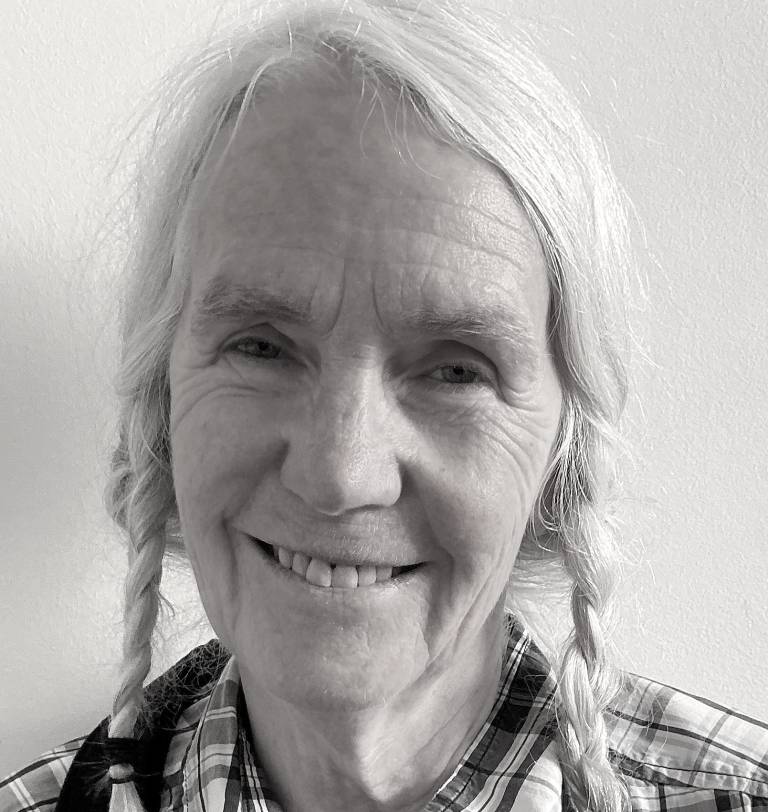
"content": "\u003cp>\u003cem>Marilyn Englander shares why she enjoys corn so much during this time of year.\u003c/em>\u003cbr>\u003cbr>I grew up in a religious family, except it’s probably not the kind of religion you’re picturing. In a small farming community in the mountains, corn was the predominant faith. Well, corn and tomatoes and peaches.\u003cbr>\u003cbr>This time of year, I still get the call and return jubilantly to the flock of the faithful. It’s corn season. In mid-August, I’m just now finding prime local corn in the Bay Area. I won’t touch that days old shipped in stuff. It’s against my religion.\u003cbr>\u003cbr>Nowadays, I rely on farmers markets, but the religion I was raised in was more do-it-yourself, the congregation led by my father. We lived in town where my dad ran a drug store and filled all the farmers prescriptions. They saved their best corn for Doc Englander.\u003cbr>\u003cbr> He’d send one of us kids to their roadside stand right after they hauled the corn in from the field. We’d tell them, silver queen or bi-color, and we want a dozen ears. They always gave Doc more, but only charged for 12. Then we’d skedaddle home fast to get that corn into the boiling water.\u003cbr>\u003cbr> You might even have left the water on the stove while you ran over to the farm. Because if not, the sugar would turn to starch and the corn would be ruined. Practically cow corn or field corn, inedible. A side benefit of corn season is that local tomatoes are finally ripe now too.\u003cbr>\u003cbr> And for dessert, there are peaches softening fast on the kitchen counter, surrounded by a cloud of tiny fruit flies. There’s dinner, corn, tomatoes and peaches. Lord help your digestion. \u003cbr>\u003cbr>You have to practice a long time to be able to plow through a dozen ears of corn in one sitting. I never made the cut. Otherwise in my family, you’re required to strip the cobs and freeze the kernels right away to have for Thanksgiving. Never dare to waste the treasure of August. Corn season is exhausting. Bless the corn. With a Perspective, I’m Marilyn Englander. \u003c/p>\n\n\n\n\u003cp>\u003cem>Marilyn Englander is an English teacher and art docent who lives in San Rafael.\u003c/em>\u003c/p>\n\u003cp>[ad fullwidth]\u003c/p>\u003cp>\u003c/p>\n",
"blocks": [
{
"blockName": "core/paragraph",
"attrs": {
"dropCap": false
},
"innerHTML": "\n\u003cp>\u003cem>Marilyn Englander shares why she enjoys corn so much during this time of year.\u003c/em>\u003cbr>\u003cbr>I grew up in a religious family, except it’s probably not the kind of religion you’re picturing. In a small farming community in the mountains, corn was the predominant faith. Well, corn and tomatoes and peaches.\u003cbr>\u003cbr>This time of year, I still get the call and return jubilantly to the flock of the faithful. It’s corn season. In mid-August, I’m just now finding prime local corn in the Bay Area. I won’t touch that days old shipped in stuff. It’s against my religion.\u003cbr>\u003cbr>Nowadays, I rely on farmers markets, but the religion I was raised in was more do-it-yourself, the congregation led by my father. We lived in town where my dad ran a drug store and filled all the farmers prescriptions. They saved their best corn for Doc Englander.\u003cbr>\u003cbr> He’d send one of us kids to their roadside stand right after they hauled the corn in from the field. We’d tell them, silver queen or bi-color, and we want a dozen ears. They always gave Doc more, but only charged for 12. Then we’d skedaddle home fast to get that corn into the boiling water.\u003cbr>\u003cbr> You might even have left the water on the stove while you ran over to the farm. Because if not, the sugar would turn to starch and the corn would be ruined. Practically cow corn or field corn, inedible. A side benefit of corn season is that local tomatoes are finally ripe now too.\u003cbr>\u003cbr> And for dessert, there are peaches softening fast on the kitchen counter, surrounded by a cloud of tiny fruit flies. There’s dinner, corn, tomatoes and peaches. Lord help your digestion. \u003cbr>\u003cbr>You have to practice a long time to be able to plow through a dozen ears of corn in one sitting. I never made the cut. Otherwise in my family, you’re required to strip the cobs and freeze the kernels right away to have for Thanksgiving. Never dare to waste the treasure of August. Corn season is exhausting. Bless the corn. With a Perspective, I’m Marilyn Englander. \u003c/p>\n",
"innerContent": [
"\n\u003cp>\u003cem>Marilyn Englander shares why she enjoys corn so much during this time of year.\u003c/em>\u003cbr>\u003cbr>I grew up in a religious family, except it’s probably not the kind of religion you’re picturing. In a small farming community in the mountains, corn was the predominant faith. Well, corn and tomatoes and peaches.\u003cbr>\u003cbr>This time of year, I still get the call and return jubilantly to the flock of the faithful. It’s corn season. In mid-August, I’m just now finding prime local corn in the Bay Area. I won’t touch that days old shipped in stuff. It’s against my religion.\u003cbr>\u003cbr>Nowadays, I rely on farmers markets, but the religion I was raised in was more do-it-yourself, the congregation led by my father. We lived in town where my dad ran a drug store and filled all the farmers prescriptions. They saved their best corn for Doc Englander.\u003cbr>\u003cbr> He’d send one of us kids to their roadside stand right after they hauled the corn in from the field. We’d tell them, silver queen or bi-color, and we want a dozen ears. They always gave Doc more, but only charged for 12. Then we’d skedaddle home fast to get that corn into the boiling water.\u003cbr>\u003cbr> You might even have left the water on the stove while you ran over to the farm. Because if not, the sugar would turn to starch and the corn would be ruined. Practically cow corn or field corn, inedible. A side benefit of corn season is that local tomatoes are finally ripe now too.\u003cbr>\u003cbr> And for dessert, there are peaches softening fast on the kitchen counter, surrounded by a cloud of tiny fruit flies. There’s dinner, corn, tomatoes and peaches. Lord help your digestion. \u003cbr>\u003cbr>You have to practice a long time to be able to plow through a dozen ears of corn in one sitting. I never made the cut. Otherwise in my family, you’re required to strip the cobs and freeze the kernels right away to have for Thanksgiving. Never dare to waste the treasure of August. Corn season is exhausting. Bless the corn. With a Perspective, I’m Marilyn Englander. \u003c/p>\n"
],
"innerBlocks": []
},
{
"blockName": "core/paragraph",
"attrs": {
"dropCap": false
},
"innerHTML": "\n\u003cp>\u003cem>Marilyn Englander is an English teacher and art docent who lives in San Rafael.\u003c/em>\u003c/p>\n",
"innerContent": [
"\n\u003cp>\u003cem>Marilyn Englander is an English teacher and art docent who lives in San Rafael.\u003c/em>\u003c/p>\n"
],
"innerBlocks": []
},
{
"blockName": "kqed/ad",
"attrs": {
"format": "fullwidth"
},
"innerBlocks": [],
"innerHTML": "",
"innerContent": []
}
],
"excerpt": null,
"status": "publish",
"parent": 0,
"modified": 1787162756,
"stats": {
"hasAudio": false,
"hasVideo": false,
"hasChartOrMap": false,
"iframeSrcs": [],
"hasGoogleForm": false,
"hasGallery": false,
"hasHearkenModule": false,
"hasPolis": false,
"paragraphCount": 4,
"wordCount": 400
},
"headData": {
"title": "Marilyn Englander: Corn Season | KQED",
"description": "Marilyn Englander shares why she enjoys corn so much during this time of year. I grew up in a religious family, except it’s probably not the kind of religion you’re picturing. In a small farming community in the mountains, corn was the predominant faith. Well, corn and tomatoes and peaches. This time of year, I",
"ogTitle": "",
"ogDescription": "",
"ogImgId": "",
"twTitle": "",
"twDescription": "",
"twImgId": "",
"schema": {
"@context": "https://schema.org",
"@type": "Article",
"headline": "Marilyn Englander: Corn Season",
"datePublished": "2026-08-20T00:01:00-07:00",
"dateModified": "2026-08-19T11:05:56-07:00",
"image": "https://cdn.kqed.org/wp-content/uploads/2020/02/KQED-OG-Image@1x.png"
}
},
"primaryCategory": {
"termId": 2,
"slug": "perspectives",
"name": "Perspectives"
},
"audioUrl": "https://www.podtrac.com/pts/redirect.mp3/pdst.fm/e/traffic.megaphone.fm/KQINC6048950821.mp3",
"sticky": false,
"nprByline": "Marilyn Englander",
"templateType": "standard",
"featuredImageType": "standard",
"excludeFromSiteSearch": "Include",
"showOnAuthorArchivePages": "No",
"articleAge": "0",
"path": "/perspectives/201601147793/marilyn-englander-corn-season",
"audioTrackLength": null,
"parsedContent": [
{
"type": "contentString",
"content": "\u003cdiv class=\"post-body\">\u003cp>\u003cp>\u003cem>Marilyn Englander shares why she enjoys corn so much during this time of year.\u003c/em>\u003cbr>\u003cbr>I grew up in a religious family, except it’s probably not the kind of religion you’re picturing. In a small farming community in the mountains, corn was the predominant faith. Well, corn and tomatoes and peaches.\u003cbr>\u003cbr>This time of year, I still get the call and return jubilantly to the flock of the faithful. It’s corn season. In mid-August, I’m just now finding prime local corn in the Bay Area. I won’t touch that days old shipped in stuff. It’s against my religion.\u003cbr>\u003cbr>Nowadays, I rely on farmers markets, but the religion I was raised in was more do-it-yourself, the congregation led by my father. We lived in town where my dad ran a drug store and filled all the farmers prescriptions. They saved their best corn for Doc Englander.\u003cbr>\u003cbr> He’d send one of us kids to their roadside stand right after they hauled the corn in from the field. We’d tell them, silver queen or bi-color, and we want a dozen ears. They always gave Doc more, but only charged for 12. Then we’d skedaddle home fast to get that corn into the boiling water.\u003cbr>\u003cbr> You might even have left the water on the stove while you ran over to the farm. Because if not, the sugar would turn to starch and the corn would be ruined. Practically cow corn or field corn, inedible. A side benefit of corn season is that local tomatoes are finally ripe now too.\u003cbr>\u003cbr> And for dessert, there are peaches softening fast on the kitchen counter, surrounded by a cloud of tiny fruit flies. There’s dinner, corn, tomatoes and peaches. Lord help your digestion. \u003cbr>\u003cbr>You have to practice a long time to be able to plow through a dozen ears of corn in one sitting. I never made the cut. Otherwise in my family, you’re required to strip the cobs and freeze the kernels right away to have for Thanksgiving. Never dare to waste the treasure of August. Corn season is exhausting. Bless the corn. With a Perspective, I’m Marilyn Englander. \u003c/p>\n\n\n\n\u003cp>\u003cem>Marilyn Englander is an English teacher and art docent who lives in San Rafael.\u003c/em>\u003c/p>\n\u003cp>\u003c/p>\u003c/div>",
"attributes": {
"named": {},
"numeric": []
}
},
{
"type": "component",
"content": "",
"name": "ad",
"attributes": {
"named": {
"label": "fullwidth"
},
"numeric": [
"fullwidth"
]
}
},
{
"type": "contentString",
"content": "\u003cdiv class=\"post-body\">\u003cp>\u003c/p>\u003cp>\u003c/p>\n\u003c/div>\u003c/p>",
"attributes": {
"named": {},
"numeric": []
}
}
],
"link": "/perspectives/201601147793/marilyn-englander-corn-season",
"authors": [
"byline_perspectives_201601147793"
],
"programs": [
"perspectives_3"
],
"series": [
"perspectives_2023"
],
"categories": [
"perspectives_2",
"perspectives_2052"
],
"featImg": "perspectives_201601147044",
"label": "perspectives_3"
},
"perspectives_201601147782": {
"type": "posts",
"id": "perspectives_201601147782",
"meta": {
"index": "posts_1716263798",
"site": "perspectives",
"id": "201601147782",
"score": null,
"sort": [
1787122860000
]
},
"guestAuthors": [],
"slug": "tyler-street-inner-guidance",
"title": "Tyler Street: Inner Guidance",
"publishDate": 1787122860,
"format": "standard",
"headTitle": "Tyler Street: Inner Guidance | KQED",
"labelTerm": {
"term": 3,
"site": "perspectives"
},
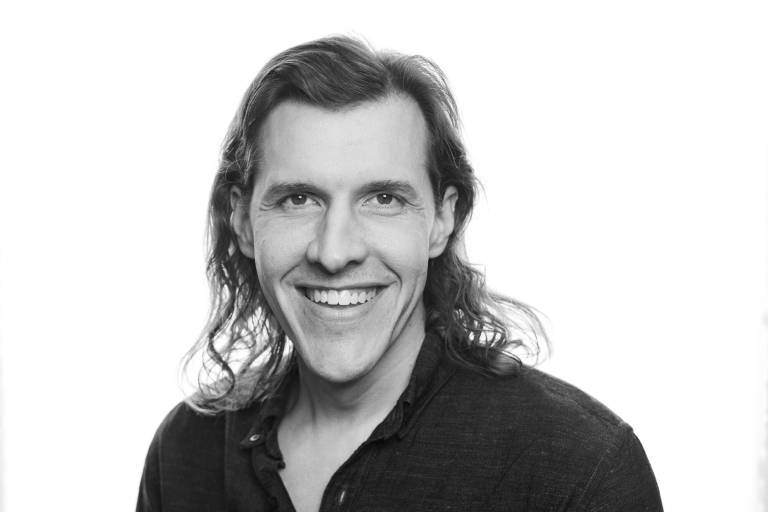
"content": "\u003cp>\u003cem>Tyler Street shares about how he found peace after leaving the medical field.\u003c/em>\u003cbr>\u003cbr>In the middle of my life, I started hearing a whisper. It wasn’t coming from my wife or a friend. It was coming from me. At first, I ignored it, thinking it would stop. But it didn’t—it got louder. “You are headed in the wrong direction. Don’t be afraid. I’m here to help.”\u003cbr>\u003cbr>Was I losing my mind? On the outside, I seemed successful. I was married with young kids, a practicing surgeon, and we lived in a nice house. But I had a growing fear that I was off track. Until one day, deep in meditation, I was struck with it. I needed to walk away from surgery. \u003cbr>\u003cbr>My days as a physician were numbered. It felt like part of me was dying. I grieved. At the same time, a small spark lit up inside me. There was a peace that came from discovering something true. Life has seasons. And this one was ending sooner than I thought. \u003cbr>\u003cbr>This drove me to the hard question: Who am I underneath everything I’ve been taught to be? I began to realize I was more than my job, my traditional roles, or even my body. Letting some of that go didn’t mean ceasing to be those things. It meant freedom from believing they were my only value. \u003cbr>\u003cbr>So, I meditated, journaled and returned to a simpler way of being — guided by one thing: joy. I dove back into music, something I’d spent a lifetime cultivating but had let slip away. This time, I needed to find my voice, not try to sound like anyone else. I began writing about my spiritual journey and masculinity, eventually creating a book and a blog. \u003cbr>\u003cbr>I began sitting with other men as they found their own paths toward authenticity. Success was in the process, not the outcome. I was learning how to just enjoy it — how to be in joy with it. Now, I no longer ignore the whispers. I listen for them before they become shouts. With a Perspective, I’m Tyler Street.\u003c/p>\n\n\n\n\u003cp>\u003cem>Tyler Street is a writer, musician and men’s coach exploring authenticity, creativity, spirituality and masculinity.\u003c/em>\u003c/p>\n\u003cp>[ad fullwidth]\u003c/p>\u003cp>\u003c/p>\n",
"blocks": [
{
"blockName": "core/paragraph",
"attrs": {
"dropCap": false
},
"innerHTML": "\n\u003cp>\u003cem>Tyler Street shares about how he found peace after leaving the medical field.\u003c/em>\u003cbr>\u003cbr>In the middle of my life, I started hearing a whisper. It wasn’t coming from my wife or a friend. It was coming from me. At first, I ignored it, thinking it would stop. But it didn’t—it got louder. “You are headed in the wrong direction. Don’t be afraid. I’m here to help.”\u003cbr>\u003cbr>Was I losing my mind? On the outside, I seemed successful. I was married with young kids, a practicing surgeon, and we lived in a nice house. But I had a growing fear that I was off track. Until one day, deep in meditation, I was struck with it. I needed to walk away from surgery. \u003cbr>\u003cbr>My days as a physician were numbered. It felt like part of me was dying. I grieved. At the same time, a small spark lit up inside me. There was a peace that came from discovering something true. Life has seasons. And this one was ending sooner than I thought. \u003cbr>\u003cbr>This drove me to the hard question: Who am I underneath everything I’ve been taught to be? I began to realize I was more than my job, my traditional roles, or even my body. Letting some of that go didn’t mean ceasing to be those things. It meant freedom from believing they were my only value. \u003cbr>\u003cbr>So, I meditated, journaled and returned to a simpler way of being — guided by one thing: joy. I dove back into music, something I’d spent a lifetime cultivating but had let slip away. This time, I needed to find my voice, not try to sound like anyone else. I began writing about my spiritual journey and masculinity, eventually creating a book and a blog. \u003cbr>\u003cbr>I began sitting with other men as they found their own paths toward authenticity. Success was in the process, not the outcome. I was learning how to just enjoy it — how to be in joy with it. Now, I no longer ignore the whispers. I listen for them before they become shouts. With a Perspective, I’m Tyler Street.\u003c/p>\n",
"innerContent": [
"\n\u003cp>\u003cem>Tyler Street shares about how he found peace after leaving the medical field.\u003c/em>\u003cbr>\u003cbr>In the middle of my life, I started hearing a whisper. It wasn’t coming from my wife or a friend. It was coming from me. At first, I ignored it, thinking it would stop. But it didn’t—it got louder. “You are headed in the wrong direction. Don’t be afraid. I’m here to help.”\u003cbr>\u003cbr>Was I losing my mind? On the outside, I seemed successful. I was married with young kids, a practicing surgeon, and we lived in a nice house. But I had a growing fear that I was off track. Until one day, deep in meditation, I was struck with it. I needed to walk away from surgery. \u003cbr>\u003cbr>My days as a physician were numbered. It felt like part of me was dying. I grieved. At the same time, a small spark lit up inside me. There was a peace that came from discovering something true. Life has seasons. And this one was ending sooner than I thought. \u003cbr>\u003cbr>This drove me to the hard question: Who am I underneath everything I’ve been taught to be? I began to realize I was more than my job, my traditional roles, or even my body. Letting some of that go didn’t mean ceasing to be those things. It meant freedom from believing they were my only value. \u003cbr>\u003cbr>So, I meditated, journaled and returned to a simpler way of being — guided by one thing: joy. I dove back into music, something I’d spent a lifetime cultivating but had let slip away. This time, I needed to find my voice, not try to sound like anyone else. I began writing about my spiritual journey and masculinity, eventually creating a book and a blog. \u003cbr>\u003cbr>I began sitting with other men as they found their own paths toward authenticity. Success was in the process, not the outcome. I was learning how to just enjoy it — how to be in joy with it. Now, I no longer ignore the whispers. I listen for them before they become shouts. With a Perspective, I’m Tyler Street.\u003c/p>\n"
],
"innerBlocks": []
},
{
"blockName": "core/paragraph",
"attrs": {
"dropCap": false
},
"innerHTML": "\n\u003cp>\u003cem>Tyler Street is a writer, musician and men’s coach exploring authenticity, creativity, spirituality and masculinity.\u003c/em>\u003c/p>\n",
"innerContent": [
"\n\u003cp>\u003cem>Tyler Street is a writer, musician and men’s coach exploring authenticity, creativity, spirituality and masculinity.\u003c/em>\u003c/p>\n"
],
"innerBlocks": []
},
{
"blockName": "kqed/ad",
"attrs": {
"format": "fullwidth"
},
"innerBlocks": [],
"innerHTML": "",
"innerContent": []
}
],
"excerpt": null,
"status": "publish",
"parent": 0,
"modified": 1787081942,
"stats": {
"hasAudio": false,
"hasVideo": false,
"hasChartOrMap": false,
"iframeSrcs": [],
"hasGoogleForm": false,
"hasGallery": false,
"hasHearkenModule": false,
"hasPolis": false,
"paragraphCount": 4,
"wordCount": 396
},
"headData": {
"title": "Tyler Street: Inner Guidance | KQED",
"description": "Tyler Street shares about how he found peace after leaving the medical field. In the middle of my life, I started hearing a whisper. It wasn’t coming from my wife or a friend. It was coming from me. At first, I ignored it, thinking it would stop. But it didn’t—it got louder. “You are headed",
"ogTitle": "",
"ogDescription": "",
"ogImgId": "",
"twTitle": "",
"twDescription": "",
"twImgId": "",
"schema": {
"@context": "https://schema.org",
"@type": "Article",
"headline": "Tyler Street: Inner Guidance",
"datePublished": "2026-08-19T00:01:00-07:00",
"dateModified": "2026-08-18T12:39:02-07:00",
"image": "https://cdn.kqed.org/wp-content/uploads/2020/02/KQED-OG-Image@1x.png"
}
},
"primaryCategory": {
"termId": 2,
"slug": "perspectives",
"name": "Perspectives"
},
"audioUrl": "https://www.podtrac.com/pts/redirect.mp3/pdst.fm/e/traffic.megaphone.fm/KQINC9038908140.mp3",
"sticky": false,
"nprByline": "Tyler Street",
"templateType": "standard",
"featuredImageType": "standard",
"excludeFromSiteSearch": "Include",
"showOnAuthorArchivePages": "No",
"articleAge": "0",
"path": "/perspectives/201601147782/tyler-street-inner-guidance",
"audioTrackLength": null,
"parsedContent": [
{
"type": "contentString",
"content": "\u003cdiv class=\"post-body\">\u003cp>\u003cp>\u003cem>Tyler Street shares about how he found peace after leaving the medical field.\u003c/em>\u003cbr>\u003cbr>In the middle of my life, I started hearing a whisper. It wasn’t coming from my wife or a friend. It was coming from me. At first, I ignored it, thinking it would stop. But it didn’t—it got louder. “You are headed in the wrong direction. Don’t be afraid. I’m here to help.”\u003cbr>\u003cbr>Was I losing my mind? On the outside, I seemed successful. I was married with young kids, a practicing surgeon, and we lived in a nice house. But I had a growing fear that I was off track. Until one day, deep in meditation, I was struck with it. I needed to walk away from surgery. \u003cbr>\u003cbr>My days as a physician were numbered. It felt like part of me was dying. I grieved. At the same time, a small spark lit up inside me. There was a peace that came from discovering something true. Life has seasons. And this one was ending sooner than I thought. \u003cbr>\u003cbr>This drove me to the hard question: Who am I underneath everything I’ve been taught to be? I began to realize I was more than my job, my traditional roles, or even my body. Letting some of that go didn’t mean ceasing to be those things. It meant freedom from believing they were my only value. \u003cbr>\u003cbr>So, I meditated, journaled and returned to a simpler way of being — guided by one thing: joy. I dove back into music, something I’d spent a lifetime cultivating but had let slip away. This time, I needed to find my voice, not try to sound like anyone else. I began writing about my spiritual journey and masculinity, eventually creating a book and a blog. \u003cbr>\u003cbr>I began sitting with other men as they found their own paths toward authenticity. Success was in the process, not the outcome. I was learning how to just enjoy it — how to be in joy with it. Now, I no longer ignore the whispers. I listen for them before they become shouts. With a Perspective, I’m Tyler Street.\u003c/p>\n\n\n\n\u003cp>\u003cem>Tyler Street is a writer, musician and men’s coach exploring authenticity, creativity, spirituality and masculinity.\u003c/em>\u003c/p>\n\u003cp>\u003c/p>\u003c/div>",
"attributes": {
"named": {},
"numeric": []
}
},
{
"type": "component",
"content": "",
"name": "ad",
"attributes": {
"named": {
"label": "fullwidth"
},
"numeric": [
"fullwidth"
]
}
},
{
"type": "contentString",
"content": "\u003cdiv class=\"post-body\">\u003cp>\u003c/p>\u003cp>\u003c/p>\n\u003c/div>\u003c/p>",
"attributes": {
"named": {},
"numeric": []
}
}
],
"link": "/perspectives/201601147782/tyler-street-inner-guidance",
"authors": [
"byline_perspectives_201601147782"
],
"programs": [
"perspectives_3"
],
"series": [
"perspectives_2023"
],
"categories": [
"perspectives_2",
"perspectives_2052"
],
"featImg": "perspectives_201601147776",
"label": "perspectives_3"
},
"perspectives_201601147777": {
"type": "posts",
"id": "perspectives_201601147777",
"meta": {
"index": "posts_1716263798",
"site": "perspectives",
"id": "201601147777",
"score": null,
"sort": [
1787036460000
]
},
"guestAuthors": [],
"slug": "vivian-ho-the-language-of-access",
"title": "Vivian Ho: The Language of Access",
"publishDate": 1787036460,
"format": "standard",
"headTitle": "Vivian Ho: The Language of Access | KQED",
"labelTerm": {
"term": 3,
"site": "perspectives"
},
"content": "\u003cp>\u003cem>Vivian Ho shares about her experience navigating language barriers and access to resources.\u003c/em>\u003cbr>\u003cbr>When I was younger, I learned a phrase before I understood what it meant. “Food bank.” I remember typing those words into Google Translate so I could explain them to my family in Vietnamese. \u003cbr>\u003cbr>At eight years old, I often found myself translating things that the adults around me didn’t understand – school forms, resources and unfamiliar systems. I wasn’t just learning English. I was learning how to navigate a world my family had entered without a map. Years later, I proposed an idea to a school counselor: a supply package system that would distribute food and other essentials directly through schools. Many families, I explained, faced language barriers, transportation challenges or simply didn’t know where to find help.\u003cbr>\u003cbr>She responded with a comment that stayed with me long after the conversation ended: “Students and parents don’t need that. They can just get help elsewhere.” At first, I was frustrated. But over time, I realized her response revealed something larger than a disagreement. What seems accessible from one perspective can be nearly impossible from another. \u003cbr>\u003cbr>Food banks and community resource centers existed when I was eight. The problem was that I didn’t know what they were, and my family didn’t know where to find them. Resources can exist on paper while remaining inaccessible in practice. We often talk about access as if it is a simple question of availability. Is the service there? Is the program offered? Is the information online? But access is also language. It is transportation. It is awareness. It is whether a person knows where to begin.\u003cbr>\u003cbr> Today, I work with schools to connect students and families with the resources they need. Yet I still think about that counselor’s comment. It reminds me that some of society’s biggest gaps are not caused by a lack of solutions, but by a lack of understanding. Sometimes, the difference between having help and finding help is a translation box and an eight-year-old trying to make sense of the words. With a Perspective, I’m Vivian Ho.\u003c/p>\n\n\n\n\u003cp>\u003cem>Vivian Ho is a high school student currently living in Texas. She works with Bay Area communities through advocacy in a nonprofit. She enjoys leading a youth-led nonprofit with her peers, creating content and art that inspire others to take action in their own communities and mentoring young people interested in starting nonprofits.\u003c/em>\u003c/p>\n\n\n\n\u003cp>\u003c/p>\n\u003cp>[ad fullwidth]\u003c/p>\u003cp>\u003c/p>\n",
"blocks": [
{
"blockName": "core/paragraph",
"attrs": {
"dropCap": false
},
"innerHTML": "\n\u003cp>\u003cem>Vivian Ho shares about her experience navigating language barriers and access to resources.\u003c/em>\u003cbr>\u003cbr>When I was younger, I learned a phrase before I understood what it meant. “Food bank.” I remember typing those words into Google Translate so I could explain them to my family in Vietnamese. \u003cbr>\u003cbr>At eight years old, I often found myself translating things that the adults around me didn’t understand – school forms, resources and unfamiliar systems. I wasn’t just learning English. I was learning how to navigate a world my family had entered without a map. Years later, I proposed an idea to a school counselor: a supply package system that would distribute food and other essentials directly through schools. Many families, I explained, faced language barriers, transportation challenges or simply didn’t know where to find help.\u003cbr>\u003cbr>She responded with a comment that stayed with me long after the conversation ended: “Students and parents don’t need that. They can just get help elsewhere.” At first, I was frustrated. But over time, I realized her response revealed something larger than a disagreement. What seems accessible from one perspective can be nearly impossible from another. \u003cbr>\u003cbr>Food banks and community resource centers existed when I was eight. The problem was that I didn’t know what they were, and my family didn’t know where to find them. Resources can exist on paper while remaining inaccessible in practice. We often talk about access as if it is a simple question of availability. Is the service there? Is the program offered? Is the information online? But access is also language. It is transportation. It is awareness. It is whether a person knows where to begin.\u003cbr>\u003cbr> Today, I work with schools to connect students and families with the resources they need. Yet I still think about that counselor’s comment. It reminds me that some of society’s biggest gaps are not caused by a lack of solutions, but by a lack of understanding. Sometimes, the difference between having help and finding help is a translation box and an eight-year-old trying to make sense of the words. With a Perspective, I’m Vivian Ho.\u003c/p>\n",
"innerContent": [
"\n\u003cp>\u003cem>Vivian Ho shares about her experience navigating language barriers and access to resources.\u003c/em>\u003cbr>\u003cbr>When I was younger, I learned a phrase before I understood what it meant. “Food bank.” I remember typing those words into Google Translate so I could explain them to my family in Vietnamese. \u003cbr>\u003cbr>At eight years old, I often found myself translating things that the adults around me didn’t understand – school forms, resources and unfamiliar systems. I wasn’t just learning English. I was learning how to navigate a world my family had entered without a map. Years later, I proposed an idea to a school counselor: a supply package system that would distribute food and other essentials directly through schools. Many families, I explained, faced language barriers, transportation challenges or simply didn’t know where to find help.\u003cbr>\u003cbr>She responded with a comment that stayed with me long after the conversation ended: “Students and parents don’t need that. They can just get help elsewhere.” At first, I was frustrated. But over time, I realized her response revealed something larger than a disagreement. What seems accessible from one perspective can be nearly impossible from another. \u003cbr>\u003cbr>Food banks and community resource centers existed when I was eight. The problem was that I didn’t know what they were, and my family didn’t know where to find them. Resources can exist on paper while remaining inaccessible in practice. We often talk about access as if it is a simple question of availability. Is the service there? Is the program offered? Is the information online? But access is also language. It is transportation. It is awareness. It is whether a person knows where to begin.\u003cbr>\u003cbr> Today, I work with schools to connect students and families with the resources they need. Yet I still think about that counselor’s comment. It reminds me that some of society’s biggest gaps are not caused by a lack of solutions, but by a lack of understanding. Sometimes, the difference between having help and finding help is a translation box and an eight-year-old trying to make sense of the words. With a Perspective, I’m Vivian Ho.\u003c/p>\n"
],
"innerBlocks": []
},
{
"blockName": "core/paragraph",
"attrs": {
"dropCap": false
},
"innerHTML": "\n\u003cp>\u003cem>Vivian Ho is a high school student currently living in Texas. She works with Bay Area communities through advocacy in a nonprofit. She enjoys leading a youth-led nonprofit with her peers, creating content and art that inspire others to take action in their own communities and mentoring young people interested in starting nonprofits.\u003c/em>\u003c/p>\n",
"innerContent": [
"\n\u003cp>\u003cem>Vivian Ho is a high school student currently living in Texas. She works with Bay Area communities through advocacy in a nonprofit. She enjoys leading a youth-led nonprofit with her peers, creating content and art that inspire others to take action in their own communities and mentoring young people interested in starting nonprofits.\u003c/em>\u003c/p>\n"
],
"innerBlocks": []
},
{
"blockName": "core/paragraph",
"attrs": {
"dropCap": false
},
"innerHTML": "\n\u003cp>\u003c/p>\n",
"innerContent": [
"\n\u003cp>\u003c/p>\n"
],
"innerBlocks": []
},
{
"blockName": "kqed/ad",
"attrs": {
"format": "fullwidth"
},
"innerBlocks": [],
"innerHTML": "",
"innerContent": []
}
],
"excerpt": null,
"status": "publish",
"parent": 0,
"modified": 1787158653,
"stats": {
"hasAudio": false,
"hasVideo": false,
"hasChartOrMap": false,
"iframeSrcs": [],
"hasGoogleForm": false,
"hasGallery": false,
"hasHearkenModule": false,
"hasPolis": false,
"paragraphCount": 5,
"wordCount": 432
},
"headData": {
"title": "Vivian Ho: The Language of Access | KQED",
"description": "Vivian Ho shares about her experience navigating language barriers and access to resources. When I was younger, I learned a phrase before I understood what it meant. “Food bank.” I remember typing those words into Google Translate so I could explain them to my family in Vietnamese. At eight years old, I often found myself translating things that the adults around me didn't understand – school forms, resources and unfamiliar systems. I wasn't just learning English. I was learning how to navigate a world my family had entered without a map. Years later, I proposed an idea to a school",
"ogTitle": "",
"ogDescription": "",
"ogImgId": "",
"twTitle": "",
"twDescription": "",
"twImgId": "",
"schema": {
"@context": "https://schema.org",
"@type": "Article",
"headline": "Vivian Ho: The Language of Access",
"datePublished": "2026-08-18T00:01:00-07:00",
"dateModified": "2026-08-19T09:57:33-07:00",
"image": "https://cdn.kqed.org/wp-content/uploads/2020/02/KQED-OG-Image@1x.png"
}
},
"primaryCategory": {
"termId": 2,
"slug": "perspectives",
"name": "Perspectives"
},
"audioUrl": "https://www.podtrac.com/pts/redirect.mp3/pdst.fm/e/traffic.megaphone.fm/KQINC7856981633.mp3",
"sticky": false,
"nprByline": "Vivian Ho",
"templateType": "standard",
"featuredImageType": "standard",
"excludeFromSiteSearch": "Include",
"showOnAuthorArchivePages": "No",
"articleAge": "0",
"path": "/perspectives/201601147777/vivian-ho-the-language-of-access",
"audioTrackLength": null,
"parsedContent": [
{
"type": "contentString",
"content": "\u003cdiv class=\"post-body\">\u003cp>\u003cp>\u003cem>Vivian Ho shares about her experience navigating language barriers and access to resources.\u003c/em>\u003cbr>\u003cbr>When I was younger, I learned a phrase before I understood what it meant. “Food bank.” I remember typing those words into Google Translate so I could explain them to my family in Vietnamese. \u003cbr>\u003cbr>At eight years old, I often found myself translating things that the adults around me didn’t understand – school forms, resources and unfamiliar systems. I wasn’t just learning English. I was learning how to navigate a world my family had entered without a map. Years later, I proposed an idea to a school counselor: a supply package system that would distribute food and other essentials directly through schools. Many families, I explained, faced language barriers, transportation challenges or simply didn’t know where to find help.\u003cbr>\u003cbr>She responded with a comment that stayed with me long after the conversation ended: “Students and parents don’t need that. They can just get help elsewhere.” At first, I was frustrated. But over time, I realized her response revealed something larger than a disagreement. What seems accessible from one perspective can be nearly impossible from another. \u003cbr>\u003cbr>Food banks and community resource centers existed when I was eight. The problem was that I didn’t know what they were, and my family didn’t know where to find them. Resources can exist on paper while remaining inaccessible in practice. We often talk about access as if it is a simple question of availability. Is the service there? Is the program offered? Is the information online? But access is also language. It is transportation. It is awareness. It is whether a person knows where to begin.\u003cbr>\u003cbr> Today, I work with schools to connect students and families with the resources they need. Yet I still think about that counselor’s comment. It reminds me that some of society’s biggest gaps are not caused by a lack of solutions, but by a lack of understanding. Sometimes, the difference between having help and finding help is a translation box and an eight-year-old trying to make sense of the words. With a Perspective, I’m Vivian Ho.\u003c/p>\n\n\n\n\u003cp>\u003cem>Vivian Ho is a high school student currently living in Texas. She works with Bay Area communities through advocacy in a nonprofit. She enjoys leading a youth-led nonprofit with her peers, creating content and art that inspire others to take action in their own communities and mentoring young people interested in starting nonprofits.\u003c/em>\u003c/p>\n\n\n\n\u003cp>\u003c/p>\n\u003cp>\u003c/p>\u003c/div>",
"attributes": {
"named": {},
"numeric": []
}
},
{
"type": "component",
"content": "",
"name": "ad",
"attributes": {
"named": {
"label": "fullwidth"
},
"numeric": [
"fullwidth"
]
}
},
{
"type": "contentString",
"content": "\u003cdiv class=\"post-body\">\u003cp>\u003c/p>\u003cp>\u003c/p>\n\u003c/div>\u003c/p>",
"attributes": {
"named": {},
"numeric": []
}
}
],
"link": "/perspectives/201601147777/vivian-ho-the-language-of-access",
"authors": [
"byline_perspectives_201601147777"
],
"programs": [
"perspectives_3"
],
"series": [
"perspectives_2023"
],
"categories": [
"perspectives_2",
"perspectives_2052"
],
"featImg": "perspectives_201601147792",
"label": "perspectives_3"
},
"perspectives_201601147765": {
"type": "posts",
"id": "perspectives_201601147765",
"meta": {
"index": "posts_1716263798",
"site": "perspectives",
"id": "201601147765",
"score": null,
"sort": [
1786950060000
]
},
"guestAuthors": [],
"slug": "martha-olsen-joyce-the-gift-of-birthright-citizenship",
"title": "Martha Olsen Joyce: The Gift of Birthright Citizenship",
"publishDate": 1786950060,
"format": "standard",
"headTitle": "Martha Olsen Joyce: The Gift of Birthright Citizenship | KQED",
"labelTerm": {
"term": 3,
"site": "perspectives"
},
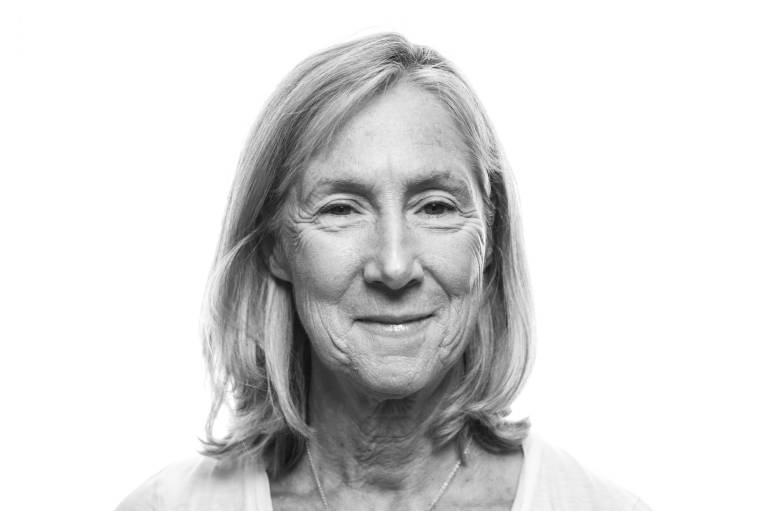
"content": "\u003cp>\u003cem>Martha Olsen Joyce shares about her journey to obtain dual citizenship.\u003c/em>\u003cbr>\u003cbr>I recently became a Canadian citizen. More accurately: I claimed the Canadian citizenship that had been mine since birth. Born in the U.S. to a Canadian father, it turns out I have always been a Canadian. I learned this when I was trying to enter Canada at the tail end of pandemic border restrictions to finalize my father’s estate.\u003cbr>\u003cbr>I had all the papers I was told I needed: his birth and death certificates, my negative COVID test, and a letter from the lawyer requesting my presence. That wasn’t enough to grant the special permission U.S. visitors needed at the time. I was rerouted to the windowless room in the Vancouver airport where a border services officer heard my story. \u003cbr>\u003cbr>After a two-hour, worry-filled wait, she found me in the plastic chairs and told me that after talking at length to officials in Ottawa, I would not be admitted based on the documents I was carrying. My heart sank. Then she smiled and said, “But I am going to let you cross because you are a Canadian.” Months later, I received the beautifully engraved certificate officially honoring my Canadian heritage. And thanks to a new law that took effect late last year, our daughters can also now claim this same birthright. It’s not that we don’t want to be Americans. \u003cbr>\u003cbr>We simply want to accept this precious inheritance. I have never lived or worked in Canada and possibly never will. In that sense, I haven’t given Canada much. But I’ve learned that in Canada, citizenship by descent is not transactional. It is a right. \u003cbr>\u003cbr>At a time when the United States is testing the meaning and limits of birthright citizenship, I have been thinking about the very gracious way dual citizenship came to me — both through where I was born, and to whom I was born. I’m grateful for Canada. I’m proud to be half Canadian. With a Perspective, I am Martha Olsen Joyce.\u003cbr>\u003cbr>\u003cem>Martha Olsen Joyce is a technology marketing consultant, community volunteer and Masters swimmer. She and her husband live, work and play in Marin County.\u003c/em>\u003c/p>\n\n\n\n\u003cp>\u003c/p>\n\u003cp>[ad fullwidth]\u003c/p>\u003cp>\u003c/p>\n",
"blocks": [
{
"blockName": "core/paragraph",
"attrs": {
"dropCap": false
},
"innerHTML": "\n\u003cp>\u003cem>Martha Olsen Joyce shares about her journey to obtain dual citizenship.\u003c/em>\u003cbr>\u003cbr>I recently became a Canadian citizen. More accurately: I claimed the Canadian citizenship that had been mine since birth. Born in the U.S. to a Canadian father, it turns out I have always been a Canadian. I learned this when I was trying to enter Canada at the tail end of pandemic border restrictions to finalize my father’s estate.\u003cbr>\u003cbr>I had all the papers I was told I needed: his birth and death certificates, my negative COVID test, and a letter from the lawyer requesting my presence. That wasn’t enough to grant the special permission U.S. visitors needed at the time. I was rerouted to the windowless room in the Vancouver airport where a border services officer heard my story. \u003cbr>\u003cbr>After a two-hour, worry-filled wait, she found me in the plastic chairs and told me that after talking at length to officials in Ottawa, I would not be admitted based on the documents I was carrying. My heart sank. Then she smiled and said, “But I am going to let you cross because you are a Canadian.” Months later, I received the beautifully engraved certificate officially honoring my Canadian heritage. And thanks to a new law that took effect late last year, our daughters can also now claim this same birthright. It’s not that we don’t want to be Americans. \u003cbr>\u003cbr>We simply want to accept this precious inheritance. I have never lived or worked in Canada and possibly never will. In that sense, I haven’t given Canada much. But I’ve learned that in Canada, citizenship by descent is not transactional. It is a right. \u003cbr>\u003cbr>At a time when the United States is testing the meaning and limits of birthright citizenship, I have been thinking about the very gracious way dual citizenship came to me — both through where I was born, and to whom I was born. I’m grateful for Canada. I’m proud to be half Canadian. With a Perspective, I am Martha Olsen Joyce.\u003cbr>\u003cbr>\u003cem>Martha Olsen Joyce is a technology marketing consultant, community volunteer and Masters swimmer. She and her husband live, work and play in Marin County.\u003c/em>\u003c/p>\n",
"innerContent": [
"\n\u003cp>\u003cem>Martha Olsen Joyce shares about her journey to obtain dual citizenship.\u003c/em>\u003cbr>\u003cbr>I recently became a Canadian citizen. More accurately: I claimed the Canadian citizenship that had been mine since birth. Born in the U.S. to a Canadian father, it turns out I have always been a Canadian. I learned this when I was trying to enter Canada at the tail end of pandemic border restrictions to finalize my father’s estate.\u003cbr>\u003cbr>I had all the papers I was told I needed: his birth and death certificates, my negative COVID test, and a letter from the lawyer requesting my presence. That wasn’t enough to grant the special permission U.S. visitors needed at the time. I was rerouted to the windowless room in the Vancouver airport where a border services officer heard my story. \u003cbr>\u003cbr>After a two-hour, worry-filled wait, she found me in the plastic chairs and told me that after talking at length to officials in Ottawa, I would not be admitted based on the documents I was carrying. My heart sank. Then she smiled and said, “But I am going to let you cross because you are a Canadian.” Months later, I received the beautifully engraved certificate officially honoring my Canadian heritage. And thanks to a new law that took effect late last year, our daughters can also now claim this same birthright. It’s not that we don’t want to be Americans. \u003cbr>\u003cbr>We simply want to accept this precious inheritance. I have never lived or worked in Canada and possibly never will. In that sense, I haven’t given Canada much. But I’ve learned that in Canada, citizenship by descent is not transactional. It is a right. \u003cbr>\u003cbr>At a time when the United States is testing the meaning and limits of birthright citizenship, I have been thinking about the very gracious way dual citizenship came to me — both through where I was born, and to whom I was born. I’m grateful for Canada. I’m proud to be half Canadian. With a Perspective, I am Martha Olsen Joyce.\u003cbr>\u003cbr>\u003cem>Martha Olsen Joyce is a technology marketing consultant, community volunteer and Masters swimmer. She and her husband live, work and play in Marin County.\u003c/em>\u003c/p>\n"
],
"innerBlocks": []
},
{
"blockName": "core/paragraph",
"attrs": {
"dropCap": false
},
"innerHTML": "\n\u003cp>\u003c/p>\n",
"innerContent": [
"\n\u003cp>\u003c/p>\n"
],
"innerBlocks": []
},
{
"blockName": "kqed/ad",
"attrs": {
"format": "fullwidth"
},
"innerBlocks": [],
"innerHTML": "",
"innerContent": []
}
],
"excerpt": null,
"status": "publish",
"parent": 0,
"modified": 1786646669,
"stats": {
"hasAudio": false,
"hasVideo": false,
"hasChartOrMap": false,
"iframeSrcs": [],
"hasGoogleForm": false,
"hasGallery": false,
"hasHearkenModule": false,
"hasPolis": false,
"paragraphCount": 4,
"wordCount": 387
},
"headData": {
"title": "Martha Olsen Joyce: The Gift of Birthright Citizenship | KQED",
"description": "Martha Olsen Joyce shares about her journey to obtain dual citizenship. I recently became a Canadian citizen. More accurately: I claimed the Canadian citizenship that had been mine since birth. Born in the U.S. to a Canadian father, it turns out I have always been a Canadian. I learned this when I was trying to",
"ogTitle": "",
"ogDescription": "",
"ogImgId": "",
"twTitle": "",
"twDescription": "",
"twImgId": "",
"schema": {
"@context": "https://schema.org",
"@type": "Article",
"headline": "Martha Olsen Joyce: The Gift of Birthright Citizenship",
"datePublished": "2026-08-17T00:01:00-07:00",
"dateModified": "2026-08-13T11:44:29-07:00",
"image": "https://cdn.kqed.org/wp-content/uploads/2020/02/KQED-OG-Image@1x.png"
}
},
"primaryCategory": {
"termId": 2,
"slug": "perspectives",
"name": "Perspectives"
},
"audioUrl": "https://www.podtrac.com/pts/redirect.mp3/pdst.fm/e/traffic.megaphone.fm/KQINC4194113410.mp3",
"sticky": false,
"nprByline": "Martha Olsen Joyc",
"templateType": "standard",
"featuredImageType": "standard",
"excludeFromSiteSearch": "Include",
"showOnAuthorArchivePages": "No",
"articleAge": "0",
"path": "/perspectives/201601147765/martha-olsen-joyce-the-gift-of-birthright-citizenship",
"audioTrackLength": null,
"parsedContent": [
{
"type": "contentString",
"content": "\u003cdiv class=\"post-body\">\u003cp>\u003cp>\u003cem>Martha Olsen Joyce shares about her journey to obtain dual citizenship.\u003c/em>\u003cbr>\u003cbr>I recently became a Canadian citizen. More accurately: I claimed the Canadian citizenship that had been mine since birth. Born in the U.S. to a Canadian father, it turns out I have always been a Canadian. I learned this when I was trying to enter Canada at the tail end of pandemic border restrictions to finalize my father’s estate.\u003cbr>\u003cbr>I had all the papers I was told I needed: his birth and death certificates, my negative COVID test, and a letter from the lawyer requesting my presence. That wasn’t enough to grant the special permission U.S. visitors needed at the time. I was rerouted to the windowless room in the Vancouver airport where a border services officer heard my story. \u003cbr>\u003cbr>After a two-hour, worry-filled wait, she found me in the plastic chairs and told me that after talking at length to officials in Ottawa, I would not be admitted based on the documents I was carrying. My heart sank. Then she smiled and said, “But I am going to let you cross because you are a Canadian.” Months later, I received the beautifully engraved certificate officially honoring my Canadian heritage. And thanks to a new law that took effect late last year, our daughters can also now claim this same birthright. It’s not that we don’t want to be Americans. \u003cbr>\u003cbr>We simply want to accept this precious inheritance. I have never lived or worked in Canada and possibly never will. In that sense, I haven’t given Canada much. But I’ve learned that in Canada, citizenship by descent is not transactional. It is a right. \u003cbr>\u003cbr>At a time when the United States is testing the meaning and limits of birthright citizenship, I have been thinking about the very gracious way dual citizenship came to me — both through where I was born, and to whom I was born. I’m grateful for Canada. I’m proud to be half Canadian. With a Perspective, I am Martha Olsen Joyce.\u003cbr>\u003cbr>\u003cem>Martha Olsen Joyce is a technology marketing consultant, community volunteer and Masters swimmer. She and her husband live, work and play in Marin County.\u003c/em>\u003c/p>\n\n\n\n\u003cp>\u003c/p>\n\u003cp>\u003c/p>\u003c/div>",
"attributes": {
"named": {},
"numeric": []
}
},
{
"type": "component",
"content": "",
"name": "ad",
"attributes": {
"named": {
"label": "fullwidth"
},
"numeric": [
"fullwidth"
]
}
},
{
"type": "contentString",
"content": "\u003cdiv class=\"post-body\">\u003cp>\u003c/p>\u003cp>\u003c/p>\n\u003c/div>\u003c/p>",
"attributes": {
"named": {},
"numeric": []
}
}
],
"link": "/perspectives/201601147765/martha-olsen-joyce-the-gift-of-birthright-citizenship",
"authors": [
"byline_perspectives_201601147765"
],
"programs": [
"perspectives_3"
],
"series": [
"perspectives_2023"
],
"categories": [
"perspectives_2",
"perspectives_2052"
],
"featImg": "perspectives_201601147741",
"label": "perspectives_3"
},
"perspectives_201601147760": {
"type": "posts",
"id": "perspectives_201601147760",
"meta": {
"index": "posts_1716263798",
"site": "perspectives",
"id": "201601147760",
"score": null,
"sort": [
1786690860000
]
},
"guestAuthors": [],
"slug": "michelle-matosian-a-difficult-diagnosis",
"title": "Michelle Matosian: A Difficult Diagnosis",
"publishDate": 1786690860,
"format": "standard",
"headTitle": "Michelle Matosian: A Difficult Diagnosis | KQED",
"labelTerm": {
"term": 3,
"site": "perspectives"
},
"content": "\u003cp>\u003cem>Michelle Matosian shares about her experience dealing with a bone condition.\u003c/em>\u003cbr>\u003cbr>A few months after my first son was born, I received some shocking news: my bones were more than fifteen years older than I was. I was 34. My bones were considered 50. After giving birth, I lost weight quickly and my joints ached. I checked in with other new moms, and many felt the same way so I thought it was normal.\u003c/p>\n\n\n\n\u003cp>Then one morning, while sipping coffee in my kitchen as my baby slept, a sudden wave of dread washed over me. I knew something wasn’t right. Doctors discovered I had a postpartum overactive thyroid that was causing the pain and contributing to bone loss. A bone scan revealed I had osteopenia, the stage before osteoporosis. This is when bones begin losing density and strength.\u003c/p>\n\n\n\n\u003cp>I was shocked by the diagnosis, and surprised how common it was. My young doctor had it. So did the woman at the front desk. I learned that women are far more likely than men to develop it, especially those who are White or of Asian descent. Women can also lose up to 20% of their bone mass in the five to seven years after menopause.\u003c/p>\n\n\n\n\u003cp>Osteopenia is often called a silent condition because it has no symptoms. Many people don’t realize they have low bone density until they break one.\u003c/p>\n\n\n\n\u003cp>I was fortunate. Because of my condition, I had a bone scan decades earlier than most. A specialist later told me I probably never reached my peak bone mass in my twenties. Looking back, those years were filled with all-nighters and lots of coffee.\u003c/p>\n\n\n\n\u003cp>[ad fullwidth]\u003c/p>\n\u003cp>Finding out early meant I could change. I started strength training, lifting heavy weights, and getting enough calcium. Eventually, I became a group fitness instructor – something I never would have imagined. More than 20 years later, I’m still doing everything I can to stay strong. If sharing my story encourages even one person to make healthier choices, then that feels like a victory. With a Perspective, I’m Michelle Matosian.\u003c/p>\n\n\n\n\u003cp>\u003c/p>\n\u003cp>\u003cem>Michelle Matosian is a marketing leader and strength training group fitness instructor who is passionate about helping others build healthier, stronger lives. She lives in Belmont.\u003c/em>\u003c/p>\n\n",
"blocks": [
{
"blockName": "core/paragraph",
"attrs": [],
"innerHTML": "\n\u003cp>\u003cem>Michelle Matosian shares about her experience dealing with a bone condition.\u003c/em>\u003cbr>\u003cbr>A few months after my first son was born, I received some shocking news: my bones were more than fifteen years older than I was. I was 34. My bones were considered 50. After giving birth, I lost weight quickly and my joints ached. I checked in with other new moms, and many felt the same way so I thought it was normal.\u003c/p>\n",
"innerContent": [
"\n\u003cp>\u003cem>Michelle Matosian shares about her experience dealing with a bone condition.\u003c/em>\u003cbr>\u003cbr>A few months after my first son was born, I received some shocking news: my bones were more than fifteen years older than I was. I was 34. My bones were considered 50. After giving birth, I lost weight quickly and my joints ached. I checked in with other new moms, and many felt the same way so I thought it was normal.\u003c/p>\n"
],
"innerBlocks": []
},
{
"blockName": "core/paragraph",
"attrs": [],
"innerHTML": "\n\u003cp>Then one morning, while sipping coffee in my kitchen as my baby slept, a sudden wave of dread washed over me. I knew something wasn’t right. Doctors discovered I had a postpartum overactive thyroid that was causing the pain and contributing to bone loss. A bone scan revealed I had osteopenia, the stage before osteoporosis. This is when bones begin losing density and strength.\u003c/p>\n",
"innerContent": [
"\n\u003cp>Then one morning, while sipping coffee in my kitchen as my baby slept, a sudden wave of dread washed over me. I knew something wasn’t right. Doctors discovered I had a postpartum overactive thyroid that was causing the pain and contributing to bone loss. A bone scan revealed I had osteopenia, the stage before osteoporosis. This is when bones begin losing density and strength.\u003c/p>\n"
],
"innerBlocks": []
},
{
"blockName": "core/paragraph",
"attrs": [],
"innerHTML": "\n\u003cp>I was shocked by the diagnosis, and surprised how common it was. My young doctor had it. So did the woman at the front desk. I learned that women are far more likely than men to develop it, especially those who are White or of Asian descent. Women can also lose up to 20% of their bone mass in the five to seven years after menopause.\u003c/p>\n",
"innerContent": [
"\n\u003cp>I was shocked by the diagnosis, and surprised how common it was. My young doctor had it. So did the woman at the front desk. I learned that women are far more likely than men to develop it, especially those who are White or of Asian descent. Women can also lose up to 20% of their bone mass in the five to seven years after menopause.\u003c/p>\n"
],
"innerBlocks": []
},
{
"blockName": "core/paragraph",
"attrs": [],
"innerHTML": "\n\u003cp>Osteopenia is often called a silent condition because it has no symptoms. Many people don’t realize they have low bone density until they break one.\u003c/p>\n",
"innerContent": [
"\n\u003cp>Osteopenia is often called a silent condition because it has no symptoms. Many people don’t realize they have low bone density until they break one.\u003c/p>\n"
],
"innerBlocks": []
},
{
"blockName": "core/paragraph",
"attrs": [],
"innerHTML": "\n\u003cp>I was fortunate. Because of my condition, I had a bone scan decades earlier than most. A specialist later told me I probably never reached my peak bone mass in my twenties. Looking back, those years were filled with all-nighters and lots of coffee.\u003c/p>\n",
"innerContent": [
"\n\u003cp>I was fortunate. Because of my condition, I had a bone scan decades earlier than most. A specialist later told me I probably never reached my peak bone mass in my twenties. Looking back, those years were filled with all-nighters and lots of coffee.\u003c/p>\n"
],
"innerBlocks": []
},
{
"blockName": "kqed/ad",
"attrs": {
"format": "fullwidth"
},
"innerBlocks": [],
"innerHTML": "",
"innerContent": []
},
{
"blockName": "core/paragraph",
"attrs": [],
"innerHTML": "\n\u003cp>Finding out early meant I could change. I started strength training, lifting heavy weights, and getting enough calcium. Eventually, I became a group fitness instructor – something I never would have imagined. More than 20 years later, I’m still doing everything I can to stay strong. If sharing my story encourages even one person to make healthier choices, then that feels like a victory. With a Perspective, I’m Michelle Matosian.\u003c/p>\n",
"innerContent": [
"\n\u003cp>Finding out early meant I could change. I started strength training, lifting heavy weights, and getting enough calcium. Eventually, I became a group fitness instructor – something I never would have imagined. More than 20 years later, I’m still doing everything I can to stay strong. If sharing my story encourages even one person to make healthier choices, then that feels like a victory. With a Perspective, I’m Michelle Matosian.\u003c/p>\n"
],
"innerBlocks": []
},
{
"blockName": "core/paragraph",
"attrs": [],
"innerHTML": "\n\u003cp>\u003cem>Michelle Matosian is a marketing leader and strength training group fitness instructor who is passionate about helping others build healthier, stronger lives. She lives in Belmont.\u003c/em>\u003c/p>\n",
"innerContent": [
"\n\u003cp>\u003cem>Michelle Matosian is a marketing leader and strength training group fitness instructor who is passionate about helping others build healthier, stronger lives. She lives in Belmont.\u003c/em>\u003c/p>\n"
],
"innerBlocks": []
}
],
"excerpt": null,
"status": "publish",
"parent": 0,
"modified": 1786670816,
"stats": {
"hasAudio": false,
"hasVideo": false,
"hasChartOrMap": false,
"iframeSrcs": [],
"hasGoogleForm": false,
"hasGallery": false,
"hasHearkenModule": false,
"hasPolis": false,
"paragraphCount": 9,
"wordCount": 386
},
"headData": {
"title": "Michelle Matosian: A Difficult Diagnosis | KQED",
"description": "Michelle Matosian shares about her experience dealing with a bone condition. A few months after my first son was born, I received some shocking news: my bones were more than fifteen years older than I was. I was 34. My bones were considered 50. After giving birth, I lost weight quickly and my joints ached. I checked",
"ogTitle": "",
"ogDescription": "",
"ogImgId": "",
"twTitle": "",
"twDescription": "",
"twImgId": "",
"schema": {
"@context": "https://schema.org",
"@type": "Article",
"headline": "Michelle Matosian: A Difficult Diagnosis",
"datePublished": "2026-08-14T00:01:00-07:00",
"dateModified": "2026-08-13T18:26:56-07:00",
"image": "https://cdn.kqed.org/wp-content/uploads/2020/02/KQED-OG-Image@1x.png"
}
},
"primaryCategory": {
"termId": 2,
"slug": "perspectives",
"name": "Perspectives"
},
"audioUrl": "https://www.podtrac.com/pts/redirect.mp3/pdst.fm/e/traffic.megaphone.fm/KQINC2177129289.mp3",
"sticky": false,
"nprByline": "Michelle Matosian",
"templateType": "standard",
"featuredImageType": "standard",
"excludeFromSiteSearch": "Include",
"showOnAuthorArchivePages": "No",
"articleAge": "0",
"path": "/perspectives/201601147760/michelle-matosian-a-difficult-diagnosis",
"audioTrackLength": null,
"parsedContent": [
{
"type": "contentString",
"content": "\u003cdiv class=\"post-body\">\u003cp>\u003cp>\u003cem>Michelle Matosian shares about her experience dealing with a bone condition.\u003c/em>\u003cbr>\u003cbr>A few months after my first son was born, I received some shocking news: my bones were more than fifteen years older than I was. I was 34. My bones were considered 50. After giving birth, I lost weight quickly and my joints ached. I checked in with other new moms, and many felt the same way so I thought it was normal.\u003c/p>\n\n\n\n\u003cp>Then one morning, while sipping coffee in my kitchen as my baby slept, a sudden wave of dread washed over me. I knew something wasn’t right. Doctors discovered I had a postpartum overactive thyroid that was causing the pain and contributing to bone loss. A bone scan revealed I had osteopenia, the stage before osteoporosis. This is when bones begin losing density and strength.\u003c/p>\n\n\n\n\u003cp>I was shocked by the diagnosis, and surprised how common it was. My young doctor had it. So did the woman at the front desk. I learned that women are far more likely than men to develop it, especially those who are White or of Asian descent. Women can also lose up to 20% of their bone mass in the five to seven years after menopause.\u003c/p>\n\n\n\n\u003cp>Osteopenia is often called a silent condition because it has no symptoms. Many people don’t realize they have low bone density until they break one.\u003c/p>\n\n\n\n\u003cp>I was fortunate. Because of my condition, I had a bone scan decades earlier than most. A specialist later told me I probably never reached my peak bone mass in my twenties. Looking back, those years were filled with all-nighters and lots of coffee.\u003c/p>\n\n\n\n\u003cp>\u003c/p>\u003c/div>",
"attributes": {
"named": {},
"numeric": []
}
},
{
"type": "component",
"content": "",
"name": "ad",
"attributes": {
"named": {
"label": "fullwidth"
},
"numeric": [
"fullwidth"
]
}
},
{
"type": "contentString",
"content": "\u003cdiv class=\"post-body\">\u003cp>\u003c/p>\n\u003cp>Finding out early meant I could change. I started strength training, lifting heavy weights, and getting enough calcium. Eventually, I became a group fitness instructor – something I never would have imagined. More than 20 years later, I’m still doing everything I can to stay strong. If sharing my story encourages even one person to make healthier choices, then that feels like a victory. With a Perspective, I’m Michelle Matosian.\u003c/p>\n\n\n\n\u003cp>\u003c/p>\n\u003cp>\u003cem>Michelle Matosian is a marketing leader and strength training group fitness instructor who is passionate about helping others build healthier, stronger lives. She lives in Belmont.\u003c/em>\u003c/p>\n\n\u003c/div>\u003c/p>",
"attributes": {
"named": {},
"numeric": []
}
}
],
"link": "/perspectives/201601147760/michelle-matosian-a-difficult-diagnosis",
"authors": [
"byline_perspectives_201601147760"
],
"programs": [
"perspectives_3"
],
"series": [
"perspectives_2023"
],
"categories": [
"perspectives_2",
"perspectives_2052"
],
"featImg": "perspectives_201601147774",
"label": "perspectives_3"
},
"perspectives_201601147754": {
"type": "posts",
"id": "perspectives_201601147754",
"meta": {
"index": "posts_1716263798",
"site": "perspectives",
"id": "201601147754",
"score": null,
"sort": [
1786604460000
]
},
"guestAuthors": [],
"slug": "oi-yan-chung-giving-thanks-to-our-teachers",
"title": "Oi-Yan Chung: Giving Thanks to Our Teachers",
"publishDate": 1786604460,
"format": "standard",
"headTitle": "Oi-Yan Chung: Giving Thanks to Our Teachers | KQED",
"labelTerm": {
"term": 3,
"site": "perspectives"
},
"content": "\u003cp>\u003cbr>\u003cem>Oi-Yan Chung shares about her experience with teachers and volunteering at her son’s school.\u003c/em>\u003cbr>\u003cbr>As summer comes to a close, classrooms across the Bay Area will soon fill with the sounds of students returning for another school year. While families are shopping for backpacks and notebooks, I’m thinking about the people waiting on the other side of those classroom doors: our teachers.\u003cbr>\u003cbr>I gained a new appreciation for educators when I volunteered in my son’s elementary school. Seeing a classroom from the inside showed me just how demanding the job really is. Teachers need endless patience, creativity and the ability to adapt to whatever the day brings. Nothing demonstrated that better than the pandemic, when they pivoted to online learning almost overnight, and had to find new ways to keep students learning through uncertainty and isolation. \u003cbr>\u003cbr>What many people often don’t see is what happens after the school bell rings. Teachers spend evenings planning lessons, weekends preparing activities and often their own money buying supplies to make their classrooms welcoming places for children. Most of us can name one teacher who changed our lives. In my case, it was my fifth-grade teacher, Mr. Curtis. My family had just arrived in this country as immigrants, getting acclimated in a new culture. \u003cbr>\u003cbr>Mr. Curtis didn’t just teach math and reading. He welcomed us with kindness, helped my family navigate through difficult early years, and assured me that I belonged here. At a time when I doubted myself, he believed in me. More than 40 years later, we still keep in touch, and he has become a treasured family friend. \u003cbr>\u003cbr>As another school year begins, I hope we all take a moment to thank the educators who shape young minds. The greatest lessons they teach aren’t always found in textbooks. They’re found in the compassion they show, the confidence they inspire, and the lives they quietly change every single day. With a Perspective, I’m Oi-Yan Chung.\u003cbr>\u003cbr>\u003cem>Oi-Yan Chung works at a garden-based education nonprofit organization in Mountain View.\u003c/em>\u003c/p>\n\u003cp>[ad fullwidth]\u003c/p>\u003cp>\u003c/p>\n",
"blocks": [
{
"blockName": "core/paragraph",
"attrs": [],
"innerHTML": "\n\u003cp>\u003cbr>\u003cem>Oi-Yan Chung shares about her experience with teachers and volunteering at her son’s school.\u003c/em>\u003cbr>\u003cbr>As summer comes to a close, classrooms across the Bay Area will soon fill with the sounds of students returning for another school year. While families are shopping for backpacks and notebooks, I’m thinking about the people waiting on the other side of those classroom doors: our teachers.\u003cbr>\u003cbr>I gained a new appreciation for educators when I volunteered in my son’s elementary school. Seeing a classroom from the inside showed me just how demanding the job really is. Teachers need endless patience, creativity and the ability to adapt to whatever the day brings. Nothing demonstrated that better than the pandemic, when they pivoted to online learning almost overnight, and had to find new ways to keep students learning through uncertainty and isolation. \u003cbr>\u003cbr>What many people often don’t see is what happens after the school bell rings. Teachers spend evenings planning lessons, weekends preparing activities and often their own money buying supplies to make their classrooms welcoming places for children. Most of us can name one teacher who changed our lives. In my case, it was my fifth-grade teacher, Mr. Curtis. My family had just arrived in this country as immigrants, getting acclimated in a new culture. \u003cbr>\u003cbr>Mr. Curtis didn’t just teach math and reading. He welcomed us with kindness, helped my family navigate through difficult early years, and assured me that I belonged here. At a time when I doubted myself, he believed in me. More than 40 years later, we still keep in touch, and he has become a treasured family friend. \u003cbr>\u003cbr>As another school year begins, I hope we all take a moment to thank the educators who shape young minds. The greatest lessons they teach aren’t always found in textbooks. They’re found in the compassion they show, the confidence they inspire, and the lives they quietly change every single day. With a Perspective, I’m Oi-Yan Chung.\u003cbr>\u003cbr>\u003cem>Oi-Yan Chung works at a garden-based education nonprofit organization in Mountain View.\u003c/em>\u003c/p>\n",
"innerContent": [
"\n\u003cp>\u003cbr>\u003cem>Oi-Yan Chung shares about her experience with teachers and volunteering at her son’s school.\u003c/em>\u003cbr>\u003cbr>As summer comes to a close, classrooms across the Bay Area will soon fill with the sounds of students returning for another school year. While families are shopping for backpacks and notebooks, I’m thinking about the people waiting on the other side of those classroom doors: our teachers.\u003cbr>\u003cbr>I gained a new appreciation for educators when I volunteered in my son’s elementary school. Seeing a classroom from the inside showed me just how demanding the job really is. Teachers need endless patience, creativity and the ability to adapt to whatever the day brings. Nothing demonstrated that better than the pandemic, when they pivoted to online learning almost overnight, and had to find new ways to keep students learning through uncertainty and isolation. \u003cbr>\u003cbr>What many people often don’t see is what happens after the school bell rings. Teachers spend evenings planning lessons, weekends preparing activities and often their own money buying supplies to make their classrooms welcoming places for children. Most of us can name one teacher who changed our lives. In my case, it was my fifth-grade teacher, Mr. Curtis. My family had just arrived in this country as immigrants, getting acclimated in a new culture. \u003cbr>\u003cbr>Mr. Curtis didn’t just teach math and reading. He welcomed us with kindness, helped my family navigate through difficult early years, and assured me that I belonged here. At a time when I doubted myself, he believed in me. More than 40 years later, we still keep in touch, and he has become a treasured family friend. \u003cbr>\u003cbr>As another school year begins, I hope we all take a moment to thank the educators who shape young minds. The greatest lessons they teach aren’t always found in textbooks. They’re found in the compassion they show, the confidence they inspire, and the lives they quietly change every single day. With a Perspective, I’m Oi-Yan Chung.\u003cbr>\u003cbr>\u003cem>Oi-Yan Chung works at a garden-based education nonprofit organization in Mountain View.\u003c/em>\u003c/p>\n"
],
"innerBlocks": []
},
{
"blockName": "kqed/ad",
"attrs": {
"format": "fullwidth"
},
"innerBlocks": [],
"innerHTML": "",
"innerContent": []
}
],
"excerpt": null,
"status": "publish",
"parent": 0,
"modified": 1786556781,
"stats": {
"hasAudio": false,
"hasVideo": false,
"hasChartOrMap": false,
"iframeSrcs": [],
"hasGoogleForm": false,
"hasGallery": false,
"hasHearkenModule": false,
"hasPolis": false,
"paragraphCount": 3,
"wordCount": 361
},
"headData": {
"title": "Oi-Yan Chung: Giving Thanks to Our Teachers | KQED",
"description": "Oi-Yan Chung shares about her experience with teachers and volunteering at her son’s school. As summer comes to a close, classrooms across the Bay Area will soon fill with the sounds of students returning for another school year. While families are shopping for backpacks and notebooks, I’m thinking about the people waiting on the other",
"ogTitle": "",
"ogDescription": "",
"ogImgId": "",
"twTitle": "",
"twDescription": "",
"twImgId": "",
"schema": {
"@context": "https://schema.org",
"@type": "Article",
"headline": "Oi-Yan Chung: Giving Thanks to Our Teachers",
"datePublished": "2026-08-13T00:01:00-07:00",
"dateModified": "2026-08-12T10:46:21-07:00",
"image": "https://cdn.kqed.org/wp-content/uploads/2020/02/KQED-OG-Image@1x.png"
}
},
"primaryCategory": {
"termId": 2,
"slug": "perspectives",
"name": "Perspectives"
},
"audioUrl": "https://www.podtrac.com/pts/redirect.mp3/pdst.fm/e/traffic.megaphone.fm/KQINC3606874723.mp3",
"sticky": false,
"nprByline": "Oi-Yan Chung",
"templateType": "standard",
"featuredImageType": "standard",
"excludeFromSiteSearch": "Include",
"showOnAuthorArchivePages": "No",
"articleAge": "0",
"path": "/perspectives/201601147754/oi-yan-chung-giving-thanks-to-our-teachers",
"audioTrackLength": null,
"parsedContent": [
{
"type": "contentString",
"content": "\u003cdiv class=\"post-body\">\u003cp>\u003cp>\u003cbr>\u003cem>Oi-Yan Chung shares about her experience with teachers and volunteering at her son’s school.\u003c/em>\u003cbr>\u003cbr>As summer comes to a close, classrooms across the Bay Area will soon fill with the sounds of students returning for another school year. While families are shopping for backpacks and notebooks, I’m thinking about the people waiting on the other side of those classroom doors: our teachers.\u003cbr>\u003cbr>I gained a new appreciation for educators when I volunteered in my son’s elementary school. Seeing a classroom from the inside showed me just how demanding the job really is. Teachers need endless patience, creativity and the ability to adapt to whatever the day brings. Nothing demonstrated that better than the pandemic, when they pivoted to online learning almost overnight, and had to find new ways to keep students learning through uncertainty and isolation. \u003cbr>\u003cbr>What many people often don’t see is what happens after the school bell rings. Teachers spend evenings planning lessons, weekends preparing activities and often their own money buying supplies to make their classrooms welcoming places for children. Most of us can name one teacher who changed our lives. In my case, it was my fifth-grade teacher, Mr. Curtis. My family had just arrived in this country as immigrants, getting acclimated in a new culture. \u003cbr>\u003cbr>Mr. Curtis didn’t just teach math and reading. He welcomed us with kindness, helped my family navigate through difficult early years, and assured me that I belonged here. At a time when I doubted myself, he believed in me. More than 40 years later, we still keep in touch, and he has become a treasured family friend. \u003cbr>\u003cbr>As another school year begins, I hope we all take a moment to thank the educators who shape young minds. The greatest lessons they teach aren’t always found in textbooks. They’re found in the compassion they show, the confidence they inspire, and the lives they quietly change every single day. With a Perspective, I’m Oi-Yan Chung.\u003cbr>\u003cbr>\u003cem>Oi-Yan Chung works at a garden-based education nonprofit organization in Mountain View.\u003c/em>\u003c/p>\n\u003cp>\u003c/p>\u003c/div>",
"attributes": {
"named": {},
"numeric": []
}
},
{
"type": "component",
"content": "",
"name": "ad",
"attributes": {
"named": {
"label": "fullwidth"
},
"numeric": [
"fullwidth"
]
}
},
{
"type": "contentString",
"content": "\u003cdiv class=\"post-body\">\u003cp>\u003c/p>\u003cp>\u003c/p>\n\u003c/div>\u003c/p>",
"attributes": {
"named": {},
"numeric": []
}
}
],
"link": "/perspectives/201601147754/oi-yan-chung-giving-thanks-to-our-teachers",
"authors": [
"byline_perspectives_201601147754"
],
"programs": [
"perspectives_3"
],
"series": [
"perspectives_2023"
],
"categories": [
"perspectives_2",
"perspectives_2052"
],
"featImg": "perspectives_201601147601",
"label": "perspectives_3"
},
"perspectives_201601147748": {
"type": "posts",
"id": "perspectives_201601147748",
"meta": {
"index": "posts_1716263798",
"site": "perspectives",
"id": "201601147748",
"score": null,
"sort": [
1786518060000
]
},
"guestAuthors": [],
"slug": "emmett-yu-not-defined-by-birthmark",
"title": "Emmett Yu: Not Defined By Birthmark",
"publishDate": 1786518060,
"format": "standard",
"headTitle": "Emmett Yu: Not Defined By Birthmark | KQED",
"labelTerm": {
"term": 3,
"site": "perspectives"
},
"content": "\u003cp>\u003cem>Emmett Yu shares about embracing and learning to accept his birthmark.\u003c/em>\u003cbr>\u003cbr>When I was born, my shoulder was stuck behind my mom’s pelvic bone, making for a difficult three-hour delivery. Doctors tried everything: vacuum, forceps, every method, before I was finally delivered. As the doctor handed me to my mom, he said, “The red spot on your baby’s face is a port wine stain, not an injury from the delivery.” That was my introduction to life with a vascular birthmark.\u003cbr>\u003cbr>Port wine stains are rare — only three per 1,000 babies are born with them. Mine covered the left side of my face, and while not a health threat, no one could prepare me for what it meant to grow up visibly different. Growing up in the East Bay, I was easy to recognize. Teachers and friends knew me as the kid with the birthmark. Yet, I never felt defined by it. \u003cbr>\u003cbr>From a young age, I understood my birthmark was one part of me. In seventh grade, I started researching stories online about others with port wine stains. To my surprise, many viewed their birthmarks as a burden, hurting their self-esteem and relationships. That wasn’t my experience, so I sought to understand why. \u003cbr>\u003cbr>Guided by my parents and my dermatologist, we created a framework to categorize reactions: curiosity, concern and cruelty. Despite the reactions I received, I learned to give the same respectful, assured response: “It’s just my birthmark. Nothing to worry about.” Then the conversation moved on. \u003cbr>\u003cbr>Equipped with a framework and responses, I never felt ashamed. Those who know me don’t think of my birthmark first — they remember the song I performed at my concert or how I helped them with homework. My experience taught me that instead of trying to “fix” visible differences, we should change our reactions. \u003cbr>\u003cbr>Those with visible differences face constant judgment and isolation. First impressions form in seconds, but true character takes time to reveal. My birthmark is part of my story, but it will never be the whole book. With a Perspective, I’m Emmett Yu.\u003c/p>\n\n\n\n\u003cp>\u003cem>Emmett Yu is a high school student. He enjoys reading, playing the drums and folding origami.\u003c/em>\u003c/p>\n\u003cp>[ad fullwidth]\u003c/p>\u003cp>\u003c/p>\n",
"blocks": [
{
"blockName": "core/paragraph",
"attrs": [],
"innerHTML": "\n\u003cp>\u003cem>Emmett Yu shares about embracing and learning to accept his birthmark.\u003c/em>\u003cbr>\u003cbr>When I was born, my shoulder was stuck behind my mom’s pelvic bone, making for a difficult three-hour delivery. Doctors tried everything: vacuum, forceps, every method, before I was finally delivered. As the doctor handed me to my mom, he said, “The red spot on your baby’s face is a port wine stain, not an injury from the delivery.” That was my introduction to life with a vascular birthmark.\u003cbr>\u003cbr>Port wine stains are rare — only three per 1,000 babies are born with them. Mine covered the left side of my face, and while not a health threat, no one could prepare me for what it meant to grow up visibly different. Growing up in the East Bay, I was easy to recognize. Teachers and friends knew me as the kid with the birthmark. Yet, I never felt defined by it. \u003cbr>\u003cbr>From a young age, I understood my birthmark was one part of me. In seventh grade, I started researching stories online about others with port wine stains. To my surprise, many viewed their birthmarks as a burden, hurting their self-esteem and relationships. That wasn’t my experience, so I sought to understand why. \u003cbr>\u003cbr>Guided by my parents and my dermatologist, we created a framework to categorize reactions: curiosity, concern and cruelty. Despite the reactions I received, I learned to give the same respectful, assured response: “It’s just my birthmark. Nothing to worry about.” Then the conversation moved on. \u003cbr>\u003cbr>Equipped with a framework and responses, I never felt ashamed. Those who know me don’t think of my birthmark first — they remember the song I performed at my concert or how I helped them with homework. My experience taught me that instead of trying to “fix” visible differences, we should change our reactions. \u003cbr>\u003cbr>Those with visible differences face constant judgment and isolation. First impressions form in seconds, but true character takes time to reveal. My birthmark is part of my story, but it will never be the whole book. With a Perspective, I’m Emmett Yu.\u003c/p>\n",
"innerContent": [
"\n\u003cp>\u003cem>Emmett Yu shares about embracing and learning to accept his birthmark.\u003c/em>\u003cbr>\u003cbr>When I was born, my shoulder was stuck behind my mom’s pelvic bone, making for a difficult three-hour delivery. Doctors tried everything: vacuum, forceps, every method, before I was finally delivered. As the doctor handed me to my mom, he said, “The red spot on your baby’s face is a port wine stain, not an injury from the delivery.” That was my introduction to life with a vascular birthmark.\u003cbr>\u003cbr>Port wine stains are rare — only three per 1,000 babies are born with them. Mine covered the left side of my face, and while not a health threat, no one could prepare me for what it meant to grow up visibly different. Growing up in the East Bay, I was easy to recognize. Teachers and friends knew me as the kid with the birthmark. Yet, I never felt defined by it. \u003cbr>\u003cbr>From a young age, I understood my birthmark was one part of me. In seventh grade, I started researching stories online about others with port wine stains. To my surprise, many viewed their birthmarks as a burden, hurting their self-esteem and relationships. That wasn’t my experience, so I sought to understand why. \u003cbr>\u003cbr>Guided by my parents and my dermatologist, we created a framework to categorize reactions: curiosity, concern and cruelty. Despite the reactions I received, I learned to give the same respectful, assured response: “It’s just my birthmark. Nothing to worry about.” Then the conversation moved on. \u003cbr>\u003cbr>Equipped with a framework and responses, I never felt ashamed. Those who know me don’t think of my birthmark first — they remember the song I performed at my concert or how I helped them with homework. My experience taught me that instead of trying to “fix” visible differences, we should change our reactions. \u003cbr>\u003cbr>Those with visible differences face constant judgment and isolation. First impressions form in seconds, but true character takes time to reveal. My birthmark is part of my story, but it will never be the whole book. With a Perspective, I’m Emmett Yu.\u003c/p>\n"
],
"innerBlocks": []
},
{
"blockName": "core/paragraph",
"attrs": [],
"innerHTML": "\n\u003cp>\u003cem>Emmett Yu is a high school student. He enjoys reading, playing the drums and folding origami.\u003c/em>\u003c/p>\n",
"innerContent": [
"\n\u003cp>\u003cem>Emmett Yu is a high school student. He enjoys reading, playing the drums and folding origami.\u003c/em>\u003c/p>\n"
],
"innerBlocks": []
},
{
"blockName": "kqed/ad",
"attrs": {
"format": "fullwidth"
},
"innerBlocks": [],
"innerHTML": "",
"innerContent": []
}
],
"excerpt": null,
"status": "publish",
"parent": 0,
"modified": 1786464747,
"stats": {
"hasAudio": false,
"hasVideo": false,
"hasChartOrMap": false,
"iframeSrcs": [],
"hasGoogleForm": false,
"hasGallery": false,
"hasHearkenModule": false,
"hasPolis": false,
"paragraphCount": 4,
"wordCount": 388
},
"headData": {
"title": "Emmett Yu: Not Defined By Birthmark | KQED",
"description": "Emmett Yu shares about embracing and learning to accept his birthmark. When I was born, my shoulder was stuck behind my mom’s pelvic bone, making for a difficult three-hour delivery. Doctors tried everything: vacuum, forceps, every method, before I was finally delivered. As the doctor handed me to my mom, he said, “The red spot",
"ogTitle": "",
"ogDescription": "",
"ogImgId": "",
"twTitle": "",
"twDescription": "",
"twImgId": "",
"schema": {
"@context": "https://schema.org",
"@type": "Article",
"headline": "Emmett Yu: Not Defined By Birthmark",
"datePublished": "2026-08-12T00:01:00-07:00",
"dateModified": "2026-08-11T09:12:27-07:00",
"image": "https://cdn.kqed.org/wp-content/uploads/2020/02/KQED-OG-Image@1x.png"
}
},
"primaryCategory": {
"termId": 2,
"slug": "perspectives",
"name": "Perspectives"
},
"audioUrl": "https://www.podtrac.com/pts/redirect.mp3/pdst.fm/e/traffic.megaphone.fm/KQINC4339581466.mp3",
"sticky": false,
"nprByline": "Emmett Yu",
"templateType": "standard",
"featuredImageType": "standard",
"excludeFromSiteSearch": "Include",
"showOnAuthorArchivePages": "No",
"articleAge": "0",
"path": "/perspectives/201601147748/emmett-yu-not-defined-by-birthmark",
"audioTrackLength": null,
"parsedContent": [
{
"type": "contentString",
"content": "\u003cdiv class=\"post-body\">\u003cp>\u003cp>\u003cem>Emmett Yu shares about embracing and learning to accept his birthmark.\u003c/em>\u003cbr>\u003cbr>When I was born, my shoulder was stuck behind my mom’s pelvic bone, making for a difficult three-hour delivery. Doctors tried everything: vacuum, forceps, every method, before I was finally delivered. As the doctor handed me to my mom, he said, “The red spot on your baby’s face is a port wine stain, not an injury from the delivery.” That was my introduction to life with a vascular birthmark.\u003cbr>\u003cbr>Port wine stains are rare — only three per 1,000 babies are born with them. Mine covered the left side of my face, and while not a health threat, no one could prepare me for what it meant to grow up visibly different. Growing up in the East Bay, I was easy to recognize. Teachers and friends knew me as the kid with the birthmark. Yet, I never felt defined by it. \u003cbr>\u003cbr>From a young age, I understood my birthmark was one part of me. In seventh grade, I started researching stories online about others with port wine stains. To my surprise, many viewed their birthmarks as a burden, hurting their self-esteem and relationships. That wasn’t my experience, so I sought to understand why. \u003cbr>\u003cbr>Guided by my parents and my dermatologist, we created a framework to categorize reactions: curiosity, concern and cruelty. Despite the reactions I received, I learned to give the same respectful, assured response: “It’s just my birthmark. Nothing to worry about.” Then the conversation moved on. \u003cbr>\u003cbr>Equipped with a framework and responses, I never felt ashamed. Those who know me don’t think of my birthmark first — they remember the song I performed at my concert or how I helped them with homework. My experience taught me that instead of trying to “fix” visible differences, we should change our reactions. \u003cbr>\u003cbr>Those with visible differences face constant judgment and isolation. First impressions form in seconds, but true character takes time to reveal. My birthmark is part of my story, but it will never be the whole book. With a Perspective, I’m Emmett Yu.\u003c/p>\n\n\n\n\u003cp>\u003cem>Emmett Yu is a high school student. He enjoys reading, playing the drums and folding origami.\u003c/em>\u003c/p>\n\u003cp>\u003c/p>\u003c/div>",
"attributes": {
"named": {},
"numeric": []
}
},
{
"type": "component",
"content": "",
"name": "ad",
"attributes": {
"named": {
"label": "fullwidth"
},
"numeric": [
"fullwidth"
]
}
},
{
"type": "contentString",
"content": "\u003cdiv class=\"post-body\">\u003cp>\u003c/p>\u003cp>\u003c/p>\n\u003c/div>\u003c/p>",
"attributes": {
"named": {},
"numeric": []
}
}
],
"link": "/perspectives/201601147748/emmett-yu-not-defined-by-birthmark",
"authors": [
"byline_perspectives_201601147748"
],
"programs": [
"perspectives_3"
],
"series": [
"perspectives_2023"
],
"categories": [
"perspectives_2",
"perspectives_2052"
],
"featImg": "perspectives_201601147749",
"label": "perspectives_3"
},
"perspectives_201601147743": {
"type": "posts",
"id": "perspectives_201601147743",
"meta": {
"index": "posts_1716263798",
"site": "perspectives",
"id": "201601147743",
"score": null,
"sort": [
1786431660000
]
},
"guestAuthors": [],
"slug": "lisa-liu-grady-lessons-in-hospitality",
"title": "Lisa Liu Grady: Lessons in Hospitality",
"publishDate": 1786431660,
"format": "standard",
"headTitle": "Lisa Liu Grady: Lessons in Hospitality | KQED",
"labelTerm": {
"term": 3,
"site": "perspectives"
},
"content": "\u003cp>\u003cbr>\u003cem>Lisa Liu Grady shares about an early job experience working in a restaurant.\u003c/em>\u003cbr>\u003cbr>Back in high school, I was forever short on spending money and without a driver’s license. My employment options had to be within walking distance. That’s why I became a hostess at a historic restaurant where my older brother worked as a busboy. \u003cbr>\u003cbr>Formerly a blacksmith’s shop, and later an inn where George Washington supposedly spent the night, the restaurant – with its beamed ceilings, creaky floors and two crackling fireplaces – oozed colonial charm. \u003cbr>\u003cbr>We served steaks so enormous they barely fit on the plate beside mashed potatoes and creamed spinach. My fellow teenage hostesses and I were to smile, look presentable and escort diners to tables for two, four or six. Standing behind that little podium, we wielded surprising authority. Guests who arrived without a blazer and tie were politely steered toward the bar to eat. If they pointed out that the dining room was half empty, we’d explain with outsized conviction that reservations were expected any minute. \u003cbr>\u003cbr>The real star of the restaurant was Max, the genial silver-haired, third-generation owner with a perfectly groomed mustache. We’d summon him whenever a customer complained about the doneness of their steak, their table assignment or both. First, he’d send over a complimentary glass of wine. Then he’d pull up a chair and ask where they were from or how their day was going. \u003cbr>\u003cbr>Only after visiting awhile would he get around to the problem. Somehow, people who had arrived irritated would leave full-bellied, smiling and with a new friend in Max. As they headed for the door, we’d ask about their meal, help them into their coats and occasionally receive a couple of dollars in tips.\u003cbr>\u003cbr> The restaurant is long gone, replaced by luxury condos. Decades later, I still think about Max and his lessons in hospitality. He taught me that smiling when answering the phone conveyed warmth. He showed me how kindness makes people feel welcome, and if you’re lucky, turns strangers into regulars. With a Perspective, I’m Lisa Liu Grady.\u003c/p>\n\n\n\n\u003cp>\u003cem>Lisa Liu Grady is a Bay Area writer who loves stories and storytelling. She enjoys being in nature, gardening and dancing.\u003c/em>\u003c/p>\n\u003cp>[ad fullwidth]\u003c/p>\u003cp>\u003c/p>\n",
"blocks": [
{
"blockName": "core/paragraph",
"attrs": [],
"innerHTML": "\n\u003cp>\u003cbr>\u003cem>Lisa Liu Grady shares about an early job experience working in a restaurant.\u003c/em>\u003cbr>\u003cbr>Back in high school, I was forever short on spending money and without a driver’s license. My employment options had to be within walking distance. That’s why I became a hostess at a historic restaurant where my older brother worked as a busboy. \u003cbr>\u003cbr>Formerly a blacksmith’s shop, and later an inn where George Washington supposedly spent the night, the restaurant – with its beamed ceilings, creaky floors and two crackling fireplaces – oozed colonial charm. \u003cbr>\u003cbr>We served steaks so enormous they barely fit on the plate beside mashed potatoes and creamed spinach. My fellow teenage hostesses and I were to smile, look presentable and escort diners to tables for two, four or six. Standing behind that little podium, we wielded surprising authority. Guests who arrived without a blazer and tie were politely steered toward the bar to eat. If they pointed out that the dining room was half empty, we’d explain with outsized conviction that reservations were expected any minute. \u003cbr>\u003cbr>The real star of the restaurant was Max, the genial silver-haired, third-generation owner with a perfectly groomed mustache. We’d summon him whenever a customer complained about the doneness of their steak, their table assignment or both. First, he’d send over a complimentary glass of wine. Then he’d pull up a chair and ask where they were from or how their day was going. \u003cbr>\u003cbr>Only after visiting awhile would he get around to the problem. Somehow, people who had arrived irritated would leave full-bellied, smiling and with a new friend in Max. As they headed for the door, we’d ask about their meal, help them into their coats and occasionally receive a couple of dollars in tips.\u003cbr>\u003cbr> The restaurant is long gone, replaced by luxury condos. Decades later, I still think about Max and his lessons in hospitality. He taught me that smiling when answering the phone conveyed warmth. He showed me how kindness makes people feel welcome, and if you’re lucky, turns strangers into regulars. With a Perspective, I’m Lisa Liu Grady.\u003c/p>\n",
"innerContent": [
"\n\u003cp>\u003cbr>\u003cem>Lisa Liu Grady shares about an early job experience working in a restaurant.\u003c/em>\u003cbr>\u003cbr>Back in high school, I was forever short on spending money and without a driver’s license. My employment options had to be within walking distance. That’s why I became a hostess at a historic restaurant where my older brother worked as a busboy. \u003cbr>\u003cbr>Formerly a blacksmith’s shop, and later an inn where George Washington supposedly spent the night, the restaurant – with its beamed ceilings, creaky floors and two crackling fireplaces – oozed colonial charm. \u003cbr>\u003cbr>We served steaks so enormous they barely fit on the plate beside mashed potatoes and creamed spinach. My fellow teenage hostesses and I were to smile, look presentable and escort diners to tables for two, four or six. Standing behind that little podium, we wielded surprising authority. Guests who arrived without a blazer and tie were politely steered toward the bar to eat. If they pointed out that the dining room was half empty, we’d explain with outsized conviction that reservations were expected any minute. \u003cbr>\u003cbr>The real star of the restaurant was Max, the genial silver-haired, third-generation owner with a perfectly groomed mustache. We’d summon him whenever a customer complained about the doneness of their steak, their table assignment or both. First, he’d send over a complimentary glass of wine. Then he’d pull up a chair and ask where they were from or how their day was going. \u003cbr>\u003cbr>Only after visiting awhile would he get around to the problem. Somehow, people who had arrived irritated would leave full-bellied, smiling and with a new friend in Max. As they headed for the door, we’d ask about their meal, help them into their coats and occasionally receive a couple of dollars in tips.\u003cbr>\u003cbr> The restaurant is long gone, replaced by luxury condos. Decades later, I still think about Max and his lessons in hospitality. He taught me that smiling when answering the phone conveyed warmth. He showed me how kindness makes people feel welcome, and if you’re lucky, turns strangers into regulars. With a Perspective, I’m Lisa Liu Grady.\u003c/p>\n"
],
"innerBlocks": []
},
{
"blockName": "core/paragraph",
"attrs": [],
"innerHTML": "\n\u003cp>\u003cem>Lisa Liu Grady is a Bay Area writer who loves stories and storytelling. She enjoys being in nature, gardening and dancing.\u003c/em>\u003c/p>\n",
"innerContent": [
"\n\u003cp>\u003cem>Lisa Liu Grady is a Bay Area writer who loves stories and storytelling. She enjoys being in nature, gardening and dancing.\u003c/em>\u003c/p>\n"
],
"innerBlocks": []
},
{
"blockName": "kqed/ad",
"attrs": {
"format": "fullwidth"
},
"innerBlocks": [],
"innerHTML": "",
"innerContent": []
}
],
"excerpt": null,
"status": "publish",
"parent": 0,
"modified": 1786405325,
"stats": {
"hasAudio": false,
"hasVideo": false,
"hasChartOrMap": false,
"iframeSrcs": [],
"hasGoogleForm": false,
"hasGallery": false,
"hasHearkenModule": false,
"hasPolis": false,
"paragraphCount": 4,
"wordCount": 396
},
"headData": {
"title": "Lisa Liu Grady: Lessons in Hospitality | KQED",
"description": "Lisa Liu Grady shares about an early job experience working in a restaurant. Back in high school, I was forever short on spending money and without a driver’s license. My employment options had to be within walking distance. That’s why I became a hostess at a historic restaurant where my older brother worked as a",
"ogTitle": "",
"ogDescription": "",
"ogImgId": "",
"twTitle": "",
"twDescription": "",
"twImgId": "",
"schema": {
"@context": "https://schema.org",
"@type": "Article",
"headline": "Lisa Liu Grady: Lessons in Hospitality",
"datePublished": "2026-08-11T00:01:00-07:00",
"dateModified": "2026-08-10T16:42:05-07:00",
"image": "https://cdn.kqed.org/wp-content/uploads/2020/02/KQED-OG-Image@1x.png"
}
},
"primaryCategory": {
"termId": 2,
"slug": "perspectives",
"name": "Perspectives"
},
"audioUrl": "https://www.podtrac.com/pts/redirect.mp3/pdst.fm/e/traffic.megaphone.fm/KQINC9102914360.mp3",
"sticky": false,
"nprByline": "Lisa Liu Grady",
"templateType": "standard",
"featuredImageType": "standard",
"excludeFromSiteSearch": "Include",
"showOnAuthorArchivePages": "No",
"articleAge": "0",
"path": "/perspectives/201601147743/lisa-liu-grady-lessons-in-hospitality",
"audioTrackLength": null,
"parsedContent": [
{
"type": "contentString",
"content": "\u003cdiv class=\"post-body\">\u003cp>\u003cp>\u003cbr>\u003cem>Lisa Liu Grady shares about an early job experience working in a restaurant.\u003c/em>\u003cbr>\u003cbr>Back in high school, I was forever short on spending money and without a driver’s license. My employment options had to be within walking distance. That’s why I became a hostess at a historic restaurant where my older brother worked as a busboy. \u003cbr>\u003cbr>Formerly a blacksmith’s shop, and later an inn where George Washington supposedly spent the night, the restaurant – with its beamed ceilings, creaky floors and two crackling fireplaces – oozed colonial charm. \u003cbr>\u003cbr>We served steaks so enormous they barely fit on the plate beside mashed potatoes and creamed spinach. My fellow teenage hostesses and I were to smile, look presentable and escort diners to tables for two, four or six. Standing behind that little podium, we wielded surprising authority. Guests who arrived without a blazer and tie were politely steered toward the bar to eat. If they pointed out that the dining room was half empty, we’d explain with outsized conviction that reservations were expected any minute. \u003cbr>\u003cbr>The real star of the restaurant was Max, the genial silver-haired, third-generation owner with a perfectly groomed mustache. We’d summon him whenever a customer complained about the doneness of their steak, their table assignment or both. First, he’d send over a complimentary glass of wine. Then he’d pull up a chair and ask where they were from or how their day was going. \u003cbr>\u003cbr>Only after visiting awhile would he get around to the problem. Somehow, people who had arrived irritated would leave full-bellied, smiling and with a new friend in Max. As they headed for the door, we’d ask about their meal, help them into their coats and occasionally receive a couple of dollars in tips.\u003cbr>\u003cbr> The restaurant is long gone, replaced by luxury condos. Decades later, I still think about Max and his lessons in hospitality. He taught me that smiling when answering the phone conveyed warmth. He showed me how kindness makes people feel welcome, and if you’re lucky, turns strangers into regulars. With a Perspective, I’m Lisa Liu Grady.\u003c/p>\n\n\n\n\u003cp>\u003cem>Lisa Liu Grady is a Bay Area writer who loves stories and storytelling. She enjoys being in nature, gardening and dancing.\u003c/em>\u003c/p>\n\u003cp>\u003c/p>\u003c/div>",
"attributes": {
"named": {},
"numeric": []
}
},
{
"type": "component",
"content": "",
"name": "ad",
"attributes": {
"named": {
"label": "fullwidth"
},
"numeric": [
"fullwidth"
]
}
},
{
"type": "contentString",
"content": "\u003cdiv class=\"post-body\">\u003cp>\u003c/p>\u003cp>\u003c/p>\n\u003c/div>\u003c/p>",
"attributes": {
"named": {},
"numeric": []
}
}
],
"link": "/perspectives/201601147743/lisa-liu-grady-lessons-in-hospitality",
"authors": [
"byline_perspectives_201601147743"
],
"programs": [
"perspectives_3"
],
"series": [
"perspectives_2023"
],
"categories": [
"perspectives_2",
"perspectives_2052"
],
"featImg": "perspectives_201601147347",
"label": "perspectives_3"
},
"perspectives_201601147735": {
"type": "posts",
"id": "perspectives_201601147735",
"meta": {
"index": "posts_1716263798",
"site": "perspectives",
"id": "201601147735",
"score": null,
"sort": [
1786345260000
]
},
"guestAuthors": [],
"slug": "nidia-trujillo-when-did-we-stop-seeing-each-other",
"title": "Nidia Trujillo: When Did We Stop Seeing Each Other?",
"publishDate": 1786345260,
"format": "standard",
"headTitle": "Nidia Trujillo: When Did We Stop Seeing Each Other? | KQED",
"labelTerm": {
"term": 3,
"site": "perspectives"
},
"content": "\u003cp>\u003cbr>\u003cem>Nidia Trujillo shares about her struggles in Berkeley and support from the community.\u003c/em>\u003c/p>\n\n\n\n\u003cp>I moved to Berkeley because I believed in what it stood for. Like so many others, I was drawn to its reputation for compassion, justice and community. It felt like the kind of place where people looked out for one another. I wanted my daughter to grow up believing those values weren’t just ideals, they were a way of life. \u003cbr>\u003cbr>Then life changed. Illness forced me to ask for help. I found myself navigating housing services, disability offices, and the maze of systems created for people in crisis. More often than I expected, I walked away feeling less like a neighbor and more like a case file. No one was intentionally unkind. Yet, something essential seemed to disappear in the space between needing help and receiving it. \u003cbr>\u003cbr>At the same time, my young daughter was teaching me something entirely different. Children don’t measure a person’s worth before deciding how to treat them. They don’t ask whether someone has a home, a job, good credit, or perfect health. They simply see another human being. Watching her made me wonder what we learn as adults that makes this so difficult. \u003cbr>\u003cbr>Every community eventually faces a test – not when life is comfortable, but when someone is vulnerable. In those moments, our values aren’t found in speeches or mission statements. They’re revealed in ordinary interactions: across a reception desk, through a phone call or email returned, in the few extra seconds we spend looking someone in the eye. Berkeley still inspires me. That’s precisely why I’m writing this. Communities aren’t defined by the values they proclaim. \u003cbr>\u003cbr>They’re defined by whether the people who need those values most can actually feel them. My daughter reminds me every day that dignity begins with something beautifully simple: before we see a problem to solve, we have to see the person standing in front of us. Perhaps that’s the Berkeley – and the world – we’re all still trying to build. With a Perspective, I’m Nidia Trujillo.\u003c/p>\n\n\n\n\u003cp>\u003cem>Nidia Trujillo is a management consultant and writer exploring humanity, belonging, motherhood and the systems that shape our lives. A Guatemalan immigrant, she lives in the East Bay with her family.\u003c/em>\u003c/p>\n\u003cp>[ad fullwidth]\u003c/p>\u003cp>\u003c/p>\n",
"blocks": [
{
"blockName": "core/paragraph",
"attrs": [],
"innerHTML": "\n\u003cp>\u003cbr>\u003cem>Nidia Trujillo shares about her struggles in Berkeley and support from the community.\u003c/em>\u003c/p>\n",
"innerContent": [
"\n\u003cp>\u003cbr>\u003cem>Nidia Trujillo shares about her struggles in Berkeley and support from the community.\u003c/em>\u003c/p>\n"
],
"innerBlocks": []
},
{
"blockName": "core/paragraph",
"attrs": [],
"innerHTML": "\n\u003cp>I moved to Berkeley because I believed in what it stood for. Like so many others, I was drawn to its reputation for compassion, justice and community. It felt like the kind of place where people looked out for one another. I wanted my daughter to grow up believing those values weren’t just ideals, they were a way of life. \u003cbr>\u003cbr>Then life changed. Illness forced me to ask for help. I found myself navigating housing services, disability offices, and the maze of systems created for people in crisis. More often than I expected, I walked away feeling less like a neighbor and more like a case file. No one was intentionally unkind. Yet, something essential seemed to disappear in the space between needing help and receiving it. \u003cbr>\u003cbr>At the same time, my young daughter was teaching me something entirely different. Children don’t measure a person’s worth before deciding how to treat them. They don’t ask whether someone has a home, a job, good credit, or perfect health. They simply see another human being. Watching her made me wonder what we learn as adults that makes this so difficult. \u003cbr>\u003cbr>Every community eventually faces a test – not when life is comfortable, but when someone is vulnerable. In those moments, our values aren’t found in speeches or mission statements. They’re revealed in ordinary interactions: across a reception desk, through a phone call or email returned, in the few extra seconds we spend looking someone in the eye. Berkeley still inspires me. That’s precisely why I’m writing this. Communities aren’t defined by the values they proclaim. \u003cbr>\u003cbr>They’re defined by whether the people who need those values most can actually feel them. My daughter reminds me every day that dignity begins with something beautifully simple: before we see a problem to solve, we have to see the person standing in front of us. Perhaps that’s the Berkeley – and the world – we’re all still trying to build. With a Perspective, I’m Nidia Trujillo.\u003c/p>\n",
"innerContent": [
"\n\u003cp>I moved to Berkeley because I believed in what it stood for. Like so many others, I was drawn to its reputation for compassion, justice and community. It felt like the kind of place where people looked out for one another. I wanted my daughter to grow up believing those values weren’t just ideals, they were a way of life. \u003cbr>\u003cbr>Then life changed. Illness forced me to ask for help. I found myself navigating housing services, disability offices, and the maze of systems created for people in crisis. More often than I expected, I walked away feeling less like a neighbor and more like a case file. No one was intentionally unkind. Yet, something essential seemed to disappear in the space between needing help and receiving it. \u003cbr>\u003cbr>At the same time, my young daughter was teaching me something entirely different. Children don’t measure a person’s worth before deciding how to treat them. They don’t ask whether someone has a home, a job, good credit, or perfect health. They simply see another human being. Watching her made me wonder what we learn as adults that makes this so difficult. \u003cbr>\u003cbr>Every community eventually faces a test – not when life is comfortable, but when someone is vulnerable. In those moments, our values aren’t found in speeches or mission statements. They’re revealed in ordinary interactions: across a reception desk, through a phone call or email returned, in the few extra seconds we spend looking someone in the eye. Berkeley still inspires me. That’s precisely why I’m writing this. Communities aren’t defined by the values they proclaim. \u003cbr>\u003cbr>They’re defined by whether the people who need those values most can actually feel them. My daughter reminds me every day that dignity begins with something beautifully simple: before we see a problem to solve, we have to see the person standing in front of us. Perhaps that’s the Berkeley – and the world – we’re all still trying to build. With a Perspective, I’m Nidia Trujillo.\u003c/p>\n"
],
"innerBlocks": []
},
{
"blockName": "core/paragraph",
"attrs": [],
"innerHTML": "\n\u003cp>\u003cem>Nidia Trujillo is a management consultant and writer exploring humanity, belonging, motherhood and the systems that shape our lives. A Guatemalan immigrant, she lives in the East Bay with her family.\u003c/em>\u003c/p>\n",
"innerContent": [
"\n\u003cp>\u003cem>Nidia Trujillo is a management consultant and writer exploring humanity, belonging, motherhood and the systems that shape our lives. A Guatemalan immigrant, she lives in the East Bay with her family.\u003c/em>\u003c/p>\n"
],
"innerBlocks": []
},
{
"blockName": "kqed/ad",
"attrs": {
"format": "fullwidth"
},
"innerBlocks": [],
"innerHTML": "",
"innerContent": []
}
],
"excerpt": null,
"status": "publish",
"parent": 0,
"modified": 1786045899,
"stats": {
"hasAudio": false,
"hasVideo": false,
"hasChartOrMap": false,
"iframeSrcs": [],
"hasGoogleForm": false,
"hasGallery": false,
"hasHearkenModule": false,
"hasPolis": false,
"paragraphCount": 5,
"wordCount": 406
},
"headData": {
"title": "Nidia Trujillo: When Did We Stop Seeing Each Other? | KQED",
"description": "Nidia Trujillo shares about her struggles in Berkeley and support from the community. I moved to Berkeley because I believed in what it stood for. Like so many others, I was drawn to its reputation for compassion, justice and community. It felt like the kind of place where people looked out for one another. I wanted my daughter to grow up believing those values weren’t just ideals, they were a way of life. Then life changed. Illness forced me to ask for help. I found myself navigating housing services, disability offices, and the maze of systems created for people in",
"ogTitle": "",
"ogDescription": "",
"ogImgId": "",
"twTitle": "",
"twDescription": "",
"twImgId": "",
"schema": {
"@context": "https://schema.org",
"@type": "Article",
"headline": "Nidia Trujillo: When Did We Stop Seeing Each Other?",
"datePublished": "2026-08-10T00:01:00-07:00",
"dateModified": "2026-08-06T12:51:39-07:00",
"image": "https://cdn.kqed.org/wp-content/uploads/2020/02/KQED-OG-Image@1x.png"
}
},
"primaryCategory": {
"termId": 2,
"slug": "perspectives",
"name": "Perspectives"
},
"audioUrl": "https://www.podtrac.com/pts/redirect.mp3/pdst.fm/e/traffic.megaphone.fm/KQINC6042918889.mp3",
"sticky": false,
"nprByline": "Nidia Trujillo",
"templateType": "standard",
"featuredImageType": "standard",
"excludeFromSiteSearch": "Include",
"showOnAuthorArchivePages": "No",
"articleAge": "0",
"path": "/perspectives/201601147735/nidia-trujillo-when-did-we-stop-seeing-each-other",
"audioTrackLength": null,
"parsedContent": [
{
"type": "contentString",
"content": "\u003cdiv class=\"post-body\">\u003cp>\u003cp>\u003cbr>\u003cem>Nidia Trujillo shares about her struggles in Berkeley and support from the community.\u003c/em>\u003c/p>\n\n\n\n\u003cp>I moved to Berkeley because I believed in what it stood for. Like so many others, I was drawn to its reputation for compassion, justice and community. It felt like the kind of place where people looked out for one another. I wanted my daughter to grow up believing those values weren’t just ideals, they were a way of life. \u003cbr>\u003cbr>Then life changed. Illness forced me to ask for help. I found myself navigating housing services, disability offices, and the maze of systems created for people in crisis. More often than I expected, I walked away feeling less like a neighbor and more like a case file. No one was intentionally unkind. Yet, something essential seemed to disappear in the space between needing help and receiving it. \u003cbr>\u003cbr>At the same time, my young daughter was teaching me something entirely different. Children don’t measure a person’s worth before deciding how to treat them. They don’t ask whether someone has a home, a job, good credit, or perfect health. They simply see another human being. Watching her made me wonder what we learn as adults that makes this so difficult. \u003cbr>\u003cbr>Every community eventually faces a test – not when life is comfortable, but when someone is vulnerable. In those moments, our values aren’t found in speeches or mission statements. They’re revealed in ordinary interactions: across a reception desk, through a phone call or email returned, in the few extra seconds we spend looking someone in the eye. Berkeley still inspires me. That’s precisely why I’m writing this. Communities aren’t defined by the values they proclaim. \u003cbr>\u003cbr>They’re defined by whether the people who need those values most can actually feel them. My daughter reminds me every day that dignity begins with something beautifully simple: before we see a problem to solve, we have to see the person standing in front of us. Perhaps that’s the Berkeley – and the world – we’re all still trying to build. With a Perspective, I’m Nidia Trujillo.\u003c/p>\n\n\n\n\u003cp>\u003cem>Nidia Trujillo is a management consultant and writer exploring humanity, belonging, motherhood and the systems that shape our lives. A Guatemalan immigrant, she lives in the East Bay with her family.\u003c/em>\u003c/p>\n\u003cp>\u003c/p>\u003c/div>",
"attributes": {
"named": {},
"numeric": []
}
},
{
"type": "component",
"content": "",
"name": "ad",
"attributes": {
"named": {
"label": "fullwidth"
},
"numeric": [
"fullwidth"
]
}
},
{
"type": "contentString",
"content": "\u003cdiv class=\"post-body\">\u003cp>\u003c/p>\u003cp>\u003c/p>\n\u003c/div>\u003c/p>",
"attributes": {
"named": {},
"numeric": []
}
}
],
"link": "/perspectives/201601147735/nidia-trujillo-when-did-we-stop-seeing-each-other",
"authors": [
"byline_perspectives_201601147735"
],
"programs": [
"perspectives_3"
],
"series": [
"perspectives_2023"
],
"categories": [
"perspectives_2",
"perspectives_2052"
],
"featImg": "perspectives_201601147738",
"label": "perspectives_3"
},
"perspectives_201601147729": {
"type": "posts",
"id": "perspectives_201601147729",
"meta": {
"index": "posts_1716263798",
"site": "perspectives",
"id": "201601147729",
"score": null,
"sort": [
1786086060000
]
},
"guestAuthors": [],
"slug": "jay-dayrit-what-makes-us-human",
"title": "Jay Dayrit: What Makes Us Human",
"publishDate": 1786086060,
"format": "standard",
"headTitle": "Jay Dayrit: What Makes Us Human | KQED",
"labelTerm": {
"term": 3,
"site": "perspectives"
},
"content": "\u003cp>\u003cbr>\u003cem>Jay Dayrit shares about working with students on their college applications.\u003c/em>\u003cbr>\u003cbr>In a few months, college applications are due, along with the dreaded personal statement. Every year, I help a few kids shape their essays. I do it as a favor for my friends. It started when a buddy asked if I could look at his son’s essay, which was smart, not because I’m a great editor, but because it’s like teaching your own kid to drive. There will be yelling and maybe some crying. Better to hand that task to someone else. \u003cbr>\u003cbr>College applications have variations on the same question: What distinguishes you from other qualified applicants? Students lament, “My life is so ordinary!” Their rough drafts overcompensate with hollow platitudes and words they found in a thesaurus. My job is to identify that one sentence, usually buried somewhere in the middle, that carries the weight of an entire novel. And I ask, “What’s this about? That’s where you should start.” \u003cbr>\u003cbr>One girl didn’t think it was noteworthy that she experiences life in mathematical models, that she, for example, visualizes the Doppler Effect formula whenever a siren passes by. She thought everyone did that, until I pointed out almost no one does that. \u003cbr>\u003cbr>While their experiences may not be extraordinary, the unique perspective they’ve gained, if they can articulate that, is what’ll make them stand out. I caution against using AI, because AI will homogenize their voices. We’ve all done it, fed an email to a chatbot and it came back with cringy language, like “client-facing initiatives” and “growth hacking.”\u003cbr>\u003cbr>The three girls I worked with this summer all turned in rough drafts that had tangents that went nowhere and verb tenses that didn’t agree. I was delighted! We can fix that later. But their essays did show fallibility, vulnerability and introspection far beyond their 17 years, all the things, no matter the age, that make us human. With a Perspective, I’m Jay Dayrit.\u003cbr>\u003cbr>\u003cem>Jay Dayrit is a writer who works in editorial operations. He lives in San Francisco.\u003c/em>\u003c/p>\n\u003cp>[ad fullwidth]\u003c/p>\u003cp>\u003c/p>\n",
"blocks": [
{
"blockName": "core/paragraph",
"attrs": [],
"innerHTML": "\n\u003cp>\u003cbr>\u003cem>Jay Dayrit shares about working with students on their college applications.\u003c/em>\u003cbr>\u003cbr>In a few months, college applications are due, along with the dreaded personal statement. Every year, I help a few kids shape their essays. I do it as a favor for my friends. It started when a buddy asked if I could look at his son’s essay, which was smart, not because I’m a great editor, but because it’s like teaching your own kid to drive. There will be yelling and maybe some crying. Better to hand that task to someone else. \u003cbr>\u003cbr>College applications have variations on the same question: What distinguishes you from other qualified applicants? Students lament, “My life is so ordinary!” Their rough drafts overcompensate with hollow platitudes and words they found in a thesaurus. My job is to identify that one sentence, usually buried somewhere in the middle, that carries the weight of an entire novel. And I ask, “What’s this about? That’s where you should start.” \u003cbr>\u003cbr>One girl didn’t think it was noteworthy that she experiences life in mathematical models, that she, for example, visualizes the Doppler Effect formula whenever a siren passes by. She thought everyone did that, until I pointed out almost no one does that. \u003cbr>\u003cbr>While their experiences may not be extraordinary, the unique perspective they’ve gained, if they can articulate that, is what’ll make them stand out. I caution against using AI, because AI will homogenize their voices. We’ve all done it, fed an email to a chatbot and it came back with cringy language, like “client-facing initiatives” and “growth hacking.”\u003cbr>\u003cbr>The three girls I worked with this summer all turned in rough drafts that had tangents that went nowhere and verb tenses that didn’t agree. I was delighted! We can fix that later. But their essays did show fallibility, vulnerability and introspection far beyond their 17 years, all the things, no matter the age, that make us human. With a Perspective, I’m Jay Dayrit.\u003cbr>\u003cbr>\u003cem>Jay Dayrit is a writer who works in editorial operations. He lives in San Francisco.\u003c/em>\u003c/p>\n",
"innerContent": [
"\n\u003cp>\u003cbr>\u003cem>Jay Dayrit shares about working with students on their college applications.\u003c/em>\u003cbr>\u003cbr>In a few months, college applications are due, along with the dreaded personal statement. Every year, I help a few kids shape their essays. I do it as a favor for my friends. It started when a buddy asked if I could look at his son’s essay, which was smart, not because I’m a great editor, but because it’s like teaching your own kid to drive. There will be yelling and maybe some crying. Better to hand that task to someone else. \u003cbr>\u003cbr>College applications have variations on the same question: What distinguishes you from other qualified applicants? Students lament, “My life is so ordinary!” Their rough drafts overcompensate with hollow platitudes and words they found in a thesaurus. My job is to identify that one sentence, usually buried somewhere in the middle, that carries the weight of an entire novel. And I ask, “What’s this about? That’s where you should start.” \u003cbr>\u003cbr>One girl didn’t think it was noteworthy that she experiences life in mathematical models, that she, for example, visualizes the Doppler Effect formula whenever a siren passes by. She thought everyone did that, until I pointed out almost no one does that. \u003cbr>\u003cbr>While their experiences may not be extraordinary, the unique perspective they’ve gained, if they can articulate that, is what’ll make them stand out. I caution against using AI, because AI will homogenize their voices. We’ve all done it, fed an email to a chatbot and it came back with cringy language, like “client-facing initiatives” and “growth hacking.”\u003cbr>\u003cbr>The three girls I worked with this summer all turned in rough drafts that had tangents that went nowhere and verb tenses that didn’t agree. I was delighted! We can fix that later. But their essays did show fallibility, vulnerability and introspection far beyond their 17 years, all the things, no matter the age, that make us human. With a Perspective, I’m Jay Dayrit.\u003cbr>\u003cbr>\u003cem>Jay Dayrit is a writer who works in editorial operations. He lives in San Francisco.\u003c/em>\u003c/p>\n"
],
"innerBlocks": []
},
{
"blockName": "kqed/ad",
"attrs": {
"format": "fullwidth"
},
"innerBlocks": [],
"innerHTML": "",
"innerContent": []
}
],
"excerpt": null,
"status": "publish",
"parent": 0,
"modified": 1786040867,
"stats": {
"hasAudio": false,
"hasVideo": false,
"hasChartOrMap": false,
"iframeSrcs": [],
"hasGoogleForm": false,
"hasGallery": false,
"hasHearkenModule": false,
"hasPolis": false,
"paragraphCount": 3,
"wordCount": 377
},
"headData": {
"title": "Jay Dayrit: What Makes Us Human | KQED",
"description": "Jay Dayrit shares about working with students on their college applications. In a few months, college applications are due, along with the dreaded personal statement. Every year, I help a few kids shape their essays. I do it as a favor for my friends. It started when a buddy asked if I could look at",
"ogTitle": "",
"ogDescription": "",
"ogImgId": "",
"twTitle": "",
"twDescription": "",
"twImgId": "",
"schema": {
"@context": "https://schema.org",
"@type": "Article",
"headline": "Jay Dayrit: What Makes Us Human",
"datePublished": "2026-08-07T00:01:00-07:00",
"dateModified": "2026-08-06T11:27:47-07:00",
"image": "https://cdn.kqed.org/wp-content/uploads/2020/02/KQED-OG-Image@1x.png"
}
},
"primaryCategory": {
"termId": 2,
"slug": "perspectives",
"name": "Perspectives"
},
"audioUrl": "https://www.podtrac.com/pts/redirect.mp3/pdst.fm/e/traffic.megaphone.fm/KQINC2754061968.mp3",
"sticky": false,
"nprByline": "Jay Dayrit",
"templateType": "standard",
"featuredImageType": "standard",
"excludeFromSiteSearch": "Include",
"showOnAuthorArchivePages": "No",
"articleAge": "0",
"path": "/perspectives/201601147729/jay-dayrit-what-makes-us-human",
"audioTrackLength": null,
"parsedContent": [
{
"type": "contentString",
"content": "\u003cdiv class=\"post-body\">\u003cp>\u003cp>\u003cbr>\u003cem>Jay Dayrit shares about working with students on their college applications.\u003c/em>\u003cbr>\u003cbr>In a few months, college applications are due, along with the dreaded personal statement. Every year, I help a few kids shape their essays. I do it as a favor for my friends. It started when a buddy asked if I could look at his son’s essay, which was smart, not because I’m a great editor, but because it’s like teaching your own kid to drive. There will be yelling and maybe some crying. Better to hand that task to someone else. \u003cbr>\u003cbr>College applications have variations on the same question: What distinguishes you from other qualified applicants? Students lament, “My life is so ordinary!” Their rough drafts overcompensate with hollow platitudes and words they found in a thesaurus. My job is to identify that one sentence, usually buried somewhere in the middle, that carries the weight of an entire novel. And I ask, “What’s this about? That’s where you should start.” \u003cbr>\u003cbr>One girl didn’t think it was noteworthy that she experiences life in mathematical models, that she, for example, visualizes the Doppler Effect formula whenever a siren passes by. She thought everyone did that, until I pointed out almost no one does that. \u003cbr>\u003cbr>While their experiences may not be extraordinary, the unique perspective they’ve gained, if they can articulate that, is what’ll make them stand out. I caution against using AI, because AI will homogenize their voices. We’ve all done it, fed an email to a chatbot and it came back with cringy language, like “client-facing initiatives” and “growth hacking.”\u003cbr>\u003cbr>The three girls I worked with this summer all turned in rough drafts that had tangents that went nowhere and verb tenses that didn’t agree. I was delighted! We can fix that later. But their essays did show fallibility, vulnerability and introspection far beyond their 17 years, all the things, no matter the age, that make us human. With a Perspective, I’m Jay Dayrit.\u003cbr>\u003cbr>\u003cem>Jay Dayrit is a writer who works in editorial operations. He lives in San Francisco.\u003c/em>\u003c/p>\n\u003cp>\u003c/p>\u003c/div>",
"attributes": {
"named": {},
"numeric": []
}
},
{
"type": "component",
"content": "",
"name": "ad",
"attributes": {
"named": {
"label": "fullwidth"
},
"numeric": [
"fullwidth"
]
}
},
{
"type": "contentString",
"content": "\u003cdiv class=\"post-body\">\u003cp>\u003c/p>\u003cp>\u003c/p>\n\u003c/div>\u003c/p>",
"attributes": {
"named": {},
"numeric": []
}
}
],
"link": "/perspectives/201601147729/jay-dayrit-what-makes-us-human",
"authors": [
"byline_perspectives_201601147729"
],
"programs": [
"perspectives_3"
],
"series": [
"perspectives_2023"
],
"categories": [
"perspectives_2",
"perspectives_2052"
],
"featImg": "perspectives_201601147709",
"label": "perspectives_3"
},
"perspectives_201601147723": {
"type": "posts",
"id": "perspectives_201601147723",
"meta": {
"index": "posts_1716263798",
"site": "perspectives",
"id": "201601147723",
"score": null,
"sort": [
1785999660000
]
},
"guestAuthors": [],
"slug": "sukhpaljit-kaur-i-was-just-early",
"title": "Sukhpaljit Kaur: I Was Just Early",
"publishDate": 1785999660,
"format": "standard",
"headTitle": "Sukhpaljit Kaur: I Was Just Early | KQED",
"labelTerm": {
"term": 3,
"site": "perspectives"
},
"content": "\u003cp>\u003cbr>\u003cem>Sukhpaljit Kaur shares about why it’s important to remain patient.\u003c/em>\u003cbr>\u003cbr>In high school, I had my whole future mapped out: law school, a courtroom, a title. But when I got to college, my family gently steered me elsewhere; and when I looked into the numbers myself, computer science seemed like the safer bet. \u003cbr>\u003cbr>So, I ended up in a computer science classroom instead. In my third semester, I decided to chase that old dream again. So, I threw myself into job hunting — applying everywhere, calling offices, following up, waiting. Weeks of silence wore on me. I’d done everything ‘right,’ and still, nothing moved.\u003cbr>\u003cbr>Around then, my mother told me a story about Goddess Parvati and a poor beggar. She asked Lord Shiva why he wouldn’t help someone suffering so much. Shiva said circumstances are shaped by karma, and that placing wealth before someone doesn’t guarantee they’ll receive it. To prove it, he placed a golden brick in the beggar’s path. But the beggar, wondering how hard life would be if he went blind, closed his eyes to test himself, and walked right past the gold. I didn’t understand yet that I was the beggar too — walking past my own gold brick every week, just not ready to see it.\u003cbr>\u003cbr>Not long after, I went to Gurdwara Sahib – a spiritual sanctuary and community center – with my family, and they introduced me to an attorney. We spoke for a few minutes. By Monday, he’d asked me into his office, and I was hired. All those weeks, the silence hadn’t meant nothing was coming. It meant the conditions weren’t right yet. When they finally were, I didn’t have to chase the gold brick at all. \u003cbr>\u003cbr>It found me in a temple, through a conversation I never planned. I think about that every time I get impatient with my own life. I don’t think I was lost during those years of waiting. I think I was just early, standing in front of something that hadn’t unfolded yet. With a Perspective, I am Sukhpaljit Kaur. \u003c/p>\n\n\n\n\u003cp>\u003cem>Sukhpaljit Kaur is pursuing a Bachelors degree in Computer Science at Cal State University, East Bay. \u003c/em>\u003c/p>\n\u003cp>[ad fullwidth]\u003c/p>\u003cp>\u003c/p>\n",
"blocks": [
{
"blockName": "core/paragraph",
"attrs": [],
"innerHTML": "\n\u003cp>\u003cbr>\u003cem>Sukhpaljit Kaur shares about why it’s important to remain patient.\u003c/em>\u003cbr>\u003cbr>In high school, I had my whole future mapped out: law school, a courtroom, a title. But when I got to college, my family gently steered me elsewhere; and when I looked into the numbers myself, computer science seemed like the safer bet. \u003cbr>\u003cbr>So, I ended up in a computer science classroom instead. In my third semester, I decided to chase that old dream again. So, I threw myself into job hunting — applying everywhere, calling offices, following up, waiting. Weeks of silence wore on me. I’d done everything ‘right,’ and still, nothing moved.\u003cbr>\u003cbr>Around then, my mother told me a story about Goddess Parvati and a poor beggar. She asked Lord Shiva why he wouldn’t help someone suffering so much. Shiva said circumstances are shaped by karma, and that placing wealth before someone doesn’t guarantee they’ll receive it. To prove it, he placed a golden brick in the beggar’s path. But the beggar, wondering how hard life would be if he went blind, closed his eyes to test himself, and walked right past the gold. I didn’t understand yet that I was the beggar too — walking past my own gold brick every week, just not ready to see it.\u003cbr>\u003cbr>Not long after, I went to Gurdwara Sahib – a spiritual sanctuary and community center – with my family, and they introduced me to an attorney. We spoke for a few minutes. By Monday, he’d asked me into his office, and I was hired. All those weeks, the silence hadn’t meant nothing was coming. It meant the conditions weren’t right yet. When they finally were, I didn’t have to chase the gold brick at all. \u003cbr>\u003cbr>It found me in a temple, through a conversation I never planned. I think about that every time I get impatient with my own life. I don’t think I was lost during those years of waiting. I think I was just early, standing in front of something that hadn’t unfolded yet. With a Perspective, I am Sukhpaljit Kaur. \u003c/p>\n",
"innerContent": [
"\n\u003cp>\u003cbr>\u003cem>Sukhpaljit Kaur shares about why it’s important to remain patient.\u003c/em>\u003cbr>\u003cbr>In high school, I had my whole future mapped out: law school, a courtroom, a title. But when I got to college, my family gently steered me elsewhere; and when I looked into the numbers myself, computer science seemed like the safer bet. \u003cbr>\u003cbr>So, I ended up in a computer science classroom instead. In my third semester, I decided to chase that old dream again. So, I threw myself into job hunting — applying everywhere, calling offices, following up, waiting. Weeks of silence wore on me. I’d done everything ‘right,’ and still, nothing moved.\u003cbr>\u003cbr>Around then, my mother told me a story about Goddess Parvati and a poor beggar. She asked Lord Shiva why he wouldn’t help someone suffering so much. Shiva said circumstances are shaped by karma, and that placing wealth before someone doesn’t guarantee they’ll receive it. To prove it, he placed a golden brick in the beggar’s path. But the beggar, wondering how hard life would be if he went blind, closed his eyes to test himself, and walked right past the gold. I didn’t understand yet that I was the beggar too — walking past my own gold brick every week, just not ready to see it.\u003cbr>\u003cbr>Not long after, I went to Gurdwara Sahib – a spiritual sanctuary and community center – with my family, and they introduced me to an attorney. We spoke for a few minutes. By Monday, he’d asked me into his office, and I was hired. All those weeks, the silence hadn’t meant nothing was coming. It meant the conditions weren’t right yet. When they finally were, I didn’t have to chase the gold brick at all. \u003cbr>\u003cbr>It found me in a temple, through a conversation I never planned. I think about that every time I get impatient with my own life. I don’t think I was lost during those years of waiting. I think I was just early, standing in front of something that hadn’t unfolded yet. With a Perspective, I am Sukhpaljit Kaur. \u003c/p>\n"
],
"innerBlocks": []
},
{
"blockName": "core/paragraph",
"attrs": [],
"innerHTML": "\n\u003cp>\u003cem>Sukhpaljit Kaur is pursuing a Bachelors degree in Computer Science at Cal State University, East Bay. \u003c/em>\u003c/p>\n",
"innerContent": [
"\n\u003cp>\u003cem>Sukhpaljit Kaur is pursuing a Bachelors degree in Computer Science at Cal State University, East Bay. \u003c/em>\u003c/p>\n"
],
"innerBlocks": []
},
{
"blockName": "kqed/ad",
"attrs": {
"format": "fullwidth"
},
"innerBlocks": [],
"innerHTML": "",
"innerContent": []
}
],
"excerpt": null,
"status": "publish",
"parent": 0,
"modified": 1785958176,
"stats": {
"hasAudio": false,
"hasVideo": false,
"hasChartOrMap": false,
"iframeSrcs": [],
"hasGoogleForm": false,
"hasGallery": false,
"hasHearkenModule": false,
"hasPolis": false,
"paragraphCount": 4,
"wordCount": 394
},
"headData": {
"title": "Sukhpaljit Kaur: I Was Just Early | KQED",
"description": "Sukhpaljit Kaur shares about why it’s important to remain patient. In high school, I had my whole future mapped out: law school, a courtroom, a title. But when I got to college, my family gently steered me elsewhere; and when I looked into the numbers myself, computer science seemed like the safer bet. So, I",
"ogTitle": "",
"ogDescription": "",
"ogImgId": "",
"twTitle": "",
"twDescription": "",
"twImgId": "",
"schema": {
"@context": "https://schema.org",
"@type": "Article",
"headline": "Sukhpaljit Kaur: I Was Just Early",
"datePublished": "2026-08-06T00:01:00-07:00",
"dateModified": "2026-08-05T12:29:36-07:00",
"image": "https://cdn.kqed.org/wp-content/uploads/2020/02/KQED-OG-Image@1x.png"
}
},
"primaryCategory": {
"termId": 2,
"slug": "perspectives",
"name": "Perspectives"
},
"audioUrl": "https://www.podtrac.com/pts/redirect.mp3/pdst.fm/e/traffic.megaphone.fm/KQINC6101858794.mp3",
"sticky": false,
"nprByline": "Sukhpaljit Kaur",
"templateType": "standard",
"featuredImageType": "standard",
"excludeFromSiteSearch": "Include",
"showOnAuthorArchivePages": "No",
"articleAge": "0",
"path": "/perspectives/201601147723/sukhpaljit-kaur-i-was-just-early",
"audioTrackLength": null,
"parsedContent": [
{
"type": "contentString",
"content": "\u003cdiv class=\"post-body\">\u003cp>\u003cp>\u003cbr>\u003cem>Sukhpaljit Kaur shares about why it’s important to remain patient.\u003c/em>\u003cbr>\u003cbr>In high school, I had my whole future mapped out: law school, a courtroom, a title. But when I got to college, my family gently steered me elsewhere; and when I looked into the numbers myself, computer science seemed like the safer bet. \u003cbr>\u003cbr>So, I ended up in a computer science classroom instead. In my third semester, I decided to chase that old dream again. So, I threw myself into job hunting — applying everywhere, calling offices, following up, waiting. Weeks of silence wore on me. I’d done everything ‘right,’ and still, nothing moved.\u003cbr>\u003cbr>Around then, my mother told me a story about Goddess Parvati and a poor beggar. She asked Lord Shiva why he wouldn’t help someone suffering so much. Shiva said circumstances are shaped by karma, and that placing wealth before someone doesn’t guarantee they’ll receive it. To prove it, he placed a golden brick in the beggar’s path. But the beggar, wondering how hard life would be if he went blind, closed his eyes to test himself, and walked right past the gold. I didn’t understand yet that I was the beggar too — walking past my own gold brick every week, just not ready to see it.\u003cbr>\u003cbr>Not long after, I went to Gurdwara Sahib – a spiritual sanctuary and community center – with my family, and they introduced me to an attorney. We spoke for a few minutes. By Monday, he’d asked me into his office, and I was hired. All those weeks, the silence hadn’t meant nothing was coming. It meant the conditions weren’t right yet. When they finally were, I didn’t have to chase the gold brick at all. \u003cbr>\u003cbr>It found me in a temple, through a conversation I never planned. I think about that every time I get impatient with my own life. I don’t think I was lost during those years of waiting. I think I was just early, standing in front of something that hadn’t unfolded yet. With a Perspective, I am Sukhpaljit Kaur. \u003c/p>\n\n\n\n\u003cp>\u003cem>Sukhpaljit Kaur is pursuing a Bachelors degree in Computer Science at Cal State University, East Bay. \u003c/em>\u003c/p>\n\u003cp>\u003c/p>\u003c/div>",
"attributes": {
"named": {},
"numeric": []
}
},
{
"type": "component",
"content": "",
"name": "ad",
"attributes": {
"named": {
"label": "fullwidth"
},
"numeric": [
"fullwidth"
]
}
},
{
"type": "contentString",
"content": "\u003cdiv class=\"post-body\">\u003cp>\u003c/p>\u003cp>\u003c/p>\n\u003c/div>\u003c/p>",
"attributes": {
"named": {},
"numeric": []
}
}
],
"link": "/perspectives/201601147723/sukhpaljit-kaur-i-was-just-early",
"authors": [
"byline_perspectives_201601147723"
],
"programs": [
"perspectives_3"
],
"series": [
"perspectives_2023"
],
"categories": [
"perspectives_2",
"perspectives_2052"
],
"featImg": "perspectives_201601147724",
"label": "perspectives_3"
},
"perspectives_201601147718": {
"type": "posts",
"id": "perspectives_201601147718",
"meta": {
"index": "posts_1716263798",
"site": "perspectives",
"id": "201601147718",
"score": null,
"sort": [
1785913260000
]
},
"guestAuthors": [],
"slug": "wendy-murphy-when-it-is-time-to-say-goodbye",
"title": "Wendy Murphy: When It Is Time to Say Goodbye",
"publishDate": 1785913260,
"format": "standard",
"headTitle": "Wendy Murphy: When It Is Time to Say Goodbye | KQED",
"labelTerm": {
"term": 3,
"site": "perspectives"
},
"content": "\u003cp>\u003cbr>\u003cem>Wendy Murphy shares about the pain of losing a beloved family pet.\u003c/em>\u003cbr>\u003cbr>\u003cbr>If you’ve ever had a pet, you know the profound impact they can have on a family. As they grow old their unconditional love seems even more generous, which is why their end of life can be so hard. With our current pet, we will probably have to decide when that end will be, and that makes it especially difficult. \u003cbr> \u003cbr>I picked up our then-one-year-old yellow Labrador from a stranger in a parking lot an hour from our house. The dog needed a home because he was too big and uncontrollable for the family to keep. \u003cbr>\u003cbr>Now here we are, 14 years later, and he has been the most steadfast dream come true. He’s always there to lean on during hard times, always eager for any adventure. As he faces increasingly difficult physical and cognitive issues, we’re trying to keep him comfortable, decide what interventions make sense, and balance all that with any suffering in mind. \u003cbr>\u003cbr>When he is rolling in the grass, wagging his tail, or eager to walk and sniff, we know we should keep going. When he looks confused, is slow to get up, or experiences discomfort that medication can’t relieve, it weighs heavily on us. \u003cbr>\u003cbr>Years ago, I read an article about animal euthanasia and the impossible task of trying to plan the right time to end a life. I remember a comment that said, when faced with this heavy responsibility, we have three outcomes: before it is the right time, the exact right time, and when it is too late. The author noted that most people worry so much about doing it too soon, and wait too long as a result. \u003cbr>\u003cbr>Our dog has brought us unimaginable gifts. We definitely don’t want to prolong any suffering, so we’re left with the painful reality of euthanizing before that exact right time — and we think that’s the final, most generous gift we can give our beloved Charlie. With a Perspective, I’m Wendy Murphy.\u003c/p>\n\n\n\n\u003cp>\u003cem>Wendy Murphy supports seniors and their families with financial and health-related challenges. She lives in Marin County.\u003c/em>\u003c/p>\n\u003cp>[ad fullwidth]\u003c/p>\u003cp>\u003c/p>\n",
"blocks": [
{
"blockName": "core/paragraph",
"attrs": [],
"innerHTML": "\n\u003cp>\u003cbr>\u003cem>Wendy Murphy shares about the pain of losing a beloved family pet.\u003c/em>\u003cbr>\u003cbr>\u003cbr>If you’ve ever had a pet, you know the profound impact they can have on a family. As they grow old their unconditional love seems even more generous, which is why their end of life can be so hard. With our current pet, we will probably have to decide when that end will be, and that makes it especially difficult. \u003cbr> \u003cbr>I picked up our then-one-year-old yellow Labrador from a stranger in a parking lot an hour from our house. The dog needed a home because he was too big and uncontrollable for the family to keep. \u003cbr>\u003cbr>Now here we are, 14 years later, and he has been the most steadfast dream come true. He’s always there to lean on during hard times, always eager for any adventure. As he faces increasingly difficult physical and cognitive issues, we’re trying to keep him comfortable, decide what interventions make sense, and balance all that with any suffering in mind. \u003cbr>\u003cbr>When he is rolling in the grass, wagging his tail, or eager to walk and sniff, we know we should keep going. When he looks confused, is slow to get up, or experiences discomfort that medication can’t relieve, it weighs heavily on us. \u003cbr>\u003cbr>Years ago, I read an article about animal euthanasia and the impossible task of trying to plan the right time to end a life. I remember a comment that said, when faced with this heavy responsibility, we have three outcomes: before it is the right time, the exact right time, and when it is too late. The author noted that most people worry so much about doing it too soon, and wait too long as a result. \u003cbr>\u003cbr>Our dog has brought us unimaginable gifts. We definitely don’t want to prolong any suffering, so we’re left with the painful reality of euthanizing before that exact right time — and we think that’s the final, most generous gift we can give our beloved Charlie. With a Perspective, I’m Wendy Murphy.\u003c/p>\n",
"innerContent": [
"\n\u003cp>\u003cbr>\u003cem>Wendy Murphy shares about the pain of losing a beloved family pet.\u003c/em>\u003cbr>\u003cbr>\u003cbr>If you’ve ever had a pet, you know the profound impact they can have on a family. As they grow old their unconditional love seems even more generous, which is why their end of life can be so hard. With our current pet, we will probably have to decide when that end will be, and that makes it especially difficult. \u003cbr> \u003cbr>I picked up our then-one-year-old yellow Labrador from a stranger in a parking lot an hour from our house. The dog needed a home because he was too big and uncontrollable for the family to keep. \u003cbr>\u003cbr>Now here we are, 14 years later, and he has been the most steadfast dream come true. He’s always there to lean on during hard times, always eager for any adventure. As he faces increasingly difficult physical and cognitive issues, we’re trying to keep him comfortable, decide what interventions make sense, and balance all that with any suffering in mind. \u003cbr>\u003cbr>When he is rolling in the grass, wagging his tail, or eager to walk and sniff, we know we should keep going. When he looks confused, is slow to get up, or experiences discomfort that medication can’t relieve, it weighs heavily on us. \u003cbr>\u003cbr>Years ago, I read an article about animal euthanasia and the impossible task of trying to plan the right time to end a life. I remember a comment that said, when faced with this heavy responsibility, we have three outcomes: before it is the right time, the exact right time, and when it is too late. The author noted that most people worry so much about doing it too soon, and wait too long as a result. \u003cbr>\u003cbr>Our dog has brought us unimaginable gifts. We definitely don’t want to prolong any suffering, so we’re left with the painful reality of euthanizing before that exact right time — and we think that’s the final, most generous gift we can give our beloved Charlie. With a Perspective, I’m Wendy Murphy.\u003c/p>\n"
],
"innerBlocks": []
},
{
"blockName": "core/paragraph",
"attrs": [],
"innerHTML": "\n\u003cp>\u003cem>Wendy Murphy supports seniors and their families with financial and health-related challenges. She lives in Marin County.\u003c/em>\u003c/p>\n",
"innerContent": [
"\n\u003cp>\u003cem>Wendy Murphy supports seniors and their families with financial and health-related challenges. She lives in Marin County.\u003c/em>\u003c/p>\n"
],
"innerBlocks": []
},
{
"blockName": "kqed/ad",
"attrs": {
"format": "fullwidth"
},
"innerBlocks": [],
"innerHTML": "",
"innerContent": []
}
],
"excerpt": null,
"status": "publish",
"parent": 0,
"modified": 1785868036,
"stats": {
"hasAudio": false,
"hasVideo": false,
"hasChartOrMap": false,
"iframeSrcs": [],
"hasGoogleForm": false,
"hasGallery": false,
"hasHearkenModule": false,
"hasPolis": false,
"paragraphCount": 4,
"wordCount": 392
},
"headData": {
"title": "Wendy Murphy: When It Is Time to Say Goodbye | KQED",
"description": "Wendy Murphy shares about the pain of losing a beloved family pet. If you’ve ever had a pet, you know the profound impact they can have on a family. As they grow old their unconditional love seems even more generous, which is why their end of life can be so hard. With our current pet,",
"ogTitle": "",
"ogDescription": "",
"ogImgId": "",
"twTitle": "",
"twDescription": "",
"twImgId": "",
"schema": {
"@context": "https://schema.org",
"@type": "Article",
"headline": "Wendy Murphy: When It Is Time to Say Goodbye",
"datePublished": "2026-08-05T00:01:00-07:00",
"dateModified": "2026-08-04T11:27:16-07:00",
"image": "https://cdn.kqed.org/wp-content/uploads/2020/02/KQED-OG-Image@1x.png"
}
},
"primaryCategory": {
"termId": 2,
"slug": "perspectives",
"name": "Perspectives"
},
"audioUrl": "https://www.podtrac.com/pts/redirect.mp3/pdst.fm/e/traffic.megaphone.fm/KQINC3481819537.mp3",
"sticky": false,
"nprByline": "Wendy Murphy",
"templateType": "standard",
"featuredImageType": "standard",
"excludeFromSiteSearch": "Include",
"showOnAuthorArchivePages": "No",
"articleAge": "0",
"path": "/perspectives/201601147718/wendy-murphy-when-it-is-time-to-say-goodbye",
"audioTrackLength": null,
"parsedContent": [
{
"type": "contentString",
"content": "\u003cdiv class=\"post-body\">\u003cp>\u003cp>\u003cbr>\u003cem>Wendy Murphy shares about the pain of losing a beloved family pet.\u003c/em>\u003cbr>\u003cbr>\u003cbr>If you’ve ever had a pet, you know the profound impact they can have on a family. As they grow old their unconditional love seems even more generous, which is why their end of life can be so hard. With our current pet, we will probably have to decide when that end will be, and that makes it especially difficult. \u003cbr> \u003cbr>I picked up our then-one-year-old yellow Labrador from a stranger in a parking lot an hour from our house. The dog needed a home because he was too big and uncontrollable for the family to keep. \u003cbr>\u003cbr>Now here we are, 14 years later, and he has been the most steadfast dream come true. He’s always there to lean on during hard times, always eager for any adventure. As he faces increasingly difficult physical and cognitive issues, we’re trying to keep him comfortable, decide what interventions make sense, and balance all that with any suffering in mind. \u003cbr>\u003cbr>When he is rolling in the grass, wagging his tail, or eager to walk and sniff, we know we should keep going. When he looks confused, is slow to get up, or experiences discomfort that medication can’t relieve, it weighs heavily on us. \u003cbr>\u003cbr>Years ago, I read an article about animal euthanasia and the impossible task of trying to plan the right time to end a life. I remember a comment that said, when faced with this heavy responsibility, we have three outcomes: before it is the right time, the exact right time, and when it is too late. The author noted that most people worry so much about doing it too soon, and wait too long as a result. \u003cbr>\u003cbr>Our dog has brought us unimaginable gifts. We definitely don’t want to prolong any suffering, so we’re left with the painful reality of euthanizing before that exact right time — and we think that’s the final, most generous gift we can give our beloved Charlie. With a Perspective, I’m Wendy Murphy.\u003c/p>\n\n\n\n\u003cp>\u003cem>Wendy Murphy supports seniors and their families with financial and health-related challenges. She lives in Marin County.\u003c/em>\u003c/p>\n\u003cp>\u003c/p>\u003c/div>",
"attributes": {
"named": {},
"numeric": []
}
},
{
"type": "component",
"content": "",
"name": "ad",
"attributes": {
"named": {
"label": "fullwidth"
},
"numeric": [
"fullwidth"
]
}
},
{
"type": "contentString",
"content": "\u003cdiv class=\"post-body\">\u003cp>\u003c/p>\u003cp>\u003c/p>\n\u003c/div>\u003c/p>",
"attributes": {
"named": {},
"numeric": []
}
}
],
"link": "/perspectives/201601147718/wendy-murphy-when-it-is-time-to-say-goodbye",
"authors": [
"byline_perspectives_201601147718"
],
"programs": [
"perspectives_3"
],
"series": [
"perspectives_2023"
],
"categories": [
"perspectives_2",
"perspectives_2052"
],
"featImg": "perspectives_201601147708",
"label": "perspectives_3"
}
},
"podcastsReducer": {
"isFetching": false,
"fetchFailed": false,
"hasFetched": false,
"podcasts": {}
},
"radioProgramsReducer": {
"isFetching": false,
"fetchFailed": false,
"hasFetched": false,
"radioPrograms": {}
},
"radioSearchSegmentsReducer": {},
"programsReducer": {
"all-things-considered": {
"id": "all-things-considered",
"title": "All Things Considered",
"info": "Every weekday, \u003cem>All Things Considered\u003c/em> hosts Robert Siegel, Audie Cornish, Ari Shapiro, and Kelly McEvers present the program's trademark mix of news, interviews, commentaries, reviews, and offbeat features. Michel Martin hosts on the weekends.",
"airtime": "MON-FRI 1pm-2pm, 4:30pm-6:30pm\u003cbr />SAT-SUN 5pm-6pm",
"imageSrc": "https://cdn.kqed.org/wp-content/uploads/2024/04/All-Things-Considered-Podcast-Tile-360x360-1.jpg",
"officialWebsiteLink": "https://www.npr.org/programs/all-things-considered/",
"meta": {
"site": "news",
"source": "npr"
},
"link": "/radio/program/all-things-considered"
},
"american-suburb-podcast": {
"id": "american-suburb-podcast",
"title": "American Suburb: The Podcast",
"tagline": "The flip side of gentrification, told through one town",
"info": "Gentrification is changing cities across America, forcing people from neighborhoods they have long called home. Call them the displaced. Now those priced out of the Bay Area are looking for a better life in an unlikely place. American Suburb follows this migration to one California town along the Delta, 45 miles from San Francisco. But is this once sleepy suburb ready for them?",
"imageSrc": "https://cdn.kqed.org/wp-content/uploads/2024/04/American-Suburb-Podcast-Tile-703x703-1.jpg",
"officialWebsiteLink": "/news/series/american-suburb-podcast",
"meta": {
"site": "news",
"source": "kqed",
"order": 19
},
"link": "/news/series/american-suburb-podcast/",
"subscribe": {
"npr": "https://rpb3r.app.goo.gl/RBrW",
"apple": "https://itunes.apple.com/WebObjects/MZStore.woa/wa/viewPodcast?mt=2&id=1287748328",
"tuneIn": "https://tunein.com/radio/American-Suburb-p1086805/",
"rss": "https://ww2.kqed.org/news/series/american-suburb-podcast/feed/podcast",
"google": "https://podcasts.google.com/feed/aHR0cHM6Ly9mZWVkcy5tZWdhcGhvbmUuZm0vS1FJTkMzMDExODgxNjA5"
}
},
"baycurious": {
"id": "baycurious",
"title": "Bay Curious",
"tagline": "Exploring the Bay Area, one question at a time",
"info": "KQED’s new podcast, Bay Curious, gets to the bottom of the mysteries — both profound and peculiar — that give the Bay Area its unique identity. And we’ll do it with your help! You ask the questions. You decide what Bay Curious investigates. And you join us on the journey to find the answers.",
"imageSrc": "https://cdn.kqed.org/wp-content/uploads/2024/04/Bay-Curious-Podcast-Tile-703x703-1.jpg",
"imageAlt": "KQED Bay Curious",
"officialWebsiteLink": "/news/series/baycurious",
"meta": {
"site": "news",
"source": "kqed",
"order": 3
},
"link": "/podcasts/baycurious",
"subscribe": {
"apple": "https://podcasts.apple.com/us/podcast/bay-curious/id1172473406",
"npr": "https://www.npr.org/podcasts/500557090/bay-curious",
"rss": "https://ww2.kqed.org/news/category/bay-curious-podcast/feed/podcast",
"amazon": "https://music.amazon.com/podcasts/9a90d476-aa04-455d-9a4c-0871ed6216d4/bay-curious",
"stitcher": "https://www.stitcher.com/podcast/kqed/bay-curious",
"spotify": "https://open.spotify.com/show/6O76IdmhixfijmhTZLIJ8k"
}
},
"bbc-world-service": {
"id": "bbc-world-service",
"title": "BBC World Service",
"info": "The day's top stories from BBC News compiled twice daily in the week, once at weekends.",
"airtime": "MON-FRI 9pm-10pm, TUE-FRI 1am-2am",
"imageSrc": "https://cdn.kqed.org/wp-content/uploads/2024/04/BBC-World-Service-Podcast-Tile-360x360-1.jpg",
"officialWebsiteLink": "https://www.bbc.co.uk/sounds/play/live:bbc_world_service",
"meta": {
"site": "news",
"source": "BBC World Service"
},
"link": "/radio/program/bbc-world-service",
"subscribe": {
"apple": "https://itunes.apple.com/us/podcast/global-news-podcast/id135067274?mt=2",
"tuneIn": "https://tunein.com/radio/BBC-World-Service-p455581/",
"rss": "https://podcasts.files.bbci.co.uk/p02nq0gn.rss"
}
},
"californiareport": {
"id": "californiareport",
"title": "The California Report",
"tagline": "California, day by day",
"info": "KQED’s statewide radio news program providing daily coverage of issues, trends and public policy decisions.",
"imageSrc": "https://cdn.kqed.org/wp-content/uploads/2024/04/The-California-Report-Podcast-Tile-703x703-1.jpg",
"imageAlt": "KQED The California Report",
"officialWebsiteLink": "/californiareport",
"meta": {
"site": "news",
"source": "kqed",
"order": 8
},
"link": "/californiareport",
"subscribe": {
"apple": "https://podcasts.apple.com/us/podcast/kqeds-the-california-report/id79681292",
"amazon": "https://music.amazon.com/podcasts/26099305-72af-4542-9dde-ac1807fe36d5/kqed-s-the-california-report",
"npr": "https://www.npr.org/podcasts/432285393/the-california-report",
"stitcher": "https://www.stitcher.com/podcast/kqedfm-kqeds-the-california-report-podcast-8838",
"rss": "https://ww2.kqed.org/news/tag/tcram/feed/podcast"
}
},
"californiareportmagazine": {
"id": "californiareportmagazine",
"title": "The California Report Magazine",
"tagline": "Your state, your stories",
"info": "Every week, The California Report Magazine takes you on a road trip for the ears: to visit the places and meet the people who make California unique. The in-depth storytelling podcast from the California Report.",
"airtime": "FRI 4:30pm-5pm, 6:30pm-7pm, 11pm-11:30pm",
"imageSrc": "https://cdn.kqed.org/wp-content/uploads/2024/04/The-California-Report-Magazine-Podcast-Tile-703x703-1.jpg",
"imageAlt": "KQED The California Report Magazine",
"officialWebsiteLink": "/californiareportmagazine",
"meta": {
"site": "news",
"source": "kqed",
"order": 10
},
"link": "/californiareportmagazine",
"subscribe": {
"apple": "https://podcasts.apple.com/us/podcast/the-california-report-magazine/id1314750545",
"google": "https://podcasts.google.com/feed/aHR0cHM6Ly9mZWVkcy5tZWdhcGhvbmUuZm0vS1FJTkM3NjkwNjk1OTAz",
"npr": "https://www.npr.org/podcasts/564733126/the-california-report-magazine",
"stitcher": "https://www.stitcher.com/podcast/kqed/the-california-report-magazine",
"rss": "https://ww2.kqed.org/news/tag/tcrmag/feed/podcast"
}
},
"city-arts": {
"id": "city-arts",
"title": "City Arts & Lectures",
"info": "A one-hour radio program to hear celebrated writers, artists and thinkers address contemporary ideas and values, often discussing the creative process. Please note: tapes or transcripts are not available",
"imageSrc": "https://ww2.kqed.org/radio/wp-content/uploads/sites/50/2018/05/cityartsandlecture-300x300.jpg",
"officialWebsiteLink": "https://www.cityarts.net/",
"airtime": "SUN 1pm-2pm, TUE 10pm, WED 1am",
"meta": {
"site": "news",
"source": "City Arts & Lectures"
},
"link": "https://www.cityarts.net",
"subscribe": {
"tuneIn": "https://tunein.com/radio/City-Arts-and-Lectures-p692/",
"rss": "https://www.cityarts.net/feed/"
}
},
"closealltabs": {
"id": "closealltabs",
"title": "Close All Tabs",
"tagline": "Your irreverent guide to the trends redefining our world",
"info": "Close All Tabs breaks down how digital culture shapes our world through thoughtful insights and irreverent humor.",
"imageSrc": "https://cdn.kqed.org/wp-content/uploads/2025/02/CAT_2_Tile-scaled.jpg",
"imageAlt": "KQED Close All Tabs",
"officialWebsiteLink": "/podcasts/closealltabs",
"meta": {
"site": "news",
"source": "kqed",
"order": 1
},
"link": "/podcasts/closealltabs",
"subscribe": {
"apple": "https://podcasts.apple.com/us/podcast/close-all-tabs/id214663465",
"rss": "https://feeds.megaphone.fm/KQINC6993880386",
"amazon": "https://music.amazon.com/podcasts/92d9d4ac-67a3-4eed-b10a-fb45d45b1ef2/close-all-tabs",
"spotify": "https://open.spotify.com/show/6LAJFHnGK1pYXYzv6SIol6?si=deb0cae19813417c"
}
},
"code-switch-life-kit": {
"id": "code-switch-life-kit",
"title": "Code Switch / Life Kit",
"info": "\u003cem>Code Switch\u003c/em>, which listeners will hear in the first part of the hour, has fearless and much-needed conversations about race. Hosted by journalists of color, the show tackles the subject of race head-on, exploring how it impacts every part of society — from politics and pop culture to history, sports and more.\u003cbr />\u003cbr />\u003cem>Life Kit\u003c/em>, which will be in the second part of the hour, guides you through spaces and feelings no one prepares you for — from finances to mental health, from workplace microaggressions to imposter syndrome, from relationships to parenting. The show features experts with real world experience and shares their knowledge. Because everyone needs a little help being human.\u003cbr />\u003cbr />\u003ca href=\"https://www.npr.org/podcasts/510312/codeswitch\">\u003cem>Code Switch\u003c/em> offical site and podcast\u003c/a>\u003cbr />\u003ca href=\"https://www.npr.org/lifekit\">\u003cem>Life Kit\u003c/em> offical site and podcast\u003c/a>\u003cbr />",
"airtime": "SUN 9pm-10pm",
"imageSrc": "https://cdn.kqed.org/wp-content/uploads/2024/04/Code-Switch-Life-Kit-Podcast-Tile-360x360-1.jpg",
"meta": {
"site": "radio",
"source": "npr"
},
"link": "/radio/program/code-switch-life-kit",
"subscribe": {
"apple": "https://podcasts.apple.com/podcast/1112190608?mt=2&at=11l79Y&ct=nprdirectory",
"google": "https://podcasts.google.com/feed/aHR0cHM6Ly93d3cubnByLm9yZy9yc3MvcG9kY2FzdC5waHA_aWQ9NTEwMzEy",
"spotify": "https://open.spotify.com/show/3bExJ9JQpkwNhoHvaIIuyV",
"rss": "https://feeds.npr.org/510312/podcast.xml"
}
},
"commonwealth-club": {
"id": "commonwealth-club",
"title": "Commonwealth Club of California Podcast",
"info": "The Commonwealth Club of California is the nation's oldest and largest public affairs forum. As a non-partisan forum, The Club brings to the public airwaves diverse viewpoints on important topics. The Club's weekly radio broadcast - the oldest in the U.S., dating back to 1924 - is carried across the nation on public radio stations and is now podcasting. Our website archive features audio of our recent programs, as well as selected speeches from our long and distinguished history. This podcast feed is usually updated twice a week and is always un-edited.",
"airtime": "THU 10pm, FRI 1am",
"imageSrc": "https://cdn.kqed.org/wp-content/uploads/2024/04/Commonwealth-Club-Podcast-Tile-360x360-1.jpg",
"officialWebsiteLink": "https://www.commonwealthclub.org/podcasts",
"meta": {
"site": "news",
"source": "Commonwealth Club of California"
},
"link": "/radio/program/commonwealth-club",
"subscribe": {
"apple": "https://itunes.apple.com/us/podcast/commonwealth-club-of-california-podcast/id976334034?mt=2",
"google": "https://podcasts.google.com/feed/aHR0cDovL3d3dy5jb21tb253ZWFsdGhjbHViLm9yZy9hdWRpby9wb2RjYXN0L3dlZWtseS54bWw",
"tuneIn": "https://tunein.com/radio/Commonwealth-Club-of-California-p1060/"
}
},
"forum": {
"id": "forum",
"title": "Forum",
"tagline": "The conversation starts here",
"info": "KQED’s live call-in program discussing local, state, national and international issues, as well as in-depth interviews.",
"airtime": "MON-FRI 9am-11am, 10pm-11pm",
"imageSrc": "https://cdn.kqed.org/wp-content/uploads/2024/04/Forum-Podcast-Tile-703x703-1.jpg",
"imageAlt": "KQED Forum with Mina Kim and Alexis Madrigal",
"officialWebsiteLink": "/forum",
"meta": {
"site": "news",
"source": "kqed",
"order": 9
},
"link": "/forum",
"subscribe": {
"apple": "https://podcasts.apple.com/us/podcast/kqeds-forum/id73329719",
"google": "https://podcasts.google.com/feed/aHR0cHM6Ly9mZWVkcy5tZWdhcGhvbmUuZm0vS1FJTkM5NTU3MzgxNjMz",
"npr": "https://www.npr.org/podcasts/432307980/forum",
"stitcher": "https://www.stitcher.com/podcast/kqedfm-kqeds-forum-podcast",
"rss": "https://feeds.megaphone.fm/KQINC9557381633"
}
},
"freakonomics-radio": {
"id": "freakonomics-radio",
"title": "Freakonomics Radio",
"info": "Freakonomics Radio is a one-hour award-winning podcast and public-radio project hosted by Stephen Dubner, with co-author Steve Levitt as a regular guest. It is produced in partnership with WNYC.",
"imageSrc": "https://ww2.kqed.org/news/wp-content/uploads/sites/10/2018/05/freakonomicsRadio.png",
"officialWebsiteLink": "http://freakonomics.com/",
"airtime": "SUN 1am-2am, SAT 3pm-4pm",
"meta": {
"site": "radio",
"source": "WNYC"
},
"link": "/radio/program/freakonomics-radio",
"subscribe": {
"npr": "https://rpb3r.app.goo.gl/4s8b",
"apple": "https://itunes.apple.com/us/podcast/freakonomics-radio/id354668519",
"tuneIn": "https://tunein.com/podcasts/WNYC-Podcasts/Freakonomics-Radio-p272293/",
"rss": "https://feeds.feedburner.com/freakonomicsradio"
}
},
"fresh-air": {
"id": "fresh-air",
"title": "Fresh Air",
"info": "Hosted by Terry Gross, \u003cem>Fresh Air from WHYY\u003c/em> is the Peabody Award-winning weekday magazine of contemporary arts and issues. One of public radio's most popular programs, Fresh Air features intimate conversations with today's biggest luminaries.",
"airtime": "MON-FRI 7pm-8pm",
"imageSrc": "https://cdn.kqed.org/wp-content/uploads/2024/04/Fresh-Air-Podcast-Tile-360x360-1.jpg",
"officialWebsiteLink": "https://www.npr.org/programs/fresh-air/",
"meta": {
"site": "radio",
"source": "npr"
},
"link": "/radio/program/fresh-air",
"subscribe": {
"npr": "https://rpb3r.app.goo.gl/4s8b",
"apple": "https://itunes.apple.com/WebObjects/MZStore.woa/wa/viewPodcast?s=143441&mt=2&id=214089682&at=11l79Y&ct=nprdirectory",
"tuneIn": "https://tunein.com/radio/Fresh-Air-p17/",
"rss": "https://feeds.npr.org/381444908/podcast.xml"
}
},
"here-and-now": {
"id": "here-and-now",
"title": "Here & Now",
"info": "A live production of NPR and WBUR Boston, in collaboration with stations across the country, Here & Now reflects the fluid world of news as it's happening in the middle of the day, with timely, in-depth news, interviews and conversation. Hosted by Robin Young, Jeremy Hobson and Tonya Mosley.",
"airtime": "MON-THU 11am-12pm",
"imageSrc": "https://cdn.kqed.org/wp-content/uploads/2024/04/Here-And-Now-Podcast-Tile-360x360-1.jpg",
"officialWebsiteLink": "http://www.wbur.org/hereandnow",
"meta": {
"site": "news",
"source": "npr"
},
"link": "/radio/program/here-and-now",
"subsdcribe": {
"apple": "https://itunes.apple.com/WebObjects/MZStore.woa/wa/viewPodcast?mt=2&id=426698661",
"tuneIn": "https://tunein.com/radio/Here--Now-p211/",
"rss": "https://feeds.npr.org/510051/podcast.xml"
}
},
"hidden-brain": {
"id": "hidden-brain",
"title": "Hidden Brain",
"info": "Shankar Vedantam uses science and storytelling to reveal the unconscious patterns that drive human behavior, shape our choices and direct our relationships.",
"imageSrc": "https://ww2.kqed.org/radio/wp-content/uploads/sites/50/2018/05/hiddenbrain.jpg",
"officialWebsiteLink": "https://www.npr.org/series/423302056/hidden-brain",
"airtime": "SUN 7pm-8pm",
"meta": {
"site": "news",
"source": "NPR"
},
"link": "/radio/program/hidden-brain",
"subscribe": {
"apple": "https://itunes.apple.com/us/podcast/hidden-brain/id1028908750?mt=2",
"tuneIn": "https://tunein.com/podcasts/Science-Podcasts/Hidden-Brain-p787503/",
"rss": "https://feeds.npr.org/510308/podcast.xml"
}
},
"how-i-built-this": {
"id": "how-i-built-this",
"title": "How I Built This with Guy Raz",
"info": "Guy Raz dives into the stories behind some of the world's best known companies. How I Built This weaves a narrative journey about innovators, entrepreneurs and idealists—and the movements they built.",
"imageSrc": "https://ww2.kqed.org/news/wp-content/uploads/sites/10/2018/05/howIBuiltThis.png",
"officialWebsiteLink": "https://www.npr.org/podcasts/510313/how-i-built-this",
"airtime": "SUN 7:30pm-8pm",
"meta": {
"site": "news",
"source": "npr"
},
"link": "/radio/program/how-i-built-this",
"subscribe": {
"npr": "https://rpb3r.app.goo.gl/3zxy",
"apple": "https://itunes.apple.com/us/podcast/how-i-built-this-with-guy-raz/id1150510297?mt=2",
"tuneIn": "https://tunein.com/podcasts/Arts--Culture-Podcasts/How-I-Built-This-p910896/",
"rss": "https://feeds.npr.org/510313/podcast.xml"
}
},
"hyphenacion": {
"id": "hyphenacion",
"title": "Hyphenación",
"tagline": "Where conversation and cultura meet",
"info": "What kind of no sabo word is Hyphenación? For us, it’s about living within a hyphenation. Like being a third-gen Mexican-American from the Texas border now living that Bay Area Chicano life. Like Xorje! Each week we bring together a couple of hyphenated Latinos to talk all about personal life choices: family, careers, relationships, belonging … everything is on the table. ",
"imageSrc": "https://cdn.kqed.org/wp-content/uploads/2025/03/Hyphenacion_FinalAssets_PodcastTile.png",
"imageAlt": "KQED Hyphenación",
"officialWebsiteLink": "/podcasts/hyphenacion",
"meta": {
"site": "news",
"source": "kqed",
"order": 15
},
"link": "/podcasts/hyphenacion",
"subscribe": {
"apple": "https://podcasts.apple.com/us/podcast/hyphenaci%C3%B3n/id1191591838",
"spotify": "https://open.spotify.com/show/2p3Fifq96nw9BPcmFdIq0o?si=39209f7b25774f38",
"youtube": "https://www.youtube.com/c/kqedarts",
"amazon": "https://music.amazon.com/podcasts/6c3dd23c-93fb-4aab-97ba-1725fa6315f1/hyphenaci%C3%B3n",
"rss": "https://feeds.megaphone.fm/KQINC2275451163"
}
},
"jerrybrown": {
"id": "jerrybrown",
"title": "The Political Mind of Jerry Brown",
"tagline": "Lessons from a lifetime in politics",
"info": "The Political Mind of Jerry Brown brings listeners the wisdom of the former Governor, Mayor, and presidential candidate. Scott Shafer interviewed Brown for more than 40 hours, covering the former governor's life and half-century in the political game – and Brown has some lessons he'd like to share. ",
"imageSrc": "https://cdn.kqed.org/wp-content/uploads/2024/04/The-Political-Mind-of-Jerry-Brown-Podcast-Tile-703x703-1.jpg",
"imageAlt": "KQED The Political Mind of Jerry Brown",
"officialWebsiteLink": "/podcasts/jerrybrown",
"meta": {
"site": "news",
"source": "kqed",
"order": 18
},
"link": "/podcasts/jerrybrown",
"subscribe": {
"npr": "https://www.npr.org/podcasts/790253322/the-political-mind-of-jerry-brown",
"apple": "https://itunes.apple.com/us/podcast/id1492194549",
"rss": "https://ww2.kqed.org/news/series/jerrybrown/feed/podcast/",
"tuneIn": "http://tun.in/pjGcK",
"stitcher": "https://www.stitcher.com/podcast/kqed/the-political-mind-of-jerry-brown",
"spotify": "https://open.spotify.com/show/54C1dmuyFyKMFttY6X2j6r?si=K8SgRCoISNK6ZbjpXrX5-w",
"amazon": "https://music.amazon.com/podcasts/44420f75-3b0e-4301-ab3b-16da6b09e543/the-political-mind-of-jerry-brown"
}
},
"latino-usa": {
"id": "latino-usa",
"title": "Latino USA",
"airtime": "MON 1am-2am, SUN 6pm-7pm",
"info": "Latino USA, the radio journal of news and culture, is the only national, English-language radio program produced from a Latino perspective.",
"imageSrc": "https://ww2.kqed.org/radio/wp-content/uploads/sites/50/2018/04/latinoUsa.jpg",
"officialWebsiteLink": "http://latinousa.org/",
"meta": {
"site": "news",
"source": "npr"
},
"link": "/radio/program/latino-usa",
"subscribe": {
"npr": "https://rpb3r.app.goo.gl/xtTd",
"apple": "https://itunes.apple.com/WebObjects/MZStore.woa/wa/viewPodcast?s=143441&mt=2&id=79681317&at=11l79Y&ct=nprdirectory",
"tuneIn": "https://tunein.com/radio/Latino-USA-p621/",
"rss": "https://feeds.npr.org/510016/podcast.xml"
}
},
"marketplace": {
"id": "marketplace",
"title": "Marketplace",
"info": "Our flagship program, helmed by Kai Ryssdal, examines what the day in money delivered, through stories, conversations, newsworthy numbers and more. Updated Monday through Friday at about 3:30 p.m. PT.",
"airtime": "MON-FRI 4pm-4:30pm, MON-WED 6:30pm-7pm",
"imageSrc": "https://cdn.kqed.org/wp-content/uploads/2024/04/Marketplace-Podcast-Tile-360x360-1.jpg",
"officialWebsiteLink": "https://www.marketplace.org/",
"meta": {
"site": "news",
"source": "American Public Media"
},
"link": "/radio/program/marketplace",
"subscribe": {
"apple": "https://itunes.apple.com/WebObjects/MZStore.woa/wa/viewPodcast?s=143441&mt=2&id=201853034&at=11l79Y&ct=nprdirectory",
"tuneIn": "https://tunein.com/radio/APM-Marketplace-p88/",
"rss": "https://feeds.publicradio.org/public_feeds/marketplace-pm/rss/rss"
}
},
"masters-of-scale": {
"id": "masters-of-scale",
"title": "Masters of Scale",
"info": "Masters of Scale is an original podcast in which LinkedIn co-founder and Greylock Partner Reid Hoffman sets out to describe and prove theories that explain how great entrepreneurs take their companies from zero to a gazillion in ingenious fashion.",
"airtime": "Every other Wednesday June 12 through October 16 at 8pm (repeats Thursdays at 2am)",
"imageSrc": "https://cdn.kqed.org/wp-content/uploads/2024/04/Masters-of-Scale-Podcast-Tile-360x360-1.jpg",
"officialWebsiteLink": "https://mastersofscale.com/",
"meta": {
"site": "radio",
"source": "WaitWhat"
},
"link": "/radio/program/masters-of-scale",
"subscribe": {
"apple": "http://mastersofscale.app.link/",
"rss": "https://rss.art19.com/masters-of-scale"
}
},
"mindshift": {
"id": "mindshift",
"title": "MindShift",
"tagline": "A podcast about the future of learning and how we raise our kids",
"info": "The MindShift podcast explores the innovations in education that are shaping how kids learn. Hosts Ki Sung and Katrina Schwartz introduce listeners to educators, researchers, parents and students who are developing effective ways to improve how kids learn. We cover topics like how fed-up administrators are developing surprising tactics to deal with classroom disruptions; how listening to podcasts are helping kids develop reading skills; the consequences of overparenting; and why interdisciplinary learning can engage students on all ends of the traditional achievement spectrum. This podcast is part of the MindShift education site, a division of KQED News. KQED is an NPR/PBS member station based in San Francisco. You can also visit the MindShift website for episodes and supplemental blog posts or tweet us \u003ca href=\"https://twitter.com/MindShiftKQED\">@MindShiftKQED\u003c/a> or visit us at \u003ca href=\"/mindshift\">MindShift.KQED.org\u003c/a>",
"imageSrc": "https://cdn.kqed.org/wp-content/uploads/2024/04/Mindshift-Podcast-Tile-703x703-1.jpg",
"imageAlt": "KQED MindShift: How We Will Learn",
"officialWebsiteLink": "/mindshift/",
"meta": {
"site": "news",
"source": "kqed",
"order": 12
},
"link": "/podcasts/mindshift",
"subscribe": {
"apple": "https://podcasts.apple.com/us/podcast/mindshift-podcast/id1078765985",
"google": "https://podcasts.google.com/feed/aHR0cHM6Ly9mZWVkcy5tZWdhcGhvbmUuZm0vS1FJTkM1NzY0NjAwNDI5",
"npr": "https://www.npr.org/podcasts/464615685/mind-shift-podcast",
"stitcher": "https://www.stitcher.com/podcast/kqed/stories-teachers-share",
"spotify": "https://open.spotify.com/show/0MxSpNYZKNprFLCl7eEtyx"
}
},
"morning-edition": {
"id": "morning-edition",
"title": "Morning Edition",
"info": "\u003cem>Morning Edition\u003c/em> takes listeners around the country and the world with multi-faceted stories and commentaries every weekday. Hosts Steve Inskeep, David Greene and Rachel Martin bring you the latest breaking news and features to prepare you for the day.",
"airtime": "MON-FRI 3am-9am",
"imageSrc": "https://cdn.kqed.org/wp-content/uploads/2024/04/Morning-Edition-Podcast-Tile-360x360-1.jpg",
"officialWebsiteLink": "https://www.npr.org/programs/morning-edition/",
"meta": {
"site": "news",
"source": "npr"
},
"link": "/radio/program/morning-edition"
},
"onourwatch": {
"id": "onourwatch",
"title": "On Our Watch",
"tagline": "Deeply-reported investigative journalism",
"info": "For decades, the process for how police police themselves has been inconsistent – if not opaque. In some states, like California, these proceedings were completely hidden. After a new police transparency law unsealed scores of internal affairs files, our reporters set out to examine these cases and the shadow world of police discipline. On Our Watch brings listeners into the rooms where officers are questioned and witnesses are interrogated to find out who this system is really protecting. Is it the officers, or the public they've sworn to serve?",
"imageSrc": "https://cdn.kqed.org/wp-content/uploads/2024/04/On-Our-Watch-Podcast-Tile-703x703-1.jpg",
"imageAlt": "On Our Watch from NPR and KQED",
"officialWebsiteLink": "/podcasts/onourwatch",
"meta": {
"site": "news",
"source": "kqed",
"order": 11
},
"link": "/podcasts/onourwatch",
"subscribe": {
"apple": "https://podcasts.apple.com/podcast/id1567098962",
"google": "https://podcasts.google.com/feed/aHR0cHM6Ly9mZWVkcy5ucHIub3JnLzUxMDM2MC9wb2RjYXN0LnhtbD9zYz1nb29nbGVwb2RjYXN0cw",
"npr": "https://rpb3r.app.goo.gl/onourwatch",
"spotify": "https://open.spotify.com/show/0OLWoyizopu6tY1XiuX70x",
"tuneIn": "https://tunein.com/radio/On-Our-Watch-p1436229/",
"stitcher": "https://www.stitcher.com/show/on-our-watch",
"rss": "https://feeds.npr.org/510360/podcast.xml"
}
},
"on-the-media": {
"id": "on-the-media",
"title": "On The Media",
"info": "Our weekly podcast explores how the media 'sausage' is made, casts an incisive eye on fluctuations in the marketplace of ideas, and examines threats to the freedom of information and expression in America and abroad. For one hour a week, the show tries to lift the veil from the process of \"making media,\" especially news media, because it's through that lens that we see the world and the world sees us",
"airtime": "SUN 2pm-3pm, MON 12am-1am",
"imageSrc": "https://ww2.kqed.org/radio/wp-content/uploads/sites/50/2018/04/onTheMedia.png",
"officialWebsiteLink": "https://www.wnycstudios.org/shows/otm",
"meta": {
"site": "news",
"source": "wnyc"
},
"link": "/radio/program/on-the-media",
"subscribe": {
"apple": "https://itunes.apple.com/us/podcast/on-the-media/id73330715?mt=2",
"tuneIn": "https://tunein.com/radio/On-the-Media-p69/",
"rss": "http://feeds.wnyc.org/onthemedia"
}
},
"pbs-newshour": {
"id": "pbs-newshour",
"title": "PBS NewsHour",
"info": "Analysis, background reports and updates from the PBS NewsHour putting today's news in context.",
"airtime": "MON-FRI 3pm-4pm",
"imageSrc": "https://cdn.kqed.org/wp-content/uploads/2024/04/PBS-News-Hour-Podcast-Tile-360x360-1.jpg",
"officialWebsiteLink": "https://www.pbs.org/newshour/",
"meta": {
"site": "news",
"source": "pbs"
},
"link": "/radio/program/pbs-newshour",
"subscribe": {
"apple": "https://itunes.apple.com/us/podcast/pbs-newshour-full-show/id394432287?mt=2",
"tuneIn": "https://tunein.com/radio/PBS-NewsHour---Full-Show-p425698/",
"rss": "https://www.pbs.org/newshour/feeds/rss/podcasts/show"
}
},
"perspectives": {
"id": "perspectives",
"title": "Perspectives",
"tagline": "KQED's series of daily listener commentaries since 1991",
"info": "KQED's series of daily listener commentaries since 1991.",
"imageSrc": "https://cdn.kqed.org/wp-content/uploads/2025/01/Perspectives_Tile_Final.jpg",
"imageAlt": "KQED Perspectives",
"officialWebsiteLink": "/perspectives/",
"meta": {
"site": "radio",
"source": "kqed",
"order": 14
},
"link": "/perspectives",
"subscribe": {
"apple": "https://podcasts.apple.com/us/podcast/id73801135",
"npr": "https://www.npr.org/podcasts/432309616/perspectives",
"rss": "https://ww2.kqed.org/perspectives/category/perspectives/feed/",
"google": "https://podcasts.google.com/feed/aHR0cHM6Ly93dzIua3FlZC5vcmcvcGVyc3BlY3RpdmVzL2NhdGVnb3J5L3BlcnNwZWN0aXZlcy9mZWVkLw"
}
},
"planet-money": {
"id": "planet-money",
"title": "Planet Money",
"info": "The economy explained. Imagine you could call up a friend and say, Meet me at the bar and tell me what's going on with the economy. Now imagine that's actually a fun evening.",
"airtime": "SUN 3pm-4pm",
"imageSrc": "https://ww2.kqed.org/radio/wp-content/uploads/sites/50/2018/04/planetmoney.jpg",
"officialWebsiteLink": "https://www.npr.org/sections/money/",
"meta": {
"site": "news",
"source": "npr"
},
"link": "/radio/program/planet-money",
"subscribe": {
"npr": "https://rpb3r.app.goo.gl/M4f5",
"apple": "https://itunes.apple.com/us/podcast/planet-money/id290783428?mt=2",
"tuneIn": "https://tunein.com/podcasts/Business--Economics-Podcasts/Planet-Money-p164680/",
"rss": "https://feeds.npr.org/510289/podcast.xml"
}
},
"politicalbreakdown": {
"id": "politicalbreakdown",
"title": "Political Breakdown",
"tagline": "Politics from a personal perspective",
"info": "Political Breakdown is a new series that explores the political intersection of California and the nation. Each week hosts Scott Shafer and Marisa Lagos are joined with a new special guest to unpack politics -- with personality — and offer an insider’s glimpse at how politics happens.",
"airtime": "THU 6:30pm-7pm",
"imageSrc": "https://cdn.kqed.org/wp-content/uploads/2024/04/Political-Breakdown-2024-Podcast-Tile-703x703-1.jpg",
"imageAlt": "KQED Political Breakdown",
"officialWebsiteLink": "/podcasts/politicalbreakdown",
"meta": {
"site": "radio",
"source": "kqed",
"order": 5
},
"link": "/podcasts/politicalbreakdown",
"subscribe": {
"apple": "https://podcasts.apple.com/us/podcast/political-breakdown/id1327641087",
"amazon": "https://music.amazon.com/podcasts/e0c2d153-ad36-4c8d-901d-f1da6a724824/political-breakdown",
"npr": "https://www.npr.org/podcasts/572155894/political-breakdown",
"stitcher": "https://www.stitcher.com/podcast/kqed/political-breakdown",
"spotify": "https://open.spotify.com/show/07RVyIjIdk2WDuVehvBMoN",
"rss": "https://ww2.kqed.org/news/tag/political-breakdown/feed/podcast"
}
},
"possible": {
"id": "possible",
"title": "Possible",
"info": "Possible is hosted by entrepreneur Reid Hoffman and writer Aria Finger. Together in Possible, Hoffman and Finger lead enlightening discussions about building a brighter collective future. The show features interviews with visionary guests like Trevor Noah, Sam Altman and Janette Sadik-Khan. Possible paints an optimistic portrait of the world we can create through science, policy, business, art and our shared humanity. It asks: What if everything goes right for once? How can we get there? Each episode also includes a short fiction story generated by advanced AI GPT-4, serving as a thought-provoking springboard to speculate how humanity could leverage technology for good.",
"airtime": "SUN 2pm",
"imageSrc": "https://cdn.kqed.org/wp-content/uploads/2024/04/Possible-Podcast-Tile-360x360-1.jpg",
"officialWebsiteLink": "https://www.possible.fm/",
"meta": {
"site": "news",
"source": "Possible"
},
"link": "/radio/program/possible",
"subscribe": {
"apple": "https://podcasts.apple.com/us/podcast/possible/id1677184070",
"spotify": "https://open.spotify.com/show/730YpdUSNlMyPQwNnyjp4k"
}
},
"pri-the-world": {
"id": "pri-the-world",
"title": "PRI's The World: Latest Edition",
"info": "Each weekday, host Marco Werman and his team of producers bring you the world's most interesting stories in an hour of radio that reminds us just how small our planet really is.",
"airtime": "MON-FRI 2pm-3pm",
"imageSrc": "https://cdn.kqed.org/wp-content/uploads/2024/04/The-World-Podcast-Tile-360x360-1.jpg",
"officialWebsiteLink": "https://www.pri.org/programs/the-world",
"meta": {
"site": "news",
"source": "PRI"
},
"link": "/radio/program/pri-the-world",
"subscribe": {
"apple": "https://itunes.apple.com/us/podcast/pris-the-world-latest-edition/id278196007?mt=2",
"tuneIn": "https://tunein.com/podcasts/News--Politics-Podcasts/PRIs-The-World-p24/",
"rss": "http://feeds.feedburner.com/pri/theworld"
}
},
"radiolab": {
"id": "radiolab",
"title": "Radiolab",
"info": "A two-time Peabody Award-winner, Radiolab is an investigation told through sounds and stories, and centered around one big idea. In the Radiolab world, information sounds like music and science and culture collide. Hosted by Jad Abumrad and Robert Krulwich, the show is designed for listeners who demand skepticism, but appreciate wonder. WNYC Studios is the producer of other leading podcasts including Freakonomics Radio, Death, Sex & Money, On the Media and many more.",
"airtime": "SUN 12am-1am, SAT 2pm-3pm",
"imageSrc": "https://ww2.kqed.org/radio/wp-content/uploads/sites/50/2018/04/radiolab1400.png",
"officialWebsiteLink": "https://www.wnycstudios.org/shows/radiolab/",
"meta": {
"site": "science",
"source": "WNYC"
},
"link": "/radio/program/radiolab",
"subscribe": {
"apple": "https://itunes.apple.com/us/podcast/radiolab/id152249110?mt=2",
"tuneIn": "https://tunein.com/radio/RadioLab-p68032/",
"rss": "https://feeds.wnyc.org/radiolab"
}
},
"reveal": {
"id": "reveal",
"title": "Reveal",
"info": "Created by The Center for Investigative Reporting and PRX, Reveal is public radios first one-hour weekly radio show and podcast dedicated to investigative reporting. Credible, fact based and without a partisan agenda, Reveal combines the power and artistry of driveway moment storytelling with data-rich reporting on critically important issues. The result is stories that inform and inspire, arming our listeners with information to right injustices, hold the powerful accountable and improve lives.Reveal is hosted by Al Letson and showcases the award-winning work of CIR and newsrooms large and small across the nation. In a radio and podcast market crowded with choices, Reveal focuses on important and often surprising stories that illuminate the world for our listeners.",
"airtime": "SAT 4pm-5pm",
"imageSrc": "https://ww2.kqed.org/radio/wp-content/uploads/sites/50/2018/04/reveal300px.png",
"officialWebsiteLink": "https://www.revealnews.org/episodes/",
"meta": {
"site": "news",
"source": "npr"
},
"link": "/radio/program/reveal",
"subscribe": {
"apple": "https://itunes.apple.com/us/podcast/reveal/id886009669",
"tuneIn": "https://tunein.com/radio/Reveal-p679597/",
"rss": "http://feeds.revealradio.org/revealpodcast"
}
},
"rightnowish": {
"id": "rightnowish",
"title": "Rightnowish",
"tagline": "Art is where you find it",
"info": "Rightnowish digs into life in the Bay Area right now… ish. Journalist Pendarvis Harshaw takes us to galleries painted on the sides of liquor stores in West Oakland. We'll dance in warehouses in the Bayview, make smoothies with kids in South Berkeley, and listen to classical music in a 1984 Cutlass Supreme in Richmond. Every week, Pen talks to movers and shakers about how the Bay Area shapes what they create, and how they shape the place we call home.",
"imageSrc": "https://cdn.kqed.org/wp-content/uploads/2024/04/Rightnowish-Podcast-Tile-500x500-1.jpg",
"imageAlt": "KQED Rightnowish with Pendarvis Harshaw",
"officialWebsiteLink": "/podcasts/rightnowish",
"meta": {
"site": "arts",
"source": "kqed",
"order": 16
},
"link": "/podcasts/rightnowish",
"subscribe": {
"npr": "https://www.npr.org/podcasts/721590300/rightnowish",
"rss": "https://ww2.kqed.org/arts/programs/rightnowish/feed/podcast",
"apple": "https://podcasts.apple.com/us/podcast/rightnowish/id1482187648",
"stitcher": "https://www.stitcher.com/podcast/kqed/rightnowish",
"google": "https://podcasts.google.com/feed/aHR0cHM6Ly9mZWVkcy5tZWdhcGhvbmUuZm0vS1FJTkMxMjU5MTY3NDc4",
"spotify": "https://open.spotify.com/show/7kEJuafTzTVan7B78ttz1I"
}
},
"science-friday": {
"id": "science-friday",
"title": "Science Friday",
"info": "Science Friday is a weekly science talk show, broadcast live over public radio stations nationwide. Each week, the show focuses on science topics that are in the news and tries to bring an educated, balanced discussion to bear on the scientific issues at hand. Panels of expert guests join host Ira Flatow, a veteran science journalist, to discuss science and to take questions from listeners during the call-in portion of the program.",
"airtime": "FRI 11am-1pm",
"imageSrc": "https://cdn.kqed.org/wp-content/uploads/2024/04/Science-Friday-Podcast-Tile-360x360-1.jpg",
"officialWebsiteLink": "https://www.wnycstudios.org/shows/science-friday",
"meta": {
"site": "news",
"source": "npr"
},
"link": "/radio/program/science-friday",
"subscribe": {
"apple": "https://itunes.apple.com/WebObjects/MZStore.woa/wa/viewPodcast?s=143441&mt=2&id=73329284&at=11l79Y&ct=nprdirectory",
"tuneIn": "https://tunein.com/radio/Science-Friday-p394/",
"rss": "http://feeds.wnyc.org/science-friday"
}
},
"snap-judgment": {
"id": "snap-judgment",
"title": "Snap Judgment",
"tagline": "Real stories with killer beats",
"info": "The Snap Judgment radio show and podcast mixes real stories with killer beats to produce cinematic, dramatic radio. Snap's musical brand of storytelling dares listeners to see the world through the eyes of another. This is storytelling... with a BEAT!! Snap first aired on public radio stations nationwide in July 2010. Today, Snap Judgment airs on over 450 public radio stations and is brought to the airwaves by KQED & PRX.",
"airtime": "SAT 1pm-2pm, 9pm-10pm",
"imageSrc": "https://cdn.kqed.org/wp-content/uploads/2024/05/Snap-Judgment-Podcast-Tile-703x703-1.jpg",
"imageAlt": "KQED Snap Judgment",
"officialWebsiteLink": "https://snapjudgment.org",
"meta": {
"site": "arts",
"source": "kqed",
"order": 4
},
"link": "https://snapjudgment.org",
"subscribe": {
"apple": "https://podcasts.apple.com/us/podcast/snap-judgment/id283657561",
"npr": "https://www.npr.org/podcasts/449018144/snap-judgment",
"stitcher": "https://www.pandora.com/podcast/snap-judgment/PC:241?source=stitcher-sunset",
"spotify": "https://open.spotify.com/show/3Cct7ZWmxHNAtLgBTqjC5v",
"rss": "https://snap.feed.snapjudgment.org/"
}
},
"soldout": {
"id": "soldout",
"title": "SOLD OUT: Rethinking Housing in America",
"tagline": "A new future for housing",
"info": "Sold Out: Rethinking Housing in America",
"imageSrc": "https://cdn.kqed.org/wp-content/uploads/2024/04/Sold-Out-Podcast-Tile-703x703-1.jpg",
"imageAlt": "KQED Sold Out: Rethinking Housing in America",
"officialWebsiteLink": "/podcasts/soldout",
"meta": {
"site": "news",
"source": "kqed",
"order": 13
},
"link": "/podcasts/soldout",
"subscribe": {
"npr": "https://www.npr.org/podcasts/911586047/s-o-l-d-o-u-t-a-new-future-for-housing",
"apple": "https://podcasts.apple.com/us/podcast/introducing-sold-out-rethinking-housing-in-america/id1531354937",
"rss": "https://feeds.megaphone.fm/soldout",
"spotify": "https://open.spotify.com/show/38dTBSk2ISFoPiyYNoKn1X",
"stitcher": "https://www.stitcher.com/podcast/kqed/sold-out-rethinking-housing-in-america",
"tunein": "https://tunein.com/radio/SOLD-OUT-Rethinking-Housing-in-America-p1365871/"
}
},
"spooked": {
"id": "spooked",
"title": "Spooked",
"tagline": "True-life supernatural stories",
"info": "",
"imageSrc": "https://cdn.kqed.org/wp-content/uploads/2024/10/Spooked-Podcast-Tile-703x703-1.jpg",
"imageAlt": "KQED Spooked",
"officialWebsiteLink": "https://spookedpodcast.org/",
"meta": {
"site": "news",
"source": "kqed",
"order": 7
},
"link": "https://spookedpodcast.org/",
"subscribe": {
"apple": "https://podcasts.apple.com/us/podcast/spooked/id1279361017",
"npr": "https://www.npr.org/podcasts/549547848/snap-judgment-presents-spooked",
"spotify": "https://open.spotify.com/show/76571Rfl3m7PLJQZKQIGCT",
"rss": "https://feeds.simplecast.com/TBotaapn"
}
},
"tech-nation": {
"id": "tech-nation",
"title": "Tech Nation Radio Podcast",
"info": "Tech Nation is a weekly public radio program, hosted by Dr. Moira Gunn. Founded in 1993, it has grown from a simple interview show to a multi-faceted production, featuring conversations with noted technology and science leaders, and a weekly science and technology-related commentary.",
"airtime": "FRI 10pm",
"imageSrc": "https://cdn.kqed.org/wp-content/uploads/2024/04/Tech-Nation-Radio-Podcast-Tile-360x360-1.jpg",
"officialWebsiteLink": "http://technation.podomatic.com/",
"meta": {
"site": "science",
"source": "Tech Nation Media"
},
"link": "/radio/program/tech-nation",
"subscribe": {
"rss": "https://technation.podomatic.com/rss2.xml"
}
},
"ted-radio-hour": {
"id": "ted-radio-hour",
"title": "TED Radio Hour",
"info": "The TED Radio Hour is a journey through fascinating ideas, astonishing inventions, fresh approaches to old problems, and new ways to think and create.",
"airtime": "SUN 3pm-4pm, SAT 10pm-11pm",
"imageSrc": "https://ww2.kqed.org/radio/wp-content/uploads/sites/50/2018/04/tedRadioHour.jpg",
"officialWebsiteLink": "https://www.npr.org/programs/ted-radio-hour/?showDate=2018-06-22",
"meta": {
"site": "news",
"source": "npr"
},
"link": "/radio/program/ted-radio-hour",
"subscribe": {
"npr": "https://rpb3r.app.goo.gl/8vsS",
"apple": "https://itunes.apple.com/WebObjects/MZStore.woa/wa/viewPodcast?s=143441&mt=2&id=523121474&at=11l79Y&ct=nprdirectory",
"tuneIn": "https://tunein.com/radio/TED-Radio-Hour-p418021/",
"rss": "https://feeds.npr.org/510298/podcast.xml"
}
},
"thebay": {
"id": "thebay",
"title": "The Bay",
"tagline": "Local news to keep you rooted",
"info": "Host Devin Katayama walks you through the biggest story of the day with reporters and newsmakers.",
"imageSrc": "https://cdn.kqed.org/wp-content/uploads/2024/04/The-Bay-Podcast-Tile-703x703-1.jpg",
"imageAlt": "KQED The Bay",
"officialWebsiteLink": "/podcasts/thebay",
"meta": {
"site": "radio",
"source": "kqed",
"order": 2
},
"link": "/podcasts/thebay",
"subscribe": {
"apple": "https://podcasts.apple.com/us/podcast/the-bay/id1350043452",
"amazon": "https://music.amazon.com/podcasts/d800ea4c-7a2c-42f2-b861-edaf78a5db0b/the-bay",
"npr": "https://www.npr.org/podcasts/586725995/the-bay",
"stitcher": "https://www.stitcher.com/podcast/kqed/the-bay",
"spotify": "https://open.spotify.com/show/4BIKBKIujizLHlIlBNaAqQ",
"rss": "https://feeds.megaphone.fm/KQINC8259786327"
}
},
"thelatest": {
"id": "thelatest",
"title": "The Latest",
"tagline": "Trusted local news in real time",
"info": "",
"imageSrc": "https://cdn.kqed.org/wp-content/uploads/2025/05/The-Latest-2025-Podcast-Tile-703x703-1.jpg",
"imageAlt": "KQED The Latest",
"officialWebsiteLink": "/thelatest",
"meta": {
"site": "news",
"source": "kqed",
"order": 6
},
"link": "/thelatest",
"subscribe": {
"apple": "https://podcasts.apple.com/us/podcast/the-latest-from-kqed/id1197721799",
"npr": "https://www.npr.org/podcasts/1257949365/the-latest-from-k-q-e-d",
"spotify": "https://open.spotify.com/show/5KIIXMgM9GTi5AepwOYvIZ?si=bd3053fec7244dba",
"rss": "https://feeds.megaphone.fm/KQINC9137121918"
}
},
"theleap": {
"id": "theleap",
"title": "The Leap",
"tagline": "What if you closed your eyes, and jumped?",
"info": "Stories about people making dramatic, risky changes, told by award-winning public radio reporter Judy Campbell.",
"imageSrc": "https://cdn.kqed.org/wp-content/uploads/2024/04/The-Leap-Podcast-Tile-703x703-1.jpg",
"imageAlt": "KQED The Leap",
"officialWebsiteLink": "/podcasts/theleap",
"meta": {
"site": "news",
"source": "kqed",
"order": 17
},
"link": "/podcasts/theleap",
"subscribe": {
"apple": "https://podcasts.apple.com/us/podcast/the-leap/id1046668171",
"npr": "https://www.npr.org/podcasts/447248267/the-leap",
"stitcher": "https://www.stitcher.com/podcast/kqed/the-leap",
"spotify": "https://open.spotify.com/show/3sSlVHHzU0ytLwuGs1SD1U",
"rss": "https://ww2.kqed.org/news/programs/the-leap/feed/podcast"
}
},
"the-moth-radio-hour": {
"id": "the-moth-radio-hour",
"title": "The Moth Radio Hour",
"info": "Since its launch in 1997, The Moth has presented thousands of true stories, told live and without notes, to standing-room-only crowds worldwide. Moth storytellers stand alone, under a spotlight, with only a microphone and a roomful of strangers. The storyteller and the audience embark on a high-wire act of shared experience which is both terrifying and exhilarating. Since 2008, The Moth podcast has featured many of our favorite stories told live on Moth stages around the country. For information on all of our programs and live events, visit themoth.org.",
"airtime": "SAT 8pm-9pm and SUN 11am-12pm",
"imageSrc": "https://ww2.kqed.org/radio/wp-content/uploads/sites/50/2018/04/theMoth.jpg",
"officialWebsiteLink": "https://themoth.org/",
"meta": {
"site": "arts",
"source": "prx"
},
"link": "/radio/program/the-moth-radio-hour",
"subscribe": {
"apple": "https://itunes.apple.com/us/podcast/the-moth-podcast/id275699983?mt=2",
"tuneIn": "https://tunein.com/radio/The-Moth-p273888/",
"rss": "http://feeds.themoth.org/themothpodcast"
}
},
"the-new-yorker-radio-hour": {
"id": "the-new-yorker-radio-hour",
"title": "The New Yorker Radio Hour",
"info": "The New Yorker Radio Hour is a weekly program presented by the magazine's editor, David Remnick, and produced by WNYC Studios and The New Yorker. Each episode features a diverse mix of interviews, profiles, storytelling, and an occasional burst of humor inspired by the magazine, and shaped by its writers, artists, and editors. This isn't a radio version of a magazine, but something all its own, reflecting the rich possibilities of audio storytelling and conversation. Theme music for the show was composed and performed by Merrill Garbus of tUnE-YArDs.",
"airtime": "SAT 10am-11am",
"imageSrc": "https://cdn.kqed.org/wp-content/uploads/2024/04/The-New-Yorker-Podcast-Tile-360x360-1.jpg",
"officialWebsiteLink": "https://www.wnycstudios.org/shows/tnyradiohour",
"meta": {
"site": "arts",
"source": "WNYC"
},
"link": "/radio/program/the-new-yorker-radio-hour",
"subscribe": {
"apple": "https://itunes.apple.com/us/podcast/id1050430296",
"tuneIn": "https://tunein.com/podcasts/WNYC-Podcasts/New-Yorker-Radio-Hour-p803804/",
"rss": "https://feeds.feedburner.com/newyorkerradiohour"
}
},
"the-sam-sanders-show": {
"id": "the-sam-sanders-show",
"title": "The Sam Sanders Show",
"info": "One of public radio's most dynamic voices, Sam Sanders helped launch The NPR Politics Podcast and hosted NPR's hit show It's Been A Minute. Now, the award-winning host returns with something brand new, The Sam Sanders Show. Every week, Sam Sanders and friends dig into the culture that shapes our lives: what's driving the biggest trends, how artists really think, and even the memes you can't stop scrolling past. Sam is beloved for his way of unpacking the world and bringing you up close to fresh currents and engaging conversations. The Sam Sanders Show is smart, funny and always a good time.",
"airtime": "FRI 12-1pm AND SAT 11am-12pm",
"imageSrc": "https://cdn.kqed.org/wp-content/uploads/2025/11/The-Sam-Sanders-Show-Podcast-Tile-400x400-1.jpg",
"officialWebsiteLink": "https://www.kcrw.com/shows/the-sam-sanders-show/latest",
"meta": {
"site": "arts",
"source": "KCRW"
},
"link": "https://www.kcrw.com/shows/the-sam-sanders-show/latest",
"subscribe": {
"rss": "https://feed.cdnstream1.com/zjb/feed/download/ac/28/59/ac28594c-e1d0-4231-8728-61865cdc80e8.xml"
}
},
"the-splendid-table": {
"id": "the-splendid-table",
"title": "The Splendid Table",
"info": "\u003cem>The Splendid Table\u003c/em> hosts our nation's conversations about cooking, sustainability and food culture.",
"imageSrc": "https://cdn.kqed.org/wp-content/uploads/2024/04/The-Splendid-Table-Podcast-Tile-360x360-1.jpg",
"officialWebsiteLink": "https://www.splendidtable.org/",
"airtime": "SUN 10-11 pm",
"meta": {
"site": "radio",
"source": "npr"
},
"link": "/radio/program/the-splendid-table"
},
"this-american-life": {
"id": "this-american-life",
"title": "This American Life",
"info": "This American Life is a weekly public radio show, heard by 2.2 million people on more than 500 stations. Another 2.5 million people download the weekly podcast. It is hosted by Ira Glass, produced in collaboration with Chicago Public Media, delivered to stations by PRX The Public Radio Exchange, and has won all of the major broadcasting awards.",
"airtime": "SAT 12pm-1pm, 7pm-8pm",
"imageSrc": "https://ww2.kqed.org/radio/wp-content/uploads/sites/50/2018/04/thisAmericanLife.png",
"officialWebsiteLink": "https://www.thisamericanlife.org/",
"meta": {
"site": "news",
"source": "wbez"
},
"link": "/radio/program/this-american-life",
"subscribe": {
"apple": "https://itunes.apple.com/WebObjects/MZStore.woa/wa/viewPodcast?s=143441&mt=2&id=201671138&at=11l79Y&ct=nprdirectory",
"rss": "https://www.thisamericanlife.org/podcast/rss.xml"
}
},
"tinydeskradio": {
"id": "tinydeskradio",
"title": "Tiny Desk Radio",
"info": "We're bringing the best of Tiny Desk to the airwaves, only on public radio.",
"airtime": "SUN 8pm and SAT 9pm",
"imageSrc": "https://cdn.kqed.org/wp-content/uploads/2025/04/300x300-For-Member-Station-Logo-Tiny-Desk-Radio-@2x.png",
"officialWebsiteLink": "https://www.npr.org/series/g-s1-52030/tiny-desk-radio",
"meta": {
"site": "news",
"source": "npr"
},
"link": "/radio/program/tinydeskradio",
"subscribe": {
"rss": "https://feeds.npr.org/g-s1-52030/rss.xml"
}
},
"wait-wait-dont-tell-me": {
"id": "wait-wait-dont-tell-me",
"title": "Wait Wait... Don't Tell Me!",
"info": "Peter Sagal and Bill Kurtis host the weekly NPR News quiz show alongside some of the best and brightest news and entertainment personalities.",
"airtime": "SUN 10am-11am, SAT 11am-12pm, SAT 6pm-7pm",
"imageSrc": "https://cdn.kqed.org/wp-content/uploads/2024/04/Wait-Wait-Podcast-Tile-300x300-1.jpg",
"officialWebsiteLink": "https://www.npr.org/programs/wait-wait-dont-tell-me/",
"meta": {
"site": "news",
"source": "npr"
},
"link": "/radio/program/wait-wait-dont-tell-me",
"subscribe": {
"npr": "https://rpb3r.app.goo.gl/Xogv",
"apple": "https://itunes.apple.com/WebObjects/MZStore.woa/wa/viewPodcast?s=143441&mt=2&id=121493804&at=11l79Y&ct=nprdirectory",
"tuneIn": "https://tunein.com/radio/Wait-Wait-Dont-Tell-Me-p46/",
"rss": "https://feeds.npr.org/344098539/podcast.xml"
}
},
"weekend-edition-saturday": {
"id": "weekend-edition-saturday",
"title": "Weekend Edition Saturday",
"info": "Weekend Edition Saturday wraps up the week's news and offers a mix of analysis and features on a wide range of topics, including arts, sports, entertainment, and human interest stories. The two-hour program is hosted by NPR's Peabody Award-winning Scott Simon.",
"airtime": "SAT 5am-10am",
"imageSrc": "https://cdn.kqed.org/wp-content/uploads/2024/04/Weekend-Edition-Podcast-Tile-360x360-1.jpg",
"officialWebsiteLink": "https://www.npr.org/programs/weekend-edition-saturday/",
"meta": {
"site": "news",
"source": "npr"
},
"link": "/radio/program/weekend-edition-saturday"
},
"weekend-edition-sunday": {
"id": "weekend-edition-sunday",
"title": "Weekend Edition Sunday",
"info": "Weekend Edition Sunday features interviews with newsmakers, artists, scientists, politicians, musicians, writers, theologians and historians. The program has covered news events from Nelson Mandela's 1990 release from a South African prison to the capture of Saddam Hussein.",
"airtime": "SUN 5am-10am",
"imageSrc": "https://cdn.kqed.org/wp-content/uploads/2024/04/Weekend-Edition-Podcast-Tile-360x360-1.jpg",
"officialWebsiteLink": "https://www.npr.org/programs/weekend-edition-sunday/",
"meta": {
"site": "news",
"source": "npr"
},
"link": "/radio/program/weekend-edition-sunday"
}
},
"racesReducer": {},
"racesGenElectionReducer": {},
"racesGenElection2026Reducer": {},
"racesGenElection2026PresidentialReducer": {},
"radioSchedulesReducer": {},
"listsReducer": {
"posts/perspectives?category=podcast": {
"isFetching": false,
"latestQuery": {
"from": 24,
"size": 12
},
"vitalsOnly": false,
"totalRequested": 12,
"isLoading": false,
"isLoadingMore": true,
"total": {
"value": 492,
"relation": "eq"
},
"items": [
"perspectives_201601147793",
"perspectives_201601147782",
"perspectives_201601147777",
"perspectives_201601147765",
"perspectives_201601147760",
"perspectives_201601147754",
"perspectives_201601147748",
"perspectives_201601147743",
"perspectives_201601147735",
"perspectives_201601147729",
"perspectives_201601147723",
"perspectives_201601147718"
],
"complete": true
}
},
"recallGuideReducer": {
"intros": {},
"policy": {},
"candidates": {}
},
"savedArticleReducer": {
"articles": [],
"status": {}
},
"newslettersReducer": {
"isFetching": false,
"fetchFailed": false,
"hasFetched": false,
"newsletters": {},
"isSubscribing": false,
"isUnsubscribing": false,
"subscribedNewsletters": {}
},
"termsReducer": {
"about": {
"name": "About",
"type": "terms",
"id": "about",
"slug": "about",
"link": "/about",
"taxonomy": "site"
},
"arts": {
"name": "Arts & Culture",
"grouping": [
"arts",
"pop",
"trulyca"
],
"description": "KQED Arts provides daily in-depth coverage of the Bay Area's music, art, film, performing arts, literature and arts news, as well as cultural commentary and criticism.",
"type": "terms",
"id": "arts",
"slug": "arts",
"link": "/arts",
"taxonomy": "site"
},
"artschool": {
"name": "Art School",
"parent": "arts",
"type": "terms",
"id": "artschool",
"slug": "artschool",
"link": "/artschool",
"taxonomy": "site"
},
"bayareabites": {
"name": "KQED food",
"grouping": [
"food",
"bayareabites",
"checkplease"
],
"parent": "food",
"type": "terms",
"id": "bayareabites",
"slug": "bayareabites",
"link": "/food",
"taxonomy": "site"
},
"bayareahiphop": {
"name": "Bay Area Hiphop",
"type": "terms",
"id": "bayareahiphop",
"slug": "bayareahiphop",
"link": "/bayareahiphop",
"taxonomy": "site"
},
"campaign21": {
"name": "Campaign 21",
"type": "terms",
"id": "campaign21",
"slug": "campaign21",
"link": "/campaign21",
"taxonomy": "site"
},
"careers": {
"name": "Careers",
"type": "terms",
"id": "careers",
"slug": "careers",
"link": "/careers",
"taxonomy": "site"
},
"checkplease": {
"name": "KQED food",
"grouping": [
"food",
"bayareabites",
"checkplease"
],
"parent": "food",
"type": "terms",
"id": "checkplease",
"slug": "checkplease",
"link": "/food",
"taxonomy": "site"
},
"education": {
"name": "Education",
"grouping": [
"education"
],
"type": "terms",
"id": "education",
"slug": "education",
"link": "/education",
"taxonomy": "site"
},
"elections": {
"name": "Elections",
"type": "terms",
"id": "elections",
"slug": "elections",
"link": "/elections",
"taxonomy": "site"
},
"events": {
"name": "Events",
"type": "terms",
"id": "events",
"slug": "events",
"link": "/events",
"taxonomy": "site"
},
"event": {
"name": "Event",
"alias": "events",
"type": "terms",
"id": "event",
"slug": "event",
"link": "/event",
"taxonomy": "site"
},
"filmschoolshorts": {
"name": "Film School Shorts",
"type": "terms",
"id": "filmschoolshorts",
"slug": "filmschoolshorts",
"link": "/filmschoolshorts",
"taxonomy": "site"
},
"food": {
"name": "KQED food",
"grouping": [
"food",
"bayareabites",
"checkplease"
],
"type": "terms",
"id": "food",
"slug": "food",
"link": "/food",
"taxonomy": "site"
},
"forum": {
"name": "Forum",
"relatedContentQuery": "posts/forum?",
"parent": "news",
"type": "terms",
"id": "forum",
"slug": "forum",
"link": "/forum",
"taxonomy": "site"
},
"futureofyou": {
"name": "Future of You",
"grouping": [
"science",
"futureofyou"
],
"parent": "science",
"type": "terms",
"id": "futureofyou",
"slug": "futureofyou",
"link": "/futureofyou",
"taxonomy": "site"
},
"jpepinheart": {
"name": "KQED food",
"relatedContentQuery": "posts/food,bayareabites,checkplease",
"parent": "food",
"type": "terms",
"id": "jpepinheart",
"slug": "jpepinheart",
"link": "/food",
"taxonomy": "site"
},
"liveblog": {
"name": "Live Blog",
"type": "terms",
"id": "liveblog",
"slug": "liveblog",
"link": "/liveblog",
"taxonomy": "site"
},
"livetv": {
"name": "Live TV",
"parent": "tv",
"type": "terms",
"id": "livetv",
"slug": "livetv",
"link": "/livetv",
"taxonomy": "site"
},
"lowdown": {
"name": "The Lowdown",
"relatedContentQuery": "posts/lowdown?",
"parent": "news",
"type": "terms",
"id": "lowdown",
"slug": "lowdown",
"link": "/lowdown",
"taxonomy": "site"
},
"mindshift": {
"name": "Mindshift",
"parent": "news",
"description": "MindShift explores the future of education by highlighting the innovative – and sometimes counterintuitive – ways educators and parents are helping all children succeed.",
"type": "terms",
"id": "mindshift",
"slug": "mindshift",
"link": "/mindshift",
"taxonomy": "site"
},
"news": {
"name": "News",
"grouping": [
"news",
"forum"
],
"type": "terms",
"id": "news",
"slug": "news",
"link": "/news",
"taxonomy": "site"
},
"newsletters": {
"name": "newsletters",
"type": "terms",
"id": "newsletters",
"slug": "newsletters",
"link": "/newsletters",
"taxonomy": "site"
},
"perspectives": {
"name": "Perspectives",
"parent": "radio",
"type": "terms",
"id": "perspectives",
"slug": "perspectives",
"link": "/perspectives",
"taxonomy": "site"
},
"podcasts": {
"name": "Podcasts",
"type": "terms",
"id": "podcasts",
"slug": "podcasts",
"link": "/podcasts",
"taxonomy": "site"
},
"pop": {
"name": "Pop",
"parent": "arts",
"type": "terms",
"id": "pop",
"slug": "pop",
"link": "/pop",
"taxonomy": "site"
},
"pressroom": {
"name": "Pressroom",
"type": "terms",
"id": "pressroom",
"slug": "pressroom",
"link": "/pressroom",
"taxonomy": "site"
},
"quest": {
"name": "Quest",
"parent": "science",
"type": "terms",
"id": "quest",
"slug": "quest",
"link": "/quest",
"taxonomy": "site"
},
"radio": {
"name": "Radio",
"grouping": [
"forum",
"perspectives"
],
"description": "Listen to KQED Public Radio – home of Forum and The California Report – on 88.5 FM in San Francisco, 89.3 FM in Sacramento, 88.3 FM in Santa Rosa and 88.1 FM in Martinez.",
"type": "terms",
"id": "radio",
"slug": "radio",
"link": "/radio",
"taxonomy": "site"
},
"root": {
"name": "KQED",
"image": "https://ww2.kqed.org/app/uploads/2020/02/KQED-OG-Image@1x.png",
"imageWidth": 1200,
"imageHeight": 630,
"headData": {
"title": "KQED | News, Radio, Podcasts, TV | Public Media for Northern California",
"description": "KQED provides public radio, television, and independent reporting on issues that matter to the Bay Area. We’re the NPR and PBS member station for Northern California."
},
"type": "terms",
"id": "root",
"slug": "root",
"link": "/root",
"taxonomy": "site"
},
"science": {
"name": "Science",
"grouping": [
"science",
"futureofyou"
],
"description": "KQED Science brings you award-winning science and environment coverage from the Bay Area and beyond.",
"type": "terms",
"id": "science",
"slug": "science",
"link": "/science",
"taxonomy": "site"
},
"stateofhealth": {
"name": "State of Health",
"parent": "science",
"type": "terms",
"id": "stateofhealth",
"slug": "stateofhealth",
"link": "/stateofhealth",
"taxonomy": "site"
},
"support": {
"name": "Support",
"type": "terms",
"id": "support",
"slug": "support",
"link": "/support",
"taxonomy": "site"
},
"thedolist": {
"name": "The Do List",
"parent": "arts",
"type": "terms",
"id": "thedolist",
"slug": "thedolist",
"link": "/thedolist",
"taxonomy": "site"
},
"trulyca": {
"name": "Truly CA",
"grouping": [
"arts",
"pop",
"trulyca"
],
"parent": "arts",
"type": "terms",
"id": "trulyca",
"slug": "trulyca",
"link": "/trulyca",
"taxonomy": "site"
},
"tv": {
"name": "TV",
"type": "terms",
"id": "tv",
"slug": "tv",
"link": "/tv",
"taxonomy": "site"
},
"voterguide": {
"name": "Voter Guide",
"parent": "elections",
"alias": "elections",
"type": "terms",
"id": "voterguide",
"slug": "voterguide",
"link": "/voterguide",
"taxonomy": "site"
},
"guiaelectoral": {
"name": "Guia Electoral",
"parent": "elections",
"alias": "elections",
"type": "terms",
"id": "guiaelectoral",
"slug": "guiaelectoral",
"link": "/guiaelectoral",
"taxonomy": "site"
},
"perspectives_category_podcast": {
"isLoading": true
},
"perspectives_2052": {
"type": "terms",
"id": "perspectives_2052",
"meta": {
"index": "terms_1716263798",
"site": "perspectives",
"id": "2052",
"found": true
},
"relationships": {},
"name": "podcast",
"slug": "podcast",
"taxonomy": "category",
"description": null,
"featImg": null,
"headData": {
"title": "podcast - Perspectives",
"description": null,
"ogTitle": null,
"ogDescription": null,
"ogImgId": null,
"twTitle": null,
"twDescription": null,
"twImgId": null
},
"ttid": 2052,
"isLoading": false,
"link": "/perspectives/category/podcast"
},
"perspectives_3": {
"type": "terms",
"id": "perspectives_3",
"meta": {
"index": "terms_1716263798",
"site": "perspectives",
"id": "3",
"found": true
},
"relationships": {},
"featImg": null,
"name": "Perspectives",
"description": null,
"taxonomy": "program",
"headData": {
"twImgId": null,
"twTitle": null,
"ogTitle": null,
"ogImgId": null,
"twDescription": null,
"description": "Read through KQED's Perspectives archives of essays, interviews, and videos from people from all walks of life, as we explore the different ways that people see the world.",
"title": "Perspectives - Archive | KQED",
"ogDescription": null
},
"ttid": 3,
"slug": "perspectives",
"isLoading": false,
"link": "/perspectives/program/perspectives"
},
"perspectives_2023": {
"type": "terms",
"id": "perspectives_2023",
"meta": {
"index": "terms_1716263798",
"site": "perspectives",
"id": "2023",
"found": true
},
"relationships": {},
"featImg": null,
"name": "Perspectives",
"description": null,
"taxonomy": "series",
"headData": {
"twImgId": null,
"twTitle": null,
"ogTitle": null,
"ogImgId": null,
"twDescription": null,
"description": null,
"title": "Perspectives Archives - Perspectives",
"ogDescription": null
},
"ttid": 2023,
"slug": "perspectives",
"isLoading": false,
"link": "/perspectives/series/perspectives"
},
"perspectives_2": {
"type": "terms",
"id": "perspectives_2",
"meta": {
"index": "terms_1716263798",
"site": "perspectives",
"id": "2",
"found": true
},
"relationships": {},
"featImg": null,
"name": "Perspectives",
"description": null,
"taxonomy": "category",
"headData": {
"twImgId": null,
"twTitle": null,
"ogTitle": null,
"ogImgId": null,
"twDescription": null,
"description": null,
"title": "Perspectives Archives | KQED Arts",
"ogDescription": null
},
"ttid": 2,
"slug": "perspectives",
"isLoading": false,
"link": "/perspectives/category/perspectives"
}
},
"userPermissionsReducer": {
"wpLoggedIn": false
},
"eventsReducer": {},
"fssReducer": {},
"tvDailyScheduleReducer": {},
"tvWeeklyScheduleReducer": {},
"tvPrimetimeScheduleReducer": {},
"tvMonthlyScheduleReducer": {},
"userAccountReducer": {
"user": {
"email": null,
"emailStatus": "EMAIL_UNVALIDATED",
"loggedStatus": "LOGGED_OUT",
"loggingChecked": false,
"articles": [],
"firstName": null,
"lastName": null,
"phoneNumber": null,
"fetchingMembership": false,
"membershipError": false,
"memberships": [
{
"id": null,
"startDate": null,
"firstName": null,
"lastName": null,
"familyNumber": null,
"memberNumber": null,
"memberSince": null,
"expirationDate": null,
"pfsEligible": false,
"isSustaining": false,
"membershipLevel": "Prospect",
"membershipStatus": "Non Member",
"lastGiftDate": null,
"renewalDate": null,
"lastDonationAmount": null
}
]
},
"authModal": {
"isOpen": false,
"view": "LANDING_VIEW"
},
"error": null
},
"youthMediaReducer": {},
"checkPleaseReducer": {
"filterData": {
"region": {
"key": "Restaurant Region",
"filters": [
"Any Region"
]
},
"cuisine": {
"key": "Restaurant Cuisine",
"filters": [
"Any Cuisine"
]
}
},
"restaurantDataById": {},
"restaurantIdsSorted": [],
"error": null
},
"userAgentReducer": {
"userAgent": "Mozilla/5.0 AppleWebKit/537.36 (KHTML, like Gecko; compatible; ClaudeBot/1.0; +claudebot@anthropic.com)",
"isBot": true
},
"requestOutcomesReducer": {
"notFound": []
}
}