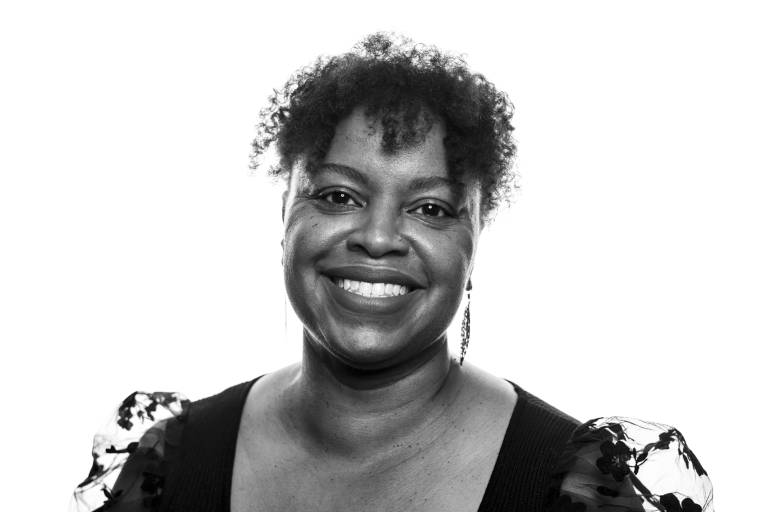
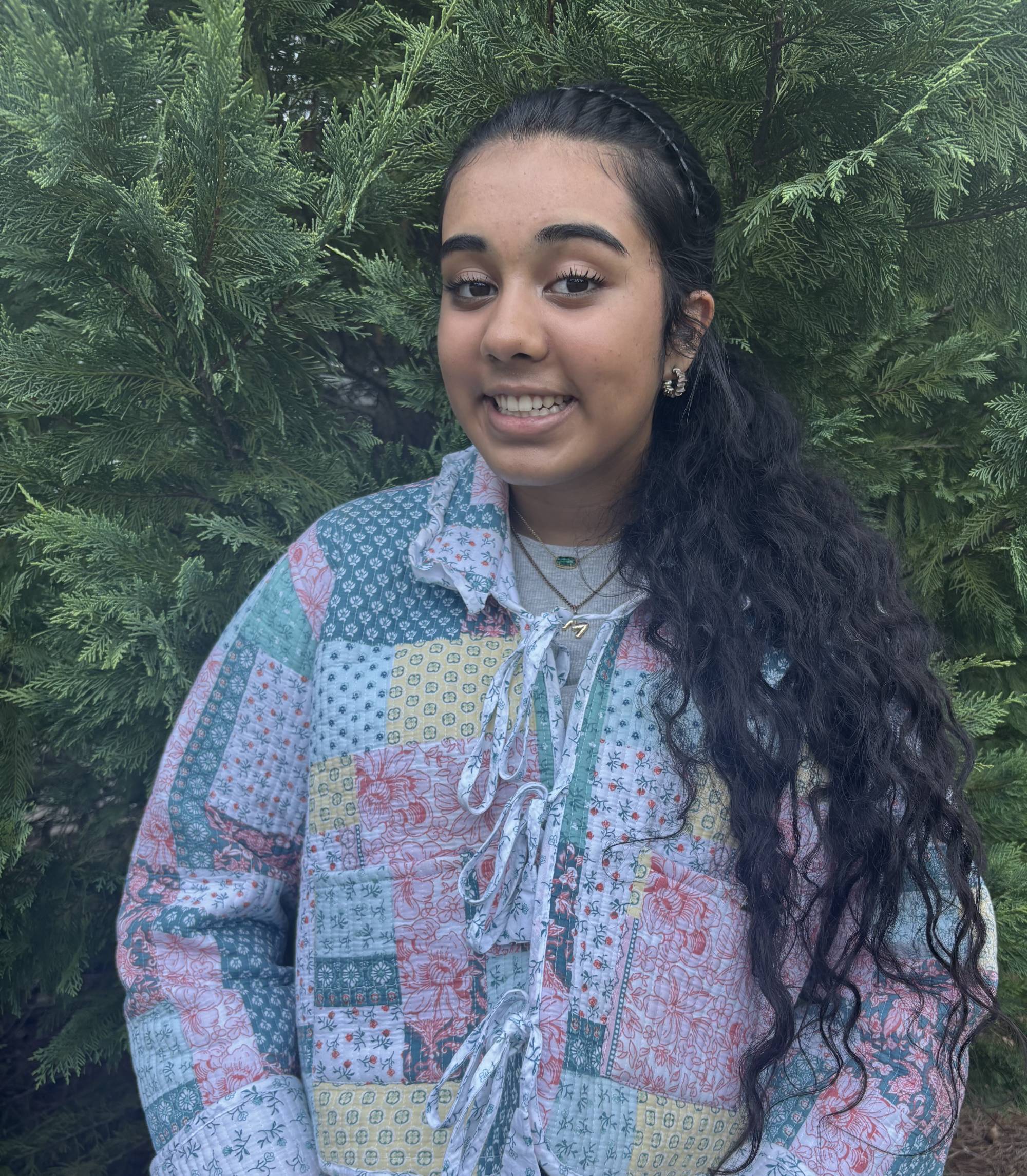
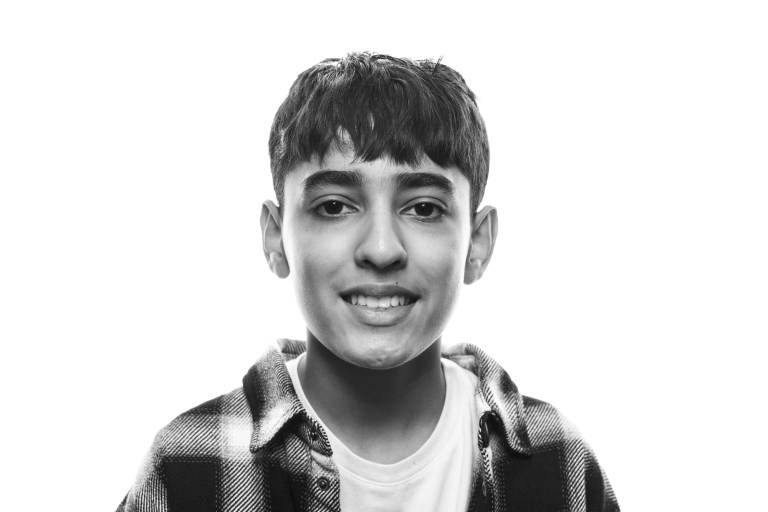
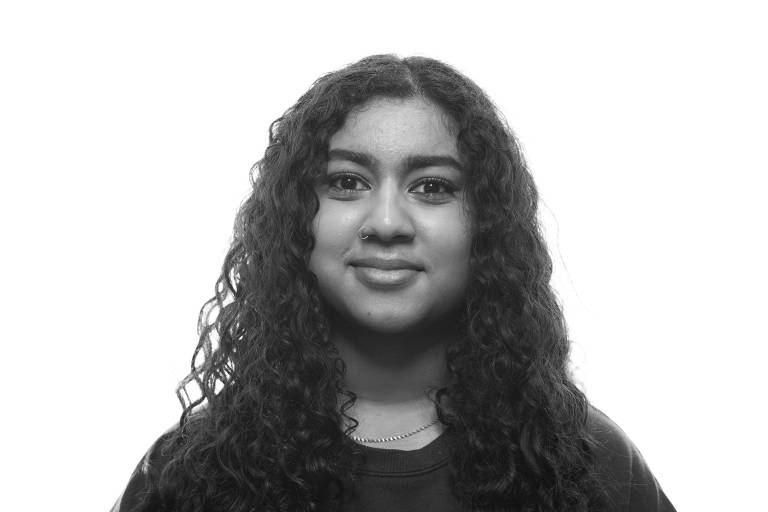
window.__IS_SSR__=true
window.__INITIAL_STATE__={
"attachmentsReducer": {
"audio_0": {
"type": "attachments",
"id": "audio_0",
"imgSizes": {
"kqedFullSize": {
"file": "https://ww2.kqed.org/news/wp-content/themes/KQED-unified/img/audio_bgs/background0.jpg"
}
}
},
"audio_1": {
"type": "attachments",
"id": "audio_1",
"imgSizes": {
"kqedFullSize": {
"file": "https://ww2.kqed.org/news/wp-content/themes/KQED-unified/img/audio_bgs/background1.jpg"
}
}
},
"audio_2": {
"type": "attachments",
"id": "audio_2",
"imgSizes": {
"kqedFullSize": {
"file": "https://ww2.kqed.org/news/wp-content/themes/KQED-unified/img/audio_bgs/background2.jpg"
}
}
},
"audio_3": {
"type": "attachments",
"id": "audio_3",
"imgSizes": {
"kqedFullSize": {
"file": "https://ww2.kqed.org/news/wp-content/themes/KQED-unified/img/audio_bgs/background3.jpg"
}
}
},
"audio_4": {
"type": "attachments",
"id": "audio_4",
"imgSizes": {
"kqedFullSize": {
"file": "https://ww2.kqed.org/news/wp-content/themes/KQED-unified/img/audio_bgs/background4.jpg"
}
}
},
"placeholder": {
"type": "attachments",
"id": "placeholder",
"imgSizes": {
"thumbnail": {
"file": "https://cdn.kqed.org/wp-content/uploads/2024/12/KQED-Default-Image-816638274-2000x1333-1-160x107.jpg",
"width": 160,
"height": 107,
"mimeType": "image/jpeg"
},
"medium": {
"file": "https://cdn.kqed.org/wp-content/uploads/2024/12/KQED-Default-Image-816638274-2000x1333-1-800x533.jpg",
"width": 800,
"height": 533,
"mimeType": "image/jpeg"
},
"medium_large": {
"file": "https://cdn.kqed.org/wp-content/uploads/2024/12/KQED-Default-Image-816638274-2000x1333-1-768x512.jpg",
"width": 768,
"height": 512,
"mimeType": "image/jpeg"
},
"large": {
"file": "https://cdn.kqed.org/wp-content/uploads/2024/12/KQED-Default-Image-816638274-2000x1333-1-1020x680.jpg",
"width": 1020,
"height": 680,
"mimeType": "image/jpeg"
},
"1536x1536": {
"file": "https://cdn.kqed.org/wp-content/uploads/2024/12/KQED-Default-Image-816638274-2000x1333-1-1536x1024.jpg",
"width": 1536,
"height": 1024,
"mimeType": "image/jpeg"
},
"fd-lrg": {
"file": "https://cdn.kqed.org/wp-content/uploads/2024/12/KQED-Default-Image-816638274-2000x1333-1-1536x1024.jpg",
"width": 1536,
"height": 1024,
"mimeType": "image/jpeg"
},
"fd-med": {
"file": "https://cdn.kqed.org/wp-content/uploads/2024/12/KQED-Default-Image-816638274-2000x1333-1-1020x680.jpg",
"width": 1020,
"height": 680,
"mimeType": "image/jpeg"
},
"fd-sm": {
"file": "https://cdn.kqed.org/wp-content/uploads/2024/12/KQED-Default-Image-816638274-2000x1333-1-800x533.jpg",
"width": 800,
"height": 533,
"mimeType": "image/jpeg"
},
"post-thumbnail": {
"file": "https://cdn.kqed.org/wp-content/uploads/2024/12/KQED-Default-Image-816638274-2000x1333-1-672x372.jpg",
"width": 672,
"height": 372,
"mimeType": "image/jpeg"
},
"twentyfourteen-full-width": {
"file": "https://cdn.kqed.org/wp-content/uploads/2024/12/KQED-Default-Image-816638274-2000x1333-1-1038x576.jpg",
"width": 1038,
"height": 576,
"mimeType": "image/jpeg"
},
"xxsmall": {
"file": "https://cdn.kqed.org/wp-content/uploads/2024/12/KQED-Default-Image-816638274-2000x1333-1-160x107.jpg",
"width": 160,
"height": 107,
"mimeType": "image/jpeg"
},
"xsmall": {
"file": "https://cdn.kqed.org/wp-content/uploads/2024/12/KQED-Default-Image-816638274-2000x1333-1-672x372.jpg",
"width": 672,
"height": 372,
"mimeType": "image/jpeg"
},
"small": {
"file": "https://cdn.kqed.org/wp-content/uploads/2024/12/KQED-Default-Image-816638274-2000x1333-1-672x372.jpg",
"width": 672,
"height": 372,
"mimeType": "image/jpeg"
},
"xlarge": {
"file": "https://cdn.kqed.org/wp-content/uploads/2024/12/KQED-Default-Image-816638274-2000x1333-1-1020x680.jpg",
"width": 1020,
"height": 680,
"mimeType": "image/jpeg"
},
"full-width": {
"file": "https://cdn.kqed.org/wp-content/uploads/2024/12/KQED-Default-Image-816638274-2000x1333-1-1920x1280.jpg",
"width": 1920,
"height": 1280,
"mimeType": "image/jpeg"
},
"guest-author-32": {
"file": "https://cdn.kqed.org/wp-content/uploads/2025/01/KQED-Default-Image-816638274-1333x1333-1-160x160.jpg",
"width": 32,
"height": 32,
"mimeType": "image/jpeg"
},
"guest-author-50": {
"file": "https://cdn.kqed.org/wp-content/uploads/2025/01/KQED-Default-Image-816638274-1333x1333-1-160x160.jpg",
"width": 50,
"height": 50,
"mimeType": "image/jpeg"
},
"guest-author-64": {
"file": "https://cdn.kqed.org/wp-content/uploads/2025/01/KQED-Default-Image-816638274-1333x1333-1-160x160.jpg",
"width": 64,
"height": 64,
"mimeType": "image/jpeg"
},
"guest-author-96": {
"file": "https://cdn.kqed.org/wp-content/uploads/2025/01/KQED-Default-Image-816638274-1333x1333-1-160x160.jpg",
"width": 96,
"height": 96,
"mimeType": "image/jpeg"
},
"guest-author-128": {
"file": "https://cdn.kqed.org/wp-content/uploads/2025/01/KQED-Default-Image-816638274-1333x1333-1-160x160.jpg",
"width": 128,
"height": 128,
"mimeType": "image/jpeg"
},
"detail": {
"file": "https://cdn.kqed.org/wp-content/uploads/2025/01/KQED-Default-Image-816638274-1333x1333-1-160x160.jpg",
"width": 160,
"height": 160,
"mimeType": "image/jpeg"
},
"kqedFullSize": {
"file": "https://cdn.kqed.org/wp-content/uploads/2024/12/KQED-Default-Image-816638274-2000x1333-1.jpg",
"width": 2000,
"height": 1333
}
}
},
"perspectives_201601147707": {
"type": "attachments",
"id": "perspectives_201601147707",
"meta": {
"index": "attachments_1716263798",
"site": "perspectives",
"id": "201601147707",
"found": true
},
"title": "Chanda Williams at KQED in San Francisco on July 31, 2026.",
"publishDate": 1785642510,
"status": "inherit",
"parent": 0,
"modified": 1785642521,
"caption": "Chanda Williams at KQED in San Francisco on July 31, 2026.",
"credit": "Martin do Nascimento/KQED",
"altTag": null,
"description": null,
"imgSizes": {
"thumbnail": {
"file": "https://cdn.kqed.org/wp-content/uploads/sites/44/2026/08/260731-CHANDA-WILLIAMS-PERSPECTIVES-MD-01-KQED-160x107.jpg",
"width": 160,
"height": 107,
"mimeType": "image/jpeg"
},
"medium_large": {
"file": "https://cdn.kqed.org/wp-content/uploads/sites/44/2026/08/260731-CHANDA-WILLIAMS-PERSPECTIVES-MD-01-KQED-768x512.jpg",
"width": 768,
"height": 512,
"mimeType": "image/jpeg"
},
"1536x1536": {
"file": "https://cdn.kqed.org/wp-content/uploads/sites/44/2026/08/260731-CHANDA-WILLIAMS-PERSPECTIVES-MD-01-KQED-1536x1024.jpg",
"width": 1536,
"height": 1024,
"mimeType": "image/jpeg"
},
"post-thumbnail": {
"file": "https://cdn.kqed.org/wp-content/uploads/sites/44/2026/08/260731-CHANDA-WILLIAMS-PERSPECTIVES-MD-01-KQED-672x372.jpg",
"width": 672,
"height": 372,
"mimeType": "image/jpeg"
},
"twentyfourteen-full-width": {
"file": "https://cdn.kqed.org/wp-content/uploads/sites/44/2026/08/260731-CHANDA-WILLIAMS-PERSPECTIVES-MD-01-KQED-1038x576.jpg",
"width": 1038,
"height": 576,
"mimeType": "image/jpeg"
},
"kqedFullSize": {
"file": "https://cdn.kqed.org/wp-content/uploads/sites/44/2026/08/260731-CHANDA-WILLIAMS-PERSPECTIVES-MD-01-KQED.jpg",
"width": 2000,
"height": 1333
}
},
"isLoading": false,
"fetchFailed": false
},
"perspectives_201601147701": {
"type": "attachments",
"id": "perspectives_201601147701",
"meta": {
"index": "attachments_1716263798",
"site": "perspectives",
"id": "201601147701",
"found": true
},
"title": "Maneet Grewal",
"publishDate": 1785442845,
"status": "inherit",
"parent": 201601147700,
"modified": 1785442863,
"caption": null,
"credit": null,
"altTag": null,
"description": null,
"imgSizes": {
"medium": {
"file": "https://cdn.kqed.org/wp-content/uploads/sites/44/2026/07/IMG_3141-2000x2291.jpeg",
"width": 2000,
"height": 2291,
"mimeType": "image/jpeg"
},
"large": {
"file": "https://cdn.kqed.org/wp-content/uploads/sites/44/2026/07/IMG_3141-2000x2291.jpeg",
"width": 2000,
"height": 2291,
"mimeType": "image/jpeg"
},
"thumbnail": {
"file": "https://cdn.kqed.org/wp-content/uploads/sites/44/2026/07/IMG_3141-160x183.jpeg",
"width": 160,
"height": 183,
"mimeType": "image/jpeg"
},
"medium_large": {
"file": "https://cdn.kqed.org/wp-content/uploads/sites/44/2026/07/IMG_3141-768x880.jpeg",
"width": 768,
"height": 880,
"mimeType": "image/jpeg"
},
"1536x1536": {
"file": "https://cdn.kqed.org/wp-content/uploads/sites/44/2026/07/IMG_3141-1341x1536.jpeg",
"width": 1341,
"height": 1536,
"mimeType": "image/jpeg"
},
"2048x2048": {
"file": "https://cdn.kqed.org/wp-content/uploads/sites/44/2026/07/IMG_3141-1788x2048.jpeg",
"width": 1788,
"height": 2048,
"mimeType": "image/jpeg"
},
"post-thumbnail": {
"file": "https://cdn.kqed.org/wp-content/uploads/sites/44/2026/07/IMG_3141-672x372.jpeg",
"width": 672,
"height": 372,
"mimeType": "image/jpeg"
},
"twentyfourteen-full-width": {
"file": "https://cdn.kqed.org/wp-content/uploads/sites/44/2026/07/IMG_3141-1038x576.jpeg",
"width": 1038,
"height": 576,
"mimeType": "image/jpeg"
},
"full-width": {
"file": "https://cdn.kqed.org/wp-content/uploads/sites/44/2026/07/IMG_3141-2000x2291.jpeg",
"width": 2000,
"height": 2291,
"mimeType": "image/jpeg"
},
"kqedFullSize": {
"file": "https://cdn.kqed.org/wp-content/uploads/sites/44/2026/07/IMG_3141-scaled.jpeg",
"width": 2235,
"height": 2560
}
},
"isLoading": false,
"fetchFailed": false
},
"perspectives_201601147645": {
"type": "attachments",
"id": "perspectives_201601147645",
"meta": {
"index": "attachments_1716263798",
"site": "perspectives",
"id": "201601147645",
"found": true
},
"title": "Jeevan Gillon at KQED in San Francisco on Juily 16, 2026.",
"publishDate": 1784312740,
"status": "inherit",
"parent": 0,
"modified": 1784312753,
"caption": "Jeevan Gillon at KQED in San Francisco on Juily 16, 2026.",
"credit": "Spencer Whitney/KQED",
"altTag": null,
"description": null,
"imgSizes": {
"thumbnail": {
"file": "https://cdn.kqed.org/wp-content/uploads/sites/44/2026/07/260717-Jeevan-Gillon-PERSPCTIVES-SW-01-KQED-160x107.jpg",
"width": 160,
"height": 107,
"mimeType": "image/jpeg"
},
"medium_large": {
"file": "https://cdn.kqed.org/wp-content/uploads/sites/44/2026/07/260717-Jeevan-Gillon-PERSPCTIVES-SW-01-KQED-768x512.jpg",
"width": 768,
"height": 512,
"mimeType": "image/jpeg"
},
"1536x1536": {
"file": "https://cdn.kqed.org/wp-content/uploads/sites/44/2026/07/260717-Jeevan-Gillon-PERSPCTIVES-SW-01-KQED-1536x1024.jpg",
"width": 1536,
"height": 1024,
"mimeType": "image/jpeg"
},
"post-thumbnail": {
"file": "https://cdn.kqed.org/wp-content/uploads/sites/44/2026/07/260717-Jeevan-Gillon-PERSPCTIVES-SW-01-KQED-672x372.jpg",
"width": 672,
"height": 372,
"mimeType": "image/jpeg"
},
"twentyfourteen-full-width": {
"file": "https://cdn.kqed.org/wp-content/uploads/sites/44/2026/07/260717-Jeevan-Gillon-PERSPCTIVES-SW-01-KQED-1038x576.jpg",
"width": 1038,
"height": 576,
"mimeType": "image/jpeg"
},
"kqedFullSize": {
"file": "https://cdn.kqed.org/wp-content/uploads/sites/44/2026/07/260717-Jeevan-Gillon-PERSPCTIVES-SW-01-KQED.jpg",
"width": 2000,
"height": 1333
}
},
"isLoading": false,
"fetchFailed": false
},
"perspectives_201601147598": {
"type": "attachments",
"id": "perspectives_201601147598",
"meta": {
"index": "attachments_1716263798",
"site": "perspectives",
"id": "201601147598",
"found": true
},
"title": "260708-Perspectives-AyraDevanath-01-SW-KQED",
"publishDate": 1783555049,
"status": "inherit",
"parent": 0,
"modified": 1783555197,
"caption": "Ayra Devanath poses for a photo at the KQED headquarters in San Francisco, CA",
"credit": "Spencer Whitney/KQED",
"altTag": null,
"description": null,
"imgSizes": {
"thumbnail": {
"file": "https://cdn.kqed.org/wp-content/uploads/sites/44/2026/07/3G2A0785-160x107.jpg",
"width": 160,
"height": 107,
"mimeType": "image/jpeg"
},
"medium_large": {
"file": "https://cdn.kqed.org/wp-content/uploads/sites/44/2026/07/3G2A0785-768x512.jpg",
"width": 768,
"height": 512,
"mimeType": "image/jpeg"
},
"1536x1536": {
"file": "https://cdn.kqed.org/wp-content/uploads/sites/44/2026/07/3G2A0785-1536x1024.jpg",
"width": 1536,
"height": 1024,
"mimeType": "image/jpeg"
},
"post-thumbnail": {
"file": "https://cdn.kqed.org/wp-content/uploads/sites/44/2026/07/3G2A0785-672x372.jpg",
"width": 672,
"height": 372,
"mimeType": "image/jpeg"
},
"twentyfourteen-full-width": {
"file": "https://cdn.kqed.org/wp-content/uploads/sites/44/2026/07/3G2A0785-1038x576.jpg",
"width": 1038,
"height": 576,
"mimeType": "image/jpeg"
},
"kqedFullSize": {
"file": "https://cdn.kqed.org/wp-content/uploads/sites/44/2026/07/3G2A0785.jpg",
"width": 2000,
"height": 1333
}
},
"isLoading": false,
"fetchFailed": false
},
"perspectives_201601147658": {
"type": "attachments",
"id": "perspectives_201601147658",
"meta": {
"index": "attachments_1716263798",
"site": "perspectives",
"id": "201601147658",
"found": true
},
"title": "Kelly White at KQED in San Francisco on July 22, 2026.",
"publishDate": 1784748306,
"status": "inherit",
"parent": 0,
"modified": 1784748319,
"caption": "Kelly White at KQED in San Francisco on July 22, 2026.",
"credit": "Spencer Whitney/KQED",
"altTag": null,
"description": null,
"imgSizes": {
"thumbnail": {
"file": "https://cdn.kqed.org/wp-content/uploads/sites/44/2026/07/260722-Kelly-White-PERSPECTIVES-SW-01-KQED-160x107.jpg",
"width": 160,
"height": 107,
"mimeType": "image/jpeg"
},
"medium_large": {
"file": "https://cdn.kqed.org/wp-content/uploads/sites/44/2026/07/260722-Kelly-White-PERSPECTIVES-SW-01-KQED-768x512.jpg",
"width": 768,
"height": 512,
"mimeType": "image/jpeg"
},
"1536x1536": {
"file": "https://cdn.kqed.org/wp-content/uploads/sites/44/2026/07/260722-Kelly-White-PERSPECTIVES-SW-01-KQED-1536x1024.jpg",
"width": 1536,
"height": 1024,
"mimeType": "image/jpeg"
},
"post-thumbnail": {
"file": "https://cdn.kqed.org/wp-content/uploads/sites/44/2026/07/260722-Kelly-White-PERSPECTIVES-SW-01-KQED-672x372.jpg",
"width": 672,
"height": 372,
"mimeType": "image/jpeg"
},
"twentyfourteen-full-width": {
"file": "https://cdn.kqed.org/wp-content/uploads/sites/44/2026/07/260722-Kelly-White-PERSPECTIVES-SW-01-KQED-1038x576.jpg",
"width": 1038,
"height": 576,
"mimeType": "image/jpeg"
},
"kqedFullSize": {
"file": "https://cdn.kqed.org/wp-content/uploads/sites/44/2026/07/260722-Kelly-White-PERSPECTIVES-SW-01-KQED.jpg",
"width": 2000,
"height": 1333
}
},
"isLoading": false,
"fetchFailed": false
},
"perspectives_201601147679": {
"type": "attachments",
"id": "perspectives_201601147679",
"meta": {
"index": "attachments_1716263798",
"site": "perspectives",
"id": "201601147679",
"found": true
},
"title": "Michelle Chen",
"publishDate": 1785190132,
"status": "inherit",
"parent": 201601147677,
"modified": 1785190142,
"caption": null,
"credit": null,
"altTag": null,
"description": null,
"imgSizes": {
"thumbnail": {
"file": "https://cdn.kqed.org/wp-content/uploads/sites/44/2026/07/Screenshot-2026-07-27-at-3.08.40-PM-160x218.png",
"width": 160,
"height": 218,
"mimeType": "image/png"
},
"medium_large": {
"file": "https://cdn.kqed.org/wp-content/uploads/sites/44/2026/07/Screenshot-2026-07-27-at-3.08.40-PM-768x1044.png",
"width": 768,
"height": 1044,
"mimeType": "image/png"
},
"post-thumbnail": {
"file": "https://cdn.kqed.org/wp-content/uploads/sites/44/2026/07/Screenshot-2026-07-27-at-3.08.40-PM-672x372.png",
"width": 672,
"height": 372,
"mimeType": "image/png"
},
"twentyfourteen-full-width": {
"file": "https://cdn.kqed.org/wp-content/uploads/sites/44/2026/07/Screenshot-2026-07-27-at-3.08.40-PM-1038x576.png",
"width": 1038,
"height": 576,
"mimeType": "image/png"
},
"kqedFullSize": {
"file": "https://cdn.kqed.org/wp-content/uploads/sites/44/2026/07/Screenshot-2026-07-27-at-3.08.40-PM.png",
"width": 1128,
"height": 1534
}
},
"isLoading": false,
"fetchFailed": false
},
"perspectives_201601147647": {
"type": "attachments",
"id": "perspectives_201601147647",
"meta": {
"index": "attachments_1716263798",
"site": "perspectives",
"id": "201601147647",
"found": true
},
"title": "260717-Johanna Rauhala PERSPECTIVES-MD-01-KQED",
"publishDate": 1784323739,
"status": "inherit",
"parent": 0,
"modified": 1784323831,
"caption": "Johanna Rauhala at KQED in San Francisco on July 17, 2026.",
"credit": "Martin do Nascimento/KQED",
"altTag": null,
"description": null,
"imgSizes": {
"thumbnail": {
"file": "https://cdn.kqed.org/wp-content/uploads/sites/44/2026/07/260717-Johanna-Rauhala-PERSPECTIVES-MD-01-KQED-160x107.jpg",
"width": 160,
"height": 107,
"mimeType": "image/jpeg"
},
"medium_large": {
"file": "https://cdn.kqed.org/wp-content/uploads/sites/44/2026/07/260717-Johanna-Rauhala-PERSPECTIVES-MD-01-KQED-768x512.jpg",
"width": 768,
"height": 512,
"mimeType": "image/jpeg"
},
"1536x1536": {
"file": "https://cdn.kqed.org/wp-content/uploads/sites/44/2026/07/260717-Johanna-Rauhala-PERSPECTIVES-MD-01-KQED-1536x1024.jpg",
"width": 1536,
"height": 1024,
"mimeType": "image/jpeg"
},
"post-thumbnail": {
"file": "https://cdn.kqed.org/wp-content/uploads/sites/44/2026/07/260717-Johanna-Rauhala-PERSPECTIVES-MD-01-KQED-672x372.jpg",
"width": 672,
"height": 372,
"mimeType": "image/jpeg"
},
"twentyfourteen-full-width": {
"file": "https://cdn.kqed.org/wp-content/uploads/sites/44/2026/07/260717-Johanna-Rauhala-PERSPECTIVES-MD-01-KQED-1038x576.jpg",
"width": 1038,
"height": 576,
"mimeType": "image/jpeg"
},
"kqedFullSize": {
"file": "https://cdn.kqed.org/wp-content/uploads/sites/44/2026/07/260717-Johanna-Rauhala-PERSPECTIVES-MD-01-KQED.jpg",
"width": 2000,
"height": 1333
}
},
"isLoading": false,
"fetchFailed": false
},
"perspectives_201601147665": {
"type": "attachments",
"id": "perspectives_201601147665",
"meta": {
"index": "attachments_1716263798",
"site": "perspectives",
"id": "201601147665",
"found": true
},
"title": "Sarah Han",
"publishDate": 1784830674,
"status": "inherit",
"parent": 201601147664,
"modified": 1785442870,
"caption": null,
"credit": null,
"altTag": null,
"description": null,
"imgSizes": {
"medium": {
"file": "https://cdn.kqed.org/wp-content/uploads/sites/44/2026/07/PXL_20260404_200840723-2000x2662.jpg",
"width": 2000,
"height": 2662,
"mimeType": "image/jpeg"
},
"large": {
"file": "https://cdn.kqed.org/wp-content/uploads/sites/44/2026/07/PXL_20260404_200840723-2000x2662.jpg",
"width": 2000,
"height": 2662,
"mimeType": "image/jpeg"
},
"thumbnail": {
"file": "https://cdn.kqed.org/wp-content/uploads/sites/44/2026/07/PXL_20260404_200840723-160x213.jpg",
"width": 160,
"height": 213,
"mimeType": "image/jpeg"
},
"medium_large": {
"file": "https://cdn.kqed.org/wp-content/uploads/sites/44/2026/07/PXL_20260404_200840723-768x1022.jpg",
"width": 768,
"height": 1022,
"mimeType": "image/jpeg"
},
"1536x1536": {
"file": "https://cdn.kqed.org/wp-content/uploads/sites/44/2026/07/PXL_20260404_200840723-1154x1536.jpg",
"width": 1154,
"height": 1536,
"mimeType": "image/jpeg"
},
"2048x2048": {
"file": "https://cdn.kqed.org/wp-content/uploads/sites/44/2026/07/PXL_20260404_200840723-1538x2048.jpg",
"width": 1538,
"height": 2048,
"mimeType": "image/jpeg"
},
"post-thumbnail": {
"file": "https://cdn.kqed.org/wp-content/uploads/sites/44/2026/07/PXL_20260404_200840723-672x372.jpg",
"width": 672,
"height": 372,
"mimeType": "image/jpeg"
},
"twentyfourteen-full-width": {
"file": "https://cdn.kqed.org/wp-content/uploads/sites/44/2026/07/PXL_20260404_200840723-1038x576.jpg",
"width": 1038,
"height": 576,
"mimeType": "image/jpeg"
},
"full-width": {
"file": "https://cdn.kqed.org/wp-content/uploads/sites/44/2026/07/PXL_20260404_200840723-2000x2662.jpg",
"width": 2000,
"height": 2662,
"mimeType": "image/jpeg"
},
"kqedFullSize": {
"file": "https://cdn.kqed.org/wp-content/uploads/sites/44/2026/07/PXL_20260404_200840723-scaled.jpg",
"width": 1923,
"height": 2560
}
},
"isLoading": false,
"fetchFailed": false
},
"perspectives_201601147662": {
"type": "attachments",
"id": "perspectives_201601147662",
"meta": {
"index": "attachments_1716263798",
"site": "perspectives",
"id": "201601147662",
"found": true
},
"title": "Paul Blumenthal",
"publishDate": 1784749251,
"status": "inherit",
"parent": 201601147659,
"modified": 1784749262,
"caption": null,
"credit": null,
"altTag": null,
"description": null,
"imgSizes": {
"thumbnail": {
"file": "https://cdn.kqed.org/wp-content/uploads/sites/44/2026/07/PB-Last-Day-of-Work-2-160x191.jpeg",
"width": 160,
"height": 191,
"mimeType": "image/jpeg"
},
"post-thumbnail": {
"file": "https://cdn.kqed.org/wp-content/uploads/sites/44/2026/07/PB-Last-Day-of-Work-2-480x372.jpeg",
"width": 480,
"height": 372,
"mimeType": "image/jpeg"
},
"kqedFullSize": {
"file": "https://cdn.kqed.org/wp-content/uploads/sites/44/2026/07/PB-Last-Day-of-Work-2.jpeg",
"width": 480,
"height": 572
}
},
"isLoading": false,
"fetchFailed": false
},
"perspectives_201601147646": {
"type": "attachments",
"id": "perspectives_201601147646",
"meta": {
"index": "attachments_1716263798",
"site": "perspectives",
"id": "201601147646",
"found": true
},
"title": "260717-Anayat Mohan PERSPCTIVES-SW-01-KQED",
"publishDate": 1784313115,
"status": "inherit",
"parent": 0,
"modified": 1784313361,
"caption": "Anayat Mohan at KQED in San Francisco on Juily 16, 2026.",
"credit": "Spencer Whitney/KQED",
"altTag": null,
"description": null,
"imgSizes": {
"thumbnail": {
"file": "https://cdn.kqed.org/wp-content/uploads/sites/44/2026/07/260717-Anayat-Mohan-PERSPCTIVES-SW-01-KQED-160x107.jpg",
"width": 160,
"height": 107,
"mimeType": "image/jpeg"
},
"medium_large": {
"file": "https://cdn.kqed.org/wp-content/uploads/sites/44/2026/07/260717-Anayat-Mohan-PERSPCTIVES-SW-01-KQED-768x512.jpg",
"width": 768,
"height": 512,
"mimeType": "image/jpeg"
},
"1536x1536": {
"file": "https://cdn.kqed.org/wp-content/uploads/sites/44/2026/07/260717-Anayat-Mohan-PERSPCTIVES-SW-01-KQED-1536x1024.jpg",
"width": 1536,
"height": 1024,
"mimeType": "image/jpeg"
},
"post-thumbnail": {
"file": "https://cdn.kqed.org/wp-content/uploads/sites/44/2026/07/260717-Anayat-Mohan-PERSPCTIVES-SW-01-KQED-672x372.jpg",
"width": 672,
"height": 372,
"mimeType": "image/jpeg"
},
"twentyfourteen-full-width": {
"file": "https://cdn.kqed.org/wp-content/uploads/sites/44/2026/07/260717-Anayat-Mohan-PERSPCTIVES-SW-01-KQED-1038x576.jpg",
"width": 1038,
"height": 576,
"mimeType": "image/jpeg"
},
"kqedFullSize": {
"file": "https://cdn.kqed.org/wp-content/uploads/sites/44/2026/07/260717-Anayat-Mohan-PERSPCTIVES-SW-01-KQED.jpg",
"width": 2000,
"height": 1333
}
},
"isLoading": false,
"fetchFailed": false
},
"perspectives_201601147649": {
"type": "attachments",
"id": "perspectives_201601147649",
"meta": {
"index": "attachments_1716263798",
"site": "perspectives",
"id": "201601147649",
"found": true
},
"title": "Heath Headshot - Beth Am July 2026-9",
"publishDate": 1784567164,
"status": "inherit",
"parent": 201601147648,
"modified": 1784567164,
"caption": null,
"credit": null,
"altTag": null,
"description": null,
"imgSizes": {
"thumbnail": {
"file": "https://cdn.kqed.org/wp-content/uploads/sites/44/2026/07/Heath-Headshot-Beth-Am-July-2026-9-160x224.png",
"width": 160,
"height": 224,
"mimeType": "image/png"
},
"medium_large": {
"file": "https://cdn.kqed.org/wp-content/uploads/sites/44/2026/07/Heath-Headshot-Beth-Am-July-2026-9-768x1075.png",
"width": 768,
"height": 1075,
"mimeType": "image/png"
},
"1536x1536": {
"file": "https://cdn.kqed.org/wp-content/uploads/sites/44/2026/07/Heath-Headshot-Beth-Am-July-2026-9-1097x1536.png",
"width": 1097,
"height": 1536,
"mimeType": "image/png"
},
"2048x2048": {
"file": "https://cdn.kqed.org/wp-content/uploads/sites/44/2026/07/Heath-Headshot-Beth-Am-July-2026-9-1463x2048.png",
"width": 1463,
"height": 2048,
"mimeType": "image/png"
},
"post-thumbnail": {
"file": "https://cdn.kqed.org/wp-content/uploads/sites/44/2026/07/Heath-Headshot-Beth-Am-July-2026-9-672x372.png",
"width": 672,
"height": 372,
"mimeType": "image/png"
},
"twentyfourteen-full-width": {
"file": "https://cdn.kqed.org/wp-content/uploads/sites/44/2026/07/Heath-Headshot-Beth-Am-July-2026-9-1038x576.png",
"width": 1038,
"height": 576,
"mimeType": "image/png"
},
"kqedFullSize": {
"file": "https://cdn.kqed.org/wp-content/uploads/sites/44/2026/07/Heath-Headshot-Beth-Am-July-2026-9-scaled.png",
"width": 1829,
"height": 2560
}
},
"isLoading": false,
"fetchFailed": false
},
"perspectives_201601147599": {
"type": "attachments",
"id": "perspectives_201601147599",
"meta": {
"index": "attachments_1716263798",
"site": "perspectives",
"id": "201601147599",
"found": true
},
"title": "260708-Perspectives-Bia Vieira-01-SW-KQED",
"publishDate": 1783555453,
"status": "inherit",
"parent": 0,
"modified": 1783555517,
"caption": "Bia Vieira poses for a photo at the KQED headquarters in San Francisco, CA",
"credit": "Spencer Whitney/KQED",
"altTag": null,
"description": null,
"imgSizes": {
"thumbnail": {
"file": "https://cdn.kqed.org/wp-content/uploads/sites/44/2026/07/3G2A0807-160x107.jpg",
"width": 160,
"height": 107,
"mimeType": "image/jpeg"
},
"medium_large": {
"file": "https://cdn.kqed.org/wp-content/uploads/sites/44/2026/07/3G2A0807-768x512.jpg",
"width": 768,
"height": 512,
"mimeType": "image/jpeg"
},
"1536x1536": {
"file": "https://cdn.kqed.org/wp-content/uploads/sites/44/2026/07/3G2A0807-1536x1024.jpg",
"width": 1536,
"height": 1024,
"mimeType": "image/jpeg"
},
"post-thumbnail": {
"file": "https://cdn.kqed.org/wp-content/uploads/sites/44/2026/07/3G2A0807-672x372.jpg",
"width": 672,
"height": 372,
"mimeType": "image/jpeg"
},
"twentyfourteen-full-width": {
"file": "https://cdn.kqed.org/wp-content/uploads/sites/44/2026/07/3G2A0807-1038x576.jpg",
"width": 1038,
"height": 576,
"mimeType": "image/jpeg"
},
"kqedFullSize": {
"file": "https://cdn.kqed.org/wp-content/uploads/sites/44/2026/07/3G2A0807.jpg",
"width": 2000,
"height": 1333
}
},
"isLoading": false,
"fetchFailed": false
}
},
"audioPlayerReducer": {
"postId": "stream_live",
"isPaused": true,
"isPlaying": false,
"pfsActive": false,
"pledgeModalIsOpen": true,
"playerDrawerIsOpen": false,
"liveAudioPlayStartedAt": 0,
"liveAudioPlayContext": ""
},
"authorsReducer": {
"byline_perspectives_201601147710": {
"type": "authors",
"id": "byline_perspectives_201601147710",
"meta": {
"override": true
},
"slug": "byline_perspectives_201601147710",
"name": "Chanda Williams",
"isLoading": false
},
"byline_perspectives_201601147700": {
"type": "authors",
"id": "byline_perspectives_201601147700",
"meta": {
"override": true
},
"slug": "byline_perspectives_201601147700",
"name": "Maneet Grewal",
"isLoading": false
},
"byline_perspectives_201601147695": {
"type": "authors",
"id": "byline_perspectives_201601147695",
"meta": {
"override": true
},
"slug": "byline_perspectives_201601147695",
"name": "Jeevan Gillon",
"isLoading": false
},
"byline_perspectives_201601147689": {
"type": "authors",
"id": "byline_perspectives_201601147689",
"meta": {
"override": true
},
"slug": "byline_perspectives_201601147689",
"name": "Arya Devanath",
"isLoading": false
},
"byline_perspectives_201601147683": {
"type": "authors",
"id": "byline_perspectives_201601147683",
"meta": {
"override": true
},
"slug": "byline_perspectives_201601147683",
"name": "Kelly White",
"isLoading": false
},
"byline_perspectives_201601147677": {
"type": "authors",
"id": "byline_perspectives_201601147677",
"meta": {
"override": true
},
"slug": "byline_perspectives_201601147677",
"name": "Michelle Chen",
"isLoading": false
},
"byline_perspectives_201601147670": {
"type": "authors",
"id": "byline_perspectives_201601147670",
"meta": {
"override": true
},
"slug": "byline_perspectives_201601147670",
"name": "Johanna Rauhala",
"isLoading": false
},
"byline_perspectives_201601147664": {
"type": "authors",
"id": "byline_perspectives_201601147664",
"meta": {
"override": true
},
"slug": "byline_perspectives_201601147664",
"name": "Sarah Han",
"isLoading": false
},
"byline_perspectives_201601147659": {
"type": "authors",
"id": "byline_perspectives_201601147659",
"meta": {
"override": true
},
"slug": "byline_perspectives_201601147659",
"name": "Paul Blumenthal",
"isLoading": false
},
"byline_perspectives_201601147654": {
"type": "authors",
"id": "byline_perspectives_201601147654",
"meta": {
"override": true
},
"slug": "byline_perspectives_201601147654",
"name": "Anayat Mohan",
"isLoading": false
},
"byline_perspectives_201601147648": {
"type": "authors",
"id": "byline_perspectives_201601147648",
"meta": {
"override": true
},
"slug": "byline_perspectives_201601147648",
"name": "Heath Watenmaker",
"isLoading": false
},
"byline_perspectives_201601147639": {
"type": "authors",
"id": "byline_perspectives_201601147639",
"meta": {
"override": true
},
"slug": "byline_perspectives_201601147639",
"name": "Bia Vieira",
"isLoading": false
}
},
"pagesReducer": {
"perspectives_category_podcast": {
"type": "terms",
"id": "perspectives_2052",
"meta": {
"index": "terms_1716263798",
"site": "perspectives",
"id": "2052",
"score": 12.071791
},
"name": "podcast",
"slug": "podcast",
"taxonomy": "category",
"description": null,
"featImg": null,
"headData": {
"title": "podcast - Perspectives",
"description": null,
"ogTitle": null,
"ogDescription": null,
"ogImgId": null,
"twTitle": null,
"twDescription": null,
"twImgId": null
},
"ttid": 2052,
"isLoading": false,
"title": "podcast",
"pageMeta": {
"site": "perspectives",
"WpPageTemplate": "page-topic-editorial",
"currentPage": 4
},
"blocks": [
{
"blockName": "kqed/post-list",
"attrs": {
"layout": "cardArticle2",
"query": "posts/perspectives?category=podcast",
"seeMore": false,
"paginated": true,
"page": 4
}
},
{
"blockName": "kqed/ad"
}
]
}
},
"pfsSessionReducer": {},
"postsReducer": {
"stream_live": {
"type": "live",
"id": "stream_live",
"audioUrl": "https://streams.kqed.org/kqedradio",
"title": "Live Stream",
"excerpt": "Live Stream information currently unavailable.",
"link": "/radio",
"featImg": "",
"label": {
"name": "KQED Live",
"link": "/"
}
},
"stream_kqedNewscast": {
"type": "posts",
"id": "stream_kqedNewscast",
"audioUrl": "https://www.kqed.org/.stream/anon/radio/RDnews/newscast.mp3?_=1",
"title": "KQED Newscast",
"featImg": "",
"label": {
"name": "88.5 FM",
"link": "/"
}
},
"perspectives_201601147710": {
"type": "posts",
"id": "perspectives_201601147710",
"meta": {
"index": "posts_1716263798",
"site": "perspectives",
"id": "201601147710",
"score": null,
"sort": [
1785826860000
]
},
"guestAuthors": [],
"slug": "chanda-williams-what-midwives-taught-me",
"title": "Chanda Williams: What Midwives Taught Me",
"publishDate": 1785826860,
"format": "standard",
"headTitle": "Chanda Williams: What Midwives Taught Me | KQED",
"labelTerm": {
"term": 3,
"site": "perspectives"
},
"content": "\u003cp>\u003cbr>\u003cem>Chanda Williams shares about her experiences with midwives and her pregnancy journey.\u003c/em>\u003cbr>\u003cbr>I expected our interviews to be filled with stories about complications. Instead, I kept hearing about celebration as part of a research team studying midwives of color in California. I spent hours listening to birth workers describe how they care for families during pregnancy, birth and beyond. Again and again, they returned to a word I hadn’t anticipated, joy. Not because birth is always easy.\u003cbr>\u003cbr>Pregnancy and childbirth can be unpredictable, especially for Black and Indigenous families who continue to experience unacceptable disparities in outcomes. But these midwives refuse to let inequity define every interaction. They celebrated pregnancies, they celebrated births, they celebrated parents. \u003cbr>\u003cbr>But recognizing a profound transition in someone’s life. It made me wonder how often our healthcare system mistakes efficiency for excellence. We’re very good at measuring blood pressure and tracking outcomes.\u003cbr>\u003cbr>We’re less skilled at measuring whether someone felt welcomed, respected, or genuinely cared for. As a researcher, I spend a great deal of time collecting data, but some of the most important lessons aren’t found in a spreadsheet. My own midwife celebrated my pregnancy as much as she monitored it.\u003cbr>\u003cbr>She helped me trust my body, honor my intuition, and welcome my daughter with joy instead of fear. Looking back, I realized she wasn’t just shaping my birth experience. She was quietly shaping the kind of mother I would become. These midwives reminded me that celebration isn’t an extra. For families whose experiences have too often been shaped by fear or dismissal, celebration is part of the care itself. Maybe that’s something all of healthcare could learn. With the Perspective, I’m Dr. Chanda Williams. \u003c/p>\n\n\n\n\u003cp>\u003cbr>\u003cem>Chanda Williams is a research and trauma-informed yoga teacher. She lives in Oakland.\u003c/em>\u003c/p>\n\u003cp>[ad fullwidth]\u003c/p>\u003cp>\u003c/p>\n",
"blocks": [
{
"blockName": "core/paragraph",
"attrs": [],
"innerHTML": "\n\u003cp>\u003cbr>\u003cem>Chanda Williams shares about her experiences with midwives and her pregnancy journey.\u003c/em>\u003cbr>\u003cbr>I expected our interviews to be filled with stories about complications. Instead, I kept hearing about celebration as part of a research team studying midwives of color in California. I spent hours listening to birth workers describe how they care for families during pregnancy, birth and beyond. Again and again, they returned to a word I hadn’t anticipated, joy. Not because birth is always easy.\u003cbr>\u003cbr>Pregnancy and childbirth can be unpredictable, especially for Black and Indigenous families who continue to experience unacceptable disparities in outcomes. But these midwives refuse to let inequity define every interaction. They celebrated pregnancies, they celebrated births, they celebrated parents. \u003cbr>\u003cbr>But recognizing a profound transition in someone’s life. It made me wonder how often our healthcare system mistakes efficiency for excellence. We’re very good at measuring blood pressure and tracking outcomes.\u003cbr>\u003cbr>We’re less skilled at measuring whether someone felt welcomed, respected, or genuinely cared for. As a researcher, I spend a great deal of time collecting data, but some of the most important lessons aren’t found in a spreadsheet. My own midwife celebrated my pregnancy as much as she monitored it.\u003cbr>\u003cbr>She helped me trust my body, honor my intuition, and welcome my daughter with joy instead of fear. Looking back, I realized she wasn’t just shaping my birth experience. She was quietly shaping the kind of mother I would become. These midwives reminded me that celebration isn’t an extra. For families whose experiences have too often been shaped by fear or dismissal, celebration is part of the care itself. Maybe that’s something all of healthcare could learn. With the Perspective, I’m Dr. Chanda Williams. \u003c/p>\n",
"innerContent": [
"\n\u003cp>\u003cbr>\u003cem>Chanda Williams shares about her experiences with midwives and her pregnancy journey.\u003c/em>\u003cbr>\u003cbr>I expected our interviews to be filled with stories about complications. Instead, I kept hearing about celebration as part of a research team studying midwives of color in California. I spent hours listening to birth workers describe how they care for families during pregnancy, birth and beyond. Again and again, they returned to a word I hadn’t anticipated, joy. Not because birth is always easy.\u003cbr>\u003cbr>Pregnancy and childbirth can be unpredictable, especially for Black and Indigenous families who continue to experience unacceptable disparities in outcomes. But these midwives refuse to let inequity define every interaction. They celebrated pregnancies, they celebrated births, they celebrated parents. \u003cbr>\u003cbr>But recognizing a profound transition in someone’s life. It made me wonder how often our healthcare system mistakes efficiency for excellence. We’re very good at measuring blood pressure and tracking outcomes.\u003cbr>\u003cbr>We’re less skilled at measuring whether someone felt welcomed, respected, or genuinely cared for. As a researcher, I spend a great deal of time collecting data, but some of the most important lessons aren’t found in a spreadsheet. My own midwife celebrated my pregnancy as much as she monitored it.\u003cbr>\u003cbr>She helped me trust my body, honor my intuition, and welcome my daughter with joy instead of fear. Looking back, I realized she wasn’t just shaping my birth experience. She was quietly shaping the kind of mother I would become. These midwives reminded me that celebration isn’t an extra. For families whose experiences have too often been shaped by fear or dismissal, celebration is part of the care itself. Maybe that’s something all of healthcare could learn. With the Perspective, I’m Dr. Chanda Williams. \u003c/p>\n"
],
"innerBlocks": []
},
{
"blockName": "core/paragraph",
"attrs": [],
"innerHTML": "\n\u003cp>\u003cbr>\u003cem>Chanda Williams is a research and trauma-informed yoga teacher. She lives in Oakland.\u003c/em>\u003c/p>\n",
"innerContent": [
"\n\u003cp>\u003cbr>\u003cem>Chanda Williams is a research and trauma-informed yoga teacher. She lives in Oakland.\u003c/em>\u003c/p>\n"
],
"innerBlocks": []
},
{
"blockName": "kqed/ad",
"attrs": {
"format": "fullwidth"
},
"innerBlocks": [],
"innerHTML": "",
"innerContent": []
}
],
"excerpt": null,
"status": "publish",
"parent": 0,
"modified": 1785781085,
"stats": {
"hasAudio": false,
"hasVideo": false,
"hasChartOrMap": false,
"iframeSrcs": [],
"hasGoogleForm": false,
"hasGallery": false,
"hasHearkenModule": false,
"hasPolis": false,
"paragraphCount": 4,
"wordCount": 317
},
"headData": {
"title": "Chanda Williams: What Midwives Taught Me | KQED",
"description": "Chanda Williams shares about her experiences with midwives and her pregnancy journey. I expected our interviews to be filled with stories about complications. Instead, I kept hearing about celebration as part of a research team studying midwives of color in California. I spent hours listening to birth workers describe how they care for families during",
"ogTitle": "",
"ogDescription": "",
"ogImgId": "",
"twTitle": "",
"twDescription": "",
"twImgId": "",
"schema": {
"@context": "https://schema.org",
"@type": "Article",
"headline": "Chanda Williams: What Midwives Taught Me",
"datePublished": "2026-08-04T00:01:00-07:00",
"dateModified": "2026-08-03T11:18:05-07:00",
"image": "https://cdn.kqed.org/wp-content/uploads/2020/02/KQED-OG-Image@1x.png"
}
},
"primaryCategory": {
"termId": 2,
"slug": "perspectives",
"name": "Perspectives"
},
"audioUrl": "https://www.podtrac.com/pts/redirect.mp3/pdst.fm/e/traffic.megaphone.fm/KQINC1782273443.mp3",
"sticky": false,
"nprByline": "Chanda Williams",
"templateType": "standard",
"featuredImageType": "standard",
"excludeFromSiteSearch": "Include",
"showOnAuthorArchivePages": "No",
"articleAge": "0",
"path": "/perspectives/201601147710/chanda-williams-what-midwives-taught-me",
"audioTrackLength": null,
"parsedContent": [
{
"type": "contentString",
"content": "\u003cdiv class=\"post-body\">\u003cp>\u003cp>\u003cbr>\u003cem>Chanda Williams shares about her experiences with midwives and her pregnancy journey.\u003c/em>\u003cbr>\u003cbr>I expected our interviews to be filled with stories about complications. Instead, I kept hearing about celebration as part of a research team studying midwives of color in California. I spent hours listening to birth workers describe how they care for families during pregnancy, birth and beyond. Again and again, they returned to a word I hadn’t anticipated, joy. Not because birth is always easy.\u003cbr>\u003cbr>Pregnancy and childbirth can be unpredictable, especially for Black and Indigenous families who continue to experience unacceptable disparities in outcomes. But these midwives refuse to let inequity define every interaction. They celebrated pregnancies, they celebrated births, they celebrated parents. \u003cbr>\u003cbr>But recognizing a profound transition in someone’s life. It made me wonder how often our healthcare system mistakes efficiency for excellence. We’re very good at measuring blood pressure and tracking outcomes.\u003cbr>\u003cbr>We’re less skilled at measuring whether someone felt welcomed, respected, or genuinely cared for. As a researcher, I spend a great deal of time collecting data, but some of the most important lessons aren’t found in a spreadsheet. My own midwife celebrated my pregnancy as much as she monitored it.\u003cbr>\u003cbr>She helped me trust my body, honor my intuition, and welcome my daughter with joy instead of fear. Looking back, I realized she wasn’t just shaping my birth experience. She was quietly shaping the kind of mother I would become. These midwives reminded me that celebration isn’t an extra. For families whose experiences have too often been shaped by fear or dismissal, celebration is part of the care itself. Maybe that’s something all of healthcare could learn. With the Perspective, I’m Dr. Chanda Williams. \u003c/p>\n\n\n\n\u003cp>\u003cbr>\u003cem>Chanda Williams is a research and trauma-informed yoga teacher. She lives in Oakland.\u003c/em>\u003c/p>\n\u003cp>\u003c/p>\u003c/div>",
"attributes": {
"named": {},
"numeric": []
}
},
{
"type": "component",
"content": "",
"name": "ad",
"attributes": {
"named": {
"label": "fullwidth"
},
"numeric": [
"fullwidth"
]
}
},
{
"type": "contentString",
"content": "\u003cdiv class=\"post-body\">\u003cp>\u003c/p>\u003cp>\u003c/p>\n\u003c/div>\u003c/p>",
"attributes": {
"named": {},
"numeric": []
}
}
],
"link": "/perspectives/201601147710/chanda-williams-what-midwives-taught-me",
"authors": [
"byline_perspectives_201601147710"
],
"programs": [
"perspectives_3"
],
"series": [
"perspectives_2023"
],
"categories": [
"perspectives_2",
"perspectives_2052"
],
"featImg": "perspectives_201601147707",
"label": "perspectives_3"
},
"perspectives_201601147700": {
"type": "posts",
"id": "perspectives_201601147700",
"meta": {
"index": "posts_1716263798",
"site": "perspectives",
"id": "201601147700",
"score": null,
"sort": [
1785740460000
]
},
"guestAuthors": [],
"slug": "maneet-grewal-lessons-in-absence",
"title": "Maneet Grewal: Lessons in Absence",
"publishDate": 1785740460,
"format": "standard",
"headTitle": "Maneet Grewal: Lessons in Absence | KQED",
"labelTerm": {
"term": 3,
"site": "perspectives"
},
"content": "\u003cp>\u003cbr>\u003cem>Maneet Grewal shares about dealing with the loss of friendships.\u003c/em>\u003cbr>\u003cbr>\u003cbr>One day you’re laughing with someone, sharing secrets you think you’ll never tell anyone else. The next, they’re just another name in your contacts that you haven’t talked to in months. No argument, no explanation, just silence.\u003cbr>\u003cbr>How can someone who once meant so much become someone you barely know at all? For a long time, I thought losing people meant I had done something wrong. As I’ve gotten older, I’ve realized that people come and go for reasons we don’t always understand. Even though abandonment and betrayal can hurt, they often teach us the most important lessons about ourselves. Sometimes the people who leave us end up shaping us just as much as the people who stay. \u003cbr>\u003cbr>I have experienced friendships that felt unbreakable until they suddenly weren’t. At first, I blamed myself and kept wondering what I could have done differently. I remember scrolling through old pictures and messages, wondering how a person who once made me laugh so easily could become a stranger without either of us saying goodbye. \u003cbr>\u003cbr>As time passed, I stopped asking, “Why did they leave?” and started asking, “What did they teach me”? Looking back, I can honestly say that some people leaving my life was for the best, even if I couldn’t see it at the time. Letting go wasn’t easy, but holding on would’ve hurt even more. It doesn’t mean someone failed or that the relationship wasn’t real, it simply means that both people are no longer on the same path. Instead of seeing every goodbye as a loss, I’ve started seeing some of them as a lesson that helped me become a stronger person. \u003cbr>\u003cbr>Every goodbye changes us in some way. But it also creates room for new people, new experiences and new versions of ourselves. So instead of asking why someone left, maybe we should ask what their presence and their absence taught us. With a Perspective, I’m Maneet Grewal.\u003cbr>\u003cbr>\u003cem>Maneet Grewal is a high school student. She enjoys volunteering in her community, exploring the outdoors and spending time with her family and friends. \u003c/em>\u003c/p>\n\u003cp>[ad fullwidth]\u003c/p>\u003cp>\u003c/p>\n",
"blocks": [
{
"blockName": "core/paragraph",
"attrs": [],
"innerHTML": "\n\u003cp>\u003cbr>\u003cem>Maneet Grewal shares about dealing with the loss of friendships.\u003c/em>\u003cbr>\u003cbr>\u003cbr>One day you’re laughing with someone, sharing secrets you think you’ll never tell anyone else. The next, they’re just another name in your contacts that you haven’t talked to in months. No argument, no explanation, just silence.\u003cbr>\u003cbr>How can someone who once meant so much become someone you barely know at all? For a long time, I thought losing people meant I had done something wrong. As I’ve gotten older, I’ve realized that people come and go for reasons we don’t always understand. Even though abandonment and betrayal can hurt, they often teach us the most important lessons about ourselves. Sometimes the people who leave us end up shaping us just as much as the people who stay. \u003cbr>\u003cbr>I have experienced friendships that felt unbreakable until they suddenly weren’t. At first, I blamed myself and kept wondering what I could have done differently. I remember scrolling through old pictures and messages, wondering how a person who once made me laugh so easily could become a stranger without either of us saying goodbye. \u003cbr>\u003cbr>As time passed, I stopped asking, “Why did they leave?” and started asking, “What did they teach me”? Looking back, I can honestly say that some people leaving my life was for the best, even if I couldn’t see it at the time. Letting go wasn’t easy, but holding on would’ve hurt even more. It doesn’t mean someone failed or that the relationship wasn’t real, it simply means that both people are no longer on the same path. Instead of seeing every goodbye as a loss, I’ve started seeing some of them as a lesson that helped me become a stronger person. \u003cbr>\u003cbr>Every goodbye changes us in some way. But it also creates room for new people, new experiences and new versions of ourselves. So instead of asking why someone left, maybe we should ask what their presence and their absence taught us. With a Perspective, I’m Maneet Grewal.\u003cbr>\u003cbr>\u003cem>Maneet Grewal is a high school student. She enjoys volunteering in her community, exploring the outdoors and spending time with her family and friends. \u003c/em>\u003c/p>\n",
"innerContent": [
"\n\u003cp>\u003cbr>\u003cem>Maneet Grewal shares about dealing with the loss of friendships.\u003c/em>\u003cbr>\u003cbr>\u003cbr>One day you’re laughing with someone, sharing secrets you think you’ll never tell anyone else. The next, they’re just another name in your contacts that you haven’t talked to in months. No argument, no explanation, just silence.\u003cbr>\u003cbr>How can someone who once meant so much become someone you barely know at all? For a long time, I thought losing people meant I had done something wrong. As I’ve gotten older, I’ve realized that people come and go for reasons we don’t always understand. Even though abandonment and betrayal can hurt, they often teach us the most important lessons about ourselves. Sometimes the people who leave us end up shaping us just as much as the people who stay. \u003cbr>\u003cbr>I have experienced friendships that felt unbreakable until they suddenly weren’t. At first, I blamed myself and kept wondering what I could have done differently. I remember scrolling through old pictures and messages, wondering how a person who once made me laugh so easily could become a stranger without either of us saying goodbye. \u003cbr>\u003cbr>As time passed, I stopped asking, “Why did they leave?” and started asking, “What did they teach me”? Looking back, I can honestly say that some people leaving my life was for the best, even if I couldn’t see it at the time. Letting go wasn’t easy, but holding on would’ve hurt even more. It doesn’t mean someone failed or that the relationship wasn’t real, it simply means that both people are no longer on the same path. Instead of seeing every goodbye as a loss, I’ve started seeing some of them as a lesson that helped me become a stronger person. \u003cbr>\u003cbr>Every goodbye changes us in some way. But it also creates room for new people, new experiences and new versions of ourselves. So instead of asking why someone left, maybe we should ask what their presence and their absence taught us. With a Perspective, I’m Maneet Grewal.\u003cbr>\u003cbr>\u003cem>Maneet Grewal is a high school student. She enjoys volunteering in her community, exploring the outdoors and spending time with her family and friends. \u003c/em>\u003c/p>\n"
],
"innerBlocks": []
},
{
"blockName": "kqed/ad",
"attrs": {
"format": "fullwidth"
},
"innerBlocks": [],
"innerHTML": "",
"innerContent": []
}
],
"excerpt": null,
"status": "publish",
"parent": 0,
"modified": 1785443104,
"stats": {
"hasAudio": false,
"hasVideo": false,
"hasChartOrMap": false,
"iframeSrcs": [],
"hasGoogleForm": false,
"hasGallery": false,
"hasHearkenModule": false,
"hasPolis": false,
"paragraphCount": 3,
"wordCount": 396
},
"headData": {
"title": "Maneet Grewal: Lessons in Absence | KQED",
"description": "Maneet Grewal shares about dealing with the loss of friendships. One day you’re laughing with someone, sharing secrets you think you’ll never tell anyone else. The next, they’re just another name in your contacts that you haven’t talked to in months. No argument, no explanation, just silence. How can someone who once meant so much",
"ogTitle": "",
"ogDescription": "",
"ogImgId": "",
"twTitle": "",
"twDescription": "",
"twImgId": "",
"schema": {
"@context": "https://schema.org",
"@type": "Article",
"headline": "Maneet Grewal: Lessons in Absence",
"datePublished": "2026-08-03T00:01:00-07:00",
"dateModified": "2026-07-30T13:25:04-07:00",
"image": "https://cdn.kqed.org/wp-content/uploads/2020/02/KQED-OG-Image@1x.png"
}
},
"primaryCategory": {
"termId": 2,
"slug": "perspectives",
"name": "Perspectives"
},
"audioUrl": "https://www.podtrac.com/pts/redirect.mp3/pdst.fm/e/traffic.megaphone.fm/KQINC3174063592.mp3",
"sticky": false,
"nprByline": "Maneet Grewal",
"templateType": "standard",
"featuredImageType": "standard",
"excludeFromSiteSearch": "Include",
"showOnAuthorArchivePages": "No",
"articleAge": "0",
"path": "/perspectives/201601147700/maneet-grewal-lessons-in-absence",
"audioTrackLength": null,
"parsedContent": [
{
"type": "contentString",
"content": "\u003cdiv class=\"post-body\">\u003cp>\u003cp>\u003cbr>\u003cem>Maneet Grewal shares about dealing with the loss of friendships.\u003c/em>\u003cbr>\u003cbr>\u003cbr>One day you’re laughing with someone, sharing secrets you think you’ll never tell anyone else. The next, they’re just another name in your contacts that you haven’t talked to in months. No argument, no explanation, just silence.\u003cbr>\u003cbr>How can someone who once meant so much become someone you barely know at all? For a long time, I thought losing people meant I had done something wrong. As I’ve gotten older, I’ve realized that people come and go for reasons we don’t always understand. Even though abandonment and betrayal can hurt, they often teach us the most important lessons about ourselves. Sometimes the people who leave us end up shaping us just as much as the people who stay. \u003cbr>\u003cbr>I have experienced friendships that felt unbreakable until they suddenly weren’t. At first, I blamed myself and kept wondering what I could have done differently. I remember scrolling through old pictures and messages, wondering how a person who once made me laugh so easily could become a stranger without either of us saying goodbye. \u003cbr>\u003cbr>As time passed, I stopped asking, “Why did they leave?” and started asking, “What did they teach me”? Looking back, I can honestly say that some people leaving my life was for the best, even if I couldn’t see it at the time. Letting go wasn’t easy, but holding on would’ve hurt even more. It doesn’t mean someone failed or that the relationship wasn’t real, it simply means that both people are no longer on the same path. Instead of seeing every goodbye as a loss, I’ve started seeing some of them as a lesson that helped me become a stronger person. \u003cbr>\u003cbr>Every goodbye changes us in some way. But it also creates room for new people, new experiences and new versions of ourselves. So instead of asking why someone left, maybe we should ask what their presence and their absence taught us. With a Perspective, I’m Maneet Grewal.\u003cbr>\u003cbr>\u003cem>Maneet Grewal is a high school student. She enjoys volunteering in her community, exploring the outdoors and spending time with her family and friends. \u003c/em>\u003c/p>\n\u003cp>\u003c/p>\u003c/div>",
"attributes": {
"named": {},
"numeric": []
}
},
{
"type": "component",
"content": "",
"name": "ad",
"attributes": {
"named": {
"label": "fullwidth"
},
"numeric": [
"fullwidth"
]
}
},
{
"type": "contentString",
"content": "\u003cdiv class=\"post-body\">\u003cp>\u003c/p>\u003cp>\u003c/p>\n\u003c/div>\u003c/p>",
"attributes": {
"named": {},
"numeric": []
}
}
],
"link": "/perspectives/201601147700/maneet-grewal-lessons-in-absence",
"authors": [
"byline_perspectives_201601147700"
],
"programs": [
"perspectives_3"
],
"series": [
"perspectives_2023"
],
"categories": [
"perspectives_2",
"perspectives_2052"
],
"featImg": "perspectives_201601147701",
"label": "perspectives_3"
},
"perspectives_201601147695": {
"type": "posts",
"id": "perspectives_201601147695",
"meta": {
"index": "posts_1716263798",
"site": "perspectives",
"id": "201601147695",
"score": null,
"sort": [
1785481260000
]
},
"guestAuthors": [],
"slug": "jeevan-gillon-longing-for-approval",
"title": "Jeevan Gillon: Longing for Approval",
"publishDate": 1785481260,
"format": "standard",
"headTitle": "Jeevan Gillon: Longing for Approval | KQED",
"labelTerm": {
"term": 3,
"site": "perspectives"
},
"content": "\u003cp>\u003cem>Jeevan Gillon shares about learning to set healthy boundaries.\u003c/em>\u003c/p>\n\n\n\n\u003cp>“If I’m not outstanding, am I invisible?” This question began as a quiet whisper inside my head, only to grow into a deafening roar as I stepped into the school hallways. To drown out these whispers, I constantly put others before myself to feel validated. I was willing to completely drain my own energy to buy a fleeting moment of approval.\u003cbr>\u003cbr>I’ve always found myself doing the most for others at my own expense. Taking on the most grueling, burdensome responsibilities like managing entire group projects alone or doing homework for classmates who didn’t pay attention in class, solely to gain their approval. This mindset peaked when a friend recently asked for a favor, pleading for me to completely re-write and adjust their speech. \u003cbr>\u003cbr>Even as I drowned in an avalanche of my own work, the craving for validation took over, and I plastered on a smile, saying, “Don’t even worry about it.” That choice left me staring at a blinking cursor at 12:00 am, my eyes burning as I finally started my own assignments under the harsh glare of my desk lamp. I wasn’t just tired; I was hollow, and deeply resentful of my own inability to say the word no. Noticing the light still on under my door, my parents quietly slipped into the room, knelt beside my chair, and reminded me that my time, energy and mental health mattered just as much as anyone else’s. \u003cbr>\u003cbr>Their grounding perspective gave me the courage to stop overcomplicating things and simply prioritize myself. So, when another request landed in my inbox the following week, I took a deep breath, embraced growth, and drew a clear line in the sand. Ultimately, drawing that line isn’t about shutting others out; it is an act of profound self-respect. \u003cbr>\u003cbr>We must realize that our worth isn’t determined by temporary validation. By choosing to prioritize ourselves and establish firm, healthy, boundaries we stop shrinking to accommodate everyone else’s demands. With a Perspective, I’m Jeevan Gillon.\u003c/p>\n\n\n\n\u003cp>\u003cem>Jeevan Gillon is a middle school student in the Central Valley; an aspiring biomedical scientist and dedicated volleyball player who thrives at the intersection of community and discovery.\u003c/em>\u003c/p>\n\n\n\n\u003cp>\u003c/p>\n\u003cp>[ad fullwidth]\u003c/p>\u003cp>\u003c/p>\n",
"blocks": [
{
"blockName": "core/paragraph",
"attrs": [],
"innerHTML": "\n\u003cp>\u003cem>Jeevan Gillon shares about learning to set healthy boundaries.\u003c/em>\u003c/p>\n",
"innerContent": [
"\n\u003cp>\u003cem>Jeevan Gillon shares about learning to set healthy boundaries.\u003c/em>\u003c/p>\n"
],
"innerBlocks": []
},
{
"blockName": "core/paragraph",
"attrs": [],
"innerHTML": "\n\u003cp>“If I’m not outstanding, am I invisible?” This question began as a quiet whisper inside my head, only to grow into a deafening roar as I stepped into the school hallways. To drown out these whispers, I constantly put others before myself to feel validated. I was willing to completely drain my own energy to buy a fleeting moment of approval.\u003cbr>\u003cbr>I’ve always found myself doing the most for others at my own expense. Taking on the most grueling, burdensome responsibilities like managing entire group projects alone or doing homework for classmates who didn’t pay attention in class, solely to gain their approval. This mindset peaked when a friend recently asked for a favor, pleading for me to completely re-write and adjust their speech. \u003cbr>\u003cbr>Even as I drowned in an avalanche of my own work, the craving for validation took over, and I plastered on a smile, saying, “Don’t even worry about it.” That choice left me staring at a blinking cursor at 12:00 am, my eyes burning as I finally started my own assignments under the harsh glare of my desk lamp. I wasn’t just tired; I was hollow, and deeply resentful of my own inability to say the word no. Noticing the light still on under my door, my parents quietly slipped into the room, knelt beside my chair, and reminded me that my time, energy and mental health mattered just as much as anyone else’s. \u003cbr>\u003cbr>Their grounding perspective gave me the courage to stop overcomplicating things and simply prioritize myself. So, when another request landed in my inbox the following week, I took a deep breath, embraced growth, and drew a clear line in the sand. Ultimately, drawing that line isn’t about shutting others out; it is an act of profound self-respect. \u003cbr>\u003cbr>We must realize that our worth isn’t determined by temporary validation. By choosing to prioritize ourselves and establish firm, healthy, boundaries we stop shrinking to accommodate everyone else’s demands. With a Perspective, I’m Jeevan Gillon.\u003c/p>\n",
"innerContent": [
"\n\u003cp>“If I’m not outstanding, am I invisible?” This question began as a quiet whisper inside my head, only to grow into a deafening roar as I stepped into the school hallways. To drown out these whispers, I constantly put others before myself to feel validated. I was willing to completely drain my own energy to buy a fleeting moment of approval.\u003cbr>\u003cbr>I’ve always found myself doing the most for others at my own expense. Taking on the most grueling, burdensome responsibilities like managing entire group projects alone or doing homework for classmates who didn’t pay attention in class, solely to gain their approval. This mindset peaked when a friend recently asked for a favor, pleading for me to completely re-write and adjust their speech. \u003cbr>\u003cbr>Even as I drowned in an avalanche of my own work, the craving for validation took over, and I plastered on a smile, saying, “Don’t even worry about it.” That choice left me staring at a blinking cursor at 12:00 am, my eyes burning as I finally started my own assignments under the harsh glare of my desk lamp. I wasn’t just tired; I was hollow, and deeply resentful of my own inability to say the word no. Noticing the light still on under my door, my parents quietly slipped into the room, knelt beside my chair, and reminded me that my time, energy and mental health mattered just as much as anyone else’s. \u003cbr>\u003cbr>Their grounding perspective gave me the courage to stop overcomplicating things and simply prioritize myself. So, when another request landed in my inbox the following week, I took a deep breath, embraced growth, and drew a clear line in the sand. Ultimately, drawing that line isn’t about shutting others out; it is an act of profound self-respect. \u003cbr>\u003cbr>We must realize that our worth isn’t determined by temporary validation. By choosing to prioritize ourselves and establish firm, healthy, boundaries we stop shrinking to accommodate everyone else’s demands. With a Perspective, I’m Jeevan Gillon.\u003c/p>\n"
],
"innerBlocks": []
},
{
"blockName": "core/paragraph",
"attrs": [],
"innerHTML": "\n\u003cp>\u003cem>Jeevan Gillon is a middle school student in the Central Valley; an aspiring biomedical scientist and dedicated volleyball player who thrives at the intersection of community and discovery.\u003c/em>\u003c/p>\n",
"innerContent": [
"\n\u003cp>\u003cem>Jeevan Gillon is a middle school student in the Central Valley; an aspiring biomedical scientist and dedicated volleyball player who thrives at the intersection of community and discovery.\u003c/em>\u003c/p>\n"
],
"innerBlocks": []
},
{
"blockName": "core/paragraph",
"attrs": [],
"innerHTML": "\n\u003cp>\u003c/p>\n",
"innerContent": [
"\n\u003cp>\u003c/p>\n"
],
"innerBlocks": []
},
{
"blockName": "kqed/ad",
"attrs": {
"format": "fullwidth"
},
"innerBlocks": [],
"innerHTML": "",
"innerContent": []
}
],
"excerpt": null,
"status": "publish",
"parent": 0,
"modified": 1785442407,
"stats": {
"hasAudio": false,
"hasVideo": false,
"hasChartOrMap": false,
"iframeSrcs": [],
"hasGoogleForm": false,
"hasGallery": false,
"hasHearkenModule": false,
"hasPolis": false,
"paragraphCount": 6,
"wordCount": 399
},
"headData": {
"title": "Jeevan Gillon: Longing for Approval | KQED",
"description": "Jeevan Gillon shares about learning to set healthy boundaries. “If I’m not outstanding, am I invisible?” This question began as a quiet whisper inside my head, only to grow into a deafening roar as I stepped into the school hallways. To drown out these whispers, I constantly put others before myself to feel validated. I",
"ogTitle": "",
"ogDescription": "",
"ogImgId": "",
"twTitle": "",
"twDescription": "",
"twImgId": "",
"schema": {
"@context": "https://schema.org",
"@type": "Article",
"headline": "Jeevan Gillon: Longing for Approval",
"datePublished": "2026-07-31T00:01:00-07:00",
"dateModified": "2026-07-30T13:13:27-07:00",
"image": "https://cdn.kqed.org/wp-content/uploads/2020/02/KQED-OG-Image@1x.png"
}
},
"primaryCategory": {
"termId": 2,
"slug": "perspectives",
"name": "Perspectives"
},
"audioUrl": "https://www.podtrac.com/pts/redirect.mp3/pdst.fm/e/traffic.megaphone.fm/KQINC6206722022.mp3",
"sticky": false,
"nprByline": "Jeevan Gillon",
"templateType": "standard",
"featuredImageType": "standard",
"excludeFromSiteSearch": "Include",
"showOnAuthorArchivePages": "No",
"articleAge": "0",
"path": "/perspectives/201601147695/jeevan-gillon-longing-for-approval",
"audioTrackLength": null,
"parsedContent": [
{
"type": "contentString",
"content": "\u003cdiv class=\"post-body\">\u003cp>\u003cp>\u003cem>Jeevan Gillon shares about learning to set healthy boundaries.\u003c/em>\u003c/p>\n\n\n\n\u003cp>“If I’m not outstanding, am I invisible?” This question began as a quiet whisper inside my head, only to grow into a deafening roar as I stepped into the school hallways. To drown out these whispers, I constantly put others before myself to feel validated. I was willing to completely drain my own energy to buy a fleeting moment of approval.\u003cbr>\u003cbr>I’ve always found myself doing the most for others at my own expense. Taking on the most grueling, burdensome responsibilities like managing entire group projects alone or doing homework for classmates who didn’t pay attention in class, solely to gain their approval. This mindset peaked when a friend recently asked for a favor, pleading for me to completely re-write and adjust their speech. \u003cbr>\u003cbr>Even as I drowned in an avalanche of my own work, the craving for validation took over, and I plastered on a smile, saying, “Don’t even worry about it.” That choice left me staring at a blinking cursor at 12:00 am, my eyes burning as I finally started my own assignments under the harsh glare of my desk lamp. I wasn’t just tired; I was hollow, and deeply resentful of my own inability to say the word no. Noticing the light still on under my door, my parents quietly slipped into the room, knelt beside my chair, and reminded me that my time, energy and mental health mattered just as much as anyone else’s. \u003cbr>\u003cbr>Their grounding perspective gave me the courage to stop overcomplicating things and simply prioritize myself. So, when another request landed in my inbox the following week, I took a deep breath, embraced growth, and drew a clear line in the sand. Ultimately, drawing that line isn’t about shutting others out; it is an act of profound self-respect. \u003cbr>\u003cbr>We must realize that our worth isn’t determined by temporary validation. By choosing to prioritize ourselves and establish firm, healthy, boundaries we stop shrinking to accommodate everyone else’s demands. With a Perspective, I’m Jeevan Gillon.\u003c/p>\n\n\n\n\u003cp>\u003cem>Jeevan Gillon is a middle school student in the Central Valley; an aspiring biomedical scientist and dedicated volleyball player who thrives at the intersection of community and discovery.\u003c/em>\u003c/p>\n\n\n\n\u003cp>\u003c/p>\n\u003cp>\u003c/p>\u003c/div>",
"attributes": {
"named": {},
"numeric": []
}
},
{
"type": "component",
"content": "",
"name": "ad",
"attributes": {
"named": {
"label": "fullwidth"
},
"numeric": [
"fullwidth"
]
}
},
{
"type": "contentString",
"content": "\u003cdiv class=\"post-body\">\u003cp>\u003c/p>\u003cp>\u003c/p>\n\u003c/div>\u003c/p>",
"attributes": {
"named": {},
"numeric": []
}
}
],
"link": "/perspectives/201601147695/jeevan-gillon-longing-for-approval",
"authors": [
"byline_perspectives_201601147695"
],
"programs": [
"perspectives_3"
],
"series": [
"perspectives_2023"
],
"categories": [
"perspectives_2",
"perspectives_2052"
],
"featImg": "perspectives_201601147645",
"label": "perspectives_3"
},
"perspectives_201601147689": {
"type": "posts",
"id": "perspectives_201601147689",
"meta": {
"index": "posts_1716263798",
"site": "perspectives",
"id": "201601147689",
"score": null,
"sort": [
1785429479000
]
},
"guestAuthors": [],
"slug": "arya-devanath-an-act-of-defiance",
"title": "Arya Devanath: An Act of Defiance",
"publishDate": 1785429479,
"format": "standard",
"headTitle": "Arya Devanath: An Act of Defiance | KQED",
"labelTerm": {
"term": 3,
"site": "perspectives"
},
"content": "\u003cp>\u003cem>Arya Devanath shares about her experiences writing a book. \u003c/em>\u003c/p>\n\n\n\n\u003cp>I deleted the first version of my book. No preface. No unique chapter title. It started with five empty lines. Then— “It was a dull Monday afternoon.” It’s kind of dull when you reread the same sentence over and over, hoping it will come alive. That’s how my book began. I thought I was writing a murder mystery. A girl. Her brother. A gunshot. Clues. Twists. Cliffhangers. \u003cbr>\u003cbr>The kind of story that keeps readers hostage, begging for one more page. But somewhere between the secrets and the blood-washed ache, the girl stopped being just a character. She became me— or the version of me I didn’t yet have words for. My book wasn’t just a long story. It was a mirror—cracked and dusty. I don’t know why I described her so closely—the intricate way a strand of hair curled in the rain. Maybe because describing her was the only way I could face myself. \u003cbr>\u003cbr>Writing became an experiment. Each chapter is a hypothesis. What pain does. What secrets cost. What it takes to feel whole again. There were moments when the story stopped—when the page matched my mind in its blankness. Because not everything resolves. Some things just exist. Incomplete. \u003cbr>\u003cbr>While my protagonist investigated a murder, I investigated the mind. And when the final chapter came, when she finally slept through the night, I rewrote myself too. Because the truth is biology and storytelling, they have the same kind of defiance. You inherit some lines. Life rewrites some in blood. But you, every breath, every rewrite, you are co-authoring your own genome. \u003cbr>\u003cbr>That’s what my book became. My guide when pain had no reason. My call when I needed answers. My refusal when I thought I couldn’t keep going. That dull Monday wasn’t just the start of a mystery. It was my defiance against forgetting who I was— and who I was becoming. With a Perspective, I’m Arya Devanath.\u003c/p>\n\n\n\n\u003cp>\u003cem>Arya Devanath is a student who loves writing stories, exploring neuroscience, and finding creative ways to make science engaging for others. When she’s not researching or writing, you’ll probably find her dancing or planning her next community project.\u003c/em>\u003c/p>\n\u003cp>[ad fullwidth]\u003c/p>\u003cp>\u003c/p>\n",
"blocks": [
{
"blockName": "core/paragraph",
"attrs": [],
"innerHTML": "\n\u003cp>\u003cem>Arya Devanath shares about her experiences writing a book. \u003c/em>\u003c/p>\n",
"innerContent": [
"\n\u003cp>\u003cem>Arya Devanath shares about her experiences writing a book. \u003c/em>\u003c/p>\n"
],
"innerBlocks": []
},
{
"blockName": "core/paragraph",
"attrs": [],
"innerHTML": "\n\u003cp>I deleted the first version of my book. No preface. No unique chapter title. It started with five empty lines. Then— “It was a dull Monday afternoon.” It’s kind of dull when you reread the same sentence over and over, hoping it will come alive. That’s how my book began. I thought I was writing a murder mystery. A girl. Her brother. A gunshot. Clues. Twists. Cliffhangers. \u003cbr>\u003cbr>The kind of story that keeps readers hostage, begging for one more page. But somewhere between the secrets and the blood-washed ache, the girl stopped being just a character. She became me— or the version of me I didn’t yet have words for. My book wasn’t just a long story. It was a mirror—cracked and dusty. I don’t know why I described her so closely—the intricate way a strand of hair curled in the rain. Maybe because describing her was the only way I could face myself. \u003cbr>\u003cbr>Writing became an experiment. Each chapter is a hypothesis. What pain does. What secrets cost. What it takes to feel whole again. There were moments when the story stopped—when the page matched my mind in its blankness. Because not everything resolves. Some things just exist. Incomplete. \u003cbr>\u003cbr>While my protagonist investigated a murder, I investigated the mind. And when the final chapter came, when she finally slept through the night, I rewrote myself too. Because the truth is biology and storytelling, they have the same kind of defiance. You inherit some lines. Life rewrites some in blood. But you, every breath, every rewrite, you are co-authoring your own genome. \u003cbr>\u003cbr>That’s what my book became. My guide when pain had no reason. My call when I needed answers. My refusal when I thought I couldn’t keep going. That dull Monday wasn’t just the start of a mystery. It was my defiance against forgetting who I was— and who I was becoming. With a Perspective, I’m Arya Devanath.\u003c/p>\n",
"innerContent": [
"\n\u003cp>I deleted the first version of my book. No preface. No unique chapter title. It started with five empty lines. Then— “It was a dull Monday afternoon.” It’s kind of dull when you reread the same sentence over and over, hoping it will come alive. That’s how my book began. I thought I was writing a murder mystery. A girl. Her brother. A gunshot. Clues. Twists. Cliffhangers. \u003cbr>\u003cbr>The kind of story that keeps readers hostage, begging for one more page. But somewhere between the secrets and the blood-washed ache, the girl stopped being just a character. She became me— or the version of me I didn’t yet have words for. My book wasn’t just a long story. It was a mirror—cracked and dusty. I don’t know why I described her so closely—the intricate way a strand of hair curled in the rain. Maybe because describing her was the only way I could face myself. \u003cbr>\u003cbr>Writing became an experiment. Each chapter is a hypothesis. What pain does. What secrets cost. What it takes to feel whole again. There were moments when the story stopped—when the page matched my mind in its blankness. Because not everything resolves. Some things just exist. Incomplete. \u003cbr>\u003cbr>While my protagonist investigated a murder, I investigated the mind. And when the final chapter came, when she finally slept through the night, I rewrote myself too. Because the truth is biology and storytelling, they have the same kind of defiance. You inherit some lines. Life rewrites some in blood. But you, every breath, every rewrite, you are co-authoring your own genome. \u003cbr>\u003cbr>That’s what my book became. My guide when pain had no reason. My call when I needed answers. My refusal when I thought I couldn’t keep going. That dull Monday wasn’t just the start of a mystery. It was my defiance against forgetting who I was— and who I was becoming. With a Perspective, I’m Arya Devanath.\u003c/p>\n"
],
"innerBlocks": []
},
{
"blockName": "core/paragraph",
"attrs": [],
"innerHTML": "\n\u003cp>\u003cem>Arya Devanath is a student who loves writing stories, exploring neuroscience, and finding creative ways to make science engaging for others. When she’s not researching or writing, you’ll probably find her dancing or planning her next community project.\u003c/em>\u003c/p>\n",
"innerContent": [
"\n\u003cp>\u003cem>Arya Devanath is a student who loves writing stories, exploring neuroscience, and finding creative ways to make science engaging for others. When she’s not researching or writing, you’ll probably find her dancing or planning her next community project.\u003c/em>\u003c/p>\n"
],
"innerBlocks": []
},
{
"blockName": "kqed/ad",
"attrs": {
"format": "fullwidth"
},
"innerBlocks": [],
"innerHTML": "",
"innerContent": []
}
],
"excerpt": null,
"status": "publish",
"parent": 0,
"modified": 1785429486,
"stats": {
"hasAudio": false,
"hasVideo": false,
"hasChartOrMap": false,
"iframeSrcs": [],
"hasGoogleForm": false,
"hasGallery": false,
"hasHearkenModule": false,
"hasPolis": false,
"paragraphCount": 5,
"wordCount": 407
},
"headData": {
"title": "Arya Devanath: An Act of Defiance | KQED",
"description": "Arya Devanath shares about her experiences writing a book. I deleted the first version of my book. No preface. No unique chapter title. It started with five empty lines. Then— “It was a dull Monday afternoon.” It’s kind of dull when you reread the same sentence over and over, hoping it will come alive. That’s how my book began. I thought I was writing a murder mystery. A girl. Her brother. A gunshot. Clues. Twists. Cliffhangers. The kind of story that keeps readers hostage, begging for one more page. But somewhere between the secrets and the blood-washed ache, the girl",
"ogTitle": "",
"ogDescription": "",
"ogImgId": "",
"twTitle": "",
"twDescription": "",
"twImgId": "",
"schema": {
"@context": "https://schema.org",
"@type": "Article",
"headline": "Arya Devanath: An Act of Defiance",
"datePublished": "2026-07-30T09:37:59-07:00",
"dateModified": "2026-07-30T09:38:06-07:00",
"image": "https://cdn.kqed.org/wp-content/uploads/2020/02/KQED-OG-Image@1x.png"
}
},
"primaryCategory": {
"termId": 2,
"slug": "perspectives",
"name": "Perspectives"
},
"audioUrl": "https://www.podtrac.com/pts/redirect.mp3/pdst.fm/e/traffic.megaphone.fm/KQINC6997603001.mp3",
"sticky": false,
"nprByline": "Arya Devanath",
"templateType": "standard",
"featuredImageType": "standard",
"excludeFromSiteSearch": "Include",
"showOnAuthorArchivePages": "No",
"articleAge": "0",
"path": "/perspectives/201601147689/arya-devanath-an-act-of-defiance",
"audioTrackLength": null,
"parsedContent": [
{
"type": "contentString",
"content": "\u003cdiv class=\"post-body\">\u003cp>\u003cp>\u003cem>Arya Devanath shares about her experiences writing a book. \u003c/em>\u003c/p>\n\n\n\n\u003cp>I deleted the first version of my book. No preface. No unique chapter title. It started with five empty lines. Then— “It was a dull Monday afternoon.” It’s kind of dull when you reread the same sentence over and over, hoping it will come alive. That’s how my book began. I thought I was writing a murder mystery. A girl. Her brother. A gunshot. Clues. Twists. Cliffhangers. \u003cbr>\u003cbr>The kind of story that keeps readers hostage, begging for one more page. But somewhere between the secrets and the blood-washed ache, the girl stopped being just a character. She became me— or the version of me I didn’t yet have words for. My book wasn’t just a long story. It was a mirror—cracked and dusty. I don’t know why I described her so closely—the intricate way a strand of hair curled in the rain. Maybe because describing her was the only way I could face myself. \u003cbr>\u003cbr>Writing became an experiment. Each chapter is a hypothesis. What pain does. What secrets cost. What it takes to feel whole again. There were moments when the story stopped—when the page matched my mind in its blankness. Because not everything resolves. Some things just exist. Incomplete. \u003cbr>\u003cbr>While my protagonist investigated a murder, I investigated the mind. And when the final chapter came, when she finally slept through the night, I rewrote myself too. Because the truth is biology and storytelling, they have the same kind of defiance. You inherit some lines. Life rewrites some in blood. But you, every breath, every rewrite, you are co-authoring your own genome. \u003cbr>\u003cbr>That’s what my book became. My guide when pain had no reason. My call when I needed answers. My refusal when I thought I couldn’t keep going. That dull Monday wasn’t just the start of a mystery. It was my defiance against forgetting who I was— and who I was becoming. With a Perspective, I’m Arya Devanath.\u003c/p>\n\n\n\n\u003cp>\u003cem>Arya Devanath is a student who loves writing stories, exploring neuroscience, and finding creative ways to make science engaging for others. When she’s not researching or writing, you’ll probably find her dancing or planning her next community project.\u003c/em>\u003c/p>\n\u003cp>\u003c/p>\u003c/div>",
"attributes": {
"named": {},
"numeric": []
}
},
{
"type": "component",
"content": "",
"name": "ad",
"attributes": {
"named": {
"label": "fullwidth"
},
"numeric": [
"fullwidth"
]
}
},
{
"type": "contentString",
"content": "\u003cdiv class=\"post-body\">\u003cp>\u003c/p>\u003cp>\u003c/p>\n\u003c/div>\u003c/p>",
"attributes": {
"named": {},
"numeric": []
}
}
],
"link": "/perspectives/201601147689/arya-devanath-an-act-of-defiance",
"authors": [
"byline_perspectives_201601147689"
],
"programs": [
"perspectives_3"
],
"series": [
"perspectives_2023"
],
"categories": [
"perspectives_2",
"perspectives_2052"
],
"featImg": "perspectives_201601147598",
"label": "perspectives_3"
},
"perspectives_201601147683": {
"type": "posts",
"id": "perspectives_201601147683",
"meta": {
"index": "posts_1716263798",
"site": "perspectives",
"id": "201601147683",
"score": null,
"sort": [
1785308460000
]
},
"guestAuthors": [],
"slug": "kelly-white-comfortable-in-the-ocean",
"title": "Kelly White: Comfortable in the Ocean",
"publishDate": 1785308460,
"format": "standard",
"headTitle": "Kelly White: Comfortable in the Ocean | KQED",
"labelTerm": {
"term": 3,
"site": "perspectives"
},
"content": "\u003cp>\u003cem>Kelly White shares about learning to swim in the ocean.\u003c/em>\u003c/p>\n\n\n\n\u003cp>My first experience with ocean swimming was a disaster. I was living in Southern California and had signed up for a sprint triathlon with a coworker. I was a committed runner, decent biker, but not much of a swimmer, so I practiced at a nearby pool. A pool is not the ocean! On race day, I barely made it halfway to the buoy before I panicked. Suddenly, I couldn’t breathe. A lifeguard on a jet ski assured me I was ok and encouraged me to exhale; it didn’t work. I got a ride back to shore. I felt relieved I could breathe again and embarrassed that I had failed.\u003c/p>\n\n\n\n\u003cp>I didn’t want fear to be my ocean story. After moving to San Francisco, I found a swim coach, took classes, and spent hours swimming in Aquatic Park. With practice, I could feel my body balance in the water, see where I was going, and choose my breathing pattern. As my confidence grew, I completed several races and point-to-point swims. The morning I swam from Alcatraz was unusually sunny, clear, and beautiful. \u003c/p>\n\n\n\n\u003cp>After my son was born, ocean swimming didn’t fit into my schedule. But I wanted him to be comfortable in the water, so baby lessons at the pool were my “swimming” for awhile. I hardly thought about the ocean until he was four and asked to learn to surf. When he was six, he was old enough for surf camp at Linda Mar. He never looked back, and I realized how much *I* missed being out there.\u003c/p>\n\n\n\n\u003cp>Over the last decade, I’ve had terrific ocean experiences with my son, like watching dolphins play while we surfed and swimming together while he trained for his own Alcatraz crossing. This summer, seeing him practice rescues as an aide in the Half Moon Bay and Angel Island State Junior Lifeguard program reminded me how far I’ve come since my own rescue: not only am I comfortable in the ocean, but now my son is out there, taking care of people and reminding them how to breathe. With a Perspective, I’m Kelly White.\u003c/p>\n\n\n\n\u003cp>[ad fullwidth]\u003c/p>\n\u003cp>\u003c/p>\n\u003cp>\u003cem>Kelly White is a writer, attorney and community volunteer. She lives in San Francisco.\u003c/em>\u003c/p>\n\n",
"blocks": [
{
"blockName": "core/paragraph",
"attrs": [],
"innerHTML": "\n\u003cp>\u003cem>Kelly White shares about learning to swim in the ocean.\u003c/em>\u003c/p>\n",
"innerContent": [
"\n\u003cp>\u003cem>Kelly White shares about learning to swim in the ocean.\u003c/em>\u003c/p>\n"
],
"innerBlocks": []
},
{
"blockName": "core/paragraph",
"attrs": [],
"innerHTML": "\n\u003cp>My first experience with ocean swimming was a disaster. I was living in Southern California and had signed up for a sprint triathlon with a coworker. I was a committed runner, decent biker, but not much of a swimmer, so I practiced at a nearby pool. A pool is not the ocean! On race day, I barely made it halfway to the buoy before I panicked. Suddenly, I couldn’t breathe. A lifeguard on a jet ski assured me I was ok and encouraged me to exhale; it didn’t work. I got a ride back to shore. I felt relieved I could breathe again and embarrassed that I had failed.\u003c/p>\n",
"innerContent": [
"\n\u003cp>My first experience with ocean swimming was a disaster. I was living in Southern California and had signed up for a sprint triathlon with a coworker. I was a committed runner, decent biker, but not much of a swimmer, so I practiced at a nearby pool. A pool is not the ocean! On race day, I barely made it halfway to the buoy before I panicked. Suddenly, I couldn’t breathe. A lifeguard on a jet ski assured me I was ok and encouraged me to exhale; it didn’t work. I got a ride back to shore. I felt relieved I could breathe again and embarrassed that I had failed.\u003c/p>\n"
],
"innerBlocks": []
},
{
"blockName": "core/paragraph",
"attrs": [],
"innerHTML": "\n\u003cp>I didn’t want fear to be my ocean story. After moving to San Francisco, I found a swim coach, took classes, and spent hours swimming in Aquatic Park. With practice, I could feel my body balance in the water, see where I was going, and choose my breathing pattern. As my confidence grew, I completed several races and point-to-point swims. The morning I swam from Alcatraz was unusually sunny, clear, and beautiful. \u003c/p>\n",
"innerContent": [
"\n\u003cp>I didn’t want fear to be my ocean story. After moving to San Francisco, I found a swim coach, took classes, and spent hours swimming in Aquatic Park. With practice, I could feel my body balance in the water, see where I was going, and choose my breathing pattern. As my confidence grew, I completed several races and point-to-point swims. The morning I swam from Alcatraz was unusually sunny, clear, and beautiful. \u003c/p>\n"
],
"innerBlocks": []
},
{
"blockName": "core/paragraph",
"attrs": [],
"innerHTML": "\n\u003cp>After my son was born, ocean swimming didn’t fit into my schedule. But I wanted him to be comfortable in the water, so baby lessons at the pool were my “swimming” for awhile. I hardly thought about the ocean until he was four and asked to learn to surf. When he was six, he was old enough for surf camp at Linda Mar. He never looked back, and I realized how much *I* missed being out there.\u003c/p>\n",
"innerContent": [
"\n\u003cp>After my son was born, ocean swimming didn’t fit into my schedule. But I wanted him to be comfortable in the water, so baby lessons at the pool were my “swimming” for awhile. I hardly thought about the ocean until he was four and asked to learn to surf. When he was six, he was old enough for surf camp at Linda Mar. He never looked back, and I realized how much *I* missed being out there.\u003c/p>\n"
],
"innerBlocks": []
},
{
"blockName": "core/paragraph",
"attrs": [],
"innerHTML": "\n\u003cp>Over the last decade, I’ve had terrific ocean experiences with my son, like watching dolphins play while we surfed and swimming together while he trained for his own Alcatraz crossing. This summer, seeing him practice rescues as an aide in the Half Moon Bay and Angel Island State Junior Lifeguard program reminded me how far I’ve come since my own rescue: not only am I comfortable in the ocean, but now my son is out there, taking care of people and reminding them how to breathe. With a Perspective, I’m Kelly White.\u003c/p>\n",
"innerContent": [
"\n\u003cp>Over the last decade, I’ve had terrific ocean experiences with my son, like watching dolphins play while we surfed and swimming together while he trained for his own Alcatraz crossing. This summer, seeing him practice rescues as an aide in the Half Moon Bay and Angel Island State Junior Lifeguard program reminded me how far I’ve come since my own rescue: not only am I comfortable in the ocean, but now my son is out there, taking care of people and reminding them how to breathe. With a Perspective, I’m Kelly White.\u003c/p>\n"
],
"innerBlocks": []
},
{
"blockName": "kqed/ad",
"attrs": {
"format": "fullwidth"
},
"innerBlocks": [],
"innerHTML": "",
"innerContent": []
},
{
"blockName": "core/paragraph",
"attrs": [],
"innerHTML": "\n\u003cp>\u003cem>Kelly White is a writer, attorney and community volunteer. She lives in San Francisco.\u003c/em>\u003c/p>\n",
"innerContent": [
"\n\u003cp>\u003cem>Kelly White is a writer, attorney and community volunteer. She lives in San Francisco.\u003c/em>\u003c/p>\n"
],
"innerBlocks": []
}
],
"excerpt": null,
"status": "publish",
"parent": 0,
"modified": 1785260747,
"stats": {
"hasAudio": false,
"hasVideo": false,
"hasChartOrMap": false,
"iframeSrcs": [],
"hasGoogleForm": false,
"hasGallery": false,
"hasHearkenModule": false,
"hasPolis": false,
"paragraphCount": 8,
"wordCount": 395
},
"headData": {
"title": "Kelly White: Comfortable in the Ocean | KQED",
"description": "Kelly White shares about learning to swim in the ocean. My first experience with ocean swimming was a disaster. I was living in Southern California and had signed up for a sprint triathlon with a coworker. I was a committed runner, decent biker, but not much of a swimmer, so I practiced at a nearby",
"ogTitle": "",
"ogDescription": "",
"ogImgId": "",
"twTitle": "",
"twDescription": "",
"twImgId": "",
"schema": {
"@context": "https://schema.org",
"@type": "Article",
"headline": "Kelly White: Comfortable in the Ocean",
"datePublished": "2026-07-29T00:01:00-07:00",
"dateModified": "2026-07-28T10:45:47-07:00",
"image": "https://cdn.kqed.org/wp-content/uploads/2020/02/KQED-OG-Image@1x.png"
}
},
"primaryCategory": {
"termId": 2,
"slug": "perspectives",
"name": "Perspectives"
},
"audioUrl": "https://www.podtrac.com/pts/redirect.mp3/pdst.fm/e/traffic.megaphone.fm/KQINC2633806888.mp3",
"sticky": false,
"nprByline": "Kelly White",
"templateType": "standard",
"featuredImageType": "standard",
"excludeFromSiteSearch": "Include",
"showOnAuthorArchivePages": "No",
"articleAge": "0",
"path": "/perspectives/201601147683/kelly-white-comfortable-in-the-ocean",
"audioTrackLength": null,
"parsedContent": [
{
"type": "contentString",
"content": "\u003cdiv class=\"post-body\">\u003cp>\u003cp>\u003cem>Kelly White shares about learning to swim in the ocean.\u003c/em>\u003c/p>\n\n\n\n\u003cp>My first experience with ocean swimming was a disaster. I was living in Southern California and had signed up for a sprint triathlon with a coworker. I was a committed runner, decent biker, but not much of a swimmer, so I practiced at a nearby pool. A pool is not the ocean! On race day, I barely made it halfway to the buoy before I panicked. Suddenly, I couldn’t breathe. A lifeguard on a jet ski assured me I was ok and encouraged me to exhale; it didn’t work. I got a ride back to shore. I felt relieved I could breathe again and embarrassed that I had failed.\u003c/p>\n\n\n\n\u003cp>I didn’t want fear to be my ocean story. After moving to San Francisco, I found a swim coach, took classes, and spent hours swimming in Aquatic Park. With practice, I could feel my body balance in the water, see where I was going, and choose my breathing pattern. As my confidence grew, I completed several races and point-to-point swims. The morning I swam from Alcatraz was unusually sunny, clear, and beautiful. \u003c/p>\n\n\n\n\u003cp>After my son was born, ocean swimming didn’t fit into my schedule. But I wanted him to be comfortable in the water, so baby lessons at the pool were my “swimming” for awhile. I hardly thought about the ocean until he was four and asked to learn to surf. When he was six, he was old enough for surf camp at Linda Mar. He never looked back, and I realized how much *I* missed being out there.\u003c/p>\n\n\n\n\u003cp>Over the last decade, I’ve had terrific ocean experiences with my son, like watching dolphins play while we surfed and swimming together while he trained for his own Alcatraz crossing. This summer, seeing him practice rescues as an aide in the Half Moon Bay and Angel Island State Junior Lifeguard program reminded me how far I’ve come since my own rescue: not only am I comfortable in the ocean, but now my son is out there, taking care of people and reminding them how to breathe. With a Perspective, I’m Kelly White.\u003c/p>\n\n\n\n\u003cp>\u003c/p>\u003c/div>",
"attributes": {
"named": {},
"numeric": []
}
},
{
"type": "component",
"content": "",
"name": "ad",
"attributes": {
"named": {
"label": "fullwidth"
},
"numeric": [
"fullwidth"
]
}
},
{
"type": "contentString",
"content": "\u003cdiv class=\"post-body\">\u003cp>\u003c/p>\n\u003cp>\u003c/p>\n\u003cp>\u003cem>Kelly White is a writer, attorney and community volunteer. She lives in San Francisco.\u003c/em>\u003c/p>\n\n\u003c/div>\u003c/p>",
"attributes": {
"named": {},
"numeric": []
}
}
],
"link": "/perspectives/201601147683/kelly-white-comfortable-in-the-ocean",
"authors": [
"byline_perspectives_201601147683"
],
"programs": [
"perspectives_3"
],
"series": [
"perspectives_2023"
],
"categories": [
"perspectives_2",
"perspectives_2052"
],
"featImg": "perspectives_201601147658",
"label": "perspectives_3"
},
"perspectives_201601147677": {
"type": "posts",
"id": "perspectives_201601147677",
"meta": {
"index": "posts_1716263798",
"site": "perspectives",
"id": "201601147677",
"score": null,
"sort": [
1785222060000
]
},
"guestAuthors": [],
"slug": "michelle-chen-the-fish-tank-experiment",
"title": "Michelle Chen: The Fish Tank Experiment",
"publishDate": 1785222060,
"format": "standard",
"headTitle": "Michelle Chen: The Fish Tank Experiment | KQED",
"labelTerm": {
"term": 3,
"site": "perspectives"
},
"content": "\u003cp>\u003cem>Michelle Chen shares what she learned from maintaining the diverse marine life in her fish tank.\u003c/em>\u003c/p>\n\n\n\n\u003cp>In elementary school, I became obsessed with fish tanks, and eventually, my dad and I bought a 10-gallon aquarium. I began researching the aquarium hobby, which led to an interest in freshwater ecosystems. While researching how to care for my fish and aquatic plants, I also learned about different ecosystems and biotopes around the world. \u003cbr>\u003cbr>Setting up my own tank had seemed like the perfect way to recreate an ecosystem right at home. Some of the species I had learned about online became ones that lived in my bedroom. However, I quickly learned how unpredictable the new tank could be. The temperature would fluctuate, fish sometimes randomly hid, my water parameters would be off. \u003cbr>\u003cbr>Taking care of the fish and plants taught me how to test different methods to see which produced the best results, and although there were frustrating setbacks – I once dealt with a month-long infestation of hydra, an immortal jellyfish-like creature, that ended with dog dewormer – they were an important reminder that I was dealing with organisms that are affected by factors outside of my control. \u003cbr>\u003cbr>I didn’t create the perfect ecosystem at home like I had initially envisioned. Instead, I let ‘nature take its course.’ Although setbacks were frustrating, I learned to accept that the aquarium was so dynamic that there would always be things changing. And, unlike many other aspects of my day-to-day life, change in the aquarium doesn’t always happen quickly. \u003cbr>\u003cbr>Oftentimes, when I feel like there’s an endless number of events happening during the school week, the aquarium is grounding. It’s only when algae has crept up along the glass again that I’m reminded of the changes that have been imperceptible. The tank’s slow but persistent growth inspires me to slow down and have patience, all while embracing its quirks that are out of my control. With a Perspective, I’m Michelle Chen.\u003cbr>\u003cbr>\u003cem>Michelle Chen is a student living in the Bay Area. Other than aquariums, she enjoys painting and reading.\u003cbr>\u003c/em>\u003c/p>\n\u003cp>[ad fullwidth]\u003c/p>\u003cp>\u003c/p>\n",
"blocks": [
{
"blockName": "core/paragraph",
"attrs": [],
"innerHTML": "\n\u003cp>\u003cem>Michelle Chen shares what she learned from maintaining the diverse marine life in her fish tank.\u003c/em>\u003c/p>\n",
"innerContent": [
"\n\u003cp>\u003cem>Michelle Chen shares what she learned from maintaining the diverse marine life in her fish tank.\u003c/em>\u003c/p>\n"
],
"innerBlocks": []
},
{
"blockName": "core/paragraph",
"attrs": [],
"innerHTML": "\n\u003cp>In elementary school, I became obsessed with fish tanks, and eventually, my dad and I bought a 10-gallon aquarium. I began researching the aquarium hobby, which led to an interest in freshwater ecosystems. While researching how to care for my fish and aquatic plants, I also learned about different ecosystems and biotopes around the world. \u003cbr>\u003cbr>Setting up my own tank had seemed like the perfect way to recreate an ecosystem right at home. Some of the species I had learned about online became ones that lived in my bedroom. However, I quickly learned how unpredictable the new tank could be. The temperature would fluctuate, fish sometimes randomly hid, my water parameters would be off. \u003cbr>\u003cbr>Taking care of the fish and plants taught me how to test different methods to see which produced the best results, and although there were frustrating setbacks – I once dealt with a month-long infestation of hydra, an immortal jellyfish-like creature, that ended with dog dewormer – they were an important reminder that I was dealing with organisms that are affected by factors outside of my control. \u003cbr>\u003cbr>I didn’t create the perfect ecosystem at home like I had initially envisioned. Instead, I let ‘nature take its course.’ Although setbacks were frustrating, I learned to accept that the aquarium was so dynamic that there would always be things changing. And, unlike many other aspects of my day-to-day life, change in the aquarium doesn’t always happen quickly. \u003cbr>\u003cbr>Oftentimes, when I feel like there’s an endless number of events happening during the school week, the aquarium is grounding. It’s only when algae has crept up along the glass again that I’m reminded of the changes that have been imperceptible. The tank’s slow but persistent growth inspires me to slow down and have patience, all while embracing its quirks that are out of my control. With a Perspective, I’m Michelle Chen.\u003cbr>\u003cbr>\u003cem>Michelle Chen is a student living in the Bay Area. Other than aquariums, she enjoys painting and reading.\u003cbr>\u003c/em>\u003c/p>\n",
"innerContent": [
"\n\u003cp>In elementary school, I became obsessed with fish tanks, and eventually, my dad and I bought a 10-gallon aquarium. I began researching the aquarium hobby, which led to an interest in freshwater ecosystems. While researching how to care for my fish and aquatic plants, I also learned about different ecosystems and biotopes around the world. \u003cbr>\u003cbr>Setting up my own tank had seemed like the perfect way to recreate an ecosystem right at home. Some of the species I had learned about online became ones that lived in my bedroom. However, I quickly learned how unpredictable the new tank could be. The temperature would fluctuate, fish sometimes randomly hid, my water parameters would be off. \u003cbr>\u003cbr>Taking care of the fish and plants taught me how to test different methods to see which produced the best results, and although there were frustrating setbacks – I once dealt with a month-long infestation of hydra, an immortal jellyfish-like creature, that ended with dog dewormer – they were an important reminder that I was dealing with organisms that are affected by factors outside of my control. \u003cbr>\u003cbr>I didn’t create the perfect ecosystem at home like I had initially envisioned. Instead, I let ‘nature take its course.’ Although setbacks were frustrating, I learned to accept that the aquarium was so dynamic that there would always be things changing. And, unlike many other aspects of my day-to-day life, change in the aquarium doesn’t always happen quickly. \u003cbr>\u003cbr>Oftentimes, when I feel like there’s an endless number of events happening during the school week, the aquarium is grounding. It’s only when algae has crept up along the glass again that I’m reminded of the changes that have been imperceptible. The tank’s slow but persistent growth inspires me to slow down and have patience, all while embracing its quirks that are out of my control. With a Perspective, I’m Michelle Chen.\u003cbr>\u003cbr>\u003cem>Michelle Chen is a student living in the Bay Area. Other than aquariums, she enjoys painting and reading.\u003cbr>\u003c/em>\u003c/p>\n"
],
"innerBlocks": []
},
{
"blockName": "kqed/ad",
"attrs": {
"format": "fullwidth"
},
"innerBlocks": [],
"innerHTML": "",
"innerContent": []
}
],
"excerpt": null,
"status": "publish",
"parent": 0,
"modified": 1785394653,
"stats": {
"hasAudio": false,
"hasVideo": false,
"hasChartOrMap": false,
"iframeSrcs": [],
"hasGoogleForm": false,
"hasGallery": false,
"hasHearkenModule": false,
"hasPolis": false,
"paragraphCount": 4,
"wordCount": 372
},
"headData": {
"title": "Michelle Chen: The Fish Tank Experiment | KQED",
"description": "Michelle Chen shares what she learned from maintaining the diverse marine life in her fish tank. In elementary school, I became obsessed with fish tanks, and eventually, my dad and I bought a 10-gallon aquarium. I began researching the aquarium hobby, which led to an interest in freshwater ecosystems. While researching how to care for my fish and aquatic plants, I also learned about different ecosystems and biotopes around the world. Setting up my own tank had seemed like the perfect way to recreate an ecosystem right at home. Some of the species I had learned about online became ones",
"ogTitle": "",
"ogDescription": "",
"ogImgId": "",
"twTitle": "",
"twDescription": "",
"twImgId": "",
"schema": {
"@context": "https://schema.org",
"@type": "Article",
"headline": "Michelle Chen: The Fish Tank Experiment",
"datePublished": "2026-07-28T00:01:00-07:00",
"dateModified": "2026-07-29T23:57:33-07:00",
"image": "https://cdn.kqed.org/wp-content/uploads/2020/02/KQED-OG-Image@1x.png"
}
},
"primaryCategory": {
"termId": 2,
"slug": "perspectives",
"name": "Perspectives"
},
"audioUrl": "https://www.podtrac.com/pts/redirect.mp3/pdst.fm/e/traffic.megaphone.fm/KQINC8110409282.mp3",
"sticky": false,
"nprByline": "Michelle Chen",
"templateType": "standard",
"featuredImageType": "standard",
"excludeFromSiteSearch": "Include",
"showOnAuthorArchivePages": "No",
"articleAge": "0",
"path": "/perspectives/201601147677/michelle-chen-the-fish-tank-experiment",
"audioTrackLength": null,
"parsedContent": [
{
"type": "contentString",
"content": "\u003cdiv class=\"post-body\">\u003cp>\u003cp>\u003cem>Michelle Chen shares what she learned from maintaining the diverse marine life in her fish tank.\u003c/em>\u003c/p>\n\n\n\n\u003cp>In elementary school, I became obsessed with fish tanks, and eventually, my dad and I bought a 10-gallon aquarium. I began researching the aquarium hobby, which led to an interest in freshwater ecosystems. While researching how to care for my fish and aquatic plants, I also learned about different ecosystems and biotopes around the world. \u003cbr>\u003cbr>Setting up my own tank had seemed like the perfect way to recreate an ecosystem right at home. Some of the species I had learned about online became ones that lived in my bedroom. However, I quickly learned how unpredictable the new tank could be. The temperature would fluctuate, fish sometimes randomly hid, my water parameters would be off. \u003cbr>\u003cbr>Taking care of the fish and plants taught me how to test different methods to see which produced the best results, and although there were frustrating setbacks – I once dealt with a month-long infestation of hydra, an immortal jellyfish-like creature, that ended with dog dewormer – they were an important reminder that I was dealing with organisms that are affected by factors outside of my control. \u003cbr>\u003cbr>I didn’t create the perfect ecosystem at home like I had initially envisioned. Instead, I let ‘nature take its course.’ Although setbacks were frustrating, I learned to accept that the aquarium was so dynamic that there would always be things changing. And, unlike many other aspects of my day-to-day life, change in the aquarium doesn’t always happen quickly. \u003cbr>\u003cbr>Oftentimes, when I feel like there’s an endless number of events happening during the school week, the aquarium is grounding. It’s only when algae has crept up along the glass again that I’m reminded of the changes that have been imperceptible. The tank’s slow but persistent growth inspires me to slow down and have patience, all while embracing its quirks that are out of my control. With a Perspective, I’m Michelle Chen.\u003cbr>\u003cbr>\u003cem>Michelle Chen is a student living in the Bay Area. Other than aquariums, she enjoys painting and reading.\u003cbr>\u003c/em>\u003c/p>\n\u003cp>\u003c/p>\u003c/div>",
"attributes": {
"named": {},
"numeric": []
}
},
{
"type": "component",
"content": "",
"name": "ad",
"attributes": {
"named": {
"label": "fullwidth"
},
"numeric": [
"fullwidth"
]
}
},
{
"type": "contentString",
"content": "\u003cdiv class=\"post-body\">\u003cp>\u003c/p>\u003cp>\u003c/p>\n\u003c/div>\u003c/p>",
"attributes": {
"named": {},
"numeric": []
}
}
],
"link": "/perspectives/201601147677/michelle-chen-the-fish-tank-experiment",
"authors": [
"byline_perspectives_201601147677"
],
"programs": [
"perspectives_3"
],
"series": [
"perspectives_2023"
],
"categories": [
"perspectives_2",
"perspectives_2052"
],
"featImg": "perspectives_201601147679",
"label": "perspectives_3"
},
"perspectives_201601147670": {
"type": "posts",
"id": "perspectives_201601147670",
"meta": {
"index": "posts_1716263798",
"site": "perspectives",
"id": "201601147670",
"score": null,
"sort": [
1785135660000
]
},
"guestAuthors": [],
"slug": "johanna-rauhala-illuminated-memories",
"title": "Johanna Rauhala: Illuminated Memories",
"publishDate": 1785135660,
"format": "standard",
"headTitle": "Johanna Rauhala: Illuminated Memories | KQED",
"labelTerm": {
"term": 3,
"site": "perspectives"
},
"content": "\u003cp>\u003cbr>\u003cem>Johanna Rauhala shares memories about her father’s work in San Francisco.\u003c/em>\u003cbr>\u003cbr>My dad immigrated from Finland to the United States in 1964 and worked for San Francisco PG&E as a lineman until he retired. He spent his whole working life fixing the lamps and powerlines of the city and literally lighting up our collective lives. But our family paid the price. \u003cbr>\u003cbr>World War II and the grim stoicism required to survive it translated into family tension, silences and undercurrents of anger. During the 1980s floods, he worked overtime constantly. He was always tired. And there were times when he came home and told of a coworker falling down a powerline, getting electrocuted or dying. \u003cbr>\u003cbr>In his things, I found a large antique-lamp with ornate filigree. It turns out my dad had converted one of San Francisco’s 1920s era “Path of gold” lamps. These had been part of Market Street’s “Path of Gold” streetlights and were modified, relocated, or removed during the 1967 transit overhaul, after the California Public Utilities Commission passed “Rule 20,” ordering all overhead lines be removed and placed underground.\u003cbr>\u003cbr>It’s a beautiful artifact that he rebuilt and saved with his hands, and even decades later, actually works. My dad died last July, 2025 and I think about him daily. I think about what he tried to say through the radios and connectors he left behind, the unspoken, dark circuitry of those wartime years, the cold winters, eating toothpaste for candy, sawdust bread. \u003cbr>\u003cbr>I think about the men he befriended thousands of miles from his homeland, a San Francisco brotherhood of trucks and danger, the quiet heroism of fixing things. I miss my dad. I hold leftover copper wire in my hand and feel the warmth it might’ve conducted.. And I look around now at the old fixtures he left behind and know that even years later, this late illumination is its own kind of love. With a Perspective, I’m Johanna Rauhala. \u003c/p>\n\n\n\n\u003cp>\u003cem>Johanna Rauhala is a retired middle school teacher and cancer survivor. She lives in Richmond.\u003c/em>\u003c/p>\n\u003cp>[ad fullwidth]\u003c/p>\u003cp>\u003c/p>\n",
"blocks": [
{
"blockName": "core/paragraph",
"attrs": [],
"innerHTML": "\n\u003cp>\u003cbr>\u003cem>Johanna Rauhala shares memories about her father’s work in San Francisco.\u003c/em>\u003cbr>\u003cbr>My dad immigrated from Finland to the United States in 1964 and worked for San Francisco PG&E as a lineman until he retired. He spent his whole working life fixing the lamps and powerlines of the city and literally lighting up our collective lives. But our family paid the price. \u003cbr>\u003cbr>World War II and the grim stoicism required to survive it translated into family tension, silences and undercurrents of anger. During the 1980s floods, he worked overtime constantly. He was always tired. And there were times when he came home and told of a coworker falling down a powerline, getting electrocuted or dying. \u003cbr>\u003cbr>In his things, I found a large antique-lamp with ornate filigree. It turns out my dad had converted one of San Francisco’s 1920s era “Path of gold” lamps. These had been part of Market Street’s “Path of Gold” streetlights and were modified, relocated, or removed during the 1967 transit overhaul, after the California Public Utilities Commission passed “Rule 20,” ordering all overhead lines be removed and placed underground.\u003cbr>\u003cbr>It’s a beautiful artifact that he rebuilt and saved with his hands, and even decades later, actually works. My dad died last July, 2025 and I think about him daily. I think about what he tried to say through the radios and connectors he left behind, the unspoken, dark circuitry of those wartime years, the cold winters, eating toothpaste for candy, sawdust bread. \u003cbr>\u003cbr>I think about the men he befriended thousands of miles from his homeland, a San Francisco brotherhood of trucks and danger, the quiet heroism of fixing things. I miss my dad. I hold leftover copper wire in my hand and feel the warmth it might’ve conducted.. And I look around now at the old fixtures he left behind and know that even years later, this late illumination is its own kind of love. With a Perspective, I’m Johanna Rauhala. \u003c/p>\n",
"innerContent": [
"\n\u003cp>\u003cbr>\u003cem>Johanna Rauhala shares memories about her father’s work in San Francisco.\u003c/em>\u003cbr>\u003cbr>My dad immigrated from Finland to the United States in 1964 and worked for San Francisco PG&E as a lineman until he retired. He spent his whole working life fixing the lamps and powerlines of the city and literally lighting up our collective lives. But our family paid the price. \u003cbr>\u003cbr>World War II and the grim stoicism required to survive it translated into family tension, silences and undercurrents of anger. During the 1980s floods, he worked overtime constantly. He was always tired. And there were times when he came home and told of a coworker falling down a powerline, getting electrocuted or dying. \u003cbr>\u003cbr>In his things, I found a large antique-lamp with ornate filigree. It turns out my dad had converted one of San Francisco’s 1920s era “Path of gold” lamps. These had been part of Market Street’s “Path of Gold” streetlights and were modified, relocated, or removed during the 1967 transit overhaul, after the California Public Utilities Commission passed “Rule 20,” ordering all overhead lines be removed and placed underground.\u003cbr>\u003cbr>It’s a beautiful artifact that he rebuilt and saved with his hands, and even decades later, actually works. My dad died last July, 2025 and I think about him daily. I think about what he tried to say through the radios and connectors he left behind, the unspoken, dark circuitry of those wartime years, the cold winters, eating toothpaste for candy, sawdust bread. \u003cbr>\u003cbr>I think about the men he befriended thousands of miles from his homeland, a San Francisco brotherhood of trucks and danger, the quiet heroism of fixing things. I miss my dad. I hold leftover copper wire in my hand and feel the warmth it might’ve conducted.. And I look around now at the old fixtures he left behind and know that even years later, this late illumination is its own kind of love. With a Perspective, I’m Johanna Rauhala. \u003c/p>\n"
],
"innerBlocks": []
},
{
"blockName": "core/paragraph",
"attrs": [],
"innerHTML": "\n\u003cp>\u003cem>Johanna Rauhala is a retired middle school teacher and cancer survivor. She lives in Richmond.\u003c/em>\u003c/p>\n",
"innerContent": [
"\n\u003cp>\u003cem>Johanna Rauhala is a retired middle school teacher and cancer survivor. She lives in Richmond.\u003c/em>\u003c/p>\n"
],
"innerBlocks": []
},
{
"blockName": "kqed/ad",
"attrs": {
"format": "fullwidth"
},
"innerBlocks": [],
"innerHTML": "",
"innerContent": []
}
],
"excerpt": null,
"status": "publish",
"parent": 0,
"modified": 1784831905,
"stats": {
"hasAudio": false,
"hasVideo": false,
"hasChartOrMap": false,
"iframeSrcs": [],
"hasGoogleForm": false,
"hasGallery": false,
"hasHearkenModule": false,
"hasPolis": false,
"paragraphCount": 4,
"wordCount": 366
},
"headData": {
"title": "Johanna Rauhala: Illuminated Memories | KQED",
"description": "Johanna Rauhala shares memories about her father’s work in San Francisco. My dad immigrated from Finland to the United States in 1964 and worked for San Francisco PG&E as a lineman until he retired. He spent his whole working life fixing the lamps and powerlines of the city and literally lighting up our collective lives.",
"ogTitle": "",
"ogDescription": "",
"ogImgId": "",
"twTitle": "",
"twDescription": "",
"twImgId": "",
"schema": {
"@context": "https://schema.org",
"@type": "Article",
"headline": "Johanna Rauhala: Illuminated Memories",
"datePublished": "2026-07-27T00:01:00-07:00",
"dateModified": "2026-07-23T11:38:25-07:00",
"image": "https://cdn.kqed.org/wp-content/uploads/2020/02/KQED-OG-Image@1x.png"
}
},
"primaryCategory": {
"termId": 2,
"slug": "perspectives",
"name": "Perspectives"
},
"audioUrl": "https://www.podtrac.com/pts/redirect.mp3/pdst.fm/e/traffic.megaphone.fm/KQINC8243941659.mp3",
"sticky": false,
"nprByline": "Johanna Rauhala",
"templateType": "standard",
"featuredImageType": "standard",
"excludeFromSiteSearch": "Include",
"showOnAuthorArchivePages": "No",
"articleAge": "0",
"path": "/perspectives/201601147670/johanna-rauhala-illuminated-memories",
"audioTrackLength": null,
"parsedContent": [
{
"type": "contentString",
"content": "\u003cdiv class=\"post-body\">\u003cp>\u003cp>\u003cbr>\u003cem>Johanna Rauhala shares memories about her father’s work in San Francisco.\u003c/em>\u003cbr>\u003cbr>My dad immigrated from Finland to the United States in 1964 and worked for San Francisco PG&E as a lineman until he retired. He spent his whole working life fixing the lamps and powerlines of the city and literally lighting up our collective lives. But our family paid the price. \u003cbr>\u003cbr>World War II and the grim stoicism required to survive it translated into family tension, silences and undercurrents of anger. During the 1980s floods, he worked overtime constantly. He was always tired. And there were times when he came home and told of a coworker falling down a powerline, getting electrocuted or dying. \u003cbr>\u003cbr>In his things, I found a large antique-lamp with ornate filigree. It turns out my dad had converted one of San Francisco’s 1920s era “Path of gold” lamps. These had been part of Market Street’s “Path of Gold” streetlights and were modified, relocated, or removed during the 1967 transit overhaul, after the California Public Utilities Commission passed “Rule 20,” ordering all overhead lines be removed and placed underground.\u003cbr>\u003cbr>It’s a beautiful artifact that he rebuilt and saved with his hands, and even decades later, actually works. My dad died last July, 2025 and I think about him daily. I think about what he tried to say through the radios and connectors he left behind, the unspoken, dark circuitry of those wartime years, the cold winters, eating toothpaste for candy, sawdust bread. \u003cbr>\u003cbr>I think about the men he befriended thousands of miles from his homeland, a San Francisco brotherhood of trucks and danger, the quiet heroism of fixing things. I miss my dad. I hold leftover copper wire in my hand and feel the warmth it might’ve conducted.. And I look around now at the old fixtures he left behind and know that even years later, this late illumination is its own kind of love. With a Perspective, I’m Johanna Rauhala. \u003c/p>\n\n\n\n\u003cp>\u003cem>Johanna Rauhala is a retired middle school teacher and cancer survivor. She lives in Richmond.\u003c/em>\u003c/p>\n\u003cp>\u003c/p>\u003c/div>",
"attributes": {
"named": {},
"numeric": []
}
},
{
"type": "component",
"content": "",
"name": "ad",
"attributes": {
"named": {
"label": "fullwidth"
},
"numeric": [
"fullwidth"
]
}
},
{
"type": "contentString",
"content": "\u003cdiv class=\"post-body\">\u003cp>\u003c/p>\u003cp>\u003c/p>\n\u003c/div>\u003c/p>",
"attributes": {
"named": {},
"numeric": []
}
}
],
"link": "/perspectives/201601147670/johanna-rauhala-illuminated-memories",
"authors": [
"byline_perspectives_201601147670"
],
"programs": [
"perspectives_3"
],
"series": [
"perspectives_2023"
],
"categories": [
"perspectives_2",
"perspectives_2052"
],
"featImg": "perspectives_201601147647",
"label": "perspectives_3"
},
"perspectives_201601147664": {
"type": "posts",
"id": "perspectives_201601147664",
"meta": {
"index": "posts_1716263798",
"site": "perspectives",
"id": "201601147664",
"score": null,
"sort": [
1784876460000
]
},
"guestAuthors": [],
"slug": "sarah-han-writing-for-a-home",
"title": "Sarah Han: Writing For a Home",
"publishDate": 1784876460,
"format": "standard",
"headTitle": "Sarah Han: Writing For a Home | KQED",
"labelTerm": {
"term": 3,
"site": "perspectives"
},
"content": "\u003cp>\u003cspan style=\"white-space: normal;font-family: Helvetica;font-size: 12px\">Sarah Han is a high school student who enjoys journalism and storytelling. She also likes playing the violin and spending time with her friends and family. \u003c/span>\u003c/p>\n\n\n\n\u003cp>\u003cem>Sarah Han shares about her creative writing process.\u003c/em>\u003cbr>\u003cbr>She sprang from my head and landed on my notebook. She wore a silk hanbok, its crisp fabric crinkling as she moved. Her mind buzzed with thoughts, yet her shoulders were stooped and her eyes heavy with fatigue. “Make me a home,” she whispered. Many times, a character will spring onto whatever document I have with me and ask for a place to call their own. \u003cbr>\u003cbr>So, I built a library full of books for Clara, the reader. And for the princess in the silk hanbok, I placed her inside Gyeongbokgung Palace along with her tutors, her violin and most important of all, the general she loves. \u003cbr>\u003cbr>Every element of my stories borrows fragments from the world around me. They come from the people I meet, the places I visit, the worries I haul and the dreams I hope for. They feed my imagination, allowing me to create an entire universe that spills from the page. But creative writing doesn’t just nurture my imagination. It allows me to carve out the belonging I struggled to find in my own world. \u003cbr>\u003cbr>Growing up in the Bay Area, where the arts are often seen as just a hobby, some of my classmates tell me that my affinity for writing makes me a “failure” and “traitor” to the Asian community. Often, I find myself feeling like an outsider in the community that is crucial to my identity. After these moments, I turn to my writing to dry my tears. Creating a place where my characters belong with just my mind is what mends the heartbreak caused by shame and isolation. \u003cbr>\u003cbr>It is true that the real world has its limitations. But when I am alone with just my imagination and something to write with, there is no limit to the worlds I breathe life into, or the homes I can build for characters who come asking. With a Perspective, I’m Sarah Han.\u003cbr>\u003cbr>\u003c/p>\n\n\n\n\u003cp>\u003cem>Sarah Han is a high school student who enjoys journalism and storytelling. She also likes playing the violin and spending time with her friends and family. \u003c/em>\u003c/p>\n\u003cp>[ad fullwidth]\u003c/p>\u003cp>\u003c/p>\n",
"blocks": [
{
"blockName": "core/paragraph",
"attrs": [],
"innerHTML": "\n\u003cp>\u003cspan style=\"white-space: normal;font-family: Helvetica;font-size: 12px\">Sarah Han is a high school student who enjoys journalism and storytelling. She also likes playing the violin and spending time with her friends and family. \u003c/span>\u003c/p>\n",
"innerContent": [
"\n\u003cp>\u003cspan style=\"white-space: normal;font-family: Helvetica;font-size: 12px\">Sarah Han is a high school student who enjoys journalism and storytelling. She also likes playing the violin and spending time with her friends and family. \u003c/span>\u003c/p>\n"
],
"innerBlocks": []
},
{
"blockName": "core/paragraph",
"attrs": [],
"innerHTML": "\n\u003cp>\u003cem>Sarah Han shares about her creative writing process.\u003c/em>\u003cbr>\u003cbr>She sprang from my head and landed on my notebook. She wore a silk hanbok, its crisp fabric crinkling as she moved. Her mind buzzed with thoughts, yet her shoulders were stooped and her eyes heavy with fatigue. “Make me a home,” she whispered. Many times, a character will spring onto whatever document I have with me and ask for a place to call their own. \u003cbr>\u003cbr>So, I built a library full of books for Clara, the reader. And for the princess in the silk hanbok, I placed her inside Gyeongbokgung Palace along with her tutors, her violin and most important of all, the general she loves. \u003cbr>\u003cbr>Every element of my stories borrows fragments from the world around me. They come from the people I meet, the places I visit, the worries I haul and the dreams I hope for. They feed my imagination, allowing me to create an entire universe that spills from the page. But creative writing doesn’t just nurture my imagination. It allows me to carve out the belonging I struggled to find in my own world. \u003cbr>\u003cbr>Growing up in the Bay Area, where the arts are often seen as just a hobby, some of my classmates tell me that my affinity for writing makes me a “failure” and “traitor” to the Asian community. Often, I find myself feeling like an outsider in the community that is crucial to my identity. After these moments, I turn to my writing to dry my tears. Creating a place where my characters belong with just my mind is what mends the heartbreak caused by shame and isolation. \u003cbr>\u003cbr>It is true that the real world has its limitations. But when I am alone with just my imagination and something to write with, there is no limit to the worlds I breathe life into, or the homes I can build for characters who come asking. With a Perspective, I’m Sarah Han.\u003cbr>\u003cbr>\u003c/p>\n",
"innerContent": [
"\n\u003cp>\u003cem>Sarah Han shares about her creative writing process.\u003c/em>\u003cbr>\u003cbr>She sprang from my head and landed on my notebook. She wore a silk hanbok, its crisp fabric crinkling as she moved. Her mind buzzed with thoughts, yet her shoulders were stooped and her eyes heavy with fatigue. “Make me a home,” she whispered. Many times, a character will spring onto whatever document I have with me and ask for a place to call their own. \u003cbr>\u003cbr>So, I built a library full of books for Clara, the reader. And for the princess in the silk hanbok, I placed her inside Gyeongbokgung Palace along with her tutors, her violin and most important of all, the general she loves. \u003cbr>\u003cbr>Every element of my stories borrows fragments from the world around me. They come from the people I meet, the places I visit, the worries I haul and the dreams I hope for. They feed my imagination, allowing me to create an entire universe that spills from the page. But creative writing doesn’t just nurture my imagination. It allows me to carve out the belonging I struggled to find in my own world. \u003cbr>\u003cbr>Growing up in the Bay Area, where the arts are often seen as just a hobby, some of my classmates tell me that my affinity for writing makes me a “failure” and “traitor” to the Asian community. Often, I find myself feeling like an outsider in the community that is crucial to my identity. After these moments, I turn to my writing to dry my tears. Creating a place where my characters belong with just my mind is what mends the heartbreak caused by shame and isolation. \u003cbr>\u003cbr>It is true that the real world has its limitations. But when I am alone with just my imagination and something to write with, there is no limit to the worlds I breathe life into, or the homes I can build for characters who come asking. With a Perspective, I’m Sarah Han.\u003cbr>\u003cbr>\u003c/p>\n"
],
"innerBlocks": []
},
{
"blockName": "core/paragraph",
"attrs": [],
"innerHTML": "\n\u003cp>\u003cem>Sarah Han is a high school student who enjoys journalism and storytelling. She also likes playing the violin and spending time with her friends and family. \u003c/em>\u003c/p>\n",
"innerContent": [
"\n\u003cp>\u003cem>Sarah Han is a high school student who enjoys journalism and storytelling. She also likes playing the violin and spending time with her friends and family. \u003c/em>\u003c/p>\n"
],
"innerBlocks": []
},
{
"blockName": "kqed/ad",
"attrs": {
"format": "fullwidth"
},
"innerBlocks": [],
"innerHTML": "",
"innerContent": []
}
],
"excerpt": null,
"status": "publish",
"parent": 0,
"modified": 1784831095,
"stats": {
"hasAudio": false,
"hasVideo": false,
"hasChartOrMap": false,
"iframeSrcs": [],
"hasGoogleForm": false,
"hasGallery": false,
"hasHearkenModule": false,
"hasPolis": false,
"paragraphCount": 5,
"wordCount": 397
},
"headData": {
"title": "Sarah Han: Writing For a Home | KQED",
"description": "Sarah Han is a high school student who enjoys journalism and storytelling. She also likes playing the violin and spending time with her friends and family. Sarah Han shares about her creative writing process. She sprang from my head and landed on my notebook. She wore a silk hanbok, its crisp fabric crinkling as she moved. Her mind buzzed with thoughts, yet her shoulders were stooped and her eyes heavy with fatigue. “Make me a home,” she whispered. Many times, a character will spring onto whatever document I have with me and ask for a place to call their own. ",
"ogTitle": "",
"ogDescription": "",
"ogImgId": "",
"twTitle": "",
"twDescription": "",
"twImgId": "",
"schema": {
"@context": "https://schema.org",
"@type": "Article",
"headline": "Sarah Han: Writing For a Home",
"datePublished": "2026-07-24T00:01:00-07:00",
"dateModified": "2026-07-23T11:24:55-07:00",
"image": "https://cdn.kqed.org/wp-content/uploads/2020/02/KQED-OG-Image@1x.png"
}
},
"primaryCategory": {
"termId": 2,
"slug": "perspectives",
"name": "Perspectives"
},
"audioUrl": "https://www.podtrac.com/pts/redirect.mp3/pdst.fm/e/traffic.megaphone.fm/KQINC2668146052.mp3",
"sticky": false,
"nprByline": "Sarah Han",
"templateType": "standard",
"featuredImageType": "standard",
"excludeFromSiteSearch": "Include",
"showOnAuthorArchivePages": "No",
"articleAge": "0",
"path": "/perspectives/201601147664/sarah-han-writing-for-a-home",
"audioTrackLength": null,
"parsedContent": [
{
"type": "contentString",
"content": "\u003cdiv class=\"post-body\">\u003cp>\u003cp>\u003cspan style=\"white-space: normal;font-family: Helvetica;font-size: 12px\">Sarah Han is a high school student who enjoys journalism and storytelling. She also likes playing the violin and spending time with her friends and family. \u003c/span>\u003c/p>\n\n\n\n\u003cp>\u003cem>Sarah Han shares about her creative writing process.\u003c/em>\u003cbr>\u003cbr>She sprang from my head and landed on my notebook. She wore a silk hanbok, its crisp fabric crinkling as she moved. Her mind buzzed with thoughts, yet her shoulders were stooped and her eyes heavy with fatigue. “Make me a home,” she whispered. Many times, a character will spring onto whatever document I have with me and ask for a place to call their own. \u003cbr>\u003cbr>So, I built a library full of books for Clara, the reader. And for the princess in the silk hanbok, I placed her inside Gyeongbokgung Palace along with her tutors, her violin and most important of all, the general she loves. \u003cbr>\u003cbr>Every element of my stories borrows fragments from the world around me. They come from the people I meet, the places I visit, the worries I haul and the dreams I hope for. They feed my imagination, allowing me to create an entire universe that spills from the page. But creative writing doesn’t just nurture my imagination. It allows me to carve out the belonging I struggled to find in my own world. \u003cbr>\u003cbr>Growing up in the Bay Area, where the arts are often seen as just a hobby, some of my classmates tell me that my affinity for writing makes me a “failure” and “traitor” to the Asian community. Often, I find myself feeling like an outsider in the community that is crucial to my identity. After these moments, I turn to my writing to dry my tears. Creating a place where my characters belong with just my mind is what mends the heartbreak caused by shame and isolation. \u003cbr>\u003cbr>It is true that the real world has its limitations. But when I am alone with just my imagination and something to write with, there is no limit to the worlds I breathe life into, or the homes I can build for characters who come asking. With a Perspective, I’m Sarah Han.\u003cbr>\u003cbr>\u003c/p>\n\n\n\n\u003cp>\u003cem>Sarah Han is a high school student who enjoys journalism and storytelling. She also likes playing the violin and spending time with her friends and family. \u003c/em>\u003c/p>\n\u003cp>\u003c/p>\u003c/div>",
"attributes": {
"named": {},
"numeric": []
}
},
{
"type": "component",
"content": "",
"name": "ad",
"attributes": {
"named": {
"label": "fullwidth"
},
"numeric": [
"fullwidth"
]
}
},
{
"type": "contentString",
"content": "\u003cdiv class=\"post-body\">\u003cp>\u003c/p>\u003cp>\u003c/p>\n\u003c/div>\u003c/p>",
"attributes": {
"named": {},
"numeric": []
}
}
],
"link": "/perspectives/201601147664/sarah-han-writing-for-a-home",
"authors": [
"byline_perspectives_201601147664"
],
"programs": [
"perspectives_3"
],
"series": [
"perspectives_2023"
],
"categories": [
"perspectives_2",
"perspectives_2052"
],
"featImg": "perspectives_201601147665",
"label": "perspectives_3"
},
"perspectives_201601147659": {
"type": "posts",
"id": "perspectives_201601147659",
"meta": {
"index": "posts_1716263798",
"site": "perspectives",
"id": "201601147659",
"score": null,
"sort": [
1784790060000
]
},
"guestAuthors": [],
"slug": "paul-blumenthal-retirement",
"title": "Paul Blumenthal: Retirement",
"publishDate": 1784790060,
"format": "standard",
"headTitle": "Paul Blumenthal: Retirement | KQED",
"labelTerm": {
"term": 3,
"site": "perspectives"
},
"content": "\n\u003cp>\u003cem>Paul Blumenthal shares about what he is looking forward to after recently retiring.\u003c/em>\u003c/p>\n\n\n\n\u003cp>I retired recently. Of course, that, by itself, is not unusual. Available data indicates that 11,000 Americans retire every day. Some of my generation-mates will retire from factories or from office desks or from their own business. \u003cbr>\u003cbr>In my case, my trendy standing desk was an operating table, and while I could ask that it be raised or lowered, I couldn’t take a break to walk around the office or around the block to get a coffee during a long operation. My resulting varicose veins are surely a badge of honor. \u003cbr>\u003cbr>Indeed, I was a practicing physician for 50 years, and as Judy Collins once intoned, “who knows where the time goes?” It’s gone by in a flash.\u003c/p>\n\n\n\n\u003cp>Retirement is formally defined as “leaving one’s job and ceasing to work.” That “ceasing” bit sounds pretty ominous, doesn’t it? \u003cbr>\u003cbr>For many, ceasing to work might be a blessing, but my own work has been filled with friendships, discovery and, as a friend recently put it, a positive impact on others. I will miss it. It’s also not an accident that I chose graduation season to “matriculate” into retirement. “Matriculate” sounds much more positive. None of that “ceasing” business. It comes from the Latin, literally “to enroll.” Something to which I can look forward. Duo-lingo awaits. So, after these many years of leaving home early and returning late, I feel like a soldier returning home after decades at the front. Like Odysseus finally returning to Ithaca and his beloved Penelope after his many trials, absent the suitors in the entry hall.\u003c/p>\n\n\n\n\u003cp>Upon arriving at home after my last workday, my own beloved gave me a big hug and then promptly presented me with a list of things that needed doing around the house and around our lives. A second career begins, and a shopping opportunity. Power tools. Oh boy. With a Perspective, I am Dr. Paul Blumenthal.\u003cbr>\u003cbr>\u003cem>Paul Blumenthal is Emeritus Professor of Obstetrics and Gynecology at Stanford, where he practiced and taught for 20 years. Raised on Chicago’s south side, he has lived in places as diverse as Kenya, and Madagascar and worked in over 40 countries globally.\u003c/em>\u003c/p>\n",
"blocks": [
{
"blockName": "core/paragraph",
"attrs": {
"dropCap": false
},
"innerHTML": "\n\u003cp>\u003cem>Paul Blumenthal shares about what he is looking forward to after recently retiring.\u003c/em>\u003c/p>\n",
"innerContent": [
"\n\u003cp>\u003cem>Paul Blumenthal shares about what he is looking forward to after recently retiring.\u003c/em>\u003c/p>\n"
],
"innerBlocks": []
},
{
"blockName": "core/paragraph",
"attrs": {
"dropCap": false
},
"innerHTML": "\n\u003cp>I retired recently. Of course, that, by itself, is not unusual. Available data indicates that 11,000 Americans retire every day. Some of my generation-mates will retire from factories or from office desks or from their own business. \u003cbr>\u003cbr>In my case, my trendy standing desk was an operating table, and while I could ask that it be raised or lowered, I couldn’t take a break to walk around the office or around the block to get a coffee during a long operation. My resulting varicose veins are surely a badge of honor. \u003cbr>\u003cbr>Indeed, I was a practicing physician for 50 years, and as Judy Collins once intoned, “who knows where the time goes?” It’s gone by in a flash.\u003c/p>\n",
"innerContent": [
"\n\u003cp>I retired recently. Of course, that, by itself, is not unusual. Available data indicates that 11,000 Americans retire every day. Some of my generation-mates will retire from factories or from office desks or from their own business. \u003cbr>\u003cbr>In my case, my trendy standing desk was an operating table, and while I could ask that it be raised or lowered, I couldn’t take a break to walk around the office or around the block to get a coffee during a long operation. My resulting varicose veins are surely a badge of honor. \u003cbr>\u003cbr>Indeed, I was a practicing physician for 50 years, and as Judy Collins once intoned, “who knows where the time goes?” It’s gone by in a flash.\u003c/p>\n"
],
"innerBlocks": []
},
{
"blockName": "core/paragraph",
"attrs": {
"dropCap": false
},
"innerHTML": "\n\u003cp>Retirement is formally defined as “leaving one’s job and ceasing to work.” That “ceasing” bit sounds pretty ominous, doesn’t it? \u003cbr>\u003cbr>For many, ceasing to work might be a blessing, but my own work has been filled with friendships, discovery and, as a friend recently put it, a positive impact on others. I will miss it. It’s also not an accident that I chose graduation season to “matriculate” into retirement. “Matriculate” sounds much more positive. None of that “ceasing” business. It comes from the Latin, literally “to enroll.” Something to which I can look forward. Duo-lingo awaits. So, after these many years of leaving home early and returning late, I feel like a soldier returning home after decades at the front. Like Odysseus finally returning to Ithaca and his beloved Penelope after his many trials, absent the suitors in the entry hall.\u003c/p>\n",
"innerContent": [
"\n\u003cp>Retirement is formally defined as “leaving one’s job and ceasing to work.” That “ceasing” bit sounds pretty ominous, doesn’t it? \u003cbr>\u003cbr>For many, ceasing to work might be a blessing, but my own work has been filled with friendships, discovery and, as a friend recently put it, a positive impact on others. I will miss it. It’s also not an accident that I chose graduation season to “matriculate” into retirement. “Matriculate” sounds much more positive. None of that “ceasing” business. It comes from the Latin, literally “to enroll.” Something to which I can look forward. Duo-lingo awaits. So, after these many years of leaving home early and returning late, I feel like a soldier returning home after decades at the front. Like Odysseus finally returning to Ithaca and his beloved Penelope after his many trials, absent the suitors in the entry hall.\u003c/p>\n"
],
"innerBlocks": []
},
{
"blockName": "core/paragraph",
"attrs": {
"dropCap": false
},
"innerHTML": "\n\u003cp>Upon arriving at home after my last workday, my own beloved gave me a big hug and then promptly presented me with a list of things that needed doing around the house and around our lives. A second career begins, and a shopping opportunity. Power tools. Oh boy. With a Perspective, I am Dr. Paul Blumenthal.\u003cbr>\u003cbr>\u003cem>Paul Blumenthal is Emeritus Professor of Obstetrics and Gynecology at Stanford, where he practiced and taught for 20 years. Raised on Chicago’s south side, he has lived in places as diverse as Kenya, and Madagascar and worked in over 40 countries globally.\u003c/em>\u003c/p>\n",
"innerContent": [
"\n\u003cp>Upon arriving at home after my last workday, my own beloved gave me a big hug and then promptly presented me with a list of things that needed doing around the house and around our lives. A second career begins, and a shopping opportunity. Power tools. Oh boy. With a Perspective, I am Dr. Paul Blumenthal.\u003cbr>\u003cbr>\u003cem>Paul Blumenthal is Emeritus Professor of Obstetrics and Gynecology at Stanford, where he practiced and taught for 20 years. Raised on Chicago’s south side, he has lived in places as diverse as Kenya, and Madagascar and worked in over 40 countries globally.\u003c/em>\u003c/p>\n"
],
"innerBlocks": []
}
],
"excerpt": null,
"status": "publish",
"parent": 0,
"modified": 1789842097,
"stats": {
"hasAudio": false,
"hasVideo": false,
"hasChartOrMap": false,
"iframeSrcs": [],
"hasGoogleForm": false,
"hasGallery": false,
"hasHearkenModule": false,
"hasPolis": false,
"paragraphCount": 4,
"wordCount": 381
},
"headData": {
"title": "Paul Blumenthal: Retirement | KQED",
"description": "Paul Blumenthal shares about what he is looking forward to after recently retiring. I retired recently. Of course, that, by itself, is not unusual. Available data indicates that 11,000 Americans retire every day. Some of my generation-mates will retire from factories or from office desks or from their own business. In my case, my trendy standing desk was an operating table, and while I could ask that it be raised or lowered, I couldn’t take a break to walk around the office or around the block to get a coffee during a long operation. My resulting varicose veins are surely",
"ogTitle": "",
"ogDescription": "",
"ogImgId": "",
"twTitle": "",
"twDescription": "",
"twImgId": "",
"schema": {
"@context": "https://schema.org",
"@type": "Article",
"headline": "Paul Blumenthal: Retirement",
"datePublished": "2026-07-23T00:01:00-07:00",
"dateModified": "2026-09-19T11:21:37-07:00",
"image": "https://cdn.kqed.org/wp-content/uploads/2020/02/KQED-OG-Image@1x.png"
}
},
"primaryCategory": {
"termId": 2,
"slug": "perspectives",
"name": "Perspectives"
},
"audioUrl": "https://www.podtrac.com/pts/redirect.mp3/pdst.fm/e/traffic.megaphone.fm/KQINC6237410589.mp3",
"sticky": false,
"nprByline": "Paul Blumenthal",
"templateType": "standard",
"featuredImageType": "standard",
"excludeFromSiteSearch": "Include",
"showOnAuthorArchivePages": "No",
"articleAge": "0",
"path": "/perspectives/201601147659/paul-blumenthal-retirement",
"audioTrackLength": null,
"parsedContent": [
{
"type": "contentString",
"content": "\u003cdiv class=\"post-body\">\u003cp>\n\u003cp>\u003cem>Paul Blumenthal shares about what he is looking forward to after recently retiring.\u003c/em>\u003c/p>\n\n\n\n\u003cp>I retired recently. Of course, that, by itself, is not unusual. Available data indicates that 11,000 Americans retire every day. Some of my generation-mates will retire from factories or from office desks or from their own business. \u003cbr>\u003cbr>In my case, my trendy standing desk was an operating table, and while I could ask that it be raised or lowered, I couldn’t take a break to walk around the office or around the block to get a coffee during a long operation. My resulting varicose veins are surely a badge of honor. \u003cbr>\u003cbr>Indeed, I was a practicing physician for 50 years, and as Judy Collins once intoned, “who knows where the time goes?” It’s gone by in a flash.\u003c/p>\n\n\n\n\u003cp>Retirement is formally defined as “leaving one’s job and ceasing to work.” That “ceasing” bit sounds pretty ominous, doesn’t it? \u003cbr>\u003cbr>For many, ceasing to work might be a blessing, but my own work has been filled with friendships, discovery and, as a friend recently put it, a positive impact on others. I will miss it. It’s also not an accident that I chose graduation season to “matriculate” into retirement. “Matriculate” sounds much more positive. None of that “ceasing” business. It comes from the Latin, literally “to enroll.” Something to which I can look forward. Duo-lingo awaits. So, after these many years of leaving home early and returning late, I feel like a soldier returning home after decades at the front. Like Odysseus finally returning to Ithaca and his beloved Penelope after his many trials, absent the suitors in the entry hall.\u003c/p>\n\n\n\n\u003cp>Upon arriving at home after my last workday, my own beloved gave me a big hug and then promptly presented me with a list of things that needed doing around the house and around our lives. A second career begins, and a shopping opportunity. Power tools. Oh boy. With a Perspective, I am Dr. Paul Blumenthal.\u003cbr>\u003cbr>\u003cem>Paul Blumenthal is Emeritus Professor of Obstetrics and Gynecology at Stanford, where he practiced and taught for 20 years. Raised on Chicago’s south side, he has lived in places as diverse as Kenya, and Madagascar and worked in over 40 countries globally.\u003c/em>\u003c/p>\n\u003c/div>\u003c/p>",
"attributes": {
"named": {},
"numeric": []
}
}
],
"link": "/perspectives/201601147659/paul-blumenthal-retirement",
"authors": [
"byline_perspectives_201601147659"
],
"programs": [
"perspectives_3"
],
"series": [
"perspectives_2023"
],
"categories": [
"perspectives_2",
"perspectives_2052"
],
"featImg": "perspectives_201601147662",
"label": "perspectives_3"
},
"perspectives_201601147654": {
"type": "posts",
"id": "perspectives_201601147654",
"meta": {
"index": "posts_1716263798",
"site": "perspectives",
"id": "201601147654",
"score": null,
"sort": [
1784703660000
]
},
"guestAuthors": [],
"slug": "anayat-mohan-from-panic-to-perfection",
"title": "Anayat Mohan: From Panic to Perfection",
"publishDate": 1784703660,
"format": "standard",
"headTitle": "Anayat Mohan: From Panic to Perfection | KQED",
"labelTerm": {
"term": 3,
"site": "perspectives"
},
"content": "\u003cp>\u003cbr>\u003cbr>\u003cem>Anayat Mohan shares about how she changed her thinking around study habits.\u003c/em>\u003cbr>\u003cbr>I remember the first math test of the school year. A new teacher, a new concept, a new grade and pure panic. For days, I studied relentlessly, not because I lacked the knowledge, but because of dread. Negative thoughts spiraled in my head. What if I fail? What if I have the lowest grade in the class? These what-ifs clouded my head, causing me to panic even more.\u003cbr>\u003cbr>The day of the test, my stomach was churning. I slowly wrote out each step and solved it, but internally, I was panicking. When I got the test back, I didn’t have to flip the page to see how many red marks there were. A 77 out of 100. A C on the first test. My heart sank. All the effort I put into this was gone. I was crushed.\u003cbr>\u003cbr>The next test, I decided I wasn’t going to let one grade define me. I was going to capitalize on that setback. I first wanted to get rid of that panic, so I tried to filter all my negative thoughts and turn them into positive ones. Instead of thinking, “What if I fail?”, I thought, “What if I pass?”\u003cbr>\u003cbr>These positive thoughts motivated me to transform my study habits. Positivity gave me the clarity to work smarter, not harder. Slowly, my panic subsided, and my confidence grew. When I took the next test, I was more composed and calmer while answering questions. I got an 85 on that test. Though it was not perfect, the experience proved that improvement and growth can’t be rushed. I became more active while studying, and my grades increased. \u003cbr>\u003cbr>The 85 became a 92, and eventually, a 100 on the semester final. Panic fuels chaos, but a positive mind cultivates growth. All I needed to do to get rid of this panic was stay positive and tune out the negativity. With a Perspective, I am Anayat Mohan.\u003c/p>\n\n\n\n\u003cp>\u003cbr>\u003cem>Anayat Mohan is a rising 8th grader who lives in Fremont. In her free time, she likes to read romance and fantasy books as well as bake.\u003c/em>\u003c/p>\n\u003cp>[ad fullwidth]\u003c/p>\u003cp>\u003c/p>\n",
"blocks": [
{
"blockName": "core/paragraph",
"attrs": [],
"innerHTML": "\n\u003cp>\u003cbr>\u003cbr>\u003cem>Anayat Mohan shares about how she changed her thinking around study habits.\u003c/em>\u003cbr>\u003cbr>I remember the first math test of the school year. A new teacher, a new concept, a new grade and pure panic. For days, I studied relentlessly, not because I lacked the knowledge, but because of dread. Negative thoughts spiraled in my head. What if I fail? What if I have the lowest grade in the class? These what-ifs clouded my head, causing me to panic even more.\u003cbr>\u003cbr>The day of the test, my stomach was churning. I slowly wrote out each step and solved it, but internally, I was panicking. When I got the test back, I didn’t have to flip the page to see how many red marks there were. A 77 out of 100. A C on the first test. My heart sank. All the effort I put into this was gone. I was crushed.\u003cbr>\u003cbr>The next test, I decided I wasn’t going to let one grade define me. I was going to capitalize on that setback. I first wanted to get rid of that panic, so I tried to filter all my negative thoughts and turn them into positive ones. Instead of thinking, “What if I fail?”, I thought, “What if I pass?”\u003cbr>\u003cbr>These positive thoughts motivated me to transform my study habits. Positivity gave me the clarity to work smarter, not harder. Slowly, my panic subsided, and my confidence grew. When I took the next test, I was more composed and calmer while answering questions. I got an 85 on that test. Though it was not perfect, the experience proved that improvement and growth can’t be rushed. I became more active while studying, and my grades increased. \u003cbr>\u003cbr>The 85 became a 92, and eventually, a 100 on the semester final. Panic fuels chaos, but a positive mind cultivates growth. All I needed to do to get rid of this panic was stay positive and tune out the negativity. With a Perspective, I am Anayat Mohan.\u003c/p>\n",
"innerContent": [
"\n\u003cp>\u003cbr>\u003cbr>\u003cem>Anayat Mohan shares about how she changed her thinking around study habits.\u003c/em>\u003cbr>\u003cbr>I remember the first math test of the school year. A new teacher, a new concept, a new grade and pure panic. For days, I studied relentlessly, not because I lacked the knowledge, but because of dread. Negative thoughts spiraled in my head. What if I fail? What if I have the lowest grade in the class? These what-ifs clouded my head, causing me to panic even more.\u003cbr>\u003cbr>The day of the test, my stomach was churning. I slowly wrote out each step and solved it, but internally, I was panicking. When I got the test back, I didn’t have to flip the page to see how many red marks there were. A 77 out of 100. A C on the first test. My heart sank. All the effort I put into this was gone. I was crushed.\u003cbr>\u003cbr>The next test, I decided I wasn’t going to let one grade define me. I was going to capitalize on that setback. I first wanted to get rid of that panic, so I tried to filter all my negative thoughts and turn them into positive ones. Instead of thinking, “What if I fail?”, I thought, “What if I pass?”\u003cbr>\u003cbr>These positive thoughts motivated me to transform my study habits. Positivity gave me the clarity to work smarter, not harder. Slowly, my panic subsided, and my confidence grew. When I took the next test, I was more composed and calmer while answering questions. I got an 85 on that test. Though it was not perfect, the experience proved that improvement and growth can’t be rushed. I became more active while studying, and my grades increased. \u003cbr>\u003cbr>The 85 became a 92, and eventually, a 100 on the semester final. Panic fuels chaos, but a positive mind cultivates growth. All I needed to do to get rid of this panic was stay positive and tune out the negativity. With a Perspective, I am Anayat Mohan.\u003c/p>\n"
],
"innerBlocks": []
},
{
"blockName": "core/paragraph",
"attrs": [],
"innerHTML": "\n\u003cp>\u003cbr>\u003cem>Anayat Mohan is a rising 8th grader who lives in Fremont. In her free time, she likes to read romance and fantasy books as well as bake.\u003c/em>\u003c/p>\n",
"innerContent": [
"\n\u003cp>\u003cbr>\u003cem>Anayat Mohan is a rising 8th grader who lives in Fremont. In her free time, she likes to read romance and fantasy books as well as bake.\u003c/em>\u003c/p>\n"
],
"innerBlocks": []
},
{
"blockName": "kqed/ad",
"attrs": {
"format": "fullwidth"
},
"innerBlocks": [],
"innerHTML": "",
"innerContent": []
}
],
"excerpt": null,
"status": "publish",
"parent": 0,
"modified": 1784662097,
"stats": {
"hasAudio": false,
"hasVideo": false,
"hasChartOrMap": false,
"iframeSrcs": [],
"hasGoogleForm": false,
"hasGallery": false,
"hasHearkenModule": false,
"hasPolis": false,
"paragraphCount": 4,
"wordCount": 374
},
"headData": {
"title": "Anayat Mohan: From Panic to Perfection | KQED",
"description": "Anayat Mohan shares about how she changed her thinking around study habits. I remember the first math test of the school year. A new teacher, a new concept, a new grade and pure panic. For days, I studied relentlessly, not because I lacked the knowledge, but because of dread. Negative thoughts spiraled in my head.",
"ogTitle": "",
"ogDescription": "",
"ogImgId": "",
"twTitle": "",
"twDescription": "",
"twImgId": "",
"schema": {
"@context": "https://schema.org",
"@type": "Article",
"headline": "Anayat Mohan: From Panic to Perfection",
"datePublished": "2026-07-22T00:01:00-07:00",
"dateModified": "2026-07-21T12:28:17-07:00",
"image": "https://cdn.kqed.org/wp-content/uploads/2020/02/KQED-OG-Image@1x.png"
}
},
"primaryCategory": {
"termId": 2,
"slug": "perspectives",
"name": "Perspectives"
},
"audioUrl": "https://www.podtrac.com/pts/redirect.mp3/pdst.fm/e/traffic.megaphone.fm/KQINC7810296165.mp3",
"sticky": false,
"nprByline": "Anayat Mohan",
"templateType": "standard",
"featuredImageType": "standard",
"excludeFromSiteSearch": "Include",
"showOnAuthorArchivePages": "No",
"articleAge": "0",
"path": "/perspectives/201601147654/anayat-mohan-from-panic-to-perfection",
"audioTrackLength": null,
"parsedContent": [
{
"type": "contentString",
"content": "\u003cdiv class=\"post-body\">\u003cp>\u003cp>\u003cbr>\u003cbr>\u003cem>Anayat Mohan shares about how she changed her thinking around study habits.\u003c/em>\u003cbr>\u003cbr>I remember the first math test of the school year. A new teacher, a new concept, a new grade and pure panic. For days, I studied relentlessly, not because I lacked the knowledge, but because of dread. Negative thoughts spiraled in my head. What if I fail? What if I have the lowest grade in the class? These what-ifs clouded my head, causing me to panic even more.\u003cbr>\u003cbr>The day of the test, my stomach was churning. I slowly wrote out each step and solved it, but internally, I was panicking. When I got the test back, I didn’t have to flip the page to see how many red marks there were. A 77 out of 100. A C on the first test. My heart sank. All the effort I put into this was gone. I was crushed.\u003cbr>\u003cbr>The next test, I decided I wasn’t going to let one grade define me. I was going to capitalize on that setback. I first wanted to get rid of that panic, so I tried to filter all my negative thoughts and turn them into positive ones. Instead of thinking, “What if I fail?”, I thought, “What if I pass?”\u003cbr>\u003cbr>These positive thoughts motivated me to transform my study habits. Positivity gave me the clarity to work smarter, not harder. Slowly, my panic subsided, and my confidence grew. When I took the next test, I was more composed and calmer while answering questions. I got an 85 on that test. Though it was not perfect, the experience proved that improvement and growth can’t be rushed. I became more active while studying, and my grades increased. \u003cbr>\u003cbr>The 85 became a 92, and eventually, a 100 on the semester final. Panic fuels chaos, but a positive mind cultivates growth. All I needed to do to get rid of this panic was stay positive and tune out the negativity. With a Perspective, I am Anayat Mohan.\u003c/p>\n\n\n\n\u003cp>\u003cbr>\u003cem>Anayat Mohan is a rising 8th grader who lives in Fremont. In her free time, she likes to read romance and fantasy books as well as bake.\u003c/em>\u003c/p>\n\u003cp>\u003c/p>\u003c/div>",
"attributes": {
"named": {},
"numeric": []
}
},
{
"type": "component",
"content": "",
"name": "ad",
"attributes": {
"named": {
"label": "fullwidth"
},
"numeric": [
"fullwidth"
]
}
},
{
"type": "contentString",
"content": "\u003cdiv class=\"post-body\">\u003cp>\u003c/p>\u003cp>\u003c/p>\n\u003c/div>\u003c/p>",
"attributes": {
"named": {},
"numeric": []
}
}
],
"link": "/perspectives/201601147654/anayat-mohan-from-panic-to-perfection",
"authors": [
"byline_perspectives_201601147654"
],
"programs": [
"perspectives_3"
],
"series": [
"perspectives_2023"
],
"categories": [
"perspectives_2",
"perspectives_2052"
],
"featImg": "perspectives_201601147646",
"label": "perspectives_3"
},
"perspectives_201601147648": {
"type": "posts",
"id": "perspectives_201601147648",
"meta": {
"index": "posts_1716263798",
"site": "perspectives",
"id": "201601147648",
"score": null,
"sort": [
1784617260000
]
},
"guestAuthors": [],
"slug": "heath-watenmaker-why-i-became-a-rabbi",
"title": "Heath Watenmaker: Why I Became a Rabbi",
"publishDate": 1784617260,
"format": "standard",
"headTitle": "Heath Watenmaker: Why I Became a Rabbi | KQED",
"labelTerm": {
"term": 3,
"site": "perspectives"
},
"content": "\u003cp>\u003cbr>\u003cem>Heath Watenmaker shares how a summer job led him to pursue a completely different career path.\u003c/em>\u003c/p>\n\n\n\n\u003cp>The summer I turned 15, I started my first job filing at a radiation oncology center. Mine was a rather mundane role: sorting doctors’ correspondences in triplicate, filing and refiling patient charts, pulling MRIs and X-rays as doctors requested them. It wasn’t a patient-facing role, but working in the front office, I got to watch and occasionally interact with some of the patients as they came and went.\u003cbr>\u003cbr>I worked there for two years, and at one point, I had shared with my rabbi how incredible it was to see these patients coming in, with worry written all over their faces as they battled cancer of various stages, coming in each week for their prescribed dose of radiation. \u003c/p>\n\n\n\n\u003cp>But when they left, they were more at ease, many smiling. I shared this as the rationale for why I wanted to be a doctor. After listening intently, my rabbi sat for a moment, then asked, “Have you ever considered becoming a rabbi?” \u003c/p>\n\n\n\n\u003cp>A simple question that ended up changing my life’s trajectory. His question caused something deep within me to click into place: yes, I wanted a career where I could offer support to people in meaningful ways, but perhaps medicine was not my path. My work in that oncology center ultimately set me on a course towards the rabbinate.\u003c/p>\n\n\n\n\u003cp>Today, I work as the Senior Rabbi at a large synagogue where every day is different: some I spend engaged in pastoral counseling, some celebrating lifecycle rites of passage with families, or at the bedside of someone taking their last breath, or officiating a funeral and helping a mourning family to navigate the complex path of grief. \u003c/p>\n\n\n\n\u003cp>[ad fullwidth]\u003c/p>\n\u003cp>Every day, I find myself grateful for the gift of being able to be present in such different, profound moments in people’s lives. I am so thankful to that team of radiation therapists and their patients for showing me what a profession as a giver of care could look like. With a Perspective, I’m Heath Watenmaker.\u003cbr>\u003cbr>\u003cem>Heath Watenmaker is a rabbi at Congregation Beth Am in Los Altos Hills. He lives in Mountain View.\u003c/em>\u003c/p>\n\n\n\n\u003cp>\u003c/p>\n\u003cp>\u003c/p>\n\n",
"blocks": [
{
"blockName": "core/paragraph",
"attrs": [],
"innerHTML": "\n\u003cp>\u003cbr>\u003cem>Heath Watenmaker shares how a summer job led him to pursue a completely different career path.\u003c/em>\u003c/p>\n",
"innerContent": [
"\n\u003cp>\u003cbr>\u003cem>Heath Watenmaker shares how a summer job led him to pursue a completely different career path.\u003c/em>\u003c/p>\n"
],
"innerBlocks": []
},
{
"blockName": "core/paragraph",
"attrs": [],
"innerHTML": "\n\u003cp>The summer I turned 15, I started my first job filing at a radiation oncology center. Mine was a rather mundane role: sorting doctors’ correspondences in triplicate, filing and refiling patient charts, pulling MRIs and X-rays as doctors requested them. It wasn’t a patient-facing role, but working in the front office, I got to watch and occasionally interact with some of the patients as they came and went.\u003cbr>\u003cbr>I worked there for two years, and at one point, I had shared with my rabbi how incredible it was to see these patients coming in, with worry written all over their faces as they battled cancer of various stages, coming in each week for their prescribed dose of radiation. \u003c/p>\n",
"innerContent": [
"\n\u003cp>The summer I turned 15, I started my first job filing at a radiation oncology center. Mine was a rather mundane role: sorting doctors’ correspondences in triplicate, filing and refiling patient charts, pulling MRIs and X-rays as doctors requested them. It wasn’t a patient-facing role, but working in the front office, I got to watch and occasionally interact with some of the patients as they came and went.\u003cbr>\u003cbr>I worked there for two years, and at one point, I had shared with my rabbi how incredible it was to see these patients coming in, with worry written all over their faces as they battled cancer of various stages, coming in each week for their prescribed dose of radiation. \u003c/p>\n"
],
"innerBlocks": []
},
{
"blockName": "core/paragraph",
"attrs": [],
"innerHTML": "\n\u003cp>But when they left, they were more at ease, many smiling. I shared this as the rationale for why I wanted to be a doctor. After listening intently, my rabbi sat for a moment, then asked, “Have you ever considered becoming a rabbi?” \u003c/p>\n",
"innerContent": [
"\n\u003cp>But when they left, they were more at ease, many smiling. I shared this as the rationale for why I wanted to be a doctor. After listening intently, my rabbi sat for a moment, then asked, “Have you ever considered becoming a rabbi?” \u003c/p>\n"
],
"innerBlocks": []
},
{
"blockName": "core/paragraph",
"attrs": [],
"innerHTML": "\n\u003cp>A simple question that ended up changing my life’s trajectory. His question caused something deep within me to click into place: yes, I wanted a career where I could offer support to people in meaningful ways, but perhaps medicine was not my path. My work in that oncology center ultimately set me on a course towards the rabbinate.\u003c/p>\n",
"innerContent": [
"\n\u003cp>A simple question that ended up changing my life’s trajectory. His question caused something deep within me to click into place: yes, I wanted a career where I could offer support to people in meaningful ways, but perhaps medicine was not my path. My work in that oncology center ultimately set me on a course towards the rabbinate.\u003c/p>\n"
],
"innerBlocks": []
},
{
"blockName": "core/paragraph",
"attrs": [],
"innerHTML": "\n\u003cp>Today, I work as the Senior Rabbi at a large synagogue where every day is different: some I spend engaged in pastoral counseling, some celebrating lifecycle rites of passage with families, or at the bedside of someone taking their last breath, or officiating a funeral and helping a mourning family to navigate the complex path of grief. \u003c/p>\n",
"innerContent": [
"\n\u003cp>Today, I work as the Senior Rabbi at a large synagogue where every day is different: some I spend engaged in pastoral counseling, some celebrating lifecycle rites of passage with families, or at the bedside of someone taking their last breath, or officiating a funeral and helping a mourning family to navigate the complex path of grief. \u003c/p>\n"
],
"innerBlocks": []
},
{
"blockName": "kqed/ad",
"attrs": {
"format": "fullwidth"
},
"innerBlocks": [],
"innerHTML": "",
"innerContent": []
},
{
"blockName": "core/paragraph",
"attrs": [],
"innerHTML": "\n\u003cp>Every day, I find myself grateful for the gift of being able to be present in such different, profound moments in people’s lives. I am so thankful to that team of radiation therapists and their patients for showing me what a profession as a giver of care could look like. With a Perspective, I’m Heath Watenmaker.\u003cbr>\u003cbr>\u003cem>Heath Watenmaker is a rabbi at Congregation Beth Am in Los Altos Hills. He lives in Mountain View.\u003c/em>\u003c/p>\n",
"innerContent": [
"\n\u003cp>Every day, I find myself grateful for the gift of being able to be present in such different, profound moments in people’s lives. I am so thankful to that team of radiation therapists and their patients for showing me what a profession as a giver of care could look like. With a Perspective, I’m Heath Watenmaker.\u003cbr>\u003cbr>\u003cem>Heath Watenmaker is a rabbi at Congregation Beth Am in Los Altos Hills. He lives in Mountain View.\u003c/em>\u003c/p>\n"
],
"innerBlocks": []
},
{
"blockName": "core/paragraph",
"attrs": [],
"innerHTML": "\n\u003cp>\u003c/p>\n",
"innerContent": [
"\n\u003cp>\u003c/p>\n"
],
"innerBlocks": []
}
],
"excerpt": null,
"status": "publish",
"parent": 0,
"modified": 1784567994,
"stats": {
"hasAudio": false,
"hasVideo": false,
"hasChartOrMap": false,
"iframeSrcs": [],
"hasGoogleForm": false,
"hasGallery": false,
"hasHearkenModule": false,
"hasPolis": false,
"paragraphCount": 9,
"wordCount": 384
},
"headData": {
"title": "Heath Watenmaker: Why I Became a Rabbi | KQED",
"description": "Heath Watenmaker shares how a summer job led him to pursue a completely different career path. The summer I turned 15, I started my first job filing at a radiation oncology center. Mine was a rather mundane role: sorting doctors’ correspondences in triplicate, filing and refiling patient charts, pulling MRIs and X-rays as doctors requested",
"ogTitle": "",
"ogDescription": "",
"ogImgId": "",
"twTitle": "",
"twDescription": "",
"twImgId": "",
"schema": {
"@context": "https://schema.org",
"@type": "Article",
"headline": "Heath Watenmaker: Why I Became a Rabbi",
"datePublished": "2026-07-21T00:01:00-07:00",
"dateModified": "2026-07-20T10:19:54-07:00",
"image": "https://cdn.kqed.org/wp-content/uploads/2020/02/KQED-OG-Image@1x.png"
}
},
"primaryCategory": {
"termId": 2,
"slug": "perspectives",
"name": "Perspectives"
},
"audioUrl": "https://www.podtrac.com/pts/redirect.mp3/pdst.fm/e/traffic.megaphone.fm/KQINC1923251208.mp3",
"sticky": false,
"nprByline": "Heath Watenmaker",
"templateType": "standard",
"featuredImageType": "standard",
"excludeFromSiteSearch": "Include",
"showOnAuthorArchivePages": "No",
"articleAge": "0",
"path": "/perspectives/201601147648/heath-watenmaker-why-i-became-a-rabbi",
"audioTrackLength": null,
"parsedContent": [
{
"type": "contentString",
"content": "\u003cdiv class=\"post-body\">\u003cp>\u003cp>\u003cbr>\u003cem>Heath Watenmaker shares how a summer job led him to pursue a completely different career path.\u003c/em>\u003c/p>\n\n\n\n\u003cp>The summer I turned 15, I started my first job filing at a radiation oncology center. Mine was a rather mundane role: sorting doctors’ correspondences in triplicate, filing and refiling patient charts, pulling MRIs and X-rays as doctors requested them. It wasn’t a patient-facing role, but working in the front office, I got to watch and occasionally interact with some of the patients as they came and went.\u003cbr>\u003cbr>I worked there for two years, and at one point, I had shared with my rabbi how incredible it was to see these patients coming in, with worry written all over their faces as they battled cancer of various stages, coming in each week for their prescribed dose of radiation. \u003c/p>\n\n\n\n\u003cp>But when they left, they were more at ease, many smiling. I shared this as the rationale for why I wanted to be a doctor. After listening intently, my rabbi sat for a moment, then asked, “Have you ever considered becoming a rabbi?” \u003c/p>\n\n\n\n\u003cp>A simple question that ended up changing my life’s trajectory. His question caused something deep within me to click into place: yes, I wanted a career where I could offer support to people in meaningful ways, but perhaps medicine was not my path. My work in that oncology center ultimately set me on a course towards the rabbinate.\u003c/p>\n\n\n\n\u003cp>Today, I work as the Senior Rabbi at a large synagogue where every day is different: some I spend engaged in pastoral counseling, some celebrating lifecycle rites of passage with families, or at the bedside of someone taking their last breath, or officiating a funeral and helping a mourning family to navigate the complex path of grief. \u003c/p>\n\n\n\n\u003cp>\u003c/p>\u003c/div>",
"attributes": {
"named": {},
"numeric": []
}
},
{
"type": "component",
"content": "",
"name": "ad",
"attributes": {
"named": {
"label": "fullwidth"
},
"numeric": [
"fullwidth"
]
}
},
{
"type": "contentString",
"content": "\u003cdiv class=\"post-body\">\u003cp>\u003c/p>\n\u003cp>Every day, I find myself grateful for the gift of being able to be present in such different, profound moments in people’s lives. I am so thankful to that team of radiation therapists and their patients for showing me what a profession as a giver of care could look like. With a Perspective, I’m Heath Watenmaker.\u003cbr>\u003cbr>\u003cem>Heath Watenmaker is a rabbi at Congregation Beth Am in Los Altos Hills. He lives in Mountain View.\u003c/em>\u003c/p>\n\n\n\n\u003cp>\u003c/p>\n\u003cp>\u003c/p>\n\n\u003c/div>\u003c/p>",
"attributes": {
"named": {},
"numeric": []
}
}
],
"link": "/perspectives/201601147648/heath-watenmaker-why-i-became-a-rabbi",
"authors": [
"byline_perspectives_201601147648"
],
"programs": [
"perspectives_3"
],
"series": [
"perspectives_2023"
],
"categories": [
"perspectives_2",
"perspectives_2052"
],
"featImg": "perspectives_201601147649",
"label": "perspectives_3"
},
"perspectives_201601147639": {
"type": "posts",
"id": "perspectives_201601147639",
"meta": {
"index": "posts_1716263798",
"site": "perspectives",
"id": "201601147639",
"score": null,
"sort": [
1784530860000
]
},
"guestAuthors": [],
"slug": "bia-vieira-a-complicated-history",
"title": "Bia Vieira: A Complicated History",
"publishDate": 1784530860,
"format": "standard",
"headTitle": "Bia Vieira: A Complicated History | KQED",
"labelTerm": {
"term": 3,
"site": "perspectives"
},
"content": "\u003cp>\u003cbr>\u003cem>Bia Vieira shares how coffee reminds her of her upbringing. \u003c/em>\u003c/p>\n\n\n\n\u003cp>When I first had coffee, I was a baby. In Brazil, my bottle held café com leite, a baby latte, mostly milk, but it was the bitterness I craved. By the time I could walk, I knew the smell of good coffee. It became a language I learned before I could speak. \u003cbr>\u003cbr>It’s a complicated language, Brazil built much of its wealth on coffee harvested by enslaved people for generations. We were the last country in the Americas to abolish slavery, in 1888. A history that lives in every cup of café com leite.\u003cbr>\u003cbr>When I left Brazil for the U.S., I arrived with the quiet vulnerability of starting over somewhere intent on erasing your history. Immigration takes courage – new customs, new language, no one who remembers who I’d been. Coffee was something to hold onto; its smell and taste grounded me.\u003cbr>\u003cbr>Every morning since, that smell transports me: my grandma’s kitchen, the cool tile floor under bare feet, the air shifting just before she poured. Standing in my S.F. kitchen, that first whiff pulls me back to Brazil. \u003cbr>\u003cbr>A cup holds both at once: where it came from, and who taught me to love it. Two countries, an ocean between them, a history neither one can fully separate from the cup. Brazil received more enslaved Africans than any other country in the Americas, nearly 5 million, compared to roughly 400,00 brought directly to the U.S. \u003cbr>\u003cbr>Two countries still carry this history. Still, every morning, a smell brings me home. Brazil gave me the habit, the history and my grandma’s kitchen, together. Coffee taught me belonging and history can sit in the same cup, challenging, bridging and stirring each other. With a Perspective, I’m Bia Vieira.\u003cbr>\u003c/p>\n\n\n\n\u003cp>\u003cem>Originally from Brazil, Bia Vieira now lives in San Francisco. She is the first Latina CEO of Women’s Foundation California, a statewide, community-supported foundation dedicated to achieving racial, economic, environmental, and gender justice.\u003c/em>\u003cbr>\u003cbr>\u003c/p>\n\u003cp>[ad fullwidth]\u003c/p>\u003cp>\u003c/p>\n",
"blocks": [
{
"blockName": "core/paragraph",
"attrs": [],
"innerHTML": "\n\u003cp>\u003cbr>\u003cem>Bia Vieira shares how coffee reminds her of her upbringing. \u003c/em>\u003c/p>\n",
"innerContent": [
"\n\u003cp>\u003cbr>\u003cem>Bia Vieira shares how coffee reminds her of her upbringing. \u003c/em>\u003c/p>\n"
],
"innerBlocks": []
},
{
"blockName": "core/paragraph",
"attrs": [],
"innerHTML": "\n\u003cp>When I first had coffee, I was a baby. In Brazil, my bottle held café com leite, a baby latte, mostly milk, but it was the bitterness I craved. By the time I could walk, I knew the smell of good coffee. It became a language I learned before I could speak. \u003cbr>\u003cbr>It’s a complicated language, Brazil built much of its wealth on coffee harvested by enslaved people for generations. We were the last country in the Americas to abolish slavery, in 1888. A history that lives in every cup of café com leite.\u003cbr>\u003cbr>When I left Brazil for the U.S., I arrived with the quiet vulnerability of starting over somewhere intent on erasing your history. Immigration takes courage – new customs, new language, no one who remembers who I’d been. Coffee was something to hold onto; its smell and taste grounded me.\u003cbr>\u003cbr>Every morning since, that smell transports me: my grandma’s kitchen, the cool tile floor under bare feet, the air shifting just before she poured. Standing in my S.F. kitchen, that first whiff pulls me back to Brazil. \u003cbr>\u003cbr>A cup holds both at once: where it came from, and who taught me to love it. Two countries, an ocean between them, a history neither one can fully separate from the cup. Brazil received more enslaved Africans than any other country in the Americas, nearly 5 million, compared to roughly 400,00 brought directly to the U.S. \u003cbr>\u003cbr>Two countries still carry this history. Still, every morning, a smell brings me home. Brazil gave me the habit, the history and my grandma’s kitchen, together. Coffee taught me belonging and history can sit in the same cup, challenging, bridging and stirring each other. With a Perspective, I’m Bia Vieira.\u003cbr>\u003c/p>\n",
"innerContent": [
"\n\u003cp>When I first had coffee, I was a baby. In Brazil, my bottle held café com leite, a baby latte, mostly milk, but it was the bitterness I craved. By the time I could walk, I knew the smell of good coffee. It became a language I learned before I could speak. \u003cbr>\u003cbr>It’s a complicated language, Brazil built much of its wealth on coffee harvested by enslaved people for generations. We were the last country in the Americas to abolish slavery, in 1888. A history that lives in every cup of café com leite.\u003cbr>\u003cbr>When I left Brazil for the U.S., I arrived with the quiet vulnerability of starting over somewhere intent on erasing your history. Immigration takes courage – new customs, new language, no one who remembers who I’d been. Coffee was something to hold onto; its smell and taste grounded me.\u003cbr>\u003cbr>Every morning since, that smell transports me: my grandma’s kitchen, the cool tile floor under bare feet, the air shifting just before she poured. Standing in my S.F. kitchen, that first whiff pulls me back to Brazil. \u003cbr>\u003cbr>A cup holds both at once: where it came from, and who taught me to love it. Two countries, an ocean between them, a history neither one can fully separate from the cup. Brazil received more enslaved Africans than any other country in the Americas, nearly 5 million, compared to roughly 400,00 brought directly to the U.S. \u003cbr>\u003cbr>Two countries still carry this history. Still, every morning, a smell brings me home. Brazil gave me the habit, the history and my grandma’s kitchen, together. Coffee taught me belonging and history can sit in the same cup, challenging, bridging and stirring each other. With a Perspective, I’m Bia Vieira.\u003cbr>\u003c/p>\n"
],
"innerBlocks": []
},
{
"blockName": "core/paragraph",
"attrs": [],
"innerHTML": "\n\u003cp>\u003cem>Originally from Brazil, Bia Vieira now lives in San Francisco. She is the first Latina CEO of Women’s Foundation California, a statewide, community-supported foundation dedicated to achieving racial, economic, environmental, and gender justice.\u003c/em>\u003cbr>\u003cbr>\u003c/p>\n",
"innerContent": [
"\n\u003cp>\u003cem>Originally from Brazil, Bia Vieira now lives in San Francisco. She is the first Latina CEO of Women’s Foundation California, a statewide, community-supported foundation dedicated to achieving racial, economic, environmental, and gender justice.\u003c/em>\u003cbr>\u003cbr>\u003c/p>\n"
],
"innerBlocks": []
},
{
"blockName": "kqed/ad",
"attrs": {
"format": "fullwidth"
},
"innerBlocks": [],
"innerHTML": "",
"innerContent": []
}
],
"excerpt": null,
"status": "publish",
"parent": 0,
"modified": 1784238049,
"stats": {
"hasAudio": false,
"hasVideo": false,
"hasChartOrMap": false,
"iframeSrcs": [],
"hasGoogleForm": false,
"hasGallery": false,
"hasHearkenModule": false,
"hasPolis": false,
"paragraphCount": 5,
"wordCount": 354
},
"headData": {
"title": "Bia Vieira: A Complicated History | KQED",
"description": "Bia Vieira shares how coffee reminds her of her upbringing. When I first had coffee, I was a baby. In Brazil, my bottle held café com leite, a baby latte, mostly milk, but it was the bitterness I craved. By the time I could walk, I knew the smell of good coffee. It became a language I learned before I could speak. It’s a complicated language, Brazil built much of its wealth on coffee harvested by enslaved people for generations. We were the last country in the Americas to abolish slavery, in 1888. A history that lives in every cup",
"ogTitle": "",
"ogDescription": "",
"ogImgId": "",
"twTitle": "",
"twDescription": "",
"twImgId": "",
"schema": {
"@context": "https://schema.org",
"@type": "Article",
"headline": "Bia Vieira: A Complicated History",
"datePublished": "2026-07-20T00:01:00-07:00",
"dateModified": "2026-07-16T14:40:49-07:00",
"image": "https://cdn.kqed.org/wp-content/uploads/2020/02/KQED-OG-Image@1x.png"
}
},
"primaryCategory": {
"termId": 2,
"slug": "perspectives",
"name": "Perspectives"
},
"audioUrl": "https://www.podtrac.com/pts/redirect.mp3/pdst.fm/e/traffic.megaphone.fm/KQINC7736137525.mp3",
"sticky": false,
"nprByline": "Bia Vieira",
"templateType": "standard",
"featuredImageType": "standard",
"excludeFromSiteSearch": "Include",
"showOnAuthorArchivePages": "No",
"articleAge": "0",
"path": "/perspectives/201601147639/bia-vieira-a-complicated-history",
"audioTrackLength": null,
"parsedContent": [
{
"type": "contentString",
"content": "\u003cdiv class=\"post-body\">\u003cp>\u003cp>\u003cbr>\u003cem>Bia Vieira shares how coffee reminds her of her upbringing. \u003c/em>\u003c/p>\n\n\n\n\u003cp>When I first had coffee, I was a baby. In Brazil, my bottle held café com leite, a baby latte, mostly milk, but it was the bitterness I craved. By the time I could walk, I knew the smell of good coffee. It became a language I learned before I could speak. \u003cbr>\u003cbr>It’s a complicated language, Brazil built much of its wealth on coffee harvested by enslaved people for generations. We were the last country in the Americas to abolish slavery, in 1888. A history that lives in every cup of café com leite.\u003cbr>\u003cbr>When I left Brazil for the U.S., I arrived with the quiet vulnerability of starting over somewhere intent on erasing your history. Immigration takes courage – new customs, new language, no one who remembers who I’d been. Coffee was something to hold onto; its smell and taste grounded me.\u003cbr>\u003cbr>Every morning since, that smell transports me: my grandma’s kitchen, the cool tile floor under bare feet, the air shifting just before she poured. Standing in my S.F. kitchen, that first whiff pulls me back to Brazil. \u003cbr>\u003cbr>A cup holds both at once: where it came from, and who taught me to love it. Two countries, an ocean between them, a history neither one can fully separate from the cup. Brazil received more enslaved Africans than any other country in the Americas, nearly 5 million, compared to roughly 400,00 brought directly to the U.S. \u003cbr>\u003cbr>Two countries still carry this history. Still, every morning, a smell brings me home. Brazil gave me the habit, the history and my grandma’s kitchen, together. Coffee taught me belonging and history can sit in the same cup, challenging, bridging and stirring each other. With a Perspective, I’m Bia Vieira.\u003cbr>\u003c/p>\n\n\n\n\u003cp>\u003cem>Originally from Brazil, Bia Vieira now lives in San Francisco. She is the first Latina CEO of Women’s Foundation California, a statewide, community-supported foundation dedicated to achieving racial, economic, environmental, and gender justice.\u003c/em>\u003cbr>\u003cbr>\u003c/p>\n\u003cp>\u003c/p>\u003c/div>",
"attributes": {
"named": {},
"numeric": []
}
},
{
"type": "component",
"content": "",
"name": "ad",
"attributes": {
"named": {
"label": "fullwidth"
},
"numeric": [
"fullwidth"
]
}
},
{
"type": "contentString",
"content": "\u003cdiv class=\"post-body\">\u003cp>\u003c/p>\u003cp>\u003c/p>\n\u003c/div>\u003c/p>",
"attributes": {
"named": {},
"numeric": []
}
}
],
"link": "/perspectives/201601147639/bia-vieira-a-complicated-history",
"authors": [
"byline_perspectives_201601147639"
],
"programs": [
"perspectives_3"
],
"series": [
"perspectives_2023"
],
"categories": [
"perspectives_2",
"perspectives_2052"
],
"featImg": "perspectives_201601147599",
"label": "perspectives_3"
}
},
"podcastsReducer": {
"isFetching": false,
"fetchFailed": false,
"hasFetched": false,
"podcasts": {}
},
"radioProgramsReducer": {
"isFetching": false,
"fetchFailed": false,
"hasFetched": false,
"radioPrograms": {}
},
"radioSearchSegmentsReducer": {},
"programsReducer": {
"all-things-considered": {
"id": "all-things-considered",
"title": "All Things Considered",
"info": "Every weekday, \u003cem>All Things Considered\u003c/em> hosts Robert Siegel, Audie Cornish, Ari Shapiro, and Kelly McEvers present the program's trademark mix of news, interviews, commentaries, reviews, and offbeat features. Michel Martin hosts on the weekends.",
"airtime": "MON-FRI 1pm-2pm, 4:30pm-6:30pm\u003cbr />SAT-SUN 5pm-6pm",
"imageSrc": "https://cdn.kqed.org/wp-content/uploads/2024/04/All-Things-Considered-Podcast-Tile-360x360-1.jpg",
"officialWebsiteLink": "https://www.npr.org/programs/all-things-considered/",
"meta": {
"site": "news",
"source": "npr"
},
"link": "/radio/program/all-things-considered"
},
"american-suburb-podcast": {
"id": "american-suburb-podcast",
"title": "American Suburb: The Podcast",
"tagline": "The flip side of gentrification, told through one town",
"info": "Gentrification is changing cities across America, forcing people from neighborhoods they have long called home. Call them the displaced. Now those priced out of the Bay Area are looking for a better life in an unlikely place. American Suburb follows this migration to one California town along the Delta, 45 miles from San Francisco. But is this once sleepy suburb ready for them?",
"imageSrc": "https://cdn.kqed.org/wp-content/uploads/2024/04/American-Suburb-Podcast-Tile-703x703-1.jpg",
"officialWebsiteLink": "/news/series/american-suburb-podcast",
"meta": {
"site": "news",
"source": "kqed",
"order": 19
},
"link": "/news/series/american-suburb-podcast/",
"subscribe": {
"npr": "https://rpb3r.app.goo.gl/RBrW",
"apple": "https://itunes.apple.com/WebObjects/MZStore.woa/wa/viewPodcast?mt=2&id=1287748328",
"tuneIn": "https://tunein.com/radio/American-Suburb-p1086805/",
"rss": "https://ww2.kqed.org/news/series/american-suburb-podcast/feed/podcast",
"google": "https://podcasts.google.com/feed/aHR0cHM6Ly9mZWVkcy5tZWdhcGhvbmUuZm0vS1FJTkMzMDExODgxNjA5"
}
},
"baycurious": {
"id": "baycurious",
"title": "Bay Curious",
"tagline": "Exploring the Bay Area, one question at a time",
"info": "KQED’s new podcast, Bay Curious, gets to the bottom of the mysteries — both profound and peculiar — that give the Bay Area its unique identity. And we’ll do it with your help! You ask the questions. You decide what Bay Curious investigates. And you join us on the journey to find the answers.",
"imageSrc": "https://cdn.kqed.org/wp-content/uploads/2024/04/Bay-Curious-Podcast-Tile-703x703-1.jpg",
"imageAlt": "KQED Bay Curious",
"officialWebsiteLink": "/news/series/baycurious",
"meta": {
"site": "news",
"source": "kqed",
"order": 3
},
"link": "/podcasts/baycurious",
"subscribe": {
"apple": "https://podcasts.apple.com/us/podcast/bay-curious/id1172473406",
"npr": "https://www.npr.org/podcasts/500557090/bay-curious",
"rss": "https://ww2.kqed.org/news/category/bay-curious-podcast/feed/podcast",
"amazon": "https://music.amazon.com/podcasts/9a90d476-aa04-455d-9a4c-0871ed6216d4/bay-curious",
"stitcher": "https://www.stitcher.com/podcast/kqed/bay-curious",
"spotify": "https://open.spotify.com/show/6O76IdmhixfijmhTZLIJ8k"
}
},
"bbc-world-service": {
"id": "bbc-world-service",
"title": "BBC World Service",
"info": "The day's top stories from BBC News compiled twice daily in the week, once at weekends.",
"airtime": "MON-FRI 9pm-10pm, TUE-FRI 1am-2am",
"imageSrc": "https://cdn.kqed.org/wp-content/uploads/2024/04/BBC-World-Service-Podcast-Tile-360x360-1.jpg",
"officialWebsiteLink": "https://www.bbc.co.uk/sounds/play/live:bbc_world_service",
"meta": {
"site": "news",
"source": "BBC World Service"
},
"link": "/radio/program/bbc-world-service",
"subscribe": {
"apple": "https://itunes.apple.com/us/podcast/global-news-podcast/id135067274?mt=2",
"tuneIn": "https://tunein.com/radio/BBC-World-Service-p455581/",
"rss": "https://podcasts.files.bbci.co.uk/p02nq0gn.rss"
}
},
"californiareport": {
"id": "californiareport",
"title": "The California Report",
"tagline": "California, day by day",
"info": "KQED’s statewide radio news program providing daily coverage of issues, trends and public policy decisions.",
"imageSrc": "https://cdn.kqed.org/wp-content/uploads/2024/04/The-California-Report-Podcast-Tile-703x703-1.jpg",
"imageAlt": "KQED The California Report",
"officialWebsiteLink": "/californiareport",
"meta": {
"site": "news",
"source": "kqed",
"order": 8
},
"link": "/californiareport",
"subscribe": {
"apple": "https://podcasts.apple.com/us/podcast/kqeds-the-california-report/id79681292",
"amazon": "https://music.amazon.com/podcasts/26099305-72af-4542-9dde-ac1807fe36d5/kqed-s-the-california-report",
"npr": "https://www.npr.org/podcasts/432285393/the-california-report",
"stitcher": "https://www.stitcher.com/podcast/kqedfm-kqeds-the-california-report-podcast-8838",
"rss": "https://ww2.kqed.org/news/tag/tcram/feed/podcast"
}
},
"californiareportmagazine": {
"id": "californiareportmagazine",
"title": "The California Report Magazine",
"tagline": "Your state, your stories",
"info": "Every week, The California Report Magazine takes you on a road trip for the ears: to visit the places and meet the people who make California unique. The in-depth storytelling podcast from the California Report.",
"airtime": "FRI 4:30pm-5pm, 6:30pm-7pm, 11pm-11:30pm",
"imageSrc": "https://cdn.kqed.org/wp-content/uploads/2024/04/The-California-Report-Magazine-Podcast-Tile-703x703-1.jpg",
"imageAlt": "KQED The California Report Magazine",
"officialWebsiteLink": "/californiareportmagazine",
"meta": {
"site": "news",
"source": "kqed",
"order": 10
},
"link": "/californiareportmagazine",
"subscribe": {
"apple": "https://podcasts.apple.com/us/podcast/the-california-report-magazine/id1314750545",
"google": "https://podcasts.google.com/feed/aHR0cHM6Ly9mZWVkcy5tZWdhcGhvbmUuZm0vS1FJTkM3NjkwNjk1OTAz",
"npr": "https://www.npr.org/podcasts/564733126/the-california-report-magazine",
"stitcher": "https://www.stitcher.com/podcast/kqed/the-california-report-magazine",
"rss": "https://ww2.kqed.org/news/tag/tcrmag/feed/podcast"
}
},
"city-arts": {
"id": "city-arts",
"title": "City Arts & Lectures",
"info": "A one-hour radio program to hear celebrated writers, artists and thinkers address contemporary ideas and values, often discussing the creative process. Please note: tapes or transcripts are not available",
"imageSrc": "https://ww2.kqed.org/radio/wp-content/uploads/sites/50/2018/05/cityartsandlecture-300x300.jpg",
"officialWebsiteLink": "https://www.cityarts.net/",
"airtime": "SUN 1pm-2pm, TUE 10pm, WED 1am",
"meta": {
"site": "news",
"source": "City Arts & Lectures"
},
"link": "https://www.cityarts.net",
"subscribe": {
"tuneIn": "https://tunein.com/radio/City-Arts-and-Lectures-p692/",
"rss": "https://www.cityarts.net/feed/"
}
},
"closealltabs": {
"id": "closealltabs",
"title": "Close All Tabs",
"tagline": "Your irreverent guide to the trends redefining our world",
"info": "Close All Tabs breaks down how digital culture shapes our world through thoughtful insights and irreverent humor.",
"imageSrc": "https://cdn.kqed.org/wp-content/uploads/2025/02/CAT_2_Tile-scaled.jpg",
"imageAlt": "KQED Close All Tabs",
"officialWebsiteLink": "/podcasts/closealltabs",
"meta": {
"site": "news",
"source": "kqed",
"order": 1
},
"link": "/podcasts/closealltabs",
"subscribe": {
"apple": "https://podcasts.apple.com/us/podcast/close-all-tabs/id214663465",
"rss": "https://feeds.megaphone.fm/KQINC6993880386",
"amazon": "https://music.amazon.com/podcasts/92d9d4ac-67a3-4eed-b10a-fb45d45b1ef2/close-all-tabs",
"spotify": "https://open.spotify.com/show/6LAJFHnGK1pYXYzv6SIol6?si=deb0cae19813417c"
}
},
"code-switch-life-kit": {
"id": "code-switch-life-kit",
"title": "Code Switch / Life Kit",
"info": "\u003cem>Code Switch\u003c/em>, which listeners will hear in the first part of the hour, has fearless and much-needed conversations about race. Hosted by journalists of color, the show tackles the subject of race head-on, exploring how it impacts every part of society — from politics and pop culture to history, sports and more.\u003cbr />\u003cbr />\u003cem>Life Kit\u003c/em>, which will be in the second part of the hour, guides you through spaces and feelings no one prepares you for — from finances to mental health, from workplace microaggressions to imposter syndrome, from relationships to parenting. The show features experts with real world experience and shares their knowledge. Because everyone needs a little help being human.\u003cbr />\u003cbr />\u003ca href=\"https://www.npr.org/podcasts/510312/codeswitch\">\u003cem>Code Switch\u003c/em> offical site and podcast\u003c/a>\u003cbr />\u003ca href=\"https://www.npr.org/lifekit\">\u003cem>Life Kit\u003c/em> offical site and podcast\u003c/a>\u003cbr />",
"airtime": "SUN 9pm-10pm",
"imageSrc": "https://cdn.kqed.org/wp-content/uploads/2024/04/Code-Switch-Life-Kit-Podcast-Tile-360x360-1.jpg",
"meta": {
"site": "radio",
"source": "npr"
},
"link": "/radio/program/code-switch-life-kit",
"subscribe": {
"apple": "https://podcasts.apple.com/podcast/1112190608?mt=2&at=11l79Y&ct=nprdirectory",
"google": "https://podcasts.google.com/feed/aHR0cHM6Ly93d3cubnByLm9yZy9yc3MvcG9kY2FzdC5waHA_aWQ9NTEwMzEy",
"spotify": "https://open.spotify.com/show/3bExJ9JQpkwNhoHvaIIuyV",
"rss": "https://feeds.npr.org/510312/podcast.xml"
}
},
"commonwealth-club": {
"id": "commonwealth-club",
"title": "Commonwealth Club of California Podcast",
"info": "The Commonwealth Club of California is the nation's oldest and largest public affairs forum. As a non-partisan forum, The Club brings to the public airwaves diverse viewpoints on important topics. The Club's weekly radio broadcast - the oldest in the U.S., dating back to 1924 - is carried across the nation on public radio stations and is now podcasting. Our website archive features audio of our recent programs, as well as selected speeches from our long and distinguished history. This podcast feed is usually updated twice a week and is always un-edited.",
"airtime": "THU 10pm, FRI 1am",
"imageSrc": "https://cdn.kqed.org/wp-content/uploads/2024/04/Commonwealth-Club-Podcast-Tile-360x360-1.jpg",
"officialWebsiteLink": "https://www.commonwealthclub.org/podcasts",
"meta": {
"site": "news",
"source": "Commonwealth Club of California"
},
"link": "/radio/program/commonwealth-club",
"subscribe": {
"apple": "https://itunes.apple.com/us/podcast/commonwealth-club-of-california-podcast/id976334034?mt=2",
"google": "https://podcasts.google.com/feed/aHR0cDovL3d3dy5jb21tb253ZWFsdGhjbHViLm9yZy9hdWRpby9wb2RjYXN0L3dlZWtseS54bWw",
"tuneIn": "https://tunein.com/radio/Commonwealth-Club-of-California-p1060/"
}
},
"forum": {
"id": "forum",
"title": "Forum",
"tagline": "The conversation starts here",
"info": "KQED’s live call-in program discussing local, state, national and international issues, as well as in-depth interviews.",
"airtime": "MON-FRI 9am-11am, 10pm-11pm",
"imageSrc": "https://cdn.kqed.org/wp-content/uploads/2024/04/Forum-Podcast-Tile-703x703-1.jpg",
"imageAlt": "KQED Forum with Mina Kim and Alexis Madrigal",
"officialWebsiteLink": "/forum",
"meta": {
"site": "news",
"source": "kqed",
"order": 9
},
"link": "/forum",
"subscribe": {
"apple": "https://podcasts.apple.com/us/podcast/kqeds-forum/id73329719",
"google": "https://podcasts.google.com/feed/aHR0cHM6Ly9mZWVkcy5tZWdhcGhvbmUuZm0vS1FJTkM5NTU3MzgxNjMz",
"npr": "https://www.npr.org/podcasts/432307980/forum",
"stitcher": "https://www.stitcher.com/podcast/kqedfm-kqeds-forum-podcast",
"rss": "https://feeds.megaphone.fm/KQINC9557381633"
}
},
"freakonomics-radio": {
"id": "freakonomics-radio",
"title": "Freakonomics Radio",
"info": "Freakonomics Radio is a one-hour award-winning podcast and public-radio project hosted by Stephen Dubner, with co-author Steve Levitt as a regular guest. It is produced in partnership with WNYC.",
"imageSrc": "https://ww2.kqed.org/news/wp-content/uploads/sites/10/2018/05/freakonomicsRadio.png",
"officialWebsiteLink": "http://freakonomics.com/",
"airtime": "SUN 1am-2am, SAT 3pm-4pm",
"meta": {
"site": "radio",
"source": "WNYC"
},
"link": "/radio/program/freakonomics-radio",
"subscribe": {
"npr": "https://rpb3r.app.goo.gl/4s8b",
"apple": "https://itunes.apple.com/us/podcast/freakonomics-radio/id354668519",
"tuneIn": "https://tunein.com/podcasts/WNYC-Podcasts/Freakonomics-Radio-p272293/",
"rss": "https://feeds.feedburner.com/freakonomicsradio"
}
},
"fresh-air": {
"id": "fresh-air",
"title": "Fresh Air",
"info": "Hosted by Terry Gross, \u003cem>Fresh Air from WHYY\u003c/em> is the Peabody Award-winning weekday magazine of contemporary arts and issues. One of public radio's most popular programs, Fresh Air features intimate conversations with today's biggest luminaries.",
"airtime": "MON-FRI 7pm-8pm",
"imageSrc": "https://cdn.kqed.org/wp-content/uploads/2024/04/Fresh-Air-Podcast-Tile-360x360-1.jpg",
"officialWebsiteLink": "https://www.npr.org/programs/fresh-air/",
"meta": {
"site": "radio",
"source": "npr"
},
"link": "/radio/program/fresh-air",
"subscribe": {
"npr": "https://rpb3r.app.goo.gl/4s8b",
"apple": "https://itunes.apple.com/WebObjects/MZStore.woa/wa/viewPodcast?s=143441&mt=2&id=214089682&at=11l79Y&ct=nprdirectory",
"tuneIn": "https://tunein.com/radio/Fresh-Air-p17/",
"rss": "https://feeds.npr.org/381444908/podcast.xml"
}
},
"here-and-now": {
"id": "here-and-now",
"title": "Here & Now",
"info": "A live production of NPR and WBUR Boston, in collaboration with stations across the country, Here & Now reflects the fluid world of news as it's happening in the middle of the day, with timely, in-depth news, interviews and conversation. Hosted by Robin Young, Jeremy Hobson and Tonya Mosley.",
"airtime": "MON-THU 11am-12pm",
"imageSrc": "https://cdn.kqed.org/wp-content/uploads/2024/04/Here-And-Now-Podcast-Tile-360x360-1.jpg",
"officialWebsiteLink": "http://www.wbur.org/hereandnow",
"meta": {
"site": "news",
"source": "npr"
},
"link": "/radio/program/here-and-now",
"subsdcribe": {
"apple": "https://itunes.apple.com/WebObjects/MZStore.woa/wa/viewPodcast?mt=2&id=426698661",
"tuneIn": "https://tunein.com/radio/Here--Now-p211/",
"rss": "https://feeds.npr.org/510051/podcast.xml"
}
},
"hidden-brain": {
"id": "hidden-brain",
"title": "Hidden Brain",
"info": "Shankar Vedantam uses science and storytelling to reveal the unconscious patterns that drive human behavior, shape our choices and direct our relationships.",
"imageSrc": "https://ww2.kqed.org/radio/wp-content/uploads/sites/50/2018/05/hiddenbrain.jpg",
"officialWebsiteLink": "https://www.npr.org/series/423302056/hidden-brain",
"airtime": "SUN 7pm-8pm",
"meta": {
"site": "news",
"source": "NPR"
},
"link": "/radio/program/hidden-brain",
"subscribe": {
"apple": "https://itunes.apple.com/us/podcast/hidden-brain/id1028908750?mt=2",
"tuneIn": "https://tunein.com/podcasts/Science-Podcasts/Hidden-Brain-p787503/",
"rss": "https://feeds.npr.org/510308/podcast.xml"
}
},
"how-i-built-this": {
"id": "how-i-built-this",
"title": "How I Built This with Guy Raz",
"info": "Guy Raz dives into the stories behind some of the world's best known companies. How I Built This weaves a narrative journey about innovators, entrepreneurs and idealists—and the movements they built.",
"imageSrc": "https://ww2.kqed.org/news/wp-content/uploads/sites/10/2018/05/howIBuiltThis.png",
"officialWebsiteLink": "https://www.npr.org/podcasts/510313/how-i-built-this",
"airtime": "SUN 7:30pm-8pm",
"meta": {
"site": "news",
"source": "npr"
},
"link": "/radio/program/how-i-built-this",
"subscribe": {
"npr": "https://rpb3r.app.goo.gl/3zxy",
"apple": "https://itunes.apple.com/us/podcast/how-i-built-this-with-guy-raz/id1150510297?mt=2",
"tuneIn": "https://tunein.com/podcasts/Arts--Culture-Podcasts/How-I-Built-This-p910896/",
"rss": "https://feeds.npr.org/510313/podcast.xml"
}
},
"hyphenacion": {
"id": "hyphenacion",
"title": "Hyphenación",
"tagline": "Where conversation and cultura meet",
"info": "What kind of no sabo word is Hyphenación? For us, it’s about living within a hyphenation. Like being a third-gen Mexican-American from the Texas border now living that Bay Area Chicano life. Like Xorje! Each week we bring together a couple of hyphenated Latinos to talk all about personal life choices: family, careers, relationships, belonging … everything is on the table. ",
"imageSrc": "https://cdn.kqed.org/wp-content/uploads/2025/03/Hyphenacion_FinalAssets_PodcastTile.png",
"imageAlt": "KQED Hyphenación",
"officialWebsiteLink": "/podcasts/hyphenacion",
"meta": {
"site": "news",
"source": "kqed",
"order": 15
},
"link": "/podcasts/hyphenacion",
"subscribe": {
"apple": "https://podcasts.apple.com/us/podcast/hyphenaci%C3%B3n/id1191591838",
"spotify": "https://open.spotify.com/show/2p3Fifq96nw9BPcmFdIq0o?si=39209f7b25774f38",
"youtube": "https://www.youtube.com/c/kqedarts",
"amazon": "https://music.amazon.com/podcasts/6c3dd23c-93fb-4aab-97ba-1725fa6315f1/hyphenaci%C3%B3n",
"rss": "https://feeds.megaphone.fm/KQINC2275451163"
}
},
"jerrybrown": {
"id": "jerrybrown",
"title": "The Political Mind of Jerry Brown",
"tagline": "Lessons from a lifetime in politics",
"info": "The Political Mind of Jerry Brown brings listeners the wisdom of the former Governor, Mayor, and presidential candidate. Scott Shafer interviewed Brown for more than 40 hours, covering the former governor's life and half-century in the political game – and Brown has some lessons he'd like to share. ",
"imageSrc": "https://cdn.kqed.org/wp-content/uploads/2024/04/The-Political-Mind-of-Jerry-Brown-Podcast-Tile-703x703-1.jpg",
"imageAlt": "KQED The Political Mind of Jerry Brown",
"officialWebsiteLink": "/podcasts/jerrybrown",
"meta": {
"site": "news",
"source": "kqed",
"order": 18
},
"link": "/podcasts/jerrybrown",
"subscribe": {
"npr": "https://www.npr.org/podcasts/790253322/the-political-mind-of-jerry-brown",
"apple": "https://itunes.apple.com/us/podcast/id1492194549",
"rss": "https://ww2.kqed.org/news/series/jerrybrown/feed/podcast/",
"tuneIn": "http://tun.in/pjGcK",
"stitcher": "https://www.stitcher.com/podcast/kqed/the-political-mind-of-jerry-brown",
"spotify": "https://open.spotify.com/show/54C1dmuyFyKMFttY6X2j6r?si=K8SgRCoISNK6ZbjpXrX5-w",
"amazon": "https://music.amazon.com/podcasts/44420f75-3b0e-4301-ab3b-16da6b09e543/the-political-mind-of-jerry-brown"
}
},
"latino-usa": {
"id": "latino-usa",
"title": "Latino USA",
"airtime": "MON 1am-2am, SUN 6pm-7pm",
"info": "Latino USA, the radio journal of news and culture, is the only national, English-language radio program produced from a Latino perspective.",
"imageSrc": "https://ww2.kqed.org/radio/wp-content/uploads/sites/50/2018/04/latinoUsa.jpg",
"officialWebsiteLink": "http://latinousa.org/",
"meta": {
"site": "news",
"source": "npr"
},
"link": "/radio/program/latino-usa",
"subscribe": {
"npr": "https://rpb3r.app.goo.gl/xtTd",
"apple": "https://itunes.apple.com/WebObjects/MZStore.woa/wa/viewPodcast?s=143441&mt=2&id=79681317&at=11l79Y&ct=nprdirectory",
"tuneIn": "https://tunein.com/radio/Latino-USA-p621/",
"rss": "https://feeds.npr.org/510016/podcast.xml"
}
},
"marketplace": {
"id": "marketplace",
"title": "Marketplace",
"info": "Our flagship program, helmed by Kai Ryssdal, examines what the day in money delivered, through stories, conversations, newsworthy numbers and more. Updated Monday through Friday at about 3:30 p.m. PT.",
"airtime": "MON-FRI 4pm-4:30pm, MON-WED 6:30pm-7pm",
"imageSrc": "https://cdn.kqed.org/wp-content/uploads/2024/04/Marketplace-Podcast-Tile-360x360-1.jpg",
"officialWebsiteLink": "https://www.marketplace.org/",
"meta": {
"site": "news",
"source": "American Public Media"
},
"link": "/radio/program/marketplace",
"subscribe": {
"apple": "https://itunes.apple.com/WebObjects/MZStore.woa/wa/viewPodcast?s=143441&mt=2&id=201853034&at=11l79Y&ct=nprdirectory",
"tuneIn": "https://tunein.com/radio/APM-Marketplace-p88/",
"rss": "https://feeds.publicradio.org/public_feeds/marketplace-pm/rss/rss"
}
},
"masters-of-scale": {
"id": "masters-of-scale",
"title": "Masters of Scale",
"info": "Masters of Scale is an original podcast in which LinkedIn co-founder and Greylock Partner Reid Hoffman sets out to describe and prove theories that explain how great entrepreneurs take their companies from zero to a gazillion in ingenious fashion.",
"airtime": "Every other Wednesday June 12 through October 16 at 8pm (repeats Thursdays at 2am)",
"imageSrc": "https://cdn.kqed.org/wp-content/uploads/2024/04/Masters-of-Scale-Podcast-Tile-360x360-1.jpg",
"officialWebsiteLink": "https://mastersofscale.com/",
"meta": {
"site": "radio",
"source": "WaitWhat"
},
"link": "/radio/program/masters-of-scale",
"subscribe": {
"apple": "http://mastersofscale.app.link/",
"rss": "https://rss.art19.com/masters-of-scale"
}
},
"mindshift": {
"id": "mindshift",
"title": "MindShift",
"tagline": "A podcast about the future of learning and how we raise our kids",
"info": "The MindShift podcast explores the innovations in education that are shaping how kids learn. Hosts Ki Sung and Katrina Schwartz introduce listeners to educators, researchers, parents and students who are developing effective ways to improve how kids learn. We cover topics like how fed-up administrators are developing surprising tactics to deal with classroom disruptions; how listening to podcasts are helping kids develop reading skills; the consequences of overparenting; and why interdisciplinary learning can engage students on all ends of the traditional achievement spectrum. This podcast is part of the MindShift education site, a division of KQED News. KQED is an NPR/PBS member station based in San Francisco. You can also visit the MindShift website for episodes and supplemental blog posts or tweet us \u003ca href=\"https://twitter.com/MindShiftKQED\">@MindShiftKQED\u003c/a> or visit us at \u003ca href=\"/mindshift\">MindShift.KQED.org\u003c/a>",
"imageSrc": "https://cdn.kqed.org/wp-content/uploads/2024/04/Mindshift-Podcast-Tile-703x703-1.jpg",
"imageAlt": "KQED MindShift: How We Will Learn",
"officialWebsiteLink": "/mindshift/",
"meta": {
"site": "news",
"source": "kqed",
"order": 12
},
"link": "/podcasts/mindshift",
"subscribe": {
"apple": "https://podcasts.apple.com/us/podcast/mindshift-podcast/id1078765985",
"google": "https://podcasts.google.com/feed/aHR0cHM6Ly9mZWVkcy5tZWdhcGhvbmUuZm0vS1FJTkM1NzY0NjAwNDI5",
"npr": "https://www.npr.org/podcasts/464615685/mind-shift-podcast",
"stitcher": "https://www.stitcher.com/podcast/kqed/stories-teachers-share",
"spotify": "https://open.spotify.com/show/0MxSpNYZKNprFLCl7eEtyx"
}
},
"morning-edition": {
"id": "morning-edition",
"title": "Morning Edition",
"info": "\u003cem>Morning Edition\u003c/em> takes listeners around the country and the world with multi-faceted stories and commentaries every weekday. Hosts Steve Inskeep, David Greene and Rachel Martin bring you the latest breaking news and features to prepare you for the day.",
"airtime": "MON-FRI 3am-9am",
"imageSrc": "https://cdn.kqed.org/wp-content/uploads/2024/04/Morning-Edition-Podcast-Tile-360x360-1.jpg",
"officialWebsiteLink": "https://www.npr.org/programs/morning-edition/",
"meta": {
"site": "news",
"source": "npr"
},
"link": "/radio/program/morning-edition"
},
"onourwatch": {
"id": "onourwatch",
"title": "On Our Watch",
"tagline": "Deeply-reported investigative journalism",
"info": "For decades, the process for how police police themselves has been inconsistent – if not opaque. In some states, like California, these proceedings were completely hidden. After a new police transparency law unsealed scores of internal affairs files, our reporters set out to examine these cases and the shadow world of police discipline. On Our Watch brings listeners into the rooms where officers are questioned and witnesses are interrogated to find out who this system is really protecting. Is it the officers, or the public they've sworn to serve?",
"imageSrc": "https://cdn.kqed.org/wp-content/uploads/2024/04/On-Our-Watch-Podcast-Tile-703x703-1.jpg",
"imageAlt": "On Our Watch from NPR and KQED",
"officialWebsiteLink": "/podcasts/onourwatch",
"meta": {
"site": "news",
"source": "kqed",
"order": 11
},
"link": "/podcasts/onourwatch",
"subscribe": {
"apple": "https://podcasts.apple.com/podcast/id1567098962",
"google": "https://podcasts.google.com/feed/aHR0cHM6Ly9mZWVkcy5ucHIub3JnLzUxMDM2MC9wb2RjYXN0LnhtbD9zYz1nb29nbGVwb2RjYXN0cw",
"npr": "https://rpb3r.app.goo.gl/onourwatch",
"spotify": "https://open.spotify.com/show/0OLWoyizopu6tY1XiuX70x",
"tuneIn": "https://tunein.com/radio/On-Our-Watch-p1436229/",
"stitcher": "https://www.stitcher.com/show/on-our-watch",
"rss": "https://feeds.npr.org/510360/podcast.xml"
}
},
"on-the-media": {
"id": "on-the-media",
"title": "On The Media",
"info": "Our weekly podcast explores how the media 'sausage' is made, casts an incisive eye on fluctuations in the marketplace of ideas, and examines threats to the freedom of information and expression in America and abroad. For one hour a week, the show tries to lift the veil from the process of \"making media,\" especially news media, because it's through that lens that we see the world and the world sees us",
"airtime": "SUN 2pm-3pm, MON 12am-1am",
"imageSrc": "https://ww2.kqed.org/radio/wp-content/uploads/sites/50/2018/04/onTheMedia.png",
"officialWebsiteLink": "https://www.wnycstudios.org/shows/otm",
"meta": {
"site": "news",
"source": "wnyc"
},
"link": "/radio/program/on-the-media",
"subscribe": {
"apple": "https://itunes.apple.com/us/podcast/on-the-media/id73330715?mt=2",
"tuneIn": "https://tunein.com/radio/On-the-Media-p69/",
"rss": "http://feeds.wnyc.org/onthemedia"
}
},
"pbs-newshour": {
"id": "pbs-newshour",
"title": "PBS NewsHour",
"info": "Analysis, background reports and updates from the PBS NewsHour putting today's news in context.",
"airtime": "MON-FRI 3pm-4pm",
"imageSrc": "https://cdn.kqed.org/wp-content/uploads/2024/04/PBS-News-Hour-Podcast-Tile-360x360-1.jpg",
"officialWebsiteLink": "https://www.pbs.org/newshour/",
"meta": {
"site": "news",
"source": "pbs"
},
"link": "/radio/program/pbs-newshour",
"subscribe": {
"apple": "https://itunes.apple.com/us/podcast/pbs-newshour-full-show/id394432287?mt=2",
"tuneIn": "https://tunein.com/radio/PBS-NewsHour---Full-Show-p425698/",
"rss": "https://www.pbs.org/newshour/feeds/rss/podcasts/show"
}
},
"perspectives": {
"id": "perspectives",
"title": "Perspectives",
"tagline": "KQED's series of daily listener commentaries since 1991",
"info": "KQED's series of daily listener commentaries since 1991.",
"imageSrc": "https://cdn.kqed.org/wp-content/uploads/2025/01/Perspectives_Tile_Final.jpg",
"imageAlt": "KQED Perspectives",
"officialWebsiteLink": "/perspectives/",
"meta": {
"site": "radio",
"source": "kqed",
"order": 14
},
"link": "/perspectives",
"subscribe": {
"apple": "https://podcasts.apple.com/us/podcast/id73801135",
"npr": "https://www.npr.org/podcasts/432309616/perspectives",
"rss": "https://ww2.kqed.org/perspectives/category/perspectives/feed/",
"google": "https://podcasts.google.com/feed/aHR0cHM6Ly93dzIua3FlZC5vcmcvcGVyc3BlY3RpdmVzL2NhdGVnb3J5L3BlcnNwZWN0aXZlcy9mZWVkLw"
}
},
"planet-money": {
"id": "planet-money",
"title": "Planet Money",
"info": "The economy explained. Imagine you could call up a friend and say, Meet me at the bar and tell me what's going on with the economy. Now imagine that's actually a fun evening.",
"airtime": "SUN 3pm-4pm",
"imageSrc": "https://ww2.kqed.org/radio/wp-content/uploads/sites/50/2018/04/planetmoney.jpg",
"officialWebsiteLink": "https://www.npr.org/sections/money/",
"meta": {
"site": "news",
"source": "npr"
},
"link": "/radio/program/planet-money",
"subscribe": {
"npr": "https://rpb3r.app.goo.gl/M4f5",
"apple": "https://itunes.apple.com/us/podcast/planet-money/id290783428?mt=2",
"tuneIn": "https://tunein.com/podcasts/Business--Economics-Podcasts/Planet-Money-p164680/",
"rss": "https://feeds.npr.org/510289/podcast.xml"
}
},
"politicalbreakdown": {
"id": "politicalbreakdown",
"title": "Political Breakdown",
"tagline": "Politics from a personal perspective",
"info": "Political Breakdown is a new series that explores the political intersection of California and the nation. Each week hosts Scott Shafer and Marisa Lagos are joined with a new special guest to unpack politics -- with personality — and offer an insider’s glimpse at how politics happens.",
"airtime": "THU 6:30pm-7pm",
"imageSrc": "https://cdn.kqed.org/wp-content/uploads/2024/04/Political-Breakdown-2024-Podcast-Tile-703x703-1.jpg",
"imageAlt": "KQED Political Breakdown",
"officialWebsiteLink": "/podcasts/politicalbreakdown",
"meta": {
"site": "radio",
"source": "kqed",
"order": 5
},
"link": "/podcasts/politicalbreakdown",
"subscribe": {
"apple": "https://podcasts.apple.com/us/podcast/political-breakdown/id1327641087",
"amazon": "https://music.amazon.com/podcasts/e0c2d153-ad36-4c8d-901d-f1da6a724824/political-breakdown",
"npr": "https://www.npr.org/podcasts/572155894/political-breakdown",
"stitcher": "https://www.stitcher.com/podcast/kqed/political-breakdown",
"spotify": "https://open.spotify.com/show/07RVyIjIdk2WDuVehvBMoN",
"rss": "https://ww2.kqed.org/news/tag/political-breakdown/feed/podcast"
}
},
"possible": {
"id": "possible",
"title": "Possible",
"info": "Possible is hosted by entrepreneur Reid Hoffman and writer Aria Finger. Together in Possible, Hoffman and Finger lead enlightening discussions about building a brighter collective future. The show features interviews with visionary guests like Trevor Noah, Sam Altman and Janette Sadik-Khan. Possible paints an optimistic portrait of the world we can create through science, policy, business, art and our shared humanity. It asks: What if everything goes right for once? How can we get there? Each episode also includes a short fiction story generated by advanced AI GPT-4, serving as a thought-provoking springboard to speculate how humanity could leverage technology for good.",
"airtime": "SUN 2pm",
"imageSrc": "https://cdn.kqed.org/wp-content/uploads/2024/04/Possible-Podcast-Tile-360x360-1.jpg",
"officialWebsiteLink": "https://www.possible.fm/",
"meta": {
"site": "news",
"source": "Possible"
},
"link": "/radio/program/possible",
"subscribe": {
"apple": "https://podcasts.apple.com/us/podcast/possible/id1677184070",
"spotify": "https://open.spotify.com/show/730YpdUSNlMyPQwNnyjp4k"
}
},
"pri-the-world": {
"id": "pri-the-world",
"title": "PRI's The World: Latest Edition",
"info": "Each weekday, host Marco Werman and his team of producers bring you the world's most interesting stories in an hour of radio that reminds us just how small our planet really is.",
"airtime": "MON-FRI 2pm-3pm",
"imageSrc": "https://cdn.kqed.org/wp-content/uploads/2024/04/The-World-Podcast-Tile-360x360-1.jpg",
"officialWebsiteLink": "https://www.pri.org/programs/the-world",
"meta": {
"site": "news",
"source": "PRI"
},
"link": "/radio/program/pri-the-world",
"subscribe": {
"apple": "https://itunes.apple.com/us/podcast/pris-the-world-latest-edition/id278196007?mt=2",
"tuneIn": "https://tunein.com/podcasts/News--Politics-Podcasts/PRIs-The-World-p24/",
"rss": "http://feeds.feedburner.com/pri/theworld"
}
},
"radiolab": {
"id": "radiolab",
"title": "Radiolab",
"info": "A two-time Peabody Award-winner, Radiolab is an investigation told through sounds and stories, and centered around one big idea. In the Radiolab world, information sounds like music and science and culture collide. Hosted by Jad Abumrad and Robert Krulwich, the show is designed for listeners who demand skepticism, but appreciate wonder. WNYC Studios is the producer of other leading podcasts including Freakonomics Radio, Death, Sex & Money, On the Media and many more.",
"airtime": "SUN 12am-1am, SAT 2pm-3pm",
"imageSrc": "https://ww2.kqed.org/radio/wp-content/uploads/sites/50/2018/04/radiolab1400.png",
"officialWebsiteLink": "https://www.wnycstudios.org/shows/radiolab/",
"meta": {
"site": "science",
"source": "WNYC"
},
"link": "/radio/program/radiolab",
"subscribe": {
"apple": "https://itunes.apple.com/us/podcast/radiolab/id152249110?mt=2",
"tuneIn": "https://tunein.com/radio/RadioLab-p68032/",
"rss": "https://feeds.wnyc.org/radiolab"
}
},
"reveal": {
"id": "reveal",
"title": "Reveal",
"info": "Created by The Center for Investigative Reporting and PRX, Reveal is public radios first one-hour weekly radio show and podcast dedicated to investigative reporting. Credible, fact based and without a partisan agenda, Reveal combines the power and artistry of driveway moment storytelling with data-rich reporting on critically important issues. The result is stories that inform and inspire, arming our listeners with information to right injustices, hold the powerful accountable and improve lives.Reveal is hosted by Al Letson and showcases the award-winning work of CIR and newsrooms large and small across the nation. In a radio and podcast market crowded with choices, Reveal focuses on important and often surprising stories that illuminate the world for our listeners.",
"airtime": "SAT 4pm-5pm",
"imageSrc": "https://ww2.kqed.org/radio/wp-content/uploads/sites/50/2018/04/reveal300px.png",
"officialWebsiteLink": "https://www.revealnews.org/episodes/",
"meta": {
"site": "news",
"source": "npr"
},
"link": "/radio/program/reveal",
"subscribe": {
"apple": "https://itunes.apple.com/us/podcast/reveal/id886009669",
"tuneIn": "https://tunein.com/radio/Reveal-p679597/",
"rss": "http://feeds.revealradio.org/revealpodcast"
}
},
"rightnowish": {
"id": "rightnowish",
"title": "Rightnowish",
"tagline": "Art is where you find it",
"info": "Rightnowish digs into life in the Bay Area right now… ish. Journalist Pendarvis Harshaw takes us to galleries painted on the sides of liquor stores in West Oakland. We'll dance in warehouses in the Bayview, make smoothies with kids in South Berkeley, and listen to classical music in a 1984 Cutlass Supreme in Richmond. Every week, Pen talks to movers and shakers about how the Bay Area shapes what they create, and how they shape the place we call home.",
"imageSrc": "https://cdn.kqed.org/wp-content/uploads/2024/04/Rightnowish-Podcast-Tile-500x500-1.jpg",
"imageAlt": "KQED Rightnowish with Pendarvis Harshaw",
"officialWebsiteLink": "/podcasts/rightnowish",
"meta": {
"site": "arts",
"source": "kqed",
"order": 16
},
"link": "/podcasts/rightnowish",
"subscribe": {
"npr": "https://www.npr.org/podcasts/721590300/rightnowish",
"rss": "https://ww2.kqed.org/arts/programs/rightnowish/feed/podcast",
"apple": "https://podcasts.apple.com/us/podcast/rightnowish/id1482187648",
"stitcher": "https://www.stitcher.com/podcast/kqed/rightnowish",
"google": "https://podcasts.google.com/feed/aHR0cHM6Ly9mZWVkcy5tZWdhcGhvbmUuZm0vS1FJTkMxMjU5MTY3NDc4",
"spotify": "https://open.spotify.com/show/7kEJuafTzTVan7B78ttz1I"
}
},
"science-friday": {
"id": "science-friday",
"title": "Science Friday",
"info": "Science Friday is a weekly science talk show, broadcast live over public radio stations nationwide. Each week, the show focuses on science topics that are in the news and tries to bring an educated, balanced discussion to bear on the scientific issues at hand. Panels of expert guests join host Ira Flatow, a veteran science journalist, to discuss science and to take questions from listeners during the call-in portion of the program.",
"airtime": "FRI 11am-1pm",
"imageSrc": "https://cdn.kqed.org/wp-content/uploads/2024/04/Science-Friday-Podcast-Tile-360x360-1.jpg",
"officialWebsiteLink": "https://www.wnycstudios.org/shows/science-friday",
"meta": {
"site": "news",
"source": "npr"
},
"link": "/radio/program/science-friday",
"subscribe": {
"apple": "https://itunes.apple.com/WebObjects/MZStore.woa/wa/viewPodcast?s=143441&mt=2&id=73329284&at=11l79Y&ct=nprdirectory",
"tuneIn": "https://tunein.com/radio/Science-Friday-p394/",
"rss": "http://feeds.wnyc.org/science-friday"
}
},
"snap-judgment": {
"id": "snap-judgment",
"title": "Snap Judgment",
"tagline": "Real stories with killer beats",
"info": "The Snap Judgment radio show and podcast mixes real stories with killer beats to produce cinematic, dramatic radio. Snap's musical brand of storytelling dares listeners to see the world through the eyes of another. This is storytelling... with a BEAT!! Snap first aired on public radio stations nationwide in July 2010. Today, Snap Judgment airs on over 450 public radio stations and is brought to the airwaves by KQED & PRX.",
"airtime": "SAT 1pm-2pm, 9pm-10pm",
"imageSrc": "https://cdn.kqed.org/wp-content/uploads/2024/05/Snap-Judgment-Podcast-Tile-703x703-1.jpg",
"imageAlt": "KQED Snap Judgment",
"officialWebsiteLink": "https://snapjudgment.org",
"meta": {
"site": "arts",
"source": "kqed",
"order": 4
},
"link": "https://snapjudgment.org",
"subscribe": {
"apple": "https://podcasts.apple.com/us/podcast/snap-judgment/id283657561",
"npr": "https://www.npr.org/podcasts/449018144/snap-judgment",
"stitcher": "https://www.pandora.com/podcast/snap-judgment/PC:241?source=stitcher-sunset",
"spotify": "https://open.spotify.com/show/3Cct7ZWmxHNAtLgBTqjC5v",
"rss": "https://snap.feed.snapjudgment.org/"
}
},
"soldout": {
"id": "soldout",
"title": "SOLD OUT: Rethinking Housing in America",
"tagline": "A new future for housing",
"info": "Sold Out: Rethinking Housing in America",
"imageSrc": "https://cdn.kqed.org/wp-content/uploads/2024/04/Sold-Out-Podcast-Tile-703x703-1.jpg",
"imageAlt": "KQED Sold Out: Rethinking Housing in America",
"officialWebsiteLink": "/podcasts/soldout",
"meta": {
"site": "news",
"source": "kqed",
"order": 13
},
"link": "/podcasts/soldout",
"subscribe": {
"npr": "https://www.npr.org/podcasts/911586047/s-o-l-d-o-u-t-a-new-future-for-housing",
"apple": "https://podcasts.apple.com/us/podcast/introducing-sold-out-rethinking-housing-in-america/id1531354937",
"rss": "https://feeds.megaphone.fm/soldout",
"spotify": "https://open.spotify.com/show/38dTBSk2ISFoPiyYNoKn1X",
"stitcher": "https://www.stitcher.com/podcast/kqed/sold-out-rethinking-housing-in-america",
"tunein": "https://tunein.com/radio/SOLD-OUT-Rethinking-Housing-in-America-p1365871/"
}
},
"spooked": {
"id": "spooked",
"title": "Spooked",
"tagline": "True-life supernatural stories",
"info": "",
"imageSrc": "https://cdn.kqed.org/wp-content/uploads/2024/10/Spooked-Podcast-Tile-703x703-1.jpg",
"imageAlt": "KQED Spooked",
"officialWebsiteLink": "https://spookedpodcast.org/",
"meta": {
"site": "news",
"source": "kqed",
"order": 7
},
"link": "https://spookedpodcast.org/",
"subscribe": {
"apple": "https://podcasts.apple.com/us/podcast/spooked/id1279361017",
"npr": "https://www.npr.org/podcasts/549547848/snap-judgment-presents-spooked",
"spotify": "https://open.spotify.com/show/76571Rfl3m7PLJQZKQIGCT",
"rss": "https://feeds.simplecast.com/TBotaapn"
}
},
"tech-nation": {
"id": "tech-nation",
"title": "Tech Nation Radio Podcast",
"info": "Tech Nation is a weekly public radio program, hosted by Dr. Moira Gunn. Founded in 1993, it has grown from a simple interview show to a multi-faceted production, featuring conversations with noted technology and science leaders, and a weekly science and technology-related commentary.",
"airtime": "FRI 10pm",
"imageSrc": "https://cdn.kqed.org/wp-content/uploads/2024/04/Tech-Nation-Radio-Podcast-Tile-360x360-1.jpg",
"officialWebsiteLink": "http://technation.podomatic.com/",
"meta": {
"site": "science",
"source": "Tech Nation Media"
},
"link": "/radio/program/tech-nation",
"subscribe": {
"rss": "https://technation.podomatic.com/rss2.xml"
}
},
"ted-radio-hour": {
"id": "ted-radio-hour",
"title": "TED Radio Hour",
"info": "The TED Radio Hour is a journey through fascinating ideas, astonishing inventions, fresh approaches to old problems, and new ways to think and create.",
"airtime": "SUN 3pm-4pm, SAT 10pm-11pm",
"imageSrc": "https://ww2.kqed.org/radio/wp-content/uploads/sites/50/2018/04/tedRadioHour.jpg",
"officialWebsiteLink": "https://www.npr.org/programs/ted-radio-hour/?showDate=2018-06-22",
"meta": {
"site": "news",
"source": "npr"
},
"link": "/radio/program/ted-radio-hour",
"subscribe": {
"npr": "https://rpb3r.app.goo.gl/8vsS",
"apple": "https://itunes.apple.com/WebObjects/MZStore.woa/wa/viewPodcast?s=143441&mt=2&id=523121474&at=11l79Y&ct=nprdirectory",
"tuneIn": "https://tunein.com/radio/TED-Radio-Hour-p418021/",
"rss": "https://feeds.npr.org/510298/podcast.xml"
}
},
"thebay": {
"id": "thebay",
"title": "The Bay",
"tagline": "Local news to keep you rooted",
"info": "Host Devin Katayama walks you through the biggest story of the day with reporters and newsmakers.",
"imageSrc": "https://cdn.kqed.org/wp-content/uploads/2024/04/The-Bay-Podcast-Tile-703x703-1.jpg",
"imageAlt": "KQED The Bay",
"officialWebsiteLink": "/podcasts/thebay",
"meta": {
"site": "radio",
"source": "kqed",
"order": 2
},
"link": "/podcasts/thebay",
"subscribe": {
"apple": "https://podcasts.apple.com/us/podcast/the-bay/id1350043452",
"amazon": "https://music.amazon.com/podcasts/d800ea4c-7a2c-42f2-b861-edaf78a5db0b/the-bay",
"npr": "https://www.npr.org/podcasts/586725995/the-bay",
"stitcher": "https://www.stitcher.com/podcast/kqed/the-bay",
"spotify": "https://open.spotify.com/show/4BIKBKIujizLHlIlBNaAqQ",
"rss": "https://feeds.megaphone.fm/KQINC8259786327"
}
},
"thelatest": {
"id": "thelatest",
"title": "The Latest",
"tagline": "Trusted local news in real time",
"info": "",
"imageSrc": "https://cdn.kqed.org/wp-content/uploads/2025/05/The-Latest-2025-Podcast-Tile-703x703-1.jpg",
"imageAlt": "KQED The Latest",
"officialWebsiteLink": "/thelatest",
"meta": {
"site": "news",
"source": "kqed",
"order": 6
},
"link": "/thelatest",
"subscribe": {
"apple": "https://podcasts.apple.com/us/podcast/the-latest-from-kqed/id1197721799",
"npr": "https://www.npr.org/podcasts/1257949365/the-latest-from-k-q-e-d",
"spotify": "https://open.spotify.com/show/5KIIXMgM9GTi5AepwOYvIZ?si=bd3053fec7244dba",
"rss": "https://feeds.megaphone.fm/KQINC9137121918"
}
},
"theleap": {
"id": "theleap",
"title": "The Leap",
"tagline": "What if you closed your eyes, and jumped?",
"info": "Stories about people making dramatic, risky changes, told by award-winning public radio reporter Judy Campbell.",
"imageSrc": "https://cdn.kqed.org/wp-content/uploads/2024/04/The-Leap-Podcast-Tile-703x703-1.jpg",
"imageAlt": "KQED The Leap",
"officialWebsiteLink": "/podcasts/theleap",
"meta": {
"site": "news",
"source": "kqed",
"order": 17
},
"link": "/podcasts/theleap",
"subscribe": {
"apple": "https://podcasts.apple.com/us/podcast/the-leap/id1046668171",
"npr": "https://www.npr.org/podcasts/447248267/the-leap",
"stitcher": "https://www.stitcher.com/podcast/kqed/the-leap",
"spotify": "https://open.spotify.com/show/3sSlVHHzU0ytLwuGs1SD1U",
"rss": "https://ww2.kqed.org/news/programs/the-leap/feed/podcast"
}
},
"the-moth-radio-hour": {
"id": "the-moth-radio-hour",
"title": "The Moth Radio Hour",
"info": "Since its launch in 1997, The Moth has presented thousands of true stories, told live and without notes, to standing-room-only crowds worldwide. Moth storytellers stand alone, under a spotlight, with only a microphone and a roomful of strangers. The storyteller and the audience embark on a high-wire act of shared experience which is both terrifying and exhilarating. Since 2008, The Moth podcast has featured many of our favorite stories told live on Moth stages around the country. For information on all of our programs and live events, visit themoth.org.",
"airtime": "SAT 8pm-9pm and SUN 11am-12pm",
"imageSrc": "https://ww2.kqed.org/radio/wp-content/uploads/sites/50/2018/04/theMoth.jpg",
"officialWebsiteLink": "https://themoth.org/",
"meta": {
"site": "arts",
"source": "prx"
},
"link": "/radio/program/the-moth-radio-hour",
"subscribe": {
"apple": "https://itunes.apple.com/us/podcast/the-moth-podcast/id275699983?mt=2",
"tuneIn": "https://tunein.com/radio/The-Moth-p273888/",
"rss": "http://feeds.themoth.org/themothpodcast"
}
},
"the-new-yorker-radio-hour": {
"id": "the-new-yorker-radio-hour",
"title": "The New Yorker Radio Hour",
"info": "The New Yorker Radio Hour is a weekly program presented by the magazine's editor, David Remnick, and produced by WNYC Studios and The New Yorker. Each episode features a diverse mix of interviews, profiles, storytelling, and an occasional burst of humor inspired by the magazine, and shaped by its writers, artists, and editors. This isn't a radio version of a magazine, but something all its own, reflecting the rich possibilities of audio storytelling and conversation. Theme music for the show was composed and performed by Merrill Garbus of tUnE-YArDs.",
"airtime": "SAT 10am-11am",
"imageSrc": "https://cdn.kqed.org/wp-content/uploads/2024/04/The-New-Yorker-Podcast-Tile-360x360-1.jpg",
"officialWebsiteLink": "https://www.wnycstudios.org/shows/tnyradiohour",
"meta": {
"site": "arts",
"source": "WNYC"
},
"link": "/radio/program/the-new-yorker-radio-hour",
"subscribe": {
"apple": "https://itunes.apple.com/us/podcast/id1050430296",
"tuneIn": "https://tunein.com/podcasts/WNYC-Podcasts/New-Yorker-Radio-Hour-p803804/",
"rss": "https://feeds.feedburner.com/newyorkerradiohour"
}
},
"the-sam-sanders-show": {
"id": "the-sam-sanders-show",
"title": "The Sam Sanders Show",
"info": "One of public radio's most dynamic voices, Sam Sanders helped launch The NPR Politics Podcast and hosted NPR's hit show It's Been A Minute. Now, the award-winning host returns with something brand new, The Sam Sanders Show. Every week, Sam Sanders and friends dig into the culture that shapes our lives: what's driving the biggest trends, how artists really think, and even the memes you can't stop scrolling past. Sam is beloved for his way of unpacking the world and bringing you up close to fresh currents and engaging conversations. The Sam Sanders Show is smart, funny and always a good time.",
"airtime": "FRI 12-1pm AND SAT 11am-12pm",
"imageSrc": "https://cdn.kqed.org/wp-content/uploads/2025/11/The-Sam-Sanders-Show-Podcast-Tile-400x400-1.jpg",
"officialWebsiteLink": "https://www.kcrw.com/shows/the-sam-sanders-show/latest",
"meta": {
"site": "arts",
"source": "KCRW"
},
"link": "https://www.kcrw.com/shows/the-sam-sanders-show/latest",
"subscribe": {
"rss": "https://feed.cdnstream1.com/zjb/feed/download/ac/28/59/ac28594c-e1d0-4231-8728-61865cdc80e8.xml"
}
},
"the-splendid-table": {
"id": "the-splendid-table",
"title": "The Splendid Table",
"info": "\u003cem>The Splendid Table\u003c/em> hosts our nation's conversations about cooking, sustainability and food culture.",
"imageSrc": "https://cdn.kqed.org/wp-content/uploads/2024/04/The-Splendid-Table-Podcast-Tile-360x360-1.jpg",
"officialWebsiteLink": "https://www.splendidtable.org/",
"airtime": "SUN 10-11 pm",
"meta": {
"site": "radio",
"source": "npr"
},
"link": "/radio/program/the-splendid-table"
},
"this-american-life": {
"id": "this-american-life",
"title": "This American Life",
"info": "This American Life is a weekly public radio show, heard by 2.2 million people on more than 500 stations. Another 2.5 million people download the weekly podcast. It is hosted by Ira Glass, produced in collaboration with Chicago Public Media, delivered to stations by PRX The Public Radio Exchange, and has won all of the major broadcasting awards.",
"airtime": "SAT 12pm-1pm, 7pm-8pm",
"imageSrc": "https://ww2.kqed.org/radio/wp-content/uploads/sites/50/2018/04/thisAmericanLife.png",
"officialWebsiteLink": "https://www.thisamericanlife.org/",
"meta": {
"site": "news",
"source": "wbez"
},
"link": "/radio/program/this-american-life",
"subscribe": {
"apple": "https://itunes.apple.com/WebObjects/MZStore.woa/wa/viewPodcast?s=143441&mt=2&id=201671138&at=11l79Y&ct=nprdirectory",
"rss": "https://www.thisamericanlife.org/podcast/rss.xml"
}
},
"tinydeskradio": {
"id": "tinydeskradio",
"title": "Tiny Desk Radio",
"info": "We're bringing the best of Tiny Desk to the airwaves, only on public radio.",
"airtime": "SUN 8pm and SAT 9pm",
"imageSrc": "https://cdn.kqed.org/wp-content/uploads/2025/04/300x300-For-Member-Station-Logo-Tiny-Desk-Radio-@2x.png",
"officialWebsiteLink": "https://www.npr.org/series/g-s1-52030/tiny-desk-radio",
"meta": {
"site": "news",
"source": "npr"
},
"link": "/radio/program/tinydeskradio",
"subscribe": {
"rss": "https://feeds.npr.org/g-s1-52030/rss.xml"
}
},
"wait-wait-dont-tell-me": {
"id": "wait-wait-dont-tell-me",
"title": "Wait Wait... Don't Tell Me!",
"info": "Peter Sagal and Bill Kurtis host the weekly NPR News quiz show alongside some of the best and brightest news and entertainment personalities.",
"airtime": "SUN 10am-11am, SAT 11am-12pm, SAT 6pm-7pm",
"imageSrc": "https://cdn.kqed.org/wp-content/uploads/2024/04/Wait-Wait-Podcast-Tile-300x300-1.jpg",
"officialWebsiteLink": "https://www.npr.org/programs/wait-wait-dont-tell-me/",
"meta": {
"site": "news",
"source": "npr"
},
"link": "/radio/program/wait-wait-dont-tell-me",
"subscribe": {
"npr": "https://rpb3r.app.goo.gl/Xogv",
"apple": "https://itunes.apple.com/WebObjects/MZStore.woa/wa/viewPodcast?s=143441&mt=2&id=121493804&at=11l79Y&ct=nprdirectory",
"tuneIn": "https://tunein.com/radio/Wait-Wait-Dont-Tell-Me-p46/",
"rss": "https://feeds.npr.org/344098539/podcast.xml"
}
},
"weekend-edition-saturday": {
"id": "weekend-edition-saturday",
"title": "Weekend Edition Saturday",
"info": "Weekend Edition Saturday wraps up the week's news and offers a mix of analysis and features on a wide range of topics, including arts, sports, entertainment, and human interest stories. The two-hour program is hosted by NPR's Peabody Award-winning Scott Simon.",
"airtime": "SAT 5am-10am",
"imageSrc": "https://cdn.kqed.org/wp-content/uploads/2024/04/Weekend-Edition-Podcast-Tile-360x360-1.jpg",
"officialWebsiteLink": "https://www.npr.org/programs/weekend-edition-saturday/",
"meta": {
"site": "news",
"source": "npr"
},
"link": "/radio/program/weekend-edition-saturday"
},
"weekend-edition-sunday": {
"id": "weekend-edition-sunday",
"title": "Weekend Edition Sunday",
"info": "Weekend Edition Sunday features interviews with newsmakers, artists, scientists, politicians, musicians, writers, theologians and historians. The program has covered news events from Nelson Mandela's 1990 release from a South African prison to the capture of Saddam Hussein.",
"airtime": "SUN 5am-10am",
"imageSrc": "https://cdn.kqed.org/wp-content/uploads/2024/04/Weekend-Edition-Podcast-Tile-360x360-1.jpg",
"officialWebsiteLink": "https://www.npr.org/programs/weekend-edition-sunday/",
"meta": {
"site": "news",
"source": "npr"
},
"link": "/radio/program/weekend-edition-sunday"
}
},
"racesReducer": {},
"racesGenElectionReducer": {},
"racesGenElection2026Reducer": {},
"racesGenElection2026PresidentialReducer": {},
"radioSchedulesReducer": {},
"listsReducer": {
"posts/perspectives?category=podcast": {
"isFetching": false,
"latestQuery": {
"from": 36,
"size": 12
},
"vitalsOnly": false,
"totalRequested": 12,
"isLoading": false,
"isLoadingMore": true,
"total": {
"value": 492,
"relation": "eq"
},
"items": [
"perspectives_201601147710",
"perspectives_201601147700",
"perspectives_201601147695",
"perspectives_201601147689",
"perspectives_201601147683",
"perspectives_201601147677",
"perspectives_201601147670",
"perspectives_201601147664",
"perspectives_201601147659",
"perspectives_201601147654",
"perspectives_201601147648",
"perspectives_201601147639"
],
"complete": true
}
},
"recallGuideReducer": {
"intros": {},
"policy": {},
"candidates": {}
},
"savedArticleReducer": {
"articles": [],
"status": {}
},
"newslettersReducer": {
"isFetching": false,
"fetchFailed": false,
"hasFetched": false,
"newsletters": {},
"isSubscribing": false,
"isUnsubscribing": false,
"subscribedNewsletters": {}
},
"termsReducer": {
"about": {
"name": "About",
"type": "terms",
"id": "about",
"slug": "about",
"link": "/about",
"taxonomy": "site"
},
"arts": {
"name": "Arts & Culture",
"grouping": [
"arts",
"pop",
"trulyca"
],
"description": "KQED Arts provides daily in-depth coverage of the Bay Area's music, art, film, performing arts, literature and arts news, as well as cultural commentary and criticism.",
"type": "terms",
"id": "arts",
"slug": "arts",
"link": "/arts",
"taxonomy": "site"
},
"artschool": {
"name": "Art School",
"parent": "arts",
"type": "terms",
"id": "artschool",
"slug": "artschool",
"link": "/artschool",
"taxonomy": "site"
},
"bayareabites": {
"name": "KQED food",
"grouping": [
"food",
"bayareabites",
"checkplease"
],
"parent": "food",
"type": "terms",
"id": "bayareabites",
"slug": "bayareabites",
"link": "/food",
"taxonomy": "site"
},
"bayareahiphop": {
"name": "Bay Area Hiphop",
"type": "terms",
"id": "bayareahiphop",
"slug": "bayareahiphop",
"link": "/bayareahiphop",
"taxonomy": "site"
},
"campaign21": {
"name": "Campaign 21",
"type": "terms",
"id": "campaign21",
"slug": "campaign21",
"link": "/campaign21",
"taxonomy": "site"
},
"careers": {
"name": "Careers",
"type": "terms",
"id": "careers",
"slug": "careers",
"link": "/careers",
"taxonomy": "site"
},
"checkplease": {
"name": "KQED food",
"grouping": [
"food",
"bayareabites",
"checkplease"
],
"parent": "food",
"type": "terms",
"id": "checkplease",
"slug": "checkplease",
"link": "/food",
"taxonomy": "site"
},
"education": {
"name": "Education",
"grouping": [
"education"
],
"type": "terms",
"id": "education",
"slug": "education",
"link": "/education",
"taxonomy": "site"
},
"elections": {
"name": "Elections",
"type": "terms",
"id": "elections",
"slug": "elections",
"link": "/elections",
"taxonomy": "site"
},
"events": {
"name": "Events",
"type": "terms",
"id": "events",
"slug": "events",
"link": "/events",
"taxonomy": "site"
},
"event": {
"name": "Event",
"alias": "events",
"type": "terms",
"id": "event",
"slug": "event",
"link": "/event",
"taxonomy": "site"
},
"filmschoolshorts": {
"name": "Film School Shorts",
"type": "terms",
"id": "filmschoolshorts",
"slug": "filmschoolshorts",
"link": "/filmschoolshorts",
"taxonomy": "site"
},
"food": {
"name": "KQED food",
"grouping": [
"food",
"bayareabites",
"checkplease"
],
"type": "terms",
"id": "food",
"slug": "food",
"link": "/food",
"taxonomy": "site"
},
"forum": {
"name": "Forum",
"relatedContentQuery": "posts/forum?",
"parent": "news",
"type": "terms",
"id": "forum",
"slug": "forum",
"link": "/forum",
"taxonomy": "site"
},
"futureofyou": {
"name": "Future of You",
"grouping": [
"science",
"futureofyou"
],
"parent": "science",
"type": "terms",
"id": "futureofyou",
"slug": "futureofyou",
"link": "/futureofyou",
"taxonomy": "site"
},
"jpepinheart": {
"name": "KQED food",
"relatedContentQuery": "posts/food,bayareabites,checkplease",
"parent": "food",
"type": "terms",
"id": "jpepinheart",
"slug": "jpepinheart",
"link": "/food",
"taxonomy": "site"
},
"liveblog": {
"name": "Live Blog",
"type": "terms",
"id": "liveblog",
"slug": "liveblog",
"link": "/liveblog",
"taxonomy": "site"
},
"livetv": {
"name": "Live TV",
"parent": "tv",
"type": "terms",
"id": "livetv",
"slug": "livetv",
"link": "/livetv",
"taxonomy": "site"
},
"lowdown": {
"name": "The Lowdown",
"relatedContentQuery": "posts/lowdown?",
"parent": "news",
"type": "terms",
"id": "lowdown",
"slug": "lowdown",
"link": "/lowdown",
"taxonomy": "site"
},
"mindshift": {
"name": "Mindshift",
"parent": "news",
"description": "MindShift explores the future of education by highlighting the innovative – and sometimes counterintuitive – ways educators and parents are helping all children succeed.",
"type": "terms",
"id": "mindshift",
"slug": "mindshift",
"link": "/mindshift",
"taxonomy": "site"
},
"news": {
"name": "News",
"grouping": [
"news",
"forum"
],
"type": "terms",
"id": "news",
"slug": "news",
"link": "/news",
"taxonomy": "site"
},
"newsletters": {
"name": "newsletters",
"type": "terms",
"id": "newsletters",
"slug": "newsletters",
"link": "/newsletters",
"taxonomy": "site"
},
"perspectives": {
"name": "Perspectives",
"parent": "radio",
"type": "terms",
"id": "perspectives",
"slug": "perspectives",
"link": "/perspectives",
"taxonomy": "site"
},
"podcasts": {
"name": "Podcasts",
"type": "terms",
"id": "podcasts",
"slug": "podcasts",
"link": "/podcasts",
"taxonomy": "site"
},
"pop": {
"name": "Pop",
"parent": "arts",
"type": "terms",
"id": "pop",
"slug": "pop",
"link": "/pop",
"taxonomy": "site"
},
"pressroom": {
"name": "Pressroom",
"type": "terms",
"id": "pressroom",
"slug": "pressroom",
"link": "/pressroom",
"taxonomy": "site"
},
"quest": {
"name": "Quest",
"parent": "science",
"type": "terms",
"id": "quest",
"slug": "quest",
"link": "/quest",
"taxonomy": "site"
},
"radio": {
"name": "Radio",
"grouping": [
"forum",
"perspectives"
],
"description": "Listen to KQED Public Radio – home of Forum and The California Report – on 88.5 FM in San Francisco, 89.3 FM in Sacramento, 88.3 FM in Santa Rosa and 88.1 FM in Martinez.",
"type": "terms",
"id": "radio",
"slug": "radio",
"link": "/radio",
"taxonomy": "site"
},
"root": {
"name": "KQED",
"image": "https://ww2.kqed.org/app/uploads/2020/02/KQED-OG-Image@1x.png",
"imageWidth": 1200,
"imageHeight": 630,
"headData": {
"title": "KQED | News, Radio, Podcasts, TV | Public Media for Northern California",
"description": "KQED provides public radio, television, and independent reporting on issues that matter to the Bay Area. We’re the NPR and PBS member station for Northern California."
},
"type": "terms",
"id": "root",
"slug": "root",
"link": "/root",
"taxonomy": "site"
},
"science": {
"name": "Science",
"grouping": [
"science",
"futureofyou"
],
"description": "KQED Science brings you award-winning science and environment coverage from the Bay Area and beyond.",
"type": "terms",
"id": "science",
"slug": "science",
"link": "/science",
"taxonomy": "site"
},
"stateofhealth": {
"name": "State of Health",
"parent": "science",
"type": "terms",
"id": "stateofhealth",
"slug": "stateofhealth",
"link": "/stateofhealth",
"taxonomy": "site"
},
"support": {
"name": "Support",
"type": "terms",
"id": "support",
"slug": "support",
"link": "/support",
"taxonomy": "site"
},
"thedolist": {
"name": "The Do List",
"parent": "arts",
"type": "terms",
"id": "thedolist",
"slug": "thedolist",
"link": "/thedolist",
"taxonomy": "site"
},
"trulyca": {
"name": "Truly CA",
"grouping": [
"arts",
"pop",
"trulyca"
],
"parent": "arts",
"type": "terms",
"id": "trulyca",
"slug": "trulyca",
"link": "/trulyca",
"taxonomy": "site"
},
"tv": {
"name": "TV",
"type": "terms",
"id": "tv",
"slug": "tv",
"link": "/tv",
"taxonomy": "site"
},
"voterguide": {
"name": "Voter Guide",
"parent": "elections",
"alias": "elections",
"type": "terms",
"id": "voterguide",
"slug": "voterguide",
"link": "/voterguide",
"taxonomy": "site"
},
"guiaelectoral": {
"name": "Guia Electoral",
"parent": "elections",
"alias": "elections",
"type": "terms",
"id": "guiaelectoral",
"slug": "guiaelectoral",
"link": "/guiaelectoral",
"taxonomy": "site"
},
"perspectives_category_podcast": {
"isLoading": true
},
"perspectives_2052": {
"type": "terms",
"id": "perspectives_2052",
"meta": {
"index": "terms_1716263798",
"site": "perspectives",
"id": "2052",
"found": true
},
"relationships": {},
"name": "podcast",
"slug": "podcast",
"taxonomy": "category",
"description": null,
"featImg": null,
"headData": {
"title": "podcast - Perspectives",
"description": null,
"ogTitle": null,
"ogDescription": null,
"ogImgId": null,
"twTitle": null,
"twDescription": null,
"twImgId": null
},
"ttid": 2052,
"isLoading": false,
"link": "/perspectives/category/podcast"
},
"perspectives_3": {
"type": "terms",
"id": "perspectives_3",
"meta": {
"index": "terms_1716263798",
"site": "perspectives",
"id": "3",
"found": true
},
"relationships": {},
"featImg": null,
"name": "Perspectives",
"description": null,
"taxonomy": "program",
"headData": {
"twImgId": null,
"twTitle": null,
"ogTitle": null,
"ogImgId": null,
"twDescription": null,
"description": "Read through KQED's Perspectives archives of essays, interviews, and videos from people from all walks of life, as we explore the different ways that people see the world.",
"title": "Perspectives - Archive | KQED",
"ogDescription": null
},
"ttid": 3,
"slug": "perspectives",
"isLoading": false,
"link": "/perspectives/program/perspectives"
},
"perspectives_2023": {
"type": "terms",
"id": "perspectives_2023",
"meta": {
"index": "terms_1716263798",
"site": "perspectives",
"id": "2023",
"found": true
},
"relationships": {},
"featImg": null,
"name": "Perspectives",
"description": null,
"taxonomy": "series",
"headData": {
"twImgId": null,
"twTitle": null,
"ogTitle": null,
"ogImgId": null,
"twDescription": null,
"description": null,
"title": "Perspectives Archives - Perspectives",
"ogDescription": null
},
"ttid": 2023,
"slug": "perspectives",
"isLoading": false,
"link": "/perspectives/series/perspectives"
},
"perspectives_2": {
"type": "terms",
"id": "perspectives_2",
"meta": {
"index": "terms_1716263798",
"site": "perspectives",
"id": "2",
"found": true
},
"relationships": {},
"featImg": null,
"name": "Perspectives",
"description": null,
"taxonomy": "category",
"headData": {
"twImgId": null,
"twTitle": null,
"ogTitle": null,
"ogImgId": null,
"twDescription": null,
"description": null,
"title": "Perspectives Archives | KQED Arts",
"ogDescription": null
},
"ttid": 2,
"slug": "perspectives",
"isLoading": false,
"link": "/perspectives/category/perspectives"
}
},
"userPermissionsReducer": {
"wpLoggedIn": false
},
"eventsReducer": {},
"fssReducer": {},
"tvDailyScheduleReducer": {},
"tvWeeklyScheduleReducer": {},
"tvPrimetimeScheduleReducer": {},
"tvMonthlyScheduleReducer": {},
"userAccountReducer": {
"user": {
"email": null,
"emailStatus": "EMAIL_UNVALIDATED",
"loggedStatus": "LOGGED_OUT",
"loggingChecked": false,
"articles": [],
"firstName": null,
"lastName": null,
"phoneNumber": null,
"fetchingMembership": false,
"membershipError": false,
"memberships": [
{
"id": null,
"startDate": null,
"firstName": null,
"lastName": null,
"familyNumber": null,
"memberNumber": null,
"memberSince": null,
"expirationDate": null,
"pfsEligible": false,
"isSustaining": false,
"membershipLevel": "Prospect",
"membershipStatus": "Non Member",
"lastGiftDate": null,
"renewalDate": null,
"lastDonationAmount": null
}
]
},
"authModal": {
"isOpen": false,
"view": "LANDING_VIEW"
},
"error": null
},
"youthMediaReducer": {},
"checkPleaseReducer": {
"filterData": {
"region": {
"key": "Restaurant Region",
"filters": [
"Any Region"
]
},
"cuisine": {
"key": "Restaurant Cuisine",
"filters": [
"Any Cuisine"
]
}
},
"restaurantDataById": {},
"restaurantIdsSorted": [],
"error": null
},
"userAgentReducer": {
"userAgent": "Mozilla/5.0 AppleWebKit/537.36 (KHTML, like Gecko; compatible; ClaudeBot/1.0; +claudebot@anthropic.com)",
"isBot": true
},
"requestOutcomesReducer": {
"notFound": []
}
}