window.__IS_SSR__=true
window.__INITIAL_STATE__={
"attachmentsReducer": {
"audio_0": {
"type": "attachments",
"id": "audio_0",
"imgSizes": {
"kqedFullSize": {
"file": "https://ww2.kqed.org/news/wp-content/themes/KQED-unified/img/audio_bgs/background0.jpg"
}
}
},
"audio_1": {
"type": "attachments",
"id": "audio_1",
"imgSizes": {
"kqedFullSize": {
"file": "https://ww2.kqed.org/news/wp-content/themes/KQED-unified/img/audio_bgs/background1.jpg"
}
}
},
"audio_2": {
"type": "attachments",
"id": "audio_2",
"imgSizes": {
"kqedFullSize": {
"file": "https://ww2.kqed.org/news/wp-content/themes/KQED-unified/img/audio_bgs/background2.jpg"
}
}
},
"audio_3": {
"type": "attachments",
"id": "audio_3",
"imgSizes": {
"kqedFullSize": {
"file": "https://ww2.kqed.org/news/wp-content/themes/KQED-unified/img/audio_bgs/background3.jpg"
}
}
},
"audio_4": {
"type": "attachments",
"id": "audio_4",
"imgSizes": {
"kqedFullSize": {
"file": "https://ww2.kqed.org/news/wp-content/themes/KQED-unified/img/audio_bgs/background4.jpg"
}
}
},
"placeholder": {
"type": "attachments",
"id": "placeholder",
"imgSizes": {
"thumbnail": {
"file": "https://cdn.kqed.org/wp-content/uploads/2024/12/KQED-Default-Image-816638274-2000x1333-1-160x107.jpg",
"width": 160,
"height": 107,
"mimeType": "image/jpeg"
},
"medium": {
"file": "https://cdn.kqed.org/wp-content/uploads/2024/12/KQED-Default-Image-816638274-2000x1333-1-800x533.jpg",
"width": 800,
"height": 533,
"mimeType": "image/jpeg"
},
"medium_large": {
"file": "https://cdn.kqed.org/wp-content/uploads/2024/12/KQED-Default-Image-816638274-2000x1333-1-768x512.jpg",
"width": 768,
"height": 512,
"mimeType": "image/jpeg"
},
"large": {
"file": "https://cdn.kqed.org/wp-content/uploads/2024/12/KQED-Default-Image-816638274-2000x1333-1-1020x680.jpg",
"width": 1020,
"height": 680,
"mimeType": "image/jpeg"
},
"1536x1536": {
"file": "https://cdn.kqed.org/wp-content/uploads/2024/12/KQED-Default-Image-816638274-2000x1333-1-1536x1024.jpg",
"width": 1536,
"height": 1024,
"mimeType": "image/jpeg"
},
"fd-lrg": {
"file": "https://cdn.kqed.org/wp-content/uploads/2024/12/KQED-Default-Image-816638274-2000x1333-1-1536x1024.jpg",
"width": 1536,
"height": 1024,
"mimeType": "image/jpeg"
},
"fd-med": {
"file": "https://cdn.kqed.org/wp-content/uploads/2024/12/KQED-Default-Image-816638274-2000x1333-1-1020x680.jpg",
"width": 1020,
"height": 680,
"mimeType": "image/jpeg"
},
"fd-sm": {
"file": "https://cdn.kqed.org/wp-content/uploads/2024/12/KQED-Default-Image-816638274-2000x1333-1-800x533.jpg",
"width": 800,
"height": 533,
"mimeType": "image/jpeg"
},
"post-thumbnail": {
"file": "https://cdn.kqed.org/wp-content/uploads/2024/12/KQED-Default-Image-816638274-2000x1333-1-672x372.jpg",
"width": 672,
"height": 372,
"mimeType": "image/jpeg"
},
"twentyfourteen-full-width": {
"file": "https://cdn.kqed.org/wp-content/uploads/2024/12/KQED-Default-Image-816638274-2000x1333-1-1038x576.jpg",
"width": 1038,
"height": 576,
"mimeType": "image/jpeg"
},
"xxsmall": {
"file": "https://cdn.kqed.org/wp-content/uploads/2024/12/KQED-Default-Image-816638274-2000x1333-1-160x107.jpg",
"width": 160,
"height": 107,
"mimeType": "image/jpeg"
},
"xsmall": {
"file": "https://cdn.kqed.org/wp-content/uploads/2024/12/KQED-Default-Image-816638274-2000x1333-1-672x372.jpg",
"width": 672,
"height": 372,
"mimeType": "image/jpeg"
},
"small": {
"file": "https://cdn.kqed.org/wp-content/uploads/2024/12/KQED-Default-Image-816638274-2000x1333-1-672x372.jpg",
"width": 672,
"height": 372,
"mimeType": "image/jpeg"
},
"xlarge": {
"file": "https://cdn.kqed.org/wp-content/uploads/2024/12/KQED-Default-Image-816638274-2000x1333-1-1020x680.jpg",
"width": 1020,
"height": 680,
"mimeType": "image/jpeg"
},
"full-width": {
"file": "https://cdn.kqed.org/wp-content/uploads/2024/12/KQED-Default-Image-816638274-2000x1333-1-1920x1280.jpg",
"width": 1920,
"height": 1280,
"mimeType": "image/jpeg"
},
"guest-author-32": {
"file": "https://cdn.kqed.org/wp-content/uploads/2025/01/KQED-Default-Image-816638274-1333x1333-1-160x160.jpg",
"width": 32,
"height": 32,
"mimeType": "image/jpeg"
},
"guest-author-50": {
"file": "https://cdn.kqed.org/wp-content/uploads/2025/01/KQED-Default-Image-816638274-1333x1333-1-160x160.jpg",
"width": 50,
"height": 50,
"mimeType": "image/jpeg"
},
"guest-author-64": {
"file": "https://cdn.kqed.org/wp-content/uploads/2025/01/KQED-Default-Image-816638274-1333x1333-1-160x160.jpg",
"width": 64,
"height": 64,
"mimeType": "image/jpeg"
},
"guest-author-96": {
"file": "https://cdn.kqed.org/wp-content/uploads/2025/01/KQED-Default-Image-816638274-1333x1333-1-160x160.jpg",
"width": 96,
"height": 96,
"mimeType": "image/jpeg"
},
"guest-author-128": {
"file": "https://cdn.kqed.org/wp-content/uploads/2025/01/KQED-Default-Image-816638274-1333x1333-1-160x160.jpg",
"width": 128,
"height": 128,
"mimeType": "image/jpeg"
},
"detail": {
"file": "https://cdn.kqed.org/wp-content/uploads/2025/01/KQED-Default-Image-816638274-1333x1333-1-160x160.jpg",
"width": 160,
"height": 160,
"mimeType": "image/jpeg"
},
"kqedFullSize": {
"file": "https://cdn.kqed.org/wp-content/uploads/2024/12/KQED-Default-Image-816638274-2000x1333-1.jpg",
"width": 2000,
"height": 1333
}
}
},
"perspectives_201601146486": {
"type": "attachments",
"id": "perspectives_201601146486",
"meta": {
"index": "attachments_1716263798",
"site": "perspectives",
"id": "201601146486",
"found": true
},
"title": "250905-Yeo Yong Kiat Perspectives-JN-01-KQED",
"publishDate": 1758221201,
"status": "inherit",
"parent": 0,
"modified": 1758221224,
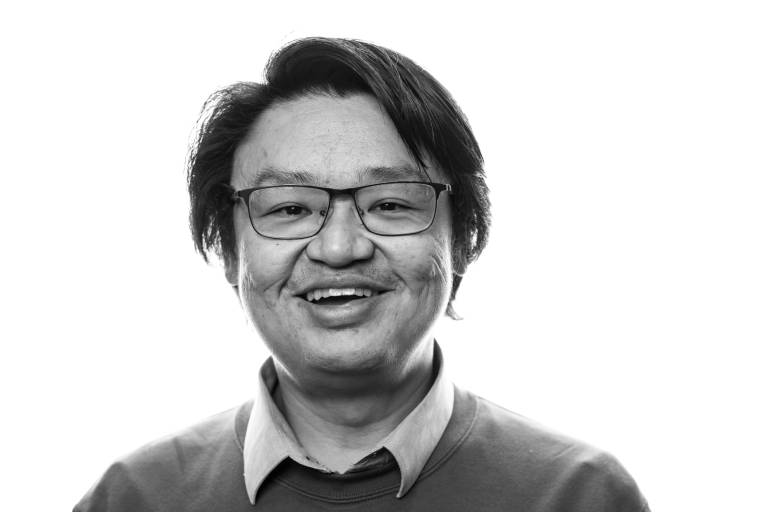
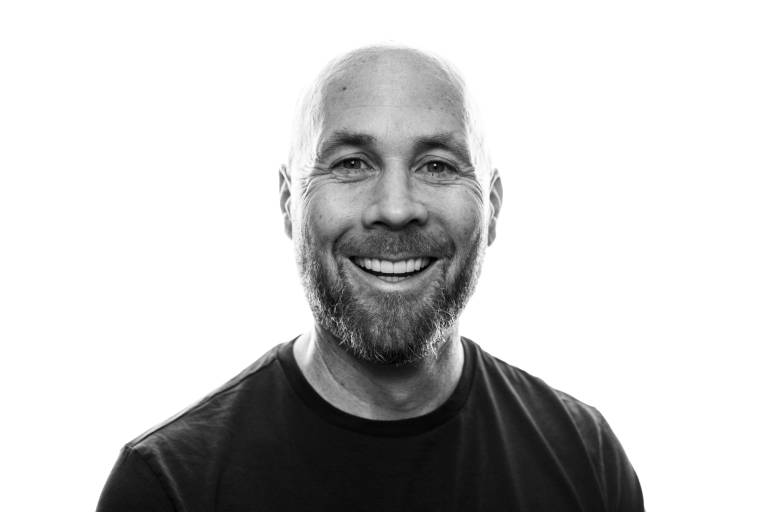
"caption": "Yeo Yong Kiat at KQED in San Francisco on Sept. 5, 2025.",
"credit": "Jennifer Ng/KQED",
"altTag": null,
"description": null,
"imgSizes": {
"thumbnail": {
"file": "https://cdn.kqed.org/wp-content/uploads/sites/44/2025/09/250905-Yeo-Yong-Kiat-Perspectives-JN-01-KQED-160x107.jpg",
"width": 160,
"height": 107,
"mimeType": "image/jpeg"
},
"medium_large": {
"file": "https://cdn.kqed.org/wp-content/uploads/sites/44/2025/09/250905-Yeo-Yong-Kiat-Perspectives-JN-01-KQED-768x512.jpg",
"width": 768,
"height": 512,
"mimeType": "image/jpeg"
},
"1536x1536": {
"file": "https://cdn.kqed.org/wp-content/uploads/sites/44/2025/09/250905-Yeo-Yong-Kiat-Perspectives-JN-01-KQED-1536x1025.jpg",
"width": 1536,
"height": 1025,
"mimeType": "image/jpeg"
},
"post-thumbnail": {
"file": "https://cdn.kqed.org/wp-content/uploads/sites/44/2025/09/250905-Yeo-Yong-Kiat-Perspectives-JN-01-KQED-672x372.jpg",
"width": 672,
"height": 372,
"mimeType": "image/jpeg"
},
"twentyfourteen-full-width": {
"file": "https://cdn.kqed.org/wp-content/uploads/sites/44/2025/09/250905-Yeo-Yong-Kiat-Perspectives-JN-01-KQED-1038x576.jpg",
"width": 1038,
"height": 576,
"mimeType": "image/jpeg"
},
"kqedFullSize": {
"file": "https://cdn.kqed.org/wp-content/uploads/sites/44/2025/09/250905-Yeo-Yong-Kiat-Perspectives-JN-01-KQED.jpg",
"width": 2000,
"height": 1334
}
},
"isLoading": false,
"fetchFailed": false
},
"perspectives_201601146437": {
"type": "attachments",
"id": "perspectives_201601146437",
"meta": {
"index": "attachments_1716263798",
"site": "perspectives",
"id": "201601146437",
"found": true
},
"title": "Rachel Lopez Rosenberg at KQED in San Francisco on Sept. 2, 2025.",
"publishDate": 1756853839,
"status": "inherit",
"parent": 0,
"modified": 1756853855,
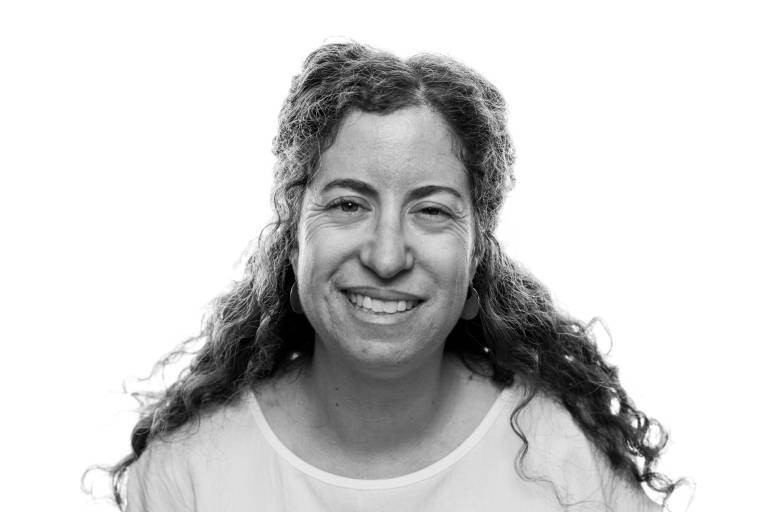
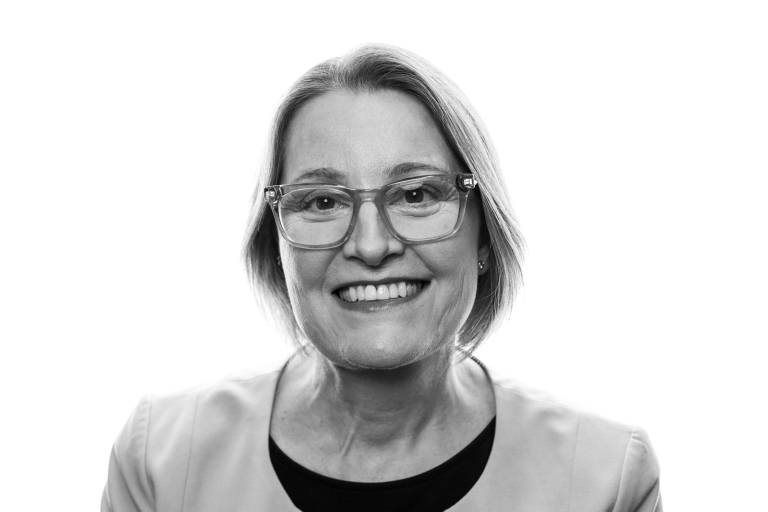
"caption": "Rachel Lopez Rosenberg at KQED in San Francisco on Sept. 2, 2025.",
"credit": "Spencer Whitney/KQED",
"altTag": null,
"description": null,
"imgSizes": {
"thumbnail": {
"file": "https://cdn.kqed.org/wp-content/uploads/sites/44/2025/09/250902-RACHEL-LOPEZ-ROSENBERG-PERSPETIVES-SW-01-KQED-160x107.jpg",
"width": 160,
"height": 107,
"mimeType": "image/jpeg"
},
"medium_large": {
"file": "https://cdn.kqed.org/wp-content/uploads/sites/44/2025/09/250902-RACHEL-LOPEZ-ROSENBERG-PERSPETIVES-SW-01-KQED-768x512.jpg",
"width": 768,
"height": 512,
"mimeType": "image/jpeg"
},
"1536x1536": {
"file": "https://cdn.kqed.org/wp-content/uploads/sites/44/2025/09/250902-RACHEL-LOPEZ-ROSENBERG-PERSPETIVES-SW-01-KQED-1536x1025.jpg",
"width": 1536,
"height": 1025,
"mimeType": "image/jpeg"
},
"post-thumbnail": {
"file": "https://cdn.kqed.org/wp-content/uploads/sites/44/2025/09/250902-RACHEL-LOPEZ-ROSENBERG-PERSPETIVES-SW-01-KQED-672x372.jpg",
"width": 672,
"height": 372,
"mimeType": "image/jpeg"
},
"twentyfourteen-full-width": {
"file": "https://cdn.kqed.org/wp-content/uploads/sites/44/2025/09/250902-RACHEL-LOPEZ-ROSENBERG-PERSPETIVES-SW-01-KQED-1038x576.jpg",
"width": 1038,
"height": 576,
"mimeType": "image/jpeg"
},
"kqedFullSize": {
"file": "https://cdn.kqed.org/wp-content/uploads/sites/44/2025/09/250902-RACHEL-LOPEZ-ROSENBERG-PERSPETIVES-SW-01-KQED.jpg",
"width": 2000,
"height": 1334
}
},
"isLoading": false,
"fetchFailed": false
},
"perspectives_201601146466": {
"type": "attachments",
"id": "perspectives_201601146466",
"meta": {
"index": "attachments_1716263798",
"site": "perspectives",
"id": "201601146466",
"found": true
},
"title": "Ella Rosenblatt",
"publishDate": 1757528371,
"status": "inherit",
"parent": 201601146465,
"modified": 1757528539,
"caption": null,
"credit": null,
"altTag": null,
"description": null,
"imgSizes": {
"medium": {
"file": "https://cdn.kqed.org/wp-content/uploads/sites/44/2025/09/6498CD09-F132-408A-BD8C-A105B356C731-2000x2541.jpeg",
"width": 2000,
"height": 2541,
"mimeType": "image/jpeg"
},
"large": {
"file": "https://cdn.kqed.org/wp-content/uploads/sites/44/2025/09/6498CD09-F132-408A-BD8C-A105B356C731-2000x2541.jpeg",
"width": 2000,
"height": 2541,
"mimeType": "image/jpeg"
},
"thumbnail": {
"file": "https://cdn.kqed.org/wp-content/uploads/sites/44/2025/09/6498CD09-F132-408A-BD8C-A105B356C731-160x203.jpeg",
"width": 160,
"height": 203,
"mimeType": "image/jpeg"
},
"medium_large": {
"file": "https://cdn.kqed.org/wp-content/uploads/sites/44/2025/09/6498CD09-F132-408A-BD8C-A105B356C731-768x976.jpeg",
"width": 768,
"height": 976,
"mimeType": "image/jpeg"
},
"1536x1536": {
"file": "https://cdn.kqed.org/wp-content/uploads/sites/44/2025/09/6498CD09-F132-408A-BD8C-A105B356C731-1209x1536.jpeg",
"width": 1209,
"height": 1536,
"mimeType": "image/jpeg"
},
"2048x2048": {
"file": "https://cdn.kqed.org/wp-content/uploads/sites/44/2025/09/6498CD09-F132-408A-BD8C-A105B356C731-1612x2048.jpeg",
"width": 1612,
"height": 2048,
"mimeType": "image/jpeg"
},
"post-thumbnail": {
"file": "https://cdn.kqed.org/wp-content/uploads/sites/44/2025/09/6498CD09-F132-408A-BD8C-A105B356C731-672x372.jpeg",
"width": 672,
"height": 372,
"mimeType": "image/jpeg"
},
"twentyfourteen-full-width": {
"file": "https://cdn.kqed.org/wp-content/uploads/sites/44/2025/09/6498CD09-F132-408A-BD8C-A105B356C731-1038x576.jpeg",
"width": 1038,
"height": 576,
"mimeType": "image/jpeg"
},
"full-width": {
"file": "https://cdn.kqed.org/wp-content/uploads/sites/44/2025/09/6498CD09-F132-408A-BD8C-A105B356C731-2000x2541.jpeg",
"width": 2000,
"height": 2541,
"mimeType": "image/jpeg"
},
"kqedFullSize": {
"file": "https://cdn.kqed.org/wp-content/uploads/sites/44/2025/09/6498CD09-F132-408A-BD8C-A105B356C731-scaled.jpeg",
"width": 2015,
"height": 2560
}
},
"isLoading": false,
"fetchFailed": false
},
"perspectives_201601146462": {
"type": "attachments",
"id": "perspectives_201601146462",
"meta": {
"index": "attachments_1716263798",
"site": "perspectives",
"id": "201601146462",
"found": true
},
"title": "Bridgette Corridan",
"publishDate": 1757437450,
"status": "inherit",
"parent": 201601146460,
"modified": 1757437472,
"caption": null,
"credit": null,
"altTag": null,
"description": null,
"imgSizes": {
"thumbnail": {
"file": "https://cdn.kqed.org/wp-content/uploads/sites/44/2025/09/Screenshot-2025-09-09-at-9.58.22 AM-160x187.png",
"width": 160,
"height": 187,
"mimeType": "image/png"
},
"medium_large": {
"file": "https://cdn.kqed.org/wp-content/uploads/sites/44/2025/09/Screenshot-2025-09-09-at-9.58.22 AM-768x900.png",
"width": 768,
"height": 900,
"mimeType": "image/png"
},
"1536x1536": {
"file": "https://cdn.kqed.org/wp-content/uploads/sites/44/2025/09/Screenshot-2025-09-09-at-9.58.22 AM-1311x1536.png",
"width": 1311,
"height": 1536,
"mimeType": "image/png"
},
"post-thumbnail": {
"file": "https://cdn.kqed.org/wp-content/uploads/sites/44/2025/09/Screenshot-2025-09-09-at-9.58.22 AM-672x372.png",
"width": 672,
"height": 372,
"mimeType": "image/png"
},
"twentyfourteen-full-width": {
"file": "https://cdn.kqed.org/wp-content/uploads/sites/44/2025/09/Screenshot-2025-09-09-at-9.58.22 AM-1038x576.png",
"width": 1038,
"height": 576,
"mimeType": "image/png"
},
"kqedFullSize": {
"file": "https://cdn.kqed.org/wp-content/uploads/sites/44/2025/09/Screenshot-2025-09-09-at-9.58.22 AM.png",
"width": 1316,
"height": 1542
}
},
"isLoading": false,
"fetchFailed": false
},
"perspectives_201601146458": {
"type": "attachments",
"id": "perspectives_201601146458",
"meta": {
"index": "attachments_1716263798",
"site": "perspectives",
"id": "201601146458",
"found": true
},
"title": "LBird_forPerspectives_hires",
"publishDate": 1757367952,
"status": "inherit",
"parent": 201601146454,
"modified": 1757367952,
"caption": null,
"credit": null,
"altTag": null,
"description": null,
"imgSizes": {
"thumbnail": {
"file": "https://cdn.kqed.org/wp-content/uploads/sites/44/2025/09/LBird_forPerspectives_hires-160x204.jpg",
"width": 160,
"height": 204,
"mimeType": "image/jpeg"
},
"medium_large": {
"file": "https://cdn.kqed.org/wp-content/uploads/sites/44/2025/09/LBird_forPerspectives_hires-768x981.jpg",
"width": 768,
"height": 981,
"mimeType": "image/jpeg"
},
"1536x1536": {
"file": "https://cdn.kqed.org/wp-content/uploads/sites/44/2025/09/LBird_forPerspectives_hires-1203x1536.jpg",
"width": 1203,
"height": 1536,
"mimeType": "image/jpeg"
},
"2048x2048": {
"file": "https://cdn.kqed.org/wp-content/uploads/sites/44/2025/09/LBird_forPerspectives_hires-1604x2048.jpg",
"width": 1604,
"height": 2048,
"mimeType": "image/jpeg"
},
"post-thumbnail": {
"file": "https://cdn.kqed.org/wp-content/uploads/sites/44/2025/09/LBird_forPerspectives_hires-672x372.jpg",
"width": 672,
"height": 372,
"mimeType": "image/jpeg"
},
"twentyfourteen-full-width": {
"file": "https://cdn.kqed.org/wp-content/uploads/sites/44/2025/09/LBird_forPerspectives_hires-1038x576.jpg",
"width": 1038,
"height": 576,
"mimeType": "image/jpeg"
},
"kqedFullSize": {
"file": "https://cdn.kqed.org/wp-content/uploads/sites/44/2025/09/LBird_forPerspectives_hires.jpg",
"width": 1843,
"height": 2353
}
},
"isLoading": false,
"fetchFailed": false
},
"perspectives_201601146436": {
"type": "attachments",
"id": "perspectives_201601146436",
"meta": {
"index": "attachments_1716263798",
"site": "perspectives",
"id": "201601146436",
"found": true
},
"title": "Mike Adamick at KQED in San Francisco on Sept. 2, 2025.",
"publishDate": 1756853506,
"status": "inherit",
"parent": 0,
"modified": 1756853517,
"caption": "Mike Adamick at KQED in San Francisco on Sept. 2, 2025.",
"credit": "Spencer Whitney/KQED",
"altTag": null,
"description": null,
"imgSizes": {
"thumbnail": {
"file": "https://cdn.kqed.org/wp-content/uploads/sites/44/2025/09/250902-MIKE-ADAMICK-PERSPECTIVES-SW-02-KQED-160x107.jpg",
"width": 160,
"height": 107,
"mimeType": "image/jpeg"
},
"medium_large": {
"file": "https://cdn.kqed.org/wp-content/uploads/sites/44/2025/09/250902-MIKE-ADAMICK-PERSPECTIVES-SW-02-KQED-768x512.jpg",
"width": 768,
"height": 512,
"mimeType": "image/jpeg"
},
"1536x1536": {
"file": "https://cdn.kqed.org/wp-content/uploads/sites/44/2025/09/250902-MIKE-ADAMICK-PERSPECTIVES-SW-02-KQED-1536x1025.jpg",
"width": 1536,
"height": 1025,
"mimeType": "image/jpeg"
},
"post-thumbnail": {
"file": "https://cdn.kqed.org/wp-content/uploads/sites/44/2025/09/250902-MIKE-ADAMICK-PERSPECTIVES-SW-02-KQED-672x372.jpg",
"width": 672,
"height": 372,
"mimeType": "image/jpeg"
},
"twentyfourteen-full-width": {
"file": "https://cdn.kqed.org/wp-content/uploads/sites/44/2025/09/250902-MIKE-ADAMICK-PERSPECTIVES-SW-02-KQED-1038x576.jpg",
"width": 1038,
"height": 576,
"mimeType": "image/jpeg"
},
"kqedFullSize": {
"file": "https://cdn.kqed.org/wp-content/uploads/sites/44/2025/09/250902-MIKE-ADAMICK-PERSPECTIVES-SW-02-KQED.jpg",
"width": 2000,
"height": 1334
}
},
"isLoading": false,
"fetchFailed": false
},
"perspectives_201601146427": {
"type": "attachments",
"id": "perspectives_201601146427",
"meta": {
"index": "attachments_1716263798",
"site": "perspectives",
"id": "201601146427",
"found": true
},
"title": "Dej Knuckey at KQED in San Francisco on Aug. 29, 2025.",
"publishDate": 1756508532,
"status": "inherit",
"parent": 0,
"modified": 1756508550,
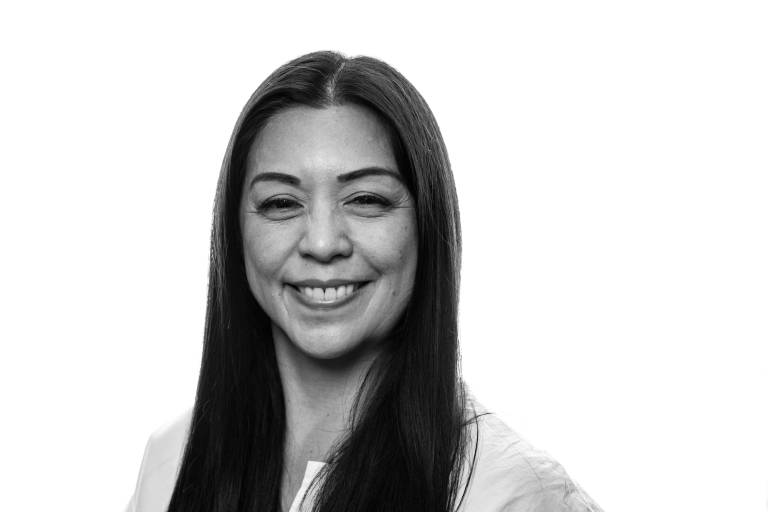
"caption": "Dej Knuckey at KQED in San Francisco on Aug. 29, 2025.",
"credit": "Jennifer Ng/KQED",
"altTag": null,
"description": null,
"imgSizes": {
"thumbnail": {
"file": "https://cdn.kqed.org/wp-content/uploads/sites/44/2025/08/250829-DEJ-KNUCKEY-PERSPECTIVES-JN-KQED-160x107.jpg",
"width": 160,
"height": 107,
"mimeType": "image/jpeg"
},
"medium_large": {
"file": "https://cdn.kqed.org/wp-content/uploads/sites/44/2025/08/250829-DEJ-KNUCKEY-PERSPECTIVES-JN-KQED-768x512.jpg",
"width": 768,
"height": 512,
"mimeType": "image/jpeg"
},
"1536x1536": {
"file": "https://cdn.kqed.org/wp-content/uploads/sites/44/2025/08/250829-DEJ-KNUCKEY-PERSPECTIVES-JN-KQED-1536x1025.jpg",
"width": 1536,
"height": 1025,
"mimeType": "image/jpeg"
},
"post-thumbnail": {
"file": "https://cdn.kqed.org/wp-content/uploads/sites/44/2025/08/250829-DEJ-KNUCKEY-PERSPECTIVES-JN-KQED-672x372.jpg",
"width": 672,
"height": 372,
"mimeType": "image/jpeg"
},
"twentyfourteen-full-width": {
"file": "https://cdn.kqed.org/wp-content/uploads/sites/44/2025/08/250829-DEJ-KNUCKEY-PERSPECTIVES-JN-KQED-1038x576.jpg",
"width": 1038,
"height": 576,
"mimeType": "image/jpeg"
},
"kqedFullSize": {
"file": "https://cdn.kqed.org/wp-content/uploads/sites/44/2025/08/250829-DEJ-KNUCKEY-PERSPECTIVES-JN-KQED.jpg",
"width": 2000,
"height": 1334
}
},
"isLoading": false,
"fetchFailed": false
},
"perspectives_201601146428": {
"type": "attachments",
"id": "perspectives_201601146428",
"meta": {
"index": "attachments_1716263798",
"site": "perspectives",
"id": "201601146428",
"found": true
},
"title": "Juliet Reyes at KQED in San Francisco on Aug. 29, 2025.",
"publishDate": 1756508801,
"status": "inherit",
"parent": 0,
"modified": 1756508809,
"caption": "Juliet Reyes at KQED in San Francisco on Aug. 29, 2025.",
"credit": "Jennifer Ng/KQED",
"altTag": null,
"description": null,
"imgSizes": {
"thumbnail": {
"file": "https://cdn.kqed.org/wp-content/uploads/sites/44/2025/08/250829-JULIET-REYES-PERSPECTIVES-JN-KQED-160x107.jpg",
"width": 160,
"height": 107,
"mimeType": "image/jpeg"
},
"medium_large": {
"file": "https://cdn.kqed.org/wp-content/uploads/sites/44/2025/08/250829-JULIET-REYES-PERSPECTIVES-JN-KQED-768x512.jpg",
"width": 768,
"height": 512,
"mimeType": "image/jpeg"
},
"1536x1536": {
"file": "https://cdn.kqed.org/wp-content/uploads/sites/44/2025/08/250829-JULIET-REYES-PERSPECTIVES-JN-KQED-1536x1025.jpg",
"width": 1536,
"height": 1025,
"mimeType": "image/jpeg"
},
"post-thumbnail": {
"file": "https://cdn.kqed.org/wp-content/uploads/sites/44/2025/08/250829-JULIET-REYES-PERSPECTIVES-JN-KQED-672x372.jpg",
"width": 672,
"height": 372,
"mimeType": "image/jpeg"
},
"twentyfourteen-full-width": {
"file": "https://cdn.kqed.org/wp-content/uploads/sites/44/2025/08/250829-JULIET-REYES-PERSPECTIVES-JN-KQED-1038x576.jpg",
"width": 1038,
"height": 576,
"mimeType": "image/jpeg"
},
"kqedFullSize": {
"file": "https://cdn.kqed.org/wp-content/uploads/sites/44/2025/08/250829-JULIET-REYES-PERSPECTIVES-JN-KQED.jpg",
"width": 2000,
"height": 1334
}
},
"isLoading": false,
"fetchFailed": false
},
"perspectives_201601146426": {
"type": "attachments",
"id": "perspectives_201601146426",
"meta": {
"index": "attachments_1716263798",
"site": "perspectives",
"id": "201601146426",
"found": true
},
"title": "John Levine at KQED in San Francisco on Aug. 29, 2025.",
"publishDate": 1756508158,
"status": "inherit",
"parent": 0,
"modified": 1756508170,
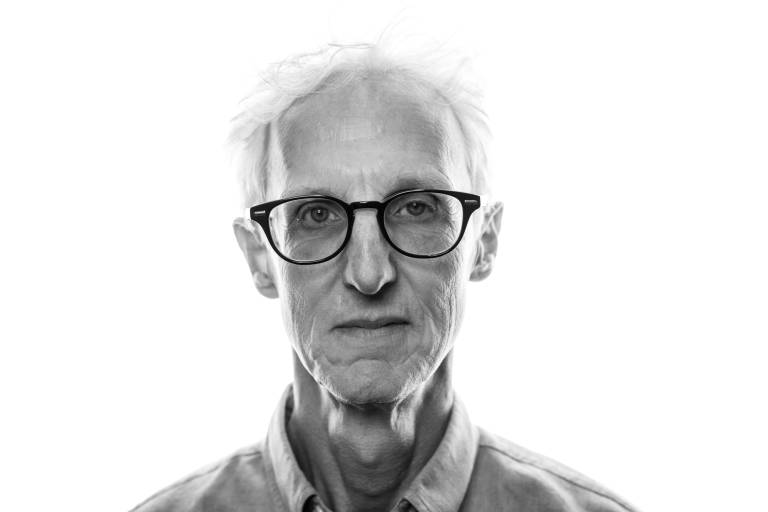
"caption": "John Levine at KQED in San Francisco on Aug. 29, 2025.",
"credit": "Jennifer Ng/KQED",
"altTag": null,
"description": null,
"imgSizes": {
"thumbnail": {
"file": "https://cdn.kqed.org/wp-content/uploads/sites/44/2025/08/250829-JOHN-LEVINE-PERSPECTIVES-JN-KQED-160x107.jpg",
"width": 160,
"height": 107,
"mimeType": "image/jpeg"
},
"medium_large": {
"file": "https://cdn.kqed.org/wp-content/uploads/sites/44/2025/08/250829-JOHN-LEVINE-PERSPECTIVES-JN-KQED-768x512.jpg",
"width": 768,
"height": 512,
"mimeType": "image/jpeg"
},
"1536x1536": {
"file": "https://cdn.kqed.org/wp-content/uploads/sites/44/2025/08/250829-JOHN-LEVINE-PERSPECTIVES-JN-KQED-1536x1025.jpg",
"width": 1536,
"height": 1025,
"mimeType": "image/jpeg"
},
"post-thumbnail": {
"file": "https://cdn.kqed.org/wp-content/uploads/sites/44/2025/08/250829-JOHN-LEVINE-PERSPECTIVES-JN-KQED-672x372.jpg",
"width": 672,
"height": 372,
"mimeType": "image/jpeg"
},
"twentyfourteen-full-width": {
"file": "https://cdn.kqed.org/wp-content/uploads/sites/44/2025/08/250829-JOHN-LEVINE-PERSPECTIVES-JN-KQED-1038x576.jpg",
"width": 1038,
"height": 576,
"mimeType": "image/jpeg"
},
"kqedFullSize": {
"file": "https://cdn.kqed.org/wp-content/uploads/sites/44/2025/08/250829-JOHN-LEVINE-PERSPECTIVES-JN-KQED.jpg",
"width": 2000,
"height": 1334
}
},
"isLoading": false,
"fetchFailed": false
},
"perspectives_201601146423": {
"type": "attachments",
"id": "perspectives_201601146423",
"meta": {
"index": "attachments_1716263798",
"site": "perspectives",
"id": "201601146423",
"found": true
},
"title": "Linda Chodos",
"publishDate": 1756489351,
"status": "inherit",
"parent": 201601146422,
"modified": 1756489367,
"caption": null,
"credit": null,
"altTag": null,
"description": null,
"imgSizes": {
"medium": {
"file": "https://cdn.kqed.org/wp-content/uploads/sites/44/2025/08/IMG_3147-2000x2667.jpg",
"width": 2000,
"height": 2667,
"mimeType": "image/jpeg"
},
"large": {
"file": "https://cdn.kqed.org/wp-content/uploads/sites/44/2025/08/IMG_3147-2000x2667.jpg",
"width": 2000,
"height": 2667,
"mimeType": "image/jpeg"
},
"thumbnail": {
"file": "https://cdn.kqed.org/wp-content/uploads/sites/44/2025/08/IMG_3147-160x213.jpg",
"width": 160,
"height": 213,
"mimeType": "image/jpeg"
},
"medium_large": {
"file": "https://cdn.kqed.org/wp-content/uploads/sites/44/2025/08/IMG_3147-768x1024.jpg",
"width": 768,
"height": 1024,
"mimeType": "image/jpeg"
},
"1536x1536": {
"file": "https://cdn.kqed.org/wp-content/uploads/sites/44/2025/08/IMG_3147-1152x1536.jpg",
"width": 1152,
"height": 1536,
"mimeType": "image/jpeg"
},
"2048x2048": {
"file": "https://cdn.kqed.org/wp-content/uploads/sites/44/2025/08/IMG_3147-1536x2048.jpg",
"width": 1536,
"height": 2048,
"mimeType": "image/jpeg"
},
"post-thumbnail": {
"file": "https://cdn.kqed.org/wp-content/uploads/sites/44/2025/08/IMG_3147-672x372.jpg",
"width": 672,
"height": 372,
"mimeType": "image/jpeg"
},
"twentyfourteen-full-width": {
"file": "https://cdn.kqed.org/wp-content/uploads/sites/44/2025/08/IMG_3147-1038x576.jpg",
"width": 1038,
"height": 576,
"mimeType": "image/jpeg"
},
"full-width": {
"file": "https://cdn.kqed.org/wp-content/uploads/sites/44/2025/08/IMG_3147-2000x2667.jpg",
"width": 2000,
"height": 2667,
"mimeType": "image/jpeg"
},
"kqedFullSize": {
"file": "https://cdn.kqed.org/wp-content/uploads/sites/44/2025/08/IMG_3147-scaled.jpg",
"width": 1920,
"height": 2560
}
},
"isLoading": false,
"fetchFailed": false
},
"perspectives_201601146416": {
"type": "attachments",
"id": "perspectives_201601146416",
"meta": {
"index": "attachments_1716263798",
"site": "perspectives",
"id": "201601146416",
"found": true
},
"title": "Elizabeth Dyer",
"publishDate": 1756326453,
"status": "inherit",
"parent": 201601146415,
"modified": 1756326474,
"caption": null,
"credit": null,
"altTag": null,
"description": null,
"imgSizes": {
"medium": {
"file": "https://cdn.kqed.org/wp-content/uploads/sites/44/2025/08/clogs-piano-floor-2000x2667.jpg",
"width": 2000,
"height": 2667,
"mimeType": "image/jpeg"
},
"large": {
"file": "https://cdn.kqed.org/wp-content/uploads/sites/44/2025/08/clogs-piano-floor-2000x2667.jpg",
"width": 2000,
"height": 2667,
"mimeType": "image/jpeg"
},
"thumbnail": {
"file": "https://cdn.kqed.org/wp-content/uploads/sites/44/2025/08/clogs-piano-floor-160x213.jpg",
"width": 160,
"height": 213,
"mimeType": "image/jpeg"
},
"medium_large": {
"file": "https://cdn.kqed.org/wp-content/uploads/sites/44/2025/08/clogs-piano-floor-768x1024.jpg",
"width": 768,
"height": 1024,
"mimeType": "image/jpeg"
},
"1536x1536": {
"file": "https://cdn.kqed.org/wp-content/uploads/sites/44/2025/08/clogs-piano-floor-1152x1536.jpg",
"width": 1152,
"height": 1536,
"mimeType": "image/jpeg"
},
"2048x2048": {
"file": "https://cdn.kqed.org/wp-content/uploads/sites/44/2025/08/clogs-piano-floor-1536x2048.jpg",
"width": 1536,
"height": 2048,
"mimeType": "image/jpeg"
},
"post-thumbnail": {
"file": "https://cdn.kqed.org/wp-content/uploads/sites/44/2025/08/clogs-piano-floor-672x372.jpg",
"width": 672,
"height": 372,
"mimeType": "image/jpeg"
},
"twentyfourteen-full-width": {
"file": "https://cdn.kqed.org/wp-content/uploads/sites/44/2025/08/clogs-piano-floor-1038x576.jpg",
"width": 1038,
"height": 576,
"mimeType": "image/jpeg"
},
"full-width": {
"file": "https://cdn.kqed.org/wp-content/uploads/sites/44/2025/08/clogs-piano-floor-2000x2667.jpg",
"width": 2000,
"height": 2667,
"mimeType": "image/jpeg"
},
"kqedFullSize": {
"file": "https://cdn.kqed.org/wp-content/uploads/sites/44/2025/08/clogs-piano-floor-scaled.jpg",
"width": 1920,
"height": 2560
}
},
"isLoading": false,
"fetchFailed": false
},
"perspectives_201601146412": {
"type": "attachments",
"id": "perspectives_201601146412",
"meta": {
"index": "attachments_1716263798",
"site": "perspectives",
"id": "201601146412",
"found": true
},
"title": "Jyothi Marbin headshot",
"publishDate": 1756233657,
"status": "inherit",
"parent": 201601146410,
"modified": 1756233667,
"caption": null,
"credit": null,
"altTag": null,
"description": null,
"imgSizes": {
"thumbnail": {
"file": "https://cdn.kqed.org/wp-content/uploads/sites/44/2025/08/Marbin-headshot-160x160.jpg",
"width": 160,
"height": 160,
"mimeType": "image/jpeg"
},
"medium_large": {
"file": "https://cdn.kqed.org/wp-content/uploads/sites/44/2025/08/Marbin-headshot-768x768.jpg",
"width": 768,
"height": 768,
"mimeType": "image/jpeg"
},
"1536x1536": {
"file": "https://cdn.kqed.org/wp-content/uploads/sites/44/2025/08/Marbin-headshot-1536x1536.jpg",
"width": 1536,
"height": 1536,
"mimeType": "image/jpeg"
},
"post-thumbnail": {
"file": "https://cdn.kqed.org/wp-content/uploads/sites/44/2025/08/Marbin-headshot-672x372.jpg",
"width": 672,
"height": 372,
"mimeType": "image/jpeg"
},
"twentyfourteen-full-width": {
"file": "https://cdn.kqed.org/wp-content/uploads/sites/44/2025/08/Marbin-headshot-1038x576.jpg",
"width": 1038,
"height": 576,
"mimeType": "image/jpeg"
},
"kqedFullSize": {
"file": "https://cdn.kqed.org/wp-content/uploads/sites/44/2025/08/Marbin-headshot.jpg",
"width": 1571,
"height": 1571
}
},
"isLoading": false,
"fetchFailed": false
}
},
"audioPlayerReducer": {
"postId": "stream_live",
"isPaused": true,
"isPlaying": false,
"pfsActive": false,
"pledgeModalIsOpen": true,
"playerDrawerIsOpen": false,
"liveAudioPlayStartedAt": 0,
"liveAudioPlayContext": ""
},
"authorsReducer": {
"byline_perspectives_201601146484": {
"type": "authors",
"id": "byline_perspectives_201601146484",
"meta": {
"override": true
},
"slug": "byline_perspectives_201601146484",
"name": "Yeo Yong Kiat",
"isLoading": false
},
"byline_perspectives_201601146473": {
"type": "authors",
"id": "byline_perspectives_201601146473",
"meta": {
"override": true
},
"slug": "byline_perspectives_201601146473",
"name": "Rachel Lopez Rosenberg",
"isLoading": false
},
"byline_perspectives_201601146465": {
"type": "authors",
"id": "byline_perspectives_201601146465",
"meta": {
"override": true
},
"slug": "byline_perspectives_201601146465",
"name": "Ella Rosenblatt",
"isLoading": false
},
"byline_perspectives_201601146460": {
"type": "authors",
"id": "byline_perspectives_201601146460",
"meta": {
"override": true
},
"slug": "byline_perspectives_201601146460",
"name": "Bridgette Corridan",
"isLoading": false
},
"byline_perspectives_201601146454": {
"type": "authors",
"id": "byline_perspectives_201601146454",
"meta": {
"override": true
},
"slug": "byline_perspectives_201601146454",
"name": "Lydia Bird",
"isLoading": false
},
"byline_perspectives_201601146447": {
"type": "authors",
"id": "byline_perspectives_201601146447",
"meta": {
"override": true
},
"slug": "byline_perspectives_201601146447",
"name": "Mike Adamick",
"isLoading": false
},
"byline_perspectives_201601146444": {
"type": "authors",
"id": "byline_perspectives_201601146444",
"meta": {
"override": true
},
"slug": "byline_perspectives_201601146444",
"name": "Dej Knuckey",
"isLoading": false
},
"byline_perspectives_201601146439": {
"type": "authors",
"id": "byline_perspectives_201601146439",
"meta": {
"override": true
},
"slug": "byline_perspectives_201601146439",
"name": "Juliet Reyes",
"isLoading": false
},
"byline_perspectives_201601146429": {
"type": "authors",
"id": "byline_perspectives_201601146429",
"meta": {
"override": true
},
"slug": "byline_perspectives_201601146429",
"name": "John Levine",
"isLoading": false
},
"byline_perspectives_201601146422": {
"type": "authors",
"id": "byline_perspectives_201601146422",
"meta": {
"override": true
},
"slug": "byline_perspectives_201601146422",
"name": "Linda Chodos",
"isLoading": false
},
"byline_perspectives_201601146415": {
"type": "authors",
"id": "byline_perspectives_201601146415",
"meta": {
"override": true
},
"slug": "byline_perspectives_201601146415",
"name": "Elizabeth Dyer",
"isLoading": false
},
"byline_perspectives_201601146410": {
"type": "authors",
"id": "byline_perspectives_201601146410",
"meta": {
"override": true
},
"slug": "byline_perspectives_201601146410",
"name": "Jyothi Marbin",
"isLoading": false
}
},
"pagesReducer": {
"perspectives_category_podcast": {
"type": "terms",
"id": "perspectives_2052",
"meta": {
"index": "terms_1716263798",
"site": "perspectives",
"id": "2052",
"score": 12.071835
},
"name": "podcast",
"slug": "podcast",
"taxonomy": "category",
"description": null,
"featImg": null,
"headData": {
"title": "podcast - Perspectives",
"description": null,
"ogTitle": null,
"ogDescription": null,
"ogImgId": null,
"twTitle": null,
"twDescription": null,
"twImgId": null
},
"ttid": 2052,
"isLoading": false,
"title": "podcast",
"pageMeta": {
"site": "perspectives",
"WpPageTemplate": "page-topic-editorial",
"currentPage": 21
},
"blocks": [
{
"blockName": "kqed/post-list",
"attrs": {
"layout": "cardArticle2",
"query": "posts/perspectives?category=podcast",
"seeMore": false,
"paginated": true,
"page": 21
}
},
{
"blockName": "kqed/ad"
}
]
}
},
"pfsSessionReducer": {},
"postsReducer": {
"stream_live": {
"type": "live",
"id": "stream_live",
"audioUrl": "https://streams.kqed.org/kqedradio",
"title": "Live Stream",
"excerpt": "Live Stream information currently unavailable.",
"link": "/radio",
"featImg": "",
"label": {
"name": "KQED Live",
"link": "/"
}
},
"stream_kqedNewscast": {
"type": "posts",
"id": "stream_kqedNewscast",
"audioUrl": "https://www.kqed.org/.stream/anon/radio/RDnews/newscast.mp3?_=1",
"title": "KQED Newscast",
"featImg": "",
"label": {
"name": "88.5 FM",
"link": "/"
}
},
"perspectives_201601146484": {
"type": "posts",
"id": "perspectives_201601146484",
"meta": {
"index": "posts_1716263798",
"site": "perspectives",
"id": "201601146484",
"score": null,
"sort": [
1758524475000
]
},
"guestAuthors": [],
"slug": "yeo-yong-kiat-not-just-pretty-wallpaper",
"title": "Yeo Yong Kiat: Not Just Pretty Wallpaper",
"publishDate": 1758524475,
"format": "standard",
"headTitle": "Yeo Yong Kiat: Not Just Pretty Wallpaper | KQED",
"labelTerm": {
"term": 3,
"site": "perspectives"
},
"content": "\u003cp>\u003cem>Yeo Yong Kiat shares about his family’s experiences navigating California’s landscape.\u003c/em>\u003c/p>\n\u003cp>During a break this summer from my UC Berkeley graduate program, my Singaporean family fled to the serenity of the Sierra Nevada Mountain range. As we drove into Yosemite Valley, my son exclaimed, “Woah, Papa, it’s your computer screen!” He saw the coarse-grained granite monarch rising from the valley — the sheer wall cliff that was El Capitan.\u003c/p>\n\u003cp>If, like me, you have an Apple computer, you’d have spent hours staring yearningly at the default wallpapers of the Californian landscape. Majestic snow-dusted peaks. Lush enticing valleys that stretch for miles, and cliffs that plunge into the Pacific Ocean. Timeless redwood cathedrals. My family has also been drawn to the historical urban environments and quirky community spaces of California, which are a world apart from the controlled efficiency and orderliness of the city-state of Singapore.\u003c/p>\n\u003cp>I see the footprints of community in Oakland, a city we call friend on weekends. When I bring my curious toddlers to Big Frog Park in the shadow of Highway 24, the playground is littered with carefully placed children’s toys. Play kitchens. Shovels in the sand. Batman buggies. Well used, but certainly not discarded. Free loaner toys line the Rockridge-Temescal Greenbelt, as if a silent, invisible community knew that my children and many others would come. \u003c/p>\n\u003cp>The park is a vibrant and living testament to community action. And back in Berkeley, we find ourselves in a restless hum of struggle to create a place where everyone can be themselves. Tibetan prayer flags flutter beside Black Lives Matter murals, and a Vietnamese Pho restaurant beside a Mexican one. It is part celebration, part rebellion. California. It’s more than pretty landscapes etched on screens. With a Perspective, I’m Yeo Yong Kiat. \u003c/p>\n\u003cp>[ad fullwidth]\u003c/p>\n\u003cp>\u003c/p>\n\u003cp>\u003cem>Yeo Yong Kiat is a Singapore public servant presently living in Albany, and reading for a public policy graduate degree at UC Berkeley. In his free time, he goes for long hikes with his wife and toddlers, creates YouTube videos and writes software to super-hack his routines.\u003c/em>\u003c/p>\n\n",
"blocks": [],
"excerpt": "Yeo Yong Kiat shares about his family's experiences navigating California's landscape.",
"status": "publish",
"parent": 0,
"modified": 1758221601,
"stats": {
"hasAudio": false,
"hasVideo": false,
"hasChartOrMap": false,
"iframeSrcs": [],
"hasGoogleForm": false,
"hasGallery": false,
"hasHearkenModule": false,
"hasPolis": false,
"paragraphCount": 8,
"wordCount": 364
},
"headData": {
"title": "Yeo Yong Kiat: Not Just Pretty Wallpaper | KQED",
"description": "Yeo Yong Kiat shares about his family's experiences navigating California's landscape.",
"ogTitle": "",
"ogDescription": "",
"ogImgId": "",
"twTitle": "",
"twDescription": "",
"twImgId": "",
"schema": {
"@context": "https://schema.org",
"@type": "Article",
"headline": "Yeo Yong Kiat: Not Just Pretty Wallpaper",
"datePublished": "2025-09-22T00:01:15-07:00",
"dateModified": "2025-09-18T11:53:21-07:00",
"image": "https://cdn.kqed.org/wp-content/uploads/2020/02/KQED-OG-Image@1x.png"
}
},
"primaryCategory": {
"termId": 2052,
"slug": "podcast",
"name": "podcast"
},
"audioUrl": "https://www.podtrac.com/pts/redirect.mp3/pdst.fm/e/chrt.fm/track/G6C7C3/traffic.megaphone.fm/KQINC5080870206.mp3",
"sticky": false,
"nprByline": "Yeo Yong Kiat",
"templateType": "standard",
"featuredImageType": "standard",
"excludeFromSiteSearch": "Include",
"showOnAuthorArchivePages": "No",
"articleAge": "0",
"path": "/perspectives/201601146484/yeo-yong-kiat-not-just-pretty-wallpaper",
"audioTrackLength": null,
"parsedContent": [
{
"type": "contentString",
"content": "\u003cdiv class=\"post-body\">\u003cp>\u003cp>\u003cem>Yeo Yong Kiat shares about his family’s experiences navigating California’s landscape.\u003c/em>\u003c/p>\n\u003cp>During a break this summer from my UC Berkeley graduate program, my Singaporean family fled to the serenity of the Sierra Nevada Mountain range. As we drove into Yosemite Valley, my son exclaimed, “Woah, Papa, it’s your computer screen!” He saw the coarse-grained granite monarch rising from the valley — the sheer wall cliff that was El Capitan.\u003c/p>\n\u003cp>If, like me, you have an Apple computer, you’d have spent hours staring yearningly at the default wallpapers of the Californian landscape. Majestic snow-dusted peaks. Lush enticing valleys that stretch for miles, and cliffs that plunge into the Pacific Ocean. Timeless redwood cathedrals. My family has also been drawn to the historical urban environments and quirky community spaces of California, which are a world apart from the controlled efficiency and orderliness of the city-state of Singapore.\u003c/p>\n\u003cp>I see the footprints of community in Oakland, a city we call friend on weekends. When I bring my curious toddlers to Big Frog Park in the shadow of Highway 24, the playground is littered with carefully placed children’s toys. Play kitchens. Shovels in the sand. Batman buggies. Well used, but certainly not discarded. Free loaner toys line the Rockridge-Temescal Greenbelt, as if a silent, invisible community knew that my children and many others would come. \u003c/p>\n\u003cp>The park is a vibrant and living testament to community action. And back in Berkeley, we find ourselves in a restless hum of struggle to create a place where everyone can be themselves. Tibetan prayer flags flutter beside Black Lives Matter murals, and a Vietnamese Pho restaurant beside a Mexican one. It is part celebration, part rebellion. California. It’s more than pretty landscapes etched on screens. With a Perspective, I’m Yeo Yong Kiat. \u003c/p>\n\u003cp>\u003c/p>\u003c/div>",
"attributes": {
"named": {},
"numeric": []
}
},
{
"type": "component",
"content": "",
"name": "ad",
"attributes": {
"named": {
"label": "fullwidth"
},
"numeric": [
"fullwidth"
]
}
},
{
"type": "contentString",
"content": "\u003cdiv class=\"post-body\">\u003cp>\u003c/p>\n\u003cp>\u003c/p>\n\u003cp>\u003cem>Yeo Yong Kiat is a Singapore public servant presently living in Albany, and reading for a public policy graduate degree at UC Berkeley. In his free time, he goes for long hikes with his wife and toddlers, creates YouTube videos and writes software to super-hack his routines.\u003c/em>\u003c/p>\n\n\u003c/div>\u003c/p>",
"attributes": {
"named": {},
"numeric": []
}
}
],
"link": "/perspectives/201601146484/yeo-yong-kiat-not-just-pretty-wallpaper",
"authors": [
"byline_perspectives_201601146484"
],
"programs": [
"perspectives_3"
],
"series": [
"perspectives_2023"
],
"categories": [
"perspectives_2",
"perspectives_2052"
],
"featImg": "perspectives_201601146486",
"label": "perspectives_3"
},
"perspectives_201601146473": {
"type": "posts",
"id": "perspectives_201601146473",
"meta": {
"index": "posts_1716263798",
"site": "perspectives",
"id": "201601146473",
"score": null,
"sort": [
1757660492000
]
},
"guestAuthors": [],
"slug": "rachel-lopez-rosenberg-appreciating-the-time-we-have",
"title": "Rachel Lopez Rosenberg: Appreciating the Time We Have",
"publishDate": 1757660492,
"format": "standard",
"headTitle": "Rachel Lopez Rosenberg: Appreciating the Time We Have | KQED",
"labelTerm": {
"term": 3,
"site": "perspectives"
},
"content": "\u003cp>\u003cem>Rachel Lopez Rosenberg explains how dealing with death regularly allows her to cherish life more.\u003c/em>\u003c/p>\n\u003cp>My work as a hospice chaplain brings me in contact with death on a regular basis. When I spend time with dying patients I am inevitably prompted to think about my own death and the deaths of the people that I love. I’ve come to see this awareness of mortality as a gift rather than a gloomy burden.\u003c/p>\n\u003cp>In fact, many of the world’s religions encourage this kind of contemplation as a spiritual practice. In the Hebrew Bible it says “teach us to number our days that we may gain a heart of wisdom.” There’s something to that, numbering our days. And maybe we are wiser when we’re tuned in this way. I know my life is finite and I appreciate it all the more so because of that. \u003c/p>\n\u003cp>I don’t know what exactly comes after death but I do know I won’t have a body anymore. I won’t be able to feel the wind on my cheeks on my afternoon walks or enjoy the sweet stone fruit that summer has to offer. \u003c/p>\n\u003cp>There are hundreds of these kinds of body-only experiences we have each day and how lovely to recognize their precious, fleeting nature. Once I start walking down this road, I come to accept that my relationships are finite too. I will eventually lose the people that I love and I don’t know when. \u003c/p>\n\u003cp>[ad fullwidth]\u003c/p>\n\u003cp>Having this understanding helps me to cherish the time we have together, however long it is. Our time on Earth is so short and yet the distraction of technology can make it difficult to pass it in meaningful, life-giving ways. When I’m on my death bed, will I wish that I had spent more time scrolling the internet?\u003c/p>\n\u003cp>Probably not. I can’t say for sure what that day will look like and what will be on my mind, but I do hope that I can say I had moments of feeling fully alive while I was here. And by that, I mean, in my body. With a Perspective, I’m Rachel Lopez Rosenberg.\u003c/p>\n\u003cp>\u003c/p>\n\u003cp>\u003cem>Rachel Lopez Rosenberg enjoys pondering theological questions while walking around her neighborhood. She lives in Daly City.\u003c/em>\u003c/p>\n\n",
"blocks": [],
"excerpt": "Rachel Lopez Rosenberg explains how dealing with death regularly allows her to cherish life more.",
"status": "publish",
"parent": 0,
"modified": 1757610810,
"stats": {
"hasAudio": false,
"hasVideo": false,
"hasChartOrMap": false,
"iframeSrcs": [],
"hasGoogleForm": false,
"hasGallery": false,
"hasHearkenModule": false,
"hasPolis": false,
"paragraphCount": 10,
"wordCount": 398
},
"headData": {
"title": "Rachel Lopez Rosenberg: Appreciating the Time We Have | KQED",
"description": "Rachel Lopez Rosenberg explains how dealing with death regularly allows her to cherish life more.",
"ogTitle": "",
"ogDescription": "",
"ogImgId": "",
"twTitle": "",
"twDescription": "",
"twImgId": "",
"schema": {
"@context": "https://schema.org",
"@type": "Article",
"headline": "Rachel Lopez Rosenberg: Appreciating the Time We Have",
"datePublished": "2025-09-12T00:01:32-07:00",
"dateModified": "2025-09-11T10:13:30-07:00",
"image": "https://cdn.kqed.org/wp-content/uploads/2020/02/KQED-OG-Image@1x.png"
}
},
"primaryCategory": {
"termId": 2052,
"slug": "podcast",
"name": "podcast"
},
"audioUrl": "https://www.podtrac.com/pts/redirect.mp3/pdst.fm/e/chrt.fm/track/G6C7C3/traffic.megaphone.fm/KQINC1101043450.mp3",
"sticky": false,
"nprByline": "Rachel Lopez Rosenberg",
"templateType": "standard",
"featuredImageType": "standard",
"excludeFromSiteSearch": "Include",
"showOnAuthorArchivePages": "No",
"articleAge": "0",
"path": "/perspectives/201601146473/rachel-lopez-rosenberg-appreciating-the-time-we-have",
"audioTrackLength": null,
"parsedContent": [
{
"type": "contentString",
"content": "\u003cdiv class=\"post-body\">\u003cp>\u003cp>\u003cem>Rachel Lopez Rosenberg explains how dealing with death regularly allows her to cherish life more.\u003c/em>\u003c/p>\n\u003cp>My work as a hospice chaplain brings me in contact with death on a regular basis. When I spend time with dying patients I am inevitably prompted to think about my own death and the deaths of the people that I love. I’ve come to see this awareness of mortality as a gift rather than a gloomy burden.\u003c/p>\n\u003cp>In fact, many of the world’s religions encourage this kind of contemplation as a spiritual practice. In the Hebrew Bible it says “teach us to number our days that we may gain a heart of wisdom.” There’s something to that, numbering our days. And maybe we are wiser when we’re tuned in this way. I know my life is finite and I appreciate it all the more so because of that. \u003c/p>\n\u003cp>I don’t know what exactly comes after death but I do know I won’t have a body anymore. I won’t be able to feel the wind on my cheeks on my afternoon walks or enjoy the sweet stone fruit that summer has to offer. \u003c/p>\n\u003cp>There are hundreds of these kinds of body-only experiences we have each day and how lovely to recognize their precious, fleeting nature. Once I start walking down this road, I come to accept that my relationships are finite too. I will eventually lose the people that I love and I don’t know when. \u003c/p>\n\u003cp>\u003c/p>\u003c/div>",
"attributes": {
"named": {},
"numeric": []
}
},
{
"type": "component",
"content": "",
"name": "ad",
"attributes": {
"named": {
"label": "fullwidth"
},
"numeric": [
"fullwidth"
]
}
},
{
"type": "contentString",
"content": "\u003cdiv class=\"post-body\">\u003cp>\u003c/p>\n\u003cp>Having this understanding helps me to cherish the time we have together, however long it is. Our time on Earth is so short and yet the distraction of technology can make it difficult to pass it in meaningful, life-giving ways. When I’m on my death bed, will I wish that I had spent more time scrolling the internet?\u003c/p>\n\u003cp>Probably not. I can’t say for sure what that day will look like and what will be on my mind, but I do hope that I can say I had moments of feeling fully alive while I was here. And by that, I mean, in my body. With a Perspective, I’m Rachel Lopez Rosenberg.\u003c/p>\n\u003cp>\u003c/p>\n\u003cp>\u003cem>Rachel Lopez Rosenberg enjoys pondering theological questions while walking around her neighborhood. She lives in Daly City.\u003c/em>\u003c/p>\n\n\u003c/div>\u003c/p>",
"attributes": {
"named": {},
"numeric": []
}
}
],
"link": "/perspectives/201601146473/rachel-lopez-rosenberg-appreciating-the-time-we-have",
"authors": [
"byline_perspectives_201601146473"
],
"programs": [
"perspectives_3"
],
"series": [
"perspectives_2023"
],
"categories": [
"perspectives_2",
"perspectives_2052"
],
"featImg": "perspectives_201601146437",
"label": "perspectives_3"
},
"perspectives_201601146465": {
"type": "posts",
"id": "perspectives_201601146465",
"meta": {
"index": "posts_1716263798",
"site": "perspectives",
"id": "201601146465",
"score": null,
"sort": [
1757574082000
]
},
"guestAuthors": [],
"slug": "ella-rosenblatt-the-importance-of-pronouns",
"title": "Ella Rosenblatt: The Importance of Pronouns",
"publishDate": 1757574082,
"format": "standard",
"headTitle": "Ella Rosenblatt: The Importance of Pronouns | KQED",
"labelTerm": {
"term": 3,
"site": "perspectives"
},
"content": "\u003cp>\u003cem>Ella Rosenblatt weighs in on why empathy matters when discussing animals.\u003c/em>\u003c/p>\n\u003cp>I was talking to a friend about a crazy day she had in San Francisco: dodging a drum circle in Golden Gate Park, watching a naked cyclist glide past on Market Street, squeezing onto a packed Muni bus and seeing a coyote wander her street when she returned home that night.\u003c/p>\n\u003cp>Despite this chaos, there was really only one part of her story that tripped me up. When referring to the coyote, she had said “it.” It — a small word with a big significance. Whether dogs, pigs, fish or coyotes, these are beings who think and feel. And yet, most of us still refer to them as “it.”\u003c/p>\n\u003cp>We use “it” for inanimate objects: a chair, a car, a cell phone. So, when we call a living being “it,” we place them in that same category—something rather than someone. It might seem harmless, but language shapes our perception. When we reduce an animal to an object in speech, we strip them of sentience and individuality in thought. And when animals are seen as objects, they become easier to exploit, confine or kill. Animals experience joy and grief, forge bonds and value their lives in the same way we value ours. \u003c/p>\n\u003cp>A mother cow bellows and runs after her calf, who is taken from her just after birth in the dairy industry. Mice and rats giggle when tickled. Every animal is someone. And we already use gendered pronouns for the animals we love. We say “she” when talking about the family dog and “he” when describing a friend’s cat. \u003c/p>\n\u003cp>[ad fullwidth]\u003c/p>\n\u003cp>Our language shifts when our empathy does. The challenge is to extend that empathy to all animals. So next time you talk about a deer or a chicken, don’t say “it.” Say “he” or “she” or “they.” This subtle change in grammar could be the start of a whole new way of engaging with animals. Recognizing who they are begins with how we speak about them. With a Perspective, I’m Ella Rosenblatt.\u003c/p>\n\u003cp>\u003c/p>\n\u003cp>\u003cem>Ella Rosenblatt is from San Francisco and works in the animal rights field. \u003c/em>\u003c/p>\n\n",
"blocks": [],
"excerpt": "Ella Rosenblatt weighs in on why empathy matters when discussing animals.",
"status": "publish",
"parent": 0,
"modified": 1757528905,
"stats": {
"hasAudio": false,
"hasVideo": false,
"hasChartOrMap": false,
"iframeSrcs": [],
"hasGoogleForm": false,
"hasGallery": false,
"hasHearkenModule": false,
"hasPolis": false,
"paragraphCount": 9,
"wordCount": 385
},
"headData": {
"title": "Ella Rosenblatt: The Importance of Pronouns | KQED",
"description": "Ella Rosenblatt weighs in on why empathy matters when discussing animals.",
"ogTitle": "",
"ogDescription": "",
"ogImgId": "",
"twTitle": "",
"twDescription": "",
"twImgId": "",
"schema": {
"@context": "https://schema.org",
"@type": "Article",
"headline": "Ella Rosenblatt: The Importance of Pronouns",
"datePublished": "2025-09-11T00:01:22-07:00",
"dateModified": "2025-09-10T11:28:25-07:00",
"image": "https://cdn.kqed.org/wp-content/uploads/2020/02/KQED-OG-Image@1x.png"
}
},
"primaryCategory": {
"termId": 2052,
"slug": "podcast",
"name": "podcast"
},
"audioUrl": "https://www.podtrac.com/pts/redirect.mp3/pdst.fm/e/chrt.fm/track/G6C7C3/traffic.megaphone.fm/KQINC6684009279.mp3",
"sticky": false,
"nprByline": "Ella Rosenblatt",
"templateType": "standard",
"featuredImageType": "standard",
"excludeFromSiteSearch": "Include",
"showOnAuthorArchivePages": "No",
"articleAge": "0",
"path": "/perspectives/201601146465/ella-rosenblatt-the-importance-of-pronouns",
"audioTrackLength": null,
"parsedContent": [
{
"type": "contentString",
"content": "\u003cdiv class=\"post-body\">\u003cp>\u003cp>\u003cem>Ella Rosenblatt weighs in on why empathy matters when discussing animals.\u003c/em>\u003c/p>\n\u003cp>I was talking to a friend about a crazy day she had in San Francisco: dodging a drum circle in Golden Gate Park, watching a naked cyclist glide past on Market Street, squeezing onto a packed Muni bus and seeing a coyote wander her street when she returned home that night.\u003c/p>\n\u003cp>Despite this chaos, there was really only one part of her story that tripped me up. When referring to the coyote, she had said “it.” It — a small word with a big significance. Whether dogs, pigs, fish or coyotes, these are beings who think and feel. And yet, most of us still refer to them as “it.”\u003c/p>\n\u003cp>We use “it” for inanimate objects: a chair, a car, a cell phone. So, when we call a living being “it,” we place them in that same category—something rather than someone. It might seem harmless, but language shapes our perception. When we reduce an animal to an object in speech, we strip them of sentience and individuality in thought. And when animals are seen as objects, they become easier to exploit, confine or kill. Animals experience joy and grief, forge bonds and value their lives in the same way we value ours. \u003c/p>\n\u003cp>A mother cow bellows and runs after her calf, who is taken from her just after birth in the dairy industry. Mice and rats giggle when tickled. Every animal is someone. And we already use gendered pronouns for the animals we love. We say “she” when talking about the family dog and “he” when describing a friend’s cat. \u003c/p>\n\u003cp>\u003c/p>\u003c/div>",
"attributes": {
"named": {},
"numeric": []
}
},
{
"type": "component",
"content": "",
"name": "ad",
"attributes": {
"named": {
"label": "fullwidth"
},
"numeric": [
"fullwidth"
]
}
},
{
"type": "contentString",
"content": "\u003cdiv class=\"post-body\">\u003cp>\u003c/p>\n\u003cp>Our language shifts when our empathy does. The challenge is to extend that empathy to all animals. So next time you talk about a deer or a chicken, don’t say “it.” Say “he” or “she” or “they.” This subtle change in grammar could be the start of a whole new way of engaging with animals. Recognizing who they are begins with how we speak about them. With a Perspective, I’m Ella Rosenblatt.\u003c/p>\n\u003cp>\u003c/p>\n\u003cp>\u003cem>Ella Rosenblatt is from San Francisco and works in the animal rights field. \u003c/em>\u003c/p>\n\n\u003c/div>\u003c/p>",
"attributes": {
"named": {},
"numeric": []
}
}
],
"link": "/perspectives/201601146465/ella-rosenblatt-the-importance-of-pronouns",
"authors": [
"byline_perspectives_201601146465"
],
"programs": [
"perspectives_3"
],
"series": [
"perspectives_2023"
],
"categories": [
"perspectives_2",
"perspectives_2052"
],
"featImg": "perspectives_201601146466",
"label": "perspectives_3"
},
"perspectives_201601146460": {
"type": "posts",
"id": "perspectives_201601146460",
"meta": {
"index": "posts_1716263798",
"site": "perspectives",
"id": "201601146460",
"score": null,
"sort": [
1757487671000
]
},
"guestAuthors": [],
"slug": "bridgette-corridan-envision-a-brighter-future",
"title": "Bridgette Corridan: Envision a Brighter Future",
"publishDate": 1757487671,
"format": "standard",
"headTitle": "Bridgette Corridan: Envision a Brighter Future | KQED",
"labelTerm": {
"term": 3,
"site": "perspectives"
},
"content": "\u003cp>\u003cem>Bridgette Corridan shares how she leaned in to a spiritual practice during California’s wildfire season.\u003c/em>\u003c/p>\n\u003cp>The sky turning orange in San Francisco and the lingering smoke and smog that lasted a week was unforgettable. I stood at my window, unable to look away, as the world I knew shifted. The air outside was unbreathable, thick with smoke from the wildfires that had become an all-too-common part of life in California.\u003c/p>\n\u003cp>It was daytime, yet it felt like dusk. It felt like the culmination of a question many of us in the Bay Area had been asking: Do we stay? The very reason we pay so much to live here—the promise of year-round outdoor living—was suddenly taken away.\u003c/p>\n\u003cp>Being trapped indoors was a difficult reality. It was a crisis that forced me, and many others, to go inward. And for me, going inward meant leaning into my spiritual practice. Instead of feeling powerless, I leaned into what I knew had power: my ability to envision a future different from the one I was facing. My friends and I would meditate together, focusing on a collective bubble of protection that would bring rain when needed and keep the land and people safe from the fires. \u003c/p>\n\u003cp>In moments when it feels like the current world is the only way it can be, our creativity and our imagination can shut down. When we believe what we’re facing is all there is, it paralyzes us. The practice of mindful envisioning is my way of pushing back. It’s about tapping into a well of imagination to believe in a different path forward. It’s how I find hope and agency when the sky is falling — or in this case, turning orange — and it is how I believe we can collectively create a brighter future for all.\u003c/p>\n\u003cp>[ad fullwidth]\u003c/p>\n\u003cp>With a Perspective, I’m Bridgette Corridan.\u003c/p>\n\u003cp>\u003c/p>\n\u003cp>\u003cem>Bridgette Corridan is a chief growth officer and sound healer, with 25 years of experience in strategy and leadership.\u003c/em>\u003c/p>\n\n",
"blocks": [],
"excerpt": "Bridgette Corridan shares how she leaned in to a spiritual practice during California's wildfire season.",
"status": "publish",
"parent": 0,
"modified": 1757437689,
"stats": {
"hasAudio": false,
"hasVideo": false,
"hasChartOrMap": false,
"iframeSrcs": [],
"hasGoogleForm": false,
"hasGallery": false,
"hasHearkenModule": false,
"hasPolis": false,
"paragraphCount": 9,
"wordCount": 345
},
"headData": {
"title": "Bridgette Corridan: Envision a Brighter Future | KQED",
"description": "Bridgette Corridan shares how she leaned in to a spiritual practice during California's wildfire season.",
"ogTitle": "",
"ogDescription": "",
"ogImgId": "",
"twTitle": "",
"twDescription": "",
"twImgId": "",
"schema": {
"@context": "https://schema.org",
"@type": "Article",
"headline": "Bridgette Corridan: Envision a Brighter Future",
"datePublished": "2025-09-10T00:01:11-07:00",
"dateModified": "2025-09-09T10:08:09-07:00",
"image": "https://cdn.kqed.org/wp-content/uploads/2020/02/KQED-OG-Image@1x.png"
}
},
"primaryCategory": {
"termId": 2052,
"slug": "podcast",
"name": "podcast"
},
"audioUrl": "https://www.podtrac.com/pts/redirect.mp3/pdst.fm/e/chrt.fm/track/G6C7C3/traffic.megaphone.fm/KQINC1333474555.mp3",
"sticky": false,
"nprByline": "Bridgette Corridan",
"templateType": "standard",
"featuredImageType": "standard",
"excludeFromSiteSearch": "Include",
"showOnAuthorArchivePages": "No",
"articleAge": "0",
"path": "/perspectives/201601146460/bridgette-corridan-envision-a-brighter-future",
"audioTrackLength": null,
"parsedContent": [
{
"type": "contentString",
"content": "\u003cdiv class=\"post-body\">\u003cp>\u003cp>\u003cem>Bridgette Corridan shares how she leaned in to a spiritual practice during California’s wildfire season.\u003c/em>\u003c/p>\n\u003cp>The sky turning orange in San Francisco and the lingering smoke and smog that lasted a week was unforgettable. I stood at my window, unable to look away, as the world I knew shifted. The air outside was unbreathable, thick with smoke from the wildfires that had become an all-too-common part of life in California.\u003c/p>\n\u003cp>It was daytime, yet it felt like dusk. It felt like the culmination of a question many of us in the Bay Area had been asking: Do we stay? The very reason we pay so much to live here—the promise of year-round outdoor living—was suddenly taken away.\u003c/p>\n\u003cp>Being trapped indoors was a difficult reality. It was a crisis that forced me, and many others, to go inward. And for me, going inward meant leaning into my spiritual practice. Instead of feeling powerless, I leaned into what I knew had power: my ability to envision a future different from the one I was facing. My friends and I would meditate together, focusing on a collective bubble of protection that would bring rain when needed and keep the land and people safe from the fires. \u003c/p>\n\u003cp>In moments when it feels like the current world is the only way it can be, our creativity and our imagination can shut down. When we believe what we’re facing is all there is, it paralyzes us. The practice of mindful envisioning is my way of pushing back. It’s about tapping into a well of imagination to believe in a different path forward. It’s how I find hope and agency when the sky is falling — or in this case, turning orange — and it is how I believe we can collectively create a brighter future for all.\u003c/p>\n\u003cp>\u003c/p>\u003c/div>",
"attributes": {
"named": {},
"numeric": []
}
},
{
"type": "component",
"content": "",
"name": "ad",
"attributes": {
"named": {
"label": "fullwidth"
},
"numeric": [
"fullwidth"
]
}
},
{
"type": "contentString",
"content": "\u003cdiv class=\"post-body\">\u003cp>\u003c/p>\n\u003cp>With a Perspective, I’m Bridgette Corridan.\u003c/p>\n\u003cp>\u003c/p>\n\u003cp>\u003cem>Bridgette Corridan is a chief growth officer and sound healer, with 25 years of experience in strategy and leadership.\u003c/em>\u003c/p>\n\n\u003c/div>\u003c/p>",
"attributes": {
"named": {},
"numeric": []
}
}
],
"link": "/perspectives/201601146460/bridgette-corridan-envision-a-brighter-future",
"authors": [
"byline_perspectives_201601146460"
],
"programs": [
"perspectives_3"
],
"series": [
"perspectives_2023"
],
"categories": [
"perspectives_2",
"perspectives_2052"
],
"featImg": "perspectives_201601146462",
"label": "perspectives_3"
},
"perspectives_201601146454": {
"type": "posts",
"id": "perspectives_201601146454",
"meta": {
"index": "posts_1716263798",
"site": "perspectives",
"id": "201601146454",
"score": null,
"sort": [
1757401296000
]
},
"guestAuthors": [],
"slug": "lydia-bird-an-unforgettable-day",
"title": "Lydia Bird: An Unforgettable Day",
"publishDate": 1757401296,
"format": "standard",
"headTitle": "Lydia Bird: An Unforgettable Day | KQED",
"labelTerm": {
"term": 3,
"site": "perspectives"
},
"content": "\u003cp>\u003cem>Lydia Bird reflects on what it was like to witness Orange Sky Day in the Bay Area. \u003c/em>\u003c/p>\n\u003cp>Something felt strange as I surfaced from sleep on September 9th, 2020. I felt like I’d slept long and well, but it was barely light out, the sky deep orange from what I assumed was the sunrise. I stretched, then checked my phone for the time. 9:16 a.m. \u003c/p>\n\u003cp>I scrambled out of bed and stood at the window, suddenly very awake. The streetlights were still on. So were interior lights in neighboring houses. The color wasn’t just in the east. The entire sky was dark umber orange. I pulled on clothes and hurried outside. \u003c/p>\n\u003cp>The fire season had been raging since May, with two and a half million acres already burned in California. We’d had unprecedented smoke in the Bay Area — orange skies at sunset, dull gray skies midday filtering a blood-red sun. This was different. This was a snapshot from Mars. \u003c/p>\n\u003cp>Ash was falling, white and light, not the sooty ash I was used to. I looked down the block and saw no smoky haze, just the receding streetlights and wrong-colored sky. A flock of crows cawed and wheeled overhead.\u003c/p>\n\u003cp>[ad fullwidth]\u003c/p>\n\u003cp>Back inside, I learned from an Air Quality District tweet that strong winds had transported ash from the fires high into the air above the Bay Area. “These smoke particles,” I read, “scatter blue light and only allow yellow-orange-red light to reach the surface.” Who knew the color blue was so easily broken? \u003c/p>\n\u003cp>Five years later, I stand at my window on a blue-sky September morning. A chickadee lands in my oak tree a few feet away. The year 2020 now seems unbelievable — wildfires, hurricanes, global pandemic. Our challenges are new ones, huge ones, but today I’ll embrace this moment of grace. With a Perspective, I’m Lydia Bird. \u003c/p>\n\u003cp>\u003c/p>\n\u003cp>\u003cem>Lydia Bird is a semiretired author and editor living in Alameda. Birds ground her.\u003c/em>\u003c/p>\n\n",
"blocks": [],
"excerpt": "Lydia Bird reflects on what is like to witness Orange Sky Day in the Bay Area.",
"status": "publish",
"parent": 0,
"modified": 1757367964,
"stats": {
"hasAudio": false,
"hasVideo": false,
"hasChartOrMap": false,
"iframeSrcs": [],
"hasGoogleForm": false,
"hasGallery": false,
"hasHearkenModule": false,
"hasPolis": false,
"paragraphCount": 10,
"wordCount": 345
},
"headData": {
"title": "Lydia Bird: An Unforgettable Day | KQED",
"description": "Lydia Bird reflects on what is like to witness Orange Sky Day in the Bay Area.",
"ogTitle": "",
"ogDescription": "",
"ogImgId": "",
"twTitle": "",
"twDescription": "",
"twImgId": "",
"schema": {
"@context": "https://schema.org",
"@type": "Article",
"headline": "Lydia Bird: An Unforgettable Day",
"datePublished": "2025-09-09T00:01:36-07:00",
"dateModified": "2025-09-08T14:46:04-07:00",
"image": "https://cdn.kqed.org/wp-content/uploads/2020/02/KQED-OG-Image@1x.png"
}
},
"primaryCategory": {
"termId": 2052,
"slug": "podcast",
"name": "podcast"
},
"audioUrl": "https://www.podtrac.com/pts/redirect.mp3/pdst.fm/e/chrt.fm/track/G6C7C3/traffic.megaphone.fm/KQINC1931212227.mp3",
"sticky": false,
"nprByline": "Lydia Bird",
"templateType": "standard",
"featuredImageType": "standard",
"excludeFromSiteSearch": "Include",
"showOnAuthorArchivePages": "No",
"articleAge": "0",
"path": "/perspectives/201601146454/lydia-bird-an-unforgettable-day",
"audioTrackLength": null,
"parsedContent": [
{
"type": "contentString",
"content": "\u003cdiv class=\"post-body\">\u003cp>\u003cp>\u003cem>Lydia Bird reflects on what it was like to witness Orange Sky Day in the Bay Area. \u003c/em>\u003c/p>\n\u003cp>Something felt strange as I surfaced from sleep on September 9th, 2020. I felt like I’d slept long and well, but it was barely light out, the sky deep orange from what I assumed was the sunrise. I stretched, then checked my phone for the time. 9:16 a.m. \u003c/p>\n\u003cp>I scrambled out of bed and stood at the window, suddenly very awake. The streetlights were still on. So were interior lights in neighboring houses. The color wasn’t just in the east. The entire sky was dark umber orange. I pulled on clothes and hurried outside. \u003c/p>\n\u003cp>The fire season had been raging since May, with two and a half million acres already burned in California. We’d had unprecedented smoke in the Bay Area — orange skies at sunset, dull gray skies midday filtering a blood-red sun. This was different. This was a snapshot from Mars. \u003c/p>\n\u003cp>Ash was falling, white and light, not the sooty ash I was used to. I looked down the block and saw no smoky haze, just the receding streetlights and wrong-colored sky. A flock of crows cawed and wheeled overhead.\u003c/p>\n\u003cp>\u003c/p>\u003c/div>",
"attributes": {
"named": {},
"numeric": []
}
},
{
"type": "component",
"content": "",
"name": "ad",
"attributes": {
"named": {
"label": "fullwidth"
},
"numeric": [
"fullwidth"
]
}
},
{
"type": "contentString",
"content": "\u003cdiv class=\"post-body\">\u003cp>\u003c/p>\n\u003cp>Back inside, I learned from an Air Quality District tweet that strong winds had transported ash from the fires high into the air above the Bay Area. “These smoke particles,” I read, “scatter blue light and only allow yellow-orange-red light to reach the surface.” Who knew the color blue was so easily broken? \u003c/p>\n\u003cp>Five years later, I stand at my window on a blue-sky September morning. A chickadee lands in my oak tree a few feet away. The year 2020 now seems unbelievable — wildfires, hurricanes, global pandemic. Our challenges are new ones, huge ones, but today I’ll embrace this moment of grace. With a Perspective, I’m Lydia Bird. \u003c/p>\n\u003cp>\u003c/p>\n\u003cp>\u003cem>Lydia Bird is a semiretired author and editor living in Alameda. Birds ground her.\u003c/em>\u003c/p>\n\n\u003c/div>\u003c/p>",
"attributes": {
"named": {},
"numeric": []
}
}
],
"link": "/perspectives/201601146454/lydia-bird-an-unforgettable-day",
"authors": [
"byline_perspectives_201601146454"
],
"programs": [
"perspectives_3"
],
"series": [
"perspectives_2023"
],
"categories": [
"perspectives_2",
"perspectives_2052"
],
"featImg": "perspectives_201601146458",
"label": "perspectives_3"
},
"perspectives_201601146447": {
"type": "posts",
"id": "perspectives_201601146447",
"meta": {
"index": "posts_1716263798",
"site": "perspectives",
"id": "201601146447",
"score": null,
"sort": [
1757314912000
]
},
"guestAuthors": [],
"slug": "mike-adamick-a-culture-of-true-crime",
"title": "Mike Adamick: A Culture of True Crime",
"publishDate": 1757314912,
"format": "standard",
"headTitle": "Mike Adamick: A Culture of True Crime | KQED",
"labelTerm": {
"term": 3,
"site": "perspectives"
},
"content": "\u003cp>\u003cem>Mike Adamick explores why people enjoy true crime narratives.\u003c/em>\u003c/p>\n\u003cp>I listen to true crime the way other people listen to music. A little murder here, a little stalking there. You know, something to really take the edge off. The background soundtrack of my life has become less “soothing saxophone riff” and more “Hellllo Murderinos.” Doing the dishes used to mean zoning out and Palmolive smooth nail beds. \u003c/p>\n\u003cp>Now, I catch myself wondering which serial killer is at the window. Running used to be a way to clear my head. Now, every bush hides a kidnapper. And that friendly neighbor? “Well, he looks like he knows how to hide a body.” The worst part is I can’t stop. And I’m not alone. \u003c/p>\n\u003cp>The true crime podcast industry is worth billions today. Documentaries flood streaming services. True crime thrillers top the best-selling charts. True crime: It’s practically in our blood. Scholar Joy Wiltenberg tells us that the rise of the printing press in 16th century Germany, also gave rise to true crime narratives. \u003c/p>\n\u003cp>I think these stories are our way of whistling past the graveyard. If we can consume enough, maybe we can trick ourselves into believing we know how to survive a dangerous world — that we’re safe. But what are we safe… from? Ourselves? The society we’re helping co-create? \u003c/p>\n\u003cp>[ad fullwidth]\u003c/p>\n\u003cp>Representation theorist Stuart Hall tells us media doesn’t just depict events — it helps shape them. Are true crime listeners part of this process? Listening but also creating a culture of fear? A culture where there’s crime — crime everywhere. In our ears, on our commutes, at the window, right next door… And what are the broader social ramifications of that? I don’t know. But what I do know is that the creepy house right next door definitely has a body in the basement… right? With a Perspective, I’m Mike Adamick.\u003c/p>\n\u003cp>\u003c/p>\n\u003cp>\u003cem>Mike Adamick is the creator of Crime Adjacent — a… you guessed it… true crime podcast. He lives in San Francisco.\u003c/em>\u003c/p>\n\n",
"blocks": [],
"excerpt": "Mike Adamick explores why people enjoy true crime narratives.",
"status": "publish",
"parent": 0,
"modified": 1757016829,
"stats": {
"hasAudio": false,
"hasVideo": false,
"hasChartOrMap": false,
"iframeSrcs": [],
"hasGoogleForm": false,
"hasGallery": false,
"hasHearkenModule": false,
"hasPolis": false,
"paragraphCount": 9,
"wordCount": 364
},
"headData": {
"title": "Mike Adamick: A Culture of True Crime | KQED",
"description": "Mike Adamick explores why people enjoy true crime narratives.",
"ogTitle": "",
"ogDescription": "",
"ogImgId": "",
"twTitle": "",
"twDescription": "",
"twImgId": "",
"schema": {
"@context": "https://schema.org",
"@type": "Article",
"headline": "Mike Adamick: A Culture of True Crime",
"datePublished": "2025-09-08T00:01:52-07:00",
"dateModified": "2025-09-04T13:13:49-07:00",
"image": "https://cdn.kqed.org/wp-content/uploads/2020/02/KQED-OG-Image@1x.png"
}
},
"primaryCategory": {
"termId": 2052,
"slug": "podcast",
"name": "podcast"
},
"audioUrl": "https://www.podtrac.com/pts/redirect.mp3/pdst.fm/e/chrt.fm/track/G6C7C3/traffic.megaphone.fm/KQINC8828287717.mp3",
"sticky": false,
"nprByline": "Mike Adamick",
"templateType": "standard",
"featuredImageType": "standard",
"excludeFromSiteSearch": "Include",
"showOnAuthorArchivePages": "No",
"articleAge": "0",
"path": "/perspectives/201601146447/mike-adamick-a-culture-of-true-crime",
"audioTrackLength": null,
"parsedContent": [
{
"type": "contentString",
"content": "\u003cdiv class=\"post-body\">\u003cp>\u003cp>\u003cem>Mike Adamick explores why people enjoy true crime narratives.\u003c/em>\u003c/p>\n\u003cp>I listen to true crime the way other people listen to music. A little murder here, a little stalking there. You know, something to really take the edge off. The background soundtrack of my life has become less “soothing saxophone riff” and more “Hellllo Murderinos.” Doing the dishes used to mean zoning out and Palmolive smooth nail beds. \u003c/p>\n\u003cp>Now, I catch myself wondering which serial killer is at the window. Running used to be a way to clear my head. Now, every bush hides a kidnapper. And that friendly neighbor? “Well, he looks like he knows how to hide a body.” The worst part is I can’t stop. And I’m not alone. \u003c/p>\n\u003cp>The true crime podcast industry is worth billions today. Documentaries flood streaming services. True crime thrillers top the best-selling charts. True crime: It’s practically in our blood. Scholar Joy Wiltenberg tells us that the rise of the printing press in 16th century Germany, also gave rise to true crime narratives. \u003c/p>\n\u003cp>I think these stories are our way of whistling past the graveyard. If we can consume enough, maybe we can trick ourselves into believing we know how to survive a dangerous world — that we’re safe. But what are we safe… from? Ourselves? The society we’re helping co-create? \u003c/p>\n\u003cp>\u003c/p>\u003c/div>",
"attributes": {
"named": {},
"numeric": []
}
},
{
"type": "component",
"content": "",
"name": "ad",
"attributes": {
"named": {
"label": "fullwidth"
},
"numeric": [
"fullwidth"
]
}
},
{
"type": "contentString",
"content": "\u003cdiv class=\"post-body\">\u003cp>\u003c/p>\n\u003cp>Representation theorist Stuart Hall tells us media doesn’t just depict events — it helps shape them. Are true crime listeners part of this process? Listening but also creating a culture of fear? A culture where there’s crime — crime everywhere. In our ears, on our commutes, at the window, right next door… And what are the broader social ramifications of that? I don’t know. But what I do know is that the creepy house right next door definitely has a body in the basement… right? With a Perspective, I’m Mike Adamick.\u003c/p>\n\u003cp>\u003c/p>\n\u003cp>\u003cem>Mike Adamick is the creator of Crime Adjacent — a… you guessed it… true crime podcast. He lives in San Francisco.\u003c/em>\u003c/p>\n\n\u003c/div>\u003c/p>",
"attributes": {
"named": {},
"numeric": []
}
}
],
"link": "/perspectives/201601146447/mike-adamick-a-culture-of-true-crime",
"authors": [
"byline_perspectives_201601146447"
],
"programs": [
"perspectives_3"
],
"series": [
"perspectives_2023"
],
"categories": [
"perspectives_2",
"perspectives_2052"
],
"featImg": "perspectives_201601146436",
"label": "perspectives_3"
},
"perspectives_201601146444": {
"type": "posts",
"id": "perspectives_201601146444",
"meta": {
"index": "posts_1716263798",
"site": "perspectives",
"id": "201601146444",
"score": null,
"sort": [
1757055676000
]
},
"guestAuthors": [],
"slug": "dej-knuckey-mourning-in-the-digital-age",
"title": "Dej Knuckey: Mourning in the Digital Age",
"publishDate": 1757055676,
"format": "standard",
"headTitle": "Dej Knuckey: Mourning in the Digital Age | KQED",
"labelTerm": {
"term": 3,
"site": "perspectives"
},
"content": "\u003cp>\u003cem>Dej Knuckey shares about how grieving has changed with the rise of social media.\u003c/em>\u003c/p>\n\u003cp>I’ve reached the age of parents dying. Every week, more Facebook posts mourn losses — for I’m also of the age where Facebook is the thread connecting friends too distant, or too busy.\u003c/p>\n\u003cp>They post photos of lost parents in their prime, or of their faces lined with years. They share stories of how they left their mark on their families, their friends, their corner of the world. \u003c/p>\n\u003cp>Some admit relief as a sad, slow goodbye is finally finished. A few mourn that now they’ll never get the parenting they craved.\u003c/p>\n\u003cp>I lost my first parent before my memories began, and I figured what I didn’t know, I couldn’t miss. I understood friends who lost parents in their teens or college years — years when you need a parent to call on, or to fall on — felt a deep wound that I didn’t. \u003c/p>\n\u003cp>[ad fullwidth]\u003c/p>\n\u003cp>But I could never relate to the void friends spoke of when they lost a parent after they themselves were fully-fledged adults, many with their own nest already empty. \u003c/p>\n\u003cp>In February, a month before my sixtieth birthday, two before her eighty-seventh, I stole my mother away for a night at a fancy spa hotel a couple of hours from her home in Melbourne, Australia. \u003c/p>\n\u003cp>As I helped her into the hot springs, I feared the day I’d be torn between my California life and familial obligations in the country of my birth. Her body was aging — knees stiffening, prescriptions multiplying — though her mind and crowded calendar showed no sign of slowing. \u003c/p>\n\u003cp>When I flew home, there was no hint a fatal stroke was waiting in the wings. \u003c/p>\n\u003cp>Just four days later, it was my turn to explore the contours of that void. As I traveled back to Australia to plan her funeral, I selected some fresh photos and started my Facebook post: “I’m devastated to share that my Mum died suddenly yesterday…” With a Perspective, I’m Dej Knuckey.\u003c/p>\n\u003cp>\u003c/p>\n\u003cp>\u003cem>Dej Knuckey is an energy journalist and climate fiction author who lives in Marin.\u003c/em>\u003c/p>\n\n",
"blocks": [],
"excerpt": "Dej Knuckey shares about how grieving has changed with the rise of social media.",
"status": "publish",
"parent": 0,
"modified": 1757015481,
"stats": {
"hasAudio": false,
"hasVideo": false,
"hasChartOrMap": false,
"iframeSrcs": [],
"hasGoogleForm": false,
"hasGallery": false,
"hasHearkenModule": false,
"hasPolis": false,
"paragraphCount": 13,
"wordCount": 377
},
"headData": {
"title": "Dej Knuckey: Mourning in the Digital Age | KQED",
"description": "Dej Knuckey shares about how grieving has changed with the rise of social media.",
"ogTitle": "",
"ogDescription": "",
"ogImgId": "",
"twTitle": "",
"twDescription": "",
"twImgId": "",
"schema": {
"@context": "https://schema.org",
"@type": "Article",
"headline": "Dej Knuckey: Mourning in the Digital Age",
"datePublished": "2025-09-05T00:01:16-07:00",
"dateModified": "2025-09-04T12:51:21-07:00",
"image": "https://cdn.kqed.org/wp-content/uploads/2020/02/KQED-OG-Image@1x.png"
}
},
"primaryCategory": {
"termId": 2052,
"slug": "podcast",
"name": "podcast"
},
"audioUrl": "https://www.podtrac.com/pts/redirect.mp3/pdst.fm/e/chrt.fm/track/G6C7C3/traffic.megaphone.fm/KQINC8654311021.mp3",
"sticky": false,
"nprByline": "Dej Knuckey",
"templateType": "standard",
"featuredImageType": "standard",
"excludeFromSiteSearch": "Include",
"showOnAuthorArchivePages": "No",
"articleAge": "0",
"path": "/perspectives/201601146444/dej-knuckey-mourning-in-the-digital-age",
"audioTrackLength": null,
"parsedContent": [
{
"type": "contentString",
"content": "\u003cdiv class=\"post-body\">\u003cp>\u003cp>\u003cem>Dej Knuckey shares about how grieving has changed with the rise of social media.\u003c/em>\u003c/p>\n\u003cp>I’ve reached the age of parents dying. Every week, more Facebook posts mourn losses — for I’m also of the age where Facebook is the thread connecting friends too distant, or too busy.\u003c/p>\n\u003cp>They post photos of lost parents in their prime, or of their faces lined with years. They share stories of how they left their mark on their families, their friends, their corner of the world. \u003c/p>\n\u003cp>Some admit relief as a sad, slow goodbye is finally finished. A few mourn that now they’ll never get the parenting they craved.\u003c/p>\n\u003cp>I lost my first parent before my memories began, and I figured what I didn’t know, I couldn’t miss. I understood friends who lost parents in their teens or college years — years when you need a parent to call on, or to fall on — felt a deep wound that I didn’t. \u003c/p>\n\u003cp>\u003c/p>\u003c/div>",
"attributes": {
"named": {},
"numeric": []
}
},
{
"type": "component",
"content": "",
"name": "ad",
"attributes": {
"named": {
"label": "fullwidth"
},
"numeric": [
"fullwidth"
]
}
},
{
"type": "contentString",
"content": "\u003cdiv class=\"post-body\">\u003cp>\u003c/p>\n\u003cp>But I could never relate to the void friends spoke of when they lost a parent after they themselves were fully-fledged adults, many with their own nest already empty. \u003c/p>\n\u003cp>In February, a month before my sixtieth birthday, two before her eighty-seventh, I stole my mother away for a night at a fancy spa hotel a couple of hours from her home in Melbourne, Australia. \u003c/p>\n\u003cp>As I helped her into the hot springs, I feared the day I’d be torn between my California life and familial obligations in the country of my birth. Her body was aging — knees stiffening, prescriptions multiplying — though her mind and crowded calendar showed no sign of slowing. \u003c/p>\n\u003cp>When I flew home, there was no hint a fatal stroke was waiting in the wings. \u003c/p>\n\u003cp>Just four days later, it was my turn to explore the contours of that void. As I traveled back to Australia to plan her funeral, I selected some fresh photos and started my Facebook post: “I’m devastated to share that my Mum died suddenly yesterday…” With a Perspective, I’m Dej Knuckey.\u003c/p>\n\u003cp>\u003c/p>\n\u003cp>\u003cem>Dej Knuckey is an energy journalist and climate fiction author who lives in Marin.\u003c/em>\u003c/p>\n\n\u003c/div>\u003c/p>",
"attributes": {
"named": {},
"numeric": []
}
}
],
"link": "/perspectives/201601146444/dej-knuckey-mourning-in-the-digital-age",
"authors": [
"byline_perspectives_201601146444"
],
"programs": [
"perspectives_3"
],
"series": [
"perspectives_2023"
],
"categories": [
"perspectives_2",
"perspectives_2052"
],
"featImg": "perspectives_201601146427",
"label": "perspectives_3"
},
"perspectives_201601146439": {
"type": "posts",
"id": "perspectives_201601146439",
"meta": {
"index": "posts_1716263798",
"site": "perspectives",
"id": "201601146439",
"score": null,
"sort": [
1756969312000
]
},
"guestAuthors": [],
"slug": "juliet-reyes-back-to-school",
"title": "Juliet Reyes: Back to School",
"publishDate": 1756969312,
"format": "standard",
"headTitle": "Juliet Reyes: Back to School | KQED",
"labelTerm": {
"term": 3,
"site": "perspectives"
},
"content": "\u003cp>\u003cem>Juliet Reyes reminisces about why it’s hard to say goodbye when children go off to school.\u003c/em>\u003c/p>\n\u003cp>It’s that time of year: pumpkin spice is back, shiny school supplies have taken over the pool floatie isles, and even Halloween costumes are in full swing, so that can only mean one thing: Back to School season is upon us!\u003c/p>\n\u003cp>At this point, I’m a seasoned pro. Though I can vividly recall the first time I dropped off my child to kindergarten…we both were full of nerves and very uncertain what the future held. After all, he’d been my sidekick for what seemed like forever, and what was literally his whole life. Many tears were shed. But eventually we both learned it was going to be okay. \u003c/p>\n\u003cp>By the time first grade rolled around, I learned to relish my “me” time. Over and over again I heard the adage: “The days are long, the years are short.” Fast forward, I dropped off my son to college, thousands of miles away. My heart ached, my tears found their way back to me and my emotions were a crazy mix of yearning for the past and yet so extremely excited for what his future holds. \u003c/p>\n\u003cp>My mind raced with questions: Would he be safe? Would he make friends? Somehow, we made it through the entire school year unscathed! He had a fantastic freshman experience, found “his people” and was well on his way to reaching his goals. \u003c/p>\n\u003cp>[ad fullwidth]\u003c/p>\n\u003cp>Though I am here to tell you, I still made a rookie mistake. I thought for sure it would be easier to send him off this fall. After all, we’d been through it once before. But, to my surprise, it wasn’t any easier. It still hurt my heart to give him that last good-bye hug. But what keeps us parents going is knowing our kids are off to chase their dreams, to do great things, and to have a little fun along the way. And I wouldn’t have it any other way. With a Perspective, I’m Juliet Reyes.\u003c/p>\n\u003cp>\u003c/p>\n\u003cp>\u003cem>Juliet Reyes is a mother of two who lives in Dublin. She is a theater enthusiast and serves on the board of her local high school drama program.\u003c/em>\u003c/p>\n\n",
"blocks": [],
"excerpt": "Juliet Reyes reminisces about why it's hard to say goodbye when children go off to school.",
"status": "publish",
"parent": 0,
"modified": 1756925312,
"stats": {
"hasAudio": false,
"hasVideo": false,
"hasChartOrMap": false,
"iframeSrcs": [],
"hasGoogleForm": false,
"hasGallery": false,
"hasHearkenModule": false,
"hasPolis": false,
"paragraphCount": 9,
"wordCount": 395
},
"headData": {
"title": "Juliet Reyes: Back to School | KQED",
"description": "Juliet Reyes reminisces about why it's hard to say goodbye when children go off to school.",
"ogTitle": "",
"ogDescription": "",
"ogImgId": "",
"twTitle": "",
"twDescription": "",
"twImgId": "",
"schema": {
"@context": "https://schema.org",
"@type": "Article",
"headline": "Juliet Reyes: Back to School",
"datePublished": "2025-09-04T00:01:52-07:00",
"dateModified": "2025-09-03T11:48:32-07:00",
"image": "https://cdn.kqed.org/wp-content/uploads/2020/02/KQED-OG-Image@1x.png"
}
},
"primaryCategory": {
"termId": 2052,
"slug": "podcast",
"name": "podcast"
},
"audioUrl": "https://www.podtrac.com/pts/redirect.mp3/pdst.fm/e/chrt.fm/track/G6C7C3/traffic.megaphone.fm/KQINC6019325951.mp3",
"sticky": false,
"nprByline": "Juliet Reyes",
"templateType": "standard",
"featuredImageType": "standard",
"excludeFromSiteSearch": "Include",
"showOnAuthorArchivePages": "No",
"articleAge": "0",
"path": "/perspectives/201601146439/juliet-reyes-back-to-school",
"audioTrackLength": null,
"parsedContent": [
{
"type": "contentString",
"content": "\u003cdiv class=\"post-body\">\u003cp>\u003cp>\u003cem>Juliet Reyes reminisces about why it’s hard to say goodbye when children go off to school.\u003c/em>\u003c/p>\n\u003cp>It’s that time of year: pumpkin spice is back, shiny school supplies have taken over the pool floatie isles, and even Halloween costumes are in full swing, so that can only mean one thing: Back to School season is upon us!\u003c/p>\n\u003cp>At this point, I’m a seasoned pro. Though I can vividly recall the first time I dropped off my child to kindergarten…we both were full of nerves and very uncertain what the future held. After all, he’d been my sidekick for what seemed like forever, and what was literally his whole life. Many tears were shed. But eventually we both learned it was going to be okay. \u003c/p>\n\u003cp>By the time first grade rolled around, I learned to relish my “me” time. Over and over again I heard the adage: “The days are long, the years are short.” Fast forward, I dropped off my son to college, thousands of miles away. My heart ached, my tears found their way back to me and my emotions were a crazy mix of yearning for the past and yet so extremely excited for what his future holds. \u003c/p>\n\u003cp>My mind raced with questions: Would he be safe? Would he make friends? Somehow, we made it through the entire school year unscathed! He had a fantastic freshman experience, found “his people” and was well on his way to reaching his goals. \u003c/p>\n\u003cp>\u003c/p>\u003c/div>",
"attributes": {
"named": {},
"numeric": []
}
},
{
"type": "component",
"content": "",
"name": "ad",
"attributes": {
"named": {
"label": "fullwidth"
},
"numeric": [
"fullwidth"
]
}
},
{
"type": "contentString",
"content": "\u003cdiv class=\"post-body\">\u003cp>\u003c/p>\n\u003cp>Though I am here to tell you, I still made a rookie mistake. I thought for sure it would be easier to send him off this fall. After all, we’d been through it once before. But, to my surprise, it wasn’t any easier. It still hurt my heart to give him that last good-bye hug. But what keeps us parents going is knowing our kids are off to chase their dreams, to do great things, and to have a little fun along the way. And I wouldn’t have it any other way. With a Perspective, I’m Juliet Reyes.\u003c/p>\n\u003cp>\u003c/p>\n\u003cp>\u003cem>Juliet Reyes is a mother of two who lives in Dublin. She is a theater enthusiast and serves on the board of her local high school drama program.\u003c/em>\u003c/p>\n\n\u003c/div>\u003c/p>",
"attributes": {
"named": {},
"numeric": []
}
}
],
"link": "/perspectives/201601146439/juliet-reyes-back-to-school",
"authors": [
"byline_perspectives_201601146439"
],
"programs": [
"perspectives_3"
],
"series": [
"perspectives_2023"
],
"categories": [
"perspectives_2",
"perspectives_2052"
],
"featImg": "perspectives_201601146428",
"label": "perspectives_3"
},
"perspectives_201601146429": {
"type": "posts",
"id": "perspectives_201601146429",
"meta": {
"index": "posts_1716263798",
"site": "perspectives",
"id": "201601146429",
"score": null,
"sort": [
1756882886000
]
},
"guestAuthors": [],
"slug": "john-levine-already-home",
"title": "John Levine: Already Home",
"publishDate": 1756882886,
"format": "standard",
"headTitle": "John Levine: Already Home | KQED",
"labelTerm": {
"term": 3,
"site": "perspectives"
},
"content": "\u003cp>\u003cem>John Levine shares about his struggles to reconnect with family and friends when returning home.\u003c/em>\u003c/p>\n\u003cp>I went “home” this summer to reconnect with my past. That wasn’t my original intention, but as my wife and I put together our itinerary, it became apparent that our stops along the East Coast all touched on places I’d spent time or people I’d known.\u003c/p>\n\u003cp>Thomas Wolfe famously stated that “you can’t go home again,” which I always took to mean that the home you yearn for is not the home that exists so many years later. \u003c/p>\n\u003cp>We began our trip in New York City and stayed not far from the apartment building I lived in with my parents from the time I was born until I was three years old. We walked to that building, where I expected to feel an air of familiarity. But I felt…nothing. We walked a few more blocks to the park I played in – I even went over to the swings my mother used to push me in. (Though, I refrained from swinging in them.) I still felt…nothing. The next day, we took the train to New Jersey to spend some time with my siblings, and although it was nice to see them, the nostalgic feeling I thought I’d feel in their presence never surfaced.\u003c/p>\n\u003cp>Finally, we drove up to Maine where I spent many glorious summers with a favorite aunt. Since I hadn’t been back to Maine since I was a teenager, I was pretty confident that I’d be overcome with nostalgia. But that didn’t happen. \u003c/p>\n\u003cp>[ad fullwidth]\u003c/p>\n\u003cp>As we boarded our plane back to California, I puzzled over why my “back-to-my-roots” tour didn’t deliver the sentimental punch I thought it would. And then it hit me: Home isn’t a place you can return to. Home is within you. All your experiences, all the people you meet, all your memories, your hopes, your plans. So of course you can’t go home again, because, like you, home is always changing. With a Perspective, I’m John Levine.\u003c/p>\n\u003cp>\u003c/p>\n\u003cp>\u003cem>John Levine is a playwright and writing teacher. He lives in Berkeley.\u003c/em>\u003c/p>\n\n",
"blocks": [],
"excerpt": "John Levine shares about his struggles to reconnect with family and friends when returning home.",
"status": "publish",
"parent": 0,
"modified": 1756836575,
"stats": {
"hasAudio": false,
"hasVideo": false,
"hasChartOrMap": false,
"iframeSrcs": [],
"hasGoogleForm": false,
"hasGallery": false,
"hasHearkenModule": false,
"hasPolis": false,
"paragraphCount": 9,
"wordCount": 388
},
"headData": {
"title": "John Levine: Already Home | KQED",
"description": "John Levine shares about his struggles to reconnect with family and friends when returning home.",
"ogTitle": "",
"ogDescription": "",
"ogImgId": "",
"twTitle": "",
"twDescription": "",
"twImgId": "",
"schema": {
"@context": "https://schema.org",
"@type": "Article",
"headline": "John Levine: Already Home",
"datePublished": "2025-09-03T00:01:26-07:00",
"dateModified": "2025-09-02T11:09:35-07:00",
"image": "https://cdn.kqed.org/wp-content/uploads/2020/02/KQED-OG-Image@1x.png"
}
},
"primaryCategory": {
"termId": 2052,
"slug": "podcast",
"name": "podcast"
},
"audioUrl": "https://www.podtrac.com/pts/redirect.mp3/pdst.fm/e/chrt.fm/track/G6C7C3/traffic.megaphone.fm/KQINC3287788577.mp3",
"sticky": false,
"nprByline": "John Levine",
"templateType": "standard",
"featuredImageType": "standard",
"excludeFromSiteSearch": "Include",
"showOnAuthorArchivePages": "No",
"articleAge": "0",
"path": "/perspectives/201601146429/john-levine-already-home",
"audioTrackLength": null,
"parsedContent": [
{
"type": "contentString",
"content": "\u003cdiv class=\"post-body\">\u003cp>\u003cp>\u003cem>John Levine shares about his struggles to reconnect with family and friends when returning home.\u003c/em>\u003c/p>\n\u003cp>I went “home” this summer to reconnect with my past. That wasn’t my original intention, but as my wife and I put together our itinerary, it became apparent that our stops along the East Coast all touched on places I’d spent time or people I’d known.\u003c/p>\n\u003cp>Thomas Wolfe famously stated that “you can’t go home again,” which I always took to mean that the home you yearn for is not the home that exists so many years later. \u003c/p>\n\u003cp>We began our trip in New York City and stayed not far from the apartment building I lived in with my parents from the time I was born until I was three years old. We walked to that building, where I expected to feel an air of familiarity. But I felt…nothing. We walked a few more blocks to the park I played in – I even went over to the swings my mother used to push me in. (Though, I refrained from swinging in them.) I still felt…nothing. The next day, we took the train to New Jersey to spend some time with my siblings, and although it was nice to see them, the nostalgic feeling I thought I’d feel in their presence never surfaced.\u003c/p>\n\u003cp>Finally, we drove up to Maine where I spent many glorious summers with a favorite aunt. Since I hadn’t been back to Maine since I was a teenager, I was pretty confident that I’d be overcome with nostalgia. But that didn’t happen. \u003c/p>\n\u003cp>\u003c/p>\u003c/div>",
"attributes": {
"named": {},
"numeric": []
}
},
{
"type": "component",
"content": "",
"name": "ad",
"attributes": {
"named": {
"label": "fullwidth"
},
"numeric": [
"fullwidth"
]
}
},
{
"type": "contentString",
"content": "\u003cdiv class=\"post-body\">\u003cp>\u003c/p>\n\u003cp>As we boarded our plane back to California, I puzzled over why my “back-to-my-roots” tour didn’t deliver the sentimental punch I thought it would. And then it hit me: Home isn’t a place you can return to. Home is within you. All your experiences, all the people you meet, all your memories, your hopes, your plans. So of course you can’t go home again, because, like you, home is always changing. With a Perspective, I’m John Levine.\u003c/p>\n\u003cp>\u003c/p>\n\u003cp>\u003cem>John Levine is a playwright and writing teacher. He lives in Berkeley.\u003c/em>\u003c/p>\n\n\u003c/div>\u003c/p>",
"attributes": {
"named": {},
"numeric": []
}
}
],
"link": "/perspectives/201601146429/john-levine-already-home",
"authors": [
"byline_perspectives_201601146429"
],
"programs": [
"perspectives_3"
],
"series": [
"perspectives_2023"
],
"categories": [
"perspectives_2",
"perspectives_2052"
],
"featImg": "perspectives_201601146426",
"label": "perspectives_3"
},
"perspectives_201601146422": {
"type": "posts",
"id": "perspectives_201601146422",
"meta": {
"index": "posts_1716263798",
"site": "perspectives",
"id": "201601146422",
"score": null,
"sort": [
1756796517000
]
},
"guestAuthors": [],
"slug": "linda-chodos-respect-your-elders",
"title": "Linda Chodos: Respect Your Elders",
"publishDate": 1756796517,
"format": "standard",
"headTitle": "Linda Chodos: Respect Your Elders | KQED",
"labelTerm": {
"term": 3,
"site": "perspectives"
},
"content": "\u003cp>\u003cem>Linda Chodos shares how to be mindful when addressing an elderly person.\u003c/em>\u003c/p>\n\u003cp>My hair is gray. Gravity has gotten the upper hand in its battle against me. I am healthy and physically active and have joined the ranks of that group we are all destined to become, the elderly. With all the talk about DEI these days, there’s a group rarely brought up, and one that needs a light shined upon it.\u003c/p>\n\u003cp>I endure comments mostly meant to be complimentary, yet my response is to cringe or even lash out at times. Several years ago, after going through foot surgery resulting in even more pain following the recovery period, I sought the help of an orthopedic surgeon. His response to me was “people weren’t meant to live this long.” \u003c/p>\n\u003cp>Recently, I asked a worker at Home Depot for screening material so I could replace a torn screen. He said “at your age?” Those people were callous and rude. But even knowing this, hearing it was hurtful. My goal today is to call attention to how well-meaning comments can be unkind and demeaning. For example, comments such as “you’re in great shape for your age,” “you look great for your age,” and even “how old are you?” asked by someone you don’t know well.\u003c/p>\n\u003cp>These are comments one would never think of saying to a young person. My point is, a compliment should never qualify the receiver. If I look good to you (thank you), just tell me I look good. If I don’t look good to you, silence is the way to go. I have often heard said that to get old is to become invisible. To be invisible is to be discounted, not recognized as having value as a person. The truth is having lived through decades is to accrue experiences and hopefully, wisdom. This knowledge should be valued and looked upon as a gift, a resource to be shared, not to be patronized. With a Perspective, I’m Linda Chodos.\u003c/p>\n\u003cp>[ad fullwidth]\u003c/p>\n\u003cp>\u003c/p>\n\u003cp>\u003cem>Linda Chodos is a retired lawyer living in Oakland. She enjoys reading, gardening and many forms of exercise.\u003c/em>\u003c/p>\n\n",
"blocks": [],
"excerpt": "Linda Chodos shares how to be mindful when addressing an elderly person.",
"status": "publish",
"parent": 0,
"modified": 1756839420,
"stats": {
"hasAudio": false,
"hasVideo": false,
"hasChartOrMap": false,
"iframeSrcs": [],
"hasGoogleForm": false,
"hasGallery": false,
"hasHearkenModule": false,
"hasPolis": false,
"paragraphCount": 8,
"wordCount": 374
},
"headData": {
"title": "Linda Chodos: Respect Your Elders | KQED",
"description": "Linda Chodos shares how to be mindful when addressing an elderly person.",
"ogTitle": "",
"ogDescription": "",
"ogImgId": "",
"twTitle": "",
"twDescription": "",
"twImgId": "",
"schema": {
"@context": "https://schema.org",
"@type": "Article",
"headline": "Linda Chodos: Respect Your Elders",
"datePublished": "2025-09-02T00:01:57-07:00",
"dateModified": "2025-09-02T11:57:00-07:00",
"image": "https://cdn.kqed.org/wp-content/uploads/2020/02/KQED-OG-Image@1x.png"
}
},
"primaryCategory": {
"termId": 2052,
"slug": "podcast",
"name": "podcast"
},
"audioUrl": "https://www.podtrac.com/pts/redirect.mp3/pdst.fm/e/chrt.fm/track/G6C7C3/traffic.megaphone.fm/KQINC2381688752.mp3",
"sticky": false,
"nprByline": "Linda Chodos",
"templateType": "standard",
"featuredImageType": "standard",
"excludeFromSiteSearch": "Include",
"showOnAuthorArchivePages": "No",
"articleAge": "0",
"path": "/perspectives/201601146422/linda-chodos-respect-your-elders",
"audioTrackLength": null,
"parsedContent": [
{
"type": "contentString",
"content": "\u003cdiv class=\"post-body\">\u003cp>\u003cp>\u003cem>Linda Chodos shares how to be mindful when addressing an elderly person.\u003c/em>\u003c/p>\n\u003cp>My hair is gray. Gravity has gotten the upper hand in its battle against me. I am healthy and physically active and have joined the ranks of that group we are all destined to become, the elderly. With all the talk about DEI these days, there’s a group rarely brought up, and one that needs a light shined upon it.\u003c/p>\n\u003cp>I endure comments mostly meant to be complimentary, yet my response is to cringe or even lash out at times. Several years ago, after going through foot surgery resulting in even more pain following the recovery period, I sought the help of an orthopedic surgeon. His response to me was “people weren’t meant to live this long.” \u003c/p>\n\u003cp>Recently, I asked a worker at Home Depot for screening material so I could replace a torn screen. He said “at your age?” Those people were callous and rude. But even knowing this, hearing it was hurtful. My goal today is to call attention to how well-meaning comments can be unkind and demeaning. For example, comments such as “you’re in great shape for your age,” “you look great for your age,” and even “how old are you?” asked by someone you don’t know well.\u003c/p>\n\u003cp>These are comments one would never think of saying to a young person. My point is, a compliment should never qualify the receiver. If I look good to you (thank you), just tell me I look good. If I don’t look good to you, silence is the way to go. I have often heard said that to get old is to become invisible. To be invisible is to be discounted, not recognized as having value as a person. The truth is having lived through decades is to accrue experiences and hopefully, wisdom. This knowledge should be valued and looked upon as a gift, a resource to be shared, not to be patronized. With a Perspective, I’m Linda Chodos.\u003c/p>\n\u003cp>\u003c/p>\u003c/div>",
"attributes": {
"named": {},
"numeric": []
}
},
{
"type": "component",
"content": "",
"name": "ad",
"attributes": {
"named": {
"label": "fullwidth"
},
"numeric": [
"fullwidth"
]
}
},
{
"type": "contentString",
"content": "\u003cdiv class=\"post-body\">\u003cp>\u003c/p>\n\u003cp>\u003c/p>\n\u003cp>\u003cem>Linda Chodos is a retired lawyer living in Oakland. She enjoys reading, gardening and many forms of exercise.\u003c/em>\u003c/p>\n\n\u003c/div>\u003c/p>",
"attributes": {
"named": {},
"numeric": []
}
}
],
"link": "/perspectives/201601146422/linda-chodos-respect-your-elders",
"authors": [
"byline_perspectives_201601146422"
],
"programs": [
"perspectives_3"
],
"series": [
"perspectives_2023"
],
"categories": [
"perspectives_2",
"perspectives_2052"
],
"featImg": "perspectives_201601146423",
"label": "perspectives_3"
},
"perspectives_201601146415": {
"type": "posts",
"id": "perspectives_201601146415",
"meta": {
"index": "posts_1716263798",
"site": "perspectives",
"id": "201601146415",
"score": null,
"sort": [
1756364517000
]
},
"guestAuthors": [],
"slug": "elizabeth-dyer-parenting-on-wooden-shoes",
"title": "Elizabeth Dyer: Parenting in Wooden Shoes",
"publishDate": 1756364517,
"format": "standard",
"headTitle": "Elizabeth Dyer: Parenting in Wooden Shoes | KQED",
"labelTerm": {
"term": 3,
"site": "perspectives"
},
"content": "\u003cp>\u003cem>Elizabeth Dyer shares about how a pair of clogs led her to a new viewpoint on parenting.\u003c/em>\u003c/p>\n\u003cp>I live in Berkeley now. Which means I no longer wear shoes. I wear clogs. Not Danskos or Crocs. We’re talking stiff leather nailed to a block of wood — footwear that screams earth mother and whispers unresolved pelvic floor trauma. I bought my first pair ironically. I thought I was observing the culture, anthropologically. The way one studies doomsday preppers or religious sects.\u003c/p>\n\u003cp>But then it happened: I joined. Now I have ten pairs. One for preschool drop-off. One for Berkeley Bowl. One for charging my Tesla while mouthing apologies to the cyclists… My child’s preschool is a co-op so progressive the toddlers are often naked and the parents always on snack duty. Here, my clogs lend structure to the chaos. Like, yes, I forgot pajama day. But look at my footwear. I contain multitudes (And plantar fasciitis).\u003c/p>\n\u003cp>I’m finishing a doctorate in psychology, where I spend a lot of time thinking about what gets hidden, especially in mothers. And I think beneath all that restraint, there’s something else. Psychoanalysts call it jouissance.\u003c/p>\n\u003cp>It isn’t joy or comfort. Its pleasure pushed past the point of bearable. The exquisite pain of loving your kids so much it nearly splits you open. Of witnessing their smallness, their radiance, their trust — and knowing you can’t fully protect them. That pain isn’t poetic. It’s structural.\u003c/p>\n\u003cp>[ad fullwidth]\u003c/p>\n\u003cp>Jouissance leaks out when containment fails. And maternal containment has failed. Because nobody holds the mother. But the clog does its best, holding on like a hoof with a grudge. I get compliments on mine, mostly from older women. Women who’ve made peace with discomfort and know a cute looking crucifix when they see it.\u003c/p>\n\u003cp>Younger women, the ones still wearing shoes with arch support, ask: “Are they comfortable?” Comfortable? Sure. Like confession. Like atonement. Like parenting. With a Perspective, I’m Elizabeth Dyer.\u003c/p>\n\u003cp>\u003c/p>\n\u003cp>\u003cem>Elizabeth “E.B.” Dyer is a writer and therapist-in-training pursuing a doctorate in clinical psychology. She lives in Berkeley with her family and the clogs that have outnumbered them all.\u003c/em>\u003c/p>\n\n",
"blocks": [],
"excerpt": "Elizabeth Dyer shares about how a pair of clogs led her to a new viewpoint on parenting.",
"status": "publish",
"parent": 0,
"modified": 1756389433,
"stats": {
"hasAudio": false,
"hasVideo": false,
"hasChartOrMap": false,
"iframeSrcs": [],
"hasGoogleForm": false,
"hasGallery": false,
"hasHearkenModule": false,
"hasPolis": false,
"paragraphCount": 10,
"wordCount": 384
},
"headData": {
"title": "Elizabeth Dyer: Parenting in Wooden Shoes | KQED",
"description": "Elizabeth Dyer shares about how a pair of clogs led her to a new viewpoint on parenting.",
"ogTitle": "",
"ogDescription": "",
"ogImgId": "",
"twTitle": "",
"twDescription": "",
"twImgId": "",
"schema": {
"@context": "https://schema.org",
"@type": "Article",
"headline": "Elizabeth Dyer: Parenting in Wooden Shoes",
"datePublished": "2025-08-28T00:01:57-07:00",
"dateModified": "2025-08-28T06:57:13-07:00",
"image": "https://cdn.kqed.org/wp-content/uploads/2020/02/KQED-OG-Image@1x.png"
}
},
"primaryCategory": {
"termId": 2052,
"slug": "podcast",
"name": "podcast"
},
"audioUrl": "https://www.podtrac.com/pts/redirect.mp3/pdst.fm/e/chrt.fm/track/G6C7C3/traffic.megaphone.fm/KQINC6432418435.mp3",
"sticky": false,
"nprByline": "Elizabeth Dyer",
"templateType": "standard",
"featuredImageType": "standard",
"excludeFromSiteSearch": "Include",
"showOnAuthorArchivePages": "No",
"articleAge": "0",
"path": "/perspectives/201601146415/elizabeth-dyer-parenting-on-wooden-shoes",
"audioTrackLength": null,
"parsedContent": [
{
"type": "contentString",
"content": "\u003cdiv class=\"post-body\">\u003cp>\u003cp>\u003cem>Elizabeth Dyer shares about how a pair of clogs led her to a new viewpoint on parenting.\u003c/em>\u003c/p>\n\u003cp>I live in Berkeley now. Which means I no longer wear shoes. I wear clogs. Not Danskos or Crocs. We’re talking stiff leather nailed to a block of wood — footwear that screams earth mother and whispers unresolved pelvic floor trauma. I bought my first pair ironically. I thought I was observing the culture, anthropologically. The way one studies doomsday preppers or religious sects.\u003c/p>\n\u003cp>But then it happened: I joined. Now I have ten pairs. One for preschool drop-off. One for Berkeley Bowl. One for charging my Tesla while mouthing apologies to the cyclists… My child’s preschool is a co-op so progressive the toddlers are often naked and the parents always on snack duty. Here, my clogs lend structure to the chaos. Like, yes, I forgot pajama day. But look at my footwear. I contain multitudes (And plantar fasciitis).\u003c/p>\n\u003cp>I’m finishing a doctorate in psychology, where I spend a lot of time thinking about what gets hidden, especially in mothers. And I think beneath all that restraint, there’s something else. Psychoanalysts call it jouissance.\u003c/p>\n\u003cp>It isn’t joy or comfort. Its pleasure pushed past the point of bearable. The exquisite pain of loving your kids so much it nearly splits you open. Of witnessing their smallness, their radiance, their trust — and knowing you can’t fully protect them. That pain isn’t poetic. It’s structural.\u003c/p>\n\u003cp>\u003c/p>\u003c/div>",
"attributes": {
"named": {},
"numeric": []
}
},
{
"type": "component",
"content": "",
"name": "ad",
"attributes": {
"named": {
"label": "fullwidth"
},
"numeric": [
"fullwidth"
]
}
},
{
"type": "contentString",
"content": "\u003cdiv class=\"post-body\">\u003cp>\u003c/p>\n\u003cp>Jouissance leaks out when containment fails. And maternal containment has failed. Because nobody holds the mother. But the clog does its best, holding on like a hoof with a grudge. I get compliments on mine, mostly from older women. Women who’ve made peace with discomfort and know a cute looking crucifix when they see it.\u003c/p>\n\u003cp>Younger women, the ones still wearing shoes with arch support, ask: “Are they comfortable?” Comfortable? Sure. Like confession. Like atonement. Like parenting. With a Perspective, I’m Elizabeth Dyer.\u003c/p>\n\u003cp>\u003c/p>\n\u003cp>\u003cem>Elizabeth “E.B.” Dyer is a writer and therapist-in-training pursuing a doctorate in clinical psychology. She lives in Berkeley with her family and the clogs that have outnumbered them all.\u003c/em>\u003c/p>\n\n\u003c/div>\u003c/p>",
"attributes": {
"named": {},
"numeric": []
}
}
],
"link": "/perspectives/201601146415/elizabeth-dyer-parenting-on-wooden-shoes",
"authors": [
"byline_perspectives_201601146415"
],
"programs": [
"perspectives_3"
],
"series": [
"perspectives_2023"
],
"categories": [
"perspectives_2",
"perspectives_2052"
],
"featImg": "perspectives_201601146416",
"label": "perspectives_3"
},
"perspectives_201601146410": {
"type": "posts",
"id": "perspectives_201601146410",
"meta": {
"index": "posts_1716263798",
"site": "perspectives",
"id": "201601146410",
"score": null,
"sort": [
1756278074000
]
},
"guestAuthors": [],
"slug": "jyothi-marbin-diagnose-the-problem",
"title": "Jyothi Marbin: Diagnose the Problem",
"publishDate": 1756278074,
"format": "standard",
"headTitle": "Jyothi Marbin: Diagnose the Problem | KQED",
"labelTerm": {
"term": 3,
"site": "perspectives"
},
"content": "\u003cp>\u003cem>Jyothi Marbin shares why it’s important to call out racial injustice instead of avoiding the subject.\u003c/em>\u003c/p>\n\u003cp>As a pediatrician, I’m trained to diagnose and treat my patients. When a child comes in with a cough, I don’t just prescribe medicine – I ask questions; I listen to their stories. Without knowing the root cause – without a diagnosis – I can’t offer the right treatment. We’re left waiting and hoping it doesn’t get worse.\u003c/p>\n\u003cp>There is power in an accurate diagnosis. \u003c/p>\n\u003cp>In recent years, many of us in health care began to diagnose something we had long known but rarely said out loud – that racism and structural injustice are powerful forces shaping who gets sick and who gets better. \u003c/p>\n\u003cp>After George Floyd’s murder and COVID’s stark inequities, hospitals and health systems began to speak more openly. Words like “racism,” “equity,” and “justice” began appearing in mission statements and working groups. It felt – finally – like we were accurately naming the diagnosis. \u003c/p>\n\u003cp>[ad fullwidth]\u003c/p>\n\u003cp>But lately, I’ve seen that progress stall. Political pressures are causing many institutions to retreat. The language of equity is disappearing – from public statements, conference rooms and exam rooms. \u003c/p>\n\u003cp>We can’t treat what we won’t diagnose. \u003c/p>\n\u003cp>Racism harms health. I see it in my patients with asthma worsened by unjust environmental policies, and I see it in families too afraid to come in for appointments, fearing ICE. \u003c/p>\n\u003cp>Ignoring this reality is not neutral – it is harmful. Failing to name structural racism doesn’t make it go away; it just undermines our ability to address it. \u003c/p>\n\u003cp>I understand the risks facing our institutions. I also know that patients deserve care that acknowledges the structural forces shaping their health. Our communities deserve institutions that confront injustice, not tiptoe around it. \u003c/p>\n\u003cp>So, if we truly seek to heal, let’s make an accurate diagnosis. Racism. Injustice. Health inequity. These are real and they are treatable – but only if we have the courage to name them. \u003c/p>\n\u003cp>With a Perspective, I’m Jyothi Marbin.\u003c/p>\n\u003cp>\u003c/p>\n\u003cp>\u003cem>Jyothi Marbin is a pediatrician who works at the intersection of health, education and justice.\u003c/em>\u003c/p>\n\n",
"blocks": [],
"excerpt": "Jyothi Marbin shares why it's important to call out racial injustice instead of avoiding the subject.",
"status": "publish",
"parent": 0,
"modified": 1756234924,
"stats": {
"hasAudio": false,
"hasVideo": false,
"hasChartOrMap": false,
"iframeSrcs": [],
"hasGoogleForm": false,
"hasGallery": false,
"hasHearkenModule": false,
"hasPolis": false,
"paragraphCount": 15,
"wordCount": 383
},
"headData": {
"title": "Jyothi Marbin: Diagnose the Problem | KQED",
"description": "Jyothi Marbin shares why it's important to call out racial injustice instead of avoiding the subject.",
"ogTitle": "",
"ogDescription": "",
"ogImgId": "",
"twTitle": "",
"twDescription": "",
"twImgId": "",
"schema": {
"@context": "https://schema.org",
"@type": "Article",
"headline": "Jyothi Marbin: Diagnose the Problem",
"datePublished": "2025-08-27T00:01:14-07:00",
"dateModified": "2025-08-26T12:02:04-07:00",
"image": "https://cdn.kqed.org/wp-content/uploads/2020/02/KQED-OG-Image@1x.png"
}
},
"primaryCategory": {
"termId": 2052,
"slug": "podcast",
"name": "podcast"
},
"audioUrl": "https://www.podtrac.com/pts/redirect.mp3/pdst.fm/e/chrt.fm/track/G6C7C3/traffic.megaphone.fm/KQINC8936330586.mp3",
"sticky": false,
"nprByline": "Jyothi Marbin",
"templateType": "standard",
"featuredImageType": "standard",
"excludeFromSiteSearch": "Include",
"showOnAuthorArchivePages": "No",
"articleAge": "0",
"path": "/perspectives/201601146410/jyothi-marbin-diagnose-the-problem",
"audioTrackLength": null,
"parsedContent": [
{
"type": "contentString",
"content": "\u003cdiv class=\"post-body\">\u003cp>\u003cp>\u003cem>Jyothi Marbin shares why it’s important to call out racial injustice instead of avoiding the subject.\u003c/em>\u003c/p>\n\u003cp>As a pediatrician, I’m trained to diagnose and treat my patients. When a child comes in with a cough, I don’t just prescribe medicine – I ask questions; I listen to their stories. Without knowing the root cause – without a diagnosis – I can’t offer the right treatment. We’re left waiting and hoping it doesn’t get worse.\u003c/p>\n\u003cp>There is power in an accurate diagnosis. \u003c/p>\n\u003cp>In recent years, many of us in health care began to diagnose something we had long known but rarely said out loud – that racism and structural injustice are powerful forces shaping who gets sick and who gets better. \u003c/p>\n\u003cp>After George Floyd’s murder and COVID’s stark inequities, hospitals and health systems began to speak more openly. Words like “racism,” “equity,” and “justice” began appearing in mission statements and working groups. It felt – finally – like we were accurately naming the diagnosis. \u003c/p>\n\u003cp>\u003c/p>\u003c/div>",
"attributes": {
"named": {},
"numeric": []
}
},
{
"type": "component",
"content": "",
"name": "ad",
"attributes": {
"named": {
"label": "fullwidth"
},
"numeric": [
"fullwidth"
]
}
},
{
"type": "contentString",
"content": "\u003cdiv class=\"post-body\">\u003cp>\u003c/p>\n\u003cp>But lately, I’ve seen that progress stall. Political pressures are causing many institutions to retreat. The language of equity is disappearing – from public statements, conference rooms and exam rooms. \u003c/p>\n\u003cp>We can’t treat what we won’t diagnose. \u003c/p>\n\u003cp>Racism harms health. I see it in my patients with asthma worsened by unjust environmental policies, and I see it in families too afraid to come in for appointments, fearing ICE. \u003c/p>\n\u003cp>Ignoring this reality is not neutral – it is harmful. Failing to name structural racism doesn’t make it go away; it just undermines our ability to address it. \u003c/p>\n\u003cp>I understand the risks facing our institutions. I also know that patients deserve care that acknowledges the structural forces shaping their health. Our communities deserve institutions that confront injustice, not tiptoe around it. \u003c/p>\n\u003cp>So, if we truly seek to heal, let’s make an accurate diagnosis. Racism. Injustice. Health inequity. These are real and they are treatable – but only if we have the courage to name them. \u003c/p>\n\u003cp>With a Perspective, I’m Jyothi Marbin.\u003c/p>\n\u003cp>\u003c/p>\n\u003cp>\u003cem>Jyothi Marbin is a pediatrician who works at the intersection of health, education and justice.\u003c/em>\u003c/p>\n\n\u003c/div>\u003c/p>",
"attributes": {
"named": {},
"numeric": []
}
}
],
"link": "/perspectives/201601146410/jyothi-marbin-diagnose-the-problem",
"authors": [
"byline_perspectives_201601146410"
],
"programs": [
"perspectives_3"
],
"series": [
"perspectives_2023"
],
"categories": [
"perspectives_2",
"perspectives_2052"
],
"featImg": "perspectives_201601146412",
"label": "perspectives_3"
}
},
"podcastsReducer": {
"isFetching": false,
"fetchFailed": false,
"hasFetched": false,
"podcasts": {}
},
"radioProgramsReducer": {
"isFetching": false,
"fetchFailed": false,
"hasFetched": false,
"radioPrograms": {}
},
"radioSearchSegmentsReducer": {},
"programsReducer": {
"all-things-considered": {
"id": "all-things-considered",
"title": "All Things Considered",
"info": "Every weekday, \u003cem>All Things Considered\u003c/em> hosts Robert Siegel, Audie Cornish, Ari Shapiro, and Kelly McEvers present the program's trademark mix of news, interviews, commentaries, reviews, and offbeat features. Michel Martin hosts on the weekends.",
"airtime": "MON-FRI 1pm-2pm, 4:30pm-6:30pm\u003cbr />SAT-SUN 5pm-6pm",
"imageSrc": "https://cdn.kqed.org/wp-content/uploads/2024/04/All-Things-Considered-Podcast-Tile-360x360-1.jpg",
"officialWebsiteLink": "https://www.npr.org/programs/all-things-considered/",
"meta": {
"site": "news",
"source": "npr"
},
"link": "/radio/program/all-things-considered"
},
"american-suburb-podcast": {
"id": "american-suburb-podcast",
"title": "American Suburb: The Podcast",
"tagline": "The flip side of gentrification, told through one town",
"info": "Gentrification is changing cities across America, forcing people from neighborhoods they have long called home. Call them the displaced. Now those priced out of the Bay Area are looking for a better life in an unlikely place. American Suburb follows this migration to one California town along the Delta, 45 miles from San Francisco. But is this once sleepy suburb ready for them?",
"imageSrc": "https://cdn.kqed.org/wp-content/uploads/2024/04/American-Suburb-Podcast-Tile-703x703-1.jpg",
"officialWebsiteLink": "/news/series/american-suburb-podcast",
"meta": {
"site": "news",
"source": "kqed",
"order": 19
},
"link": "/news/series/american-suburb-podcast/",
"subscribe": {
"npr": "https://rpb3r.app.goo.gl/RBrW",
"apple": "https://itunes.apple.com/WebObjects/MZStore.woa/wa/viewPodcast?mt=2&id=1287748328",
"tuneIn": "https://tunein.com/radio/American-Suburb-p1086805/",
"rss": "https://ww2.kqed.org/news/series/american-suburb-podcast/feed/podcast",
"google": "https://podcasts.google.com/feed/aHR0cHM6Ly9mZWVkcy5tZWdhcGhvbmUuZm0vS1FJTkMzMDExODgxNjA5"
}
},
"baycurious": {
"id": "baycurious",
"title": "Bay Curious",
"tagline": "Exploring the Bay Area, one question at a time",
"info": "KQED’s new podcast, Bay Curious, gets to the bottom of the mysteries — both profound and peculiar — that give the Bay Area its unique identity. And we’ll do it with your help! You ask the questions. You decide what Bay Curious investigates. And you join us on the journey to find the answers.",
"imageSrc": "https://cdn.kqed.org/wp-content/uploads/2024/04/Bay-Curious-Podcast-Tile-703x703-1.jpg",
"imageAlt": "KQED Bay Curious",
"officialWebsiteLink": "/news/series/baycurious",
"meta": {
"site": "news",
"source": "kqed",
"order": 3
},
"link": "/podcasts/baycurious",
"subscribe": {
"apple": "https://podcasts.apple.com/us/podcast/bay-curious/id1172473406",
"npr": "https://www.npr.org/podcasts/500557090/bay-curious",
"rss": "https://ww2.kqed.org/news/category/bay-curious-podcast/feed/podcast",
"amazon": "https://music.amazon.com/podcasts/9a90d476-aa04-455d-9a4c-0871ed6216d4/bay-curious",
"stitcher": "https://www.stitcher.com/podcast/kqed/bay-curious",
"spotify": "https://open.spotify.com/show/6O76IdmhixfijmhTZLIJ8k"
}
},
"bbc-world-service": {
"id": "bbc-world-service",
"title": "BBC World Service",
"info": "The day's top stories from BBC News compiled twice daily in the week, once at weekends.",
"airtime": "MON-FRI 9pm-10pm, TUE-FRI 1am-2am",
"imageSrc": "https://cdn.kqed.org/wp-content/uploads/2024/04/BBC-World-Service-Podcast-Tile-360x360-1.jpg",
"officialWebsiteLink": "https://www.bbc.co.uk/sounds/play/live:bbc_world_service",
"meta": {
"site": "news",
"source": "BBC World Service"
},
"link": "/radio/program/bbc-world-service",
"subscribe": {
"apple": "https://itunes.apple.com/us/podcast/global-news-podcast/id135067274?mt=2",
"tuneIn": "https://tunein.com/radio/BBC-World-Service-p455581/",
"rss": "https://podcasts.files.bbci.co.uk/p02nq0gn.rss"
}
},
"californiareport": {
"id": "californiareport",
"title": "The California Report",
"tagline": "California, day by day",
"info": "KQED’s statewide radio news program providing daily coverage of issues, trends and public policy decisions.",
"imageSrc": "https://cdn.kqed.org/wp-content/uploads/2024/04/The-California-Report-Podcast-Tile-703x703-1.jpg",
"imageAlt": "KQED The California Report",
"officialWebsiteLink": "/californiareport",
"meta": {
"site": "news",
"source": "kqed",
"order": 8
},
"link": "/californiareport",
"subscribe": {
"apple": "https://podcasts.apple.com/us/podcast/kqeds-the-california-report/id79681292",
"amazon": "https://music.amazon.com/podcasts/26099305-72af-4542-9dde-ac1807fe36d5/kqed-s-the-california-report",
"npr": "https://www.npr.org/podcasts/432285393/the-california-report",
"stitcher": "https://www.stitcher.com/podcast/kqedfm-kqeds-the-california-report-podcast-8838",
"rss": "https://ww2.kqed.org/news/tag/tcram/feed/podcast"
}
},
"californiareportmagazine": {
"id": "californiareportmagazine",
"title": "The California Report Magazine",
"tagline": "Your state, your stories",
"info": "Every week, The California Report Magazine takes you on a road trip for the ears: to visit the places and meet the people who make California unique. The in-depth storytelling podcast from the California Report.",
"airtime": "FRI 4:30pm-5pm, 6:30pm-7pm, 11pm-11:30pm",
"imageSrc": "https://cdn.kqed.org/wp-content/uploads/2024/04/The-California-Report-Magazine-Podcast-Tile-703x703-1.jpg",
"imageAlt": "KQED The California Report Magazine",
"officialWebsiteLink": "/californiareportmagazine",
"meta": {
"site": "news",
"source": "kqed",
"order": 10
},
"link": "/californiareportmagazine",
"subscribe": {
"apple": "https://podcasts.apple.com/us/podcast/the-california-report-magazine/id1314750545",
"google": "https://podcasts.google.com/feed/aHR0cHM6Ly9mZWVkcy5tZWdhcGhvbmUuZm0vS1FJTkM3NjkwNjk1OTAz",
"npr": "https://www.npr.org/podcasts/564733126/the-california-report-magazine",
"stitcher": "https://www.stitcher.com/podcast/kqed/the-california-report-magazine",
"rss": "https://ww2.kqed.org/news/tag/tcrmag/feed/podcast"
}
},
"city-arts": {
"id": "city-arts",
"title": "City Arts & Lectures",
"info": "A one-hour radio program to hear celebrated writers, artists and thinkers address contemporary ideas and values, often discussing the creative process. Please note: tapes or transcripts are not available",
"imageSrc": "https://ww2.kqed.org/radio/wp-content/uploads/sites/50/2018/05/cityartsandlecture-300x300.jpg",
"officialWebsiteLink": "https://www.cityarts.net/",
"airtime": "SUN 1pm-2pm, TUE 10pm, WED 1am",
"meta": {
"site": "news",
"source": "City Arts & Lectures"
},
"link": "https://www.cityarts.net",
"subscribe": {
"tuneIn": "https://tunein.com/radio/City-Arts-and-Lectures-p692/",
"rss": "https://www.cityarts.net/feed/"
}
},
"closealltabs": {
"id": "closealltabs",
"title": "Close All Tabs",
"tagline": "Your irreverent guide to the trends redefining our world",
"info": "Close All Tabs breaks down how digital culture shapes our world through thoughtful insights and irreverent humor.",
"imageSrc": "https://cdn.kqed.org/wp-content/uploads/2025/02/CAT_2_Tile-scaled.jpg",
"imageAlt": "KQED Close All Tabs",
"officialWebsiteLink": "/podcasts/closealltabs",
"meta": {
"site": "news",
"source": "kqed",
"order": 1
},
"link": "/podcasts/closealltabs",
"subscribe": {
"apple": "https://podcasts.apple.com/us/podcast/close-all-tabs/id214663465",
"rss": "https://feeds.megaphone.fm/KQINC6993880386",
"amazon": "https://music.amazon.com/podcasts/92d9d4ac-67a3-4eed-b10a-fb45d45b1ef2/close-all-tabs",
"spotify": "https://open.spotify.com/show/6LAJFHnGK1pYXYzv6SIol6?si=deb0cae19813417c"
}
},
"code-switch-life-kit": {
"id": "code-switch-life-kit",
"title": "Code Switch / Life Kit",
"info": "\u003cem>Code Switch\u003c/em>, which listeners will hear in the first part of the hour, has fearless and much-needed conversations about race. Hosted by journalists of color, the show tackles the subject of race head-on, exploring how it impacts every part of society — from politics and pop culture to history, sports and more.\u003cbr />\u003cbr />\u003cem>Life Kit\u003c/em>, which will be in the second part of the hour, guides you through spaces and feelings no one prepares you for — from finances to mental health, from workplace microaggressions to imposter syndrome, from relationships to parenting. The show features experts with real world experience and shares their knowledge. Because everyone needs a little help being human.\u003cbr />\u003cbr />\u003ca href=\"https://www.npr.org/podcasts/510312/codeswitch\">\u003cem>Code Switch\u003c/em> offical site and podcast\u003c/a>\u003cbr />\u003ca href=\"https://www.npr.org/lifekit\">\u003cem>Life Kit\u003c/em> offical site and podcast\u003c/a>\u003cbr />",
"airtime": "SUN 9pm-10pm",
"imageSrc": "https://cdn.kqed.org/wp-content/uploads/2024/04/Code-Switch-Life-Kit-Podcast-Tile-360x360-1.jpg",
"meta": {
"site": "radio",
"source": "npr"
},
"link": "/radio/program/code-switch-life-kit",
"subscribe": {
"apple": "https://podcasts.apple.com/podcast/1112190608?mt=2&at=11l79Y&ct=nprdirectory",
"google": "https://podcasts.google.com/feed/aHR0cHM6Ly93d3cubnByLm9yZy9yc3MvcG9kY2FzdC5waHA_aWQ9NTEwMzEy",
"spotify": "https://open.spotify.com/show/3bExJ9JQpkwNhoHvaIIuyV",
"rss": "https://feeds.npr.org/510312/podcast.xml"
}
},
"commonwealth-club": {
"id": "commonwealth-club",
"title": "Commonwealth Club of California Podcast",
"info": "The Commonwealth Club of California is the nation's oldest and largest public affairs forum. As a non-partisan forum, The Club brings to the public airwaves diverse viewpoints on important topics. The Club's weekly radio broadcast - the oldest in the U.S., dating back to 1924 - is carried across the nation on public radio stations and is now podcasting. Our website archive features audio of our recent programs, as well as selected speeches from our long and distinguished history. This podcast feed is usually updated twice a week and is always un-edited.",
"airtime": "THU 10pm, FRI 1am",
"imageSrc": "https://cdn.kqed.org/wp-content/uploads/2024/04/Commonwealth-Club-Podcast-Tile-360x360-1.jpg",
"officialWebsiteLink": "https://www.commonwealthclub.org/podcasts",
"meta": {
"site": "news",
"source": "Commonwealth Club of California"
},
"link": "/radio/program/commonwealth-club",
"subscribe": {
"apple": "https://itunes.apple.com/us/podcast/commonwealth-club-of-california-podcast/id976334034?mt=2",
"google": "https://podcasts.google.com/feed/aHR0cDovL3d3dy5jb21tb253ZWFsdGhjbHViLm9yZy9hdWRpby9wb2RjYXN0L3dlZWtseS54bWw",
"tuneIn": "https://tunein.com/radio/Commonwealth-Club-of-California-p1060/"
}
},
"forum": {
"id": "forum",
"title": "Forum",
"tagline": "The conversation starts here",
"info": "KQED’s live call-in program discussing local, state, national and international issues, as well as in-depth interviews.",
"airtime": "MON-FRI 9am-11am, 10pm-11pm",
"imageSrc": "https://cdn.kqed.org/wp-content/uploads/2024/04/Forum-Podcast-Tile-703x703-1.jpg",
"imageAlt": "KQED Forum with Mina Kim and Alexis Madrigal",
"officialWebsiteLink": "/forum",
"meta": {
"site": "news",
"source": "kqed",
"order": 9
},
"link": "/forum",
"subscribe": {
"apple": "https://podcasts.apple.com/us/podcast/kqeds-forum/id73329719",
"google": "https://podcasts.google.com/feed/aHR0cHM6Ly9mZWVkcy5tZWdhcGhvbmUuZm0vS1FJTkM5NTU3MzgxNjMz",
"npr": "https://www.npr.org/podcasts/432307980/forum",
"stitcher": "https://www.stitcher.com/podcast/kqedfm-kqeds-forum-podcast",
"rss": "https://feeds.megaphone.fm/KQINC9557381633"
}
},
"freakonomics-radio": {
"id": "freakonomics-radio",
"title": "Freakonomics Radio",
"info": "Freakonomics Radio is a one-hour award-winning podcast and public-radio project hosted by Stephen Dubner, with co-author Steve Levitt as a regular guest. It is produced in partnership with WNYC.",
"imageSrc": "https://ww2.kqed.org/news/wp-content/uploads/sites/10/2018/05/freakonomicsRadio.png",
"officialWebsiteLink": "http://freakonomics.com/",
"airtime": "SUN 1am-2am, SAT 3pm-4pm",
"meta": {
"site": "radio",
"source": "WNYC"
},
"link": "/radio/program/freakonomics-radio",
"subscribe": {
"npr": "https://rpb3r.app.goo.gl/4s8b",
"apple": "https://itunes.apple.com/us/podcast/freakonomics-radio/id354668519",
"tuneIn": "https://tunein.com/podcasts/WNYC-Podcasts/Freakonomics-Radio-p272293/",
"rss": "https://feeds.feedburner.com/freakonomicsradio"
}
},
"fresh-air": {
"id": "fresh-air",
"title": "Fresh Air",
"info": "Hosted by Terry Gross, \u003cem>Fresh Air from WHYY\u003c/em> is the Peabody Award-winning weekday magazine of contemporary arts and issues. One of public radio's most popular programs, Fresh Air features intimate conversations with today's biggest luminaries.",
"airtime": "MON-FRI 7pm-8pm",
"imageSrc": "https://cdn.kqed.org/wp-content/uploads/2024/04/Fresh-Air-Podcast-Tile-360x360-1.jpg",
"officialWebsiteLink": "https://www.npr.org/programs/fresh-air/",
"meta": {
"site": "radio",
"source": "npr"
},
"link": "/radio/program/fresh-air",
"subscribe": {
"npr": "https://rpb3r.app.goo.gl/4s8b",
"apple": "https://itunes.apple.com/WebObjects/MZStore.woa/wa/viewPodcast?s=143441&mt=2&id=214089682&at=11l79Y&ct=nprdirectory",
"tuneIn": "https://tunein.com/radio/Fresh-Air-p17/",
"rss": "https://feeds.npr.org/381444908/podcast.xml"
}
},
"here-and-now": {
"id": "here-and-now",
"title": "Here & Now",
"info": "A live production of NPR and WBUR Boston, in collaboration with stations across the country, Here & Now reflects the fluid world of news as it's happening in the middle of the day, with timely, in-depth news, interviews and conversation. Hosted by Robin Young, Jeremy Hobson and Tonya Mosley.",
"airtime": "MON-THU 11am-12pm",
"imageSrc": "https://cdn.kqed.org/wp-content/uploads/2024/04/Here-And-Now-Podcast-Tile-360x360-1.jpg",
"officialWebsiteLink": "http://www.wbur.org/hereandnow",
"meta": {
"site": "news",
"source": "npr"
},
"link": "/radio/program/here-and-now",
"subsdcribe": {
"apple": "https://itunes.apple.com/WebObjects/MZStore.woa/wa/viewPodcast?mt=2&id=426698661",
"tuneIn": "https://tunein.com/radio/Here--Now-p211/",
"rss": "https://feeds.npr.org/510051/podcast.xml"
}
},
"hidden-brain": {
"id": "hidden-brain",
"title": "Hidden Brain",
"info": "Shankar Vedantam uses science and storytelling to reveal the unconscious patterns that drive human behavior, shape our choices and direct our relationships.",
"imageSrc": "https://ww2.kqed.org/radio/wp-content/uploads/sites/50/2018/05/hiddenbrain.jpg",
"officialWebsiteLink": "https://www.npr.org/series/423302056/hidden-brain",
"airtime": "SUN 7pm-8pm",
"meta": {
"site": "news",
"source": "NPR"
},
"link": "/radio/program/hidden-brain",
"subscribe": {
"apple": "https://itunes.apple.com/us/podcast/hidden-brain/id1028908750?mt=2",
"tuneIn": "https://tunein.com/podcasts/Science-Podcasts/Hidden-Brain-p787503/",
"rss": "https://feeds.npr.org/510308/podcast.xml"
}
},
"how-i-built-this": {
"id": "how-i-built-this",
"title": "How I Built This with Guy Raz",
"info": "Guy Raz dives into the stories behind some of the world's best known companies. How I Built This weaves a narrative journey about innovators, entrepreneurs and idealists—and the movements they built.",
"imageSrc": "https://ww2.kqed.org/news/wp-content/uploads/sites/10/2018/05/howIBuiltThis.png",
"officialWebsiteLink": "https://www.npr.org/podcasts/510313/how-i-built-this",
"airtime": "SUN 7:30pm-8pm",
"meta": {
"site": "news",
"source": "npr"
},
"link": "/radio/program/how-i-built-this",
"subscribe": {
"npr": "https://rpb3r.app.goo.gl/3zxy",
"apple": "https://itunes.apple.com/us/podcast/how-i-built-this-with-guy-raz/id1150510297?mt=2",
"tuneIn": "https://tunein.com/podcasts/Arts--Culture-Podcasts/How-I-Built-This-p910896/",
"rss": "https://feeds.npr.org/510313/podcast.xml"
}
},
"hyphenacion": {
"id": "hyphenacion",
"title": "Hyphenación",
"tagline": "Where conversation and cultura meet",
"info": "What kind of no sabo word is Hyphenación? For us, it’s about living within a hyphenation. Like being a third-gen Mexican-American from the Texas border now living that Bay Area Chicano life. Like Xorje! Each week we bring together a couple of hyphenated Latinos to talk all about personal life choices: family, careers, relationships, belonging … everything is on the table. ",
"imageSrc": "https://cdn.kqed.org/wp-content/uploads/2025/03/Hyphenacion_FinalAssets_PodcastTile.png",
"imageAlt": "KQED Hyphenación",
"officialWebsiteLink": "/podcasts/hyphenacion",
"meta": {
"site": "news",
"source": "kqed",
"order": 15
},
"link": "/podcasts/hyphenacion",
"subscribe": {
"apple": "https://podcasts.apple.com/us/podcast/hyphenaci%C3%B3n/id1191591838",
"spotify": "https://open.spotify.com/show/2p3Fifq96nw9BPcmFdIq0o?si=39209f7b25774f38",
"youtube": "https://www.youtube.com/c/kqedarts",
"amazon": "https://music.amazon.com/podcasts/6c3dd23c-93fb-4aab-97ba-1725fa6315f1/hyphenaci%C3%B3n",
"rss": "https://feeds.megaphone.fm/KQINC2275451163"
}
},
"jerrybrown": {
"id": "jerrybrown",
"title": "The Political Mind of Jerry Brown",
"tagline": "Lessons from a lifetime in politics",
"info": "The Political Mind of Jerry Brown brings listeners the wisdom of the former Governor, Mayor, and presidential candidate. Scott Shafer interviewed Brown for more than 40 hours, covering the former governor's life and half-century in the political game – and Brown has some lessons he'd like to share. ",
"imageSrc": "https://cdn.kqed.org/wp-content/uploads/2024/04/The-Political-Mind-of-Jerry-Brown-Podcast-Tile-703x703-1.jpg",
"imageAlt": "KQED The Political Mind of Jerry Brown",
"officialWebsiteLink": "/podcasts/jerrybrown",
"meta": {
"site": "news",
"source": "kqed",
"order": 18
},
"link": "/podcasts/jerrybrown",
"subscribe": {
"npr": "https://www.npr.org/podcasts/790253322/the-political-mind-of-jerry-brown",
"apple": "https://itunes.apple.com/us/podcast/id1492194549",
"rss": "https://ww2.kqed.org/news/series/jerrybrown/feed/podcast/",
"tuneIn": "http://tun.in/pjGcK",
"stitcher": "https://www.stitcher.com/podcast/kqed/the-political-mind-of-jerry-brown",
"spotify": "https://open.spotify.com/show/54C1dmuyFyKMFttY6X2j6r?si=K8SgRCoISNK6ZbjpXrX5-w",
"amazon": "https://music.amazon.com/podcasts/44420f75-3b0e-4301-ab3b-16da6b09e543/the-political-mind-of-jerry-brown"
}
},
"latino-usa": {
"id": "latino-usa",
"title": "Latino USA",
"airtime": "MON 1am-2am, SUN 6pm-7pm",
"info": "Latino USA, the radio journal of news and culture, is the only national, English-language radio program produced from a Latino perspective.",
"imageSrc": "https://ww2.kqed.org/radio/wp-content/uploads/sites/50/2018/04/latinoUsa.jpg",
"officialWebsiteLink": "http://latinousa.org/",
"meta": {
"site": "news",
"source": "npr"
},
"link": "/radio/program/latino-usa",
"subscribe": {
"npr": "https://rpb3r.app.goo.gl/xtTd",
"apple": "https://itunes.apple.com/WebObjects/MZStore.woa/wa/viewPodcast?s=143441&mt=2&id=79681317&at=11l79Y&ct=nprdirectory",
"tuneIn": "https://tunein.com/radio/Latino-USA-p621/",
"rss": "https://feeds.npr.org/510016/podcast.xml"
}
},
"marketplace": {
"id": "marketplace",
"title": "Marketplace",
"info": "Our flagship program, helmed by Kai Ryssdal, examines what the day in money delivered, through stories, conversations, newsworthy numbers and more. Updated Monday through Friday at about 3:30 p.m. PT.",
"airtime": "MON-FRI 4pm-4:30pm, MON-WED 6:30pm-7pm",
"imageSrc": "https://cdn.kqed.org/wp-content/uploads/2024/04/Marketplace-Podcast-Tile-360x360-1.jpg",
"officialWebsiteLink": "https://www.marketplace.org/",
"meta": {
"site": "news",
"source": "American Public Media"
},
"link": "/radio/program/marketplace",
"subscribe": {
"apple": "https://itunes.apple.com/WebObjects/MZStore.woa/wa/viewPodcast?s=143441&mt=2&id=201853034&at=11l79Y&ct=nprdirectory",
"tuneIn": "https://tunein.com/radio/APM-Marketplace-p88/",
"rss": "https://feeds.publicradio.org/public_feeds/marketplace-pm/rss/rss"
}
},
"masters-of-scale": {
"id": "masters-of-scale",
"title": "Masters of Scale",
"info": "Masters of Scale is an original podcast in which LinkedIn co-founder and Greylock Partner Reid Hoffman sets out to describe and prove theories that explain how great entrepreneurs take their companies from zero to a gazillion in ingenious fashion.",
"airtime": "Every other Wednesday June 12 through October 16 at 8pm (repeats Thursdays at 2am)",
"imageSrc": "https://cdn.kqed.org/wp-content/uploads/2024/04/Masters-of-Scale-Podcast-Tile-360x360-1.jpg",
"officialWebsiteLink": "https://mastersofscale.com/",
"meta": {
"site": "radio",
"source": "WaitWhat"
},
"link": "/radio/program/masters-of-scale",
"subscribe": {
"apple": "http://mastersofscale.app.link/",
"rss": "https://rss.art19.com/masters-of-scale"
}
},
"mindshift": {
"id": "mindshift",
"title": "MindShift",
"tagline": "A podcast about the future of learning and how we raise our kids",
"info": "The MindShift podcast explores the innovations in education that are shaping how kids learn. Hosts Ki Sung and Katrina Schwartz introduce listeners to educators, researchers, parents and students who are developing effective ways to improve how kids learn. We cover topics like how fed-up administrators are developing surprising tactics to deal with classroom disruptions; how listening to podcasts are helping kids develop reading skills; the consequences of overparenting; and why interdisciplinary learning can engage students on all ends of the traditional achievement spectrum. This podcast is part of the MindShift education site, a division of KQED News. KQED is an NPR/PBS member station based in San Francisco. You can also visit the MindShift website for episodes and supplemental blog posts or tweet us \u003ca href=\"https://twitter.com/MindShiftKQED\">@MindShiftKQED\u003c/a> or visit us at \u003ca href=\"/mindshift\">MindShift.KQED.org\u003c/a>",
"imageSrc": "https://cdn.kqed.org/wp-content/uploads/2024/04/Mindshift-Podcast-Tile-703x703-1.jpg",
"imageAlt": "KQED MindShift: How We Will Learn",
"officialWebsiteLink": "/mindshift/",
"meta": {
"site": "news",
"source": "kqed",
"order": 12
},
"link": "/podcasts/mindshift",
"subscribe": {
"apple": "https://podcasts.apple.com/us/podcast/mindshift-podcast/id1078765985",
"google": "https://podcasts.google.com/feed/aHR0cHM6Ly9mZWVkcy5tZWdhcGhvbmUuZm0vS1FJTkM1NzY0NjAwNDI5",
"npr": "https://www.npr.org/podcasts/464615685/mind-shift-podcast",
"stitcher": "https://www.stitcher.com/podcast/kqed/stories-teachers-share",
"spotify": "https://open.spotify.com/show/0MxSpNYZKNprFLCl7eEtyx"
}
},
"morning-edition": {
"id": "morning-edition",
"title": "Morning Edition",
"info": "\u003cem>Morning Edition\u003c/em> takes listeners around the country and the world with multi-faceted stories and commentaries every weekday. Hosts Steve Inskeep, David Greene and Rachel Martin bring you the latest breaking news and features to prepare you for the day.",
"airtime": "MON-FRI 3am-9am",
"imageSrc": "https://cdn.kqed.org/wp-content/uploads/2024/04/Morning-Edition-Podcast-Tile-360x360-1.jpg",
"officialWebsiteLink": "https://www.npr.org/programs/morning-edition/",
"meta": {
"site": "news",
"source": "npr"
},
"link": "/radio/program/morning-edition"
},
"onourwatch": {
"id": "onourwatch",
"title": "On Our Watch",
"tagline": "Deeply-reported investigative journalism",
"info": "For decades, the process for how police police themselves has been inconsistent – if not opaque. In some states, like California, these proceedings were completely hidden. After a new police transparency law unsealed scores of internal affairs files, our reporters set out to examine these cases and the shadow world of police discipline. On Our Watch brings listeners into the rooms where officers are questioned and witnesses are interrogated to find out who this system is really protecting. Is it the officers, or the public they've sworn to serve?",
"imageSrc": "https://cdn.kqed.org/wp-content/uploads/2024/04/On-Our-Watch-Podcast-Tile-703x703-1.jpg",
"imageAlt": "On Our Watch from NPR and KQED",
"officialWebsiteLink": "/podcasts/onourwatch",
"meta": {
"site": "news",
"source": "kqed",
"order": 11
},
"link": "/podcasts/onourwatch",
"subscribe": {
"apple": "https://podcasts.apple.com/podcast/id1567098962",
"google": "https://podcasts.google.com/feed/aHR0cHM6Ly9mZWVkcy5ucHIub3JnLzUxMDM2MC9wb2RjYXN0LnhtbD9zYz1nb29nbGVwb2RjYXN0cw",
"npr": "https://rpb3r.app.goo.gl/onourwatch",
"spotify": "https://open.spotify.com/show/0OLWoyizopu6tY1XiuX70x",
"tuneIn": "https://tunein.com/radio/On-Our-Watch-p1436229/",
"stitcher": "https://www.stitcher.com/show/on-our-watch",
"rss": "https://feeds.npr.org/510360/podcast.xml"
}
},
"on-the-media": {
"id": "on-the-media",
"title": "On The Media",
"info": "Our weekly podcast explores how the media 'sausage' is made, casts an incisive eye on fluctuations in the marketplace of ideas, and examines threats to the freedom of information and expression in America and abroad. For one hour a week, the show tries to lift the veil from the process of \"making media,\" especially news media, because it's through that lens that we see the world and the world sees us",
"airtime": "SUN 2pm-3pm, MON 12am-1am",
"imageSrc": "https://ww2.kqed.org/radio/wp-content/uploads/sites/50/2018/04/onTheMedia.png",
"officialWebsiteLink": "https://www.wnycstudios.org/shows/otm",
"meta": {
"site": "news",
"source": "wnyc"
},
"link": "/radio/program/on-the-media",
"subscribe": {
"apple": "https://itunes.apple.com/us/podcast/on-the-media/id73330715?mt=2",
"tuneIn": "https://tunein.com/radio/On-the-Media-p69/",
"rss": "http://feeds.wnyc.org/onthemedia"
}
},
"pbs-newshour": {
"id": "pbs-newshour",
"title": "PBS NewsHour",
"info": "Analysis, background reports and updates from the PBS NewsHour putting today's news in context.",
"airtime": "MON-FRI 3pm-4pm",
"imageSrc": "https://cdn.kqed.org/wp-content/uploads/2024/04/PBS-News-Hour-Podcast-Tile-360x360-1.jpg",
"officialWebsiteLink": "https://www.pbs.org/newshour/",
"meta": {
"site": "news",
"source": "pbs"
},
"link": "/radio/program/pbs-newshour",
"subscribe": {
"apple": "https://itunes.apple.com/us/podcast/pbs-newshour-full-show/id394432287?mt=2",
"tuneIn": "https://tunein.com/radio/PBS-NewsHour---Full-Show-p425698/",
"rss": "https://www.pbs.org/newshour/feeds/rss/podcasts/show"
}
},
"perspectives": {
"id": "perspectives",
"title": "Perspectives",
"tagline": "KQED's series of daily listener commentaries since 1991",
"info": "KQED's series of daily listener commentaries since 1991.",
"imageSrc": "https://cdn.kqed.org/wp-content/uploads/2025/01/Perspectives_Tile_Final.jpg",
"imageAlt": "KQED Perspectives",
"officialWebsiteLink": "/perspectives/",
"meta": {
"site": "radio",
"source": "kqed",
"order": 14
},
"link": "/perspectives",
"subscribe": {
"apple": "https://podcasts.apple.com/us/podcast/id73801135",
"npr": "https://www.npr.org/podcasts/432309616/perspectives",
"rss": "https://ww2.kqed.org/perspectives/category/perspectives/feed/",
"google": "https://podcasts.google.com/feed/aHR0cHM6Ly93dzIua3FlZC5vcmcvcGVyc3BlY3RpdmVzL2NhdGVnb3J5L3BlcnNwZWN0aXZlcy9mZWVkLw"
}
},
"planet-money": {
"id": "planet-money",
"title": "Planet Money",
"info": "The economy explained. Imagine you could call up a friend and say, Meet me at the bar and tell me what's going on with the economy. Now imagine that's actually a fun evening.",
"airtime": "SUN 3pm-4pm",
"imageSrc": "https://ww2.kqed.org/radio/wp-content/uploads/sites/50/2018/04/planetmoney.jpg",
"officialWebsiteLink": "https://www.npr.org/sections/money/",
"meta": {
"site": "news",
"source": "npr"
},
"link": "/radio/program/planet-money",
"subscribe": {
"npr": "https://rpb3r.app.goo.gl/M4f5",
"apple": "https://itunes.apple.com/us/podcast/planet-money/id290783428?mt=2",
"tuneIn": "https://tunein.com/podcasts/Business--Economics-Podcasts/Planet-Money-p164680/",
"rss": "https://feeds.npr.org/510289/podcast.xml"
}
},
"politicalbreakdown": {
"id": "politicalbreakdown",
"title": "Political Breakdown",
"tagline": "Politics from a personal perspective",
"info": "Political Breakdown is a new series that explores the political intersection of California and the nation. Each week hosts Scott Shafer and Marisa Lagos are joined with a new special guest to unpack politics -- with personality — and offer an insider’s glimpse at how politics happens.",
"airtime": "THU 6:30pm-7pm",
"imageSrc": "https://cdn.kqed.org/wp-content/uploads/2024/04/Political-Breakdown-2024-Podcast-Tile-703x703-1.jpg",
"imageAlt": "KQED Political Breakdown",
"officialWebsiteLink": "/podcasts/politicalbreakdown",
"meta": {
"site": "radio",
"source": "kqed",
"order": 5
},
"link": "/podcasts/politicalbreakdown",
"subscribe": {
"apple": "https://podcasts.apple.com/us/podcast/political-breakdown/id1327641087",
"amazon": "https://music.amazon.com/podcasts/e0c2d153-ad36-4c8d-901d-f1da6a724824/political-breakdown",
"npr": "https://www.npr.org/podcasts/572155894/political-breakdown",
"stitcher": "https://www.stitcher.com/podcast/kqed/political-breakdown",
"spotify": "https://open.spotify.com/show/07RVyIjIdk2WDuVehvBMoN",
"rss": "https://ww2.kqed.org/news/tag/political-breakdown/feed/podcast"
}
},
"possible": {
"id": "possible",
"title": "Possible",
"info": "Possible is hosted by entrepreneur Reid Hoffman and writer Aria Finger. Together in Possible, Hoffman and Finger lead enlightening discussions about building a brighter collective future. The show features interviews with visionary guests like Trevor Noah, Sam Altman and Janette Sadik-Khan. Possible paints an optimistic portrait of the world we can create through science, policy, business, art and our shared humanity. It asks: What if everything goes right for once? How can we get there? Each episode also includes a short fiction story generated by advanced AI GPT-4, serving as a thought-provoking springboard to speculate how humanity could leverage technology for good.",
"airtime": "SUN 2pm",
"imageSrc": "https://cdn.kqed.org/wp-content/uploads/2024/04/Possible-Podcast-Tile-360x360-1.jpg",
"officialWebsiteLink": "https://www.possible.fm/",
"meta": {
"site": "news",
"source": "Possible"
},
"link": "/radio/program/possible",
"subscribe": {
"apple": "https://podcasts.apple.com/us/podcast/possible/id1677184070",
"spotify": "https://open.spotify.com/show/730YpdUSNlMyPQwNnyjp4k"
}
},
"pri-the-world": {
"id": "pri-the-world",
"title": "PRI's The World: Latest Edition",
"info": "Each weekday, host Marco Werman and his team of producers bring you the world's most interesting stories in an hour of radio that reminds us just how small our planet really is.",
"airtime": "MON-FRI 2pm-3pm",
"imageSrc": "https://cdn.kqed.org/wp-content/uploads/2024/04/The-World-Podcast-Tile-360x360-1.jpg",
"officialWebsiteLink": "https://www.pri.org/programs/the-world",
"meta": {
"site": "news",
"source": "PRI"
},
"link": "/radio/program/pri-the-world",
"subscribe": {
"apple": "https://itunes.apple.com/us/podcast/pris-the-world-latest-edition/id278196007?mt=2",
"tuneIn": "https://tunein.com/podcasts/News--Politics-Podcasts/PRIs-The-World-p24/",
"rss": "http://feeds.feedburner.com/pri/theworld"
}
},
"radiolab": {
"id": "radiolab",
"title": "Radiolab",
"info": "A two-time Peabody Award-winner, Radiolab is an investigation told through sounds and stories, and centered around one big idea. In the Radiolab world, information sounds like music and science and culture collide. Hosted by Jad Abumrad and Robert Krulwich, the show is designed for listeners who demand skepticism, but appreciate wonder. WNYC Studios is the producer of other leading podcasts including Freakonomics Radio, Death, Sex & Money, On the Media and many more.",
"airtime": "SUN 12am-1am, SAT 2pm-3pm",
"imageSrc": "https://ww2.kqed.org/radio/wp-content/uploads/sites/50/2018/04/radiolab1400.png",
"officialWebsiteLink": "https://www.wnycstudios.org/shows/radiolab/",
"meta": {
"site": "science",
"source": "WNYC"
},
"link": "/radio/program/radiolab",
"subscribe": {
"apple": "https://itunes.apple.com/us/podcast/radiolab/id152249110?mt=2",
"tuneIn": "https://tunein.com/radio/RadioLab-p68032/",
"rss": "https://feeds.wnyc.org/radiolab"
}
},
"reveal": {
"id": "reveal",
"title": "Reveal",
"info": "Created by The Center for Investigative Reporting and PRX, Reveal is public radios first one-hour weekly radio show and podcast dedicated to investigative reporting. Credible, fact based and without a partisan agenda, Reveal combines the power and artistry of driveway moment storytelling with data-rich reporting on critically important issues. The result is stories that inform and inspire, arming our listeners with information to right injustices, hold the powerful accountable and improve lives.Reveal is hosted by Al Letson and showcases the award-winning work of CIR and newsrooms large and small across the nation. In a radio and podcast market crowded with choices, Reveal focuses on important and often surprising stories that illuminate the world for our listeners.",
"airtime": "SAT 4pm-5pm",
"imageSrc": "https://ww2.kqed.org/radio/wp-content/uploads/sites/50/2018/04/reveal300px.png",
"officialWebsiteLink": "https://www.revealnews.org/episodes/",
"meta": {
"site": "news",
"source": "npr"
},
"link": "/radio/program/reveal",
"subscribe": {
"apple": "https://itunes.apple.com/us/podcast/reveal/id886009669",
"tuneIn": "https://tunein.com/radio/Reveal-p679597/",
"rss": "http://feeds.revealradio.org/revealpodcast"
}
},
"rightnowish": {
"id": "rightnowish",
"title": "Rightnowish",
"tagline": "Art is where you find it",
"info": "Rightnowish digs into life in the Bay Area right now… ish. Journalist Pendarvis Harshaw takes us to galleries painted on the sides of liquor stores in West Oakland. We'll dance in warehouses in the Bayview, make smoothies with kids in South Berkeley, and listen to classical music in a 1984 Cutlass Supreme in Richmond. Every week, Pen talks to movers and shakers about how the Bay Area shapes what they create, and how they shape the place we call home.",
"imageSrc": "https://cdn.kqed.org/wp-content/uploads/2024/04/Rightnowish-Podcast-Tile-500x500-1.jpg",
"imageAlt": "KQED Rightnowish with Pendarvis Harshaw",
"officialWebsiteLink": "/podcasts/rightnowish",
"meta": {
"site": "arts",
"source": "kqed",
"order": 16
},
"link": "/podcasts/rightnowish",
"subscribe": {
"npr": "https://www.npr.org/podcasts/721590300/rightnowish",
"rss": "https://ww2.kqed.org/arts/programs/rightnowish/feed/podcast",
"apple": "https://podcasts.apple.com/us/podcast/rightnowish/id1482187648",
"stitcher": "https://www.stitcher.com/podcast/kqed/rightnowish",
"google": "https://podcasts.google.com/feed/aHR0cHM6Ly9mZWVkcy5tZWdhcGhvbmUuZm0vS1FJTkMxMjU5MTY3NDc4",
"spotify": "https://open.spotify.com/show/7kEJuafTzTVan7B78ttz1I"
}
},
"science-friday": {
"id": "science-friday",
"title": "Science Friday",
"info": "Science Friday is a weekly science talk show, broadcast live over public radio stations nationwide. Each week, the show focuses on science topics that are in the news and tries to bring an educated, balanced discussion to bear on the scientific issues at hand. Panels of expert guests join host Ira Flatow, a veteran science journalist, to discuss science and to take questions from listeners during the call-in portion of the program.",
"airtime": "FRI 11am-1pm",
"imageSrc": "https://cdn.kqed.org/wp-content/uploads/2024/04/Science-Friday-Podcast-Tile-360x360-1.jpg",
"officialWebsiteLink": "https://www.wnycstudios.org/shows/science-friday",
"meta": {
"site": "news",
"source": "npr"
},
"link": "/radio/program/science-friday",
"subscribe": {
"apple": "https://itunes.apple.com/WebObjects/MZStore.woa/wa/viewPodcast?s=143441&mt=2&id=73329284&at=11l79Y&ct=nprdirectory",
"tuneIn": "https://tunein.com/radio/Science-Friday-p394/",
"rss": "http://feeds.wnyc.org/science-friday"
}
},
"snap-judgment": {
"id": "snap-judgment",
"title": "Snap Judgment",
"tagline": "Real stories with killer beats",
"info": "The Snap Judgment radio show and podcast mixes real stories with killer beats to produce cinematic, dramatic radio. Snap's musical brand of storytelling dares listeners to see the world through the eyes of another. This is storytelling... with a BEAT!! Snap first aired on public radio stations nationwide in July 2010. Today, Snap Judgment airs on over 450 public radio stations and is brought to the airwaves by KQED & PRX.",
"airtime": "SAT 1pm-2pm, 9pm-10pm",
"imageSrc": "https://cdn.kqed.org/wp-content/uploads/2024/05/Snap-Judgment-Podcast-Tile-703x703-1.jpg",
"imageAlt": "KQED Snap Judgment",
"officialWebsiteLink": "https://snapjudgment.org",
"meta": {
"site": "arts",
"source": "kqed",
"order": 4
},
"link": "https://snapjudgment.org",
"subscribe": {
"apple": "https://podcasts.apple.com/us/podcast/snap-judgment/id283657561",
"npr": "https://www.npr.org/podcasts/449018144/snap-judgment",
"stitcher": "https://www.pandora.com/podcast/snap-judgment/PC:241?source=stitcher-sunset",
"spotify": "https://open.spotify.com/show/3Cct7ZWmxHNAtLgBTqjC5v",
"rss": "https://snap.feed.snapjudgment.org/"
}
},
"soldout": {
"id": "soldout",
"title": "SOLD OUT: Rethinking Housing in America",
"tagline": "A new future for housing",
"info": "Sold Out: Rethinking Housing in America",
"imageSrc": "https://cdn.kqed.org/wp-content/uploads/2024/04/Sold-Out-Podcast-Tile-703x703-1.jpg",
"imageAlt": "KQED Sold Out: Rethinking Housing in America",
"officialWebsiteLink": "/podcasts/soldout",
"meta": {
"site": "news",
"source": "kqed",
"order": 13
},
"link": "/podcasts/soldout",
"subscribe": {
"npr": "https://www.npr.org/podcasts/911586047/s-o-l-d-o-u-t-a-new-future-for-housing",
"apple": "https://podcasts.apple.com/us/podcast/introducing-sold-out-rethinking-housing-in-america/id1531354937",
"rss": "https://feeds.megaphone.fm/soldout",
"spotify": "https://open.spotify.com/show/38dTBSk2ISFoPiyYNoKn1X",
"stitcher": "https://www.stitcher.com/podcast/kqed/sold-out-rethinking-housing-in-america",
"tunein": "https://tunein.com/radio/SOLD-OUT-Rethinking-Housing-in-America-p1365871/"
}
},
"spooked": {
"id": "spooked",
"title": "Spooked",
"tagline": "True-life supernatural stories",
"info": "",
"imageSrc": "https://cdn.kqed.org/wp-content/uploads/2024/10/Spooked-Podcast-Tile-703x703-1.jpg",
"imageAlt": "KQED Spooked",
"officialWebsiteLink": "https://spookedpodcast.org/",
"meta": {
"site": "news",
"source": "kqed",
"order": 7
},
"link": "https://spookedpodcast.org/",
"subscribe": {
"apple": "https://podcasts.apple.com/us/podcast/spooked/id1279361017",
"npr": "https://www.npr.org/podcasts/549547848/snap-judgment-presents-spooked",
"spotify": "https://open.spotify.com/show/76571Rfl3m7PLJQZKQIGCT",
"rss": "https://feeds.simplecast.com/TBotaapn"
}
},
"tech-nation": {
"id": "tech-nation",
"title": "Tech Nation Radio Podcast",
"info": "Tech Nation is a weekly public radio program, hosted by Dr. Moira Gunn. Founded in 1993, it has grown from a simple interview show to a multi-faceted production, featuring conversations with noted technology and science leaders, and a weekly science and technology-related commentary.",
"airtime": "FRI 10pm",
"imageSrc": "https://cdn.kqed.org/wp-content/uploads/2024/04/Tech-Nation-Radio-Podcast-Tile-360x360-1.jpg",
"officialWebsiteLink": "http://technation.podomatic.com/",
"meta": {
"site": "science",
"source": "Tech Nation Media"
},
"link": "/radio/program/tech-nation",
"subscribe": {
"rss": "https://technation.podomatic.com/rss2.xml"
}
},
"ted-radio-hour": {
"id": "ted-radio-hour",
"title": "TED Radio Hour",
"info": "The TED Radio Hour is a journey through fascinating ideas, astonishing inventions, fresh approaches to old problems, and new ways to think and create.",
"airtime": "SUN 3pm-4pm, SAT 10pm-11pm",
"imageSrc": "https://ww2.kqed.org/radio/wp-content/uploads/sites/50/2018/04/tedRadioHour.jpg",
"officialWebsiteLink": "https://www.npr.org/programs/ted-radio-hour/?showDate=2018-06-22",
"meta": {
"site": "news",
"source": "npr"
},
"link": "/radio/program/ted-radio-hour",
"subscribe": {
"npr": "https://rpb3r.app.goo.gl/8vsS",
"apple": "https://itunes.apple.com/WebObjects/MZStore.woa/wa/viewPodcast?s=143441&mt=2&id=523121474&at=11l79Y&ct=nprdirectory",
"tuneIn": "https://tunein.com/radio/TED-Radio-Hour-p418021/",
"rss": "https://feeds.npr.org/510298/podcast.xml"
}
},
"thebay": {
"id": "thebay",
"title": "The Bay",
"tagline": "Local news to keep you rooted",
"info": "Host Devin Katayama walks you through the biggest story of the day with reporters and newsmakers.",
"imageSrc": "https://cdn.kqed.org/wp-content/uploads/2024/04/The-Bay-Podcast-Tile-703x703-1.jpg",
"imageAlt": "KQED The Bay",
"officialWebsiteLink": "/podcasts/thebay",
"meta": {
"site": "radio",
"source": "kqed",
"order": 2
},
"link": "/podcasts/thebay",
"subscribe": {
"apple": "https://podcasts.apple.com/us/podcast/the-bay/id1350043452",
"amazon": "https://music.amazon.com/podcasts/d800ea4c-7a2c-42f2-b861-edaf78a5db0b/the-bay",
"npr": "https://www.npr.org/podcasts/586725995/the-bay",
"stitcher": "https://www.stitcher.com/podcast/kqed/the-bay",
"spotify": "https://open.spotify.com/show/4BIKBKIujizLHlIlBNaAqQ",
"rss": "https://feeds.megaphone.fm/KQINC8259786327"
}
},
"thelatest": {
"id": "thelatest",
"title": "The Latest",
"tagline": "Trusted local news in real time",
"info": "",
"imageSrc": "https://cdn.kqed.org/wp-content/uploads/2025/05/The-Latest-2025-Podcast-Tile-703x703-1.jpg",
"imageAlt": "KQED The Latest",
"officialWebsiteLink": "/thelatest",
"meta": {
"site": "news",
"source": "kqed",
"order": 6
},
"link": "/thelatest",
"subscribe": {
"apple": "https://podcasts.apple.com/us/podcast/the-latest-from-kqed/id1197721799",
"npr": "https://www.npr.org/podcasts/1257949365/the-latest-from-k-q-e-d",
"spotify": "https://open.spotify.com/show/5KIIXMgM9GTi5AepwOYvIZ?si=bd3053fec7244dba",
"rss": "https://feeds.megaphone.fm/KQINC9137121918"
}
},
"theleap": {
"id": "theleap",
"title": "The Leap",
"tagline": "What if you closed your eyes, and jumped?",
"info": "Stories about people making dramatic, risky changes, told by award-winning public radio reporter Judy Campbell.",
"imageSrc": "https://cdn.kqed.org/wp-content/uploads/2024/04/The-Leap-Podcast-Tile-703x703-1.jpg",
"imageAlt": "KQED The Leap",
"officialWebsiteLink": "/podcasts/theleap",
"meta": {
"site": "news",
"source": "kqed",
"order": 17
},
"link": "/podcasts/theleap",
"subscribe": {
"apple": "https://podcasts.apple.com/us/podcast/the-leap/id1046668171",
"npr": "https://www.npr.org/podcasts/447248267/the-leap",
"stitcher": "https://www.stitcher.com/podcast/kqed/the-leap",
"spotify": "https://open.spotify.com/show/3sSlVHHzU0ytLwuGs1SD1U",
"rss": "https://ww2.kqed.org/news/programs/the-leap/feed/podcast"
}
},
"the-moth-radio-hour": {
"id": "the-moth-radio-hour",
"title": "The Moth Radio Hour",
"info": "Since its launch in 1997, The Moth has presented thousands of true stories, told live and without notes, to standing-room-only crowds worldwide. Moth storytellers stand alone, under a spotlight, with only a microphone and a roomful of strangers. The storyteller and the audience embark on a high-wire act of shared experience which is both terrifying and exhilarating. Since 2008, The Moth podcast has featured many of our favorite stories told live on Moth stages around the country. For information on all of our programs and live events, visit themoth.org.",
"airtime": "SAT 8pm-9pm and SUN 11am-12pm",
"imageSrc": "https://ww2.kqed.org/radio/wp-content/uploads/sites/50/2018/04/theMoth.jpg",
"officialWebsiteLink": "https://themoth.org/",
"meta": {
"site": "arts",
"source": "prx"
},
"link": "/radio/program/the-moth-radio-hour",
"subscribe": {
"apple": "https://itunes.apple.com/us/podcast/the-moth-podcast/id275699983?mt=2",
"tuneIn": "https://tunein.com/radio/The-Moth-p273888/",
"rss": "http://feeds.themoth.org/themothpodcast"
}
},
"the-new-yorker-radio-hour": {
"id": "the-new-yorker-radio-hour",
"title": "The New Yorker Radio Hour",
"info": "The New Yorker Radio Hour is a weekly program presented by the magazine's editor, David Remnick, and produced by WNYC Studios and The New Yorker. Each episode features a diverse mix of interviews, profiles, storytelling, and an occasional burst of humor inspired by the magazine, and shaped by its writers, artists, and editors. This isn't a radio version of a magazine, but something all its own, reflecting the rich possibilities of audio storytelling and conversation. Theme music for the show was composed and performed by Merrill Garbus of tUnE-YArDs.",
"airtime": "SAT 10am-11am",
"imageSrc": "https://cdn.kqed.org/wp-content/uploads/2024/04/The-New-Yorker-Podcast-Tile-360x360-1.jpg",
"officialWebsiteLink": "https://www.wnycstudios.org/shows/tnyradiohour",
"meta": {
"site": "arts",
"source": "WNYC"
},
"link": "/radio/program/the-new-yorker-radio-hour",
"subscribe": {
"apple": "https://itunes.apple.com/us/podcast/id1050430296",
"tuneIn": "https://tunein.com/podcasts/WNYC-Podcasts/New-Yorker-Radio-Hour-p803804/",
"rss": "https://feeds.feedburner.com/newyorkerradiohour"
}
},
"the-sam-sanders-show": {
"id": "the-sam-sanders-show",
"title": "The Sam Sanders Show",
"info": "One of public radio's most dynamic voices, Sam Sanders helped launch The NPR Politics Podcast and hosted NPR's hit show It's Been A Minute. Now, the award-winning host returns with something brand new, The Sam Sanders Show. Every week, Sam Sanders and friends dig into the culture that shapes our lives: what's driving the biggest trends, how artists really think, and even the memes you can't stop scrolling past. Sam is beloved for his way of unpacking the world and bringing you up close to fresh currents and engaging conversations. The Sam Sanders Show is smart, funny and always a good time.",
"airtime": "FRI 12-1pm AND SAT 11am-12pm",
"imageSrc": "https://cdn.kqed.org/wp-content/uploads/2025/11/The-Sam-Sanders-Show-Podcast-Tile-400x400-1.jpg",
"officialWebsiteLink": "https://www.kcrw.com/shows/the-sam-sanders-show/latest",
"meta": {
"site": "arts",
"source": "KCRW"
},
"link": "https://www.kcrw.com/shows/the-sam-sanders-show/latest",
"subscribe": {
"rss": "https://feed.cdnstream1.com/zjb/feed/download/ac/28/59/ac28594c-e1d0-4231-8728-61865cdc80e8.xml"
}
},
"the-splendid-table": {
"id": "the-splendid-table",
"title": "The Splendid Table",
"info": "\u003cem>The Splendid Table\u003c/em> hosts our nation's conversations about cooking, sustainability and food culture.",
"imageSrc": "https://cdn.kqed.org/wp-content/uploads/2024/04/The-Splendid-Table-Podcast-Tile-360x360-1.jpg",
"officialWebsiteLink": "https://www.splendidtable.org/",
"airtime": "SUN 10-11 pm",
"meta": {
"site": "radio",
"source": "npr"
},
"link": "/radio/program/the-splendid-table"
},
"this-american-life": {
"id": "this-american-life",
"title": "This American Life",
"info": "This American Life is a weekly public radio show, heard by 2.2 million people on more than 500 stations. Another 2.5 million people download the weekly podcast. It is hosted by Ira Glass, produced in collaboration with Chicago Public Media, delivered to stations by PRX The Public Radio Exchange, and has won all of the major broadcasting awards.",
"airtime": "SAT 12pm-1pm, 7pm-8pm",
"imageSrc": "https://ww2.kqed.org/radio/wp-content/uploads/sites/50/2018/04/thisAmericanLife.png",
"officialWebsiteLink": "https://www.thisamericanlife.org/",
"meta": {
"site": "news",
"source": "wbez"
},
"link": "/radio/program/this-american-life",
"subscribe": {
"apple": "https://itunes.apple.com/WebObjects/MZStore.woa/wa/viewPodcast?s=143441&mt=2&id=201671138&at=11l79Y&ct=nprdirectory",
"rss": "https://www.thisamericanlife.org/podcast/rss.xml"
}
},
"tinydeskradio": {
"id": "tinydeskradio",
"title": "Tiny Desk Radio",
"info": "We're bringing the best of Tiny Desk to the airwaves, only on public radio.",
"airtime": "SUN 8pm and SAT 9pm",
"imageSrc": "https://cdn.kqed.org/wp-content/uploads/2025/04/300x300-For-Member-Station-Logo-Tiny-Desk-Radio-@2x.png",
"officialWebsiteLink": "https://www.npr.org/series/g-s1-52030/tiny-desk-radio",
"meta": {
"site": "news",
"source": "npr"
},
"link": "/radio/program/tinydeskradio",
"subscribe": {
"rss": "https://feeds.npr.org/g-s1-52030/rss.xml"
}
},
"wait-wait-dont-tell-me": {
"id": "wait-wait-dont-tell-me",
"title": "Wait Wait... Don't Tell Me!",
"info": "Peter Sagal and Bill Kurtis host the weekly NPR News quiz show alongside some of the best and brightest news and entertainment personalities.",
"airtime": "SUN 10am-11am, SAT 11am-12pm, SAT 6pm-7pm",
"imageSrc": "https://cdn.kqed.org/wp-content/uploads/2024/04/Wait-Wait-Podcast-Tile-300x300-1.jpg",
"officialWebsiteLink": "https://www.npr.org/programs/wait-wait-dont-tell-me/",
"meta": {
"site": "news",
"source": "npr"
},
"link": "/radio/program/wait-wait-dont-tell-me",
"subscribe": {
"npr": "https://rpb3r.app.goo.gl/Xogv",
"apple": "https://itunes.apple.com/WebObjects/MZStore.woa/wa/viewPodcast?s=143441&mt=2&id=121493804&at=11l79Y&ct=nprdirectory",
"tuneIn": "https://tunein.com/radio/Wait-Wait-Dont-Tell-Me-p46/",
"rss": "https://feeds.npr.org/344098539/podcast.xml"
}
},
"weekend-edition-saturday": {
"id": "weekend-edition-saturday",
"title": "Weekend Edition Saturday",
"info": "Weekend Edition Saturday wraps up the week's news and offers a mix of analysis and features on a wide range of topics, including arts, sports, entertainment, and human interest stories. The two-hour program is hosted by NPR's Peabody Award-winning Scott Simon.",
"airtime": "SAT 5am-10am",
"imageSrc": "https://cdn.kqed.org/wp-content/uploads/2024/04/Weekend-Edition-Podcast-Tile-360x360-1.jpg",
"officialWebsiteLink": "https://www.npr.org/programs/weekend-edition-saturday/",
"meta": {
"site": "news",
"source": "npr"
},
"link": "/radio/program/weekend-edition-saturday"
},
"weekend-edition-sunday": {
"id": "weekend-edition-sunday",
"title": "Weekend Edition Sunday",
"info": "Weekend Edition Sunday features interviews with newsmakers, artists, scientists, politicians, musicians, writers, theologians and historians. The program has covered news events from Nelson Mandela's 1990 release from a South African prison to the capture of Saddam Hussein.",
"airtime": "SUN 5am-10am",
"imageSrc": "https://cdn.kqed.org/wp-content/uploads/2024/04/Weekend-Edition-Podcast-Tile-360x360-1.jpg",
"officialWebsiteLink": "https://www.npr.org/programs/weekend-edition-sunday/",
"meta": {
"site": "news",
"source": "npr"
},
"link": "/radio/program/weekend-edition-sunday"
}
},
"racesReducer": {},
"racesGenElectionReducer": {},
"racesGenElection2026Reducer": {},
"racesGenElection2026PresidentialReducer": {},
"radioSchedulesReducer": {},
"listsReducer": {
"posts/perspectives?category=podcast": {
"isFetching": false,
"latestQuery": {
"from": 240,
"size": 12
},
"vitalsOnly": false,
"totalRequested": 12,
"isLoading": false,
"isLoadingMore": true,
"total": {
"value": 492,
"relation": "eq"
},
"items": [
"perspectives_201601146484",
"perspectives_201601146473",
"perspectives_201601146465",
"perspectives_201601146460",
"perspectives_201601146454",
"perspectives_201601146447",
"perspectives_201601146444",
"perspectives_201601146439",
"perspectives_201601146429",
"perspectives_201601146422",
"perspectives_201601146415",
"perspectives_201601146410"
],
"complete": true
}
},
"recallGuideReducer": {
"intros": {},
"policy": {},
"candidates": {}
},
"savedArticleReducer": {
"articles": [],
"status": {}
},
"newslettersReducer": {
"isFetching": false,
"fetchFailed": false,
"hasFetched": false,
"newsletters": {},
"isSubscribing": false,
"isUnsubscribing": false,
"subscribedNewsletters": {}
},
"termsReducer": {
"about": {
"name": "About",
"type": "terms",
"id": "about",
"slug": "about",
"link": "/about",
"taxonomy": "site"
},
"arts": {
"name": "Arts & Culture",
"grouping": [
"arts",
"pop",
"trulyca"
],
"description": "KQED Arts provides daily in-depth coverage of the Bay Area's music, art, film, performing arts, literature and arts news, as well as cultural commentary and criticism.",
"type": "terms",
"id": "arts",
"slug": "arts",
"link": "/arts",
"taxonomy": "site"
},
"artschool": {
"name": "Art School",
"parent": "arts",
"type": "terms",
"id": "artschool",
"slug": "artschool",
"link": "/artschool",
"taxonomy": "site"
},
"bayareabites": {
"name": "KQED food",
"grouping": [
"food",
"bayareabites",
"checkplease"
],
"parent": "food",
"type": "terms",
"id": "bayareabites",
"slug": "bayareabites",
"link": "/food",
"taxonomy": "site"
},
"bayareahiphop": {
"name": "Bay Area Hiphop",
"type": "terms",
"id": "bayareahiphop",
"slug": "bayareahiphop",
"link": "/bayareahiphop",
"taxonomy": "site"
},
"campaign21": {
"name": "Campaign 21",
"type": "terms",
"id": "campaign21",
"slug": "campaign21",
"link": "/campaign21",
"taxonomy": "site"
},
"careers": {
"name": "Careers",
"type": "terms",
"id": "careers",
"slug": "careers",
"link": "/careers",
"taxonomy": "site"
},
"checkplease": {
"name": "KQED food",
"grouping": [
"food",
"bayareabites",
"checkplease"
],
"parent": "food",
"type": "terms",
"id": "checkplease",
"slug": "checkplease",
"link": "/food",
"taxonomy": "site"
},
"education": {
"name": "Education",
"grouping": [
"education"
],
"type": "terms",
"id": "education",
"slug": "education",
"link": "/education",
"taxonomy": "site"
},
"elections": {
"name": "Elections",
"type": "terms",
"id": "elections",
"slug": "elections",
"link": "/elections",
"taxonomy": "site"
},
"events": {
"name": "Events",
"type": "terms",
"id": "events",
"slug": "events",
"link": "/events",
"taxonomy": "site"
},
"event": {
"name": "Event",
"alias": "events",
"type": "terms",
"id": "event",
"slug": "event",
"link": "/event",
"taxonomy": "site"
},
"filmschoolshorts": {
"name": "Film School Shorts",
"type": "terms",
"id": "filmschoolshorts",
"slug": "filmschoolshorts",
"link": "/filmschoolshorts",
"taxonomy": "site"
},
"food": {
"name": "KQED food",
"grouping": [
"food",
"bayareabites",
"checkplease"
],
"type": "terms",
"id": "food",
"slug": "food",
"link": "/food",
"taxonomy": "site"
},
"forum": {
"name": "Forum",
"relatedContentQuery": "posts/forum?",
"parent": "news",
"type": "terms",
"id": "forum",
"slug": "forum",
"link": "/forum",
"taxonomy": "site"
},
"futureofyou": {
"name": "Future of You",
"grouping": [
"science",
"futureofyou"
],
"parent": "science",
"type": "terms",
"id": "futureofyou",
"slug": "futureofyou",
"link": "/futureofyou",
"taxonomy": "site"
},
"jpepinheart": {
"name": "KQED food",
"relatedContentQuery": "posts/food,bayareabites,checkplease",
"parent": "food",
"type": "terms",
"id": "jpepinheart",
"slug": "jpepinheart",
"link": "/food",
"taxonomy": "site"
},
"liveblog": {
"name": "Live Blog",
"type": "terms",
"id": "liveblog",
"slug": "liveblog",
"link": "/liveblog",
"taxonomy": "site"
},
"livetv": {
"name": "Live TV",
"parent": "tv",
"type": "terms",
"id": "livetv",
"slug": "livetv",
"link": "/livetv",
"taxonomy": "site"
},
"lowdown": {
"name": "The Lowdown",
"relatedContentQuery": "posts/lowdown?",
"parent": "news",
"type": "terms",
"id": "lowdown",
"slug": "lowdown",
"link": "/lowdown",
"taxonomy": "site"
},
"mindshift": {
"name": "Mindshift",
"parent": "news",
"description": "MindShift explores the future of education by highlighting the innovative – and sometimes counterintuitive – ways educators and parents are helping all children succeed.",
"type": "terms",
"id": "mindshift",
"slug": "mindshift",
"link": "/mindshift",
"taxonomy": "site"
},
"news": {
"name": "News",
"grouping": [
"news",
"forum"
],
"type": "terms",
"id": "news",
"slug": "news",
"link": "/news",
"taxonomy": "site"
},
"newsletters": {
"name": "newsletters",
"type": "terms",
"id": "newsletters",
"slug": "newsletters",
"link": "/newsletters",
"taxonomy": "site"
},
"perspectives": {
"name": "Perspectives",
"parent": "radio",
"type": "terms",
"id": "perspectives",
"slug": "perspectives",
"link": "/perspectives",
"taxonomy": "site"
},
"podcasts": {
"name": "Podcasts",
"type": "terms",
"id": "podcasts",
"slug": "podcasts",
"link": "/podcasts",
"taxonomy": "site"
},
"pop": {
"name": "Pop",
"parent": "arts",
"type": "terms",
"id": "pop",
"slug": "pop",
"link": "/pop",
"taxonomy": "site"
},
"pressroom": {
"name": "Pressroom",
"type": "terms",
"id": "pressroom",
"slug": "pressroom",
"link": "/pressroom",
"taxonomy": "site"
},
"quest": {
"name": "Quest",
"parent": "science",
"type": "terms",
"id": "quest",
"slug": "quest",
"link": "/quest",
"taxonomy": "site"
},
"radio": {
"name": "Radio",
"grouping": [
"forum",
"perspectives"
],
"description": "Listen to KQED Public Radio – home of Forum and The California Report – on 88.5 FM in San Francisco, 89.3 FM in Sacramento, 88.3 FM in Santa Rosa and 88.1 FM in Martinez.",
"type": "terms",
"id": "radio",
"slug": "radio",
"link": "/radio",
"taxonomy": "site"
},
"root": {
"name": "KQED",
"image": "https://ww2.kqed.org/app/uploads/2020/02/KQED-OG-Image@1x.png",
"imageWidth": 1200,
"imageHeight": 630,
"headData": {
"title": "KQED | News, Radio, Podcasts, TV | Public Media for Northern California",
"description": "KQED provides public radio, television, and independent reporting on issues that matter to the Bay Area. We’re the NPR and PBS member station for Northern California."
},
"type": "terms",
"id": "root",
"slug": "root",
"link": "/root",
"taxonomy": "site"
},
"science": {
"name": "Science",
"grouping": [
"science",
"futureofyou"
],
"description": "KQED Science brings you award-winning science and environment coverage from the Bay Area and beyond.",
"type": "terms",
"id": "science",
"slug": "science",
"link": "/science",
"taxonomy": "site"
},
"stateofhealth": {
"name": "State of Health",
"parent": "science",
"type": "terms",
"id": "stateofhealth",
"slug": "stateofhealth",
"link": "/stateofhealth",
"taxonomy": "site"
},
"support": {
"name": "Support",
"type": "terms",
"id": "support",
"slug": "support",
"link": "/support",
"taxonomy": "site"
},
"thedolist": {
"name": "The Do List",
"parent": "arts",
"type": "terms",
"id": "thedolist",
"slug": "thedolist",
"link": "/thedolist",
"taxonomy": "site"
},
"trulyca": {
"name": "Truly CA",
"grouping": [
"arts",
"pop",
"trulyca"
],
"parent": "arts",
"type": "terms",
"id": "trulyca",
"slug": "trulyca",
"link": "/trulyca",
"taxonomy": "site"
},
"tv": {
"name": "TV",
"type": "terms",
"id": "tv",
"slug": "tv",
"link": "/tv",
"taxonomy": "site"
},
"voterguide": {
"name": "Voter Guide",
"parent": "elections",
"alias": "elections",
"type": "terms",
"id": "voterguide",
"slug": "voterguide",
"link": "/voterguide",
"taxonomy": "site"
},
"guiaelectoral": {
"name": "Guia Electoral",
"parent": "elections",
"alias": "elections",
"type": "terms",
"id": "guiaelectoral",
"slug": "guiaelectoral",
"link": "/guiaelectoral",
"taxonomy": "site"
},
"perspectives_category_podcast": {
"isLoading": true
},
"perspectives_2052": {
"type": "terms",
"id": "perspectives_2052",
"meta": {
"index": "terms_1716263798",
"site": "perspectives",
"id": "2052",
"found": true
},
"relationships": {},
"name": "podcast",
"slug": "podcast",
"taxonomy": "category",
"description": null,
"featImg": null,
"headData": {
"title": "podcast - Perspectives",
"description": null,
"ogTitle": null,
"ogDescription": null,
"ogImgId": null,
"twTitle": null,
"twDescription": null,
"twImgId": null
},
"ttid": 2052,
"isLoading": false,
"link": "/perspectives/category/podcast"
},
"perspectives_3": {
"type": "terms",
"id": "perspectives_3",
"meta": {
"index": "terms_1716263798",
"site": "perspectives",
"id": "3",
"found": true
},
"relationships": {},
"featImg": null,
"name": "Perspectives",
"description": null,
"taxonomy": "program",
"headData": {
"twImgId": null,
"twTitle": null,
"ogTitle": null,
"ogImgId": null,
"twDescription": null,
"description": "Read through KQED's Perspectives archives of essays, interviews, and videos from people from all walks of life, as we explore the different ways that people see the world.",
"title": "Perspectives - Archive | KQED",
"ogDescription": null
},
"ttid": 3,
"slug": "perspectives",
"isLoading": false,
"link": "/perspectives/program/perspectives"
},
"perspectives_2023": {
"type": "terms",
"id": "perspectives_2023",
"meta": {
"index": "terms_1716263798",
"site": "perspectives",
"id": "2023",
"found": true
},
"relationships": {},
"featImg": null,
"name": "Perspectives",
"description": null,
"taxonomy": "series",
"headData": {
"twImgId": null,
"twTitle": null,
"ogTitle": null,
"ogImgId": null,
"twDescription": null,
"description": null,
"title": "Perspectives Archives - Perspectives",
"ogDescription": null
},
"ttid": 2023,
"slug": "perspectives",
"isLoading": false,
"link": "/perspectives/series/perspectives"
},
"perspectives_2": {
"type": "terms",
"id": "perspectives_2",
"meta": {
"index": "terms_1716263798",
"site": "perspectives",
"id": "2",
"found": true
},
"relationships": {},
"featImg": null,
"name": "Perspectives",
"description": null,
"taxonomy": "category",
"headData": {
"twImgId": null,
"twTitle": null,
"ogTitle": null,
"ogImgId": null,
"twDescription": null,
"description": null,
"title": "Perspectives Archives | KQED Arts",
"ogDescription": null
},
"ttid": 2,
"slug": "perspectives",
"isLoading": false,
"link": "/perspectives/category/perspectives"
}
},
"userPermissionsReducer": {
"wpLoggedIn": false
},
"eventsReducer": {},
"fssReducer": {},
"tvDailyScheduleReducer": {},
"tvWeeklyScheduleReducer": {},
"tvPrimetimeScheduleReducer": {},
"tvMonthlyScheduleReducer": {},
"userAccountReducer": {
"user": {
"email": null,
"emailStatus": "EMAIL_UNVALIDATED",
"loggedStatus": "LOGGED_OUT",
"loggingChecked": false,
"articles": [],
"firstName": null,
"lastName": null,
"phoneNumber": null,
"fetchingMembership": false,
"membershipError": false,
"memberships": [
{
"id": null,
"startDate": null,
"firstName": null,
"lastName": null,
"familyNumber": null,
"memberNumber": null,
"memberSince": null,
"expirationDate": null,
"pfsEligible": false,
"isSustaining": false,
"membershipLevel": "Prospect",
"membershipStatus": "Non Member",
"lastGiftDate": null,
"renewalDate": null,
"lastDonationAmount": null
}
]
},
"authModal": {
"isOpen": false,
"view": "LANDING_VIEW"
},
"error": null
},
"youthMediaReducer": {},
"checkPleaseReducer": {
"filterData": {
"region": {
"key": "Restaurant Region",
"filters": [
"Any Region"
]
},
"cuisine": {
"key": "Restaurant Cuisine",
"filters": [
"Any Cuisine"
]
}
},
"restaurantDataById": {},
"restaurantIdsSorted": [],
"error": null
},
"userAgentReducer": {
"userAgent": "Mozilla/5.0 AppleWebKit/537.36 (KHTML, like Gecko; compatible; ClaudeBot/1.0; +claudebot@anthropic.com)",
"isBot": true
},
"requestOutcomesReducer": {
"notFound": []
}
}