window.__IS_SSR__=true
window.__INITIAL_STATE__={
"attachmentsReducer": {
"audio_0": {
"type": "attachments",
"id": "audio_0",
"imgSizes": {
"kqedFullSize": {
"file": "https://ww2.kqed.org/news/wp-content/themes/KQED-unified/img/audio_bgs/background0.jpg"
}
}
},
"audio_1": {
"type": "attachments",
"id": "audio_1",
"imgSizes": {
"kqedFullSize": {
"file": "https://ww2.kqed.org/news/wp-content/themes/KQED-unified/img/audio_bgs/background1.jpg"
}
}
},
"audio_2": {
"type": "attachments",
"id": "audio_2",
"imgSizes": {
"kqedFullSize": {
"file": "https://ww2.kqed.org/news/wp-content/themes/KQED-unified/img/audio_bgs/background2.jpg"
}
}
},
"audio_3": {
"type": "attachments",
"id": "audio_3",
"imgSizes": {
"kqedFullSize": {
"file": "https://ww2.kqed.org/news/wp-content/themes/KQED-unified/img/audio_bgs/background3.jpg"
}
}
},
"audio_4": {
"type": "attachments",
"id": "audio_4",
"imgSizes": {
"kqedFullSize": {
"file": "https://ww2.kqed.org/news/wp-content/themes/KQED-unified/img/audio_bgs/background4.jpg"
}
}
},
"placeholder": {
"type": "attachments",
"id": "placeholder",
"imgSizes": {
"thumbnail": {
"file": "https://cdn.kqed.org/wp-content/uploads/2024/12/KQED-Default-Image-816638274-2000x1333-1-160x107.jpg",
"width": 160,
"height": 107,
"mimeType": "image/jpeg"
},
"medium": {
"file": "https://cdn.kqed.org/wp-content/uploads/2024/12/KQED-Default-Image-816638274-2000x1333-1-800x533.jpg",
"width": 800,
"height": 533,
"mimeType": "image/jpeg"
},
"medium_large": {
"file": "https://cdn.kqed.org/wp-content/uploads/2024/12/KQED-Default-Image-816638274-2000x1333-1-768x512.jpg",
"width": 768,
"height": 512,
"mimeType": "image/jpeg"
},
"large": {
"file": "https://cdn.kqed.org/wp-content/uploads/2024/12/KQED-Default-Image-816638274-2000x1333-1-1020x680.jpg",
"width": 1020,
"height": 680,
"mimeType": "image/jpeg"
},
"1536x1536": {
"file": "https://cdn.kqed.org/wp-content/uploads/2024/12/KQED-Default-Image-816638274-2000x1333-1-1536x1024.jpg",
"width": 1536,
"height": 1024,
"mimeType": "image/jpeg"
},
"fd-lrg": {
"file": "https://cdn.kqed.org/wp-content/uploads/2024/12/KQED-Default-Image-816638274-2000x1333-1-1536x1024.jpg",
"width": 1536,
"height": 1024,
"mimeType": "image/jpeg"
},
"fd-med": {
"file": "https://cdn.kqed.org/wp-content/uploads/2024/12/KQED-Default-Image-816638274-2000x1333-1-1020x680.jpg",
"width": 1020,
"height": 680,
"mimeType": "image/jpeg"
},
"fd-sm": {
"file": "https://cdn.kqed.org/wp-content/uploads/2024/12/KQED-Default-Image-816638274-2000x1333-1-800x533.jpg",
"width": 800,
"height": 533,
"mimeType": "image/jpeg"
},
"post-thumbnail": {
"file": "https://cdn.kqed.org/wp-content/uploads/2024/12/KQED-Default-Image-816638274-2000x1333-1-672x372.jpg",
"width": 672,
"height": 372,
"mimeType": "image/jpeg"
},
"twentyfourteen-full-width": {
"file": "https://cdn.kqed.org/wp-content/uploads/2024/12/KQED-Default-Image-816638274-2000x1333-1-1038x576.jpg",
"width": 1038,
"height": 576,
"mimeType": "image/jpeg"
},
"xxsmall": {
"file": "https://cdn.kqed.org/wp-content/uploads/2024/12/KQED-Default-Image-816638274-2000x1333-1-160x107.jpg",
"width": 160,
"height": 107,
"mimeType": "image/jpeg"
},
"xsmall": {
"file": "https://cdn.kqed.org/wp-content/uploads/2024/12/KQED-Default-Image-816638274-2000x1333-1-672x372.jpg",
"width": 672,
"height": 372,
"mimeType": "image/jpeg"
},
"small": {
"file": "https://cdn.kqed.org/wp-content/uploads/2024/12/KQED-Default-Image-816638274-2000x1333-1-672x372.jpg",
"width": 672,
"height": 372,
"mimeType": "image/jpeg"
},
"xlarge": {
"file": "https://cdn.kqed.org/wp-content/uploads/2024/12/KQED-Default-Image-816638274-2000x1333-1-1020x680.jpg",
"width": 1020,
"height": 680,
"mimeType": "image/jpeg"
},
"full-width": {
"file": "https://cdn.kqed.org/wp-content/uploads/2024/12/KQED-Default-Image-816638274-2000x1333-1-1920x1280.jpg",
"width": 1920,
"height": 1280,
"mimeType": "image/jpeg"
},
"guest-author-32": {
"file": "https://cdn.kqed.org/wp-content/uploads/2025/01/KQED-Default-Image-816638274-1333x1333-1-160x160.jpg",
"width": 32,
"height": 32,
"mimeType": "image/jpeg"
},
"guest-author-50": {
"file": "https://cdn.kqed.org/wp-content/uploads/2025/01/KQED-Default-Image-816638274-1333x1333-1-160x160.jpg",
"width": 50,
"height": 50,
"mimeType": "image/jpeg"
},
"guest-author-64": {
"file": "https://cdn.kqed.org/wp-content/uploads/2025/01/KQED-Default-Image-816638274-1333x1333-1-160x160.jpg",
"width": 64,
"height": 64,
"mimeType": "image/jpeg"
},
"guest-author-96": {
"file": "https://cdn.kqed.org/wp-content/uploads/2025/01/KQED-Default-Image-816638274-1333x1333-1-160x160.jpg",
"width": 96,
"height": 96,
"mimeType": "image/jpeg"
},
"guest-author-128": {
"file": "https://cdn.kqed.org/wp-content/uploads/2025/01/KQED-Default-Image-816638274-1333x1333-1-160x160.jpg",
"width": 128,
"height": 128,
"mimeType": "image/jpeg"
},
"detail": {
"file": "https://cdn.kqed.org/wp-content/uploads/2025/01/KQED-Default-Image-816638274-1333x1333-1-160x160.jpg",
"width": 160,
"height": 160,
"mimeType": "image/jpeg"
},
"kqedFullSize": {
"file": "https://cdn.kqed.org/wp-content/uploads/2024/12/KQED-Default-Image-816638274-2000x1333-1.jpg",
"width": 2000,
"height": 1333
}
}
},
"news_11996136": {
"type": "attachments",
"id": "news_11996136",
"meta": {
"index": "attachments_1716263798",
"site": "news",
"id": "11996136",
"found": true
},
"title": "021822-UCLA-Campus-File-RN-CM-45 copy",
"publishDate": 1721253071,
"status": "inherit",
"parent": 11996132,
"modified": 1721253164,
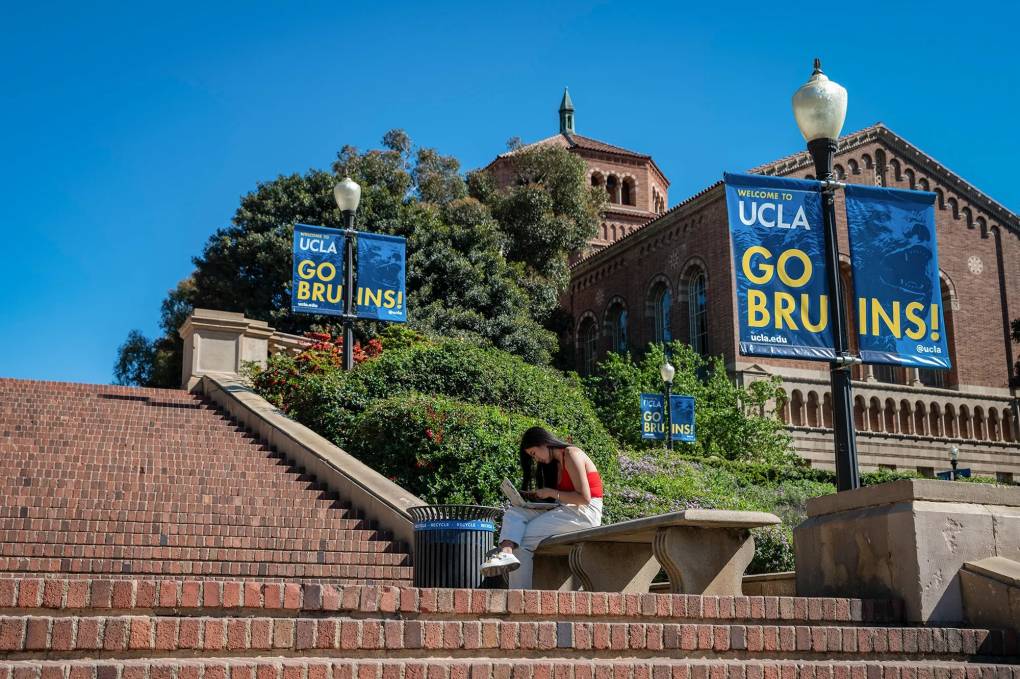
"caption": "The UCLA campus in Los Angeles on Feb. 18, 2022. \n",
"credit": "Raquel Natalicchio for CalMatters",
"altTag": null,
"description": null,
"imgSizes": {
"medium": {
"file": "https://cdn.kqed.org/wp-content/uploads/sites/10/2024/07/021822-UCLA-Campus-File-RN-CM-45-copy-800x532.jpg",
"width": 800,
"height": 532,
"mimeType": "image/jpeg"
},
"large": {
"file": "https://cdn.kqed.org/wp-content/uploads/sites/10/2024/07/021822-UCLA-Campus-File-RN-CM-45-copy-1020x679.jpg",
"width": 1020,
"height": 679,
"mimeType": "image/jpeg"
},
"thumbnail": {
"file": "https://cdn.kqed.org/wp-content/uploads/sites/10/2024/07/021822-UCLA-Campus-File-RN-CM-45-copy-160x106.jpg",
"width": 160,
"height": 106,
"mimeType": "image/jpeg"
},
"1536x1536": {
"file": "https://cdn.kqed.org/wp-content/uploads/sites/10/2024/07/021822-UCLA-Campus-File-RN-CM-45-copy-1536x1022.jpg",
"width": 1536,
"height": 1022,
"mimeType": "image/jpeg"
},
"post-thumbnail": {
"file": "https://cdn.kqed.org/wp-content/uploads/sites/10/2024/07/021822-UCLA-Campus-File-RN-CM-45-copy-672x372.jpg",
"width": 672,
"height": 372,
"mimeType": "image/jpeg"
},
"twentyfourteen-full-width": {
"file": "https://cdn.kqed.org/wp-content/uploads/sites/10/2024/07/021822-UCLA-Campus-File-RN-CM-45-copy-1038x576.jpg",
"width": 1038,
"height": 576,
"mimeType": "image/jpeg"
},
"full-width": {
"file": "https://cdn.kqed.org/wp-content/uploads/sites/10/2024/07/021822-UCLA-Campus-File-RN-CM-45-copy-1920x1278.jpg",
"width": 1920,
"height": 1278,
"mimeType": "image/jpeg"
},
"kqedFullSize": {
"file": "https://cdn.kqed.org/wp-content/uploads/sites/10/2024/07/021822-UCLA-Campus-File-RN-CM-45-copy.jpg",
"width": 2000,
"height": 1331
}
},
"isLoading": false,
"fetchFailed": false
},
"news_11990711": {
"type": "attachments",
"id": "news_11990711",
"meta": {
"index": "attachments_1716263798",
"site": "news",
"id": "11990711",
"found": true
},
"title": "070723_SF-State_SN_CM_12-ezgif.com-webp-to-jpg-converter",
"publishDate": 1718649614,
"status": "inherit",
"parent": 11990668,
"modified": 1718649743,
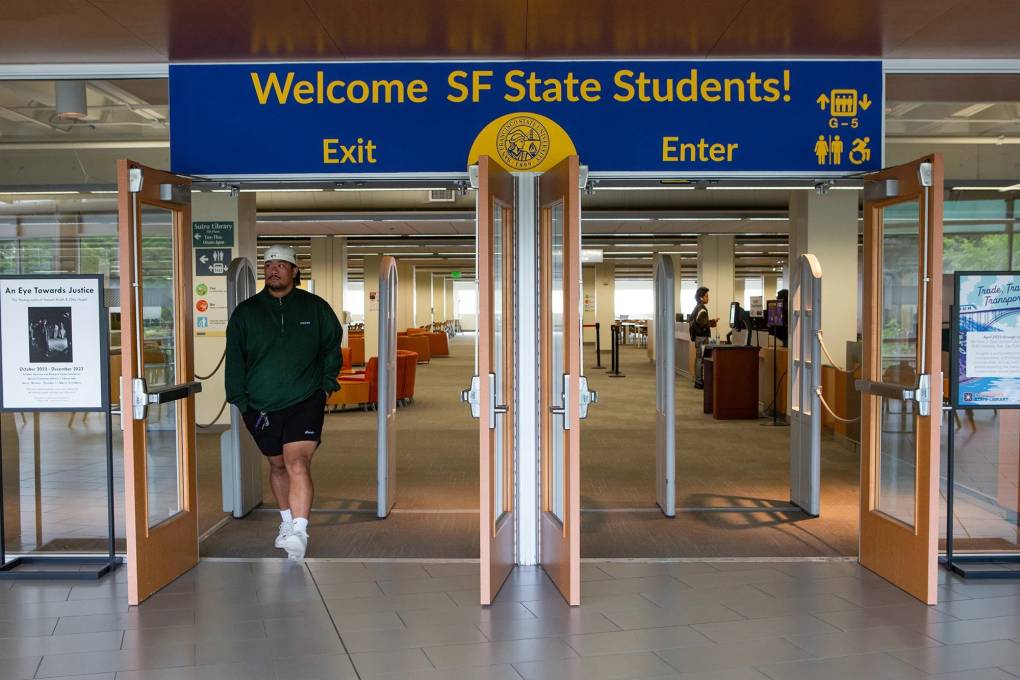
"caption": "Inside J. Paul Leonard Library at San Francisco State University in San Francisco on July 7, 2023.\n",
"credit": "Semantha Norris/CalMatters",
"altTag": null,
"description": null,
"imgSizes": {
"medium": {
"file": "https://cdn.kqed.org/wp-content/uploads/sites/10/2024/06/070723_SF-State_SN_CM_12-ezgif.com-webp-to-jpg-converter-800x533.jpg",
"width": 800,
"height": 533,
"mimeType": "image/jpeg"
},
"large": {
"file": "https://cdn.kqed.org/wp-content/uploads/sites/10/2024/06/070723_SF-State_SN_CM_12-ezgif.com-webp-to-jpg-converter-1020x680.jpg",
"width": 1020,
"height": 680,
"mimeType": "image/jpeg"
},
"thumbnail": {
"file": "https://cdn.kqed.org/wp-content/uploads/sites/10/2024/06/070723_SF-State_SN_CM_12-ezgif.com-webp-to-jpg-converter-160x107.jpg",
"width": 160,
"height": 107,
"mimeType": "image/jpeg"
},
"1536x1536": {
"file": "https://cdn.kqed.org/wp-content/uploads/sites/10/2024/06/070723_SF-State_SN_CM_12-ezgif.com-webp-to-jpg-converter-1536x1024.jpg",
"width": 1536,
"height": 1024,
"mimeType": "image/jpeg"
},
"post-thumbnail": {
"file": "https://cdn.kqed.org/wp-content/uploads/sites/10/2024/06/070723_SF-State_SN_CM_12-ezgif.com-webp-to-jpg-converter-672x372.jpg",
"width": 672,
"height": 372,
"mimeType": "image/jpeg"
},
"twentyfourteen-full-width": {
"file": "https://cdn.kqed.org/wp-content/uploads/sites/10/2024/06/070723_SF-State_SN_CM_12-ezgif.com-webp-to-jpg-converter-1038x576.jpg",
"width": 1038,
"height": 576,
"mimeType": "image/jpeg"
},
"full-width": {
"file": "https://cdn.kqed.org/wp-content/uploads/sites/10/2024/06/070723_SF-State_SN_CM_12-ezgif.com-webp-to-jpg-converter-1920x1280.jpg",
"width": 1920,
"height": 1280,
"mimeType": "image/jpeg"
},
"kqedFullSize": {
"file": "https://cdn.kqed.org/wp-content/uploads/sites/10/2024/06/070723_SF-State_SN_CM_12-ezgif.com-webp-to-jpg-converter.jpg",
"width": 2000,
"height": 1333
}
},
"isLoading": false,
"fetchFailed": false
},
"news_11989566": {
"type": "attachments",
"id": "news_11989566",
"meta": {
"index": "attachments_1716263798",
"site": "news",
"id": "11989566",
"found": true
},
"title": "UC Santa Cruz Workers Strike Over Treatment Of Pro-Palestinian Protesters",
"publishDate": 1717880126,
"status": "inherit",
"parent": 11989563,
"modified": 1718040922,
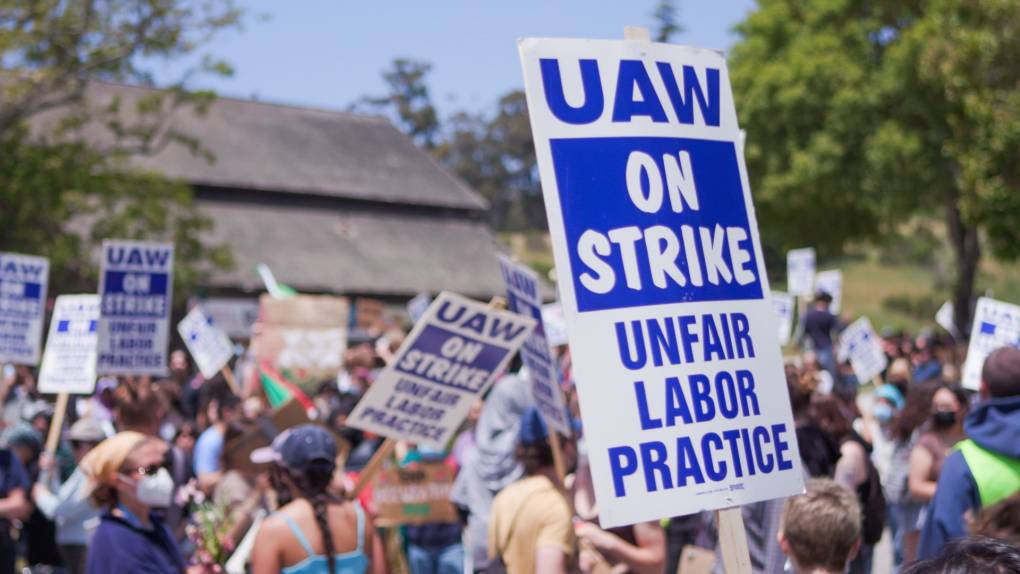
"caption": "UC Santa Cruz workers who are union members of UAW 4811, part of the United Auto Workers, and pro-Palestinian protesters carry signs as they demonstrate in front of the UC Santa Cruz campus on May 20, 2024, in Santa Cruz. ",
"credit": "Justin Sullivan/Getty Images",
"altTag": null,
"description": null,
"imgSizes": {
"medium": {
"file": "https://cdn.kqed.org/wp-content/uploads/sites/10/2024/06/GettyImages-2153876773-800x532.jpg",
"width": 800,
"height": 532,
"mimeType": "image/jpeg"
},
"large": {
"file": "https://cdn.kqed.org/wp-content/uploads/sites/10/2024/06/GettyImages-2153876773-1020x678.jpg",
"width": 1020,
"height": 678,
"mimeType": "image/jpeg"
},
"thumbnail": {
"file": "https://cdn.kqed.org/wp-content/uploads/sites/10/2024/06/GettyImages-2153876773-160x106.jpg",
"width": 160,
"height": 106,
"mimeType": "image/jpeg"
},
"post-thumbnail": {
"file": "https://cdn.kqed.org/wp-content/uploads/sites/10/2024/06/GettyImages-2153876773-672x372.jpg",
"width": 672,
"height": 372,
"mimeType": "image/jpeg"
},
"twentyfourteen-full-width": {
"file": "https://cdn.kqed.org/wp-content/uploads/sites/10/2024/06/GettyImages-2153876773-1024x576.jpg",
"width": 1024,
"height": 576,
"mimeType": "image/jpeg"
},
"kqedFullSize": {
"file": "https://cdn.kqed.org/wp-content/uploads/sites/10/2024/06/GettyImages-2153876773.jpg",
"width": 1024,
"height": 681
}
},
"isLoading": false,
"fetchFailed": false
},
"news_11989181": {
"type": "attachments",
"id": "news_11989181",
"meta": {
"index": "attachments_1716263798",
"site": "news",
"id": "11989181",
"found": true
},
"title": "Member of United Auto Workers Local 4811strike at UCLA",
"publishDate": 1717626061,
"status": "inherit",
"parent": 11989178,
"modified": 1761774399,
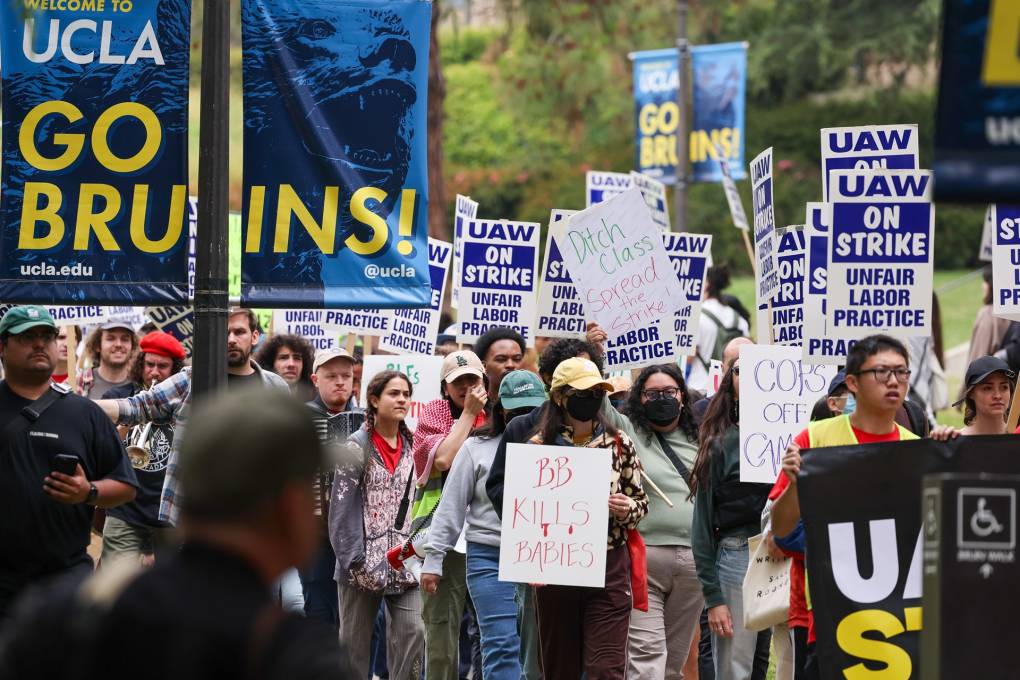
"caption": "Members of United Auto Workers Local 4811 strike at UCLA as academic workers and supporters walked off the job on Tuesday, May 28, 2024, in Los Angeles.",
"credit": "Brian van der Brug/Los Angeles Times via Getty Images",
"altTag": null,
"description": null,
"imgSizes": {
"medium": {
"file": "https://cdn.kqed.org/wp-content/uploads/sites/10/2024/06/GettyImages-2154565374-800x533.jpg",
"width": 800,
"height": 533,
"mimeType": "image/jpeg"
},
"large": {
"file": "https://cdn.kqed.org/wp-content/uploads/sites/10/2024/06/GettyImages-2154565374-1020x680.jpg",
"width": 1020,
"height": 680,
"mimeType": "image/jpeg"
},
"thumbnail": {
"file": "https://cdn.kqed.org/wp-content/uploads/sites/10/2024/06/GettyImages-2154565374-160x107.jpg",
"width": 160,
"height": 107,
"mimeType": "image/jpeg"
},
"1536x1536": {
"file": "https://cdn.kqed.org/wp-content/uploads/sites/10/2024/06/GettyImages-2154565374-1536x1024.jpg",
"width": 1536,
"height": 1024,
"mimeType": "image/jpeg"
},
"post-thumbnail": {
"file": "https://cdn.kqed.org/wp-content/uploads/sites/10/2024/06/GettyImages-2154565374-672x372.jpg",
"width": 672,
"height": 372,
"mimeType": "image/jpeg"
},
"twentyfourteen-full-width": {
"file": "https://cdn.kqed.org/wp-content/uploads/sites/10/2024/06/GettyImages-2154565374-1038x576.jpg",
"width": 1038,
"height": 576,
"mimeType": "image/jpeg"
},
"kqedFullSize": {
"file": "https://cdn.kqed.org/wp-content/uploads/sites/10/2024/06/GettyImages-2154565374.jpg",
"width": 1920,
"height": 1280
}
},
"isLoading": false,
"fetchFailed": false
},
"news_11987186": {
"type": "attachments",
"id": "news_11987186",
"meta": {
"index": "attachments_1716263798",
"site": "news",
"id": "11987186",
"found": true
},
"title": "UAW_UCSC_May2024",
"publishDate": 1716326839,
"status": "inherit",
"parent": 11987173,
"modified": 1716326921,
"caption": "The rolling walkout, in which campuses will be called on to join the picket line at times unbeknownst to the UC, is part of what the UAW 4811 union is calling a 'stand-up strike,' which the United Auto Workers rolled out against the Big Three automakers last year. ",
"credit": "Courtesy of UAW 4811",
"altTag": null,
"description": null,
"imgSizes": {
"medium": {
"file": "https://cdn.kqed.org/wp-content/uploads/sites/10/2024/05/UAW_UCSC_May2024-800x450.jpeg",
"width": 800,
"height": 450,
"mimeType": "image/jpeg"
},
"large": {
"file": "https://cdn.kqed.org/wp-content/uploads/sites/10/2024/05/UAW_UCSC_May2024-1020x574.jpeg",
"width": 1020,
"height": 574,
"mimeType": "image/jpeg"
},
"thumbnail": {
"file": "https://cdn.kqed.org/wp-content/uploads/sites/10/2024/05/UAW_UCSC_May2024-160x90.jpeg",
"width": 160,
"height": 90,
"mimeType": "image/jpeg"
},
"1536x1536": {
"file": "https://cdn.kqed.org/wp-content/uploads/sites/10/2024/05/UAW_UCSC_May2024-1536x864.jpeg",
"width": 1536,
"height": 864,
"mimeType": "image/jpeg"
},
"post-thumbnail": {
"file": "https://cdn.kqed.org/wp-content/uploads/sites/10/2024/05/UAW_UCSC_May2024-672x372.jpeg",
"width": 672,
"height": 372,
"mimeType": "image/jpeg"
},
"twentyfourteen-full-width": {
"file": "https://cdn.kqed.org/wp-content/uploads/sites/10/2024/05/UAW_UCSC_May2024-1038x576.jpeg",
"width": 1038,
"height": 576,
"mimeType": "image/jpeg"
},
"kqedFullSize": {
"file": "https://cdn.kqed.org/wp-content/uploads/sites/10/2024/05/UAW_UCSC_May2024.jpeg",
"width": 1920,
"height": 1080
}
},
"isLoading": false,
"fetchFailed": false
},
"news_11986982": {
"type": "attachments",
"id": "news_11986982",
"meta": {
"index": "attachments_1716263798",
"site": "news",
"id": "11986982",
"found": true
},
"parent": 11986910,
"imgSizes": {
"twentyfourteen-full-width": {
"file": "https://cdn.kqed.org/wp-content/uploads/sites/10/2024/05/GOCDbFabMAAiZTe-1038x576.jpeg",
"width": 1038,
"mimeType": "image/jpeg",
"height": 576
},
"thumbnail": {
"file": "https://cdn.kqed.org/wp-content/uploads/sites/10/2024/05/GOCDbFabMAAiZTe-160x120.jpeg",
"width": 160,
"mimeType": "image/jpeg",
"height": 120
},
"post-thumbnail": {
"file": "https://cdn.kqed.org/wp-content/uploads/sites/10/2024/05/GOCDbFabMAAiZTe-672x372.jpeg",
"width": 672,
"mimeType": "image/jpeg",
"height": 372
},
"kqedFullSize": {
"file": "https://cdn.kqed.org/wp-content/uploads/sites/10/2024/05/GOCDbFabMAAiZTe.jpeg",
"width": 1200,
"height": 900
},
"large": {
"file": "https://cdn.kqed.org/wp-content/uploads/sites/10/2024/05/GOCDbFabMAAiZTe-1020x765.jpeg",
"width": 1020,
"mimeType": "image/jpeg",
"height": 765
},
"medium": {
"file": "https://cdn.kqed.org/wp-content/uploads/sites/10/2024/05/GOCDbFabMAAiZTe-800x600.jpeg",
"width": 800,
"mimeType": "image/jpeg",
"height": 600
}
},
"publishDate": 1716238780,
"modified": 1716238857,
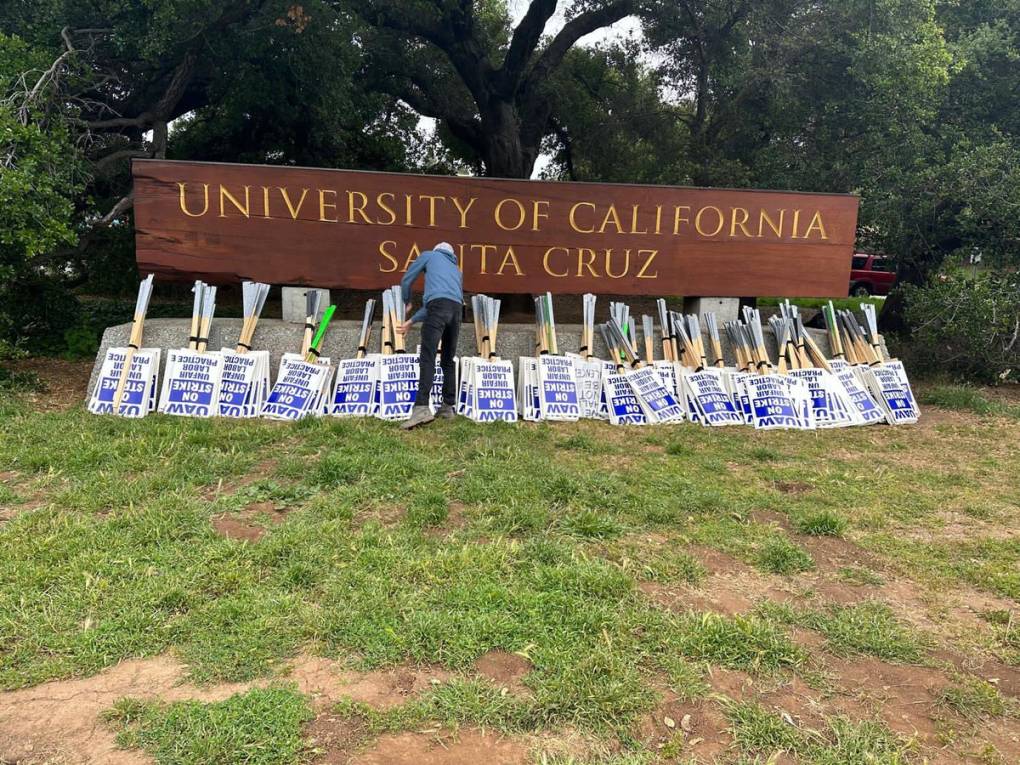
"caption": "Academic workers at UC Santa Cruz went on strike Monday morning, May 20.",
"description": null,
"title": "GOCDbFabMAAiZTe",
"credit": "Courtesy of UAW 4811",
"status": "inherit",
"altTag": "strike signs leaned against a large sign saying \"University of California, Santa Cruz\"",
"isLoading": false,
"fetchFailed": false
},
"news_11986768": {
"type": "attachments",
"id": "news_11986768",
"meta": {
"index": "attachments_1716263798",
"site": "news",
"id": "11986768",
"found": true
},
"parent": 11986767,
"imgSizes": {
"twentyfourteen-full-width": {
"file": "https://cdn.kqed.org/wp-content/uploads/sites/10/2024/05/L1005151_qut-1038x576.jpg",
"width": 1038,
"mimeType": "image/jpeg",
"height": 576
},
"thumbnail": {
"file": "https://cdn.kqed.org/wp-content/uploads/sites/10/2024/05/L1005151_qut-160x107.jpg",
"width": 160,
"mimeType": "image/jpeg",
"height": 107
},
"post-thumbnail": {
"file": "https://cdn.kqed.org/wp-content/uploads/sites/10/2024/05/L1005151_qut-672x372.jpg",
"width": 672,
"mimeType": "image/jpeg",
"height": 372
},
"kqedFullSize": {
"file": "https://cdn.kqed.org/wp-content/uploads/sites/10/2024/05/L1005151_qut.jpg",
"width": 1920,
"height": 1280
},
"large": {
"file": "https://cdn.kqed.org/wp-content/uploads/sites/10/2024/05/L1005151_qut-1020x680.jpg",
"width": 1020,
"mimeType": "image/jpeg",
"height": 680
},
"1536x1536": {
"file": "https://cdn.kqed.org/wp-content/uploads/sites/10/2024/05/L1005151_qut-1536x1024.jpg",
"width": 1536,
"mimeType": "image/jpeg",
"height": 1024
},
"medium": {
"file": "https://cdn.kqed.org/wp-content/uploads/sites/10/2024/05/L1005151_qut-800x533.jpg",
"width": 800,
"mimeType": "image/jpeg",
"height": 533
}
},
"publishDate": 1715985070,
"modified": 1715987695,
"caption": "Protesters at UC Berkeley call on the university to divest from companies supporting Israel and to support a call for a cease-fire in Gaza.",
"description": null,
"title": "L1005151_qut",
"credit": "Aryk Copley/KQED",
"status": "inherit",
"altTag": "Two college-age students hold up signs that say 'Divest' and 'stop bombing Gaza.'",
"isLoading": false,
"fetchFailed": false
},
"news_11973839": {
"type": "attachments",
"id": "news_11973839",
"meta": {
"index": "attachments_1716263798",
"site": "news",
"id": "11973839",
"found": true
},
"parent": 0,
"imgSizes": {
"twentyfourteen-full-width": {
"file": "https://cdn.kqed.org/wp-content/uploads/sites/10/2024/01/240125-UC-REGENTS-UNDOCUMENTED-WORK-MD-10-KQED-1-1038x576.jpg",
"width": 1038,
"mimeType": "image/jpeg",
"height": 576
},
"thumbnail": {
"file": "https://cdn.kqed.org/wp-content/uploads/sites/10/2024/01/240125-UC-REGENTS-UNDOCUMENTED-WORK-MD-10-KQED-1-160x107.jpg",
"width": 160,
"mimeType": "image/jpeg",
"height": 107
},
"post-thumbnail": {
"file": "https://cdn.kqed.org/wp-content/uploads/sites/10/2024/01/240125-UC-REGENTS-UNDOCUMENTED-WORK-MD-10-KQED-1-672x372.jpg",
"width": 672,
"mimeType": "image/jpeg",
"height": 372
},
"kqedFullSize": {
"file": "https://cdn.kqed.org/wp-content/uploads/sites/10/2024/01/240125-UC-REGENTS-UNDOCUMENTED-WORK-MD-10-KQED-1.jpg",
"width": 2000,
"height": 1333
},
"large": {
"file": "https://cdn.kqed.org/wp-content/uploads/sites/10/2024/01/240125-UC-REGENTS-UNDOCUMENTED-WORK-MD-10-KQED-1-1020x680.jpg",
"width": 1020,
"mimeType": "image/jpeg",
"height": 680
},
"1536x1536": {
"file": "https://cdn.kqed.org/wp-content/uploads/sites/10/2024/01/240125-UC-REGENTS-UNDOCUMENTED-WORK-MD-10-KQED-1-1536x1024.jpg",
"width": 1536,
"mimeType": "image/jpeg",
"height": 1024
},
"full-width": {
"file": "https://cdn.kqed.org/wp-content/uploads/sites/10/2024/01/240125-UC-REGENTS-UNDOCUMENTED-WORK-MD-10-KQED-1-1920x1280.jpg",
"width": 1920,
"mimeType": "image/jpeg",
"height": 1280
},
"medium": {
"file": "https://cdn.kqed.org/wp-content/uploads/sites/10/2024/01/240125-UC-REGENTS-UNDOCUMENTED-WORK-MD-10-KQED-1-800x533.jpg",
"width": 800,
"mimeType": "image/jpeg",
"height": 533
}
},
"publishDate": 1706277114,
"modified": 1706278142,
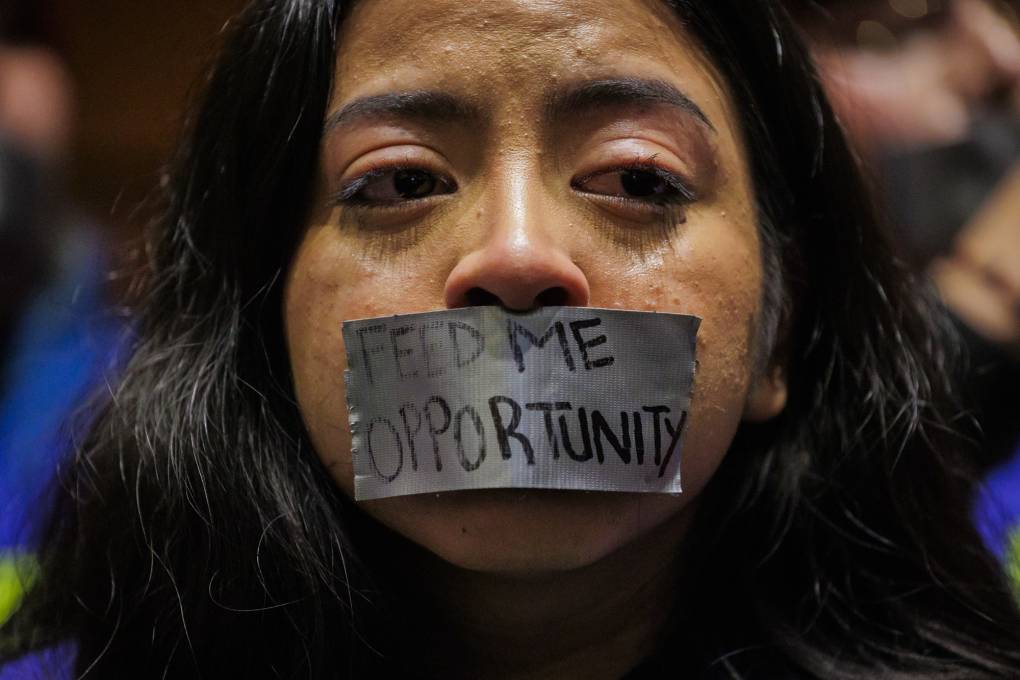
"caption": "Betzaida, an undocumented student with the Opportunity for All campaign, cries in reaction to the University of California Regents' vote to suspend consideration of a proposal to allow the university to hire undocumented students at the UCSF Mission Bay Conference Center on Jan. 25, 2024. Prior to the vote, Betzaida and other UC students participated in a 3-day hunger strike to urge the Board of Regents to move forward with the proposal. ",
"description": null,
"title": "240125-UC REGENTS UNDOCUMENTED WORK-MD-10-KQED-1",
"credit": "Martin do Nascimento/KQED",
"status": "inherit",
"altTag": "A young woman with gray tape covering her mouth, crying.",
"isLoading": false,
"fetchFailed": false
},
"news_11962239": {
"type": "attachments",
"id": "news_11962239",
"meta": {
"index": "attachments_1716263798",
"site": "news",
"id": "11962239",
"found": true
},
"parent": 0,
"imgSizes": {
"twentyfourteen-full-width": {
"file": "https://ww2.kqed.org/app/uploads/sites/10/2023/09/230817-UC-BERKELEY-CAMPUS-MD-06-qut-1038x576.jpg",
"width": 1038,
"mimeType": "image/jpeg",
"height": 576
},
"thumbnail": {
"file": "https://ww2.kqed.org/app/uploads/sites/10/2023/09/230817-UC-BERKELEY-CAMPUS-MD-06-qut-160x107.jpg",
"width": 160,
"mimeType": "image/jpeg",
"height": 107
},
"post-thumbnail": {
"file": "https://ww2.kqed.org/app/uploads/sites/10/2023/09/230817-UC-BERKELEY-CAMPUS-MD-06-qut-672x372.jpg",
"width": 672,
"mimeType": "image/jpeg",
"height": 372
},
"kqedFullSize": {
"file": "https://ww2.kqed.org/app/uploads/sites/10/2023/09/230817-UC-BERKELEY-CAMPUS-MD-06-qut.jpg",
"width": 1920,
"height": 1280
},
"large": {
"file": "https://ww2.kqed.org/app/uploads/sites/10/2023/09/230817-UC-BERKELEY-CAMPUS-MD-06-qut-1020x680.jpg",
"width": 1020,
"mimeType": "image/jpeg",
"height": 680
},
"1536x1536": {
"file": "https://ww2.kqed.org/app/uploads/sites/10/2023/09/230817-UC-BERKELEY-CAMPUS-MD-06-qut-1536x1024.jpg",
"width": 1536,
"mimeType": "image/jpeg",
"height": 1024
},
"medium": {
"file": "https://ww2.kqed.org/app/uploads/sites/10/2023/09/230817-UC-BERKELEY-CAMPUS-MD-06-qut-800x533.jpg",
"width": 800,
"mimeType": "image/jpeg",
"height": 533
}
},
"publishDate": 1695421950,
"modified": 1695663910,
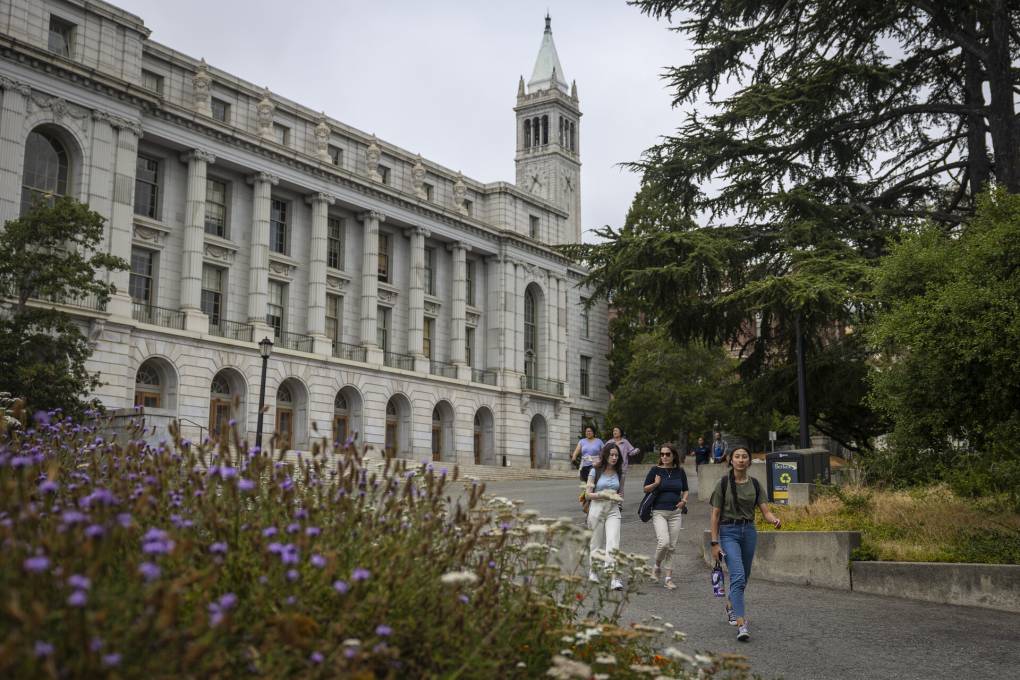
"caption": "The UC Berkeley campus on Aug. 17, 2023.",
"description": null,
"title": "The UC Berkeley Campus in Berkeley on Aug. 17, 2023.",
"credit": "Martin do Nascimento/KQED",
"status": "inherit",
"altTag": "A college campus is pictured with a large building with a pointed clock tower. Students with backpacks are seen walking down a cement pathway on a gray afternoon.",
"isLoading": false,
"fetchFailed": false
},
"news_11956341": {
"type": "attachments",
"id": "news_11956341",
"meta": {
"index": "attachments_1716263798",
"site": "news",
"id": "11956341",
"found": true
},
"parent": 0,
"imgSizes": {
"twentyfourteen-full-width": {
"file": "https://ww2.kqed.org/app/uploads/sites/10/2023/07/EdSourceCommunityCollege03-1038x576.jpg",
"width": 1038,
"mimeType": "image/jpeg",
"height": 576
},
"thumbnail": {
"file": "https://ww2.kqed.org/app/uploads/sites/10/2023/07/EdSourceCommunityCollege03-160x107.jpg",
"width": 160,
"mimeType": "image/jpeg",
"height": 107
},
"post-thumbnail": {
"file": "https://ww2.kqed.org/app/uploads/sites/10/2023/07/EdSourceCommunityCollege03-672x372.jpg",
"width": 672,
"mimeType": "image/jpeg",
"height": 372
},
"kqedFullSize": {
"file": "https://ww2.kqed.org/app/uploads/sites/10/2023/07/EdSourceCommunityCollege03.jpg",
"width": 1920,
"height": 1280
},
"large": {
"file": "https://ww2.kqed.org/app/uploads/sites/10/2023/07/EdSourceCommunityCollege03-1020x680.jpg",
"width": 1020,
"mimeType": "image/jpeg",
"height": 680
},
"1536x1536": {
"file": "https://ww2.kqed.org/app/uploads/sites/10/2023/07/EdSourceCommunityCollege03-1536x1024.jpg",
"width": 1536,
"mimeType": "image/jpeg",
"height": 1024
},
"medium": {
"file": "https://ww2.kqed.org/app/uploads/sites/10/2023/07/EdSourceCommunityCollege03-800x533.jpg",
"width": 800,
"mimeType": "image/jpeg",
"height": 533
}
},
"publishDate": 1690224789,
"modified": 1690479435,
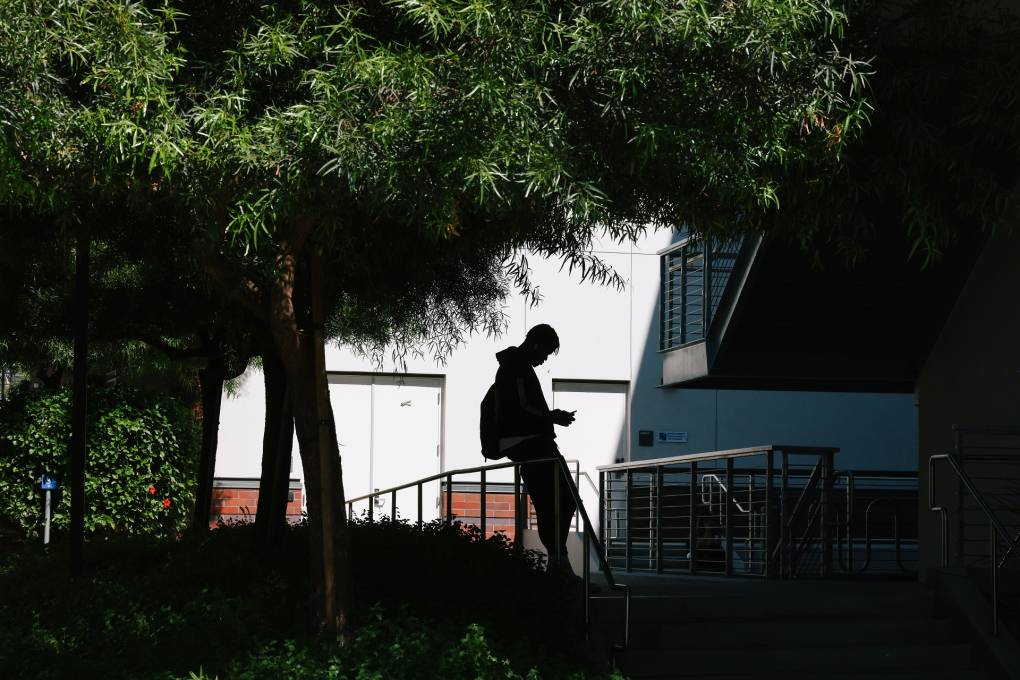
"caption": "A 2021 study found that only 2.5% of community college students transfer into the state's university system in 2 years or less, and just 23% in 4 years or less.",
"description": null,
"title": "college students electing online versus in class sessions",
"credit": "Dania Maxwell/Los Angeles Times via Getty Images",
"status": "inherit",
"altTag": "In the shadows under a shady tree, a community college student is seen on their phone. They're wearing a bulky backpack. They're leaning against some staircase rails.",
"isLoading": false,
"fetchFailed": false
},
"news_11954796": {
"type": "attachments",
"id": "news_11954796",
"meta": {
"index": "attachments_1716263798",
"site": "news",
"id": "11954796",
"found": true
},
"parent": 0,
"imgSizes": {
"twentyfourteen-full-width": {
"file": "https://ww2.kqed.org/app/uploads/sites/10/2023/06/230630-UC-BERKELEY-GETTY-JS-KQED-1038x576.jpg",
"width": 1038,
"mimeType": "image/jpeg",
"height": 576
},
"thumbnail": {
"file": "https://ww2.kqed.org/app/uploads/sites/10/2023/06/230630-UC-BERKELEY-GETTY-JS-KQED-160x107.jpg",
"width": 160,
"mimeType": "image/jpeg",
"height": 107
},
"post-thumbnail": {
"file": "https://ww2.kqed.org/app/uploads/sites/10/2023/06/230630-UC-BERKELEY-GETTY-JS-KQED-672x372.jpg",
"width": 672,
"mimeType": "image/jpeg",
"height": 372
},
"kqedFullSize": {
"file": "https://ww2.kqed.org/app/uploads/sites/10/2023/06/230630-UC-BERKELEY-GETTY-JS-KQED.jpg",
"width": 2000,
"height": 1333
},
"large": {
"file": "https://ww2.kqed.org/app/uploads/sites/10/2023/06/230630-UC-BERKELEY-GETTY-JS-KQED-1020x680.jpg",
"width": 1020,
"mimeType": "image/jpeg",
"height": 680
},
"1536x1536": {
"file": "https://ww2.kqed.org/app/uploads/sites/10/2023/06/230630-UC-BERKELEY-GETTY-JS-KQED-1536x1024.jpg",
"width": 1536,
"mimeType": "image/jpeg",
"height": 1024
},
"full-width": {
"file": "https://ww2.kqed.org/app/uploads/sites/10/2023/06/230630-UC-BERKELEY-GETTY-JS-KQED-1920x1280.jpg",
"width": 1920,
"mimeType": "image/jpeg",
"height": 1280
},
"medium": {
"file": "https://ww2.kqed.org/app/uploads/sites/10/2023/06/230630-UC-BERKELEY-GETTY-JS-KQED-800x533.jpg",
"width": 800,
"mimeType": "image/jpeg",
"height": 533
}
},
"publishDate": 1688153411,
"modified": 1688163511,
"caption": "People walk by Wheeler Hall at the UC Berkeley campus on March 14, 2022 in Berkeley.",
"description": null,
"title": "California Universities In A Legal Bind Amid Student Housing Shortage",
"credit": "Justin Sullivan/Getty Images",
"status": "inherit",
"altTag": "People walk by Wheeler Hall on the UC Berkeley campus on March 14, 2022 in Berkeley, California.",
"isLoading": false,
"fetchFailed": false
},
"news_11954671": {
"type": "attachments",
"id": "news_11954671",
"meta": {
"index": "attachments_1716263798",
"site": "news",
"id": "11954671",
"found": true
},
"parent": 11954612,
"imgSizes": {
"twentyfourteen-full-width": {
"file": "https://ww2.kqed.org/app/uploads/sites/10/2023/06/AP23180684729490-1038x576.jpg",
"width": 1038,
"mimeType": "image/jpeg",
"height": 576
},
"thumbnail": {
"file": "https://ww2.kqed.org/app/uploads/sites/10/2023/06/AP23180684729490-160x107.jpg",
"width": 160,
"mimeType": "image/jpeg",
"height": 107
},
"post-thumbnail": {
"file": "https://ww2.kqed.org/app/uploads/sites/10/2023/06/AP23180684729490-672x372.jpg",
"width": 672,
"mimeType": "image/jpeg",
"height": 372
},
"kqedFullSize": {
"file": "https://ww2.kqed.org/app/uploads/sites/10/2023/06/AP23180684729490-scaled.jpg",
"width": 2560,
"height": 1707
},
"2048x2048": {
"file": "https://ww2.kqed.org/app/uploads/sites/10/2023/06/AP23180684729490-2048x1365.jpg",
"width": 2048,
"mimeType": "image/jpeg",
"height": 1365
},
"large": {
"file": "https://ww2.kqed.org/app/uploads/sites/10/2023/06/AP23180684729490-1020x680.jpg",
"width": 1020,
"mimeType": "image/jpeg",
"height": 680
},
"1536x1536": {
"file": "https://ww2.kqed.org/app/uploads/sites/10/2023/06/AP23180684729490-1536x1024.jpg",
"width": 1536,
"mimeType": "image/jpeg",
"height": 1024
},
"full-width": {
"file": "https://ww2.kqed.org/app/uploads/sites/10/2023/06/AP23180684729490-1920x1280.jpg",
"width": 1920,
"mimeType": "image/jpeg",
"height": 1280
},
"medium": {
"file": "https://ww2.kqed.org/app/uploads/sites/10/2023/06/AP23180684729490-800x533.jpg",
"width": 800,
"mimeType": "image/jpeg",
"height": 533
}
},
"publishDate": 1688078964,
"modified": 1688080499,
"caption": "Supporters of affirmative action protest outside of the US Supreme Court in Washington, DC on Thursday, June 29, 2023. The high court on Thursday struck down affirmative action in college admissions decisions, ruling that race cannot be a factor, forcing institutions of higher education to look for new ways to achieve diverse student bodies.",
"description": null,
"title": "Supreme Court Affirmative Action",
"credit": "Jose Luis Magana/AP",
"status": "inherit",
"altTag": "Supporters of affirmative action hold signs and rally in front of the U.S. Supreme Court. One sign says: 'We won't go back.'",
"isLoading": false,
"fetchFailed": false
}
},
"audioPlayerReducer": {
"postId": "stream_live",
"isPaused": true,
"isPlaying": false,
"pfsActive": false,
"pledgeModalIsOpen": true,
"playerDrawerIsOpen": false,
"liveAudioPlayStartedAt": 0,
"liveAudioPlayContext": ""
},
"authorsReducer": {
"byline_news_11996132": {
"type": "authors",
"id": "byline_news_11996132",
"meta": {
"override": true
},
"slug": "byline_news_11996132",
"name": "\u003ca href=\"https://calmatters.org/author/mikhailzinshteyn/\">Mikhail Zinshteyn\u003c/a>, CalMatters",
"isLoading": false
},
"byline_news_11990668": {
"type": "authors",
"id": "byline_news_11990668",
"meta": {
"override": true
},
"slug": "byline_news_11990668",
"name": "Mikhail Zinshteyn ",
"isLoading": false
},
"byline_news_11989563": {
"type": "authors",
"id": "byline_news_11989563",
"meta": {
"override": true
},
"slug": "byline_news_11989563",
"name": "The Associated Press",
"isLoading": false
},
"byline_news_11986910": {
"type": "authors",
"id": "byline_news_11986910",
"meta": {
"override": true
},
"slug": "byline_news_11986910",
"name": "KQED News Staff and Wires",
"isLoading": false
},
"byline_news_11962230": {
"type": "authors",
"id": "byline_news_11962230",
"meta": {
"override": true
},
"slug": "byline_news_11962230",
"name": "\u003ca href=\"https://edsource.org/author/mburke\">Michael Burke\u003c/a>",
"isLoading": false
},
"byline_news_11956322": {
"type": "authors",
"id": "byline_news_11956322",
"meta": {
"override": true
},
"slug": "byline_news_11956322",
"name": "\u003ca href=\"https://edsource.org/2023/transferring-from-california-community-colleges-its-a-tough-road-edsource-survey-finds/693791\">Ashley A. Smith and Michael Burke\u003c/a>",
"isLoading": false
},
"byline_news_11954761": {
"type": "authors",
"id": "byline_news_11954761",
"meta": {
"override": true
},
"slug": "byline_news_11954761",
"name": "\u003ca href=\"https://edsource.org/author/mburke\">Michael Burke\u003c/a>",
"isLoading": false
},
"tarasiler": {
"type": "authors",
"id": "257",
"meta": {
"index": "authors_1716337520",
"id": "257",
"found": true
},
"name": "Tara Siler",
"firstName": "Tara",
"lastName": "Siler",
"slug": "tarasiler",
"email": "tsiler@kqed.org",
"display_author_email": false,
"staff_mastheads": [
"news"
],
"title": "KQED Contributor",
"bio": "Tara reports and anchors for KQED news. She covers a range of issues from community-police relations to local politics. Tara started out in community radio in the Bay Area, where she was raised. She eventually moved to Washington DC where she covered Congress for eight years for Pacifica and Monitor Radio. Her stories have also been heard on NPR's All Things Considered, Morning Edition and The World.\r\n\r\nTara lives with her husband in Oakland-- where they raised their two sons. She enjoys spending time with her family, gardening and hiking in the Oakland hills... and keeping up with the news.",
"avatar": "https://secure.gravatar.com/avatar/99802f9746fb80b65fd8ec6c57954450?s=600&d=blank&r=g",
"twitter": null,
"facebook": null,
"instagram": null,
"linkedin": null,
"sites": [
{
"site": "news",
"roles": [
"contributor",
"edit_others_posts"
]
},
{
"site": "stateofhealth",
"roles": [
"author"
]
}
],
"headData": {
"title": "Tara Siler | KQED",
"description": "KQED Contributor",
"ogImgSrc": "https://secure.gravatar.com/avatar/99802f9746fb80b65fd8ec6c57954450?s=600&d=blank&r=g",
"twImgSrc": "https://secure.gravatar.com/avatar/99802f9746fb80b65fd8ec6c57954450?s=600&d=blank&r=g"
},
"isLoading": false,
"link": "/author/tarasiler"
},
"kdomara": {
"type": "authors",
"id": "1459",
"meta": {
"index": "authors_1716337520",
"id": "1459",
"found": true
},
"name": "Kelly O'Mara",
"firstName": "Kelly",
"lastName": "O'Mara",
"slug": "kdomara",
"email": "komara@kqed.org",
"display_author_email": false,
"staff_mastheads": [
"news"
],
"title": "KQED Contributor",
"bio": "Kelly O'Mara is a writer and reporter in the San Francisco Bay Area. She writes about food, health, sports, travel, business and California news. Her work has appeared on KQED, online for Outside Magazine, epsnW, VICE and in Competitor Magazine, among others. Follow Kelly on Twitter \u003ca href=\"https://twitter.com/kellydomara\">@kellydomara\u003c/a>.",
"avatar": "https://secure.gravatar.com/avatar/768fec7412028b72f13bdd0f5f9d8186?s=600&d=blank&r=g",
"twitter": null,
"facebook": null,
"instagram": null,
"linkedin": null,
"sites": [
{
"site": "arts",
"roles": []
},
{
"site": "news",
"roles": []
},
{
"site": "bayareabites",
"roles": []
},
{
"site": "stateofhealth",
"roles": []
},
{
"site": "science",
"roles": []
},
{
"site": "checkplease",
"roles": [
"editor"
]
},
{
"site": "food",
"roles": []
},
{
"site": "forum",
"roles": [
"editor"
]
},
{
"site": "liveblog",
"roles": [
"editor"
]
}
],
"headData": {
"title": "Kelly O'Mara | KQED",
"description": "KQED Contributor",
"ogImgSrc": "https://secure.gravatar.com/avatar/768fec7412028b72f13bdd0f5f9d8186?s=600&d=blank&r=g",
"twImgSrc": "https://secure.gravatar.com/avatar/768fec7412028b72f13bdd0f5f9d8186?s=600&d=blank&r=g"
},
"isLoading": false,
"link": "/author/kdomara"
},
"jrodriguez": {
"type": "authors",
"id": "11690",
"meta": {
"index": "authors_1716337520",
"id": "11690",
"found": true
},
"name": "Joe Fitzgerald Rodriguez",
"firstName": "Joe",
"lastName": "Fitzgerald Rodriguez",
"slug": "jrodriguez",
"email": "jrodriguez@kqed.org",
"display_author_email": true,
"staff_mastheads": [
"news"
],
"title": "Reporter and Producer",
"bio": "Joe Fitzgerald Rodriguez is a reporter and digital producer for KQED covering politics. Joe most recently wrote for the \u003cem>San Francisco Examiner\u003c/em> as a political columnist covering The City. He was raised in San Francisco and has spent his reporting career in his beloved, foggy, city by the bay. Joe was 12-years-old when he conducted his first interview in journalism, grilling former San Francisco Mayor Willie Brown for the Marina Middle School newspaper, \u003cem>The Penguin Press, \u003c/em>and he continues to report on the San Francisco Bay Area to this day.",
"avatar": "https://secure.gravatar.com/avatar/2247beb0564c1e9c62228d5649d2edac?s=600&d=blank&r=g",
"twitter": "FitztheReporter",
"facebook": null,
"instagram": "https://www.instagram.com/fitzthereporter/",
"linkedin": null,
"sites": [
{
"site": "",
"roles": [
"editor"
]
},
{
"site": "arts",
"roles": [
"editor"
]
},
{
"site": "news",
"roles": [
"editor"
]
},
{
"site": "science",
"roles": [
"editor"
]
},
{
"site": "elections",
"roles": [
"editor"
]
},
{
"site": "liveblog",
"roles": [
"editor"
]
}
],
"headData": {
"title": "Joe Fitzgerald Rodriguez | KQED",
"description": "Reporter and Producer",
"ogImgSrc": "https://secure.gravatar.com/avatar/2247beb0564c1e9c62228d5649d2edac?s=600&d=blank&r=g",
"twImgSrc": "https://secure.gravatar.com/avatar/2247beb0564c1e9c62228d5649d2edac?s=600&d=blank&r=g"
},
"isLoading": false,
"link": "/author/jrodriguez"
},
"sjohnson": {
"type": "authors",
"id": "11840",
"meta": {
"index": "authors_1716337520",
"id": "11840",
"found": true
},
"name": "Sydney Johnson",
"firstName": "Sydney",
"lastName": "Johnson",
"slug": "sjohnson",
"email": "sjohnson@kqed.org",
"display_author_email": false,
"staff_mastheads": [
"news"
],
"title": "KQED Reporter",
"bio": "Sydney Johnson is a general assignment reporter at KQED. She previously reported on public health and city government at the San Francisco Examiner, and before that, she covered statewide education policy for EdSource. Her reporting has won multiple local, state and national awards. Sydney is a graduate of the University of California, Berkeley and lives in San Francisco.",
"avatar": "https://secure.gravatar.com/avatar/97855f2719b72ad6190b7c535fe642c8?s=600&d=blank&r=g",
"twitter": "sydneyfjohnson",
"facebook": null,
"instagram": null,
"linkedin": null,
"sites": [
{
"site": "news",
"roles": [
"editor"
]
}
],
"headData": {
"title": "Sydney Johnson | KQED",
"description": "KQED Reporter",
"ogImgSrc": "https://secure.gravatar.com/avatar/97855f2719b72ad6190b7c535fe642c8?s=600&d=blank&r=g",
"twImgSrc": "https://secure.gravatar.com/avatar/97855f2719b72ad6190b7c535fe642c8?s=600&d=blank&r=g"
},
"isLoading": false,
"link": "/author/sjohnson"
},
"mbolanos": {
"type": "authors",
"id": "11895",
"meta": {
"index": "authors_1716337520",
"id": "11895",
"found": true
},
"name": "Madi Bolaños",
"firstName": "Madi",
"lastName": "Bolaños",
"slug": "mbolanos",
"email": "mbolanos@kqed.org",
"display_author_email": false,
"staff_mastheads": [],
"title": "KQED Contributor",
"bio": null,
"avatar": "https://secure.gravatar.com/avatar/e6df5601c1f2d951e46a3fb42764330f?s=600&d=blank&r=g",
"twitter": null,
"bluesky": null,
"facebook": null,
"instagram": null,
"linkedin": null,
"sites": [
{
"site": "news",
"roles": [
"author"
]
}
],
"headData": {
"title": "Madi Bolaños | KQED",
"description": "KQED Contributor",
"ogImgSrc": "https://secure.gravatar.com/avatar/e6df5601c1f2d951e46a3fb42764330f?s=600&d=blank&r=g",
"twImgSrc": "https://secure.gravatar.com/avatar/e6df5601c1f2d951e46a3fb42764330f?s=600&d=blank&r=g"
},
"isLoading": false,
"link": "/author/mbolanos"
}
},
"pagesReducer": {
"news_tag_university-of-california": {
"type": "terms",
"id": "news_206",
"meta": {
"index": "terms_1716263798",
"site": "news",
"id": "206",
"score": 8.793955
},
"featImg": null,
"name": "University of California",
"description": null,
"taxonomy": "tag",
"headData": {
"twImgId": null,
"twTitle": null,
"ogTitle": null,
"ogImgId": null,
"twDescription": null,
"description": null,
"title": "University of California Archives | KQED News",
"ogDescription": null
},
"ttid": 214,
"slug": "university-of-california",
"isLoading": false,
"title": "University of California",
"pageMeta": {
"site": "news",
"WpPageTemplate": "page-topic-editorial",
"currentPage": 3
},
"blocks": [
{
"blockName": "kqed/post-list",
"attrs": {
"layout": "cardArticle2",
"query": "posts/news?tag=university-of-california",
"seeMore": false,
"paginated": true,
"page": 3
}
},
{
"blockName": "kqed/ad"
}
]
}
},
"pfsSessionReducer": {},
"postsReducer": {
"stream_live": {
"type": "live",
"id": "stream_live",
"audioUrl": "https://streams.kqed.org/kqedradio",
"title": "Live Stream",
"excerpt": "Live Stream information currently unavailable.",
"link": "/radio",
"featImg": "",
"label": {
"name": "KQED Live",
"link": "/"
}
},
"stream_kqedNewscast": {
"type": "posts",
"id": "stream_kqedNewscast",
"audioUrl": "https://www.kqed.org/.stream/anon/radio/RDnews/newscast.mp3?_=1",
"title": "KQED Newscast",
"featImg": "",
"label": {
"name": "88.5 FM",
"link": "/"
}
},
"news_11996132": {
"type": "posts",
"id": "news_11996132",
"meta": {
"index": "posts_1716263798",
"site": "news",
"id": "11996132",
"score": null,
"sort": [
1721256774000
]
},
"guestAuthors": [],
"slug": "uc-moves-to-limit-where-academic-departments-post-opinions-against-backdrop-of-gaza-war",
"title": "UC to Limit Where Academic Departments Can Post Opinions Online",
"publishDate": 1721256774,
"format": "standard",
"headTitle": "UC to Limit Where Academic Departments Can Post Opinions Online | KQED",
"labelTerm": {
"term": 18481,
"site": "news"
},
"content": "\u003cp>\u003cem>Update: On July 18, the full board approved the webpage policy, with one “No” vote.\u003c/em>\u003c/p>\n\u003cp>After seven months and three voting delays, the University of California Board of Regents is on the verge of approving a \u003ca href=\"https://regents.universityofcalifornia.edu/regmeet/july24/j2.pdf\">pared-down policy (PDF)\u003c/a> outlining how academic departments should publish political and social opinions on university websites — largely embracing a set of standards that faculty themselves adopted in 2022. The journey to a consensus reenergized longstanding debates about academic freedom.\u003c/p>\n\u003cp>While entirely a faculty matter, some pro-Palestinian students condemned previous versions of the regents’ proposed policy, which they interpreted as part of a crackdown on free speech that punished protests against Israel. Student anguish over the war in Gaza — \u003ca href=\"https://calmatters.org/education/higher-education/2024/05/uc-strike/\">and their anger\u003c/a> with UC leadership for so far not calling for a cease-fire or divesting from weapons manufacturers and companies tied to Israel — helped to amplify the faculty’s alarm over the regents’ initial proposals.\u003c/p>\n\u003cp>[ad fullwidth]\u003c/p>\n\u003cp>The university will need to clarify its rules on speech and expression further by this fall. The latest state budget is \u003ca href=\"https://leginfo.legislature.ca.gov/faces/billNavClient.xhtml?bill_id=202320240SB108#:~:text=Of%20the%20funds%20appropriated%20in%20this%20item%2C%20%2425%2C000%2C000%20shall%20be%20released%20only%20if%20the%20Director%20of%20Finance%20certifies\">withholding $25 million\u003c/a> from the UC until system leadership\u003ca href=\"https://leginfo.legislature.ca.gov/faces/billNavClient.xhtml?bill_id=202320240SB108#:~:text=The%20University%20of%20California%20Office%20of%20the%20President%20will%20develop%20a%20systemwide%20framework%20to%20provide%20for%20consistency%20with%20campus%20implementation%20and%20enforcement.\"> sends a report to the governor’s office\u003c/a> explaining its policies for public demonstrations and other free speech matters. While the two concepts — what faculty can do under academic freedom and how students can express themselves under free speech rules — are distinct issues, they’re often enmeshed publicly, especially over themes as contentious as \u003ca href=\"https://calmatters.org/education/higher-education/2023/11/israeli-palestinian-conflict-california-college/\">Islamophobia, antisemitism and its connection to Israel\u003c/a>.\u003c/p>\n\u003cp>Most regents were vague about the impetus for the plan, but one regent, Hadi Makarechian, \u003ca href=\"https://calmatters.org/newsletter/california-homelessness-count/#:~:text=Mikhail%E2%80%99s%20story.-,Also%20from%20Mikhail%3A,-The%20undocumented%20students\">said in January\u003c/a> that the proposal emerged “because some people were making some political statements related to Hamas and Palestinians.” That meeting was occasionally testy, with another regent urging his peers to practice “decorum.”\u003c/p>\n\u003ch2>What the new policy would do\u003c/h2>\n\u003cp>The new rules, passed on Wednesday by a joint committee that will be voted on by the full board on Thursday, require that writings which depart from research, course information and other administrative announcements not be posted on the homepages of academic departments and other divisions. Instead,\u003ca href=\"https://regents.universityofcalifornia.edu/regmeet/july24/j2attach1.pdf#page=2\"> they can appear (PDF)\u003c/a> on other departmental web pages designated for opinions. Full-board approval is likely; the rules would take hold immediately.\u003c/p>\n\u003cp>Only one regent, student member Josiah Beharry, voted no on the measure on Wednesday.\u003c/p>\n\u003cp>These so-called “discretionary expressions,” which are writings “that comment on institutional, local, regional, global or national events, activities or issues,” also need to be clearly labeled as opinions that don’t necessarily reflect the position of the university or campus.\u003c/p>\n\u003cp>The policy \u003ca href=\"https://regents.universityofcalifornia.edu/regmeet/july24/j2attach1.pdf\">specifically avoids (PDF)\u003c/a> restricting academic research, course content or other “scholarly endeavors” — an undefined term — that may touch on political or social matters from appearing on the homepage. This was\u003ca href=\"https://regents.universityofcalifornia.edu/regmeet/july24/j2attach2.pdf\"> new wording (PDF)\u003c/a> that emerged since the last \u003ca href=\"https://calmatters.org/newsletter/california-crime-expungement-victims/#:~:text=The%20University%20of%20California%20regents%20decided%20Wednesday%20to%20postpone%20a%20vote%20on%20a%20policy%20to%20restrict%20how%20academic%20departments%20at%20its%20campuses%20publish%20%E2%80%9Cpolitical%20or%20controversial%E2%80%9D%20statements%20on%20their%20websites.%C2%A0\">draft in March\u003c/a>. Nor does the policy proscribe speech on non-campus websites.\u003c/p>\n\u003cp>“We were satisfied that the current policy does not violate principles of academic freedom or free speech,” said James Steintrager, chair of the Academic Senate, in an interview with CalMatters in May, when the proposal was on the agenda but ultimately never heard. “We’re still concerned about the drive for and necessity of a policy in this area, but we think that with the input of the senate, the Board of Regents has ended up in a much better place.”\u003c/p>\n\u003cp>That sentiment is a departure from how faculty initially received the policy proposal in January, which was saddled with confusion over the scope of the measure and what it sought. One possible takeaway was that the January plan intended to bar any expression of faculty opinion on administrative websites, “a draconian policy,” Steintrager said.\u003c/p>\n\u003cp>The regents also postponed votes in January and March after discussing the matter publicly each time.\u003c/p>\n\u003cp>During Wednesday’s regents meeting, Steintrager reaffirmed his praise and critique of the rules, adding that “public comment assertions to the contrary, this is not a ban on discretionary or political statements.”\u003c/p>\n\u003cp>Richard Leib, a regent member and former chair of the board who has viewed some of the chants at student protests against the war in Gaza as antisemitic, said that “this whole topic about free speech is all BS because what we’re trying to do is show transparency.”\u003c/p>\n\u003ch2>Does it go too far or not far enough?\u003c/h2>\n\u003cp>But if it were up to senate members, including most full-time professors across the system, the regents would just adopt the policy the senate approved in 2022. Unlike the regents’ approach, the 2022 policy provided guidance — using words like “should” rather than “must” to encourage academic departments to distinguish their opinions from the positions of the university. The Academic Senate policy also recommended that departments “\u003ca href=\"https://senate.universityofcalifornia.edu/_files/reports/rh-senate-divs-recs-for-dept-statements.pdf\">solicit minority or opposition statements” as well (PDF)\u003c/a>.\u003c/p>\n\u003cp>The Academic Senate believes that “the UC community at the level of departments and other units of the sort largely governs itself appropriately, and we favor policies that enable successful self-regulation over more restrictive measures,” Steintgrater \u003ca href=\"https://senate.universityofcalifornia.edu/_files/reports/js-rl-regents-policy-discretionary-statements.pdf\">wrote to the regents May 1 (PDF)\u003c/a>.\u003c/p>\n\u003cp>The regents’ proposal stopped short of that, preferring a mandatory set of publishing guidelines in part because few academic units or campuses “have followed the June 2022 Academic Senate advisory guidance,” a board document representing the regents said.\u003c/p>\n\u003cp>Some \u003ca href=\"https://www.jfrg.org/home\">Jewish faculty\u003c/a> wanted the regents to ban all department statements and said the proposed rules don’t go far enough. “A claim that a department of a public university takes as a political position will be taken as the official stance of the university, no matter how it is delivered and no matter what qualifications are added,” said Jeffrey Young, a clinical psychologist at UCLA, during public comment on Tuesday. Several other professors voiced similar sentiments.\u003c/p>\n\u003ch2>Focus on ethnic studies departments\u003c/h2>\n\u003cp>Regent Jay Sures pushed for the policy, arguing in January that opinions on homepages “will be mistaken as the position of the institution itself.”\u003c/p>\n\u003cp>\u003ca href=\"https://www.mediaite.com/wp-content/uploads/2023/10/Statement-on-bias-in-UC-statements-1.pdf\">In late October (PDF)\u003c/a>, he excoriated an Oct. 16 letter by UC ethnic studies faculty that faulted the UC for calling Hamas’ Oct. 7 attack on Israel an act of terrorism. \u003ca href=\"https://drive.google.com/file/d/1053yck657ENep688zvPTs6njfAGWBvE6/view\">The ethnic studies letter,\u003c/a> which didn’t name Hamas, said that “to hold the oppressed accountable for ‘terrorism’ reinscribes a colonial narrative that seeks to have the world believe that history began on Oct. 7, 2023.”\u003c/p>\n\u003cp>Sures wrote that the council’s members should “commit to learning more about antisemitism and all forms of hate and how it lives on our campuses where you are tasked and trusted with educating our next generation of students.”\u003c/p>\n\u003cp>The homepage for UC Santa Cruz’s critical race and ethnic studies department as of Wednesday still contains language calling on scholars and organizers to “act now to end Israel’s genocidal attack on Gaza,” a statement that’s been appearing since at least Oct. 25 of last year, according to the \u003ca href=\"https://web.archive.org/web/20231025234505/https://cres.ucsc.edu/\">web archiving tool Wayback Machine\u003c/a>.\u003c/p>\n\u003cp>The department was following Academic Senate guidance, department chairperson Felicity Amaya Schaeffer said in an interview, as the guidance wasn’t mandatory and deferred to campus departments.\u003c/p>\n\u003cp>With the regents committees’ backing of a mandatory rule, Schaeffer said key questions remain unanswered, mainly whether the department’s call to action counts as discretionary speech that needs to be moved to a different webpage.\u003c/p>\n\u003cp>She said the regents policy is an attack on academic freedom. She also believes the regents are overreaching rather than deferring to faculty expertise on their own subjects.\u003c/p>\n\u003cp>“We do have three faculty who work specifically on Palestine, who were hired by the university to do this kind of research,” she said. “So for us, this is not at all opinion, this is about the expertise of the department in which many of us write critically about state power, war, genocide.”\u003c/p>\n\u003cp>A rule like the one the regents is proposing is a poor fit for an ethnic studies department, Schaefer said, because “the lines between what gets called political or discretionary and research are completely entangled and inseparable.”\u003c/p>\n\u003cp>UC San Diego’s ethnic studies department, however, appears to have relocated its statements of support for Palestinians to a secondary page reserved for “statements and commentaries.”\u003c/p>\n\u003cp>A Dec. 4, 2023 \u003ca href=\"https://web.archive.org/web/20231204215827/https://ethnicstudies.ucsd.edu/\">snapshot of its homepage\u003c/a> shows a statement calling “for an immediate end to the war crimes and genocide taking place against the Palestinian people (50% of whom are children).” But by Dec. 14, the homepage \u003ca href=\"https://web.archive.org/web/20231214080803/https://ethnicstudies.ucsd.edu/\">underwent an overhaul\u003c/a>, with political statements moved from the homepage to the new “statements and commentaries” section beneath the “About Us” tab.\u003c/p>\n\u003cp>Academic department leaders will be responsible for implementing the rules. “The expectation then is that the unit leadership enforce the policy,” said Charlie Robinson, general counsel for the UC, at Wednesday’s regents meeting, “and if there are any concerns about it, then you go up the hierarchy to make sure that it’s being enforced properly.”\u003c/p>\n\u003cp>[ad floatright]\u003c/p>\n",
"blocks": [],
"excerpt": "UC's Board of Regents voted to require that statements of academic departments appear on separate web pages rather than departmental homepages, raising concerns over academic freedom.",
"status": "publish",
"parent": 0,
"modified": 1721342101,
"stats": {
"hasAudio": false,
"hasVideo": false,
"hasChartOrMap": false,
"iframeSrcs": [],
"hasGoogleForm": false,
"hasGallery": false,
"hasHearkenModule": false,
"hasPolis": false,
"paragraphCount": 32,
"wordCount": 1584
},
"headData": {
"title": "UC to Limit Where Academic Departments Can Post Opinions Online | KQED",
"description": "UC's Board of Regents voted to require that statements of academic departments appear on separate web pages rather than departmental homepages, raising concerns over academic freedom.",
"ogTitle": "",
"ogDescription": "",
"ogImgId": "",
"twTitle": "",
"twDescription": "",
"twImgId": "",
"schema": {
"@context": "https://schema.org",
"@type": "NewsArticle",
"headline": "UC to Limit Where Academic Departments Can Post Opinions Online",
"datePublished": "2024-07-17T15:52:54-07:00",
"dateModified": "2024-07-18T15:35:01-07:00",
"image": "https://cdn.kqed.org/wp-content/uploads/2020/02/KQED-OG-Image@1x.png",
"isAccessibleForFree": "True",
"publisher": {
"@type": "NewsMediaOrganization",
"@id": "https://www.kqed.org/#organization",
"name": "KQED",
"logo": "https://cdn.kqed.org/wp-content/uploads/2020/02/KQED-OG-Image@1x.png",
"url": "https://www.kqed.org",
"sameAs": [
"https://www.facebook.com/KQED",
"https://twitter.com/KQED",
"https://www.instagram.com/kqed/",
"https://www.tiktok.com/@kqedofficial",
"https://www.linkedin.com/company/kqed",
"https://www.youtube.com/channel/UCeC0IOo7i1P_61zVUWbJ4nw"
]
}
}
},
"sticky": false,
"nprByline": "\u003ca href=\"https://calmatters.org/author/mikhailzinshteyn/\">Mikhail Zinshteyn\u003c/a>, CalMatters",
"nprStoryId": "kqed-11996132",
"excludeFromSiteSearch": "Include",
"showOnAuthorArchivePages": "No",
"articleAge": "0",
"path": "/news/11996132/uc-moves-to-limit-where-academic-departments-post-opinions-against-backdrop-of-gaza-war",
"audioTrackLength": null,
"parsedContent": [
{
"type": "contentString",
"content": "\u003cdiv class=\"post-body\">\u003cp>\u003cp>\u003cem>Update: On July 18, the full board approved the webpage policy, with one “No” vote.\u003c/em>\u003c/p>\n\u003cp>After seven months and three voting delays, the University of California Board of Regents is on the verge of approving a \u003ca href=\"https://regents.universityofcalifornia.edu/regmeet/july24/j2.pdf\">pared-down policy (PDF)\u003c/a> outlining how academic departments should publish political and social opinions on university websites — largely embracing a set of standards that faculty themselves adopted in 2022. The journey to a consensus reenergized longstanding debates about academic freedom.\u003c/p>\n\u003cp>While entirely a faculty matter, some pro-Palestinian students condemned previous versions of the regents’ proposed policy, which they interpreted as part of a crackdown on free speech that punished protests against Israel. Student anguish over the war in Gaza — \u003ca href=\"https://calmatters.org/education/higher-education/2024/05/uc-strike/\">and their anger\u003c/a> with UC leadership for so far not calling for a cease-fire or divesting from weapons manufacturers and companies tied to Israel — helped to amplify the faculty’s alarm over the regents’ initial proposals.\u003c/p>\n\u003cp>\u003c/p>\u003c/div>",
"attributes": {
"named": {},
"numeric": []
}
},
{
"type": "component",
"content": "",
"name": "ad",
"attributes": {
"named": {
"label": "fullwidth"
},
"numeric": [
"fullwidth"
]
}
},
{
"type": "contentString",
"content": "\u003cdiv class=\"post-body\">\u003cp>\u003c/p>\n\u003cp>The university will need to clarify its rules on speech and expression further by this fall. The latest state budget is \u003ca href=\"https://leginfo.legislature.ca.gov/faces/billNavClient.xhtml?bill_id=202320240SB108#:~:text=Of%20the%20funds%20appropriated%20in%20this%20item%2C%20%2425%2C000%2C000%20shall%20be%20released%20only%20if%20the%20Director%20of%20Finance%20certifies\">withholding $25 million\u003c/a> from the UC until system leadership\u003ca href=\"https://leginfo.legislature.ca.gov/faces/billNavClient.xhtml?bill_id=202320240SB108#:~:text=The%20University%20of%20California%20Office%20of%20the%20President%20will%20develop%20a%20systemwide%20framework%20to%20provide%20for%20consistency%20with%20campus%20implementation%20and%20enforcement.\"> sends a report to the governor’s office\u003c/a> explaining its policies for public demonstrations and other free speech matters. While the two concepts — what faculty can do under academic freedom and how students can express themselves under free speech rules — are distinct issues, they’re often enmeshed publicly, especially over themes as contentious as \u003ca href=\"https://calmatters.org/education/higher-education/2023/11/israeli-palestinian-conflict-california-college/\">Islamophobia, antisemitism and its connection to Israel\u003c/a>.\u003c/p>\n\u003cp>Most regents were vague about the impetus for the plan, but one regent, Hadi Makarechian, \u003ca href=\"https://calmatters.org/newsletter/california-homelessness-count/#:~:text=Mikhail%E2%80%99s%20story.-,Also%20from%20Mikhail%3A,-The%20undocumented%20students\">said in January\u003c/a> that the proposal emerged “because some people were making some political statements related to Hamas and Palestinians.” That meeting was occasionally testy, with another regent urging his peers to practice “decorum.”\u003c/p>\n\u003ch2>What the new policy would do\u003c/h2>\n\u003cp>The new rules, passed on Wednesday by a joint committee that will be voted on by the full board on Thursday, require that writings which depart from research, course information and other administrative announcements not be posted on the homepages of academic departments and other divisions. Instead,\u003ca href=\"https://regents.universityofcalifornia.edu/regmeet/july24/j2attach1.pdf#page=2\"> they can appear (PDF)\u003c/a> on other departmental web pages designated for opinions. Full-board approval is likely; the rules would take hold immediately.\u003c/p>\n\u003cp>Only one regent, student member Josiah Beharry, voted no on the measure on Wednesday.\u003c/p>\n\u003cp>These so-called “discretionary expressions,” which are writings “that comment on institutional, local, regional, global or national events, activities or issues,” also need to be clearly labeled as opinions that don’t necessarily reflect the position of the university or campus.\u003c/p>\n\u003cp>The policy \u003ca href=\"https://regents.universityofcalifornia.edu/regmeet/july24/j2attach1.pdf\">specifically avoids (PDF)\u003c/a> restricting academic research, course content or other “scholarly endeavors” — an undefined term — that may touch on political or social matters from appearing on the homepage. This was\u003ca href=\"https://regents.universityofcalifornia.edu/regmeet/july24/j2attach2.pdf\"> new wording (PDF)\u003c/a> that emerged since the last \u003ca href=\"https://calmatters.org/newsletter/california-crime-expungement-victims/#:~:text=The%20University%20of%20California%20regents%20decided%20Wednesday%20to%20postpone%20a%20vote%20on%20a%20policy%20to%20restrict%20how%20academic%20departments%20at%20its%20campuses%20publish%20%E2%80%9Cpolitical%20or%20controversial%E2%80%9D%20statements%20on%20their%20websites.%C2%A0\">draft in March\u003c/a>. Nor does the policy proscribe speech on non-campus websites.\u003c/p>\n\u003cp>“We were satisfied that the current policy does not violate principles of academic freedom or free speech,” said James Steintrager, chair of the Academic Senate, in an interview with CalMatters in May, when the proposal was on the agenda but ultimately never heard. “We’re still concerned about the drive for and necessity of a policy in this area, but we think that with the input of the senate, the Board of Regents has ended up in a much better place.”\u003c/p>\n\u003cp>That sentiment is a departure from how faculty initially received the policy proposal in January, which was saddled with confusion over the scope of the measure and what it sought. One possible takeaway was that the January plan intended to bar any expression of faculty opinion on administrative websites, “a draconian policy,” Steintrager said.\u003c/p>\n\u003cp>The regents also postponed votes in January and March after discussing the matter publicly each time.\u003c/p>\n\u003cp>During Wednesday’s regents meeting, Steintrager reaffirmed his praise and critique of the rules, adding that “public comment assertions to the contrary, this is not a ban on discretionary or political statements.”\u003c/p>\n\u003cp>Richard Leib, a regent member and former chair of the board who has viewed some of the chants at student protests against the war in Gaza as antisemitic, said that “this whole topic about free speech is all BS because what we’re trying to do is show transparency.”\u003c/p>\n\u003ch2>Does it go too far or not far enough?\u003c/h2>\n\u003cp>But if it were up to senate members, including most full-time professors across the system, the regents would just adopt the policy the senate approved in 2022. Unlike the regents’ approach, the 2022 policy provided guidance — using words like “should” rather than “must” to encourage academic departments to distinguish their opinions from the positions of the university. The Academic Senate policy also recommended that departments “\u003ca href=\"https://senate.universityofcalifornia.edu/_files/reports/rh-senate-divs-recs-for-dept-statements.pdf\">solicit minority or opposition statements” as well (PDF)\u003c/a>.\u003c/p>\n\u003cp>The Academic Senate believes that “the UC community at the level of departments and other units of the sort largely governs itself appropriately, and we favor policies that enable successful self-regulation over more restrictive measures,” Steintgrater \u003ca href=\"https://senate.universityofcalifornia.edu/_files/reports/js-rl-regents-policy-discretionary-statements.pdf\">wrote to the regents May 1 (PDF)\u003c/a>.\u003c/p>\n\u003cp>The regents’ proposal stopped short of that, preferring a mandatory set of publishing guidelines in part because few academic units or campuses “have followed the June 2022 Academic Senate advisory guidance,” a board document representing the regents said.\u003c/p>\n\u003cp>Some \u003ca href=\"https://www.jfrg.org/home\">Jewish faculty\u003c/a> wanted the regents to ban all department statements and said the proposed rules don’t go far enough. “A claim that a department of a public university takes as a political position will be taken as the official stance of the university, no matter how it is delivered and no matter what qualifications are added,” said Jeffrey Young, a clinical psychologist at UCLA, during public comment on Tuesday. Several other professors voiced similar sentiments.\u003c/p>\n\u003ch2>Focus on ethnic studies departments\u003c/h2>\n\u003cp>Regent Jay Sures pushed for the policy, arguing in January that opinions on homepages “will be mistaken as the position of the institution itself.”\u003c/p>\n\u003cp>\u003ca href=\"https://www.mediaite.com/wp-content/uploads/2023/10/Statement-on-bias-in-UC-statements-1.pdf\">In late October (PDF)\u003c/a>, he excoriated an Oct. 16 letter by UC ethnic studies faculty that faulted the UC for calling Hamas’ Oct. 7 attack on Israel an act of terrorism. \u003ca href=\"https://drive.google.com/file/d/1053yck657ENep688zvPTs6njfAGWBvE6/view\">The ethnic studies letter,\u003c/a> which didn’t name Hamas, said that “to hold the oppressed accountable for ‘terrorism’ reinscribes a colonial narrative that seeks to have the world believe that history began on Oct. 7, 2023.”\u003c/p>\n\u003cp>Sures wrote that the council’s members should “commit to learning more about antisemitism and all forms of hate and how it lives on our campuses where you are tasked and trusted with educating our next generation of students.”\u003c/p>\n\u003cp>The homepage for UC Santa Cruz’s critical race and ethnic studies department as of Wednesday still contains language calling on scholars and organizers to “act now to end Israel’s genocidal attack on Gaza,” a statement that’s been appearing since at least Oct. 25 of last year, according to the \u003ca href=\"https://web.archive.org/web/20231025234505/https://cres.ucsc.edu/\">web archiving tool Wayback Machine\u003c/a>.\u003c/p>\n\u003cp>The department was following Academic Senate guidance, department chairperson Felicity Amaya Schaeffer said in an interview, as the guidance wasn’t mandatory and deferred to campus departments.\u003c/p>\n\u003cp>With the regents committees’ backing of a mandatory rule, Schaeffer said key questions remain unanswered, mainly whether the department’s call to action counts as discretionary speech that needs to be moved to a different webpage.\u003c/p>\n\u003cp>She said the regents policy is an attack on academic freedom. She also believes the regents are overreaching rather than deferring to faculty expertise on their own subjects.\u003c/p>\n\u003cp>“We do have three faculty who work specifically on Palestine, who were hired by the university to do this kind of research,” she said. “So for us, this is not at all opinion, this is about the expertise of the department in which many of us write critically about state power, war, genocide.”\u003c/p>\n\u003cp>A rule like the one the regents is proposing is a poor fit for an ethnic studies department, Schaefer said, because “the lines between what gets called political or discretionary and research are completely entangled and inseparable.”\u003c/p>\n\u003cp>UC San Diego’s ethnic studies department, however, appears to have relocated its statements of support for Palestinians to a secondary page reserved for “statements and commentaries.”\u003c/p>\n\u003cp>A Dec. 4, 2023 \u003ca href=\"https://web.archive.org/web/20231204215827/https://ethnicstudies.ucsd.edu/\">snapshot of its homepage\u003c/a> shows a statement calling “for an immediate end to the war crimes and genocide taking place against the Palestinian people (50% of whom are children).” But by Dec. 14, the homepage \u003ca href=\"https://web.archive.org/web/20231214080803/https://ethnicstudies.ucsd.edu/\">underwent an overhaul\u003c/a>, with political statements moved from the homepage to the new “statements and commentaries” section beneath the “About Us” tab.\u003c/p>\n\u003cp>Academic department leaders will be responsible for implementing the rules. “The expectation then is that the unit leadership enforce the policy,” said Charlie Robinson, general counsel for the UC, at Wednesday’s regents meeting, “and if there are any concerns about it, then you go up the hierarchy to make sure that it’s being enforced properly.”\u003c/p>\n\u003cp>\u003c/p>\u003c/div>",
"attributes": {
"named": {},
"numeric": []
}
},
{
"type": "component",
"content": "",
"name": "ad",
"attributes": {
"named": {
"label": "floatright"
},
"numeric": [
"floatright"
]
}
},
{
"type": "contentString",
"content": "\u003cdiv class=\"post-body\">\u003cp>\u003c/p>\n\u003c/div>\u003c/p>",
"attributes": {
"named": {},
"numeric": []
}
}
],
"link": "/news/11996132/uc-moves-to-limit-where-academic-departments-post-opinions-against-backdrop-of-gaza-war",
"authors": [
"byline_news_11996132"
],
"categories": [
"news_18540",
"news_8"
],
"tags": [
"news_20013",
"news_33673",
"news_33333",
"news_33647",
"news_206"
],
"affiliates": [
"news_18481"
],
"featImg": "news_11996136",
"label": "news_18481"
},
"news_11990668": {
"type": "posts",
"id": "news_11990668",
"meta": {
"index": "posts_1716263798",
"site": "news",
"id": "11990668",
"score": null,
"sort": [
1718658017000
]
},
"guestAuthors": [],
"slug": "newsom-and-the-legislature-are-far-apart-on-college-spending-as-budget-deadline-nears",
"title": "Newsom and the Legislature Are Far Apart on College Spending as Budget Deadline Nears",
"publishDate": 1718658017,
"format": "standard",
"headTitle": "Newsom and the Legislature Are Far Apart on College Spending as Budget Deadline Nears | KQED",
"labelTerm": {},
"content": "\u003cp>Within the next week and change, Democrats who control the Legislature and fellow Democrat Gov. Gavin Newsom will need to reconcile their competing budget plans for higher education in California, with huge implications for student financial aid and the short-term fiscal health of the state’s public universities.\u003c/p>\n\u003cp>At issue is the 2024–25 \u003ca href=\"https://calmatters.org/tag/budget/\">state budget, which \u003c/a>begins July 1 and the multibillion-dollar projected deficits California faces. Lawmakers and the governor are in the \u003ca href=\"https://calmatters.org/politics/capitol/2024/06/california-budget-deficit-legislature-newsom/\">final, secretive sprint\u003c/a> of the annual process to craft the state government’s spending plan.\u003c/p>\n\u003cp>The Legislature fulfilled its constitutional duty last Thursday by passing its budget plan. That started the clock for Newsom and lawmakers to reach a compromise for the final 2024–25 budget by late June.\u003c/p>\n\u003cp>And on higher education, they’re far apart in key ways — differences that first emerged in January, when budget season publicly kicked off with \u003ca href=\"https://calmatters.org/politics/2024/01/newsom-budget-california/\">Newsom’s first proposal\u003c/a> for 2024–25.\u003c/p>\n\u003cp>“As depressed as I was in January, and as bad as some of the cuts still are that are included in this budget, in education, I think we’ve been able to step ahead with this budget,” said John Laird, a senator and Democrat from Santa Cruz who is chair of the budget subcommittee on education, \u003ca href=\"https://www.senate.ca.gov/media-archive\">at a hearing on the Legislature’s budget last week\u003c/a>.[ad fullwidth]\u003c/p>\n\u003ch2>How much for Middle Class Scholarship?\u003c/h2>\n\u003cp>Newsom’s last public spending proposal, released in May, \u003ca href=\"https://calmatters.org/education/higher-education/2024/05/california-financial-aid-2/\">would permanently gut\u003c/a> the Middle Class Scholarship \u003ca href=\"https://sbud.senate.ca.gov/system/files/2024-05/5-30-24-higher-education-all-depts-vote-only_final.pdf#page=14\">to just $100 million\u003c/a> annually — a serious blow to \u003ca href=\"https://calmatters.org/education/higher-education/2022/05/student-loans-uc/\">California’s dreams\u003c/a> of supersizing college financial aid so that no university student \u003ca href=\"https://calmatters.org/education/higher-education/2023/07/middle-class-scholarship-california/\">would need to take out student loans\u003c/a>.\u003c/p>\n\u003cp>The Legislature countered last week with a stark “nope,” instead keeping a past year’s promise to grow the program \u003ca href=\"https://sbud.senate.ca.gov/system/files/2024-05/5-30-24-higher-education-all-depts-vote-only_final.pdf#page=14\">to $926 million\u003c/a> in 2024–25 and the following year. [aside label=\"Related Stories\" tag=\"california-colleges\"]The dueling proposals would either slash how much each of the roughly 300,000 student recipients who attend the University of California and California State University would receive — or make debt-free college a closer reality.\u003c/p>\n\u003cp>Under the governor’s plan, average awards would drop from between $2,500 and $2,800 to just over $300. If the Legislature gets its way, average awards will range from $3,100 for UC students to $3,600 for Cal State students.\u003c/p>\n\u003cp>The cuts would likely mean more college loans for students, an official with the governor’s Department of Finance \u003ca href=\"https://digitaldemocracy.calmatters.org/hearings/257970?t=695&f=692440977eb96a15915fad48826affc2\">said at a hearing last month.\u003c/a>\u003c/p>\n\u003cp>The Legislature’s plan “significantly brings back the Middle Class Scholarship, right at the time that parents and students are making decisions about what colleges to go to and whether they have the financial resources to go to certain public higher education institutions in California” Laird \u003ca href=\"https://www.senate.ca.gov/media-archive?time%5Bmedia-element-17617%5D=1037.435289\">said at the budget hearing last week\u003c/a>.\u003c/p>\n\u003ch2>Will Cal Grants help more students?\u003c/h2>\n\u003cp>The Legislature also seeks to partially expand the Cal Grant, the state’s marquee financial aid program, for the 2025–26 budget year. If the plan is approved, another 21,000 students will receive the grant for the first time. About 400,000 students \u003ca href=\"https://calmatters.org/education/higher-education/2024/04/cal-grant-3/#:~:text=For%20example%2C%20under%20current%20rules%2C%20the%20income%20ceiling%20for%20a%20family%20of%20four%20with%20a%20dependent%20student%20going%20to%20college%20is%20%24131%2C000.%20It%20would%20drop%20to%20%2476%2C000%20under%20the%20Cal%20Grant%20overhaul%2C\">receive it currently\u003c/a>.\u003c/p>\n\u003cp>Newsom in May \u003ca href=\"https://calmatters.org/politics/2024/05/california-budget-deficit-newsom-may-proposal/\">formally rejected any expansion\u003c/a> of the Cal Grant, citing California’s colossal fiscal hole. But legislative budget leaders have been adamant about rolling out the Cal Grant to more students despite the state’s difficult finances to make good on years of \u003ca href=\"https://calmatters.org/education/higher-education/2021/10/cal-grant-expansion-veto/\">aggressive advocacy from lawmakers\u003c/a>.\u003c/p>\n\u003cp>The cost would be $47 million in one-time funding to ensure current students receiving the Cal Grant under the current rules would remain in the program.\u003c/p>\n\u003cp>If the plan becomes law, about 11,000 more community college students will get the grant in 2025–26, which would appear as a cash award of about $1,650 and then cover tuition at UC or Cal State if the student transfers. Cal Grants are valid for four years of full-time enrollment. The number of new recipients would grow with each subsequent year.\u003c/p>\n\u003cp>This is a lower number of new recipients, and smaller price tag, \u003ca href=\"https://calmatters.org/education/higher-education/2024/04/cal-grant-3/\">than what’s in the original Cal Grant expansion plan\u003c/a>. That’s because the partial roll-out would keep the current 2.0 GPA requirement for community college student eligibility, while the original would have removed it.\u003c/p>\n\u003cfigure id=\"attachment_11990718\" class=\"wp-caption aligncenter\" style=\"max-width: 1920px\">\u003cimg loading=\"lazy\" decoding=\"async\" class=\"size-full wp-image-11990718\" src=\"https://cdn.kqed.org/wp-content/uploads/sites/10/2024/06/ucberkeley20140213.jpg\" alt=\"\" width=\"1920\" height=\"1279\" srcset=\"https://cdn.kqed.org/wp-content/uploads/sites/10/2024/06/ucberkeley20140213.jpg 1920w, https://cdn.kqed.org/wp-content/uploads/sites/10/2024/06/ucberkeley20140213-800x533.jpg 800w, https://cdn.kqed.org/wp-content/uploads/sites/10/2024/06/ucberkeley20140213-1020x679.jpg 1020w, https://cdn.kqed.org/wp-content/uploads/sites/10/2024/06/ucberkeley20140213-160x107.jpg 160w, https://cdn.kqed.org/wp-content/uploads/sites/10/2024/06/ucberkeley20140213-1536x1023.jpg 1536w\" sizes=\"(max-width: 1920px) 100vw, 1920px\">\u003cfigcaption class=\"wp-caption-text\">UC Berkeley students walk through Sproul Plaza on the UC Berkeley campus on April 23, 2012, in Berkeley, California. \u003ccite>(Justin Sullivan/Getty Images)\u003c/cite>\u003c/figcaption>\u003c/figure>\n\u003cp>Still, under this new proposal, students would be able to re-establish eligibility by taking fewer classes \u003ca href=\"https://sac.edu/StudentServices/FinancialAid/Pages/CAL-Grant.aspx#:~:text=or%20can%20re%2Destablish%20their%20GPA%20by%20completing%20at%20least%2016%20units%20of%20credit%20at%20CCC%20with%20at%20least%20a%202.0%20GPA%2C%20as%20defined%20by%20CSAC%20regulations.\">through a special program\u003c/a> — 12 units instead of the current 16 — and earning a 2.0 GPA. The number of units a student would need to rehabilitate their GPA would drop to nine units in 2026–27 and six units in 2027–28. The plan calls for no GPA requirement by 2028–29.\u003c/p>\n\u003cp>These details were confirmed by the office of Assemblymember \u003ca href=\"https://digitaldemocracy.calmatters.org/legislators/david-alvarez-112993\">David Alvarez\u003c/a>, a Chula Vista Democrat who is chairperson of the Assembly’s budget subcommittee on education.\u003c/p>\n\u003cdiv class=\"wp-block-newspack-blocks-homepage-articles cm-inline-recirc-hppb wpnbha show-image image-alignleft ts-3 is-1 is-landscape cm-inline-recirc-hppb has-text-align-left\">\n\u003cdiv data-posts=\"\" data-current-post-id=\"428737\">\n\u003cp>The rule changes would mean 9,000 new recipients at Cal State in 2025–26, according to information the state’s financial aid agency, the California Student Aid Commission, shared with CalMatters.\u003c/p>\n\u003cp>Also, about 7,300 new students would get extra cash awards for those with dependent children. Current recipients get $6,000, but new recipients would receive $3,000 in the first year. The award for new recipients would grow by $1,000 each year until hitting $6,000.\u003c/p>\n\u003cp>However, UC would see about 1,300 fewer students receiving the Cal Grant in 2025–26 than current projections show, the result of \u003ca href=\"https://calmatters.org/education/higher-education/2024/04/cal-grant-3/#:~:text=For%20example%2C%20under%20current%20rules%2C%20the%20income%20ceiling%20for%20a%20family%20of%20four%20with%20a%20dependent%20student%20going%20to%20college%20is%20%24131%2C000.%20It%20would%20drop%20to%20%2476%2C000%20under%20the%20Cal%20Grant%20overhaul%2C\">lowering the income ceiling for who is eligible\u003c/a>. UC’s share of low-income students has declined in the past decade, \u003ca href=\"https://calmatters.org/education/higher-education/2024/04/cal-grant-3/#:~:text=Assemblymember%20David%20Alvarez%2C%20a%20Democrat%20from%20Chula%20Vista%2C%20noted%20at%20a%20March%20hearing%20that%20the%20UC%20is\">a source of worry for some lawmakers\u003c/a>.\u003c/p>\n\u003cp>Advocates pushing for Cal Grant expansion, including student associations from UC, Cal State and community colleges, \u003ca href=\"https://calmatters.org/wp-content/uploads/2024/06/CGR-Coalition-Ltr_Leg-Leadership_Support-Leg-Proposal_6.5.24-2-1.pdf\">wrote to lawmakers\u003c/a> that they are pleased with the proposal. “We respect that the cost may be too great during this budget cycle, so we agree that a phase-in as you have proposed is the right step,” the letter read.\u003c/p>\n\u003cp>If approved, these details would appear in a separate “trailer bill” sometime in late June or early July.\u003c/p>\n\u003ch2>What’s the bottom line for UC, CSU?\u003c/h2>\n\u003cp>Newsom’s plan imposes cuts and delays funding for UC and CSU in 2024–25 and then restores funding in 2025–26 — but by much less than what lawmakers and the governor promised last year.[aside label=\"Higher Education Stories\" tag=\"higher-education\"]Newsom’s funding plan has numerous moving parts, but would basically see Cal State receive $75 million less in 2024–25, then bounce up by $171 million the next year, and leap by another $265 million by 2026–27. That would increase Cal State’s main state support to $5.35 billion. However, Cal State faces numerous budget challenges, including a deficit as\u003ca href=\"https://calmatters.org/education/higher-education/2024/05/cal-state-budget/\"> high as $831 million in the next two years\u003c/a>.\u003c/p>\n\u003cp>The legislative plan would switch the order of fiscal hurt by proposing to grow the UC and CSU budgets in 2024–25 and apply cuts — if the budget deficit still calls for it — in 2025–26. The logic is that another year of additional state aid, even if it’s less than what the systems were promised last year, provides them a year to prepare for the budgetary scythe.\u003c/p>\n\u003cp>Less funding \u003ca href=\"https://abgt.assembly.ca.gov/system/files/2024-05/may-22-sub-3-agenda-and-memo.pdf#page=12\">for the UC\u003c/a> and Cal State would mean larger class sizes and more unfilled faculty and staff positions. That would limit student services and, for Cal State, likely result in more academic programs getting the ax.\u003c/p>\n\u003cp>Under both plans, though, the UC and Cal State systems would see more funding by the third year. For Cal State, that’s a jump from $4.99 billion in 2023–24 to $5.35 billion in 2026–27. And for UC, that’d mean state support growing from $4.74 billion now to $5.18 billion in 2026–27.\u003c/p>\n\u003cp>And both plans want to continue the recent trend of paying the systems to enroll more California residents — a note of sweet relief for students in the state eager to enter some of the most selective public universities in the country.\u003c/p>\n\u003cp>Laird said that “inflation, deferred maintenance, salary contracts, it is a challenge, but this really is an excellent step forward in a tough budget.”\u003c/p>\n\u003c/div>\n\u003c/div>\n\u003cp>[ad floatright]\u003c/p>\n",
"blocks": [],
"excerpt": "Gov. Newsom’s latest budget proposal cuts the Middle Class Scholarship to $100 million. The Legislature wants to provide more than $900 million for it.",
"status": "publish",
"parent": 0,
"modified": 1721753161,
"stats": {
"hasAudio": false,
"hasVideo": false,
"hasChartOrMap": false,
"iframeSrcs": [],
"hasGoogleForm": false,
"hasGallery": false,
"hasHearkenModule": false,
"hasPolis": false,
"paragraphCount": 29,
"wordCount": 1480
},
"headData": {
"title": "Newsom and the Legislature Are Far Apart on College Spending as Budget Deadline Nears | KQED",
"description": "Gov. Newsom’s latest budget proposal cuts the Middle Class Scholarship to $100 million. The Legislature wants to provide more than $900 million for it.",
"ogTitle": "",
"ogDescription": "",
"ogImgId": "",
"twTitle": "",
"twDescription": "",
"twImgId": "",
"schema": {
"@context": "https://schema.org",
"@type": "NewsArticle",
"headline": "Newsom and the Legislature Are Far Apart on College Spending as Budget Deadline Nears",
"datePublished": "2024-06-17T14:00:17-07:00",
"dateModified": "2024-07-23T09:46:01-07:00",
"image": "https://cdn.kqed.org/wp-content/uploads/2020/02/KQED-OG-Image@1x.png",
"isAccessibleForFree": "True",
"publisher": {
"@type": "NewsMediaOrganization",
"@id": "https://www.kqed.org/#organization",
"name": "KQED",
"logo": "https://cdn.kqed.org/wp-content/uploads/2020/02/KQED-OG-Image@1x.png",
"url": "https://www.kqed.org",
"sameAs": [
"https://www.facebook.com/KQED",
"https://twitter.com/KQED",
"https://www.instagram.com/kqed/",
"https://www.tiktok.com/@kqedofficial",
"https://www.linkedin.com/company/kqed",
"https://www.youtube.com/channel/UCeC0IOo7i1P_61zVUWbJ4nw"
]
}
}
},
"source": "CalMatters",
"sourceUrl": "https://calmatters.org/education/higher-education/2024/06/financial-aid-california-budget/",
"sticky": false,
"nprByline": "Mikhail Zinshteyn ",
"nprStoryId": "kqed-11990668",
"excludeFromSiteSearch": "Include",
"showOnAuthorArchivePages": "No",
"articleAge": "0",
"path": "/news/11990668/newsom-and-the-legislature-are-far-apart-on-college-spending-as-budget-deadline-nears",
"audioTrackLength": null,
"parsedContent": [
{
"type": "contentString",
"content": "\u003cdiv class=\"post-body\">\u003cp>\u003cp>Within the next week and change, Democrats who control the Legislature and fellow Democrat Gov. Gavin Newsom will need to reconcile their competing budget plans for higher education in California, with huge implications for student financial aid and the short-term fiscal health of the state’s public universities.\u003c/p>\n\u003cp>At issue is the 2024–25 \u003ca href=\"https://calmatters.org/tag/budget/\">state budget, which \u003c/a>begins July 1 and the multibillion-dollar projected deficits California faces. Lawmakers and the governor are in the \u003ca href=\"https://calmatters.org/politics/capitol/2024/06/california-budget-deficit-legislature-newsom/\">final, secretive sprint\u003c/a> of the annual process to craft the state government’s spending plan.\u003c/p>\n\u003cp>The Legislature fulfilled its constitutional duty last Thursday by passing its budget plan. That started the clock for Newsom and lawmakers to reach a compromise for the final 2024–25 budget by late June.\u003c/p>\n\u003cp>And on higher education, they’re far apart in key ways — differences that first emerged in January, when budget season publicly kicked off with \u003ca href=\"https://calmatters.org/politics/2024/01/newsom-budget-california/\">Newsom’s first proposal\u003c/a> for 2024–25.\u003c/p>\n\u003cp>“As depressed as I was in January, and as bad as some of the cuts still are that are included in this budget, in education, I think we’ve been able to step ahead with this budget,” said John Laird, a senator and Democrat from Santa Cruz who is chair of the budget subcommittee on education, \u003ca href=\"https://www.senate.ca.gov/media-archive\">at a hearing on the Legislature’s budget last week\u003c/a>.\u003c/p>\u003c/div>",
"attributes": {
"named": {},
"numeric": []
}
},
{
"type": "component",
"content": "",
"name": "ad",
"attributes": {
"named": {
"label": "fullwidth"
},
"numeric": [
"fullwidth"
]
}
},
{
"type": "contentString",
"content": "\u003cdiv class=\"post-body\">\u003cp>\u003c/p>\n\u003ch2>How much for Middle Class Scholarship?\u003c/h2>\n\u003cp>Newsom’s last public spending proposal, released in May, \u003ca href=\"https://calmatters.org/education/higher-education/2024/05/california-financial-aid-2/\">would permanently gut\u003c/a> the Middle Class Scholarship \u003ca href=\"https://sbud.senate.ca.gov/system/files/2024-05/5-30-24-higher-education-all-depts-vote-only_final.pdf#page=14\">to just $100 million\u003c/a> annually — a serious blow to \u003ca href=\"https://calmatters.org/education/higher-education/2022/05/student-loans-uc/\">California’s dreams\u003c/a> of supersizing college financial aid so that no university student \u003ca href=\"https://calmatters.org/education/higher-education/2023/07/middle-class-scholarship-california/\">would need to take out student loans\u003c/a>.\u003c/p>\n\u003cp>The Legislature countered last week with a stark “nope,” instead keeping a past year’s promise to grow the program \u003ca href=\"https://sbud.senate.ca.gov/system/files/2024-05/5-30-24-higher-education-all-depts-vote-only_final.pdf#page=14\">to $926 million\u003c/a> in 2024–25 and the following year. \u003c/p>\u003c/div>",
"attributes": {
"named": {},
"numeric": []
}
},
{
"type": "component",
"content": "",
"name": "aside",
"attributes": {
"named": {
"label": "Related Stories ",
"tag": "california-colleges"
},
"numeric": []
}
},
{
"type": "contentString",
"content": "\u003cdiv class=\"post-body\">\u003cp>The dueling proposals would either slash how much each of the roughly 300,000 student recipients who attend the University of California and California State University would receive — or make debt-free college a closer reality.\u003c/p>\n\u003cp>Under the governor’s plan, average awards would drop from between $2,500 and $2,800 to just over $300. If the Legislature gets its way, average awards will range from $3,100 for UC students to $3,600 for Cal State students.\u003c/p>\n\u003cp>The cuts would likely mean more college loans for students, an official with the governor’s Department of Finance \u003ca href=\"https://digitaldemocracy.calmatters.org/hearings/257970?t=695&f=692440977eb96a15915fad48826affc2\">said at a hearing last month.\u003c/a>\u003c/p>\n\u003cp>The Legislature’s plan “significantly brings back the Middle Class Scholarship, right at the time that parents and students are making decisions about what colleges to go to and whether they have the financial resources to go to certain public higher education institutions in California” Laird \u003ca href=\"https://www.senate.ca.gov/media-archive?time%5Bmedia-element-17617%5D=1037.435289\">said at the budget hearing last week\u003c/a>.\u003c/p>\n\u003ch2>Will Cal Grants help more students?\u003c/h2>\n\u003cp>The Legislature also seeks to partially expand the Cal Grant, the state’s marquee financial aid program, for the 2025–26 budget year. If the plan is approved, another 21,000 students will receive the grant for the first time. About 400,000 students \u003ca href=\"https://calmatters.org/education/higher-education/2024/04/cal-grant-3/#:~:text=For%20example%2C%20under%20current%20rules%2C%20the%20income%20ceiling%20for%20a%20family%20of%20four%20with%20a%20dependent%20student%20going%20to%20college%20is%20%24131%2C000.%20It%20would%20drop%20to%20%2476%2C000%20under%20the%20Cal%20Grant%20overhaul%2C\">receive it currently\u003c/a>.\u003c/p>\n\u003cp>Newsom in May \u003ca href=\"https://calmatters.org/politics/2024/05/california-budget-deficit-newsom-may-proposal/\">formally rejected any expansion\u003c/a> of the Cal Grant, citing California’s colossal fiscal hole. But legislative budget leaders have been adamant about rolling out the Cal Grant to more students despite the state’s difficult finances to make good on years of \u003ca href=\"https://calmatters.org/education/higher-education/2021/10/cal-grant-expansion-veto/\">aggressive advocacy from lawmakers\u003c/a>.\u003c/p>\n\u003cp>The cost would be $47 million in one-time funding to ensure current students receiving the Cal Grant under the current rules would remain in the program.\u003c/p>\n\u003cp>If the plan becomes law, about 11,000 more community college students will get the grant in 2025–26, which would appear as a cash award of about $1,650 and then cover tuition at UC or Cal State if the student transfers. Cal Grants are valid for four years of full-time enrollment. The number of new recipients would grow with each subsequent year.\u003c/p>\n\u003cp>This is a lower number of new recipients, and smaller price tag, \u003ca href=\"https://calmatters.org/education/higher-education/2024/04/cal-grant-3/\">than what’s in the original Cal Grant expansion plan\u003c/a>. That’s because the partial roll-out would keep the current 2.0 GPA requirement for community college student eligibility, while the original would have removed it.\u003c/p>\n\u003cfigure id=\"attachment_11990718\" class=\"wp-caption aligncenter\" style=\"max-width: 1920px\">\u003cimg loading=\"lazy\" decoding=\"async\" class=\"size-full wp-image-11990718\" src=\"https://cdn.kqed.org/wp-content/uploads/sites/10/2024/06/ucberkeley20140213.jpg\" alt=\"\" width=\"1920\" height=\"1279\" srcset=\"https://cdn.kqed.org/wp-content/uploads/sites/10/2024/06/ucberkeley20140213.jpg 1920w, https://cdn.kqed.org/wp-content/uploads/sites/10/2024/06/ucberkeley20140213-800x533.jpg 800w, https://cdn.kqed.org/wp-content/uploads/sites/10/2024/06/ucberkeley20140213-1020x679.jpg 1020w, https://cdn.kqed.org/wp-content/uploads/sites/10/2024/06/ucberkeley20140213-160x107.jpg 160w, https://cdn.kqed.org/wp-content/uploads/sites/10/2024/06/ucberkeley20140213-1536x1023.jpg 1536w\" sizes=\"(max-width: 1920px) 100vw, 1920px\">\u003cfigcaption class=\"wp-caption-text\">UC Berkeley students walk through Sproul Plaza on the UC Berkeley campus on April 23, 2012, in Berkeley, California. \u003ccite>(Justin Sullivan/Getty Images)\u003c/cite>\u003c/figcaption>\u003c/figure>\n\u003cp>Still, under this new proposal, students would be able to re-establish eligibility by taking fewer classes \u003ca href=\"https://sac.edu/StudentServices/FinancialAid/Pages/CAL-Grant.aspx#:~:text=or%20can%20re%2Destablish%20their%20GPA%20by%20completing%20at%20least%2016%20units%20of%20credit%20at%20CCC%20with%20at%20least%20a%202.0%20GPA%2C%20as%20defined%20by%20CSAC%20regulations.\">through a special program\u003c/a> — 12 units instead of the current 16 — and earning a 2.0 GPA. The number of units a student would need to rehabilitate their GPA would drop to nine units in 2026–27 and six units in 2027–28. The plan calls for no GPA requirement by 2028–29.\u003c/p>\n\u003cp>These details were confirmed by the office of Assemblymember \u003ca href=\"https://digitaldemocracy.calmatters.org/legislators/david-alvarez-112993\">David Alvarez\u003c/a>, a Chula Vista Democrat who is chairperson of the Assembly’s budget subcommittee on education.\u003c/p>\n\u003cdiv class=\"wp-block-newspack-blocks-homepage-articles cm-inline-recirc-hppb wpnbha show-image image-alignleft ts-3 is-1 is-landscape cm-inline-recirc-hppb has-text-align-left\">\n\u003cdiv data-posts=\"\" data-current-post-id=\"428737\">\n\u003cp>The rule changes would mean 9,000 new recipients at Cal State in 2025–26, according to information the state’s financial aid agency, the California Student Aid Commission, shared with CalMatters.\u003c/p>\n\u003cp>Also, about 7,300 new students would get extra cash awards for those with dependent children. Current recipients get $6,000, but new recipients would receive $3,000 in the first year. The award for new recipients would grow by $1,000 each year until hitting $6,000.\u003c/p>\n\u003cp>However, UC would see about 1,300 fewer students receiving the Cal Grant in 2025–26 than current projections show, the result of \u003ca href=\"https://calmatters.org/education/higher-education/2024/04/cal-grant-3/#:~:text=For%20example%2C%20under%20current%20rules%2C%20the%20income%20ceiling%20for%20a%20family%20of%20four%20with%20a%20dependent%20student%20going%20to%20college%20is%20%24131%2C000.%20It%20would%20drop%20to%20%2476%2C000%20under%20the%20Cal%20Grant%20overhaul%2C\">lowering the income ceiling for who is eligible\u003c/a>. UC’s share of low-income students has declined in the past decade, \u003ca href=\"https://calmatters.org/education/higher-education/2024/04/cal-grant-3/#:~:text=Assemblymember%20David%20Alvarez%2C%20a%20Democrat%20from%20Chula%20Vista%2C%20noted%20at%20a%20March%20hearing%20that%20the%20UC%20is\">a source of worry for some lawmakers\u003c/a>.\u003c/p>\n\u003cp>Advocates pushing for Cal Grant expansion, including student associations from UC, Cal State and community colleges, \u003ca href=\"https://calmatters.org/wp-content/uploads/2024/06/CGR-Coalition-Ltr_Leg-Leadership_Support-Leg-Proposal_6.5.24-2-1.pdf\">wrote to lawmakers\u003c/a> that they are pleased with the proposal. “We respect that the cost may be too great during this budget cycle, so we agree that a phase-in as you have proposed is the right step,” the letter read.\u003c/p>\n\u003cp>If approved, these details would appear in a separate “trailer bill” sometime in late June or early July.\u003c/p>\n\u003ch2>What’s the bottom line for UC, CSU?\u003c/h2>\n\u003cp>Newsom’s plan imposes cuts and delays funding for UC and CSU in 2024–25 and then restores funding in 2025–26 — but by much less than what lawmakers and the governor promised last year.\u003c/p>\u003c/div>",
"attributes": {
"named": {},
"numeric": []
}
},
{
"type": "component",
"content": "",
"name": "aside",
"attributes": {
"named": {
"label": "Higher Education Stories ",
"tag": "higher-education"
},
"numeric": []
}
},
{
"type": "contentString",
"content": "\u003cdiv class=\"post-body\">\u003cp>Newsom’s funding plan has numerous moving parts, but would basically see Cal State receive $75 million less in 2024–25, then bounce up by $171 million the next year, and leap by another $265 million by 2026–27. That would increase Cal State’s main state support to $5.35 billion. However, Cal State faces numerous budget challenges, including a deficit as\u003ca href=\"https://calmatters.org/education/higher-education/2024/05/cal-state-budget/\"> high as $831 million in the next two years\u003c/a>.\u003c/p>\n\u003cp>The legislative plan would switch the order of fiscal hurt by proposing to grow the UC and CSU budgets in 2024–25 and apply cuts — if the budget deficit still calls for it — in 2025–26. The logic is that another year of additional state aid, even if it’s less than what the systems were promised last year, provides them a year to prepare for the budgetary scythe.\u003c/p>\n\u003cp>Less funding \u003ca href=\"https://abgt.assembly.ca.gov/system/files/2024-05/may-22-sub-3-agenda-and-memo.pdf#page=12\">for the UC\u003c/a> and Cal State would mean larger class sizes and more unfilled faculty and staff positions. That would limit student services and, for Cal State, likely result in more academic programs getting the ax.\u003c/p>\n\u003cp>Under both plans, though, the UC and Cal State systems would see more funding by the third year. For Cal State, that’s a jump from $4.99 billion in 2023–24 to $5.35 billion in 2026–27. And for UC, that’d mean state support growing from $4.74 billion now to $5.18 billion in 2026–27.\u003c/p>\n\u003cp>And both plans want to continue the recent trend of paying the systems to enroll more California residents — a note of sweet relief for students in the state eager to enter some of the most selective public universities in the country.\u003c/p>\n\u003cp>Laird said that “inflation, deferred maintenance, salary contracts, it is a challenge, but this really is an excellent step forward in a tough budget.”\u003c/p>\n\u003c/div>\n\u003c/div>\n\u003cp>\u003c/p>\u003c/div>",
"attributes": {
"named": {},
"numeric": []
}
},
{
"type": "component",
"content": "",
"name": "ad",
"attributes": {
"named": {
"label": "floatright"
},
"numeric": [
"floatright"
]
}
},
{
"type": "contentString",
"content": "\u003cdiv class=\"post-body\">\u003cp>\u003c/p>\n\u003c/div>\u003c/p>",
"attributes": {
"named": {},
"numeric": []
}
}
],
"link": "/news/11990668/newsom-and-the-legislature-are-far-apart-on-college-spending-as-budget-deadline-nears",
"authors": [
"byline_news_11990668"
],
"categories": [
"news_18540",
"news_8"
],
"tags": [
"news_26542",
"news_2776",
"news_402",
"news_33638",
"news_22697",
"news_16",
"news_4843",
"news_206"
],
"featImg": "news_11990711",
"label": "source_news_11990668"
},
"news_11989563": {
"type": "posts",
"id": "news_11989563",
"meta": {
"index": "posts_1716263798",
"site": "news",
"id": "11989563",
"score": null,
"sort": [
1717880895000
]
},
"guestAuthors": [],
"slug": "judge-orders-temporary-halt-to-uc-academic-workers-strike-over-war-in-gaza",
"title": "Judge Orders Temporary Halt to UC Academic Workers' Strike Over War in Gaza",
"publishDate": 1717880895,
"format": "standard",
"headTitle": "Judge Orders Temporary Halt to UC Academic Workers’ Strike Over War in Gaza | KQED",
"labelTerm": {
"site": "news"
},
"content": "\u003cp>Thousands of academic workers on strike at the University of California were ordered by a state judge on Friday to temporarily cease their weekslong strike over the war in Gaza — a decision that a UC Irvine law professor described as setting a ‘dangerous’ precedent for California labor law.\u003c/p>\n\u003cp>Orange County Superior Court Judge Randall J. Sherman issued the emergency restraining order after UC lawyers argued that the ongoing strike would cause irreversible harm as students are nearing finals.\u003c/p>\n\u003cp>The university system sued United Auto Workers Local 4811 on Tuesday even though both sides have competing unfair practice labor claims pending before the California Public Employment Relations Board (PERB), which declined twice to issue an emergency injunction.\u003c/p>\n\u003cp>[ad fullwidth]\u003c/p>\n\u003cp>The union, which represents 48,000 graduate students who work as teaching assistants, tutors, researchers and other academic employees on the 10-campus UC system, started its \u003ca href=\"https://apnews.com/article/uc-strike-palestine-protests-gaza-e31f9318cfe966d7541a92184642b9e4\">strike on May 20 in Santa Cruz\u003c/a>. The strike has since \u003ca href=\"https://apnews.com/article/university-of-california-student-workers-strike-bb95380f005e410709aded5b56efc981\">expanded to UC campuses in Davis, Los Angeles\u003c/a>, Irvine, Santa Barbara and San Diego.\u003c/p>\n\u003cp>Melissa Matella, associate vice president for labor relations, expressed gratitude for the order, saying in a statement that the ongoing strike would have set back students’ learning and possibly stalled critical research projects. Officials say the strike is unrelated to employment terms and violates the union’s contract.\u003c/p>\n\u003cp>But the union said it is protesting the treatment of its members, some of whom were arrested and forcibly ejected by police \u003ca href=\"https://apnews.com/article/gaza-war-campus-protests-966eb531279f8e4381883fc5d79d5466\">in demonstrations calling for an end\u003c/a> to the war in Gaza.\u003c/p>\n\u003cp>Rebecca Gross, a UC Santa Cruz graduate student and union leader, said Friday they are surveying rank-and-file workers on how to proceed.\u003c/p>\n\u003cp>“The struggle is not over,” she said. “It really hasn’t been confirmed yet … that what we’re doing here is illegal in any way.”\u003c/p>\n\u003cp>\u003cspan style=\"font-weight: 400\">UC Irvine law professor Veena Dubal, who teaches employment and labor law, said \u003c/span>\u003cspan style=\"font-weight: 400\">that the Superior Court judge should have left the decision to PERB.\u003c/span>\u003c/p>\n\u003cp>“The issue was alive, still at the agency, and the judge ignored that,” said Dubal in an interview with KQED on Saturday. “I think that more and more employers will feel emboldened to not defer to the agency and go straight to court where they’re more likely to get the things that they want.\u003c/p>\n\u003cp>“I think it does whittle away at the authority of PERB, which is quite dangerous for the soundness of labor law in California.”\u003c/p>\n\u003cp>On May 1, police in riot gear ordered the dispersal of more than a thousand people gathered on campus to support Palestine and warned that those who refused to leave would face arrest. The night before, police had waited to intervene as counter-protesters attacked the pro-Palestinian encampment, causing injuries.\u003c/p>\n\u003cp>Pro-Palestinian protests have roiled campuses across the U.S. and in Europe as students demand their universities \u003ca href=\"https://apnews.com/article/campus-protests-divestment-transparency-616b5d9d78e90bd478d6b5e2ee50164c\">stop doing business\u003c/a> with Israel or companies that support its war efforts.\u003c/p>\n\u003cp>Police arrested \u003ca href=\"https://apnews.com/article/campus-protests-stanford-israel-gaza-f1ec47dcac1b55839e96b5442ebcf00d\">protesters at Stanford University\u003c/a> after they occupied the office of the school president for several hours on Wednesday. Officials said demonstrators caused extensive vandalism inside and outside the building.\u003c/p>\n\u003cp>\u003cem>KQED’s Attila Pelit and Azul Dahlstrom-Eckman contributed reporting to this story.\u003c/em>\u003c/p>\n\u003cp>\u003c/p>\n",
"blocks": [],
"excerpt": "A state judge has ordered academic workers at the University of California to temporarily halt their weekslong strike. However, a UC law professor believes a 'dangerous' precedent has been set.",
"status": "publish",
"parent": 0,
"modified": 1718041908,
"stats": {
"hasAudio": false,
"hasVideo": false,
"hasChartOrMap": false,
"iframeSrcs": [],
"hasGoogleForm": false,
"hasGallery": false,
"hasHearkenModule": false,
"hasPolis": false,
"paragraphCount": 17,
"wordCount": 553
},
"headData": {
"title": "Judge Orders Temporary Halt to UC Academic Workers' Strike Over War in Gaza | KQED",
"description": "A state judge has ordered academic workers at the University of California to temporarily halt their weekslong strike. However, a UC law professor believes a 'dangerous' precedent has been set.",
"ogTitle": "",
"ogDescription": "",
"ogImgId": "",
"twTitle": "",
"twDescription": "",
"twImgId": "",
"schema": {
"@context": "https://schema.org",
"@type": "NewsArticle",
"headline": "Judge Orders Temporary Halt to UC Academic Workers' Strike Over War in Gaza",
"datePublished": "2024-06-08T14:08:15-07:00",
"dateModified": "2024-06-10T10:51:48-07:00",
"image": "https://cdn.kqed.org/wp-content/uploads/2020/02/KQED-OG-Image@1x.png",
"isAccessibleForFree": "True",
"publisher": {
"@type": "NewsMediaOrganization",
"@id": "https://www.kqed.org/#organization",
"name": "KQED",
"logo": "https://cdn.kqed.org/wp-content/uploads/2020/02/KQED-OG-Image@1x.png",
"url": "https://www.kqed.org",
"sameAs": [
"https://www.facebook.com/KQED",
"https://twitter.com/KQED",
"https://www.instagram.com/kqed/",
"https://www.tiktok.com/@kqedofficial",
"https://www.linkedin.com/company/kqed",
"https://www.youtube.com/channel/UCeC0IOo7i1P_61zVUWbJ4nw"
]
}
}
},
"sticky": false,
"nprByline": "The Associated Press",
"nprStoryId": "kqed-11989563",
"excludeFromSiteSearch": "Include",
"showOnAuthorArchivePages": "No",
"articleAge": "0",
"path": "/news/11989563/judge-orders-temporary-halt-to-uc-academic-workers-strike-over-war-in-gaza",
"audioTrackLength": null,
"parsedContent": [
{
"type": "contentString",
"content": "\u003cdiv class=\"post-body\">\u003cp>\u003cp>Thousands of academic workers on strike at the University of California were ordered by a state judge on Friday to temporarily cease their weekslong strike over the war in Gaza — a decision that a UC Irvine law professor described as setting a ‘dangerous’ precedent for California labor law.\u003c/p>\n\u003cp>Orange County Superior Court Judge Randall J. Sherman issued the emergency restraining order after UC lawyers argued that the ongoing strike would cause irreversible harm as students are nearing finals.\u003c/p>\n\u003cp>The university system sued United Auto Workers Local 4811 on Tuesday even though both sides have competing unfair practice labor claims pending before the California Public Employment Relations Board (PERB), which declined twice to issue an emergency injunction.\u003c/p>\n\u003cp>\u003c/p>\u003c/div>",
"attributes": {
"named": {},
"numeric": []
}
},
{
"type": "component",
"content": "",
"name": "ad",
"attributes": {
"named": {
"label": "fullwidth"
},
"numeric": [
"fullwidth"
]
}
},
{
"type": "contentString",
"content": "\u003cdiv class=\"post-body\">\u003cp>\u003c/p>\n\u003cp>The union, which represents 48,000 graduate students who work as teaching assistants, tutors, researchers and other academic employees on the 10-campus UC system, started its \u003ca href=\"https://apnews.com/article/uc-strike-palestine-protests-gaza-e31f9318cfe966d7541a92184642b9e4\">strike on May 20 in Santa Cruz\u003c/a>. The strike has since \u003ca href=\"https://apnews.com/article/university-of-california-student-workers-strike-bb95380f005e410709aded5b56efc981\">expanded to UC campuses in Davis, Los Angeles\u003c/a>, Irvine, Santa Barbara and San Diego.\u003c/p>\n\u003cp>Melissa Matella, associate vice president for labor relations, expressed gratitude for the order, saying in a statement that the ongoing strike would have set back students’ learning and possibly stalled critical research projects. Officials say the strike is unrelated to employment terms and violates the union’s contract.\u003c/p>\n\u003cp>But the union said it is protesting the treatment of its members, some of whom were arrested and forcibly ejected by police \u003ca href=\"https://apnews.com/article/gaza-war-campus-protests-966eb531279f8e4381883fc5d79d5466\">in demonstrations calling for an end\u003c/a> to the war in Gaza.\u003c/p>\n\u003cp>Rebecca Gross, a UC Santa Cruz graduate student and union leader, said Friday they are surveying rank-and-file workers on how to proceed.\u003c/p>\n\u003cp>“The struggle is not over,” she said. “It really hasn’t been confirmed yet … that what we’re doing here is illegal in any way.”\u003c/p>\n\u003cp>\u003cspan style=\"font-weight: 400\">UC Irvine law professor Veena Dubal, who teaches employment and labor law, said \u003c/span>\u003cspan style=\"font-weight: 400\">that the Superior Court judge should have left the decision to PERB.\u003c/span>\u003c/p>\n\u003cp>“The issue was alive, still at the agency, and the judge ignored that,” said Dubal in an interview with KQED on Saturday. “I think that more and more employers will feel emboldened to not defer to the agency and go straight to court where they’re more likely to get the things that they want.\u003c/p>\n\u003cp>“I think it does whittle away at the authority of PERB, which is quite dangerous for the soundness of labor law in California.”\u003c/p>\n\u003cp>On May 1, police in riot gear ordered the dispersal of more than a thousand people gathered on campus to support Palestine and warned that those who refused to leave would face arrest. The night before, police had waited to intervene as counter-protesters attacked the pro-Palestinian encampment, causing injuries.\u003c/p>\n\u003cp>Pro-Palestinian protests have roiled campuses across the U.S. and in Europe as students demand their universities \u003ca href=\"https://apnews.com/article/campus-protests-divestment-transparency-616b5d9d78e90bd478d6b5e2ee50164c\">stop doing business\u003c/a> with Israel or companies that support its war efforts.\u003c/p>\n\u003cp>Police arrested \u003ca href=\"https://apnews.com/article/campus-protests-stanford-israel-gaza-f1ec47dcac1b55839e96b5442ebcf00d\">protesters at Stanford University\u003c/a> after they occupied the office of the school president for several hours on Wednesday. Officials said demonstrators caused extensive vandalism inside and outside the building.\u003c/p>\n\u003cp>\u003cem>KQED’s Attila Pelit and Azul Dahlstrom-Eckman contributed reporting to this story.\u003c/em>\u003c/p>\n\u003cp>\u003c/p>\n\u003c/div>\u003c/p>",
"attributes": {
"named": {},
"numeric": []
}
}
],
"link": "/news/11989563/judge-orders-temporary-halt-to-uc-academic-workers-strike-over-war-in-gaza",
"authors": [
"byline_news_11989563"
],
"categories": [
"news_18540",
"news_8"
],
"tags": [
"news_5555",
"news_34052",
"news_33647",
"news_22646",
"news_206"
],
"featImg": "news_11989566",
"label": "news"
},
"news_11989178": {
"type": "posts",
"id": "news_11989178",
"meta": {
"index": "posts_1716263798",
"site": "news",
"id": "11989178",
"score": null,
"sort": [
1717626153000
]
},
"guestAuthors": [],
"slug": "uc-sues-academic-workers-union-to-halt-pro-palestinian-solidarity-strikes",
"title": "UC Sues Academic Workers Union to Halt Pro-Palestinian Solidarity Strikes",
"publishDate": 1717626153,
"format": "standard",
"headTitle": "UC Sues Academic Workers Union to Halt Pro-Palestinian Solidarity Strikes | KQED",
"labelTerm": {
"site": "news"
},
"content": "\u003cp>The University of California on Wednesday announced that it is suing the union representing its academic workers, a move that follows \u003ca href=\"https://www.kqed.org/news/11988823/state-board-upholds-uc-workers-right-to-strike-over-response-to-campus-protests\">two failed attempts\u003c/a> to have state labor regulators stop thousands of graduate teaching assistants, researchers and others from striking.\u003c/p>\n\u003cp>In its suit filed Monday in Orange County Superior Court, the university system alleges that the United Auto Workers Local 4811, which represents 48,000 academic workers across the UC, is violating the no-strike clause of its contract. The union has said its rolling walkouts are in response to campuses’ handling of pro-Palestinian protests and the police actions against them, leading UC officials to label the strike a political action, not a labor one.\u003c/p>\n\u003cp>“The blatant breach of the parties’ no-strike clauses by UAW will continue to cause irreversible harm to the University as it will disrupt the education of thousands of students in the form of canceled classes and delayed grades,” said Melissa Matella, associate vice president for systemwide labor relations, in a statement. “The breach of contract also endangers life-saving research in hundreds of laboratories across the university and will also cause the university substantial monetary damages.”\u003c/p>\n\u003cp>Striking UAW workers have blocked entrances to hospitals and childcare centers, caused \u003ca href=\"https://www.kqed.org/news/11988039/pro-palestinian-protests-block-uc-santa-cruz-entrances-pushing-classes-back-online\">disruption to operations at UC Santa Cruz\u003c/a> and \u003ca href=\"https://www.kqed.org/news/11987499/academic-workers-at-ucla-davis-are-next-to-strike-over-response-to-protests\">barricaded themselves in buildings at UCLA\u003c/a>, according to UC officials.\u003c/p>\n\u003cp>Rafael Jaime, a Ph.D. student at UCLA and president of UAW 4811, accused the UC system of ignoring the authority of the California Public Employment Relations Board, or PERB, which on Monday \u003ca href=\"https://www.kqed.org/news/11987737/academic-workers-strike-will-roll-on-as-ucs-request-for-court-order-is-denied\">declined for the second time\u003c/a> to rule the strikes illegal.\u003c/p>\n\u003cp>[ad fullwidth]\u003c/p>\n\u003cp>“UC continues to shirk accountability for the violence it has caused and allowed against union members and the campus community,” Jaime said. “UC should respect the law, return to mediation, and resolve their serious unfair labor practices instead of continuing to insist that the rules do not apply to it.”\u003c/p>\n\u003cp>About 1,500 academic workers at UC Santa Cruz walked out last month, \u003ca href=\"https://www.kqed.org/news/11987173/uc-academic-workers-strike-is-limited-to-santa-cruz-so-far-heres-why\">the first campus to go on strike\u003c/a> after an authorization vote by union members. Soon after, UCLA and UC Davis workers \u003ca href=\"https://www.kqed.org/news/11987905/following-uc-santa-cruzs-lead-academic-workers-at-uc-davis-and-ucla-join-strike-over-response-to-pro-palestinian-protests\">joined the strike\u003c/a>. UC Santa Barbara and UC San Diego workers followed suit on Monday, and UC Irvine joined the strike on Wednesday.\u003c/p>\n\u003cp>Workers want to restore their “fundamental right to protest,” UAW 4811 \u003ca href=\"https://www.uaw4811.org/ucs-u-turn\">wrote on its website\u003c/a>. UC has used force on student and worker protesters, they wrote, including allowing police to give protesters “serious injuries,” including burns and nerve damage, in an effort to clear demonstrators from public areas and an empty building.\u003c/p>\n\u003cp>This week’s decision by PERB found the UC did not demonstrate “sufficient grounds” for bringing its complaint, the second time in recent weeks that it declined to order an immediate end to the strike.\u003c/p>\n\u003cp>[aside label='Related Coverage' tag='campus-protests']J. Felix De La Torre, PERB’s general counsel, told KQED that the UC’s civil complaint could have been filed with the court without first filing an unfair practice charge with PERB unless the UC’s contract with the union has a binding arbitration provision. If so, the court will send them to arbitration.\u003c/p>\n\u003cp>After PERB’s decision, Matella had said the UC would elevate its claim in court. In \u003ca href=\"https://ucnet.universityofcalifornia.edu/wp-content/uploads/2024/06/2024-06-04-2729-xUC-filing_2.pdf\">the UC suit\u003c/a>, Matella references contract clauses that claim academic staffers cannot strike.\u003c/p>\n\u003cp>One such clause reads, “The UAW, on behalf of its officers, agents, and members agrees there shall be no strikes, including sympathy strikes, stoppages, interruptions of work, or other concerted activities which interfere directly or indirectly with University operations during the life of this Agreement or any written extension thereof.”\u003c/p>\n\u003cp>Some actions by protesting workers went beyond taking part in encampments and directly interrupted classes, Matella said.\u003c/p>\n\u003cp>At UC Davis on May 28, for instance, Matella said protesters carrying UAW signs entered classrooms and “were disruptive,” leading instructors to cancel classes, some of which were taking exams. In at least one classroom, protesters “attempted to shame students and instructors into joining the protest,” she said.\u003c/p>\n\u003cp>The exact number of classes interrupted or canceled by academic staffers isn’t known, Matella said, because they don’t inform campus administrators.\u003c/p>\n\u003cp>\u003c/p>\n\u003cp>“They just do it, again increasing the uncertainty and adding to the chaos of their unlawful strike,” Matella said.\u003c/p>\n\n",
"blocks": [],
"excerpt": "The University of California’s lawsuit comes after two failed attempts to have state labor regulators stop thousands of academic workers from striking.",
"status": "publish",
"parent": 0,
"modified": 1717627458,
"stats": {
"hasAudio": false,
"hasVideo": false,
"hasChartOrMap": false,
"iframeSrcs": [],
"hasGoogleForm": false,
"hasGallery": false,
"hasHearkenModule": false,
"hasPolis": false,
"paragraphCount": 18,
"wordCount": 741
},
"headData": {
"title": "UC Sues Academic Workers Union to Halt Pro-Palestinian Solidarity Strikes | KQED",
"description": "The University of California’s lawsuit comes after two failed attempts to have state labor regulators stop thousands of academic workers from striking.",
"ogTitle": "",
"ogDescription": "",
"ogImgId": "",
"twTitle": "",
"twDescription": "",
"twImgId": "",
"schema": {
"@context": "https://schema.org",
"@type": "NewsArticle",
"headline": "UC Sues Academic Workers Union to Halt Pro-Palestinian Solidarity Strikes",
"datePublished": "2024-06-05T15:22:33-07:00",
"dateModified": "2024-06-05T15:44:18-07:00",
"image": "https://cdn.kqed.org/wp-content/uploads/2020/02/KQED-OG-Image@1x.png",
"isAccessibleForFree": "True",
"publisher": {
"@type": "NewsMediaOrganization",
"@id": "https://www.kqed.org/#organization",
"name": "KQED",
"logo": "https://cdn.kqed.org/wp-content/uploads/2020/02/KQED-OG-Image@1x.png",
"url": "https://www.kqed.org",
"sameAs": [
"https://www.facebook.com/KQED",
"https://twitter.com/KQED",
"https://www.instagram.com/kqed/",
"https://www.tiktok.com/@kqedofficial",
"https://www.linkedin.com/company/kqed",
"https://www.youtube.com/channel/UCeC0IOo7i1P_61zVUWbJ4nw"
]
}
}
},
"sticky": false,
"nprStoryId": "kqed-11989178",
"excludeFromSiteSearch": "Include",
"articleAge": "0",
"path": "/news/11989178/uc-sues-academic-workers-union-to-halt-pro-palestinian-solidarity-strikes",
"audioTrackLength": null,
"parsedContent": [
{
"type": "contentString",
"content": "\u003cdiv class=\"post-body\">\u003cp>\u003cp>The University of California on Wednesday announced that it is suing the union representing its academic workers, a move that follows \u003ca href=\"https://www.kqed.org/news/11988823/state-board-upholds-uc-workers-right-to-strike-over-response-to-campus-protests\">two failed attempts\u003c/a> to have state labor regulators stop thousands of graduate teaching assistants, researchers and others from striking.\u003c/p>\n\u003cp>In its suit filed Monday in Orange County Superior Court, the university system alleges that the United Auto Workers Local 4811, which represents 48,000 academic workers across the UC, is violating the no-strike clause of its contract. The union has said its rolling walkouts are in response to campuses’ handling of pro-Palestinian protests and the police actions against them, leading UC officials to label the strike a political action, not a labor one.\u003c/p>\n\u003cp>“The blatant breach of the parties’ no-strike clauses by UAW will continue to cause irreversible harm to the University as it will disrupt the education of thousands of students in the form of canceled classes and delayed grades,” said Melissa Matella, associate vice president for systemwide labor relations, in a statement. “The breach of contract also endangers life-saving research in hundreds of laboratories across the university and will also cause the university substantial monetary damages.”\u003c/p>\n\u003cp>Striking UAW workers have blocked entrances to hospitals and childcare centers, caused \u003ca href=\"https://www.kqed.org/news/11988039/pro-palestinian-protests-block-uc-santa-cruz-entrances-pushing-classes-back-online\">disruption to operations at UC Santa Cruz\u003c/a> and \u003ca href=\"https://www.kqed.org/news/11987499/academic-workers-at-ucla-davis-are-next-to-strike-over-response-to-protests\">barricaded themselves in buildings at UCLA\u003c/a>, according to UC officials.\u003c/p>\n\u003cp>Rafael Jaime, a Ph.D. student at UCLA and president of UAW 4811, accused the UC system of ignoring the authority of the California Public Employment Relations Board, or PERB, which on Monday \u003ca href=\"https://www.kqed.org/news/11987737/academic-workers-strike-will-roll-on-as-ucs-request-for-court-order-is-denied\">declined for the second time\u003c/a> to rule the strikes illegal.\u003c/p>\n\u003cp>\u003c/p>\u003c/div>",
"attributes": {
"named": {},
"numeric": []
}
},
{
"type": "component",
"content": "",
"name": "ad",
"attributes": {
"named": {
"label": "fullwidth"
},
"numeric": [
"fullwidth"
]
}
},
{
"type": "contentString",
"content": "\u003cdiv class=\"post-body\">\u003cp>\u003c/p>\n\u003cp>“UC continues to shirk accountability for the violence it has caused and allowed against union members and the campus community,” Jaime said. “UC should respect the law, return to mediation, and resolve their serious unfair labor practices instead of continuing to insist that the rules do not apply to it.”\u003c/p>\n\u003cp>About 1,500 academic workers at UC Santa Cruz walked out last month, \u003ca href=\"https://www.kqed.org/news/11987173/uc-academic-workers-strike-is-limited-to-santa-cruz-so-far-heres-why\">the first campus to go on strike\u003c/a> after an authorization vote by union members. Soon after, UCLA and UC Davis workers \u003ca href=\"https://www.kqed.org/news/11987905/following-uc-santa-cruzs-lead-academic-workers-at-uc-davis-and-ucla-join-strike-over-response-to-pro-palestinian-protests\">joined the strike\u003c/a>. UC Santa Barbara and UC San Diego workers followed suit on Monday, and UC Irvine joined the strike on Wednesday.\u003c/p>\n\u003cp>Workers want to restore their “fundamental right to protest,” UAW 4811 \u003ca href=\"https://www.uaw4811.org/ucs-u-turn\">wrote on its website\u003c/a>. UC has used force on student and worker protesters, they wrote, including allowing police to give protesters “serious injuries,” including burns and nerve damage, in an effort to clear demonstrators from public areas and an empty building.\u003c/p>\n\u003cp>This week’s decision by PERB found the UC did not demonstrate “sufficient grounds” for bringing its complaint, the second time in recent weeks that it declined to order an immediate end to the strike.\u003c/p>\n\u003cp>\u003c/p>\u003c/div>",
"attributes": {
"named": {},
"numeric": []
}
},
{
"type": "component",
"content": "",
"name": "aside",
"attributes": {
"named": {
"label": "Related Coverage ",
"tag": "campus-protests"
},
"numeric": []
}
},
{
"type": "contentString",
"content": "\u003cdiv class=\"post-body\">\u003cp>J. Felix De La Torre, PERB’s general counsel, told KQED that the UC’s civil complaint could have been filed with the court without first filing an unfair practice charge with PERB unless the UC’s contract with the union has a binding arbitration provision. If so, the court will send them to arbitration.\u003c/p>\n\u003cp>After PERB’s decision, Matella had said the UC would elevate its claim in court. In \u003ca href=\"https://ucnet.universityofcalifornia.edu/wp-content/uploads/2024/06/2024-06-04-2729-xUC-filing_2.pdf\">the UC suit\u003c/a>, Matella references contract clauses that claim academic staffers cannot strike.\u003c/p>\n\u003cp>One such clause reads, “The UAW, on behalf of its officers, agents, and members agrees there shall be no strikes, including sympathy strikes, stoppages, interruptions of work, or other concerted activities which interfere directly or indirectly with University operations during the life of this Agreement or any written extension thereof.”\u003c/p>\n\u003cp>Some actions by protesting workers went beyond taking part in encampments and directly interrupted classes, Matella said.\u003c/p>\n\u003cp>At UC Davis on May 28, for instance, Matella said protesters carrying UAW signs entered classrooms and “were disruptive,” leading instructors to cancel classes, some of which were taking exams. In at least one classroom, protesters “attempted to shame students and instructors into joining the protest,” she said.\u003c/p>\n\u003cp>The exact number of classes interrupted or canceled by academic staffers isn’t known, Matella said, because they don’t inform campus administrators.\u003c/p>\n\u003cp>\u003c/p>\n\u003cp>“They just do it, again increasing the uncertainty and adding to the chaos of their unlawful strike,” Matella said.\u003c/p>\n\n\u003c/div>\u003c/p>",
"attributes": {
"named": {},
"numeric": []
}
}
],
"link": "/news/11989178/uc-sues-academic-workers-union-to-halt-pro-palestinian-solidarity-strikes",
"authors": [
"11690"
],
"categories": [
"news_18540",
"news_8"
],
"tags": [
"news_34008",
"news_27626",
"news_33647",
"news_697",
"news_25682",
"news_23180",
"news_2792",
"news_206"
],
"featImg": "news_11989181",
"label": "news"
},
"news_11988823": {
"type": "posts",
"id": "news_11988823",
"meta": {
"index": "posts_1716263798",
"site": "news",
"id": "11988823",
"score": null,
"sort": [
1717455599000
]
},
"guestAuthors": [],
"slug": "state-board-upholds-uc-workers-right-to-strike-over-response-to-campus-protests",
"title": "State Board Upholds UC Workers’ Right to Strike Over Response to Campus Protests",
"publishDate": 1717455599,
"format": "standard",
"headTitle": "State Board Upholds UC Workers’ Right to Strike Over Response to Campus Protests | KQED",
"labelTerm": {
"site": "news"
},
"content": "\u003cp>State regulators denied the University of California’s claim that recent academic workers’ strikes are illegal, clearing the way for thousands of graduate teaching assistants, researchers and others to continue walking off the job as the union expands its strikes this week.\u003c/p>\n\u003cp>The decision by the California Public Employment Relations Board, or PERB, found the UC did not demonstrate “sufficient grounds” for bringing its complaint, the \u003ca href=\"https://www.kqed.org/news/11987737/academic-workers-strike-will-roll-on-as-ucs-request-for-court-order-is-denied\">second time in recent weeks\u003c/a> that it declined to order an immediate end to the strike.\u003c/p>\n\u003cp>Rafael Jaime, a Ph.D. student at UCLA and president of United Auto Workers Local 4811, which represents 48,000 academic workers across the UC system, said it was “heartening to see that PERB has once again upheld the law.”\u003c/p>\n\u003cp>“We said last week that if UC did not make progress in addressing the serious unfair labor practices, as many as three more campuses could be called to stand up,” Jaime said. “UC instead chose another week of legal saber-rattling.”\u003c/p>\n\u003cp>The UC system will now seek to elevate its complaint to a breach-of-contract action in state court, said Melissa Matella, associate vice president for systemwide labor relations.\u003c/p>\n\u003cp>[ad fullwidth]\u003c/p>\n\u003cp>“Now that UC has exhausted the PERB process for injunctive relief, UC will move to state court and is hopeful for quick and decisive action so that our students can end their quarter with their focus on academics,” Matella said in a statement.\u003c/p>\n\u003cp>[aside label='Related Coverage' tag='uc-strike']\u003c/p>\n\u003cp>About 1,500 academic workers at UC Santa Cruz walked off the job last month, the first campus to go on strike after an authorization vote by union members. \u003ca href=\"https://www.kqed.org/news/11987499/academic-workers-at-ucla-davis-are-next-to-strike-over-response-to-protests\">UCLA and UC Davis workers joined in the strike soon after\u003c/a>, with three more campuses following this week: UC Santa Barbara and UC San Diego on Monday and UC Irvine on Wednesday.\u003c/p>\n\u003cp>UC officials have alleged the walkouts, which academic workers are carrying out in response to campuses’ handling of pro-Palestinian protests and the police actions against them, are a breach of the no-strike clause in UAW 4811’s contracts.\u003c/p>\n\u003cp>“We are disappointed that the state agency dedicated to the oversight of public employment could not take decisive and immediate action to end this unlawful strike – a decision that harms UC’s students who are nearing the end of their academic year,” Matella said.\u003c/p>\n\u003cp>UAW alleges the UC changed workplace speech policies by using police in riot gear against peaceful protesters at UCLA, UC San Diego and UC Irvine – some of whom were faculty and other staff members – and disciplined employees engaged in peaceful protest.\u003c/p>\n\u003cp>“If management wants work to resume, they should resolve their serious unfair labor practices and stop wasting time and public resources on legal maneuvers,” Jaime said.\u003c/p>\n\u003cp>Also Monday, the \u003ca href=\"https://uclafa.org/\">UCLA faculty association\u003c/a> said it would file for unfair labor practices with PERB against UCLA for interfering with faculty during their efforts to support student protesters on the nights of April 30 and May 1, when counterprotesters attacked a pro-Palestinian student encampment before police were asked the next night to break up the camp.\u003c/p>\n\u003cp>In a related move, a group of UCLA faculty invited to speak to the university’s provost about “recent events” publicly declined the invitation in an op-ed published in the Daily Bruin, the campus newspaper.\u003c/p>\n\u003cp>\u003c/p>\n\u003cp>“We hope that these two actions together add to pressure for the UCLA administration to negotiate with the leaders of the Palestine Solidarity Encampment — which they have yet to do even once except when the Provost came and announced in the encampment the police had been called on the night of May 1 to clear it,” Graeme Blair of the UCLA faculty association said in a statement.\u003c/p>\n\n",
"blocks": [],
"excerpt": "The California Public Employment Relations Board's decision found that UC did not demonstrate “sufficient grounds” for bringing its complaint.",
"status": "publish",
"parent": 0,
"modified": 1717625689,
"stats": {
"hasAudio": false,
"hasVideo": false,
"hasChartOrMap": false,
"iframeSrcs": [],
"hasGoogleForm": false,
"hasGallery": false,
"hasHearkenModule": false,
"hasPolis": false,
"paragraphCount": 17,
"wordCount": 645
},
"headData": {
"title": "State Board Upholds UC Workers’ Right to Strike Over Response to Campus Protests | KQED",
"description": "The California Public Employment Relations Board's decision found that UC did not demonstrate “sufficient grounds” for bringing its complaint.",
"ogTitle": "",
"ogDescription": "",
"ogImgId": "",
"twTitle": "",
"twDescription": "",
"twImgId": "",
"schema": {
"@context": "https://schema.org",
"@type": "NewsArticle",
"headline": "State Board Upholds UC Workers’ Right to Strike Over Response to Campus Protests",
"datePublished": "2024-06-03T15:59:59-07:00",
"dateModified": "2024-06-05T15:14:49-07:00",
"image": "https://cdn.kqed.org/wp-content/uploads/2020/02/KQED-OG-Image@1x.png",
"isAccessibleForFree": "True",
"publisher": {
"@type": "NewsMediaOrganization",
"@id": "https://www.kqed.org/#organization",
"name": "KQED",
"logo": "https://cdn.kqed.org/wp-content/uploads/2020/02/KQED-OG-Image@1x.png",
"url": "https://www.kqed.org",
"sameAs": [
"https://www.facebook.com/KQED",
"https://twitter.com/KQED",
"https://www.instagram.com/kqed/",
"https://www.tiktok.com/@kqedofficial",
"https://www.linkedin.com/company/kqed",
"https://www.youtube.com/channel/UCeC0IOo7i1P_61zVUWbJ4nw"
]
}
}
},
"sticky": false,
"nprStoryId": "kqed-11988823",
"excludeFromSiteSearch": "Include",
"articleAge": "0",
"path": "/news/11988823/state-board-upholds-uc-workers-right-to-strike-over-response-to-campus-protests",
"audioTrackLength": null,
"parsedContent": [
{
"type": "contentString",
"content": "\u003cdiv class=\"post-body\">\u003cp>\u003cp>State regulators denied the University of California’s claim that recent academic workers’ strikes are illegal, clearing the way for thousands of graduate teaching assistants, researchers and others to continue walking off the job as the union expands its strikes this week.\u003c/p>\n\u003cp>The decision by the California Public Employment Relations Board, or PERB, found the UC did not demonstrate “sufficient grounds” for bringing its complaint, the \u003ca href=\"https://www.kqed.org/news/11987737/academic-workers-strike-will-roll-on-as-ucs-request-for-court-order-is-denied\">second time in recent weeks\u003c/a> that it declined to order an immediate end to the strike.\u003c/p>\n\u003cp>Rafael Jaime, a Ph.D. student at UCLA and president of United Auto Workers Local 4811, which represents 48,000 academic workers across the UC system, said it was “heartening to see that PERB has once again upheld the law.”\u003c/p>\n\u003cp>“We said last week that if UC did not make progress in addressing the serious unfair labor practices, as many as three more campuses could be called to stand up,” Jaime said. “UC instead chose another week of legal saber-rattling.”\u003c/p>\n\u003cp>The UC system will now seek to elevate its complaint to a breach-of-contract action in state court, said Melissa Matella, associate vice president for systemwide labor relations.\u003c/p>\n\u003cp>\u003c/p>\u003c/div>",
"attributes": {
"named": {},
"numeric": []
}
},
{
"type": "component",
"content": "",
"name": "ad",
"attributes": {
"named": {
"label": "fullwidth"
},
"numeric": [
"fullwidth"
]
}
},
{
"type": "contentString",
"content": "\u003cdiv class=\"post-body\">\u003cp>\u003c/p>\n\u003cp>“Now that UC has exhausted the PERB process for injunctive relief, UC will move to state court and is hopeful for quick and decisive action so that our students can end their quarter with their focus on academics,” Matella said in a statement.\u003c/p>\n\u003cp>\u003c/p>\u003c/div>",
"attributes": {
"named": {},
"numeric": []
}
},
{
"type": "component",
"content": "",
"name": "aside",
"attributes": {
"named": {
"label": "Related Coverage ",
"tag": "uc-strike"
},
"numeric": []
}
},
{
"type": "contentString",
"content": "\u003cdiv class=\"post-body\">\u003cp>\u003c/p>\n\u003cp>About 1,500 academic workers at UC Santa Cruz walked off the job last month, the first campus to go on strike after an authorization vote by union members. \u003ca href=\"https://www.kqed.org/news/11987499/academic-workers-at-ucla-davis-are-next-to-strike-over-response-to-protests\">UCLA and UC Davis workers joined in the strike soon after\u003c/a>, with three more campuses following this week: UC Santa Barbara and UC San Diego on Monday and UC Irvine on Wednesday.\u003c/p>\n\u003cp>UC officials have alleged the walkouts, which academic workers are carrying out in response to campuses’ handling of pro-Palestinian protests and the police actions against them, are a breach of the no-strike clause in UAW 4811’s contracts.\u003c/p>\n\u003cp>“We are disappointed that the state agency dedicated to the oversight of public employment could not take decisive and immediate action to end this unlawful strike – a decision that harms UC’s students who are nearing the end of their academic year,” Matella said.\u003c/p>\n\u003cp>UAW alleges the UC changed workplace speech policies by using police in riot gear against peaceful protesters at UCLA, UC San Diego and UC Irvine – some of whom were faculty and other staff members – and disciplined employees engaged in peaceful protest.\u003c/p>\n\u003cp>“If management wants work to resume, they should resolve their serious unfair labor practices and stop wasting time and public resources on legal maneuvers,” Jaime said.\u003c/p>\n\u003cp>Also Monday, the \u003ca href=\"https://uclafa.org/\">UCLA faculty association\u003c/a> said it would file for unfair labor practices with PERB against UCLA for interfering with faculty during their efforts to support student protesters on the nights of April 30 and May 1, when counterprotesters attacked a pro-Palestinian student encampment before police were asked the next night to break up the camp.\u003c/p>\n\u003cp>In a related move, a group of UCLA faculty invited to speak to the university’s provost about “recent events” publicly declined the invitation in an op-ed published in the Daily Bruin, the campus newspaper.\u003c/p>\n\u003cp>\u003c/p>\n\u003cp>“We hope that these two actions together add to pressure for the UCLA administration to negotiate with the leaders of the Palestine Solidarity Encampment — which they have yet to do even once except when the Provost came and announced in the encampment the police had been called on the night of May 1 to clear it,” Graeme Blair of the UCLA faculty association said in a statement.\u003c/p>\n\n\u003c/div>\u003c/p>",
"attributes": {
"named": {},
"numeric": []
}
}
],
"link": "/news/11988823/state-board-upholds-uc-workers-right-to-strike-over-response-to-campus-protests",
"authors": [
"11690"
],
"categories": [
"news_1758",
"news_8"
],
"tags": [
"news_34008",
"news_697",
"news_25682",
"news_23180",
"news_2792",
"news_206"
],
"featImg": "news_11987186",
"label": "news"
},
"news_11986910": {
"type": "posts",
"id": "news_11986910",
"meta": {
"index": "posts_1716263798",
"site": "news",
"id": "11986910",
"score": null,
"sort": [
1716227394000
]
},
"guestAuthors": [],
"slug": "uc-santa-cruz-academic-workers-strike-in-support-of-pro-palestinian-protesters",
"title": "UC Santa Cruz Academic Workers Strike in Support of Pro-Palestinian Protesters",
"publishDate": 1716227394,
"format": "standard",
"headTitle": "UC Santa Cruz Academic Workers Strike in Support of Pro-Palestinian Protesters | KQED",
"labelTerm": {
"site": "news"
},
"content": "\u003cp>Graduate students and academic workers at UC Santa Cruz \u003ca href=\"https://twitter.com/uaw_4811/status/1792577161515167769\">walked off the job Monday\u003c/a>, the first campus to do so, \u003ca href=\"https://www.kqed.org/news/11986767/uc-santa-cruz-academic-workers-to-strike-over-universitys-treatment-of-pro-palestinian-protesters\">as part of a larger protest\u003c/a> against the public university system, which they say has violated the rights of union members who participated in pro-Palestinian demonstrations.\u003c/p>\n\u003cp>Members of UAW 4811, which represents about 48,000 graduate-student teaching assistants, tutors and researchers on the 10-campus UC system, voted last week to authorize the action. Union leaders said strikes will be called on a rolling basis across the campuses, with UCSC taking the lead.\u003c/p>\n\u003cp>Last week’s motion in favor of the rolling strikes was passed by 79% of those voting, according to the union leaders, although fewer than half of all members voted.[aside postID=news_11986767 hero='https://cdn.kqed.org/wp-content/uploads/sites/10/2024/05/L1005151_qut-1020x680.jpg']It remains unclear how long the strike at UCSC will last or which other campuses will follow, but actions could continue until the term ends in late June.\u003c/p>\n\u003cp>“All of the classes that are taught by graduate workers or post-docs, those will be canceled,” said Rebecca Gross, a UCSC graduate student and UAW 4811 organizer. “We’ll also see grading come to a halt, and we’ll see a lot of lab workers walk off the job, so their data is going to be withheld as well.”\u003c/p>\n\u003cp>The UC administration, however, maintains the strike is unlawful and a violation of the union’s contract, which prohibits work stoppages, Lori Kletzer, UCSC campus provost and executive vice chancellor, said in a statement.\u003c/p>\n\u003cp>The UC system last week also filed an unfair labor practice charge against the union, which the\u003ca href=\"https://perb.ca.gov/\"> California Public Employment Relations Board will review\u003c/a>.\u003c/p>\n\u003cp>The strike comes in response to recent crackdowns on pro-Palestinian protests on several UC campuses, including at UCLA, where police earlier this month \u003ca href=\"https://www.kqed.org/news/11984636/violence-erupts-at-ucla-as-protests-over-israels-war-in-gaza-escalate-across-the-u-s\">violently broke up a campus encampment\u003c/a> and arrested more than 200 activists – less than two days after standing by as counter-protesters attacked demonstrators.\u003c/p>\n\u003cp>And last week, another 47 pro-Palestinian protesters at an encampment \u003ca href=\"https://www.latimes.com/california/story/2024-05-15/police-converge-on-pro-palestinian-protest-at-uc-irvine-students-are-told-to-shelter-in-place\">at UC Irvine\u003c/a>.\u003c/p>\n\u003cp>Striking workers are demanding that the UC system divest from businesses that support Israel and disclose research funding sources while also granting amnesty to union members who have been arrested in the protests or face disciplinary measures.\u003c/p>\n\u003cp>“The ball is in UC’s court — and the first step they need to take is dropping all criminal and disciplinary proceedings against our colleagues,” Rafael Jaime, president of UAW 4811, said in a statement.\u003c/p>\n\u003cp>\u003ci>This story includes reporting from KQED’s Kelly O’Mara and The Associated Press.\u003c/i>\u003c/p>\n\u003cp>[ad fullwidth]\u003c/p>\n\u003cp>\u003c/p>\n",
"blocks": [],
"excerpt": "Graduate students went on strike as of 8 a.m. Monday.",
"status": "publish",
"parent": 0,
"modified": 1716269565,
"stats": {
"hasAudio": false,
"hasVideo": false,
"hasChartOrMap": false,
"iframeSrcs": [],
"hasGoogleForm": false,
"hasGallery": false,
"hasHearkenModule": false,
"hasPolis": false,
"paragraphCount": 13,
"wordCount": 454
},
"headData": {
"title": "UC Santa Cruz Academic Workers Strike in Support of Pro-Palestinian Protesters | KQED",
"description": "Graduate students went on strike as of 8 a.m. Monday.",
"ogTitle": "",
"ogDescription": "",
"ogImgId": "",
"twTitle": "",
"twDescription": "",
"twImgId": "",
"schema": {
"@context": "https://schema.org",
"@type": "NewsArticle",
"headline": "UC Santa Cruz Academic Workers Strike in Support of Pro-Palestinian Protesters",
"datePublished": "2024-05-20T10:49:54-07:00",
"dateModified": "2024-05-20T22:32:45-07:00",
"image": "https://cdn.kqed.org/wp-content/uploads/2020/02/KQED-OG-Image@1x.png",
"isAccessibleForFree": "True",
"publisher": {
"@type": "NewsMediaOrganization",
"@id": "https://www.kqed.org/#organization",
"name": "KQED",
"logo": "https://cdn.kqed.org/wp-content/uploads/2020/02/KQED-OG-Image@1x.png",
"url": "https://www.kqed.org",
"sameAs": [
"https://www.facebook.com/KQED",
"https://twitter.com/KQED",
"https://www.instagram.com/kqed/",
"https://www.tiktok.com/@kqedofficial",
"https://www.linkedin.com/company/kqed",
"https://www.youtube.com/channel/UCeC0IOo7i1P_61zVUWbJ4nw"
]
}
}
},
"sticky": false,
"nprByline": "KQED News Staff and Wires",
"nprStoryId": "kqed-11986910",
"excludeFromSiteSearch": "Include",
"showOnAuthorArchivePages": "No",
"articleAge": "0",
"path": "/news/11986910/uc-santa-cruz-academic-workers-strike-in-support-of-pro-palestinian-protesters",
"audioTrackLength": null,
"parsedContent": [
{
"type": "contentString",
"content": "\u003cdiv class=\"post-body\">\u003cp>\u003cp>Graduate students and academic workers at UC Santa Cruz \u003ca href=\"https://twitter.com/uaw_4811/status/1792577161515167769\">walked off the job Monday\u003c/a>, the first campus to do so, \u003ca href=\"https://www.kqed.org/news/11986767/uc-santa-cruz-academic-workers-to-strike-over-universitys-treatment-of-pro-palestinian-protesters\">as part of a larger protest\u003c/a> against the public university system, which they say has violated the rights of union members who participated in pro-Palestinian demonstrations.\u003c/p>\n\u003cp>Members of UAW 4811, which represents about 48,000 graduate-student teaching assistants, tutors and researchers on the 10-campus UC system, voted last week to authorize the action. Union leaders said strikes will be called on a rolling basis across the campuses, with UCSC taking the lead.\u003c/p>\n\u003cp>Last week’s motion in favor of the rolling strikes was passed by 79% of those voting, according to the union leaders, although fewer than half of all members voted.\u003c/p>\u003c/div>",
"attributes": {
"named": {},
"numeric": []
}
},
{
"type": "component",
"content": "",
"name": "aside",
"attributes": {
"named": {
"postid": "news_11986767",
"hero": "https://cdn.kqed.org/wp-content/uploads/sites/10/2024/05/L1005151_qut-1020x680.jpg",
"label": ""
},
"numeric": []
}
},
{
"type": "contentString",
"content": "\u003cdiv class=\"post-body\">\u003cp>It remains unclear how long the strike at UCSC will last or which other campuses will follow, but actions could continue until the term ends in late June.\u003c/p>\n\u003cp>“All of the classes that are taught by graduate workers or post-docs, those will be canceled,” said Rebecca Gross, a UCSC graduate student and UAW 4811 organizer. “We’ll also see grading come to a halt, and we’ll see a lot of lab workers walk off the job, so their data is going to be withheld as well.”\u003c/p>\n\u003cp>The UC administration, however, maintains the strike is unlawful and a violation of the union’s contract, which prohibits work stoppages, Lori Kletzer, UCSC campus provost and executive vice chancellor, said in a statement.\u003c/p>\n\u003cp>The UC system last week also filed an unfair labor practice charge against the union, which the\u003ca href=\"https://perb.ca.gov/\"> California Public Employment Relations Board will review\u003c/a>.\u003c/p>\n\u003cp>The strike comes in response to recent crackdowns on pro-Palestinian protests on several UC campuses, including at UCLA, where police earlier this month \u003ca href=\"https://www.kqed.org/news/11984636/violence-erupts-at-ucla-as-protests-over-israels-war-in-gaza-escalate-across-the-u-s\">violently broke up a campus encampment\u003c/a> and arrested more than 200 activists – less than two days after standing by as counter-protesters attacked demonstrators.\u003c/p>\n\u003cp>And last week, another 47 pro-Palestinian protesters at an encampment \u003ca href=\"https://www.latimes.com/california/story/2024-05-15/police-converge-on-pro-palestinian-protest-at-uc-irvine-students-are-told-to-shelter-in-place\">at UC Irvine\u003c/a>.\u003c/p>\n\u003cp>Striking workers are demanding that the UC system divest from businesses that support Israel and disclose research funding sources while also granting amnesty to union members who have been arrested in the protests or face disciplinary measures.\u003c/p>\n\u003cp>“The ball is in UC’s court — and the first step they need to take is dropping all criminal and disciplinary proceedings against our colleagues,” Rafael Jaime, president of UAW 4811, said in a statement.\u003c/p>\n\u003cp>\u003ci>This story includes reporting from KQED’s Kelly O’Mara and The Associated Press.\u003c/i>\u003c/p>\n\u003cp>\u003c/p>\u003c/div>",
"attributes": {
"named": {},
"numeric": []
}
},
{
"type": "component",
"content": "",
"name": "ad",
"attributes": {
"named": {
"label": "fullwidth"
},
"numeric": [
"fullwidth"
]
}
},
{
"type": "contentString",
"content": "\u003cdiv class=\"post-body\">\u003cp>\u003c/p>\n\u003cp>\u003c/p>\n\u003c/div>\u003c/p>",
"attributes": {
"named": {},
"numeric": []
}
}
],
"link": "/news/11986910/uc-santa-cruz-academic-workers-strike-in-support-of-pro-palestinian-protesters",
"authors": [
"byline_news_11986910"
],
"categories": [
"news_18540",
"news_8"
],
"tags": [
"news_27626",
"news_6631",
"news_33647",
"news_25682",
"news_206"
],
"featImg": "news_11986982",
"label": "news"
},
"news_11986767": {
"type": "posts",
"id": "news_11986767",
"meta": {
"index": "posts_1716263798",
"site": "news",
"id": "11986767",
"score": null,
"sort": [
1715986866000
]
},
"parent": 0,
"labelTerm": {
"site": "news"
},
"blocks": [],
"publishDate": 1715986866,
"format": "standard",
"title": "UC Santa Cruz Academic Workers to Strike Over University's Treatment of Pro-Palestinian Protesters",
"headTitle": "UC Santa Cruz Academic Workers to Strike Over University’s Treatment of Pro-Palestinian Protesters | KQED",
"content": "\u003cp>Union leaders on Friday called on academic workers and researchers at UC Santa Cruz to walk off the job starting Monday, which is likely to be the first of a series of strike actions from union workers at the University of California campuses.\u003c/p>\n\u003cp>The strike announcement comes just days after members of UAW 4811, which represents about 48,000 graduate students and academic workers across the University of California system, voted to authorize a rolling strike in response to the university system’s recent handling of pro-Palestinian protests on campuses.\u003c/p>\n\u003cp>“We’re now calling on the first UC campus to stand up,” UAW 4811 President Rafael Jaime said \u003ca href=\"https://x.com/uaw_4811/status/1791512207563583777\">in a video\u003c/a>, urging all UCSC members in the union to stop any academic teaching and research work starting Monday. He did not say how long they would be on strike, though it could last through June when the school term ends.\u003c/p>\n\u003cp>“And for everyone else across the state, stand by and prepare to stand up if your campus is called,” said Jaime, who is also a Ph.D. candidate in UCLA’s English department, at the end of the video.\u003c/p>\n\u003cp>https://twitter.com/uaw_4811/status/1791512207563583777\u003c/p>\n\u003cp>While union leaders have said they plan to “\u003ca href=\"https://www.latimes.com/california/story/2024-05-15/uc-academic-workers-strike-vote\">maximize chaos\u003c/a>” through which campuses are called on to strike when, it’s unclear whether other campuses will soon follow UC Santa Cruz.\u003c/p>\n\u003cp>Union members are alleging their rights have been violated in the crackdowns on pro-Palestinian protests on campuses. That includes at UCLA, where police earlier this month declined to intervene when counter-demonstrators attacked pro-Palestinian protesters but then proceeded to \u003ca href=\"https://www.kqed.org/news/11984636/violence-erupts-at-ucla-as-protests-over-israels-war-in-gaza-escalate-across-the-u-s\">violently break up the same encampment\u003c/a> and arrest more than 200 activists less than two days later. Most recently, another 47 pro-Palestinian protesters at an encampment \u003ca href=\"https://www.latimes.com/california/story/2024-05-15/police-converge-on-pro-palestinian-protest-at-uc-irvine-students-are-told-to-shelter-in-place\">at UC Irvine\u003c/a> were arrested this week.\u003c/p>\n\u003cp>[aside postID=news_11984845 hero='https://cdn.kqed.org/wp-content/uploads/sites/10/2024/05/240429-SFSU-GAZA-RALLY-MD-16_qut-1020x680.jpg']“The university has committed a number of unfair labor practices. At the heart of them is our right to free speech and peaceful protest,” said Tanzil Chowdhury, a graduate student instructor at UC Berkeley, who is on the union’s executive board. “We’ve seen that the university has used repressive and violent tactics to infringe on our right to free speech and the health and safety of our members.”\u003c/p>\n\u003cp>Pro-Palestinian encampments are still in place at UC Santa Cruz and several other UC campuses.\u003c/p>\n\u003cp>At UC Berkeley, however, school officials took a notably different tack, refraining from involving law enforcement in dealing with a large pro-Palestinian encampment in front of Sproul Plaza that remained in place for nearly a month. Earlier this week, organizers \u003ca href=\"https://www.kqed.org/news/11986306/uc-berkeley-encampment-is-packing-up-for-merced-heres-what-admin-agreed-to\">began dismantling the encampment\u003c/a> following a meeting and agreement with school officials. UC Berkeley Chancellor Carol Christ said, \u003ca href=\"https://chancellor.berkeley.edu/sites/default/files/encampment_letter_051424.pdf\">in a letter (PDF)\u003c/a>, that the university would take steps to review its investments to make sure they align with its “core values” and also pledged to develop a transparent process for assessing whether any of its global exchange and internship programs are out of step with the UC Anti-Discrimination Policy.\u003c/p>\n\u003cp>The strike authorization, sanctioning the union executive board to call on individual campuses to strike between now and June 30, passed with 79% of the vote, according to union representatives.\u003c/p>\n\u003cp>“Thousands of our members came out to vote,” Chowdhury said. “It’s a show of just how much energy and support there is.”\u003c/p>\n\u003cp>UC officials maintain that such a strike, however, would be unlawful because it would violate the existing contract with the union — and have warned that anyone who participates will face repercussions.\u003c/p>\n\u003cp>The University of California also filed an Unfair Labor Practice charge against the union on Friday.\u003c/p>\n\u003cp>[aside postID=news_11984636,news_11986306,news_11984762]“Given UAW’s publicly stated position and the subsequent potential impacts on our students and campuses, we are forced to take decisive action to ensure we can continue to fulfill our fundamental missions of teaching, research and public service,” Melissa Matella, UC’s associate vice president for systemwide labor relations, said in a statement.\u003c/p>\n\u003cp>Meanwhile, the Academic Senate has also provided faculty members with \u003ca href=\"https://senate.universityofcalifornia.edu/_files/reports/js-sc-faculty-strike-guidance.pdf\">guidance to minimize course disruption (PDF)\u003c/a>, according to a spokesperson for the UC Office of the President.\u003c/p>\n\u003cp>Organizers and union leaders said the UC system could stop these ongoing strikes by addressing their concerns.\u003c/p>\n\u003cp>“One of the ways that the university can achieve that is by choosing to de-escalate and instead negotiate over the urgent moral concerns that many of the protesters have brought,” Chowdhury said.\u003c/p>\n\u003cp>[ad fullwidth]\u003c/p>\n\u003cp>\u003c/p>\n",
"stats": {
"hasVideo": false,
"hasChartOrMap": false,
"hasAudio": false,
"hasPolis": false,
"wordCount": 790,
"hasGoogleForm": false,
"hasGallery": false,
"hasHearkenModule": false,
"iframeSrcs": [],
"paragraphCount": 19
},
"modified": 1716056261,
"excerpt": "The move, which UC officials call unlawful, comes after workers across the UC system authorized their union to call for 'rolling' strikes, alleging unfair labor practices.",
"headData": {
"twImgId": "",
"twTitle": "",
"ogTitle": "",
"ogImgId": "",
"twDescription": "",
"description": "The move, which UC officials call unlawful, comes after workers across the UC system authorized their union to call for 'rolling' strikes, alleging unfair labor practices.",
"title": "UC Santa Cruz Academic Workers to Strike Over University's Treatment of Pro-Palestinian Protesters | KQED",
"ogDescription": "",
"schema": {
"@context": "https://schema.org",
"@type": "NewsArticle",
"headline": "UC Santa Cruz Academic Workers to Strike Over University's Treatment of Pro-Palestinian Protesters",
"datePublished": "2024-05-17T16:01:06-07:00",
"dateModified": "2024-05-18T11:17:41-07:00",
"image": "https://cdn.kqed.org/wp-content/uploads/2020/02/KQED-OG-Image@1x.png",
"isAccessibleForFree": "True",
"publisher": {
"@type": "NewsMediaOrganization",
"@id": "https://www.kqed.org/#organization",
"name": "KQED",
"logo": "https://cdn.kqed.org/wp-content/uploads/2020/02/KQED-OG-Image@1x.png",
"url": "https://www.kqed.org",
"sameAs": [
"https://www.facebook.com/KQED",
"https://twitter.com/KQED",
"https://www.instagram.com/kqed/",
"https://www.tiktok.com/@kqedofficial",
"https://www.linkedin.com/company/kqed",
"https://www.youtube.com/channel/UCeC0IOo7i1P_61zVUWbJ4nw"
]
}
}
},
"guestAuthors": [],
"slug": "uc-santa-cruz-academic-workers-to-strike-over-universitys-treatment-of-pro-palestinian-protesters",
"status": "publish",
"excludeFromSiteSearch": "Include",
"sticky": false,
"articleAge": "0",
"nprStoryId": "kqed-11986767",
"path": "/news/11986767/uc-santa-cruz-academic-workers-to-strike-over-universitys-treatment-of-pro-palestinian-protesters",
"audioTrackLength": null,
"parsedContent": [
{
"type": "contentString",
"content": "\u003cdiv class=\"post-body\">\u003cp>\u003cp>Union leaders on Friday called on academic workers and researchers at UC Santa Cruz to walk off the job starting Monday, which is likely to be the first of a series of strike actions from union workers at the University of California campuses.\u003c/p>\n\u003cp>The strike announcement comes just days after members of UAW 4811, which represents about 48,000 graduate students and academic workers across the University of California system, voted to authorize a rolling strike in response to the university system’s recent handling of pro-Palestinian protests on campuses.\u003c/p>\n\u003cp>“We’re now calling on the first UC campus to stand up,” UAW 4811 President Rafael Jaime said \u003ca href=\"https://x.com/uaw_4811/status/1791512207563583777\">in a video\u003c/a>, urging all UCSC members in the union to stop any academic teaching and research work starting Monday. He did not say how long they would be on strike, though it could last through June when the school term ends.\u003c/p>\n\u003cp>“And for everyone else across the state, stand by and prepare to stand up if your campus is called,” said Jaime, who is also a Ph.D. candidate in UCLA’s English department, at the end of the video.\u003c/p>\u003c/p>\u003c/div>",
"attributes": {
"named": {},
"numeric": []
}
},
{
"type": "component",
"content": "",
"name": "singleTwitterStatus",
"attributes": {
"named": {
"id": "1791512207563583777"
},
"numeric": []
}
},
{
"type": "contentString",
"content": "\u003cdiv class=\"post-body\">\u003cp>\n\u003cp>While union leaders have said they plan to “\u003ca href=\"https://www.latimes.com/california/story/2024-05-15/uc-academic-workers-strike-vote\">maximize chaos\u003c/a>” through which campuses are called on to strike when, it’s unclear whether other campuses will soon follow UC Santa Cruz.\u003c/p>\n\u003cp>Union members are alleging their rights have been violated in the crackdowns on pro-Palestinian protests on campuses. That includes at UCLA, where police earlier this month declined to intervene when counter-demonstrators attacked pro-Palestinian protesters but then proceeded to \u003ca href=\"https://www.kqed.org/news/11984636/violence-erupts-at-ucla-as-protests-over-israels-war-in-gaza-escalate-across-the-u-s\">violently break up the same encampment\u003c/a> and arrest more than 200 activists less than two days later. Most recently, another 47 pro-Palestinian protesters at an encampment \u003ca href=\"https://www.latimes.com/california/story/2024-05-15/police-converge-on-pro-palestinian-protest-at-uc-irvine-students-are-told-to-shelter-in-place\">at UC Irvine\u003c/a> were arrested this week.\u003c/p>\n\u003cp>\u003c/p>\u003c/div>",
"attributes": {
"named": {},
"numeric": []
}
},
{
"type": "component",
"content": "",
"name": "aside",
"attributes": {
"named": {
"postid": "news_11984845",
"hero": "https://cdn.kqed.org/wp-content/uploads/sites/10/2024/05/240429-SFSU-GAZA-RALLY-MD-16_qut-1020x680.jpg",
"label": ""
},
"numeric": []
}
},
{
"type": "contentString",
"content": "\u003cdiv class=\"post-body\">\u003cp>“The university has committed a number of unfair labor practices. At the heart of them is our right to free speech and peaceful protest,” said Tanzil Chowdhury, a graduate student instructor at UC Berkeley, who is on the union’s executive board. “We’ve seen that the university has used repressive and violent tactics to infringe on our right to free speech and the health and safety of our members.”\u003c/p>\n\u003cp>Pro-Palestinian encampments are still in place at UC Santa Cruz and several other UC campuses.\u003c/p>\n\u003cp>At UC Berkeley, however, school officials took a notably different tack, refraining from involving law enforcement in dealing with a large pro-Palestinian encampment in front of Sproul Plaza that remained in place for nearly a month. Earlier this week, organizers \u003ca href=\"https://www.kqed.org/news/11986306/uc-berkeley-encampment-is-packing-up-for-merced-heres-what-admin-agreed-to\">began dismantling the encampment\u003c/a> following a meeting and agreement with school officials. UC Berkeley Chancellor Carol Christ said, \u003ca href=\"https://chancellor.berkeley.edu/sites/default/files/encampment_letter_051424.pdf\">in a letter (PDF)\u003c/a>, that the university would take steps to review its investments to make sure they align with its “core values” and also pledged to develop a transparent process for assessing whether any of its global exchange and internship programs are out of step with the UC Anti-Discrimination Policy.\u003c/p>\n\u003cp>The strike authorization, sanctioning the union executive board to call on individual campuses to strike between now and June 30, passed with 79% of the vote, according to union representatives.\u003c/p>\n\u003cp>“Thousands of our members came out to vote,” Chowdhury said. “It’s a show of just how much energy and support there is.”\u003c/p>\n\u003cp>UC officials maintain that such a strike, however, would be unlawful because it would violate the existing contract with the union — and have warned that anyone who participates will face repercussions.\u003c/p>\n\u003cp>The University of California also filed an Unfair Labor Practice charge against the union on Friday.\u003c/p>\n\u003cp>\u003c/p>\u003c/div>",
"attributes": {
"named": {},
"numeric": []
}
},
{
"type": "component",
"content": "",
"name": "aside",
"attributes": {
"named": {
"postid": "news_11984636,news_11986306,news_11984762",
"label": ""
},
"numeric": []
}
},
{
"type": "contentString",
"content": "\u003cdiv class=\"post-body\">\u003cp>“Given UAW’s publicly stated position and the subsequent potential impacts on our students and campuses, we are forced to take decisive action to ensure we can continue to fulfill our fundamental missions of teaching, research and public service,” Melissa Matella, UC’s associate vice president for systemwide labor relations, said in a statement.\u003c/p>\n\u003cp>Meanwhile, the Academic Senate has also provided faculty members with \u003ca href=\"https://senate.universityofcalifornia.edu/_files/reports/js-sc-faculty-strike-guidance.pdf\">guidance to minimize course disruption (PDF)\u003c/a>, according to a spokesperson for the UC Office of the President.\u003c/p>\n\u003cp>Organizers and union leaders said the UC system could stop these ongoing strikes by addressing their concerns.\u003c/p>\n\u003cp>“One of the ways that the university can achieve that is by choosing to de-escalate and instead negotiate over the urgent moral concerns that many of the protesters have brought,” Chowdhury said.\u003c/p>\n\u003cp>\u003c/p>\u003c/div>",
"attributes": {
"named": {},
"numeric": []
}
},
{
"type": "component",
"content": "",
"name": "ad",
"attributes": {
"named": {
"label": "fullwidth"
},
"numeric": [
"fullwidth"
]
}
},
{
"type": "contentString",
"content": "\u003cdiv class=\"post-body\">\u003cp>\u003c/p>\n\u003cp>\u003c/p>\n\u003c/div>\u003c/p>",
"attributes": {
"named": {},
"numeric": []
}
}
],
"link": "/news/11986767/uc-santa-cruz-academic-workers-to-strike-over-universitys-treatment-of-pro-palestinian-protesters",
"authors": [
"1459",
"257"
],
"categories": [
"news_18540",
"news_8"
],
"tags": [
"news_27626",
"news_6631",
"news_33647",
"news_25682",
"news_206"
],
"featImg": "news_11986768",
"label": "news"
},
"news_11973789": {
"type": "posts",
"id": "news_11973789",
"meta": {
"index": "posts_1716263798",
"site": "news",
"id": "11973789",
"score": null,
"sort": [
1706235530000
]
},
"guestAuthors": [],
"slug": "uc-regents-abandon-plan-to-open-campus-jobs-to-undocumented-students",
"title": "UC Regents Abandon Plan to Open Campus Jobs to Undocumented Students",
"publishDate": 1706235530,
"format": "standard",
"headTitle": "UC Regents Abandon Plan to Open Campus Jobs to Undocumented Students | KQED",
"labelTerm": {
"site": "news"
},
"content": "\u003cp>The University of California regents voted Thursday to suspend consideration of a proposal that would have authorized the university to hire undocumented immigrant students who do not qualify for federal work authorization.\u003c/p>\n\u003cp>Instead, the regents offered an alternative plan that would expand educational opportunities modeled after the \u003ca href=\"https://www.californiavolunteers.ca.gov/californiansforall-college-corps/\">California College CORPS\u003c/a> program. The program exchanges tuition remission for volunteer work.\u003c/p>\n\u003cp>“We have concluded that the proposed legal pathway is not viable at this time and, in fact, carries significant risk for the institution and for those we serve,” UC President Michael Drake announced at the regents meeting.\u003c/p>\n\u003cfigure id=\"attachment_11973813\" class=\"wp-caption alignnone\" style=\"max-width: 2000px\">\u003cimg loading=\"lazy\" decoding=\"async\" class=\"wp-image-11973813 size-full\" src=\"https://cdn.kqed.org/wp-content/uploads/sites/10/2024/01/240125-UC-REGENTS-UNDOCUMENTED-WORK-MD-11-KQED.jpg\" alt=\"A bald person with glasses speaks into a microphone at a long table.\" width=\"2000\" height=\"1333\" srcset=\"https://cdn.kqed.org/wp-content/uploads/sites/10/2024/01/240125-UC-REGENTS-UNDOCUMENTED-WORK-MD-11-KQED.jpg 2000w, https://cdn.kqed.org/wp-content/uploads/sites/10/2024/01/240125-UC-REGENTS-UNDOCUMENTED-WORK-MD-11-KQED-800x533.jpg 800w, https://cdn.kqed.org/wp-content/uploads/sites/10/2024/01/240125-UC-REGENTS-UNDOCUMENTED-WORK-MD-11-KQED-1020x680.jpg 1020w, https://cdn.kqed.org/wp-content/uploads/sites/10/2024/01/240125-UC-REGENTS-UNDOCUMENTED-WORK-MD-11-KQED-160x107.jpg 160w, https://cdn.kqed.org/wp-content/uploads/sites/10/2024/01/240125-UC-REGENTS-UNDOCUMENTED-WORK-MD-11-KQED-1536x1024.jpg 1536w, https://cdn.kqed.org/wp-content/uploads/sites/10/2024/01/240125-UC-REGENTS-UNDOCUMENTED-WORK-MD-11-KQED-1920x1280.jpg 1920w\" sizes=\"(max-width: 2000px) 100vw, 2000px\">\u003cfigcaption class=\"wp-caption-text\">UC President Michael Drake (center) announces the Board of Regents’ decision to suspend consideration of a proposal to allow the university to hire undocumented students at a UC Board of Regents meeting at the UCSF Mission Bay Conference Center on Jan. 25, 2024. \u003ccite>(Martin do Nascimento/KQED)\u003c/cite>\u003c/figcaption>\u003c/figure>\n\u003cp>If it were approved and found in violation of federal law, Drake said the university could be subject to civil fines, criminal penalties or debarment from federal contracting. The board voted to table consideration of the proposal until next year.\u003c/p>\n\u003cp>[pullquote align=\"right\" size=\"medium\" citation=\"Karely Amaya Rios, UCLA graduate student and Opportunity for All lead organizer\"]‘Why do we have the system of separate-but-equal when we have undocumented students struggling and we have in our hands ways to help them?’[/pullquote]Organizers of the campaign for undocumented student employment expressed outrage and sadness at the announcement.\u003c/p>\n\u003cp>“Why do we have the system of separate-but-equal when we have undocumented students struggling, and we have in our hands, ways to help them?” said Karely Amaya Rios, a graduate student of public policy at UCLA and lead organizer for the Opportunity for All campaign, which lobbied the regents to consider the hiring proposal.\u003c/p>\n\u003cp>The proposal relied on a legal\u003ca href=\"https://law.ucla.edu/sites/default/files/PDFs/Center_for_Immigration_Law_and_Policy/Opportunity_for_All_Campaign_Law_Scholar_Sign-On_Letter.pdf\"> theory (PDF) \u003c/a>developed by the UCLA Center for Immigration Law and Policy and backed by 29 prominent legal scholars at other universities across the nation. It suggests that the 1986\u003ca href=\"https://crsreports.congress.gov/product/pdf/LSB/LSB10550\"> Immigration Reform and Control Act,\u003c/a> a federal law that bars employers from hiring undocumented people without legal work authorization, does not apply to employment by state governments. That’s because the U.S. Supreme Court has ruled that “if a federal law does not mention the states explicitly, that federal law does not bind state government entities,” according to UCLA scholars.\u003c/p>\n\u003cfigure id=\"attachment_11973796\" class=\"wp-caption alignnone\" style=\"max-width: 2000px\">\u003cimg loading=\"lazy\" decoding=\"async\" class=\"size-full wp-image-11973796\" src=\"https://ww2.kqed.org/app/uploads/sites/10/2024/01/240125-UC-REGENTS-UNDOCUMENTED-WORK-MD-04-KQED.jpg\" alt=\"\" width=\"2000\" height=\"1333\" srcset=\"https://cdn.kqed.org/wp-content/uploads/sites/10/2024/01/240125-UC-REGENTS-UNDOCUMENTED-WORK-MD-04-KQED.jpg 2000w, https://cdn.kqed.org/wp-content/uploads/sites/10/2024/01/240125-UC-REGENTS-UNDOCUMENTED-WORK-MD-04-KQED-800x533.jpg 800w, https://cdn.kqed.org/wp-content/uploads/sites/10/2024/01/240125-UC-REGENTS-UNDOCUMENTED-WORK-MD-04-KQED-1020x680.jpg 1020w, https://cdn.kqed.org/wp-content/uploads/sites/10/2024/01/240125-UC-REGENTS-UNDOCUMENTED-WORK-MD-04-KQED-160x107.jpg 160w, https://cdn.kqed.org/wp-content/uploads/sites/10/2024/01/240125-UC-REGENTS-UNDOCUMENTED-WORK-MD-04-KQED-1536x1024.jpg 1536w, https://cdn.kqed.org/wp-content/uploads/sites/10/2024/01/240125-UC-REGENTS-UNDOCUMENTED-WORK-MD-04-KQED-1920x1280.jpg 1920w\" sizes=\"(max-width: 2000px) 100vw, 2000px\">\u003cfigcaption class=\"wp-caption-text\">UCLA student Karely Amaya Rios (left) confronts UC Regent Member Ana Matosantos (right) on her vote at the UCSF Mission Bay Conference Center on Jan. 25, 2024. \u003ccite>(Martin do Nascimento/KQED)\u003c/cite>\u003c/figcaption>\u003c/figure>\n\u003cp>Under this legal theory, the University of California could hire undocumented immigrant students for campus jobs, such as graduate researchers and teaching assistants.\u003c/p>\n\u003cp>“The only real [legal] risk the university has is the federal government can sue in court to try to stop the program from running,” said Ahilan Arulanantham, a UCLA Law professor who helped advance the legal theory. “Nobody is going to jail or getting fined.”\u003c/p>\n\u003cp>[ad fullwidth]\u003c/p>\n\u003cp>He argued that the regents have a moral obligation to expand work and education opportunities to all of the students.\u003c/p>\n\u003cp>There are 44,000 undocumented college students in California, including nearly 4,000 enrolled in the UC system.\u003c/p>\n\u003cp>Each year, an additional 14,000 undocumented students graduate high school in the state, but none can apply for the Deferred Action for Childhood Arrivals program, an Obama-era work authorization program for unauthorized immigrants who came to the United States with their parents as children.\u003c/p>\n\u003cfigure id=\"attachment_11973795\" class=\"wp-caption alignnone\" style=\"max-width: 2000px\">\u003cimg loading=\"lazy\" decoding=\"async\" class=\"wp-image-11973795 size-full\" src=\"https://cdn.kqed.org/wp-content/uploads/sites/10/2024/01/240125-UC-REGENTS-UNDOCUMENTED-WORK-MD-06-KQED.jpg\" alt=\"Several young people crying and hugging in an indoor setting.\" width=\"2000\" height=\"1333\" srcset=\"https://cdn.kqed.org/wp-content/uploads/sites/10/2024/01/240125-UC-REGENTS-UNDOCUMENTED-WORK-MD-06-KQED.jpg 2000w, https://cdn.kqed.org/wp-content/uploads/sites/10/2024/01/240125-UC-REGENTS-UNDOCUMENTED-WORK-MD-06-KQED-800x533.jpg 800w, https://cdn.kqed.org/wp-content/uploads/sites/10/2024/01/240125-UC-REGENTS-UNDOCUMENTED-WORK-MD-06-KQED-1020x680.jpg 1020w, https://cdn.kqed.org/wp-content/uploads/sites/10/2024/01/240125-UC-REGENTS-UNDOCUMENTED-WORK-MD-06-KQED-160x107.jpg 160w, https://cdn.kqed.org/wp-content/uploads/sites/10/2024/01/240125-UC-REGENTS-UNDOCUMENTED-WORK-MD-06-KQED-1536x1024.jpg 1536w, https://cdn.kqed.org/wp-content/uploads/sites/10/2024/01/240125-UC-REGENTS-UNDOCUMENTED-WORK-MD-06-KQED-1920x1280.jpg 1920w\" sizes=\"(max-width: 2000px) 100vw, 2000px\">\u003cfigcaption class=\"wp-caption-text\">Students with the Opportunity for All campaign react to the University of California Regents’ vote to suspend consideration of a proposal to allow the university to hire undocumented students on Jan. 25, 2024. \u003ccite>(Martin do Nascimento/KQED)\u003c/cite>\u003c/figcaption>\u003c/figure>\n\u003cp>Though there are currently \u003ca href=\"https://www.migrationpolicy.org/programs/data-hub/deferred-action-childhood-arrivals-daca-profiles\">545,000 people covered by DACA\u003c/a>, in 2021, a federal judge in Texas ruled the program was unlawful and ordered the Biden Administration to stop accepting new applicants. The administration has appealed.\u003c/p>\n\u003cp>The state of California and the UC system have taken\u003ca href=\"https://www.universityofcalifornia.edu/student-success/undocumented-students#:~:text=Students%20on%20every%20campus%20are,applicable%20state%20and%20federal%20programs.\"> numerous steps\u003c/a> over the years to support undocumented students, offering them in-state tuition, access to financial aid and free legal support. In 2017, the University of California sued the Trump Administration to prevent it from terminating DACA, a case that went all the way to the U.S. Supreme Court.\u003c/p>\n\u003cp>\u003cspan style=\"font-weight: 400\">The student-led Opportunity for All campaign launched in the fall of 2022. It gained widespread support from both students and faculty. \u003c/span>\u003c/p>\n\u003cp>\u003cspan style=\"font-weight: 400\">In a \u003c/span>\u003ca href=\"https://law.ucla.edu/sites/default/files/PDFs/Center_for_Immigration_Law_and_Policy/Opportunity_for_All_Faculty_Support_Letter.pdf\">\u003cspan style=\"font-weight: 400\">letter to the regents\u003c/span>\u003c/a>\u003cspan style=\"font-weight: 400\">, faculty members urged the campus leaders to make good on their 2023 promise to implement a plan that would expand educational opportunities to all UC students regardless of immigration status. Nearly 500 faculty members vowed “to hire undocumented students into educational employment positions for which they are qualified for once given authority to do so by the UC.”\u003c/span>\u003c/p>\n\u003cp>\u003cspan style=\"font-weight: 400\">Last May, the UC Regents\u003c/span>\u003ca href=\"https://regents.universityofcalifornia.edu/regmeet/may23/b2.pdf\">\u003cspan style=\"font-weight: 400\"> created\u003c/span>\u003c/a>\u003cspan style=\"font-weight: 400\"> a working group\u003c/span>\u003cspan style=\"font-weight: 400\"> to consider the proposal and provide a path for implementation to University President Michael Drake. But after months of meetings, including with the leaders and legal scholars of the Opportunity for All campaign, the regents missed their self-imposed November deadline, with Drake citing legal concerns. \u003c/span>\u003c/p>\n\u003cfigure id=\"attachment_11973799\" class=\"wp-caption alignnone\" style=\"max-width: 2000px\">\u003cimg loading=\"lazy\" decoding=\"async\" class=\"size-full wp-image-11973799\" src=\"https://ww2.kqed.org/app/uploads/sites/10/2024/01/240125-UC-REGENTS-UNDOCUMENTED-WORK-MD-05-KQED.jpg\" alt=\"\" width=\"2000\" height=\"1333\" srcset=\"https://cdn.kqed.org/wp-content/uploads/sites/10/2024/01/240125-UC-REGENTS-UNDOCUMENTED-WORK-MD-05-KQED.jpg 2000w, https://cdn.kqed.org/wp-content/uploads/sites/10/2024/01/240125-UC-REGENTS-UNDOCUMENTED-WORK-MD-05-KQED-800x533.jpg 800w, https://cdn.kqed.org/wp-content/uploads/sites/10/2024/01/240125-UC-REGENTS-UNDOCUMENTED-WORK-MD-05-KQED-1020x680.jpg 1020w, https://cdn.kqed.org/wp-content/uploads/sites/10/2024/01/240125-UC-REGENTS-UNDOCUMENTED-WORK-MD-05-KQED-160x107.jpg 160w, https://cdn.kqed.org/wp-content/uploads/sites/10/2024/01/240125-UC-REGENTS-UNDOCUMENTED-WORK-MD-05-KQED-1536x1024.jpg 1536w, https://cdn.kqed.org/wp-content/uploads/sites/10/2024/01/240125-UC-REGENTS-UNDOCUMENTED-WORK-MD-05-KQED-1920x1280.jpg 1920w\" sizes=\"(max-width: 2000px) 100vw, 2000px\">\u003cfigcaption class=\"wp-caption-text\">UC Regent Designate Josiah Beharry (right) consoles a student with the Opportunity for All campaign at a UC Board of Regents meeting at the UCSF Mission Bay Conference Center on Jan. 25, 2024. \u003ccite>(Martin do Nascimento/KQED)\u003c/cite>\u003c/figcaption>\u003c/figure>\n\u003cp>\u003cspan style=\"font-weight: 400\">“The legal considerations are numerous, and after several discussions with the stakeholders involved, we’ve concluded that it is in everyone’s best interest to continue to study the matter further,” Drake said during the November 17th regent meeting. \u003c/span>\u003c/p>\n\u003cp>\u003cspan style=\"font-weight: 400\">Those legal concerns included pressure from the Biden Administration to reject the proposal, according to reports from \u003c/span>\u003ca href=\"https://www.politico.com/news/2024/01/24/biden-undocumented-immigrants-university-of-california-00137449\">\u003cspan style=\"font-weight: 400\">POLITICO.\u003c/span>\u003c/a>\u003cspan style=\"font-weight: 400\"> \u003c/span>\u003c/p>\n\u003cp>\u003cspan style=\"font-weight: 400\">Additional pushback came from \u003c/span>\u003ca href=\"https://cis.org/Oped/Sorry-UC-Federal-Law-Says-You-Cant-Hire-Undocumented-Students\">\u003cspan style=\"font-weight: 400\">Conservative legal scholars\u003c/span>\u003c/a>\u003cspan style=\"font-weight: 400\"> and one \u003c/span>\u003ca href=\"https://www.scribd.com/document/646217319/Issa-letter-on-University-of-California-vote#\">\u003cspan style=\"font-weight: 400\">Republican lawmaker\u003c/span>\u003cspan style=\"font-weight: 400\">, who\u003c/span>\u003c/a>\u003cspan style=\"font-weight: 400\"> argued the university could risk losing federal funding. \u003c/span>\u003c/p>\n\u003cp>\u003cspan style=\"font-weight: 400\">[aside label=\"Related Stories\" postID=\"news_11969685,news_11971102,news_11970802\"]In a statement, UC officials said the university “engages with local, state, and federal partners on numerous issues concerning public education and for maintaining compliance with existing federal law.” \u003c/span>\u003c/p>\n\u003cp>\u003cspan style=\"font-weight: 400\">Student advocates say they believe the university is afraid of being sued by Donald Trump if he were to be reelected president. \u003c/span>\u003c/p>\n\u003cp>\u003cspan style=\"font-weight: 400\">“The UC is hiding behind an election year and is hiding behind the threat of right wing extremism,” said Jeffry\u003c/span> \u003cspan style=\"font-weight: 400\">Umaña Muñoz an undergraduate student at UCLA and lead organizer of the Opportunity for All campaign. “When they have the power and the authority to stand up against it and sends a strong message, not just here in California, but across the country, that right wing extremism, that xenophobia can be defeated.”\u003c/span>\u003c/p>\n\u003cp>\u003cspan style=\"font-weight: 400\">Umaña Muñoz said he already participates in the California College CORPS. He says it’s not an equitable alternative to employment.\u003c/span>\u003c/p>\n\u003cp>\u003cspan style=\"font-weight: 400\">“It forces students to have to negotiate with financial aid on how much resources they’re eligible for,” said Umaña Muñoz.\u003c/span>\u003c/p>\n\u003cp>\u003cspan style=\"font-weight: 400\">He says the Opportunity for All campaign will continue pushing for employment for all undocumented university students. \u003c/span>\u003cspan style=\"font-weight: 400\"> \u003c/span>\u003c/p>\n\u003cp>[ad floatright]\u003c/p>\n",
"blocks": [],
"excerpt": "Student advocates say they’ll continue pushing for a path for undocumented students without work authorizations to work at the university. ",
"status": "publish",
"parent": 0,
"modified": 1721135243,
"stats": {
"hasAudio": false,
"hasVideo": false,
"hasChartOrMap": false,
"iframeSrcs": [],
"hasGoogleForm": false,
"hasGallery": false,
"hasHearkenModule": false,
"hasPolis": false,
"paragraphCount": 28,
"wordCount": 1214
},
"headData": {
"title": "UC Regents Abandon Plan to Open Campus Jobs to Undocumented Students | KQED",
"description": "Student advocates say they’ll continue pushing for a path for undocumented students without work authorizations to work at the university. ",
"ogTitle": "",
"ogDescription": "",
"ogImgId": "",
"twTitle": "",
"twDescription": "",
"twImgId": "",
"schema": {
"@context": "https://schema.org",
"@type": "NewsArticle",
"headline": "UC Regents Abandon Plan to Open Campus Jobs to Undocumented Students",
"datePublished": "2024-01-25T18:18:50-08:00",
"dateModified": "2024-07-16T06:07:23-07:00",
"image": "https://cdn.kqed.org/wp-content/uploads/2020/02/KQED-OG-Image@1x.png",
"isAccessibleForFree": "True",
"publisher": {
"@type": "NewsMediaOrganization",
"@id": "https://www.kqed.org/#organization",
"name": "KQED",
"logo": "https://cdn.kqed.org/wp-content/uploads/2020/02/KQED-OG-Image@1x.png",
"url": "https://www.kqed.org",
"sameAs": [
"https://www.facebook.com/KQED",
"https://twitter.com/KQED",
"https://www.instagram.com/kqed/",
"https://www.tiktok.com/@kqedofficial",
"https://www.linkedin.com/company/kqed",
"https://www.youtube.com/channel/UCeC0IOo7i1P_61zVUWbJ4nw"
]
}
}
},
"audioUrl": "https://traffic.omny.fm/d/clips/0af137ef-751e-4b19-a055-aaef00d2d578/ffca7e9f-6831-41c5-bcaf-aaef00f5a073/a0d562bc-9d54-431b-be63-b107011814b6/audio.mp3",
"sticky": false,
"nprStoryId": "kqed-11973789",
"excludeFromSiteSearch": "Include",
"showOnAuthorArchivePages": "No",
"articleAge": "0",
"path": "/news/11973789/uc-regents-abandon-plan-to-open-campus-jobs-to-undocumented-students",
"audioTrackLength": null,
"parsedContent": [
{
"type": "contentString",
"content": "\u003cdiv class=\"post-body\">\u003cp>\u003cp>The University of California regents voted Thursday to suspend consideration of a proposal that would have authorized the university to hire undocumented immigrant students who do not qualify for federal work authorization.\u003c/p>\n\u003cp>Instead, the regents offered an alternative plan that would expand educational opportunities modeled after the \u003ca href=\"https://www.californiavolunteers.ca.gov/californiansforall-college-corps/\">California College CORPS\u003c/a> program. The program exchanges tuition remission for volunteer work.\u003c/p>\n\u003cp>“We have concluded that the proposed legal pathway is not viable at this time and, in fact, carries significant risk for the institution and for those we serve,” UC President Michael Drake announced at the regents meeting.\u003c/p>\n\u003cfigure id=\"attachment_11973813\" class=\"wp-caption alignnone\" style=\"max-width: 2000px\">\u003cimg loading=\"lazy\" decoding=\"async\" class=\"wp-image-11973813 size-full\" src=\"https://cdn.kqed.org/wp-content/uploads/sites/10/2024/01/240125-UC-REGENTS-UNDOCUMENTED-WORK-MD-11-KQED.jpg\" alt=\"A bald person with glasses speaks into a microphone at a long table.\" width=\"2000\" height=\"1333\" srcset=\"https://cdn.kqed.org/wp-content/uploads/sites/10/2024/01/240125-UC-REGENTS-UNDOCUMENTED-WORK-MD-11-KQED.jpg 2000w, https://cdn.kqed.org/wp-content/uploads/sites/10/2024/01/240125-UC-REGENTS-UNDOCUMENTED-WORK-MD-11-KQED-800x533.jpg 800w, https://cdn.kqed.org/wp-content/uploads/sites/10/2024/01/240125-UC-REGENTS-UNDOCUMENTED-WORK-MD-11-KQED-1020x680.jpg 1020w, https://cdn.kqed.org/wp-content/uploads/sites/10/2024/01/240125-UC-REGENTS-UNDOCUMENTED-WORK-MD-11-KQED-160x107.jpg 160w, https://cdn.kqed.org/wp-content/uploads/sites/10/2024/01/240125-UC-REGENTS-UNDOCUMENTED-WORK-MD-11-KQED-1536x1024.jpg 1536w, https://cdn.kqed.org/wp-content/uploads/sites/10/2024/01/240125-UC-REGENTS-UNDOCUMENTED-WORK-MD-11-KQED-1920x1280.jpg 1920w\" sizes=\"(max-width: 2000px) 100vw, 2000px\">\u003cfigcaption class=\"wp-caption-text\">UC President Michael Drake (center) announces the Board of Regents’ decision to suspend consideration of a proposal to allow the university to hire undocumented students at a UC Board of Regents meeting at the UCSF Mission Bay Conference Center on Jan. 25, 2024. \u003ccite>(Martin do Nascimento/KQED)\u003c/cite>\u003c/figcaption>\u003c/figure>\n\u003cp>If it were approved and found in violation of federal law, Drake said the university could be subject to civil fines, criminal penalties or debarment from federal contracting. The board voted to table consideration of the proposal until next year.\u003c/p>\n\u003cp>\u003c/p>\u003c/div>",
"attributes": {
"named": {},
"numeric": []
}
},
{
"type": "component",
"content": "‘Why do we have the system of separate-but-equal when we have undocumented students struggling and we have in our hands ways to help them?’",
"name": "pullquote",
"attributes": {
"named": {
"align": "right",
"size": "medium",
"citation": "Karely Amaya Rios, UCLA graduate student and Opportunity for All lead organizer",
"label": ""
},
"numeric": []
}
},
{
"type": "contentString",
"content": "\u003cdiv class=\"post-body\">\u003cp>Organizers of the campaign for undocumented student employment expressed outrage and sadness at the announcement.\u003c/p>\n\u003cp>“Why do we have the system of separate-but-equal when we have undocumented students struggling, and we have in our hands, ways to help them?” said Karely Amaya Rios, a graduate student of public policy at UCLA and lead organizer for the Opportunity for All campaign, which lobbied the regents to consider the hiring proposal.\u003c/p>\n\u003cp>The proposal relied on a legal\u003ca href=\"https://law.ucla.edu/sites/default/files/PDFs/Center_for_Immigration_Law_and_Policy/Opportunity_for_All_Campaign_Law_Scholar_Sign-On_Letter.pdf\"> theory (PDF) \u003c/a>developed by the UCLA Center for Immigration Law and Policy and backed by 29 prominent legal scholars at other universities across the nation. It suggests that the 1986\u003ca href=\"https://crsreports.congress.gov/product/pdf/LSB/LSB10550\"> Immigration Reform and Control Act,\u003c/a> a federal law that bars employers from hiring undocumented people without legal work authorization, does not apply to employment by state governments. That’s because the U.S. Supreme Court has ruled that “if a federal law does not mention the states explicitly, that federal law does not bind state government entities,” according to UCLA scholars.\u003c/p>\n\u003cfigure id=\"attachment_11973796\" class=\"wp-caption alignnone\" style=\"max-width: 2000px\">\u003cimg loading=\"lazy\" decoding=\"async\" class=\"size-full wp-image-11973796\" src=\"https://ww2.kqed.org/app/uploads/sites/10/2024/01/240125-UC-REGENTS-UNDOCUMENTED-WORK-MD-04-KQED.jpg\" alt=\"\" width=\"2000\" height=\"1333\" srcset=\"https://cdn.kqed.org/wp-content/uploads/sites/10/2024/01/240125-UC-REGENTS-UNDOCUMENTED-WORK-MD-04-KQED.jpg 2000w, https://cdn.kqed.org/wp-content/uploads/sites/10/2024/01/240125-UC-REGENTS-UNDOCUMENTED-WORK-MD-04-KQED-800x533.jpg 800w, https://cdn.kqed.org/wp-content/uploads/sites/10/2024/01/240125-UC-REGENTS-UNDOCUMENTED-WORK-MD-04-KQED-1020x680.jpg 1020w, https://cdn.kqed.org/wp-content/uploads/sites/10/2024/01/240125-UC-REGENTS-UNDOCUMENTED-WORK-MD-04-KQED-160x107.jpg 160w, https://cdn.kqed.org/wp-content/uploads/sites/10/2024/01/240125-UC-REGENTS-UNDOCUMENTED-WORK-MD-04-KQED-1536x1024.jpg 1536w, https://cdn.kqed.org/wp-content/uploads/sites/10/2024/01/240125-UC-REGENTS-UNDOCUMENTED-WORK-MD-04-KQED-1920x1280.jpg 1920w\" sizes=\"(max-width: 2000px) 100vw, 2000px\">\u003cfigcaption class=\"wp-caption-text\">UCLA student Karely Amaya Rios (left) confronts UC Regent Member Ana Matosantos (right) on her vote at the UCSF Mission Bay Conference Center on Jan. 25, 2024. \u003ccite>(Martin do Nascimento/KQED)\u003c/cite>\u003c/figcaption>\u003c/figure>\n\u003cp>Under this legal theory, the University of California could hire undocumented immigrant students for campus jobs, such as graduate researchers and teaching assistants.\u003c/p>\n\u003cp>“The only real [legal] risk the university has is the federal government can sue in court to try to stop the program from running,” said Ahilan Arulanantham, a UCLA Law professor who helped advance the legal theory. “Nobody is going to jail or getting fined.”\u003c/p>\n\u003cp>\u003c/p>\u003c/div>",
"attributes": {
"named": {},
"numeric": []
}
},
{
"type": "component",
"content": "",
"name": "ad",
"attributes": {
"named": {
"label": "fullwidth"
},
"numeric": [
"fullwidth"
]
}
},
{
"type": "contentString",
"content": "\u003cdiv class=\"post-body\">\u003cp>\u003c/p>\n\u003cp>He argued that the regents have a moral obligation to expand work and education opportunities to all of the students.\u003c/p>\n\u003cp>There are 44,000 undocumented college students in California, including nearly 4,000 enrolled in the UC system.\u003c/p>\n\u003cp>Each year, an additional 14,000 undocumented students graduate high school in the state, but none can apply for the Deferred Action for Childhood Arrivals program, an Obama-era work authorization program for unauthorized immigrants who came to the United States with their parents as children.\u003c/p>\n\u003cfigure id=\"attachment_11973795\" class=\"wp-caption alignnone\" style=\"max-width: 2000px\">\u003cimg loading=\"lazy\" decoding=\"async\" class=\"wp-image-11973795 size-full\" src=\"https://cdn.kqed.org/wp-content/uploads/sites/10/2024/01/240125-UC-REGENTS-UNDOCUMENTED-WORK-MD-06-KQED.jpg\" alt=\"Several young people crying and hugging in an indoor setting.\" width=\"2000\" height=\"1333\" srcset=\"https://cdn.kqed.org/wp-content/uploads/sites/10/2024/01/240125-UC-REGENTS-UNDOCUMENTED-WORK-MD-06-KQED.jpg 2000w, https://cdn.kqed.org/wp-content/uploads/sites/10/2024/01/240125-UC-REGENTS-UNDOCUMENTED-WORK-MD-06-KQED-800x533.jpg 800w, https://cdn.kqed.org/wp-content/uploads/sites/10/2024/01/240125-UC-REGENTS-UNDOCUMENTED-WORK-MD-06-KQED-1020x680.jpg 1020w, https://cdn.kqed.org/wp-content/uploads/sites/10/2024/01/240125-UC-REGENTS-UNDOCUMENTED-WORK-MD-06-KQED-160x107.jpg 160w, https://cdn.kqed.org/wp-content/uploads/sites/10/2024/01/240125-UC-REGENTS-UNDOCUMENTED-WORK-MD-06-KQED-1536x1024.jpg 1536w, https://cdn.kqed.org/wp-content/uploads/sites/10/2024/01/240125-UC-REGENTS-UNDOCUMENTED-WORK-MD-06-KQED-1920x1280.jpg 1920w\" sizes=\"(max-width: 2000px) 100vw, 2000px\">\u003cfigcaption class=\"wp-caption-text\">Students with the Opportunity for All campaign react to the University of California Regents’ vote to suspend consideration of a proposal to allow the university to hire undocumented students on Jan. 25, 2024. \u003ccite>(Martin do Nascimento/KQED)\u003c/cite>\u003c/figcaption>\u003c/figure>\n\u003cp>Though there are currently \u003ca href=\"https://www.migrationpolicy.org/programs/data-hub/deferred-action-childhood-arrivals-daca-profiles\">545,000 people covered by DACA\u003c/a>, in 2021, a federal judge in Texas ruled the program was unlawful and ordered the Biden Administration to stop accepting new applicants. The administration has appealed.\u003c/p>\n\u003cp>The state of California and the UC system have taken\u003ca href=\"https://www.universityofcalifornia.edu/student-success/undocumented-students#:~:text=Students%20on%20every%20campus%20are,applicable%20state%20and%20federal%20programs.\"> numerous steps\u003c/a> over the years to support undocumented students, offering them in-state tuition, access to financial aid and free legal support. In 2017, the University of California sued the Trump Administration to prevent it from terminating DACA, a case that went all the way to the U.S. Supreme Court.\u003c/p>\n\u003cp>\u003cspan style=\"font-weight: 400\">The student-led Opportunity for All campaign launched in the fall of 2022. It gained widespread support from both students and faculty. \u003c/span>\u003c/p>\n\u003cp>\u003cspan style=\"font-weight: 400\">In a \u003c/span>\u003ca href=\"https://law.ucla.edu/sites/default/files/PDFs/Center_for_Immigration_Law_and_Policy/Opportunity_for_All_Faculty_Support_Letter.pdf\">\u003cspan style=\"font-weight: 400\">letter to the regents\u003c/span>\u003c/a>\u003cspan style=\"font-weight: 400\">, faculty members urged the campus leaders to make good on their 2023 promise to implement a plan that would expand educational opportunities to all UC students regardless of immigration status. Nearly 500 faculty members vowed “to hire undocumented students into educational employment positions for which they are qualified for once given authority to do so by the UC.”\u003c/span>\u003c/p>\n\u003cp>\u003cspan style=\"font-weight: 400\">Last May, the UC Regents\u003c/span>\u003ca href=\"https://regents.universityofcalifornia.edu/regmeet/may23/b2.pdf\">\u003cspan style=\"font-weight: 400\"> created\u003c/span>\u003c/a>\u003cspan style=\"font-weight: 400\"> a working group\u003c/span>\u003cspan style=\"font-weight: 400\"> to consider the proposal and provide a path for implementation to University President Michael Drake. But after months of meetings, including with the leaders and legal scholars of the Opportunity for All campaign, the regents missed their self-imposed November deadline, with Drake citing legal concerns. \u003c/span>\u003c/p>\n\u003cfigure id=\"attachment_11973799\" class=\"wp-caption alignnone\" style=\"max-width: 2000px\">\u003cimg loading=\"lazy\" decoding=\"async\" class=\"size-full wp-image-11973799\" src=\"https://ww2.kqed.org/app/uploads/sites/10/2024/01/240125-UC-REGENTS-UNDOCUMENTED-WORK-MD-05-KQED.jpg\" alt=\"\" width=\"2000\" height=\"1333\" srcset=\"https://cdn.kqed.org/wp-content/uploads/sites/10/2024/01/240125-UC-REGENTS-UNDOCUMENTED-WORK-MD-05-KQED.jpg 2000w, https://cdn.kqed.org/wp-content/uploads/sites/10/2024/01/240125-UC-REGENTS-UNDOCUMENTED-WORK-MD-05-KQED-800x533.jpg 800w, https://cdn.kqed.org/wp-content/uploads/sites/10/2024/01/240125-UC-REGENTS-UNDOCUMENTED-WORK-MD-05-KQED-1020x680.jpg 1020w, https://cdn.kqed.org/wp-content/uploads/sites/10/2024/01/240125-UC-REGENTS-UNDOCUMENTED-WORK-MD-05-KQED-160x107.jpg 160w, https://cdn.kqed.org/wp-content/uploads/sites/10/2024/01/240125-UC-REGENTS-UNDOCUMENTED-WORK-MD-05-KQED-1536x1024.jpg 1536w, https://cdn.kqed.org/wp-content/uploads/sites/10/2024/01/240125-UC-REGENTS-UNDOCUMENTED-WORK-MD-05-KQED-1920x1280.jpg 1920w\" sizes=\"(max-width: 2000px) 100vw, 2000px\">\u003cfigcaption class=\"wp-caption-text\">UC Regent Designate Josiah Beharry (right) consoles a student with the Opportunity for All campaign at a UC Board of Regents meeting at the UCSF Mission Bay Conference Center on Jan. 25, 2024. \u003ccite>(Martin do Nascimento/KQED)\u003c/cite>\u003c/figcaption>\u003c/figure>\n\u003cp>\u003cspan style=\"font-weight: 400\">“The legal considerations are numerous, and after several discussions with the stakeholders involved, we’ve concluded that it is in everyone’s best interest to continue to study the matter further,” Drake said during the November 17th regent meeting. \u003c/span>\u003c/p>\n\u003cp>\u003cspan style=\"font-weight: 400\">Those legal concerns included pressure from the Biden Administration to reject the proposal, according to reports from \u003c/span>\u003ca href=\"https://www.politico.com/news/2024/01/24/biden-undocumented-immigrants-university-of-california-00137449\">\u003cspan style=\"font-weight: 400\">POLITICO.\u003c/span>\u003c/a>\u003cspan style=\"font-weight: 400\"> \u003c/span>\u003c/p>\n\u003cp>\u003cspan style=\"font-weight: 400\">Additional pushback came from \u003c/span>\u003ca href=\"https://cis.org/Oped/Sorry-UC-Federal-Law-Says-You-Cant-Hire-Undocumented-Students\">\u003cspan style=\"font-weight: 400\">Conservative legal scholars\u003c/span>\u003c/a>\u003cspan style=\"font-weight: 400\"> and one \u003c/span>\u003ca href=\"https://www.scribd.com/document/646217319/Issa-letter-on-University-of-California-vote#\">\u003cspan style=\"font-weight: 400\">Republican lawmaker\u003c/span>\u003cspan style=\"font-weight: 400\">, who\u003c/span>\u003c/a>\u003cspan style=\"font-weight: 400\"> argued the university could risk losing federal funding. \u003c/span>\u003c/p>\n\u003cp>\u003cspan style=\"font-weight: 400\">\u003c/p>\u003c/div>",
"attributes": {
"named": {},
"numeric": []
}
},
{
"type": "component",
"content": "",
"name": "aside",
"attributes": {
"named": {
"label": "Related Stories ",
"postid": "news_11969685,news_11971102,news_11970802"
},
"numeric": []
}
},
{
"type": "contentString",
"content": "\u003cdiv class=\"post-body\">\u003cp>In a statement, UC officials said the university “engages with local, state, and federal partners on numerous issues concerning public education and for maintaining compliance with existing federal law.” \u003c/span>\u003c/p>\n\u003cp>\u003cspan style=\"font-weight: 400\">Student advocates say they believe the university is afraid of being sued by Donald Trump if he were to be reelected president. \u003c/span>\u003c/p>\n\u003cp>\u003cspan style=\"font-weight: 400\">“The UC is hiding behind an election year and is hiding behind the threat of right wing extremism,” said Jeffry\u003c/span> \u003cspan style=\"font-weight: 400\">Umaña Muñoz an undergraduate student at UCLA and lead organizer of the Opportunity for All campaign. “When they have the power and the authority to stand up against it and sends a strong message, not just here in California, but across the country, that right wing extremism, that xenophobia can be defeated.”\u003c/span>\u003c/p>\n\u003cp>\u003cspan style=\"font-weight: 400\">Umaña Muñoz said he already participates in the California College CORPS. He says it’s not an equitable alternative to employment.\u003c/span>\u003c/p>\n\u003cp>\u003cspan style=\"font-weight: 400\">“It forces students to have to negotiate with financial aid on how much resources they’re eligible for,” said Umaña Muñoz.\u003c/span>\u003c/p>\n\u003cp>\u003cspan style=\"font-weight: 400\">He says the Opportunity for All campaign will continue pushing for employment for all undocumented university students. \u003c/span>\u003cspan style=\"font-weight: 400\"> \u003c/span>\u003c/p>\n\u003cp>\u003c/p>\u003c/div>",
"attributes": {
"named": {},
"numeric": []
}
},
{
"type": "component",
"content": "",
"name": "ad",
"attributes": {
"named": {
"label": "floatright"
},
"numeric": [
"floatright"
]
}
},
{
"type": "contentString",
"content": "\u003cdiv class=\"post-body\">\u003cp>\u003c/p>\n\u003c/div>\u003c/p>",
"attributes": {
"named": {},
"numeric": []
}
}
],
"link": "/news/11973789/uc-regents-abandon-plan-to-open-campus-jobs-to-undocumented-students",
"authors": [
"11895"
],
"categories": [
"news_18540",
"news_1169",
"news_8"
],
"tags": [
"news_20013",
"news_27626",
"news_20202",
"news_2672",
"news_244",
"news_33765",
"news_206"
],
"featImg": "news_11973839",
"label": "news"
},
"news_11962230": {
"type": "posts",
"id": "news_11962230",
"meta": {
"index": "posts_1716263798",
"site": "news",
"id": "11962230",
"score": null,
"sort": [
1695495633000
]
},
"guestAuthors": [],
"slug": "uc-to-offer-online-classes-to-low-income-high-school-students-next-winter",
"title": "UC to Offer Online Classes to Lower-Income High School Students Next Winter",
"publishDate": 1695495633,
"format": "standard",
"headTitle": "UC to Offer Online Classes to Lower-Income High School Students Next Winter | KQED",
"labelTerm": {},
"content": "\u003cp>The University of California is joining a national initiative to offer free online courses to students at lower-income high schools across the country beginning next year.\u003c/p>\n\u003cp>The university system is joining the \u003ca href=\"https://edequitylab.org/about/\">National Education Equity Lab\u003c/a> and beginning in the winter term of 2024 will offer two for-credit classes to students enrolled in Title I schools, a federal designation for schools with high numbers of lower-income students, \u003ca href=\"https://regents.universityofcalifornia.edu/regmeet/sept23/a4.pdf\">UC’s board of regents learned Wednesday (PDF).\u003c/a>\u003c/p>\n\u003cp>UC is hopeful that the program will allow students — who might not otherwise have access to college courses — the opportunity to take UC classes and get a taste of college.\u003c/p>\n\u003cp>The classes are free to students, but the participating high schools will need to pay a fee of $250 per student to the equity lab to cover administrative and support costs.\u003c/p>\n\u003cp>[ad fullwidth]\u003c/p>\n\u003cp>The specific classes that will be offered haven’t yet been determined, but they will be for college credit and are existing courses developed by UC faculty. Currently, 12 other universities participate in the national program. The classes available to students include a poetry course from Harvard, an environmental studies course from Howard University and a bioengineering course from Stanford.\u003c/p>\n\u003cp>UC will be the second public university to join the partnership and also the second university from California, \u003ca href=\"https://news.stanford.edu/2021/10/25/stanford-offers-novel-hybrid-college-courses-high-schoolers-expand-pathways-higher-ed/\">joining Stanford. \u003c/a>\u003c/p>\n\u003cp>[pullquote size=\"medium\" align=\"right\" citation=\"Rolin Moe, executive director, UC Online\"]‘These courses are focused on establishing that love of learning and that opportunity to show people that they can succeed in college.’[/pullquote]The program will allow the university to expand access to lower-income high school students who might not otherwise have a chance to take rigorous courses, said Rolin Moe, executive director of UC Online.\u003c/p>\n\u003cp>“These courses are focused on establishing that love of learning and that opportunity to show people that they can succeed in college,” Moe added. “A student who gets to say, ‘I took a course from Berkeley,’ or ‘I took a course from Santa Cruz,’ what that means for somebody internally and intrinsically could be all the difference.”\u003c/p>\n\u003cp>UC faculty will be responsible for creating the course syllabus and course materials as well as developing assessments. Teaching fellows, including UC undergraduate and graduate students, will help facilitate the courses by leading Zoom sessions, grading student work and answering questions. Teachers at the local high schools will also work with UC faculty to help facilitate the courses.\u003c/p>\n\u003cp>Students across the country and in California can already access college courses through dual enrollment programs that are offered mainly by community colleges. One regent, Jose Hernandez, said during Wednesday’s meeting that he’s concerned UC is “late to the game” and that community colleges have already “cornered the market” when it comes to offering college courses to students still enrolled in high school.\u003c/p>\n\u003cp>[aside label='More on the UC System' tag='university-of-california']UC’s courses will be different from traditional dual enrollment courses, said Yvette Gullatt, UC’s vice president for graduate and undergraduate affairs, because they will be classes and subjects that students “can’t get in high school or community college.”\u003c/p>\n\u003cp>She said the courses “resemble our university deep dive courses. These are the things our faculty do so very well. This is their research in the classroom. This is their teaching. So this goes beyond our traditional A through G and our general ed and into those spaces where our faculty’s teaching and research come together.”\u003c/p>\n\u003cp>The program will also be reaching different students. The students who typically enroll in dual enrollment courses “tend to be a much more middle-class constituency,” whereas the UC program will be targeted to students with lower-income, said Katherine Newman, UC’s provost and executive vice president of academic affairs.\u003c/p>\n\u003cp>“And it’s that connection to the university world, the four-year university world, that I think is going to make this particularly attractive,” Newman added.\u003c/p>\n\u003cp>\u003c/p>\n",
"blocks": [],
"excerpt": "The University of California joins a national initiative to offer free online courses to lower-income high school students across the country beginning next year.",
"status": "publish",
"parent": 0,
"modified": 1740613320,
"stats": {
"hasAudio": false,
"hasVideo": false,
"hasChartOrMap": false,
"iframeSrcs": [],
"hasGoogleForm": false,
"hasGallery": false,
"hasHearkenModule": false,
"hasPolis": false,
"paragraphCount": 16,
"wordCount": 693
},
"headData": {
"title": "UC to Offer Online Classes to Lower-Income High School Students Next Winter | KQED",
"description": "The University of California joins a national initiative to offer free online courses to lower-income high school students across the country beginning next year.",
"ogTitle": "",
"ogDescription": "",
"ogImgId": "",
"twTitle": "",
"twDescription": "",
"twImgId": "",
"schema": {
"@context": "https://schema.org",
"@type": "NewsArticle",
"headline": "UC to Offer Online Classes to Lower-Income High School Students Next Winter",
"datePublished": "2023-09-23T12:00:33-07:00",
"dateModified": "2025-02-26T15:42:00-08:00",
"image": "https://cdn.kqed.org/wp-content/uploads/2020/02/KQED-OG-Image@1x.png",
"isAccessibleForFree": "True",
"publisher": {
"@type": "NewsMediaOrganization",
"@id": "https://www.kqed.org/#organization",
"name": "KQED",
"logo": "https://cdn.kqed.org/wp-content/uploads/2020/02/KQED-OG-Image@1x.png",
"url": "https://www.kqed.org",
"sameAs": [
"https://www.facebook.com/KQED",
"https://twitter.com/KQED",
"https://www.instagram.com/kqed/",
"https://www.tiktok.com/@kqedofficial",
"https://www.linkedin.com/company/kqed",
"https://www.youtube.com/channel/UCeC0IOo7i1P_61zVUWbJ4nw"
]
}
}
},
"source": "edsource",
"sourceUrl": "https://edsource.org/2023/university-of-california-to-offer-college-classes-to-low-income-high-school-students/697657",
"sticky": false,
"nprByline": "\u003ca href=\"https://edsource.org/author/mburke\">Michael Burke\u003c/a>",
"excludeFromSiteSearch": "Include",
"showOnAuthorArchivePages": "No",
"articleAge": "0",
"path": "/news/11962230/uc-to-offer-online-classes-to-low-income-high-school-students-next-winter",
"audioTrackLength": null,
"parsedContent": [
{
"type": "contentString",
"content": "\u003cdiv class=\"post-body\">\u003cp>\u003cp>The University of California is joining a national initiative to offer free online courses to students at lower-income high schools across the country beginning next year.\u003c/p>\n\u003cp>The university system is joining the \u003ca href=\"https://edequitylab.org/about/\">National Education Equity Lab\u003c/a> and beginning in the winter term of 2024 will offer two for-credit classes to students enrolled in Title I schools, a federal designation for schools with high numbers of lower-income students, \u003ca href=\"https://regents.universityofcalifornia.edu/regmeet/sept23/a4.pdf\">UC’s board of regents learned Wednesday (PDF).\u003c/a>\u003c/p>\n\u003cp>UC is hopeful that the program will allow students — who might not otherwise have access to college courses — the opportunity to take UC classes and get a taste of college.\u003c/p>\n\u003cp>The classes are free to students, but the participating high schools will need to pay a fee of $250 per student to the equity lab to cover administrative and support costs.\u003c/p>\n\u003cp>\u003c/p>\u003c/div>",
"attributes": {
"named": {},
"numeric": []
}
},
{
"type": "component",
"content": "",
"name": "ad",
"attributes": {
"named": {
"label": "fullwidth"
},
"numeric": [
"fullwidth"
]
}
},
{
"type": "contentString",
"content": "\u003cdiv class=\"post-body\">\u003cp>\u003c/p>\n\u003cp>The specific classes that will be offered haven’t yet been determined, but they will be for college credit and are existing courses developed by UC faculty. Currently, 12 other universities participate in the national program. The classes available to students include a poetry course from Harvard, an environmental studies course from Howard University and a bioengineering course from Stanford.\u003c/p>\n\u003cp>UC will be the second public university to join the partnership and also the second university from California, \u003ca href=\"https://news.stanford.edu/2021/10/25/stanford-offers-novel-hybrid-college-courses-high-schoolers-expand-pathways-higher-ed/\">joining Stanford. \u003c/a>\u003c/p>\n\u003cp>\u003c/p>\u003c/div>",
"attributes": {
"named": {},
"numeric": []
}
},
{
"type": "component",
"content": "‘These courses are focused on establishing that love of learning and that opportunity to show people that they can succeed in college.’",
"name": "pullquote",
"attributes": {
"named": {
"size": "medium",
"align": "right",
"citation": "Rolin Moe, executive director, UC Online",
"label": ""
},
"numeric": []
}
},
{
"type": "contentString",
"content": "\u003cdiv class=\"post-body\">\u003cp>The program will allow the university to expand access to lower-income high school students who might not otherwise have a chance to take rigorous courses, said Rolin Moe, executive director of UC Online.\u003c/p>\n\u003cp>“These courses are focused on establishing that love of learning and that opportunity to show people that they can succeed in college,” Moe added. “A student who gets to say, ‘I took a course from Berkeley,’ or ‘I took a course from Santa Cruz,’ what that means for somebody internally and intrinsically could be all the difference.”\u003c/p>\n\u003cp>UC faculty will be responsible for creating the course syllabus and course materials as well as developing assessments. Teaching fellows, including UC undergraduate and graduate students, will help facilitate the courses by leading Zoom sessions, grading student work and answering questions. Teachers at the local high schools will also work with UC faculty to help facilitate the courses.\u003c/p>\n\u003cp>Students across the country and in California can already access college courses through dual enrollment programs that are offered mainly by community colleges. One regent, Jose Hernandez, said during Wednesday’s meeting that he’s concerned UC is “late to the game” and that community colleges have already “cornered the market” when it comes to offering college courses to students still enrolled in high school.\u003c/p>\n\u003cp>\u003c/p>\u003c/div>",
"attributes": {
"named": {},
"numeric": []
}
},
{
"type": "component",
"content": "",
"name": "aside",
"attributes": {
"named": {
"label": "More on the UC System ",
"tag": "university-of-california"
},
"numeric": []
}
},
{
"type": "contentString",
"content": "\u003cdiv class=\"post-body\">\u003cp>UC’s courses will be different from traditional dual enrollment courses, said Yvette Gullatt, UC’s vice president for graduate and undergraduate affairs, because they will be classes and subjects that students “can’t get in high school or community college.”\u003c/p>\n\u003cp>She said the courses “resemble our university deep dive courses. These are the things our faculty do so very well. This is their research in the classroom. This is their teaching. So this goes beyond our traditional A through G and our general ed and into those spaces where our faculty’s teaching and research come together.”\u003c/p>\n\u003cp>The program will also be reaching different students. The students who typically enroll in dual enrollment courses “tend to be a much more middle-class constituency,” whereas the UC program will be targeted to students with lower-income, said Katherine Newman, UC’s provost and executive vice president of academic affairs.\u003c/p>\n\u003cp>“And it’s that connection to the university world, the four-year university world, that I think is going to make this particularly attractive,” Newman added.\u003c/p>\n\u003cp>\u003c/p>\n\u003c/div>\u003c/p>",
"attributes": {
"named": {},
"numeric": []
}
}
],
"link": "/news/11962230/uc-to-offer-online-classes-to-low-income-high-school-students-next-winter",
"authors": [
"byline_news_11962230"
],
"categories": [
"news_18540",
"news_8"
],
"tags": [
"news_18085",
"news_20013",
"news_3457",
"news_206"
],
"featImg": "news_11962239",
"label": "source_news_11962230"
},
"news_11956322": {
"type": "posts",
"id": "news_11956322",
"meta": {
"index": "posts_1716263798",
"site": "news",
"id": "11956322",
"score": null,
"sort": [
1690231800000
]
},
"parent": 0,
"labelTerm": {},
"blocks": [],
"publishDate": 1690231800,
"format": "standard",
"title": "California Community College Students Face Tough Barriers When Transferring",
"headTitle": "California Community College Students Face Tough Barriers When Transferring | KQED",
"content": "\u003cp>Jacob Beeman’s transfer goals were pushed back by about a year because he was taking the wrong community college classes to transfer.\u003c/p>\n\u003cp>“I had been jumping through all these hoops to try and get the right classes I needed to transfer and going off the advice of people who I trusted to know what they were doing,” he said.\u003c/p>\n\u003cp>Except Beeman, 26, who was interested in transferring into the University of California system to study chemical engineering, said he was incorrectly advised by three different advisers while attending Fresno City College.\u003c/p>\n\u003cp>“Different advisers thought I needed one particular class — a communications class,” he said. “And then I found out later that that particular class UC didn’t accept, so I had to sign up for another one. And then I was told the UC doesn’t actually require a communications class at all.”\u003c/p>\n\u003cp>[ad fullwidth]\u003c/p>\n\u003cp>Beeman’s experience is familiar to many students. A recent EdSource special report, “\u003ca href=\"https://edsource.org/2023/despite-decades-of-calls-to-action-california-community-college-students-face-roadblocks-to-transfer/689984\">A broken system of university transfers\u003c/a>,” detailed the barriers for students who want to transfer into the state’s public universities.\u003c/p>\n\u003cp>As a\u003ca href=\"https://collegecampaign.org/wp-content/uploads/imported-files/Chutes-or-Ladders-final-web.pdf\"> 2021 study (PDF)\u003c/a> found, only 2.5% actually do so in two years or less and 23% in four years or less. EdSource also conducted a survey of current and former students, which revealed that over half had difficulties with the transfer process. The responses reflect the problems that the state, universities and two-year colleges have addressed or are working to improve but former and current students say they continue to experience.\u003c/p>\n\u003cp>When it came to understanding the courses they needed to take to transfer, among 586 respondents, more than 52% agreed with Beeman that the process was difficult to understand.\u003c/p>\n\u003cp>Most current students indicated they had successfully transferred to a four-year university, but nearly half said they had found the transfer process difficult to understand.\u003c/p>\n\u003cp>\u003c!-- iframe plugin v.4.3 wordpress.org/plugins/iframe/ -->\u003cbr>\n\u003ciframe loading=\"lazy\" title=\"Do you agree with this statement: The transfer process from a community college to a university is easy to understand\" aria-label=\"Bar Chart\" id=\"datawrapper-chart-u1H78\" src=\"https://datawrapper.dwcdn.net/u1H78/1/\" scrolling=\"no\" frameborder=\"0\" style=\"width: 0; min-width: 100% !important; border: none;\" height=\"300\" data-external=\"1\" width=\"100%\" class=\"iframe-class\">\u003c/iframe>\u003c/p>\n\u003cp>More than 700 people responded, with 45% identifying as current students and nearly 47% as former students.\u003c/p>\n\u003cp>After his experience, Beeman said his attitude about transfer changed.\u003c/p>\n\u003cp>“It empowered me to take it into my own hands,” said Beeman who started by reading the detailed transfer agreements between the California community colleges, the California State University system and the UC system.\u003c/p>\n\u003cp>\u003cspan style=\"font-weight: 400\">[pullquote size=\"medium\" align=\"right\" citation=\"Jacob Beeman, incoming UC Riverside student\"]‘I had been jumping through all these hoops to try and get the right classes I needed to transfer and going off the advice of people who I trusted to know what they were doing.’[/pullquote]\u003c/span>\u003c/p>\n\u003cp>Beeman said it wasn’t easy. He would compare the agreements to figure out which classes he needed and return to the transfer center to see if they agreed with his assessment. Finally, he was able to put together a plan that worked for him.\u003c/p>\n\u003cp>Beeman graduated from Fresno City College this spring with plans to attend UC Riverside this fall.\u003c/p>\n\u003cp>Aisha Lowe, the community college system’s vice chancellor for educational services, said she understands students’ frustrations and confusion with the transfer process. She cited “local authority” that allows individual CSU campuses to determine whether certain associate degrees will be accepted for transfer into their campus.\u003c/p>\n\u003cp>“It really leaves our students in a position where if they want to be competitive, they end up taking a multiplicity of courses so that they can align to a diversity of requirements across any particular set of university institutions that they’re trying to gain admissions into,” Lowe said.\u003c/p>\n\u003cp>UC also makes its own rules about transfers and last week declared its opposition to automatically admitting students who complete an “associate degree for transfer,” saying it would leave some students unprepared for their majors because they would enter lacking required courses. CSU has adopted the pathway, and lawmakers are pushing it as a way to ease transfer from community colleges to the nine UC campuses.\u003c/p>\n\u003ch2>Years to transfer\u003c/h2>\n\u003cp>For some community college students, current and former, it’s taken years or even decades to complete their transfer goal. Among current students who took the survey, more than 68% reported it’s taking them more than two years to complete their community college degree, with nearly 8% of them reporting it’s taking more than four years.\u003c/p>\n\u003cp>[pullquote size=\"medium\" align=\"right\" citation=\"Marvin Espinoza, current CSU San Bernardino student\"]‘I was working full-time and going to school at night. Most of my classmates relied heavily on each other to keep informed.’[/pullquote]Marvin Espinoza said he found there was little support for working students when he first enrolled in community college in 1991. He would eventually transfer to CSU Dominguez Hills in 1997.\u003c/p>\n\u003cp>“I was working full-time and going to school at night,” he said. “Most of my classmates relied heavily on each other to keep informed.”\u003c/p>\n\u003cp>Espinoza, who was also supporting a family while in college, said he ultimately transferred with more than 100 credit hours because, at the time, he had to take a host of remedial classes, which don’t offer credit. The vast majority of remedial education in California’s community colleges was\u003ca href=\"https://edsource.org/2022/dozens-of-community-colleges-offer-remedial-classes-bill-to-ban-them-awaits-newsoms-signature/677640\"> banned only\u003c/a> last year when Gov. Gavin Newsom signed Assembly Bill 1705.\u003c/p>\n\u003cp>“It was very discouraging,” said Espinoza, who dropped and withdrew from a variety of classes during his community college time while studying child development at LA Southwest. After being placed on academic probation, Espinoza had to appeal to the college that he would gradually pass his classes.\u003c/p>\n\u003cp>“I wanted to get out of there,” he said, adding that it was his determination and his work within Los Angeles Unified School District to move up the career ladder that encouraged him to get his degree and pursue a transfer. At the time, Espinoza worked as a teaching aide and traveling playground supervisor for the school district.\u003c/p>\n\u003cp>Now, Espinoza is pursuing his doctoral degree from CSU San Bernardino where he’s working on a dissertation examining the experiences of Black and Latino males’ transitioning to college. Espinoza, who describes himself as Black, said he wants to use his experience to help other men of color earn their degrees.\u003c/p>\n\u003cp>Most respondents — nearly 77% of 648 of them — said they took breaks or dropped out of college for financial, academic, family or work obligations.\u003c/p>\n\u003cp>It took Arlene Del Bene nearly 40 years, and three community colleges, to eventually transfer to UC Davis. She first enrolled in Hartnell College shortly after graduating from high school in 1979.\u003c/p>\n\u003cp>[aside label='More on California Community Colleges' tag='california-community-colleges']“I had always wanted to go to UC, even when I was in high school,” Del Bene said. “I’m a first-generation college student, or at least I was at the time. I was the oldest in my family, but I didn’t know how to get (to UC).”\u003c/p>\n\u003cp>Del Bene said there wasn’t a road map for transferring. And eventually, other priorities like getting married, having children, and maintaining a job became more important.\u003c/p>\n\u003cp>Del Bene watched her younger siblings and children attend and graduate from college. But she remained determined to earn a UC degree.\u003c/p>\n\u003cp>It wasn’t until 2000 that Del Bene enrolled once again at Los Medanos College to try to transfer again. By then she had four children and was working full-time. It would be another 15 years before she would transfer to UC Davis in 2015, where she earned her bachelor’s degree in psychology in 2017.\u003c/p>\n\u003ch2>The importance of counseling\u003c/h2>\n\u003cp>Out of 648 respondents, nearly 82% reported they had an adviser who guided them in selecting their college courses. And of the 18% of respondents who said they didn’t have an adviser, 32% said having help would have made the process easier for them.\u003c/p>\n\u003cp>\u003c!-- iframe plugin v.4.3 wordpress.org/plugins/iframe/ -->\u003cbr>\n\u003ciframe loading=\"lazy\" title=\"Do you agree with this statement: It is or was easy to schedule a timely appointment with my counselor or adviser\" aria-label=\"Bar Chart\" id=\"datawrapper-chart-1mZg8\" src=\"https://datawrapper.dwcdn.net/1mZg8/1/\" scrolling=\"no\" frameborder=\"0\" style=\"width: 0; min-width: 100% !important; border: none;\" height=\"300\" data-external=\"1\" width=\"100%\" class=\"iframe-class\">\u003c/iframe>\u003c/p>\n\u003cp>Mauricio Gonzalez became so disillusioned with California’s transfer process, both as a student and later as a college counselor, that he decided to do something about it: He left his job to launch a tech startup to help students navigate the college experience.\u003c/p>\n\u003cp>Gonzalez, originally from King City in Salinas Valley, enrolled at Cuesta College in 1994.\u003c/p>\n\u003cp>[pullquote size=\"medium\" align=\"right\" citation=\"Mauricio Gonzalez, college counselor\"]‘I’m going straight to the students and their families. My wife and I said enough is enough. We left our jobs to revolutionize how people survive higher ed. And I say ‘survive’ because it’s survival.’[/pullquote]A first-generation college student, Gonzalez said he likely would have dropped out if not for Janet Flores, a counselor he met by chance at Cuesta. Flores, who was Latina, helped keep him motivated and eventually became his mentor. Before being introduced to Flores, Gonzalez said he never met faculty or staff “who resembled me” or who understood him.\u003c/p>\n\u003cp>“She understood why I didn’t really have a goal or a plan. She understood all that, and she took me under her wing and started counseling me,” he said.\u003c/p>\n\u003cp>When Gonzalez entered college, he didn’t know what he wanted to study but decided on Chicano studies after Flores introduced him to her own undergraduate major.\u003c/p>\n\u003cp>“Before those classes, I never saw my people in history books. I was only taught white history. We were taught that we are farmworkers, that we are the labor, that we are the cleaners of the home, the construction workers. But those classes changed my life. I now understood systematic racism and discrimination,” he said.\u003c/p>\n\u003cp>He eventually transferred to Sonoma State University and, drawing inspiration from Flores, would go on to get his master’s degree in counseling at San Jose State.\u003c/p>\n\u003cp>Since finishing his master’s in 2001, Gonzalez has worked as a counselor at community colleges, most recently at Sacramento City College. But he became discouraged when, as one of 10 counselors, he could only see a maximum of 10 students a day for 30 minutes at a time. It wasn’t enough time with students, and Gonzalez realized that most students aren’t fortunate enough to build relationships with counselors like he did with Flores.\u003c/p>\n\u003cp>He’s hoping he can make more of an impact with his new company, called \u003ca href=\"https://inspirame.com/\">Inspirame\u003c/a> — or “inspire me” in Spanish. One of its main features is to take information about courses and degree programs and simplify it for students. Students can also find out what financial aid they are eligible to receive.\u003c/p>\n\u003cp>“I’m going straight to the students and their families. My wife and I said enough is enough. We left our jobs to revolutionize how people survive higher ed. And I say ‘survive’ because it’s survival,” he said.\u003c/p>\n\u003ch2>Confusing pathways\u003c/h2>\n\u003cp>Confusion over what courses to take also affects students who return to community colleges for advanced training.\u003c/p>\n\u003cp>Laura Jennings had already had her teaching degree when she moved from Delaware to California with her military husband. But, in order to continue teaching special education in the state, Jennings needed certifications in autism and English as a second language. So, in 2013, she enrolled at Solano Community College near Travis Air Force Base, where her husband was stationed.\u003c/p>\n\u003cp>[pullquote size=\"medium\" align=\"right\" citation=\"Laura Jennings, special education teacher\"]‘Figuring out which classes to take was difficult and the advisers really had no clue about state licensure or how any of the courses related to what I was trying to accomplish in terms of career movement. That was frustrating.’[/pullquote]“Figuring out which classes to take was difficult and the advisers really had no clue about state licensure or how any of the courses related to what I was trying to accomplish in terms of career movement,” Jennings, 41, said. “That was frustrating.”\u003c/p>\n\u003cp>Jennings, who worked as a teacher on a provisional license at the time, said she contacted the military veterans representative in Solano County for help and reached out to the state’s teacher credentialing office, which eventually helped her figure out that she needed six autism and eight ESL classes. But Solano’s class schedules required her to take them one at a time, which meant finishing in two years.\u003c/p>\n\u003cp>“I always did look at the community college and thinking this is the place where you get the lowest cost, and usually you can enroll, do the class, and be done,” she said. “You don’t have to do the huge admissions process of a university, but it’s just really hard to get classes that you want at the time that you want them.”\u003c/p>\n\u003cp>Jennings learned that she could finish the credentials online in one year at the former non-profit Brandman University, now UMass Global. Although choosing a private, nonprofit or for-profit institution tends to cost students more than attending a community college, Jennings said she worked as a teacher on a provisional license and her school covered her tuition costs. Jennings said she also didn’t qualify for any financial aid at the community college because she already had a degree and is married.\u003c/p>\n\u003cp>“Maybe if I was about to get my degree, I would’ve advocated more and said, ‘Hey, we need to change this, it needs to be easier,” Jennings said.\u003c/p>\n\u003cp>Jennings was among the 5% who said they did not complete their program or degree. She ended up becoming a website builder with skills she learned from Google training through Coursera, an open online learning platform that partners with businesses, universities and colleges to provide degrees and certifications.\u003c/p>\n\u003cp>“I would rather have taken those classes in person, too,” she said. “But the community colleges don’t really offer those accelerated programs that are online.”\u003c/p>\n\u003ch2>A smooth transfer for some\u003c/h2>\n\u003cp>Despite the barriers to transfer, 36% of respondents said it was easy for them to understand which courses they needed to take for transfer, of which nearly 8% reported it was extremely easy to understand.\u003c/p>\n\u003cp>\u003c!-- iframe plugin v.4.3 wordpress.org/plugins/iframe/ -->\u003cbr>\n\u003ciframe loading=\"lazy\" title=\"How easy was/is it for you to know which courses are needed for transfer?\" aria-label=\"Bar Chart\" id=\"datawrapper-chart-cxior\" src=\"https://datawrapper.dwcdn.net/cxior/1/\" scrolling=\"no\" frameborder=\"0\" style=\"width: 0; min-width: 100% !important; border: none;\" height=\"274\" data-external=\"1\" width=\"100%\" class=\"iframe-class\">\u003c/iframe>\u003c/p>\n\u003cp>A transfer system often described as complex and confusing was anything but that for Alex Moxon, something he attributes to his counselors at Butte College.\u003c/p>\n\u003cp>Moxon started at the University of Arizona, but after a semester returned to his hometown near Chico and enrolled in 2019 at Butte.\u003c/p>\n\u003cp>While at Butte, Moxon met regularly with an adviser who helped guide him through his computer science bachelor’s degree.\u003c/p>\n\u003cp>“When I first showed up for orientation, I met with this adviser and she asked me what my goals were and what I was thinking degree-wise and where I wanted to go. And based on that, she gave me a road map of what classes I needed to take and which ones would transfer to CSU,” Moxon said.\u003c/p>\n\u003cp>Moxon said he met in person with that adviser every semester. On top of that, he got regular emails from her as she checked in to see how his classes were going and make sure he was staying on track. Once he got to Chico State, he had a similarly positive experience with the computer science faculty, who held workshops and provided him with road maps each semester so he knew what classes to take. He graduated in 2021 and now works for American Express as a software engineer.\u003c/p>\n\u003cfigure id=\"attachment_11956340\" class=\"wp-caption aligncenter\" style=\"max-width: 1920px\">\u003cimg decoding=\"async\" loading=\"lazy\" class=\"size-full wp-image-11956340\" src=\"https://ww2.kqed.org/app/uploads/sites/10/2023/07/EdSourceCommunityCollege01.jpg\" alt=\"The outside of a community college student services building. It's a large, gray building with many windows. College students are seen with backpacks entering and exiting the building on a sunny day.\" width=\"1920\" height=\"1280\" srcset=\"https://ww2.kqed.org/app/uploads/sites/10/2023/07/EdSourceCommunityCollege01.jpg 1920w, https://ww2.kqed.org/app/uploads/sites/10/2023/07/EdSourceCommunityCollege01-800x533.jpg 800w, https://ww2.kqed.org/app/uploads/sites/10/2023/07/EdSourceCommunityCollege01-1020x680.jpg 1020w, https://ww2.kqed.org/app/uploads/sites/10/2023/07/EdSourceCommunityCollege01-160x107.jpg 160w, https://ww2.kqed.org/app/uploads/sites/10/2023/07/EdSourceCommunityCollege01-1536x1024.jpg 1536w\" sizes=\"(max-width: 1920px) 100vw, 1920px\">\u003cfigcaption class=\"wp-caption-text\">Students walk around campus at East Los Angeles College on Tuesday, Sept. 27, 2022 in Los Angeles. \u003ccite>(Dania Maxwell/Los Angeles Times via Getty Images)\u003c/cite>\u003c/figcaption>\u003c/figure>\n\u003cp>His only complaint about the process was having to hand-deliver his transcripts to Chico State after two attempts by mail, a snafu his roommates faced as well.\u003c/p>\n\u003cp>Tatiana Torres, who was recently accepted as a transfer student to UC Berkeley for this fall, also described her experience as mostly positive. She credits this to her assertive nature.\u003c/p>\n\u003cp>Growing up in Contra Costa County, Torres always dreamed of attending Berkeley. Her aunt, the first in their family to go to college, attended Berkeley. Torres’ dad would also often take her to volleyball games at Berkeley.\u003c/p>\n\u003cp>[aside label='More Stories on the UC System' tag='university-of-california']After Torres was rejected from most of UC’s campuses when she was a senior in high school, she decided to attend a community college, Los Medanos, and try to transfer to Berkeley.\u003c/p>\n\u003cp>Torres aimed to finish her classes at Los Medanos within one year, an ambitious but doable goal because she entered with 23 credits from Advanced Placement and dual enrollment classes she took in high school.\u003c/p>\n\u003cp>Transferring within one year was “really stressful,” said Torres, who took classes last summer and over the winter term. Among the most challenging tasks was making sure she was taking the specific courses she needed for her political science major.\u003c/p>\n\u003cp>Torres said she would often show up at the transfer center at Los Medanos, ask to meet with counselors and “ask a lot of questions.” She also joined a mentorship program and got paired with a student from Berkeley who had successfully transferred. Torres said she talked to her mentor “all the time” and the two of them worked tirelessly on the essays that Torres submitted as part of her application, which she felt were crucial.\u003c/p>\n\u003cp>She was ultimately accepted both at Berkeley and at UC Davis and chose to enroll at Berkeley, where she begins classes in August.\u003c/p>\n\u003cp>“You definitely have to go out, and you have to look for resources and advocate for yourself,” Torres said of the transfer process.\u003c/p>\n\u003cp>\u003cem>\u003ca href=\"https://edsource.org/2023/transferring-from-california-community-colleges-its-a-tough-road-edsource-survey-finds/693791\">This story originally appeared in EdSource.\u003c/a>\u003c/em>\u003c/p>\n\u003cp>[ad floatright]\u003c/p>\n",
"stats": {
"hasVideo": false,
"hasChartOrMap": true,
"hasAudio": false,
"hasPolis": false,
"wordCount": 3012,
"hasGoogleForm": false,
"hasGallery": false,
"hasHearkenModule": false,
"iframeSrcs": [
"https://datawrapper.dwcdn.net/u1H78/1/",
"https://datawrapper.dwcdn.net/1mZg8/1/",
"https://datawrapper.dwcdn.net/cxior/1/"
],
"paragraphCount": 71
},
"modified": 1690490014,
"excerpt": "A 2021 study found that just 2.5% of students transfer to California state colleges in 2 years or less.",
"headData": {
"twImgId": "",
"twTitle": "",
"ogTitle": "",
"ogImgId": "",
"twDescription": "",
"description": "A 2021 study found that just 2.5% of students transfer to California state colleges in 2 years or less.",
"title": "California Community College Students Face Tough Barriers When Transferring | KQED",
"ogDescription": "",
"schema": {
"@context": "https://schema.org",
"@type": "NewsArticle",
"headline": "California Community College Students Face Tough Barriers When Transferring",
"datePublished": "2023-07-24T13:50:00-07:00",
"dateModified": "2023-07-27T13:33:34-07:00",
"image": "https://cdn.kqed.org/wp-content/uploads/2020/02/KQED-OG-Image@1x.png",
"isAccessibleForFree": "True",
"publisher": {
"@type": "NewsMediaOrganization",
"@id": "https://www.kqed.org/#organization",
"name": "KQED",
"logo": "https://cdn.kqed.org/wp-content/uploads/2020/02/KQED-OG-Image@1x.png",
"url": "https://www.kqed.org",
"sameAs": [
"https://www.facebook.com/KQED",
"https://twitter.com/KQED",
"https://www.instagram.com/kqed/",
"https://www.tiktok.com/@kqedofficial",
"https://www.linkedin.com/company/kqed",
"https://www.youtube.com/channel/UCeC0IOo7i1P_61zVUWbJ4nw"
]
}
}
},
"guestAuthors": [],
"slug": "california-community-college-students-face-tough-barriers-when-transferring",
"status": "publish",
"sourceUrl": "https://edsource.org/",
"nprByline": "\u003ca href=\"https://edsource.org/2023/transferring-from-california-community-colleges-its-a-tough-road-edsource-survey-finds/693791\">Ashley A. Smith and Michael Burke\u003c/a>",
"excludeFromSiteSearch": "Include",
"source": "EdSource",
"showOnAuthorArchivePages": "No",
"articleAge": "0",
"path": "/news/11956322/california-community-college-students-face-tough-barriers-when-transferring",
"audioTrackLength": null,
"parsedContent": [
{
"type": "contentString",
"content": "\u003cdiv class=\"post-body\">\u003cp>\u003cp>Jacob Beeman’s transfer goals were pushed back by about a year because he was taking the wrong community college classes to transfer.\u003c/p>\n\u003cp>“I had been jumping through all these hoops to try and get the right classes I needed to transfer and going off the advice of people who I trusted to know what they were doing,” he said.\u003c/p>\n\u003cp>Except Beeman, 26, who was interested in transferring into the University of California system to study chemical engineering, said he was incorrectly advised by three different advisers while attending Fresno City College.\u003c/p>\n\u003cp>“Different advisers thought I needed one particular class — a communications class,” he said. “And then I found out later that that particular class UC didn’t accept, so I had to sign up for another one. And then I was told the UC doesn’t actually require a communications class at all.”\u003c/p>\n\u003cp>\u003c/p>\u003c/div>",
"attributes": {
"named": {},
"numeric": []
}
},
{
"type": "component",
"content": "",
"name": "ad",
"attributes": {
"named": {
"label": "fullwidth"
},
"numeric": [
"fullwidth"
]
}
},
{
"type": "contentString",
"content": "\u003cdiv class=\"post-body\">\u003cp>\u003c/p>\n\u003cp>Beeman’s experience is familiar to many students. A recent EdSource special report, “\u003ca href=\"https://edsource.org/2023/despite-decades-of-calls-to-action-california-community-college-students-face-roadblocks-to-transfer/689984\">A broken system of university transfers\u003c/a>,” detailed the barriers for students who want to transfer into the state’s public universities.\u003c/p>\n\u003cp>As a\u003ca href=\"https://collegecampaign.org/wp-content/uploads/imported-files/Chutes-or-Ladders-final-web.pdf\"> 2021 study (PDF)\u003c/a> found, only 2.5% actually do so in two years or less and 23% in four years or less. EdSource also conducted a survey of current and former students, which revealed that over half had difficulties with the transfer process. The responses reflect the problems that the state, universities and two-year colleges have addressed or are working to improve but former and current students say they continue to experience.\u003c/p>\n\u003cp>When it came to understanding the courses they needed to take to transfer, among 586 respondents, more than 52% agreed with Beeman that the process was difficult to understand.\u003c/p>\n\u003cp>Most current students indicated they had successfully transferred to a four-year university, but nearly half said they had found the transfer process difficult to understand.\u003c/p>\n\u003cp>\u003c!-- iframe plugin v.4.3 wordpress.org/plugins/iframe/ -->\u003cbr>\n\u003ciframe loading=\"lazy\" title=\"Do you agree with this statement: The transfer process from a community college to a university is easy to understand\" aria-label=\"Bar Chart\" id=\"datawrapper-chart-u1H78\" src=\"https://datawrapper.dwcdn.net/u1H78/1/\" scrolling=\"no\" frameborder=\"0\" style=\"width: 0; min-width: 100% !important; border: none;\" height=\"300\" data-external=\"1\" width=\"100%\" class=\"iframe-class\">\u003c/iframe>\u003c/p>\n\u003cp>More than 700 people responded, with 45% identifying as current students and nearly 47% as former students.\u003c/p>\n\u003cp>After his experience, Beeman said his attitude about transfer changed.\u003c/p>\n\u003cp>“It empowered me to take it into my own hands,” said Beeman who started by reading the detailed transfer agreements between the California community colleges, the California State University system and the UC system.\u003c/p>\n\u003cp>\u003cspan style=\"font-weight: 400\">\u003c/p>\u003c/div>",
"attributes": {
"named": {},
"numeric": []
}
},
{
"type": "component",
"content": "‘I had been jumping through all these hoops to try and get the right classes I needed to transfer and going off the advice of people who I trusted to know what they were doing.’",
"name": "pullquote",
"attributes": {
"named": {
"size": "medium",
"align": "right",
"citation": "Jacob Beeman, incoming UC Riverside student",
"label": ""
},
"numeric": []
}
},
{
"type": "contentString",
"content": "\u003cdiv class=\"post-body\">\u003cp>\u003c/span>\u003c/p>\n\u003cp>Beeman said it wasn’t easy. He would compare the agreements to figure out which classes he needed and return to the transfer center to see if they agreed with his assessment. Finally, he was able to put together a plan that worked for him.\u003c/p>\n\u003cp>Beeman graduated from Fresno City College this spring with plans to attend UC Riverside this fall.\u003c/p>\n\u003cp>Aisha Lowe, the community college system’s vice chancellor for educational services, said she understands students’ frustrations and confusion with the transfer process. She cited “local authority” that allows individual CSU campuses to determine whether certain associate degrees will be accepted for transfer into their campus.\u003c/p>\n\u003cp>“It really leaves our students in a position where if they want to be competitive, they end up taking a multiplicity of courses so that they can align to a diversity of requirements across any particular set of university institutions that they’re trying to gain admissions into,” Lowe said.\u003c/p>\n\u003cp>UC also makes its own rules about transfers and last week declared its opposition to automatically admitting students who complete an “associate degree for transfer,” saying it would leave some students unprepared for their majors because they would enter lacking required courses. CSU has adopted the pathway, and lawmakers are pushing it as a way to ease transfer from community colleges to the nine UC campuses.\u003c/p>\n\u003ch2>Years to transfer\u003c/h2>\n\u003cp>For some community college students, current and former, it’s taken years or even decades to complete their transfer goal. Among current students who took the survey, more than 68% reported it’s taking them more than two years to complete their community college degree, with nearly 8% of them reporting it’s taking more than four years.\u003c/p>\n\u003cp>\u003c/p>\u003c/div>",
"attributes": {
"named": {},
"numeric": []
}
},
{
"type": "component",
"content": "‘I was working full-time and going to school at night. Most of my classmates relied heavily on each other to keep informed.’",
"name": "pullquote",
"attributes": {
"named": {
"size": "medium",
"align": "right",
"citation": "Marvin Espinoza, current CSU San Bernardino student",
"label": ""
},
"numeric": []
}
},
{
"type": "contentString",
"content": "\u003cdiv class=\"post-body\">\u003cp>Marvin Espinoza said he found there was little support for working students when he first enrolled in community college in 1991. He would eventually transfer to CSU Dominguez Hills in 1997.\u003c/p>\n\u003cp>“I was working full-time and going to school at night,” he said. “Most of my classmates relied heavily on each other to keep informed.”\u003c/p>\n\u003cp>Espinoza, who was also supporting a family while in college, said he ultimately transferred with more than 100 credit hours because, at the time, he had to take a host of remedial classes, which don’t offer credit. The vast majority of remedial education in California’s community colleges was\u003ca href=\"https://edsource.org/2022/dozens-of-community-colleges-offer-remedial-classes-bill-to-ban-them-awaits-newsoms-signature/677640\"> banned only\u003c/a> last year when Gov. Gavin Newsom signed Assembly Bill 1705.\u003c/p>\n\u003cp>“It was very discouraging,” said Espinoza, who dropped and withdrew from a variety of classes during his community college time while studying child development at LA Southwest. After being placed on academic probation, Espinoza had to appeal to the college that he would gradually pass his classes.\u003c/p>\n\u003cp>“I wanted to get out of there,” he said, adding that it was his determination and his work within Los Angeles Unified School District to move up the career ladder that encouraged him to get his degree and pursue a transfer. At the time, Espinoza worked as a teaching aide and traveling playground supervisor for the school district.\u003c/p>\n\u003cp>Now, Espinoza is pursuing his doctoral degree from CSU San Bernardino where he’s working on a dissertation examining the experiences of Black and Latino males’ transitioning to college. Espinoza, who describes himself as Black, said he wants to use his experience to help other men of color earn their degrees.\u003c/p>\n\u003cp>Most respondents — nearly 77% of 648 of them — said they took breaks or dropped out of college for financial, academic, family or work obligations.\u003c/p>\n\u003cp>It took Arlene Del Bene nearly 40 years, and three community colleges, to eventually transfer to UC Davis. She first enrolled in Hartnell College shortly after graduating from high school in 1979.\u003c/p>\n\u003cp>\u003c/p>\u003c/div>",
"attributes": {
"named": {},
"numeric": []
}
},
{
"type": "component",
"content": "",
"name": "aside",
"attributes": {
"named": {
"label": "More on California Community Colleges ",
"tag": "california-community-colleges"
},
"numeric": []
}
},
{
"type": "contentString",
"content": "\u003cdiv class=\"post-body\">\u003cp>“I had always wanted to go to UC, even when I was in high school,” Del Bene said. “I’m a first-generation college student, or at least I was at the time. I was the oldest in my family, but I didn’t know how to get (to UC).”\u003c/p>\n\u003cp>Del Bene said there wasn’t a road map for transferring. And eventually, other priorities like getting married, having children, and maintaining a job became more important.\u003c/p>\n\u003cp>Del Bene watched her younger siblings and children attend and graduate from college. But she remained determined to earn a UC degree.\u003c/p>\n\u003cp>It wasn’t until 2000 that Del Bene enrolled once again at Los Medanos College to try to transfer again. By then she had four children and was working full-time. It would be another 15 years before she would transfer to UC Davis in 2015, where she earned her bachelor’s degree in psychology in 2017.\u003c/p>\n\u003ch2>The importance of counseling\u003c/h2>\n\u003cp>Out of 648 respondents, nearly 82% reported they had an adviser who guided them in selecting their college courses. And of the 18% of respondents who said they didn’t have an adviser, 32% said having help would have made the process easier for them.\u003c/p>\n\u003cp>\u003c!-- iframe plugin v.4.3 wordpress.org/plugins/iframe/ -->\u003cbr>\n\u003ciframe loading=\"lazy\" title=\"Do you agree with this statement: It is or was easy to schedule a timely appointment with my counselor or adviser\" aria-label=\"Bar Chart\" id=\"datawrapper-chart-1mZg8\" src=\"https://datawrapper.dwcdn.net/1mZg8/1/\" scrolling=\"no\" frameborder=\"0\" style=\"width: 0; min-width: 100% !important; border: none;\" height=\"300\" data-external=\"1\" width=\"100%\" class=\"iframe-class\">\u003c/iframe>\u003c/p>\n\u003cp>Mauricio Gonzalez became so disillusioned with California’s transfer process, both as a student and later as a college counselor, that he decided to do something about it: He left his job to launch a tech startup to help students navigate the college experience.\u003c/p>\n\u003cp>Gonzalez, originally from King City in Salinas Valley, enrolled at Cuesta College in 1994.\u003c/p>\n\u003cp>\u003c/p>\u003c/div>",
"attributes": {
"named": {},
"numeric": []
}
},
{
"type": "component",
"content": "‘I’m going straight to the students and their families. My wife and I said enough is enough. We left our jobs to revolutionize how people survive higher ed. And I say ‘survive’ because it’s survival.’",
"name": "pullquote",
"attributes": {
"named": {
"size": "medium",
"align": "right",
"citation": "Mauricio Gonzalez, college counselor",
"label": ""
},
"numeric": []
}
},
{
"type": "contentString",
"content": "\u003cdiv class=\"post-body\">\u003cp>A first-generation college student, Gonzalez said he likely would have dropped out if not for Janet Flores, a counselor he met by chance at Cuesta. Flores, who was Latina, helped keep him motivated and eventually became his mentor. Before being introduced to Flores, Gonzalez said he never met faculty or staff “who resembled me” or who understood him.\u003c/p>\n\u003cp>“She understood why I didn’t really have a goal or a plan. She understood all that, and she took me under her wing and started counseling me,” he said.\u003c/p>\n\u003cp>When Gonzalez entered college, he didn’t know what he wanted to study but decided on Chicano studies after Flores introduced him to her own undergraduate major.\u003c/p>\n\u003cp>“Before those classes, I never saw my people in history books. I was only taught white history. We were taught that we are farmworkers, that we are the labor, that we are the cleaners of the home, the construction workers. But those classes changed my life. I now understood systematic racism and discrimination,” he said.\u003c/p>\n\u003cp>He eventually transferred to Sonoma State University and, drawing inspiration from Flores, would go on to get his master’s degree in counseling at San Jose State.\u003c/p>\n\u003cp>Since finishing his master’s in 2001, Gonzalez has worked as a counselor at community colleges, most recently at Sacramento City College. But he became discouraged when, as one of 10 counselors, he could only see a maximum of 10 students a day for 30 minutes at a time. It wasn’t enough time with students, and Gonzalez realized that most students aren’t fortunate enough to build relationships with counselors like he did with Flores.\u003c/p>\n\u003cp>He’s hoping he can make more of an impact with his new company, called \u003ca href=\"https://inspirame.com/\">Inspirame\u003c/a> — or “inspire me” in Spanish. One of its main features is to take information about courses and degree programs and simplify it for students. Students can also find out what financial aid they are eligible to receive.\u003c/p>\n\u003cp>“I’m going straight to the students and their families. My wife and I said enough is enough. We left our jobs to revolutionize how people survive higher ed. And I say ‘survive’ because it’s survival,” he said.\u003c/p>\n\u003ch2>Confusing pathways\u003c/h2>\n\u003cp>Confusion over what courses to take also affects students who return to community colleges for advanced training.\u003c/p>\n\u003cp>Laura Jennings had already had her teaching degree when she moved from Delaware to California with her military husband. But, in order to continue teaching special education in the state, Jennings needed certifications in autism and English as a second language. So, in 2013, she enrolled at Solano Community College near Travis Air Force Base, where her husband was stationed.\u003c/p>\n\u003cp>\u003c/p>\u003c/div>",
"attributes": {
"named": {},
"numeric": []
}
},
{
"type": "component",
"content": "‘Figuring out which classes to take was difficult and the advisers really had no clue about state licensure or how any of the courses related to what I was trying to accomplish in terms of career movement. That was frustrating.’",
"name": "pullquote",
"attributes": {
"named": {
"size": "medium",
"align": "right",
"citation": "Laura Jennings, special education teacher",
"label": ""
},
"numeric": []
}
},
{
"type": "contentString",
"content": "\u003cdiv class=\"post-body\">\u003cp>“Figuring out which classes to take was difficult and the advisers really had no clue about state licensure or how any of the courses related to what I was trying to accomplish in terms of career movement,” Jennings, 41, said. “That was frustrating.”\u003c/p>\n\u003cp>Jennings, who worked as a teacher on a provisional license at the time, said she contacted the military veterans representative in Solano County for help and reached out to the state’s teacher credentialing office, which eventually helped her figure out that she needed six autism and eight ESL classes. But Solano’s class schedules required her to take them one at a time, which meant finishing in two years.\u003c/p>\n\u003cp>“I always did look at the community college and thinking this is the place where you get the lowest cost, and usually you can enroll, do the class, and be done,” she said. “You don’t have to do the huge admissions process of a university, but it’s just really hard to get classes that you want at the time that you want them.”\u003c/p>\n\u003cp>Jennings learned that she could finish the credentials online in one year at the former non-profit Brandman University, now UMass Global. Although choosing a private, nonprofit or for-profit institution tends to cost students more than attending a community college, Jennings said she worked as a teacher on a provisional license and her school covered her tuition costs. Jennings said she also didn’t qualify for any financial aid at the community college because she already had a degree and is married.\u003c/p>\n\u003cp>“Maybe if I was about to get my degree, I would’ve advocated more and said, ‘Hey, we need to change this, it needs to be easier,” Jennings said.\u003c/p>\n\u003cp>Jennings was among the 5% who said they did not complete their program or degree. She ended up becoming a website builder with skills she learned from Google training through Coursera, an open online learning platform that partners with businesses, universities and colleges to provide degrees and certifications.\u003c/p>\n\u003cp>“I would rather have taken those classes in person, too,” she said. “But the community colleges don’t really offer those accelerated programs that are online.”\u003c/p>\n\u003ch2>A smooth transfer for some\u003c/h2>\n\u003cp>Despite the barriers to transfer, 36% of respondents said it was easy for them to understand which courses they needed to take for transfer, of which nearly 8% reported it was extremely easy to understand.\u003c/p>\n\u003cp>\u003c!-- iframe plugin v.4.3 wordpress.org/plugins/iframe/ -->\u003cbr>\n\u003ciframe loading=\"lazy\" title=\"How easy was/is it for you to know which courses are needed for transfer?\" aria-label=\"Bar Chart\" id=\"datawrapper-chart-cxior\" src=\"https://datawrapper.dwcdn.net/cxior/1/\" scrolling=\"no\" frameborder=\"0\" style=\"width: 0; min-width: 100% !important; border: none;\" height=\"274\" data-external=\"1\" width=\"100%\" class=\"iframe-class\">\u003c/iframe>\u003c/p>\n\u003cp>A transfer system often described as complex and confusing was anything but that for Alex Moxon, something he attributes to his counselors at Butte College.\u003c/p>\n\u003cp>Moxon started at the University of Arizona, but after a semester returned to his hometown near Chico and enrolled in 2019 at Butte.\u003c/p>\n\u003cp>While at Butte, Moxon met regularly with an adviser who helped guide him through his computer science bachelor’s degree.\u003c/p>\n\u003cp>“When I first showed up for orientation, I met with this adviser and she asked me what my goals were and what I was thinking degree-wise and where I wanted to go. And based on that, she gave me a road map of what classes I needed to take and which ones would transfer to CSU,” Moxon said.\u003c/p>\n\u003cp>Moxon said he met in person with that adviser every semester. On top of that, he got regular emails from her as she checked in to see how his classes were going and make sure he was staying on track. Once he got to Chico State, he had a similarly positive experience with the computer science faculty, who held workshops and provided him with road maps each semester so he knew what classes to take. He graduated in 2021 and now works for American Express as a software engineer.\u003c/p>\n\u003cfigure id=\"attachment_11956340\" class=\"wp-caption aligncenter\" style=\"max-width: 1920px\">\u003cimg decoding=\"async\" loading=\"lazy\" class=\"size-full wp-image-11956340\" src=\"https://ww2.kqed.org/app/uploads/sites/10/2023/07/EdSourceCommunityCollege01.jpg\" alt=\"The outside of a community college student services building. It's a large, gray building with many windows. College students are seen with backpacks entering and exiting the building on a sunny day.\" width=\"1920\" height=\"1280\" srcset=\"https://ww2.kqed.org/app/uploads/sites/10/2023/07/EdSourceCommunityCollege01.jpg 1920w, https://ww2.kqed.org/app/uploads/sites/10/2023/07/EdSourceCommunityCollege01-800x533.jpg 800w, https://ww2.kqed.org/app/uploads/sites/10/2023/07/EdSourceCommunityCollege01-1020x680.jpg 1020w, https://ww2.kqed.org/app/uploads/sites/10/2023/07/EdSourceCommunityCollege01-160x107.jpg 160w, https://ww2.kqed.org/app/uploads/sites/10/2023/07/EdSourceCommunityCollege01-1536x1024.jpg 1536w\" sizes=\"(max-width: 1920px) 100vw, 1920px\">\u003cfigcaption class=\"wp-caption-text\">Students walk around campus at East Los Angeles College on Tuesday, Sept. 27, 2022 in Los Angeles. \u003ccite>(Dania Maxwell/Los Angeles Times via Getty Images)\u003c/cite>\u003c/figcaption>\u003c/figure>\n\u003cp>His only complaint about the process was having to hand-deliver his transcripts to Chico State after two attempts by mail, a snafu his roommates faced as well.\u003c/p>\n\u003cp>Tatiana Torres, who was recently accepted as a transfer student to UC Berkeley for this fall, also described her experience as mostly positive. She credits this to her assertive nature.\u003c/p>\n\u003cp>Growing up in Contra Costa County, Torres always dreamed of attending Berkeley. Her aunt, the first in their family to go to college, attended Berkeley. Torres’ dad would also often take her to volleyball games at Berkeley.\u003c/p>\n\u003cp>\u003c/p>\u003c/div>",
"attributes": {
"named": {},
"numeric": []
}
},
{
"type": "component",
"content": "",
"name": "aside",
"attributes": {
"named": {
"label": "More Stories on the UC System ",
"tag": "university-of-california"
},
"numeric": []
}
},
{
"type": "contentString",
"content": "\u003cdiv class=\"post-body\">\u003cp>After Torres was rejected from most of UC’s campuses when she was a senior in high school, she decided to attend a community college, Los Medanos, and try to transfer to Berkeley.\u003c/p>\n\u003cp>Torres aimed to finish her classes at Los Medanos within one year, an ambitious but doable goal because she entered with 23 credits from Advanced Placement and dual enrollment classes she took in high school.\u003c/p>\n\u003cp>Transferring within one year was “really stressful,” said Torres, who took classes last summer and over the winter term. Among the most challenging tasks was making sure she was taking the specific courses she needed for her political science major.\u003c/p>\n\u003cp>Torres said she would often show up at the transfer center at Los Medanos, ask to meet with counselors and “ask a lot of questions.” She also joined a mentorship program and got paired with a student from Berkeley who had successfully transferred. Torres said she talked to her mentor “all the time” and the two of them worked tirelessly on the essays that Torres submitted as part of her application, which she felt were crucial.\u003c/p>\n\u003cp>She was ultimately accepted both at Berkeley and at UC Davis and chose to enroll at Berkeley, where she begins classes in August.\u003c/p>\n\u003cp>“You definitely have to go out, and you have to look for resources and advocate for yourself,” Torres said of the transfer process.\u003c/p>\n\u003cp>\u003cem>\u003ca href=\"https://edsource.org/2023/transferring-from-california-community-colleges-its-a-tough-road-edsource-survey-finds/693791\">This story originally appeared in EdSource.\u003c/a>\u003c/em>\u003c/p>\n\u003cp>\u003c/p>\u003c/div>",
"attributes": {
"named": {},
"numeric": []
}
},
{
"type": "component",
"content": "",
"name": "ad",
"attributes": {
"named": {
"label": "floatright"
},
"numeric": [
"floatright"
]
}
},
{
"type": "contentString",
"content": "\u003cdiv class=\"post-body\">\u003cp>\u003c/p>\n\u003c/div>\u003c/p>",
"attributes": {
"named": {},
"numeric": []
}
}
],
"link": "/news/11956322/california-community-college-students-face-tough-barriers-when-transferring",
"authors": [
"byline_news_11956322"
],
"categories": [
"news_18540",
"news_8"
],
"tags": [
"news_20334",
"news_31933",
"news_18085",
"news_22809",
"news_20652",
"news_25365",
"news_20013",
"news_28907",
"news_206"
],
"featImg": "news_11956341",
"label": "source_news_11956322"
},
"news_11954761": {
"type": "posts",
"id": "news_11954761",
"meta": {
"index": "posts_1716263798",
"site": "news",
"id": "11954761",
"score": null,
"sort": [
1688164606000
]
},
"guestAuthors": [],
"slug": "uc-offers-its-admissions-reviews-strategy-to-encourage-us-campus-diversity",
"title": "UC Offers Its Admissions' Reviews Strategy to Encourage US Campus Diversity",
"publishDate": 1688164606,
"format": "standard",
"headTitle": "UC Offers Its Admissions’ Reviews Strategy to Encourage US Campus Diversity | KQED",
"labelTerm": {},
"content": "\u003cp>With the U.S. Supreme Court \u003ca href=\"https://www.supremecourt.gov/opinions/22pdf/20-1199_hgdj.pdf\">ruling Thursday (PDF)\u003c/a> that\u003ca href=\"https://edsource.org/2023/supreme-court-rules-against-affirmative-action-in-college-admissions/693314\"> race-conscious admissions are unlawful\u003c/a>, colleges and universities across the country hoping to enroll diverse student bodies will need to turn to different strategies to do so.\u003c/p>\n\u003cp>For ideas, those institutions could look to California, where public colleges haven’t considered race in admissions since voters in 1996 approved a ballot measure banning it.\u003c/p>\n\u003cp>The University of California has since turned to holistic review practices to make admissions decisions in an effort to maintain a diverse student body.\u003c/p>\n\u003cp>[ad fullwidth]\u003c/p>\n\u003cp>Rather than only looking at a student’s grades or test scores, UC campuses have considered a range of factors, including the location of an applicant’s school, an applicant’s socioeconomic status and an applicant’s achievements relative to the opportunities available at their high school. UC over the years has also ramped up its outreach to lower-income students and students enrolled at underserved high schools.\u003c/p>\n\u003cp>Those efforts have been far from perfect, however.[pullquote size=\"medium\" align=\"right\" citation=\"Michael Drake, UC's systemwide president\"]‘We stand ready to share our expertise and lessons learned as we collaborate with our partners to achieve a higher education landscape that reflects the rich diversity of our nation.’[/pullquote]In fact, \u003ca href=\"https://www.supremecourt.gov/DocketPDF/20/20-1199/232355/20220801134931730_20-1199%20bsac%20University%20of%20California.pdf\">UC officials acknowledged in a brief submitted to the Supreme Court last fall (PDF)\u003c/a> that it has failed to enroll a sufficiently diverse student body or one that is representative of the state’s demographics. But in the absence of being able to consider race, experts and college officials say UC’s strategies may be at least somewhat helpful in promoting racial diversity on campuses.\u003c/p>\n\u003cp>Without being able to consider race in admissions, universities will be forced to “work much harder to identify and address the root causes of societal inequities that hinder diverse students in pursuing and achieving a higher education,” said Michael Drake, UC’s systemwide president, in a statement Thursday.\u003c/p>\n\u003cp>For colleges that will now for the first time enter a world without race-conscious admissions, Drake added that UC is prepared to help.\u003c/p>\n\u003cp>“We stand ready to share our expertise and lessons learned as we collaborate with our partners to achieve a higher education landscape that reflects the rich diversity of our nation,” he said.\u003c/p>\n\u003cp>Among the institutions that may have something to learn from UC are the dozens of private colleges and universities in California, which, unlike California’s public colleges, have previously been free to consider race in admissions but will now be outlawed from doing so. Many of them are likely to seek UC’s guidance when it comes to developing new student outreach programs, refining their own holistic review processes and potentially investing more in admission staff, said Kristen Soares, president of the \u003ca href=\"https://aiccu.edu/\">Association of Independent California Colleges and Universities. \u003c/a>\u003c/p>\n\u003cp>“We’ll have a lot to learn from them,” Soares said.\u003c/p>\n\u003cfigure id=\"attachment_11954788\" class=\"wp-caption aligncenter\" style=\"max-width: 1920px\">\u003cimg loading=\"lazy\" decoding=\"async\" class=\"size-full wp-image-11954788\" src=\"https://ww2.kqed.org/app/uploads/sites/10/2023/06/RS31207_GettyImages-959667464-qut.jpg\" alt=\"A gigantic, prestigious brick and tan building is pictured on USC's campus. It's the Engemann Student Health Center. Trees surround the front of the building as it hovers over students seen down below entering its glass doors. It's a sunny day with blue skies and puffy clouds.\" width=\"1920\" height=\"1280\" srcset=\"https://cdn.kqed.org/wp-content/uploads/sites/10/2023/06/RS31207_GettyImages-959667464-qut.jpg 1920w, https://cdn.kqed.org/wp-content/uploads/sites/10/2023/06/RS31207_GettyImages-959667464-qut-800x533.jpg 800w, https://cdn.kqed.org/wp-content/uploads/sites/10/2023/06/RS31207_GettyImages-959667464-qut-1020x680.jpg 1020w, https://cdn.kqed.org/wp-content/uploads/sites/10/2023/06/RS31207_GettyImages-959667464-qut-160x107.jpg 160w, https://cdn.kqed.org/wp-content/uploads/sites/10/2023/06/RS31207_GettyImages-959667464-qut-1536x1024.jpg 1536w\" sizes=\"(max-width: 1920px) 100vw, 1920px\">\u003cfigcaption class=\"wp-caption-text\">The entrance to the Engemann Student Health Center on the campus of the University of Southern California is seen in Los Angeles on May 17, 2018. \u003ccite>(Robyn Beck/AFP/Getty Images)\u003c/cite>\u003c/figcaption>\u003c/figure>\n\u003cp>About 27 years after Proposition 209 banned the consideration of race in admissions, the racial makeup of UC’s student body doesn’t come close to matching the diversity of the state. For example, in fall 2022, UC’s incoming first-year students were 26.7% Latino. The state’s high school seniors in 2022 \u003ca href=\"https://dq.cde.ca.gov/dataquest/\">were 55.7% Latino.\u003c/a>\u003c/p>\n\u003cp>But the university maintains that holistic review, introduced in 2001, has allowed the system to make some gains. In the two decades from fall 2002 to fall 2022, the percentage of undergraduate Latino students enrolled across UC has increased from 13% to 25%, though some of that is likely also due to demographic changes in the state, as Latinos now make up a larger share of high school seniors.[aside postID=news_11954612 hero='https://ww2.kqed.org/app/uploads/sites/10/2023/06/AP23180684729490-1020x680.jpg']The share of Black students has also increased from 3% to 4.4%, while the percentage of white students has decreased from 36.5% to 20.7%. White students made up 21.2% of high school seniors last year and Black students accounted for 4.9%.\u003c/p>\n\u003cp>“Holistic review can be a powerful tool to ensure that students are really getting a fair shot at being reviewed in a much more equitable fashion,” said Michele Siqueiros, president of the Campaign for College Opportunity, an organization based in Los Angeles that advocates for more equitable access to college.\u003c/p>\n\u003cp>In the Supreme Court’s majority opinion issued Thursday, Chief Justice John Roberts said universities can consider factors consistent with holistic review, such as a student’s socioeconomic status, status as a first-generation college student or an essay describing how their race or ethnicity has impacted their life experiences.\u003c/p>\n\u003cp>One concern, however, is whether students of color will even apply to competitive universities now that affirmative action has been banned in admissions.\u003c/p>\n\u003cp>“I worry about how this might change the behavior of students and that students will be discouraged from applying to selective institutions,” said Maricela Martinez, the vice president of enrollment management at Occidental College, a selective liberal arts college in northeast Los Angeles.[pullquote size=\"medium\" align=\"right\" citation=\"Michele Siqueiros, president, Campaign for College Opportunity\"]‘I think there’s a lot that UC has learned, and can teach others across the country about admissions and how to do it in a much more thoughtful fashion.’[/pullquote]In UC’s case, the system has tried to deal with that by increasing its outreach programs aimed at students from lower-income families, such as its \u003ca href=\"https://eaop.universityofcalifornia.edu/about.html\">Early Academic Outreach program\u003c/a> aimed at students from underserved high schools. UC has a total of 13 of those types of programs, and they collectively reach more than 200,000 students, the university told the Supreme Court in the brief it filed last year. UC said those programs haven’t been particularly effective in reaching Black or Native American students, but that Latino students have benefited.\u003c/p>\n\u003cp>UC in 2020 also eliminated standardized test scores from admissions. That was followed by a big increase in applications to the university, including among Black and Latino students. Experts attributed that partly to the elimination of those tests, saying students likely felt more optimistic about their chances of being admitted.\u003c/p>\n\u003cp>“I think there’s a lot that UC has learned, and can teach others across the country about admissions and how to do it in a much more thoughtful fashion,” Siqueiros said.\u003c/p>\n\u003cp>\u003ca href=\"https://edsource.org/2023/university-of-california-looks-to-share-expertise-after-decades-without-affirmative-action/693374\">\u003cem>This story originally appeared in EdSource.\u003c/em>\u003c/a>\u003c/p>\n\u003cp>[ad floatright]\u003c/p>\n",
"blocks": [],
"excerpt": "As the Supreme Court ends affirmative action, US colleges could turn to California's methods to maintain student diversity after voters ousted admissions based on race in 1996.",
"status": "publish",
"parent": 0,
"modified": 1721145652,
"stats": {
"hasAudio": false,
"hasVideo": false,
"hasChartOrMap": false,
"iframeSrcs": [],
"hasGoogleForm": false,
"hasGallery": false,
"hasHearkenModule": false,
"hasPolis": false,
"paragraphCount": 21,
"wordCount": 1138
},
"headData": {
"title": "UC Offers Its Admissions' Reviews Strategy to Encourage US Campus Diversity | KQED",
"description": "As the Supreme Court ends affirmative action, US colleges could turn to California's methods to maintain student diversity after voters ousted admissions based on race in 1996.",
"ogTitle": "",
"ogDescription": "",
"ogImgId": "",
"twTitle": "",
"twDescription": "",
"twImgId": "",
"schema": {
"@context": "https://schema.org",
"@type": "NewsArticle",
"headline": "UC Offers Its Admissions' Reviews Strategy to Encourage US Campus Diversity",
"datePublished": "2023-06-30T15:36:46-07:00",
"dateModified": "2024-07-16T09:00:52-07:00",
"image": "https://cdn.kqed.org/wp-content/uploads/2020/02/KQED-OG-Image@1x.png",
"isAccessibleForFree": "True",
"publisher": {
"@type": "NewsMediaOrganization",
"@id": "https://www.kqed.org/#organization",
"name": "KQED",
"logo": "https://cdn.kqed.org/wp-content/uploads/2020/02/KQED-OG-Image@1x.png",
"url": "https://www.kqed.org",
"sameAs": [
"https://www.facebook.com/KQED",
"https://twitter.com/KQED",
"https://www.instagram.com/kqed/",
"https://www.tiktok.com/@kqedofficial",
"https://www.linkedin.com/company/kqed",
"https://www.youtube.com/channel/UCeC0IOo7i1P_61zVUWbJ4nw"
]
}
}
},
"source": "EDSOURCE",
"sourceUrl": "https://edsource.org/",
"sticky": false,
"nprByline": "\u003ca href=\"https://edsource.org/author/mburke\">Michael Burke\u003c/a>",
"excludeFromSiteSearch": "Include",
"showOnAuthorArchivePages": "No",
"articleAge": "0",
"path": "/news/11954761/uc-offers-its-admissions-reviews-strategy-to-encourage-us-campus-diversity",
"audioTrackLength": null,
"parsedContent": [
{
"type": "contentString",
"content": "\u003cdiv class=\"post-body\">\u003cp>\u003cp>With the U.S. Supreme Court \u003ca href=\"https://www.supremecourt.gov/opinions/22pdf/20-1199_hgdj.pdf\">ruling Thursday (PDF)\u003c/a> that\u003ca href=\"https://edsource.org/2023/supreme-court-rules-against-affirmative-action-in-college-admissions/693314\"> race-conscious admissions are unlawful\u003c/a>, colleges and universities across the country hoping to enroll diverse student bodies will need to turn to different strategies to do so.\u003c/p>\n\u003cp>For ideas, those institutions could look to California, where public colleges haven’t considered race in admissions since voters in 1996 approved a ballot measure banning it.\u003c/p>\n\u003cp>The University of California has since turned to holistic review practices to make admissions decisions in an effort to maintain a diverse student body.\u003c/p>\n\u003cp>\u003c/p>\u003c/div>",
"attributes": {
"named": {},
"numeric": []
}
},
{
"type": "component",
"content": "",
"name": "ad",
"attributes": {
"named": {
"label": "fullwidth"
},
"numeric": [
"fullwidth"
]
}
},
{
"type": "contentString",
"content": "\u003cdiv class=\"post-body\">\u003cp>\u003c/p>\n\u003cp>Rather than only looking at a student’s grades or test scores, UC campuses have considered a range of factors, including the location of an applicant’s school, an applicant’s socioeconomic status and an applicant’s achievements relative to the opportunities available at their high school. UC over the years has also ramped up its outreach to lower-income students and students enrolled at underserved high schools.\u003c/p>\n\u003cp>Those efforts have been far from perfect, however.\u003c/p>\u003c/div>",
"attributes": {
"named": {},
"numeric": []
}
},
{
"type": "component",
"content": "‘We stand ready to share our expertise and lessons learned as we collaborate with our partners to achieve a higher education landscape that reflects the rich diversity of our nation.’",
"name": "pullquote",
"attributes": {
"named": {
"size": "medium",
"align": "right",
"citation": "Michael Drake, UC's systemwide president",
"label": ""
},
"numeric": []
}
},
{
"type": "contentString",
"content": "\u003cdiv class=\"post-body\">\u003cp>In fact, \u003ca href=\"https://www.supremecourt.gov/DocketPDF/20/20-1199/232355/20220801134931730_20-1199%20bsac%20University%20of%20California.pdf\">UC officials acknowledged in a brief submitted to the Supreme Court last fall (PDF)\u003c/a> that it has failed to enroll a sufficiently diverse student body or one that is representative of the state’s demographics. But in the absence of being able to consider race, experts and college officials say UC’s strategies may be at least somewhat helpful in promoting racial diversity on campuses.\u003c/p>\n\u003cp>Without being able to consider race in admissions, universities will be forced to “work much harder to identify and address the root causes of societal inequities that hinder diverse students in pursuing and achieving a higher education,” said Michael Drake, UC’s systemwide president, in a statement Thursday.\u003c/p>\n\u003cp>For colleges that will now for the first time enter a world without race-conscious admissions, Drake added that UC is prepared to help.\u003c/p>\n\u003cp>“We stand ready to share our expertise and lessons learned as we collaborate with our partners to achieve a higher education landscape that reflects the rich diversity of our nation,” he said.\u003c/p>\n\u003cp>Among the institutions that may have something to learn from UC are the dozens of private colleges and universities in California, which, unlike California’s public colleges, have previously been free to consider race in admissions but will now be outlawed from doing so. Many of them are likely to seek UC’s guidance when it comes to developing new student outreach programs, refining their own holistic review processes and potentially investing more in admission staff, said Kristen Soares, president of the \u003ca href=\"https://aiccu.edu/\">Association of Independent California Colleges and Universities. \u003c/a>\u003c/p>\n\u003cp>“We’ll have a lot to learn from them,” Soares said.\u003c/p>\n\u003cfigure id=\"attachment_11954788\" class=\"wp-caption aligncenter\" style=\"max-width: 1920px\">\u003cimg loading=\"lazy\" decoding=\"async\" class=\"size-full wp-image-11954788\" src=\"https://ww2.kqed.org/app/uploads/sites/10/2023/06/RS31207_GettyImages-959667464-qut.jpg\" alt=\"A gigantic, prestigious brick and tan building is pictured on USC's campus. It's the Engemann Student Health Center. Trees surround the front of the building as it hovers over students seen down below entering its glass doors. It's a sunny day with blue skies and puffy clouds.\" width=\"1920\" height=\"1280\" srcset=\"https://cdn.kqed.org/wp-content/uploads/sites/10/2023/06/RS31207_GettyImages-959667464-qut.jpg 1920w, https://cdn.kqed.org/wp-content/uploads/sites/10/2023/06/RS31207_GettyImages-959667464-qut-800x533.jpg 800w, https://cdn.kqed.org/wp-content/uploads/sites/10/2023/06/RS31207_GettyImages-959667464-qut-1020x680.jpg 1020w, https://cdn.kqed.org/wp-content/uploads/sites/10/2023/06/RS31207_GettyImages-959667464-qut-160x107.jpg 160w, https://cdn.kqed.org/wp-content/uploads/sites/10/2023/06/RS31207_GettyImages-959667464-qut-1536x1024.jpg 1536w\" sizes=\"(max-width: 1920px) 100vw, 1920px\">\u003cfigcaption class=\"wp-caption-text\">The entrance to the Engemann Student Health Center on the campus of the University of Southern California is seen in Los Angeles on May 17, 2018. \u003ccite>(Robyn Beck/AFP/Getty Images)\u003c/cite>\u003c/figcaption>\u003c/figure>\n\u003cp>About 27 years after Proposition 209 banned the consideration of race in admissions, the racial makeup of UC’s student body doesn’t come close to matching the diversity of the state. For example, in fall 2022, UC’s incoming first-year students were 26.7% Latino. The state’s high school seniors in 2022 \u003ca href=\"https://dq.cde.ca.gov/dataquest/\">were 55.7% Latino.\u003c/a>\u003c/p>\n\u003cp>But the university maintains that holistic review, introduced in 2001, has allowed the system to make some gains. In the two decades from fall 2002 to fall 2022, the percentage of undergraduate Latino students enrolled across UC has increased from 13% to 25%, though some of that is likely also due to demographic changes in the state, as Latinos now make up a larger share of high school seniors.\u003c/p>\u003c/div>",
"attributes": {
"named": {},
"numeric": []
}
},
{
"type": "component",
"content": "",
"name": "aside",
"attributes": {
"named": {
"postid": "news_11954612",
"hero": "https://ww2.kqed.org/app/uploads/sites/10/2023/06/AP23180684729490-1020x680.jpg",
"label": ""
},
"numeric": []
}
},
{
"type": "contentString",
"content": "\u003cdiv class=\"post-body\">\u003cp>The share of Black students has also increased from 3% to 4.4%, while the percentage of white students has decreased from 36.5% to 20.7%. White students made up 21.2% of high school seniors last year and Black students accounted for 4.9%.\u003c/p>\n\u003cp>“Holistic review can be a powerful tool to ensure that students are really getting a fair shot at being reviewed in a much more equitable fashion,” said Michele Siqueiros, president of the Campaign for College Opportunity, an organization based in Los Angeles that advocates for more equitable access to college.\u003c/p>\n\u003cp>In the Supreme Court’s majority opinion issued Thursday, Chief Justice John Roberts said universities can consider factors consistent with holistic review, such as a student’s socioeconomic status, status as a first-generation college student or an essay describing how their race or ethnicity has impacted their life experiences.\u003c/p>\n\u003cp>One concern, however, is whether students of color will even apply to competitive universities now that affirmative action has been banned in admissions.\u003c/p>\n\u003cp>“I worry about how this might change the behavior of students and that students will be discouraged from applying to selective institutions,” said Maricela Martinez, the vice president of enrollment management at Occidental College, a selective liberal arts college in northeast Los Angeles.\u003c/p>\u003c/div>",
"attributes": {
"named": {},
"numeric": []
}
},
{
"type": "component",
"content": "‘I think there’s a lot that UC has learned, and can teach others across the country about admissions and how to do it in a much more thoughtful fashion.’",
"name": "pullquote",
"attributes": {
"named": {
"size": "medium",
"align": "right",
"citation": "Michele Siqueiros, president, Campaign for College Opportunity",
"label": ""
},
"numeric": []
}
},
{
"type": "contentString",
"content": "\u003cdiv class=\"post-body\">\u003cp>In UC’s case, the system has tried to deal with that by increasing its outreach programs aimed at students from lower-income families, such as its \u003ca href=\"https://eaop.universityofcalifornia.edu/about.html\">Early Academic Outreach program\u003c/a> aimed at students from underserved high schools. UC has a total of 13 of those types of programs, and they collectively reach more than 200,000 students, the university told the Supreme Court in the brief it filed last year. UC said those programs haven’t been particularly effective in reaching Black or Native American students, but that Latino students have benefited.\u003c/p>\n\u003cp>UC in 2020 also eliminated standardized test scores from admissions. That was followed by a big increase in applications to the university, including among Black and Latino students. Experts attributed that partly to the elimination of those tests, saying students likely felt more optimistic about their chances of being admitted.\u003c/p>\n\u003cp>“I think there’s a lot that UC has learned, and can teach others across the country about admissions and how to do it in a much more thoughtful fashion,” Siqueiros said.\u003c/p>\n\u003cp>\u003ca href=\"https://edsource.org/2023/university-of-california-looks-to-share-expertise-after-decades-without-affirmative-action/693374\">\u003cem>This story originally appeared in EdSource.\u003c/em>\u003c/a>\u003c/p>\n\u003cp>\u003c/p>\u003c/div>",
"attributes": {
"named": {},
"numeric": []
}
},
{
"type": "component",
"content": "",
"name": "ad",
"attributes": {
"named": {
"label": "floatright"
},
"numeric": [
"floatright"
]
}
},
{
"type": "contentString",
"content": "\u003cdiv class=\"post-body\">\u003cp>\u003c/p>\n\u003c/div>\u003c/p>",
"attributes": {
"named": {},
"numeric": []
}
}
],
"link": "/news/11954761/uc-offers-its-admissions-reviews-strategy-to-encourage-us-campus-diversity",
"authors": [
"byline_news_11954761"
],
"categories": [
"news_18540",
"news_8"
],
"tags": [
"news_1895",
"news_22809",
"news_17687",
"news_20013",
"news_21405",
"news_27626",
"news_932",
"news_30280",
"news_206"
],
"featImg": "news_11954796",
"label": "source_news_11954761"
},
"news_11954612": {
"type": "posts",
"id": "news_11954612",
"meta": {
"index": "posts_1716263798",
"site": "news",
"id": "11954612",
"score": null,
"sort": [
1688079287000
]
},
"guestAuthors": [],
"slug": "u-s-supreme-court-strikes-down-affirmative-action-barring-california-private-universities-from-considering-race-in-admissions",
"title": "US Supreme Court Strikes Down Affirmative Action, Barring California Private Universities From Considering Race in Admissions",
"publishDate": 1688079287,
"format": "standard",
"headTitle": "US Supreme Court Strikes Down Affirmative Action, Barring California Private Universities From Considering Race in Admissions | KQED",
"labelTerm": {
"site": "news"
},
"content": "\u003cp>A \u003ca href=\"https://www.supremecourt.gov/opinions/22pdf/20-1199_hgdj.pdf\">U.S. Supreme Court ruling (PDF)\u003c/a> barring colleges from considering race in admissions effectively outlaws affirmative action at California’s private universities, broadly expanding a ban that had previously only applied to the state’s public campuses.\u003c/p>\n\u003cp>In Thursday’s 6-3 decision, the court’s conservative majority invalidated race-conscious admissions policies at Harvard University and the University of North Carolina, the nation’s oldest private and public colleges, respectively, finding them in violation of the Constitution’s guarantee of equal protection. The historic ruling overturns a spate of cases reaching back nearly half a century and will force the nation’s private and public universities to dramatically alter how they select their students.[pullquote align=\"right\" size=\"medium\" citation=\"Rev. Paul Fitzgerald, president, University of San Francisco\"]‘We’ve spent decades building out an academic program to welcome a student population that looks like the future of our nation. To be told now that we cannot use race as a particular factor is going to cause us to think very hard to figure out a way to continue our mission.’[/pullquote]Writing for the court’s majority, Chief Justice John Roberts said that for too long universities have “concluded, wrongly, that the touchstone of an individual’s identity is not challenges bested, skills built, or lessons learned but the color of their skin. Our constitutional history does not tolerate that choice.”\u003c/p>\n\u003cp>“The entire point of the Equal Protection Clause is that treating someone differently because of their skin color is not like treating them differently because they are from a city or from a suburb, or because they play the violin poorly or well,” Roberts said.\u003c/p>\n\u003cp>The decision, bringing a long-sought conservative goal to fruition, comes nearly 30 years after California voters \u003ca href=\"https://lao.ca.gov/ballot/1996/prop209_11_1996.html\">passed Proposition 209\u003c/a>, which prohibited the state’s public universities — including those in the University of California and California State University systems — from considering race and gender in admissions and hiring decisions. But that law did not apply to the state’s private colleges, including University of San Francisco, Stanford and Santa Clara universities, who until now have continued to consider race as a factor in admissions.\u003c/p>\n\u003cp>Leaders of numerous private colleges across California were quick to denounce the court’s decision, calling it a major setback to efforts aimed at diversifying campuses and to expand opportunities for underrepresented student populations.\u003c/p>\n\u003cp>“The ruling is quite disturbing and really quite challenging to us,” said Rev. Paul Fitzgerald, president of the University of San Francisco. “We’ve spent decades building out an academic program to welcome a student population that looks like the future of our nation. To be told now that we cannot use race as a particular factor is going to cause us to think very hard to figure out a way to continue our mission.”\u003c/p>\n\u003cp>Fitzgerald noted his school has worked to draw communities that are historically underrepresented on college campuses, including outreach at high schools that serve primarily Black, Latino or Indigenous students.\u003c/p>\n\u003cp>The court’s ruling was the culmination of a lawsuit first brought against Harvard in 2014 when a group called Students for Fair Admissions argued the university’s consideration of race in admission decisions unfairly discriminated against Asian students. The group made a similar argument in its subsequent suit against the University of North Carolina.\u003c/p>\n\u003cfigure id=\"attachment_11954607\" class=\"wp-caption alignnone\" style=\"max-width: 2000px\">\u003ca href=\"https://ww2.kqed.org/app/uploads/sites/10/2023/06/230629-SCOTUS-AFFIRMATIVE-ACTION-GETTY-KN-02-KQED.jpg\">\u003cimg loading=\"lazy\" decoding=\"async\" class=\"size-full wp-image-11954607\" src=\"https://ww2.kqed.org/app/uploads/sites/10/2023/06/230629-SCOTUS-AFFIRMATIVE-ACTION-GETTY-KN-02-KQED.jpg\" alt=\"People with the Asian American Coalition for Education rally outside of the Supreme Court of the United States in Washington, DC on June 29, 2023.\" width=\"2000\" height=\"1333\" srcset=\"https://cdn.kqed.org/wp-content/uploads/sites/10/2023/06/230629-SCOTUS-AFFIRMATIVE-ACTION-GETTY-KN-02-KQED.jpg 2000w, https://cdn.kqed.org/wp-content/uploads/sites/10/2023/06/230629-SCOTUS-AFFIRMATIVE-ACTION-GETTY-KN-02-KQED-800x533.jpg 800w, https://cdn.kqed.org/wp-content/uploads/sites/10/2023/06/230629-SCOTUS-AFFIRMATIVE-ACTION-GETTY-KN-02-KQED-1020x680.jpg 1020w, https://cdn.kqed.org/wp-content/uploads/sites/10/2023/06/230629-SCOTUS-AFFIRMATIVE-ACTION-GETTY-KN-02-KQED-160x107.jpg 160w, https://cdn.kqed.org/wp-content/uploads/sites/10/2023/06/230629-SCOTUS-AFFIRMATIVE-ACTION-GETTY-KN-02-KQED-1536x1024.jpg 1536w, https://cdn.kqed.org/wp-content/uploads/sites/10/2023/06/230629-SCOTUS-AFFIRMATIVE-ACTION-GETTY-KN-02-KQED-1920x1280.jpg 1920w\" sizes=\"(max-width: 2000px) 100vw, 2000px\">\u003c/a>\u003cfigcaption class=\"wp-caption-text\">Members of the Asian American Coalition for Education, who oppose affirmative action in college admissions decisions, rally outside of the US Supreme Court in Washington, DC on June 29, 2023. \u003ccite>(Kent Nishimura/Los Angeles Times via Getty Images)\u003c/cite>\u003c/figcaption>\u003c/figure>\n\u003cp>Stanford threw its support behind the school’s affirmative action policies, and last August submitted an amicus brief to the Supreme Court outlining how race is just one element the university considers when reviewing applications.\u003c/p>\n\u003cp>“These factors, among numerous others and viewed in the context of the entire application, may sometimes shed light on the critical questions of a candidate’s ability to deal with adversity and make the most of the opportunities that the University offers,” Stanford’s \u003ca href=\"https://news.stanford.edu/report/wp-content/uploads/sites/3/2022/08/20-1199-21-707-MIT-et-al.-Amici-Brief.pdf\">brief (PDF)\u003c/a> reads.\u003c/p>\n\u003cp>In an email to students and faculty on Thursday, Stanford President Marc Tessier-Lavigne said he was “deeply disappointed” by the court’s decision, arguing it would hinder his school’s efforts to build a more diverse student body.\u003c/p>\n\u003cp>“The ability to consider race as one part of a holistic review of each applicant has helped to foster a campus environment at Stanford that is diverse in many ways, where people of varied backgrounds and experiences are able to learn from one another and contribute to the creation of knowledge,” he wrote.\u003c/p>\n\u003cp>Supporters of affirmative action bans, which have already been enacted to some degree in nine states — including California — say the practice is racially discriminatory and does little to increase economic mobility for the lowest-income students.\u003c/p>\n\u003cp>But until now, the high court has consistently preserved race-conscious admission practices, upholding affirmative action in two separate challenges over the last 20 years.\u003c/p>\n\u003cp>That departure was underscored in Justice Ketanji Brown Jackson’s biting dissent.\u003c/p>\n\u003cp>“With let-them-eat-cake obliviousness, today, the majority pulls the ripcord and announces ‘colorblindness for all’ by legal fiat,” she wrote. “But deeming race irrelevant in law does not make it so in life.”\u003c/p>\n\u003cp>Since banning affirmative action in 1996, the University of California has spent more than $500 million on programs aimed at recruiting and graduating lower-income students and students who are first in their family to attend college.[aside label=\"more on affirmative action\" tag=\"affirmative-action\"]The UC system also \u003ca href=\"https://admission.universityofcalifornia.edu/admission-requirements/freshman-requirements/california-residents/statewide-guarantee/\">started a program\u003c/a> that guarantees admission to the top 9% of students in each high school across the state, an attempt to attract strong students from diverse backgrounds.\u003c/p>\n\u003cp>But those efforts have not had the success many had hoped for. By 1998, just two years after the state ban went into effect, \u003ca href=\"https://www.nytimes.com/1998/04/01/us/black-and-hispanic-admissions-off-sharply-at-u-of-california.html\">Black and Hispanic enrollment fell dramatically at UC Berkeley and UCLA\u003c/a>, the system’s two most selective campuses.\u003c/p>\n\u003cp>“Particularly at UC’s most selective campuses, feelings of racial isolation persist and hinder UC’s efforts to provide the educational benefits of diversity,” the \u003ca href=\"https://www.supremecourt.gov/DocketPDF/20/20-1199/232355/20220801134931730_20-1199%20bsac%20University%20of%20California.pdf\">University of California wrote (PDF)\u003c/a> in a brief submitted to the Supreme Court, urging it to uphold affirmative action policies. “Second, UC’s student population at many of its campuses is now starkly different, demographically speaking, from the population of California high school graduates. That raises concerns that UC is not enrolling sufficient students with diverse perspectives, and that it will not be perceived as open to, and welcoming of, all students across the State — which in turn threatens its legitimacy in the eyes of citizens of California.”\u003c/p>\n\u003cp>In the wake of the court’s decision on Thursday, \u003ca href=\"https://www.politico.com/newsletters/playbook-pm/2023/06/29/biden-slams-scotus-this-is-not-a-normal-court-00104223?tab=most-read\">President Joe Biden\u003c/a> and Gov. Gavin Newsom expressed similar concerns.\u003c/p>\n\u003cp>“Right-wing activists — including those donning robes — are trying to take us back to the era of book bans and segregated campuses,” Newsom said in a press statement. “While the path to equal opportunity has now been narrowed for millions of students, no court case will ever shatter the California Dream. Our campus doors remain open for all who want to work hard — and our commitment to diversity, equity, and equal opportunity has never been stronger.”\u003c/p>\n\u003cp>Meanwhile, a host of progressive organizations in California that focus on racial and economic justice for Asian Americans lambasted the decision as an attack on racial diversity and opportunity.\u003c/p>\n\u003cp>“For Asian American students and all others, racially diverse student bodies both enhance their learning and foster understanding of each student’s lived experience,” Connie Chung Joe, CEO of Asian Americans Advancing Justice Southern California, said in a press statement. “In our ever-changing global economy and platform, we must continue to give all students the opportunity to fulfill their potential and shape a future built strong on our biggest asset — our diversity.”\u003c/p>\n\u003cp>And San Francisco City Attorney David Chiu said that affirmative action policies have helped people like him have opportunities that may not have otherwise been possible.\u003c/p>\n\u003cp>“I am an Asian American Harvard graduate, who would not be in a public policy career but for an affirmative action program,” Chiu said in a press statement following the decision Tuesday. We know that students at more diverse campuses benefit academically and socially.”\u003c/p>\n\u003cp>The court’s decision, he added, “is simply another attempt to roll back civil rights and the progress made in recent years.”\u003c/p>\n\u003cp>[ad fullwidth]\u003c/p>\n\u003cp>[ad floatright]\u003c/p>\n",
"blocks": [],
"excerpt": "The decision, which comes nearly 30 years after California voters banned the state's public universities from considering race in admissions, effectively extends that ban to private colleges, including the University of San Francisco, Stanford and Santa Clara universities. ",
"status": "publish",
"parent": 0,
"modified": 1721126424,
"stats": {
"hasAudio": false,
"hasVideo": false,
"hasChartOrMap": false,
"iframeSrcs": [],
"hasGoogleForm": false,
"hasGallery": false,
"hasHearkenModule": false,
"hasPolis": false,
"paragraphCount": 28,
"wordCount": 1480
},
"headData": {
"title": "US Supreme Court Strikes Down Affirmative Action, Barring California Private Universities From Considering Race in Admissions | KQED",
"description": "The decision, which comes nearly 30 years after California voters banned the state's public universities from considering race in admissions, effectively extends that ban to private colleges, including the University of San Francisco, Stanford and Santa Clara universities. ",
"ogTitle": "",
"ogDescription": "",
"ogImgId": "",
"twTitle": "",
"twDescription": "",
"twImgId": "",
"schema": {
"@context": "https://schema.org",
"@type": "NewsArticle",
"headline": "US Supreme Court Strikes Down Affirmative Action, Barring California Private Universities From Considering Race in Admissions",
"datePublished": "2023-06-29T15:54:47-07:00",
"dateModified": "2024-07-16T03:40:24-07:00",
"image": "https://cdn.kqed.org/wp-content/uploads/2020/02/KQED-OG-Image@1x.png",
"isAccessibleForFree": "True",
"publisher": {
"@type": "NewsMediaOrganization",
"@id": "https://www.kqed.org/#organization",
"name": "KQED",
"logo": "https://cdn.kqed.org/wp-content/uploads/2020/02/KQED-OG-Image@1x.png",
"url": "https://www.kqed.org",
"sameAs": [
"https://www.facebook.com/KQED",
"https://twitter.com/KQED",
"https://www.instagram.com/kqed/",
"https://www.tiktok.com/@kqedofficial",
"https://www.linkedin.com/company/kqed",
"https://www.youtube.com/channel/UCeC0IOo7i1P_61zVUWbJ4nw"
]
}
}
},
"sticky": false,
"excludeFromSiteSearch": "Include",
"articleAge": "0",
"path": "/news/11954612/u-s-supreme-court-strikes-down-affirmative-action-barring-california-private-universities-from-considering-race-in-admissions",
"audioTrackLength": null,
"parsedContent": [
{
"type": "contentString",
"content": "\u003cdiv class=\"post-body\">\u003cp>\u003cp>A \u003ca href=\"https://www.supremecourt.gov/opinions/22pdf/20-1199_hgdj.pdf\">U.S. Supreme Court ruling (PDF)\u003c/a> barring colleges from considering race in admissions effectively outlaws affirmative action at California’s private universities, broadly expanding a ban that had previously only applied to the state’s public campuses.\u003c/p>\n\u003cp>In Thursday’s 6-3 decision, the court’s conservative majority invalidated race-conscious admissions policies at Harvard University and the University of North Carolina, the nation’s oldest private and public colleges, respectively, finding them in violation of the Constitution’s guarantee of equal protection. The historic ruling overturns a spate of cases reaching back nearly half a century and will force the nation’s private and public universities to dramatically alter how they select their students.\u003c/p>\u003c/div>",
"attributes": {
"named": {},
"numeric": []
}
},
{
"type": "component",
"content": "‘We’ve spent decades building out an academic program to welcome a student population that looks like the future of our nation. To be told now that we cannot use race as a particular factor is going to cause us to think very hard to figure out a way to continue our mission.’",
"name": "pullquote",
"attributes": {
"named": {
"align": "right",
"size": "medium",
"citation": "Rev. Paul Fitzgerald, president, University of San Francisco",
"label": ""
},
"numeric": []
}
},
{
"type": "contentString",
"content": "\u003cdiv class=\"post-body\">\u003cp>Writing for the court’s majority, Chief Justice John Roberts said that for too long universities have “concluded, wrongly, that the touchstone of an individual’s identity is not challenges bested, skills built, or lessons learned but the color of their skin. Our constitutional history does not tolerate that choice.”\u003c/p>\n\u003cp>“The entire point of the Equal Protection Clause is that treating someone differently because of their skin color is not like treating them differently because they are from a city or from a suburb, or because they play the violin poorly or well,” Roberts said.\u003c/p>\n\u003cp>The decision, bringing a long-sought conservative goal to fruition, comes nearly 30 years after California voters \u003ca href=\"https://lao.ca.gov/ballot/1996/prop209_11_1996.html\">passed Proposition 209\u003c/a>, which prohibited the state’s public universities — including those in the University of California and California State University systems — from considering race and gender in admissions and hiring decisions. But that law did not apply to the state’s private colleges, including University of San Francisco, Stanford and Santa Clara universities, who until now have continued to consider race as a factor in admissions.\u003c/p>\n\u003cp>Leaders of numerous private colleges across California were quick to denounce the court’s decision, calling it a major setback to efforts aimed at diversifying campuses and to expand opportunities for underrepresented student populations.\u003c/p>\n\u003cp>“The ruling is quite disturbing and really quite challenging to us,” said Rev. Paul Fitzgerald, president of the University of San Francisco. “We’ve spent decades building out an academic program to welcome a student population that looks like the future of our nation. To be told now that we cannot use race as a particular factor is going to cause us to think very hard to figure out a way to continue our mission.”\u003c/p>\n\u003cp>Fitzgerald noted his school has worked to draw communities that are historically underrepresented on college campuses, including outreach at high schools that serve primarily Black, Latino or Indigenous students.\u003c/p>\n\u003cp>The court’s ruling was the culmination of a lawsuit first brought against Harvard in 2014 when a group called Students for Fair Admissions argued the university’s consideration of race in admission decisions unfairly discriminated against Asian students. The group made a similar argument in its subsequent suit against the University of North Carolina.\u003c/p>\n\u003cfigure id=\"attachment_11954607\" class=\"wp-caption alignnone\" style=\"max-width: 2000px\">\u003ca href=\"https://ww2.kqed.org/app/uploads/sites/10/2023/06/230629-SCOTUS-AFFIRMATIVE-ACTION-GETTY-KN-02-KQED.jpg\">\u003cimg loading=\"lazy\" decoding=\"async\" class=\"size-full wp-image-11954607\" src=\"https://ww2.kqed.org/app/uploads/sites/10/2023/06/230629-SCOTUS-AFFIRMATIVE-ACTION-GETTY-KN-02-KQED.jpg\" alt=\"People with the Asian American Coalition for Education rally outside of the Supreme Court of the United States in Washington, DC on June 29, 2023.\" width=\"2000\" height=\"1333\" srcset=\"https://cdn.kqed.org/wp-content/uploads/sites/10/2023/06/230629-SCOTUS-AFFIRMATIVE-ACTION-GETTY-KN-02-KQED.jpg 2000w, https://cdn.kqed.org/wp-content/uploads/sites/10/2023/06/230629-SCOTUS-AFFIRMATIVE-ACTION-GETTY-KN-02-KQED-800x533.jpg 800w, https://cdn.kqed.org/wp-content/uploads/sites/10/2023/06/230629-SCOTUS-AFFIRMATIVE-ACTION-GETTY-KN-02-KQED-1020x680.jpg 1020w, https://cdn.kqed.org/wp-content/uploads/sites/10/2023/06/230629-SCOTUS-AFFIRMATIVE-ACTION-GETTY-KN-02-KQED-160x107.jpg 160w, https://cdn.kqed.org/wp-content/uploads/sites/10/2023/06/230629-SCOTUS-AFFIRMATIVE-ACTION-GETTY-KN-02-KQED-1536x1024.jpg 1536w, https://cdn.kqed.org/wp-content/uploads/sites/10/2023/06/230629-SCOTUS-AFFIRMATIVE-ACTION-GETTY-KN-02-KQED-1920x1280.jpg 1920w\" sizes=\"(max-width: 2000px) 100vw, 2000px\">\u003c/a>\u003cfigcaption class=\"wp-caption-text\">Members of the Asian American Coalition for Education, who oppose affirmative action in college admissions decisions, rally outside of the US Supreme Court in Washington, DC on June 29, 2023. \u003ccite>(Kent Nishimura/Los Angeles Times via Getty Images)\u003c/cite>\u003c/figcaption>\u003c/figure>\n\u003cp>Stanford threw its support behind the school’s affirmative action policies, and last August submitted an amicus brief to the Supreme Court outlining how race is just one element the university considers when reviewing applications.\u003c/p>\n\u003cp>“These factors, among numerous others and viewed in the context of the entire application, may sometimes shed light on the critical questions of a candidate’s ability to deal with adversity and make the most of the opportunities that the University offers,” Stanford’s \u003ca href=\"https://news.stanford.edu/report/wp-content/uploads/sites/3/2022/08/20-1199-21-707-MIT-et-al.-Amici-Brief.pdf\">brief (PDF)\u003c/a> reads.\u003c/p>\n\u003cp>In an email to students and faculty on Thursday, Stanford President Marc Tessier-Lavigne said he was “deeply disappointed” by the court’s decision, arguing it would hinder his school’s efforts to build a more diverse student body.\u003c/p>\n\u003cp>“The ability to consider race as one part of a holistic review of each applicant has helped to foster a campus environment at Stanford that is diverse in many ways, where people of varied backgrounds and experiences are able to learn from one another and contribute to the creation of knowledge,” he wrote.\u003c/p>\n\u003cp>Supporters of affirmative action bans, which have already been enacted to some degree in nine states — including California — say the practice is racially discriminatory and does little to increase economic mobility for the lowest-income students.\u003c/p>\n\u003cp>But until now, the high court has consistently preserved race-conscious admission practices, upholding affirmative action in two separate challenges over the last 20 years.\u003c/p>\n\u003cp>That departure was underscored in Justice Ketanji Brown Jackson’s biting dissent.\u003c/p>\n\u003cp>“With let-them-eat-cake obliviousness, today, the majority pulls the ripcord and announces ‘colorblindness for all’ by legal fiat,” she wrote. “But deeming race irrelevant in law does not make it so in life.”\u003c/p>\n\u003cp>Since banning affirmative action in 1996, the University of California has spent more than $500 million on programs aimed at recruiting and graduating lower-income students and students who are first in their family to attend college.\u003c/p>\u003c/div>",
"attributes": {
"named": {},
"numeric": []
}
},
{
"type": "component",
"content": "",
"name": "aside",
"attributes": {
"named": {
"label": "more on affirmative action ",
"tag": "affirmative-action"
},
"numeric": []
}
},
{
"type": "contentString",
"content": "\u003cdiv class=\"post-body\">\u003cp>The UC system also \u003ca href=\"https://admission.universityofcalifornia.edu/admission-requirements/freshman-requirements/california-residents/statewide-guarantee/\">started a program\u003c/a> that guarantees admission to the top 9% of students in each high school across the state, an attempt to attract strong students from diverse backgrounds.\u003c/p>\n\u003cp>But those efforts have not had the success many had hoped for. By 1998, just two years after the state ban went into effect, \u003ca href=\"https://www.nytimes.com/1998/04/01/us/black-and-hispanic-admissions-off-sharply-at-u-of-california.html\">Black and Hispanic enrollment fell dramatically at UC Berkeley and UCLA\u003c/a>, the system’s two most selective campuses.\u003c/p>\n\u003cp>“Particularly at UC’s most selective campuses, feelings of racial isolation persist and hinder UC’s efforts to provide the educational benefits of diversity,” the \u003ca href=\"https://www.supremecourt.gov/DocketPDF/20/20-1199/232355/20220801134931730_20-1199%20bsac%20University%20of%20California.pdf\">University of California wrote (PDF)\u003c/a> in a brief submitted to the Supreme Court, urging it to uphold affirmative action policies. “Second, UC’s student population at many of its campuses is now starkly different, demographically speaking, from the population of California high school graduates. That raises concerns that UC is not enrolling sufficient students with diverse perspectives, and that it will not be perceived as open to, and welcoming of, all students across the State — which in turn threatens its legitimacy in the eyes of citizens of California.”\u003c/p>\n\u003cp>In the wake of the court’s decision on Thursday, \u003ca href=\"https://www.politico.com/newsletters/playbook-pm/2023/06/29/biden-slams-scotus-this-is-not-a-normal-court-00104223?tab=most-read\">President Joe Biden\u003c/a> and Gov. Gavin Newsom expressed similar concerns.\u003c/p>\n\u003cp>“Right-wing activists — including those donning robes — are trying to take us back to the era of book bans and segregated campuses,” Newsom said in a press statement. “While the path to equal opportunity has now been narrowed for millions of students, no court case will ever shatter the California Dream. Our campus doors remain open for all who want to work hard — and our commitment to diversity, equity, and equal opportunity has never been stronger.”\u003c/p>\n\u003cp>Meanwhile, a host of progressive organizations in California that focus on racial and economic justice for Asian Americans lambasted the decision as an attack on racial diversity and opportunity.\u003c/p>\n\u003cp>“For Asian American students and all others, racially diverse student bodies both enhance their learning and foster understanding of each student’s lived experience,” Connie Chung Joe, CEO of Asian Americans Advancing Justice Southern California, said in a press statement. “In our ever-changing global economy and platform, we must continue to give all students the opportunity to fulfill their potential and shape a future built strong on our biggest asset — our diversity.”\u003c/p>\n\u003cp>And San Francisco City Attorney David Chiu said that affirmative action policies have helped people like him have opportunities that may not have otherwise been possible.\u003c/p>\n\u003cp>“I am an Asian American Harvard graduate, who would not be in a public policy career but for an affirmative action program,” Chiu said in a press statement following the decision Tuesday. We know that students at more diverse campuses benefit academically and socially.”\u003c/p>\n\u003cp>The court’s decision, he added, “is simply another attempt to roll back civil rights and the progress made in recent years.”\u003c/p>\n\u003cp>\u003c/p>\u003c/div>",
"attributes": {
"named": {},
"numeric": []
}
},
{
"type": "component",
"content": "",
"name": "ad",
"attributes": {
"named": {
"label": "fullwidth"
},
"numeric": [
"fullwidth"
]
}
},
{
"type": "contentString",
"content": "\u003cdiv class=\"post-body\">\u003cp>\u003c/p>\n\u003cp>\u003c/p>\u003c/div>",
"attributes": {
"named": {},
"numeric": []
}
},
{
"type": "component",
"content": "",
"name": "ad",
"attributes": {
"named": {
"label": "floatright"
},
"numeric": [
"floatright"
]
}
},
{
"type": "contentString",
"content": "\u003cdiv class=\"post-body\">\u003cp>\u003c/p>\n\u003c/div>\u003c/p>",
"attributes": {
"named": {},
"numeric": []
}
}
],
"link": "/news/11954612/u-s-supreme-court-strikes-down-affirmative-action-barring-california-private-universities-from-considering-race-in-admissions",
"authors": [
"11840"
],
"categories": [
"news_18540",
"news_8"
],
"tags": [
"news_1895",
"news_221",
"news_20013",
"news_27626",
"news_1172",
"news_206"
],
"featImg": "news_11954671",
"label": "news"
}
},
"podcastsReducer": {
"isFetching": false,
"fetchFailed": false,
"hasFetched": false,
"podcasts": {}
},
"radioProgramsReducer": {
"isFetching": false,
"fetchFailed": false,
"hasFetched": false,
"radioPrograms": {}
},
"radioSearchSegmentsReducer": {},
"programsReducer": {
"all-things-considered": {
"id": "all-things-considered",
"title": "All Things Considered",
"info": "Every weekday, \u003cem>All Things Considered\u003c/em> hosts Robert Siegel, Audie Cornish, Ari Shapiro, and Kelly McEvers present the program's trademark mix of news, interviews, commentaries, reviews, and offbeat features. Michel Martin hosts on the weekends.",
"airtime": "MON-FRI 1pm-2pm, 4:30pm-6:30pm\u003cbr />SAT-SUN 5pm-6pm",
"imageSrc": "https://cdn.kqed.org/wp-content/uploads/2024/04/All-Things-Considered-Podcast-Tile-360x360-1.jpg",
"officialWebsiteLink": "https://www.npr.org/programs/all-things-considered/",
"meta": {
"site": "news",
"source": "npr"
},
"link": "/radio/program/all-things-considered"
},
"american-suburb-podcast": {
"id": "american-suburb-podcast",
"title": "American Suburb: The Podcast",
"tagline": "The flip side of gentrification, told through one town",
"info": "Gentrification is changing cities across America, forcing people from neighborhoods they have long called home. Call them the displaced. Now those priced out of the Bay Area are looking for a better life in an unlikely place. American Suburb follows this migration to one California town along the Delta, 45 miles from San Francisco. But is this once sleepy suburb ready for them?",
"imageSrc": "https://cdn.kqed.org/wp-content/uploads/2024/04/American-Suburb-Podcast-Tile-703x703-1.jpg",
"officialWebsiteLink": "/news/series/american-suburb-podcast",
"meta": {
"site": "news",
"source": "kqed",
"order": 19
},
"link": "/news/series/american-suburb-podcast/",
"subscribe": {
"npr": "https://rpb3r.app.goo.gl/RBrW",
"apple": "https://itunes.apple.com/WebObjects/MZStore.woa/wa/viewPodcast?mt=2&id=1287748328",
"tuneIn": "https://tunein.com/radio/American-Suburb-p1086805/",
"rss": "https://ww2.kqed.org/news/series/american-suburb-podcast/feed/podcast",
"google": "https://podcasts.google.com/feed/aHR0cHM6Ly9mZWVkcy5tZWdhcGhvbmUuZm0vS1FJTkMzMDExODgxNjA5"
}
},
"baycurious": {
"id": "baycurious",
"title": "Bay Curious",
"tagline": "Exploring the Bay Area, one question at a time",
"info": "KQED’s new podcast, Bay Curious, gets to the bottom of the mysteries — both profound and peculiar — that give the Bay Area its unique identity. And we’ll do it with your help! You ask the questions. You decide what Bay Curious investigates. And you join us on the journey to find the answers.",
"imageSrc": "https://cdn.kqed.org/wp-content/uploads/2024/04/Bay-Curious-Podcast-Tile-703x703-1.jpg",
"imageAlt": "KQED Bay Curious",
"officialWebsiteLink": "/news/series/baycurious",
"meta": {
"site": "news",
"source": "kqed",
"order": 3
},
"link": "/podcasts/baycurious",
"subscribe": {
"apple": "https://podcasts.apple.com/us/podcast/bay-curious/id1172473406",
"npr": "https://www.npr.org/podcasts/500557090/bay-curious",
"rss": "https://ww2.kqed.org/news/category/bay-curious-podcast/feed/podcast",
"amazon": "https://music.amazon.com/podcasts/9a90d476-aa04-455d-9a4c-0871ed6216d4/bay-curious",
"stitcher": "https://www.stitcher.com/podcast/kqed/bay-curious",
"spotify": "https://open.spotify.com/show/6O76IdmhixfijmhTZLIJ8k"
}
},
"bbc-world-service": {
"id": "bbc-world-service",
"title": "BBC World Service",
"info": "The day's top stories from BBC News compiled twice daily in the week, once at weekends.",
"airtime": "MON-FRI 9pm-10pm, TUE-FRI 1am-2am",
"imageSrc": "https://cdn.kqed.org/wp-content/uploads/2024/04/BBC-World-Service-Podcast-Tile-360x360-1.jpg",
"officialWebsiteLink": "https://www.bbc.co.uk/sounds/play/live:bbc_world_service",
"meta": {
"site": "news",
"source": "BBC World Service"
},
"link": "/radio/program/bbc-world-service",
"subscribe": {
"apple": "https://itunes.apple.com/us/podcast/global-news-podcast/id135067274?mt=2",
"tuneIn": "https://tunein.com/radio/BBC-World-Service-p455581/",
"rss": "https://podcasts.files.bbci.co.uk/p02nq0gn.rss"
}
},
"californiareport": {
"id": "californiareport",
"title": "The California Report",
"tagline": "California, day by day",
"info": "KQED’s statewide radio news program providing daily coverage of issues, trends and public policy decisions.",
"imageSrc": "https://cdn.kqed.org/wp-content/uploads/2024/04/The-California-Report-Podcast-Tile-703x703-1.jpg",
"imageAlt": "KQED The California Report",
"officialWebsiteLink": "/californiareport",
"meta": {
"site": "news",
"source": "kqed",
"order": 8
},
"link": "/californiareport",
"subscribe": {
"apple": "https://podcasts.apple.com/us/podcast/kqeds-the-california-report/id79681292",
"amazon": "https://music.amazon.com/podcasts/26099305-72af-4542-9dde-ac1807fe36d5/kqed-s-the-california-report",
"npr": "https://www.npr.org/podcasts/432285393/the-california-report",
"stitcher": "https://www.stitcher.com/podcast/kqedfm-kqeds-the-california-report-podcast-8838",
"rss": "https://ww2.kqed.org/news/tag/tcram/feed/podcast"
}
},
"californiareportmagazine": {
"id": "californiareportmagazine",
"title": "The California Report Magazine",
"tagline": "Your state, your stories",
"info": "Every week, The California Report Magazine takes you on a road trip for the ears: to visit the places and meet the people who make California unique. The in-depth storytelling podcast from the California Report.",
"airtime": "FRI 4:30pm-5pm, 6:30pm-7pm, 11pm-11:30pm",
"imageSrc": "https://cdn.kqed.org/wp-content/uploads/2024/04/The-California-Report-Magazine-Podcast-Tile-703x703-1.jpg",
"imageAlt": "KQED The California Report Magazine",
"officialWebsiteLink": "/californiareportmagazine",
"meta": {
"site": "news",
"source": "kqed",
"order": 10
},
"link": "/californiareportmagazine",
"subscribe": {
"apple": "https://podcasts.apple.com/us/podcast/the-california-report-magazine/id1314750545",
"google": "https://podcasts.google.com/feed/aHR0cHM6Ly9mZWVkcy5tZWdhcGhvbmUuZm0vS1FJTkM3NjkwNjk1OTAz",
"npr": "https://www.npr.org/podcasts/564733126/the-california-report-magazine",
"stitcher": "https://www.stitcher.com/podcast/kqed/the-california-report-magazine",
"rss": "https://ww2.kqed.org/news/tag/tcrmag/feed/podcast"
}
},
"city-arts": {
"id": "city-arts",
"title": "City Arts & Lectures",
"info": "A one-hour radio program to hear celebrated writers, artists and thinkers address contemporary ideas and values, often discussing the creative process. Please note: tapes or transcripts are not available",
"imageSrc": "https://ww2.kqed.org/radio/wp-content/uploads/sites/50/2018/05/cityartsandlecture-300x300.jpg",
"officialWebsiteLink": "https://www.cityarts.net/",
"airtime": "SUN 1pm-2pm, TUE 10pm, WED 1am",
"meta": {
"site": "news",
"source": "City Arts & Lectures"
},
"link": "https://www.cityarts.net",
"subscribe": {
"tuneIn": "https://tunein.com/radio/City-Arts-and-Lectures-p692/",
"rss": "https://www.cityarts.net/feed/"
}
},
"closealltabs": {
"id": "closealltabs",
"title": "Close All Tabs",
"tagline": "Your irreverent guide to the trends redefining our world",
"info": "Close All Tabs breaks down how digital culture shapes our world through thoughtful insights and irreverent humor.",
"imageSrc": "https://cdn.kqed.org/wp-content/uploads/2025/02/CAT_2_Tile-scaled.jpg",
"imageAlt": "KQED Close All Tabs",
"officialWebsiteLink": "/podcasts/closealltabs",
"meta": {
"site": "news",
"source": "kqed",
"order": 1
},
"link": "/podcasts/closealltabs",
"subscribe": {
"apple": "https://podcasts.apple.com/us/podcast/close-all-tabs/id214663465",
"rss": "https://feeds.megaphone.fm/KQINC6993880386",
"amazon": "https://music.amazon.com/podcasts/92d9d4ac-67a3-4eed-b10a-fb45d45b1ef2/close-all-tabs",
"spotify": "https://open.spotify.com/show/6LAJFHnGK1pYXYzv6SIol6?si=deb0cae19813417c"
}
},
"code-switch-life-kit": {
"id": "code-switch-life-kit",
"title": "Code Switch / Life Kit",
"info": "\u003cem>Code Switch\u003c/em>, which listeners will hear in the first part of the hour, has fearless and much-needed conversations about race. Hosted by journalists of color, the show tackles the subject of race head-on, exploring how it impacts every part of society — from politics and pop culture to history, sports and more.\u003cbr />\u003cbr />\u003cem>Life Kit\u003c/em>, which will be in the second part of the hour, guides you through spaces and feelings no one prepares you for — from finances to mental health, from workplace microaggressions to imposter syndrome, from relationships to parenting. The show features experts with real world experience and shares their knowledge. Because everyone needs a little help being human.\u003cbr />\u003cbr />\u003ca href=\"https://www.npr.org/podcasts/510312/codeswitch\">\u003cem>Code Switch\u003c/em> offical site and podcast\u003c/a>\u003cbr />\u003ca href=\"https://www.npr.org/lifekit\">\u003cem>Life Kit\u003c/em> offical site and podcast\u003c/a>\u003cbr />",
"airtime": "SUN 9pm-10pm",
"imageSrc": "https://cdn.kqed.org/wp-content/uploads/2024/04/Code-Switch-Life-Kit-Podcast-Tile-360x360-1.jpg",
"meta": {
"site": "radio",
"source": "npr"
},
"link": "/radio/program/code-switch-life-kit",
"subscribe": {
"apple": "https://podcasts.apple.com/podcast/1112190608?mt=2&at=11l79Y&ct=nprdirectory",
"google": "https://podcasts.google.com/feed/aHR0cHM6Ly93d3cubnByLm9yZy9yc3MvcG9kY2FzdC5waHA_aWQ9NTEwMzEy",
"spotify": "https://open.spotify.com/show/3bExJ9JQpkwNhoHvaIIuyV",
"rss": "https://feeds.npr.org/510312/podcast.xml"
}
},
"commonwealth-club": {
"id": "commonwealth-club",
"title": "Commonwealth Club of California Podcast",
"info": "The Commonwealth Club of California is the nation's oldest and largest public affairs forum. As a non-partisan forum, The Club brings to the public airwaves diverse viewpoints on important topics. The Club's weekly radio broadcast - the oldest in the U.S., dating back to 1924 - is carried across the nation on public radio stations and is now podcasting. Our website archive features audio of our recent programs, as well as selected speeches from our long and distinguished history. This podcast feed is usually updated twice a week and is always un-edited.",
"airtime": "THU 10pm, FRI 1am",
"imageSrc": "https://cdn.kqed.org/wp-content/uploads/2024/04/Commonwealth-Club-Podcast-Tile-360x360-1.jpg",
"officialWebsiteLink": "https://www.commonwealthclub.org/podcasts",
"meta": {
"site": "news",
"source": "Commonwealth Club of California"
},
"link": "/radio/program/commonwealth-club",
"subscribe": {
"apple": "https://itunes.apple.com/us/podcast/commonwealth-club-of-california-podcast/id976334034?mt=2",
"google": "https://podcasts.google.com/feed/aHR0cDovL3d3dy5jb21tb253ZWFsdGhjbHViLm9yZy9hdWRpby9wb2RjYXN0L3dlZWtseS54bWw",
"tuneIn": "https://tunein.com/radio/Commonwealth-Club-of-California-p1060/"
}
},
"forum": {
"id": "forum",
"title": "Forum",
"tagline": "The conversation starts here",
"info": "KQED’s live call-in program discussing local, state, national and international issues, as well as in-depth interviews.",
"airtime": "MON-FRI 9am-11am, 10pm-11pm",
"imageSrc": "https://cdn.kqed.org/wp-content/uploads/2024/04/Forum-Podcast-Tile-703x703-1.jpg",
"imageAlt": "KQED Forum with Mina Kim and Alexis Madrigal",
"officialWebsiteLink": "/forum",
"meta": {
"site": "news",
"source": "kqed",
"order": 9
},
"link": "/forum",
"subscribe": {
"apple": "https://podcasts.apple.com/us/podcast/kqeds-forum/id73329719",
"google": "https://podcasts.google.com/feed/aHR0cHM6Ly9mZWVkcy5tZWdhcGhvbmUuZm0vS1FJTkM5NTU3MzgxNjMz",
"npr": "https://www.npr.org/podcasts/432307980/forum",
"stitcher": "https://www.stitcher.com/podcast/kqedfm-kqeds-forum-podcast",
"rss": "https://feeds.megaphone.fm/KQINC9557381633"
}
},
"freakonomics-radio": {
"id": "freakonomics-radio",
"title": "Freakonomics Radio",
"info": "Freakonomics Radio is a one-hour award-winning podcast and public-radio project hosted by Stephen Dubner, with co-author Steve Levitt as a regular guest. It is produced in partnership with WNYC.",
"imageSrc": "https://ww2.kqed.org/news/wp-content/uploads/sites/10/2018/05/freakonomicsRadio.png",
"officialWebsiteLink": "http://freakonomics.com/",
"airtime": "SUN 1am-2am, SAT 3pm-4pm",
"meta": {
"site": "radio",
"source": "WNYC"
},
"link": "/radio/program/freakonomics-radio",
"subscribe": {
"npr": "https://rpb3r.app.goo.gl/4s8b",
"apple": "https://itunes.apple.com/us/podcast/freakonomics-radio/id354668519",
"tuneIn": "https://tunein.com/podcasts/WNYC-Podcasts/Freakonomics-Radio-p272293/",
"rss": "https://feeds.feedburner.com/freakonomicsradio"
}
},
"fresh-air": {
"id": "fresh-air",
"title": "Fresh Air",
"info": "Hosted by Terry Gross, \u003cem>Fresh Air from WHYY\u003c/em> is the Peabody Award-winning weekday magazine of contemporary arts and issues. One of public radio's most popular programs, Fresh Air features intimate conversations with today's biggest luminaries.",
"airtime": "MON-FRI 7pm-8pm",
"imageSrc": "https://cdn.kqed.org/wp-content/uploads/2024/04/Fresh-Air-Podcast-Tile-360x360-1.jpg",
"officialWebsiteLink": "https://www.npr.org/programs/fresh-air/",
"meta": {
"site": "radio",
"source": "npr"
},
"link": "/radio/program/fresh-air",
"subscribe": {
"npr": "https://rpb3r.app.goo.gl/4s8b",
"apple": "https://itunes.apple.com/WebObjects/MZStore.woa/wa/viewPodcast?s=143441&mt=2&id=214089682&at=11l79Y&ct=nprdirectory",
"tuneIn": "https://tunein.com/radio/Fresh-Air-p17/",
"rss": "https://feeds.npr.org/381444908/podcast.xml"
}
},
"here-and-now": {
"id": "here-and-now",
"title": "Here & Now",
"info": "A live production of NPR and WBUR Boston, in collaboration with stations across the country, Here & Now reflects the fluid world of news as it's happening in the middle of the day, with timely, in-depth news, interviews and conversation. Hosted by Robin Young, Jeremy Hobson and Tonya Mosley.",
"airtime": "MON-THU 11am-12pm",
"imageSrc": "https://cdn.kqed.org/wp-content/uploads/2024/04/Here-And-Now-Podcast-Tile-360x360-1.jpg",
"officialWebsiteLink": "http://www.wbur.org/hereandnow",
"meta": {
"site": "news",
"source": "npr"
},
"link": "/radio/program/here-and-now",
"subsdcribe": {
"apple": "https://itunes.apple.com/WebObjects/MZStore.woa/wa/viewPodcast?mt=2&id=426698661",
"tuneIn": "https://tunein.com/radio/Here--Now-p211/",
"rss": "https://feeds.npr.org/510051/podcast.xml"
}
},
"hidden-brain": {
"id": "hidden-brain",
"title": "Hidden Brain",
"info": "Shankar Vedantam uses science and storytelling to reveal the unconscious patterns that drive human behavior, shape our choices and direct our relationships.",
"imageSrc": "https://ww2.kqed.org/radio/wp-content/uploads/sites/50/2018/05/hiddenbrain.jpg",
"officialWebsiteLink": "https://www.npr.org/series/423302056/hidden-brain",
"airtime": "SUN 7pm-8pm",
"meta": {
"site": "news",
"source": "NPR"
},
"link": "/radio/program/hidden-brain",
"subscribe": {
"apple": "https://itunes.apple.com/us/podcast/hidden-brain/id1028908750?mt=2",
"tuneIn": "https://tunein.com/podcasts/Science-Podcasts/Hidden-Brain-p787503/",
"rss": "https://feeds.npr.org/510308/podcast.xml"
}
},
"how-i-built-this": {
"id": "how-i-built-this",
"title": "How I Built This with Guy Raz",
"info": "Guy Raz dives into the stories behind some of the world's best known companies. How I Built This weaves a narrative journey about innovators, entrepreneurs and idealists—and the movements they built.",
"imageSrc": "https://ww2.kqed.org/news/wp-content/uploads/sites/10/2018/05/howIBuiltThis.png",
"officialWebsiteLink": "https://www.npr.org/podcasts/510313/how-i-built-this",
"airtime": "SUN 7:30pm-8pm",
"meta": {
"site": "news",
"source": "npr"
},
"link": "/radio/program/how-i-built-this",
"subscribe": {
"npr": "https://rpb3r.app.goo.gl/3zxy",
"apple": "https://itunes.apple.com/us/podcast/how-i-built-this-with-guy-raz/id1150510297?mt=2",
"tuneIn": "https://tunein.com/podcasts/Arts--Culture-Podcasts/How-I-Built-This-p910896/",
"rss": "https://feeds.npr.org/510313/podcast.xml"
}
},
"hyphenacion": {
"id": "hyphenacion",
"title": "Hyphenación",
"tagline": "Where conversation and cultura meet",
"info": "What kind of no sabo word is Hyphenación? For us, it’s about living within a hyphenation. Like being a third-gen Mexican-American from the Texas border now living that Bay Area Chicano life. Like Xorje! Each week we bring together a couple of hyphenated Latinos to talk all about personal life choices: family, careers, relationships, belonging … everything is on the table. ",
"imageSrc": "https://cdn.kqed.org/wp-content/uploads/2025/03/Hyphenacion_FinalAssets_PodcastTile.png",
"imageAlt": "KQED Hyphenación",
"officialWebsiteLink": "/podcasts/hyphenacion",
"meta": {
"site": "news",
"source": "kqed",
"order": 15
},
"link": "/podcasts/hyphenacion",
"subscribe": {
"apple": "https://podcasts.apple.com/us/podcast/hyphenaci%C3%B3n/id1191591838",
"spotify": "https://open.spotify.com/show/2p3Fifq96nw9BPcmFdIq0o?si=39209f7b25774f38",
"youtube": "https://www.youtube.com/c/kqedarts",
"amazon": "https://music.amazon.com/podcasts/6c3dd23c-93fb-4aab-97ba-1725fa6315f1/hyphenaci%C3%B3n",
"rss": "https://feeds.megaphone.fm/KQINC2275451163"
}
},
"jerrybrown": {
"id": "jerrybrown",
"title": "The Political Mind of Jerry Brown",
"tagline": "Lessons from a lifetime in politics",
"info": "The Political Mind of Jerry Brown brings listeners the wisdom of the former Governor, Mayor, and presidential candidate. Scott Shafer interviewed Brown for more than 40 hours, covering the former governor's life and half-century in the political game – and Brown has some lessons he'd like to share. ",
"imageSrc": "https://cdn.kqed.org/wp-content/uploads/2024/04/The-Political-Mind-of-Jerry-Brown-Podcast-Tile-703x703-1.jpg",
"imageAlt": "KQED The Political Mind of Jerry Brown",
"officialWebsiteLink": "/podcasts/jerrybrown",
"meta": {
"site": "news",
"source": "kqed",
"order": 18
},
"link": "/podcasts/jerrybrown",
"subscribe": {
"npr": "https://www.npr.org/podcasts/790253322/the-political-mind-of-jerry-brown",
"apple": "https://itunes.apple.com/us/podcast/id1492194549",
"rss": "https://ww2.kqed.org/news/series/jerrybrown/feed/podcast/",
"tuneIn": "http://tun.in/pjGcK",
"stitcher": "https://www.stitcher.com/podcast/kqed/the-political-mind-of-jerry-brown",
"spotify": "https://open.spotify.com/show/54C1dmuyFyKMFttY6X2j6r?si=K8SgRCoISNK6ZbjpXrX5-w",
"amazon": "https://music.amazon.com/podcasts/44420f75-3b0e-4301-ab3b-16da6b09e543/the-political-mind-of-jerry-brown"
}
},
"latino-usa": {
"id": "latino-usa",
"title": "Latino USA",
"airtime": "MON 1am-2am, SUN 6pm-7pm",
"info": "Latino USA, the radio journal of news and culture, is the only national, English-language radio program produced from a Latino perspective.",
"imageSrc": "https://ww2.kqed.org/radio/wp-content/uploads/sites/50/2018/04/latinoUsa.jpg",
"officialWebsiteLink": "http://latinousa.org/",
"meta": {
"site": "news",
"source": "npr"
},
"link": "/radio/program/latino-usa",
"subscribe": {
"npr": "https://rpb3r.app.goo.gl/xtTd",
"apple": "https://itunes.apple.com/WebObjects/MZStore.woa/wa/viewPodcast?s=143441&mt=2&id=79681317&at=11l79Y&ct=nprdirectory",
"tuneIn": "https://tunein.com/radio/Latino-USA-p621/",
"rss": "https://feeds.npr.org/510016/podcast.xml"
}
},
"marketplace": {
"id": "marketplace",
"title": "Marketplace",
"info": "Our flagship program, helmed by Kai Ryssdal, examines what the day in money delivered, through stories, conversations, newsworthy numbers and more. Updated Monday through Friday at about 3:30 p.m. PT.",
"airtime": "MON-FRI 4pm-4:30pm, MON-WED 6:30pm-7pm",
"imageSrc": "https://cdn.kqed.org/wp-content/uploads/2024/04/Marketplace-Podcast-Tile-360x360-1.jpg",
"officialWebsiteLink": "https://www.marketplace.org/",
"meta": {
"site": "news",
"source": "American Public Media"
},
"link": "/radio/program/marketplace",
"subscribe": {
"apple": "https://itunes.apple.com/WebObjects/MZStore.woa/wa/viewPodcast?s=143441&mt=2&id=201853034&at=11l79Y&ct=nprdirectory",
"tuneIn": "https://tunein.com/radio/APM-Marketplace-p88/",
"rss": "https://feeds.publicradio.org/public_feeds/marketplace-pm/rss/rss"
}
},
"masters-of-scale": {
"id": "masters-of-scale",
"title": "Masters of Scale",
"info": "Masters of Scale is an original podcast in which LinkedIn co-founder and Greylock Partner Reid Hoffman sets out to describe and prove theories that explain how great entrepreneurs take their companies from zero to a gazillion in ingenious fashion.",
"airtime": "Every other Wednesday June 12 through October 16 at 8pm (repeats Thursdays at 2am)",
"imageSrc": "https://cdn.kqed.org/wp-content/uploads/2024/04/Masters-of-Scale-Podcast-Tile-360x360-1.jpg",
"officialWebsiteLink": "https://mastersofscale.com/",
"meta": {
"site": "radio",
"source": "WaitWhat"
},
"link": "/radio/program/masters-of-scale",
"subscribe": {
"apple": "http://mastersofscale.app.link/",
"rss": "https://rss.art19.com/masters-of-scale"
}
},
"mindshift": {
"id": "mindshift",
"title": "MindShift",
"tagline": "A podcast about the future of learning and how we raise our kids",
"info": "The MindShift podcast explores the innovations in education that are shaping how kids learn. Hosts Ki Sung and Katrina Schwartz introduce listeners to educators, researchers, parents and students who are developing effective ways to improve how kids learn. We cover topics like how fed-up administrators are developing surprising tactics to deal with classroom disruptions; how listening to podcasts are helping kids develop reading skills; the consequences of overparenting; and why interdisciplinary learning can engage students on all ends of the traditional achievement spectrum. This podcast is part of the MindShift education site, a division of KQED News. KQED is an NPR/PBS member station based in San Francisco. You can also visit the MindShift website for episodes and supplemental blog posts or tweet us \u003ca href=\"https://twitter.com/MindShiftKQED\">@MindShiftKQED\u003c/a> or visit us at \u003ca href=\"/mindshift\">MindShift.KQED.org\u003c/a>",
"imageSrc": "https://cdn.kqed.org/wp-content/uploads/2024/04/Mindshift-Podcast-Tile-703x703-1.jpg",
"imageAlt": "KQED MindShift: How We Will Learn",
"officialWebsiteLink": "/mindshift/",
"meta": {
"site": "news",
"source": "kqed",
"order": 12
},
"link": "/podcasts/mindshift",
"subscribe": {
"apple": "https://podcasts.apple.com/us/podcast/mindshift-podcast/id1078765985",
"google": "https://podcasts.google.com/feed/aHR0cHM6Ly9mZWVkcy5tZWdhcGhvbmUuZm0vS1FJTkM1NzY0NjAwNDI5",
"npr": "https://www.npr.org/podcasts/464615685/mind-shift-podcast",
"stitcher": "https://www.stitcher.com/podcast/kqed/stories-teachers-share",
"spotify": "https://open.spotify.com/show/0MxSpNYZKNprFLCl7eEtyx"
}
},
"morning-edition": {
"id": "morning-edition",
"title": "Morning Edition",
"info": "\u003cem>Morning Edition\u003c/em> takes listeners around the country and the world with multi-faceted stories and commentaries every weekday. Hosts Steve Inskeep, David Greene and Rachel Martin bring you the latest breaking news and features to prepare you for the day.",
"airtime": "MON-FRI 3am-9am",
"imageSrc": "https://cdn.kqed.org/wp-content/uploads/2024/04/Morning-Edition-Podcast-Tile-360x360-1.jpg",
"officialWebsiteLink": "https://www.npr.org/programs/morning-edition/",
"meta": {
"site": "news",
"source": "npr"
},
"link": "/radio/program/morning-edition"
},
"onourwatch": {
"id": "onourwatch",
"title": "On Our Watch",
"tagline": "Deeply-reported investigative journalism",
"info": "For decades, the process for how police police themselves has been inconsistent – if not opaque. In some states, like California, these proceedings were completely hidden. After a new police transparency law unsealed scores of internal affairs files, our reporters set out to examine these cases and the shadow world of police discipline. On Our Watch brings listeners into the rooms where officers are questioned and witnesses are interrogated to find out who this system is really protecting. Is it the officers, or the public they've sworn to serve?",
"imageSrc": "https://cdn.kqed.org/wp-content/uploads/2024/04/On-Our-Watch-Podcast-Tile-703x703-1.jpg",
"imageAlt": "On Our Watch from NPR and KQED",
"officialWebsiteLink": "/podcasts/onourwatch",
"meta": {
"site": "news",
"source": "kqed",
"order": 11
},
"link": "/podcasts/onourwatch",
"subscribe": {
"apple": "https://podcasts.apple.com/podcast/id1567098962",
"google": "https://podcasts.google.com/feed/aHR0cHM6Ly9mZWVkcy5ucHIub3JnLzUxMDM2MC9wb2RjYXN0LnhtbD9zYz1nb29nbGVwb2RjYXN0cw",
"npr": "https://rpb3r.app.goo.gl/onourwatch",
"spotify": "https://open.spotify.com/show/0OLWoyizopu6tY1XiuX70x",
"tuneIn": "https://tunein.com/radio/On-Our-Watch-p1436229/",
"stitcher": "https://www.stitcher.com/show/on-our-watch",
"rss": "https://feeds.npr.org/510360/podcast.xml"
}
},
"on-the-media": {
"id": "on-the-media",
"title": "On The Media",
"info": "Our weekly podcast explores how the media 'sausage' is made, casts an incisive eye on fluctuations in the marketplace of ideas, and examines threats to the freedom of information and expression in America and abroad. For one hour a week, the show tries to lift the veil from the process of \"making media,\" especially news media, because it's through that lens that we see the world and the world sees us",
"airtime": "SUN 2pm-3pm, MON 12am-1am",
"imageSrc": "https://ww2.kqed.org/radio/wp-content/uploads/sites/50/2018/04/onTheMedia.png",
"officialWebsiteLink": "https://www.wnycstudios.org/shows/otm",
"meta": {
"site": "news",
"source": "wnyc"
},
"link": "/radio/program/on-the-media",
"subscribe": {
"apple": "https://itunes.apple.com/us/podcast/on-the-media/id73330715?mt=2",
"tuneIn": "https://tunein.com/radio/On-the-Media-p69/",
"rss": "http://feeds.wnyc.org/onthemedia"
}
},
"pbs-newshour": {
"id": "pbs-newshour",
"title": "PBS NewsHour",
"info": "Analysis, background reports and updates from the PBS NewsHour putting today's news in context.",
"airtime": "MON-FRI 3pm-4pm",
"imageSrc": "https://cdn.kqed.org/wp-content/uploads/2024/04/PBS-News-Hour-Podcast-Tile-360x360-1.jpg",
"officialWebsiteLink": "https://www.pbs.org/newshour/",
"meta": {
"site": "news",
"source": "pbs"
},
"link": "/radio/program/pbs-newshour",
"subscribe": {
"apple": "https://itunes.apple.com/us/podcast/pbs-newshour-full-show/id394432287?mt=2",
"tuneIn": "https://tunein.com/radio/PBS-NewsHour---Full-Show-p425698/",
"rss": "https://www.pbs.org/newshour/feeds/rss/podcasts/show"
}
},
"perspectives": {
"id": "perspectives",
"title": "Perspectives",
"tagline": "KQED's series of daily listener commentaries since 1991",
"info": "KQED's series of daily listener commentaries since 1991.",
"imageSrc": "https://cdn.kqed.org/wp-content/uploads/2025/01/Perspectives_Tile_Final.jpg",
"imageAlt": "KQED Perspectives",
"officialWebsiteLink": "/perspectives/",
"meta": {
"site": "radio",
"source": "kqed",
"order": 14
},
"link": "/perspectives",
"subscribe": {
"apple": "https://podcasts.apple.com/us/podcast/id73801135",
"npr": "https://www.npr.org/podcasts/432309616/perspectives",
"rss": "https://ww2.kqed.org/perspectives/category/perspectives/feed/",
"google": "https://podcasts.google.com/feed/aHR0cHM6Ly93dzIua3FlZC5vcmcvcGVyc3BlY3RpdmVzL2NhdGVnb3J5L3BlcnNwZWN0aXZlcy9mZWVkLw"
}
},
"planet-money": {
"id": "planet-money",
"title": "Planet Money",
"info": "The economy explained. Imagine you could call up a friend and say, Meet me at the bar and tell me what's going on with the economy. Now imagine that's actually a fun evening.",
"airtime": "SUN 3pm-4pm",
"imageSrc": "https://ww2.kqed.org/radio/wp-content/uploads/sites/50/2018/04/planetmoney.jpg",
"officialWebsiteLink": "https://www.npr.org/sections/money/",
"meta": {
"site": "news",
"source": "npr"
},
"link": "/radio/program/planet-money",
"subscribe": {
"npr": "https://rpb3r.app.goo.gl/M4f5",
"apple": "https://itunes.apple.com/us/podcast/planet-money/id290783428?mt=2",
"tuneIn": "https://tunein.com/podcasts/Business--Economics-Podcasts/Planet-Money-p164680/",
"rss": "https://feeds.npr.org/510289/podcast.xml"
}
},
"politicalbreakdown": {
"id": "politicalbreakdown",
"title": "Political Breakdown",
"tagline": "Politics from a personal perspective",
"info": "Political Breakdown is a new series that explores the political intersection of California and the nation. Each week hosts Scott Shafer and Marisa Lagos are joined with a new special guest to unpack politics -- with personality — and offer an insider’s glimpse at how politics happens.",
"airtime": "THU 6:30pm-7pm",
"imageSrc": "https://cdn.kqed.org/wp-content/uploads/2024/04/Political-Breakdown-2024-Podcast-Tile-703x703-1.jpg",
"imageAlt": "KQED Political Breakdown",
"officialWebsiteLink": "/podcasts/politicalbreakdown",
"meta": {
"site": "radio",
"source": "kqed",
"order": 5
},
"link": "/podcasts/politicalbreakdown",
"subscribe": {
"apple": "https://podcasts.apple.com/us/podcast/political-breakdown/id1327641087",
"amazon": "https://music.amazon.com/podcasts/e0c2d153-ad36-4c8d-901d-f1da6a724824/political-breakdown",
"npr": "https://www.npr.org/podcasts/572155894/political-breakdown",
"stitcher": "https://www.stitcher.com/podcast/kqed/political-breakdown",
"spotify": "https://open.spotify.com/show/07RVyIjIdk2WDuVehvBMoN",
"rss": "https://ww2.kqed.org/news/tag/political-breakdown/feed/podcast"
}
},
"possible": {
"id": "possible",
"title": "Possible",
"info": "Possible is hosted by entrepreneur Reid Hoffman and writer Aria Finger. Together in Possible, Hoffman and Finger lead enlightening discussions about building a brighter collective future. The show features interviews with visionary guests like Trevor Noah, Sam Altman and Janette Sadik-Khan. Possible paints an optimistic portrait of the world we can create through science, policy, business, art and our shared humanity. It asks: What if everything goes right for once? How can we get there? Each episode also includes a short fiction story generated by advanced AI GPT-4, serving as a thought-provoking springboard to speculate how humanity could leverage technology for good.",
"airtime": "SUN 2pm",
"imageSrc": "https://cdn.kqed.org/wp-content/uploads/2024/04/Possible-Podcast-Tile-360x360-1.jpg",
"officialWebsiteLink": "https://www.possible.fm/",
"meta": {
"site": "news",
"source": "Possible"
},
"link": "/radio/program/possible",
"subscribe": {
"apple": "https://podcasts.apple.com/us/podcast/possible/id1677184070",
"spotify": "https://open.spotify.com/show/730YpdUSNlMyPQwNnyjp4k"
}
},
"pri-the-world": {
"id": "pri-the-world",
"title": "PRI's The World: Latest Edition",
"info": "Each weekday, host Marco Werman and his team of producers bring you the world's most interesting stories in an hour of radio that reminds us just how small our planet really is.",
"airtime": "MON-FRI 2pm-3pm",
"imageSrc": "https://cdn.kqed.org/wp-content/uploads/2024/04/The-World-Podcast-Tile-360x360-1.jpg",
"officialWebsiteLink": "https://www.pri.org/programs/the-world",
"meta": {
"site": "news",
"source": "PRI"
},
"link": "/radio/program/pri-the-world",
"subscribe": {
"apple": "https://itunes.apple.com/us/podcast/pris-the-world-latest-edition/id278196007?mt=2",
"tuneIn": "https://tunein.com/podcasts/News--Politics-Podcasts/PRIs-The-World-p24/",
"rss": "http://feeds.feedburner.com/pri/theworld"
}
},
"radiolab": {
"id": "radiolab",
"title": "Radiolab",
"info": "A two-time Peabody Award-winner, Radiolab is an investigation told through sounds and stories, and centered around one big idea. In the Radiolab world, information sounds like music and science and culture collide. Hosted by Jad Abumrad and Robert Krulwich, the show is designed for listeners who demand skepticism, but appreciate wonder. WNYC Studios is the producer of other leading podcasts including Freakonomics Radio, Death, Sex & Money, On the Media and many more.",
"airtime": "SUN 12am-1am, SAT 2pm-3pm",
"imageSrc": "https://ww2.kqed.org/radio/wp-content/uploads/sites/50/2018/04/radiolab1400.png",
"officialWebsiteLink": "https://www.wnycstudios.org/shows/radiolab/",
"meta": {
"site": "science",
"source": "WNYC"
},
"link": "/radio/program/radiolab",
"subscribe": {
"apple": "https://itunes.apple.com/us/podcast/radiolab/id152249110?mt=2",
"tuneIn": "https://tunein.com/radio/RadioLab-p68032/",
"rss": "https://feeds.wnyc.org/radiolab"
}
},
"reveal": {
"id": "reveal",
"title": "Reveal",
"info": "Created by The Center for Investigative Reporting and PRX, Reveal is public radios first one-hour weekly radio show and podcast dedicated to investigative reporting. Credible, fact based and without a partisan agenda, Reveal combines the power and artistry of driveway moment storytelling with data-rich reporting on critically important issues. The result is stories that inform and inspire, arming our listeners with information to right injustices, hold the powerful accountable and improve lives.Reveal is hosted by Al Letson and showcases the award-winning work of CIR and newsrooms large and small across the nation. In a radio and podcast market crowded with choices, Reveal focuses on important and often surprising stories that illuminate the world for our listeners.",
"airtime": "SAT 4pm-5pm",
"imageSrc": "https://ww2.kqed.org/radio/wp-content/uploads/sites/50/2018/04/reveal300px.png",
"officialWebsiteLink": "https://www.revealnews.org/episodes/",
"meta": {
"site": "news",
"source": "npr"
},
"link": "/radio/program/reveal",
"subscribe": {
"apple": "https://itunes.apple.com/us/podcast/reveal/id886009669",
"tuneIn": "https://tunein.com/radio/Reveal-p679597/",
"rss": "http://feeds.revealradio.org/revealpodcast"
}
},
"rightnowish": {
"id": "rightnowish",
"title": "Rightnowish",
"tagline": "Art is where you find it",
"info": "Rightnowish digs into life in the Bay Area right now… ish. Journalist Pendarvis Harshaw takes us to galleries painted on the sides of liquor stores in West Oakland. We'll dance in warehouses in the Bayview, make smoothies with kids in South Berkeley, and listen to classical music in a 1984 Cutlass Supreme in Richmond. Every week, Pen talks to movers and shakers about how the Bay Area shapes what they create, and how they shape the place we call home.",
"imageSrc": "https://cdn.kqed.org/wp-content/uploads/2024/04/Rightnowish-Podcast-Tile-500x500-1.jpg",
"imageAlt": "KQED Rightnowish with Pendarvis Harshaw",
"officialWebsiteLink": "/podcasts/rightnowish",
"meta": {
"site": "arts",
"source": "kqed",
"order": 16
},
"link": "/podcasts/rightnowish",
"subscribe": {
"npr": "https://www.npr.org/podcasts/721590300/rightnowish",
"rss": "https://ww2.kqed.org/arts/programs/rightnowish/feed/podcast",
"apple": "https://podcasts.apple.com/us/podcast/rightnowish/id1482187648",
"stitcher": "https://www.stitcher.com/podcast/kqed/rightnowish",
"google": "https://podcasts.google.com/feed/aHR0cHM6Ly9mZWVkcy5tZWdhcGhvbmUuZm0vS1FJTkMxMjU5MTY3NDc4",
"spotify": "https://open.spotify.com/show/7kEJuafTzTVan7B78ttz1I"
}
},
"science-friday": {
"id": "science-friday",
"title": "Science Friday",
"info": "Science Friday is a weekly science talk show, broadcast live over public radio stations nationwide. Each week, the show focuses on science topics that are in the news and tries to bring an educated, balanced discussion to bear on the scientific issues at hand. Panels of expert guests join host Ira Flatow, a veteran science journalist, to discuss science and to take questions from listeners during the call-in portion of the program.",
"airtime": "FRI 11am-1pm",
"imageSrc": "https://cdn.kqed.org/wp-content/uploads/2024/04/Science-Friday-Podcast-Tile-360x360-1.jpg",
"officialWebsiteLink": "https://www.wnycstudios.org/shows/science-friday",
"meta": {
"site": "news",
"source": "npr"
},
"link": "/radio/program/science-friday",
"subscribe": {
"apple": "https://itunes.apple.com/WebObjects/MZStore.woa/wa/viewPodcast?s=143441&mt=2&id=73329284&at=11l79Y&ct=nprdirectory",
"tuneIn": "https://tunein.com/radio/Science-Friday-p394/",
"rss": "http://feeds.wnyc.org/science-friday"
}
},
"snap-judgment": {
"id": "snap-judgment",
"title": "Snap Judgment",
"tagline": "Real stories with killer beats",
"info": "The Snap Judgment radio show and podcast mixes real stories with killer beats to produce cinematic, dramatic radio. Snap's musical brand of storytelling dares listeners to see the world through the eyes of another. This is storytelling... with a BEAT!! Snap first aired on public radio stations nationwide in July 2010. Today, Snap Judgment airs on over 450 public radio stations and is brought to the airwaves by KQED & PRX.",
"airtime": "SAT 1pm-2pm, 9pm-10pm",
"imageSrc": "https://cdn.kqed.org/wp-content/uploads/2024/05/Snap-Judgment-Podcast-Tile-703x703-1.jpg",
"imageAlt": "KQED Snap Judgment",
"officialWebsiteLink": "https://snapjudgment.org",
"meta": {
"site": "arts",
"source": "kqed",
"order": 4
},
"link": "https://snapjudgment.org",
"subscribe": {
"apple": "https://podcasts.apple.com/us/podcast/snap-judgment/id283657561",
"npr": "https://www.npr.org/podcasts/449018144/snap-judgment",
"stitcher": "https://www.pandora.com/podcast/snap-judgment/PC:241?source=stitcher-sunset",
"spotify": "https://open.spotify.com/show/3Cct7ZWmxHNAtLgBTqjC5v",
"rss": "https://snap.feed.snapjudgment.org/"
}
},
"soldout": {
"id": "soldout",
"title": "SOLD OUT: Rethinking Housing in America",
"tagline": "A new future for housing",
"info": "Sold Out: Rethinking Housing in America",
"imageSrc": "https://cdn.kqed.org/wp-content/uploads/2024/04/Sold-Out-Podcast-Tile-703x703-1.jpg",
"imageAlt": "KQED Sold Out: Rethinking Housing in America",
"officialWebsiteLink": "/podcasts/soldout",
"meta": {
"site": "news",
"source": "kqed",
"order": 13
},
"link": "/podcasts/soldout",
"subscribe": {
"npr": "https://www.npr.org/podcasts/911586047/s-o-l-d-o-u-t-a-new-future-for-housing",
"apple": "https://podcasts.apple.com/us/podcast/introducing-sold-out-rethinking-housing-in-america/id1531354937",
"rss": "https://feeds.megaphone.fm/soldout",
"spotify": "https://open.spotify.com/show/38dTBSk2ISFoPiyYNoKn1X",
"stitcher": "https://www.stitcher.com/podcast/kqed/sold-out-rethinking-housing-in-america",
"tunein": "https://tunein.com/radio/SOLD-OUT-Rethinking-Housing-in-America-p1365871/"
}
},
"spooked": {
"id": "spooked",
"title": "Spooked",
"tagline": "True-life supernatural stories",
"info": "",
"imageSrc": "https://cdn.kqed.org/wp-content/uploads/2024/10/Spooked-Podcast-Tile-703x703-1.jpg",
"imageAlt": "KQED Spooked",
"officialWebsiteLink": "https://spookedpodcast.org/",
"meta": {
"site": "news",
"source": "kqed",
"order": 7
},
"link": "https://spookedpodcast.org/",
"subscribe": {
"apple": "https://podcasts.apple.com/us/podcast/spooked/id1279361017",
"npr": "https://www.npr.org/podcasts/549547848/snap-judgment-presents-spooked",
"spotify": "https://open.spotify.com/show/76571Rfl3m7PLJQZKQIGCT",
"rss": "https://feeds.simplecast.com/TBotaapn"
}
},
"tech-nation": {
"id": "tech-nation",
"title": "Tech Nation Radio Podcast",
"info": "Tech Nation is a weekly public radio program, hosted by Dr. Moira Gunn. Founded in 1993, it has grown from a simple interview show to a multi-faceted production, featuring conversations with noted technology and science leaders, and a weekly science and technology-related commentary.",
"airtime": "FRI 10pm",
"imageSrc": "https://cdn.kqed.org/wp-content/uploads/2024/04/Tech-Nation-Radio-Podcast-Tile-360x360-1.jpg",
"officialWebsiteLink": "http://technation.podomatic.com/",
"meta": {
"site": "science",
"source": "Tech Nation Media"
},
"link": "/radio/program/tech-nation",
"subscribe": {
"rss": "https://technation.podomatic.com/rss2.xml"
}
},
"ted-radio-hour": {
"id": "ted-radio-hour",
"title": "TED Radio Hour",
"info": "The TED Radio Hour is a journey through fascinating ideas, astonishing inventions, fresh approaches to old problems, and new ways to think and create.",
"airtime": "SUN 3pm-4pm, SAT 10pm-11pm",
"imageSrc": "https://ww2.kqed.org/radio/wp-content/uploads/sites/50/2018/04/tedRadioHour.jpg",
"officialWebsiteLink": "https://www.npr.org/programs/ted-radio-hour/?showDate=2018-06-22",
"meta": {
"site": "news",
"source": "npr"
},
"link": "/radio/program/ted-radio-hour",
"subscribe": {
"npr": "https://rpb3r.app.goo.gl/8vsS",
"apple": "https://itunes.apple.com/WebObjects/MZStore.woa/wa/viewPodcast?s=143441&mt=2&id=523121474&at=11l79Y&ct=nprdirectory",
"tuneIn": "https://tunein.com/radio/TED-Radio-Hour-p418021/",
"rss": "https://feeds.npr.org/510298/podcast.xml"
}
},
"thebay": {
"id": "thebay",
"title": "The Bay",
"tagline": "Local news to keep you rooted",
"info": "Host Devin Katayama walks you through the biggest story of the day with reporters and newsmakers.",
"imageSrc": "https://cdn.kqed.org/wp-content/uploads/2024/04/The-Bay-Podcast-Tile-703x703-1.jpg",
"imageAlt": "KQED The Bay",
"officialWebsiteLink": "/podcasts/thebay",
"meta": {
"site": "radio",
"source": "kqed",
"order": 2
},
"link": "/podcasts/thebay",
"subscribe": {
"apple": "https://podcasts.apple.com/us/podcast/the-bay/id1350043452",
"amazon": "https://music.amazon.com/podcasts/d800ea4c-7a2c-42f2-b861-edaf78a5db0b/the-bay",
"npr": "https://www.npr.org/podcasts/586725995/the-bay",
"stitcher": "https://www.stitcher.com/podcast/kqed/the-bay",
"spotify": "https://open.spotify.com/show/4BIKBKIujizLHlIlBNaAqQ",
"rss": "https://feeds.megaphone.fm/KQINC8259786327"
}
},
"thelatest": {
"id": "thelatest",
"title": "The Latest",
"tagline": "Trusted local news in real time",
"info": "",
"imageSrc": "https://cdn.kqed.org/wp-content/uploads/2025/05/The-Latest-2025-Podcast-Tile-703x703-1.jpg",
"imageAlt": "KQED The Latest",
"officialWebsiteLink": "/thelatest",
"meta": {
"site": "news",
"source": "kqed",
"order": 6
},
"link": "/thelatest",
"subscribe": {
"apple": "https://podcasts.apple.com/us/podcast/the-latest-from-kqed/id1197721799",
"npr": "https://www.npr.org/podcasts/1257949365/the-latest-from-k-q-e-d",
"spotify": "https://open.spotify.com/show/5KIIXMgM9GTi5AepwOYvIZ?si=bd3053fec7244dba",
"rss": "https://feeds.megaphone.fm/KQINC9137121918"
}
},
"theleap": {
"id": "theleap",
"title": "The Leap",
"tagline": "What if you closed your eyes, and jumped?",
"info": "Stories about people making dramatic, risky changes, told by award-winning public radio reporter Judy Campbell.",
"imageSrc": "https://cdn.kqed.org/wp-content/uploads/2024/04/The-Leap-Podcast-Tile-703x703-1.jpg",
"imageAlt": "KQED The Leap",
"officialWebsiteLink": "/podcasts/theleap",
"meta": {
"site": "news",
"source": "kqed",
"order": 17
},
"link": "/podcasts/theleap",
"subscribe": {
"apple": "https://podcasts.apple.com/us/podcast/the-leap/id1046668171",
"npr": "https://www.npr.org/podcasts/447248267/the-leap",
"stitcher": "https://www.stitcher.com/podcast/kqed/the-leap",
"spotify": "https://open.spotify.com/show/3sSlVHHzU0ytLwuGs1SD1U",
"rss": "https://ww2.kqed.org/news/programs/the-leap/feed/podcast"
}
},
"the-moth-radio-hour": {
"id": "the-moth-radio-hour",
"title": "The Moth Radio Hour",
"info": "Since its launch in 1997, The Moth has presented thousands of true stories, told live and without notes, to standing-room-only crowds worldwide. Moth storytellers stand alone, under a spotlight, with only a microphone and a roomful of strangers. The storyteller and the audience embark on a high-wire act of shared experience which is both terrifying and exhilarating. Since 2008, The Moth podcast has featured many of our favorite stories told live on Moth stages around the country. For information on all of our programs and live events, visit themoth.org.",
"airtime": "SAT 8pm-9pm and SUN 11am-12pm",
"imageSrc": "https://ww2.kqed.org/radio/wp-content/uploads/sites/50/2018/04/theMoth.jpg",
"officialWebsiteLink": "https://themoth.org/",
"meta": {
"site": "arts",
"source": "prx"
},
"link": "/radio/program/the-moth-radio-hour",
"subscribe": {
"apple": "https://itunes.apple.com/us/podcast/the-moth-podcast/id275699983?mt=2",
"tuneIn": "https://tunein.com/radio/The-Moth-p273888/",
"rss": "http://feeds.themoth.org/themothpodcast"
}
},
"the-new-yorker-radio-hour": {
"id": "the-new-yorker-radio-hour",
"title": "The New Yorker Radio Hour",
"info": "The New Yorker Radio Hour is a weekly program presented by the magazine's editor, David Remnick, and produced by WNYC Studios and The New Yorker. Each episode features a diverse mix of interviews, profiles, storytelling, and an occasional burst of humor inspired by the magazine, and shaped by its writers, artists, and editors. This isn't a radio version of a magazine, but something all its own, reflecting the rich possibilities of audio storytelling and conversation. Theme music for the show was composed and performed by Merrill Garbus of tUnE-YArDs.",
"airtime": "SAT 10am-11am",
"imageSrc": "https://cdn.kqed.org/wp-content/uploads/2024/04/The-New-Yorker-Podcast-Tile-360x360-1.jpg",
"officialWebsiteLink": "https://www.wnycstudios.org/shows/tnyradiohour",
"meta": {
"site": "arts",
"source": "WNYC"
},
"link": "/radio/program/the-new-yorker-radio-hour",
"subscribe": {
"apple": "https://itunes.apple.com/us/podcast/id1050430296",
"tuneIn": "https://tunein.com/podcasts/WNYC-Podcasts/New-Yorker-Radio-Hour-p803804/",
"rss": "https://feeds.feedburner.com/newyorkerradiohour"
}
},
"the-sam-sanders-show": {
"id": "the-sam-sanders-show",
"title": "The Sam Sanders Show",
"info": "One of public radio's most dynamic voices, Sam Sanders helped launch The NPR Politics Podcast and hosted NPR's hit show It's Been A Minute. Now, the award-winning host returns with something brand new, The Sam Sanders Show. Every week, Sam Sanders and friends dig into the culture that shapes our lives: what's driving the biggest trends, how artists really think, and even the memes you can't stop scrolling past. Sam is beloved for his way of unpacking the world and bringing you up close to fresh currents and engaging conversations. The Sam Sanders Show is smart, funny and always a good time.",
"airtime": "FRI 12-1pm AND SAT 11am-12pm",
"imageSrc": "https://cdn.kqed.org/wp-content/uploads/2025/11/The-Sam-Sanders-Show-Podcast-Tile-400x400-1.jpg",
"officialWebsiteLink": "https://www.kcrw.com/shows/the-sam-sanders-show/latest",
"meta": {
"site": "arts",
"source": "KCRW"
},
"link": "https://www.kcrw.com/shows/the-sam-sanders-show/latest",
"subscribe": {
"rss": "https://feed.cdnstream1.com/zjb/feed/download/ac/28/59/ac28594c-e1d0-4231-8728-61865cdc80e8.xml"
}
},
"the-splendid-table": {
"id": "the-splendid-table",
"title": "The Splendid Table",
"info": "\u003cem>The Splendid Table\u003c/em> hosts our nation's conversations about cooking, sustainability and food culture.",
"imageSrc": "https://cdn.kqed.org/wp-content/uploads/2024/04/The-Splendid-Table-Podcast-Tile-360x360-1.jpg",
"officialWebsiteLink": "https://www.splendidtable.org/",
"airtime": "SUN 10-11 pm",
"meta": {
"site": "radio",
"source": "npr"
},
"link": "/radio/program/the-splendid-table"
},
"this-american-life": {
"id": "this-american-life",
"title": "This American Life",
"info": "This American Life is a weekly public radio show, heard by 2.2 million people on more than 500 stations. Another 2.5 million people download the weekly podcast. It is hosted by Ira Glass, produced in collaboration with Chicago Public Media, delivered to stations by PRX The Public Radio Exchange, and has won all of the major broadcasting awards.",
"airtime": "SAT 12pm-1pm, 7pm-8pm",
"imageSrc": "https://ww2.kqed.org/radio/wp-content/uploads/sites/50/2018/04/thisAmericanLife.png",
"officialWebsiteLink": "https://www.thisamericanlife.org/",
"meta": {
"site": "news",
"source": "wbez"
},
"link": "/radio/program/this-american-life",
"subscribe": {
"apple": "https://itunes.apple.com/WebObjects/MZStore.woa/wa/viewPodcast?s=143441&mt=2&id=201671138&at=11l79Y&ct=nprdirectory",
"rss": "https://www.thisamericanlife.org/podcast/rss.xml"
}
},
"tinydeskradio": {
"id": "tinydeskradio",
"title": "Tiny Desk Radio",
"info": "We're bringing the best of Tiny Desk to the airwaves, only on public radio.",
"airtime": "SUN 8pm and SAT 9pm",
"imageSrc": "https://cdn.kqed.org/wp-content/uploads/2025/04/300x300-For-Member-Station-Logo-Tiny-Desk-Radio-@2x.png",
"officialWebsiteLink": "https://www.npr.org/series/g-s1-52030/tiny-desk-radio",
"meta": {
"site": "news",
"source": "npr"
},
"link": "/radio/program/tinydeskradio",
"subscribe": {
"rss": "https://feeds.npr.org/g-s1-52030/rss.xml"
}
},
"wait-wait-dont-tell-me": {
"id": "wait-wait-dont-tell-me",
"title": "Wait Wait... Don't Tell Me!",
"info": "Peter Sagal and Bill Kurtis host the weekly NPR News quiz show alongside some of the best and brightest news and entertainment personalities.",
"airtime": "SUN 10am-11am, SAT 11am-12pm, SAT 6pm-7pm",
"imageSrc": "https://cdn.kqed.org/wp-content/uploads/2024/04/Wait-Wait-Podcast-Tile-300x300-1.jpg",
"officialWebsiteLink": "https://www.npr.org/programs/wait-wait-dont-tell-me/",
"meta": {
"site": "news",
"source": "npr"
},
"link": "/radio/program/wait-wait-dont-tell-me",
"subscribe": {
"npr": "https://rpb3r.app.goo.gl/Xogv",
"apple": "https://itunes.apple.com/WebObjects/MZStore.woa/wa/viewPodcast?s=143441&mt=2&id=121493804&at=11l79Y&ct=nprdirectory",
"tuneIn": "https://tunein.com/radio/Wait-Wait-Dont-Tell-Me-p46/",
"rss": "https://feeds.npr.org/344098539/podcast.xml"
}
},
"weekend-edition-saturday": {
"id": "weekend-edition-saturday",
"title": "Weekend Edition Saturday",
"info": "Weekend Edition Saturday wraps up the week's news and offers a mix of analysis and features on a wide range of topics, including arts, sports, entertainment, and human interest stories. The two-hour program is hosted by NPR's Peabody Award-winning Scott Simon.",
"airtime": "SAT 5am-10am",
"imageSrc": "https://cdn.kqed.org/wp-content/uploads/2024/04/Weekend-Edition-Podcast-Tile-360x360-1.jpg",
"officialWebsiteLink": "https://www.npr.org/programs/weekend-edition-saturday/",
"meta": {
"site": "news",
"source": "npr"
},
"link": "/radio/program/weekend-edition-saturday"
},
"weekend-edition-sunday": {
"id": "weekend-edition-sunday",
"title": "Weekend Edition Sunday",
"info": "Weekend Edition Sunday features interviews with newsmakers, artists, scientists, politicians, musicians, writers, theologians and historians. The program has covered news events from Nelson Mandela's 1990 release from a South African prison to the capture of Saddam Hussein.",
"airtime": "SUN 5am-10am",
"imageSrc": "https://cdn.kqed.org/wp-content/uploads/2024/04/Weekend-Edition-Podcast-Tile-360x360-1.jpg",
"officialWebsiteLink": "https://www.npr.org/programs/weekend-edition-sunday/",
"meta": {
"site": "news",
"source": "npr"
},
"link": "/radio/program/weekend-edition-sunday"
}
},
"racesReducer": {},
"racesGenElectionReducer": {},
"racesGenElection2026Reducer": {},
"radioSchedulesReducer": {},
"listsReducer": {
"posts/news?tag=university-of-california": {
"isFetching": false,
"latestQuery": {
"from": 24,
"size": 12
},
"vitalsOnly": false,
"totalRequested": 12,
"isLoading": false,
"isLoadingMore": true,
"total": {
"value": 185,
"relation": "eq"
},
"items": [
"news_11996132",
"news_11990668",
"news_11989563",
"news_11989178",
"news_11988823",
"news_11986910",
"news_11986767",
"news_11973789",
"news_11962230",
"news_11956322",
"news_11954761",
"news_11954612"
],
"complete": true
}
},
"recallGuideReducer": {
"intros": {},
"policy": {},
"candidates": {}
},
"savedArticleReducer": {
"articles": [],
"status": {}
},
"newslettersReducer": {
"isFetching": false,
"fetchFailed": false,
"hasFetched": false,
"newsletters": {},
"isSubscribing": false,
"isUnsubscribing": false,
"subscribedNewsletters": {}
},
"termsReducer": {
"about": {
"name": "About",
"type": "terms",
"id": "about",
"slug": "about",
"link": "/about",
"taxonomy": "site"
},
"arts": {
"name": "Arts & Culture",
"grouping": [
"arts",
"pop",
"trulyca"
],
"description": "KQED Arts provides daily in-depth coverage of the Bay Area's music, art, film, performing arts, literature and arts news, as well as cultural commentary and criticism.",
"type": "terms",
"id": "arts",
"slug": "arts",
"link": "/arts",
"taxonomy": "site"
},
"artschool": {
"name": "Art School",
"parent": "arts",
"type": "terms",
"id": "artschool",
"slug": "artschool",
"link": "/artschool",
"taxonomy": "site"
},
"bayareabites": {
"name": "KQED food",
"grouping": [
"food",
"bayareabites",
"checkplease"
],
"parent": "food",
"type": "terms",
"id": "bayareabites",
"slug": "bayareabites",
"link": "/food",
"taxonomy": "site"
},
"bayareahiphop": {
"name": "Bay Area Hiphop",
"type": "terms",
"id": "bayareahiphop",
"slug": "bayareahiphop",
"link": "/bayareahiphop",
"taxonomy": "site"
},
"campaign21": {
"name": "Campaign 21",
"type": "terms",
"id": "campaign21",
"slug": "campaign21",
"link": "/campaign21",
"taxonomy": "site"
},
"careers": {
"name": "Careers",
"type": "terms",
"id": "careers",
"slug": "careers",
"link": "/careers",
"taxonomy": "site"
},
"checkplease": {
"name": "KQED food",
"grouping": [
"food",
"bayareabites",
"checkplease"
],
"parent": "food",
"type": "terms",
"id": "checkplease",
"slug": "checkplease",
"link": "/food",
"taxonomy": "site"
},
"education": {
"name": "Education",
"grouping": [
"education"
],
"type": "terms",
"id": "education",
"slug": "education",
"link": "/education",
"taxonomy": "site"
},
"elections": {
"name": "Elections",
"type": "terms",
"id": "elections",
"slug": "elections",
"link": "/elections",
"taxonomy": "site"
},
"events": {
"name": "Events",
"type": "terms",
"id": "events",
"slug": "events",
"link": "/events",
"taxonomy": "site"
},
"event": {
"name": "Event",
"alias": "events",
"type": "terms",
"id": "event",
"slug": "event",
"link": "/event",
"taxonomy": "site"
},
"filmschoolshorts": {
"name": "Film School Shorts",
"type": "terms",
"id": "filmschoolshorts",
"slug": "filmschoolshorts",
"link": "/filmschoolshorts",
"taxonomy": "site"
},
"food": {
"name": "KQED food",
"grouping": [
"food",
"bayareabites",
"checkplease"
],
"type": "terms",
"id": "food",
"slug": "food",
"link": "/food",
"taxonomy": "site"
},
"forum": {
"name": "Forum",
"relatedContentQuery": "posts/forum?",
"parent": "news",
"type": "terms",
"id": "forum",
"slug": "forum",
"link": "/forum",
"taxonomy": "site"
},
"futureofyou": {
"name": "Future of You",
"grouping": [
"science",
"futureofyou"
],
"parent": "science",
"type": "terms",
"id": "futureofyou",
"slug": "futureofyou",
"link": "/futureofyou",
"taxonomy": "site"
},
"jpepinheart": {
"name": "KQED food",
"relatedContentQuery": "posts/food,bayareabites,checkplease",
"parent": "food",
"type": "terms",
"id": "jpepinheart",
"slug": "jpepinheart",
"link": "/food",
"taxonomy": "site"
},
"liveblog": {
"name": "Live Blog",
"type": "terms",
"id": "liveblog",
"slug": "liveblog",
"link": "/liveblog",
"taxonomy": "site"
},
"livetv": {
"name": "Live TV",
"parent": "tv",
"type": "terms",
"id": "livetv",
"slug": "livetv",
"link": "/livetv",
"taxonomy": "site"
},
"lowdown": {
"name": "The Lowdown",
"relatedContentQuery": "posts/lowdown?",
"parent": "news",
"type": "terms",
"id": "lowdown",
"slug": "lowdown",
"link": "/lowdown",
"taxonomy": "site"
},
"mindshift": {
"name": "Mindshift",
"parent": "news",
"description": "MindShift explores the future of education by highlighting the innovative – and sometimes counterintuitive – ways educators and parents are helping all children succeed.",
"type": "terms",
"id": "mindshift",
"slug": "mindshift",
"link": "/mindshift",
"taxonomy": "site"
},
"news": {
"name": "News",
"grouping": [
"news",
"forum"
],
"type": "terms",
"id": "news",
"slug": "news",
"link": "/news",
"taxonomy": "site"
},
"newsletters": {
"name": "newsletters",
"type": "terms",
"id": "newsletters",
"slug": "newsletters",
"link": "/newsletters",
"taxonomy": "site"
},
"perspectives": {
"name": "Perspectives",
"parent": "radio",
"type": "terms",
"id": "perspectives",
"slug": "perspectives",
"link": "/perspectives",
"taxonomy": "site"
},
"podcasts": {
"name": "Podcasts",
"type": "terms",
"id": "podcasts",
"slug": "podcasts",
"link": "/podcasts",
"taxonomy": "site"
},
"pop": {
"name": "Pop",
"parent": "arts",
"type": "terms",
"id": "pop",
"slug": "pop",
"link": "/pop",
"taxonomy": "site"
},
"pressroom": {
"name": "Pressroom",
"type": "terms",
"id": "pressroom",
"slug": "pressroom",
"link": "/pressroom",
"taxonomy": "site"
},
"quest": {
"name": "Quest",
"parent": "science",
"type": "terms",
"id": "quest",
"slug": "quest",
"link": "/quest",
"taxonomy": "site"
},
"radio": {
"name": "Radio",
"grouping": [
"forum",
"perspectives"
],
"description": "Listen to KQED Public Radio – home of Forum and The California Report – on 88.5 FM in San Francisco, 89.3 FM in Sacramento, 88.3 FM in Santa Rosa and 88.1 FM in Martinez.",
"type": "terms",
"id": "radio",
"slug": "radio",
"link": "/radio",
"taxonomy": "site"
},
"root": {
"name": "KQED",
"image": "https://ww2.kqed.org/app/uploads/2020/02/KQED-OG-Image@1x.png",
"imageWidth": 1200,
"imageHeight": 630,
"headData": {
"title": "KQED | News, Radio, Podcasts, TV | Public Media for Northern California",
"description": "KQED provides public radio, television, and independent reporting on issues that matter to the Bay Area. We’re the NPR and PBS member station for Northern California."
},
"type": "terms",
"id": "root",
"slug": "root",
"link": "/root",
"taxonomy": "site"
},
"science": {
"name": "Science",
"grouping": [
"science",
"futureofyou"
],
"description": "KQED Science brings you award-winning science and environment coverage from the Bay Area and beyond.",
"type": "terms",
"id": "science",
"slug": "science",
"link": "/science",
"taxonomy": "site"
},
"stateofhealth": {
"name": "State of Health",
"parent": "science",
"type": "terms",
"id": "stateofhealth",
"slug": "stateofhealth",
"link": "/stateofhealth",
"taxonomy": "site"
},
"support": {
"name": "Support",
"type": "terms",
"id": "support",
"slug": "support",
"link": "/support",
"taxonomy": "site"
},
"thedolist": {
"name": "The Do List",
"parent": "arts",
"type": "terms",
"id": "thedolist",
"slug": "thedolist",
"link": "/thedolist",
"taxonomy": "site"
},
"trulyca": {
"name": "Truly CA",
"grouping": [
"arts",
"pop",
"trulyca"
],
"parent": "arts",
"type": "terms",
"id": "trulyca",
"slug": "trulyca",
"link": "/trulyca",
"taxonomy": "site"
},
"tv": {
"name": "TV",
"type": "terms",
"id": "tv",
"slug": "tv",
"link": "/tv",
"taxonomy": "site"
},
"voterguide": {
"name": "Voter Guide",
"parent": "elections",
"alias": "elections",
"type": "terms",
"id": "voterguide",
"slug": "voterguide",
"link": "/voterguide",
"taxonomy": "site"
},
"guiaelectoral": {
"name": "Guia Electoral",
"parent": "elections",
"alias": "elections",
"type": "terms",
"id": "guiaelectoral",
"slug": "guiaelectoral",
"link": "/guiaelectoral",
"taxonomy": "site"
},
"news_tag_university-of-california": {
"isLoading": true
},
"news_206": {
"type": "terms",
"id": "news_206",
"meta": {
"index": "terms_1716263798",
"site": "news",
"id": "206",
"found": true
},
"relationships": {},
"featImg": null,
"name": "University of California",
"description": null,
"taxonomy": "tag",
"headData": {
"twImgId": null,
"twTitle": null,
"ogTitle": null,
"ogImgId": null,
"twDescription": null,
"description": null,
"title": "University of California Archives | KQED News",
"ogDescription": null
},
"ttid": 214,
"slug": "university-of-california",
"isLoading": false,
"link": "/news/tag/university-of-california"
},
"source_news_11990668": {
"type": "terms",
"id": "source_news_11990668",
"meta": {
"override": true
},
"name": "CalMatters",
"link": "https://calmatters.org/education/higher-education/2024/06/financial-aid-california-budget/",
"isLoading": false
},
"source_news_11962230": {
"type": "terms",
"id": "source_news_11962230",
"meta": {
"override": true
},
"name": "edsource",
"link": "https://edsource.org/2023/university-of-california-to-offer-college-classes-to-low-income-high-school-students/697657",
"isLoading": false
},
"source_news_11956322": {
"type": "terms",
"id": "source_news_11956322",
"meta": {
"override": true
},
"name": "EdSource",
"link": "https://edsource.org/",
"isLoading": false
},
"source_news_11954761": {
"type": "terms",
"id": "source_news_11954761",
"meta": {
"override": true
},
"name": "EDSOURCE",
"link": "https://edsource.org/",
"isLoading": false
},
"news_18540": {
"type": "terms",
"id": "news_18540",
"meta": {
"index": "terms_1716263798",
"site": "news",
"id": "18540",
"found": true
},
"relationships": {},
"featImg": null,
"name": "Education",
"description": null,
"taxonomy": "category",
"headData": {
"twImgId": null,
"twTitle": null,
"ogTitle": null,
"ogImgId": null,
"twDescription": null,
"description": null,
"title": "Education Archives | KQED News",
"ogDescription": null
},
"ttid": 2595,
"slug": "education",
"isLoading": false,
"link": "/news/category/education"
},
"news_8": {
"type": "terms",
"id": "news_8",
"meta": {
"index": "terms_1716263798",
"site": "news",
"id": "8",
"found": true
},
"relationships": {},
"featImg": null,
"name": "News",
"description": null,
"taxonomy": "category",
"headData": {
"twImgId": null,
"twTitle": null,
"ogTitle": null,
"ogImgId": null,
"twDescription": null,
"description": null,
"title": "News Archives | KQED News",
"ogDescription": null
},
"ttid": 8,
"slug": "news",
"isLoading": false,
"link": "/news/category/news"
},
"news_20013": {
"type": "terms",
"id": "news_20013",
"meta": {
"index": "terms_1716263798",
"site": "news",
"id": "20013",
"found": true
},
"relationships": {},
"featImg": null,
"name": "education",
"description": null,
"taxonomy": "tag",
"headData": {
"twImgId": null,
"twTitle": null,
"ogTitle": null,
"ogImgId": null,
"twDescription": null,
"description": null,
"title": "education Archives | KQED News",
"ogDescription": null
},
"ttid": 20030,
"slug": "education",
"isLoading": false,
"link": "/news/tag/education"
},
"news_33673": {
"type": "terms",
"id": "news_33673",
"meta": {
"index": "terms_1716263798",
"site": "news",
"id": "33673",
"found": true
},
"relationships": {},
"featImg": null,
"name": "israel-gaza war",
"description": null,
"taxonomy": "tag",
"headData": {
"twImgId": null,
"twTitle": null,
"ogTitle": null,
"ogImgId": null,
"twDescription": null,
"description": null,
"title": "israel-gaza war Archives | KQED News",
"ogDescription": null
},
"ttid": 33690,
"slug": "israel-gaza-war",
"isLoading": false,
"link": "/news/tag/israel-gaza-war"
},
"news_33333": {
"type": "terms",
"id": "news_33333",
"meta": {
"index": "terms_1716263798",
"site": "news",
"id": "33333",
"found": true
},
"relationships": {},
"featImg": null,
"name": "Israel-Hamas War",
"description": null,
"taxonomy": "tag",
"headData": {
"twImgId": null,
"twTitle": null,
"ogTitle": null,
"ogImgId": null,
"twDescription": null,
"description": null,
"title": "Israel-Hamas War Archives | KQED News",
"ogDescription": null
},
"ttid": 33350,
"slug": "israel-hamas-war",
"isLoading": false,
"link": "/news/tag/israel-hamas-war"
},
"news_33647": {
"type": "terms",
"id": "news_33647",
"meta": {
"index": "terms_1716263798",
"site": "news",
"id": "33647",
"found": true
},
"relationships": {},
"featImg": null,
"name": "pro-palestinian protest",
"description": null,
"taxonomy": "tag",
"headData": {
"twImgId": null,
"twTitle": null,
"ogTitle": null,
"ogImgId": null,
"twDescription": null,
"description": null,
"title": "pro-palestinian protest Archives | KQED News",
"ogDescription": null
},
"ttid": 33664,
"slug": "pro-palestinian-protest",
"isLoading": false,
"link": "/news/tag/pro-palestinian-protest"
},
"news_18481": {
"type": "terms",
"id": "news_18481",
"meta": {
"index": "terms_1716263798",
"site": "news",
"id": "18481",
"found": true
},
"relationships": {},
"featImg": null,
"name": "CALmatters",
"description": null,
"taxonomy": "affiliate",
"headData": {
"twImgId": null,
"twTitle": null,
"ogTitle": null,
"ogImgId": null,
"twDescription": null,
"description": null,
"title": "CALmatters Archives | KQED Arts",
"ogDescription": null
},
"ttid": 18515,
"slug": "calmatters",
"isLoading": false,
"link": "/news/affiliate/calmatters"
},
"news_33746": {
"type": "terms",
"id": "news_33746",
"meta": {
"index": "terms_1716263798",
"site": "news",
"id": "33746",
"found": true
},
"relationships": {},
"featImg": null,
"name": "Education",
"description": null,
"taxonomy": "interest",
"headData": {
"twImgId": null,
"twTitle": null,
"ogTitle": null,
"ogImgId": null,
"twDescription": null,
"description": null,
"title": "Education Archives | KQED News",
"ogDescription": null
},
"ttid": 33763,
"slug": "education",
"isLoading": false,
"link": "/news/interest/education"
},
"news_33733": {
"type": "terms",
"id": "news_33733",
"meta": {
"index": "terms_1716263798",
"site": "news",
"id": "33733",
"found": true
},
"relationships": {},
"featImg": null,
"name": "News",
"description": null,
"taxonomy": "interest",
"headData": {
"twImgId": null,
"twTitle": null,
"ogTitle": null,
"ogImgId": null,
"twDescription": null,
"description": null,
"title": "News Archives | KQED News",
"ogDescription": null
},
"ttid": 33750,
"slug": "news",
"isLoading": false,
"link": "/news/interest/news"
},
"news_26542": {
"type": "terms",
"id": "news_26542",
"meta": {
"index": "terms_1716263798",
"site": "news",
"id": "26542",
"found": true
},
"relationships": {},
"featImg": null,
"name": "CA Legislature",
"description": null,
"taxonomy": "tag",
"headData": {
"twImgId": null,
"twTitle": null,
"ogTitle": null,
"ogImgId": null,
"twDescription": null,
"description": null,
"title": "CA Legislature Archives | KQED News",
"ogDescription": null
},
"ttid": 26559,
"slug": "ca-legislature",
"isLoading": false,
"link": "/news/tag/ca-legislature"
},
"news_2776": {
"type": "terms",
"id": "news_2776",
"meta": {
"index": "terms_1716263798",
"site": "news",
"id": "2776",
"found": true
},
"relationships": {},
"featImg": null,
"name": "Cal State",
"description": null,
"taxonomy": "tag",
"headData": {
"twImgId": null,
"twTitle": null,
"ogTitle": null,
"ogImgId": null,
"twDescription": null,
"description": null,
"title": "Cal State Archives | KQED News",
"ogDescription": null
},
"ttid": 2794,
"slug": "cal-state",
"isLoading": false,
"link": "/news/tag/cal-state"
},
"news_402": {
"type": "terms",
"id": "news_402",
"meta": {
"index": "terms_1716263798",
"site": "news",
"id": "402",
"found": true
},
"relationships": {},
"featImg": null,
"name": "California budget",
"description": null,
"taxonomy": "tag",
"headData": {
"twImgId": null,
"twTitle": null,
"ogTitle": null,
"ogImgId": null,
"twDescription": null,
"description": null,
"title": "California budget Archives | KQED News",
"ogDescription": null
},
"ttid": 410,
"slug": "california-budget",
"isLoading": false,
"link": "/news/tag/california-budget"
},
"news_33638": {
"type": "terms",
"id": "news_33638",
"meta": {
"index": "terms_1716263798",
"site": "news",
"id": "33638",
"found": true
},
"relationships": {},
"featImg": null,
"name": "california colleges",
"description": null,
"taxonomy": "tag",
"headData": {
"twImgId": null,
"twTitle": null,
"ogTitle": null,
"ogImgId": null,
"twDescription": null,
"description": null,
"title": "california colleges Archives | KQED News",
"ogDescription": null
},
"ttid": 33655,
"slug": "california-colleges",
"isLoading": false,
"link": "/news/tag/california-colleges"
},
"news_22697": {
"type": "terms",
"id": "news_22697",
"meta": {
"index": "terms_1716263798",
"site": "news",
"id": "22697",
"found": true
},
"relationships": {},
"featImg": null,
"name": "financial aid",
"description": null,
"taxonomy": "tag",
"headData": {
"twImgId": null,
"twTitle": null,
"ogTitle": null,
"ogImgId": null,
"twDescription": null,
"description": null,
"title": "financial aid Archives | KQED News",
"ogDescription": null
},
"ttid": 22714,
"slug": "financial-aid",
"isLoading": false,
"link": "/news/tag/financial-aid"
},
"news_16": {
"type": "terms",
"id": "news_16",
"meta": {
"index": "terms_1716263798",
"site": "news",
"id": "16",
"found": true
},
"relationships": {},
"featImg": null,
"name": "Gavin Newsom",
"description": null,
"taxonomy": "tag",
"headData": {
"twImgId": null,
"twTitle": null,
"ogTitle": null,
"ogImgId": null,
"twDescription": null,
"description": null,
"title": "Gavin Newsom Archives | KQED News",
"ogDescription": null
},
"ttid": 16,
"slug": "gavin-newsom",
"isLoading": false,
"link": "/news/tag/gavin-newsom"
},
"news_4843": {
"type": "terms",
"id": "news_4843",
"meta": {
"index": "terms_1716263798",
"site": "news",
"id": "4843",
"found": true
},
"relationships": {},
"featImg": null,
"name": "higher education",
"description": null,
"taxonomy": "tag",
"headData": {
"twImgId": null,
"twTitle": null,
"ogTitle": null,
"ogImgId": null,
"twDescription": null,
"description": null,
"title": "higher education Archives | KQED News",
"ogDescription": null
},
"ttid": 4862,
"slug": "higher-education",
"isLoading": false,
"link": "/news/tag/higher-education"
},
"news_5555": {
"type": "terms",
"id": "news_5555",
"meta": {
"index": "terms_1716263798",
"site": "news",
"id": "5555",
"found": true
},
"relationships": {},
"featImg": null,
"name": "labor law",
"description": null,
"taxonomy": "tag",
"headData": {
"twImgId": null,
"twTitle": null,
"ogTitle": null,
"ogImgId": null,
"twDescription": null,
"description": null,
"title": "labor law Archives | KQED News",
"ogDescription": null
},
"ttid": 5578,
"slug": "labor-law",
"isLoading": false,
"link": "/news/tag/labor-law"
},
"news_34052": {
"type": "terms",
"id": "news_34052",
"meta": {
"index": "terms_1716263798",
"site": "news",
"id": "34052",
"found": true
},
"relationships": {},
"featImg": null,
"name": "labor union",
"description": null,
"taxonomy": "tag",
"headData": {
"twImgId": null,
"twTitle": null,
"ogTitle": null,
"ogImgId": null,
"twDescription": null,
"description": null,
"title": "labor union Archives | KQED News",
"ogDescription": null
},
"ttid": 34069,
"slug": "labor-union",
"isLoading": false,
"link": "/news/tag/labor-union"
},
"news_22646": {
"type": "terms",
"id": "news_22646",
"meta": {
"index": "terms_1716263798",
"site": "news",
"id": "22646",
"found": true
},
"relationships": {},
"featImg": null,
"name": "student activism",
"description": null,
"taxonomy": "tag",
"headData": {
"twImgId": null,
"twTitle": null,
"ogTitle": null,
"ogImgId": null,
"twDescription": null,
"description": null,
"title": "student activism Archives | KQED News",
"ogDescription": null
},
"ttid": 22663,
"slug": "student-activism",
"isLoading": false,
"link": "/news/tag/student-activism"
},
"news_33738": {
"type": "terms",
"id": "news_33738",
"meta": {
"index": "terms_1716263798",
"site": "news",
"id": "33738",
"found": true
},
"relationships": {},
"featImg": null,
"name": "California",
"description": null,
"taxonomy": "interest",
"headData": {
"twImgId": null,
"twTitle": null,
"ogTitle": null,
"ogImgId": null,
"twDescription": null,
"description": null,
"title": "California Archives | KQED News",
"ogDescription": null
},
"ttid": 33755,
"slug": "california",
"isLoading": false,
"link": "/news/interest/california"
},
"news_34008": {
"type": "terms",
"id": "news_34008",
"meta": {
"index": "terms_1716263798",
"site": "news",
"id": "34008",
"found": true
},
"relationships": {},
"featImg": null,
"name": "campus protests",
"description": null,
"taxonomy": "tag",
"headData": {
"twImgId": null,
"twTitle": null,
"ogTitle": null,
"ogImgId": null,
"twDescription": null,
"description": null,
"title": "campus protests Archives | KQED News",
"ogDescription": null
},
"ttid": 34025,
"slug": "campus-protests",
"isLoading": false,
"link": "/news/tag/campus-protests"
},
"news_27626": {
"type": "terms",
"id": "news_27626",
"meta": {
"index": "terms_1716263798",
"site": "news",
"id": "27626",
"found": true
},
"relationships": {},
"featImg": null,
"name": "featured-news",
"description": null,
"taxonomy": "tag",
"headData": {
"twImgId": null,
"twTitle": null,
"ogTitle": null,
"ogImgId": null,
"twDescription": null,
"description": null,
"title": "featured-news Archives | KQED News",
"ogDescription": null
},
"ttid": 27643,
"slug": "featured-news",
"isLoading": false,
"link": "/news/tag/featured-news"
},
"news_697": {
"type": "terms",
"id": "news_697",
"meta": {
"index": "terms_1716263798",
"site": "news",
"id": "697",
"found": true
},
"relationships": {},
"featImg": null,
"name": "UC Davis",
"description": null,
"taxonomy": "tag",
"headData": {
"twImgId": null,
"twTitle": null,
"ogTitle": null,
"ogImgId": null,
"twDescription": null,
"description": null,
"title": "UC Davis Archives | KQED News",
"ogDescription": null
},
"ttid": 706,
"slug": "uc-davis",
"isLoading": false,
"link": "/news/tag/uc-davis"
},
"news_25682": {
"type": "terms",
"id": "news_25682",
"meta": {
"index": "terms_1716263798",
"site": "news",
"id": "25682",
"found": true
},
"relationships": {},
"featImg": null,
"name": "UC Santa Cruz",
"description": null,
"taxonomy": "tag",
"headData": {
"twImgId": null,
"twTitle": null,
"ogTitle": null,
"ogImgId": null,
"twDescription": null,
"description": null,
"title": "UC Santa Cruz Archives | KQED News",
"ogDescription": null
},
"ttid": 25699,
"slug": "uc-santa-cruz",
"isLoading": false,
"link": "/news/tag/uc-santa-cruz"
},
"news_23180": {
"type": "terms",
"id": "news_23180",
"meta": {
"index": "terms_1716263798",
"site": "news",
"id": "23180",
"found": true
},
"relationships": {},
"featImg": null,
"name": "UC strike",
"description": null,
"taxonomy": "tag",
"headData": {
"twImgId": null,
"twTitle": null,
"ogTitle": null,
"ogImgId": null,
"twDescription": null,
"description": null,
"title": "UC strike Archives | KQED News",
"ogDescription": null
},
"ttid": 23197,
"slug": "uc-strike",
"isLoading": false,
"link": "/news/tag/uc-strike"
},
"news_2792": {
"type": "terms",
"id": "news_2792",
"meta": {
"index": "terms_1716263798",
"site": "news",
"id": "2792",
"found": true
},
"relationships": {},
"featImg": null,
"name": "UCLA",
"description": null,
"taxonomy": "tag",
"headData": {
"twImgId": null,
"twTitle": null,
"ogTitle": null,
"ogImgId": null,
"twDescription": null,
"description": null,
"title": "UCLA Archives | KQED News",
"ogDescription": null
},
"ttid": 2810,
"slug": "ucla",
"isLoading": false,
"link": "/news/tag/ucla"
},
"news_1758": {
"type": "terms",
"id": "news_1758",
"meta": {
"index": "terms_1716263798",
"site": "news",
"id": "1758",
"found": true
},
"relationships": {},
"featImg": null,
"name": "Economy",
"description": null,
"taxonomy": "category",
"headData": {
"twImgId": null,
"twTitle": null,
"ogTitle": null,
"ogImgId": null,
"twDescription": null,
"description": "Full coverage of the economy",
"title": "Economy Archives | KQED News",
"ogDescription": null
},
"ttid": 2648,
"slug": "economy",
"isLoading": false,
"link": "/news/category/economy"
},
"news_6631": {
"type": "terms",
"id": "news_6631",
"meta": {
"index": "terms_1716263798",
"site": "news",
"id": "6631",
"found": true
},
"relationships": {},
"featImg": null,
"name": "Gaza",
"description": null,
"taxonomy": "tag",
"headData": {
"twImgId": null,
"twTitle": null,
"ogTitle": null,
"ogImgId": null,
"twDescription": null,
"description": null,
"title": "Gaza Archives | KQED News",
"ogDescription": null
},
"ttid": 6655,
"slug": "gaza",
"isLoading": false,
"link": "/news/tag/gaza"
},
"news_1169": {
"type": "terms",
"id": "news_1169",
"meta": {
"index": "terms_1716263798",
"site": "news",
"id": "1169",
"found": true
},
"relationships": {},
"featImg": null,
"name": "Immigration",
"description": null,
"taxonomy": "category",
"headData": {
"twImgId": null,
"twTitle": null,
"ogTitle": null,
"ogImgId": null,
"twDescription": null,
"description": null,
"title": "Immigration Archives | KQED News",
"ogDescription": null
},
"ttid": 1180,
"slug": "immigration",
"isLoading": false,
"link": "/news/category/immigration"
},
"news_20202": {
"type": "terms",
"id": "news_20202",
"meta": {
"index": "terms_1716263798",
"site": "news",
"id": "20202",
"found": true
},
"relationships": {},
"featImg": null,
"name": "immigration",
"description": null,
"taxonomy": "tag",
"headData": {
"twImgId": null,
"twTitle": null,
"ogTitle": null,
"ogImgId": null,
"twDescription": null,
"description": null,
"title": "immigration Archives | KQED News",
"ogDescription": null
},
"ttid": 20219,
"slug": "immigration",
"isLoading": false,
"link": "/news/tag/immigration"
},
"news_2672": {
"type": "terms",
"id": "news_2672",
"meta": {
"index": "terms_1716263798",
"site": "news",
"id": "2672",
"found": true
},
"relationships": {},
"featImg": null,
"name": "Photography",
"description": "Witness the Bay Area through captivating images and compelling narratives. Explore the latest visually-driven storytelling by KQED and immerse yourself in the heart of our community.",
"taxonomy": "tag",
"headData": {
"twImgId": null,
"twTitle": null,
"ogTitle": null,
"ogImgId": null,
"twDescription": null,
"description": "Witness the Bay Area through captivating images and compelling narratives. Explore the latest visually-driven storytelling by KQED and immerse yourself in the heart of our community.",
"title": "Photography Archives | KQED News",
"ogDescription": null
},
"ttid": 2689,
"slug": "photography",
"isLoading": false,
"link": "/news/tag/photography"
},
"news_244": {
"type": "terms",
"id": "news_244",
"meta": {
"index": "terms_1716263798",
"site": "news",
"id": "244",
"found": true
},
"relationships": {},
"featImg": null,
"name": "undocumented immigrants",
"description": null,
"taxonomy": "tag",
"headData": {
"twImgId": null,
"twTitle": null,
"ogTitle": null,
"ogImgId": null,
"twDescription": null,
"description": null,
"title": "undocumented immigrants Archives | KQED News",
"ogDescription": null
},
"ttid": 252,
"slug": "undocumented-immigrants",
"isLoading": false,
"link": "/news/tag/undocumented-immigrants"
},
"news_33765": {
"type": "terms",
"id": "news_33765",
"meta": {
"index": "terms_1716263798",
"site": "news",
"id": "33765",
"found": true
},
"relationships": {},
"featImg": null,
"name": "universities",
"description": null,
"taxonomy": "tag",
"headData": {
"twImgId": null,
"twTitle": null,
"ogTitle": null,
"ogImgId": null,
"twDescription": null,
"description": null,
"title": "universities Archives | KQED News",
"ogDescription": null
},
"ttid": 33782,
"slug": "universities",
"isLoading": false,
"link": "/news/tag/universities"
},
"news_18085": {
"type": "terms",
"id": "news_18085",
"meta": {
"index": "terms_1716263798",
"site": "news",
"id": "18085",
"found": true
},
"relationships": {},
"name": "College",
"slug": "college",
"taxonomy": "tag",
"description": null,
"featImg": null,
"headData": {
"title": "College | KQED News",
"description": null,
"ogTitle": null,
"ogDescription": null,
"ogImgId": null,
"twTitle": null,
"twDescription": null,
"twImgId": null
},
"ttid": 18119,
"isLoading": false,
"link": "/news/tag/college"
},
"news_3457": {
"type": "terms",
"id": "news_3457",
"meta": {
"index": "terms_1716263798",
"site": "news",
"id": "3457",
"found": true
},
"relationships": {},
"name": "Students",
"slug": "students",
"taxonomy": "tag",
"description": null,
"featImg": null,
"headData": {
"title": "Students | KQED News",
"description": null,
"ogTitle": null,
"ogDescription": null,
"ogImgId": null,
"twTitle": null,
"twDescription": null,
"twImgId": null
},
"ttid": 3475,
"isLoading": false,
"link": "/news/tag/students"
},
"news_20334": {
"type": "terms",
"id": "news_20334",
"meta": {
"index": "terms_1716263798",
"site": "news",
"id": "20334",
"found": true
},
"relationships": {},
"featImg": null,
"name": "California Community Colleges",
"description": null,
"taxonomy": "tag",
"headData": {
"twImgId": null,
"twTitle": null,
"ogTitle": null,
"ogImgId": null,
"twDescription": null,
"description": null,
"title": "California Community Colleges Archives | KQED News",
"ogDescription": null
},
"ttid": 20351,
"slug": "california-community-colleges",
"isLoading": false,
"link": "/news/tag/california-community-colleges"
},
"news_31933": {
"type": "terms",
"id": "news_31933",
"meta": {
"index": "terms_1716263798",
"site": "news",
"id": "31933",
"found": true
},
"relationships": {},
"featImg": null,
"name": "California education",
"description": null,
"taxonomy": "tag",
"headData": {
"twImgId": null,
"twTitle": null,
"ogTitle": null,
"ogImgId": null,
"twDescription": null,
"description": null,
"title": "California education Archives | KQED News",
"ogDescription": null
},
"ttid": 31950,
"slug": "california-education",
"isLoading": false,
"link": "/news/tag/california-education"
},
"news_22809": {
"type": "terms",
"id": "news_22809",
"meta": {
"index": "terms_1716263798",
"site": "news",
"id": "22809",
"found": true
},
"relationships": {},
"featImg": null,
"name": "college admissions",
"description": null,
"taxonomy": "tag",
"headData": {
"twImgId": null,
"twTitle": null,
"ogTitle": null,
"ogImgId": null,
"twDescription": null,
"description": null,
"title": "college admissions Archives | KQED News",
"ogDescription": null
},
"ttid": 22826,
"slug": "college-admissions",
"isLoading": false,
"link": "/news/tag/college-admissions"
},
"news_20652": {
"type": "terms",
"id": "news_20652",
"meta": {
"index": "terms_1716263798",
"site": "news",
"id": "20652",
"found": true
},
"relationships": {},
"featImg": null,
"name": "community college",
"description": null,
"taxonomy": "tag",
"headData": {
"twImgId": null,
"twTitle": null,
"ogTitle": null,
"ogImgId": null,
"twDescription": null,
"description": null,
"title": "community college Archives | KQED News",
"ogDescription": null
},
"ttid": 20669,
"slug": "community-college",
"isLoading": false,
"link": "/news/tag/community-college"
},
"news_25365": {
"type": "terms",
"id": "news_25365",
"meta": {
"index": "terms_1716263798",
"site": "news",
"id": "25365",
"found": true
},
"relationships": {},
"featImg": null,
"name": "community colleges",
"description": null,
"taxonomy": "tag",
"headData": {
"twImgId": null,
"twTitle": null,
"ogTitle": null,
"ogImgId": null,
"twDescription": null,
"description": null,
"title": "community colleges Archives | KQED News",
"ogDescription": null
},
"ttid": 25382,
"slug": "community-colleges",
"isLoading": false,
"link": "/news/tag/community-colleges"
},
"news_28907": {
"type": "terms",
"id": "news_28907",
"meta": {
"index": "terms_1716263798",
"site": "news",
"id": "28907",
"found": true
},
"relationships": {},
"name": "transfers",
"slug": "transfers",
"taxonomy": "tag",
"description": null,
"featImg": null,
"headData": {
"title": "transfers | KQED News",
"description": null,
"ogTitle": null,
"ogDescription": null,
"ogImgId": null,
"twTitle": null,
"twDescription": null,
"twImgId": null,
"metaRobotsNoIndex": "noindex"
},
"ttid": 28924,
"isLoading": false,
"link": "/news/tag/transfers"
},
"news_1895": {
"type": "terms",
"id": "news_1895",
"meta": {
"index": "terms_1716263798",
"site": "news",
"id": "1895",
"found": true
},
"relationships": {},
"featImg": null,
"name": "affirmative action",
"description": null,
"taxonomy": "tag",
"headData": {
"twImgId": null,
"twTitle": null,
"ogTitle": null,
"ogImgId": null,
"twDescription": null,
"description": null,
"title": "affirmative action Archives | KQED News",
"ogDescription": null
},
"ttid": 1910,
"slug": "affirmative-action",
"isLoading": false,
"link": "/news/tag/affirmative-action"
},
"news_17687": {
"type": "terms",
"id": "news_17687",
"meta": {
"index": "terms_1716263798",
"site": "news",
"id": "17687",
"found": true
},
"relationships": {},
"featImg": null,
"name": "diversity",
"description": null,
"taxonomy": "tag",
"headData": {
"twImgId": null,
"twTitle": null,
"ogTitle": null,
"ogImgId": null,
"twDescription": null,
"description": null,
"title": "diversity Archives | KQED News",
"ogDescription": null
},
"ttid": 17721,
"slug": "diversity",
"isLoading": false,
"link": "/news/tag/diversity"
},
"news_21405": {
"type": "terms",
"id": "news_21405",
"meta": {
"index": "terms_1716263798",
"site": "news",
"id": "21405",
"found": true
},
"relationships": {},
"featImg": null,
"name": "equity",
"description": null,
"taxonomy": "tag",
"headData": {
"twImgId": null,
"twTitle": null,
"ogTitle": null,
"ogImgId": null,
"twDescription": null,
"description": null,
"title": "equity Archives | KQED News",
"ogDescription": null
},
"ttid": 21422,
"slug": "equity",
"isLoading": false,
"link": "/news/tag/equity"
},
"news_932": {
"type": "terms",
"id": "news_932",
"meta": {
"index": "terms_1716263798",
"site": "news",
"id": "932",
"found": true
},
"relationships": {},
"featImg": null,
"name": "supreme court",
"description": null,
"taxonomy": "tag",
"headData": {
"twImgId": null,
"twTitle": null,
"ogTitle": null,
"ogImgId": null,
"twDescription": null,
"description": null,
"title": "supreme court Archives | KQED News",
"ogDescription": null
},
"ttid": 942,
"slug": "supreme-court",
"isLoading": false,
"link": "/news/tag/supreme-court"
},
"news_30280": {
"type": "terms",
"id": "news_30280",
"meta": {
"index": "terms_1716263798",
"site": "news",
"id": "30280",
"found": true
},
"relationships": {},
"name": "uc admissions",
"slug": "uc-admissions",
"taxonomy": "tag",
"description": null,
"featImg": null,
"headData": {
"title": "uc admissions | KQED News",
"description": null,
"ogTitle": null,
"ogDescription": null,
"ogImgId": null,
"twTitle": null,
"twDescription": null,
"twImgId": null,
"metaRobotsNoIndex": "noindex"
},
"ttid": 30297,
"isLoading": false,
"link": "/news/tag/uc-admissions"
},
"news_221": {
"type": "terms",
"id": "news_221",
"meta": {
"index": "terms_1716263798",
"site": "news",
"id": "221",
"found": true
},
"relationships": {},
"featImg": null,
"name": "California State University",
"description": null,
"taxonomy": "tag",
"headData": {
"twImgId": null,
"twTitle": null,
"ogTitle": null,
"ogImgId": null,
"twDescription": null,
"description": null,
"title": "California State University Archives | KQED News",
"ogDescription": null
},
"ttid": 229,
"slug": "california-state-university",
"isLoading": false,
"link": "/news/tag/california-state-university"
},
"news_1172": {
"type": "terms",
"id": "news_1172",
"meta": {
"index": "terms_1716263798",
"site": "news",
"id": "1172",
"found": true
},
"relationships": {},
"featImg": null,
"name": "U.S. Supreme Court",
"description": null,
"taxonomy": "tag",
"headData": {
"twImgId": null,
"twTitle": null,
"ogTitle": null,
"ogImgId": null,
"twDescription": null,
"description": null,
"title": "U.S. Supreme Court Archives | KQED News",
"ogDescription": null
},
"ttid": 1183,
"slug": "u-s-supreme-court",
"isLoading": false,
"link": "/news/tag/u-s-supreme-court"
}
},
"userPermissionsReducer": {
"wpLoggedIn": false
},
"eventsReducer": {},
"fssReducer": {},
"tvDailyScheduleReducer": {},
"tvWeeklyScheduleReducer": {},
"tvPrimetimeScheduleReducer": {},
"tvMonthlyScheduleReducer": {},
"userAccountReducer": {
"user": {
"email": null,
"emailStatus": "EMAIL_UNVALIDATED",
"loggedStatus": "LOGGED_OUT",
"loggingChecked": false,
"articles": [],
"firstName": null,
"lastName": null,
"phoneNumber": null,
"fetchingMembership": false,
"membershipError": false,
"memberships": [
{
"id": null,
"startDate": null,
"firstName": null,
"lastName": null,
"familyNumber": null,
"memberNumber": null,
"memberSince": null,
"expirationDate": null,
"pfsEligible": false,
"isSustaining": false,
"membershipLevel": "Prospect",
"membershipStatus": "Non Member",
"lastGiftDate": null,
"renewalDate": null,
"lastDonationAmount": null
}
]
},
"authModal": {
"isOpen": false,
"view": "LANDING_VIEW"
},
"error": null
},
"youthMediaReducer": {},
"checkPleaseReducer": {
"filterData": {
"region": {
"key": "Restaurant Region",
"filters": [
"Any Region"
]
},
"cuisine": {
"key": "Restaurant Cuisine",
"filters": [
"Any Cuisine"
]
}
},
"restaurantDataById": {},
"restaurantIdsSorted": [],
"error": null
},
"userAgentReducer": {
"userAgent": "Mozilla/5.0 AppleWebKit/537.36 (KHTML, like Gecko; compatible; ClaudeBot/1.0; +claudebot@anthropic.com)",
"isBot": true
},
"requestOutcomesReducer": {
"notFound": []
}
}