window.__IS_SSR__=true
window.__INITIAL_STATE__={
"attachmentsReducer": {
"audio_0": {
"type": "attachments",
"id": "audio_0",
"imgSizes": {
"kqedFullSize": {
"file": "https://ww2.kqed.org/news/wp-content/themes/KQED-unified/img/audio_bgs/background0.jpg"
}
}
},
"audio_1": {
"type": "attachments",
"id": "audio_1",
"imgSizes": {
"kqedFullSize": {
"file": "https://ww2.kqed.org/news/wp-content/themes/KQED-unified/img/audio_bgs/background1.jpg"
}
}
},
"audio_2": {
"type": "attachments",
"id": "audio_2",
"imgSizes": {
"kqedFullSize": {
"file": "https://ww2.kqed.org/news/wp-content/themes/KQED-unified/img/audio_bgs/background2.jpg"
}
}
},
"audio_3": {
"type": "attachments",
"id": "audio_3",
"imgSizes": {
"kqedFullSize": {
"file": "https://ww2.kqed.org/news/wp-content/themes/KQED-unified/img/audio_bgs/background3.jpg"
}
}
},
"audio_4": {
"type": "attachments",
"id": "audio_4",
"imgSizes": {
"kqedFullSize": {
"file": "https://ww2.kqed.org/news/wp-content/themes/KQED-unified/img/audio_bgs/background4.jpg"
}
}
},
"placeholder": {
"type": "attachments",
"id": "placeholder",
"imgSizes": {
"thumbnail": {
"file": "https://cdn.kqed.org/wp-content/uploads/2024/12/KQED-Default-Image-816638274-2000x1333-1-160x107.jpg",
"width": 160,
"height": 107,
"mimeType": "image/jpeg"
},
"medium": {
"file": "https://cdn.kqed.org/wp-content/uploads/2024/12/KQED-Default-Image-816638274-2000x1333-1-800x533.jpg",
"width": 800,
"height": 533,
"mimeType": "image/jpeg"
},
"medium_large": {
"file": "https://cdn.kqed.org/wp-content/uploads/2024/12/KQED-Default-Image-816638274-2000x1333-1-768x512.jpg",
"width": 768,
"height": 512,
"mimeType": "image/jpeg"
},
"large": {
"file": "https://cdn.kqed.org/wp-content/uploads/2024/12/KQED-Default-Image-816638274-2000x1333-1-1020x680.jpg",
"width": 1020,
"height": 680,
"mimeType": "image/jpeg"
},
"1536x1536": {
"file": "https://cdn.kqed.org/wp-content/uploads/2024/12/KQED-Default-Image-816638274-2000x1333-1-1536x1024.jpg",
"width": 1536,
"height": 1024,
"mimeType": "image/jpeg"
},
"fd-lrg": {
"file": "https://cdn.kqed.org/wp-content/uploads/2024/12/KQED-Default-Image-816638274-2000x1333-1-1536x1024.jpg",
"width": 1536,
"height": 1024,
"mimeType": "image/jpeg"
},
"fd-med": {
"file": "https://cdn.kqed.org/wp-content/uploads/2024/12/KQED-Default-Image-816638274-2000x1333-1-1020x680.jpg",
"width": 1020,
"height": 680,
"mimeType": "image/jpeg"
},
"fd-sm": {
"file": "https://cdn.kqed.org/wp-content/uploads/2024/12/KQED-Default-Image-816638274-2000x1333-1-800x533.jpg",
"width": 800,
"height": 533,
"mimeType": "image/jpeg"
},
"post-thumbnail": {
"file": "https://cdn.kqed.org/wp-content/uploads/2024/12/KQED-Default-Image-816638274-2000x1333-1-672x372.jpg",
"width": 672,
"height": 372,
"mimeType": "image/jpeg"
},
"twentyfourteen-full-width": {
"file": "https://cdn.kqed.org/wp-content/uploads/2024/12/KQED-Default-Image-816638274-2000x1333-1-1038x576.jpg",
"width": 1038,
"height": 576,
"mimeType": "image/jpeg"
},
"xxsmall": {
"file": "https://cdn.kqed.org/wp-content/uploads/2024/12/KQED-Default-Image-816638274-2000x1333-1-160x107.jpg",
"width": 160,
"height": 107,
"mimeType": "image/jpeg"
},
"xsmall": {
"file": "https://cdn.kqed.org/wp-content/uploads/2024/12/KQED-Default-Image-816638274-2000x1333-1-672x372.jpg",
"width": 672,
"height": 372,
"mimeType": "image/jpeg"
},
"small": {
"file": "https://cdn.kqed.org/wp-content/uploads/2024/12/KQED-Default-Image-816638274-2000x1333-1-672x372.jpg",
"width": 672,
"height": 372,
"mimeType": "image/jpeg"
},
"xlarge": {
"file": "https://cdn.kqed.org/wp-content/uploads/2024/12/KQED-Default-Image-816638274-2000x1333-1-1020x680.jpg",
"width": 1020,
"height": 680,
"mimeType": "image/jpeg"
},
"full-width": {
"file": "https://cdn.kqed.org/wp-content/uploads/2024/12/KQED-Default-Image-816638274-2000x1333-1-1920x1280.jpg",
"width": 1920,
"height": 1280,
"mimeType": "image/jpeg"
},
"guest-author-32": {
"file": "https://cdn.kqed.org/wp-content/uploads/2025/01/KQED-Default-Image-816638274-1333x1333-1-160x160.jpg",
"width": 32,
"height": 32,
"mimeType": "image/jpeg"
},
"guest-author-50": {
"file": "https://cdn.kqed.org/wp-content/uploads/2025/01/KQED-Default-Image-816638274-1333x1333-1-160x160.jpg",
"width": 50,
"height": 50,
"mimeType": "image/jpeg"
},
"guest-author-64": {
"file": "https://cdn.kqed.org/wp-content/uploads/2025/01/KQED-Default-Image-816638274-1333x1333-1-160x160.jpg",
"width": 64,
"height": 64,
"mimeType": "image/jpeg"
},
"guest-author-96": {
"file": "https://cdn.kqed.org/wp-content/uploads/2025/01/KQED-Default-Image-816638274-1333x1333-1-160x160.jpg",
"width": 96,
"height": 96,
"mimeType": "image/jpeg"
},
"guest-author-128": {
"file": "https://cdn.kqed.org/wp-content/uploads/2025/01/KQED-Default-Image-816638274-1333x1333-1-160x160.jpg",
"width": 128,
"height": 128,
"mimeType": "image/jpeg"
},
"detail": {
"file": "https://cdn.kqed.org/wp-content/uploads/2025/01/KQED-Default-Image-816638274-1333x1333-1-160x160.jpg",
"width": 160,
"height": 160,
"mimeType": "image/jpeg"
},
"kqedFullSize": {
"file": "https://cdn.kqed.org/wp-content/uploads/2024/12/KQED-Default-Image-816638274-2000x1333-1.jpg",
"width": 2000,
"height": 1333
}
}
},
"news_11658246": {
"type": "attachments",
"id": "news_11658246",
"meta": {
"index": "attachments_1716263798",
"site": "news",
"id": "11658246",
"found": true
},
"parent": 11658245,
"imgSizes": {
"small": {
"file": "https://ww2.kqed.org/app/uploads/sites/10/2018/03/ntsb-uber-ff64f5bdd733572617aece2b246b2f335d0c9033-520x390.jpg",
"width": 520,
"mimeType": "image/jpeg",
"height": 390
},
"twentyfourteen-full-width": {
"file": "https://ww2.kqed.org/app/uploads/sites/10/2018/03/ntsb-uber-ff64f5bdd733572617aece2b246b2f335d0c9033-1038x576.jpg",
"width": 1038,
"mimeType": "image/jpeg",
"height": 576
},
"thumbnail": {
"file": "https://ww2.kqed.org/app/uploads/sites/10/2018/03/ntsb-uber-ff64f5bdd733572617aece2b246b2f335d0c9033-160x120.jpg",
"width": 160,
"mimeType": "image/jpeg",
"height": 120
},
"fd-sm": {
"file": "https://ww2.kqed.org/app/uploads/sites/10/2018/03/ntsb-uber-ff64f5bdd733572617aece2b246b2f335d0c9033-960x720.jpg",
"width": 960,
"mimeType": "image/jpeg",
"height": 720
},
"post-thumbnail": {
"file": "https://ww2.kqed.org/app/uploads/sites/10/2018/03/ntsb-uber-ff64f5bdd733572617aece2b246b2f335d0c9033-672x372.jpg",
"width": 672,
"mimeType": "image/jpeg",
"height": 372
},
"xsmall": {
"file": "https://ww2.kqed.org/app/uploads/sites/10/2018/03/ntsb-uber-ff64f5bdd733572617aece2b246b2f335d0c9033-375x281.jpg",
"width": 375,
"mimeType": "image/jpeg",
"height": 281
},
"kqedFullSize": {
"file": "https://ww2.kqed.org/app/uploads/sites/10/2018/03/ntsb-uber-ff64f5bdd733572617aece2b246b2f335d0c9033.jpg",
"width": 1519,
"height": 1139
},
"large": {
"file": "https://ww2.kqed.org/app/uploads/sites/10/2018/03/ntsb-uber-ff64f5bdd733572617aece2b246b2f335d0c9033-1020x765.jpg",
"width": 1020,
"mimeType": "image/jpeg",
"height": 765
},
"xlarge": {
"file": "https://ww2.kqed.org/app/uploads/sites/10/2018/03/ntsb-uber-ff64f5bdd733572617aece2b246b2f335d0c9033-1180x885.jpg",
"width": 1180,
"mimeType": "image/jpeg",
"height": 885
},
"guest-author-50": {
"file": "https://ww2.kqed.org/app/uploads/sites/10/2018/03/ntsb-uber-ff64f5bdd733572617aece2b246b2f335d0c9033-50x50.jpg",
"width": 50,
"mimeType": "image/jpeg",
"height": 50
},
"guest-author-96": {
"file": "https://ww2.kqed.org/app/uploads/sites/10/2018/03/ntsb-uber-ff64f5bdd733572617aece2b246b2f335d0c9033-96x96.jpg",
"width": 96,
"mimeType": "image/jpeg",
"height": 96
},
"medium": {
"file": "https://ww2.kqed.org/app/uploads/sites/10/2018/03/ntsb-uber-ff64f5bdd733572617aece2b246b2f335d0c9033-800x600.jpg",
"width": 800,
"mimeType": "image/jpeg",
"height": 600
},
"guest-author-64": {
"file": "https://ww2.kqed.org/app/uploads/sites/10/2018/03/ntsb-uber-ff64f5bdd733572617aece2b246b2f335d0c9033-64x64.jpg",
"width": 64,
"mimeType": "image/jpeg",
"height": 64
},
"guest-author-32": {
"file": "https://ww2.kqed.org/app/uploads/sites/10/2018/03/ntsb-uber-ff64f5bdd733572617aece2b246b2f335d0c9033-32x32.jpg",
"width": 32,
"mimeType": "image/jpeg",
"height": 32
},
"fd-med": {
"file": "https://ww2.kqed.org/app/uploads/sites/10/2018/03/ntsb-uber-ff64f5bdd733572617aece2b246b2f335d0c9033-1180x885.jpg",
"width": 1180,
"mimeType": "image/jpeg",
"height": 885
},
"detail": {
"file": "https://ww2.kqed.org/app/uploads/sites/10/2018/03/ntsb-uber-ff64f5bdd733572617aece2b246b2f335d0c9033-150x150.jpg",
"width": 150,
"mimeType": "image/jpeg",
"height": 150
},
"guest-author-128": {
"file": "https://ww2.kqed.org/app/uploads/sites/10/2018/03/ntsb-uber-ff64f5bdd733572617aece2b246b2f335d0c9033-128x128.jpg",
"width": 128,
"mimeType": "image/jpeg",
"height": 128
},
"xxsmall": {
"file": "https://ww2.kqed.org/app/uploads/sites/10/2018/03/ntsb-uber-ff64f5bdd733572617aece2b246b2f335d0c9033-240x180.jpg",
"width": 240,
"mimeType": "image/jpeg",
"height": 180
}
},
"publishDate": 1522180725,
"modified": 1522185619,
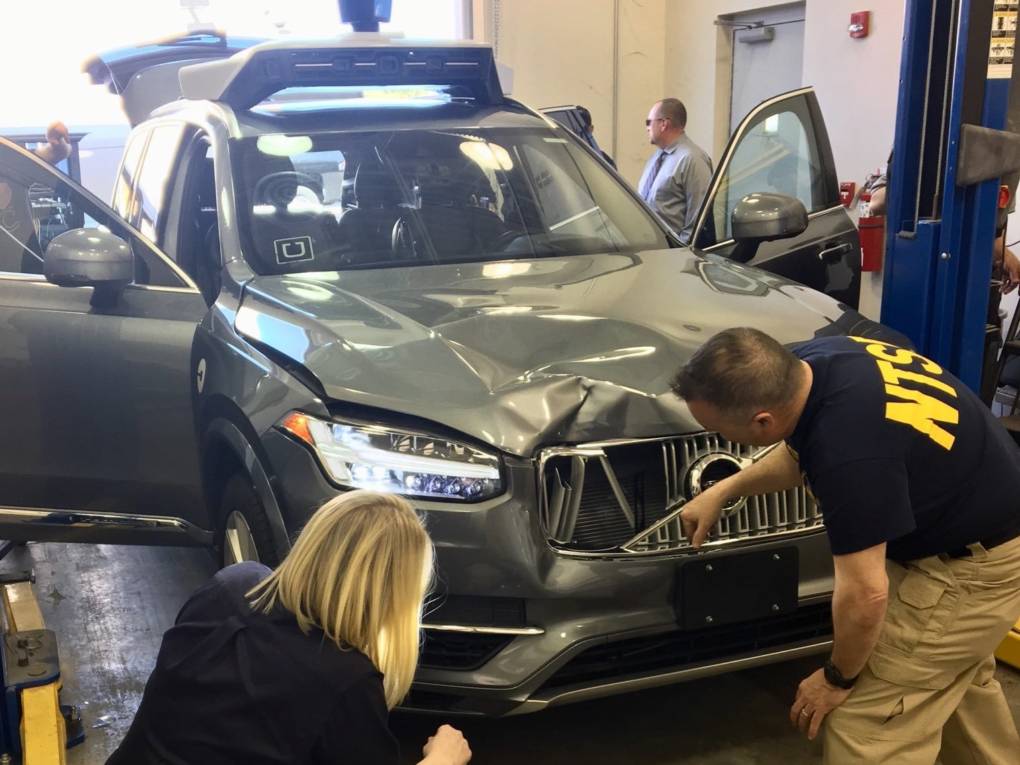
"caption": "Investigators for the National Transportation Safety Board in Tempe, Arizona, examine the Uber vehicle involved in the fatal crash.",
"description": "Investigators for the National Transportation Safety Board in Tempe, Ariz., examine the Uber vehicle involved in the fatal crash",
"title": "Investigators for the National Transportation Safety Board in Tempe, Ariz., examine the Uber vehicle involved in the fatal crash.",
"credit": "NTSB via Twitter",
"status": "inherit",
"isLoading": false,
"fetchFailed": false
},
"news_11657978": {
"type": "attachments",
"id": "news_11657978",
"meta": {
"index": "attachments_1716263798",
"site": "news",
"id": "11657978",
"found": true
},
"parent": 11657977,
"imgSizes": {
"small": {
"file": "https://ww2.kqed.org/app/uploads/sites/10/2018/03/gettyimages-929915902-0f70edb0fac1ba1f29bd517f751942b1c7a11e3c-520x390.jpg",
"width": 520,
"mimeType": "image/jpeg",
"height": 390
},
"twentyfourteen-full-width": {
"file": "https://ww2.kqed.org/app/uploads/sites/10/2018/03/gettyimages-929915902-0f70edb0fac1ba1f29bd517f751942b1c7a11e3c-1038x576.jpg",
"width": 1038,
"mimeType": "image/jpeg",
"height": 576
},
"thumbnail": {
"file": "https://ww2.kqed.org/app/uploads/sites/10/2018/03/gettyimages-929915902-0f70edb0fac1ba1f29bd517f751942b1c7a11e3c-160x120.jpg",
"width": 160,
"mimeType": "image/jpeg",
"height": 120
},
"fd-sm": {
"file": "https://ww2.kqed.org/app/uploads/sites/10/2018/03/gettyimages-929915902-0f70edb0fac1ba1f29bd517f751942b1c7a11e3c-960x720.jpg",
"width": 960,
"mimeType": "image/jpeg",
"height": 720
},
"post-thumbnail": {
"file": "https://ww2.kqed.org/app/uploads/sites/10/2018/03/gettyimages-929915902-0f70edb0fac1ba1f29bd517f751942b1c7a11e3c-672x372.jpg",
"width": 672,
"mimeType": "image/jpeg",
"height": 372
},
"xsmall": {
"file": "https://ww2.kqed.org/app/uploads/sites/10/2018/03/gettyimages-929915902-0f70edb0fac1ba1f29bd517f751942b1c7a11e3c-375x281.jpg",
"width": 375,
"mimeType": "image/jpeg",
"height": 281
},
"kqedFullSize": {
"file": "https://ww2.kqed.org/app/uploads/sites/10/2018/03/gettyimages-929915902-0f70edb0fac1ba1f29bd517f751942b1c7a11e3c-e1522084130607.jpg",
"width": 1920,
"height": 1440
},
"large": {
"file": "https://ww2.kqed.org/app/uploads/sites/10/2018/03/gettyimages-929915902-0f70edb0fac1ba1f29bd517f751942b1c7a11e3c-1020x765.jpg",
"width": 1020,
"mimeType": "image/jpeg",
"height": 765
},
"xlarge": {
"file": "https://ww2.kqed.org/app/uploads/sites/10/2018/03/gettyimages-929915902-0f70edb0fac1ba1f29bd517f751942b1c7a11e3c-1180x885.jpg",
"width": 1180,
"mimeType": "image/jpeg",
"height": 885
},
"guest-author-50": {
"file": "https://ww2.kqed.org/app/uploads/sites/10/2018/03/gettyimages-929915902-0f70edb0fac1ba1f29bd517f751942b1c7a11e3c-50x50.jpg",
"width": 50,
"mimeType": "image/jpeg",
"height": 50
},
"guest-author-96": {
"file": "https://ww2.kqed.org/app/uploads/sites/10/2018/03/gettyimages-929915902-0f70edb0fac1ba1f29bd517f751942b1c7a11e3c-96x96.jpg",
"width": 96,
"mimeType": "image/jpeg",
"height": 96
},
"medium": {
"file": "https://ww2.kqed.org/app/uploads/sites/10/2018/03/gettyimages-929915902-0f70edb0fac1ba1f29bd517f751942b1c7a11e3c-800x600.jpg",
"width": 800,
"mimeType": "image/jpeg",
"height": 600
},
"guest-author-64": {
"file": "https://ww2.kqed.org/app/uploads/sites/10/2018/03/gettyimages-929915902-0f70edb0fac1ba1f29bd517f751942b1c7a11e3c-64x64.jpg",
"width": 64,
"mimeType": "image/jpeg",
"height": 64
},
"guest-author-32": {
"file": "https://ww2.kqed.org/app/uploads/sites/10/2018/03/gettyimages-929915902-0f70edb0fac1ba1f29bd517f751942b1c7a11e3c-32x32.jpg",
"width": 32,
"mimeType": "image/jpeg",
"height": 32
},
"fd-lrg": {
"file": "https://ww2.kqed.org/app/uploads/sites/10/2018/03/gettyimages-929915902-0f70edb0fac1ba1f29bd517f751942b1c7a11e3c-1920x1440.jpg",
"width": 1920,
"mimeType": "image/jpeg",
"height": 1440
},
"fd-med": {
"file": "https://ww2.kqed.org/app/uploads/sites/10/2018/03/gettyimages-929915902-0f70edb0fac1ba1f29bd517f751942b1c7a11e3c-1180x885.jpg",
"width": 1180,
"mimeType": "image/jpeg",
"height": 885
},
"full-width": {
"file": "https://ww2.kqed.org/app/uploads/sites/10/2018/03/gettyimages-929915902-0f70edb0fac1ba1f29bd517f751942b1c7a11e3c-1920x1440.jpg",
"width": 1920,
"mimeType": "image/jpeg",
"height": 1440
},
"detail": {
"file": "https://ww2.kqed.org/app/uploads/sites/10/2018/03/gettyimages-929915902-0f70edb0fac1ba1f29bd517f751942b1c7a11e3c-150x150.jpg",
"width": 150,
"mimeType": "image/jpeg",
"height": 150
},
"guest-author-128": {
"file": "https://ww2.kqed.org/app/uploads/sites/10/2018/03/gettyimages-929915902-0f70edb0fac1ba1f29bd517f751942b1c7a11e3c-128x128.jpg",
"width": 128,
"mimeType": "image/jpeg",
"height": 128
},
"xxsmall": {
"file": "https://ww2.kqed.org/app/uploads/sites/10/2018/03/gettyimages-929915902-0f70edb0fac1ba1f29bd517f751942b1c7a11e3c-240x180.jpg",
"width": 240,
"mimeType": "image/jpeg",
"height": 180
}
},
"publishDate": 1522083888,
"modified": 1522100483,
"caption": "The Grab logo is displayed on a taxi near Democracy Monument in Bangkok, Thailand, earlier this month.",
"description": "The Grab logo is displayed on a taxi near Democracy Monument in Bangkok, Thailand, earlier this month.",
"title": "The Grab logo is displayed on a taxi near Democracy Monument in Bangkok, Thailand, earlier this month.",
"credit": "Bloomberg via Getty Images",
"status": "inherit",
"isLoading": false,
"fetchFailed": false
},
"news_11657307": {
"type": "attachments",
"id": "news_11657307",
"meta": {
"index": "attachments_1716263798",
"site": "news",
"id": "11657307",
"found": true
},
"parent": 11657306,
"imgSizes": {
"small": {
"file": "https://ww2.kqed.org/app/uploads/sites/10/2018/03/ap_18081019249634-ea2c0fec1ed47d0704061a0bbb2e0414c5bc09d8-520x390.jpg",
"width": 520,
"mimeType": "image/jpeg",
"height": 390
},
"twentyfourteen-full-width": {
"file": "https://ww2.kqed.org/app/uploads/sites/10/2018/03/ap_18081019249634-ea2c0fec1ed47d0704061a0bbb2e0414c5bc09d8-1038x576.jpg",
"width": 1038,
"mimeType": "image/jpeg",
"height": 576
},
"thumbnail": {
"file": "https://ww2.kqed.org/app/uploads/sites/10/2018/03/ap_18081019249634-ea2c0fec1ed47d0704061a0bbb2e0414c5bc09d8-160x120.jpg",
"width": 160,
"mimeType": "image/jpeg",
"height": 120
},
"fd-sm": {
"file": "https://ww2.kqed.org/app/uploads/sites/10/2018/03/ap_18081019249634-ea2c0fec1ed47d0704061a0bbb2e0414c5bc09d8-960x720.jpg",
"width": 960,
"mimeType": "image/jpeg",
"height": 720
},
"post-thumbnail": {
"file": "https://ww2.kqed.org/app/uploads/sites/10/2018/03/ap_18081019249634-ea2c0fec1ed47d0704061a0bbb2e0414c5bc09d8-672x372.jpg",
"width": 672,
"mimeType": "image/jpeg",
"height": 372
},
"xsmall": {
"file": "https://ww2.kqed.org/app/uploads/sites/10/2018/03/ap_18081019249634-ea2c0fec1ed47d0704061a0bbb2e0414c5bc09d8-375x281.jpg",
"width": 375,
"mimeType": "image/jpeg",
"height": 281
},
"kqedFullSize": {
"file": "https://ww2.kqed.org/app/uploads/sites/10/2018/03/ap_18081019249634-ea2c0fec1ed47d0704061a0bbb2e0414c5bc09d8-e1521740279332.jpg",
"width": 1440,
"height": 1080
},
"large": {
"file": "https://ww2.kqed.org/app/uploads/sites/10/2018/03/ap_18081019249634-ea2c0fec1ed47d0704061a0bbb2e0414c5bc09d8-1020x765.jpg",
"width": 1020,
"mimeType": "image/jpeg",
"height": 765
},
"xlarge": {
"file": "https://ww2.kqed.org/app/uploads/sites/10/2018/03/ap_18081019249634-ea2c0fec1ed47d0704061a0bbb2e0414c5bc09d8-1180x885.jpg",
"width": 1180,
"mimeType": "image/jpeg",
"height": 885
},
"guest-author-50": {
"file": "https://ww2.kqed.org/app/uploads/sites/10/2018/03/ap_18081019249634-ea2c0fec1ed47d0704061a0bbb2e0414c5bc09d8-50x50.jpg",
"width": 50,
"mimeType": "image/jpeg",
"height": 50
},
"guest-author-96": {
"file": "https://ww2.kqed.org/app/uploads/sites/10/2018/03/ap_18081019249634-ea2c0fec1ed47d0704061a0bbb2e0414c5bc09d8-96x96.jpg",
"width": 96,
"mimeType": "image/jpeg",
"height": 96
},
"medium": {
"file": "https://ww2.kqed.org/app/uploads/sites/10/2018/03/ap_18081019249634-ea2c0fec1ed47d0704061a0bbb2e0414c5bc09d8-800x600.jpg",
"width": 800,
"mimeType": "image/jpeg",
"height": 600
},
"guest-author-64": {
"file": "https://ww2.kqed.org/app/uploads/sites/10/2018/03/ap_18081019249634-ea2c0fec1ed47d0704061a0bbb2e0414c5bc09d8-64x64.jpg",
"width": 64,
"mimeType": "image/jpeg",
"height": 64
},
"guest-author-32": {
"file": "https://ww2.kqed.org/app/uploads/sites/10/2018/03/ap_18081019249634-ea2c0fec1ed47d0704061a0bbb2e0414c5bc09d8-32x32.jpg",
"width": 32,
"mimeType": "image/jpeg",
"height": 32
},
"fd-lrg": {
"file": "https://ww2.kqed.org/app/uploads/sites/10/2018/03/ap_18081019249634-ea2c0fec1ed47d0704061a0bbb2e0414c5bc09d8-1920x1440.jpg",
"width": 1920,
"mimeType": "image/jpeg",
"height": 1440
},
"fd-med": {
"file": "https://ww2.kqed.org/app/uploads/sites/10/2018/03/ap_18081019249634-ea2c0fec1ed47d0704061a0bbb2e0414c5bc09d8-1180x885.jpg",
"width": 1180,
"mimeType": "image/jpeg",
"height": 885
},
"full-width": {
"file": "https://ww2.kqed.org/app/uploads/sites/10/2018/03/ap_18081019249634-ea2c0fec1ed47d0704061a0bbb2e0414c5bc09d8-1920x1440.jpg",
"width": 1920,
"mimeType": "image/jpeg",
"height": 1440
},
"detail": {
"file": "https://ww2.kqed.org/app/uploads/sites/10/2018/03/ap_18081019249634-ea2c0fec1ed47d0704061a0bbb2e0414c5bc09d8-150x150.jpg",
"width": 150,
"mimeType": "image/jpeg",
"height": 150
},
"guest-author-128": {
"file": "https://ww2.kqed.org/app/uploads/sites/10/2018/03/ap_18081019249634-ea2c0fec1ed47d0704061a0bbb2e0414c5bc09d8-128x128.jpg",
"width": 128,
"mimeType": "image/jpeg",
"height": 128
},
"xxsmall": {
"file": "https://ww2.kqed.org/app/uploads/sites/10/2018/03/ap_18081019249634-ea2c0fec1ed47d0704061a0bbb2e0414c5bc09d8-240x180.jpg",
"width": 240,
"mimeType": "image/jpeg",
"height": 180
}
},
"publishDate": 1521734886,
"modified": 1521740328,
"caption": "This image made from video of a mounted camera provided by the Tempe Police Department shows an exterior view moments before an Uber SUV hit a woman on Sunday in Tempe, Arizona",
"description": "This image made from video of a mounted camera provided by the Tempe Police Department shows an exterior view moments before an Uber SUV hit a woman on Sunday in Tempe, Ariz.",
"title": "This image made from video of a mounted camera provided by the Tempe Police Department shows an exterior view moments before an Uber SUV hit a woman on Sunday in Tempe, Ariz.",
"credit": "AP",
"status": "inherit",
"isLoading": false,
"fetchFailed": false
},
"news_11353304": {
"type": "attachments",
"id": "news_11353304",
"meta": {
"index": "attachments_1716263798",
"site": "news",
"id": "11353304",
"found": true
},
"parent": 11353296,
"imgSizes": {
"small": {
"file": "https://ww2.kqed.org/app/uploads/sites/10/2017/03/uber-driverless-car-1920-520x346.jpg",
"width": 520,
"mimeType": "image/jpeg",
"height": 346
},
"twentyfourteen-full-width": {
"file": "https://ww2.kqed.org/app/uploads/sites/10/2017/03/uber-driverless-car-1920-1038x576.jpg",
"width": 1038,
"mimeType": "image/jpeg",
"height": 576
},
"thumbnail": {
"file": "https://ww2.kqed.org/app/uploads/sites/10/2017/03/uber-driverless-car-1920-160x107.jpg",
"width": 160,
"mimeType": "image/jpeg",
"height": 107
},
"fd-sm": {
"file": "https://ww2.kqed.org/app/uploads/sites/10/2017/03/uber-driverless-car-1920-960x639.jpg",
"width": 960,
"mimeType": "image/jpeg",
"height": 639
},
"post-thumbnail": {
"file": "https://ww2.kqed.org/app/uploads/sites/10/2017/03/uber-driverless-car-1920-672x372.jpg",
"width": 672,
"mimeType": "image/jpeg",
"height": 372
},
"xsmall": {
"file": "https://ww2.kqed.org/app/uploads/sites/10/2017/03/uber-driverless-car-1920-375x250.jpg",
"width": 375,
"mimeType": "image/jpeg",
"height": 250
},
"kqedFullSize": {
"file": "https://ww2.kqed.org/app/uploads/sites/10/2017/03/uber-driverless-car-1920.jpg",
"width": 1920,
"height": 1278
},
"large": {
"file": "https://ww2.kqed.org/app/uploads/sites/10/2017/03/uber-driverless-car-1920-1020x679.jpg",
"width": 1020,
"mimeType": "image/jpeg",
"height": 679
},
"xlarge": {
"file": "https://ww2.kqed.org/app/uploads/sites/10/2017/03/uber-driverless-car-1920-1180x785.jpg",
"width": 1180,
"mimeType": "image/jpeg",
"height": 785
},
"guest-author-50": {
"file": "https://ww2.kqed.org/app/uploads/sites/10/2017/03/uber-driverless-car-1920-50x50.jpg",
"width": 50,
"mimeType": "image/jpeg",
"height": 50
},
"guest-author-96": {
"file": "https://ww2.kqed.org/app/uploads/sites/10/2017/03/uber-driverless-car-1920-96x96.jpg",
"width": 96,
"mimeType": "image/jpeg",
"height": 96
},
"medium": {
"file": "https://ww2.kqed.org/app/uploads/sites/10/2017/03/uber-driverless-car-1920-800x533.jpg",
"width": 800,
"mimeType": "image/jpeg",
"height": 533
},
"guest-author-64": {
"file": "https://ww2.kqed.org/app/uploads/sites/10/2017/03/uber-driverless-car-1920-64x64.jpg",
"width": 64,
"mimeType": "image/jpeg",
"height": 64
},
"guest-author-32": {
"file": "https://ww2.kqed.org/app/uploads/sites/10/2017/03/uber-driverless-car-1920-32x32.jpg",
"width": 32,
"mimeType": "image/jpeg",
"height": 32
},
"fd-lrg": {
"file": "https://ww2.kqed.org/app/uploads/sites/10/2017/03/uber-driverless-car-1920-1920x1278.jpg",
"width": 1920,
"mimeType": "image/jpeg",
"height": 1278
},
"fd-med": {
"file": "https://ww2.kqed.org/app/uploads/sites/10/2017/03/uber-driverless-car-1920-1180x785.jpg",
"width": 1180,
"mimeType": "image/jpeg",
"height": 785
},
"full-width": {
"file": "https://ww2.kqed.org/app/uploads/sites/10/2017/03/uber-driverless-car-1920-1920x1278.jpg",
"width": 1920,
"mimeType": "image/jpeg",
"height": 1278
},
"detail": {
"file": "https://ww2.kqed.org/app/uploads/sites/10/2017/03/uber-driverless-car-1920-150x150.jpg",
"width": 150,
"mimeType": "image/jpeg",
"height": 150
},
"guest-author-128": {
"file": "https://ww2.kqed.org/app/uploads/sites/10/2017/03/uber-driverless-car-1920-128x128.jpg",
"width": 128,
"mimeType": "image/jpeg",
"height": 128
},
"xxsmall": {
"file": "https://ww2.kqed.org/app/uploads/sites/10/2017/03/uber-driverless-car-1920-240x160.jpg",
"width": 240,
"mimeType": "image/jpeg",
"height": 160
}
},
"publishDate": 1489177462,
"modified": 1521484159,
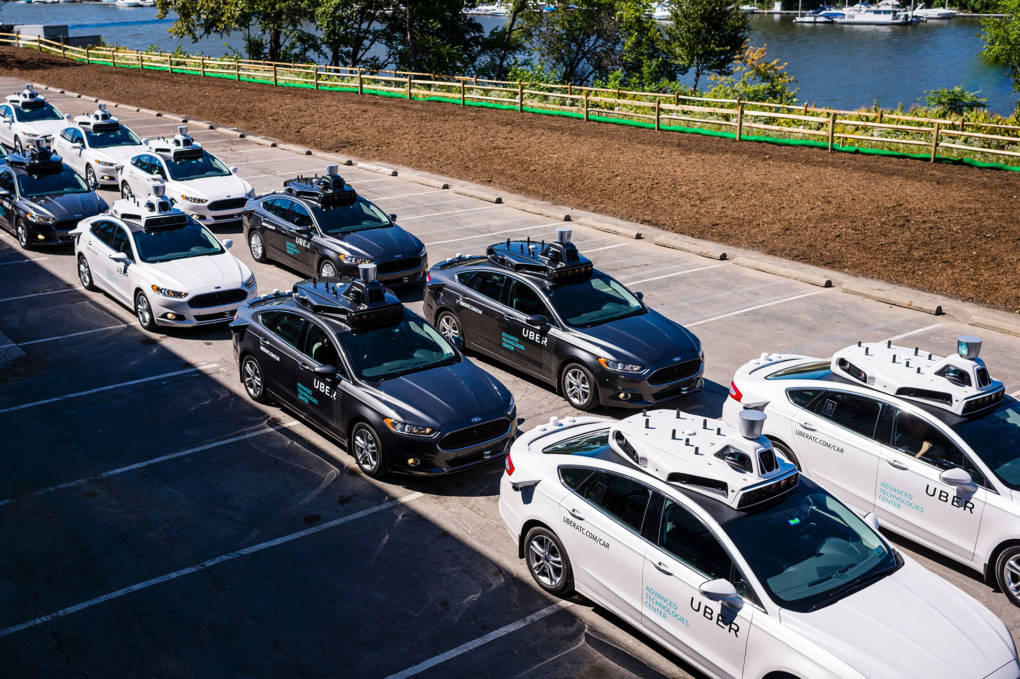
"caption": "Pilot models of the Uber self-driving car are displayed at the Uber Advanced Technologies Center on Sept. 13, 2016, in Pittsburgh, Pennsylvania.",
"description": null,
"title": "uber-driverless-car-1920",
"credit": "Angelo Merendino/AFP-Getty Images",
"status": "inherit",
"isLoading": false,
"fetchFailed": false
},
"news_11654395": {
"type": "attachments",
"id": "news_11654395",
"meta": {
"index": "attachments_1716263798",
"site": "news",
"id": "11654395",
"found": true
},
"parent": 11654394,
"imgSizes": {
"small": {
"file": "https://ww2.kqed.org/app/uploads/sites/10/2018/03/gettyimages-514681952_wide-73a5956a8dfedd95161fa30f3efb6ea754c80dfe-520x292.jpg",
"width": 520,
"mimeType": "image/jpeg",
"height": 292
},
"twentyfourteen-full-width": {
"file": "https://ww2.kqed.org/app/uploads/sites/10/2018/03/gettyimages-514681952_wide-73a5956a8dfedd95161fa30f3efb6ea754c80dfe-1038x576.jpg",
"width": 1038,
"mimeType": "image/jpeg",
"height": 576
},
"thumbnail": {
"file": "https://ww2.kqed.org/app/uploads/sites/10/2018/03/gettyimages-514681952_wide-73a5956a8dfedd95161fa30f3efb6ea754c80dfe-160x90.jpg",
"width": 160,
"mimeType": "image/jpeg",
"height": 90
},
"fd-sm": {
"file": "https://ww2.kqed.org/app/uploads/sites/10/2018/03/gettyimages-514681952_wide-73a5956a8dfedd95161fa30f3efb6ea754c80dfe-960x540.jpg",
"width": 960,
"mimeType": "image/jpeg",
"height": 540
},
"post-thumbnail": {
"file": "https://ww2.kqed.org/app/uploads/sites/10/2018/03/gettyimages-514681952_wide-73a5956a8dfedd95161fa30f3efb6ea754c80dfe-672x372.jpg",
"width": 672,
"mimeType": "image/jpeg",
"height": 372
},
"xsmall": {
"file": "https://ww2.kqed.org/app/uploads/sites/10/2018/03/gettyimages-514681952_wide-73a5956a8dfedd95161fa30f3efb6ea754c80dfe-375x211.jpg",
"width": 375,
"mimeType": "image/jpeg",
"height": 211
},
"kqedFullSize": {
"file": "https://ww2.kqed.org/app/uploads/sites/10/2018/03/gettyimages-514681952_wide-73a5956a8dfedd95161fa30f3efb6ea754c80dfe-e1520453042529.jpg",
"width": 1920,
"height": 1080
},
"large": {
"file": "https://ww2.kqed.org/app/uploads/sites/10/2018/03/gettyimages-514681952_wide-73a5956a8dfedd95161fa30f3efb6ea754c80dfe-1020x574.jpg",
"width": 1020,
"mimeType": "image/jpeg",
"height": 574
},
"xlarge": {
"file": "https://ww2.kqed.org/app/uploads/sites/10/2018/03/gettyimages-514681952_wide-73a5956a8dfedd95161fa30f3efb6ea754c80dfe-1180x664.jpg",
"width": 1180,
"mimeType": "image/jpeg",
"height": 664
},
"guest-author-50": {
"file": "https://ww2.kqed.org/app/uploads/sites/10/2018/03/gettyimages-514681952_wide-73a5956a8dfedd95161fa30f3efb6ea754c80dfe-50x50.jpg",
"width": 50,
"mimeType": "image/jpeg",
"height": 50
},
"guest-author-96": {
"file": "https://ww2.kqed.org/app/uploads/sites/10/2018/03/gettyimages-514681952_wide-73a5956a8dfedd95161fa30f3efb6ea754c80dfe-96x96.jpg",
"width": 96,
"mimeType": "image/jpeg",
"height": 96
},
"medium": {
"file": "https://ww2.kqed.org/app/uploads/sites/10/2018/03/gettyimages-514681952_wide-73a5956a8dfedd95161fa30f3efb6ea754c80dfe-800x450.jpg",
"width": 800,
"mimeType": "image/jpeg",
"height": 450
},
"guest-author-64": {
"file": "https://ww2.kqed.org/app/uploads/sites/10/2018/03/gettyimages-514681952_wide-73a5956a8dfedd95161fa30f3efb6ea754c80dfe-64x64.jpg",
"width": 64,
"mimeType": "image/jpeg",
"height": 64
},
"guest-author-32": {
"file": "https://ww2.kqed.org/app/uploads/sites/10/2018/03/gettyimages-514681952_wide-73a5956a8dfedd95161fa30f3efb6ea754c80dfe-32x32.jpg",
"width": 32,
"mimeType": "image/jpeg",
"height": 32
},
"fd-lrg": {
"file": "https://ww2.kqed.org/app/uploads/sites/10/2018/03/gettyimages-514681952_wide-73a5956a8dfedd95161fa30f3efb6ea754c80dfe-1920x1080.jpg",
"width": 1920,
"mimeType": "image/jpeg",
"height": 1080
},
"fd-med": {
"file": "https://ww2.kqed.org/app/uploads/sites/10/2018/03/gettyimages-514681952_wide-73a5956a8dfedd95161fa30f3efb6ea754c80dfe-1180x664.jpg",
"width": 1180,
"mimeType": "image/jpeg",
"height": 664
},
"full-width": {
"file": "https://ww2.kqed.org/app/uploads/sites/10/2018/03/gettyimages-514681952_wide-73a5956a8dfedd95161fa30f3efb6ea754c80dfe-1920x1080.jpg",
"width": 1920,
"mimeType": "image/jpeg",
"height": 1080
},
"detail": {
"file": "https://ww2.kqed.org/app/uploads/sites/10/2018/03/gettyimages-514681952_wide-73a5956a8dfedd95161fa30f3efb6ea754c80dfe-150x150.jpg",
"width": 150,
"mimeType": "image/jpeg",
"height": 150
},
"guest-author-128": {
"file": "https://ww2.kqed.org/app/uploads/sites/10/2018/03/gettyimages-514681952_wide-73a5956a8dfedd95161fa30f3efb6ea754c80dfe-128x128.jpg",
"width": 128,
"mimeType": "image/jpeg",
"height": 128
},
"xxsmall": {
"file": "https://ww2.kqed.org/app/uploads/sites/10/2018/03/gettyimages-514681952_wide-73a5956a8dfedd95161fa30f3efb6ea754c80dfe-240x135.jpg",
"width": 240,
"mimeType": "image/jpeg",
"height": 135
}
},
"publishDate": 1520452882,
"modified": 1520453062,
"caption": "An Uber logo is seen on a vehicle in 2016. MIT researchers say they underestimated the median hourly profit that Uber and Lyft drivers are making.",
"description": "An Uber logo is seen on a vehicle in 2016. MIT researchers say they underestimated the median hourly profit that Uber and Lyft drivers are making.",
"title": "An Uber logo is seen on a vehicle in 2016. MIT researchers say they underestimated the median hourly profit that Uber and Lyft drivers are making.",
"credit": "Mark Ralston/AFP/Getty Images",
"status": "inherit",
"isLoading": false,
"fetchFailed": false
},
"news_11653498": {
"type": "attachments",
"id": "news_11653498",
"meta": {
"index": "attachments_1716263798",
"site": "news",
"id": "11653498",
"found": true
},
"parent": 11653127,
"imgSizes": {
"thumbnail": {
"file": "https://ww2.kqed.org/app/uploads/sites/10/2018/03/hqdefault-160x120.jpg",
"width": 160,
"mimeType": "image/jpeg",
"height": 120
},
"xsmall": {
"file": "https://ww2.kqed.org/app/uploads/sites/10/2018/03/hqdefault-375x281.jpg",
"width": 375,
"mimeType": "image/jpeg",
"height": 281
},
"kqedFullSize": {
"file": "https://ww2.kqed.org/app/uploads/sites/10/2018/03/hqdefault.jpg",
"width": 480,
"height": 360
},
"guest-author-50": {
"file": "https://ww2.kqed.org/app/uploads/sites/10/2018/03/hqdefault-50x50.jpg",
"width": 50,
"mimeType": "image/jpeg",
"height": 50
},
"guest-author-96": {
"file": "https://ww2.kqed.org/app/uploads/sites/10/2018/03/hqdefault-96x96.jpg",
"width": 96,
"mimeType": "image/jpeg",
"height": 96
},
"guest-author-64": {
"file": "https://ww2.kqed.org/app/uploads/sites/10/2018/03/hqdefault-64x64.jpg",
"width": 64,
"mimeType": "image/jpeg",
"height": 64
},
"detail": {
"file": "https://ww2.kqed.org/app/uploads/sites/10/2018/03/hqdefault-150x150.jpg",
"width": 150,
"mimeType": "image/jpeg",
"height": 150
},
"guest-author-32": {
"file": "https://ww2.kqed.org/app/uploads/sites/10/2018/03/hqdefault-32x32.jpg",
"width": 32,
"mimeType": "image/jpeg",
"height": 32
},
"guest-author-128": {
"file": "https://ww2.kqed.org/app/uploads/sites/10/2018/03/hqdefault-128x128.jpg",
"width": 128,
"mimeType": "image/jpeg",
"height": 128
},
"xxsmall": {
"file": "https://ww2.kqed.org/app/uploads/sites/10/2018/03/hqdefault-240x180.jpg",
"width": 240,
"mimeType": "image/jpeg",
"height": 180
}
},
"publishDate": 1520035755,
"modified": 1520038605,
"caption": "Uber's \"Rolling With A Champion\" Ad",
"description": null,
"title": "Uber \"Rolling With A Champion\" Ad",
"credit": "Uber",
"status": "inherit",
"isLoading": false,
"fetchFailed": false
},
"news_11651108": {
"type": "attachments",
"id": "news_11651108",
"meta": {
"index": "attachments_1716263798",
"site": "news",
"id": "11651108",
"found": true
},
"parent": 11651103,
"imgSizes": {
"small": {
"file": "https://ww2.kqed.org/app/uploads/sites/10/2018/02/Mark-1-e1519088151805-520x390.jpg",
"width": 520,
"mimeType": "image/jpeg",
"height": 390
},
"twentyfourteen-full-width": {
"file": "https://ww2.kqed.org/app/uploads/sites/10/2018/02/Mark-1-e1519088151805-1038x576.jpg",
"width": 1038,
"mimeType": "image/jpeg",
"height": 576
},
"thumbnail": {
"file": "https://ww2.kqed.org/app/uploads/sites/10/2018/02/Mark-1-e1519088151805-160x120.jpg",
"width": 160,
"mimeType": "image/jpeg",
"height": 120
},
"fd-sm": {
"file": "https://ww2.kqed.org/app/uploads/sites/10/2018/02/Mark-1-e1519088151805-960x720.jpg",
"width": 960,
"mimeType": "image/jpeg",
"height": 720
},
"post-thumbnail": {
"file": "https://ww2.kqed.org/app/uploads/sites/10/2018/02/Mark-1-e1519088151805-672x372.jpg",
"width": 672,
"mimeType": "image/jpeg",
"height": 372
},
"xsmall": {
"file": "https://ww2.kqed.org/app/uploads/sites/10/2018/02/Mark-1-e1519088151805-375x281.jpg",
"width": 375,
"mimeType": "image/jpeg",
"height": 281
},
"kqedFullSize": {
"file": "https://ww2.kqed.org/app/uploads/sites/10/2018/02/Mark-1-e1520039012602.jpg",
"width": 1920,
"height": 1440
},
"large": {
"file": "https://ww2.kqed.org/app/uploads/sites/10/2018/02/Mark-1-e1519088151805-1020x765.jpg",
"width": 1020,
"mimeType": "image/jpeg",
"height": 765
},
"xlarge": {
"file": "https://ww2.kqed.org/app/uploads/sites/10/2018/02/Mark-1-e1519088151805-1180x885.jpg",
"width": 1180,
"mimeType": "image/jpeg",
"height": 885
},
"guest-author-50": {
"file": "https://ww2.kqed.org/app/uploads/sites/10/2018/02/Mark-1-e1519088151805-50x50.jpg",
"width": 50,
"mimeType": "image/jpeg",
"height": 50
},
"guest-author-96": {
"file": "https://ww2.kqed.org/app/uploads/sites/10/2018/02/Mark-1-e1519088151805-96x96.jpg",
"width": 96,
"mimeType": "image/jpeg",
"height": 96
},
"medium": {
"file": "https://ww2.kqed.org/app/uploads/sites/10/2018/02/Mark-1-e1519088151805-800x600.jpg",
"width": 800,
"mimeType": "image/jpeg",
"height": 600
},
"guest-author-64": {
"file": "https://ww2.kqed.org/app/uploads/sites/10/2018/02/Mark-1-e1519088151805-64x64.jpg",
"width": 64,
"mimeType": "image/jpeg",
"height": 64
},
"guest-author-32": {
"file": "https://ww2.kqed.org/app/uploads/sites/10/2018/02/Mark-1-e1519088151805-32x32.jpg",
"width": 32,
"mimeType": "image/jpeg",
"height": 32
},
"fd-lrg": {
"file": "https://ww2.kqed.org/app/uploads/sites/10/2018/02/Mark-1-e1519088151805-1920x1440.jpg",
"width": 1920,
"mimeType": "image/jpeg",
"height": 1440
},
"fd-med": {
"file": "https://ww2.kqed.org/app/uploads/sites/10/2018/02/Mark-1-e1519088151805-1180x885.jpg",
"width": 1180,
"mimeType": "image/jpeg",
"height": 885
},
"full-width": {
"file": "https://ww2.kqed.org/app/uploads/sites/10/2018/02/Mark-1-e1519088151805-1920x1440.jpg",
"width": 1920,
"mimeType": "image/jpeg",
"height": 1440
},
"detail": {
"file": "https://ww2.kqed.org/app/uploads/sites/10/2018/02/Mark-1-e1519088151805-150x150.jpg",
"width": 150,
"mimeType": "image/jpeg",
"height": 150
},
"guest-author-128": {
"file": "https://ww2.kqed.org/app/uploads/sites/10/2018/02/Mark-1-e1519088151805-128x128.jpg",
"width": 128,
"mimeType": "image/jpeg",
"height": 128
},
"xxsmall": {
"file": "https://ww2.kqed.org/app/uploads/sites/10/2018/02/Mark-1-e1519088151805-240x180.jpg",
"width": 240,
"mimeType": "image/jpeg",
"height": 180
}
},
"publishDate": 1519088128,
"modified": 1519508839,
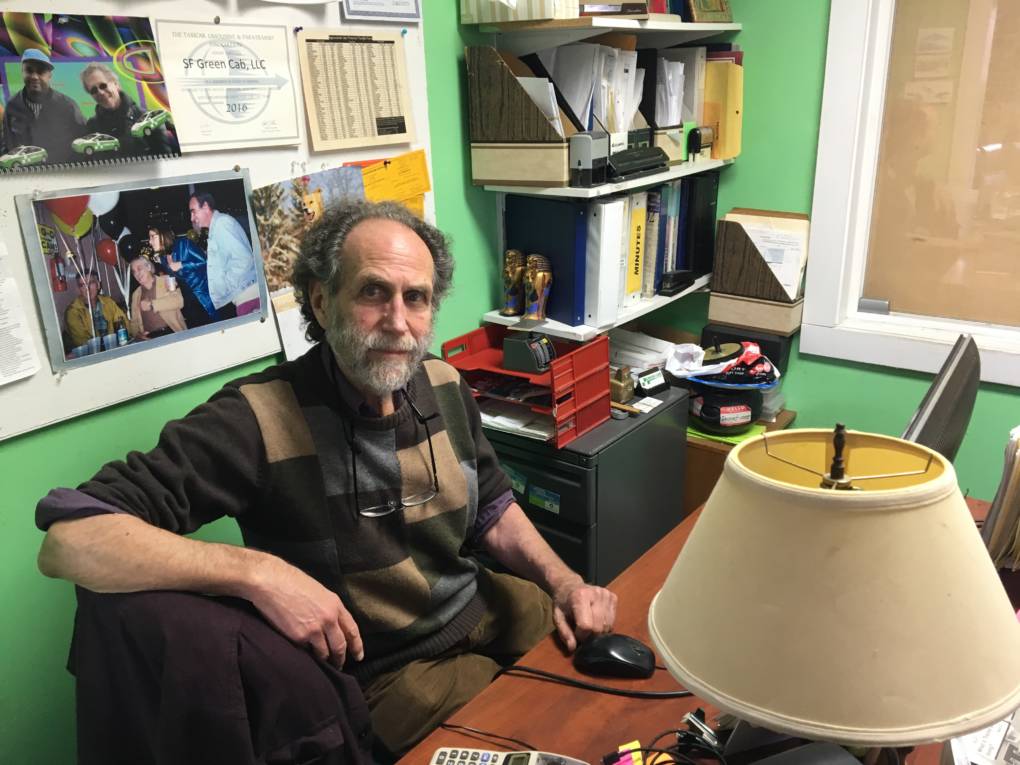
"caption": "Mark Gruberg says Uber and Lyft have even taken away the biggest taxi paydays, like Valentines Day, Halloween, and New Years Eve.",
"description": "Mark Gruberg says Uber and Lyft have even taken away the biggest taxi paydays, like Valentines Day, Halloween, and New Years Eve.",
"title": "Mark 1",
"credit": "Sam Harnett/KQED",
"status": "inherit",
"isLoading": false,
"fetchFailed": false
},
"news_11653353": {
"type": "attachments",
"id": "news_11653353",
"meta": {
"index": "attachments_1716263798",
"site": "news",
"id": "11653353",
"found": true
},
"parent": 11653352,
"imgSizes": {
"small": {
"file": "https://ww2.kqed.org/app/uploads/sites/10/2018/03/gettyimages-696041476_wide-75a4b39a28d9972b0ab887150b4a28b5efd56555-520x293.jpg",
"width": 520,
"mimeType": "image/jpeg",
"height": 293
},
"twentyfourteen-full-width": {
"file": "https://ww2.kqed.org/app/uploads/sites/10/2018/03/gettyimages-696041476_wide-75a4b39a28d9972b0ab887150b4a28b5efd56555-1038x576.jpg",
"width": 1038,
"mimeType": "image/jpeg",
"height": 576
},
"thumbnail": {
"file": "https://ww2.kqed.org/app/uploads/sites/10/2018/03/gettyimages-696041476_wide-75a4b39a28d9972b0ab887150b4a28b5efd56555-160x90.jpg",
"width": 160,
"mimeType": "image/jpeg",
"height": 90
},
"fd-sm": {
"file": "https://ww2.kqed.org/app/uploads/sites/10/2018/03/gettyimages-696041476_wide-75a4b39a28d9972b0ab887150b4a28b5efd56555-960x540.jpg",
"width": 960,
"mimeType": "image/jpeg",
"height": 540
},
"post-thumbnail": {
"file": "https://ww2.kqed.org/app/uploads/sites/10/2018/03/gettyimages-696041476_wide-75a4b39a28d9972b0ab887150b4a28b5efd56555-672x372.jpg",
"width": 672,
"mimeType": "image/jpeg",
"height": 372
},
"xsmall": {
"file": "https://ww2.kqed.org/app/uploads/sites/10/2018/03/gettyimages-696041476_wide-75a4b39a28d9972b0ab887150b4a28b5efd56555-375x211.jpg",
"width": 375,
"mimeType": "image/jpeg",
"height": 211
},
"kqedFullSize": {
"file": "https://ww2.kqed.org/app/uploads/sites/10/2018/03/gettyimages-696041476_wide-75a4b39a28d9972b0ab887150b4a28b5efd56555-e1520010443656.jpg",
"width": 1920,
"height": 1080
},
"large": {
"file": "https://ww2.kqed.org/app/uploads/sites/10/2018/03/gettyimages-696041476_wide-75a4b39a28d9972b0ab887150b4a28b5efd56555-1020x574.jpg",
"width": 1020,
"mimeType": "image/jpeg",
"height": 574
},
"xlarge": {
"file": "https://ww2.kqed.org/app/uploads/sites/10/2018/03/gettyimages-696041476_wide-75a4b39a28d9972b0ab887150b4a28b5efd56555-1180x664.jpg",
"width": 1180,
"mimeType": "image/jpeg",
"height": 664
},
"guest-author-50": {
"file": "https://ww2.kqed.org/app/uploads/sites/10/2018/03/gettyimages-696041476_wide-75a4b39a28d9972b0ab887150b4a28b5efd56555-50x50.jpg",
"width": 50,
"mimeType": "image/jpeg",
"height": 50
},
"guest-author-96": {
"file": "https://ww2.kqed.org/app/uploads/sites/10/2018/03/gettyimages-696041476_wide-75a4b39a28d9972b0ab887150b4a28b5efd56555-96x96.jpg",
"width": 96,
"mimeType": "image/jpeg",
"height": 96
},
"medium": {
"file": "https://ww2.kqed.org/app/uploads/sites/10/2018/03/gettyimages-696041476_wide-75a4b39a28d9972b0ab887150b4a28b5efd56555-800x450.jpg",
"width": 800,
"mimeType": "image/jpeg",
"height": 450
},
"guest-author-64": {
"file": "https://ww2.kqed.org/app/uploads/sites/10/2018/03/gettyimages-696041476_wide-75a4b39a28d9972b0ab887150b4a28b5efd56555-64x64.jpg",
"width": 64,
"mimeType": "image/jpeg",
"height": 64
},
"guest-author-32": {
"file": "https://ww2.kqed.org/app/uploads/sites/10/2018/03/gettyimages-696041476_wide-75a4b39a28d9972b0ab887150b4a28b5efd56555-32x32.jpg",
"width": 32,
"mimeType": "image/jpeg",
"height": 32
},
"fd-lrg": {
"file": "https://ww2.kqed.org/app/uploads/sites/10/2018/03/gettyimages-696041476_wide-75a4b39a28d9972b0ab887150b4a28b5efd56555-1920x1080.jpg",
"width": 1920,
"mimeType": "image/jpeg",
"height": 1080
},
"fd-med": {
"file": "https://ww2.kqed.org/app/uploads/sites/10/2018/03/gettyimages-696041476_wide-75a4b39a28d9972b0ab887150b4a28b5efd56555-1180x664.jpg",
"width": 1180,
"mimeType": "image/jpeg",
"height": 664
},
"full-width": {
"file": "https://ww2.kqed.org/app/uploads/sites/10/2018/03/gettyimages-696041476_wide-75a4b39a28d9972b0ab887150b4a28b5efd56555-1920x1080.jpg",
"width": 1920,
"mimeType": "image/jpeg",
"height": 1080
},
"detail": {
"file": "https://ww2.kqed.org/app/uploads/sites/10/2018/03/gettyimages-696041476_wide-75a4b39a28d9972b0ab887150b4a28b5efd56555-150x150.jpg",
"width": 150,
"mimeType": "image/jpeg",
"height": 150
},
"guest-author-128": {
"file": "https://ww2.kqed.org/app/uploads/sites/10/2018/03/gettyimages-696041476_wide-75a4b39a28d9972b0ab887150b4a28b5efd56555-128x128.jpg",
"width": 128,
"mimeType": "image/jpeg",
"height": 128
},
"xxsmall": {
"file": "https://ww2.kqed.org/app/uploads/sites/10/2018/03/gettyimages-696041476_wide-75a4b39a28d9972b0ab887150b4a28b5efd56555-240x135.jpg",
"width": 240,
"mimeType": "image/jpeg",
"height": 135
}
},
"publishDate": 1520009879,
"modified": 1520010433,
"caption": "An Uber car waits for a client in Manhattan in June 2017. A study from MIT says most drivers are making less than minimum wage.",
"description": "An Uber car waits for a client in Manhattan in June 2017. A study from MIT says most drivers are making less than minimum wage.",
"title": "An Uber car waits for a client in Manhattan in June 2017. A study from MIT says most drivers are making less than minimum wage.",
"credit": "Spencer Platt/Getty Images",
"status": "inherit",
"isLoading": false,
"fetchFailed": false
},
"news_11651121": {
"type": "attachments",
"id": "news_11651121",
"meta": {
"index": "attachments_1716263798",
"site": "news",
"id": "11651121",
"found": true
},
"parent": 11651083,
"imgSizes": {
"small": {
"file": "https://ww2.kqed.org/app/uploads/sites/10/2018/02/hustle_final01-520x278.jpg",
"width": 520,
"mimeType": "image/jpeg",
"height": 278
},
"twentyfourteen-full-width": {
"file": "https://ww2.kqed.org/app/uploads/sites/10/2018/02/hustle_final01-1038x576.jpg",
"width": 1038,
"mimeType": "image/jpeg",
"height": 576
},
"thumbnail": {
"file": "https://ww2.kqed.org/app/uploads/sites/10/2018/02/hustle_final01-160x86.jpg",
"width": 160,
"mimeType": "image/jpeg",
"height": 86
},
"fd-sm": {
"file": "https://ww2.kqed.org/app/uploads/sites/10/2018/02/hustle_final01-960x514.jpg",
"width": 960,
"mimeType": "image/jpeg",
"height": 514
},
"post-thumbnail": {
"file": "https://ww2.kqed.org/app/uploads/sites/10/2018/02/hustle_final01-672x372.jpg",
"width": 672,
"mimeType": "image/jpeg",
"height": 372
},
"xsmall": {
"file": "https://ww2.kqed.org/app/uploads/sites/10/2018/02/hustle_final01-375x201.jpg",
"width": 375,
"mimeType": "image/jpeg",
"height": 201
},
"kqedFullSize": {
"file": "https://ww2.kqed.org/app/uploads/sites/10/2018/02/hustle_final01-e1519157649832.jpg",
"width": 1920,
"height": 1028
},
"large": {
"file": "https://ww2.kqed.org/app/uploads/sites/10/2018/02/hustle_final01-1020x546.jpg",
"width": 1020,
"mimeType": "image/jpeg",
"height": 546
},
"xlarge": {
"file": "https://ww2.kqed.org/app/uploads/sites/10/2018/02/hustle_final01-1180x632.jpg",
"width": 1180,
"mimeType": "image/jpeg",
"height": 632
},
"guest-author-50": {
"file": "https://ww2.kqed.org/app/uploads/sites/10/2018/02/hustle_final01-50x50.jpg",
"width": 50,
"mimeType": "image/jpeg",
"height": 50
},
"guest-author-96": {
"file": "https://ww2.kqed.org/app/uploads/sites/10/2018/02/hustle_final01-96x96.jpg",
"width": 96,
"mimeType": "image/jpeg",
"height": 96
},
"medium": {
"file": "https://ww2.kqed.org/app/uploads/sites/10/2018/02/hustle_final01-800x428.jpg",
"width": 800,
"mimeType": "image/jpeg",
"height": 428
},
"guest-author-64": {
"file": "https://ww2.kqed.org/app/uploads/sites/10/2018/02/hustle_final01-64x64.jpg",
"width": 64,
"mimeType": "image/jpeg",
"height": 64
},
"guest-author-32": {
"file": "https://ww2.kqed.org/app/uploads/sites/10/2018/02/hustle_final01-32x32.jpg",
"width": 32,
"mimeType": "image/jpeg",
"height": 32
},
"fd-lrg": {
"file": "https://ww2.kqed.org/app/uploads/sites/10/2018/02/hustle_final01-1920x1028.jpg",
"width": 1920,
"mimeType": "image/jpeg",
"height": 1028
},
"fd-med": {
"file": "https://ww2.kqed.org/app/uploads/sites/10/2018/02/hustle_final01-1180x632.jpg",
"width": 1180,
"mimeType": "image/jpeg",
"height": 632
},
"full-width": {
"file": "https://ww2.kqed.org/app/uploads/sites/10/2018/02/hustle_final01-1920x1028.jpg",
"width": 1920,
"mimeType": "image/jpeg",
"height": 1028
},
"detail": {
"file": "https://ww2.kqed.org/app/uploads/sites/10/2018/02/hustle_final01-150x150.jpg",
"width": 150,
"mimeType": "image/jpeg",
"height": 150
},
"guest-author-128": {
"file": "https://ww2.kqed.org/app/uploads/sites/10/2018/02/hustle_final01-128x128.jpg",
"width": 128,
"mimeType": "image/jpeg",
"height": 128
},
"xxsmall": {
"file": "https://ww2.kqed.org/app/uploads/sites/10/2018/02/hustle_final01-240x128.jpg",
"width": 240,
"mimeType": "image/jpeg",
"height": 128
}
},
"publishDate": 1519139367,
"modified": 1519157663,
"caption": null,
"description": null,
"title": "Hustle",
"credit": "Mark Fiore/KQED",
"status": "inherit",
"isLoading": false,
"fetchFailed": false
},
"news_11649033": {
"type": "attachments",
"id": "news_11649033",
"meta": {
"index": "attachments_1716263798",
"site": "news",
"id": "11649033",
"found": true
},
"parent": 11649032,
"imgSizes": {
"small": {
"file": "https://ww2.kqed.org/app/uploads/sites/10/2018/02/waymo_020918_final-520x520.jpg",
"width": 520,
"mimeType": "image/jpeg",
"height": 520
},
"twentyfourteen-full-width": {
"file": "https://ww2.kqed.org/app/uploads/sites/10/2018/02/waymo_020918_final-1038x576.jpg",
"width": 1038,
"mimeType": "image/jpeg",
"height": 576
},
"thumbnail": {
"file": "https://ww2.kqed.org/app/uploads/sites/10/2018/02/waymo_020918_final-160x160.jpg",
"width": 160,
"mimeType": "image/jpeg",
"height": 160
},
"fd-sm": {
"file": "https://ww2.kqed.org/app/uploads/sites/10/2018/02/waymo_020918_final-960x960.jpg",
"width": 960,
"mimeType": "image/jpeg",
"height": 960
},
"post-thumbnail": {
"file": "https://ww2.kqed.org/app/uploads/sites/10/2018/02/waymo_020918_final-672x372.jpg",
"width": 672,
"mimeType": "image/jpeg",
"height": 372
},
"xsmall": {
"file": "https://ww2.kqed.org/app/uploads/sites/10/2018/02/waymo_020918_final-375x375.jpg",
"width": 375,
"mimeType": "image/jpeg",
"height": 375
},
"kqedFullSize": {
"file": "https://ww2.kqed.org/app/uploads/sites/10/2018/02/waymo_020918_final.jpg",
"width": 1920,
"height": 1920
},
"large": {
"file": "https://ww2.kqed.org/app/uploads/sites/10/2018/02/waymo_020918_final-1020x1020.jpg",
"width": 1020,
"mimeType": "image/jpeg",
"height": 1020
},
"xlarge": {
"file": "https://ww2.kqed.org/app/uploads/sites/10/2018/02/waymo_020918_final-1180x1180.jpg",
"width": 1180,
"mimeType": "image/jpeg",
"height": 1180
},
"guest-author-50": {
"file": "https://ww2.kqed.org/app/uploads/sites/10/2018/02/waymo_020918_final-50x50.jpg",
"width": 50,
"mimeType": "image/jpeg",
"height": 50
},
"guest-author-96": {
"file": "https://ww2.kqed.org/app/uploads/sites/10/2018/02/waymo_020918_final-96x96.jpg",
"width": 96,
"mimeType": "image/jpeg",
"height": 96
},
"medium": {
"file": "https://ww2.kqed.org/app/uploads/sites/10/2018/02/waymo_020918_final-800x800.jpg",
"width": 800,
"mimeType": "image/jpeg",
"height": 800
},
"guest-author-64": {
"file": "https://ww2.kqed.org/app/uploads/sites/10/2018/02/waymo_020918_final-64x64.jpg",
"width": 64,
"mimeType": "image/jpeg",
"height": 64
},
"guest-author-32": {
"file": "https://ww2.kqed.org/app/uploads/sites/10/2018/02/waymo_020918_final-32x32.jpg",
"width": 32,
"mimeType": "image/jpeg",
"height": 32
},
"fd-lrg": {
"file": "https://ww2.kqed.org/app/uploads/sites/10/2018/02/waymo_020918_final-1920x1920.jpg",
"width": 1920,
"mimeType": "image/jpeg",
"height": 1920
},
"fd-med": {
"file": "https://ww2.kqed.org/app/uploads/sites/10/2018/02/waymo_020918_final-1180x1180.jpg",
"width": 1180,
"mimeType": "image/jpeg",
"height": 1180
},
"full-width": {
"file": "https://ww2.kqed.org/app/uploads/sites/10/2018/02/waymo_020918_final-1920x1920.jpg",
"width": 1920,
"mimeType": "image/jpeg",
"height": 1920
},
"detail": {
"file": "https://ww2.kqed.org/app/uploads/sites/10/2018/02/waymo_020918_final-150x150.jpg",
"width": 150,
"mimeType": "image/jpeg",
"height": 150
},
"guest-author-128": {
"file": "https://ww2.kqed.org/app/uploads/sites/10/2018/02/waymo_020918_final-128x128.jpg",
"width": 128,
"mimeType": "image/jpeg",
"height": 128
},
"xxsmall": {
"file": "https://ww2.kqed.org/app/uploads/sites/10/2018/02/waymo_020918_final-240x240.jpg",
"width": 240,
"mimeType": "image/jpeg",
"height": 240
}
},
"publishDate": 1518203526,
"modified": 1518203550,
"caption": null,
"description": null,
"title": "waymo_020918_final",
"credit": null,
"status": "inherit",
"isLoading": false,
"fetchFailed": false
},
"news_11649026": {
"type": "attachments",
"id": "news_11649026",
"meta": {
"index": "attachments_1716263798",
"site": "news",
"id": "11649026",
"found": true
},
"parent": 11649025,
"imgSizes": {
"small": {
"file": "https://ww2.kqed.org/app/uploads/sites/10/2018/02/gettyimages-609845718-3bc701fd4ceaea1fff28c9ef9d78ededbd38b0ff-520x390.jpg",
"width": 520,
"mimeType": "image/jpeg",
"height": 390
},
"twentyfourteen-full-width": {
"file": "https://ww2.kqed.org/app/uploads/sites/10/2018/02/gettyimages-609845718-3bc701fd4ceaea1fff28c9ef9d78ededbd38b0ff-1038x576.jpg",
"width": 1038,
"mimeType": "image/jpeg",
"height": 576
},
"thumbnail": {
"file": "https://ww2.kqed.org/app/uploads/sites/10/2018/02/gettyimages-609845718-3bc701fd4ceaea1fff28c9ef9d78ededbd38b0ff-160x120.jpg",
"width": 160,
"mimeType": "image/jpeg",
"height": 120
},
"fd-sm": {
"file": "https://ww2.kqed.org/app/uploads/sites/10/2018/02/gettyimages-609845718-3bc701fd4ceaea1fff28c9ef9d78ededbd38b0ff-960x720.jpg",
"width": 960,
"mimeType": "image/jpeg",
"height": 720
},
"post-thumbnail": {
"file": "https://ww2.kqed.org/app/uploads/sites/10/2018/02/gettyimages-609845718-3bc701fd4ceaea1fff28c9ef9d78ededbd38b0ff-672x372.jpg",
"width": 672,
"mimeType": "image/jpeg",
"height": 372
},
"xsmall": {
"file": "https://ww2.kqed.org/app/uploads/sites/10/2018/02/gettyimages-609845718-3bc701fd4ceaea1fff28c9ef9d78ededbd38b0ff-375x281.jpg",
"width": 375,
"mimeType": "image/jpeg",
"height": 281
},
"kqedFullSize": {
"file": "https://ww2.kqed.org/app/uploads/sites/10/2018/02/gettyimages-609845718-3bc701fd4ceaea1fff28c9ef9d78ededbd38b0ff-e1518201051765.jpg",
"width": 1920,
"height": 1439
},
"large": {
"file": "https://ww2.kqed.org/app/uploads/sites/10/2018/02/gettyimages-609845718-3bc701fd4ceaea1fff28c9ef9d78ededbd38b0ff-1020x765.jpg",
"width": 1020,
"mimeType": "image/jpeg",
"height": 765
},
"xlarge": {
"file": "https://ww2.kqed.org/app/uploads/sites/10/2018/02/gettyimages-609845718-3bc701fd4ceaea1fff28c9ef9d78ededbd38b0ff-1180x885.jpg",
"width": 1180,
"mimeType": "image/jpeg",
"height": 885
},
"guest-author-50": {
"file": "https://ww2.kqed.org/app/uploads/sites/10/2018/02/gettyimages-609845718-3bc701fd4ceaea1fff28c9ef9d78ededbd38b0ff-50x50.jpg",
"width": 50,
"mimeType": "image/jpeg",
"height": 50
},
"guest-author-96": {
"file": "https://ww2.kqed.org/app/uploads/sites/10/2018/02/gettyimages-609845718-3bc701fd4ceaea1fff28c9ef9d78ededbd38b0ff-96x96.jpg",
"width": 96,
"mimeType": "image/jpeg",
"height": 96
},
"medium": {
"file": "https://ww2.kqed.org/app/uploads/sites/10/2018/02/gettyimages-609845718-3bc701fd4ceaea1fff28c9ef9d78ededbd38b0ff-800x600.jpg",
"width": 800,
"mimeType": "image/jpeg",
"height": 600
},
"guest-author-64": {
"file": "https://ww2.kqed.org/app/uploads/sites/10/2018/02/gettyimages-609845718-3bc701fd4ceaea1fff28c9ef9d78ededbd38b0ff-64x64.jpg",
"width": 64,
"mimeType": "image/jpeg",
"height": 64
},
"guest-author-32": {
"file": "https://ww2.kqed.org/app/uploads/sites/10/2018/02/gettyimages-609845718-3bc701fd4ceaea1fff28c9ef9d78ededbd38b0ff-32x32.jpg",
"width": 32,
"mimeType": "image/jpeg",
"height": 32
},
"fd-lrg": {
"file": "https://ww2.kqed.org/app/uploads/sites/10/2018/02/gettyimages-609845718-3bc701fd4ceaea1fff28c9ef9d78ededbd38b0ff-1920x1439.jpg",
"width": 1920,
"mimeType": "image/jpeg",
"height": 1439
},
"fd-med": {
"file": "https://ww2.kqed.org/app/uploads/sites/10/2018/02/gettyimages-609845718-3bc701fd4ceaea1fff28c9ef9d78ededbd38b0ff-1180x885.jpg",
"width": 1180,
"mimeType": "image/jpeg",
"height": 885
},
"full-width": {
"file": "https://ww2.kqed.org/app/uploads/sites/10/2018/02/gettyimages-609845718-3bc701fd4ceaea1fff28c9ef9d78ededbd38b0ff-1920x1439.jpg",
"width": 1920,
"mimeType": "image/jpeg",
"height": 1439
},
"detail": {
"file": "https://ww2.kqed.org/app/uploads/sites/10/2018/02/gettyimages-609845718-3bc701fd4ceaea1fff28c9ef9d78ededbd38b0ff-150x150.jpg",
"width": 150,
"mimeType": "image/jpeg",
"height": 150
},
"guest-author-128": {
"file": "https://ww2.kqed.org/app/uploads/sites/10/2018/02/gettyimages-609845718-3bc701fd4ceaea1fff28c9ef9d78ededbd38b0ff-128x128.jpg",
"width": 128,
"mimeType": "image/jpeg",
"height": 128
},
"xxsmall": {
"file": "https://ww2.kqed.org/app/uploads/sites/10/2018/02/gettyimages-609845718-3bc701fd4ceaea1fff28c9ef9d78ededbd38b0ff-240x180.jpg",
"width": 240,
"mimeType": "image/jpeg",
"height": 180
}
},
"publishDate": 1518200985,
"modified": 1518216183,
"caption": "An Uber driverless Ford Fusion drives in Pittsburgh in 2016. On Friday, Uber and Google's Waymo self-driving unit announced a settlement in their trade secrets case.",
"description": "An Uber driverless Ford Fusion drives in Pittsburgh in 2016. On Friday, Uber and Google's Waymo self-driving unit announced a settlement in their trade-secrets case.",
"title": "An Uber driverless Ford Fusion drives in Pittsburgh in 2016. On Friday, Uber and Google's Waymo self-driving unit announced a settlement in their trade-secrets case.",
"credit": "Jeff Swensen/Getty Images",
"status": "inherit",
"isLoading": false,
"fetchFailed": false
}
},
"audioPlayerReducer": {
"postId": "stream_live",
"isPaused": true,
"isPlaying": false,
"pfsActive": false,
"pledgeModalIsOpen": true,
"playerDrawerIsOpen": false,
"liveAudioPlayStartedAt": 0,
"liveAudioPlayContext": ""
},
"authorsReducer": {
"byline_news_11658245": {
"type": "authors",
"id": "byline_news_11658245",
"meta": {
"override": true
},
"slug": "byline_news_11658245",
"name": "\u003cstrong>Ian Wren\u003cbr />NPR\u003c/strong>",
"isLoading": false
},
"byline_news_11657977": {
"type": "authors",
"id": "byline_news_11657977",
"meta": {
"override": true
},
"slug": "byline_news_11657977",
"name": "\u003cstrong>\u003ca href=\"https://www.npr.org/people/131724812/scott-neuman\">Scott Neuman\u003c/br>\u003ca href=\"https://www.npr.org\">NPR\u003c/a>\u003c/strong>",
"isLoading": false
},
"byline_news_11657306": {
"type": "authors",
"id": "byline_news_11657306",
"meta": {
"override": true
},
"slug": "byline_news_11657306",
"name": "Scott Neuman",
"isLoading": false
},
"byline_news_11654394": {
"type": "authors",
"id": "byline_news_11654394",
"meta": {
"override": true
},
"slug": "byline_news_11654394",
"name": "James Doubek",
"isLoading": false
},
"byline_news_11653352": {
"type": "authors",
"id": "byline_news_11653352",
"meta": {
"override": true
},
"slug": "byline_news_11653352",
"name": "\u003cstrong>James Doubek\u003cbr />NPR\u003c/strong>",
"isLoading": false
},
"byline_news_11649025": {
"type": "authors",
"id": "byline_news_11649025",
"meta": {
"override": true
},
"slug": "byline_news_11649025",
"name": "\u003cstrong>Ian Wren\u003cbr />NPR\u003c/strong>",
"isLoading": false
},
"danbrekke": {
"type": "authors",
"id": "222",
"meta": {
"index": "authors_1716337520",
"id": "222",
"found": true
},
"name": "Dan Brekke",
"firstName": "Dan",
"lastName": "Brekke",
"slug": "danbrekke",
"email": "dbrekke@kqed.org",
"display_author_email": true,
"staff_mastheads": [
"news",
"science"
],
"title": "KQED Editor and Reporter",
"bio": "Dan Brekke is a reporter and editor for KQED News, responsible for coverage of topics ranging from California water issues to the Bay Area's transportation challenges. In a newsroom career that began in Chicago in 1972, Dan has worked for \u003cem>The San Francisco Examiner,\u003c/em> Wired and TechTV and has been published in The New York Times, The New York Times Magazine, Business 2.0, Salon and elsewhere.\r\n\r\nSince joining KQED in 2007, Dan has reported, edited and produced both radio and online features and breaking news pieces. He has shared as both editor and reporter in four Society of Professional Journalists Norcal Excellence in Journalism awards and one Edward R. Murrow regional award. He was chosen for a spring 2017 residency at the Mesa Refuge to advance his research on California salmon.\r\n\r\nEmail Dan at: \u003ca href=\"mailto:dbrekke@kqed.org\">dbrekke@kqed.org\u003c/a>\r\n\r\n\u003cstrong>Twitter:\u003c/strong> \u003ca href=\"https://twitter.com/danbrekke\" rel=\"noopener noreferrer\">twitter.com/danbrekke\u003c/a>\r\n\u003cstrong>Facebook:\u003c/strong> \u003ca href=\"https://www.facebook.com/danbrekke\" rel=\"noopener noreferrer\">www.facebook.com/danbrekke\u003c/a>\r\n\u003cstrong>LinkedIn:\u003c/strong> \u003ca href=\"https://www.linkedin.com/in/danbrekke\" rel=\"noopener noreferrer\">www.linkedin.com/in/danbrekke\u003c/a>",
"avatar": "https://secure.gravatar.com/avatar/c8126230345efca3f7aa89b1a402be45?s=600&d=mm&r=g",
"twitter": "danbrekke",
"facebook": null,
"instagram": "https://www.instagram.com/dan.brekke/",
"linkedin": "https://www.linkedin.com/in/danbrekke/",
"sites": [
{
"site": "news",
"roles": [
"administrator",
"create_posts"
]
},
{
"site": "stateofhealth",
"roles": [
"editor"
]
},
{
"site": "science",
"roles": [
"editor"
]
},
{
"site": "quest",
"roles": [
"contributor"
]
},
{
"site": "food",
"roles": [
"contributor"
]
},
{
"site": "forum",
"roles": [
"contributor"
]
},
{
"site": "liveblog",
"roles": [
"editor"
]
}
],
"headData": {
"title": "Dan Brekke | KQED",
"description": "KQED Editor and Reporter",
"ogImgSrc": "https://secure.gravatar.com/avatar/c8126230345efca3f7aa89b1a402be45?s=600&d=mm&r=g",
"twImgSrc": "https://secure.gravatar.com/avatar/c8126230345efca3f7aa89b1a402be45?s=600&d=mm&r=g"
},
"isLoading": false,
"link": "/author/danbrekke"
},
"samharnett": {
"type": "authors",
"id": "253",
"meta": {
"index": "authors_1716337520",
"id": "253",
"found": true
},
"name": "Sam Harnett",
"firstName": "Sam",
"lastName": "Harnett",
"slug": "samharnett",
"email": "samharnett@gmail.com",
"display_author_email": false,
"staff_mastheads": [],
"title": "KQED Contributor",
"bio": "Sam Harnett covered tech and work at KQED. He is the co-creator of \u003cem>\u003ca href=\"http://www.theworldaccordingtosound.org\">The World According to Sound\u003c/a>,\u003c/em> a 90-second podcast that features different sounds and the stories behind them.\r\n\r\nBefore coming to KQED, Sam worked as an independent reporter who contributed regularly to \u003cem>The California Report, Marketplace,\u003c/em> \u003cem>The World \u003c/em>and NPR.",
"avatar": "https://secure.gravatar.com/avatar/2538b972ac02f2b9546c7a6c59a0f3d0?s=600&d=blank&r=g",
"twitter": "Samwharnett",
"facebook": null,
"instagram": null,
"linkedin": null,
"sites": [
{
"site": "news",
"roles": [
"edit_others_posts",
"subscriber"
]
},
{
"site": "stateofhealth",
"roles": [
"author"
]
},
{
"site": "science",
"roles": [
"editor"
]
},
{
"site": "quest",
"roles": [
"subscriber"
]
}
],
"headData": {
"title": "Sam Harnett | KQED",
"description": "KQED Contributor",
"ogImgSrc": "https://secure.gravatar.com/avatar/2538b972ac02f2b9546c7a6c59a0f3d0?s=600&d=blank&r=g",
"twImgSrc": "https://secure.gravatar.com/avatar/2538b972ac02f2b9546c7a6c59a0f3d0?s=600&d=blank&r=g"
},
"isLoading": false,
"link": "/author/samharnett"
},
"markfiore": {
"type": "authors",
"id": "3236",
"meta": {
"index": "authors_1716337520",
"id": "3236",
"found": true
},
"name": "Mark Fiore",
"firstName": "Mark",
"lastName": "Fiore",
"slug": "markfiore",
"email": "mark@markfiore.com",
"display_author_email": false,
"staff_mastheads": [
"news"
],
"title": "KQED News Cartoonist",
"bio": "\u003ca href=\"http://www.MarkFiore.com\">MarkFiore.com\u003c/a> | \u003ca href=\"https://twitter.com/markfiore\">Follow on Twitter\u003c/a> | \u003ca href=\"https://www.facebook.com/pages/Mark-Fiore-Animated-Political-Cartoons/94451707396?ref=bookmarks\">Facebook\u003c/a> | \u003ca href=\"mailto:mark@markfiore.com\">email\u003c/a>\r\n\r\nPulitzer Prize-winner, Mark Fiore, who the Wall Street Journal has called “the undisputed guru of the form,” creates animated political cartoons in San Francisco, where his work has been featured regularly on the San Francisco Chronicle’s web site, SFGate.com. His work has appeared on Newsweek.com, Slate.com, CBSNews.com, MotherJones.com, DailyKos.com and NPR’s web site. Fiore’s political animation has appeared on CNN, Frontline, Bill Moyers Journal, Salon.com and cable and broadcast outlets across the globe.\r\n\r\nBeginning his professional life by drawing traditional political cartoons for newspapers, Fiore’s work appeared in publications ranging from the Washington Post to the Los Angeles Times. In the late 1990s, he began to experiment with animating political cartoons and, after a short stint at the San Jose Mercury News as their staff cartoonist, Fiore devoted all his energies to animation.\r\nGrowing up in California, Fiore also spent a good portion of his life in the backwoods of Idaho. It was this combination that shaped him politically. Mark majored in political science at Colorado College, where, in a perfect send-off for a cartoonist, he received his diploma in 1991 as commencement speaker Dick Cheney smiled approvingly.\r\nMark Fiore was awarded the Pulitzer Prize for political cartooning in 2010, a Robert F. Kennedy Journalism Award in 2004 and has twice received an Online Journalism Award for commentary from the Online News Association (2002, 2008). Fiore has received two awards for his work in new media from the National Cartoonists Society (2001, 2002), and in 2006 received The James Madison Freedom of Information Award from The Society of Professional Journalists.",
"avatar": "https://secure.gravatar.com/avatar/fc4e2a612b15b67bad0c6f0e1db4ca9b?s=600&d=blank&r=g",
"twitter": "MarkFiore",
"facebook": null,
"instagram": "https://www.instagram.com/markfiore/?hl=en",
"linkedin": null,
"sites": [
{
"site": "arts",
"roles": [
"contributor"
]
},
{
"site": "news",
"roles": [
"editor"
]
},
{
"site": "futureofyou",
"roles": [
"editor"
]
},
{
"site": "science",
"roles": [
"editor"
]
}
],
"headData": {
"title": "Mark Fiore | KQED",
"description": "KQED News Cartoonist",
"ogImgSrc": "https://secure.gravatar.com/avatar/fc4e2a612b15b67bad0c6f0e1db4ca9b?s=600&d=blank&r=g",
"twImgSrc": "https://secure.gravatar.com/avatar/fc4e2a612b15b67bad0c6f0e1db4ca9b?s=600&d=blank&r=g"
},
"isLoading": false,
"link": "/author/markfiore"
},
"rlevi": {
"type": "authors",
"id": "11260",
"meta": {
"index": "authors_1716337520",
"id": "11260",
"found": true
},
"name": "Ryan Levi",
"firstName": "Ryan",
"lastName": "Levi",
"slug": "rlevi",
"email": "rlevi@KQED.org",
"display_author_email": false,
"staff_mastheads": [],
"title": "KQED Contributor",
"bio": "Ryan Levi was a reporter and podcast producer at KQED News from 2016-2019. He worked on \u003ca href=\"https://www.kqed.org/news/series/baycurious\">Bay Curious\u003c/a>, \u003ca href=\"https://www.kqed.org/news/tag/the-bay/\">The Bay, \u003c/a>and \u003ca href=\"https://podcasts.apple.com/us/podcast/the-california-report-magazine/id1314750545\">The California Report Magazine\u003c/a>, as well as hosting and producing the weekly \u003ca href=\"https://www.kqed.org/news/program/qedup/\">Q'ed Up podcast. \u003c/a>He also helped inaugurate KQED's weekend news coverage in 2017 as one of two original digital producers. Ryan holds degrees in multimedia journalism and Spanish from the University of Missouri.",
"avatar": "https://secure.gravatar.com/avatar/4cb2ddd028ac8807d1adf09609c5555d?s=600&d=blank&r=g",
"twitter": "ryan_levi",
"facebook": null,
"instagram": null,
"linkedin": null,
"sites": [
{
"site": "arts",
"roles": [
"editor"
]
},
{
"site": "news",
"roles": [
"subscriber"
]
},
{
"site": "stateofhealth",
"roles": [
"editor"
]
},
{
"site": "science",
"roles": [
"editor"
]
},
{
"site": "forum",
"roles": [
"administrator"
]
},
{
"site": "perspectives",
"roles": [
"administrator"
]
}
],
"headData": {
"title": "Ryan Levi | KQED",
"description": "KQED Contributor",
"ogImgSrc": "https://secure.gravatar.com/avatar/4cb2ddd028ac8807d1adf09609c5555d?s=600&d=blank&r=g",
"twImgSrc": "https://secure.gravatar.com/avatar/4cb2ddd028ac8807d1adf09609c5555d?s=600&d=blank&r=g"
},
"isLoading": false,
"link": "/author/rlevi"
}
},
"pagesReducer": {
"news_tag_uber": {
"type": "terms",
"id": "news_4523",
"meta": {
"index": "terms_1716263798",
"site": "news",
"id": "4523",
"score": 9.305225
},
"featImg": null,
"name": "Uber",
"description": null,
"taxonomy": "tag",
"headData": {
"twImgId": null,
"twTitle": null,
"ogTitle": null,
"ogImgId": null,
"twDescription": null,
"description": null,
"title": "Uber Archives | KQED News",
"ogDescription": null
},
"ttid": 4542,
"slug": "uber",
"isLoading": false,
"title": "Uber",
"pageMeta": {
"site": "news",
"WpPageTemplate": "page-topic-editorial",
"currentPage": 11
},
"blocks": [
{
"blockName": "kqed/post-list",
"attrs": {
"layout": "cardArticle2",
"query": "posts/news?tag=uber",
"seeMore": false,
"paginated": true,
"page": 11
}
},
{
"blockName": "kqed/ad"
}
]
}
},
"pfsSessionReducer": {},
"postsReducer": {
"stream_live": {
"type": "live",
"id": "stream_live",
"audioUrl": "https://streams.kqed.org/kqedradio",
"title": "Live Stream",
"excerpt": "Live Stream information currently unavailable.",
"link": "/radio",
"featImg": "",
"label": {
"name": "KQED Live",
"link": "/"
}
},
"stream_kqedNewscast": {
"type": "posts",
"id": "stream_kqedNewscast",
"audioUrl": "https://www.kqed.org/.stream/anon/radio/RDnews/newscast.mp3?_=1",
"title": "KQED Newscast",
"featImg": "",
"label": {
"name": "88.5 FM",
"link": "/"
}
},
"news_11658245": {
"type": "posts",
"id": "news_11658245",
"meta": {
"index": "posts_1716263798",
"site": "news",
"id": "11658245",
"score": null,
"sort": [
1522259400000
]
},
"parent": 0,
"labelTerm": {},
"blocks": [],
"publishDate": 1522259400,
"format": "audio",
"disqusTitle": "Uber Won't Seek California Permit Renewal to Test Self-Driving Vehicles After Fatal Crash",
"title": "Uber Won't Seek California Permit Renewal to Test Self-Driving Vehicles After Fatal Crash",
"headTitle": "The California Report | KQED News",
"content": "\u003cp>\u003cstrong>Updated at 9:10 a.m. ET Wednesday\u003c/strong>\u003c/p>\n\u003cp>The future of Uber's self-driving car program is likely nonexistent in California, at least for now.\u003c/p>\n\u003cp>The company announced it will not renew Uber's permit through the state's Department of Motor Vehicles to continue testing a fleet of autonomous-driving cars on California roads, following \u003ca href=\"https://www.npr.org/sections/thetwo-way/2018/03/19/594950197/uber-suspends-self-driving-tests-after-pedestrian-is-killed-in-arizona\" target=\"_blank\" rel=\"noopener\">last week's deadly crash\u003c/a> in Tempe, Arizona.\u003c/p>\n\u003cp>\"We decided to not reapply for a California DMV permit with the understanding that our self-driving vehicles would not operate on public roads in the immediate future,\" a spokesperson \u003ca href=\"https://www.theverge.com/2018/3/27/17170138/uber-self-driving-california-dmv-permit-renew\" target=\"_blank\" rel=\"noopener\">told \u003c/a>The Verge.\u003c/p>\n\u003cp>Uber \u003ca href=\"https://twitter.com/Uber_Comms/status/978440309053964288\" target=\"_blank\" rel=\"noopener\">voluntarily suspended\u003c/a> all of its self-driving programs in cities around the country. The current permit from the California DMV is set to expire on March 31, according to the Associated Press.\u003c/p>\n\u003cp>[ad fullwidth]\u003c/p>\n\u003cp>The DMV will soon begin evaluating permit applications for companies interested in launching self-piloted car tests, although the likelihood of approval appears to be slim.\u003c/p>\n\u003cp>\"The DMV is allowed to begin issuing driverless testing and/or deployment permits on April 2, but that doesn't mean a manufacturer will meet the requirements or if we will approve them,\" a DMV spokesperson told The Verge.\u003c/p>\n\u003cp>Also on Tuesday, chipmaker Nvidia Corp. announced it also will temporarily suspend self-driving tests, company spokesman Hector Marinez told NPR.\u003c/p>\n\u003cp>The company supplies the chips for Uber's autonomous cars and has five test cars of its own operating in California and New Jersey.\u003c/p>\n\u003cp>\"Although we developed our self-driving technology independently, as good engineering practice, we will wait to learn from Uber's incident. The entire industry will learn from this incident,\" Marinez said.\u003c/p>\n\u003cp>The change in Uber's strategy follows a decision hours earlier by Arizona Gov. Doug Ducey to suspend testing in that state, where the fatal accident happened.\u003c/p>\n\u003cp>The crash, which occurred late at night in the Phoenix suburb of Tempe, killed 49-year-old Elaine Herzberg as she was walking her bicycle across a dimly lit city street.\u003c/p>\n\u003cp>In a letter sent Monday to Uber CEO Dara Khosrowshahi, Ducey called the incident an \"unquestionable failure\" to meet public safety expectations.\u003c/p>\n\u003cp>https://twitter.com/Scarpinato/status/978639521137942533\u003c/p>\n\u003cp>The local police chief initially called the incident \"unavoidable,\" but sentiment quickly changed after the \u003ca href=\"https://www.npr.org/sections/thetwo-way/2018/03/21/595941015/police-in-arizona-release-dashcam-video-of-fatal-crash-involving-self-driving-ca\" target=\"_blank\" rel=\"noopener\">release of video of the crash\u003c/a>. The video, which depicts both internal and external views of the Uber vehicle, shows the car's safety driver looking down, away from the road, as a pedestrian suddenly emerges into the headlights.\u003c/p>\n\u003cp>The governor cited the video on Monday in both his letter and tweets about the crash.\u003c/p>\n\u003cp>\"I found the video to be disturbing and alarming, and it raises many questions about the ability of Uber to continue testing in Arizona,\" Ducey wrote in the letter.\u003c/p>\n\u003cp>https://twitter.com/dougducey/status/978636729983778817\u003c/p>\n\u003cp>He acknowledged \u003ca href=\"https://www.ntsb.gov/news/press-releases/Pages/NR20180320.aspx\" target=\"_blank\" rel=\"noopener\">ongoing investigations\u003c/a> by the National Transportation Safety Board and the National Highway Traffic Safety Administration but said Arizona \"must take action now.\"\u003c/p>\n\u003cp>It is unclear how exactly the Uber suspension will be enforced. Unlike California, Arizona does not have a permitting system for autonomous vehicles. An \u003ca href=\"https://azgovernor.gov/sites/default/files/related-docs/eo2018-04_1.pdf\" target=\"_blank\" rel=\"noopener\">executive order\u003c/a> signed by Ducey earlier this month requires only that testers submit a statement to state regulators attesting to their vehicles' safety. The order did note, however, that \"nothing in this order establishes a right to operate an autonomous vehicle in Arizona.\"\u003c/p>\n\u003cp>According to a state Department of Transportation spokesperson, the suspension applies only to Uber. Arizona will continue to allow other companies to test autonomous vehicles.\u003c/p>\n\u003cp>Nonetheless, the announcement is a swift reversal for a state once called the \u003ca href=\"https://www.npr.org/sections/thetwo-way/2018/03/20/595115055/arizona-governor-helped-make-state-wild-west-for-driverless-cars\" target=\"_blank\" rel=\"noopener\">\"Wild West\" of self-driving cars\u003c/a>. In 2016, Ducey welcomed Uber with \"open arms and wide open roads\" as the company sought alternatives to California's regulatory environment.\u003c/p>\n\u003cp>https://twitter.com/NTSB_Newsroom/status/976215176323194880\u003c/p>\n\u003cp>For its part, Uber says it will continue to cooperate with investigators. A spokesperson for the company told NPR that federal investigators have the vehicle, along with data from its onboard cameras and sensors. The spokesperson stressed Uber's \"proactive\" steps in suspending testing after the crash, not only in Arizona but in all other test cities — Pittsburgh, San Francisco and Toronto.\u003c/p>\n\u003cp>But the accident comes as yet another controversy for a company trying to \u003ca href=\"https://www.reuters.com/article/us-uber-grab-breakingviews/breakingviews-uber-races-towards-ipo-with-southeast-asian-deal-idUSKBN1H208Y\" target=\"_blank\" rel=\"noopener\">position itself\u003c/a> for a public stock offering. The past year has seen Uber struggle through a \u003ca href=\"https://www.bloomberg.com/news/features/2018-01-18/the-fall-of-travis-kalanick-was-a-lot-weirder-and-darker-than-you-thought\" target=\"_blank\" rel=\"noopener\">leadership crisis\u003c/a>, a \u003ca href=\"https://www.npr.org/sections/thetwo-way/2017/11/21/565857184/uber-data-on-57-million-people-stolen-in-massive-hack\" target=\"_blank\" rel=\"noopener\">massive data breach\u003c/a>, a \u003ca href=\"https://www.npr.org/sections/thetwo-way/2017/06/06/531806891/uber-fires-20-employees-after-sexual-harassment-claim-investigation\" target=\"_blank\" rel=\"noopener\">sexual harassment scandal\u003c/a>, and a \u003ca href=\"https://www.npr.org/2018/02/05/583367084/battle-over-self-driving-cars-goes-to-court-in-case-between-googles-waymo-and-ub\" target=\"_blank\" rel=\"noopener\">high-profile trial\u003c/a> ending in \u003ca href=\"https://www.npr.org/sections/thetwo-way/2018/02/09/584522541/uber-googles-waymo-settle-case-over-trade-secrets-for-self-driving-cars\" target=\"_blank\" rel=\"noopener\">substantial concessions\u003c/a> to its competitor, Google subsidiary Waymo.\u003c/p>\n\u003cp>The Uber spokesperson says the company is unable to comment on details of the crash. Last week, Uber's CEO \u003ca href=\"https://twitter.com/dkhos/status/975778435455995905\" target=\"_blank\" rel=\"noopener\">tweeted\u003c/a> that \"we're thinking of the victim's family.\"\u003c/p>\n\u003cp>In a separate incident, the National Transportation Safety Board launched an investigation Tuesday into the fatal crash of a Tesla car equipped with a self-driving system. The vehicle struck a highway barrier, caught fire, and was later hit by another in Northern California.\u003c/p>\n\u003cp>\u003cem>The Mercury News\u003c/em> \u003ca href=\"https://www.mercurynews.com/2018/03/26/driver-identified-in-fatal-tesla-crash-on-highway-101/\" target=\"_blank\" rel=\"noopener\">reported\u003c/a> the driver died in a hospital Friday, the day of the crash.\u003c/p>\n\u003cp>It is unclear if the autonomous driving system, called Autopilot, was controlling the vehicle.\u003c/p>\n\u003cp>\u003c/p>\n\u003cp>Copyright 2018 NPR. To see more, visit http://www.npr.org/.\u003c/p>\n\n",
"disqusIdentifier": "11658245 https://ww2.kqed.org/news/?p=11658245",
"disqusUrl": "https://ww2.kqed.org/news/2018/03/28/arizona-suspends-ubers-self-driving-vehicle-testing-after-fatal-crash/",
"stats": {
"hasVideo": false,
"hasChartOrMap": false,
"hasAudio": false,
"hasPolis": false,
"wordCount": 861,
"hasGoogleForm": false,
"hasGallery": false,
"hasHearkenModule": false,
"iframeSrcs": [],
"paragraphCount": 29
},
"modified": 1522275257,
"excerpt": "Company's decision, which follows death of pedestrian in Arizona last week, means future of the program is likely nonexistent in the state.",
"headData": {
"twImgId": "",
"twTitle": "",
"ogTitle": "",
"ogImgId": "",
"twDescription": "",
"description": "Company's decision, which follows death of pedestrian in Arizona last week, means future of the program is likely nonexistent in the state.",
"title": "Uber Won't Seek California Permit Renewal to Test Self-Driving Vehicles After Fatal Crash | KQED",
"ogDescription": "",
"schema": {
"@context": "https://schema.org",
"@type": "NewsArticle",
"headline": "Uber Won't Seek California Permit Renewal to Test Self-Driving Vehicles After Fatal Crash",
"datePublished": "2018-03-28T10:50:00-07:00",
"dateModified": "2018-03-28T15:14:17-07:00",
"image": "https://cdn.kqed.org/wp-content/uploads/2020/02/KQED-OG-Image@1x.png",
"isAccessibleForFree": "True",
"publisher": {
"@type": "NewsMediaOrganization",
"@id": "https://www.kqed.org/#organization",
"name": "KQED",
"logo": "https://cdn.kqed.org/wp-content/uploads/2020/02/KQED-OG-Image@1x.png",
"url": "https://www.kqed.org",
"sameAs": [
"https://www.facebook.com/KQED",
"https://twitter.com/KQED",
"https://www.instagram.com/kqed/",
"https://www.tiktok.com/@kqedofficial",
"https://www.linkedin.com/company/kqed",
"https://www.youtube.com/channel/UCeC0IOo7i1P_61zVUWbJ4nw"
]
}
}
},
"guestAuthors": [],
"slug": "arizona-suspends-ubers-self-driving-vehicle-testing-after-fatal-crash",
"status": "publish",
"nprApiLink": "http://api.npr.org/query?id=597331608&apiKey=MDAxOTAwOTE4MDEyMTkxMDAzNjczZDljZA004",
"nprStoryDate": "Tue, 27 Mar 2018 14:49:00 -0400",
"nprLastModifiedDate": "Wed, 28 Mar 2018 11:24:18 -0400",
"nprHtmlLink": "https://www.npr.org/sections/thetwo-way/2018/03/27/597331608/arizona-suspends-ubers-self-driving-vehicle-testing-after-fatal-crash?ft=nprml&f=597331608",
"nprImageAgency": "NTSB/Twitter",
"source": "NPR",
"nprStoryId": "597331608",
"sourceUrl": "https://www.npr.org/",
"audioUrl": "https://www.kqed.org/.stream/anon/radio/thebay/2018/03/UberTestingMosley.mp3",
"nprByline": "\u003cstrong>Ian Wren\u003cbr />NPR\u003c/strong>",
"nprRetrievedStory": "1",
"nprPubDate": "Wed, 28 Mar 2018 11:24:00 -0400",
"path": "/news/11658245/arizona-suspends-ubers-self-driving-vehicle-testing-after-fatal-crash",
"audioDuration": 47000,
"audioTrackLength": null,
"parsedContent": [
{
"type": "contentString",
"content": "\u003cdiv class=\"post-body\">\u003cp>\u003cp>\u003cstrong>Updated at 9:10 a.m. ET Wednesday\u003c/strong>\u003c/p>\n\u003cp>The future of Uber's self-driving car program is likely nonexistent in California, at least for now.\u003c/p>\n\u003cp>The company announced it will not renew Uber's permit through the state's Department of Motor Vehicles to continue testing a fleet of autonomous-driving cars on California roads, following \u003ca href=\"https://www.npr.org/sections/thetwo-way/2018/03/19/594950197/uber-suspends-self-driving-tests-after-pedestrian-is-killed-in-arizona\" target=\"_blank\" rel=\"noopener\">last week's deadly crash\u003c/a> in Tempe, Arizona.\u003c/p>\n\u003cp>\"We decided to not reapply for a California DMV permit with the understanding that our self-driving vehicles would not operate on public roads in the immediate future,\" a spokesperson \u003ca href=\"https://www.theverge.com/2018/3/27/17170138/uber-self-driving-california-dmv-permit-renew\" target=\"_blank\" rel=\"noopener\">told \u003c/a>The Verge.\u003c/p>\n\u003cp>Uber \u003ca href=\"https://twitter.com/Uber_Comms/status/978440309053964288\" target=\"_blank\" rel=\"noopener\">voluntarily suspended\u003c/a> all of its self-driving programs in cities around the country. The current permit from the California DMV is set to expire on March 31, according to the Associated Press.\u003c/p>\n\u003cp>\u003c/p>\u003c/div>",
"attributes": {
"named": {},
"numeric": []
}
},
{
"type": "component",
"content": "",
"name": "ad",
"attributes": {
"named": {
"label": "fullwidth"
},
"numeric": [
"fullwidth"
]
}
},
{
"type": "contentString",
"content": "\u003cdiv class=\"post-body\">\u003cp>\u003c/p>\n\u003cp>The DMV will soon begin evaluating permit applications for companies interested in launching self-piloted car tests, although the likelihood of approval appears to be slim.\u003c/p>\n\u003cp>\"The DMV is allowed to begin issuing driverless testing and/or deployment permits on April 2, but that doesn't mean a manufacturer will meet the requirements or if we will approve them,\" a DMV spokesperson told The Verge.\u003c/p>\n\u003cp>Also on Tuesday, chipmaker Nvidia Corp. announced it also will temporarily suspend self-driving tests, company spokesman Hector Marinez told NPR.\u003c/p>\n\u003cp>The company supplies the chips for Uber's autonomous cars and has five test cars of its own operating in California and New Jersey.\u003c/p>\n\u003cp>\"Although we developed our self-driving technology independently, as good engineering practice, we will wait to learn from Uber's incident. The entire industry will learn from this incident,\" Marinez said.\u003c/p>\n\u003cp>The change in Uber's strategy follows a decision hours earlier by Arizona Gov. Doug Ducey to suspend testing in that state, where the fatal accident happened.\u003c/p>\n\u003cp>The crash, which occurred late at night in the Phoenix suburb of Tempe, killed 49-year-old Elaine Herzberg as she was walking her bicycle across a dimly lit city street.\u003c/p>\n\u003cp>In a letter sent Monday to Uber CEO Dara Khosrowshahi, Ducey called the incident an \"unquestionable failure\" to meet public safety expectations.\u003c/p>\u003c/p>\u003c/div>",
"attributes": {
"named": {},
"numeric": []
}
},
{
"type": "component",
"content": "",
"name": "singleTwitterStatus",
"attributes": {
"named": {
"id": "978639521137942533"
},
"numeric": []
}
},
{
"type": "contentString",
"content": "\u003cdiv class=\"post-body\">\u003cp>\n\u003cp>The local police chief initially called the incident \"unavoidable,\" but sentiment quickly changed after the \u003ca href=\"https://www.npr.org/sections/thetwo-way/2018/03/21/595941015/police-in-arizona-release-dashcam-video-of-fatal-crash-involving-self-driving-ca\" target=\"_blank\" rel=\"noopener\">release of video of the crash\u003c/a>. The video, which depicts both internal and external views of the Uber vehicle, shows the car's safety driver looking down, away from the road, as a pedestrian suddenly emerges into the headlights.\u003c/p>\n\u003cp>The governor cited the video on Monday in both his letter and tweets about the crash.\u003c/p>\n\u003cp>\"I found the video to be disturbing and alarming, and it raises many questions about the ability of Uber to continue testing in Arizona,\" Ducey wrote in the letter.\u003c/p>\u003c/p>\u003c/div>",
"attributes": {
"named": {},
"numeric": []
}
},
{
"type": "component",
"content": "",
"name": "singleTwitterStatus",
"attributes": {
"named": {
"id": "978636729983778817"
},
"numeric": []
}
},
{
"type": "contentString",
"content": "\u003cdiv class=\"post-body\">\u003cp>\n\u003cp>He acknowledged \u003ca href=\"https://www.ntsb.gov/news/press-releases/Pages/NR20180320.aspx\" target=\"_blank\" rel=\"noopener\">ongoing investigations\u003c/a> by the National Transportation Safety Board and the National Highway Traffic Safety Administration but said Arizona \"must take action now.\"\u003c/p>\n\u003cp>It is unclear how exactly the Uber suspension will be enforced. Unlike California, Arizona does not have a permitting system for autonomous vehicles. An \u003ca href=\"https://azgovernor.gov/sites/default/files/related-docs/eo2018-04_1.pdf\" target=\"_blank\" rel=\"noopener\">executive order\u003c/a> signed by Ducey earlier this month requires only that testers submit a statement to state regulators attesting to their vehicles' safety. The order did note, however, that \"nothing in this order establishes a right to operate an autonomous vehicle in Arizona.\"\u003c/p>\n\u003cp>According to a state Department of Transportation spokesperson, the suspension applies only to Uber. Arizona will continue to allow other companies to test autonomous vehicles.\u003c/p>\n\u003cp>Nonetheless, the announcement is a swift reversal for a state once called the \u003ca href=\"https://www.npr.org/sections/thetwo-way/2018/03/20/595115055/arizona-governor-helped-make-state-wild-west-for-driverless-cars\" target=\"_blank\" rel=\"noopener\">\"Wild West\" of self-driving cars\u003c/a>. In 2016, Ducey welcomed Uber with \"open arms and wide open roads\" as the company sought alternatives to California's regulatory environment.\u003c/p>\u003c/p>\u003c/div>",
"attributes": {
"named": {},
"numeric": []
}
},
{
"type": "component",
"content": "",
"name": "singleTwitterStatus",
"attributes": {
"named": {
"id": "976215176323194880"
},
"numeric": []
}
},
{
"type": "contentString",
"content": "\u003cdiv class=\"post-body\">\u003cp>\n\u003cp>For its part, Uber says it will continue to cooperate with investigators. A spokesperson for the company told NPR that federal investigators have the vehicle, along with data from its onboard cameras and sensors. The spokesperson stressed Uber's \"proactive\" steps in suspending testing after the crash, not only in Arizona but in all other test cities — Pittsburgh, San Francisco and Toronto.\u003c/p>\n\u003cp>But the accident comes as yet another controversy for a company trying to \u003ca href=\"https://www.reuters.com/article/us-uber-grab-breakingviews/breakingviews-uber-races-towards-ipo-with-southeast-asian-deal-idUSKBN1H208Y\" target=\"_blank\" rel=\"noopener\">position itself\u003c/a> for a public stock offering. The past year has seen Uber struggle through a \u003ca href=\"https://www.bloomberg.com/news/features/2018-01-18/the-fall-of-travis-kalanick-was-a-lot-weirder-and-darker-than-you-thought\" target=\"_blank\" rel=\"noopener\">leadership crisis\u003c/a>, a \u003ca href=\"https://www.npr.org/sections/thetwo-way/2017/11/21/565857184/uber-data-on-57-million-people-stolen-in-massive-hack\" target=\"_blank\" rel=\"noopener\">massive data breach\u003c/a>, a \u003ca href=\"https://www.npr.org/sections/thetwo-way/2017/06/06/531806891/uber-fires-20-employees-after-sexual-harassment-claim-investigation\" target=\"_blank\" rel=\"noopener\">sexual harassment scandal\u003c/a>, and a \u003ca href=\"https://www.npr.org/2018/02/05/583367084/battle-over-self-driving-cars-goes-to-court-in-case-between-googles-waymo-and-ub\" target=\"_blank\" rel=\"noopener\">high-profile trial\u003c/a> ending in \u003ca href=\"https://www.npr.org/sections/thetwo-way/2018/02/09/584522541/uber-googles-waymo-settle-case-over-trade-secrets-for-self-driving-cars\" target=\"_blank\" rel=\"noopener\">substantial concessions\u003c/a> to its competitor, Google subsidiary Waymo.\u003c/p>\n\u003cp>The Uber spokesperson says the company is unable to comment on details of the crash. Last week, Uber's CEO \u003ca href=\"https://twitter.com/dkhos/status/975778435455995905\" target=\"_blank\" rel=\"noopener\">tweeted\u003c/a> that \"we're thinking of the victim's family.\"\u003c/p>\n\u003cp>In a separate incident, the National Transportation Safety Board launched an investigation Tuesday into the fatal crash of a Tesla car equipped with a self-driving system. The vehicle struck a highway barrier, caught fire, and was later hit by another in Northern California.\u003c/p>\n\u003cp>\u003cem>The Mercury News\u003c/em> \u003ca href=\"https://www.mercurynews.com/2018/03/26/driver-identified-in-fatal-tesla-crash-on-highway-101/\" target=\"_blank\" rel=\"noopener\">reported\u003c/a> the driver died in a hospital Friday, the day of the crash.\u003c/p>\n\u003cp>It is unclear if the autonomous driving system, called Autopilot, was controlling the vehicle.\u003c/p>\n\u003cp>\u003c/p>\n\u003cp>Copyright 2018 NPR. To see more, visit http://www.npr.org/.\u003c/p>\n\n\u003c/div>\u003c/p>",
"attributes": {
"named": {},
"numeric": []
}
}
],
"link": "/news/11658245/arizona-suspends-ubers-self-driving-vehicle-testing-after-fatal-crash",
"authors": [
"byline_news_11658245"
],
"programs": [
"news_72"
],
"categories": [
"news_8",
"news_248",
"news_1397"
],
"tags": [
"news_18078",
"news_4523"
],
"featImg": "news_11658246",
"label": "source_news_11658245"
},
"news_11657977": {
"type": "posts",
"id": "news_11657977",
"meta": {
"index": "posts_1716263798",
"site": "news",
"id": "11657977",
"score": null,
"sort": [
1522084237000
]
},
"parent": 0,
"labelTerm": {},
"blocks": [],
"publishDate": 1522084237,
"format": "standard",
"disqusTitle": "Uber Backs Out of Southeast Asia, Selling to Regional Rival 'Grab'",
"title": "Uber Backs Out of Southeast Asia, Selling to Regional Rival 'Grab'",
"headTitle": "The California Report | KQED News",
"content": "\u003cp>Ride-hailing service Uber Technologies will sell its business in Southeast Asia to regional rival Grab, the firm said in a statement early Monday, ceding the region's 640 million potential riders to others.\u003c/p>\n\u003cp>Grab is a rapidly expanding ride-sharing, food delivery and financial services provider in the region. Uber said it would take a 27.5 percent stake in Grab as part of the deal, according to Reuters.\u003c/p>\n\u003cp>The sale comes \u003ca href=\"https://www.npr.org/sections/parallels/2016/08/03/488477289/in-china-a-battle-uber-didnt-win\" target=\"_blank\" rel=\"noopener\">two years after Uber merged its operations in China\u003c/a> with rival Didi Chuxing, when it also took a share in that company.\u003c/p>\n\u003cp>Margins are notoriously low on ride-sharing services in Asia, where such firms rely heavily on discounts and promotions, according to Reuters.\u003c/p>\n\u003cp>\"It will help us double down on our plans for growth as we invest heavily in our products and technology,\" Uber CEO Dara Khosrowshahi said in a statement.\u003c/p>\n\u003cp>[ad fullwidth]\u003c/p>\n\u003cp>Uber has been struggling to stem increasing losses, which amounted to $4.5 billion last year, as it also tries to tamp down corporate scandals and \u003ca href=\"https://www.npr.org/sections/alltechconsidered/2017/06/21/533791446/after-ceo-resignation-is-uber-kalanick-less-or-kalanick-free\" target=\"_blank\" rel=\"noopener\">an internal shakeup\u003c/a> that replaced its CEO, Travis Kalanick.\u003c/p>\n\u003cp>As The Associated Press writes: \"Since becoming CEO last year ... Khosrowshahi has been maneuvering to make the company profitable before a planned initial public offering expected next year.\"\u003c/p>\n\u003cp>Grab President Ming Maa told Reuters that the deal \"was really a very independent decision by both companies.\"\u003c/p>\n\u003cp>Grab has locked horns with its own regional rival, Go-Jek, which is backed by Alphabet Inc.'s Google and China's Tencent Holdings Ltd.\u003c/p>\n\u003cp>Reuters writes: \"For Grab, the deal is a boon for its meal-delivery service, which will now merge with Uber Eats. A more robust food service will give Grab an advantage over Go-Jek, according to a person close to Grab.\"\u003c/p>\n\u003cp>\u003c/p>\n\u003cp>Copyright 2018 NPR. To see more, visit http://www.npr.org/.\u003c/p>\n\n",
"disqusIdentifier": "11657977 https://ww2.kqed.org/news/?p=11657977",
"disqusUrl": "https://ww2.kqed.org/news/2018/03/26/uber-backs-out-of-southeast-asia-selling-to-regional-rival-grab/",
"stats": {
"hasVideo": false,
"hasChartOrMap": false,
"hasAudio": false,
"hasPolis": false,
"wordCount": 305,
"hasGoogleForm": false,
"hasGallery": false,
"hasHearkenModule": false,
"iframeSrcs": [],
"paragraphCount": 13
},
"modified": 1522100550,
"excerpt": "Analysts say the narrow margins in Asia would have made it difficult for Uber to compete against home-grown ride-sharing services in the region.",
"headData": {
"twImgId": "",
"twTitle": "",
"ogTitle": "",
"ogImgId": "",
"twDescription": "",
"description": "Analysts say the narrow margins in Asia would have made it difficult for Uber to compete against home-grown ride-sharing services in the region.",
"title": "Uber Backs Out of Southeast Asia, Selling to Regional Rival 'Grab' | KQED",
"ogDescription": "",
"schema": {
"@context": "https://schema.org",
"@type": "NewsArticle",
"headline": "Uber Backs Out of Southeast Asia, Selling to Regional Rival 'Grab'",
"datePublished": "2018-03-26T10:10:37-07:00",
"dateModified": "2018-03-26T14:42:30-07:00",
"image": "https://cdn.kqed.org/wp-content/uploads/2020/02/KQED-OG-Image@1x.png",
"isAccessibleForFree": "True",
"publisher": {
"@type": "NewsMediaOrganization",
"@id": "https://www.kqed.org/#organization",
"name": "KQED",
"logo": "https://cdn.kqed.org/wp-content/uploads/2020/02/KQED-OG-Image@1x.png",
"url": "https://www.kqed.org",
"sameAs": [
"https://www.facebook.com/KQED",
"https://twitter.com/KQED",
"https://www.instagram.com/kqed/",
"https://www.tiktok.com/@kqedofficial",
"https://www.linkedin.com/company/kqed",
"https://www.youtube.com/channel/UCeC0IOo7i1P_61zVUWbJ4nw"
]
}
}
},
"guestAuthors": [],
"slug": "uber-backs-out-of-southeast-asia-selling-to-regional-rival-grab",
"status": "publish",
"sourceUrl": "https://www.npr.org/",
"nprApiLink": "http://api.npr.org/query?id=596928620&apiKey=MDAxOTAwOTE4MDEyMTkxMDAzNjczZDljZA004",
"nprByline": "\u003cstrong>\u003ca href=\"https://www.npr.org/people/131724812/scott-neuman\">Scott Neuman\u003c/br>\u003ca href=\"https://www.npr.org\">NPR\u003c/a>\u003c/strong>",
"nprStoryDate": "Mon, 26 Mar 2018 05:44:00 -0400",
"nprLastModifiedDate": "Mon, 26 Mar 2018 05:44:43 -0400",
"nprHtmlLink": "https://www.npr.org/sections/thetwo-way/2018/03/26/596928620/uber-backs-out-of-southeast-asia-selling-to-regional-rival-grab?ft=nprml&f=596928620",
"nprImageAgency": "Bloomberg via Getty Images",
"nprImageCredit": "Bloomberg",
"source": "NPR",
"nprStoryId": "596928620",
"nprRetrievedStory": "1",
"nprPubDate": "Mon, 26 Mar 2018 05:44:00 -0400",
"path": "/news/11657977/uber-backs-out-of-southeast-asia-selling-to-regional-rival-grab",
"audioTrackLength": null,
"parsedContent": [
{
"type": "contentString",
"content": "\u003cdiv class=\"post-body\">\u003cp>\u003cp>Ride-hailing service Uber Technologies will sell its business in Southeast Asia to regional rival Grab, the firm said in a statement early Monday, ceding the region's 640 million potential riders to others.\u003c/p>\n\u003cp>Grab is a rapidly expanding ride-sharing, food delivery and financial services provider in the region. Uber said it would take a 27.5 percent stake in Grab as part of the deal, according to Reuters.\u003c/p>\n\u003cp>The sale comes \u003ca href=\"https://www.npr.org/sections/parallels/2016/08/03/488477289/in-china-a-battle-uber-didnt-win\" target=\"_blank\" rel=\"noopener\">two years after Uber merged its operations in China\u003c/a> with rival Didi Chuxing, when it also took a share in that company.\u003c/p>\n\u003cp>Margins are notoriously low on ride-sharing services in Asia, where such firms rely heavily on discounts and promotions, according to Reuters.\u003c/p>\n\u003cp>\"It will help us double down on our plans for growth as we invest heavily in our products and technology,\" Uber CEO Dara Khosrowshahi said in a statement.\u003c/p>\n\u003cp>\u003c/p>\u003c/div>",
"attributes": {
"named": {},
"numeric": []
}
},
{
"type": "component",
"content": "",
"name": "ad",
"attributes": {
"named": {
"label": "fullwidth"
},
"numeric": [
"fullwidth"
]
}
},
{
"type": "contentString",
"content": "\u003cdiv class=\"post-body\">\u003cp>\u003c/p>\n\u003cp>Uber has been struggling to stem increasing losses, which amounted to $4.5 billion last year, as it also tries to tamp down corporate scandals and \u003ca href=\"https://www.npr.org/sections/alltechconsidered/2017/06/21/533791446/after-ceo-resignation-is-uber-kalanick-less-or-kalanick-free\" target=\"_blank\" rel=\"noopener\">an internal shakeup\u003c/a> that replaced its CEO, Travis Kalanick.\u003c/p>\n\u003cp>As The Associated Press writes: \"Since becoming CEO last year ... Khosrowshahi has been maneuvering to make the company profitable before a planned initial public offering expected next year.\"\u003c/p>\n\u003cp>Grab President Ming Maa told Reuters that the deal \"was really a very independent decision by both companies.\"\u003c/p>\n\u003cp>Grab has locked horns with its own regional rival, Go-Jek, which is backed by Alphabet Inc.'s Google and China's Tencent Holdings Ltd.\u003c/p>\n\u003cp>Reuters writes: \"For Grab, the deal is a boon for its meal-delivery service, which will now merge with Uber Eats. A more robust food service will give Grab an advantage over Go-Jek, according to a person close to Grab.\"\u003c/p>\n\u003cp>\u003c/p>\n\u003cp>Copyright 2018 NPR. To see more, visit http://www.npr.org/.\u003c/p>\n\n\u003c/div>\u003c/p>",
"attributes": {
"named": {},
"numeric": []
}
}
],
"link": "/news/11657977/uber-backs-out-of-southeast-asia-selling-to-regional-rival-grab",
"authors": [
"byline_news_11657977"
],
"programs": [
"news_72"
],
"categories": [
"news_8",
"news_248",
"news_1397"
],
"tags": [
"news_4523"
],
"featImg": "news_11657978",
"label": "source_news_11657977"
},
"news_11657306": {
"type": "posts",
"id": "news_11657306",
"meta": {
"index": "posts_1716263798",
"site": "news",
"id": "11657306",
"score": null,
"sort": [
1521740368000
]
},
"parent": 0,
"labelTerm": {},
"blocks": [],
"publishDate": 1521740368,
"format": "standard",
"disqusTitle": "Police Release Video Of Fatal Crash Involving Uber Self-Driving Car",
"title": "Police Release Video Of Fatal Crash Involving Uber Self-Driving Car",
"headTitle": "The California Report | KQED News",
"content": "\u003cp>Investigators looking into the crash of an Uber self-driving car that struck and killed a woman crossing a road in Tempe, Arizona, this week have released dashcam video of the incident.\u003c/p>\n\u003cp>In an exterior camera view, the Volvo XC90 SUV test vehicle is seen traveling the partially lit road when a woman, identified as 49-year-old Elaine Herzberg, suddenly appears in the headlights as she walks a bicycle across the vehicle's lane. The fatal impact occurs in a split second.\u003c/p>\n\u003cp>Another camera mounted inside the car is trained on the Uber safety driver, identified by Tempe police as Rafael Vasquez, 44, whose job is to take over the operation of the vehicle if necessary. The driver's gaze seems divided between something inside the car and the road. His eyes appear to be diverted from the road for about four or five seconds before he looks up with a startled expression less than a second before the impact.\u003c/p>\n\u003cp>(\u003cstrong>Warning to readers:\u003c/strong> you may find the video below disturbing)\u003c/p>\n\u003cp>https://youtu.be/ywydalBYhic\u003c/p>\n\u003cp>[ad fullwidth]\u003c/p>\n\u003cp>Sunday night's fatal crash near Mill Avenue and Curry Road in Tempe marks the first pedestrian death involving an autonomous vehicle.\u003c/p>\n\u003cp>Uber called the video released Wednesday \"disturbing and heartbreaking to watch\" in a statement to \u003ca href=\"https://www.sfchronicle.com/business/article/Exclusive-Tempe-police-chief-says-early-probe-12765481.php\">The San Francisco Chronicle\u003c/a>, adding \"our thoughts continue to be with Elaine's loved ones.\"\u003c/p>\n\u003cp>The vehicle was traveling at 38 mph at the time of the impact on a stretch of road that police say is a 35-mph zone.\u003c/p>\n\u003cp>Following the crash, Vasquez reportedly told Tempe Police Chief Sylvia Moir that \"it was like a flash, the person walked out in front.\" He said that \"the first alert of the collision was the sound of the collision.\"\u003c/p>\n\u003cp>However, experts suggested that the technology employed in the Uber test vehicle should have been able to detect Herzberg and avoid a crash.\u003c/p>\n\u003cp>\"The victim did not come out of nowhere. She's moving on a dark road, but it's an open road, so lidar (laser) and radar should have detected and classified her\" as human, Bryant Walker Smith, a University of South Carolina law professor who studies autonomous vehicles, tells The Associated Press.\u003c/p>\n\u003cp>\"It absolutely should have been able to pick her up,\" Sam Ambuelsmaid, an analyst at Navigant Research who follows self-driving technology, tells the AP. \"From what I can see in the video, it sure looks like the car is at fault, not the pedestrian.\"\u003c/p>\n\u003cp>In a statement released with the video, the Tempe Police Department said fault had not been determined and its investigation of the incident \"will address the operating condition of the vehicle, driver interaction with the vehicle, and opportunities for the vehicle or driver to detect the pedestrian that was struck.\"\u003c/p>\n\u003cp>Soon after the crash, Moir was quoted in an article by The Chronicle as saying she believed the Uber driver was not at fault even though her department had yet to make such a determination.\u003c/p>\n\u003cp>The department said it was cooperating with the National Highway Traffic Safety Administration and Uber and that it would be looking into the technology aboard the vehicle and its electronic data.\u003c/p>\n\u003cp>\u003c/p>\n\u003cp>Uber, in a statement, said: \"Our cars remain grounded, and we're assisting local, state and federal authorities in any way we can.\"\u003c/p>\n\n",
"disqusIdentifier": "11657306 https://ww2.kqed.org/news/?p=11657306",
"disqusUrl": "https://ww2.kqed.org/news/2018/03/22/police-release-video-of-fatal-crash-involving-uber-self-driving-car/",
"stats": {
"hasVideo": false,
"hasChartOrMap": false,
"hasAudio": false,
"hasPolis": false,
"wordCount": 552,
"hasGoogleForm": false,
"hasGallery": false,
"hasHearkenModule": false,
"iframeSrcs": [],
"paragraphCount": 17
},
"modified": 1521758397,
"excerpt": "An external view shows Elaine Herzberg, who suddenly appears in the headlights walking her bike. An interior view shows the safety driver in the moments leading up to the impact.",
"headData": {
"twImgId": "",
"twTitle": "",
"ogTitle": "",
"ogImgId": "",
"twDescription": "",
"description": "An external view shows Elaine Herzberg, who suddenly appears in the headlights walking her bike. An interior view shows the safety driver in the moments leading up to the impact.",
"title": "Police Release Video Of Fatal Crash Involving Uber Self-Driving Car | KQED",
"ogDescription": "",
"schema": {
"@context": "https://schema.org",
"@type": "NewsArticle",
"headline": "Police Release Video Of Fatal Crash Involving Uber Self-Driving Car",
"datePublished": "2018-03-22T10:39:28-07:00",
"dateModified": "2018-03-22T15:39:57-07:00",
"image": "https://cdn.kqed.org/wp-content/uploads/2020/02/KQED-OG-Image@1x.png",
"isAccessibleForFree": "True",
"publisher": {
"@type": "NewsMediaOrganization",
"@id": "https://www.kqed.org/#organization",
"name": "KQED",
"logo": "https://cdn.kqed.org/wp-content/uploads/2020/02/KQED-OG-Image@1x.png",
"url": "https://www.kqed.org",
"sameAs": [
"https://www.facebook.com/KQED",
"https://twitter.com/KQED",
"https://www.instagram.com/kqed/",
"https://www.tiktok.com/@kqedofficial",
"https://www.linkedin.com/company/kqed",
"https://www.youtube.com/channel/UCeC0IOo7i1P_61zVUWbJ4nw"
]
}
}
},
"guestAuthors": [],
"slug": "police-release-video-of-fatal-crash-involving-uber-self-driving-car",
"status": "publish",
"sourceUrl": "http://www.npr.org/",
"nprApiLink": "http://api.npr.org/query?id=595941015&apiKey=MDAxOTAwOTE4MDEyMTkxMDAzNjczZDljZA004",
"nprByline": "Scott Neuman",
"nprStoryDate": "Wed, 21 Mar 2018 23:59:00 -0400",
"nprLastModifiedDate": "Thu, 22 Mar 2018 08:54:45 -0400",
"nprHtmlLink": "https://www.npr.org/sections/thetwo-way/2018/03/21/595941015/police-in-arizona-release-dashcam-video-of-fatal-crash-involving-self-driving-ca?ft=nprml&f=595941015",
"nprImageAgency": "AP",
"source": "NPR",
"nprStoryId": "595941015",
"nprRetrievedStory": "1",
"nprPubDate": "Thu, 22 Mar 2018 08:54:00 -0400",
"path": "/news/11657306/police-release-video-of-fatal-crash-involving-uber-self-driving-car",
"audioTrackLength": null,
"parsedContent": [
{
"type": "contentString",
"content": "\u003cdiv class=\"post-body\">\u003cp>\u003cp>Investigators looking into the crash of an Uber self-driving car that struck and killed a woman crossing a road in Tempe, Arizona, this week have released dashcam video of the incident.\u003c/p>\n\u003cp>In an exterior camera view, the Volvo XC90 SUV test vehicle is seen traveling the partially lit road when a woman, identified as 49-year-old Elaine Herzberg, suddenly appears in the headlights as she walks a bicycle across the vehicle's lane. The fatal impact occurs in a split second.\u003c/p>\n\u003cp>Another camera mounted inside the car is trained on the Uber safety driver, identified by Tempe police as Rafael Vasquez, 44, whose job is to take over the operation of the vehicle if necessary. The driver's gaze seems divided between something inside the car and the road. His eyes appear to be diverted from the road for about four or five seconds before he looks up with a startled expression less than a second before the impact.\u003c/p>\n\u003cp>(\u003cstrong>Warning to readers:\u003c/strong> you may find the video below disturbing)\u003c/p>\u003c/p>\u003cp>\u003cspan class='utils-parseShortcode-shortcodes-__youtubeShortcode__embedYoutube'>\n \u003cspan class='utils-parseShortcode-shortcodes-__youtubeShortcode__embedYoutubeInside'>\n \u003ciframe\n loading='lazy'\n class='utils-parseShortcode-shortcodes-__youtubeShortcode__youtubePlayer'\n type='text/html'\n src='//www.youtube.com/embed/ywydalBYhic'\n title='//www.youtube.com/embed/ywydalBYhic'\n allowfullscreen='true'\n style='border:0;'>\u003c/iframe>\n \u003c/span>\n \u003c/span>\u003c/p>\u003cp>\u003cp>\u003c/p>\u003c/div>",
"attributes": {
"named": {},
"numeric": []
}
},
{
"type": "component",
"content": "",
"name": "ad",
"attributes": {
"named": {
"label": "fullwidth"
},
"numeric": [
"fullwidth"
]
}
},
{
"type": "contentString",
"content": "\u003cdiv class=\"post-body\">\u003cp>\u003c/p>\n\u003cp>Sunday night's fatal crash near Mill Avenue and Curry Road in Tempe marks the first pedestrian death involving an autonomous vehicle.\u003c/p>\n\u003cp>Uber called the video released Wednesday \"disturbing and heartbreaking to watch\" in a statement to \u003ca href=\"https://www.sfchronicle.com/business/article/Exclusive-Tempe-police-chief-says-early-probe-12765481.php\">The San Francisco Chronicle\u003c/a>, adding \"our thoughts continue to be with Elaine's loved ones.\"\u003c/p>\n\u003cp>The vehicle was traveling at 38 mph at the time of the impact on a stretch of road that police say is a 35-mph zone.\u003c/p>\n\u003cp>Following the crash, Vasquez reportedly told Tempe Police Chief Sylvia Moir that \"it was like a flash, the person walked out in front.\" He said that \"the first alert of the collision was the sound of the collision.\"\u003c/p>\n\u003cp>However, experts suggested that the technology employed in the Uber test vehicle should have been able to detect Herzberg and avoid a crash.\u003c/p>\n\u003cp>\"The victim did not come out of nowhere. She's moving on a dark road, but it's an open road, so lidar (laser) and radar should have detected and classified her\" as human, Bryant Walker Smith, a University of South Carolina law professor who studies autonomous vehicles, tells The Associated Press.\u003c/p>\n\u003cp>\"It absolutely should have been able to pick her up,\" Sam Ambuelsmaid, an analyst at Navigant Research who follows self-driving technology, tells the AP. \"From what I can see in the video, it sure looks like the car is at fault, not the pedestrian.\"\u003c/p>\n\u003cp>In a statement released with the video, the Tempe Police Department said fault had not been determined and its investigation of the incident \"will address the operating condition of the vehicle, driver interaction with the vehicle, and opportunities for the vehicle or driver to detect the pedestrian that was struck.\"\u003c/p>\n\u003cp>Soon after the crash, Moir was quoted in an article by The Chronicle as saying she believed the Uber driver was not at fault even though her department had yet to make such a determination.\u003c/p>\n\u003cp>The department said it was cooperating with the National Highway Traffic Safety Administration and Uber and that it would be looking into the technology aboard the vehicle and its electronic data.\u003c/p>\n\u003cp>\u003c/p>\n\u003cp>Uber, in a statement, said: \"Our cars remain grounded, and we're assisting local, state and federal authorities in any way we can.\"\u003c/p>\n\n\u003c/div>\u003c/p>",
"attributes": {
"named": {},
"numeric": []
}
}
],
"link": "/news/11657306/police-release-video-of-fatal-crash-involving-uber-self-driving-car",
"authors": [
"byline_news_11657306"
],
"programs": [
"news_72"
],
"categories": [
"news_8"
],
"tags": [
"news_18078",
"news_17286",
"news_4523"
],
"featImg": "news_11657307",
"label": "source_news_11657306"
},
"news_11656565": {
"type": "posts",
"id": "news_11656565",
"meta": {
"index": "posts_1716263798",
"site": "news",
"id": "11656565",
"score": null,
"sort": [
1521529318000
]
},
"parent": 0,
"labelTerm": {
"site": "news",
"term": 72
},
"blocks": [],
"publishDate": 1521529318,
"format": "standard",
"disqusTitle": "Uber Halts Autonomous Vehicle Testing After Arizona Pedestrian Fatality",
"title": "Uber Halts Autonomous Vehicle Testing After Arizona Pedestrian Fatality",
"headTitle": "The California Report | KQED News",
"content": "\u003cp>\u003cstrong>Update, 11 a.m. Tuesday:\u003c/strong> Developments in the fatal Uber autonomous vehicle crash in Tempe, Arizona:\u003c/p>\n\u003cul>\n\u003cli>Police investigators say the driverless vehicle, a Volvo SUV, was traveling about 40 mph in a 35 mph zone when it struck and killed Elaine Herzberg, 49. Police say Herzberg was pushing a bicycle and was struck immediately after stepping off a curb outside a crosswalk. Investigators say it appears the vehicle did not slow down before hitting Herzberg.\u003c/li>\n\u003cli>The Arizona Republic \u003ca href=\"https://www.azcentral.com/story/news/local/tempe/2018/03/19/operator-self-driving-uber-vehicle-killed-pedestrian-felon/440501002/\">reported Tuesday\u003c/a> that the backup driver in the Uber autonomous vehicle, identified as Rafaela Vasquez, 44, was convicted in the early 2000s of attempted armed robbery and served nearly four years in prison. Uber did not immediately comment on the driver's record.\n\u003cp>The Republic notes:\u003c/p>\n\u003cblockquote>\u003cp>\"The San Francisco-based company recently came under fire for hiring felons. The Colorado Public Utilities Commission company fined Uber's parent company $8.9 million in November 2017 after an investigation determined the ride-hailing service had hired nearly 60 drivers with previous felony convictions.\u003c/p>\n\u003cp>Colorado state law prevents individuals with felony convictions, alcohol or drug-related driving offenses, unlawful sexual offenses and major traffic violations from working for rideshare companies.\u003c/p>\n\u003cp>Uber attributed the unlawful hirings to a \"process area\" inconsistent with Colorado's ridesharing regulations. The company said all drivers must undergo a third-party background screening \"per Uber safety policies and Colorado state regulations.\"\u003c/p>\u003c/blockquote>\n\u003c/li>\n\u003c/ul>\n\u003cp>\u003cem>Original post, last updated 2:25 p.m. Monday\u003c/em>\u003c/p>\n\u003cp>Uber says it's suspending its testing of autonomous vehicles after one of its self-driving cars struck and killed a woman crossing a street in the Phoenix suburb of Tempe.\u003c/p>\n\u003cp>The National Transportation Safety Board announced it is sending a four-member team to investigate the crash. \u003c/p>\n\u003cp>California's Consumer Watchdog, which has criticized the state's plan to begin allowing testing of driverless vehicles on public roads beginning next month, called for a nationwide moratorium on the testing of what it called \"robot cars.\" \u003c/p>\n\u003cp>[ad fullwidth]\u003c/p>\n\u003cp>Tempe police said Monday that the vehicle was in autonomous mode with an operator behind the wheel late Sunday night when a woman walking outside a crosswalk was hit.\u003c/p>\n\u003cp>The victim, identified in media accounts as 49-year-old Elaine Herzberg of Mesa, was transported to a local hospital where she died.\u003c/p>\n\u003cp>Uber acknowledged the fatality on Twitter, and CEO Dara Khosrowshahi extended condolences to the victim's family and said the company is cooperating with the investigation into the incident. \u003c/p>\n\u003cp>https://twitter.com/dkhos/status/975778435455995905\u003c/p>\n\u003cp>The crash occurred at Mill Avenue and Curry Road, a busy intersection near a Tempe music venue called the Marquee Theater. \u003c/p>\n\u003cp>https://twitter.com/gboeing/status/975789089168355329\u003c/p>\n\u003cp>Uber began testing its autonomous vehicles in San Francisco -- without notifying local or state authorities -- \u003ca href=\"https://www.kqed.org/news/11231526/uber-to-state-weve-pulled-self-driving-cars-from-s-f-streets\" rel=\"noopener\" target=\"_blank\">in December 2016\u003c/a>. The company backed down from operating the driverless SUVs -- one of which rolled through a red light downtown -- only after the California Department of Motor Vehicles moved to revoke the vehicles' registrations.\u003c/p>\n\u003cp>Uber shipped the cars to Arizona after Gov. Doug Ducey invited the company to test them there. It has also been conducting testing in Pittsburgh and Toronto. \u003c/p>\n\u003cp>The Arizona fatality occurred just two weeks before the state of California opens public roads to autonomous vehicles with no driver on board. \u003c/p>\n\u003cp>Earlier this month, the DMV \u003ca href=\"https://www.dmv.ca.gov/portal/dmv/detail/vr/autonomous/auto\" rel=\"noopener\" target=\"_blank\">finalized new regulations\u003c/a> for the operation of driverless vehicles and could begin issuing permits as early as April 2. \u003c/p>\n\u003cp>In a statement, the DMV said agency officials \"are aware of the Uber crash in Arizona, but we have not been briefed on the details of the crash at this time. We plan to follow up with Uber to get more information.\"\u003c/p>\n\u003cp>Consumer Watchdog has said the DMV was wrong to move ahead with its new autonomous vehicle regulations and said the Sunday night incident shows the difficulty the driverless cars have responding safely to pedestrians, cyclists and human-driven vehicles.\u003c/p>\n\u003cp>“There should be a national moratorium on all robot car testing on public roads until the complete details of this tragedy are made public and are analyzed by outside experts so we understand what went so terribly wrong,” John M. Simpson, the group’s privacy and technology project director, said in a statement. \"Arizona has been the wild west of robot car testing with virtually no regulations in place. That’s why Uber and (Alphabet's) Waymo test there. When there’s no sheriff in town, people get killed.”\u003c/p>\n\u003cp>In a brief announcement, the NTSB said its team will investigate the Uber vehicle’s \"interaction with the environment, other vehicles and vulnerable road users such as pedestrians and bicyclists.\" The agency said it was probing the incident in part because it shed light \"on new safety issues.\"\u003c/p>\n\u003cp>The U.S. Department of Transportation is considering other voluntary guidelines that it says will help foster innovation. But Transportation Secretary Elaine Chao also has said technology and automobile companies need to allay public fears of self-driving vehicles, citing a poll showing that 78 percent of people fear riding in autonomous vehicles\u003c/p>\n\u003cp>The number of states considering legislation related to autonomous vehicles gradually has increased each year, according to the National Conference of State Legislatures. In 2017 alone, 33 states introduced legislation.\u003c/p>\n\u003cp>California requires manufacturers to report autonomous vehicle collisions or incidents in which an autonomous driving system must be disengaged to allow intervention by a human to the DMV. As of early March, the agency said it had received 59 such reports.\u003c/p>\n\u003cp>\u003c/p>\n\u003cp>\u003cem>This post includes reporting from The Associated Press and NPR.\u003c/em>\u003c/p>\n\n",
"disqusIdentifier": "11656565 https://ww2.kqed.org/news/?p=11656565",
"disqusUrl": "https://ww2.kqed.org/news/2018/03/20/uber-halts-autonomous-vehicle-testing-after-arizona-pedestrian-fatality/",
"stats": {
"hasVideo": false,
"hasChartOrMap": false,
"hasAudio": false,
"hasPolis": false,
"wordCount": 925,
"hasGoogleForm": false,
"hasGallery": false,
"hasHearkenModule": false,
"iframeSrcs": [],
"paragraphCount": 27
},
"modified": 1521586509,
"excerpt": "Police in Tempe say self-driving car with an operator aboard struck and killed a woman who was walking outside a crosswalk. ",
"headData": {
"twImgId": "",
"twTitle": "",
"ogTitle": "",
"ogImgId": "",
"twDescription": "",
"description": "Police in Tempe say self-driving car with an operator aboard struck and killed a woman who was walking outside a crosswalk. ",
"title": "Uber Halts Autonomous Vehicle Testing After Arizona Pedestrian Fatality | KQED",
"ogDescription": "",
"schema": {
"@context": "https://schema.org",
"@type": "NewsArticle",
"headline": "Uber Halts Autonomous Vehicle Testing After Arizona Pedestrian Fatality",
"datePublished": "2018-03-20T00:01:58-07:00",
"dateModified": "2018-03-20T15:55:09-07:00",
"image": "https://cdn.kqed.org/wp-content/uploads/2020/02/KQED-OG-Image@1x.png",
"isAccessibleForFree": "True",
"publisher": {
"@type": "NewsMediaOrganization",
"@id": "https://www.kqed.org/#organization",
"name": "KQED",
"logo": "https://cdn.kqed.org/wp-content/uploads/2020/02/KQED-OG-Image@1x.png",
"url": "https://www.kqed.org",
"sameAs": [
"https://www.facebook.com/KQED",
"https://twitter.com/KQED",
"https://www.instagram.com/kqed/",
"https://www.tiktok.com/@kqedofficial",
"https://www.linkedin.com/company/kqed",
"https://www.youtube.com/channel/UCeC0IOo7i1P_61zVUWbJ4nw"
]
}
}
},
"guestAuthors": [],
"slug": "uber-halts-autonomous-vehicle-testing-after-arizona-pedestrian-fatality",
"status": "publish",
"path": "/news/11656565/uber-halts-autonomous-vehicle-testing-after-arizona-pedestrian-fatality",
"audioTrackLength": null,
"parsedContent": [
{
"type": "contentString",
"content": "\u003cdiv class=\"post-body\">\u003cp>\u003cp>\u003cstrong>Update, 11 a.m. Tuesday:\u003c/strong> Developments in the fatal Uber autonomous vehicle crash in Tempe, Arizona:\u003c/p>\n\u003cul>\n\u003cli>Police investigators say the driverless vehicle, a Volvo SUV, was traveling about 40 mph in a 35 mph zone when it struck and killed Elaine Herzberg, 49. Police say Herzberg was pushing a bicycle and was struck immediately after stepping off a curb outside a crosswalk. Investigators say it appears the vehicle did not slow down before hitting Herzberg.\u003c/li>\n\u003cli>The Arizona Republic \u003ca href=\"https://www.azcentral.com/story/news/local/tempe/2018/03/19/operator-self-driving-uber-vehicle-killed-pedestrian-felon/440501002/\">reported Tuesday\u003c/a> that the backup driver in the Uber autonomous vehicle, identified as Rafaela Vasquez, 44, was convicted in the early 2000s of attempted armed robbery and served nearly four years in prison. Uber did not immediately comment on the driver's record.\n\u003cp>The Republic notes:\u003c/p>\n\u003cblockquote>\u003cp>\"The San Francisco-based company recently came under fire for hiring felons. The Colorado Public Utilities Commission company fined Uber's parent company $8.9 million in November 2017 after an investigation determined the ride-hailing service had hired nearly 60 drivers with previous felony convictions.\u003c/p>\n\u003cp>Colorado state law prevents individuals with felony convictions, alcohol or drug-related driving offenses, unlawful sexual offenses and major traffic violations from working for rideshare companies.\u003c/p>\n\u003cp>Uber attributed the unlawful hirings to a \"process area\" inconsistent with Colorado's ridesharing regulations. The company said all drivers must undergo a third-party background screening \"per Uber safety policies and Colorado state regulations.\"\u003c/p>\u003c/blockquote>\n\u003c/li>\n\u003c/ul>\n\u003cp>\u003cem>Original post, last updated 2:25 p.m. Monday\u003c/em>\u003c/p>\n\u003cp>Uber says it's suspending its testing of autonomous vehicles after one of its self-driving cars struck and killed a woman crossing a street in the Phoenix suburb of Tempe.\u003c/p>\n\u003cp>The National Transportation Safety Board announced it is sending a four-member team to investigate the crash. \u003c/p>\n\u003cp>California's Consumer Watchdog, which has criticized the state's plan to begin allowing testing of driverless vehicles on public roads beginning next month, called for a nationwide moratorium on the testing of what it called \"robot cars.\" \u003c/p>\n\u003cp>\u003c/p>\u003c/div>",
"attributes": {
"named": {},
"numeric": []
}
},
{
"type": "component",
"content": "",
"name": "ad",
"attributes": {
"named": {
"label": "fullwidth"
},
"numeric": [
"fullwidth"
]
}
},
{
"type": "contentString",
"content": "\u003cdiv class=\"post-body\">\u003cp>\u003c/p>\n\u003cp>Tempe police said Monday that the vehicle was in autonomous mode with an operator behind the wheel late Sunday night when a woman walking outside a crosswalk was hit.\u003c/p>\n\u003cp>The victim, identified in media accounts as 49-year-old Elaine Herzberg of Mesa, was transported to a local hospital where she died.\u003c/p>\n\u003cp>Uber acknowledged the fatality on Twitter, and CEO Dara Khosrowshahi extended condolences to the victim's family and said the company is cooperating with the investigation into the incident. \u003c/p>\u003c/p>\u003c/div>",
"attributes": {
"named": {},
"numeric": []
}
},
{
"type": "component",
"content": "",
"name": "singleTwitterStatus",
"attributes": {
"named": {
"id": "975778435455995905"
},
"numeric": []
}
},
{
"type": "contentString",
"content": "\u003cdiv class=\"post-body\">\u003cp>\n\u003cp>The crash occurred at Mill Avenue and Curry Road, a busy intersection near a Tempe music venue called the Marquee Theater. \u003c/p>\u003c/p>\u003c/div>",
"attributes": {
"named": {},
"numeric": []
}
},
{
"type": "component",
"content": "",
"name": "singleTwitterStatus",
"attributes": {
"named": {
"id": "975789089168355329"
},
"numeric": []
}
},
{
"type": "contentString",
"content": "\u003cdiv class=\"post-body\">\u003cp>\n\u003cp>Uber began testing its autonomous vehicles in San Francisco -- without notifying local or state authorities -- \u003ca href=\"https://www.kqed.org/news/11231526/uber-to-state-weve-pulled-self-driving-cars-from-s-f-streets\" rel=\"noopener\" target=\"_blank\">in December 2016\u003c/a>. The company backed down from operating the driverless SUVs -- one of which rolled through a red light downtown -- only after the California Department of Motor Vehicles moved to revoke the vehicles' registrations.\u003c/p>\n\u003cp>Uber shipped the cars to Arizona after Gov. Doug Ducey invited the company to test them there. It has also been conducting testing in Pittsburgh and Toronto. \u003c/p>\n\u003cp>The Arizona fatality occurred just two weeks before the state of California opens public roads to autonomous vehicles with no driver on board. \u003c/p>\n\u003cp>Earlier this month, the DMV \u003ca href=\"https://www.dmv.ca.gov/portal/dmv/detail/vr/autonomous/auto\" rel=\"noopener\" target=\"_blank\">finalized new regulations\u003c/a> for the operation of driverless vehicles and could begin issuing permits as early as April 2. \u003c/p>\n\u003cp>In a statement, the DMV said agency officials \"are aware of the Uber crash in Arizona, but we have not been briefed on the details of the crash at this time. We plan to follow up with Uber to get more information.\"\u003c/p>\n\u003cp>Consumer Watchdog has said the DMV was wrong to move ahead with its new autonomous vehicle regulations and said the Sunday night incident shows the difficulty the driverless cars have responding safely to pedestrians, cyclists and human-driven vehicles.\u003c/p>\n\u003cp>“There should be a national moratorium on all robot car testing on public roads until the complete details of this tragedy are made public and are analyzed by outside experts so we understand what went so terribly wrong,” John M. Simpson, the group’s privacy and technology project director, said in a statement. \"Arizona has been the wild west of robot car testing with virtually no regulations in place. That’s why Uber and (Alphabet's) Waymo test there. When there’s no sheriff in town, people get killed.”\u003c/p>\n\u003cp>In a brief announcement, the NTSB said its team will investigate the Uber vehicle’s \"interaction with the environment, other vehicles and vulnerable road users such as pedestrians and bicyclists.\" The agency said it was probing the incident in part because it shed light \"on new safety issues.\"\u003c/p>\n\u003cp>The U.S. Department of Transportation is considering other voluntary guidelines that it says will help foster innovation. But Transportation Secretary Elaine Chao also has said technology and automobile companies need to allay public fears of self-driving vehicles, citing a poll showing that 78 percent of people fear riding in autonomous vehicles\u003c/p>\n\u003cp>The number of states considering legislation related to autonomous vehicles gradually has increased each year, according to the National Conference of State Legislatures. In 2017 alone, 33 states introduced legislation.\u003c/p>\n\u003cp>California requires manufacturers to report autonomous vehicle collisions or incidents in which an autonomous driving system must be disengaged to allow intervention by a human to the DMV. As of early March, the agency said it had received 59 such reports.\u003c/p>\n\u003cp>\u003c/p>\n\u003cp>\u003cem>This post includes reporting from The Associated Press and NPR.\u003c/em>\u003c/p>\n\n\u003c/div>\u003c/p>",
"attributes": {
"named": {},
"numeric": []
}
}
],
"link": "/news/11656565/uber-halts-autonomous-vehicle-testing-after-arizona-pedestrian-fatality",
"authors": [
"222"
],
"programs": [
"news_6944",
"news_72"
],
"categories": [
"news_8",
"news_356",
"news_248",
"news_1397"
],
"tags": [
"news_20291",
"news_17286",
"news_4523"
],
"featImg": "news_11353304",
"label": "news_72"
},
"news_11654394": {
"type": "posts",
"id": "news_11654394",
"meta": {
"index": "posts_1716263798",
"site": "news",
"id": "11654394",
"score": null,
"sort": [
1520453459000
]
},
"parent": 0,
"labelTerm": {},
"blocks": [],
"publishDate": 1520453459,
"format": "standard",
"disqusTitle": "Researcher Says 'Criticism Is Valid,' Will Revise Study Finding Low Uber and Lyft Pay",
"title": "Researcher Says 'Criticism Is Valid,' Will Revise Study Finding Low Uber and Lyft Pay",
"headTitle": "The California Report | KQED News",
"content": "\u003cp>A researcher at the Massachusetts Institute of Technology says he's revising a \u003ca href=\"https://www.kqed.org/news/11653352/uber-lyft-drivers-earning-a-median-profit-of-3-37-per-hour-study-says\" target=\"_blank\" rel=\"noopener\">study he co-authored\u003c/a> after admitting that \"criticism is valid\" of initial findings that Uber and Lyft drivers are making a median pretax profit of $3.37 an hour and a vast majority are making less than minimum wage.\u003c/p>\n\u003cp>Uber said the working paper had \"a major error in the authors' methodology.\"\u003c/p>\n\u003cp>Using one new method of calculating the median profit that incorporates Uber's criticism, the figure \"rises to $8.55/hour from the $3.37 initially reported,\" lead author \u003ca href=\"https://twitter.com/StephenZoepf/status/970754550968676352\">Stephen Zoepf wrote in a statement\u003c/a> posted to Twitter on Monday. And using another alternate method, the median profit goes up to $10 an hour.\u003c/p>\n\u003cp>In each new calculation method a significant percentage of drivers are still earning less than minimum wage in their state -- 54 percent in the first case or 41 percent in the second case, according to Zoepf. That is down from 74 percent of drivers the researchers originally said were making less than minimum wage.\u003c/p>\n\u003cp>The new results significantly change the percentage of drivers who are losing money by driving. The MIT authors originally said 30 percent of drivers were losing money after taking into account vehicle expenses. Now, Zoepf says that number is either 8 percent or 4 percent.\u003c/p>\n\u003cp>[ad fullwidth]\u003c/p>\n\u003cp>The MIT study was based on a survey of more than 1,100 drivers who answered questions, including how much money they made and how many miles they drove.\u003c/p>\n\u003cp>Uber Chief Economist Jonathan Hall \u003ca href=\"https://medium.com/uber-under-the-hood/an-analysis-of-ceeprs-paper-on-the-economics-of-ride-hailing-1c8bfbf1081d\">wrote in a blog post\u003c/a> on March 2 that ways the authors interpreted answers to certain questions from the survey have \"inconsistent logic\" pertaining to how income is calculated from driving versus other sources of income.\u003c/p>\n\u003cp>\"This inconsistency leads to flawed methodology that results in hourly earnings numbers that are far, far below what any previous study has found,\" he wrote.\u003c/p>\n\u003cp>Lyft says the study, even after adjustments, \"continues to understate driver earnings.\"\u003c/p>\n\u003cp>[contextly_sidebar id=\"S3gpEV9POnfGXBoEzuy8OcjBmZMWhtgt\"]\u003c/p>\n\u003cp>\"When an academic study changes so dramatically in just a matter of days, that's a real flag,\" Lyft Director of Communications Adrian Durbin says in an email to NPR. \"While the revised results are not as inaccurate as the original findings, driver earnings are still understated. MIT's study has fundamental methodology problems.\"\u003c/p>\n\u003cp>Uber's Hall points to a different paper published in January by \u003ca href=\"https://web.stanford.edu/~diamondr/UberPayGap.pdf\">researchers from Stanford University,\u003c/a> who said hourly gross pay for all drivers in the U.S. averaged $21.07 an hour from January 2015 to March 2017. He also noted a 2017 survey by the website \u003ca href=\"https://therideshareguy.com/rsg-2017-survey-results-driver-earnings-satisfaction-and-demographics/\">The Rideshare Guy,\u003c/a> which said Uber drivers gross an average of $15.68 an hour and Lyft drivers $17.50 per hour.\u003c/p>\n\u003cp>Both the Stanford and Rideshare Guy estimates, however, are before expenses — like gas and vehicle maintenance — are taken into account. Stanford researchers say they also did not account for Uber's service fee. And none of these studies compare earnings by region, even though variations from city to city are significant. (For instance, San Francisco drivers see much higher demand, and therefore higher average hourly rates, than many Midwestern cities.)\u003c/p>\n\u003cp>[audio src=\"https://www.kqed.org/.stream/anon/radio/tcrmag/2018/03/HarnettUberLyft.mp3\" title=\"The Human Cost of Uber and Lyft: Life in the Dying Taxi Industry\" program=\"The California Report\" image=\"https://ww2.kqed.org/wp-content/uploads/sites/10/2018/02/Mark-1-e1519088151805-1180x885.jpg\"]\u003c/p>\n\u003cp>MIT's study differs from those by attempting to take many expenses into account. It's also the median income — not the average.\u003c/p>\n\u003cp>Zoepf said he made \"an assumption about revenue ... in the absence of public ride-hailing data and a paucity of independent studies outside Uber's own analyses.\" In his statement he asked Uber to \" [h]elp make an open, honest and public assessment of the range of ride-hailing driver profit \u003cem>after\u003c/em> the cost of acquiring, operating and maintaining a vehicle\" and \"[t]ransparently present the difference between actual and tax-reportable expenses used in the business.\"\u003c/p>\n\u003cp>He said he would be \"conducting a thorough revision of the paper,\" which will take \"a few weeks.\"\u003c/p>\n\u003cp>\u003c/p>\n\u003cp>As \u003ca href=\"https://www.npr.org/sections/thetwo-way/2018/03/02/590168381/uber-lyft-drivers-earning-a-median-profit-of-3-37-per-hour-study-says\">The Two-Way reported last week,\u003c/a> Uber and Lyft both have high amounts of driver turnover and have fought \"legal battles for years against initiatives to classify their drivers as 'employees' instead of 'independent contractors' — meaning drivers don't receive benefits like health care or sick leave.\"\u003c/p>\n\u003cdiv class=\"fullattribution\">Copyright 2018 NPR. To see more, visit http://www.npr.org/.\u003cimg src=\"https://www.google-analytics.com/__utm.gif?utmac=UA-5828686-4&utmdt=Researcher+Says+%27Criticism+Is+Valid%2C%27+Will+Revise+Study+Finding+Low+Uber+And+Lyft+Pay&utme=8(APIKey)9(MDAxOTAwOTE4MDEyMTkxMDAzNjczZDljZA004)\">\u003c/div>\n\n",
"disqusIdentifier": "11654394 https://ww2.kqed.org/news/?p=11654394",
"disqusUrl": "https://ww2.kqed.org/news/2018/03/07/researcher-says-criticism-is-valid-will-revise-study-finding-low-uber-and-lyft-pay/",
"stats": {
"hasVideo": false,
"hasChartOrMap": false,
"hasAudio": true,
"hasPolis": false,
"wordCount": 754,
"hasGoogleForm": false,
"hasGallery": false,
"hasHearkenModule": false,
"iframeSrcs": [],
"paragraphCount": 19
},
"modified": 1520552657,
"excerpt": "MIT researchers initially said Uber and Lyft drivers were earning a median profit of $3.37 an hour. After Uber criticized the methodology, a co-author says it could actually be $8.55 to $10 an hour.",
"headData": {
"twImgId": "",
"twTitle": "",
"ogTitle": "",
"ogImgId": "",
"twDescription": "",
"description": "MIT researchers initially said Uber and Lyft drivers were earning a median profit of $3.37 an hour. After Uber criticized the methodology, a co-author says it could actually be $8.55 to $10 an hour.",
"title": "Researcher Says 'Criticism Is Valid,' Will Revise Study Finding Low Uber and Lyft Pay | KQED",
"ogDescription": "",
"schema": {
"@context": "https://schema.org",
"@type": "NewsArticle",
"headline": "Researcher Says 'Criticism Is Valid,' Will Revise Study Finding Low Uber and Lyft Pay",
"datePublished": "2018-03-07T12:10:59-08:00",
"dateModified": "2018-03-08T15:44:17-08:00",
"image": "https://cdn.kqed.org/wp-content/uploads/2020/02/KQED-OG-Image@1x.png",
"isAccessibleForFree": "True",
"publisher": {
"@type": "NewsMediaOrganization",
"@id": "https://www.kqed.org/#organization",
"name": "KQED",
"logo": "https://cdn.kqed.org/wp-content/uploads/2020/02/KQED-OG-Image@1x.png",
"url": "https://www.kqed.org",
"sameAs": [
"https://www.facebook.com/KQED",
"https://twitter.com/KQED",
"https://www.instagram.com/kqed/",
"https://www.tiktok.com/@kqedofficial",
"https://www.linkedin.com/company/kqed",
"https://www.youtube.com/channel/UCeC0IOo7i1P_61zVUWbJ4nw"
]
}
}
},
"guestAuthors": [],
"slug": "researcher-says-criticism-is-valid-will-revise-study-finding-low-uber-and-lyft-pay",
"status": "publish",
"sourceUrl": "https://www.npr.org/",
"nprApiLink": "http://api.npr.org/query?id=591430857&apiKey=MDAxOTAwOTE4MDEyMTkxMDAzNjczZDljZA004",
"nprByline": "James Doubek",
"nprStoryDate": "Wed, 07 Mar 2018 11:41:00 -0500",
"nprLastModifiedDate": "Wed, 07 Mar 2018 12:56:22 -0500",
"nprHtmlLink": "https://www.npr.org/sections/thetwo-way/2018/03/07/591430857/researcher-says-criticism-is-valid-will-revise-study-finding-low-uber-and-lyft-p?ft=nprml&f=591430857",
"nprImageAgency": "AFP/Getty Images",
"nprImageCredit": "Mark Ralston",
"source": "NPR",
"nprStoryId": "591430857",
"nprRetrievedStory": "1",
"nprPubDate": "Wed, 07 Mar 2018 12:56:00 -0500",
"path": "/news/11654394/researcher-says-criticism-is-valid-will-revise-study-finding-low-uber-and-lyft-pay",
"audioTrackLength": null,
"parsedContent": [
{
"type": "contentString",
"content": "\u003cdiv class=\"post-body\">\u003cp>\u003cp>A researcher at the Massachusetts Institute of Technology says he's revising a \u003ca href=\"https://www.kqed.org/news/11653352/uber-lyft-drivers-earning-a-median-profit-of-3-37-per-hour-study-says\" target=\"_blank\" rel=\"noopener\">study he co-authored\u003c/a> after admitting that \"criticism is valid\" of initial findings that Uber and Lyft drivers are making a median pretax profit of $3.37 an hour and a vast majority are making less than minimum wage.\u003c/p>\n\u003cp>Uber said the working paper had \"a major error in the authors' methodology.\"\u003c/p>\n\u003cp>Using one new method of calculating the median profit that incorporates Uber's criticism, the figure \"rises to $8.55/hour from the $3.37 initially reported,\" lead author \u003ca href=\"https://twitter.com/StephenZoepf/status/970754550968676352\">Stephen Zoepf wrote in a statement\u003c/a> posted to Twitter on Monday. And using another alternate method, the median profit goes up to $10 an hour.\u003c/p>\n\u003cp>In each new calculation method a significant percentage of drivers are still earning less than minimum wage in their state -- 54 percent in the first case or 41 percent in the second case, according to Zoepf. That is down from 74 percent of drivers the researchers originally said were making less than minimum wage.\u003c/p>\n\u003cp>The new results significantly change the percentage of drivers who are losing money by driving. The MIT authors originally said 30 percent of drivers were losing money after taking into account vehicle expenses. Now, Zoepf says that number is either 8 percent or 4 percent.\u003c/p>\n\u003cp>\u003c/p>\u003c/div>",
"attributes": {
"named": {},
"numeric": []
}
},
{
"type": "component",
"content": "",
"name": "ad",
"attributes": {
"named": {
"label": "fullwidth"
},
"numeric": [
"fullwidth"
]
}
},
{
"type": "contentString",
"content": "\u003cdiv class=\"post-body\">\u003cp>\u003c/p>\n\u003cp>The MIT study was based on a survey of more than 1,100 drivers who answered questions, including how much money they made and how many miles they drove.\u003c/p>\n\u003cp>Uber Chief Economist Jonathan Hall \u003ca href=\"https://medium.com/uber-under-the-hood/an-analysis-of-ceeprs-paper-on-the-economics-of-ride-hailing-1c8bfbf1081d\">wrote in a blog post\u003c/a> on March 2 that ways the authors interpreted answers to certain questions from the survey have \"inconsistent logic\" pertaining to how income is calculated from driving versus other sources of income.\u003c/p>\n\u003cp>\"This inconsistency leads to flawed methodology that results in hourly earnings numbers that are far, far below what any previous study has found,\" he wrote.\u003c/p>\n\u003cp>Lyft says the study, even after adjustments, \"continues to understate driver earnings.\"\u003c/p>\n\u003cp>\u003c/p>\u003cp>\u003c/p>\u003cp>\u003c/p>\n\u003cp>\"When an academic study changes so dramatically in just a matter of days, that's a real flag,\" Lyft Director of Communications Adrian Durbin says in an email to NPR. \"While the revised results are not as inaccurate as the original findings, driver earnings are still understated. MIT's study has fundamental methodology problems.\"\u003c/p>\n\u003cp>Uber's Hall points to a different paper published in January by \u003ca href=\"https://web.stanford.edu/~diamondr/UberPayGap.pdf\">researchers from Stanford University,\u003c/a> who said hourly gross pay for all drivers in the U.S. averaged $21.07 an hour from January 2015 to March 2017. He also noted a 2017 survey by the website \u003ca href=\"https://therideshareguy.com/rsg-2017-survey-results-driver-earnings-satisfaction-and-demographics/\">The Rideshare Guy,\u003c/a> which said Uber drivers gross an average of $15.68 an hour and Lyft drivers $17.50 per hour.\u003c/p>\n\u003cp>Both the Stanford and Rideshare Guy estimates, however, are before expenses — like gas and vehicle maintenance — are taken into account. Stanford researchers say they also did not account for Uber's service fee. And none of these studies compare earnings by region, even though variations from city to city are significant. (For instance, San Francisco drivers see much higher demand, and therefore higher average hourly rates, than many Midwestern cities.)\u003c/p>\n\u003cp>\u003c/p>\u003c/div>",
"attributes": {
"named": {},
"numeric": []
}
},
{
"type": "component",
"content": "",
"name": "audio",
"attributes": {
"named": {
"src": "https://www.kqed.org/.stream/anon/radio/tcrmag/2018/03/HarnettUberLyft.mp3",
"title": "The Human Cost of Uber and Lyft: Life in the Dying Taxi Industry",
"program": "The California Report",
"image": "https://ww2.kqed.org/wp-content/uploads/sites/10/2018/02/Mark-1-e1519088151805-1180x885.jpg",
"label": ""
},
"numeric": []
}
},
{
"type": "contentString",
"content": "\u003cdiv class=\"post-body\">\u003cp>\u003c/p>\n\u003cp>MIT's study differs from those by attempting to take many expenses into account. It's also the median income — not the average.\u003c/p>\n\u003cp>Zoepf said he made \"an assumption about revenue ... in the absence of public ride-hailing data and a paucity of independent studies outside Uber's own analyses.\" In his statement he asked Uber to \" [h]elp make an open, honest and public assessment of the range of ride-hailing driver profit \u003cem>after\u003c/em> the cost of acquiring, operating and maintaining a vehicle\" and \"[t]ransparently present the difference between actual and tax-reportable expenses used in the business.\"\u003c/p>\n\u003cp>He said he would be \"conducting a thorough revision of the paper,\" which will take \"a few weeks.\"\u003c/p>\n\u003cp>\u003c/p>\n\u003cp>As \u003ca href=\"https://www.npr.org/sections/thetwo-way/2018/03/02/590168381/uber-lyft-drivers-earning-a-median-profit-of-3-37-per-hour-study-says\">The Two-Way reported last week,\u003c/a> Uber and Lyft both have high amounts of driver turnover and have fought \"legal battles for years against initiatives to classify their drivers as 'employees' instead of 'independent contractors' — meaning drivers don't receive benefits like health care or sick leave.\"\u003c/p>\n\u003cdiv class=\"fullattribution\">Copyright 2018 NPR. To see more, visit http://www.npr.org/.\u003cimg src=\"https://www.google-analytics.com/__utm.gif?utmac=UA-5828686-4&utmdt=Researcher+Says+%27Criticism+Is+Valid%2C%27+Will+Revise+Study+Finding+Low+Uber+And+Lyft+Pay&utme=8(APIKey)9(MDAxOTAwOTE4MDEyMTkxMDAzNjczZDljZA004)\">\u003c/div>\n\n\u003c/div>\u003c/p>",
"attributes": {
"named": {},
"numeric": []
}
}
],
"link": "/news/11654394/researcher-says-criticism-is-valid-will-revise-study-finding-low-uber-and-lyft-pay",
"authors": [
"byline_news_11654394"
],
"programs": [
"news_6944",
"news_72"
],
"categories": [
"news_8",
"news_248",
"news_1397"
],
"tags": [
"news_19904",
"news_4524",
"news_17286",
"news_4523"
],
"featImg": "news_11654395",
"label": "source_news_11654394"
},
"news_11653127": {
"type": "posts",
"id": "news_11653127",
"meta": {
"index": "posts_1716263798",
"site": "news",
"id": "11653127",
"score": null,
"sort": [
1520179213000
]
},
"guestAuthors": [],
"slug": "in-the-land-of-corporate-virtue-signaling-lebron-james-is-king",
"title": "In the Land of Corporate Virtue Signaling, LeBron James Is King",
"publishDate": 1520179213,
"format": "standard",
"headTitle": "In the Land of Corporate Virtue Signaling, LeBron James Is King | KQED",
"labelTerm": {
"term": 72,
"site": "news"
},
"content": "\u003cp>Forget the debate about who is the better basketball player. When it comes to politics, one thing is certain — LeBron James is far more vocal than Michael Jordan. While Jordan notoriously avoided getting involved in anything political during his heyday, James has taken to publicly criticizing President Trump.\u003c/p>\n\u003cp>James’ latest rebuke came alongside fellow basketball star Kevin Durant in a video co-produced by Uber.\u003c/p>\n\u003cp>This is part of a relatively new advertising campaign that features candid interviews with NBA stars in the backseat of Uber cars. The video is an example of how sports stars and corporations have become more political — the former by choice and the latter, some argue, under pressure from customers.\u003c/p>\n\u003cp>Consumer demand for companies to take a political stance has become especially acute in the battle between Uber and Lyft. (More on that below.)\u003c/p>\n\u003cp>Or just listen! I talked this all over with KQED Radio’s morning host, and North Carolina Tar Heel fan, Brian Watt.\u003c/p>\n\u003cp>[ad fullwidth]\u003c/p>\n\u003cp>[audio src=\"https://ww2.kqed.org/news/wp-content/uploads/sites/10/2018/03/2wayHarnettUberAd.mp3\" Image=\"https://ww2.kqed.org/news/wp-content/uploads/sites/10/2018/03/gettyimages-696041476_wide-75a4b39a28d9972b0ab887150b4a28b5efd56555-e1520010443656.jpg\" Title=\"In the Land of Corporate Virtue Signaling, LeBron James Is King\" program=\"News Fix\"]\u003c/p>\n\u003cp>There has been a shift in the world of sports and business marketing since the era of Jordan. Many thought the NBA star often shied away from politics because he didn’t want to risk \u003ca href=\"https://www.foxsports.com/nba/story/michael-jordan-kareem-abdul-jabbar-commerce-over-conscience-republicans-buy-sneakers-shoes-jordan-brand-110415\" target=\"_blank\" rel=\"noopener\">his multi-million dollar endorsement\u003c/a> deals.\u003c/p>\n\u003cp>Today, companies like Uber are using a heated political moment to provide a platform for sports stars, the most recent being the ad campaign with James and Durant.\u003c/p>\n\u003cp>\u003ca href=\"https://www.vox.com/identities/2017/8/17/16162226/corporations-replacing-churches-americas-conscience\" target=\"_blank\" rel=\"noopener\">Today, customers are increasingly pushing companies\u003c/a> to take a stance, or “virtue signal,” that is, to appear to be on a particular side or represent certain ideals that consumers identify with. James is a particularly powerful signaler. He throws \u003ca href=\"https://twitter.com/kingjames/status/911610455877021697?lang=en\" target=\"_blank\" rel=\"noopener\">jabs at Trump on Twitter.\u003c/a> He publicly endorsed Hillary Clinton for president.\u003c/p>\n\u003cp>Uber tapped into all that when it recently released the ad of LeBron James and Kevin Durant talking candidly about everything from basketball to being black in America. At around the 6-minute mark the pair start talking about President Trump, and what they had to say has garnered a lot of attention.\u003c/p>\n\u003cp>https://www.youtube.com/watch?v=HtNWc1AIU20\u003c/p>\n\u003cp>Here’s the backstory on Uber’s marketing move. Last year the company \u003ca href=\"https://www.theatlantic.com/business/archive/2017/01/lyft-and-ubers-immigration-ban/514889/\" target=\"_blank\" rel=\"noopener\">lost a lot of customers\u003c/a> to its smaller competitor Lyft, in part because Uber failed to appear that it was distancing itself from Trump and his administration’s travel ban. In the moment, Lyft donated $1 million to the ACLU, and it launched an ad campaign with the central message “it matters how you get there.”\u003c/p>\n\u003cp>There’s an implication by these companies that the decision of which ride app to take is in part a moral choice. I produced a story about Lyft’s messaging and appeal to liberals, which you can read about \u003ca href=\"https://ww2.kqed.org/news/2018/01/24/lyft-gains-on-uber-by-appealing-to-progressive-political-ideals/\" target=\"_blank\" rel=\"noopener\">here\u003c/a>.\u003c/p>\n\u003cp>One important thing to remember is that Uber and Lyft often operate in cities, where there’s a large population of liberal consumers. In the age of Trump, these companies have to be particularly careful in how they craft their brand, and that crafting requires attention to politics and prominent social issues.\u003c/p>\n\u003cp>Uber has taken lots of steps to try and clean up its image since its disastrous year in 2017. It replaced its much criticized CEO Travis Kalanick with Dara Khosrowshahi,\u003ca href=\"http://money.cnn.com/2017/08/29/technology/business/uber-ceo-trump/index.html\" target=\"_blank\" rel=\"noopener\"> an outspoken critic of Trump\u003c/a>.\u003c/p>\n\u003cp>Last July, Uber hired \u003ca href=\"http://adage.com/article/cmo-strategy/bozoma-uber-chief-brand-officer-bozoma-saint-john-makes-big-mark-nba-themed-national-campaign/311089/\" target=\"_blank\" rel=\"noopener\">Bozoma Saint John\u003c/a> as its first chief brand officer, with the goal of becoming the “official ride of pop culture.” And in October, the company started rolling out the NBA interview ad campaign, the latest of which has become fodder for cable news commentators.\u003c/p>\n\u003cp>Fox host Laura Ingraham said James should just \u003ca href=\"https://www.washingtonpost.com/news/the-fix/wp/2018/02/17/shut-up-and-dribble-fox-news-host-extends-trumps-efforts-to-silence-political-athletes/?utm_term=.30abf0d833c1\" target=\"_blank\" rel=\"noopener\">“shut up and dribble.”\u003c/a> Spurs Coach Gregg Popovich, another vocal critic of the Trump administration, came to LeBron’s defense.\u003c/p>\n\u003cp>All of the media attention brought a lot of eyeballs to the video, many of them liberals who are drawn to the critical remarks these two prominent sports stars have to make about Trump.\u003c/p>\n\u003cp>\u003c/p>\n\u003cp>In the end, the sports stars get a platform to air their political opinions, and a company like Uber tags along for the ride.\u003c/p>\n\n",
"blocks": [],
"excerpt": "Today, companies like Uber are using a heated political moment to provide a platform for sports stars, the most recent being the ad campaign with LeBron James and Kevin Durant.",
"status": "publish",
"parent": 0,
"modified": 1729029299,
"stats": {
"hasAudio": true,
"hasVideo": true,
"hasChartOrMap": false,
"iframeSrcs": [],
"hasGoogleForm": false,
"hasGallery": false,
"hasHearkenModule": false,
"hasPolis": false,
"paragraphCount": 19,
"wordCount": 749
},
"headData": {
"title": "In the Land of Corporate Virtue Signaling, LeBron James Is King | KQED",
"description": "Today, companies like Uber are using a heated political moment to provide a platform for sports stars, the most recent being the ad campaign with LeBron James and Kevin Durant.",
"ogTitle": "",
"ogDescription": "",
"ogImgId": "",
"twTitle": "",
"twDescription": "",
"twImgId": "",
"schema": {
"@context": "https://schema.org",
"@type": "NewsArticle",
"headline": "In the Land of Corporate Virtue Signaling, LeBron James Is King",
"datePublished": "2018-03-04T08:00:13-08:00",
"dateModified": "2024-10-15T14:54:59-07:00",
"image": "https://cdn.kqed.org/wp-content/uploads/2020/02/KQED-OG-Image@1x.png",
"isAccessibleForFree": "True",
"publisher": {
"@type": "NewsMediaOrganization",
"@id": "https://www.kqed.org/#organization",
"name": "KQED",
"logo": "https://cdn.kqed.org/wp-content/uploads/2020/02/KQED-OG-Image@1x.png",
"url": "https://www.kqed.org",
"sameAs": [
"https://www.facebook.com/KQED",
"https://twitter.com/KQED",
"https://www.instagram.com/kqed/",
"https://www.tiktok.com/@kqedofficial",
"https://www.linkedin.com/company/kqed",
"https://www.youtube.com/channel/UCeC0IOo7i1P_61zVUWbJ4nw"
]
}
}
},
"sticky": false,
"path": "/news/11653127/in-the-land-of-corporate-virtue-signaling-lebron-james-is-king",
"audioUrl": "https://ww2.kqed.org/news/wp-content/uploads/sites/10/2018/03/2wayHarnettUberAd.mp3",
"audioDuration": null,
"audioTrackLength": null,
"parsedContent": [
{
"type": "contentString",
"content": "\u003cdiv class=\"post-body\">\u003cp>\u003cp>Forget the debate about who is the better basketball player. When it comes to politics, one thing is certain — LeBron James is far more vocal than Michael Jordan. While Jordan notoriously avoided getting involved in anything political during his heyday, James has taken to publicly criticizing President Trump.\u003c/p>\n\u003cp>James’ latest rebuke came alongside fellow basketball star Kevin Durant in a video co-produced by Uber.\u003c/p>\n\u003cp>This is part of a relatively new advertising campaign that features candid interviews with NBA stars in the backseat of Uber cars. The video is an example of how sports stars and corporations have become more political — the former by choice and the latter, some argue, under pressure from customers.\u003c/p>\n\u003cp>Consumer demand for companies to take a political stance has become especially acute in the battle between Uber and Lyft. (More on that below.)\u003c/p>\n\u003cp>Or just listen! I talked this all over with KQED Radio’s morning host, and North Carolina Tar Heel fan, Brian Watt.\u003c/p>\n\u003cp>\u003c/p>\u003c/div>",
"attributes": {
"named": {},
"numeric": []
}
},
{
"type": "component",
"content": "",
"name": "ad",
"attributes": {
"named": {
"label": "fullwidth"
},
"numeric": [
"fullwidth"
]
}
},
{
"type": "contentString",
"content": "\u003cdiv class=\"post-body\">\u003cp>\u003c/p>\n\u003cp>\u003c/p>\u003c/div>",
"attributes": {
"named": {},
"numeric": []
}
},
{
"type": "component",
"content": "",
"name": "audio",
"attributes": {
"named": {
"src": "https://ww2.kqed.org/news/wp-content/uploads/sites/10/2018/03/2wayHarnettUberAd.mp3",
"image": "https://ww2.kqed.org/news/wp-content/uploads/sites/10/2018/03/gettyimages-696041476_wide-75a4b39a28d9972b0ab887150b4a28b5efd56555-e1520010443656.jpg",
"title": "In the Land of Corporate Virtue Signaling, LeBron James Is King",
"program": "News Fix",
"label": ""
},
"numeric": []
}
},
{
"type": "contentString",
"content": "\u003cdiv class=\"post-body\">\u003cp>\u003c/p>\n\u003cp>There has been a shift in the world of sports and business marketing since the era of Jordan. Many thought the NBA star often shied away from politics because he didn’t want to risk \u003ca href=\"https://www.foxsports.com/nba/story/michael-jordan-kareem-abdul-jabbar-commerce-over-conscience-republicans-buy-sneakers-shoes-jordan-brand-110415\" target=\"_blank\" rel=\"noopener\">his multi-million dollar endorsement\u003c/a> deals.\u003c/p>\n\u003cp>Today, companies like Uber are using a heated political moment to provide a platform for sports stars, the most recent being the ad campaign with James and Durant.\u003c/p>\n\u003cp>\u003ca href=\"https://www.vox.com/identities/2017/8/17/16162226/corporations-replacing-churches-americas-conscience\" target=\"_blank\" rel=\"noopener\">Today, customers are increasingly pushing companies\u003c/a> to take a stance, or “virtue signal,” that is, to appear to be on a particular side or represent certain ideals that consumers identify with. James is a particularly powerful signaler. He throws \u003ca href=\"https://twitter.com/kingjames/status/911610455877021697?lang=en\" target=\"_blank\" rel=\"noopener\">jabs at Trump on Twitter.\u003c/a> He publicly endorsed Hillary Clinton for president.\u003c/p>\n\u003cp>Uber tapped into all that when it recently released the ad of LeBron James and Kevin Durant talking candidly about everything from basketball to being black in America. At around the 6-minute mark the pair start talking about President Trump, and what they had to say has garnered a lot of attention.\u003c/p>\u003c/p>\u003cp>\u003cspan class='utils-parseShortcode-shortcodes-__youtubeShortcode__embedYoutube'>\n \u003cspan class='utils-parseShortcode-shortcodes-__youtubeShortcode__embedYoutubeInside'>\n \u003ciframe\n loading='lazy'\n class='utils-parseShortcode-shortcodes-__youtubeShortcode__youtubePlayer'\n type='text/html'\n src='//www.youtube.com/embed/HtNWc1AIU20'\n title='//www.youtube.com/embed/HtNWc1AIU20'\n allowfullscreen='true'\n style='border:0;'>\u003c/iframe>\n \u003c/span>\n \u003c/span>\u003c/p>\u003cp>\u003cp>Here’s the backstory on Uber’s marketing move. Last year the company \u003ca href=\"https://www.theatlantic.com/business/archive/2017/01/lyft-and-ubers-immigration-ban/514889/\" target=\"_blank\" rel=\"noopener\">lost a lot of customers\u003c/a> to its smaller competitor Lyft, in part because Uber failed to appear that it was distancing itself from Trump and his administration’s travel ban. In the moment, Lyft donated $1 million to the ACLU, and it launched an ad campaign with the central message “it matters how you get there.”\u003c/p>\n\u003cp>There’s an implication by these companies that the decision of which ride app to take is in part a moral choice. I produced a story about Lyft’s messaging and appeal to liberals, which you can read about \u003ca href=\"https://ww2.kqed.org/news/2018/01/24/lyft-gains-on-uber-by-appealing-to-progressive-political-ideals/\" target=\"_blank\" rel=\"noopener\">here\u003c/a>.\u003c/p>\n\u003cp>One important thing to remember is that Uber and Lyft often operate in cities, where there’s a large population of liberal consumers. In the age of Trump, these companies have to be particularly careful in how they craft their brand, and that crafting requires attention to politics and prominent social issues.\u003c/p>\n\u003cp>Uber has taken lots of steps to try and clean up its image since its disastrous year in 2017. It replaced its much criticized CEO Travis Kalanick with Dara Khosrowshahi,\u003ca href=\"http://money.cnn.com/2017/08/29/technology/business/uber-ceo-trump/index.html\" target=\"_blank\" rel=\"noopener\"> an outspoken critic of Trump\u003c/a>.\u003c/p>\n\u003cp>Last July, Uber hired \u003ca href=\"http://adage.com/article/cmo-strategy/bozoma-uber-chief-brand-officer-bozoma-saint-john-makes-big-mark-nba-themed-national-campaign/311089/\" target=\"_blank\" rel=\"noopener\">Bozoma Saint John\u003c/a> as its first chief brand officer, with the goal of becoming the “official ride of pop culture.” And in October, the company started rolling out the NBA interview ad campaign, the latest of which has become fodder for cable news commentators.\u003c/p>\n\u003cp>Fox host Laura Ingraham said James should just \u003ca href=\"https://www.washingtonpost.com/news/the-fix/wp/2018/02/17/shut-up-and-dribble-fox-news-host-extends-trumps-efforts-to-silence-political-athletes/?utm_term=.30abf0d833c1\" target=\"_blank\" rel=\"noopener\">“shut up and dribble.”\u003c/a> Spurs Coach Gregg Popovich, another vocal critic of the Trump administration, came to LeBron’s defense.\u003c/p>\n\u003cp>All of the media attention brought a lot of eyeballs to the video, many of them liberals who are drawn to the critical remarks these two prominent sports stars have to make about Trump.\u003c/p>\n\u003cp>\u003c/p>\n\u003cp>In the end, the sports stars get a platform to air their political opinions, and a company like Uber tags along for the ride.\u003c/p>\n\n\u003c/div>\u003c/p>",
"attributes": {
"named": {},
"numeric": []
}
}
],
"link": "/news/11653127/in-the-land-of-corporate-virtue-signaling-lebron-james-is-king",
"authors": [
"253"
],
"programs": [
"news_6944",
"news_72"
],
"categories": [
"news_8",
"news_33520",
"news_248",
"news_1397"
],
"tags": [
"news_4524",
"news_22800",
"news_23370",
"news_1631",
"news_4523"
],
"featImg": "news_11653498",
"label": "news_72"
},
"news_11651103": {
"type": "posts",
"id": "news_11651103",
"meta": {
"index": "posts_1716263798",
"site": "news",
"id": "11651103",
"score": null,
"sort": [
1520037111000
]
},
"guestAuthors": [],
"slug": "the-human-cost-of-uber-and-lyft-life-in-the-dying-taxi-industry",
"title": "The Human Cost of Uber and Lyft: Life in the Dying Taxi Industry",
"publishDate": 1520037111,
"format": "standard",
"headTitle": "The Human Cost of Uber and Lyft: Life in the Dying Taxi Industry | KQED",
"labelTerm": {
"term": 72,
"site": "news"
},
"content": "\u003cp>Carl Ditlefsen vacuums out his car as the sun sets on the Green Cab taxi lot. He’s the only cab driver here. Next to the lot is a cluttered two-person office and a tarp lean-to. It covers a portable toilet with a sign that reads “Taxi Driver Parking Only.”\u003c/p>\n\u003cp>Ditlefsen just finished a slow 11-hour shift, and he’s had only one good ride all day. His pay will be less than minimum wage, and these days, that’s normal.\u003c/p>\n\u003caside class=\"pullquote alignright\">‘If you keep me busy that’s all I ask.’ \u003ccite>Carl Ditlefsen, Cab driver\u003c/cite>\u003c/aside>\n\u003cp>“I used to work four or five days a week, and you were able to survive,” Ditlefsen said. “You weren’t on easy street by any means, but you were able to survive. If you keep me busy that’s all I ask.”\u003c/p>\n\u003cp>Ditlefsen is wearing a blue hoodie that’s worn and pilled. One of his black sneakers has partially separated from the sole. I asked him if he thought he’d retire anytime soon.\u003c/p>\n\u003cp>“Oh, I don’t think there’s retirement in sight,” Ditlefsen said. “You drive until you die. Whether you like it or not, a lot of us don’t have retirements to fall onto.”\u003c/p>\n\u003cp>[ad fullwidth]\u003c/p>\n\u003cp>[audio src=\"https://www.kqed.org/.stream/anon/radio/tcrmag/2018/03/HarnettUberLyft.mp3\" title=\"The Human Cost of Uber and Lyft: Life in the Dying Taxi Industry\" program=\"The California Report\" image=\"https://ww2.kqed.org/news/wp-content/uploads/sites/10/2018/02/Office-e1519254145353.jpg\"]\u003c/p>\n\u003cp>Taxi drivers like Ditlefsen are being sent to the brink by Uber and Lyft. Over the years, the companies have pushed down the cost of a ride and the earnings for drivers. Cab drivers have tried to fight back, protesting and forming unions. But Uber and Lyft’s footprints continue to expand.\u003c/p>\n\u003cp>Recently, Doug Schifter, a for-hire black-car driver in New York City, went to the steps of City Hall and shot himself to protest the industry’s decimation. Before taking his life, \u003ca href=\"https://www.npr.org/2018/02/10/584757778/taxi-drivers-face-financial-crisis\">Schifter posted on Facebook\u003c/a> about the financial pressure put on drivers like him by services like Uber.\u003c/p>\n\u003cp>The taxi companies themselves are imploding. In San Francisco, \u003ca href=\"http://www.sfexaminer.com/sf-yellow-cab-sold-competitor-810000/\" target=\"_blank\" rel=\"noopener noreferrer\">Yellow Cab went bankrupt in 2016\u003c/a>. Yellow Cab had around 500 medallions, which the city sold for $250,000 apiece. The company ended up selling for around $810,000, a little more than the sticker price for just three medallions.\u003c/p>\n\u003cp>Yellow Cab, Luxor and Citywide have all been consolidated into one company. Green Cab, Ditlefsen’s company used to have 19 members. Now it’s down to six. And they don’t even drive full time.\u003c/p>\n\u003cp>Mark Gruberg is a taxi driver and co-founder of Green Cab, which is driver-owned. Gruberg said many younger drivers have left the industry and those who remain are mostly career drivers. Many of them are stuck with medallions, \u003ca href=\"http://ww2.kqed.org/news/2015/09/24/for-san-francisco-cab-drivers-once-treasured-medallions-now-a-burden/\" target=\"_blank\" rel=\"noopener noreferrer\">which can be a big financial burden\u003c/a>. The upshot of all this is that there are fewer cabs on the road.\u003c/p>\n\u003cfigure id=\"attachment_11651107\" class=\"wp-caption aligncenter\" style=\"max-width: 800px\">\u003cimg loading=\"lazy\" decoding=\"async\" class=\"size-medium wp-image-11651107\" src=\"https://ww2.kqed.org/news/wp-content/uploads/sites/10/2018/02/Office-e1519088025430-800x600.jpg\" alt=\"The office for Green Cab, which has been downsized from 19 to six members.\" width=\"800\" height=\"600\">\u003cfigcaption class=\"wp-caption-text\">The office for Green Cab, which has been downsized from 19 to six members. \u003ccite>(Sam Harnett/KQED)\u003c/cite>\u003c/figcaption>\u003c/figure>\n\u003cp>Gruberg shows me the company’s shift schedule. It used to be filled all the time. Now the schedule is shot through with yellow, the color for unfilled shifts.\u003c/p>\n\u003cp>Gruberg says Uber and Lyft have taken away cab drivers’ biggest paydays: Valentine’s Day, Halloween, St Patrick’s Day, even New Year’s Eve. None of these days bring in the business they used to. Gruberg says drivers have lost between a third and half of their income.\u003c/p>\n\u003cp>At the end of every shift, Deborah Sears, the office manager, adds up what drivers earned.\u003c/p>\n\u003cp>“There’s days when some guy will come in and say, I had three fares today,’ ” Sears said. “It’s like going out there and playing Russian roulette.”\u003c/p>\n\u003cp>Veena Dubal, a professor of law at UC Hastings, recently conducted an ethnographic study, comparing cab drivers with those for Uber and Lyft. Dubal says identity plays a huge role in the lives of these drivers. “The sort of dignity that people got from their work when they were full-time professional drivers is just not possible with Uber and Lyft.”\u003c/p>\n\u003cp>Dubal said ride apps like Uber and Lyft are not only destroying the stable long-term jobs of the taxi industry, but also the sense of community in the industry.\u003c/p>\n\u003cp>“Because of how low the fares are they have to drive and drive and drive and drive for an inordinate amount of time in order to eke out a living,” Dubal said. “So there isn’t an opportunity to build community in the same way that there was in the taxi industry.”\u003c/p>\n\u003caside class=\"pullquote alignleft\">‘Consumers who use these ride services are absolutely complicit.’ \u003ccite>Veena Dubal, Lawyer at UC Hastings\u003c/cite>\u003c/aside>\n\u003cp>Dubal says the “app drivers” are way more atomized, isolated. There’s no taxi lot, less of a sense of community. They just flip on the app and drive, feeding customer demand for cheap, convenient rides. Dubal said “consumers who use these ride services are absolutely complicit” in the destruction of the taxi industry.\u003c/p>\n\u003cp>Joe Disalvo just arrived at the Green Cab office for his shift. He has a bright, bushy, white mustache and bifocal lenses.\u003c/p>\n\u003cp>“I’ve heard drivers say things like, ‘If I don’t die of old age soon, I’m going to go crazy,’ ” Disalvo said.\u003c/p>\n\u003caside class=\"pullquote alignright\">‘I’ve heard drivers say things like, ‘If I don’t die of old age soon, I’m going to go crazy.’ ” \u003ccite>Joe Disalvo\u003cbr>\nTaxi driver\u003c/cite>\u003c/aside>\n\u003cp>Disalvo has been driving since 1984. He’s one of the career drivers who is locked into the job.\u003c/p>\n\u003cp>“I’m 74, and if I was younger I’d just leave,” Disalvo said. “I’d get a second job or go do something else, but my time has passed for that. I have to do what I am doing for as long as I can and make it work somehow.”\u003c/p>\n\u003cp>Disalvo is also stuck financially. He took out a loan to buy a medallion. For Disalvo and many others, it was the de facto taxi retirement plan. Now Disalvo says a medallion is pretty much a worthless piece of tin and a huge financial burden.\u003c/p>\n\u003cp>“There are drivers who are applying for food stamps and welfare,” Disalvo said, “I haven’t done it, I haven’t had to, but this is the first year I’ve been underwater.”\u003c/p>\n\u003cp>[ad floatright]\u003c/p>\n\u003cp>Disalvo finishes the tiny paper cup of water he’s drinking, crunches it and drops it in the trash. He thanks me for letting him vent. That, he said, will at least keep him going for a little while longer.\u003c/p>\n\n",
"blocks": [],
"excerpt": "Many of those remaining in the taxi industry are career drivers, some of whom are financially committed because of their medallions.",
"status": "publish",
"parent": 0,
"modified": 1729029306,
"stats": {
"hasAudio": true,
"hasVideo": false,
"hasChartOrMap": false,
"iframeSrcs": [],
"hasGoogleForm": false,
"hasGallery": false,
"hasHearkenModule": false,
"hasPolis": false,
"paragraphCount": 27,
"wordCount": 1208
},
"headData": {
"title": "The Human Cost of Uber and Lyft: Life in the Dying Taxi Industry | KQED",
"description": "Many of those remaining in the taxi industry are career drivers, some of whom are financially committed because of their medallions.",
"ogTitle": "",
"ogDescription": "",
"ogImgId": "",
"twTitle": "",
"twDescription": "",
"twImgId": "",
"schema": {
"@context": "https://schema.org",
"@type": "NewsArticle",
"headline": "The Human Cost of Uber and Lyft: Life in the Dying Taxi Industry",
"datePublished": "2018-03-02T16:31:51-08:00",
"dateModified": "2024-10-15T14:55:06-07:00",
"image": "https://cdn.kqed.org/wp-content/uploads/2020/02/KQED-OG-Image@1x.png",
"isAccessibleForFree": "True",
"publisher": {
"@type": "NewsMediaOrganization",
"@id": "https://www.kqed.org/#organization",
"name": "KQED",
"logo": "https://cdn.kqed.org/wp-content/uploads/2020/02/KQED-OG-Image@1x.png",
"url": "https://www.kqed.org",
"sameAs": [
"https://www.facebook.com/KQED",
"https://twitter.com/KQED",
"https://www.instagram.com/kqed/",
"https://www.tiktok.com/@kqedofficial",
"https://www.linkedin.com/company/kqed",
"https://www.youtube.com/channel/UCeC0IOo7i1P_61zVUWbJ4nw"
]
}
}
},
"sticky": false,
"path": "/news/11651103/the-human-cost-of-uber-and-lyft-life-in-the-dying-taxi-industry",
"audioUrl": "https://www.kqed.org/.stream/anon/radio/tcrmag/2018/03/HarnettUberLyft.mp3",
"audioDuration": null,
"audioTrackLength": null,
"parsedContent": [
{
"type": "contentString",
"content": "\u003cdiv class=\"post-body\">\u003cp>\u003cp>Carl Ditlefsen vacuums out his car as the sun sets on the Green Cab taxi lot. He’s the only cab driver here. Next to the lot is a cluttered two-person office and a tarp lean-to. It covers a portable toilet with a sign that reads “Taxi Driver Parking Only.”\u003c/p>\n\u003cp>Ditlefsen just finished a slow 11-hour shift, and he’s had only one good ride all day. His pay will be less than minimum wage, and these days, that’s normal.\u003c/p>\n\u003caside class=\"pullquote alignright\">‘If you keep me busy that’s all I ask.’ \u003ccite>Carl Ditlefsen, Cab driver\u003c/cite>\u003c/aside>\n\u003cp>“I used to work four or five days a week, and you were able to survive,” Ditlefsen said. “You weren’t on easy street by any means, but you were able to survive. If you keep me busy that’s all I ask.”\u003c/p>\n\u003cp>Ditlefsen is wearing a blue hoodie that’s worn and pilled. One of his black sneakers has partially separated from the sole. I asked him if he thought he’d retire anytime soon.\u003c/p>\n\u003cp>“Oh, I don’t think there’s retirement in sight,” Ditlefsen said. “You drive until you die. Whether you like it or not, a lot of us don’t have retirements to fall onto.”\u003c/p>\n\u003cp>\u003c/p>\u003c/div>",
"attributes": {
"named": {},
"numeric": []
}
},
{
"type": "component",
"content": "",
"name": "ad",
"attributes": {
"named": {
"label": "fullwidth"
},
"numeric": [
"fullwidth"
]
}
},
{
"type": "contentString",
"content": "\u003cdiv class=\"post-body\">\u003cp>\u003c/p>\n\u003cp>\u003c/p>\u003c/div>",
"attributes": {
"named": {},
"numeric": []
}
},
{
"type": "component",
"content": "",
"name": "audio",
"attributes": {
"named": {
"src": "https://www.kqed.org/.stream/anon/radio/tcrmag/2018/03/HarnettUberLyft.mp3",
"title": "The Human Cost of Uber and Lyft: Life in the Dying Taxi Industry",
"program": "The California Report",
"image": "https://ww2.kqed.org/news/wp-content/uploads/sites/10/2018/02/Office-e1519254145353.jpg",
"label": ""
},
"numeric": []
}
},
{
"type": "contentString",
"content": "\u003cdiv class=\"post-body\">\u003cp>\u003c/p>\n\u003cp>Taxi drivers like Ditlefsen are being sent to the brink by Uber and Lyft. Over the years, the companies have pushed down the cost of a ride and the earnings for drivers. Cab drivers have tried to fight back, protesting and forming unions. But Uber and Lyft’s footprints continue to expand.\u003c/p>\n\u003cp>Recently, Doug Schifter, a for-hire black-car driver in New York City, went to the steps of City Hall and shot himself to protest the industry’s decimation. Before taking his life, \u003ca href=\"https://www.npr.org/2018/02/10/584757778/taxi-drivers-face-financial-crisis\">Schifter posted on Facebook\u003c/a> about the financial pressure put on drivers like him by services like Uber.\u003c/p>\n\u003cp>The taxi companies themselves are imploding. In San Francisco, \u003ca href=\"http://www.sfexaminer.com/sf-yellow-cab-sold-competitor-810000/\" target=\"_blank\" rel=\"noopener noreferrer\">Yellow Cab went bankrupt in 2016\u003c/a>. Yellow Cab had around 500 medallions, which the city sold for $250,000 apiece. The company ended up selling for around $810,000, a little more than the sticker price for just three medallions.\u003c/p>\n\u003cp>Yellow Cab, Luxor and Citywide have all been consolidated into one company. Green Cab, Ditlefsen’s company used to have 19 members. Now it’s down to six. And they don’t even drive full time.\u003c/p>\n\u003cp>Mark Gruberg is a taxi driver and co-founder of Green Cab, which is driver-owned. Gruberg said many younger drivers have left the industry and those who remain are mostly career drivers. Many of them are stuck with medallions, \u003ca href=\"http://ww2.kqed.org/news/2015/09/24/for-san-francisco-cab-drivers-once-treasured-medallions-now-a-burden/\" target=\"_blank\" rel=\"noopener noreferrer\">which can be a big financial burden\u003c/a>. The upshot of all this is that there are fewer cabs on the road.\u003c/p>\n\u003cfigure id=\"attachment_11651107\" class=\"wp-caption aligncenter\" style=\"max-width: 800px\">\u003cimg loading=\"lazy\" decoding=\"async\" class=\"size-medium wp-image-11651107\" src=\"https://ww2.kqed.org/news/wp-content/uploads/sites/10/2018/02/Office-e1519088025430-800x600.jpg\" alt=\"The office for Green Cab, which has been downsized from 19 to six members.\" width=\"800\" height=\"600\">\u003cfigcaption class=\"wp-caption-text\">The office for Green Cab, which has been downsized from 19 to six members. \u003ccite>(Sam Harnett/KQED)\u003c/cite>\u003c/figcaption>\u003c/figure>\n\u003cp>Gruberg shows me the company’s shift schedule. It used to be filled all the time. Now the schedule is shot through with yellow, the color for unfilled shifts.\u003c/p>\n\u003cp>Gruberg says Uber and Lyft have taken away cab drivers’ biggest paydays: Valentine’s Day, Halloween, St Patrick’s Day, even New Year’s Eve. None of these days bring in the business they used to. Gruberg says drivers have lost between a third and half of their income.\u003c/p>\n\u003cp>At the end of every shift, Deborah Sears, the office manager, adds up what drivers earned.\u003c/p>\n\u003cp>“There’s days when some guy will come in and say, I had three fares today,’ ” Sears said. “It’s like going out there and playing Russian roulette.”\u003c/p>\n\u003cp>Veena Dubal, a professor of law at UC Hastings, recently conducted an ethnographic study, comparing cab drivers with those for Uber and Lyft. Dubal says identity plays a huge role in the lives of these drivers. “The sort of dignity that people got from their work when they were full-time professional drivers is just not possible with Uber and Lyft.”\u003c/p>\n\u003cp>Dubal said ride apps like Uber and Lyft are not only destroying the stable long-term jobs of the taxi industry, but also the sense of community in the industry.\u003c/p>\n\u003cp>“Because of how low the fares are they have to drive and drive and drive and drive for an inordinate amount of time in order to eke out a living,” Dubal said. “So there isn’t an opportunity to build community in the same way that there was in the taxi industry.”\u003c/p>\n\u003caside class=\"pullquote alignleft\">‘Consumers who use these ride services are absolutely complicit.’ \u003ccite>Veena Dubal, Lawyer at UC Hastings\u003c/cite>\u003c/aside>\n\u003cp>Dubal says the “app drivers” are way more atomized, isolated. There’s no taxi lot, less of a sense of community. They just flip on the app and drive, feeding customer demand for cheap, convenient rides. Dubal said “consumers who use these ride services are absolutely complicit” in the destruction of the taxi industry.\u003c/p>\n\u003cp>Joe Disalvo just arrived at the Green Cab office for his shift. He has a bright, bushy, white mustache and bifocal lenses.\u003c/p>\n\u003cp>“I’ve heard drivers say things like, ‘If I don’t die of old age soon, I’m going to go crazy,’ ” Disalvo said.\u003c/p>\n\u003caside class=\"pullquote alignright\">‘I’ve heard drivers say things like, ‘If I don’t die of old age soon, I’m going to go crazy.’ ” \u003ccite>Joe Disalvo\u003cbr>\nTaxi driver\u003c/cite>\u003c/aside>\n\u003cp>Disalvo has been driving since 1984. He’s one of the career drivers who is locked into the job.\u003c/p>\n\u003cp>“I’m 74, and if I was younger I’d just leave,” Disalvo said. “I’d get a second job or go do something else, but my time has passed for that. I have to do what I am doing for as long as I can and make it work somehow.”\u003c/p>\n\u003cp>Disalvo is also stuck financially. He took out a loan to buy a medallion. For Disalvo and many others, it was the de facto taxi retirement plan. Now Disalvo says a medallion is pretty much a worthless piece of tin and a huge financial burden.\u003c/p>\n\u003cp>“There are drivers who are applying for food stamps and welfare,” Disalvo said, “I haven’t done it, I haven’t had to, but this is the first year I’ve been underwater.”\u003c/p>\n\u003cp>\u003c/p>\u003c/div>",
"attributes": {
"named": {},
"numeric": []
}
},
{
"type": "component",
"content": "",
"name": "ad",
"attributes": {
"named": {
"label": "floatright"
},
"numeric": [
"floatright"
]
}
},
{
"type": "contentString",
"content": "\u003cdiv class=\"post-body\">\u003cp>\u003c/p>\n\u003cp>Disalvo finishes the tiny paper cup of water he’s drinking, crunches it and drops it in the trash. He thanks me for letting him vent. That, he said, will at least keep him going for a little while longer.\u003c/p>\n\n\u003c/div>\u003c/p>",
"attributes": {
"named": {},
"numeric": []
}
}
],
"link": "/news/11651103/the-human-cost-of-uber-and-lyft-life-in-the-dying-taxi-industry",
"authors": [
"253"
],
"programs": [
"news_6944",
"news_72"
],
"categories": [
"news_1758",
"news_8",
"news_33520",
"news_248",
"news_1397"
],
"tags": [
"news_4524",
"news_22800",
"news_23370",
"news_22620",
"news_2024",
"news_1631",
"news_4523"
],
"featImg": "news_11651108",
"label": "news_72"
},
"news_11653352": {
"type": "posts",
"id": "news_11653352",
"meta": {
"index": "posts_1716263798",
"site": "news",
"id": "11653352",
"score": null,
"sort": [
1520010594000
]
},
"parent": 0,
"labelTerm": {},
"blocks": [],
"publishDate": 1520010594,
"format": "audio",
"disqusTitle": "Uber, Lyft Drivers Earning a Median Profit of $3.37 Per Hour, Study Says",
"title": "Uber, Lyft Drivers Earning a Median Profit of $3.37 Per Hour, Study Says",
"headTitle": "The California Report | KQED News",
"content": "\u003cp>The vast majority of Uber and Lyft drivers are earning less than minimum wage and almost a third of them are actually losing money by driving, according to researchers at the Massachusetts Institute of Technology.\u003c/p>\n\u003cp>\u003ca href=\"http://ceepr.mit.edu/files/papers/2018-005-Brief.pdf\" target=\"_blank\">A working paper\u003c/a> by Stephen M. Zoepf, Stella Chen, Paa Adu and Gonzalo Pozo at MIT's Center for Energy and Environmental Policy Research says the median pretax profit earned from driving is $3.37 per hour after taking expenses into account. Seventy-four percent of drivers earn less than their state's minimum wage, the researchers say.\u003c/p>\n\u003cp>Thirty percent of drivers \"are actually losing money once vehicle expenses are included,\" the authors found.\u003c/p>\n\u003cp>The conclusions are based on surveys of more than 1,100 drivers who told researchers about their revenue, how many miles they drove and what type of car they used. The study's authors then combined that with typical costs associated with a certain car's insurance, maintenance, gas and depreciation, which was gathered in data from Edmunds, Kelley Blue Book and the Environmental Protection Agency.\u003c/p>\n\u003cp>Drivers earning the median amount of revenue are getting $0.59 per mile driven, researchers say, but expenses work out to $0.30 per mile, meaning a driver makes a median profit of $0.29 for each mile.\u003c/p>\n\u003cp>[ad fullwidth]\u003c/p>\n\u003cp>An Uber spokesperson responded to the finding in a \u003ca href=\"https://www.theguardian.com/technology/2018/mar/01/uber-lyft-driver-wages-median-report\" target=\"_blank\">statement to The Guardian:\u003c/a>\u003c/p>\n\u003cblockquote>\n\u003cp>\"While the paper is certainly attention grabbing, its methodology and findings are deeply flawed. We've reached out to the paper's authors to share our concerns and suggest ways we might work together to refine their approach.\"\u003c/p>\n\u003c/blockquote>\n\u003cp>The newspaper also noted, \"Other \u003ca href=\"https://web.stanford.edu/~diamondr/UberPayGap.pdf\" target=\"_blank\">studies\u003c/a> and \u003ca href=\"https://therideshareguy.com/2018-uber-and-lyft-driver-survey-results-the-rideshare-guy/\" target=\"_blank\">surveys\u003c/a> have found higher hourly earnings for Uber drivers, in part because there are numerous ways to report income and to calculate costs and time and miles spent on the job.\"\u003c/p>\n\u003cp>MIT authors also calculated that it's possible for billions of dollars in driver profits to be untaxed because \"nearly half of drivers can declare a loss on their taxes.\" Drivers are able to use the IRS standard mileage rate deduction to write off some of the costs of using a car for business. In 2016, that number was \u003ca href=\"https://www.irs.gov/tax-professionals/standard-mileage-rates\" target=\"_blank\">$0.54 per mile.\u003c/a> \"Because of this deduction, most ride-hailing drivers are able to declare profits that are substantially lower,\" researchers write.\u003c/p>\n\u003cp>\"If drivers are fully able to capitalize on these losses for tax purposes, 73.5% of an estimated U.S. market $4.8B in annual ride-hailing driver profit is untaxed,\" they add.\u003c/p>\n\u003cp>According to MIT researchers, 80 percent of drivers said they work less than 40 hours per week. An NPR/Marist poll in January found that 1 in 5 jobs in the U.S. is \u003ca href=\"https://www.npr.org/series/579833363/the-rise-of-the-contract-workers\" target=\"_blank\">held by a contract worker;\u003c/a> contractors often juggle multiple part-time jobs.\u003c/p>\n\u003cp>Uber and Lyft both have \u003ca href=\"https://www.npr.org/2017/12/11/569462645/in-effort-to-court-drivers-lyft-offering-education-discounts\" target=\"_blank\">\"notoriously high\"\u003c/a> turnover rates among drivers. A report last year said just \u003ca href=\"https://www.cnbc.com/2017/04/20/only-4-percent-of-uber-drivers-remain-after-a-year-says-report.html\">4 percent\u003c/a> of Uber drivers work for the company for at least a year.\u003c/p>\n\u003cp>NPR's \u003ca href=\"https://www.npr.org/2017/12/11/569462645/in-effort-to-court-drivers-lyft-offering-education-discounts\" target=\"_blank\">Aarti Shahani reported\u003c/a> in December that Lyft began a program to give drivers \"access to discounted GED and college courses online\" in a recruiting effort.\u003c/p>\n\u003cp>It was only last year that Uber introduced the option to tip drivers into its app for customers. \u003ca href=\"https://www.recode.net/2017/10/7/16363448/uber-lyft-driver-features-app\" target=\"_blank\">Recode listed\u003c/a> the initiatives Uber rolled out in 2017 in order to appeal to drivers, including 24-hour phone support, paid wait time and paying drivers if customers cancel after a certain amount of time.\u003c/p>\n\u003cp>Both Uber and Lyft have been fighting legal battles for years against initiatives to classify their drivers as \"employees\" instead of \"independent contractors\" — meaning drivers don't receive benefits like health care or sick leave.\u003c/p>\n\u003cp>\u003c/p>\n\u003cp>Copyright 2018 NPR. To see more, visit http://www.npr.org/.\u003c/p>\n\n",
"disqusIdentifier": "11653352 https://ww2.kqed.org/news/?p=11653352",
"disqusUrl": "https://ww2.kqed.org/news/2018/03/02/uber-lyft-drivers-earning-a-median-profit-of-3-37-per-hour-study-says/",
"stats": {
"hasVideo": false,
"hasChartOrMap": false,
"hasAudio": false,
"hasPolis": false,
"wordCount": 619,
"hasGoogleForm": false,
"hasGallery": false,
"hasHearkenModule": false,
"iframeSrcs": [],
"paragraphCount": 18
},
"modified": 1520044604,
"excerpt": "Researchers at MIT said 30 percent of Uber and Lyft drivers are actually losing money after taking car expenses into account, while most drivers earn less than minimum wage.",
"headData": {
"twImgId": "",
"twTitle": "",
"ogTitle": "",
"ogImgId": "",
"twDescription": "",
"description": "Researchers at MIT said 30 percent of Uber and Lyft drivers are actually losing money after taking car expenses into account, while most drivers earn less than minimum wage.",
"title": "Uber, Lyft Drivers Earning a Median Profit of $3.37 Per Hour, Study Says | KQED",
"ogDescription": "",
"schema": {
"@context": "https://schema.org",
"@type": "NewsArticle",
"headline": "Uber, Lyft Drivers Earning a Median Profit of $3.37 Per Hour, Study Says",
"datePublished": "2018-03-02T09:09:54-08:00",
"dateModified": "2018-03-02T18:36:44-08:00",
"image": "https://cdn.kqed.org/wp-content/uploads/2020/02/KQED-OG-Image@1x.png",
"isAccessibleForFree": "True",
"publisher": {
"@type": "NewsMediaOrganization",
"@id": "https://www.kqed.org/#organization",
"name": "KQED",
"logo": "https://cdn.kqed.org/wp-content/uploads/2020/02/KQED-OG-Image@1x.png",
"url": "https://www.kqed.org",
"sameAs": [
"https://www.facebook.com/KQED",
"https://twitter.com/KQED",
"https://www.instagram.com/kqed/",
"https://www.tiktok.com/@kqedofficial",
"https://www.linkedin.com/company/kqed",
"https://www.youtube.com/channel/UCeC0IOo7i1P_61zVUWbJ4nw"
]
}
}
},
"guestAuthors": [],
"slug": "uber-lyft-drivers-earning-a-median-profit-of-3-37-per-hour-study-says",
"status": "publish",
"nprApiLink": "http://api.npr.org/query?id=590168381&apiKey=MDAxOTAwOTE4MDEyMTkxMDAzNjczZDljZA004",
"nprStoryDate": "Fri, 02 Mar 2018 06:25:00 -0500",
"nprLastModifiedDate": "Fri, 02 Mar 2018 10:41:21 -0500",
"nprHtmlLink": "https://www.npr.org/sections/thetwo-way/2018/03/02/590168381/uber-lyft-drivers-earning-a-median-profit-of-3-37-per-hour-study-says?ft=nprml&f=590168381",
"nprImageAgency": "Getty Images",
"source": "NPR",
"nprStoryId": "590168381",
"sourceUrl": "https://www.npr.org/",
"audioUrl": "https://www.kqed.org/.stream/anon/radio/RDnews/2018/03/2wayHarnettUberWages.mp3",
"nprByline": "\u003cstrong>James Doubek\u003cbr />NPR\u003c/strong>",
"nprImageCredit": "Spencer Platt",
"nprRetrievedStory": "1",
"nprPubDate": "Fri, 02 Mar 2018 10:41:00 -0500",
"path": "/news/11653352/uber-lyft-drivers-earning-a-median-profit-of-3-37-per-hour-study-says",
"audioTrackLength": null,
"parsedContent": [
{
"type": "contentString",
"content": "\u003cdiv class=\"post-body\">\u003cp>\u003cp>The vast majority of Uber and Lyft drivers are earning less than minimum wage and almost a third of them are actually losing money by driving, according to researchers at the Massachusetts Institute of Technology.\u003c/p>\n\u003cp>\u003ca href=\"http://ceepr.mit.edu/files/papers/2018-005-Brief.pdf\" target=\"_blank\">A working paper\u003c/a> by Stephen M. Zoepf, Stella Chen, Paa Adu and Gonzalo Pozo at MIT's Center for Energy and Environmental Policy Research says the median pretax profit earned from driving is $3.37 per hour after taking expenses into account. Seventy-four percent of drivers earn less than their state's minimum wage, the researchers say.\u003c/p>\n\u003cp>Thirty percent of drivers \"are actually losing money once vehicle expenses are included,\" the authors found.\u003c/p>\n\u003cp>The conclusions are based on surveys of more than 1,100 drivers who told researchers about their revenue, how many miles they drove and what type of car they used. The study's authors then combined that with typical costs associated with a certain car's insurance, maintenance, gas and depreciation, which was gathered in data from Edmunds, Kelley Blue Book and the Environmental Protection Agency.\u003c/p>\n\u003cp>Drivers earning the median amount of revenue are getting $0.59 per mile driven, researchers say, but expenses work out to $0.30 per mile, meaning a driver makes a median profit of $0.29 for each mile.\u003c/p>\n\u003cp>\u003c/p>\u003c/div>",
"attributes": {
"named": {},
"numeric": []
}
},
{
"type": "component",
"content": "",
"name": "ad",
"attributes": {
"named": {
"label": "fullwidth"
},
"numeric": [
"fullwidth"
]
}
},
{
"type": "contentString",
"content": "\u003cdiv class=\"post-body\">\u003cp>\u003c/p>\n\u003cp>An Uber spokesperson responded to the finding in a \u003ca href=\"https://www.theguardian.com/technology/2018/mar/01/uber-lyft-driver-wages-median-report\" target=\"_blank\">statement to The Guardian:\u003c/a>\u003c/p>\n\u003cblockquote>\n\u003cp>\"While the paper is certainly attention grabbing, its methodology and findings are deeply flawed. We've reached out to the paper's authors to share our concerns and suggest ways we might work together to refine their approach.\"\u003c/p>\n\u003c/blockquote>\n\u003cp>The newspaper also noted, \"Other \u003ca href=\"https://web.stanford.edu/~diamondr/UberPayGap.pdf\" target=\"_blank\">studies\u003c/a> and \u003ca href=\"https://therideshareguy.com/2018-uber-and-lyft-driver-survey-results-the-rideshare-guy/\" target=\"_blank\">surveys\u003c/a> have found higher hourly earnings for Uber drivers, in part because there are numerous ways to report income and to calculate costs and time and miles spent on the job.\"\u003c/p>\n\u003cp>MIT authors also calculated that it's possible for billions of dollars in driver profits to be untaxed because \"nearly half of drivers can declare a loss on their taxes.\" Drivers are able to use the IRS standard mileage rate deduction to write off some of the costs of using a car for business. In 2016, that number was \u003ca href=\"https://www.irs.gov/tax-professionals/standard-mileage-rates\" target=\"_blank\">$0.54 per mile.\u003c/a> \"Because of this deduction, most ride-hailing drivers are able to declare profits that are substantially lower,\" researchers write.\u003c/p>\n\u003cp>\"If drivers are fully able to capitalize on these losses for tax purposes, 73.5% of an estimated U.S. market $4.8B in annual ride-hailing driver profit is untaxed,\" they add.\u003c/p>\n\u003cp>According to MIT researchers, 80 percent of drivers said they work less than 40 hours per week. An NPR/Marist poll in January found that 1 in 5 jobs in the U.S. is \u003ca href=\"https://www.npr.org/series/579833363/the-rise-of-the-contract-workers\" target=\"_blank\">held by a contract worker;\u003c/a> contractors often juggle multiple part-time jobs.\u003c/p>\n\u003cp>Uber and Lyft both have \u003ca href=\"https://www.npr.org/2017/12/11/569462645/in-effort-to-court-drivers-lyft-offering-education-discounts\" target=\"_blank\">\"notoriously high\"\u003c/a> turnover rates among drivers. A report last year said just \u003ca href=\"https://www.cnbc.com/2017/04/20/only-4-percent-of-uber-drivers-remain-after-a-year-says-report.html\">4 percent\u003c/a> of Uber drivers work for the company for at least a year.\u003c/p>\n\u003cp>NPR's \u003ca href=\"https://www.npr.org/2017/12/11/569462645/in-effort-to-court-drivers-lyft-offering-education-discounts\" target=\"_blank\">Aarti Shahani reported\u003c/a> in December that Lyft began a program to give drivers \"access to discounted GED and college courses online\" in a recruiting effort.\u003c/p>\n\u003cp>It was only last year that Uber introduced the option to tip drivers into its app for customers. \u003ca href=\"https://www.recode.net/2017/10/7/16363448/uber-lyft-driver-features-app\" target=\"_blank\">Recode listed\u003c/a> the initiatives Uber rolled out in 2017 in order to appeal to drivers, including 24-hour phone support, paid wait time and paying drivers if customers cancel after a certain amount of time.\u003c/p>\n\u003cp>Both Uber and Lyft have been fighting legal battles for years against initiatives to classify their drivers as \"employees\" instead of \"independent contractors\" — meaning drivers don't receive benefits like health care or sick leave.\u003c/p>\n\u003cp>\u003c/p>\n\u003cp>Copyright 2018 NPR. To see more, visit http://www.npr.org/.\u003c/p>\n\n\u003c/div>\u003c/p>",
"attributes": {
"named": {},
"numeric": []
}
}
],
"link": "/news/11653352/uber-lyft-drivers-earning-a-median-profit-of-3-37-per-hour-study-says",
"authors": [
"byline_news_11653352"
],
"programs": [
"news_6944",
"news_72"
],
"categories": [
"news_1758",
"news_8",
"news_1397"
],
"tags": [
"news_4524",
"news_17041",
"news_4523"
],
"featImg": "news_11653353",
"label": "source_news_11653352"
},
"news_11651798": {
"type": "posts",
"id": "news_11651798",
"meta": {
"index": "posts_1716263798",
"site": "news",
"id": "11651798",
"score": null,
"sort": [
1519524237000
]
},
"guestAuthors": [],
"slug": "you-drive-until-you-die-driving-a-cab-in-the-age-of-uber-and-lyft",
"title": "'You Drive Until You Die': Driving a Cab in the Age of Uber and Lyft",
"publishDate": 1519524237,
"format": "audio",
"headTitle": "‘You Drive Until You Die’: Driving a Cab in the Age of Uber and Lyft | KQED",
"labelTerm": {},
"content": "\u003cp>More indictments, more Olympics, more news.\u003c/p>\n\u003cp>What else you got?\u003c/p>\n\u003ch3>1. \u003ca href=\"https://ww2.kqed.org/news/2018/02/21/the-human-cost-of-uber-and-lyft-life-in-the-dying-taxi-industry/\" target=\"_blank\" rel=\"noopener\">The human cost of Uber and Lyft\u003c/a>\u003c/h3>\n\u003cfigure id=\"attachment_11651107\" class=\"wp-caption aligncenter\" style=\"max-width: 800px\">\u003ca href=\"https://ww2.kqed.org/news/wp-content/uploads/sites/10/2018/02/Office-e1519254145353.jpg\">\u003cimg loading=\"lazy\" decoding=\"async\" class=\"size-medium wp-image-11651107\" src=\"https://ww2.kqed.org/news/wp-content/uploads/sites/10/2018/02/Office-e1519088025430-800x600.jpg\" alt=\"The office for Green Cab, which has been downsized from 19 to six members.\" width=\"800\" height=\"600\">\u003c/a>\u003cfigcaption class=\"wp-caption-text\">The office for Green Cab, which has been downsized from 19 to six members. \u003ccite>(Sam Harnett/KQED)\u003c/cite>\u003c/figcaption>\u003c/figure>\n\u003cp>I took a taxi last summer for the first time in a long time. I was visiting Washington D.C., and I’d forgotten that there was this whole industry full of people who know their cities like the back of their hands and don’t need an app or GPS to get us where we need to go.\u003c/p>\n\u003cp>But in the age of Uber and Lyft, that knowledge doesn’t pay much. KQED’s Sam Harnett \u003ca href=\"https://ww2.kqed.org/news/2018/02/21/the-human-cost-of-uber-and-lyft-life-in-the-dying-taxi-industry/\" target=\"_blank\" rel=\"noopener\">talked with cabbies\u003c/a> in San Francisco who are really struggling. They say retirement is a pipe dream, some of them are on welfare, and there’s no end in sight.\u003c/p>\n\u003ch3>2. \u003ca href=\"https://ww2.kqed.org/news/2018/02/23/sacramento-finds-and-celebrates-itself-in-new-lady-bird-walking-tour/\" target=\"_blank\" rel=\"noopener\">Sacramento loves ‘Lady Bird’ … a lot\u003c/a>\u003c/h3>\n\u003cfigure id=\"attachment_11651905\" class=\"wp-caption aligncenter\" style=\"max-width: 800px\">\u003ca href=\"https://ww2.kqed.org/news/wp-content/uploads/sites/10/2018/02/Group1-e1519429543760.jpg\">\u003cimg loading=\"lazy\" decoding=\"async\" class=\"size-medium wp-image-11651905\" src=\"https://ww2.kqed.org/news/wp-content/uploads/sites/10/2018/02/Group1-800x533.jpg\" alt='The \"Lady Bird\" walking tour group poses in front of the stately blue home from the film.' width=\"800\" height=\"533\">\u003c/a>\u003cfigcaption class=\"wp-caption-text\">The “Lady Bird” walking tour group poses in front of the stately blue home from the film. \u003ccite>(Allen Young/KQED)\u003c/cite>\u003c/figcaption>\u003c/figure>\n\u003cp>In the same way that ‘Black Panther’ made me well up with \u003ca href=\"https://ww2.kqed.org/news/2018/02/17/if-you-hella-love-oakland-youll-hella-love-black-panther/\" target=\"_blank\" rel=\"noopener\">pride for Oakland\u003c/a> even though I’ve never lived there, ‘Lady Bird’ had me smitten with Sacramento.\u003c/p>\n\u003cp>[ad fullwidth]\u003c/p>\n\u003cp>And Sacramento is definitely smitten with ‘Lady Bird.’ You can even take a \u003ca href=\"https://ww2.kqed.org/news/2018/02/23/sacramento-finds-and-celebrates-itself-in-new-lady-bird-walking-tour/\" target=\"_blank\" rel=\"noopener\">‘Lady Bird’ walking tour\u003c/a> through the city, hitting all the classic spots from the film and some from director and Sacramento native Greta Gerwig’s life.\u003c/p>\n\u003cp>The quote that really showed me how much this movie could mean to our state capital was from 67-year-old Quincy Brown, Sacramento born and bred: “I think we’re a good cow town. I’m OK with that. But I think this is a great town, and I think even a great city, that hasn’t gotten the credit it deserves. This movie gave us the hug that we needed.”\u003c/p>\n\u003ch3>3. \u003ca href=\"https://ww2.kqed.org/news/2018/02/23/librarians-on-the-line-evaluating-childrens-books-about-police/\" target=\"_blank\" rel=\"noopener\">Rethinking how police are portrayed in kids books\u003c/a>\u003c/h3>\n\u003cfigure id=\"attachment_11650919\" class=\"wp-caption aligncenter\" style=\"max-width: 800px\">\u003ca href=\"https://ww2.kqed.org/news/wp-content/uploads/sites/10/2018/02/Aleem-reads-to-group.jpg\">\u003cimg loading=\"lazy\" decoding=\"async\" class=\"size-medium wp-image-11650919\" src=\"https://ww2.kqed.org/news/wp-content/uploads/sites/10/2018/02/Aleem-reads-to-group-800x600.jpg\" alt=\"Children’s librarian Mahasin Abuwi Aleem reads to children at story time at Oakland's main library.\" width=\"800\" height=\"600\" srcset=\"https://cdn.kqed.org/wp-content/uploads/sites/10/2018/02/Aleem-reads-to-group-800x600.jpg 800w, https://cdn.kqed.org/wp-content/uploads/sites/10/2018/02/Aleem-reads-to-group-160x120.jpg 160w, https://cdn.kqed.org/wp-content/uploads/sites/10/2018/02/Aleem-reads-to-group-1020x765.jpg 1020w, https://cdn.kqed.org/wp-content/uploads/sites/10/2018/02/Aleem-reads-to-group.jpg 1920w, https://cdn.kqed.org/wp-content/uploads/sites/10/2018/02/Aleem-reads-to-group-1180x885.jpg 1180w, https://cdn.kqed.org/wp-content/uploads/sites/10/2018/02/Aleem-reads-to-group-960x720.jpg 960w, https://cdn.kqed.org/wp-content/uploads/sites/10/2018/02/Aleem-reads-to-group-240x180.jpg 240w, https://cdn.kqed.org/wp-content/uploads/sites/10/2018/02/Aleem-reads-to-group-375x281.jpg 375w, https://cdn.kqed.org/wp-content/uploads/sites/10/2018/02/Aleem-reads-to-group-520x390.jpg 520w\" sizes=\"(max-width: 800px) 100vw, 800px\">\u003c/a>\u003cfigcaption class=\"wp-caption-text\">Children’s librarian Mahasin Abuwi Aleem reads to children at story time at Oakland’s main library. \u003ccite>(Andrew Stelzer)\u003c/cite>\u003c/figcaption>\u003c/figure>\n\u003cp>How were the police portrayed in the books you read as a kid? The good guys? Friendly and trustworthy? Unfortunately, the reality isn’t that simple, especially for communities of color that have seen so many of their friends and family members killed by police.\u003c/p>\n\u003cp>Librarians in Oakland have \u003ca href=\"https://ww2.kqed.org/news/2018/02/23/librarians-on-the-line-evaluating-childrens-books-about-police/\" target=\"_blank\" rel=\"noopener\">created a toolkit\u003c/a> to help other librarians and educators examine how books portray police and the law.\u003c/p>\n\u003cblockquote>\u003cp>The toolkit doesn’t review specific books. Instead, it provides questions, like: Does this book explain children’s rights to have a parent or other adult present during questioning? Does it imply that children will always be safe if they follow officers’ instructions? Does the book make a distinction between prison and jail?\u003c/p>\u003c/blockquote>\n\u003ch3>4. \u003ca href=\"https://ww2.kqed.org/science/2018/02/22/californias-recurring-nightmare-nearly-half-the-state-is-back-in-drought/\" target=\"_blank\" rel=\"noopener\">Long time, no rain: Drought is on its way back\u003c/a>\u003c/h3>\n\u003cfigure id=\"attachment_11651551\" class=\"wp-caption aligncenter\" style=\"max-width: 800px\">\u003ca href=\"https://ww2.kqed.org/news/wp-content/uploads/sites/10/2018/02/ww2.kqed_.orgusdm_20180220_CA_text-5153c6ad7b72c6ae0e2d308d154db69b5d83879c.jpg\">\u003cimg loading=\"lazy\" decoding=\"async\" class=\"size-medium wp-image-11651551\" src=\"https://ww2.kqed.org/news/wp-content/uploads/sites/10/2018/02/ww2.kqed_.orgusdm_20180220_CA_text-5153c6ad7b72c6ae0e2d308d154db69b5d83879c-800x618.jpg\" alt=\"Click image to enlarge. \" width=\"800\" height=\"618\">\u003c/a>\u003cfigcaption class=\"wp-caption-text\">Click image to enlarge.\u003c/figcaption>\u003c/figure>\n\u003cp>Any time my boyfriend takes a long shower or leaves the water tap running, I jokingly yell at him, “We’re in a drought!” He always shoots back that we technically aren’t in a drought anymore.\u003c/p>\n\u003cp>Looks like I’m going to be right pretty soon.\u003c/p>\n\u003cp>According to the U.S. Drought Monitor, almost \u003ca href=\"https://ww2.kqed.org/science/2018/02/22/californias-recurring-nightmare-nearly-half-the-state-is-back-in-drought/\" target=\"_blank\" rel=\"noopener\">half the state is experiencing at least a “moderate drought.”\u003c/a> More than 91 percent of the state, including the Bay Area, is at least “abnormally dry,” the stepping stone to drought.\u003c/p>\n\u003ch3>5. \u003ca href=\"https://ww2.kqed.org/news/2018/02/20/high-court-refusal-to-hear-california-gun-case-provokes-bitter-dissent-from-clarence-thomas/\" target=\"_blank\" rel=\"noopener\">This Supreme Court justice does not like these California gun laws\u003c/a>\u003c/h3>\n\u003cfigure id=\"attachment_11651146\" class=\"wp-caption aligncenter\" style=\"max-width: 800px\">\u003ca href=\"https://ww2.kqed.org/news/wp-content/uploads/sites/10/2018/02/GettyImages-691161322-e1519156239708.jpg\">\u003cimg loading=\"lazy\" decoding=\"async\" class=\"size-medium wp-image-11651146\" src=\"https://ww2.kqed.org/news/wp-content/uploads/sites/10/2018/02/GettyImages-691161322-800x583.jpg\" alt=\"\" width=\"800\" height=\"583\">\u003c/a>\u003cfigcaption class=\"wp-caption-text\">Supreme Court Associate Justice Clarence Thomas during official portrait session in June 2017. \u003ccite>(Saul Loeb/AFP-Getty Images)\u003c/cite>\u003c/figcaption>\u003c/figure>\n\u003cp>The U.S. Supreme Court did something it does all the time this week: it chose not to review a case. The case was a challenge to a California law requiring a 10-day waiting period on gun purchases, even if the buyer had already cleared a previous background check.\u003c/p>\n\u003cp>This did not sit well with Justice Clarence Thomas. He wrote a scathing \u003ca href=\"https://assets.documentcloud.org/documents/4383125/Silvester-v-Becerra.pdf\" target=\"_blank\" rel=\"noopener\">14-page dissent\u003c/a> railing against the decision, saying the court doesn’t respect the Second Amendment as much as other civil liberties.\u003c/p>\n\u003cp>Here’s a taste of Thomas’ displeasure, directed at the 9th U.S. Circuit Court of Appeals, the federal appeals court that covers California:\u003c/p>\n\u003cblockquote>\u003cp>The Ninth Circuit struck down a county’s 5-day waiting period for nude-dancing licenses because it “unreasonably prevent[ed] a dancer from exercising first amendment rights while an application [was] pending.” The Ninth Circuit found it dispositive there, but not here, that the county “failed to demonstrate a need for [the] five-day delay period.” In another case, the Ninth Circuit held that laws embracing traditional marriage failed heightened scrutiny because the states presented “no evidence” other than “speculation and conclusory assertions” to support them. While those laws reflected the wisdom of “thousands of years of human history in every society known to have populated the planet,” they faced a much tougher time in the Ninth Circuit than California’s new and unusual waiting period for firearms. In the Ninth Circuit, it seems, rights that have no basis in the Constitution receive greater protection than the Second Amendment, which is enumerated in the text.\u003c/p>\u003c/blockquote>\n\u003ch1>\u003ca href=\"https://ww2.kqed.org/forum/2018/02/15/national-park-services-betty-reid-soskin-publishes-memoir-at-96/\" target=\"_blank\" rel=\"noopener\">Before you go…\u003c/a>\u003c/h1>\n\u003cp>Betty Reid Soskin is a \u003ca href=\"https://ww2.kqed.org/forum/2018/02/15/national-park-services-betty-reid-soskin-publishes-memoir-at-96/\" target=\"_blank\" rel=\"noopener\">96-year-old full-time national park ranger\u003c/a>. Need I say more?\u003c/p>\n\u003cp>\u003c/p>\n\u003cp>https://www.youtube.com/watch?v=re-EjNHty64\u003c/p>\n\n",
"blocks": [],
"excerpt": "How cab drivers are dealing with the death of their industry, 'Lady Bird' love in Sacramento, a return to drought and more stories you might've missed.",
"status": "publish",
"parent": 0,
"modified": 1729029310,
"stats": {
"hasAudio": false,
"hasVideo": true,
"hasChartOrMap": false,
"iframeSrcs": [],
"hasGoogleForm": false,
"hasGallery": false,
"hasHearkenModule": false,
"hasPolis": false,
"paragraphCount": 20,
"wordCount": 938
},
"headData": {
"title": "'You Drive Until You Die': Driving a Cab in the Age of Uber and Lyft | KQED",
"description": "How cab drivers are dealing with the death of their industry, 'Lady Bird' love in Sacramento, a return to drought and more stories you might've missed.",
"ogTitle": "",
"ogDescription": "",
"ogImgId": "",
"twTitle": "",
"twDescription": "",
"twImgId": "",
"schema": {
"@context": "https://schema.org",
"@type": "NewsArticle",
"headline": "'You Drive Until You Die': Driving a Cab in the Age of Uber and Lyft",
"datePublished": "2018-02-24T18:03:57-08:00",
"dateModified": "2024-10-15T14:55:10-07:00",
"image": "https://cdn.kqed.org/wp-content/uploads/2020/02/KQED-OG-Image@1x.png",
"isAccessibleForFree": "True",
"publisher": {
"@type": "NewsMediaOrganization",
"@id": "https://www.kqed.org/#organization",
"name": "KQED",
"logo": "https://cdn.kqed.org/wp-content/uploads/2020/02/KQED-OG-Image@1x.png",
"url": "https://www.kqed.org",
"sameAs": [
"https://www.facebook.com/KQED",
"https://twitter.com/KQED",
"https://www.instagram.com/kqed/",
"https://www.tiktok.com/@kqedofficial",
"https://www.linkedin.com/company/kqed",
"https://www.youtube.com/channel/UCeC0IOo7i1P_61zVUWbJ4nw"
]
}
}
},
"source": "Q'ed Up",
"sourceUrl": "https://ww2.kqed.org/news/programs/qedup/",
"audioUrl": "https://www.kqed.org/.stream/anon/radio/qed-up/2018/02/QEDUP120224FINAL.mp3",
"sticky": false,
"path": "/news/11651798/you-drive-until-you-die-driving-a-cab-in-the-age-of-uber-and-lyft",
"audioTrackLength": null,
"parsedContent": [
{
"type": "contentString",
"content": "\u003cdiv class=\"post-body\">\u003cp>\u003cp>More indictments, more Olympics, more news.\u003c/p>\n\u003cp>What else you got?\u003c/p>\n\u003ch3>1. \u003ca href=\"https://ww2.kqed.org/news/2018/02/21/the-human-cost-of-uber-and-lyft-life-in-the-dying-taxi-industry/\" target=\"_blank\" rel=\"noopener\">The human cost of Uber and Lyft\u003c/a>\u003c/h3>\n\u003cfigure id=\"attachment_11651107\" class=\"wp-caption aligncenter\" style=\"max-width: 800px\">\u003ca href=\"https://ww2.kqed.org/news/wp-content/uploads/sites/10/2018/02/Office-e1519254145353.jpg\">\u003cimg loading=\"lazy\" decoding=\"async\" class=\"size-medium wp-image-11651107\" src=\"https://ww2.kqed.org/news/wp-content/uploads/sites/10/2018/02/Office-e1519088025430-800x600.jpg\" alt=\"The office for Green Cab, which has been downsized from 19 to six members.\" width=\"800\" height=\"600\">\u003c/a>\u003cfigcaption class=\"wp-caption-text\">The office for Green Cab, which has been downsized from 19 to six members. \u003ccite>(Sam Harnett/KQED)\u003c/cite>\u003c/figcaption>\u003c/figure>\n\u003cp>I took a taxi last summer for the first time in a long time. I was visiting Washington D.C., and I’d forgotten that there was this whole industry full of people who know their cities like the back of their hands and don’t need an app or GPS to get us where we need to go.\u003c/p>\n\u003cp>But in the age of Uber and Lyft, that knowledge doesn’t pay much. KQED’s Sam Harnett \u003ca href=\"https://ww2.kqed.org/news/2018/02/21/the-human-cost-of-uber-and-lyft-life-in-the-dying-taxi-industry/\" target=\"_blank\" rel=\"noopener\">talked with cabbies\u003c/a> in San Francisco who are really struggling. They say retirement is a pipe dream, some of them are on welfare, and there’s no end in sight.\u003c/p>\n\u003ch3>2. \u003ca href=\"https://ww2.kqed.org/news/2018/02/23/sacramento-finds-and-celebrates-itself-in-new-lady-bird-walking-tour/\" target=\"_blank\" rel=\"noopener\">Sacramento loves ‘Lady Bird’ … a lot\u003c/a>\u003c/h3>\n\u003cfigure id=\"attachment_11651905\" class=\"wp-caption aligncenter\" style=\"max-width: 800px\">\u003ca href=\"https://ww2.kqed.org/news/wp-content/uploads/sites/10/2018/02/Group1-e1519429543760.jpg\">\u003cimg loading=\"lazy\" decoding=\"async\" class=\"size-medium wp-image-11651905\" src=\"https://ww2.kqed.org/news/wp-content/uploads/sites/10/2018/02/Group1-800x533.jpg\" alt='The \"Lady Bird\" walking tour group poses in front of the stately blue home from the film.' width=\"800\" height=\"533\">\u003c/a>\u003cfigcaption class=\"wp-caption-text\">The “Lady Bird” walking tour group poses in front of the stately blue home from the film. \u003ccite>(Allen Young/KQED)\u003c/cite>\u003c/figcaption>\u003c/figure>\n\u003cp>In the same way that ‘Black Panther’ made me well up with \u003ca href=\"https://ww2.kqed.org/news/2018/02/17/if-you-hella-love-oakland-youll-hella-love-black-panther/\" target=\"_blank\" rel=\"noopener\">pride for Oakland\u003c/a> even though I’ve never lived there, ‘Lady Bird’ had me smitten with Sacramento.\u003c/p>\n\u003cp>\u003c/p>\u003c/div>",
"attributes": {
"named": {},
"numeric": []
}
},
{
"type": "component",
"content": "",
"name": "ad",
"attributes": {
"named": {
"label": "fullwidth"
},
"numeric": [
"fullwidth"
]
}
},
{
"type": "contentString",
"content": "\u003cdiv class=\"post-body\">\u003cp>\u003c/p>\n\u003cp>And Sacramento is definitely smitten with ‘Lady Bird.’ You can even take a \u003ca href=\"https://ww2.kqed.org/news/2018/02/23/sacramento-finds-and-celebrates-itself-in-new-lady-bird-walking-tour/\" target=\"_blank\" rel=\"noopener\">‘Lady Bird’ walking tour\u003c/a> through the city, hitting all the classic spots from the film and some from director and Sacramento native Greta Gerwig’s life.\u003c/p>\n\u003cp>The quote that really showed me how much this movie could mean to our state capital was from 67-year-old Quincy Brown, Sacramento born and bred: “I think we’re a good cow town. I’m OK with that. But I think this is a great town, and I think even a great city, that hasn’t gotten the credit it deserves. This movie gave us the hug that we needed.”\u003c/p>\n\u003ch3>3. \u003ca href=\"https://ww2.kqed.org/news/2018/02/23/librarians-on-the-line-evaluating-childrens-books-about-police/\" target=\"_blank\" rel=\"noopener\">Rethinking how police are portrayed in kids books\u003c/a>\u003c/h3>\n\u003cfigure id=\"attachment_11650919\" class=\"wp-caption aligncenter\" style=\"max-width: 800px\">\u003ca href=\"https://ww2.kqed.org/news/wp-content/uploads/sites/10/2018/02/Aleem-reads-to-group.jpg\">\u003cimg loading=\"lazy\" decoding=\"async\" class=\"size-medium wp-image-11650919\" src=\"https://ww2.kqed.org/news/wp-content/uploads/sites/10/2018/02/Aleem-reads-to-group-800x600.jpg\" alt=\"Children’s librarian Mahasin Abuwi Aleem reads to children at story time at Oakland's main library.\" width=\"800\" height=\"600\" srcset=\"https://cdn.kqed.org/wp-content/uploads/sites/10/2018/02/Aleem-reads-to-group-800x600.jpg 800w, https://cdn.kqed.org/wp-content/uploads/sites/10/2018/02/Aleem-reads-to-group-160x120.jpg 160w, https://cdn.kqed.org/wp-content/uploads/sites/10/2018/02/Aleem-reads-to-group-1020x765.jpg 1020w, https://cdn.kqed.org/wp-content/uploads/sites/10/2018/02/Aleem-reads-to-group.jpg 1920w, https://cdn.kqed.org/wp-content/uploads/sites/10/2018/02/Aleem-reads-to-group-1180x885.jpg 1180w, https://cdn.kqed.org/wp-content/uploads/sites/10/2018/02/Aleem-reads-to-group-960x720.jpg 960w, https://cdn.kqed.org/wp-content/uploads/sites/10/2018/02/Aleem-reads-to-group-240x180.jpg 240w, https://cdn.kqed.org/wp-content/uploads/sites/10/2018/02/Aleem-reads-to-group-375x281.jpg 375w, https://cdn.kqed.org/wp-content/uploads/sites/10/2018/02/Aleem-reads-to-group-520x390.jpg 520w\" sizes=\"(max-width: 800px) 100vw, 800px\">\u003c/a>\u003cfigcaption class=\"wp-caption-text\">Children’s librarian Mahasin Abuwi Aleem reads to children at story time at Oakland’s main library. \u003ccite>(Andrew Stelzer)\u003c/cite>\u003c/figcaption>\u003c/figure>\n\u003cp>How were the police portrayed in the books you read as a kid? The good guys? Friendly and trustworthy? Unfortunately, the reality isn’t that simple, especially for communities of color that have seen so many of their friends and family members killed by police.\u003c/p>\n\u003cp>Librarians in Oakland have \u003ca href=\"https://ww2.kqed.org/news/2018/02/23/librarians-on-the-line-evaluating-childrens-books-about-police/\" target=\"_blank\" rel=\"noopener\">created a toolkit\u003c/a> to help other librarians and educators examine how books portray police and the law.\u003c/p>\n\u003cblockquote>\u003cp>The toolkit doesn’t review specific books. Instead, it provides questions, like: Does this book explain children’s rights to have a parent or other adult present during questioning? Does it imply that children will always be safe if they follow officers’ instructions? Does the book make a distinction between prison and jail?\u003c/p>\u003c/blockquote>\n\u003ch3>4. \u003ca href=\"https://ww2.kqed.org/science/2018/02/22/californias-recurring-nightmare-nearly-half-the-state-is-back-in-drought/\" target=\"_blank\" rel=\"noopener\">Long time, no rain: Drought is on its way back\u003c/a>\u003c/h3>\n\u003cfigure id=\"attachment_11651551\" class=\"wp-caption aligncenter\" style=\"max-width: 800px\">\u003ca href=\"https://ww2.kqed.org/news/wp-content/uploads/sites/10/2018/02/ww2.kqed_.orgusdm_20180220_CA_text-5153c6ad7b72c6ae0e2d308d154db69b5d83879c.jpg\">\u003cimg loading=\"lazy\" decoding=\"async\" class=\"size-medium wp-image-11651551\" src=\"https://ww2.kqed.org/news/wp-content/uploads/sites/10/2018/02/ww2.kqed_.orgusdm_20180220_CA_text-5153c6ad7b72c6ae0e2d308d154db69b5d83879c-800x618.jpg\" alt=\"Click image to enlarge. \" width=\"800\" height=\"618\">\u003c/a>\u003cfigcaption class=\"wp-caption-text\">Click image to enlarge.\u003c/figcaption>\u003c/figure>\n\u003cp>Any time my boyfriend takes a long shower or leaves the water tap running, I jokingly yell at him, “We’re in a drought!” He always shoots back that we technically aren’t in a drought anymore.\u003c/p>\n\u003cp>Looks like I’m going to be right pretty soon.\u003c/p>\n\u003cp>According to the U.S. Drought Monitor, almost \u003ca href=\"https://ww2.kqed.org/science/2018/02/22/californias-recurring-nightmare-nearly-half-the-state-is-back-in-drought/\" target=\"_blank\" rel=\"noopener\">half the state is experiencing at least a “moderate drought.”\u003c/a> More than 91 percent of the state, including the Bay Area, is at least “abnormally dry,” the stepping stone to drought.\u003c/p>\n\u003ch3>5. \u003ca href=\"https://ww2.kqed.org/news/2018/02/20/high-court-refusal-to-hear-california-gun-case-provokes-bitter-dissent-from-clarence-thomas/\" target=\"_blank\" rel=\"noopener\">This Supreme Court justice does not like these California gun laws\u003c/a>\u003c/h3>\n\u003cfigure id=\"attachment_11651146\" class=\"wp-caption aligncenter\" style=\"max-width: 800px\">\u003ca href=\"https://ww2.kqed.org/news/wp-content/uploads/sites/10/2018/02/GettyImages-691161322-e1519156239708.jpg\">\u003cimg loading=\"lazy\" decoding=\"async\" class=\"size-medium wp-image-11651146\" src=\"https://ww2.kqed.org/news/wp-content/uploads/sites/10/2018/02/GettyImages-691161322-800x583.jpg\" alt=\"\" width=\"800\" height=\"583\">\u003c/a>\u003cfigcaption class=\"wp-caption-text\">Supreme Court Associate Justice Clarence Thomas during official portrait session in June 2017. \u003ccite>(Saul Loeb/AFP-Getty Images)\u003c/cite>\u003c/figcaption>\u003c/figure>\n\u003cp>The U.S. Supreme Court did something it does all the time this week: it chose not to review a case. The case was a challenge to a California law requiring a 10-day waiting period on gun purchases, even if the buyer had already cleared a previous background check.\u003c/p>\n\u003cp>This did not sit well with Justice Clarence Thomas. He wrote a scathing \u003ca href=\"https://assets.documentcloud.org/documents/4383125/Silvester-v-Becerra.pdf\" target=\"_blank\" rel=\"noopener\">14-page dissent\u003c/a> railing against the decision, saying the court doesn’t respect the Second Amendment as much as other civil liberties.\u003c/p>\n\u003cp>Here’s a taste of Thomas’ displeasure, directed at the 9th U.S. Circuit Court of Appeals, the federal appeals court that covers California:\u003c/p>\n\u003cblockquote>\u003cp>The Ninth Circuit struck down a county’s 5-day waiting period for nude-dancing licenses because it “unreasonably prevent[ed] a dancer from exercising first amendment rights while an application [was] pending.” The Ninth Circuit found it dispositive there, but not here, that the county “failed to demonstrate a need for [the] five-day delay period.” In another case, the Ninth Circuit held that laws embracing traditional marriage failed heightened scrutiny because the states presented “no evidence” other than “speculation and conclusory assertions” to support them. While those laws reflected the wisdom of “thousands of years of human history in every society known to have populated the planet,” they faced a much tougher time in the Ninth Circuit than California’s new and unusual waiting period for firearms. In the Ninth Circuit, it seems, rights that have no basis in the Constitution receive greater protection than the Second Amendment, which is enumerated in the text.\u003c/p>\u003c/blockquote>\n\u003ch1>\u003ca href=\"https://ww2.kqed.org/forum/2018/02/15/national-park-services-betty-reid-soskin-publishes-memoir-at-96/\" target=\"_blank\" rel=\"noopener\">Before you go…\u003c/a>\u003c/h1>\n\u003cp>Betty Reid Soskin is a \u003ca href=\"https://ww2.kqed.org/forum/2018/02/15/national-park-services-betty-reid-soskin-publishes-memoir-at-96/\" target=\"_blank\" rel=\"noopener\">96-year-old full-time national park ranger\u003c/a>. Need I say more?\u003c/p>\n\u003cp>\u003c/p>\u003c/p>\u003cp>\u003cspan class='utils-parseShortcode-shortcodes-__youtubeShortcode__embedYoutube'>\n \u003cspan class='utils-parseShortcode-shortcodes-__youtubeShortcode__embedYoutubeInside'>\n \u003ciframe\n loading='lazy'\n class='utils-parseShortcode-shortcodes-__youtubeShortcode__youtubePlayer'\n type='text/html'\n src='//www.youtube.com/embed/re-EjNHty64'\n title='//www.youtube.com/embed/re-EjNHty64'\n allowfullscreen='true'\n style='border:0;'>\u003c/iframe>\n \u003c/span>\n \u003c/span>\u003c/p>\u003cp>\n\u003c/div>\u003c/p>",
"attributes": {
"named": {},
"numeric": []
}
}
],
"link": "/news/11651798/you-drive-until-you-die-driving-a-cab-in-the-age-of-uber-and-lyft",
"authors": [
"11260"
],
"programs": [
"news_6944",
"news_20407"
],
"categories": [
"news_223",
"news_8",
"news_13",
"news_356",
"news_248"
],
"tags": [
"news_19542",
"news_4524",
"news_20564",
"news_23370",
"news_2024",
"news_1631",
"news_4523"
],
"featImg": "news_11651108",
"label": "source_news_11651798"
},
"news_11651083": {
"type": "posts",
"id": "news_11651083",
"meta": {
"index": "posts_1716263798",
"site": "news",
"id": "11651083",
"score": null,
"sort": [
1519167702000
]
},
"guestAuthors": [],
"slug": "how-we-learned-to-stop-worrying-and-love-the-side-hustle",
"title": "How We Learned to Stop Worrying and Love the Side Hustle",
"publishDate": 1519167702,
"format": "audio",
"headTitle": "How We Learned to Stop Worrying and Love the Side Hustle | KQED",
"labelTerm": {
"term": 72,
"site": "news"
},
"content": "\u003cp>When someone asks Katherine Peik that age-old question, “So, what do you do?” Peik doesn’t have a simple answer.\u003c/p>\n\u003cp>Peik has two actual jobs — substitute teaching and waiting tables. To make extra money, she also sells \u003ca href=\"https://www.etsy.com/shop/GlitterandLiterature?social_invites=1&si_uuid=626dbc42-2a7a-4990-9ca5-ed69515bc17d&user_id=20730134&si_time=1518506356&si_page=shop_home&si_trigger=ss&si_object_id=ui.core.CoreActivity&platform=android\">handmade resin baubles on Etsy\u003c/a>. It’s her “side hustle.” Peik doesn’t like to admit it, but she sometimes needs the income from that side hustle to buy groceries. At 30 years old, Peik expected at this point in her life to have a predictable stream of grocery money.\u003c/p>\n\u003cp>As people like Peik rely on side hustles to get by, long-term stable jobs with benefits like a pension and robust health care are becoming harder to come by. At the same time this kind of employment is disappearing, we’re being encouraged to embrace the hustle by everyone from gig companies like Lyft and Uber to pop culture figures like Jay-Z and media organizations like Forbes.\u003c/p>\n\u003cp>Since its start, Uber has run marketing campaigns that entice drivers with the prospect of becoming entrepreneurs. More recently, the company has adopted the term “side hustle,” which features prominently in the video ad below.\u003c/p>\n\u003cp>https://www.ispot.tv/ad/wOYe/uber-side-hustle-earning-song-by-saint-motel\u003c/p>\n\u003cp>[ad fullwidth]\u003c/p>\n\u003cp>Fiverr, a company where people get paid for small tasks, has promoted an extreme vision of the side-hustle life. It has run ads glorifying those who “eat coffee for lunch” and who consider sleep deprivation their “drug of choice.” The online ad from Fiverr below shows a woman checking her phone for a gig while she is in bed having sex.\u003c/p>\n\u003cp>[youtube https://www.youtube.com/watch?v=9t0UckyNTsQ]\u003c/p>\n\u003cp>News outlets like Forbes post how-to and promotional articles about side hustles, with headlines like “15 Easy Side Hustles Millennials Can Start This Weekend” or “How Starting a Side Hustle Could Be Your Best Investment Yet.” On Etsy, there is an entire genre of gifts branded with the saying: “Good things come to those who hustle.”\u003c/p>\n\u003cp>In addition to gig and media companies, there is a whole cottage industry of entrepreneurship gurus who stoke the hustle culture. They self-publish books and take to YouTube, expounding about how anyone can make it if they have enough hustle. Below is one such guru who has a theory about the existence of a “hustle muscle.”\u003c/p>\n\u003cp>https://youtu.be/ZlY2aDQOjMo?t=28s\u003c/p>\n\u003cp>Having to hustle has not always been so celebrated. In the past it has been looked down on or even vilified. You can see some of the transition in how our culture views work in the etymological history and changing perception of the word “hustle” itself.\u003c/p>\n\u003cp>To get a better picture of how we view hustle, we spoke to several linguists and requested a survey from Wakefield Research. The market research firm questioned 2,000 people to get a sense of how they think about both “hustle” and “side hustles.” Excerpts from the study are posted throughout this article, but you can \u003ca href=\"http://www.wakefieldresearch.com/blog/2018/02/21/side-hustle-who-and-why\">see the full results here\u003c/a>. One of the most interesting findings is that a majority of Americans believe that it’s hard to succeed in the US if you don’t have a side hustle.\u003c/p>\n\u003caside class=\"pullquote alignright\">Sixty percent of Americans familiar with the phrase “side hustle” feel it is used positively when they hear others saying the term.\u003ccite>Wakefield Research survey\u003c/cite>\u003c/aside>\n\u003cp>University of Florida linguist Diana Boxer said “hustle” has undergone a shift — a “semantic amelioration” to use the fancy linguistic phrase. This is when a word goes from having a negative connotation to a more positive one.\u003c/p>\n\u003cp>The word “hustle” has come a long way. Here’s the pocket etymology. In the late 17th century, the verb crossed over from the Dutch word “husselen.” When it was first adopted into English, it was a verb that meant to shake or toss. Over time “hustle” evolved to mean hurrying, elbowing one’s way in, and later, to sell aggressively. By the early 20th century, “hustling” came to refer to illegal activities: drug dealing, prostitution and street scams.\u003c/p>\n\u003cp>Who is hustling or exhibiting hustle has an impact on how we feel about the word and the activity. This is a general linguistic principle.\u003c/p>\n\u003cp>“Words and terms and expressions tend to have negative or positive meaning, depending upon on the groups with which they are associated,” Boxer said.\u003c/p>\n\u003caside class=\"pullquote alignright\">The top three most common side hustles are jobs in sales/retail, manual labor/landscaping or office work.\u003ccite>Wakefield Research survey\u003c/cite>\u003c/aside>\n\u003cp>“Side hustle” did not start popping up until the middle of the 20th century. According to University of Michigan linguist Sarah Thomason, the term was first used in the African-American community. It appeared in the 1950s to describe both legit and shady jobs. Here is a representative quote from 1958 that Thomason found in the Pittsburgh Courier, an African-American newspaper:\u003c/p>\n\u003cp>“That well-known Chicago scoutmaster and church official whose friends are unaware of his lucrative side hustle. Once he’s away from his boy scouts and church cronies he dons a colorful costume, pulls out a crystal ball, and becomes a “prophet” who sells numbers and gives spiritual advice to all who pay his fat fee.”\u003c/p>\n\u003cp>Since the early ’90s, hustling to survive has been a big theme in hip-hop culture. It appears in songs by Jay-Z, Notorious B.I.G., Lil Wayne, 50 Cent and others. Rappers have reclaimed the hustle, and they are celebrating it, said Eric Davis, a sociologist at Bellevue College.\u003c/p>\n\u003cp>“The interesting thing is that on one level, it is this idea of doing something illegal,” Davis said. “But they’re saying at the same time, you don’t give me other options, and I have to take care of my kids and family and take care of myself. So I am going to get my hustle on.”\u003c/p>\n\u003caside class=\"pullquote alignright\">On average, Americans keep their side hustles secret from 55 percent of their family, friends and co-workers.\u003ccite>Wakefield Research survey\u003c/cite>\u003c/aside>\n\u003cp>Davis said companies are now co-opting “side hustle” from the African-American community, and they’re using it to market to everyone.\u003c/p>\n\u003cp>“This corporation is using that slang, hip-hop culture in a way to say here’s something that the young people and people coming up in this generation can relate to,” Davis said.\u003c/p>\n\u003cp>Katherine Peik can relate. But the substitute-teaching, table-waiting, Etsy-selling 30-year-old has a different term for side hustling: “The grind.”\u003c/p>\n\u003cp>[ad floatright]\u003c/p>\n\u003cp>Peik said she’d like to stop hustling and settle down into a long-term, stable teaching job. But she has $75,000 in college debt, and right now she’s busy juggling side hustles to try to pay it all off.\u003c/p>\n\n",
"blocks": [],
"excerpt": "We are being encouraged to embrace side hustles by everyone from gig companies like Uber and Lyft to media organizations like Forbes.",
"status": "publish",
"parent": 0,
"modified": 1729029313,
"stats": {
"hasAudio": false,
"hasVideo": true,
"hasChartOrMap": false,
"iframeSrcs": [],
"hasGoogleForm": false,
"hasGallery": false,
"hasHearkenModule": false,
"hasPolis": false,
"paragraphCount": 24,
"wordCount": 1192
},
"headData": {
"title": "How We Learned to Stop Worrying and Love the Side Hustle | KQED",
"description": "We are being encouraged to embrace side hustles by everyone from gig companies like Uber and Lyft to media organizations like Forbes.",
"ogTitle": "",
"ogDescription": "",
"ogImgId": "",
"twTitle": "",
"twDescription": "",
"twImgId": "",
"schema": {
"@context": "https://schema.org",
"@type": "NewsArticle",
"headline": "How We Learned to Stop Worrying and Love the Side Hustle",
"datePublished": "2018-02-20T15:01:42-08:00",
"dateModified": "2024-10-15T14:55:13-07:00",
"image": "https://cdn.kqed.org/wp-content/uploads/2020/02/KQED-OG-Image@1x.png",
"isAccessibleForFree": "True",
"publisher": {
"@type": "NewsMediaOrganization",
"@id": "https://www.kqed.org/#organization",
"name": "KQED",
"logo": "https://cdn.kqed.org/wp-content/uploads/2020/02/KQED-OG-Image@1x.png",
"url": "https://www.kqed.org",
"sameAs": [
"https://www.facebook.com/KQED",
"https://twitter.com/KQED",
"https://www.instagram.com/kqed/",
"https://www.tiktok.com/@kqedofficial",
"https://www.linkedin.com/company/kqed",
"https://www.youtube.com/channel/UCeC0IOo7i1P_61zVUWbJ4nw"
]
}
}
},
"audioUrl": "https://www.kqed.org/.stream/anon/radio/RDnews/2018/02/HarnettTheHustle.mp3",
"sticky": false,
"path": "/news/11651083/how-we-learned-to-stop-worrying-and-love-the-side-hustle",
"audioTrackLength": null,
"parsedContent": [
{
"type": "contentString",
"content": "\u003cdiv class=\"post-body\">\u003cp>\u003cp>When someone asks Katherine Peik that age-old question, “So, what do you do?” Peik doesn’t have a simple answer.\u003c/p>\n\u003cp>Peik has two actual jobs — substitute teaching and waiting tables. To make extra money, she also sells \u003ca href=\"https://www.etsy.com/shop/GlitterandLiterature?social_invites=1&si_uuid=626dbc42-2a7a-4990-9ca5-ed69515bc17d&user_id=20730134&si_time=1518506356&si_page=shop_home&si_trigger=ss&si_object_id=ui.core.CoreActivity&platform=android\">handmade resin baubles on Etsy\u003c/a>. It’s her “side hustle.” Peik doesn’t like to admit it, but she sometimes needs the income from that side hustle to buy groceries. At 30 years old, Peik expected at this point in her life to have a predictable stream of grocery money.\u003c/p>\n\u003cp>As people like Peik rely on side hustles to get by, long-term stable jobs with benefits like a pension and robust health care are becoming harder to come by. At the same time this kind of employment is disappearing, we’re being encouraged to embrace the hustle by everyone from gig companies like Lyft and Uber to pop culture figures like Jay-Z and media organizations like Forbes.\u003c/p>\n\u003cp>Since its start, Uber has run marketing campaigns that entice drivers with the prospect of becoming entrepreneurs. More recently, the company has adopted the term “side hustle,” which features prominently in the video ad below.\u003c/p>\n\u003cp>https://www.ispot.tv/ad/wOYe/uber-side-hustle-earning-song-by-saint-motel\u003c/p>\n\u003cp>\u003c/p>\u003c/div>",
"attributes": {
"named": {},
"numeric": []
}
},
{
"type": "component",
"content": "",
"name": "ad",
"attributes": {
"named": {
"label": "fullwidth"
},
"numeric": [
"fullwidth"
]
}
},
{
"type": "contentString",
"content": "\u003cdiv class=\"post-body\">\u003cp>\u003c/p>\n\u003cp>Fiverr, a company where people get paid for small tasks, has promoted an extreme vision of the side-hustle life. It has run ads glorifying those who “eat coffee for lunch” and who consider sleep deprivation their “drug of choice.” The online ad from Fiverr below shows a woman checking her phone for a gig while she is in bed having sex.\u003c/p>\n\u003cp>\u003c/p>\u003cp>\u003cspan class='utils-parseShortcode-shortcodes-__youtubeShortcode__embedYoutube'>\n \u003cspan class='utils-parseShortcode-shortcodes-__youtubeShortcode__embedYoutubeInside'>\n \u003ciframe\n loading='lazy'\n class='utils-parseShortcode-shortcodes-__youtubeShortcode__youtubePlayer'\n type='text/html'\n src='//www.youtube.com/embed/9t0UckyNTsQ'\n title='//www.youtube.com/embed/9t0UckyNTsQ'\n allowfullscreen='true'\n style='border:0;'>\u003c/iframe>\n \u003c/span>\n \u003c/span>\u003c/p>\u003cp>\u003c/p>\n\u003cp>News outlets like Forbes post how-to and promotional articles about side hustles, with headlines like “15 Easy Side Hustles Millennials Can Start This Weekend” or “How Starting a Side Hustle Could Be Your Best Investment Yet.” On Etsy, there is an entire genre of gifts branded with the saying: “Good things come to those who hustle.”\u003c/p>\n\u003cp>In addition to gig and media companies, there is a whole cottage industry of entrepreneurship gurus who stoke the hustle culture. They self-publish books and take to YouTube, expounding about how anyone can make it if they have enough hustle. Below is one such guru who has a theory about the existence of a “hustle muscle.”\u003c/p>\u003c/p>\u003cp>\u003cspan class='utils-parseShortcode-shortcodes-__youtubeShortcode__embedYoutube'>\n \u003cspan class='utils-parseShortcode-shortcodes-__youtubeShortcode__embedYoutubeInside'>\n \u003ciframe\n loading='lazy'\n class='utils-parseShortcode-shortcodes-__youtubeShortcode__youtubePlayer'\n type='text/html'\n src='//www.youtube.com/embed/ZlY2aDQOjMo'\n title='//www.youtube.com/embed/ZlY2aDQOjMo'\n allowfullscreen='true'\n style='border:0;'>\u003c/iframe>\n \u003c/span>\n \u003c/span>\u003c/p>\u003cp>\u003cp>Having to hustle has not always been so celebrated. In the past it has been looked down on or even vilified. You can see some of the transition in how our culture views work in the etymological history and changing perception of the word “hustle” itself.\u003c/p>\n\u003cp>To get a better picture of how we view hustle, we spoke to several linguists and requested a survey from Wakefield Research. The market research firm questioned 2,000 people to get a sense of how they think about both “hustle” and “side hustles.” Excerpts from the study are posted throughout this article, but you can \u003ca href=\"http://www.wakefieldresearch.com/blog/2018/02/21/side-hustle-who-and-why\">see the full results here\u003c/a>. One of the most interesting findings is that a majority of Americans believe that it’s hard to succeed in the US if you don’t have a side hustle.\u003c/p>\n\u003caside class=\"pullquote alignright\">Sixty percent of Americans familiar with the phrase “side hustle” feel it is used positively when they hear others saying the term.\u003ccite>Wakefield Research survey\u003c/cite>\u003c/aside>\n\u003cp>University of Florida linguist Diana Boxer said “hustle” has undergone a shift — a “semantic amelioration” to use the fancy linguistic phrase. This is when a word goes from having a negative connotation to a more positive one.\u003c/p>\n\u003cp>The word “hustle” has come a long way. Here’s the pocket etymology. In the late 17th century, the verb crossed over from the Dutch word “husselen.” When it was first adopted into English, it was a verb that meant to shake or toss. Over time “hustle” evolved to mean hurrying, elbowing one’s way in, and later, to sell aggressively. By the early 20th century, “hustling” came to refer to illegal activities: drug dealing, prostitution and street scams.\u003c/p>\n\u003cp>Who is hustling or exhibiting hustle has an impact on how we feel about the word and the activity. This is a general linguistic principle.\u003c/p>\n\u003cp>“Words and terms and expressions tend to have negative or positive meaning, depending upon on the groups with which they are associated,” Boxer said.\u003c/p>\n\u003caside class=\"pullquote alignright\">The top three most common side hustles are jobs in sales/retail, manual labor/landscaping or office work.\u003ccite>Wakefield Research survey\u003c/cite>\u003c/aside>\n\u003cp>“Side hustle” did not start popping up until the middle of the 20th century. According to University of Michigan linguist Sarah Thomason, the term was first used in the African-American community. It appeared in the 1950s to describe both legit and shady jobs. Here is a representative quote from 1958 that Thomason found in the Pittsburgh Courier, an African-American newspaper:\u003c/p>\n\u003cp>“That well-known Chicago scoutmaster and church official whose friends are unaware of his lucrative side hustle. Once he’s away from his boy scouts and church cronies he dons a colorful costume, pulls out a crystal ball, and becomes a “prophet” who sells numbers and gives spiritual advice to all who pay his fat fee.”\u003c/p>\n\u003cp>Since the early ’90s, hustling to survive has been a big theme in hip-hop culture. It appears in songs by Jay-Z, Notorious B.I.G., Lil Wayne, 50 Cent and others. Rappers have reclaimed the hustle, and they are celebrating it, said Eric Davis, a sociologist at Bellevue College.\u003c/p>\n\u003cp>“The interesting thing is that on one level, it is this idea of doing something illegal,” Davis said. “But they’re saying at the same time, you don’t give me other options, and I have to take care of my kids and family and take care of myself. So I am going to get my hustle on.”\u003c/p>\n\u003caside class=\"pullquote alignright\">On average, Americans keep their side hustles secret from 55 percent of their family, friends and co-workers.\u003ccite>Wakefield Research survey\u003c/cite>\u003c/aside>\n\u003cp>Davis said companies are now co-opting “side hustle” from the African-American community, and they’re using it to market to everyone.\u003c/p>\n\u003cp>“This corporation is using that slang, hip-hop culture in a way to say here’s something that the young people and people coming up in this generation can relate to,” Davis said.\u003c/p>\n\u003cp>Katherine Peik can relate. But the substitute-teaching, table-waiting, Etsy-selling 30-year-old has a different term for side hustling: “The grind.”\u003c/p>\n\u003cp>\u003c/p>\u003c/div>",
"attributes": {
"named": {},
"numeric": []
}
},
{
"type": "component",
"content": "",
"name": "ad",
"attributes": {
"named": {
"label": "floatright"
},
"numeric": [
"floatright"
]
}
},
{
"type": "contentString",
"content": "\u003cdiv class=\"post-body\">\u003cp>\u003c/p>\n\u003cp>Peik said she’d like to stop hustling and settle down into a long-term, stable teaching job. But she has $75,000 in college debt, and right now she’s busy juggling side hustles to try to pay it all off.\u003c/p>\n\n\u003c/div>\u003c/p>",
"attributes": {
"named": {},
"numeric": []
}
}
],
"link": "/news/11651083/how-we-learned-to-stop-worrying-and-love-the-side-hustle",
"authors": [
"253"
],
"programs": [
"news_6944",
"news_72"
],
"categories": [
"news_1758",
"news_8",
"news_33520",
"news_248"
],
"tags": [
"news_17994",
"news_4524",
"news_22800",
"news_1631",
"news_4523"
],
"featImg": "news_11651121",
"label": "news_72"
},
"news_11649032": {
"type": "posts",
"id": "news_11649032",
"meta": {
"index": "posts_1716263798",
"site": "news",
"id": "11649032",
"score": null,
"sort": [
1518205849000
]
},
"parent": 0,
"labelTerm": {
"site": "news",
"term": 18515
},
"blocks": [],
"publishDate": 1518205849,
"format": "standard",
"disqusTitle": "Self-Driving All the Way to the Bank",
"title": "Self-Driving All the Way to the Bank",
"headTitle": "Mark Fiore: Drawn to the Bay | KQED News",
"content": "\u003cp>Uber has agreed to pay Google's self-driving car company Waymo $245 million in equity to \u003ca href=\"http://bit.ly/fioresettle\">settle their trade secrets case\u003c/a>.\u003c/p>\n\u003cp>Waymo argued that Uber's self-driving car efforts were largely based on files stolen from Google's self-driving car project.\u003c/p>\n\u003cp>Uber CEO Dara Khosrowshahi said, \"“While I cannot erase the past, I can commit, on behalf of every Uber employee, that we will learn from it, and it will inform our actions going forward.”\u003c/p>\n\u003cp>[ad fullwidth]\u003c/p>\u003cp>\u003c/p>\n",
"disqusIdentifier": "11649032 https://ww2.kqed.org/news/?p=11649032",
"disqusUrl": "https://ww2.kqed.org/news/2018/02/09/self-driving-all-the-way-to-the-bank/",
"stats": {
"hasVideo": false,
"hasChartOrMap": false,
"hasAudio": false,
"hasPolis": false,
"wordCount": 83,
"hasGoogleForm": false,
"hasGallery": false,
"hasHearkenModule": false,
"iframeSrcs": [],
"paragraphCount": 5
},
"modified": 1518205849,
"excerpt": "Uber has agreed to pay Google's self-driving car company Waymo $245 million in equity to settle a trade secrets case.",
"headData": {
"twImgId": "",
"twTitle": "",
"ogTitle": "",
"ogImgId": "",
"twDescription": "",
"description": "Uber has agreed to pay Google's self-driving car company Waymo $245 million in equity to settle a trade secrets case.",
"title": "Self-Driving All the Way to the Bank | KQED",
"ogDescription": "",
"schema": {
"@context": "https://schema.org",
"@type": "NewsArticle",
"headline": "Self-Driving All the Way to the Bank",
"datePublished": "2018-02-09T11:50:49-08:00",
"dateModified": "2018-02-09T11:50:49-08:00",
"image": "https://cdn.kqed.org/wp-content/uploads/2020/02/KQED-OG-Image@1x.png",
"isAccessibleForFree": "True",
"publisher": {
"@type": "NewsMediaOrganization",
"@id": "https://www.kqed.org/#organization",
"name": "KQED",
"logo": "https://cdn.kqed.org/wp-content/uploads/2020/02/KQED-OG-Image@1x.png",
"url": "https://www.kqed.org",
"sameAs": [
"https://www.facebook.com/KQED",
"https://twitter.com/KQED",
"https://www.instagram.com/kqed/",
"https://www.tiktok.com/@kqedofficial",
"https://www.linkedin.com/company/kqed",
"https://www.youtube.com/channel/UCeC0IOo7i1P_61zVUWbJ4nw"
]
}
}
},
"guestAuthors": [],
"slug": "self-driving-all-the-way-to-the-bank",
"status": "publish",
"path": "/news/11649032/self-driving-all-the-way-to-the-bank",
"audioTrackLength": null,
"parsedContent": [
{
"type": "contentString",
"content": "\u003cdiv class=\"post-body\">\u003cp>\u003cp>Uber has agreed to pay Google's self-driving car company Waymo $245 million in equity to \u003ca href=\"http://bit.ly/fioresettle\">settle their trade secrets case\u003c/a>.\u003c/p>\n\u003cp>Waymo argued that Uber's self-driving car efforts were largely based on files stolen from Google's self-driving car project.\u003c/p>\n\u003cp>Uber CEO Dara Khosrowshahi said, \"“While I cannot erase the past, I can commit, on behalf of every Uber employee, that we will learn from it, and it will inform our actions going forward.”\u003c/p>\n\u003cp>\u003c/p>\u003c/div>",
"attributes": {
"named": {},
"numeric": []
}
},
{
"type": "component",
"content": "",
"name": "ad",
"attributes": {
"named": {
"label": "fullwidth"
},
"numeric": [
"fullwidth"
]
}
},
{
"type": "contentString",
"content": "\u003cdiv class=\"post-body\">\u003cp>\u003c/p>\u003cp>\u003c/p>\n\u003c/div>\u003c/p>",
"attributes": {
"named": {},
"numeric": []
}
}
],
"link": "/news/11649032/self-driving-all-the-way-to-the-bank",
"authors": [
"3236"
],
"series": [
"news_18515"
],
"categories": [
"news_6188",
"news_8",
"news_248",
"news_1397"
],
"tags": [
"news_20150",
"news_93",
"news_20949",
"news_18078",
"news_4523",
"news_20576"
],
"featImg": "news_11649033",
"label": "news_18515"
},
"news_11649025": {
"type": "posts",
"id": "news_11649025",
"meta": {
"index": "posts_1716263798",
"site": "news",
"id": "11649025",
"score": null,
"sort": [
1518201635000
]
},
"parent": 0,
"labelTerm": {},
"blocks": [],
"publishDate": 1518201635,
"format": "standard",
"disqusTitle": "Uber, Google's Waymo Settle Case Over Trade Secrets for Self-Driving Cars",
"title": "Uber, Google's Waymo Settle Case Over Trade Secrets for Self-Driving Cars",
"headTitle": "The California Report | KQED News",
"content": "\u003cp>Uber has reached a settlement valued at $245 million with Google's self-driving car subsidiary, Waymo, in a \u003ca href=\"https://www.npr.org/2018/02/05/583367084/battle-over-self-driving-cars-goes-to-court-in-case-between-googles-waymo-and-ub\" target=\"_blank\" rel=\"noopener\">major trade secrets trial\u003c/a> that began Monday.\u003c/p>\n\u003cp>Federal District Judge William Alsup \u003ca href=\"https://www.theverge.com/2018/2/9/16995254/waymo-uber-lawsuit-trial-settlement\" target=\"_blank\" rel=\"noopener\">revealed news\u003c/a> of the settlement Friday morning in a San Francisco courtroom. The settlement caps a week of contentious proceedings, including \u003ca href=\"https://www.bloomberg.com/news/articles/2018-02-07/uber-s-kalanick-stands-up-to-google-at-trial-as-scrappy-underdog\" target=\"_blank\" rel=\"noopener\">testimony\u003c/a> from embattled former Uber CEO Travis Kalanick.\u003c/p>\n\u003cp>Waymo, the company spun off from Google's self-driving project, had accused Uber of poaching its top self-driving car engineer, Anthony Levandowski, who had led Google's efforts on autonomous vehicles since 2011.\u003c/p>\n\u003cp>Waymo alleged that Levandowski downloaded over 14,000 files before leaving the company to found his own startup, which was bought less than a year later by Uber.\u003c/p>\n\u003cp>Representatives for both companies confirmed news of the settlement. A source at Uber familiar with the agreement said the ride-hailing company will provide Waymo with a 0.34 percent equity stake in Uber, which has been valued at $72 billion. That percentage would equal about $245 million.\u003c/p>\n\u003cp>[ad fullwidth]\u003c/p>\n\u003cp>Waymo had originally requested $1 billion in cash to settle the suit, according to the source.\u003c/p>\n\u003cp>The settlement ends a potentially long and costly legal battle for Uber, which is looking to \u003ca href=\"https://techcrunch.com/2017/11/09/uber-ceo-says-2019-is-the-target-for-ipo/\" target=\"_blank\" rel=\"noopener\">go public\u003c/a> next year. The source says that while Uber may have to modify its Lidar technology -- the focus of the trade secrets dispute -- it will not be leaving the self-driving car business.\u003c/p>\n\u003cp>\"We are taking steps with Waymo to ensure our Lidar and software represents just our good work,\" Uber CEO Dara Khosrowshahi said in a \u003ca href=\"https://www.uber.com/newsroom/uber-waymo-settlement/\" target=\"_blank\" rel=\"noopener\">statement posted Friday morning\u003c/a>.\u003c/p>\n\u003cp>\"While I cannot erase the past, I can commit, on behalf of every Uber employee, that we will learn from it, and it will inform our actions going forward,\" he said.\u003c/p>\n\u003cp>\u003c/p>\n\u003cp>Copyright 2018 NPR. To see more, visit http://www.npr.org/.\u003c/p>\n\n",
"disqusIdentifier": "11649025 https://ww2.kqed.org/news/?p=11649025",
"disqusUrl": "https://ww2.kqed.org/news/2018/02/09/uber-googles-waymo-settle-case-over-trade-secrets-for-self-driving-cars/",
"stats": {
"hasVideo": false,
"hasChartOrMap": false,
"hasAudio": false,
"hasPolis": false,
"wordCount": 308,
"hasGoogleForm": false,
"hasGallery": false,
"hasHearkenModule": false,
"iframeSrcs": [],
"paragraphCount": 12
},
"modified": 1518216330,
"excerpt": "Representatives for both companies confirmed they reached a settlement valued at $245 million, ending a week of courtroom drama. Google had accused Uber of poaching its top self-driving engineer.",
"headData": {
"twImgId": "",
"twTitle": "",
"ogTitle": "",
"ogImgId": "",
"twDescription": "",
"description": "Representatives for both companies confirmed they reached a settlement valued at $245 million, ending a week of courtroom drama. Google had accused Uber of poaching its top self-driving engineer.",
"title": "Uber, Google's Waymo Settle Case Over Trade Secrets for Self-Driving Cars | KQED",
"ogDescription": "",
"schema": {
"@context": "https://schema.org",
"@type": "NewsArticle",
"headline": "Uber, Google's Waymo Settle Case Over Trade Secrets for Self-Driving Cars",
"datePublished": "2018-02-09T10:40:35-08:00",
"dateModified": "2018-02-09T14:45:30-08:00",
"image": "https://cdn.kqed.org/wp-content/uploads/2020/02/KQED-OG-Image@1x.png",
"isAccessibleForFree": "True",
"publisher": {
"@type": "NewsMediaOrganization",
"@id": "https://www.kqed.org/#organization",
"name": "KQED",
"logo": "https://cdn.kqed.org/wp-content/uploads/2020/02/KQED-OG-Image@1x.png",
"url": "https://www.kqed.org",
"sameAs": [
"https://www.facebook.com/KQED",
"https://twitter.com/KQED",
"https://www.instagram.com/kqed/",
"https://www.tiktok.com/@kqedofficial",
"https://www.linkedin.com/company/kqed",
"https://www.youtube.com/channel/UCeC0IOo7i1P_61zVUWbJ4nw"
]
}
}
},
"guestAuthors": [],
"slug": "uber-googles-waymo-settle-case-over-trade-secrets-for-self-driving-cars",
"status": "publish",
"sourceUrl": "https://www.npr.org/",
"nprApiLink": "http://api.npr.org/query?id=584522541&apiKey=MDAxOTAwOTE4MDEyMTkxMDAzNjczZDljZA004",
"nprByline": "\u003cstrong>Ian Wren\u003cbr />NPR\u003c/strong>",
"nprStoryDate": "Fri, 09 Feb 2018 12:17:20 -0500",
"nprLastModifiedDate": "Fri, 09 Feb 2018 12:17:20 -0500",
"nprHtmlLink": "https://www.npr.org/sections/thetwo-way/2018/02/09/584522541/uber-googles-waymo-settle-case-over-trade-secrets-for-self-driving-cars?ft=nprml&f=584522541",
"nprImageAgency": "Getty Images",
"nprImageCredit": "Jeff Swensen",
"source": "NPR",
"nprStoryId": "584522541",
"nprRetrievedStory": "1",
"nprPubDate": "Fri, 09 Feb 2018 12:17:00 -0500",
"path": "/news/11649025/uber-googles-waymo-settle-case-over-trade-secrets-for-self-driving-cars",
"audioTrackLength": null,
"parsedContent": [
{
"type": "contentString",
"content": "\u003cdiv class=\"post-body\">\u003cp>\u003cp>Uber has reached a settlement valued at $245 million with Google's self-driving car subsidiary, Waymo, in a \u003ca href=\"https://www.npr.org/2018/02/05/583367084/battle-over-self-driving-cars-goes-to-court-in-case-between-googles-waymo-and-ub\" target=\"_blank\" rel=\"noopener\">major trade secrets trial\u003c/a> that began Monday.\u003c/p>\n\u003cp>Federal District Judge William Alsup \u003ca href=\"https://www.theverge.com/2018/2/9/16995254/waymo-uber-lawsuit-trial-settlement\" target=\"_blank\" rel=\"noopener\">revealed news\u003c/a> of the settlement Friday morning in a San Francisco courtroom. The settlement caps a week of contentious proceedings, including \u003ca href=\"https://www.bloomberg.com/news/articles/2018-02-07/uber-s-kalanick-stands-up-to-google-at-trial-as-scrappy-underdog\" target=\"_blank\" rel=\"noopener\">testimony\u003c/a> from embattled former Uber CEO Travis Kalanick.\u003c/p>\n\u003cp>Waymo, the company spun off from Google's self-driving project, had accused Uber of poaching its top self-driving car engineer, Anthony Levandowski, who had led Google's efforts on autonomous vehicles since 2011.\u003c/p>\n\u003cp>Waymo alleged that Levandowski downloaded over 14,000 files before leaving the company to found his own startup, which was bought less than a year later by Uber.\u003c/p>\n\u003cp>Representatives for both companies confirmed news of the settlement. A source at Uber familiar with the agreement said the ride-hailing company will provide Waymo with a 0.34 percent equity stake in Uber, which has been valued at $72 billion. That percentage would equal about $245 million.\u003c/p>\n\u003cp>\u003c/p>\u003c/div>",
"attributes": {
"named": {},
"numeric": []
}
},
{
"type": "component",
"content": "",
"name": "ad",
"attributes": {
"named": {
"label": "fullwidth"
},
"numeric": [
"fullwidth"
]
}
},
{
"type": "contentString",
"content": "\u003cdiv class=\"post-body\">\u003cp>\u003c/p>\n\u003cp>Waymo had originally requested $1 billion in cash to settle the suit, according to the source.\u003c/p>\n\u003cp>The settlement ends a potentially long and costly legal battle for Uber, which is looking to \u003ca href=\"https://techcrunch.com/2017/11/09/uber-ceo-says-2019-is-the-target-for-ipo/\" target=\"_blank\" rel=\"noopener\">go public\u003c/a> next year. The source says that while Uber may have to modify its Lidar technology -- the focus of the trade secrets dispute -- it will not be leaving the self-driving car business.\u003c/p>\n\u003cp>\"We are taking steps with Waymo to ensure our Lidar and software represents just our good work,\" Uber CEO Dara Khosrowshahi said in a \u003ca href=\"https://www.uber.com/newsroom/uber-waymo-settlement/\" target=\"_blank\" rel=\"noopener\">statement posted Friday morning\u003c/a>.\u003c/p>\n\u003cp>\"While I cannot erase the past, I can commit, on behalf of every Uber employee, that we will learn from it, and it will inform our actions going forward,\" he said.\u003c/p>\n\u003cp>\u003c/p>\n\u003cp>Copyright 2018 NPR. To see more, visit http://www.npr.org/.\u003c/p>\n\n\u003c/div>\u003c/p>",
"attributes": {
"named": {},
"numeric": []
}
}
],
"link": "/news/11649025/uber-googles-waymo-settle-case-over-trade-secrets-for-self-driving-cars",
"authors": [
"byline_news_11649025"
],
"programs": [
"news_6944",
"news_72"
],
"categories": [
"news_8",
"news_248"
],
"tags": [
"news_93",
"news_4523",
"news_20576"
],
"featImg": "news_11649026",
"label": "source_news_11649025"
}
},
"podcastsReducer": {
"isFetching": false,
"fetchFailed": false,
"hasFetched": false,
"podcasts": {}
},
"radioProgramsReducer": {
"isFetching": false,
"fetchFailed": false,
"hasFetched": false,
"radioPrograms": {}
},
"radioSearchSegmentsReducer": {},
"programsReducer": {
"all-things-considered": {
"id": "all-things-considered",
"title": "All Things Considered",
"info": "Every weekday, \u003cem>All Things Considered\u003c/em> hosts Robert Siegel, Audie Cornish, Ari Shapiro, and Kelly McEvers present the program's trademark mix of news, interviews, commentaries, reviews, and offbeat features. Michel Martin hosts on the weekends.",
"airtime": "MON-FRI 1pm-2pm, 4:30pm-6:30pm\u003cbr />SAT-SUN 5pm-6pm",
"imageSrc": "https://cdn.kqed.org/wp-content/uploads/2024/04/All-Things-Considered-Podcast-Tile-360x360-1.jpg",
"officialWebsiteLink": "https://www.npr.org/programs/all-things-considered/",
"meta": {
"site": "news",
"source": "npr"
},
"link": "/radio/program/all-things-considered"
},
"american-suburb-podcast": {
"id": "american-suburb-podcast",
"title": "American Suburb: The Podcast",
"tagline": "The flip side of gentrification, told through one town",
"info": "Gentrification is changing cities across America, forcing people from neighborhoods they have long called home. Call them the displaced. Now those priced out of the Bay Area are looking for a better life in an unlikely place. American Suburb follows this migration to one California town along the Delta, 45 miles from San Francisco. But is this once sleepy suburb ready for them?",
"imageSrc": "https://cdn.kqed.org/wp-content/uploads/2024/04/American-Suburb-Podcast-Tile-703x703-1.jpg",
"officialWebsiteLink": "/news/series/american-suburb-podcast",
"meta": {
"site": "news",
"source": "kqed",
"order": 19
},
"link": "/news/series/american-suburb-podcast/",
"subscribe": {
"npr": "https://rpb3r.app.goo.gl/RBrW",
"apple": "https://itunes.apple.com/WebObjects/MZStore.woa/wa/viewPodcast?mt=2&id=1287748328",
"tuneIn": "https://tunein.com/radio/American-Suburb-p1086805/",
"rss": "https://ww2.kqed.org/news/series/american-suburb-podcast/feed/podcast",
"google": "https://podcasts.google.com/feed/aHR0cHM6Ly9mZWVkcy5tZWdhcGhvbmUuZm0vS1FJTkMzMDExODgxNjA5"
}
},
"baycurious": {
"id": "baycurious",
"title": "Bay Curious",
"tagline": "Exploring the Bay Area, one question at a time",
"info": "KQED’s new podcast, Bay Curious, gets to the bottom of the mysteries — both profound and peculiar — that give the Bay Area its unique identity. And we’ll do it with your help! You ask the questions. You decide what Bay Curious investigates. And you join us on the journey to find the answers.",
"imageSrc": "https://cdn.kqed.org/wp-content/uploads/2024/04/Bay-Curious-Podcast-Tile-703x703-1.jpg",
"imageAlt": "KQED Bay Curious",
"officialWebsiteLink": "/news/series/baycurious",
"meta": {
"site": "news",
"source": "kqed",
"order": 3
},
"link": "/podcasts/baycurious",
"subscribe": {
"apple": "https://podcasts.apple.com/us/podcast/bay-curious/id1172473406",
"npr": "https://www.npr.org/podcasts/500557090/bay-curious",
"rss": "https://ww2.kqed.org/news/category/bay-curious-podcast/feed/podcast",
"amazon": "https://music.amazon.com/podcasts/9a90d476-aa04-455d-9a4c-0871ed6216d4/bay-curious",
"stitcher": "https://www.stitcher.com/podcast/kqed/bay-curious",
"spotify": "https://open.spotify.com/show/6O76IdmhixfijmhTZLIJ8k"
}
},
"bbc-world-service": {
"id": "bbc-world-service",
"title": "BBC World Service",
"info": "The day's top stories from BBC News compiled twice daily in the week, once at weekends.",
"airtime": "MON-FRI 9pm-10pm, TUE-FRI 1am-2am",
"imageSrc": "https://cdn.kqed.org/wp-content/uploads/2024/04/BBC-World-Service-Podcast-Tile-360x360-1.jpg",
"officialWebsiteLink": "https://www.bbc.co.uk/sounds/play/live:bbc_world_service",
"meta": {
"site": "news",
"source": "BBC World Service"
},
"link": "/radio/program/bbc-world-service",
"subscribe": {
"apple": "https://itunes.apple.com/us/podcast/global-news-podcast/id135067274?mt=2",
"tuneIn": "https://tunein.com/radio/BBC-World-Service-p455581/",
"rss": "https://podcasts.files.bbci.co.uk/p02nq0gn.rss"
}
},
"californiareport": {
"id": "californiareport",
"title": "The California Report",
"tagline": "California, day by day",
"info": "KQED’s statewide radio news program providing daily coverage of issues, trends and public policy decisions.",
"imageSrc": "https://cdn.kqed.org/wp-content/uploads/2024/04/The-California-Report-Podcast-Tile-703x703-1.jpg",
"imageAlt": "KQED The California Report",
"officialWebsiteLink": "/californiareport",
"meta": {
"site": "news",
"source": "kqed",
"order": 8
},
"link": "/californiareport",
"subscribe": {
"apple": "https://podcasts.apple.com/us/podcast/kqeds-the-california-report/id79681292",
"amazon": "https://music.amazon.com/podcasts/26099305-72af-4542-9dde-ac1807fe36d5/kqed-s-the-california-report",
"npr": "https://www.npr.org/podcasts/432285393/the-california-report",
"stitcher": "https://www.stitcher.com/podcast/kqedfm-kqeds-the-california-report-podcast-8838",
"rss": "https://ww2.kqed.org/news/tag/tcram/feed/podcast"
}
},
"californiareportmagazine": {
"id": "californiareportmagazine",
"title": "The California Report Magazine",
"tagline": "Your state, your stories",
"info": "Every week, The California Report Magazine takes you on a road trip for the ears: to visit the places and meet the people who make California unique. The in-depth storytelling podcast from the California Report.",
"airtime": "FRI 4:30pm-5pm, 6:30pm-7pm, 11pm-11:30pm",
"imageSrc": "https://cdn.kqed.org/wp-content/uploads/2024/04/The-California-Report-Magazine-Podcast-Tile-703x703-1.jpg",
"imageAlt": "KQED The California Report Magazine",
"officialWebsiteLink": "/californiareportmagazine",
"meta": {
"site": "news",
"source": "kqed",
"order": 10
},
"link": "/californiareportmagazine",
"subscribe": {
"apple": "https://podcasts.apple.com/us/podcast/the-california-report-magazine/id1314750545",
"google": "https://podcasts.google.com/feed/aHR0cHM6Ly9mZWVkcy5tZWdhcGhvbmUuZm0vS1FJTkM3NjkwNjk1OTAz",
"npr": "https://www.npr.org/podcasts/564733126/the-california-report-magazine",
"stitcher": "https://www.stitcher.com/podcast/kqed/the-california-report-magazine",
"rss": "https://ww2.kqed.org/news/tag/tcrmag/feed/podcast"
}
},
"city-arts": {
"id": "city-arts",
"title": "City Arts & Lectures",
"info": "A one-hour radio program to hear celebrated writers, artists and thinkers address contemporary ideas and values, often discussing the creative process. Please note: tapes or transcripts are not available",
"imageSrc": "https://ww2.kqed.org/radio/wp-content/uploads/sites/50/2018/05/cityartsandlecture-300x300.jpg",
"officialWebsiteLink": "https://www.cityarts.net/",
"airtime": "SUN 1pm-2pm, TUE 10pm, WED 1am",
"meta": {
"site": "news",
"source": "City Arts & Lectures"
},
"link": "https://www.cityarts.net",
"subscribe": {
"tuneIn": "https://tunein.com/radio/City-Arts-and-Lectures-p692/",
"rss": "https://www.cityarts.net/feed/"
}
},
"closealltabs": {
"id": "closealltabs",
"title": "Close All Tabs",
"tagline": "Your irreverent guide to the trends redefining our world",
"info": "Close All Tabs breaks down how digital culture shapes our world through thoughtful insights and irreverent humor.",
"imageSrc": "https://cdn.kqed.org/wp-content/uploads/2025/02/CAT_2_Tile-scaled.jpg",
"imageAlt": "KQED Close All Tabs",
"officialWebsiteLink": "/podcasts/closealltabs",
"meta": {
"site": "news",
"source": "kqed",
"order": 1
},
"link": "/podcasts/closealltabs",
"subscribe": {
"apple": "https://podcasts.apple.com/us/podcast/close-all-tabs/id214663465",
"rss": "https://feeds.megaphone.fm/KQINC6993880386",
"amazon": "https://music.amazon.com/podcasts/92d9d4ac-67a3-4eed-b10a-fb45d45b1ef2/close-all-tabs",
"spotify": "https://open.spotify.com/show/6LAJFHnGK1pYXYzv6SIol6?si=deb0cae19813417c"
}
},
"code-switch-life-kit": {
"id": "code-switch-life-kit",
"title": "Code Switch / Life Kit",
"info": "\u003cem>Code Switch\u003c/em>, which listeners will hear in the first part of the hour, has fearless and much-needed conversations about race. Hosted by journalists of color, the show tackles the subject of race head-on, exploring how it impacts every part of society — from politics and pop culture to history, sports and more.\u003cbr />\u003cbr />\u003cem>Life Kit\u003c/em>, which will be in the second part of the hour, guides you through spaces and feelings no one prepares you for — from finances to mental health, from workplace microaggressions to imposter syndrome, from relationships to parenting. The show features experts with real world experience and shares their knowledge. Because everyone needs a little help being human.\u003cbr />\u003cbr />\u003ca href=\"https://www.npr.org/podcasts/510312/codeswitch\">\u003cem>Code Switch\u003c/em> offical site and podcast\u003c/a>\u003cbr />\u003ca href=\"https://www.npr.org/lifekit\">\u003cem>Life Kit\u003c/em> offical site and podcast\u003c/a>\u003cbr />",
"airtime": "SUN 9pm-10pm",
"imageSrc": "https://cdn.kqed.org/wp-content/uploads/2024/04/Code-Switch-Life-Kit-Podcast-Tile-360x360-1.jpg",
"meta": {
"site": "radio",
"source": "npr"
},
"link": "/radio/program/code-switch-life-kit",
"subscribe": {
"apple": "https://podcasts.apple.com/podcast/1112190608?mt=2&at=11l79Y&ct=nprdirectory",
"google": "https://podcasts.google.com/feed/aHR0cHM6Ly93d3cubnByLm9yZy9yc3MvcG9kY2FzdC5waHA_aWQ9NTEwMzEy",
"spotify": "https://open.spotify.com/show/3bExJ9JQpkwNhoHvaIIuyV",
"rss": "https://feeds.npr.org/510312/podcast.xml"
}
},
"commonwealth-club": {
"id": "commonwealth-club",
"title": "Commonwealth Club of California Podcast",
"info": "The Commonwealth Club of California is the nation's oldest and largest public affairs forum. As a non-partisan forum, The Club brings to the public airwaves diverse viewpoints on important topics. The Club's weekly radio broadcast - the oldest in the U.S., dating back to 1924 - is carried across the nation on public radio stations and is now podcasting. Our website archive features audio of our recent programs, as well as selected speeches from our long and distinguished history. This podcast feed is usually updated twice a week and is always un-edited.",
"airtime": "THU 10pm, FRI 1am",
"imageSrc": "https://cdn.kqed.org/wp-content/uploads/2024/04/Commonwealth-Club-Podcast-Tile-360x360-1.jpg",
"officialWebsiteLink": "https://www.commonwealthclub.org/podcasts",
"meta": {
"site": "news",
"source": "Commonwealth Club of California"
},
"link": "/radio/program/commonwealth-club",
"subscribe": {
"apple": "https://itunes.apple.com/us/podcast/commonwealth-club-of-california-podcast/id976334034?mt=2",
"google": "https://podcasts.google.com/feed/aHR0cDovL3d3dy5jb21tb253ZWFsdGhjbHViLm9yZy9hdWRpby9wb2RjYXN0L3dlZWtseS54bWw",
"tuneIn": "https://tunein.com/radio/Commonwealth-Club-of-California-p1060/"
}
},
"forum": {
"id": "forum",
"title": "Forum",
"tagline": "The conversation starts here",
"info": "KQED’s live call-in program discussing local, state, national and international issues, as well as in-depth interviews.",
"airtime": "MON-FRI 9am-11am, 10pm-11pm",
"imageSrc": "https://cdn.kqed.org/wp-content/uploads/2024/04/Forum-Podcast-Tile-703x703-1.jpg",
"imageAlt": "KQED Forum with Mina Kim and Alexis Madrigal",
"officialWebsiteLink": "/forum",
"meta": {
"site": "news",
"source": "kqed",
"order": 9
},
"link": "/forum",
"subscribe": {
"apple": "https://podcasts.apple.com/us/podcast/kqeds-forum/id73329719",
"google": "https://podcasts.google.com/feed/aHR0cHM6Ly9mZWVkcy5tZWdhcGhvbmUuZm0vS1FJTkM5NTU3MzgxNjMz",
"npr": "https://www.npr.org/podcasts/432307980/forum",
"stitcher": "https://www.stitcher.com/podcast/kqedfm-kqeds-forum-podcast",
"rss": "https://feeds.megaphone.fm/KQINC9557381633"
}
},
"freakonomics-radio": {
"id": "freakonomics-radio",
"title": "Freakonomics Radio",
"info": "Freakonomics Radio is a one-hour award-winning podcast and public-radio project hosted by Stephen Dubner, with co-author Steve Levitt as a regular guest. It is produced in partnership with WNYC.",
"imageSrc": "https://ww2.kqed.org/news/wp-content/uploads/sites/10/2018/05/freakonomicsRadio.png",
"officialWebsiteLink": "http://freakonomics.com/",
"airtime": "SUN 1am-2am, SAT 3pm-4pm",
"meta": {
"site": "radio",
"source": "WNYC"
},
"link": "/radio/program/freakonomics-radio",
"subscribe": {
"npr": "https://rpb3r.app.goo.gl/4s8b",
"apple": "https://itunes.apple.com/us/podcast/freakonomics-radio/id354668519",
"tuneIn": "https://tunein.com/podcasts/WNYC-Podcasts/Freakonomics-Radio-p272293/",
"rss": "https://feeds.feedburner.com/freakonomicsradio"
}
},
"fresh-air": {
"id": "fresh-air",
"title": "Fresh Air",
"info": "Hosted by Terry Gross, \u003cem>Fresh Air from WHYY\u003c/em> is the Peabody Award-winning weekday magazine of contemporary arts and issues. One of public radio's most popular programs, Fresh Air features intimate conversations with today's biggest luminaries.",
"airtime": "MON-FRI 7pm-8pm",
"imageSrc": "https://cdn.kqed.org/wp-content/uploads/2024/04/Fresh-Air-Podcast-Tile-360x360-1.jpg",
"officialWebsiteLink": "https://www.npr.org/programs/fresh-air/",
"meta": {
"site": "radio",
"source": "npr"
},
"link": "/radio/program/fresh-air",
"subscribe": {
"npr": "https://rpb3r.app.goo.gl/4s8b",
"apple": "https://itunes.apple.com/WebObjects/MZStore.woa/wa/viewPodcast?s=143441&mt=2&id=214089682&at=11l79Y&ct=nprdirectory",
"tuneIn": "https://tunein.com/radio/Fresh-Air-p17/",
"rss": "https://feeds.npr.org/381444908/podcast.xml"
}
},
"here-and-now": {
"id": "here-and-now",
"title": "Here & Now",
"info": "A live production of NPR and WBUR Boston, in collaboration with stations across the country, Here & Now reflects the fluid world of news as it's happening in the middle of the day, with timely, in-depth news, interviews and conversation. Hosted by Robin Young, Jeremy Hobson and Tonya Mosley.",
"airtime": "MON-THU 11am-12pm",
"imageSrc": "https://cdn.kqed.org/wp-content/uploads/2024/04/Here-And-Now-Podcast-Tile-360x360-1.jpg",
"officialWebsiteLink": "http://www.wbur.org/hereandnow",
"meta": {
"site": "news",
"source": "npr"
},
"link": "/radio/program/here-and-now",
"subsdcribe": {
"apple": "https://itunes.apple.com/WebObjects/MZStore.woa/wa/viewPodcast?mt=2&id=426698661",
"tuneIn": "https://tunein.com/radio/Here--Now-p211/",
"rss": "https://feeds.npr.org/510051/podcast.xml"
}
},
"hidden-brain": {
"id": "hidden-brain",
"title": "Hidden Brain",
"info": "Shankar Vedantam uses science and storytelling to reveal the unconscious patterns that drive human behavior, shape our choices and direct our relationships.",
"imageSrc": "https://ww2.kqed.org/radio/wp-content/uploads/sites/50/2018/05/hiddenbrain.jpg",
"officialWebsiteLink": "https://www.npr.org/series/423302056/hidden-brain",
"airtime": "SUN 7pm-8pm",
"meta": {
"site": "news",
"source": "NPR"
},
"link": "/radio/program/hidden-brain",
"subscribe": {
"apple": "https://itunes.apple.com/us/podcast/hidden-brain/id1028908750?mt=2",
"tuneIn": "https://tunein.com/podcasts/Science-Podcasts/Hidden-Brain-p787503/",
"rss": "https://feeds.npr.org/510308/podcast.xml"
}
},
"how-i-built-this": {
"id": "how-i-built-this",
"title": "How I Built This with Guy Raz",
"info": "Guy Raz dives into the stories behind some of the world's best known companies. How I Built This weaves a narrative journey about innovators, entrepreneurs and idealists—and the movements they built.",
"imageSrc": "https://ww2.kqed.org/news/wp-content/uploads/sites/10/2018/05/howIBuiltThis.png",
"officialWebsiteLink": "https://www.npr.org/podcasts/510313/how-i-built-this",
"airtime": "SUN 7:30pm-8pm",
"meta": {
"site": "news",
"source": "npr"
},
"link": "/radio/program/how-i-built-this",
"subscribe": {
"npr": "https://rpb3r.app.goo.gl/3zxy",
"apple": "https://itunes.apple.com/us/podcast/how-i-built-this-with-guy-raz/id1150510297?mt=2",
"tuneIn": "https://tunein.com/podcasts/Arts--Culture-Podcasts/How-I-Built-This-p910896/",
"rss": "https://feeds.npr.org/510313/podcast.xml"
}
},
"hyphenacion": {
"id": "hyphenacion",
"title": "Hyphenación",
"tagline": "Where conversation and cultura meet",
"info": "What kind of no sabo word is Hyphenación? For us, it’s about living within a hyphenation. Like being a third-gen Mexican-American from the Texas border now living that Bay Area Chicano life. Like Xorje! Each week we bring together a couple of hyphenated Latinos to talk all about personal life choices: family, careers, relationships, belonging … everything is on the table. ",
"imageSrc": "https://cdn.kqed.org/wp-content/uploads/2025/03/Hyphenacion_FinalAssets_PodcastTile.png",
"imageAlt": "KQED Hyphenación",
"officialWebsiteLink": "/podcasts/hyphenacion",
"meta": {
"site": "news",
"source": "kqed",
"order": 15
},
"link": "/podcasts/hyphenacion",
"subscribe": {
"apple": "https://podcasts.apple.com/us/podcast/hyphenaci%C3%B3n/id1191591838",
"spotify": "https://open.spotify.com/show/2p3Fifq96nw9BPcmFdIq0o?si=39209f7b25774f38",
"youtube": "https://www.youtube.com/c/kqedarts",
"amazon": "https://music.amazon.com/podcasts/6c3dd23c-93fb-4aab-97ba-1725fa6315f1/hyphenaci%C3%B3n",
"rss": "https://feeds.megaphone.fm/KQINC2275451163"
}
},
"jerrybrown": {
"id": "jerrybrown",
"title": "The Political Mind of Jerry Brown",
"tagline": "Lessons from a lifetime in politics",
"info": "The Political Mind of Jerry Brown brings listeners the wisdom of the former Governor, Mayor, and presidential candidate. Scott Shafer interviewed Brown for more than 40 hours, covering the former governor's life and half-century in the political game – and Brown has some lessons he'd like to share. ",
"imageSrc": "https://cdn.kqed.org/wp-content/uploads/2024/04/The-Political-Mind-of-Jerry-Brown-Podcast-Tile-703x703-1.jpg",
"imageAlt": "KQED The Political Mind of Jerry Brown",
"officialWebsiteLink": "/podcasts/jerrybrown",
"meta": {
"site": "news",
"source": "kqed",
"order": 18
},
"link": "/podcasts/jerrybrown",
"subscribe": {
"npr": "https://www.npr.org/podcasts/790253322/the-political-mind-of-jerry-brown",
"apple": "https://itunes.apple.com/us/podcast/id1492194549",
"rss": "https://ww2.kqed.org/news/series/jerrybrown/feed/podcast/",
"tuneIn": "http://tun.in/pjGcK",
"stitcher": "https://www.stitcher.com/podcast/kqed/the-political-mind-of-jerry-brown",
"spotify": "https://open.spotify.com/show/54C1dmuyFyKMFttY6X2j6r?si=K8SgRCoISNK6ZbjpXrX5-w",
"amazon": "https://music.amazon.com/podcasts/44420f75-3b0e-4301-ab3b-16da6b09e543/the-political-mind-of-jerry-brown"
}
},
"latino-usa": {
"id": "latino-usa",
"title": "Latino USA",
"airtime": "MON 1am-2am, SUN 6pm-7pm",
"info": "Latino USA, the radio journal of news and culture, is the only national, English-language radio program produced from a Latino perspective.",
"imageSrc": "https://ww2.kqed.org/radio/wp-content/uploads/sites/50/2018/04/latinoUsa.jpg",
"officialWebsiteLink": "http://latinousa.org/",
"meta": {
"site": "news",
"source": "npr"
},
"link": "/radio/program/latino-usa",
"subscribe": {
"npr": "https://rpb3r.app.goo.gl/xtTd",
"apple": "https://itunes.apple.com/WebObjects/MZStore.woa/wa/viewPodcast?s=143441&mt=2&id=79681317&at=11l79Y&ct=nprdirectory",
"tuneIn": "https://tunein.com/radio/Latino-USA-p621/",
"rss": "https://feeds.npr.org/510016/podcast.xml"
}
},
"marketplace": {
"id": "marketplace",
"title": "Marketplace",
"info": "Our flagship program, helmed by Kai Ryssdal, examines what the day in money delivered, through stories, conversations, newsworthy numbers and more. Updated Monday through Friday at about 3:30 p.m. PT.",
"airtime": "MON-FRI 4pm-4:30pm, MON-WED 6:30pm-7pm",
"imageSrc": "https://cdn.kqed.org/wp-content/uploads/2024/04/Marketplace-Podcast-Tile-360x360-1.jpg",
"officialWebsiteLink": "https://www.marketplace.org/",
"meta": {
"site": "news",
"source": "American Public Media"
},
"link": "/radio/program/marketplace",
"subscribe": {
"apple": "https://itunes.apple.com/WebObjects/MZStore.woa/wa/viewPodcast?s=143441&mt=2&id=201853034&at=11l79Y&ct=nprdirectory",
"tuneIn": "https://tunein.com/radio/APM-Marketplace-p88/",
"rss": "https://feeds.publicradio.org/public_feeds/marketplace-pm/rss/rss"
}
},
"masters-of-scale": {
"id": "masters-of-scale",
"title": "Masters of Scale",
"info": "Masters of Scale is an original podcast in which LinkedIn co-founder and Greylock Partner Reid Hoffman sets out to describe and prove theories that explain how great entrepreneurs take their companies from zero to a gazillion in ingenious fashion.",
"airtime": "Every other Wednesday June 12 through October 16 at 8pm (repeats Thursdays at 2am)",
"imageSrc": "https://cdn.kqed.org/wp-content/uploads/2024/04/Masters-of-Scale-Podcast-Tile-360x360-1.jpg",
"officialWebsiteLink": "https://mastersofscale.com/",
"meta": {
"site": "radio",
"source": "WaitWhat"
},
"link": "/radio/program/masters-of-scale",
"subscribe": {
"apple": "http://mastersofscale.app.link/",
"rss": "https://rss.art19.com/masters-of-scale"
}
},
"mindshift": {
"id": "mindshift",
"title": "MindShift",
"tagline": "A podcast about the future of learning and how we raise our kids",
"info": "The MindShift podcast explores the innovations in education that are shaping how kids learn. Hosts Ki Sung and Katrina Schwartz introduce listeners to educators, researchers, parents and students who are developing effective ways to improve how kids learn. We cover topics like how fed-up administrators are developing surprising tactics to deal with classroom disruptions; how listening to podcasts are helping kids develop reading skills; the consequences of overparenting; and why interdisciplinary learning can engage students on all ends of the traditional achievement spectrum. This podcast is part of the MindShift education site, a division of KQED News. KQED is an NPR/PBS member station based in San Francisco. You can also visit the MindShift website for episodes and supplemental blog posts or tweet us \u003ca href=\"https://twitter.com/MindShiftKQED\">@MindShiftKQED\u003c/a> or visit us at \u003ca href=\"/mindshift\">MindShift.KQED.org\u003c/a>",
"imageSrc": "https://cdn.kqed.org/wp-content/uploads/2024/04/Mindshift-Podcast-Tile-703x703-1.jpg",
"imageAlt": "KQED MindShift: How We Will Learn",
"officialWebsiteLink": "/mindshift/",
"meta": {
"site": "news",
"source": "kqed",
"order": 12
},
"link": "/podcasts/mindshift",
"subscribe": {
"apple": "https://podcasts.apple.com/us/podcast/mindshift-podcast/id1078765985",
"google": "https://podcasts.google.com/feed/aHR0cHM6Ly9mZWVkcy5tZWdhcGhvbmUuZm0vS1FJTkM1NzY0NjAwNDI5",
"npr": "https://www.npr.org/podcasts/464615685/mind-shift-podcast",
"stitcher": "https://www.stitcher.com/podcast/kqed/stories-teachers-share",
"spotify": "https://open.spotify.com/show/0MxSpNYZKNprFLCl7eEtyx"
}
},
"morning-edition": {
"id": "morning-edition",
"title": "Morning Edition",
"info": "\u003cem>Morning Edition\u003c/em> takes listeners around the country and the world with multi-faceted stories and commentaries every weekday. Hosts Steve Inskeep, David Greene and Rachel Martin bring you the latest breaking news and features to prepare you for the day.",
"airtime": "MON-FRI 3am-9am",
"imageSrc": "https://cdn.kqed.org/wp-content/uploads/2024/04/Morning-Edition-Podcast-Tile-360x360-1.jpg",
"officialWebsiteLink": "https://www.npr.org/programs/morning-edition/",
"meta": {
"site": "news",
"source": "npr"
},
"link": "/radio/program/morning-edition"
},
"onourwatch": {
"id": "onourwatch",
"title": "On Our Watch",
"tagline": "Deeply-reported investigative journalism",
"info": "For decades, the process for how police police themselves has been inconsistent – if not opaque. In some states, like California, these proceedings were completely hidden. After a new police transparency law unsealed scores of internal affairs files, our reporters set out to examine these cases and the shadow world of police discipline. On Our Watch brings listeners into the rooms where officers are questioned and witnesses are interrogated to find out who this system is really protecting. Is it the officers, or the public they've sworn to serve?",
"imageSrc": "https://cdn.kqed.org/wp-content/uploads/2024/04/On-Our-Watch-Podcast-Tile-703x703-1.jpg",
"imageAlt": "On Our Watch from NPR and KQED",
"officialWebsiteLink": "/podcasts/onourwatch",
"meta": {
"site": "news",
"source": "kqed",
"order": 11
},
"link": "/podcasts/onourwatch",
"subscribe": {
"apple": "https://podcasts.apple.com/podcast/id1567098962",
"google": "https://podcasts.google.com/feed/aHR0cHM6Ly9mZWVkcy5ucHIub3JnLzUxMDM2MC9wb2RjYXN0LnhtbD9zYz1nb29nbGVwb2RjYXN0cw",
"npr": "https://rpb3r.app.goo.gl/onourwatch",
"spotify": "https://open.spotify.com/show/0OLWoyizopu6tY1XiuX70x",
"tuneIn": "https://tunein.com/radio/On-Our-Watch-p1436229/",
"stitcher": "https://www.stitcher.com/show/on-our-watch",
"rss": "https://feeds.npr.org/510360/podcast.xml"
}
},
"on-the-media": {
"id": "on-the-media",
"title": "On The Media",
"info": "Our weekly podcast explores how the media 'sausage' is made, casts an incisive eye on fluctuations in the marketplace of ideas, and examines threats to the freedom of information and expression in America and abroad. For one hour a week, the show tries to lift the veil from the process of \"making media,\" especially news media, because it's through that lens that we see the world and the world sees us",
"airtime": "SUN 2pm-3pm, MON 12am-1am",
"imageSrc": "https://ww2.kqed.org/radio/wp-content/uploads/sites/50/2018/04/onTheMedia.png",
"officialWebsiteLink": "https://www.wnycstudios.org/shows/otm",
"meta": {
"site": "news",
"source": "wnyc"
},
"link": "/radio/program/on-the-media",
"subscribe": {
"apple": "https://itunes.apple.com/us/podcast/on-the-media/id73330715?mt=2",
"tuneIn": "https://tunein.com/radio/On-the-Media-p69/",
"rss": "http://feeds.wnyc.org/onthemedia"
}
},
"pbs-newshour": {
"id": "pbs-newshour",
"title": "PBS NewsHour",
"info": "Analysis, background reports and updates from the PBS NewsHour putting today's news in context.",
"airtime": "MON-FRI 3pm-4pm",
"imageSrc": "https://cdn.kqed.org/wp-content/uploads/2024/04/PBS-News-Hour-Podcast-Tile-360x360-1.jpg",
"officialWebsiteLink": "https://www.pbs.org/newshour/",
"meta": {
"site": "news",
"source": "pbs"
},
"link": "/radio/program/pbs-newshour",
"subscribe": {
"apple": "https://itunes.apple.com/us/podcast/pbs-newshour-full-show/id394432287?mt=2",
"tuneIn": "https://tunein.com/radio/PBS-NewsHour---Full-Show-p425698/",
"rss": "https://www.pbs.org/newshour/feeds/rss/podcasts/show"
}
},
"perspectives": {
"id": "perspectives",
"title": "Perspectives",
"tagline": "KQED's series of daily listener commentaries since 1991",
"info": "KQED's series of daily listener commentaries since 1991.",
"imageSrc": "https://cdn.kqed.org/wp-content/uploads/2025/01/Perspectives_Tile_Final.jpg",
"imageAlt": "KQED Perspectives",
"officialWebsiteLink": "/perspectives/",
"meta": {
"site": "radio",
"source": "kqed",
"order": 14
},
"link": "/perspectives",
"subscribe": {
"apple": "https://podcasts.apple.com/us/podcast/id73801135",
"npr": "https://www.npr.org/podcasts/432309616/perspectives",
"rss": "https://ww2.kqed.org/perspectives/category/perspectives/feed/",
"google": "https://podcasts.google.com/feed/aHR0cHM6Ly93dzIua3FlZC5vcmcvcGVyc3BlY3RpdmVzL2NhdGVnb3J5L3BlcnNwZWN0aXZlcy9mZWVkLw"
}
},
"planet-money": {
"id": "planet-money",
"title": "Planet Money",
"info": "The economy explained. Imagine you could call up a friend and say, Meet me at the bar and tell me what's going on with the economy. Now imagine that's actually a fun evening.",
"airtime": "SUN 3pm-4pm",
"imageSrc": "https://ww2.kqed.org/radio/wp-content/uploads/sites/50/2018/04/planetmoney.jpg",
"officialWebsiteLink": "https://www.npr.org/sections/money/",
"meta": {
"site": "news",
"source": "npr"
},
"link": "/radio/program/planet-money",
"subscribe": {
"npr": "https://rpb3r.app.goo.gl/M4f5",
"apple": "https://itunes.apple.com/us/podcast/planet-money/id290783428?mt=2",
"tuneIn": "https://tunein.com/podcasts/Business--Economics-Podcasts/Planet-Money-p164680/",
"rss": "https://feeds.npr.org/510289/podcast.xml"
}
},
"politicalbreakdown": {
"id": "politicalbreakdown",
"title": "Political Breakdown",
"tagline": "Politics from a personal perspective",
"info": "Political Breakdown is a new series that explores the political intersection of California and the nation. Each week hosts Scott Shafer and Marisa Lagos are joined with a new special guest to unpack politics -- with personality — and offer an insider’s glimpse at how politics happens.",
"airtime": "THU 6:30pm-7pm",
"imageSrc": "https://cdn.kqed.org/wp-content/uploads/2024/04/Political-Breakdown-2024-Podcast-Tile-703x703-1.jpg",
"imageAlt": "KQED Political Breakdown",
"officialWebsiteLink": "/podcasts/politicalbreakdown",
"meta": {
"site": "radio",
"source": "kqed",
"order": 5
},
"link": "/podcasts/politicalbreakdown",
"subscribe": {
"apple": "https://podcasts.apple.com/us/podcast/political-breakdown/id1327641087",
"amazon": "https://music.amazon.com/podcasts/e0c2d153-ad36-4c8d-901d-f1da6a724824/political-breakdown",
"npr": "https://www.npr.org/podcasts/572155894/political-breakdown",
"stitcher": "https://www.stitcher.com/podcast/kqed/political-breakdown",
"spotify": "https://open.spotify.com/show/07RVyIjIdk2WDuVehvBMoN",
"rss": "https://ww2.kqed.org/news/tag/political-breakdown/feed/podcast"
}
},
"possible": {
"id": "possible",
"title": "Possible",
"info": "Possible is hosted by entrepreneur Reid Hoffman and writer Aria Finger. Together in Possible, Hoffman and Finger lead enlightening discussions about building a brighter collective future. The show features interviews with visionary guests like Trevor Noah, Sam Altman and Janette Sadik-Khan. Possible paints an optimistic portrait of the world we can create through science, policy, business, art and our shared humanity. It asks: What if everything goes right for once? How can we get there? Each episode also includes a short fiction story generated by advanced AI GPT-4, serving as a thought-provoking springboard to speculate how humanity could leverage technology for good.",
"airtime": "SUN 2pm",
"imageSrc": "https://cdn.kqed.org/wp-content/uploads/2024/04/Possible-Podcast-Tile-360x360-1.jpg",
"officialWebsiteLink": "https://www.possible.fm/",
"meta": {
"site": "news",
"source": "Possible"
},
"link": "/radio/program/possible",
"subscribe": {
"apple": "https://podcasts.apple.com/us/podcast/possible/id1677184070",
"spotify": "https://open.spotify.com/show/730YpdUSNlMyPQwNnyjp4k"
}
},
"pri-the-world": {
"id": "pri-the-world",
"title": "PRI's The World: Latest Edition",
"info": "Each weekday, host Marco Werman and his team of producers bring you the world's most interesting stories in an hour of radio that reminds us just how small our planet really is.",
"airtime": "MON-FRI 2pm-3pm",
"imageSrc": "https://cdn.kqed.org/wp-content/uploads/2024/04/The-World-Podcast-Tile-360x360-1.jpg",
"officialWebsiteLink": "https://www.pri.org/programs/the-world",
"meta": {
"site": "news",
"source": "PRI"
},
"link": "/radio/program/pri-the-world",
"subscribe": {
"apple": "https://itunes.apple.com/us/podcast/pris-the-world-latest-edition/id278196007?mt=2",
"tuneIn": "https://tunein.com/podcasts/News--Politics-Podcasts/PRIs-The-World-p24/",
"rss": "http://feeds.feedburner.com/pri/theworld"
}
},
"radiolab": {
"id": "radiolab",
"title": "Radiolab",
"info": "A two-time Peabody Award-winner, Radiolab is an investigation told through sounds and stories, and centered around one big idea. In the Radiolab world, information sounds like music and science and culture collide. Hosted by Jad Abumrad and Robert Krulwich, the show is designed for listeners who demand skepticism, but appreciate wonder. WNYC Studios is the producer of other leading podcasts including Freakonomics Radio, Death, Sex & Money, On the Media and many more.",
"airtime": "SUN 12am-1am, SAT 2pm-3pm",
"imageSrc": "https://ww2.kqed.org/radio/wp-content/uploads/sites/50/2018/04/radiolab1400.png",
"officialWebsiteLink": "https://www.wnycstudios.org/shows/radiolab/",
"meta": {
"site": "science",
"source": "WNYC"
},
"link": "/radio/program/radiolab",
"subscribe": {
"apple": "https://itunes.apple.com/us/podcast/radiolab/id152249110?mt=2",
"tuneIn": "https://tunein.com/radio/RadioLab-p68032/",
"rss": "https://feeds.wnyc.org/radiolab"
}
},
"reveal": {
"id": "reveal",
"title": "Reveal",
"info": "Created by The Center for Investigative Reporting and PRX, Reveal is public radios first one-hour weekly radio show and podcast dedicated to investigative reporting. Credible, fact based and without a partisan agenda, Reveal combines the power and artistry of driveway moment storytelling with data-rich reporting on critically important issues. The result is stories that inform and inspire, arming our listeners with information to right injustices, hold the powerful accountable and improve lives.Reveal is hosted by Al Letson and showcases the award-winning work of CIR and newsrooms large and small across the nation. In a radio and podcast market crowded with choices, Reveal focuses on important and often surprising stories that illuminate the world for our listeners.",
"airtime": "SAT 4pm-5pm",
"imageSrc": "https://ww2.kqed.org/radio/wp-content/uploads/sites/50/2018/04/reveal300px.png",
"officialWebsiteLink": "https://www.revealnews.org/episodes/",
"meta": {
"site": "news",
"source": "npr"
},
"link": "/radio/program/reveal",
"subscribe": {
"apple": "https://itunes.apple.com/us/podcast/reveal/id886009669",
"tuneIn": "https://tunein.com/radio/Reveal-p679597/",
"rss": "http://feeds.revealradio.org/revealpodcast"
}
},
"rightnowish": {
"id": "rightnowish",
"title": "Rightnowish",
"tagline": "Art is where you find it",
"info": "Rightnowish digs into life in the Bay Area right now… ish. Journalist Pendarvis Harshaw takes us to galleries painted on the sides of liquor stores in West Oakland. We'll dance in warehouses in the Bayview, make smoothies with kids in South Berkeley, and listen to classical music in a 1984 Cutlass Supreme in Richmond. Every week, Pen talks to movers and shakers about how the Bay Area shapes what they create, and how they shape the place we call home.",
"imageSrc": "https://cdn.kqed.org/wp-content/uploads/2024/04/Rightnowish-Podcast-Tile-500x500-1.jpg",
"imageAlt": "KQED Rightnowish with Pendarvis Harshaw",
"officialWebsiteLink": "/podcasts/rightnowish",
"meta": {
"site": "arts",
"source": "kqed",
"order": 16
},
"link": "/podcasts/rightnowish",
"subscribe": {
"npr": "https://www.npr.org/podcasts/721590300/rightnowish",
"rss": "https://ww2.kqed.org/arts/programs/rightnowish/feed/podcast",
"apple": "https://podcasts.apple.com/us/podcast/rightnowish/id1482187648",
"stitcher": "https://www.stitcher.com/podcast/kqed/rightnowish",
"google": "https://podcasts.google.com/feed/aHR0cHM6Ly9mZWVkcy5tZWdhcGhvbmUuZm0vS1FJTkMxMjU5MTY3NDc4",
"spotify": "https://open.spotify.com/show/7kEJuafTzTVan7B78ttz1I"
}
},
"science-friday": {
"id": "science-friday",
"title": "Science Friday",
"info": "Science Friday is a weekly science talk show, broadcast live over public radio stations nationwide. Each week, the show focuses on science topics that are in the news and tries to bring an educated, balanced discussion to bear on the scientific issues at hand. Panels of expert guests join host Ira Flatow, a veteran science journalist, to discuss science and to take questions from listeners during the call-in portion of the program.",
"airtime": "FRI 11am-1pm",
"imageSrc": "https://cdn.kqed.org/wp-content/uploads/2024/04/Science-Friday-Podcast-Tile-360x360-1.jpg",
"officialWebsiteLink": "https://www.wnycstudios.org/shows/science-friday",
"meta": {
"site": "news",
"source": "npr"
},
"link": "/radio/program/science-friday",
"subscribe": {
"apple": "https://itunes.apple.com/WebObjects/MZStore.woa/wa/viewPodcast?s=143441&mt=2&id=73329284&at=11l79Y&ct=nprdirectory",
"tuneIn": "https://tunein.com/radio/Science-Friday-p394/",
"rss": "http://feeds.wnyc.org/science-friday"
}
},
"snap-judgment": {
"id": "snap-judgment",
"title": "Snap Judgment",
"tagline": "Real stories with killer beats",
"info": "The Snap Judgment radio show and podcast mixes real stories with killer beats to produce cinematic, dramatic radio. Snap's musical brand of storytelling dares listeners to see the world through the eyes of another. This is storytelling... with a BEAT!! Snap first aired on public radio stations nationwide in July 2010. Today, Snap Judgment airs on over 450 public radio stations and is brought to the airwaves by KQED & PRX.",
"airtime": "SAT 1pm-2pm, 9pm-10pm",
"imageSrc": "https://cdn.kqed.org/wp-content/uploads/2024/05/Snap-Judgment-Podcast-Tile-703x703-1.jpg",
"imageAlt": "KQED Snap Judgment",
"officialWebsiteLink": "https://snapjudgment.org",
"meta": {
"site": "arts",
"source": "kqed",
"order": 4
},
"link": "https://snapjudgment.org",
"subscribe": {
"apple": "https://podcasts.apple.com/us/podcast/snap-judgment/id283657561",
"npr": "https://www.npr.org/podcasts/449018144/snap-judgment",
"stitcher": "https://www.pandora.com/podcast/snap-judgment/PC:241?source=stitcher-sunset",
"spotify": "https://open.spotify.com/show/3Cct7ZWmxHNAtLgBTqjC5v",
"rss": "https://snap.feed.snapjudgment.org/"
}
},
"soldout": {
"id": "soldout",
"title": "SOLD OUT: Rethinking Housing in America",
"tagline": "A new future for housing",
"info": "Sold Out: Rethinking Housing in America",
"imageSrc": "https://cdn.kqed.org/wp-content/uploads/2024/04/Sold-Out-Podcast-Tile-703x703-1.jpg",
"imageAlt": "KQED Sold Out: Rethinking Housing in America",
"officialWebsiteLink": "/podcasts/soldout",
"meta": {
"site": "news",
"source": "kqed",
"order": 13
},
"link": "/podcasts/soldout",
"subscribe": {
"npr": "https://www.npr.org/podcasts/911586047/s-o-l-d-o-u-t-a-new-future-for-housing",
"apple": "https://podcasts.apple.com/us/podcast/introducing-sold-out-rethinking-housing-in-america/id1531354937",
"rss": "https://feeds.megaphone.fm/soldout",
"spotify": "https://open.spotify.com/show/38dTBSk2ISFoPiyYNoKn1X",
"stitcher": "https://www.stitcher.com/podcast/kqed/sold-out-rethinking-housing-in-america",
"tunein": "https://tunein.com/radio/SOLD-OUT-Rethinking-Housing-in-America-p1365871/"
}
},
"spooked": {
"id": "spooked",
"title": "Spooked",
"tagline": "True-life supernatural stories",
"info": "",
"imageSrc": "https://cdn.kqed.org/wp-content/uploads/2024/10/Spooked-Podcast-Tile-703x703-1.jpg",
"imageAlt": "KQED Spooked",
"officialWebsiteLink": "https://spookedpodcast.org/",
"meta": {
"site": "news",
"source": "kqed",
"order": 7
},
"link": "https://spookedpodcast.org/",
"subscribe": {
"apple": "https://podcasts.apple.com/us/podcast/spooked/id1279361017",
"npr": "https://www.npr.org/podcasts/549547848/snap-judgment-presents-spooked",
"spotify": "https://open.spotify.com/show/76571Rfl3m7PLJQZKQIGCT",
"rss": "https://feeds.simplecast.com/TBotaapn"
}
},
"tech-nation": {
"id": "tech-nation",
"title": "Tech Nation Radio Podcast",
"info": "Tech Nation is a weekly public radio program, hosted by Dr. Moira Gunn. Founded in 1993, it has grown from a simple interview show to a multi-faceted production, featuring conversations with noted technology and science leaders, and a weekly science and technology-related commentary.",
"airtime": "FRI 10pm",
"imageSrc": "https://cdn.kqed.org/wp-content/uploads/2024/04/Tech-Nation-Radio-Podcast-Tile-360x360-1.jpg",
"officialWebsiteLink": "http://technation.podomatic.com/",
"meta": {
"site": "science",
"source": "Tech Nation Media"
},
"link": "/radio/program/tech-nation",
"subscribe": {
"rss": "https://technation.podomatic.com/rss2.xml"
}
},
"ted-radio-hour": {
"id": "ted-radio-hour",
"title": "TED Radio Hour",
"info": "The TED Radio Hour is a journey through fascinating ideas, astonishing inventions, fresh approaches to old problems, and new ways to think and create.",
"airtime": "SUN 3pm-4pm, SAT 10pm-11pm",
"imageSrc": "https://ww2.kqed.org/radio/wp-content/uploads/sites/50/2018/04/tedRadioHour.jpg",
"officialWebsiteLink": "https://www.npr.org/programs/ted-radio-hour/?showDate=2018-06-22",
"meta": {
"site": "news",
"source": "npr"
},
"link": "/radio/program/ted-radio-hour",
"subscribe": {
"npr": "https://rpb3r.app.goo.gl/8vsS",
"apple": "https://itunes.apple.com/WebObjects/MZStore.woa/wa/viewPodcast?s=143441&mt=2&id=523121474&at=11l79Y&ct=nprdirectory",
"tuneIn": "https://tunein.com/radio/TED-Radio-Hour-p418021/",
"rss": "https://feeds.npr.org/510298/podcast.xml"
}
},
"thebay": {
"id": "thebay",
"title": "The Bay",
"tagline": "Local news to keep you rooted",
"info": "Host Devin Katayama walks you through the biggest story of the day with reporters and newsmakers.",
"imageSrc": "https://cdn.kqed.org/wp-content/uploads/2024/04/The-Bay-Podcast-Tile-703x703-1.jpg",
"imageAlt": "KQED The Bay",
"officialWebsiteLink": "/podcasts/thebay",
"meta": {
"site": "radio",
"source": "kqed",
"order": 2
},
"link": "/podcasts/thebay",
"subscribe": {
"apple": "https://podcasts.apple.com/us/podcast/the-bay/id1350043452",
"amazon": "https://music.amazon.com/podcasts/d800ea4c-7a2c-42f2-b861-edaf78a5db0b/the-bay",
"npr": "https://www.npr.org/podcasts/586725995/the-bay",
"stitcher": "https://www.stitcher.com/podcast/kqed/the-bay",
"spotify": "https://open.spotify.com/show/4BIKBKIujizLHlIlBNaAqQ",
"rss": "https://feeds.megaphone.fm/KQINC8259786327"
}
},
"thelatest": {
"id": "thelatest",
"title": "The Latest",
"tagline": "Trusted local news in real time",
"info": "",
"imageSrc": "https://cdn.kqed.org/wp-content/uploads/2025/05/The-Latest-2025-Podcast-Tile-703x703-1.jpg",
"imageAlt": "KQED The Latest",
"officialWebsiteLink": "/thelatest",
"meta": {
"site": "news",
"source": "kqed",
"order": 6
},
"link": "/thelatest",
"subscribe": {
"apple": "https://podcasts.apple.com/us/podcast/the-latest-from-kqed/id1197721799",
"npr": "https://www.npr.org/podcasts/1257949365/the-latest-from-k-q-e-d",
"spotify": "https://open.spotify.com/show/5KIIXMgM9GTi5AepwOYvIZ?si=bd3053fec7244dba",
"rss": "https://feeds.megaphone.fm/KQINC9137121918"
}
},
"theleap": {
"id": "theleap",
"title": "The Leap",
"tagline": "What if you closed your eyes, and jumped?",
"info": "Stories about people making dramatic, risky changes, told by award-winning public radio reporter Judy Campbell.",
"imageSrc": "https://cdn.kqed.org/wp-content/uploads/2024/04/The-Leap-Podcast-Tile-703x703-1.jpg",
"imageAlt": "KQED The Leap",
"officialWebsiteLink": "/podcasts/theleap",
"meta": {
"site": "news",
"source": "kqed",
"order": 17
},
"link": "/podcasts/theleap",
"subscribe": {
"apple": "https://podcasts.apple.com/us/podcast/the-leap/id1046668171",
"npr": "https://www.npr.org/podcasts/447248267/the-leap",
"stitcher": "https://www.stitcher.com/podcast/kqed/the-leap",
"spotify": "https://open.spotify.com/show/3sSlVHHzU0ytLwuGs1SD1U",
"rss": "https://ww2.kqed.org/news/programs/the-leap/feed/podcast"
}
},
"the-moth-radio-hour": {
"id": "the-moth-radio-hour",
"title": "The Moth Radio Hour",
"info": "Since its launch in 1997, The Moth has presented thousands of true stories, told live and without notes, to standing-room-only crowds worldwide. Moth storytellers stand alone, under a spotlight, with only a microphone and a roomful of strangers. The storyteller and the audience embark on a high-wire act of shared experience which is both terrifying and exhilarating. Since 2008, The Moth podcast has featured many of our favorite stories told live on Moth stages around the country. For information on all of our programs and live events, visit themoth.org.",
"airtime": "SAT 8pm-9pm and SUN 11am-12pm",
"imageSrc": "https://ww2.kqed.org/radio/wp-content/uploads/sites/50/2018/04/theMoth.jpg",
"officialWebsiteLink": "https://themoth.org/",
"meta": {
"site": "arts",
"source": "prx"
},
"link": "/radio/program/the-moth-radio-hour",
"subscribe": {
"apple": "https://itunes.apple.com/us/podcast/the-moth-podcast/id275699983?mt=2",
"tuneIn": "https://tunein.com/radio/The-Moth-p273888/",
"rss": "http://feeds.themoth.org/themothpodcast"
}
},
"the-new-yorker-radio-hour": {
"id": "the-new-yorker-radio-hour",
"title": "The New Yorker Radio Hour",
"info": "The New Yorker Radio Hour is a weekly program presented by the magazine's editor, David Remnick, and produced by WNYC Studios and The New Yorker. Each episode features a diverse mix of interviews, profiles, storytelling, and an occasional burst of humor inspired by the magazine, and shaped by its writers, artists, and editors. This isn't a radio version of a magazine, but something all its own, reflecting the rich possibilities of audio storytelling and conversation. Theme music for the show was composed and performed by Merrill Garbus of tUnE-YArDs.",
"airtime": "SAT 10am-11am",
"imageSrc": "https://cdn.kqed.org/wp-content/uploads/2024/04/The-New-Yorker-Podcast-Tile-360x360-1.jpg",
"officialWebsiteLink": "https://www.wnycstudios.org/shows/tnyradiohour",
"meta": {
"site": "arts",
"source": "WNYC"
},
"link": "/radio/program/the-new-yorker-radio-hour",
"subscribe": {
"apple": "https://itunes.apple.com/us/podcast/id1050430296",
"tuneIn": "https://tunein.com/podcasts/WNYC-Podcasts/New-Yorker-Radio-Hour-p803804/",
"rss": "https://feeds.feedburner.com/newyorkerradiohour"
}
},
"the-sam-sanders-show": {
"id": "the-sam-sanders-show",
"title": "The Sam Sanders Show",
"info": "One of public radio's most dynamic voices, Sam Sanders helped launch The NPR Politics Podcast and hosted NPR's hit show It's Been A Minute. Now, the award-winning host returns with something brand new, The Sam Sanders Show. Every week, Sam Sanders and friends dig into the culture that shapes our lives: what's driving the biggest trends, how artists really think, and even the memes you can't stop scrolling past. Sam is beloved for his way of unpacking the world and bringing you up close to fresh currents and engaging conversations. The Sam Sanders Show is smart, funny and always a good time.",
"airtime": "FRI 12-1pm AND SAT 11am-12pm",
"imageSrc": "https://cdn.kqed.org/wp-content/uploads/2025/11/The-Sam-Sanders-Show-Podcast-Tile-400x400-1.jpg",
"officialWebsiteLink": "https://www.kcrw.com/shows/the-sam-sanders-show/latest",
"meta": {
"site": "arts",
"source": "KCRW"
},
"link": "https://www.kcrw.com/shows/the-sam-sanders-show/latest",
"subscribe": {
"rss": "https://feed.cdnstream1.com/zjb/feed/download/ac/28/59/ac28594c-e1d0-4231-8728-61865cdc80e8.xml"
}
},
"the-splendid-table": {
"id": "the-splendid-table",
"title": "The Splendid Table",
"info": "\u003cem>The Splendid Table\u003c/em> hosts our nation's conversations about cooking, sustainability and food culture.",
"imageSrc": "https://cdn.kqed.org/wp-content/uploads/2024/04/The-Splendid-Table-Podcast-Tile-360x360-1.jpg",
"officialWebsiteLink": "https://www.splendidtable.org/",
"airtime": "SUN 10-11 pm",
"meta": {
"site": "radio",
"source": "npr"
},
"link": "/radio/program/the-splendid-table"
},
"this-american-life": {
"id": "this-american-life",
"title": "This American Life",
"info": "This American Life is a weekly public radio show, heard by 2.2 million people on more than 500 stations. Another 2.5 million people download the weekly podcast. It is hosted by Ira Glass, produced in collaboration with Chicago Public Media, delivered to stations by PRX The Public Radio Exchange, and has won all of the major broadcasting awards.",
"airtime": "SAT 12pm-1pm, 7pm-8pm",
"imageSrc": "https://ww2.kqed.org/radio/wp-content/uploads/sites/50/2018/04/thisAmericanLife.png",
"officialWebsiteLink": "https://www.thisamericanlife.org/",
"meta": {
"site": "news",
"source": "wbez"
},
"link": "/radio/program/this-american-life",
"subscribe": {
"apple": "https://itunes.apple.com/WebObjects/MZStore.woa/wa/viewPodcast?s=143441&mt=2&id=201671138&at=11l79Y&ct=nprdirectory",
"rss": "https://www.thisamericanlife.org/podcast/rss.xml"
}
},
"tinydeskradio": {
"id": "tinydeskradio",
"title": "Tiny Desk Radio",
"info": "We're bringing the best of Tiny Desk to the airwaves, only on public radio.",
"airtime": "SUN 8pm and SAT 9pm",
"imageSrc": "https://cdn.kqed.org/wp-content/uploads/2025/04/300x300-For-Member-Station-Logo-Tiny-Desk-Radio-@2x.png",
"officialWebsiteLink": "https://www.npr.org/series/g-s1-52030/tiny-desk-radio",
"meta": {
"site": "news",
"source": "npr"
},
"link": "/radio/program/tinydeskradio",
"subscribe": {
"rss": "https://feeds.npr.org/g-s1-52030/rss.xml"
}
},
"wait-wait-dont-tell-me": {
"id": "wait-wait-dont-tell-me",
"title": "Wait Wait... Don't Tell Me!",
"info": "Peter Sagal and Bill Kurtis host the weekly NPR News quiz show alongside some of the best and brightest news and entertainment personalities.",
"airtime": "SUN 10am-11am, SAT 11am-12pm, SAT 6pm-7pm",
"imageSrc": "https://cdn.kqed.org/wp-content/uploads/2024/04/Wait-Wait-Podcast-Tile-300x300-1.jpg",
"officialWebsiteLink": "https://www.npr.org/programs/wait-wait-dont-tell-me/",
"meta": {
"site": "news",
"source": "npr"
},
"link": "/radio/program/wait-wait-dont-tell-me",
"subscribe": {
"npr": "https://rpb3r.app.goo.gl/Xogv",
"apple": "https://itunes.apple.com/WebObjects/MZStore.woa/wa/viewPodcast?s=143441&mt=2&id=121493804&at=11l79Y&ct=nprdirectory",
"tuneIn": "https://tunein.com/radio/Wait-Wait-Dont-Tell-Me-p46/",
"rss": "https://feeds.npr.org/344098539/podcast.xml"
}
},
"weekend-edition-saturday": {
"id": "weekend-edition-saturday",
"title": "Weekend Edition Saturday",
"info": "Weekend Edition Saturday wraps up the week's news and offers a mix of analysis and features on a wide range of topics, including arts, sports, entertainment, and human interest stories. The two-hour program is hosted by NPR's Peabody Award-winning Scott Simon.",
"airtime": "SAT 5am-10am",
"imageSrc": "https://cdn.kqed.org/wp-content/uploads/2024/04/Weekend-Edition-Podcast-Tile-360x360-1.jpg",
"officialWebsiteLink": "https://www.npr.org/programs/weekend-edition-saturday/",
"meta": {
"site": "news",
"source": "npr"
},
"link": "/radio/program/weekend-edition-saturday"
},
"weekend-edition-sunday": {
"id": "weekend-edition-sunday",
"title": "Weekend Edition Sunday",
"info": "Weekend Edition Sunday features interviews with newsmakers, artists, scientists, politicians, musicians, writers, theologians and historians. The program has covered news events from Nelson Mandela's 1990 release from a South African prison to the capture of Saddam Hussein.",
"airtime": "SUN 5am-10am",
"imageSrc": "https://cdn.kqed.org/wp-content/uploads/2024/04/Weekend-Edition-Podcast-Tile-360x360-1.jpg",
"officialWebsiteLink": "https://www.npr.org/programs/weekend-edition-sunday/",
"meta": {
"site": "news",
"source": "npr"
},
"link": "/radio/program/weekend-edition-sunday"
}
},
"racesReducer": {},
"racesGenElectionReducer": {},
"racesGenElection2026Reducer": {},
"radioSchedulesReducer": {},
"listsReducer": {
"posts/news?tag=uber": {
"isFetching": false,
"latestQuery": {
"from": 120,
"size": 12
},
"vitalsOnly": false,
"totalRequested": 12,
"isLoading": false,
"isLoadingMore": true,
"total": {
"value": 261,
"relation": "eq"
},
"items": [
"news_11658245",
"news_11657977",
"news_11657306",
"news_11656565",
"news_11654394",
"news_11653127",
"news_11651103",
"news_11653352",
"news_11651798",
"news_11651083",
"news_11649032",
"news_11649025"
],
"complete": true
}
},
"recallGuideReducer": {
"intros": {},
"policy": {},
"candidates": {}
},
"savedArticleReducer": {
"articles": [],
"status": {}
},
"newslettersReducer": {
"isFetching": false,
"fetchFailed": false,
"hasFetched": false,
"newsletters": {},
"isSubscribing": false,
"isUnsubscribing": false,
"subscribedNewsletters": {}
},
"termsReducer": {
"about": {
"name": "About",
"type": "terms",
"id": "about",
"slug": "about",
"link": "/about",
"taxonomy": "site"
},
"arts": {
"name": "Arts & Culture",
"grouping": [
"arts",
"pop",
"trulyca"
],
"description": "KQED Arts provides daily in-depth coverage of the Bay Area's music, art, film, performing arts, literature and arts news, as well as cultural commentary and criticism.",
"type": "terms",
"id": "arts",
"slug": "arts",
"link": "/arts",
"taxonomy": "site"
},
"artschool": {
"name": "Art School",
"parent": "arts",
"type": "terms",
"id": "artschool",
"slug": "artschool",
"link": "/artschool",
"taxonomy": "site"
},
"bayareabites": {
"name": "KQED food",
"grouping": [
"food",
"bayareabites",
"checkplease"
],
"parent": "food",
"type": "terms",
"id": "bayareabites",
"slug": "bayareabites",
"link": "/food",
"taxonomy": "site"
},
"bayareahiphop": {
"name": "Bay Area Hiphop",
"type": "terms",
"id": "bayareahiphop",
"slug": "bayareahiphop",
"link": "/bayareahiphop",
"taxonomy": "site"
},
"campaign21": {
"name": "Campaign 21",
"type": "terms",
"id": "campaign21",
"slug": "campaign21",
"link": "/campaign21",
"taxonomy": "site"
},
"careers": {
"name": "Careers",
"type": "terms",
"id": "careers",
"slug": "careers",
"link": "/careers",
"taxonomy": "site"
},
"checkplease": {
"name": "KQED food",
"grouping": [
"food",
"bayareabites",
"checkplease"
],
"parent": "food",
"type": "terms",
"id": "checkplease",
"slug": "checkplease",
"link": "/food",
"taxonomy": "site"
},
"education": {
"name": "Education",
"grouping": [
"education"
],
"type": "terms",
"id": "education",
"slug": "education",
"link": "/education",
"taxonomy": "site"
},
"elections": {
"name": "Elections",
"type": "terms",
"id": "elections",
"slug": "elections",
"link": "/elections",
"taxonomy": "site"
},
"events": {
"name": "Events",
"type": "terms",
"id": "events",
"slug": "events",
"link": "/events",
"taxonomy": "site"
},
"event": {
"name": "Event",
"alias": "events",
"type": "terms",
"id": "event",
"slug": "event",
"link": "/event",
"taxonomy": "site"
},
"filmschoolshorts": {
"name": "Film School Shorts",
"type": "terms",
"id": "filmschoolshorts",
"slug": "filmschoolshorts",
"link": "/filmschoolshorts",
"taxonomy": "site"
},
"food": {
"name": "KQED food",
"grouping": [
"food",
"bayareabites",
"checkplease"
],
"type": "terms",
"id": "food",
"slug": "food",
"link": "/food",
"taxonomy": "site"
},
"forum": {
"name": "Forum",
"relatedContentQuery": "posts/forum?",
"parent": "news",
"type": "terms",
"id": "forum",
"slug": "forum",
"link": "/forum",
"taxonomy": "site"
},
"futureofyou": {
"name": "Future of You",
"grouping": [
"science",
"futureofyou"
],
"parent": "science",
"type": "terms",
"id": "futureofyou",
"slug": "futureofyou",
"link": "/futureofyou",
"taxonomy": "site"
},
"jpepinheart": {
"name": "KQED food",
"relatedContentQuery": "posts/food,bayareabites,checkplease",
"parent": "food",
"type": "terms",
"id": "jpepinheart",
"slug": "jpepinheart",
"link": "/food",
"taxonomy": "site"
},
"liveblog": {
"name": "Live Blog",
"type": "terms",
"id": "liveblog",
"slug": "liveblog",
"link": "/liveblog",
"taxonomy": "site"
},
"livetv": {
"name": "Live TV",
"parent": "tv",
"type": "terms",
"id": "livetv",
"slug": "livetv",
"link": "/livetv",
"taxonomy": "site"
},
"lowdown": {
"name": "The Lowdown",
"relatedContentQuery": "posts/lowdown?",
"parent": "news",
"type": "terms",
"id": "lowdown",
"slug": "lowdown",
"link": "/lowdown",
"taxonomy": "site"
},
"mindshift": {
"name": "Mindshift",
"parent": "news",
"description": "MindShift explores the future of education by highlighting the innovative – and sometimes counterintuitive – ways educators and parents are helping all children succeed.",
"type": "terms",
"id": "mindshift",
"slug": "mindshift",
"link": "/mindshift",
"taxonomy": "site"
},
"news": {
"name": "News",
"grouping": [
"news",
"forum"
],
"type": "terms",
"id": "news",
"slug": "news",
"link": "/news",
"taxonomy": "site"
},
"newsletters": {
"name": "newsletters",
"type": "terms",
"id": "newsletters",
"slug": "newsletters",
"link": "/newsletters",
"taxonomy": "site"
},
"perspectives": {
"name": "Perspectives",
"parent": "radio",
"type": "terms",
"id": "perspectives",
"slug": "perspectives",
"link": "/perspectives",
"taxonomy": "site"
},
"podcasts": {
"name": "Podcasts",
"type": "terms",
"id": "podcasts",
"slug": "podcasts",
"link": "/podcasts",
"taxonomy": "site"
},
"pop": {
"name": "Pop",
"parent": "arts",
"type": "terms",
"id": "pop",
"slug": "pop",
"link": "/pop",
"taxonomy": "site"
},
"pressroom": {
"name": "Pressroom",
"type": "terms",
"id": "pressroom",
"slug": "pressroom",
"link": "/pressroom",
"taxonomy": "site"
},
"quest": {
"name": "Quest",
"parent": "science",
"type": "terms",
"id": "quest",
"slug": "quest",
"link": "/quest",
"taxonomy": "site"
},
"radio": {
"name": "Radio",
"grouping": [
"forum",
"perspectives"
],
"description": "Listen to KQED Public Radio – home of Forum and The California Report – on 88.5 FM in San Francisco, 89.3 FM in Sacramento, 88.3 FM in Santa Rosa and 88.1 FM in Martinez.",
"type": "terms",
"id": "radio",
"slug": "radio",
"link": "/radio",
"taxonomy": "site"
},
"root": {
"name": "KQED",
"image": "https://ww2.kqed.org/app/uploads/2020/02/KQED-OG-Image@1x.png",
"imageWidth": 1200,
"imageHeight": 630,
"headData": {
"title": "KQED | News, Radio, Podcasts, TV | Public Media for Northern California",
"description": "KQED provides public radio, television, and independent reporting on issues that matter to the Bay Area. We’re the NPR and PBS member station for Northern California."
},
"type": "terms",
"id": "root",
"slug": "root",
"link": "/root",
"taxonomy": "site"
},
"science": {
"name": "Science",
"grouping": [
"science",
"futureofyou"
],
"description": "KQED Science brings you award-winning science and environment coverage from the Bay Area and beyond.",
"type": "terms",
"id": "science",
"slug": "science",
"link": "/science",
"taxonomy": "site"
},
"stateofhealth": {
"name": "State of Health",
"parent": "science",
"type": "terms",
"id": "stateofhealth",
"slug": "stateofhealth",
"link": "/stateofhealth",
"taxonomy": "site"
},
"support": {
"name": "Support",
"type": "terms",
"id": "support",
"slug": "support",
"link": "/support",
"taxonomy": "site"
},
"thedolist": {
"name": "The Do List",
"parent": "arts",
"type": "terms",
"id": "thedolist",
"slug": "thedolist",
"link": "/thedolist",
"taxonomy": "site"
},
"trulyca": {
"name": "Truly CA",
"grouping": [
"arts",
"pop",
"trulyca"
],
"parent": "arts",
"type": "terms",
"id": "trulyca",
"slug": "trulyca",
"link": "/trulyca",
"taxonomy": "site"
},
"tv": {
"name": "TV",
"type": "terms",
"id": "tv",
"slug": "tv",
"link": "/tv",
"taxonomy": "site"
},
"voterguide": {
"name": "Voter Guide",
"parent": "elections",
"alias": "elections",
"type": "terms",
"id": "voterguide",
"slug": "voterguide",
"link": "/voterguide",
"taxonomy": "site"
},
"guiaelectoral": {
"name": "Guia Electoral",
"parent": "elections",
"alias": "elections",
"type": "terms",
"id": "guiaelectoral",
"slug": "guiaelectoral",
"link": "/guiaelectoral",
"taxonomy": "site"
},
"news_tag_uber": {
"isLoading": true
},
"news_4523": {
"type": "terms",
"id": "news_4523",
"meta": {
"index": "terms_1716263798",
"site": "news",
"id": "4523",
"found": true
},
"relationships": {},
"featImg": null,
"name": "Uber",
"description": null,
"taxonomy": "tag",
"headData": {
"twImgId": null,
"twTitle": null,
"ogTitle": null,
"ogImgId": null,
"twDescription": null,
"description": null,
"title": "Uber Archives | KQED News",
"ogDescription": null
},
"ttid": 4542,
"slug": "uber",
"isLoading": false,
"link": "/news/tag/uber"
},
"source_news_11658245": {
"type": "terms",
"id": "source_news_11658245",
"meta": {
"override": true
},
"name": "NPR",
"link": "https://www.npr.org/",
"isLoading": false
},
"source_news_11657977": {
"type": "terms",
"id": "source_news_11657977",
"meta": {
"override": true
},
"name": "NPR",
"link": "https://www.npr.org/",
"isLoading": false
},
"source_news_11657306": {
"type": "terms",
"id": "source_news_11657306",
"meta": {
"override": true
},
"name": "NPR",
"link": "http://www.npr.org/",
"isLoading": false
},
"source_news_11654394": {
"type": "terms",
"id": "source_news_11654394",
"meta": {
"override": true
},
"name": "NPR",
"link": "https://www.npr.org/",
"isLoading": false
},
"source_news_11653352": {
"type": "terms",
"id": "source_news_11653352",
"meta": {
"override": true
},
"name": "NPR",
"link": "https://www.npr.org/",
"isLoading": false
},
"source_news_11651798": {
"type": "terms",
"id": "source_news_11651798",
"meta": {
"override": true
},
"name": "Q'ed Up",
"link": "https://ww2.kqed.org/news/programs/qedup/",
"isLoading": false
},
"source_news_11649025": {
"type": "terms",
"id": "source_news_11649025",
"meta": {
"override": true
},
"name": "NPR",
"link": "https://www.npr.org/",
"isLoading": false
},
"news_72": {
"type": "terms",
"id": "news_72",
"meta": {
"index": "terms_1716263798",
"site": "news",
"id": "72",
"found": true
},
"relationships": {},
"featImg": "https://ww2.kqed.org/app/uploads/sites/10/2014/10/TCR-2-Logo-Web-Banners-03.png",
"name": "The California Report",
"description": null,
"taxonomy": "program",
"headData": {
"twImgId": null,
"twTitle": null,
"ogTitle": null,
"ogImgId": null,
"twDescription": null,
"description": null,
"title": "The California Report Archives | KQED News",
"ogDescription": null
},
"ttid": 6969,
"slug": "the-california-report",
"isLoading": false,
"link": "/news/program/the-california-report"
},
"news_8": {
"type": "terms",
"id": "news_8",
"meta": {
"index": "terms_1716263798",
"site": "news",
"id": "8",
"found": true
},
"relationships": {},
"featImg": null,
"name": "News",
"description": null,
"taxonomy": "category",
"headData": {
"twImgId": null,
"twTitle": null,
"ogTitle": null,
"ogImgId": null,
"twDescription": null,
"description": null,
"title": "News Archives | KQED News",
"ogDescription": null
},
"ttid": 8,
"slug": "news",
"isLoading": false,
"link": "/news/category/news"
},
"news_248": {
"type": "terms",
"id": "news_248",
"meta": {
"index": "terms_1716263798",
"site": "news",
"id": "248",
"found": true
},
"relationships": {},
"featImg": null,
"name": "Technology",
"description": null,
"taxonomy": "category",
"headData": {
"twImgId": null,
"twTitle": null,
"ogTitle": null,
"ogImgId": null,
"twDescription": null,
"description": null,
"title": "Technology Archives | KQED News",
"ogDescription": null
},
"ttid": 256,
"slug": "technology",
"isLoading": false,
"link": "/news/category/technology"
},
"news_1397": {
"type": "terms",
"id": "news_1397",
"meta": {
"index": "terms_1716263798",
"site": "news",
"id": "1397",
"found": true
},
"relationships": {},
"featImg": null,
"name": "Transportation",
"description": null,
"taxonomy": "category",
"headData": {
"twImgId": null,
"twTitle": null,
"ogTitle": null,
"ogImgId": null,
"twDescription": null,
"description": null,
"title": "Transportation Archives | KQED News",
"ogDescription": null
},
"ttid": 1409,
"slug": "transportation",
"isLoading": false,
"link": "/news/category/transportation"
},
"news_18078": {
"type": "terms",
"id": "news_18078",
"meta": {
"index": "terms_1716263798",
"site": "news",
"id": "18078",
"found": true
},
"relationships": {},
"featImg": null,
"name": "self-driving cars",
"description": null,
"taxonomy": "tag",
"headData": {
"twImgId": null,
"twTitle": null,
"ogTitle": null,
"ogImgId": null,
"twDescription": null,
"description": null,
"title": "self-driving cars Archives | KQED News",
"ogDescription": null
},
"ttid": 18112,
"slug": "self-driving-cars",
"isLoading": false,
"link": "/news/tag/self-driving-cars"
},
"news_17286": {
"type": "terms",
"id": "news_17286",
"meta": {
"index": "terms_1716263798",
"site": "news",
"id": "17286",
"found": true
},
"relationships": {},
"featImg": null,
"name": "tcr",
"description": null,
"taxonomy": "tag",
"headData": {
"twImgId": null,
"twTitle": null,
"ogTitle": null,
"ogImgId": null,
"twDescription": null,
"description": null,
"title": "tcr Archives | KQED News",
"ogDescription": null
},
"ttid": 17318,
"slug": "tcr",
"isLoading": false,
"link": "/news/tag/tcr"
},
"news_6944": {
"type": "terms",
"id": "news_6944",
"meta": {
"index": "terms_1716263798",
"site": "news",
"id": "6944",
"found": true
},
"relationships": {},
"featImg": "https://ww2.kqed.org/app/uploads/sites/10/2014/10/News-Fix-Logo-Web-Banners-04.png",
"name": "News Fix",
"description": null,
"taxonomy": "program",
"headData": {
"twImgId": null,
"twTitle": null,
"ogTitle": null,
"ogImgId": null,
"twDescription": null,
"description": "The News Fix is a daily news podcast from KQED that breaks down the latest headlines and provides in-depth analysis of the stories that matter to the Bay Area.",
"title": "News Fix - Daily Dose of Bay Area News | KQED",
"ogDescription": null
},
"ttid": 6968,
"slug": "news-fix",
"isLoading": false,
"link": "/news/program/news-fix"
},
"news_356": {
"type": "terms",
"id": "news_356",
"meta": {
"index": "terms_1716263798",
"site": "news",
"id": "356",
"found": true
},
"relationships": {},
"featImg": null,
"name": "Science",
"description": null,
"taxonomy": "category",
"headData": {
"twImgId": null,
"twTitle": null,
"ogTitle": null,
"ogImgId": null,
"twDescription": null,
"description": null,
"title": "Science Archives | KQED News",
"ogDescription": null
},
"ttid": 364,
"slug": "science",
"isLoading": false,
"link": "/news/category/science"
},
"news_19904": {
"type": "terms",
"id": "news_19904",
"meta": {
"index": "terms_1716263798",
"site": "news",
"id": "19904",
"found": true
},
"relationships": {},
"name": "Labor",
"slug": "labor",
"taxonomy": "tag",
"description": null,
"featImg": null,
"headData": {
"title": "Labor | KQED News",
"description": null,
"ogTitle": null,
"ogDescription": null,
"ogImgId": null,
"twTitle": null,
"twDescription": null,
"twImgId": null
},
"ttid": 19921,
"isLoading": false,
"link": "/news/tag/labor"
},
"news_4524": {
"type": "terms",
"id": "news_4524",
"meta": {
"index": "terms_1716263798",
"site": "news",
"id": "4524",
"found": true
},
"relationships": {},
"featImg": null,
"name": "Lyft",
"description": null,
"taxonomy": "tag",
"headData": {
"twImgId": null,
"twTitle": null,
"ogTitle": null,
"ogImgId": null,
"twDescription": null,
"description": null,
"title": "Lyft Archives | KQED News",
"ogDescription": null
},
"ttid": 4543,
"slug": "lyft",
"isLoading": false,
"link": "/news/tag/lyft"
},
"news_33520": {
"type": "terms",
"id": "news_33520",
"meta": {
"index": "terms_1716263798",
"site": "news",
"id": "33520",
"found": true
},
"relationships": {},
"featImg": null,
"name": "Podcast",
"description": null,
"taxonomy": "category",
"headData": {
"twImgId": null,
"twTitle": null,
"ogTitle": null,
"ogImgId": null,
"twDescription": null,
"description": null,
"title": "Podcast Archives | KQED News",
"ogDescription": null
},
"ttid": 33537,
"slug": "podcast",
"isLoading": false,
"link": "/news/category/podcast"
},
"news_22800": {
"type": "terms",
"id": "news_22800",
"meta": {
"index": "terms_1716263798",
"site": "news",
"id": "22800",
"found": true
},
"relationships": {},
"featImg": null,
"name": "Sam Harnett",
"description": null,
"taxonomy": "tag",
"headData": {
"twImgId": null,
"twTitle": null,
"ogTitle": null,
"ogImgId": null,
"twDescription": null,
"description": null,
"title": "Sam Harnett Archives | KQED News",
"ogDescription": null
},
"ttid": 22817,
"slug": "sam-harnett",
"isLoading": false,
"link": "/news/tag/sam-harnett"
},
"news_23370": {
"type": "terms",
"id": "news_23370",
"meta": {
"index": "terms_1716263798",
"site": "news",
"id": "23370",
"found": true
},
"relationships": {},
"featImg": null,
"name": "SVidentity",
"description": null,
"taxonomy": "tag",
"headData": {
"twImgId": null,
"twTitle": null,
"ogTitle": null,
"ogImgId": null,
"twDescription": null,
"description": null,
"title": "SVidentity Archives | KQED News",
"ogDescription": null
},
"ttid": 23387,
"slug": "svidentity",
"isLoading": false,
"link": "/news/tag/svidentity"
},
"news_1631": {
"type": "terms",
"id": "news_1631",
"meta": {
"index": "terms_1716263798",
"site": "news",
"id": "1631",
"found": true
},
"relationships": {},
"name": "Technology",
"slug": "technology",
"taxonomy": "tag",
"description": null,
"featImg": null,
"headData": {
"title": "Technology | KQED News",
"description": null,
"ogTitle": null,
"ogDescription": null,
"ogImgId": null,
"twTitle": null,
"twDescription": null,
"twImgId": null
},
"ttid": 1643,
"isLoading": false,
"link": "/news/tag/technology"
},
"news_1758": {
"type": "terms",
"id": "news_1758",
"meta": {
"index": "terms_1716263798",
"site": "news",
"id": "1758",
"found": true
},
"relationships": {},
"featImg": null,
"name": "Economy",
"description": null,
"taxonomy": "category",
"headData": {
"twImgId": null,
"twTitle": null,
"ogTitle": null,
"ogImgId": null,
"twDescription": null,
"description": "Full coverage of the economy",
"title": "Economy Archives | KQED News",
"ogDescription": null
},
"ttid": 2648,
"slug": "economy",
"isLoading": false,
"link": "/news/category/economy"
},
"news_22620": {
"type": "terms",
"id": "news_22620",
"meta": {
"index": "terms_1716263798",
"site": "news",
"id": "22620",
"found": true
},
"relationships": {},
"featImg": null,
"name": "Taxi",
"description": null,
"taxonomy": "tag",
"headData": {
"twImgId": null,
"twTitle": null,
"ogTitle": null,
"ogImgId": null,
"twDescription": null,
"description": null,
"title": "Taxi Archives | KQED News",
"ogDescription": null
},
"ttid": 22637,
"slug": "taxi",
"isLoading": false,
"link": "/news/tag/taxi"
},
"news_2024": {
"type": "terms",
"id": "news_2024",
"meta": {
"index": "terms_1716263798",
"site": "news",
"id": "2024",
"found": true
},
"relationships": {},
"featImg": null,
"name": "taxis",
"description": null,
"taxonomy": "tag",
"headData": {
"twImgId": null,
"twTitle": null,
"ogTitle": null,
"ogImgId": null,
"twDescription": null,
"description": null,
"title": "taxis Archives | KQED News",
"ogDescription": null
},
"ttid": 2039,
"slug": "taxis",
"isLoading": false,
"link": "/news/tag/taxis"
},
"news_17041": {
"type": "terms",
"id": "news_17041",
"meta": {
"index": "terms_1716263798",
"site": "news",
"id": "17041",
"found": true
},
"relationships": {},
"featImg": null,
"name": "the-california-report-featured",
"description": null,
"taxonomy": "tag",
"headData": {
"twImgId": null,
"twTitle": null,
"ogTitle": null,
"ogImgId": null,
"twDescription": null,
"description": null,
"title": "the-california-report-featured Archives | KQED News",
"ogDescription": null
},
"ttid": 17067,
"slug": "the-california-report-featured",
"isLoading": false,
"link": "/news/tag/the-california-report-featured"
},
"news_20407": {
"type": "terms",
"id": "news_20407",
"meta": {
"index": "terms_1716263798",
"site": "news",
"id": "20407",
"found": true
},
"relationships": {},
"featImg": "https://ww2.kqed.org/app/uploads/sites/10/2017/01/QedUp_HorizontalEdit_014.png",
"name": "Q'ed Up",
"description": "\u003caside>\r\n\u003cdiv style=\"width: 100%;padding-right: 20px\">\r\n\r\nQ’ed Up is a weekly podcast that delivers the best local news stories from KQED News directly to your ears. There’s a lot of news happening, and it can be easy to tune out or miss what’s going on outside of Washington D.C. Make sure you don’t miss the voices and stories that are important to your community by listening to Q’ed Up every week.\r\n\r\n\u003cspan class=\"alignleft\">\u003ca href=\"https://itunes.apple.com/us/podcast/id1197721799\">\u003cimg src=\"https://ww2.kqed.org/news/wp-content/uploads/sites/10/2016/11/DownloadOniTunes_100x100.png\" width=\"75px\" />\u003c/a> \u003ca href=\"https://play.google.com/music/m/Izrkn6uu75zcpstnzechu2pnqzu?t=Qed_Up\">\u003cimg src=\"https://ww2.kqed.org/news/wp-content/uploads/sites/10/2016/11/Google_Play_100x100.png\" width=\"75px\" />\u003c/a>\u003c/span>\r\n\r\n\u003c/div>\r\n\u003c/aside>",
"taxonomy": "program",
"headData": {
"twImgId": null,
"twTitle": null,
"ogTitle": null,
"ogImgId": null,
"twDescription": null,
"description": "Q'ed Up is a weekly podcast that delivers a comprehensive look at the week's local news and provides insights to break down what's happening in your community.",
"title": "Q'ed Up - Bay Area's Most Important Issues | KQED",
"ogDescription": null
},
"ttid": 20424,
"slug": "qedup",
"isLoading": false,
"link": "/news/program/qedup"
},
"news_223": {
"type": "terms",
"id": "news_223",
"meta": {
"index": "terms_1716263798",
"site": "news",
"id": "223",
"found": true
},
"relationships": {},
"featImg": null,
"name": "Arts and Culture",
"description": null,
"taxonomy": "category",
"headData": {
"twImgId": null,
"twTitle": null,
"ogTitle": null,
"ogImgId": null,
"twDescription": null,
"description": null,
"title": "Arts and Culture Archives | KQED News",
"ogDescription": null
},
"ttid": 231,
"slug": "arts-and-culture",
"isLoading": false,
"link": "/news/category/arts-and-culture"
},
"news_13": {
"type": "terms",
"id": "news_13",
"meta": {
"index": "terms_1716263798",
"site": "news",
"id": "13",
"found": true
},
"relationships": {},
"name": "Politics",
"slug": "politics",
"taxonomy": "category",
"description": null,
"featImg": null,
"headData": {
"title": "Politics | KQED News",
"description": null,
"ogTitle": null,
"ogDescription": null,
"ogImgId": null,
"twTitle": null,
"twDescription": null,
"twImgId": null
},
"ttid": 13,
"isLoading": false,
"link": "/news/category/politics"
},
"news_19542": {
"type": "terms",
"id": "news_19542",
"meta": {
"index": "terms_1716263798",
"site": "news",
"id": "19542",
"found": true
},
"relationships": {},
"featImg": null,
"name": "featured",
"description": null,
"taxonomy": "tag",
"headData": {
"twImgId": null,
"twTitle": null,
"ogTitle": null,
"ogImgId": null,
"twDescription": null,
"description": null,
"title": "featured Archives | KQED News",
"ogDescription": null
},
"ttid": 19559,
"slug": "featured",
"isLoading": false,
"link": "/news/tag/featured"
},
"news_20564": {
"type": "terms",
"id": "news_20564",
"meta": {
"index": "terms_1716263798",
"site": "news",
"id": "20564",
"found": true
},
"relationships": {},
"featImg": null,
"name": "Q'ed Up",
"description": null,
"taxonomy": "tag",
"headData": {
"twImgId": null,
"twTitle": null,
"ogTitle": null,
"ogImgId": null,
"twDescription": null,
"description": null,
"title": "Q'ed Up Archives | KQED News",
"ogDescription": null
},
"ttid": 20581,
"slug": "qed-up",
"isLoading": false,
"link": "/news/tag/qed-up"
},
"news_17994": {
"type": "terms",
"id": "news_17994",
"meta": {
"index": "terms_1716263798",
"site": "news",
"id": "17994",
"found": true
},
"relationships": {},
"featImg": null,
"name": "gig economy",
"description": null,
"taxonomy": "tag",
"headData": {
"twImgId": null,
"twTitle": null,
"ogTitle": null,
"ogImgId": null,
"twDescription": null,
"description": null,
"title": "gig economy Archives | KQED News",
"ogDescription": null
},
"ttid": 18028,
"slug": "gig-economy",
"isLoading": false,
"link": "/news/tag/gig-economy"
},
"news_18515": {
"type": "terms",
"id": "news_18515",
"meta": {
"index": "terms_1716263798",
"site": "news",
"id": "18515",
"found": true
},
"relationships": {},
"featImg": "https://ww2.kqed.org/app/uploads/sites/10/2015/09/DrawnBayHeader.jpg",
"name": "Mark Fiore: Drawn to the Bay",
"description": "\"Mark Fiore: Drawn to the Bay\" is a look at the Bay Area through the eyes of a longtime local cartoonist. Sometimes current, sometimes quirky, always interesting and engaging, you can find Drawn to the Bay here and on KQED’s Facebook, Twitter and Instagram feeds Monday through Friday. Mark Fiore is a Pulitzer Prize-winning political animator and cartoonist who hatched in California before the Intertubes were even invented.\r\n",
"taxonomy": "series",
"headData": {
"twImgId": null,
"twTitle": null,
"ogTitle": null,
"ogImgId": null,
"twDescription": null,
"description": "\"Mark Fiore: Drawn to the Bay\" is a look at the Bay Area through the eyes of a longtime local cartoonist. Sometimes current, sometimes quirky, always interesting and engaging, you can find Drawn to the Bay here and on KQED’s Facebook, Twitter and Instagram feeds Monday through Friday. Mark Fiore is a Pulitzer Prize-winning political animator and cartoonist who hatched in California before the Intertubes were even invented.",
"title": "Mark Fiore: Drawn to the Bay Archives | KQED News",
"ogDescription": null
},
"ttid": 18549,
"slug": "mark-fiore-drawn-to-the-bay",
"isLoading": false,
"link": "/news/series/mark-fiore-drawn-to-the-bay"
},
"news_6188": {
"type": "terms",
"id": "news_6188",
"meta": {
"index": "terms_1716263798",
"site": "news",
"id": "6188",
"found": true
},
"relationships": {},
"featImg": null,
"name": "Law and Justice",
"description": null,
"taxonomy": "category",
"headData": {
"twImgId": null,
"twTitle": null,
"ogTitle": null,
"ogImgId": null,
"twDescription": null,
"description": null,
"title": "Law and Justice Archives | KQED News",
"ogDescription": null
},
"ttid": 6212,
"slug": "law-and-justice",
"isLoading": false,
"link": "/news/category/law-and-justice"
},
"news_20150": {
"type": "terms",
"id": "news_20150",
"meta": {
"index": "terms_1716263798",
"site": "news",
"id": "20150",
"found": true
},
"relationships": {},
"featImg": null,
"name": "exclude",
"description": null,
"taxonomy": "tag",
"headData": {
"twImgId": null,
"twTitle": null,
"ogTitle": null,
"ogImgId": null,
"twDescription": null,
"description": null,
"title": "exclude Archives | KQED News",
"ogDescription": null
},
"ttid": 20167,
"slug": "exclude",
"isLoading": false,
"link": "/news/tag/exclude"
},
"news_93": {
"type": "terms",
"id": "news_93",
"meta": {
"index": "terms_1716263798",
"site": "news",
"id": "93",
"found": true
},
"relationships": {},
"featImg": null,
"name": "Google",
"description": null,
"taxonomy": "tag",
"headData": {
"twImgId": null,
"twTitle": null,
"ogTitle": null,
"ogImgId": null,
"twDescription": null,
"description": null,
"title": "Google Archives | KQED News",
"ogDescription": null
},
"ttid": 96,
"slug": "google",
"isLoading": false,
"link": "/news/tag/google"
},
"news_20949": {
"type": "terms",
"id": "news_20949",
"meta": {
"index": "terms_1716263798",
"site": "news",
"id": "20949",
"found": true
},
"relationships": {},
"featImg": null,
"name": "mark-fiore-drawn-to-the-bay-featured",
"description": null,
"taxonomy": "tag",
"headData": {
"twImgId": null,
"twTitle": null,
"ogTitle": null,
"ogImgId": null,
"twDescription": null,
"description": null,
"title": "mark-fiore-drawn-to-the-bay-featured Archives | KQED News",
"ogDescription": null
},
"ttid": 20966,
"slug": "mark-fiore-drawn-to-the-bay-featured",
"isLoading": false,
"link": "/news/tag/mark-fiore-drawn-to-the-bay-featured"
},
"news_20576": {
"type": "terms",
"id": "news_20576",
"meta": {
"index": "terms_1716263798",
"site": "news",
"id": "20576",
"found": true
},
"relationships": {},
"featImg": null,
"name": "Waymo",
"description": null,
"taxonomy": "tag",
"headData": {
"twImgId": null,
"twTitle": null,
"ogTitle": null,
"ogImgId": null,
"twDescription": null,
"description": null,
"title": "Waymo Archives | KQED News",
"ogDescription": null
},
"ttid": 20593,
"slug": "waymo",
"isLoading": false,
"link": "/news/tag/waymo"
}
},
"userPermissionsReducer": {
"wpLoggedIn": false
},
"eventsReducer": {},
"fssReducer": {},
"tvDailyScheduleReducer": {},
"tvWeeklyScheduleReducer": {},
"tvPrimetimeScheduleReducer": {},
"tvMonthlyScheduleReducer": {},
"userAccountReducer": {
"user": {
"email": null,
"emailStatus": "EMAIL_UNVALIDATED",
"loggedStatus": "LOGGED_OUT",
"loggingChecked": false,
"articles": [],
"firstName": null,
"lastName": null,
"phoneNumber": null,
"fetchingMembership": false,
"membershipError": false,
"memberships": [
{
"id": null,
"startDate": null,
"firstName": null,
"lastName": null,
"familyNumber": null,
"memberNumber": null,
"memberSince": null,
"expirationDate": null,
"pfsEligible": false,
"isSustaining": false,
"membershipLevel": "Prospect",
"membershipStatus": "Non Member",
"lastGiftDate": null,
"renewalDate": null,
"lastDonationAmount": null
}
]
},
"authModal": {
"isOpen": false,
"view": "LANDING_VIEW"
},
"error": null
},
"youthMediaReducer": {},
"checkPleaseReducer": {
"filterData": {
"region": {
"key": "Restaurant Region",
"filters": [
"Any Region"
]
},
"cuisine": {
"key": "Restaurant Cuisine",
"filters": [
"Any Cuisine"
]
}
},
"restaurantDataById": {},
"restaurantIdsSorted": [],
"error": null
},
"userAgentReducer": {
"userAgent": "Mozilla/5.0 AppleWebKit/537.36 (KHTML, like Gecko; compatible; ClaudeBot/1.0; +claudebot@anthropic.com)",
"isBot": true
},
"requestOutcomesReducer": {
"notFound": []
}
}