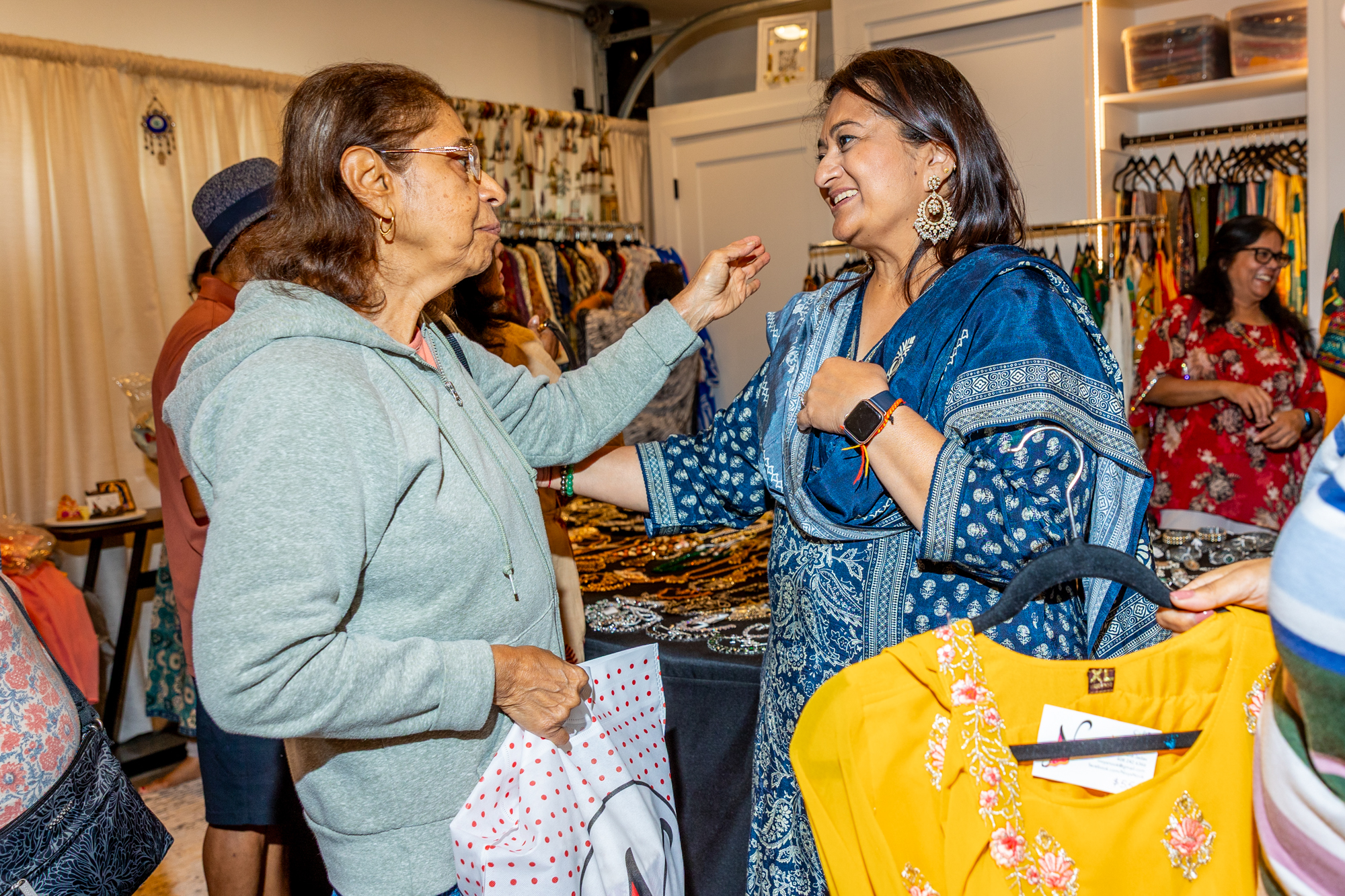
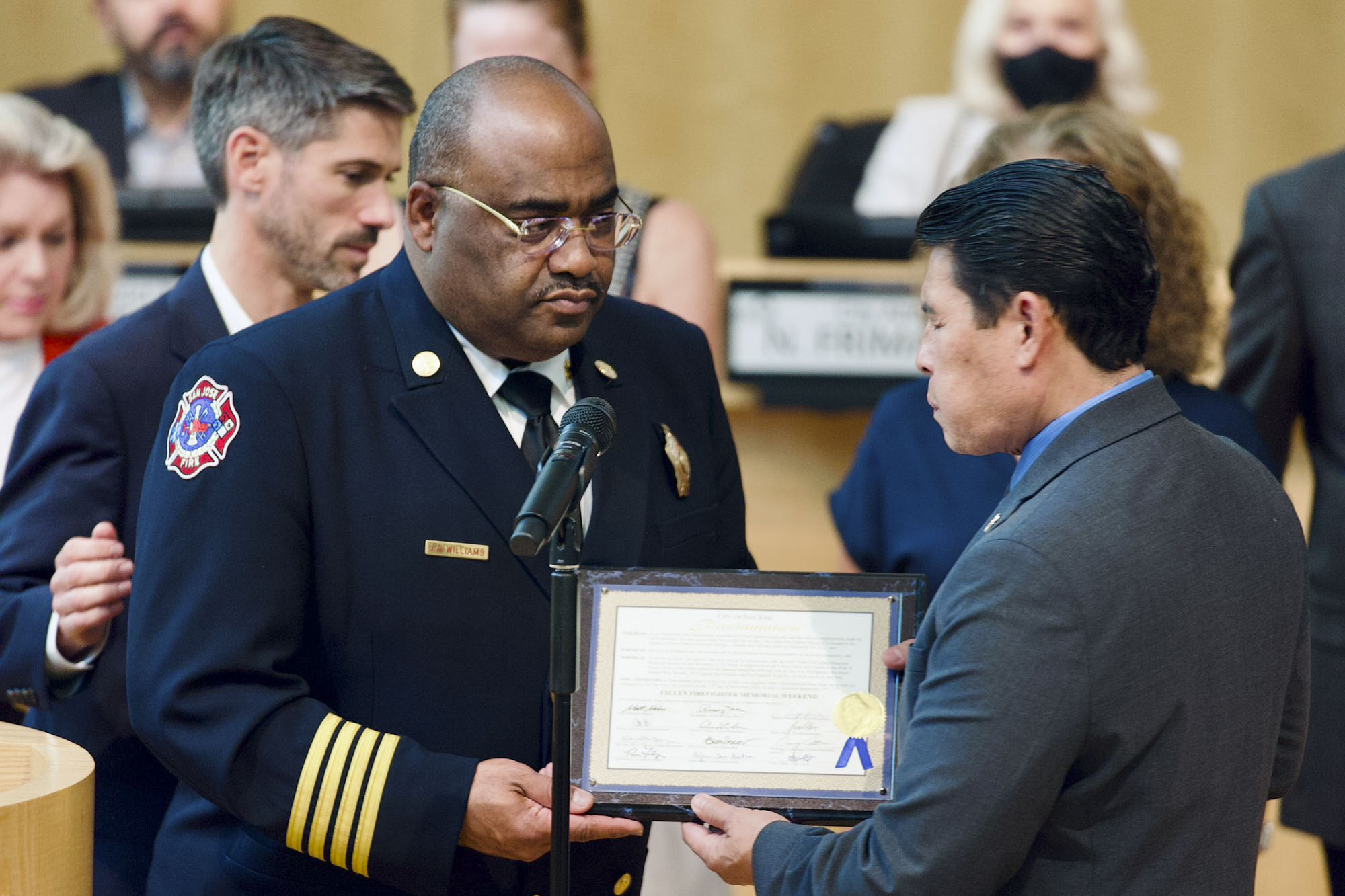
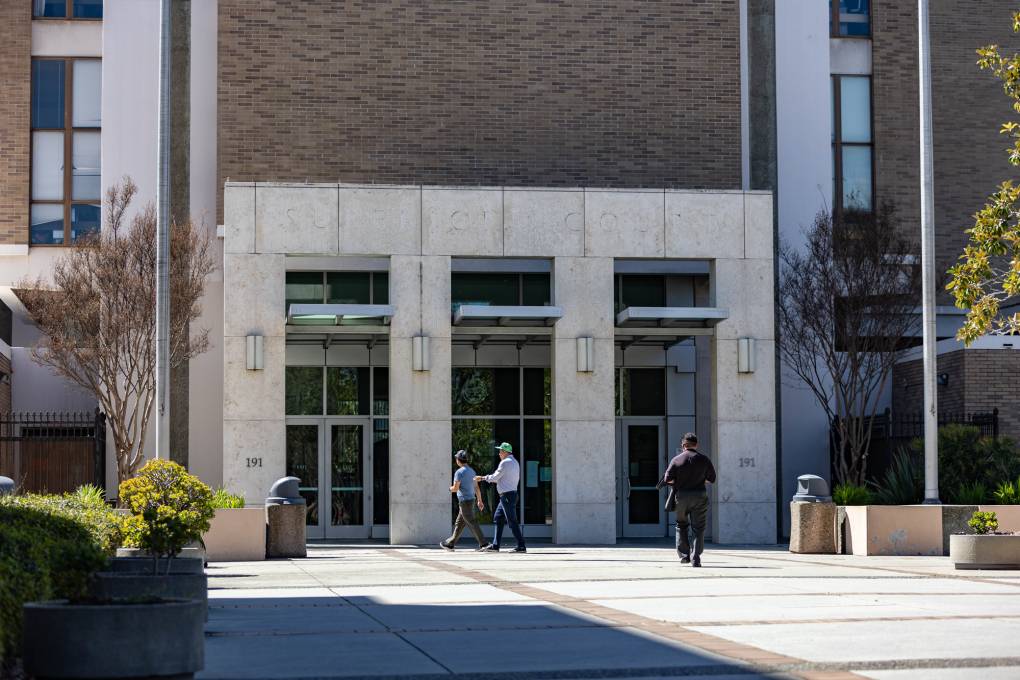
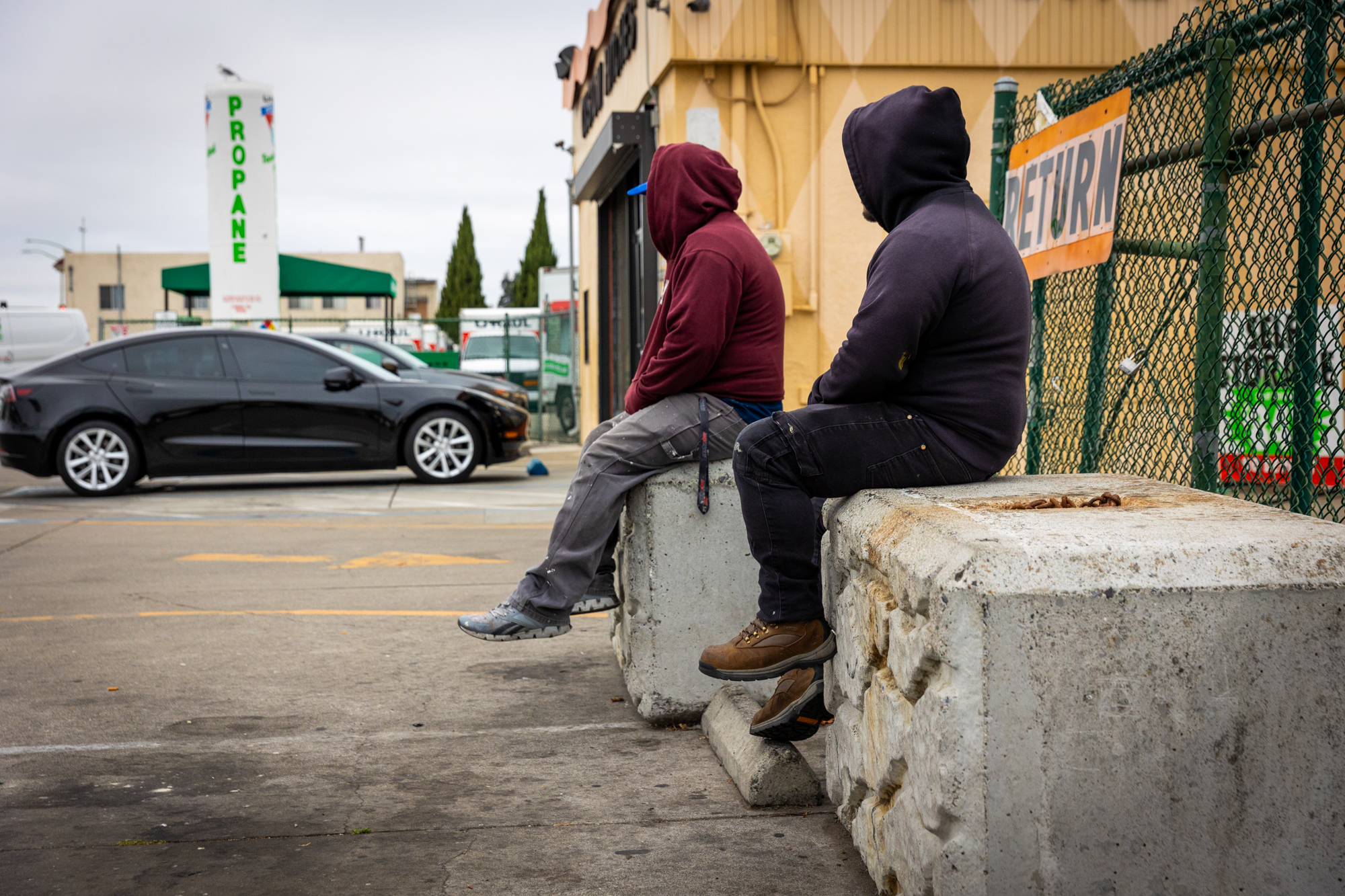
window.__IS_SSR__=true
window.__INITIAL_STATE__={
"attachmentsReducer": {
"audio_0": {
"type": "attachments",
"id": "audio_0",
"imgSizes": {
"kqedFullSize": {
"file": "https://ww2.kqed.org/news/wp-content/themes/KQED-unified/img/audio_bgs/background0.jpg"
}
}
},
"audio_1": {
"type": "attachments",
"id": "audio_1",
"imgSizes": {
"kqedFullSize": {
"file": "https://ww2.kqed.org/news/wp-content/themes/KQED-unified/img/audio_bgs/background1.jpg"
}
}
},
"audio_2": {
"type": "attachments",
"id": "audio_2",
"imgSizes": {
"kqedFullSize": {
"file": "https://ww2.kqed.org/news/wp-content/themes/KQED-unified/img/audio_bgs/background2.jpg"
}
}
},
"audio_3": {
"type": "attachments",
"id": "audio_3",
"imgSizes": {
"kqedFullSize": {
"file": "https://ww2.kqed.org/news/wp-content/themes/KQED-unified/img/audio_bgs/background3.jpg"
}
}
},
"audio_4": {
"type": "attachments",
"id": "audio_4",
"imgSizes": {
"kqedFullSize": {
"file": "https://ww2.kqed.org/news/wp-content/themes/KQED-unified/img/audio_bgs/background4.jpg"
}
}
},
"placeholder": {
"type": "attachments",
"id": "placeholder",
"imgSizes": {
"thumbnail": {
"file": "https://cdn.kqed.org/wp-content/uploads/2024/12/KQED-Default-Image-816638274-2000x1333-1-160x107.jpg",
"width": 160,
"height": 107,
"mimeType": "image/jpeg"
},
"medium": {
"file": "https://cdn.kqed.org/wp-content/uploads/2024/12/KQED-Default-Image-816638274-2000x1333-1-800x533.jpg",
"width": 800,
"height": 533,
"mimeType": "image/jpeg"
},
"medium_large": {
"file": "https://cdn.kqed.org/wp-content/uploads/2024/12/KQED-Default-Image-816638274-2000x1333-1-768x512.jpg",
"width": 768,
"height": 512,
"mimeType": "image/jpeg"
},
"large": {
"file": "https://cdn.kqed.org/wp-content/uploads/2024/12/KQED-Default-Image-816638274-2000x1333-1-1020x680.jpg",
"width": 1020,
"height": 680,
"mimeType": "image/jpeg"
},
"1536x1536": {
"file": "https://cdn.kqed.org/wp-content/uploads/2024/12/KQED-Default-Image-816638274-2000x1333-1-1536x1024.jpg",
"width": 1536,
"height": 1024,
"mimeType": "image/jpeg"
},
"fd-lrg": {
"file": "https://cdn.kqed.org/wp-content/uploads/2024/12/KQED-Default-Image-816638274-2000x1333-1-1536x1024.jpg",
"width": 1536,
"height": 1024,
"mimeType": "image/jpeg"
},
"fd-med": {
"file": "https://cdn.kqed.org/wp-content/uploads/2024/12/KQED-Default-Image-816638274-2000x1333-1-1020x680.jpg",
"width": 1020,
"height": 680,
"mimeType": "image/jpeg"
},
"fd-sm": {
"file": "https://cdn.kqed.org/wp-content/uploads/2024/12/KQED-Default-Image-816638274-2000x1333-1-800x533.jpg",
"width": 800,
"height": 533,
"mimeType": "image/jpeg"
},
"post-thumbnail": {
"file": "https://cdn.kqed.org/wp-content/uploads/2024/12/KQED-Default-Image-816638274-2000x1333-1-672x372.jpg",
"width": 672,
"height": 372,
"mimeType": "image/jpeg"
},
"twentyfourteen-full-width": {
"file": "https://cdn.kqed.org/wp-content/uploads/2024/12/KQED-Default-Image-816638274-2000x1333-1-1038x576.jpg",
"width": 1038,
"height": 576,
"mimeType": "image/jpeg"
},
"xxsmall": {
"file": "https://cdn.kqed.org/wp-content/uploads/2024/12/KQED-Default-Image-816638274-2000x1333-1-160x107.jpg",
"width": 160,
"height": 107,
"mimeType": "image/jpeg"
},
"xsmall": {
"file": "https://cdn.kqed.org/wp-content/uploads/2024/12/KQED-Default-Image-816638274-2000x1333-1-672x372.jpg",
"width": 672,
"height": 372,
"mimeType": "image/jpeg"
},
"small": {
"file": "https://cdn.kqed.org/wp-content/uploads/2024/12/KQED-Default-Image-816638274-2000x1333-1-672x372.jpg",
"width": 672,
"height": 372,
"mimeType": "image/jpeg"
},
"xlarge": {
"file": "https://cdn.kqed.org/wp-content/uploads/2024/12/KQED-Default-Image-816638274-2000x1333-1-1020x680.jpg",
"width": 1020,
"height": 680,
"mimeType": "image/jpeg"
},
"full-width": {
"file": "https://cdn.kqed.org/wp-content/uploads/2024/12/KQED-Default-Image-816638274-2000x1333-1-1920x1280.jpg",
"width": 1920,
"height": 1280,
"mimeType": "image/jpeg"
},
"guest-author-32": {
"file": "https://cdn.kqed.org/wp-content/uploads/2025/01/KQED-Default-Image-816638274-1333x1333-1-160x160.jpg",
"width": 32,
"height": 32,
"mimeType": "image/jpeg"
},
"guest-author-50": {
"file": "https://cdn.kqed.org/wp-content/uploads/2025/01/KQED-Default-Image-816638274-1333x1333-1-160x160.jpg",
"width": 50,
"height": 50,
"mimeType": "image/jpeg"
},
"guest-author-64": {
"file": "https://cdn.kqed.org/wp-content/uploads/2025/01/KQED-Default-Image-816638274-1333x1333-1-160x160.jpg",
"width": 64,
"height": 64,
"mimeType": "image/jpeg"
},
"guest-author-96": {
"file": "https://cdn.kqed.org/wp-content/uploads/2025/01/KQED-Default-Image-816638274-1333x1333-1-160x160.jpg",
"width": 96,
"height": 96,
"mimeType": "image/jpeg"
},
"guest-author-128": {
"file": "https://cdn.kqed.org/wp-content/uploads/2025/01/KQED-Default-Image-816638274-1333x1333-1-160x160.jpg",
"width": 128,
"height": 128,
"mimeType": "image/jpeg"
},
"detail": {
"file": "https://cdn.kqed.org/wp-content/uploads/2025/01/KQED-Default-Image-816638274-1333x1333-1-160x160.jpg",
"width": 160,
"height": 160,
"mimeType": "image/jpeg"
},
"kqedFullSize": {
"file": "https://cdn.kqed.org/wp-content/uploads/2024/12/KQED-Default-Image-816638274-2000x1333-1.jpg",
"width": 2000,
"height": 1333
}
}
},
"news_12051437": {
"type": "attachments",
"id": "news_12051437",
"meta": {
"index": "attachments_1716263798",
"site": "news",
"id": "12051437",
"found": true
},
"title": "GavinNewsomAISF1",
"publishDate": 1754670249,
"status": "inherit",
"parent": 12051433,
"modified": 1754670737,
"caption": "On the rooftop of Google’s San Francisco offices on Aug. 7, 2025, Gov. California Gov. Gavin Newsom vetoed a bill that would have restricted children's access to AI chatbots, siding with the tech industry and saying it could have led to a total ban on some tools for teens.",
"credit": "Courtesy of the Office of the Governor",
"altTag": null,
"description": null,
"imgSizes": {
"thumbnail": {
"file": "https://cdn.kqed.org/wp-content/uploads/sites/10/2025/08/GavinNewsomAISF1-160x107.jpg",
"width": 160,
"height": 107,
"mimeType": "image/jpeg"
},
"1536x1536": {
"file": "https://cdn.kqed.org/wp-content/uploads/sites/10/2025/08/GavinNewsomAISF1-1536x1024.jpg",
"width": 1536,
"height": 1024,
"mimeType": "image/jpeg"
},
"post-thumbnail": {
"file": "https://cdn.kqed.org/wp-content/uploads/sites/10/2025/08/GavinNewsomAISF1-672x372.jpg",
"width": 672,
"height": 372,
"mimeType": "image/jpeg"
},
"twentyfourteen-full-width": {
"file": "https://cdn.kqed.org/wp-content/uploads/sites/10/2025/08/GavinNewsomAISF1-1038x576.jpg",
"width": 1038,
"height": 576,
"mimeType": "image/jpeg"
},
"kqedFullSize": {
"file": "https://cdn.kqed.org/wp-content/uploads/sites/10/2025/08/GavinNewsomAISF1.jpg",
"width": 2000,
"height": 1333
}
},
"isLoading": false,
"fetchFailed": false
},
"news_12056087": {
"type": "attachments",
"id": "news_12056087",
"meta": {
"index": "attachments_1716263798",
"site": "news",
"id": "12056087",
"found": true
},
"title": "250913-NIMISHAAUNTY00688_TV-KQED",
"publishDate": 1758042143,
"status": "inherit",
"parent": 0,
"modified": 1759869561,
"caption": "Rupa Gupta (left) and Nimisha Jadav (right) chat at Jadav’s home-based clothing business, Nivy’s Nook, in Morgan Hill on Sept. 13, 2025. Jadav, known as Nimisha Aunty, runs an Indian clothing shop from her home in Morgan Hill, creating a vibrant hub for South Asians in the South Bay while serving as a trusted community builder who supports and uplifts immigrant women through shared knowledge and cultural connection.",
"credit": "Tâm Vũ/KQED",
"altTag": null,
"description": null,
"imgSizes": {
"thumbnail": {
"file": "https://cdn.kqed.org/wp-content/uploads/sites/10/2025/09/250913-NIMISHAAUNTY00688_TV-KQED-160x107.jpg",
"width": 160,
"height": 107,
"mimeType": "image/jpeg"
},
"1536x1536": {
"file": "https://cdn.kqed.org/wp-content/uploads/sites/10/2025/09/250913-NIMISHAAUNTY00688_TV-KQED-1536x1024.jpg",
"width": 1536,
"height": 1024,
"mimeType": "image/jpeg"
},
"post-thumbnail": {
"file": "https://cdn.kqed.org/wp-content/uploads/sites/10/2025/09/250913-NIMISHAAUNTY00688_TV-KQED-672x372.jpg",
"width": 672,
"height": 372,
"mimeType": "image/jpeg"
},
"twentyfourteen-full-width": {
"file": "https://cdn.kqed.org/wp-content/uploads/sites/10/2025/09/250913-NIMISHAAUNTY00688_TV-KQED-1038x576.jpg",
"width": 1038,
"height": 576,
"mimeType": "image/jpeg"
},
"kqedFullSize": {
"file": "https://cdn.kqed.org/wp-content/uploads/sites/10/2025/09/250913-NIMISHAAUNTY00688_TV-KQED.jpg",
"width": 2000,
"height": 1333
}
},
"isLoading": false,
"fetchFailed": false
},
"news_12059198": {
"type": "attachments",
"id": "news_12059198",
"meta": {
"index": "attachments_1716263798",
"site": "news",
"id": "12059198",
"found": true
},
"title": "251008-SFFD JAMES WILLIAMS-02-KQED",
"publishDate": 1759964152,
"status": "inherit",
"parent": 0,
"modified": 1759964558,
"caption": "San José Fire Department Asst. Fire Chief James Williams (left) on Sept. 12, 2023.",
"credit": "Courtesy of San José Fire Department",
"altTag": null,
"description": null,
"imgSizes": {
"thumbnail": {
"file": "https://cdn.kqed.org/wp-content/uploads/sites/10/2025/10/251008-SFFD-JAMES-WILLIAMS-02-KQED-160x107.jpg",
"width": 160,
"height": 107,
"mimeType": "image/jpeg"
},
"1536x1536": {
"file": "https://cdn.kqed.org/wp-content/uploads/sites/10/2025/10/251008-SFFD-JAMES-WILLIAMS-02-KQED-1536x1024.jpg",
"width": 1536,
"height": 1024,
"mimeType": "image/jpeg"
},
"post-thumbnail": {
"file": "https://cdn.kqed.org/wp-content/uploads/sites/10/2025/10/251008-SFFD-JAMES-WILLIAMS-02-KQED-672x372.jpg",
"width": 672,
"height": 372,
"mimeType": "image/jpeg"
},
"twentyfourteen-full-width": {
"file": "https://cdn.kqed.org/wp-content/uploads/sites/10/2025/10/251008-SFFD-JAMES-WILLIAMS-02-KQED-1038x576.jpg",
"width": 1038,
"height": 576,
"mimeType": "image/jpeg"
},
"kqedFullSize": {
"file": "https://cdn.kqed.org/wp-content/uploads/sites/10/2025/10/251008-SFFD-JAMES-WILLIAMS-02-KQED.jpg",
"width": 2000,
"height": 1333
}
},
"isLoading": false,
"fetchFailed": false
},
"news_12037905": {
"type": "attachments",
"id": "news_12037905",
"meta": {
"index": "attachments_1716263798",
"site": "news",
"id": "12037905",
"found": true
},
"title": "Santa Clara County Superior Court in San Jose on March 24, 2025.",
"publishDate": 1745862778,
"status": "inherit",
"parent": 12060893,
"modified": 1761091215,
"caption": "Santa Clara County Superior Court in San José on March 24, 2025.",
"credit": "Gina Castro/KQED",
"altTag": null,
"description": null,
"imgSizes": {
"medium": {
"file": "https://cdn.kqed.org/wp-content/uploads/sites/10/2025/04/20240324_SANTACLARASUPERIORCOURT_GC-2-KQED-800x533.jpg",
"width": 800,
"height": 533,
"mimeType": "image/jpeg"
},
"large": {
"file": "https://cdn.kqed.org/wp-content/uploads/sites/10/2025/04/20240324_SANTACLARASUPERIORCOURT_GC-2-KQED-1020x680.jpg",
"width": 1020,
"height": 680,
"mimeType": "image/jpeg"
},
"thumbnail": {
"file": "https://cdn.kqed.org/wp-content/uploads/sites/10/2025/04/20240324_SANTACLARASUPERIORCOURT_GC-2-KQED-160x107.jpg",
"width": 160,
"height": 107,
"mimeType": "image/jpeg"
},
"1536x1536": {
"file": "https://cdn.kqed.org/wp-content/uploads/sites/10/2025/04/20240324_SANTACLARASUPERIORCOURT_GC-2-KQED-1536x1024.jpg",
"width": 1536,
"height": 1024,
"mimeType": "image/jpeg"
},
"post-thumbnail": {
"file": "https://cdn.kqed.org/wp-content/uploads/sites/10/2025/04/20240324_SANTACLARASUPERIORCOURT_GC-2-KQED-672x372.jpg",
"width": 672,
"height": 372,
"mimeType": "image/jpeg"
},
"twentyfourteen-full-width": {
"file": "https://cdn.kqed.org/wp-content/uploads/sites/10/2025/04/20240324_SANTACLARASUPERIORCOURT_GC-2-KQED-1038x576.jpg",
"width": 1038,
"height": 576,
"mimeType": "image/jpeg"
},
"full-width": {
"file": "https://cdn.kqed.org/wp-content/uploads/sites/10/2025/04/20240324_SANTACLARASUPERIORCOURT_GC-2-KQED-1920x1280.jpg",
"width": 1920,
"height": 1280,
"mimeType": "image/jpeg"
},
"kqedFullSize": {
"file": "https://cdn.kqed.org/wp-content/uploads/sites/10/2025/04/20240324_SANTACLARASUPERIORCOURT_GC-2-KQED.jpg",
"width": 2000,
"height": 1333
}
},
"isLoading": false,
"fetchFailed": false
},
"news_12048135": {
"type": "attachments",
"id": "news_12048135",
"meta": {
"index": "attachments_1716263798",
"site": "news",
"id": "12048135",
"found": true
},
"title": "Protests Erupt In L.A. County Sparked By Federal Immigration Raids",
"publishDate": 1752605450,
"status": "inherit",
"parent": 12048121,
"modified": 1779816898,
"caption": "Federal agents guard outside of a federal building and Immigration and Customs Enforcement (ICE) detention center in downtown Los Angeles as demonstrations continue after a series of immigration raids began June 13, 2025, in Los Angeles. Tensions in the city remain high after the Trump administration called in the National Guard and the Marines against the wishes of city leaders.",
"credit": "Spencer Platt/Getty Images",
"altTag": null,
"description": null,
"imgSizes": {
"medium": {
"file": "https://cdn.kqed.org/wp-content/uploads/sites/10/2025/07/GettyImages-2220045842-2000x1334.jpg",
"width": 2000,
"height": 1334,
"mimeType": "image/jpeg"
},
"large": {
"file": "https://cdn.kqed.org/wp-content/uploads/sites/10/2025/07/GettyImages-2220045842-2000x1334.jpg",
"width": 2000,
"height": 1334,
"mimeType": "image/jpeg"
},
"thumbnail": {
"file": "https://cdn.kqed.org/wp-content/uploads/sites/10/2025/07/GettyImages-2220045842-160x107.jpg",
"width": 160,
"height": 107,
"mimeType": "image/jpeg"
},
"1536x1536": {
"file": "https://cdn.kqed.org/wp-content/uploads/sites/10/2025/07/GettyImages-2220045842-1536x1025.jpg",
"width": 1536,
"height": 1025,
"mimeType": "image/jpeg"
},
"2048x2048": {
"file": "https://cdn.kqed.org/wp-content/uploads/sites/10/2025/07/GettyImages-2220045842-2048x1366.jpg",
"width": 2048,
"height": 1366,
"mimeType": "image/jpeg"
},
"post-thumbnail": {
"file": "https://cdn.kqed.org/wp-content/uploads/sites/10/2025/07/GettyImages-2220045842-672x372.jpg",
"width": 672,
"height": 372,
"mimeType": "image/jpeg"
},
"twentyfourteen-full-width": {
"file": "https://cdn.kqed.org/wp-content/uploads/sites/10/2025/07/GettyImages-2220045842-1038x576.jpg",
"width": 1038,
"height": 576,
"mimeType": "image/jpeg"
},
"full-width": {
"file": "https://cdn.kqed.org/wp-content/uploads/sites/10/2025/07/GettyImages-2220045842-2000x1334.jpg",
"width": 2000,
"height": 1334,
"mimeType": "image/jpeg"
},
"kqedFullSize": {
"file": "https://cdn.kqed.org/wp-content/uploads/sites/10/2025/07/GettyImages-2220045842-scaled-e1752857672682.jpg",
"width": 2000,
"height": 1334
}
},
"isLoading": false,
"fetchFailed": false
},
"news_12055077": {
"type": "attachments",
"id": "news_12055077",
"meta": {
"index": "attachments_1716263798",
"site": "news",
"id": "12055077",
"found": true
},
"title": "250905-ADOPTACORNER_00805_TV-KQED",
"publishDate": 1757337325,
"status": "inherit",
"parent": 12055084,
"modified": 1757352537,
"caption": "Day laborers wait for work on International Boulevard at a U-Haul in Oakland on Sept. 5, 2025.",
"credit": "Tâm Vũ/KQED",
"altTag": null,
"description": null,
"imgSizes": {
"thumbnail": {
"file": "https://cdn.kqed.org/wp-content/uploads/sites/10/2025/09/250905-ADOPTACORNER_00805_TV-KQED-160x107.jpg",
"width": 160,
"height": 107,
"mimeType": "image/jpeg"
},
"1536x1536": {
"file": "https://cdn.kqed.org/wp-content/uploads/sites/10/2025/09/250905-ADOPTACORNER_00805_TV-KQED-1536x1024.jpg",
"width": 1536,
"height": 1024,
"mimeType": "image/jpeg"
},
"post-thumbnail": {
"file": "https://cdn.kqed.org/wp-content/uploads/sites/10/2025/09/250905-ADOPTACORNER_00805_TV-KQED-672x372.jpg",
"width": 672,
"height": 372,
"mimeType": "image/jpeg"
},
"twentyfourteen-full-width": {
"file": "https://cdn.kqed.org/wp-content/uploads/sites/10/2025/09/250905-ADOPTACORNER_00805_TV-KQED-1038x576.jpg",
"width": 1038,
"height": 576,
"mimeType": "image/jpeg"
},
"kqedFullSize": {
"file": "https://cdn.kqed.org/wp-content/uploads/sites/10/2025/09/250905-ADOPTACORNER_00805_TV-KQED.jpg",
"width": 2000,
"height": 1333
}
},
"isLoading": false,
"fetchFailed": false
},
"news_11974638": {
"type": "attachments",
"id": "news_11974638",
"meta": {
"index": "attachments_1716263798",
"site": "news",
"id": "11974638",
"found": true
},
"parent": 11936674,
"imgSizes": {
"twentyfourteen-full-width": {
"file": "https://cdn.kqed.org/wp-content/uploads/sites/10/2024/01/231218-RainFile-14-BL_qut-1038x576.jpg",
"width": 1038,
"mimeType": "image/jpeg",
"height": 576
},
"thumbnail": {
"file": "https://cdn.kqed.org/wp-content/uploads/sites/10/2024/01/231218-RainFile-14-BL_qut-160x107.jpg",
"width": 160,
"mimeType": "image/jpeg",
"height": 107
},
"post-thumbnail": {
"file": "https://cdn.kqed.org/wp-content/uploads/sites/10/2024/01/231218-RainFile-14-BL_qut-672x372.jpg",
"width": 672,
"mimeType": "image/jpeg",
"height": 372
},
"kqedFullSize": {
"file": "https://cdn.kqed.org/wp-content/uploads/sites/10/2024/01/231218-RainFile-14-BL_qut.jpg",
"width": 1920,
"height": 1280
},
"large": {
"file": "https://cdn.kqed.org/wp-content/uploads/sites/10/2024/01/231218-RainFile-14-BL_qut-1020x680.jpg",
"width": 1020,
"mimeType": "image/jpeg",
"height": 680
},
"1536x1536": {
"file": "https://cdn.kqed.org/wp-content/uploads/sites/10/2024/01/231218-RainFile-14-BL_qut-1536x1024.jpg",
"width": 1536,
"mimeType": "image/jpeg",
"height": 1024
},
"medium": {
"file": "https://cdn.kqed.org/wp-content/uploads/sites/10/2024/01/231218-RainFile-14-BL_qut-800x533.jpg",
"width": 800,
"mimeType": "image/jpeg",
"height": 533
}
},
"publishDate": 1706913206,
"modified": 1706913240,
"caption": "A person walks in the rain on Mission Street in San Francisco on Dec. 18, 2023.",
"description": null,
"title": "weather-forecast-rain-bay-area",
"credit": "Beth LaBerge/KQED",
"status": "inherit",
"altTag": null,
"isLoading": false,
"fetchFailed": false
},
"news_12057152": {
"type": "attachments",
"id": "news_12057152",
"meta": {
"index": "attachments_1716263798",
"site": "news",
"id": "12057152",
"found": true
},
"title": "250626-VTAFILE-JG-4_qed",
"publishDate": 1758577878,
"status": "inherit",
"parent": 12057095,
"modified": 1758577955,
"caption": "A VTA light rail train rolls down the tracks on San Carlos Street in San José on June 26, 2025.",
"credit": "Joseph Geha/ KQED",
"altTag": null,
"description": null,
"imgSizes": {
"thumbnail": {
"file": "https://cdn.kqed.org/wp-content/uploads/sites/10/2025/09/250626-VTAFILE-JG-4_qed-160x107.jpg",
"width": 160,
"height": 107,
"mimeType": "image/jpeg"
},
"1536x1536": {
"file": "https://cdn.kqed.org/wp-content/uploads/sites/10/2025/09/250626-VTAFILE-JG-4_qed-1536x1024.jpg",
"width": 1536,
"height": 1024,
"mimeType": "image/jpeg"
},
"post-thumbnail": {
"file": "https://cdn.kqed.org/wp-content/uploads/sites/10/2025/09/250626-VTAFILE-JG-4_qed-672x372.jpg",
"width": 672,
"height": 372,
"mimeType": "image/jpeg"
},
"twentyfourteen-full-width": {
"file": "https://cdn.kqed.org/wp-content/uploads/sites/10/2025/09/250626-VTAFILE-JG-4_qed-1038x576.jpg",
"width": 1038,
"height": 576,
"mimeType": "image/jpeg"
},
"kqedFullSize": {
"file": "https://cdn.kqed.org/wp-content/uploads/sites/10/2025/09/250626-VTAFILE-JG-4_qed.jpg",
"width": 2000,
"height": 1333
}
},
"isLoading": false,
"fetchFailed": false
},
"news_12056435": {
"type": "attachments",
"id": "news_12056435",
"meta": {
"index": "attachments_1716263798",
"site": "news",
"id": "12056435",
"found": true
},
"title": "250917-FAST-FOOD WORKERS-MD-04-KQED",
"publishDate": 1758147461,
"status": "inherit",
"parent": 0,
"modified": 1758147588,
"caption": "Delia Vargas and other fast food workers protest in front of an El Pollo Loco restaurant in San José on Sept. 17, 2025.",
"credit": "Martin do Nascimento/KQED",
"altTag": null,
"description": null,
"imgSizes": {
"thumbnail": {
"file": "https://cdn.kqed.org/wp-content/uploads/sites/10/2025/09/250917-FAST-FOOD-WORKERS-MD-04-KQED-160x107.jpg",
"width": 160,
"height": 107,
"mimeType": "image/jpeg"
},
"1536x1536": {
"file": "https://cdn.kqed.org/wp-content/uploads/sites/10/2025/09/250917-FAST-FOOD-WORKERS-MD-04-KQED-1536x1025.jpg",
"width": 1536,
"height": 1025,
"mimeType": "image/jpeg"
},
"post-thumbnail": {
"file": "https://cdn.kqed.org/wp-content/uploads/sites/10/2025/09/250917-FAST-FOOD-WORKERS-MD-04-KQED-672x372.jpg",
"width": 672,
"height": 372,
"mimeType": "image/jpeg"
},
"twentyfourteen-full-width": {
"file": "https://cdn.kqed.org/wp-content/uploads/sites/10/2025/09/250917-FAST-FOOD-WORKERS-MD-04-KQED-1038x576.jpg",
"width": 1038,
"height": 576,
"mimeType": "image/jpeg"
},
"kqedFullSize": {
"file": "https://cdn.kqed.org/wp-content/uploads/sites/10/2025/09/250917-FAST-FOOD-WORKERS-MD-04-KQED.jpg",
"width": 2000,
"height": 1334
}
},
"isLoading": false,
"fetchFailed": false
},
"news_12055487": {
"type": "attachments",
"id": "news_12055487",
"meta": {
"index": "attachments_1716263798",
"site": "news",
"id": "12055487",
"found": true
},
"title": "250909-BERRYESSAUNIONCLOSURES_03248_TV-KQED",
"publishDate": 1757538449,
"status": "inherit",
"parent": 0,
"modified": 1757975671,
"caption": "Tina De Vera (left) and Justin Chaudoin (right), parents who are vocal about the impact of school district changes on their children, pose for a portrait at Ruskin Elementary School in San José on Sept. 9, 2025. Parents at Ruskin Elementary School in San José say school consolidations have caused chaos on campus, leading to unsafe traffic and only 10 minutes for students to eat lunch.",
"credit": "Tâm Vũ/KQED",
"altTag": null,
"description": null,
"imgSizes": {
"thumbnail": {
"file": "https://cdn.kqed.org/wp-content/uploads/sites/10/2025/09/250909-BERRYESSAUNIONCLOSURES_03248_TV-KQED-160x107.jpg",
"width": 160,
"height": 107,
"mimeType": "image/jpeg"
},
"1536x1536": {
"file": "https://cdn.kqed.org/wp-content/uploads/sites/10/2025/09/250909-BERRYESSAUNIONCLOSURES_03248_TV-KQED-1536x1024.jpg",
"width": 1536,
"height": 1024,
"mimeType": "image/jpeg"
},
"post-thumbnail": {
"file": "https://cdn.kqed.org/wp-content/uploads/sites/10/2025/09/250909-BERRYESSAUNIONCLOSURES_03248_TV-KQED-672x372.jpg",
"width": 672,
"height": 372,
"mimeType": "image/jpeg"
},
"twentyfourteen-full-width": {
"file": "https://cdn.kqed.org/wp-content/uploads/sites/10/2025/09/250909-BERRYESSAUNIONCLOSURES_03248_TV-KQED-1038x576.jpg",
"width": 1038,
"height": 576,
"mimeType": "image/jpeg"
},
"kqedFullSize": {
"file": "https://cdn.kqed.org/wp-content/uploads/sites/10/2025/09/250909-BERRYESSAUNIONCLOSURES_03248_TV-KQED.jpg",
"width": 2000,
"height": 1333
}
},
"isLoading": false,
"fetchFailed": false
},
"news_12051722": {
"type": "attachments",
"id": "news_12051722",
"meta": {
"index": "attachments_1716263798",
"site": "news",
"id": "12051722",
"found": true
},
"title": "250811-WILD BOAR-OSA-03-KQED",
"publishDate": 1754933986,
"status": "inherit",
"parent": 0,
"modified": 1757452419,
"caption": "A wild boar caught on a wildlife camera.",
"credit": "Courtesy of Santa Clara Valley Open Space Authority",
"altTag": null,
"description": null,
"imgSizes": {
"thumbnail": {
"file": "https://cdn.kqed.org/wp-content/uploads/sites/10/2025/08/250811-WILD-BOAR-OSA-03-KQED-160x115.jpg",
"width": 160,
"height": 115,
"mimeType": "image/jpeg"
},
"1536x1536": {
"file": "https://cdn.kqed.org/wp-content/uploads/sites/10/2025/08/250811-WILD-BOAR-OSA-03-KQED-1536x1101.jpg",
"width": 1536,
"height": 1101,
"mimeType": "image/jpeg"
},
"post-thumbnail": {
"file": "https://cdn.kqed.org/wp-content/uploads/sites/10/2025/08/250811-WILD-BOAR-OSA-03-KQED-672x372.jpg",
"width": 672,
"height": 372,
"mimeType": "image/jpeg"
},
"twentyfourteen-full-width": {
"file": "https://cdn.kqed.org/wp-content/uploads/sites/10/2025/08/250811-WILD-BOAR-OSA-03-KQED-1038x576.jpg",
"width": 1038,
"height": 576,
"mimeType": "image/jpeg"
},
"kqedFullSize": {
"file": "https://cdn.kqed.org/wp-content/uploads/sites/10/2025/08/250811-WILD-BOAR-OSA-03-KQED.jpg",
"width": 2000,
"height": 1433
}
},
"isLoading": false,
"fetchFailed": false
},
"news_12055511": {
"type": "attachments",
"id": "news_12055511",
"meta": {
"index": "attachments_1716263798",
"site": "news",
"id": "12055511",
"found": true
},
"title": "CommunityCollegeFreeMeal1",
"publishDate": 1757542108,
"status": "inherit",
"parent": 12055457,
"modified": 1757542146,
"caption": "Santa Clara County’s West Valley-Mission Community College District is providing one no-cost meal per day to every student in an effort to address food insecurity. ",
"credit": "Courtesy of Haley Tabor/West Valley College",
"altTag": null,
"description": null,
"imgSizes": {
"thumbnail": {
"file": "https://cdn.kqed.org/wp-content/uploads/sites/10/2025/09/CommunityCollegeFreeMeal1-160x120.jpg",
"width": 160,
"height": 120,
"mimeType": "image/jpeg"
},
"1536x1536": {
"file": "https://cdn.kqed.org/wp-content/uploads/sites/10/2025/09/CommunityCollegeFreeMeal1-1536x1153.jpg",
"width": 1536,
"height": 1153,
"mimeType": "image/jpeg"
},
"post-thumbnail": {
"file": "https://cdn.kqed.org/wp-content/uploads/sites/10/2025/09/CommunityCollegeFreeMeal1-672x372.jpg",
"width": 672,
"height": 372,
"mimeType": "image/jpeg"
},
"twentyfourteen-full-width": {
"file": "https://cdn.kqed.org/wp-content/uploads/sites/10/2025/09/CommunityCollegeFreeMeal1-1038x576.jpg",
"width": 1038,
"height": 576,
"mimeType": "image/jpeg"
},
"kqedFullSize": {
"file": "https://cdn.kqed.org/wp-content/uploads/sites/10/2025/09/CommunityCollegeFreeMeal1.jpg",
"width": 2000,
"height": 1501
}
},
"isLoading": false,
"fetchFailed": false
}
},
"audioPlayerReducer": {
"postId": "stream_live",
"isPaused": true,
"isPlaying": false,
"pfsActive": false,
"pledgeModalIsOpen": true,
"playerDrawerIsOpen": false,
"liveAudioPlayStartedAt": 0,
"liveAudioPlayContext": ""
},
"authorsReducer": {
"rachael-myrow": {
"type": "authors",
"id": "251",
"meta": {
"index": "authors_1716337520",
"id": "251",
"found": true
},
"name": "Rachael Myrow",
"firstName": "Rachael",
"lastName": "Myrow",
"slug": "rachael-myrow",
"email": "rmyrow@kqed.org",
"display_author_email": true,
"staff_mastheads": [
"news"
],
"title": "Senior Editor of KQED's Silicon Valley News Desk",
"bio": "• I write and edit stories about how Silicon Valley power and policies shape everyday life in California. I’m also passionate about making Bay Area history and culture more accessible to a broad public. • I’ve been a journalist for most of my life, starting in high school with The Franklin Press in Los Angeles, where I grew up. While earning my first degree in English at UC Berkeley, I got my start in public radio at KALX-FM. After completing a second degree in journalism at Cal, I landed my first professional job at Marketplace, then moved on to KPCC (now LAist), and then KQED, where I hosted The California Report for more than seven years. • My reporting has appeared on NPR, The World, WBUR’s \u003ci>Here & Now\u003c/i>, and the BBC. I also guest host for KQED’s \u003ci>Forum\u003c/i>, as well as the Commonwealth Club in San Francisco. • I speak periodically on media, democracy and technology issues, and do voiceover work for documentaries and educational video projects. • Outside of the studio, you'll find me hiking Bay Area trails and whipping up Insta-ready meals in my kitchen. • I do not accept gifts, money, or favors from anyone connected to my reporting, I don't pay people for information, and I do not support or donate to political causes. • I strive to treat the people I report on with fairness, honesty, and respect. I also recognize there are often multiple sides to a story and work to verify information through multiple sources and documentation. If I get something wrong, I correct it.",
"avatar": "https://secure.gravatar.com/avatar/3ed8a3c5f26025e4a805ba634cda8cd764906b97438a6d9ce216b044e340da4e?s=600&d=blank&r=g",
"twitter": "rachaelmyrow",
"bluesky": null,
"facebook": null,
"instagram": null,
"linkedin": "https://www.linkedin.com/in/rachaelmyrow/",
"sites": [
{
"site": "arts",
"roles": [
"administrator"
]
},
{
"site": "news",
"roles": [
"edit_others_posts",
"editor"
]
},
{
"site": "futureofyou",
"roles": [
"editor"
]
},
{
"site": "bayareabites",
"roles": [
"editor"
]
},
{
"site": "stateofhealth",
"roles": [
"editor"
]
},
{
"site": "science",
"roles": [
"editor"
]
},
{
"site": "food",
"roles": [
"editor"
]
},
{
"site": "forum",
"roles": [
"editor"
]
},
{
"site": "liveblog",
"roles": [
"author"
]
}
],
"headData": {
"title": "Rachael Myrow | KQED",
"description": "Senior Editor of KQED's Silicon Valley News Desk",
"ogImgSrc": "https://secure.gravatar.com/avatar/3ed8a3c5f26025e4a805ba634cda8cd764906b97438a6d9ce216b044e340da4e?s=600&d=blank&r=g",
"twImgSrc": "https://secure.gravatar.com/avatar/3ed8a3c5f26025e4a805ba634cda8cd764906b97438a6d9ce216b044e340da4e?s=600&d=blank&r=g"
},
"isLoading": false,
"link": "/author/rachael-myrow"
},
"hmcdede": {
"type": "authors",
"id": "11635",
"meta": {
"index": "authors_1716337520",
"id": "11635",
"found": true
},
"name": "Holly McDede",
"firstName": "Holly",
"lastName": "McDede",
"slug": "hmcdede",
"email": "hmcdede@KQED.org",
"display_author_email": false,
"staff_mastheads": [],
"title": "KQED Contributor",
"bio": null,
"avatar": "https://secure.gravatar.com/avatar/999d9bf31bb3a2f0511932d99526cb3e?s=600&d=blank&r=g",
"twitter": null,
"facebook": null,
"instagram": null,
"linkedin": null,
"sites": [
{
"site": "arts",
"roles": [
"editor"
]
},
{
"site": "news",
"roles": [
"edit_others_posts",
"editor"
]
},
{
"site": "science",
"roles": [
"editor"
]
},
{
"site": "forum",
"roles": [
"editor"
]
},
{
"site": "perspectives",
"roles": [
"administrator"
]
}
],
"headData": {
"title": "Holly McDede | KQED",
"description": "KQED Contributor",
"ogImgSrc": "https://secure.gravatar.com/avatar/999d9bf31bb3a2f0511932d99526cb3e?s=600&d=blank&r=g",
"twImgSrc": "https://secure.gravatar.com/avatar/999d9bf31bb3a2f0511932d99526cb3e?s=600&d=blank&r=g"
},
"isLoading": false,
"link": "/author/hmcdede"
},
"ibloom": {
"type": "authors",
"id": "11805",
"meta": {
"index": "authors_1716337520",
"id": "11805",
"found": true
},
"name": "Izzy Bloom",
"firstName": "Izzy",
"lastName": "Bloom",
"slug": "ibloom",
"email": "ibloom@kqed.org",
"display_author_email": false,
"staff_mastheads": [],
"title": "KQED Reporter & Producer",
"bio": "Izzy is a reporter and producer on KQED's California Politics & Government Desk. She joined the desk in 2024 to produce Political Breakdown, covering local and national elections and attending the RNC and DNC in Milwaukee and Chicago. \r\n\r\nBefore that, Izzy was a producer on The California Report and reported long-form stories for The California Report Magazine. She was a finalist for the Third Coast/Richard H. Driehaus Foundation Competition and was awarded for her reporting on indigenous land back by the Society of Professional Journalists. Izzy received her master's in journalism from the University of California, Berkeley.",
"avatar": "https://secure.gravatar.com/avatar/cc4d272ca430783ee1a8efac470a6b1e0fdd082c3beb61da019801d0ff751c8c?s=600&d=blank&r=g",
"twitter": null,
"bluesky": null,
"facebook": null,
"instagram": null,
"linkedin": null,
"sites": [
{
"site": "news",
"roles": [
"editor"
]
},
{
"site": "perspectives",
"roles": [
"editor"
]
}
],
"headData": {
"title": "Izzy Bloom | KQED",
"description": "KQED Reporter & Producer",
"ogImgSrc": "https://secure.gravatar.com/avatar/cc4d272ca430783ee1a8efac470a6b1e0fdd082c3beb61da019801d0ff751c8c?s=600&d=blank&r=g",
"twImgSrc": "https://secure.gravatar.com/avatar/cc4d272ca430783ee1a8efac470a6b1e0fdd082c3beb61da019801d0ff751c8c?s=600&d=blank&r=g"
},
"isLoading": false,
"link": "/author/ibloom"
},
"jgeha": {
"type": "authors",
"id": "11906",
"meta": {
"index": "authors_1716337520",
"id": "11906",
"found": true
},
"name": "Joseph Geha",
"firstName": "Joseph",
"lastName": "Geha",
"slug": "jgeha",
"email": "jgeha@kqed.org",
"display_author_email": false,
"staff_mastheads": [
"news",
"science"
],
"title": "KQED Contributor",
"bio": null,
"avatar": "https://secure.gravatar.com/avatar/ea84d2b6dd93d6369d453edf19dd583f117cd1759d2d9c9c92f9de77017354fe?s=600&d=blank&r=g",
"twitter": null,
"bluesky": null,
"facebook": null,
"instagram": null,
"linkedin": null,
"sites": [
{
"site": "news",
"roles": [
"editor"
]
},
{
"site": "liveblog",
"roles": [
"author"
]
}
],
"headData": {
"title": "Joseph Geha | KQED",
"description": "KQED Contributor",
"ogImgSrc": "https://secure.gravatar.com/avatar/ea84d2b6dd93d6369d453edf19dd583f117cd1759d2d9c9c92f9de77017354fe?s=600&d=blank&r=g",
"twImgSrc": "https://secure.gravatar.com/avatar/ea84d2b6dd93d6369d453edf19dd583f117cd1759d2d9c9c92f9de77017354fe?s=600&d=blank&r=g"
},
"isLoading": false,
"link": "/author/jgeha"
},
"kdebenedetti": {
"type": "authors",
"id": "11913",
"meta": {
"index": "authors_1716337520",
"id": "11913",
"found": true
},
"name": "Katie DeBenedetti",
"firstName": "Katie",
"lastName": "DeBenedetti",
"slug": "kdebenedetti",
"email": "kdebenedetti@kqed.org",
"display_author_email": false,
"staff_mastheads": [
"news",
"science"
],
"title": "KQED Contributor",
"bio": "Katie DeBenedetti is a digital reporter covering daily news for the Express Desk. Prior to joining KQED as a culture reporting intern in January 2024, she covered education and city government for the Napa Valley Register.",
"avatar": "https://secure.gravatar.com/avatar/6e31073cb8f7e4214ab03f42771d0f45?s=600&d=blank&r=g",
"twitter": null,
"facebook": null,
"instagram": null,
"linkedin": null,
"sites": [
{
"site": "news",
"roles": [
"author"
]
},
{
"site": "science",
"roles": [
"author"
]
},
{
"site": "liveblog",
"roles": [
"author"
]
}
],
"headData": {
"title": "Katie DeBenedetti | KQED",
"description": "KQED Contributor",
"ogImgSrc": "https://secure.gravatar.com/avatar/6e31073cb8f7e4214ab03f42771d0f45?s=600&d=blank&r=g",
"twImgSrc": "https://secure.gravatar.com/avatar/6e31073cb8f7e4214ab03f42771d0f45?s=600&d=blank&r=g"
},
"isLoading": false,
"link": "/author/kdebenedetti"
},
"sprabha": {
"type": "authors",
"id": "11976",
"meta": {
"index": "authors_1716337520",
"id": "11976",
"found": true
},
"name": "Srishti Prabha",
"firstName": "Srishti",
"lastName": "Prabha",
"slug": "sprabha",
"email": "sprabha@KQED.org",
"display_author_email": false,
"staff_mastheads": [],
"title": "KQED Contributor",
"bio": "Srishti Prabha is a producer and reporter for KQED news and podcasts. They also work on longform human-interest features as a Beat Reporting Fellow with KALW. Their reporting has appeared on NPR, Morning Edition, All Things Considered, The California Report Magazine, and more. Most recently, Prabha covered education for CapRadio as a Report for America corps member, focusing on issues affecting communities of color in the Sacramento region. They previously served as managing editor of India Currents, where they reported on immigration, cultural identity, and health in South Asian communities. Prabha's work has been recognized by the San Francisco Press Club, the California News Publishers Association, and the Edward R. Murrow Awards.",
"avatar": "https://secure.gravatar.com/avatar/cc4d8ef770090714faad7e1d24857f806d09340456c5734167b9a6361b175d7d?s=600&d=blank&r=g",
"twitter": null,
"bluesky": null,
"facebook": null,
"instagram": null,
"linkedin": null,
"sites": [
{
"site": "news",
"roles": [
"editor"
]
}
],
"headData": {
"title": "Srishti Prabha | KQED",
"description": "KQED Contributor",
"ogImgSrc": "https://secure.gravatar.com/avatar/cc4d8ef770090714faad7e1d24857f806d09340456c5734167b9a6361b175d7d?s=600&d=blank&r=g",
"twImgSrc": "https://secure.gravatar.com/avatar/cc4d8ef770090714faad7e1d24857f806d09340456c5734167b9a6361b175d7d?s=600&d=blank&r=g"
},
"isLoading": false,
"link": "/author/sprabha"
},
"aaliahmad": {
"type": "authors",
"id": "11986",
"meta": {
"index": "authors_1716337520",
"id": "11986",
"found": true
},
"name": "Ayah Ali-Ahmad",
"firstName": "Ayah",
"lastName": "Ali-Ahmad",
"slug": "aaliahmad",
"email": "aaliahmad@KQED.org",
"display_author_email": false,
"staff_mastheads": [],
"title": "KQED Contributor",
"bio": null,
"avatar": "https://secure.gravatar.com/avatar/1cf54f187a5e1064b2cfef3f3d2f1e4f93e453395d56912aca6382a6071ec3ed?s=600&d=blank&r=g",
"twitter": "ayahaliahmad",
"bluesky": null,
"facebook": null,
"instagram": null,
"linkedin": null,
"sites": [
{
"site": "news",
"roles": [
"subscriber"
]
}
],
"headData": {
"title": "Ayah Ali-Ahmad | KQED",
"description": "KQED Contributor",
"ogImgSrc": "https://secure.gravatar.com/avatar/1cf54f187a5e1064b2cfef3f3d2f1e4f93e453395d56912aca6382a6071ec3ed?s=600&d=blank&r=g",
"twImgSrc": "https://secure.gravatar.com/avatar/1cf54f187a5e1064b2cfef3f3d2f1e4f93e453395d56912aca6382a6071ec3ed?s=600&d=blank&r=g"
},
"isLoading": false,
"link": "/author/aaliahmad"
}
},
"pagesReducer": {
"news_tag_south-bay": {
"type": "terms",
"id": "news_21285",
"meta": {
"index": "terms_1716263798",
"site": "news",
"id": "21285",
"score": 7.0833073
},
"featImg": null,
"name": "South Bay",
"description": null,
"taxonomy": "tag",
"headData": {
"twImgId": null,
"twTitle": null,
"ogTitle": null,
"ogImgId": null,
"twDescription": null,
"description": null,
"title": "South Bay Archives | KQED News",
"ogDescription": null
},
"ttid": 21302,
"slug": "south-bay",
"isLoading": false,
"title": "South Bay",
"pageMeta": {
"site": "news",
"WpPageTemplate": "page-topic-editorial",
"currentPage": 13
},
"blocks": [
{
"blockName": "kqed/post-list",
"attrs": {
"layout": "cardArticle2",
"query": "posts/news?tag=south-bay",
"seeMore": false,
"paginated": true,
"page": 13
}
},
{
"blockName": "kqed/ad"
}
]
}
},
"pfsSessionReducer": {},
"postsReducer": {
"stream_live": {
"type": "live",
"id": "stream_live",
"audioUrl": "https://streams.kqed.org/kqedradio",
"title": "Live Stream",
"excerpt": "Live Stream information currently unavailable.",
"link": "/radio",
"featImg": "",
"label": {
"name": "KQED Live",
"link": "/"
}
},
"stream_kqedNewscast": {
"type": "posts",
"id": "stream_kqedNewscast",
"audioUrl": "https://www.kqed.org/.stream/anon/radio/RDnews/newscast.mp3?_=1",
"title": "KQED Newscast",
"featImg": "",
"label": {
"name": "88.5 FM",
"link": "/"
}
},
"news_12059714": {
"type": "posts",
"id": "news_12059714",
"meta": {
"index": "posts_1716263798",
"site": "news",
"id": "12059714",
"score": null,
"sort": [
1760460055000
]
},
"guestAuthors": [],
"slug": "newsom-vetoes-most-watched-childrens-ai-bill-signs-16-others-targeting-tech",
"title": "Newsom Vetoes Most-Watched Children's AI Bill, Signs 16 Others Targeting Tech",
"publishDate": 1760460055,
"format": "audio",
"headTitle": "Newsom Vetoes Most-Watched Children’s AI Bill, Signs 16 Others Targeting Tech | KQED",
"labelTerm": {
"site": "news"
},
"content": "\u003cp>California Gov. \u003ca href=\"https://www.kqed.org/news/tag/gavin-newsom\">Gavin Newsom\u003c/a> vetoed legislation that would have prohibited developers from offering companion AI chatbots for children unless the companies can promise the software won’t encourage harmful behavior.\u003c/p>\n\u003cp>Sacramento players across the political spectrum watched the legislation closely, with advocates issuing press releases, open letters and \u003ca href=\"https://www.kqed.org/news/12038154/kids-talking-ai-companion-chatbots-stanford-researchers-say-thats-bad-idea\">research reports\u003c/a> in hopes of swaying California’s tech-friendly governor.\u003c/p>\n\u003cp>In his \u003ca href=\"https://www.gov.ca.gov/wp-content/uploads/2025/10/AB-1064-Veto.pdf\">veto message\u003c/a> published Monday, Newsom wrote that AB-1064 could lead to a total ban on minors using conversational AI tools. “AI is already shaping the world, and it is imperative that adolescents learn how to safely interact with AI systems,” Newsom wrote.\u003c/p>\n\u003cp>[ad fullwidth]\u003c/p>\n\u003cp>“We’re sorely disappointed to see Governor Newsom side with Big Tech over the more than 150 families who have suffered the most unimaginable loss: the passing of their child, encouraged by companion AI,” Assemblymember Rebecca Bauer-Kahan of Orinda, the bill’s author, wrote in a statement, noting the bill was sponsored by Common Sense Media, California Attorney General Rob Bonta, and more than 20 organizations.\u003c/p>\n\u003cp>“These AI companies know the risks their products pose. They’ve made purposeful design decisions that put kids in harm’s way, creating chatbots that form dangerous emotional bonds with vulnerable young people,” she added.\u003c/p>\n\u003cfigure id=\"attachment_11917730\" class=\"wp-caption aligncenter\" style=\"max-width: 1920px\">\u003cimg loading=\"lazy\" decoding=\"async\" class=\"size-full wp-image-11917730\" src=\"https://cdn.kqed.org/wp-content/uploads/sites/10/2022/06/RS56739_IMG_4228-qut.jpg\" alt=\"\" width=\"1920\" height=\"1440\" srcset=\"https://cdn.kqed.org/wp-content/uploads/sites/10/2022/06/RS56739_IMG_4228-qut.jpg 1920w, https://cdn.kqed.org/wp-content/uploads/sites/10/2022/06/RS56739_IMG_4228-qut-800x600.jpg 800w, https://cdn.kqed.org/wp-content/uploads/sites/10/2022/06/RS56739_IMG_4228-qut-1020x765.jpg 1020w, https://cdn.kqed.org/wp-content/uploads/sites/10/2022/06/RS56739_IMG_4228-qut-160x120.jpg 160w, https://cdn.kqed.org/wp-content/uploads/sites/10/2022/06/RS56739_IMG_4228-qut-1536x1152.jpg 1536w\" sizes=\"auto, (max-width: 1920px) 100vw, 1920px\">\u003cfigcaption class=\"wp-caption-text\">Assemblywoman Rebecca Bauer-Kahan, D-Orinda, on Political Breakdown. \u003ccite>(Guy Marzorati/KQED)\u003c/cite>\u003c/figcaption>\u003c/figure>\n\u003cp>“We’ve seen suicides lately. We’ve seen all sorts of mental health disruptions caused by AI companions. That said, the fight is just beginning,” Common Sense Media CEO Jim Steyer told KQED. “California is clearly leading the way in the United States and globally on these issues, and the next year or two are going to be absolutely critical in defining regulations, guardrails and a common sense future for the big tech industry.”\u003c/p>\n\u003cp>The trade group TechNet lobbied heavily against the bill, \u003ca href=\"https://www.technet.org/the-impact-of-ca-ab-1064/\">running ads\u003c/a> that warned that Bauer-Kahan’s bill could deny children access to critical tools they need to succeed.\u003c/p>\n\u003cp>“We appreciate Governor Newsom’s thoughtful consideration and ultimate veto of this proposed legislation,” wrote Robert Boykin, TechNet’s Executive Director for California and the Southwest. “While TechNet shares the goal of AB 1064, the bill fails to meet its stated objectives while threatening students’ access to valuable AI-driven learning tools, potentially life-saving medical treatments, crisis response interventions, safety mechanisms, and other valuable AI technologies.”[aside postID=news_12059209 hero='https://cdn.kqed.org/wp-content/uploads/sites/10/2025/10/251008_ENDOF10_-9-KQED.jpg']The host of AI-related bills that made it to Newsom’s desk this legislative session presented him with a political \u003ca href=\"https://www.kqed.org/news/12052617/newsoms-tightrope-walk-between-ai-regulation-and-silicon-valley-cash\">balancing act\u003c/a>, as he eyes a \u003ca href=\"https://www.kqed.org/news/12043766/newsom-tries-to-find-political-footing-in-clash-with-trump\">run for the White House\u003c/a>. Many of the bills were opposed by trade associations heavily bankrolled by Silicon Valley, and California is home to \u003ca href=\"https://www.forbes.com/lists/ai50/\">32 of the 50 top AI companies\u003c/a> worldwide.\u003c/p>\n\u003cp>As if anticipating the blowback from child safety advocates, Newsom’s office released \u003ca href=\"https://www.gov.ca.gov/2025/10/13/governor-newsom-signs-bills-to-further-strengthen-californias-leadership-in-protecting-children-online/\">a list of 16 AI bills\u003c/a> he approved this session, some focused on children. “California has long stood as a bold leader in protecting children from the danger of emerging technology,” the statement read.\u003c/p>\n\u003cp>On the list: SB 243 by Sen. Steve Padilla, D-San Diego, which placed softer limits on AI chatbots for kids. Advocacy groups, including Common Sense Media and \u003ca href=\"https://techoversight.org/wp-content/uploads/2025/09/SB-243-Remove-Support.pdf\">Tech Oversight California\u003c/a>, pulled their support from the bill in mid-September, arguing industry-friendly amendments weakened it and could establish a “dangerous” precedent for other states and countries taking California’s lead on AI regulation.\u003c/p>\n\u003cp>In a similar vein, Newsom signed an \u003ca href=\"https://www.kqed.org/news/12058013/newsom-signs-california-ai-transparency-bill-tailored-to-meet-tech-industry-tastes\">industry-friendly version\u003c/a> of SB-53 by Sen. Scott Wiener (D-San Francisco), after his original effort became target No. 1 for Silicon Valley lobbyists\u003ca href=\"https://www.kqed.org/news/12007323/can-california-still-lead-on-ai-regulation-following-newsoms-veto-of-ai-safety-bill\"> last legislative session\u003c/a> and died on Newsom’s desk.\u003c/p>\n\u003cp>But not all the bills Newsom signed this legislation session lack teeth.\u003c/p>\n\u003cp>AB 621, for instance, expands the ability of deepfake pornography victims to sue anyone who creates, digitally alters, or distributes a sexually explicit image or video in which they appear to engage in sexual conduct without their consent. The expanded private right of action is considered a notable strength when most other AI bills rely on regulatory enforcement, penalties, or agency reporting to sway business practices.\u003c/p>\n\u003cp>Steyer said he was happy to see Newsom’s signature on AB 56, which supporters say will require first-in-the-nation warning labels on social media, similar to what California has mandated on packaging for alcohol and cigarettes.\u003c/p>\n\u003cp>“It’s clear that Gov. Newsom, and also the first partner, Jennifer Siebel Newsom, who’s heavily involved in all this legislation, have listened to parents, and advocacy groups around the state,” Steyer said.\u003c/p>\n\u003cp>\u003c/p>\n",
"blocks": [],
"excerpt": "The legislation would have restricted children’s access to AI chatbots, but Newsom sided with the tech industry, saying it would have led to a total ban on some AI tools for adolescents.",
"status": "publish",
"parent": 0,
"modified": 1760654510,
"stats": {
"hasAudio": false,
"hasVideo": false,
"hasChartOrMap": false,
"iframeSrcs": [],
"hasGoogleForm": false,
"hasGallery": false,
"hasHearkenModule": false,
"hasPolis": false,
"paragraphCount": 17,
"wordCount": 810
},
"headData": {
"title": "Newsom Vetoes Most-Watched Children's AI Bill, Signs 16 Others Targeting Tech | KQED",
"description": "The legislation would have restricted children’s access to AI chatbots, but Newsom sided with the tech industry, saying it would have led to a total ban on some AI tools for adolescents.",
"ogTitle": "",
"ogDescription": "",
"ogImgId": "",
"twTitle": "",
"twDescription": "",
"twImgId": "",
"schema": {
"@context": "https://schema.org",
"@type": "NewsArticle",
"headline": "Newsom Vetoes Most-Watched Children's AI Bill, Signs 16 Others Targeting Tech",
"datePublished": "2025-10-14T09:40:55-07:00",
"dateModified": "2025-10-16T15:41:50-07:00",
"image": "https://cdn.kqed.org/wp-content/uploads/2020/02/KQED-OG-Image@1x.png",
"isAccessibleForFree": "True",
"publisher": {
"@type": "NewsMediaOrganization",
"@id": "https://www.kqed.org/#organization",
"name": "KQED",
"logo": "https://cdn.kqed.org/wp-content/uploads/2020/02/KQED-OG-Image@1x.png",
"url": "https://www.kqed.org",
"sameAs": [
"https://www.facebook.com/KQED",
"https://twitter.com/KQED",
"https://www.instagram.com/kqed/",
"https://www.tiktok.com/@kqedofficial",
"https://www.linkedin.com/company/kqed",
"https://www.youtube.com/channel/UCeC0IOo7i1P_61zVUWbJ4nw"
]
}
}
},
"primaryCategory": {
"termId": 13,
"slug": "politics",
"name": "Politics"
},
"audioUrl": "https://traffic.omny.fm/d/clips/0af137ef-751e-4b19-a055-aaef00d2d578/ffca7e9f-6831-4[…]f-aaef00f5a073/0c260676-5389-476a-a2ae-b377000ac4db/audio.mp3",
"sticky": false,
"nprStoryId": "kqed-12059714",
"templateType": "standard",
"featuredImageType": "standard",
"excludeFromSiteSearch": "Include",
"articleAge": "0",
"path": "/news/12059714/newsom-vetoes-most-watched-childrens-ai-bill-signs-16-others-targeting-tech",
"audioTrackLength": null,
"parsedContent": [
{
"type": "contentString",
"content": "\u003cdiv class=\"post-body\">\u003cp>\u003cp>California Gov. \u003ca href=\"https://www.kqed.org/news/tag/gavin-newsom\">Gavin Newsom\u003c/a> vetoed legislation that would have prohibited developers from offering companion AI chatbots for children unless the companies can promise the software won’t encourage harmful behavior.\u003c/p>\n\u003cp>Sacramento players across the political spectrum watched the legislation closely, with advocates issuing press releases, open letters and \u003ca href=\"https://www.kqed.org/news/12038154/kids-talking-ai-companion-chatbots-stanford-researchers-say-thats-bad-idea\">research reports\u003c/a> in hopes of swaying California’s tech-friendly governor.\u003c/p>\n\u003cp>In his \u003ca href=\"https://www.gov.ca.gov/wp-content/uploads/2025/10/AB-1064-Veto.pdf\">veto message\u003c/a> published Monday, Newsom wrote that AB-1064 could lead to a total ban on minors using conversational AI tools. “AI is already shaping the world, and it is imperative that adolescents learn how to safely interact with AI systems,” Newsom wrote.\u003c/p>\n\u003cp>\u003c/p>\u003c/div>",
"attributes": {
"named": {},
"numeric": []
}
},
{
"type": "component",
"content": "",
"name": "ad",
"attributes": {
"named": {
"label": "fullwidth"
},
"numeric": [
"fullwidth"
]
}
},
{
"type": "contentString",
"content": "\u003cdiv class=\"post-body\">\u003cp>\u003c/p>\n\u003cp>“We’re sorely disappointed to see Governor Newsom side with Big Tech over the more than 150 families who have suffered the most unimaginable loss: the passing of their child, encouraged by companion AI,” Assemblymember Rebecca Bauer-Kahan of Orinda, the bill’s author, wrote in a statement, noting the bill was sponsored by Common Sense Media, California Attorney General Rob Bonta, and more than 20 organizations.\u003c/p>\n\u003cp>“These AI companies know the risks their products pose. They’ve made purposeful design decisions that put kids in harm’s way, creating chatbots that form dangerous emotional bonds with vulnerable young people,” she added.\u003c/p>\n\u003cfigure id=\"attachment_11917730\" class=\"wp-caption aligncenter\" style=\"max-width: 1920px\">\u003cimg loading=\"lazy\" decoding=\"async\" class=\"size-full wp-image-11917730\" src=\"https://cdn.kqed.org/wp-content/uploads/sites/10/2022/06/RS56739_IMG_4228-qut.jpg\" alt=\"\" width=\"1920\" height=\"1440\" srcset=\"https://cdn.kqed.org/wp-content/uploads/sites/10/2022/06/RS56739_IMG_4228-qut.jpg 1920w, https://cdn.kqed.org/wp-content/uploads/sites/10/2022/06/RS56739_IMG_4228-qut-800x600.jpg 800w, https://cdn.kqed.org/wp-content/uploads/sites/10/2022/06/RS56739_IMG_4228-qut-1020x765.jpg 1020w, https://cdn.kqed.org/wp-content/uploads/sites/10/2022/06/RS56739_IMG_4228-qut-160x120.jpg 160w, https://cdn.kqed.org/wp-content/uploads/sites/10/2022/06/RS56739_IMG_4228-qut-1536x1152.jpg 1536w\" sizes=\"auto, (max-width: 1920px) 100vw, 1920px\">\u003cfigcaption class=\"wp-caption-text\">Assemblywoman Rebecca Bauer-Kahan, D-Orinda, on Political Breakdown. \u003ccite>(Guy Marzorati/KQED)\u003c/cite>\u003c/figcaption>\u003c/figure>\n\u003cp>“We’ve seen suicides lately. We’ve seen all sorts of mental health disruptions caused by AI companions. That said, the fight is just beginning,” Common Sense Media CEO Jim Steyer told KQED. “California is clearly leading the way in the United States and globally on these issues, and the next year or two are going to be absolutely critical in defining regulations, guardrails and a common sense future for the big tech industry.”\u003c/p>\n\u003cp>The trade group TechNet lobbied heavily against the bill, \u003ca href=\"https://www.technet.org/the-impact-of-ca-ab-1064/\">running ads\u003c/a> that warned that Bauer-Kahan’s bill could deny children access to critical tools they need to succeed.\u003c/p>\n\u003cp>“We appreciate Governor Newsom’s thoughtful consideration and ultimate veto of this proposed legislation,” wrote Robert Boykin, TechNet’s Executive Director for California and the Southwest. “While TechNet shares the goal of AB 1064, the bill fails to meet its stated objectives while threatening students’ access to valuable AI-driven learning tools, potentially life-saving medical treatments, crisis response interventions, safety mechanisms, and other valuable AI technologies.”\u003c/p>\u003c/div>",
"attributes": {
"named": {},
"numeric": []
}
},
{
"type": "component",
"content": "",
"name": "aside",
"attributes": {
"named": {
"postid": "news_12059209",
"hero": "https://cdn.kqed.org/wp-content/uploads/sites/10/2025/10/251008_ENDOF10_-9-KQED.jpg",
"label": ""
},
"numeric": []
}
},
{
"type": "contentString",
"content": "\u003cdiv class=\"post-body\">\u003cp>The host of AI-related bills that made it to Newsom’s desk this legislative session presented him with a political \u003ca href=\"https://www.kqed.org/news/12052617/newsoms-tightrope-walk-between-ai-regulation-and-silicon-valley-cash\">balancing act\u003c/a>, as he eyes a \u003ca href=\"https://www.kqed.org/news/12043766/newsom-tries-to-find-political-footing-in-clash-with-trump\">run for the White House\u003c/a>. Many of the bills were opposed by trade associations heavily bankrolled by Silicon Valley, and California is home to \u003ca href=\"https://www.forbes.com/lists/ai50/\">32 of the 50 top AI companies\u003c/a> worldwide.\u003c/p>\n\u003cp>As if anticipating the blowback from child safety advocates, Newsom’s office released \u003ca href=\"https://www.gov.ca.gov/2025/10/13/governor-newsom-signs-bills-to-further-strengthen-californias-leadership-in-protecting-children-online/\">a list of 16 AI bills\u003c/a> he approved this session, some focused on children. “California has long stood as a bold leader in protecting children from the danger of emerging technology,” the statement read.\u003c/p>\n\u003cp>On the list: SB 243 by Sen. Steve Padilla, D-San Diego, which placed softer limits on AI chatbots for kids. Advocacy groups, including Common Sense Media and \u003ca href=\"https://techoversight.org/wp-content/uploads/2025/09/SB-243-Remove-Support.pdf\">Tech Oversight California\u003c/a>, pulled their support from the bill in mid-September, arguing industry-friendly amendments weakened it and could establish a “dangerous” precedent for other states and countries taking California’s lead on AI regulation.\u003c/p>\n\u003cp>In a similar vein, Newsom signed an \u003ca href=\"https://www.kqed.org/news/12058013/newsom-signs-california-ai-transparency-bill-tailored-to-meet-tech-industry-tastes\">industry-friendly version\u003c/a> of SB-53 by Sen. Scott Wiener (D-San Francisco), after his original effort became target No. 1 for Silicon Valley lobbyists\u003ca href=\"https://www.kqed.org/news/12007323/can-california-still-lead-on-ai-regulation-following-newsoms-veto-of-ai-safety-bill\"> last legislative session\u003c/a> and died on Newsom’s desk.\u003c/p>\n\u003cp>But not all the bills Newsom signed this legislation session lack teeth.\u003c/p>\n\u003cp>AB 621, for instance, expands the ability of deepfake pornography victims to sue anyone who creates, digitally alters, or distributes a sexually explicit image or video in which they appear to engage in sexual conduct without their consent. The expanded private right of action is considered a notable strength when most other AI bills rely on regulatory enforcement, penalties, or agency reporting to sway business practices.\u003c/p>\n\u003cp>Steyer said he was happy to see Newsom’s signature on AB 56, which supporters say will require first-in-the-nation warning labels on social media, similar to what California has mandated on packaging for alcohol and cigarettes.\u003c/p>\n\u003cp>“It’s clear that Gov. Newsom, and also the first partner, Jennifer Siebel Newsom, who’s heavily involved in all this legislation, have listened to parents, and advocacy groups around the state,” Steyer said.\u003c/p>\n\u003cp>\u003c/p>\n\u003c/div>\u003c/p>",
"attributes": {
"named": {},
"numeric": []
}
}
],
"link": "/news/12059714/newsom-vetoes-most-watched-childrens-ai-bill-signs-16-others-targeting-tech",
"authors": [
"251"
],
"categories": [
"news_31795",
"news_8",
"news_13",
"news_248"
],
"tags": [
"news_25184",
"news_32664",
"news_34755",
"news_18538",
"news_22307",
"news_32668",
"news_30826",
"news_16",
"news_34532",
"news_34586",
"news_21285",
"news_1631",
"news_20385"
],
"featImg": "news_12051437",
"label": "news"
},
"news_12058796": {
"type": "posts",
"id": "news_12058796",
"meta": {
"index": "posts_1716263798",
"site": "news",
"id": "12058796",
"score": null,
"sort": [
1760277608000
]
},
"guestAuthors": [],
"slug": "need-a-gorgeous-diwali-outfit-nimisha-aunty-will-take-care-of-you",
"title": "Need a Gorgeous Diwali Outfit? Nimisha Aunty Will Take Care of You",
"publishDate": 1760277608,
"format": "standard",
"headTitle": "Need a Gorgeous Diwali Outfit? Nimisha Aunty Will Take Care of You | KQED",
"labelTerm": {
"term": 26731,
"site": "news"
},
"content": "\u003cp>On a recent weekend, a Morgan Hill home’s two-car garage was transformed into something dazzling.\u003c/p>\n\u003cp>Fingers grazed sequined saris and embroidered chaniya cholis lining the walls, and reached for the gold and silver jewelry that shimmered from the center table. Shoppers chattered in Hindi and Gujarati.\u003c/p>\n\u003cp>“Aunty, you are sparkling,” one woman called across the room to an elderly woman trying on a patterned salwar.\u003c/p>\n\u003cp>[ad fullwidth]\u003c/p>\n\u003cp>This is Nivy’s Nook, the homegrown boutique Nimisha Jadav runs out of her garage. In between hangers and clothing racks, she pulled options for shoppers and peeled away packaging, excitedly showing Rakhee Mohanty what she brought back for Mohanty’s daughter from India.\u003c/p>\n\u003cp>“I felt like I was shopping for my daughter,” laughed Jadav, holding up a multicolored sharara with a sequined crop top.\u003c/p>\n\u003cfigure id=\"attachment_12056082\" class=\"wp-caption aligncenter\" style=\"max-width: 2000px\">\u003ca href=\"https://cdn.kqed.org/wp-content/uploads/sites/10/2025/09/250913-NIMISHAAUNTY00237_TV-KQED.jpg\">\u003cimg loading=\"lazy\" decoding=\"async\" class=\"size-full wp-image-12056082\" src=\"https://cdn.kqed.org/wp-content/uploads/sites/10/2025/09/250913-NIMISHAAUNTY00237_TV-KQED.jpg\" alt=\"\" width=\"2000\" height=\"1333\" srcset=\"https://cdn.kqed.org/wp-content/uploads/sites/10/2025/09/250913-NIMISHAAUNTY00237_TV-KQED.jpg 2000w, https://cdn.kqed.org/wp-content/uploads/sites/10/2025/09/250913-NIMISHAAUNTY00237_TV-KQED-160x107.jpg 160w, https://cdn.kqed.org/wp-content/uploads/sites/10/2025/09/250913-NIMISHAAUNTY00237_TV-KQED-1536x1024.jpg 1536w\" sizes=\"auto, (max-width: 2000px) 100vw, 2000px\">\u003c/a>\u003cfigcaption class=\"wp-caption-text\">Nimisha Jadav measures a top for a customer at her home-based business Nivy’s Nook in Morgan Hill on September 13, 2025. \u003ccite>(Tâm Vũ/KQED)\u003c/cite>\u003c/figcaption>\u003c/figure>\n\u003cp>“It’s so beautiful,” replies Mohanty. “Perfect for Diwali.”\u003c/p>\n\u003cp>As the festival of lights and new beginnings approaches, Nivy’s Nook stands as a cultural anchor in the South Bay: a gathering place, and a touchstone of culture, memory and belonging.\u003c/p>\n\u003cp>Looking in a mirror, Pooja Sharma held an earring up to her ear.\u003c/p>\n\u003cp>“Once you move out of India, you really want to embrace the roots more,” she explained. “The fact that [Jadav] is even conducting this [pop-up shop] close to the festival shows that we all want to be connected. I think the importance is there’s a sense of belongingness where you feel like you have your people here.”\u003c/p>\n\u003ch2>Every thread carries a memory\u003c/h2>\n\u003cp>Jadav started the business nearly a decade ago, despite the many warnings from her friends, she said. At first she kept her job as an accountant, but last year she devoted herself to the boutique full time.\u003c/p>\n\u003cp>“I think of it as my passion,” she said. “I have the opportunity to turn [it] into something that is out there to help people.”[aside postID=news_12058091 hero='https://cdn.kqed.org/wp-content/uploads/sites/10/2025/09/250831-CREATIVEMUTUALAID00140_TV-KQED.jpg']Each year Jadav returns to her home country of India, gathering textiles and jewelry to bring back to the Bay Area. But the shop is more than a marketplace — every thread carries a memory.\u003c/p>\n\u003cp>“It’s my tradition,” she said. “It’s something I’ve seen our mothers wear, our grandmothers wear and I feel like when I wear a sari, it takes me back home.”\u003c/p>\n\u003cp>That sense of belonging is what Jadav craved when she first immigrated to the U.S. as a young adult in 1986. She lived in Washington and Texas before moving to the Bay Area. She recalled being ridiculed for her skin color, food and clothing.\u003c/p>\n\u003cp>“I was picked upon because I was brown-skinned. I was picked upon because I was eating this weird food that the normal American people don’t eat,” she said.\u003c/p>\n\u003cp>But when she moved to San José in 1999, she said she felt welcomed.\u003c/p>\n\u003cp>“The way I dressed was not an issue, putting a bindi on was not an issue and wearing Indian clothes and going to the grocery store is not a weird thing,” she said. “So that is where you feel like you belong.”\u003c/p>\n\u003cfigure id=\"attachment_12056085\" class=\"wp-caption aligncenter\" style=\"max-width: 2000px\">\u003ca href=\"https://cdn.kqed.org/wp-content/uploads/sites/10/2025/09/250913-NIMISHAAUNTY00487_TV-KQED.jpg\">\u003cimg loading=\"lazy\" decoding=\"async\" class=\"size-full wp-image-12056085\" src=\"https://cdn.kqed.org/wp-content/uploads/sites/10/2025/09/250913-NIMISHAAUNTY00487_TV-KQED.jpg\" alt=\"\" width=\"2000\" height=\"1333\" srcset=\"https://cdn.kqed.org/wp-content/uploads/sites/10/2025/09/250913-NIMISHAAUNTY00487_TV-KQED.jpg 2000w, https://cdn.kqed.org/wp-content/uploads/sites/10/2025/09/250913-NIMISHAAUNTY00487_TV-KQED-160x107.jpg 160w, https://cdn.kqed.org/wp-content/uploads/sites/10/2025/09/250913-NIMISHAAUNTY00487_TV-KQED-1536x1024.jpg 1536w\" sizes=\"auto, (max-width: 2000px) 100vw, 2000px\">\u003c/a>\u003cfigcaption class=\"wp-caption-text\">Alpa Nagarsheth (left) shops with the help of Nimisha Jadav (right) at Jadav’s home-based clothing business, Nivy’s Nook, in Morgan Hill on September 13, 2025. \u003ccite>(Tâm Vũ/KQED)\u003c/cite>\u003c/figcaption>\u003c/figure>\n\u003cp>Her experience is part of a much longer history of South Asians making a home in California. The first documented Indian immigrants \u003ca href=\"https://guides.lib.berkeley.edu/echoes-of-freedom\">arrived as early as 1857\u003c/a>, possibly working in the gold fields. But it wasn’t until the passage of the Immigration and Nationality Act of 1965 — which removed quotas on Asian immigrants — that South Asians increasingly made their way to California, drawn by educational opportunities and high-tech jobs.\u003c/p>\n\u003cp>Many settled in Silicon Valley, helping make California one of the \u003ca href=\"https://saalt.org/wp-content/uploads/2019/04/SAALT-Demographic-Snapshot-2019.pdf\">top three\u003c/a> states for South Asian immigrants. By 1993, Indians made up \u003ca href=\"https://www.ppic.org/wp-content/uploads/content/pubs/report/R_699ASR.pdf\">23%\u003c/a> of the Bay Area’s foreign-born engineers. Today, Asians account for \u003ca href=\"https://siliconvalleyindicators.org/data/people/talent-flows-diversity/racial-and-ethnic-composition/population-share-by-race-ethnicity/\">37%\u003c/a> of the population in Santa Clara and San Mateo counties, with a large share of that growth driven by Chinese and Indian communities.\u003c/p>\n\u003ch2>A business that became a lifeline\u003c/h2>\n\u003cp>The connections forged at Nivy’s Nook rarely end with a sale. For Vidya Srinivas of Los Banos, a sari she bought from Jadav ten years ago marked the beginning of a relationship that still endures.\u003c/p>\n\u003cp>“We are a family,” Srinivas said. “I’ve seen her kids grow up, she knows my kids [and] they know Nimisha Aunty.”[aside postID=news_12056999 hero='https://cdn.kqed.org/wp-content/uploads/sites/10/2025/08/250806-HOLOCAUSTREPARATIONS-06-KQED.jpg']When Srinivas lost a cousin suddenly, she said Jadav was there to comfort her.\u003c/p>\n\u003cp>“I was crying and she just called and said, ‘what’s happening?’ and we shared that bond,” said Srinivas. “She knew what to do, just being there, just to listen.”\u003c/p>\n\u003cp>Jadav, too, has leaned on this community. After losing her mother, brother and sister in quick succession, she said the Nivy’s Nook circle carried her through grief.\u003c/p>\n\u003cp>“A lot of unknown people that didn’t know me, they all came together,” she remembered.\u003c/p>\n\u003cp>Customers dropped off food and texted her messages of support, she said.\u003c/p>\n\u003cp>“‘Hope you’re okay today. You’ll get through this,’” she recalled. “It made me realize that I’m not alone and I have somebody who’s got my back and I wanna be that for someone.”\u003c/p>\n\u003ch2>A multi-generational gathering place\u003c/h2>\n\u003cp>For many shoppers, Jadav’s garage feels like stepping into India.\u003c/p>\n\u003cp>Harbans Chhabra, an elderly woman living in Morgan Hill, explained in Hindi: “Even in India, I have to look for places to go. Here, you can easily get clothes — Especially at my age, it’s nice to be able to do that.”\u003c/p>\n\u003cfigure id=\"attachment_12056083\" class=\"wp-caption aligncenter\" style=\"max-width: 2000px\">\u003ca href=\"https://cdn.kqed.org/wp-content/uploads/sites/10/2025/09/250913-NIMISHAAUNTY00373_TV-KQED.jpg\">\u003cimg loading=\"lazy\" decoding=\"async\" class=\"size-full wp-image-12056083\" src=\"https://cdn.kqed.org/wp-content/uploads/sites/10/2025/09/250913-NIMISHAAUNTY00373_TV-KQED.jpg\" alt=\"\" width=\"2000\" height=\"1333\" srcset=\"https://cdn.kqed.org/wp-content/uploads/sites/10/2025/09/250913-NIMISHAAUNTY00373_TV-KQED.jpg 2000w, https://cdn.kqed.org/wp-content/uploads/sites/10/2025/09/250913-NIMISHAAUNTY00373_TV-KQED-160x107.jpg 160w, https://cdn.kqed.org/wp-content/uploads/sites/10/2025/09/250913-NIMISHAAUNTY00373_TV-KQED-1536x1024.jpg 1536w\" sizes=\"auto, (max-width: 2000px) 100vw, 2000px\">\u003c/a>\u003cfigcaption class=\"wp-caption-text\">Harbans Chabra shops at Nivy’s Nook, a home-based business run by Nimisha Jadav, in Morgan Hill on September 13, 2025. \u003ccite>(Tâm Vũ/KQED)\u003c/cite>\u003c/figcaption>\u003c/figure>\n\u003cp>Younger visitors see the space as a bridge to their heritage. Ritika Kumar, who grew up in San José, said Jadav — who she also affectionately calls “Aunty” — holds generational knowledge.\u003c/p>\n\u003cp>“There’s all these different prints that come from different parts of India, and Nimisha Aunty, whether or not she carries it directly, has access to getting those, which as a first generation, I could have never dreamt of having access to,” Kumar said. “I want to stay connected to my roots and it matters to me because it is my identity.”\u003c/p>\n\u003cp>Srinivas adds that Jadav has to be well-versed in the diverse traditions of India to source the right materials.\u003c/p>\n\u003cp>“She knows for [the Hindu festival] Sankranti, usually for South Indians, that’s the only time we wear black,” Srinivas described. “So she will have a range of black with different prints.”\u003c/p>\n\u003cp>Deepali Khullar, who recently visited for the first time, said she was struck by the energy in the room.[aside postID=news_12055649 hero='https://cdn.kqed.org/wp-content/uploads/sites/10/2025/09/250905-JackieKeliiaa-01-BL_qed.jpg']“People are chit-chatting, catching up with each other. Some know each other, some don’t,” Khullar said. “I really appreciate somebody like Nimisha who’s taking that commitment to really converting her home into a place where community members can come and find good things and feel pretty.”\u003c/p>\n\u003cp>Sharma stressed the role Jadav plays in local festivals. Sharma, who helps organize South Bay Diwali events, said: “[Nivy’s Nook] was one of the sponsors [of our annual festival] and they supported the community.”\u003c/p>\n\u003cp>Nimisha Jadav is building community piece by piece, showing up for her friends, and sometimes precious moments are just facilitated by her space.\u003c/p>\n\u003cp>Jadav brushes off the idea that her work is unusual. “I think somewhere in our Desi culture … there is always willingness to help and step up and be there for someone in time of need,” she said.\u003c/p>\n\u003cp>Nivy’s Nook is a place for refuge, a mirror of cultural pride and sometimes even a shoulder to cry on.\u003c/p>\n\u003cp>And many times, as her friend Srinivas put it: “It starts with one sari.”\u003c/p>\n\u003cp>[ad floatright]\u003c/p>\n",
"blocks": [],
"excerpt": "For Bay Area South Asians, a home boutique in Morgan Hill becomes a hub for culture, care and generational knowledge.",
"status": "publish",
"parent": 0,
"modified": 1765835992,
"stats": {
"hasAudio": false,
"hasVideo": false,
"hasChartOrMap": false,
"iframeSrcs": [],
"hasGoogleForm": false,
"hasGallery": false,
"hasHearkenModule": false,
"hasPolis": false,
"paragraphCount": 39,
"wordCount": 1503
},
"headData": {
"title": "Need a Gorgeous Diwali Outfit? Nimisha Aunty Will Take Care of You | KQED",
"description": "For Bay Area South Asians, a home boutique in Morgan Hill becomes a hub for culture, care and generational knowledge.",
"ogTitle": "",
"ogDescription": "",
"ogImgId": "",
"twTitle": "",
"twDescription": "",
"twImgId": "",
"schema": {
"@context": "https://schema.org",
"@type": "NewsArticle",
"headline": "Need a Gorgeous Diwali Outfit? Nimisha Aunty Will Take Care of You",
"datePublished": "2025-10-12T07:00:08-07:00",
"dateModified": "2025-12-15T13:59:52-08:00",
"image": "https://cdn.kqed.org/wp-content/uploads/2020/02/KQED-OG-Image@1x.png",
"isAccessibleForFree": "True",
"publisher": {
"@type": "NewsMediaOrganization",
"@id": "https://www.kqed.org/#organization",
"name": "KQED",
"logo": "https://cdn.kqed.org/wp-content/uploads/2020/02/KQED-OG-Image@1x.png",
"url": "https://www.kqed.org",
"sameAs": [
"https://www.facebook.com/KQED",
"https://twitter.com/KQED",
"https://www.instagram.com/kqed/",
"https://www.tiktok.com/@kqedofficial",
"https://www.linkedin.com/company/kqed",
"https://www.youtube.com/channel/UCeC0IOo7i1P_61zVUWbJ4nw"
]
}
}
},
"primaryCategory": {
"termId": 33520,
"slug": "podcast",
"name": "Podcast"
},
"audioUrl": "https://traffic.omny.fm/d/clips/0af137ef-751e-4b19-a055-aaef00d2d578/ffca7e9f-6831-41c5-bcaf-aaef00f5a073/8d9ea39e-216b-41d2-b248-b371015bc39c/audio.mp3",
"sticky": false,
"nprStoryId": "kqed-12058796",
"templateType": "standard",
"featuredImageType": "standard",
"excludeFromSiteSearch": "Include",
"showOnAuthorArchivePages": "No",
"articleAge": "0",
"path": "/news/12058796/need-a-gorgeous-diwali-outfit-nimisha-aunty-will-take-care-of-you",
"audioTrackLength": null,
"parsedContent": [
{
"type": "contentString",
"content": "\u003cdiv class=\"post-body\">\u003cp>\u003cp>On a recent weekend, a Morgan Hill home’s two-car garage was transformed into something dazzling.\u003c/p>\n\u003cp>Fingers grazed sequined saris and embroidered chaniya cholis lining the walls, and reached for the gold and silver jewelry that shimmered from the center table. Shoppers chattered in Hindi and Gujarati.\u003c/p>\n\u003cp>“Aunty, you are sparkling,” one woman called across the room to an elderly woman trying on a patterned salwar.\u003c/p>\n\u003cp>\u003c/p>\u003c/div>",
"attributes": {
"named": {},
"numeric": []
}
},
{
"type": "component",
"content": "",
"name": "ad",
"attributes": {
"named": {
"label": "fullwidth"
},
"numeric": [
"fullwidth"
]
}
},
{
"type": "contentString",
"content": "\u003cdiv class=\"post-body\">\u003cp>\u003c/p>\n\u003cp>This is Nivy’s Nook, the homegrown boutique Nimisha Jadav runs out of her garage. In between hangers and clothing racks, she pulled options for shoppers and peeled away packaging, excitedly showing Rakhee Mohanty what she brought back for Mohanty’s daughter from India.\u003c/p>\n\u003cp>“I felt like I was shopping for my daughter,” laughed Jadav, holding up a multicolored sharara with a sequined crop top.\u003c/p>\n\u003cfigure id=\"attachment_12056082\" class=\"wp-caption aligncenter\" style=\"max-width: 2000px\">\u003ca href=\"https://cdn.kqed.org/wp-content/uploads/sites/10/2025/09/250913-NIMISHAAUNTY00237_TV-KQED.jpg\">\u003cimg loading=\"lazy\" decoding=\"async\" class=\"size-full wp-image-12056082\" src=\"https://cdn.kqed.org/wp-content/uploads/sites/10/2025/09/250913-NIMISHAAUNTY00237_TV-KQED.jpg\" alt=\"\" width=\"2000\" height=\"1333\" srcset=\"https://cdn.kqed.org/wp-content/uploads/sites/10/2025/09/250913-NIMISHAAUNTY00237_TV-KQED.jpg 2000w, https://cdn.kqed.org/wp-content/uploads/sites/10/2025/09/250913-NIMISHAAUNTY00237_TV-KQED-160x107.jpg 160w, https://cdn.kqed.org/wp-content/uploads/sites/10/2025/09/250913-NIMISHAAUNTY00237_TV-KQED-1536x1024.jpg 1536w\" sizes=\"auto, (max-width: 2000px) 100vw, 2000px\">\u003c/a>\u003cfigcaption class=\"wp-caption-text\">Nimisha Jadav measures a top for a customer at her home-based business Nivy’s Nook in Morgan Hill on September 13, 2025. \u003ccite>(Tâm Vũ/KQED)\u003c/cite>\u003c/figcaption>\u003c/figure>\n\u003cp>“It’s so beautiful,” replies Mohanty. “Perfect for Diwali.”\u003c/p>\n\u003cp>As the festival of lights and new beginnings approaches, Nivy’s Nook stands as a cultural anchor in the South Bay: a gathering place, and a touchstone of culture, memory and belonging.\u003c/p>\n\u003cp>Looking in a mirror, Pooja Sharma held an earring up to her ear.\u003c/p>\n\u003cp>“Once you move out of India, you really want to embrace the roots more,” she explained. “The fact that [Jadav] is even conducting this [pop-up shop] close to the festival shows that we all want to be connected. I think the importance is there’s a sense of belongingness where you feel like you have your people here.”\u003c/p>\n\u003ch2>Every thread carries a memory\u003c/h2>\n\u003cp>Jadav started the business nearly a decade ago, despite the many warnings from her friends, she said. At first she kept her job as an accountant, but last year she devoted herself to the boutique full time.\u003c/p>\n\u003cp>“I think of it as my passion,” she said. “I have the opportunity to turn [it] into something that is out there to help people.”\u003c/p>\u003c/div>",
"attributes": {
"named": {},
"numeric": []
}
},
{
"type": "component",
"content": "",
"name": "aside",
"attributes": {
"named": {
"postid": "news_12058091",
"hero": "https://cdn.kqed.org/wp-content/uploads/sites/10/2025/09/250831-CREATIVEMUTUALAID00140_TV-KQED.jpg",
"label": ""
},
"numeric": []
}
},
{
"type": "contentString",
"content": "\u003cdiv class=\"post-body\">\u003cp>Each year Jadav returns to her home country of India, gathering textiles and jewelry to bring back to the Bay Area. But the shop is more than a marketplace — every thread carries a memory.\u003c/p>\n\u003cp>“It’s my tradition,” she said. “It’s something I’ve seen our mothers wear, our grandmothers wear and I feel like when I wear a sari, it takes me back home.”\u003c/p>\n\u003cp>That sense of belonging is what Jadav craved when she first immigrated to the U.S. as a young adult in 1986. She lived in Washington and Texas before moving to the Bay Area. She recalled being ridiculed for her skin color, food and clothing.\u003c/p>\n\u003cp>“I was picked upon because I was brown-skinned. I was picked upon because I was eating this weird food that the normal American people don’t eat,” she said.\u003c/p>\n\u003cp>But when she moved to San José in 1999, she said she felt welcomed.\u003c/p>\n\u003cp>“The way I dressed was not an issue, putting a bindi on was not an issue and wearing Indian clothes and going to the grocery store is not a weird thing,” she said. “So that is where you feel like you belong.”\u003c/p>\n\u003cfigure id=\"attachment_12056085\" class=\"wp-caption aligncenter\" style=\"max-width: 2000px\">\u003ca href=\"https://cdn.kqed.org/wp-content/uploads/sites/10/2025/09/250913-NIMISHAAUNTY00487_TV-KQED.jpg\">\u003cimg loading=\"lazy\" decoding=\"async\" class=\"size-full wp-image-12056085\" src=\"https://cdn.kqed.org/wp-content/uploads/sites/10/2025/09/250913-NIMISHAAUNTY00487_TV-KQED.jpg\" alt=\"\" width=\"2000\" height=\"1333\" srcset=\"https://cdn.kqed.org/wp-content/uploads/sites/10/2025/09/250913-NIMISHAAUNTY00487_TV-KQED.jpg 2000w, https://cdn.kqed.org/wp-content/uploads/sites/10/2025/09/250913-NIMISHAAUNTY00487_TV-KQED-160x107.jpg 160w, https://cdn.kqed.org/wp-content/uploads/sites/10/2025/09/250913-NIMISHAAUNTY00487_TV-KQED-1536x1024.jpg 1536w\" sizes=\"auto, (max-width: 2000px) 100vw, 2000px\">\u003c/a>\u003cfigcaption class=\"wp-caption-text\">Alpa Nagarsheth (left) shops with the help of Nimisha Jadav (right) at Jadav’s home-based clothing business, Nivy’s Nook, in Morgan Hill on September 13, 2025. \u003ccite>(Tâm Vũ/KQED)\u003c/cite>\u003c/figcaption>\u003c/figure>\n\u003cp>Her experience is part of a much longer history of South Asians making a home in California. The first documented Indian immigrants \u003ca href=\"https://guides.lib.berkeley.edu/echoes-of-freedom\">arrived as early as 1857\u003c/a>, possibly working in the gold fields. But it wasn’t until the passage of the Immigration and Nationality Act of 1965 — which removed quotas on Asian immigrants — that South Asians increasingly made their way to California, drawn by educational opportunities and high-tech jobs.\u003c/p>\n\u003cp>Many settled in Silicon Valley, helping make California one of the \u003ca href=\"https://saalt.org/wp-content/uploads/2019/04/SAALT-Demographic-Snapshot-2019.pdf\">top three\u003c/a> states for South Asian immigrants. By 1993, Indians made up \u003ca href=\"https://www.ppic.org/wp-content/uploads/content/pubs/report/R_699ASR.pdf\">23%\u003c/a> of the Bay Area’s foreign-born engineers. Today, Asians account for \u003ca href=\"https://siliconvalleyindicators.org/data/people/talent-flows-diversity/racial-and-ethnic-composition/population-share-by-race-ethnicity/\">37%\u003c/a> of the population in Santa Clara and San Mateo counties, with a large share of that growth driven by Chinese and Indian communities.\u003c/p>\n\u003ch2>A business that became a lifeline\u003c/h2>\n\u003cp>The connections forged at Nivy’s Nook rarely end with a sale. For Vidya Srinivas of Los Banos, a sari she bought from Jadav ten years ago marked the beginning of a relationship that still endures.\u003c/p>\n\u003cp>“We are a family,” Srinivas said. “I’ve seen her kids grow up, she knows my kids [and] they know Nimisha Aunty.”\u003c/p>\u003c/div>",
"attributes": {
"named": {},
"numeric": []
}
},
{
"type": "component",
"content": "",
"name": "aside",
"attributes": {
"named": {
"postid": "news_12056999",
"hero": "https://cdn.kqed.org/wp-content/uploads/sites/10/2025/08/250806-HOLOCAUSTREPARATIONS-06-KQED.jpg",
"label": ""
},
"numeric": []
}
},
{
"type": "contentString",
"content": "\u003cdiv class=\"post-body\">\u003cp>When Srinivas lost a cousin suddenly, she said Jadav was there to comfort her.\u003c/p>\n\u003cp>“I was crying and she just called and said, ‘what’s happening?’ and we shared that bond,” said Srinivas. “She knew what to do, just being there, just to listen.”\u003c/p>\n\u003cp>Jadav, too, has leaned on this community. After losing her mother, brother and sister in quick succession, she said the Nivy’s Nook circle carried her through grief.\u003c/p>\n\u003cp>“A lot of unknown people that didn’t know me, they all came together,” she remembered.\u003c/p>\n\u003cp>Customers dropped off food and texted her messages of support, she said.\u003c/p>\n\u003cp>“‘Hope you’re okay today. You’ll get through this,’” she recalled. “It made me realize that I’m not alone and I have somebody who’s got my back and I wanna be that for someone.”\u003c/p>\n\u003ch2>A multi-generational gathering place\u003c/h2>\n\u003cp>For many shoppers, Jadav’s garage feels like stepping into India.\u003c/p>\n\u003cp>Harbans Chhabra, an elderly woman living in Morgan Hill, explained in Hindi: “Even in India, I have to look for places to go. Here, you can easily get clothes — Especially at my age, it’s nice to be able to do that.”\u003c/p>\n\u003cfigure id=\"attachment_12056083\" class=\"wp-caption aligncenter\" style=\"max-width: 2000px\">\u003ca href=\"https://cdn.kqed.org/wp-content/uploads/sites/10/2025/09/250913-NIMISHAAUNTY00373_TV-KQED.jpg\">\u003cimg loading=\"lazy\" decoding=\"async\" class=\"size-full wp-image-12056083\" src=\"https://cdn.kqed.org/wp-content/uploads/sites/10/2025/09/250913-NIMISHAAUNTY00373_TV-KQED.jpg\" alt=\"\" width=\"2000\" height=\"1333\" srcset=\"https://cdn.kqed.org/wp-content/uploads/sites/10/2025/09/250913-NIMISHAAUNTY00373_TV-KQED.jpg 2000w, https://cdn.kqed.org/wp-content/uploads/sites/10/2025/09/250913-NIMISHAAUNTY00373_TV-KQED-160x107.jpg 160w, https://cdn.kqed.org/wp-content/uploads/sites/10/2025/09/250913-NIMISHAAUNTY00373_TV-KQED-1536x1024.jpg 1536w\" sizes=\"auto, (max-width: 2000px) 100vw, 2000px\">\u003c/a>\u003cfigcaption class=\"wp-caption-text\">Harbans Chabra shops at Nivy’s Nook, a home-based business run by Nimisha Jadav, in Morgan Hill on September 13, 2025. \u003ccite>(Tâm Vũ/KQED)\u003c/cite>\u003c/figcaption>\u003c/figure>\n\u003cp>Younger visitors see the space as a bridge to their heritage. Ritika Kumar, who grew up in San José, said Jadav — who she also affectionately calls “Aunty” — holds generational knowledge.\u003c/p>\n\u003cp>“There’s all these different prints that come from different parts of India, and Nimisha Aunty, whether or not she carries it directly, has access to getting those, which as a first generation, I could have never dreamt of having access to,” Kumar said. “I want to stay connected to my roots and it matters to me because it is my identity.”\u003c/p>\n\u003cp>Srinivas adds that Jadav has to be well-versed in the diverse traditions of India to source the right materials.\u003c/p>\n\u003cp>“She knows for [the Hindu festival] Sankranti, usually for South Indians, that’s the only time we wear black,” Srinivas described. “So she will have a range of black with different prints.”\u003c/p>\n\u003cp>Deepali Khullar, who recently visited for the first time, said she was struck by the energy in the room.\u003c/p>\u003c/div>",
"attributes": {
"named": {},
"numeric": []
}
},
{
"type": "component",
"content": "",
"name": "aside",
"attributes": {
"named": {
"postid": "news_12055649",
"hero": "https://cdn.kqed.org/wp-content/uploads/sites/10/2025/09/250905-JackieKeliiaa-01-BL_qed.jpg",
"label": ""
},
"numeric": []
}
},
{
"type": "contentString",
"content": "\u003cdiv class=\"post-body\">\u003cp>“People are chit-chatting, catching up with each other. Some know each other, some don’t,” Khullar said. “I really appreciate somebody like Nimisha who’s taking that commitment to really converting her home into a place where community members can come and find good things and feel pretty.”\u003c/p>\n\u003cp>Sharma stressed the role Jadav plays in local festivals. Sharma, who helps organize South Bay Diwali events, said: “[Nivy’s Nook] was one of the sponsors [of our annual festival] and they supported the community.”\u003c/p>\n\u003cp>Nimisha Jadav is building community piece by piece, showing up for her friends, and sometimes precious moments are just facilitated by her space.\u003c/p>\n\u003cp>Jadav brushes off the idea that her work is unusual. “I think somewhere in our Desi culture … there is always willingness to help and step up and be there for someone in time of need,” she said.\u003c/p>\n\u003cp>Nivy’s Nook is a place for refuge, a mirror of cultural pride and sometimes even a shoulder to cry on.\u003c/p>\n\u003cp>And many times, as her friend Srinivas put it: “It starts with one sari.”\u003c/p>\n\u003cp>\u003c/p>\u003c/div>",
"attributes": {
"named": {},
"numeric": []
}
},
{
"type": "component",
"content": "",
"name": "ad",
"attributes": {
"named": {
"label": "floatright"
},
"numeric": [
"floatright"
]
}
},
{
"type": "contentString",
"content": "\u003cdiv class=\"post-body\">\u003cp>\u003c/p>\n\u003c/div>\u003c/p>",
"attributes": {
"named": {},
"numeric": []
}
}
],
"link": "/news/12058796/need-a-gorgeous-diwali-outfit-nimisha-aunty-will-take-care-of-you",
"authors": [
"11976"
],
"programs": [
"news_26731"
],
"categories": [
"news_223",
"news_31795",
"news_1169",
"news_8",
"news_33520"
],
"tags": [
"news_18538",
"news_22960",
"news_35951",
"news_27626",
"news_20202",
"news_34319",
"news_2538",
"news_18541",
"news_21285"
],
"featImg": "news_12056087",
"label": "news_26731"
},
"news_12059166": {
"type": "posts",
"id": "news_12059166",
"meta": {
"index": "posts_1716263798",
"site": "news",
"id": "12059166",
"score": null,
"sort": [
1759964749000
]
},
"guestAuthors": [],
"slug": "former-san-jose-assistant-fire-chief-could-sue-over-firing",
"title": "Former San José Assistant Fire Chief Could Sue Over Firing",
"publishDate": 1759964749,
"format": "standard",
"headTitle": "Former San José Assistant Fire Chief Could Sue Over Firing | KQED",
"labelTerm": {
"site": "news"
},
"content": "\u003cp>The \u003ca href=\"https://www.kqed.org/news/tag/san-jose\">San José\u003c/a> Fire Department’s former assistant chief may sue the city over allegations that he was discriminated against and wrongfully fired.\u003c/p>\n\u003cp>James Williams, 57, who served as assistant chief in San José from 2021 to this July, filed a claim for damages against the city at the end of September over his firing, and his attorney said a lawsuit will be filed if the city doesn’t resolve the claim soon.\u003c/p>\n\u003cp>“He was really hoping he would retire with the city of San José,” attorney Jamon Hicks, of the Douglas/Hicks law firm, said.\u003c/p>\n\u003cp>[ad fullwidth]\u003c/p>\n\u003cp>If the city doesn’t respond to the claim within 45 days or chooses to reject the claim for damages, Williams would have up to six months to file a lawsuit against the city.\u003c/p>\n\u003cp>The claim alleges the department “systematically stripped Mr. Williams of his duties, excluded him from executive decision making, denied [him] fair performance evaluations, and [that he was] ultimately informed by the Fire Chief Robert Sapien that the City was ‘going in a different direction.’”\u003c/p>\n\u003cp>Hicks said Williams was referred to as a “dinosaur” during his time in San José, suggesting bias about his age, and was questioned about when he planned to retire. He was fired about two months before he would have become eligible for deferred retirement benefits, Hicks said, putting his future financial security at risk.\u003c/p>\n\u003cp>“The complaint filed on behalf of former Assistant Fire Chief James Williams came as unexpected news to the San José Fire Department. As it concerns a personnel matter, we are not able to comment further,” Sapien said in a statement.[aside postID=news_12059098 hero='https://cdn.kqed.org/wp-content/uploads/sites/10/2024/03/240327-OPD-CHIEF-MITCHELL-MD-02-KQED-1020x680.jpg']\u003c/p>\n\u003cp>Williams had a nearly 40-year career in fire service, including previous work in Oakland and two years as the chief of the Oxnard Fire Department. He abruptly resigned from his post in Oxnard in 2015 and received a $60,000 payout in exchange for agreeing not to sue the city, according to the \u003ca href=\"https://archive.vcstar.com/news/local/oxnard/oxnards-former-fire-chief-was-paid-60000-agreed-not-to-sue-document-shows-ep-1361014215-347814161.html\">Ventura County Star\u003c/a>. It’s unclear what led to the departure.\u003c/p>\n\u003cp>In San José, the claim said Williams’ firing came after he had worked to strengthen ties with the firefighters union and pushed back on Sapien’s “effort to monopolize authority in violation of department rules assigning day-to-day operations to the Assistant Chief.”\u003c/p>\n\u003cp>The firing also came after Williams said he was seeking medical leave for a work-related injury, the claim said. Williams is alleging the city violated his rights under the state’s Fair Employment and Housing Act, and that he faced discrimination, harassment, retaliation and age bias.\u003c/p>\n\u003cp>“He’s definitely stressed, he’s definitely concerned,” Hicks said.\u003c/p>\n\u003cp>“The absolute last thing he wanted was litigation. We were extremely hopeful and optimistic that we would be able to sit down with the city of San José and the fire department, that we would have an opportunity to work this out without this becoming a public matter,” Hicks said. “Unfortunately, that wasn’t able to be.”\u003c/p>\n\u003cp>\u003c/p>\n",
"blocks": [],
"excerpt": "Former San José Assistant Fire Chief James Williams has filed a claim against the city for unlawful termination and discrimination. ",
"status": "publish",
"parent": 0,
"modified": 1760394237,
"stats": {
"hasAudio": false,
"hasVideo": false,
"hasChartOrMap": false,
"iframeSrcs": [],
"hasGoogleForm": false,
"hasGallery": false,
"hasHearkenModule": false,
"hasPolis": false,
"paragraphCount": 14,
"wordCount": 552
},
"headData": {
"title": "Former San José Assistant Fire Chief Could Sue Over Firing | KQED",
"description": "Former San José Assistant Fire Chief James Williams has filed a claim against the city for unlawful termination and discrimination. ",
"ogTitle": "",
"ogDescription": "",
"ogImgId": "",
"twTitle": "",
"twDescription": "",
"twImgId": "",
"schema": {
"@context": "https://schema.org",
"@type": "NewsArticle",
"headline": "Former San José Assistant Fire Chief Could Sue Over Firing",
"datePublished": "2025-10-08T16:05:49-07:00",
"dateModified": "2025-10-13T15:23:57-07:00",
"image": "https://cdn.kqed.org/wp-content/uploads/2020/02/KQED-OG-Image@1x.png",
"isAccessibleForFree": "True",
"publisher": {
"@type": "NewsMediaOrganization",
"@id": "https://www.kqed.org/#organization",
"name": "KQED",
"logo": "https://cdn.kqed.org/wp-content/uploads/2020/02/KQED-OG-Image@1x.png",
"url": "https://www.kqed.org",
"sameAs": [
"https://www.facebook.com/KQED",
"https://twitter.com/KQED",
"https://www.instagram.com/kqed/",
"https://www.tiktok.com/@kqedofficial",
"https://www.linkedin.com/company/kqed",
"https://www.youtube.com/channel/UCeC0IOo7i1P_61zVUWbJ4nw"
]
}
}
},
"primaryCategory": {
"termId": 34551,
"slug": "labor",
"name": "Labor"
},
"sticky": false,
"nprStoryId": "kqed-12059166",
"templateType": "standard",
"featuredImageType": "standard",
"excludeFromSiteSearch": "Include",
"articleAge": "0",
"path": "/news/12059166/former-san-jose-assistant-fire-chief-could-sue-over-firing",
"audioTrackLength": null,
"parsedContent": [
{
"type": "contentString",
"content": "\u003cdiv class=\"post-body\">\u003cp>\u003cp>The \u003ca href=\"https://www.kqed.org/news/tag/san-jose\">San José\u003c/a> Fire Department’s former assistant chief may sue the city over allegations that he was discriminated against and wrongfully fired.\u003c/p>\n\u003cp>James Williams, 57, who served as assistant chief in San José from 2021 to this July, filed a claim for damages against the city at the end of September over his firing, and his attorney said a lawsuit will be filed if the city doesn’t resolve the claim soon.\u003c/p>\n\u003cp>“He was really hoping he would retire with the city of San José,” attorney Jamon Hicks, of the Douglas/Hicks law firm, said.\u003c/p>\n\u003cp>\u003c/p>\u003c/div>",
"attributes": {
"named": {},
"numeric": []
}
},
{
"type": "component",
"content": "",
"name": "ad",
"attributes": {
"named": {
"label": "fullwidth"
},
"numeric": [
"fullwidth"
]
}
},
{
"type": "contentString",
"content": "\u003cdiv class=\"post-body\">\u003cp>\u003c/p>\n\u003cp>If the city doesn’t respond to the claim within 45 days or chooses to reject the claim for damages, Williams would have up to six months to file a lawsuit against the city.\u003c/p>\n\u003cp>The claim alleges the department “systematically stripped Mr. Williams of his duties, excluded him from executive decision making, denied [him] fair performance evaluations, and [that he was] ultimately informed by the Fire Chief Robert Sapien that the City was ‘going in a different direction.’”\u003c/p>\n\u003cp>Hicks said Williams was referred to as a “dinosaur” during his time in San José, suggesting bias about his age, and was questioned about when he planned to retire. He was fired about two months before he would have become eligible for deferred retirement benefits, Hicks said, putting his future financial security at risk.\u003c/p>\n\u003cp>“The complaint filed on behalf of former Assistant Fire Chief James Williams came as unexpected news to the San José Fire Department. As it concerns a personnel matter, we are not able to comment further,” Sapien said in a statement.\u003c/p>\u003c/div>",
"attributes": {
"named": {},
"numeric": []
}
},
{
"type": "component",
"content": "",
"name": "aside",
"attributes": {
"named": {
"postid": "news_12059098",
"hero": "https://cdn.kqed.org/wp-content/uploads/sites/10/2024/03/240327-OPD-CHIEF-MITCHELL-MD-02-KQED-1020x680.jpg",
"label": ""
},
"numeric": []
}
},
{
"type": "contentString",
"content": "\u003cdiv class=\"post-body\">\u003cp>\u003c/p>\n\u003cp>Williams had a nearly 40-year career in fire service, including previous work in Oakland and two years as the chief of the Oxnard Fire Department. He abruptly resigned from his post in Oxnard in 2015 and received a $60,000 payout in exchange for agreeing not to sue the city, according to the \u003ca href=\"https://archive.vcstar.com/news/local/oxnard/oxnards-former-fire-chief-was-paid-60000-agreed-not-to-sue-document-shows-ep-1361014215-347814161.html\">Ventura County Star\u003c/a>. It’s unclear what led to the departure.\u003c/p>\n\u003cp>In San José, the claim said Williams’ firing came after he had worked to strengthen ties with the firefighters union and pushed back on Sapien’s “effort to monopolize authority in violation of department rules assigning day-to-day operations to the Assistant Chief.”\u003c/p>\n\u003cp>The firing also came after Williams said he was seeking medical leave for a work-related injury, the claim said. Williams is alleging the city violated his rights under the state’s Fair Employment and Housing Act, and that he faced discrimination, harassment, retaliation and age bias.\u003c/p>\n\u003cp>“He’s definitely stressed, he’s definitely concerned,” Hicks said.\u003c/p>\n\u003cp>“The absolute last thing he wanted was litigation. We were extremely hopeful and optimistic that we would be able to sit down with the city of San José and the fire department, that we would have an opportunity to work this out without this becoming a public matter,” Hicks said. “Unfortunately, that wasn’t able to be.”\u003c/p>\n\u003cp>\u003c/p>\n\u003c/div>\u003c/p>",
"attributes": {
"named": {},
"numeric": []
}
}
],
"link": "/news/12059166/former-san-jose-assistant-fire-chief-could-sue-over-firing",
"authors": [
"11906"
],
"categories": [
"news_34551",
"news_6188",
"news_28250",
"news_8"
],
"tags": [
"news_18512",
"news_19904",
"news_19954",
"news_18541",
"news_34586",
"news_21285"
],
"featImg": "news_12059198",
"label": "news"
},
"news_12058280": {
"type": "posts",
"id": "news_12058280",
"meta": {
"index": "posts_1716263798",
"site": "news",
"id": "12058280",
"score": null,
"sort": [
1759359158000
]
},
"guestAuthors": [],
"slug": "stanford-pro-palestine-protestors-indicted-for-barricading-presidents-office",
"title": "Stanford Pro-Palestine Protestors Indicted for Barricading President’s Office",
"publishDate": 1759359158,
"format": "standard",
"headTitle": "Stanford Pro-Palestine Protestors Indicted for Barricading President’s Office | KQED",
"labelTerm": {
"site": "news"
},
"content": "\u003cp>A Santa Clara County grand jury has indicted a group of pro-Palestinian Stanford University students on felony vandalism and trespassing charges, stemming from a June 2024 incident in which they broke into the campus president’s office and \u003ca href=\"https://www.kqed.org/news/11989050/pro-palestinian-stanford-protesters-detained-after-occupying-presidents-office\">barricaded\u003c/a> themselves.\u003c/p>\n\u003cp>Prosecutors with the District Attorney’s office secured the indictment against 11 students on Sept. 29, pushing the case toward a trial and rankling defense attorneys who say the move shunts key elements of a thus far public prosecution into secrecy.\u003c/p>\n\u003cp>“They made this a very public case. They decided to charge felonies, they decided to hold a press conference, they decided to seek national media coverage of this charging decision,” Jeff Wozniak, a defense attorney in the case, told KQED on Wednesday. “And now to hold a secret non-public hearing to secure an indictment is just outrageous to me.”\u003c/p>\n\u003cp>[ad fullwidth]\u003c/p>\n\u003cp>The group of students were previously arraigned on identical felony charges from the DA’s office in the spring, a little less than a year after their action, which marked one piece of a broader campaign pushing Stanford to divest from companies or industries supporting Israel’s military offensive of Gaza.\u003c/p>\n\u003cp>Wozniak and a group of other attorneys representing the students were seeking a preliminary hearing regarding those charges in open court, where a judge and defense attorneys can hear and question the validity of evidence from prosecutors before a case can head to a trial.\u003c/p>\n\u003cfigure id=\"attachment_11989124\" class=\"wp-caption aligncenter\" style=\"max-width: 2000px\">\u003ca href=\"https://cdn.kqed.org/wp-content/uploads/sites/10/2024/06/240605-STANFORD-JG-10-KQED.jpg\">\u003cimg loading=\"lazy\" decoding=\"async\" src=\"https://cdn.kqed.org/wp-content/uploads/sites/10/2024/06/240605-STANFORD-JG-10-KQED.jpg\" alt=\"\" width=\"2000\" height=\"1333\" class=\"size-full wp-image-11989124\" srcset=\"https://cdn.kqed.org/wp-content/uploads/sites/10/2024/06/240605-STANFORD-JG-10-KQED.jpg 2000w, https://cdn.kqed.org/wp-content/uploads/sites/10/2024/06/240605-STANFORD-JG-10-KQED-800x533.jpg 800w, https://cdn.kqed.org/wp-content/uploads/sites/10/2024/06/240605-STANFORD-JG-10-KQED-1020x680.jpg 1020w, https://cdn.kqed.org/wp-content/uploads/sites/10/2024/06/240605-STANFORD-JG-10-KQED-160x107.jpg 160w, https://cdn.kqed.org/wp-content/uploads/sites/10/2024/06/240605-STANFORD-JG-10-KQED-1536x1024.jpg 1536w, https://cdn.kqed.org/wp-content/uploads/sites/10/2024/06/240605-STANFORD-JG-10-KQED-1920x1280.jpg 1920w\" sizes=\"auto, (max-width: 2000px) 100vw, 2000px\">\u003c/a>\u003cfigcaption class=\"wp-caption-text\">Santa Clara County Sheriff’s Office Deputies stand guard outside Building 10 at Stanford University, where pro-Palestinian protesters broke into the university president’s office and occupied it before being arrested on June 5, 2024. \u003ccite>(Joseph Geha/KQED)\u003c/cite>\u003c/figcaption>\u003c/figure>\n\u003cp>This week’s indictment, however, supersedes the prior charges, and allows the DA’s office to circumvent the preliminary hearing process. In indictment proceedings, prosecutors are the only people presenting evidence and witness testimony to a grand jury panel, which then privately deliberates to reach a decision on whether to bring charges.\u003c/p>\n\u003cp>“I think that they’re scared to have a public hearing and to be held accountable for what they’re alleging in this case. I think they’ve overcharged it. I don’t think that these are felony cases,” Wozniak said.\u003c/p>\n\u003cp>Robert Baker, a deputy district attorney heading up the case, disagreed with Wozniak’s characterization, and said the decision to use an indictment was for efficiency.\u003c/p>\n\u003cp>“We presented the case to the grand jury to get the case to trial as soon as possible and conserve judicial resources,” Baker told KQED. “We feel confident that the evidence is strong and that we can prove our case to a jury beyond a reasonable doubt.”\u003c/p>\n\u003cp>Baker said trying to coordinate the schedules of 11 defendants and several defense attorneys for the preliminary hearing process would cause significant “logistical issues” and could take weeks of a courtroom’s time.[aside postID=news_12058155 hero='https://cdn.kqed.org/wp-content/uploads/sites/10/2025/07/GettyImages-2220045842-2000x1334.jpg']In this case, the grand jury heard testimony from two Stanford employees, including Caesar Campos, a public safety lieutenant, and Mitchell Bousson, the director of facilities. One other witness, John Richardson, was not a student but took part in the action in June 2024, but has since testified for the prosecution.\u003c/p>\n\u003cp>Richardson pleaded no contest to both felony charges earlier this year under a deferred judgement program for young people, and if he completes a probationary period without any other legal trouble, the charges against him will be dismissed, Baker said.\u003c/p>\n\u003cp>District Attorney Jeff Rosen, in \u003ca href=\"https://www.kqed.org/news/12035346/santa-clara-da-charges-12-pro-palestinian-protesters-took-over-stanford-university-presidents-office\">announcing\u003c/a> the initial felony charges in April, said the students crossed a line with their actions.\u003c/p>\n\u003cp>“Dissent is American, vandalism is criminal,” Rosen said.\u003c/p>\n\u003cp>The high-profile case is being prosecuted as the university itself has come under investigation by the Trump administration’s Department of Education, along with dozens of other schools, for alleged antisemitic discrimination and harassment, putting pressure on the schools to quell pro-Palestinian Gaza War protests on their campuses.\u003c/p>\n\u003cp>Pro-Palestinian demonstrations roiled college campuses across the country last year, and while thousands of students were arrested, many saw charges dropped or faced misdemeanors.\u003c/p>\n\u003cp>Baker, when asked if he has been pressured at all in the case, said “absolutely not.”\u003c/p>\n\u003cp>“The decisions in this case were made entirely by the district attorney’s office without any outside pressure from Stanford, the Stanford Police Department or any other federal or state agency,” he said.\u003c/p>\n\u003cfigure id=\"attachment_12007721\" class=\"wp-caption aligncenter\" style=\"max-width: 1920px\">\u003ca href=\"https://cdn.kqed.org/wp-content/uploads/sites/10/2024/10/240425-StanfordGazaProtest-009-BL.jpg\">\u003cimg loading=\"lazy\" decoding=\"async\" src=\"https://cdn.kqed.org/wp-content/uploads/sites/10/2024/10/240425-StanfordGazaProtest-009-BL.jpg\" alt=\"\" width=\"1920\" height=\"1280\" class=\"size-full wp-image-12007721\" srcset=\"https://cdn.kqed.org/wp-content/uploads/sites/10/2024/10/240425-StanfordGazaProtest-009-BL.jpg 1920w, https://cdn.kqed.org/wp-content/uploads/sites/10/2024/10/240425-StanfordGazaProtest-009-BL-800x533.jpg 800w, https://cdn.kqed.org/wp-content/uploads/sites/10/2024/10/240425-StanfordGazaProtest-009-BL-1020x680.jpg 1020w, https://cdn.kqed.org/wp-content/uploads/sites/10/2024/10/240425-StanfordGazaProtest-009-BL-160x107.jpg 160w, https://cdn.kqed.org/wp-content/uploads/sites/10/2024/10/240425-StanfordGazaProtest-009-BL-1536x1024.jpg 1536w\" sizes=\"auto, (max-width: 1920px) 100vw, 1920px\">\u003c/a>\u003cfigcaption class=\"wp-caption-text\">Pro-Palestinian demonstrators march through the Stanford University campus in Stanford on April 25, 2024, calling for the university to divest from Israel. The rally took place during Stanford’s Admit Weekend, a time for incoming students to tour the university. \u003ccite>(Beth LaBerge/KQED)\u003c/cite>\u003c/figcaption>\u003c/figure>\n\u003cp>Stanford did not immediately respond to a request for comment. The university levied its own sanctions against the students, including two-quarter suspensions.\u003c/p>\n\u003cp>Wozniak said the students engaged in a “direct action” in line with many that have come before them at Stanford, and that the university’s claim for restitution of hundreds of thousands of dollars, and the felony charges from the DA’s office, are purposefully overblown.\u003c/p>\n\u003cp>“They are trying to chill the student’s speech and trying to scare other students from demanding divestment from genocide, divestment from apartheid,” he said, “and they’re not going to accomplish those goals of chilling these students’ political actions.”\u003c/p>\n\u003cp>The students are set to be arraigned on the indictment on Oct. 6 at 9 a.m. at the Hall of Justice in San José.\u003c/p>\n\u003cp>\u003c/p>\n",
"blocks": [],
"excerpt": "Prosecutors have secured an indictment against a group of pro-Palestine students who broke into the Stanford University president’s office as part of a protest. \r\n\r\n",
"status": "publish",
"parent": 0,
"modified": 1759359158,
"stats": {
"hasAudio": false,
"hasVideo": false,
"hasChartOrMap": false,
"iframeSrcs": [],
"hasGoogleForm": false,
"hasGallery": false,
"hasHearkenModule": false,
"hasPolis": false,
"paragraphCount": 23,
"wordCount": 966
},
"headData": {
"title": "Stanford Pro-Palestine Protestors Indicted for Barricading President’s Office | KQED",
"description": "Prosecutors have secured an indictment against a group of pro-Palestine students who broke into the Stanford University president’s office as part of a protest. \r\n\r\n",
"ogTitle": "",
"ogDescription": "",
"ogImgId": "",
"twTitle": "",
"twDescription": "",
"twImgId": "",
"schema": {
"@context": "https://schema.org",
"@type": "NewsArticle",
"headline": "Stanford Pro-Palestine Protestors Indicted for Barricading President’s Office",
"datePublished": "2025-10-01T15:52:38-07:00",
"dateModified": "2025-10-01T15:52:38-07:00",
"image": "https://cdn.kqed.org/wp-content/uploads/2020/02/KQED-OG-Image@1x.png",
"isAccessibleForFree": "True",
"publisher": {
"@type": "NewsMediaOrganization",
"@id": "https://www.kqed.org/#organization",
"name": "KQED",
"logo": "https://cdn.kqed.org/wp-content/uploads/2020/02/KQED-OG-Image@1x.png",
"url": "https://www.kqed.org",
"sameAs": [
"https://www.facebook.com/KQED",
"https://twitter.com/KQED",
"https://www.instagram.com/kqed/",
"https://www.tiktok.com/@kqedofficial",
"https://www.linkedin.com/company/kqed",
"https://www.youtube.com/channel/UCeC0IOo7i1P_61zVUWbJ4nw"
]
}
}
},
"primaryCategory": {
"termId": 34167,
"slug": "criminal-justice",
"name": "Criminal Justice"
},
"sticky": false,
"nprStoryId": "kqed-12058280",
"templateType": "standard",
"featuredImageType": "standard",
"excludeFromSiteSearch": "Include",
"articleAge": "0",
"path": "/news/12058280/stanford-pro-palestine-protestors-indicted-for-barricading-presidents-office",
"audioTrackLength": null,
"parsedContent": [
{
"type": "contentString",
"content": "\u003cdiv class=\"post-body\">\u003cp>\u003cp>A Santa Clara County grand jury has indicted a group of pro-Palestinian Stanford University students on felony vandalism and trespassing charges, stemming from a June 2024 incident in which they broke into the campus president’s office and \u003ca href=\"https://www.kqed.org/news/11989050/pro-palestinian-stanford-protesters-detained-after-occupying-presidents-office\">barricaded\u003c/a> themselves.\u003c/p>\n\u003cp>Prosecutors with the District Attorney’s office secured the indictment against 11 students on Sept. 29, pushing the case toward a trial and rankling defense attorneys who say the move shunts key elements of a thus far public prosecution into secrecy.\u003c/p>\n\u003cp>“They made this a very public case. They decided to charge felonies, they decided to hold a press conference, they decided to seek national media coverage of this charging decision,” Jeff Wozniak, a defense attorney in the case, told KQED on Wednesday. “And now to hold a secret non-public hearing to secure an indictment is just outrageous to me.”\u003c/p>\n\u003cp>\u003c/p>\u003c/div>",
"attributes": {
"named": {},
"numeric": []
}
},
{
"type": "component",
"content": "",
"name": "ad",
"attributes": {
"named": {
"label": "fullwidth"
},
"numeric": [
"fullwidth"
]
}
},
{
"type": "contentString",
"content": "\u003cdiv class=\"post-body\">\u003cp>\u003c/p>\n\u003cp>The group of students were previously arraigned on identical felony charges from the DA’s office in the spring, a little less than a year after their action, which marked one piece of a broader campaign pushing Stanford to divest from companies or industries supporting Israel’s military offensive of Gaza.\u003c/p>\n\u003cp>Wozniak and a group of other attorneys representing the students were seeking a preliminary hearing regarding those charges in open court, where a judge and defense attorneys can hear and question the validity of evidence from prosecutors before a case can head to a trial.\u003c/p>\n\u003cfigure id=\"attachment_11989124\" class=\"wp-caption aligncenter\" style=\"max-width: 2000px\">\u003ca href=\"https://cdn.kqed.org/wp-content/uploads/sites/10/2024/06/240605-STANFORD-JG-10-KQED.jpg\">\u003cimg loading=\"lazy\" decoding=\"async\" src=\"https://cdn.kqed.org/wp-content/uploads/sites/10/2024/06/240605-STANFORD-JG-10-KQED.jpg\" alt=\"\" width=\"2000\" height=\"1333\" class=\"size-full wp-image-11989124\" srcset=\"https://cdn.kqed.org/wp-content/uploads/sites/10/2024/06/240605-STANFORD-JG-10-KQED.jpg 2000w, https://cdn.kqed.org/wp-content/uploads/sites/10/2024/06/240605-STANFORD-JG-10-KQED-800x533.jpg 800w, https://cdn.kqed.org/wp-content/uploads/sites/10/2024/06/240605-STANFORD-JG-10-KQED-1020x680.jpg 1020w, https://cdn.kqed.org/wp-content/uploads/sites/10/2024/06/240605-STANFORD-JG-10-KQED-160x107.jpg 160w, https://cdn.kqed.org/wp-content/uploads/sites/10/2024/06/240605-STANFORD-JG-10-KQED-1536x1024.jpg 1536w, https://cdn.kqed.org/wp-content/uploads/sites/10/2024/06/240605-STANFORD-JG-10-KQED-1920x1280.jpg 1920w\" sizes=\"auto, (max-width: 2000px) 100vw, 2000px\">\u003c/a>\u003cfigcaption class=\"wp-caption-text\">Santa Clara County Sheriff’s Office Deputies stand guard outside Building 10 at Stanford University, where pro-Palestinian protesters broke into the university president’s office and occupied it before being arrested on June 5, 2024. \u003ccite>(Joseph Geha/KQED)\u003c/cite>\u003c/figcaption>\u003c/figure>\n\u003cp>This week’s indictment, however, supersedes the prior charges, and allows the DA’s office to circumvent the preliminary hearing process. In indictment proceedings, prosecutors are the only people presenting evidence and witness testimony to a grand jury panel, which then privately deliberates to reach a decision on whether to bring charges.\u003c/p>\n\u003cp>“I think that they’re scared to have a public hearing and to be held accountable for what they’re alleging in this case. I think they’ve overcharged it. I don’t think that these are felony cases,” Wozniak said.\u003c/p>\n\u003cp>Robert Baker, a deputy district attorney heading up the case, disagreed with Wozniak’s characterization, and said the decision to use an indictment was for efficiency.\u003c/p>\n\u003cp>“We presented the case to the grand jury to get the case to trial as soon as possible and conserve judicial resources,” Baker told KQED. “We feel confident that the evidence is strong and that we can prove our case to a jury beyond a reasonable doubt.”\u003c/p>\n\u003cp>Baker said trying to coordinate the schedules of 11 defendants and several defense attorneys for the preliminary hearing process would cause significant “logistical issues” and could take weeks of a courtroom’s time.\u003c/p>\u003c/div>",
"attributes": {
"named": {},
"numeric": []
}
},
{
"type": "component",
"content": "",
"name": "aside",
"attributes": {
"named": {
"postid": "news_12058155",
"hero": "https://cdn.kqed.org/wp-content/uploads/sites/10/2025/07/GettyImages-2220045842-2000x1334.jpg",
"label": ""
},
"numeric": []
}
},
{
"type": "contentString",
"content": "\u003cdiv class=\"post-body\">\u003cp>In this case, the grand jury heard testimony from two Stanford employees, including Caesar Campos, a public safety lieutenant, and Mitchell Bousson, the director of facilities. One other witness, John Richardson, was not a student but took part in the action in June 2024, but has since testified for the prosecution.\u003c/p>\n\u003cp>Richardson pleaded no contest to both felony charges earlier this year under a deferred judgement program for young people, and if he completes a probationary period without any other legal trouble, the charges against him will be dismissed, Baker said.\u003c/p>\n\u003cp>District Attorney Jeff Rosen, in \u003ca href=\"https://www.kqed.org/news/12035346/santa-clara-da-charges-12-pro-palestinian-protesters-took-over-stanford-university-presidents-office\">announcing\u003c/a> the initial felony charges in April, said the students crossed a line with their actions.\u003c/p>\n\u003cp>“Dissent is American, vandalism is criminal,” Rosen said.\u003c/p>\n\u003cp>The high-profile case is being prosecuted as the university itself has come under investigation by the Trump administration’s Department of Education, along with dozens of other schools, for alleged antisemitic discrimination and harassment, putting pressure on the schools to quell pro-Palestinian Gaza War protests on their campuses.\u003c/p>\n\u003cp>Pro-Palestinian demonstrations roiled college campuses across the country last year, and while thousands of students were arrested, many saw charges dropped or faced misdemeanors.\u003c/p>\n\u003cp>Baker, when asked if he has been pressured at all in the case, said “absolutely not.”\u003c/p>\n\u003cp>“The decisions in this case were made entirely by the district attorney’s office without any outside pressure from Stanford, the Stanford Police Department or any other federal or state agency,” he said.\u003c/p>\n\u003cfigure id=\"attachment_12007721\" class=\"wp-caption aligncenter\" style=\"max-width: 1920px\">\u003ca href=\"https://cdn.kqed.org/wp-content/uploads/sites/10/2024/10/240425-StanfordGazaProtest-009-BL.jpg\">\u003cimg loading=\"lazy\" decoding=\"async\" src=\"https://cdn.kqed.org/wp-content/uploads/sites/10/2024/10/240425-StanfordGazaProtest-009-BL.jpg\" alt=\"\" width=\"1920\" height=\"1280\" class=\"size-full wp-image-12007721\" srcset=\"https://cdn.kqed.org/wp-content/uploads/sites/10/2024/10/240425-StanfordGazaProtest-009-BL.jpg 1920w, https://cdn.kqed.org/wp-content/uploads/sites/10/2024/10/240425-StanfordGazaProtest-009-BL-800x533.jpg 800w, https://cdn.kqed.org/wp-content/uploads/sites/10/2024/10/240425-StanfordGazaProtest-009-BL-1020x680.jpg 1020w, https://cdn.kqed.org/wp-content/uploads/sites/10/2024/10/240425-StanfordGazaProtest-009-BL-160x107.jpg 160w, https://cdn.kqed.org/wp-content/uploads/sites/10/2024/10/240425-StanfordGazaProtest-009-BL-1536x1024.jpg 1536w\" sizes=\"auto, (max-width: 1920px) 100vw, 1920px\">\u003c/a>\u003cfigcaption class=\"wp-caption-text\">Pro-Palestinian demonstrators march through the Stanford University campus in Stanford on April 25, 2024, calling for the university to divest from Israel. The rally took place during Stanford’s Admit Weekend, a time for incoming students to tour the university. \u003ccite>(Beth LaBerge/KQED)\u003c/cite>\u003c/figcaption>\u003c/figure>\n\u003cp>Stanford did not immediately respond to a request for comment. The university levied its own sanctions against the students, including two-quarter suspensions.\u003c/p>\n\u003cp>Wozniak said the students engaged in a “direct action” in line with many that have come before them at Stanford, and that the university’s claim for restitution of hundreds of thousands of dollars, and the felony charges from the DA’s office, are purposefully overblown.\u003c/p>\n\u003cp>“They are trying to chill the student’s speech and trying to scare other students from demanding divestment from genocide, divestment from apartheid,” he said, “and they’re not going to accomplish those goals of chilling these students’ political actions.”\u003c/p>\n\u003cp>The students are set to be arraigned on the indictment on Oct. 6 at 9 a.m. at the Hall of Justice in San José.\u003c/p>\n\u003cp>\u003c/p>\n\u003c/div>\u003c/p>",
"attributes": {
"named": {},
"numeric": []
}
}
],
"link": "/news/12058280/stanford-pro-palestine-protestors-indicted-for-barricading-presidents-office",
"authors": [
"11906"
],
"categories": [
"news_34167",
"news_28250",
"news_8",
"news_13"
],
"tags": [
"news_6631",
"news_33333",
"news_29475",
"news_17968",
"news_18188",
"news_21285",
"news_1928"
],
"featImg": "news_12037905",
"label": "news"
},
"news_12058155": {
"type": "posts",
"id": "news_12058155",
"meta": {
"index": "posts_1716263798",
"site": "news",
"id": "12058155",
"score": null,
"sort": [
1759337822000
]
},
"guestAuthors": [],
"slug": "san-jose-city-council-supports-ice-mask-ban-after-plainclothes-arrest",
"title": "San José City Council Supports ICE Mask Ban After Plainclothes Arrest",
"publishDate": 1759337822,
"format": "standard",
"headTitle": "San José City Council Supports ICE Mask Ban After Plainclothes Arrest | KQED",
"labelTerm": {
"site": "news"
},
"content": "\u003cp>The San José City Council advanced a policy that would make it unlawful for federal immigration officers to \u003ca href=\"https://www.kqed.org/news/12054798/san-jose-joins-the-growing-call-to-unmask-ice-agents\">conceal their identities while working in the city\u003c/a>, moving toward enacting it as law and teeing up a potential legal showdown with the Trump administration.\u003c/p>\n\u003cp>In a unanimous vote on Tuesday, the council directed the city attorney to draft an ordinance that would bar all law enforcement officers, including federal agents, from “wearing any mask or personal disguise” while on duty within San José’s borders, with limited exceptions. Mayor Matt Mahan was absent.\u003c/p>\n\u003cp>[ad fullwidth]\u003c/p>\n\u003cp>The ordinance would also require that all law enforcement officers “wear visible identification and clear agency affiliation while interacting with the public” in the city.\u003c/p>\n\u003cp>The city attorney is expected to return to the council with the draft within 60 days.\u003c/p>\n\u003cp>“These protections are not just about procedure. They are about dignity, fairness and public trust,” District 5 Councilmember Peter Ortiz, who has spearheaded the proposal since introducing it earlier this month, said during the meeting.\u003c/p>\n\u003cfigure id=\"attachment_12057528\" class=\"wp-caption aligncenter\" style=\"max-width: 2000px\">\u003ca href=\"https://cdn.kqed.org/wp-content/uploads/sites/10/2025/09/250924-SJICE-JG-3_qed.jpg\">\u003cimg loading=\"lazy\" decoding=\"async\" class=\"size-full wp-image-12057528\" src=\"https://cdn.kqed.org/wp-content/uploads/sites/10/2025/09/250924-SJICE-JG-3_qed.jpg\" alt=\"\" width=\"2000\" height=\"1333\" srcset=\"https://cdn.kqed.org/wp-content/uploads/sites/10/2025/09/250924-SJICE-JG-3_qed.jpg 2000w, https://cdn.kqed.org/wp-content/uploads/sites/10/2025/09/250924-SJICE-JG-3_qed-160x107.jpg 160w, https://cdn.kqed.org/wp-content/uploads/sites/10/2025/09/250924-SJICE-JG-3_qed-1536x1024.jpg 1536w\" sizes=\"auto, (max-width: 2000px) 100vw, 2000px\">\u003c/a>\u003cfigcaption class=\"wp-caption-text\">San José District 5 City Councilmember Peter Ortiz speaks during a Sept. 24, 2025, press conference about an immigration arrest at a local nonprofit.\u003c/figcaption>\u003c/figure>\n\u003cp>The vote comes amid months of escalating immigration enforcement tactics in cities around the nation, with federal agents often making arrests while wearing plain clothing or generic uniforms with the word “police” printed on them, without clear indication of their agency affiliation.\u003c/p>\n\u003cp>The council’s full-throated support of the proposed policy brings San José in league with the state legislature, which passed SB 627, called the “No Secret Police Act,” from Sen. Scott Wiener, D-San Francisco, earlier this month. Gov. Gavin Newsom \u003ca href=\"https://www.gov.ca.gov/wp-content/uploads/2025/09/SB-627-Signing-Message.pdf\">signed\u003c/a> the bill into law on Sept. 20, though he asked lawmakers to bring back follow-up legislation next year to further clarify the scope of the law.\u003c/p>\n\u003cp>Dozens of other governments across cities, counties and states are pushing similar laws, including in Los Angeles, New York and Pennsylvania. However, it remains unclear whether any state or local law could — or would — compel federal officers to change their tactics to comply.\u003c/p>\n\u003cp>“By doing this, we put ourselves on record as standing with other agencies and the state of California that are calling for federal agents to display visible identification and the prohibition of the use of face coverings unless necessary,” Ortiz said.\u003c/p>\n\u003cp>Even as the authority of such laws is to be determined, several council members said at the meeting, it’s important to back the proposal to address the growing distress in a city where roughly 40% of residents are foreign-born, as the Trump administration’s aggressive immigration enforcement campaign continues.[aside postID=news_12057384 hero='https://cdn.kqed.org/wp-content/uploads/sites/10/2025/09/250905-ADOPTACORNER_00805_TV-KQED.jpg']“During a time where our families continue to live in fear, we need to do everything in our power to protect our community, not just folks who are citizens or folks who have their immigration papers,” District 8 Councilmember Domingo Candelas said.\u003c/p>\n\u003cp>“If you have your papers or your legal ability to be here, but you speak with an accent, you may be targeted,” he said. “We’re showing our neighbors, our community members, where we as leaders stand with what’s going on at the federal level.”\u003c/p>\n\u003cp>Similar to the state bill, San José’s law would include exemptions for officers for health and safety reasons, “including the use of gas masks, fire/smoke protection masks, or medical grade masks, when necessary,” according to city staff reports.\u003c/p>\n\u003cp>City officials and political analysts have suggested the laws are likely to end up the subject of a court fight against the Trump administration, as have many other challenges President Donald Trump has made to states’ rights and the authority of governors or mayors, such as when he sent Marines into Southern California and National Guard troops into other cities like Portland, Oregon and Washington, D.C.\u003c/p>\n\u003cp>“So this, too, will trickle up the judicial system and at some point get some sort of clarity by the Supreme Court,” Larry Gerston, a professor emeritus of political science at San José State University, told KQED. “In the meantime, the states and local governments are fighting tooth and nail to make their case.”\u003c/p>\n\u003cp>Gerston said it could be tough for states and cities that are fighting to win a case on the issue of how police should identify themselves, if a case were to make it to the highest court.\u003c/p>\n\u003cp>“We know that the Supreme Court has been extremely generous with President Trump in terms of allowing him and, by extension, agencies such as ICE to use their powers in ways that other courts would not have allowed,” Gerston said.[aside postID=news_12057368 hero='https://cdn.kqed.org/wp-content/uploads/sites/10/2018/08/RS24077_Courthouse-closeup-qut-1180x664.jpg']The U.S. Department of Homeland Security’s Assistant Secretary Tricia McLaughlin, in a statement earlier this month, called California’s bill “despicable,” and condemned the term secret police, which she said wrongfully likened federal agents to the Gestapo of Nazi Germany.\u003c/p>\n\u003cp>She said federal officers are facing “a 1000% increase” in assaults against them, and said they use masks to “protect themselves from being doxed and targeted by known and suspected terrorist sympathizers.”\u003c/p>\n\u003cp>During the meeting on Tuesday, Ortiz invoked an incident last week at ConXión to Community, a community resource hub and day laborer center in San José’s Little Saigon neighborhood, where a man was taken out of the building by a federal immigration officer in plain clothes before \u003ca href=\"https://www.kqed.org/news/12057384/south-bay-day-laborer-center-staff-devastated-over-immigration-arrest\">being arrested\u003c/a>, causing panic among staff and other clients of the center.\u003c/p>\n\u003cp>“They didn’t know who these individuals were or whether they had any authority to be there. That moment of confusion and fear illustrates exactly why this ordinance is necessary,” Ortiz said.\u003c/p>\n\u003cp>Misrayn Mendoza, the organizing manager for community nonprofit Amigos de Guadalupe, told the council he’s proud of the work the council is doing, but they need to step up further.\u003c/p>\n\u003cp>“Our people, especially our Mexican people, are getting wiped out. We need to do something,” he said, asking all council members to show their faces at protests against federal immigration enforcement. “I also hope when these creeps come to our city, I want to see every one of you shoulder to shoulder with us.”\u003c/p>\n\u003cp>Gerston said while the courts may have the final say on the issue, local and state elected officials passing laws around the expectations of federal law enforcement is still a valuable step, even if it has little tangible effect on the ground in the meantime.\u003c/p>\n\u003cp>“They’re drawing the line in the sand. ‘And maybe we can’t stop it,’ they’re saying. ‘Maybe we can’t stop it, but we can let people, whether it’s the president, the press, other states, or other cities, know that this is something too far, beyond the pale.’”\u003c/p>\n\u003cp>[ad floatright]\u003c/p>\n",
"blocks": [],
"excerpt": "The San José City Council showed strong support for a new policy that would prohibit federal officers from hiding their identity while working in the city.",
"status": "publish",
"parent": 0,
"modified": 1759344594,
"stats": {
"hasAudio": false,
"hasVideo": false,
"hasChartOrMap": false,
"iframeSrcs": [],
"hasGoogleForm": false,
"hasGallery": false,
"hasHearkenModule": false,
"hasPolis": false,
"paragraphCount": 25,
"wordCount": 1228
},
"headData": {
"title": "San José City Council Supports ICE Mask Ban After Plainclothes Arrest | KQED",
"description": "The San José City Council showed strong support for a new policy that would prohibit federal officers from hiding their identity while working in the city.",
"ogTitle": "",
"ogDescription": "",
"ogImgId": "",
"twTitle": "",
"twDescription": "",
"twImgId": "",
"schema": {
"@context": "https://schema.org",
"@type": "NewsArticle",
"headline": "San José City Council Supports ICE Mask Ban After Plainclothes Arrest",
"datePublished": "2025-10-01T09:57:02-07:00",
"dateModified": "2025-10-01T11:49:54-07:00",
"image": "https://cdn.kqed.org/wp-content/uploads/2020/02/KQED-OG-Image@1x.png",
"isAccessibleForFree": "True",
"publisher": {
"@type": "NewsMediaOrganization",
"@id": "https://www.kqed.org/#organization",
"name": "KQED",
"logo": "https://cdn.kqed.org/wp-content/uploads/2020/02/KQED-OG-Image@1x.png",
"url": "https://www.kqed.org",
"sameAs": [
"https://www.facebook.com/KQED",
"https://twitter.com/KQED",
"https://www.instagram.com/kqed/",
"https://www.tiktok.com/@kqedofficial",
"https://www.linkedin.com/company/kqed",
"https://www.youtube.com/channel/UCeC0IOo7i1P_61zVUWbJ4nw"
]
}
}
},
"primaryCategory": {
"termId": 1169,
"slug": "immigration",
"name": "Immigration"
},
"sticky": false,
"nprStoryId": "kqed-12058155",
"templateType": "standard",
"featuredImageType": "standard",
"excludeFromSiteSearch": "Include",
"articleAge": "0",
"path": "/news/12058155/san-jose-city-council-supports-ice-mask-ban-after-plainclothes-arrest",
"audioTrackLength": null,
"parsedContent": [
{
"type": "contentString",
"content": "\u003cdiv class=\"post-body\">\u003cp>\u003cp>The San José City Council advanced a policy that would make it unlawful for federal immigration officers to \u003ca href=\"https://www.kqed.org/news/12054798/san-jose-joins-the-growing-call-to-unmask-ice-agents\">conceal their identities while working in the city\u003c/a>, moving toward enacting it as law and teeing up a potential legal showdown with the Trump administration.\u003c/p>\n\u003cp>In a unanimous vote on Tuesday, the council directed the city attorney to draft an ordinance that would bar all law enforcement officers, including federal agents, from “wearing any mask or personal disguise” while on duty within San José’s borders, with limited exceptions. Mayor Matt Mahan was absent.\u003c/p>\n\u003cp>\u003c/p>\u003c/div>",
"attributes": {
"named": {},
"numeric": []
}
},
{
"type": "component",
"content": "",
"name": "ad",
"attributes": {
"named": {
"label": "fullwidth"
},
"numeric": [
"fullwidth"
]
}
},
{
"type": "contentString",
"content": "\u003cdiv class=\"post-body\">\u003cp>\u003c/p>\n\u003cp>The ordinance would also require that all law enforcement officers “wear visible identification and clear agency affiliation while interacting with the public” in the city.\u003c/p>\n\u003cp>The city attorney is expected to return to the council with the draft within 60 days.\u003c/p>\n\u003cp>“These protections are not just about procedure. They are about dignity, fairness and public trust,” District 5 Councilmember Peter Ortiz, who has spearheaded the proposal since introducing it earlier this month, said during the meeting.\u003c/p>\n\u003cfigure id=\"attachment_12057528\" class=\"wp-caption aligncenter\" style=\"max-width: 2000px\">\u003ca href=\"https://cdn.kqed.org/wp-content/uploads/sites/10/2025/09/250924-SJICE-JG-3_qed.jpg\">\u003cimg loading=\"lazy\" decoding=\"async\" class=\"size-full wp-image-12057528\" src=\"https://cdn.kqed.org/wp-content/uploads/sites/10/2025/09/250924-SJICE-JG-3_qed.jpg\" alt=\"\" width=\"2000\" height=\"1333\" srcset=\"https://cdn.kqed.org/wp-content/uploads/sites/10/2025/09/250924-SJICE-JG-3_qed.jpg 2000w, https://cdn.kqed.org/wp-content/uploads/sites/10/2025/09/250924-SJICE-JG-3_qed-160x107.jpg 160w, https://cdn.kqed.org/wp-content/uploads/sites/10/2025/09/250924-SJICE-JG-3_qed-1536x1024.jpg 1536w\" sizes=\"auto, (max-width: 2000px) 100vw, 2000px\">\u003c/a>\u003cfigcaption class=\"wp-caption-text\">San José District 5 City Councilmember Peter Ortiz speaks during a Sept. 24, 2025, press conference about an immigration arrest at a local nonprofit.\u003c/figcaption>\u003c/figure>\n\u003cp>The vote comes amid months of escalating immigration enforcement tactics in cities around the nation, with federal agents often making arrests while wearing plain clothing or generic uniforms with the word “police” printed on them, without clear indication of their agency affiliation.\u003c/p>\n\u003cp>The council’s full-throated support of the proposed policy brings San José in league with the state legislature, which passed SB 627, called the “No Secret Police Act,” from Sen. Scott Wiener, D-San Francisco, earlier this month. Gov. Gavin Newsom \u003ca href=\"https://www.gov.ca.gov/wp-content/uploads/2025/09/SB-627-Signing-Message.pdf\">signed\u003c/a> the bill into law on Sept. 20, though he asked lawmakers to bring back follow-up legislation next year to further clarify the scope of the law.\u003c/p>\n\u003cp>Dozens of other governments across cities, counties and states are pushing similar laws, including in Los Angeles, New York and Pennsylvania. However, it remains unclear whether any state or local law could — or would — compel federal officers to change their tactics to comply.\u003c/p>\n\u003cp>“By doing this, we put ourselves on record as standing with other agencies and the state of California that are calling for federal agents to display visible identification and the prohibition of the use of face coverings unless necessary,” Ortiz said.\u003c/p>\n\u003cp>Even as the authority of such laws is to be determined, several council members said at the meeting, it’s important to back the proposal to address the growing distress in a city where roughly 40% of residents are foreign-born, as the Trump administration’s aggressive immigration enforcement campaign continues.\u003c/p>\u003c/div>",
"attributes": {
"named": {},
"numeric": []
}
},
{
"type": "component",
"content": "",
"name": "aside",
"attributes": {
"named": {
"postid": "news_12057384",
"hero": "https://cdn.kqed.org/wp-content/uploads/sites/10/2025/09/250905-ADOPTACORNER_00805_TV-KQED.jpg",
"label": ""
},
"numeric": []
}
},
{
"type": "contentString",
"content": "\u003cdiv class=\"post-body\">\u003cp>“During a time where our families continue to live in fear, we need to do everything in our power to protect our community, not just folks who are citizens or folks who have their immigration papers,” District 8 Councilmember Domingo Candelas said.\u003c/p>\n\u003cp>“If you have your papers or your legal ability to be here, but you speak with an accent, you may be targeted,” he said. “We’re showing our neighbors, our community members, where we as leaders stand with what’s going on at the federal level.”\u003c/p>\n\u003cp>Similar to the state bill, San José’s law would include exemptions for officers for health and safety reasons, “including the use of gas masks, fire/smoke protection masks, or medical grade masks, when necessary,” according to city staff reports.\u003c/p>\n\u003cp>City officials and political analysts have suggested the laws are likely to end up the subject of a court fight against the Trump administration, as have many other challenges President Donald Trump has made to states’ rights and the authority of governors or mayors, such as when he sent Marines into Southern California and National Guard troops into other cities like Portland, Oregon and Washington, D.C.\u003c/p>\n\u003cp>“So this, too, will trickle up the judicial system and at some point get some sort of clarity by the Supreme Court,” Larry Gerston, a professor emeritus of political science at San José State University, told KQED. “In the meantime, the states and local governments are fighting tooth and nail to make their case.”\u003c/p>\n\u003cp>Gerston said it could be tough for states and cities that are fighting to win a case on the issue of how police should identify themselves, if a case were to make it to the highest court.\u003c/p>\n\u003cp>“We know that the Supreme Court has been extremely generous with President Trump in terms of allowing him and, by extension, agencies such as ICE to use their powers in ways that other courts would not have allowed,” Gerston said.\u003c/p>\u003c/div>",
"attributes": {
"named": {},
"numeric": []
}
},
{
"type": "component",
"content": "",
"name": "aside",
"attributes": {
"named": {
"postid": "news_12057368",
"hero": "https://cdn.kqed.org/wp-content/uploads/sites/10/2018/08/RS24077_Courthouse-closeup-qut-1180x664.jpg",
"label": ""
},
"numeric": []
}
},
{
"type": "contentString",
"content": "\u003cdiv class=\"post-body\">\u003cp>The U.S. Department of Homeland Security’s Assistant Secretary Tricia McLaughlin, in a statement earlier this month, called California’s bill “despicable,” and condemned the term secret police, which she said wrongfully likened federal agents to the Gestapo of Nazi Germany.\u003c/p>\n\u003cp>She said federal officers are facing “a 1000% increase” in assaults against them, and said they use masks to “protect themselves from being doxed and targeted by known and suspected terrorist sympathizers.”\u003c/p>\n\u003cp>During the meeting on Tuesday, Ortiz invoked an incident last week at ConXión to Community, a community resource hub and day laborer center in San José’s Little Saigon neighborhood, where a man was taken out of the building by a federal immigration officer in plain clothes before \u003ca href=\"https://www.kqed.org/news/12057384/south-bay-day-laborer-center-staff-devastated-over-immigration-arrest\">being arrested\u003c/a>, causing panic among staff and other clients of the center.\u003c/p>\n\u003cp>“They didn’t know who these individuals were or whether they had any authority to be there. That moment of confusion and fear illustrates exactly why this ordinance is necessary,” Ortiz said.\u003c/p>\n\u003cp>Misrayn Mendoza, the organizing manager for community nonprofit Amigos de Guadalupe, told the council he’s proud of the work the council is doing, but they need to step up further.\u003c/p>\n\u003cp>“Our people, especially our Mexican people, are getting wiped out. We need to do something,” he said, asking all council members to show their faces at protests against federal immigration enforcement. “I also hope when these creeps come to our city, I want to see every one of you shoulder to shoulder with us.”\u003c/p>\n\u003cp>Gerston said while the courts may have the final say on the issue, local and state elected officials passing laws around the expectations of federal law enforcement is still a valuable step, even if it has little tangible effect on the ground in the meantime.\u003c/p>\n\u003cp>“They’re drawing the line in the sand. ‘And maybe we can’t stop it,’ they’re saying. ‘Maybe we can’t stop it, but we can let people, whether it’s the president, the press, other states, or other cities, know that this is something too far, beyond the pale.’”\u003c/p>\n\u003cp>\u003c/p>\u003c/div>",
"attributes": {
"named": {},
"numeric": []
}
},
{
"type": "component",
"content": "",
"name": "ad",
"attributes": {
"named": {
"label": "floatright"
},
"numeric": [
"floatright"
]
}
},
{
"type": "contentString",
"content": "\u003cdiv class=\"post-body\">\u003cp>\u003c/p>\n\u003c/div>\u003c/p>",
"attributes": {
"named": {},
"numeric": []
}
}
],
"link": "/news/12058155/san-jose-city-council-supports-ice-mask-ban-after-plainclothes-arrest",
"authors": [
"11906"
],
"categories": [
"news_1169",
"news_28250",
"news_8",
"news_13"
],
"tags": [
"news_35606",
"news_20202",
"news_17968",
"news_18541",
"news_21285",
"news_20529"
],
"featImg": "news_12048135",
"label": "news"
},
"news_12057384": {
"type": "posts",
"id": "news_12057384",
"meta": {
"index": "posts_1716263798",
"site": "news",
"id": "12057384",
"score": null,
"sort": [
1758756189000
]
},
"guestAuthors": [],
"slug": "south-bay-day-laborer-center-staff-devastated-over-immigration-arrest",
"title": "South Bay Day Laborer Center Staff ‘Devastated’ Over Immigration Arrest",
"publishDate": 1758756189,
"format": "standard",
"headTitle": "South Bay Day Laborer Center Staff ‘Devastated’ Over Immigration Arrest | KQED",
"labelTerm": {
"site": "news"
},
"content": "\u003cp>South Bay officials are working to reassure immigrant communities they are supported following the startling arrest of a man by a plainclothes federal immigration officer at a day laborer center in San José on Tuesday and condemning what they say is a departure from the way detentions have typically been carried out.\u003c/p>\n\u003cp>Leaders from the city of San José, Santa Clara County and a host of local immigrant rights organizations and nonprofits on Wednesday decried the arrest as a violation of the trust they have built with local immigrant communities, and said it could spread more fear throughout the region.\u003c/p>\n\u003cp>“San José will not tolerate tactics that endanger or intimidate our immigrant neighbors,” District 5 Councilmember Peter Ortiz said during a press conference on Wednesday morning.\u003c/p>\n\u003cp>[ad fullwidth]\u003c/p>\n\u003cp>Ortiz said he and other council members are working on a memo that asks the city of San José, Santa Clara County and community-based organizations to work together “to create a comprehensive immigrant support plan.”\u003c/p>\n\u003cp>Ortiz said the plan would be aimed at boosting local coordination and response around targeted arrests like those seen in the city throughout the year, or potential raids like those playing out in Los Angeles and elsewhere.\u003c/p>\n\u003cp>The move comes as the Trump administration ramps up mass immigration enforcement efforts against people in the U.S. who lack permanent legal status. Immigration and border authorities are using increasingly aggressive tactics, such as targeting locations that have previously been off limits, including immigration courts, check-in centers and state courthouses. Last week, officers \u003ca href=\"https://www.kqed.org/news/12057368/unprecedented-ice-arrest-inside-oakland-courthouse-draws-backlash\">detained a man\u003c/a> at an Alameda County courthouse in apparent violation of California law.\u003c/p>\n\u003cfigure id=\"attachment_12057528\" class=\"wp-caption aligncenter\" style=\"max-width: 2000px\">\u003cimg loading=\"lazy\" decoding=\"async\" class=\"size-full wp-image-12057528\" src=\"https://cdn.kqed.org/wp-content/uploads/sites/10/2025/09/250924-SJICE-JG-3_qed.jpg\" alt=\"\" width=\"2000\" height=\"1333\" srcset=\"https://cdn.kqed.org/wp-content/uploads/sites/10/2025/09/250924-SJICE-JG-3_qed.jpg 2000w, https://cdn.kqed.org/wp-content/uploads/sites/10/2025/09/250924-SJICE-JG-3_qed-160x107.jpg 160w, https://cdn.kqed.org/wp-content/uploads/sites/10/2025/09/250924-SJICE-JG-3_qed-1536x1024.jpg 1536w\" sizes=\"auto, (max-width: 2000px) 100vw, 2000px\">\u003cfigcaption class=\"wp-caption-text\">San José District 5 City Councilmember Peter Ortiz speaks during a Sept. 24, 2025, press conference about an immigration arrest at a local nonprofit.\u003c/figcaption>\u003c/figure>\n\u003cp>Around 9:15 a.m. Tuesday, city officials said a federal immigration officer wearing street clothes came into the open side door of ConXión to Community, a nearly 50-year-old nonprofit resource center in the city’s Little Saigon neighborhood, near East San José.\u003c/p>\n\u003cp>The officer said he was “police” and there to arrest a man who was a “fugitive,” according to Rose Amador, the retiring president and CEO of the center, who talked with her staff about the incident.\u003c/p>\n\u003cp>But the organization said he didn’t identify himself as a federal agent, and only after he took the other man outside did he handcuff him with the support of other officers who were in the parking lot, some wearing uniforms.[aside postID=news_12054668 hero='https://cdn.kqed.org/wp-content/uploads/sites/10/2025/09/GettyImages-2220320695-2000x1334.jpg']A spokesperson for U.S. Immigration and Customs Enforcement did not respond to a request for comment on Wednesday.\u003c/p>\n\u003cp>Amador said that in her 43 years at the nonprofit, she has never heard of an immigration arrest being made on the property, and said it was shocking to everyone there.\u003c/p>\n\u003cp>“It was startling. It was devastating to our staff to have one of our clients taken like that,” Amador told KQED. “We’re a big family with all of our clients and our programs.”\u003c/p>\n\u003cp>Amador said the center has served as a deeply trusted community resource for decades, offering help to people in need of work, along with other programs for people seeking food assistance, classes and job training, laundry services, showers and other necessities.\u003c/p>\n\u003cp>Ortiz called the arrest a “disturbing event” for the area.\u003c/p>\n\u003cp>“When federal officers conceal their identity or impersonate local law enforcement, it spreads fear, it spreads confusion and it spreads distrust across our neighborhoods. That is unacceptable in our city,” he said.\u003c/p>\n\u003cp>Ortiz, with the support of other council members, is pushing to enact a local law that would require federal agents to \u003ca href=\"https://www.kqed.org/news/12054798/san-jose-joins-the-growing-call-to-unmask-ice-agents\">clearly identify\u003c/a> themselves and ban them from wearing masks or face coverings in most instances, similar to a state bill that was \u003ca href=\"https://www.kqed.org/news/12056972/newsom-signs-laws-to-resist-trumps-immigration-crackdown-including-ban-on-masks-for-ice-agents\">signed into law\u003c/a> by Gov. Newsom just days ago. It’s unclear whether immigration agents would abide by the law.\u003c/p>\n\u003cfigure id=\"attachment_12057530\" class=\"wp-caption aligncenter\" style=\"max-width: 1999px\">\u003cimg loading=\"lazy\" decoding=\"async\" class=\"size-full wp-image-12057530\" src=\"https://cdn.kqed.org/wp-content/uploads/sites/10/2025/09/250924-SJICE-JG-2_qed.jpg\" alt=\"\" width=\"1999\" height=\"1333\" srcset=\"https://cdn.kqed.org/wp-content/uploads/sites/10/2025/09/250924-SJICE-JG-2_qed.jpg 1999w, https://cdn.kqed.org/wp-content/uploads/sites/10/2025/09/250924-SJICE-JG-2_qed-160x107.jpg 160w, https://cdn.kqed.org/wp-content/uploads/sites/10/2025/09/250924-SJICE-JG-2_qed-1536x1024.jpg 1536w\" sizes=\"auto, (max-width: 1999px) 100vw, 1999px\">\u003cfigcaption class=\"wp-caption-text\">Rose Amador, the retiring president and CEO of nonprofit ConXión to Community, speaks during a Sept. 24, 2025, press conference about an immigration arrest at the organization’s building. \u003ccite>(Joseph Geha/KQED)\u003c/cite>\u003c/figcaption>\u003c/figure>\n\u003cp>Ortiz and other local leaders hope to ensure residents don’t recede further from public life out of concern about immigration enforcement, noting the arrest appeared to be a targeted one, and that the day laborer center was not raided.\u003c/p>\n\u003cp>Socorro Montaño, a co-director of the nonprofit Latinos United for New America, and a lead dispatcher with the \u003ca href=\"https://www.kqed.org/news/12050993/a-day-in-the-life-of-san-joses-rapid-response-network-built-to-resist-ice-fear\">Rapid Response Network\u003c/a> of Santa Clara County — a coalition that works to verify reports of ICE in cities and provide legal support to people who are arrested — said the community is better protected when it’s organized.\u003c/p>\n\u003cp>“This is a critical moment for all local businesses and organizations to review their safety protocol. Employees should be trained to identify ICE agents, know when to call the Rapid Response Network, demand warrants and exercise their rights,” Montaño said during the press conference.\u003c/p>\n\u003cp>The man who was arrested and his family are being assisted by an attorney and the staff of the Rapid Response Network, Montaño said.\u003c/p>\n\u003cp>Ortiz said he hopes the latest memo he and his colleagues are working on for immigrant support plans, in addition to past efforts to allocate \u003ca href=\"https://www.kqed.org/news/12043787/as-ice-fears-grow-san-jose-approves-1-5-million-to-support-immigrants\">more city money\u003c/a> for legal aid and other services, along with the de-masking law, will help residents see their local officials are working to protect them.\u003c/p>\n\u003cp>“San José has always been a city of immigrants. Our immigrant neighbors built this city, they keep our economy moving…and they enrich every part of our culture,” Ortiz said.\u003c/p>\n\u003cp>“If our residents are not safe, our entire city suffers. We cannot allow this fear to define our city.”\u003c/p>\n\u003cp>\u003c/p>\n",
"blocks": [],
"excerpt": "South Bay leaders and organizations are coming together to show support for immigrant communities following a startling arrest at a San José nonprofit. ",
"status": "publish",
"parent": 0,
"modified": 1758767488,
"stats": {
"hasAudio": false,
"hasVideo": false,
"hasChartOrMap": false,
"iframeSrcs": [],
"hasGoogleForm": false,
"hasGallery": false,
"hasHearkenModule": false,
"hasPolis": false,
"paragraphCount": 24,
"wordCount": 1011
},
"headData": {
"title": "South Bay Day Laborer Center Staff ‘Devastated’ Over Immigration Arrest | KQED",
"description": "South Bay leaders and organizations are coming together to show support for immigrant communities following a startling arrest at a San José nonprofit. ",
"ogTitle": "",
"ogDescription": "",
"ogImgId": "",
"twTitle": "",
"twDescription": "",
"twImgId": "",
"schema": {
"@context": "https://schema.org",
"@type": "NewsArticle",
"headline": "South Bay Day Laborer Center Staff ‘Devastated’ Over Immigration Arrest",
"datePublished": "2025-09-24T16:23:09-07:00",
"dateModified": "2025-09-24T19:31:28-07:00",
"image": "https://cdn.kqed.org/wp-content/uploads/2020/02/KQED-OG-Image@1x.png",
"isAccessibleForFree": "True",
"publisher": {
"@type": "NewsMediaOrganization",
"@id": "https://www.kqed.org/#organization",
"name": "KQED",
"logo": "https://cdn.kqed.org/wp-content/uploads/2020/02/KQED-OG-Image@1x.png",
"url": "https://www.kqed.org",
"sameAs": [
"https://www.facebook.com/KQED",
"https://twitter.com/KQED",
"https://www.instagram.com/kqed/",
"https://www.tiktok.com/@kqedofficial",
"https://www.linkedin.com/company/kqed",
"https://www.youtube.com/channel/UCeC0IOo7i1P_61zVUWbJ4nw"
]
}
}
},
"primaryCategory": {
"termId": 1169,
"slug": "immigration",
"name": "Immigration"
},
"sticky": false,
"nprStoryId": "kqed-12057384",
"templateType": "standard",
"featuredImageType": "standard",
"excludeFromSiteSearch": "Include",
"articleAge": "0",
"path": "/news/12057384/south-bay-day-laborer-center-staff-devastated-over-immigration-arrest",
"audioTrackLength": null,
"parsedContent": [
{
"type": "contentString",
"content": "\u003cdiv class=\"post-body\">\u003cp>\u003cp>South Bay officials are working to reassure immigrant communities they are supported following the startling arrest of a man by a plainclothes federal immigration officer at a day laborer center in San José on Tuesday and condemning what they say is a departure from the way detentions have typically been carried out.\u003c/p>\n\u003cp>Leaders from the city of San José, Santa Clara County and a host of local immigrant rights organizations and nonprofits on Wednesday decried the arrest as a violation of the trust they have built with local immigrant communities, and said it could spread more fear throughout the region.\u003c/p>\n\u003cp>“San José will not tolerate tactics that endanger or intimidate our immigrant neighbors,” District 5 Councilmember Peter Ortiz said during a press conference on Wednesday morning.\u003c/p>\n\u003cp>\u003c/p>\u003c/div>",
"attributes": {
"named": {},
"numeric": []
}
},
{
"type": "component",
"content": "",
"name": "ad",
"attributes": {
"named": {
"label": "fullwidth"
},
"numeric": [
"fullwidth"
]
}
},
{
"type": "contentString",
"content": "\u003cdiv class=\"post-body\">\u003cp>\u003c/p>\n\u003cp>Ortiz said he and other council members are working on a memo that asks the city of San José, Santa Clara County and community-based organizations to work together “to create a comprehensive immigrant support plan.”\u003c/p>\n\u003cp>Ortiz said the plan would be aimed at boosting local coordination and response around targeted arrests like those seen in the city throughout the year, or potential raids like those playing out in Los Angeles and elsewhere.\u003c/p>\n\u003cp>The move comes as the Trump administration ramps up mass immigration enforcement efforts against people in the U.S. who lack permanent legal status. Immigration and border authorities are using increasingly aggressive tactics, such as targeting locations that have previously been off limits, including immigration courts, check-in centers and state courthouses. Last week, officers \u003ca href=\"https://www.kqed.org/news/12057368/unprecedented-ice-arrest-inside-oakland-courthouse-draws-backlash\">detained a man\u003c/a> at an Alameda County courthouse in apparent violation of California law.\u003c/p>\n\u003cfigure id=\"attachment_12057528\" class=\"wp-caption aligncenter\" style=\"max-width: 2000px\">\u003cimg loading=\"lazy\" decoding=\"async\" class=\"size-full wp-image-12057528\" src=\"https://cdn.kqed.org/wp-content/uploads/sites/10/2025/09/250924-SJICE-JG-3_qed.jpg\" alt=\"\" width=\"2000\" height=\"1333\" srcset=\"https://cdn.kqed.org/wp-content/uploads/sites/10/2025/09/250924-SJICE-JG-3_qed.jpg 2000w, https://cdn.kqed.org/wp-content/uploads/sites/10/2025/09/250924-SJICE-JG-3_qed-160x107.jpg 160w, https://cdn.kqed.org/wp-content/uploads/sites/10/2025/09/250924-SJICE-JG-3_qed-1536x1024.jpg 1536w\" sizes=\"auto, (max-width: 2000px) 100vw, 2000px\">\u003cfigcaption class=\"wp-caption-text\">San José District 5 City Councilmember Peter Ortiz speaks during a Sept. 24, 2025, press conference about an immigration arrest at a local nonprofit.\u003c/figcaption>\u003c/figure>\n\u003cp>Around 9:15 a.m. Tuesday, city officials said a federal immigration officer wearing street clothes came into the open side door of ConXión to Community, a nearly 50-year-old nonprofit resource center in the city’s Little Saigon neighborhood, near East San José.\u003c/p>\n\u003cp>The officer said he was “police” and there to arrest a man who was a “fugitive,” according to Rose Amador, the retiring president and CEO of the center, who talked with her staff about the incident.\u003c/p>\n\u003cp>But the organization said he didn’t identify himself as a federal agent, and only after he took the other man outside did he handcuff him with the support of other officers who were in the parking lot, some wearing uniforms.\u003c/p>\u003c/div>",
"attributes": {
"named": {},
"numeric": []
}
},
{
"type": "component",
"content": "",
"name": "aside",
"attributes": {
"named": {
"postid": "news_12054668",
"hero": "https://cdn.kqed.org/wp-content/uploads/sites/10/2025/09/GettyImages-2220320695-2000x1334.jpg",
"label": ""
},
"numeric": []
}
},
{
"type": "contentString",
"content": "\u003cdiv class=\"post-body\">\u003cp>A spokesperson for U.S. Immigration and Customs Enforcement did not respond to a request for comment on Wednesday.\u003c/p>\n\u003cp>Amador said that in her 43 years at the nonprofit, she has never heard of an immigration arrest being made on the property, and said it was shocking to everyone there.\u003c/p>\n\u003cp>“It was startling. It was devastating to our staff to have one of our clients taken like that,” Amador told KQED. “We’re a big family with all of our clients and our programs.”\u003c/p>\n\u003cp>Amador said the center has served as a deeply trusted community resource for decades, offering help to people in need of work, along with other programs for people seeking food assistance, classes and job training, laundry services, showers and other necessities.\u003c/p>\n\u003cp>Ortiz called the arrest a “disturbing event” for the area.\u003c/p>\n\u003cp>“When federal officers conceal their identity or impersonate local law enforcement, it spreads fear, it spreads confusion and it spreads distrust across our neighborhoods. That is unacceptable in our city,” he said.\u003c/p>\n\u003cp>Ortiz, with the support of other council members, is pushing to enact a local law that would require federal agents to \u003ca href=\"https://www.kqed.org/news/12054798/san-jose-joins-the-growing-call-to-unmask-ice-agents\">clearly identify\u003c/a> themselves and ban them from wearing masks or face coverings in most instances, similar to a state bill that was \u003ca href=\"https://www.kqed.org/news/12056972/newsom-signs-laws-to-resist-trumps-immigration-crackdown-including-ban-on-masks-for-ice-agents\">signed into law\u003c/a> by Gov. Newsom just days ago. It’s unclear whether immigration agents would abide by the law.\u003c/p>\n\u003cfigure id=\"attachment_12057530\" class=\"wp-caption aligncenter\" style=\"max-width: 1999px\">\u003cimg loading=\"lazy\" decoding=\"async\" class=\"size-full wp-image-12057530\" src=\"https://cdn.kqed.org/wp-content/uploads/sites/10/2025/09/250924-SJICE-JG-2_qed.jpg\" alt=\"\" width=\"1999\" height=\"1333\" srcset=\"https://cdn.kqed.org/wp-content/uploads/sites/10/2025/09/250924-SJICE-JG-2_qed.jpg 1999w, https://cdn.kqed.org/wp-content/uploads/sites/10/2025/09/250924-SJICE-JG-2_qed-160x107.jpg 160w, https://cdn.kqed.org/wp-content/uploads/sites/10/2025/09/250924-SJICE-JG-2_qed-1536x1024.jpg 1536w\" sizes=\"auto, (max-width: 1999px) 100vw, 1999px\">\u003cfigcaption class=\"wp-caption-text\">Rose Amador, the retiring president and CEO of nonprofit ConXión to Community, speaks during a Sept. 24, 2025, press conference about an immigration arrest at the organization’s building. \u003ccite>(Joseph Geha/KQED)\u003c/cite>\u003c/figcaption>\u003c/figure>\n\u003cp>Ortiz and other local leaders hope to ensure residents don’t recede further from public life out of concern about immigration enforcement, noting the arrest appeared to be a targeted one, and that the day laborer center was not raided.\u003c/p>\n\u003cp>Socorro Montaño, a co-director of the nonprofit Latinos United for New America, and a lead dispatcher with the \u003ca href=\"https://www.kqed.org/news/12050993/a-day-in-the-life-of-san-joses-rapid-response-network-built-to-resist-ice-fear\">Rapid Response Network\u003c/a> of Santa Clara County — a coalition that works to verify reports of ICE in cities and provide legal support to people who are arrested — said the community is better protected when it’s organized.\u003c/p>\n\u003cp>“This is a critical moment for all local businesses and organizations to review their safety protocol. Employees should be trained to identify ICE agents, know when to call the Rapid Response Network, demand warrants and exercise their rights,” Montaño said during the press conference.\u003c/p>\n\u003cp>The man who was arrested and his family are being assisted by an attorney and the staff of the Rapid Response Network, Montaño said.\u003c/p>\n\u003cp>Ortiz said he hopes the latest memo he and his colleagues are working on for immigrant support plans, in addition to past efforts to allocate \u003ca href=\"https://www.kqed.org/news/12043787/as-ice-fears-grow-san-jose-approves-1-5-million-to-support-immigrants\">more city money\u003c/a> for legal aid and other services, along with the de-masking law, will help residents see their local officials are working to protect them.\u003c/p>\n\u003cp>“San José has always been a city of immigrants. Our immigrant neighbors built this city, they keep our economy moving…and they enrich every part of our culture,” Ortiz said.\u003c/p>\n\u003cp>“If our residents are not safe, our entire city suffers. We cannot allow this fear to define our city.”\u003c/p>\n\u003cp>\u003c/p>\n\u003c/div>\u003c/p>",
"attributes": {
"named": {},
"numeric": []
}
}
],
"link": "/news/12057384/south-bay-day-laborer-center-staff-devastated-over-immigration-arrest",
"authors": [
"11906"
],
"categories": [
"news_1169",
"news_34551",
"news_28250",
"news_8"
],
"tags": [
"news_35134",
"news_35766",
"news_20857",
"news_19904",
"news_17996",
"news_18541",
"news_21285"
],
"featImg": "news_12055077",
"label": "news"
},
"news_12057407": {
"type": "posts",
"id": "news_12057407",
"meta": {
"index": "posts_1716263798",
"site": "news",
"id": "12057407",
"score": null,
"sort": [
1758737965000
]
},
"guestAuthors": [],
"slug": "weather-in-san-francisco-and-the-bay-area-takes-a-dramatic-turn-after-record-heat",
"title": "Weather in San Francisco and the Bay Area Takes a Dramatic Turn After Record Heat",
"publishDate": 1758737965,
"format": "standard",
"headTitle": "Weather in San Francisco and the Bay Area Takes a Dramatic Turn After Record Heat | KQED",
"labelTerm": {
"site": "news"
},
"content": "\u003cp>Yes, that is rain misting the \u003ca href=\"https://www.kqed.org/news/tag/bay-area-weather\">Bay Area\u003c/a> on Wednesday morning — and no, you didn’t imagine Tuesday’s record heat.\u003c/p>\n\u003cp>The region’s weather took a dramatic turn after one of the hottest days so far this year, with temperatures plummeting almost 20 degrees overnight and scattered showers in some areas.\u003c/p>\n\u003cp>The rapid change is due to an upper-level storm system moving north from the Central Coast after dropping up to an inch of rain on parts of Monterey and San Benito counties overnight, said Lamont Bain, a meteorologist in the National Weather Service’s Bay Area office.\u003c/p>\n\u003cp>[ad fullwidth]\u003c/p>\n\u003cp>Thanks to drier air, the Bay Area is expected to collect much lower rainfall totals, ranging from mere sprinkles to a few tenths of an inch, Bain said. The southern Peninsula and South Bay are likely to get the most rainfall.\u003c/p>\n\u003cp>Initially, meteorologists warned that low humidity across Northern California created significant chances for dry lightning that could spark wildfires, but Bain said that risk is now low.\u003c/p>\n\u003cp>“As you progress north from the Central Coast, [we] cannot rule out maybe an isolated rumble of thunder or two, but that threat is really under 10%,” he said. “Right now it does look like we’ll see sufficient amounts of precipitation that would sort of curtail that threat.” [aside postID=news_12053125 hero='https://cdn.kqed.org/wp-content/uploads/sites/10/2025/08/20240711_HeatFeatures-4_qed.jpg'] As well as lessening the threat of dry lightning, Bain said the light rain is helping lower the risk for wildfires as California gets into its usual peak season.\u003c/p>\n\u003cp>“We’ll still need a little bit more [rain] to shut things down completely, and it’s not looking like that’s going to do that just yet, but this we kind of consider more of a wildfire season-slowing type of thing,” he told KQED.\u003c/p>\n\u003cp>The Bay Area could get a few more days of showers early next week before it looks to enter a period of warmer-than-average temperatures at the start of October.\u003c/p>\n\u003cp>Bain said \u003ca href=\"https://www.kqed.org/science/1998073/after-weeks-of-chill-the-bay-area-finally-gets-its-summer-sizzle\">San Francisco’s notorious “second summer”\u003c/a> is still on the way, despite the early-season rain and an \u003ca href=\"https://www.kqed.org/science/1997911/cool-for-the-summer-bay-area-sweater-weather-could-linger-into-august\">especially chilly start\u003c/a>.\u003c/p>\n\u003cp>“We are seeing the potential for above normal warmth at least over the next two weeks, and actually the signal is pretty strong,” Bain said, though he cautioned the weather could vary greatly day to day.\u003c/p>\n\u003cp>When thick fog blankets the Pacific Ocean, temperatures can drop quickly, like they did on Wednesday. But when the marine layer clears this time of year, he said, “that can allow those temperatures to really skyrocket.”\u003c/p>\n\u003cp>\u003c/p>\n",
"blocks": [],
"excerpt": "After one of the hottest days of the year, temperatures plummeted almost 20 degrees overnight and scattered showers are coming to some areas.",
"status": "publish",
"parent": 0,
"modified": 1759858054,
"stats": {
"hasAudio": false,
"hasVideo": false,
"hasChartOrMap": false,
"iframeSrcs": [],
"hasGoogleForm": false,
"hasGallery": false,
"hasHearkenModule": false,
"hasPolis": false,
"paragraphCount": 13,
"wordCount": 460
},
"headData": {
"title": "Weather in San Francisco and the Bay Area Takes a Dramatic Turn After Record Heat | KQED",
"description": "After one of the hottest days of the year, temperatures plummeted almost 20 degrees overnight and scattered showers are coming to some areas.",
"ogTitle": "",
"ogDescription": "",
"ogImgId": "",
"twTitle": "",
"twDescription": "",
"twImgId": "",
"schema": {
"@context": "https://schema.org",
"@type": "NewsArticle",
"headline": "Weather in San Francisco and the Bay Area Takes a Dramatic Turn After Record Heat",
"datePublished": "2025-09-24T11:19:25-07:00",
"dateModified": "2025-10-07T10:27:34-07:00",
"image": "https://cdn.kqed.org/wp-content/uploads/2020/02/KQED-OG-Image@1x.png",
"isAccessibleForFree": "True",
"publisher": {
"@type": "NewsMediaOrganization",
"@id": "https://www.kqed.org/#organization",
"name": "KQED",
"logo": "https://cdn.kqed.org/wp-content/uploads/2020/02/KQED-OG-Image@1x.png",
"url": "https://www.kqed.org",
"sameAs": [
"https://www.facebook.com/KQED",
"https://twitter.com/KQED",
"https://www.instagram.com/kqed/",
"https://www.tiktok.com/@kqedofficial",
"https://www.linkedin.com/company/kqed",
"https://www.youtube.com/channel/UCeC0IOo7i1P_61zVUWbJ4nw"
]
}
}
},
"primaryCategory": {
"termId": 34165,
"slug": "climate",
"name": "Climate"
},
"sticky": false,
"nprStoryId": "kqed-12057407",
"templateType": "standard",
"featuredImageType": "standard",
"excludeFromSiteSearch": "Include",
"articleAge": "0",
"path": "/news/12057407/weather-in-san-francisco-and-the-bay-area-takes-a-dramatic-turn-after-record-heat",
"audioTrackLength": null,
"parsedContent": [
{
"type": "contentString",
"content": "\u003cdiv class=\"post-body\">\u003cp>\u003cp>Yes, that is rain misting the \u003ca href=\"https://www.kqed.org/news/tag/bay-area-weather\">Bay Area\u003c/a> on Wednesday morning — and no, you didn’t imagine Tuesday’s record heat.\u003c/p>\n\u003cp>The region’s weather took a dramatic turn after one of the hottest days so far this year, with temperatures plummeting almost 20 degrees overnight and scattered showers in some areas.\u003c/p>\n\u003cp>The rapid change is due to an upper-level storm system moving north from the Central Coast after dropping up to an inch of rain on parts of Monterey and San Benito counties overnight, said Lamont Bain, a meteorologist in the National Weather Service’s Bay Area office.\u003c/p>\n\u003cp>\u003c/p>\u003c/div>",
"attributes": {
"named": {},
"numeric": []
}
},
{
"type": "component",
"content": "",
"name": "ad",
"attributes": {
"named": {
"label": "fullwidth"
},
"numeric": [
"fullwidth"
]
}
},
{
"type": "contentString",
"content": "\u003cdiv class=\"post-body\">\u003cp>\u003c/p>\n\u003cp>Thanks to drier air, the Bay Area is expected to collect much lower rainfall totals, ranging from mere sprinkles to a few tenths of an inch, Bain said. The southern Peninsula and South Bay are likely to get the most rainfall.\u003c/p>\n\u003cp>Initially, meteorologists warned that low humidity across Northern California created significant chances for dry lightning that could spark wildfires, but Bain said that risk is now low.\u003c/p>\n\u003cp>“As you progress north from the Central Coast, [we] cannot rule out maybe an isolated rumble of thunder or two, but that threat is really under 10%,” he said. “Right now it does look like we’ll see sufficient amounts of precipitation that would sort of curtail that threat.” \u003c/p>\u003c/div>",
"attributes": {
"named": {},
"numeric": []
}
},
{
"type": "component",
"content": "",
"name": "aside",
"attributes": {
"named": {
"postid": "news_12053125",
"hero": "https://cdn.kqed.org/wp-content/uploads/sites/10/2025/08/20240711_HeatFeatures-4_qed.jpg",
"label": ""
},
"numeric": []
}
},
{
"type": "contentString",
"content": "\u003cdiv class=\"post-body\">\u003cp> As well as lessening the threat of dry lightning, Bain said the light rain is helping lower the risk for wildfires as California gets into its usual peak season.\u003c/p>\n\u003cp>“We’ll still need a little bit more [rain] to shut things down completely, and it’s not looking like that’s going to do that just yet, but this we kind of consider more of a wildfire season-slowing type of thing,” he told KQED.\u003c/p>\n\u003cp>The Bay Area could get a few more days of showers early next week before it looks to enter a period of warmer-than-average temperatures at the start of October.\u003c/p>\n\u003cp>Bain said \u003ca href=\"https://www.kqed.org/science/1998073/after-weeks-of-chill-the-bay-area-finally-gets-its-summer-sizzle\">San Francisco’s notorious “second summer”\u003c/a> is still on the way, despite the early-season rain and an \u003ca href=\"https://www.kqed.org/science/1997911/cool-for-the-summer-bay-area-sweater-weather-could-linger-into-august\">especially chilly start\u003c/a>.\u003c/p>\n\u003cp>“We are seeing the potential for above normal warmth at least over the next two weeks, and actually the signal is pretty strong,” Bain said, though he cautioned the weather could vary greatly day to day.\u003c/p>\n\u003cp>When thick fog blankets the Pacific Ocean, temperatures can drop quickly, like they did on Wednesday. But when the marine layer clears this time of year, he said, “that can allow those temperatures to really skyrocket.”\u003c/p>\n\u003cp>\u003c/p>\n\u003c/div>\u003c/p>",
"attributes": {
"named": {},
"numeric": []
}
}
],
"link": "/news/12057407/weather-in-san-francisco-and-the-bay-area-takes-a-dramatic-turn-after-record-heat",
"authors": [
"11913"
],
"categories": [
"news_31795",
"news_34165",
"news_19906",
"news_8"
],
"tags": [
"news_34945",
"news_19204",
"news_461",
"news_5930",
"news_21285",
"news_3"
],
"featImg": "news_11974638",
"label": "news"
},
"news_12057095": {
"type": "posts",
"id": "news_12057095",
"meta": {
"index": "posts_1716263798",
"site": "news",
"id": "12057095",
"score": null,
"sort": [
1758578414000
]
},
"guestAuthors": [],
"slug": "free-fare-day-in-the-south-bay-on-tuesday",
"title": "Free Fare Day in the South Bay on Tuesday",
"publishDate": 1758578414,
"format": "standard",
"headTitle": "Free Fare Day in the South Bay on Tuesday | KQED",
"labelTerm": {
"site": "news"
},
"content": "\u003cp>The \u003ca href=\"https://www.kqed.org/news/tag/santa-clara\">Santa Clara\u003c/a> Valley Transportation Authority is offering free rides on its buses and trains all day Tuesday.\u003c/p>\n\u003cp>“Free Fare Day,” as the VTA is calling the event, starts at the beginning of service in the early morning hours of Tuesday, Sept. 23, and will run through 3 a.m. Wednesday, Sept. 24, the agency said.\u003c/p>\n\u003cp>Stacey Hendler Ross, a VTA spokesperson, said Free Fare Day is a way for the agency to thank existing riders, and a way to attract potential new riders with the hope of reviving sluggish train ridership figures and boosting revenue during its current multi-year budget deficit.\u003c/p>\n\u003cp>[ad fullwidth]\u003c/p>\n\u003cp>“They may say, ‘OK, well I’ll take the train this day, or I’ll take the bus this particular day because I don’t have to pay,’ and that may turn them into a new regular customer,” Hendler Ross said.\u003c/p>\n\u003cp>The daylong free rides also coincide with All Aboard Transit Day, part of the larger \u003ca href=\"https://sftransitriders.org/transitmonth/\">Transit Month \u003c/a>celebrations in September by more than 20 of the region’s public transit agencies.\u003c/p>\n\u003cfigure id=\"attachment_12057154\" class=\"wp-caption aligncenter\" style=\"max-width: 1999px\">\u003cimg loading=\"lazy\" decoding=\"async\" class=\"size-full wp-image-12057154\" src=\"https://cdn.kqed.org/wp-content/uploads/sites/10/2025/09/250626-VTAFILE-JG-3_qed.jpg\" alt=\"\" width=\"1999\" height=\"1333\" srcset=\"https://cdn.kqed.org/wp-content/uploads/sites/10/2025/09/250626-VTAFILE-JG-3_qed.jpg 1999w, https://cdn.kqed.org/wp-content/uploads/sites/10/2025/09/250626-VTAFILE-JG-3_qed-160x107.jpg 160w, https://cdn.kqed.org/wp-content/uploads/sites/10/2025/09/250626-VTAFILE-JG-3_qed-1536x1024.jpg 1536w\" sizes=\"auto, (max-width: 1999px) 100vw, 1999px\">\u003cfigcaption class=\"wp-caption-text\">A VTA bus rolls down First Street in San José on June 26, 2025. \u003ccite>(Joseph Geha/ KQED)\u003c/cite>\u003c/figcaption>\u003c/figure>\n\u003cp>During \u003ca href=\"https://allaboardbayarea.com/\">All Aboard Transit Day\u003c/a>, various agencies are hosting events, participating in panel discussions and giving away transit-branded swag, among other efforts, to drum up interest and boost transit use.\u003c/p>\n\u003cp>“Transit Month is something to just raise the consciousness of transit in people’s minds, to let them know that it’s here, to remind them that it is environmentally a great way to get around the Bay Area,” Hendler Ross said.\u003c/p>\n\u003cp>VTA buses and light rail trains move tens of thousands of people around the South Bay each day, but the agency has faced major challenges, including the tightening financial picture and a 17-day \u003ca href=\"https://www.kqed.org/news/12030584/santa-clara-county-transit-grinds-to-a-halt-as-vta-workers-strike\">strike\u003c/a> by its bus drivers and train operators in March that only came to an end by \u003ca href=\"https://www.kqed.org/news/12033248/vta-strike-will-end-after-judges-order\">order of a judge\u003c/a>.[aside postID=news_12053738 hero='https://cdn.kqed.org/wp-content/uploads/sites/10/2025/08/250623-VTAWESTPORTAL-JG-4_qed.jpg']The agency has seen steady growth in its bus ridership after the pandemic, and currently sits at about 90% of pre-pandemic levels, with some days exceeding those prior totals, Hendler Ross said.\u003c/p>\n\u003cp>Light rail trains, however, have faced a harder road to recovery, remaining about 60% as full as they were before the pandemic, which she attributed to the rise in remote work and partial shutdowns for improvements in recent years.\u003c/p>\n\u003cp>The agency’s board approved a two-year budget earlier this summer that includes using reserves to cover a roughly $868,000 hole in fiscal year 2026, and millions more in reserves, along with cost-saving measures, to patch a nearly \u003ca href=\"https://www.vta.org/sites/default/files/2025-09/Biennial-Budget-FY26-FY27.pdf\">$15 million gap\u003c/a> in 2027.\u003c/p>\n\u003cp>The agency is also heading up the effort to build a 6-mile, four-station \u003ca href=\"https://www.kqed.org/news/12051730/the-vta-is-all-in-on-one-tunnel-to-connect-san-jose-by-bart\">extension\u003c/a> of the BART system through downtown San José and into Santa Clara. That project, expected to be finished in 2037, would complete a long-held vision to encircle the Bay with transit options.\u003c/p>\n\u003cp>The extension project is currently expected to cost roughly $12.7 billion.\u003c/p>\n\u003cp>Riders can plan trips on \u003ca href=\"https://www.vta.org/\">VTA\u003c/a> buses and light rail trains through the agency’s \u003ca href=\"https://www.vta.org/trip-planner\">Trip Planner \u003c/a>or on the agency’s \u003ca href=\"https://www.vta.org/go/transit-app\">app\u003c/a>.\u003c/p>\n\u003cp>\u003c/p>\n",
"blocks": [],
"excerpt": "The VTA is holding Free Fare Day on Tuesday in an effort to thank existing riders and attract new ones.",
"status": "publish",
"parent": 0,
"modified": 1758579269,
"stats": {
"hasAudio": false,
"hasVideo": false,
"hasChartOrMap": false,
"iframeSrcs": [],
"hasGoogleForm": false,
"hasGallery": false,
"hasHearkenModule": false,
"hasPolis": false,
"paragraphCount": 15,
"wordCount": 563
},
"headData": {
"title": "Free Fare Day in the South Bay on Tuesday | KQED",
"description": "The VTA is holding Free Fare Day on Tuesday in an effort to thank existing riders and attract new ones.",
"ogTitle": "",
"ogDescription": "",
"ogImgId": "",
"twTitle": "",
"twDescription": "",
"twImgId": "",
"schema": {
"@context": "https://schema.org",
"@type": "NewsArticle",
"headline": "Free Fare Day in the South Bay on Tuesday",
"datePublished": "2025-09-22T15:00:14-07:00",
"dateModified": "2025-09-22T15:14:29-07:00",
"image": "https://cdn.kqed.org/wp-content/uploads/2020/02/KQED-OG-Image@1x.png",
"isAccessibleForFree": "True",
"publisher": {
"@type": "NewsMediaOrganization",
"@id": "https://www.kqed.org/#organization",
"name": "KQED",
"logo": "https://cdn.kqed.org/wp-content/uploads/2020/02/KQED-OG-Image@1x.png",
"url": "https://www.kqed.org",
"sameAs": [
"https://www.facebook.com/KQED",
"https://twitter.com/KQED",
"https://www.instagram.com/kqed/",
"https://www.tiktok.com/@kqedofficial",
"https://www.linkedin.com/company/kqed",
"https://www.youtube.com/channel/UCeC0IOo7i1P_61zVUWbJ4nw"
]
}
}
},
"primaryCategory": {
"termId": 1397,
"slug": "transportation",
"name": "Transportation"
},
"sticky": false,
"nprStoryId": "kqed-12057095",
"templateType": "standard",
"featuredImageType": "standard",
"excludeFromSiteSearch": "Include",
"articleAge": "0",
"path": "/news/12057095/free-fare-day-in-the-south-bay-on-tuesday",
"audioTrackLength": null,
"parsedContent": [
{
"type": "contentString",
"content": "\u003cdiv class=\"post-body\">\u003cp>\u003cp>The \u003ca href=\"https://www.kqed.org/news/tag/santa-clara\">Santa Clara\u003c/a> Valley Transportation Authority is offering free rides on its buses and trains all day Tuesday.\u003c/p>\n\u003cp>“Free Fare Day,” as the VTA is calling the event, starts at the beginning of service in the early morning hours of Tuesday, Sept. 23, and will run through 3 a.m. Wednesday, Sept. 24, the agency said.\u003c/p>\n\u003cp>Stacey Hendler Ross, a VTA spokesperson, said Free Fare Day is a way for the agency to thank existing riders, and a way to attract potential new riders with the hope of reviving sluggish train ridership figures and boosting revenue during its current multi-year budget deficit.\u003c/p>\n\u003cp>\u003c/p>\u003c/div>",
"attributes": {
"named": {},
"numeric": []
}
},
{
"type": "component",
"content": "",
"name": "ad",
"attributes": {
"named": {
"label": "fullwidth"
},
"numeric": [
"fullwidth"
]
}
},
{
"type": "contentString",
"content": "\u003cdiv class=\"post-body\">\u003cp>\u003c/p>\n\u003cp>“They may say, ‘OK, well I’ll take the train this day, or I’ll take the bus this particular day because I don’t have to pay,’ and that may turn them into a new regular customer,” Hendler Ross said.\u003c/p>\n\u003cp>The daylong free rides also coincide with All Aboard Transit Day, part of the larger \u003ca href=\"https://sftransitriders.org/transitmonth/\">Transit Month \u003c/a>celebrations in September by more than 20 of the region’s public transit agencies.\u003c/p>\n\u003cfigure id=\"attachment_12057154\" class=\"wp-caption aligncenter\" style=\"max-width: 1999px\">\u003cimg loading=\"lazy\" decoding=\"async\" class=\"size-full wp-image-12057154\" src=\"https://cdn.kqed.org/wp-content/uploads/sites/10/2025/09/250626-VTAFILE-JG-3_qed.jpg\" alt=\"\" width=\"1999\" height=\"1333\" srcset=\"https://cdn.kqed.org/wp-content/uploads/sites/10/2025/09/250626-VTAFILE-JG-3_qed.jpg 1999w, https://cdn.kqed.org/wp-content/uploads/sites/10/2025/09/250626-VTAFILE-JG-3_qed-160x107.jpg 160w, https://cdn.kqed.org/wp-content/uploads/sites/10/2025/09/250626-VTAFILE-JG-3_qed-1536x1024.jpg 1536w\" sizes=\"auto, (max-width: 1999px) 100vw, 1999px\">\u003cfigcaption class=\"wp-caption-text\">A VTA bus rolls down First Street in San José on June 26, 2025. \u003ccite>(Joseph Geha/ KQED)\u003c/cite>\u003c/figcaption>\u003c/figure>\n\u003cp>During \u003ca href=\"https://allaboardbayarea.com/\">All Aboard Transit Day\u003c/a>, various agencies are hosting events, participating in panel discussions and giving away transit-branded swag, among other efforts, to drum up interest and boost transit use.\u003c/p>\n\u003cp>“Transit Month is something to just raise the consciousness of transit in people’s minds, to let them know that it’s here, to remind them that it is environmentally a great way to get around the Bay Area,” Hendler Ross said.\u003c/p>\n\u003cp>VTA buses and light rail trains move tens of thousands of people around the South Bay each day, but the agency has faced major challenges, including the tightening financial picture and a 17-day \u003ca href=\"https://www.kqed.org/news/12030584/santa-clara-county-transit-grinds-to-a-halt-as-vta-workers-strike\">strike\u003c/a> by its bus drivers and train operators in March that only came to an end by \u003ca href=\"https://www.kqed.org/news/12033248/vta-strike-will-end-after-judges-order\">order of a judge\u003c/a>.\u003c/p>\u003c/div>",
"attributes": {
"named": {},
"numeric": []
}
},
{
"type": "component",
"content": "",
"name": "aside",
"attributes": {
"named": {
"postid": "news_12053738",
"hero": "https://cdn.kqed.org/wp-content/uploads/sites/10/2025/08/250623-VTAWESTPORTAL-JG-4_qed.jpg",
"label": ""
},
"numeric": []
}
},
{
"type": "contentString",
"content": "\u003cdiv class=\"post-body\">\u003cp>The agency has seen steady growth in its bus ridership after the pandemic, and currently sits at about 90% of pre-pandemic levels, with some days exceeding those prior totals, Hendler Ross said.\u003c/p>\n\u003cp>Light rail trains, however, have faced a harder road to recovery, remaining about 60% as full as they were before the pandemic, which she attributed to the rise in remote work and partial shutdowns for improvements in recent years.\u003c/p>\n\u003cp>The agency’s board approved a two-year budget earlier this summer that includes using reserves to cover a roughly $868,000 hole in fiscal year 2026, and millions more in reserves, along with cost-saving measures, to patch a nearly \u003ca href=\"https://www.vta.org/sites/default/files/2025-09/Biennial-Budget-FY26-FY27.pdf\">$15 million gap\u003c/a> in 2027.\u003c/p>\n\u003cp>The agency is also heading up the effort to build a 6-mile, four-station \u003ca href=\"https://www.kqed.org/news/12051730/the-vta-is-all-in-on-one-tunnel-to-connect-san-jose-by-bart\">extension\u003c/a> of the BART system through downtown San José and into Santa Clara. That project, expected to be finished in 2037, would complete a long-held vision to encircle the Bay with transit options.\u003c/p>\n\u003cp>The extension project is currently expected to cost roughly $12.7 billion.\u003c/p>\n\u003cp>Riders can plan trips on \u003ca href=\"https://www.vta.org/\">VTA\u003c/a> buses and light rail trains through the agency’s \u003ca href=\"https://www.vta.org/trip-planner\">Trip Planner \u003c/a>or on the agency’s \u003ca href=\"https://www.vta.org/go/transit-app\">app\u003c/a>.\u003c/p>\n\u003cp>\u003c/p>\n\u003c/div>\u003c/p>",
"attributes": {
"named": {},
"numeric": []
}
}
],
"link": "/news/12057095/free-fare-day-in-the-south-bay-on-tuesday",
"authors": [
"11906"
],
"categories": [
"news_1758",
"news_8",
"news_1397"
],
"tags": [
"news_1764",
"news_1533",
"news_3197",
"news_18183",
"news_18188",
"news_29087",
"news_21285",
"news_3237",
"news_20517",
"news_20675"
],
"featImg": "news_12057152",
"label": "news"
},
"news_12056337": {
"type": "posts",
"id": "news_12056337",
"meta": {
"index": "posts_1716263798",
"site": "news",
"id": "12056337",
"score": null,
"sort": [
1758204001000
]
},
"guestAuthors": [],
"slug": "fast-food-workers-protest-alleged-wage-theft-and-poor-work-conditions-at-san-jose-chain",
"title": "Fast Food Workers Protest Alleged Wage Theft and Poor Work Conditions at San José Chain",
"publishDate": 1758204001,
"format": "standard",
"headTitle": "Fast Food Workers Protest Alleged Wage Theft and Poor Work Conditions at San José Chain | KQED",
"labelTerm": {
"site": "news"
},
"content": "\u003cp>A mother and daughter who said they were fired from a fast food restaurant in \u003ca href=\"https://www.kqed.org/news/tag/san-jose\">San José\u003c/a> for protesting working conditions rallied Wednesday alongside community members, officials and union representatives to demand their jobs back.\u003c/p>\n\u003cp>According to the California Fast Food Workers Union, Erika and Adriana Medina, former employees of an El Pollo Loco on Monterey Road, were terminated after they spoke out against working conditions, which is illegal under federal labor law.\u003c/p>\n\u003cp>[ad fullwidth]\u003c/p>\n\u003cp>Erika Medina, Adriana’s mother, who worked at the restaurant for 16 years, said through an interpreter that she was frustrated with the conditions at the location. “It’s really difficult,” she said, adding that the kitchen’s air conditioning was broken, with temperatures sometimes exceeding 91 degrees.\u003c/p>\n\u003cp>Medina said she participated in a walkout to “defend our rights.”\u003c/p>\n\u003cp>“We know that we should work in better conditions,” Medina said.\u003c/p>\n\u003cfigure id=\"attachment_12056437\" class=\"wp-caption aligncenter\" style=\"max-width: 2000px\">\u003cimg loading=\"lazy\" decoding=\"async\" class=\"size-full wp-image-12056437\" src=\"https://cdn.kqed.org/wp-content/uploads/sites/10/2025/09/250917-FAST-FOOD-WORKERS-MD-06-KQED.jpg\" alt=\"\" width=\"2000\" height=\"1334\" srcset=\"https://cdn.kqed.org/wp-content/uploads/sites/10/2025/09/250917-FAST-FOOD-WORKERS-MD-06-KQED.jpg 2000w, https://cdn.kqed.org/wp-content/uploads/sites/10/2025/09/250917-FAST-FOOD-WORKERS-MD-06-KQED-160x107.jpg 160w, https://cdn.kqed.org/wp-content/uploads/sites/10/2025/09/250917-FAST-FOOD-WORKERS-MD-06-KQED-1536x1025.jpg 1536w\" sizes=\"auto, (max-width: 2000px) 100vw, 2000px\">\u003cfigcaption class=\"wp-caption-text\">Erika Medina and other fast food workers protest in front of an El Pollo Loco restaurant in San José on Sept. 17, 2025. \u003ccite>(Martin do Nascimento/KQED)\u003c/cite>\u003c/figcaption>\u003c/figure>\n\u003cp>Now, without a job, Medina said she is “really uncertain how I’m going to support my family.”\u003c/p>\n\u003cp>The California Fast Food Workers Union said it filed a wage theft complaint with the California Labor Commissioner’s Office and an excessive heat complaint with Cal/OSHA on behalf of the Medinas.\u003c/p>\n\u003cp>Additionally, the National Fast Food Workers Union \u003ca href=\"https://www.nlrb.gov/case/32-CA-372972\">filed \u003c/a>an unfair labor practice complaint against WKS Restaurant Corporation, which operates the El Pollo Loco in San José, with the National Labor Relations Board on Sept. 8. The complaint alleged “unlawful discrimination” and “termination” for “protected, concerted Union activity.”\u003c/p>\n\u003cfigure id=\"attachment_12056433\" class=\"wp-caption aligncenter\" style=\"max-width: 2000px\">\u003cimg loading=\"lazy\" decoding=\"async\" class=\"size-full wp-image-12056433\" src=\"https://cdn.kqed.org/wp-content/uploads/sites/10/2025/09/250917-FAST-FOOD-WORKERS-MD-02-KQED.jpg\" alt=\"\" width=\"2000\" height=\"1334\" srcset=\"https://cdn.kqed.org/wp-content/uploads/sites/10/2025/09/250917-FAST-FOOD-WORKERS-MD-02-KQED.jpg 2000w, https://cdn.kqed.org/wp-content/uploads/sites/10/2025/09/250917-FAST-FOOD-WORKERS-MD-02-KQED-160x107.jpg 160w, https://cdn.kqed.org/wp-content/uploads/sites/10/2025/09/250917-FAST-FOOD-WORKERS-MD-02-KQED-1536x1025.jpg 1536w\" sizes=\"auto, (max-width: 2000px) 100vw, 2000px\">\u003cfigcaption class=\"wp-caption-text\">Olivia Garza (center) and other fast food workers march to protest in front of an El Pollo Loco restaurant in San José on Sept. 17, 2025. \u003ccite>(Martin do Nascimento/KQED)\u003c/cite>\u003c/figcaption>\u003c/figure>\n\u003cp>Maria Maldonado, the statewide director for the California Fast Food Workers Union, said the firings are part of a pattern of retaliation by the location’s management.\u003c/p>\n\u003cp>“It’s time that [those employers] respect the workers and listen to what they have to say, because they are worried about their health and the health of the community,” she said at the rally.\u003c/p>\n\u003cp>\u003cspan style=\"font-weight: 400\">In an email, a spokesperson for El Pollo Loco said that worker safety is the “top priority” at El Pollo Loco, and that the corporation’s franchisee partner “took action on the AC unit immediately upon it being reported as broken, and the unit was quickly repaired.”\u003c/span>\u003c/p>\n\u003cp>\u003cspan style=\"font-weight: 400\">The spokesperson added: “ … Our franchisee partners operate independent businesses. That said, we have been informed by our franchisee partner that these descriptions concerning particular employees are inaccurate. We cannot comment any further on those matters.”\u003c/span>\u003c/p>\n\u003cp>California’s fast food workforce includes more than 630,000 workers across the state, according to the union’s numbers. Most of these workers are adult women of color, and more than 60% of them are Latina.\u003c/p>\n\u003cfigure id=\"attachment_12056438\" class=\"wp-caption aligncenter\" style=\"max-width: 2000px\">\u003cimg loading=\"lazy\" decoding=\"async\" class=\"size-full wp-image-12056438\" src=\"https://cdn.kqed.org/wp-content/uploads/sites/10/2025/09/250917-FAST-FOOD-WORKERS-MD-07-KQED.jpg\" alt=\"\" width=\"2000\" height=\"1334\" srcset=\"https://cdn.kqed.org/wp-content/uploads/sites/10/2025/09/250917-FAST-FOOD-WORKERS-MD-07-KQED.jpg 2000w, https://cdn.kqed.org/wp-content/uploads/sites/10/2025/09/250917-FAST-FOOD-WORKERS-MD-07-KQED-160x107.jpg 160w, https://cdn.kqed.org/wp-content/uploads/sites/10/2025/09/250917-FAST-FOOD-WORKERS-MD-07-KQED-1536x1025.jpg 1536w\" sizes=\"auto, (max-width: 2000px) 100vw, 2000px\">\u003cfigcaption class=\"wp-caption-text\">San José City Councilmember Domingo Candelas speaks as food workers protest in front of an El Pollo Loco restaurant in San José on Sept. 17, 2025. \u003ccite>(Martin do Nascimento/KQED)\u003c/cite>\u003c/figcaption>\u003c/figure>\n\u003cp>Workers also urged Santa Clara County lawmakers to advance the “Fast Food Fair Work Law,” which would mandate “know your rights” trainings for the county’s more than 26,000 fast-food workers.\u003c/p>\n\u003cp>Speaking at the rally, San José Councilmember Domingo Candelas said he was there to support the workers.\u003c/p>\n\u003cp>“I know that the fight is not easy,” he said. “But as a leader, as a proud son of immigrants, a proud son of Mexican immigrants who came to this country in search of a better life, I understand that struggle.”\u003c/p>\n\u003cp>\u003c/p>\n",
"blocks": [],
"excerpt": "The California Fast Food Workers Union filed complaints on behalf of a mother and daughter who said they were wrongfully terminated from an El Pollo Loco outpost in Santa Clara County.",
"status": "publish",
"parent": 0,
"modified": 1763421880,
"stats": {
"hasAudio": false,
"hasVideo": false,
"hasChartOrMap": false,
"iframeSrcs": [],
"hasGoogleForm": false,
"hasGallery": false,
"hasHearkenModule": false,
"hasPolis": false,
"paragraphCount": 18,
"wordCount": 651
},
"headData": {
"title": "Fast Food Workers Protest Alleged Wage Theft and Poor Work Conditions at San José Chain | KQED",
"description": "The California Fast Food Workers Union filed complaints on behalf of a mother and daughter who said they were wrongfully terminated from an El Pollo Loco outpost in Santa Clara County.",
"ogTitle": "",
"ogDescription": "",
"ogImgId": "",
"twTitle": "",
"twDescription": "",
"twImgId": "",
"schema": {
"@context": "https://schema.org",
"@type": "NewsArticle",
"headline": "Fast Food Workers Protest Alleged Wage Theft and Poor Work Conditions at San José Chain",
"datePublished": "2025-09-18T07:00:01-07:00",
"dateModified": "2025-11-17T15:24:40-08:00",
"image": "https://cdn.kqed.org/wp-content/uploads/2020/02/KQED-OG-Image@1x.png",
"isAccessibleForFree": "True",
"publisher": {
"@type": "NewsMediaOrganization",
"@id": "https://www.kqed.org/#organization",
"name": "KQED",
"logo": "https://cdn.kqed.org/wp-content/uploads/2020/02/KQED-OG-Image@1x.png",
"url": "https://www.kqed.org",
"sameAs": [
"https://www.facebook.com/KQED",
"https://twitter.com/KQED",
"https://www.instagram.com/kqed/",
"https://www.tiktok.com/@kqedofficial",
"https://www.linkedin.com/company/kqed",
"https://www.youtube.com/channel/UCeC0IOo7i1P_61zVUWbJ4nw"
]
}
}
},
"primaryCategory": {
"termId": 34551,
"slug": "labor",
"name": "Labor"
},
"sticky": false,
"nprStoryId": "kqed-12056337",
"templateType": "standard",
"featuredImageType": "standard",
"excludeFromSiteSearch": "Include",
"showOnAuthorArchivePages": "No",
"articleAge": "0",
"path": "/news/12056337/fast-food-workers-protest-alleged-wage-theft-and-poor-work-conditions-at-san-jose-chain",
"audioTrackLength": null,
"parsedContent": [
{
"type": "contentString",
"content": "\u003cdiv class=\"post-body\">\u003cp>\u003cp>A mother and daughter who said they were fired from a fast food restaurant in \u003ca href=\"https://www.kqed.org/news/tag/san-jose\">San José\u003c/a> for protesting working conditions rallied Wednesday alongside community members, officials and union representatives to demand their jobs back.\u003c/p>\n\u003cp>According to the California Fast Food Workers Union, Erika and Adriana Medina, former employees of an El Pollo Loco on Monterey Road, were terminated after they spoke out against working conditions, which is illegal under federal labor law.\u003c/p>\n\u003cp>\u003c/p>\u003c/div>",
"attributes": {
"named": {},
"numeric": []
}
},
{
"type": "component",
"content": "",
"name": "ad",
"attributes": {
"named": {
"label": "fullwidth"
},
"numeric": [
"fullwidth"
]
}
},
{
"type": "contentString",
"content": "\u003cdiv class=\"post-body\">\u003cp>\u003c/p>\n\u003cp>Erika Medina, Adriana’s mother, who worked at the restaurant for 16 years, said through an interpreter that she was frustrated with the conditions at the location. “It’s really difficult,” she said, adding that the kitchen’s air conditioning was broken, with temperatures sometimes exceeding 91 degrees.\u003c/p>\n\u003cp>Medina said she participated in a walkout to “defend our rights.”\u003c/p>\n\u003cp>“We know that we should work in better conditions,” Medina said.\u003c/p>\n\u003cfigure id=\"attachment_12056437\" class=\"wp-caption aligncenter\" style=\"max-width: 2000px\">\u003cimg loading=\"lazy\" decoding=\"async\" class=\"size-full wp-image-12056437\" src=\"https://cdn.kqed.org/wp-content/uploads/sites/10/2025/09/250917-FAST-FOOD-WORKERS-MD-06-KQED.jpg\" alt=\"\" width=\"2000\" height=\"1334\" srcset=\"https://cdn.kqed.org/wp-content/uploads/sites/10/2025/09/250917-FAST-FOOD-WORKERS-MD-06-KQED.jpg 2000w, https://cdn.kqed.org/wp-content/uploads/sites/10/2025/09/250917-FAST-FOOD-WORKERS-MD-06-KQED-160x107.jpg 160w, https://cdn.kqed.org/wp-content/uploads/sites/10/2025/09/250917-FAST-FOOD-WORKERS-MD-06-KQED-1536x1025.jpg 1536w\" sizes=\"auto, (max-width: 2000px) 100vw, 2000px\">\u003cfigcaption class=\"wp-caption-text\">Erika Medina and other fast food workers protest in front of an El Pollo Loco restaurant in San José on Sept. 17, 2025. \u003ccite>(Martin do Nascimento/KQED)\u003c/cite>\u003c/figcaption>\u003c/figure>\n\u003cp>Now, without a job, Medina said she is “really uncertain how I’m going to support my family.”\u003c/p>\n\u003cp>The California Fast Food Workers Union said it filed a wage theft complaint with the California Labor Commissioner’s Office and an excessive heat complaint with Cal/OSHA on behalf of the Medinas.\u003c/p>\n\u003cp>Additionally, the National Fast Food Workers Union \u003ca href=\"https://www.nlrb.gov/case/32-CA-372972\">filed \u003c/a>an unfair labor practice complaint against WKS Restaurant Corporation, which operates the El Pollo Loco in San José, with the National Labor Relations Board on Sept. 8. The complaint alleged “unlawful discrimination” and “termination” for “protected, concerted Union activity.”\u003c/p>\n\u003cfigure id=\"attachment_12056433\" class=\"wp-caption aligncenter\" style=\"max-width: 2000px\">\u003cimg loading=\"lazy\" decoding=\"async\" class=\"size-full wp-image-12056433\" src=\"https://cdn.kqed.org/wp-content/uploads/sites/10/2025/09/250917-FAST-FOOD-WORKERS-MD-02-KQED.jpg\" alt=\"\" width=\"2000\" height=\"1334\" srcset=\"https://cdn.kqed.org/wp-content/uploads/sites/10/2025/09/250917-FAST-FOOD-WORKERS-MD-02-KQED.jpg 2000w, https://cdn.kqed.org/wp-content/uploads/sites/10/2025/09/250917-FAST-FOOD-WORKERS-MD-02-KQED-160x107.jpg 160w, https://cdn.kqed.org/wp-content/uploads/sites/10/2025/09/250917-FAST-FOOD-WORKERS-MD-02-KQED-1536x1025.jpg 1536w\" sizes=\"auto, (max-width: 2000px) 100vw, 2000px\">\u003cfigcaption class=\"wp-caption-text\">Olivia Garza (center) and other fast food workers march to protest in front of an El Pollo Loco restaurant in San José on Sept. 17, 2025. \u003ccite>(Martin do Nascimento/KQED)\u003c/cite>\u003c/figcaption>\u003c/figure>\n\u003cp>Maria Maldonado, the statewide director for the California Fast Food Workers Union, said the firings are part of a pattern of retaliation by the location’s management.\u003c/p>\n\u003cp>“It’s time that [those employers] respect the workers and listen to what they have to say, because they are worried about their health and the health of the community,” she said at the rally.\u003c/p>\n\u003cp>\u003cspan style=\"font-weight: 400\">In an email, a spokesperson for El Pollo Loco said that worker safety is the “top priority” at El Pollo Loco, and that the corporation’s franchisee partner “took action on the AC unit immediately upon it being reported as broken, and the unit was quickly repaired.”\u003c/span>\u003c/p>\n\u003cp>\u003cspan style=\"font-weight: 400\">The spokesperson added: “ … Our franchisee partners operate independent businesses. That said, we have been informed by our franchisee partner that these descriptions concerning particular employees are inaccurate. We cannot comment any further on those matters.”\u003c/span>\u003c/p>\n\u003cp>California’s fast food workforce includes more than 630,000 workers across the state, according to the union’s numbers. Most of these workers are adult women of color, and more than 60% of them are Latina.\u003c/p>\n\u003cfigure id=\"attachment_12056438\" class=\"wp-caption aligncenter\" style=\"max-width: 2000px\">\u003cimg loading=\"lazy\" decoding=\"async\" class=\"size-full wp-image-12056438\" src=\"https://cdn.kqed.org/wp-content/uploads/sites/10/2025/09/250917-FAST-FOOD-WORKERS-MD-07-KQED.jpg\" alt=\"\" width=\"2000\" height=\"1334\" srcset=\"https://cdn.kqed.org/wp-content/uploads/sites/10/2025/09/250917-FAST-FOOD-WORKERS-MD-07-KQED.jpg 2000w, https://cdn.kqed.org/wp-content/uploads/sites/10/2025/09/250917-FAST-FOOD-WORKERS-MD-07-KQED-160x107.jpg 160w, https://cdn.kqed.org/wp-content/uploads/sites/10/2025/09/250917-FAST-FOOD-WORKERS-MD-07-KQED-1536x1025.jpg 1536w\" sizes=\"auto, (max-width: 2000px) 100vw, 2000px\">\u003cfigcaption class=\"wp-caption-text\">San José City Councilmember Domingo Candelas speaks as food workers protest in front of an El Pollo Loco restaurant in San José on Sept. 17, 2025. \u003ccite>(Martin do Nascimento/KQED)\u003c/cite>\u003c/figcaption>\u003c/figure>\n\u003cp>Workers also urged Santa Clara County lawmakers to advance the “Fast Food Fair Work Law,” which would mandate “know your rights” trainings for the county’s more than 26,000 fast-food workers.\u003c/p>\n\u003cp>Speaking at the rally, San José Councilmember Domingo Candelas said he was there to support the workers.\u003c/p>\n\u003cp>“I know that the fight is not easy,” he said. “But as a leader, as a proud son of immigrants, a proud son of Mexican immigrants who came to this country in search of a better life, I understand that struggle.”\u003c/p>\n\u003cp>\u003c/p>\n\u003c/div>\u003c/p>",
"attributes": {
"named": {},
"numeric": []
}
}
],
"link": "/news/12056337/fast-food-workers-protest-alleged-wage-theft-and-poor-work-conditions-at-san-jose-chain",
"authors": [
"11986"
],
"categories": [
"news_24114",
"news_34551",
"news_8"
],
"tags": [
"news_34430",
"news_32236",
"news_29044",
"news_27626",
"news_19904",
"news_18541",
"news_21285"
],
"featImg": "news_12056435",
"label": "news"
},
"news_12055955": {
"type": "posts",
"id": "news_12055955",
"meta": {
"index": "posts_1716263798",
"site": "news",
"id": "12055955",
"score": null,
"sort": [
1758117642000
]
},
"guestAuthors": [],
"slug": "parents-say-lunch-recess-changes-at-san-jose-school-leave-kids-hungry-confused",
"title": "Parents Say Lunch, Recess Changes at San José School Leave Kids Hungry, Confused",
"publishDate": 1758117642,
"format": "standard",
"headTitle": "Parents Say Lunch, Recess Changes at San José School Leave Kids Hungry, Confused | KQED",
"labelTerm": {
"site": "news"
},
"content": "\u003cp>When the school year began at Ruskin Elementary School in \u003ca href=\"https://www.kqed.org/news/tag/san-jose\">San José\u003c/a> last month, students returned to a changed campus. Enrollment nearly doubled, from about 370 to more than 700, after a nearby elementary school closed.\u003c/p>\n\u003cp>Many Cherrywood Elementary students — from one of three Berryessa Union schools shuttered amid declining enrollment — transferred to Ruskin. Cherrywood’s principal, its Dual Immersion Mandarin Program and its teachers also relocated.\u003c/p>\n\u003cp>Now parents and their children are adjusting to what several describe as a chaotic, confusing transformation.\u003c/p>\n\u003cp>[ad fullwidth]\u003c/p>\n\u003cp>“My concern was trial and error, which is what they’re doing this year with our kids,” said Tina De Vera, a Ruskin parent for more than a decade who now has two children at the school. “There wasn’t a contingency, proactive plan put in place. So now they’re just going to try and go each day and see what works.”\u003c/p>\n\u003cp>A new principal for the larger student body has introduced new routines and protocols. Some of the changes have upset parents who never wanted the closures. Several said their children have been rushed through lunch to accommodate the additional students, and many worry about safety as traffic worsens during drop-off and pick-up.\u003c/p>\n\u003cfigure id=\"attachment_12055486\" class=\"wp-caption aligncenter\" style=\"max-width: 2000px\">\u003cimg loading=\"lazy\" decoding=\"async\" class=\"wp-image-12055486 size-full\" src=\"https://cdn.kqed.org/wp-content/uploads/sites/10/2025/09/250909-BERRYESSAUNIONCLOSURES_03241_TV-KQED.jpg\" alt=\"\" width=\"2000\" height=\"1333\" srcset=\"https://cdn.kqed.org/wp-content/uploads/sites/10/2025/09/250909-BERRYESSAUNIONCLOSURES_03241_TV-KQED.jpg 2000w, https://cdn.kqed.org/wp-content/uploads/sites/10/2025/09/250909-BERRYESSAUNIONCLOSURES_03241_TV-KQED-160x107.jpg 160w, https://cdn.kqed.org/wp-content/uploads/sites/10/2025/09/250909-BERRYESSAUNIONCLOSURES_03241_TV-KQED-1536x1024.jpg 1536w\" sizes=\"auto, (max-width: 2000px) 100vw, 2000px\">\u003cfigcaption class=\"wp-caption-text\">Children play at Ruskin Elementary School in San José on Sept. 9, 2025. Parents at Ruskin Elementary School in San José say school consolidations have caused chaos on campus, leading to unsafe traffic and hurried school lunches. \u003ccite>(Tâm Vũ/KQED)\u003c/cite>\u003c/figcaption>\u003c/figure>\n\u003cp>“I’ve seen three students over the course of the beginning of the school year almost get run over at crosswalks,” De Vera said. Parents are making dangerous U-turns, she added. “Cars are just illegally blocking traffic so that they can let their kids run out of their cars onto the campus. There is no order.”\u003c/p>\n\u003cp>District spokesperson Perla Rodriguez said officials remain committed to promoting safe routes to schools. As a “Walk n’ Roll District,” Rodriguez said Berryessa Union partners with San José to teach safe walking and biking skills. San José will also conduct a formal traffic study this month at the district’s request.\u003c/p>\n\u003cp>“We remain committed to listening with care, learning from one another, and working side by side with all of our Ruskin families,” Rodriguez said in a statement. “Together, we will build a united community that honors the strengths of both schools and ensures the very best for our students.”\u003c/p>\n\u003ch2>School lunches and growing pains\u003c/h2>\n\u003cp>Several parents are also concerned about the allotted time for school lunches. They said their children have felt pressure to finish meals in less than 15 minutes after sitting down.\u003c/p>\n\u003cp>Justin Chaudoin, another Ruskin parent, said during the first week of school, his third-grade daughter came home hungry.\u003c/p>\n\u003cfigure id=\"attachment_12055485\" class=\"wp-caption aligncenter\" style=\"max-width: 2000px\">\u003cimg loading=\"lazy\" decoding=\"async\" class=\"size-full wp-image-12055485\" src=\"https://cdn.kqed.org/wp-content/uploads/sites/10/2025/09/250909-BERRYESSAUNIONCLOSURES_03238_TV-KQED.jpg\" alt=\"\" width=\"2000\" height=\"1333\" srcset=\"https://cdn.kqed.org/wp-content/uploads/sites/10/2025/09/250909-BERRYESSAUNIONCLOSURES_03238_TV-KQED.jpg 2000w, https://cdn.kqed.org/wp-content/uploads/sites/10/2025/09/250909-BERRYESSAUNIONCLOSURES_03238_TV-KQED-160x107.jpg 160w, https://cdn.kqed.org/wp-content/uploads/sites/10/2025/09/250909-BERRYESSAUNIONCLOSURES_03238_TV-KQED-1536x1024.jpg 1536w\" sizes=\"auto, (max-width: 2000px) 100vw, 2000px\">\u003cfigcaption class=\"wp-caption-text\">Justin Chaudoin, a parent who is vocal about the impact of school district changes on his child, poses for a portrait at Ruskin Elementary School in San José on Sept. 9, 2025. \u003ccite>(Tâm Vũ/KQED)\u003c/cite>\u003c/figcaption>\u003c/figure>\n\u003cp>“She was like, ‘I’m hungry, I’m hungry, I’m hungry.’ Usually, that’s her ploy to get me to take her to McDonald’s or something,” Chaudoin said. But his daughter told him she didn’t have enough time to eat, and that the staff urged students to hurry. “She said, ‘It made me nervous and angry because I wanted to eat my food, and I couldn’t. And I didn’t know what was happening. They were just telling us to leave.’”\u003c/p>\n\u003cp>The California Department of Education recommends students \u003ca href=\"https://www.cde.ca.gov/ls/nu/sn/timetoeat.asp\">have at least 20 minutes to eat\u003c/a> lunch once seated.[aside postID=news_12053938 hero='https://cdn.kqed.org/wp-content/uploads/sites/10/2025/08/20230608_ksuzuki_adelanteschool-172_qed.jpg']In the school’s newsletter, Principal Tina Tong Choy wrote that Ruskin is now feeding more than 700 students in under two hours, and students who need more time may stay to finish their meals.\u003c/p>\n\u003cp>Another practice unsettling some parents is a recess protocol where students are told to “freeze” when the bell rings. Some children thought they were supposed to sit, squat or kneel.\u003c/p>\n\u003cp>“Anything that is not a norm for Ruskin and is a norm now should have been communicated ahead of time, especially things like this,” parent Jessica Bustos said.\u003c/p>\n\u003cp>Rodriguez, the district spokesperson, said routines for recess and lunch breaks are still new and evolving.\u003c/p>\n\u003cp>In the school newsletter, Tong Choy acknowledged “growing pains,” adding that what worked last year “may or may not work for our school community now.”\u003c/p>\n\u003cp>“This isn’t an overnight change, but one that gets better and smoother day by day,” she wrote.\u003c/p>\n\u003ch2>Bringing Mandarin Immersion to a new home\u003c/h2>\n\u003cp>Before Cherrywood Elementary closed, parents pushed to keep it open and preserve its \u003ca href=\"https://edsource.org/2022/dual-immersion-programs-show-promise-in-fighting-enrollment-declines/677296\">Mandarin Immersion program\u003c/a>, built from the ground up since 2018. Parent Karen Khasymska joined the push to keep Cherrywood open, collaborating with others on a paper arguing enrollment was strong and moving the program would disrupt its success and future district funding.\u003c/p>\n\u003cp>But when Cherrywood closed, she prepared to enroll her daughter at Ruskin for the second grade, encouraged that many classmates would transfer too. Her optimism faded when she learned her daughter would be placed in a “combination class” with first graders because other second-grade classes were full. She transferred her daughter to a private school.\u003c/p>\n\u003cfigure id=\"attachment_12055490\" class=\"wp-caption aligncenter\" style=\"max-width: 2000px\">\u003cimg loading=\"lazy\" decoding=\"async\" class=\"size-full wp-image-12055490\" src=\"https://cdn.kqed.org/wp-content/uploads/sites/10/2025/09/250909-BERRYESSAUNIONCLOSURES_03267_TV-KQED.jpg\" alt=\"\" width=\"2000\" height=\"1333\" srcset=\"https://cdn.kqed.org/wp-content/uploads/sites/10/2025/09/250909-BERRYESSAUNIONCLOSURES_03267_TV-KQED.jpg 2000w, https://cdn.kqed.org/wp-content/uploads/sites/10/2025/09/250909-BERRYESSAUNIONCLOSURES_03267_TV-KQED-160x107.jpg 160w, https://cdn.kqed.org/wp-content/uploads/sites/10/2025/09/250909-BERRYESSAUNIONCLOSURES_03267_TV-KQED-1536x1024.jpg 1536w\" sizes=\"auto, (max-width: 2000px) 100vw, 2000px\">\u003cfigcaption class=\"wp-caption-text\">Ruskin Elementary School stands on 1401 Turlock Lane in San José on Sept. 9, 2025. Parents at Ruskin Elementary School in San José say school consolidations have caused chaos on campus, leading to unsafe traffic and hurried school lunches. \u003ccite>(Tâm Vũ/KQED)\u003c/cite>\u003c/figcaption>\u003c/figure>\n\u003cp>“We wanted our public school to work out for us,” Khasymska said. “It was disappointing and certainly a lot of scrambling that first week. We had to consider a Plan B that we hadn’t thought we’d have to consider.”\u003c/p>\n\u003cp>Khasymska said she knows other Cherrywood families who turned to private schools. “Things are happening at such an accelerated rate or they’re not giving the teachers or school administration the chance to plan or think things through or look at their numbers,” Khasymska said. “I think there was just so much happening.”\u003c/p>\n\u003cp>Not all parents describe the same disruption. Former Cherrywood parent Chandan Bhat said the school year at Ruskin has been “so far, so good” for his third-grade son.[aside postID=news_12040597 hero='https://cdn.kqed.org/wp-content/uploads/sites/10/2025/05/02172023_ksuzuki_tkprogress-010_qed-1-1020x679.jpg']“He’s still in the Mandarin Immersion program. His teachers haven’t changed, his classmates haven’t changed, even the principal for Ruskin [was] the principal at Cherrywood,” Bhat said. “So in some sense, some things have changed, but a lot of the things are the same.”\u003c/p>\n\u003cp>Thanks to the program, both his daughter and son are learning Mandarin, achieving success in competitions and making him proud.\u003c/p>\n\u003cp>His main concern is the traffic, which he hopes will be addressed soon.\u003c/p>\n\u003cp>Rodriguez said Berryessa Union is now on a stronger financial footing and the budget has stabilized after closures and other fiscal measures. She said funding can fluctuate with state allocations and enrollment trends, but there are “currently no plans for additional closures in the near future.”\u003c/p>\n\u003cp>Across California, public school enrollment \u003ca href=\"https://www.kqed.org/news/12041122/california-public-school-enrollment-continues-post-pandemic-decline\">continues to decline\u003c/a> due to lower birth rates, families moving out of state and rising private and home school enrollment.\u003c/p>\n\u003cp>That means more school districts will face the challenge of closing and consolidating schools — and doing so without breaking parents’ trust.\u003c/p>\n\u003cp>[ad floatright]\u003c/p>\n",
"blocks": [],
"excerpt": "After Cherrywood Elementary in San José closed, families at Ruskin Elementary say the consolidation brought traffic hazards and abrupt policy shifts that disrupted daily routines. ",
"status": "publish",
"parent": 0,
"modified": 1758113722,
"stats": {
"hasAudio": false,
"hasVideo": false,
"hasChartOrMap": false,
"iframeSrcs": [],
"hasGoogleForm": false,
"hasGallery": false,
"hasHearkenModule": false,
"hasPolis": false,
"paragraphCount": 29,
"wordCount": 1331
},
"headData": {
"title": "Parents Say Lunch, Recess Changes at San José School Leave Kids Hungry, Confused | KQED",
"description": "After Cherrywood Elementary in San José closed, families at Ruskin Elementary say the consolidation brought traffic hazards and abrupt policy shifts that disrupted daily routines. ",
"ogTitle": "",
"ogDescription": "",
"ogImgId": "",
"twTitle": "",
"twDescription": "",
"twImgId": "",
"schema": {
"@context": "https://schema.org",
"@type": "NewsArticle",
"headline": "Parents Say Lunch, Recess Changes at San José School Leave Kids Hungry, Confused",
"datePublished": "2025-09-17T07:00:42-07:00",
"dateModified": "2025-09-17T05:55:22-07:00",
"image": "https://cdn.kqed.org/wp-content/uploads/2020/02/KQED-OG-Image@1x.png",
"isAccessibleForFree": "True",
"publisher": {
"@type": "NewsMediaOrganization",
"@id": "https://www.kqed.org/#organization",
"name": "KQED",
"logo": "https://cdn.kqed.org/wp-content/uploads/2020/02/KQED-OG-Image@1x.png",
"url": "https://www.kqed.org",
"sameAs": [
"https://www.facebook.com/KQED",
"https://twitter.com/KQED",
"https://www.instagram.com/kqed/",
"https://www.tiktok.com/@kqedofficial",
"https://www.linkedin.com/company/kqed",
"https://www.youtube.com/channel/UCeC0IOo7i1P_61zVUWbJ4nw"
]
}
}
},
"primaryCategory": {
"termId": 18540,
"slug": "education",
"name": "Education"
},
"sticky": false,
"templateType": "standard",
"featuredImageType": "standard",
"excludeFromSiteSearch": "Include",
"articleAge": "0",
"path": "/news/12055955/parents-say-lunch-recess-changes-at-san-jose-school-leave-kids-hungry-confused",
"audioTrackLength": null,
"parsedContent": [
{
"type": "contentString",
"content": "\u003cdiv class=\"post-body\">\u003cp>\u003cp>When the school year began at Ruskin Elementary School in \u003ca href=\"https://www.kqed.org/news/tag/san-jose\">San José\u003c/a> last month, students returned to a changed campus. Enrollment nearly doubled, from about 370 to more than 700, after a nearby elementary school closed.\u003c/p>\n\u003cp>Many Cherrywood Elementary students — from one of three Berryessa Union schools shuttered amid declining enrollment — transferred to Ruskin. Cherrywood’s principal, its Dual Immersion Mandarin Program and its teachers also relocated.\u003c/p>\n\u003cp>Now parents and their children are adjusting to what several describe as a chaotic, confusing transformation.\u003c/p>\n\u003cp>\u003c/p>\u003c/div>",
"attributes": {
"named": {},
"numeric": []
}
},
{
"type": "component",
"content": "",
"name": "ad",
"attributes": {
"named": {
"label": "fullwidth"
},
"numeric": [
"fullwidth"
]
}
},
{
"type": "contentString",
"content": "\u003cdiv class=\"post-body\">\u003cp>\u003c/p>\n\u003cp>“My concern was trial and error, which is what they’re doing this year with our kids,” said Tina De Vera, a Ruskin parent for more than a decade who now has two children at the school. “There wasn’t a contingency, proactive plan put in place. So now they’re just going to try and go each day and see what works.”\u003c/p>\n\u003cp>A new principal for the larger student body has introduced new routines and protocols. Some of the changes have upset parents who never wanted the closures. Several said their children have been rushed through lunch to accommodate the additional students, and many worry about safety as traffic worsens during drop-off and pick-up.\u003c/p>\n\u003cfigure id=\"attachment_12055486\" class=\"wp-caption aligncenter\" style=\"max-width: 2000px\">\u003cimg loading=\"lazy\" decoding=\"async\" class=\"wp-image-12055486 size-full\" src=\"https://cdn.kqed.org/wp-content/uploads/sites/10/2025/09/250909-BERRYESSAUNIONCLOSURES_03241_TV-KQED.jpg\" alt=\"\" width=\"2000\" height=\"1333\" srcset=\"https://cdn.kqed.org/wp-content/uploads/sites/10/2025/09/250909-BERRYESSAUNIONCLOSURES_03241_TV-KQED.jpg 2000w, https://cdn.kqed.org/wp-content/uploads/sites/10/2025/09/250909-BERRYESSAUNIONCLOSURES_03241_TV-KQED-160x107.jpg 160w, https://cdn.kqed.org/wp-content/uploads/sites/10/2025/09/250909-BERRYESSAUNIONCLOSURES_03241_TV-KQED-1536x1024.jpg 1536w\" sizes=\"auto, (max-width: 2000px) 100vw, 2000px\">\u003cfigcaption class=\"wp-caption-text\">Children play at Ruskin Elementary School in San José on Sept. 9, 2025. Parents at Ruskin Elementary School in San José say school consolidations have caused chaos on campus, leading to unsafe traffic and hurried school lunches. \u003ccite>(Tâm Vũ/KQED)\u003c/cite>\u003c/figcaption>\u003c/figure>\n\u003cp>“I’ve seen three students over the course of the beginning of the school year almost get run over at crosswalks,” De Vera said. Parents are making dangerous U-turns, she added. “Cars are just illegally blocking traffic so that they can let their kids run out of their cars onto the campus. There is no order.”\u003c/p>\n\u003cp>District spokesperson Perla Rodriguez said officials remain committed to promoting safe routes to schools. As a “Walk n’ Roll District,” Rodriguez said Berryessa Union partners with San José to teach safe walking and biking skills. San José will also conduct a formal traffic study this month at the district’s request.\u003c/p>\n\u003cp>“We remain committed to listening with care, learning from one another, and working side by side with all of our Ruskin families,” Rodriguez said in a statement. “Together, we will build a united community that honors the strengths of both schools and ensures the very best for our students.”\u003c/p>\n\u003ch2>School lunches and growing pains\u003c/h2>\n\u003cp>Several parents are also concerned about the allotted time for school lunches. They said their children have felt pressure to finish meals in less than 15 minutes after sitting down.\u003c/p>\n\u003cp>Justin Chaudoin, another Ruskin parent, said during the first week of school, his third-grade daughter came home hungry.\u003c/p>\n\u003cfigure id=\"attachment_12055485\" class=\"wp-caption aligncenter\" style=\"max-width: 2000px\">\u003cimg loading=\"lazy\" decoding=\"async\" class=\"size-full wp-image-12055485\" src=\"https://cdn.kqed.org/wp-content/uploads/sites/10/2025/09/250909-BERRYESSAUNIONCLOSURES_03238_TV-KQED.jpg\" alt=\"\" width=\"2000\" height=\"1333\" srcset=\"https://cdn.kqed.org/wp-content/uploads/sites/10/2025/09/250909-BERRYESSAUNIONCLOSURES_03238_TV-KQED.jpg 2000w, https://cdn.kqed.org/wp-content/uploads/sites/10/2025/09/250909-BERRYESSAUNIONCLOSURES_03238_TV-KQED-160x107.jpg 160w, https://cdn.kqed.org/wp-content/uploads/sites/10/2025/09/250909-BERRYESSAUNIONCLOSURES_03238_TV-KQED-1536x1024.jpg 1536w\" sizes=\"auto, (max-width: 2000px) 100vw, 2000px\">\u003cfigcaption class=\"wp-caption-text\">Justin Chaudoin, a parent who is vocal about the impact of school district changes on his child, poses for a portrait at Ruskin Elementary School in San José on Sept. 9, 2025. \u003ccite>(Tâm Vũ/KQED)\u003c/cite>\u003c/figcaption>\u003c/figure>\n\u003cp>“She was like, ‘I’m hungry, I’m hungry, I’m hungry.’ Usually, that’s her ploy to get me to take her to McDonald’s or something,” Chaudoin said. But his daughter told him she didn’t have enough time to eat, and that the staff urged students to hurry. “She said, ‘It made me nervous and angry because I wanted to eat my food, and I couldn’t. And I didn’t know what was happening. They were just telling us to leave.’”\u003c/p>\n\u003cp>The California Department of Education recommends students \u003ca href=\"https://www.cde.ca.gov/ls/nu/sn/timetoeat.asp\">have at least 20 minutes to eat\u003c/a> lunch once seated.\u003c/p>\u003c/div>",
"attributes": {
"named": {},
"numeric": []
}
},
{
"type": "component",
"content": "",
"name": "aside",
"attributes": {
"named": {
"postid": "news_12053938",
"hero": "https://cdn.kqed.org/wp-content/uploads/sites/10/2025/08/20230608_ksuzuki_adelanteschool-172_qed.jpg",
"label": ""
},
"numeric": []
}
},
{
"type": "contentString",
"content": "\u003cdiv class=\"post-body\">\u003cp>In the school’s newsletter, Principal Tina Tong Choy wrote that Ruskin is now feeding more than 700 students in under two hours, and students who need more time may stay to finish their meals.\u003c/p>\n\u003cp>Another practice unsettling some parents is a recess protocol where students are told to “freeze” when the bell rings. Some children thought they were supposed to sit, squat or kneel.\u003c/p>\n\u003cp>“Anything that is not a norm for Ruskin and is a norm now should have been communicated ahead of time, especially things like this,” parent Jessica Bustos said.\u003c/p>\n\u003cp>Rodriguez, the district spokesperson, said routines for recess and lunch breaks are still new and evolving.\u003c/p>\n\u003cp>In the school newsletter, Tong Choy acknowledged “growing pains,” adding that what worked last year “may or may not work for our school community now.”\u003c/p>\n\u003cp>“This isn’t an overnight change, but one that gets better and smoother day by day,” she wrote.\u003c/p>\n\u003ch2>Bringing Mandarin Immersion to a new home\u003c/h2>\n\u003cp>Before Cherrywood Elementary closed, parents pushed to keep it open and preserve its \u003ca href=\"https://edsource.org/2022/dual-immersion-programs-show-promise-in-fighting-enrollment-declines/677296\">Mandarin Immersion program\u003c/a>, built from the ground up since 2018. Parent Karen Khasymska joined the push to keep Cherrywood open, collaborating with others on a paper arguing enrollment was strong and moving the program would disrupt its success and future district funding.\u003c/p>\n\u003cp>But when Cherrywood closed, she prepared to enroll her daughter at Ruskin for the second grade, encouraged that many classmates would transfer too. Her optimism faded when she learned her daughter would be placed in a “combination class” with first graders because other second-grade classes were full. She transferred her daughter to a private school.\u003c/p>\n\u003cfigure id=\"attachment_12055490\" class=\"wp-caption aligncenter\" style=\"max-width: 2000px\">\u003cimg loading=\"lazy\" decoding=\"async\" class=\"size-full wp-image-12055490\" src=\"https://cdn.kqed.org/wp-content/uploads/sites/10/2025/09/250909-BERRYESSAUNIONCLOSURES_03267_TV-KQED.jpg\" alt=\"\" width=\"2000\" height=\"1333\" srcset=\"https://cdn.kqed.org/wp-content/uploads/sites/10/2025/09/250909-BERRYESSAUNIONCLOSURES_03267_TV-KQED.jpg 2000w, https://cdn.kqed.org/wp-content/uploads/sites/10/2025/09/250909-BERRYESSAUNIONCLOSURES_03267_TV-KQED-160x107.jpg 160w, https://cdn.kqed.org/wp-content/uploads/sites/10/2025/09/250909-BERRYESSAUNIONCLOSURES_03267_TV-KQED-1536x1024.jpg 1536w\" sizes=\"auto, (max-width: 2000px) 100vw, 2000px\">\u003cfigcaption class=\"wp-caption-text\">Ruskin Elementary School stands on 1401 Turlock Lane in San José on Sept. 9, 2025. Parents at Ruskin Elementary School in San José say school consolidations have caused chaos on campus, leading to unsafe traffic and hurried school lunches. \u003ccite>(Tâm Vũ/KQED)\u003c/cite>\u003c/figcaption>\u003c/figure>\n\u003cp>“We wanted our public school to work out for us,” Khasymska said. “It was disappointing and certainly a lot of scrambling that first week. We had to consider a Plan B that we hadn’t thought we’d have to consider.”\u003c/p>\n\u003cp>Khasymska said she knows other Cherrywood families who turned to private schools. “Things are happening at such an accelerated rate or they’re not giving the teachers or school administration the chance to plan or think things through or look at their numbers,” Khasymska said. “I think there was just so much happening.”\u003c/p>\n\u003cp>Not all parents describe the same disruption. Former Cherrywood parent Chandan Bhat said the school year at Ruskin has been “so far, so good” for his third-grade son.\u003c/p>\u003c/div>",
"attributes": {
"named": {},
"numeric": []
}
},
{
"type": "component",
"content": "",
"name": "aside",
"attributes": {
"named": {
"postid": "news_12040597",
"hero": "https://cdn.kqed.org/wp-content/uploads/sites/10/2025/05/02172023_ksuzuki_tkprogress-010_qed-1-1020x679.jpg",
"label": ""
},
"numeric": []
}
},
{
"type": "contentString",
"content": "\u003cdiv class=\"post-body\">\u003cp>“He’s still in the Mandarin Immersion program. His teachers haven’t changed, his classmates haven’t changed, even the principal for Ruskin [was] the principal at Cherrywood,” Bhat said. “So in some sense, some things have changed, but a lot of the things are the same.”\u003c/p>\n\u003cp>Thanks to the program, both his daughter and son are learning Mandarin, achieving success in competitions and making him proud.\u003c/p>\n\u003cp>His main concern is the traffic, which he hopes will be addressed soon.\u003c/p>\n\u003cp>Rodriguez said Berryessa Union is now on a stronger financial footing and the budget has stabilized after closures and other fiscal measures. She said funding can fluctuate with state allocations and enrollment trends, but there are “currently no plans for additional closures in the near future.”\u003c/p>\n\u003cp>Across California, public school enrollment \u003ca href=\"https://www.kqed.org/news/12041122/california-public-school-enrollment-continues-post-pandemic-decline\">continues to decline\u003c/a> due to lower birth rates, families moving out of state and rising private and home school enrollment.\u003c/p>\n\u003cp>That means more school districts will face the challenge of closing and consolidating schools — and doing so without breaking parents’ trust.\u003c/p>\n\u003cp>\u003c/p>\u003c/div>",
"attributes": {
"named": {},
"numeric": []
}
},
{
"type": "component",
"content": "",
"name": "ad",
"attributes": {
"named": {
"label": "floatright"
},
"numeric": [
"floatright"
]
}
},
{
"type": "contentString",
"content": "\u003cdiv class=\"post-body\">\u003cp>\u003c/p>\n\u003c/div>\u003c/p>",
"attributes": {
"named": {},
"numeric": []
}
}
],
"link": "/news/12055955/parents-say-lunch-recess-changes-at-san-jose-school-leave-kids-hungry-confused",
"authors": [
"11635"
],
"categories": [
"news_31795",
"news_18540",
"news_8"
],
"tags": [
"news_1386",
"news_3854",
"news_18538",
"news_20013",
"news_27626",
"news_18541",
"news_21285"
],
"featImg": "news_12055487",
"label": "news"
},
"news_12055329": {
"type": "posts",
"id": "news_12055329",
"meta": {
"index": "posts_1716263798",
"site": "news",
"id": "12055329",
"score": null,
"sort": [
1757584833000
]
},
"guestAuthors": [],
"slug": "invasion-of-the-grub-snatchers-how-one-rich-guys-russian-boars-colonized-california",
"title": "Invasion of the Grub Snatchers: How One Rich Guy’s Russian Boars Colonized California",
"publishDate": 1757584833,
"format": "standard",
"headTitle": "Invasion of the Grub Snatchers: How One Rich Guy’s Russian Boars Colonized California | KQED",
"labelTerm": {},
"content": "\u003cp>\u003ca href=\"#episode-transcript\">\u003ci>View the full episode transcript.\u003c/i>\u003c/a>\u003c/p>\n\u003cp>Wild pigs \u003ca href=\"https://www.kqed.org/quest/17488/hog-wild\">roam on the loose\u003c/a> in 56 of California’s 58 counties. Travis Mowbray of Menlo Park hasn’t seen them in the flesh here in the San Francisco Bay Area, but he’s read all sorts of \u003ca href=\"https://www.kqed.org/forum/2010101887861/feral-pigs-rampage-bay-area\">headlines\u003c/a> about the trouble they stir up.\u003c/p>\n\u003cp>[baycuriouspodcastinfo]\u003c/p>\n\u003cp>“I’ve read that invasive wild boars present big problems for endemic wildlife, and for farmers, and for homeowners in the Bay Area. Do mountain lions or perhaps coyotes hunt these wild boars? Could they be convinced to try?” he asked.“I was thinking maybe recipe cards or a sauce?\u003cem>”\u003c/em>\u003c/p>\n\u003cp>While there are edge case stories of wild boars killing humans, and they opportunistically scavenge animal carcasses, many of us might be surprised to learn that boars prefer vegetables.\u003c/p>\n\u003cp>[ad fullwidth]\u003c/p>\n\u003cp>“Primarily, we’ll see them go after grubs that are in the soil, insect larvae, acorns and bulb plants,” said David Mauk, a Natural Resource Technician at the Santa Clara Valley Open Space Authority. Mauk took me and Mowbray on a tour of wild boar-disturbed areas in the \u003ca href=\"https://www.openspaceauthority.org/whats-new/mayyan-ooyakmas-rare-serpentine-soils-enchanting-find-bay-area\">Máyyan ‘Ooyákma — Coyote Ridge Open Space Preserve\u003c/a>, which sits on 1,859 acres in the Diablo Range south of San Jose.\u003c/p>\n\u003cp>The preserve used to be ranchland and still bears the marks of human development, like grasses planted for grazing. Mauk’s job is to help the native flora and fauna bounce back, but the wild boars make it difficult. The common joke is that they’re \u003ca href=\"https://www.youtube.com/watch?v=3Kf8gJzWSrw\">rototillers\u003c/a> that poop, creating excellent conditions for invasive grasses and plants that love setting up shop in disturbed soil.\u003c/p>\n\u003cfigure id=\"attachment_12051714\" class=\"wp-caption aligncenter\" style=\"max-width: 2000px\">\u003ca href=\"https://cdn.kqed.org/wp-content/uploads/sites/10/2025/08/250808-WILDPIGS_00271_TV-KQED.jpg\">\u003cimg loading=\"lazy\" decoding=\"async\" class=\"wp-image-12051714 size-full\" src=\"https://cdn.kqed.org/wp-content/uploads/sites/10/2025/08/250808-WILDPIGS_00271_TV-KQED.jpg\" alt=\"\" width=\"2000\" height=\"1333\" srcset=\"https://cdn.kqed.org/wp-content/uploads/sites/10/2025/08/250808-WILDPIGS_00271_TV-KQED.jpg 2000w, https://cdn.kqed.org/wp-content/uploads/sites/10/2025/08/250808-WILDPIGS_00271_TV-KQED-160x107.jpg 160w, https://cdn.kqed.org/wp-content/uploads/sites/10/2025/08/250808-WILDPIGS_00271_TV-KQED-1536x1024.jpg 1536w\" sizes=\"auto, (max-width: 2000px) 100vw, 2000px\">\u003c/a>\u003cfigcaption class=\"wp-caption-text\">David Mauk, a natural resource technician at Open Space Authority, drives through Máyyan ‘Ooyákma – Coyote Ridge, a preserve owned by Open Space Authority, in Morgan Hill on August 8, 2025. Wild Boars are an invasive species that endanger native plants and animals, as well as water sources. \u003ccite>(Tâm Vũ/KQED)\u003c/cite>\u003c/figcaption>\u003c/figure>\n\u003cp>The views are gorgeous in the Máyyan ‘Ooyákma — Coyote Ridge Open Space Preserve, everywhere you look in these rolling, yellow hills. That is, until you look down and see soccer pitch-sized stretches of soil wild boars have turned over in their search for tasty treats underneath.\u003c/p>\n\u003cp>Preserves like this one are special because they are some of the last protected areas for what’s called \u003ca href=\"https://protectcoyotevalley.org/serpentine-habitat-101-a-rare-world-in-our-backyard/\">serpentine habitat\u003c/a>. A very special set of plants and animals has developed over millennia to survive on this volcanic soil.\u003c/p>\n\u003cp>For example, the rare\u003ca href=\"https://www.openspaceauthority.org/whats-new/protecting-bay-checkerspot-butterfly#:~:text=Why%20is%20the%20Bay%20checkerspot,can%20still%20find%20the%20butterflies.\"> Bay checkerspot butterfly\u003c/a>, the official superstar species of this preserve, hangs out here because the ground hosts native flora like its favorite, the dwarf plantain. Many visitors come for the flora, too, especially during bloom season. In the spring, the fragrant fritillary’s flowers, for instance, hang down like tiny upside-down bells, and the petals also have a checkered or spotted pattern. The word “fragrant” is in its name because it gives off a sweet, gentle smell that attracts pollinators.[aside postID=news_12052988 hero='https://cdn.kqed.org/wp-content/uploads/sites/10/2025/08/250804-BC-BIODIVERSITY-01-KQED.jpg']“The fragrant fritillary is one of our most sensitive species here on the ridge,” Mauk said. “There’s only a handful of spots where we have viable populations of them growing. The plant has a really short bloom window in the spring and can be sensitive to damage by, especially pigs.”\u003c/p>\n\u003cp>Boar poop poses another threat. It can spread more than 30 infectious diseases, 20 of which can be transmitted to humans, including \u003ca href=\"https://www.latimes.com/archives/la-xpm-2006-oct-27-me-spinach27-story.html\">E. coli\u003c/a>. Something to consider, as Mawk explains that, especially in warm weather, pigs love to hang out in streams and ponds.\u003c/p>\n\u003cp>“They’ll wallow in the water sources, which is one of the types of damage they do,” Mauk said. “[It] harms the sides of banks, causes a lot of erosion, damages the vegetation in those riparian areas and really destroys the habitat for other animals that want to use those, like the \u003ca href=\"https://www.kqed.org/science/1941283/mark-twains-celebrated-red-legged-frogs-thriving-in-yosemite-valley\">California red-legged frog\u003c/a>.” The California red-legged frog, by the way, is another threatened species.\u003c/p>\n\u003ch2>So … how did the pigs get here?\u003c/h2>\n\u003cp>In the early 1700s, Spanish and Russian settlers introduced domestic pigs to California as \u003ca href=\"https://wildlife.ca.gov/Conservation/Mammals/Wild-Pig#:~:text=Overview,livestock%20and%20many%20became%20feral.\">livestock\u003c/a>. Many became feral, roaming the state’s scrubby hillsides in packs.\u003c/p>\n\u003cp>Then, in the 1920s, a wealthy landowner with more money than sense introduced wild boar from the Ural mountains of Russia onto his property, Rancho San Carlos in the Carmel Valley south of Monterey.\u003ca href=\"https://www.ventanawild.org/news/se02/pigs.html\"> George Gordon Moore\u003c/a> wanted to start a preserve he could hunt in with his friends and business associates, as he proudly described in a letter to his neighbor.\u003c/p>\n\u003cfigure id=\"attachment_12051712\" class=\"wp-caption aligncenter\" style=\"max-width: 2000px\">\u003ca href=\"https://cdn.kqed.org/wp-content/uploads/sites/10/2025/08/250808-WILDPIGS_00140_TV-KQED.jpg\">\u003cimg loading=\"lazy\" decoding=\"async\" class=\"wp-image-12051712 size-full\" src=\"https://cdn.kqed.org/wp-content/uploads/sites/10/2025/08/250808-WILDPIGS_00140_TV-KQED.jpg\" alt=\"\" width=\"2000\" height=\"1333\" srcset=\"https://cdn.kqed.org/wp-content/uploads/sites/10/2025/08/250808-WILDPIGS_00140_TV-KQED.jpg 2000w, https://cdn.kqed.org/wp-content/uploads/sites/10/2025/08/250808-WILDPIGS_00140_TV-KQED-160x107.jpg 160w, https://cdn.kqed.org/wp-content/uploads/sites/10/2025/08/250808-WILDPIGS_00140_TV-KQED-1536x1024.jpg 1536w\" sizes=\"auto, (max-width: 2000px) 100vw, 2000px\">\u003c/a>\u003cfigcaption class=\"wp-caption-text\">Cows graze on the hills of Máyyan ‘Ooyákma – Coyote Ridge, a preserve owned by Open Space Authority, in Morgan Hill on August 8, 2025. The preserve used to be ranchland and still bears the marks of human development, like non-native grasses planted for grazing. Cows keep those non-native grasses in check. \u003ccite>(Tâm Vũ/KQED)\u003c/cite>\u003c/figcaption>\u003c/figure>\n\u003cblockquote>\u003cp>“He told me that in trapping them four hounds had been killed and one helper badly wounded…The biggest boar we ever killed on the ranch, when hung, measured 9 ft. from tip to tip. The skin on his neck was three inches thick; eleven bullets were found which over the years had been embedded in the fat,” Moore wrote.\u003c/p>\u003c/blockquote>\n\u003cp>Before long, the Russian boars were mating with the Spanish domestic pigs, and they spread with abandon. Sows start breeding as early as four months old—yes, \u003cem>four months\u003c/em>—and the sows can pop out not one, but two litters a year. Most litters have four to 12 piglets, but some overachieving boars have cranked out 18. Fast forward to today, and wild pigs are now running loose in 56 of California’s 58 counties.\u003c/p>\n\u003cp>“At the time, people didn’t realize just how damaging it can be to bring in an animal from another ecosystem and let it loose,” Mauk lamented.\u003c/p>\n\u003ch2>Hunters want to hunt wild boars, but it’s complicated\u003c/h2>\n\u003cp>A young pig might be fair game for predators like coyotes and mountain lions, but adult pigs are another matter. Mature males weigh 200 pounds or more, females about 150–175 pounds. Where there’s a piglet, there’s a protective parent lurking nearby. Also, they travel in packs, called sounders.\u003c/p>\n\u003cp>“Their sounders can range from five to six, to sometimes, 10–12 pigs,” Mauk explained. “Their main predator where they originally came from in Eurasia were brown bears! We don’t really have brown bears here in the Bay Area anymore. So the job kinda falls to us.”[aside postID=news_12052889 hero='https://cdn.kqed.org/wp-content/uploads/sites/10/2025/08/9_Opt2-2000x1388.jpeg']Most coyotes and mountain lions know better than to risk an encounter with a big, fast animal that travels in packs and sports super sharp tusks. Which means, the wild pigs have the evolutionary advantage on all of us. Estimates put California’s feral pig population between 200,000 and 400,000, concentrated in central and coastal regions.\u003c/p>\n\u003cp>Wild pigs are a designated pest that can be hunted year-round without limit in California. According to the most recent Wild Pig Take Report from the state’s \u003ca href=\"https://wildlife.ca.gov/Hunting/Special-Hunts/Wild-Pig\">Department of Fish & Wildlife\u003c/a>, returned tags indicate hunters took 3,327 wild pigs \u003ca href=\"https://www.kqed.org/news/7773/25\">statewide\u003c/a> during the 2023–24 hunting season, a quarter of them from Monterey County alone. Because, of course, that’s where they started this party.\u003c/p>\n\u003cp>“I’m compassionate towards the pigs, because they are an intelligent animal. It’s not their fault they’re here. It’s not their fault that they don’t have a predator like the brown bear here. We just need to do our role in the ecosystem to make sure they don’t cause the damage that they are causing,” Mauk said.\u003c/p>\n\u003cp>Now, if you like to hunt, this sounds like it’s bacon time. But it will come as no surprise to learn that local authorities have local rules governing where and how you can go after wild boars.\u003c/p>\n\u003cp>“We get lots of calls, lots of hunters. ‘Hey, what are you guys doing about your pigs? I’d love to come to your park,’” said Dana Page, a natural resource program manager for Santa Clara County Parks.\u003c/p>\n\u003cp>But in a preserve, Page explained, authorities don’t want to risk the possibility that some hiker will get shot. For another thing, if you’re close enough to shoot a boar, you’re close enough to be noticed by the sounder and attacked.\u003c/p>\n\u003cp>“Definitely, you don’t want to get close to a pig!” she said.\u003c/p>\n\u003cfigure id=\"attachment_12051717\" class=\"wp-caption aligncenter\" style=\"max-width: 2000px\">\u003ca href=\"https://cdn.kqed.org/wp-content/uploads/sites/10/2025/08/250808-WILDPIGS_00515_TV-KQED.jpg\">\u003cimg loading=\"lazy\" decoding=\"async\" class=\"wp-image-12051717 size-full\" src=\"https://cdn.kqed.org/wp-content/uploads/sites/10/2025/08/250808-WILDPIGS_00515_TV-KQED.jpg\" alt=\"\" width=\"2000\" height=\"1333\" srcset=\"https://cdn.kqed.org/wp-content/uploads/sites/10/2025/08/250808-WILDPIGS_00515_TV-KQED.jpg 2000w, https://cdn.kqed.org/wp-content/uploads/sites/10/2025/08/250808-WILDPIGS_00515_TV-KQED-160x107.jpg 160w, https://cdn.kqed.org/wp-content/uploads/sites/10/2025/08/250808-WILDPIGS_00515_TV-KQED-1536x1024.jpg 1536w\" sizes=\"auto, (max-width: 2000px) 100vw, 2000px\">\u003c/a>\u003cfigcaption class=\"wp-caption-text\">A wild boar track indents the grass at Spreckels Hill, a protected property owned by Open Space Authority, in Morgan Hill on August 8, 2025. Wild pigs are a designated pest in California, and local agencies contract with professional outfits to trap and kill the feral creatures, which have poor eyesight and can be dangerous to humans if startled. \u003ccite>(Tâm Vũ/KQED)\u003c/cite>\u003c/figcaption>\u003c/figure>\n\u003cp>For a third thing, pigs are really, really clever. If they notice they’re being hunted, they’ll retreat into the night or move someplace nearby, probably across county lines just to create jurisdictional confusion. Also, they’ll breed more vigorously.\u003c/p>\n\u003cp>Page is hopeful science will eventually offer some solves, like maybe pig birth control. Whatever the case, she figures such strategies will only reduce the wild boar population, not end them.\u003c/p>\n\u003cp>“The population has gotten to a point where we have to realize that they are here and they’re never going to be eliminated from the landscape,” she said.\u003c/p>\n\u003cp>Bay Area regional authorities know the local humans are getting fed up with the wild boars tearing up their lawns, defecating in their koi ponds, and treating their front yards like an all-you-can-root buffet. Multiple agencies are developing “a regional approach to feral pig management.” In plain English, officials are finally getting serious about tracking the boars’ whereabouts and even contracting with professional outfits to trap and kill boars.\u003c/p>\n\u003cp>So if you spot wild boars, call the \u003ca href=\"https://www.sanjoseca.gov/home/showpublisheddocument/10933/636664045402970000\">local authorities\u003c/a>.\u003c/p>\n\u003cp>[baycuriousquestion]\u003c/p>\n\u003ch2 id=\"episode-transcript\">Episode Transcript\u003c/h2>\n\u003cp>\u003cb>Katrina Schwartz:\u003c/b>\u003cspan style=\"font-weight: 400\"> South Bay residents have been struggling with a weird garden invasion. Not hungry caterpillars, or cats pooping in the vegetable bed. No, think bigger. Think pigs.\u003c/span>\u003c/p>\n\u003cp>\u003cb>News Clip 1: \u003c/b>\u003cspan style=\"font-weight: 400\">Wild boars are increasing their range across open spaces in the Bay Area this year. From parkland to backyards, to water district properties and hiking trails.\u003c/span>\u003c/p>\n\u003cp>\u003cb>Katrina Schwartz: \u003c/b>\u003cspan style=\"font-weight: 400\">Wild pigs travel in packs, rip up suburban lawns and mess with sensitive habitats \u003c/span>\u003c/p>\n\u003cp>\u003cb>News Clip 2: \u003c/b>\u003cspan style=\"font-weight: 400\">OK, it has plagued Morgan Hill for years, the periodic pig fest, as in wild pigs feasting on neighborhood lawns and fields…\u003cbr>\n\u003c/span>\u003cspan style=\"font-weight: 400\">\u003cbr>\n\u003c/span>\u003cb>News Clip 3:\u003c/b>\u003cspan style=\"font-weight: 400\"> Look at this big clump of lawn. We talked to one homeowner who says he woke up to this this morning, after pigs turned his lawn upside down.\u003c/span>\u003c/p>\n\u003cp>\u003cb>Katrina Schwartz:\u003c/b>\u003cspan style=\"font-weight: 400\"> Experts say the problem has gotten worse in recent years, especially after a series of wet winters has left moist soil teeming with grubs — a pig’s favorite food. Travis Mowbray of Menlo Park has followed these headlines. He’s never seen a boar, but he’s concerned about the effect they’re having on the natural spaces he loves.\u003c/span>\u003c/p>\n\u003cp>\u003cb>Travis Mowbray: \u003c/b>\u003cspan style=\"font-weight: 400\">I’ve read that invasive wild boars present big problems for endemic wildlife, and for farmers, and for homeowners in the Bay Area. Do mountain lions or perhaps coyotes hunt these wild boars? Could they be convinced to try?\u003c/span>\u003c/p>\n\u003cp>\u003cb>Katrina Schwartz: \u003c/b>\u003cspan style=\"font-weight: 400\">He’s even got some ideas to help entice predators to take on the pigs.\u003c/span>\u003c/p>\n\u003cp>\u003cb>Travis Mowbray:\u003c/b>\u003cspan style=\"font-weight: 400\"> I was thinking maybe recipe cards or a sauce?\u003c/span>\u003c/p>\n\u003cp>\u003cb>Katrina Schwartz: \u003c/b>\u003cspan style=\"font-weight: 400\">All kidding aside, the boars ARE out of control. Today on the show, we’ll take a trip to see some of their destruction, learn how they got here in the first place, and gather some ideas on how to get rid of them. I’m Katrina Schwartz and you’re listening to Bay Curious. Stay with us.\u003c/span>\u003c/p>\n\u003cp>\u003ci>\u003cspan style=\"font-weight: 400\">Sponsor message\u003c/span>\u003c/i>\u003c/p>\n\u003cp>\u003cb>Katrina Schwartz: \u003c/b>\u003cspan style=\"font-weight: 400\">Wild boars have been wrecking havoc in communities like San Jose, Morgan Hill and Lafayette for years. They can do a number on a lawn, but they’re also causing problems for wildland protection in some of our nature preserves. KQED’s Rachael Myrow did some rooting around to find out more.\u003c/span>\u003c/p>\n\u003cp>\u003cb>Rachael Myrow:\u003c/b>\u003cspan style=\"font-weight: 400\"> Our question asker, Travis, and I met up for a tour of wild boar damage at the Máyyan ‘Ooyákma\u003c/span> —\u003cspan style=\"font-weight: 400\"> Coyote Ridge Open Space Preserve, located in the Diablo Range south of San Jose.\u003cbr>\n\u003c/span>\u003cb>\u003cbr>\n\u003c/b>\u003ci>\u003cspan style=\"font-weight: 400\">Door slams sounds of driving in a truck over bumpy ground\u003c/span>\u003c/i>\u003c/p>\n\u003cp>\u003cb>Rachael Myrow: \u003c/b>\u003cspan style=\"font-weight: 400\">We’re with David Mauk, a Natural Resource Technician for the Santa Clara Open Space Authority, on a driving tour of this newish preserve, open to the public for only about two years. We rumbled up an old farm road in David’s truck.\u003c/span>\u003c/p>\n\u003cp>\u003cb>David Mauk: \u003c/b>\u003cspan style=\"font-weight: 400\">Most of these grasses are actually non native, and these non native grasses were bred to be really hearty food for cows. So they grow a lot taller and denser than our native grasses would.\u003c/span>\u003c/p>\n\u003cp>\u003cb>Rachael Myrow: \u003c/b>\u003cspan style=\"font-weight: 400\">David’s job is to help the native flora and fauna recover from this type of human intervention. The views are gorgeous everywhere you look in these rolling, yellow hills. That is…\u003c/span>\u003c/p>\n\u003cp>\u003ci>\u003cspan style=\"font-weight: 400\">Sound of door slam\u003c/span>\u003c/i>\u003c/p>\n\u003cp>\u003cb>Rachael Myrow: \u003c/b>\u003cspan style=\"font-weight: 400\">Until you look down and see soccer pitch-sized stretches of soil wild boars have turned over in their search for tasty treats underneath. \u003c/span>\u003c/p>\n\u003cp>\u003cb>David Mauk: \u003c/b>\u003cspan style=\"font-weight: 400\">Primarily we’ll see them go after, like, grubs that are in the soil, insect larva, acorns and different kinds of you know vegetative material like that.\u003c/span>\u003c/p>\n\u003cp>\u003cb>Rachael Myrow: \u003c/b>\u003cspan style=\"font-weight: 400\">All that vigorous digging boars do creates excellent conditions for invasive grasses and plants that love setting up shop in disturbed soil.\u003c/span>\u003c/p>\n\u003cp>\u003cb>David Mauk: \u003c/b>\u003cspan style=\"font-weight: 400\">They’ll also go after bulb plants. Like, our soap plant is a popular target for them. \u003c/span>\u003c/p>\n\u003cp>\u003cb>Rachael Myrow: \u003c/b>\u003cspan style=\"font-weight: 400\">That’s particularly distressing here…in this preserve..special because it’s one of the last protected areas for what’s called serpentine habitat. \u003c/span>\u003c/p>\n\u003cp>\u003cspan style=\"font-weight: 400\">A very special set of plants and animals have developed over millenia to survive on this volcanic soil. For example, there’s the rare\u003c/span>\u003ca href=\"https://www.openspaceauthority.org/whats-new/protecting-bay-checkerspot-butterfly#:~:text=Why%20is%20the%20Bay%20checkerspot,can%20still%20find%20the%20butterflies.\">\u003cspan style=\"font-weight: 400\"> Bay checkerspot butterfly\u003c/span>\u003c/a>\u003cspan style=\"font-weight: 400\">, the official superstar species of this preserve, with wings that look like they’re dotted with confetti in a host of harvest season colors. \u003c/span>\u003c/p>\n\u003cp>\u003cspan style=\"font-weight: 400\">There’s a host of native flora, too, like fragrant fritillary. \u003c/span>\u003c/p>\n\u003cp>\u003cb>David Mauk: \u003c/b>\u003cspan style=\"font-weight: 400\">The fragrant fritillary is one of our most sensitive species here on the ridge. There’s only a handful of spots where we have viable populations of them growing. The plant has a really short bloom window in the spring and can be sensitive to damage by, especially pigs.\u003c/span>\u003c/p>\n\u003cp>\u003cb>Rachael Myrow: \u003c/b>\u003cspan style=\"font-weight: 400\">It’s not just that the wild boars tear up the soil. They um — there’s no nice way to say this — they poop in the water. \u003c/span>\u003c/p>\n\u003cp>\u003cspan style=\"font-weight: 400\">And their poop can spread more than 30 infectious diseases, 20 of which can be transmitted to humans. Something to consider, as David explains that, especially in warm weather, pigs love to hang out in streams and ponds.\u003c/span>\u003c/p>\n\u003cp>\u003cb>David Mauk:\u003c/b> \u003cspan style=\"font-weight: 400\">They’ll wallow in the water sources, which is one of the types of damage they do. Harms the sides of banks, causes a lot of erosion, damages the vegetation in those riparian areas, and really, destroys the habitat for other animals, like the California red legged frog.\u003c/span>\u003c/p>\n\u003cp>\u003cb>Rachael Myrow: \u003c/b>\u003cspan style=\"font-weight: 400\">Which is another threatened species. \u003c/span>\u003c/p>\n\u003cp>\u003cspan style=\"font-weight: 400\">So … how did the pigs get here? \u003c/span>\u003c/p>\n\u003cp>\u003cspan style=\"font-weight: 400\">In the early 1700s, Spanish and Russian settlers introduced domestic pigs to California as livestock. Many became feral. \u003c/span>\u003c/p>\n\u003cp>\u003cspan style=\"font-weight: 400\">Then, in the 1920s, a wealthy land owner named George Gordon Moore introduced wild boar from the Ural mountains of Russia onto his property south of Monterey, as he proudly described in a letter to his neighbor.\u003c/span>\u003cspan style=\"font-weight: 400\"> \u003c/span>\u003c/p>\n\u003cp>\u003cb>Voice reading letter: \u003c/b>\u003cspan style=\"font-weight: 400\">The biggest boar we ever killed on the ranch, when hung, measured 9 ft. from tip to tip. The skin on his neck was three inches thick; eleven bullets were found which over the years had been embedded in the fat.\u003c/span>\u003c/p>\n\u003cp>\u003cb>Rachael Myrow: \u003c/b>\u003cspan style=\"font-weight: 400\">Moore \u003c/span>\u003ci>\u003cspan style=\"font-weight: 400\">apparently\u003c/span>\u003c/i>\u003cspan style=\"font-weight: 400\"> thought it was a great idea to release wild boars onto his property—because nothing says “wholesome weekend hunting trip” like importing a literal chaos pig from the Russian wilderness.\u003c/span>\u003c/p>\n\u003cp>\u003cspan style=\"font-weight: 400\">And shocker: it went exactly how you’d expect it to go. Some of those boars broke out—\u003c/span>\u003ci>\u003cspan style=\"font-weight: 400\">because of course they did\u003c/span>\u003c/i>\u003cspan style=\"font-weight: 400\">—and started getting very friendly with the now local Spanish pigs. \u003c/span>\u003c/p>\n\u003cp>\u003cb>David Mauk: \u003c/b>\u003cspan style=\"font-weight: 400\">At the time, people didn’t realize just how damaging it can be to bring in an animal from another ecosystem and let it loose.\u003c/span>\u003c/p>\n\u003cp>\u003cb>Rachael Myrow: \u003c/b>\u003cspan style=\"font-weight: 400\">Sows start breeding as early as four months old—yes, \u003c/span>\u003ci>\u003cspan style=\"font-weight: 400\">four months\u003c/span>\u003c/i>\u003cspan style=\"font-weight: 400\">—and the sows can pop out not one, but two litters a year. Most litters have 4 to 12 piglets, but some overachieving boars have cranked out eighteen\u003c/span>\u003cb>.\u003c/b>\u003cspan style=\"font-weight: 400\"> Fast forward to today, and wild pigs are now running loose in 56 of California’s 58 counties. \u003c/span>\u003c/p>\n\u003cp>\u003cspan style=\"font-weight: 400\">So, that’s how they got here and why they’re so damaging. But our question asker, Travis, wants to know whether they have natural predators that could help keep their populations in check.\u003c/span>\u003c/p>\n\u003cp>\u003cb>David Mauk: \u003c/b>\u003cspan style=\"font-weight: 400\">Their main predator where they originally came from in Eurasia were brown bears! We don’t really have brown bears here in the Bay Area anymore. So the job kinda falls to us.\u003c/span>\u003c/p>\n\u003cp>\u003cb>Rachael Myrow: \u003c/b>\u003cspan style=\"font-weight: 400\">A young pig might be fair game for predators like coyotes and mountain lions. But adult pigs are another matter. Mature males weigh 200 pounds or more, females about 150-175 pounds. And where there’s a piglet, there’s a protective parent lurking nearby. Because pigs travel in packs, called “sounders.”\u003c/span>\u003c/p>\n\u003cp>\u003cb>David Mauk: \u003c/b>\u003cspan style=\"font-weight: 400\">Their sounders can range from about, you know, 5-6 pigs, to sometimes, 10-12 pigs.\u003c/span>\u003c/p>\n\u003cp>\u003cb>Rachael Myrow: \u003c/b>\u003cspan style=\"font-weight: 400\">Most coyotes and mountain lions know better than to risk an encounter with a big, fast animal that travels in packs and sports super sharp tusks. Tracking and hunting these boars is difficult for humans too.\u003c/span>\u003c/p>\n\u003cp>\u003cspan style=\"font-weight: 400\">Estimates put California’s feral pig population between 200,000 and 400,000, concentrated in central and coastal regions. Wild pigs are a designated pest that can be hunted year-round without limit, but in 2023-24 hunters only reported killing around 3-thousand of them. Meanwhile, David says, they continue to devastate the delicate serpentine habitat he’s keen to protect.\u003c/span>\u003c/p>\n\u003cp>\u003cb>David Mauk:\u003c/b> \u003cspan style=\"font-weight: 400\">I’m compassionate towards the pigs, because they are an intelligent animal. It’s not their fault they’re here. It’s not their fault that they don’t have a predator like the brown bear here. We just need to do our role in the ecosystem to make sure they don’t cause the damage that they are causing.\u003c/span>\u003cspan style=\"font-weight: 400\">\u003cbr>\n\u003c/span>\u003c/p>\n\u003cp>\u003cb>Rachael Myrow: \u003c/b>\u003cspan style=\"font-weight: 400\">Now, if you like to hunt, this sounds like… it’s bacon time. But it will come as no surprise to learn local authorities have local rules governing where and how you can go after wild boars. \u003c/span>\u003c/p>\n\u003cp>\u003cb>Dana Page: \u003c/b>\u003cspan style=\"font-weight: 400\">We gets lots of calls, lots of hunters. ‘\u003c/span>\u003cspan style=\"font-weight: 400\">Hey, what are you guys doing about your pigs? I’d love to come to your park.\u003c/span>\u003cspan style=\"font-weight: 400\">’\u003c/span>\u003c/p>\n\u003cp>\u003cb>Rachael Myrow: \u003c/b>\u003cspan style=\"font-weight: 400\">That’s Dana Page, a natural resource program manager for Santa Clara County Parks. \u003c/span>\u003c/p>\n\u003cp>\u003cspan style=\"font-weight: 400\">In a park, she says, authorities don’t want to risk the possibility that some hiker photographing a \u003c/span>\u003ca href=\"https://www.openspaceauthority.org/whats-new/protecting-bay-checkerspot-butterfly#:~:text=Why%20is%20the%20Bay%20checkerspot,can%20still%20find%20the%20butterflies.\">\u003cspan style=\"font-weight: 400\">Bay checkerspot butterfly\u003c/span>\u003c/a>\u003cspan style=\"font-weight: 400\"> will get shot. \u003c/span>\u003c/p>\n\u003cp>\u003cspan style=\"font-weight: 400\">Also, there’s a county ordinance against hunting in parks. For another thing, if you’re close enough to shoot a boar, you’re close enough to be noticed by the sounder and attacked. \u003c/span>\u003c/p>\n\u003cp>\u003cb>Dana Page: \u003c/b>\u003cspan style=\"font-weight: 400\">Definitely, you don’t want to get close to a pig. Hahah!\u003c/span>\u003c/p>\n\u003cp>\u003cb>Rachael Myrow: \u003c/b>\u003cspan style=\"font-weight: 400\">For a third thing, Dana adds, pigs are really, really clever. If they notice they’re being hunted, they’ll retreat into the night, or move someplace else. Also, they’ll \u003c/span>\u003ci>\u003cspan style=\"font-weight: 400\">breed more\u003c/span>\u003c/i>\u003cspan style=\"font-weight: 400\">. \u003c/span>\u003c/p>\n\u003cp>\u003cspan style=\"font-weight: 400\">She’s hopeful science will eventually offer some solves, like maybe pig birth control. Whatever the case, she figures such strategies will only reduce the wild boar population, not end them.\u003c/span>\u003c/p>\n\u003cp>\u003cb>Dana Page:\u003c/b> \u003cspan style=\"font-weight: 400\">The population has gotten to a point where we have to realize that they are here and they’re never going to be eliminated from the landscape.\u003c/span>\u003c/p>\n\u003cp>\u003cb>Rachael Myrow: \u003c/b>\u003cspan style=\"font-weight: 400\">Despite that sobering thought, local officials are finally getting serious about dealing with the problem. Multiple agencies are teaming up to track the boars and working with professional outfits to trap and kill them.\u003c/span>\u003c/p>\n\u003cp>\u003cb>Katrina Schwartz:\u003c/b>\u003cspan style=\"font-weight: 400\"> That was KQED Senior Editor Rachael Myrow.\u003c/span>\u003c/p>\n\u003cp>\u003cspan style=\"font-weight: 400\">Thanks to \u003c/span>\u003cspan style=\"font-weight: 400\">Travis Mowbray for asking this week’s question. If you’ve got a burning curiosity that you think we should investigate, head on over to baycurious.org. Right at the top of the page there’s a spot to submit your questions. And don’t forget to vote on what we should cover next while you’re there!\u003c/span>\u003c/p>\n\u003cp>\u003cspan style=\"font-weight: 400\">Bay Curious is made in San Francisco at member supported KQED.\u003c/span>\u003c/p>\n\u003cp>\u003cspan style=\"font-weight: 400\">Our show is produced by Christopher Beale, Gabriela Glueck and me, Katrina Schwartz.\u003c/span>\u003c/p>\n\u003cp>\u003cspan style=\"font-weight: 400\">With extra support from Maha Sanad, Katie Sprenger, Jen Chien and everyone on team KQED.\u003c/span>\u003c/p>\n\u003cp>\u003cspan style=\"font-weight: 400\">Some members of the KQED podcast team are represented by The Screen Actors Guild, American Federation of Television and Radio Artists. San Francisco Northern California Local.\u003c/span>\u003c/p>\n\u003cp>\u003cspan style=\"font-weight: 400\">Thanks for listening and have a great week.\u003c/span>\u003c/p>\n\u003cp>[ad floatright]\u003c/p>\n",
"blocks": [],
"excerpt": "Originally imported to Monterey County for sport by a wealthy landowner in the 1920s, wild boars now number in the hundreds of thousands, and they are destroying sensitive habitats and suburban lawns statewide. \r\n",
"status": "publish",
"parent": 0,
"modified": 1757460062,
"stats": {
"hasAudio": false,
"hasVideo": false,
"hasChartOrMap": false,
"iframeSrcs": [],
"hasGoogleForm": false,
"hasGallery": false,
"hasHearkenModule": true,
"hasPolis": false,
"paragraphCount": 93,
"wordCount": 3797
},
"headData": {
"title": "Invasion of the Grub Snatchers: How One Rich Guy’s Russian Boars Colonized California | KQED",
"description": "Originally imported to Monterey County for sport by a wealthy landowner in the 1920s, wild boars now number in the hundreds of thousands, and they are destroying sensitive habitats and suburban lawns statewide. \r\n",
"ogTitle": "",
"ogDescription": "",
"ogImgId": "",
"twTitle": "",
"twDescription": "",
"twImgId": "",
"schema": {
"@context": "https://schema.org",
"@type": "NewsArticle",
"headline": "Invasion of the Grub Snatchers: How One Rich Guy’s Russian Boars Colonized California",
"datePublished": "2025-09-11T03:00:33-07:00",
"dateModified": "2025-09-09T16:21:02-07:00",
"image": "https://cdn.kqed.org/wp-content/uploads/2020/02/KQED-OG-Image@1x.png",
"isAccessibleForFree": "True",
"publisher": {
"@type": "NewsMediaOrganization",
"@id": "https://www.kqed.org/#organization",
"name": "KQED",
"logo": "https://cdn.kqed.org/wp-content/uploads/2020/02/KQED-OG-Image@1x.png",
"url": "https://www.kqed.org",
"sameAs": [
"https://www.facebook.com/KQED",
"https://twitter.com/KQED",
"https://www.instagram.com/kqed/",
"https://www.tiktok.com/@kqedofficial",
"https://www.linkedin.com/company/kqed",
"https://www.youtube.com/channel/UCeC0IOo7i1P_61zVUWbJ4nw"
]
}
}
},
"primaryCategory": {
"termId": 33520,
"slug": "podcast",
"name": "Podcast"
},
"source": "Bay Curious",
"sourceUrl": "https://www.kqed.org/podcasts/baycurious",
"audioUrl": "https://www.podtrac.com/pts/redirect.mp3/pdst.fm/e/chrt.fm/track/G6C7C3/traffic.megaphone.fm/KQINC1884910025.mp3?updated=1757026550",
"sticky": false,
"templateType": "standard",
"featuredImageType": "standard",
"excludeFromSiteSearch": "Include",
"articleAge": "0",
"path": "/news/12055329/invasion-of-the-grub-snatchers-how-one-rich-guys-russian-boars-colonized-california",
"audioTrackLength": null,
"parsedContent": [
{
"type": "contentString",
"content": "\u003cdiv class=\"post-body\">\u003cp>\u003cp>\u003ca href=\"#episode-transcript\">\u003ci>View the full episode transcript.\u003c/i>\u003c/a>\u003c/p>\n\u003cp>Wild pigs \u003ca href=\"https://www.kqed.org/quest/17488/hog-wild\">roam on the loose\u003c/a> in 56 of California’s 58 counties. Travis Mowbray of Menlo Park hasn’t seen them in the flesh here in the San Francisco Bay Area, but he’s read all sorts of \u003ca href=\"https://www.kqed.org/forum/2010101887861/feral-pigs-rampage-bay-area\">headlines\u003c/a> about the trouble they stir up.\u003c/p>\n\u003cp>\u003c/p>\u003cp>\u003caside class=\"alignleft utils-parseShortcode-shortcodes-__bayCuriousPodcastShortcode__bayCurious\">\u003cimg src=https://cdn.kqed.org/wp-content/uploads/2023/02/bayCuriousLogo.png alt=\"Bay Curious Podcast\" loading=\"lazy\" />\n \u003ca href=\"/news/series/baycurious\">Bay Curious\u003c/a> is a podcast that answers your questions about the Bay Area.\n Subscribe on \u003ca href=\"https://itunes.apple.com/us/podcast/bay-curious/id1172473406\" target=\"_blank\" rel=\"noopener noreferrer\">Apple Podcasts\u003c/a>,\n \u003ca href=\"http://www.npr.org/podcasts/500557090/bay-curious\" target=\"_blank\" rel=\"noopener noreferrer\">NPR One\u003c/a> or your favorite podcast platform.\u003c/aside>\u003c/p>\u003cp>\u003c/p>\n\u003cp>“I’ve read that invasive wild boars present big problems for endemic wildlife, and for farmers, and for homeowners in the Bay Area. Do mountain lions or perhaps coyotes hunt these wild boars? Could they be convinced to try?” he asked.“I was thinking maybe recipe cards or a sauce?\u003cem>”\u003c/em>\u003c/p>\n\u003cp>While there are edge case stories of wild boars killing humans, and they opportunistically scavenge animal carcasses, many of us might be surprised to learn that boars prefer vegetables.\u003c/p>\n\u003cp>\u003c/p>\u003c/div>",
"attributes": {
"named": {},
"numeric": []
}
},
{
"type": "component",
"content": "",
"name": "ad",
"attributes": {
"named": {
"label": "fullwidth"
},
"numeric": [
"fullwidth"
]
}
},
{
"type": "contentString",
"content": "\u003cdiv class=\"post-body\">\u003cp>\u003c/p>\n\u003cp>“Primarily, we’ll see them go after grubs that are in the soil, insect larvae, acorns and bulb plants,” said David Mauk, a Natural Resource Technician at the Santa Clara Valley Open Space Authority. Mauk took me and Mowbray on a tour of wild boar-disturbed areas in the \u003ca href=\"https://www.openspaceauthority.org/whats-new/mayyan-ooyakmas-rare-serpentine-soils-enchanting-find-bay-area\">Máyyan ‘Ooyákma — Coyote Ridge Open Space Preserve\u003c/a>, which sits on 1,859 acres in the Diablo Range south of San Jose.\u003c/p>\n\u003cp>The preserve used to be ranchland and still bears the marks of human development, like grasses planted for grazing. Mauk’s job is to help the native flora and fauna bounce back, but the wild boars make it difficult. The common joke is that they’re \u003ca href=\"https://www.youtube.com/watch?v=3Kf8gJzWSrw\">rototillers\u003c/a> that poop, creating excellent conditions for invasive grasses and plants that love setting up shop in disturbed soil.\u003c/p>\n\u003cfigure id=\"attachment_12051714\" class=\"wp-caption aligncenter\" style=\"max-width: 2000px\">\u003ca href=\"https://cdn.kqed.org/wp-content/uploads/sites/10/2025/08/250808-WILDPIGS_00271_TV-KQED.jpg\">\u003cimg loading=\"lazy\" decoding=\"async\" class=\"wp-image-12051714 size-full\" src=\"https://cdn.kqed.org/wp-content/uploads/sites/10/2025/08/250808-WILDPIGS_00271_TV-KQED.jpg\" alt=\"\" width=\"2000\" height=\"1333\" srcset=\"https://cdn.kqed.org/wp-content/uploads/sites/10/2025/08/250808-WILDPIGS_00271_TV-KQED.jpg 2000w, https://cdn.kqed.org/wp-content/uploads/sites/10/2025/08/250808-WILDPIGS_00271_TV-KQED-160x107.jpg 160w, https://cdn.kqed.org/wp-content/uploads/sites/10/2025/08/250808-WILDPIGS_00271_TV-KQED-1536x1024.jpg 1536w\" sizes=\"auto, (max-width: 2000px) 100vw, 2000px\">\u003c/a>\u003cfigcaption class=\"wp-caption-text\">David Mauk, a natural resource technician at Open Space Authority, drives through Máyyan ‘Ooyákma – Coyote Ridge, a preserve owned by Open Space Authority, in Morgan Hill on August 8, 2025. Wild Boars are an invasive species that endanger native plants and animals, as well as water sources. \u003ccite>(Tâm Vũ/KQED)\u003c/cite>\u003c/figcaption>\u003c/figure>\n\u003cp>The views are gorgeous in the Máyyan ‘Ooyákma — Coyote Ridge Open Space Preserve, everywhere you look in these rolling, yellow hills. That is, until you look down and see soccer pitch-sized stretches of soil wild boars have turned over in their search for tasty treats underneath.\u003c/p>\n\u003cp>Preserves like this one are special because they are some of the last protected areas for what’s called \u003ca href=\"https://protectcoyotevalley.org/serpentine-habitat-101-a-rare-world-in-our-backyard/\">serpentine habitat\u003c/a>. A very special set of plants and animals has developed over millennia to survive on this volcanic soil.\u003c/p>\n\u003cp>For example, the rare\u003ca href=\"https://www.openspaceauthority.org/whats-new/protecting-bay-checkerspot-butterfly#:~:text=Why%20is%20the%20Bay%20checkerspot,can%20still%20find%20the%20butterflies.\"> Bay checkerspot butterfly\u003c/a>, the official superstar species of this preserve, hangs out here because the ground hosts native flora like its favorite, the dwarf plantain. Many visitors come for the flora, too, especially during bloom season. In the spring, the fragrant fritillary’s flowers, for instance, hang down like tiny upside-down bells, and the petals also have a checkered or spotted pattern. The word “fragrant” is in its name because it gives off a sweet, gentle smell that attracts pollinators.\u003c/p>\u003c/div>",
"attributes": {
"named": {},
"numeric": []
}
},
{
"type": "component",
"content": "",
"name": "aside",
"attributes": {
"named": {
"postid": "news_12052988",
"hero": "https://cdn.kqed.org/wp-content/uploads/sites/10/2025/08/250804-BC-BIODIVERSITY-01-KQED.jpg",
"label": ""
},
"numeric": []
}
},
{
"type": "contentString",
"content": "\u003cdiv class=\"post-body\">\u003cp>“The fragrant fritillary is one of our most sensitive species here on the ridge,” Mauk said. “There’s only a handful of spots where we have viable populations of them growing. The plant has a really short bloom window in the spring and can be sensitive to damage by, especially pigs.”\u003c/p>\n\u003cp>Boar poop poses another threat. It can spread more than 30 infectious diseases, 20 of which can be transmitted to humans, including \u003ca href=\"https://www.latimes.com/archives/la-xpm-2006-oct-27-me-spinach27-story.html\">E. coli\u003c/a>. Something to consider, as Mawk explains that, especially in warm weather, pigs love to hang out in streams and ponds.\u003c/p>\n\u003cp>“They’ll wallow in the water sources, which is one of the types of damage they do,” Mauk said. “[It] harms the sides of banks, causes a lot of erosion, damages the vegetation in those riparian areas and really destroys the habitat for other animals that want to use those, like the \u003ca href=\"https://www.kqed.org/science/1941283/mark-twains-celebrated-red-legged-frogs-thriving-in-yosemite-valley\">California red-legged frog\u003c/a>.” The California red-legged frog, by the way, is another threatened species.\u003c/p>\n\u003ch2>So … how did the pigs get here?\u003c/h2>\n\u003cp>In the early 1700s, Spanish and Russian settlers introduced domestic pigs to California as \u003ca href=\"https://wildlife.ca.gov/Conservation/Mammals/Wild-Pig#:~:text=Overview,livestock%20and%20many%20became%20feral.\">livestock\u003c/a>. Many became feral, roaming the state’s scrubby hillsides in packs.\u003c/p>\n\u003cp>Then, in the 1920s, a wealthy landowner with more money than sense introduced wild boar from the Ural mountains of Russia onto his property, Rancho San Carlos in the Carmel Valley south of Monterey.\u003ca href=\"https://www.ventanawild.org/news/se02/pigs.html\"> George Gordon Moore\u003c/a> wanted to start a preserve he could hunt in with his friends and business associates, as he proudly described in a letter to his neighbor.\u003c/p>\n\u003cfigure id=\"attachment_12051712\" class=\"wp-caption aligncenter\" style=\"max-width: 2000px\">\u003ca href=\"https://cdn.kqed.org/wp-content/uploads/sites/10/2025/08/250808-WILDPIGS_00140_TV-KQED.jpg\">\u003cimg loading=\"lazy\" decoding=\"async\" class=\"wp-image-12051712 size-full\" src=\"https://cdn.kqed.org/wp-content/uploads/sites/10/2025/08/250808-WILDPIGS_00140_TV-KQED.jpg\" alt=\"\" width=\"2000\" height=\"1333\" srcset=\"https://cdn.kqed.org/wp-content/uploads/sites/10/2025/08/250808-WILDPIGS_00140_TV-KQED.jpg 2000w, https://cdn.kqed.org/wp-content/uploads/sites/10/2025/08/250808-WILDPIGS_00140_TV-KQED-160x107.jpg 160w, https://cdn.kqed.org/wp-content/uploads/sites/10/2025/08/250808-WILDPIGS_00140_TV-KQED-1536x1024.jpg 1536w\" sizes=\"auto, (max-width: 2000px) 100vw, 2000px\">\u003c/a>\u003cfigcaption class=\"wp-caption-text\">Cows graze on the hills of Máyyan ‘Ooyákma – Coyote Ridge, a preserve owned by Open Space Authority, in Morgan Hill on August 8, 2025. The preserve used to be ranchland and still bears the marks of human development, like non-native grasses planted for grazing. Cows keep those non-native grasses in check. \u003ccite>(Tâm Vũ/KQED)\u003c/cite>\u003c/figcaption>\u003c/figure>\n\u003cblockquote>\u003cp>“He told me that in trapping them four hounds had been killed and one helper badly wounded…The biggest boar we ever killed on the ranch, when hung, measured 9 ft. from tip to tip. The skin on his neck was three inches thick; eleven bullets were found which over the years had been embedded in the fat,” Moore wrote.\u003c/p>\u003c/blockquote>\n\u003cp>Before long, the Russian boars were mating with the Spanish domestic pigs, and they spread with abandon. Sows start breeding as early as four months old—yes, \u003cem>four months\u003c/em>—and the sows can pop out not one, but two litters a year. Most litters have four to 12 piglets, but some overachieving boars have cranked out 18. Fast forward to today, and wild pigs are now running loose in 56 of California’s 58 counties.\u003c/p>\n\u003cp>“At the time, people didn’t realize just how damaging it can be to bring in an animal from another ecosystem and let it loose,” Mauk lamented.\u003c/p>\n\u003ch2>Hunters want to hunt wild boars, but it’s complicated\u003c/h2>\n\u003cp>A young pig might be fair game for predators like coyotes and mountain lions, but adult pigs are another matter. Mature males weigh 200 pounds or more, females about 150–175 pounds. Where there’s a piglet, there’s a protective parent lurking nearby. Also, they travel in packs, called sounders.\u003c/p>\n\u003cp>“Their sounders can range from five to six, to sometimes, 10–12 pigs,” Mauk explained. “Their main predator where they originally came from in Eurasia were brown bears! We don’t really have brown bears here in the Bay Area anymore. So the job kinda falls to us.”\u003c/p>\u003c/div>",
"attributes": {
"named": {},
"numeric": []
}
},
{
"type": "component",
"content": "",
"name": "aside",
"attributes": {
"named": {
"postid": "news_12052889",
"hero": "https://cdn.kqed.org/wp-content/uploads/sites/10/2025/08/9_Opt2-2000x1388.jpeg",
"label": ""
},
"numeric": []
}
},
{
"type": "contentString",
"content": "\u003cdiv class=\"post-body\">\u003cp>Most coyotes and mountain lions know better than to risk an encounter with a big, fast animal that travels in packs and sports super sharp tusks. Which means, the wild pigs have the evolutionary advantage on all of us. Estimates put California’s feral pig population between 200,000 and 400,000, concentrated in central and coastal regions.\u003c/p>\n\u003cp>Wild pigs are a designated pest that can be hunted year-round without limit in California. According to the most recent Wild Pig Take Report from the state’s \u003ca href=\"https://wildlife.ca.gov/Hunting/Special-Hunts/Wild-Pig\">Department of Fish & Wildlife\u003c/a>, returned tags indicate hunters took 3,327 wild pigs \u003ca href=\"https://www.kqed.org/news/7773/25\">statewide\u003c/a> during the 2023–24 hunting season, a quarter of them from Monterey County alone. Because, of course, that’s where they started this party.\u003c/p>\n\u003cp>“I’m compassionate towards the pigs, because they are an intelligent animal. It’s not their fault they’re here. It’s not their fault that they don’t have a predator like the brown bear here. We just need to do our role in the ecosystem to make sure they don’t cause the damage that they are causing,” Mauk said.\u003c/p>\n\u003cp>Now, if you like to hunt, this sounds like it’s bacon time. But it will come as no surprise to learn that local authorities have local rules governing where and how you can go after wild boars.\u003c/p>\n\u003cp>“We get lots of calls, lots of hunters. ‘Hey, what are you guys doing about your pigs? I’d love to come to your park,’” said Dana Page, a natural resource program manager for Santa Clara County Parks.\u003c/p>\n\u003cp>But in a preserve, Page explained, authorities don’t want to risk the possibility that some hiker will get shot. For another thing, if you’re close enough to shoot a boar, you’re close enough to be noticed by the sounder and attacked.\u003c/p>\n\u003cp>“Definitely, you don’t want to get close to a pig!” she said.\u003c/p>\n\u003cfigure id=\"attachment_12051717\" class=\"wp-caption aligncenter\" style=\"max-width: 2000px\">\u003ca href=\"https://cdn.kqed.org/wp-content/uploads/sites/10/2025/08/250808-WILDPIGS_00515_TV-KQED.jpg\">\u003cimg loading=\"lazy\" decoding=\"async\" class=\"wp-image-12051717 size-full\" src=\"https://cdn.kqed.org/wp-content/uploads/sites/10/2025/08/250808-WILDPIGS_00515_TV-KQED.jpg\" alt=\"\" width=\"2000\" height=\"1333\" srcset=\"https://cdn.kqed.org/wp-content/uploads/sites/10/2025/08/250808-WILDPIGS_00515_TV-KQED.jpg 2000w, https://cdn.kqed.org/wp-content/uploads/sites/10/2025/08/250808-WILDPIGS_00515_TV-KQED-160x107.jpg 160w, https://cdn.kqed.org/wp-content/uploads/sites/10/2025/08/250808-WILDPIGS_00515_TV-KQED-1536x1024.jpg 1536w\" sizes=\"auto, (max-width: 2000px) 100vw, 2000px\">\u003c/a>\u003cfigcaption class=\"wp-caption-text\">A wild boar track indents the grass at Spreckels Hill, a protected property owned by Open Space Authority, in Morgan Hill on August 8, 2025. Wild pigs are a designated pest in California, and local agencies contract with professional outfits to trap and kill the feral creatures, which have poor eyesight and can be dangerous to humans if startled. \u003ccite>(Tâm Vũ/KQED)\u003c/cite>\u003c/figcaption>\u003c/figure>\n\u003cp>For a third thing, pigs are really, really clever. If they notice they’re being hunted, they’ll retreat into the night or move someplace nearby, probably across county lines just to create jurisdictional confusion. Also, they’ll breed more vigorously.\u003c/p>\n\u003cp>Page is hopeful science will eventually offer some solves, like maybe pig birth control. Whatever the case, she figures such strategies will only reduce the wild boar population, not end them.\u003c/p>\n\u003cp>“The population has gotten to a point where we have to realize that they are here and they’re never going to be eliminated from the landscape,” she said.\u003c/p>\n\u003cp>Bay Area regional authorities know the local humans are getting fed up with the wild boars tearing up their lawns, defecating in their koi ponds, and treating their front yards like an all-you-can-root buffet. Multiple agencies are developing “a regional approach to feral pig management.” In plain English, officials are finally getting serious about tracking the boars’ whereabouts and even contracting with professional outfits to trap and kill boars.\u003c/p>\n\u003cp>So if you spot wild boars, call the \u003ca href=\"https://www.sanjoseca.gov/home/showpublisheddocument/10933/636664045402970000\">local authorities\u003c/a>.\u003c/p>\n\u003cp>\u003c/p>\u003c/div>",
"attributes": {
"named": {},
"numeric": []
}
},
{
"type": "component",
"content": "",
"name": "baycuriousquestion",
"attributes": {
"named": {
"label": ""
},
"numeric": []
}
},
{
"type": "contentString",
"content": "\u003cdiv class=\"post-body\">\u003c/div>",
"attributes": {
"named": {},
"numeric": []
}
},
{
"type": "contentString",
"content": "\u003cdiv class=\"post-content post-body\">\u003ch2 id=\"episode-transcript\">Episode Transcript\u003c/h2>\n\u003cp>\u003cb>Katrina Schwartz:\u003c/b>\u003cspan style=\"font-weight: 400\"> South Bay residents have been struggling with a weird garden invasion. Not hungry caterpillars, or cats pooping in the vegetable bed. No, think bigger. Think pigs.\u003c/span>\u003c/p>\n\u003cp>\u003cb>News Clip 1: \u003c/b>\u003cspan style=\"font-weight: 400\">Wild boars are increasing their range across open spaces in the Bay Area this year. From parkland to backyards, to water district properties and hiking trails.\u003c/span>\u003c/p>\n\u003cp>\u003cb>Katrina Schwartz: \u003c/b>\u003cspan style=\"font-weight: 400\">Wild pigs travel in packs, rip up suburban lawns and mess with sensitive habitats \u003c/span>\u003c/p>\n\u003cp>\u003cb>News Clip 2: \u003c/b>\u003cspan style=\"font-weight: 400\">OK, it has plagued Morgan Hill for years, the periodic pig fest, as in wild pigs feasting on neighborhood lawns and fields…\u003cbr>\n\u003c/span>\u003cspan style=\"font-weight: 400\">\u003cbr>\n\u003c/span>\u003cb>News Clip 3:\u003c/b>\u003cspan style=\"font-weight: 400\"> Look at this big clump of lawn. We talked to one homeowner who says he woke up to this this morning, after pigs turned his lawn upside down.\u003c/span>\u003c/p>\n\u003cp>\u003cb>Katrina Schwartz:\u003c/b>\u003cspan style=\"font-weight: 400\"> Experts say the problem has gotten worse in recent years, especially after a series of wet winters has left moist soil teeming with grubs — a pig’s favorite food. Travis Mowbray of Menlo Park has followed these headlines. He’s never seen a boar, but he’s concerned about the effect they’re having on the natural spaces he loves.\u003c/span>\u003c/p>\n\u003cp>\u003cb>Travis Mowbray: \u003c/b>\u003cspan style=\"font-weight: 400\">I’ve read that invasive wild boars present big problems for endemic wildlife, and for farmers, and for homeowners in the Bay Area. Do mountain lions or perhaps coyotes hunt these wild boars? Could they be convinced to try?\u003c/span>\u003c/p>\n\u003cp>\u003cb>Katrina Schwartz: \u003c/b>\u003cspan style=\"font-weight: 400\">He’s even got some ideas to help entice predators to take on the pigs.\u003c/span>\u003c/p>\n\u003cp>\u003cb>Travis Mowbray:\u003c/b>\u003cspan style=\"font-weight: 400\"> I was thinking maybe recipe cards or a sauce?\u003c/span>\u003c/p>\n\u003cp>\u003cb>Katrina Schwartz: \u003c/b>\u003cspan style=\"font-weight: 400\">All kidding aside, the boars ARE out of control. Today on the show, we’ll take a trip to see some of their destruction, learn how they got here in the first place, and gather some ideas on how to get rid of them. I’m Katrina Schwartz and you’re listening to Bay Curious. Stay with us.\u003c/span>\u003c/p>\n\u003cp>\u003ci>\u003cspan style=\"font-weight: 400\">Sponsor message\u003c/span>\u003c/i>\u003c/p>\n\u003cp>\u003cb>Katrina Schwartz: \u003c/b>\u003cspan style=\"font-weight: 400\">Wild boars have been wrecking havoc in communities like San Jose, Morgan Hill and Lafayette for years. They can do a number on a lawn, but they’re also causing problems for wildland protection in some of our nature preserves. KQED’s Rachael Myrow did some rooting around to find out more.\u003c/span>\u003c/p>\n\u003cp>\u003cb>Rachael Myrow:\u003c/b>\u003cspan style=\"font-weight: 400\"> Our question asker, Travis, and I met up for a tour of wild boar damage at the Máyyan ‘Ooyákma\u003c/span> —\u003cspan style=\"font-weight: 400\"> Coyote Ridge Open Space Preserve, located in the Diablo Range south of San Jose.\u003cbr>\n\u003c/span>\u003cb>\u003cbr>\n\u003c/b>\u003ci>\u003cspan style=\"font-weight: 400\">Door slams sounds of driving in a truck over bumpy ground\u003c/span>\u003c/i>\u003c/p>\n\u003cp>\u003cb>Rachael Myrow: \u003c/b>\u003cspan style=\"font-weight: 400\">We’re with David Mauk, a Natural Resource Technician for the Santa Clara Open Space Authority, on a driving tour of this newish preserve, open to the public for only about two years. We rumbled up an old farm road in David’s truck.\u003c/span>\u003c/p>\n\u003cp>\u003cb>David Mauk: \u003c/b>\u003cspan style=\"font-weight: 400\">Most of these grasses are actually non native, and these non native grasses were bred to be really hearty food for cows. So they grow a lot taller and denser than our native grasses would.\u003c/span>\u003c/p>\n\u003cp>\u003cb>Rachael Myrow: \u003c/b>\u003cspan style=\"font-weight: 400\">David’s job is to help the native flora and fauna recover from this type of human intervention. The views are gorgeous everywhere you look in these rolling, yellow hills. That is…\u003c/span>\u003c/p>\n\u003cp>\u003ci>\u003cspan style=\"font-weight: 400\">Sound of door slam\u003c/span>\u003c/i>\u003c/p>\n\u003cp>\u003cb>Rachael Myrow: \u003c/b>\u003cspan style=\"font-weight: 400\">Until you look down and see soccer pitch-sized stretches of soil wild boars have turned over in their search for tasty treats underneath. \u003c/span>\u003c/p>\n\u003cp>\u003cb>David Mauk: \u003c/b>\u003cspan style=\"font-weight: 400\">Primarily we’ll see them go after, like, grubs that are in the soil, insect larva, acorns and different kinds of you know vegetative material like that.\u003c/span>\u003c/p>\n\u003cp>\u003cb>Rachael Myrow: \u003c/b>\u003cspan style=\"font-weight: 400\">All that vigorous digging boars do creates excellent conditions for invasive grasses and plants that love setting up shop in disturbed soil.\u003c/span>\u003c/p>\n\u003cp>\u003cb>David Mauk: \u003c/b>\u003cspan style=\"font-weight: 400\">They’ll also go after bulb plants. Like, our soap plant is a popular target for them. \u003c/span>\u003c/p>\n\u003cp>\u003cb>Rachael Myrow: \u003c/b>\u003cspan style=\"font-weight: 400\">That’s particularly distressing here…in this preserve..special because it’s one of the last protected areas for what’s called serpentine habitat. \u003c/span>\u003c/p>\n\u003cp>\u003cspan style=\"font-weight: 400\">A very special set of plants and animals have developed over millenia to survive on this volcanic soil. For example, there’s the rare\u003c/span>\u003ca href=\"https://www.openspaceauthority.org/whats-new/protecting-bay-checkerspot-butterfly#:~:text=Why%20is%20the%20Bay%20checkerspot,can%20still%20find%20the%20butterflies.\">\u003cspan style=\"font-weight: 400\"> Bay checkerspot butterfly\u003c/span>\u003c/a>\u003cspan style=\"font-weight: 400\">, the official superstar species of this preserve, with wings that look like they’re dotted with confetti in a host of harvest season colors. \u003c/span>\u003c/p>\n\u003cp>\u003cspan style=\"font-weight: 400\">There’s a host of native flora, too, like fragrant fritillary. \u003c/span>\u003c/p>\n\u003cp>\u003cb>David Mauk: \u003c/b>\u003cspan style=\"font-weight: 400\">The fragrant fritillary is one of our most sensitive species here on the ridge. There’s only a handful of spots where we have viable populations of them growing. The plant has a really short bloom window in the spring and can be sensitive to damage by, especially pigs.\u003c/span>\u003c/p>\n\u003cp>\u003cb>Rachael Myrow: \u003c/b>\u003cspan style=\"font-weight: 400\">It’s not just that the wild boars tear up the soil. They um — there’s no nice way to say this — they poop in the water. \u003c/span>\u003c/p>\n\u003cp>\u003cspan style=\"font-weight: 400\">And their poop can spread more than 30 infectious diseases, 20 of which can be transmitted to humans. Something to consider, as David explains that, especially in warm weather, pigs love to hang out in streams and ponds.\u003c/span>\u003c/p>\n\u003cp>\u003cb>David Mauk:\u003c/b> \u003cspan style=\"font-weight: 400\">They’ll wallow in the water sources, which is one of the types of damage they do. Harms the sides of banks, causes a lot of erosion, damages the vegetation in those riparian areas, and really, destroys the habitat for other animals, like the California red legged frog.\u003c/span>\u003c/p>\n\u003cp>\u003cb>Rachael Myrow: \u003c/b>\u003cspan style=\"font-weight: 400\">Which is another threatened species. \u003c/span>\u003c/p>\n\u003cp>\u003cspan style=\"font-weight: 400\">So … how did the pigs get here? \u003c/span>\u003c/p>\n\u003cp>\u003cspan style=\"font-weight: 400\">In the early 1700s, Spanish and Russian settlers introduced domestic pigs to California as livestock. Many became feral. \u003c/span>\u003c/p>\n\u003cp>\u003cspan style=\"font-weight: 400\">Then, in the 1920s, a wealthy land owner named George Gordon Moore introduced wild boar from the Ural mountains of Russia onto his property south of Monterey, as he proudly described in a letter to his neighbor.\u003c/span>\u003cspan style=\"font-weight: 400\"> \u003c/span>\u003c/p>\n\u003cp>\u003cb>Voice reading letter: \u003c/b>\u003cspan style=\"font-weight: 400\">The biggest boar we ever killed on the ranch, when hung, measured 9 ft. from tip to tip. The skin on his neck was three inches thick; eleven bullets were found which over the years had been embedded in the fat.\u003c/span>\u003c/p>\n\u003cp>\u003cb>Rachael Myrow: \u003c/b>\u003cspan style=\"font-weight: 400\">Moore \u003c/span>\u003ci>\u003cspan style=\"font-weight: 400\">apparently\u003c/span>\u003c/i>\u003cspan style=\"font-weight: 400\"> thought it was a great idea to release wild boars onto his property—because nothing says “wholesome weekend hunting trip” like importing a literal chaos pig from the Russian wilderness.\u003c/span>\u003c/p>\n\u003cp>\u003cspan style=\"font-weight: 400\">And shocker: it went exactly how you’d expect it to go. Some of those boars broke out—\u003c/span>\u003ci>\u003cspan style=\"font-weight: 400\">because of course they did\u003c/span>\u003c/i>\u003cspan style=\"font-weight: 400\">—and started getting very friendly with the now local Spanish pigs. \u003c/span>\u003c/p>\n\u003cp>\u003cb>David Mauk: \u003c/b>\u003cspan style=\"font-weight: 400\">At the time, people didn’t realize just how damaging it can be to bring in an animal from another ecosystem and let it loose.\u003c/span>\u003c/p>\n\u003cp>\u003cb>Rachael Myrow: \u003c/b>\u003cspan style=\"font-weight: 400\">Sows start breeding as early as four months old—yes, \u003c/span>\u003ci>\u003cspan style=\"font-weight: 400\">four months\u003c/span>\u003c/i>\u003cspan style=\"font-weight: 400\">—and the sows can pop out not one, but two litters a year. Most litters have 4 to 12 piglets, but some overachieving boars have cranked out eighteen\u003c/span>\u003cb>.\u003c/b>\u003cspan style=\"font-weight: 400\"> Fast forward to today, and wild pigs are now running loose in 56 of California’s 58 counties. \u003c/span>\u003c/p>\n\u003cp>\u003cspan style=\"font-weight: 400\">So, that’s how they got here and why they’re so damaging. But our question asker, Travis, wants to know whether they have natural predators that could help keep their populations in check.\u003c/span>\u003c/p>\n\u003cp>\u003cb>David Mauk: \u003c/b>\u003cspan style=\"font-weight: 400\">Their main predator where they originally came from in Eurasia were brown bears! We don’t really have brown bears here in the Bay Area anymore. So the job kinda falls to us.\u003c/span>\u003c/p>\n\u003cp>\u003cb>Rachael Myrow: \u003c/b>\u003cspan style=\"font-weight: 400\">A young pig might be fair game for predators like coyotes and mountain lions. But adult pigs are another matter. Mature males weigh 200 pounds or more, females about 150-175 pounds. And where there’s a piglet, there’s a protective parent lurking nearby. Because pigs travel in packs, called “sounders.”\u003c/span>\u003c/p>\n\u003cp>\u003cb>David Mauk: \u003c/b>\u003cspan style=\"font-weight: 400\">Their sounders can range from about, you know, 5-6 pigs, to sometimes, 10-12 pigs.\u003c/span>\u003c/p>\n\u003cp>\u003cb>Rachael Myrow: \u003c/b>\u003cspan style=\"font-weight: 400\">Most coyotes and mountain lions know better than to risk an encounter with a big, fast animal that travels in packs and sports super sharp tusks. Tracking and hunting these boars is difficult for humans too.\u003c/span>\u003c/p>\n\u003cp>\u003cspan style=\"font-weight: 400\">Estimates put California’s feral pig population between 200,000 and 400,000, concentrated in central and coastal regions. Wild pigs are a designated pest that can be hunted year-round without limit, but in 2023-24 hunters only reported killing around 3-thousand of them. Meanwhile, David says, they continue to devastate the delicate serpentine habitat he’s keen to protect.\u003c/span>\u003c/p>\n\u003cp>\u003cb>David Mauk:\u003c/b> \u003cspan style=\"font-weight: 400\">I’m compassionate towards the pigs, because they are an intelligent animal. It’s not their fault they’re here. It’s not their fault that they don’t have a predator like the brown bear here. We just need to do our role in the ecosystem to make sure they don’t cause the damage that they are causing.\u003c/span>\u003cspan style=\"font-weight: 400\">\u003cbr>\n\u003c/span>\u003c/p>\n\u003cp>\u003cb>Rachael Myrow: \u003c/b>\u003cspan style=\"font-weight: 400\">Now, if you like to hunt, this sounds like… it’s bacon time. But it will come as no surprise to learn local authorities have local rules governing where and how you can go after wild boars. \u003c/span>\u003c/p>\n\u003cp>\u003cb>Dana Page: \u003c/b>\u003cspan style=\"font-weight: 400\">We gets lots of calls, lots of hunters. ‘\u003c/span>\u003cspan style=\"font-weight: 400\">Hey, what are you guys doing about your pigs? I’d love to come to your park.\u003c/span>\u003cspan style=\"font-weight: 400\">’\u003c/span>\u003c/p>\n\u003cp>\u003cb>Rachael Myrow: \u003c/b>\u003cspan style=\"font-weight: 400\">That’s Dana Page, a natural resource program manager for Santa Clara County Parks. \u003c/span>\u003c/p>\n\u003cp>\u003cspan style=\"font-weight: 400\">In a park, she says, authorities don’t want to risk the possibility that some hiker photographing a \u003c/span>\u003ca href=\"https://www.openspaceauthority.org/whats-new/protecting-bay-checkerspot-butterfly#:~:text=Why%20is%20the%20Bay%20checkerspot,can%20still%20find%20the%20butterflies.\">\u003cspan style=\"font-weight: 400\">Bay checkerspot butterfly\u003c/span>\u003c/a>\u003cspan style=\"font-weight: 400\"> will get shot. \u003c/span>\u003c/p>\n\u003cp>\u003cspan style=\"font-weight: 400\">Also, there’s a county ordinance against hunting in parks. For another thing, if you’re close enough to shoot a boar, you’re close enough to be noticed by the sounder and attacked. \u003c/span>\u003c/p>\n\u003cp>\u003cb>Dana Page: \u003c/b>\u003cspan style=\"font-weight: 400\">Definitely, you don’t want to get close to a pig. Hahah!\u003c/span>\u003c/p>\n\u003cp>\u003cb>Rachael Myrow: \u003c/b>\u003cspan style=\"font-weight: 400\">For a third thing, Dana adds, pigs are really, really clever. If they notice they’re being hunted, they’ll retreat into the night, or move someplace else. Also, they’ll \u003c/span>\u003ci>\u003cspan style=\"font-weight: 400\">breed more\u003c/span>\u003c/i>\u003cspan style=\"font-weight: 400\">. \u003c/span>\u003c/p>\n\u003cp>\u003cspan style=\"font-weight: 400\">She’s hopeful science will eventually offer some solves, like maybe pig birth control. Whatever the case, she figures such strategies will only reduce the wild boar population, not end them.\u003c/span>\u003c/p>\n\u003cp>\u003cb>Dana Page:\u003c/b> \u003cspan style=\"font-weight: 400\">The population has gotten to a point where we have to realize that they are here and they’re never going to be eliminated from the landscape.\u003c/span>\u003c/p>\n\u003cp>\u003cb>Rachael Myrow: \u003c/b>\u003cspan style=\"font-weight: 400\">Despite that sobering thought, local officials are finally getting serious about dealing with the problem. Multiple agencies are teaming up to track the boars and working with professional outfits to trap and kill them.\u003c/span>\u003c/p>\n\u003cp>\u003cb>Katrina Schwartz:\u003c/b>\u003cspan style=\"font-weight: 400\"> That was KQED Senior Editor Rachael Myrow.\u003c/span>\u003c/p>\n\u003cp>\u003cspan style=\"font-weight: 400\">Thanks to \u003c/span>\u003cspan style=\"font-weight: 400\">Travis Mowbray for asking this week’s question. If you’ve got a burning curiosity that you think we should investigate, head on over to baycurious.org. Right at the top of the page there’s a spot to submit your questions. And don’t forget to vote on what we should cover next while you’re there!\u003c/span>\u003c/p>\n\u003cp>\u003cspan style=\"font-weight: 400\">Bay Curious is made in San Francisco at member supported KQED.\u003c/span>\u003c/p>\n\u003cp>\u003cspan style=\"font-weight: 400\">Our show is produced by Christopher Beale, Gabriela Glueck and me, Katrina Schwartz.\u003c/span>\u003c/p>\n\u003cp>\u003cspan style=\"font-weight: 400\">With extra support from Maha Sanad, Katie Sprenger, Jen Chien and everyone on team KQED.\u003c/span>\u003c/p>\n\u003cp>\u003cspan style=\"font-weight: 400\">Some members of the KQED podcast team are represented by The Screen Actors Guild, American Federation of Television and Radio Artists. San Francisco Northern California Local.\u003c/span>\u003c/p>\n\u003cp>\u003cspan style=\"font-weight: 400\">Thanks for listening and have a great week.\u003c/span>\u003c/p>\n\u003cp>\u003c/p>\n\u003c/div>"
}
],
"link": "/news/12055329/invasion-of-the-grub-snatchers-how-one-rich-guys-russian-boars-colonized-california",
"authors": [
"251"
],
"programs": [
"news_33523",
"news_34552",
"news_28779"
],
"series": [
"news_17986"
],
"categories": [
"news_28250",
"news_8",
"news_33520"
],
"tags": [
"news_18132",
"news_18426",
"news_18538",
"news_19204",
"news_28426",
"news_3187",
"news_21285",
"news_3901"
],
"featImg": "news_12051722",
"label": "source_news_12055329"
},
"news_12055457": {
"type": "posts",
"id": "news_12055457",
"meta": {
"index": "posts_1716263798",
"site": "news",
"id": "12055457",
"score": null,
"sort": [
1757542842000
]
},
"guestAuthors": [],
"slug": "silicon-valley-schools-launch-nations-first-free-meal-program-for-college-students",
"title": "Silicon Valley Community Colleges Launch First Universal Free Meal Program in US for Students",
"publishDate": 1757542842,
"format": "standard",
"headTitle": "Silicon Valley Community Colleges Launch First Universal Free Meal Program in US for Students | KQED",
"labelTerm": {
"site": "news"
},
"content": "\u003cp>When Sophia Cuevas leaves for school at 7 a.m., like many students, she frequently runs out of time to eat breakfast or pack food.\u003c/p>\n\u003cp>“Usually I skip lunch if I’m on campus, because we had to pay for meals,” the 19-year-old West Valley College student said. “But now that there’s something that I can eat [for free] every day, I am no longer skipping lunch.”\u003c/p>\n\u003cp>Starting this fall, students enrolled in \u003ca href=\"https://www.kqed.org/news/tag/santa-clara-county\">Santa Clara County\u003c/a>’s West Valley-Mission Community College District are receiving one no-cost meal per school day. The new universal free meal program aims to lower barriers to higher education by addressing student food insecurity.\u003c/p>\n\u003cp>[ad fullwidth]\u003c/p>\n\u003cp>“Students continue to tell us that food insecurity was the biggest barrier that they faced,” district Chancellor Bradley Davis told KQED. “And we went about sculpting a program that would tackle that head-on.”\u003c/p>\n\u003cp>The program is the first of its kind among any college in the nation, according to Davis.\u003c/p>\n\u003cp>“Plenty of colleges have programs that address on a very limited basis food insecurity, but no other program applies to every single student at the institution,” he said.\u003c/p>\n\u003cfigure id=\"attachment_12055514\" class=\"wp-caption aligncenter\" style=\"max-width: 2000px\">\u003cimg loading=\"lazy\" decoding=\"async\" class=\"wp-image-12055514 size-full\" src=\"https://cdn.kqed.org/wp-content/uploads/sites/10/2025/09/CommunityCollegeFreeMeal2.jpg\" alt=\"\" width=\"2000\" height=\"1500\" srcset=\"https://cdn.kqed.org/wp-content/uploads/sites/10/2025/09/CommunityCollegeFreeMeal2.jpg 2000w, https://cdn.kqed.org/wp-content/uploads/sites/10/2025/09/CommunityCollegeFreeMeal2-160x120.jpg 160w, https://cdn.kqed.org/wp-content/uploads/sites/10/2025/09/CommunityCollegeFreeMeal2-1536x1152.jpg 1536w\" sizes=\"auto, (max-width: 2000px) 100vw, 2000px\">\u003cfigcaption class=\"wp-caption-text\">Starting this fall, students enrolled in Santa Clara County’s West Valley-Mission Community College District are receiving one no-cost meal per school day. \u003ccite>(Courtesy of Haley Tabor/West Valley College)\u003c/cite>\u003c/figcaption>\u003c/figure>\n\u003cp>Nestled within Silicon Valley, the district serves more than 17,000 students between its two colleges: West Valley College in Saratoga and Mission College in Santa Clara. About a third of district students reported struggling with food insecurity in the past 12 months, \u003ca href=\"https://cdn.kqed.org/wp-content/uploads/sites/10/2025/09/West-Valley-Mission-CCD-Dining-Board-of-Trustees-Presentation-9.10.24.pdf\" target=\"_blank\" rel=\"noopener\">according to a survey\u003c/a>.\u003c/p>\n\u003cp>“Every year, more community college students stop their educational process because of food and housing insecurity than those who start,” Davis said. The district seeks to limit those challenges with free, nutritious food.\u003c/p>\n\u003cp>For Cuevas, who lives at home with her mom and sister, the program means going to her business and economics classes, tennis practice and a campus marketing job with a full stomach.\u003c/p>\n\u003cp>“Being in a single-income household, it sometimes is a struggle to find something that’s both nutritious and at a right price for us, and we’re often left sacrificing one for the other,” Cuevas said. “[This program] takes off a ton of stress for not only myself but my family as well.”[aside postID=news_12044911 hero='https://cdn.kqed.org/wp-content/uploads/sites/10/2025/06/250618-NEWTEACHERHOUSING-09-BL-KQED.jpg']Every in-person student enrolled in at least six units receives a meal card through the program that replenishes every Monday with a balance ranging from $30 to $60, depending on need. The balance can be used to purchase a freshly made meal from the cafeteria run by food service management company Thomas Cuisine. Students can also purchase snacks and coffee from vending machines and on-campus cafes.\u003c/p>\n\u003cp>“I have been a huge fan of the poké bowls,” Cuevas said. “It tastes really, really good … I’ve also heard some really good reviews about the Greek salad.”\u003c/p>\n\u003cp>Any unused funds each week expire on Sunday night.\u003c/p>\n\u003cp>The district celebrated the launch of the program and both colleges’ newly renovated cafeterias at ribbon-cutting ceremonies this week.\u003c/p>\n\u003cp>Davis estimates the program will cost about $2.5 million annually and said local property taxes will fund it.\u003c/p>\n\u003cp>The meal program has already served over 22,000 meals to students in its first two weeks, according to Davis.\u003c/p>\n\u003cp>“Given the advent of this new meal plan, our new coffee shops and our cafeterias have become jam-packed with students,” Davis said. “The other day I went over to sample the food in the cafeteria, and I could not find a single seat to sit down with students.”\u003c/p>\n\u003cp>Davis said the free meal program is not a direct response to federal cuts to food nutrition programs like the Supplemental Nutrition Assistance Program. However, “the timing is fortuitous given that there will be greater numbers of community members who are wrestling with food insecurity.”\u003c/p>\n\u003cp>Cuevas, who works as director of marketing at the Associated Students of West Valley College, said she and her peers are excited about the program and already using the funds to snack on coffee, apples, bananas and curly fries.\u003c/p>\n\u003cp>“We’re constantly inside of the office just snacking on everything from the cafeteria,” she said. “It’s good to know that we have full stomachs and we’re able to get a lot more work done.”\u003c/p>\n\u003cp>\u003cem>KQED’s \u003c/em>\u003ca href=\"https://www.kqed.org/author/gzada\">\u003cem>Gilare Zada\u003c/em>\u003c/a>\u003cem> contributed to this report. \u003c/em>\u003c/p>\n\u003cp>\u003c/p>\n",
"blocks": [],
"excerpt": "Santa Clara County’s West Valley-Mission Community College District is providing one no-cost meal per day to every student in an effort to address food insecurity. ",
"status": "publish",
"parent": 0,
"modified": 1757545996,
"stats": {
"hasAudio": false,
"hasVideo": false,
"hasChartOrMap": false,
"iframeSrcs": [],
"hasGoogleForm": false,
"hasGallery": false,
"hasHearkenModule": false,
"hasPolis": false,
"paragraphCount": 22,
"wordCount": 802
},
"headData": {
"title": "Silicon Valley Community Colleges Launch First Universal Free Meal Program in US for Students | KQED",
"description": "Santa Clara County’s West Valley-Mission Community College District is providing one no-cost meal per day to every student in an effort to address food insecurity. ",
"ogTitle": "",
"ogDescription": "",
"ogImgId": "",
"twTitle": "",
"twDescription": "",
"twImgId": "",
"schema": {
"@context": "https://schema.org",
"@type": "NewsArticle",
"headline": "Silicon Valley Community Colleges Launch First Universal Free Meal Program in US for Students",
"datePublished": "2025-09-10T15:20:42-07:00",
"dateModified": "2025-09-10T16:13:16-07:00",
"image": "https://cdn.kqed.org/wp-content/uploads/2020/02/KQED-OG-Image@1x.png",
"isAccessibleForFree": "True",
"publisher": {
"@type": "NewsMediaOrganization",
"@id": "https://www.kqed.org/#organization",
"name": "KQED",
"logo": "https://cdn.kqed.org/wp-content/uploads/2020/02/KQED-OG-Image@1x.png",
"url": "https://www.kqed.org",
"sameAs": [
"https://www.facebook.com/KQED",
"https://twitter.com/KQED",
"https://www.instagram.com/kqed/",
"https://www.tiktok.com/@kqedofficial",
"https://www.linkedin.com/company/kqed",
"https://www.youtube.com/channel/UCeC0IOo7i1P_61zVUWbJ4nw"
]
}
}
},
"primaryCategory": {
"termId": 18540,
"slug": "education",
"name": "Education"
},
"sticky": false,
"nprStoryId": "kqed-12055457",
"templateType": "standard",
"featuredImageType": "standard",
"excludeFromSiteSearch": "Include",
"articleAge": "0",
"path": "/news/12055457/silicon-valley-schools-launch-nations-first-free-meal-program-for-college-students",
"audioTrackLength": null,
"parsedContent": [
{
"type": "contentString",
"content": "\u003cdiv class=\"post-body\">\u003cp>\u003cp>When Sophia Cuevas leaves for school at 7 a.m., like many students, she frequently runs out of time to eat breakfast or pack food.\u003c/p>\n\u003cp>“Usually I skip lunch if I’m on campus, because we had to pay for meals,” the 19-year-old West Valley College student said. “But now that there’s something that I can eat [for free] every day, I am no longer skipping lunch.”\u003c/p>\n\u003cp>Starting this fall, students enrolled in \u003ca href=\"https://www.kqed.org/news/tag/santa-clara-county\">Santa Clara County\u003c/a>’s West Valley-Mission Community College District are receiving one no-cost meal per school day. The new universal free meal program aims to lower barriers to higher education by addressing student food insecurity.\u003c/p>\n\u003cp>\u003c/p>\u003c/div>",
"attributes": {
"named": {},
"numeric": []
}
},
{
"type": "component",
"content": "",
"name": "ad",
"attributes": {
"named": {
"label": "fullwidth"
},
"numeric": [
"fullwidth"
]
}
},
{
"type": "contentString",
"content": "\u003cdiv class=\"post-body\">\u003cp>\u003c/p>\n\u003cp>“Students continue to tell us that food insecurity was the biggest barrier that they faced,” district Chancellor Bradley Davis told KQED. “And we went about sculpting a program that would tackle that head-on.”\u003c/p>\n\u003cp>The program is the first of its kind among any college in the nation, according to Davis.\u003c/p>\n\u003cp>“Plenty of colleges have programs that address on a very limited basis food insecurity, but no other program applies to every single student at the institution,” he said.\u003c/p>\n\u003cfigure id=\"attachment_12055514\" class=\"wp-caption aligncenter\" style=\"max-width: 2000px\">\u003cimg loading=\"lazy\" decoding=\"async\" class=\"wp-image-12055514 size-full\" src=\"https://cdn.kqed.org/wp-content/uploads/sites/10/2025/09/CommunityCollegeFreeMeal2.jpg\" alt=\"\" width=\"2000\" height=\"1500\" srcset=\"https://cdn.kqed.org/wp-content/uploads/sites/10/2025/09/CommunityCollegeFreeMeal2.jpg 2000w, https://cdn.kqed.org/wp-content/uploads/sites/10/2025/09/CommunityCollegeFreeMeal2-160x120.jpg 160w, https://cdn.kqed.org/wp-content/uploads/sites/10/2025/09/CommunityCollegeFreeMeal2-1536x1152.jpg 1536w\" sizes=\"auto, (max-width: 2000px) 100vw, 2000px\">\u003cfigcaption class=\"wp-caption-text\">Starting this fall, students enrolled in Santa Clara County’s West Valley-Mission Community College District are receiving one no-cost meal per school day. \u003ccite>(Courtesy of Haley Tabor/West Valley College)\u003c/cite>\u003c/figcaption>\u003c/figure>\n\u003cp>Nestled within Silicon Valley, the district serves more than 17,000 students between its two colleges: West Valley College in Saratoga and Mission College in Santa Clara. About a third of district students reported struggling with food insecurity in the past 12 months, \u003ca href=\"https://cdn.kqed.org/wp-content/uploads/sites/10/2025/09/West-Valley-Mission-CCD-Dining-Board-of-Trustees-Presentation-9.10.24.pdf\" target=\"_blank\" rel=\"noopener\">according to a survey\u003c/a>.\u003c/p>\n\u003cp>“Every year, more community college students stop their educational process because of food and housing insecurity than those who start,” Davis said. The district seeks to limit those challenges with free, nutritious food.\u003c/p>\n\u003cp>For Cuevas, who lives at home with her mom and sister, the program means going to her business and economics classes, tennis practice and a campus marketing job with a full stomach.\u003c/p>\n\u003cp>“Being in a single-income household, it sometimes is a struggle to find something that’s both nutritious and at a right price for us, and we’re often left sacrificing one for the other,” Cuevas said. “[This program] takes off a ton of stress for not only myself but my family as well.”\u003c/p>\u003c/div>",
"attributes": {
"named": {},
"numeric": []
}
},
{
"type": "component",
"content": "",
"name": "aside",
"attributes": {
"named": {
"postid": "news_12044911",
"hero": "https://cdn.kqed.org/wp-content/uploads/sites/10/2025/06/250618-NEWTEACHERHOUSING-09-BL-KQED.jpg",
"label": ""
},
"numeric": []
}
},
{
"type": "contentString",
"content": "\u003cdiv class=\"post-body\">\u003cp>Every in-person student enrolled in at least six units receives a meal card through the program that replenishes every Monday with a balance ranging from $30 to $60, depending on need. The balance can be used to purchase a freshly made meal from the cafeteria run by food service management company Thomas Cuisine. Students can also purchase snacks and coffee from vending machines and on-campus cafes.\u003c/p>\n\u003cp>“I have been a huge fan of the poké bowls,” Cuevas said. “It tastes really, really good … I’ve also heard some really good reviews about the Greek salad.”\u003c/p>\n\u003cp>Any unused funds each week expire on Sunday night.\u003c/p>\n\u003cp>The district celebrated the launch of the program and both colleges’ newly renovated cafeterias at ribbon-cutting ceremonies this week.\u003c/p>\n\u003cp>Davis estimates the program will cost about $2.5 million annually and said local property taxes will fund it.\u003c/p>\n\u003cp>The meal program has already served over 22,000 meals to students in its first two weeks, according to Davis.\u003c/p>\n\u003cp>“Given the advent of this new meal plan, our new coffee shops and our cafeterias have become jam-packed with students,” Davis said. “The other day I went over to sample the food in the cafeteria, and I could not find a single seat to sit down with students.”\u003c/p>\n\u003cp>Davis said the free meal program is not a direct response to federal cuts to food nutrition programs like the Supplemental Nutrition Assistance Program. However, “the timing is fortuitous given that there will be greater numbers of community members who are wrestling with food insecurity.”\u003c/p>\n\u003cp>Cuevas, who works as director of marketing at the Associated Students of West Valley College, said she and her peers are excited about the program and already using the funds to snack on coffee, apples, bananas and curly fries.\u003c/p>\n\u003cp>“We’re constantly inside of the office just snacking on everything from the cafeteria,” she said. “It’s good to know that we have full stomachs and we’re able to get a lot more work done.”\u003c/p>\n\u003cp>\u003cem>KQED’s \u003c/em>\u003ca href=\"https://www.kqed.org/author/gzada\">\u003cem>Gilare Zada\u003c/em>\u003c/a>\u003cem> contributed to this report. \u003c/em>\u003c/p>\n\u003cp>\u003c/p>\n\u003c/div>\u003c/p>",
"attributes": {
"named": {},
"numeric": []
}
}
],
"link": "/news/12055457/silicon-valley-schools-launch-nations-first-free-meal-program-for-college-students",
"authors": [
"11805"
],
"categories": [
"news_31795",
"news_18540",
"news_457",
"news_28250",
"news_8"
],
"tags": [
"news_18538",
"news_25365",
"news_20013",
"news_23122",
"news_21602",
"news_34586",
"news_21285",
"news_3457"
],
"featImg": "news_12055511",
"label": "news"
}
},
"podcastsReducer": {
"isFetching": false,
"fetchFailed": false,
"hasFetched": false,
"podcasts": {}
},
"radioProgramsReducer": {
"isFetching": false,
"fetchFailed": false,
"hasFetched": false,
"radioPrograms": {}
},
"radioSearchSegmentsReducer": {},
"programsReducer": {
"all-things-considered": {
"id": "all-things-considered",
"title": "All Things Considered",
"info": "Every weekday, \u003cem>All Things Considered\u003c/em> hosts Robert Siegel, Audie Cornish, Ari Shapiro, and Kelly McEvers present the program's trademark mix of news, interviews, commentaries, reviews, and offbeat features. Michel Martin hosts on the weekends.",
"airtime": "MON-FRI 1pm-2pm, 4:30pm-6:30pm\u003cbr />SAT-SUN 5pm-6pm",
"imageSrc": "https://cdn.kqed.org/wp-content/uploads/2024/04/All-Things-Considered-Podcast-Tile-360x360-1.jpg",
"officialWebsiteLink": "https://www.npr.org/programs/all-things-considered/",
"meta": {
"site": "news",
"source": "npr"
},
"link": "/radio/program/all-things-considered"
},
"american-suburb-podcast": {
"id": "american-suburb-podcast",
"title": "American Suburb: The Podcast",
"tagline": "The flip side of gentrification, told through one town",
"info": "Gentrification is changing cities across America, forcing people from neighborhoods they have long called home. Call them the displaced. Now those priced out of the Bay Area are looking for a better life in an unlikely place. American Suburb follows this migration to one California town along the Delta, 45 miles from San Francisco. But is this once sleepy suburb ready for them?",
"imageSrc": "https://cdn.kqed.org/wp-content/uploads/2024/04/American-Suburb-Podcast-Tile-703x703-1.jpg",
"officialWebsiteLink": "/news/series/american-suburb-podcast",
"meta": {
"site": "news",
"source": "kqed",
"order": 19
},
"link": "/news/series/american-suburb-podcast/",
"subscribe": {
"npr": "https://rpb3r.app.goo.gl/RBrW",
"apple": "https://itunes.apple.com/WebObjects/MZStore.woa/wa/viewPodcast?mt=2&id=1287748328",
"tuneIn": "https://tunein.com/radio/American-Suburb-p1086805/",
"rss": "https://ww2.kqed.org/news/series/american-suburb-podcast/feed/podcast",
"google": "https://podcasts.google.com/feed/aHR0cHM6Ly9mZWVkcy5tZWdhcGhvbmUuZm0vS1FJTkMzMDExODgxNjA5"
}
},
"baycurious": {
"id": "baycurious",
"title": "Bay Curious",
"tagline": "Exploring the Bay Area, one question at a time",
"info": "KQED’s new podcast, Bay Curious, gets to the bottom of the mysteries — both profound and peculiar — that give the Bay Area its unique identity. And we’ll do it with your help! You ask the questions. You decide what Bay Curious investigates. And you join us on the journey to find the answers.",
"imageSrc": "https://cdn.kqed.org/wp-content/uploads/2024/04/Bay-Curious-Podcast-Tile-703x703-1.jpg",
"imageAlt": "KQED Bay Curious",
"officialWebsiteLink": "/news/series/baycurious",
"meta": {
"site": "news",
"source": "kqed",
"order": 3
},
"link": "/podcasts/baycurious",
"subscribe": {
"apple": "https://podcasts.apple.com/us/podcast/bay-curious/id1172473406",
"npr": "https://www.npr.org/podcasts/500557090/bay-curious",
"rss": "https://ww2.kqed.org/news/category/bay-curious-podcast/feed/podcast",
"amazon": "https://music.amazon.com/podcasts/9a90d476-aa04-455d-9a4c-0871ed6216d4/bay-curious",
"stitcher": "https://www.stitcher.com/podcast/kqed/bay-curious",
"spotify": "https://open.spotify.com/show/6O76IdmhixfijmhTZLIJ8k"
}
},
"bbc-world-service": {
"id": "bbc-world-service",
"title": "BBC World Service",
"info": "The day's top stories from BBC News compiled twice daily in the week, once at weekends.",
"airtime": "MON-FRI 9pm-10pm, TUE-FRI 1am-2am",
"imageSrc": "https://cdn.kqed.org/wp-content/uploads/2024/04/BBC-World-Service-Podcast-Tile-360x360-1.jpg",
"officialWebsiteLink": "https://www.bbc.co.uk/sounds/play/live:bbc_world_service",
"meta": {
"site": "news",
"source": "BBC World Service"
},
"link": "/radio/program/bbc-world-service",
"subscribe": {
"apple": "https://itunes.apple.com/us/podcast/global-news-podcast/id135067274?mt=2",
"tuneIn": "https://tunein.com/radio/BBC-World-Service-p455581/",
"rss": "https://podcasts.files.bbci.co.uk/p02nq0gn.rss"
}
},
"californiareport": {
"id": "californiareport",
"title": "The California Report",
"tagline": "California, day by day",
"info": "KQED’s statewide radio news program providing daily coverage of issues, trends and public policy decisions.",
"imageSrc": "https://cdn.kqed.org/wp-content/uploads/2024/04/The-California-Report-Podcast-Tile-703x703-1.jpg",
"imageAlt": "KQED The California Report",
"officialWebsiteLink": "/californiareport",
"meta": {
"site": "news",
"source": "kqed",
"order": 8
},
"link": "/californiareport",
"subscribe": {
"apple": "https://podcasts.apple.com/us/podcast/kqeds-the-california-report/id79681292",
"amazon": "https://music.amazon.com/podcasts/26099305-72af-4542-9dde-ac1807fe36d5/kqed-s-the-california-report",
"npr": "https://www.npr.org/podcasts/432285393/the-california-report",
"stitcher": "https://www.stitcher.com/podcast/kqedfm-kqeds-the-california-report-podcast-8838",
"rss": "https://ww2.kqed.org/news/tag/tcram/feed/podcast"
}
},
"californiareportmagazine": {
"id": "californiareportmagazine",
"title": "The California Report Magazine",
"tagline": "Your state, your stories",
"info": "Every week, The California Report Magazine takes you on a road trip for the ears: to visit the places and meet the people who make California unique. The in-depth storytelling podcast from the California Report.",
"airtime": "FRI 4:30pm-5pm, 6:30pm-7pm, 11pm-11:30pm",
"imageSrc": "https://cdn.kqed.org/wp-content/uploads/2024/04/The-California-Report-Magazine-Podcast-Tile-703x703-1.jpg",
"imageAlt": "KQED The California Report Magazine",
"officialWebsiteLink": "/californiareportmagazine",
"meta": {
"site": "news",
"source": "kqed",
"order": 10
},
"link": "/californiareportmagazine",
"subscribe": {
"apple": "https://podcasts.apple.com/us/podcast/the-california-report-magazine/id1314750545",
"google": "https://podcasts.google.com/feed/aHR0cHM6Ly9mZWVkcy5tZWdhcGhvbmUuZm0vS1FJTkM3NjkwNjk1OTAz",
"npr": "https://www.npr.org/podcasts/564733126/the-california-report-magazine",
"stitcher": "https://www.stitcher.com/podcast/kqed/the-california-report-magazine",
"rss": "https://ww2.kqed.org/news/tag/tcrmag/feed/podcast"
}
},
"city-arts": {
"id": "city-arts",
"title": "City Arts & Lectures",
"info": "A one-hour radio program to hear celebrated writers, artists and thinkers address contemporary ideas and values, often discussing the creative process. Please note: tapes or transcripts are not available",
"imageSrc": "https://ww2.kqed.org/radio/wp-content/uploads/sites/50/2018/05/cityartsandlecture-300x300.jpg",
"officialWebsiteLink": "https://www.cityarts.net/",
"airtime": "SUN 1pm-2pm, TUE 10pm, WED 1am",
"meta": {
"site": "news",
"source": "City Arts & Lectures"
},
"link": "https://www.cityarts.net",
"subscribe": {
"tuneIn": "https://tunein.com/radio/City-Arts-and-Lectures-p692/",
"rss": "https://www.cityarts.net/feed/"
}
},
"closealltabs": {
"id": "closealltabs",
"title": "Close All Tabs",
"tagline": "Your irreverent guide to the trends redefining our world",
"info": "Close All Tabs breaks down how digital culture shapes our world through thoughtful insights and irreverent humor.",
"imageSrc": "https://cdn.kqed.org/wp-content/uploads/2025/02/CAT_2_Tile-scaled.jpg",
"imageAlt": "KQED Close All Tabs",
"officialWebsiteLink": "/podcasts/closealltabs",
"meta": {
"site": "news",
"source": "kqed",
"order": 1
},
"link": "/podcasts/closealltabs",
"subscribe": {
"apple": "https://podcasts.apple.com/us/podcast/close-all-tabs/id214663465",
"rss": "https://feeds.megaphone.fm/KQINC6993880386",
"amazon": "https://music.amazon.com/podcasts/92d9d4ac-67a3-4eed-b10a-fb45d45b1ef2/close-all-tabs",
"spotify": "https://open.spotify.com/show/6LAJFHnGK1pYXYzv6SIol6?si=deb0cae19813417c"
}
},
"code-switch-life-kit": {
"id": "code-switch-life-kit",
"title": "Code Switch / Life Kit",
"info": "\u003cem>Code Switch\u003c/em>, which listeners will hear in the first part of the hour, has fearless and much-needed conversations about race. Hosted by journalists of color, the show tackles the subject of race head-on, exploring how it impacts every part of society — from politics and pop culture to history, sports and more.\u003cbr />\u003cbr />\u003cem>Life Kit\u003c/em>, which will be in the second part of the hour, guides you through spaces and feelings no one prepares you for — from finances to mental health, from workplace microaggressions to imposter syndrome, from relationships to parenting. The show features experts with real world experience and shares their knowledge. Because everyone needs a little help being human.\u003cbr />\u003cbr />\u003ca href=\"https://www.npr.org/podcasts/510312/codeswitch\">\u003cem>Code Switch\u003c/em> offical site and podcast\u003c/a>\u003cbr />\u003ca href=\"https://www.npr.org/lifekit\">\u003cem>Life Kit\u003c/em> offical site and podcast\u003c/a>\u003cbr />",
"airtime": "SUN 9pm-10pm",
"imageSrc": "https://cdn.kqed.org/wp-content/uploads/2024/04/Code-Switch-Life-Kit-Podcast-Tile-360x360-1.jpg",
"meta": {
"site": "radio",
"source": "npr"
},
"link": "/radio/program/code-switch-life-kit",
"subscribe": {
"apple": "https://podcasts.apple.com/podcast/1112190608?mt=2&at=11l79Y&ct=nprdirectory",
"google": "https://podcasts.google.com/feed/aHR0cHM6Ly93d3cubnByLm9yZy9yc3MvcG9kY2FzdC5waHA_aWQ9NTEwMzEy",
"spotify": "https://open.spotify.com/show/3bExJ9JQpkwNhoHvaIIuyV",
"rss": "https://feeds.npr.org/510312/podcast.xml"
}
},
"commonwealth-club": {
"id": "commonwealth-club",
"title": "Commonwealth Club of California Podcast",
"info": "The Commonwealth Club of California is the nation's oldest and largest public affairs forum. As a non-partisan forum, The Club brings to the public airwaves diverse viewpoints on important topics. The Club's weekly radio broadcast - the oldest in the U.S., dating back to 1924 - is carried across the nation on public radio stations and is now podcasting. Our website archive features audio of our recent programs, as well as selected speeches from our long and distinguished history. This podcast feed is usually updated twice a week and is always un-edited.",
"airtime": "THU 10pm, FRI 1am",
"imageSrc": "https://cdn.kqed.org/wp-content/uploads/2024/04/Commonwealth-Club-Podcast-Tile-360x360-1.jpg",
"officialWebsiteLink": "https://www.commonwealthclub.org/podcasts",
"meta": {
"site": "news",
"source": "Commonwealth Club of California"
},
"link": "/radio/program/commonwealth-club",
"subscribe": {
"apple": "https://itunes.apple.com/us/podcast/commonwealth-club-of-california-podcast/id976334034?mt=2",
"google": "https://podcasts.google.com/feed/aHR0cDovL3d3dy5jb21tb253ZWFsdGhjbHViLm9yZy9hdWRpby9wb2RjYXN0L3dlZWtseS54bWw",
"tuneIn": "https://tunein.com/radio/Commonwealth-Club-of-California-p1060/"
}
},
"forum": {
"id": "forum",
"title": "Forum",
"tagline": "The conversation starts here",
"info": "KQED’s live call-in program discussing local, state, national and international issues, as well as in-depth interviews.",
"airtime": "MON-FRI 9am-11am, 10pm-11pm",
"imageSrc": "https://cdn.kqed.org/wp-content/uploads/2024/04/Forum-Podcast-Tile-703x703-1.jpg",
"imageAlt": "KQED Forum with Mina Kim and Alexis Madrigal",
"officialWebsiteLink": "/forum",
"meta": {
"site": "news",
"source": "kqed",
"order": 9
},
"link": "/forum",
"subscribe": {
"apple": "https://podcasts.apple.com/us/podcast/kqeds-forum/id73329719",
"google": "https://podcasts.google.com/feed/aHR0cHM6Ly9mZWVkcy5tZWdhcGhvbmUuZm0vS1FJTkM5NTU3MzgxNjMz",
"npr": "https://www.npr.org/podcasts/432307980/forum",
"stitcher": "https://www.stitcher.com/podcast/kqedfm-kqeds-forum-podcast",
"rss": "https://feeds.megaphone.fm/KQINC9557381633"
}
},
"freakonomics-radio": {
"id": "freakonomics-radio",
"title": "Freakonomics Radio",
"info": "Freakonomics Radio is a one-hour award-winning podcast and public-radio project hosted by Stephen Dubner, with co-author Steve Levitt as a regular guest. It is produced in partnership with WNYC.",
"imageSrc": "https://ww2.kqed.org/news/wp-content/uploads/sites/10/2018/05/freakonomicsRadio.png",
"officialWebsiteLink": "http://freakonomics.com/",
"airtime": "SUN 1am-2am, SAT 3pm-4pm",
"meta": {
"site": "radio",
"source": "WNYC"
},
"link": "/radio/program/freakonomics-radio",
"subscribe": {
"npr": "https://rpb3r.app.goo.gl/4s8b",
"apple": "https://itunes.apple.com/us/podcast/freakonomics-radio/id354668519",
"tuneIn": "https://tunein.com/podcasts/WNYC-Podcasts/Freakonomics-Radio-p272293/",
"rss": "https://feeds.feedburner.com/freakonomicsradio"
}
},
"fresh-air": {
"id": "fresh-air",
"title": "Fresh Air",
"info": "Hosted by Terry Gross, \u003cem>Fresh Air from WHYY\u003c/em> is the Peabody Award-winning weekday magazine of contemporary arts and issues. One of public radio's most popular programs, Fresh Air features intimate conversations with today's biggest luminaries.",
"airtime": "MON-FRI 7pm-8pm",
"imageSrc": "https://cdn.kqed.org/wp-content/uploads/2024/04/Fresh-Air-Podcast-Tile-360x360-1.jpg",
"officialWebsiteLink": "https://www.npr.org/programs/fresh-air/",
"meta": {
"site": "radio",
"source": "npr"
},
"link": "/radio/program/fresh-air",
"subscribe": {
"npr": "https://rpb3r.app.goo.gl/4s8b",
"apple": "https://itunes.apple.com/WebObjects/MZStore.woa/wa/viewPodcast?s=143441&mt=2&id=214089682&at=11l79Y&ct=nprdirectory",
"tuneIn": "https://tunein.com/radio/Fresh-Air-p17/",
"rss": "https://feeds.npr.org/381444908/podcast.xml"
}
},
"here-and-now": {
"id": "here-and-now",
"title": "Here & Now",
"info": "A live production of NPR and WBUR Boston, in collaboration with stations across the country, Here & Now reflects the fluid world of news as it's happening in the middle of the day, with timely, in-depth news, interviews and conversation. Hosted by Robin Young, Jeremy Hobson and Tonya Mosley.",
"airtime": "MON-THU 11am-12pm",
"imageSrc": "https://cdn.kqed.org/wp-content/uploads/2024/04/Here-And-Now-Podcast-Tile-360x360-1.jpg",
"officialWebsiteLink": "http://www.wbur.org/hereandnow",
"meta": {
"site": "news",
"source": "npr"
},
"link": "/radio/program/here-and-now",
"subsdcribe": {
"apple": "https://itunes.apple.com/WebObjects/MZStore.woa/wa/viewPodcast?mt=2&id=426698661",
"tuneIn": "https://tunein.com/radio/Here--Now-p211/",
"rss": "https://feeds.npr.org/510051/podcast.xml"
}
},
"hidden-brain": {
"id": "hidden-brain",
"title": "Hidden Brain",
"info": "Shankar Vedantam uses science and storytelling to reveal the unconscious patterns that drive human behavior, shape our choices and direct our relationships.",
"imageSrc": "https://ww2.kqed.org/radio/wp-content/uploads/sites/50/2018/05/hiddenbrain.jpg",
"officialWebsiteLink": "https://www.npr.org/series/423302056/hidden-brain",
"airtime": "SUN 7pm-8pm",
"meta": {
"site": "news",
"source": "NPR"
},
"link": "/radio/program/hidden-brain",
"subscribe": {
"apple": "https://itunes.apple.com/us/podcast/hidden-brain/id1028908750?mt=2",
"tuneIn": "https://tunein.com/podcasts/Science-Podcasts/Hidden-Brain-p787503/",
"rss": "https://feeds.npr.org/510308/podcast.xml"
}
},
"how-i-built-this": {
"id": "how-i-built-this",
"title": "How I Built This with Guy Raz",
"info": "Guy Raz dives into the stories behind some of the world's best known companies. How I Built This weaves a narrative journey about innovators, entrepreneurs and idealists—and the movements they built.",
"imageSrc": "https://ww2.kqed.org/news/wp-content/uploads/sites/10/2018/05/howIBuiltThis.png",
"officialWebsiteLink": "https://www.npr.org/podcasts/510313/how-i-built-this",
"airtime": "SUN 7:30pm-8pm",
"meta": {
"site": "news",
"source": "npr"
},
"link": "/radio/program/how-i-built-this",
"subscribe": {
"npr": "https://rpb3r.app.goo.gl/3zxy",
"apple": "https://itunes.apple.com/us/podcast/how-i-built-this-with-guy-raz/id1150510297?mt=2",
"tuneIn": "https://tunein.com/podcasts/Arts--Culture-Podcasts/How-I-Built-This-p910896/",
"rss": "https://feeds.npr.org/510313/podcast.xml"
}
},
"hyphenacion": {
"id": "hyphenacion",
"title": "Hyphenación",
"tagline": "Where conversation and cultura meet",
"info": "What kind of no sabo word is Hyphenación? For us, it’s about living within a hyphenation. Like being a third-gen Mexican-American from the Texas border now living that Bay Area Chicano life. Like Xorje! Each week we bring together a couple of hyphenated Latinos to talk all about personal life choices: family, careers, relationships, belonging … everything is on the table. ",
"imageSrc": "https://cdn.kqed.org/wp-content/uploads/2025/03/Hyphenacion_FinalAssets_PodcastTile.png",
"imageAlt": "KQED Hyphenación",
"officialWebsiteLink": "/podcasts/hyphenacion",
"meta": {
"site": "news",
"source": "kqed",
"order": 15
},
"link": "/podcasts/hyphenacion",
"subscribe": {
"apple": "https://podcasts.apple.com/us/podcast/hyphenaci%C3%B3n/id1191591838",
"spotify": "https://open.spotify.com/show/2p3Fifq96nw9BPcmFdIq0o?si=39209f7b25774f38",
"youtube": "https://www.youtube.com/c/kqedarts",
"amazon": "https://music.amazon.com/podcasts/6c3dd23c-93fb-4aab-97ba-1725fa6315f1/hyphenaci%C3%B3n",
"rss": "https://feeds.megaphone.fm/KQINC2275451163"
}
},
"jerrybrown": {
"id": "jerrybrown",
"title": "The Political Mind of Jerry Brown",
"tagline": "Lessons from a lifetime in politics",
"info": "The Political Mind of Jerry Brown brings listeners the wisdom of the former Governor, Mayor, and presidential candidate. Scott Shafer interviewed Brown for more than 40 hours, covering the former governor's life and half-century in the political game – and Brown has some lessons he'd like to share. ",
"imageSrc": "https://cdn.kqed.org/wp-content/uploads/2024/04/The-Political-Mind-of-Jerry-Brown-Podcast-Tile-703x703-1.jpg",
"imageAlt": "KQED The Political Mind of Jerry Brown",
"officialWebsiteLink": "/podcasts/jerrybrown",
"meta": {
"site": "news",
"source": "kqed",
"order": 18
},
"link": "/podcasts/jerrybrown",
"subscribe": {
"npr": "https://www.npr.org/podcasts/790253322/the-political-mind-of-jerry-brown",
"apple": "https://itunes.apple.com/us/podcast/id1492194549",
"rss": "https://ww2.kqed.org/news/series/jerrybrown/feed/podcast/",
"tuneIn": "http://tun.in/pjGcK",
"stitcher": "https://www.stitcher.com/podcast/kqed/the-political-mind-of-jerry-brown",
"spotify": "https://open.spotify.com/show/54C1dmuyFyKMFttY6X2j6r?si=K8SgRCoISNK6ZbjpXrX5-w",
"amazon": "https://music.amazon.com/podcasts/44420f75-3b0e-4301-ab3b-16da6b09e543/the-political-mind-of-jerry-brown"
}
},
"latino-usa": {
"id": "latino-usa",
"title": "Latino USA",
"airtime": "MON 1am-2am, SUN 6pm-7pm",
"info": "Latino USA, the radio journal of news and culture, is the only national, English-language radio program produced from a Latino perspective.",
"imageSrc": "https://ww2.kqed.org/radio/wp-content/uploads/sites/50/2018/04/latinoUsa.jpg",
"officialWebsiteLink": "http://latinousa.org/",
"meta": {
"site": "news",
"source": "npr"
},
"link": "/radio/program/latino-usa",
"subscribe": {
"npr": "https://rpb3r.app.goo.gl/xtTd",
"apple": "https://itunes.apple.com/WebObjects/MZStore.woa/wa/viewPodcast?s=143441&mt=2&id=79681317&at=11l79Y&ct=nprdirectory",
"tuneIn": "https://tunein.com/radio/Latino-USA-p621/",
"rss": "https://feeds.npr.org/510016/podcast.xml"
}
},
"marketplace": {
"id": "marketplace",
"title": "Marketplace",
"info": "Our flagship program, helmed by Kai Ryssdal, examines what the day in money delivered, through stories, conversations, newsworthy numbers and more. Updated Monday through Friday at about 3:30 p.m. PT.",
"airtime": "MON-FRI 4pm-4:30pm, MON-WED 6:30pm-7pm",
"imageSrc": "https://cdn.kqed.org/wp-content/uploads/2024/04/Marketplace-Podcast-Tile-360x360-1.jpg",
"officialWebsiteLink": "https://www.marketplace.org/",
"meta": {
"site": "news",
"source": "American Public Media"
},
"link": "/radio/program/marketplace",
"subscribe": {
"apple": "https://itunes.apple.com/WebObjects/MZStore.woa/wa/viewPodcast?s=143441&mt=2&id=201853034&at=11l79Y&ct=nprdirectory",
"tuneIn": "https://tunein.com/radio/APM-Marketplace-p88/",
"rss": "https://feeds.publicradio.org/public_feeds/marketplace-pm/rss/rss"
}
},
"masters-of-scale": {
"id": "masters-of-scale",
"title": "Masters of Scale",
"info": "Masters of Scale is an original podcast in which LinkedIn co-founder and Greylock Partner Reid Hoffman sets out to describe and prove theories that explain how great entrepreneurs take their companies from zero to a gazillion in ingenious fashion.",
"airtime": "Every other Wednesday June 12 through October 16 at 8pm (repeats Thursdays at 2am)",
"imageSrc": "https://cdn.kqed.org/wp-content/uploads/2024/04/Masters-of-Scale-Podcast-Tile-360x360-1.jpg",
"officialWebsiteLink": "https://mastersofscale.com/",
"meta": {
"site": "radio",
"source": "WaitWhat"
},
"link": "/radio/program/masters-of-scale",
"subscribe": {
"apple": "http://mastersofscale.app.link/",
"rss": "https://rss.art19.com/masters-of-scale"
}
},
"mindshift": {
"id": "mindshift",
"title": "MindShift",
"tagline": "A podcast about the future of learning and how we raise our kids",
"info": "The MindShift podcast explores the innovations in education that are shaping how kids learn. Hosts Ki Sung and Katrina Schwartz introduce listeners to educators, researchers, parents and students who are developing effective ways to improve how kids learn. We cover topics like how fed-up administrators are developing surprising tactics to deal with classroom disruptions; how listening to podcasts are helping kids develop reading skills; the consequences of overparenting; and why interdisciplinary learning can engage students on all ends of the traditional achievement spectrum. This podcast is part of the MindShift education site, a division of KQED News. KQED is an NPR/PBS member station based in San Francisco. You can also visit the MindShift website for episodes and supplemental blog posts or tweet us \u003ca href=\"https://twitter.com/MindShiftKQED\">@MindShiftKQED\u003c/a> or visit us at \u003ca href=\"/mindshift\">MindShift.KQED.org\u003c/a>",
"imageSrc": "https://cdn.kqed.org/wp-content/uploads/2024/04/Mindshift-Podcast-Tile-703x703-1.jpg",
"imageAlt": "KQED MindShift: How We Will Learn",
"officialWebsiteLink": "/mindshift/",
"meta": {
"site": "news",
"source": "kqed",
"order": 12
},
"link": "/podcasts/mindshift",
"subscribe": {
"apple": "https://podcasts.apple.com/us/podcast/mindshift-podcast/id1078765985",
"google": "https://podcasts.google.com/feed/aHR0cHM6Ly9mZWVkcy5tZWdhcGhvbmUuZm0vS1FJTkM1NzY0NjAwNDI5",
"npr": "https://www.npr.org/podcasts/464615685/mind-shift-podcast",
"stitcher": "https://www.stitcher.com/podcast/kqed/stories-teachers-share",
"spotify": "https://open.spotify.com/show/0MxSpNYZKNprFLCl7eEtyx"
}
},
"morning-edition": {
"id": "morning-edition",
"title": "Morning Edition",
"info": "\u003cem>Morning Edition\u003c/em> takes listeners around the country and the world with multi-faceted stories and commentaries every weekday. Hosts Steve Inskeep, David Greene and Rachel Martin bring you the latest breaking news and features to prepare you for the day.",
"airtime": "MON-FRI 3am-9am",
"imageSrc": "https://cdn.kqed.org/wp-content/uploads/2024/04/Morning-Edition-Podcast-Tile-360x360-1.jpg",
"officialWebsiteLink": "https://www.npr.org/programs/morning-edition/",
"meta": {
"site": "news",
"source": "npr"
},
"link": "/radio/program/morning-edition"
},
"onourwatch": {
"id": "onourwatch",
"title": "On Our Watch",
"tagline": "Deeply-reported investigative journalism",
"info": "For decades, the process for how police police themselves has been inconsistent – if not opaque. In some states, like California, these proceedings were completely hidden. After a new police transparency law unsealed scores of internal affairs files, our reporters set out to examine these cases and the shadow world of police discipline. On Our Watch brings listeners into the rooms where officers are questioned and witnesses are interrogated to find out who this system is really protecting. Is it the officers, or the public they've sworn to serve?",
"imageSrc": "https://cdn.kqed.org/wp-content/uploads/2024/04/On-Our-Watch-Podcast-Tile-703x703-1.jpg",
"imageAlt": "On Our Watch from NPR and KQED",
"officialWebsiteLink": "/podcasts/onourwatch",
"meta": {
"site": "news",
"source": "kqed",
"order": 11
},
"link": "/podcasts/onourwatch",
"subscribe": {
"apple": "https://podcasts.apple.com/podcast/id1567098962",
"google": "https://podcasts.google.com/feed/aHR0cHM6Ly9mZWVkcy5ucHIub3JnLzUxMDM2MC9wb2RjYXN0LnhtbD9zYz1nb29nbGVwb2RjYXN0cw",
"npr": "https://rpb3r.app.goo.gl/onourwatch",
"spotify": "https://open.spotify.com/show/0OLWoyizopu6tY1XiuX70x",
"tuneIn": "https://tunein.com/radio/On-Our-Watch-p1436229/",
"stitcher": "https://www.stitcher.com/show/on-our-watch",
"rss": "https://feeds.npr.org/510360/podcast.xml"
}
},
"on-the-media": {
"id": "on-the-media",
"title": "On The Media",
"info": "Our weekly podcast explores how the media 'sausage' is made, casts an incisive eye on fluctuations in the marketplace of ideas, and examines threats to the freedom of information and expression in America and abroad. For one hour a week, the show tries to lift the veil from the process of \"making media,\" especially news media, because it's through that lens that we see the world and the world sees us",
"airtime": "SUN 2pm-3pm, MON 12am-1am",
"imageSrc": "https://ww2.kqed.org/radio/wp-content/uploads/sites/50/2018/04/onTheMedia.png",
"officialWebsiteLink": "https://www.wnycstudios.org/shows/otm",
"meta": {
"site": "news",
"source": "wnyc"
},
"link": "/radio/program/on-the-media",
"subscribe": {
"apple": "https://itunes.apple.com/us/podcast/on-the-media/id73330715?mt=2",
"tuneIn": "https://tunein.com/radio/On-the-Media-p69/",
"rss": "http://feeds.wnyc.org/onthemedia"
}
},
"pbs-newshour": {
"id": "pbs-newshour",
"title": "PBS NewsHour",
"info": "Analysis, background reports and updates from the PBS NewsHour putting today's news in context.",
"airtime": "MON-FRI 3pm-4pm",
"imageSrc": "https://cdn.kqed.org/wp-content/uploads/2024/04/PBS-News-Hour-Podcast-Tile-360x360-1.jpg",
"officialWebsiteLink": "https://www.pbs.org/newshour/",
"meta": {
"site": "news",
"source": "pbs"
},
"link": "/radio/program/pbs-newshour",
"subscribe": {
"apple": "https://itunes.apple.com/us/podcast/pbs-newshour-full-show/id394432287?mt=2",
"tuneIn": "https://tunein.com/radio/PBS-NewsHour---Full-Show-p425698/",
"rss": "https://www.pbs.org/newshour/feeds/rss/podcasts/show"
}
},
"perspectives": {
"id": "perspectives",
"title": "Perspectives",
"tagline": "KQED's series of daily listener commentaries since 1991",
"info": "KQED's series of daily listener commentaries since 1991.",
"imageSrc": "https://cdn.kqed.org/wp-content/uploads/2025/01/Perspectives_Tile_Final.jpg",
"imageAlt": "KQED Perspectives",
"officialWebsiteLink": "/perspectives/",
"meta": {
"site": "radio",
"source": "kqed",
"order": 14
},
"link": "/perspectives",
"subscribe": {
"apple": "https://podcasts.apple.com/us/podcast/id73801135",
"npr": "https://www.npr.org/podcasts/432309616/perspectives",
"rss": "https://ww2.kqed.org/perspectives/category/perspectives/feed/",
"google": "https://podcasts.google.com/feed/aHR0cHM6Ly93dzIua3FlZC5vcmcvcGVyc3BlY3RpdmVzL2NhdGVnb3J5L3BlcnNwZWN0aXZlcy9mZWVkLw"
}
},
"planet-money": {
"id": "planet-money",
"title": "Planet Money",
"info": "The economy explained. Imagine you could call up a friend and say, Meet me at the bar and tell me what's going on with the economy. Now imagine that's actually a fun evening.",
"airtime": "SUN 3pm-4pm",
"imageSrc": "https://ww2.kqed.org/radio/wp-content/uploads/sites/50/2018/04/planetmoney.jpg",
"officialWebsiteLink": "https://www.npr.org/sections/money/",
"meta": {
"site": "news",
"source": "npr"
},
"link": "/radio/program/planet-money",
"subscribe": {
"npr": "https://rpb3r.app.goo.gl/M4f5",
"apple": "https://itunes.apple.com/us/podcast/planet-money/id290783428?mt=2",
"tuneIn": "https://tunein.com/podcasts/Business--Economics-Podcasts/Planet-Money-p164680/",
"rss": "https://feeds.npr.org/510289/podcast.xml"
}
},
"politicalbreakdown": {
"id": "politicalbreakdown",
"title": "Political Breakdown",
"tagline": "Politics from a personal perspective",
"info": "Political Breakdown is a new series that explores the political intersection of California and the nation. Each week hosts Scott Shafer and Marisa Lagos are joined with a new special guest to unpack politics -- with personality — and offer an insider’s glimpse at how politics happens.",
"airtime": "THU 6:30pm-7pm",
"imageSrc": "https://cdn.kqed.org/wp-content/uploads/2024/04/Political-Breakdown-2024-Podcast-Tile-703x703-1.jpg",
"imageAlt": "KQED Political Breakdown",
"officialWebsiteLink": "/podcasts/politicalbreakdown",
"meta": {
"site": "radio",
"source": "kqed",
"order": 5
},
"link": "/podcasts/politicalbreakdown",
"subscribe": {
"apple": "https://podcasts.apple.com/us/podcast/political-breakdown/id1327641087",
"amazon": "https://music.amazon.com/podcasts/e0c2d153-ad36-4c8d-901d-f1da6a724824/political-breakdown",
"npr": "https://www.npr.org/podcasts/572155894/political-breakdown",
"stitcher": "https://www.stitcher.com/podcast/kqed/political-breakdown",
"spotify": "https://open.spotify.com/show/07RVyIjIdk2WDuVehvBMoN",
"rss": "https://ww2.kqed.org/news/tag/political-breakdown/feed/podcast"
}
},
"possible": {
"id": "possible",
"title": "Possible",
"info": "Possible is hosted by entrepreneur Reid Hoffman and writer Aria Finger. Together in Possible, Hoffman and Finger lead enlightening discussions about building a brighter collective future. The show features interviews with visionary guests like Trevor Noah, Sam Altman and Janette Sadik-Khan. Possible paints an optimistic portrait of the world we can create through science, policy, business, art and our shared humanity. It asks: What if everything goes right for once? How can we get there? Each episode also includes a short fiction story generated by advanced AI GPT-4, serving as a thought-provoking springboard to speculate how humanity could leverage technology for good.",
"airtime": "SUN 2pm",
"imageSrc": "https://cdn.kqed.org/wp-content/uploads/2024/04/Possible-Podcast-Tile-360x360-1.jpg",
"officialWebsiteLink": "https://www.possible.fm/",
"meta": {
"site": "news",
"source": "Possible"
},
"link": "/radio/program/possible",
"subscribe": {
"apple": "https://podcasts.apple.com/us/podcast/possible/id1677184070",
"spotify": "https://open.spotify.com/show/730YpdUSNlMyPQwNnyjp4k"
}
},
"pri-the-world": {
"id": "pri-the-world",
"title": "PRI's The World: Latest Edition",
"info": "Each weekday, host Marco Werman and his team of producers bring you the world's most interesting stories in an hour of radio that reminds us just how small our planet really is.",
"airtime": "MON-FRI 2pm-3pm",
"imageSrc": "https://cdn.kqed.org/wp-content/uploads/2024/04/The-World-Podcast-Tile-360x360-1.jpg",
"officialWebsiteLink": "https://www.pri.org/programs/the-world",
"meta": {
"site": "news",
"source": "PRI"
},
"link": "/radio/program/pri-the-world",
"subscribe": {
"apple": "https://itunes.apple.com/us/podcast/pris-the-world-latest-edition/id278196007?mt=2",
"tuneIn": "https://tunein.com/podcasts/News--Politics-Podcasts/PRIs-The-World-p24/",
"rss": "http://feeds.feedburner.com/pri/theworld"
}
},
"radiolab": {
"id": "radiolab",
"title": "Radiolab",
"info": "A two-time Peabody Award-winner, Radiolab is an investigation told through sounds and stories, and centered around one big idea. In the Radiolab world, information sounds like music and science and culture collide. Hosted by Jad Abumrad and Robert Krulwich, the show is designed for listeners who demand skepticism, but appreciate wonder. WNYC Studios is the producer of other leading podcasts including Freakonomics Radio, Death, Sex & Money, On the Media and many more.",
"airtime": "SUN 12am-1am, SAT 2pm-3pm",
"imageSrc": "https://ww2.kqed.org/radio/wp-content/uploads/sites/50/2018/04/radiolab1400.png",
"officialWebsiteLink": "https://www.wnycstudios.org/shows/radiolab/",
"meta": {
"site": "science",
"source": "WNYC"
},
"link": "/radio/program/radiolab",
"subscribe": {
"apple": "https://itunes.apple.com/us/podcast/radiolab/id152249110?mt=2",
"tuneIn": "https://tunein.com/radio/RadioLab-p68032/",
"rss": "https://feeds.wnyc.org/radiolab"
}
},
"reveal": {
"id": "reveal",
"title": "Reveal",
"info": "Created by The Center for Investigative Reporting and PRX, Reveal is public radios first one-hour weekly radio show and podcast dedicated to investigative reporting. Credible, fact based and without a partisan agenda, Reveal combines the power and artistry of driveway moment storytelling with data-rich reporting on critically important issues. The result is stories that inform and inspire, arming our listeners with information to right injustices, hold the powerful accountable and improve lives.Reveal is hosted by Al Letson and showcases the award-winning work of CIR and newsrooms large and small across the nation. In a radio and podcast market crowded with choices, Reveal focuses on important and often surprising stories that illuminate the world for our listeners.",
"airtime": "SAT 4pm-5pm",
"imageSrc": "https://ww2.kqed.org/radio/wp-content/uploads/sites/50/2018/04/reveal300px.png",
"officialWebsiteLink": "https://www.revealnews.org/episodes/",
"meta": {
"site": "news",
"source": "npr"
},
"link": "/radio/program/reveal",
"subscribe": {
"apple": "https://itunes.apple.com/us/podcast/reveal/id886009669",
"tuneIn": "https://tunein.com/radio/Reveal-p679597/",
"rss": "http://feeds.revealradio.org/revealpodcast"
}
},
"rightnowish": {
"id": "rightnowish",
"title": "Rightnowish",
"tagline": "Art is where you find it",
"info": "Rightnowish digs into life in the Bay Area right now… ish. Journalist Pendarvis Harshaw takes us to galleries painted on the sides of liquor stores in West Oakland. We'll dance in warehouses in the Bayview, make smoothies with kids in South Berkeley, and listen to classical music in a 1984 Cutlass Supreme in Richmond. Every week, Pen talks to movers and shakers about how the Bay Area shapes what they create, and how they shape the place we call home.",
"imageSrc": "https://cdn.kqed.org/wp-content/uploads/2024/04/Rightnowish-Podcast-Tile-500x500-1.jpg",
"imageAlt": "KQED Rightnowish with Pendarvis Harshaw",
"officialWebsiteLink": "/podcasts/rightnowish",
"meta": {
"site": "arts",
"source": "kqed",
"order": 16
},
"link": "/podcasts/rightnowish",
"subscribe": {
"npr": "https://www.npr.org/podcasts/721590300/rightnowish",
"rss": "https://ww2.kqed.org/arts/programs/rightnowish/feed/podcast",
"apple": "https://podcasts.apple.com/us/podcast/rightnowish/id1482187648",
"stitcher": "https://www.stitcher.com/podcast/kqed/rightnowish",
"google": "https://podcasts.google.com/feed/aHR0cHM6Ly9mZWVkcy5tZWdhcGhvbmUuZm0vS1FJTkMxMjU5MTY3NDc4",
"spotify": "https://open.spotify.com/show/7kEJuafTzTVan7B78ttz1I"
}
},
"science-friday": {
"id": "science-friday",
"title": "Science Friday",
"info": "Science Friday is a weekly science talk show, broadcast live over public radio stations nationwide. Each week, the show focuses on science topics that are in the news and tries to bring an educated, balanced discussion to bear on the scientific issues at hand. Panels of expert guests join host Ira Flatow, a veteran science journalist, to discuss science and to take questions from listeners during the call-in portion of the program.",
"airtime": "FRI 11am-1pm",
"imageSrc": "https://cdn.kqed.org/wp-content/uploads/2024/04/Science-Friday-Podcast-Tile-360x360-1.jpg",
"officialWebsiteLink": "https://www.wnycstudios.org/shows/science-friday",
"meta": {
"site": "news",
"source": "npr"
},
"link": "/radio/program/science-friday",
"subscribe": {
"apple": "https://itunes.apple.com/WebObjects/MZStore.woa/wa/viewPodcast?s=143441&mt=2&id=73329284&at=11l79Y&ct=nprdirectory",
"tuneIn": "https://tunein.com/radio/Science-Friday-p394/",
"rss": "http://feeds.wnyc.org/science-friday"
}
},
"snap-judgment": {
"id": "snap-judgment",
"title": "Snap Judgment",
"tagline": "Real stories with killer beats",
"info": "The Snap Judgment radio show and podcast mixes real stories with killer beats to produce cinematic, dramatic radio. Snap's musical brand of storytelling dares listeners to see the world through the eyes of another. This is storytelling... with a BEAT!! Snap first aired on public radio stations nationwide in July 2010. Today, Snap Judgment airs on over 450 public radio stations and is brought to the airwaves by KQED & PRX.",
"airtime": "SAT 1pm-2pm, 9pm-10pm",
"imageSrc": "https://cdn.kqed.org/wp-content/uploads/2024/05/Snap-Judgment-Podcast-Tile-703x703-1.jpg",
"imageAlt": "KQED Snap Judgment",
"officialWebsiteLink": "https://snapjudgment.org",
"meta": {
"site": "arts",
"source": "kqed",
"order": 4
},
"link": "https://snapjudgment.org",
"subscribe": {
"apple": "https://podcasts.apple.com/us/podcast/snap-judgment/id283657561",
"npr": "https://www.npr.org/podcasts/449018144/snap-judgment",
"stitcher": "https://www.pandora.com/podcast/snap-judgment/PC:241?source=stitcher-sunset",
"spotify": "https://open.spotify.com/show/3Cct7ZWmxHNAtLgBTqjC5v",
"rss": "https://snap.feed.snapjudgment.org/"
}
},
"soldout": {
"id": "soldout",
"title": "SOLD OUT: Rethinking Housing in America",
"tagline": "A new future for housing",
"info": "Sold Out: Rethinking Housing in America",
"imageSrc": "https://cdn.kqed.org/wp-content/uploads/2024/04/Sold-Out-Podcast-Tile-703x703-1.jpg",
"imageAlt": "KQED Sold Out: Rethinking Housing in America",
"officialWebsiteLink": "/podcasts/soldout",
"meta": {
"site": "news",
"source": "kqed",
"order": 13
},
"link": "/podcasts/soldout",
"subscribe": {
"npr": "https://www.npr.org/podcasts/911586047/s-o-l-d-o-u-t-a-new-future-for-housing",
"apple": "https://podcasts.apple.com/us/podcast/introducing-sold-out-rethinking-housing-in-america/id1531354937",
"rss": "https://feeds.megaphone.fm/soldout",
"spotify": "https://open.spotify.com/show/38dTBSk2ISFoPiyYNoKn1X",
"stitcher": "https://www.stitcher.com/podcast/kqed/sold-out-rethinking-housing-in-america",
"tunein": "https://tunein.com/radio/SOLD-OUT-Rethinking-Housing-in-America-p1365871/"
}
},
"spooked": {
"id": "spooked",
"title": "Spooked",
"tagline": "True-life supernatural stories",
"info": "",
"imageSrc": "https://cdn.kqed.org/wp-content/uploads/2024/10/Spooked-Podcast-Tile-703x703-1.jpg",
"imageAlt": "KQED Spooked",
"officialWebsiteLink": "https://spookedpodcast.org/",
"meta": {
"site": "news",
"source": "kqed",
"order": 7
},
"link": "https://spookedpodcast.org/",
"subscribe": {
"apple": "https://podcasts.apple.com/us/podcast/spooked/id1279361017",
"npr": "https://www.npr.org/podcasts/549547848/snap-judgment-presents-spooked",
"spotify": "https://open.spotify.com/show/76571Rfl3m7PLJQZKQIGCT",
"rss": "https://feeds.simplecast.com/TBotaapn"
}
},
"tech-nation": {
"id": "tech-nation",
"title": "Tech Nation Radio Podcast",
"info": "Tech Nation is a weekly public radio program, hosted by Dr. Moira Gunn. Founded in 1993, it has grown from a simple interview show to a multi-faceted production, featuring conversations with noted technology and science leaders, and a weekly science and technology-related commentary.",
"airtime": "FRI 10pm",
"imageSrc": "https://cdn.kqed.org/wp-content/uploads/2024/04/Tech-Nation-Radio-Podcast-Tile-360x360-1.jpg",
"officialWebsiteLink": "http://technation.podomatic.com/",
"meta": {
"site": "science",
"source": "Tech Nation Media"
},
"link": "/radio/program/tech-nation",
"subscribe": {
"rss": "https://technation.podomatic.com/rss2.xml"
}
},
"ted-radio-hour": {
"id": "ted-radio-hour",
"title": "TED Radio Hour",
"info": "The TED Radio Hour is a journey through fascinating ideas, astonishing inventions, fresh approaches to old problems, and new ways to think and create.",
"airtime": "SUN 3pm-4pm, SAT 10pm-11pm",
"imageSrc": "https://ww2.kqed.org/radio/wp-content/uploads/sites/50/2018/04/tedRadioHour.jpg",
"officialWebsiteLink": "https://www.npr.org/programs/ted-radio-hour/?showDate=2018-06-22",
"meta": {
"site": "news",
"source": "npr"
},
"link": "/radio/program/ted-radio-hour",
"subscribe": {
"npr": "https://rpb3r.app.goo.gl/8vsS",
"apple": "https://itunes.apple.com/WebObjects/MZStore.woa/wa/viewPodcast?s=143441&mt=2&id=523121474&at=11l79Y&ct=nprdirectory",
"tuneIn": "https://tunein.com/radio/TED-Radio-Hour-p418021/",
"rss": "https://feeds.npr.org/510298/podcast.xml"
}
},
"thebay": {
"id": "thebay",
"title": "The Bay",
"tagline": "Local news to keep you rooted",
"info": "Host Devin Katayama walks you through the biggest story of the day with reporters and newsmakers.",
"imageSrc": "https://cdn.kqed.org/wp-content/uploads/2024/04/The-Bay-Podcast-Tile-703x703-1.jpg",
"imageAlt": "KQED The Bay",
"officialWebsiteLink": "/podcasts/thebay",
"meta": {
"site": "radio",
"source": "kqed",
"order": 2
},
"link": "/podcasts/thebay",
"subscribe": {
"apple": "https://podcasts.apple.com/us/podcast/the-bay/id1350043452",
"amazon": "https://music.amazon.com/podcasts/d800ea4c-7a2c-42f2-b861-edaf78a5db0b/the-bay",
"npr": "https://www.npr.org/podcasts/586725995/the-bay",
"stitcher": "https://www.stitcher.com/podcast/kqed/the-bay",
"spotify": "https://open.spotify.com/show/4BIKBKIujizLHlIlBNaAqQ",
"rss": "https://feeds.megaphone.fm/KQINC8259786327"
}
},
"thelatest": {
"id": "thelatest",
"title": "The Latest",
"tagline": "Trusted local news in real time",
"info": "",
"imageSrc": "https://cdn.kqed.org/wp-content/uploads/2025/05/The-Latest-2025-Podcast-Tile-703x703-1.jpg",
"imageAlt": "KQED The Latest",
"officialWebsiteLink": "/thelatest",
"meta": {
"site": "news",
"source": "kqed",
"order": 6
},
"link": "/thelatest",
"subscribe": {
"apple": "https://podcasts.apple.com/us/podcast/the-latest-from-kqed/id1197721799",
"npr": "https://www.npr.org/podcasts/1257949365/the-latest-from-k-q-e-d",
"spotify": "https://open.spotify.com/show/5KIIXMgM9GTi5AepwOYvIZ?si=bd3053fec7244dba",
"rss": "https://feeds.megaphone.fm/KQINC9137121918"
}
},
"theleap": {
"id": "theleap",
"title": "The Leap",
"tagline": "What if you closed your eyes, and jumped?",
"info": "Stories about people making dramatic, risky changes, told by award-winning public radio reporter Judy Campbell.",
"imageSrc": "https://cdn.kqed.org/wp-content/uploads/2024/04/The-Leap-Podcast-Tile-703x703-1.jpg",
"imageAlt": "KQED The Leap",
"officialWebsiteLink": "/podcasts/theleap",
"meta": {
"site": "news",
"source": "kqed",
"order": 17
},
"link": "/podcasts/theleap",
"subscribe": {
"apple": "https://podcasts.apple.com/us/podcast/the-leap/id1046668171",
"npr": "https://www.npr.org/podcasts/447248267/the-leap",
"stitcher": "https://www.stitcher.com/podcast/kqed/the-leap",
"spotify": "https://open.spotify.com/show/3sSlVHHzU0ytLwuGs1SD1U",
"rss": "https://ww2.kqed.org/news/programs/the-leap/feed/podcast"
}
},
"the-moth-radio-hour": {
"id": "the-moth-radio-hour",
"title": "The Moth Radio Hour",
"info": "Since its launch in 1997, The Moth has presented thousands of true stories, told live and without notes, to standing-room-only crowds worldwide. Moth storytellers stand alone, under a spotlight, with only a microphone and a roomful of strangers. The storyteller and the audience embark on a high-wire act of shared experience which is both terrifying and exhilarating. Since 2008, The Moth podcast has featured many of our favorite stories told live on Moth stages around the country. For information on all of our programs and live events, visit themoth.org.",
"airtime": "SAT 8pm-9pm and SUN 11am-12pm",
"imageSrc": "https://ww2.kqed.org/radio/wp-content/uploads/sites/50/2018/04/theMoth.jpg",
"officialWebsiteLink": "https://themoth.org/",
"meta": {
"site": "arts",
"source": "prx"
},
"link": "/radio/program/the-moth-radio-hour",
"subscribe": {
"apple": "https://itunes.apple.com/us/podcast/the-moth-podcast/id275699983?mt=2",
"tuneIn": "https://tunein.com/radio/The-Moth-p273888/",
"rss": "http://feeds.themoth.org/themothpodcast"
}
},
"the-new-yorker-radio-hour": {
"id": "the-new-yorker-radio-hour",
"title": "The New Yorker Radio Hour",
"info": "The New Yorker Radio Hour is a weekly program presented by the magazine's editor, David Remnick, and produced by WNYC Studios and The New Yorker. Each episode features a diverse mix of interviews, profiles, storytelling, and an occasional burst of humor inspired by the magazine, and shaped by its writers, artists, and editors. This isn't a radio version of a magazine, but something all its own, reflecting the rich possibilities of audio storytelling and conversation. Theme music for the show was composed and performed by Merrill Garbus of tUnE-YArDs.",
"airtime": "SAT 10am-11am",
"imageSrc": "https://cdn.kqed.org/wp-content/uploads/2024/04/The-New-Yorker-Podcast-Tile-360x360-1.jpg",
"officialWebsiteLink": "https://www.wnycstudios.org/shows/tnyradiohour",
"meta": {
"site": "arts",
"source": "WNYC"
},
"link": "/radio/program/the-new-yorker-radio-hour",
"subscribe": {
"apple": "https://itunes.apple.com/us/podcast/id1050430296",
"tuneIn": "https://tunein.com/podcasts/WNYC-Podcasts/New-Yorker-Radio-Hour-p803804/",
"rss": "https://feeds.feedburner.com/newyorkerradiohour"
}
},
"the-sam-sanders-show": {
"id": "the-sam-sanders-show",
"title": "The Sam Sanders Show",
"info": "One of public radio's most dynamic voices, Sam Sanders helped launch The NPR Politics Podcast and hosted NPR's hit show It's Been A Minute. Now, the award-winning host returns with something brand new, The Sam Sanders Show. Every week, Sam Sanders and friends dig into the culture that shapes our lives: what's driving the biggest trends, how artists really think, and even the memes you can't stop scrolling past. Sam is beloved for his way of unpacking the world and bringing you up close to fresh currents and engaging conversations. The Sam Sanders Show is smart, funny and always a good time.",
"airtime": "FRI 12-1pm AND SAT 11am-12pm",
"imageSrc": "https://cdn.kqed.org/wp-content/uploads/2025/11/The-Sam-Sanders-Show-Podcast-Tile-400x400-1.jpg",
"officialWebsiteLink": "https://www.kcrw.com/shows/the-sam-sanders-show/latest",
"meta": {
"site": "arts",
"source": "KCRW"
},
"link": "https://www.kcrw.com/shows/the-sam-sanders-show/latest",
"subscribe": {
"rss": "https://feed.cdnstream1.com/zjb/feed/download/ac/28/59/ac28594c-e1d0-4231-8728-61865cdc80e8.xml"
}
},
"the-splendid-table": {
"id": "the-splendid-table",
"title": "The Splendid Table",
"info": "\u003cem>The Splendid Table\u003c/em> hosts our nation's conversations about cooking, sustainability and food culture.",
"imageSrc": "https://cdn.kqed.org/wp-content/uploads/2024/04/The-Splendid-Table-Podcast-Tile-360x360-1.jpg",
"officialWebsiteLink": "https://www.splendidtable.org/",
"airtime": "SUN 10-11 pm",
"meta": {
"site": "radio",
"source": "npr"
},
"link": "/radio/program/the-splendid-table"
},
"this-american-life": {
"id": "this-american-life",
"title": "This American Life",
"info": "This American Life is a weekly public radio show, heard by 2.2 million people on more than 500 stations. Another 2.5 million people download the weekly podcast. It is hosted by Ira Glass, produced in collaboration with Chicago Public Media, delivered to stations by PRX The Public Radio Exchange, and has won all of the major broadcasting awards.",
"airtime": "SAT 12pm-1pm, 7pm-8pm",
"imageSrc": "https://ww2.kqed.org/radio/wp-content/uploads/sites/50/2018/04/thisAmericanLife.png",
"officialWebsiteLink": "https://www.thisamericanlife.org/",
"meta": {
"site": "news",
"source": "wbez"
},
"link": "/radio/program/this-american-life",
"subscribe": {
"apple": "https://itunes.apple.com/WebObjects/MZStore.woa/wa/viewPodcast?s=143441&mt=2&id=201671138&at=11l79Y&ct=nprdirectory",
"rss": "https://www.thisamericanlife.org/podcast/rss.xml"
}
},
"tinydeskradio": {
"id": "tinydeskradio",
"title": "Tiny Desk Radio",
"info": "We're bringing the best of Tiny Desk to the airwaves, only on public radio.",
"airtime": "SUN 8pm and SAT 9pm",
"imageSrc": "https://cdn.kqed.org/wp-content/uploads/2025/04/300x300-For-Member-Station-Logo-Tiny-Desk-Radio-@2x.png",
"officialWebsiteLink": "https://www.npr.org/series/g-s1-52030/tiny-desk-radio",
"meta": {
"site": "news",
"source": "npr"
},
"link": "/radio/program/tinydeskradio",
"subscribe": {
"rss": "https://feeds.npr.org/g-s1-52030/rss.xml"
}
},
"wait-wait-dont-tell-me": {
"id": "wait-wait-dont-tell-me",
"title": "Wait Wait... Don't Tell Me!",
"info": "Peter Sagal and Bill Kurtis host the weekly NPR News quiz show alongside some of the best and brightest news and entertainment personalities.",
"airtime": "SUN 10am-11am, SAT 11am-12pm, SAT 6pm-7pm",
"imageSrc": "https://cdn.kqed.org/wp-content/uploads/2024/04/Wait-Wait-Podcast-Tile-300x300-1.jpg",
"officialWebsiteLink": "https://www.npr.org/programs/wait-wait-dont-tell-me/",
"meta": {
"site": "news",
"source": "npr"
},
"link": "/radio/program/wait-wait-dont-tell-me",
"subscribe": {
"npr": "https://rpb3r.app.goo.gl/Xogv",
"apple": "https://itunes.apple.com/WebObjects/MZStore.woa/wa/viewPodcast?s=143441&mt=2&id=121493804&at=11l79Y&ct=nprdirectory",
"tuneIn": "https://tunein.com/radio/Wait-Wait-Dont-Tell-Me-p46/",
"rss": "https://feeds.npr.org/344098539/podcast.xml"
}
},
"weekend-edition-saturday": {
"id": "weekend-edition-saturday",
"title": "Weekend Edition Saturday",
"info": "Weekend Edition Saturday wraps up the week's news and offers a mix of analysis and features on a wide range of topics, including arts, sports, entertainment, and human interest stories. The two-hour program is hosted by NPR's Peabody Award-winning Scott Simon.",
"airtime": "SAT 5am-10am",
"imageSrc": "https://cdn.kqed.org/wp-content/uploads/2024/04/Weekend-Edition-Podcast-Tile-360x360-1.jpg",
"officialWebsiteLink": "https://www.npr.org/programs/weekend-edition-saturday/",
"meta": {
"site": "news",
"source": "npr"
},
"link": "/radio/program/weekend-edition-saturday"
},
"weekend-edition-sunday": {
"id": "weekend-edition-sunday",
"title": "Weekend Edition Sunday",
"info": "Weekend Edition Sunday features interviews with newsmakers, artists, scientists, politicians, musicians, writers, theologians and historians. The program has covered news events from Nelson Mandela's 1990 release from a South African prison to the capture of Saddam Hussein.",
"airtime": "SUN 5am-10am",
"imageSrc": "https://cdn.kqed.org/wp-content/uploads/2024/04/Weekend-Edition-Podcast-Tile-360x360-1.jpg",
"officialWebsiteLink": "https://www.npr.org/programs/weekend-edition-sunday/",
"meta": {
"site": "news",
"source": "npr"
},
"link": "/radio/program/weekend-edition-sunday"
}
},
"racesReducer": {},
"racesGenElectionReducer": {},
"racesGenElection2026Reducer": {},
"radioSchedulesReducer": {},
"listsReducer": {
"posts/news?tag=south-bay": {
"isFetching": false,
"latestQuery": {
"from": 144,
"size": 12
},
"vitalsOnly": false,
"totalRequested": 12,
"isLoading": false,
"isLoadingMore": true,
"total": {
"value": 319,
"relation": "eq"
},
"items": [
"news_12059714",
"news_12058796",
"news_12059166",
"news_12058280",
"news_12058155",
"news_12057384",
"news_12057407",
"news_12057095",
"news_12056337",
"news_12055955",
"news_12055329",
"news_12055457"
],
"complete": true
}
},
"recallGuideReducer": {
"intros": {},
"policy": {},
"candidates": {}
},
"savedArticleReducer": {
"articles": [],
"status": {}
},
"newslettersReducer": {
"isFetching": false,
"fetchFailed": false,
"hasFetched": false,
"newsletters": {},
"isSubscribing": false,
"isUnsubscribing": false,
"subscribedNewsletters": {}
},
"termsReducer": {
"about": {
"name": "About",
"type": "terms",
"id": "about",
"slug": "about",
"link": "/about",
"taxonomy": "site"
},
"arts": {
"name": "Arts & Culture",
"grouping": [
"arts",
"pop",
"trulyca"
],
"description": "KQED Arts provides daily in-depth coverage of the Bay Area's music, art, film, performing arts, literature and arts news, as well as cultural commentary and criticism.",
"type": "terms",
"id": "arts",
"slug": "arts",
"link": "/arts",
"taxonomy": "site"
},
"artschool": {
"name": "Art School",
"parent": "arts",
"type": "terms",
"id": "artschool",
"slug": "artschool",
"link": "/artschool",
"taxonomy": "site"
},
"bayareabites": {
"name": "KQED food",
"grouping": [
"food",
"bayareabites",
"checkplease"
],
"parent": "food",
"type": "terms",
"id": "bayareabites",
"slug": "bayareabites",
"link": "/food",
"taxonomy": "site"
},
"bayareahiphop": {
"name": "Bay Area Hiphop",
"type": "terms",
"id": "bayareahiphop",
"slug": "bayareahiphop",
"link": "/bayareahiphop",
"taxonomy": "site"
},
"campaign21": {
"name": "Campaign 21",
"type": "terms",
"id": "campaign21",
"slug": "campaign21",
"link": "/campaign21",
"taxonomy": "site"
},
"careers": {
"name": "Careers",
"type": "terms",
"id": "careers",
"slug": "careers",
"link": "/careers",
"taxonomy": "site"
},
"checkplease": {
"name": "KQED food",
"grouping": [
"food",
"bayareabites",
"checkplease"
],
"parent": "food",
"type": "terms",
"id": "checkplease",
"slug": "checkplease",
"link": "/food",
"taxonomy": "site"
},
"education": {
"name": "Education",
"grouping": [
"education"
],
"type": "terms",
"id": "education",
"slug": "education",
"link": "/education",
"taxonomy": "site"
},
"elections": {
"name": "Elections",
"type": "terms",
"id": "elections",
"slug": "elections",
"link": "/elections",
"taxonomy": "site"
},
"events": {
"name": "Events",
"type": "terms",
"id": "events",
"slug": "events",
"link": "/events",
"taxonomy": "site"
},
"event": {
"name": "Event",
"alias": "events",
"type": "terms",
"id": "event",
"slug": "event",
"link": "/event",
"taxonomy": "site"
},
"filmschoolshorts": {
"name": "Film School Shorts",
"type": "terms",
"id": "filmschoolshorts",
"slug": "filmschoolshorts",
"link": "/filmschoolshorts",
"taxonomy": "site"
},
"food": {
"name": "KQED food",
"grouping": [
"food",
"bayareabites",
"checkplease"
],
"type": "terms",
"id": "food",
"slug": "food",
"link": "/food",
"taxonomy": "site"
},
"forum": {
"name": "Forum",
"relatedContentQuery": "posts/forum?",
"parent": "news",
"type": "terms",
"id": "forum",
"slug": "forum",
"link": "/forum",
"taxonomy": "site"
},
"futureofyou": {
"name": "Future of You",
"grouping": [
"science",
"futureofyou"
],
"parent": "science",
"type": "terms",
"id": "futureofyou",
"slug": "futureofyou",
"link": "/futureofyou",
"taxonomy": "site"
},
"jpepinheart": {
"name": "KQED food",
"relatedContentQuery": "posts/food,bayareabites,checkplease",
"parent": "food",
"type": "terms",
"id": "jpepinheart",
"slug": "jpepinheart",
"link": "/food",
"taxonomy": "site"
},
"liveblog": {
"name": "Live Blog",
"type": "terms",
"id": "liveblog",
"slug": "liveblog",
"link": "/liveblog",
"taxonomy": "site"
},
"livetv": {
"name": "Live TV",
"parent": "tv",
"type": "terms",
"id": "livetv",
"slug": "livetv",
"link": "/livetv",
"taxonomy": "site"
},
"lowdown": {
"name": "The Lowdown",
"relatedContentQuery": "posts/lowdown?",
"parent": "news",
"type": "terms",
"id": "lowdown",
"slug": "lowdown",
"link": "/lowdown",
"taxonomy": "site"
},
"mindshift": {
"name": "Mindshift",
"parent": "news",
"description": "MindShift explores the future of education by highlighting the innovative – and sometimes counterintuitive – ways educators and parents are helping all children succeed.",
"type": "terms",
"id": "mindshift",
"slug": "mindshift",
"link": "/mindshift",
"taxonomy": "site"
},
"news": {
"name": "News",
"grouping": [
"news",
"forum"
],
"type": "terms",
"id": "news",
"slug": "news",
"link": "/news",
"taxonomy": "site"
},
"newsletters": {
"name": "newsletters",
"type": "terms",
"id": "newsletters",
"slug": "newsletters",
"link": "/newsletters",
"taxonomy": "site"
},
"perspectives": {
"name": "Perspectives",
"parent": "radio",
"type": "terms",
"id": "perspectives",
"slug": "perspectives",
"link": "/perspectives",
"taxonomy": "site"
},
"podcasts": {
"name": "Podcasts",
"type": "terms",
"id": "podcasts",
"slug": "podcasts",
"link": "/podcasts",
"taxonomy": "site"
},
"pop": {
"name": "Pop",
"parent": "arts",
"type": "terms",
"id": "pop",
"slug": "pop",
"link": "/pop",
"taxonomy": "site"
},
"pressroom": {
"name": "Pressroom",
"type": "terms",
"id": "pressroom",
"slug": "pressroom",
"link": "/pressroom",
"taxonomy": "site"
},
"quest": {
"name": "Quest",
"parent": "science",
"type": "terms",
"id": "quest",
"slug": "quest",
"link": "/quest",
"taxonomy": "site"
},
"radio": {
"name": "Radio",
"grouping": [
"forum",
"perspectives"
],
"description": "Listen to KQED Public Radio – home of Forum and The California Report – on 88.5 FM in San Francisco, 89.3 FM in Sacramento, 88.3 FM in Santa Rosa and 88.1 FM in Martinez.",
"type": "terms",
"id": "radio",
"slug": "radio",
"link": "/radio",
"taxonomy": "site"
},
"root": {
"name": "KQED",
"image": "https://ww2.kqed.org/app/uploads/2020/02/KQED-OG-Image@1x.png",
"imageWidth": 1200,
"imageHeight": 630,
"headData": {
"title": "KQED | News, Radio, Podcasts, TV | Public Media for Northern California",
"description": "KQED provides public radio, television, and independent reporting on issues that matter to the Bay Area. We’re the NPR and PBS member station for Northern California."
},
"type": "terms",
"id": "root",
"slug": "root",
"link": "/root",
"taxonomy": "site"
},
"science": {
"name": "Science",
"grouping": [
"science",
"futureofyou"
],
"description": "KQED Science brings you award-winning science and environment coverage from the Bay Area and beyond.",
"type": "terms",
"id": "science",
"slug": "science",
"link": "/science",
"taxonomy": "site"
},
"stateofhealth": {
"name": "State of Health",
"parent": "science",
"type": "terms",
"id": "stateofhealth",
"slug": "stateofhealth",
"link": "/stateofhealth",
"taxonomy": "site"
},
"support": {
"name": "Support",
"type": "terms",
"id": "support",
"slug": "support",
"link": "/support",
"taxonomy": "site"
},
"thedolist": {
"name": "The Do List",
"parent": "arts",
"type": "terms",
"id": "thedolist",
"slug": "thedolist",
"link": "/thedolist",
"taxonomy": "site"
},
"trulyca": {
"name": "Truly CA",
"grouping": [
"arts",
"pop",
"trulyca"
],
"parent": "arts",
"type": "terms",
"id": "trulyca",
"slug": "trulyca",
"link": "/trulyca",
"taxonomy": "site"
},
"tv": {
"name": "TV",
"type": "terms",
"id": "tv",
"slug": "tv",
"link": "/tv",
"taxonomy": "site"
},
"voterguide": {
"name": "Voter Guide",
"parent": "elections",
"alias": "elections",
"type": "terms",
"id": "voterguide",
"slug": "voterguide",
"link": "/voterguide",
"taxonomy": "site"
},
"guiaelectoral": {
"name": "Guia Electoral",
"parent": "elections",
"alias": "elections",
"type": "terms",
"id": "guiaelectoral",
"slug": "guiaelectoral",
"link": "/guiaelectoral",
"taxonomy": "site"
},
"news_tag_south-bay": {
"isLoading": true
},
"news_21285": {
"type": "terms",
"id": "news_21285",
"meta": {
"index": "terms_1716263798",
"site": "news",
"id": "21285",
"found": true
},
"relationships": {},
"featImg": null,
"name": "South Bay",
"description": null,
"taxonomy": "tag",
"headData": {
"twImgId": null,
"twTitle": null,
"ogTitle": null,
"ogImgId": null,
"twDescription": null,
"description": null,
"title": "South Bay Archives | KQED News",
"ogDescription": null
},
"ttid": 21302,
"slug": "south-bay",
"isLoading": false,
"link": "/news/tag/south-bay"
},
"source_news_12055329": {
"type": "terms",
"id": "source_news_12055329",
"meta": {
"override": true
},
"name": "Bay Curious",
"link": "https://www.kqed.org/podcasts/baycurious",
"isLoading": false
},
"news_31795": {
"type": "terms",
"id": "news_31795",
"meta": {
"index": "terms_1716263798",
"site": "news",
"id": "31795",
"found": true
},
"relationships": {},
"featImg": null,
"name": "California",
"description": null,
"taxonomy": "category",
"headData": {
"twImgId": null,
"twTitle": null,
"ogTitle": null,
"ogImgId": null,
"twDescription": null,
"description": null,
"title": "California Archives | KQED News",
"ogDescription": null
},
"ttid": 31812,
"slug": "california",
"isLoading": false,
"link": "/news/category/california"
},
"news_8": {
"type": "terms",
"id": "news_8",
"meta": {
"index": "terms_1716263798",
"site": "news",
"id": "8",
"found": true
},
"relationships": {},
"featImg": null,
"name": "News",
"description": null,
"taxonomy": "category",
"headData": {
"twImgId": null,
"twTitle": null,
"ogTitle": null,
"ogImgId": null,
"twDescription": null,
"description": null,
"title": "News Archives | KQED News",
"ogDescription": null
},
"ttid": 8,
"slug": "news",
"isLoading": false,
"link": "/news/category/news"
},
"news_13": {
"type": "terms",
"id": "news_13",
"meta": {
"index": "terms_1716263798",
"site": "news",
"id": "13",
"found": true
},
"relationships": {},
"name": "Politics",
"slug": "politics",
"taxonomy": "category",
"description": null,
"featImg": null,
"headData": {
"title": "Politics | KQED News",
"description": null,
"ogTitle": null,
"ogDescription": null,
"ogImgId": null,
"twTitle": null,
"twDescription": null,
"twImgId": null
},
"ttid": 13,
"isLoading": false,
"link": "/news/category/politics"
},
"news_248": {
"type": "terms",
"id": "news_248",
"meta": {
"index": "terms_1716263798",
"site": "news",
"id": "248",
"found": true
},
"relationships": {},
"featImg": null,
"name": "Technology",
"description": null,
"taxonomy": "category",
"headData": {
"twImgId": null,
"twTitle": null,
"ogTitle": null,
"ogImgId": null,
"twDescription": null,
"description": null,
"title": "Technology Archives | KQED News",
"ogDescription": null
},
"ttid": 256,
"slug": "technology",
"isLoading": false,
"link": "/news/category/technology"
},
"news_25184": {
"type": "terms",
"id": "news_25184",
"meta": {
"index": "terms_1716263798",
"site": "news",
"id": "25184",
"found": true
},
"relationships": {},
"featImg": null,
"name": "AI",
"description": null,
"taxonomy": "tag",
"headData": {
"twImgId": null,
"twTitle": null,
"ogTitle": null,
"ogImgId": null,
"twDescription": null,
"description": null,
"title": "AI Archives | KQED News",
"ogDescription": null
},
"ttid": 25201,
"slug": "ai",
"isLoading": false,
"link": "/news/tag/ai"
},
"news_32664": {
"type": "terms",
"id": "news_32664",
"meta": {
"index": "terms_1716263798",
"site": "news",
"id": "32664",
"found": true
},
"relationships": {},
"name": "AI software",
"slug": "ai-software",
"taxonomy": "tag",
"description": null,
"featImg": null,
"headData": {
"title": "AI software | KQED News",
"description": null,
"ogTitle": null,
"ogDescription": null,
"ogImgId": null,
"twTitle": null,
"twDescription": null,
"twImgId": null
},
"ttid": 32681,
"isLoading": false,
"link": "/news/tag/ai-software"
},
"news_34755": {
"type": "terms",
"id": "news_34755",
"meta": {
"index": "terms_1716263798",
"site": "news",
"id": "34755",
"found": true
},
"relationships": {},
"name": "artificial intelligence",
"slug": "artificial-intelligence",
"taxonomy": "tag",
"description": null,
"featImg": null,
"headData": {
"title": "artificial intelligence | KQED News",
"description": null,
"ogTitle": null,
"ogDescription": null,
"ogImgId": null,
"twTitle": null,
"twDescription": null,
"twImgId": null
},
"ttid": 34772,
"isLoading": false,
"link": "/news/tag/artificial-intelligence"
},
"news_18538": {
"type": "terms",
"id": "news_18538",
"meta": {
"index": "terms_1716263798",
"site": "news",
"id": "18538",
"found": true
},
"relationships": {},
"featImg": null,
"name": "California",
"description": null,
"taxonomy": "tag",
"headData": {
"twImgId": null,
"twTitle": null,
"ogTitle": null,
"ogImgId": null,
"twDescription": null,
"description": null,
"title": "California Archives | KQED News",
"ogDescription": null
},
"ttid": 31,
"slug": "california",
"isLoading": false,
"link": "/news/tag/california"
},
"news_22307": {
"type": "terms",
"id": "news_22307",
"meta": {
"index": "terms_1716263798",
"site": "news",
"id": "22307",
"found": true
},
"relationships": {},
"featImg": null,
"name": "california laws",
"description": null,
"taxonomy": "tag",
"headData": {
"twImgId": null,
"twTitle": null,
"ogTitle": null,
"ogImgId": null,
"twDescription": null,
"description": null,
"title": "california laws Archives | KQED News",
"ogDescription": null
},
"ttid": 22324,
"slug": "california-laws",
"isLoading": false,
"link": "/news/tag/california-laws"
},
"news_32668": {
"type": "terms",
"id": "news_32668",
"meta": {
"index": "terms_1716263798",
"site": "news",
"id": "32668",
"found": true
},
"relationships": {},
"featImg": null,
"name": "ChatGPT",
"description": null,
"taxonomy": "tag",
"headData": {
"twImgId": null,
"twTitle": null,
"ogTitle": null,
"ogImgId": null,
"twDescription": null,
"description": null,
"title": "ChatGPT Archives | KQED News",
"ogDescription": null
},
"ttid": 32685,
"slug": "chatgpt",
"isLoading": false,
"link": "/news/tag/chatgpt"
},
"news_30826": {
"type": "terms",
"id": "news_30826",
"meta": {
"index": "terms_1716263798",
"site": "news",
"id": "30826",
"found": true
},
"relationships": {},
"featImg": null,
"name": "children's mental health",
"description": null,
"taxonomy": "tag",
"headData": {
"twImgId": null,
"twTitle": null,
"ogTitle": null,
"ogImgId": null,
"twDescription": null,
"description": null,
"title": "children's mental health Archives | KQED News",
"ogDescription": null
},
"ttid": 30843,
"slug": "childrens-mental-health",
"isLoading": false,
"link": "/news/tag/childrens-mental-health"
},
"news_16": {
"type": "terms",
"id": "news_16",
"meta": {
"index": "terms_1716263798",
"site": "news",
"id": "16",
"found": true
},
"relationships": {},
"featImg": null,
"name": "Gavin Newsom",
"description": null,
"taxonomy": "tag",
"headData": {
"twImgId": null,
"twTitle": null,
"ogTitle": null,
"ogImgId": null,
"twDescription": null,
"description": null,
"title": "Gavin Newsom Archives | KQED News",
"ogDescription": null
},
"ttid": 16,
"slug": "gavin-newsom",
"isLoading": false,
"link": "/news/tag/gavin-newsom"
},
"news_34532": {
"type": "terms",
"id": "news_34532",
"meta": {
"index": "terms_1716263798",
"site": "news",
"id": "34532",
"found": true
},
"relationships": {},
"name": "new bills",
"slug": "new-bills",
"taxonomy": "tag",
"description": null,
"featImg": null,
"headData": {
"title": "new bills | KQED News",
"description": null,
"ogTitle": null,
"ogDescription": null,
"ogImgId": null,
"twTitle": null,
"twDescription": null,
"twImgId": null,
"metaRobotsNoIndex": "noindex"
},
"ttid": 34549,
"isLoading": false,
"link": "/news/tag/new-bills"
},
"news_34586": {
"type": "terms",
"id": "news_34586",
"meta": {
"index": "terms_1716263798",
"site": "news",
"id": "34586",
"found": true
},
"relationships": {},
"name": "Silicon Valley",
"slug": "silicon-valley",
"taxonomy": "tag",
"description": null,
"featImg": null,
"headData": {
"title": "Silicon Valley | KQED News",
"description": null,
"ogTitle": null,
"ogDescription": null,
"ogImgId": null,
"twTitle": null,
"twDescription": null,
"twImgId": null
},
"ttid": 34603,
"isLoading": false,
"link": "/news/tag/silicon-valley"
},
"news_1631": {
"type": "terms",
"id": "news_1631",
"meta": {
"index": "terms_1716263798",
"site": "news",
"id": "1631",
"found": true
},
"relationships": {},
"name": "Technology",
"slug": "technology",
"taxonomy": "tag",
"description": null,
"featImg": null,
"headData": {
"title": "Technology | KQED News",
"description": null,
"ogTitle": null,
"ogDescription": null,
"ogImgId": null,
"twTitle": null,
"twDescription": null,
"twImgId": null
},
"ttid": 1643,
"isLoading": false,
"link": "/news/tag/technology"
},
"news_20385": {
"type": "terms",
"id": "news_20385",
"meta": {
"index": "terms_1716263798",
"site": "news",
"id": "20385",
"found": true
},
"relationships": {},
"featImg": null,
"name": "teens",
"description": null,
"taxonomy": "tag",
"headData": {
"twImgId": null,
"twTitle": null,
"ogTitle": null,
"ogImgId": null,
"twDescription": null,
"description": null,
"title": "teens Archives | KQED News",
"ogDescription": null
},
"ttid": 20402,
"slug": "teens",
"isLoading": false,
"link": "/news/tag/teens"
},
"news_33733": {
"type": "terms",
"id": "news_33733",
"meta": {
"index": "terms_1716263798",
"site": "news",
"id": "33733",
"found": true
},
"relationships": {},
"featImg": null,
"name": "News",
"description": null,
"taxonomy": "interest",
"headData": {
"twImgId": null,
"twTitle": null,
"ogTitle": null,
"ogImgId": null,
"twDescription": null,
"description": null,
"title": "News Archives | KQED News",
"ogDescription": null
},
"ttid": 33750,
"slug": "news",
"isLoading": false,
"link": "/news/interest/news"
},
"news_33731": {
"type": "terms",
"id": "news_33731",
"meta": {
"index": "terms_1716263798",
"site": "news",
"id": "33731",
"found": true
},
"relationships": {},
"featImg": null,
"name": "South Bay",
"description": null,
"taxonomy": "interest",
"headData": {
"twImgId": null,
"twTitle": null,
"ogTitle": null,
"ogImgId": null,
"twDescription": null,
"description": null,
"title": "South Bay Archives | KQED News",
"ogDescription": null
},
"ttid": 33748,
"slug": "south-bay",
"isLoading": false,
"link": "/news/interest/south-bay"
},
"news_33732": {
"type": "terms",
"id": "news_33732",
"meta": {
"index": "terms_1716263798",
"site": "news",
"id": "33732",
"found": true
},
"relationships": {},
"featImg": null,
"name": "Technology",
"description": null,
"taxonomy": "interest",
"headData": {
"twImgId": null,
"twTitle": null,
"ogTitle": null,
"ogImgId": null,
"twDescription": null,
"description": null,
"title": "Technology Archives | KQED News",
"ogDescription": null
},
"ttid": 33749,
"slug": "technology",
"isLoading": false,
"link": "/news/interest/technology"
},
"news_26731": {
"type": "terms",
"id": "news_26731",
"meta": {
"index": "terms_1716263798",
"site": "news",
"id": "26731",
"found": true
},
"relationships": {},
"featImg": null,
"name": "The California Report Magazine",
"description": null,
"taxonomy": "program",
"headData": {
"twImgId": null,
"twTitle": null,
"ogTitle": null,
"ogImgId": null,
"twDescription": null,
"description": null,
"title": "The California Report Magazine Archives | KQED News",
"ogDescription": null
},
"ttid": 26748,
"slug": "the-california-report-magazine",
"isLoading": false,
"link": "/news/program/the-california-report-magazine"
},
"news_223": {
"type": "terms",
"id": "news_223",
"meta": {
"index": "terms_1716263798",
"site": "news",
"id": "223",
"found": true
},
"relationships": {},
"featImg": null,
"name": "Arts and Culture",
"description": null,
"taxonomy": "category",
"headData": {
"twImgId": null,
"twTitle": null,
"ogTitle": null,
"ogImgId": null,
"twDescription": null,
"description": null,
"title": "Arts and Culture Archives | KQED News",
"ogDescription": null
},
"ttid": 231,
"slug": "arts-and-culture",
"isLoading": false,
"link": "/news/category/arts-and-culture"
},
"news_1169": {
"type": "terms",
"id": "news_1169",
"meta": {
"index": "terms_1716263798",
"site": "news",
"id": "1169",
"found": true
},
"relationships": {},
"featImg": null,
"name": "Immigration",
"description": null,
"taxonomy": "category",
"headData": {
"twImgId": null,
"twTitle": null,
"ogTitle": null,
"ogImgId": null,
"twDescription": null,
"description": null,
"title": "Immigration Archives | KQED News",
"ogDescription": null
},
"ttid": 1180,
"slug": "immigration",
"isLoading": false,
"link": "/news/category/immigration"
},
"news_33520": {
"type": "terms",
"id": "news_33520",
"meta": {
"index": "terms_1716263798",
"site": "news",
"id": "33520",
"found": true
},
"relationships": {},
"featImg": null,
"name": "Podcast",
"description": null,
"taxonomy": "category",
"headData": {
"twImgId": null,
"twTitle": null,
"ogTitle": null,
"ogImgId": null,
"twDescription": null,
"description": null,
"title": "Podcast Archives | KQED News",
"ogDescription": null
},
"ttid": 33537,
"slug": "podcast",
"isLoading": false,
"link": "/news/category/podcast"
},
"news_22960": {
"type": "terms",
"id": "news_22960",
"meta": {
"index": "terms_1716263798",
"site": "news",
"id": "22960",
"found": true
},
"relationships": {},
"featImg": null,
"name": "community",
"description": null,
"taxonomy": "tag",
"headData": {
"twImgId": null,
"twTitle": null,
"ogTitle": null,
"ogImgId": null,
"twDescription": null,
"description": null,
"title": "community Archives | KQED News",
"ogDescription": null
},
"ttid": 22977,
"slug": "community",
"isLoading": false,
"link": "/news/tag/community"
},
"news_35951": {
"type": "terms",
"id": "news_35951",
"meta": {
"index": "terms_1716263798",
"site": "news",
"id": "35951",
"found": true
},
"relationships": {},
"name": "Diwali",
"slug": "diwali",
"taxonomy": "tag",
"description": null,
"featImg": null,
"headData": {
"title": "Diwali | KQED News",
"description": null,
"ogTitle": null,
"ogDescription": null,
"ogImgId": null,
"twTitle": null,
"twDescription": null,
"twImgId": null
},
"ttid": 35968,
"isLoading": false,
"link": "/news/tag/diwali"
},
"news_27626": {
"type": "terms",
"id": "news_27626",
"meta": {
"index": "terms_1716263798",
"site": "news",
"id": "27626",
"found": true
},
"relationships": {},
"featImg": null,
"name": "featured-news",
"description": null,
"taxonomy": "tag",
"headData": {
"twImgId": null,
"twTitle": null,
"ogTitle": null,
"ogImgId": null,
"twDescription": null,
"description": null,
"title": "featured-news Archives | KQED News",
"ogDescription": null
},
"ttid": 27643,
"slug": "featured-news",
"isLoading": false,
"link": "/news/tag/featured-news"
},
"news_20202": {
"type": "terms",
"id": "news_20202",
"meta": {
"index": "terms_1716263798",
"site": "news",
"id": "20202",
"found": true
},
"relationships": {},
"featImg": null,
"name": "immigration",
"description": null,
"taxonomy": "tag",
"headData": {
"twImgId": null,
"twTitle": null,
"ogTitle": null,
"ogImgId": null,
"twDescription": null,
"description": null,
"title": "immigration Archives | KQED News",
"ogDescription": null
},
"ttid": 20219,
"slug": "immigration",
"isLoading": false,
"link": "/news/tag/immigration"
},
"news_34319": {
"type": "terms",
"id": "news_34319",
"meta": {
"index": "terms_1716263798",
"site": "news",
"id": "34319",
"found": true
},
"relationships": {},
"name": "Indian American",
"slug": "indian-american",
"taxonomy": "tag",
"description": null,
"featImg": null,
"headData": {
"title": "Indian American | KQED News",
"description": null,
"ogTitle": null,
"ogDescription": null,
"ogImgId": null,
"twTitle": null,
"twDescription": null,
"twImgId": null,
"metaRobotsNoIndex": "noindex"
},
"ttid": 34336,
"isLoading": false,
"link": "/news/tag/indian-american"
},
"news_2538": {
"type": "terms",
"id": "news_2538",
"meta": {
"index": "terms_1716263798",
"site": "news",
"id": "2538",
"found": true
},
"relationships": {},
"featImg": null,
"name": "morgan hill",
"description": null,
"taxonomy": "tag",
"headData": {
"twImgId": null,
"twTitle": null,
"ogTitle": null,
"ogImgId": null,
"twDescription": null,
"description": null,
"title": "morgan hill Archives | KQED News",
"ogDescription": null
},
"ttid": 2553,
"slug": "morgan-hill",
"isLoading": false,
"link": "/news/tag/morgan-hill"
},
"news_18541": {
"type": "terms",
"id": "news_18541",
"meta": {
"index": "terms_1716263798",
"site": "news",
"id": "18541",
"found": true
},
"relationships": {},
"featImg": null,
"name": "San Jose",
"description": null,
"taxonomy": "tag",
"headData": {
"twImgId": null,
"twTitle": null,
"ogTitle": null,
"ogImgId": null,
"twDescription": null,
"description": null,
"title": "San Jose Archives | KQED News",
"ogDescription": null
},
"ttid": 91,
"slug": "san-jose",
"isLoading": false,
"link": "/news/tag/san-jose"
},
"news_33738": {
"type": "terms",
"id": "news_33738",
"meta": {
"index": "terms_1716263798",
"site": "news",
"id": "33738",
"found": true
},
"relationships": {},
"featImg": null,
"name": "California",
"description": null,
"taxonomy": "interest",
"headData": {
"twImgId": null,
"twTitle": null,
"ogTitle": null,
"ogImgId": null,
"twDescription": null,
"description": null,
"title": "California Archives | KQED News",
"ogDescription": null
},
"ttid": 33755,
"slug": "california",
"isLoading": false,
"link": "/news/interest/california"
},
"news_33748": {
"type": "terms",
"id": "news_33748",
"meta": {
"index": "terms_1716263798",
"site": "news",
"id": "33748",
"found": true
},
"relationships": {},
"featImg": null,
"name": "Immigration",
"description": null,
"taxonomy": "interest",
"headData": {
"twImgId": null,
"twTitle": null,
"ogTitle": null,
"ogImgId": null,
"twDescription": null,
"description": null,
"title": "Immigration Archives | KQED News",
"ogDescription": null
},
"ttid": 33765,
"slug": "immigration",
"isLoading": false,
"link": "/news/interest/immigration"
},
"news_34551": {
"type": "terms",
"id": "news_34551",
"meta": {
"index": "terms_1716263798",
"site": "news",
"id": "34551",
"found": true
},
"relationships": {},
"name": "Labor",
"slug": "labor",
"taxonomy": "category",
"description": "We examine worker safety, workplace regulation, employment trends and union organizing.",
"featImg": null,
"headData": {
"title": "Labor | KQED News",
"description": "We examine worker safety, workplace regulation, employment trends and union organizing.",
"ogTitle": null,
"ogDescription": null,
"ogImgId": null,
"twTitle": null,
"twDescription": null,
"twImgId": null
},
"ttid": 34568,
"isLoading": false,
"link": "/news/category/labor"
},
"news_6188": {
"type": "terms",
"id": "news_6188",
"meta": {
"index": "terms_1716263798",
"site": "news",
"id": "6188",
"found": true
},
"relationships": {},
"featImg": null,
"name": "Law and Justice",
"description": null,
"taxonomy": "category",
"headData": {
"twImgId": null,
"twTitle": null,
"ogTitle": null,
"ogImgId": null,
"twDescription": null,
"description": null,
"title": "Law and Justice Archives | KQED News",
"ogDescription": null
},
"ttid": 6212,
"slug": "law-and-justice",
"isLoading": false,
"link": "/news/category/law-and-justice"
},
"news_28250": {
"type": "terms",
"id": "news_28250",
"meta": {
"index": "terms_1716263798",
"site": "news",
"id": "28250",
"found": true
},
"relationships": {},
"featImg": null,
"name": "Local",
"description": null,
"taxonomy": "category",
"headData": {
"twImgId": null,
"twTitle": null,
"ogTitle": null,
"ogImgId": null,
"twDescription": null,
"description": null,
"title": "Local Archives | KQED News",
"ogDescription": null
},
"ttid": 28267,
"slug": "local",
"isLoading": false,
"link": "/news/category/local"
},
"news_18512": {
"type": "terms",
"id": "news_18512",
"meta": {
"index": "terms_1716263798",
"site": "news",
"id": "18512",
"found": true
},
"relationships": {},
"featImg": null,
"name": "firefighters",
"description": null,
"taxonomy": "tag",
"headData": {
"twImgId": null,
"twTitle": null,
"ogTitle": null,
"ogImgId": null,
"twDescription": null,
"description": null,
"title": "firefighters Archives | KQED News",
"ogDescription": null
},
"ttid": 18546,
"slug": "firefighters",
"isLoading": false,
"link": "/news/tag/firefighters"
},
"news_19904": {
"type": "terms",
"id": "news_19904",
"meta": {
"index": "terms_1716263798",
"site": "news",
"id": "19904",
"found": true
},
"relationships": {},
"name": "Labor",
"slug": "labor",
"taxonomy": "tag",
"description": null,
"featImg": null,
"headData": {
"title": "Labor | KQED News",
"description": null,
"ogTitle": null,
"ogDescription": null,
"ogImgId": null,
"twTitle": null,
"twDescription": null,
"twImgId": null
},
"ttid": 19921,
"isLoading": false,
"link": "/news/tag/labor"
},
"news_19954": {
"type": "terms",
"id": "news_19954",
"meta": {
"index": "terms_1716263798",
"site": "news",
"id": "19954",
"found": true
},
"relationships": {},
"featImg": null,
"name": "Law and Justice",
"description": null,
"taxonomy": "tag",
"headData": {
"twImgId": null,
"twTitle": null,
"ogTitle": null,
"ogImgId": null,
"twDescription": null,
"description": null,
"title": "Law and Justice Archives | KQED News",
"ogDescription": null
},
"ttid": 19971,
"slug": "law-and-justice",
"isLoading": false,
"link": "/news/tag/law-and-justice"
},
"news_34167": {
"type": "terms",
"id": "news_34167",
"meta": {
"index": "terms_1716263798",
"site": "news",
"id": "34167",
"found": true
},
"relationships": {},
"name": "Criminal Justice",
"slug": "criminal-justice",
"taxonomy": "category",
"description": null,
"featImg": null,
"headData": {
"title": "Criminal Justice Archives | KQED News",
"description": null,
"ogTitle": null,
"ogDescription": null,
"ogImgId": null,
"twTitle": null,
"twDescription": null,
"twImgId": null
},
"ttid": 34184,
"isLoading": false,
"link": "/news/category/criminal-justice"
},
"news_6631": {
"type": "terms",
"id": "news_6631",
"meta": {
"index": "terms_1716263798",
"site": "news",
"id": "6631",
"found": true
},
"relationships": {},
"featImg": null,
"name": "Gaza",
"description": null,
"taxonomy": "tag",
"headData": {
"twImgId": null,
"twTitle": null,
"ogTitle": null,
"ogImgId": null,
"twDescription": null,
"description": null,
"title": "Gaza Archives | KQED News",
"ogDescription": null
},
"ttid": 6655,
"slug": "gaza",
"isLoading": false,
"link": "/news/tag/gaza"
},
"news_33333": {
"type": "terms",
"id": "news_33333",
"meta": {
"index": "terms_1716263798",
"site": "news",
"id": "33333",
"found": true
},
"relationships": {},
"featImg": null,
"name": "Israel-Hamas War",
"description": null,
"taxonomy": "tag",
"headData": {
"twImgId": null,
"twTitle": null,
"ogTitle": null,
"ogImgId": null,
"twDescription": null,
"description": null,
"title": "Israel-Hamas War Archives | KQED News",
"ogDescription": null
},
"ttid": 33350,
"slug": "israel-hamas-war",
"isLoading": false,
"link": "/news/tag/israel-hamas-war"
},
"news_29475": {
"type": "terms",
"id": "news_29475",
"meta": {
"index": "terms_1716263798",
"site": "news",
"id": "29475",
"found": true
},
"relationships": {},
"featImg": null,
"name": "palestine",
"description": null,
"taxonomy": "tag",
"headData": {
"twImgId": null,
"twTitle": null,
"ogTitle": null,
"ogImgId": null,
"twDescription": null,
"description": null,
"title": "palestine Archives | KQED News",
"ogDescription": null
},
"ttid": 29492,
"slug": "palestine",
"isLoading": false,
"link": "/news/tag/palestine"
},
"news_17968": {
"type": "terms",
"id": "news_17968",
"meta": {
"index": "terms_1716263798",
"site": "news",
"id": "17968",
"found": true
},
"relationships": {},
"name": "Politics",
"slug": "politics",
"taxonomy": "tag",
"description": null,
"featImg": null,
"headData": {
"title": "Politics | KQED News",
"description": null,
"ogTitle": null,
"ogDescription": null,
"ogImgId": null,
"twTitle": null,
"twDescription": null,
"twImgId": null
},
"ttid": 18002,
"isLoading": false,
"link": "/news/tag/politics"
},
"news_18188": {
"type": "terms",
"id": "news_18188",
"meta": {
"index": "terms_1716263798",
"site": "news",
"id": "18188",
"found": true
},
"relationships": {},
"featImg": null,
"name": "Santa Clara County",
"description": null,
"taxonomy": "tag",
"headData": {
"twImgId": null,
"twTitle": null,
"ogTitle": null,
"ogImgId": null,
"twDescription": null,
"description": null,
"title": "Santa Clara County Archives | KQED News",
"ogDescription": null
},
"ttid": 18222,
"slug": "santa-clara-county",
"isLoading": false,
"link": "/news/tag/santa-clara-county"
},
"news_1928": {
"type": "terms",
"id": "news_1928",
"meta": {
"index": "terms_1716263798",
"site": "news",
"id": "1928",
"found": true
},
"relationships": {},
"featImg": null,
"name": "Stanford University",
"description": null,
"taxonomy": "tag",
"headData": {
"twImgId": null,
"twTitle": null,
"ogTitle": null,
"ogImgId": null,
"twDescription": null,
"description": null,
"title": "Stanford University Archives | KQED News",
"ogDescription": null
},
"ttid": 1943,
"slug": "stanford-university",
"isLoading": false,
"link": "/news/tag/stanford-university"
},
"news_33745": {
"type": "terms",
"id": "news_33745",
"meta": {
"index": "terms_1716263798",
"site": "news",
"id": "33745",
"found": true
},
"relationships": {},
"featImg": null,
"name": "Criminal Justice",
"description": null,
"taxonomy": "interest",
"headData": {
"twImgId": null,
"twTitle": null,
"ogTitle": null,
"ogImgId": null,
"twDescription": null,
"description": null,
"title": "Criminal Justice Archives | KQED News",
"ogDescription": null
},
"ttid": 33762,
"slug": "criminal-justice",
"isLoading": false,
"link": "/news/interest/criminal-justice"
},
"news_35606": {
"type": "terms",
"id": "news_35606",
"meta": {
"index": "terms_1716263798",
"site": "news",
"id": "35606",
"found": true
},
"relationships": {},
"name": "ICE raids",
"slug": "ice-raids",
"taxonomy": "tag",
"description": null,
"featImg": null,
"headData": {
"title": "ICE raids | KQED News",
"description": null,
"ogTitle": null,
"ogDescription": null,
"ogImgId": null,
"twTitle": null,
"twDescription": null,
"twImgId": null
},
"ttid": 35623,
"isLoading": false,
"link": "/news/tag/ice-raids"
},
"news_20529": {
"type": "terms",
"id": "news_20529",
"meta": {
"index": "terms_1716263798",
"site": "news",
"id": "20529",
"found": true
},
"relationships": {},
"featImg": null,
"name": "U.S. Immigration and Customs Enforcement",
"description": null,
"taxonomy": "tag",
"headData": {
"twImgId": null,
"twTitle": null,
"ogTitle": null,
"ogImgId": null,
"twDescription": null,
"description": null,
"title": "U.S. Immigration and Customs Enforcement Archives | KQED News",
"ogDescription": null
},
"ttid": 20546,
"slug": "u-s-immigration-and-customs-enforcement",
"isLoading": false,
"link": "/news/tag/u-s-immigration-and-customs-enforcement"
},
"news_35134": {
"type": "terms",
"id": "news_35134",
"meta": {
"index": "terms_1716263798",
"site": "news",
"id": "35134",
"found": true
},
"relationships": {},
"name": "day laborers",
"slug": "day-laborers",
"taxonomy": "tag",
"description": null,
"featImg": null,
"headData": {
"title": "day laborers | KQED News",
"description": null,
"ogTitle": null,
"ogDescription": null,
"ogImgId": null,
"twTitle": null,
"twDescription": null,
"twImgId": null
},
"ttid": 35151,
"isLoading": false,
"link": "/news/tag/day-laborers"
},
"news_35766": {
"type": "terms",
"id": "news_35766",
"meta": {
"index": "terms_1716263798",
"site": "news",
"id": "35766",
"found": true
},
"relationships": {},
"name": "immigration arrest",
"slug": "immigration-arrest",
"taxonomy": "tag",
"description": null,
"featImg": null,
"headData": {
"title": "immigration arrest | KQED News",
"description": null,
"ogTitle": null,
"ogDescription": null,
"ogImgId": null,
"twTitle": null,
"twDescription": null,
"twImgId": null
},
"ttid": 35783,
"isLoading": false,
"link": "/news/tag/immigration-arrest"
},
"news_20857": {
"type": "terms",
"id": "news_20857",
"meta": {
"index": "terms_1716263798",
"site": "news",
"id": "20857",
"found": true
},
"relationships": {},
"featImg": null,
"name": "Immigration Customs and Enforcement",
"description": null,
"taxonomy": "tag",
"headData": {
"twImgId": null,
"twTitle": null,
"ogTitle": null,
"ogImgId": null,
"twDescription": null,
"description": null,
"title": "Immigration Customs and Enforcement Archives | KQED News",
"ogDescription": null
},
"ttid": 20874,
"slug": "immigration-customs-and-enforcement",
"isLoading": false,
"link": "/news/tag/immigration-customs-and-enforcement"
},
"news_17996": {
"type": "terms",
"id": "news_17996",
"meta": {
"index": "terms_1716263798",
"site": "news",
"id": "17996",
"found": true
},
"relationships": {},
"featImg": null,
"name": "News",
"description": null,
"taxonomy": "tag",
"headData": {
"twImgId": null,
"twTitle": null,
"ogTitle": null,
"ogImgId": null,
"twDescription": null,
"description": null,
"title": "News Archives | KQED News",
"ogDescription": null
},
"ttid": 18030,
"slug": "news",
"isLoading": false,
"link": "/news/tag/news"
},
"news_34165": {
"type": "terms",
"id": "news_34165",
"meta": {
"index": "terms_1716263798",
"site": "news",
"id": "34165",
"found": true
},
"relationships": {},
"name": "Climate",
"slug": "climate",
"taxonomy": "category",
"description": null,
"featImg": null,
"headData": {
"title": "Climate Archives | KQED News",
"description": null,
"ogTitle": null,
"ogDescription": null,
"ogImgId": null,
"twTitle": null,
"twDescription": null,
"twImgId": null
},
"ttid": 34182,
"isLoading": false,
"link": "/news/category/climate"
},
"news_19906": {
"type": "terms",
"id": "news_19906",
"meta": {
"index": "terms_1716263798",
"site": "news",
"id": "19906",
"found": true
},
"relationships": {},
"featImg": null,
"name": "Environment",
"description": null,
"taxonomy": "category",
"headData": {
"twImgId": null,
"twTitle": null,
"ogTitle": null,
"ogImgId": null,
"twDescription": null,
"description": null,
"title": "Environment Archives | KQED News",
"ogDescription": null
},
"ttid": 19923,
"slug": "environment",
"isLoading": false,
"link": "/news/category/environment"
},
"news_34945": {
"type": "terms",
"id": "news_34945",
"meta": {
"index": "terms_1716263798",
"site": "news",
"id": "34945",
"found": true
},
"relationships": {},
"name": "bay area weather",
"slug": "bay-area-weather",
"taxonomy": "tag",
"description": null,
"featImg": null,
"headData": {
"title": "bay area weather | KQED News",
"description": null,
"ogTitle": null,
"ogDescription": null,
"ogImgId": null,
"twTitle": null,
"twDescription": null,
"twImgId": null
},
"ttid": 34962,
"isLoading": false,
"link": "/news/tag/bay-area-weather"
},
"news_19204": {
"type": "terms",
"id": "news_19204",
"meta": {
"index": "terms_1716263798",
"site": "news",
"id": "19204",
"found": true
},
"relationships": {},
"featImg": null,
"name": "climate",
"description": null,
"taxonomy": "tag",
"headData": {
"twImgId": null,
"twTitle": null,
"ogTitle": null,
"ogImgId": null,
"twDescription": null,
"description": null,
"title": "climate Archives | KQED News",
"ogDescription": null
},
"ttid": 19221,
"slug": "climate",
"isLoading": false,
"link": "/news/tag/climate"
},
"news_461": {
"type": "terms",
"id": "news_461",
"meta": {
"index": "terms_1716263798",
"site": "news",
"id": "461",
"found": true
},
"relationships": {},
"featImg": null,
"name": "National Weather Service",
"description": null,
"taxonomy": "tag",
"headData": {
"twImgId": null,
"twTitle": null,
"ogTitle": null,
"ogImgId": null,
"twDescription": null,
"description": null,
"title": "National Weather Service Archives | KQED News",
"ogDescription": null
},
"ttid": 470,
"slug": "national-weather-service",
"isLoading": false,
"link": "/news/tag/national-weather-service"
},
"news_5930": {
"type": "terms",
"id": "news_5930",
"meta": {
"index": "terms_1716263798",
"site": "news",
"id": "5930",
"found": true
},
"relationships": {},
"featImg": null,
"name": "Northern California",
"description": null,
"taxonomy": "tag",
"headData": {
"twImgId": null,
"twTitle": null,
"ogTitle": null,
"ogImgId": null,
"twDescription": null,
"description": null,
"title": "Northern California Archives | KQED News",
"ogDescription": null
},
"ttid": 5954,
"slug": "northern-california",
"isLoading": false,
"link": "/news/tag/northern-california"
},
"news_3": {
"type": "terms",
"id": "news_3",
"meta": {
"index": "terms_1716263798",
"site": "news",
"id": "3",
"found": true
},
"relationships": {},
"featImg": null,
"name": "weather",
"description": null,
"taxonomy": "tag",
"headData": {
"twImgId": null,
"twTitle": null,
"ogTitle": null,
"ogImgId": null,
"twDescription": null,
"description": null,
"title": "weather Archives | KQED News",
"ogDescription": null
},
"ttid": 3,
"slug": "weather",
"isLoading": false,
"link": "/news/tag/weather"
},
"news_33750": {
"type": "terms",
"id": "news_33750",
"meta": {
"index": "terms_1716263798",
"site": "news",
"id": "33750",
"found": true
},
"relationships": {},
"featImg": null,
"name": "Climate",
"description": null,
"taxonomy": "interest",
"headData": {
"twImgId": null,
"twTitle": null,
"ogTitle": null,
"ogImgId": null,
"twDescription": null,
"description": null,
"title": "Climate Archives | KQED News",
"ogDescription": null
},
"ttid": 33767,
"slug": "climate",
"isLoading": false,
"link": "/news/interest/climate"
},
"news_1758": {
"type": "terms",
"id": "news_1758",
"meta": {
"index": "terms_1716263798",
"site": "news",
"id": "1758",
"found": true
},
"relationships": {},
"featImg": null,
"name": "Economy",
"description": null,
"taxonomy": "category",
"headData": {
"twImgId": null,
"twTitle": null,
"ogTitle": null,
"ogImgId": null,
"twDescription": null,
"description": "Full coverage of the economy",
"title": "Economy Archives | KQED News",
"ogDescription": null
},
"ttid": 2648,
"slug": "economy",
"isLoading": false,
"link": "/news/category/economy"
},
"news_1397": {
"type": "terms",
"id": "news_1397",
"meta": {
"index": "terms_1716263798",
"site": "news",
"id": "1397",
"found": true
},
"relationships": {},
"featImg": null,
"name": "Transportation",
"description": null,
"taxonomy": "category",
"headData": {
"twImgId": null,
"twTitle": null,
"ogTitle": null,
"ogImgId": null,
"twDescription": null,
"description": null,
"title": "Transportation Archives | KQED News",
"ogDescription": null
},
"ttid": 1409,
"slug": "transportation",
"isLoading": false,
"link": "/news/category/transportation"
},
"news_1764": {
"type": "terms",
"id": "news_1764",
"meta": {
"index": "terms_1716263798",
"site": "news",
"id": "1764",
"found": true
},
"relationships": {},
"featImg": null,
"name": "public transit",
"description": null,
"taxonomy": "tag",
"headData": {
"twImgId": null,
"twTitle": null,
"ogTitle": null,
"ogImgId": null,
"twDescription": null,
"description": null,
"title": "public transit Archives | KQED News",
"ogDescription": null
},
"ttid": 1777,
"slug": "public-transit",
"isLoading": false,
"link": "/news/tag/public-transit"
},
"news_1533": {
"type": "terms",
"id": "news_1533",
"meta": {
"index": "terms_1716263798",
"site": "news",
"id": "1533",
"found": true
},
"relationships": {},
"featImg": null,
"name": "public transportation",
"description": null,
"taxonomy": "tag",
"headData": {
"twImgId": null,
"twTitle": null,
"ogTitle": null,
"ogImgId": null,
"twDescription": null,
"description": null,
"title": "public transportation Archives | KQED News",
"ogDescription": null
},
"ttid": 1545,
"slug": "public-transportation",
"isLoading": false,
"link": "/news/tag/public-transportation"
},
"news_3197": {
"type": "terms",
"id": "news_3197",
"meta": {
"index": "terms_1716263798",
"site": "news",
"id": "3197",
"found": true
},
"relationships": {},
"name": "ride",
"slug": "ride",
"taxonomy": "tag",
"description": null,
"featImg": null,
"headData": {
"title": "ride | KQED News",
"description": null,
"ogTitle": null,
"ogDescription": null,
"ogImgId": null,
"twTitle": null,
"twDescription": null,
"twImgId": null,
"metaRobotsNoIndex": "noindex"
},
"ttid": 3215,
"isLoading": false,
"link": "/news/tag/ride"
},
"news_18183": {
"type": "terms",
"id": "news_18183",
"meta": {
"index": "terms_1716263798",
"site": "news",
"id": "18183",
"found": true
},
"relationships": {},
"featImg": null,
"name": "ride services",
"description": null,
"taxonomy": "tag",
"headData": {
"twImgId": null,
"twTitle": null,
"ogTitle": null,
"ogImgId": null,
"twDescription": null,
"description": null,
"title": "ride services Archives | KQED News",
"ogDescription": null
},
"ttid": 18217,
"slug": "ride-services",
"isLoading": false,
"link": "/news/tag/ride-services"
},
"news_29087": {
"type": "terms",
"id": "news_29087",
"meta": {
"index": "terms_1716263798",
"site": "news",
"id": "29087",
"found": true
},
"relationships": {},
"featImg": null,
"name": "Santa Clara Valley Transportation Authority",
"description": null,
"taxonomy": "tag",
"headData": {
"twImgId": null,
"twTitle": null,
"ogTitle": null,
"ogImgId": null,
"twDescription": null,
"description": null,
"title": "Santa Clara Valley Transportation Authority Archives | KQED News",
"ogDescription": null
},
"ttid": 29104,
"slug": "santa-clara-valley-transportation-authority",
"isLoading": false,
"link": "/news/tag/santa-clara-valley-transportation-authority"
},
"news_3237": {
"type": "terms",
"id": "news_3237",
"meta": {
"index": "terms_1716263798",
"site": "news",
"id": "3237",
"found": true
},
"relationships": {},
"featImg": null,
"name": "tranist",
"description": null,
"taxonomy": "tag",
"headData": {
"twImgId": null,
"twTitle": null,
"ogTitle": null,
"ogImgId": null,
"twDescription": null,
"description": null,
"title": "tranist Archives | KQED News",
"ogDescription": null
},
"ttid": 3255,
"slug": "tranist",
"isLoading": false,
"link": "/news/tag/tranist"
},
"news_20517": {
"type": "terms",
"id": "news_20517",
"meta": {
"index": "terms_1716263798",
"site": "news",
"id": "20517",
"found": true
},
"relationships": {},
"featImg": null,
"name": "transportation",
"description": null,
"taxonomy": "tag",
"headData": {
"twImgId": null,
"twTitle": null,
"ogTitle": null,
"ogImgId": null,
"twDescription": null,
"description": null,
"title": "transportation Archives | KQED News",
"ogDescription": null
},
"ttid": 20534,
"slug": "transportation",
"isLoading": false,
"link": "/news/tag/transportation"
},
"news_20675": {
"type": "terms",
"id": "news_20675",
"meta": {
"index": "terms_1716263798",
"site": "news",
"id": "20675",
"found": true
},
"relationships": {},
"featImg": null,
"name": "VTA",
"description": null,
"taxonomy": "tag",
"headData": {
"twImgId": null,
"twTitle": null,
"ogTitle": null,
"ogImgId": null,
"twDescription": null,
"description": null,
"title": "VTA Archives | KQED News",
"ogDescription": null
},
"ttid": 20692,
"slug": "vta",
"isLoading": false,
"link": "/news/tag/vta"
},
"news_33740": {
"type": "terms",
"id": "news_33740",
"meta": {
"index": "terms_1716263798",
"site": "news",
"id": "33740",
"found": true
},
"relationships": {},
"featImg": null,
"name": "Events",
"description": null,
"taxonomy": "interest",
"headData": {
"twImgId": null,
"twTitle": null,
"ogTitle": null,
"ogImgId": null,
"twDescription": null,
"description": null,
"title": "Events Archives | KQED News",
"ogDescription": null
},
"ttid": 33757,
"slug": "events",
"isLoading": false,
"link": "/news/interest/events"
},
"news_24114": {
"type": "terms",
"id": "news_24114",
"meta": {
"index": "terms_1716263798",
"site": "news",
"id": "24114",
"found": true
},
"relationships": {},
"featImg": null,
"name": "Food",
"description": null,
"taxonomy": "category",
"headData": {
"twImgId": null,
"twTitle": null,
"ogTitle": null,
"ogImgId": null,
"twDescription": null,
"description": null,
"title": "Food Archives | KQED News",
"ogDescription": null
},
"ttid": 24131,
"slug": "food",
"isLoading": false,
"link": "/news/category/food"
},
"news_34430": {
"type": "terms",
"id": "news_34430",
"meta": {
"index": "terms_1716263798",
"site": "news",
"id": "34430",
"found": true
},
"relationships": {},
"name": "fast food jobs",
"slug": "fast-food-jobs",
"taxonomy": "tag",
"description": null,
"featImg": null,
"headData": {
"title": "fast food jobs | KQED News",
"description": null,
"ogTitle": null,
"ogDescription": null,
"ogImgId": null,
"twTitle": null,
"twDescription": null,
"twImgId": null,
"metaRobotsNoIndex": "noindex"
},
"ttid": 34447,
"isLoading": false,
"link": "/news/tag/fast-food-jobs"
},
"news_32236": {
"type": "terms",
"id": "news_32236",
"meta": {
"index": "terms_1716263798",
"site": "news",
"id": "32236",
"found": true
},
"relationships": {},
"featImg": null,
"name": "fast food wages",
"description": null,
"taxonomy": "tag",
"headData": {
"twImgId": null,
"twTitle": null,
"ogTitle": null,
"ogImgId": null,
"twDescription": null,
"description": null,
"title": "fast food wages Archives | KQED News",
"ogDescription": null
},
"ttid": 32253,
"slug": "fast-food-wages",
"isLoading": false,
"link": "/news/tag/fast-food-wages"
},
"news_29044": {
"type": "terms",
"id": "news_29044",
"meta": {
"index": "terms_1716263798",
"site": "news",
"id": "29044",
"found": true
},
"relationships": {},
"featImg": null,
"name": "fast food workers",
"description": null,
"taxonomy": "tag",
"headData": {
"twImgId": null,
"twTitle": null,
"ogTitle": null,
"ogImgId": null,
"twDescription": null,
"description": null,
"title": "fast food workers Archives | KQED News",
"ogDescription": null
},
"ttid": 29061,
"slug": "fast-food-workers",
"isLoading": false,
"link": "/news/tag/fast-food-workers"
},
"news_33735": {
"type": "terms",
"id": "news_33735",
"meta": {
"index": "terms_1716263798",
"site": "news",
"id": "33735",
"found": true
},
"relationships": {},
"featImg": null,
"name": "Food and Drink",
"description": null,
"taxonomy": "interest",
"headData": {
"twImgId": null,
"twTitle": null,
"ogTitle": null,
"ogImgId": null,
"twDescription": null,
"description": null,
"title": "Food and Drink Archives | KQED News",
"ogDescription": null
},
"ttid": 33752,
"slug": "food-and-drink",
"isLoading": false,
"link": "/news/interest/food-and-drink"
},
"news_18540": {
"type": "terms",
"id": "news_18540",
"meta": {
"index": "terms_1716263798",
"site": "news",
"id": "18540",
"found": true
},
"relationships": {},
"featImg": null,
"name": "Education",
"description": null,
"taxonomy": "category",
"headData": {
"twImgId": null,
"twTitle": null,
"ogTitle": null,
"ogImgId": null,
"twDescription": null,
"description": null,
"title": "Education Archives | KQED News",
"ogDescription": null
},
"ttid": 2595,
"slug": "education",
"isLoading": false,
"link": "/news/category/education"
},
"news_1386": {
"type": "terms",
"id": "news_1386",
"meta": {
"index": "terms_1716263798",
"site": "news",
"id": "1386",
"found": true
},
"relationships": {},
"featImg": null,
"name": "Bay Area",
"description": null,
"taxonomy": "tag",
"headData": {
"twImgId": null,
"twTitle": null,
"ogTitle": null,
"ogImgId": null,
"twDescription": null,
"description": null,
"title": "Bay Area Archives | KQED News",
"ogDescription": null
},
"ttid": 1398,
"slug": "bay-area",
"isLoading": false,
"link": "/news/tag/bay-area"
},
"news_3854": {
"type": "terms",
"id": "news_3854",
"meta": {
"index": "terms_1716263798",
"site": "news",
"id": "3854",
"found": true
},
"relationships": {},
"featImg": null,
"name": "budget cuts",
"description": null,
"taxonomy": "tag",
"headData": {
"twImgId": null,
"twTitle": null,
"ogTitle": null,
"ogImgId": null,
"twDescription": null,
"description": null,
"title": "budget cuts Archives | KQED News",
"ogDescription": null
},
"ttid": 3873,
"slug": "budget-cuts",
"isLoading": false,
"link": "/news/tag/budget-cuts"
},
"news_20013": {
"type": "terms",
"id": "news_20013",
"meta": {
"index": "terms_1716263798",
"site": "news",
"id": "20013",
"found": true
},
"relationships": {},
"featImg": null,
"name": "education",
"description": null,
"taxonomy": "tag",
"headData": {
"twImgId": null,
"twTitle": null,
"ogTitle": null,
"ogImgId": null,
"twDescription": null,
"description": null,
"title": "education Archives | KQED News",
"ogDescription": null
},
"ttid": 20030,
"slug": "education",
"isLoading": false,
"link": "/news/tag/education"
},
"news_33746": {
"type": "terms",
"id": "news_33746",
"meta": {
"index": "terms_1716263798",
"site": "news",
"id": "33746",
"found": true
},
"relationships": {},
"featImg": null,
"name": "Education",
"description": null,
"taxonomy": "interest",
"headData": {
"twImgId": null,
"twTitle": null,
"ogTitle": null,
"ogImgId": null,
"twDescription": null,
"description": null,
"title": "Education Archives | KQED News",
"ogDescription": null
},
"ttid": 33763,
"slug": "education",
"isLoading": false,
"link": "/news/interest/education"
},
"news_33523": {
"type": "terms",
"id": "news_33523",
"meta": {
"index": "terms_1716263798",
"site": "news",
"id": "33523",
"found": true
},
"relationships": {},
"featImg": null,
"name": "Bay Curious",
"description": null,
"taxonomy": "program",
"headData": {
"twImgId": null,
"twTitle": null,
"ogTitle": null,
"ogImgId": null,
"twDescription": null,
"description": null,
"title": "Bay Curious Archives | KQED News",
"ogDescription": null
},
"ttid": 33540,
"slug": "bay-curious",
"isLoading": false,
"link": "/news/program/bay-curious"
},
"news_34552": {
"type": "terms",
"id": "news_34552",
"meta": {
"index": "terms_1716263798",
"site": "news",
"id": "34552",
"found": true
},
"relationships": {},
"name": "baycurious",
"slug": "baycurious",
"taxonomy": "program",
"description": null,
"featImg": null,
"headData": {
"title": "baycurious | KQED News",
"description": null,
"ogTitle": null,
"ogDescription": null,
"ogImgId": null,
"twTitle": null,
"twDescription": null,
"twImgId": null
},
"ttid": 34569,
"isLoading": false,
"link": "/news/program/baycurious"
},
"news_28779": {
"type": "terms",
"id": "news_28779",
"meta": {
"index": "terms_1716263798",
"site": "news",
"id": "28779",
"found": true
},
"relationships": {},
"featImg": null,
"name": "The Bay",
"description": null,
"taxonomy": "program",
"headData": {
"twImgId": null,
"twTitle": null,
"ogTitle": null,
"ogImgId": null,
"twDescription": null,
"description": "The Bay is a daily news and culture program from KQED that covers the latest headlines, trends, and stories that matter to the Bay Area.",
"title": "The Bay Area Archives | KQED",
"ogDescription": null
},
"ttid": 28796,
"slug": "the-bay",
"isLoading": false,
"link": "/news/program/the-bay"
},
"news_17986": {
"type": "terms",
"id": "news_17986",
"meta": {
"index": "terms_1716263798",
"site": "news",
"id": "17986",
"found": true
},
"relationships": {},
"featImg": "https://ww2.kqed.org/app/uploads/sites/10/2016/11/BayCuriousLogoFinal01-e1493662037229.png",
"name": "Bay Curious",
"description": "\u003ch2>A podcast exploring the Bay Area one question at a time\u003c/h2>\r\n\r\n\u003caside>\r\n\u003cdiv style=\"width: 100%; padding-right: 20px;\">\r\n\r\nKQED’s \u003cstrong>Bay Curious\u003c/strong> gets to the bottom of the mysteries — both profound and peculiar — that give the Bay Area its unique identity. And we’ll do it with your help! You ask the questions. You decide what Bay Curious investigates. And you join us on the journey to find the answers.\r\n\u003cbr />\r\n\u003cspan class=\"alignleft\">\u003ca href=\"https://itunes.apple.com/us/podcast/id1172473406\">\u003cimg width=\"75px\" src=\"https://ww2.kqed.org/news/wp-content/uploads/sites/10/2016/11/DownloadOniTunes_100x100.png\">\u003c/a> \u003ca href=\"https://goo.gl/app/playmusic?ibi=com.google.PlayMusic&isi=691797987&ius=googleplaymusic&link=https://play.google.com/music/m/Ipi2mc5aqfen4nr2daayiziiyuy?t%3DBay_Curious\">\u003cimg width=\"75px\" src=\"https://ww2.kqed.org/news/wp-content/uploads/sites/10/2016/11/Google_Play_100x100.png\">\u003c/a>\u003c/span>\u003c/div>\r\n\u003c/aside> \r\n\u003ch2>What's your question?\u003c/h2>\r\n\u003cdiv id=\"huxq6\" class=\"curiosity-module\" data-pym-src=\"//modules.wearehearken.com/kqed/curiosity_modules/133\">\u003c/div>\r\n\u003cscript src=\"//assets.wearehearken.com/production/thirdparty/p.m.js\">\u003c/script>\r\n\u003ch2>Bay Curious monthly newsletter\u003c/h2>\r\nWe're launching it soon! \u003ca href=\"https://docs.google.com/forms/d/e/1FAIpQLSdEtzbyNbSQkRHCCAkKhoGiAl3Bd0zWxhk0ZseJ1KH_o_ZDjQ/viewform\" target=\"_blank\">Sign up\u003c/a> so you don't miss it when it drops.\r\n",
"taxonomy": "series",
"headData": {
"twImgId": null,
"twTitle": null,
"ogTitle": null,
"ogImgId": null,
"twDescription": null,
"description": "A podcast exploring the Bay Area one question at a time KQED’s Bay Curious gets to the bottom of the mysteries — both profound and peculiar — that give the Bay Area its unique identity. And we’ll do it with your help! You ask the questions. You decide what Bay Curious investigates. And you join us on the journey to find the answers. What's your question? Bay Curious monthly newsletter We're launching it soon! Sign up so you don't miss it when it drops.",
"title": "Bay Curious Archives | KQED News",
"ogDescription": null
},
"ttid": 18020,
"slug": "baycurious",
"isLoading": false,
"link": "/news/series/baycurious"
},
"news_18132": {
"type": "terms",
"id": "news_18132",
"meta": {
"index": "terms_1716263798",
"site": "news",
"id": "18132",
"found": true
},
"relationships": {},
"featImg": null,
"name": "animals",
"description": null,
"taxonomy": "tag",
"headData": {
"twImgId": null,
"twTitle": null,
"ogTitle": null,
"ogImgId": null,
"twDescription": null,
"description": null,
"title": "animals Archives | KQED News",
"ogDescription": null
},
"ttid": 18166,
"slug": "animals",
"isLoading": false,
"link": "/news/tag/animals"
},
"news_18426": {
"type": "terms",
"id": "news_18426",
"meta": {
"index": "terms_1716263798",
"site": "news",
"id": "18426",
"found": true
},
"relationships": {},
"featImg": null,
"name": "Bay Curious",
"description": null,
"taxonomy": "tag",
"headData": {
"twImgId": null,
"twTitle": null,
"ogTitle": null,
"ogImgId": null,
"twDescription": null,
"description": null,
"title": "Bay Curious Archives | KQED News",
"ogDescription": null
},
"ttid": 18460,
"slug": "bay-curious",
"isLoading": false,
"link": "/news/tag/bay-curious"
},
"news_28426": {
"type": "terms",
"id": "news_28426",
"meta": {
"index": "terms_1716263798",
"site": "news",
"id": "28426",
"found": true
},
"relationships": {},
"featImg": null,
"name": "podcast",
"description": null,
"taxonomy": "tag",
"headData": {
"twImgId": null,
"twTitle": null,
"ogTitle": null,
"ogImgId": null,
"twDescription": null,
"description": null,
"title": "podcast Archives | KQED News",
"ogDescription": null
},
"ttid": 28443,
"slug": "podcast",
"isLoading": false,
"link": "/news/tag/podcast"
},
"news_3187": {
"type": "terms",
"id": "news_3187",
"meta": {
"index": "terms_1716263798",
"site": "news",
"id": "3187",
"found": true
},
"relationships": {},
"featImg": null,
"name": "science",
"description": null,
"taxonomy": "tag",
"headData": {
"twImgId": null,
"twTitle": null,
"ogTitle": null,
"ogImgId": null,
"twDescription": null,
"description": null,
"title": "science Archives | KQED News",
"ogDescription": null
},
"ttid": 3205,
"slug": "science-2",
"isLoading": false,
"link": "/news/tag/science-2"
},
"news_3901": {
"type": "terms",
"id": "news_3901",
"meta": {
"index": "terms_1716263798",
"site": "news",
"id": "3901",
"found": true
},
"relationships": {},
"featImg": null,
"name": "urban wildlife",
"description": null,
"taxonomy": "tag",
"headData": {
"twImgId": null,
"twTitle": null,
"ogTitle": null,
"ogImgId": null,
"twDescription": null,
"description": null,
"title": "urban wildlife Archives | KQED News",
"ogDescription": null
},
"ttid": 3920,
"slug": "urban-wildlife",
"isLoading": false,
"link": "/news/tag/urban-wildlife"
},
"news_33737": {
"type": "terms",
"id": "news_33737",
"meta": {
"index": "terms_1716263798",
"site": "news",
"id": "33737",
"found": true
},
"relationships": {},
"featImg": null,
"name": "Science",
"description": null,
"taxonomy": "interest",
"headData": {
"twImgId": null,
"twTitle": null,
"ogTitle": null,
"ogImgId": null,
"twDescription": null,
"description": null,
"title": "Science Archives | KQED News",
"ogDescription": null
},
"ttid": 33754,
"slug": "science",
"isLoading": false,
"link": "/news/interest/science"
},
"news_457": {
"type": "terms",
"id": "news_457",
"meta": {
"index": "terms_1716263798",
"site": "news",
"id": "457",
"found": true
},
"relationships": {},
"featImg": null,
"name": "Health",
"description": null,
"taxonomy": "category",
"headData": {
"twImgId": null,
"twTitle": null,
"ogTitle": null,
"ogImgId": null,
"twDescription": null,
"description": null,
"title": "Health Archives | KQED News",
"ogDescription": null
},
"ttid": 16998,
"slug": "health",
"isLoading": false,
"link": "/news/category/health"
},
"news_25365": {
"type": "terms",
"id": "news_25365",
"meta": {
"index": "terms_1716263798",
"site": "news",
"id": "25365",
"found": true
},
"relationships": {},
"featImg": null,
"name": "community colleges",
"description": null,
"taxonomy": "tag",
"headData": {
"twImgId": null,
"twTitle": null,
"ogTitle": null,
"ogImgId": null,
"twDescription": null,
"description": null,
"title": "community colleges Archives | KQED News",
"ogDescription": null
},
"ttid": 25382,
"slug": "community-colleges",
"isLoading": false,
"link": "/news/tag/community-colleges"
},
"news_23122": {
"type": "terms",
"id": "news_23122",
"meta": {
"index": "terms_1716263798",
"site": "news",
"id": "23122",
"found": true
},
"relationships": {},
"featImg": null,
"name": "food assistance",
"description": null,
"taxonomy": "tag",
"headData": {
"twImgId": null,
"twTitle": null,
"ogTitle": null,
"ogImgId": null,
"twDescription": null,
"description": null,
"title": "food assistance Archives | KQED News",
"ogDescription": null
},
"ttid": 23139,
"slug": "food-assistance",
"isLoading": false,
"link": "/news/tag/food-assistance"
},
"news_21602": {
"type": "terms",
"id": "news_21602",
"meta": {
"index": "terms_1716263798",
"site": "news",
"id": "21602",
"found": true
},
"relationships": {},
"featImg": null,
"name": "food insecurity",
"description": null,
"taxonomy": "tag",
"headData": {
"twImgId": null,
"twTitle": null,
"ogTitle": null,
"ogImgId": null,
"twDescription": null,
"description": null,
"title": "food insecurity Archives | KQED News",
"ogDescription": null
},
"ttid": 21619,
"slug": "food-insecurity",
"isLoading": false,
"link": "/news/tag/food-insecurity"
},
"news_3457": {
"type": "terms",
"id": "news_3457",
"meta": {
"index": "terms_1716263798",
"site": "news",
"id": "3457",
"found": true
},
"relationships": {},
"name": "Students",
"slug": "students",
"taxonomy": "tag",
"description": null,
"featImg": null,
"headData": {
"title": "Students | KQED News",
"description": null,
"ogTitle": null,
"ogDescription": null,
"ogImgId": null,
"twTitle": null,
"twDescription": null,
"twImgId": null
},
"ttid": 3475,
"isLoading": false,
"link": "/news/tag/students"
}
},
"userPermissionsReducer": {
"wpLoggedIn": false
},
"eventsReducer": {},
"fssReducer": {},
"tvDailyScheduleReducer": {},
"tvWeeklyScheduleReducer": {},
"tvPrimetimeScheduleReducer": {},
"tvMonthlyScheduleReducer": {},
"userAccountReducer": {
"user": {
"email": null,
"emailStatus": "EMAIL_UNVALIDATED",
"loggedStatus": "LOGGED_OUT",
"loggingChecked": false,
"articles": [],
"firstName": null,
"lastName": null,
"phoneNumber": null,
"fetchingMembership": false,
"membershipError": false,
"memberships": [
{
"id": null,
"startDate": null,
"firstName": null,
"lastName": null,
"familyNumber": null,
"memberNumber": null,
"memberSince": null,
"expirationDate": null,
"pfsEligible": false,
"isSustaining": false,
"membershipLevel": "Prospect",
"membershipStatus": "Non Member",
"lastGiftDate": null,
"renewalDate": null,
"lastDonationAmount": null
}
]
},
"authModal": {
"isOpen": false,
"view": "LANDING_VIEW"
},
"error": null
},
"youthMediaReducer": {},
"checkPleaseReducer": {
"filterData": {
"region": {
"key": "Restaurant Region",
"filters": [
"Any Region"
]
},
"cuisine": {
"key": "Restaurant Cuisine",
"filters": [
"Any Cuisine"
]
}
},
"restaurantDataById": {},
"restaurantIdsSorted": [],
"error": null
},
"userAgentReducer": {
"userAgent": "Mozilla/5.0 AppleWebKit/537.36 (KHTML, like Gecko; compatible; ClaudeBot/1.0; +claudebot@anthropic.com)",
"isBot": true
},
"requestOutcomesReducer": {
"notFound": []
}
}